
The Honda Civic sedan is back, longer, wider and lower than before, and boasting a cabin that rivals many mid-size four-doors for spaciousness. When it comes to metal-for-your-money, the Civic is a compelling proposition.
TELL ME ABOUT THIS CAR
This is the tenth generation of Honda’s Civic and the VTi-S model tested here is one of the mainstays of the range.
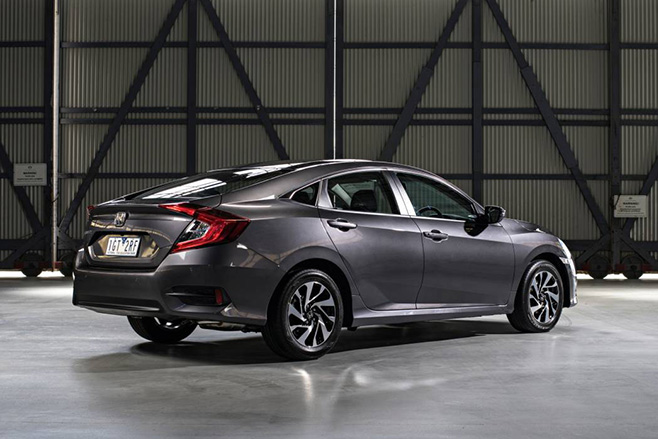
While there’s a more powerful 1.5-litre turbo engine in higher-spec models, the Honda Civic VTi-S is powered by a naturally-aspirated 1.8-litre that trades outright performance for a sub-$25k price tag. Retailing for $24,490, the auto-only Civic VTi-S compares well against other mid-spec small sedans.
STRENGTHS
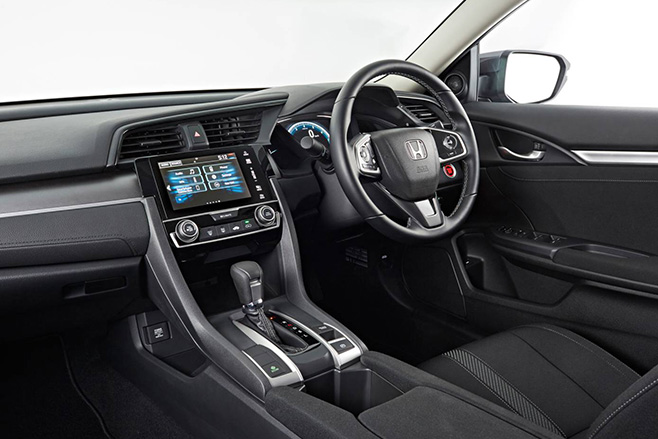
- The Civic sedan has an impressive interior, both in terms of how much space it offers and how it’s presented. There’s plenty of room for four adults, with the back seat being especially comfortable thanks to well-sculpted cushions and a reclined backrest.
- Handling is superb, with the Civic’s steering and suspension managing to perfectly blend roadholding with comfort. The steering is incisive, nicely weighted and direct, and the suspension irons out big bumps with ease.
- Though it’s only got 104kW and 174Nm from its 1.8-litre capacity, the Civic sedan’s engine still feels fairly lively. It sips fuel too, with a claimed consumption of 6.4L/100km.
- With 519 litres of seats-up capacity, the Civic’s boot has even more room than a Holden Commodore.
WEAKNESSES
- The Civic’s CVT automatic spoils the driving experience. Sluggish to respond, it dulls the performance of what is otherwise a stellar mechanical package. Particularly annoying is the drivetrain’s habit of “hanging” after the throttle is lifted sharply, which can delay deceleration. It steps off the line cleanly and delivers good economy, but the Civic’s trans is otherwise a disappointment.
- The Civic’s double-decker centre console may liberate a few more square centimetres of storage space for the interior, but it’s almost impossible to see what’s stored down there without stooping down. The USB/HDMI ports are located there too, and cables need to be threaded through a small pass-through if you want to have your phone visible and accessible on the upper storage tray.
- There’s no rear air vents to keep those in the back seat cool, which is a shame given how accommodating that rear bench is. Why should your rear passengers have to sweat through an Aussie summer?
The small sedan market is a heavily populated one, though there are slightly fewer choices than if you were shopping for a small hatch.
Competition includes the Hyundai Elantra, Kia Cerato, Ford Focus, Mitsubishi Lancer Toyota Corolla and Subaru Impreza, with the Subaru being the standout of that field.
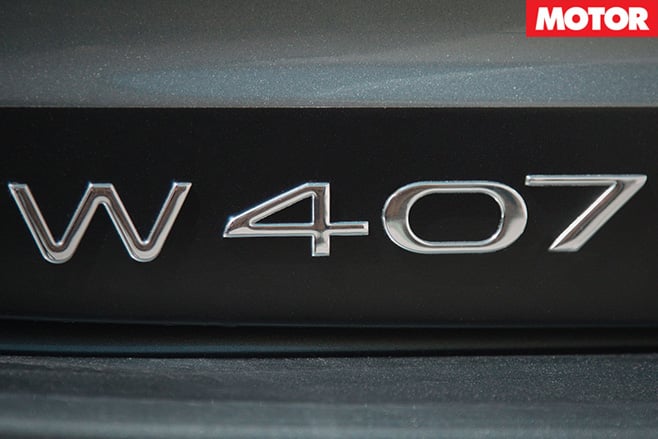
Atmo 6.2-litre V8 fans can now score 407kW and 695Nm from any VFII Commodore SS or Gen-F HSV Clubsport thanks to a just-revealed Walkinshaw Performance W407 package.
Costing an additional $9990 above a 304kW SS or 340kW Clubsport and replacing the previous the W375 package, the W407 now gets – you guessed it – 407kW produced at 6250rpm in either Holden or HSV, which both also shift from 570Nm to 695Nm at 4950rpm.
Additions to the mighty LS3 include Walkinshaw Performance ceramic-coated headers, cold air intake, camshaft and valve spring upgrade and a dual-active catback exhaust.
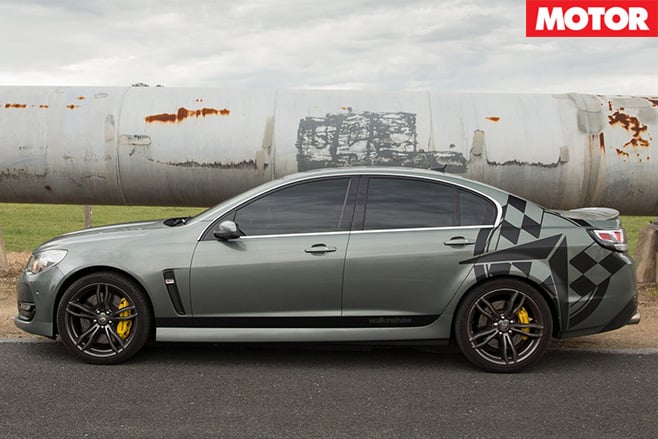
Walkinshaw Performance tags the W407 as its “best naturally aspirated package to date.”
“Utilising a Walkinshaw Performance spec camshaft and associated componentry provides more top end power and torque whilst maintaining road handling manners for your daily drive,” it further explained in a release.
“This results in greater efficiencies in power and economy and is finished with all in-fill panels and shrouds keeping with the original equipment look of the vehicle.”

Walkinshaw Performance covers the Holden three-year/100,000km warranty for the engine, gearbox and differential – or the remainder thereof on used vehicles.
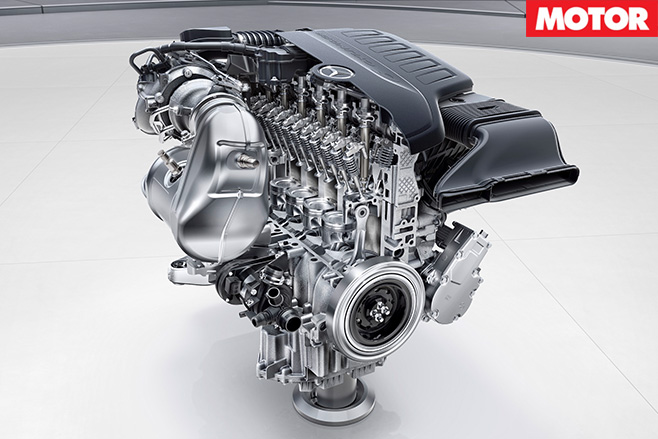
Mercedes-Benz has revealed a BMW-rivalling 3.0-litre in-line turbo six-cylinder with an Audi-challenging electric compressor to eliminate lag and make beyond 300kW/500Nm.
The potent straight six is part of a new modular engine family with 500cc capacity per cylinder, which will spawn a 200kW 2.0-litre twin-scroll turbo four likely for the next A250, and a 350kW/700Nm 4.0-litre twin-turbo V8 for larger sedans.
A similar system is used in the Audi SQ7, but it teams an electric turbo with a 4.0-litre V8 engine to make 320kW and 900Nm.
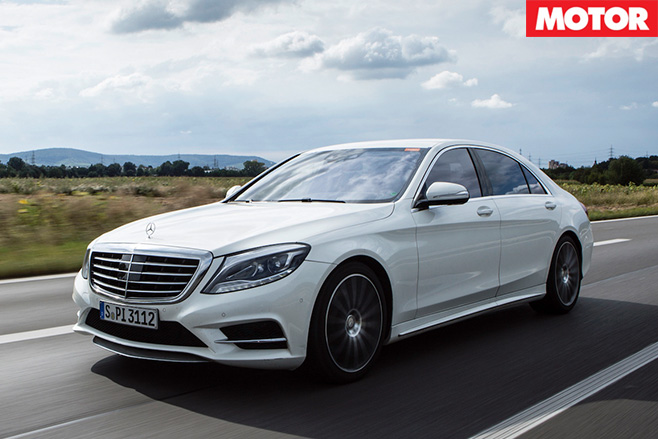
The in-line replacement will be more powerful and potentially torquier, and along with the new twin-turbo V8 that gets cylinder deactivation technology to save fuel, will debut in a facelifted S-Class limousine range later this year.
But it’s the 240kW/450Nm BMW 340i that Benz will target the new engine at, in addition to the Audi S4 makes 260kW/500Nm from its 3.0-litre turbo V6. And with beyond 300kW and over 500Nm, the new C-Class, E-Class and S-Class straight six should really make a mark.
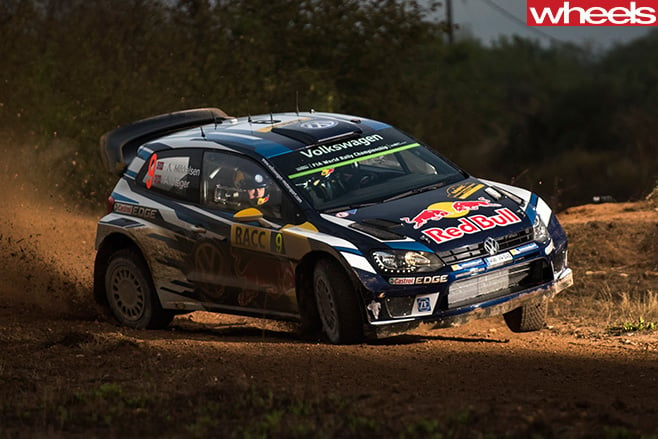
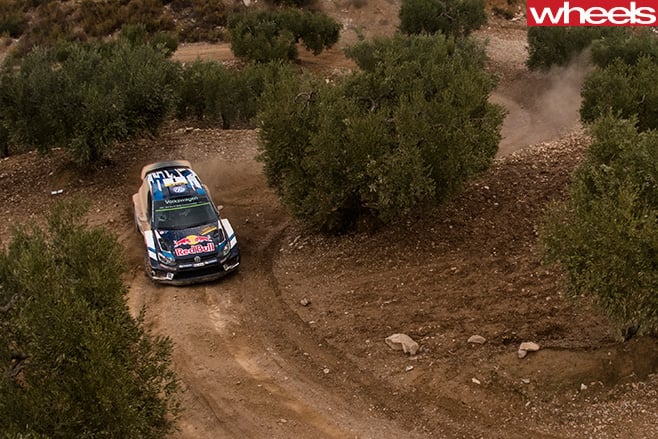
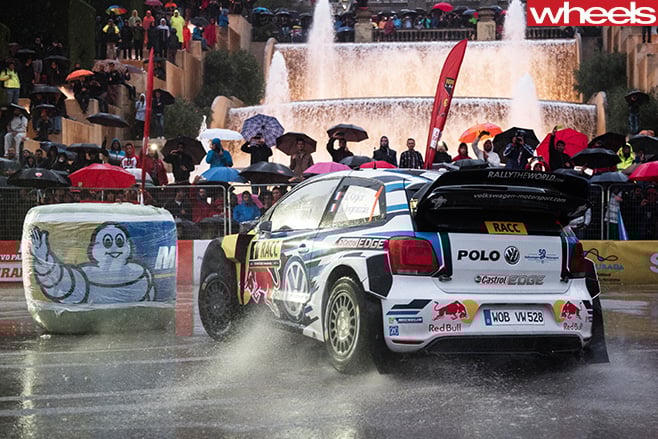
The rising cost of the emissions scandal reportedly claims another motorsport victim, forcing VW out of the World Rally Championship.
VOLKSWAGEN has reportedly decided it will pull out of the World Rally Championship as the fallout from the Dieselgate scandal continues to rock the German carmaking giant.
The move, leaked overnight just days after the carmaker sealed its fourth WRC title, follows in the wake of the announcement that sister brand Audi would quit the World Endurance Championship at the end of this year’s season.
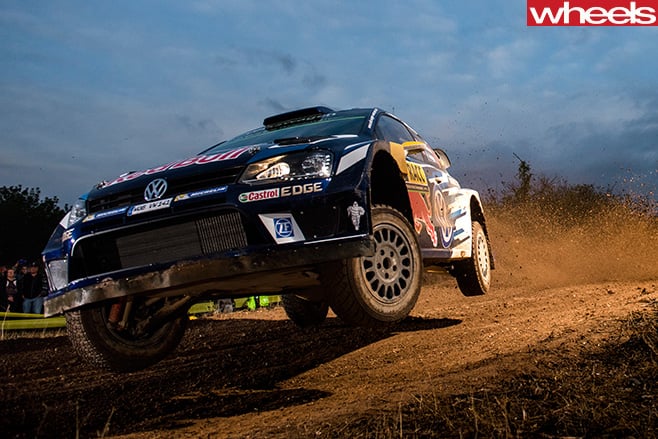
The four world titles makes Volkswagen the fourth-most successful manufacturer in the WRC series. Lancia leads with 10 titles, Citroen with eight, and Peugeot has claimed four.
Volkswagen is yet to officially announce its withdrawal from the world rallying stage. However, it is believed the motorsport division responsible for the Polo R WRC’s development will turn its focus to building customer cars. VW’s sister brand, Skoda, is believed to be sticking with its WRC campaign.
Audi, though, isn’t giving up on motorsport entirely. Shortly after it announced it would leave the WEC – a series Audi once dominated but has since been outshone by sister brand Porsche – it announced it would formally enter Formula E, a fully electric race series, after heavily supporting one of the race teams.
Volkswagen has set aside the equivalent of about $A16 billion to help pay for the fallout from the Dieselgate scandal. It faces massive fines in some overseas markets over the software cheats designed to make a clean sweep of diesel emissions tests, including almost $20 billion in a record settlement with the US government.
To date, Volkswagen Australia has issued only one recall to install new firmware on almost 9000 Amarok trade utes. Its Dieselgate website has not been updated since a statement issued in June advising Australian owners that, unlike owners in the US, they would not be compensated for having been sold vehicles with the emissions cheat devices.
However, Australia’s consumer watchdog in September launched Federal Court action against Volkswagen Australia over the diesel engines scandal.
The carmaker potentially faces millions of dollars in fines if the court sides with the ACCC. The case has its next hearing scheduled for December 6.
Dieselgate in Australia: What cars are affected?
- Amarok 2.0 litre – 2011 to 2012
- Caddy 1.6 and 2.0 litre – 2010 to 2015
- Eos 2.0 litre – 2009 to 2014
- Golf 1.6 and 2.0 litre – 2009 to 2013
- Jetta 1.6 and 2.0 litre – 2009 to 2015
- Passat 2.0 litre – 2008 to 2015
- Passat CC 2.0 litre – 2008 to 2012
- Polo 1.6 litre – 2009 to 2014
- Tiguan 2.0 litre – 2008 to 2015
- CC 2.0 litre – 2011 to 2015
The revered SS badge will be laid to rest when the Aussie-built Commodore bows out at the end of next year.
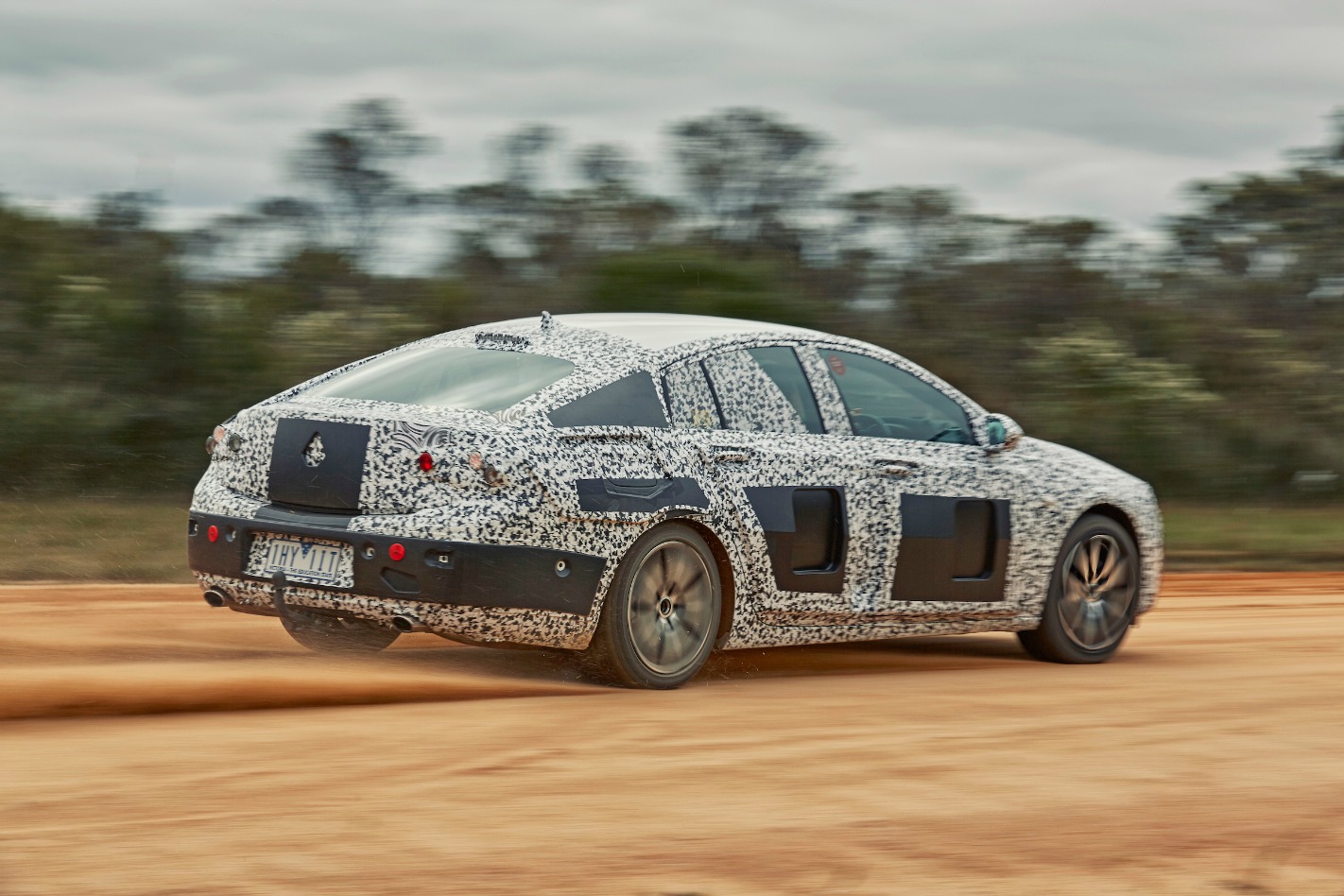
Holden will replace the locally-manufactured rear-drive Commodore with an all-imported new model under the same name from January 2018. But MOTOR has learnt with no chance of a V8 variant the SS badge will not continue with the next-gen imported car.
The next Commodore – effectively the new Opel Insignia – will be all-wheel drive, slightly smaller externally and sport a V6 when it lobs in Oz in 2018, Holden engineers currently tweaking the car at the Lang Lang Proving Ground south-east of Melbourne.
The SS badge first appeared on the Commodore with the VH in 1982 and has been the hero V8 Holden ever since (HSV is a different company), culminating in the awesome 304kW VF II SS on sale today.
As reported by MOTOR in May, Holden will farewell the SS next year by reviving the venerated Director nameplate last associated with Peter Brock and the controversial Energy Polarizer in the 1980s.
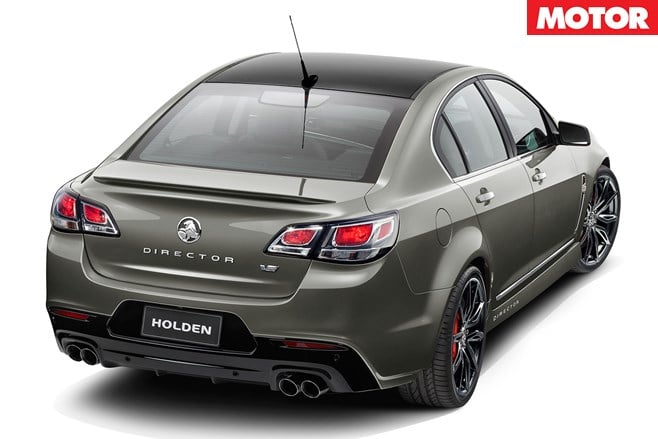
Holden declined to comment when contacted by MOTOR.
While the major factors on which comprehensive car insurance premiums are priced aren’t changeable – your age, gender and where you live – there are still ways to land a better deal.
It pays to get quotes on the various models you’re considering before you settle on a car. It’s also worth getting a range of quotes to see which policy and premium fits best.
Comparing prices is straightforward, but not all policies are created equal. Companies that ask more questions about you and the use of your car can be cheaper, depending on your circumstances. If your car is securely parked at work, rather than left at the train station, or you cover less than average kilometres for example, it could put you into a lower risk category and reduce your premium.
A clean driving record is a no-brainer, but going further by doing an advanced driver training course can help cut costs with some companies, too.
Additional savings can be made by bundling car and home insurance needs and paying premiums annually rather than monthly.
It can work out to be more cost effective not adding young family members to your policy, depending on the size of the excess for non-listed drivers.
Extras such as car hire while your car is in for repairs can be worthwhile, but also add expense, so consider how much you really need them.
Choosing to increase your excess can also bring premiums down. For some people, the role of their policy is to insure against a total loss of a valuable asset, which could occur if the car is written-off in an at-fault car accident, or stolen.
If this is you, consider increasing your excess – from, say $500 to $1500. It will reduce your premium and continue to cover you for the bulk of the car’s value, but will mean you stump up repair costs after a minor at-fault bingle.
THREE THINGS TO REMEMBER
- Get quotes before, rather than after you settle on a car
- Strike a balance between excess amount and policy cost
- Pay your premium annually rather than by-the-month.
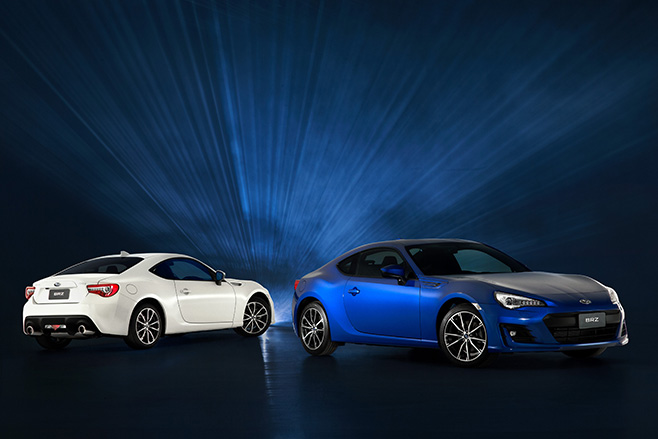
At the risk of sounding like Subaru’s PR machine, there’s never been a better time to buy a Subaru BRZ sports coupe.
The facelifted 2017 Subaru BRZ is now available with new tech, improved ride and a considerable price reduction.
As revealed in August, the manual variant also receives a slight power and torque boost through changes to the exhaust system resulting in reduced pressure loss which pushes output up from 147kW/205Nm to 152kW/212Nm.
The six-speed manual transmission variant will now retail for $1230 less at $32,990 and the six-speed auto will set you back $1735 less at $34,990.
Both variants have received tweaks to the chassis and floorpan for extra rigidity and revisions to the suspension’s struts, shocks and springs to enhance stability and comfort.
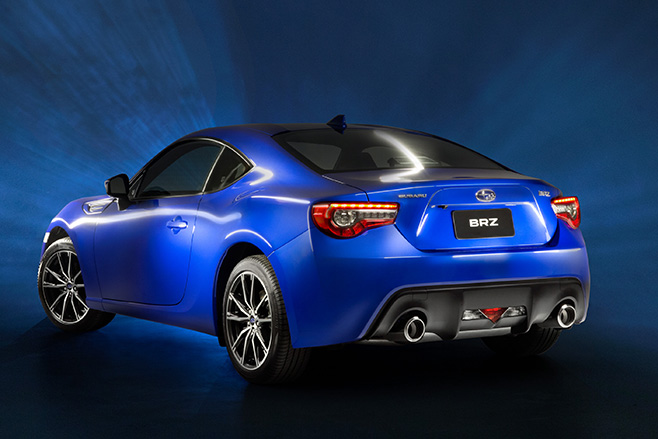
Visual changes include a wider and lower bumper design, new LED head- and tail-lights and redesigned 17-inch 10-spoke alloy wheels.
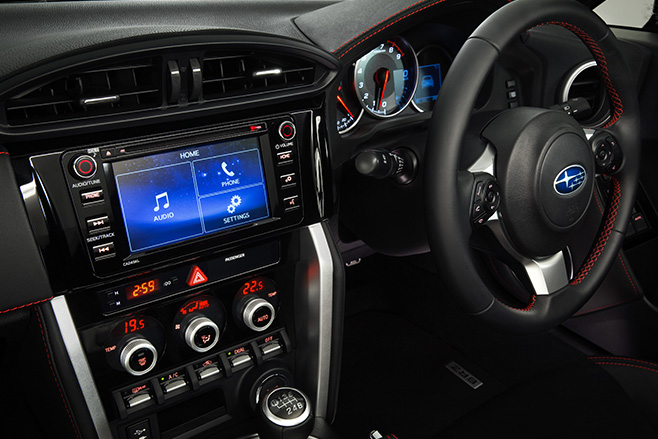
The interior gains enhanced instrumentation featuring a 4.2-inch colour LCD display, new steering wheel with in-built control switches, and optional cabin upgrades including red stitching and BRZ-embossed front seats.
Technical upgrades include an additional ‘Track mode’ added to the Vehicle Dynamics Control, hill start assist and upgraded infotainment with a 6.2-inch touchscreen.
Subaru Australia Managing Director, Colin Christie, said the 2017 upgrade is a result of “our strong relationship with the factory … that’s reflected in the volume of showroom interest since we teased the specification upgrades in August”.
The 2017 Subaru BRZ is available to buy now ahead of cars arriving in showrooms towards the end of November.
When it comes to grocery-getting hatchbacks, they don’t come any more ubiquitous than the Toyota Corolla.
The Corolla has been a consistent top-seller in Australia, with its blend of value and dependability resonating with tens of thousands of motorists. However, its mechanicals are far from cutting edge and the hatch is now two-thirds of the way through its lifespan. In such a competitive segment, how does the Corolla stack up?
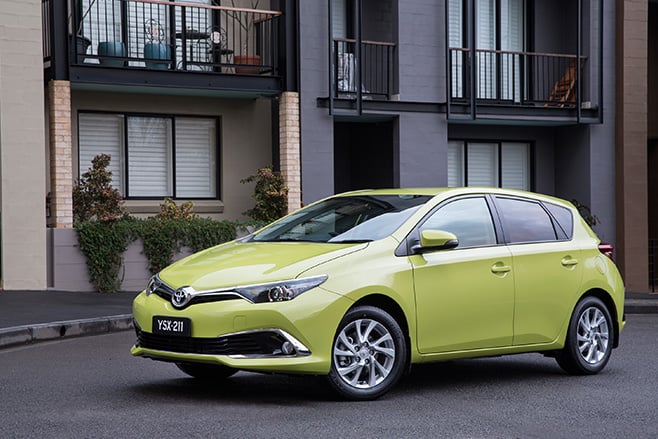
TELL ME ABOUT THIS CAR
The Toyota Corolla Ascent Sport is one rung up from the base-grade Ascent, and boasts features like 17-inch alloys, front foglamps, a leather-bound steering wheel and a 7-inch colour touchscreen to help elevate it above the entry level model.
Available with a six-speed manual transmission or a seven-speed CVT automatic, the Ascent Sport is powered by a 1.8-litre petrol four-cylinder engine producing a modest 103kW of power and 173Nm of torque. Priced at $23,250, it’s one of the more affordable small hatch options on the market today.
STRENGTHS
- Interior space is more than adequate for four adult passengers. Even though the Corolla’s wheelbase doesn’t endow it with huge rear legroom, relatively high seating positions reduce the need for drivers and passengers to kick their legs out ahead of them.
- Though CVTs have a reputation for sluggish response, the Toyota Corolla’s transmission isn’t actually that bad. Floor the throttle and it will step through seven virtual “ratios” (which eliminates the single-RPM drone that CVTs are known for), while it quietly and seamlessly keeps the engine operating at its most economical during more sedate driving.
- It handles quite well considering it’s not pitched as a sports model. The steering is light and accurate, and the Corolla will hang on tight in a corner – and that’s important for safety.
- While the Toyota badge carries a promise of rock-solid reliability, owners will also no doubt appreciate the capped-price servicing scheme offered for the Corolla. Prices for the first six logbook services are locked at $140 – though the service intervals are set at a relatively short 6 months/10,000km.
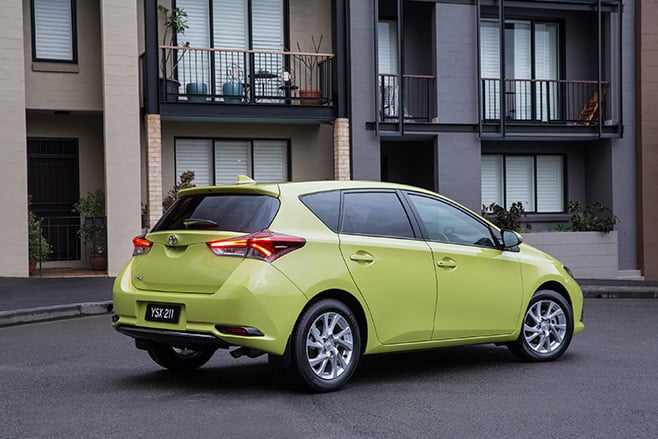
WEAKNESSES
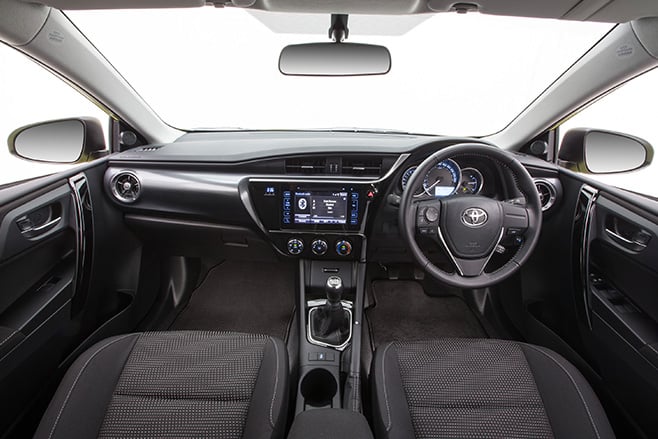
- Interior design is dull, and the Corolla’s near-vertical dashboard is imposing and not terribly welcoming. It makes for a cabin that feels more tight and hemmed-in than it actually is.
- The Corolla may be a safe choice, but it certainly doesn’t push any boundaries. While other manufacturers are offering more with bigger engines, stop-start systems, turbocharging and advanced in-cabin technology, the Corolla sticks to older tech.
- Corolla’s ride can be sharp at times, with a crashy rather than cushy quality over big bumps and potholes.
- While a three-year/100,000km warranty is by no means stingy, there are more competitive warranties out there from manufacturers like Kia, Hyundai, Citroen, Mazda, Renault and Mitsubishi.
- No sat-nav or smartphone mirroring means there’s no way to have built-in navigation system operated through the Corolla Ascent Sport’s 7-inch touchscreen. That might not have been a sticking point a few years ago, but with the recent proliferation of Android Auto and Apple CarPlay smartphone mirroring it reveals just how behind-the-times Toyota can be.
ANY RIVALS I SHOULD CONSIDER?
There’s no shortage of options if you’re shopping for a small five-door hatchback. The Corolla’s key competitors include the Mazda3, Honda Civic, Hyundai i30, Ford Focus, Kia Cerato and the soon-to-arrive Holden Astra, and all of them represent keen value.
First published in the September 2016 issue of Wheels magazine, Australia’s best car mag since 1953.
It’s easy to cast Elon Musk as the villain in a bond film. One who, in the light of recent news, sits in his hollowed-out volcano stroking a white cat and cackling like Scaramanga.
He would certainly have got an evil chuckle out of Porsche’s grandiose announcement that it is set to spend a billion euro developing a production version of the Mission-E concept. A car that, despite being four years away, has claimed performance numbers inferior to those of the Tesla Model S that you can buy today.
But the real mwahahaha moment would have come with BMW’s decision to switch its i Division, set up five years ago to spearhead the company’s move into electric mobility, to a wider brief that will see it shift most attention to developing autonomous vehicles.
So the only carmaker to have set up what was meant to be a Tesla-fighting division has already raised the white flag.
The official spin is that i was always meant to be about innovation rather than just EVs. Which is a pretty poor attempt at a Jedi mind trick: the i3 and i8 have only ever been pushed on the basis of their mostly electric powertrains and – as we reported three months ago – the decision of four of i’s most senior managers and strategists to defect en masse to an unknown Chinese EV startup gives a good indication of how well things have been going.
Even BMW admits the i3 has been a sales disappointment, with the carbon-bodied golf kart struggling to sell anywhere that doesn’t pay generous subsidies. Germany is just starting to offer these, and demand has risen accordingly, so there will be a rise in demand, but not to Tesla levels. The bigger i5 model has been canned with the next entirely new i now pushed to 2021. Meanwhile, Tesla has taken tens of thousands of deposits for its forthcoming Model 3, which will sit in almost exactly the same part of the market.
For all we’re told that Tesla is a flash in the pan, it seems to be winning completely unopposed at the moment; it’s the only car company in the world to produce EVs that people want to buy. Musk’s prediction that Tesla will be making more than 500,000 cars a year by 2020 still seems fanciful – the brand has a history of hitting all its targets late – but it’s still causing something close to panic in German boardrooms.
Tesla’s fanbase often seems like a cult, one that’s prepared to drink any Kool-Aid Musk orders them to, and willfully blind to some of the company’s more egregious quality failures. But this is an automotive brand that’s proved itself capable of inspiring the sort of passions normally reserved for Italian supercars or Aussie-built saloons. It’s hard to imagine a 5-Series plug-in hybrid with an XL battery pack producing a similar emotional response.
BMW’s real fear is the one shared by the rest of the car industry – that buyers will view electric mobility as being different from old-fashioned internal combustion, especially as we move towards click-and-go autonomy. Look back a decade and you’d have said that Nokia had an unbreakable lock on the mobile phone market.
Is anyone really going to pay extra for the BMW badge on a driverless pod?
i think, therefore i am
BMW never officially confirmed it was working on an i5 model, but we know that development of the mid-size car was well advanced before the i3’s slow sales forced a pause. Now i Division’s official role is to spearhead innovation, both ‘machine learning’ and ‘Level 4’ autonomous tech – pretty much self-driving cars – with this set to make its debut as what’s currently being referred to as the iNext, an EV targeted for launch in 2021. That’s a desperately long wait in a part of the market moving as quickly as this one.
Ferrari a team without proper leaders
Running Scared is more than an old Roy Orbison song
With Ferrari facing its first winless season since 2014, and apparently losing ground not only to Mercedes but also to Red Bull, critics are queuing up to hammer the Scuderia.
The latest to have a crack is the team’s former chief track engineer, Luca Baldisserri, who says the team is running scared.
The Italian, who was booted to a lesser gig during one of the Ferrari’s numerous staff cleanses, is these days managing up-and-coming driver Lance Stroll, who is set to join Williams next year.
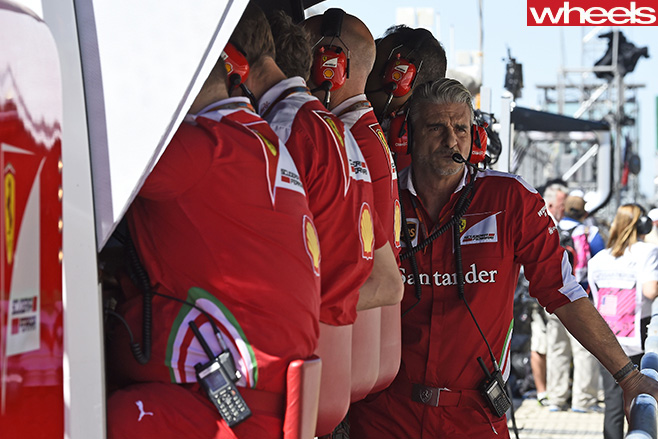
He cares, and says the root of Ferrari’s problems is that neither Ferrari CEO Sergio Marchionne nor F1 team boss Maurizio Arrivabene have experience in motor sport, and that the Maranello outfit is no longer a cohesive group but a group of scared individuals.
“There is a climate of fear,” he told Corriere dello Sport. “The boys don’t take risks for fear of being fired in disgrace.”
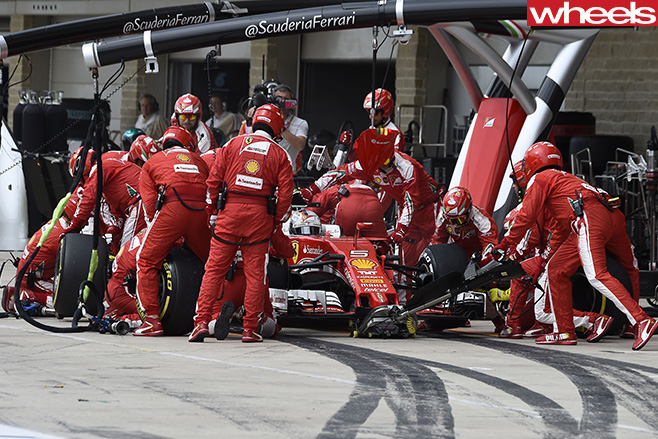
“It doesn’t mean anything. The chain of command in Formula One has to be more than vertical; it must be military.
“The number ones are there to show the way, to motivate people, to decide, and if you make a mistake, you should not be fired. This happened to Allison, it was a great loss.”
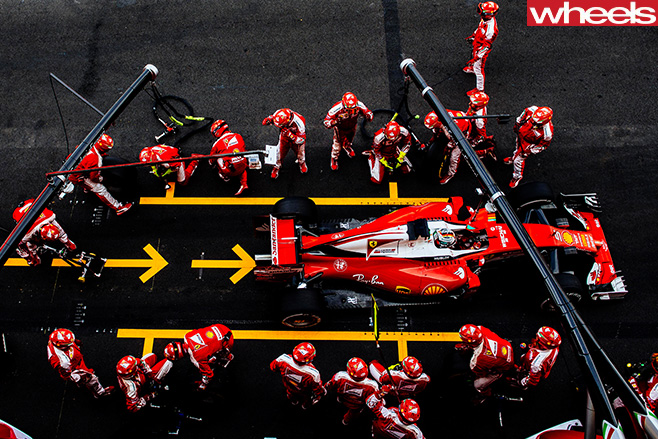
Marchionne is the villain here, said Baldisserri who believes Ferrari should be doing everything to keep Vettel, a four-time world champion, motivated and happy.
“It’s important for Ferrari to recover him and to hold on to him, at least in the short term,” he added.
