
Does anything exemplify the demise of the hot hatch more gut-wrenchingly than the end of Renaultsport?
Yes, we knew that the writing was on the wall in 2021, when the technical assets were transferred to Alpine, but Alpine sold four cars in Australia in 2022 and drew a complete blank in 2023, so it’s understandable if Aussie hot hatch fans feel somewhat dudded.
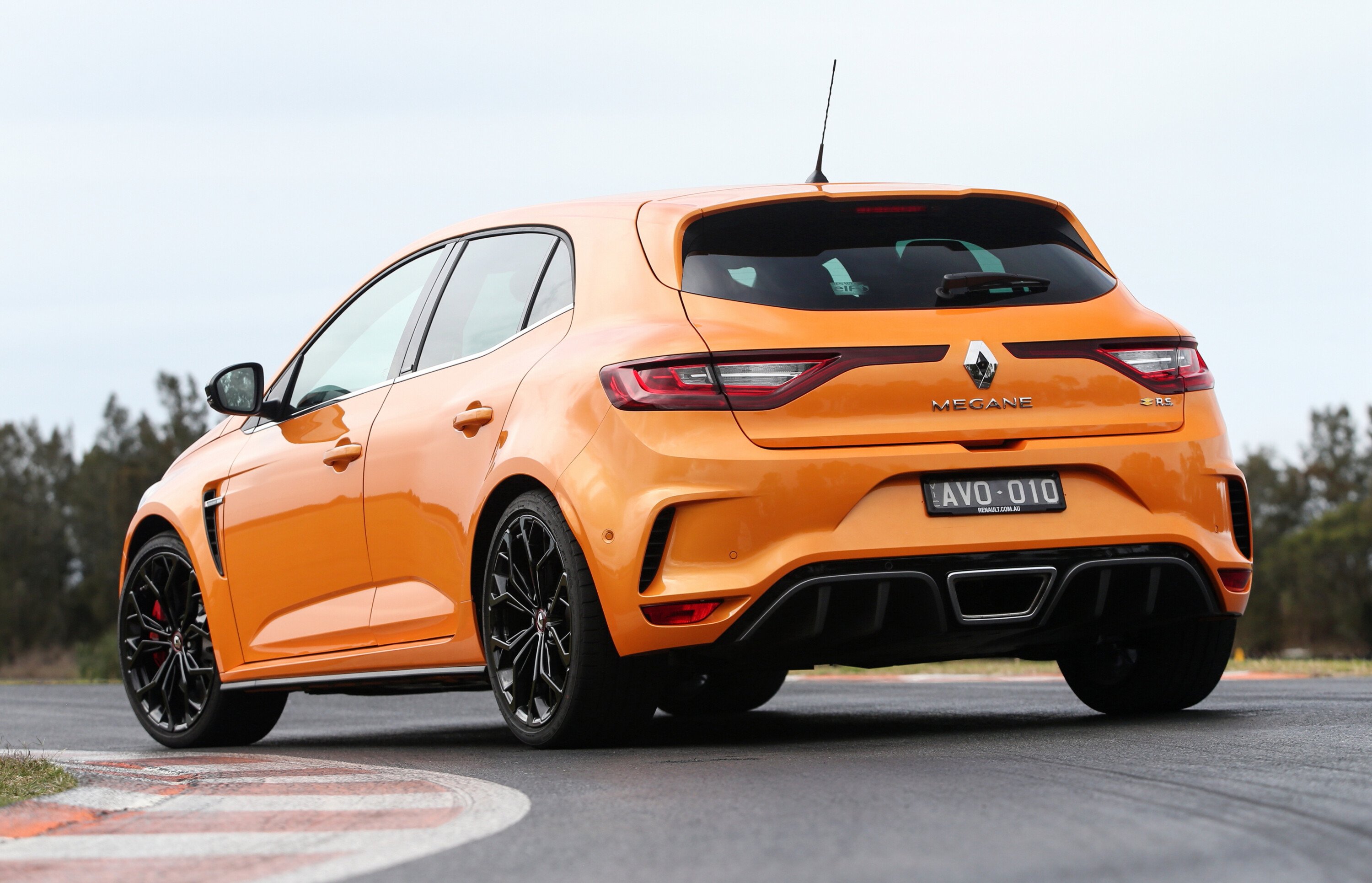
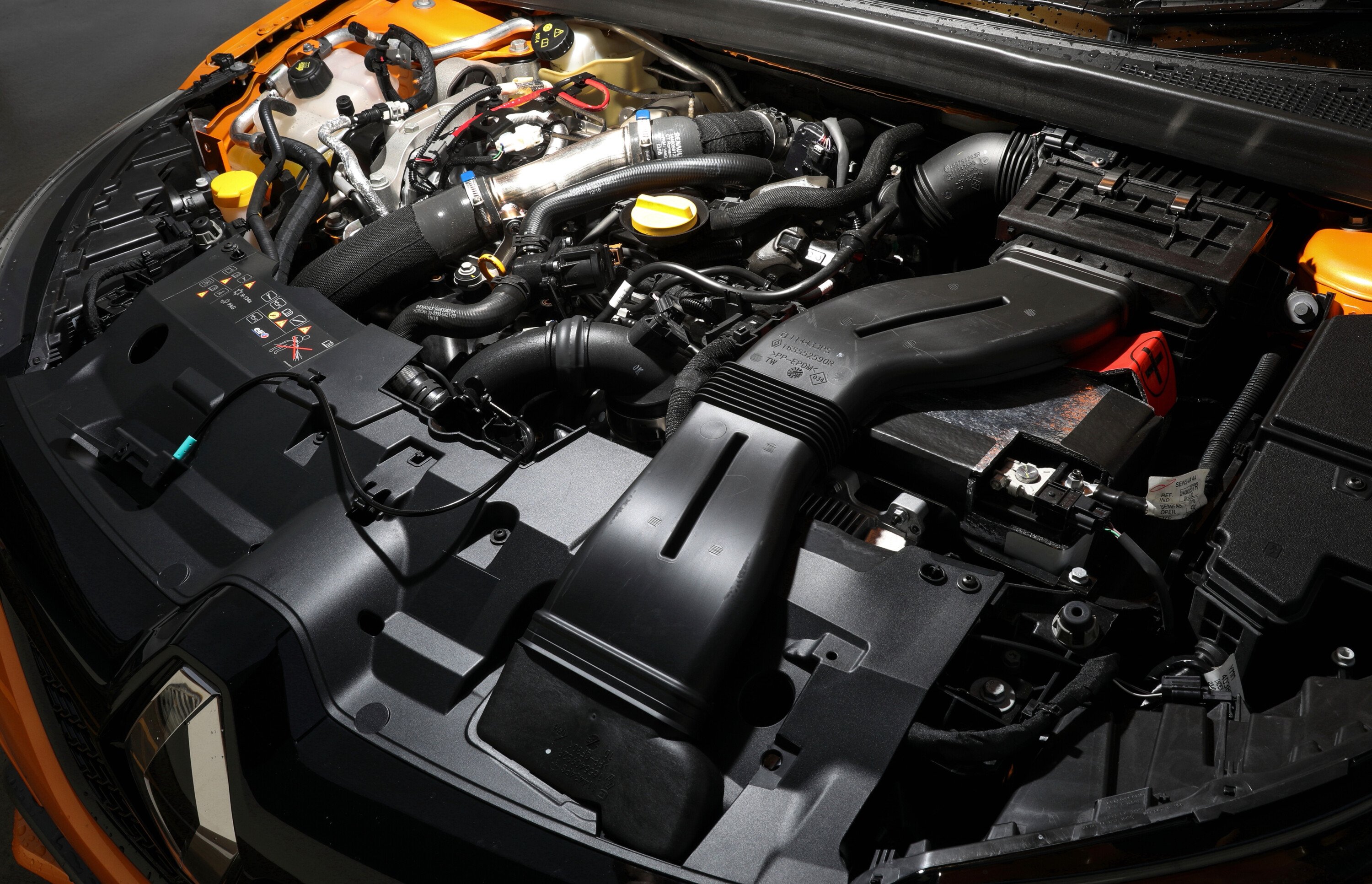
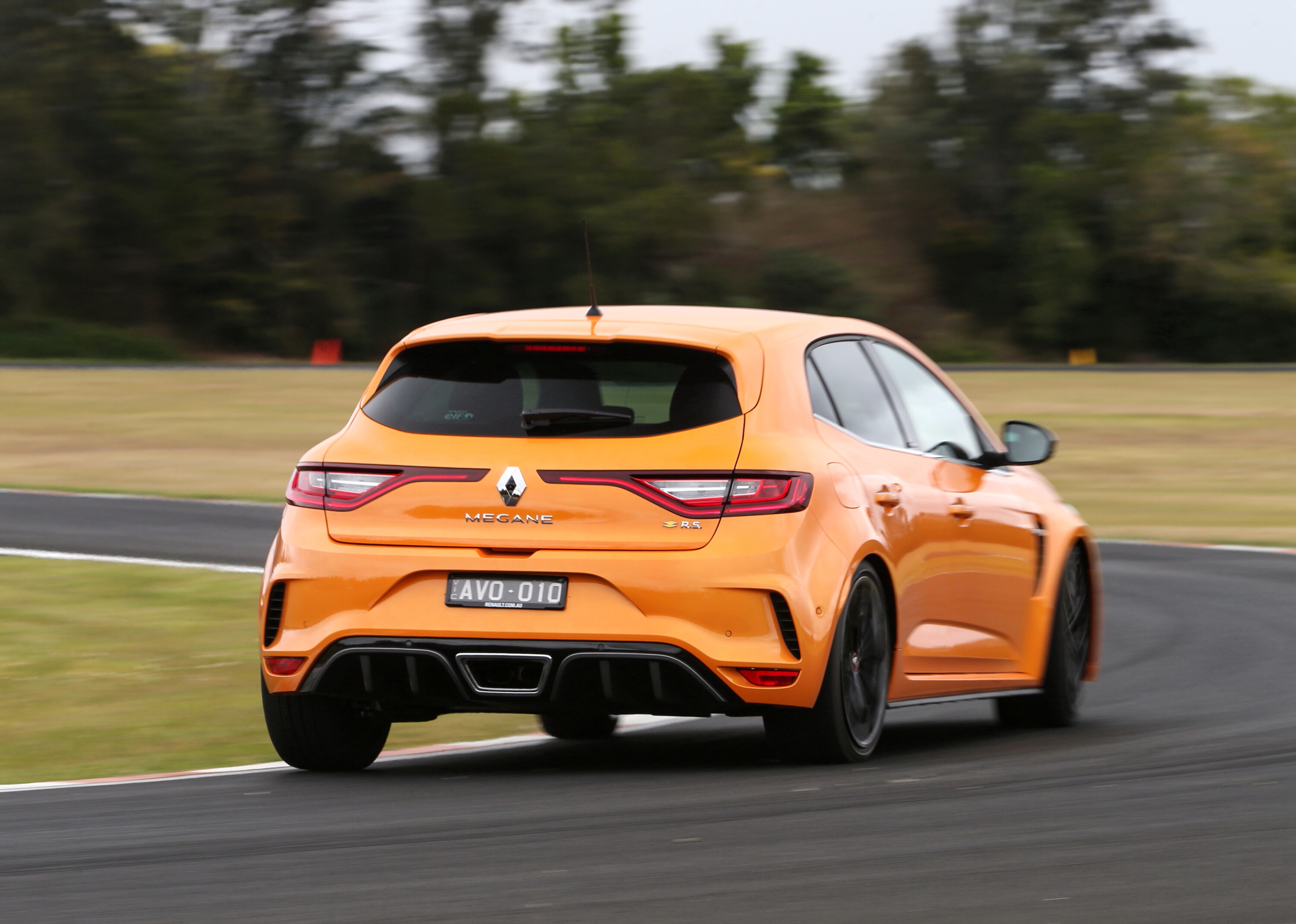
The last batch of RS-badged Méganes were built in March last year and all are now in Australia, with just a handful of ‘regular’ RS and end-of-the-line Ultime special editions left in dealers. Choose between manual or dual-clutch models and be quick. Once they’re gone, they’re gone. What’s more, any putative replacement won’t be anything alike. It won’t have pistons for a start.
1
In total, Australia received an allocation of 40 Ultime editions and these are likely to become collector’s items, despite packing no more power or torque than the regulation RS it’s based on.
The Mégane nameplate won’t completely die on these shores, but the baton has been taken up by the Mégane E-Tech electric crossover which, without labouring the point, isn’t quite the same thing.
As tasty as the prototype Alpine A290 Beta looks, it’ll be a while before this performance EV lands in Australian showrooms. ‘Maybe 2025’ is about as definite as Alpine is being right now, but the Mégane RS will be a tough act to follow for any electric Alpine.
1
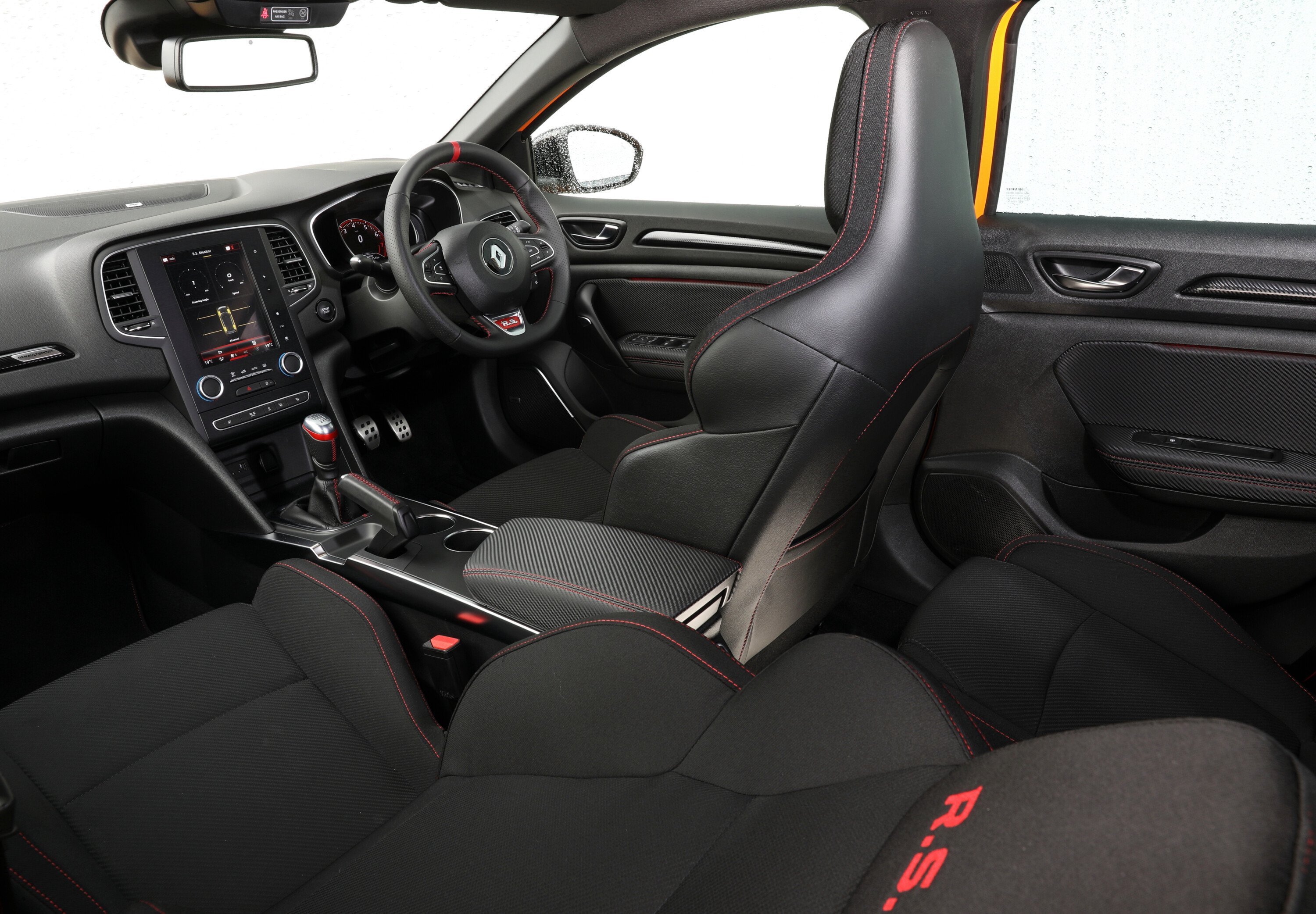
There have been three generations of Mégane RS and all of them have been excellent.
It took a little while for the bustle-backed Mégane RS to find favour – the original RS 225 models showing promise, though it took the 2006 RS 230 Renault F1 Team R26 to really show what this chassis was capable of, building on the added focus of the Cup chassis with the all-important fitment of a limited-slip diff.
That expression reached its zenith with 2009’s track-focused R26.R – the closest thing we’d seen at that point to a true superhatch.
The successor body arrived in 2010 with the Mégane RS 250. We expected the coupe to have grown a bit softer with age, but it was just the old car only better. The 265 and 275 models were incremental improvements, with the final 275 Trophy-R being especially prized.
1
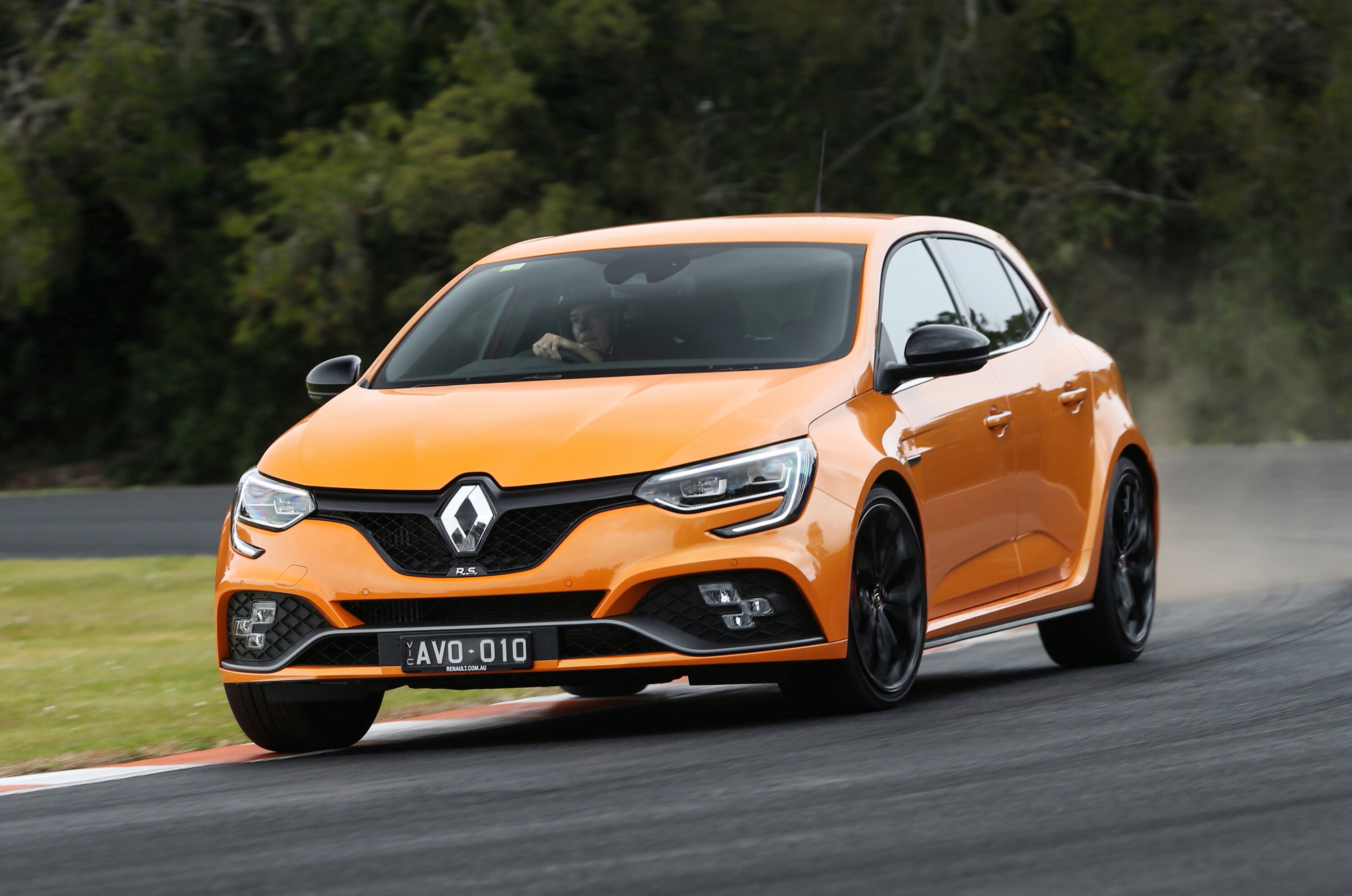
The third and last iteration of the Mégane RS debuted in 2017 and was initially offered in three flavours – 280 Sport, 280 Cup and 300 Trophy.
The Sport featured a torque vectoring by braking system up front, where the Cup got stiffer suspension and a Torsen LSD to more accurately address the tyres to the tarmac.
While the third generation never quite gained the cult following of the prior two iterations, it’s still a great steer. If you want one of the last great hot hatches, you know what to do.
1
What’s next?
Given how good the revived A110 has been, perhaps enthusiasts should give Alpine a fair go.
Renault boss Luca di Meo has talked of a product roll-out that will first see the Renault 5-based A290, followed by a small SUV in 2026, an electric A110 coupe developed in conjunction with Lotus in 2027, and a few brand-eroding SUVs thereafter to keep the bean-counters on side.
2
Two pedals or three?
I was fortunate enough to run a couple of long-term Mégane RS 280s for Wheels back in 2019.
The first was a Sport with the EDC transmission, the latter a Cup with the manual ’box. After some consideration, I felt that the best combination would have been the more supple Sport chassis and quick-shifting EDC transmission, but with the Torsen limited-slip diff of the Cup.
MORE
Everything Renault
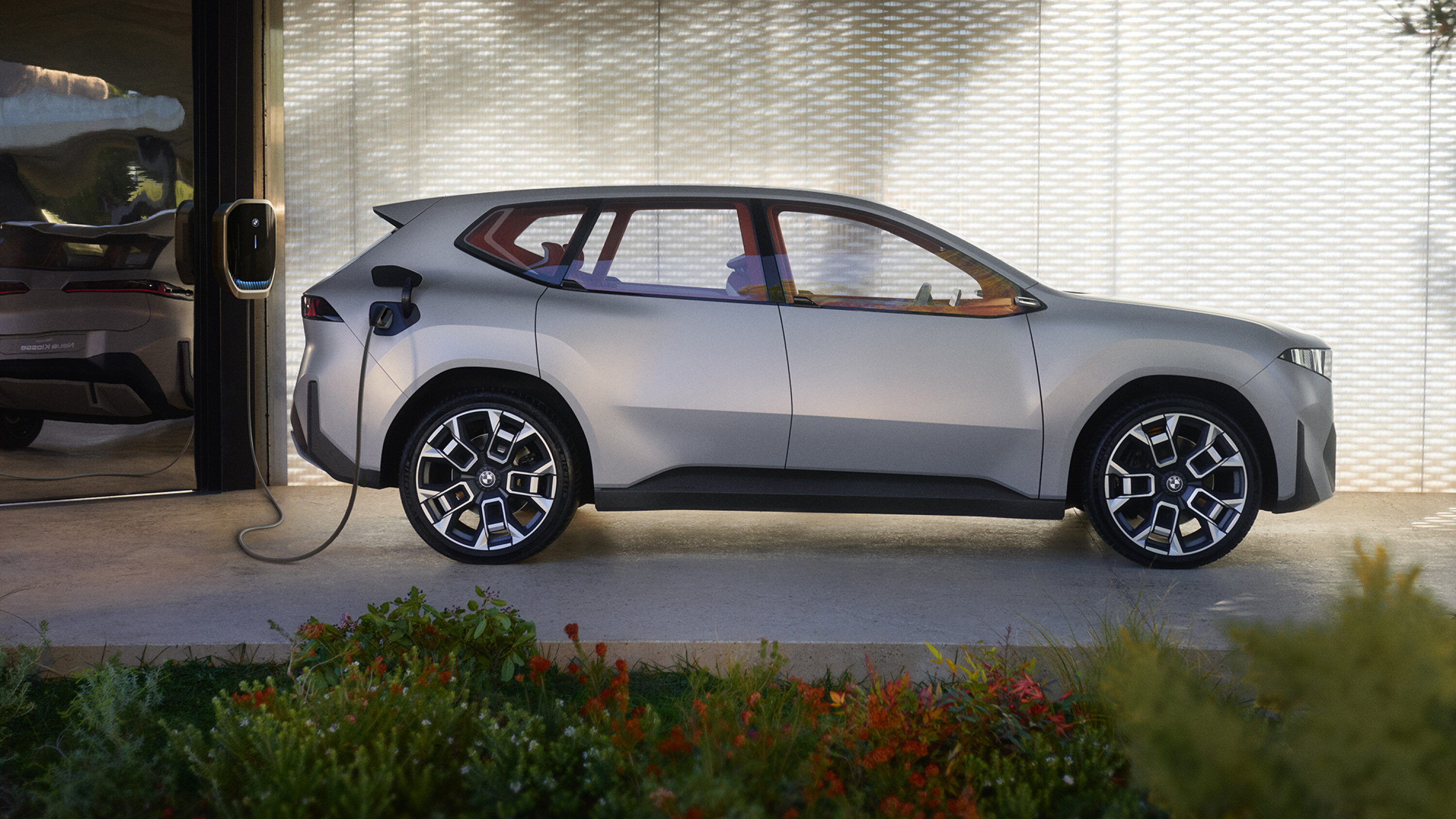
BMW has finally delivered a first look at what is likely to be its most important next-generation model: the 2025 iX3, previewed here in the form of the Vision Neue Klasse X concept.
As with the Neue Klasse sedan unveiled in 2023, this X concept combines futuristic themes with styling elements drawn from BMW’s storied past.
1
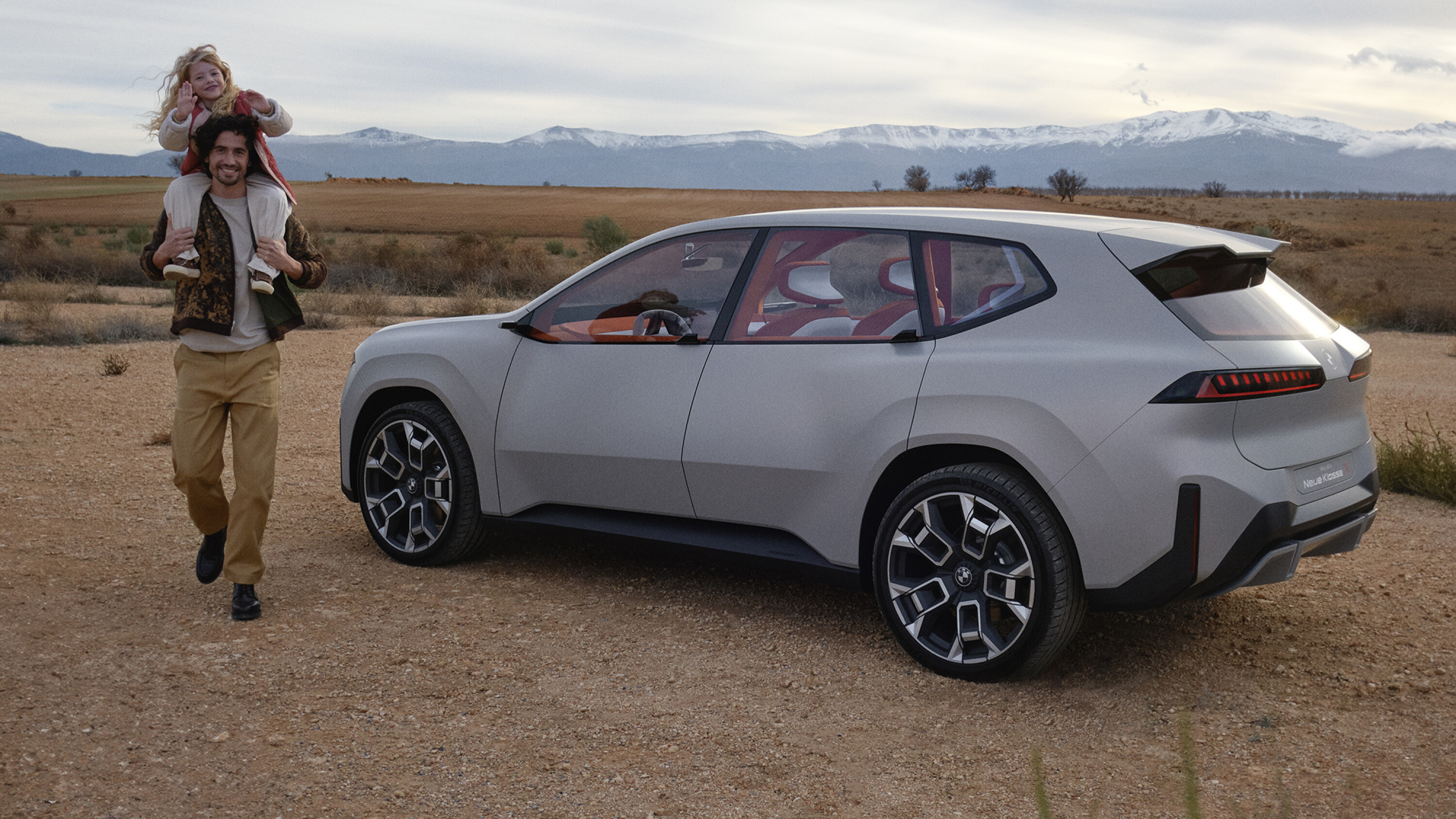
The standout example of this execution is showcased at the front end, with long ‘grille’ and headlight sections that converge – unlike the sedan – on a narrow kidney design harking back to the original Neue Klasse (New Class) models of the early 1960s and the compact 02 Series that followed.
The forward-slanting ‘sharknose’ profile calls on the styling of Graf Goertz’s original vision in the 1956 BMW 507.
1
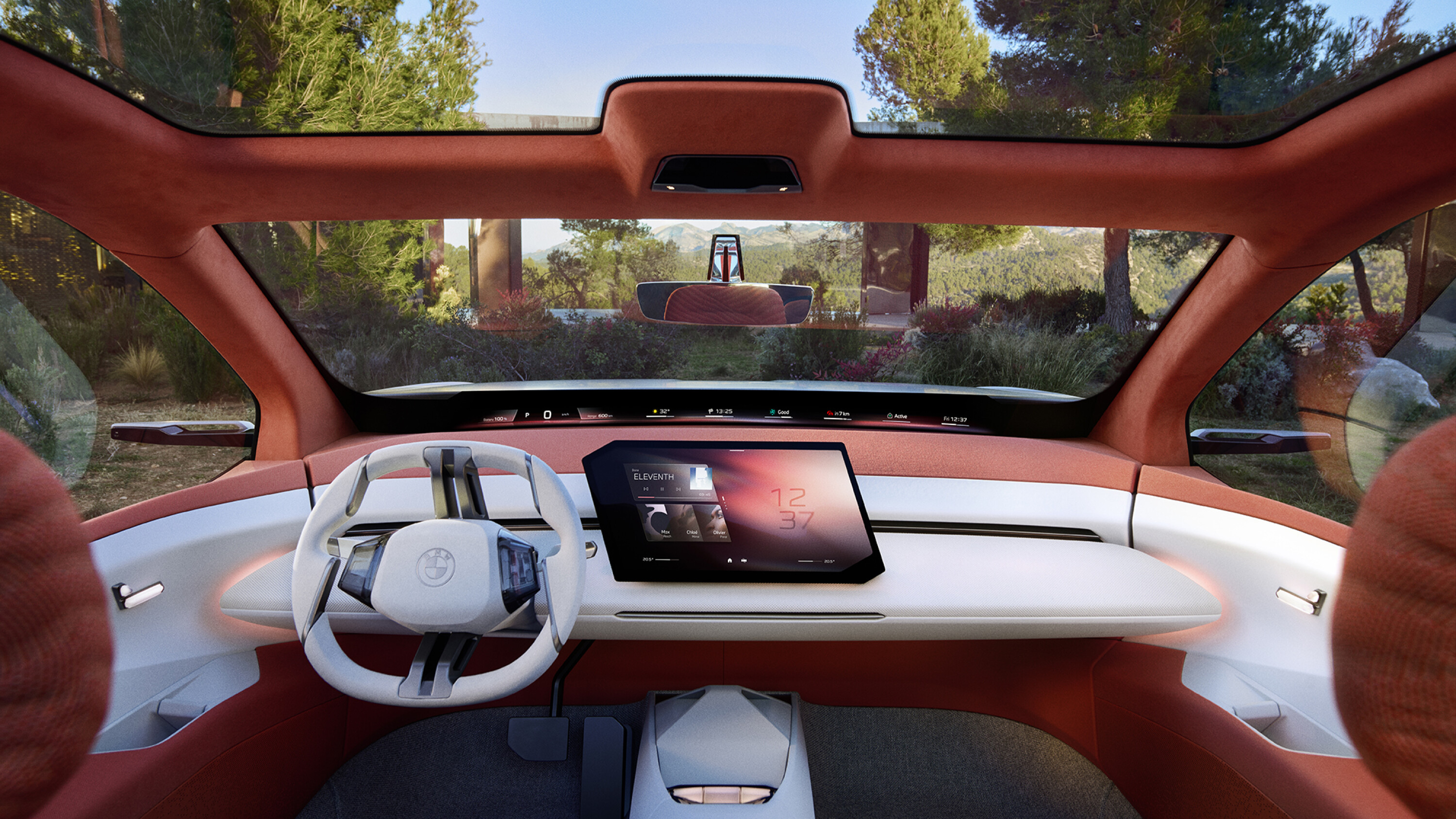
As with its sedan sibling previewed last year, the Vision X Neue Klasse is designed around an advanced cell-to-pack architecture, loaded into a fresh low-drag signature wrapping.
Speaking at the sedan’s unveiling, BMW Group design chief Adrian van Hooydonk described his team’s latest efforts as “sporty, compact and elegant. A set of characteristic lines and surfaces compiles a subtle and unpretentious shape with nicely balanced proportions.”
1
Despite BMW’s home city of Munich being broadly known as a conservative foil to cosmopolitan Berlin, van Hooydonk adds…
“We consider ourselves to be the southernmost German car manufacturer – which explains why the Neue Klasse strives to capture the cool ease and expertly crafted lightness typical of the great Italian design houses like Giugiaro, Frua, Bertone, Michelotti and Pininfarina – all of whom have done work for us in the past.”
For now, as with the Vision Neue Klasse sedan, the Vision Neue Klasse X is revealed mostly as a preview for the next iX3’s styling.
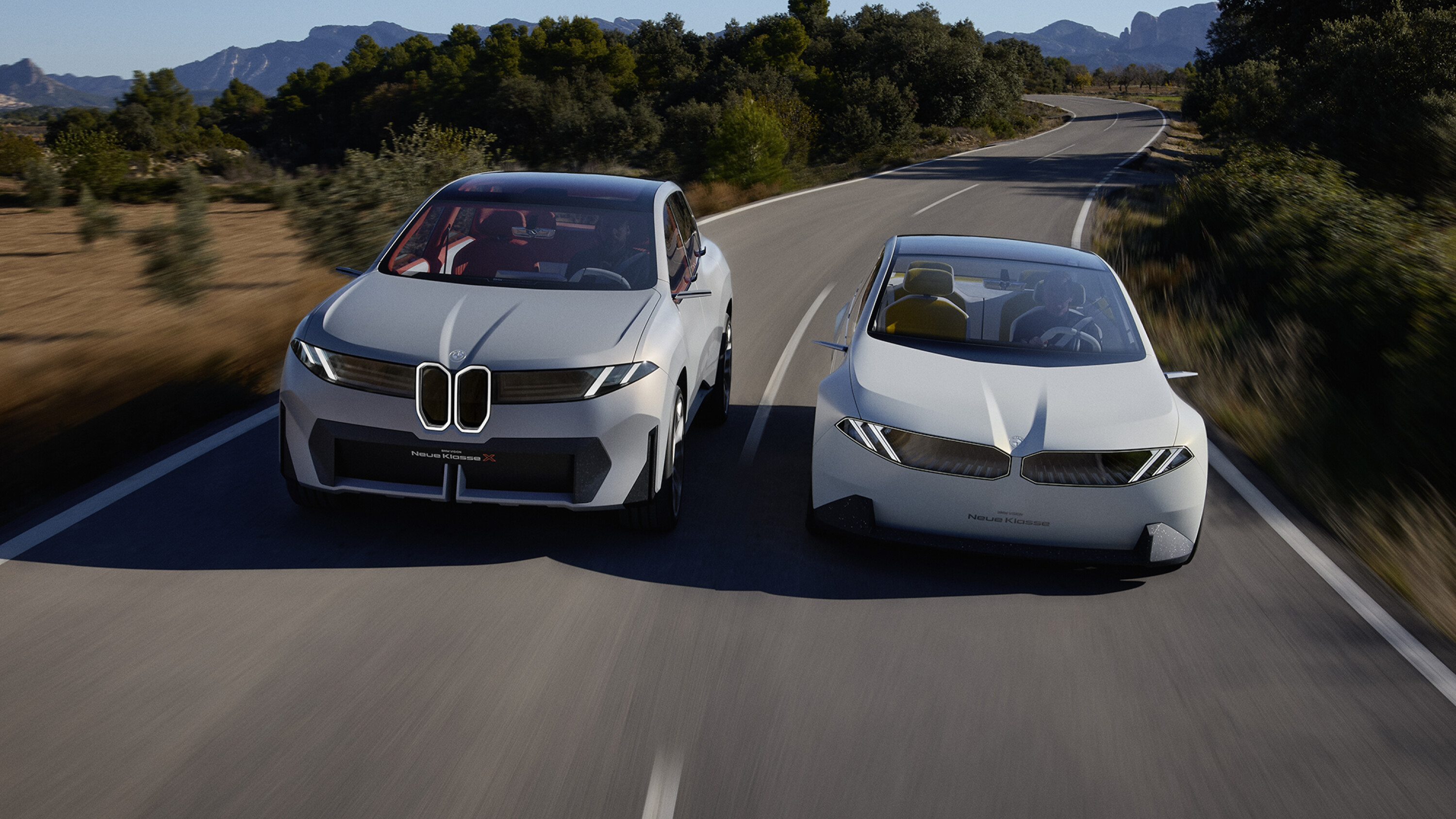
1
Full technical details are still to come, although BMW has previously confirmed an 800V architecture, enabling charging speeds that should deliver around 300km of driving range in 10 minutes.
When it’s unveiled later this year and launched into the market in 2025, trademark applications suggest the second-generation iX3 will be offered in sedan-style iX330, iX340 and iX350 forms – a new approach to BMW’s SUV model naming that will be mirrored in the petrol X3 range with X320 and X330 variants.
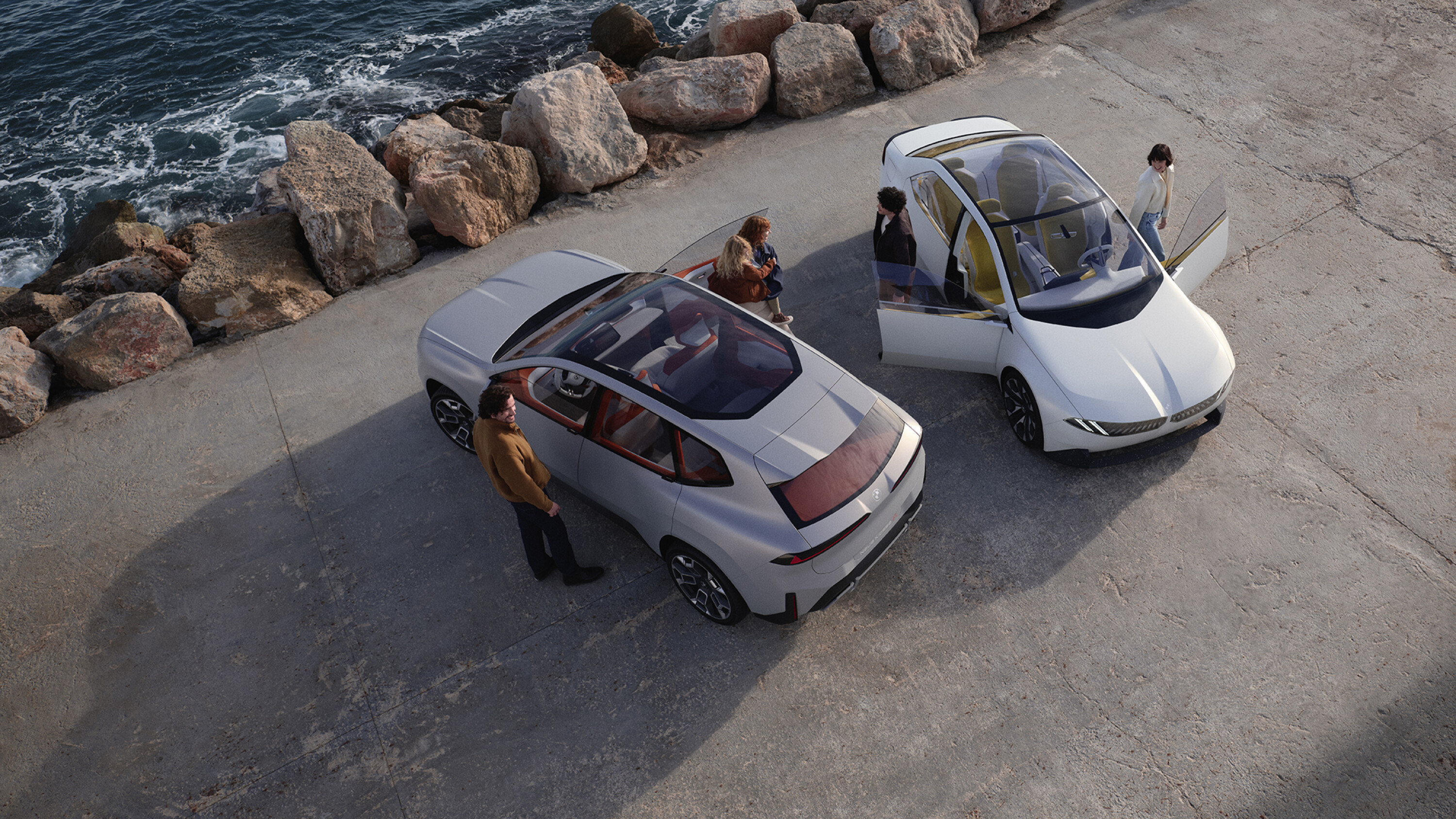
1
When will the next iX3 come to Australia?
BMW Australia is unlikely to talk local timing until the production version of the new iX3 is unveiled, but its 2025 production schedule suggests a late 2025 or early 2026 launch in Australia would be likely.
Watch for more to come in the months ahead.
March 28: K4 sedan and hatch revealed in New York
The new Cerato-replacing Kia K4 has now been unveiled to visitors at the New York motor show, in both sedan and hatch form. Which do you prefer?
Get the full details below.
STORY CONTINUES: K4 sedan revealed online
This is the new Kia K4, and if it looks familiar, you might be having flashbacks to the smaller K3 unveiled in August last year.
But, while the little Rio-replacing K3 won’t come to Australia, the K4 we see here is likely to replace the Cerato for Aussie buyers sometime in late 2024 – if the Korean brand’s recent reveal-to-launch timing is anything to go by. (Which would also be right on cue, following last June’s spy photos…)
Kia Australia, for its part, has yet to offer any official word on its plans for the K4, but the brand’s local arm has a reputation for taking every car it believes it can sell. With more than 185,000 Cerato sales since 2004, this new model would seem a shoo-in.
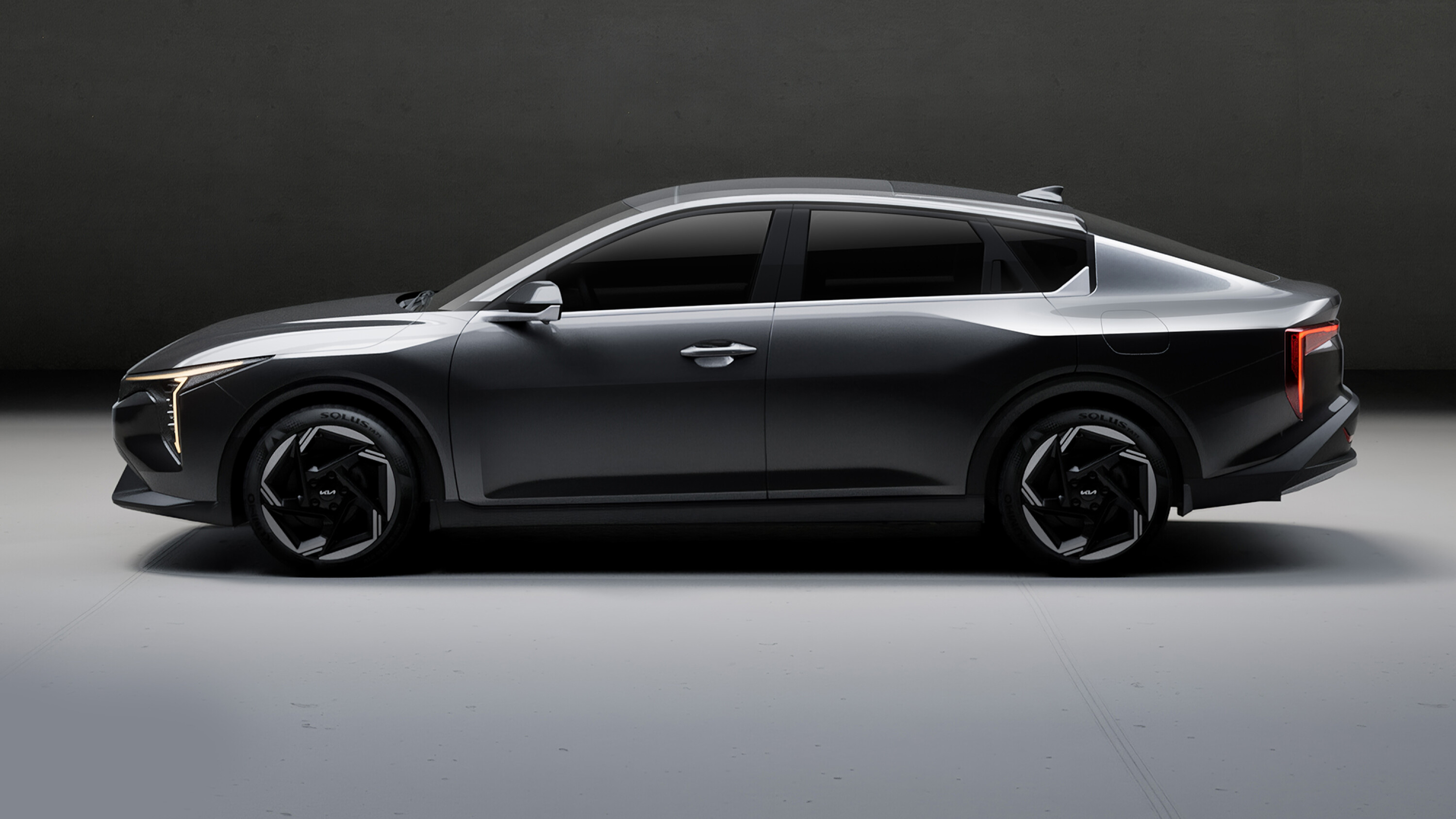
1
That’ll be good news for sedan fans, with more and more brands abandoning the venerable passenger car format in favour of SUVs of all shapes and sizes.
And, while not revealed tonight, a hatch version of the K4 is expected to follow. Perhaps a GT, too?
In its sedan form, the Cerato-succeeding K4 appears to mix aspects from the stylish but sadly retired Optima and Stinger sedans with the brand’s more recent SUVs and sedans, which have all adopted a long hook-like lighting design at both ends.
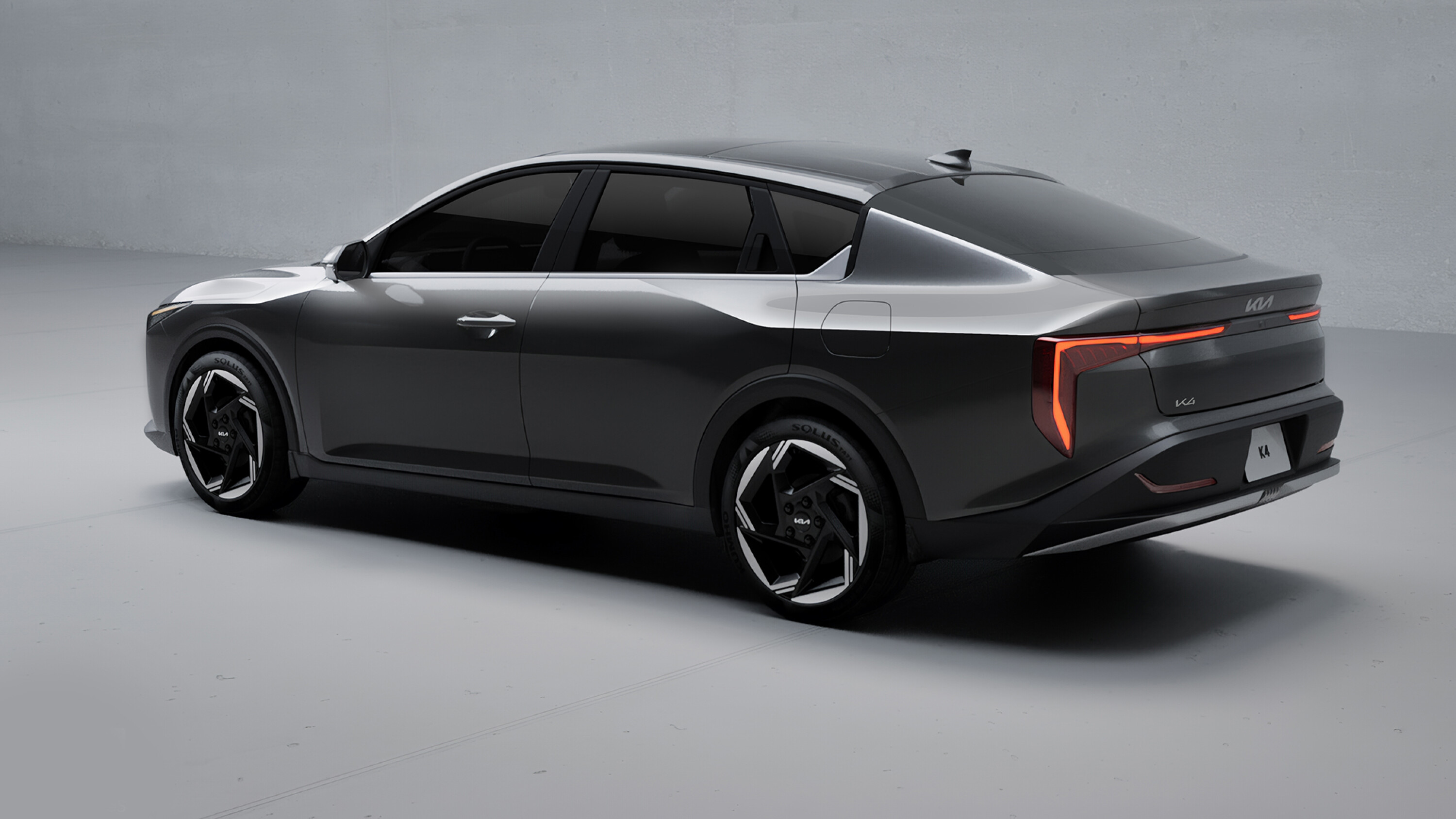
1
As an inter-group counterpart to Hyundai’s heavily angular i30 Sedan, the K4 leans to more classic lines through the profile, complete with a faux RWD look delivered by widely flared rear guards. A hot GT version of this new sedan, if we get one, should look decidedly mean.
“Every contour, curve and detail of the K4 has been carefully considered and crafted to adhere to Kia’s design philosophy, Opposites United, bringing together clean faceted surfacing and technological details in a bold, cohesive statement,” says Karim Habib, Executive Vice President, and head of Kia Global Design.
“With the design of the K4, we are building on what we’ve learnt and making those values accessible to even more people, by bringing a product that is relevant and meaningful, to inspire the way they think, move and live.”
He definitely said a bunch of words, there.
1
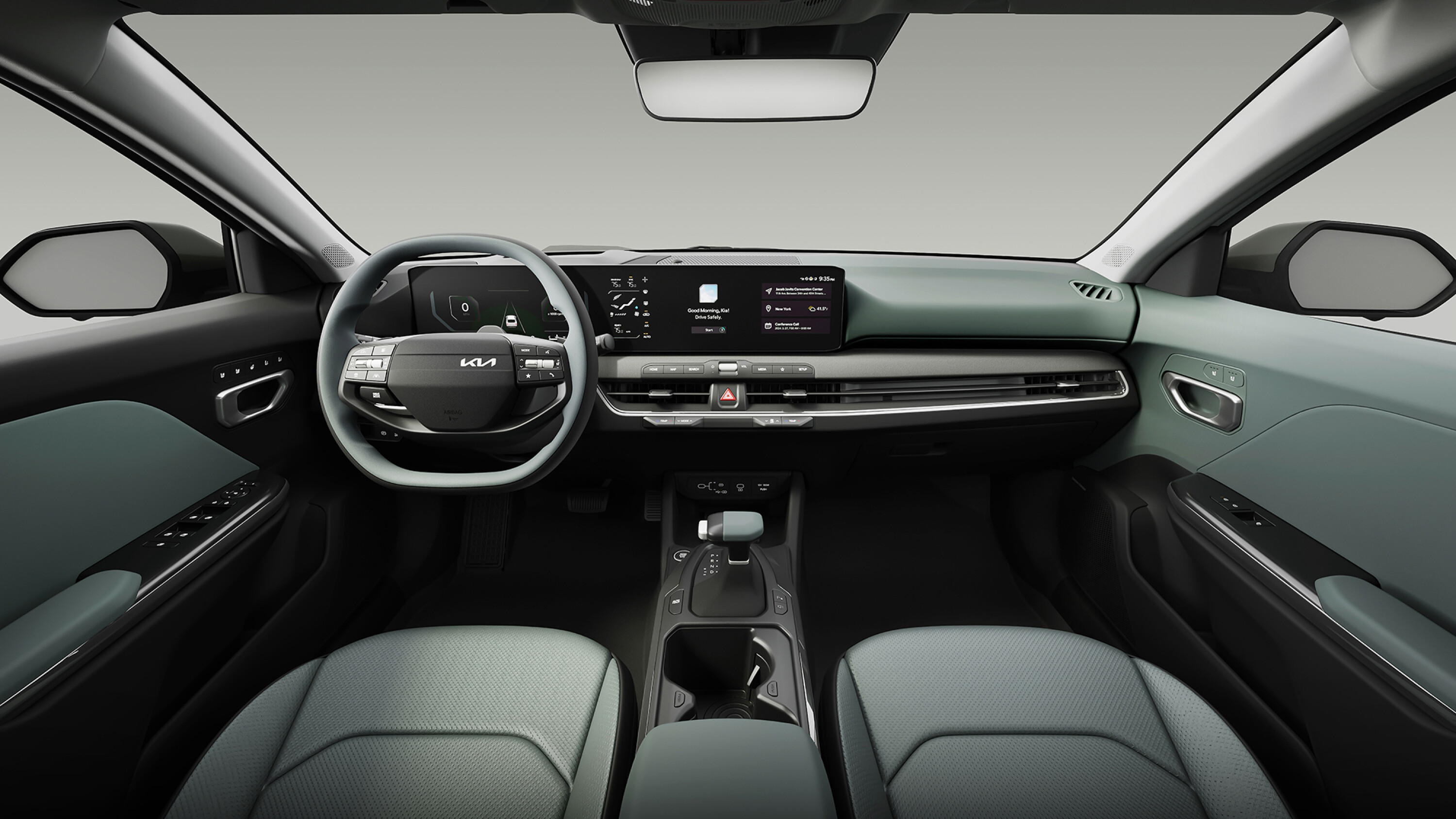
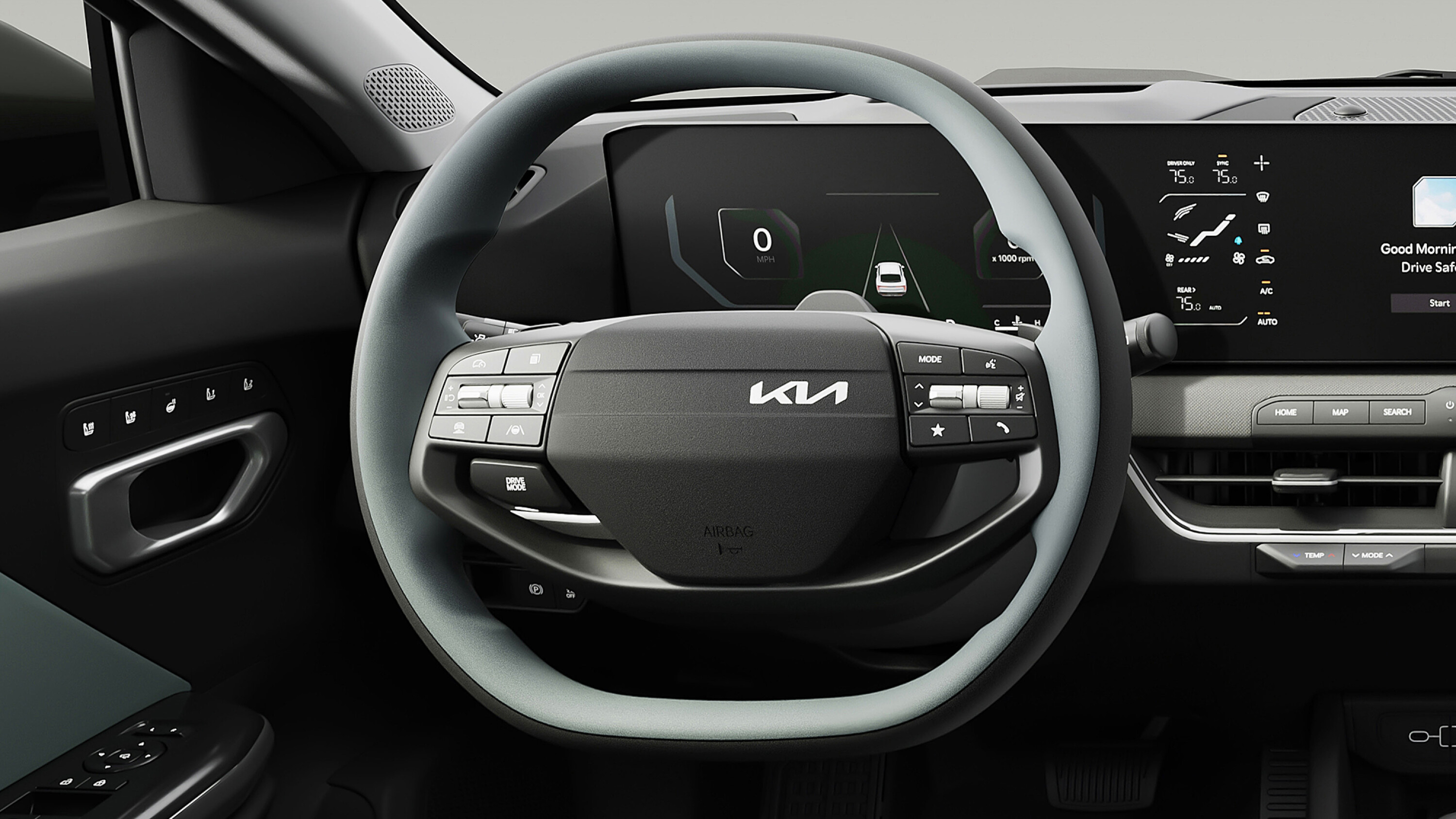
Moving into the cabin, the K4 again continues the styling themes of the wider Kia range, revealing yet another new-design steering wheel (both Kia and Hyundai have around a dozen different tillers to choose from) with a unique offset logo position on the horn pad. Very Volvo 240.
A dual display arrangement features in the dash, pairing what look to be two 10-inch screens with a narrow climate control display between – an idea that started with the big EV9 electric SUV.
The sage- or pistachio-hued interior accents of the reveal car’s interior are an intriguing touch. Tell us what you think in the comments below.
1
Technical details for the K4 are still to come. Its proper unveiling is set for next week’s New York motor show, so expect to learn more then.
Huge leaps in powertrain technology are unlikely, however, with the K4 sharing its platform with the i30 sedan – suggesting we can expecting the same 2.0-litre naturally aspirated and 1.6-litre turbo four-cylinder petrol engines, along with a 1.6-litre petrol-electric hybrid.
Watch for more detail to come next week.
Snapshot
- New batteries, 250kW, all-wheel drive, 0-100km/h in about 6.5 seconds
- 1800kg braked towing capacity for standard-wheelbase GTX
- Volkswagen Australia keen to add GTX to local ID.Buzz line-up
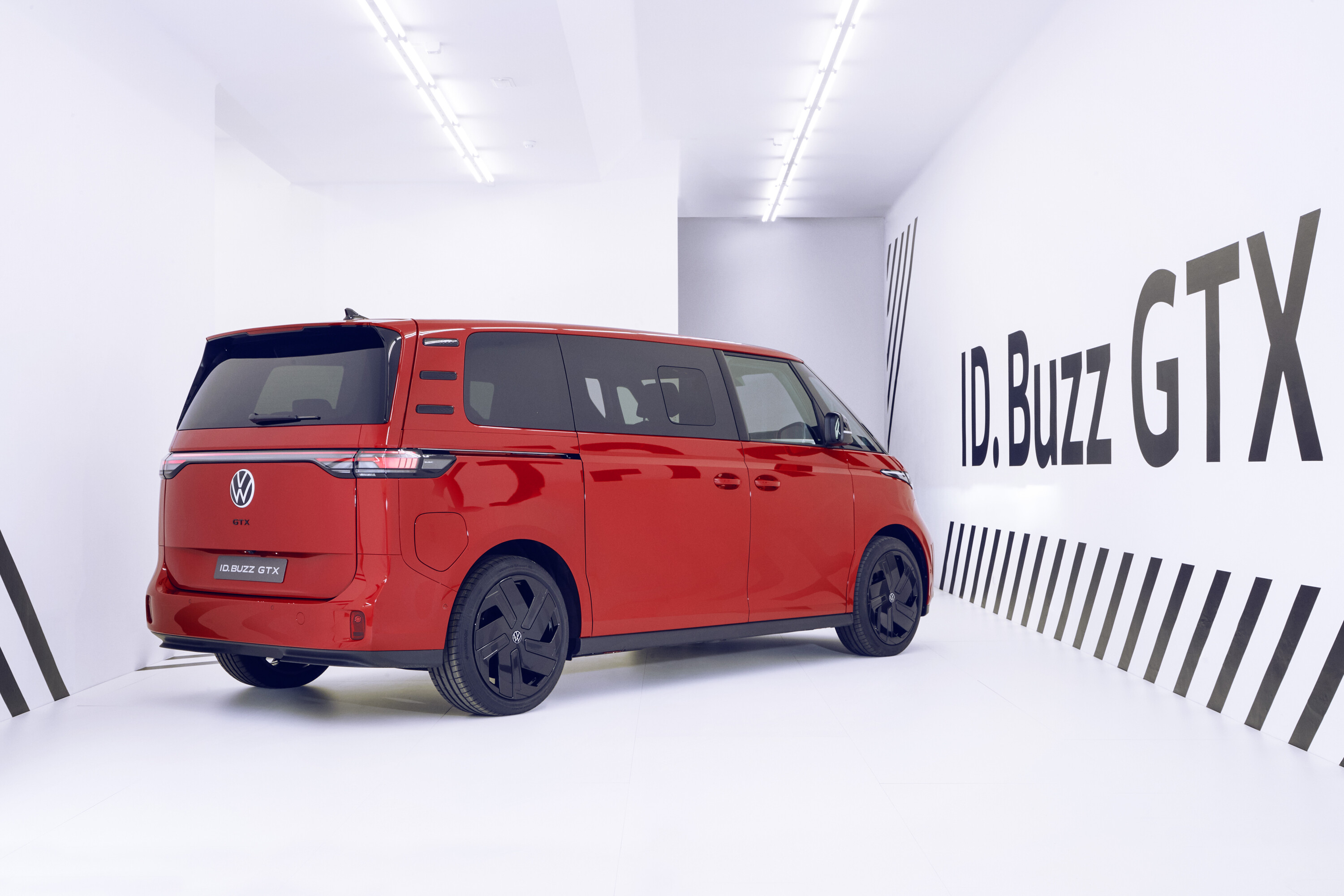
The Volkswagen ID.Buzz electric van has been turned into a 21st-century Kombi GTI with a 250kW GTX flagship.
ID.Buzz becomes the latest VW EV to wear the sporty GTX badge, joining the ID.3 hatchback, ID.5 coupe-SUV and ID.7 Tourer wagon.
Volkswagen Australia is keen to add the higher-performance model to the ID.Buzz range that’s due to arrive locally in late 2024 and include the Cargo commercial van variant.
The ID.Buzz GTX features dual motors to become the first variant of the van with all-wheel drive, with a 210kW/560Nm rear electric motor complemented by an 80kW/134Nm front electric motor.
Its combined power output of 250kW puts it 100kW ahead of the regular, rear-drive ID.Buzz and 40kW ahead of the most powerful drivetrain offered on the long-wheelbase, RWD ID.Buzz.
1
Volkswagen says the GTX will take about 6.5 seconds to sprint from standstill to 100km/h, which would make it just a tenth slower than the significantly lighter Golf GTI hot-hatch.
The time applies to both regular-wheelbase and long-wheelbase versions of the GTX being offered, with the 250mm-longer LWB adopting a larger battery – 86kWh versus 79kWh.
Another significant improvement is particularly pertinent to the Australian lifestyle.
Towing capacity increases by 80 percent for the standard ID.Buzz GTX, rated at 1800kg compared with 1000kg for the regular ID.Buzz. The long-wheelbase GTX’s braked towing capacity is slightly lower at 1600kg.
1

1
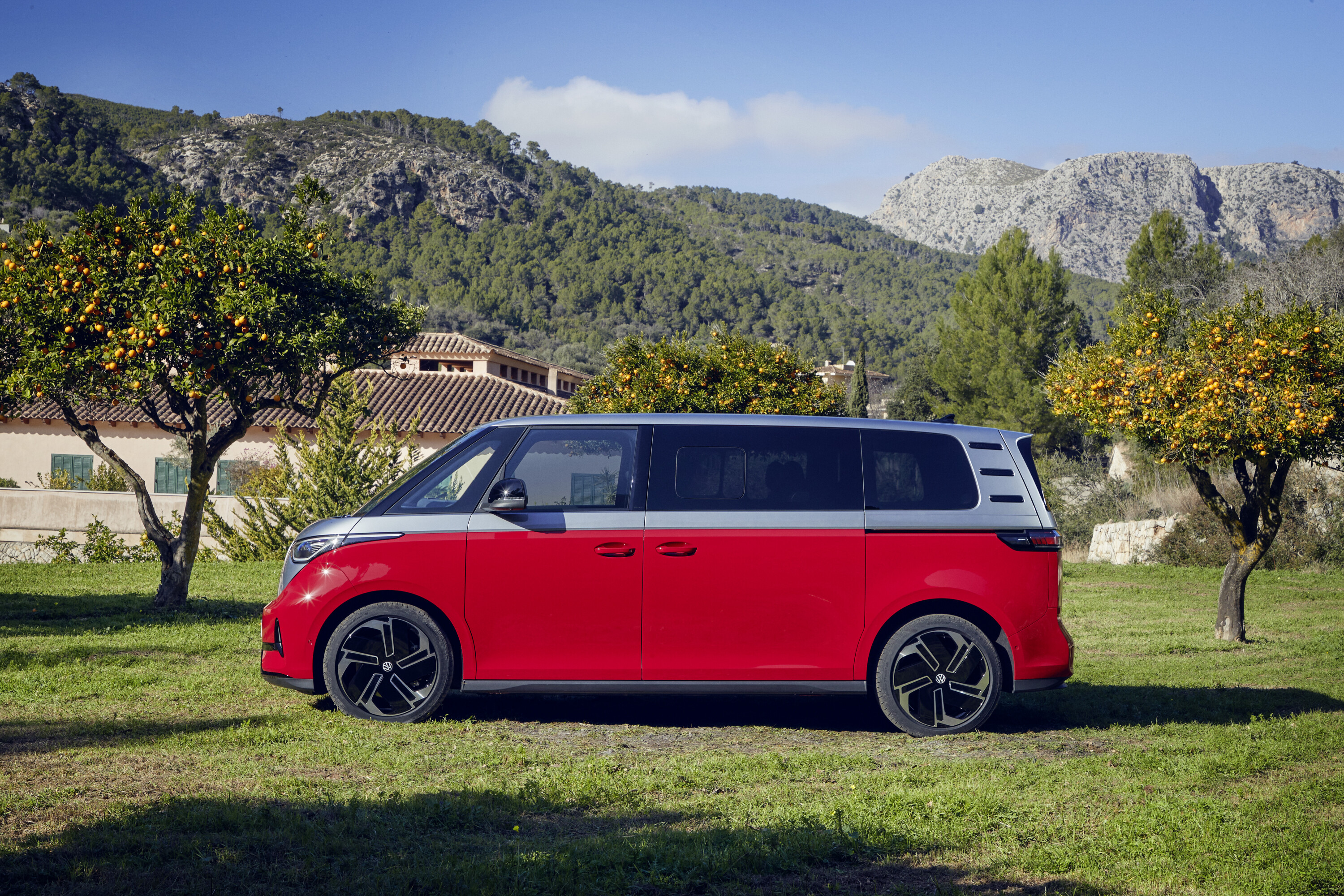
The GTX will be offered with an exclusive Cherry exterior paint – either as a solid finish or as part of an optional two-tone paintjob combined with a ‘Mono’ silver metallic.
Other GTX exterior upgrades include a black honeycomb air intake, double-triangle daytime running lights, high-gloss black trim, ‘Vento’ 19-inch alloy wheels (with two 21-inch wheel options), while matrix LED headlights are standard.
Inside, the standard-wheelbase GTX is available as either a five- or six-seater, with the long-wheelbase variant adding a seven-seater layout.
GTI-style cabin cues include black headlining (exclusive to GTX), red stitching for the steering wheel, and red stitching/piping for the electrically adjustable ‘GTX’ fabric seats.
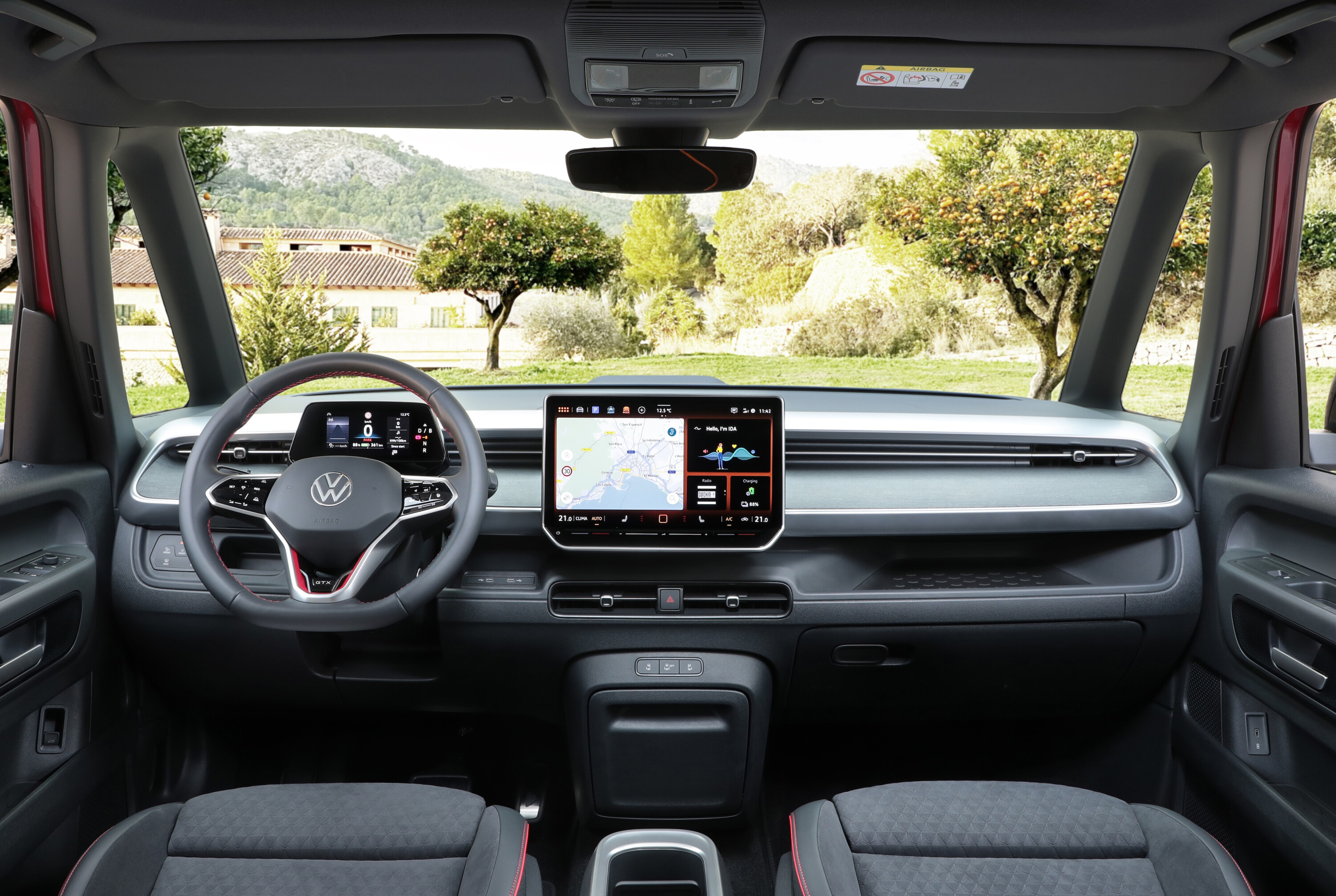
1
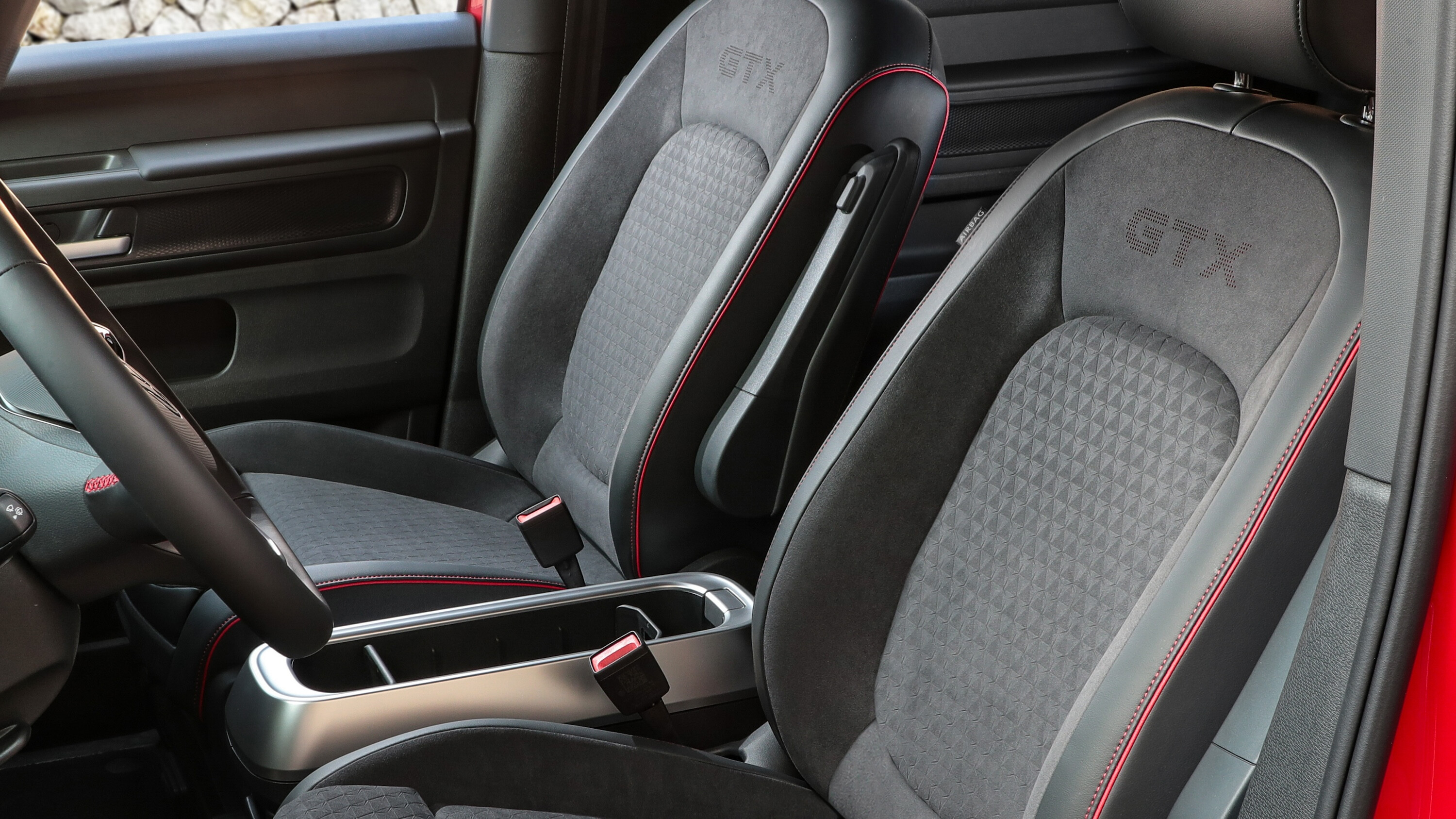
1
A head-up display becomes an option for the first time on an ID.Buzz, while the long-wheelbase GTX is available with the largest panoramic sunroof in the VW stable.
The 1.5m2 ‘smart glass’ sunroof, also to be offered on the regular ‘Pro’ covers the front and second rows and can be electronically adjusted between clear and opaque thanks to a liquid crystal film integrated into the multi-layer glass.
VW says the standard GTX’s 79kWh battery can be recharged from 10 to 80 percent in 25 minutes using up to 185kW DC charging. The longer, 89kWh battery in the LWB GTX has 200kW charging capability though takes slightly longer – “just under half an hour” – for the same recharging process.
The ID.Buzz GTX isn’t the first time VW has played around with GTI cues for its commercial vans.
In 2021, Volkswagen gave its European-market Transporter commercial van a GTI-style maker for a Sportsline variant, with cosmetic additions including the trademark red-striped grille, as well as a rear spoiler, lowered suspension, and dark, sporty alloy wheels.
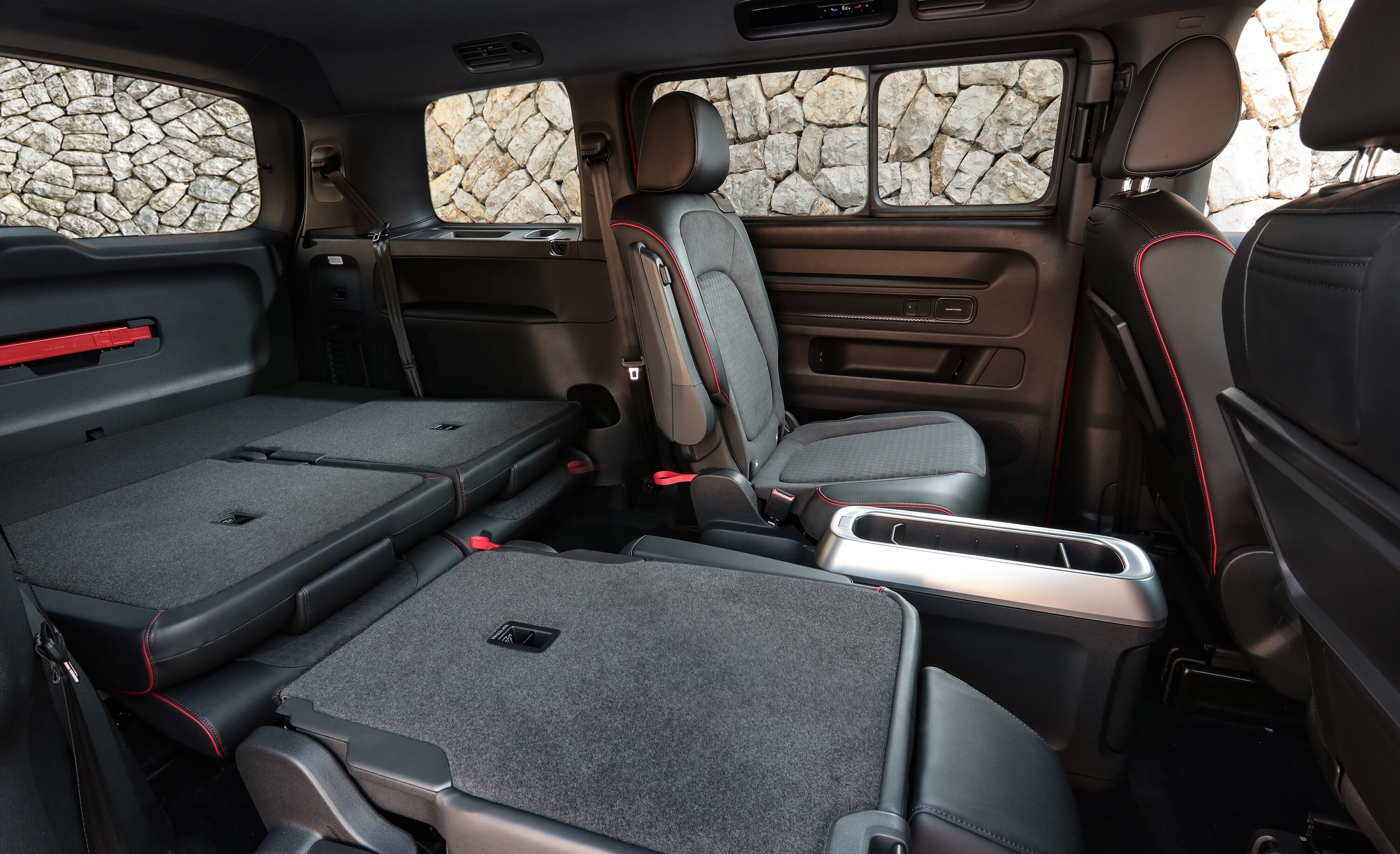
1
Toyota was among the pioneering Australian brands to shape the trajectory of small car positioning. The decision boiled down to either offering an inexpensive, stripped-down vehicle or equipping it with essential safety features to meet ANCAP’s requirements, inevitably raising the price.
Ultimately, the brand introduced a facelift for the Yaris range in 2020, resulting in a nearly $7k price hike, pushing it far beyond the sub $20k category it once comfortably occupied.
This update introduced a completely revamped model with a plethora of additional safety features compared to its predecessor.
Fast forward to 2024, and the Yaris is now exclusively available as a hybrid, signaling yet another price increase. Let’s delve into what the most feature-full Yaris available has to offer.
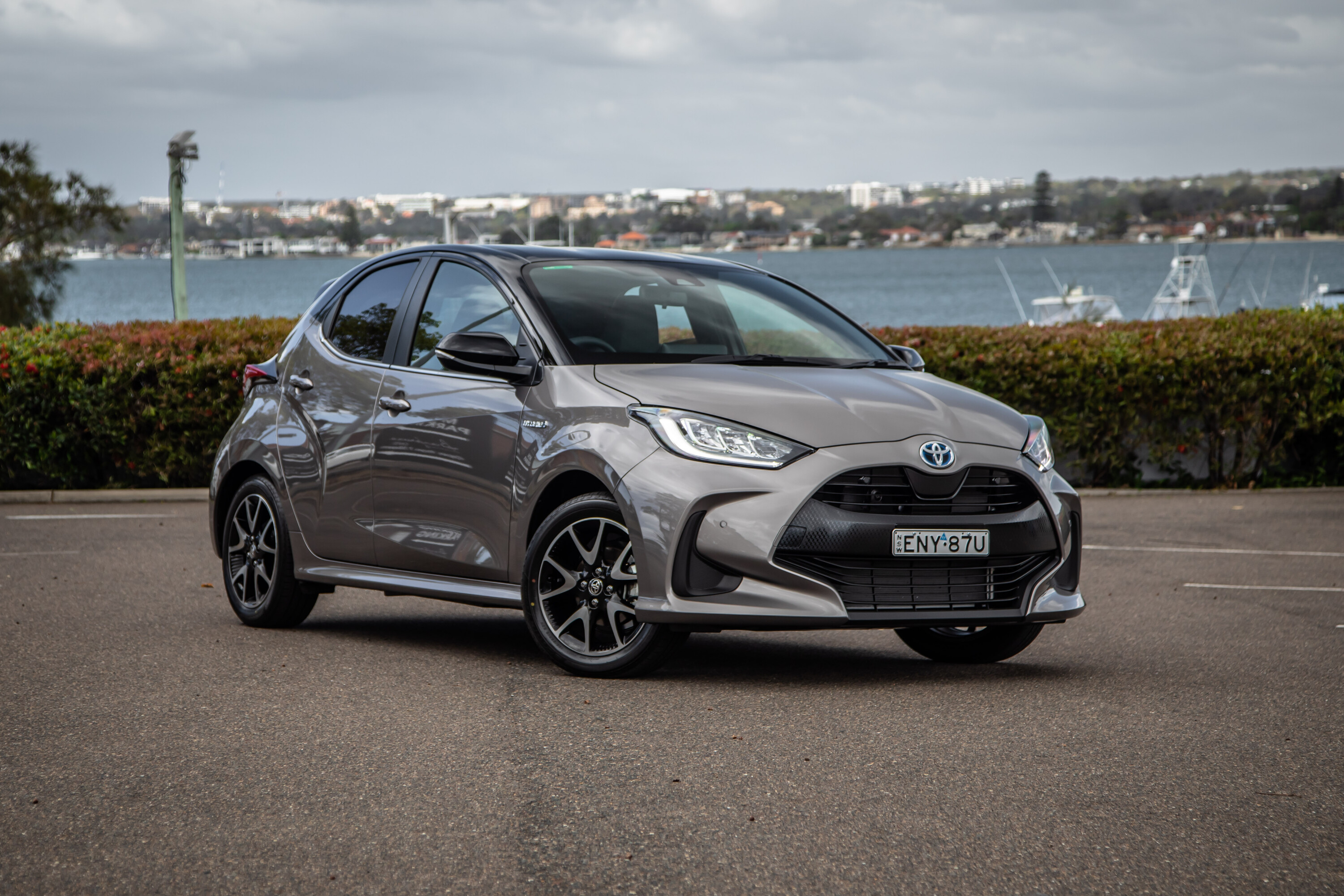
1
Pricing and features
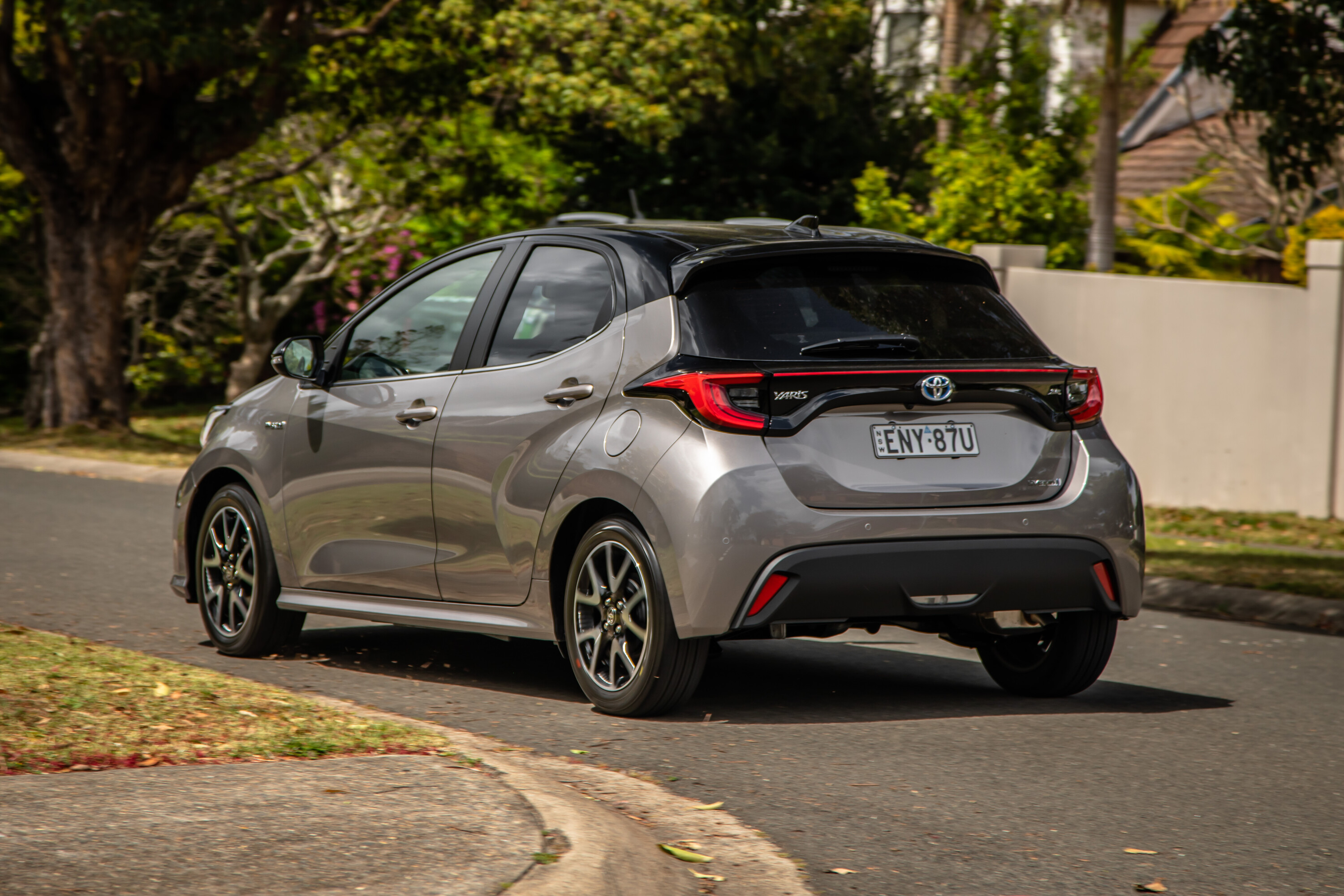
The Yaris range starts at the SX grade for $30,190 before on-road costs, with the ZR coming in at $33,260 ($3070 more).
Drive-away pricing lands the car at almost $39k based on a Melbourne postcode. That’s almost double what the Yaris was at its previous generation starting point.
The Yaris range includes 15-inch alloy wheels, a 7-inch infotainment system, Apple CarPlay and Android Auto, active cruise control, leather-accented steering wheel, fabric seats, keyless entry and start and LED headlights and daytime running lights.
1
The ZR add everything the Yaris range has to offer:
| Toyota Yaris ZR key features | |
|---|---|
| 16-inch alloys | Rear cross traffic alert |
| Black and rear interior accents | Sports front seats |
| Blind spot monitors | Unique fabric upholstery |
| Heads up display | |
It’s a zippy little runabout that sips just 3.3L/100km. That’s one of the lowest hybrid fuel consumption figures in the country. It outputs a decent amount for the size of the car at 85kW and 141Nm.
In terms of choices, Yaris buyers have the choice of 11 individual colours with eight adding an extra $600 to your drive-away price. Two-tone options will set you back $1400.

1
Safety
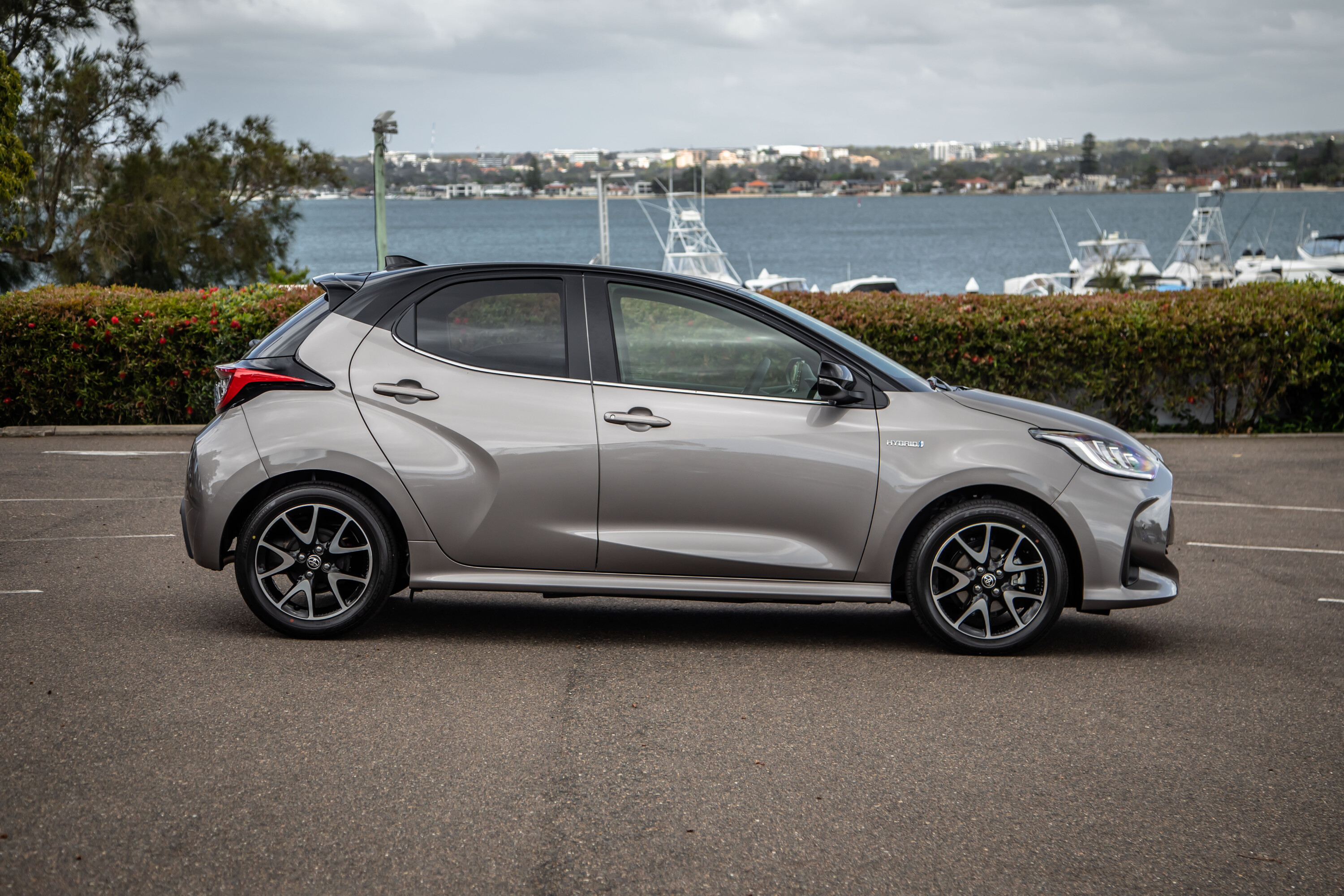
The Toyota Yaris was awarded a five-star ANCAP rating with testing conducted around launch in 2020.
This is constituted by an 86% score for adult occupant protection, and 87% for children.
1
All variants of the Yaris receive 8 airbags and plenty of additions in terms of safety.
The Toyota Safety Sense suite of features is available across the range, including active cruise control, autonomous emergency braking, intersection turn assist, lane keep assist, lane-departure warning and fatigue reminders.
You’ll also get additional safety such as blind spot monitoring and rear cross traffic alert.
Key rivals
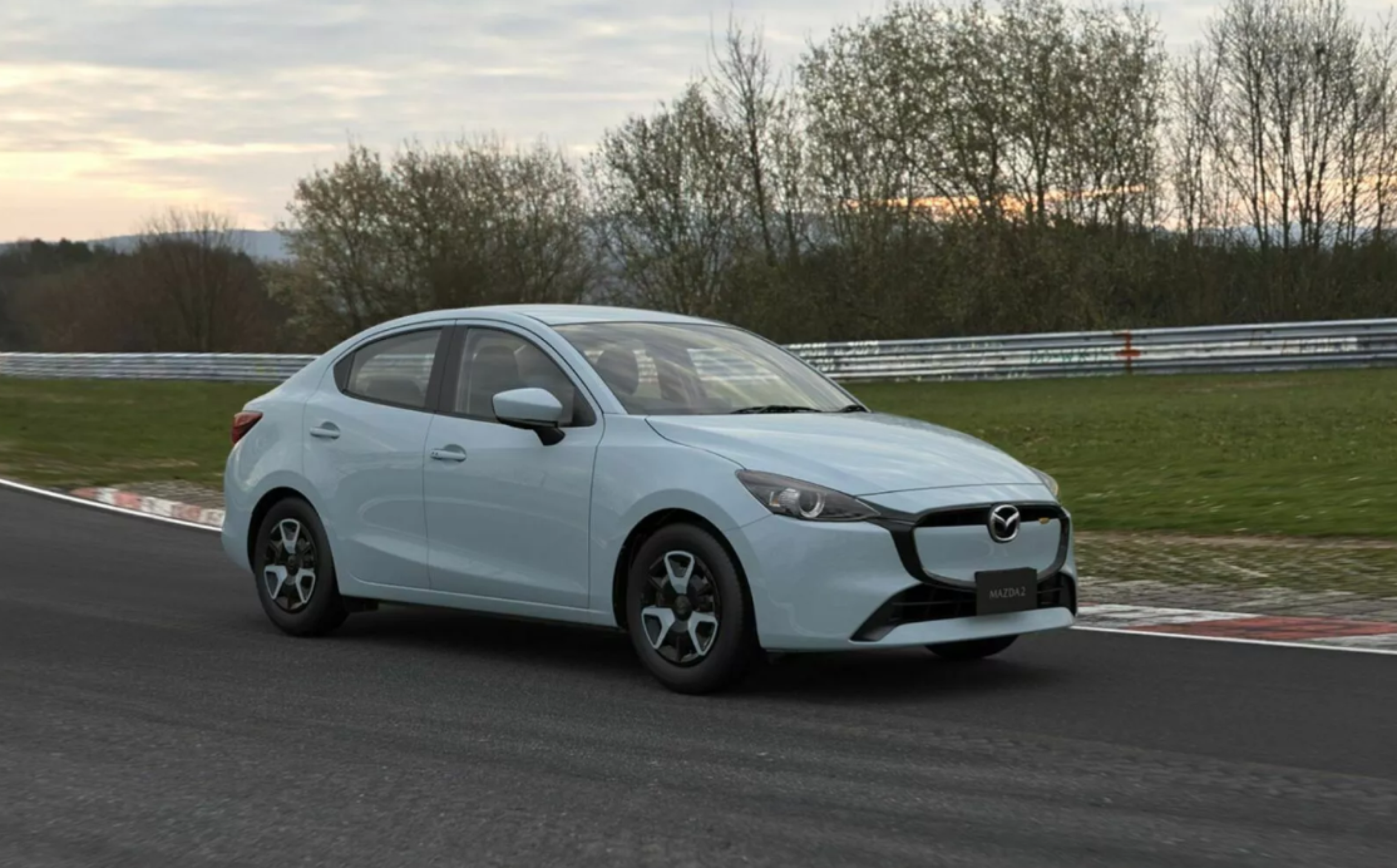
As the small car segment diminishes in scale, driven by the rise in popularity of small SUVs and the general trend towards larger vehicles, several brands have opted to withdraw from the segment, leaving a smaller pool of contenders.
Among the remaining players are the well-established favourites:
1
Should I put it on my shortlist?
For drivers both new and old, the Yaris stands out with its great ramge and small convenient size. But it does come with a hefty price tag compared to similar cars, many of which offer regular petrol versions rather than more expensive hybrid powertrains.
This gets trickier in a market where some competitors are priced under $20,000 drive-away. Before, you could opt for a cheaper petrol version with just a slight difference in fuel efficiency, but that’s no longer an option.
Still, taking it for a quick spin shows off its fun driving and solid safety features. If you’re ready to splash out, the Yaris might just be the ride for you.
JAC Motors has been in business for a relatively short 59 years, and not all of that has been in vehicle manufacturing.
The Chinese carmaker only started building cars on the early 2000s, but it is catching up fast – and one area in which it wants to make up for lost time is in exports.
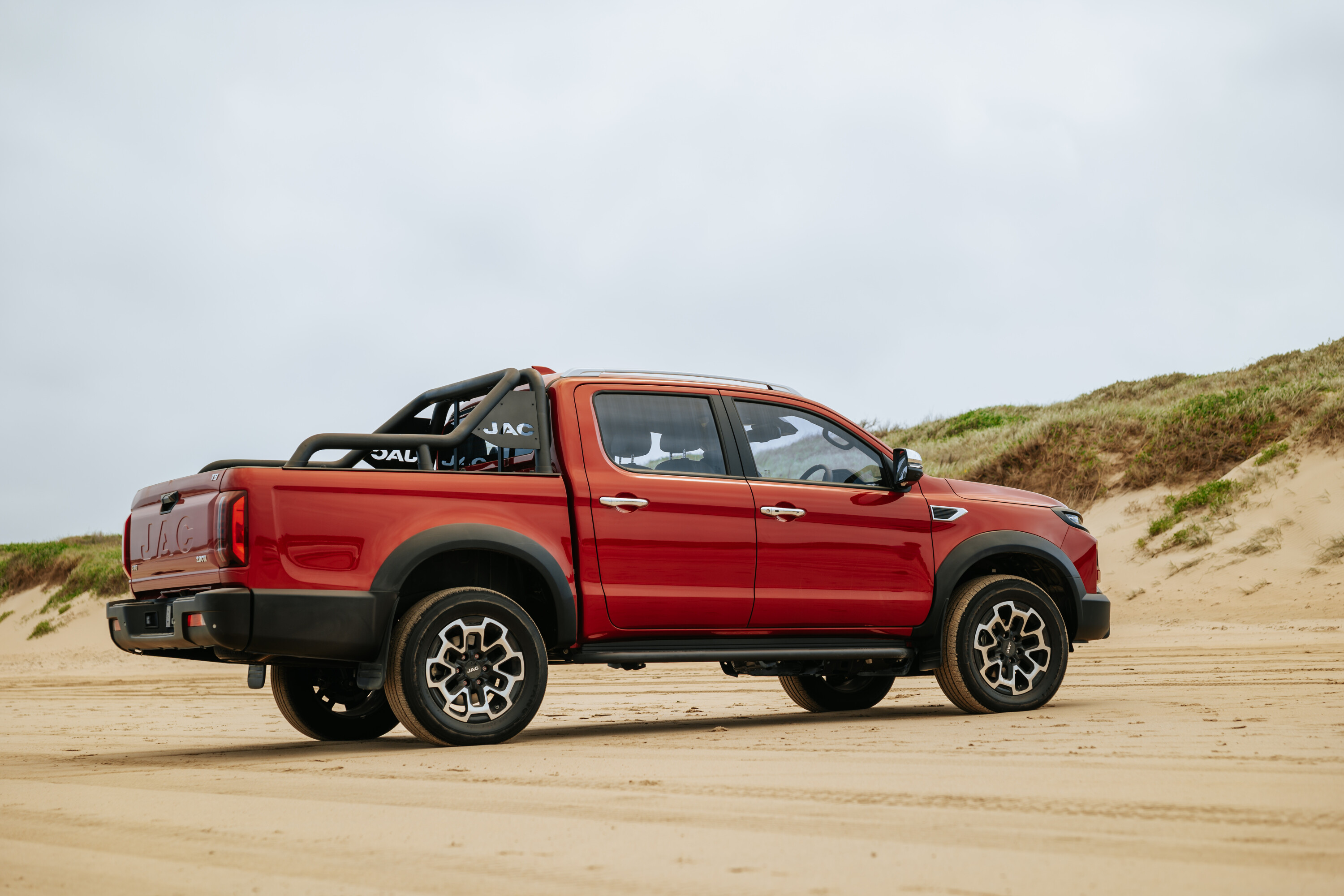
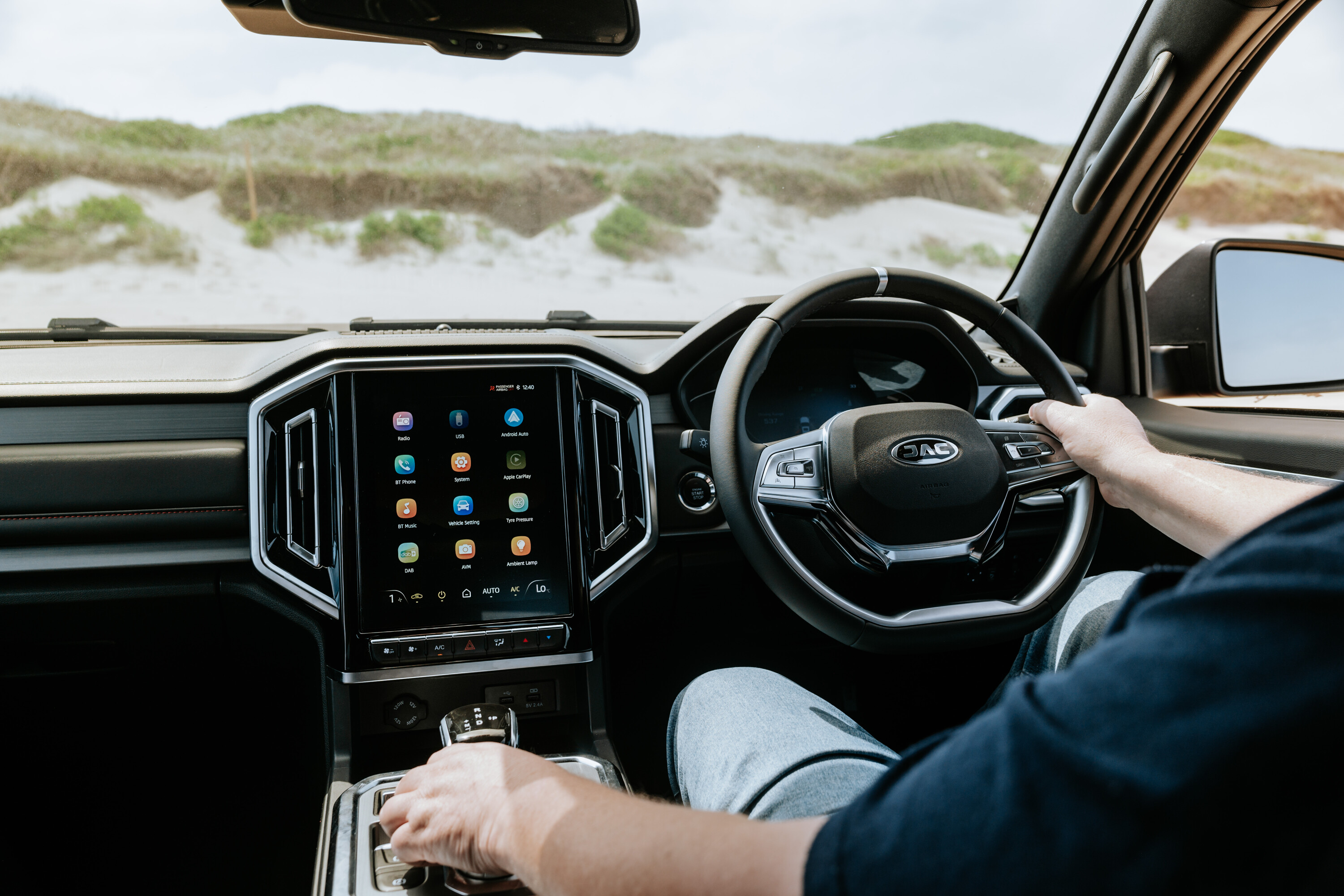
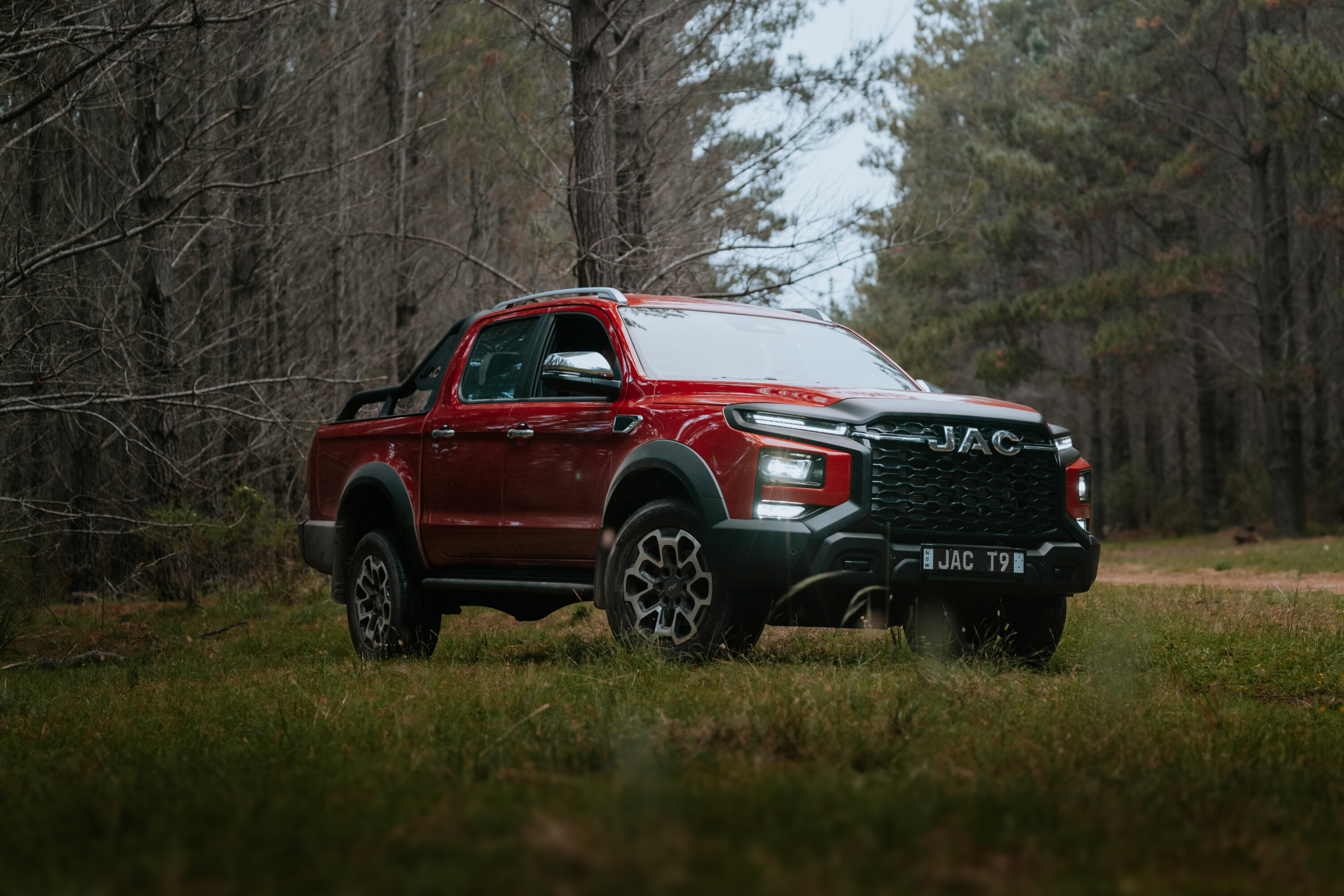
With the local preview of its JAC T9 dual cab 4×4 this week, the company laid out plans to become an embedded player in the Australian automotive landscape.
The company even brought out a team from head office led by the boss himself, JAC Group Chairman, Mr Xiang Xingchu, to lend support for the Sydney reveal of the new T9 ute.
4
Mr Xiang said at the T9 presentation that for JAC, “Australia is strategic market”.
“We believe that Chinese auto brands with have more involvement in this market in the future. JAC aims to become a mainstream automotive brand in the Australian market,” he said.
While JAC is not the first brand to put a toe into export waters here — or the first Chinese one, for that matter — it also sees that if the brand can survive and thrive in our intensely competitive market, it can succeed in almost any other.
The local ambitions are bold, with Danny Lenartic, Deputy Managing Director of JAC local distributor LTS saying, “We are offering a vehicle with curbside appeal, excellent features and approaching European fit and finish.”
1
One area JAC could have faced immediate headwinds is with the National Vehicle Emissions Scheme, expected by most industry commentators to follow the Government’s proposed ‘Option B’ when it is implemented on January 1.
JAC’s diesel ute is rated at 203g/km – just 3 g/km over the proposed commercial vehicle threshold limit – but Lenartic said this slight measure over the cut-off could be fixed with minor engineering.
While Lenartic said he did not want to commit to precise timelines, JAC’s Chairman Mr Jiang said the company plans “to introduce the T9 EV 4×4 and T9 PHEV 4×4 in the future” in Australia.
1
JAC Automotive’s local distributor LTS Auto has committed more than $40 million to set up the Australian team and aftersales support for its all-new T9 model due in more than 50 dealerships by May.
The launch campaign will lean on an old favourite tune for its marketing, using the catchy Percy Mayfield and Ray Charles song, ‘Hit The Road Jack’. (Presumably the next line, “don’t you come back no more”, will be cleverly reworded… – Stevo.)
As for how Lenartic believes the T9 will perform on the sales chart, “the market will decide,” he says.
“We have priced it accordingly, based on a very aggressive position – given so much tech is in the car and what it offers – but ultimately the market will decide.”
The company has a dedicated JAC parts and accessories warehouse in NSW’s Lane Cove, which Lenartic said was established to ensure rapid parts supply as needed. “We want business owners to be confident parts are available”.
1
Lenartic said he hopes smooth business practices from the get-go will ensure a strong reputation in the industry. “Our mission is to align our policies to be the easiest OEM to deal with.”
“I’m never going to hold the business to account for a [sales] number. What I’m going to hold the business to account on is the process. It’s the fundamentals: the investment in marketing, the team, customer support, and in the product. Get all of those right, and that builds success. Culminating with supporting the network. The number looks after itself.”
Which models does Lenartic hope the T9 will take sales from?
“All of them.”
He clarified that JAC, by keeping in its own lane, would find its own success. “I never focus on others, I only focus on ourselves. It’s like trying to control the weather. Today I wish it didn’t rain but it has; I can’t control that.”
Lenartic added, “We are starting from scratch; we have no legacy — so we should get it right from the start.”
MORE
Everything JAC
The electric MG4 hatchback and ZS EV compact SUV now cost from below $40,000 drive-away, thanks to new nationwide drive-away pricing. Prices are up to $10,000 lower for specific models in certain states.
MG’s move follows an announcement this week that it supports the government’s proposed New Vehicle Efficiency Standard, which aims to encourage carmakers to offer more low- and zero-emission vehicles.
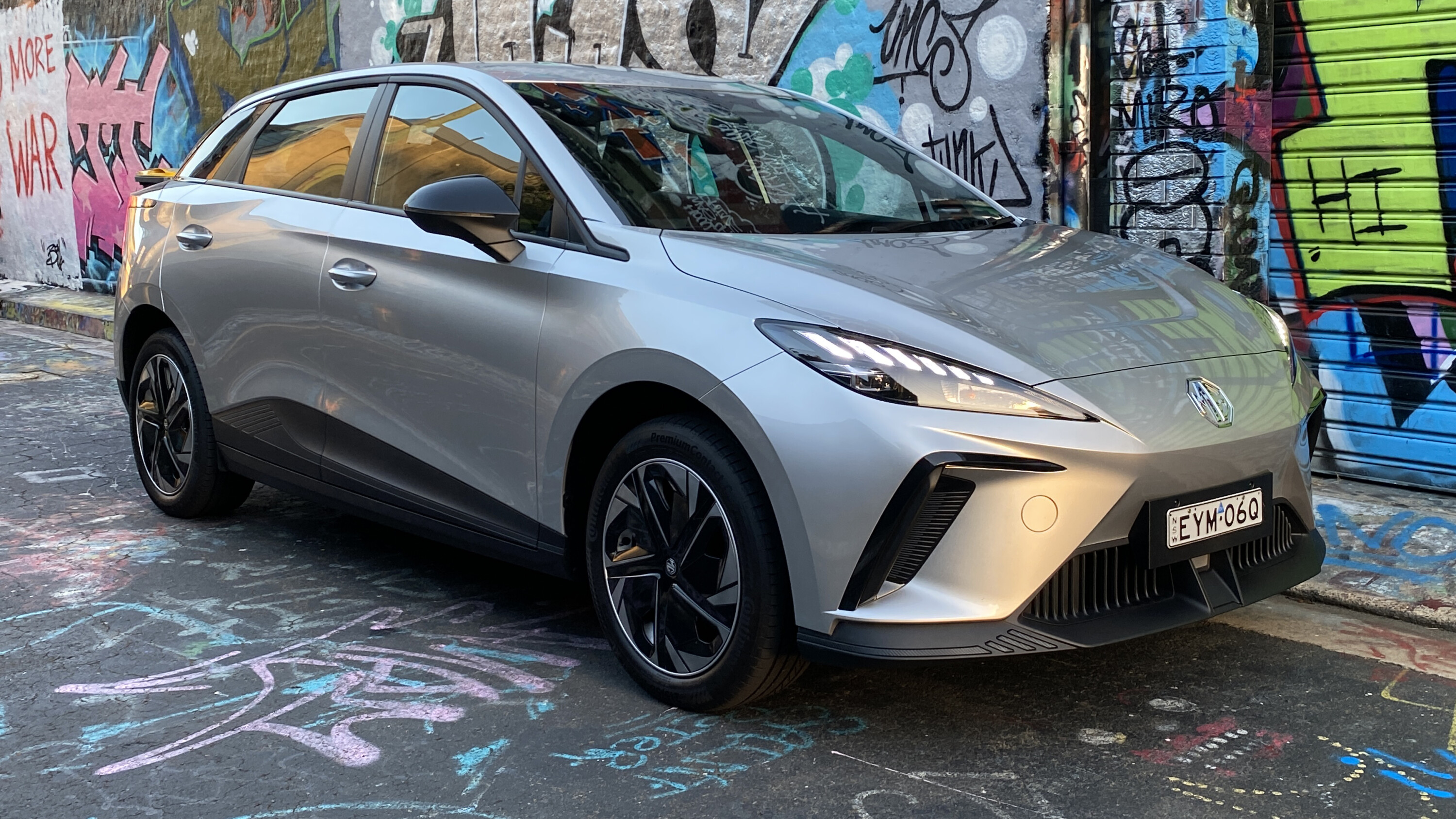
In the MG4 range, the base Excite 51 model previously had a $39,990 RRP but is now the same price with on-road charges included. Its Sydney drive-away cost had previously been about $43,000.
The same applies to the $44,990 Excite 64 (previously about $48K drive-away) and the all-wheel-drive MG4 X-Power at $59,990. The mid-range Essence 64 is $46,990 drive-away, down from a $47, 990 RRP and a (Sydney) drive-away quote of $51,200.
1
The most dramatic change is found in the Essence 77 ‘Long Range’, which has been lowered from $55,990 before on-road charges to $52,990 drive-way – saving buyers nearly $7000.
MG’s entry-level MG4 is now cheaper than the rival BYD Dolphin, which starts from about $41,000 drive-away. The GWM Ora is currently Australia’s most affordable EV with a drive-away price of about $38,000 for the base ‘Standard Range’ model, although this is after a $4000 discount offer due to run out on March 31.
MG ZS EV
MG’s ZS EV electric small SUV also now starts from $39,990 drive-away, after previously costing $41,990 before on-road costs.
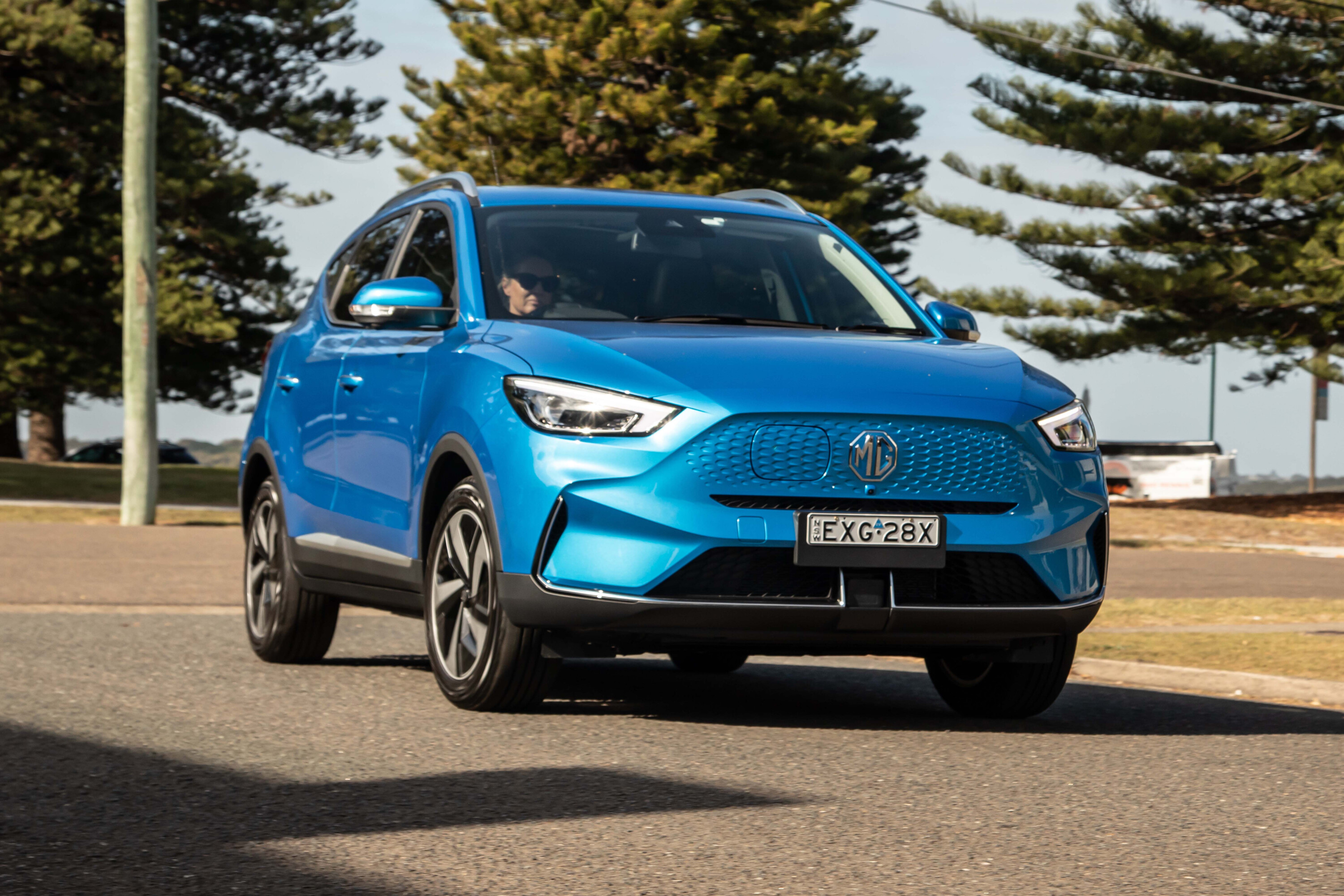
1
The mid-range Essence switches from $44,990 RRP to $43,990 drive-away, while the flagship Long Range changes from a $51,990 RRP to $49,990 drive-away.
MG Australia said its pricing change is as much about encouraging more Australians to consider an electric vehicle as well as saving buyers money, noting the inconsistency of government incentives among the states.
“In a market where customers are becoming increasingly aware of their finances, providing transparency on the final cost customers will pay for buying an EV and for servicing is very important, that’s why MG has made the move to offer both to customers with no hidden costs,” said MG Australia’s CEO, Peter Ciao.
“Customers like choices. We want them to be empowered to have the freedom to drive a SUV or a hatch, which is why we are offering both the MG4 51kWh Excite and ZS EV Excite at under $40k drive away. Whenever we are able to pass price reductions like this onto our customers, we will make sure we do.”
MORE
Everything MG
JUMP AHEAD
- Pricing and features
- Safety
- Interior
- On the road
- Key rivals
- Should I put it on my shortlist?
- Specifications
Pricing and features
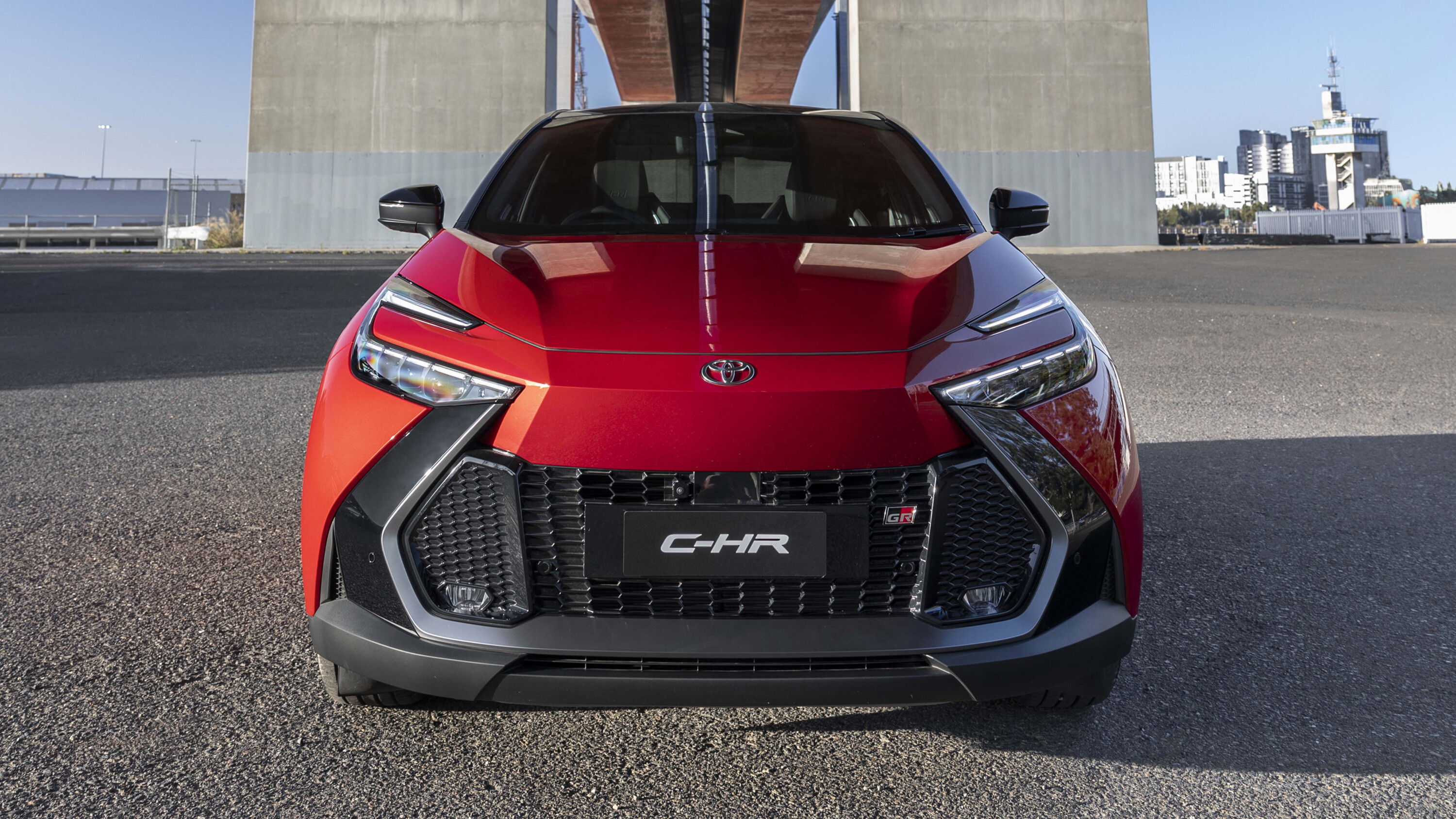
Pricing has gone up about 35 percent for the C-HR range, which positions it in a different spot to the first-gen model.
Part of that is clearly down to improved spec and tech, but there’s probably a bit of scarcity costing added in there – the car is built in Turkey, and is only sold in Australia and Europe this time around.
Even so, a base price of $42,990 plus on-roads for a pretty basically specified C-HR GXL seems rich, while the Koba model – which shares the same powertrain as the base car – gets a heap more kit for $49,990 plus on-roads.
The range-topping GR Sport stands apart with a 30% more powerful hybrid system and all-wheel drive, but at $54,990 plus on-roads, there are plenty of better choices out there. Read our full spec breakdown to see what you get in each grade.
As with all Toyota models, there’s a five-year/unlimited kilometre warranty, plus if you maintain logbook servicing you will get seven years of powertrain cover.
And if you service with Toyota, you will be eligible for up to 10 years’ hybrid battery cover.
Service intervals are 12 months/15,000km, with a capped-price plan for the first five years/75,000km which averages out at just $200 per visit.
Safety
Awarded a 5-Star ANCAP safety rating, the new C-HR has an abundant standard safety kit.
This includes 10 airbags, autonomous emergency braking with pedestrian, cyclist, junction and head-on detection, adaptive cruise control, lane keeping assistance, and a driver monitoring camera.
Helping with a lack of outward vision are front and rear parking sensors with low-speed auto braking, and there’s a surround-view camera, plus blind-spot monitoring and rear cross-traffic alert.
1
Interior
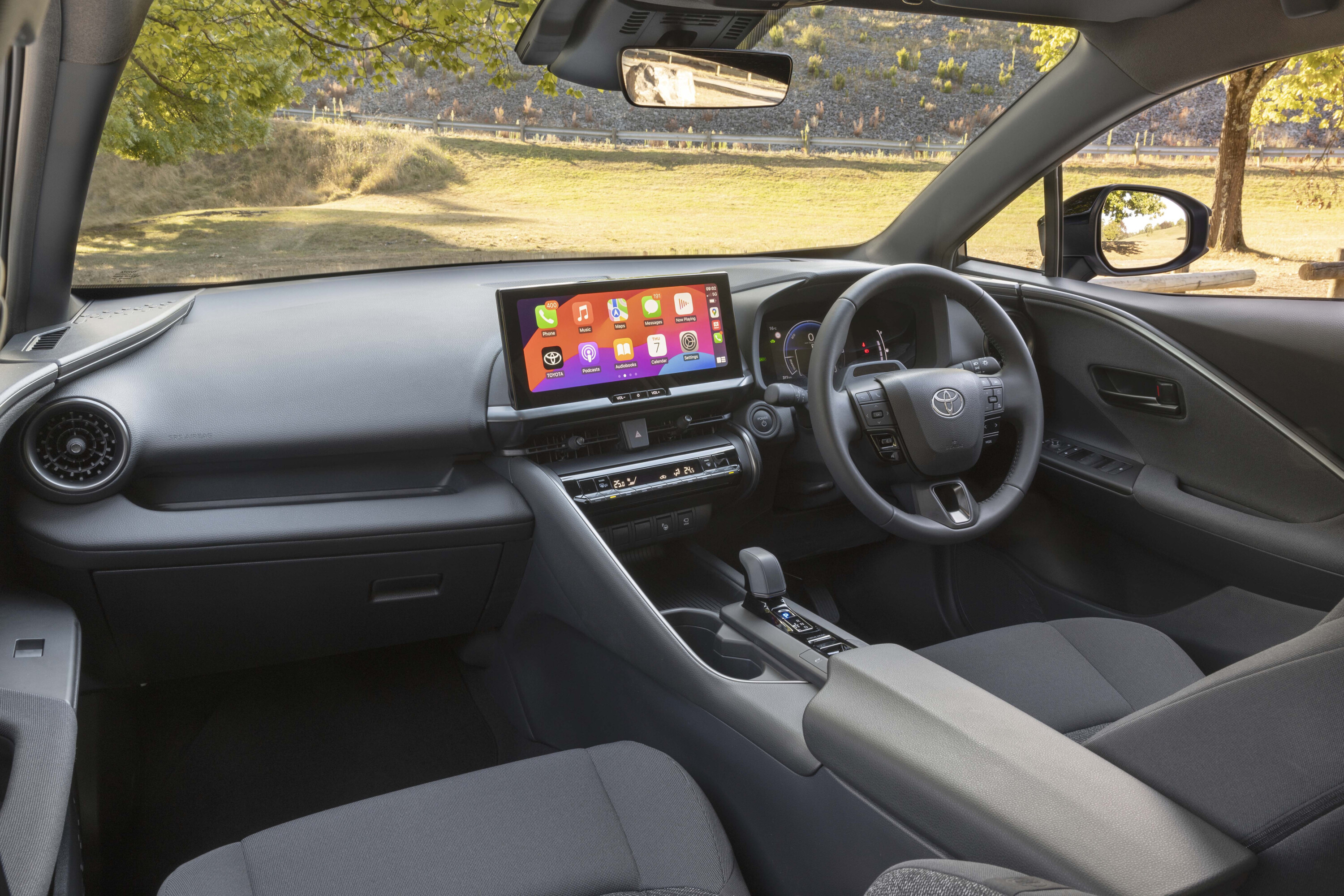
Big changes to the cabin, with some sweetheart elements from the first-gen having disappeared – there’s no impressions in the headlining, and the speaker covers are just boring now.
But otherwise, it’s a modern and stylish cockpit design, but one where space is at a premium. Unlike many other new-gen models, the C-HR is no larger inside than before, and with two big bodies up front, it feels pretty cramped.
All of the controls are pretty logical apart from some on the touchscreen, with a few confusing menus. And while there are volume buttons, you don’t get any other media buttons apart from those on the steering wheel.
1
Thankfully the climate system has an array of buttons below, and dual-zone climate control is standard.
What isn’t standard, though, is rear-seat ventilation, and it is a cramped feeling space in the back thanks in part to the dark headliner. The windowline is still very high, meaning it won’t be ideal for parents… or anyone who likes whomever is riding in the back. There’s also limited storage, with just cupholders in the doors and a single map pocket on the higher grades.
At least the rear doors now have more conventional handles, yet the C-HR also debuts the on-trend flush-fit handles – a first for Toyota.
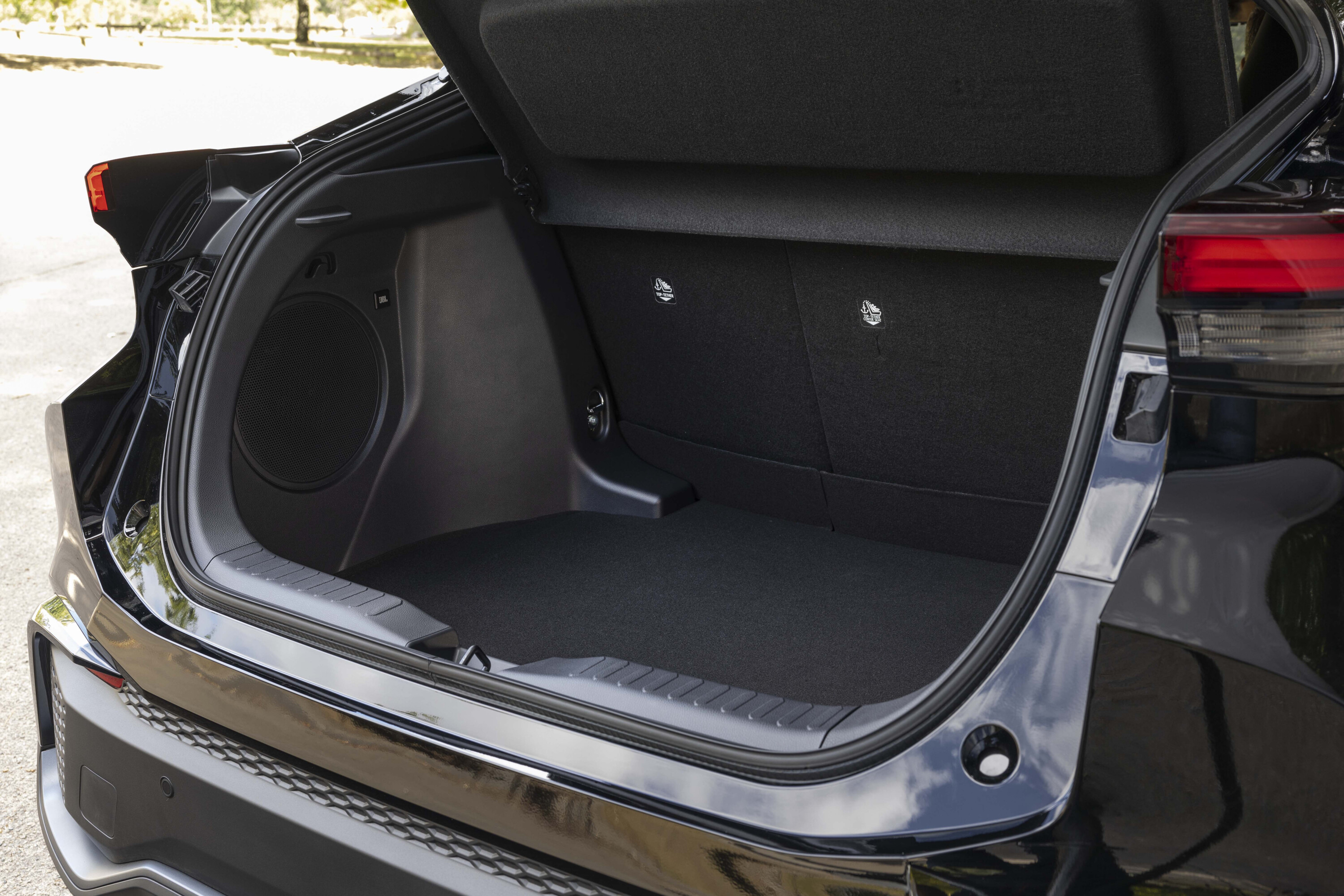
Boot space might work for you, though: GXL and Koba models have 388 litres, while the AWD GR Sport has 362L. Also, if you want or need a spare, there’s a space-saver in the GXL, but the others have a tyre repair kit. All have tyre pressure monitoring.
1
On the road
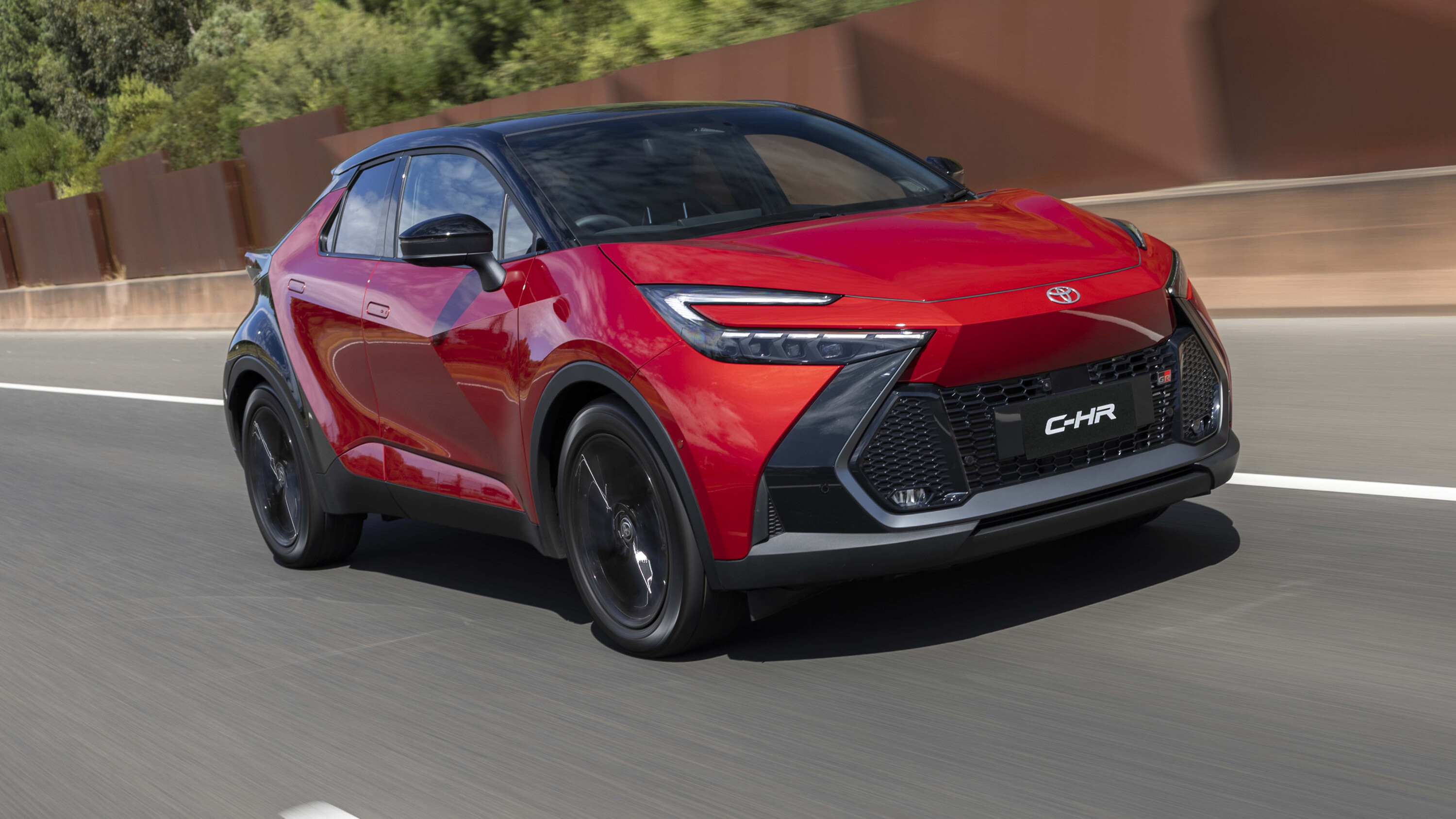
It might have seen new-generation powertrain upgrades, but the 1.8L hybrid system doesn’t feel all that different compared with other hybrid Toyotas when it comes to the drive experience.
With engine changes and a different battery, there’s 13kW more and 0.3L/100km less, respectively.
It is still a smooth and clever powertrain, shuffling between petrol and electric (or a combination of the two) well, though still with the trademark CVT whine.
1
The last one was fun in the bends, and the same can be said of the second-gen.
There’s a nice balance to its handling, and the steering is accurate with nice weighting. The ride? Better on 17s, as you’d expect, but even in the Koba it’s never too unsettled or uncomfortable.
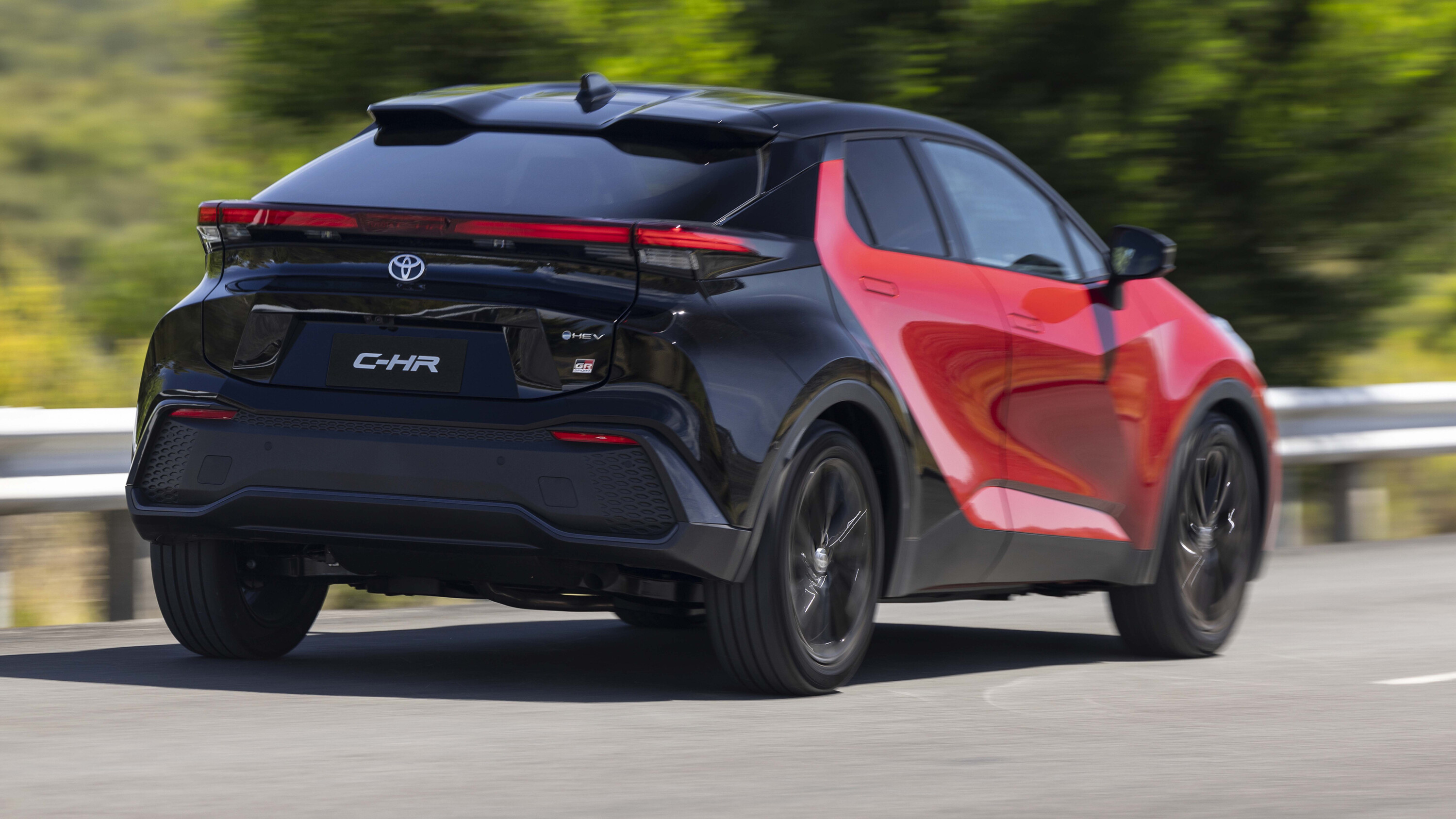
As the GR Sport doesn’t see any major tuning changes to the car’s MacPherson front, independent rear setup, it offers similar smarts in terms of balancing comfort and control – but with the GR Sport’s electric rear axle setup, it offers the all-wheel drive traction and propulsion you might need at different times.
However, it still feels very front-biased, and while the performance from the 2.0L hybrid system is markedly more rapid than the base cars, for those hoping for a ‘proper’ sports SUV experience, this won’t really deliver.
1
- What is a Powertrain or Drivetrain?
- Power vs torque
- Car suspension explained
- Automatic transmissions (‘gearboxes’) explained
- Chassis control systems explained
- Car vs Ute vs SUV: How the vehicle you buy should guide the way you drive
- What is the WLTP emissions and range test?
The most compelling alternative is a sibling model – the Toyota Corolla Cross (from $33,980 MSRP), which comes with a vast range of models for less money and with more practicality for the cash, too.
You might also want to check out the Honda HR-V (from $36,700 drive-away) or ZR-V (from $40,200 drive-away), both of which offer great petrol and hybrid models.
And if you’re considering a GR Sport version, there are a number of Cupra Formentor variants that fall around the same budget (it starts at $51,990 MSRP), with a bit more space and plenty of grace, too.
Should I put it on my shortlist?
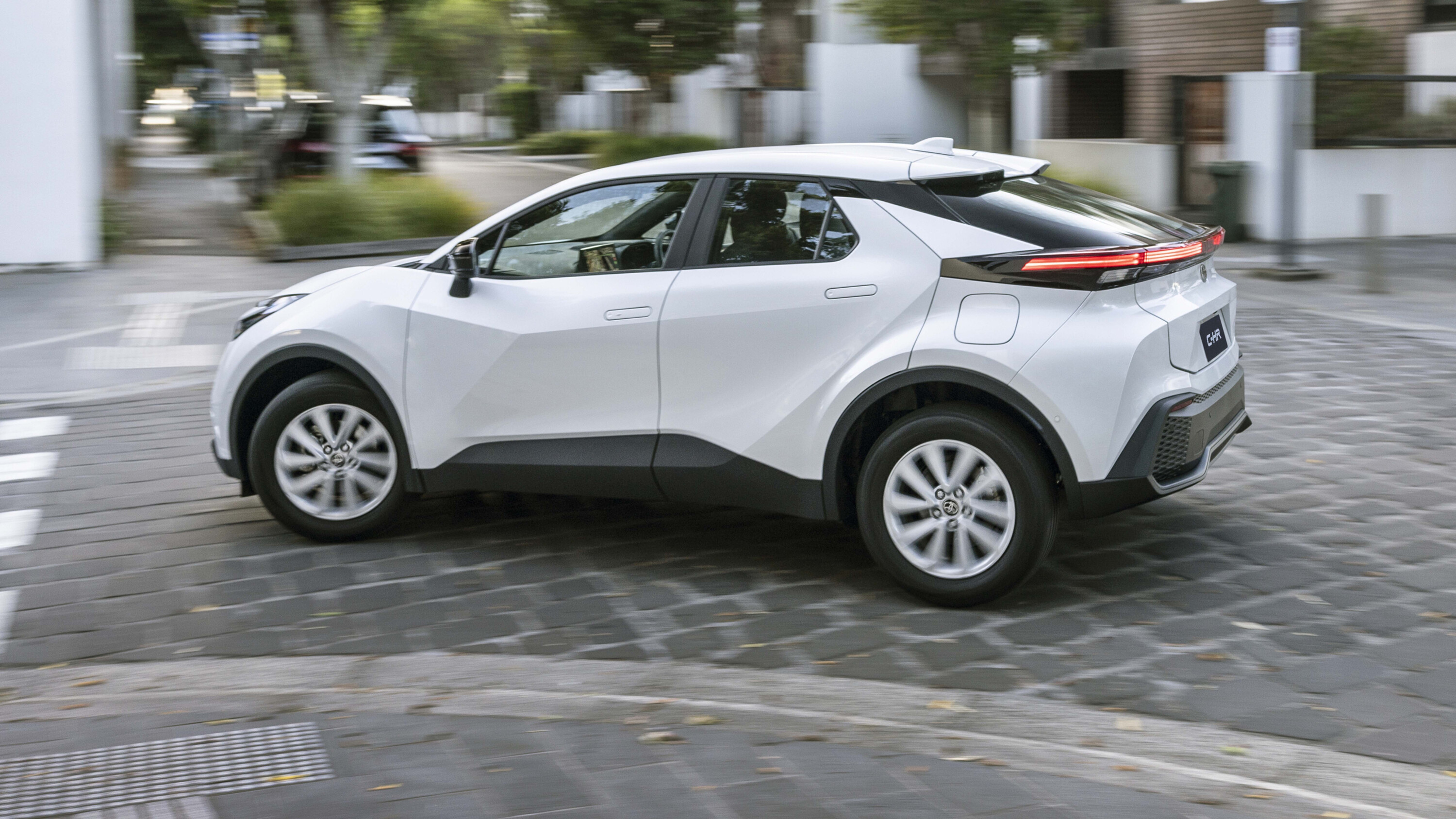
Maybe. There are more practical options, but if you aren’t prioritising back seat riders, it could be a good choice, if you can justify the cost.
1
MORE
Everything Toyota
MORE
SUV Buyers Guide
| 2024 Toyota C-HR specifications | |
|---|---|
| Powertrain | 1.8L or 2.0L petrol-electric hybrid available |
| Max power | 103kW combined (1.8L) / 146kW combined (2.0L) |
| Max torque | Not listed |
| Drivetrain | CVT auto, front-wheel drive |
| Fuel consumption | 4.0L/100km (1.8L) / 4.1L/100km (2.0L) |
| Price | from $42,990 to $54,990 plus on-road costs |
“Like in the US, Australian consumers should have time to embrace the shift, and ensure they have access to the types of vehicles they want and need at prices they can afford.”
That’s the view of the Federal Chamber of Automotive Industries (FCAI), Australia’s peak motoring body representing most car brands, following the US Environmental Protection Agency release overnight of its new emissions reduction targets – officially titled “Multi Pollutant Emissions Standards for Model Years 2027 and Later Light-Duty and Medium-Duty Vehicles”.
Expectations for the US EPA’s new regulations varied, with some anticipating more aggressive moves towards a broad phasing out of petrol-powered vehicles.
However, the final strategy focuses on significantly reducing emissions without mandating the complete elimination of combustion vehicles – an election-year move that has won the support of industry and the powerful United Automobile Workers union.
From there to here
While the EPA’s earlier proposed rules would require an 18% fleetwide emissions reduction by 2027 and 40% by 2029, those targets have been reduced in the ‘final rule’ to 9% and 27% respectively.
By 2032, manufacturers must aim for a 50% reduction in fleetwide emissions, rather than the 56% previously proposed.
The new ‘final rule’, developed at the direction of the Biden government and the United States Congress, and following public consultation, will require carmakers to reduce emissions from light-duty and medium-duty vehicles – starting with model year 2027. In practical terms, that means models on sale in the United States from sometime in 2026.
What are light-duty and medium-duty vehicles in America?
“Light-duty trucks” refers to models up to the Ford F-150, Chevrolet SIlverado 1500 and Ram 1500 in size and gross vehicle weight, while “medium-duty vehicles” applies to larger F-250 and 2500-sized models.
In its announcement [↗], the US EPA said: “The final rule builds upon EPA’s final standards for federal greenhouse gas emissions standards for passenger cars and light trucks for model years 2023 through 2026 and leverages advances in clean car technology to unlock benefits to Americans ranging from improving public health through reducing smog- and soot-forming pollution from vehicles, to reducing climate pollution, to saving drivers money through reduced fuel and maintenance costs. These standards will phase in over model years 2027 through 2032.”
The report adds: “Compared to the existing MY 2026 standards, the final MY 2032 standards represent a nearly 50% reduction in projected fleet average GHG (greenhouse gas) emissions levels for light-duty vehicles and 44% reductions for medium-duty vehicles. In addition, the standards are expected to reduce emissions of health-harming fine particulate matter from gasoline-powered vehicles by over 95%.”
This would see average passenger car GHG decrease from 139 grams of CO2 per mile in 2027 to just 73g/mile CO2 by 2032.
US EPA goals
- Reduction of 7.2 billion tons of CO2 by end of 2055
- 2500 premature deaths averted in 2055 alone
- US$99 billion saving annually
The US EPA says it expects the final rule to avoid 7.2 billion tons of CO2 emissions through 2055 – ”roughly equal to four times the emissions of the entire (American) transportation sector in 2021” – while preventing “up to” 2500 premature deaths in 2055 and reducing heart attacks, respiratory and cardiovascular illnesses, aggravated asthma, and decreased lung function.
(It’s unclear how the number of 2055 premature deaths was calculated, as a University of Melbourne study [↗] has found that 11,000 Australians may die prematurely every year from transport emissions, while 19,000 people are hospitalised for heart and lung issues.)
The net benefit to the US economy is expected to amount to more than AU$150 billion annually.
In Australia, the Federal Chamber of Automotive Industries (FCAI) has been urging the Albanese government to reconsider its preferred option in the proposed New Vehicle Emissions Scheme, which we’ve covered at the below links.
The FCAI has asked that the government look to America’s plan in guiding emissions regulations in Australia.
“A vehicle efficiency standard is a major step for Australia, and we should take the time to ensure that car companies have sufficient time to increase the supply of zero and low-emission vehicles into the local market,” said FCAI CEO Tony Weber.
“Like in the US, Australian consumers should have time to embrace the shift, and ensure they have access to the types of vehicles they want and need at prices they can afford.”
Mr Weber said that the government’s preferred option in the proposed emissions scheme would outweigh “the reality of the market supply and demand,” potentially moving a future government to “wind it back later”.
“In addition to timing, the Government should consider other elements of the US standards that includes vehicle multiplier credits, off-cycle credits such as air-conditioning credits, penalty structure, timing and vehicle classification,” Mr Weber said.
“The US Government also provides large financial incentives for the manufacturing of vehicles and subsidies of up to USD$7500 for consumers to buy EVs.”
From January 1, Americans can get up to US$7500 off the sticker price of “many of the new electric vehicles eligible” for the Inflation Reduction Act’s 30D New Clean Vehicle Tax Credit, and up to US$4000 off the price of a used EV for vehicles eligible for the 25E Used Clean Vehicle Credit.
In Australia, rebates and subsidies for EVs vary by region – with none offered at a federal level – and the best offered is to Queensland motorists, who recently benefited from a doubling of the state’s $3000 rebate to $6000, along with an increase in the dutiable vehicle value threshold from $58,000 to $68,000 plus on-road costs.
As if to remind the Albanese government of its own stated position, Mr Weber said: “The Australian Government has consistently said that it is using the US scheme as a guide. Rushing to introduce a scheme, in just 9 months time, without learning from the US experience is a recipe for disaster in Australia.”
Christmas feels like it was just yesterday as we pull into an early Easter long weekend – and, as always, families are gearing up for some time away.
If that includes you, or even if it doesn’t, it’s more important than ever to be wary of busy roads as people get to hurrying towards their relaxing time away.
Check out our story above for tips on keeping your cool on that long drive, but if you do get pinged, below are the sorts of penalties you can expect around Australia.
NSW, ACT and Western Australia
Double demerits – for speeding, mobile phone use, seatbelt offences and riding without a helmet – will be in force from Thursday March 28 to Monday April 1 – no foolin’.
The bill won’t be any bigger in most cases, but a double tap to your points could be enough to take you off the road for a while.
Queensland
The sunshine state won’t be running any Easter-specific points or fines, but…
If you’re not local, it’s worth noting that Queensland has a year-round double demerits system that applies to any second-time offenders in any 12-month period.
Victoria, Tasmania, South Australia, NT
Victoria, despite being popularly known as a ‘police state’, doesn’t run a double demerits program – and neither do South Australia, Tasmania or the Northern Territory.
That doesn’t mean the police in those regions won’t be out in force, of course. And, as Victorian off-roading enthusiasts learned in 2022, we might see a blitz or two.
