
Insurance premiums in this story are quoted on 16 August 2023 and serve as a guide only. Premiums vary depending on your driving history, where you live and more.
It’s been a familiar story for the last two years… sourcing the new car that you really want in a reasonable time frame has been virtually impossible.
Off the back of much-publicised dramas that have included wars, disease and rogue stowaway bugs, Australian new car buyers have had it tough – and conversely, dealerships have never had it so good.
Vehicles barely have time to have their travel plastics removed before they are bundled out the door to impatient customers who have been waiting up to 12 months for a new car – while paying full retail and then some for the privilege.
Throw in the local industry’s long-held propensity to… let’s say… maximise opportunities to realise a vehicle’s full retail potential by rotating popular new stock items to the used vehicle market, and it’s been a trying time for new car buyers. Yay capitalism!
“Some brands are back to having more stock than they’ve seen for some years,” says industry expert Michael Holmes. “Not necessarily the right variants but more stock just the same.
“The pressure this brings to bear on dealers will be telling; lower gross profit, higher floor plan costs and pressure on customer experience satisfaction.”
But if history tells us anything, there’s a shift coming down the pipe that could tip the scales back in the direction of the new car buyer, and it could be here more quickly than we think.
Like much of the manufacturing world, the car industry was forced to learn on the run when COVID-19 stopped the world in its tracks in 2020.
Would consumers stop buying cars?
Would they all work from home forever?
Would they switch to subscriber model buying?
An initial slowdown in demand saw the industry roll back on production, but this false dawn then pummelled those carmakers that closed production lines and wound down plants when demand came roaring back in 2021-22.
Throw in a few grenades like rocketing raw material prices, global shipping chaos and the electric vehicle elephant in the room gobbling up precious manufacturing resources, and the affordable new car almost became an endangered species.
Toyota reported a wind-back of more than a million units of production in 2022, for example, while other global giants like VW, Ford and General Motors suffered similarly.
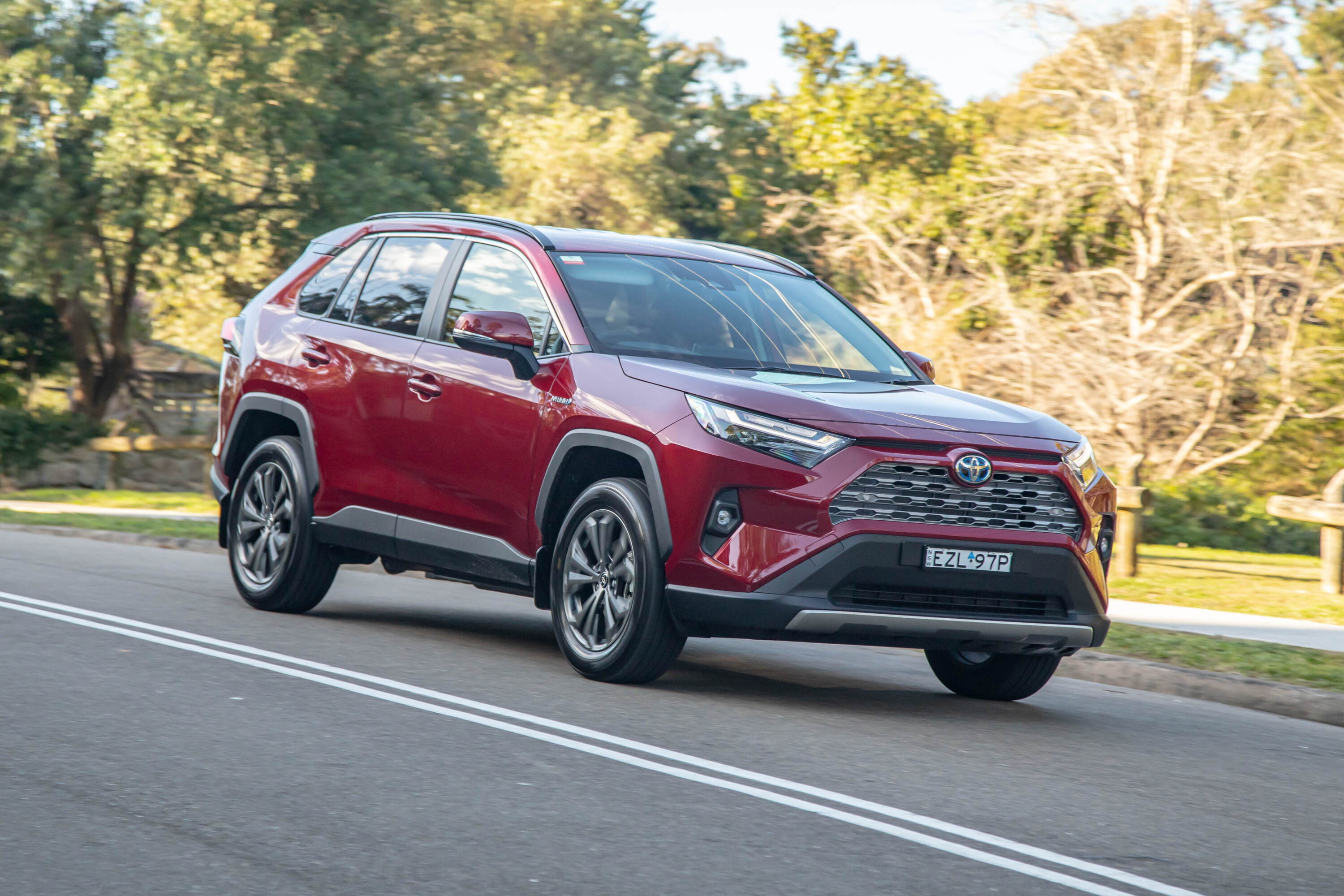
All this meant that your new RAV4 or Ranger was just one of a huge backlog of orders – and if you wanted or needed a new car in a hurry, it was a matter of buying what was available.
(This also led to the rise and rise of the Chinese carmakers in Australia, but that’s a tale for another day.)
1
But the world is slowly returning to normal.
Sure, the work/life balance has changed a little, but traffic volumes are up, travel is back and people are coming back to the workplace in increasing numbers.
Those who have waited long periods for a new car have now taken delivery or sought alternatives from brands with stock on hand, while the business community is also finally flipping fleets of vehicles that are long overdue for rotation.
This will help to cool a used car market that has been running white hot for a couple of years, as supply levels of used cars increases at the cheaper end of the scale.
But what happens next?
1
Many other industries – bicycling, for one – have already experienced what economists call a ‘bullwhip effect’, where an excess of production through stock shortage manifests as excess supply once demand has been sated.
Electric bicycles that were commanding – and getting – $12,000 and $14,000 just 12 months ago are now being specialed out at vastly reduced prices, for example, as manufacturers suddenly find themselves stuck with mountains of stock ordered 18 months ago and dealing with gun-shy consumers who are paying through the nose just to pay the bills.
Using interest rate rises to quell rampant inflation isn’t an Australia-only phenomenon, either, and the global economy is showing signs of slowing down. While this is good to help keep the cost of living in check, it also means that consumer confidence is low, particularly for big-ticket items.
“Access to finance for the consumer will also weigh heavily as affordability and accessibility come into the equation,” says Holmes.
“The cost of the vehicle and funds are both up, whereas wages have not kept up at the same rate. This alone could impact way new cars are sold and you may see more finance driven deals to move stock.”
1
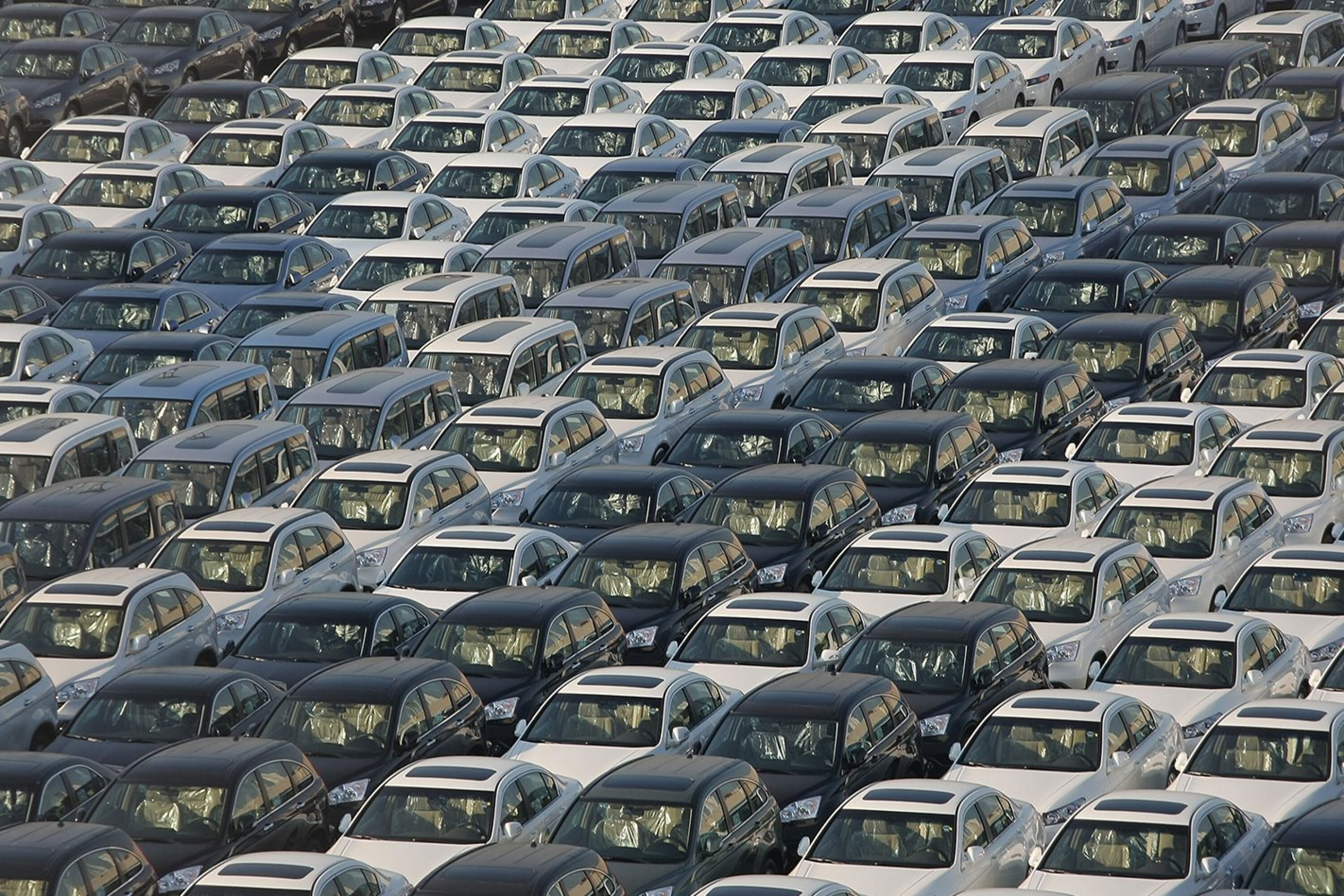
Given that the new vehicle car parc has just been replenished, too, demand will naturally recede in the short term – but this is likely to collide headlong with a glut of oversupply, as car makers experience similar economic headwinds across the globe in US, Asian and European markets.
A cooling economy, soft consumer sentiment in the wake of economic and climatic uncertainty and the continued high cost of living (housing in particular) means that those extra cars are unlikely to find homes all that easily
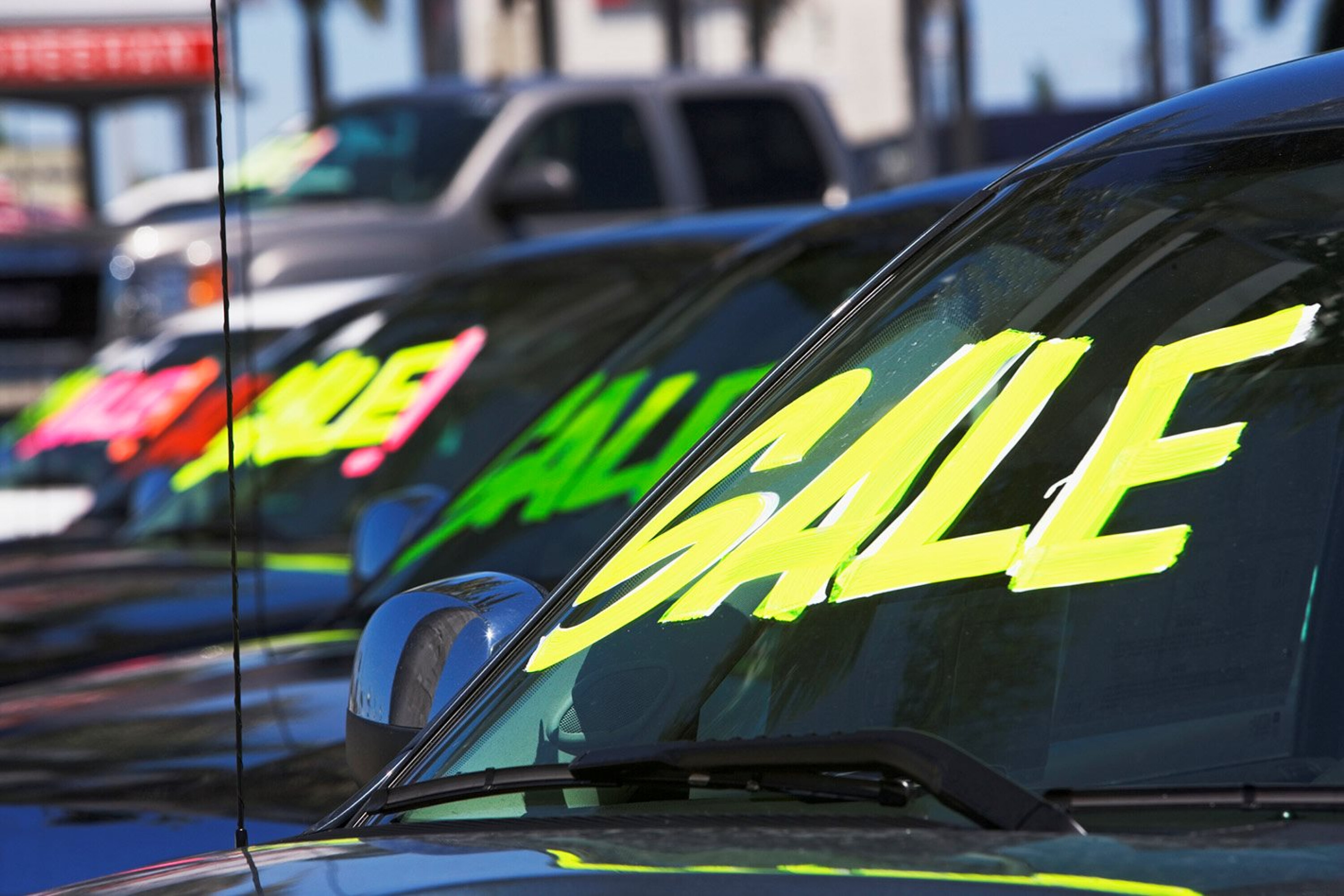
So does this mean the return of big, fat discount tickets and brightly coloured inflatable advertising devices to Australian dealerships? We reckon so, as early as the first half of next year.
Yay capitalism!
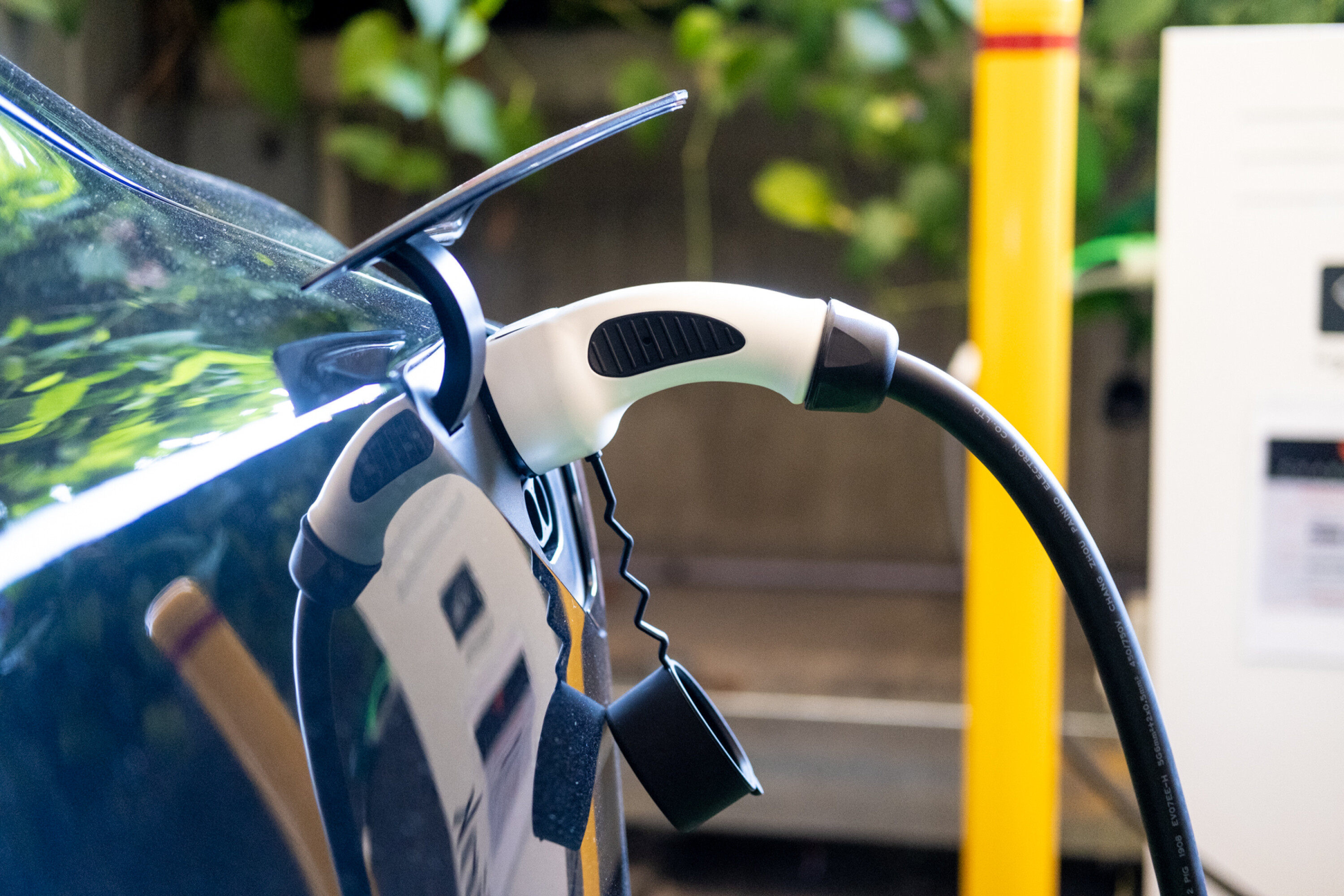
When choosing a new car, electric vehicles generally benefit from lower running costs to help recoup the purchase price premium. However, there’s an exception for insurance.
Key Points
- EVs are typically around 20% more expensive to insure
- Insurance costs will likely come down as EVs gain more market share
- On the plus side, EVs are generally cheaper to own
With around 20 moving parts in electric cars – compared to more than 2000 in a combustion car – maintenance is often cheaper with fewer labour and parts costs, so there’s less likelihood of things going awry.
Despite this, EVs are often more expensive to comprehensively insure than traditional petrol- and diesel-powered models. But why and by how much?
JUMP AHEAD
? Why are electric cars more expensive to insure?
According to the Insurance Council of Australia [ABC ↗], EV insurance premiums are typically higher because of the following.
Key EV insurance factors
- Price: EVs are generally more expensive to buy
- Parts costs: New EV technologies and parts are more expensive to produce and replace, such as the motor and battery
- Parts supply: Fledgeling local supply chain of EV parts, leading to higher costs for importing them u2013 exacerbated by component shortages
- Maintenance: Fewer trained EV technicians and service centres in Australia
- Safety: Dealing with EV batteries require specialty equipment and proper disposal methods (i.e. recycling)
1
? How much does it cost to insure an EV?
The comprehensive car insurance quotes in this guide are based on a 30-year-old female living in Sydney, with the below attributes.
Case study profile
- Garaged home address
- Drives up to 15,000km per year (41km per day)
- Clean driving record (no previous claims)
- Purchased the vehicle in full up-front for private use only
- Vehicle with white exterior colour and has no factory or aftermarket modifications
- No previous history with quoted insurer
She quoted a new comprehensive car insurance policy with three providers – the state motoring club NRMA, popular insurer Budget Direct, and budget-oriented offering Bingle.
The following quotes are insured for market value only, based on a middle-ground $850 excess (except Bingle for which $895 is the closest available option), and paying annually for one registered driver.
No extras were optioned (eg: roadside assistance, glass cover, hire car cover, new-for-old replacement, etc.) and excludes any promotional discounts.
Vehicle prices are current as at publication and exclude mandatory on-road costs, unless otherwise stated.
1
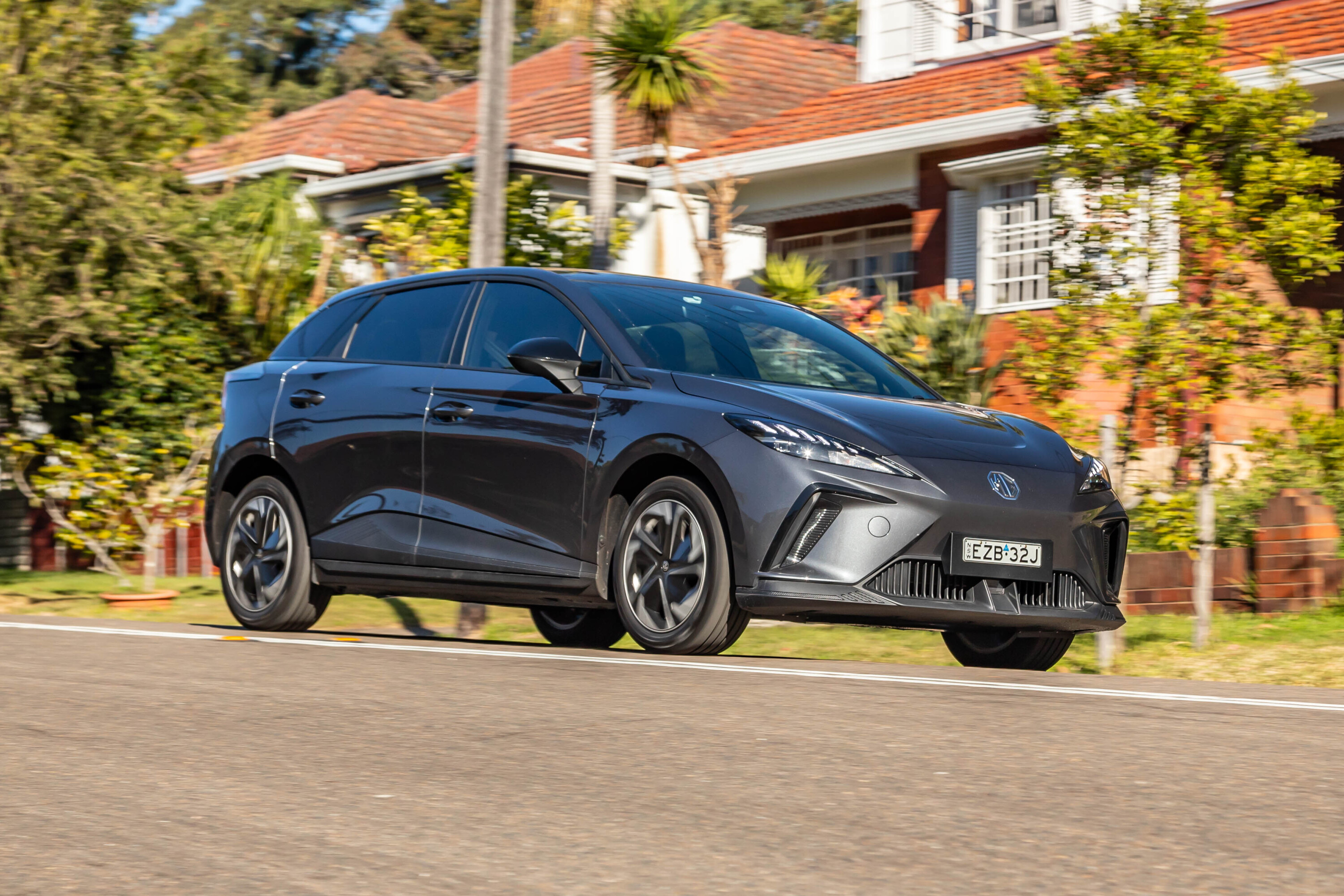
MG 4
| 2023 MG 4 Excite 51 | 2023 Hyundai i30 Hatch N Line Premium (auto) | |
|---|---|---|
| NRMA | N/A* | $1181 |
| Budget Direct | $2014 | $1645 |
| Bingle | $1004 | $1004 |
| Average Annual Premium | $1509 | $1277 |
| *Insurer does not cover model as at publication | ||
The MG 4 is one of the cheapest electric cars in Australia (from $38,990 before on-road costs) with a price and features list comparable to the top-spec Hyundai i30 N Line Premium ($37,300).
However, the MG electric car is about 15 per cent pricier on average to comprehensively insure compared to the popular petrol-powered warm hatch.
1
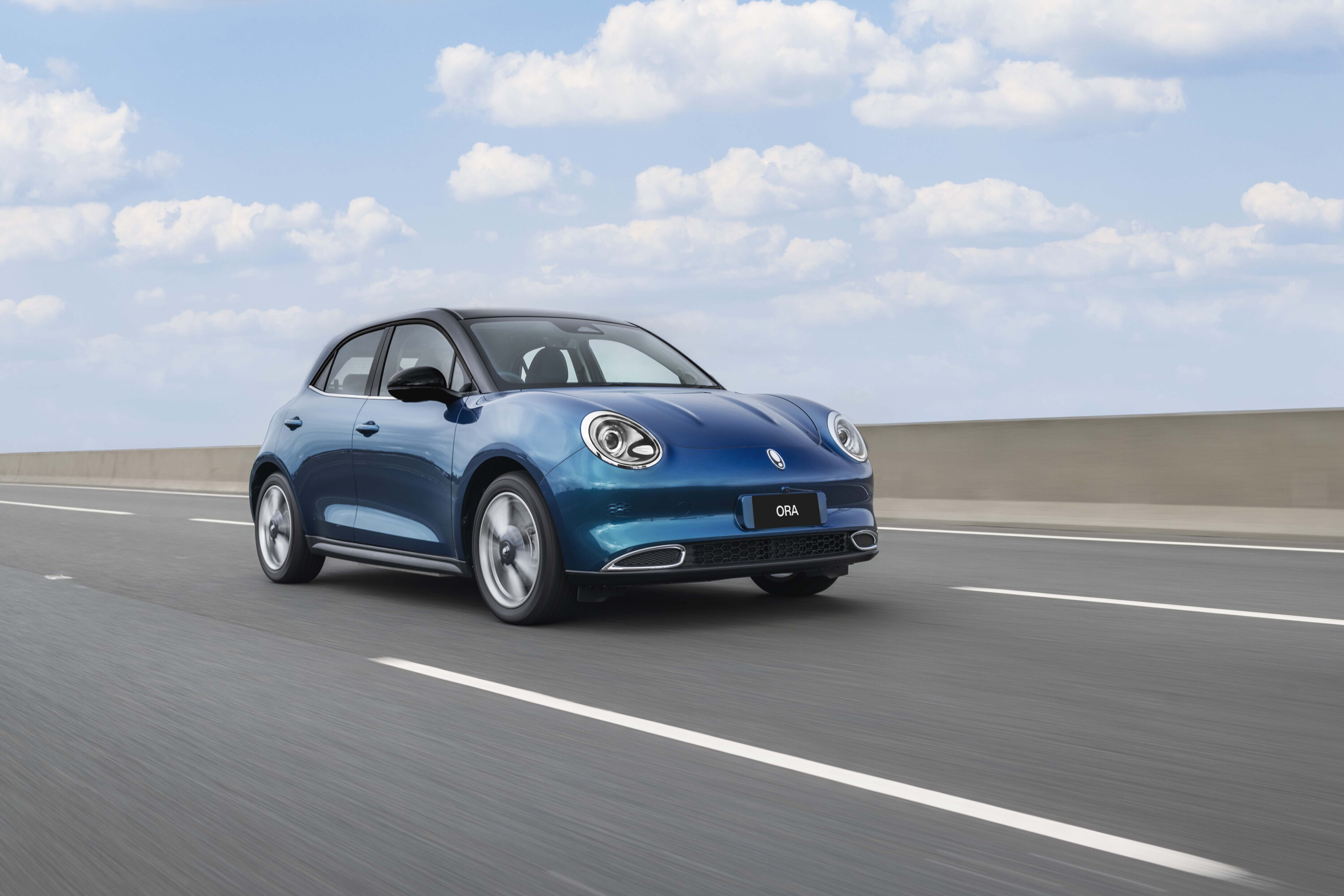
GWM Ora
| 2023 GWM Ora Standard Range | 2023 Mazda 3 G25 Astina | |
|---|---|---|
| NRMA | $1842 | $1291 |
| Budget Direct | $1831 | $1549 |
| Bingle | $1109 | $995 |
| Average Annual Premium | $1594 | $1278 |
The budget-friendly GWM Ora electric hatch ($39,990) has a starting price matching the top-spec Mazda 3 G25 Astina ($42,320).
The quirky Chinese-made EV is around 20 per cent more expensive to fully insure than the top-selling Japanese petrol hatch.
1
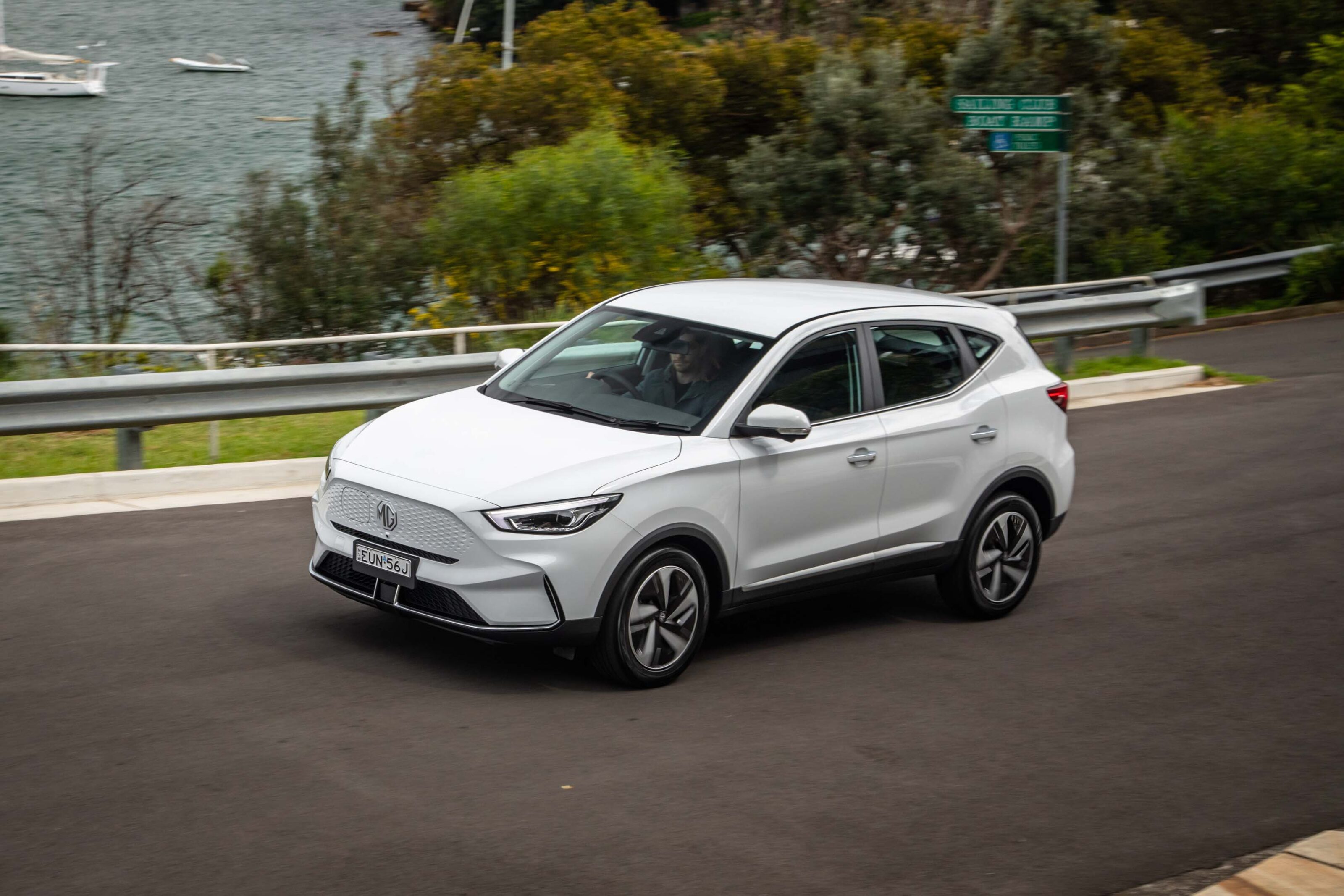
MG ZS EV
| 2023 MG ZS EV Essence | 2023 MG ZST Essence | |
|---|---|---|
| NRMA | $2056 | $1419 |
| Budget Direct | $1897 | $1791 |
| Bingle | $1022 | $880 |
| Average Annual Premium | $1658 | $1363 |
The MG ZS EV Essence ($47,990) is the pure-electric twin of the petrol-powered ZST Essence ($33,990 drive-away), but is still slightly pricier to insure.
By going electric, it is around 18 per cent more expensive to insure on average.
1
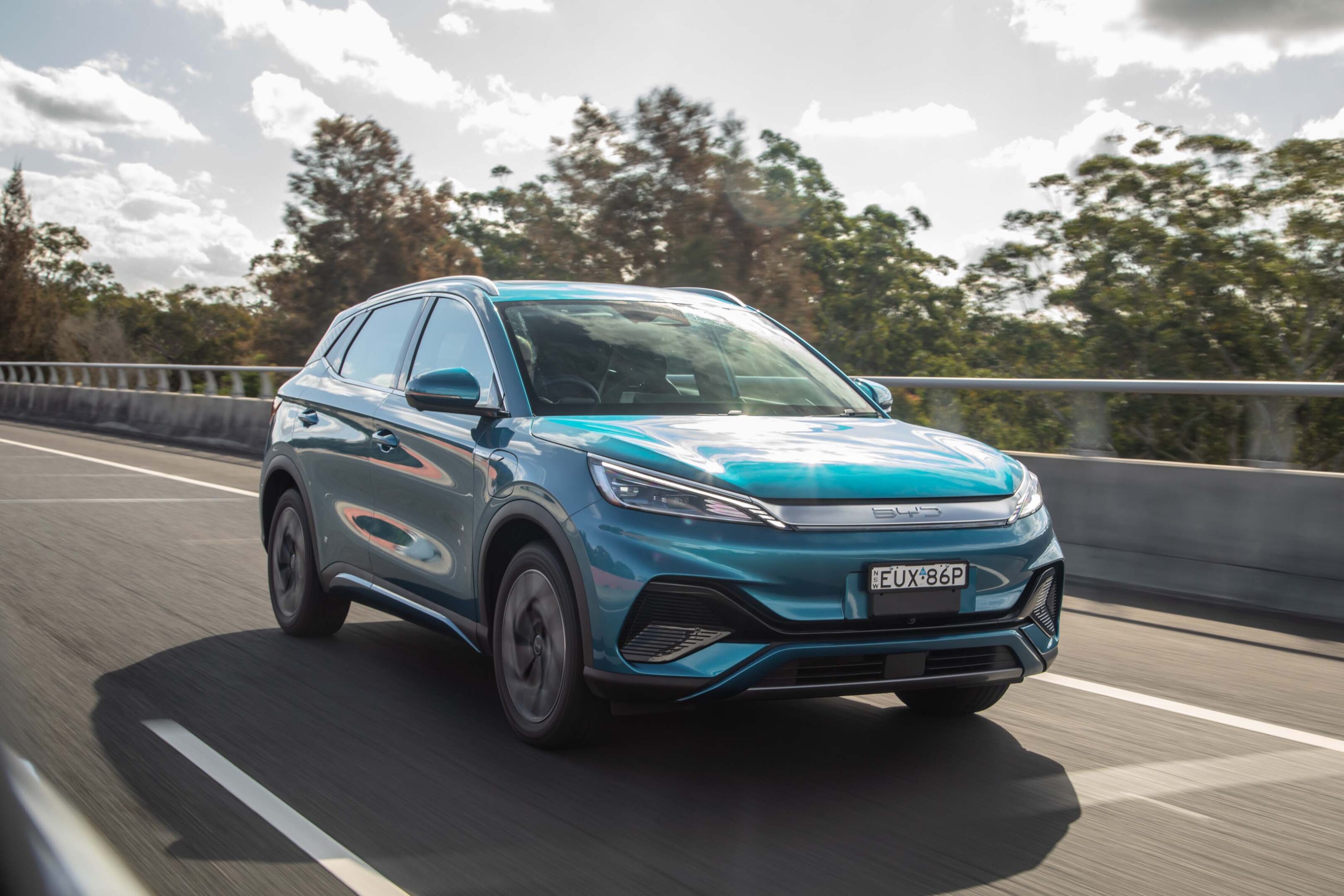
BYD Atto 3
| 2023 BYD Atto 3 Standard Range | 2023 Toyota Corolla Cross Atmos Hybrid 2WD | |
|---|---|---|
| NRMA | $2036 | $1830 |
| Budget Direct | $2324 | $1521 |
| Bingle | $1125 | $1056 |
| Average Annual Premium | $1828 | $1469 |
The BYD Atto 3 Standard Range ($48,011) has quickly gained traction as one of the most popular electric cars in Australia.
However, the also in-demand Toyota Corolla Cross in top-spec Atmos Hybrid 2WD trim ($47,030) is typically about 20 per cent cheaper than the BYD electric crossover to insure.

1
Tesla Model Y
| 2023 Tesla Model Y RWD | 2023 Volvo XC40 Ultimate B4 Bright | |
|---|---|---|
| NRMA | $2135 | $1710 |
| Budget Direct | $3415 | $1916 |
| Bingle | N/A* | $1447 |
| Average Annual Premium | $2775 | $1691 |
| *Insurer does not cover Tesla vehicles as at publication | ||
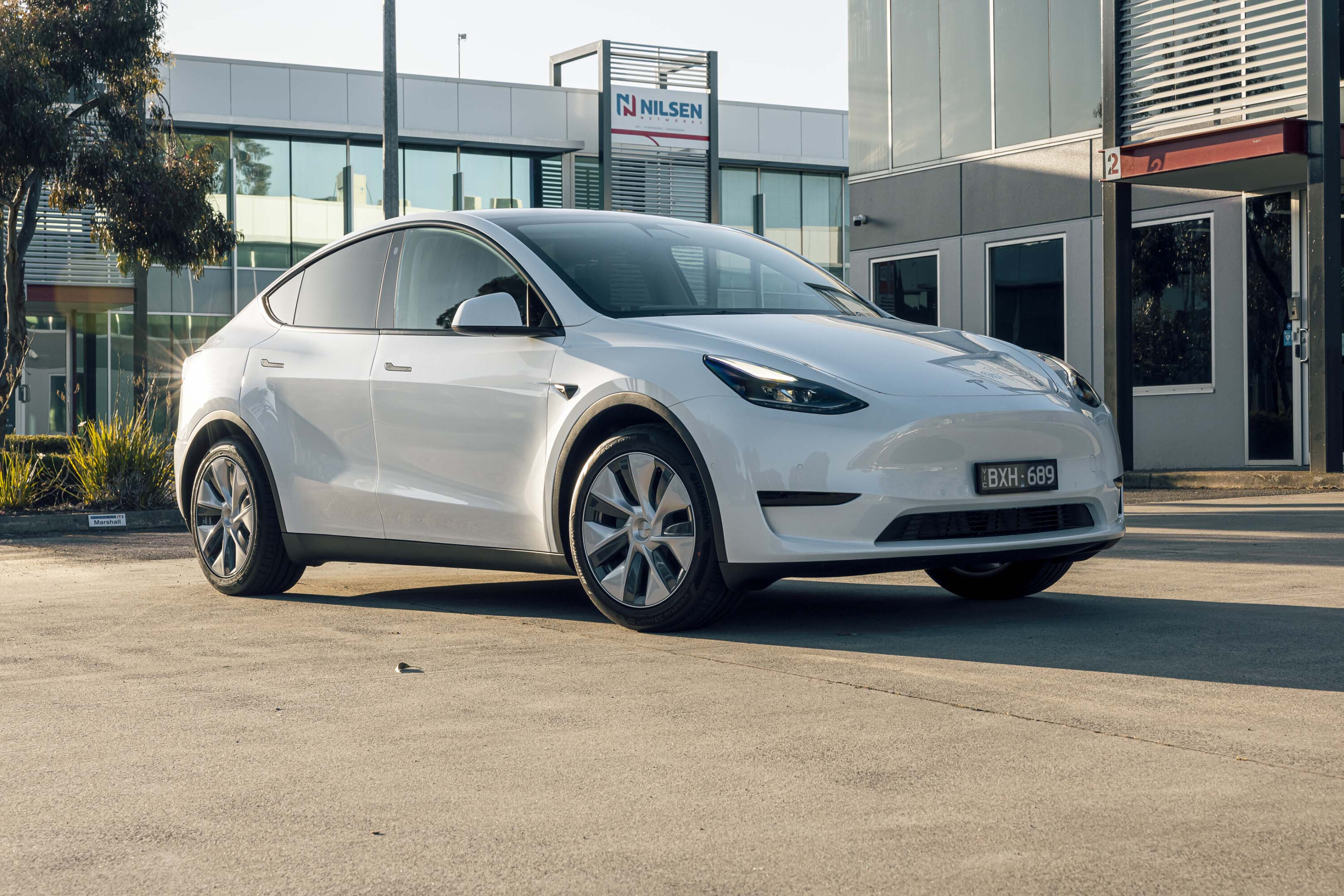
The Tesla Model Y RWD ($65,400) is comparable to the petrol mid-hybrid Volvo XC40 Ultimate B4 Bright ($61,990), as practical Chinese-made SUVs.
Strangely, Budget Direct now has a substantially higher premium than previously on the Model Y. Combined with limited data due to the omission of Bingle, this means the medium electric SUV is about 39 per cent dearer to insure than the Swedish-badged petrol SUV.
The Volvo is also offered in a pricier all-electric XC40 Recharge version.
1
? The takeaway
As the EV market grows in Australia with more available models, lower price tags, more local parts supply and more qualified technicians, the insurance costs will likely come down.
For now, comprehensively insuring an EV typically costs around 20 per cent more for the models in this comparison.
It’s worth noting that the typically higher power and torque figures of EVs may factor into insurance premiums.
Most states in Australia prohibit learner and provisional licence holders from driving a vehicle with a power-to-weight ratio higher than 130 kilowatts per tonne.
As with all new technologies, EVs right now are generally more expensive to buy – but a growing number of electric models are priced on or even cheaper than petrol-powered models, as new car prices continue to rise.
But, growing knowledge, increased competition and mainstream adoption mean costs will come down – including car insurance.
For now, despite the higher annual premiums, EVs still have the advantage when it comes to running and maintenance costs – especially when charging at home utilising free solar energy generation.
EV owners who drive more will be quicker to ‘break even’ the price premium for going tailpipe emissions-free.
How much does it cost to buy an EV in Australia? For everything you need to know about electric vehicles, check out our comprehensive guides below.
More EV stories to help you choose the best car for your needs
- ? EV news, reviews, advice & guides
- ❓ Short & sweet: Your EV questions answered
- ⚡ New EVs: Everything coming to Australia
- ? Australia’s EVs with the longest driving range
- ⚖️ Best-value EVs by driving range
- ? How much do EVs cost in Australia?
- ? How much more expensive are EVs?
- ⚖️ Number crunching: Is it time to switch to an EV?
- ♻ Should you buy a used EV?
- ?️ Are EVs more expensive to insure?
- ? Costs compared: Charging an EV vs fueling a car
- ? EV charging guide
- ? Are there enough EV chargers in Oz?
- ?? EV servicing explained
- ? EV battery types explained
- ? When do EV batteries need replacing?
- ? Hydrogen v EVs: What’s best for Oz?
- ✋? Mind your manners! EV charging etiquette tips
- ? How sustainable are EVs, really?
MORE advice stories to help you with buying and owning a car
The Hyundai Ioniq 5 N will make its Australian debut at the World Time Attack Challenge (WTAC) held on September 1-2 at Sydney Motorsport Park.
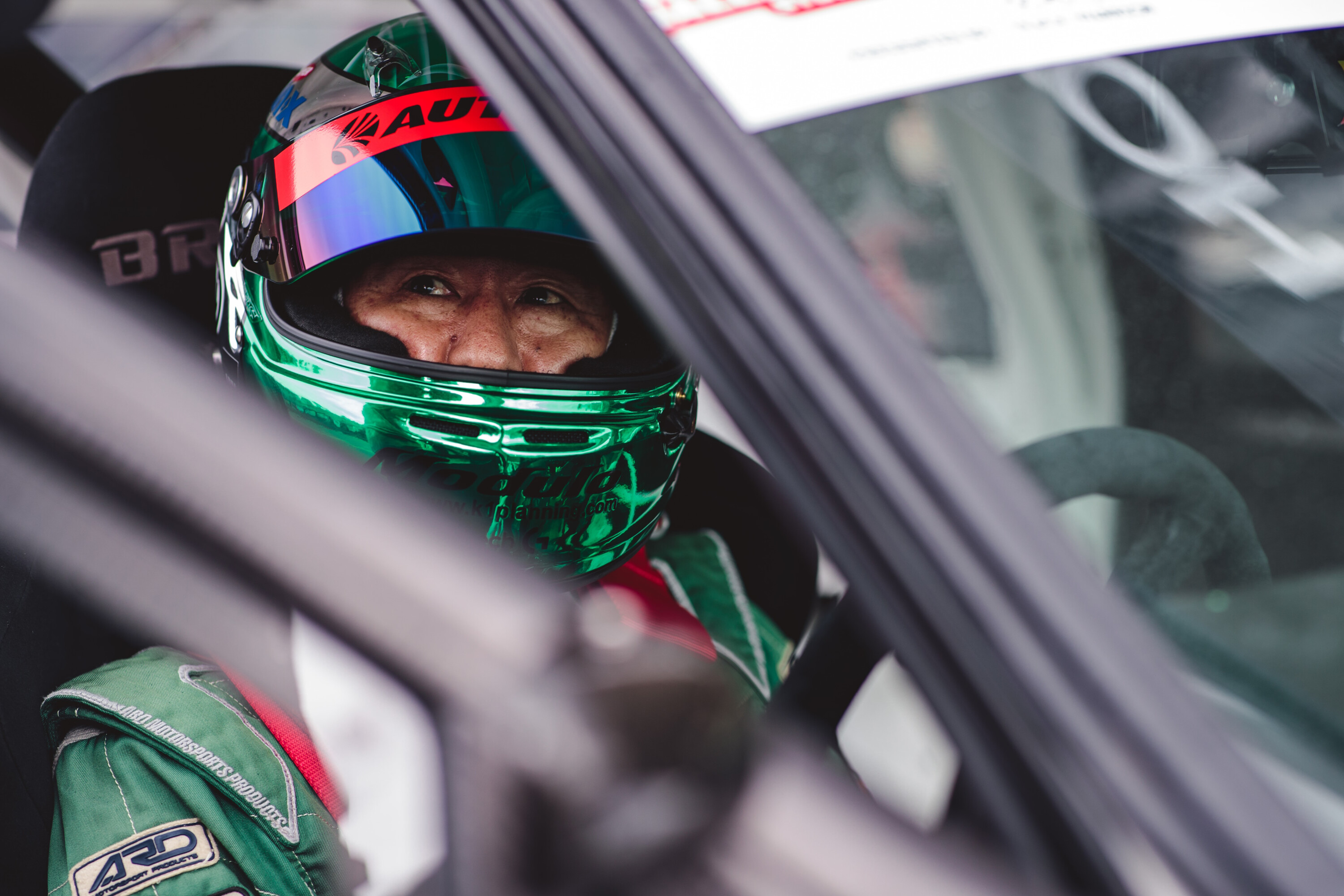
At the Ioniq 5 N’s helm will be Drift King himself, Keiichi Tsuchiya. Known for his racing antics, iconic Drift Bible video as well as regular appearances in cult Japanese motoring programs Best Motoring and Hot Version, Tsuchiya is a master of the slide.
Tsuchiya is credited with popularising the genre of drifting. Famously, he would end up so far ahead of his rivals that he would slide his racecar through corners to keep the crowd entertained. He went on to found the D1 GP series, cementing his status as the Drift King.
A perfect combination, then, of the perfector of drifting and the first production electric car to be marketed almost entirely on its ability to go around a corner with the rear end hanging out.
1
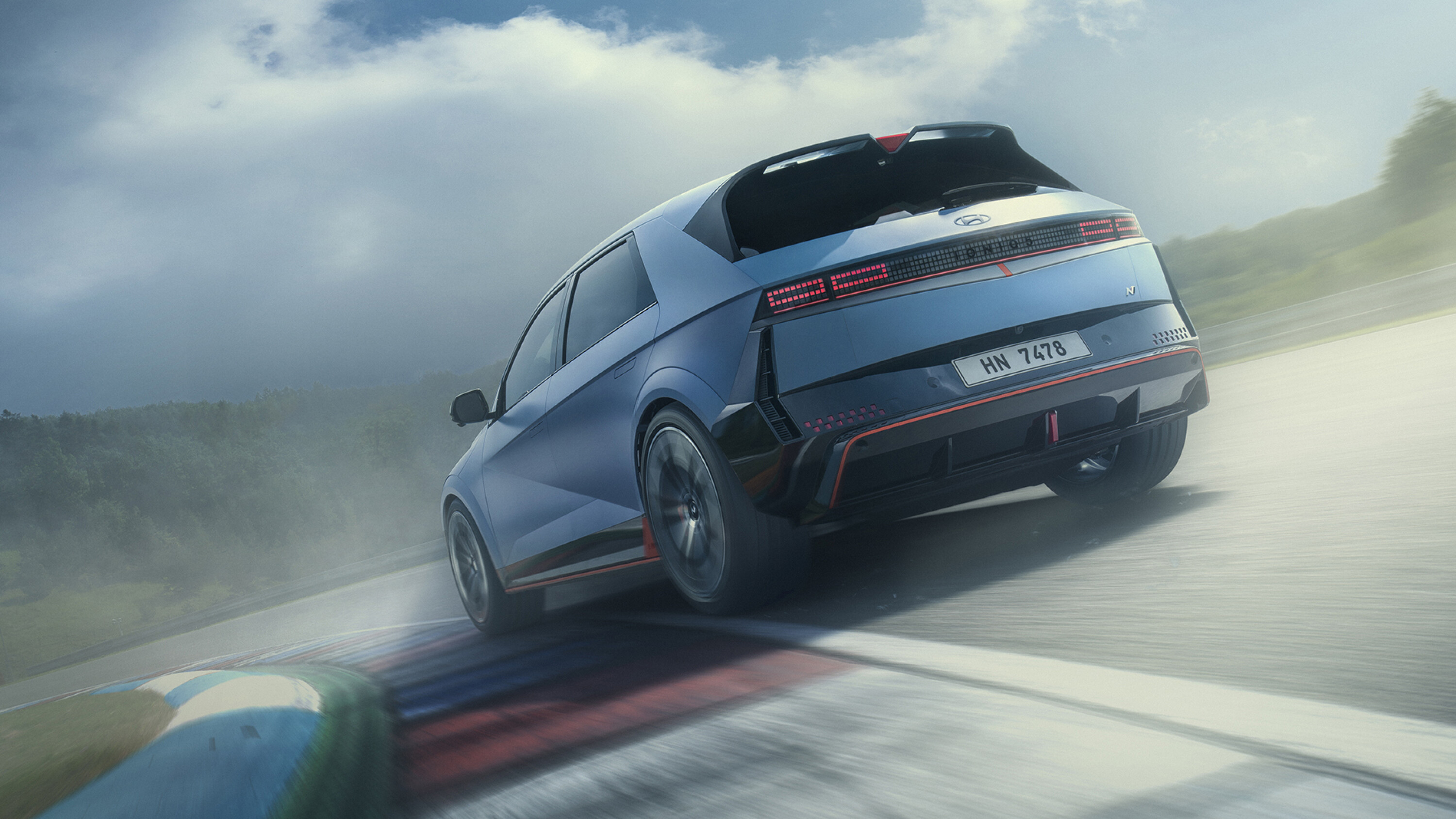
The dual-motor 478kW Hyundai Ioniq 5 is the N performance brand’s first attempt at an electric car.
With eight simulated gear ratios, myriad drive modes, and – of course – the drift button, it sets the blueprint for many vehicles to follow, with the Ioniq 6 sedan expected to be next.
Ahead of its early 2024 release in Australia, the Ioniq 5’s Drift mode will be on full show as Tsuchiya skids it around the Sydney Motorsport Park over the September weekend following its appearance at the Goodwood Festival of Speed in July.
“We are excited to partner with World Time Attack Challenge, which will provide the perfect showcase for the immense performance capability of Ioniq 5 N, our first all-electric Hyundai N vehicle,” said Hyundai Australia CEO, Ted Lee.
1
For those attending, the Hyundai team will be posted up at the South Circuit/Amaroo pit complex over the WTAC weekend. Expect an Ioniq 5 N to be on display, fan interactions with the Drift King, a sneak preview of the 2024 i30 Sedan N, and a TCR display.
For current N owners, there will be vehicle health checks offered on-site, and a cafe to relax at while watching all the goings on. See below for the Ioniq 5 and Keiichi Tsuchiya’s full weekend schedule.
| IONIQ 5 N Schedule: 2023 World Time Attack Challenge Friday, 1 September |
|---|
| 11:15 Demonstration Session – Keiichi Tsuchiya (10 mins) |
| 16:50 Demonstration Session – Keiichi Tsuchiya (10 mins) |
| 17:20 Flying 500 |
| Evening Drift Demonstration |
| IONIQ 5 N Schedule: 2023 World Time Attack Challenge Saturday, 2 September |
|---|
| 11:15 Demonstration Session – Keiichi Tsuchiya (10 mins) |
| 14:40 Demonstration Session – Keiichi Tsuchiya (10 mins) |
| 17:20 Flying 500 |
| Evening Drift Demonstration |
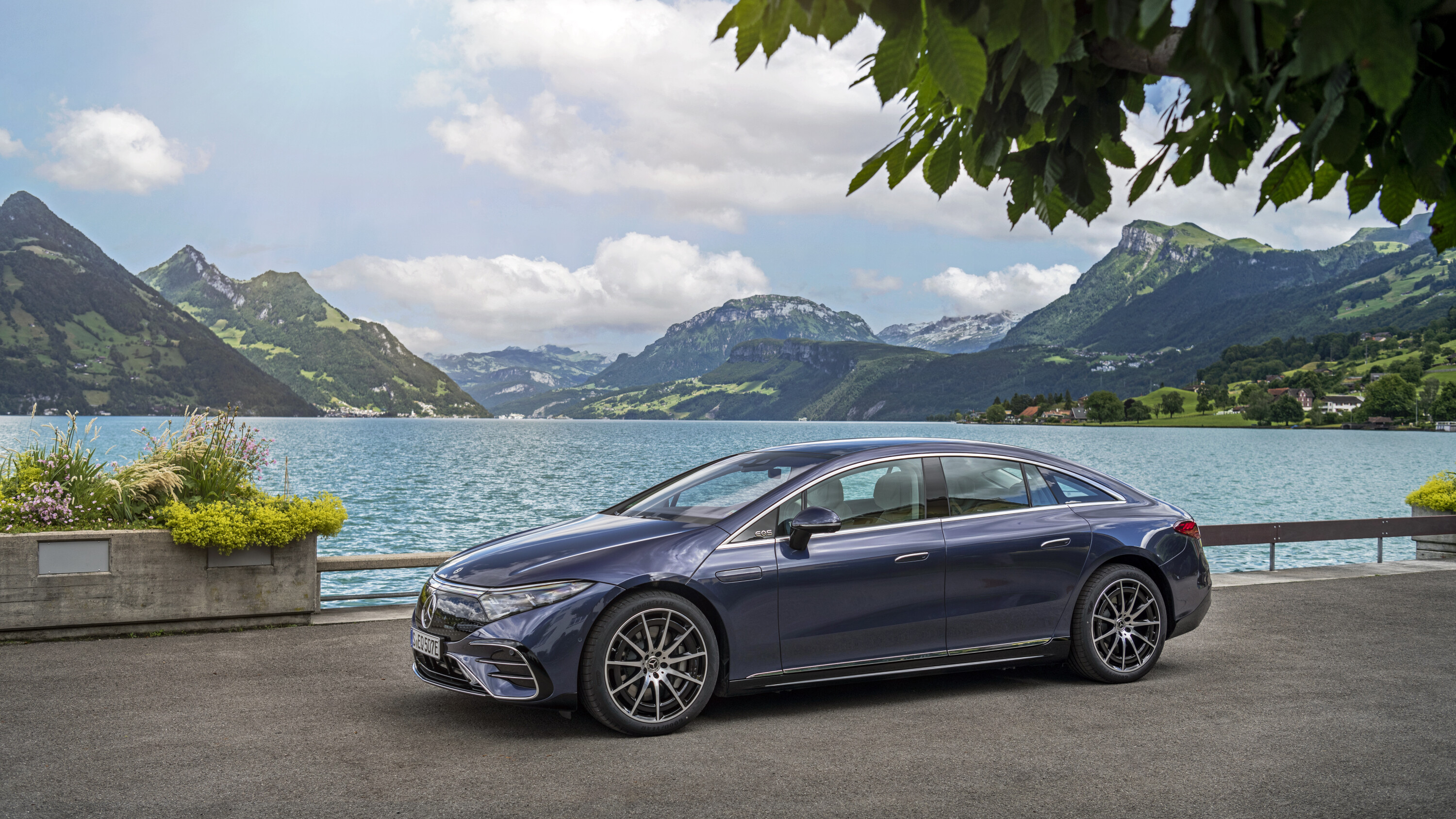
Twelve months later than initially promised, the luxurious Mercedes-Benz EQS 450 has joined its performance-oriented AMG 53 sibling from $219,900 before on-road costs.
Snapshot
- Benz EQS 450 limo arrives in Oz
- Priced from $219,900 before on-road costs
- Excellent 631km WLTP driving range
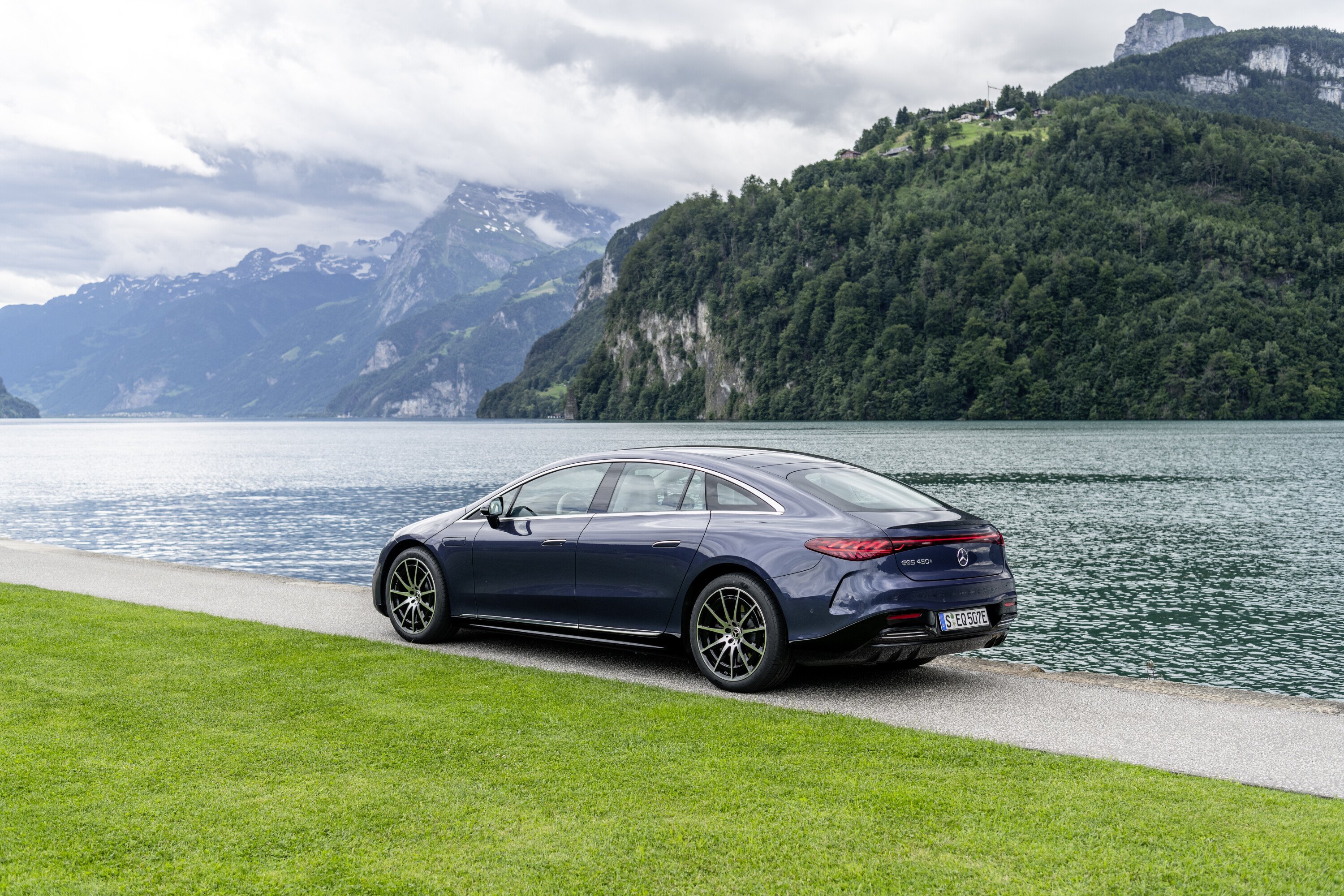
Without the performance treatment, the twin-motor all-wheel drive EQS 450 boasts an extended driving range of 631km in combined WLTP testing – making it second only to the 2024 Polestar 2.
Part of the EQS’ secret is its super low 0.2 Cd (the lowest drag coefficient of any production car) as well as detuned motors. Compared to the $327K AMG model, its 265kW/800Nm outputs give it a two-second slower 0-100km/h sprint claim of 5.6 seconds.
1
With a 107.8kWh battery pack onboard and a maximum DC fast-charge rate of 200kW, the EQS 450 is able to race from 10-80 per cent charge in 28 minutes.
AC charging tops out at 22kW, so with a three-phase wallbox 0-100 per cent takes under six hours.
Underneath it gets a more comfort-oriented chassis with rear-axle steering, air springs and adaptive dampers hooked up to 21-inch alloy wheels. To keep up appearances, the Australia EQS 450 is still equipped with AMG Line exterior styling, including a sporty front bumper, grille, side skirts, rear apron and wheel design.
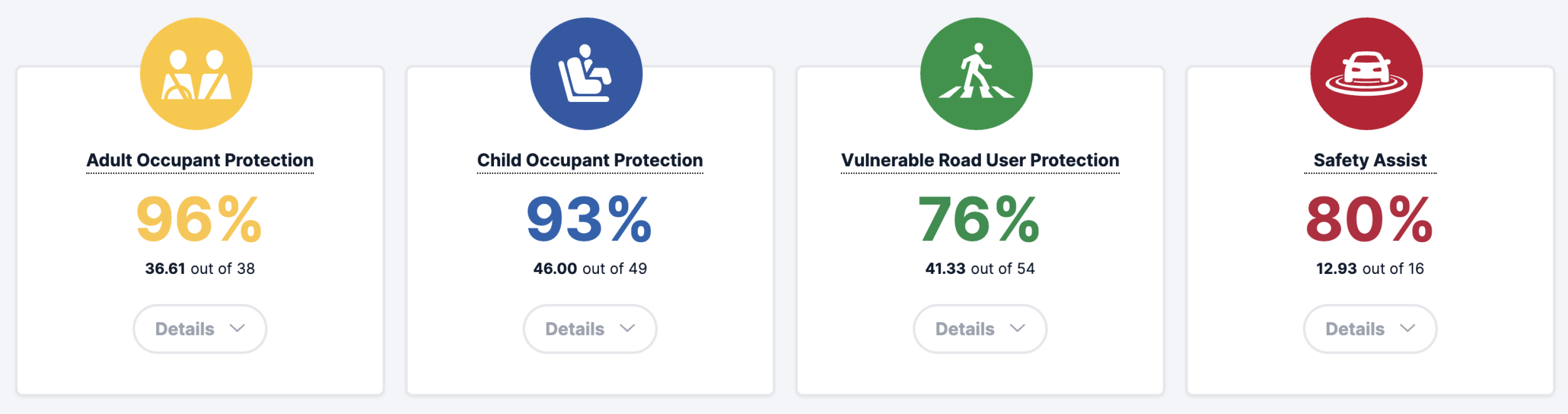
The Mercedes-Benz EQS 450 and AMG EQS 53 have also had their five-star Euro NCAP rating converted to a five-star ANCAP rating. See the image below for the crash test results.
1
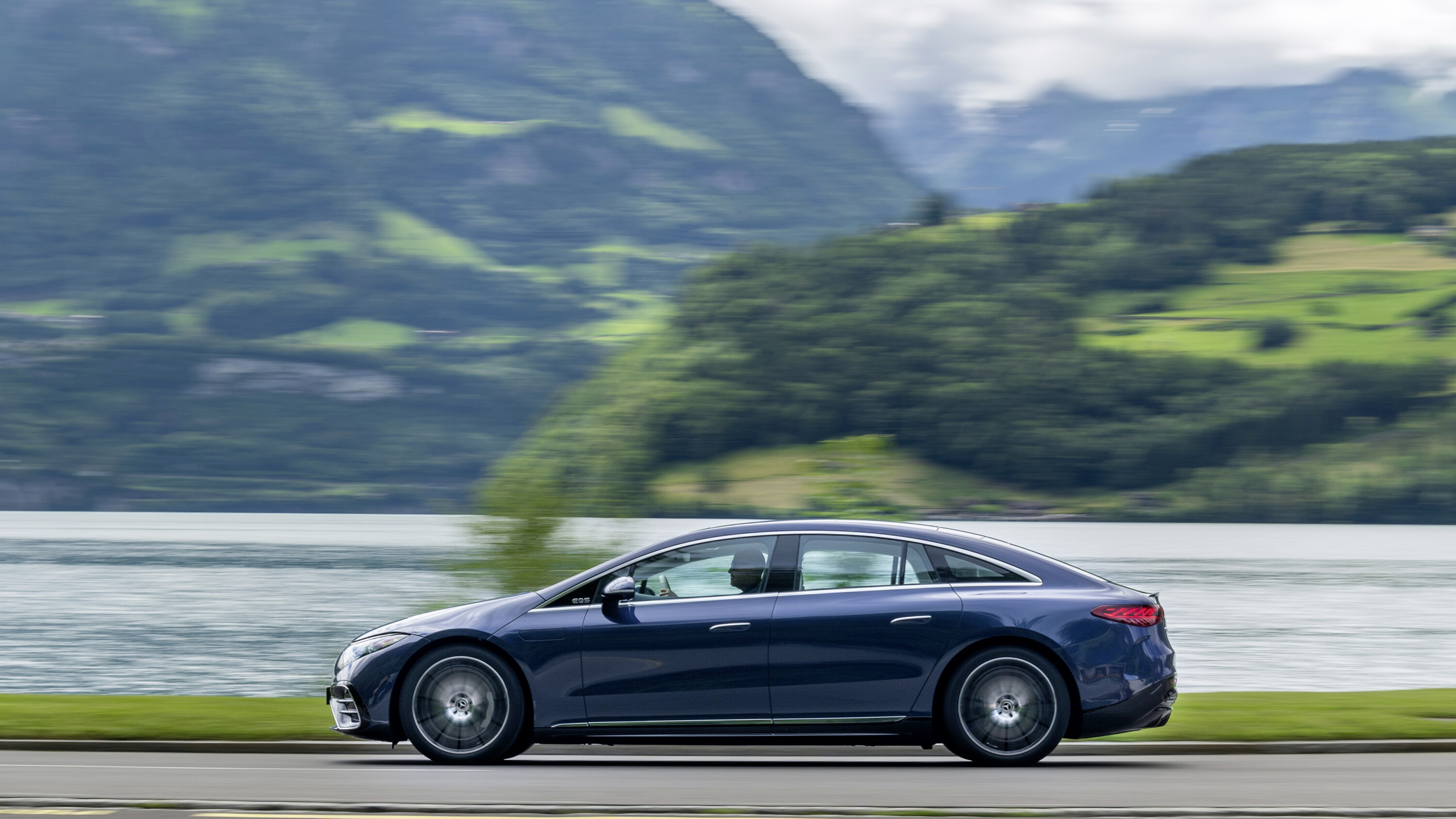
A rival for the BMW i7 and Audi e-tron GT, the Mercedes-Benz EQS 450 will join AMG EQS 53 variants in September and is available to order from Mercedes dealers now.
1
Standard equipment
Beyond the equipment outlined below, Mercedes-Benz offers a generous options list as well as the ability to customise paint and cabin colours.
| Mercedes-Benz EQS 450 features | |
|---|---|
| Electric Art Line interior | MBUX Hyperscreen touchscreen with wireless Apple CarPlay and Android Auto |
| Comfort seats with heating and ventilation | Opening panoramic glass sunroof |
| Nappa leather upholstery | Active high beam assist |
| Rear Seat package with individual bucket seats | Active parking assist w/ 360-degree camera |
| 15-speaker 710W Burmester 3D sound system | Adaptive cruise control with stop & go |
| Four-zone climate control | Lane-trace assist |
| Head-up display with AR navigation | Blind-spot monitoring |
| 64-colour ambient lighting | Rear cross-traffic alert |
1
2023 Mercedes-Benz EQS Pricing
| Variant | Price (before on-road costs) |
|---|---|
| Mercedes-Benz EQS 450 4MATIC | $219,900 |
| Mercedes-AMG EQS 53 4MATIC+ | $327,075 |
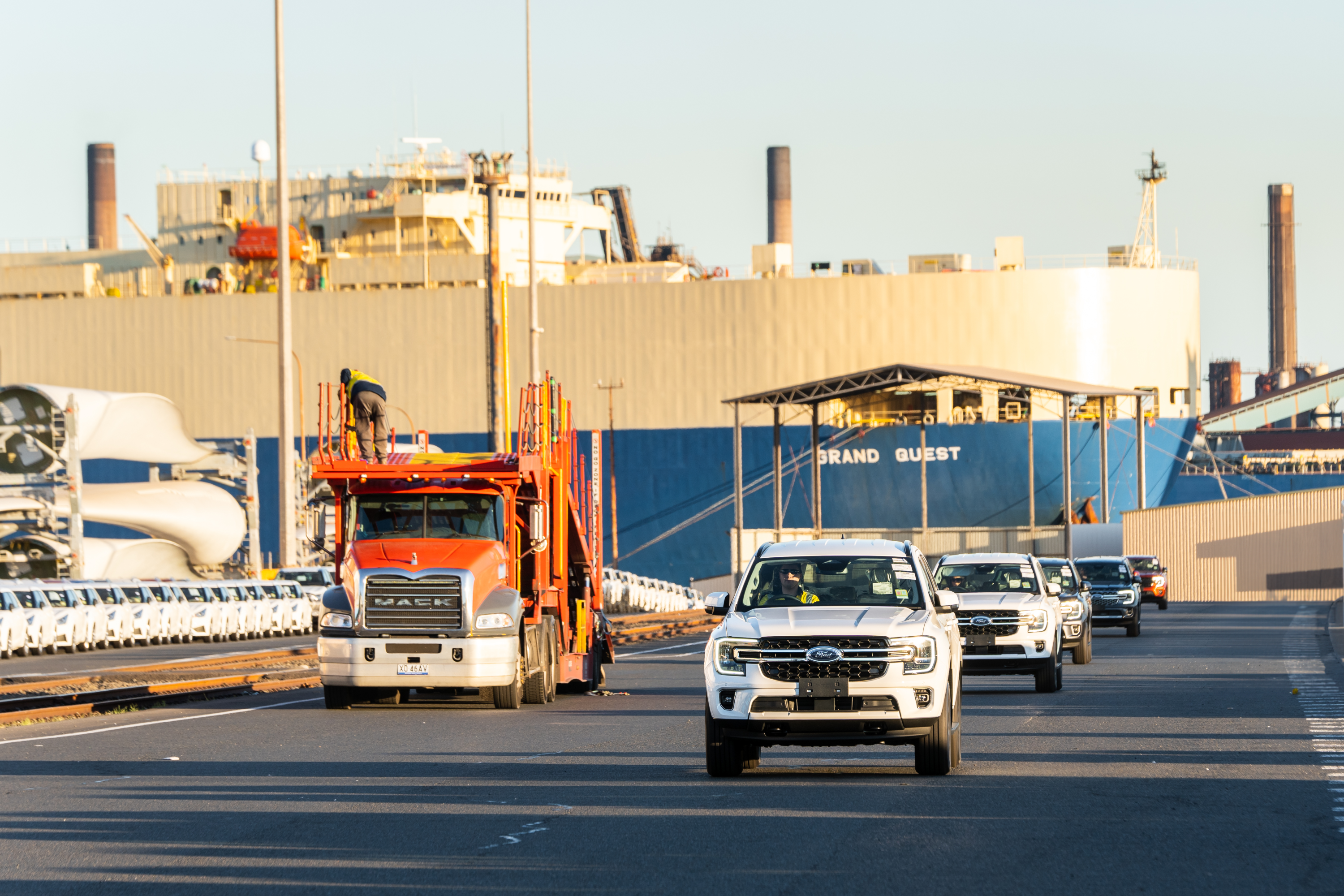
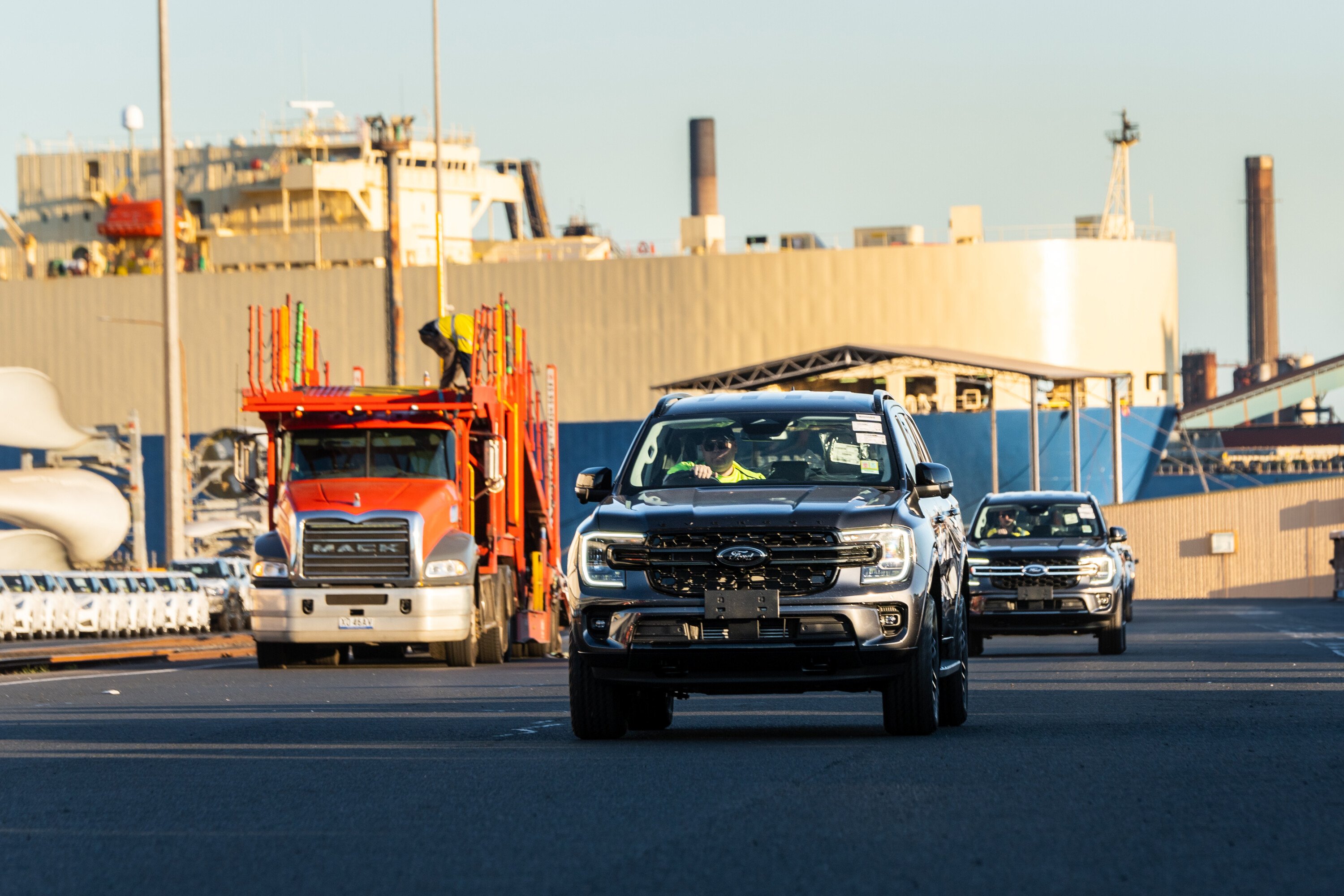
Ford has announced an ambitious deal to cut wait times of its popular Ranger ute and Everest SUV – and it involves exclusive use of a vehicle ship between Thailand and Australia/New Zealand.
Snapshot
- Ford gets exclusive use of 2600 capacity car carrier for three years
- Grand Quest, operated by Polaris Autoliners, to sail from Thailand to Aus/NZ
- Ranger utes and Everests will be exclusive passengers
Operated by Polaris Autoliners, the Grand Quest is a drive-on drive-off car carrier with capacity for 2600 vehicles.
The route from Bangkok to Australia takes about 20 days each way, though this varies depending on exact port locations, weather conditions, and various other issues that may arise. Ford has not yet quantified how its deal will shorten the Ranger’s circa-six month wait times.
Last month, Ford delivered a total 6431 Everest and Ranger models to Australian customers, taking top spot overall with the ute.
1
“We are investing significantly in tackling the ongoing supply chain issues head-on, with a focus on ensuring customer cars are delivered as quickly as possible,” Andrew Birkic, president and CEO of Ford Australia and New Zealand told Whichcar.
“Securing an exclusive three-year lease of the Grand Quest will allow Ford Australia to deliver more vehicles to both Australia and New Zealand as we continue to face unprecedented levels of demand”, added Birkic.
The semiconductor shortage is all but over for some lucky manufacturers, especially those building cars in Asia. Now, it’s a challenge of shipping that needs to be overcome – hence Ford’s new initiative.
1
Tesla is well known for booking out ships nearly full of Model 3s and Model Ys between China and Australia and registering monstrous sales figures because of it, but Tesla isn’t the only company to roll like this. Ford and others also charter ships full of their own vehicles, along with sharing space with other manufacturers on car carriers.
Ford’s ‘normal’ shipping processes will continue alongside the Grand Quest’s exclusive deal, so rather than changing the whole way Rangers and Everests are delivered, there will simply be a 2600 per month (roughly) baseline of arrivals.
“In a time of great logistical uncertainty, taking the initiative to lease our own ship gives Ford the ability to determine shipping routes and volumes by port, allowing us greater control in very challenging conditions,” said vehicle logistics manager at Ford Australia, Iris Moreno.
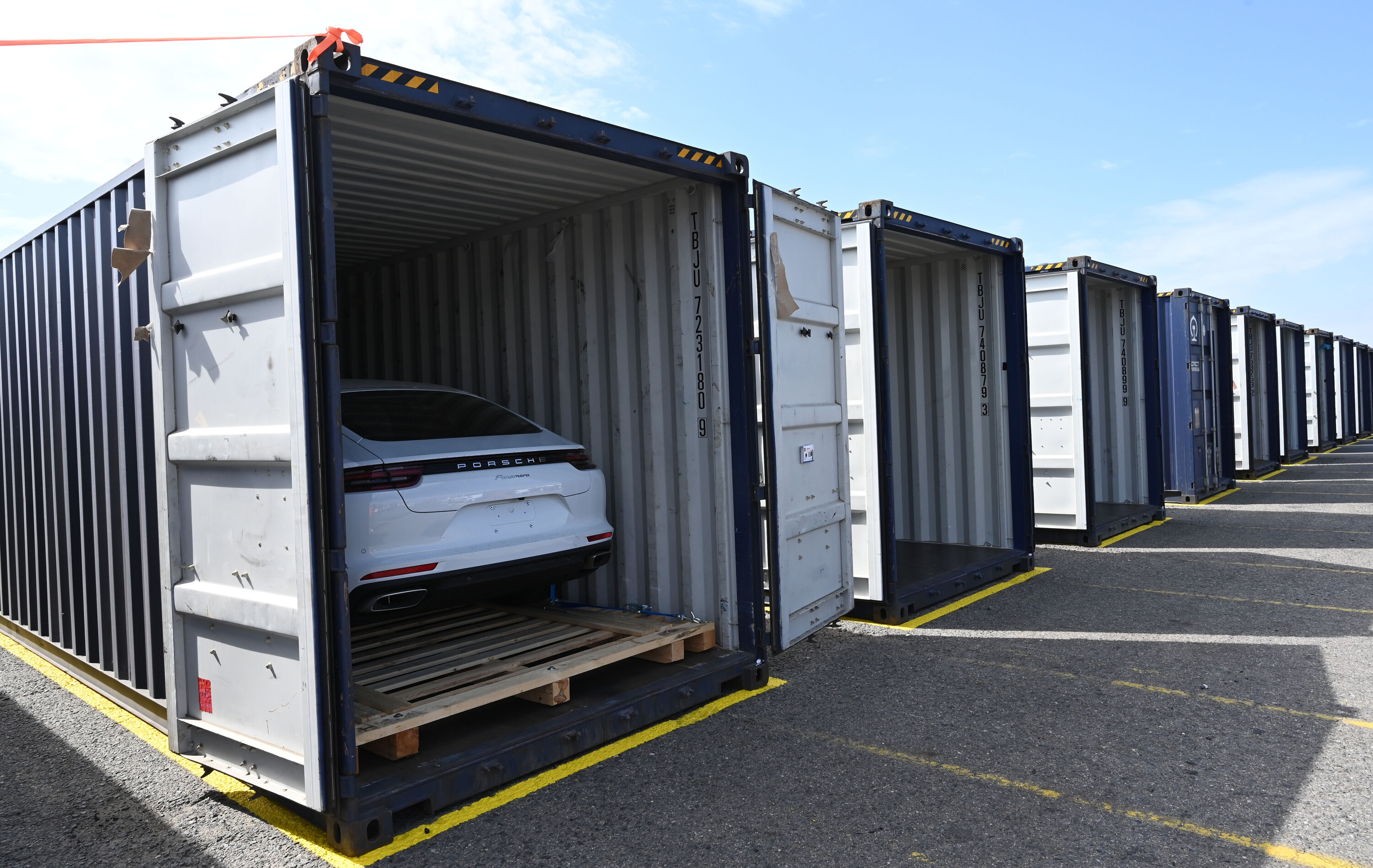
Ford has also begun testing if transporting Ranger/Everests within shipping containers rather than as drive-on drive-off cargo may help beat ever-increasing port congestion.
MORE
Everything Ford
Respite – among many, many other things, is in short supply these days. While the global semiconductor shortage is now morphing into a global semiconductor glut, a new scarcity issue is taking over as the automotive industry’s number-one problem: ships.
“Securing components is still a challenge for the entire industry, but it’s not as bad as it used to be,” Mazda Australia managing director Vinesh Bhindi told Wheels at the Australian launch of the new CX-90. “However, the biggest challenge right now is shipping logistics, the relative availability of ships.”
“Many of the shipping lines retired their ships during the lockdowns and when you retire [a ship], they go to scrap metal. It’s not like aircraft, where you can park them in the desert, then dust them off and bring them back online.”
Editor’s note
Editor’s note
Mere hours since this story was filed, Ford Australia has revealed that it now has an exclusive three-year lease on a vehicle carrier ship to address this exact issue. Read about that here.
1
Despite being a critical part of the global economy, shipping lines have traditionally operated on razor-thin profit margins, their ledgers often dipping into the red.
Idling a ship simply isn’t viable – if it’s not in motion and carrying cargo, a freighter’s owner is actively losing money, as the costs of keeping a ship running and maintained as well as keeping its crew fed and paid are massive and constant.
While the need for seafreight exploded after COVID lockdowns began, taking seafreight profit margins to record heights, the slowdown in vehicle production due to component supply constraints and locked-down auto workers meant car-carrying ships were left twiddling their thumbs.
1
In the last quarter of 2020, 30 car carriers were carved up by the scrappers gas axe.
By mid-2020 a third of the global car carrier fleet – between 220 and 250 ships – were either idled or laid up, and for many operators of those ships the only fiscally feasible solution was to send them to the scrapper early. In the last quarter of 2020, 30 car carriers were carved up by the scrappers gas axe.
Recent high-profile hull losses haven’t helped either. In July of this year, the carrier Fremantle Highway caught fire with eight of its twelve cargo decks gutted by flames, while in 2022 the Felicity Ace sank in the Atlantic after it was immobilised by fire, taking around 8000 vehicles to the seabed with it.
Pre-pandemic losses didn’t help either, with four car carriers sinking in 2019 alone.

1
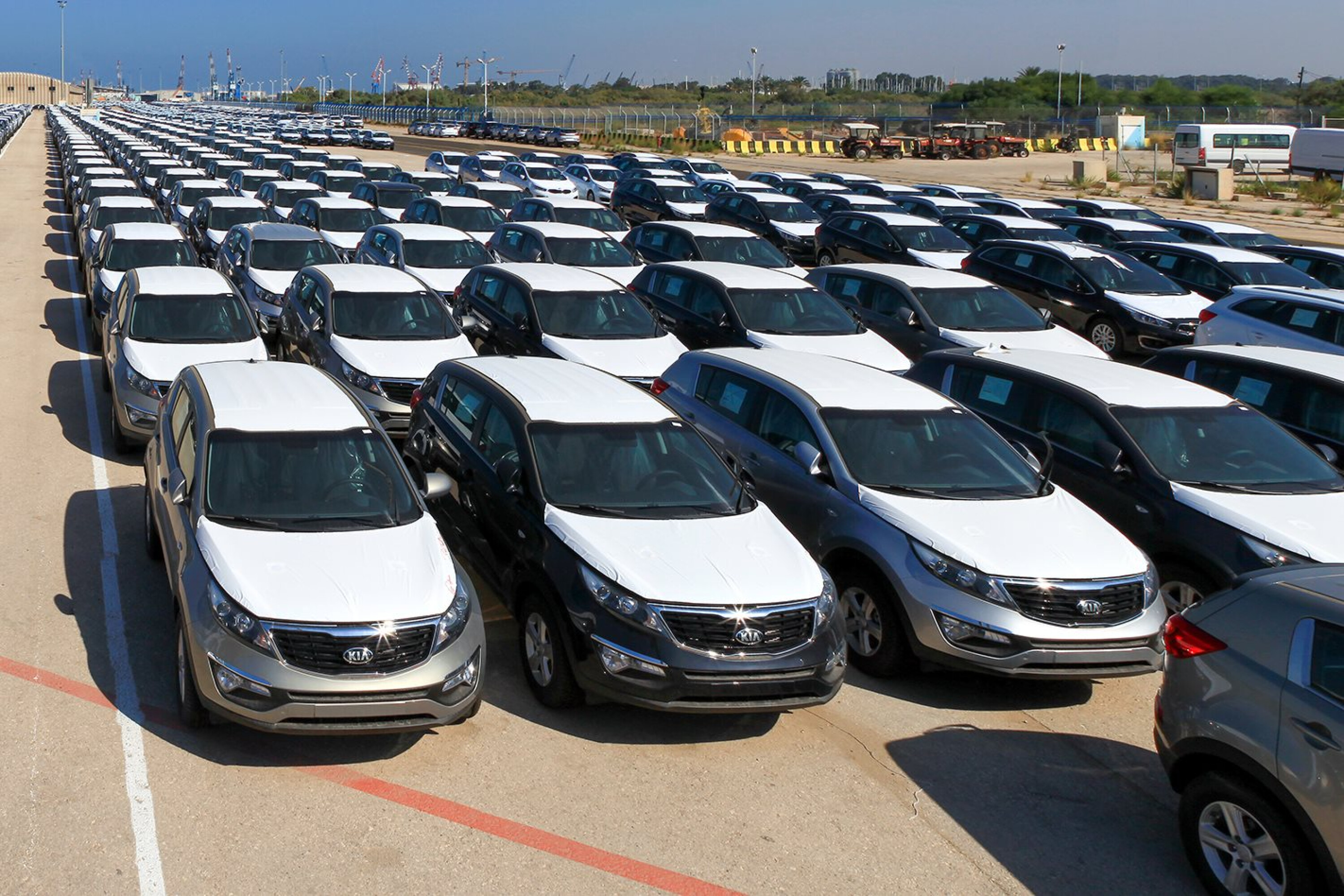
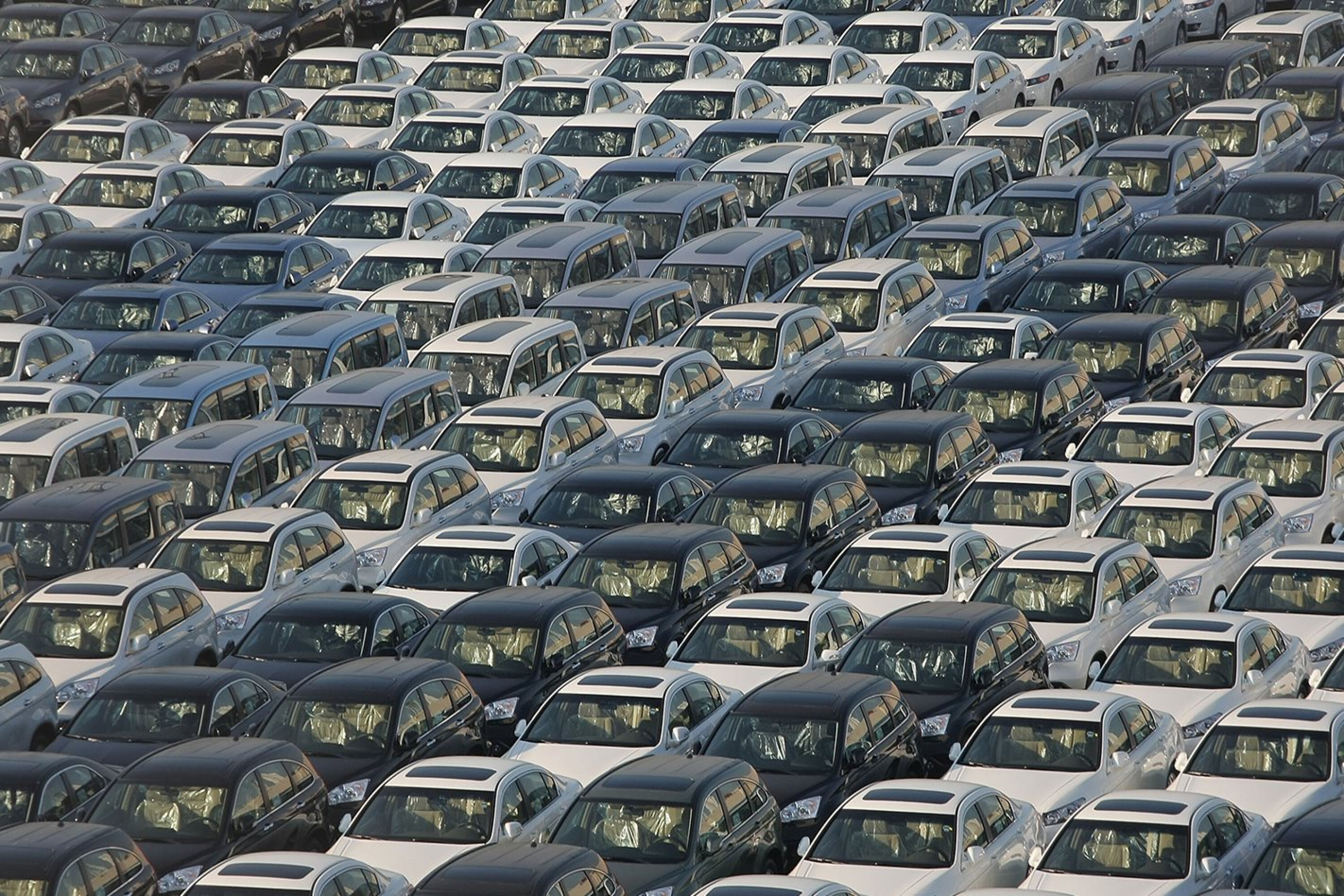
On top of that, higher volumes of Chinese vehicle exports combined with a general across-the-board recovery in global car production mean the ships that have remained seaworthy are now well and truly overtaxed.
With fewer ships than ever to take their cars to market, the world’s car-exporting nations are struggling to fully satisfy the pent-up demand for new vehicles that’s been building since the beginning of the pandemic.
More than 130 new car carrying ships have been ordered since 2020, but according to current estimates it’ll be at least a couple of years before the fleet is ‘right-sized’.
1
Some manufacturers like MG are even turning to freighting cars inside regular shipping containers so they can be loaded as conventional cargo
Scarcity of ships also means it’s now much more expensive to freight a car by sea: in April this year, it was reported that the cost of chartering a pure car and truck carrier hit a new high of AUD$163,000 per day, up from a pre-pandemic average of around $25,000.
Some manufacturers like MG are even turning to freighting cars inside regular shipping containers so they can be loaded as conventional cargo, such is their desperation.
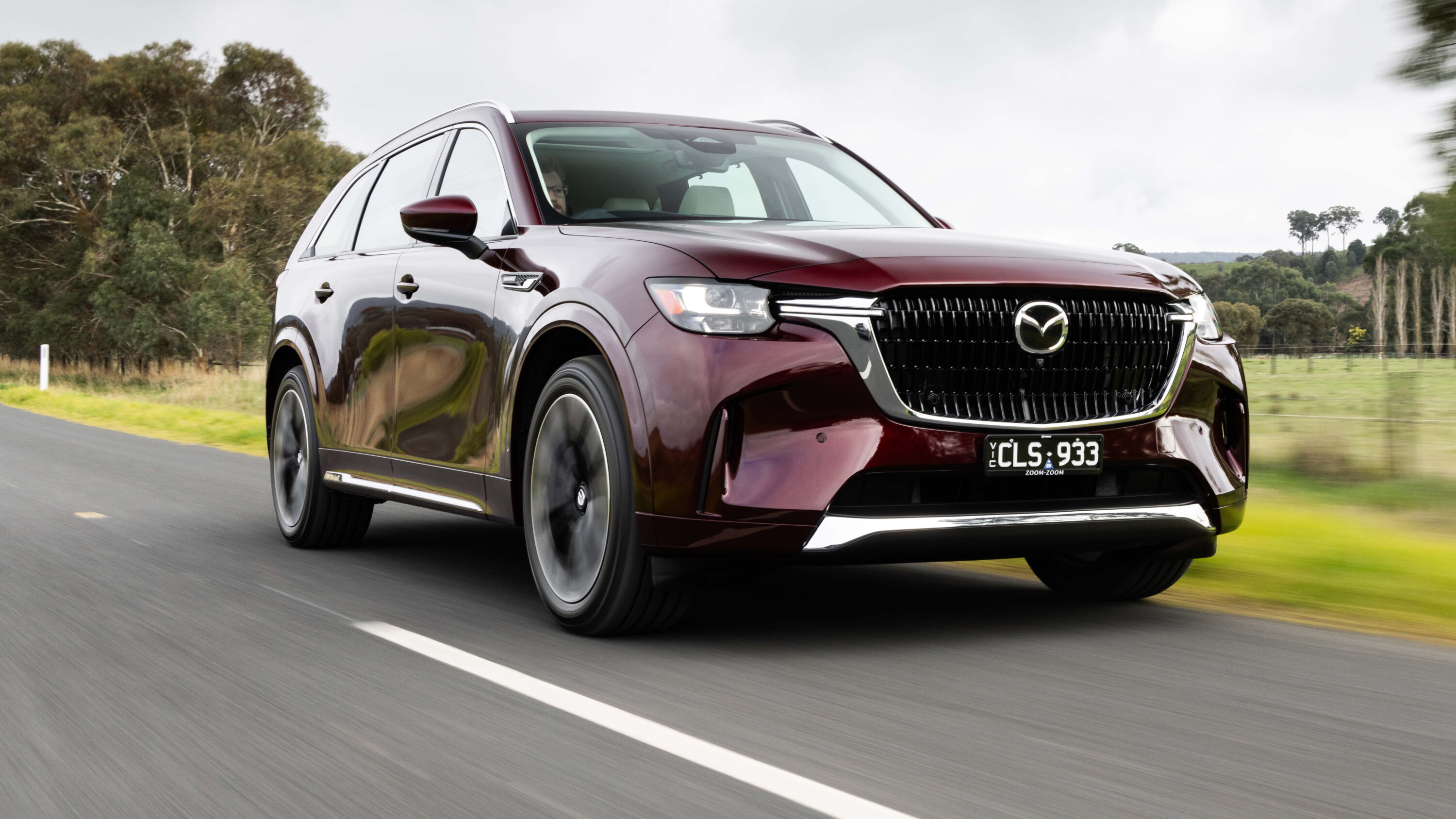
“Rather than semiconductors, ships are the new bottleneck, I would say.” Those are the words of Mitsuru Wakiie, program director for the new Mazda CX-90. “I’m not an expert in logistics, but according to the logistics people during the COVID pandemic many vessels were scrapped.”
1
According to Wakiie, Mazda’s Japanese plants are back to full capacity, and the disruptions of semiconductor scarcity and COVID outbreaks are now well behind it.
Mazda’s factories are back to full capacity, but the challenge of shipping cars to their new homes is one that has no easy short-term solution.
“We can build vehicles, and we have lots of vehicles in the port, but we cannot find the vessels, the boats, to ship those vehicles – that is an issue that we need to overcome.”
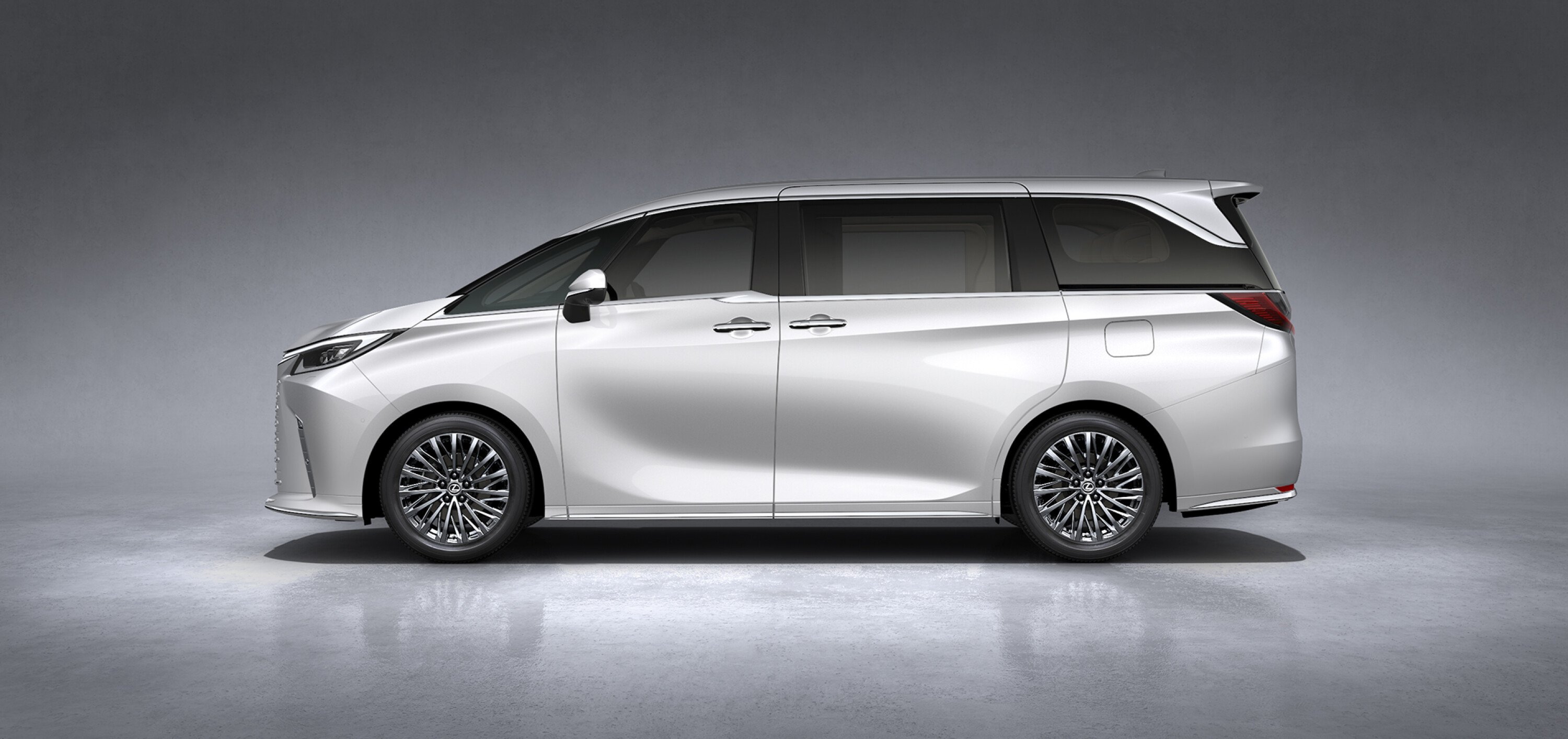
The 2024 Lexus LM is a three-row luxury people mover that emulates business-class travel from $160K, and first-class for $220K. Yikes.
Snapshot
- Luxurious three-row people mover priced for Oz
- LM commands $160-$220K
- Hybrid or turbo-petrol powertrains offerd
Based on the Toyota Alphard, the LM has had a luxurious internal makeover and will land in Australia later this year. The LM takes a style of vehicle that’s been popular in Japan for many years and finally makes it global, with launches locked in for over 60 countries.
Toyota Alphards, Vellfires and Granvias have become darlings of the grey import business in Australia, and now Lexus is taking a piece of that pie.
Officially, the LM is slated for an Aussie release later this year though lucky Lexus customers attending the Melbourne Cup will get an early preview of the LMs ‘omotenashi hospitality’ between November 4-11.
1
“With the LM our designers have taken omotenashi thoughtfulness and Takumi craftsmanship to unprecedented levels,” said John Pappas, Lexus Australia Chief Executive.
There is no Lexus like it, and almost certainly no other vehicle like it. It is the ultimate expression of Lexus ‘making luxury personal.’
“It is a great Lexus to drive but an even better Lexus to be driven in. It will be hard to surpass the LM for the ultimate chauffeur-driven experience”, added Mr Pappas.
Local rivals will include the Mercedes-Benz EQV people mover and the LDV Mifa 9. If Lexus can offer enough luxury the LM may pose an alternative to the ‘de rigeur’ Range Rover and BMW X7 as a multi-occupant chauffeur’s car.
1
Powering the ‘base’ LM 350h – that comes in front- or all-wheel drive (a $5000 option) – is a series-parallel hybrid based around a 2.5-litre petrol engine. It produces 184kW and 270Nm, according to Lexus.
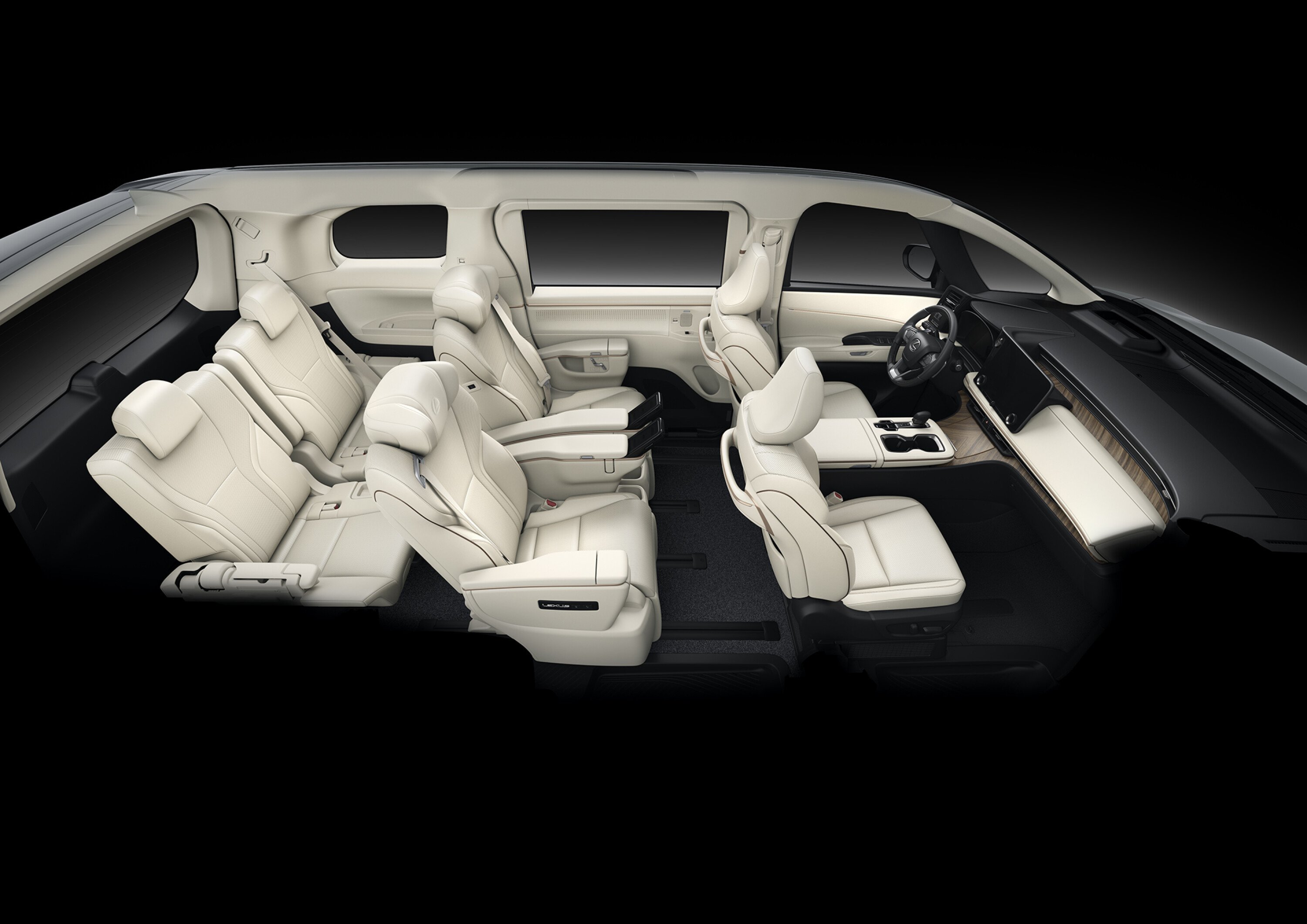
Sliding second-row doors reveal twin captains chairs in the middle and a three-row rearmost bench for seven seats in total. The third row has power folding capability for when only four chairs are needed to liberate extra cargo space.
Early next year the LM 500h will arrive with a 200kW-plus 2.4-litre turbo-petrol engine in Ultra Luxury trim that takes things to the next level.
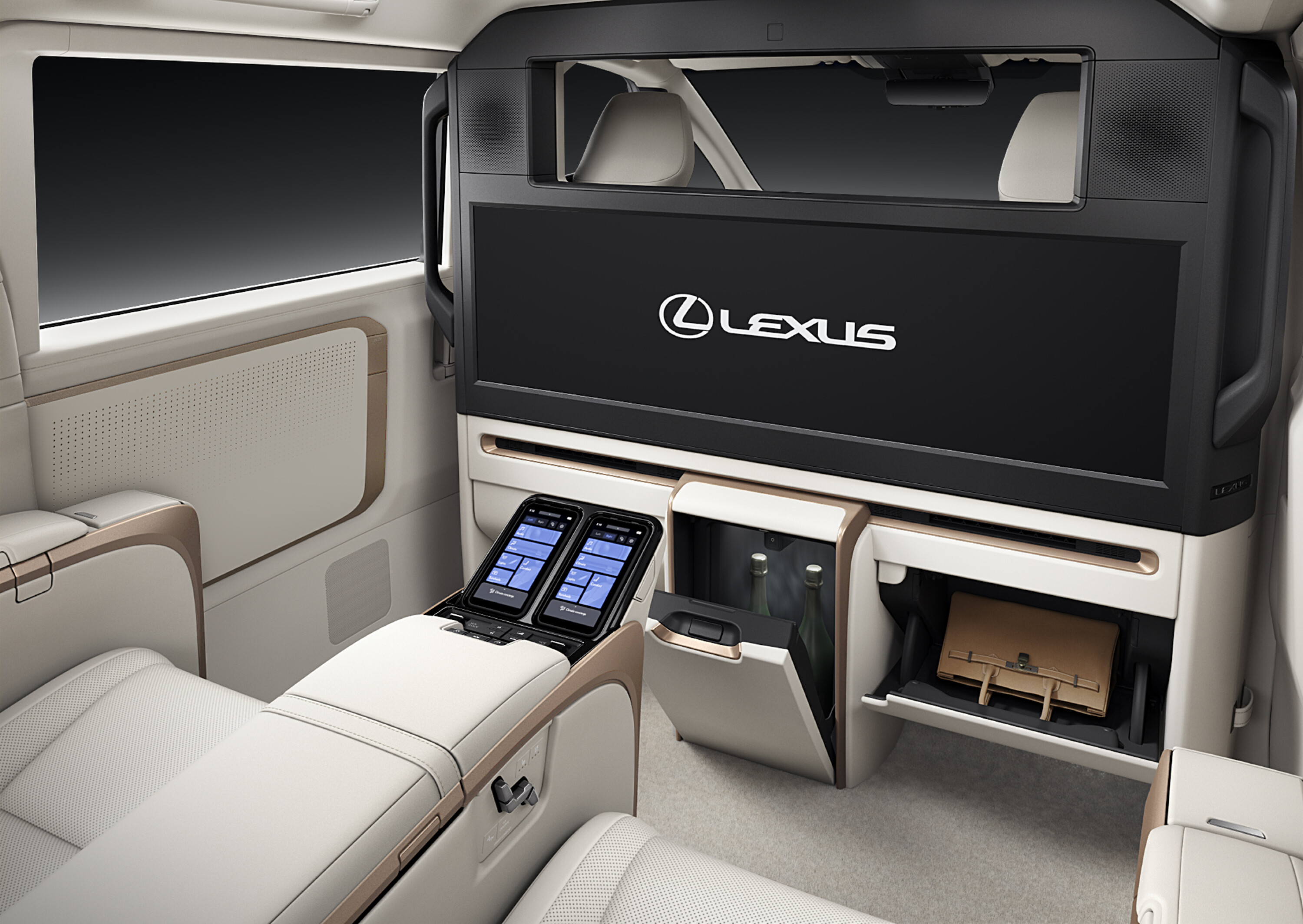
Lexus describes the Ultra Luxury’s middle row’s seats as ‘VIP thrones’ with a separate climate zone and the ability to raise a glass barrier between passengers and those in the front seats. There’s even a mini cold-box to keep beverages (or caviar) chilled.
3
A 48-inch widescreen display features in the back and there’s a 23-speaker Mark Levinson sound system for your tunes.
Lexus says it’s taken many expressions of interest for the LM, and that demand is likely to outstrip supply. Orders are open now ahead of late 2023 and early 2024 customer deliveries.
2024 Lexus LM pricing
| Model | Price (before on-road costs) |
|---|---|
| LM 350h 2WD Sports Luxury | $160,888 |
| LM 350h AWD Sports Luxury | $165,888 |
| LM 500h AWD Ultra Luxury | $220,888 |
MORE
Everything Lexus
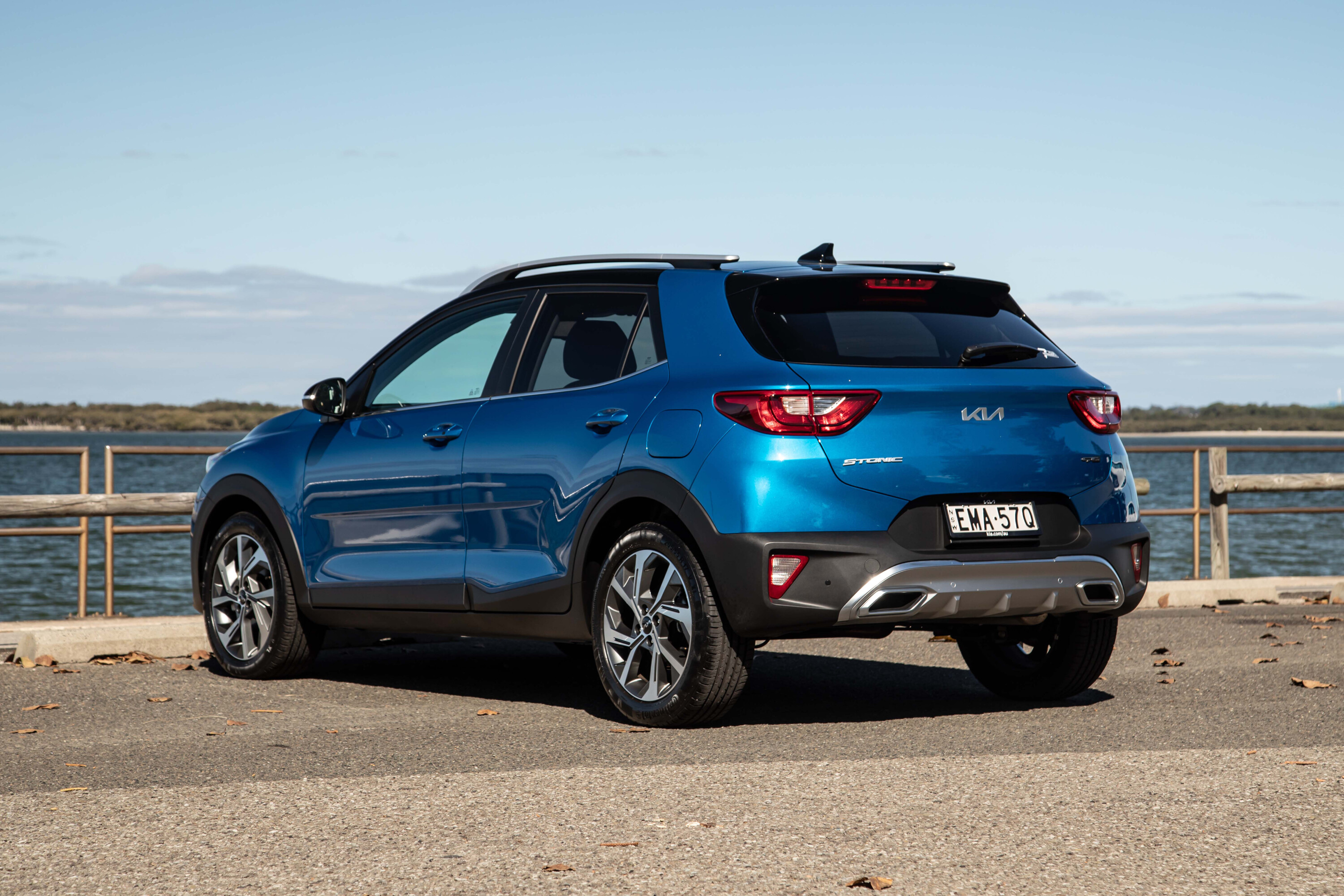
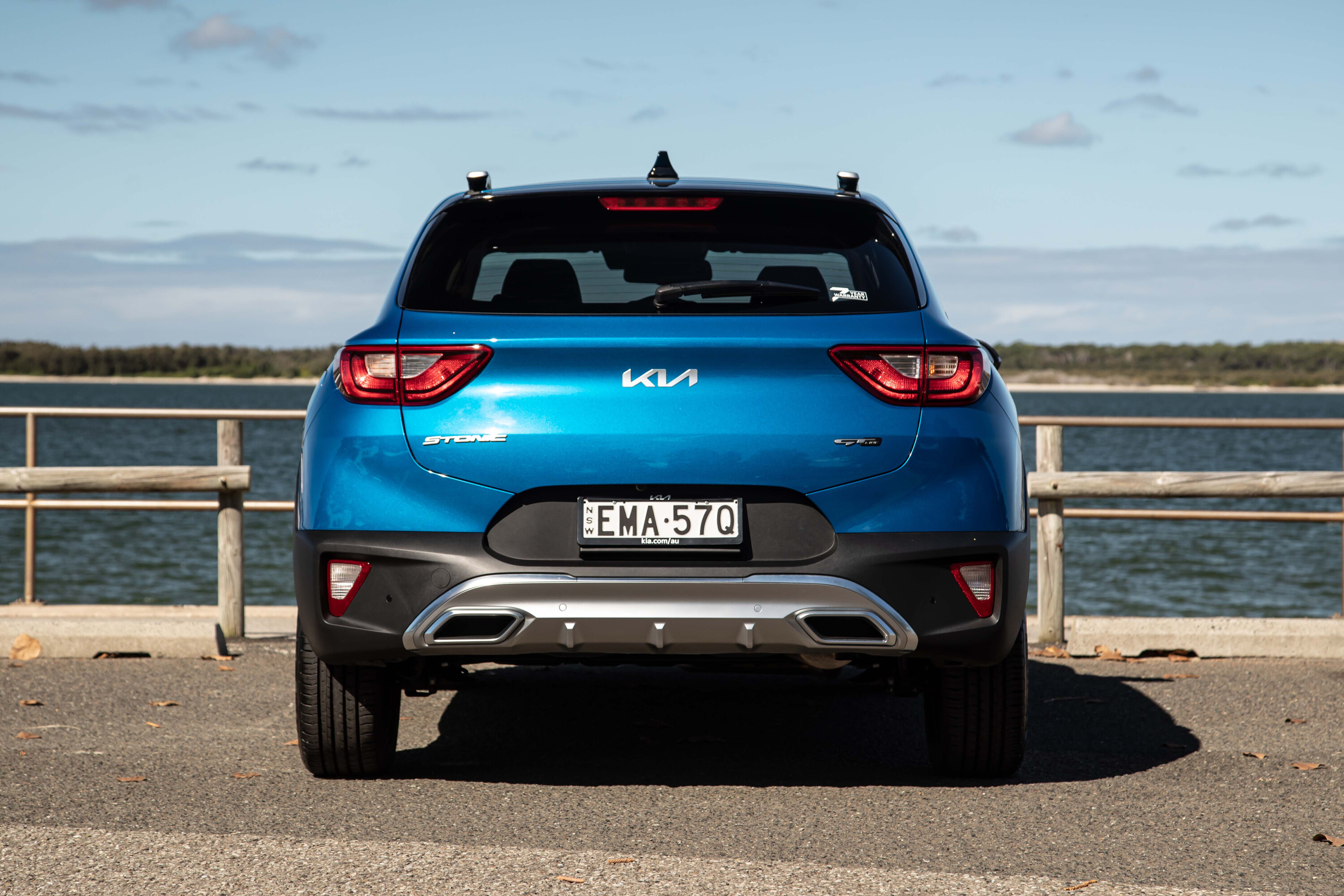
The 2024 Kia Stonic light SUV has arrived in Australia with unchanged pricing.
Snapshot
- 2024 Kia Stonic pricing and features
- Two-tone roof option removed from Kiau2019s light SUV
- No price changes, available from $22,290 plus on-roads
Prices are unchanged between model-year 2023 and 2024, with no specification changes.
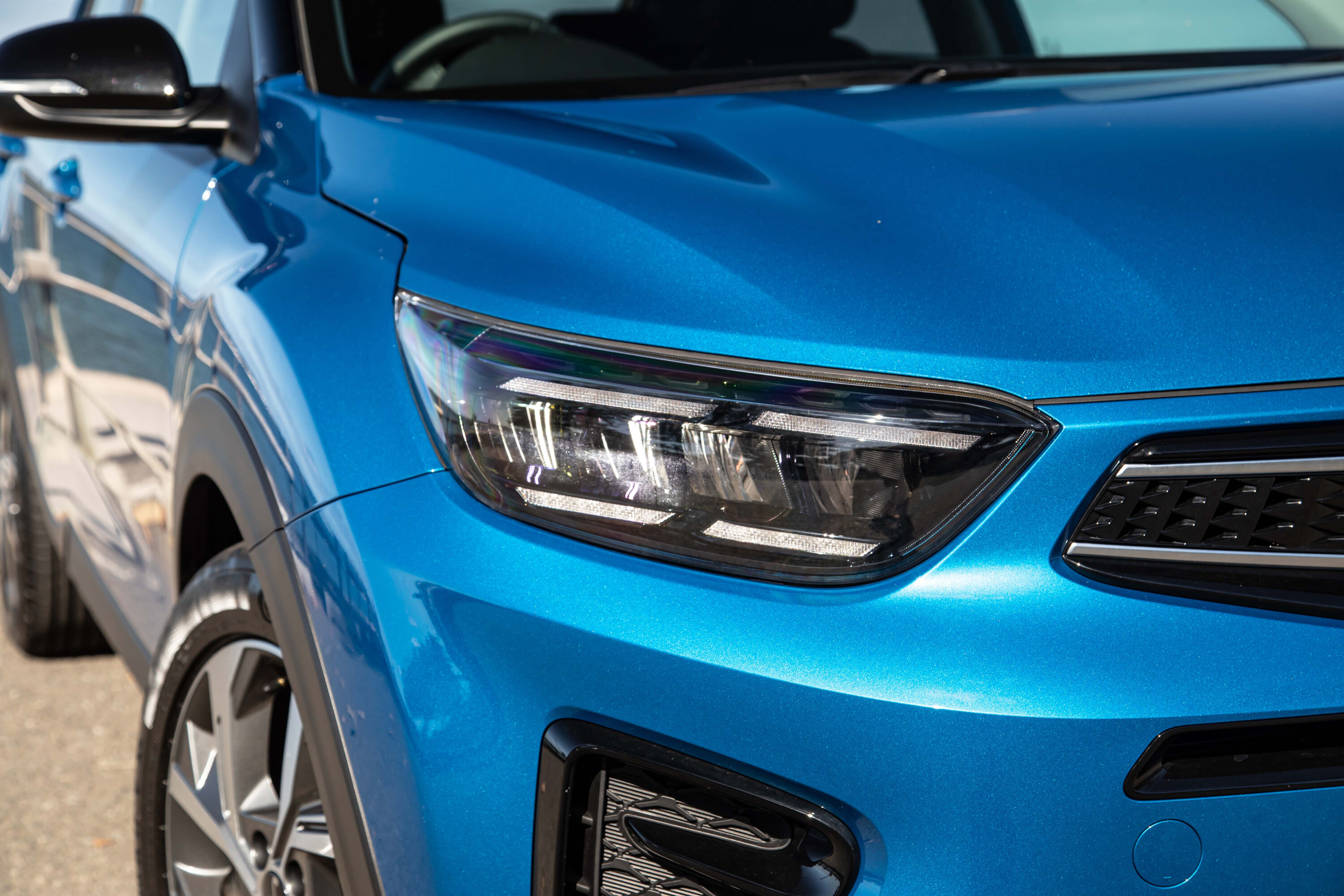
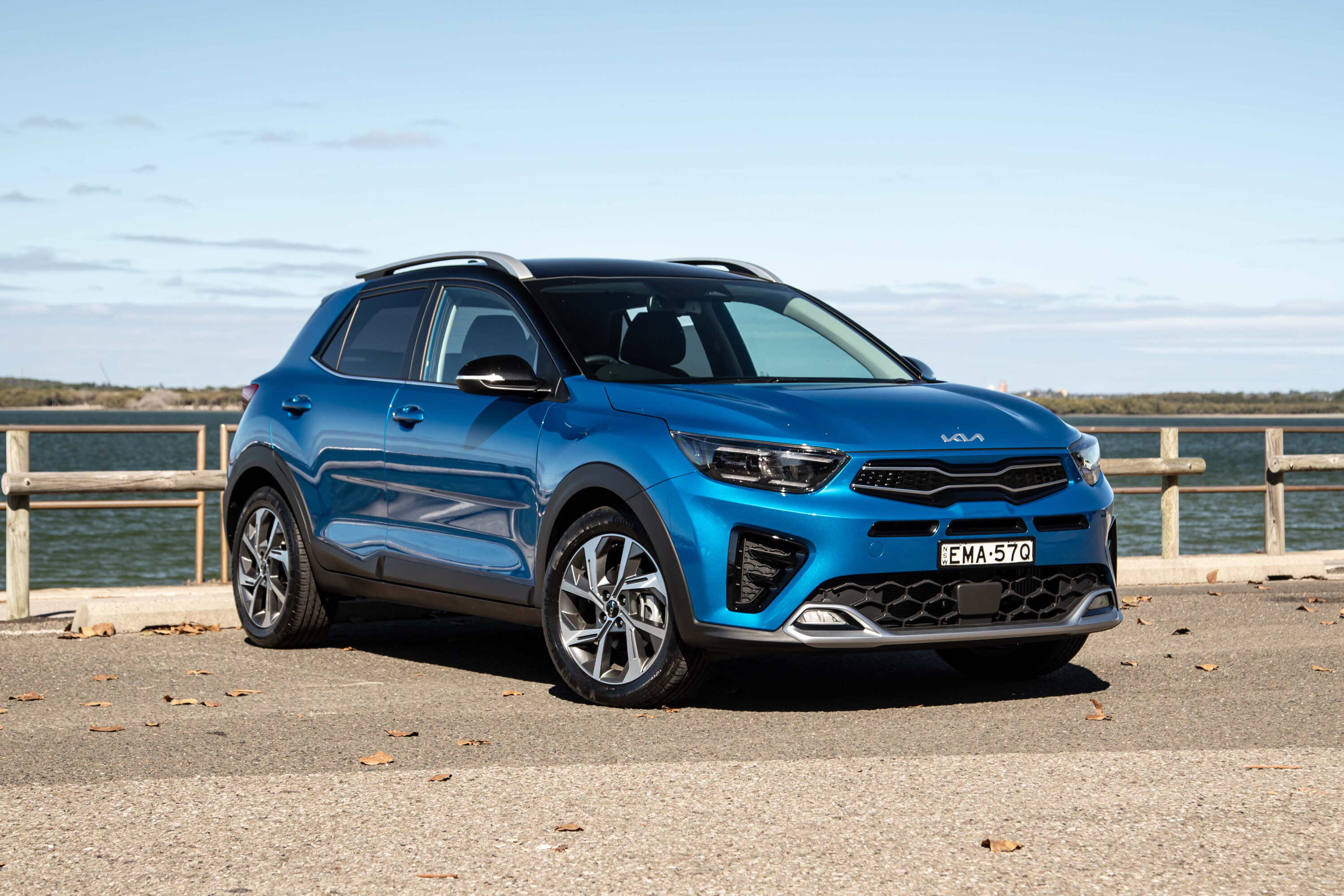
Kia Australia has amended the Stonic’s colour palette, with the two-tone black roof option deleted for the flagship GT-Line and new metallic paint finishes range-wide, including snow white pearl, sparkling silver, astro grey and honeybee yellow.
As before, prices start at $22,290 for the entry-level Stonic S manual, with the auto version of the same car costing $1500 more at $23,790.
1
The mid-spec Sport is also available in manual at $25,290 plus on-roads, jumping to $26,790 for an automatic-equipped version, while the range-topping turbocharged GT-Line is priced at $30,790 before on-road costs.
The Kia Stonic light SUV is a rival to the Mazda CX-3, Hyundai Venue, Toyota Yaris Cross and Volkswagen T-Cross.
Year-to-date, it is the second highest-selling light SUV with 4630 registrations, behind the CX-3 (9593) but ahead of the Venue (3823), Suzuki Jimny (3511), T-Cross (3431) and Yaris Cross (3032).
JUMP AHEAD
- 2024 Kia Stonic pricing
- 2024 Kia Stonic features
- Colours
- Engine, drivetrain, and fuel economy
- Safety
- Dimensions
- Warranty and servicing
2024 Kia Stonic pricing
| 2024 Kia Stonic pricing | |
|---|---|
| S manual | $22,290 |
| S automatic | $23,790 |
| Sport manual | $25,290 |
| Sport automatic | $26,790 |
| GT-Line automatic | $30,790 |
| Prices exclude on-road costs. | |
1
2024 Kia Stonic features
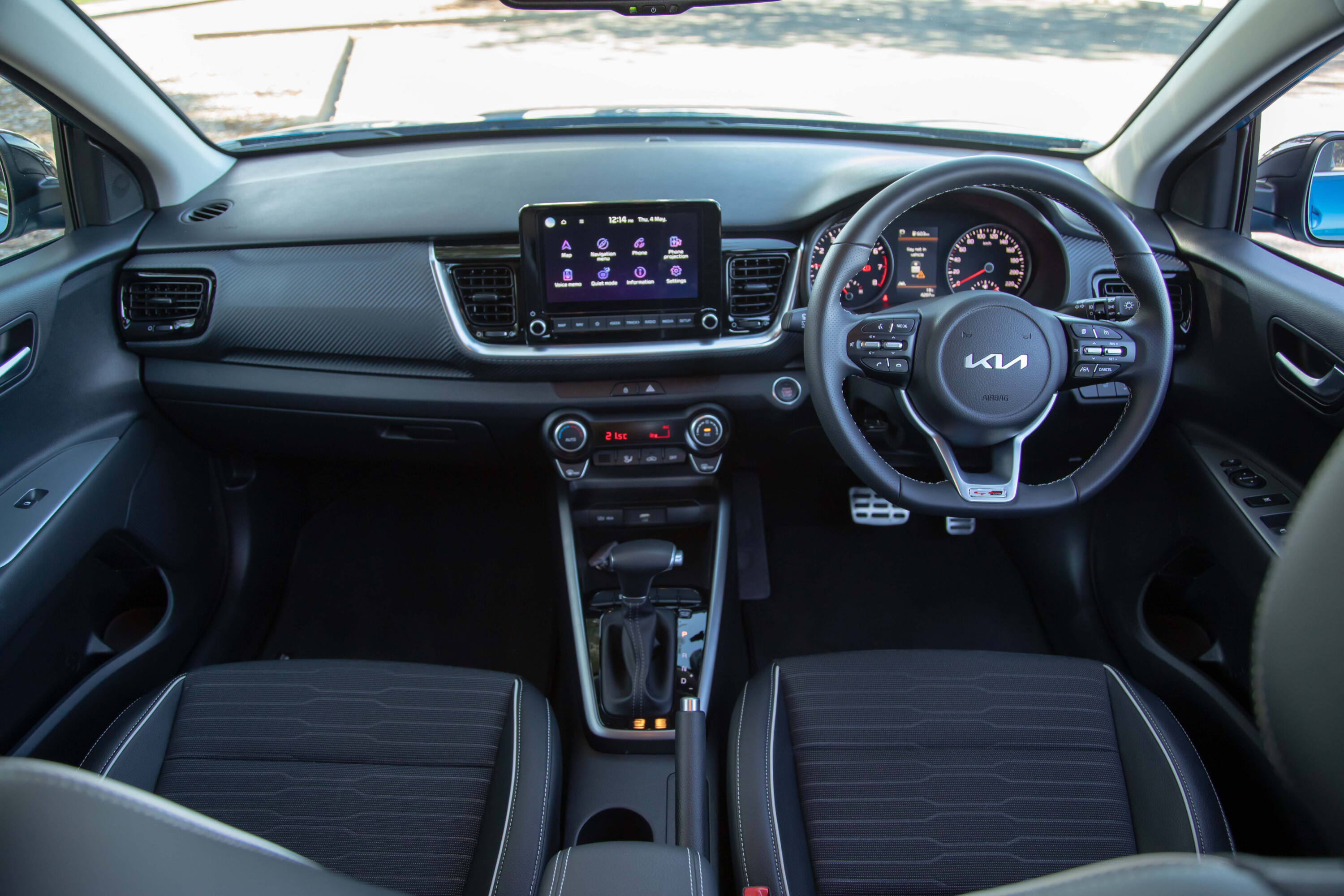
| 2024 Kia Stonic S standard features | |
|---|---|
| 15-inch steel wheels | Black cloth upholstery |
| 8-inch infotainment system | Six-way manual driveru2019s seat |
| Wireless Apple CarPlay | Halogen headlights, tail-lights, and daytime running lamps |
| Wireless or wired Android Auto | Manual cruise control |
| Six-speaker audio system | Manual air conditioning |
| Front USB-A charge port | Rear parking sensors |
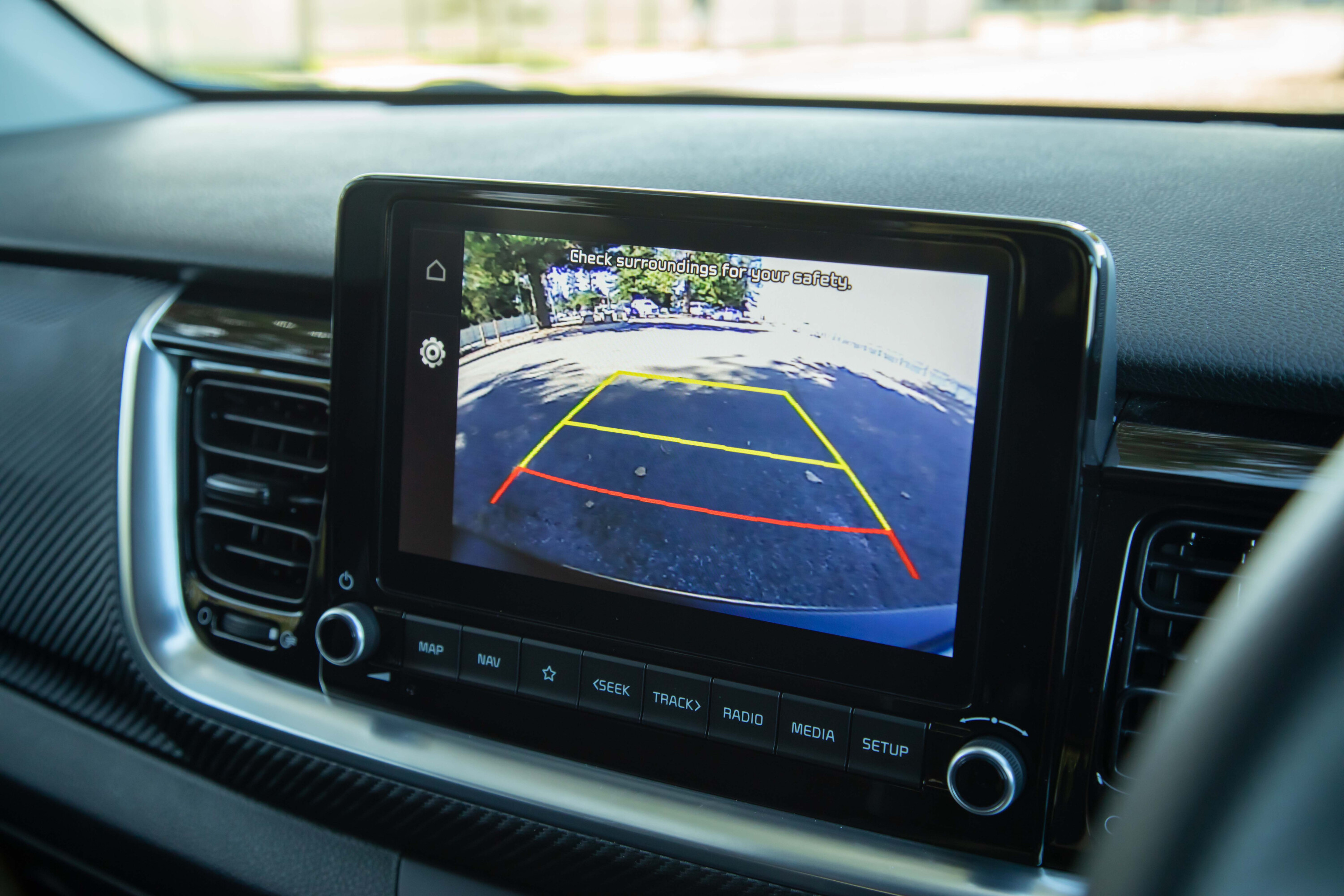
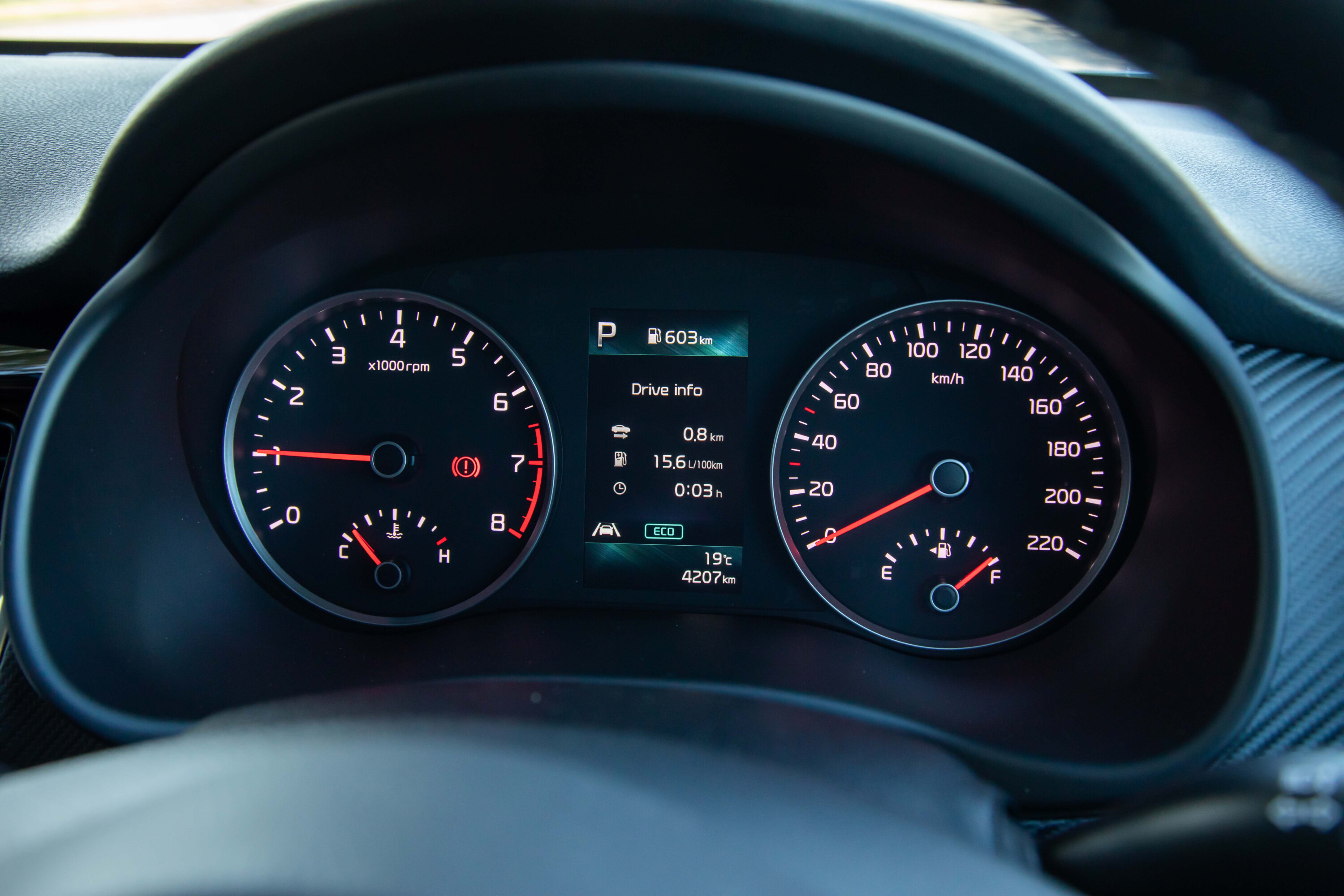
| 4.2-inch instrument cluster display | Rear-view camera |
1
2024 Kia Stonic Sport features
| In addition to S | |
|---|---|
| 17-inch alloy wheels | Heated, power-folding side mirrors |
| Satellite navigation | Leather-accented steering wheel and gear shifter |
| Wired Apple CarPlay and Android Auto | Rear USB-A charge port |
| DAB+ digital radio | Sliding centre console armrest |
| Keyless entry and push-button start | Illuminated vanity mirrors |
1
2024 Kia Stonic GT-Line features
| In addition to Sport | |
|---|---|
| 17-inch alloy wheels (GT-Line) | Single-zone climate control |
| GT-Line body kit | Alloy pedals |
| Drive modes (eco, normal, sport) | Black side mirror caps |
| Auto-dimming rear-view mirror | Power tilt/slide sunroof |
| LED headlights and daytime running lamps | Rear privacy glass |
| LED fog lamps | Windscreen and front door solar glass |
| Leather-accented upholstery | Rain-sensing wipers |
1
Colours
| 2024 Kia Stonic colours | |
|---|---|
| Clear white | Snow white pearl* (new) |
| Sparkling silver* (new) | Honeybee yellow* (new) |
| Astro grey* (new) | Aurora black pearl* |
| Signal red* | Sporty blue* |
| * Metallic paint, $520 | |
1
Engine, drivetrain, and fuel economy
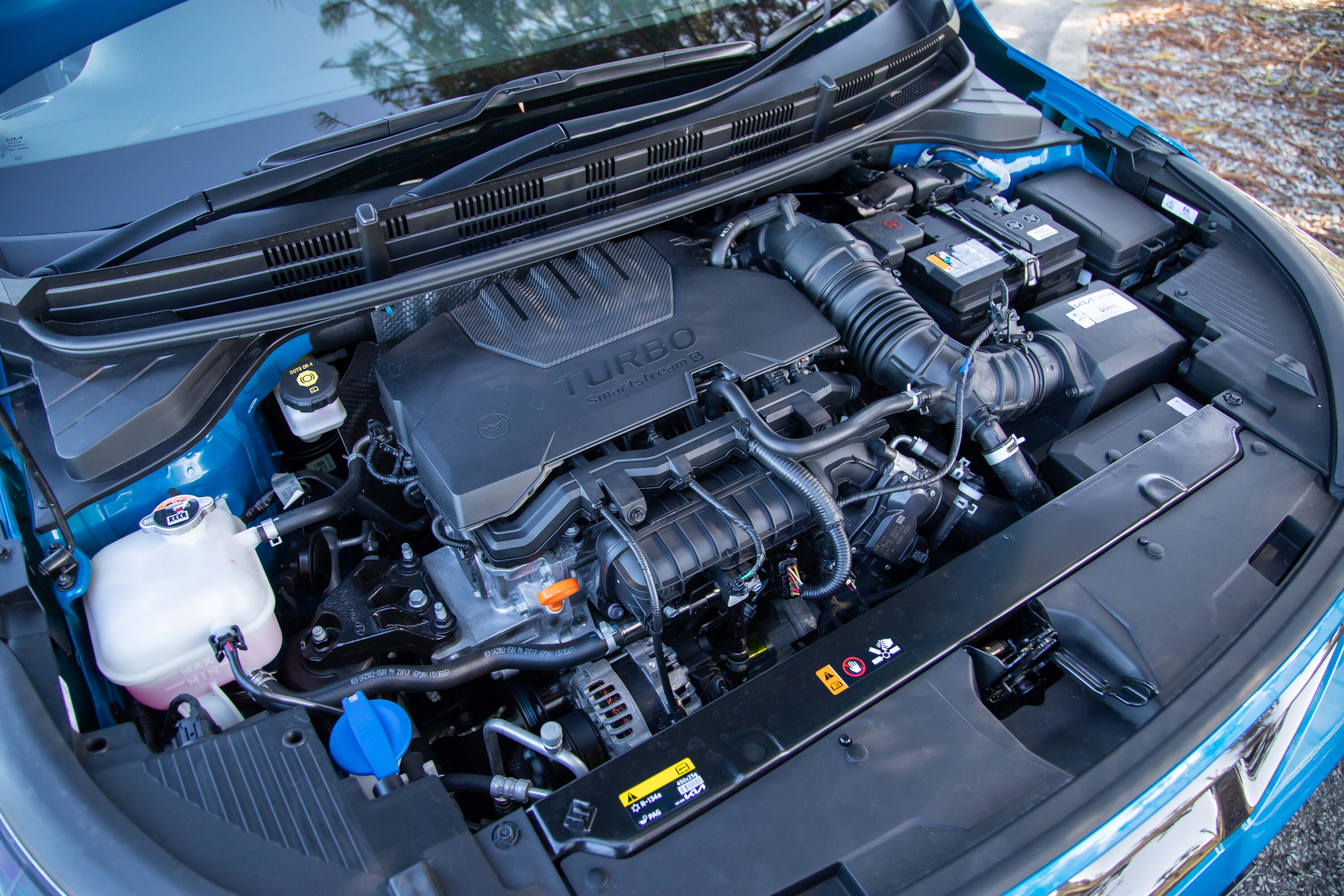
The Stonic S and Stonic Sport are powered by a 74kW/133Nm 1.4-litre four-cylinder engine shared with the soon-to-be-axed Rio.
It is available with either a six-speed manual or six-speed automatic transmission.
The Stonic GT-Line brings a punchier 74kW/172Nm 1.0-litre three-cylinder turbocharged engine – as found in the Rio GT-Line – matched to a seven-speed dual-clutch transmission.
| 2024 Kia Stonic fuel economy | ||
|---|---|---|
| 1.4-litre four-cylinder manual | 6.0L/100km | 139g/km |
| 1.4-litre four-cylinder auto | 6.7L/100km | 155g/km |
| 1.0-litre three-cylinder auto | 5.4L/100km | 125g/km |
1
Safety
The Kia Stonic has a five-star ANCAP safety rating, based on the result achieved by its Rio twin in 2017.
This rating applies to S and Sport variants and will expire on December 31, 2024. The Stonic GT-Line is untested.
At its local launch in 2021, Kia Australia defended the then four-year-old safety rating applied to the Stonic, as it homologated the light SUV as a variant of the Rio light hatch with the same Identification Plate Approval.
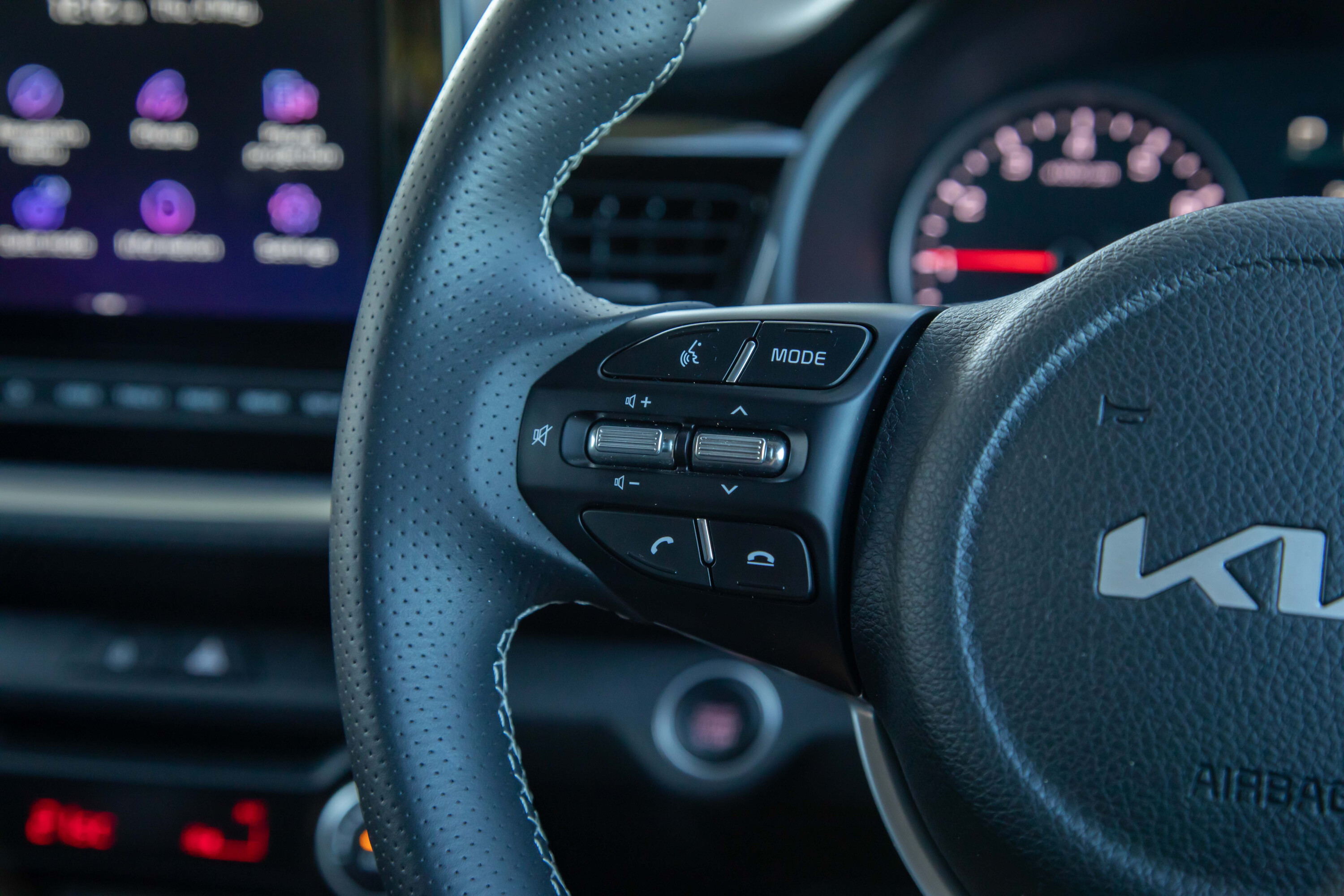
Six airbags (dual front, side and curtain) are standard-fit.
| 2024 Kia Stonic active safety features | |
|---|---|
| Autonomous emergency braking (vehicle, pedestrian) | Driver attention alert |
| Lane-keep assist | Leading vehicle departure alert. |
| Lane departure warning | |
1
Dimensions
Measuring 4.1 metres long and 1.8 metres wide, the Stonic is the baby of the Kia SUV range, slotting in under the Seltos, which measures about 4.4 metres in length.
It’s also shorter, with a 1.5m height compared to the Seltos’s 1.6m.
2024 Kia Stonic boot space
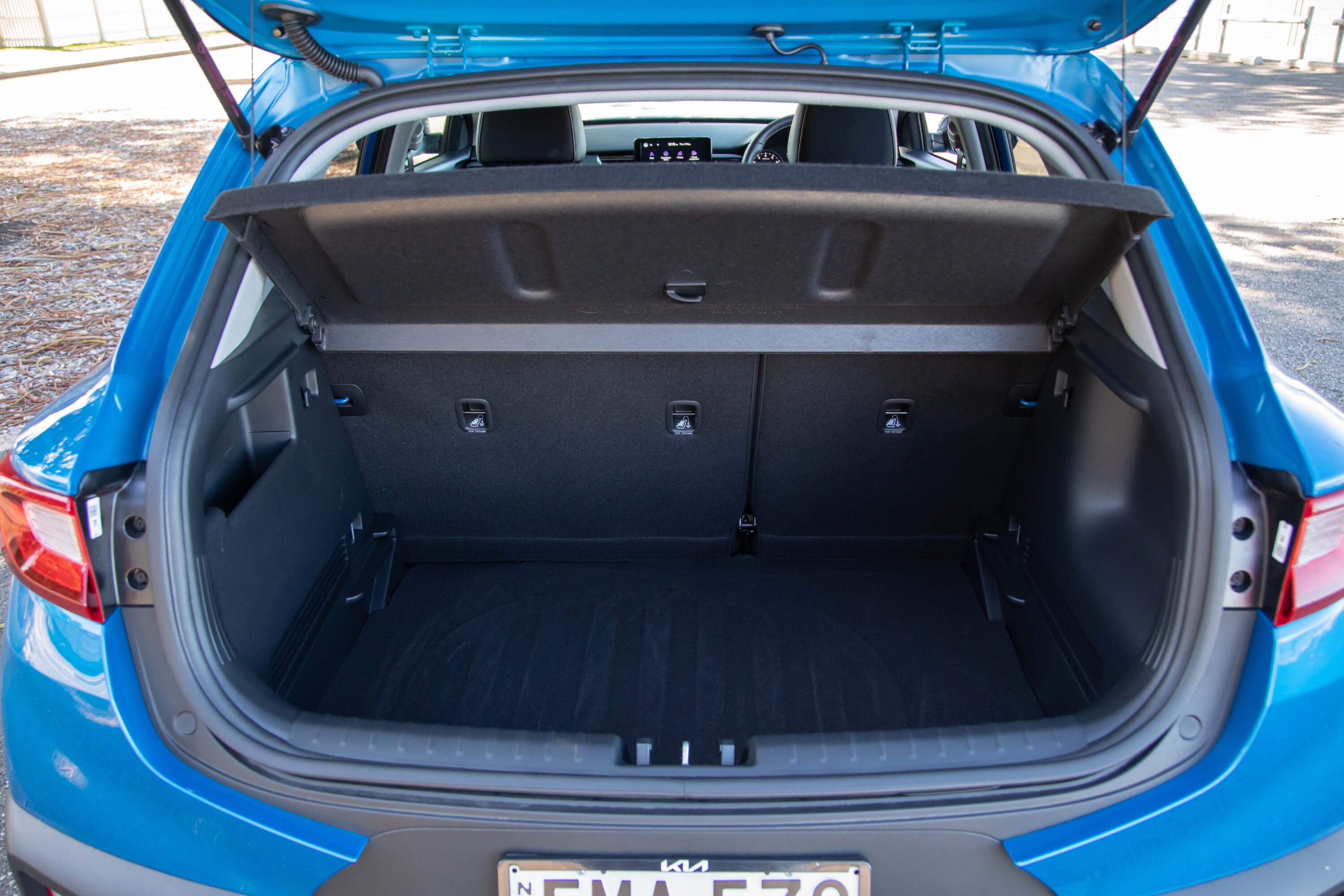
The Kia Stonic has a 332-litre boot, rising to 1135L with the second row folded.
2
Warranty and servicing
As per the wider Kia range, the Stonic is covered by the brand’s seven-year/unlimited-kilometre warranty, and a complimentary one-year roadside assistance program.
This can be extended to eight years through annual servicing at a Kia dealership.
1
Capped price servicing is available for seven years, with costs dependent on the powertrain and service interval.
S and Sport variants require servicing every 12 months or 15,000 kilometres, whichever occurs first. The turbo GT-Line has a shorter 12-month/10,000-kilometre interval.
MORE
Everything Kia
MORE
Small SUVs
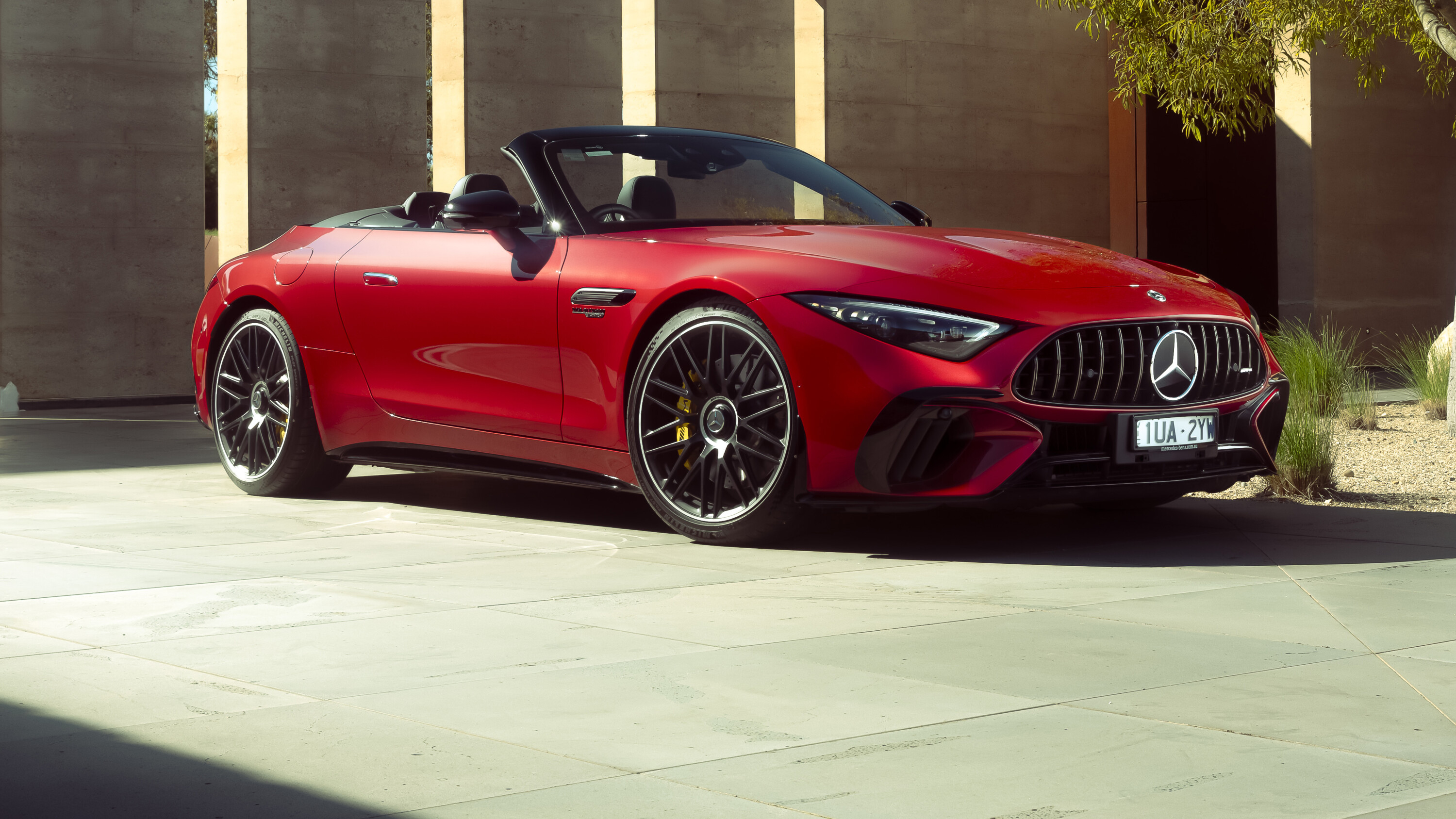
The world may have gone SUV and EV crazy, but that hasn’t prevented Mercedes-Benz from investing all its talents in the seven-generation SL – its new-from-the-ground-up, two-plus-two roadster, wholly developed by the brand’s AMG performance division to make this the most focused and engaging SL since the 1950s original.
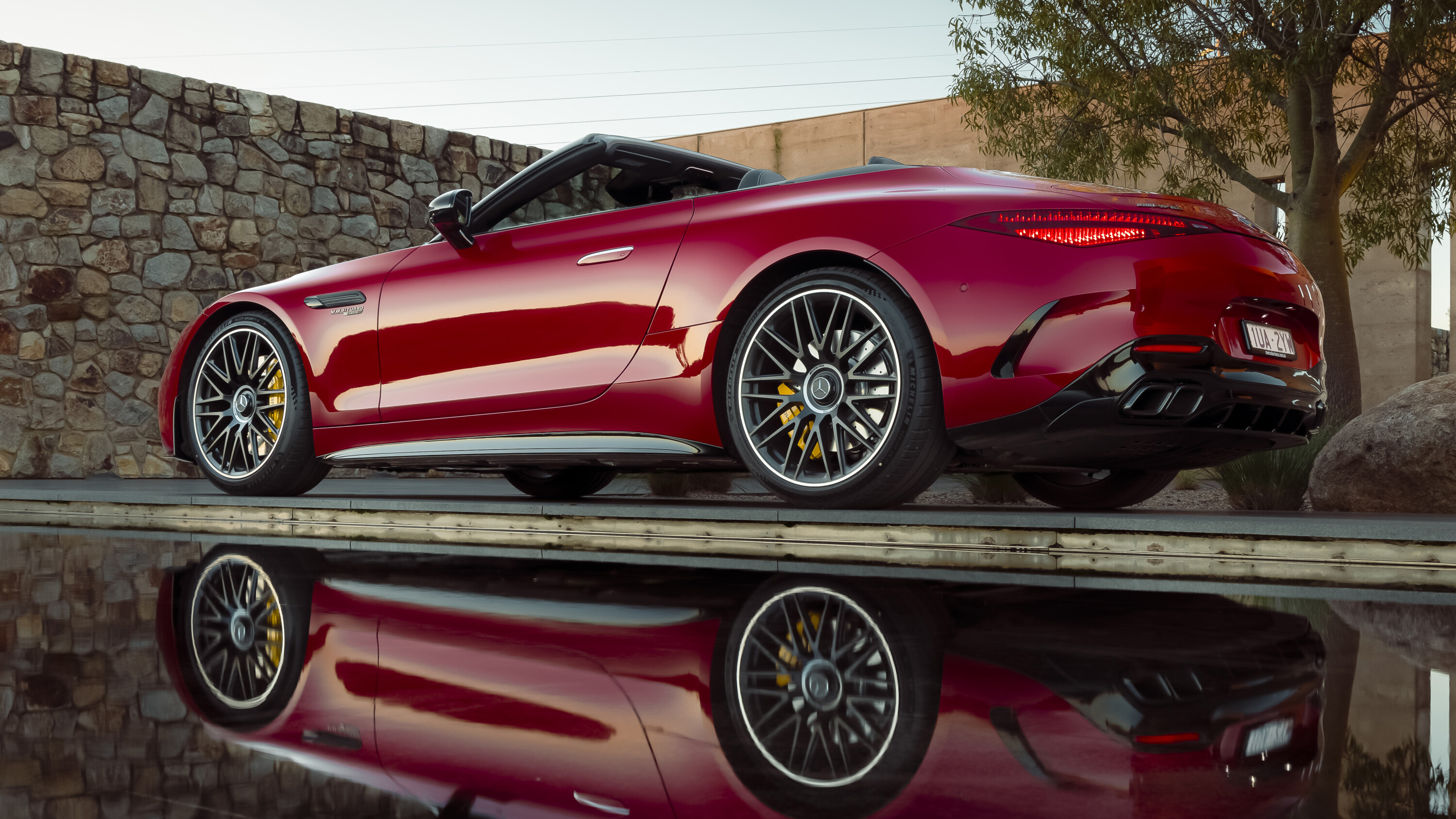
Featuring a composite aluminium structure with an aluminium spaceframe, the beautifully proportioned R232 SL delivers best-possible rigidity for its comparatively modest 1895kg kerb weight (given all the tech it includes), with 18 percent greater torsional rigidity than the previous folding-hardtop R231 SL, as well as 40 percent higher longitudinal rigidity.
It reverts to a cloth roof for the first time in two decades, and when compared to the similarly featured AMG GT roadster it effectively supersedes, offers 50 percent greater transverse rigidity.
1
So as far as convertibles go, the new SL is as rock-solid as you can get – without paying too much of a weight penalty.
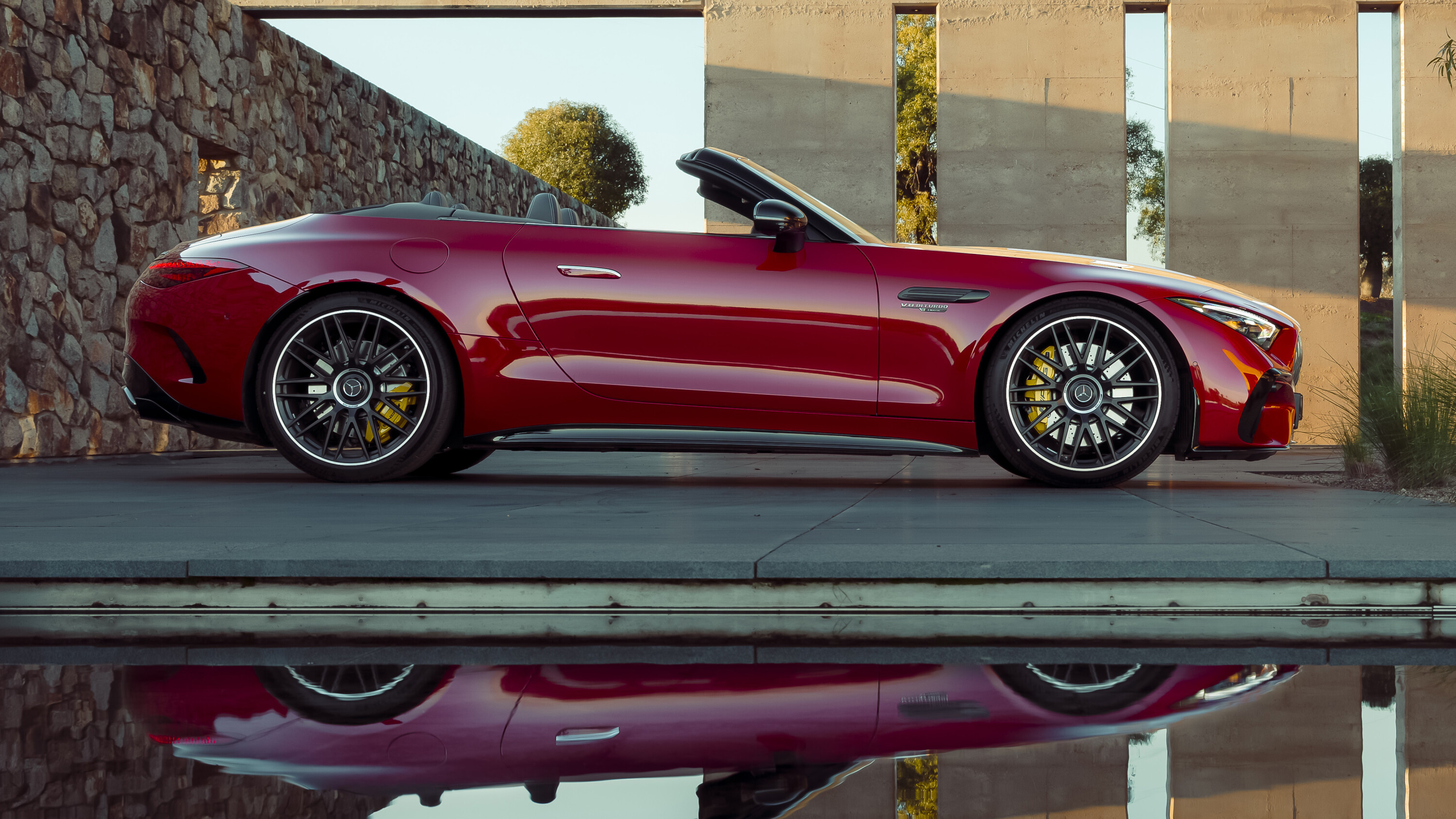
Australia gets just a single variant – the most powerful V8 on offer, the SL63 4Matic+ which offers all-wheel-drive and all-wheel steering for the first time on any SL.
We’ll also get standard two-plus-two seating, also for the first time, though we won’t see the four-cylinder SL43 or the less powerful SL55 V8. Yet there’s a good chance the E-Performance V8 hybrid version may come here, carrying a considerable (roughly $100K) price premium.
1
JUMP AHEAD
- How much is it, and what do you get?
- Interior comfort, space and storage
- What is it like to drive?
- VERDICT
How much is it, and what do you get?
Aussies prefer their AMGs maxxed to the hilt, and that describes the new-gen SL63 perfectly.
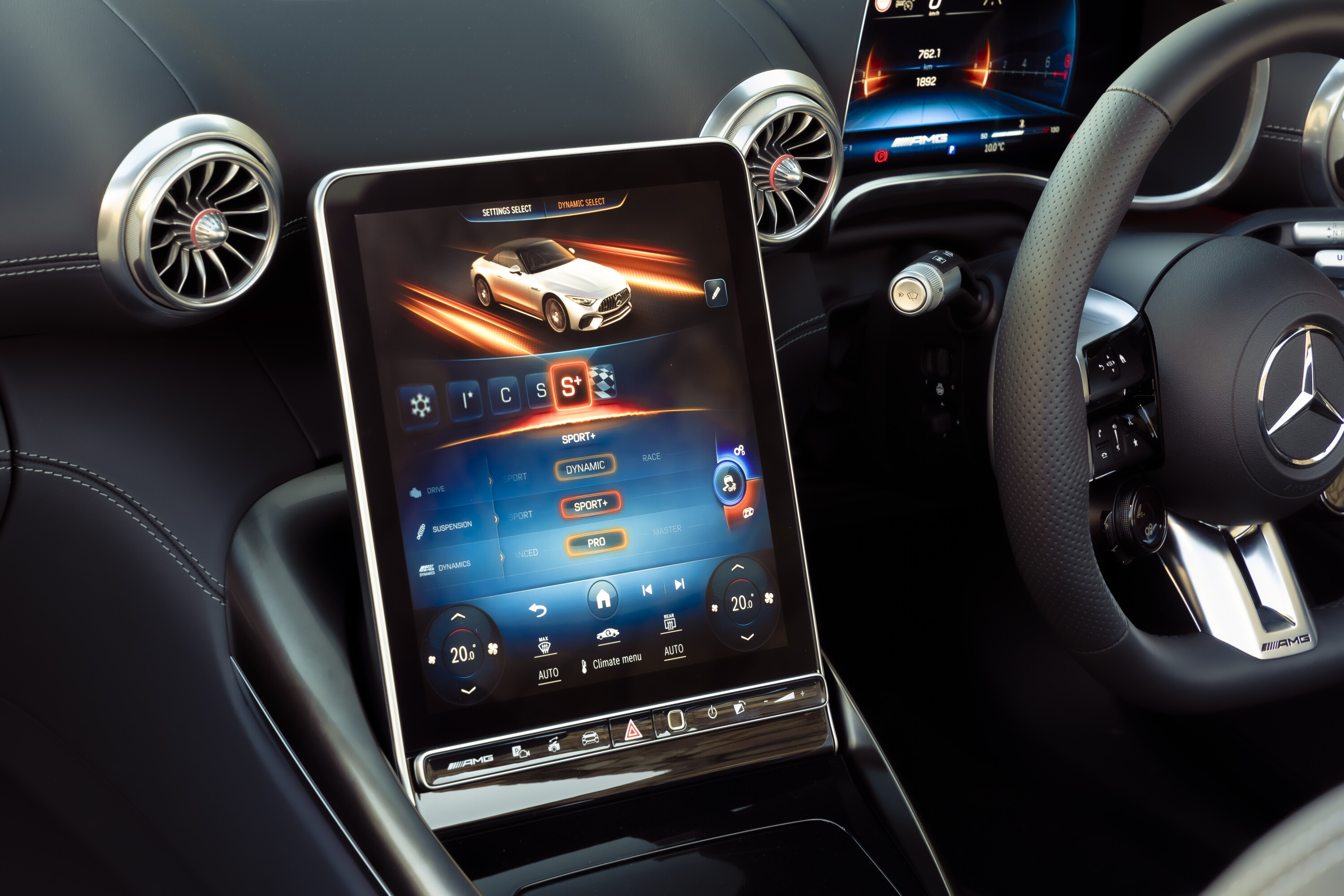
It includes an AMG Dynamic Plus package (dynamic engine mounts, Race driving program including Drift mode, electronic locking rear differential), AMG Active Ride Control (active hydraulic anti-roll stabilisation plus adaptive damping), front-axle lift (by 30mm), AMG composite braking system, Digital Light front lighting, 21-inch forged alloys and AMG Light Display package.
1
Our Alpine Grey ($6990 extra) test car also included an optional Night Package (another $6990) with matte-black forged 21s, darkened head- and tail-lights, an Aerodynamics Package, black grille slats and Manufaktur trim in black chrome – highlighting the svelte muscularity of the new SL.
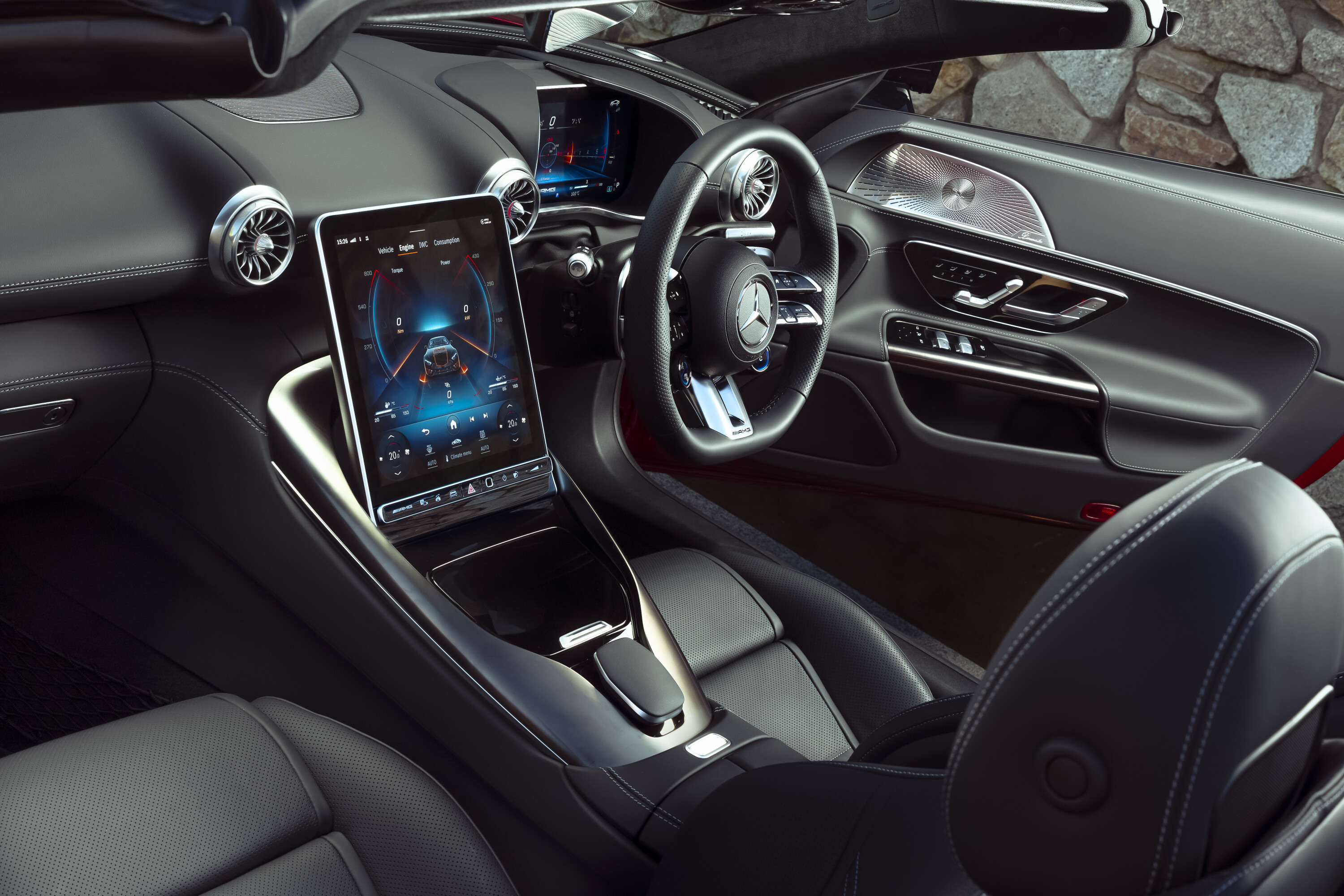
In combination with acres of tastefully hued red Nappa leather gracing its cabin (which you can also get in black or brown) and the subtle embellishment of its turbine-like air vents and large metal speaker grilles, there’s a feeling of expense to the new SL that brings it into line with the big-daddy S-Class – as you’d hope for a base price of $373,370 (before on road costs).
1
Interior comfort, space and storage
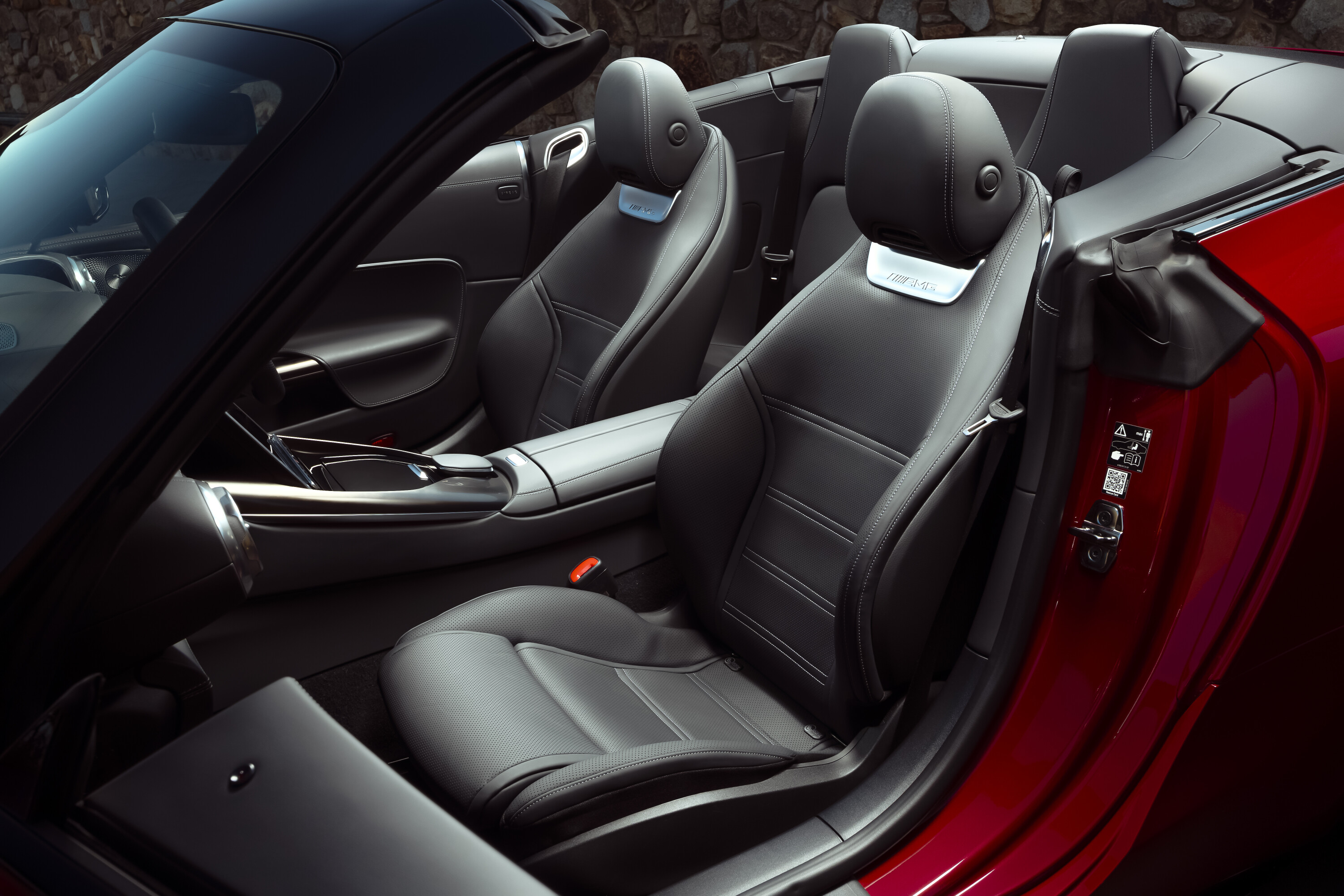
The SL63’s elegantly tasteful yet suitably sporty interior also brings multi-contour front seats with heating/cooling and addictive massage functions.
It also brings an excellent 11-speaker 650-watt Burmester audio that effortlessly drowns out any wind bluster with the roof down, a head-up display with augmented reality, and a super-slick 11.9-inch tablet touchscreen with wireless Apple CarPlay/Android Auto (that can be tilted when the roof is down to minimise reflections).
1
There’s now a pair of rear seats, of course, though Mercedes says they’re only suitable for anyone up to 150cm tall.
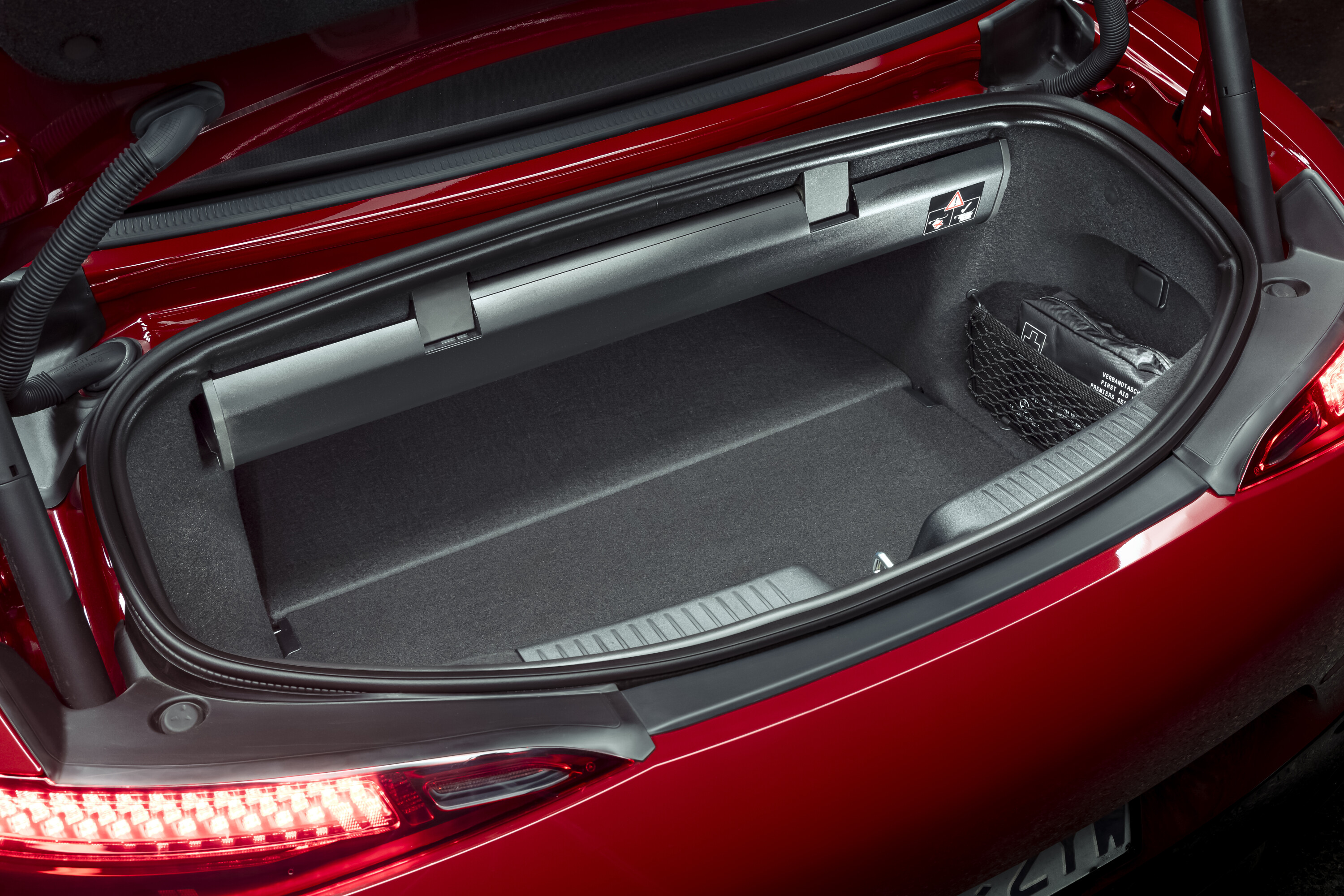
With an almost vertical backrest angle, they barely come close to the multi-faceted luxury of the front pair, though they do provide an additional luggage area to complement the volume of the modest 214-240L boot (significantly smaller than the 364-485L in the previous SL).
2
What is it like to drive?
But ultimately the new SL63 isn’t about being a one-car-fits-all offering – it’s a niche sports-luxury roadster that dials up the sporting factor to a whole new level.
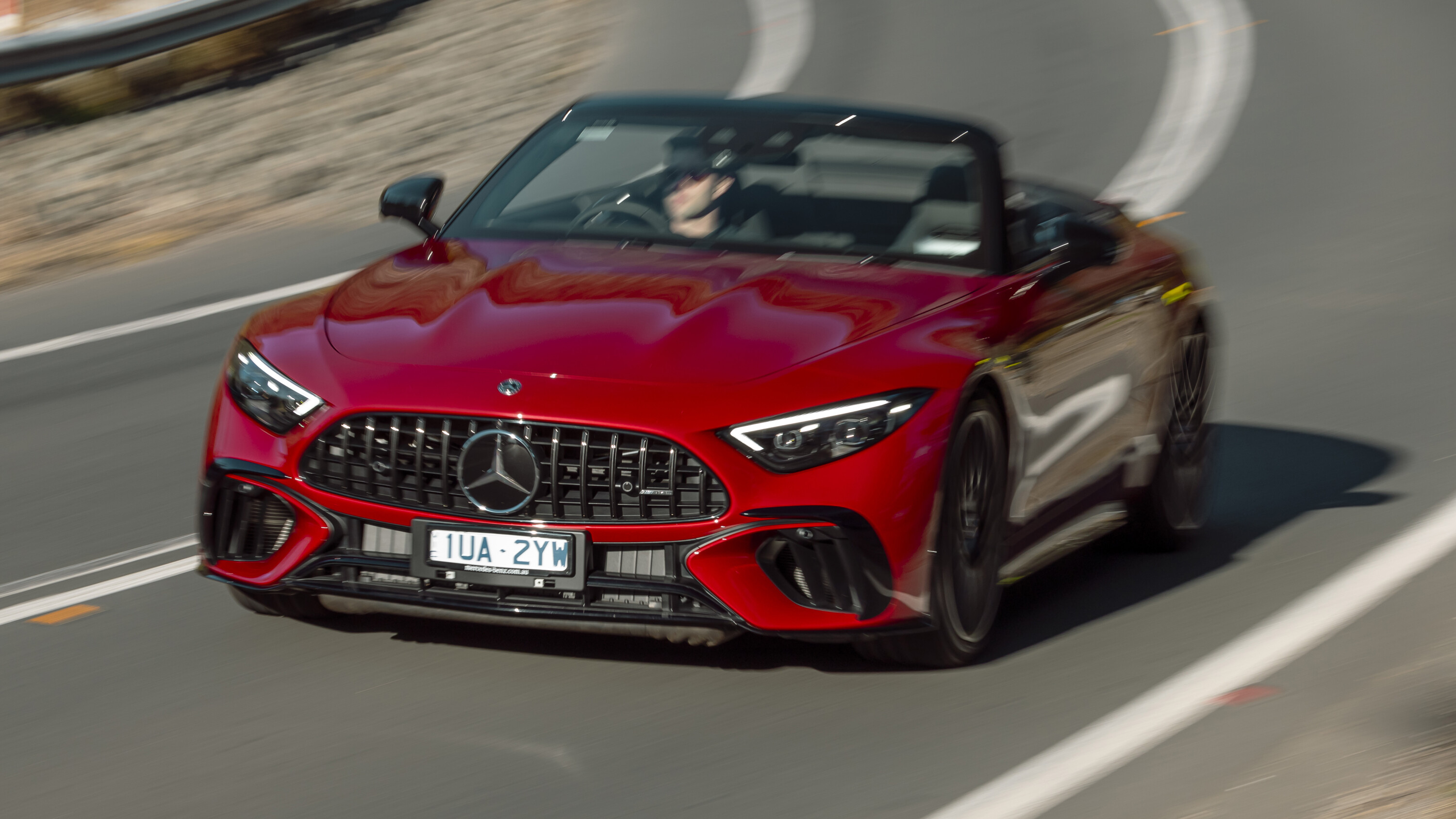
AMG’s brilliant 4.0-litre twin-turbo V8 has no issue hauling this 1.9-tonne bruiser to stratospheric heights – starting with its claimed 0-100km/h time of 3.6sec and compounded by its searing 315km/h top speed.
Even in Comfort drive mode, using all nine gears of its AMG Speedshift MCT transmission and with a more subdued exhaust note filling the background, the SL63 delivers a delightfully velvety experience.
1
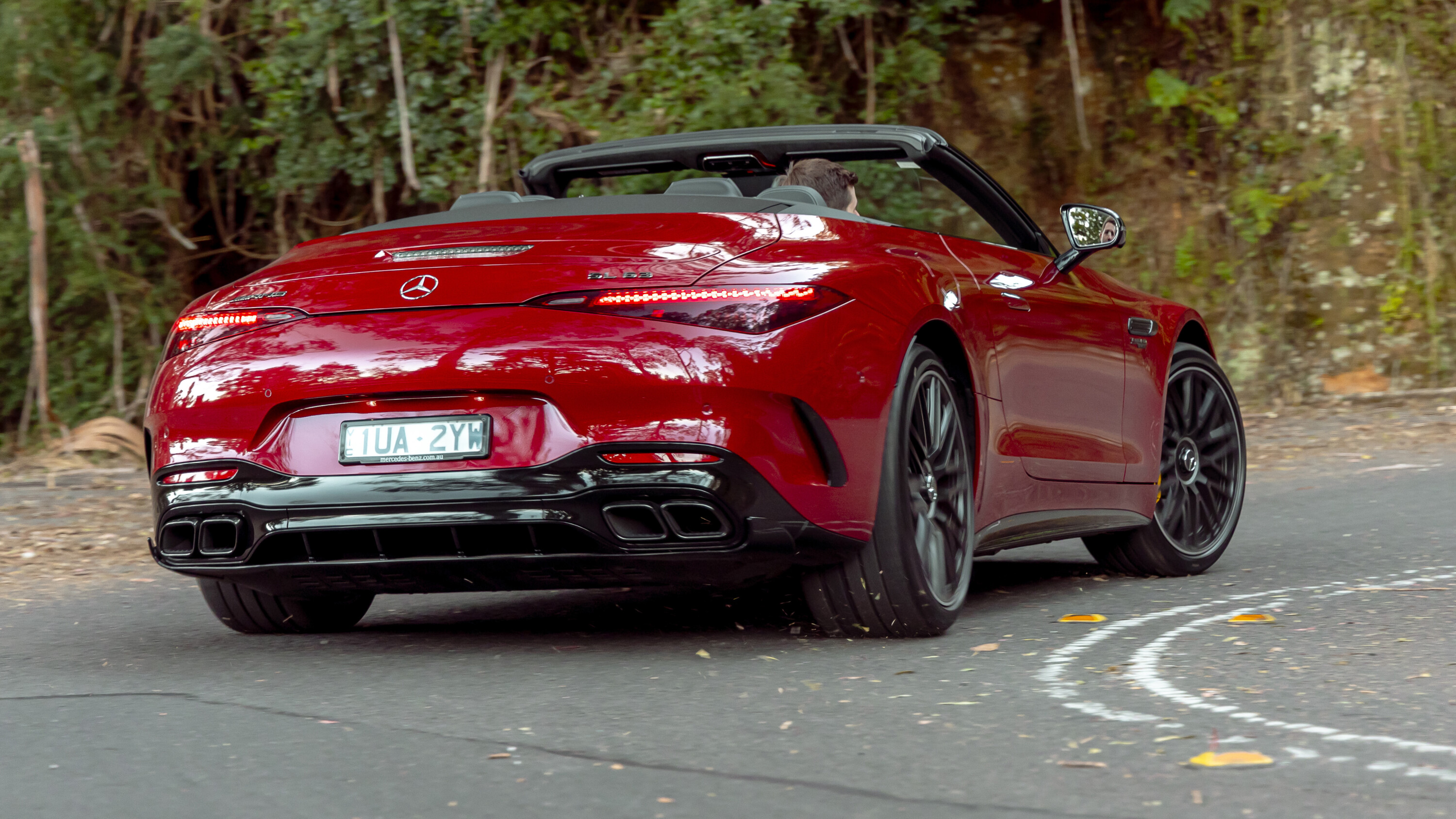
But when you twist the wheel-mounted drive mode dial right (to either Sport, Sport+ or Race, with Individual and Snow a twist to the left), the thunder and crackle from its four rear pipes is intoxicating.
If this is the final expression of what AMG’s glorious petrol V8 is capable of in a road-going, all-seasons sports roadster, then we simply can’t get enough of it… though with a fuel-consumption average of 15.9L/100km (the official combined figure is 13.9), you’ll need plenty of 98 octane to keep that dream alive.
Mine the V8’s prodigious power (430kW at 5500-6500rpm) and torque (800Nm from 2500-5000rpm!) and the SL63 has the dynamic smarts to tie everything together superbly.
1
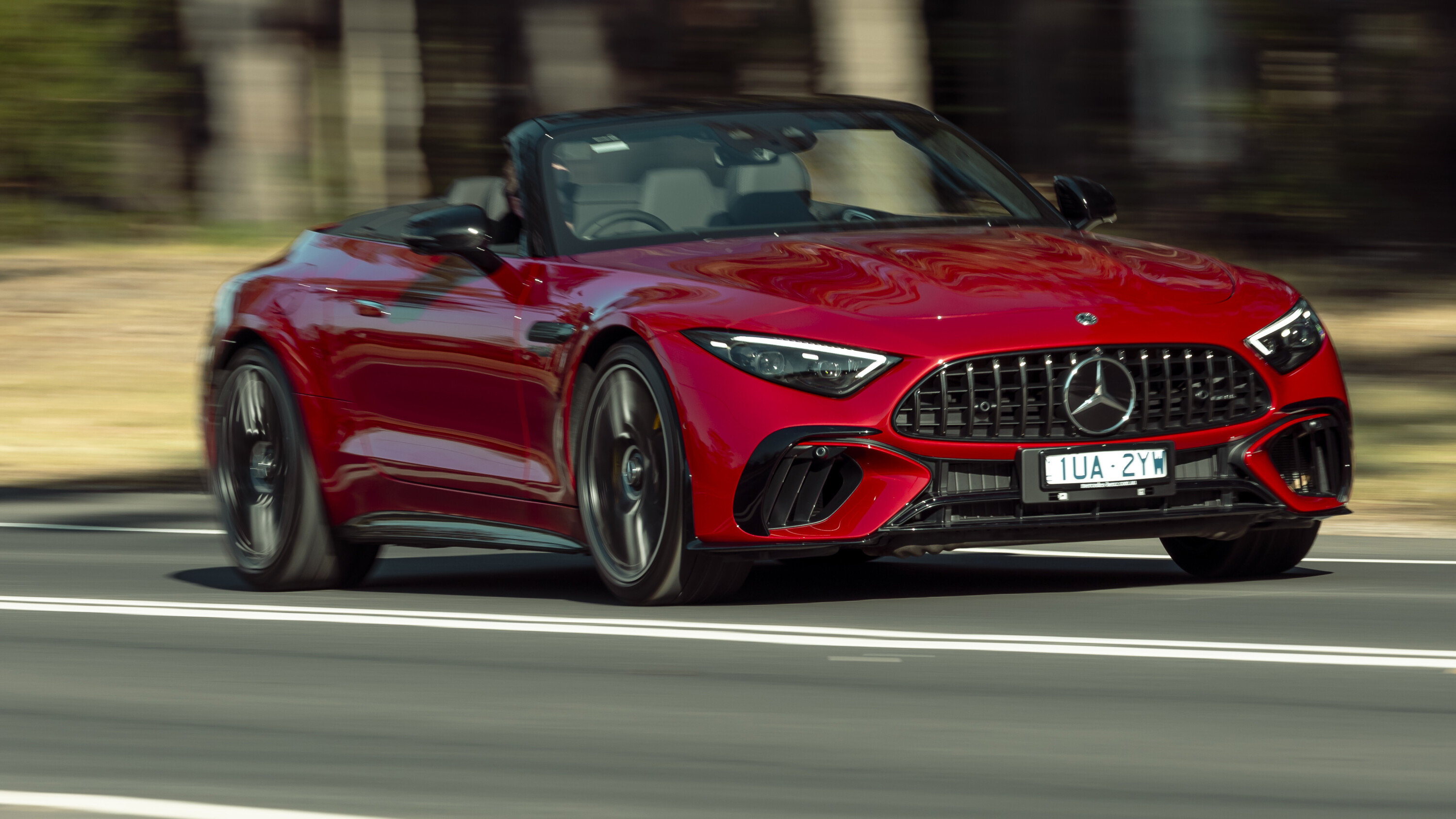
While the all-wheel steering does little to reduce the size of the turning circle (a lumbering 12.8m), it constantly shrinks the length of the new SL’s 2700mm wheelbase, making it feel lithe and wieldy when it probably shouldn’t be.
In Comfort mode, the SL63’s steering remains keen and precise but doesn’t feel as perfectly weighted as it does in Sport mode (it’s a bit too light and aloof in Comfort), and the all-wheel steering doesn’t feel quite as aggressive in its angle of attack – making Sport mode the ideal set-up for demonstrating the new SL63’s on-road dynamic prowess.
Its ride on double-wishbone, coil-sprung suspension with adaptive damping isn’t that much firmer than Comfort mode, yet it feels more connected in corners, with sharper turn-in, more neutral mid-corner balance and more aggressive corner-exit thrust.
1
On the right road (or circuit, perhaps), the SL63’s newfound agility and hunger for corner-carving are tremendous, backed by a level of predictability and feedback that heighten confidence.
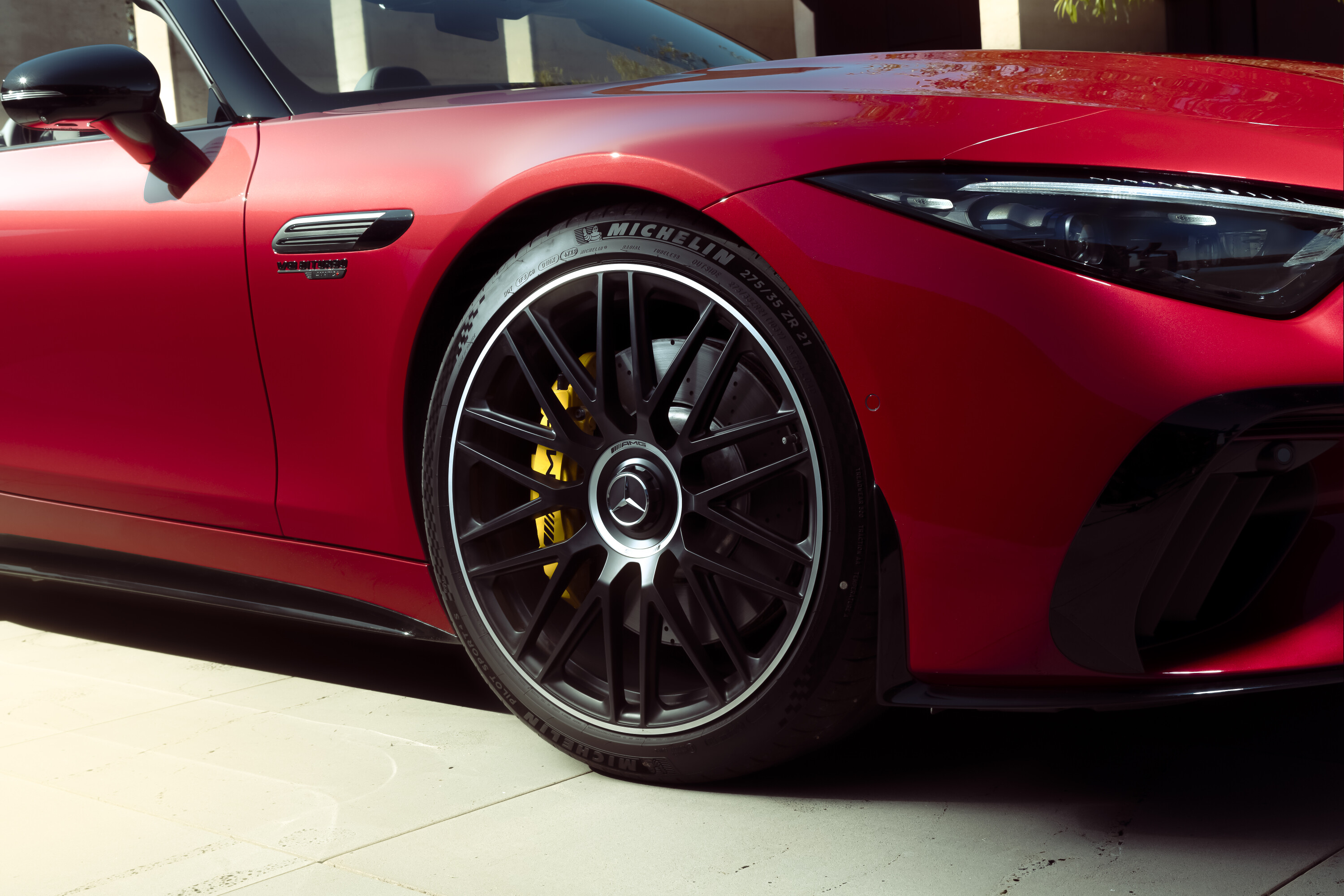
Only when pounded hard through really tight turns does the SL63 start to drift wide – betraying its overall weight – though if we had to highlight a chink in its dynamic armour, it would be the perpetual tyre roar on coarse-chip surfaces from its excellent Michelin Pilot Sport 4S tyres (275/35ZR21 front, 305/30ZR21 rear).
It’s only at very low speeds does the SL63 present any driving challenge. The transmission’s wet multi-disc start-off clutch makes it feel somewhat lumpy when parking, and the composite brakes (390mm front discs, 360mm rear discs) – while excellent in hard driving – can be grabby if you aren’t super-smooth in your inputs when inching forward.
If any of the terms in this section have left you scratching your head, these articles will help bring you up to speed!
1
- What is a Powertrain or Drivetrain?
- Power vs torque
- Car suspension explained
- Automatic transmissions (‘gearboxes’) explained
- Chassis control systems explained
- Car vs Ute vs SUV: How the vehicle you buy should guide the way you drive
The new-generation Mercedes-AMG SL63 4Matic+ isn’t about pleasing everyone, however.
It isn’t meant to be a set-and-forget luxury car, even though it’s surprisingly liveable on challenging surfaces. It’s all about being a much more focused roadster than it’s ever been.
And given that it effectively replaces both the AMG GT roadster and the old SL, it does a superlative job walking the line of arresting elegance, supreme luxury and balls-out aggression.
1
It may not be as practical as its less well-proportioned predecessor, but in all honesty, who buys an SL63 as their only car?
Indeed, this is a bruiser of a performance car. It always sounds wonderful, it always feels expensive (apart from when the Alcantara-lined roof pours water onto your right leg after you open the door in rain), and its band width in all those drive modes makes it so many performance cars in one.
It may not be as practical as its less well-proportioned predecessor, but in all honesty, who buys an SL63 as their only car?
Even so, when the thunderous performance, engaging handling and show-stopping design of the new SL63 4Matic+ are so damn good, no owner is really going to care that its boot won’t take a suitcase. You just strap it in like a passenger instead…
November: EV9 driven in Australia
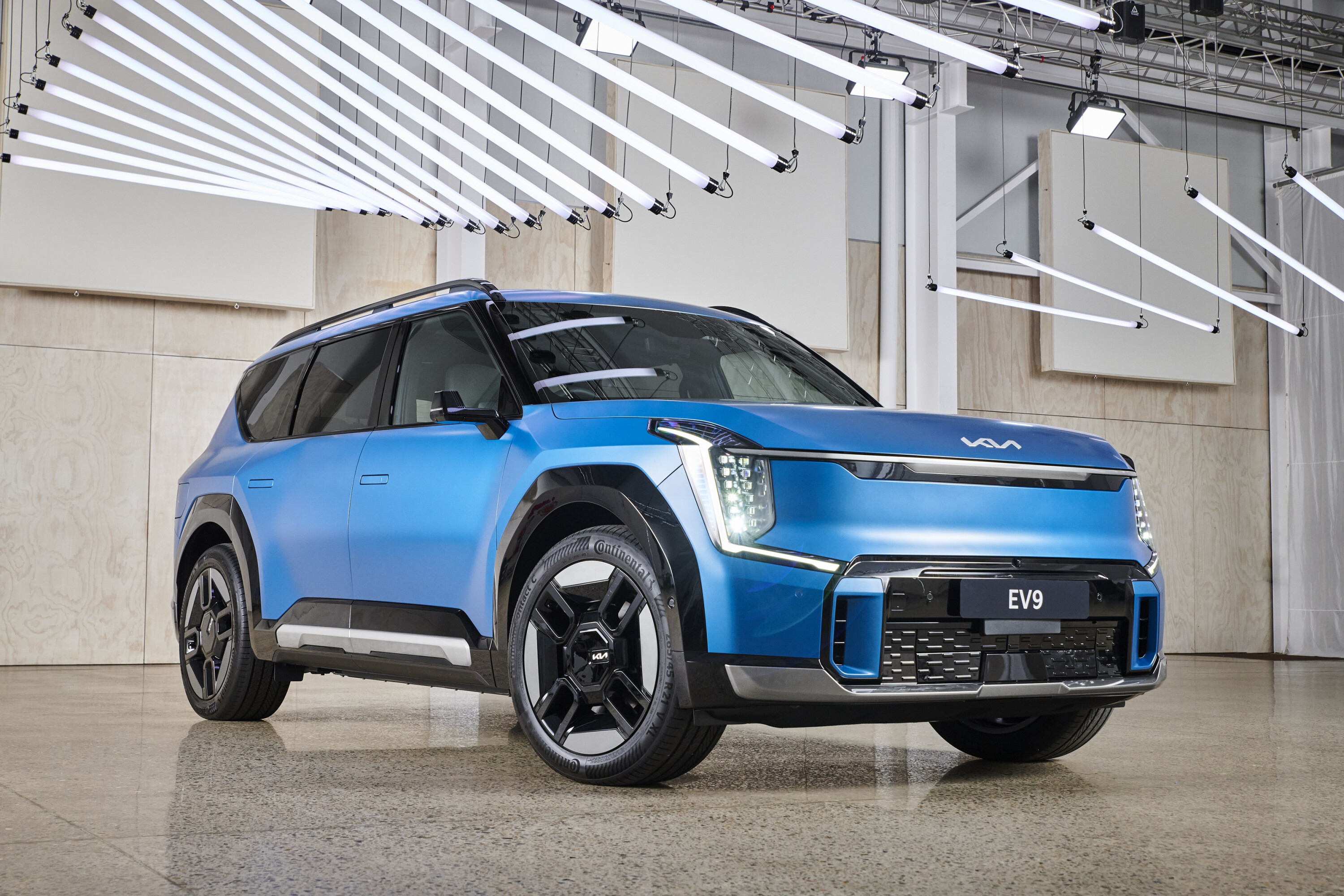
Kia’s massive EV9 is a unique thing, for Kia and the market alike, which could result in a surprise success – even at $100k a pop.
Story continues: EV9 pricing revealed
August: Is the EV9 ‘right-sized’ for Australia?
The upcoming EV5 will be roughly Sportage-sized – with the usual Tardis-like interior space advantages of a dedicated EV – but would a more Sorento-sized EV7 or EV8 suit local buyers better than this big new EV9?
Despite an emphasis on “upper large SUV” in the press release, I asked Kia Australia operations boss Damien Meredith at this week’s first local look if he would’ve preferred something smaller than the EV9.
“Well, it is what it is,” he said – not with disappointment, but seemingly in acknowledgement of the global reality that many models are developed first for the behemoth-loving and big-selling US market. Even with Australian feedback being an important factor.
“We’ve got it and we’re pretty excited about it, frankly,” he said. “Look, it’s an array of things. [Some] people are going to buy it because it’s electric, because it’s got seven seats, because it makes a really strong individual statement. I don’t think it’s going to be a LandCruiser or Patrol killer. It’s going to be a subset of a lot of different demographics that are interested in EV9.”
To validate Meredith’s point, I ran a survey. Of one.
My sister has just had her first child, and suddenly she wants to upgrade from her perfectly suitable 2016 Tucson to something bigger, like a Nissan Patrol. In fact, exactly like a Nissan Patrol, but the EV9 now has her interest. Or maybe it was my video on the EV9…
“Is it as big as a Patrol?”, she asked me via Facebook Messenger. “I want the new Patrol (what ‘new’ Patrol I wanted to ask…), but this looks amazing! The Patrol, even the 2022 model, looks quite dated with the woodgrain.”
I do love getting these insights into the consideration factors of the average buyer. (To be fair, it’s her partner pushing for the Patrol – he loves V8s and off-roading. ?)
14
Back to Meredith: What about a similarly massive SUV of a more premium cachet, like the BMW X7 or Mercedes-Benz GLS. Could the EV9 sway buyers away from those two?
He pauses, then commits: “Ah, Yes. There’s a lot of ‘badge’ to those, but I believe so. The difference between sophisticated Asian markets, to mature Western European markets, to Australia, is… we still, fortunately, we still look for the value equation,” he said.
“To answer your question, I believe we’re going to be like this (Meredith gestures with his arms wide) with where we get volume from with this [the EV9].”
Kia Australia marketing head Dean Norbiato: “It goes back to those ~7000 expressions of interest – we’ve seen a lot of interest from ‘new’ postcodes.”
“The upper north Shore (of Sydney), the lower north shore, the eastern suburbs – not traditionally heartlands for the Kia brand, but this product is something of a Trojan Horse into those areas. Once they get to purchase, we’ll see if that translates, but that’s where we’re seeing the hot spots and it’s interesting.”
For now, as Norbiato puts it, the EV9 represents something of a “unicorn” in Australia, with no direct rivals with that combination of big, electric, a proper seven-seat design, and a likely price tag that no premium badge will match.
“We see it as quite a unique product, it’s a unicorn when you compare it. It’s an upper large SUV, and when you compare it to what’s in that segment – it’s not going to compete with the off-road credentials of those two (LandCruiser 300 and Patrol), but we see it as being quite unique”, he added.
“We’ve shown it to a lot of existing Kia owners, and they’re interested in this product, at both a purchasing level but also… ‘that’s now in the Kia family, it makes me prouder to own my Picanto, to own my Seltos’”.
MORE
Everything Kia
More EV stories to help you choose the best car for your needs
- ? EV news, reviews, advice & guides
- ❓ Short & sweet: Your EV questions answered
- ⚡ New EVs: Everything coming to Australia
- ? Australia’s EVs with the longest driving range
- ⚖️ Best-value EVs by driving range
- ? How much do EVs cost in Australia?
- ? How much more expensive are EVs?
- ⚖️ Number crunching: Is it time to switch to an EV?
- ♻ Should you buy a used EV?
- ?️ Are EVs more expensive to insure?
- ? Costs compared: Charging an EV vs fueling a car
- ? EV charging guide
- ? Are there enough EV chargers in Oz?
- ?? EV servicing explained
- ? EV battery types explained
- ? When do EV batteries need replacing?
- ? Hydrogen v EVs: What’s best for Oz?
- ✋? Mind your manners! EV charging etiquette tips
- ? How sustainable are EVs, really?
