Cheaper diesel?
Mazda Australia has confirmed that due to the higher luxury vehicle tax threshold for fuel-efficient vehicles, diesel incurs fewer charges versus petrol for Azami, hence the reduced pricing.

The screen opens with a montage of JDM heroes, including a Honda NSX Type R approaching redline. There are no lawnmower engine sounds here – it’s all immaculately recorded and makes for eargasmic listening.
Then we get into a tale based on the true story of Jann Mardenborough climbing through the racing ranks after he became the third winner of GT Academy in 2011 at just 19 years old.
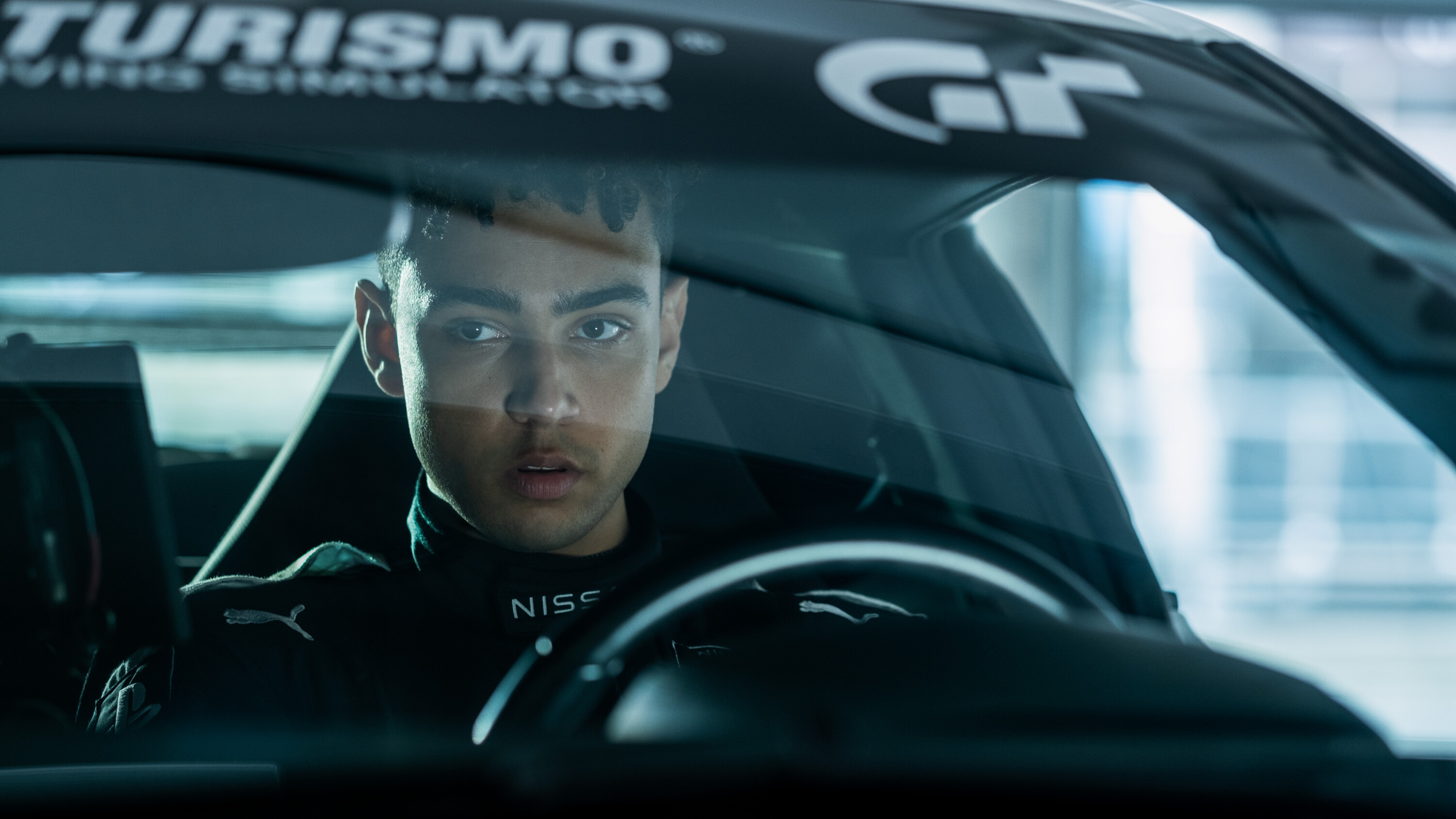
With little support from dad (Djimon Hounsou) and mum (played by ex-Spice Girl, Gerri Halliwell) Jann has to balance a love interest and being a teenager with his secret racing life.
Predictably, there’s a fast-talking Nissan marketing guy (Orlando Bloom), a Nikita Mazepin-type oligarch’s son who races a gold Lamborghini, and the mostly-forgettable GT Academy racers. All-around automotive talent and television presenter, Emelia Hartford, also features as a fellow GT Academy competitor.
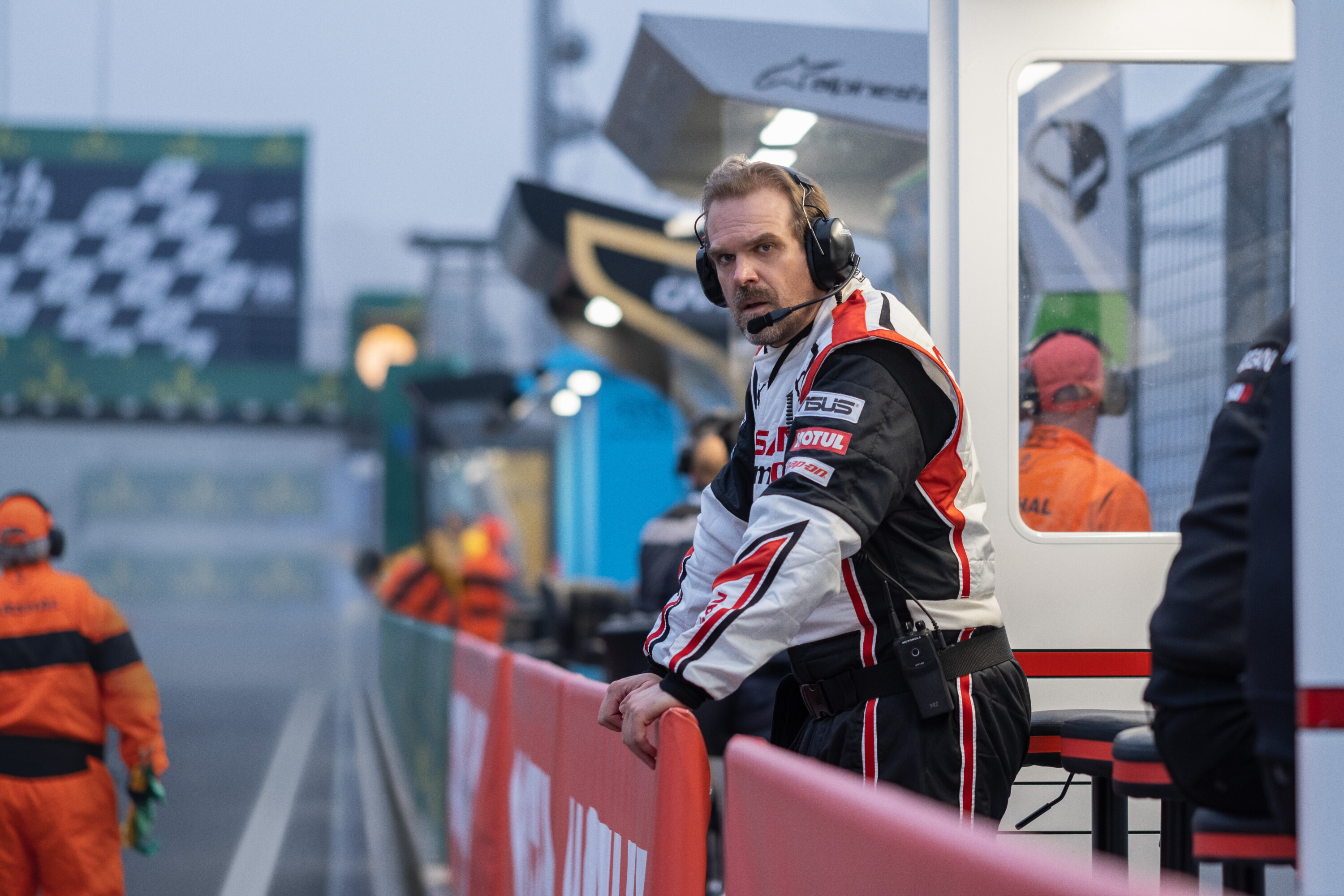
Salter grows to really believes in Jann and champions his skills after he identifies an issue with the physical car – but that’s the extent of character development outside of the protagonist.
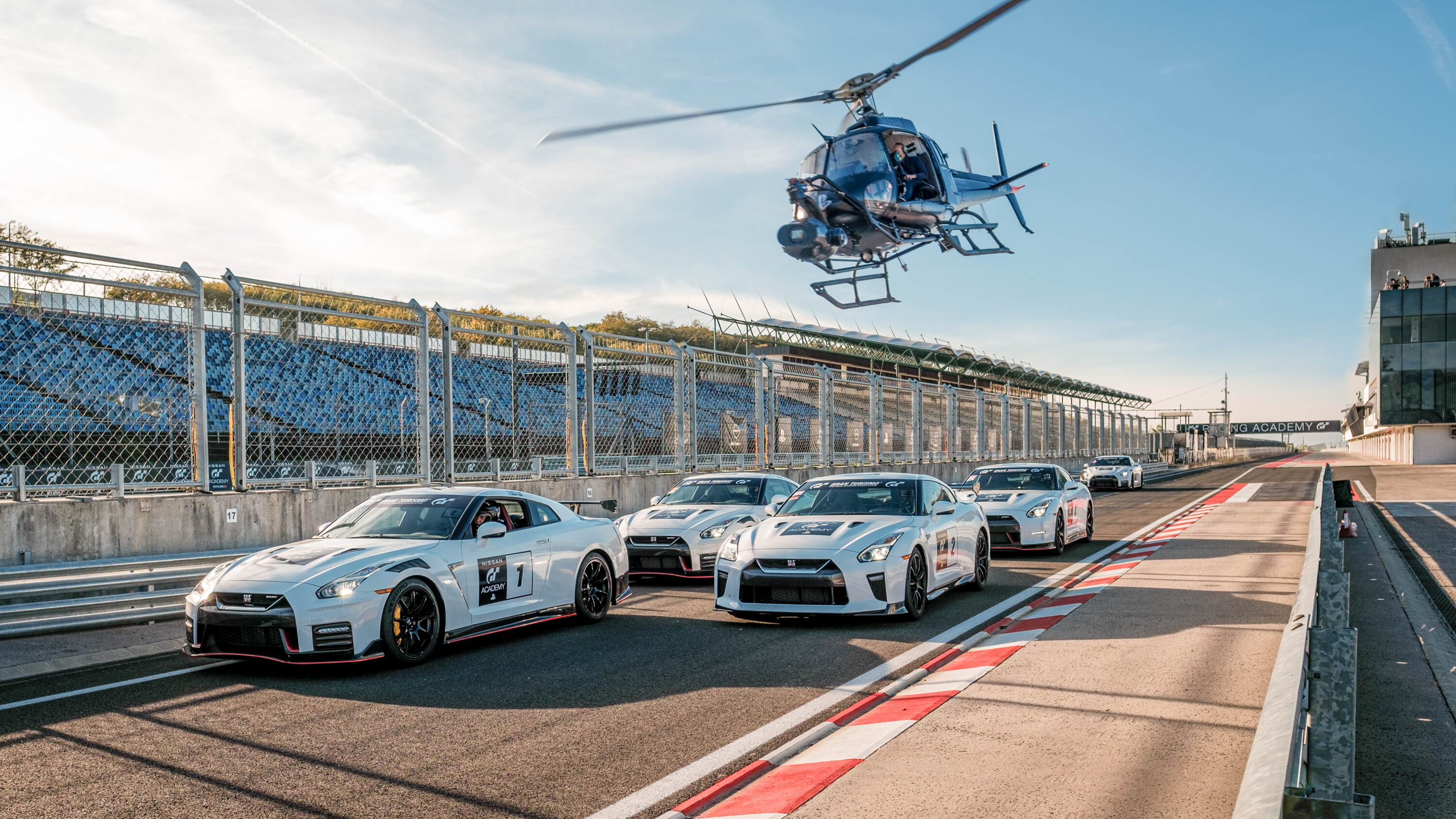
Being an automotive publisher, we’re of course interested in the ‘cars-t’. This includes a lot of new Nissan products (Qashqais after Learjets seemed a bit odd), but there are also JDM classics – the Skyline R33 GTS-T that flashes past Nissan HQ and the gorgeous cars on display in the lobby, as well as dad’s Corrado VR6 that’s involved in a well-choreographed car chase.
The racing, though, is less convincing. Die-hard motorsports fans may be frustrated which seems to be the case for any car movie reaching for broad appeal.
Sony features in a cute gesture of product placement with a Walkman that’s linked to the movie’s fantastic soundtrack
My advice? Try and ignore the fact that Silverstone and Circuit de la Sarthe (Le Mans) are ostensibly played by a combination Fuji Speedway, Hungaroring, and the Red Bull Ring all at once. And don’t look too closely at the 997 Cup Car that’s competing against a Ford GT GTE and Jann’s R35 GT-R GT3 race car.
The race weekends are strangely dramatised – it appears that Jann and the rest of the racers only drive the race, rather than the reality that is multiple practice and qualifying sessions before the race proper.
Sony features in a cute gesture of product placement with a Walkman that’s linked to the movie’s fantastic soundtrack. From Chopin to Black Sabbath via Jamie XX’s excellent Colours album. Jann’s obsession with Kenny G provides some comic relief, too.
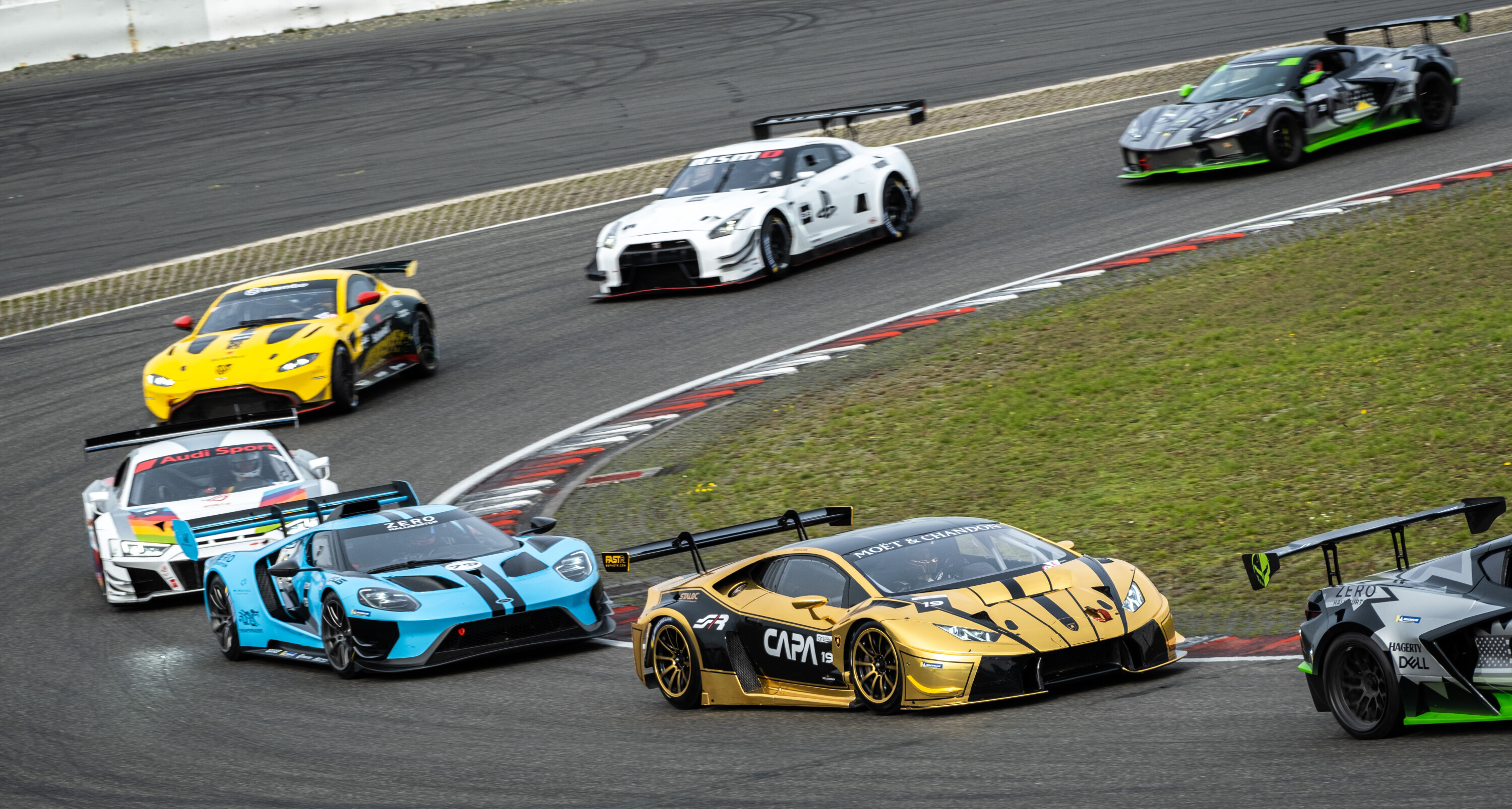
Think epic sun flares, vibrant colours, shallow depth-of-field and plenty of dramatic, high-speed pans. The vehicle stunts and driving (done by the real Jann Mardenborough) also deserve praise – especially knowing there were only seven weeks of filming.
Like Ford v Ferrari, Gran Turismo is not really a movie for mad fans of motorsport. Inconsistencies, excessive drama and stupidly superhuman driving talent get in the way of what is a vibrant and aurally pleasing movie.
Sit back, relax, enjoy the sights and sounds, and Gran Turismo might just have you reaching for the controller or simulator to test your mettle against the best of GT Academy when you get home. It might even inspire the next generation of racers.
That’s the peculiar story of CNBC [↗] executive editor Jay Yarow, who recently started receiving notifications via the Tesla smartphone app that his crashed electric SUV ended up with new owners in southern Ukraine using his still signed-in Spotify account.
After the vehicle was written off and placed at a salvage yard in New Jersey late last year, CNBC found the Model X listed for sale on the online auction site Copart.
The retailer operates in 11 countries. While vehicles with a ‘salvage title’ cannot be legally driven in the US, some countries are less stringent.
Yarrow didn’t attempt to disconnect the car from his Tesla account immediately after the crash, but when contacted, the carmaker instructed him to deregister his account profile remotely via the mobile app.
Automotive security firm Cains Labs’s chief technical officer, Ken Tindell, told CNBC [↗] that disconnecting a user’s account from a formerly-owned vehicle can help stop others using logged-in apps.
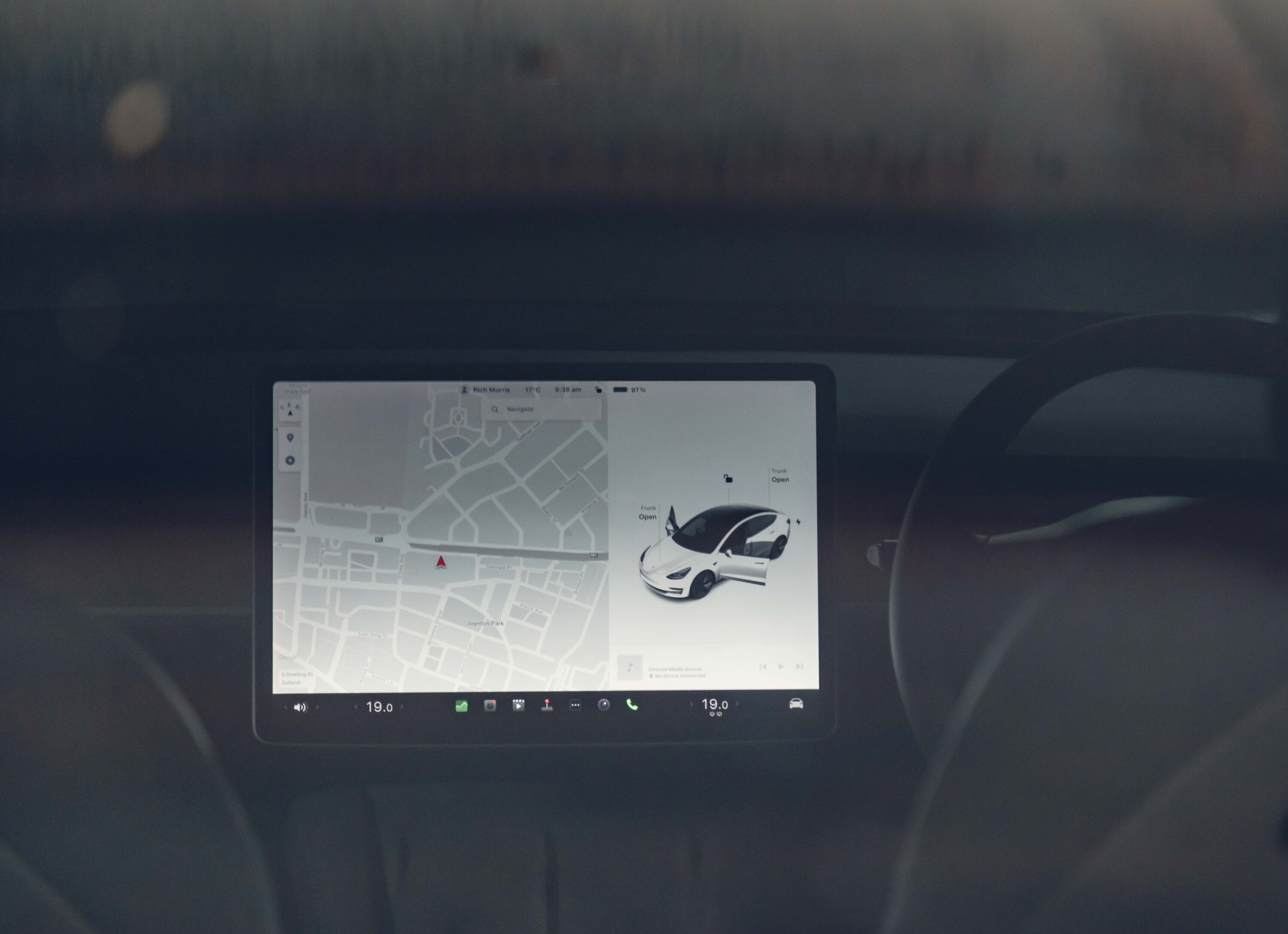
Tindell said car manufacturers still generally don’t offer a remote ‘hard reset’ function to wipe all data, as featured on encrypted Apple laptops.
As electric vehicles continue to rise in popularity, automakers are attempting to become ‘software-driven’ companies instead.
Over-the-air updatable systems and subscription services can control hardware, such as the electric drive unit’s power and efficiency, LED lighting patterns, and access to heated seats functionality.
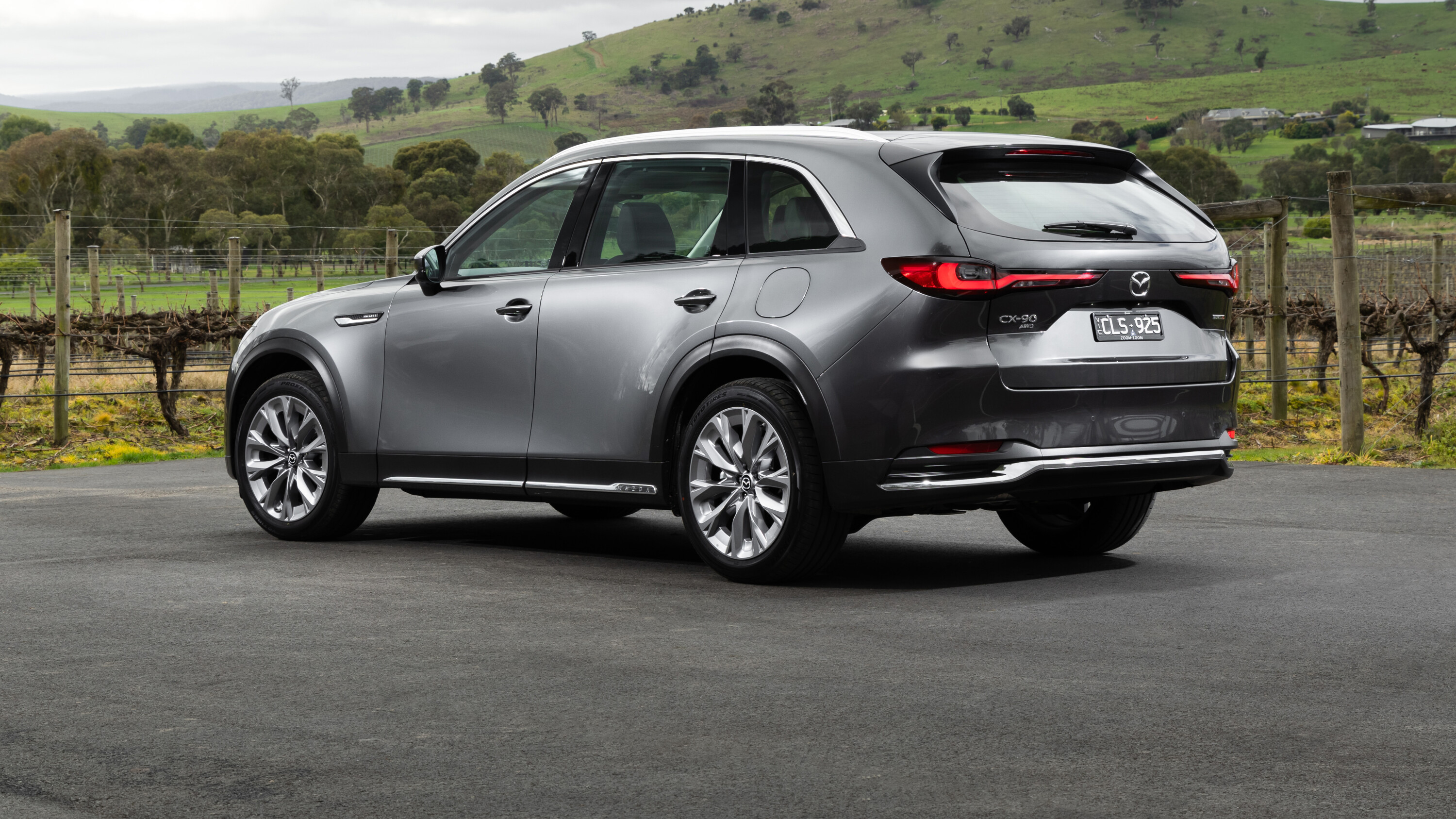
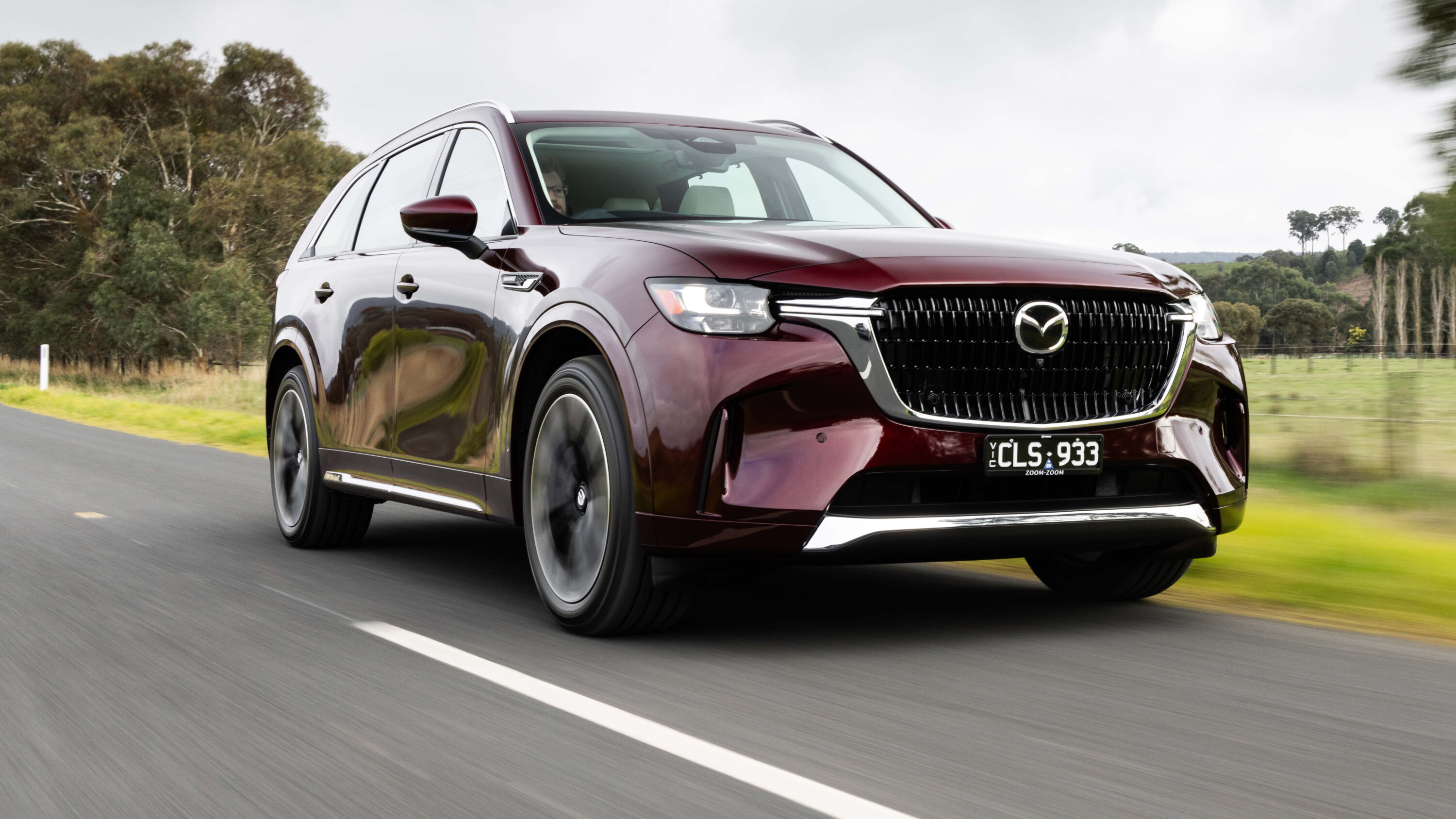
The 2023 Mazda CX-90 six- or seven-seater will arrive in the third quarter priced from $74,400 before on-road costs, rising to $94,435 for the flagship grade – becoming the most-expensive Mazda sold in Australia in almost two decades.
With pricing starting in line with the current range-topping CX-9 Azami, the CX-90 ushers in a larger body, turbocharged mild-hybrid inline-six powertrains, and a brand-new rear-biased architecture shared with the CX-60 due in June.
Mazda Australia marketing boss, Alastair Doak, said the CX-90 is a “very compelling value proposition”, even at a higher price than the CX-9.
Its competitors include flagship versions of the Toyota Kluger, Hyundai Palisade and Nissan Pathfinder, and the more-expensive Volvo XC90, Audi Q7, Mercedes-Benz GLS and BMW X7.
For those looking for a more-affordable Mazda six- or seven-seater, the narrower CX-8 – a stretched CX-5 with a CX-9-sized wheelbase – will continue to be sold in Australia, with a coming update bringing it in line with the brand’s latest design language.
However, traditional entry-level CX-9 buyers will be left without an option below $70,000, at least until the CX-80 – tipped to be an elongated three-row CX-60 – arrives.
“There’s still a very strong value offering there; I think it’s natural for people to move up when they replace their car in terms of performance and luxury and technology,” said Doak.
“At Touring [grade], the CX-90 comes in where the CX-9 finishes currently, and it’s very well equipped at that level.
“[It’s] a physically larger car with a bigger boot at 500-plus litres with three rows in place, it has third-row vents and all the latest safety tech… [and] the powertrains – which are a huge step up for refinement, performance and sporty characteristics.”
Prices exclude on-road costs.
Mazda Australia has confirmed that due to the higher luxury vehicle tax threshold for fuel-efficient vehicles, diesel incurs fewer charges versus petrol for Azami, hence the reduced pricing.
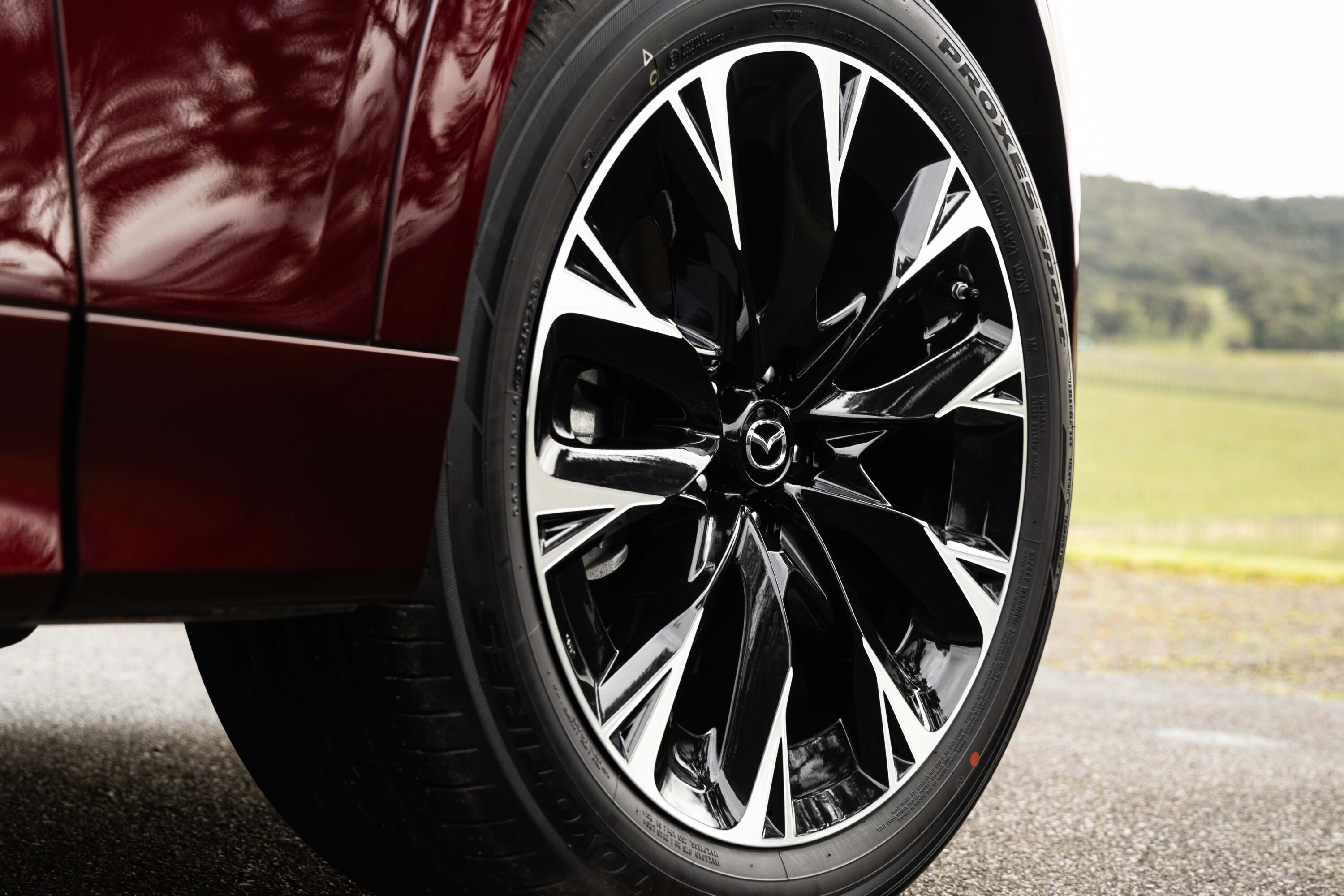
| 19-inch alloy wheels (silver) | One-touch walk-in switch |
| 10.25-inch Mazda Connect infotainment system | LED headlights, tail-lights and daytime running lamps |
| Wireless or wired Apple CarPlay and Android Auto | Keyless entry and push-button start |
| DAB+ digital radio | Three-zone climate control with rear control, incl. third-row air vents |
| Satellite navigation | Auto-dimming rear-view mirror |
| Eight-speaker audio system | 15-watt wireless phoneu00a0u00a0charger |
| 7-inch semi-digital instrument cluster | USB-C ports for each row |
| 360-degree camera system | 150-watt AC power outlet |
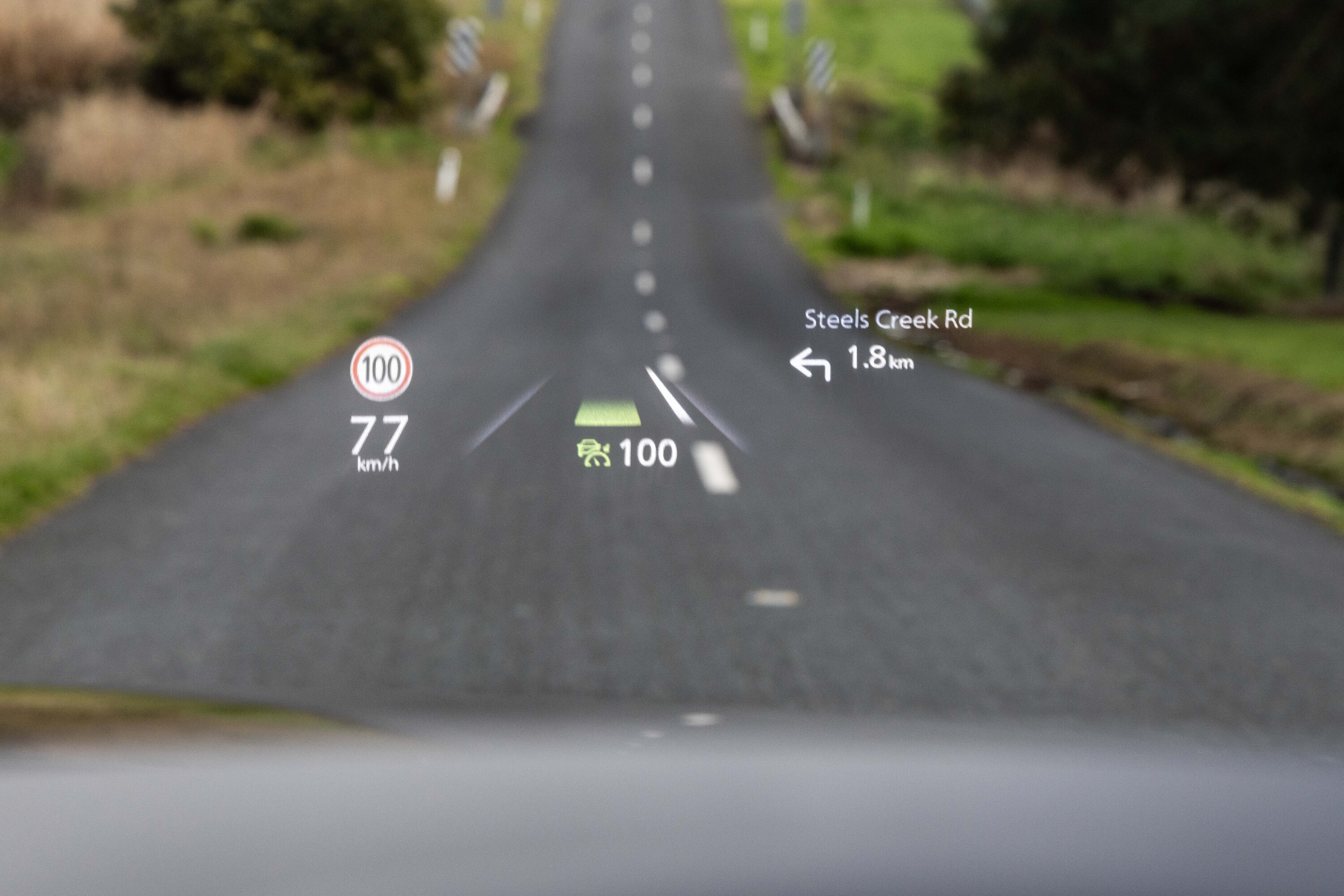
| Head-up display | Rear door window sunshade |
| Black leather upholstery | Heated, auto-folding side mirrors with two-position memory, driveru2019s side auto-dimming, and reverse tilt-down function |
| Heated front seats | Rain-sensing wipers |
| 10-way power-adjustable driveru2019s seat with two-position memory | Front and rear parkingu00a0u00a0sensors |
| 8-way power-adjustable passenger seat | Tyre pressure monitoring.u00a0 |
| In addition to Touring | |
|---|---|
| Optional revera stone leather upholsteryu00a0 | Driver personalisation system |
| 21-inch alloy wheels (silver) | Adaptive LED headlights |
| 12.3-inch Mazda Connect infotainment system | Electric steering wheel column adjustment |
| 12-speaker Bose surround-sound audio system | LED driver and passenger foot lamp |
| 12.3-inch digital instrument cluster | Front and rear signature illumination |
| Heated rear seats | Panoramic sunroof |
| Heated steering wheel | Leather door trim with front and rear courtesy lamp. |
| In addition to GT | |
|---|---|
| 21-inch alloy wheels (black machined) | Ambient interior lighting |
| Colour-matched body cladding | Under-seat foot lamps for rear passengers |
| Black Nappa leather upholstery | Traffic jam assist |
| See-through view for the 360-degree camera system | Easy-entry and personalised driving position guidance system |
| Ventilated front seats | Frameless rear-view mirror. |
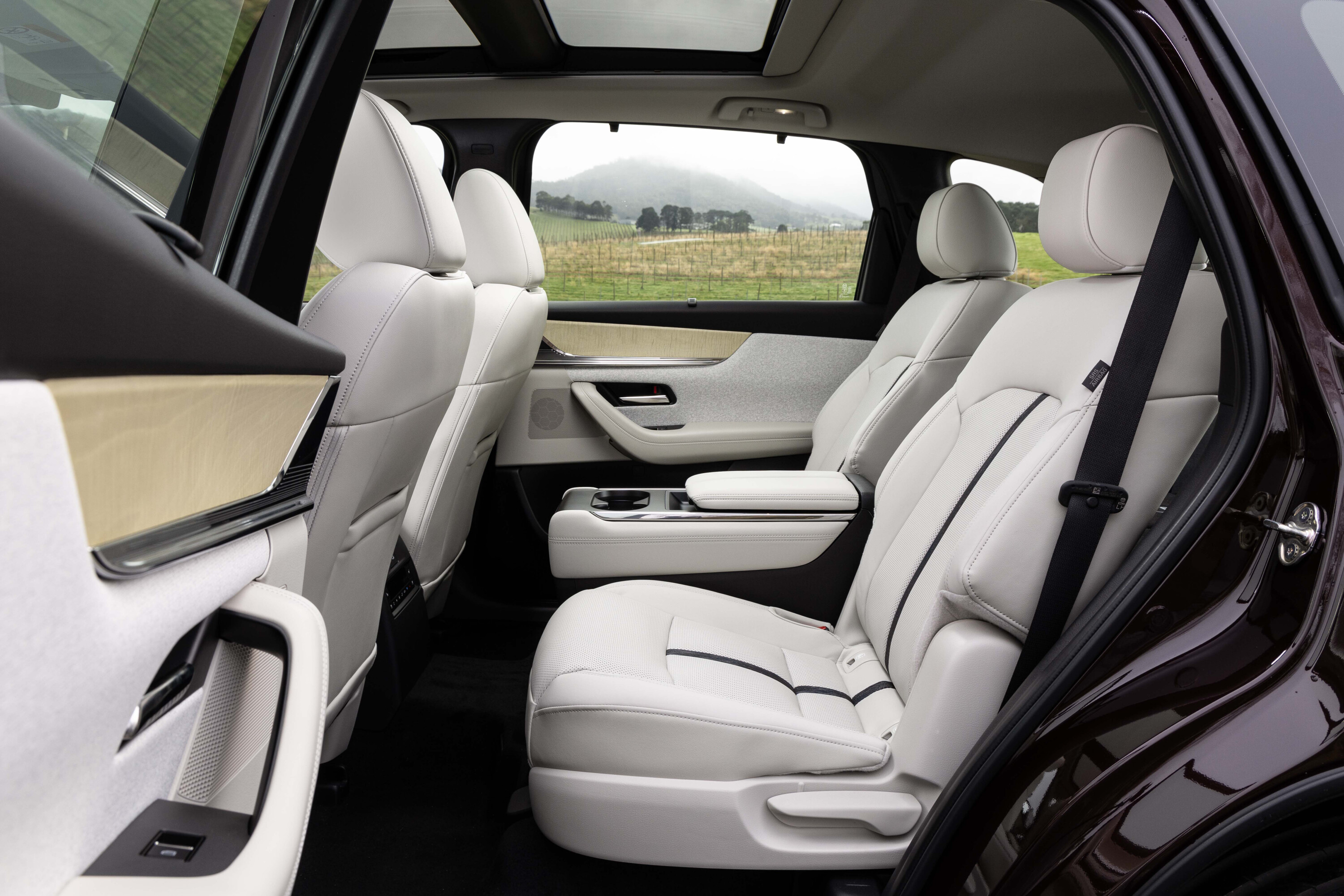
| Pure white quilted Nappa leather upholstery | White maple wood console and door trim inserts |
| Bright decoration panel | Heated and ventilated second-row captainu2019s seats |
| Cloth dashboard panel with u2018Kakenuiu2019 stitching | Second-row centre console with storage. |
| Tan quilted Nappa leather upholstery | Heated and ventilated second-row captainu2019s seats |
| Suede-finish decoration panel | Second-row centre console with storage. |
| Two-tone steering wheel |
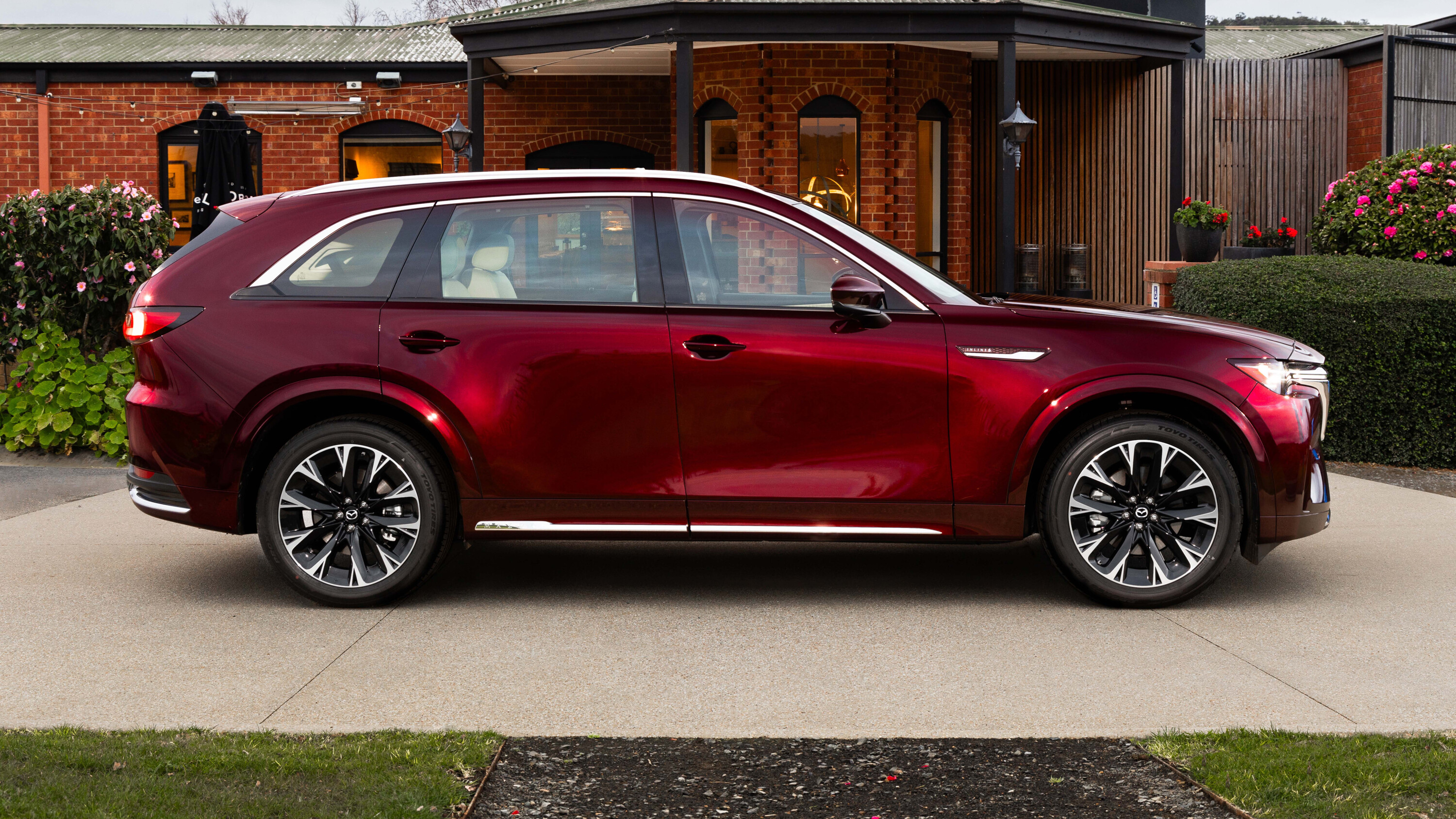
| Artisan red | Rhodium white |
| Deep crystal blue | Platinum quartz |
| Jet black | Sonic silver |
| Machine grey | Soul red crystal. |
Metallic paint incurs a $995 premium.
In Australia, the CX-90 will be offered with one petrol and one diesel powertrain.
Both are turbocharged inline six-cylinder mills measuring 3.3 litres in displacement and equipped with mild-hybrid 48-volt ‘M-Hybrid Boost’ electrification.
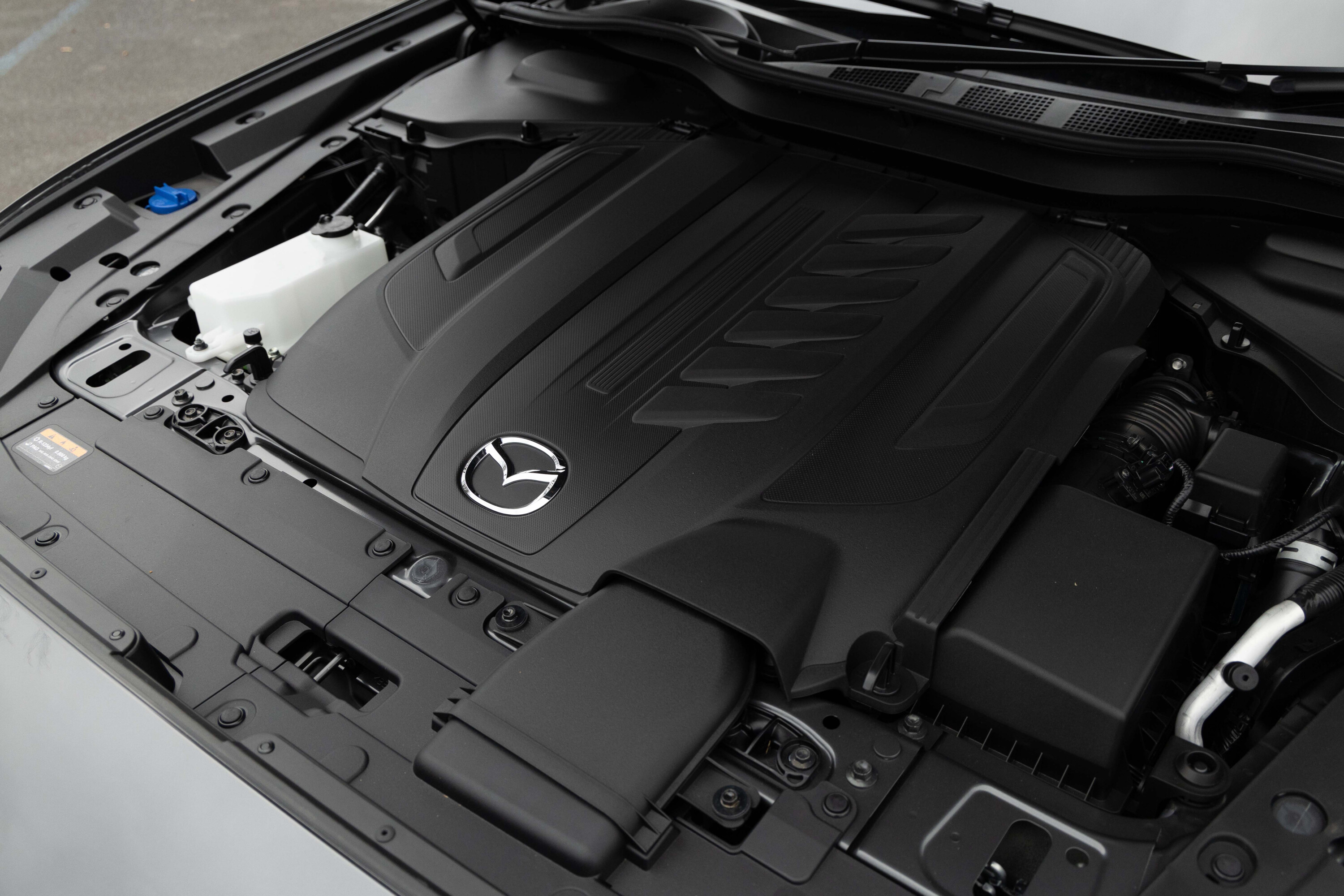
Each engine is matched to a new eight-speed wet, multi-plate clutch automatic transmission, while a 48-volt electric motor system sits between these units to “create smooth acceleration” and directly power the CX-90 at low speeds.
Doak said the petrol would likely be the top seller, but the diesel would appeal in rural areas.
“When people test drive the diesel, I think they’ll be pleasantly surprised with that car. And we have plenty of dealers and buyers in rural areas and diesel will appeal there, but the sheer size and population of cities mean petrol will likely be the most popular.
“But the good news is there’s flexibility on ordering for us. We’re starting the pre-order process now, and if we can start taking reasonably solid orders, that will allow us to order to the demand and get cars to customers as quickly as possible.”
In line with the smaller CX-60, petrol CX-90 variants have a 2500-kilogram braked towing capacity, while diesel models are restricted to 2000kg.
All grades have a 750kg unbraked limit and a maximum 150kg tow ball download.
2023 Mazda CX-90 fuel economy
| 3.3-litre inline-six turbo-petrol (G50e) | 8.2L/100km | 189g/km |
|---|---|---|
| 3.3-litre inline-six turbo-diesel (D50e) | 5.4L/100km | 143g/km |
All variants have a 74-litre fuel tank. 95RON premium unleaded or higher is required for the petrol CX-90.
It won’t be sold in Europe, so testing must be conducted locally.
A spokesperson for Mazda Australia said the brand has yet to decide if it’ll supply vehicles to the organisation for crash testing.
Eight airbags (dual front, side, curtain, and front-centre and driver’s knee) are fitted as standard.
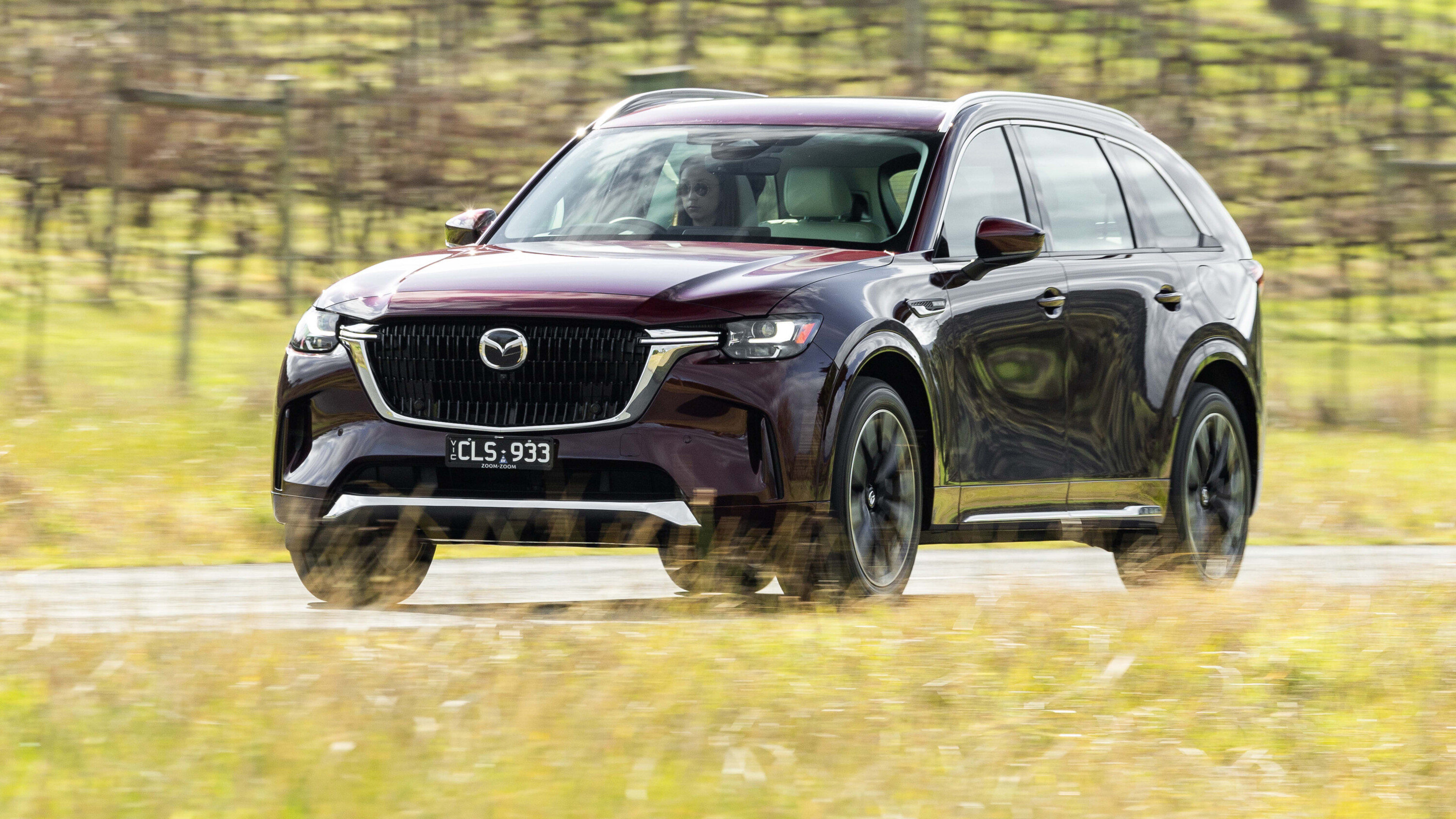
| 2023 Mazda CX-90 active safety features | |
|---|---|
| Autonomous emergency braking (vehicle, pedestrian, cyclist, intersection, reverse) | Front cross-traffic alert |
| Lane-keep assist | Vehicle exit warning |
| Lane departure warning | Traffic sign recognition |
| u2018Intelligentu2019 adaptive cruise control | Automatic high-beam |
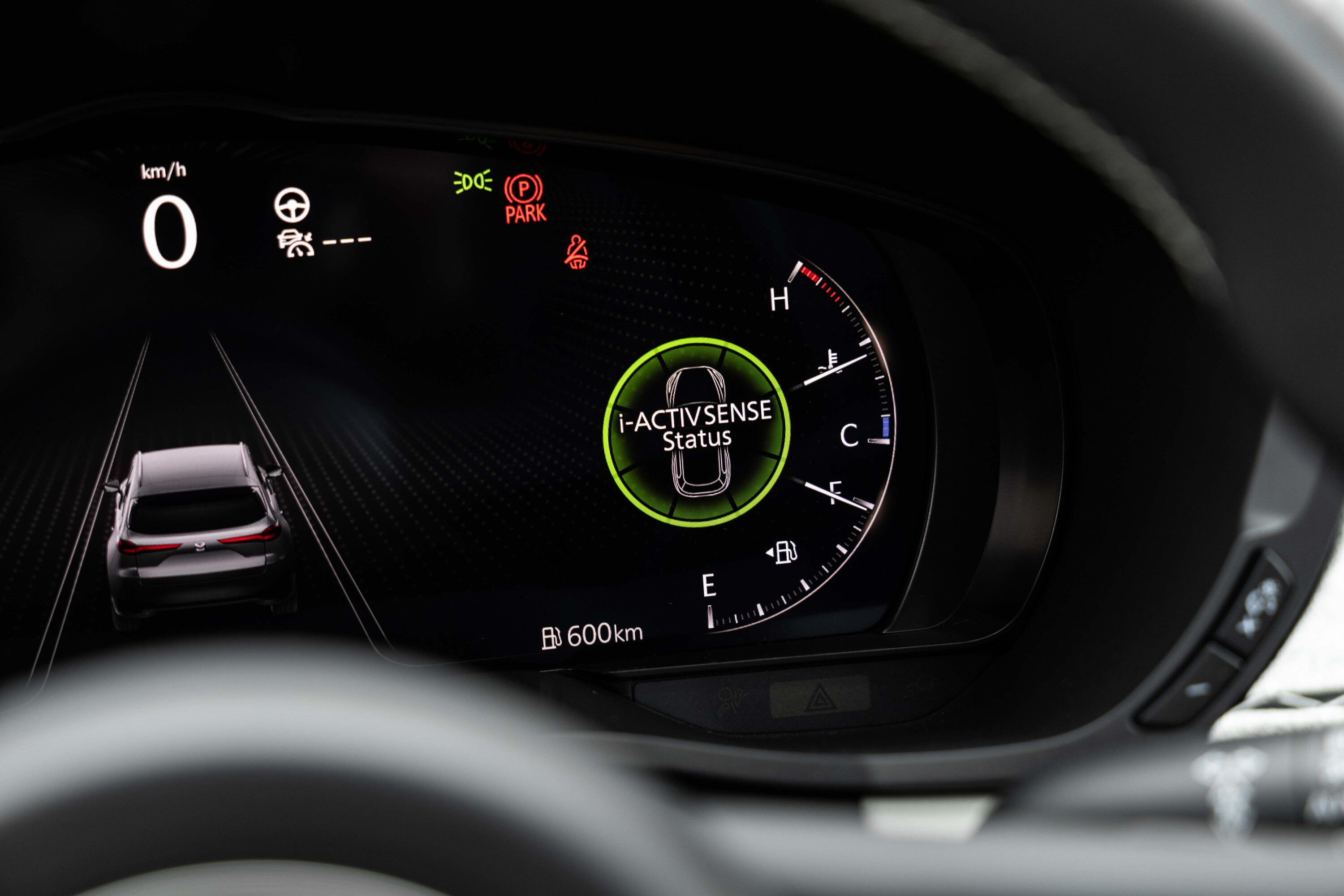
| Blind-spot alert | Driver monitoring camera |
| Rear cross-traffic alert | Multi-collision braking. |
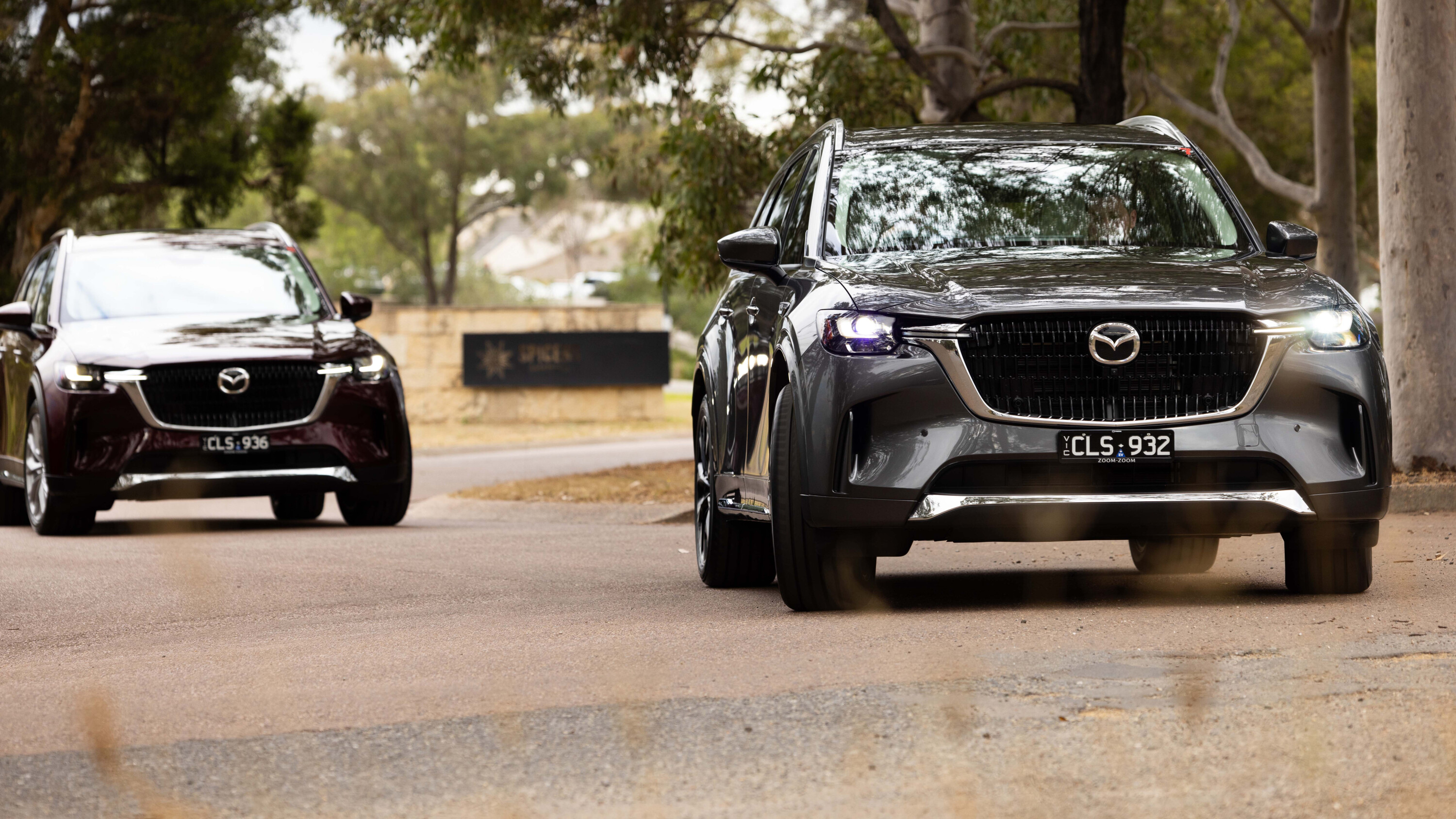
For comparison, the CX-9 is 25mm shorter and narrower, with 190mm less between the front and rear axles – but it is 2mm taller.
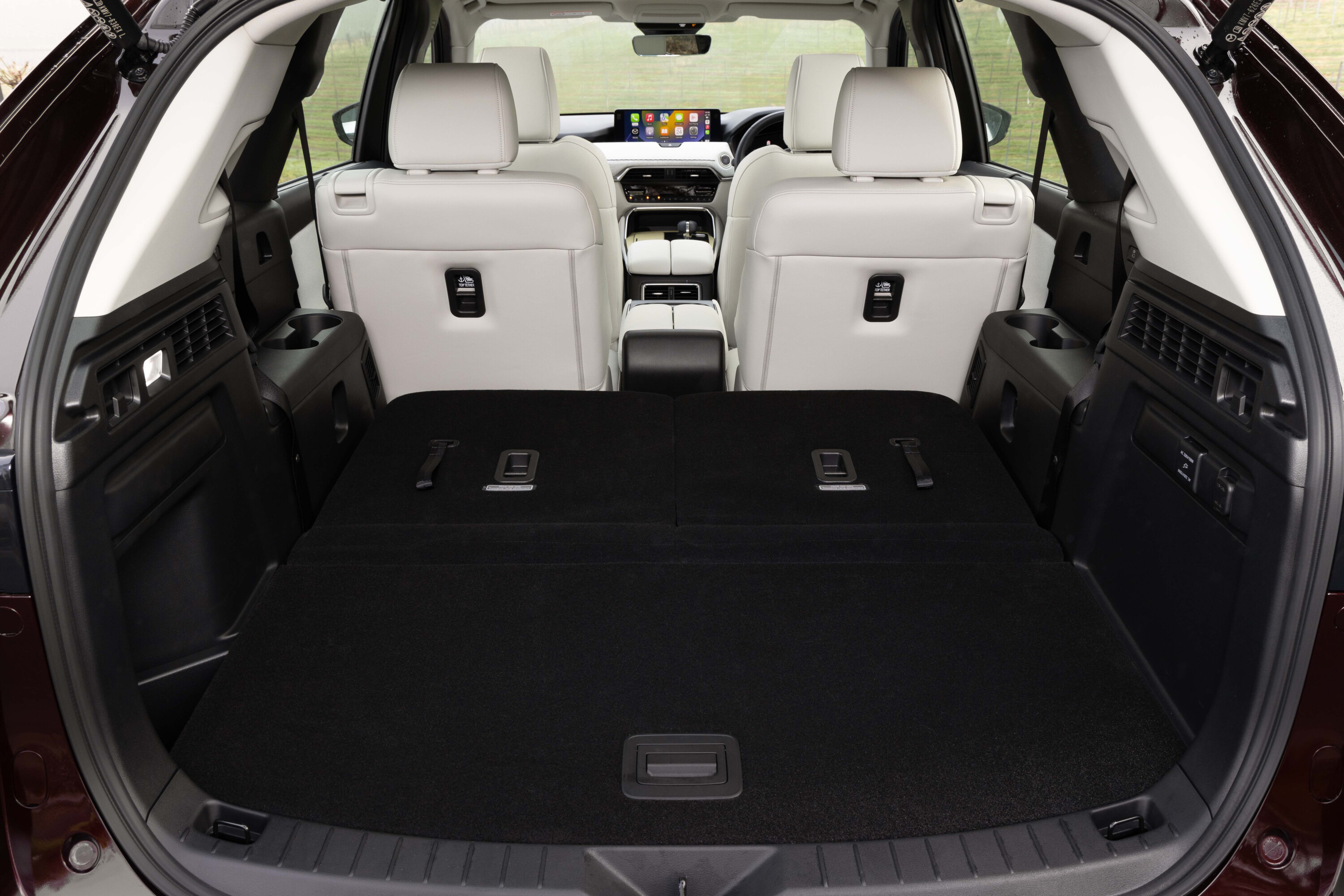
With the third row down, it has 1163 litres of space, while folding all but the front seats increases luggage capacity to 2025 litres – all up to the ceiling and including under-floor storage.
| Head and shoulder room comparison | CX-90 | CX-9 | |
|---|---|---|---|
| First row | Shoulder room | 1504mm | 1472mm |
| Head room | 1008mm (Touring) | 998mm (Sport, Touring) | |
| 1005mm (GT, Azami) | 1018mm (GT, GT SP, Azami) | ||
| Second row | Shoulder room | 1476mm | 1476mmu00a0 |
| Head room | 997mm (Touring) | 978mm | |
| 975mm (GT, Azami) | |||
| Third row | Shoulder room | 1353mm | 1350mm |
| Head room | 936mm (Touring) | 899mm | |
As per the wider Mazda range, the CX-90 is covered by the brand’s five-year, unlimited-kilometre factory warranty. It has a complimentary roadside assistance program over the same period.
The petrol CX-90 is expected to have a 12-month or 15,000-kilometre service interval, whichever occurs first, while the diesel is limited to 10,000 kilometres.
Mazda offers five years of capped-price servicing, but has yet to detail maintenance pricing for the CX-90 (or the related CX-60).
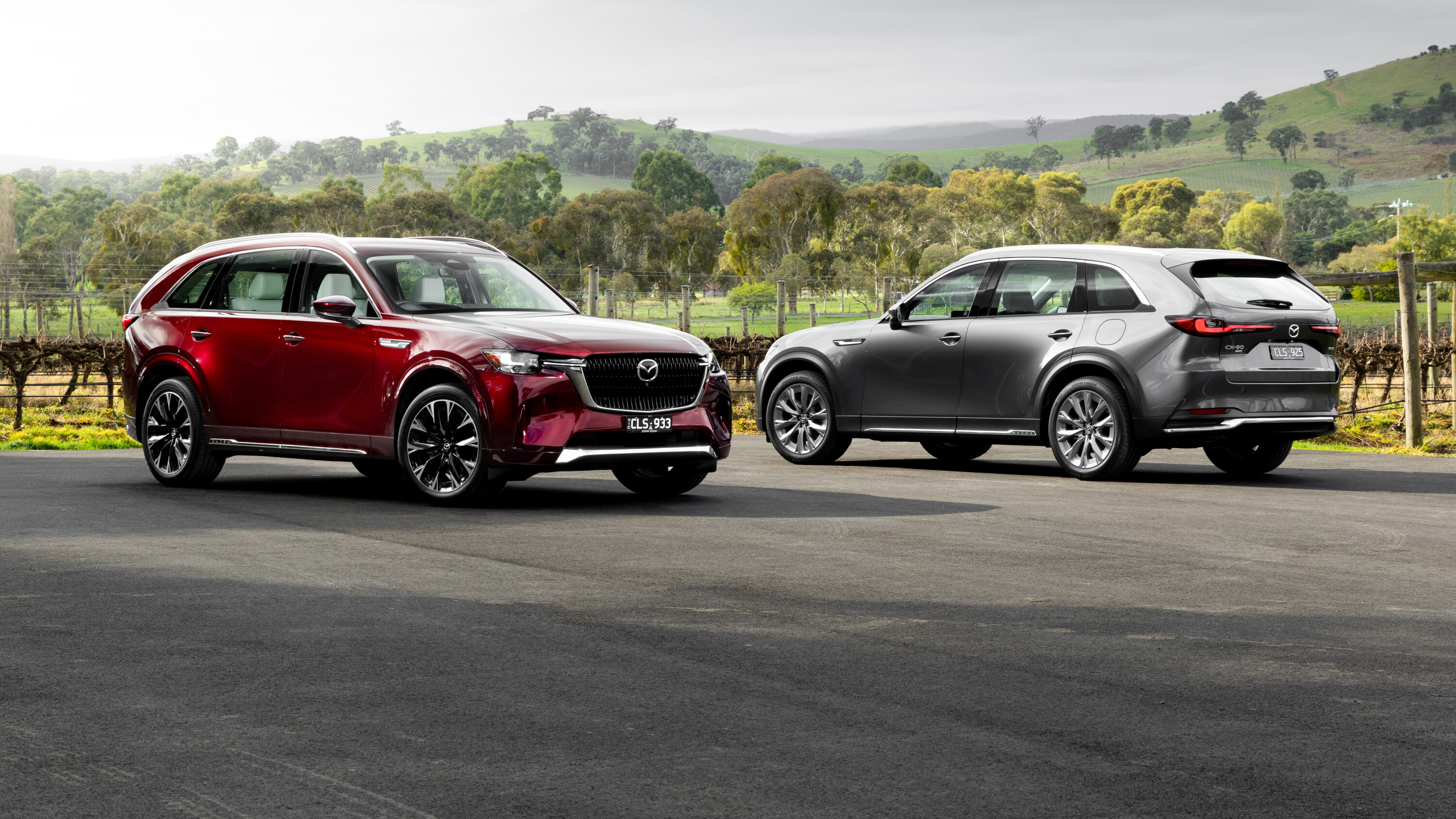
The 2023 Mazda CX-90 will arrive in Australia in the third quarter of this year, likely in August or September.
Mazda Australia has yet to confirm timing for the plug-in hybrid CX-90, but it is expected to follow in 2024.
“At the CX-90 confirmation, we did confirm the PHEV is a powertrain that will join the portfolio at some stage. We’re working with Mazda Corporation… at this stage, we won’t start with it, but it will join the portfolio,” said Mazda Australia’s managing director, Vinesh Bhindi.
But our first experience with the CX-60 – the first of Mazda’s all-new (and we mean “all new”) vehicles to utilise its freshly-minted longitudinally-engined Large Product platform – produced mixed emotions.
On the one hand, it rewards keen drivers through its powertrain and chassis talent, but a brittle ride and poor refinement means the rest of the driving population arguably won’t be as impressed.
And now, less than a month after the Australian launch of the CX-60, we have its bigger sister the CX-90 to consider.
Taking the same architecture as the -60 and stretching it longer and wider, the CX-90 is a hulking 5.1-metre long three-row family bus that makes the CX-60 look like a Mazda 3 and even puts the CX-9 (which is due to be retired soon) in its shadow.
Its pricing is just as imposing – at least, for regular Mazda customers – but the company is convinced the CX-90 offers value for money despite being its first model to breach the six-figure barrier since the FD RX-7.
There are three trim grades with two powertrain choices for each, with two high-feature option packages available on the top grade that bring a six-seat configuration with individual captain’s chairs in the second row instead of the standard seven-seat layout.
At the bottom of the range is the CX-90 Touring, priced at $73,800 with the G50e 3.3-litre six-cylinder petrol engine, or $75,800 for the D50e 3.3-litre diesel six-pot.
In the middle sits the CX-90 GT grade, which curiously has the petrol and diesel much closer in price at $84,555 and $84,800 respectively, while range-topping Azami spec flips the pricing logic and has the petrol priced above the diesel at $93,655 (opting for a diesel Azami will only cost you $92,540).
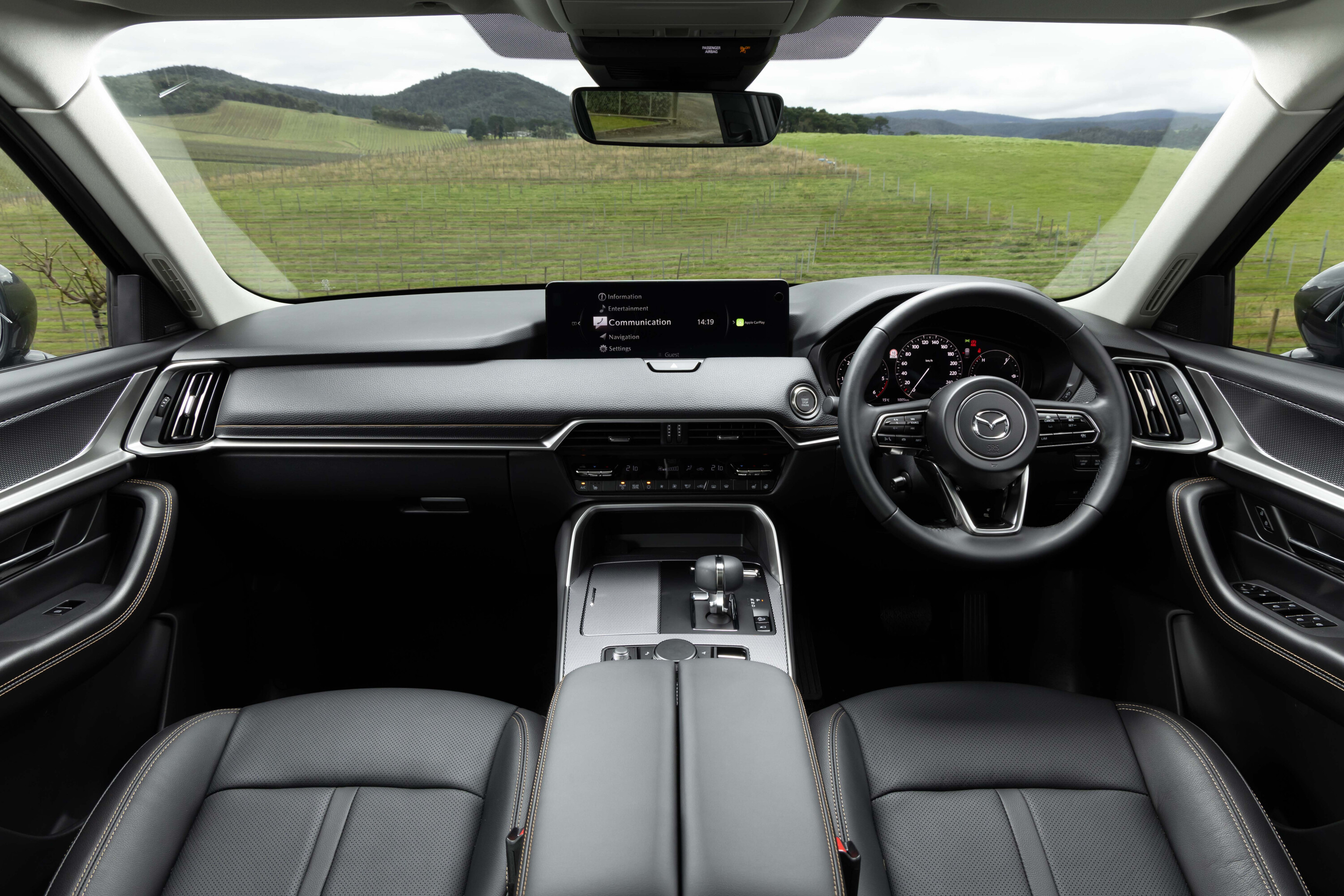
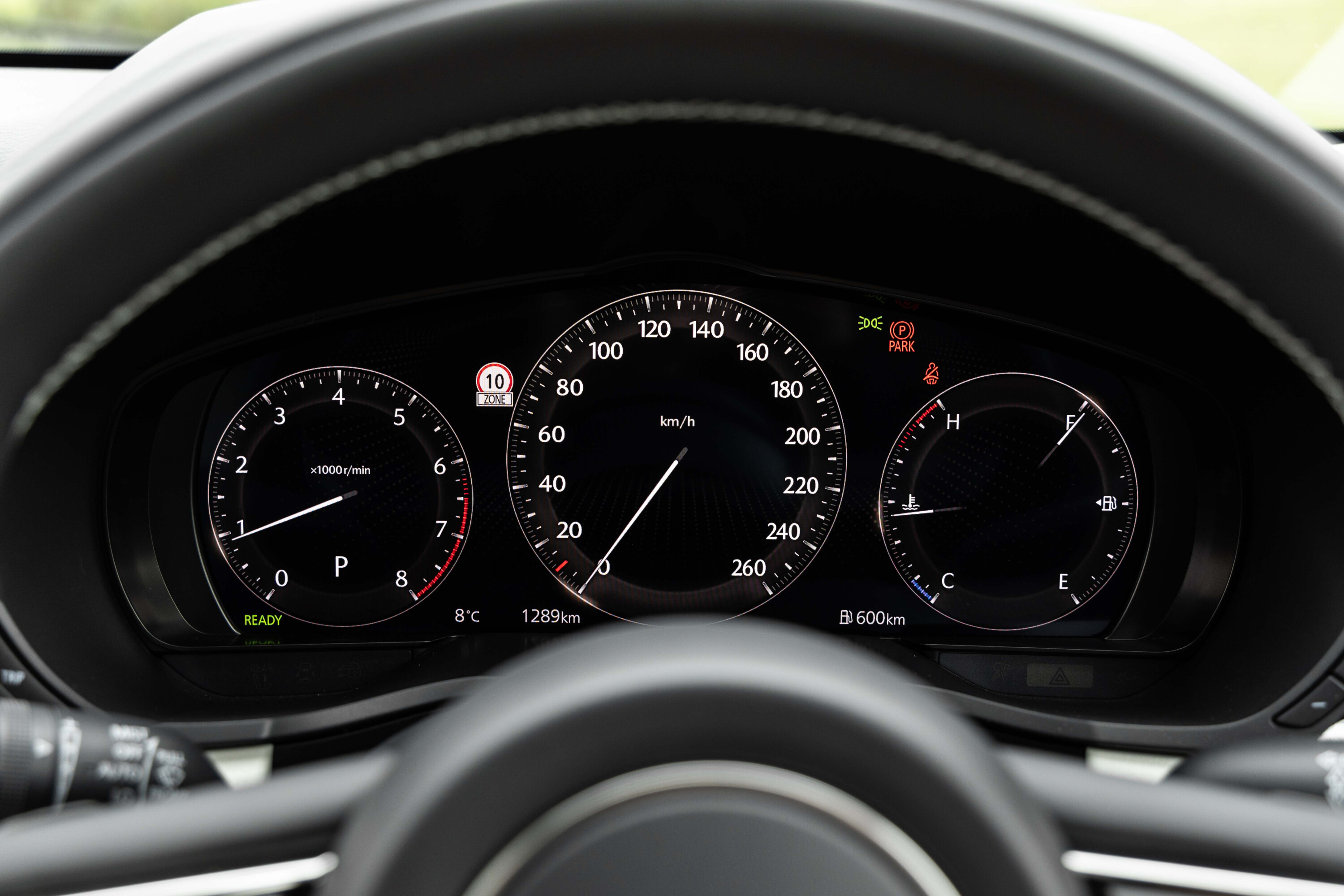
Standard equipment levels are healthy, though the base Touring’s 7-inch digi-dash lacks the visual appeal of the 12-3-inch instrument panel of the upper grades.
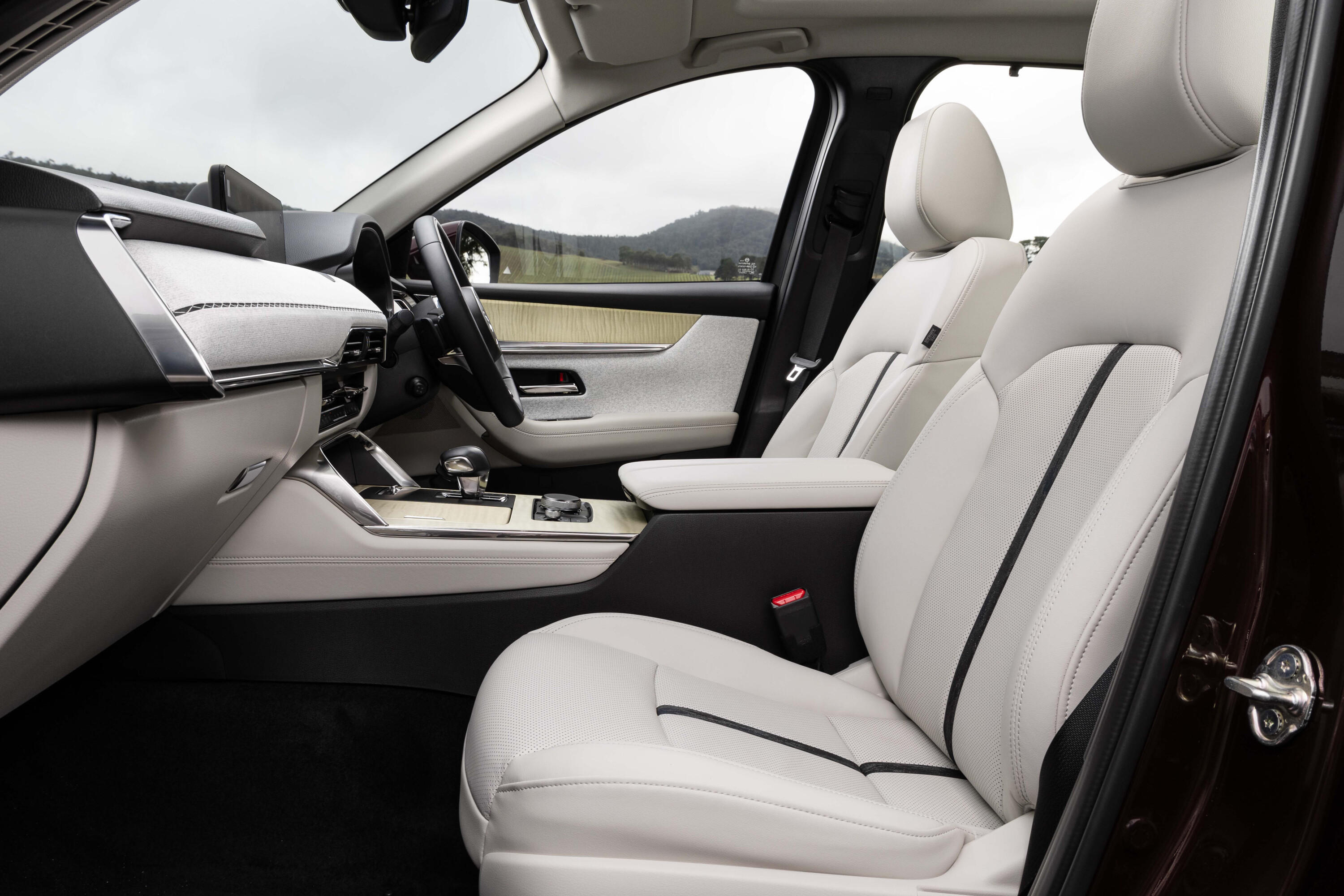
Azami buyers can also tick the box for one of two $6500 option packages – the SP Pack or Takumi Pack – which bring higher-grade interior finishes (white leather upholstery, Maple wood veneers and attractive “Kakenui” cloth trim for the Takumi Pack, tan nappa leather upholstery and a suede dash trim for the SP Pack) as well as the aforementioned six-seat config that gives the CX-90’s cabin a substantially more upmarket ambience. Doing so pushes the petrol CX-90 Azami’s retail price above the $100K mark.
Standard equipment levels are healthy, though the base Touring’s 7-inch digi-dash lacks the visual appeal of the 12.3-inch instrument panel of the upper grades.
You gain the ability to prod the display when using Android Auto or Apple CarPlay, but only when the car is stopped and in park
The Touring is also only equipped with a 10.25-inch infotainment display instead of the 12.3-incher of the GT and Azami, however no matter the size of screen occupants must contend with Mazda’s clunky infotainment UI, which forces the use of the console-mounted rotary controller despite having touchscreen functionality.
You gain the ability to prod the display when using Android Auto or Apple CarPlay, but only when the car is stopped and in park – and even then it occasionally refuses to recognise your fingertips. Frustrating.
| 2023 Mazda CX-90 standard features | |
|---|---|
| 10.25-inch infotainment screen on Touring, 12.3-inch screen on GT and Azami | Wireless phone charger |
| Integrated sat-nav | DAB+ radio tuner, 8-speaker audio (12-speaker BOSE on GT/Azami) |
| Head-up display | Wireless Android Auto and Apple Carplay |
| Front and rear parking sensors | Powered tailgate with hands-free activation |
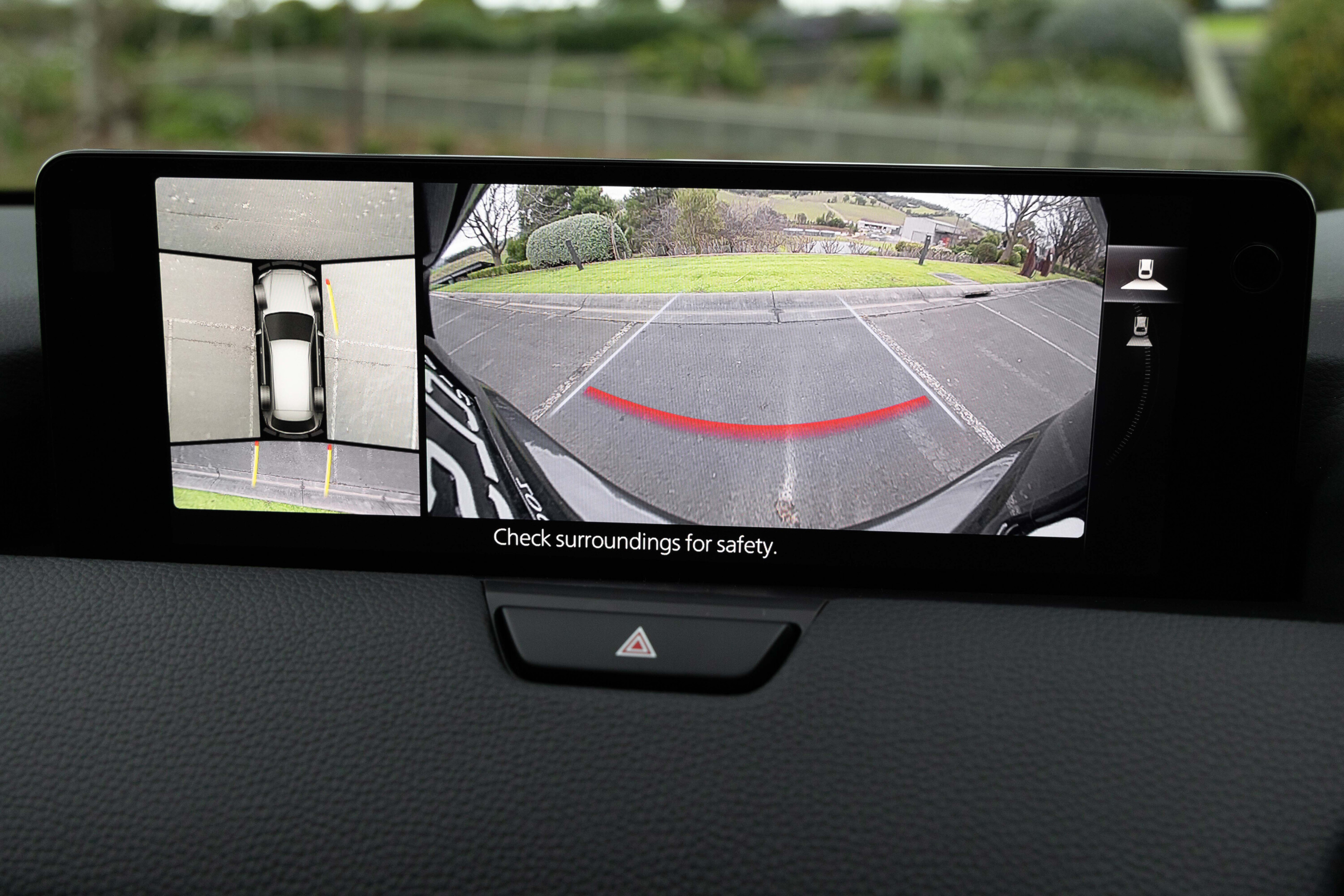
| 360-degree parking camera | Self-dimming rear view mirror |
| Leather upholstery | 19-inch alloy wheels on Touring, 21-inch alloys on GT/Azami |
| Heated and power-adjustable front seats | 6x USB-C charge ports (2x front, 4x rear) |
| Tri-zone climate control with rear zone controls in second row | 150W household power outlet |
| Retractable rear door sunshades | LED headlamps with auto high-beam |
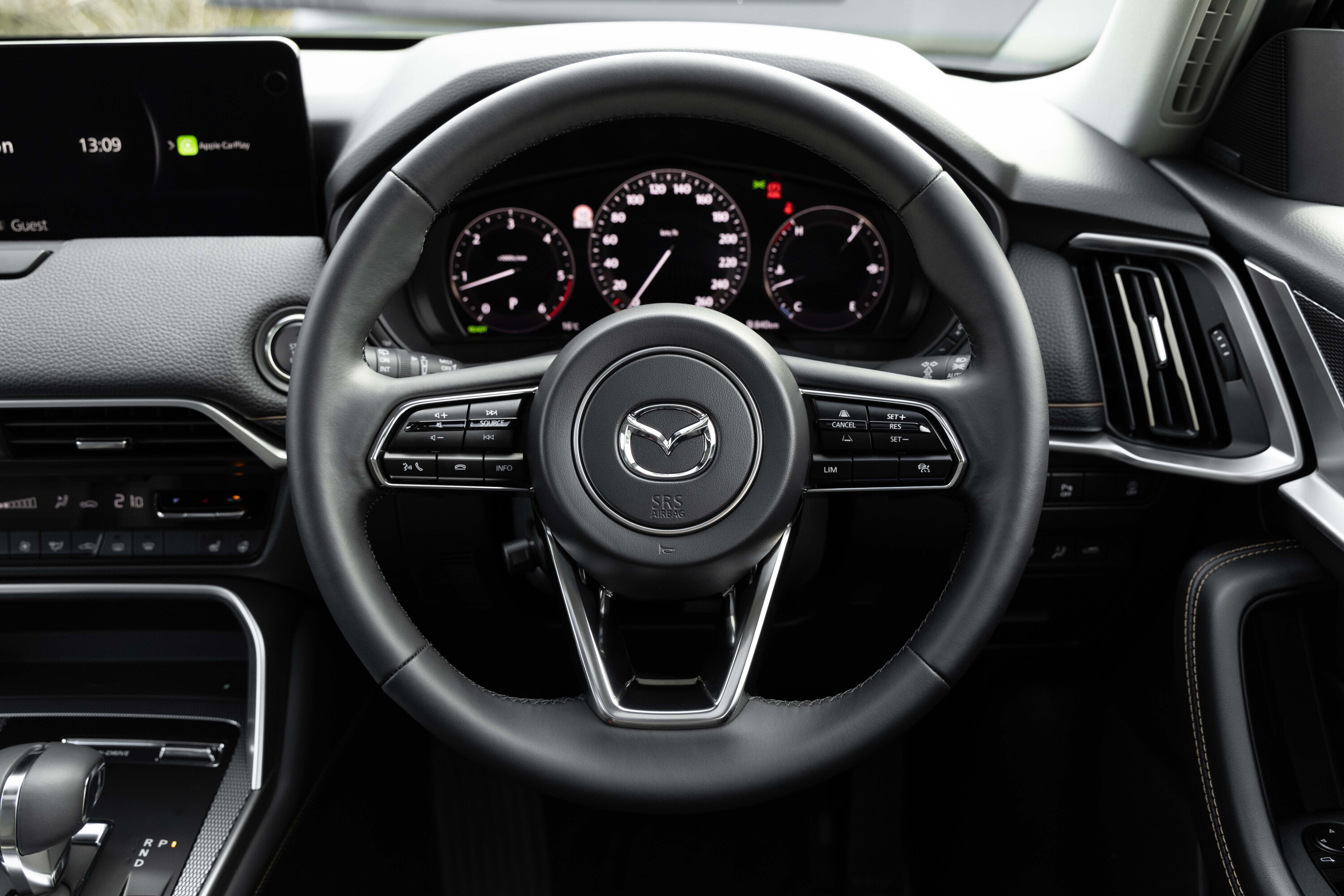
Good, because the CX-60’s cabin has a high-end presentation that’s worth emulating – especially so when paired with the finer upholstery and attractive trim of the expensive Takumi and SP packages. Bad, because the CX-90 is $14-20K more expensive than the CX-60 yet the view from the driver’s seat isn’t all that different.
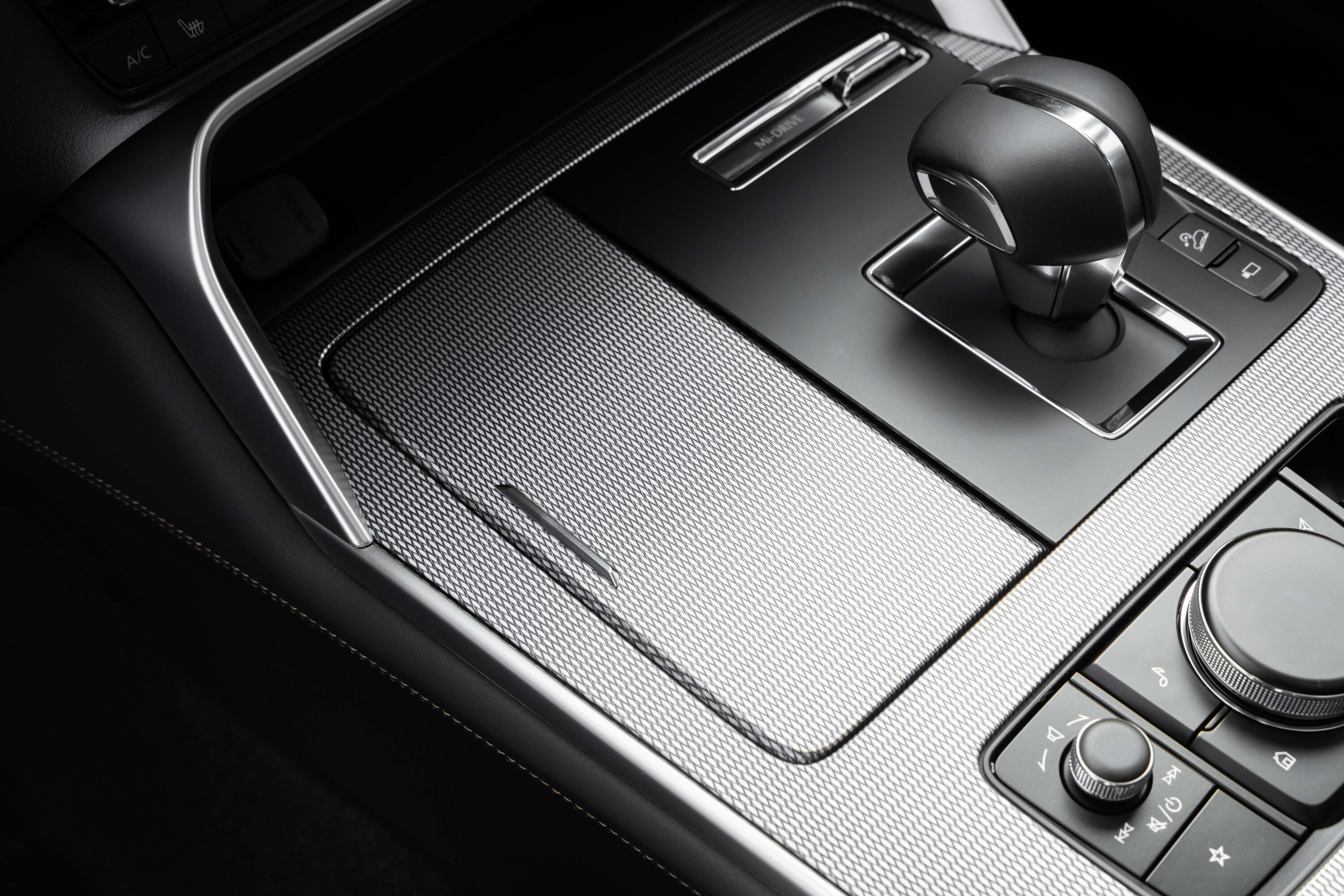
The CX-90 also inherits the same foibles of the CX-60 as a result, such as unpleasantly hard lower dash plastics, shallow storage bins, a digital dash that makes little use of its flexibility, and poor utilisation of the centre console’s substantial horizontal real estate.
While the CX-60 is strictly a two-row thing, the CX-90 boasts three commodious rows of seats that can swallow up to seven adults – not five adults and two kids, but seven full-grown humans – and still accommodate a couple of large suitcases behind them. This, then, is what you’re really paying for.
The second row has enough cabin width to take three adults across the bench, with identical shoulder room and legroom stats compared to the CX-9 (but 42mm less headroom). The individual second-row captain’s chairs of the Takumi and SP pack are a pleasing dash of luxe too, with comfy cushioning and a useful centre console armrest/storage unit fixed between them.
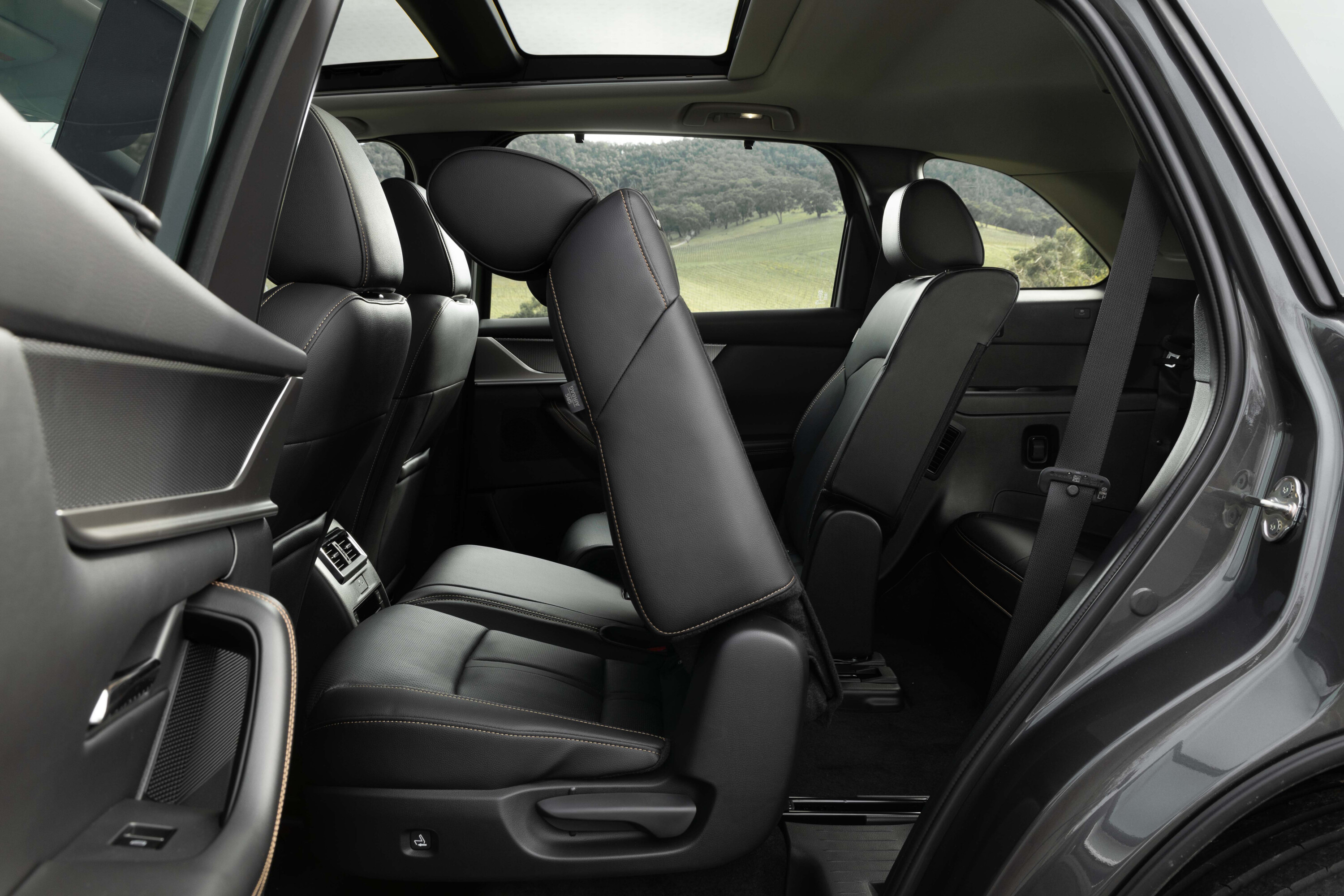
Unfurl each third-row seat by pulling on a strap, and a nicely-padded leather-bound chair is revealed. I’m not especially tall at 175cm, but sitting in the rear seat and clicking the second row backrest into position nevertheless affords me with enough airspace around my legs to be comfortable, and more sprawling room than what’s found in a CX-9.
My feet are naturally a little more crowded by the seat’s base, but sliding the second row a few centimetres forward vastly improves that situation without trimming too much comfort from your fellow passengers.
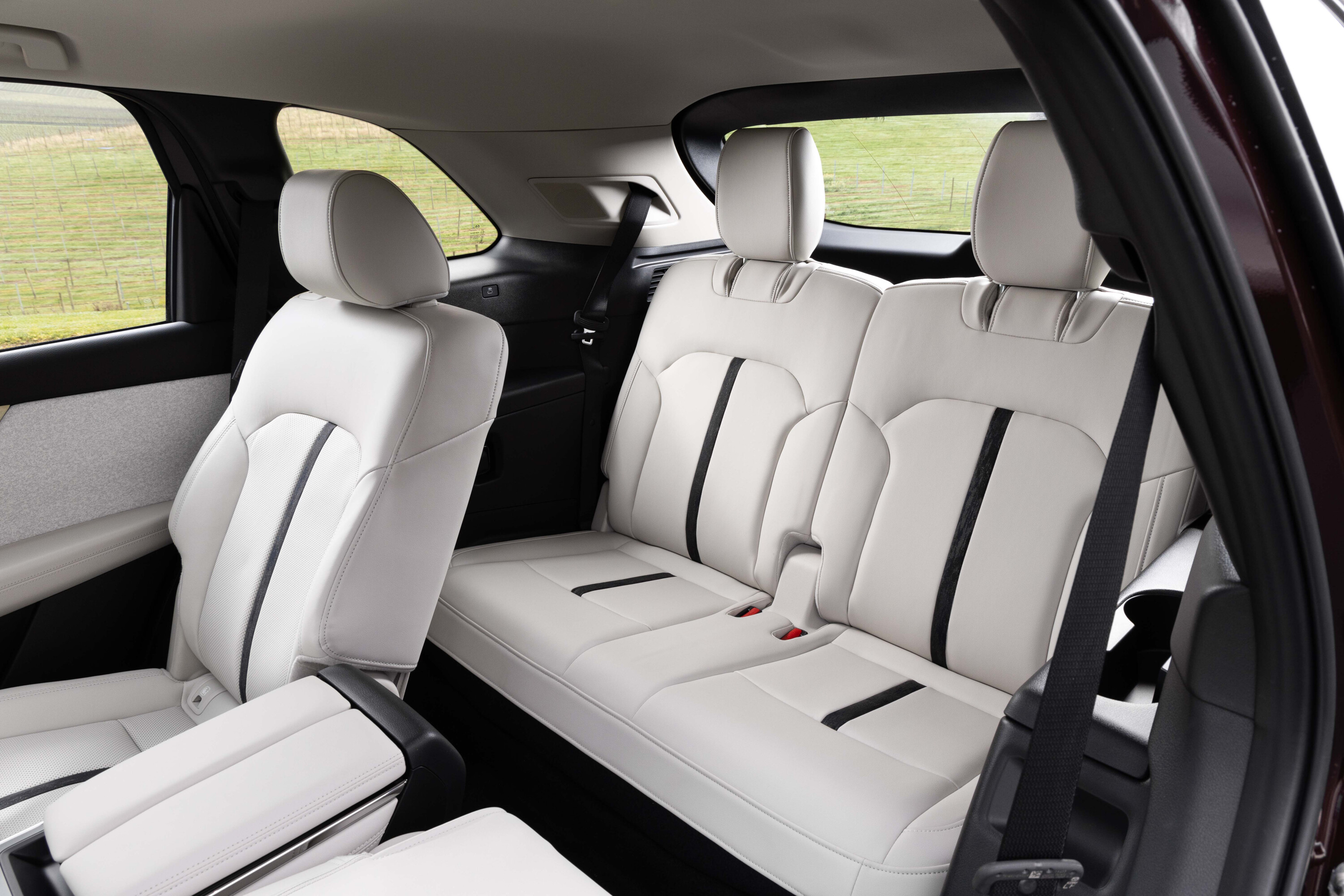
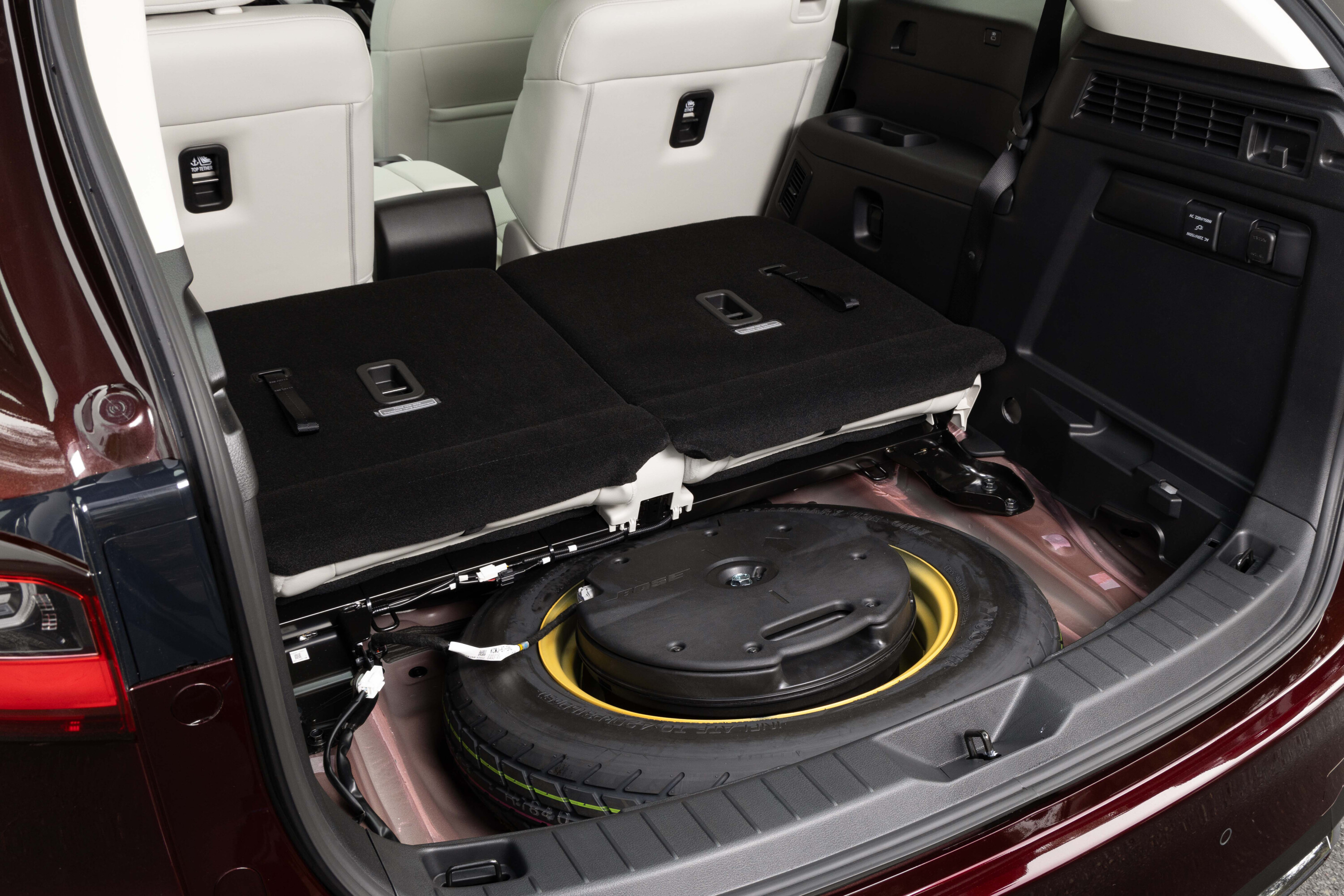
There are even USB-C power outlets, dedicated air vents and four(!) cupholders for those in the rearmost seats. It’s refreshing to see a family-sized SUV where the third row isn’t a penalty box.
When the third row is stowed the CX-90’s boot offers up a 608-litre load space that’s substantially wider and deeper than the CX-60’s 477L capacity, yet even with all seats raised the CX-90 still provides a 257L cargo capacity.
That’s 59 litres more than the CX-9 offers in the same configuration, and a difference that can be chalked up to the CX-90’s greater cabin length and rear overhang.
| Mazda’s family SUVs by size | |||||
|---|---|---|---|---|---|
| Model | CX-5 | CX-8 | CX-60 | CX-9 | CX-90 |
| Wheelbase | 2700mm | 2930mm | 2870mm | 2930mm | 3119mm |
| Length | 4550mm | 4900mm | 4740mm | 5075mm | 5120mm |
| Width | 1840mm | 1840mm | 1890mm | 1969mm | 1994mm |
| Height | 1660mm | 1730mm | 1670mm | 1747mm | 1745mm |
| Boot (5 seats up) | 438L | 775L | 477L | 810L | 1155L |
| Boot (7 seats up) | 5 seats only | 209L | 5 seats only | 230L | 451L |
Alas, the execution falls short. Like the CX-60, the CX-90 suffers from ride quality qualms, excessive sound intrusion from its mechanicals, and a transmission that could use a trip to finishing school.
When judged in isolation it’s by no means awful, but at this lofty price bracket it’s not unreasonable to expect better. After all, for the vast majority of buyers the concept of “premium” isn’t tied to which direction the crankshaft points.
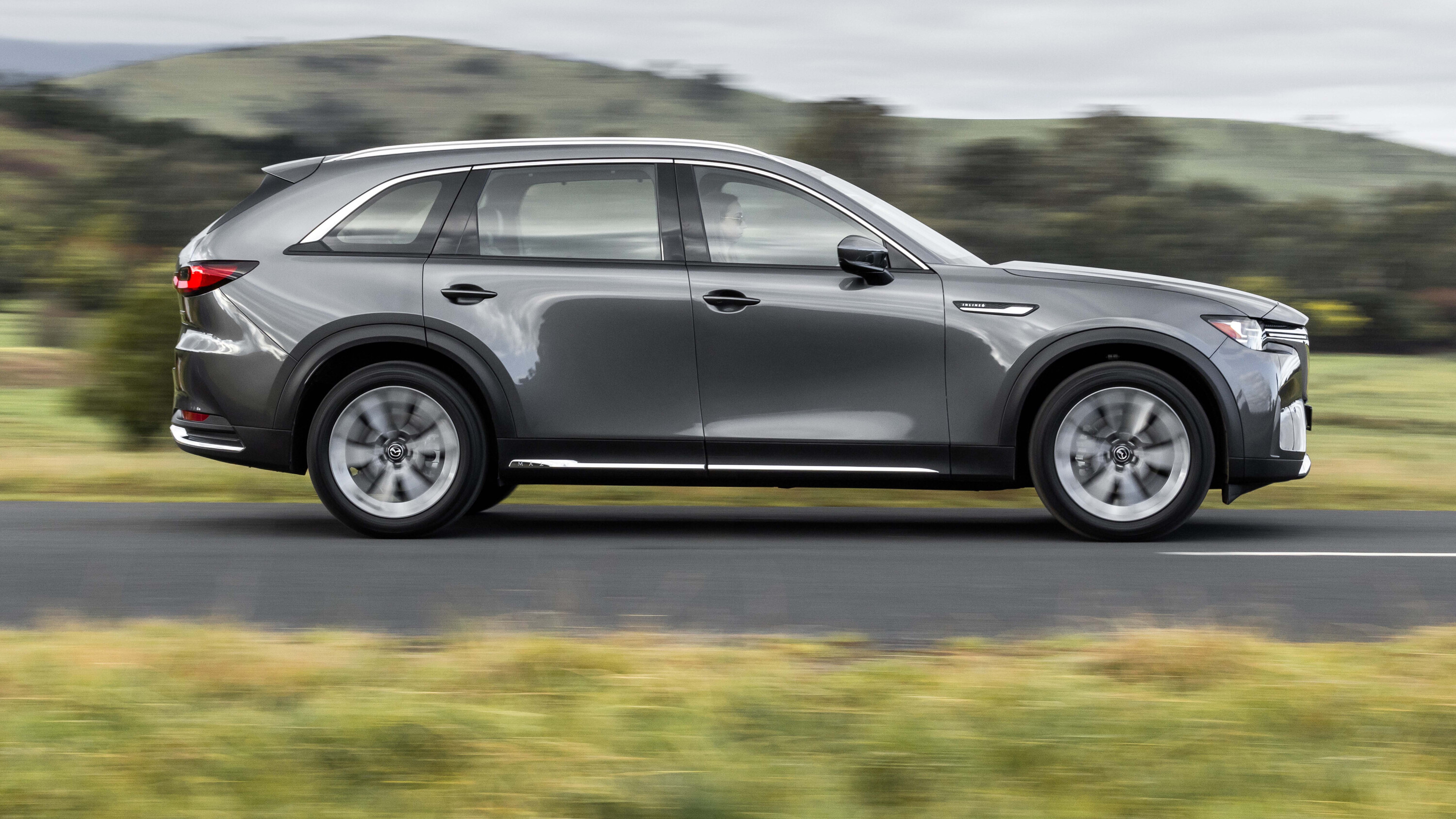
The suspension does its best to contain that heft and dynamically the CX-90 steers rather well, but hitting a big compression puts more energy into the undercarriage than the suspension can handle, often making the body pogo for a couple of cycles rather than smoothly dissipating that energy through a single rebound stroke.
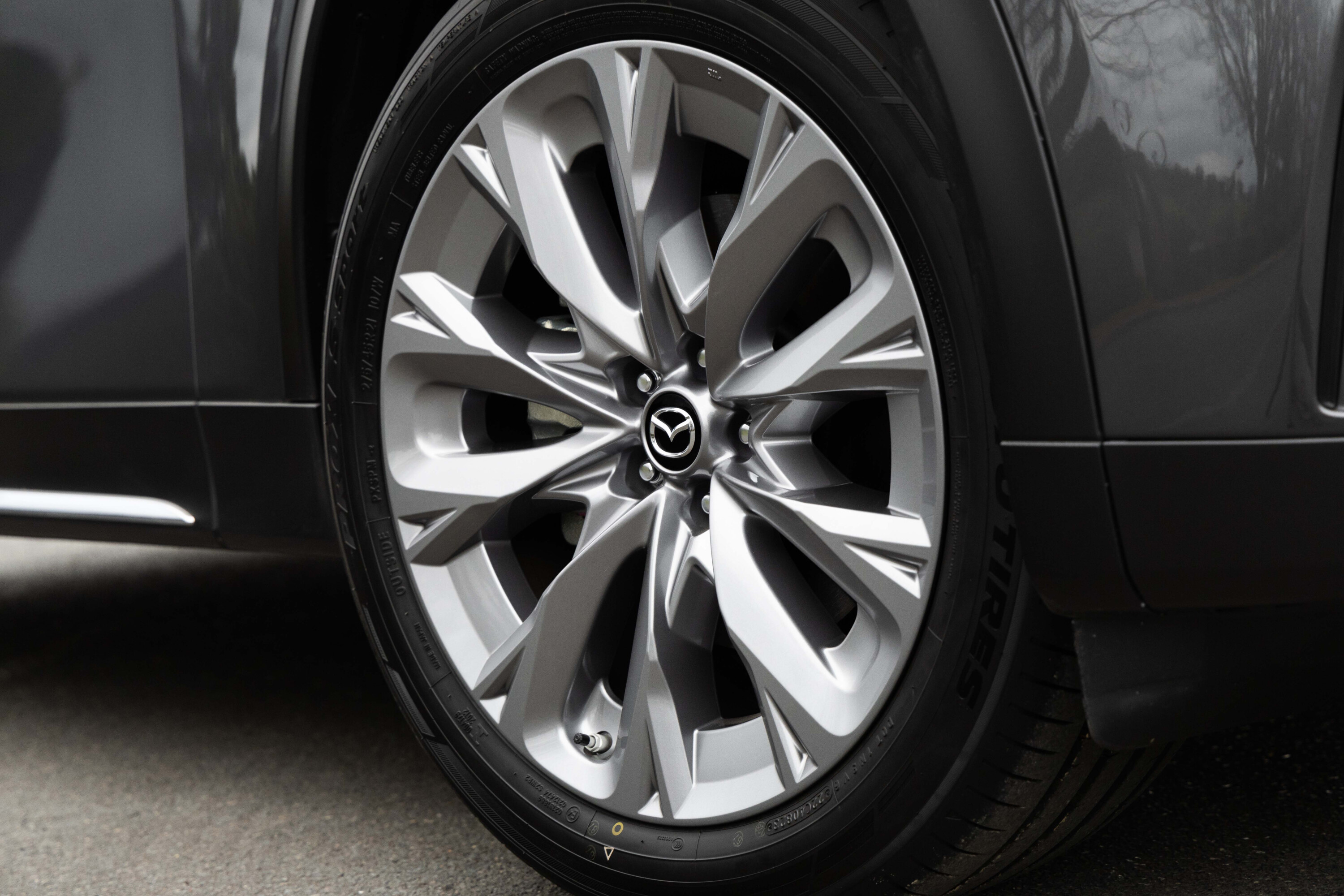
If you had the impression that the suspension is simply too soft from that sentence, then you’d be wrong: on smaller-amplitude bumps, the CX-90 transmits too much into the cabin rather than just steamrolling over the small stuff – which is what you’d expect a 2250kg SUV on 21-inch wheels to do.
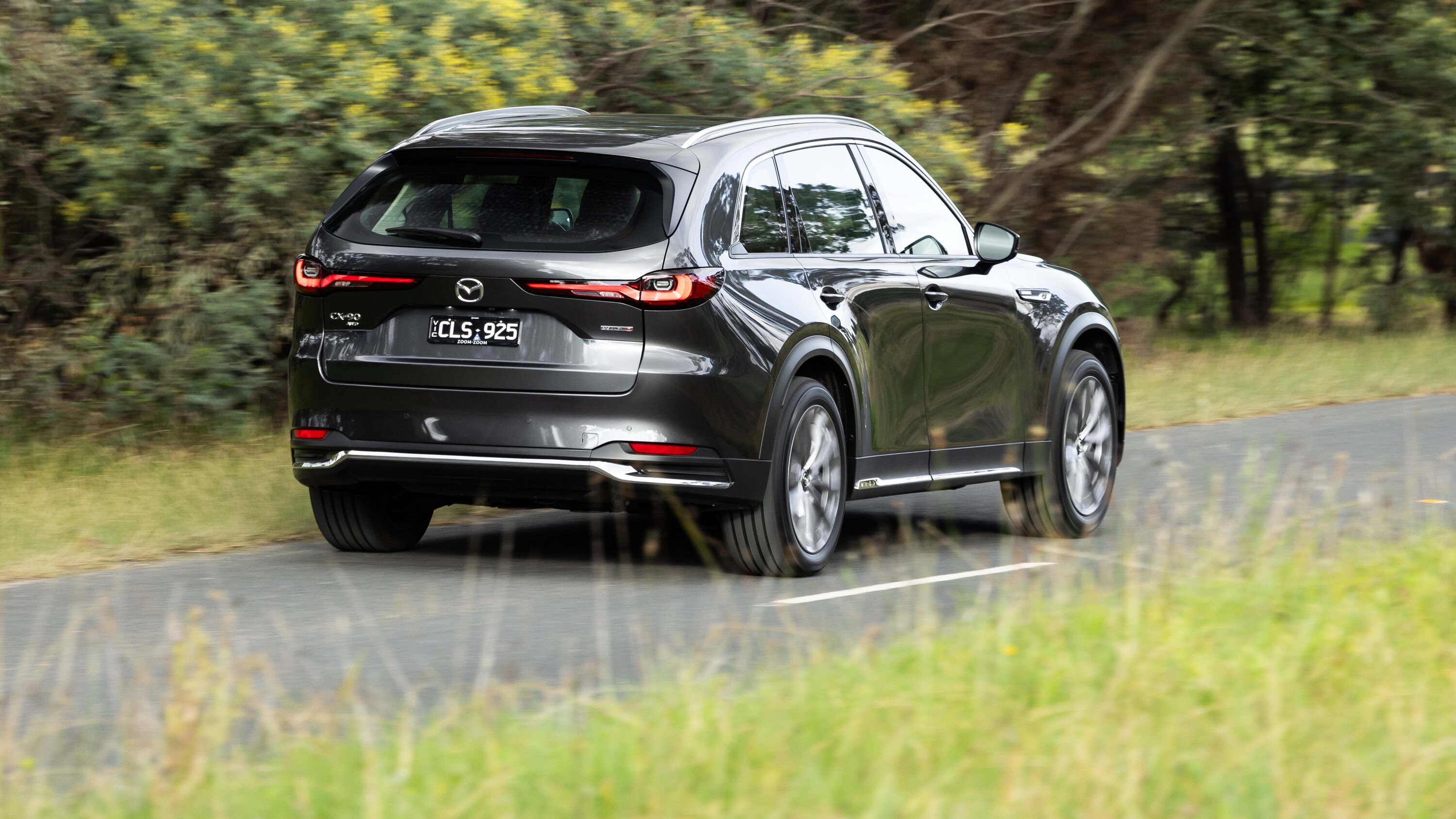
Note: we didn’t get the opportunity to drive on the base model Touring’s standard 19-inch wheels and its taller-sidewall rubber, only the bigger 21’s of the GT and Azami.
And then there’s the prominent gearbox whine when accelerating, as well as shift harshness that appears when doing light-throttle, light-brake transitions in low-speed traffic crawls. The eight-speed transmission is another in-house Mazda creation and it works great when driven hard, but again it’s the ordinary day-to-day conditions that reveal its rough edges.
Which is truly a shame, because the core engineering appears to be really good – it’s just the tuning that lets it down.
The suspension does its best to contain the heft, and dynamically the CX-90 steers rather well
There’s the sense that there wasn’t enough time to polish the calibration before production specs had to be locked-in, which sucks because those downsides overshadow the positives – namely the lovely interior and exceptionally smooth 3.3-litre petrol and diesel inline-sixes.
Speaking of which, the diesel is a peach. Making 187kW and 550Nm, the latter available from as low as 1500rpm, the diesel presents as an ideal long-distance cruiser. It’s just a pity that its tow rating is just 2000kg rather than the petrol’s 2500kg, thanks to a less capable cooling package.
It’s just a shame that the car’s weight soaks up most of that mumbo, leaving performance that’s definitely swift… but not any more scintillating than what you find in the CX-60.
It’s also worth noting that the petrol needs to be fuelled with 95RON premium unleaded, though that’s the norm for modern turbo petrol engines.
Both six-cylinder engines are mild hybrids, with the ability to coast with the engine-off and (barely) sustain their forward momentum using their electric motor/generator.
A proper hybrid would help slake thirst further, but one isn’t available at launch – it’s coming next year in the form of the CX-90 plug-in hybrid with a 241kW/500Nm 2.5-litre non-turbo petrol/electric setup.
However its standard safety equipment includes a suite of 10 airbags (including curtain bags that cover the third row), frontal collision warning, AEB with pedestrian/cyclist detection and reversing mode, blind spot monitoring, driver fatigue monitoring, lane-keep assist, frontal and rear cross traffic alert, front and rear parking sensors and a 360-degree camera view.
That’s no huge surprise given how much they share under the skin, but for buyers prepared to spend big money on a Mazda SUV and are cross-shopping the CX-60 and the CX-90, the absence of substantial differentiation – both visual and otherwise – may be a turn-off. In that scenario, the third-row and capacious boot are the only true value-adds.
As Mazda’s flagship model – and one that commands a six-figure asking price – it’s not unreasonable to demand excellence, however the CX-90 stops short of that mark.
Its problems aren’t unsolvable, mind you, but there’s a nagging sense that the CX-90 was pulled out of the oven before it was completely ready.
| Mazda CX-90 G50e Azami w/Takumi package (LHD) | |
|---|---|
| Price | $100,185 + on-road costs |
| DRIVETRAIN | |
| Engine | inline 6-cyl, 3.3-litre, dohc turbo-petrol |
| Layout | front engine, longitudinal, AWD |
| Power | 254kW @ 5000-6000rpm |
| Torque | 500Nm @ 2000-4500rpm |
| Transmission | 8-speed automatic with wet clutch |
| CHASSIS | |
| L/W/H/Wu2013B | 5120/1994/1745/3119mm |
| Track (F/R) | 1704/1707mm |
| Weight (claimed USA) | 2222kg |
| Boot (SAE) | 451/1155/2130L |
| Fuel/tank | 95 RON / 74L |
| Economy (combined ADR 81/02) | 8.2L/100km |
| Suspension | Front: double wishbone Rear: multi-link independent |
| Steering | rack-assisted electric power steering 3.25 turns lock to lock |
| Front brakes | 347mm ventilated rotors |
| Rear brakes | 350mm ventilated rotors |
| Tyres | Yokohama Advan V105 |
| Tyre size | 275/45R21 |
| SAFETY | |
| ANCAP rating | not yet tested |
| 0-100km/h (claimed) | 6.9 seconds |
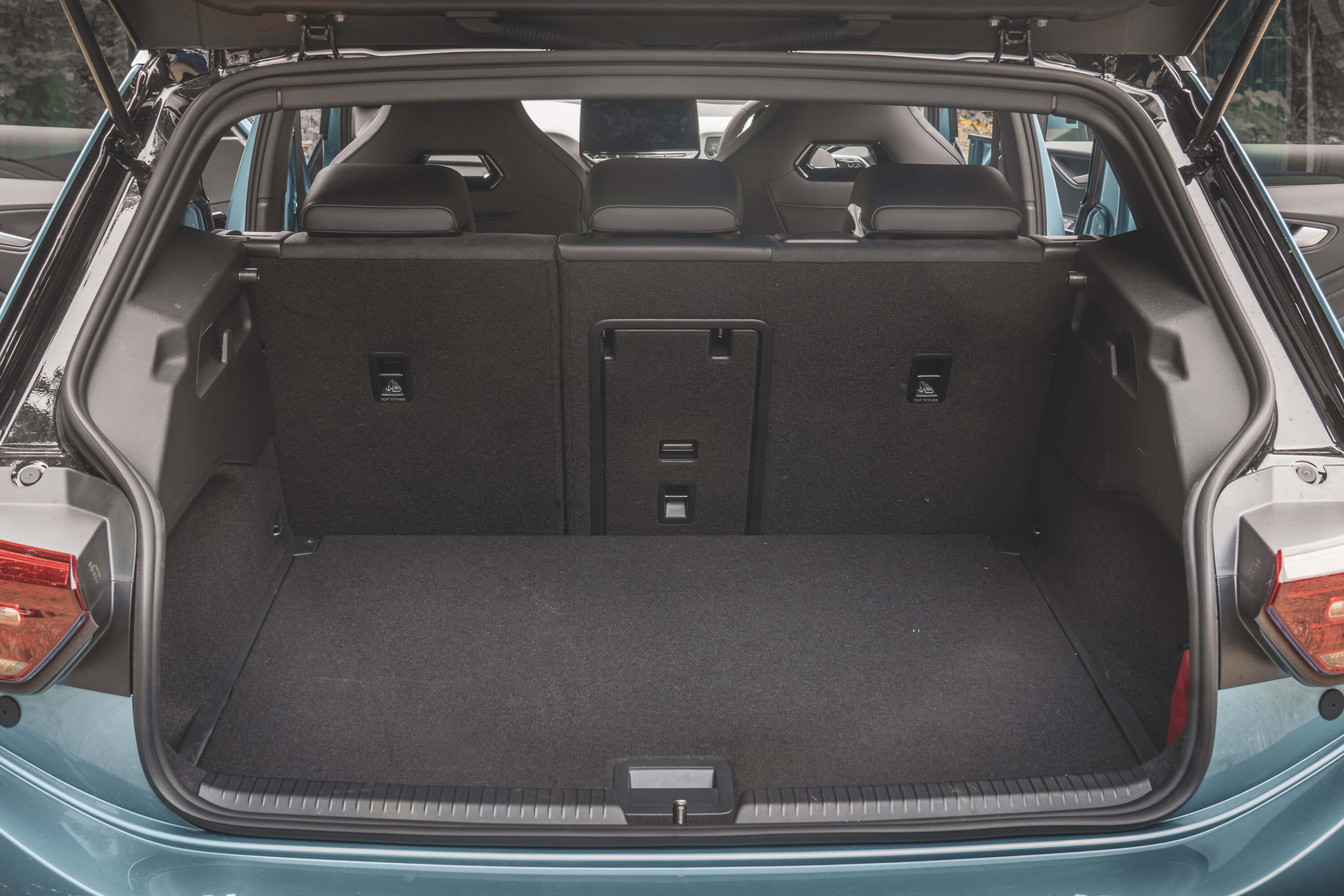
Hailed as the German brand’s most crucial car since the Beetle or Golf, initial response to the ID.3 was a little subdued and the end product could not quite live up to its blockbuster billing.
The Golf has always dished out a fine mix of pragmatism, class and character but the ID.3 arrived with a leaner portion of each.
It was a long way from a bad car – it just lacked both the ergonomic prowess and honed dynamics that usually bubble right at the surface of many VW products. All of which means the car’s mid-life facelift has been brought forward, ensuring the first ID.3s on these shores will be updated versions.
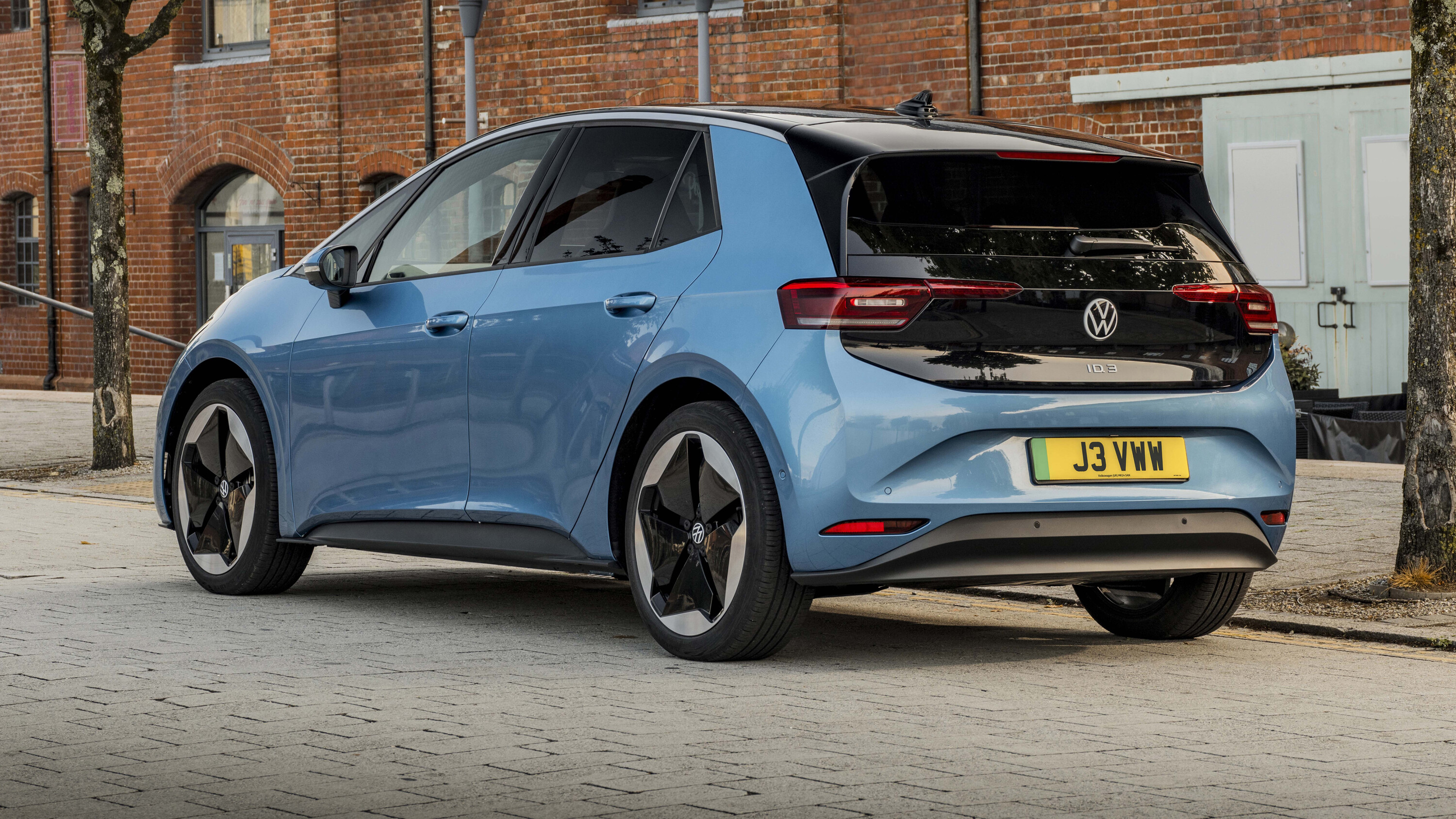
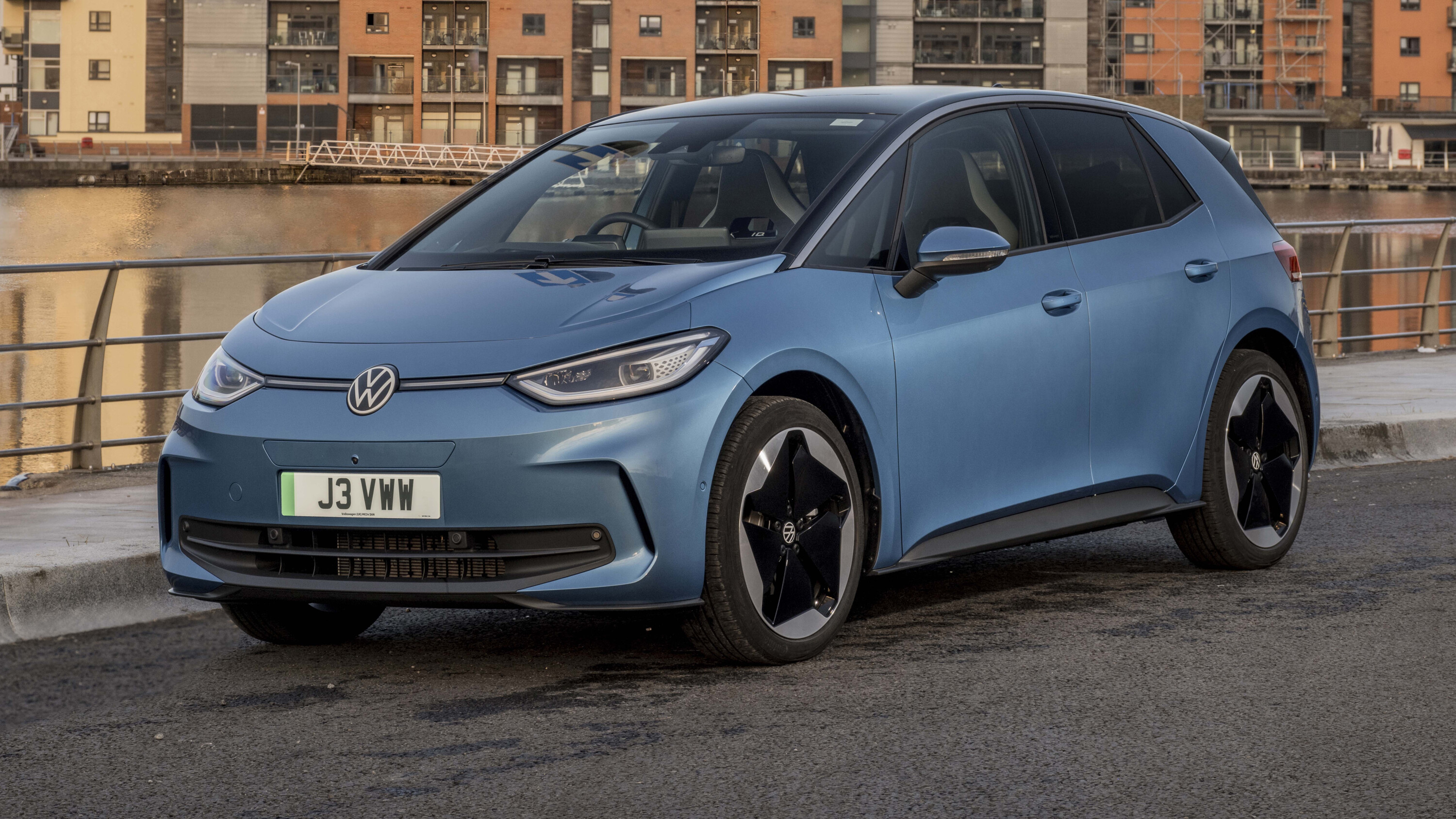
The bonnet is now flush and wholly body coloured, to give the ID.3 visual proportions that better resemble an ICE hatchback, while inside there’s been an overhaul of major touchpoints to increase the plushness of their materials – and thus perceived quality as a whole.
Inside, that controversial 10-inch touchscreen – and the sheer number of physical buttons it subsumed – remains but has been updated with a bunch of shortcuts to make its operation less convoluted.
The powertrain is untouched, with a rear-mounted motor offering 150kW and 310Nm. It’s allied to either 58kWh or 77kWh batteries for respective 428km and 559km range figures on the WLTP combined cycle. Charging capacity tops out at 170kW with an 80 per cent top-up possible in 30 minutes.
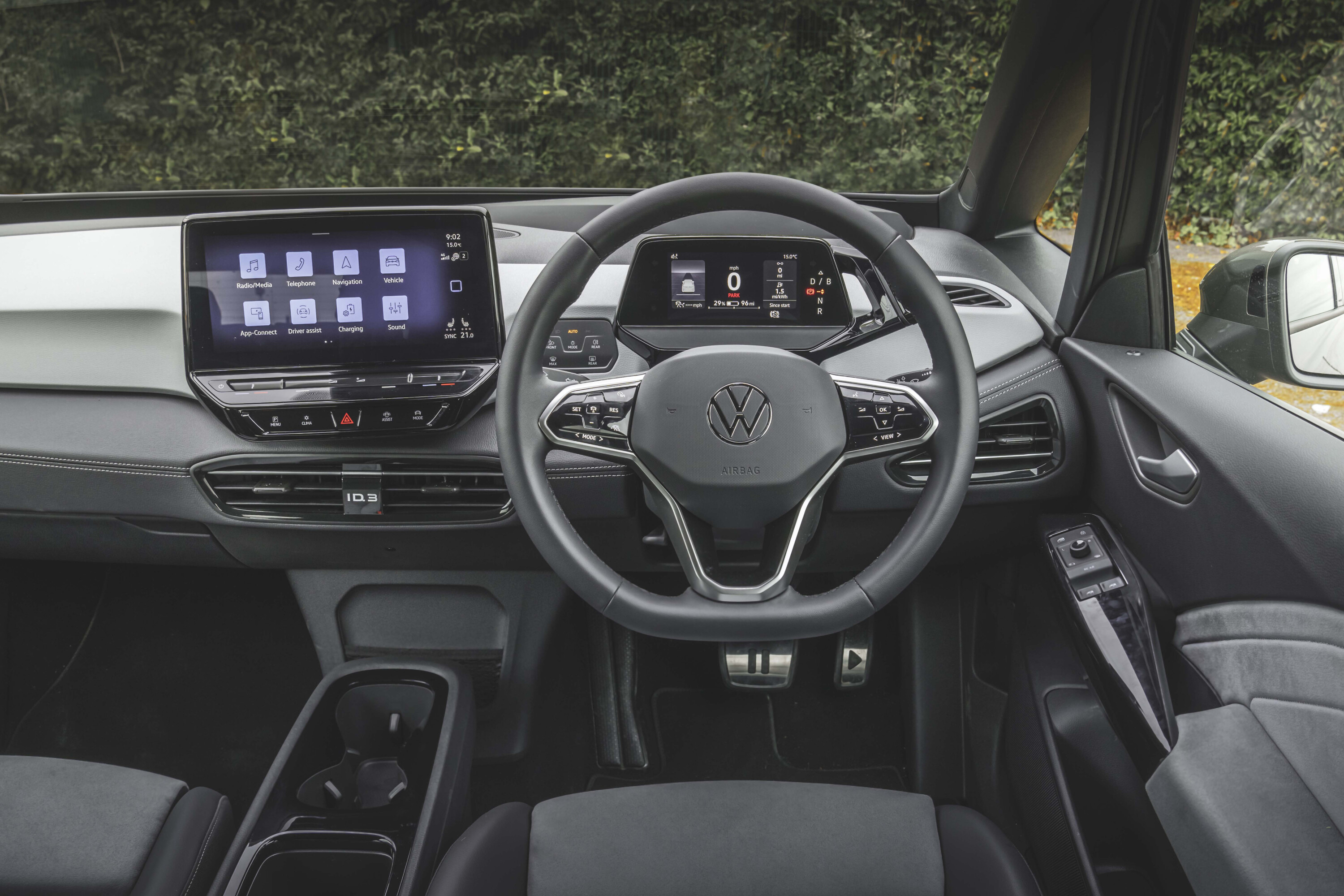
Electric Volkswagens will be ‘here in a big way’, we’re promised, and while the ID.3 range isn’t especially diverse right now, an ID.3 GTX hot hatch ought to be at the top of the price list by the time the car enters dealerships here.
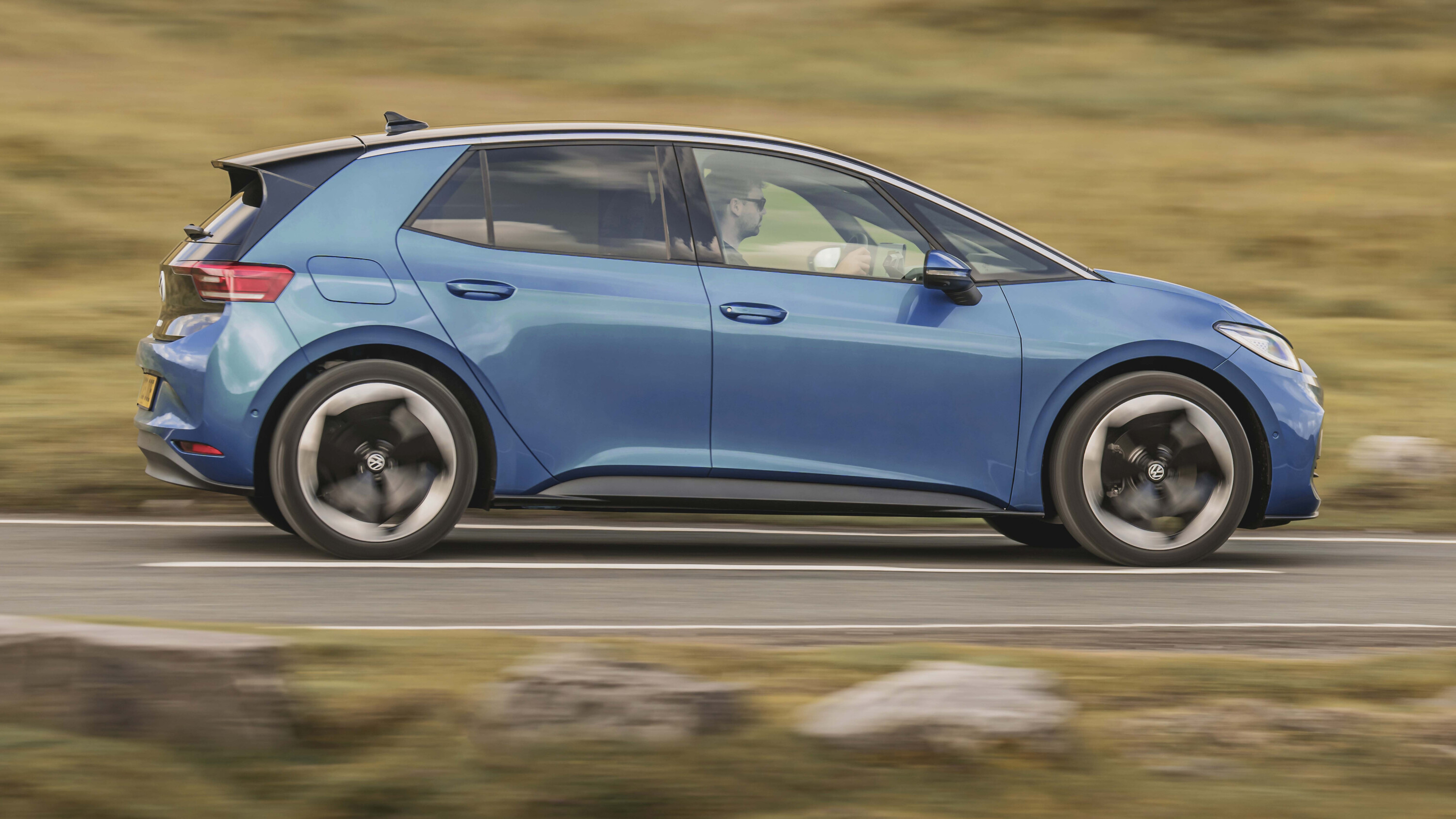
It’s brisk enough at all speeds, majoring on usability rather than a headline 0-100km/h time (VW claims 7.9 seconds) with a chassis to match.
Look hard enough on a wet road and you’ll be able to identify – and perhaps exploit – its rear-wheel-drive layout, but this is no wild entertainer. Tidy, predictable responses are the order of the day. The ride is broadly very good, even on stocky 20-inch wheels, with adaptive suspension on the options list offering 15 stages of damping. You’ll likely just leave it right in the middle setting…
You can’t cycle through numerous levels like in many of the ID.3’s rivals, nor can you indulge in one-pedal driving. For those new to EVs who wish to be eased in, this might appeal; here’s a car that drives closer to a regular automatic ICE can than its myriad contemporaries.
But that also means it does without some of the wonderful new perks the electric age has brought with it. There’s an argument that the ID.3 has been played too safely, even by VW standards.
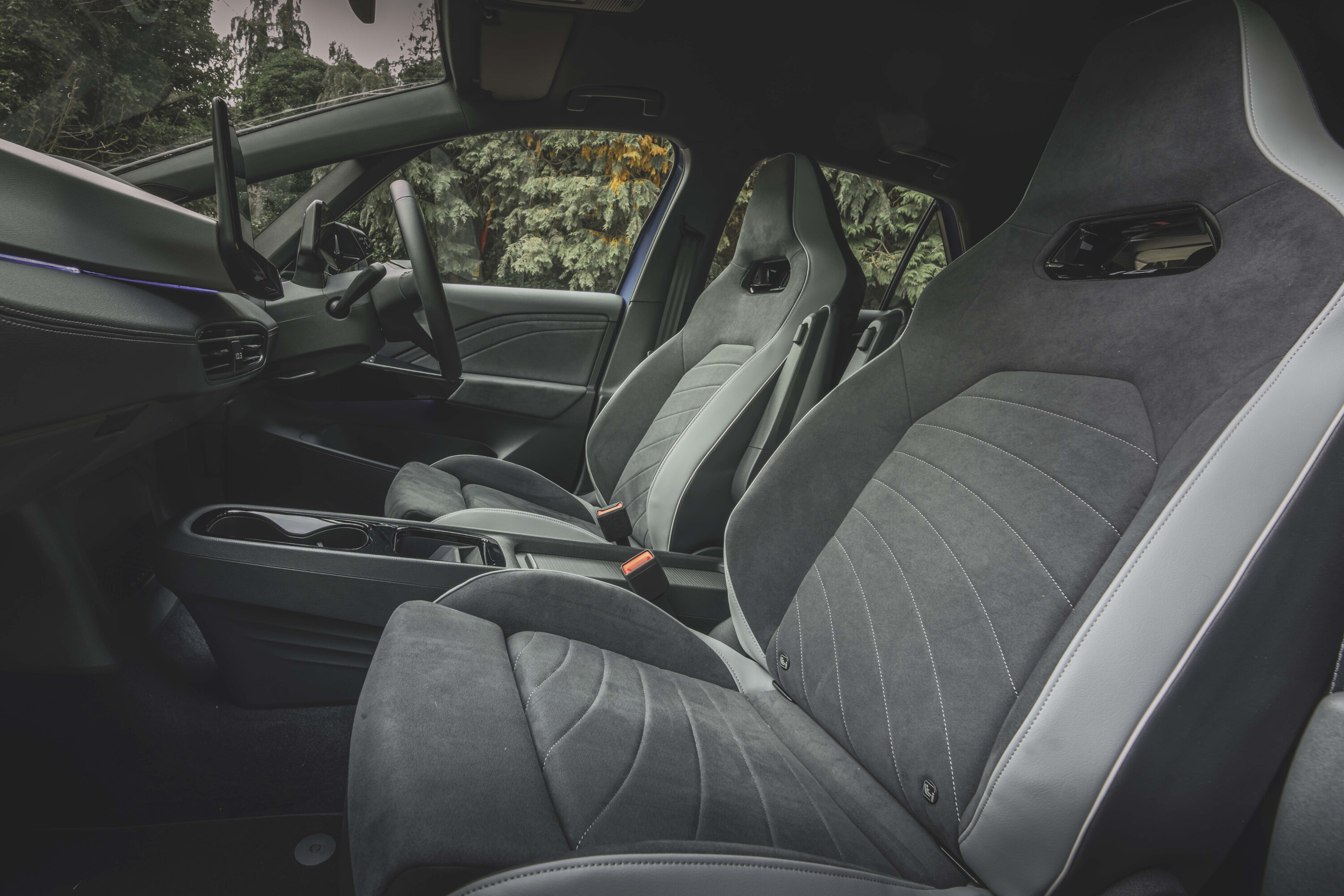
Improvements to the interior are pretty tangible, though, and it’s a comfy and quiet place to be. This level of refinement is usually the preserve of pricier, more luxurious cars. That said, our test car was nudging the UK equivalent of $100,000 with a few choice extras, and the cabin still didn’t drop our jaw.
An MG 4 fulfils the same role at a much cheaper price, while the Cupra Born mirrors the ID.3’s strengths and doesn’t come with a year or more’s wait.
The clean-cut design and minimalist interior layout give this car more the feel of an Apple product than a mere hatchback. That might hit exactly the right notes for you.
But we have a hunch that the upcoming ID.2 might offer more of Volkswagen’s usual schtick than its bigger brother.
Popular nameplates, especially those in the passenger segments are slowly rationalising their line-up and no longer including manual cars as entry-level bargain options.
It’s a simple equation for manufacturers: if people aren’t buying them, why make them? Kind of like what happened to Allen’s Fantales – RIP.
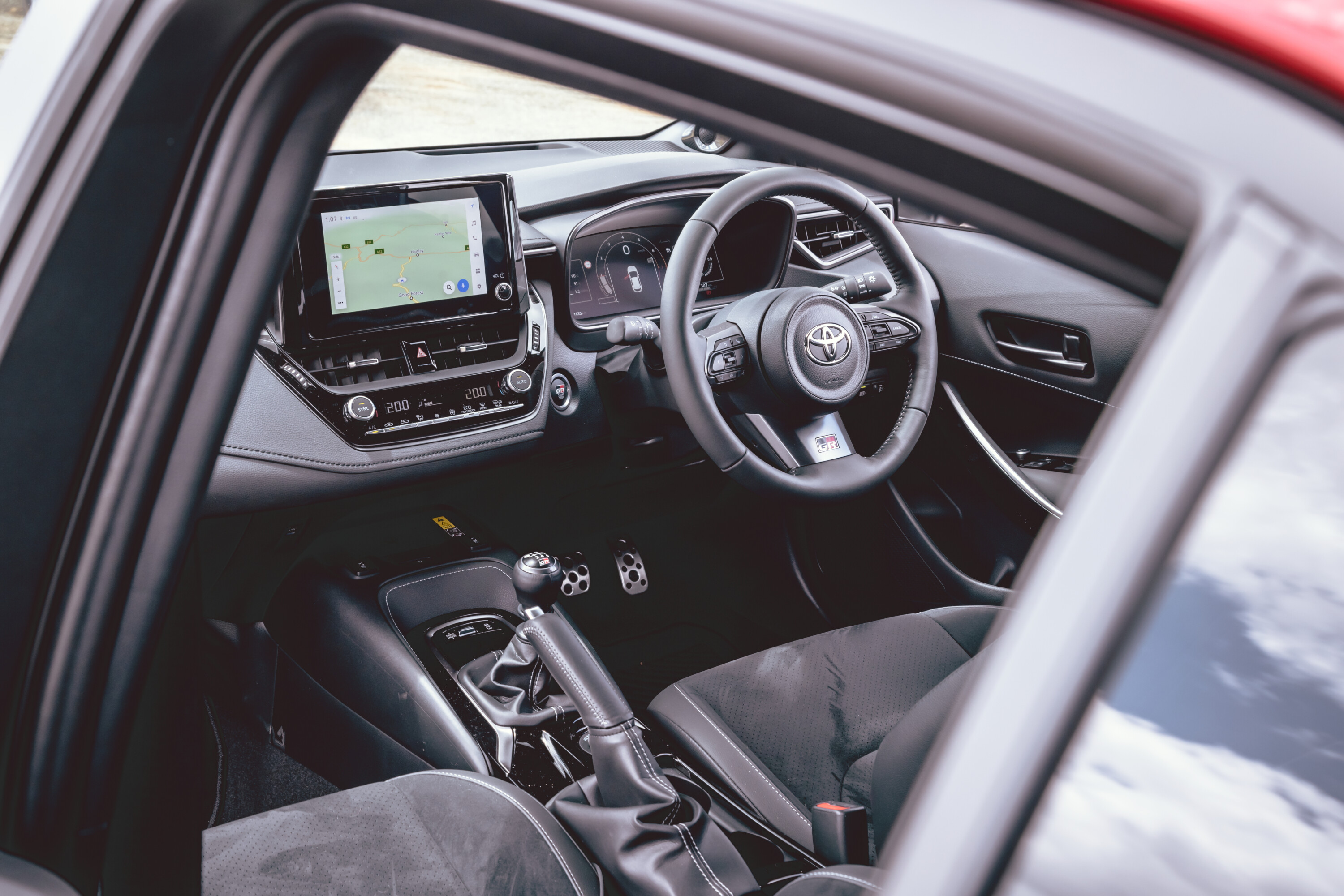
I mean, unless you were 16 and had old-school or car-loving parents, it’s unlikely you’d find yourself learning to drive a stick shift as a learner driver. But I am judging people who haven’t given it a go yet.
But now, I think about my boyfriend (yes, I will out him publicly). At the sight of a manual gear stick he gets a panicked expression on his face, which baffles me. He will seek thrills by plunging himself downhill on a mountain bike but doesn’t pursue the opportunity to learn a manual.
Similarly, I have friends who willingly throw themselves out of planes (with a parachute, of course – not as some defiant act against Jetstar) and bungee jump off bridges.
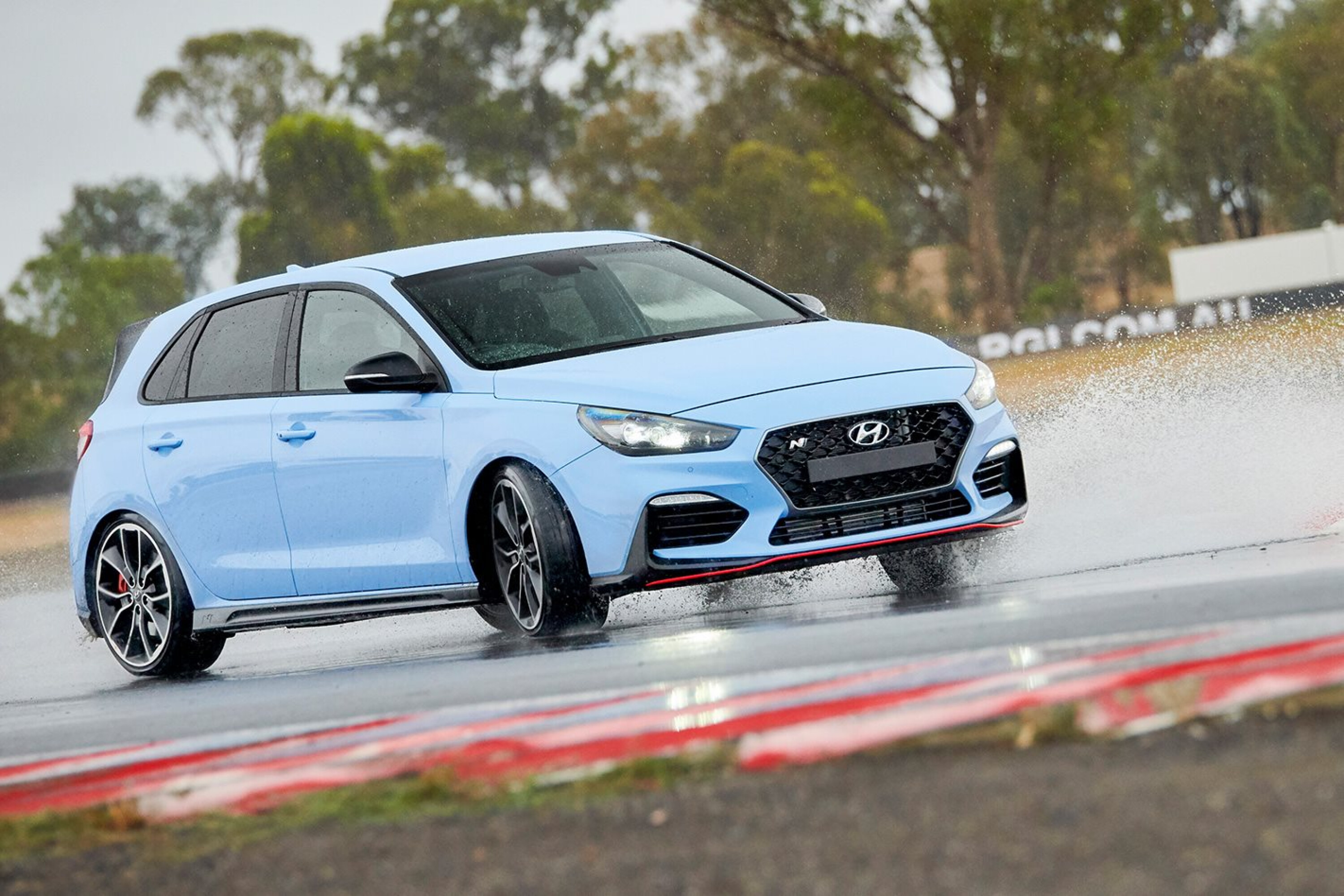
Adrenaline aside, there’s a profound sense of satisfaction in your first successful drive. Embracing the thrill of mastering a new skill, you form a bond with your car that’s akin to the strange connection Jake Sully shares with his horse in Avatar through that ponytail link.
It’s an intimate relationship that’s as exhilarating as it is uncomfortable.
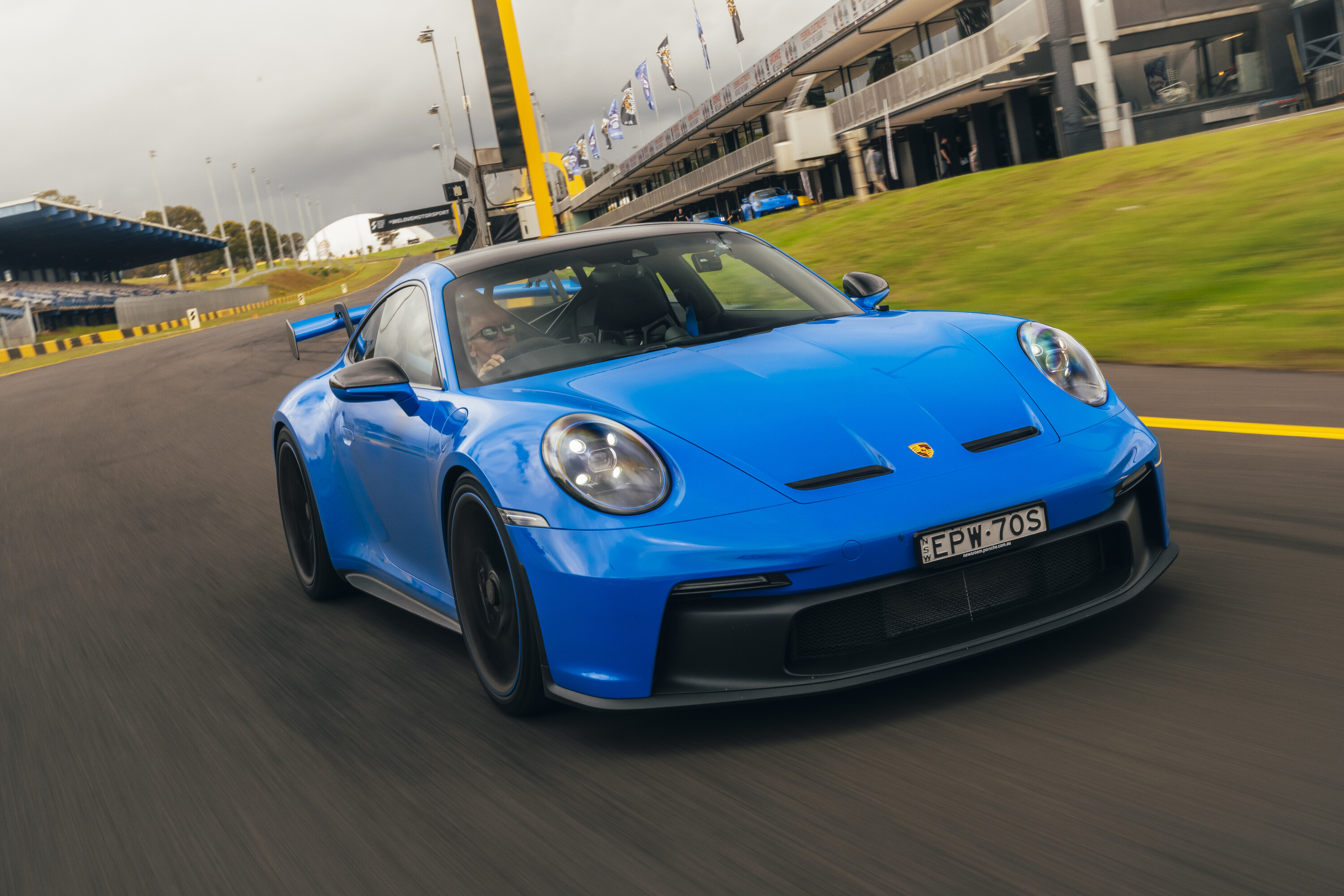
Firstly it demands focus, reducing your chances of distractions on the road. Secondly, it needs the ability to multi-task make quick decisions – both traits that will benefit you throughout life.
One study even found that shifting your own gears might make you more good-looking (though, to be clear, this last “study” was conducted solely by a panel of my own eyes).
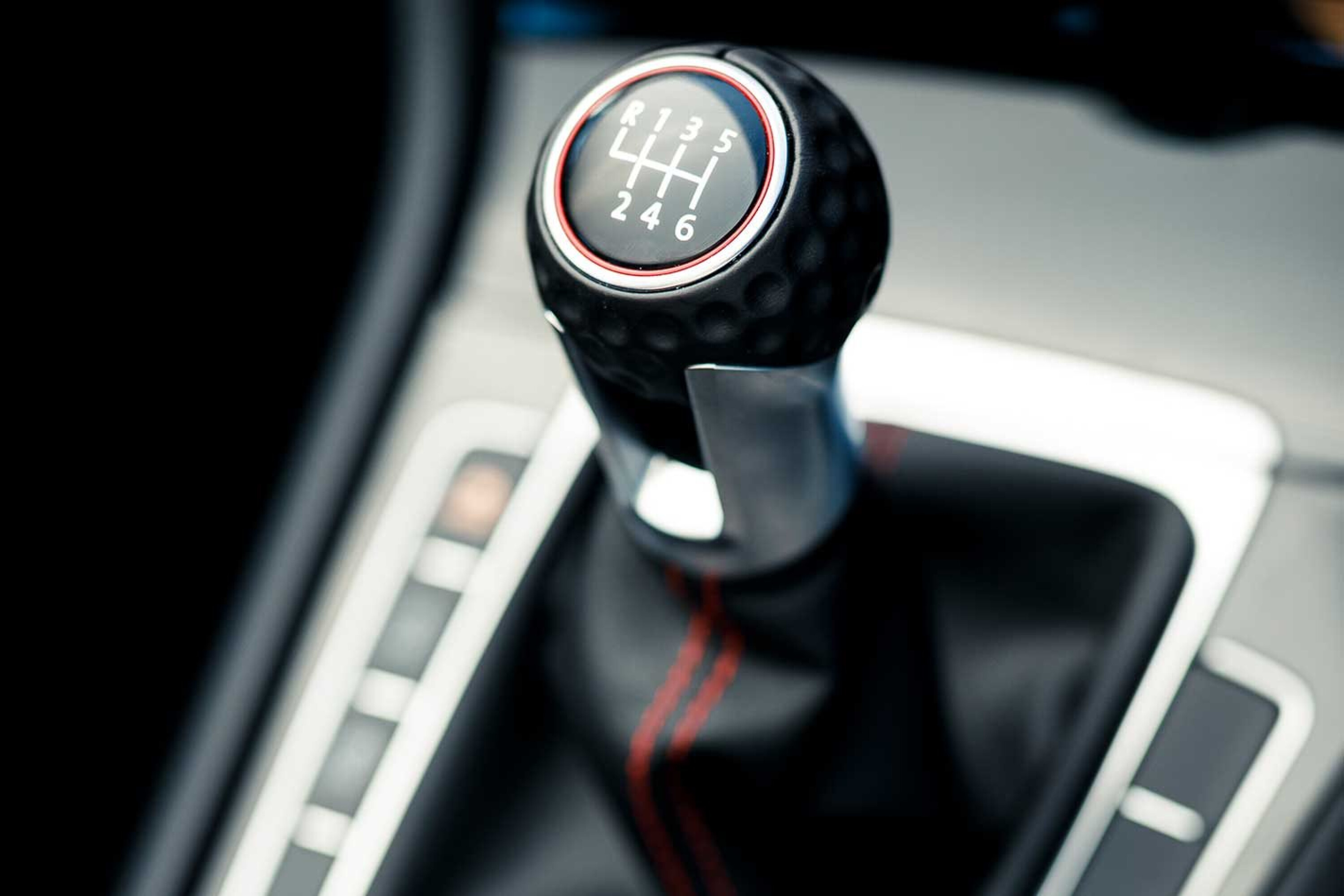
You can borrow one from a friend, hire one through a ride-sharing service (but check their policy on first-time drivers, because clutch replacements are expensive) or if you’re in the position to, why not buy yourself a manual car? Let’s bump up those manual sales stats to 4% this year, shall we?
With the resurgence of hot hatches and sedans, there’s now a great chance to be getting yourself into something fun! And luckily for you, we’ve compiled a list of every manual car you can buy in 2023.
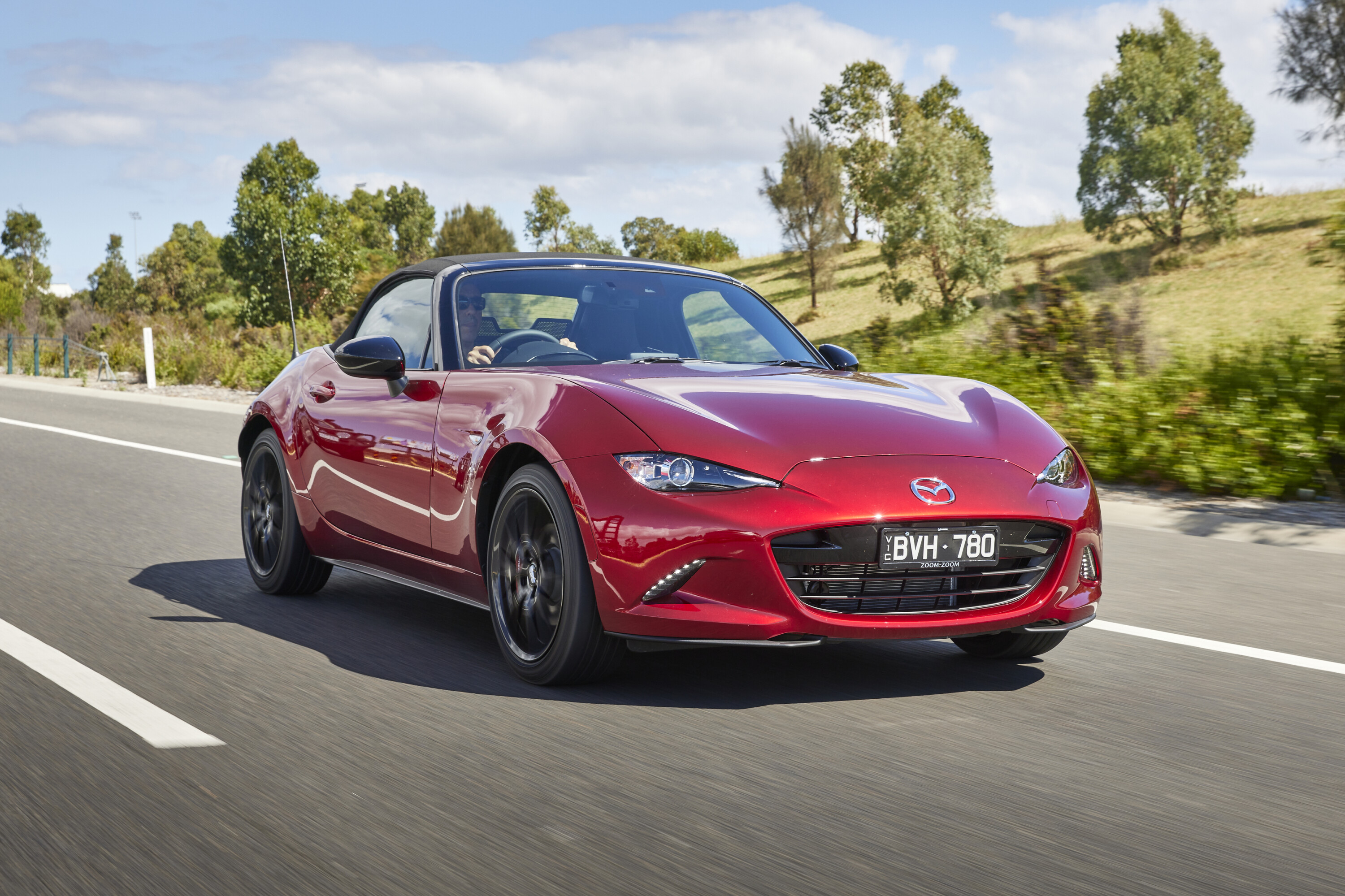
A decade from now, when you’re driving down your street and see every driveway with a car plugged into a charger, wouldn’t you want to look back and know you grabbed life by the shift knob?
Often, there’s the temptation to not only look back on the previous 70 years, but to try to predict the next 70.
However, only a fool would dare predict the mainstream vehicle of 2093 – by that point, most of us will be talking heads in jars. It’s much easier to take a few low-blow potshots at those who, in the past, dared predict the far-away future themselves. (Their fault for putting heads above parapet.)

It got a good bit correct – cars “may be equipped with electronic devices which would give obstacle warnings [and] braking control” and that “an electronic ‘eye’ will slow the car down instantly when obstacles appear in the way.” Amazingly prescient for 1955.
The same article predicted that all-wheel-drive would be common in everyday passenger vehicles – decades before any four-wheel-drive Subaru or Audi Quattro.
As often happens with such long-range predictions, the article got the speed wobbles and declared steering wheels would vanish, and that cars would be turbine-powered. If you glaze over those bits – and that it took a lot more than 30 years for some of this stuff to come true – we have to give ourselves a pat on the back. (And hire this Nostradamus bloke more often.)
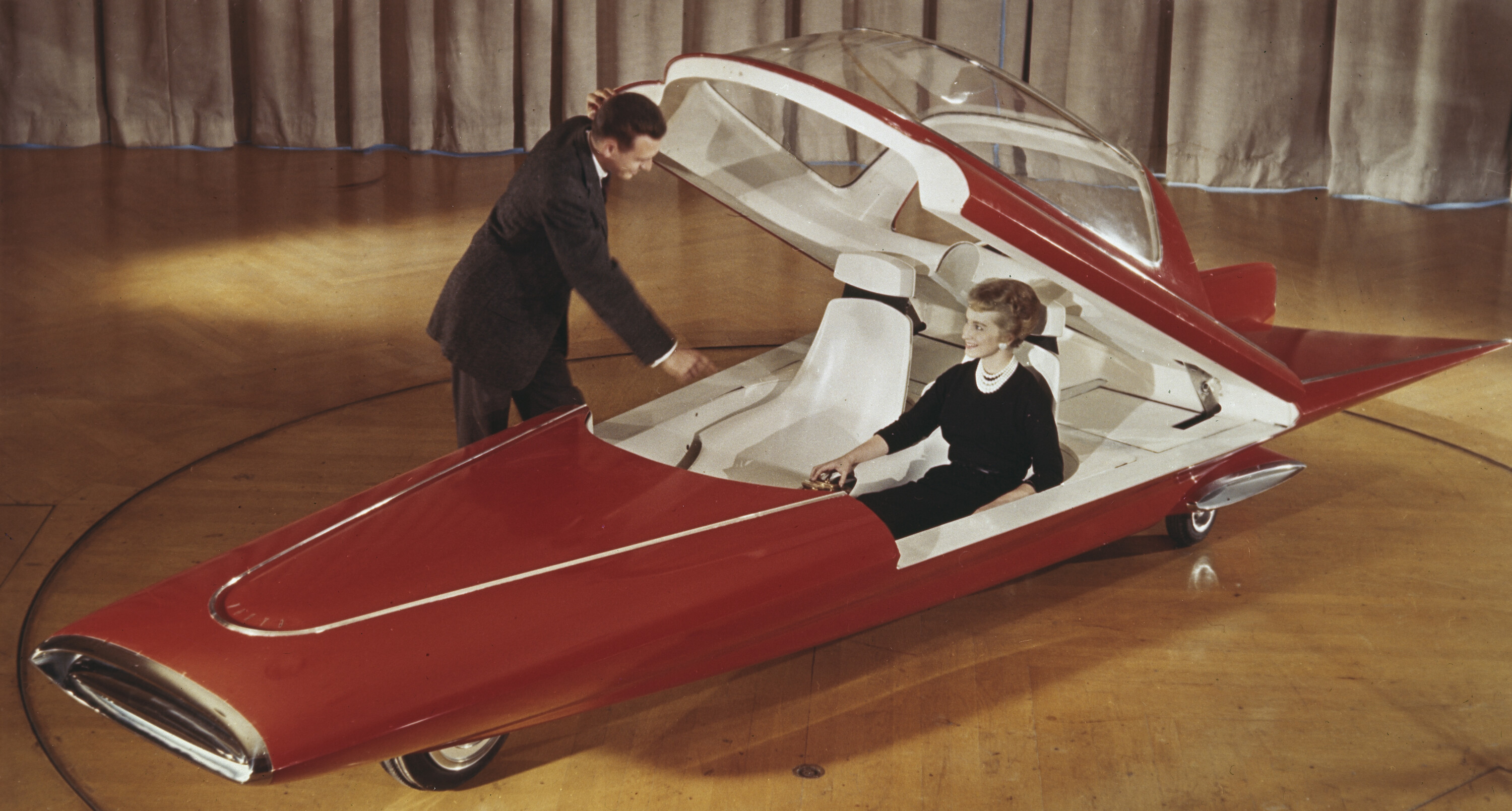
Electric cars are a curious theme in past predictions about the future in Wheels – especially from the car companies themselves. “GM’s ELECTRIC FUTURE” shouted the headline from our November 1980 issue. “Before you yawn and say you’ve heard it all before … the world’s biggest car maker has given itself a 1984 deadline for mass-production of electric cars.” Can we yawn yet?
In our October 1991 issue, an article about the Frankfurt Motor Show reported that “electric cars are inevitable now California has insisted two percent of all cars sold in the state from 1998 are emissions-free.” The inevitability part was correct, I guess.

Looking back over the Wheels annals, another clear theme of future predictions – whether made by us, or others – was to make them with an almost awkward, unflinching confidence. While many claims did come true, if there’s any lesson it’s to take with a small rock of salt any panicked predictions about the automotive future being made right now – no matter how certain.
As for me, the only thing I’d dare predict, based on current trends, is maybe a dashboard-sized touchscreen and artificial intelligence that replaces beeps with computerised shouting whenever you leave your lane. But that’s about as much as I’m dare going to give you, dear future readers, reading this from your nuclear-powered space ute.
I’m sure you can see some logistical difficulties that could prevent this, including the structural integrity of the one at the bottom and an inherent hazard to GPS satellites at the other end of the stack, but it just serves to illustrate, in a hopeless way that none of us can visualise, the sheer number of Fiestas sold.
Here in Australia, we were un poco tarde to the Fiesta party. While it had been sold in Europe since 1976, our first experience of Ford’s perky tot came a good deal later. In fact, we skipped the first 26 years of its life, eventually importing the MK V in 2002. We didn’t actually miss that much.
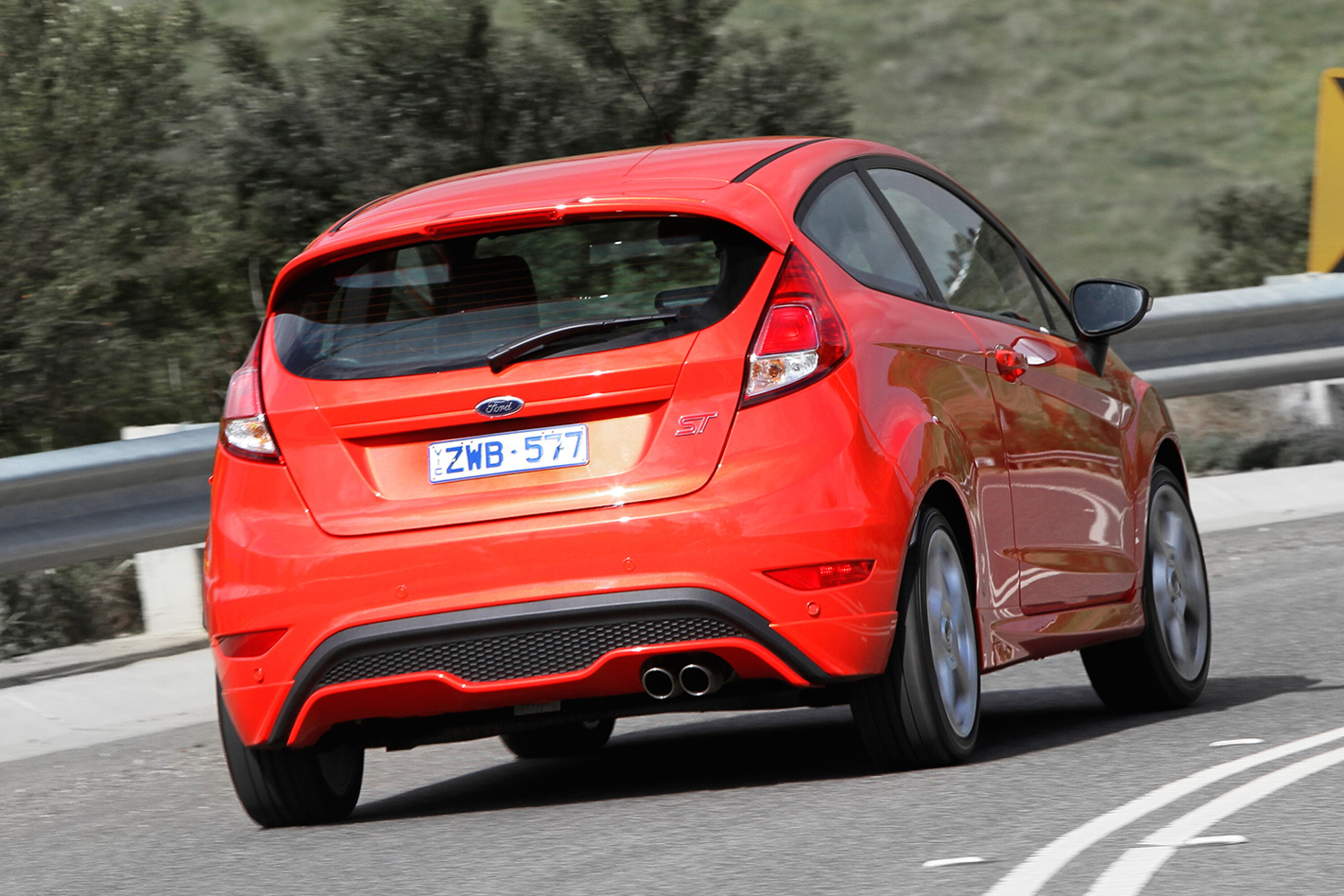
The Mk IV was again made uglier and the RS1800 and RS turbo models deleted. It nevertheless remained Britain’s best selling car, the buying public clearly unable to get enough of that fabulous Kent 1.3-litre OHV engine. Still, we can’t exactly snigger. While the Brits lapped up malaise-era Fiestas, we were being force-fed the even more execrable Festiva.
The Fiesta MKV that we finally did get was much better news. It wowed the judges at Wheels’ COTY 2004 with its verve, but tripped over the implacable judging criteria.
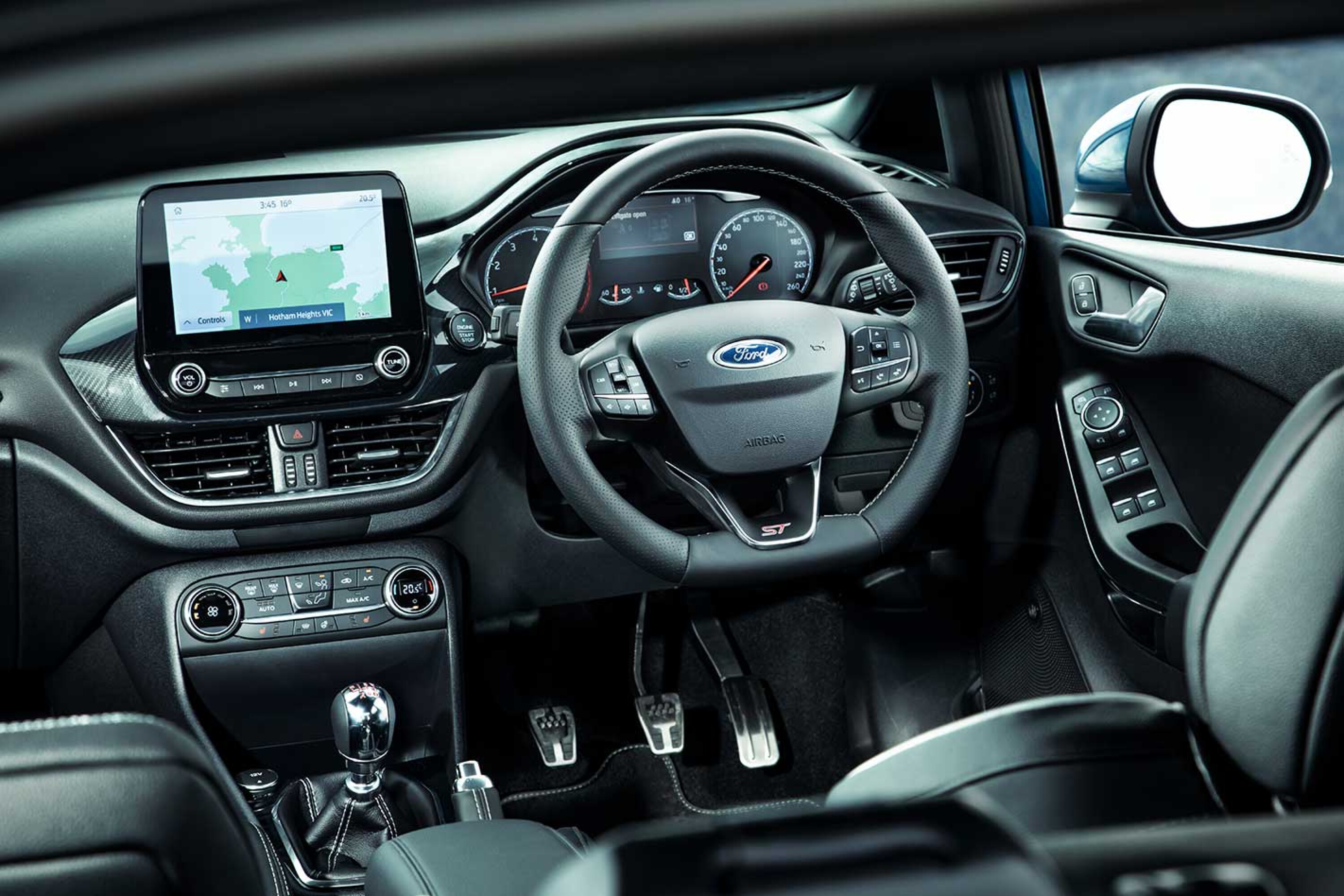
It was a finalist at COTY in 2010, with Peter Robinson noting that it was “everything a light car should be – fun to drive.” Judges were less impressed with the automatic transmission offered, but even had the slushbox been a gem, the Fiesta would have had its work cut out deposing the Mk6 VW Golf from the top spot that year.
As long as you didn’t mind a ride that was firmer than a Luke Hodge handshake, you were guaranteed a exhilarating drive in an ST. Stephen Corby put an ST up against the Suzuki Swift Sport, the Skoda Fabia RS and the Peugeot 208 GTi in November 2013 and the baby Ford demolished the opposition.
“In bang for your buck terms, it really is one of the best investments you could ever make,” said the notoriously hard to impress Corby.

Its place in Ford’s line-up has been usurped by the Puma and its production real estate in Germany earmarked for, you guessed, it, an electric SUV.
Viewed in the round, it’s hard to get too emotional over a car that, for most of its life, wasn’t great and which the public turned its back on when it did fulfil its potential, but affordable and fun cars are a precious resource today. It seems that we may only appreciate that fact when they’re gone.
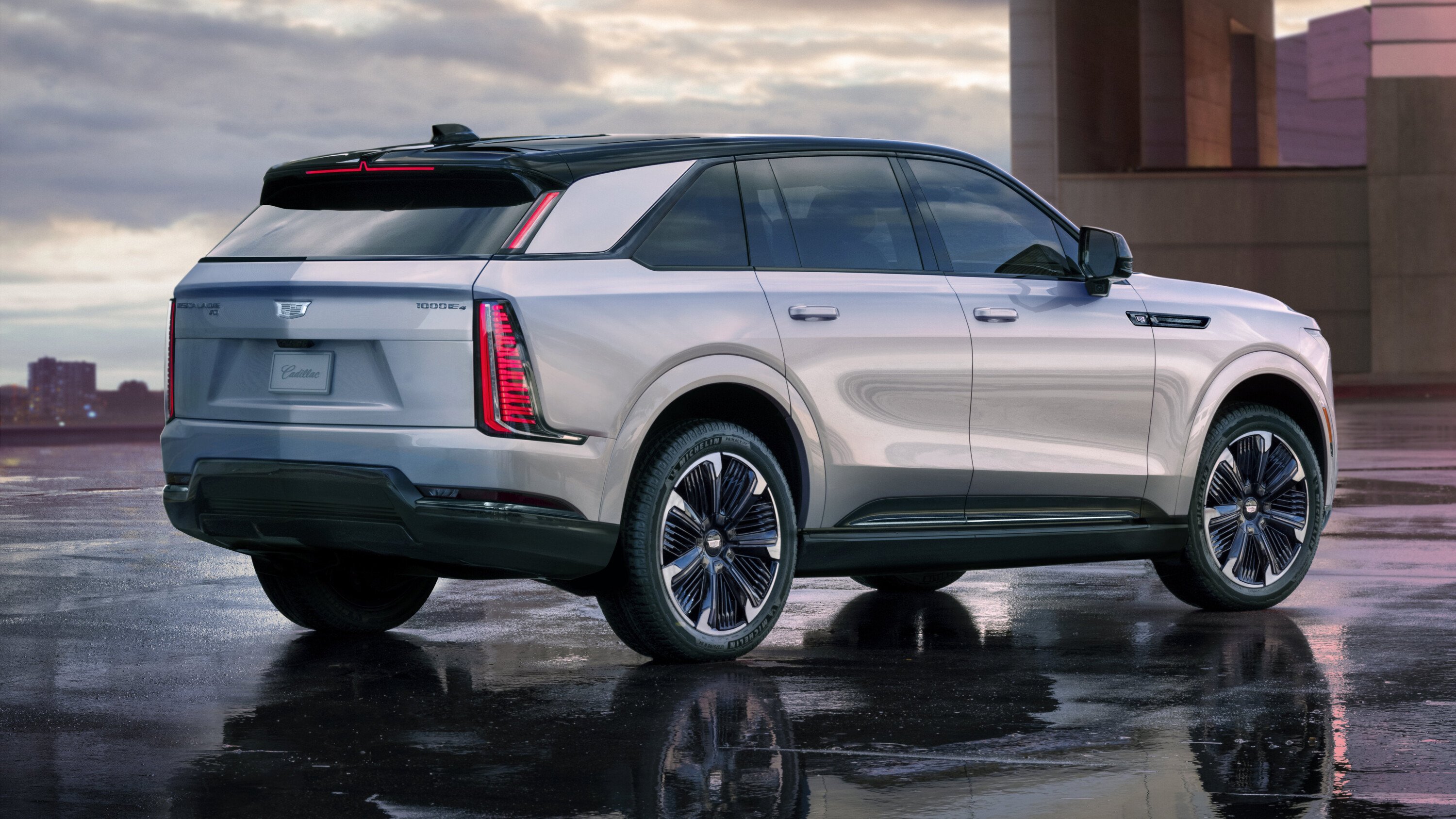
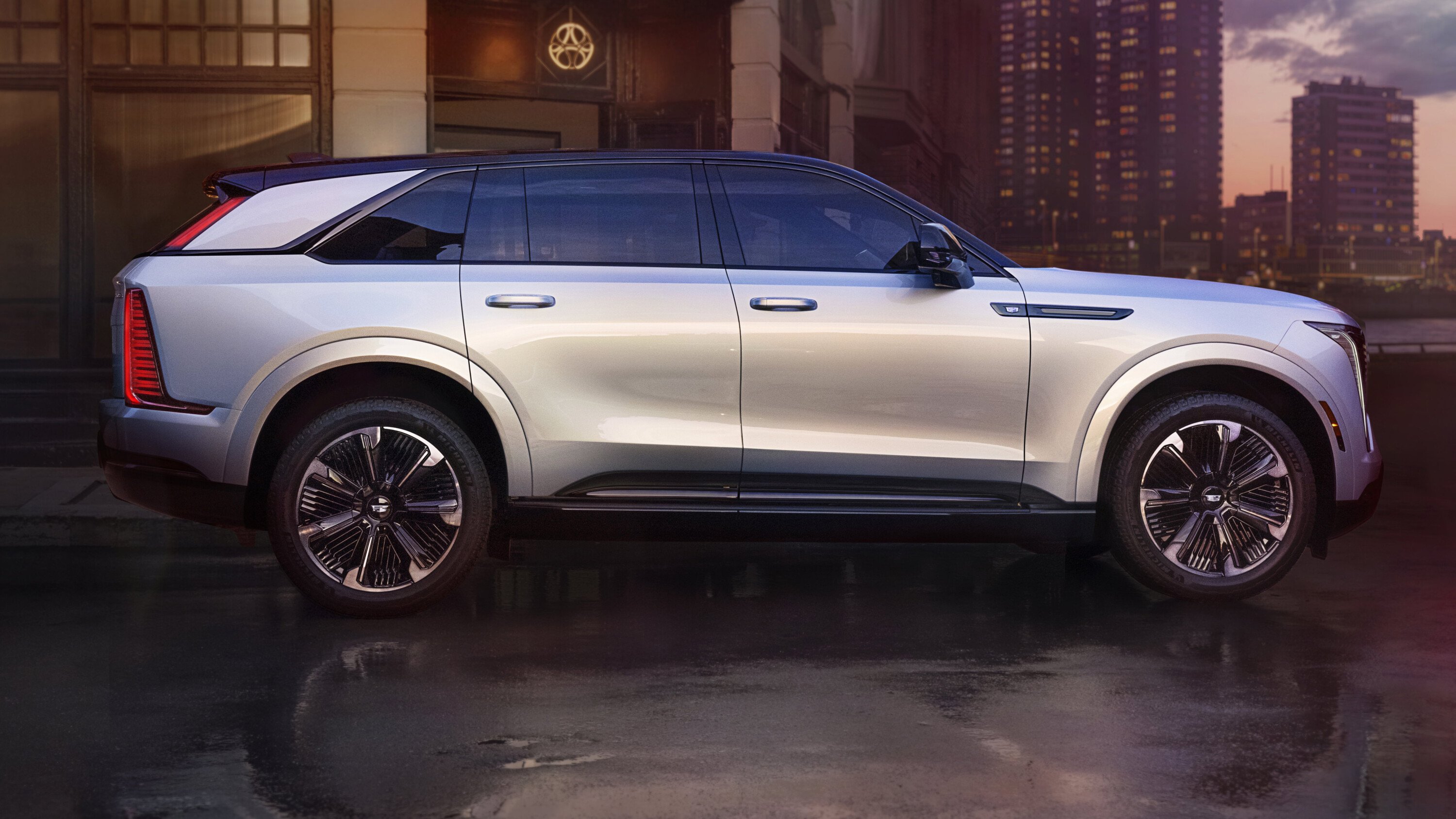
Priced from US$130,000 (AU$199,200), the Escalade IQ EV delivers around 724 kilometres of estimated driving range from its large 200kWh nickel-manganese-cobalt-aluminium (NMCA) battery.
Based on General Motors’s ground-up Ultium 800-volt class battery architecture, Cadillac claims it can recharge 161km of range in 10 minutes on a compatible 350kW DC ultra-rapid charger, while an over-the-air (OTA) software update will enable vehicle-to-home (V2H) compability in 2025.
While images still show a CCS Type 1 charging port, GM is expected to adopt Tesla’s connector in 2025.
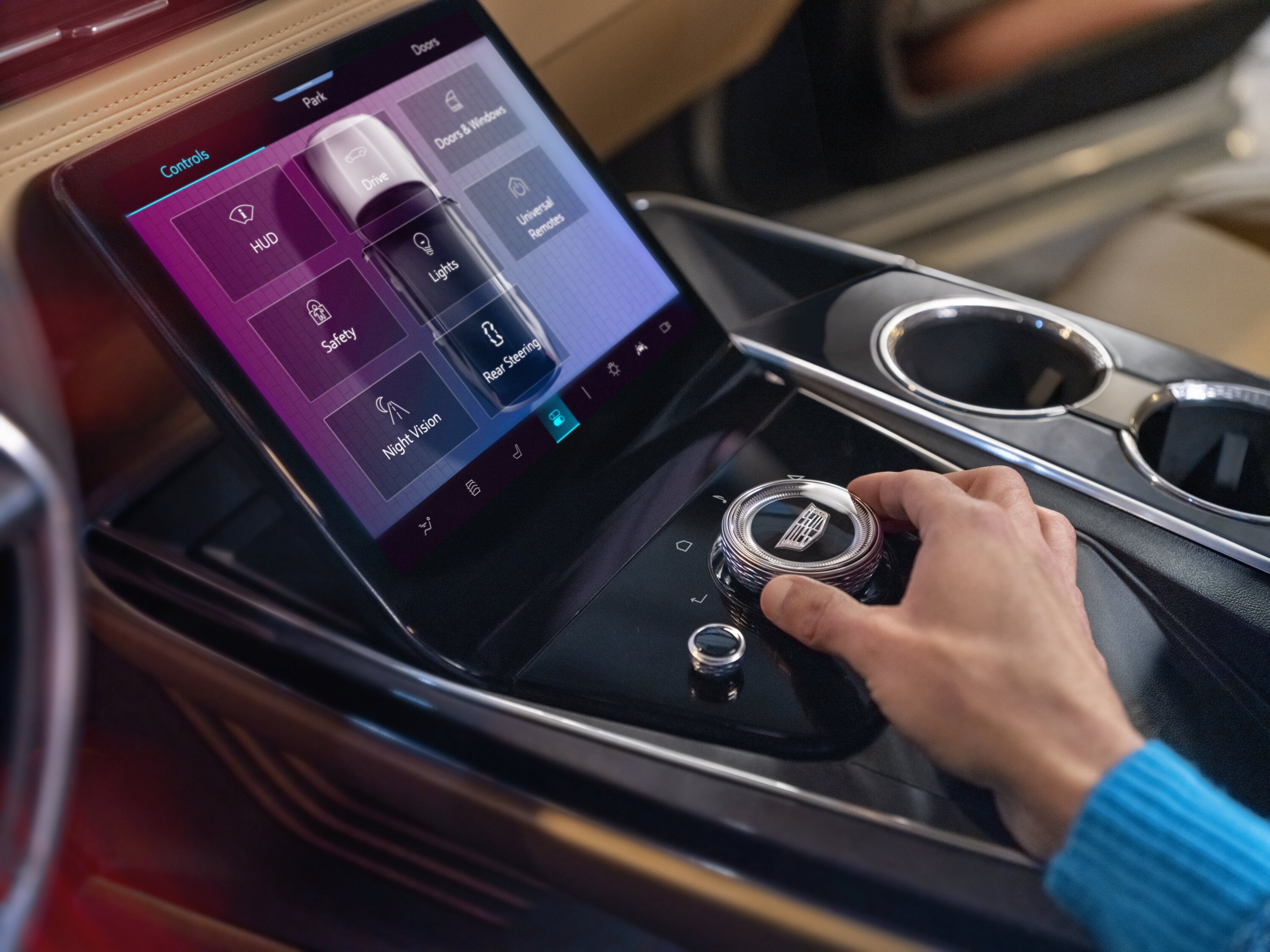
It runs Google’s Android Automotive software and is powered by Qualcomm Snapdragon’s Cockpit Platform processor with 5G connectivity.
Despite the large screen, it is the first upcoming GM product to controversially exclude Apple CarPlay and Android Auto smartphone projection.
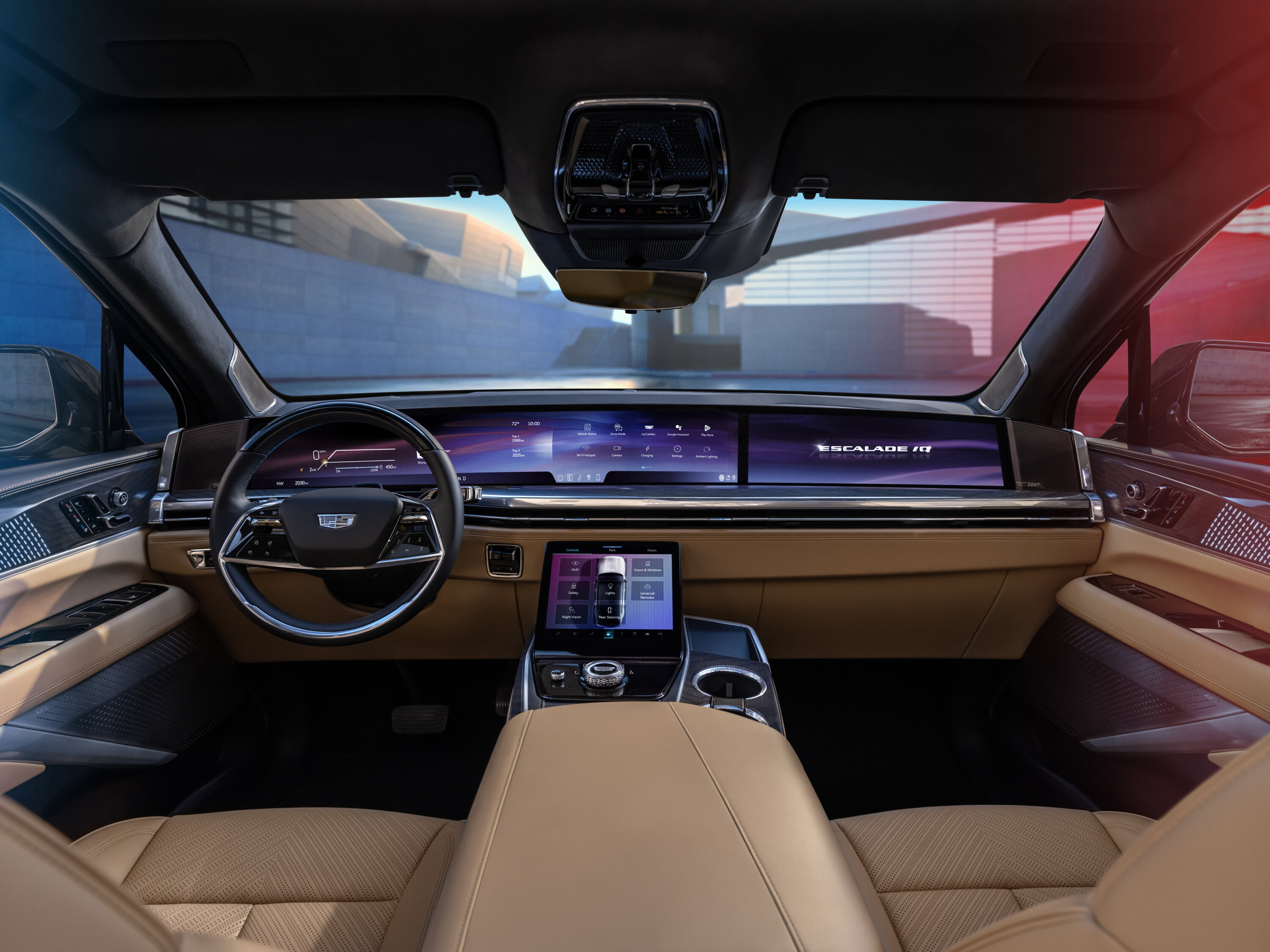
If that’s not enough, a 36-speaker Studio Reference system is on higher variants – and there’s the option for a whopping 40 speakers.
| 2025 Cadillac Escalade IQ key specs: | |
|---|---|
| Estimated driving range | 724km+ |
| Usable battery size and type | 200kWh NMCA lithium-ion |
| Max AC / DC charging | 19.2kW / 350kW |
| Power / torque | 560kW / 1064Nm (Velocity Max mode) |
| Claimed 0-96km/h time | Less than 5.0 seconds |
| Drive type | AWD |
| Length x width x height | 5697 x 2389 x 1934mm |
| Wheelbase | 3460mm |
| Ground clearance | 175mm |
| Boot / frunk space | 670 / 345.4-litres |
| Max towing capacity | 3628kg |
Despite the available 24-inch wheels – the largest ever in a Cadillac – it features adaptive air suspension and Magnetic Ride Control 4.0 to cushion road imperfections.
A four-wheel steering function improves manoeuvrability and can diagonally move the vehicle, with Cadillac stating it makes it “easier when pulling into or out of tight spaces, while making a statement.”
The dual electric motors can push this large SUV from 0-96km/h in less than five seconds with ‘Velocity Max’ mode enabled, while one-pedal regenerative braking setting and an energy-saving heat pump are offered.
The company has only announced that it will only be sold in North America at launch.
After the demise of Holden, the American carmaker sells the Chevrolet Corvette sports car and converted Silverado vehicles in Australia under the General Motors Speciality Vehicle (GMSV) name, but it has yet to import any Cadillac model.
The details of each recall, as published, are posted below.
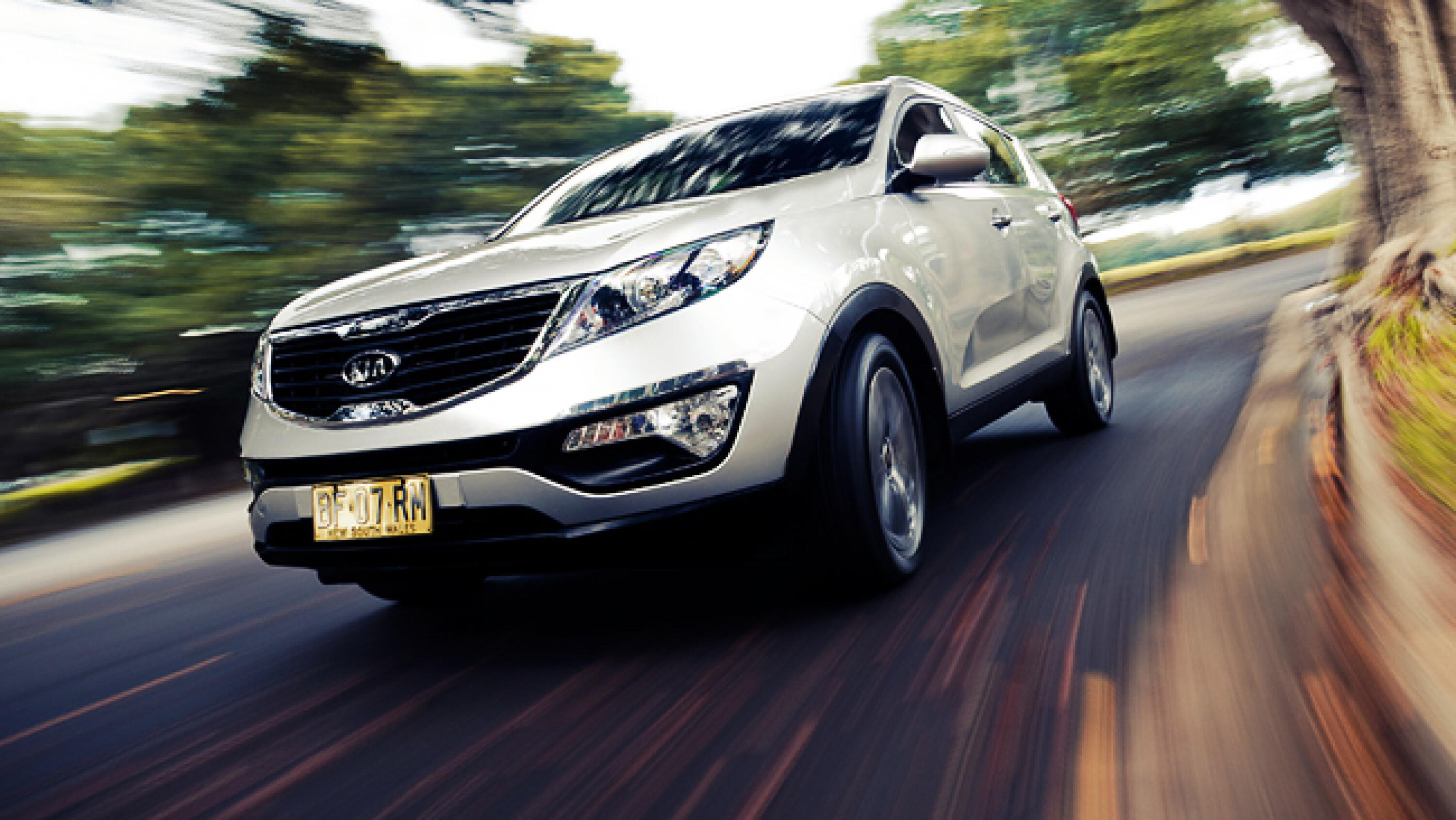
If the subject vehicles are continuously operated without inspection, the engine may exhibit abnormal noise and potentially seize. This may cause a sudden loss of motive power and/or a vehicle fire.
A sudden loss of motive power whilst driving and/or a vehicle fire could increase the potential risk of an accident, causing serious injury or death to vehicle occupants, other road users, bystander and/or damage to property.
Owners of affected vehicles should immediately contact their preferred Kia dealer to schedule an appointment to have the engine inspected and if required replaced, free of charge.
KIA AUSTRALIA PTY LTD
Kia Customer Service
\n
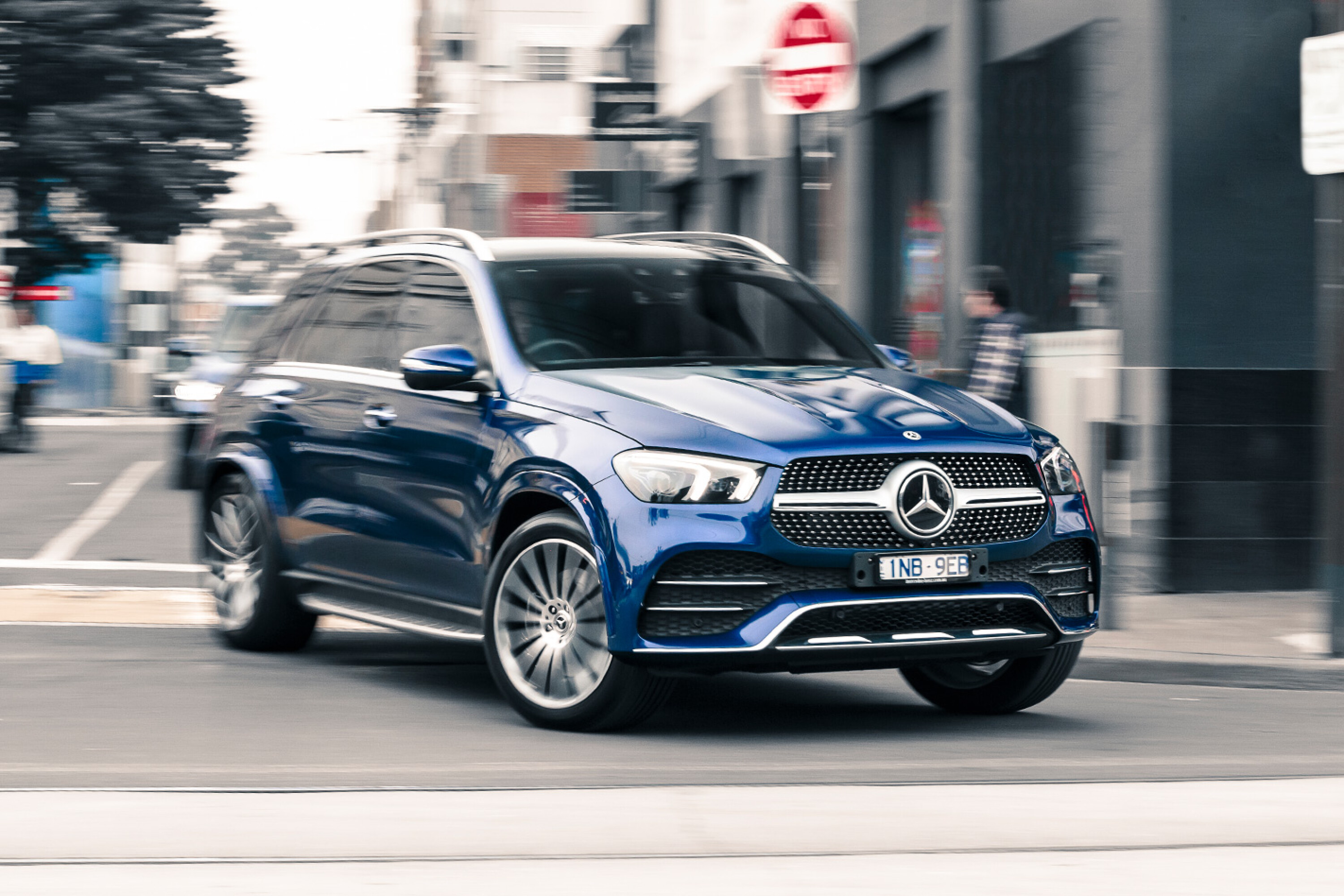
Due to a manufacturing defect, the fuel delivery unit may fail causing the fuel pump to switch off. If this occurs, it could impair the fuel supply to the engine resulting in a loss of power whilst driving.
A loss of power whilst driving could increase the risk of an accident, causing injury or death to vehicle occupants and/or other road users.
Owners should contact their authorised Mercedes-Benz dealership to have the work carried out as soon as possible, free of charge.
A full list of authorised dealerships can be found at www.mercedes-benz.com.au [↗]
Alternatively, please use the Mercedes-Benz online booking service.
www.mercedes-benz.com.au/servicebooking [↗]
MERCEDES-BENZ AUSTRALIA/PACIFIC PTY LTD
Customer Assistance Centre
\n
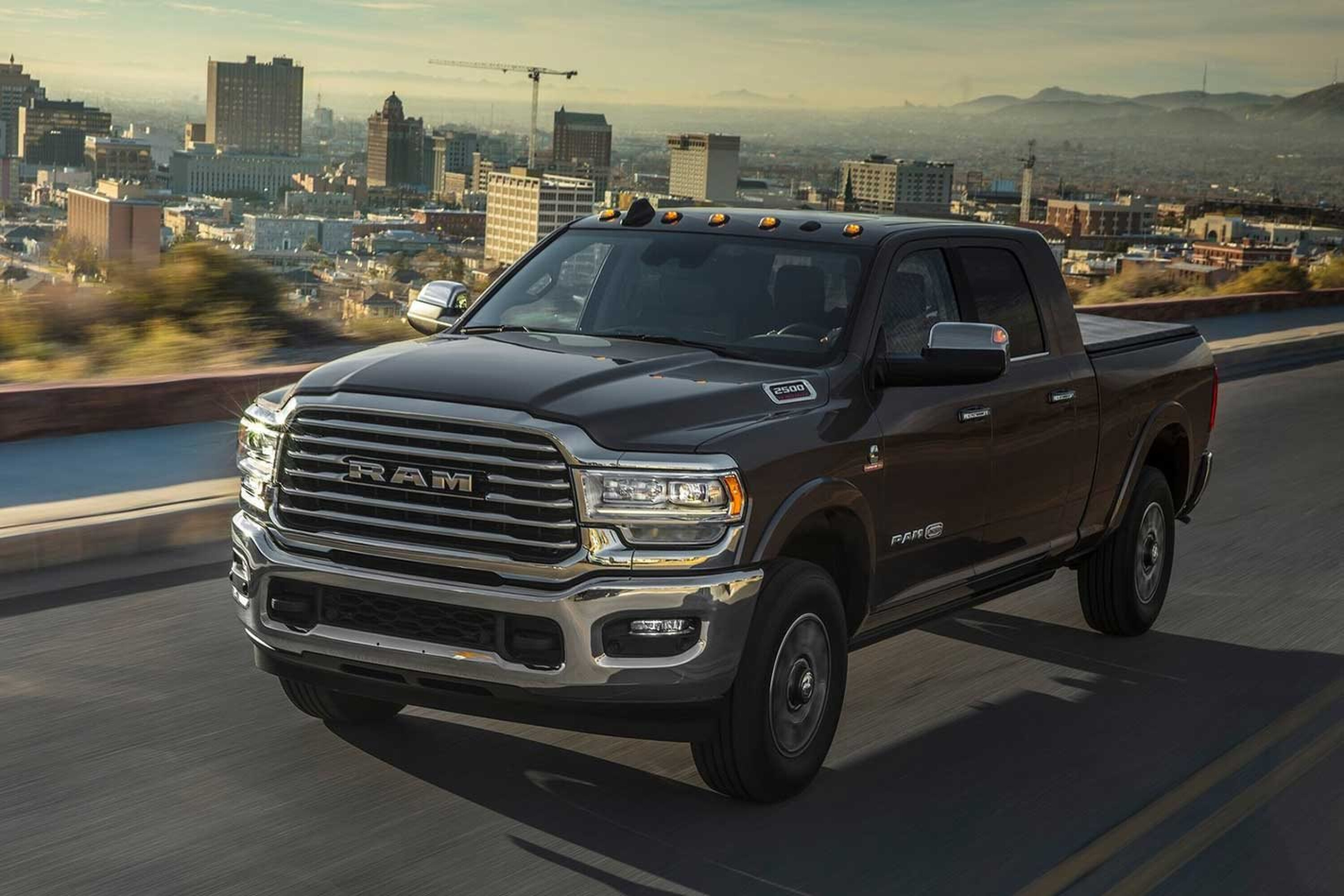
Due to a manufacturing issue, the relay for the air heater intake may experience an electrical short. This may occur when the ignition is On or OFF and could result in an engine compartment fire.
A vehicle fire could increase the risk of an accident, serious injury or death to vehicle occupants, other road users or bystanders.
Owners of affected vehicles can contact their nearest authorised RAM dealer to inspect the vehicle and if required, replace the intake air heater relay, free of charge.
For any additional information and assistance, please call RAM Trucks Customer Assist on 1300 681 792.
AMERICAN SPECIAL VEHICLES PTY LTD
RAM Trucks Customer Assist
\n
Due to a manufacturing defect, the transmission may experience a build-up of pressure and heat causing transmission fluid to leak. A transmission fluid leak in the presence of an ignition source may result in a vehicle fire.
A vehicle fire could increase the risk of an accident, serious injury or death to vehicle occupants, other road users or bystanders.
Owners of affected vehicles can contact their nearest authorised RAM dealer to have the vehicle inspected and work carried out, free of charge.
For any additional information and assistance, please call RAM Trucks Customer Assist on 1300 681 792.
AMERICAN SPECIAL VEHICLES PTY LTD
RAM Trucks Customer Assist
\n
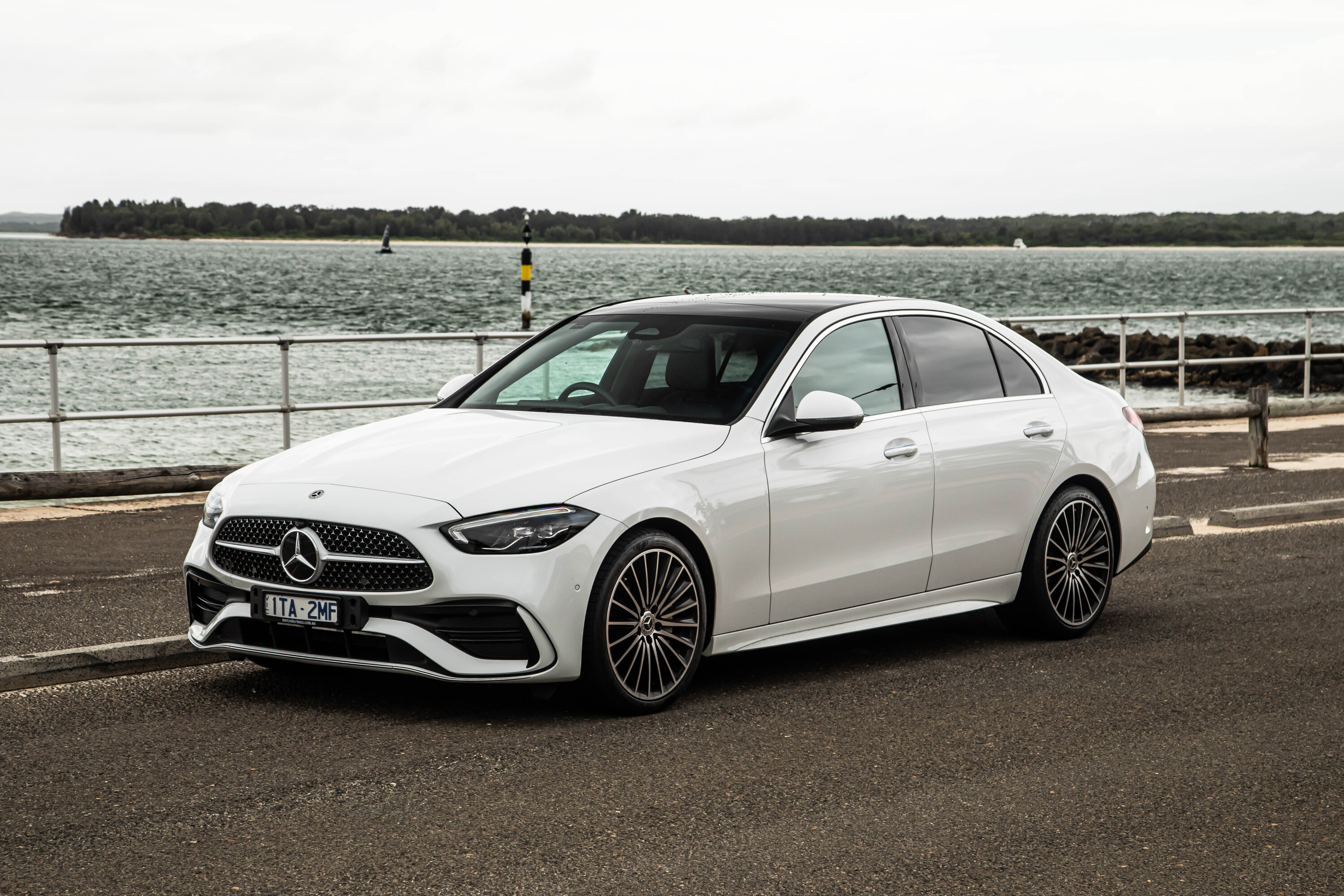
Due to a manufacturing issue, the battery ground point connection bolts may not have been tightened to specification. This could increase the electrical resistance of the connections, resulting in a vehicle fire.
A vehicle fire could increase the risk of an accident, causing serious injury or death to vehicle occupants, other road users and bystanders, and/or damage to property.
Owners of affected vehicles can contact their most convenient Mercedes-Benz dealership to have the vehicle repaired, free of charge.
A full list of authorised dealerships can be found at www.mercedes-benz.com.au [↗]
Alternatively, please use the Mercedes-Benz online booking service.
www.mercedes-benz.com.au/servicebooking [↗]
MERCEDES-BENZ AUSTRALIA/PACIFIC PTY LTD
Customer Assistance Centre
\n
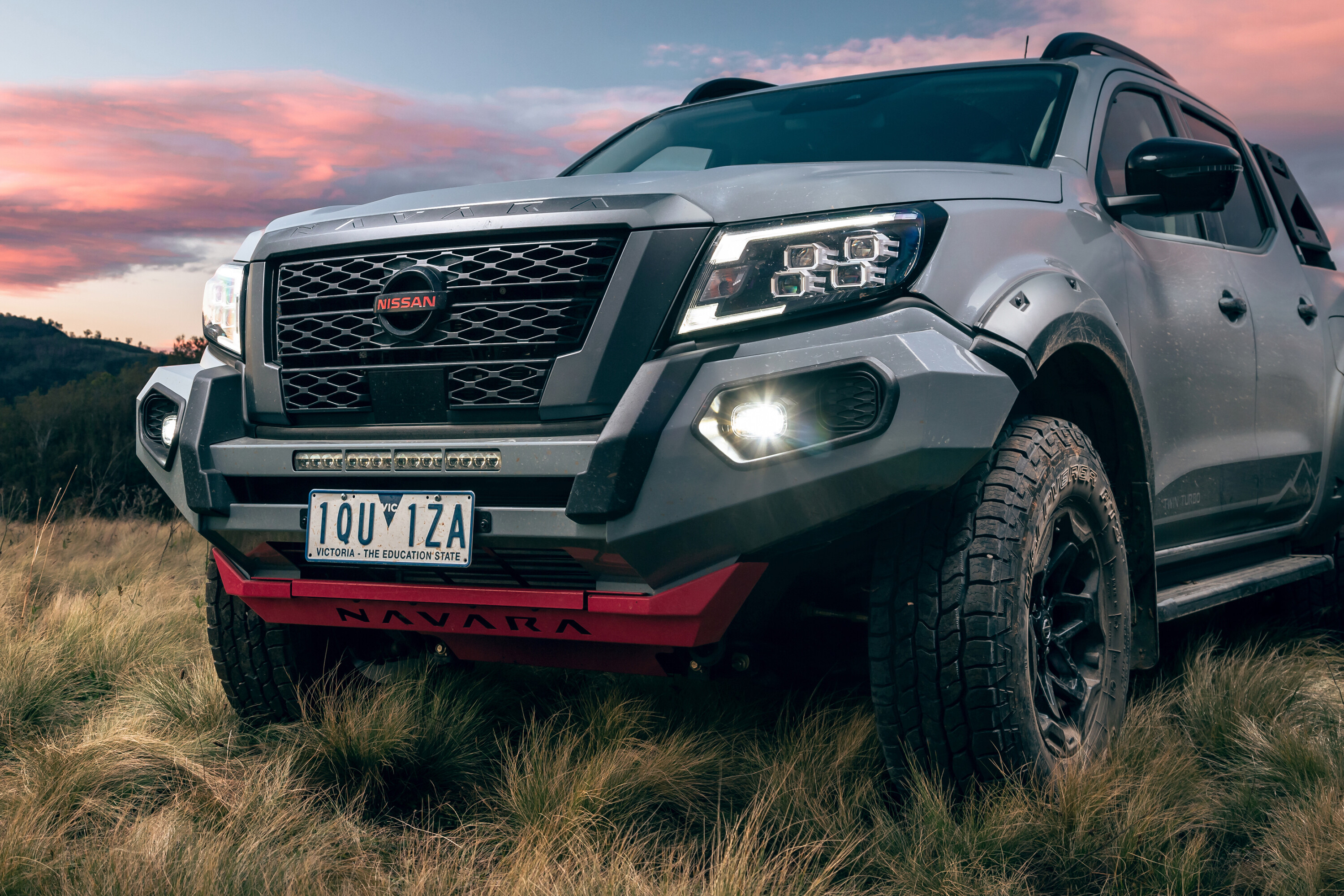
The internal circuit board of the winches remote control can corrode if exposed to water. If corrosion of the circuit board occurs, the winch can cause the cable to stop, wind up or release unexpectedly.
If a winch stops or starts unexpectedly whilst being used, the cable or vehicle may move suddenly. The winch may also operate unintentionally while not being used, for example when parked or driving.
If the winch operates unexpectedly, there is an increased risk of accident and serious injury to people inside the vehicle or nearby the winch.
Owners should immediately stop using the remote control and contact their local Nissan dealership to schedule an appointment to have their winch remote control and receiver replaced with an improved design unit, free of charge.
Note: An aftermarket winch that may have been fitted on vehicles or purchased over the counter consumers should contact their place of purchase or Ateco Equipment on1300 873 487.
Full details of this recall can be found on the Product Safety Website:
https://www.productsafety.gov.au/recalls/ateco-automotive-%E2%80%94-warn-vr-evo-4×4-recovery-winches
NISSAN MOTOR CO. (AUSTRALIA) PTY. LTD.
Nissan Australia
\n
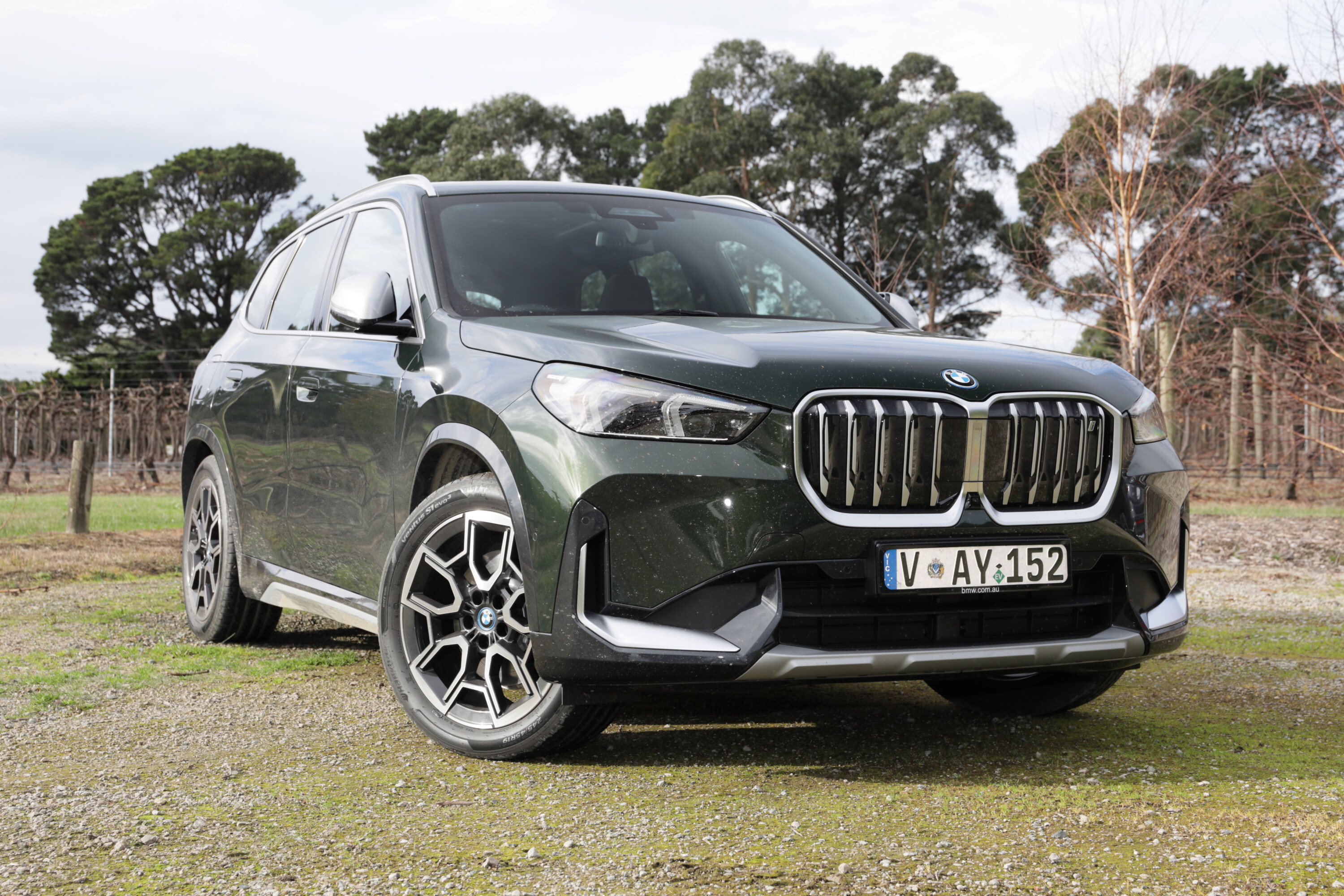
Recall one: Due to a manufacturing defect, the front right drive shaft may become loose and detach from the eDrive. If this occurs, it could lead to a sudden loss of motive power.
Recall two: Due to a manufacturing defect, the front left drive shaft may become loose and detach from the eDrive. If this occurs, it could cause a sudden loss of motive power.
Note: In an event of failure the driver will receive warning signals in the instrument cluster.
A sudden loss of motive power whilst driving could increase the potential risk of accident, causing injury or death to the vehicle occupants and/or other road users.
Owners should immediately contact their preferred authorised BMW dealer or BMW Australia to have the recall carried out, free of charge.
B M W AUSTRALIA LTD.
BMW Australia’s Recall Hotline
\n
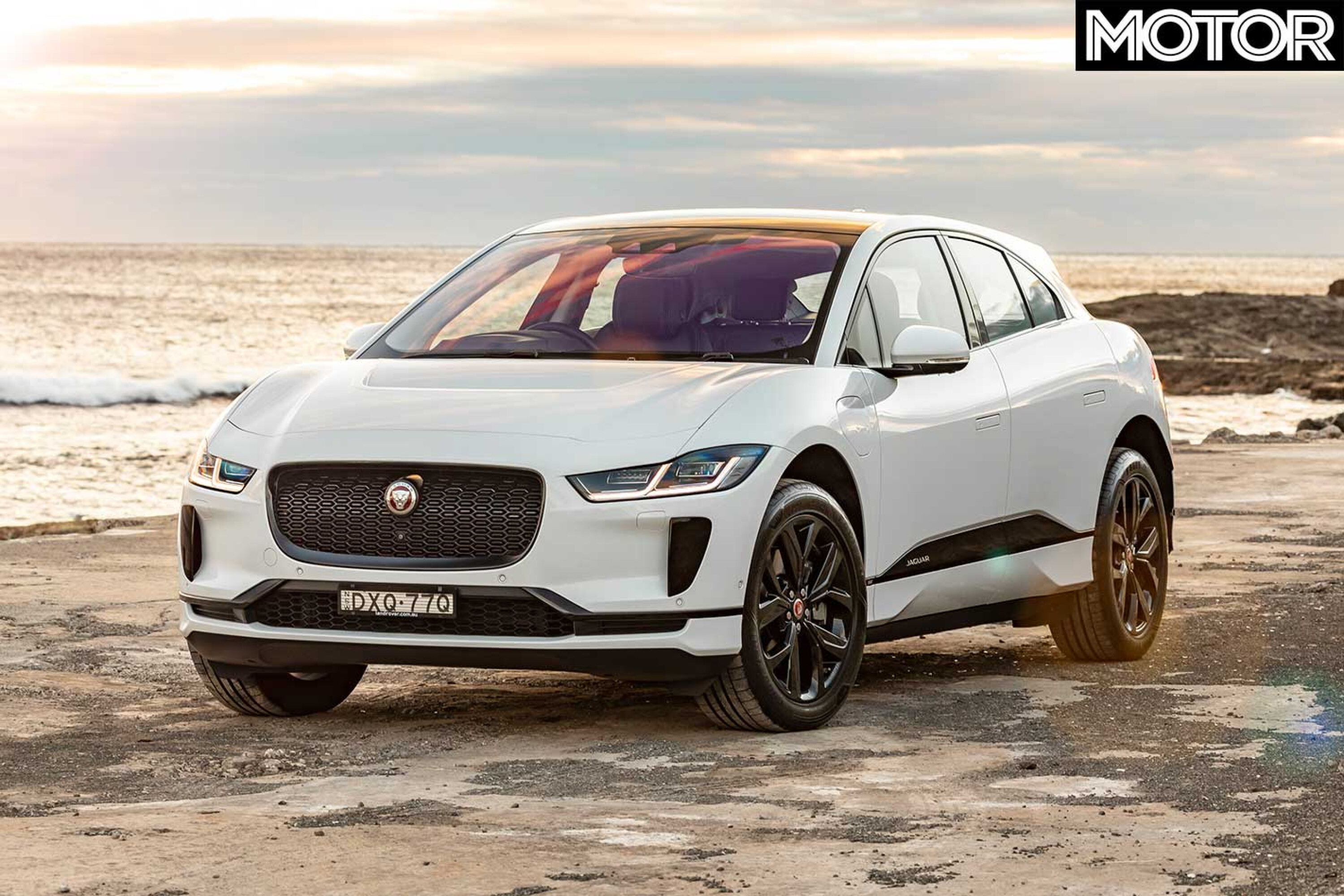
Due to a manufacturing defect, the high voltage coolant heater (HVCH) may not operate as intended. If this occurs, the vehicle occupant may not be able to defrost the windscreen and may lead to poor visibility for the driver.
Poor visibility will potentially increase the risk of an accident, causing serious injury or death to vehicle occupants and other road users.
The vehicle is not compliant with Australian Design Rule (ADR 42/05)-Demisting of Windscreen.
Owners should contact their preferred Jaguar Land Rover authorised dealer to have their high voltage coolant heater replaced, free of charge.
JAGUAR LAND ROVER AUSTRALIA PTY LTD
JLRA Customer Relationship Centre
\n
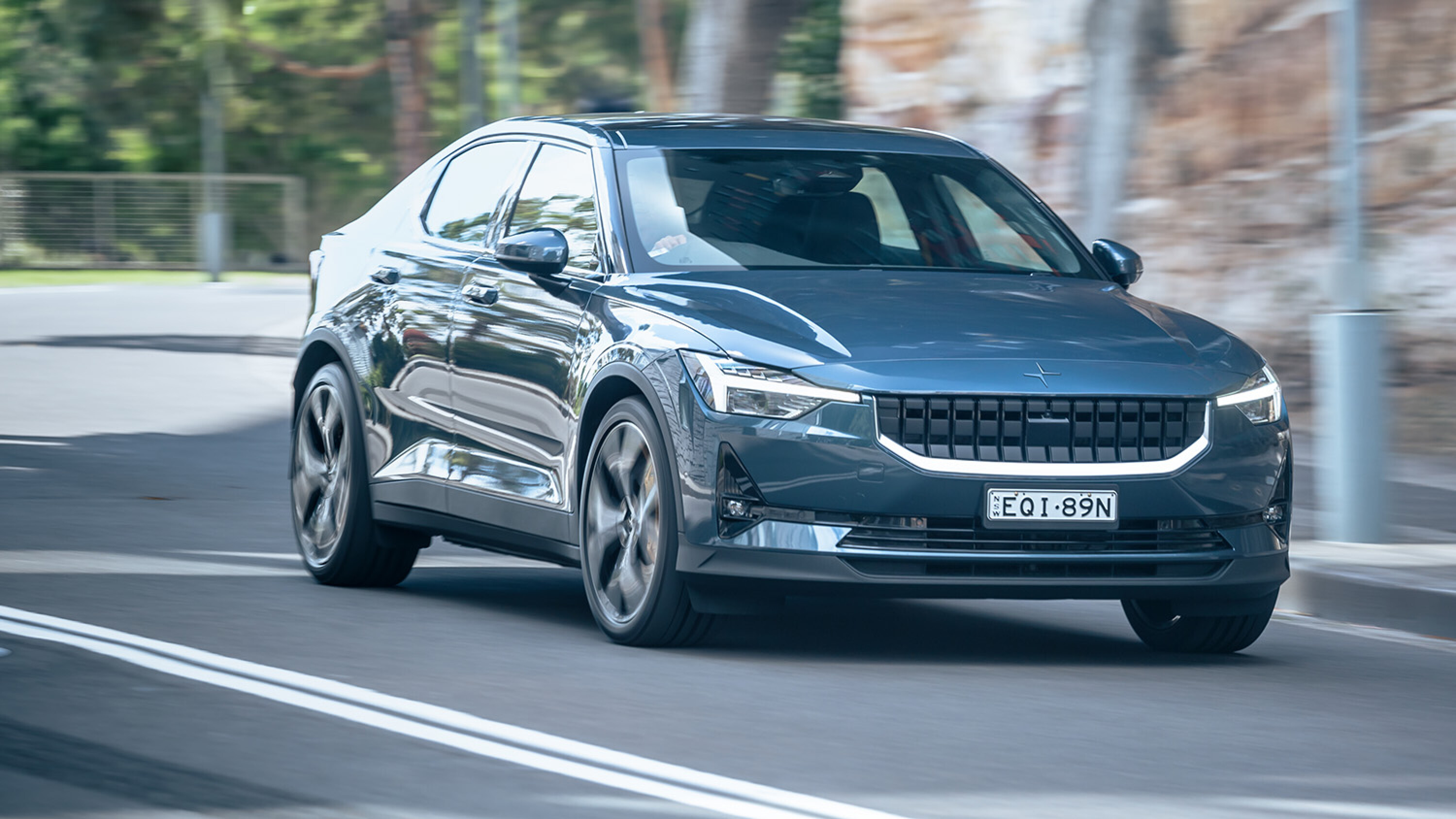
Due to a manufacturing defect, the left front suspension ball joint may have been incorrectly attached. This may result in a loss of vehicle control.
A loss of vehicle control increases the risk of an accident causing serious injuries or death to the vehicle occupants and/or other road users.
Owners of affected vehicles can contact Polestar Customer Support or their nearest authorised Polestar Partner to have the vehicle inspected as soon as possible, and the work carried out, free of charge.
Polestar Performance AB
Polestar Customer Support
\n
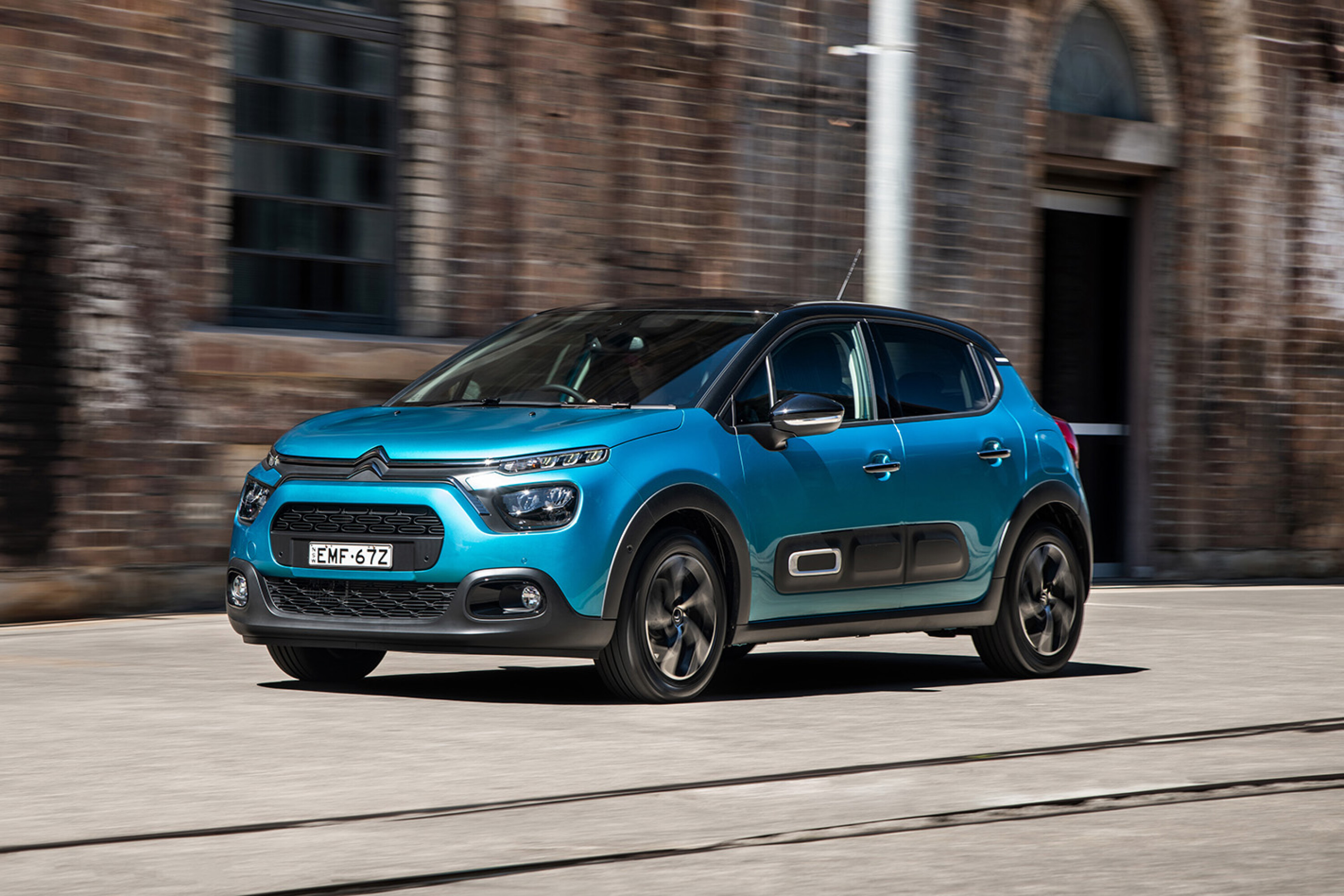
The rear crossmember may not have been manufactured according to specifications and could crack. If this occurs, the vehicle could experience a sudden loss of vehicle control.
A sudden loss of vehicle control whilst driving could increase the risk of an accident, causing injury or death to vehicle occupants and/or other road users.
Owners of affected vehicles should contact an authorised Citroen dealership to arrange an appointment to have the repair work carried out, free of charge.
INCHCAPE EUROPEAN AUTOMOTIVE PTY LIMITED
Citroen Australia – Customer Relations Team
\n
