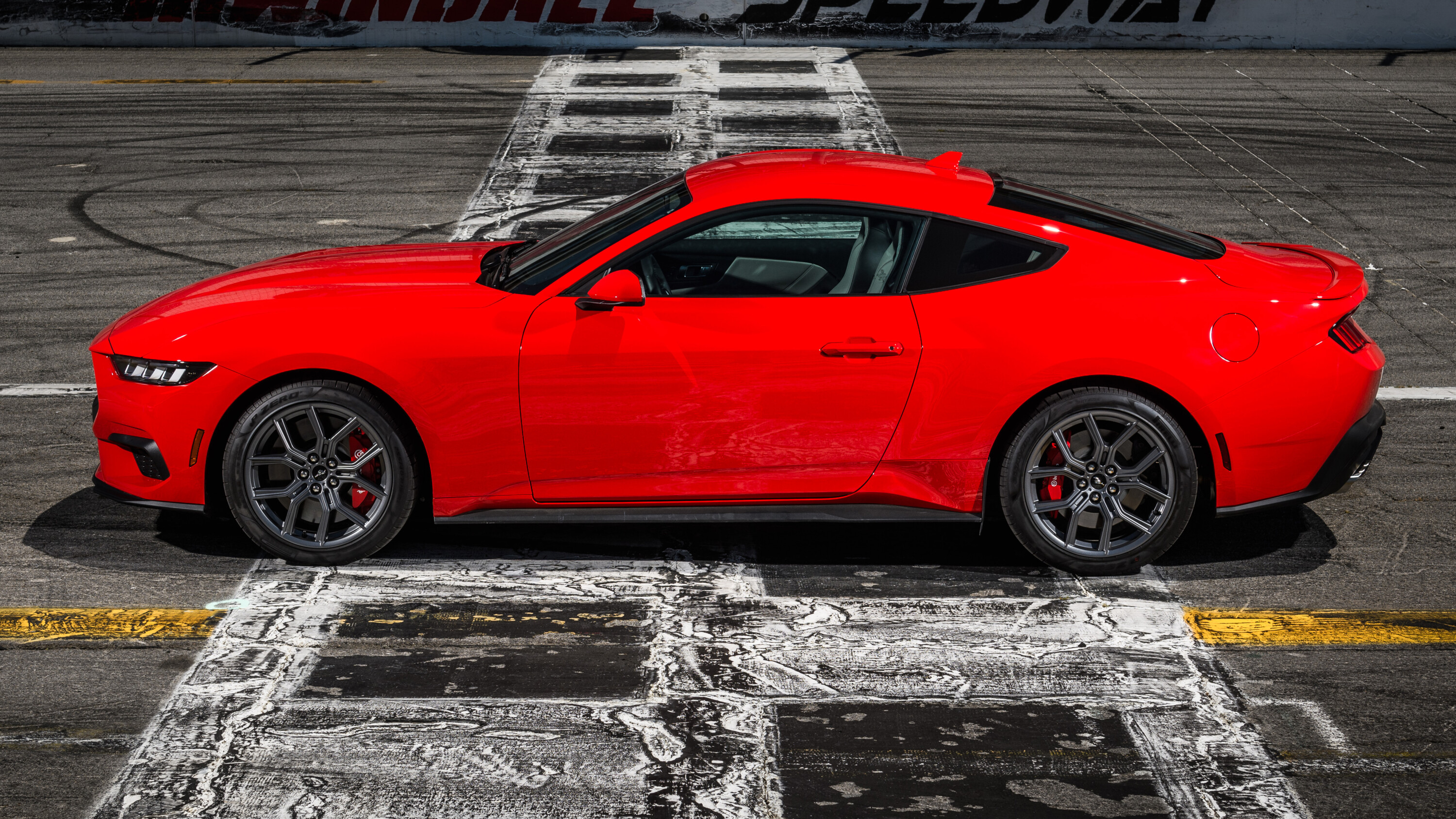
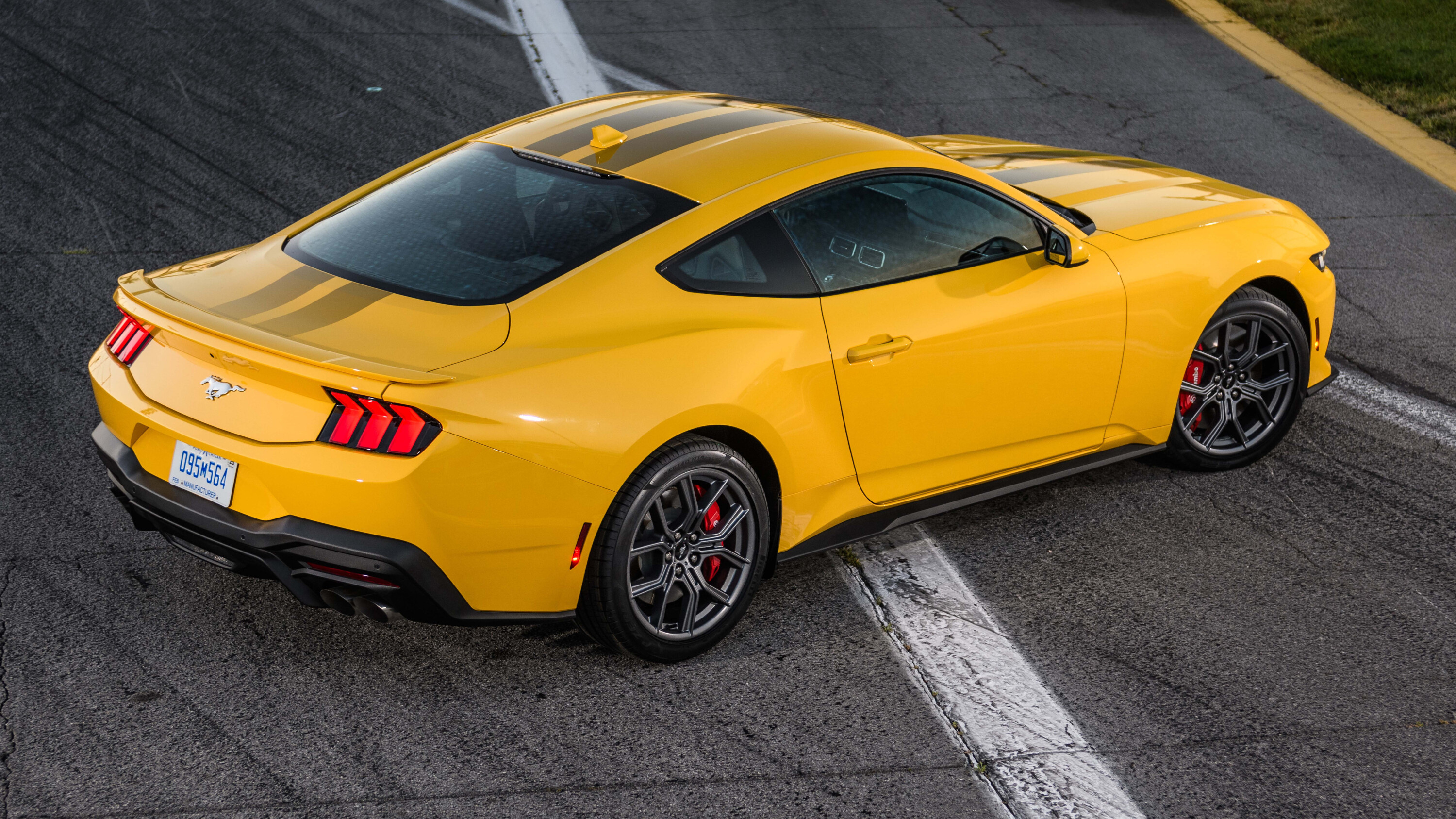
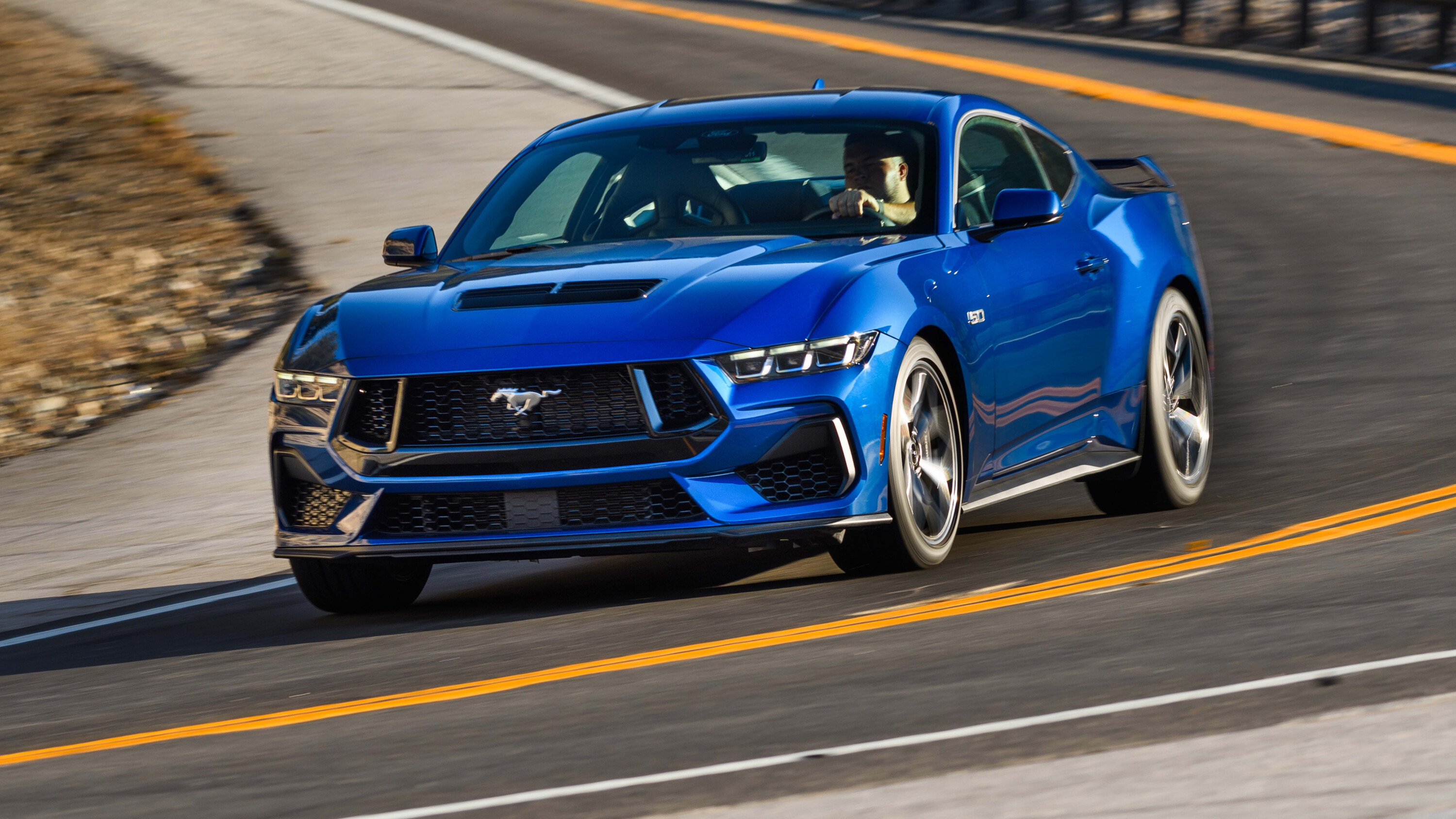
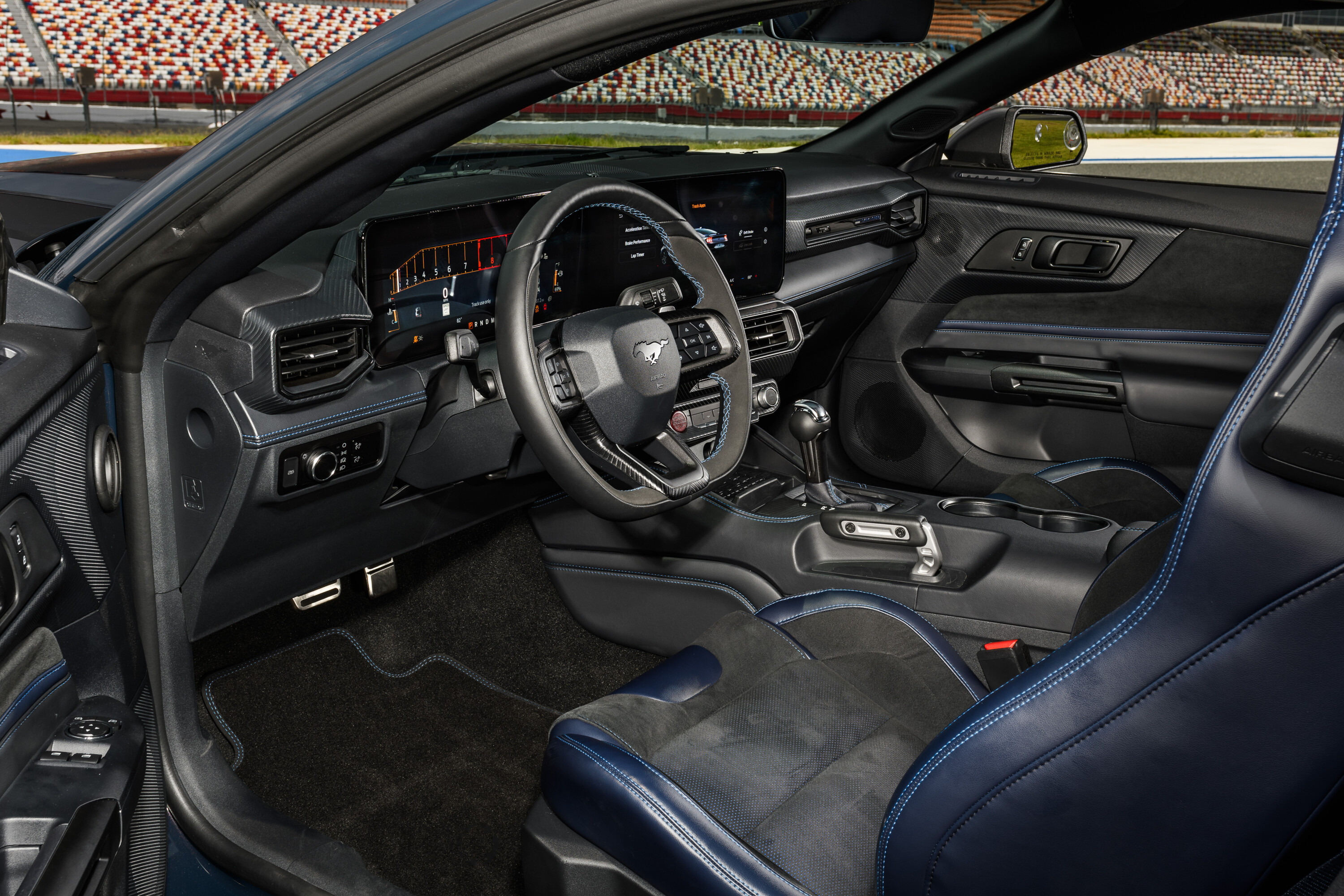
Ford is targeting the PlayStation and Xbox generation with its “most digital Mustang ever”.
The US car maker aims to lure younger buyers to its famous American muscle car, which was launched this week in its seventh-generation guise.
New technology headlines the major changes for a Mustang that is an evolution of the previous model.
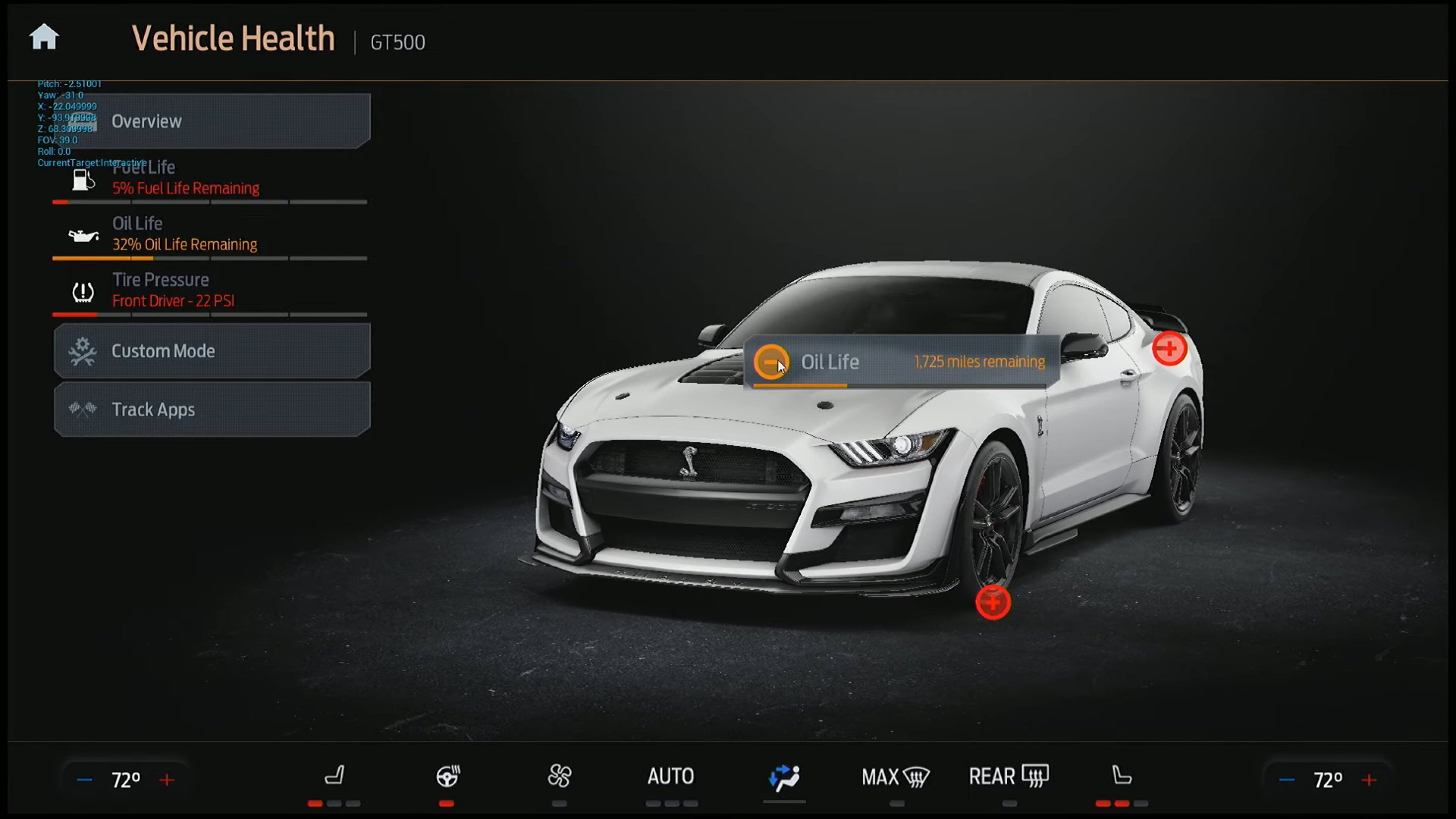
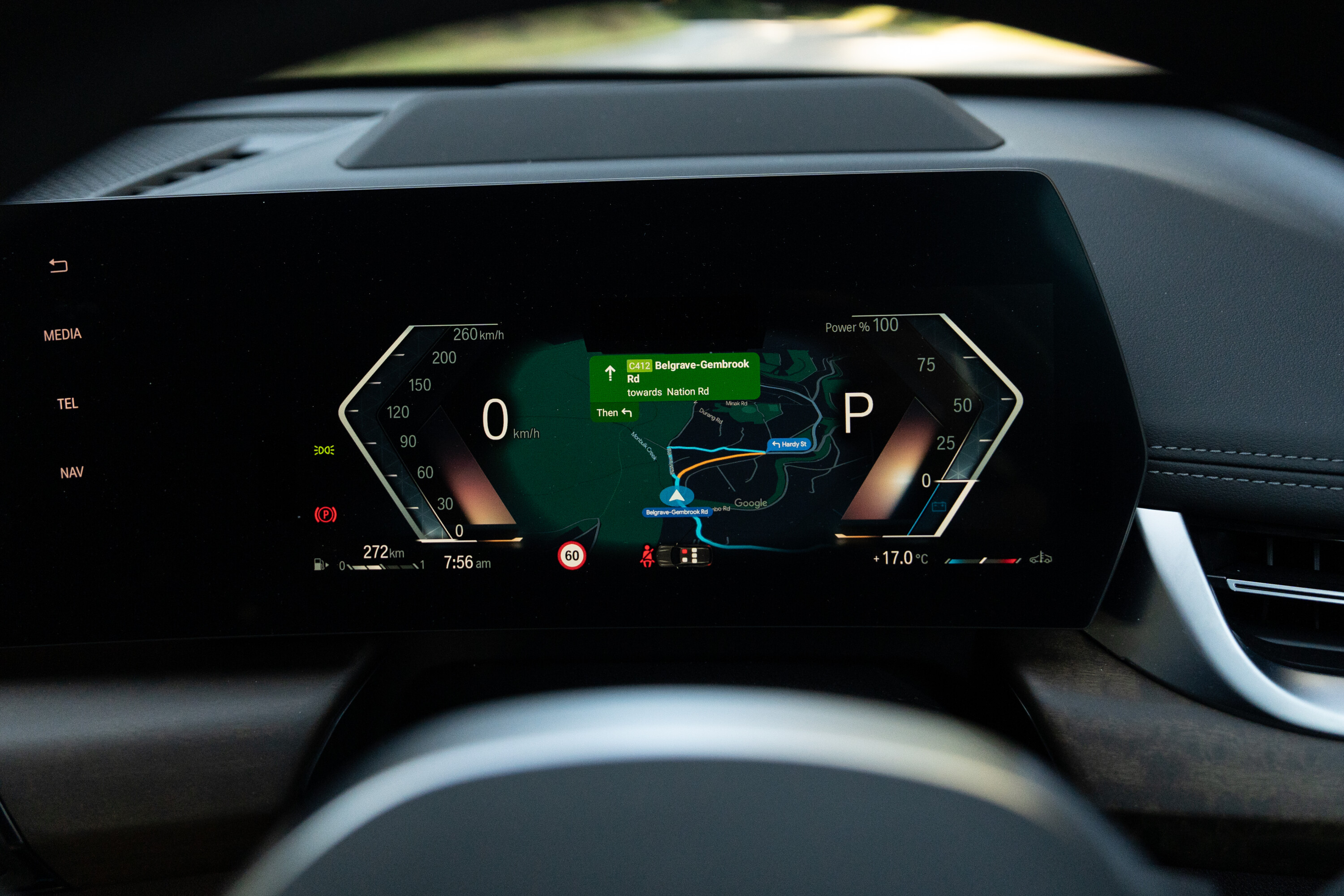
The cabin features both a 12.4-inch digital instrument cluster and a 13.2-inch infotainment touchscreen. The larger, central display incorporates an Unreal Engine tool used for video games to allow users to swipe and rotate 3D images of the Mustang as they personalise various settings and drive modes
Mustang marketing manager Jim Owens said the technology will help bring a younger audience to the sports car.
“The new HMI [human machine interface] with its connected screens and that Unreal gaming engine – like Rocket League, Forza – when you get to play with that stuff it’s going to bring in a younger audience for sure.
“With our focus groups, the younger audience were like, ‘Hey, it’s about time.’ ‘This is cool.’ They personalise their tech. That’s kinda how they grew up and they loved [the tech].
“[It’s why] what we wanted to invest in beyond the powertrains [for the new Mustang] were the electronics.”
2
Ford has additionally introduced an electronic Drift Brake to its new-generation sports car, which when pulled instructs the stability control system to lock the rear wheels to initiate a slide.
However, it could be argued that this is a feature that could appeal to older, nostalgic drivers as much as younger customers.
Ironically, the original 1965 Mustang was an affordable, sporty car aimed at young people.
The Ford Mustang is scheduled to go in sale in Australia in the first quarter of 2024.
Google claims its Maps eco-friendly routing feature has saved around 1.3 tonnes of carbon dioxide (CO2) exhaust pollution in a year – but the feature isn’t available in Australia yet.
Snapshot
Google claims to have avoided millions in vehicle CO2 pollution
Maps feature suggests more eco-friendly routes to save fuel/energy
Not available in Australia yet
In its latest environmental report [PDF ↗], the technology and advertising giant estimated that the local emissions savings is equivalent to taking almost 250,000 combustion-engined vehicles off the road for a year.
The data quoted only covers between October 2021 and December 2022, so the total pollution avoided should now be even higher – provided users are still choosing the efficient route.
The Google Maps feature launched overseas in late 2021 to encourage driver’s to take a more fuel- or energy-efficient route, even if it may take longer to reach the destination.
1
However, the company hasn’t detailed how its machine-learning model determines an efficient route.
The eco-friendly routing option rolled out to Canada, Egypt and nearly 40 European countries last year, but is yet to make its way to Australia.
An update also allowed users to select their vehicle powertrain type – petrol, diesel, hybrid or full electric vehicle – to get a more accurate route suggestion and efficiency estimates.
According to Google, global searches for ‘how to save fuel when driving’ have increased by 60 per cent compared to last year.
While carmakers are pushing ahead with releasing electric vehicles, drivers can cut local emissions and save on fuel expenses without switching into a new car.
This includes only gently pressing the accelerator, using higher gears when suitable, and avoiding idling.
April 4, 2021: Google Maps to gain eco-friendly route suggestions
An upcoming update to the popular Google Maps service will bring the addition of ‘fuel-efficient’ route suggestions, the company has revealed.
Joining a number of other new features, the eco-friendly option will suggest directions optimised for lower fuel consumption than others might otherwise require.
Specifics of the route calculations have not been detailed, but the images above suggest it might focus on routes with fewer reasons to stop, and ideal speeds for optimal engine operation. Logical.
The fuel-efficient route suggestions will begin appearing for Android and iOS users in the US later this year, with other ‘global’ markets to get the update sometime later. We Aussies probably shouldn’t expect to see it until sometime in 2022.
Markets with ‘low emissions’ zones – usually urban centres in countries like the UK, France, Germany, the Netherlands and Spain – will also begin to see Google Maps offer alerts if a suggested route will go through these areas.
Owners of vehicles with CO2 emissions ratings above the accepted maximum will likely want to tick the ‘avoid low emissions zones’ box that is sure to appear alongside the ‘avoid tolls’ choice in the route options screen.
Lastly, an air quality ‘layer’ will join Google Maps’ existing options – which includes traffic and satellite views – in Australia, India, and the US in the coming months.
Dodge has confirmed it will build a battery-powered Charger, while Chevrolet has hinted at a future electric Camaro.
While Ford didn’t deny it may have experimented with electric Mustang development mules, the company said it had chosen not to pursue the battery path for its iconic sports car.
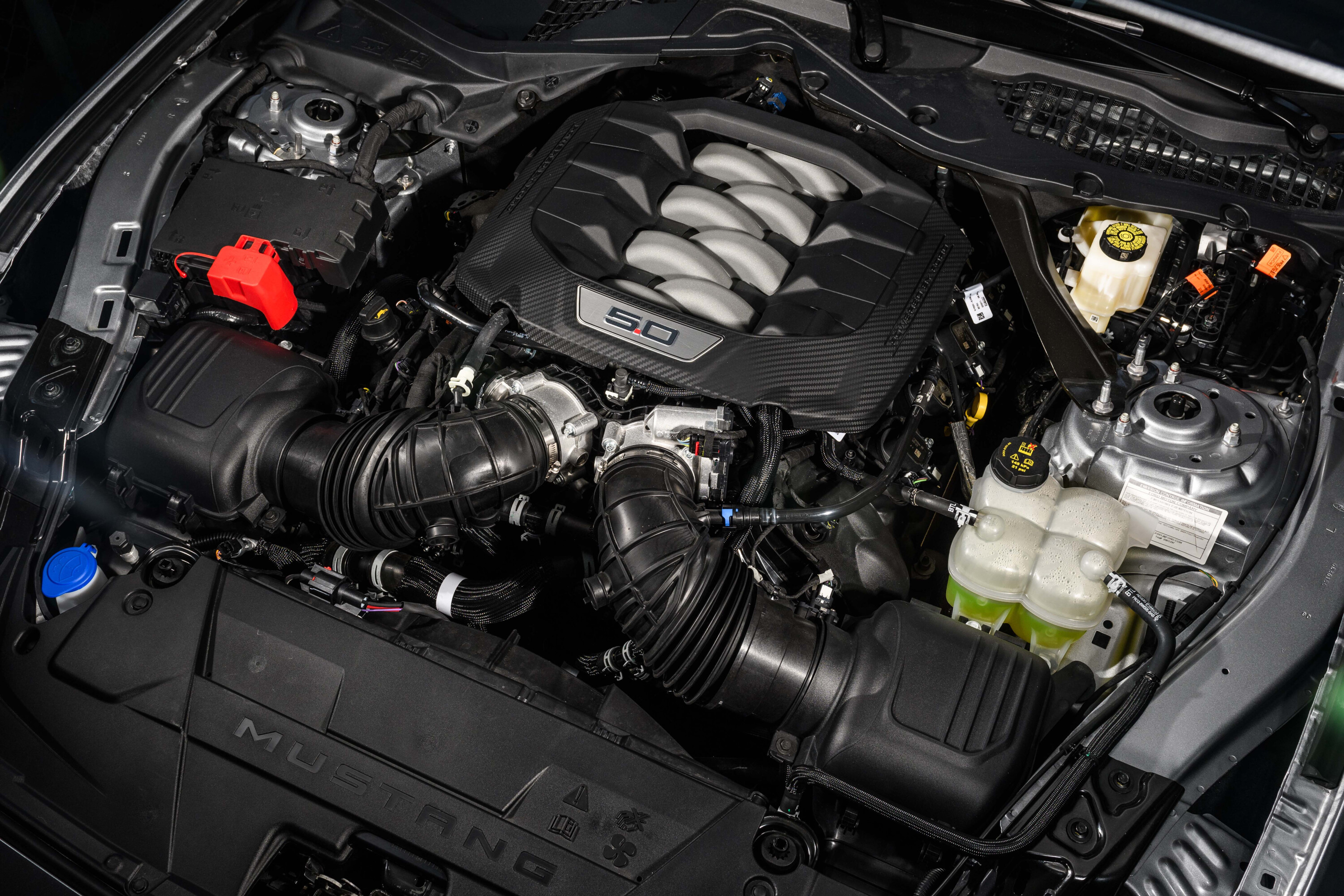
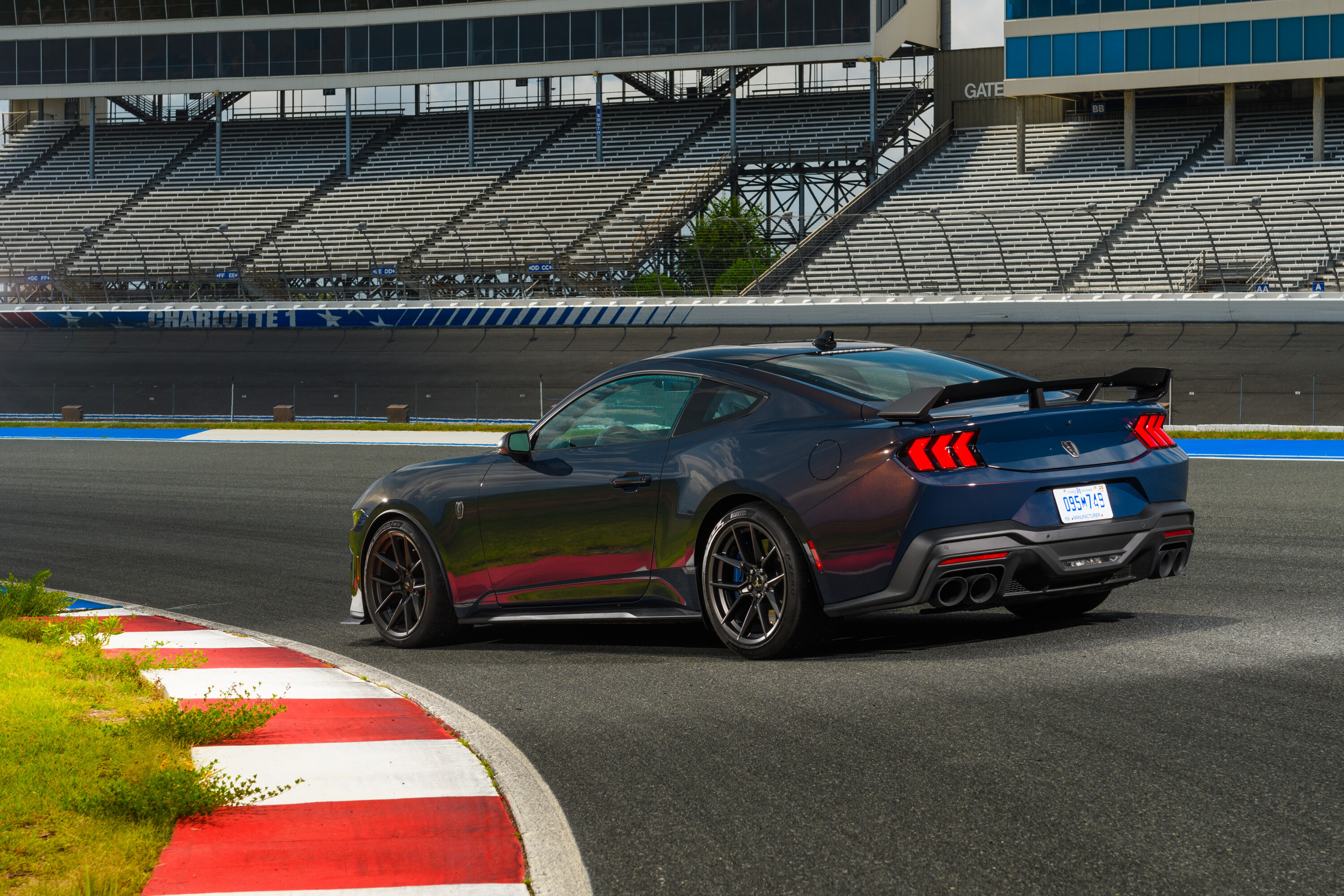
“There’s always fun stuff running around Dearborn [proving ground], [but] we’re really happy with what we’ve unveiled – the Dark Horse that is the pinnacle of 5.0L [V8] performance,” said Mustang marketing manager Jim Owens.
1
“We haven’t gone down the road of electrification of the coupe; we’re not going down that road.”
In late 2020, Ford released an all-electric SUV called the Mustang Mach-E – a model that controversially borrowed not just the Mustang nameplate but a second part inspired by the Mach-1. The vehicle is otherwise completely unrelated to the petrol-powered coupe/convertible.
The Dodge Challenger has outsold the Mustang for the past two years in the US, though Ford says the move by its competitors doesn’t make it fear for the future of Mustang.
1
“This isn’t the first time Camaro or Challenger have not been with us [in the segment],” said Mustang marketing manager Jim Owens. “But we’ve been here continuously since 1965. “We’re not concerned that the segment is going away.”
Despite the UK and Europe threatening to ban petrol and diesel cars next decade, Ford is ready to continue building V8s into the future if regulations in the United States allow.
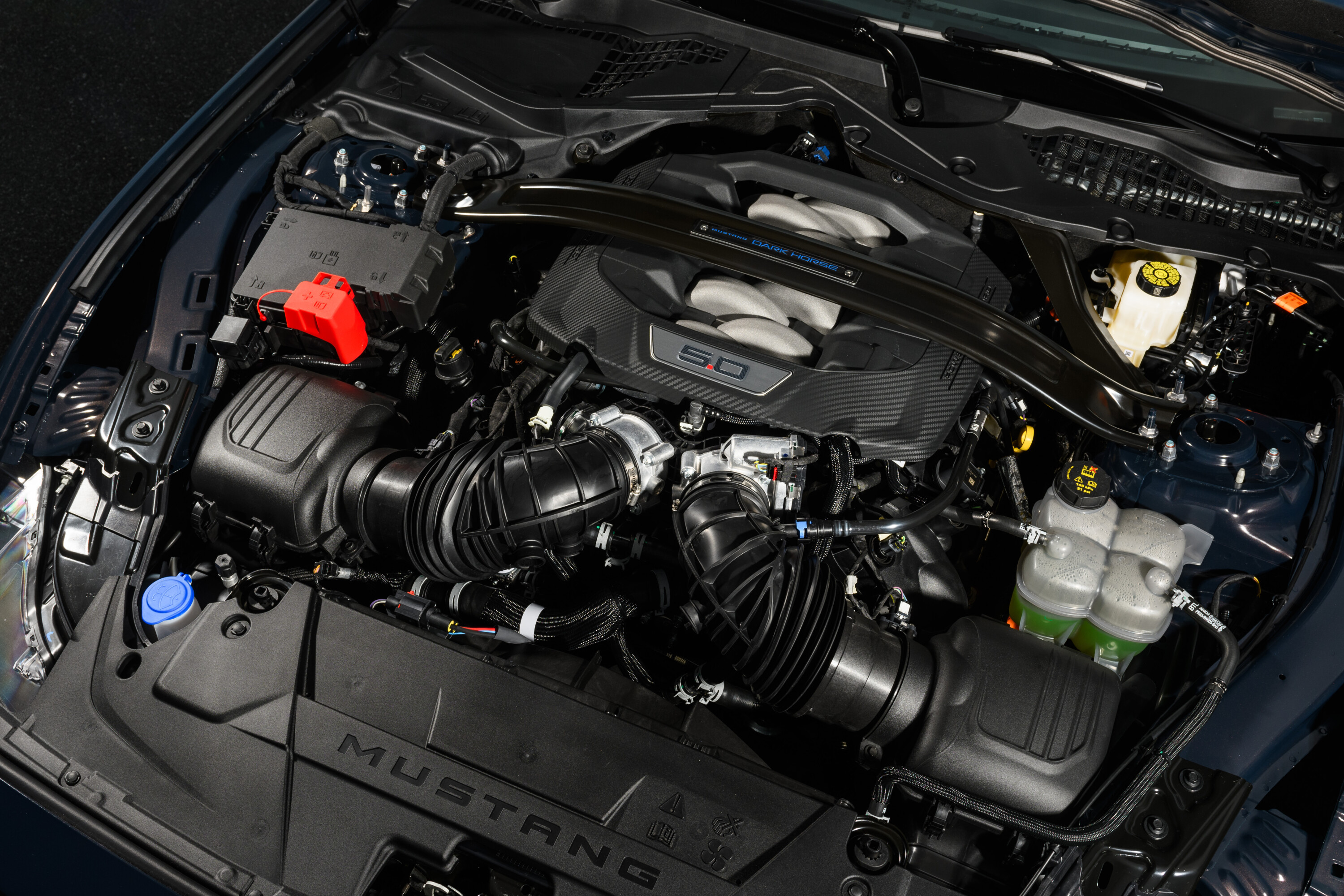
Ford has improved the efficiency of its fourth-generation ‘Coyote’ V8 for the latest Mustang, and said there is still room for further reducing CO2 emissions.
1
“We’re on the 4th generation [V8] and engineers get smarter every day,” said Mark Rushbrook, the global director of Ford Performance Motorsports.
“And from doing the 3rd generation [engine] they learned a lot that fed into the 4th generation, and there’s plenty learned with the fourth generation that you could, technically, do a 5th-generation ‘Coyote’ V8 – if and when it made sense. It’s a matter of where the regulations go.”
“We certainly considered [an electric Mustang] – whether it made sense or not, and the decision was not. We think there’s a market of people wanting a fantastic-driving, fantastic-sounding sports car with a manual transmission.
Rushbrook said Ford continues to study the potential for a high-performance variant of its Mustang Mach-E electric SUV.
Dark Horse is the first all-new Mustang grade since the 2001 Bullitt that was inspired by the famous car-chase movie.
It will sit above the EcoBoost and GT models when the new Mustang arrives in Australia in the first quarter of 2023, essentially taking the place of the Mach 1.
1
It features the most powerful 5.0L Coyote V8 yet, with an output of 500hp (373kW), in addition to a host of other performance and aesthetic features.
“With Dark Horse, we wanted to create a future collectible,” said Mustang marketing manager Jim Owens.
“I pine for a 1971 Mach 1 as that’s the car I harken to when I was a kid. And now we want this to be the one today’s kids remember in 30 years’ time.
“We think we did a great job with Bullitt with the Gen 4 [2001 Mustang] – great movie – and we did two generations after that (and I] think that reached an audience that was a little bit looking backwards in heritage.
1
“With the 7th generation [Mustang] we wanted to project forward. So not a heritage name, and Dark Horse seemed to fit.
“From 1965, we’ve had a number of nameplate derivatives … Bluebonnet, High Country Special, Twister edition, California special, Mach 1, Boss 9, 351… Those heritage brands will always be there. But with Gen 7 we wanted to go to the future.”
Ford has yet to confirm whether we will see Mach-1, Bullitt and Boss derivatives again for this latest generation.
The car maker is promoting the Dark Horse with “Limited availability”, though wouldn’t confirm a production limit.
1
Recent Mach-1 and Bullitt editions were limited to 700 units in Australia.
The last Mustang Mach-1 was priced from $83,365 before on-road costs in 2021, though the Dark Horse could break the $100,000 barrier with additional charges.
In the US, the standard Dark Horse is priced similarly to the Mustang Mach-E electric SUV that has converted to a $107,665 price tag in Australia.
If you had to drive just one car for the rest of your life, what would it be? This is a great game to play with your friends (especially at the pub) and it’s actually trickier than you think.
The reflex answer most people offer is “a Porsche 911” but then they remember their ‘one car for life’ has to take the kids to school, the dog to the vet, fit your bike and surfboard, and have enough room for the 45 bags you take on family holiday.
Eventually most people find their way to a fast wagon and the king of fast wagons, thanks to the mighty RS4 and RS6, is Audi. Or at least it was, until BMW M decided to enter the fray…
BMW’s form is patchy in wagon land. It’s given us two M5 wagons (the last was the E61 of 2007) but in the 37 years BMW has made the iconic M3, it has never built a long roof version.
1
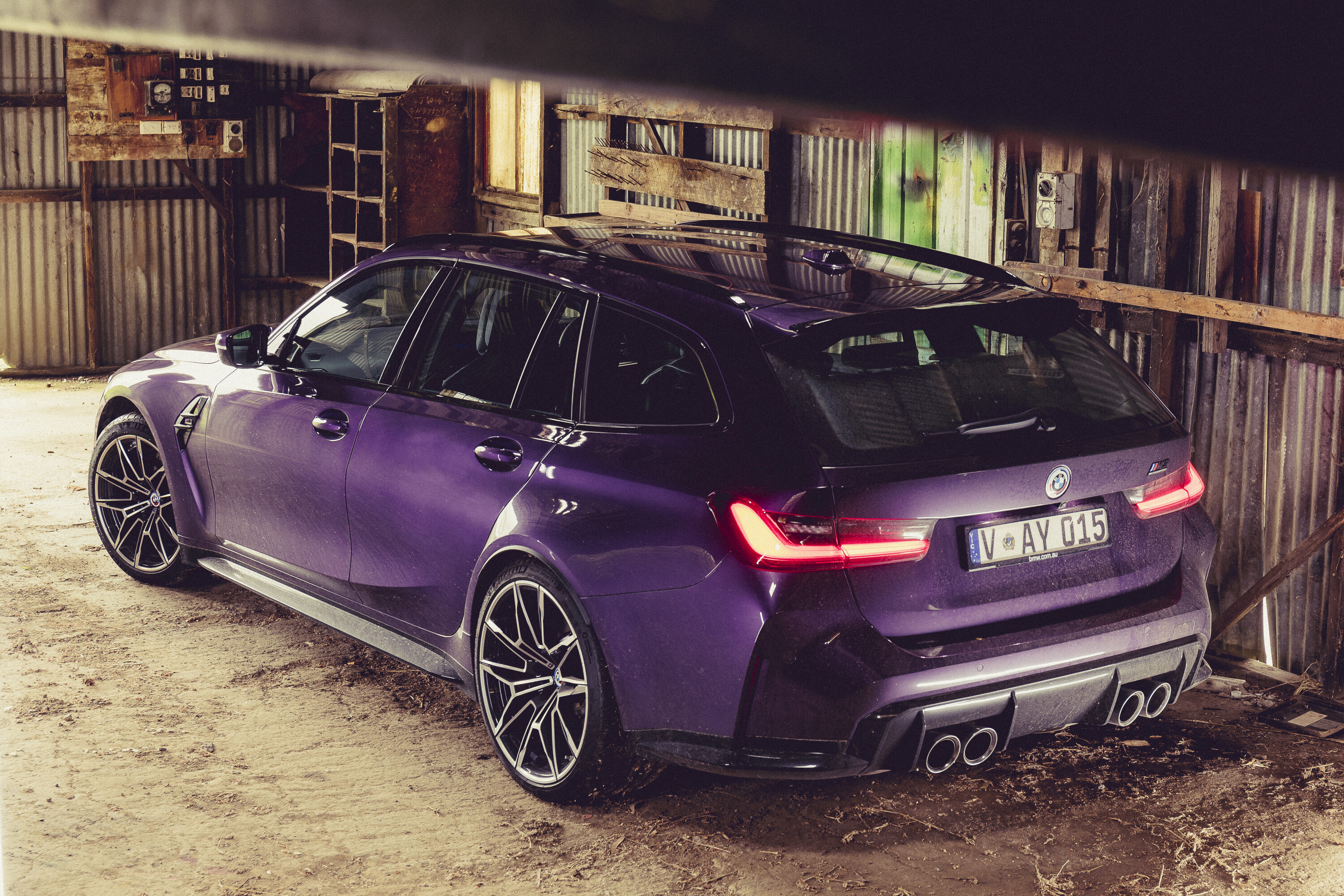
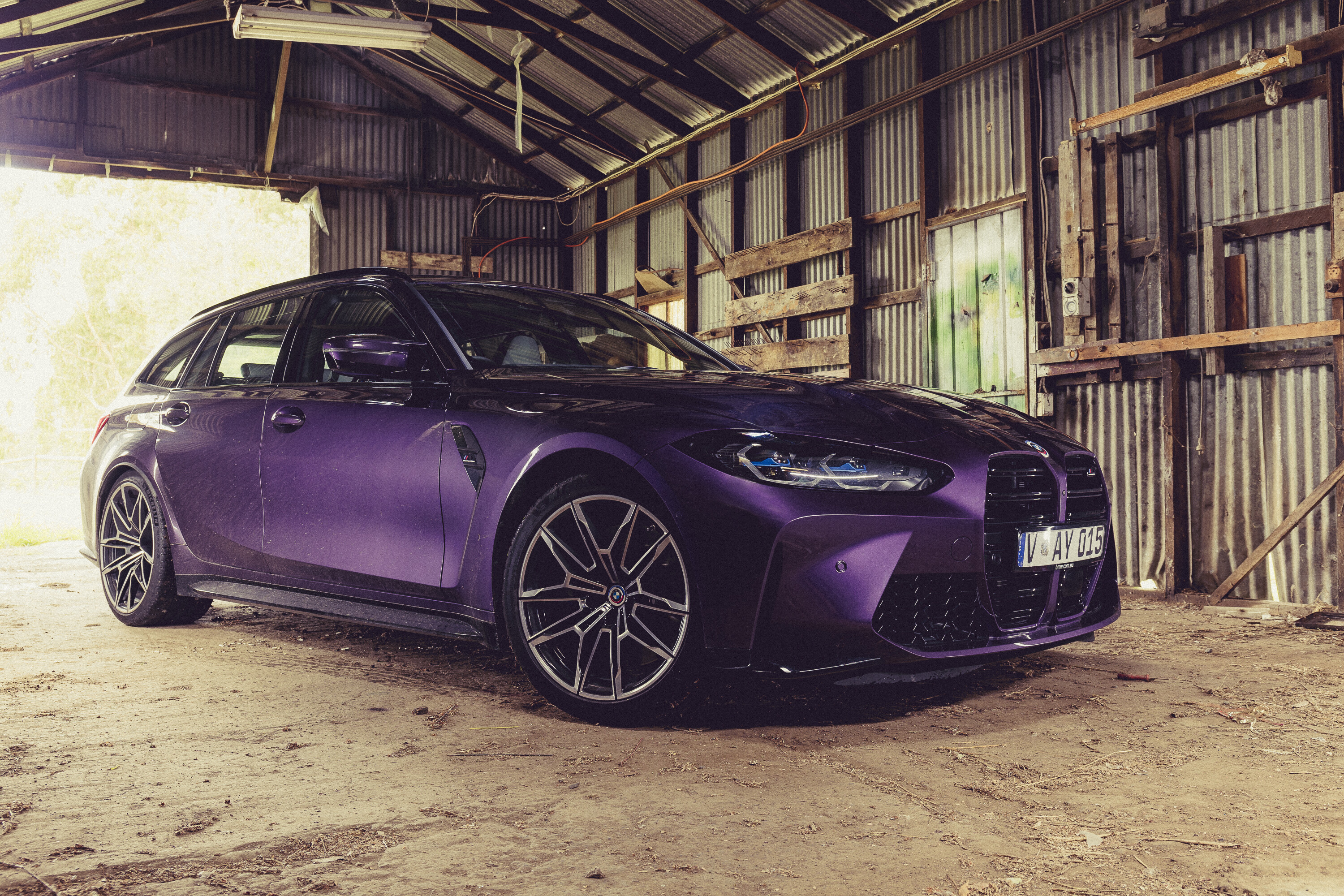
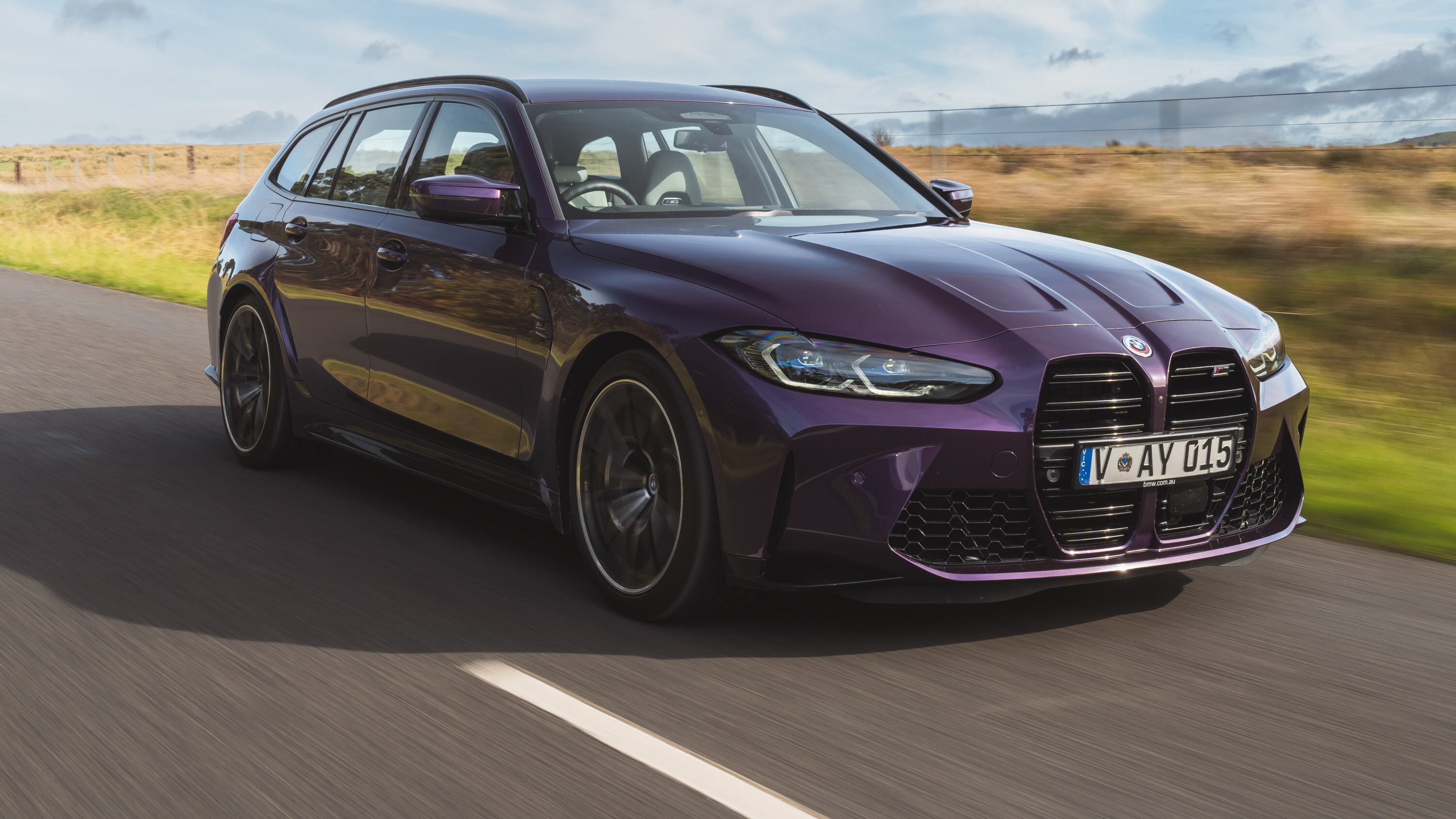
Which is what makes the arrival of this G81 M3 Touring so significant.
At a time when other brands are abandoning wagons altogether (Mercedes has ditched all of its wagons in Australia, and VW has just dropped the Golf R and Passat wagon) BMW has gone all in will soon sell two M wagons when the bigger, and outrageously powerful, M5 touring arrives later this year. Car nerds rejoice!
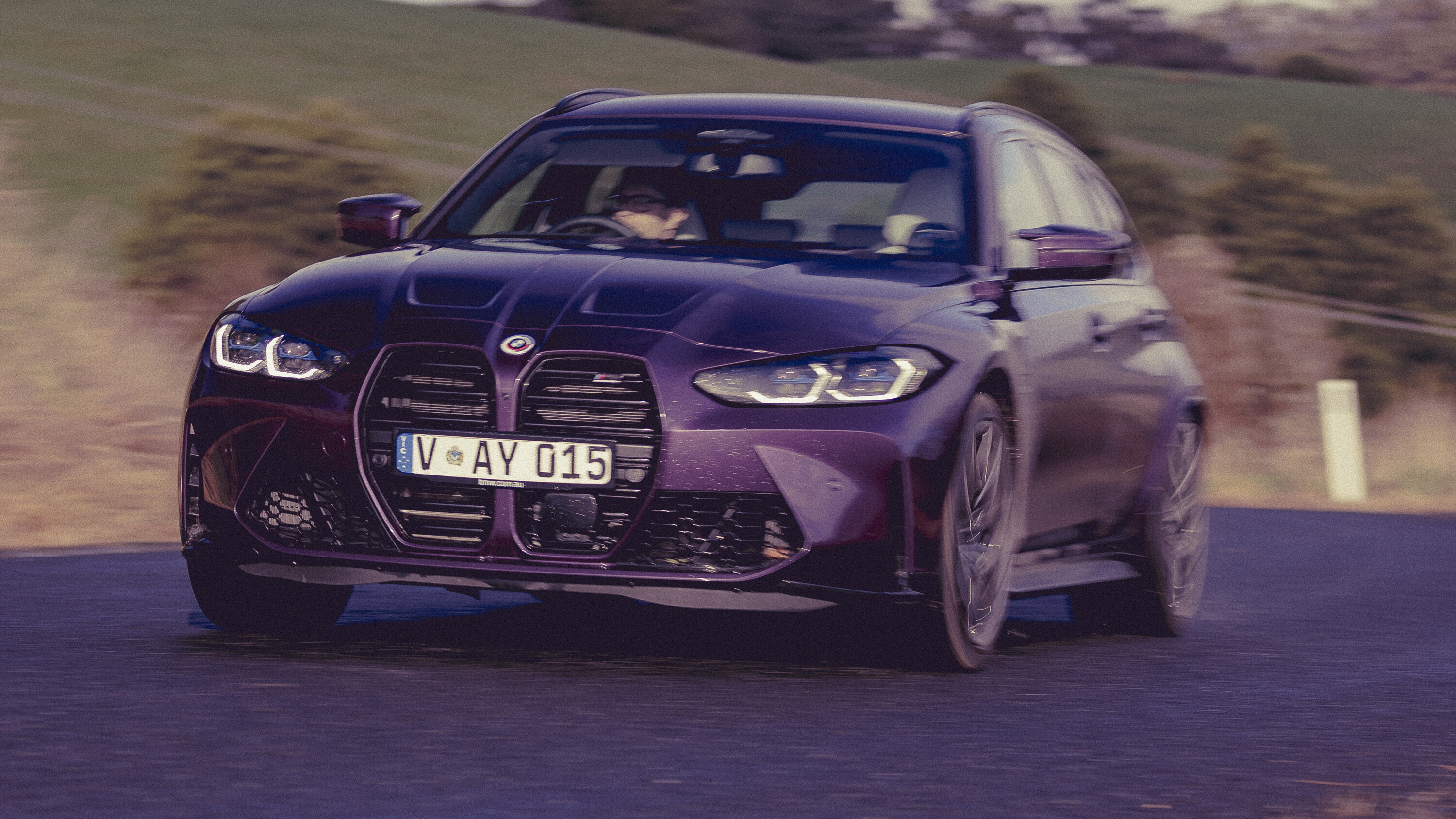
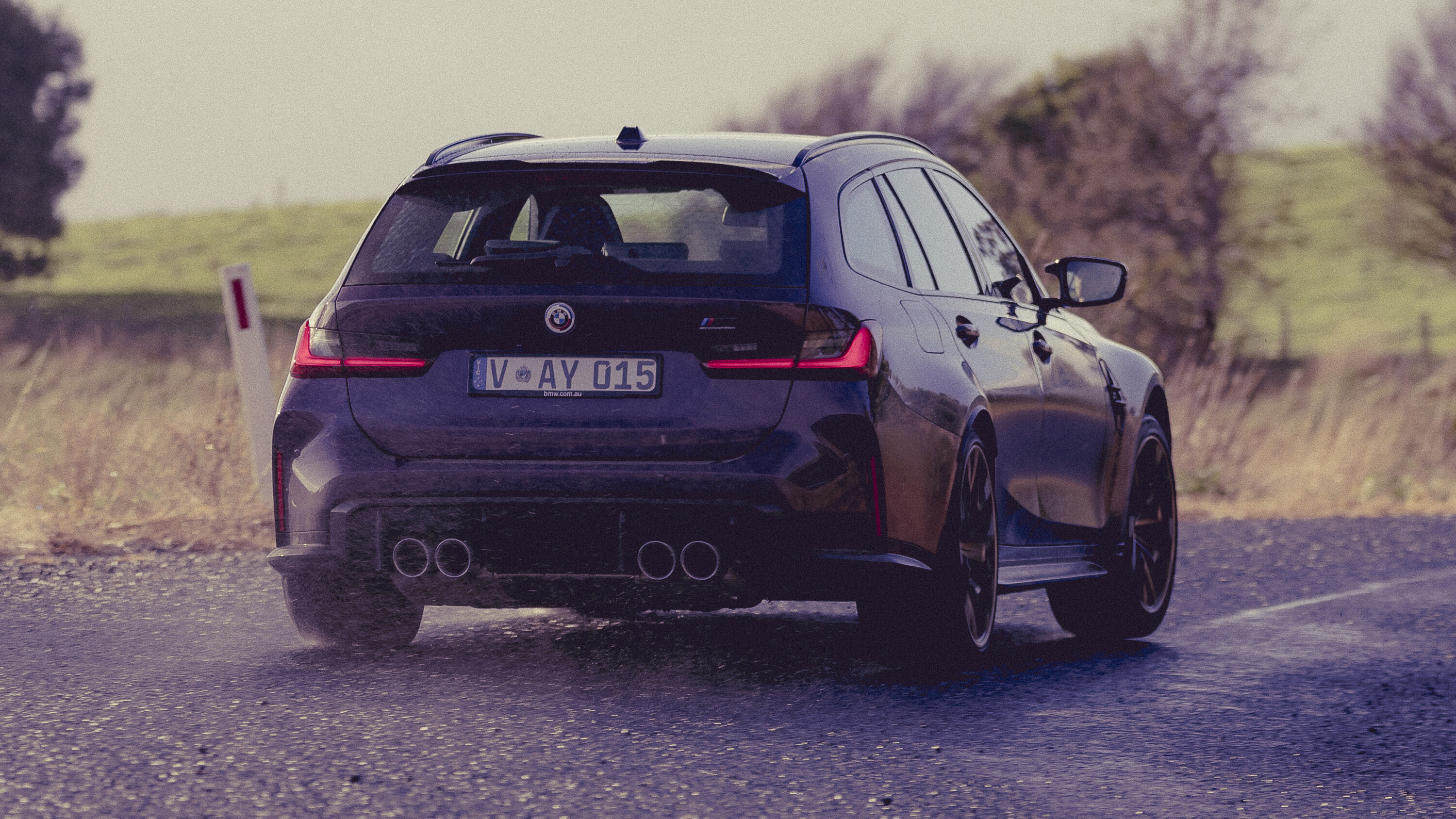
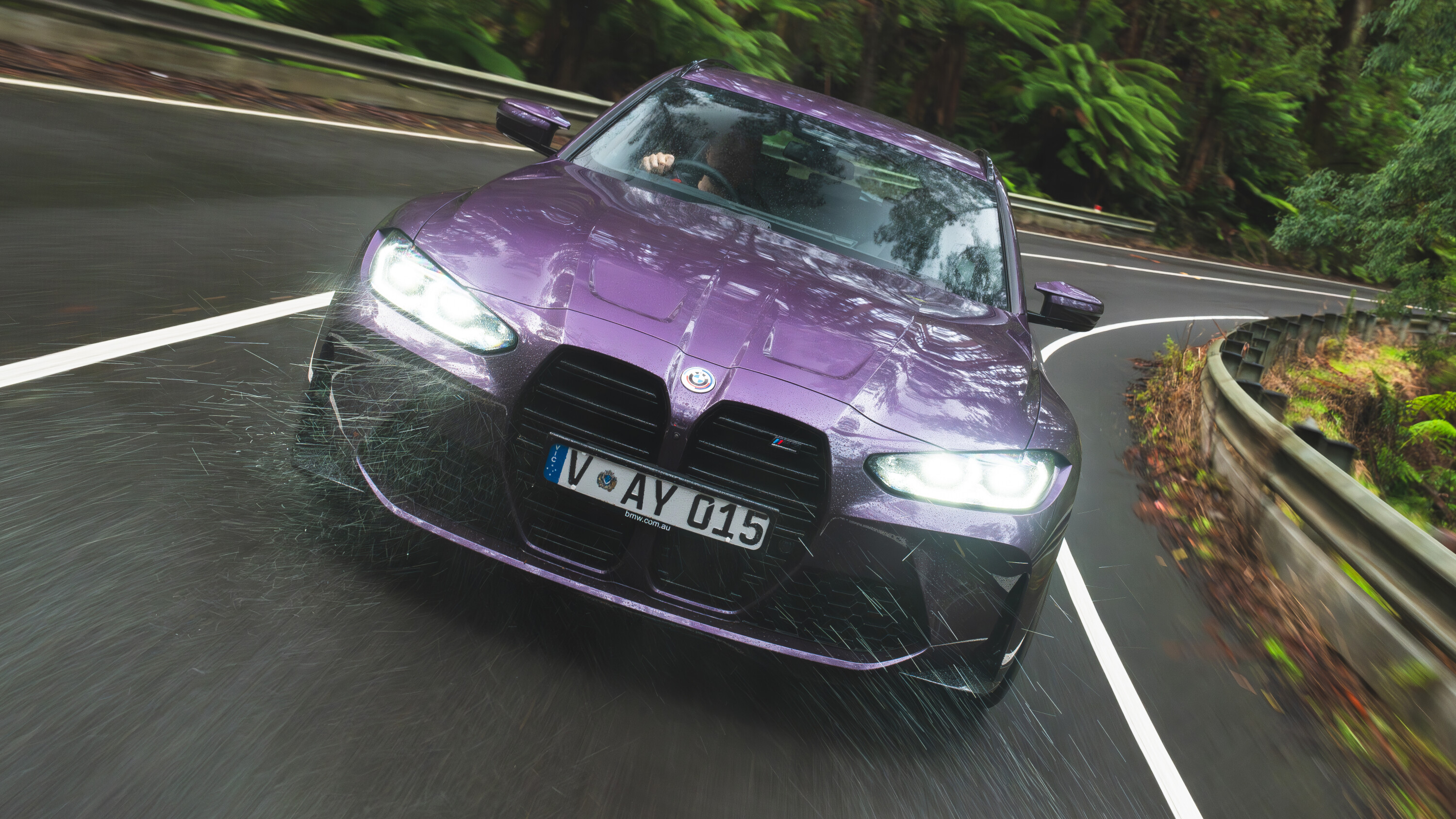
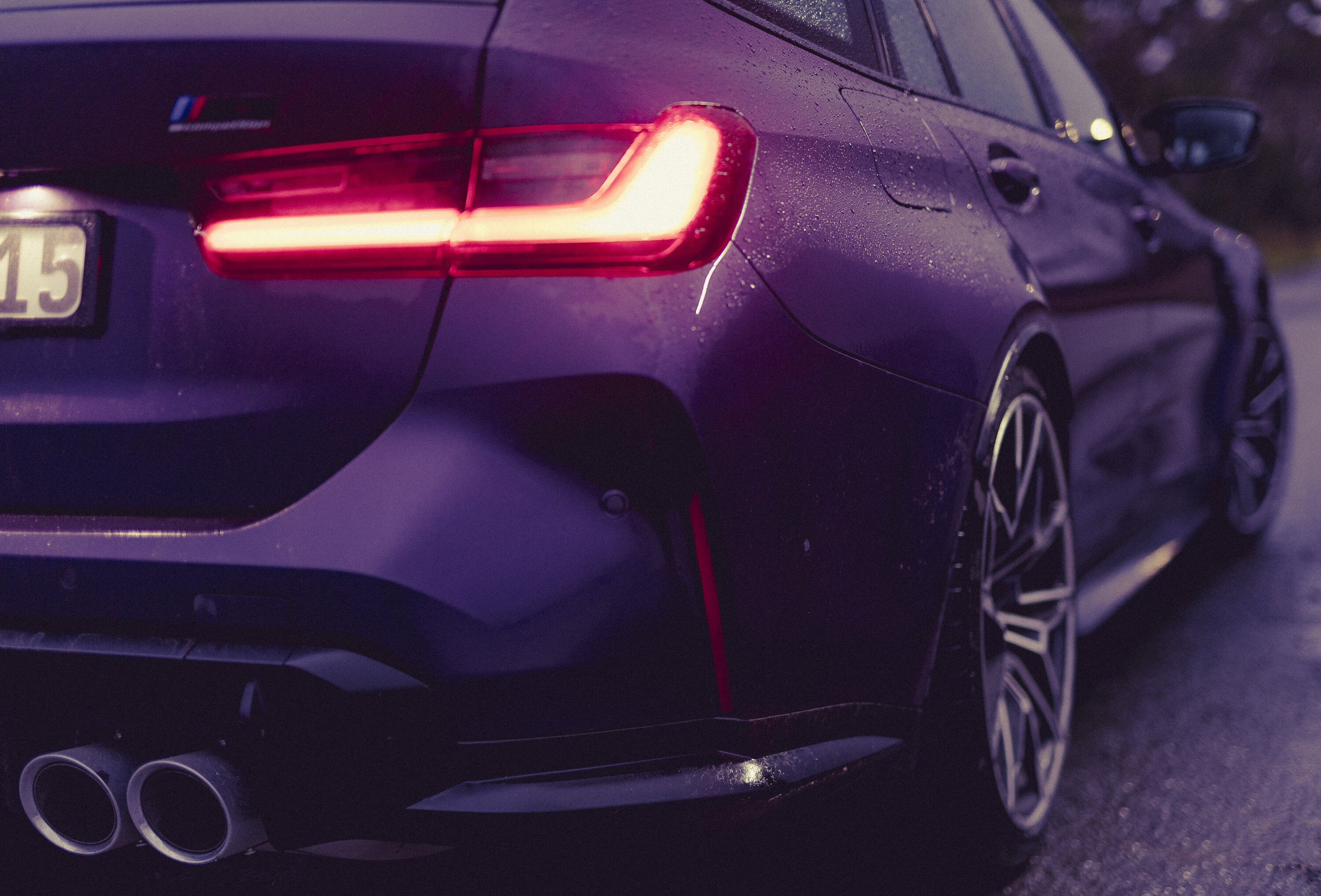
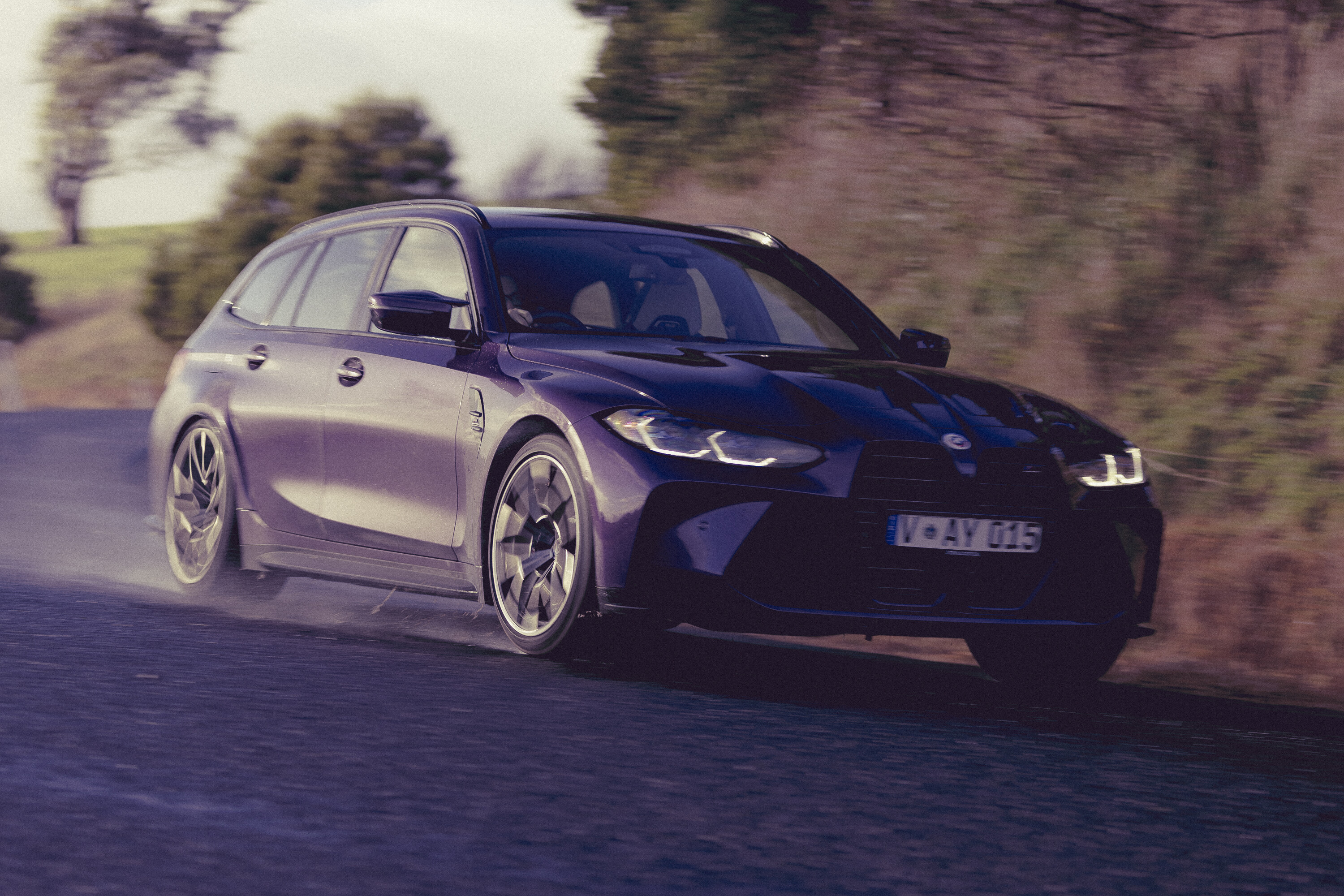
And in even better news, this new M3 Touring isn’t only fabulous to look at – how good are those flared rear guards, how sinister is that hunkered stance – it’s also fantastic to drive.
In true M car form, the M3 Touring is fast, grippy, engaging, slidey and surprisingly comfortable, so if you’re one of the thousands of Aussies about to buy a fast SUV, allow us to try and change your mind…
A practical family car injected with supercar performance is an intoxicating proposition, but it’s not a cheap one.
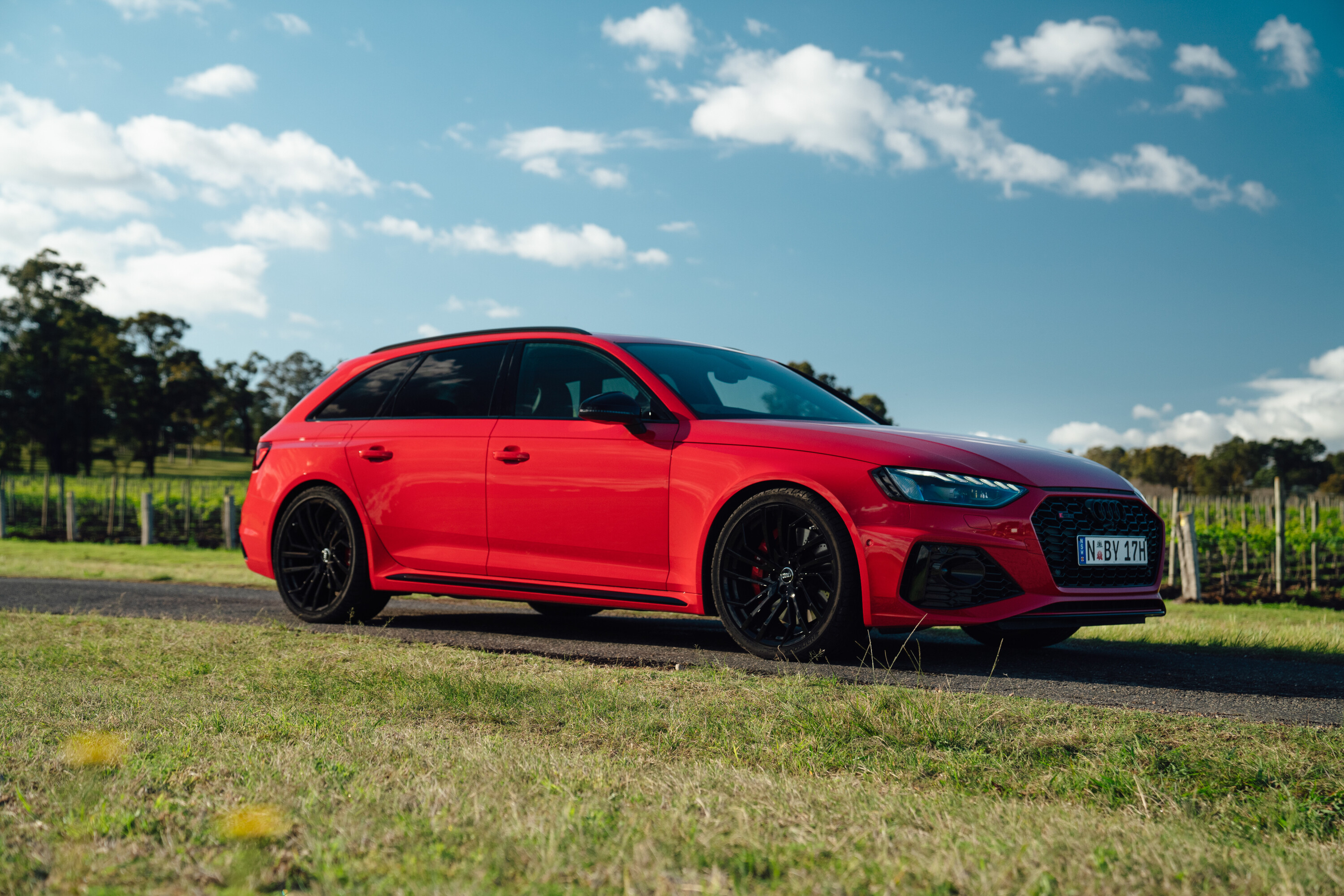
BMW has priced the M3 Touring at $180,100 before on-roads meaning it’ll be close to $200K by the time it’s sitting on your driveway. And that’s before you start thinking about adding a carbon diffuser or special carbon bucket seats. Ouch. It’s also a hefty $22,500 more than its closest rival, the Audi RS4. Double ouch.
The silver lining is BMW hasn’t gouged buyers for choosing the wagon body style. Just one version of the M3 Touring is available – the top spec xDrive Competition – and compared to the sedan upon which it’s based, the wagon is only $2300 more.
1
Like other M3s, the Touring uses BMW’s S58 3.0-litre twin-turbo straight-six but here it’s paired exclusively with a smooth-shifting 8-speed automatic.
Power is ample at 375kW/650Nm and because the Touring is all-wheel drive, its 0-100km/h sprint is a supercar beating 3.6 seconds. That’s 0.1sec slower than the Comp sedan but half a second quicker than an RS4.
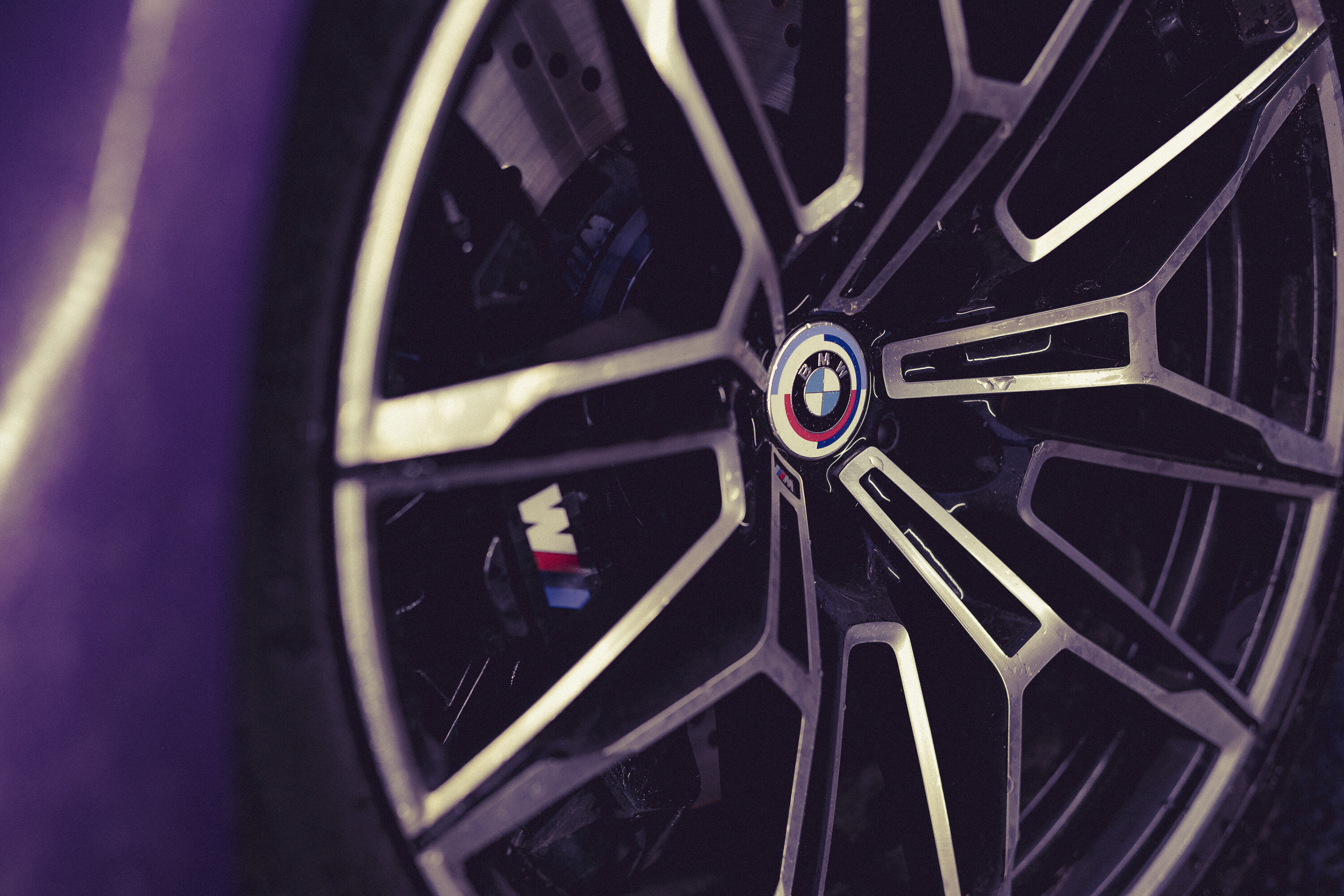
Helping to transfer all that grunt to the road are staggered Michelin Pilot Sport 4S tyres measuring 275/35 ZR19 up front and 285/30 ZR20 out back.
As you’d expect given its bigger body, weight has gone up, but perhaps not by as much as you might think.
1
BMW says the Touring is 85kg heavier than an equivalent xDrive sedan, which is about the same as slotting a friend into the passenger seat, and most of that extra heft is down to additional body strengthening low in the chassis.
Sprint rates are also higher and the adaptive dampers and anti-roll bars have been tweaked on both axles to ensure the slightly porkier wagon is just as sharp to drive as the sedan. Another contributor to the weight gain is the Touring’s enormous roof, which unlike other Competition models, is made from steel rather than carbonfibre.
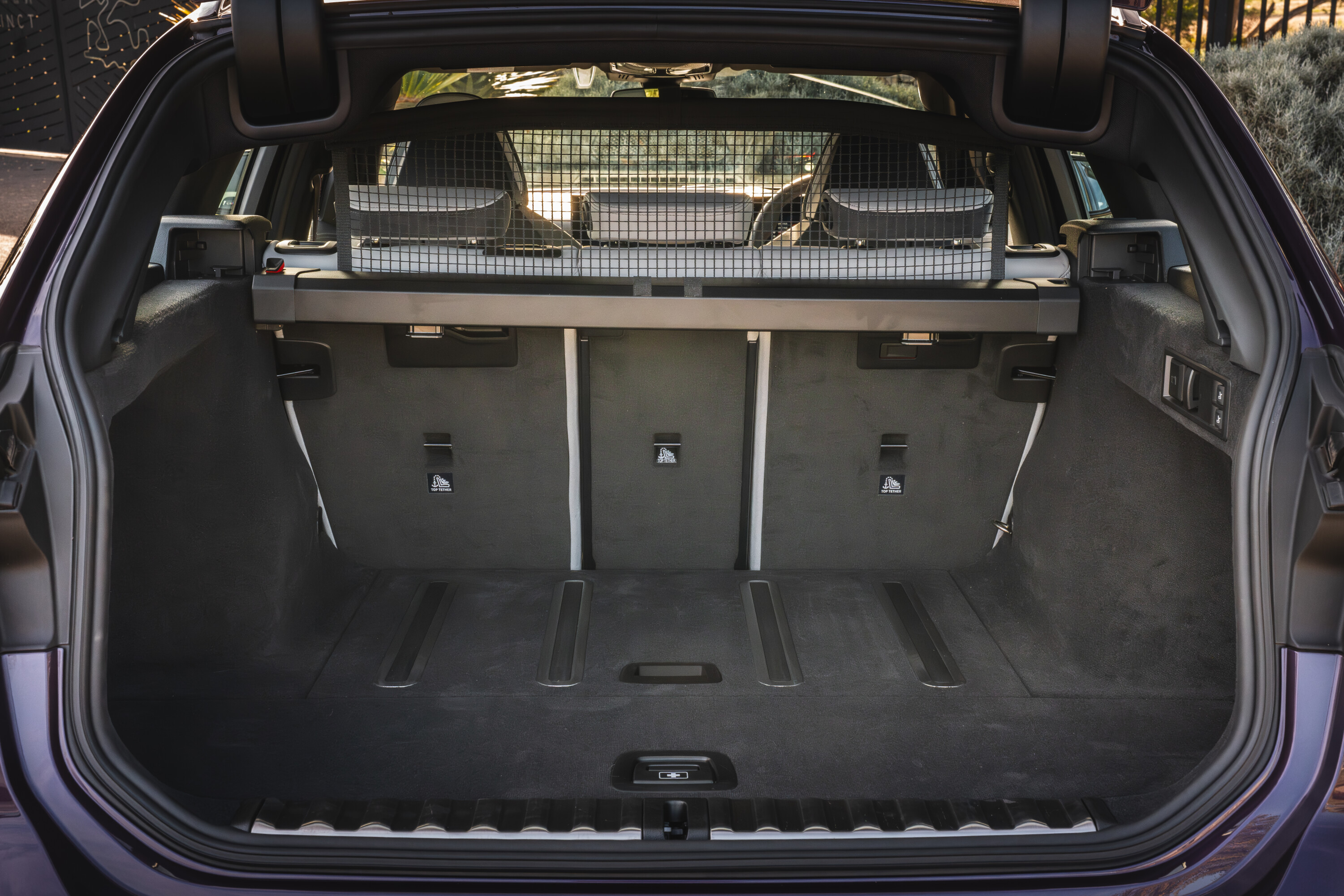
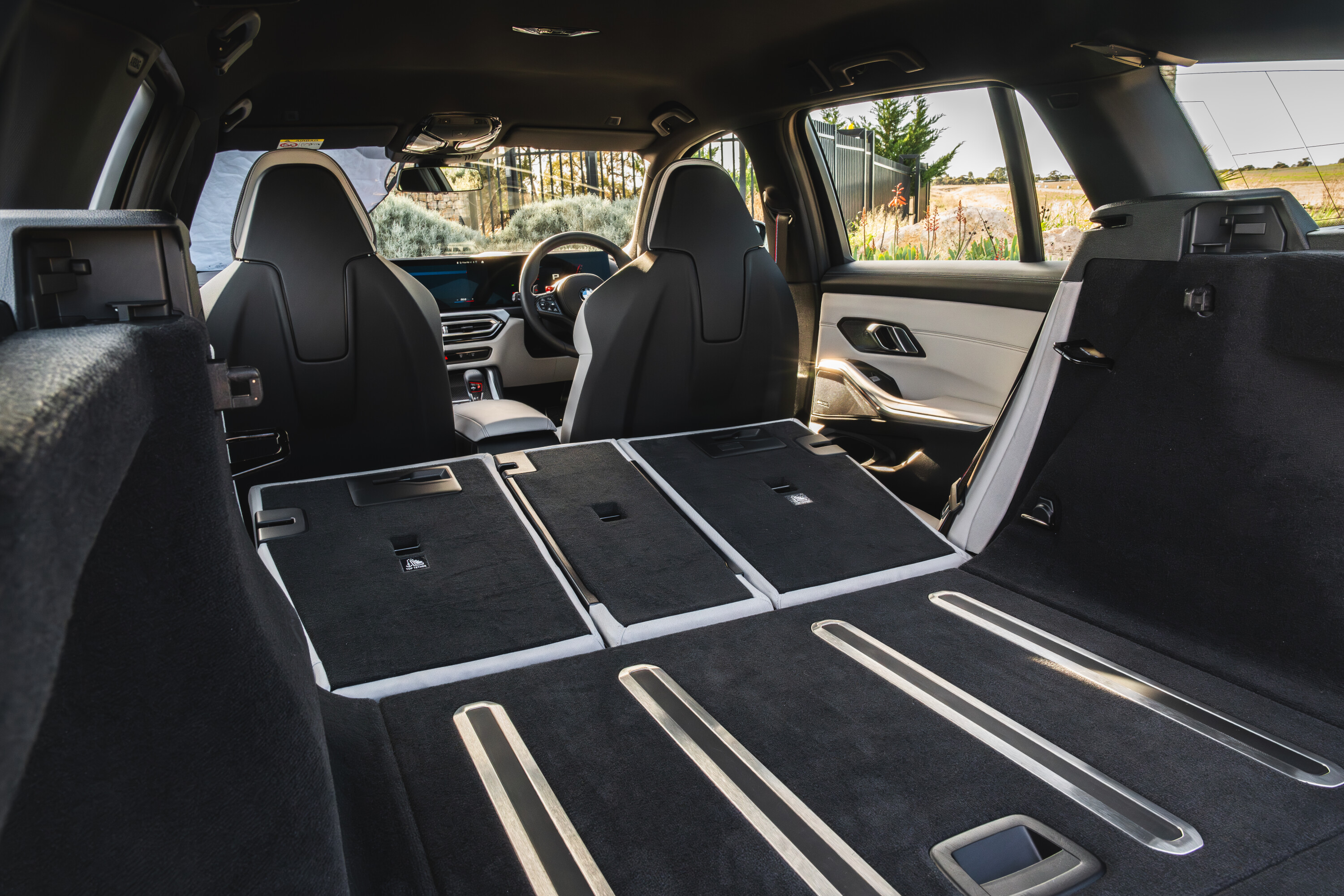
The boot itself is exactly the same as you get in a regular 3 Series Touring, which is an achievement given the M3’s need to house a wider rear track and bulky sports exhaust with quad outlets.
1
Luggage capacity is a neat 500L with the rear seats up (the backrest folds 40:20:40) and 1510L with them down. For context, that’s 20L more than an M3 sedan and almost identical to an RS4.
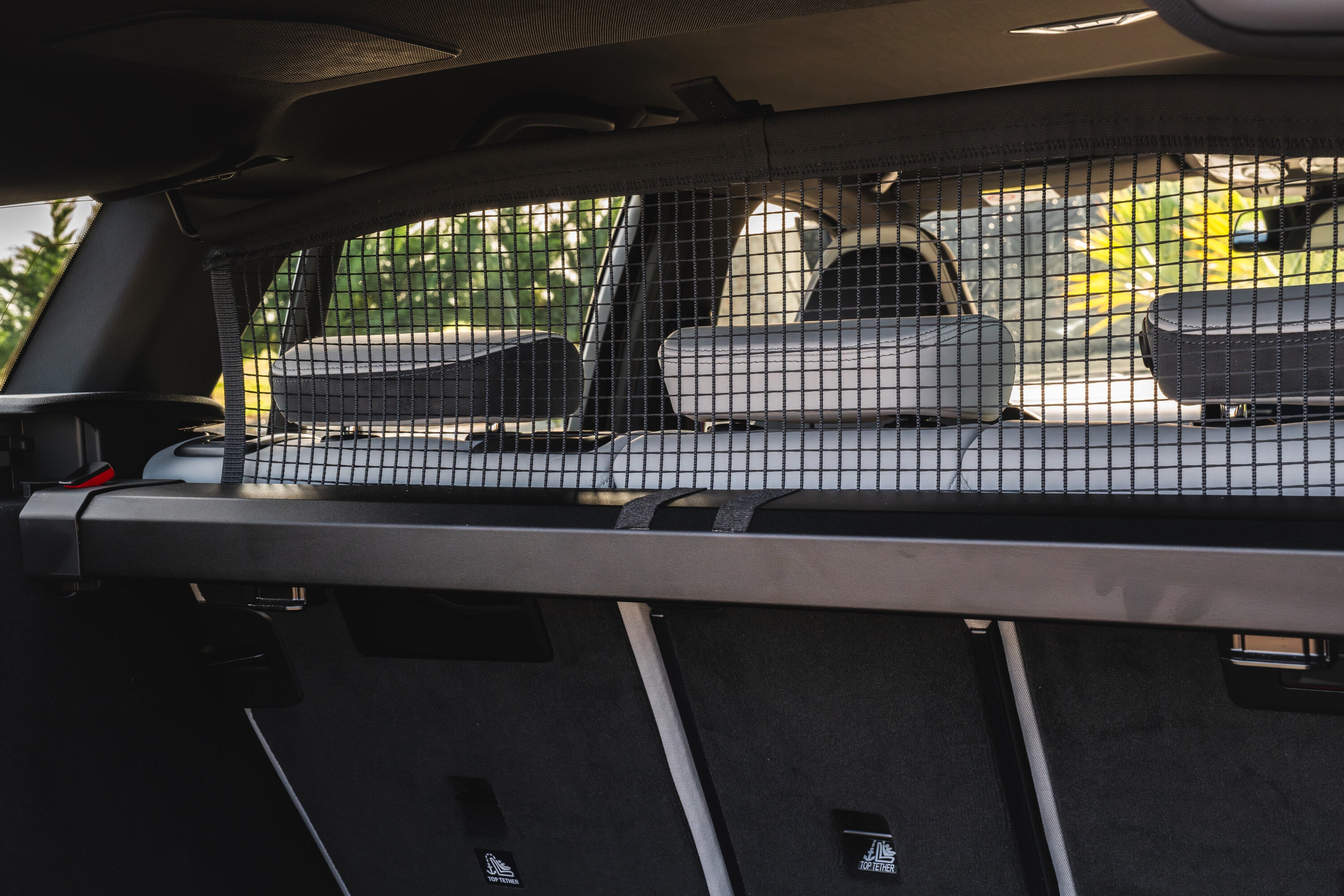
There’s plenty of amenity in the luggage bay, too. There are two generous sections of underfloor storage and there are magnetic rails to help secure bags in place. And, just like a Toyota Prado, the glass section of the tailgate can be opened separately for easier access.
One thing you don’t get is the ability to fit a tow bar, so you can forget about that fantasy of using your M3 Touring to tow your race car to the circuit. It also means you can’t use a tow-bar bike carrier, so if you’re a cycling enthusiast you’ll need to wedge them into the boot or mount them on the roof.
1
As for options, the standard specification is so high that there’s only a couple to choose from.
The first is carbon brakes which, for $16,500, swaps out the standard steel stoppers for massive 400mm ventilated and perforated carbon discs clamped by six-piston callipers.
The second option pack is the ‘M Carbon Experience’ and it’s even more expensive at $17,500. It brings BMW’s crotch coddling carbon bucket seats, which save 9.6kg, and uses carbon fibre for the rear diffuser, sections of the front bar and mirror caps.
It also includes the M Driver’s package, which raises the top speed from 250km/h to 280km/h, and provides admission to BMW M’s Level 2 advanced driver course.
We’ve already mentioned that the M3 Touring is $25K pricier than its closest rival, the Audi RS4, and the M3’s other key competitors, the Mercedes-AMG C63 and Alfa Romeo Giulia Q, don’t offer wagon versions in Australia.
Perhaps more interesting, however, is how the M3 Touring stacks up against the horde of mid-size performance SUVs. After all, performance SUVs sell in far greater numbers even though a wagon is superior to drive…
And against its SUV rivals, the M3 Touring stacks up a well. A BMW X3M for example, is almost identically priced at $182,500 but it’s an older vehicle and can’t match the M3 Touring for cabin tech. It’s also two tenths slower to 100km/h at 3.8sec.
1
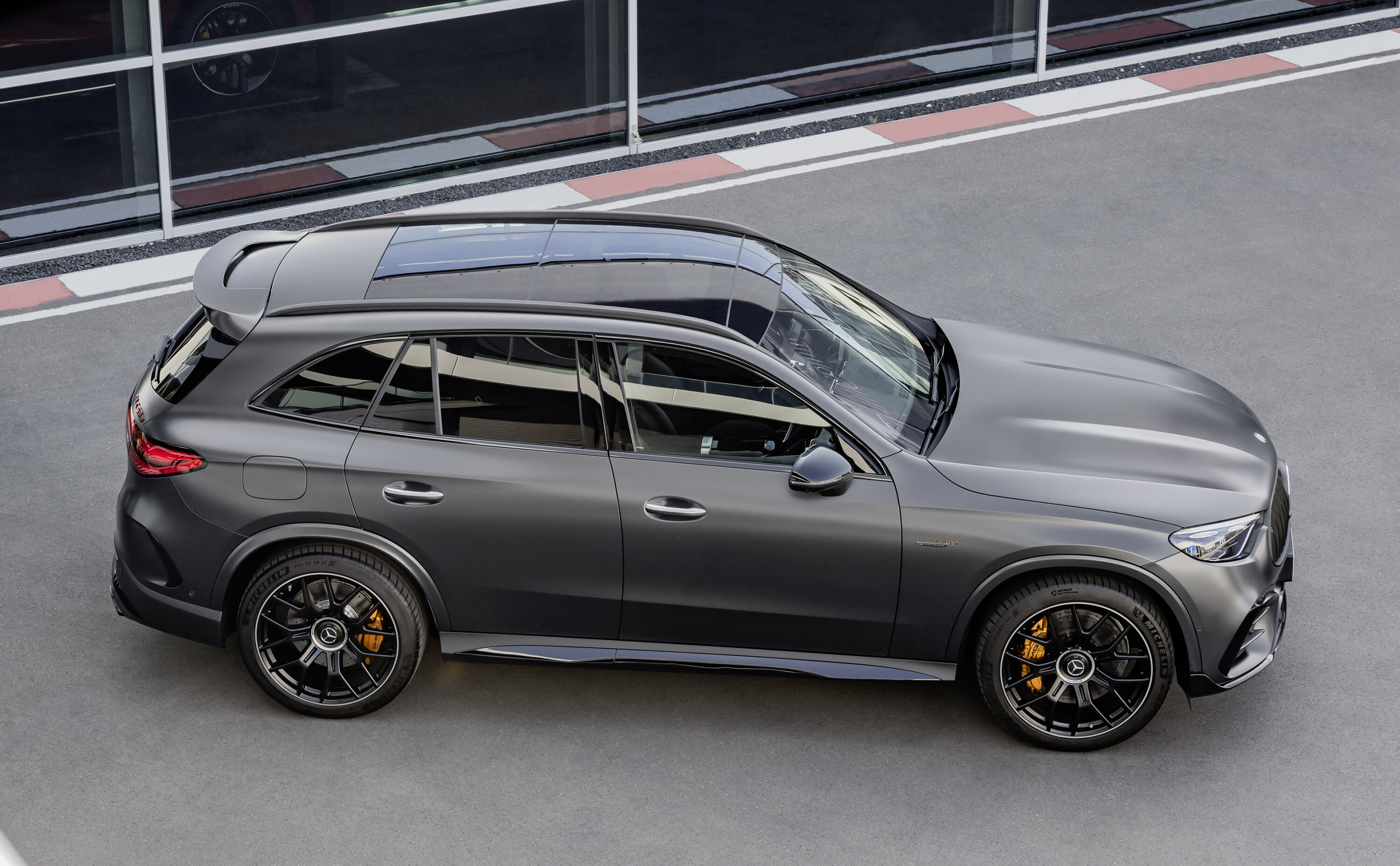
The soon-to-arrive Mercedes-AMG GLC 63 S E-Performance is another intriguing alternative.
Armed with the same potent plug-in hybrid powertrain as the W206 C63 S, it eclipses the M3 Touring for grunt with 500kW and 800Nm and is fractionally quicker to 100km/h at 3.5sec.
But the AMG is tipped to be priced north of $200K when it arrives in the second quart of 2024, and it also weighs 2310kg, which is 445kg heavier than the BMW. Yikes.
It’s significantly cheaper than the M3 Touring at $153,500 and its 2.9L V6 turbo is a match for the BMW in performance and engagement. It’s slower to 100km/h at 3.8sec but the Alfa is our pick of the performance SUV segment for driving thrills.
A final, discerning competitor to mention is the Alpina B3 wagon. Based on the 3 Series Touring, the Alpina’s 3.0-litre turbo six produces 364kW/730Nm and it can hit 0-100km/h in 3.7sec.
It also shares the M3 Touring’s updated cabin architecture, including its curved widescreen display. And at $155,900 it’s not only less expensive but more exclusive and arguably cooler, too.
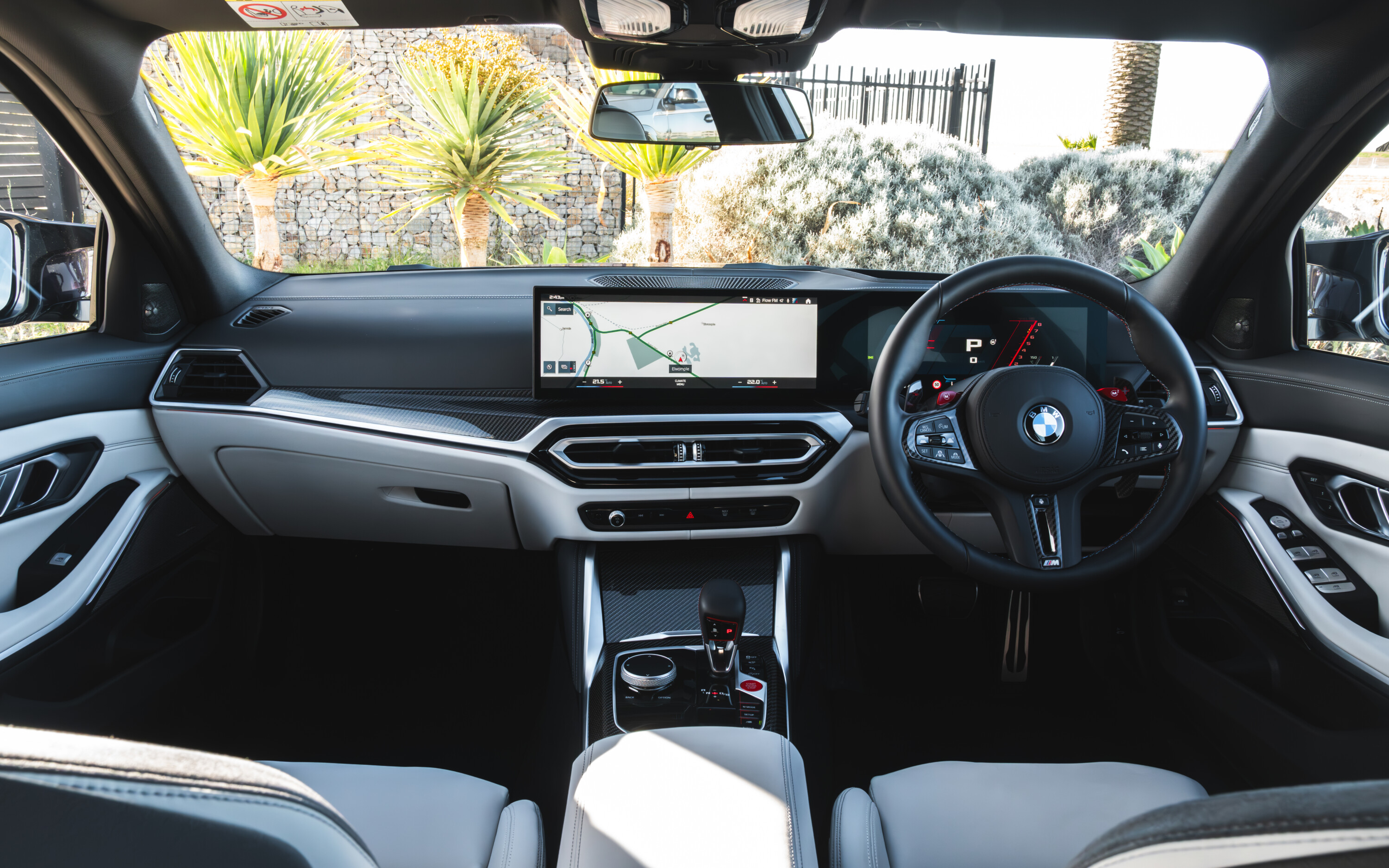
The M3 Touring’s cabin is fantastic. Lots of brands are trying, with varying degrees of success, to create an interior that feels sporty, techy and modern.
Most fail – AMG stumbles with too much piano black and cheap-feeling plastics – but BMW has knocked it out of the park.
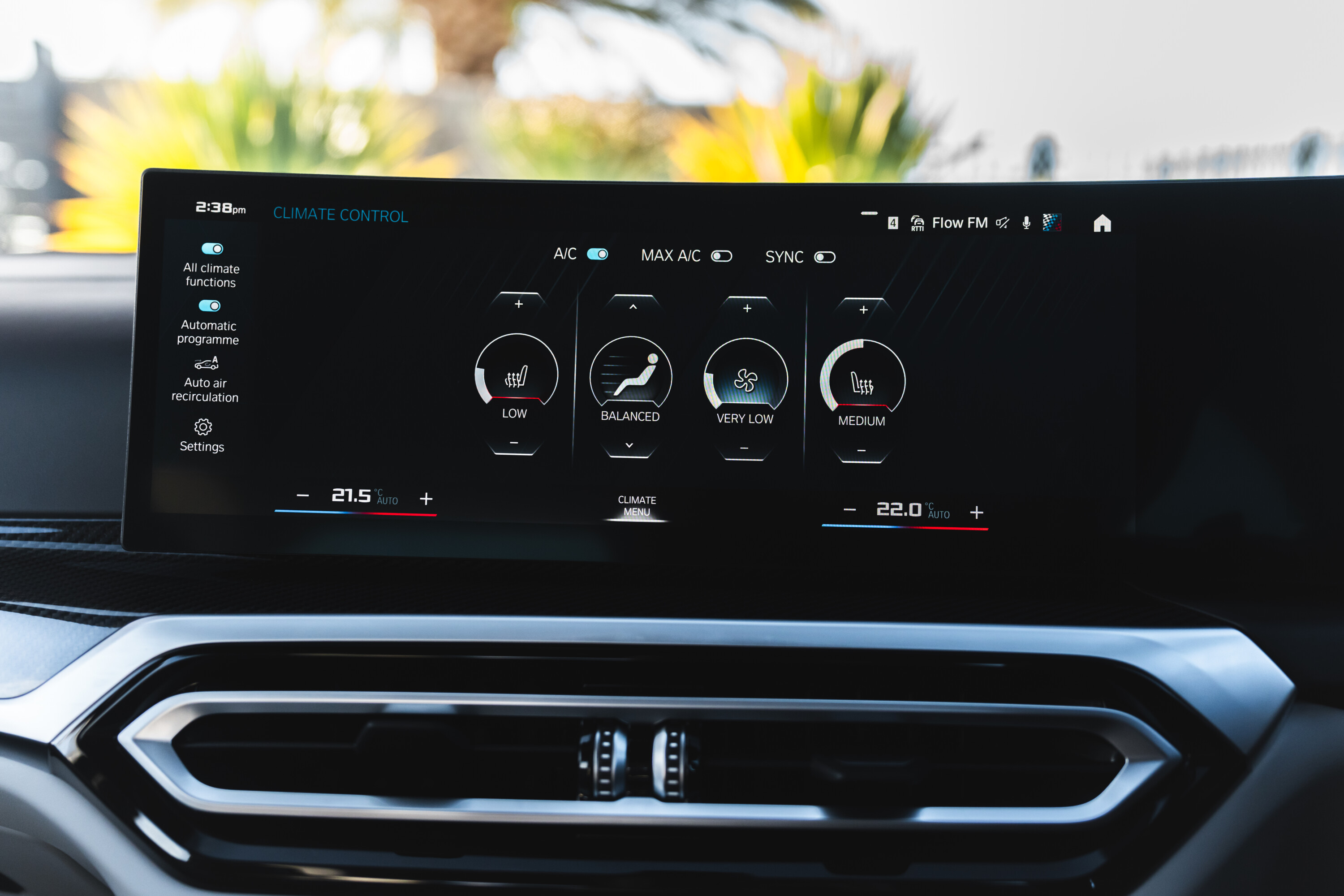
The curved widescreen display, which combines a 12.3in instrument cluster and 14.9in central touchscreen, is crisp and easy-ish to navigate and all of the key controls are easy to find. There are a few foibles, like burying the fan speed controller for the air-con in the centre screen and needing to dive into a sub menu to switch on the recirculating air, but mostly this is a great place to sit.
1
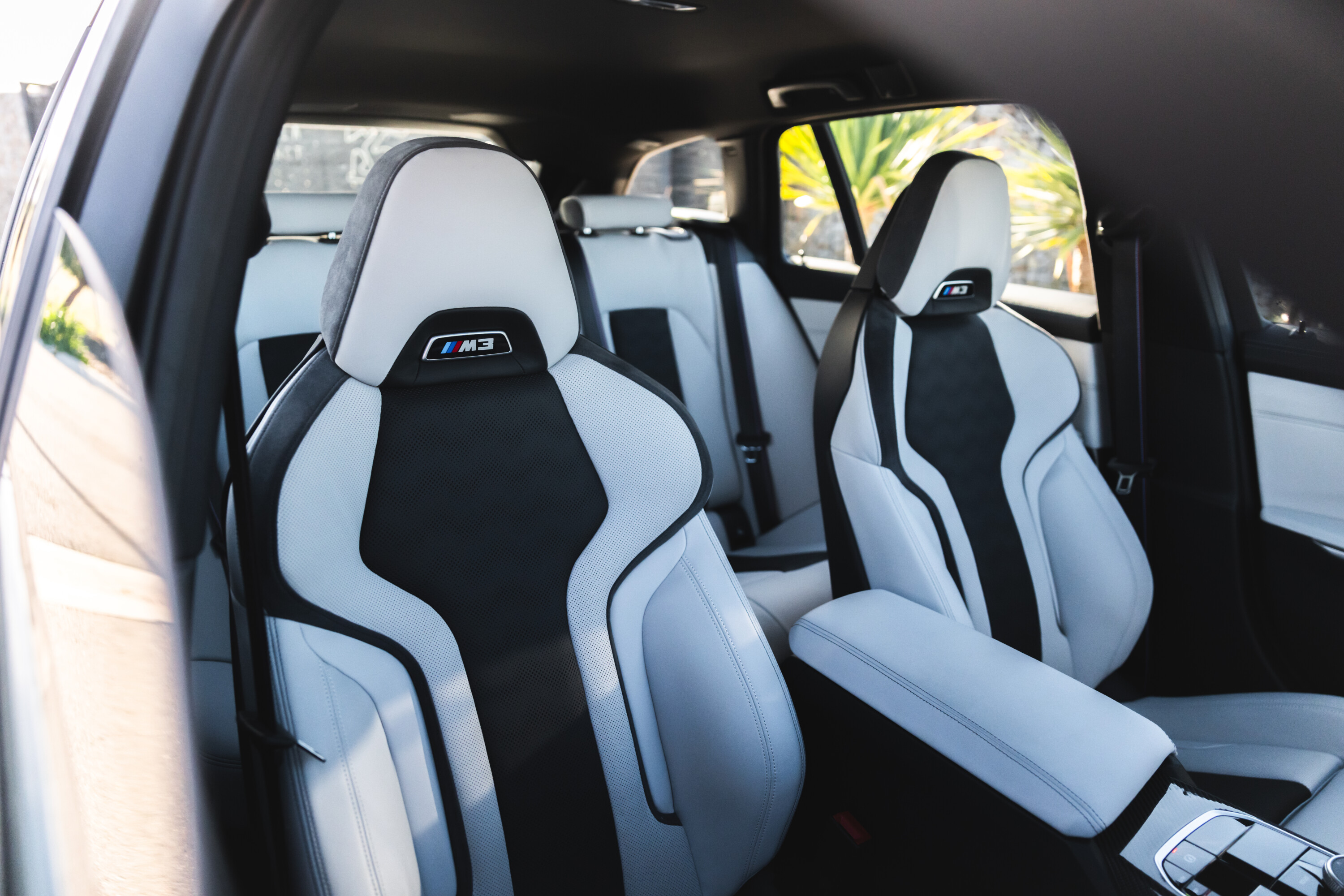
Ah yes, the seats. As standard, the M3 Touring is fitted with BMW’s sports seats and they are excellent.
Supportive, heavily bolstered and comfortable, they also go impressively low and combine with ample steering-wheel adjustment to create an ideal driving position.
They’re well suited to long-distance cruising and track driving, however BMW’s eye-catching carbon buckets are also available as an option. The carbon seats save 9.6kg and they bring plenty of wow factor thanks to bulging crotch inserts and kidney cutouts. They’re unquestionable cool but we’d actually stick with the comfier standard seats.
1
The mix of materials used through the cabin feel expensive (as you’d hope) thanks to plenty of exposed carbon, high-quality plastics and soft leather.
The carbon shift paddles are a nice tactile touch, too, but why must BMW steering wheels be so thick?
Storage is another strength. There are twin cupholders and a wireless phone charger ahead of the gear shifter and the door pockets are generous. Front passengers score two USB charging points (1 x USB-A and 1 x USB-C) and there are two more USB-C outlets in the back, plus dedicated air vents for the tri-zone climate control.
1
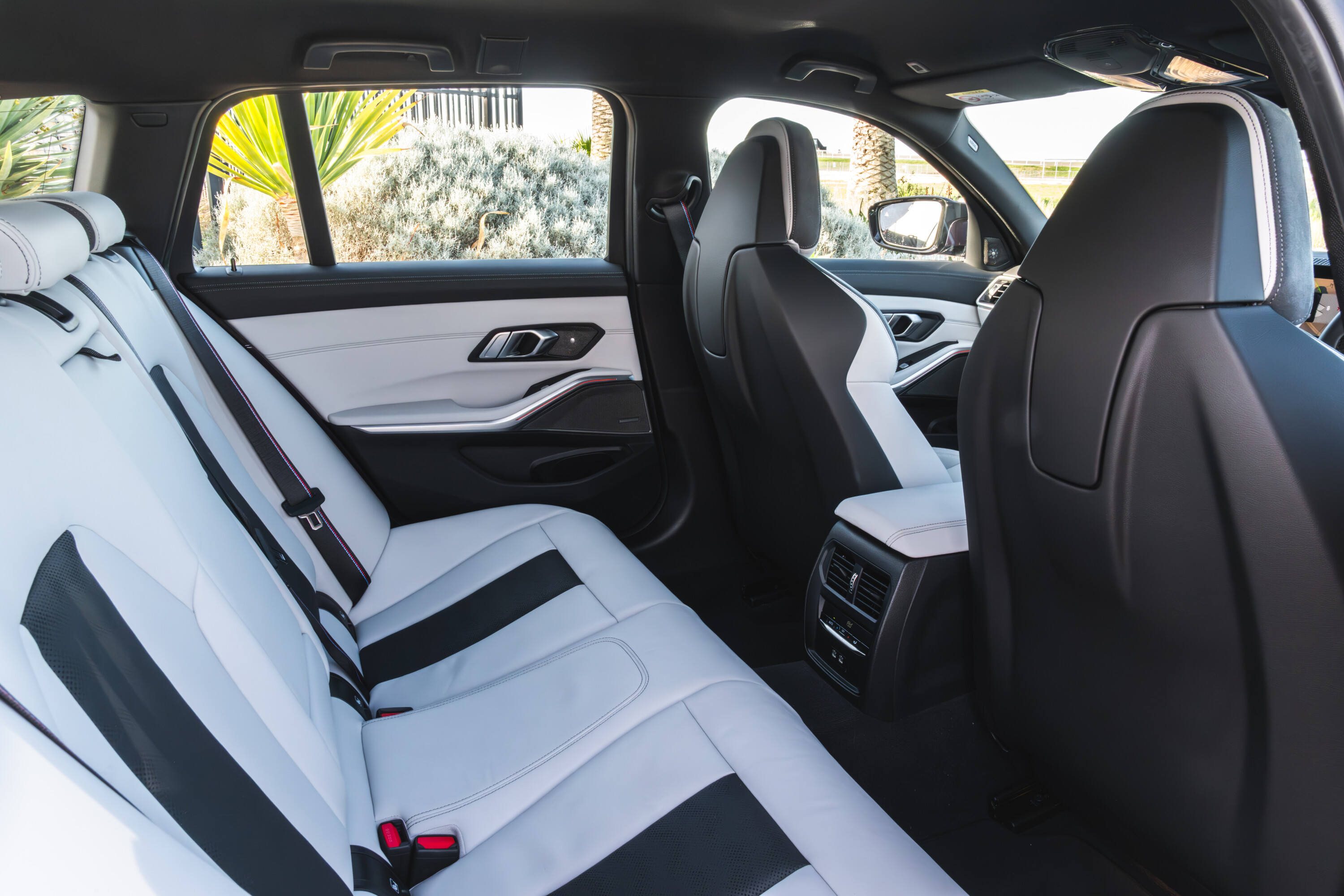
The rear seat is comfortable and offers generous knee- and headroom for six footers, although toe-room can be tight if the driver drops their seat into its lowest position.
Rear passengers also score a centre armrest with twin cupholders and there are Isofix mounting points in each of the outboard seats, as well as three top-teather points.
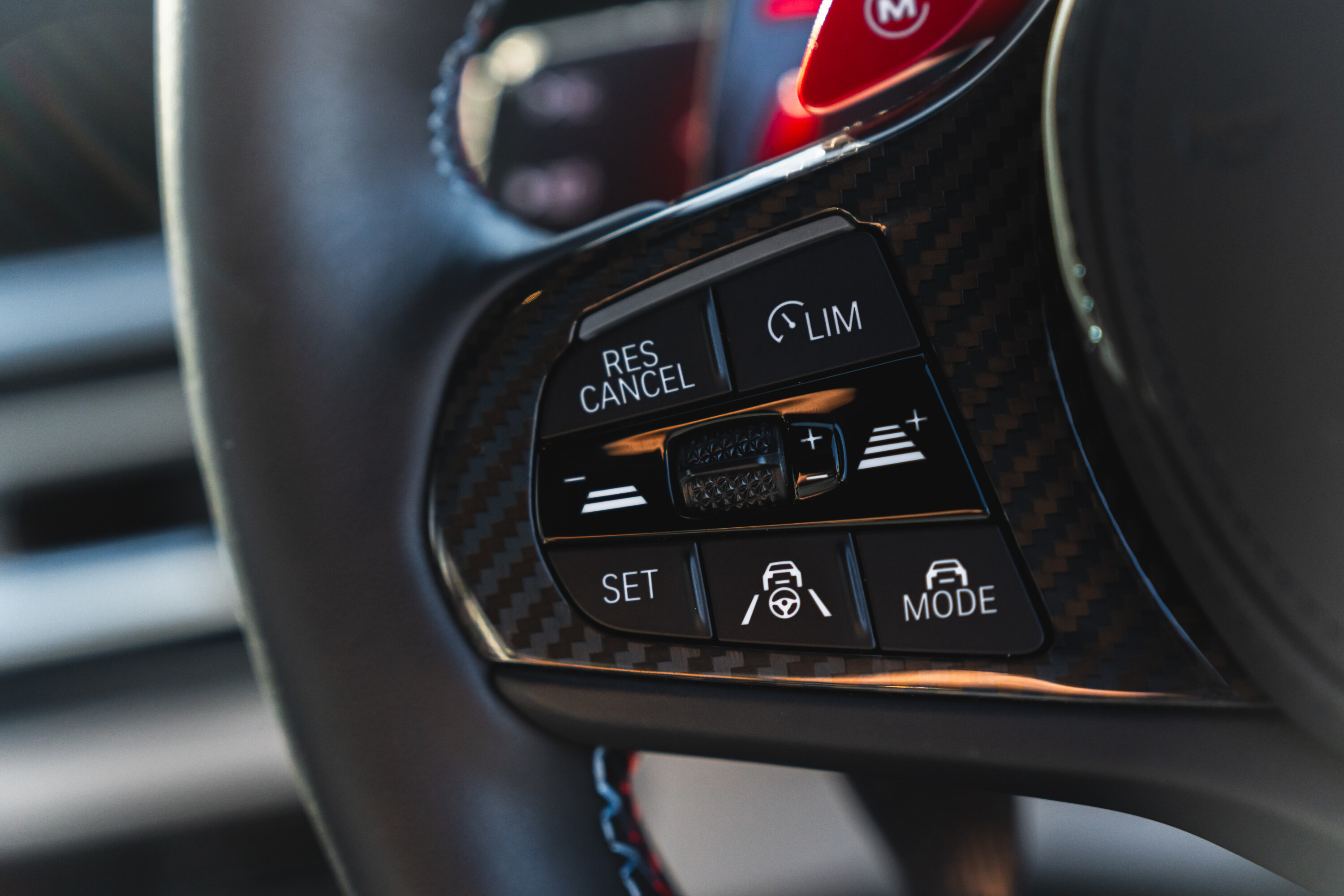
One thing that does demand a steep learning curve is the number of drive modes. Huge configurability has become a BMW M hallmark and the M3 Touring offers multiple settings for the powertrain, steering, brakes, suspension, gearbox, exhaust and even the drive-assist systems like lane-keep.
The interface to adjust the settings is a little daunting at first, though we suspect most owners will quickly tailor their favourite mix of modes to the M1 and M2 hot keys on the steering wheel.
Comfort and compliance are the first things that strike you about the M3 Touring, which is surprising for such an aggro performance car.
There’s suppleness to the ride, despite the low-profile Michelins, and the powertrain almost feels docile in Comfort mode. Road noise is kept nicely in check, too, and on the freeway the M3 Touring is as quiet as most luxury SUVs. Performance cars are typically plagued by tyre roar on coarse-chip roads but the M3 Touring is impressively hush.
Don’t be fooled into thinking the M3 Touring has gone soft, however. Dial up the drive modes into Sport and Sport Plus and it’s a monster. BMW makes some of the best six-cylinder engines in the world and in the M3 Touring, the S58 is smooth, responsive and brutishly powerful.
1
It pairs well with the eight-speed auto and while the shifts lack a little of the positivity and crispness you get from a dual-clutch, they’re still satisfyingly quick.
Throttle response is also sharp for a turbocharged car, so make no mistake, this is savagely fast wagon. And on a twisty country roads, it’s a fantastically engaging one, too. Grip, traction, poise, rear-drive balance, they’re all there in spades.
As is a classic straight-six soundtrack. BMW plumbs engine noise into the cabin and with the exhaust set to Sport, there’s a bassy synthesised edge to gearshifts. This fakery mightn’t be to everyone’s taste so it’s good to know you can turn it off.
1
And the ride compliance continues at speed. In Comfort the dampers are soft enough that you need to be conscious of managing weight transfer and allowing the body to settle as you throw it into corners.
Sport brings greater body control and in Sport Plus the dampers are firm enough that you can get knocked off line on really choppy roads, but the damping really is superb. Not once did we encounter any thuds or crashes through the suspension on poor roads. Does it feel any heavier or lazier than a regular M3 Comp? If there’s a difference, we couldn’t pick it.
Exactly how lairy your M3 Touring is depends on the setting for the switchable four-wheel-drive system. Three modes are offered: 4WD, 4WD Sport and 2WD, with the latter offering the promise of seriously sideways thrills.
1
Thing thing is, though, M’s xDrive system is so good we hardly felt the need to send drive solely to the rear axle.
M’s boss Frank van Meel proudly says its xDrive models are “rear-wheel drive with added traction” and that pretty much sums it up. With the electronic nannies wound back, the M3 Touring will perform big, rear-driven slides in 4WD Sport.
It’s a system that works well on track, too. We drove the M3 Touring at The Bend in South Australia and found it to be remarkably composed, stable and confidence inspiring at speed. Just as it felt on road, the balance is exceedingly rear-biased, but out of The Bend’s tighter turns you could feel the front axle helping to slingshot you towards the exit kerb. It’s utterly seamless and utterly engaging.
1
The steering is relatively quick at 2.2 turn lock-to-lock and it’s meatily weighted, so there is a sense of connection rather than video game remoteness, and it’s unwaveringly accurate.
The brakes also hold up well on track. Our test cars were fitted with standard steel stoppers with track pads and the braking performance was strong and consistent.
Braking is where you feel the M3 Touring’s weight the most but there’s something wonderfully old-school about hustling it on track: heavy brake, bleed off the pedal as you turn in, get on the gas and feel the balance shift rearward. It’s satisfying in a way the new, high-tech C63 isn’t. Take that Affalterbach!
So the M3 touring lives up to the hype on road and on track. It’s engaging, fast, exciting and so reassuringly analogue that a colleague described it as “like a Nissan R35 GT-R with a big boot”. That’s our kind of family car.
There’s no 48-volt fuel saving tech or cutting edge plug-in hybrid malarky at play in the BMW M3 Touring, so its official combined fuel rating of 10.4L/100km feels a touch old school. The good news is that our testing returned a figure of 9.1L/100km over 250km of highway and country road driving and for a big, powerful wagon, that’s pretty decent.
The M3 Comp sedan’s WLTP fuel rating is 10.2L/100km on the official test so going for the bigger/heavier wagon body doesn’t bring much of a penalty at the bowser.
One thing to keep in mind is the M3 Touring has a relatively small fuel tank at 59L, giving it a theoretical range of 567km.
The BMW M3 Touring does not carry its own safety rating. However, it is closely related to the regular BMW 3 Series which was tested by ANCAP in 2019 and awarded the maximum five stars.
It’s important to note, however, that ANCAP’s rating only applies to 2.0-litre, rear-wheel-drive versions of the 3 Series range.
Despite not carrying an official five star rating, the M3 Touring is a safe car and is fitted with the following safety systems: Autonomous emergency braking, forward collision warning with pedestrian detection, lane-departure warning, blind-spot monitoring, rear-cross traffic alert, lane centring assist, front-cross traffic alert, a tyre pressure monitoring system, parking assistant plus, 360 surround view monitor, cruise control and seven airbags.
We’ve had to wait almost four decades for BMW to give us an M3 Touring and it doesn’t disappoint.
Few cars combine the demands of a sensible family car and a properly engaging performance car so convincingly. Cake and eat it too? You bet.
Even better is that it’s almost guaranteed to use less fuel than a higher-riding fast SUV and it’ll also be kinder to its tyres and brakes so it should be less expensive to maintain.
1
And thanks to its lower centre of gravity it’s easily the more engaging car to drive quickly on a Sunday morning blast or at the race track.
Is it the ultimate ‘one car solution’? It certainly makes a convincing case and it’s the M3 we’re drawn to most in the line-up. It is expensive, though, and the complex infotainment and multitude of drive modes takes some getting used to but as an all-round, all-weather performance car, the M3 Touring is a winner.
The all-electric Renault Megane E-Tech small SUV and the next-generation Kangoo van – including the electric variant – are delayed for Australia.
Snapshot
2024 Renault Megane E-Tech Electric, Kangoo van delayed
Now due in Australia in the first quarter of 2024
To be joined by Arkana facelift, with hybrid likely
Previously confirmed for launch this year, a Renault Australia spokesperson said both vehicles will now arrive in local showrooms in the first quarter of next year (January to March inclusive), pending further delays.
The new vehicles will be joined by a facelift for the Renault Arkana coupe small SUV, recently unveiled in Europe, at some point in 2024, while the Master E-Tech Electric full-size van was previously confirmed to launch in Australia next year.
2024 Renault Megane E-Tech Electric small SUV
Renault Australia said it is targeting a circa-$70,000 price for the Megane E-Tech Electric, which competes against the $55,990 plus on-roads Peugeot E-2008 – but with a dedicated electric vehicle architecture shared with the forthcoming Nissan Ariya.
As announced in February, the Megane E-Tech will be offered locally in a single, high-specification variant, with a 450-kilometre WLTP driving range from a 60kWh lithium-ion battery pack.
The brand’s local arm declined to comment on initial supply, stating it would evaluate demand to avoid over-stocking the vehicle – but it has no aspirations to knock Tesla off the top spot in the electric vehicle sales race.
1
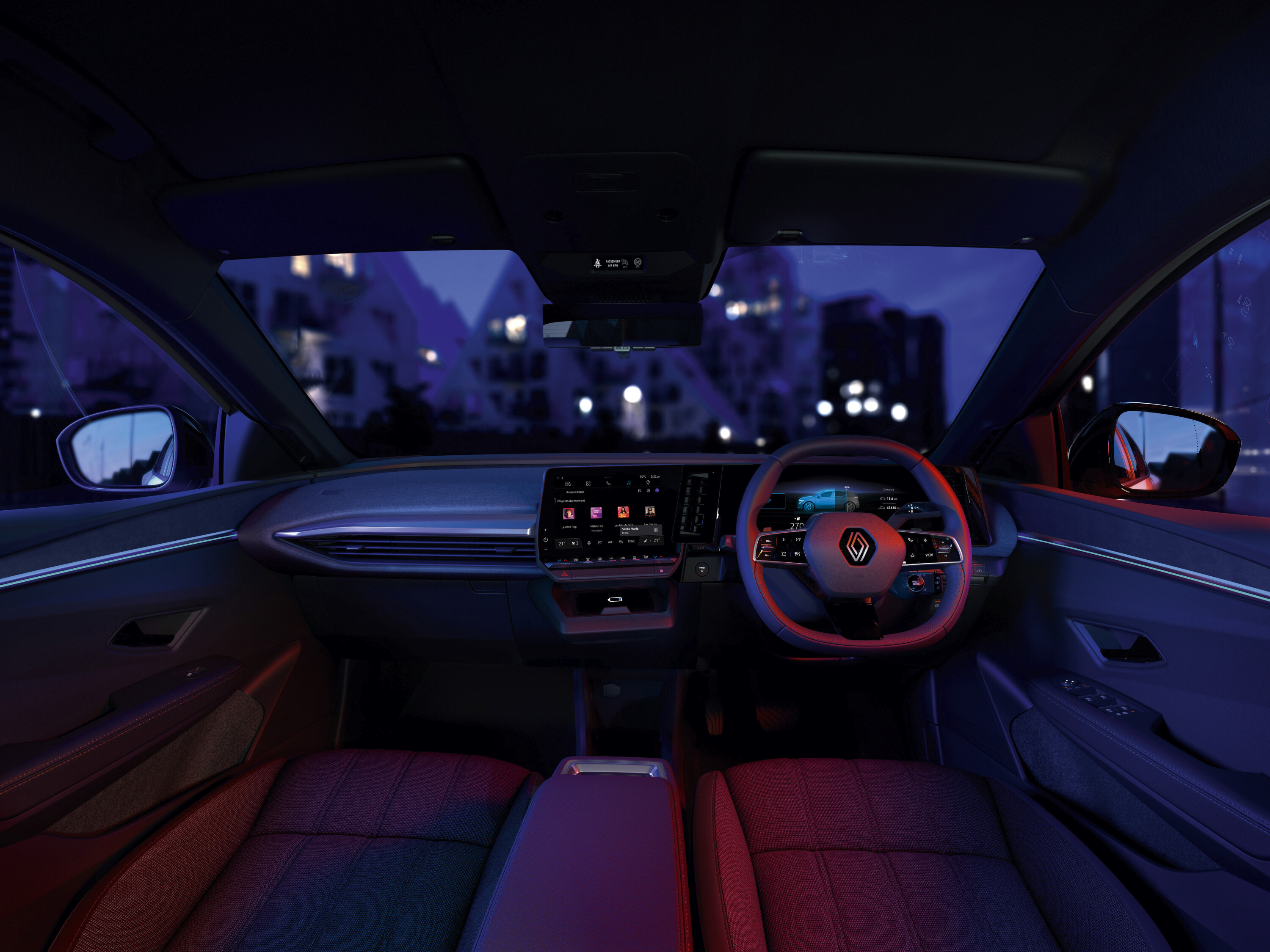
Features homologated for Australia include 20-inch alloy wheels, a 9-inch infotainment system, wireless Apple CarPlay and Android Auto, a 12.3-inch digital instrument cluster, a six-speaker Arkamys audio system, a wireless phone charger, heated front seats, and full-LED lights.
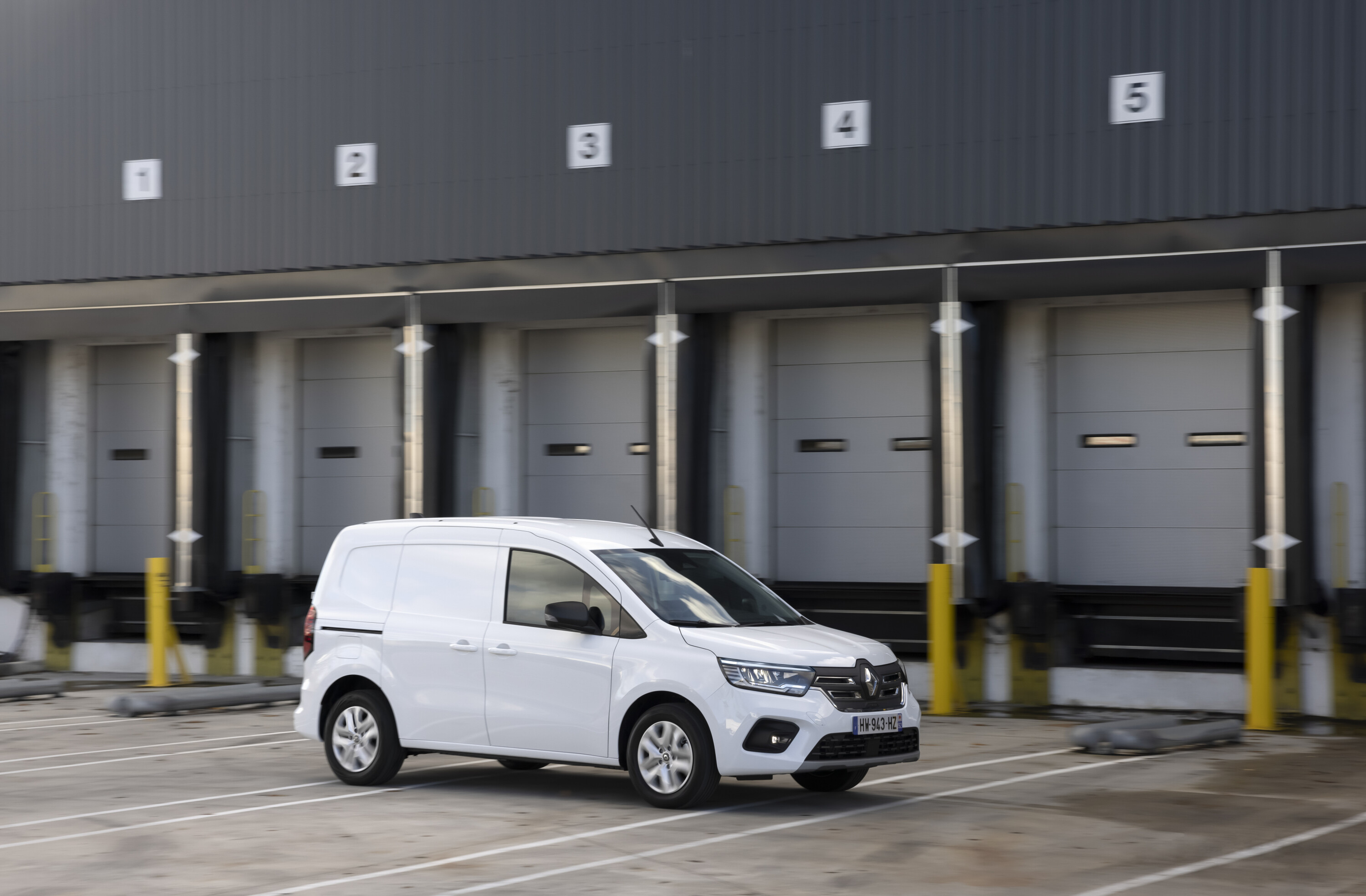
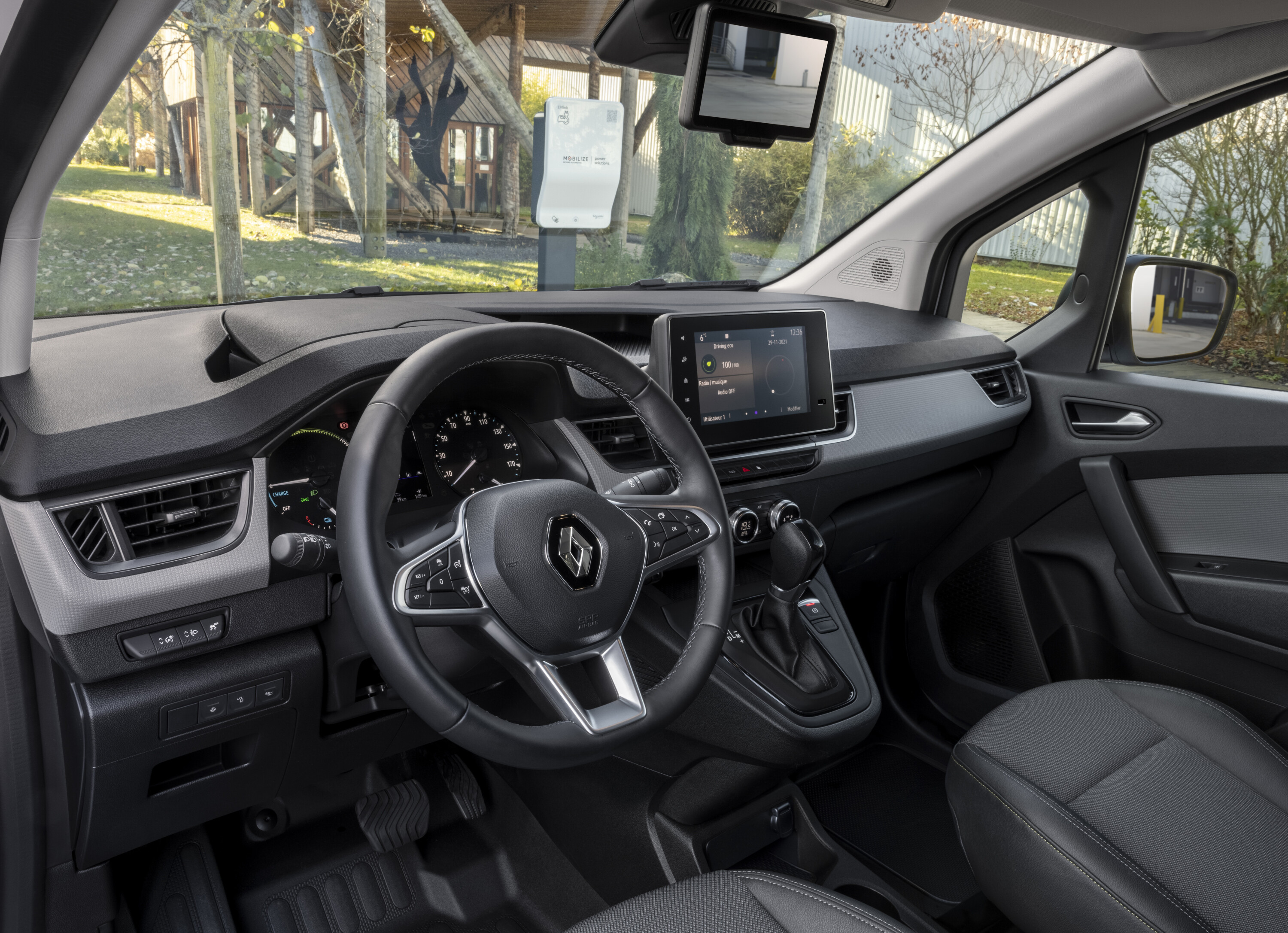
2024 Renault Kangoo van
The third-generation Renault Kangoo small van will approach three years on sale when it arrives in Australia by March, pending further delays.
First revealed in late 2020 and available in Europe from early 2021, the latest Kangoo van is available with internal combustion or all-electric powertrains and rides on the Renault-Nissan-Mitsubishi Alliance’s CMF-CD passenger vehicle architecture.
Government homologation data reveals the latest Kangoo will be available in medium- and long-wheelbase form in Australia, with turbo-petrol or all-electric variants for both sizes.
The 1.3-litre turbo-petrol engine – also found in the Mercedes-Benz A-Class and GLA, Renault Captur, and Nissan Qashqai – produces 96kW and 240Nm and is paired to a seven-speed dual-clutch automatic transmission. A 1.5-litre turbo-diesel is available in select markets.
1
The Kangoo E-Tech features a front-mounted 130kW/245Nm electric motor, a 44kWh lithium-ion battery, a claimed WTLP-rated 285-kilometre driving range, and regenerative braking.
2024 Renault Arkana facelift
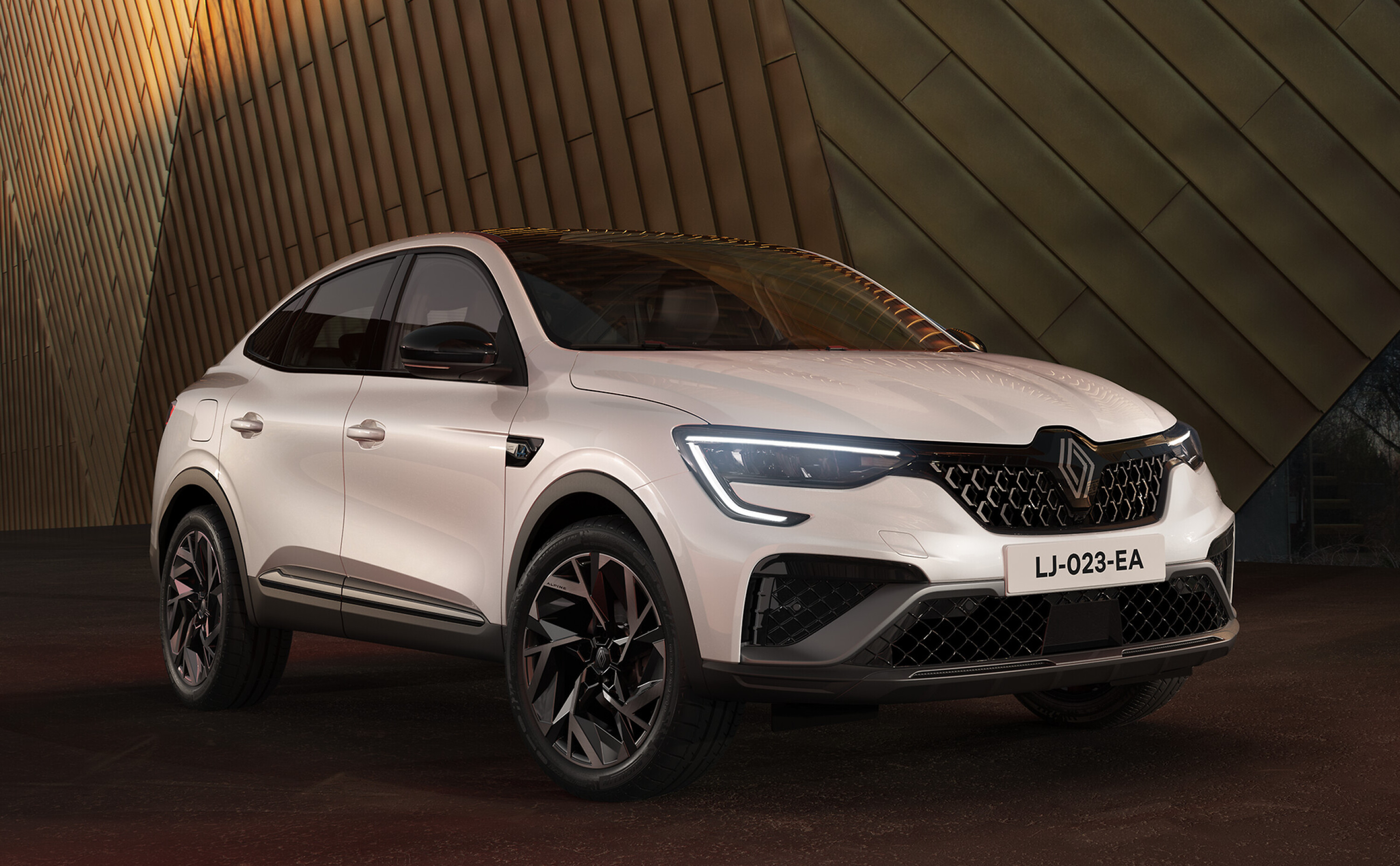
The facelifted 2024 Renault Arkana will arrive in Australia next year, with a hybrid option likely.
Revisions include Renault’s new logo, an updated grille, black accents replacing chrome, a minor update to its LED tail-light signature, and wireless Apple CarPlay and Android Auto.
1
A new Esprit Alpine flagship replaces the RS Line with a unique front bumper, grey accents, 19-inch alloy wheels, a rear spoiler, and suede upholstery with blue stitching and an embossed Alpine headrest logo.
Under the bonnet, the Arkana hybrid combines a 1.6-litre four-cylinder petrol engine with two electric motors, a 1.2kWh battery pack, and a multi-mode clutch-less automatic transmission for a 107kW total system output.
The 115kW/262Nm 1.3-litre turbo-petrol currently available is expected to remain unchanged for the facelift, matched to a seven-speed dual-clutch automatic transmission exclusively sending power to the front wheels.
Renault Australia’s future line-up
The Megane E-Tech Electric will be followed by the smaller Renault 5 hatch and a small SUV, likely dubbed the Renault 4, with local launches expected later in 2024 or in 2025.
Renault’s new flagship Rafale mid-size SUV has yet to be confirmed for Australia, but a spokesperson told Wheels it would be considered for our market.
The biggest selling car of all time? It depends on your definition of ‘car’.
As a single design, substantially unchanged throughout its entire production life, it’s got to be the Volkswagen Type 1 (aka Beetle), with 21.5 million units. However, if it’s all in the name, that name is Toyota Corolla.
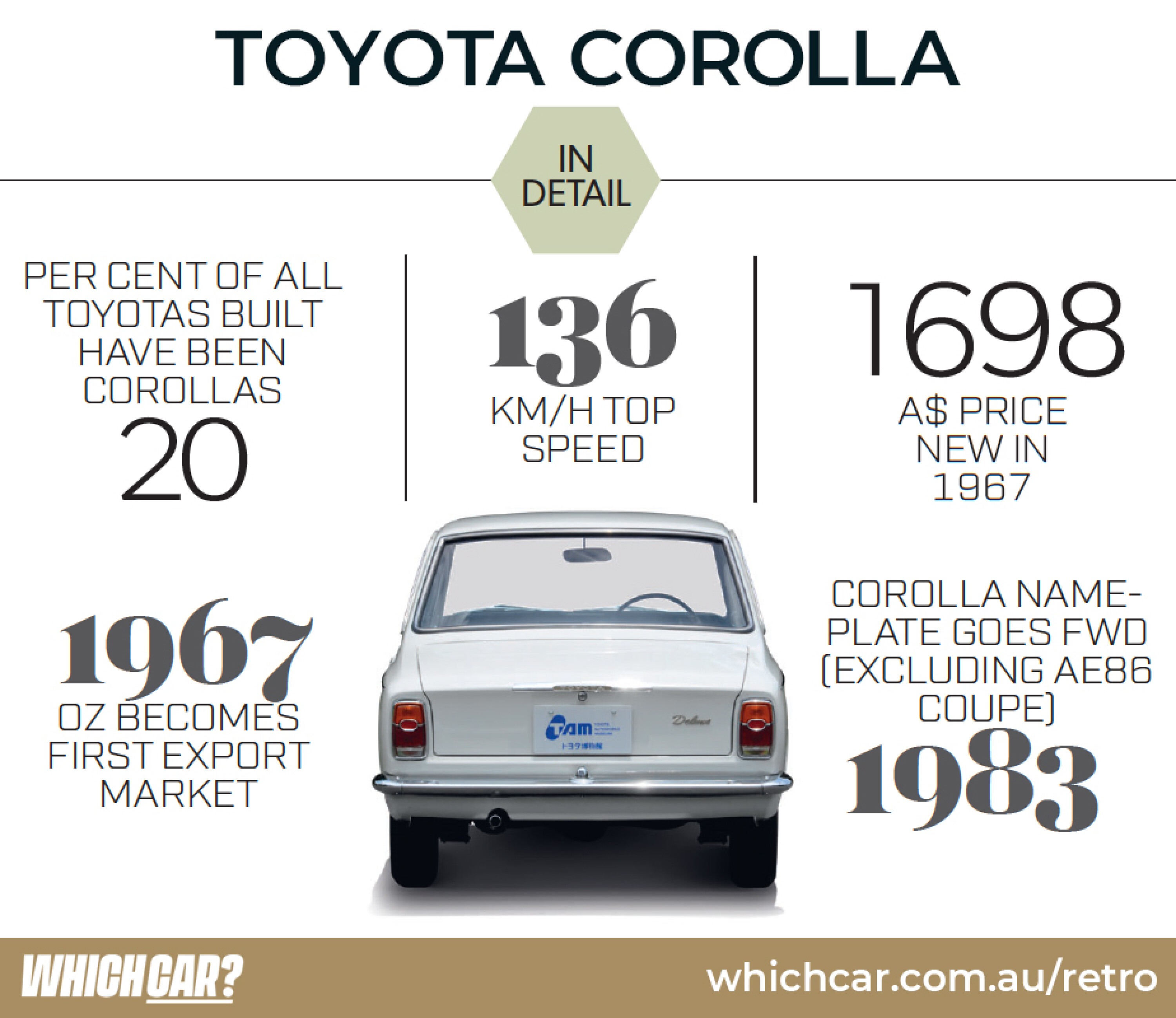
In August 2021, the Corolla nameplate surpassed 50 million units worldwide.
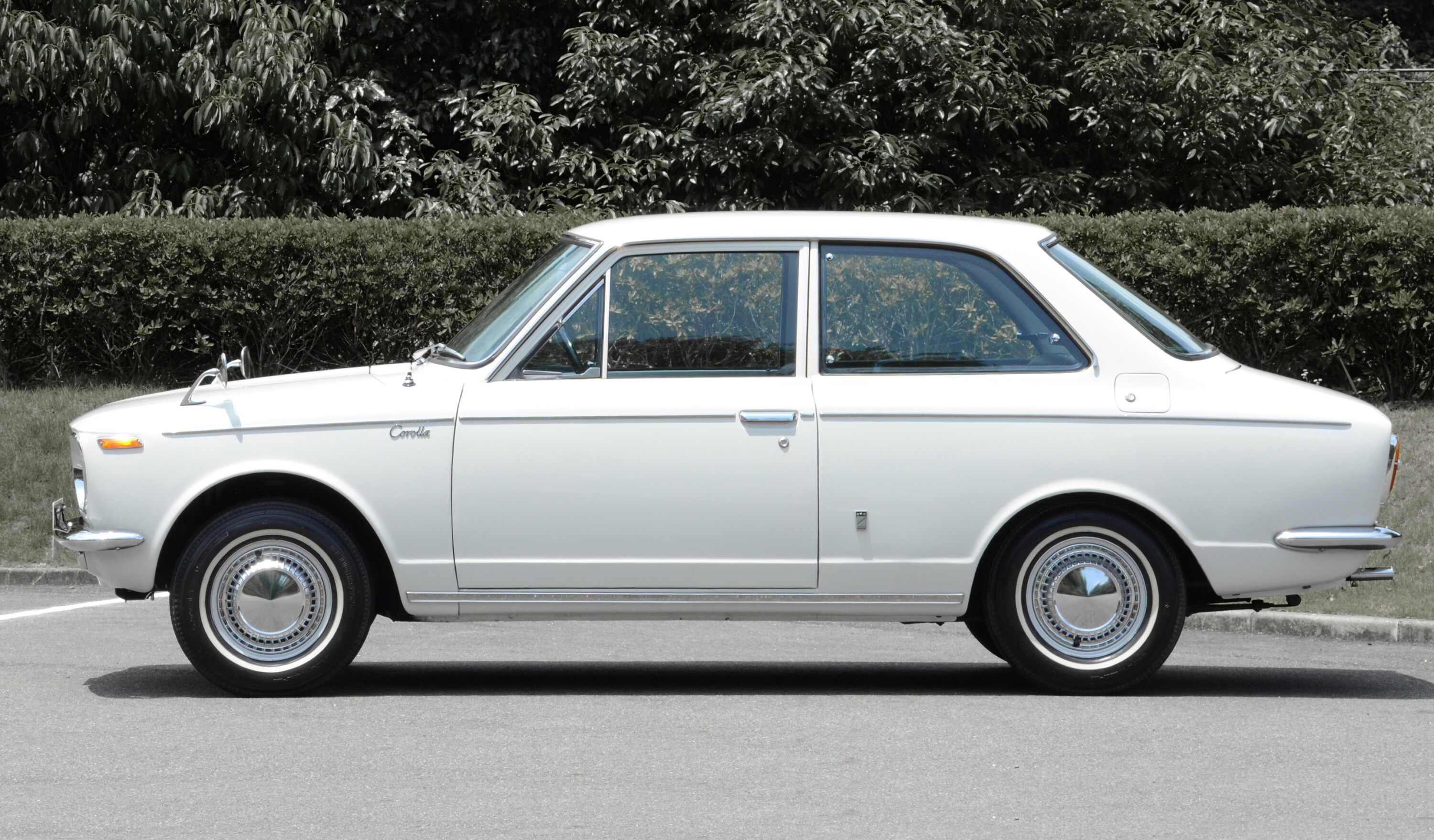
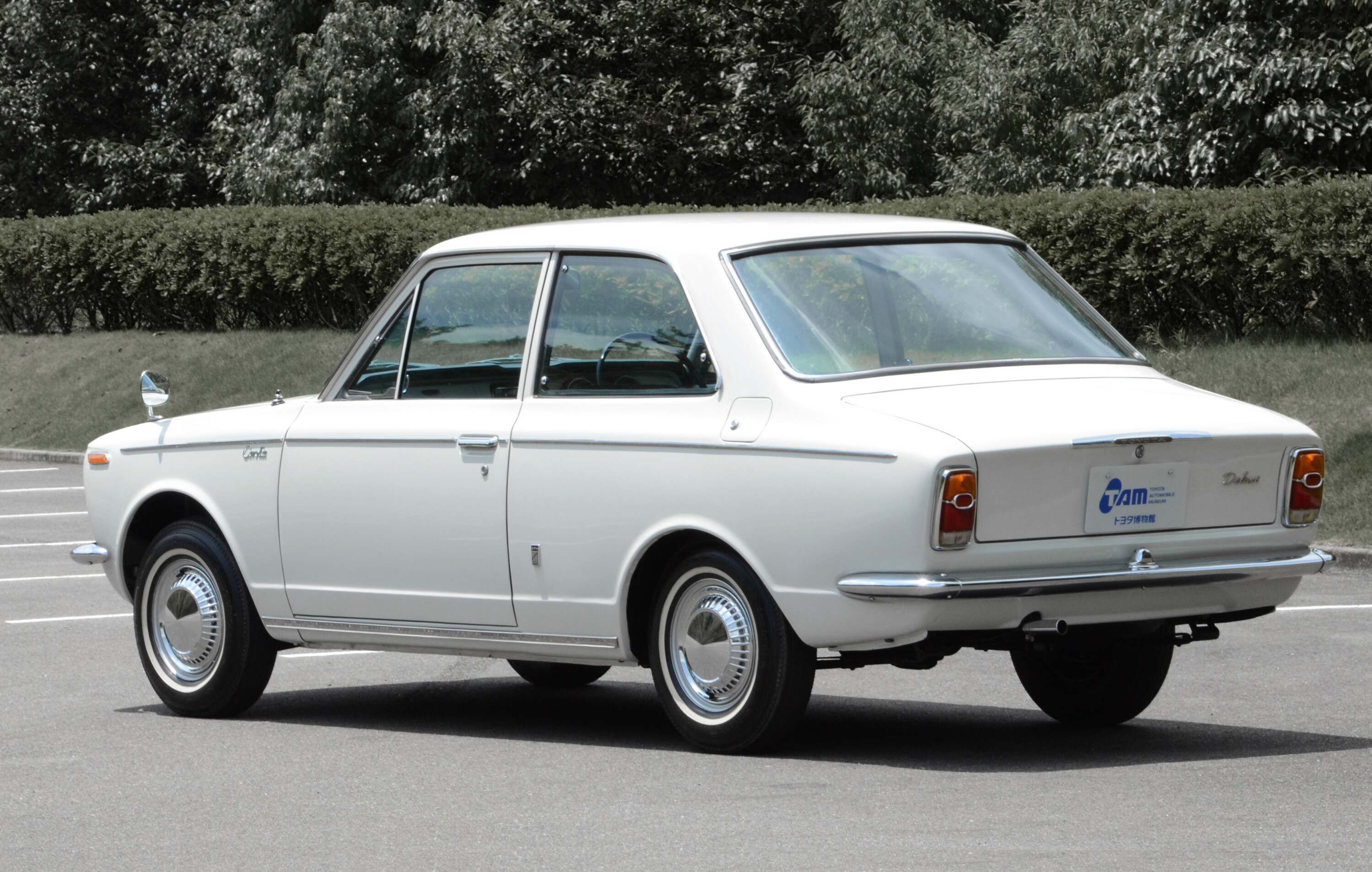
The name is the only thing today’s front-wheel-drive, 12th generation Corolla has in common with the model that started it all, the KE10-series of 1966. But the name would become international shorthand for a pleasantly styled, dependable small car for first-time drivers and growing families.
1
Toyota’s medium-sized Corona launched its third generation in 1964. Post-war Japan was experiencing a wave of motorisation, and economic growth of 15 percent annually.
Abroad, including in Australia, the ‘shovel-nose’ Corona was helping to change perceptions of Japanese cars’ quality and durability.
The father of the Corolla was Tatsuo Hasegawa, an engineer and aerodynamicist with the Tachikawa Aircraft Corporation who joined Toyota in 1946. There, he developed the Publica (to the government’s ‘national car’ order) and, more interestingly, the derivative Toyota Sports 800 coupe, first shown in 1962.
1
The father of the Corolla was Tatsuo Hasegawa, an engineer and aerodynamicist with the Tachikawa Aircraft Corporation who joined Toyota in 1946
Appointed to the new, sub-Corona small-car project in 1963, Hasegawa’s influence would show in the Corolla KE10’s smooth and sporty styling, MacPherson strut front suspension and a drivetrain that included an efficient 1.1-litre engine (out-gunning new rival, the Datsun 1000) and an all-synchromesh, four-speed floor shift.
The brand-new ‘K’ engine was robust and reliable more than it was innovative, but the Corolla was an impressive package with its 44kW output, light weight and value for money – especially in the context of pasty Pom rear-drive rivals.
1
The initial two-door sedan was joined in May 1967 by a four-door and wagon, and subsequently a two-door fastback version, the Sprinter (KE15), launched in 1968.
Australia became the Corolla’s first export market in the world in June 1967, with local assembly (of a mildly warmed ‘Corolla SL’ version) commencing in Melbourne in 1968. On Bathurst 500 debut in 1967, Corollas finished 1-3-4 in class against the Datsuns, but were subsequently excluded for cheating.
When the KE10 was replaced by the KE20 in May 1970, more than one million Corollas had been built in just four years; a milestone that had taken Volkswagen 10 years. These days, Corolla production regularly exceeds one million units every year.
The iron-block K engine had a simple pushrod ohv design and a non-crossflow alloy head, but was robust with its five-bearing crank.
KE10s put out a commendable 44kW and 83Nm with 5.5L/100km fuel efficiency.
A new, single ohc ‘3K’ 1166cc engine replaced the original in 1969.
Mechanically in synch
Corolla KE10’s styling still stands up today, and in its day the inclusion of MacPherson strut front end and all-synchro floor shift lifted the overall spec above class average.
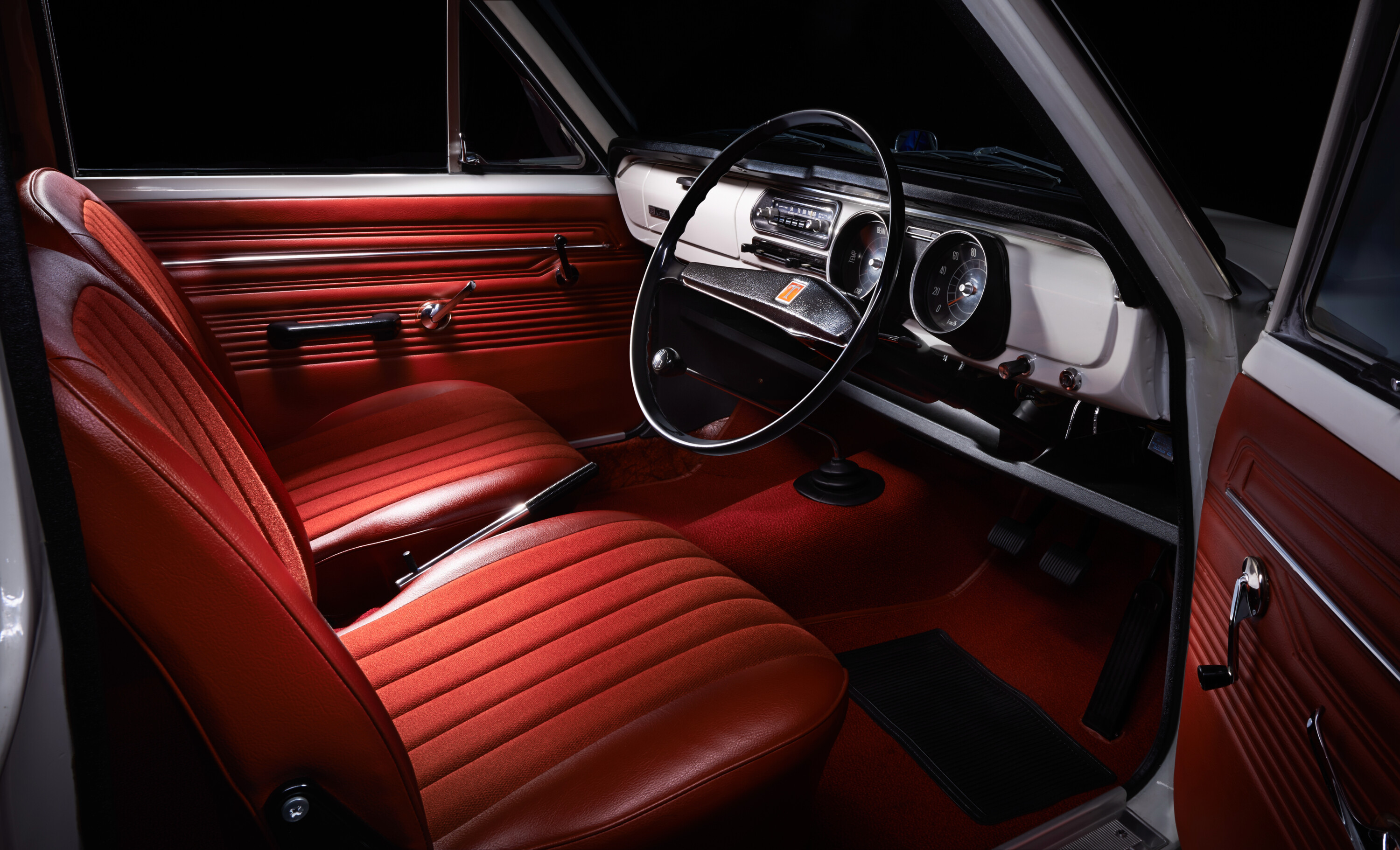
Inside, dual circular gauges, push-button radio, and reclining bucket seats made it feel bright and sporty.
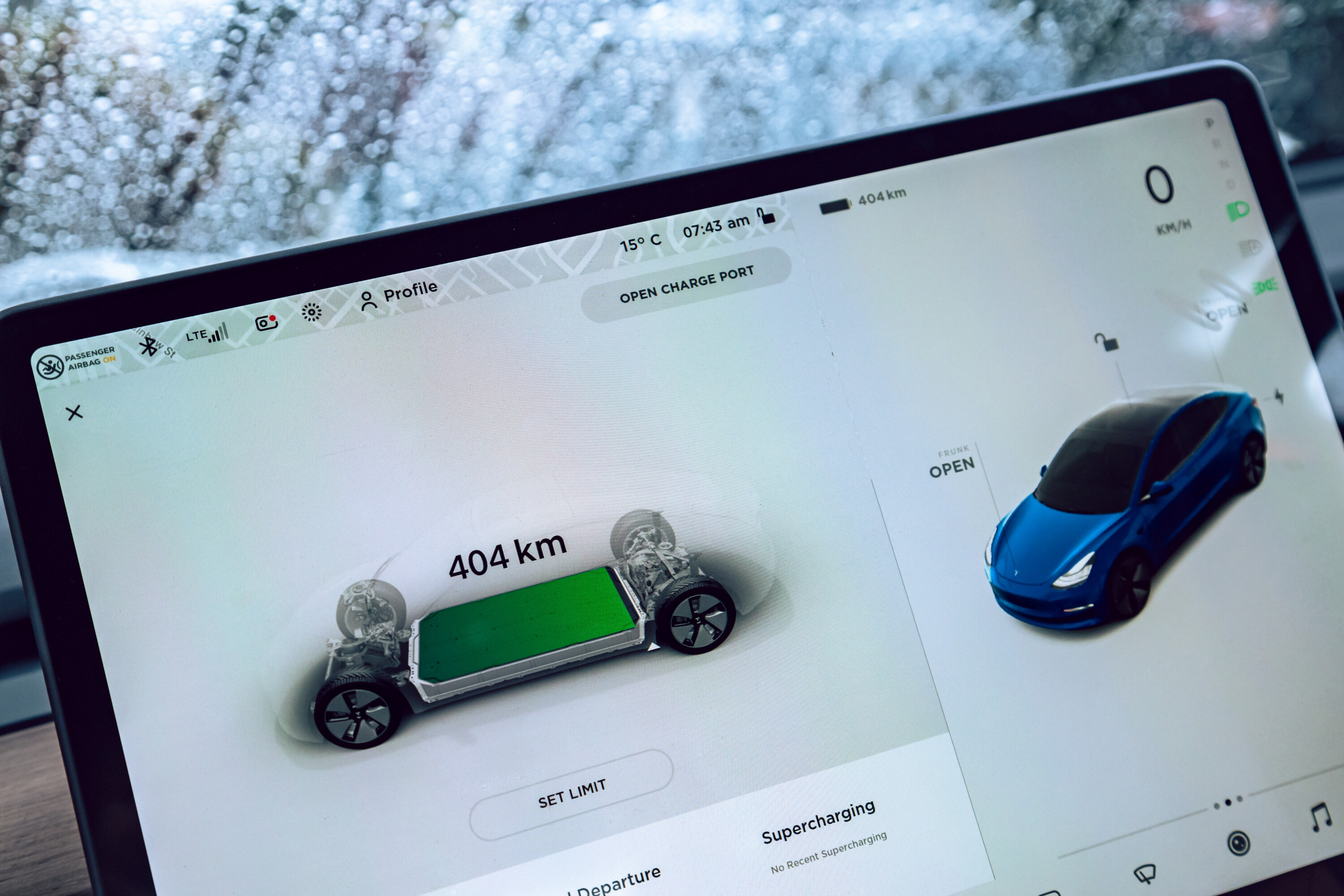
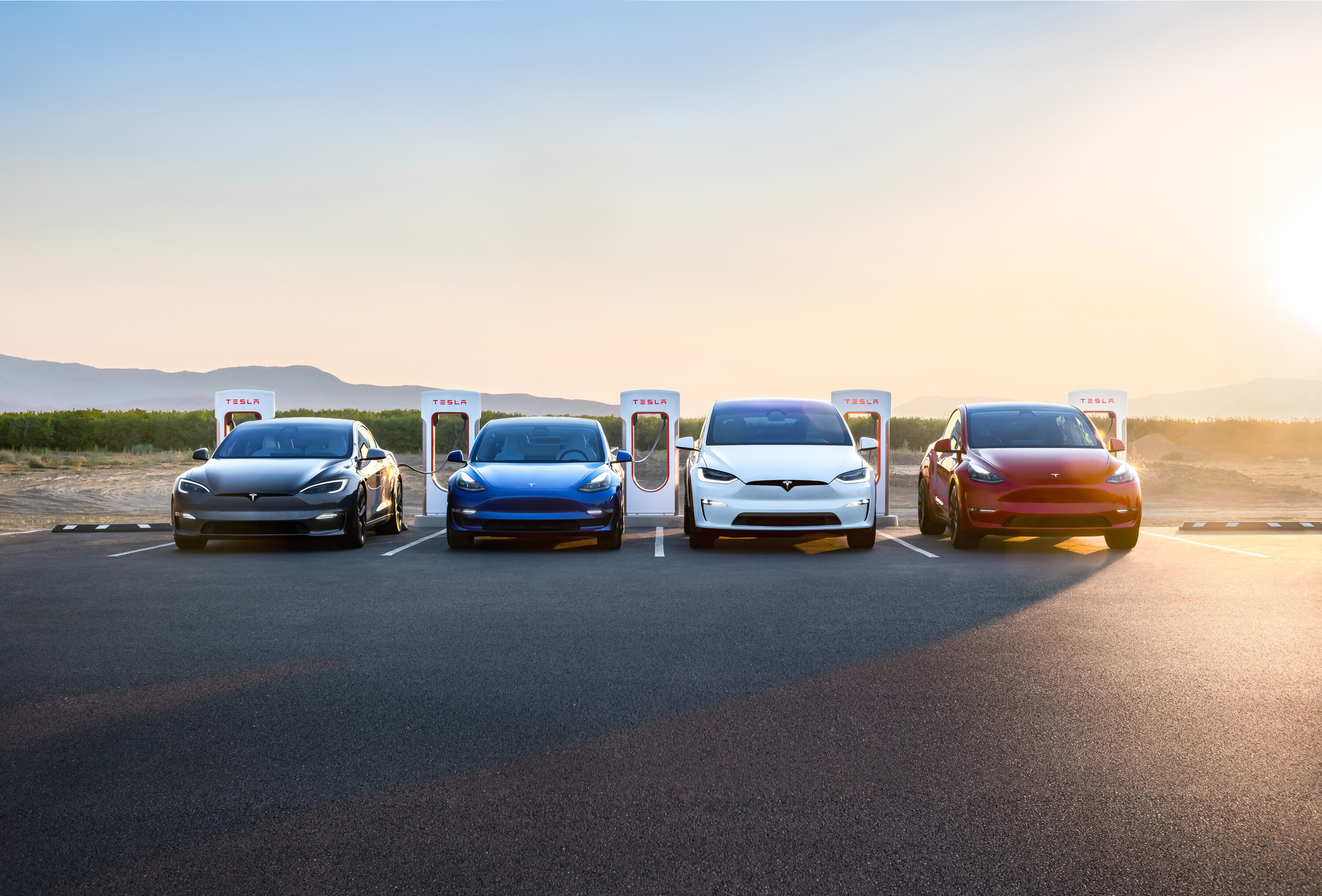
Insiders have alleged to Reuters [↗] that Tesla set up a team to downplay thousands of driving range complaints in the United States.
Snapshot
u2018Diversion Teamu2019 purportedly set up in mid-2022 to dumb-down range complaints
Employees allegedly told to not tell owners non-range related issues if diagnosed
All EV models can have significantly reduced range in cold temperatures
Speaking with Reuters, anonymous sources claimed the popular electric vehicle company set up a dedicated ‘Diversion Team’ in mid-2022 to cancel as many range-related servicing appointment requests to relieve the pressure off its servicing centres.
Thousands of owners were reportedly unsatisfied with the vehicle’s estimated real-world total driving range compared to the advertised capability under the States’ strict Environmental Protection Authority (EPA) testing cycle.
Advertised v real-world range
It’s important to note that all EVs– not just Tesla – often deliver less driving range in reality compared to controlled tests, such as the US’s highway-orientated EPA or European Worldwide Harmonized Light-Duty Test Procedure (WLTP) as referred to in Australia.
Low weather temperatures in particular can significantly reduce range, alongside wind, body design drag, speed, driving behaviour, and the electric drive unit design.
The sources reportedly said that the team closed up to 2000 cases per week, and managers told employees that they were saving the company about AU$1500 (US$1000) for every cancelled appointment.
While it’s believed most complainants did not need a battery repair after completing a remote diagnostic, the team were trained to tell customers that the EPA-approved range estimates were just a prediction and batteries naturally degrade over time.
Alarmingly, if the diagnostic found anything else not related to range, employees were allegedly instructed to not tell the owner and close the case.
The ‘advisors’ were also purportedly told to complete the call in less than five minutes and close the case if the complainant did not answer the call.
Furthermore, late last year, managers allegedly told employees to stop running remote diagnostics and close cases as quickly as possible. The Diversion Team reportedly stopped recently in Nevada and has now moved the responsibility to a Utah office.
1
Tesla’s patchy range record
The American carmaker has previously been accused of exaggerating its EVs’ driving range potential.
Tesla conducts ‘additional range tests’ to allegedly result in more conservative EPA range estimates than other automakers that only rely on the authority’s own formula.
In January, South Korea’s regulator fined Tesla KRW2.85 billion (AU$3.28 million) for misleading advertising that failed to tell customers about reduced driving range of up to 50.5 per cent when operating in low temperatures, along with advertised cost savings compared to combustion-engine vehicles and Supercharging performance.
American EV battery research firm Recurrent told Reuters [↗] that Tesla’s software estimates remaining range ‘aggressively’ – indicating that the EV can travel more than 90 per cent of the advertised EPA rating, regardless of external temperatures.
Tesla released an over-the-air software update late last year that introduced a more comprehensive Energy app in the touchscreen – allowing owners to better monitor energy consumption with tips provided to maximise range.
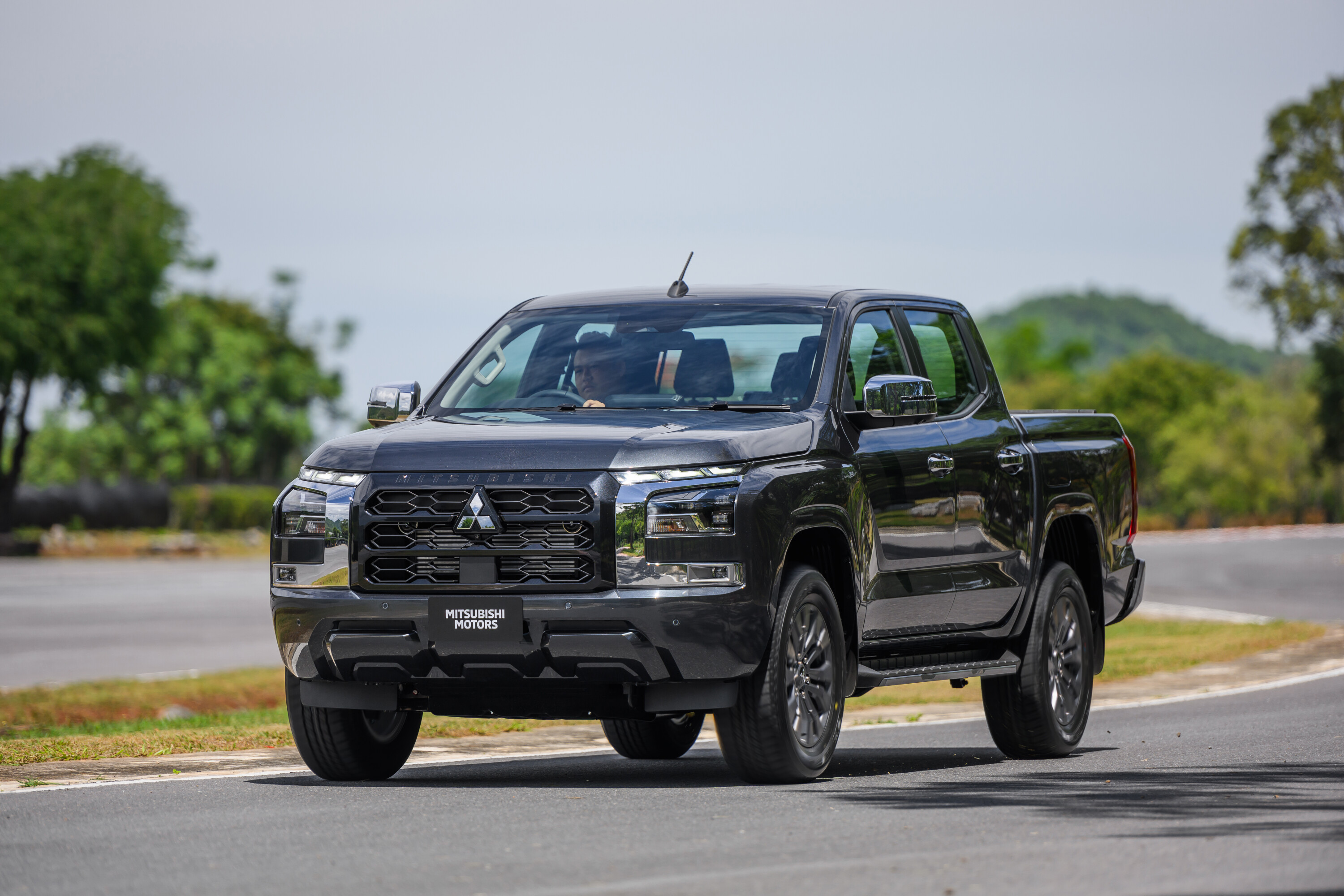
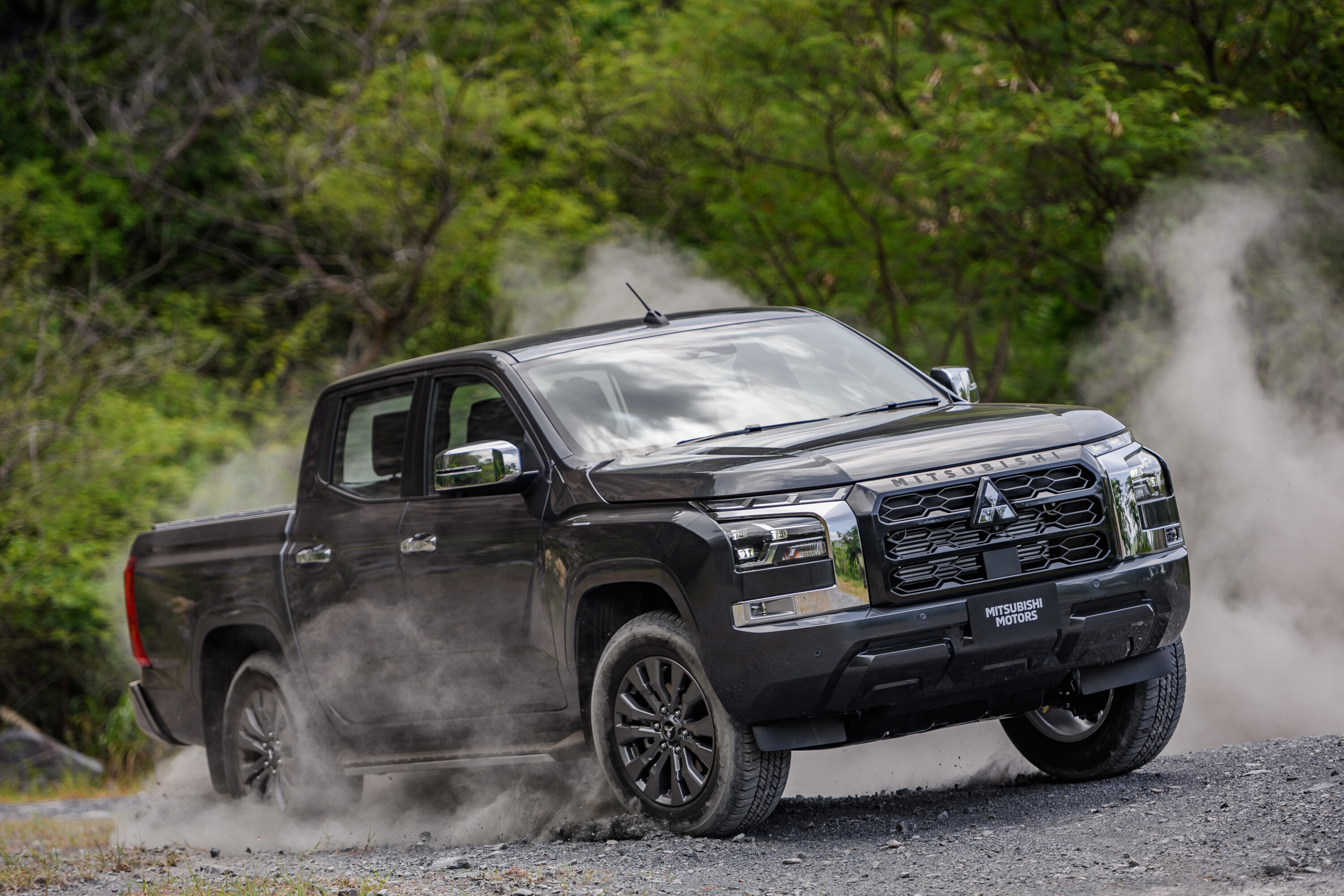
Since we last spoke to Mitsubishi Japan, the battery-electric or hybrid Triton ute story has developed. Every strategy for electrification is on the cards for the sixth-gen ute, including an in-house developed plugless hybrid.
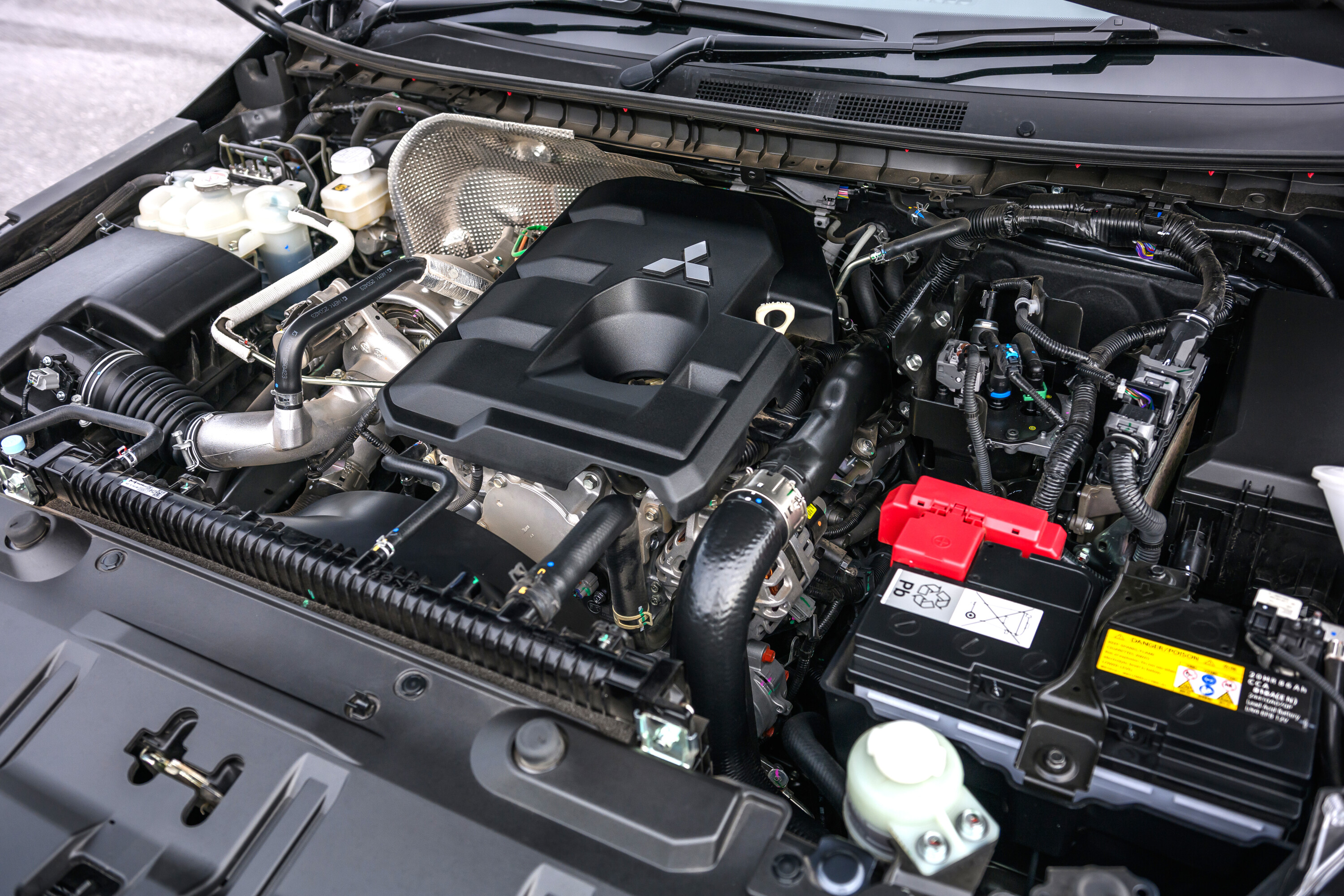
“To answer you technically”, said vice president engineering and product strategy, Hiroshi Nagaoka, “packaging a PHEV is really difficult because we have to build the frame so that it can also fit the battery and fuel tank.”
Essentially, batteries need to get smaller before plug-in hybrids can work for utes. A pure battery-electric Triton would be simpler to package, as would a ‘plugless’ series-parallel hybrid.
“[Hybrid] is really important because maybe we can rework our current frames, so that in the short term [HEV] can fit. It would be a very good solution for electrification and CO2 reduction”, said Nagaoka-san.
Packaging a PHEV is really difficult, it has to fit the battery and fuel tank
Despite being an alliance partner with (theoretical) access to Nissan’se-Power technology, Mitsubishi says this hybrid system is not ideal for heavier vehicles.
While there were suggestions that Nissan would persevere with e-Power versions of the next Navara and Patrol, it sounds more like the 4x4s will go straight to solid-state battery-powered EVs.
“As you know, e-Power is actually running as a battery EV,” explained Nagaoka, “so there’s no gearbox which is kind of a problem in a bigger car. That is the reason, e-Power for a small car is fine, that’s a really good solution, but not for trucks.”
Instead, Mitsubishi will develop its own technology, with Nagaoka confirming his engineers are working with suppliers at the moment to come up with a solution that may be shared with The Alliance in future.
1
It’s likely to be a diesel-electric hybrid, potentially based around the new Triton’s worked over ‘4N16’ twin-turbo diesel four-cylinder that produces 150kW/470Nm. The exact configuration, whether it’s like Outlander PHEV or more like Toyota and Honda’s systems, was not revealed.
“So, we are not decided yet, which technology should take first place”, he continued, ensuring us all three options remain on the table. Mitsubishi also remains committed to PHEVs – even if its mid-term plan doesn’t reveal that – and the executives remain optimistic about a plug-in hybrid ute.
“But battery technology will improve, and then we can have more efficient, smaller batteries to package a plug-in hybrid. I think that’s really better than a battery EV because BEV pick-up trucks use so many batteries – think about the Ford F-150 – so we are also studying that solution”, said Nagaoka.
1
Our original story, below, continues unchanged
April 2023: Electric Mitsubishi Triton imagined!
An electric version of the MitsubishiTriton has been a hot topic following last month’s XRT Concept unveiling and mid-term plan – we grilled Mitsubishi’s top powertrain and product managers on the Triton’s electrified future.
General manager, EV powertrain engineering, Takashi Shirakawa confirmed an electrified version “is under development,” though exactly what flavour of electrification is “not decided yet”, though further discussion suggested a battery electric variant is up first.
“You can consider [the pick-up BEV] is a version of Triton. We can’t produce too many vehicles based on the size of the company, but we do have a plan to electrify the pickup truck in the future. We are not sure if we will call that the Triton,” said Koichi Namiki, general manager product strategy division at Mitsubishi Motor Corporation.
Plug-in hybrid is a possibility, but we consider BEV may be a better fit in a pick-up truck
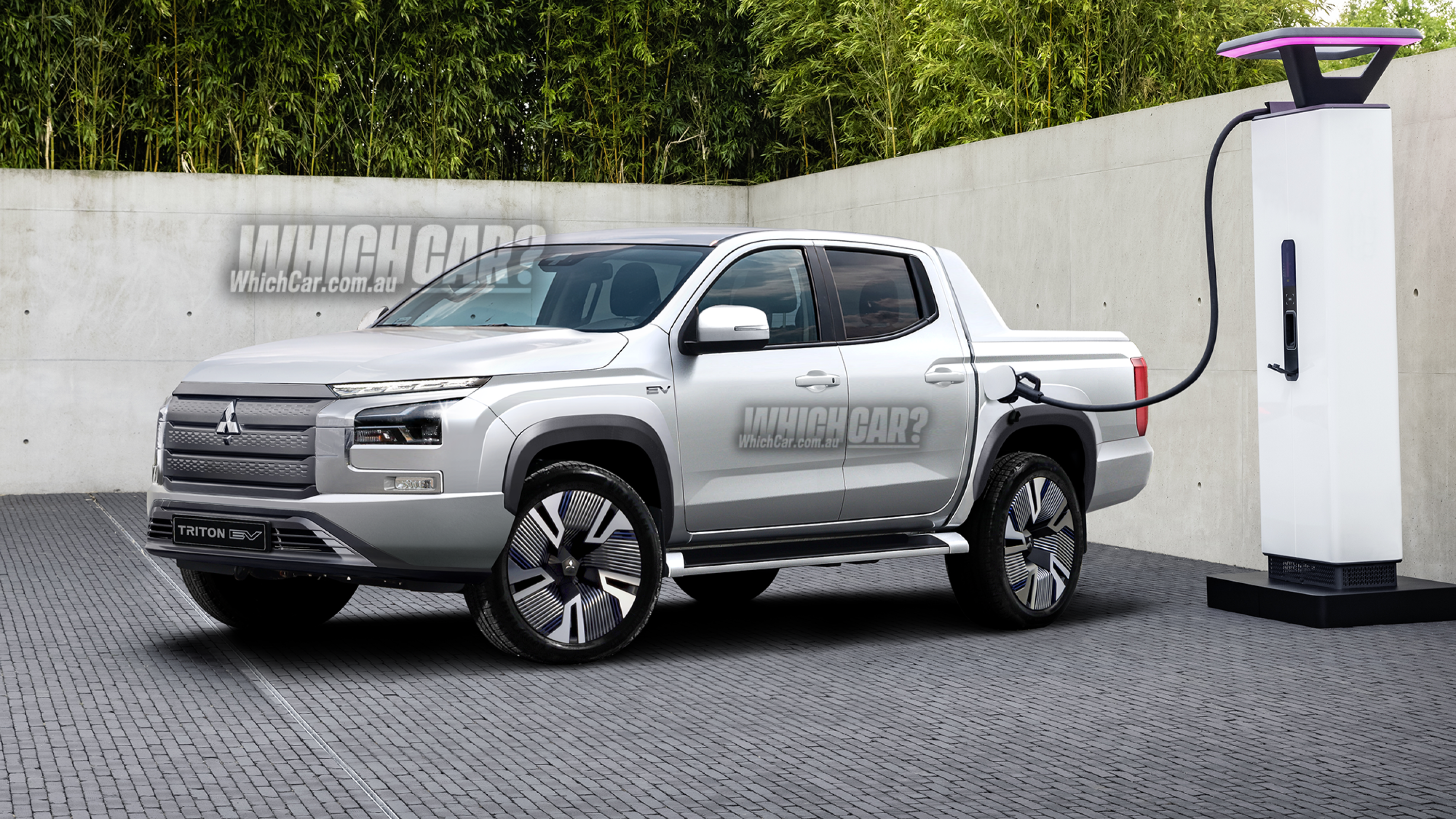
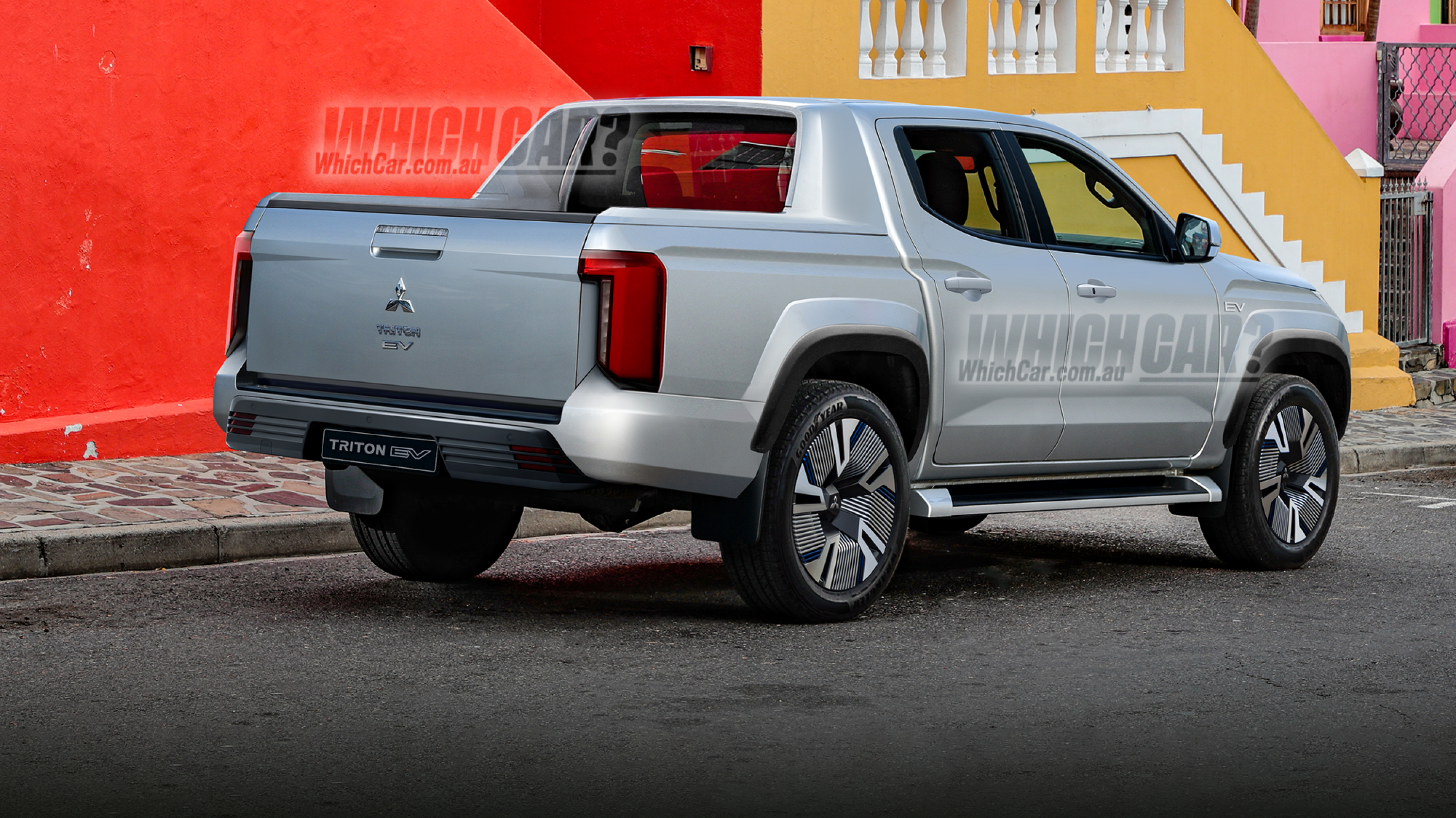
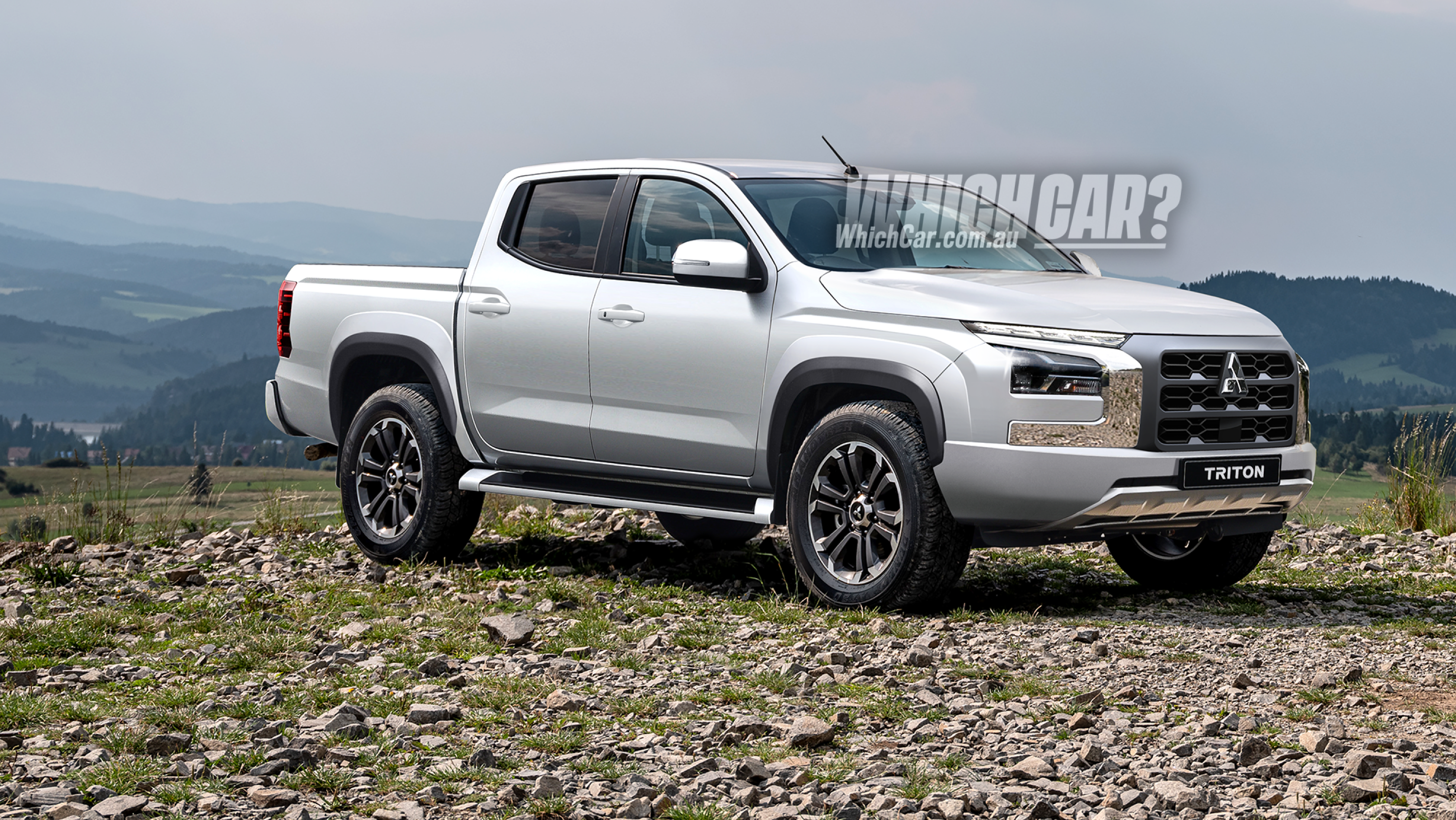
We’ve had our own thoughts and commissioned some impressions by rendering guru Theottle.
The ‘Triton EV’ (pictured) maintains the basic sheetmetal of our previous Triton renders, but with aerodynamic detailing in the form of a largely blanked-off grille, streamlined sports bar, and drag-reducing wheel covers.
“As I mentioned before, a battery is heavy, and a bigger vehicle has a huge penalty from weight. So, basically, a battery EV is not such a good solution for a bigger vehicle… however, some customers need to drive a completely emissions-free car.”
Building a battery ute won’t be plain sailing – as Shirakawa-san said above, weight will be an issue. An electric Triton would need at least 500km driving range, load-lugging capability in the vicinity of 3000kg for braked towing, and circa-1000kg payload to resonate with private buyers.
1
Four-wheel drive will be essential, as will enough power to get out of its own way. We’d expect 200kW/600Nm at a minimum from twin electric motors, given the BEV’s added mass.
But the initial Triton BEV may not even be targeted at recreational ute owners. Shirakawa-san pointed to fleets and increasing regulations. Australian mining companies, for example, are already trialing BEV utes, including electrified 70 Series, the exorbitantly expensive LDV eT60, and SEA electric’s converted HiLuxes and Rangers.
It’s also important to remember that, while Mitsubishi is a significant player in Australia (the seventh biggest brand), in Japan it’s a comparative market minnow next to Nissan, Subaru and Suzuki.
1
“Plug-in hybrid is a possibility, but we consider BEV may be a better fit in a pick-up truck. As you might know – maybe in Australia too – some of the fleet companies require a battery EV, they require pure electric models for these,” said Namiki-san.
“We understand that there is a demand [for BEV], but for PHEV pick-up trucks, at this point in time we don’t see a lot of demand… we might come up with a PHEV for frame-based vehicles but in [the mid-term plan], it’s excluded,” Namiki-san added.
The combustion-engined Triton ute is gearing up for a market launch towards the end of this year, and if the mid-term plan’s timing is to be believed, a BEV ute – which is sounding increasingly like a Triton EV – should arrive by 2025, with a PHEV version remaining a further-afield proposition, perhaps with Ralliart performance aspirations.
The facelifted Hyundai i30 Sedan N Line has debuted ahead of its local launch.
Snapshot
2024 Hyundai i30 Sedan N Line facelift revealed
Hybrid option available overseas, not confirmed for Australia
Due in Australia later this year
Following the reveal of the standard i30 Sedan – including the first-for-Australia hybrid – and performance N facelifts earlier this year, the updated N Line version has finally debuted in South Korea.
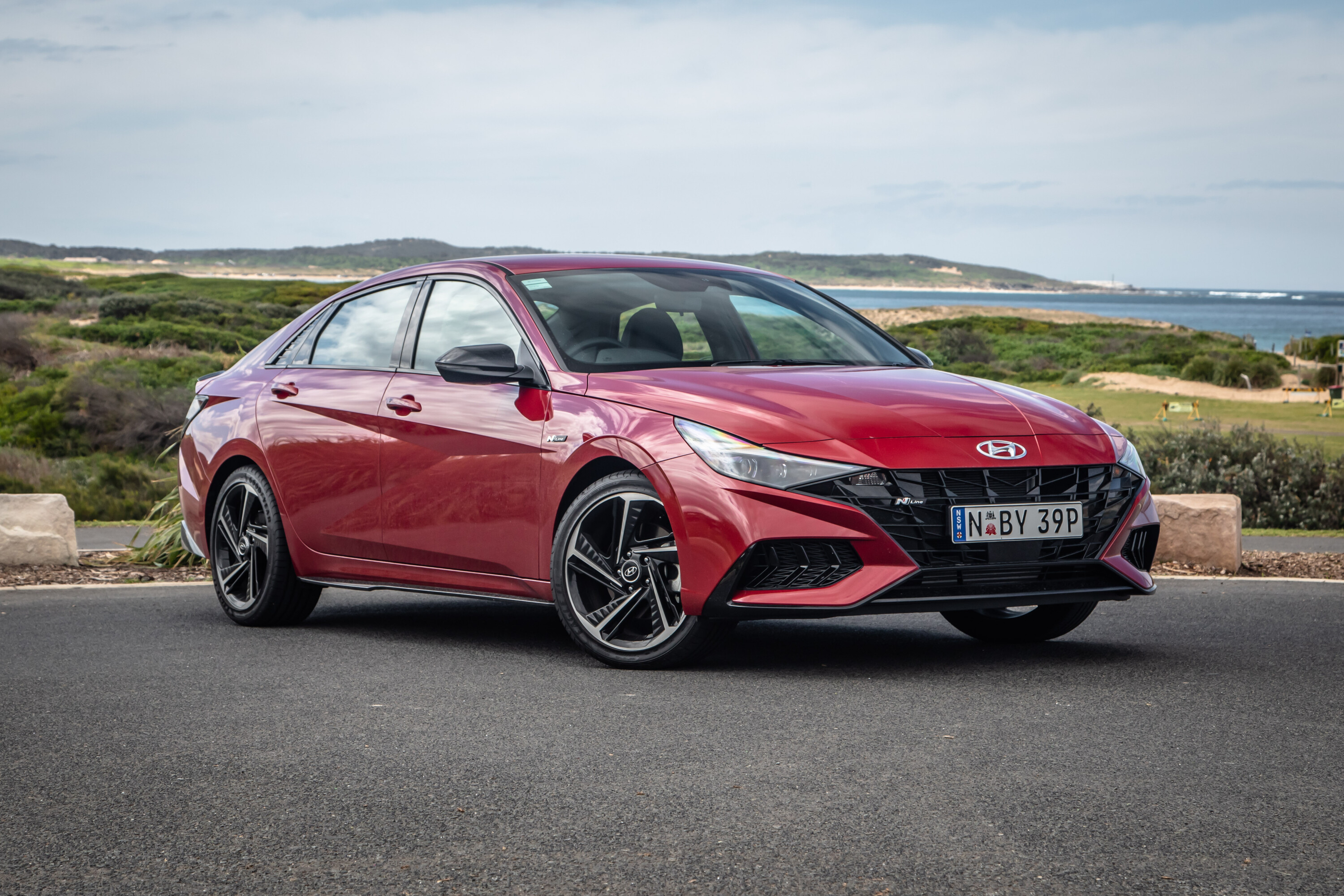
Hyundai Australia has confirmed the updated i30 Sedan – sold as the Elantra and Avante in other markets – will arrive here later this year, pending any delays.
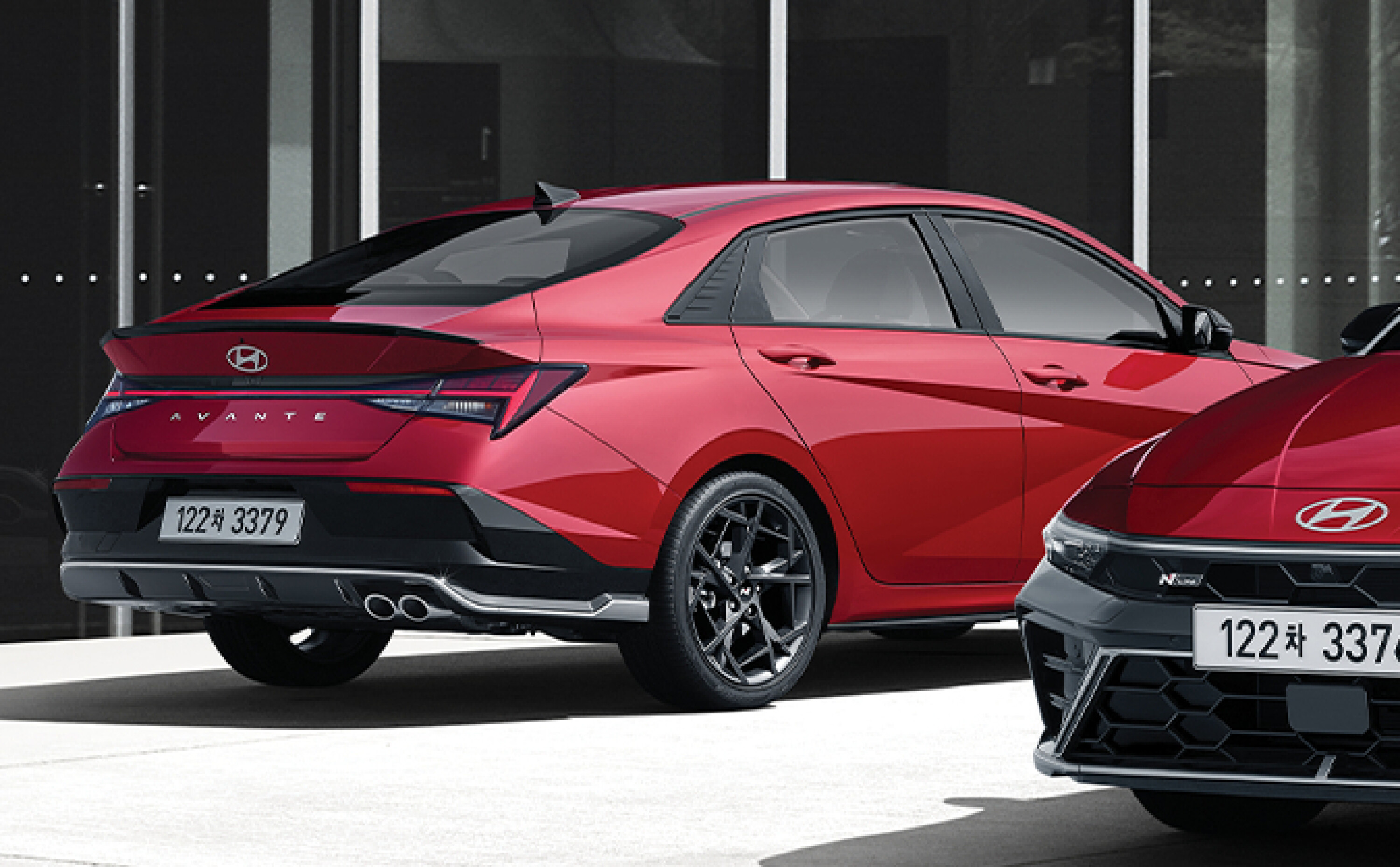
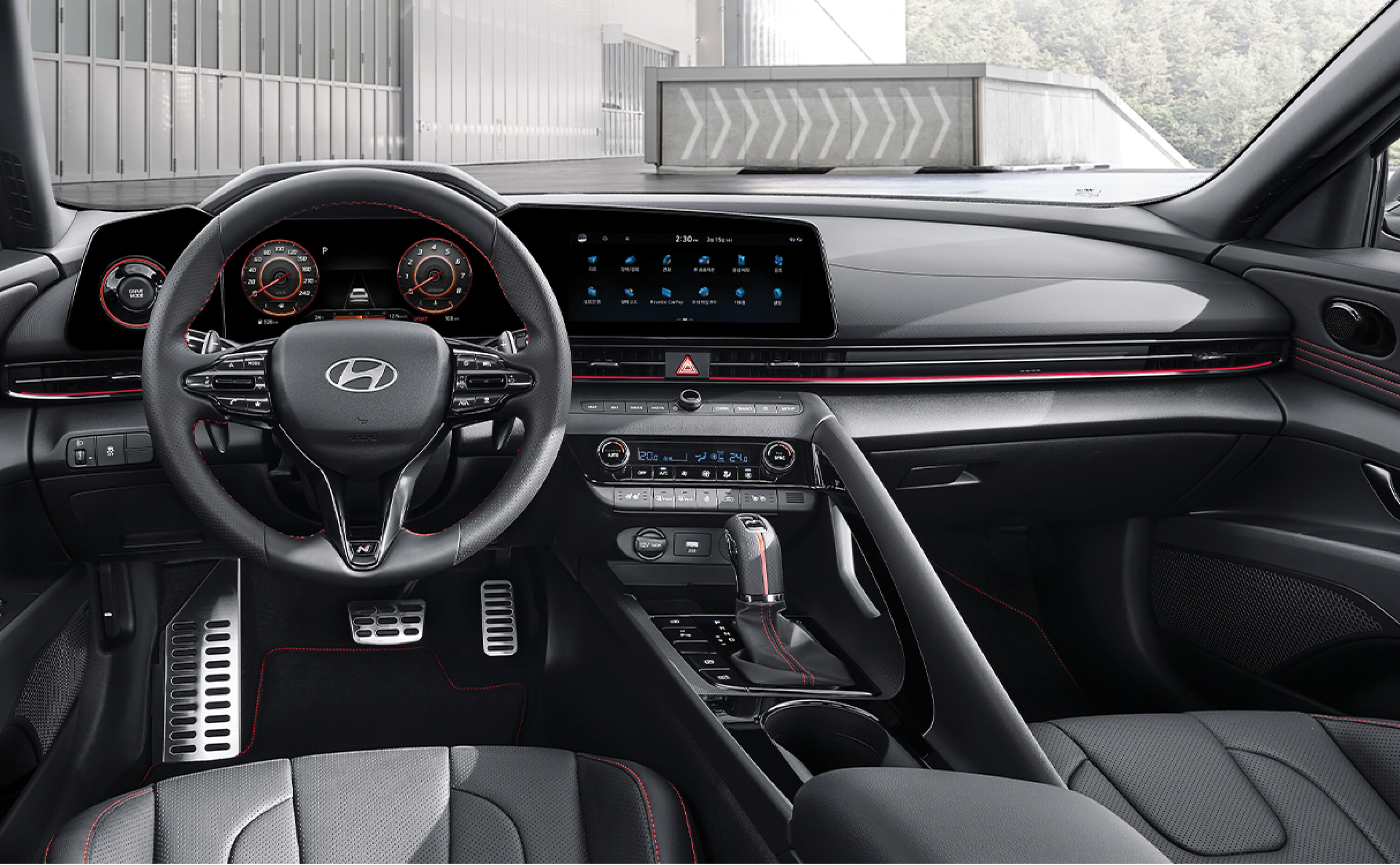
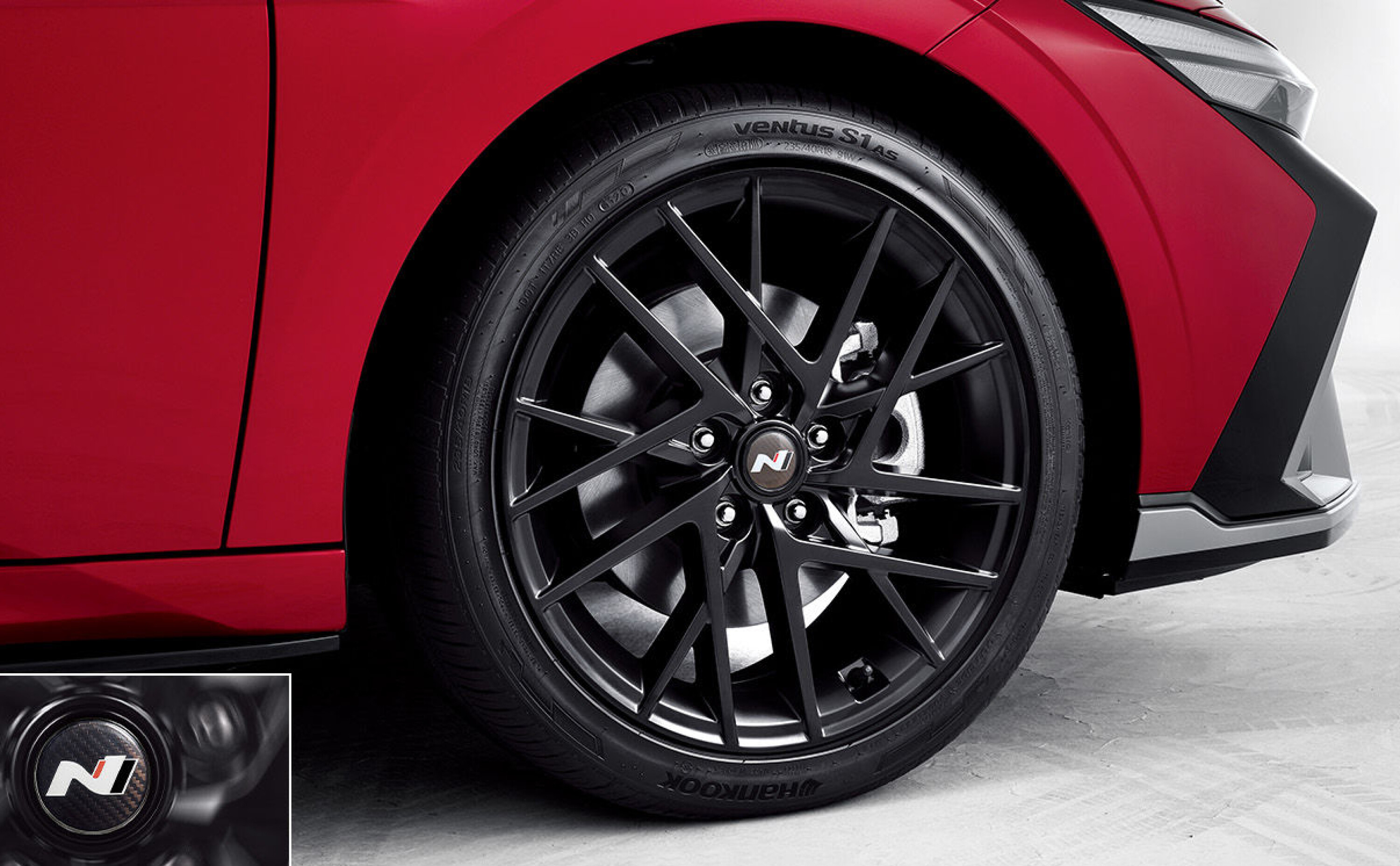
As with the full-fat i30 Sedan N, the N Line receives an N-specific body kit with new-look front and rear bumpers and alloy wheel designs, joining the reshaped headlights, wider grille, new chrome beltline and updated light signatures applied to all versions.
As with the i30 Sedan N – plus the Sonata, Kona and Tucson N Lines – the wheel centre caps now feature an N insignia, replacing the Hyundai logo found on standard models.
A hybrid powertrain is now available for the i30 Sedan N Line overseas, but it is unclear if Hyundai Australia will offer the hybrid in N Line form or if it will remain exclusively fitted with a 150kW/265Nm 1.6-litre turbo-petrol engine.
The i30 Sedan Hybrid was confirmed for Australia in March, with full details still to be announced.
In the latest Kona small SUV, the separate N Line variants were replaced by a range-wide N Line Option Pack, available in three powertrains shared with the i30 Sedan: a naturally-aspirated 2.0-litre petrol, petrol-electric 1.6-litre hybrid, and N Line-exclusive 1.6-litre turbo-petrol.
The 1.6-litre naturally-aspirated hybrid engine will compete with the popular Toyota Corolla Hybrid sedan. It produces 104kW and 265Nm, matched to a six-speed dual-clutch automatic transmission and a 1.3kWh lithium-ion battery.
1
“[We have] Santa Fe hybrid; we’ve got next-generation Kona coming out this year in a hybrid powertrain followed by a battery electric powertrain later this year. We’ve got a facelift i30 Sedan with a hybrid powertrain for the first time in Australia. That’s just this year,” said Hyundai Australia direct consumer senior manager, Andrew Stamatakis, in March.
A combined fuel consumption figure below 4.0L/100km and CO2 emissions below 100g/km are likely for the standard i30 Sedan hybrid.
While there are no significant interior changes, the updated i30 Sedan adopts a blind-spot view monitor, a 360-degree camera system, USB-C charge ports, an optional built-in dashcam, an odour-reducing climate control system, and digital key functionality.
1
Second-row passengers are protected by a new rear-side airbag, taking the total airbag count to eight – but it continues to lack a front-centre airbag, meaning the i30 Sedan is unlikely to receive a five-star safety rating if ANCAP tests it.
The facelifted 2024 Hyundai i30 Sedan – including the N Line and N – will arrive in Australia in the second half of this year, pending any delays, with local details to be announced closer to the time.
Currently, the i30 Sedan is priced from $26,000 before on-road costs for the entry-level Active manual, rising to $50,200 plus on-roads for the i30 Sedan N.
First revealed in early 2020, the i30 Sedan is rebadged specifically for Australia to capitalise on the success of the i30 nameplate – despite the i30 hatch sharing more in common with the previous-generation Elantra.