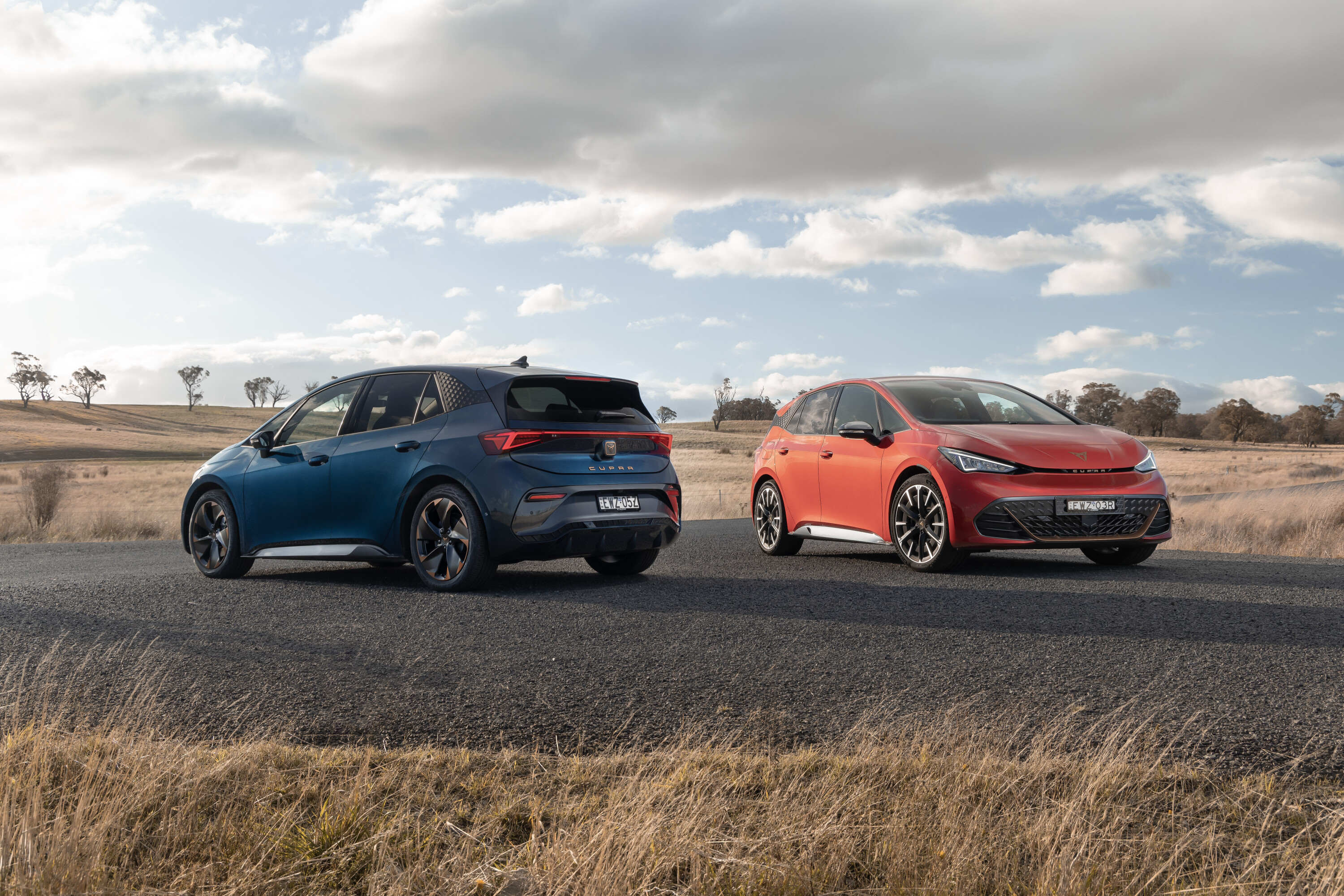
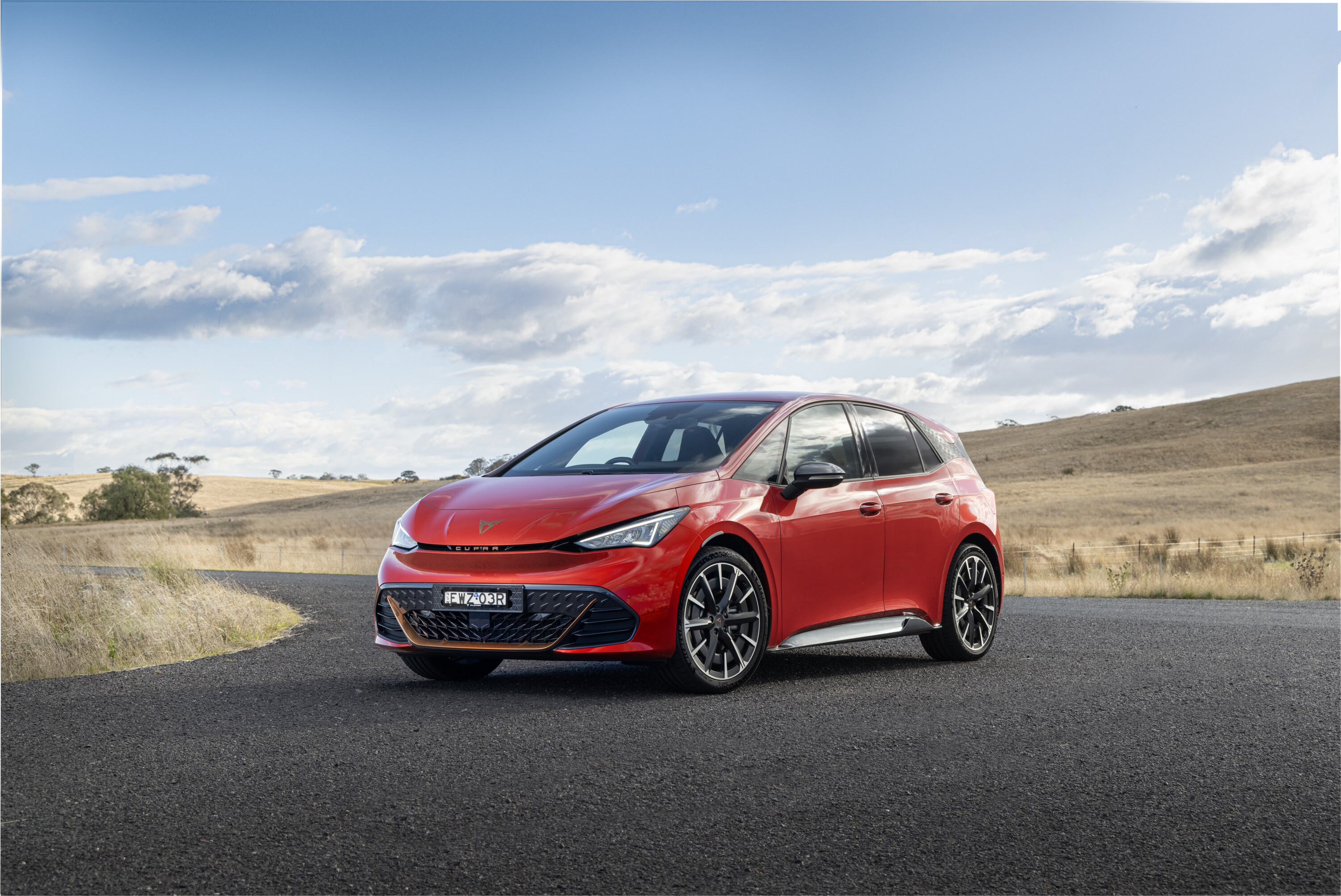
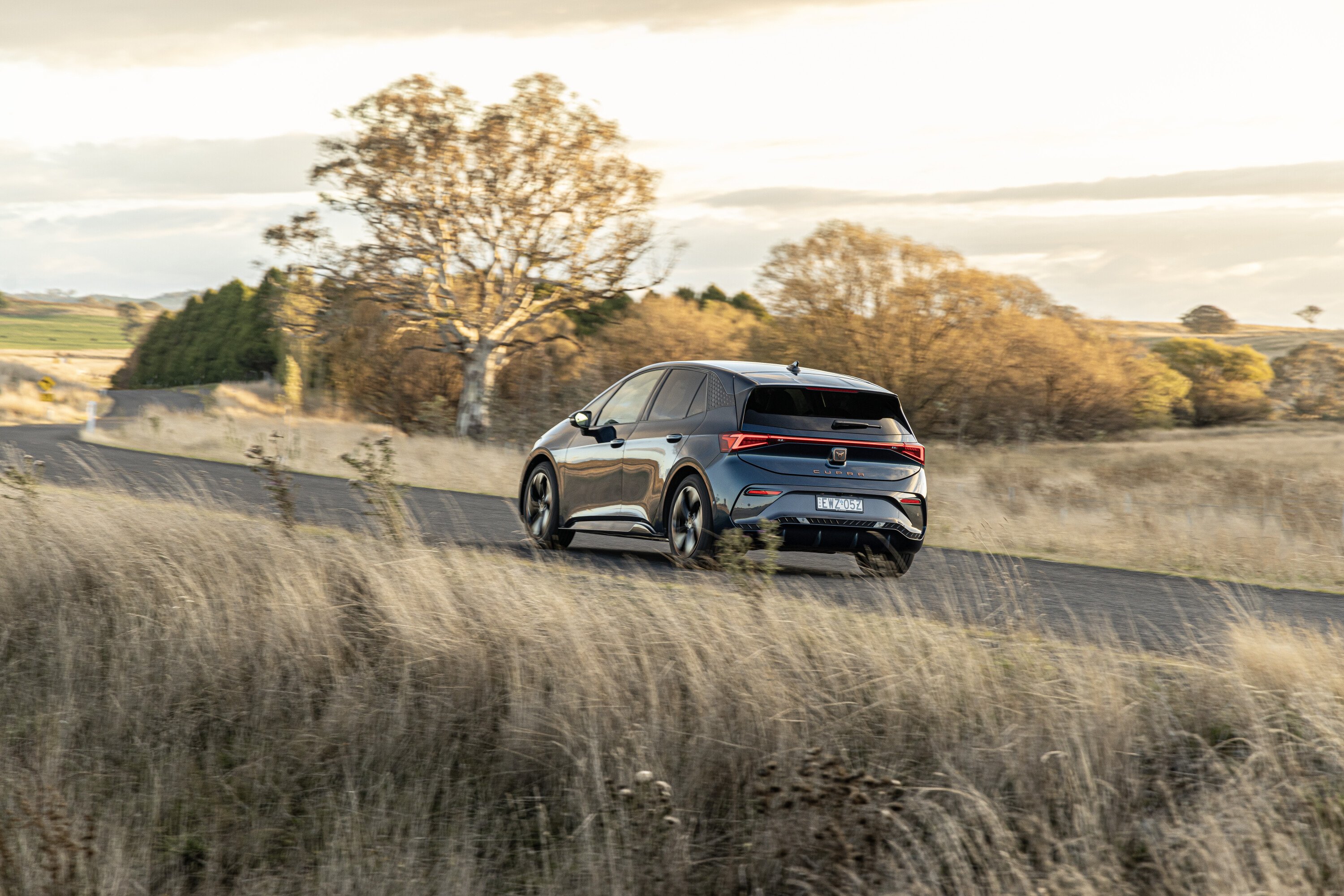
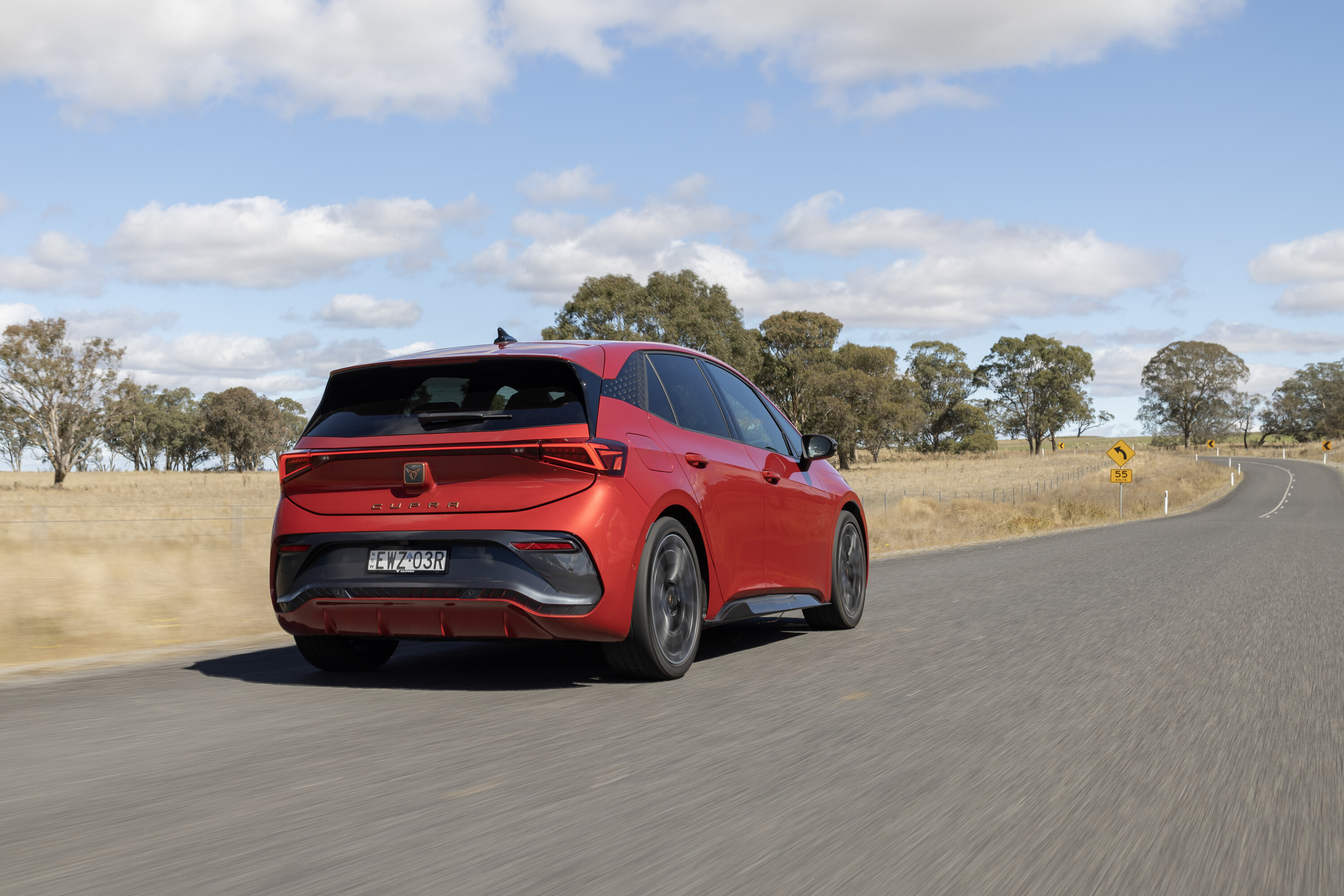
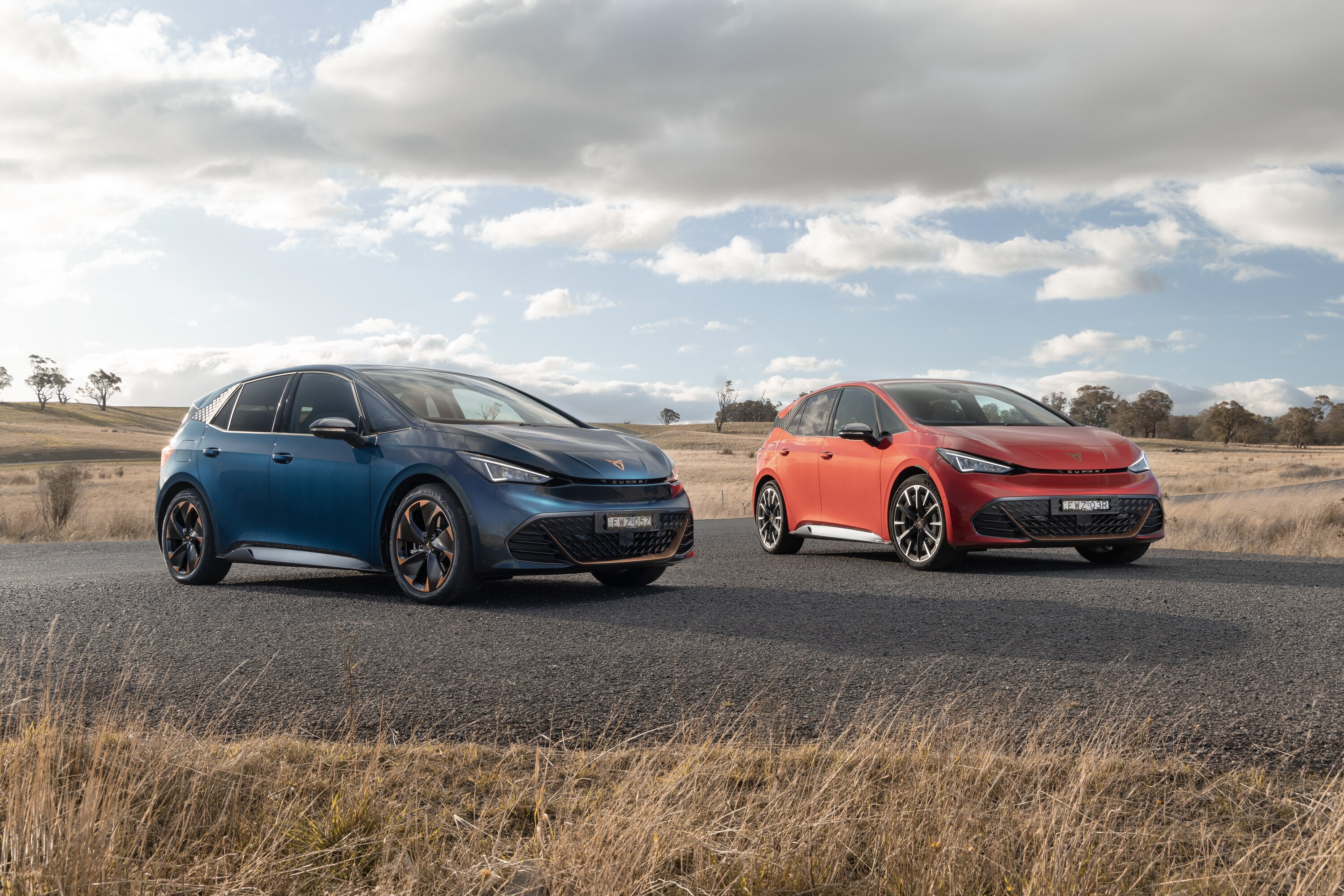
The Born is a significant car for the ambitious Spanish upstart, Cupra. A milestone. Groundbreaking, even.
It’s the Volkswagen Group-owned brand’s first electric car, offering five-seat packaging and up to 511 kilometres of driving range, along with genuine enthusiast driving dynamics – and a bigger boot than Cupra’s bigger combustion-powered Leon.
Priced at a keen $59,990 (before on-roads and/or state EV incentives), with a steady supply of Australia-bound vehicles from the factory, the recipe for success is there, and we’re expecting good things.
State Governments are, slowly but surely, introducing their own EV incentives, with drive-away pricing – depending on state and eligibility – in some cases offered for as low as $57,490 (Queensland). Be sure to check what electric vehicle incentives may be available to you.
For your dollars, you net a powertrain comprising a 82kWh gross (77kWh net) battery providing up to 511kms of range on the WLTP test cycle, powering a 170kW/310Nm rear-mounted motor that drives the rear wheels.
1
That’s very nearly Golf GTI power (the comparisons are unavoidable), which is pegged at 180kW/370Nm. But, before you get too excited, the battery-packed Born tips the scales at a portly 1811kg, versus the Golf’s 1570kg. It completes the 0-100km/h dash in around 7.0 seconds, Cupra claims.
The Born’s 400V architecture allows for DC fast charging up to 170kW, replenishing from 10-80 percent in under 40 minutes. AC charging rates max out at 11kW, and should take about 7.5 to eight hours to complete a full charge.
2023 Cupra Born features
19-inch alloy wheels (black and copper)
Auto-dimming rear-view mirror
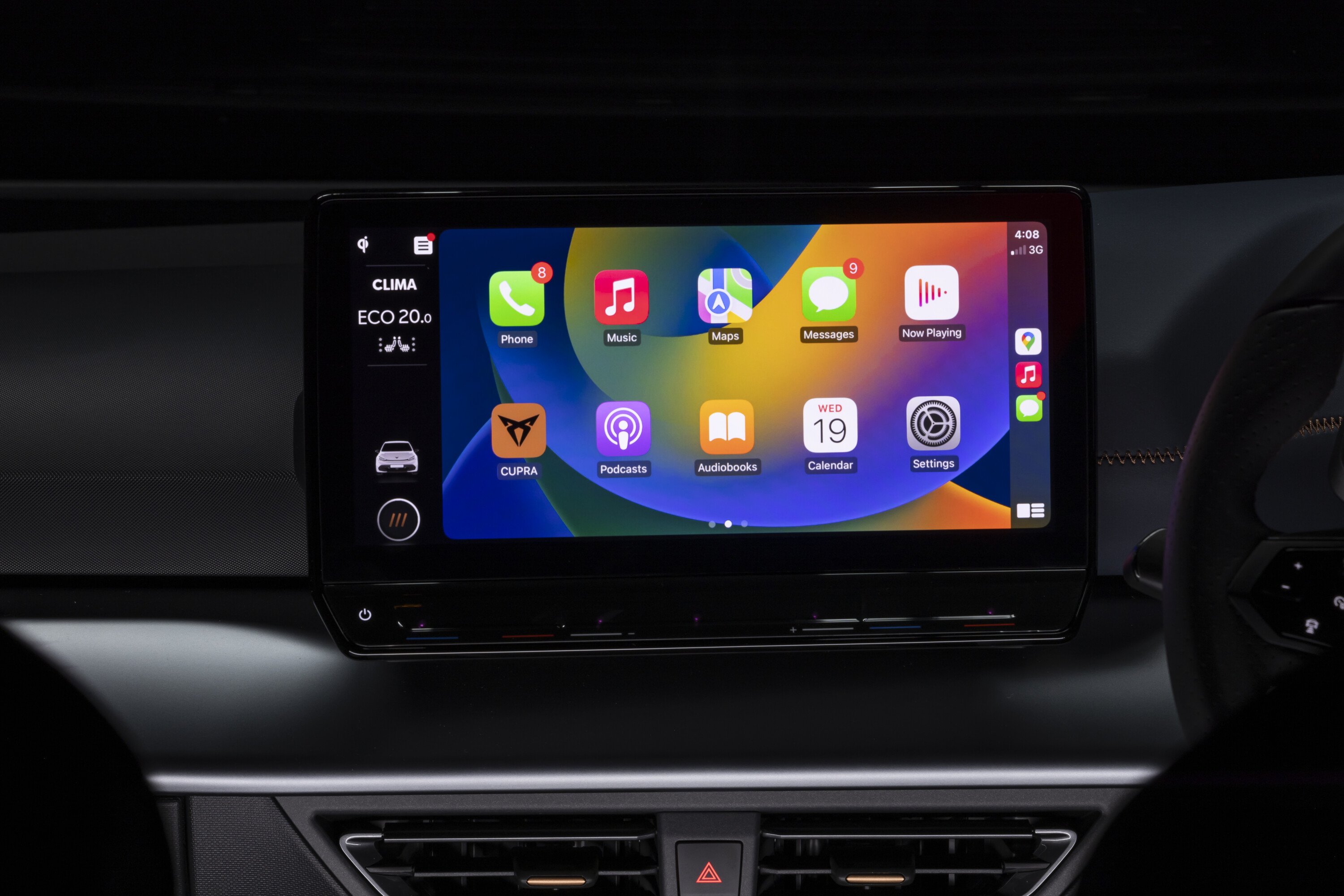
12-inch infotainment system
Drive mode selector
Wired Apple CarPlay and Android Auto
Tyre pressure monitoring
DAB+ digital radio
Front bucket seats
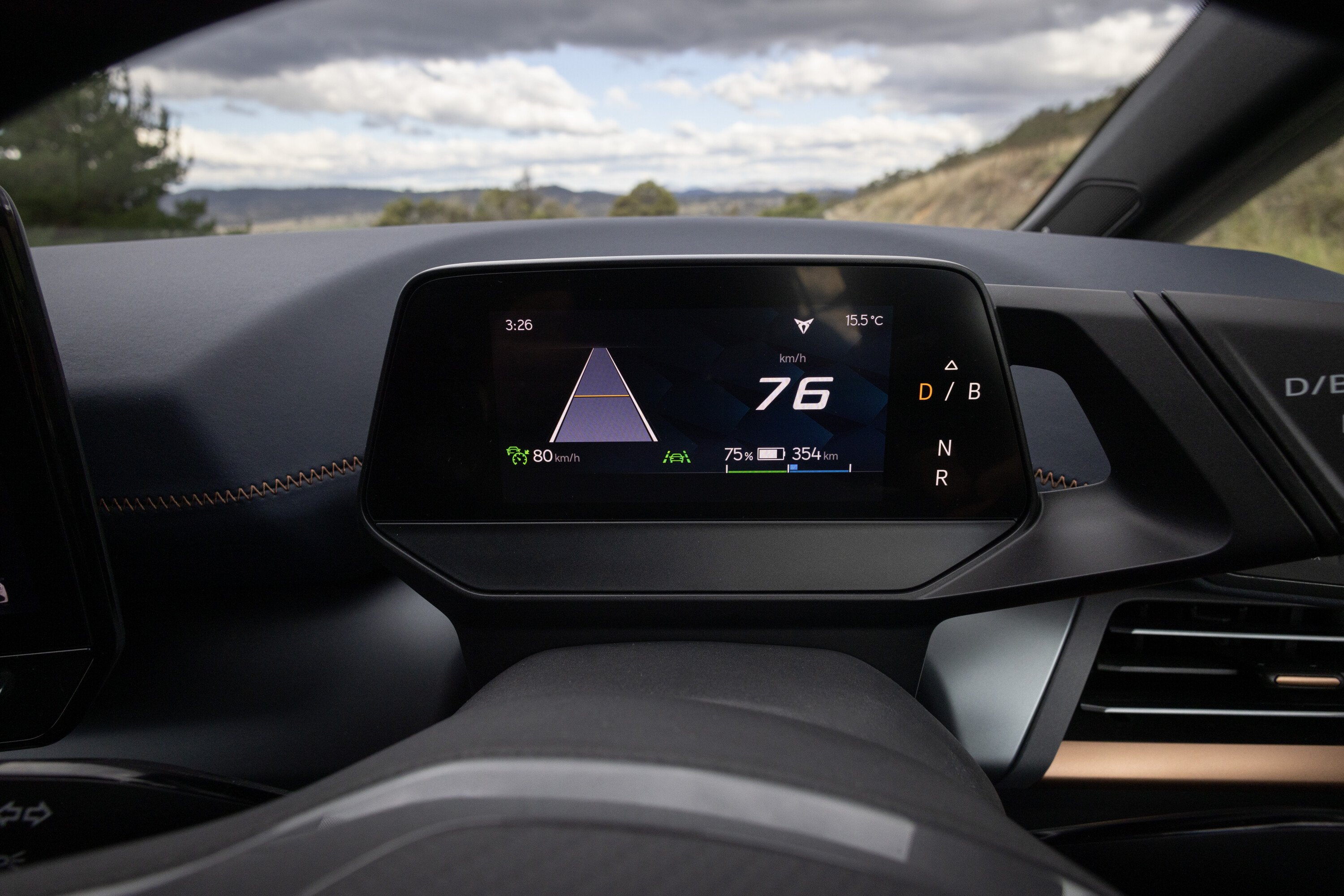
5.3-inch digital instrument cluster
Recycled fibre upholstery
Four USB-C ports (2x front, 2x rear)
Dual-zone climate control
Wireless phone charger
Adaptive steering
Colour-adjustable ambient lighting
Sports suspension
Leather-wrapped heated steering wheel
Automatic parking
LED head and tail-lights
Rain-sensing wipers
Rear spoiler
360-degree camera system
Heated power-folding side mirrors
Carpet floor mats
Keyless entry and push-button start
Two options packs exist for the Cupra Born, with buyers able to opt for a $2600 Performance Pack as well as an optional $2900 interior pack.
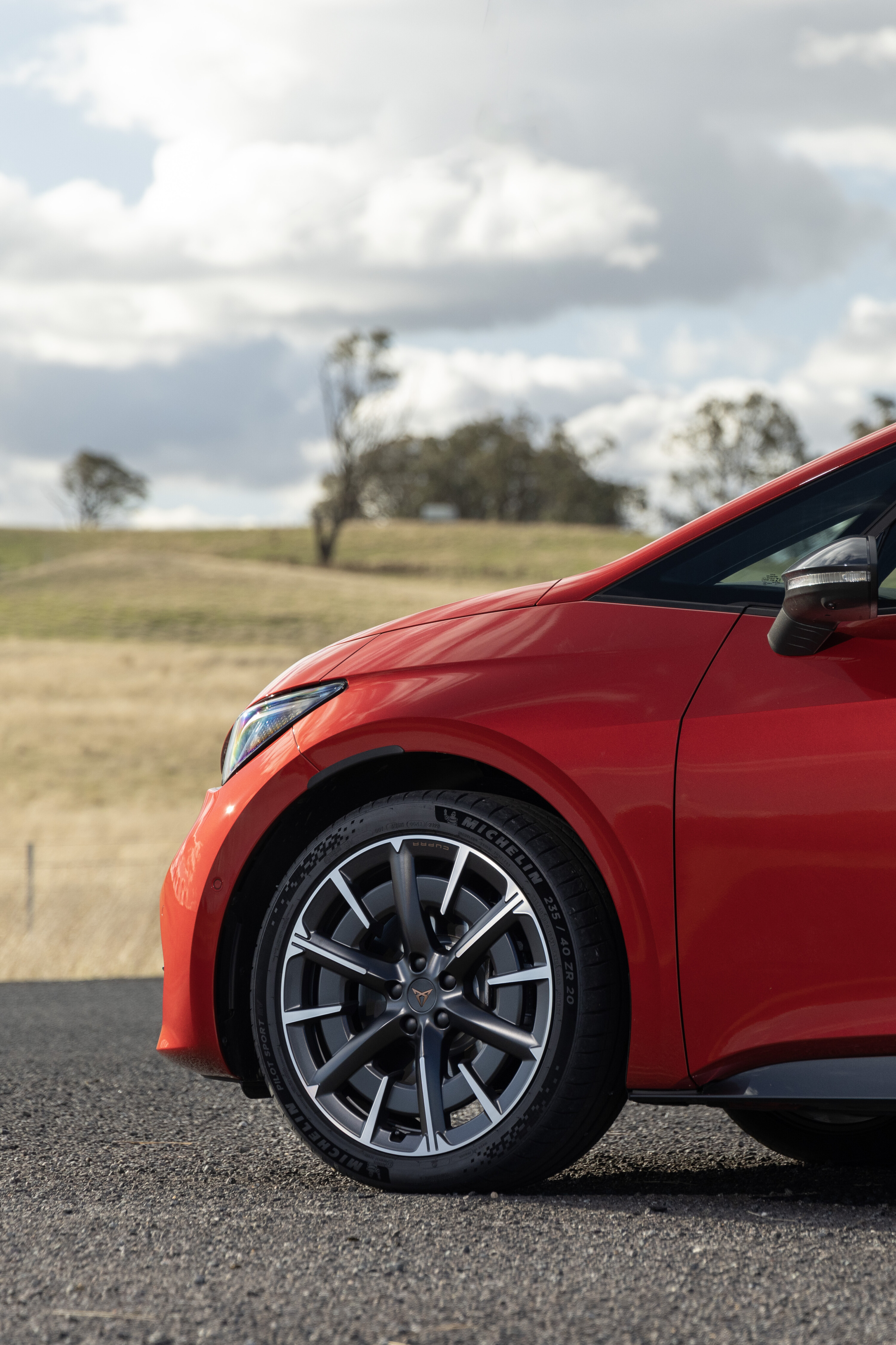
The Performance Pack adds 20-inch wheels, 235/40/20 Michelin Pilot Sport 4 tyres, ESC-Off mode, and Dynamic Chassis Control.
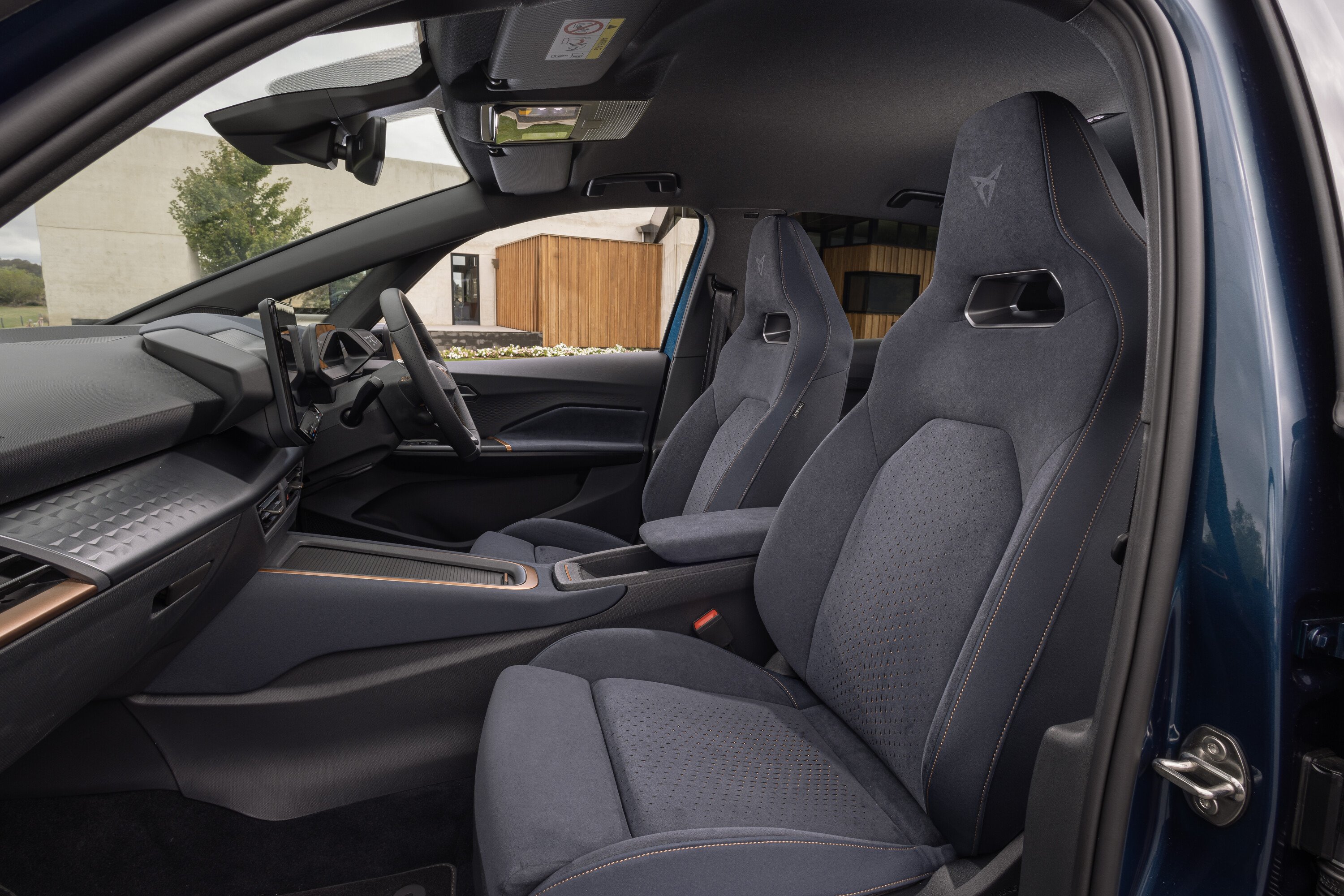
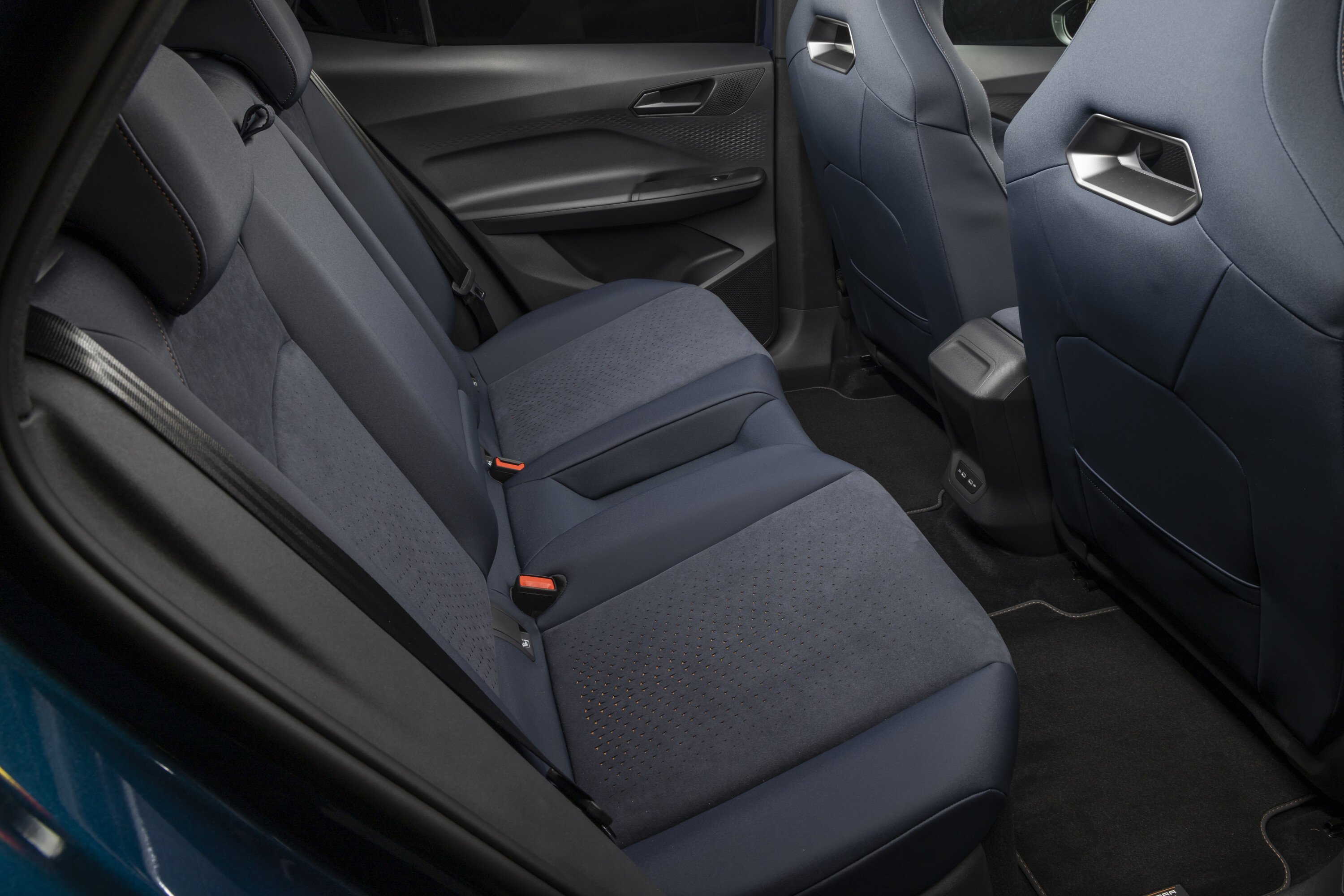
The Interior Pack (pictured below) comprises Dinamica upholstery made of upcycled marine plastics as well as 12-way power adjustment, massage and heating functions to the front seats, plus a nine-speaker 395W Beats stereo.
1
1
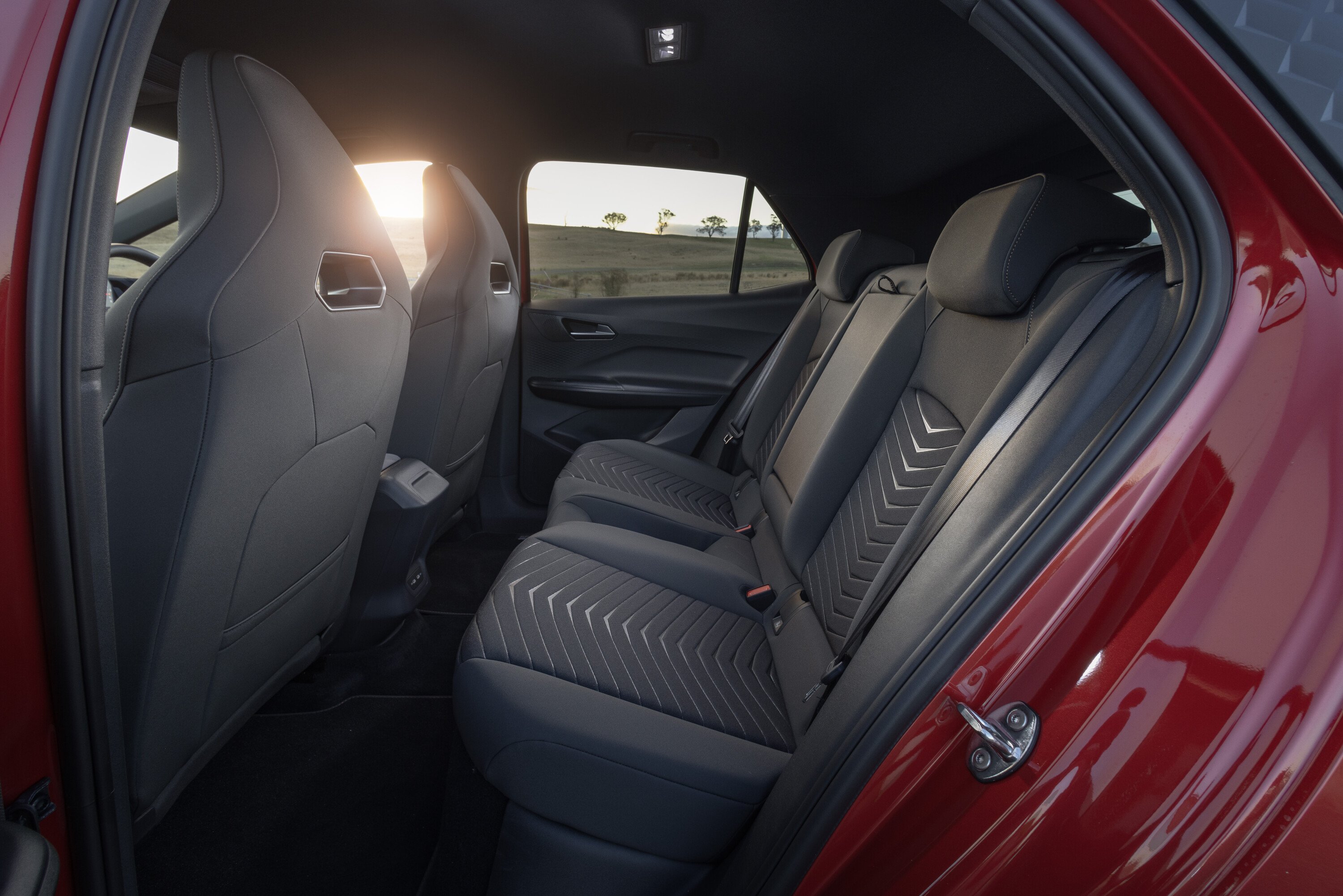
Taking up either, or both, of the Cupra Born option packs reduces total seating from five seats to four, with the second row shrinking from three seats to two.
The Performance Pack’s stickier and larger Michelin Pilot Sport 4 tyres also reduce the ultimate driving range claim to a still-admirable 495kms.
The popular Tesla Model 3 comfortably dominates this price point in the EV space, asking a slightly dearer $60,900 in entry RWD configuration, and delivering a slightly lower 559km WLTP range.
Hyundai’s Kona Electric is another popular option for mainstream buyers, delivering 484km of WLTP driving range, beginning at $60,500 for the Kona Electric Elite.
The Kia Niro EV S asks $65,300 and boasts 451km of WLTP range, while the Polestar 2 offers 470km for $63,900.
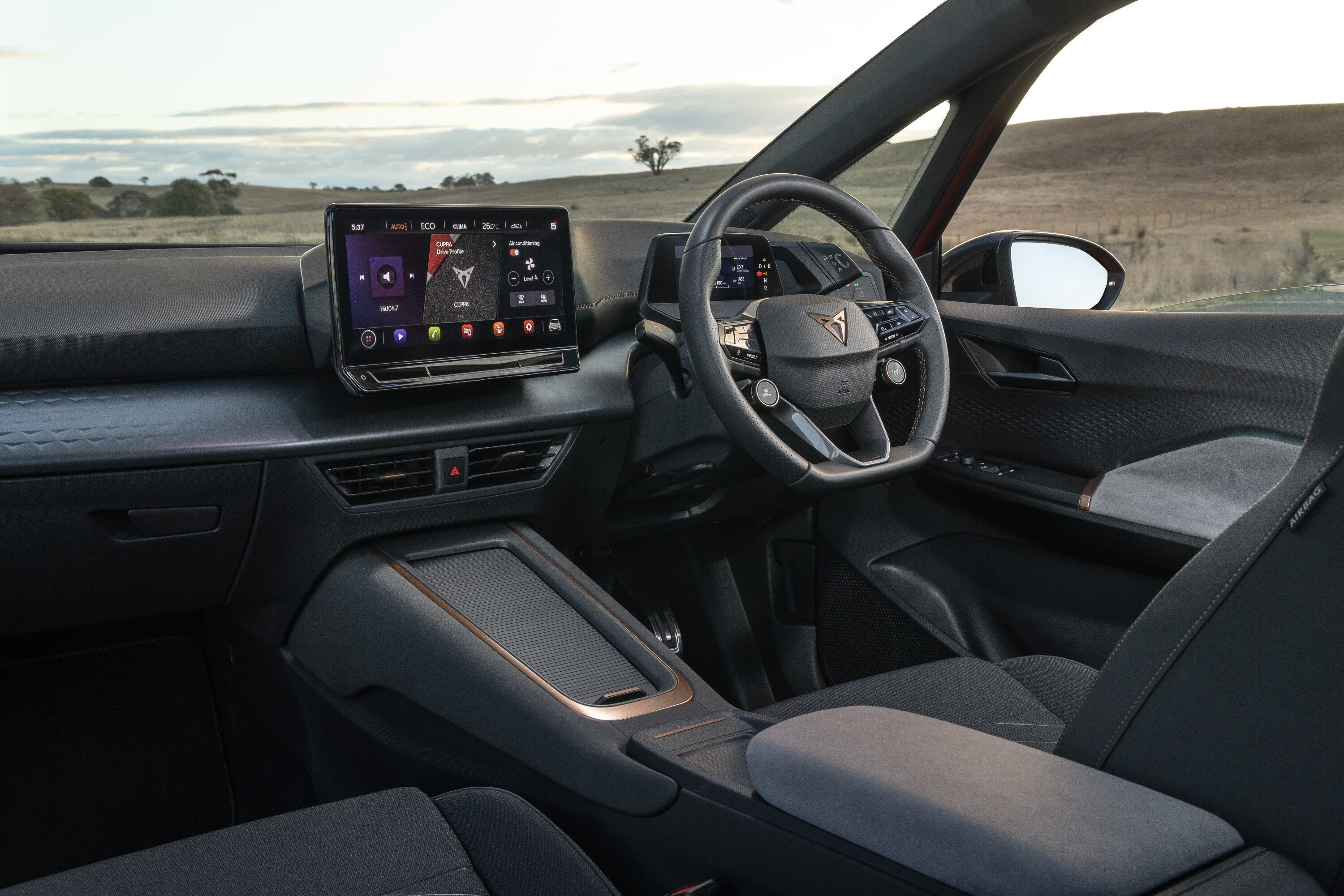
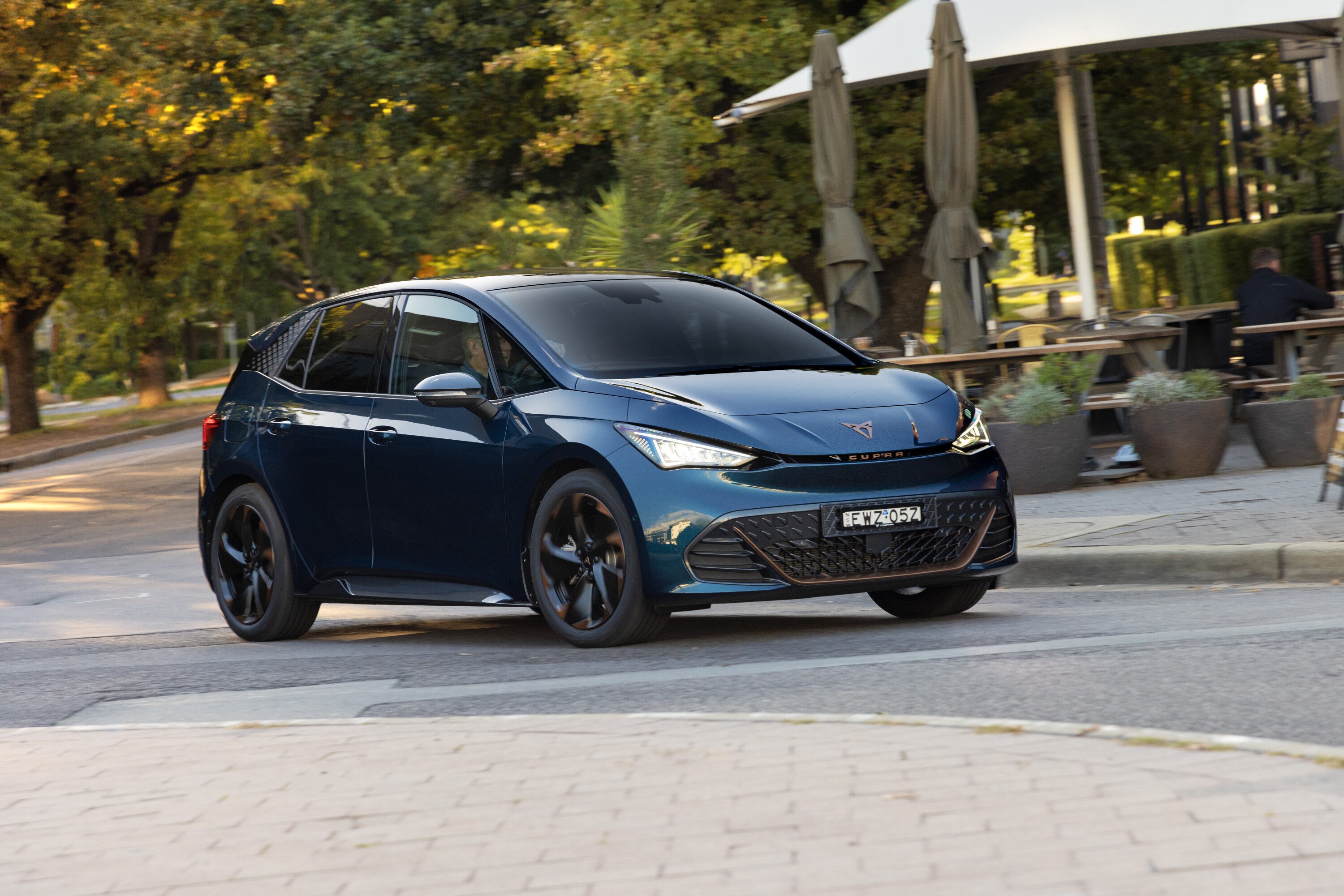
Even in standard form, the Cupra Born exudes a distinct style imbued with quality materials and an aire of solidity to its build.
Steering wheel haptic controls, the infotainment housing, switchgear arrangement and few bits and bobs are identifiably Volkswagen Group, but Cupra excels in confidently communicating its own distinct design and identity.
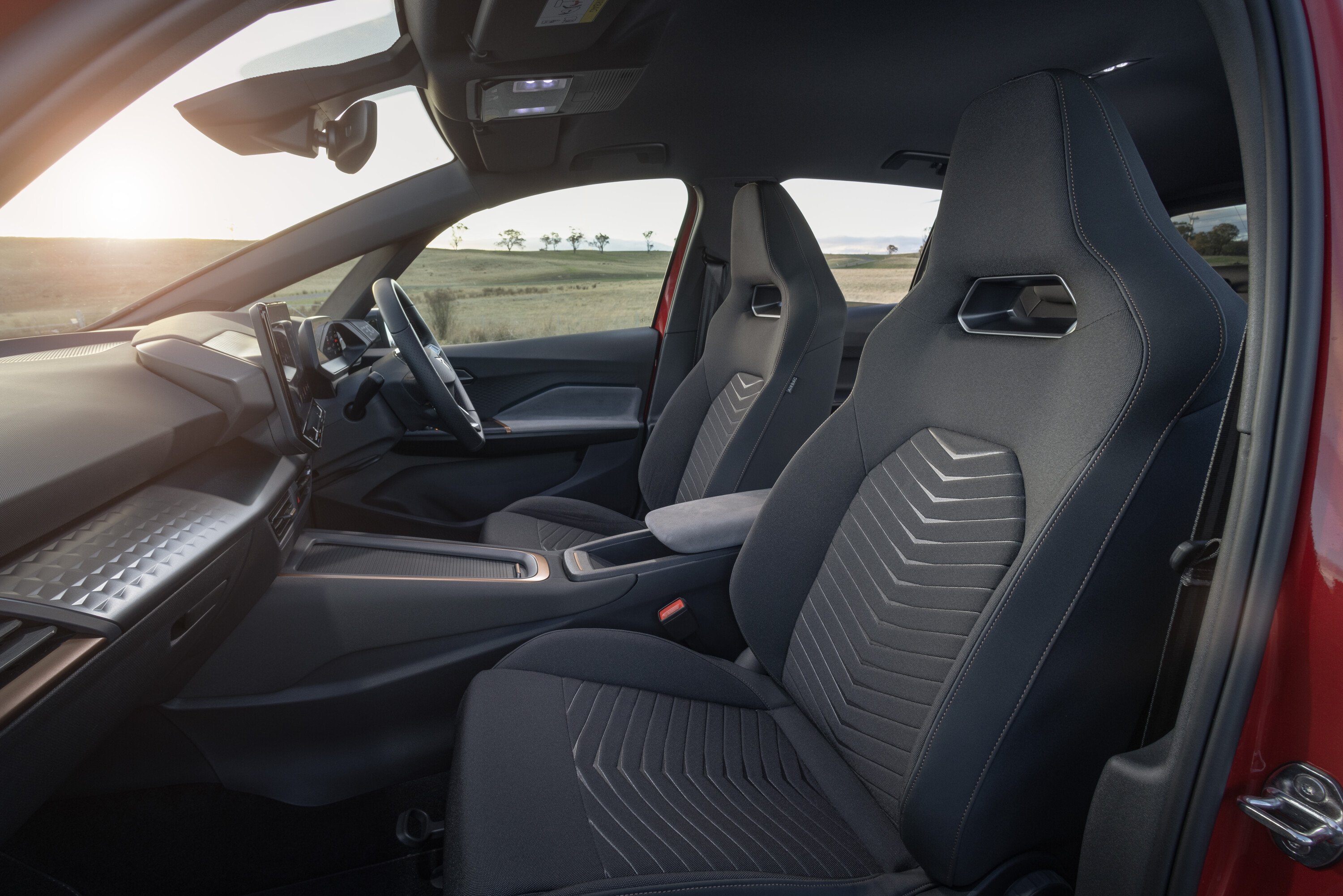
Feel the wonderfully textured standard cloth trim of the lovely sports seats, admire the detailed surfacing across the sharp dashboard, and it’s clear: this is not your grandma’s Volkswagen.
1
Cupra’s materials are noticeably more premium, and the detailed textures and surfacing bestow a level of consideration to the cabin that is deeply satisfying to behold.
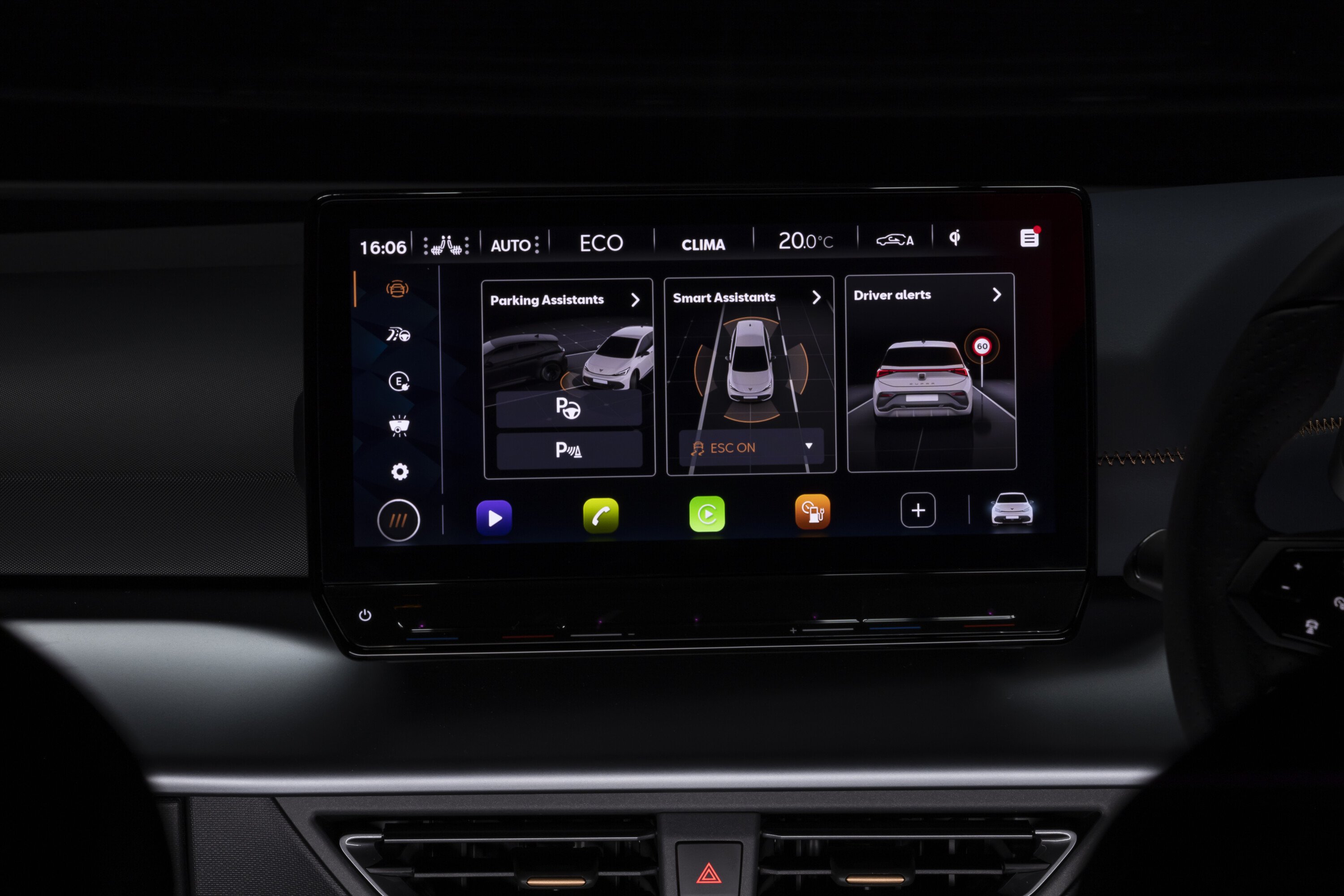
The 12-inch touch-sensitive infotainment screen is impressive to view, but the user interface is initially dizzying with all motor functions, from active safety to climate control, handled through an array of taps, swipes and menus.
The haptic climate and volume sliders beneath the infotainment screen are also cause for initial frustrations, and lack the tactile feedback to be eyes-free operable while driving. We imagine that you would get used to them over time, however.
1
Scope of adjustment in seating and wheel position is broad, with deceptive amounts of headroom for taller folk both in front and back seats. Australian-spec vehicles are presented with Drive Mode toggles on the steering wheel.
The mini digital instrument cluster feels both futuristic and pared back at the same time, displaying only essential drive information with most auxiliary functions handled via the central touchscreen.
1
The Drive Selector toggle, mounted high and to the right of the digital cluster, is a novel revamp of the central selector prevalent throughout the Volkswagen Group. There’s a wireless charging pad in the front central arm rest, and a USB-C port hidden within the central bin.
Back seats are slightly elevated, but the space offered is generous and, despite the large bucket reclining front seats, retains an airy feeling throughout the glasshouse, with decent legroom for most except for the tallest of adults. There’s a wireless charging pad in the front central arm rest, and a USB-C port hidden within the central bin.
The back seats themselves split/fold 60:40, with a central ski port, to boot. In the back, there are also two more USB-C ports for the rear passengers.
1
1
Cupra Born boot space
The Born’s boot measures 385 litres, up slightly on the larger Leon hatchback’s 380-litre compartment.
Specifying either, or both of, the Performance and Interior Packs reduces the second row seats from three to two, reducing total seats from five to four.
The Interior Pack’s upcycled Dinamica upholstery, however is lovely to the touch and features intricate detailing, along with power-adjustable, heated and massaging front seats.
The nine-speaker Beats stereo works to great effect and is a noticeable improvement over that standard system – which itself delivers decent clarity and power.
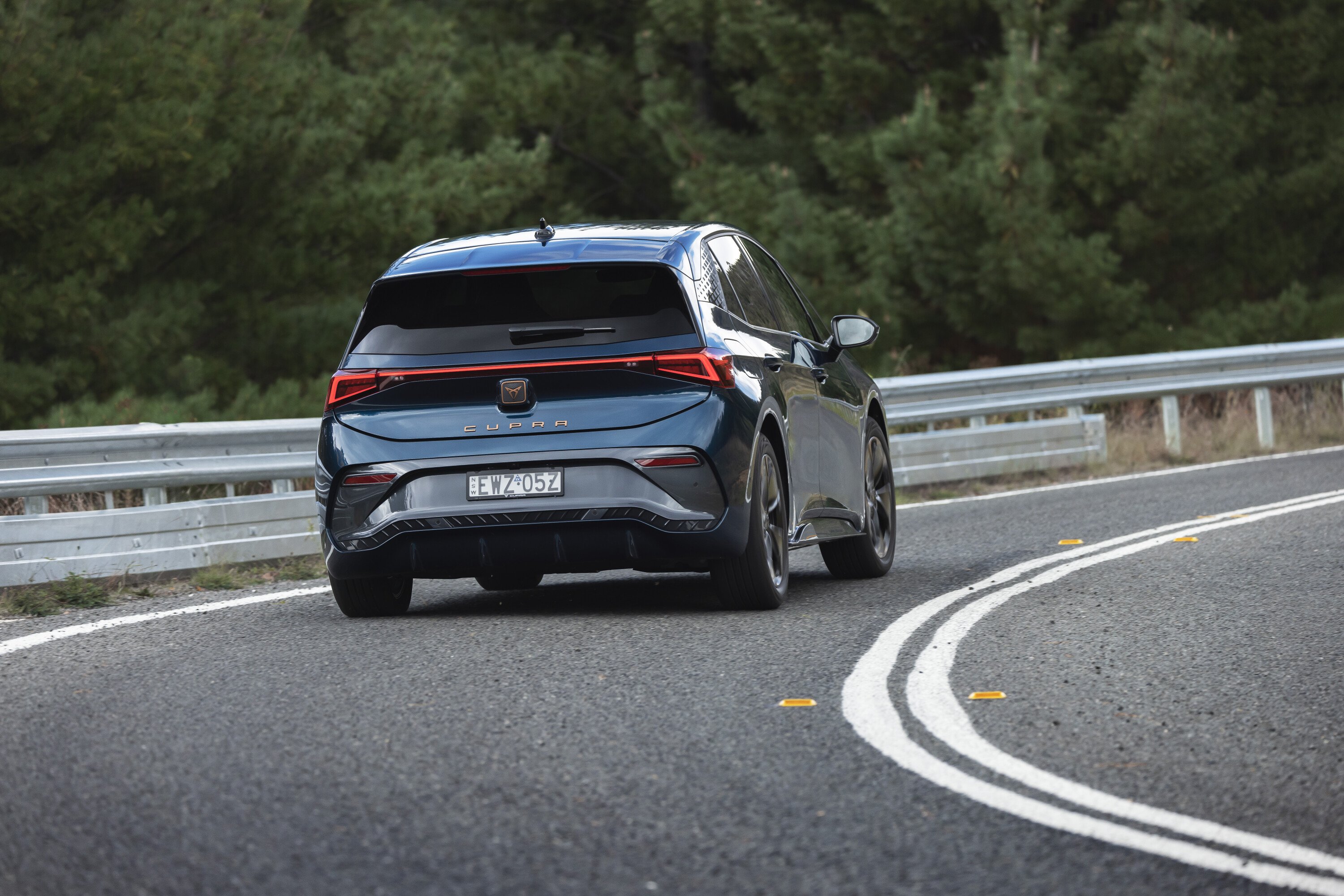
The Born gains pace effortlessly and smoothly, and makes ease of overtaking opportunities thanks to its small footprint and linear electric delivery.
Expectations of a Golf-sized package packing instant electric delivery and rear-drive theatrics must be tempered by the knowledge that Cupra’s Born weighs over 300kg more than the ubiquitous Volkswagen hatch, and tips the scales at almost 1.9 tonnes with a driver on board.
Allow any hot hatch expectations to cool, and the Cupra coalesces as a confident inner-city pedaller that blends Volkswagen’s age-old hallmarks of instant ease of use and a broad, effortless competence, with Cupra’s new found style and flair. It may not be fast, but the powertrain cohesion feels wonderfully refined.
Despite its weight, at road speeds, it gains pace effortlessly and smoothly, and makes ease of overtaking opportunities thanks to its small footprint and linear electric delivery.
1
Regenerative braking can be adjusted between D and B drive modes, selectable on the cluster-mounted Drive toggle, with regenerative loads varying further between Drive Modes. Pedal feel is pleasantly nuanced for an EV, with an organic crossover between regenerative and mechanical brakes.
The front end feels laser-guided, ultra-quick to respond off centre thanks to the super fast steering ratio.
There’s an underlying firmness to the dampers, but it fits Cupra’s sporty image and is perfectly liveable in the everyday. Due to its weight, it can fall into dips with a bit of a thud, but its overall body control feels typically German despite the Born’s Spanish flavour.
1
Around town, it truly is no more difficult than driving any small-segment VW.
But Cupra talks big about being a brand for those that care about ‘the drive’, however, and as the launch route trades metropolitan roads for faster flowing mountain passes – the Born reveals even more of its broad breadth of talent.
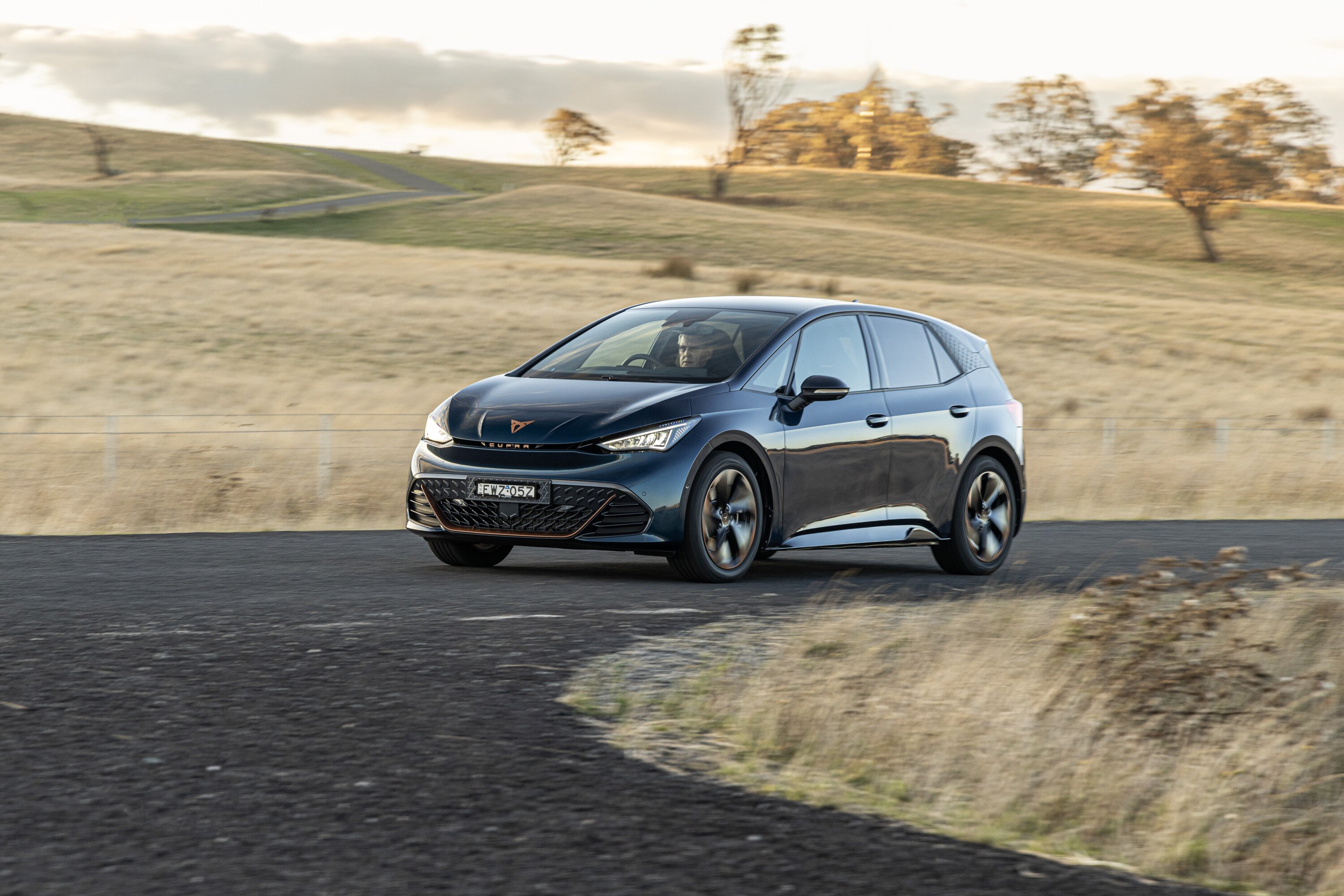
At speed, the Born reveals itself as, what might be, the most engaging driver’s EV that isn’t a Porsche Taycan.
Even the standard car, on 19-inch Continental EcoContact 6 tyres, is rather playful and possesses a wonderful low friction balance to its chassis. Yes, it weights over 1800kg, but most of that mass is tangibly centralised, which makes the base Born wonderfully chuckable!
1
At speed, the Born reveals itself as, what might be, the most engaging driver’s EV that isn’t a Porsche Taycan.
It feels explicitly rear-driven and, in Comfort Mode, with its comparatively modest power outputs, you can engage with more throttle commitment, more of the time.
The brake pedal comes into its own at speed, even with B mode regenerative braking engaged. This is the first EV I’ve driven that I’ve been able to so instantly and intuitively left-foot brake in with proper confidence – which is unheard of.
One-pedal driving seemingly isn’t possible, which may irk some, but this is an EV that’s trying to meet combustion enthusiasts halfway. And many, including Porsche, argue that the long-range benefits of aggressive brake regeneration is actually inefficient.
1
The Cupra Mode shortcut button on the steering wheel is a quick catch-all setting, to tip the Born into its most dynamic settings.
Of course, there is an Individual Mode, too, that gives you full control over the 15-way damper adjustments, and more.
Even with ESC On, once you get used to the weight, you can frequently overpower the systems on corner entry producing consistent moments of neutrality. On consecutive fast flowing left-right-left bends, it’s a deeply satisfying experience.
Find the ESC setting in the infotainment, and switch it to Sport, only encourages more movement, but the overall calibration feels deft at subtly arresting you before you get too out of shape.
1
With the exception of the Taycan, the Born feels like it was built by people that care about the driving experience, more than anything else that comes to mind
Turn it with too much pace, and the Born will safely ease into understeer, but you can produce some satisfying yaw moments by throwing its weight back at it on a tight off camber downhill corner.
Opting for the Performance Pack unlocks an unleashed ESC Off mode, which wasn’t engaged on the launch for safety reasons. Its Michelin Pilot Sport 4 tyres, and Dynamic Chassis Control (adaptive damping). Overall, the Performance packed Born feels much more tied-down, confident, and is a noticeably quicker, point-to-point, car. But it does lose the playful charm of the standard Born. The Michelin Pilot Sport 4 tyres, however, reduce ultimate driving range to 495kms.
The Cupra Born feels like it was built by people that care about the driving experience, more than anything else that comes to mind – except for a Porsche Taycan, but that’s another thing entirely.
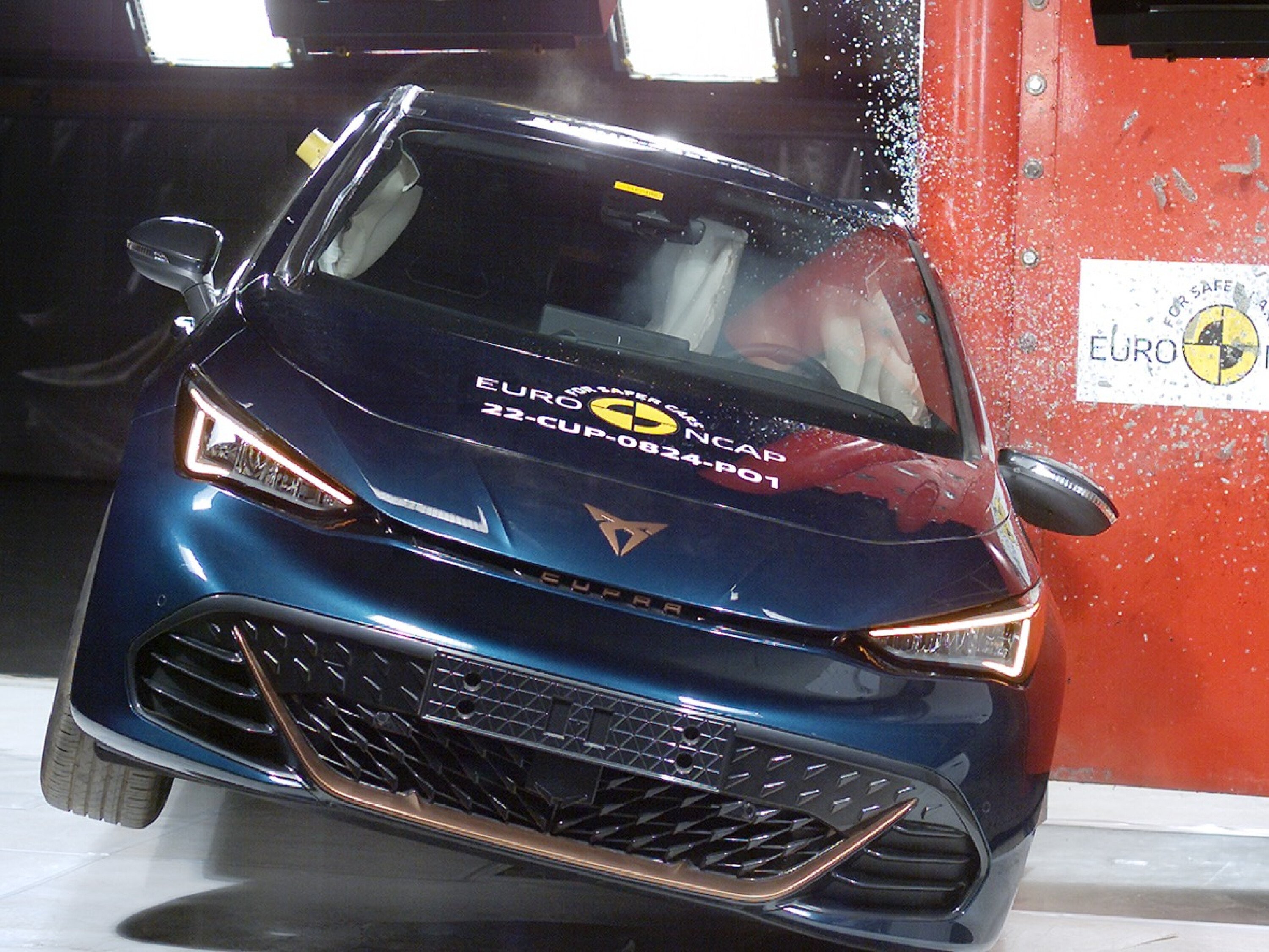
The Cupra Born was assessed and awarded Five Stars by ANCAP in 2022. This rating applies to all variants.
The Born boasts seven airbags, comprising: dual frontal, side chest-protecting and side head-protecting (curtain) airbags, plus a centre airbag.
It also features Autonomous Emergency Braking (AEB) with car-to-car, pedestrian and junction cross-traffic assist, plus Lane Keep Assist and Lane Departure Warning, adaptive cruise control, parking assist, blind-sport assist, rear cross-traffic assist and driver attention monitoring are all fitted as standard.
As a newcomer model, from a newcomer brand, to the hotly contested circa-$60k Australian EV segment, the Cupra Born displays massive talent and is a worthy consideration for young city-based buyers.
It offers practical packaging in a city-friendly footprint, with genuinely engaging dynamics at fast and low speeds, and enough driving range to explore it, and still make it home. A feat, still, to be achieved by a contemporary combustion performance car, but a near watershed moment for an EV at this price point.
It blends hot style and warm performance, delivering enough range to intimately explore both.
The Born is a genuinely beguiling proposition. A fun-focused urban EV with enough range to get up early on a Sunday morning, go for a spirited morning drive, and get home with enough juice left in the battery for the afternoon grocery shop.
If it were my money, I’d even opt against the Performance Pack. Just give me a standard Born with the Interior Pack. It’ll ride better everyday, and I’d probably just put Pilot Sports on when I (inevitably) wear the factory eco hoops out, anyway.
The account also suggests that the track-focused edition of the hybrid SF90 will be known as the SF90LM – the ‘LM’ standing for Le Mans – though this is not yet confirmed.
@SF90LM’s bio also claims the car will be unveiled in June – potentially coinciding with the Le Mans 24-Hour endurance race – and that there will be 799 coupes and 499 ‘Aperta’ drop-tops built. How they know that, and if the numbers are accurate, we’re not sure.
The worked-over SF90 will almost certainly develop more than the ‘regular’ SF90’s 735kW. Unlike the V6-powered 499P Hypercar racer, this special edition of the SF90 is likely to be powered by the same 4.0-litre V8 petrol hybrid as the coupe and convertible.
It also appears to have vents on the rear arches for tyre/brake cooling, an engine cover with vents and minimal glass, different alloy wheels, and extended rear diffuser.
Speaking of aerodynamics, the ‘SF90 LM’s’ massive swan neck rear wing is hard to miss, and in other spy images, you can see a more aggressively-profiled front valance to match.
Unlike the LaFerrari (limited to 499 units), the SF90 coupe and convertible were not given limited production numbers by Ferrari, and continue to be produced at the Maranello factory.
It’s expected that the new version will be constructed in limited runs. Ferrari could go down the track-only route as it did with the FXX (2005-2007), though the fact development cars have been spotted on the road suggests it will be a multi-purpose hypercar.
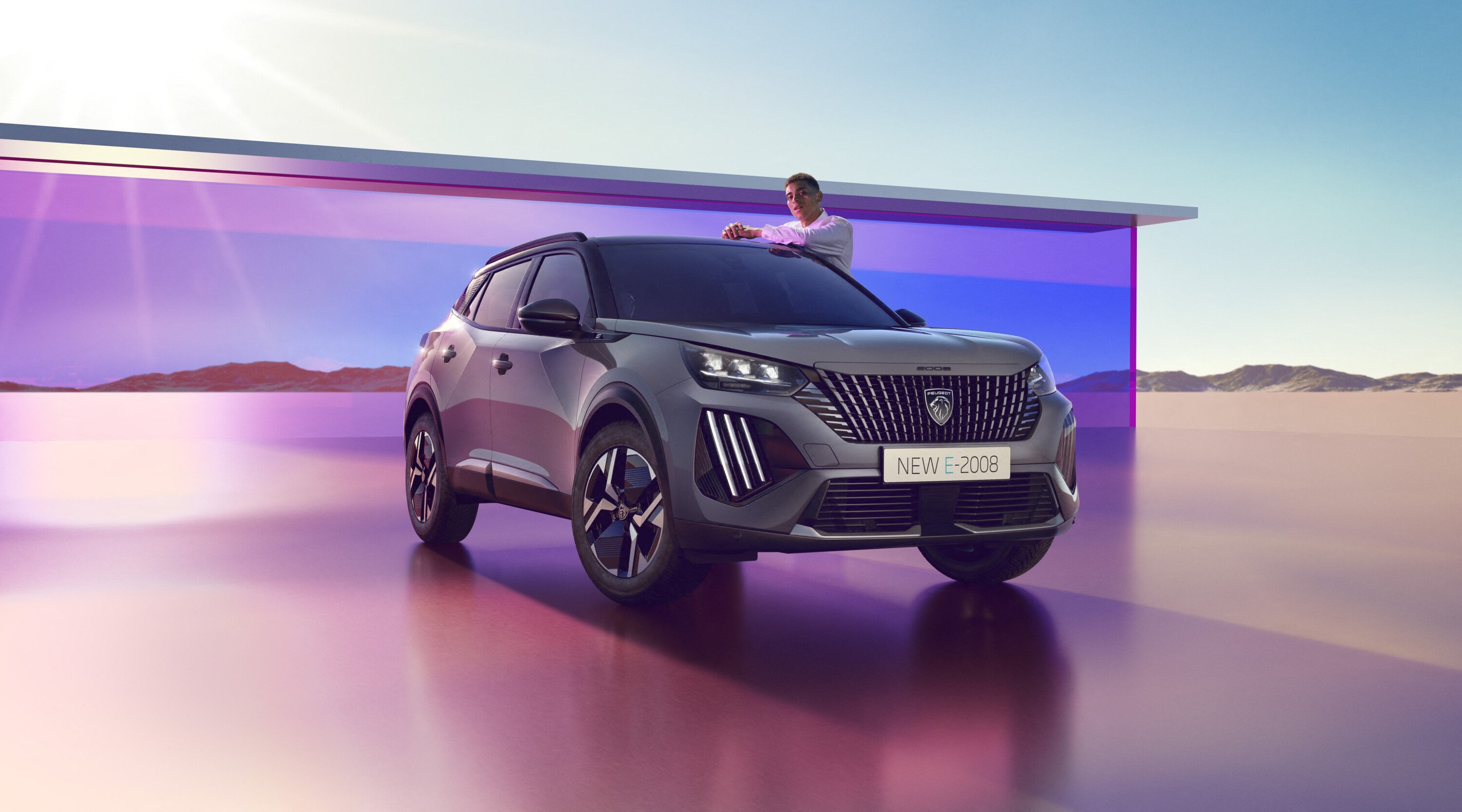
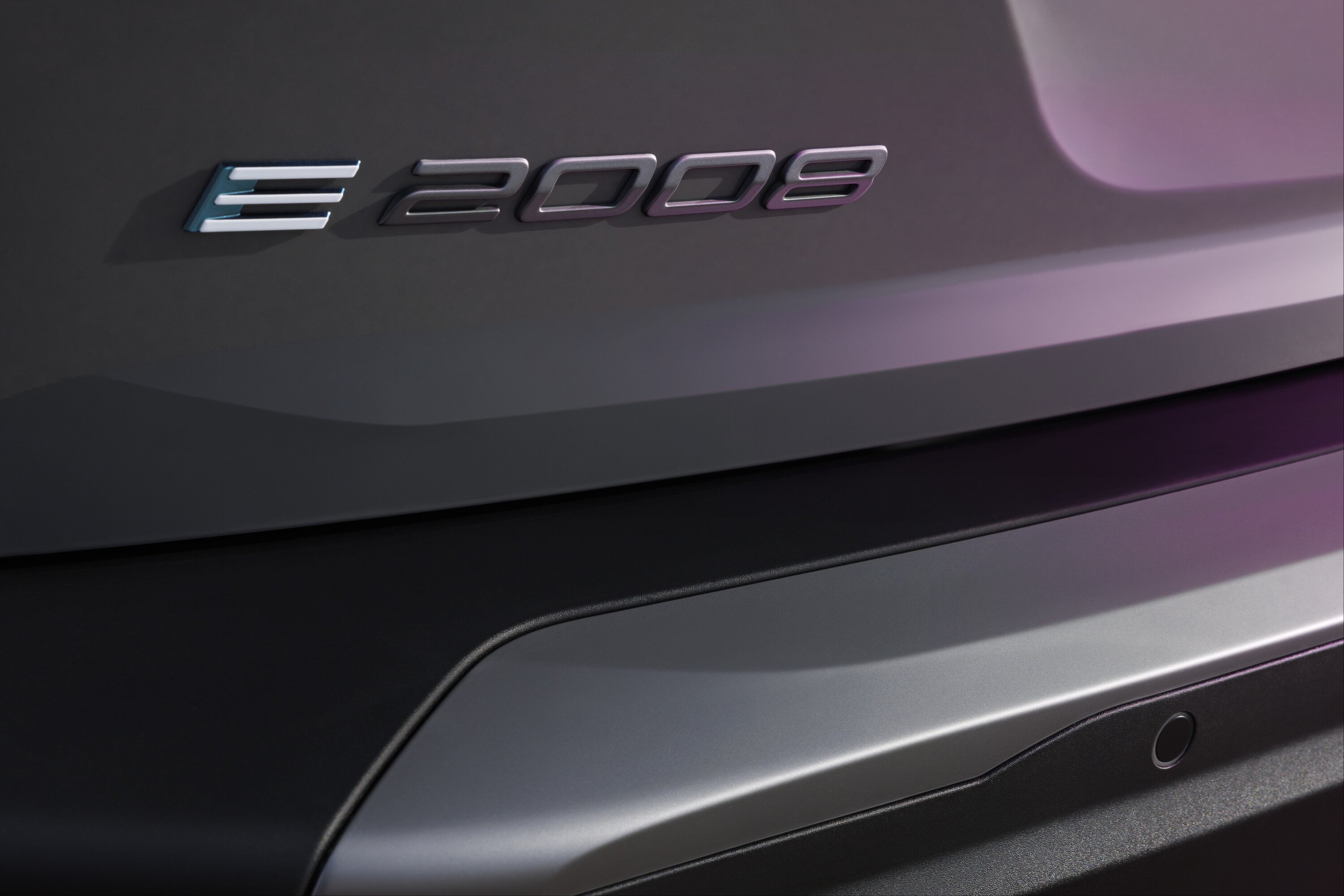
Peugeot has revealed a facelifted version of its 2008 small SUV. It’s got fresh styling, upgraded technology, and 78km more driving range for the E-2008 electric variant – but it isn’t coming to Australia right away.
Instead, Peugeot Australia is still awaiting the first arrivals of the current E-2008. Pre-orders for the electric small SUV opened in late April from $59,990 before on-road costs.
“We are certainly excited to see the news about the new 2008”, a Peugeot Australia spokesperson told Wheels.
“Anticipated launch details for the facelifted 2008 including timing, pricing and specification are yet to be confirmed for the Australian market.
“Peugeot 2008, including the E-2008, is an important part of our ongoing range in Australia and we are delighted to have recently opened pre-orders for the current E-2008 ahead of its arrival next quarter,” the spokesperson said.
Peugeot 2008 facelift details
The Peugeot 2008 retains stout proportions but gets more aggressive bumpers, a fresh grille, extra flourishes on the flanks and headlights, as well as all-new ‘disruptive’ alloy wheel designs.
An updated interior gets new fabrics and accent materials, including suede-cloth for the flagship GT trim.
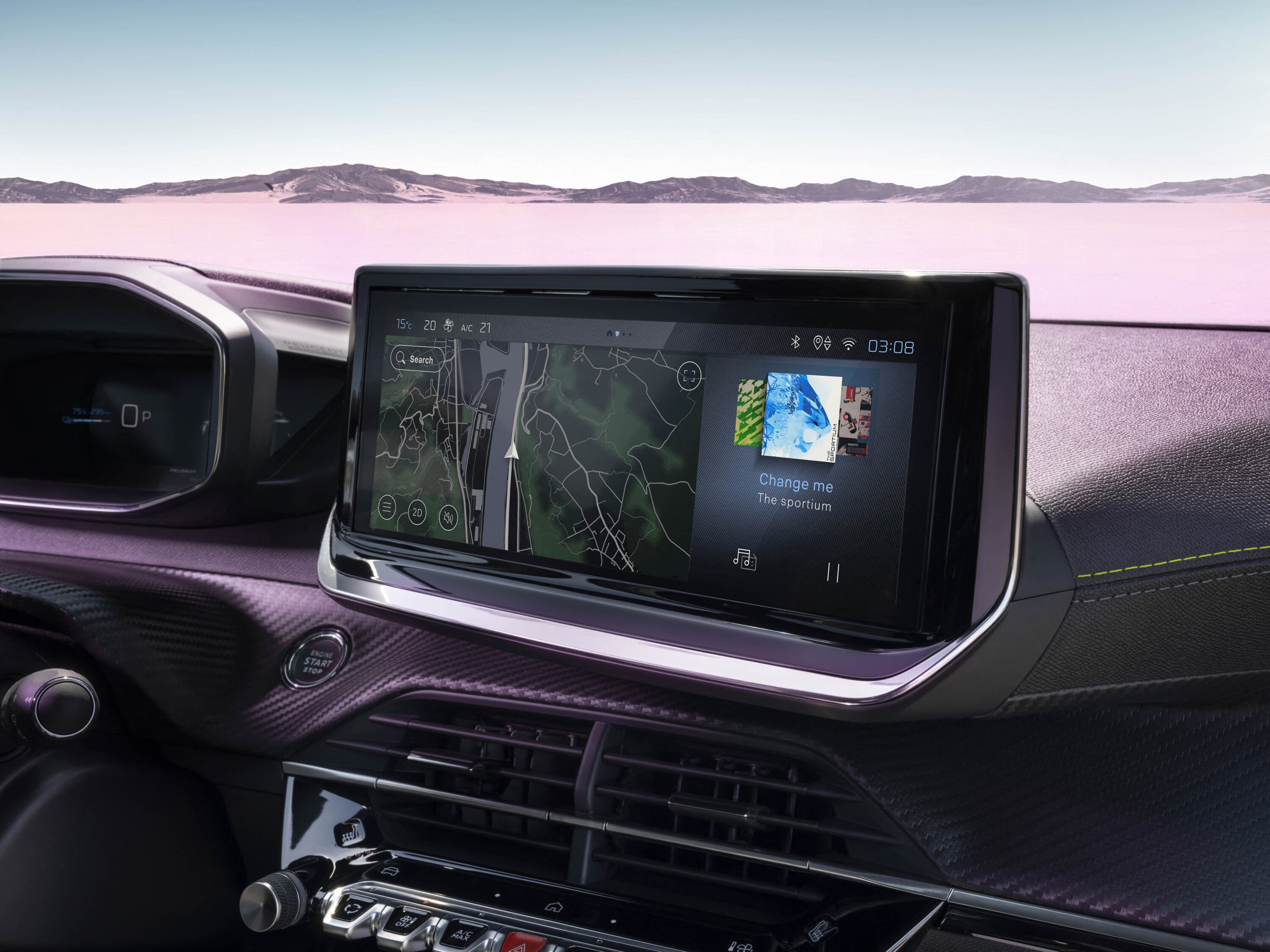
Peugeot has improved the technology package with fresh graphics for the 10-inch digital driver’s display, while the 10-inch touchscreen is now standard across the range. The new 2008 gets wireless Apple CarPlay/Android Auto, ‘OK Peugeot’ voice control functionality and over-the-air software updates.
For the latest facelift, Peugeot has increased the E-2008’s power by 15kW, to 115kW/260Nm from a single front-mounted electric motor.
To eke out extra range, Peugeot has increased the battery size (from 50kWh gross to 54kWh – usable figures are not yet available) while also improving aerodynamics and motor efficiencies.
The result is a 406km WLTP driving range from the new E-2008, reflecting a 78km improvement over the first batch of E-2008s coming to Australia.
Charging remains similar, with a 20-80 per cent charge taking 30 minutes at a 100kW (DC) public charging station. A 7.4kW wallbox will complete the same interval in four hours and 40 minutes.
Peugeot is also launching the facelifted ICE 2008 in Europe with three engines, though we’re only likely to get the range-topping ‘130 Puretech’ developing 96kW/230Nm combined with an eight-speed automatic transmission.
In Europe, the flagship E-2008 accounted for 17.4 per cent of total sales, and all 2008 models are produced in Stellantis’ Spanish Vigo plant.
Peugeot sold 19 2008s in the month of April, and has shifted a total of 74 so far this year, making for a 47 per cent dip on last year’s figures.
The International Energy Agency (IEA) has predicted smaller electric vehicles will match the price of equivalent combustion models in less than two years, but not in Australia.
Snapshot
EV price parity by 2025 for smaller battery models in some countries
Petrol-powered small cars have soared their prices
By 2030, 5 million barrels of oil will be saved per day due to EV switch
Speaking to media, including Reuters [↗], the IEA’s energy policy head, Timar Guel, said the price parity will be achieved in major markets, where there is currently strong demand and government support for EVs.
“Our current expectation is that we can see price parity in small and medium-sized electric cars in North America and European markets somewhere in the mid-2020s. For larger cars like SUVs and pickups, purchasing parity is likely to come later, probably into the 2030s,” Guell said.
1
Smaller EVs are tipped to achieve the milestone first since they typically use smaller 25kWh to 60kWh battery packs, which are expensive to produce due to resource-limited and in-demand raw materials.
In contrast, electric SUV batteries typically range from 70kWh to 90kWh, with larger models and utes even going up to 229kWh.
In the context of ‘price parity’, it likely means that a base variant EV is on par with a high-spec petrol-powered model.
Matching the price of small petrol cars doesn’t mean cheap…
Combustion-engined small cars have been subject to dramatically increased prices in the past few years due to stricter safety standards, increasing size, and a stronger demand for modern technology and convenience features.
For example, the latest Skoda Fabia light hatch is now priced from $38,990 before on-road costs in top-spec guise when it could be bought for between $20,000 to $30,000 in the past.
The Global Electric Vehicle Outlook 2023 [↗] report also projects 14 million new EVs will be sold globally this year, representing 18 per cent total market share.
That will be a 35 per cent spike compared to 2022, where 14 per cent of all new cars sold were electric – compared to around 9 per cent in 2022 and less than 5 per cent in 2020.
EV sales continue to be led by China, which accounts for around 60 per cent of EV sales, followed by Europe and the United States.
1
The study also finds promising signs for developing countries, with India, Thailand and Indonesia collectively tripling their EV sales last year compared to 2021. (Australia can perhaps also be thought of as a developing country, in EV terms… – Ed.)
It estimates that by 2030, more than 5 million barrels of diesel and gasoline will be saved per day from all EVs on the roads globally combined.
On the environmental sustainability side, electric carmakers Polestar and Rivian previously warned that a three-tier approach is needed to curb climate change and meet carbon neutrality goals in the automotive industry – switching to EVs, shifting to 100 per cent renewable energy for charging, and ensuring a sustainable material supply chain.
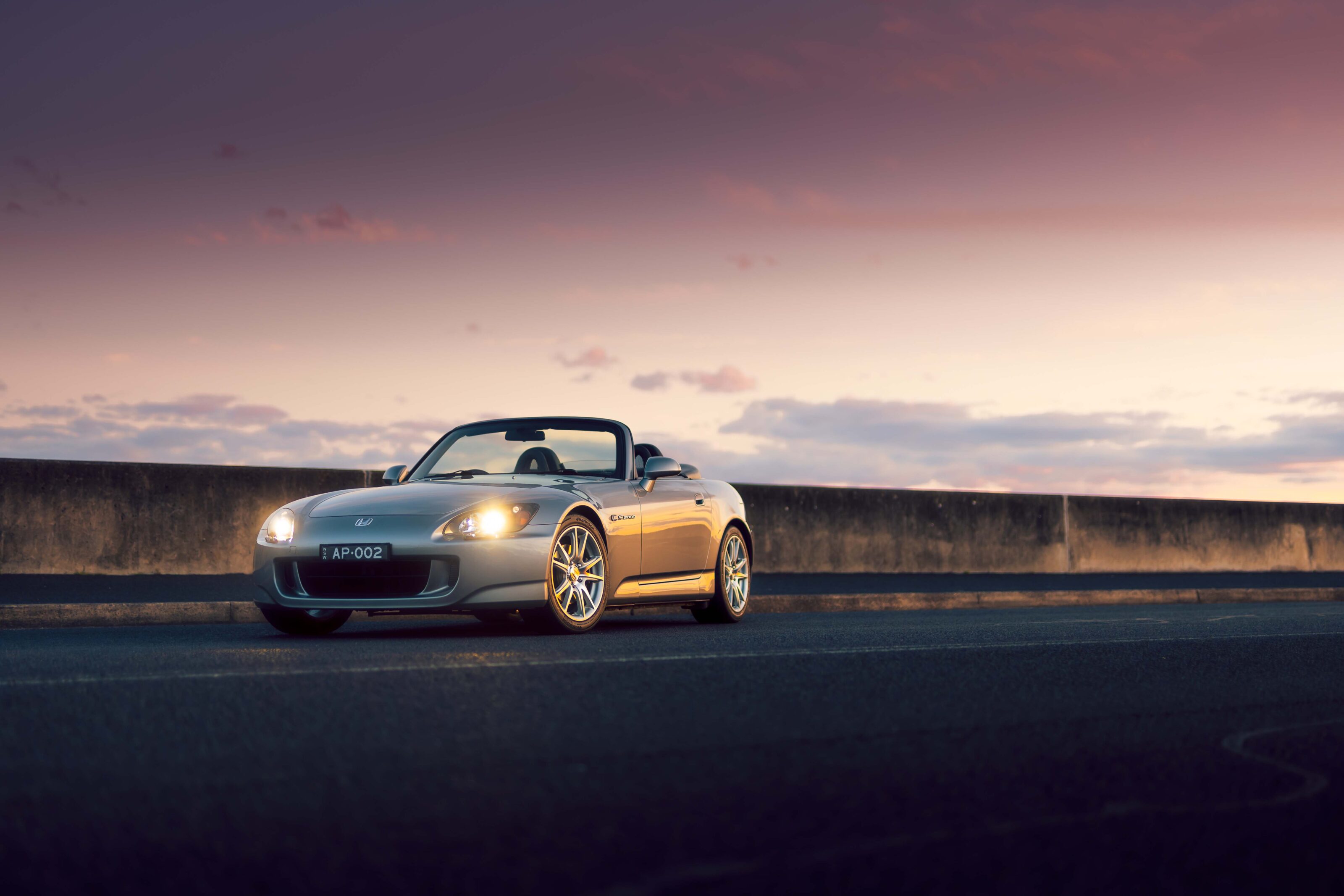
To speak personally, it’s always been one of deep respect, if anything, falling somewhere short of outright fandom.
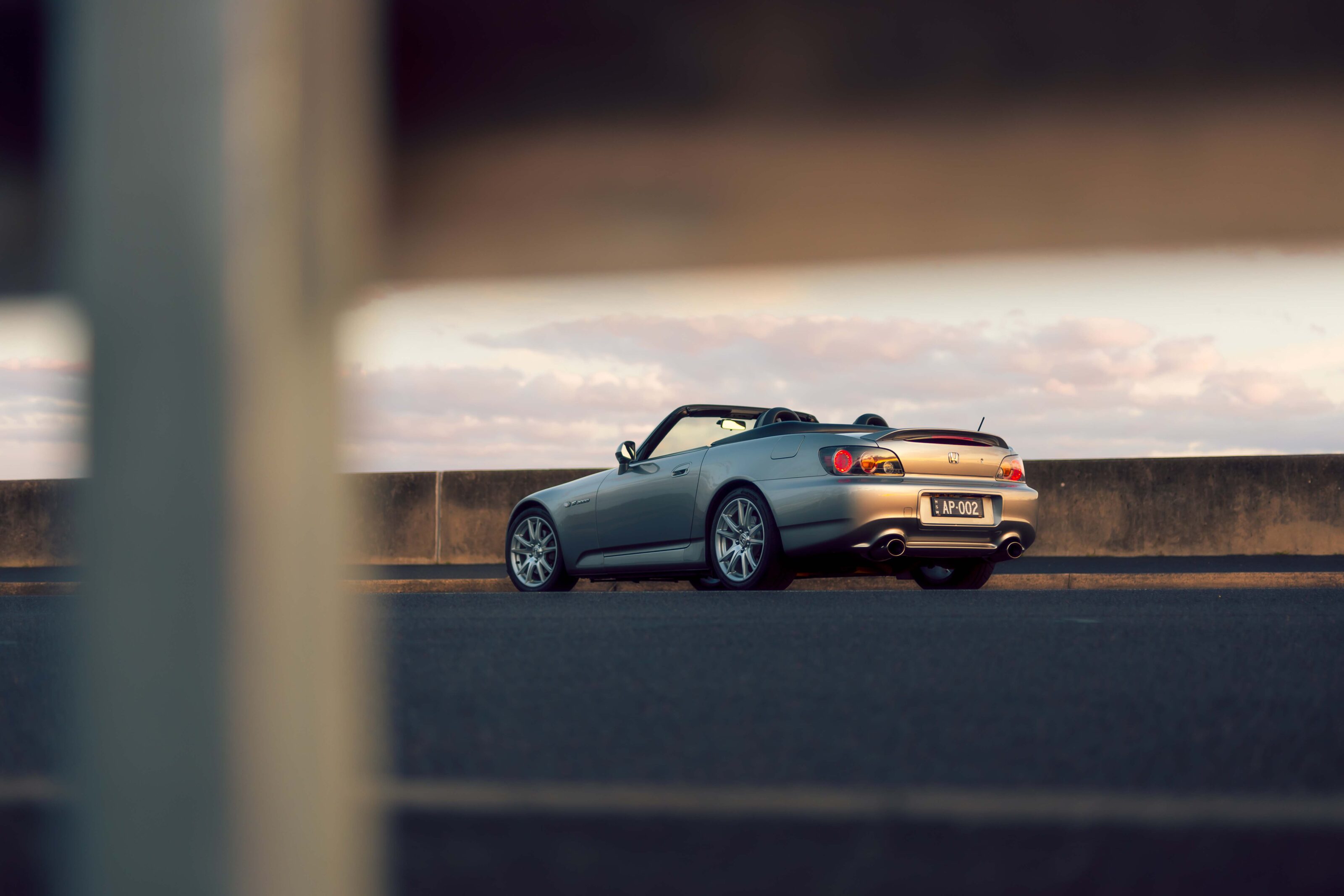
As someone who grew up living and breathing all things ‘golden era JDM’, Honda’s technical masterpiece always hovered in my periphery.
Unlike many of its peers, it was never known for any notable period motorsport accolades, and it was never in the same conversation as GT-Rs, Supras or the other turbocharged powerhouses.
Strip away all the clout and hype so rife in today’s late-model Japanese car scene, and the Honda S2000 has always been known for one simple thing.
1
Being a bloody brilliant driver’s car.
Then why, when speaking to the owner of this meticulously curated example you see before you, did he admit to feeling somewhat underwhelmed by that initial test drive around the block? It’s a familiar story I’ve heard from multiple owners over the years.
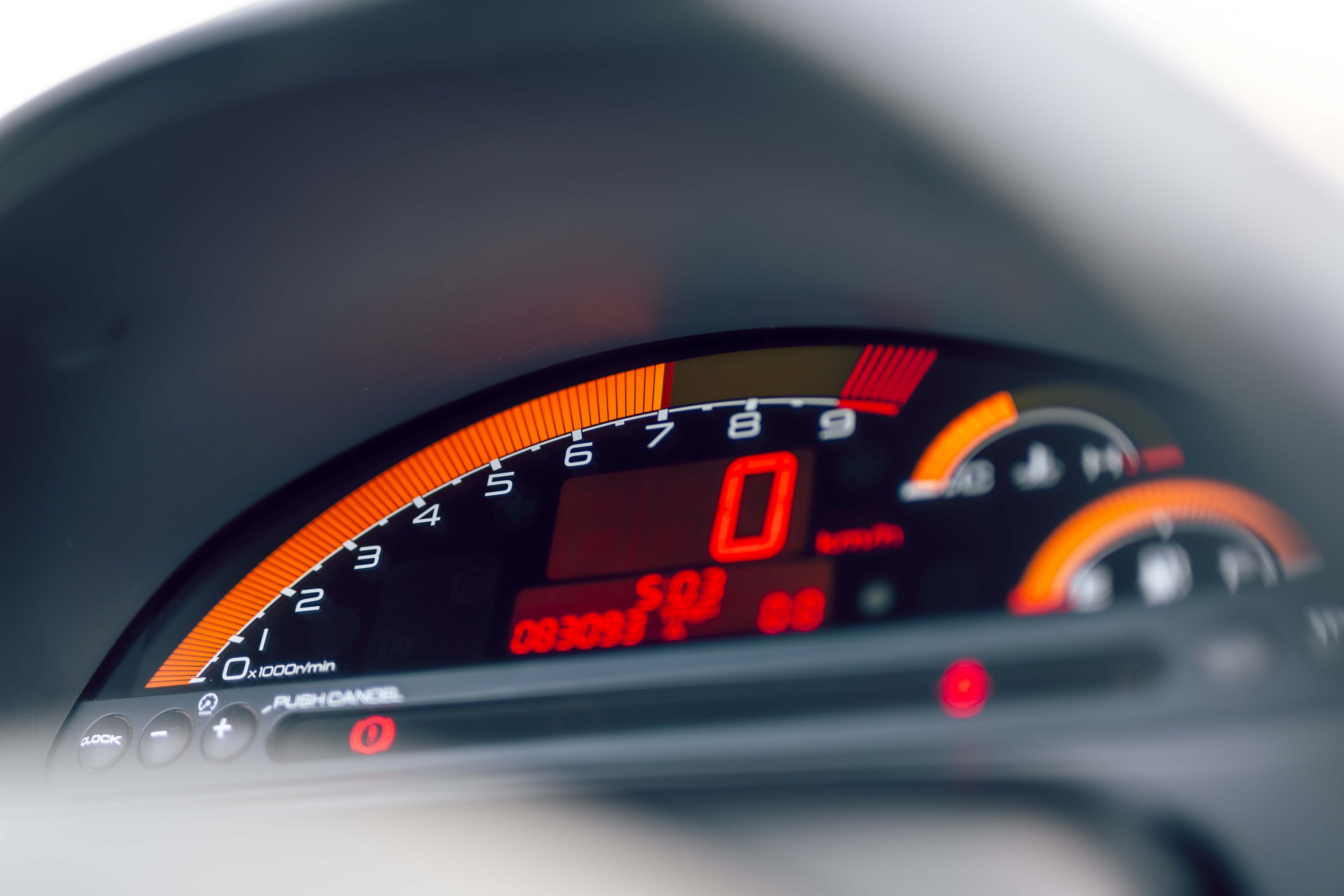
Well, just like that famous tachometer-tearing engine, this car is all about the heights. And the deeper you dig under the surface, the clearer it becomes that the path of bringing this car to market was an engineering-led one, barely influenced by the marketing department, and that the development choices for this unique vehicle were singular and deliberate.
In today’s age of modular platforms, technical alliances and joint-venture development, the S2000 emerges as a statement of capability and a feat of engineering that’s unlikely to ever be repeated.
1
The S2000 appeared at a time when Honda’s enthusiast portfolio was at an all-time high. The first-gen NSX was still being sold and gems like the EP3 Civic Type R, the Integra Type R and the Euro Accord Type R were in showrooms. In ‘99 the company even unveiled the astonishingly agile Stream seven-seater, replete with K20A VTEC and a five-speed manual.
Sadly, the good days weren’t to last. The S2000 represented Honda’s 50th birthday present to itselfand when its lifecycle ended and production ceased after a ten-year run, there followed an explicit pivot towards more fuel-efficient and economical cars, kicking off Honda’s dreary phase, with no successor to the NSX in the pipeline at that stage, and the iconic Civic Type R going through its awkward teenage years with the sharply styled but soft-boiled, torsion-beam-rear FN2.
The fact that much of its technical merit, let alone its nameplate, was never passed on to a successor makes the S2000’s story all the more beguiling. While much of the engineering was done in-house, you might find it surprising that the roots of the S2000’s design have an Italian connection.
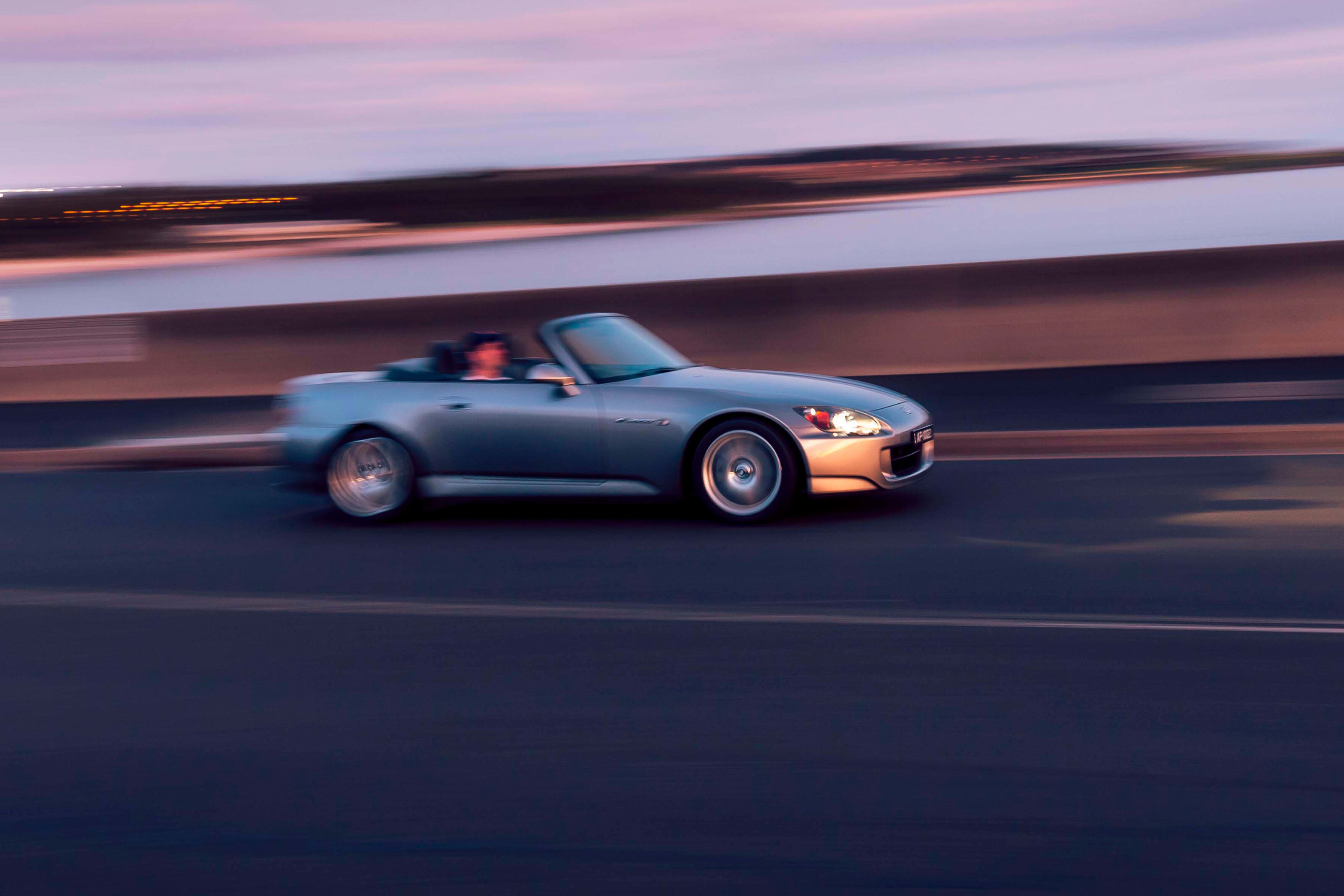
The S2000 appeared at a time when Honda’s enthusiast portfolio was at an all-time high.
1
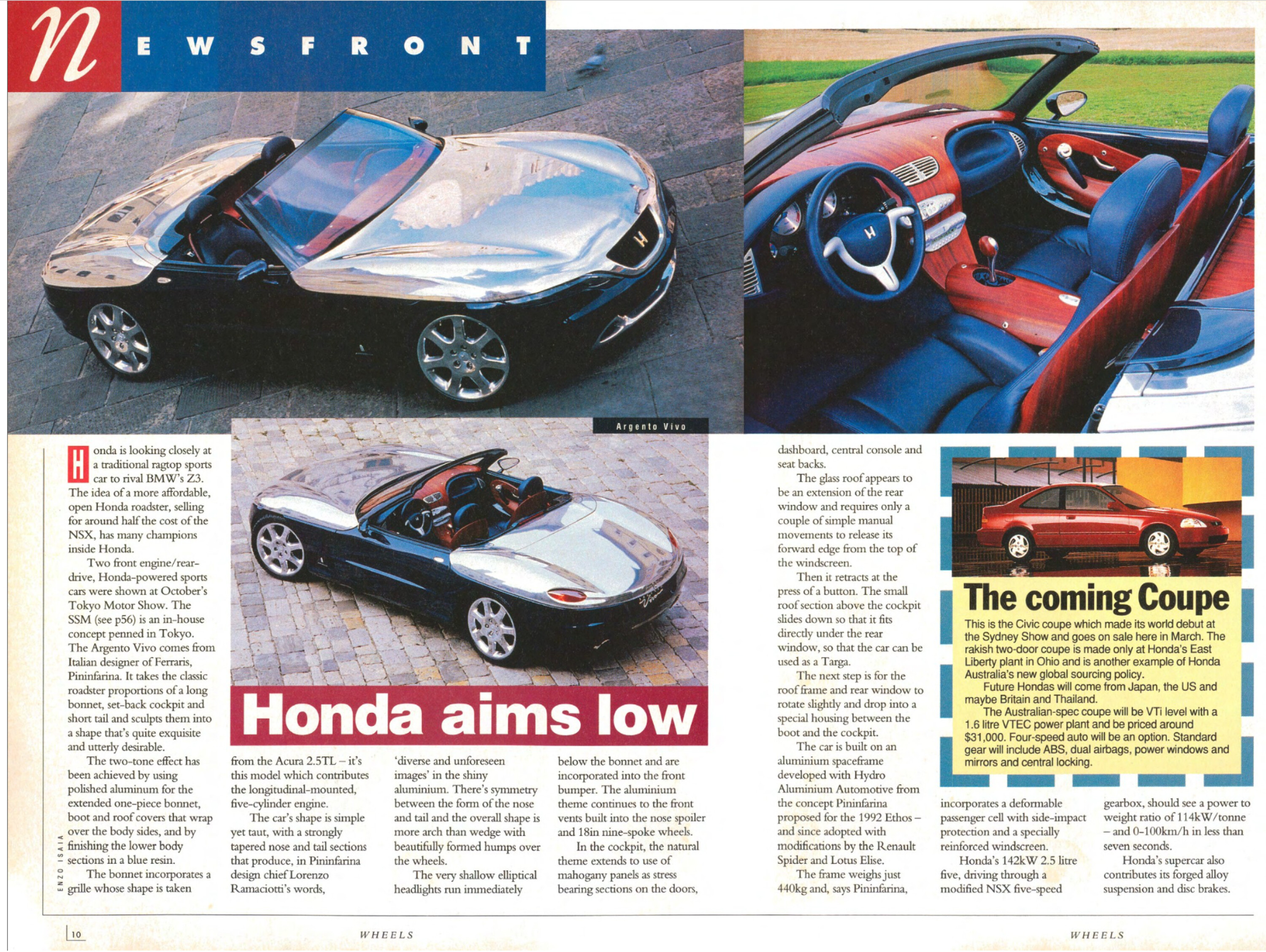
Pininfarina was commissioned by Honda in to produce two roadsters for the 1995 Tokyo Motor Show. One of them was a conventionally styled two-seat sports car called the Sports Study Model. The concept car boasted a 2.0-litre inline-five (likely a Honda single-cam G-Series used in various Japanese-only models), perfect 50:50 weight distribution, and power going to the rear wheels.
You can see a clear link to the eventual S2000 in the concept’s arrow-straight beltline, convex surfacing and long-bonnet, cab-back silhouette. The production S2000 emerged a tamer looking machine in comparison to the dramatic concept car, but its underpinnings were no less advanced.
As an open-topped sports car, Honda engineers went to great lengths to ensure that body and torsional rigidity would be comparable to an equivalent fixed-head vehicle, with Honda being an early adopter of aluminium construction, and underpinning the S2000 with a highly rigid ‘X-Bone’ chassis, with a large structural spine running the centre of the vehicle.
1
The S2000’s chassis was claimed to be lighter and stronger than virtually all sports car rivals of the time, delivering a 2400mm wheelbase with the driver’s hip point seated perfectly at the car’s longitudinal axis.
The ‘spine’ is paramount, and looks almost double the width of the similar design adopted by Mazda’s current ND MX-5. The S2000’s windscreen itself was also a structural element.
The Italian concept’s NSX-derived five-speed automatic was replaced by a six-speed manual transmission come production, but Honda’s flagship supercar did lend its double wishbone suspension design, constructed out of ductile iron with coil sprung gas-filled shocks at each corner and anti-roll bars front and rear.
A large contributor to the S2000’s perfect weight distribution was its front-mid engine positioning, centralising the car’s mass and contributing to a low yaw moment and increased input responsiveness. In fact, strip away the body, and the rolling chassis of the S2000 is remarkably petite, with that classical long-bonnet silhouette belying the fact that the exotic four-cylinder engine was mounted entirely behind the front axle.
1
And what an engine that was.
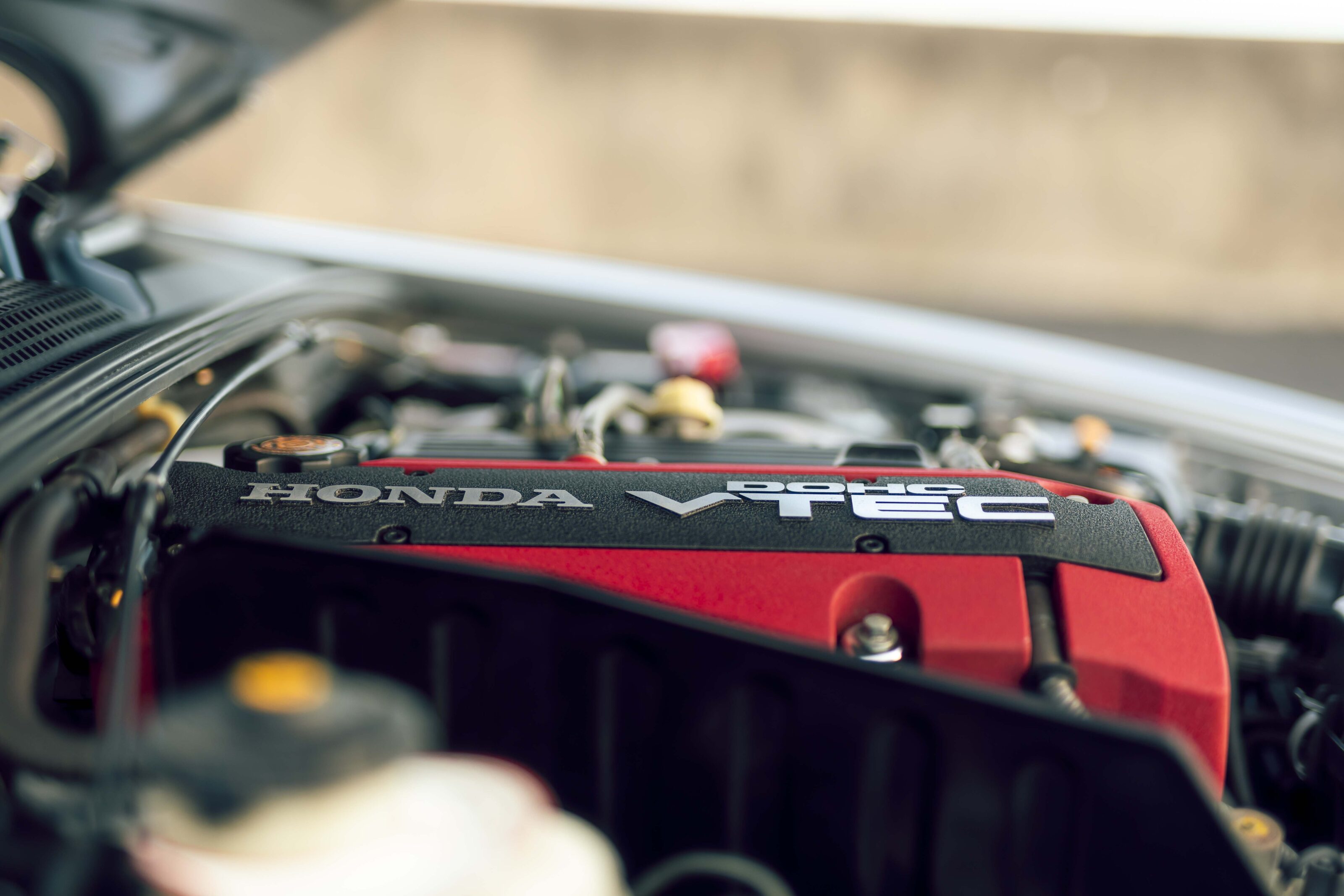
In today’s booming aftermarket crowd, Honda’s F20C isn’t exactly known as a cost-effective base for power builds, but in factory form, it was nothing short of a technical masterclass.
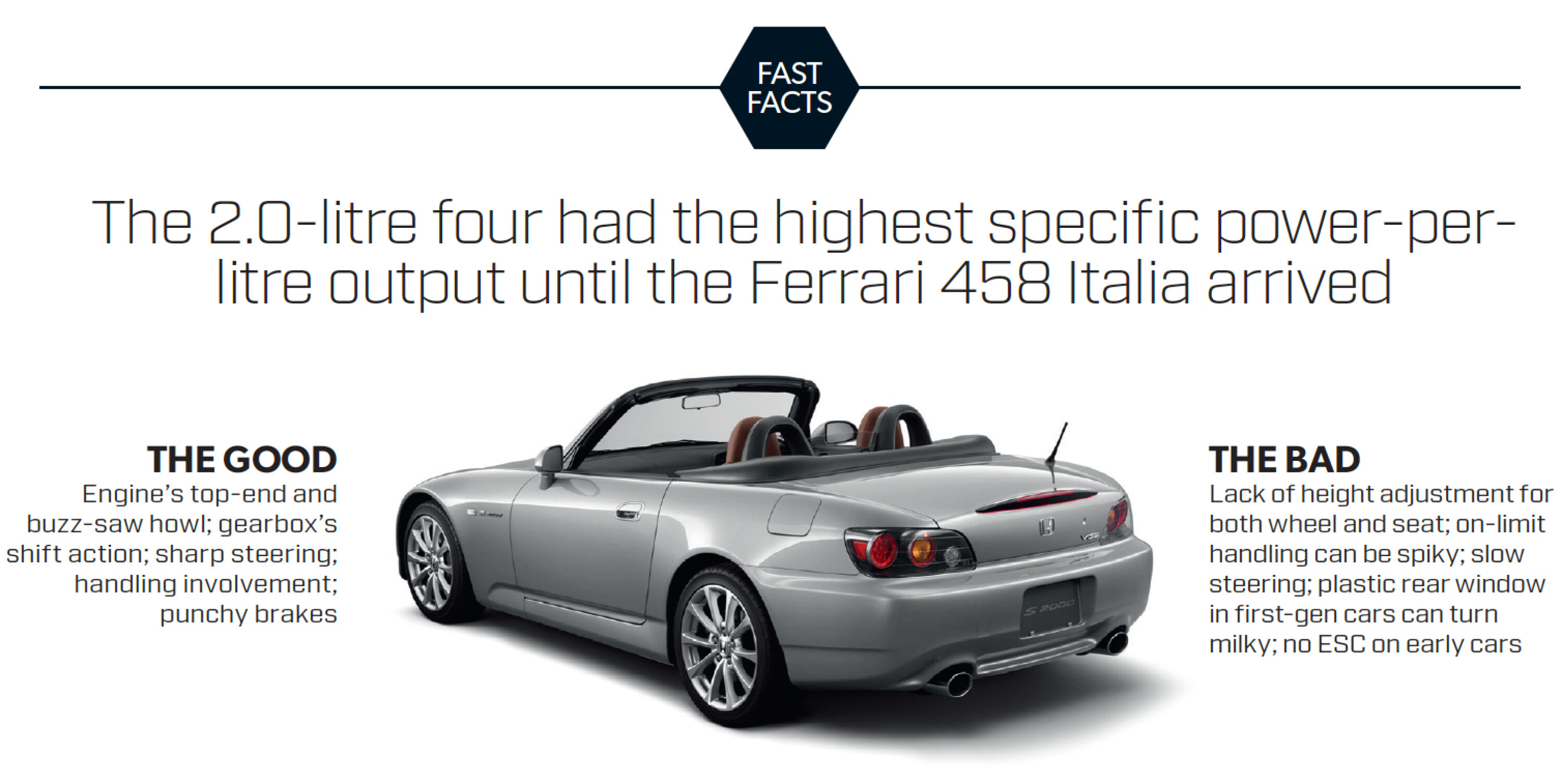
The 2.0-litre’s 9000rpm redline made international headlines, but its JDM-spec 184kW output was good for 92.14kW per litre, for a time, the highest specific power output of any normally aspirated production car. It took Ferrari and its 2009 458 Italia supercar (at 93.17kW per litre) to wrest that title away.
It must be noted that Australian-spec cars made a slightly lower power output, courtesy of a marginally lower compression ratio, given the car’s requirement for 95 octane and Australia’s-then limited access to high-octane fuels. It remains, however, a testament to Honda’s ingenuity that, aside from ultra-low-volume outliers like the BAC Mono, the Honda S2000’s engine remains the most powerful atmo four-cylinder series production engine, regardless of size, ever produced.
1
As the industry trends towards the undeniable efficiency and performance benefits of turbocharging and electric augmentation, there’s every chance it will remain as such.
It’s here that we should nut out the particular nuances between pre- and post-facelift vehicles, denoted by chassis designations AP1 and AP2, respectively. The most notable change overseas was an increase in engine displacement from 2.0-litres, to 2.2-litres.
The larger engine yielded no more power, utilising the same 87mm bore diameter. Extra swept capacity came courtesy of shifting from an oversquare 84mm stroke to an undersquare design with a longer 90.7mm stroke. This delivered the same piston speed mid stroke at 8000rpm as the original 2.0-litre engine did at 9000rpm, subsequently producing peak torque 1000rpm earlier, meeting Honda’s aim of improving ease of use and everyday tractability.
It remains a testament to Honda’s ingenuity that the S2000’s engine remains the most powerful atmo four-cylinder series-production engine, regardless of size, ever produced.
1
It makes sense on paper, but the larger 2.2-litre unit is widely regarded as a less frenetic, and less desirable, engine.
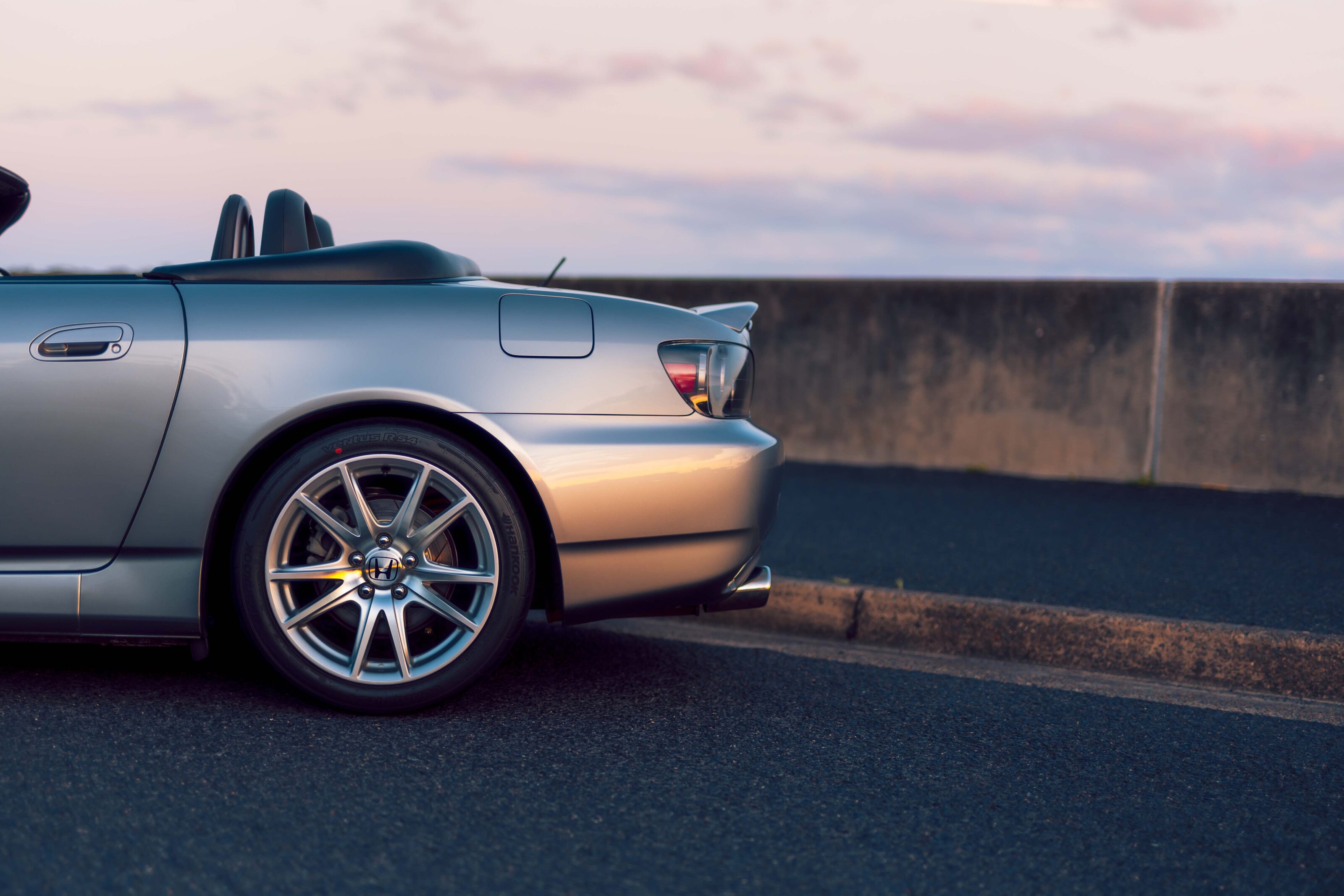
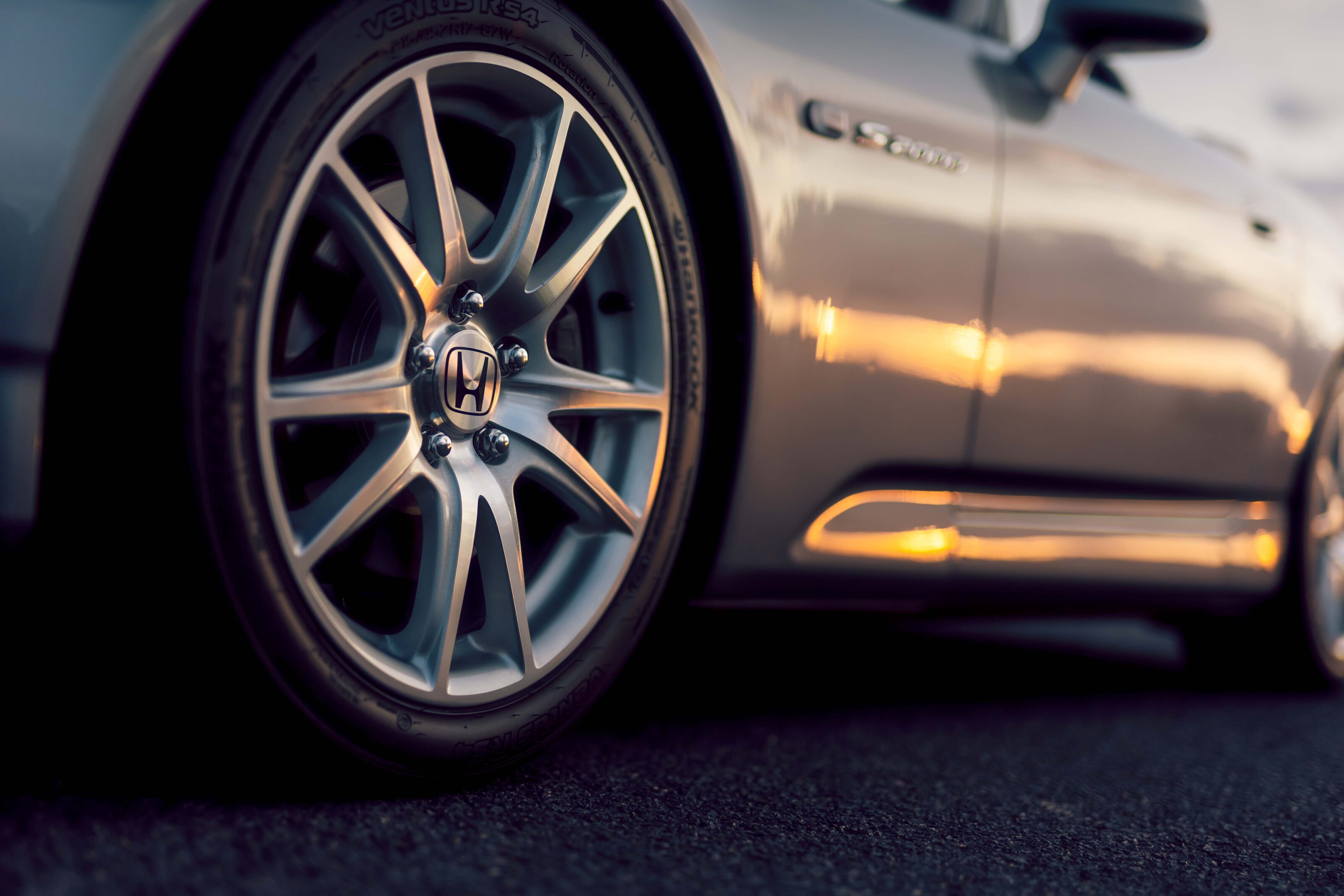
The good news, however, is that Australian-delivered S2000s never came with the updated 2.2-litre engine, retaining the gloriously highly strung 2.0-litre ‘F20C’, but gaining other ‘AP2’ updates including new tail lights and a soft fabric roof fitted with a rear glass window, instead of plastic. Other developments included softer spring, shock and anti-roll bar rates, larger 17-inch wheels, less aggressive rear toe settings, uprated brakes and the switch to a drive-by-wire throttle.
With AP2 production commencing in 2004, only a few hundred were ever delivered to Australia, with sales having slowed from its debut-year peak of over 500 in its first full year on sale in 2000.
1
That’s the crux of the S2000. It never relied on the latest tech like a twin-turbo, four-wheel-steering GT-R.
That largely explains why residual values never quite depreciated to the same bargain status as other Japanese sporting contemporaries. Despite a global production pool exceeding 110,000 units, Australia accounted for approximately 1800 sales between 1999 and 2009, a mere 1.6 percent of global production.
And that’s the crux of the S2000. It never relied on the latest technology like a twin-turbo, four-wheel-steering GT-R, or made use of any mould-breaking technology like a Mazda rotary. Instead, Honda’s millennial roadster hung its hat on its unmitigated focus on the driving experience.
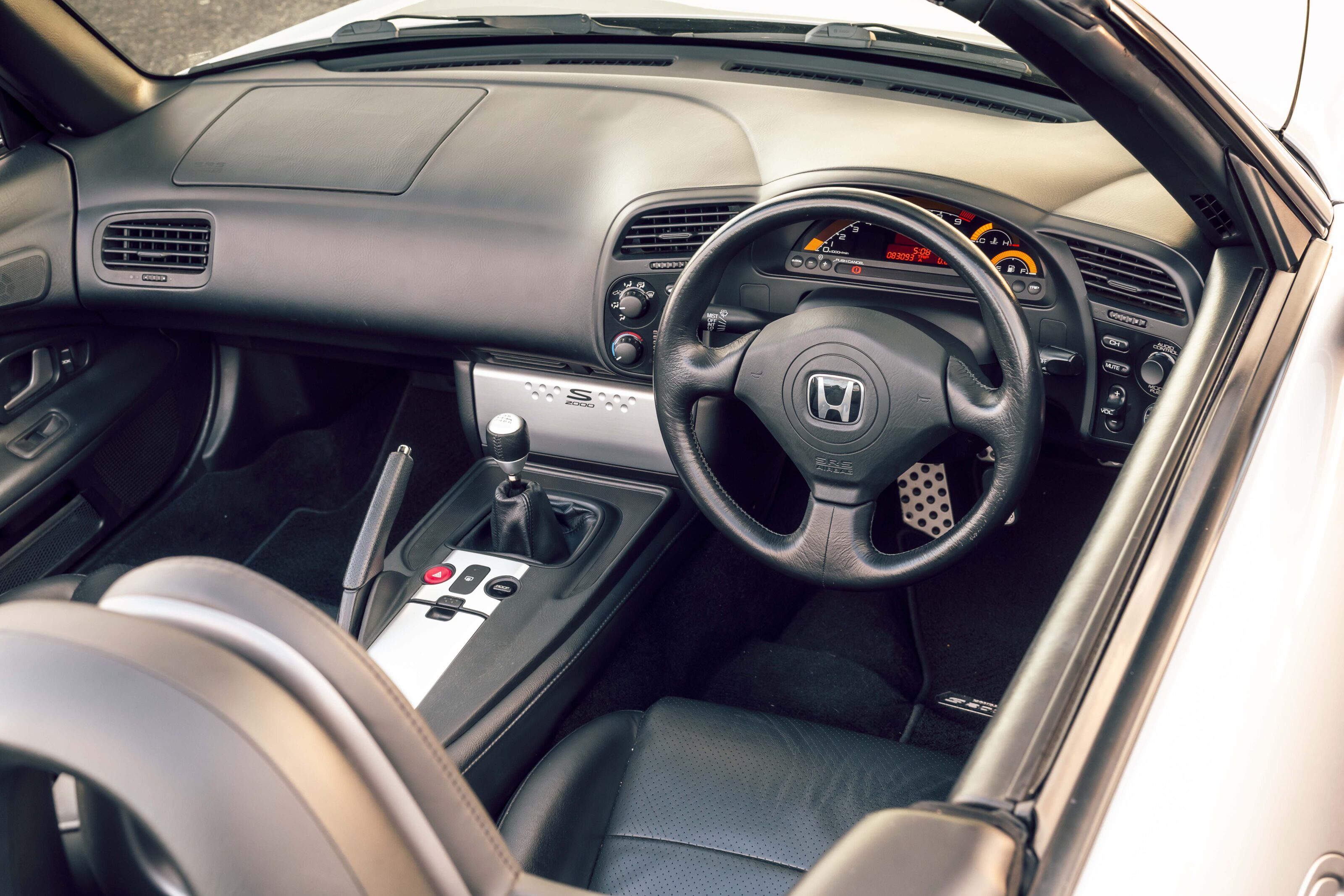
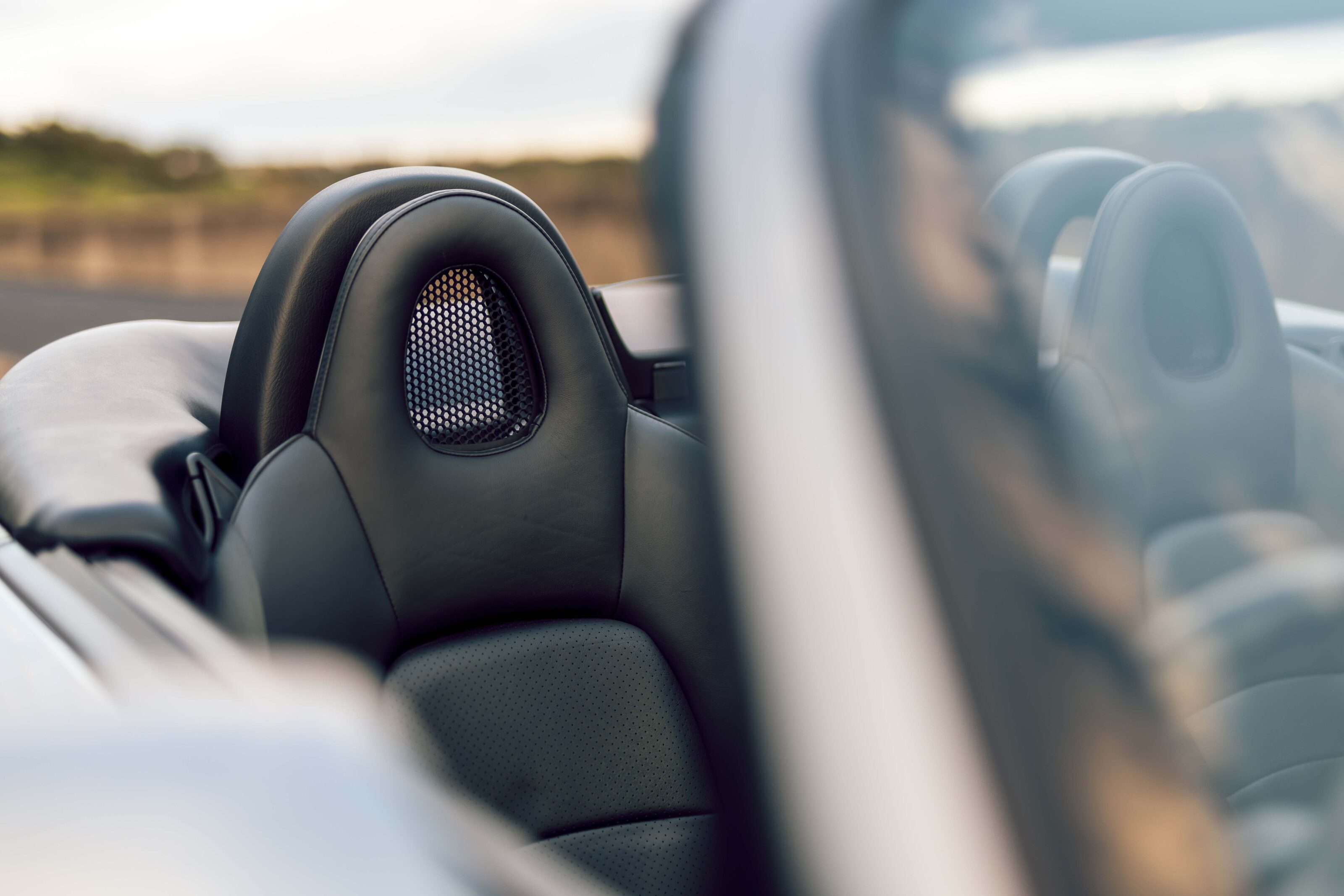
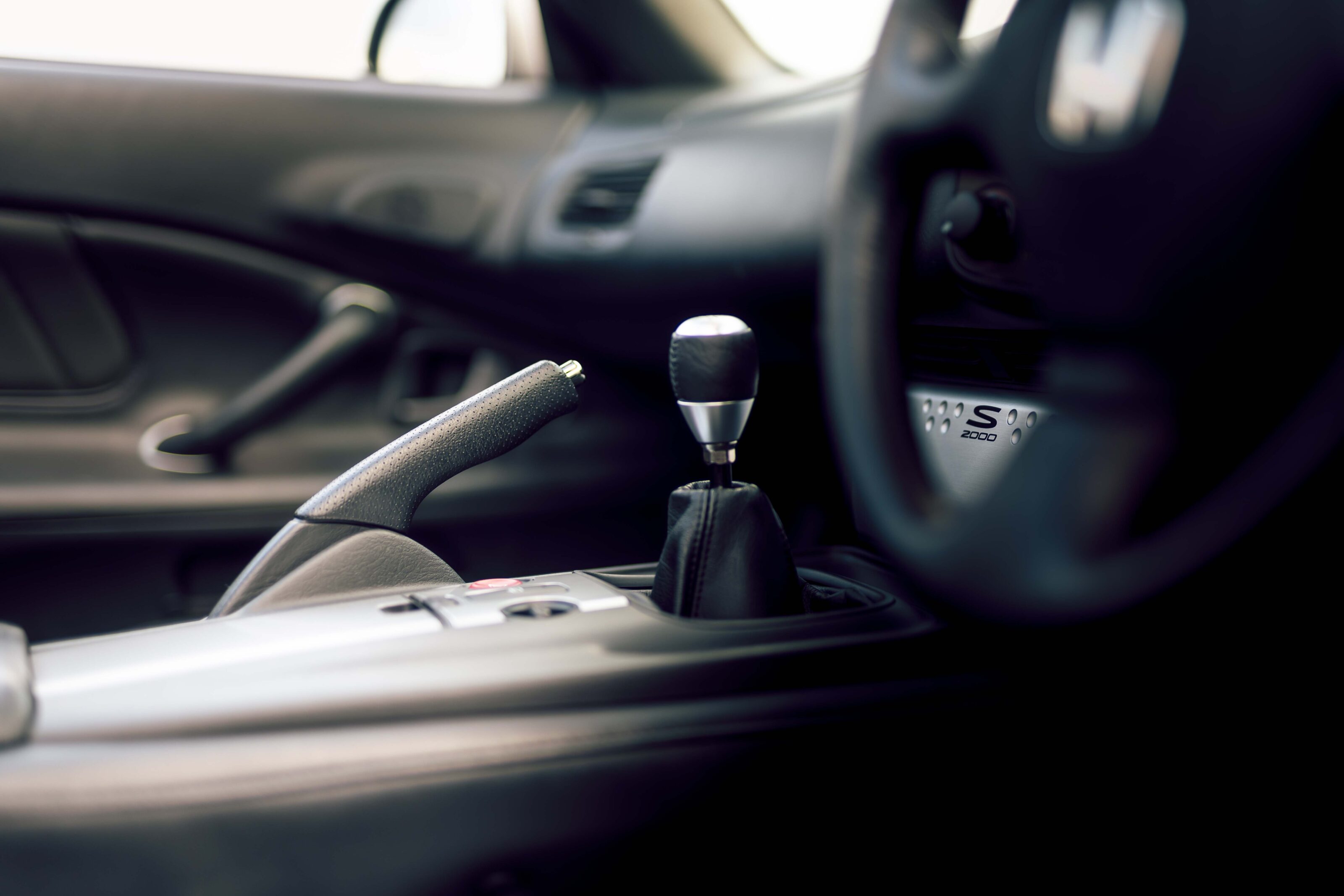
Seat yourself in the snug cabin, and you can instantly see why. The tactile shift action remains world class and the gear lever’s proximity to the steering wheel means little time is spent without two hands on the steering wheel.
The same ethos extends to the air-con fan (left) and audio volume control (right) which have also been designed to be flicked with your fingers while still gripping the wheel. Drop down the central radio cover, and it really is only necessities in your field of view.
1
But, despite being lauded as one of the all-time great driver’s cars, Honda’s S2000 wasn’t without foibles.
Early S2000s have a wicked reputation for spiky on-limit behaviour, with eccentric factory geo, slow electrically-assisted steering and no standard stability control fitment. Owners often complained about accelerated rear treadwear, given Honda’s less-than-economical factory rear toe settings (up to 6mm in AP1, lowered to 3.7mm in AP2).
The S2000 was never about running costs, however. And the vehicle’s biggest market, the US, cared less about Nürburgring lap times than an obsession with lateral G figures. In this context, the S2000’s foibles become deliberate developmental decisions, delivering such a high level of mid-corner adhesion that over-committed drivers were often met with frighteningly large moments if they weren’t keyed into the car.
Further, its headline power output, matched with its modest 208Nm torque output, meant that the S2000 only came into its own when you were wringing its neck.
1
1
Honda’s S2000 has always stood confidently on its own, and emerges as an even rarer example of an engineering-led vision brought to market.
In today’s age of platform sharing and parts commonality, the S2000 exhibits a level of specialised development that exceeds that of even some modern junior supercars.
What makes a classic isn’t always about the car or its rarity in and of itself. Sometimes, it’s about the rarity of the ethos behind creating the car. And the ethos behind the S2000 is something quite special. But then birthdays should be indulgences.
It’s just a shame that we may have to wait a very long time for another Honda with its purity of focus.
1
The Italian connection
Honda engaged coachbuilder Pininfarina a number of times over the years, with the Italian firm designing not just the Sports Study Model for the 1995 Tokyo Show, but another, much more art-deco roadster called the Argento Vivo. (see below)
As for road-going Pininfarina-penned Hondas, the storied design house is credited with the Japanese-market Honda City Turbo and Honda Beat kei cars.
1
? Want more from classic Wheels mags? Pick up a subscription and you’ll have digital access to every single edition since the first issue in 1953.
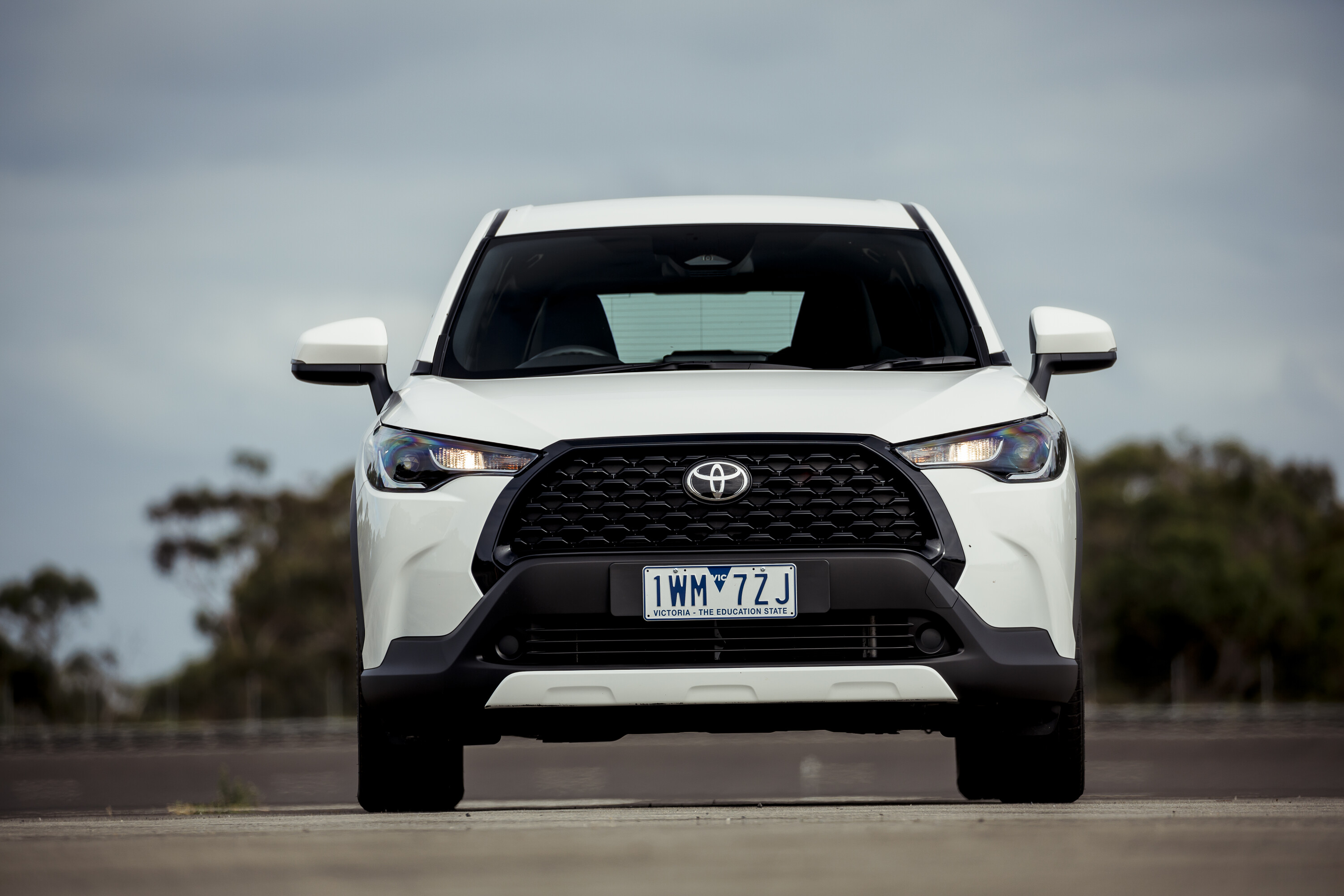
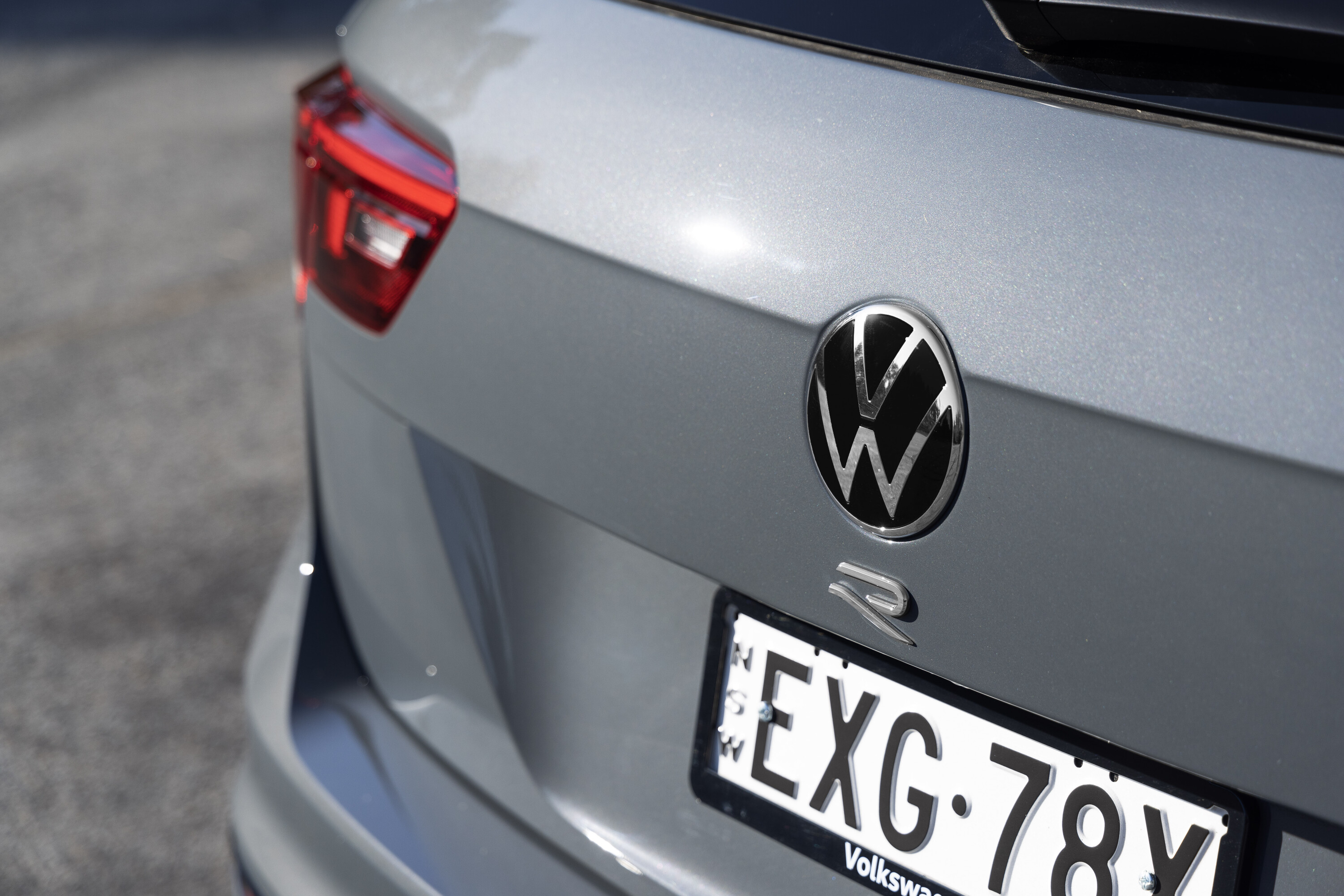
Volkswagen posted strong sales in the month of April with 2957 registrations representing a 72 per cent jump – enough to see it back in the top 10 best-selling brands. Year-to-date, Volkswagen has posted a 52 per cent sales improvement.
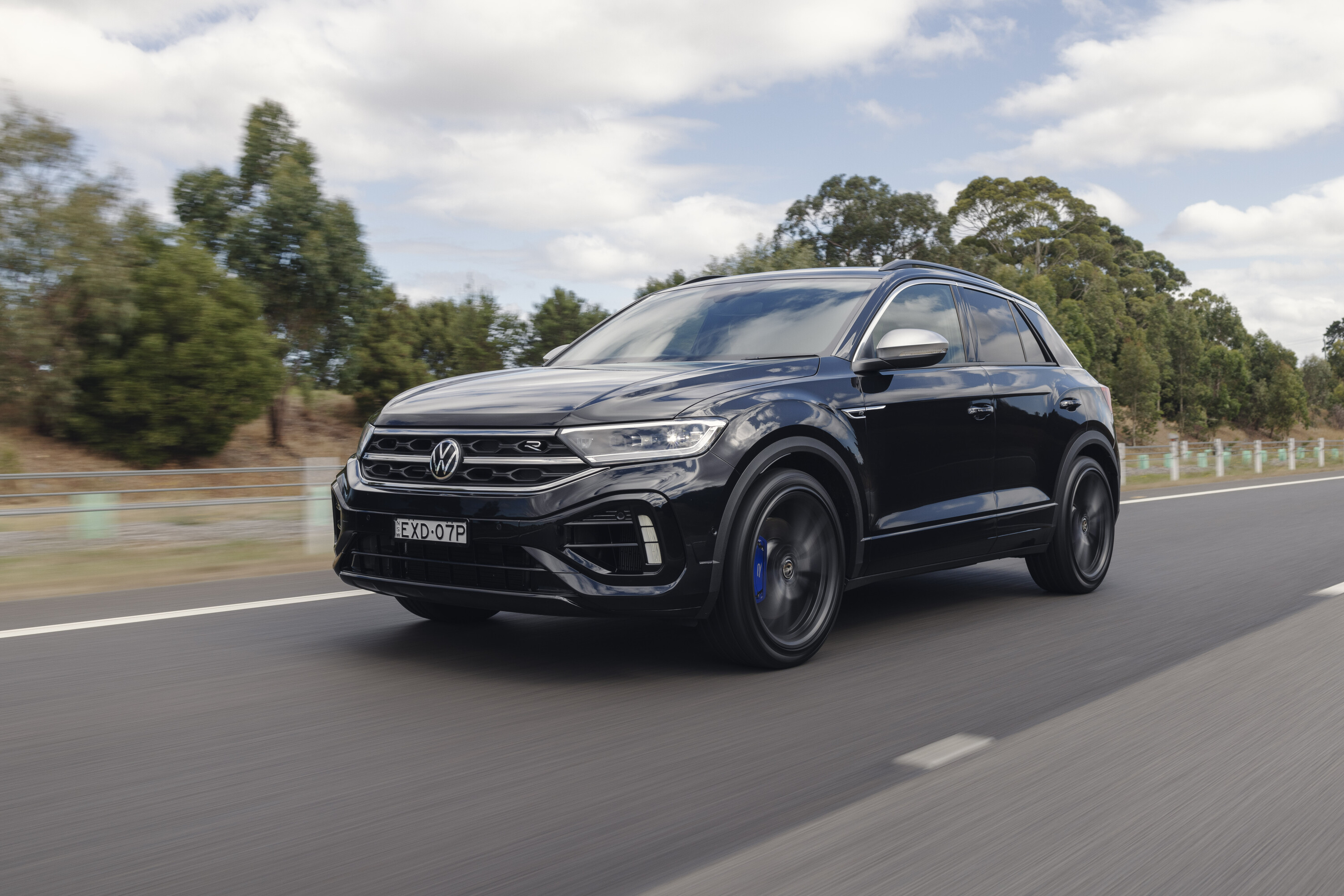
This return to form is being led by the Tiguan medium SUV, Tiguan Allspace seven-seat SUV, and T-Roc small SUV. Additionally, cleverly-specced special editions that duck and dodge semiconductor restrictions have bolstered supply this year.
The German carmaker has been performing well throughout 2023 (March 3476; February 2930; January 2542), but April 2022’s delivery dearth saw VW post large percentage improvements last month.
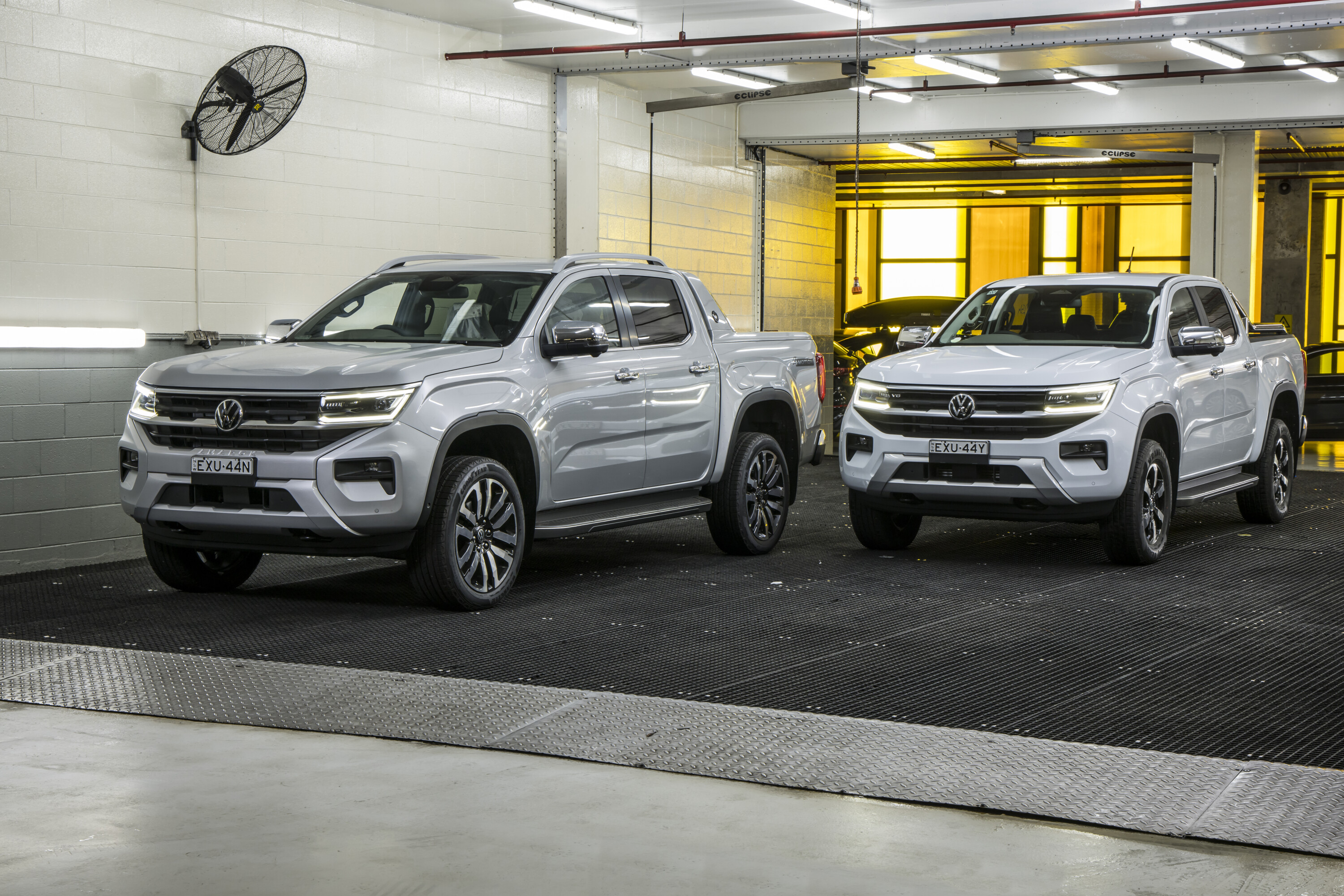
With media activities for the Amarok ute going on right now, Volkswagen’s sales are only set to improve throughout the rest of 2023 – providing supply can keep up with demand for the new Ford Ranger cousin.
“For some time we have spoken of ‘green shoots’ forming regarding supply, and we are starting to see this positive turn-around – even before the much anticipated Amarok has landed. We are therefore confident of an improved year of sales for Volkswagen,” a VW spokesperson told Wheels.
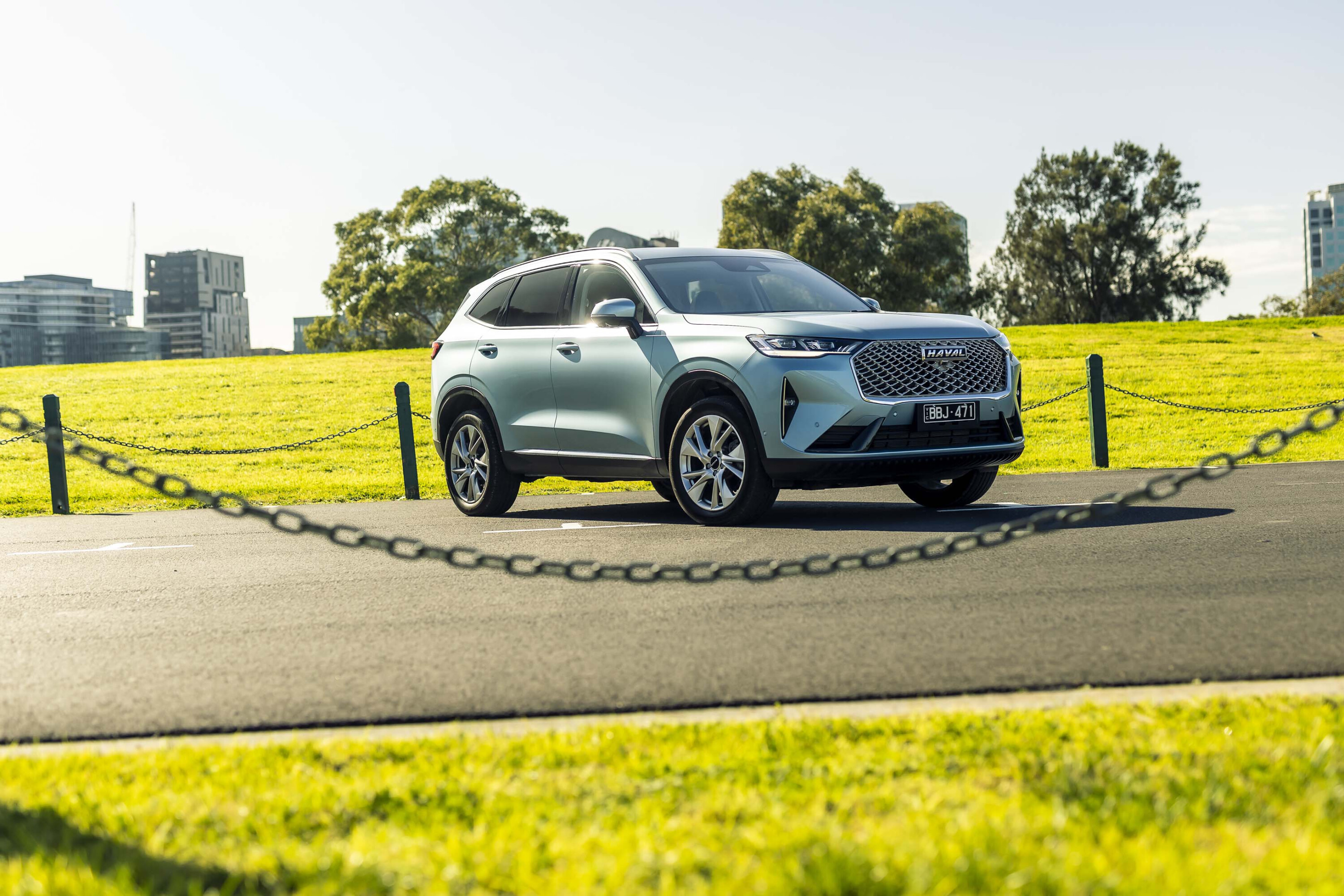
Of the 19 models sold locally, the Tiguan’s 751 sales (up a huge 644 per cent on April’s abysmal 101 deliveries) took it to top spot. In the medium SUV space, that puts the Tiguan behind the Toyota RAV4 and Mitsubishi Outlander, but ahead of the Haval H6 and Honda CR-V.
Combining the related three-row Tiguan Allspace (344) with its five-seat sibling would bring total Tiguan nameplate sales to 1095.
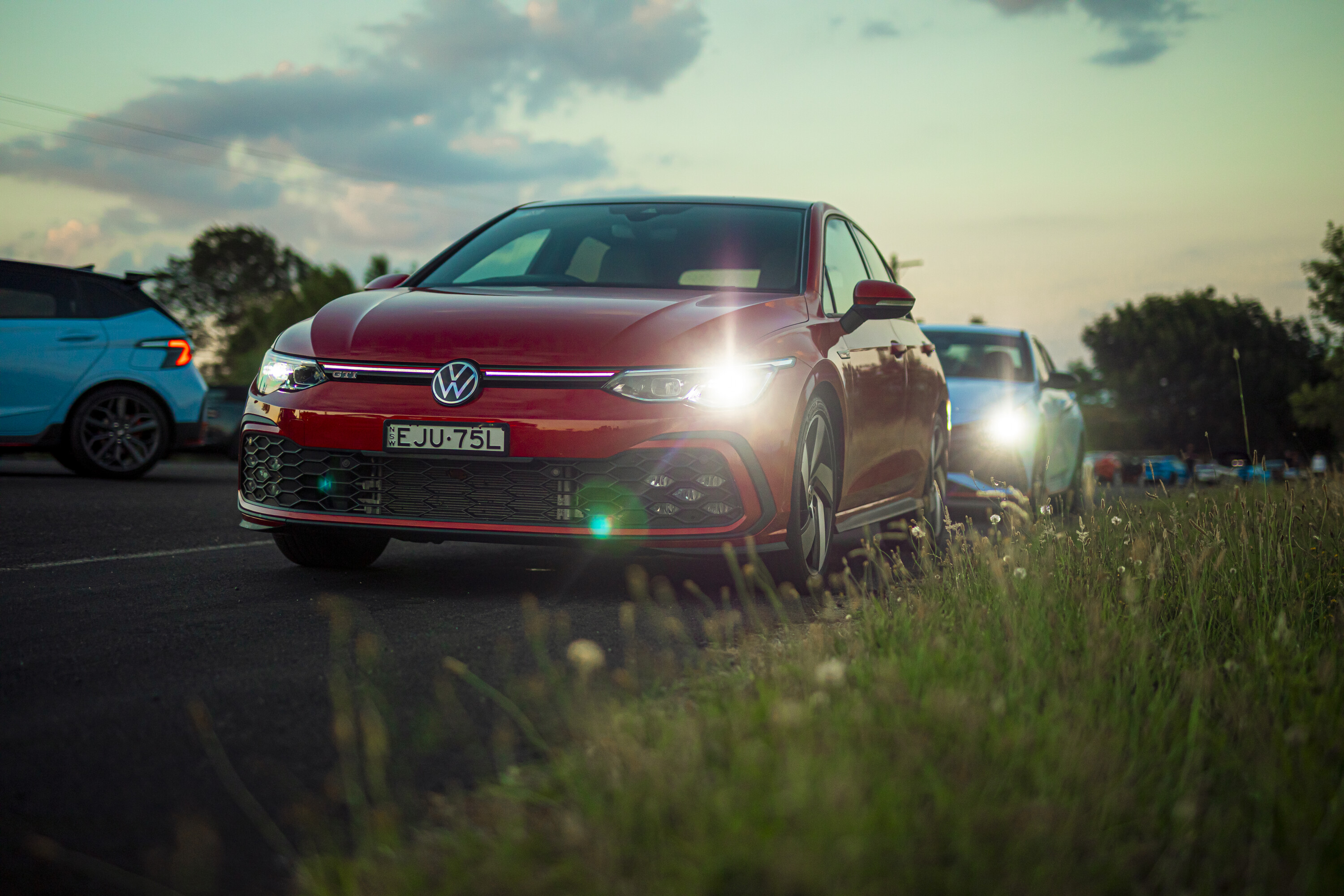
The T-Roc small SUV also contributed to Wolfsburg’s success with 679 registrations, and improved Golf stock saw the small car improve its position by 128 per cent in April.
With the Amarok’s replacement imminent, last month’s 154 registrations will grow throughout the year, further improving Volkswagen’s position.
According to official sales results from the Federal Chamber of Automobile Industries (FCAI), the Australian new car market has continued improving in 2023.
Australians bought82,137 new cars in April, up 1.1 per cent from last April. Year-to-date, 351,139 new cars have found a home – a 1.3 per cent increase on 2022.
Various manufacturers continue to be affected by delivery delays, including Kia with its Sportage medium SUV. This has been offset by improvements elsewhere, for example, Volkswagen finding its feet posting 500+ per cent increases for the Tiguan and Tiguan Allspace compared to last year.
Electric and electrified vehicles continue to grow in popularity as more models come to market, and supply restrictions ease for certain carmakers.
“Electric vehicles accounted for 8 per cent of sales in April. This is well up from 1.1 per cent compared with April 2022,” said FCAI chief executive, Tony Weber.
“If you take all forms of electrification, that number has increased from 9.5 per cent to 15.4 per cent, and we know that this number would have been larger had the industry not faced global supply challenges.”
Weber also noted that 50 per cent of the models in the top 10 offer electrification in some form, be that hybrid, plug-in hybrid, or battery-electric.
New South Wales registered the most vehicles with 25,040 sales, ahead of Victoria and Queensland with 22,226 and 18,188 sales, respectively.
Western Australia (8303), South Australia (5087), Tasmania (1271), the ACT (1261), and the Northern Territory (761) followed.
Is it surprising that the Ford Ranger (3567) and Toyota HiLux (3526) again topped the overall sales in April?
The answer is no, but there does seem to be a shift in the market this month as ute sales have fallen by 8.4 per cent compared to April last year, while medium SUV sales are up 20 per cent.
The Toyota RAV4 was back on form this month, taking third place with 2198 registrations, though its weak performance earlier in the year places it in fifth year-to-date. Another medium SUV made it into the top five, though this time, it’s the electric Tesla Model Y(2095).
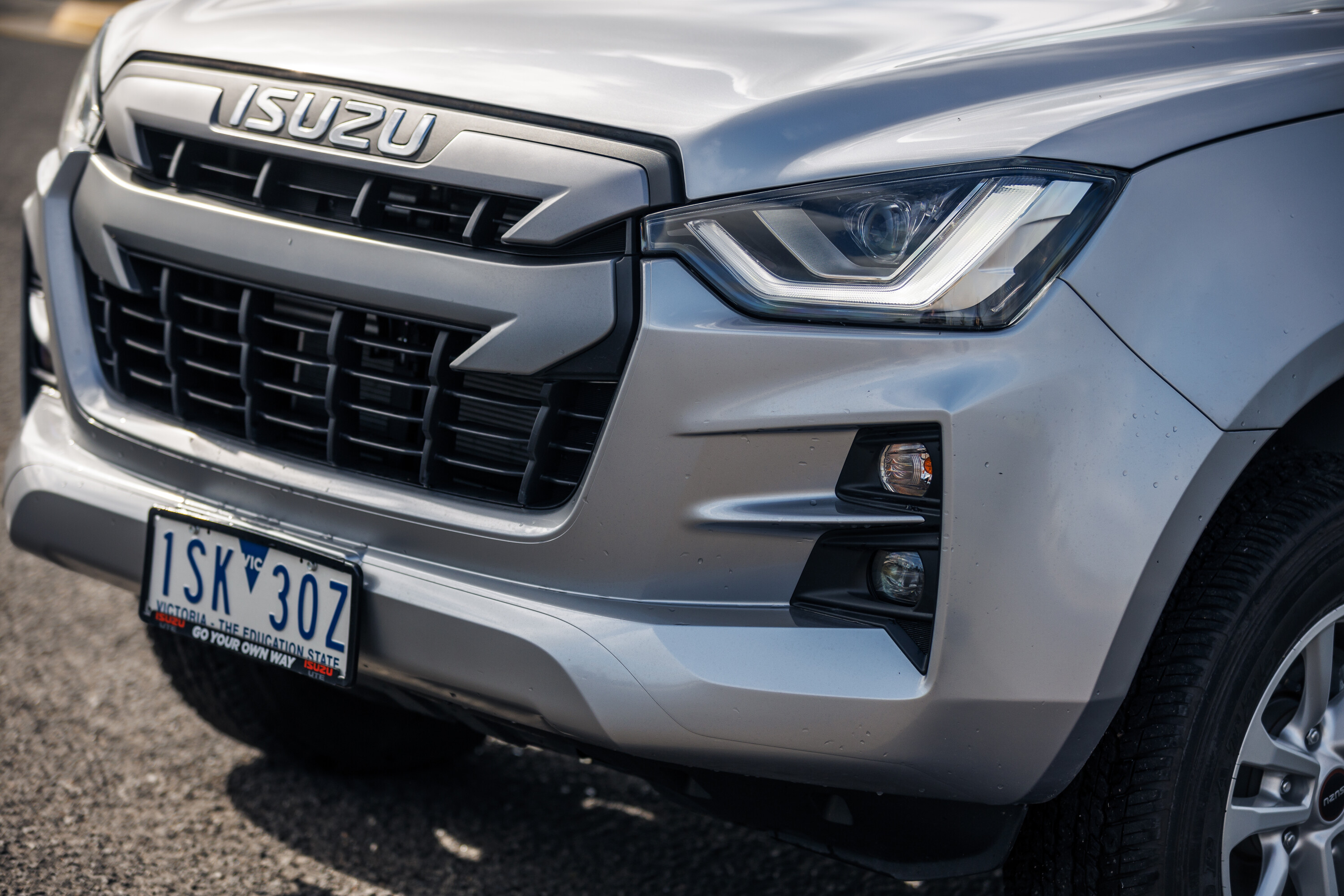
After last month’s dearth of passenger cars, the Hyundai i30performed strongly in fifth (2029), followed by a strong showing from the Mitsubishi Outlander (up 68 per cent compared to last April) and the Isuzu D-Max ute (down three per cent).
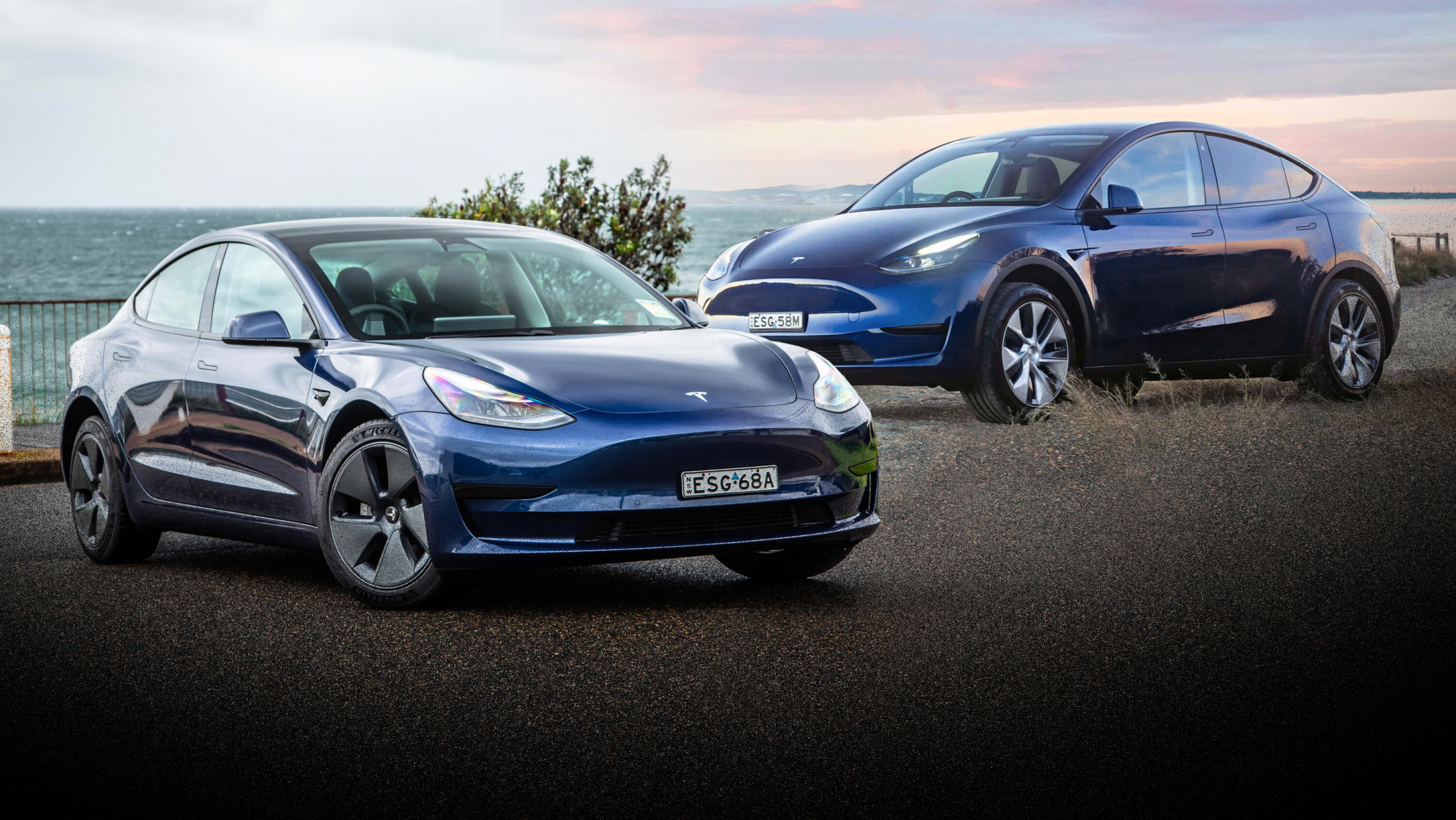
Rounding out the top 10 were the Hyundai Tucson medium SUV (1678), MG ZS small SUV (1588), and the Tesla Model 3 (1581). Despite a slower month in April, the electric Model 3 holds an established third place year-to-date, 447 sales ahead of theD-Max.
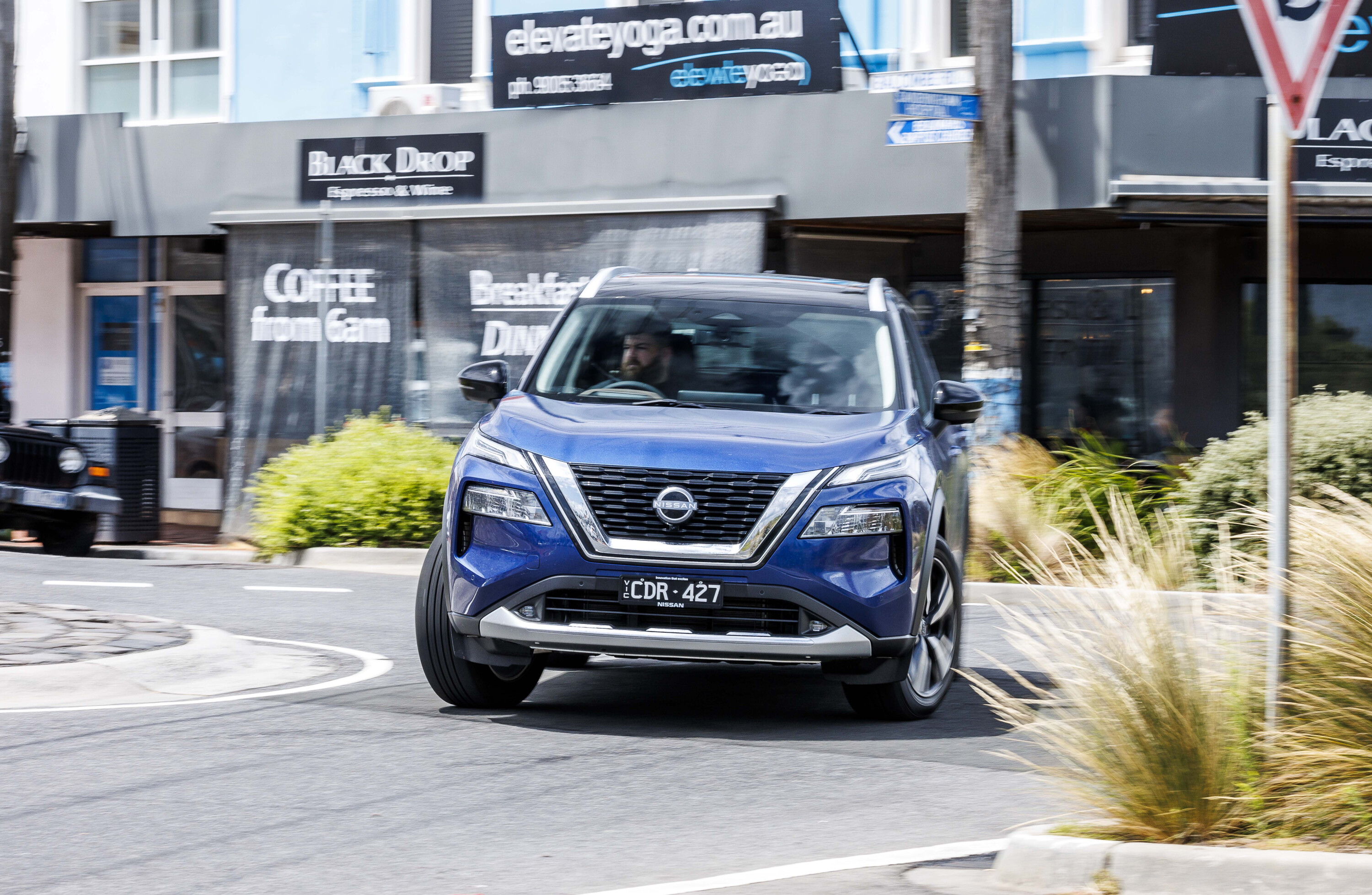
Surprise absentees from April’s top-10 include the Mazda CX-5 (13th, 1243 sales) and Kia Sportage (22nd, 859 sales). However, the new Nissan X-Trail is finding its ground, up 31 per cent year-to-date this month with 1076 sales.
For top-seller Toyota, April was even slower than last month, with 12,029 sales notched up for the Japanese giant (▼ from 17,956 this time last year).
Mazda (6926, ▼ from 7378) and Kia (6200, ▲ from 6180) aren’t exactly snapping at heels, but Toyota’s performance is a long way shy of the circa-20,000 monthly figure we’re used to from the brand – it’s down 30 per cent so far this year (▼ from 76,003 YTD 2022).
Hyundai secured a solid fourth place in April with 5732 sales (▲ from 5552), though it still remains behind Ford in year-to-date figures. Ford sold 5047 vehicles for fifth place in April (▲ from 4974) driven mainly by the Ranger ute and Everest SUV.
Mitsubishi scored a safe sixth spot, but its mostly aging line-up (apart from the strong-selling Outlander) saw the Japanese carmaker down 31 per cent on April last year at 4440 registrations.
Tesla followed in seventh with 3676 sales, leading MG (3463, ▼ from 4773).
Two friendly faces poked back into the top 10 this month, with Nissan – bolstered by the all-new X-Trail and Qashqai – up 47 per cent (3009, ▲ from 2050) and Volkswagen’s stock woes easing for a massive 72 per cent growth in April (2957, ▲ from 1721), enough to displace Isuzu from the leaderboard.
This segment proved the most popular vehicle type in April, increasing its lead with 20 per cent more sales in April, and 19 per cent year-to-date.
Utes followed, but both 4×4 and 4×2 categories posted declines compared to last year. A sign of things to come? Perhaps. Small SUVs were up for the month of April, and while passenger cars generally posted declines, there are a few morsels of hope.
Tesla’s Model 3 was instrumental in dragging up medium passenger car sales by 65 per cent, though the Polestar 2 and BMW 3 Series also helped last month. Sports car sales climbed 47 per cent in April, with the BMW 2 Series, Subaru BRZ and Chevrolet Corvette all contributing.
Petrol remained the default choice for Australian new-car buyers, with a steady 1 per cent bump over last April. Diesel was next most prominent, though its share fell a whole 20 per cent last month, while electric car sales boomed with an 87 per cent increase on last year.
Electric vehicles again outsold hybrid (5592) and plug-in hybrid vehicles combined (545), and no new hydrogen vehicles were registered in April or year-to-date.
1
In tables: New car sales by fuel type for April 2023
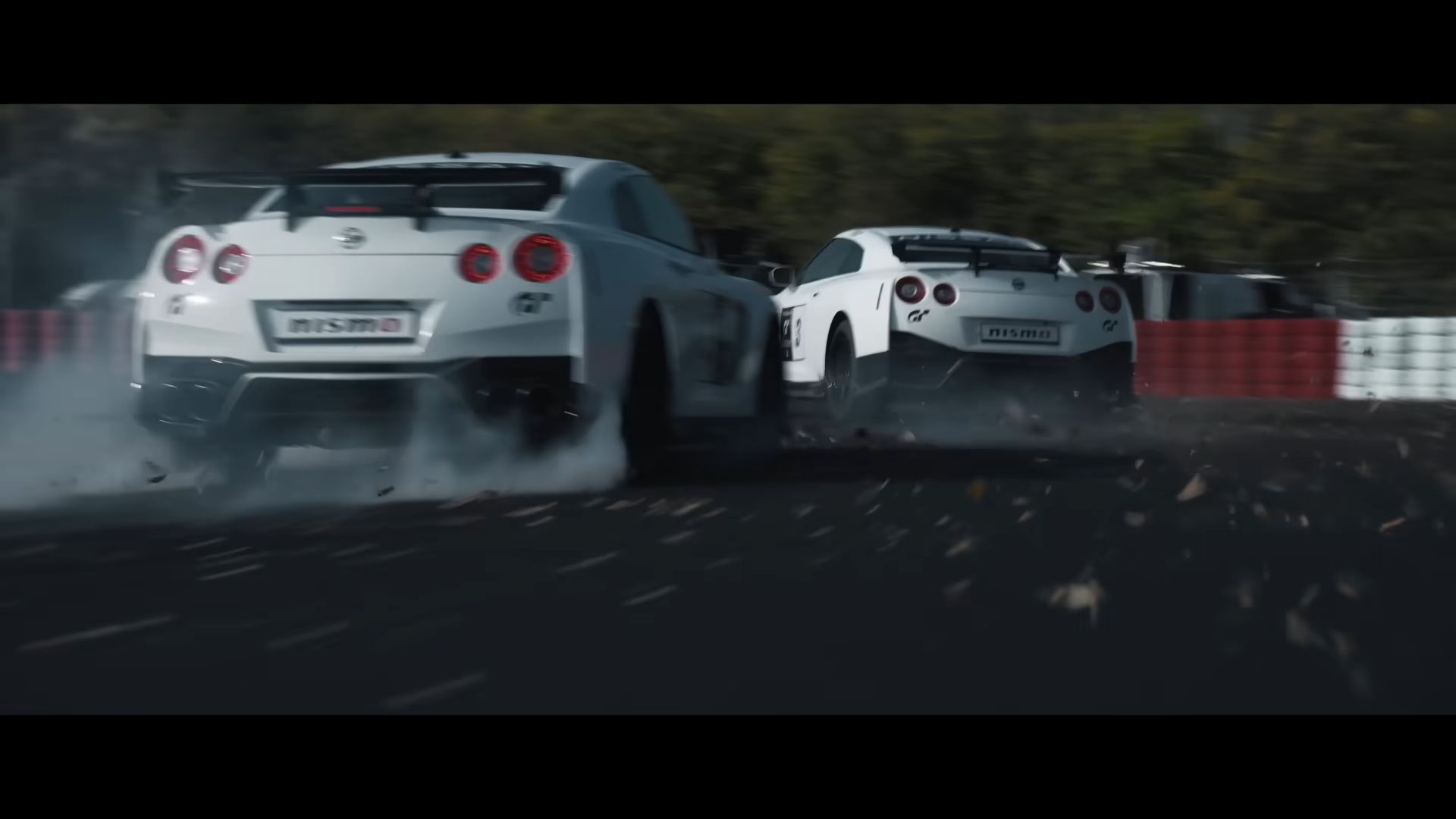
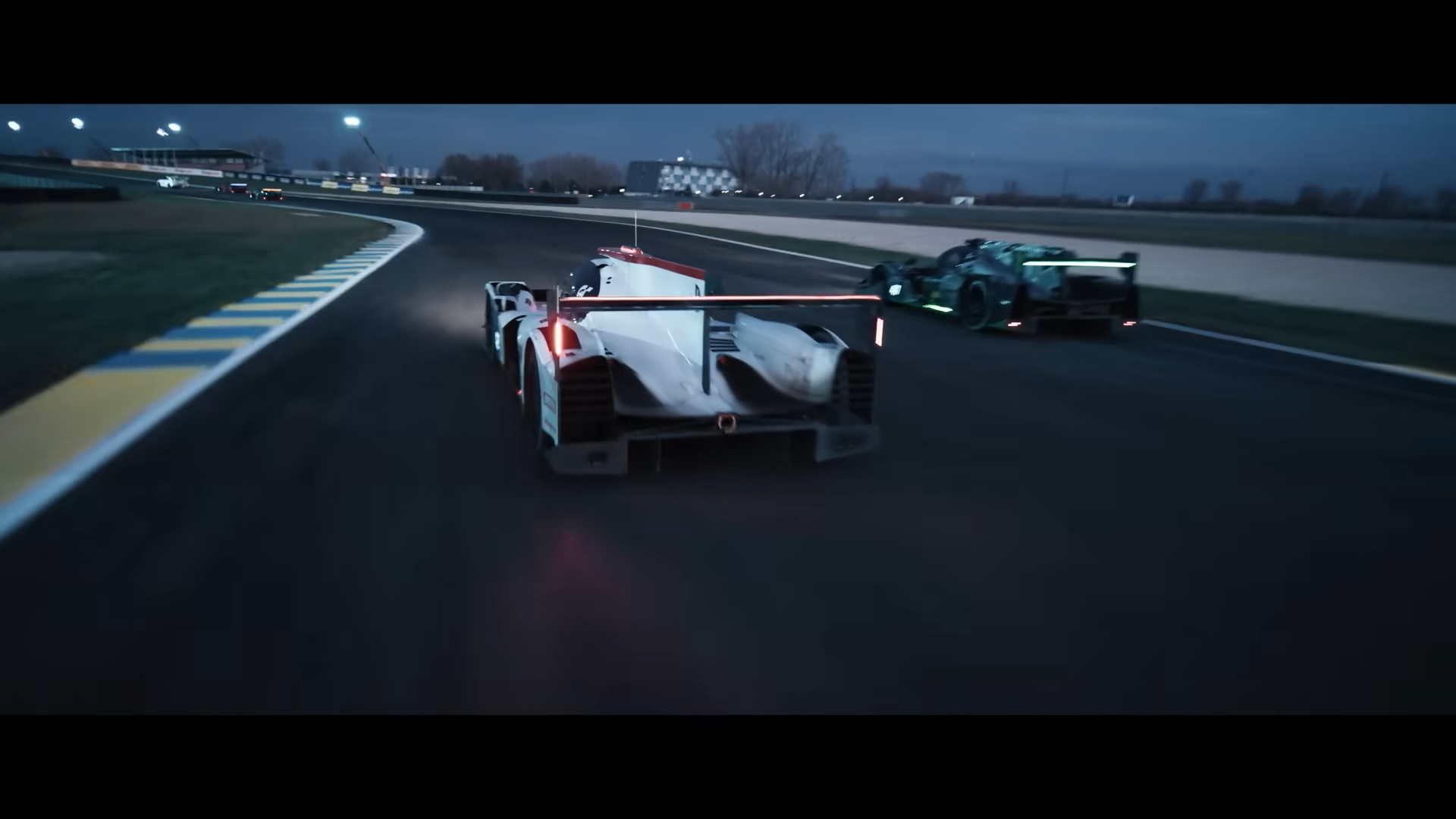
Following a short preview clip released earlier this year, the upcoming Gran Turismo film now has a full trailer for you to either drool over or scoff at.
Catch the video below, and jump into the comments to tell us what you think. As I wrote earlier, the film is based on a true story – but one imagines the writers have taken more than a few liberties with the truth to sell those box-office smash-hit tickets.
It’s probably good timing for a new car film franchise, too, with the Fast & Furious series finally wrapping up…
January 2023: Gran Turismo movie gets its first teaser video
The upcoming Gran Turismo movie, based on the PlayStation game of the same name, has been previewed in a first short video released this week for the Consumer Electronics Show (CES) in Las Vegas.
The film will follow the rise of Jann Mardenborough, the third and youngest winner of Sony and Nissan’s GT Academy competition in 2011 at the age of 19. For his victory, Mardenborough was awarded a seat with Nissan at the Dubai 24 Hour race and later moved into a number of other racing series’ before landing in his current home as a driver in Japan’s Super GT series.
1
In the Gran Turismo film, Mardenborough will be played by English actor Archie Madekwe, who has so far had smaller ‘that guy’ parts in various TV shows and films – including the role of Kofun in the See series on Apple TV+, Courfeyrac in a BBC adaptation of Les Misérables, and the voice of character Sedwick in the animated Netflix series Love, Death & Robots.
“Based on the true story of Jann Mardenborough, the film is the ultimate wish fulfillment tale of a teenage Gran Turismo player whose gaming skills won a series of Nissan competitions to become an actual professional racecar driver.”
1
The preview trailer (above and below) reveals we can expect a romantic entanglement to feature – so it remains to be seen how closely the film will follow true events, but we’d have to ask Mardenborough himself about that…
Apart from the love interest, the film looks to be heavy on training and racing scenes, as any good big-budget ‘hero’s journey’ film should be. If it’s well-written and directed, we might see Gran Turismo become the Days of Thunder to a new generation of filmgoers and car enthusiasts.
Directed by Neill Blomkamp (District 9), Gran Turismo will also star David Harbour, Orlando Bloom, Djimon Hounsou and former Spice Girl, Geri Halliwell Horner.
The Gran Turismo video game series could be turned into a feature film, with Sony apparently keen to make the movie happen.
As first reported by Deadline, the recent success of Uncharted at the box office has boosted its belief in game-to-film adaptations, with Gran Turismo rumoured to be in pole position as its next candidate.
Although it’s early days, South African-Canadian Neill Blomkamp has been tipped as the film’s director, having directed and written District 9 as well as being a producer for other science fiction films such as Elysium, Chappie and Demonic.
1
Despite being a Playstation-only title, Sony’s Gran Turismo series is the second best-selling racing game franchise, behind only Need for Speed which was turned into its own film in 2014 – although the Aaron Paul-led film was a relative flop.
Polyphony Digital first released Gran Turismo in 1997, for the original Playstation, spawning eight main titles across five generations of Sony’s video game console with over 85 million sales in its 25-year span.
It’s not yet known whether the film’s main character will be able to bounce off walls at high speed without sustaining damage, or if a large update will have to be installed every time before watching it.
Chinese car brand MG Motor Australia has issued a recall for around 5100 vehicles due to a fire risk.
Snapshot
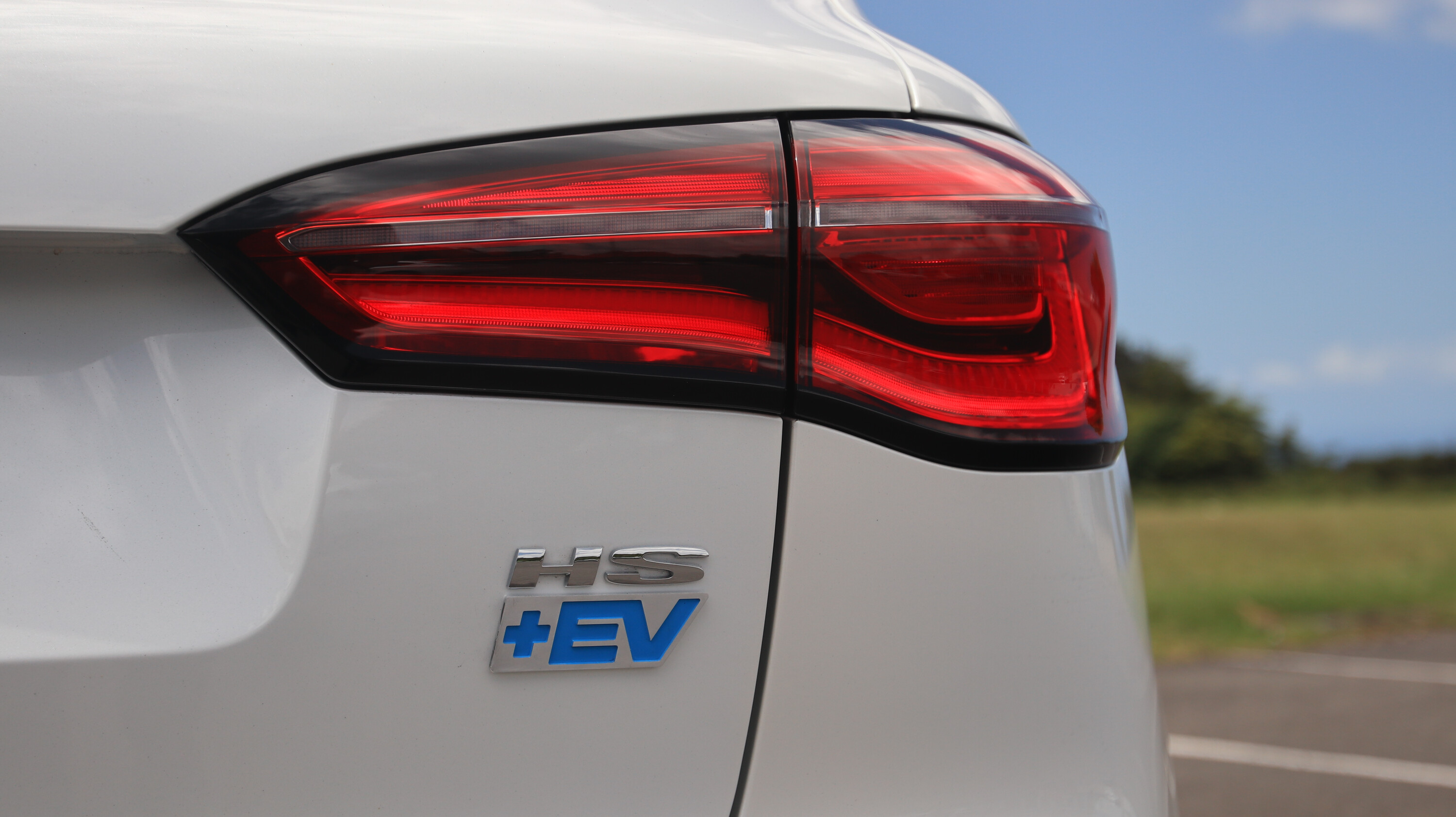
2021-22 MG HS Plus EV recalled
Plug-in hybrid SUV called back due to fire risk
Approximately 5100 vehicles affected
The issue, affecting 5168 HS PHEV and ‘HS Plus EV’ plug-in hybrid electric vehicles (PHEVs) sold between 2021 and 2022, relates to a manufacturing defect, which could lead to an internal fire.
According to the recall notice issued by the Department of Infrastructure, the “carpet underlay may be positioned between the nut and the electrical ground stud.”
1
“If the nut detaches over time due to vibrations whilst driving, it could cause the wiring beneath the floor to overheat and it may result in a fire inside the vehicle.”
The recall notice states: “A vehicle fire could increase the risk of injury or death to vehicle occupants, other road users or bystanders.”
MG said affected owners should contact their preferred dealership to arrange an inspection of their vehicle, with rectification at no-cost to the owner where required.
A VIN list for the affected vehicles can be found here [↗] (CSV spreadsheet file).
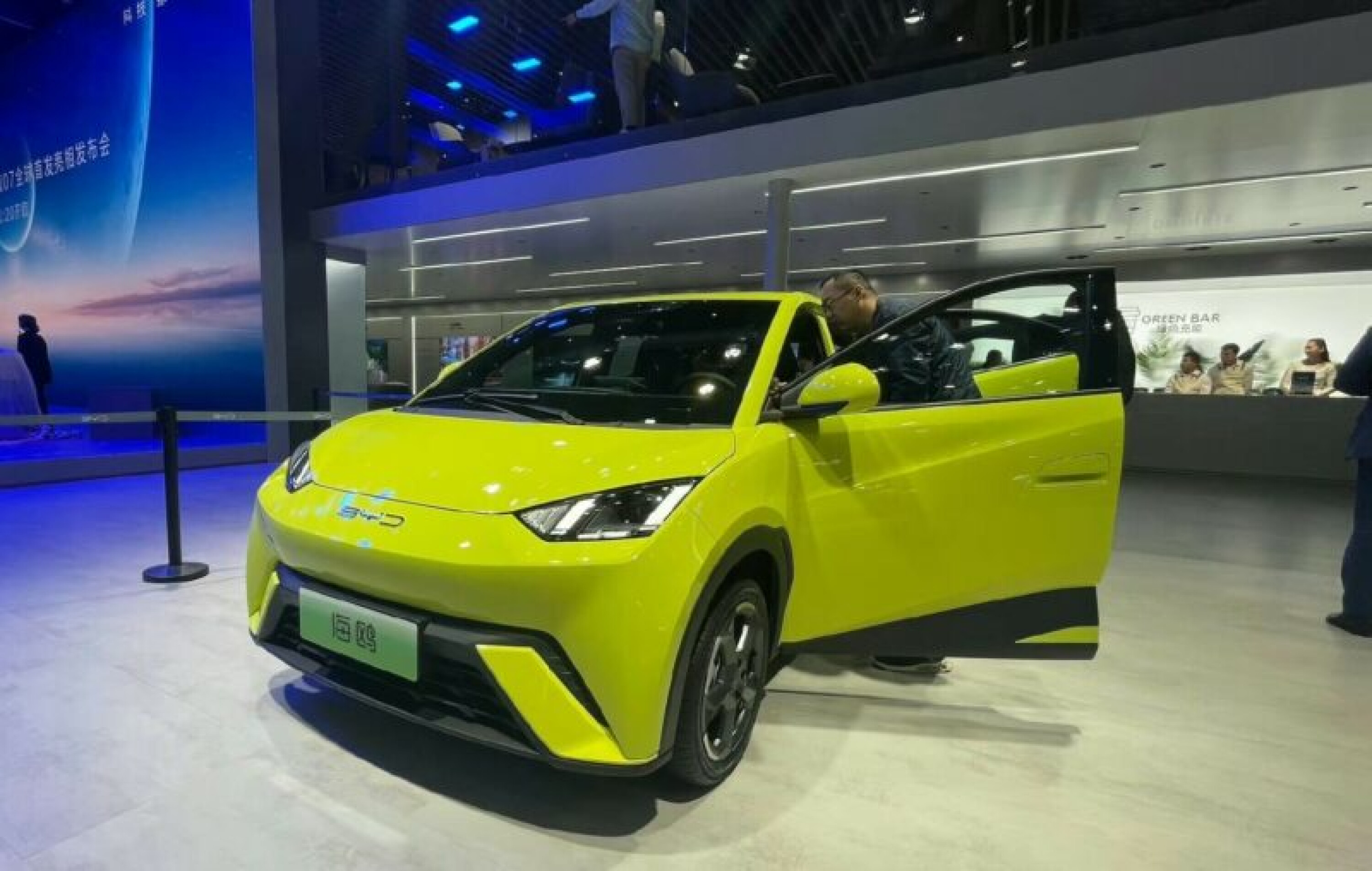
Shenzhen carmaker Build Your Dreams (BYD) has ousted Volkswagen as China’s best-selling car brand for the first time – driven overwhelmingly by EVs and PHEVs.
Snapshot
BYD outsells VW in China during Q1 2023
VW has been best-selling brand since at least 2008
Buyers moving to Chinese brands for affordable value EVs
1
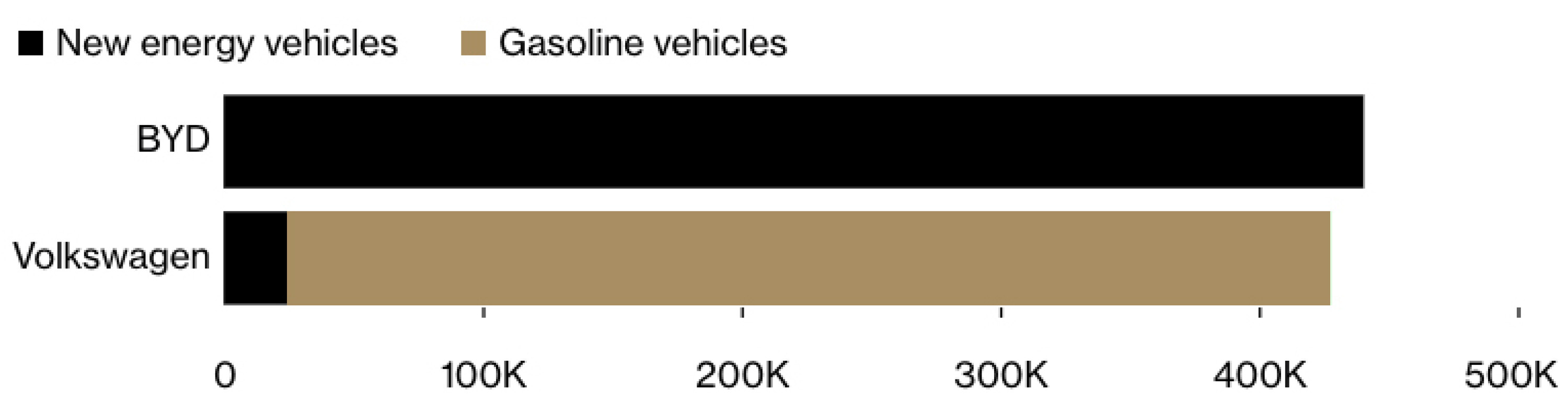
According to data compiled by Bloomberg [↗], BYD sold more than 440,000 pure-electric and plug-in hybrid electric vehicle (PHEV) models in the first quarter of 2023 in China.
In contrast, Volkswagen only managed to sell around 25,000 pure-electric and PHEVs, plus a whopping 403,000 traditional petrol and diesel-engined models in the same period.
That equates to BYD making up 10.4 per cent market share compared to Volkswagen at 10.1 per cent – with EVs accounting for almost 100 per cent and six per cent of sales respectively.
BYD has exclusively produced all-electric and PHEV models since April 2022 in China.
Volkswagen has been the best-selling carmaker in China since at least 2008 (when data first started being published), thanks to its separate joint ventures with SAIC Motor (which owns MG and LDV) and the FAW Group.
In fact, seven out of 10 top-selling new cars in China last year was a BYD, according to InsideEVs [↗].
Unlike other automakers, BYD benefits from a vertically integrated supply chain, which means it produces most of its vehicle parts and technologies – including lithium-iron-phosphate (LFP) structural Blade Battery cells that are touted as safer and stronger than conventional packs.
The Chinese automaker started expanding globally rapidly last year to countries, including Australia, Japan, Thailand, Europe, and the United Kingdom with the globally-designed Atto 3 small electric SUV spearheading the roll out.