
The updated 2024 BMW X5 M Competition and X6 M Competition have debuted with 48-volt mild-hybrid technology.
Snapshot
- 2024 BMW X5 M Competition and X6 M Competition revealed
- Facelifted performance SUV twins gain 48-volt mild-hybrid system and an updated V8
- Expected to arrive in Australia in the third quarter of this year
2024 BMW X5 M and X6 M Competition pricing
Pricing starts from $241,900 for the X5 M Competition and from $247,900 for the X6 M Competition (both before on-road costs), with both set to land locally in the third quarter of 2023.
Currently, the BMW X5 M Competition is priced from $227,900 before on-road costs, rising to $233,900 plus on-roads for the X6 M Competition.
Last year, the entire X5 and X6 range were narrowly outsold by the Mercedes-Benz GLE, which will also receive a facelift later this year.
Engine, transmission and fuel economy
In a BMW M first, the facelifted X5 and X6 performance SUV twins feature a 48-volt mild-hybrid system to boost power – but only when needed.
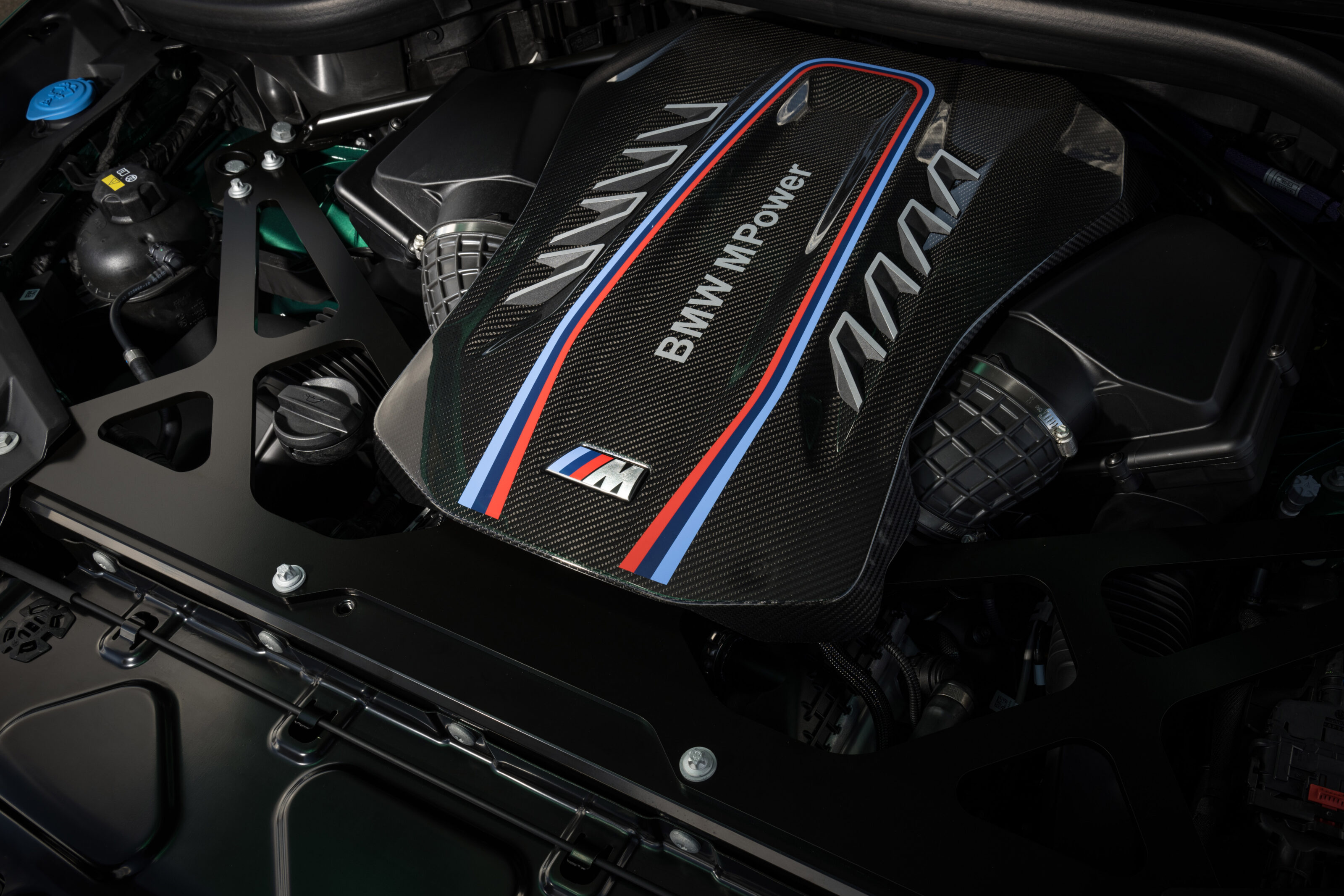
The crankshaft-mounted electric motor will deliver up to 9kW and 200Nm of additional power, while also functioning as a starter generator. The battery is charged through regenerative braking and when the vehicle is coasting.
While the 4.4-litre twin-turbo petrol V8 has unchanged outputs – 460kW and 750Nm – it is BMW’s latest ‘S68’ unit with a reinforced crankshaft drive, revised bi-symmetrical turbochargers, a new air intake duct, and a new oil pump and a weight-minimised oil sump.
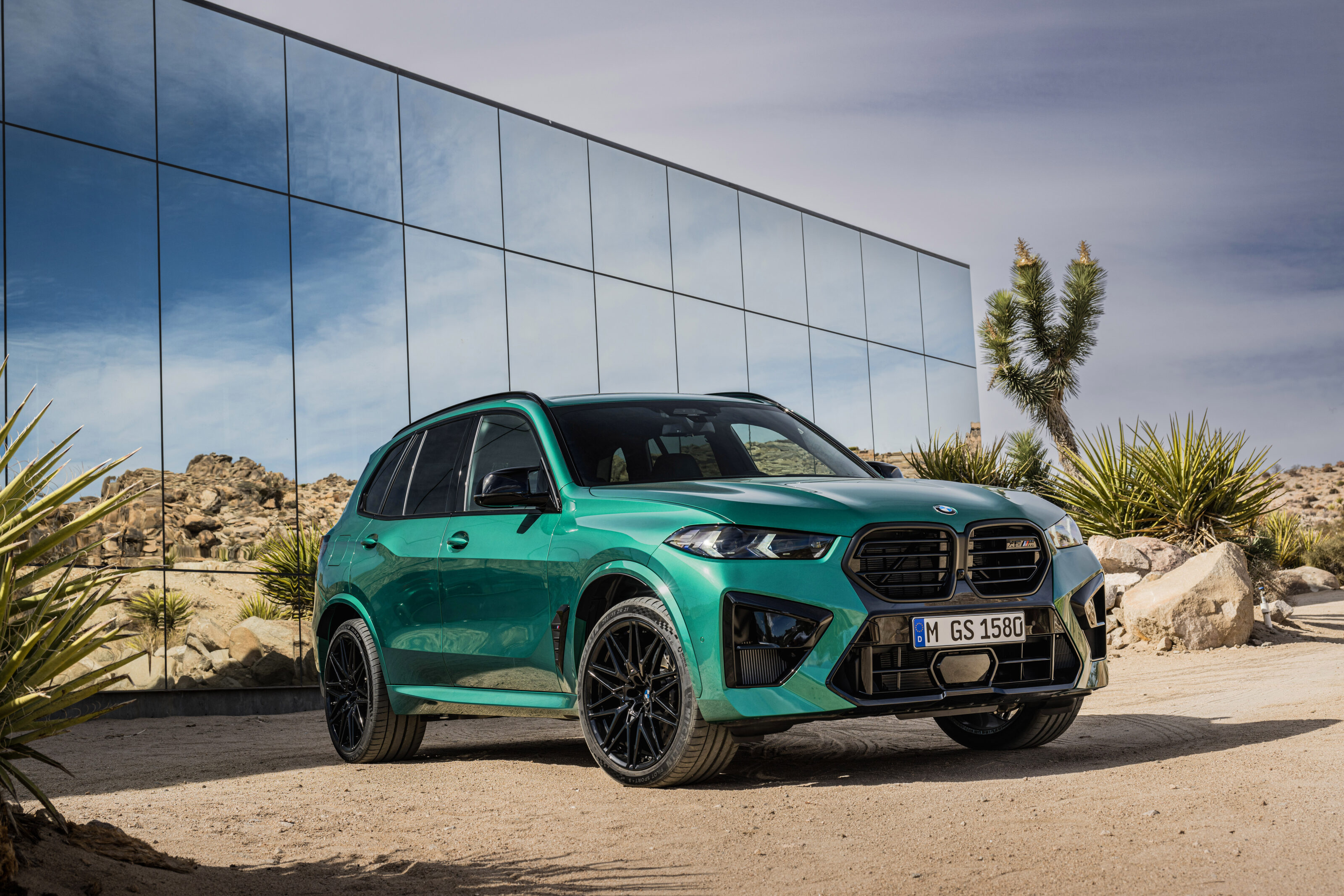
Despite the addition of the mild-hybrid system, the latest X5 M Competition and X6 M Competition are one-tenth slower from 0-100km/h, with both cars hitting the speed in 3.9 seconds.
As before, power is sent to all four wheels through an eight-speed automatic transmission, while the active rear differential is unchanged.
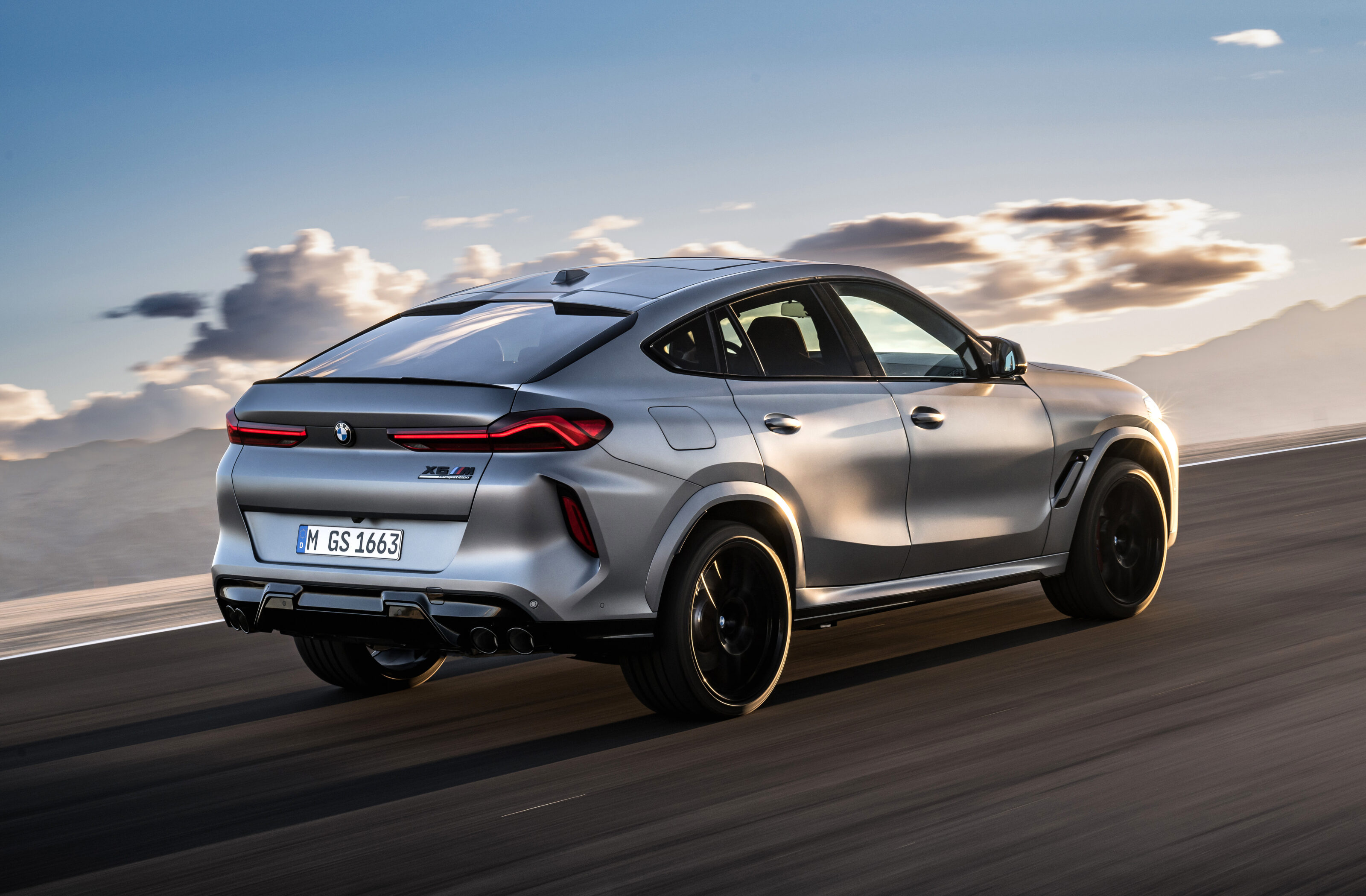
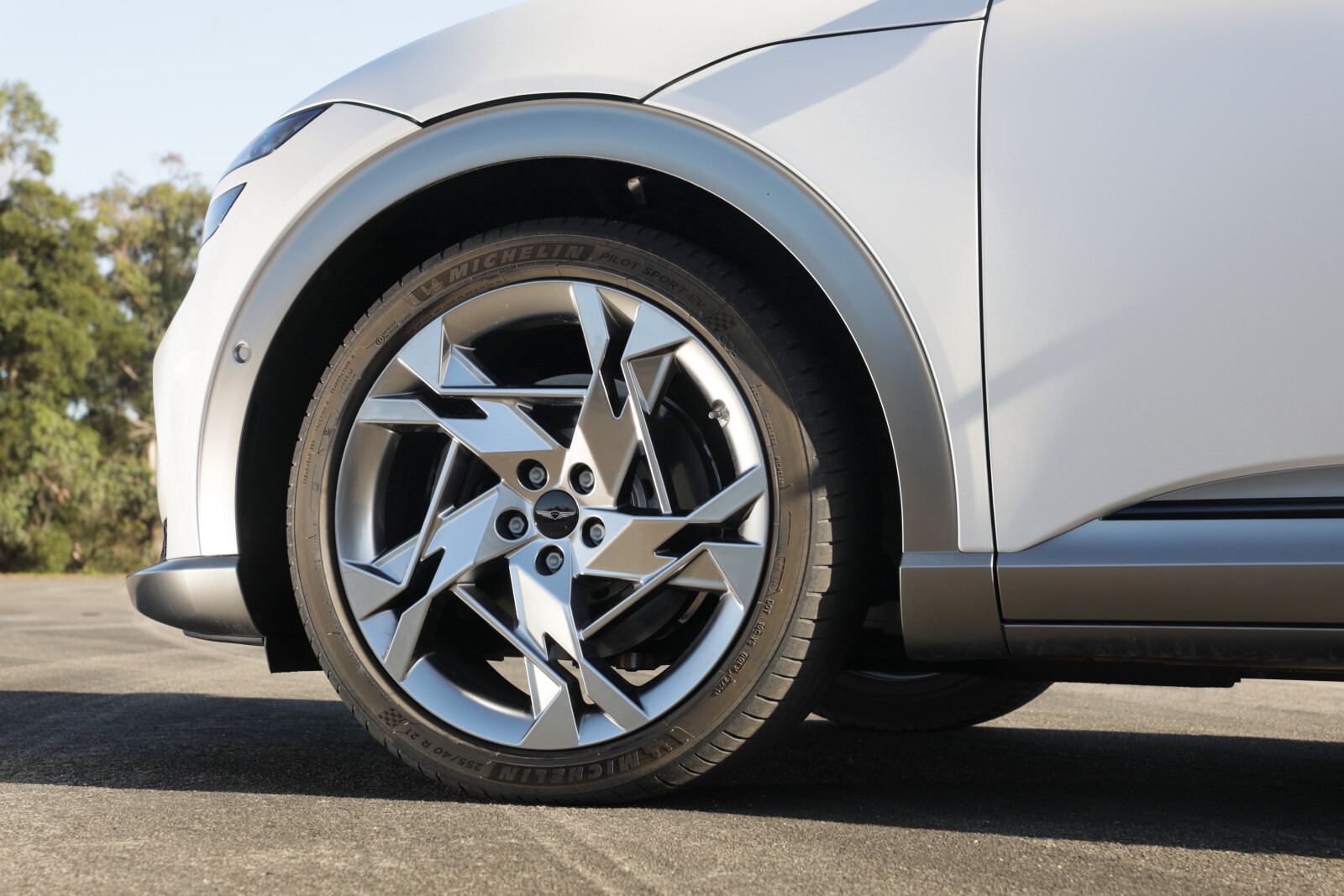
BMW has revised the dampers for the standard-fit adaptive M suspension to adjust stiffness in a “few milliseconds”, while both vehicles also feature redesigned alloy wheels, measuring 21 inches at the front and 22 inches at the rear.
Features
Additional standard specification above and beyond the outgoing models includes:
| Features | |
|---|---|
| BMW Drive Recorder including Remote Theft Recorder | Heating function for armrest in centre console and front doors |
| Active seat ventilation, front | Privacy glass with sun protection glazing |
| Massage function, front | Remote engine start |
| Rear heated seats | M Lights Shadowline. |
As with the facelifted X5 and X6, the hot M Competition variants receive a slimmer-looking front end, new technology, and larger screens.
Up front, it features 35-millimetre narrower LED headlight units inspired by the latest X7 and 3 Series, with arrow-shaped daytime running lamps.
For the X5 M, it now sports the X6’s hexagonal-style kidney grille and a redesigned LED tail-light signature.
Buyers can choose from 10 exterior paint colours, which include non-metallic, metallic and BMW Individual metallic options.
| Colour | Finish | Cost |
|---|---|---|
| Alpine white | Non-metallic | No cost option |
| Mineral white | Metallic | No cost option |
| M carbon black | Metallic | No cost option |
| Black sapphire | Metallic | No cost option |
| M Brooklyn grey (new) | Metallic | No cost option |
| M Marina Bay blue | Metallic | No cost option |
| Toronto red | Metallic | No cost option |
| M Isle of Man green (new) | Metallic | No cost option |
| Dravit grey | BMW Individual metallic | $2400 |
| Frozen pure grey | BMW Individual metallic | $5000 |
There are also three wheel designs available – in bi-colour M light star-spoke style, or jet black. Both models come as standard with M Compound brakes with blue callipers. Red and black callipers are available as no-cost options.
Inside, the updated X5 and X6 are fitted with BMW’s latest iDrive 8 operating system, with a curved display featuring a 14.9-inch infotainment screen and a 12.3-inch digital instrument cluster.
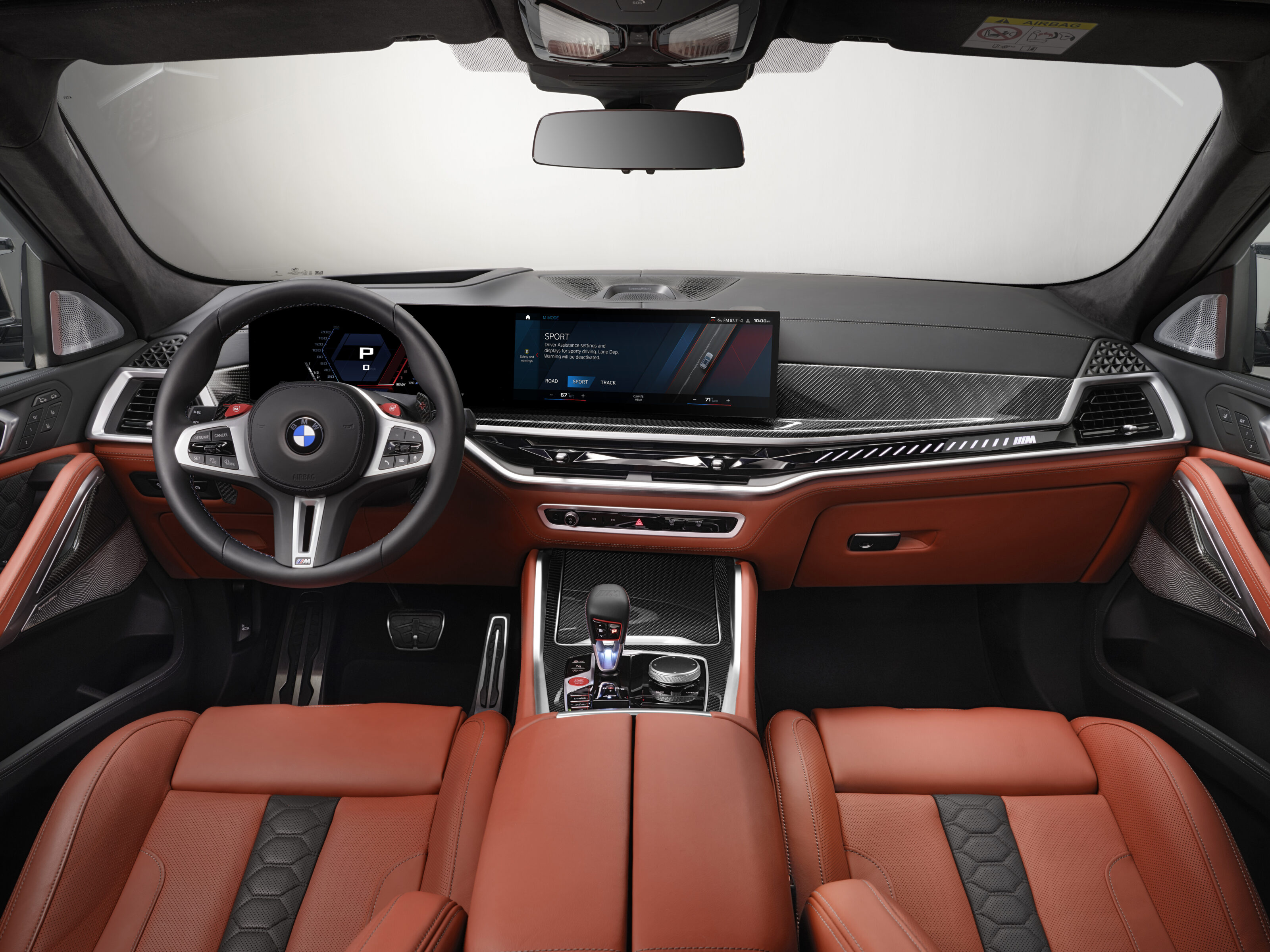
As with the X7 and 3 Series, this has seen most climate controls shifted to the infotainment system, while the physical volume, radio tuning and demister buttons remain.
There’s also an illuminated dash strip with M badging and reshaped air vents.
While the regular X5 and X6 range have shifted to a smaller, toggle-style gear shifter, the M Competition variants retain a carbon-fibre unit.
As standard, BMW Individual’s full leather Merino trim is available in seven combinations. The new bi-colour ivory white/atlas grey combination can be tailored with a choice of the default M headliner Alcantara in anthracite or in optional ivory white.
| Colour | Cost |
|---|---|
| Black | No cost option |
| Silverstone | No cost option |
| Sakhir orange | No cost option |
| Adelaide grey | No cost option |
| Taruma brown | No cost option |
| Bicolour black/Midrand beige | No cost option |
| Bicolour ivory white/Atlas grey | $1500 |
Additionally, there are two customisation packages to choose from, as well as a number of added extras:
Safety
Technology revisions include; a semi-autonomous highway driving assist, junction-turning assist for the autonomous emergency braking system, automatic speed limit assist, traffic light recognition, emergency stop assistant, and an improved automatic parking system with up to 200 metres of memory.
Availability
The updated 2024 BMW X5 M Competition and 2024 BMW X6 M Competition are expected to arrive in Australia in the third quarter of this year.
The Genesis GV60 is a curious thing, representing the Korean luxury car-maker’s first ground-up battery electric vehicle (BEV) offering.
Underpinned by the same E-GMP platform as the vaunted Kia EV6 and popular Hyundai Ioniq 5, the recipe for success is there.
Genesis has made strides to make the GV60 feel unique, leaning into its own distinctive, quirky design, blended with the marque’s inherent luxury positioning.
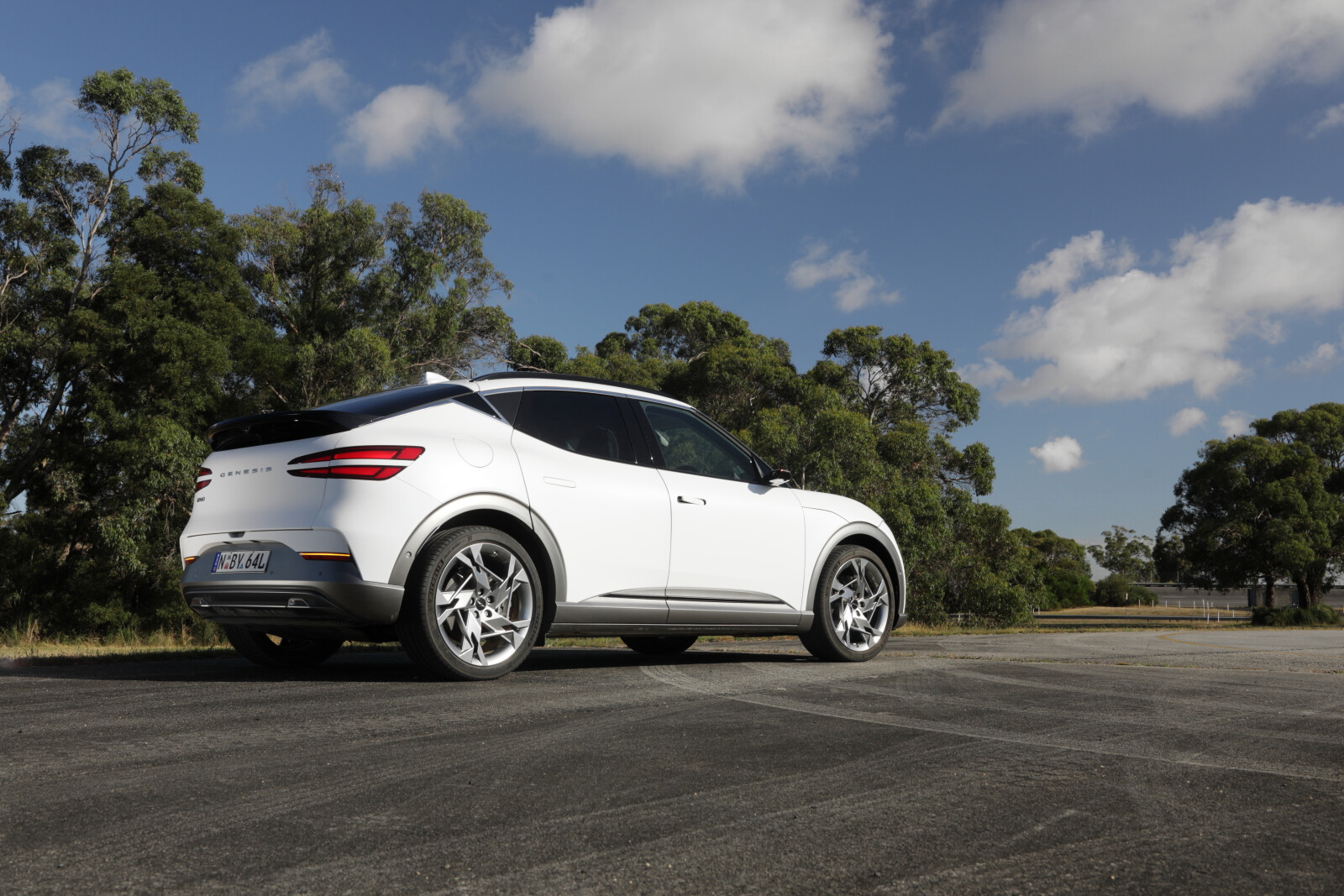
It’s no luxury barge, at least on paper. As the flagship Performance AWD vehicle, the twin-motor 360kW halo – resplendent with Boost mode – promises at least some dynamic appetite.
So how does it all come together? Let’s dig right in.
JUMP AHEAD
- How much is it, and what do you get?
- How do rivals compare on value?
- Interior comfort, space and storage
- What is it like to drive?
- How efficient is it?
- How safe is it?
- Warranty and running costs
- VERDICT
- Specifications
How much is it, and what do you get?
Genesis has made two GV60 grades available to the Australian market, both featuring 77.4kWh batteries with two motors (one front, one rear) and all-wheel drive.
The standard GV60 AWD asks from $103,700 (before on-road costs) and is driven by a 74kW front motor, combined with a 160kW rear motor, delivering a combined 234kW output and 470km of range on the WLTP cycle.
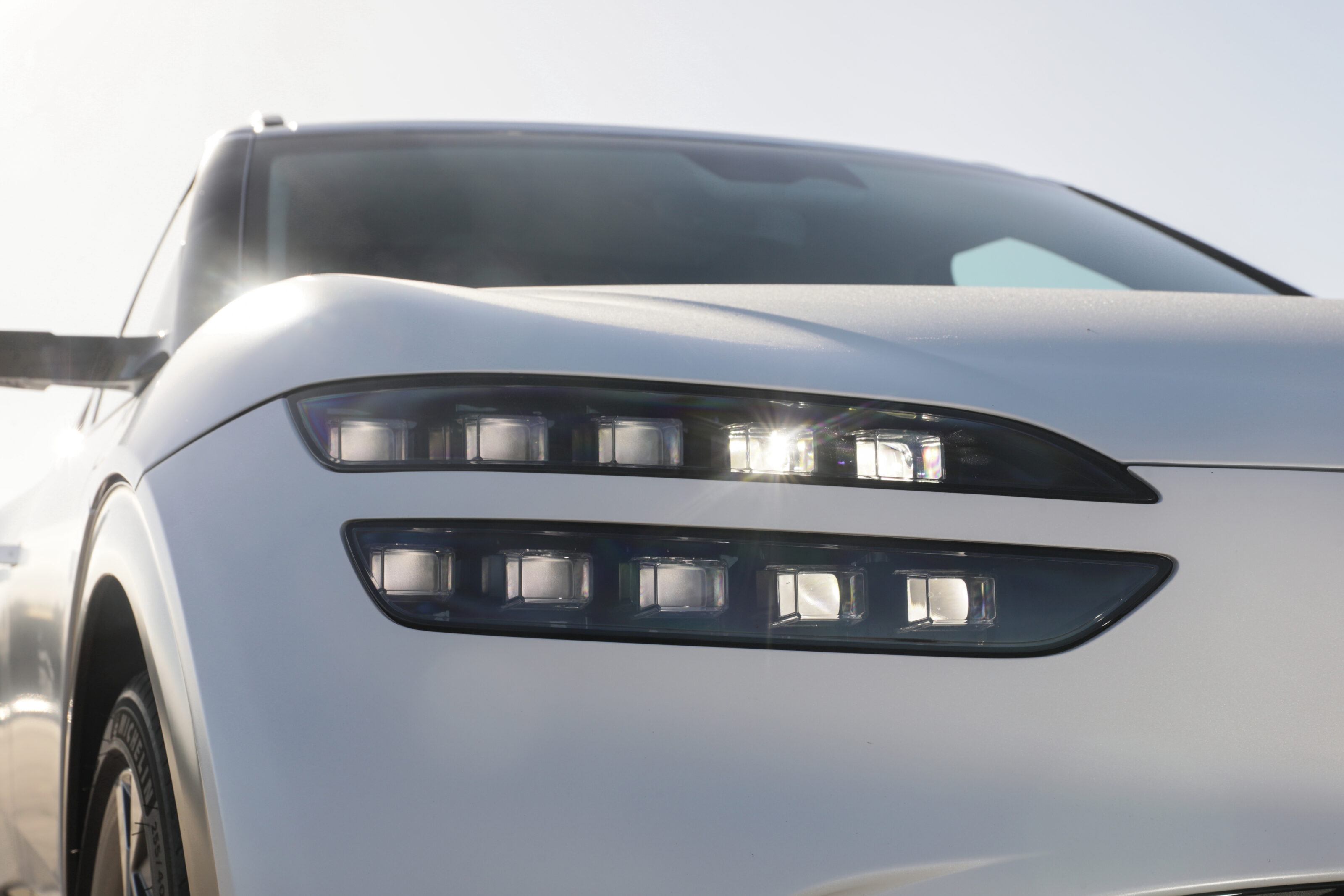
The flagship GV60 Performance commands a $7000 premium with a list price of $110,700 (before on-road costs). It harnesses the same basic configuration but is equipped with higher output motors, independently producing 180kW each for a combined 360kW output, with only a 4km penalty to its quoted WLTP range.
Genesis says the GV60 Performance can clock the 0-100km/h sprint in 4.0 seconds, compared to the standard vehicle’s 5.5-second claim.
Possessing the same 800-volt electrical architecture as its more affordable Hyundai Ioniq 5 and Kia EV6 relatives, the GV60 is able to ingest a maximum of 350kW, replenishing the battery from 10 to 80 per cent in just 18 minutes when using the right kind of DC charger in ideal conditions. Using a more common 50kW charger, the same 10-80 per cent refill will take a little over an hour.
The Genesis GV60 is also capable of V2L (vehicle-to-load) energy sharing.
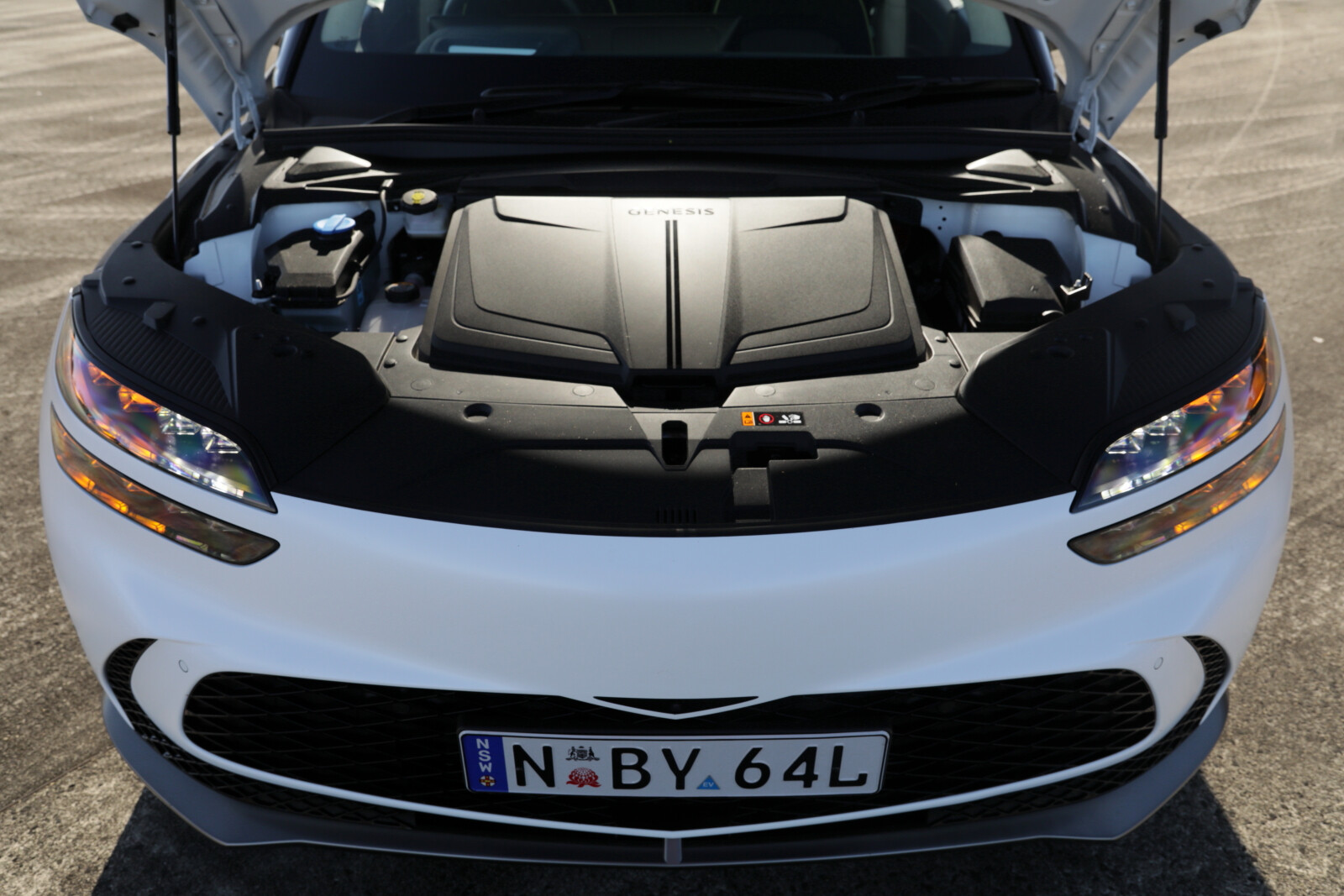
Elsewhere, the Genesis GV60 comes incredibly well-equipped as standard, featuring 20-inch alloy wheels, dual 12.3-inch widescreens, glass roof with power sunshade, augmented reality satellite navigation, head-up display, 18-way electrically adjustable driver’s seat with massage function, 17-speaker Bang & Olufsen sound system, Apple CarPlay and Android Auto, wireless phone charger, dual-zone climate control, digital side mirrors and a full safety suite including blind-spot cameras and adaptive headlights.
Flagship Genesis GV60 Performance AWD vehicles can be further distinguished by 21-inch alloys, Boost mode, adaptive ‘road preview’ suspension, electromechanical LSD, black monobloc front brake calipers and alloy pedals.
Genesis also provides a number of added ownership benefits for new GV60 buyers, including the choice of a complimentary five-year subscription to the Chargefox public charging network or complimentary supply and installation of a wallbox charger at home, as well as a five-year subscription to the ‘Genesis To You’ concierge program.
How do rivals compare on value?
The price of entry to this luxurious Genesis BEV is significant in comparison to its popular rivals.
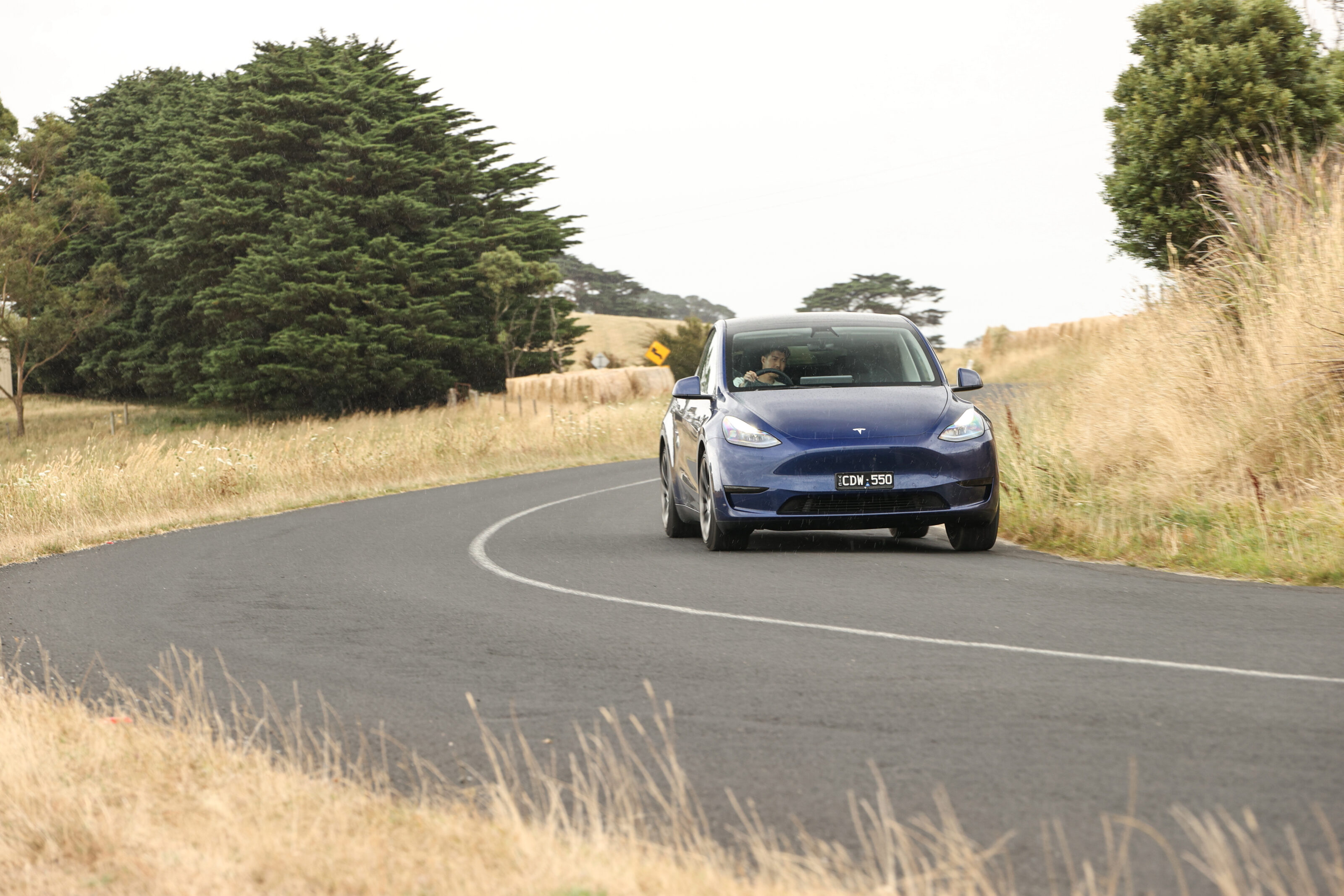
Tesla is currently dominating the sector and, on price and power, it’s the top-shelf Model Y Performance that measures closest. The Model Y Performance both undercuts and outpunches the GV60, asking $94,900 (before on-road costs) while delivering a greater 413kW output and superior 514km of WLTP range. It is not exactly luxurious, though.
It’s impossible not to consider the GV60’s Korean counterparts (and platform mates) at Hyundai and Kia, too.
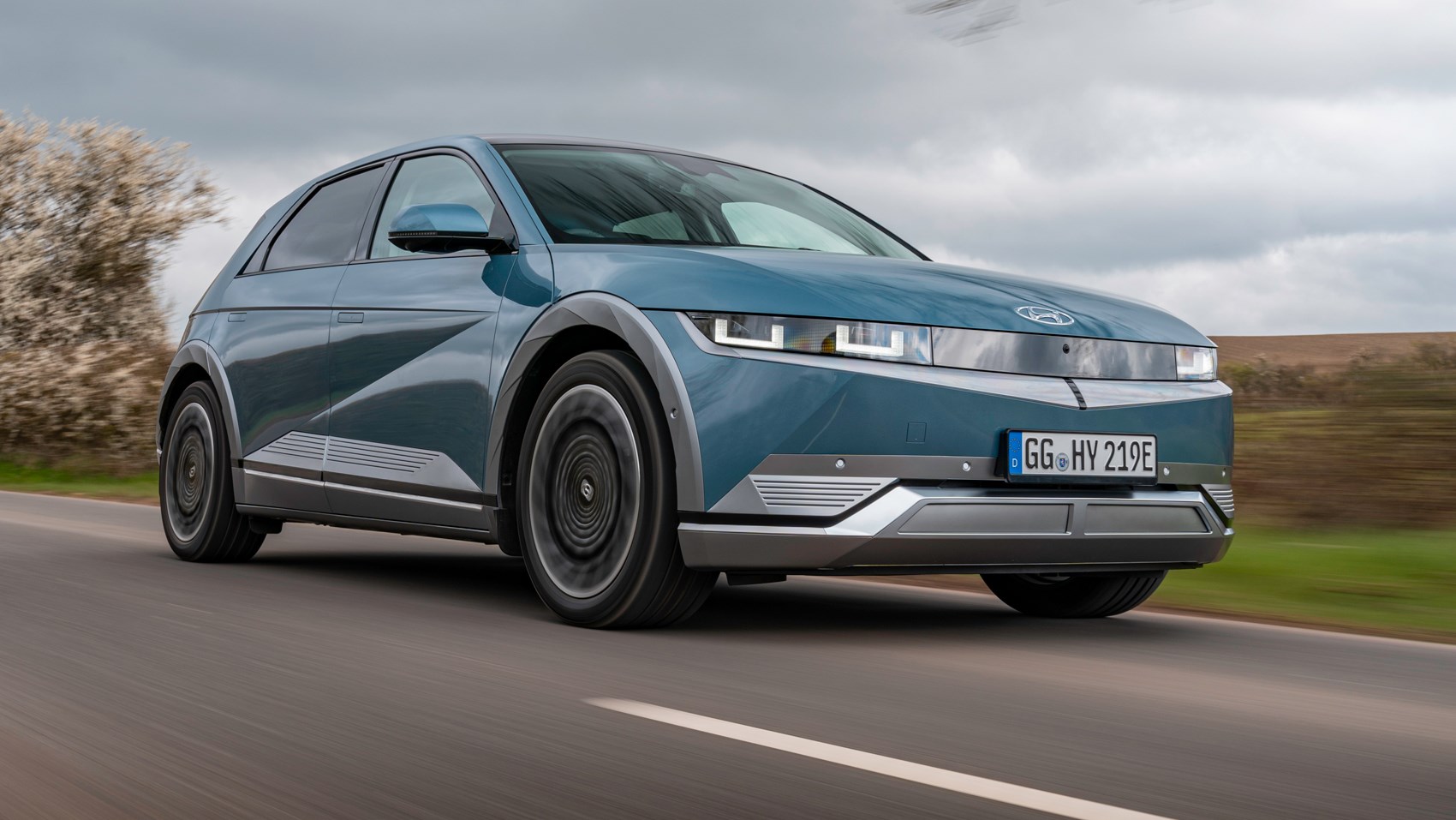
The Hyundai Ioniq 5 range is currently headlined by the Epiq AWD variant, asking $85,000 before on-road costs, producing 239kW and boasting 545km of WLTP range. The Ioniq 5 currently lacks a serious range flagship but a high-performance N-badged version is expected to land locally in 2024. This, however, will take a much more driver-focused dynamic approach, in comparison to the distinct luxury brand personality of Genesis.
Kia, however, has recently introduced its flagship EV6 GT which, at $99,950 before on-road costs, nudges the standard GV60 on price, but outguns the Genesis with a shocking 430kW peak output and blinding 3.5-second 0-100km/h time.
This comes at the expense of range, which drops to 424km, and like the Tesla, you are paying for hi-tech performance rather than high-end interior ambience.
Best Electric Cars, $80k-100k: Luxury EVs tested
This is part three of our price-based EV buying guide, comparing Australia’s electric cars priced between $80,000 and $100,000
Interior comfort, space and storage
Compared to its striking platform mates, the Genesis GV60 doubles down on a fashion-forward design targeting youthful early EV adopters with a heavy focus on tech and equipment.
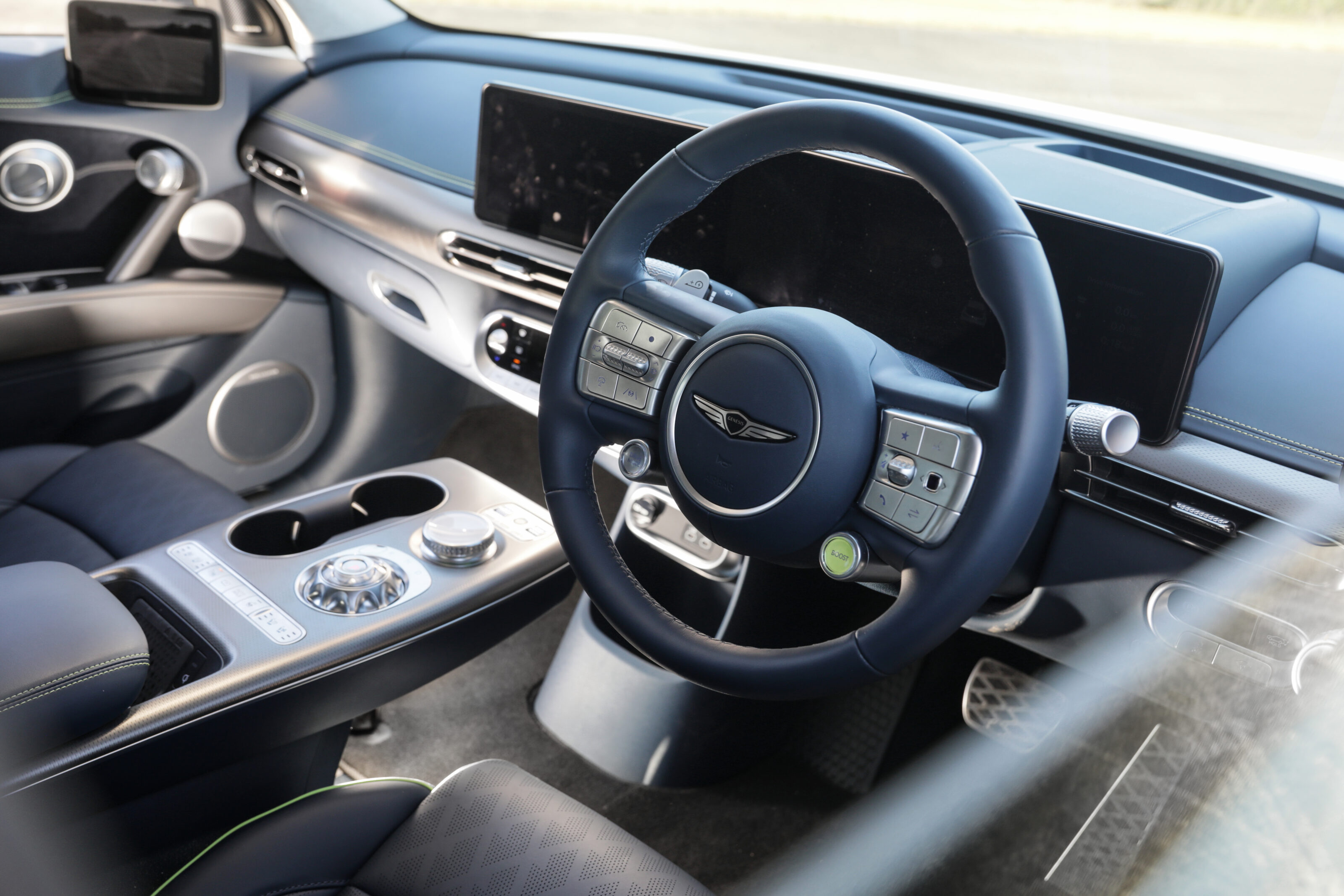
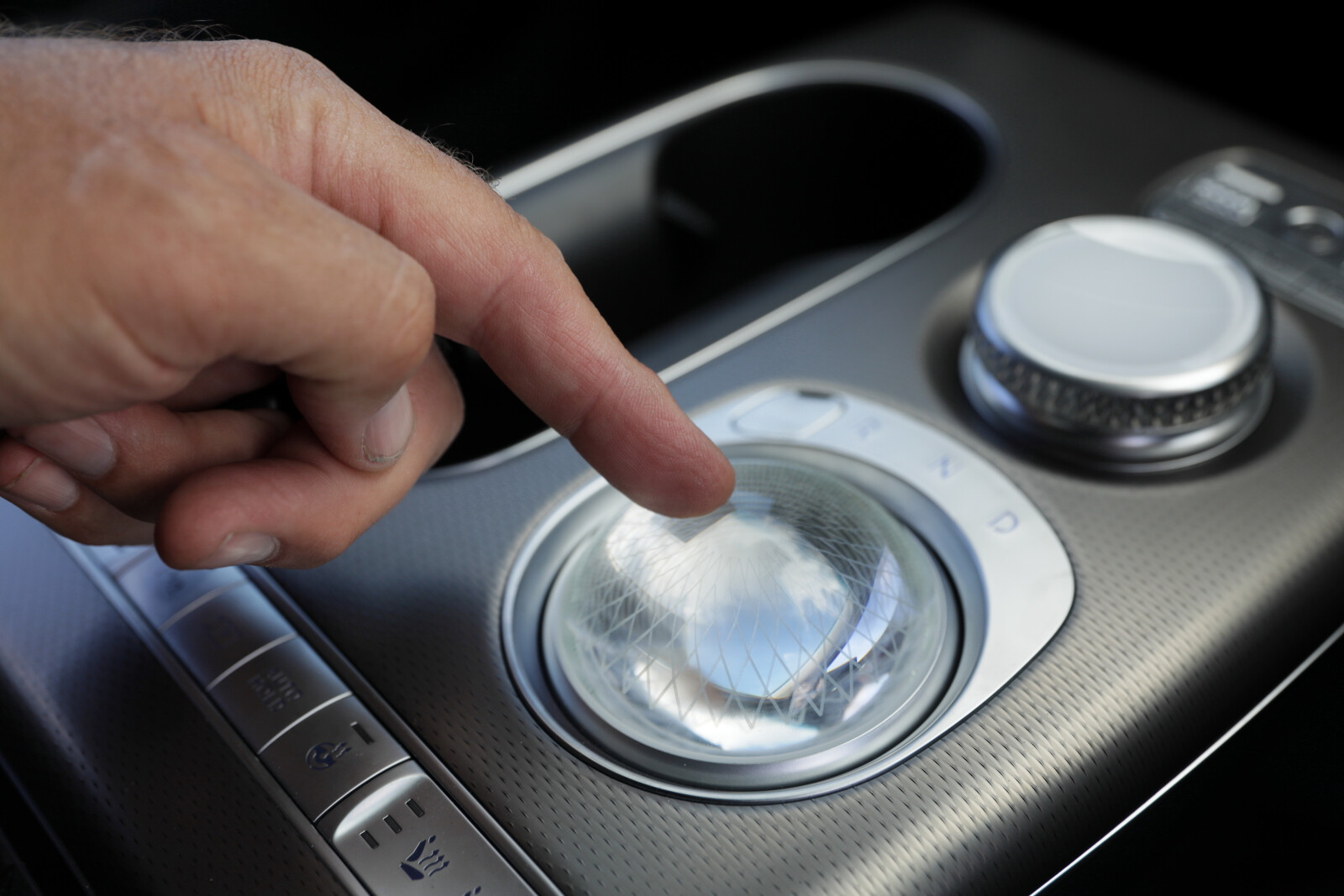
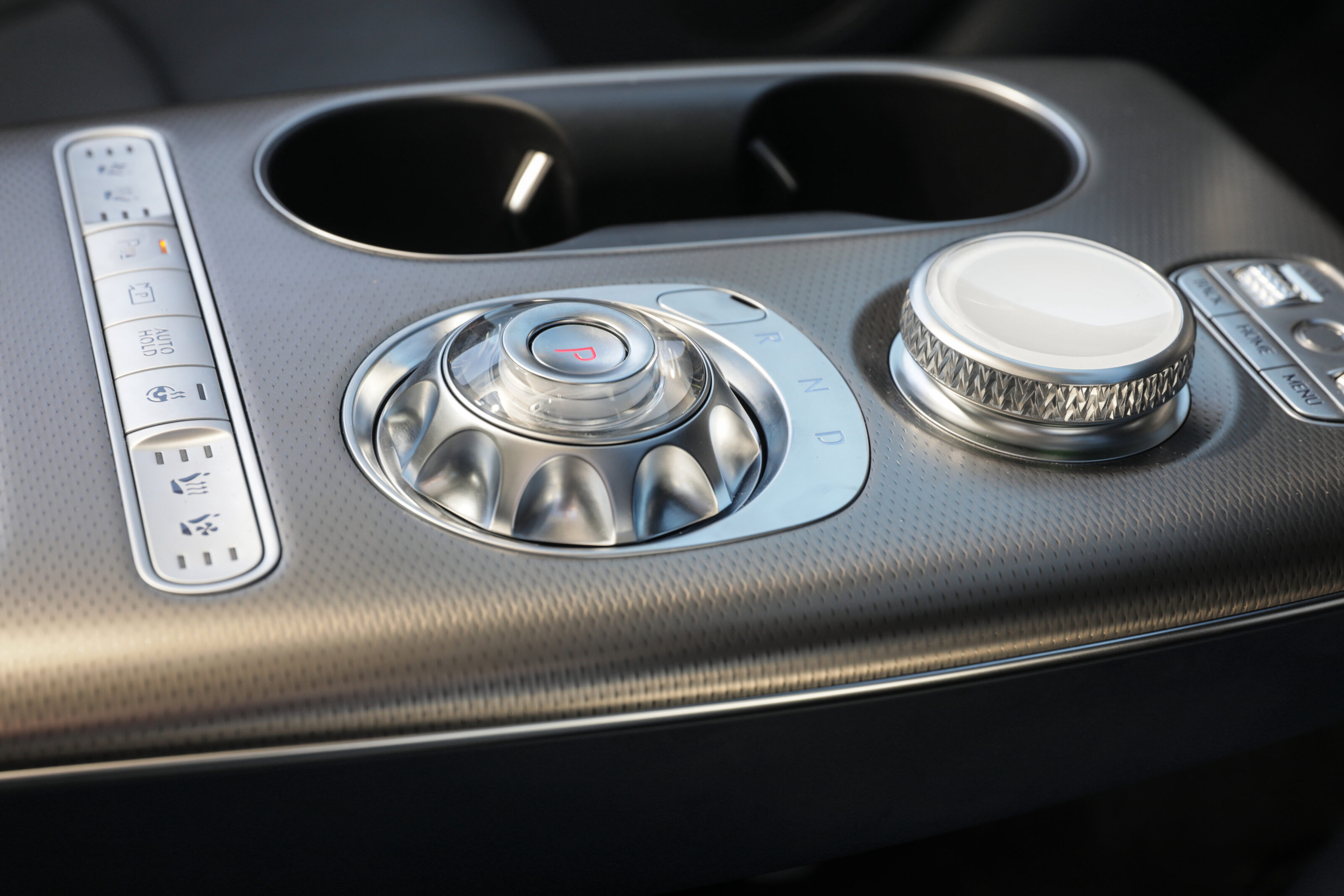
While the friendly Hyundai Ioniq 5 channels an airy lounge-like feel and Kia’s EV6 toes a decidedly more spaceship-like vibe, the GV60 occupies the area in between, with its rotating alien crystal ball shifter, metal-look switchgear and nary a sharp line, angle or edge to be found.
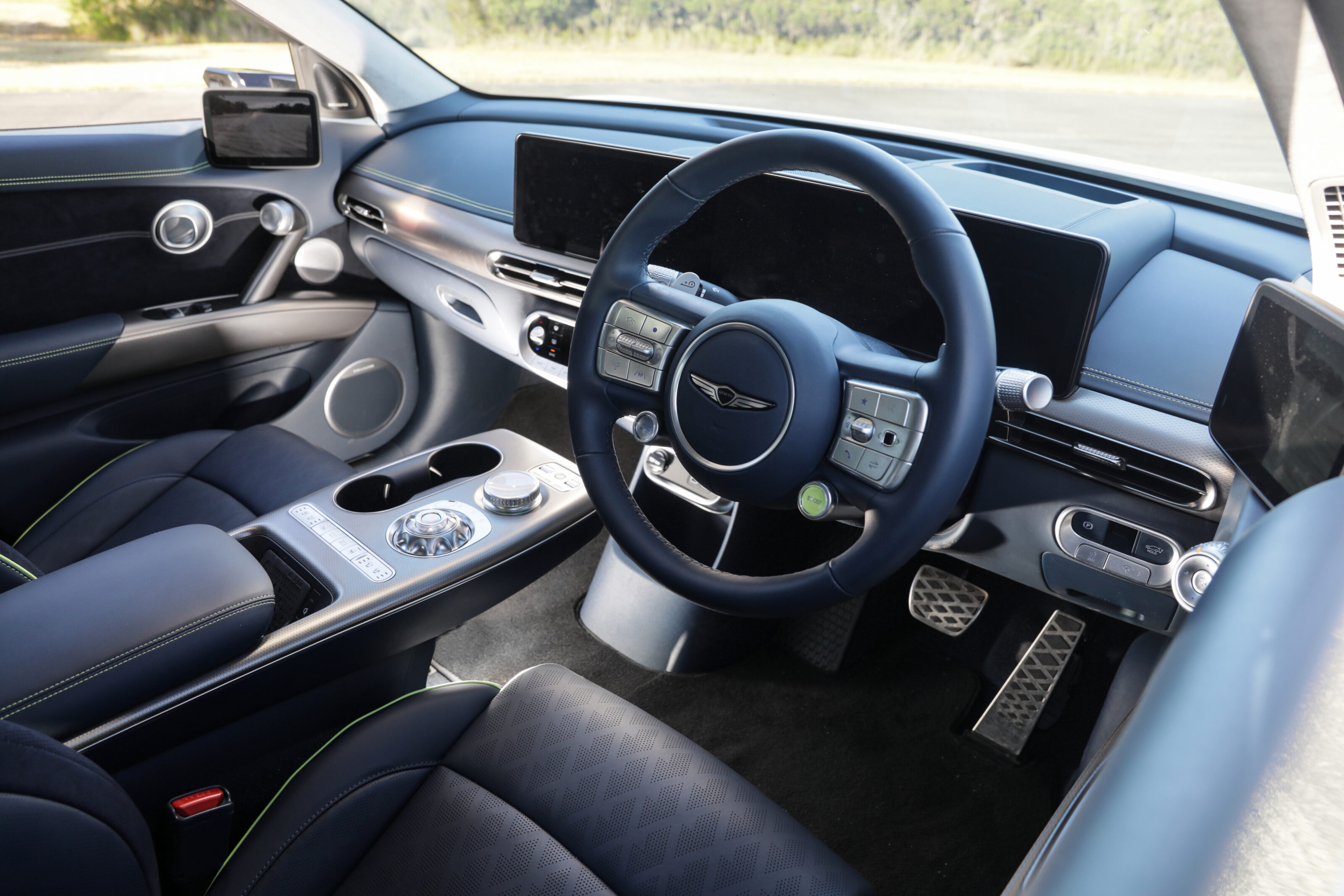
Just like the exterior, the GV60’s cabin design is tremendously striking, doubly so as our test car comes swathed in deep blue leather accented with lime green piping.
We’ll leave it to you to decide whether it all comes together in a ‘cool’ or ‘kitsch’ fashion, but a benefit of the two-pronged GV60 range is that standard equipment and features are virtually lineball between the two variants. It means you don’t have to spring for the flagship Performance to net niceties such as front and rear heated seats, head-up display and Bang & Olufsen stereo.
Other features unique to the Genesis include facial recognition and fingerprint scanning technology, enabling certain people to unlock and start the vehicle without a key.
There is a respectable amount of adjustment to the driver’s seat and steering column, though we’d like to see a slightly lower seating position in a car that promises this much power and performance.
Much of the artificial leather and soft-touch materials are noticeably plusher than the GV60’s Korean counterparts, but a clear link to the basic architecture and hardpoints remains. Some silver-painted switchgear was beginning to show signs of wear around the edges, raising some questions about real-world longevity.
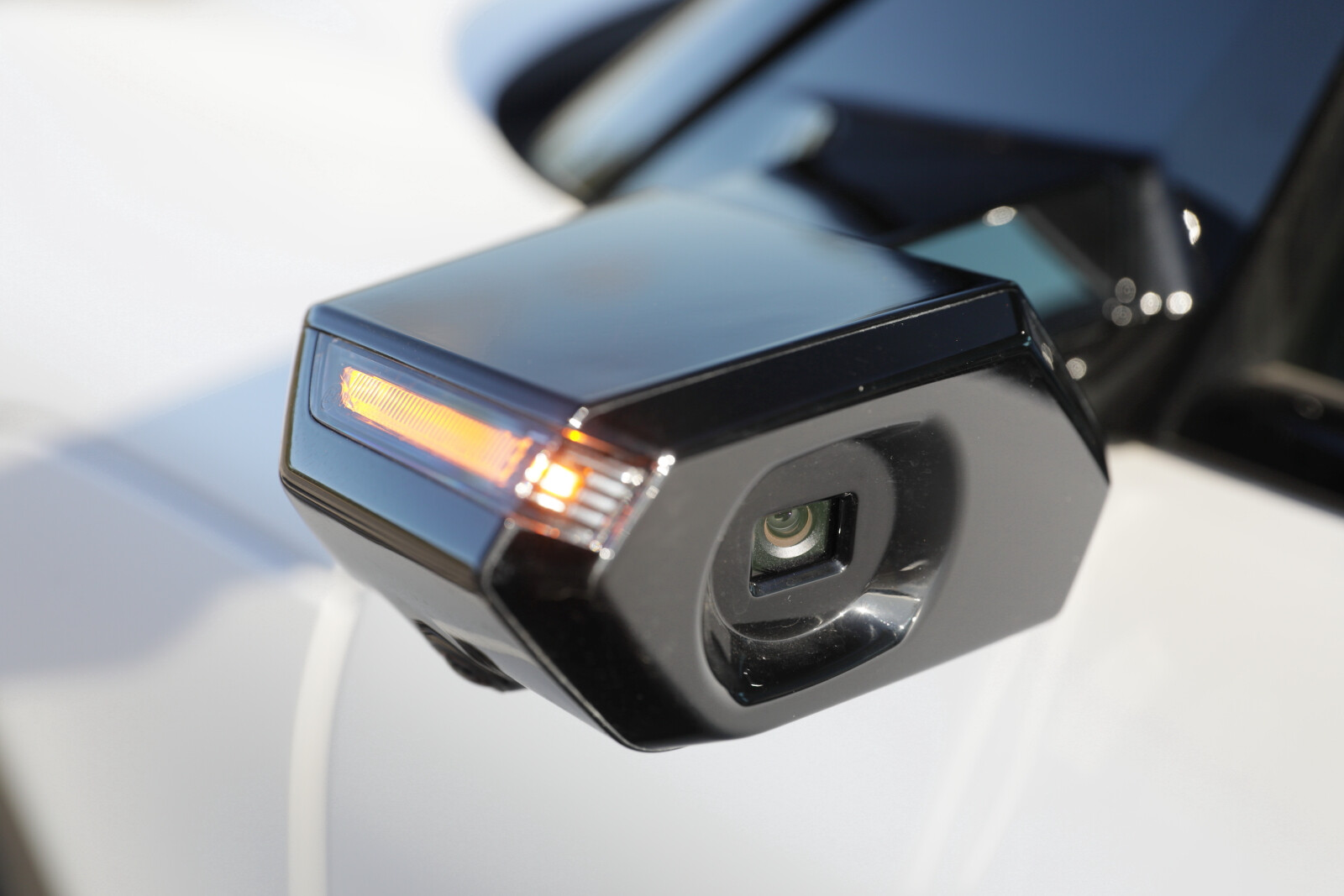
We must also mention those divisive digital mirror cameras. Striking they may be, but we can’t help but feel like they’re something of a needlessly over-engineered solution to a problem that didn’t exist.
The camera lenses operate on a somewhat unconventional visual plane, which is initially a bit disorienting to a driver used to conventional mirrors, and the monitors themselves occasionally appear somewhat desaturated, requiring further concentration and processing to engage with.
Storage-wise, there’s a large central cubby with netted door pockets, cup holders and a wireless phone charging pad.
The second-row seats are hampered by a raised floor containing the battery pack beneath. Sadly, this encroaches on toe room and subsequently under-thigh support for long-legged passengers. The headliner has been considerately scalloped to aid headroom, but it ultimately feels more hemmed-in than the GV60’s platform mates at Hyundai and Kia.
Genesis swings back, however, with luxuries such as second-row seat heating, integrated window blinds, two USB-C ports, cup holders in the central armrest and doors, as well as auxiliary air vents mounted in the B-pillars.
Genesis GV60 boot space
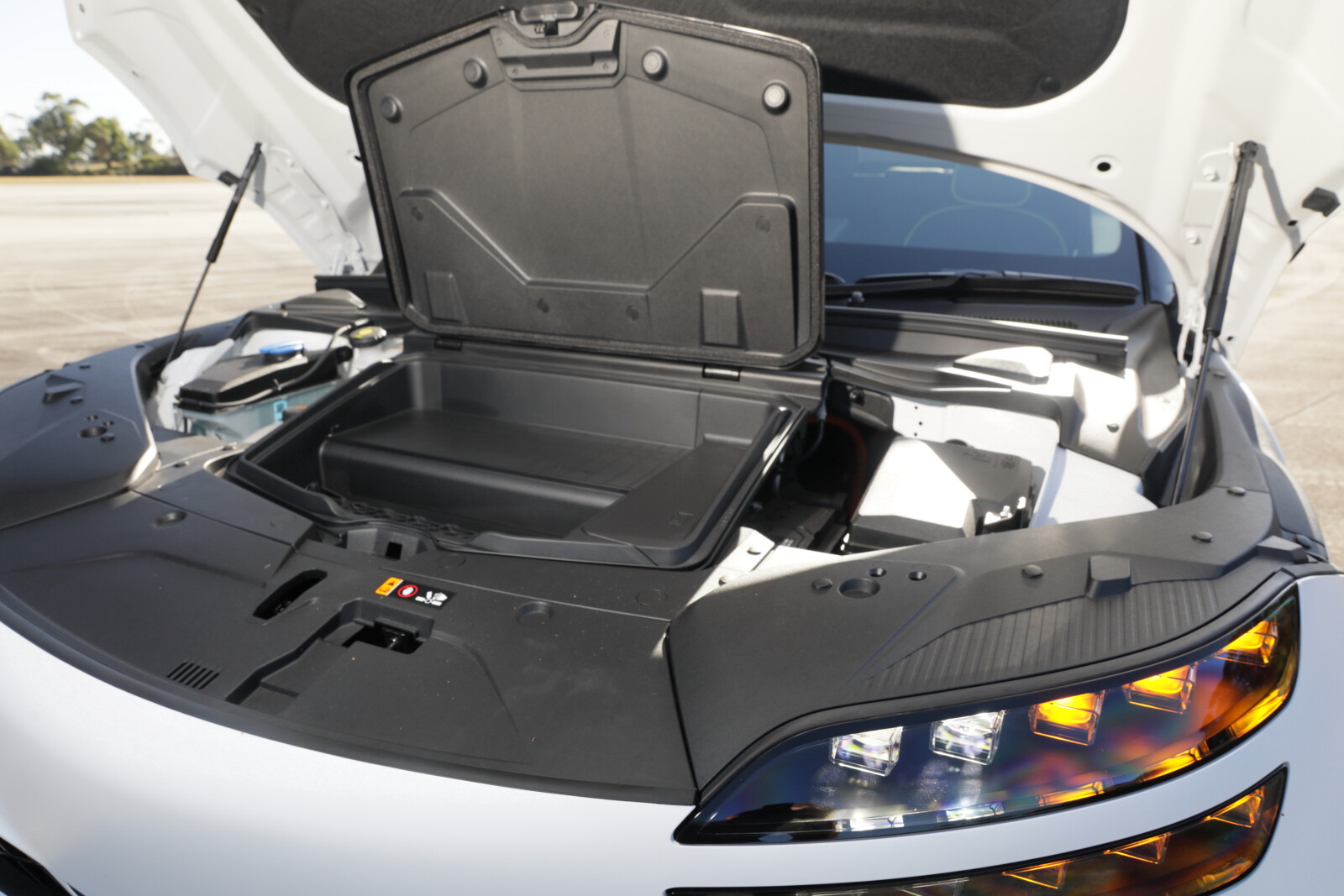
Below the sharply raked rear windscreen sits a 432L boot, which expands to 1460L with the 60:40 second row folded. With all seats in place, the GV60 is down on boot capacity against the EV6’s 480L figure and the Ioniq 5’s 527L. All three are bolstered by a small 20L storage bin under the bonnet.
What is it like to drive?
| 2023 Genesis GV60 Performance AWD drivetrain | |
|---|---|
| Battery size | 77kWh |
| Drive | dual motor, all-wheel drive |
| Power | 320kW (360kW in Boost mode) |
| Torque | 605Nm (700Nm in Boost mode) |
| Driving range | 466km (WLTP) |
| 0-100km/h | 4.0sec |
| Charging speed | up to 350kW DC |
| Charging time | 10-80% 18min DC |
With the well-known instant acceleration characteristics of electric vehicles, you expect the Genesis GV60 to be fast, and it is!
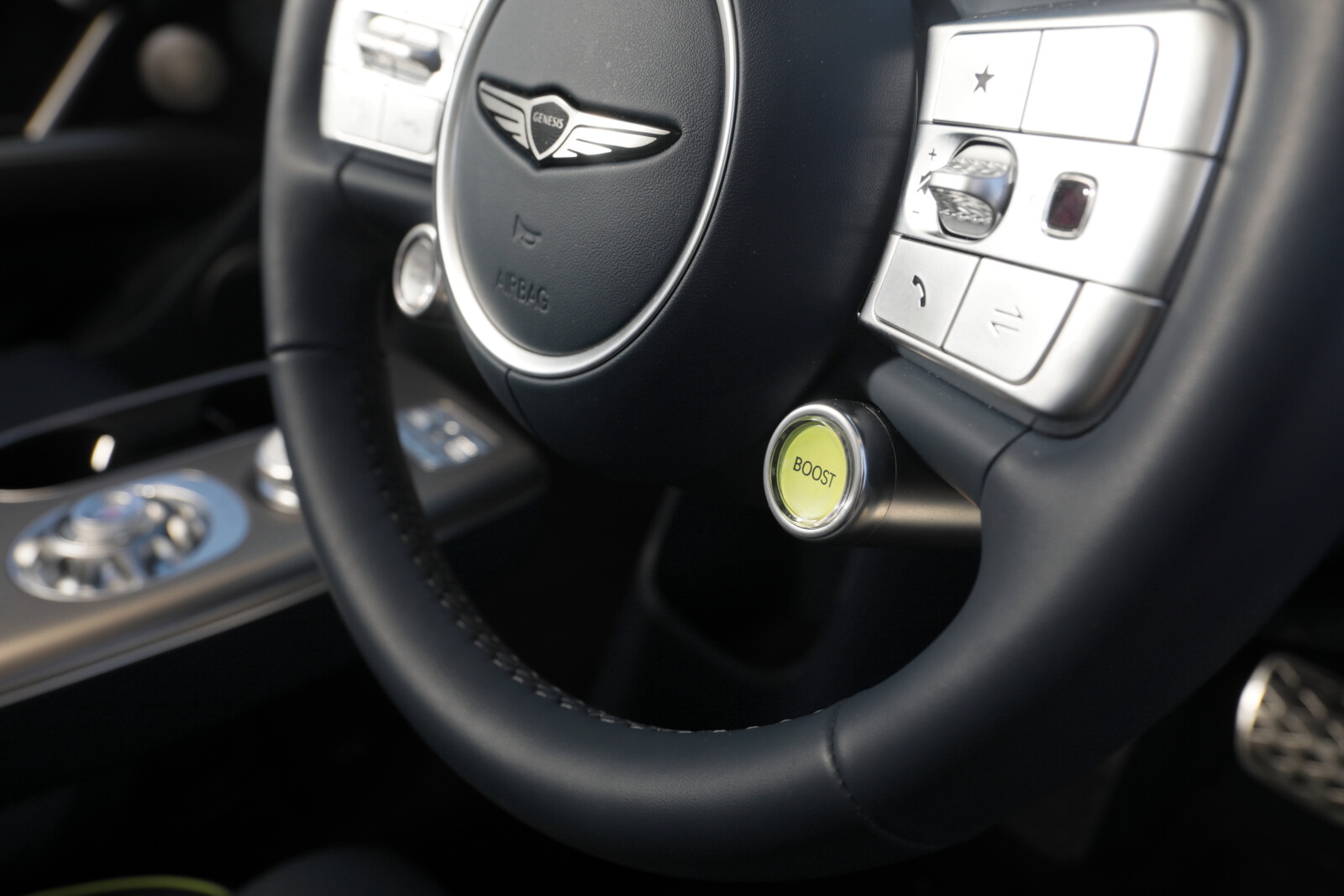
Even without engaging the steering wheel-mounted ‘Boost’ button, from a standstill or a roll the GV60 Performance AWD gains speed at a rate beyond the friendly soft Hyundai Ioniq 5, and even the second-from-top Kia EV6 GT-Line.
Hitting the ‘Boost’ mode deploys all 360kW/700Nm (instead of the default 320kW/605Nm) for ten seconds at a time. The power delivery is incredibly linear and easy to key into.
While the steering varies little in load and is easily predictable, it often demands small corrective inputs through a constant-radius corner.
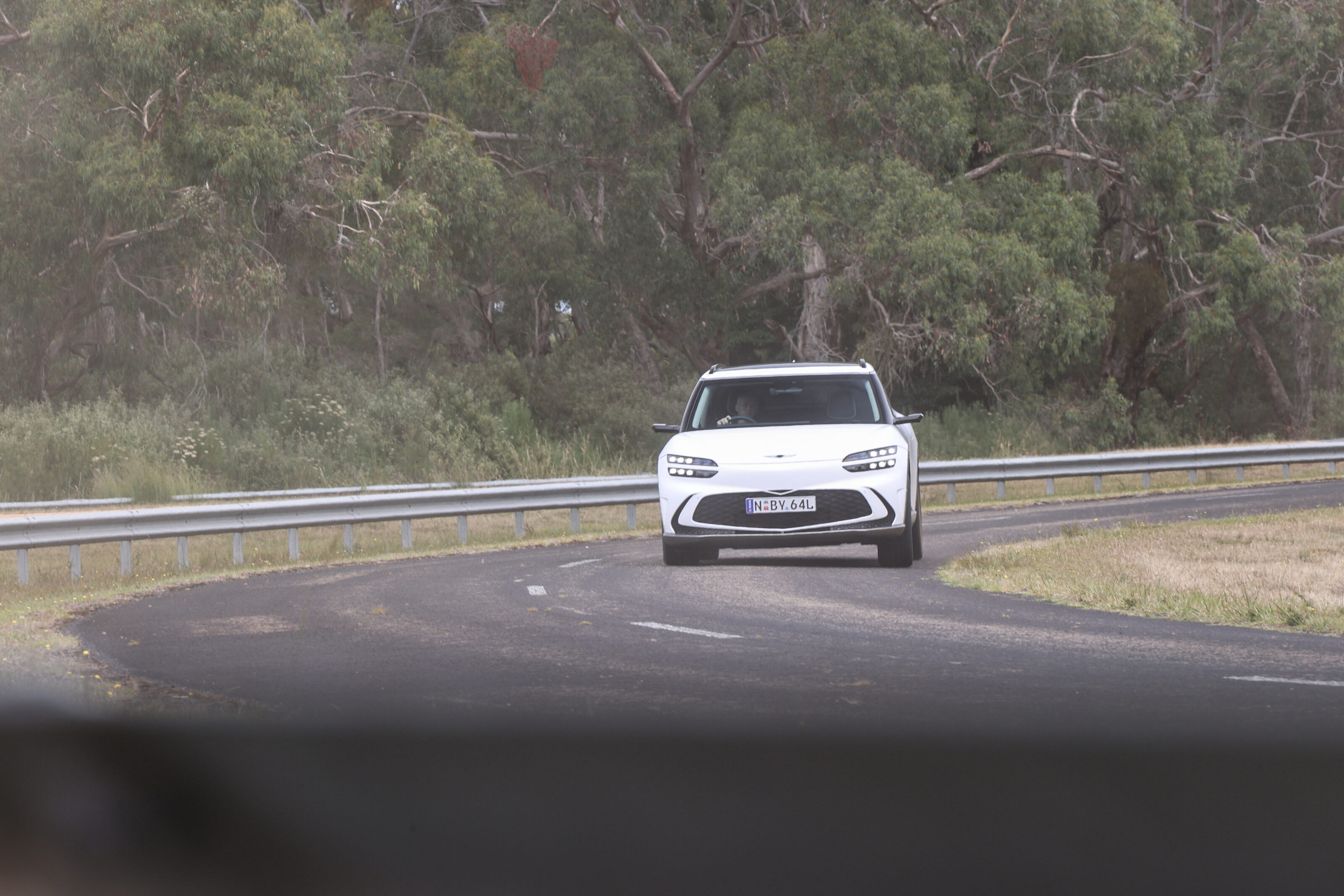
Things are less polished when it comes to ride and handling, despite the GV60 sharing its E-GMP bones with some accomplished models.
Although matching the Kia EV6 with a 2900mm wheelbase, the GV60 doesn’t boast quite the same level of all-round balance and composure.
Unlike Kia’s EV6, Australian-spec GV60s aren’t bestowed with a local suspension tune, instead adopting calibrations from global settings.
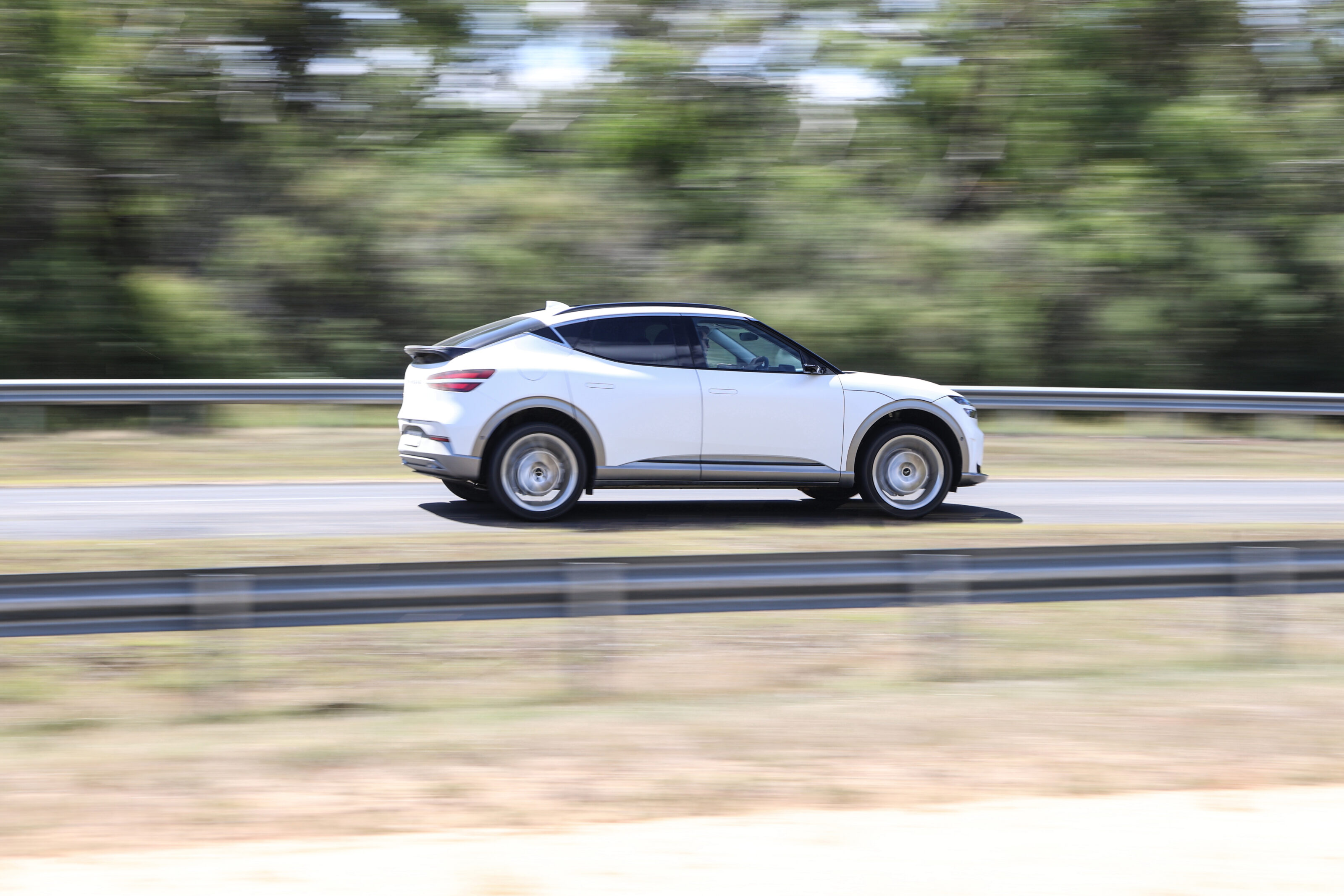
The GV60 does lack the pronounced rocking horse-like pitch and dive of a Hyundai Ioniq 5 but is less contained under lateral forces, where the 2.2-tonne Genesis bucks and heaves over mid-corner bumps.
As a result, it never delivers enough predictability in its chassis to fully exploit the meaty power outputs, with lingering secondary body movements hampering rapid direction changes.
Conversely, when you dial it back to a cruise, it’s never quite as plush or comfy as you’d expect or like, despite the Performance variant’s dynamic and predictive ‘road preview’ electronic dampers.
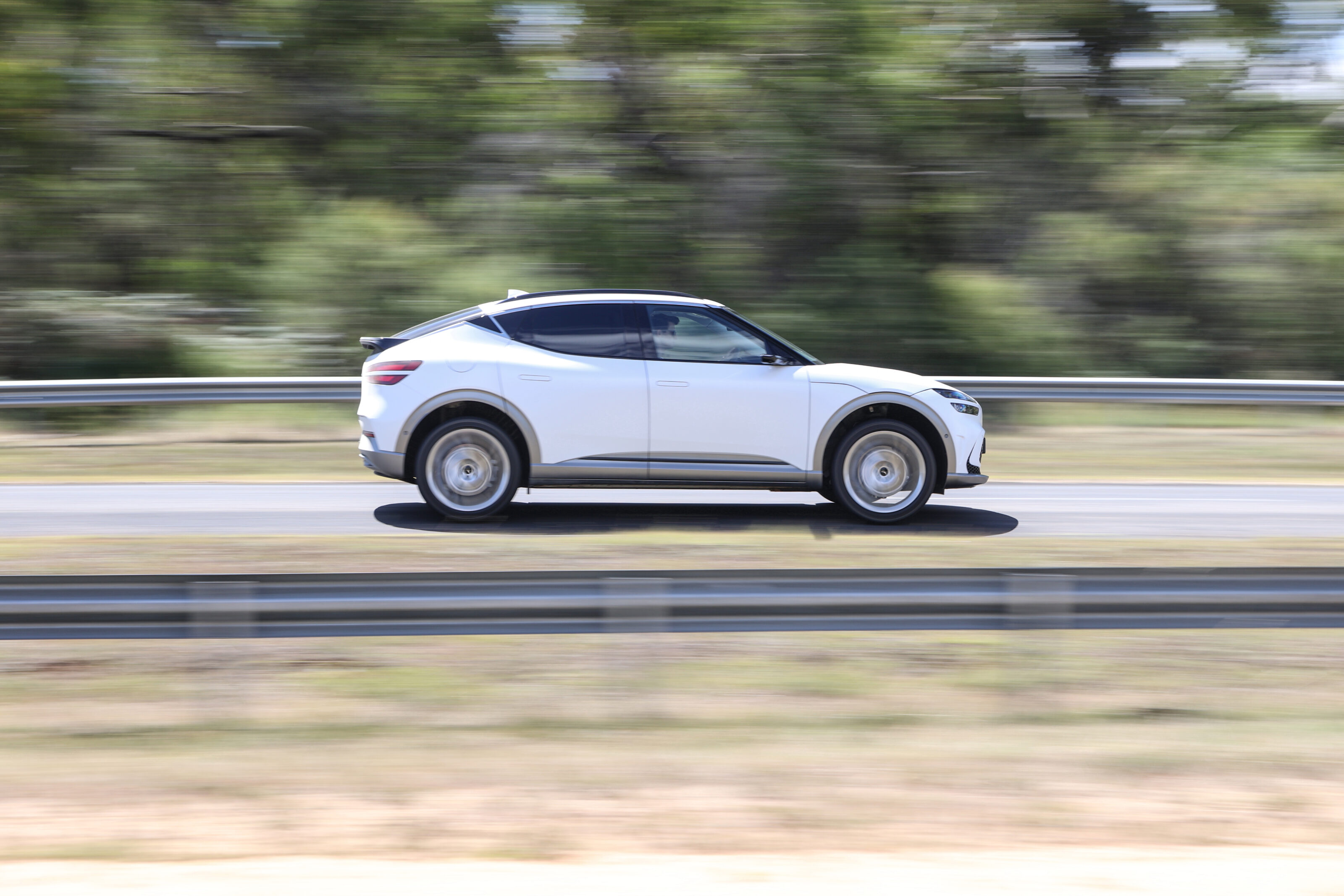
Elsewhere, it’s perfectly quiet with good noise, vibration and harshness suppression.
Overall, the GV60 is a competent car, albeit one with its quirks requiring the driver to adjust in reaction, and one that falters in the final 10 per cent of overall vehicle cohesion, when measured against its closely related rivals.
How efficient is it?
Genesis claims the GV60 to operate at around 19kWh/100km on the WLTP cycle.
Real-world EV efficiency depends heavily on how and where it’s driven, but previous mixed-condition tests have seen us return figures of around 23-25kWh/100km.
If you’re lucky enough to stumble upon a 350kW ultra-rapid charger, the GV60 is capable of replenishing its battery from 10 to 80 per cent in just 18 minutes, under ideal conditions (including ambient temperature, battery temperature and stability of energy supply to the charging station).
How safe is it?
The Genesis GV60 was awarded a five-star safety rating by ANCAP in 2022, which applies to both variants.
Its eight-piece airbag suite comprises dual frontal, side chest-protecting and side curtain airbags, plus a driver’s knee and front central cushion.
On the active safety front, the Genesis GV60 packs blind-spot monitoring with collision avoidance assist, driver attention warning, lead vehicle warning, autonomous emergency braking with car, pedestrian, cyclist detection and junction assist, evasive steering assist, lane change assist, lane-keep assist, high-beam assist, adaptive lighting, adaptive speed limit assist, reverse AEB, rear cross-traffic collision avoidance assist, rear occupant warning, safe exit assist, adaptive cruise control, 3D camera view and more.
Warranty and running costs
All new 2023 Genesis GV60s are covered by the brand’s five-year, unlimited-kilometre warranty, which includes five years of complimentary scheduled servicing.
Other ownership benefits include an eight-year battery warranty, five years of ‘Genesis To You’ valet and concierge service, 10 years of 24/7 roadside assistance, 10 years of complimentary map updates and a choice of five-year Chargefox subscription or free installation of a wallbox charger at home.
VERDICT
It’s a curious thing, this Genesis GV60. It emerges unique and distinct as a style-driven youthful offering, delivering a tech-laden experience wrapped in plush leatherette.
Some patchy cabin switchgear tactility mixed with such glamourised design elements leave the GV60 feeling somewhat confused when faced with a lime green ‘Boost’ button and the dramatic squat of its urgent 360kW delivery.
This is a striking thing to behold and its cabin will certainly dazzle anyone who experiences it, but as an exercise in overall vehicle cohesion, the GV60 does not quite deliver the ride comfort to match its plush and luxurious interior while failing to fully exploit its ample outputs when exploring its dynamic abilities.
When compared amongst the wider E-GMP family tree, the GV60 lacks the Pixar-like softness of the Hyundai Ioniq 5 and the all-round dynamic scope of Kia’s EV6, instead falling somewhere in between.
What Genesis has achieved here, however, is creating something truly unique.
EVs are no longer a fringe product and for the fashion-forward inner-city commuters who are looking to make the switch but still want to stand out, Genesis may have just the car for you.
| 2023 Genesis GV60 Performance AWD w/ Luxury Package specifications | |
|---|---|
| Body | 5-door, 5-seat small SUV |
| Boot min / max | 432L / 1460L |
| Drive | all-wheel |
| Powertrain | dual motor, 77kWh battery (466km WLTP) |
| Max power | 320kW (360kW in Boost mode) |
| Max torque | 605Nm (700Nm in Boost mode) |
| Transmission | single-speed reduction gear |
| Weight | 2210kg |
| L/W/H/W-B (mm) | 4515/1890/1595/2900mm |
| 0-100km/h | 4.0sec |
| Price | $110,700 / $112,700 as-tested + on-road costs |
| On sale | now |
UPDATE, March 27: New Sonata revealed, Australia confirmed
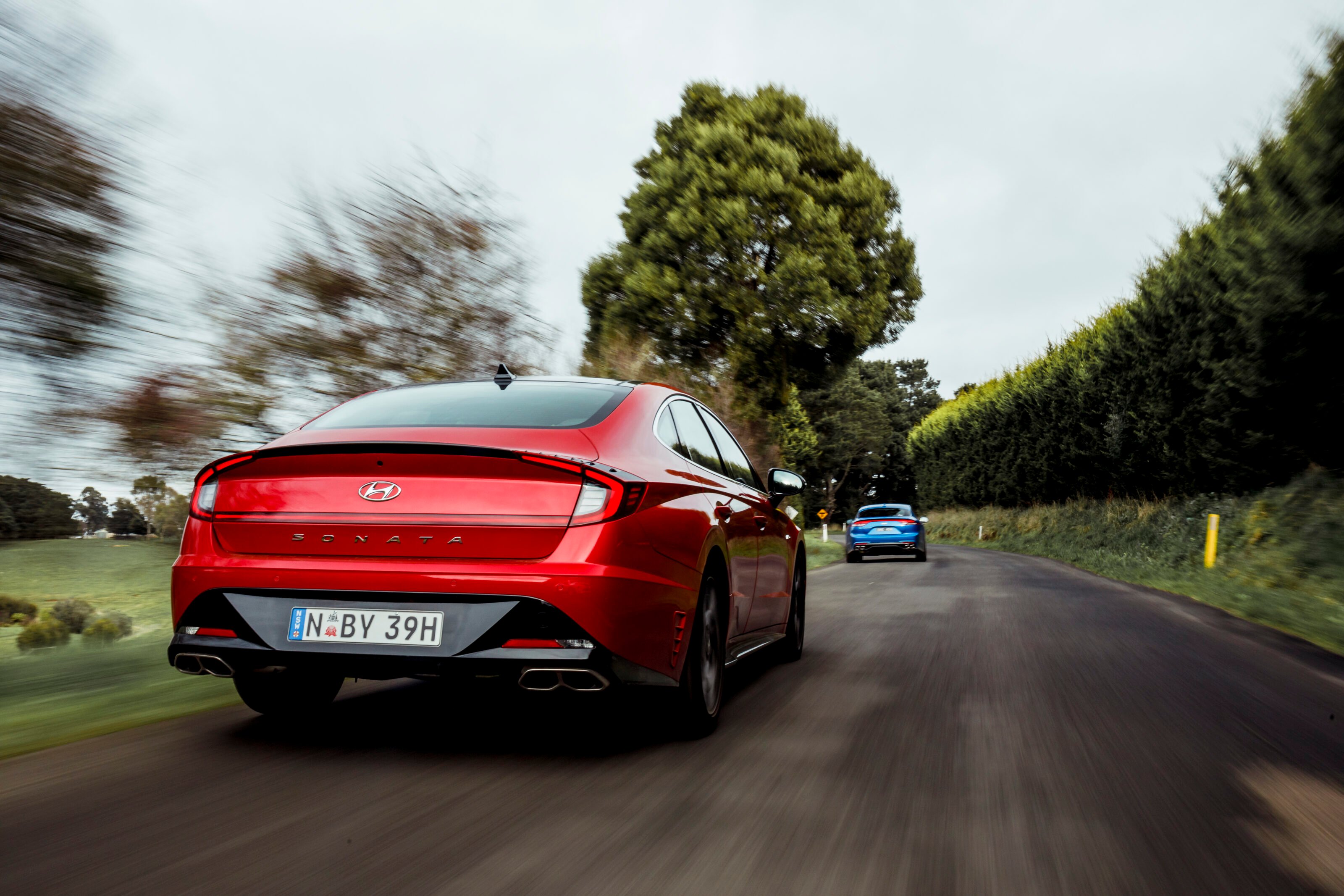
Hyundai has shown off its redesigned Sonata today, confirming the heavy makeover hinted at with the earlier leaks. Get the full story and photos at the link below.
Story continues…
A pair of blurry new images offers a first look at the upcoming 2024 Hyundai Sonata facelift, caught in what looks to be filming for an upcoming marketing campaign.
Posted this week to enthusiast site Korean Car Blog, the images show the mid-sized sedan will debut a major front-end makeover with the same full-width LED light bar that first appeared with the Staria van and is now also worn by the facelifted Grandeur in Korea and the upcoming second-generation Kona.
The new lighting signature sits about a dramatically reshaped front bar with driving lights nestled in black mesh frames, flanking a wide open grille design.
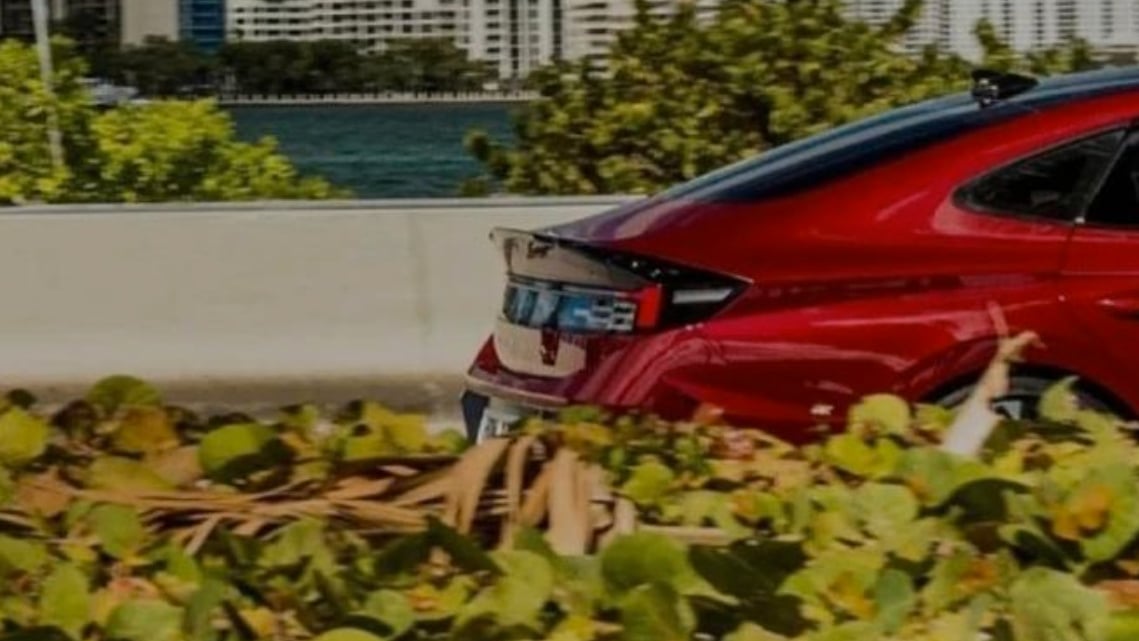
Details at the rear are less clear, despite being an overall sharper image, but it seems we can expect the wrap-around LED bar to remain integrated with the tall ducklip spoiler – although reconfigured to include a new section through the hatch lid.
What changes we’ll see in the cabin or under the bonnet are yet to be revealed, although no upgrades to performance numbers are likely. Inside, we can likely expect a tweaked dash design, a new steering wheel and larger displays.

When will the new-look Sonata come to Australia?
Hyundai’s local arm isn’t offering any official word on the facelifted Sonata, although it has also not offered any hints that it will retire anytime in the immediate future.
If the Sonata does continue here, in the same N Line-only guise currently offered, then an Australian debut sometime this year would seem likely – given the local range has seen no model-year updates since it arrived in late 2020.
Below: That time we put the Sonata N-Line up against the 4-cylinder Stinger
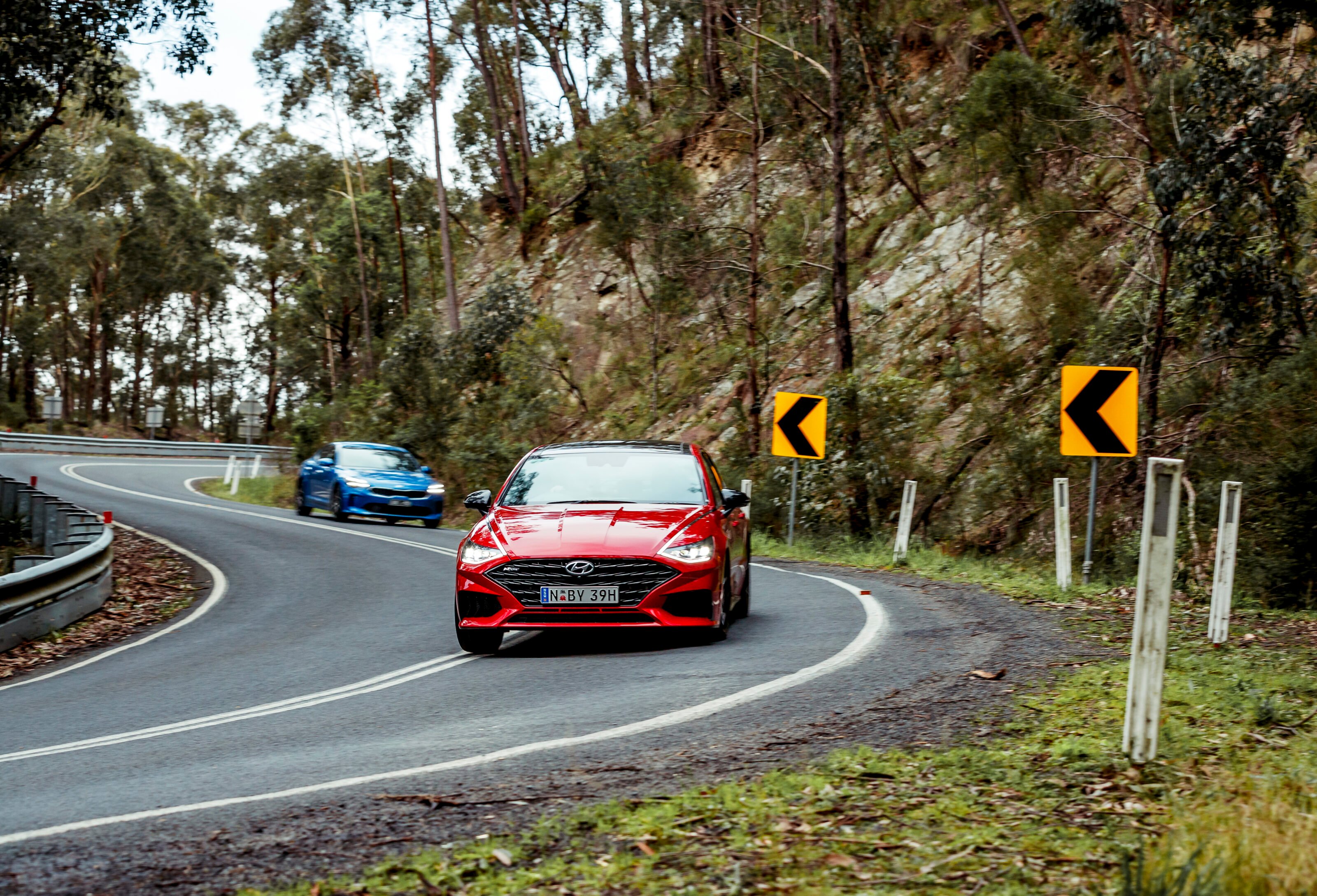
Much like stablemate Kia with its Stinger’s small but passionate fan base, Hyundai doesn’t appear desperate to give up on the sedan segment as quickly as many rivals have done. The Subaru Liberty and Ford Mondeo are now both long gone from Australia, and the Mazda6 is expected to be retired in the coming year.
There can be little mistaking the Sonata’s role in Australia, however. With only 536 examples sold across all of 2022, the warm sedan exists purely as a passion piece for the local arm. But (this writer will now editorialise a little), as Hyundai N buyers have come to learn in recent years, Hyundai’s Australian team isn’t short on passion.
Watch for the updated Sonata to arrive in the coming months.
Below: The rear of the current Sonata N-Line
The NSW government is offering young regional drivers $5000 to trade in their old, unsafe cars for newer models.
Snapshot
- Young drivers eligible for $5000 under NSW govt buy back scheme for old cars
- Program targeted at reducing the number of older cars on NSW roads which lack modern safety systems
- Cars need to carry a 1 or 2 star safety rating, or worse, to be eligible
It’s hoped the new initiative, dubbed the ’Safer Cars for Country Kids’ program, will help reduce the worrying number of young drivers killed in road accidents each year by encouraging them to drive newer, safer vehicles.
Young drivers often inherit older vehicles that lack many of the active safety systems fitted to modern cars, and the statistics are fairly sobering.
According to the NSW Centre for Road Safety, 43 percent of cars driven by young drivers involved in fatal accidents are more than 15 years old.
The same body also reports young drivers account for almost a quarter of total fatalities on NSW roads, despite only making up only about 15 percent of all licence holders.
“We will get old and unsafe cars off our country roads and make it easier for young drivers to get behind the wheel of a safer car,” said NSW Premier Dominic Perrottet at the launch of the new initiative.
“This is extra incentive for kids in the bush to ditch their old cars and upgrade to a more modern vehicle with better safety features.”
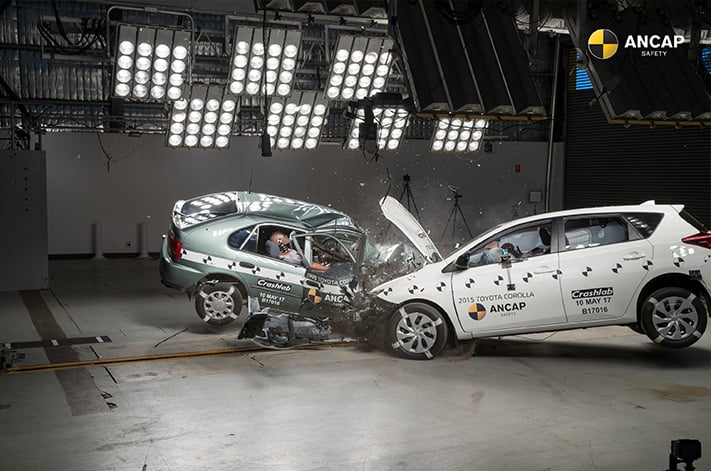
To qualify for the $5000 subsidy, participants will need to be under the age of 25 and drive a car that’s either more than 16 years old and has no safety rating, or is newer but carries a safety rating of one or two stars.
Initially set as a trial only, the program will first be offered to 50 young drivers in selected areas before eventually rolling out to 1000 participants.
“If we want young people to really benefit from this program then we have to get it right, and this trial will provide us feedback on what works and what doesn’t,” said the Minister for Regional Transport and Roads, Sam Farraway.
The program will begin later in 2023 and comes just days after Australia’s peak motoring body, the Australian Automobile Association, called for an urgent response from the government to help reduce the nation’s rising road toll.
Road deaths grew by 7.3 percent nationally in the 12 months to January 31, with 1208 people dying in road-related incidents.
NSW isn’t the first state to offer a buy-back scheme to reduce the number of older cars on ours roads. Victoria introduced an almost identical program in the middle of 2022.
Tesla has signed a deal with an Australian mining company for the supply of battery materials.
Magnis Energy Technologies will source active-anode material for the electric vehicle giant from a proposed facility in the United States.
The binding off-take agreement with Tesla will comprise a three-year deal beginning February 2025, with a minimum of 17,500 tonnes per annum of anode-active material used to manufacture lithium-ion batteries.
As the deal is conditional, it must secure a final location by June 30, 2023, and begin pilot production by March 31, 2024. Tesla can also choose to double the amount of anode-active material, to 35,000 tonnes per annum.

Tesla has previously inked deals with Australia’s own BHP, Syrah Resources, Liontown Resources and Piedmont Lithium to supply critical battery resources.
At last year’s electric vehicle summit in Canberra, the Australian chairwoman of Tesla, Robyn Denholm, said she’s “quite excited about this topic.”
“I actually think that electric vehicle battery technology is the biggest and best economic opportunity for Australia in a century,” she said.
“If you look at the bill of materials in terms of what goes into batteries, Australia has them all – and there aren’t many other countries in the world that do. We also have a core competency in this area, which is in mining. So whether it’s lithium or any of the different elements that go into a battery, we know how to do that.

“[In 2021], Tesla bought a billion dollars worth of minerals. And 70 per cent of those came from Australia, but we sent them off-shore to be refined, and no value was added.
“A fraction of that comes back to Australia because of the way we’ve gone about the supply chain. What we need to do is to get the resolve to actually go up the food chain in terms of electric vehicles and batteries. We are very, very early in that whole cycle, but that supply chain will start to be locked in for the next decade and for after that pretty soon.”
Ford signed a non-binding off-take agreement with Lake Resources in early 2022, while Volkswagen and Stellantis have teamed up with German-Australian lithium supplier Vulcan in the past 18 months.
In addition, Australia and South Korea have signed a deal for co-operation on clean energy technology and critical materials for electric vehicles from brands including Hyundai, Kia and Ssangyong.
Currently, the majority of steel used in Hyundai Motor Group vehicles is supplied from the Pilbara region in Western Australia.
“I was very pleased as well to hear about the [Federal] Government’s policy to actually look at battery technology as being an industry that we want to invest in as a country,” added Denholm.
“And it is not just up to Government, it needs to be public-private partnerships because we have the know-how, we have the technology, we just need the will to actually move forward. It is a very real opportunity for Australia to actually participate in that and become an energy power.”
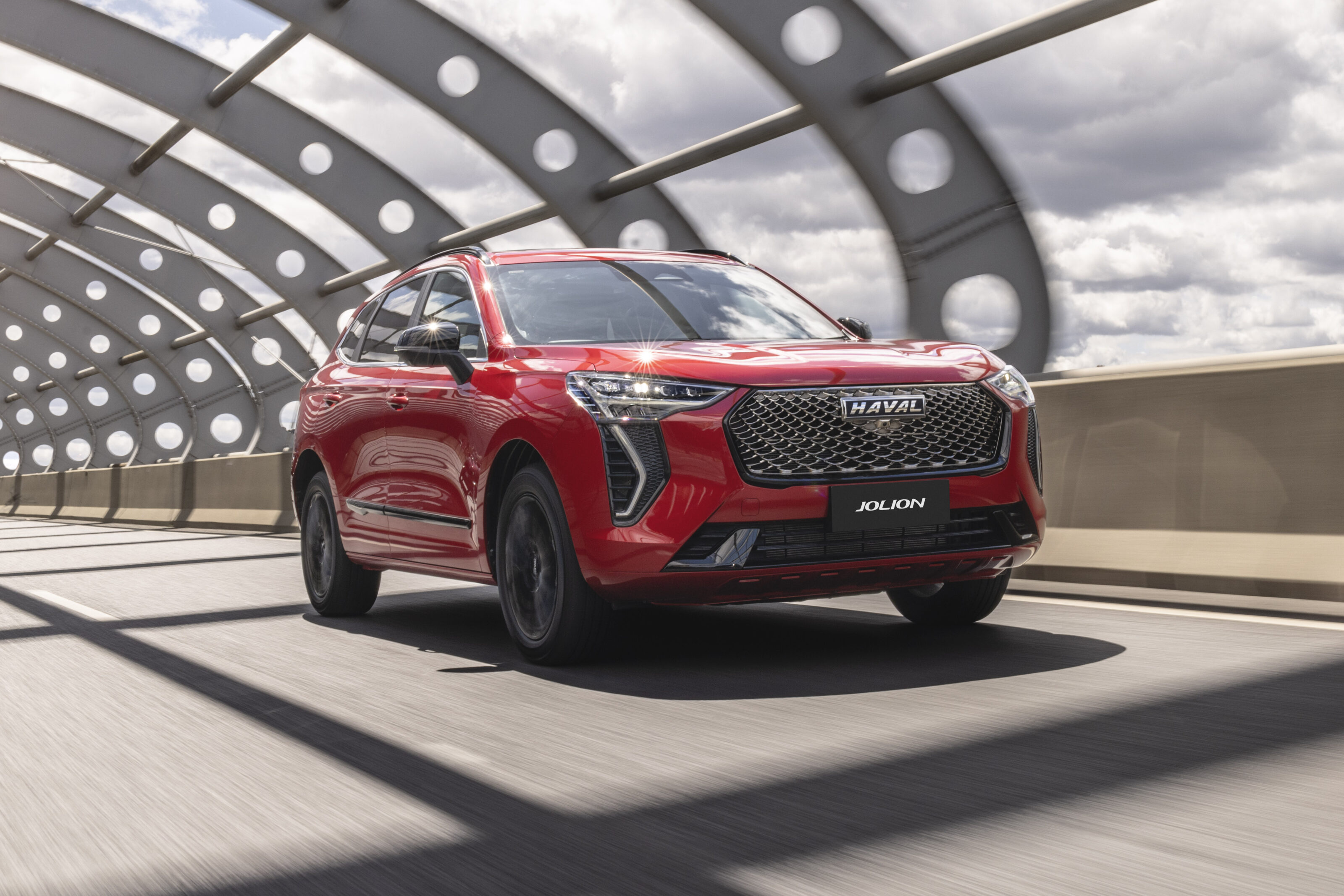
The 2023 GWM Haval Jolion small SUV line-up has expanded.
Snapshot
- 2023 GWM Haval Jolion pricing and features
- Cheaper hybrid and new S join local range
- Starting from $28,490 drive-away; $36,990 drive-away for Jolion S and Hybrid Lux
UPDATE: 2023 GWM Haval Jolion Lux hybrid joins range
GWM Haval has added a more-affordable hybrid version of its Jolion small SUV to the local line-up, with the mid-spec Lux gaining an electrified powertrain.
The new variant is priced from $36,990 drive-away – in line with the flagship petrol Jolion S introduced in late 2022 – with equivalent features to the petrol Lux, but with the hybrid’s unique front bumper and alloy wheels.
First published in November 2022, our earlier story, below, has been updated – and pulled forward – to reflect the latest addition to the range.
Wearing Jolion S badging, the more powerful grade replaces the limited-run, blacked-out Jolion Vanta offered in early 2022.
However, unlike the Vanta, the Jolion S features an uprated version of the standard turbo-petrol engine and a more-sophisticated multi-link independent rear suspension setup.
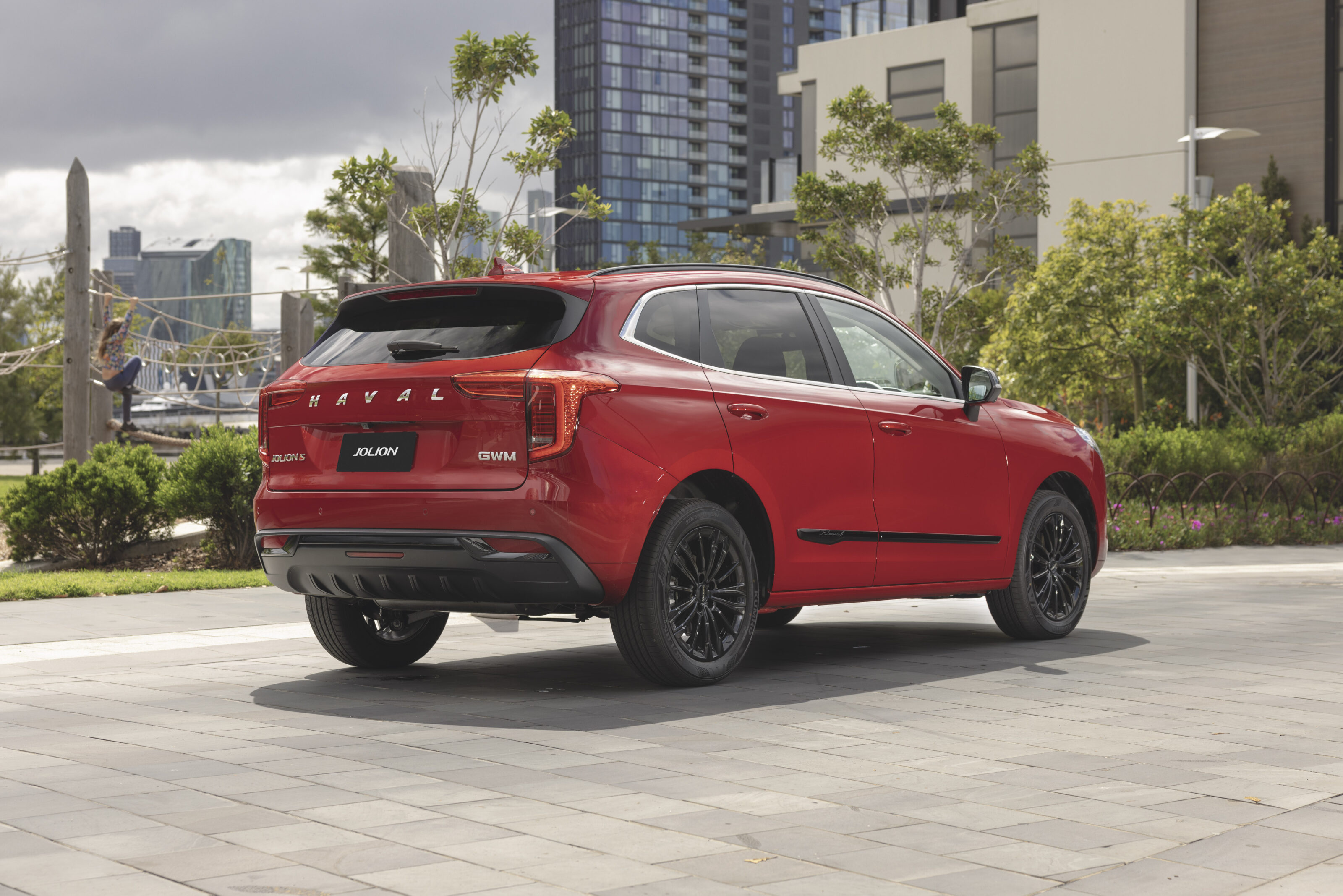
It is priced from $36,990 drive-away, which is $3000 more than the Ultra petrol, but $4000 less than the range-topping Ultra hybrid.
Under the bonnet, the Jolion S includes a more powerful version of the standard 1.5-litre turbocharged four-cylinder petrol engine with 130kW and 270Nm – up 20kW/50Nm over the standard petrol, but down 9kW/105Nm compared to the hybrid.
It continues to be paired with a seven-speed dual-clutch automatic transmission exclusively sending power to the front wheels.
GWM Haval claims the Jolion S consumes 7.5 litres of fuel per 100km. This is 0.6L/100km less than the current 1.5L turbo-petrol, but 50 per cent more than the hybrid, at 8.1L/100km and 5.0L/100km, respectively.
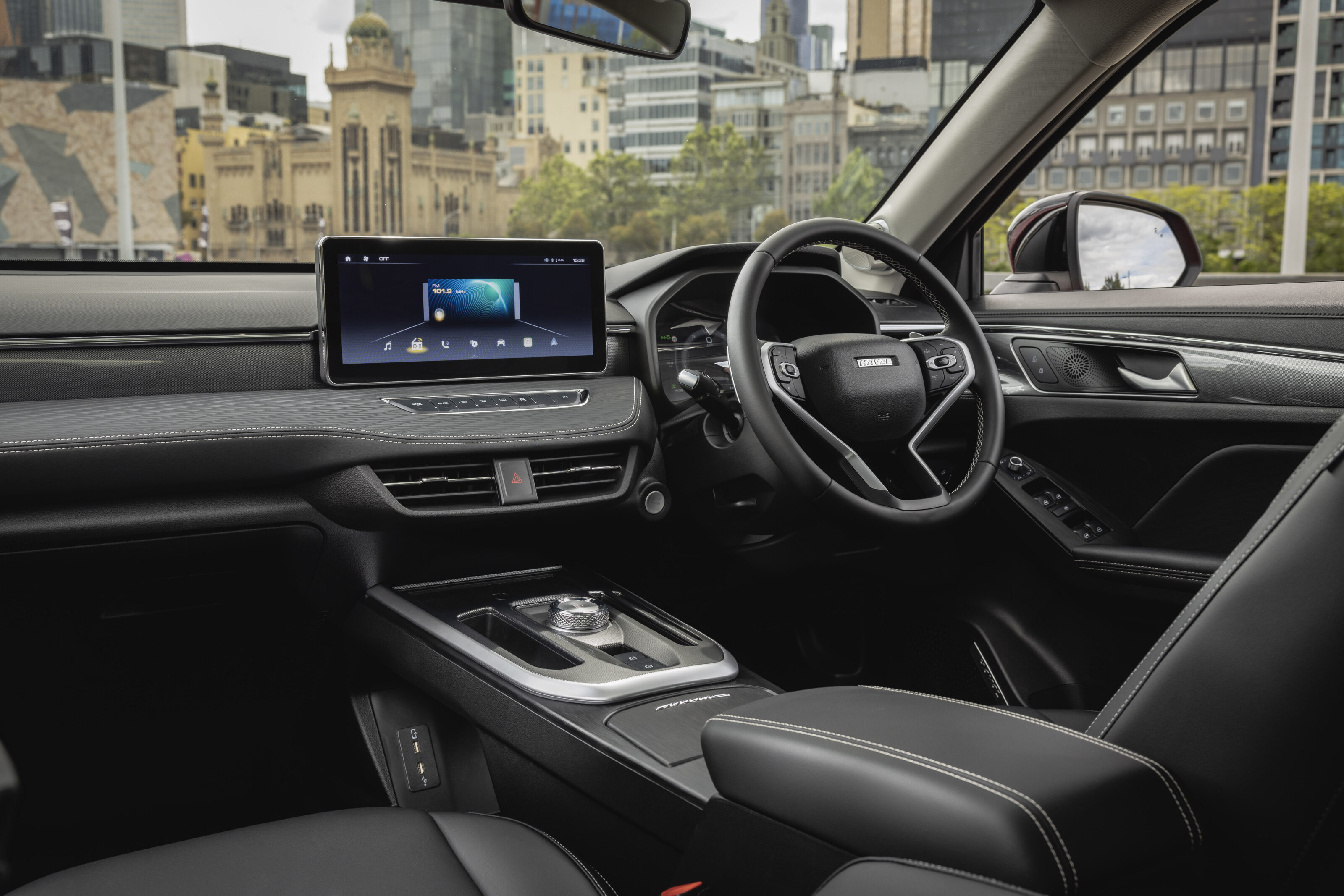
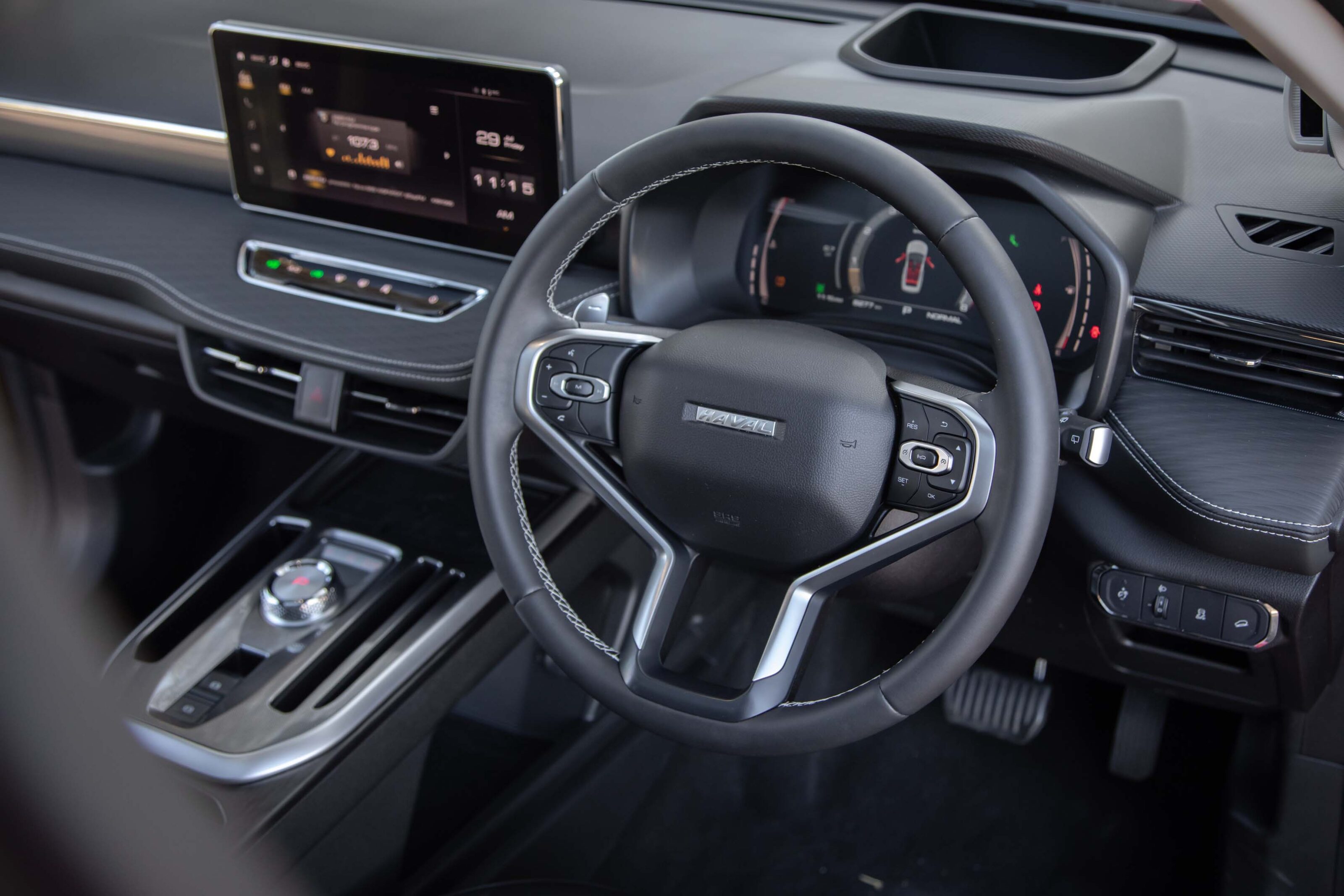
Styling changes include black exterior trims – including the alloy wheels, side mirrors, roof rails, side garnish and lower front/rear bumpers – and, in response to customer feedback, hard buttons for the air-conditioning controls.
All other features are consistent with the remainder of the Jolion line-up, with the range priced from $28,490 drive-away in entry-level Premium form.
The GWM Haval Jolion competes against the Mitsubishi ASX, MG ZST, Mazda CX-30, Toyota Corolla Cross, Hyundai Kona, Kia Seltos and Nissan Qashqai.
VFACTS new-car sales data reveals 8217 examples were sold in Australia in 2022, representing a 6.7 per cent share in the small SUV segment.
JUMP AHEAD
- 2023 GWM Haval Jolion pricing
- 2023 GWM Haval Jolion features
- Options
- Colours
- Engine, drivetrain, and fuel economy
- Safety
- Dimensions
- Warranty and servicing
- Availability
2023 GWM Haval Jolion pricing
All prices are drive-away.
| Model | Pricing |
|---|---|
| Premium | $28,490 |
| Lux | $30,990 |
| Ultra | $33,990 |
| S | $36,990 |
| Lux hybrid | $36,990 |
| Ultra hybrid | $39,990 |
2023 GWM Haval Jolion features
Premium
| 17-inch alloy wheels | Halogen headlights |
| 10.25-inch infotainment system | LED daytime running lamps |
| Wired Apple CarPlay and Android Auto | Manual air-conditioning |
| Reverse camera | Roof rails |
| Rear parking sensors | Paddle shifters |
| Four-speaker audio system | Torsion beam rear suspension |
| Cloth upholstery | |
Lux
| In addition to Premium | |
|---|---|
| 360-degree camera system | LED headlights |
| 7-inch digital instrument cluster | Dual-zone climate control |
| Six-speaker audio system | Automatic windshield defogger |
| Rear privacy glass | Leather-accented upholstery |
| Auto-dimming rear-view mirror | Leather-wrapped steering wheel |
| Heated, auto-folding side mirrors | Heated front seats |
Lux hybrid
| In addition to Lux | |
|---|---|
| 18-inch alloy wheels | Unique bumpers and alloy wheels |
| Hybrid powertrain | Larger rear spoiler |
Ultra
| In addition to Lux | |
|---|---|
| 18-inch alloy wheels | 12.3-inch infotainment system |
| Panoramic sunroof | Automatic up/down for all four windows |
| Remote window close | Wireless phone charger |
| Head-up display |
S
| In addition to Ultra | |
|---|---|
| More powerful engine tune | Black exterior trim |
| Multi-link independent rear suspension | Hard climate control buttons |
Ultra Hybrid
| In addition to Ultra | |
|---|---|
| Hybrid powertrain | Larger rear spoiler |
| Unique bumpers and alloy wheels | |
Colours
| Hamilton white (Premium, Lux, Ultra, S, hybrid) | Vivid green (Premium, Lux, Ultra) |
| Azure blue (Premium, Lux, Ultra, S, hybrid) | Smoke grey (Premium, Lux, Ultra, S, hybrid) |
| Mars red (Premium, Lux, Ultra, S, hybrid) | Tropical green (new; S) |
| Golden black (Premium, Lux, Ultra, S, hybrid) | Glacier blue (hybrid) |
Metallic paint incurs a $495 premium.
Engine, drivetrain and fuel economy
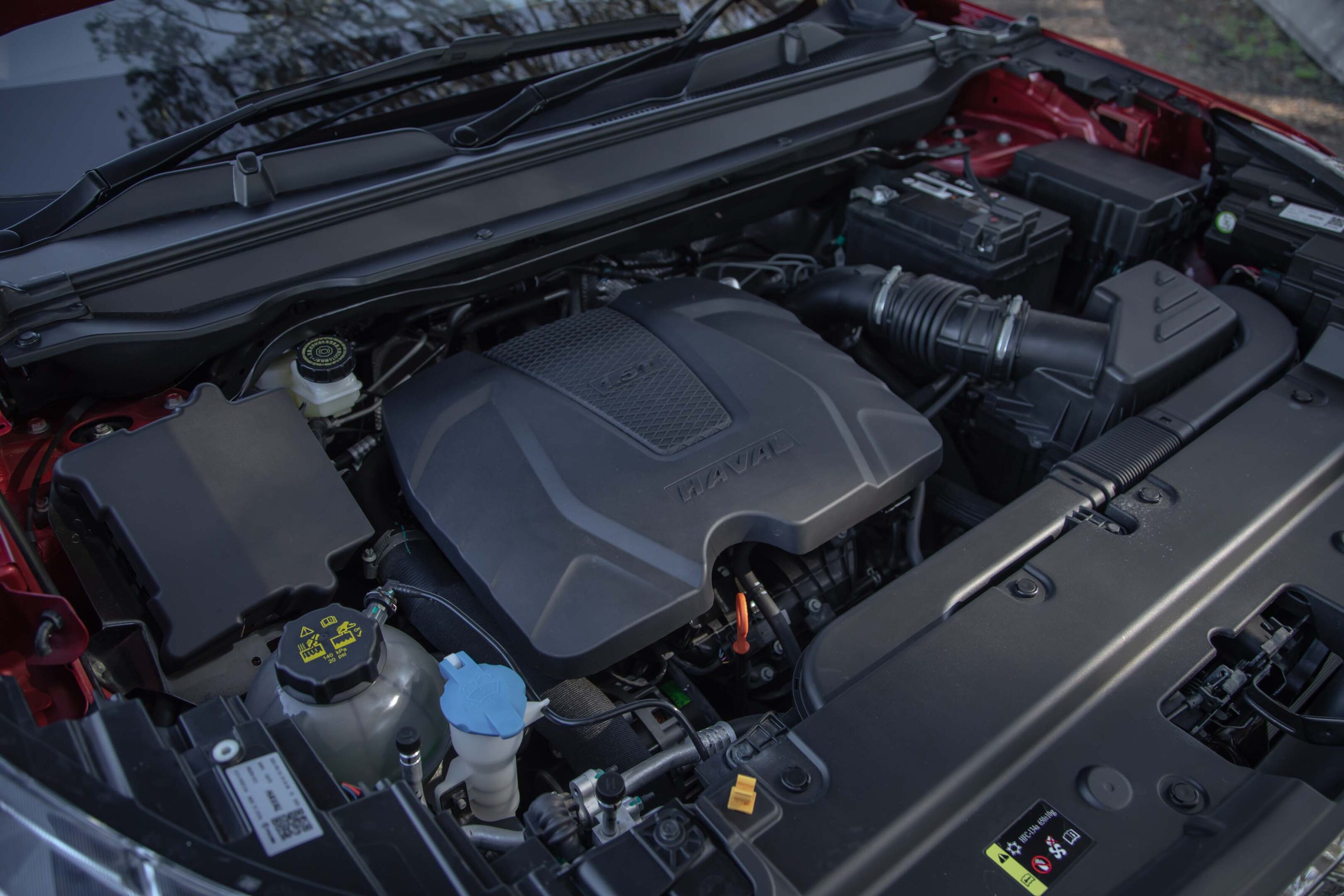
Under the bonnet, the GWM Haval Jolion is available with a 1.5-litre turbocharged petrol four-cylinder petrol engine or a 1.5-litre petrol-electric hybrid.
The entry-level option is the 1.5-litre turbocharged four-cylinder petrol, which produces 110kW and 220Nm. It is matched with a seven-speed dual-clutch automatic transmission driving the front wheels only.
It is available on Premium, Lux and Ultra variants.
Stepping up to the Jolion S brings a more powerful, yet more efficient, version of the 1.5-litre with 130kW and 270Nm.
It includes an independent multi-link rear suspension setup, compared to the torsion beam found in other models.
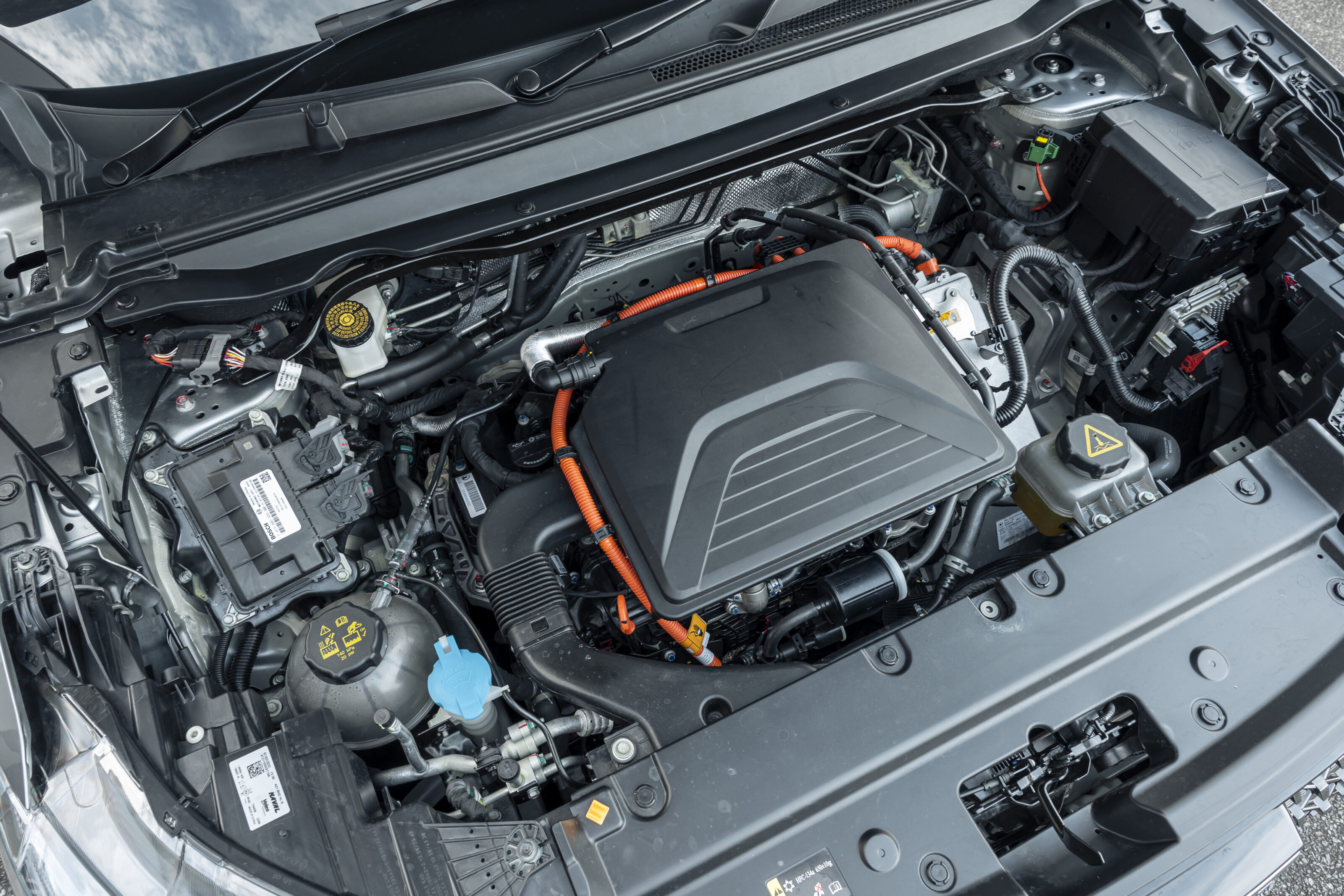
A hybrid option is available in the Lux and Ultra, with front-wheel drive. It comprises a 1.5-litre turbocharged petrol engine, an electric motor and a 1.76kWh lithium-ion battery, with a total system output of 139kW and 375Nm.
All variants, including the hybrid, have a 1500-kilogram braked towing capacity.
| 2023 GWM Haval Jolion claimed fuel economy | ||
|---|---|---|
| 1.5-litre turbo-petrol | 8.1L/100km | 186g/km |
| 1.5-litre turbo-petrol (S) | 7.5L/100km | 173g/km |
| 1.5-litre hybrid | 5.0L/100km | 115g/km |

Safety
The GWM Haval Jolion is covered by a five-star ANCAP safety rating, based on testing conducted in 2022. This score applies to all variants.
It received a score of 90 per cent for adult occupant protection, 84 per cent for child occupant protection, 64 per cent for vulnerable road user protection, and 92 per cent for safety assist.
Seven airbags (dual front, side, curtain, and front-centre) are fitted across the range.
| 2023 GWM Haval Jolion active safety features | |
|---|---|
| Autonomous emergency braking (vehicle, pedestrian, cyclist, junction) | Blind-spot alert |
| Forward collision warning | Adaptive cruise control |
| Post-collision braking | Traffic jam assist |
| Lane-keep assist | Traffic sign recognition |
| Lane departure warning | Rear collision warning |
| Lane change assist | Driver attention camera |
| Rear cross-traffic alert | |
Dimensions
The GWM Haval Jolion has a 2700-millimetre wheelbase, and is 4472mm long, 1841mm wide and 1574mm tall.
2023 GWM Haval Jolion boot space
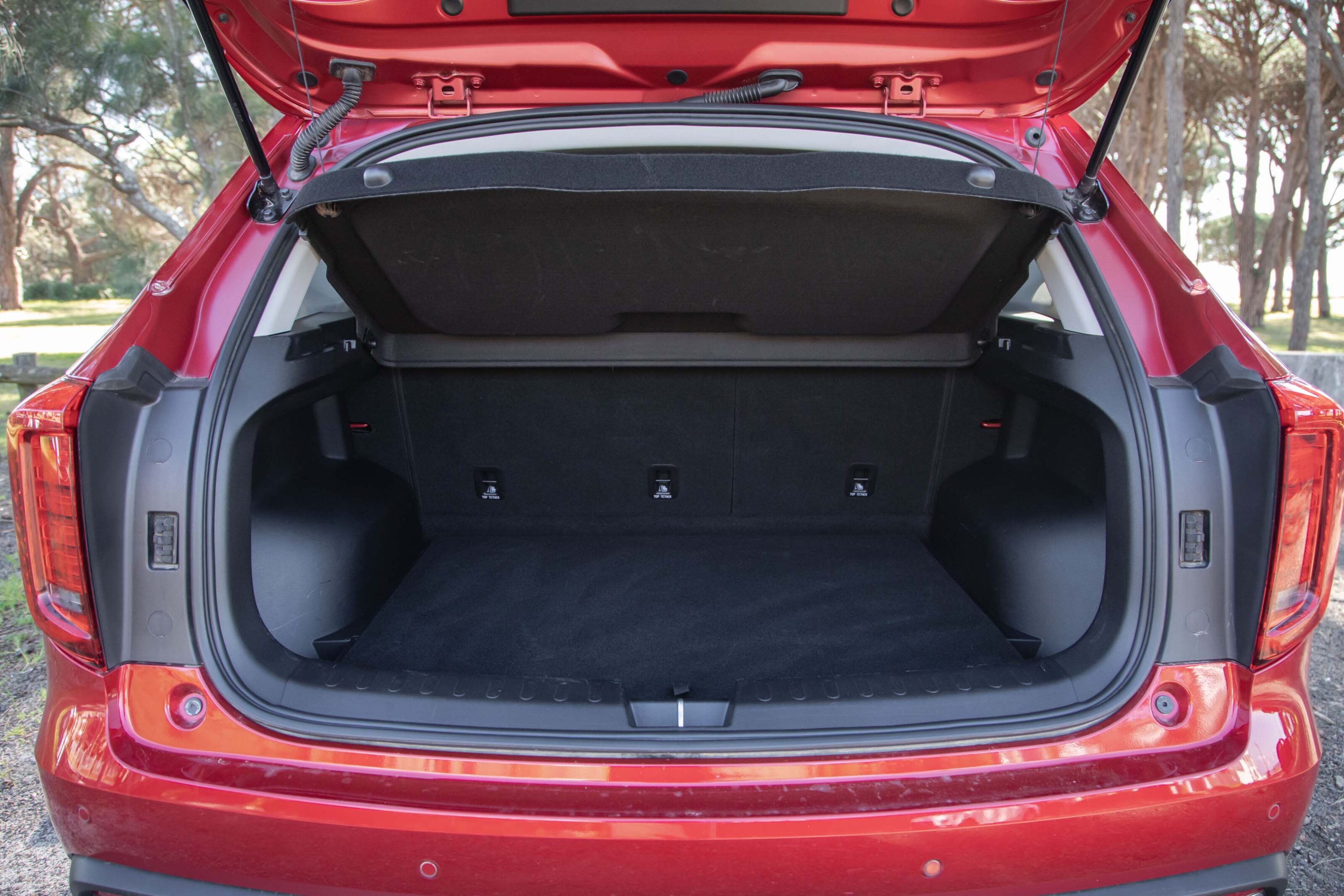
The GWM Haval Jolion has a 430-litre boot capacity with the rear seats up.
Folding the second row increases luggage capacity to 1133 litres.
Warranty and servicing
As per the wider GWM range, the Haval Jolion is covered by the brand’s seven-year, unlimited-kilometre warranty.
Following an initial 12-month/10,000-kilometre service, maintenance for the Haval Jolion is required every 12 months or 15,000 kilometres, whichever comes first.
Capped-price servicing is available for the first five years or 70,000 kilometres.
| Service interval | Pricing |
|---|---|
| 12 months/10,000km | $210 |
| 24 months/25,000km | $250 |
| 36 months/40,000km | $350 |
| 48 months/55,000km | $450 |
| 60 months/70,000km | $290 |
Availability
The 2023 GWM Haval Jolion S and Lux hybrid are on sale now.
If you haven’t been living under a rock for the past decade, this news won’t surprise: Luxury brands Lexus and Genesis – both spinoffs of popular Asian manufacturers – have won the top spots in this year’s J.D. Power dependability survey in the United States.
For mainstream brands, Kia gained the top gong, followed by Buick and Chevrolet rounding out the top five.
What might surprise, no matter where you’ve been living, is that Honda has slipped below Jeep in the well-known study of reliability among automotive brands.
Perhaps only anecdotally, Jeep is not often thought of as a maker of the most reliable products on the market – despite its historically well-earned and passionate customer base – while Honda is regularly spoken of in the same breath as Toyota when it comes to reliability.
Of course, it’s equally true that with all brands, every complaint found online will be met by a story from that owner onto his fourth perfectly reliable car from Beloved Brand X. Likewise, any brand’s product reliability can experience ups and downs over generations of leadership changes and cost-focused accounting.
Snapshot
- Lexus most reliable carmaker
- Land Rover found to be the worst
- Tesla included for the first time
What is the J.D. Power survey?
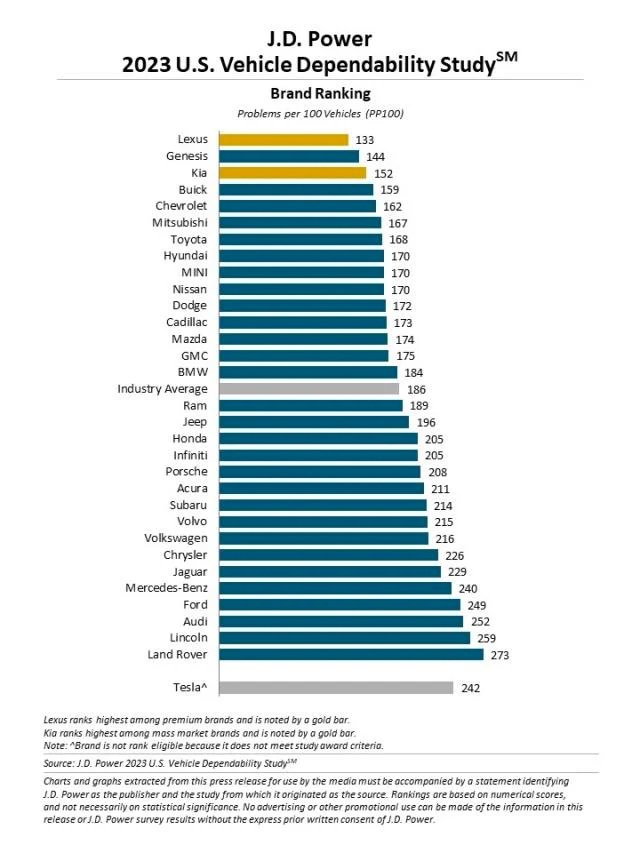
J.D. Power’s survey ranks brands on their product’s problems per 100 vehicles (PP100), with all the brands scoring well below the average of 192 PP100.
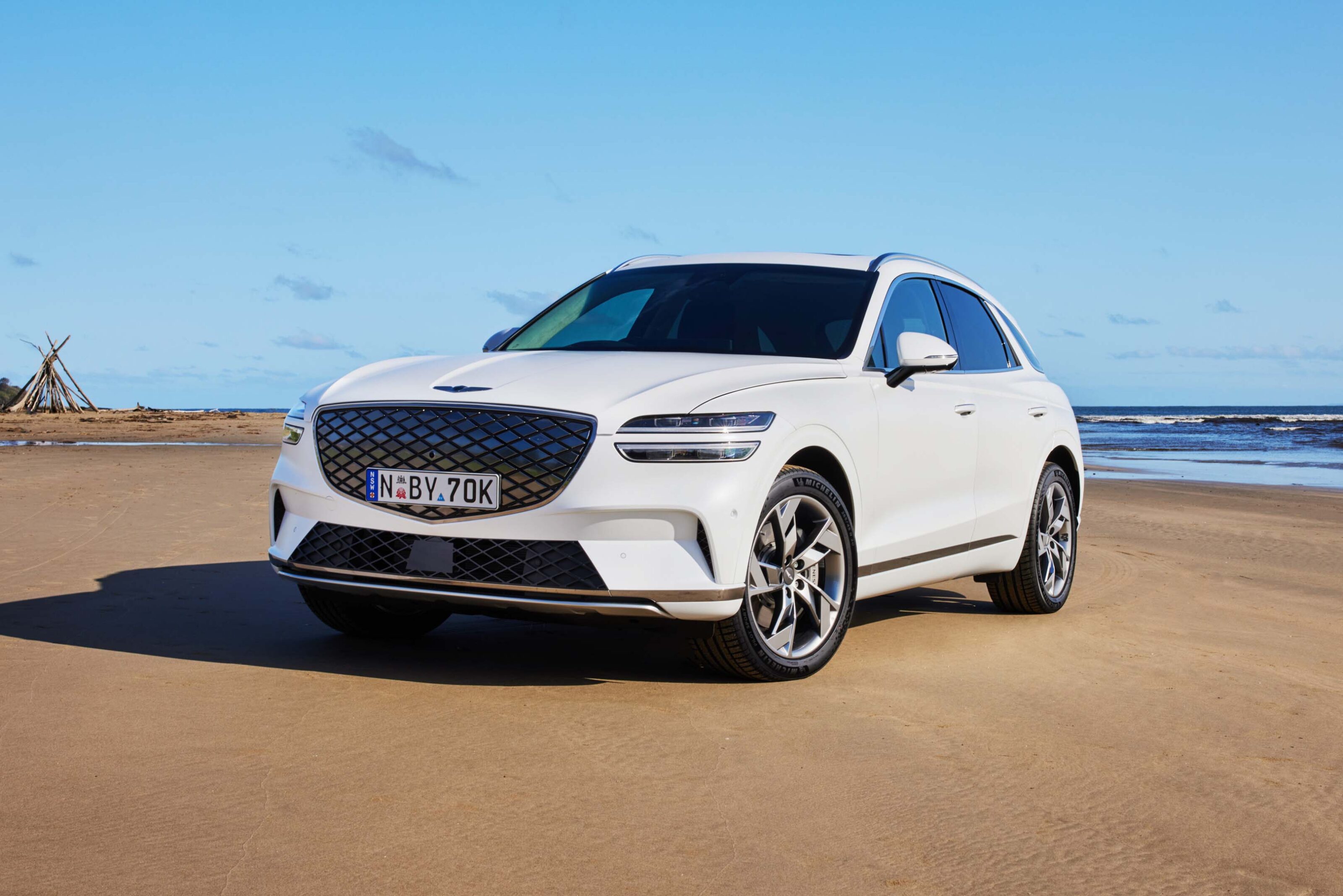
Lexus was given a score of 133 and Genesis 144, while Kia finished on 152 PP100.
The study examines how 2020 model-year vehicles are currently performing in terms of quality, component replacement and appeal—including those vehicles with new technology—and helps automotive manufacturers design and build better vehicles to stand the test of time and promote higher resale value. A lower PP100 indicates higher performance.
This year’s study was based on responses from 30,062 original owners of 2020 model year vehicles, looking at how the cars stand up after three years on the road – fielded between August and November 2022.

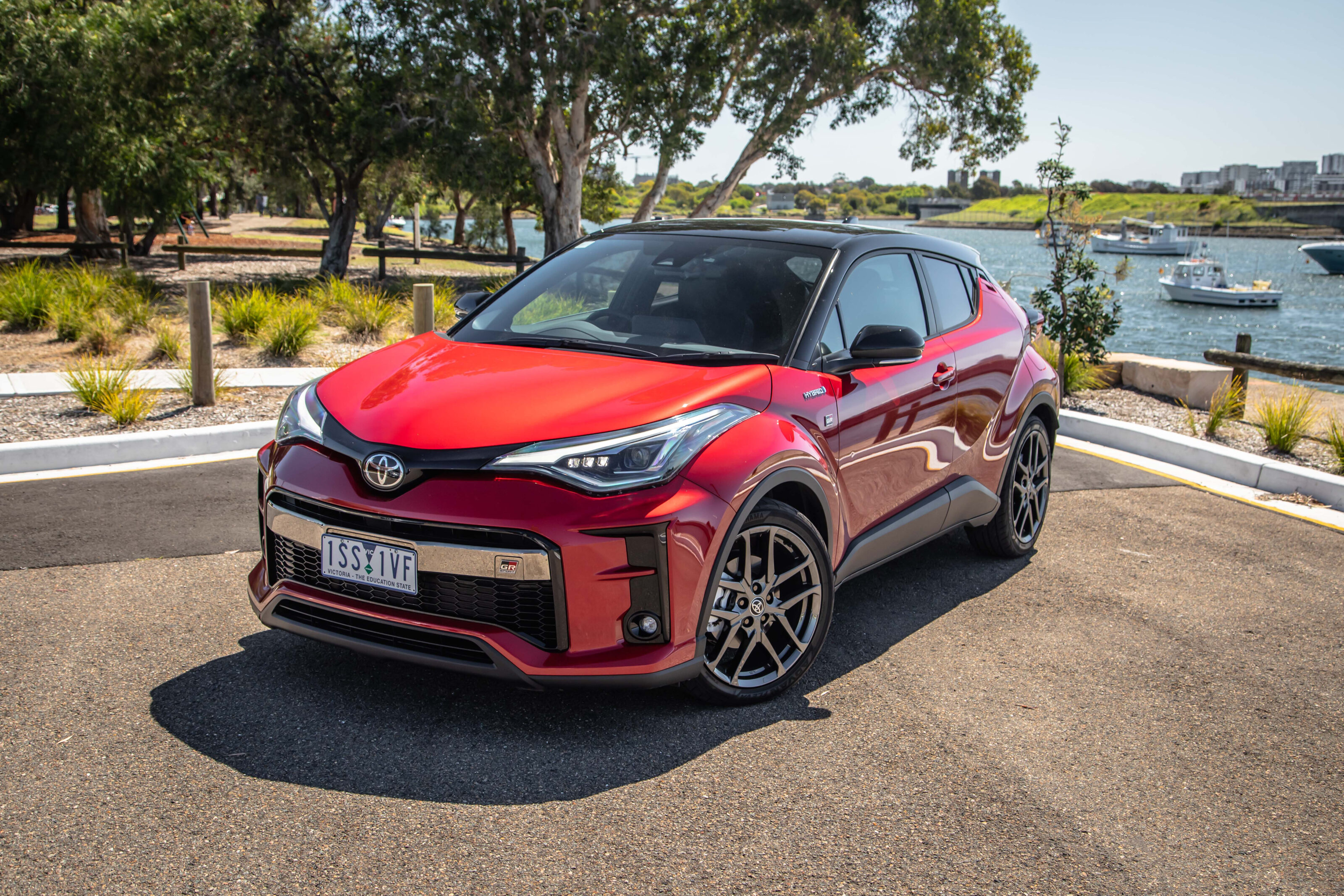
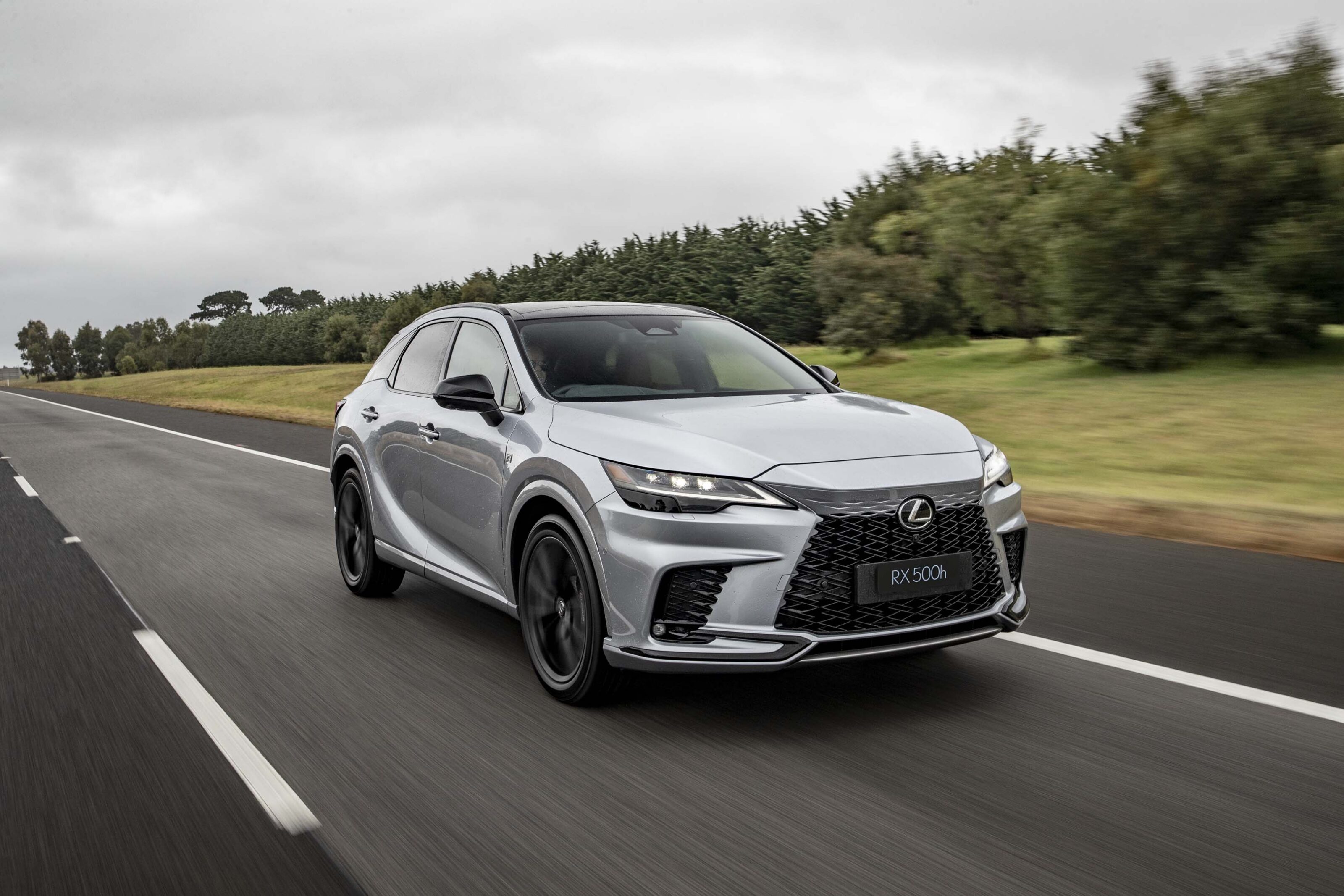
Individual models such as the Toyota C-HR, Kia Sportage and Chevrolet Silverado won awards in their segments, while the overall award for the most dependable model was given jointly to the Toyota C-HR and Lexus RX – each with 111 PP100. Both models show improvement in eight of the nine problem categories from a year ago.
Electric vehicle manufacturer Tesla was officially included in the survey for the first time with a score of 242 PP100. However, because Tesla does not allow J.D. Power access to owner information in the states where that permission is required by law, Tesla vehicles remain ineligible for awards.
Among the most problematic car issues facing owners is the performance of infotainment systems. Six of the top 10 problem areas in the study are infotainment-related – including built-in voice recognition, Android Auto/Apple CarPlay connectivity, built-in bluetooth system connectivity, touchscreen/display screen difficult to use, not enough power plugs/USB ports and navigation system inaccurate or outdated.
The increase in problems in the technology area shows the importance that over-the-air updates can play in correcting issues with audio systems and keeping the information in them up to date, said J.D. Power.
“It is typical in the automotive industry to roll out concepts and features by putting them in premium vehicles first,” said Frank Hanley, senior director of auto benchmarking at J.D. Power.
On the plus side, almost two-thirds (63 per cent) of vehicles required fewer component replacements in the past 12 months (excluding wear items), including; key fob/key fob battery, brake rotors, headlight components/bulbs, and other exterior lights/bulbs, than in the 2022 study.
The lowest-ranked manufacturer in the survey was Land Rover with 273 PP100, finishing behind Lincoln (259), Audi (252), Ford (249) and Mercedes-Benz (240) in the bottom five places.
The top three brands with the greatest improvement in the number of problems were Ram (77 PP100 improvement), Volvo (41 PP100 improvement) and Nissan (35 PP100 improvement).
2023 J.D. Power Dependability Study
Top 10 brands
| Brand | Problems per 100 vehicles (PP100) |
|---|---|
| Lexus | 133 |
| Genesis | 144 |
| Kia | 152 |
| Chevrolet | 162 |
| Mitsubishi | 167 |
| Toyota | 168 |
| Hyundai | 170 |
| Mini | 170 |
| Nissan | 170 |
| Dodge | 172 |
Bottom 10 brands
| Brand | Problems per 100 vehicles (PP100) |
|---|---|
| Land Rover | 273 |
| Lincoln | 359 |
| Audi | 252 |
| Ford | 249 |
| Mercedes-Benz | 240 |
| Jaguar | 229 |
| Chrysler | 226 |
| Volkswagen | 216 |
| Volvo | 215 |
| Subaru | 214 |
Fresh off its success in last year’s Performance Car of the Year, Subaru’s hot new BRZ has spent a few months in the Wheels garage. Let’s see how it goes with editor Andy Enright.
JUMP AHEAD
Things we like
- Brilliant steering and handling
- Engineu2019s response and flexibility
- Overall driver involvement
Not so much
- Tiny boot, road noise
- Synthesised engine sound canu2019t be turned off
- Autou2019s manual shift pattern is wrong way around
Rear admirable
Price as tested: $41,590 (+ORC) This month: 1202km @ 8.7L/100km Overall: 1202km @ 8.7L/100km
Melbourne is doing grey and wet once again. Port Phillip bay seems to have become a North Sea tribute act as the mercury hits single digits day after day and endless low pressure systems pile upon each other. And you know what? I love it.
That’s because of the latest acquisition into the Wheels garage. Keen to inject a cosier CoG into the mix of wall-to-wall SUVs, we’ve slotted in a Sapphire Blue pearl Subaru BRZ S.
Manual, of course. In case you’re not fully up to speed on BRZ trims, the S doesn’t add anything to the 174kW/250Nm quota under the bonnet, but does introduce leather and Ultrasuede heated front seats, for which Subaru tacks another $1300 to the invoice and another three kilos to the kerb weight.
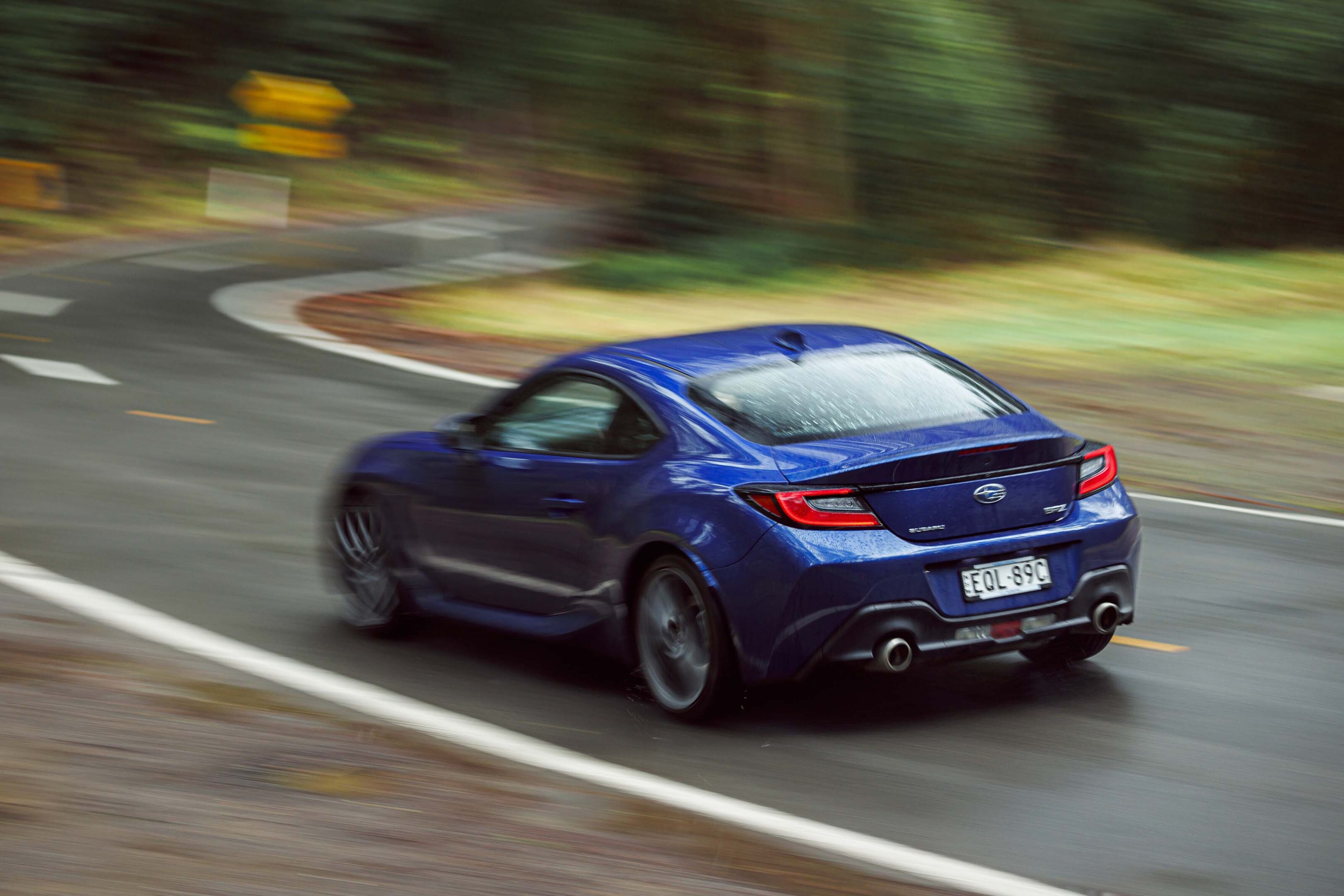
Show the BRZ a deserted wet roundabout and it’ll happily give you a taste of its handling talents and that’s with all the stability control switched on. Switch it into the halfway Track ESC setting and it’ll let you have huge amounts of leeway, so exercise a little care when engaging this mode on road. Or on track, come to that.
Either way, the BRZ is huge fun when the surface is a little slippery, with fantastic steering, a benign chassis and, unlike its predecessor, no cavernous hole in the middle of its torque curve.
The cabin is straightforward, without too much in the way of adornment, but the main controls are ergonomically sound. The headlights swivel, are dusk-sensing and self-level but don’t automatically dip for oncoming traffic.
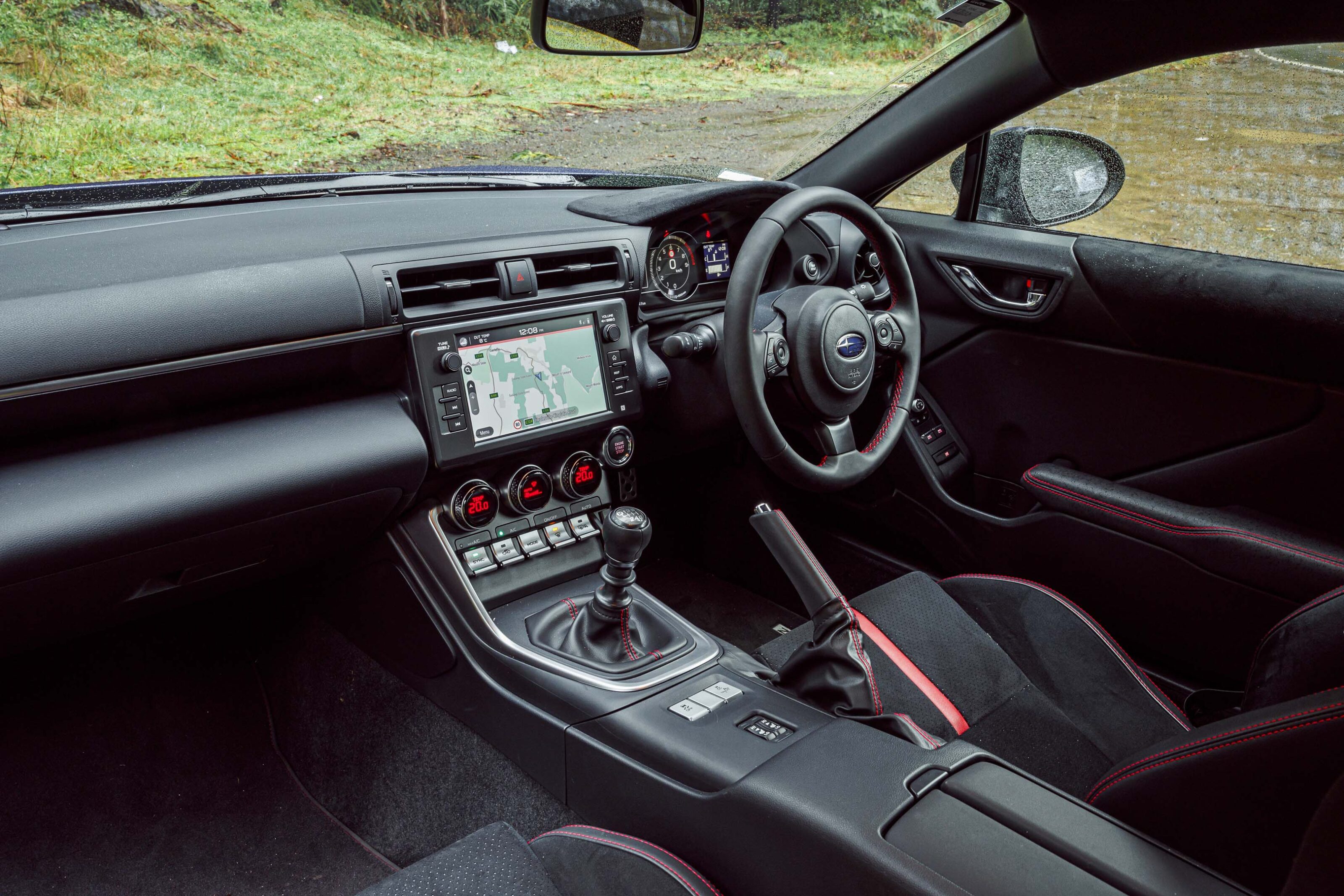
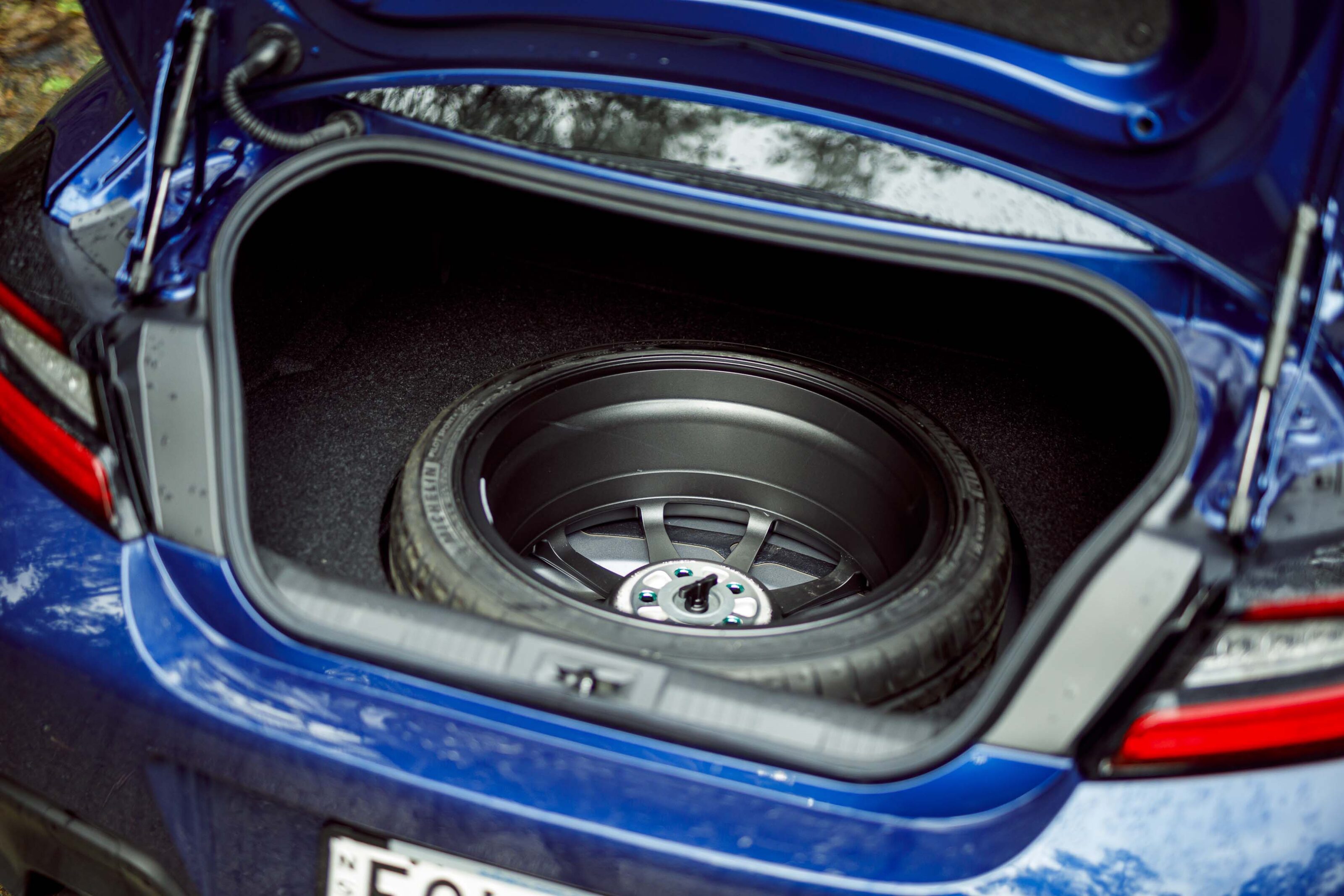
Because this is a manual car it also misses out on Subaru’s EyeSight suite, so you don’t get adaptive cruise, AEB, lane-keep assist and lane departure warning. The boot, at 201L, is smallish and filled largely with a full-sized spare, so most of your shopping will emerge smelling a little rubbery.
Unfortunately, my spell with the BRZ was temporarily interrupted after driving it through a pothole that looked like the design template for the Kalgoorlie Super Pit.
The car’s gone back to Subaru and a buckled alloy wheel has been diagnosed, evidenced by the subsequent tremor in the steering at speed. Having dodged around 500 potholes all day on frankly shocking local roads and made it to within a few kilometres of home, it was doubly galling.
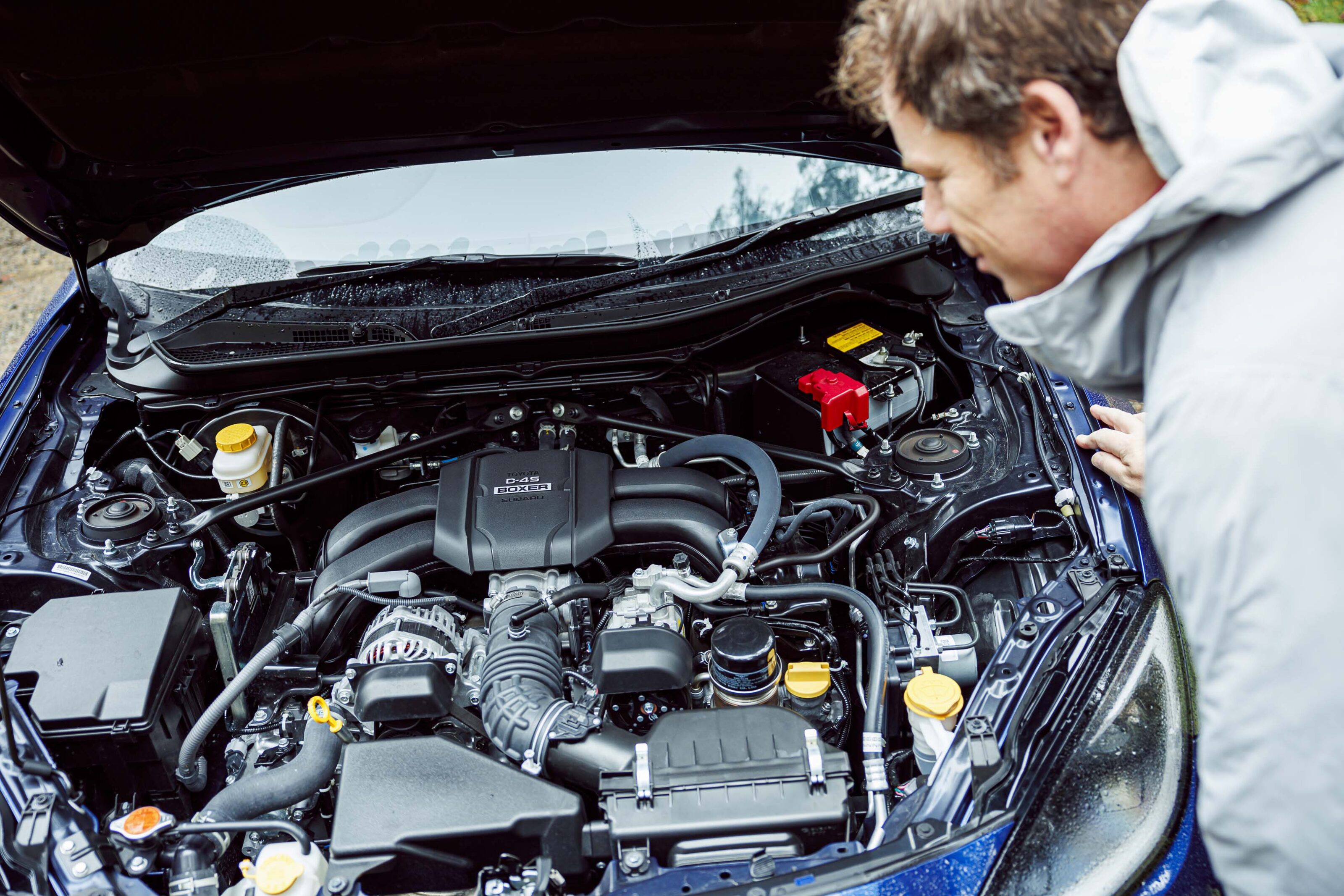
Absence makes the heart do something or other though, and I’m genuinely missing the BRZ. It’s easy to forget quite how capable it is.
When tested at Phillip Island for MOTOR’s last PCOTY, its 1:54.41s lap time was quicker than every car from PCOTY in 1994, beating the Porsche 964 Turbo by around two seconds, the Honda NSX by nearly five and the FD Mazda RX-7 by almost eight. Indeed its 14.24s 0-400m time was identical to the hundredth to that of a 3.2-litre Honda NSX pedalled by Dave Morley in 2002.
On road, it feels a really well judged package. No, the gearshift’s not as sweet as that of an MX-5 but it’s still a good ‘un. I’m just counting down the days until it’s back. That and praying for rain.
Zed’s not dead!
Price as tested $41,590 (+ORC) This month 675km @ 8.8L/100km Overall 1877km @ 8.8L/100km
There’s a lot to be said for a car that delivers excitement at vaguely legal speeds. Many years back, I recall the ex-editor of this mag, Bill Thomas, complaining that a Mitsubishi 3000GT was too easy to drive, before being chewed out at volume across a Welsh bar by LJK Setright. “No car is too easy to drive!” boomed Setright. Think Gandalf and ‘you shall not pass’ and you’ll get the vibe.
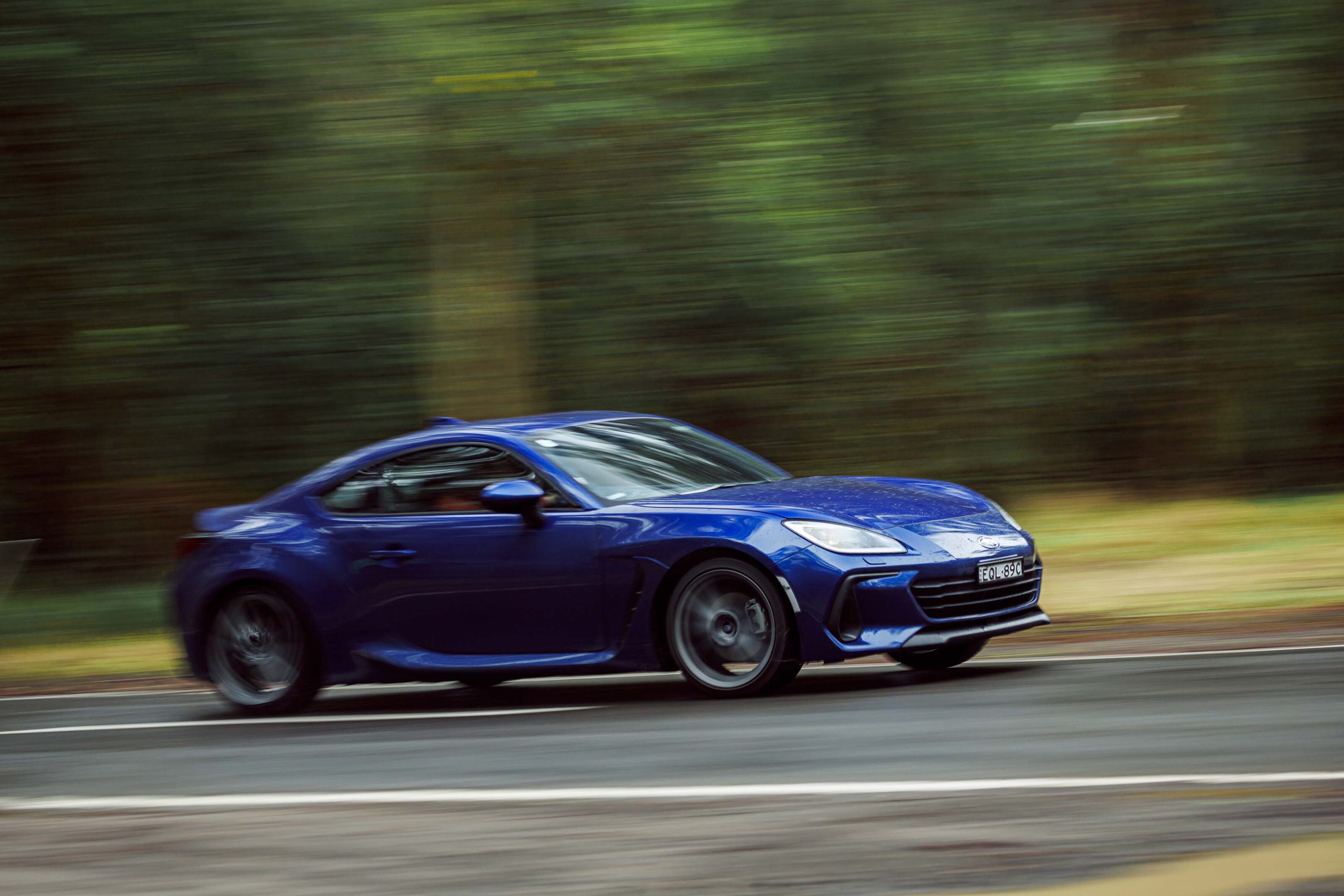
I’d take issue with the late Setright there. True, any car will get up on its toes if driven hard enough, but how those limits correspond to the public highway is another matter altogether. That’s what makes the Subaru BRZ something to revel in.
With no turbocharger, you have to work the 2.4-litre powerplant, but the rewards are well worth it, and it feels naturally at home on a twisty road where you’re changing from the upper reaches of second into third and back.
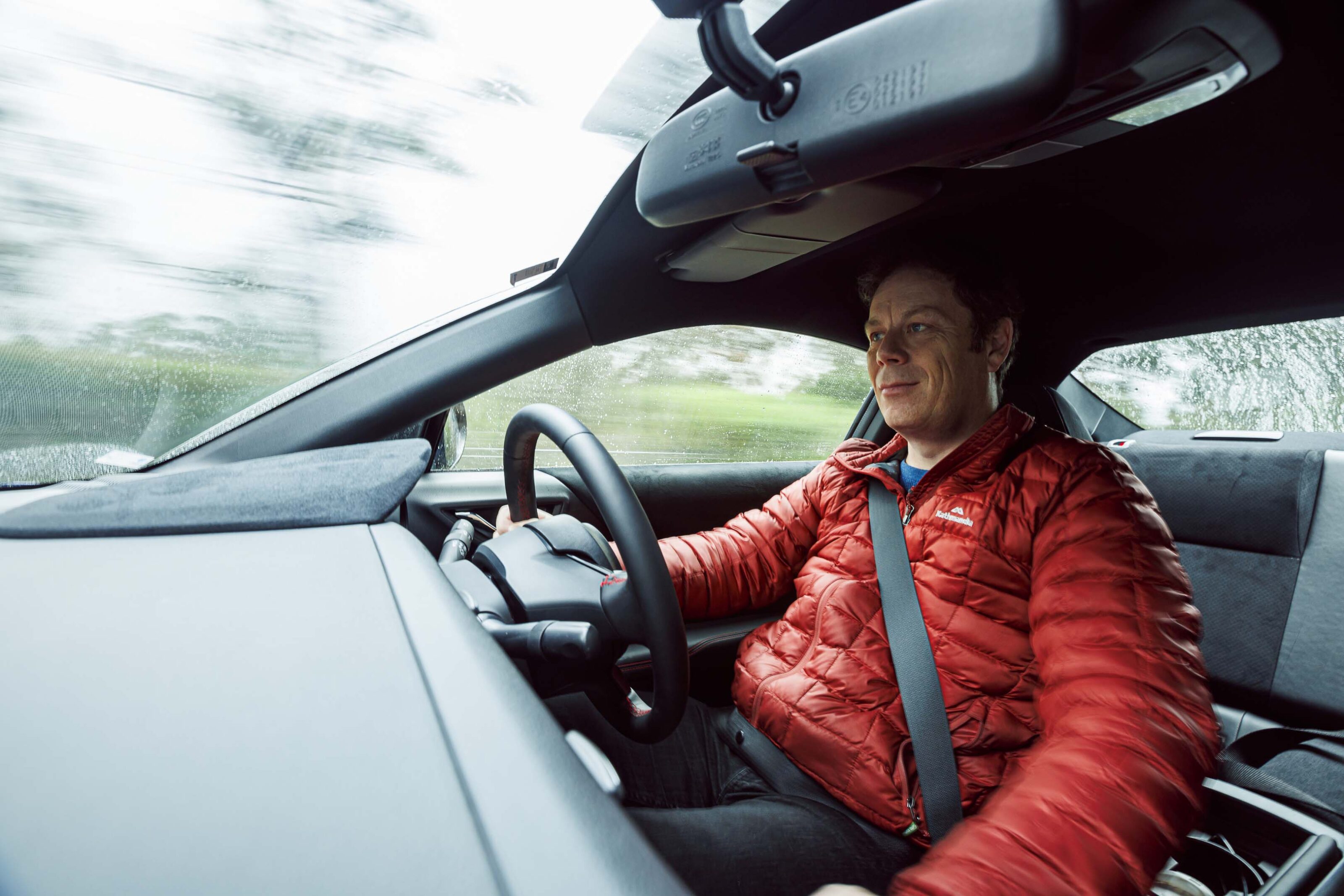
The top of second butts close to 100km/h, so the perfect BRZ road is a quiet hill route with a 100 limit and plenty of shape in the corners. I attended the launch of the original Toyota 86, held in 2011 in Montserrat, near Barcelona, and the roads were exactly like this.
Unfortunately they merely served to illustrate the torque deficit in the 2.0-litre engine, the game 86 being outdragged up long inclines by diesel Vectras. It was a disaster of a venue at the time, but the bigger FA24 engine in this car would be a joy to punt up to the hilltop monastery.
Some have complained that there’s not enough exhaust sound in the audio mix, and I can see the point but I have no contention with the Active Sound Control system that mounts a speaker behind the dash. Were I absolutely besotted with the sound of a typical flat-four, I might feel it was a little unfaithful to the architecture, but I’m not so I don’t.
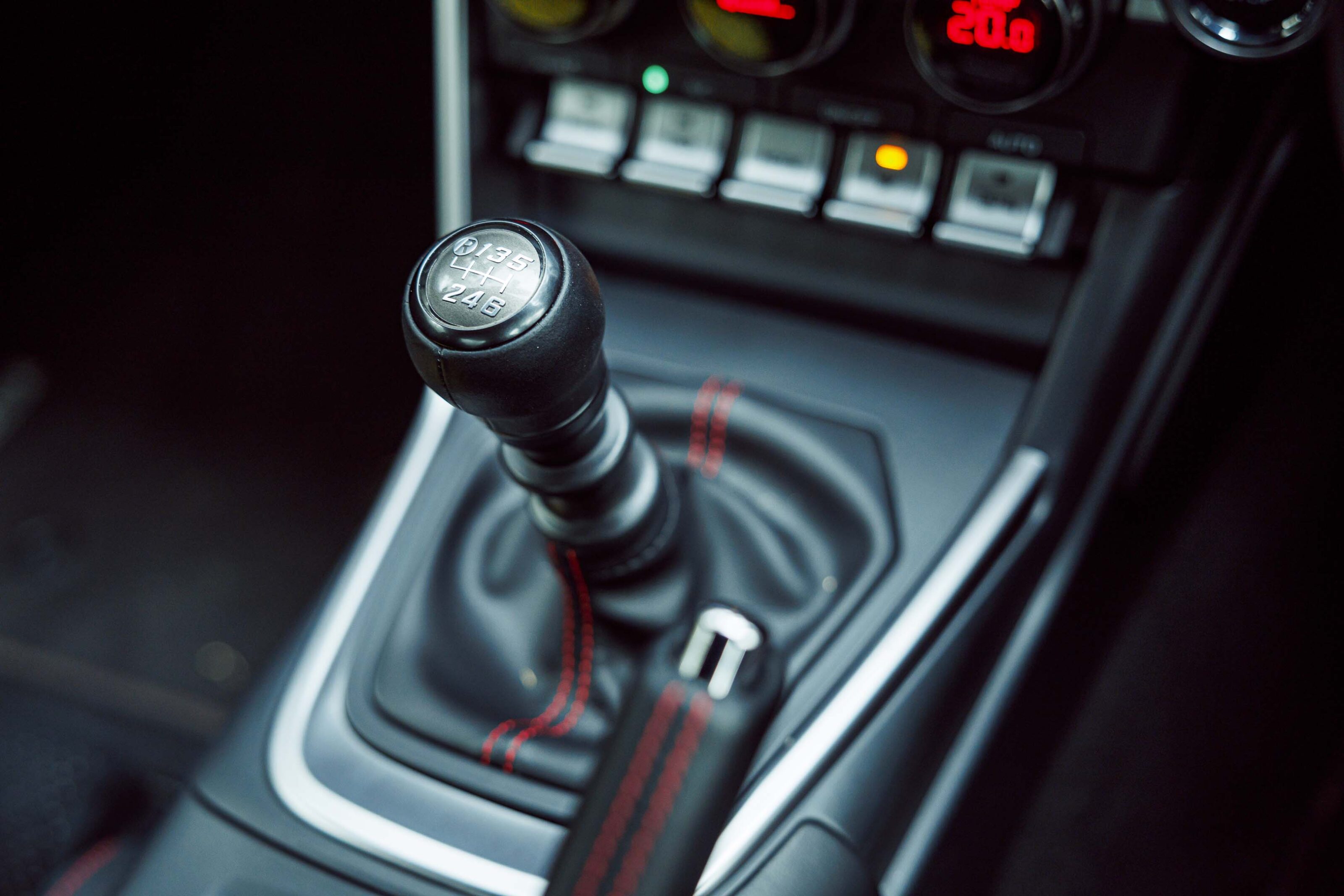
It’s good to have the little Subie back in the garage though. It took fully six weeks for the car to be diagnosed after its unfortunate trip through a jarring pothole. A bent wheel was the issue and another was sourced, but while fitting it a sensor went on the fritz and had to be back-ordered.
I’m hearing this a lot from owners of many brands when having their vehicles serviced. Being out of your car for weeks due to parts shortages is zero fun.
Upon return, the car would seemingly no longer talk to my phone’s Android Auto installation. I bought a new cable to troubleshoot that link and checked that the app was updated, but it turned out that the related Google search app also needs to be updated in order for everything to work.
There have still been the odd instances when the connection seems problematic or drops out while driving. I’d be interested to hear whether any other BRZ owners have encountered instability with their wired phone-mirroring connections.
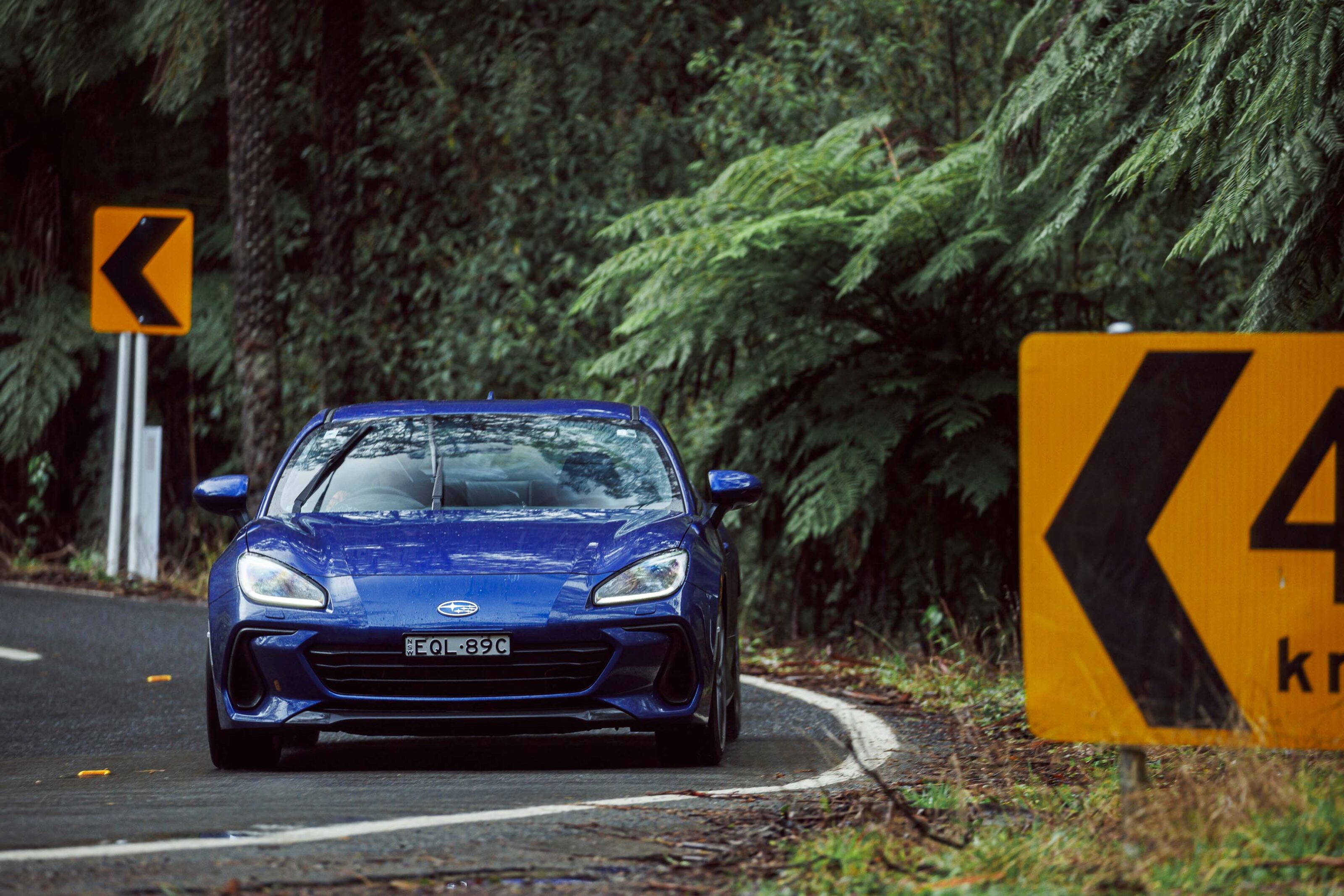
It’s great to have EQL89C back though. I recently went for a blat back-to-back with a Porsche 992 Carrera and, after swapping back and forth throughout the day, I can honestly say I had more fun in the BRZ, a car that’s a sixth of the price of the Porsche.
The 911 felt as if it was only just getting into its stride, whereas the Subaru was absolutely in its element. At those speeds and on those roads, the Porsche was insouciant where the BRZ was involving.
Setright may not have agreed, but in that scenario, yes, the 911 was too easy to drive. Getting more from a car more of the time has to count as a win. Right?

Top Gunma
Does the BRZ have layers to its personality? Spoiler alert: No
Price as tested: $41,590 (+ORC) This month: 2920km @ 8.4L/100km Overall: 4747km @ 8.6L/100km
It’s been a bit of a love-in with the Subaru BRZ of late, so I thought I’d redress the balance somewhat and iterate what irks me about living with EQL89C. On balance, I reckon this is the best affordable sport car I’ve ever driven. It’s not perfect – an MX-5 has a sweeter transmission and the FA24 flat-four isn’t the most melodic partner – but it gets so much right that it earns itself a stack of credit.
Drive one hard and it’s about as much fun as you can ask of a road car. The niggles start to appear when you dial things back a bit, such as those occasions when you have somebody in the passenger seat who doesn’t approve of ‘exuberant’ driving.
Remove that element from the BRZ and it doesn’t have much of a Plan B. Road noise is significant, shift smoothness from first to second can be tricky to finesse when you’re not slamming it through like a pool break, the low hip height means you’re dwarfed by other traffic and the engine is at its least charismatic when you’re short-shifting through the gears.
In other words, your partner would probably prefer it had you put the money towards something like a Golf GTI.
That’s the beauty of a hot hatch; it manages its compromises really well. The BRZ, on the other hand, packs in a lot of driver focus for just over $40K and it too has seen a number of compromises in its development. What does a keen driver really value? Soft-touch plastics throughout the cabin or Michelin Pilot Sport 4 tyres? A ten-speaker branded stereo or an ESC track mode?
One thing that you definitely can’t have on the manual version is the EyeSight suite of safety gear. Where the automatic gets gear like lane departure warning, rear cross-traffic alert and adaptive cruise, the manual feels more basic.
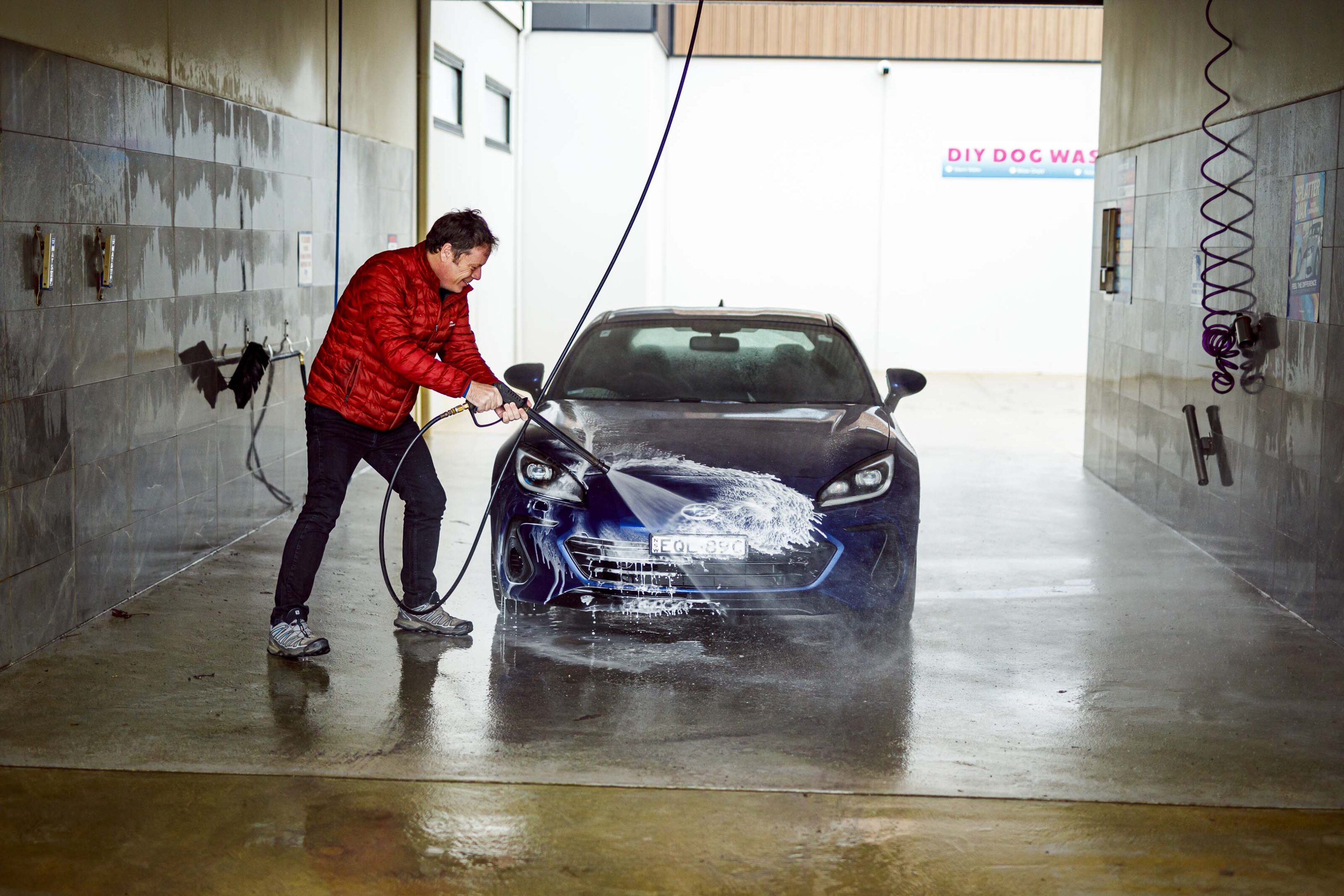
Still, at least Subaru has the decency to price the manual car at $2800 less than the auto as a result, unlike Toyota, which charges the same for manuals and automatic variants in the GR86 line up.
I’ve been in and out of the BRZ this month as test vehicles come through the office. Every single time the test car has gone back, I’ve been glad to get back into the Subie. That’s one heck of a compliment when we’ve had cars as good as the Nissan Z, the Porsche Cayenne Turbo GT and the Bentley Continental GT Speed to drive.
One thing I did notice when driving back from a long high-country drive route recently was how poor the dipped-beam headlights were. The throw on the lights meant that the maximum speed you’d happily drive and be able to stop for a waddling wombat was about 60km/h.
I checked the manual for details about the automatic headlight levelling system and it noted ‘In certain circumstances, the headlights may become misaligned, and the headlight beam leveller will not reset them to the proper angle. This may occur after transporting your vehicle on a flat-bed truck.’
Exactly the scenario when the BRZ was carried away after its pothole encounter, then. Hmmm. This requires the headlight alignments to be checked over by a Subaru dealer.
Something to think about if you have a very steep driveway, I guess.
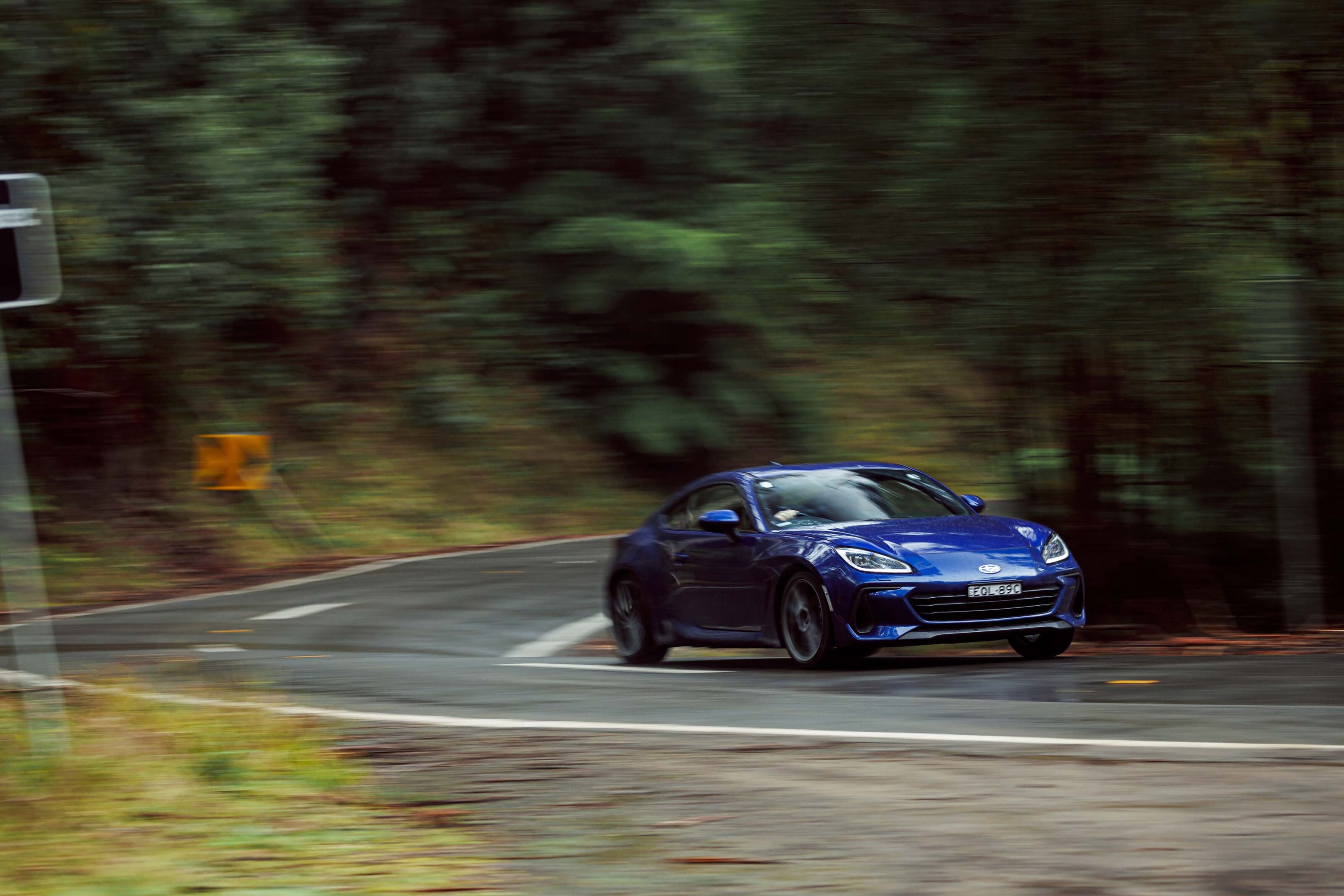
Having seen recent pricing for the Toyota GR86 ($45,390 for the equivalent GTS model, some $3800 more than the BRZ S, manual for manual) and spoken to those who’d placed deposits for the Toyota, it’s clear that some are cancelling their GR86 orders and instead trying to bag a BRZ before the order bank blows out or Subaru cave in to the laws of supply and demand and again raise prices of the BRZ S.
The Subaru’s sticker price had already lifted by $1400 over winter with distributors citing “increases in costs associated with production and logistics”.
Even at the higher price, the BRZ S is still outrageous value for money. Just make sure you have ample occasion when you can drive it in a suitably expressive manner.
Snapshot
- Staria-Load provides more space than iLoad predecessor
- New Premium variant added to the range for 2023
- Prices start from $51,240 before on-roads
UPDATE: 2023 Hyundai Staria-Load range gains new Premium grade
Hyundai has added a Premium variant to its 2023 Staria-Load van’s range, with the new grade expected in dealerships this month priced from $51,240 before on-road costs.
The new variant is said to bring additional standard safety equipment, style and convenience features to the lineup, and has been awarded a segment-leading ‘Platinum’ level of safety by testing authority ANCAP for the availability and performance of advanced driver assistance systems – making it the safest van available for our market.
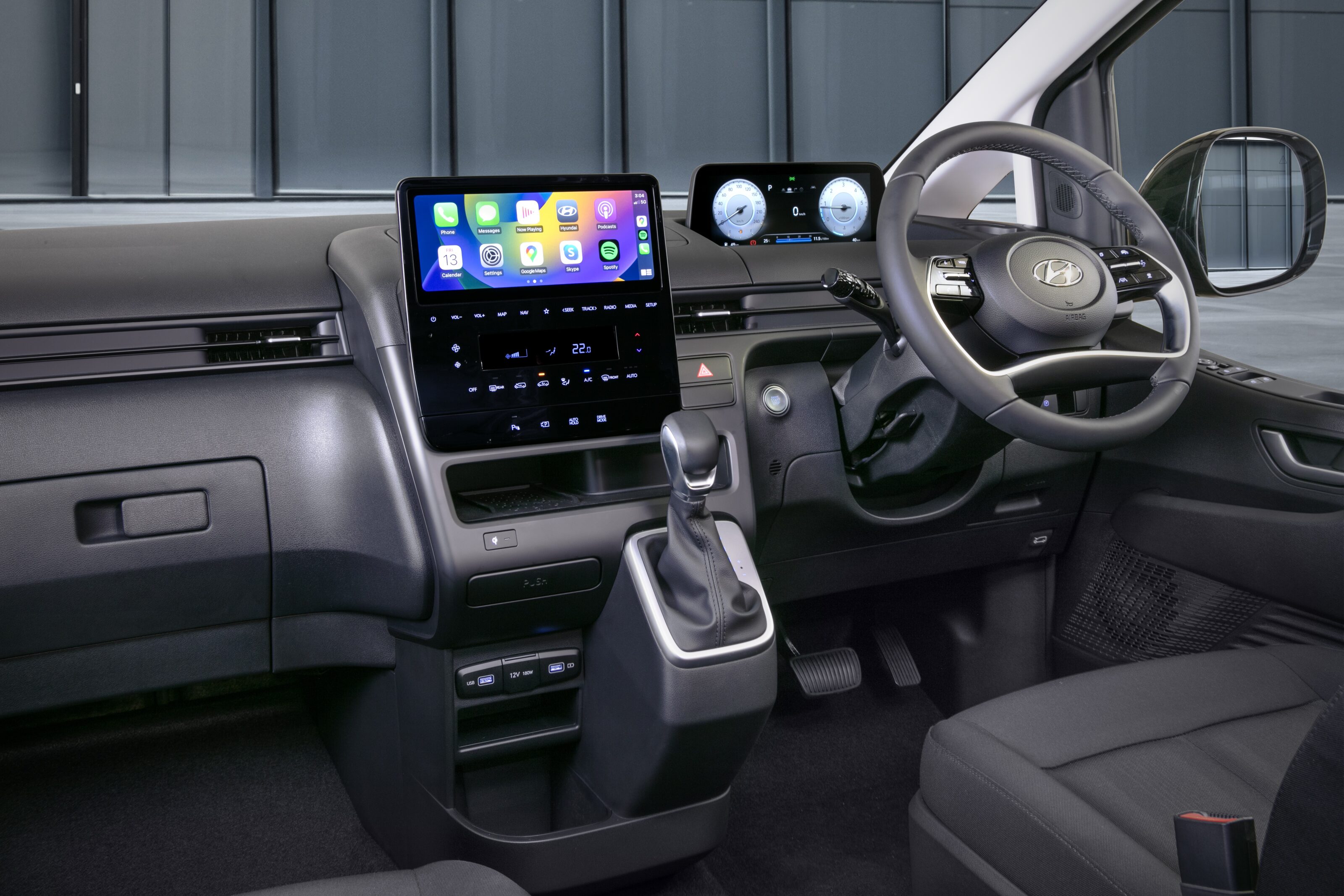
“We are pleased to introduce the Staria-Load Premium, which once again resets the safety standard in the commercial van segment,” Hyundai Motor Company Australia’s Chief Executive Officer, Ted Lee, said.
“The Premium’s new safety, style and convenience features, and the model’s passenger-car like comfort make it a uniquely attractive offering in the van market.”
Our original story below has been updated to reflect the latest pricing and features information.
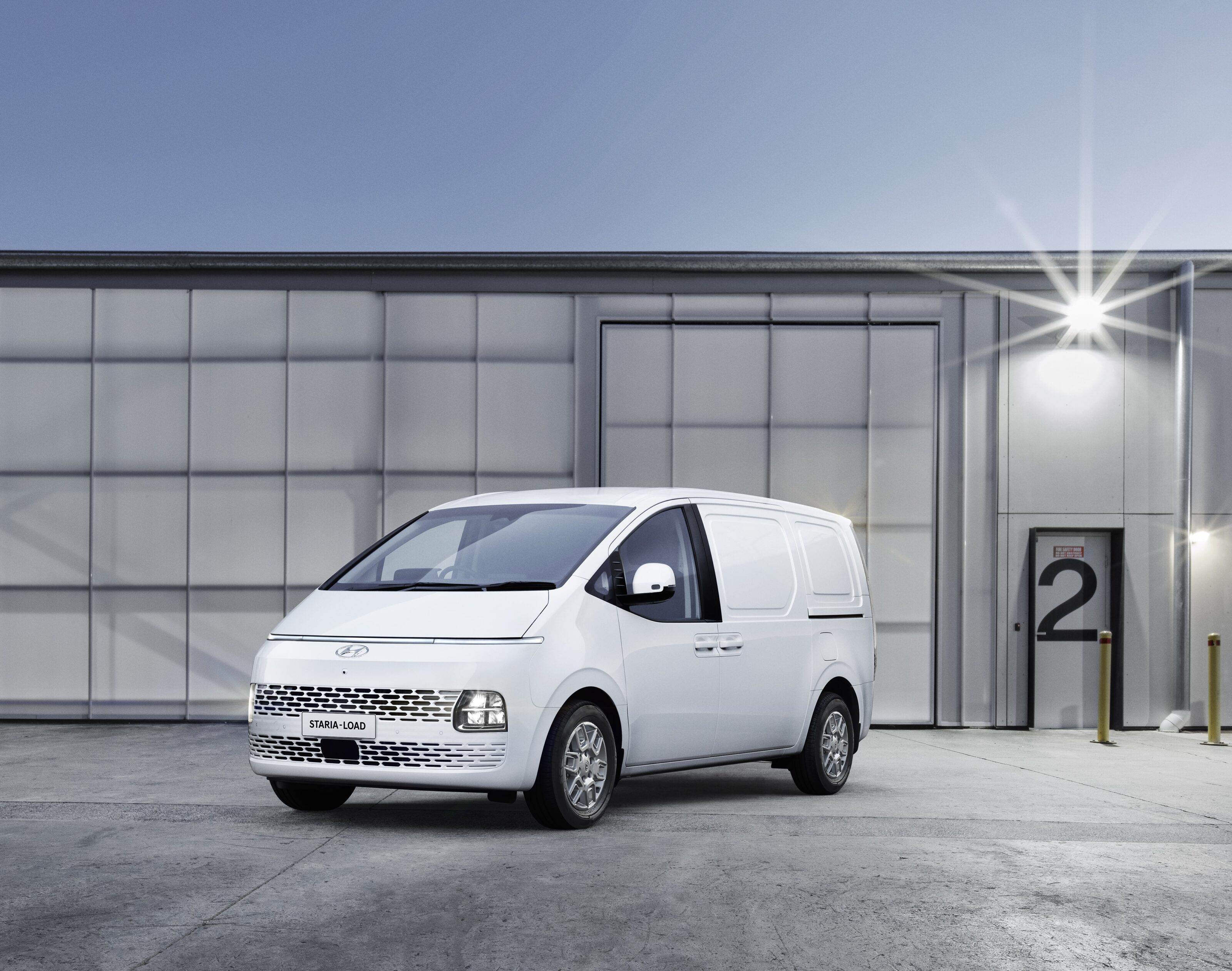
The story to here
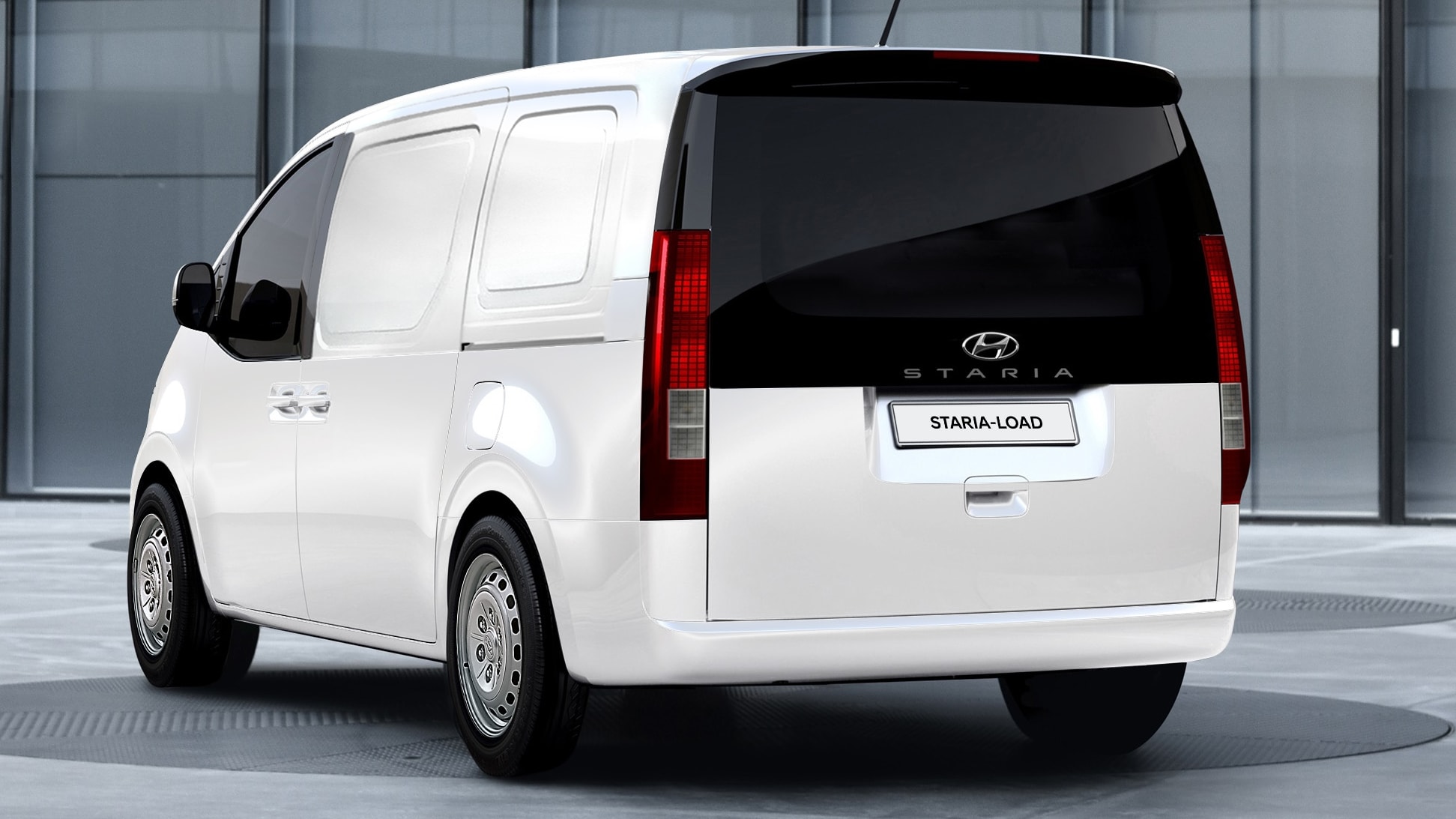
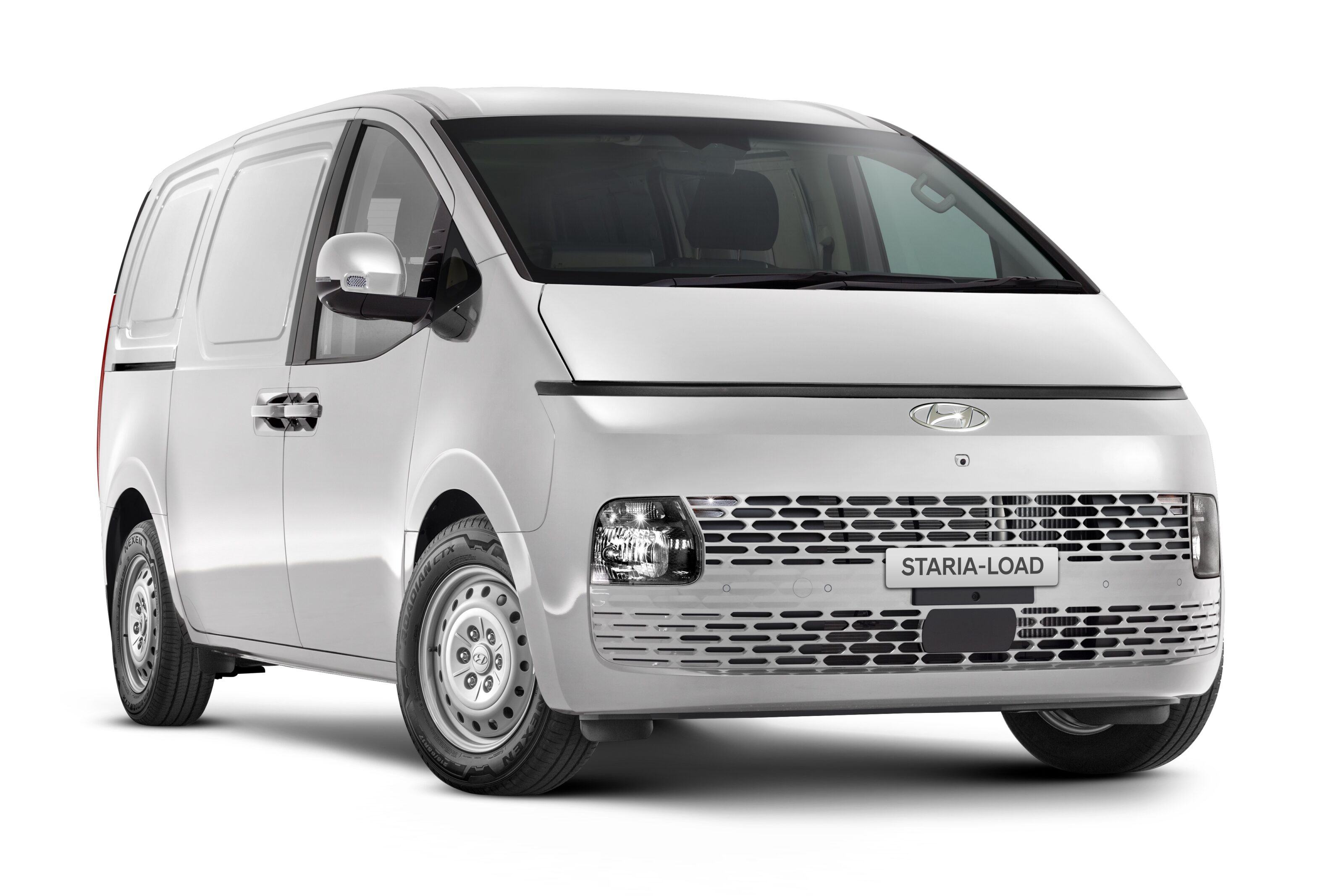
September 2021: The new trade-focused Staria-Load van has been released, with Hyundai showing off its replacement for the ageing iLoad.
A stripped-out, commercial-oriented version of the new Staria people-mover, the Load offers more kit than the iLoad it replaces – while still retaining the mod cons from the eight-seater van upon which it is based.
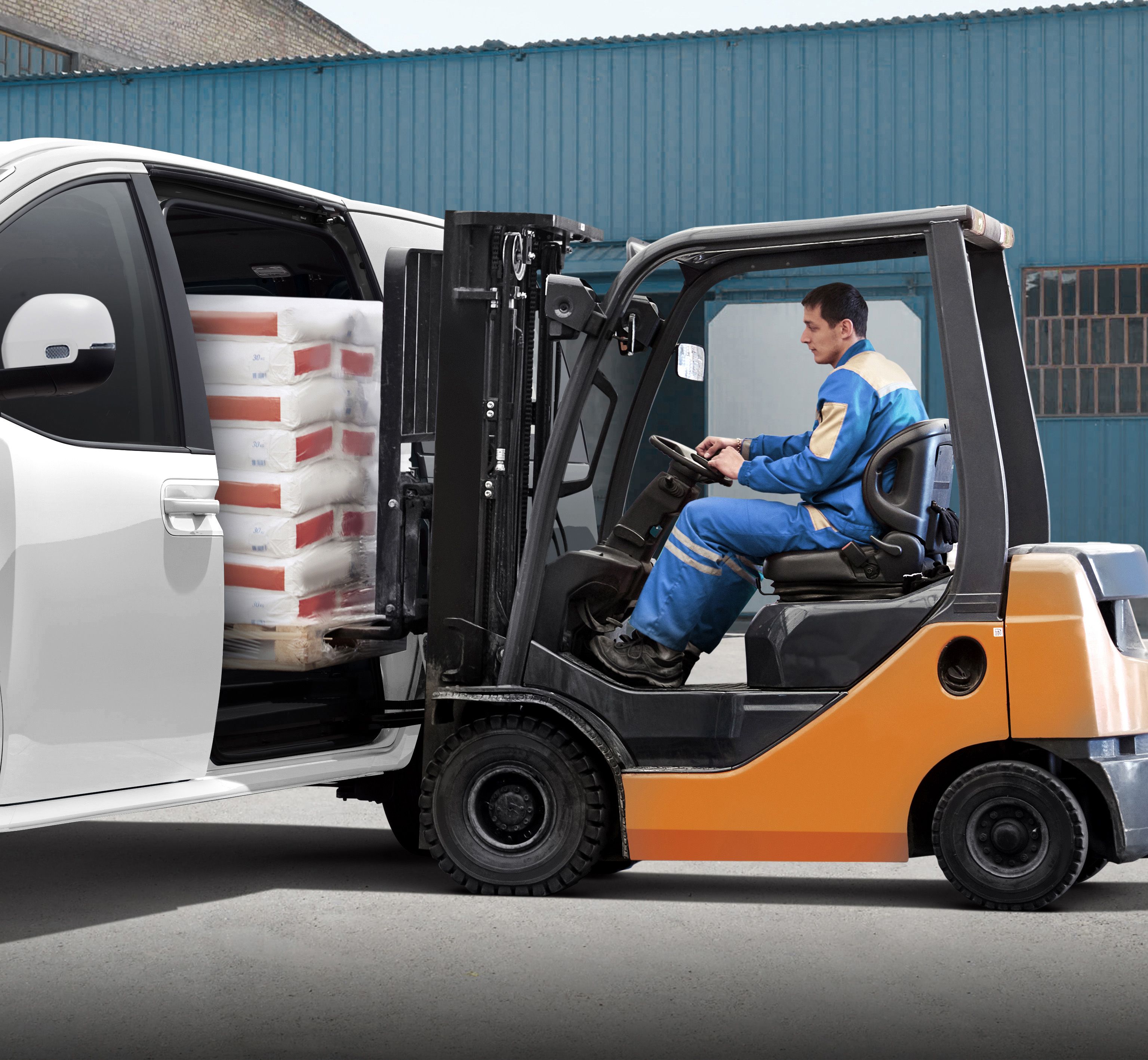
Available as either a two-seater or a five-seat crew van, Hyundai says the Staria Load will provide more space than the outgoing iLoad.
2023 Hyundai Staria-Load pricing
All pricing is before on-road costs.
| Variant | Price |
|---|---|
| Staria-Load two-seat Crew Van | $ 45,740 |
| Staria-Load five-seat Crew Van | $ 48,240 |
| Staria-Load two-seat Premium Van | $51,240 |
On top of the base creamy white paint, Staria-Load buyers can pay $695 to have their van finished in a premium paint – the only optional extra for the van’s range.
| Paint choices | |
|---|---|
| Creamy white | No cost |
| Shimmering silver | $695 |
| Abyss black (new) | $695 |
| Graphite gray (new) | $695 |
| Moonlight blue (new) | $695 |
Features
The Staria-Load is now available in two levels of trim.
Staria-Load Crew Van
| 17-inch steel wheels |
| Full-sized spare wheel |
| Qi wireless smartphone charger |
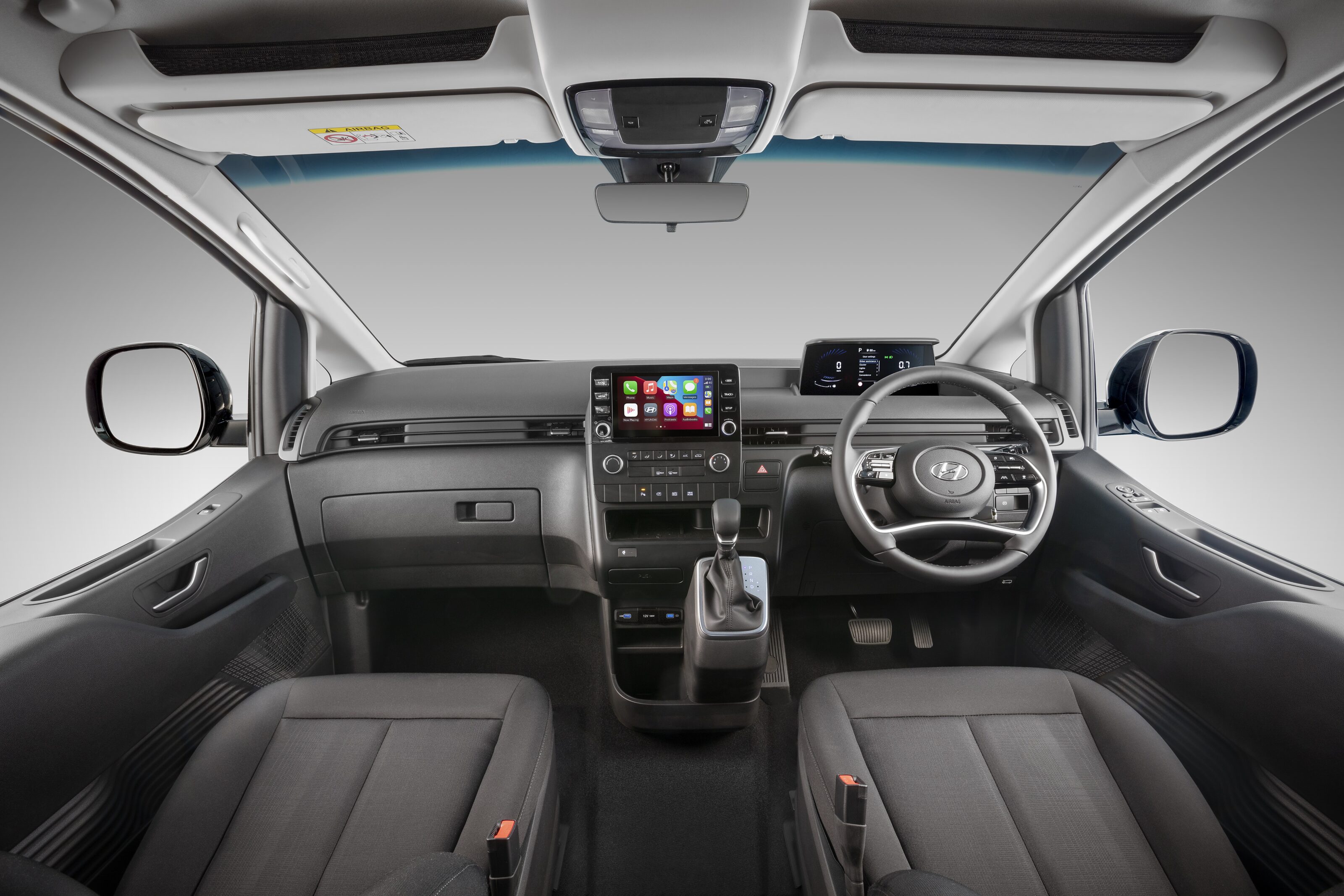
| 8-inch touchscreen display |
| Apple CarPlay and Android Auto |
| Multi-bluetooth connection |
| Leather-appointed steering wheel and shift knob |
| Black cloth seats |
| Dashboard storage trays |
| Front roof trays |
| 4.2-inch supervision cluster |
| Heated and folding power mirrors |
| Auto dusk sensing headlights |
| Electronic parking brake with auto hold |
| Steering wheel mounted controls for audio, phone, cruise control and trip computer |
| Four drive mode settings |
| Keyless entry with remote window open/close. |
The Crew Van can also have a twin swing tailgate as a no-cost option.
Staria-Load Premium
As the top-of-the-range grade, the Premium adds:
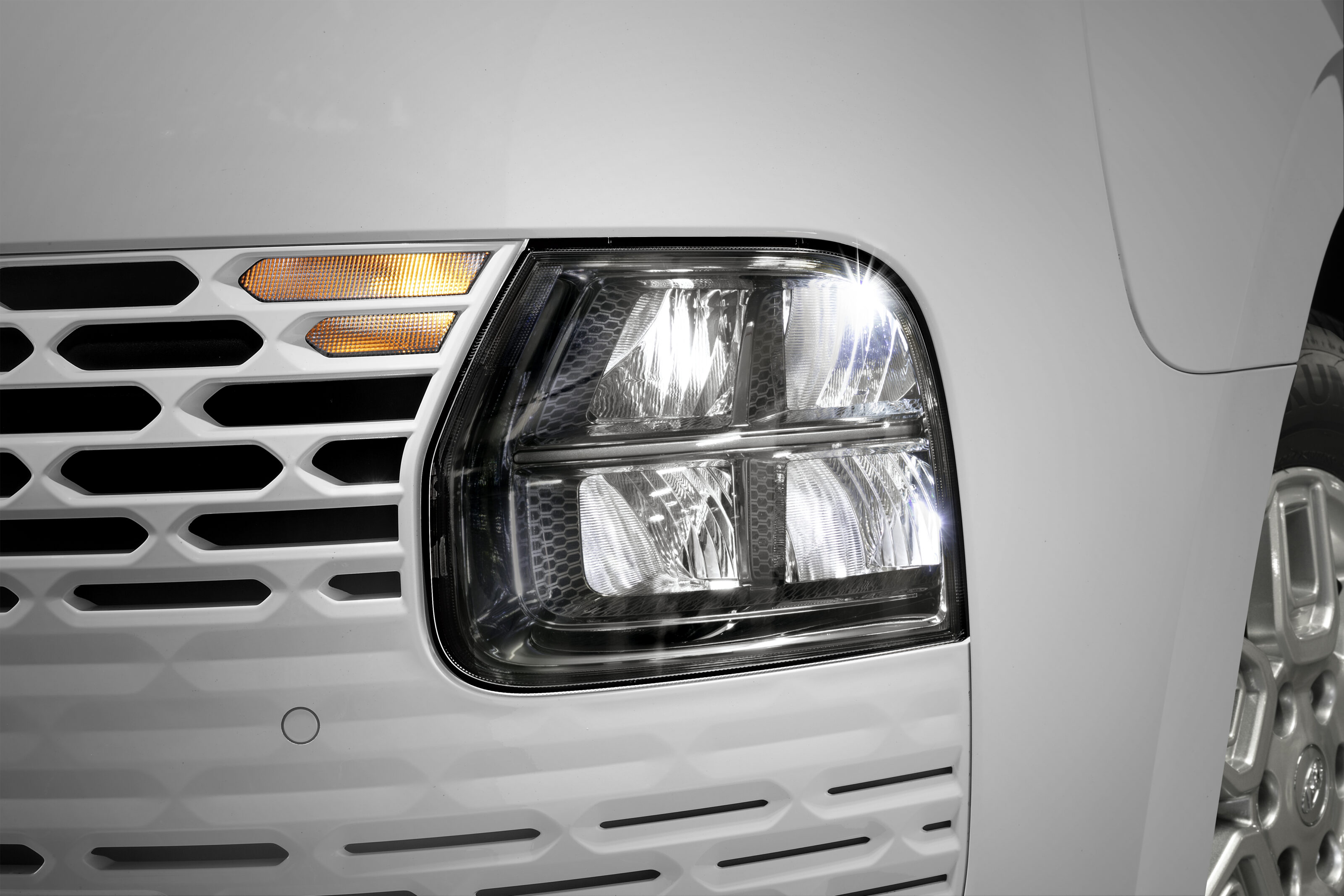
| LED MFR headlights and LED light bar |
| 10.25-inch cluster |
| Smart key with push button start |
| Smart power tailgate |
| LED tail-lights |
| 10.25-inch infotainment screen |
| 17-inch alloy wheels |
| Automatic climate control. |
The Premium comes in liftback form only.
Engine and drivetrain
Carrying across from the Staria people-mover is its 2.2-litre, four-cylinder turbocharged diesel engine – a direct replacement for the outgoing 2.5-litre engine in the iLoad, boasting more power at 130kW (up 5kW), but slightly less torque, now down to 430Nm from 441Nm.
While the eight-seater is available only as an all-wheel drive, the new Staria-Load has to make do with front-wheel drive, retaining an eight-speed torque-converter automatic transmission.
Despite this, the Staria-Load returns a tested combined fuel economy of 7.0L/100km and can tow up to 2500kg braked – a massive 1000kg more than the iLoad.
Dimensions
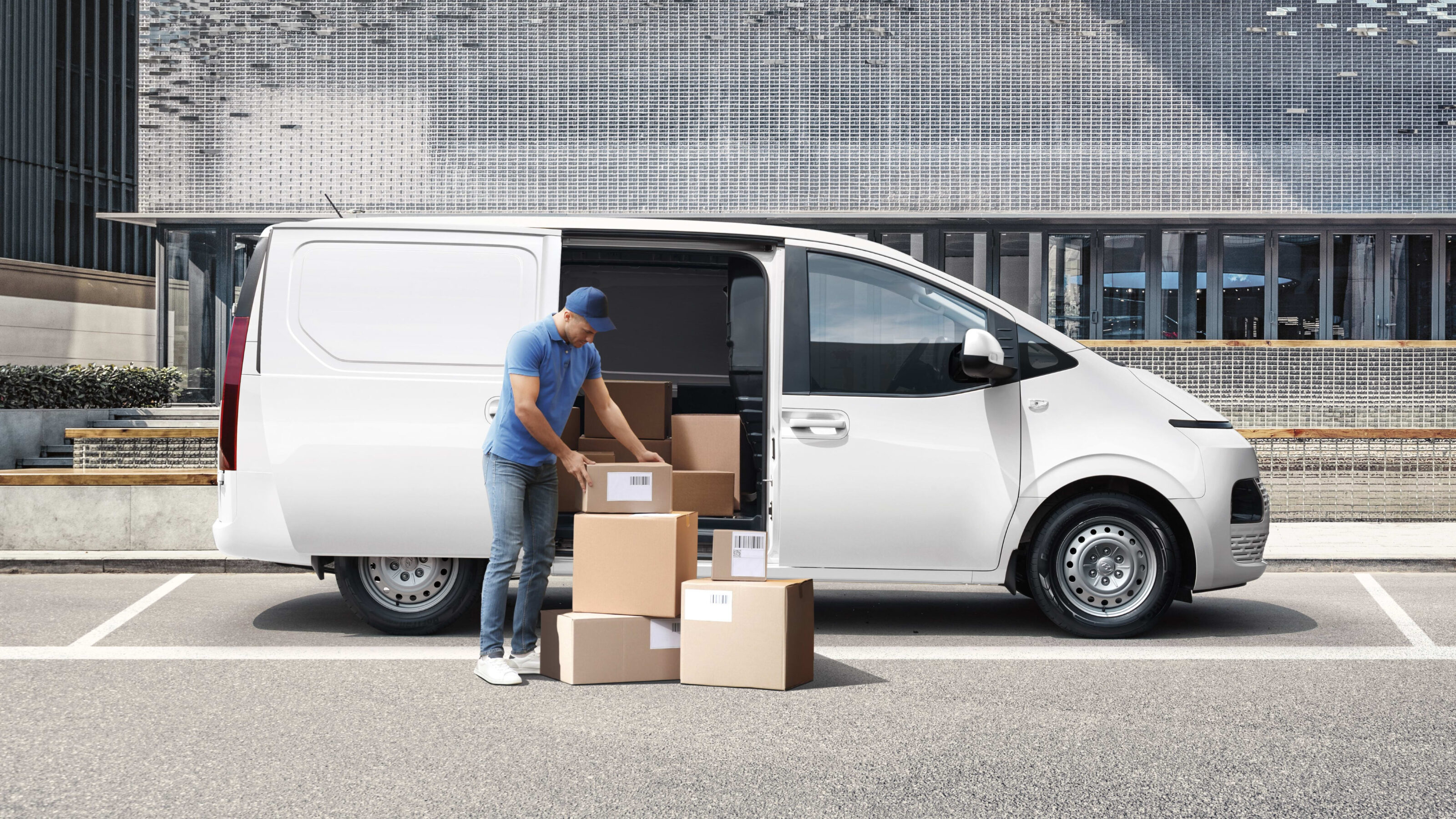
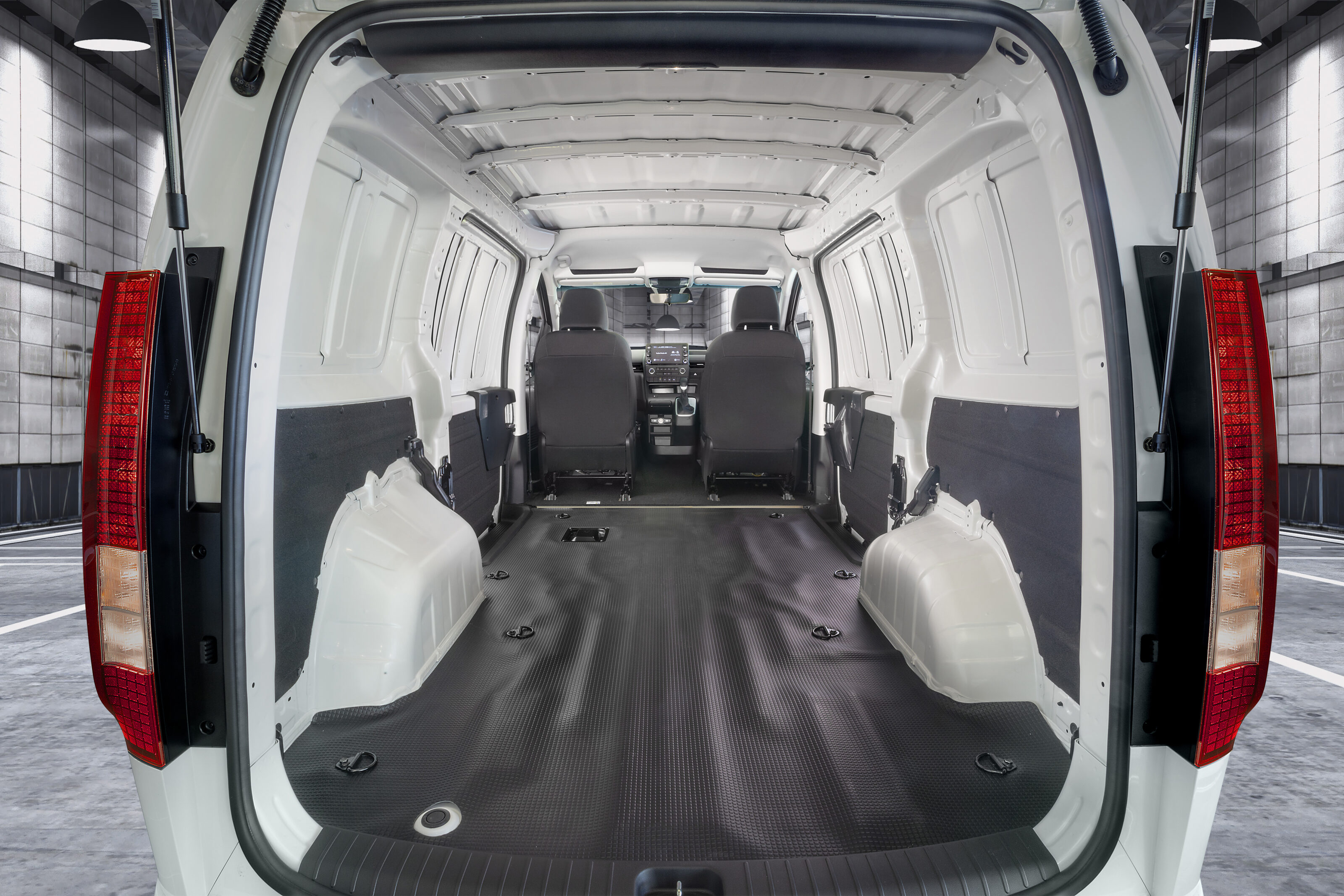
The interior space of the Staria-Load as a two-seater is larger across almost every measurable metric compared to the iLoad apart from loading height, losing 41mm off the top compared to its predecessor.
| u00a0 | iLoad | Staria Load |
|---|---|---|
| Volume | 4426 litres | 4935 litres |
| Cargo length | 2375 mm | 2607 mm |
| Width | 1620 mm | 1640 mm |
| Height | 1340 mm | 1436 mm |
| Euro pallet | 2 pallets | 3 pallets |
| Loading height | 614 mm | 573 mm |
| Effective door opening width | 645 mm | 870 mm |
Safety
Not only does the Staria-Load bring new safety features to Hyundai’s van range, but it also includes segment-first equipment for occupant protection in its category. Highlights include:
Staria-Load Crew Van
| Eight airbags including front centre airbag (segment first) |
| Rear cross-traffic collision avoidance-assist (segment first) |
| Blind-spot collision-avoidance assist (segment first) |
| Driver attention warning |
| Forward collision-avoidance assist |
| Haptic warning function |
| Intelligent speed limit assist |
| Lane-keeping assist |
| Lane-following assist |
| Leading vehicle departure alert |
| Front and rear parking distance warning |
| Tyre pressure monitoring |
| Safe exit warning |
| Smart cruise control with stop and go |
| Rear occupant alert |
| Surround-view monitor (liftback only) |
| Rear-view monitor (twin swing only) |
| Parking distance warning. |
Staria-Load Premium
On top of the Crew Van’s safety equipment, the Premium gets:
| Blind-spot monitor |
| High beam assist. |
Warranty and servicing
Carrying over from the iLoad is Hyundai’s five-year/160,000km warranty for commercial vehicles, while the Staria-Load can also be covered by a lifetime service plan – capping servicing prices at $360 per every 12-month/15,000km service for the first five years.
Availability
The Staria-Load Premium will be available through Hyundai dealers later this month, while the Crew Van has been on sale since 2021.
UPDATE: Australia’s peak motoring body says a more urgent response from government is needed to reduce the nation’s road toll.
New data shows national road deaths increased by 7.3 per cent in the 12 months to January 31, 2023.
The AAA said the deaths of 1208 Australian road users – an increase of 82 on the previous corresponding period – ‘should be of great concern to governments’ as it shows their collective commitment to halve road deaths through the decade to 2030 is progressing poorly.
The latest Bureau of Infrastructure and Transport Research Economics data shows deaths increasing in most states and territories, with Tasmania (44.4 per cent), the ACT (41.7 per cent), the NT (28.6 per cent), WA (16.6 per cent), Queensland (10.1 per cent) and Victoria (five per cent) seeing the largest increases.
“The AAA is deeply concerned by Australia’s worsening road toll and the lack of available information regarding its cause,” said the AAA’s Managing Director, Michael Bradley.
“Too many government commitments remain unmeasured, undefined, or unreported, and this continues to inhibit the development of evidence-based responses to the factors causing so much death and injury.
“The COVID pandemic demonstrated the capacity for Australian governments to quickly and safely share data and the AAA hopes the lessons learnt are not forgotten.”
The story to here
December 2022: The Australian Automobile Association (AAA) has doubled down on its calls for ‘urgent’ safety improvements on local roads following a spike in the national death toll.
It follows new data from the Bureau of Infrastructure and Transport Research Economics, which revealed the road toll has increased in most states and territories, with the largest rises in the Australian Capital Territory (up 100 per cent), Tasmania (up 60.6 per cent), the Northern Territory (up 45.7 per cent), Victoria (up 13.5 per cent), and New South Wales (up 12.1 per cent).
The motoring body, which represents the state and territory-based motoring clubs (NRMA, RACV, RACQ, RAA, RAC, RACT and AANT), said it was concerned about a lack of progress for the agreed National Road Safety Strategy targets.

These targets, first implemented in 2021 as part of a 10-year plan for “dramatically reducing road trauma on Australia’s roads”, include; a reduction in the number of national deaths, serious injuries, deaths of children aged seven and under, metropolitan deaths, and high-speed road deaths.
The strategy aims to half the number of national road deaths from an average of 1142 to 571 by 2030, with zero in metropolitan areas and for children aged seven and under.
However, the AAA has revealed 1191 people have died on Australian roads between November 1, 2021, and October 31, 2022 – a 6.2 per cent increase over the previous 12 months.
The number of deaths of children aged seven years and under has fallen to 17 over the same period – a 19 per cent decrease – however, this is short of the zero by 2030 target.
AAA managing director, Michael Bradley, said it was concerning that no data is available for serious injuries, metropolitan deaths, or high-speed road deaths.
“It is of great concern that three of the Strategy’s five key targets are still unable to be tracked, and Australia’s worsening road toll reflects poorly on our national approach to road safety, which lacks clarity and coordination,” he said.
“Australia’s poor measurement, analysis, and reporting of road safety performance continues to be the major impediment to evidence-based solutions and well-targeted funding.”
It follows previous calls by the AAA, with a report in 2017 finding the national road toll in 2016 rose by 7.9 per cent to 1300, despite a target to reduce road deaths to below 1000 by 2020.
At the time, the AAA’s pre-budget submission to the Federal Treasury called for safety-related funding and policy, including the removal of remaining tariffs and taxes designed to protect the now-extinct local automotive industry, continued funding for ANCAP, and a requirement for all governments to use risk-assessment tools for infrastructure upgrades.
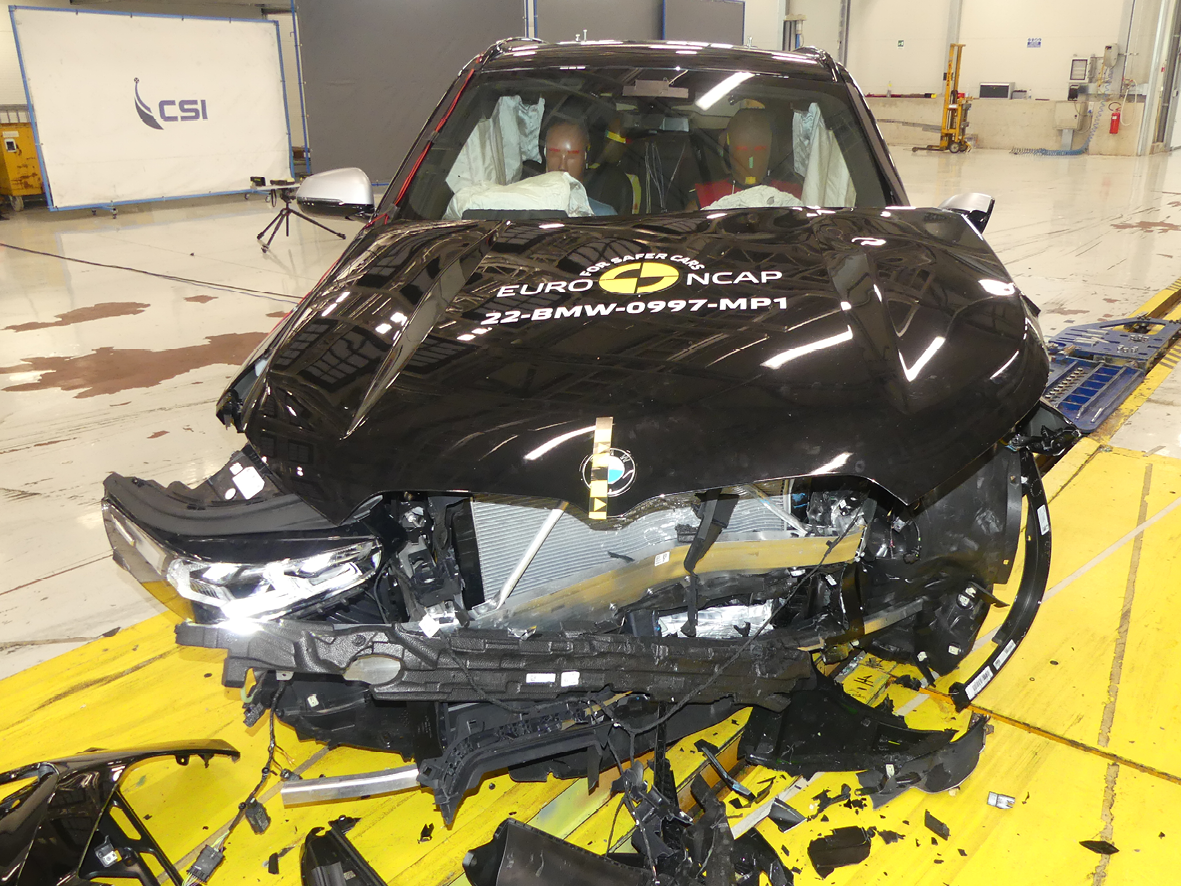
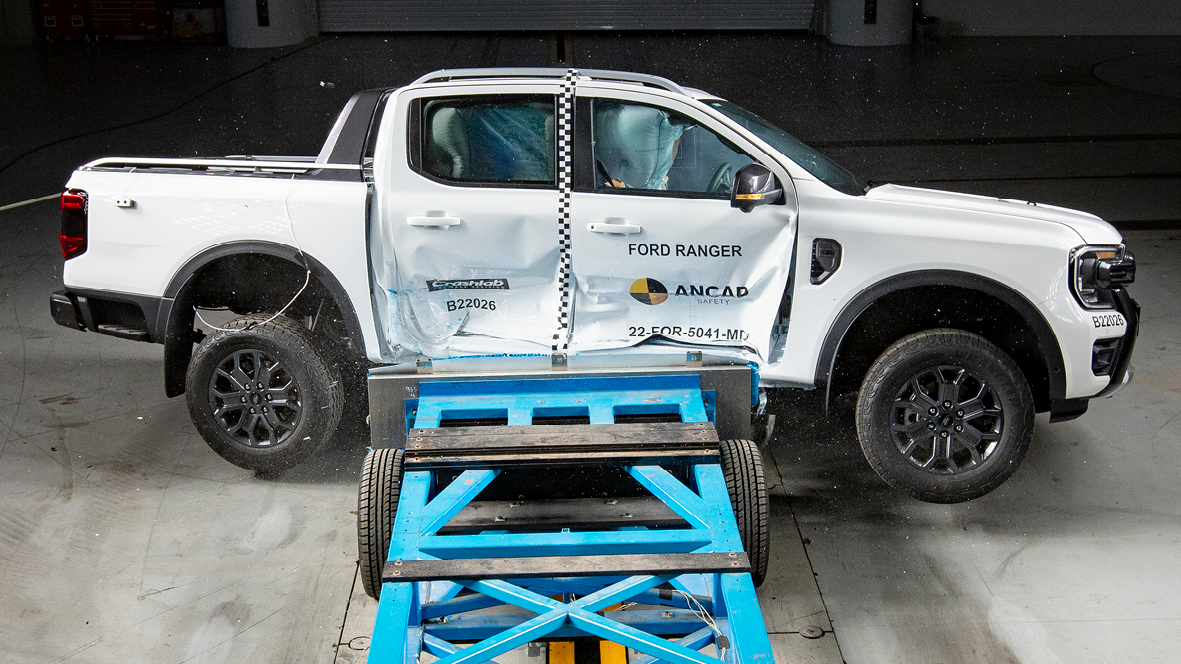
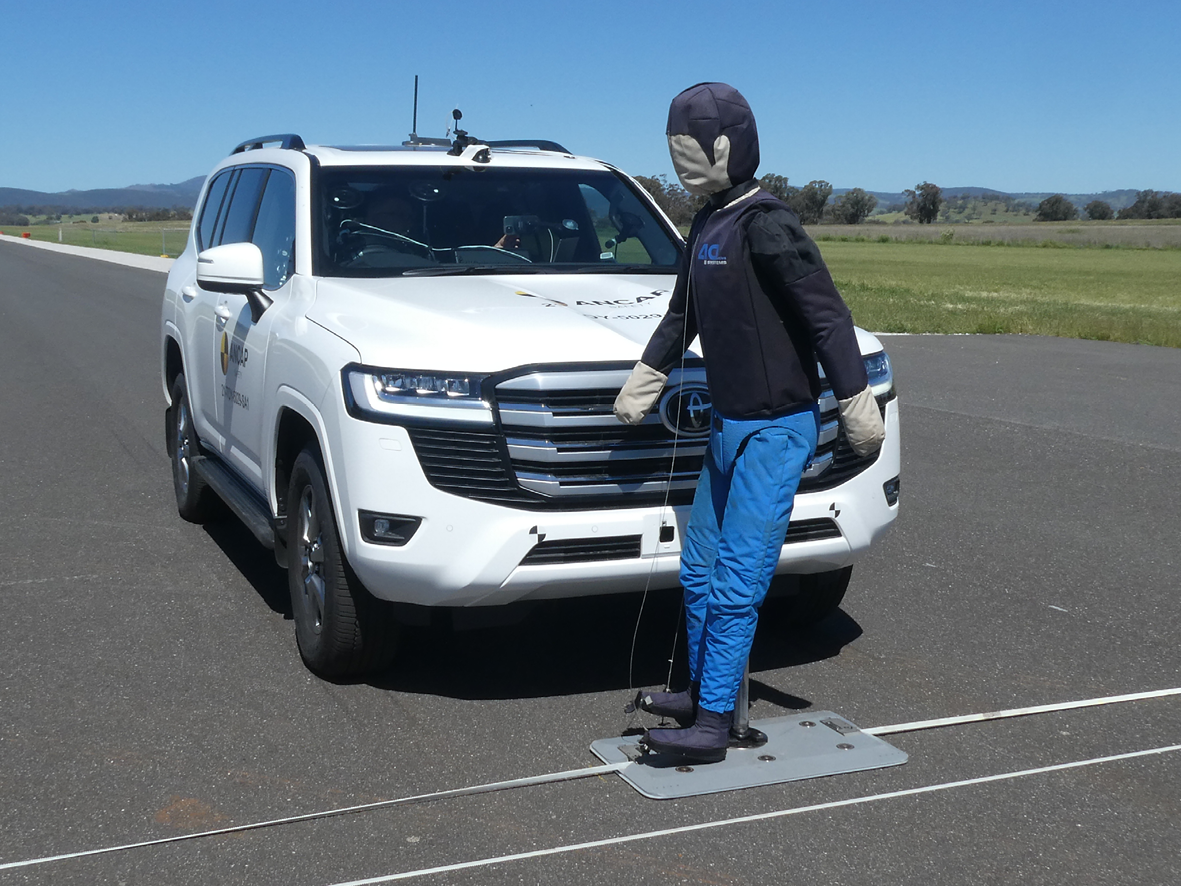
In a bid to reduce road accidents, the Federal Government has mandated autonomous emergency braking (AEB) for all vehicles, while proposed new Australian Design Rules could mean lane-keeping systems become compulsory from 2024.
AEB, which can completely stop a vehicle or reduce its speed if it detects an impending collision, will become compulsory for newly-introduced vehicles from March 1, 2023, and all cars sold in Australia from March 1, 2025.
Currently, the only mainstream vehicles sold in Australia without AEB are the MG 3, Fiat 500, LDV T60, G10 and V80, Mahindra Pik-Up, Suzuki Ignis, and entry-level versions of the MG ZS, Kia Rio, Honda CR-V, Mitsubishi Triton and Peugeot Expert.
