
Volkswagen will provide a glimpse at its next all-electric vehicle on January 4.
The mystery vehicle will debut in camouflage at next week’s 2023 Consumer Electronics Show in Las Vegas. It is expected to be the production version of the ID.7 electric sedan that was previewed by the ID.Aero concept in June.
It will be followed by an “experience [of] the next step in Volkswagen’s electrification journey” on January 6.
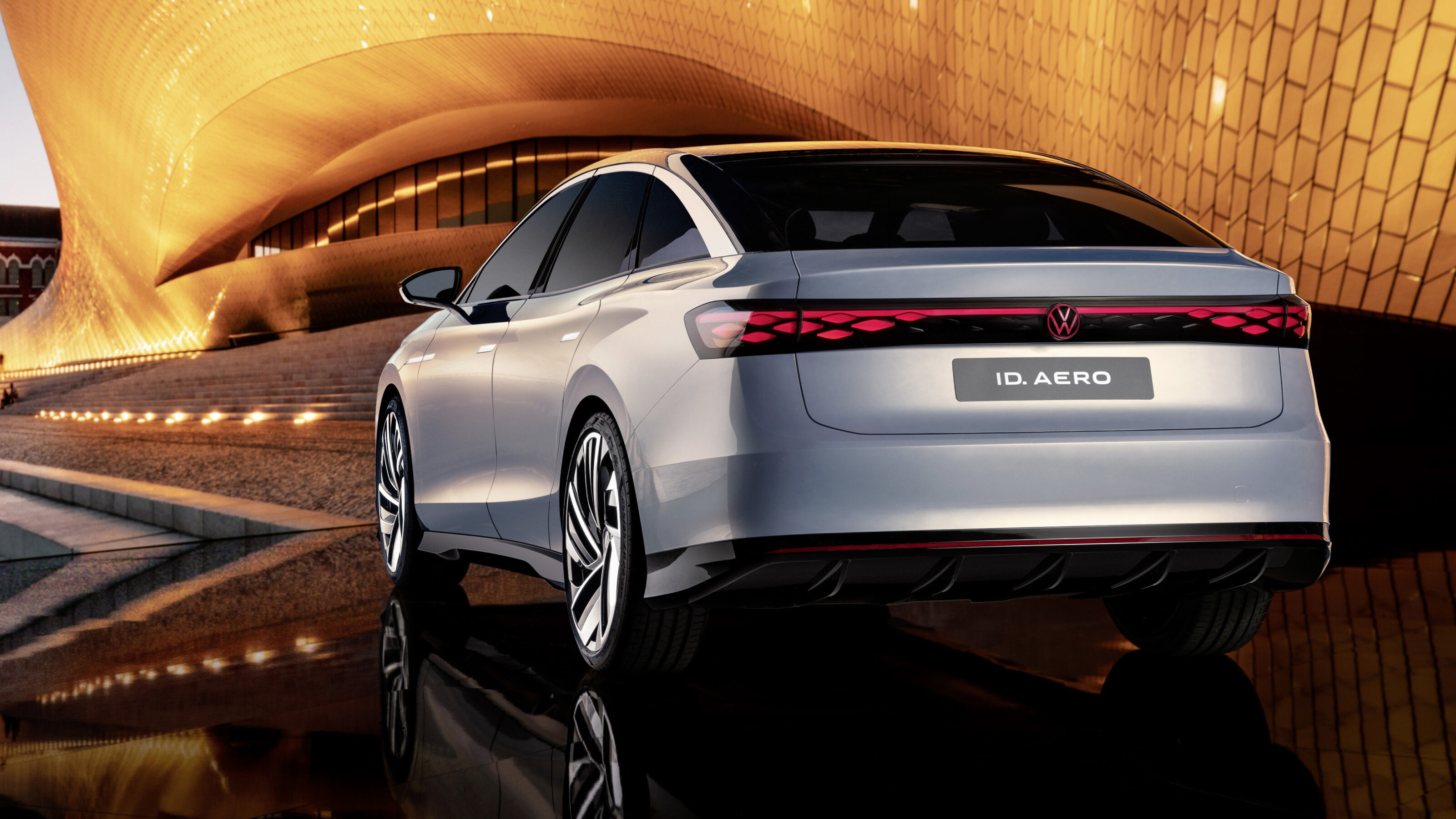
As the brand’s first global electric sedan, the ID.7 will be sold in China, Europe and the United States – and joined by a Euro-centric wagon variant, possibly badged ID.7 Tourer.
However, it could retain the ID.Aero badge – or potentially ID.6 Aero, as reported by Wheels earlier this year.
Under the skin, the ID.Aero concept is underpinned by Volkswagen’s MEB platform, with a 77kWh lithium-ion battery pack. It has a claimed WLTP-rated driving range of up to 620 kilometres and a low drag coefficient of 0.23.
It will act as an electric replacement for the Passat sedan, with the internal-combustion nameplate going wagon-only for its next generation.
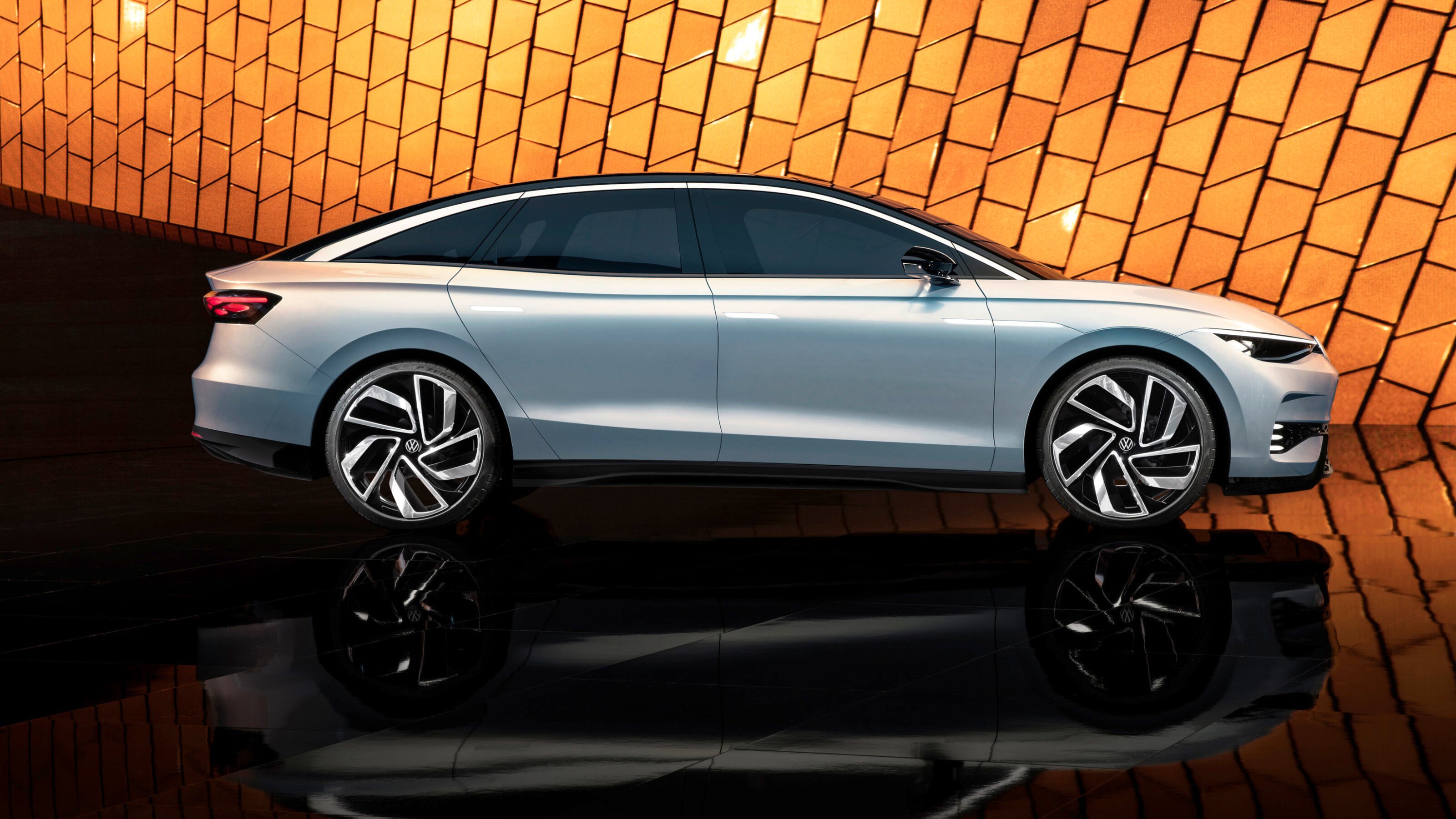
Volkswagen says the electric sedan will measure five metres long, making it larger than the current Passat and Arteon.
As reported, the ID.Aero concept has similarities to the 2019 ID. Space Vizzion concept, with a full-width light bar, a sculpted front bumper, LED tail-lights spanning across the rear, and a thick window line.
The 2024 Volkswagen ID.7 is scheduled to launch in China in the second half of 2023, while production of the global model is expected to commence in Emden, Germany, in late 2023.
The Nissan Navara stands out from a crowded field of dual-cab utes by offering a coil spring rear suspension set-up that promises to provide Navara owners with a better on-road driving experience.
But is it enough to make the Navara a compelling option for those wanting a daily driveable ute and can this Pro-4X variant do enough to stand out when compared to its Premcar-tweaked Warrior flagship sibling?
JUMP AHEAD
- How much is it, and what do you get?
- How do rivals compare on value?
- Interior comfort, space and storage
- What’s the payload and is the tray practical?
- What is it like to drive?
- How is it on fuel?
- What are the ownership costs?
- VERDICT
- Specifications
How much is it, and what do you get?
Nissan launched this generation of Navara back in 2015 but towards the end of 2021, it was refreshed with a bold new look and some useful active safety gear.
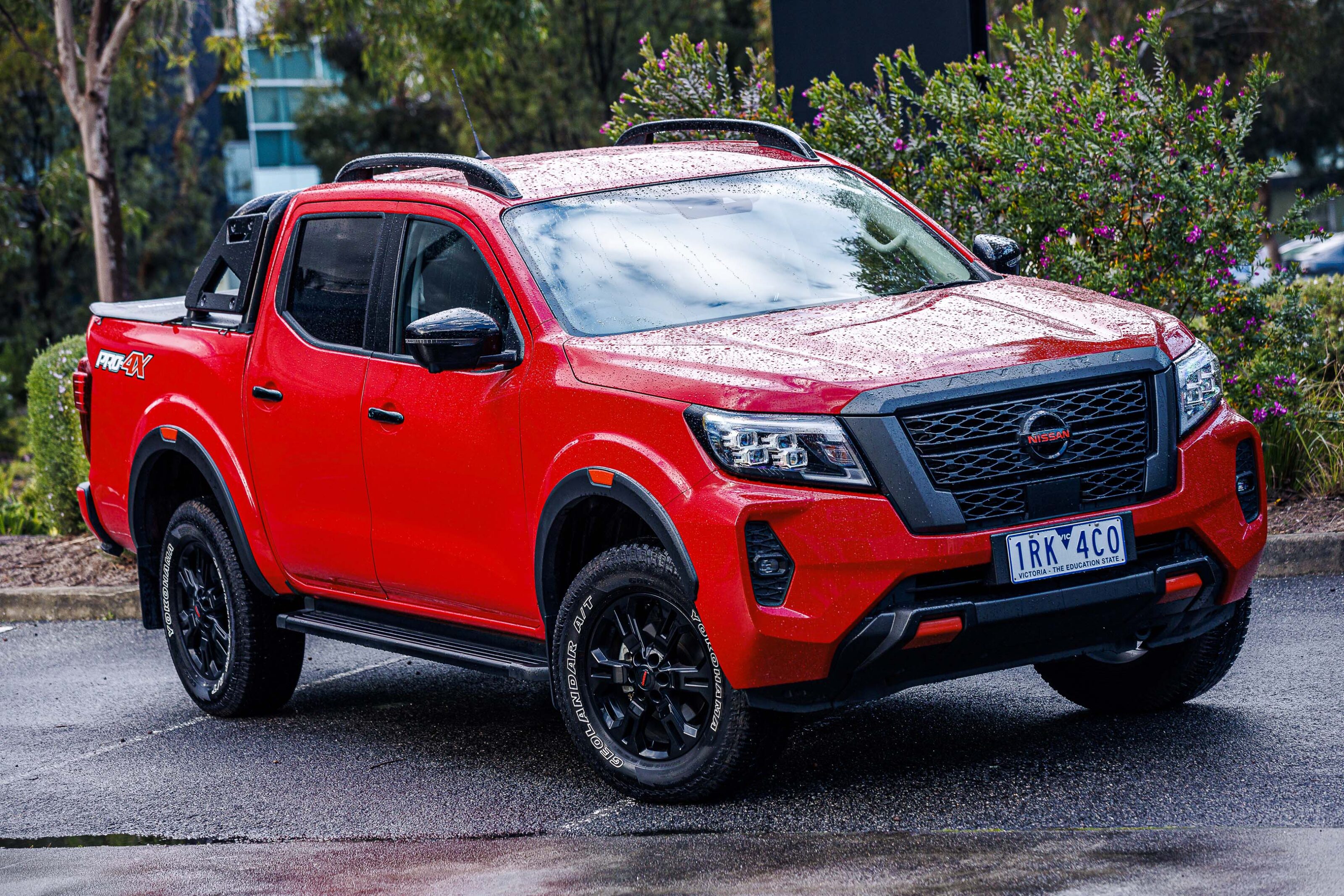
That update also saw the Pro-4X replace the N-Trek at the top of the regular model range and it’s that variant we have on test here, priced at $58,730 before on-road costs (or $65,680 drive-away).
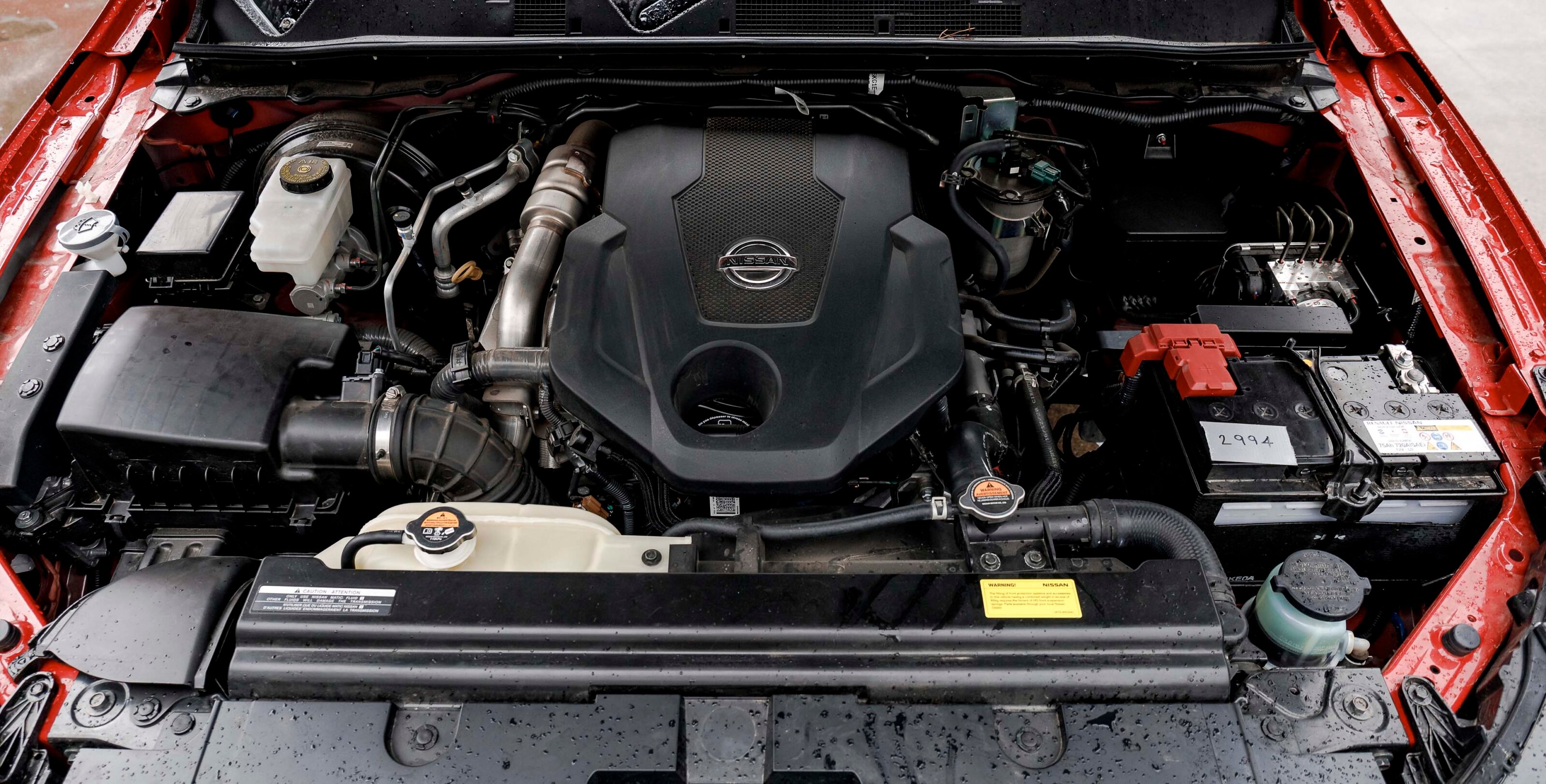
Its 2.3-litre turbo diesel matches the likes of the Isuzu D-Max and Mazda BT-50 for both power and torque with 140kW/450Nm.
How do rivals compare on value?
Sitting atop the non-Premcar Navara totem pole, the Pro-4X is a natural rival for many of the more expensive dual-cab ute variants currently available. However, it undercuts core models like the Ford Ranger Sport and XLT Bi-Turbo ($66,690 and $61,190 respectively before on-road costs) on price.
Its closest price rival is the Isuzu D-Max LS-U which wears a sticker price of $59,000 before on-road costs for the manual and offers a similarly utilitarian (if well-equipped) style of ute.
Interior comfort, space and storage
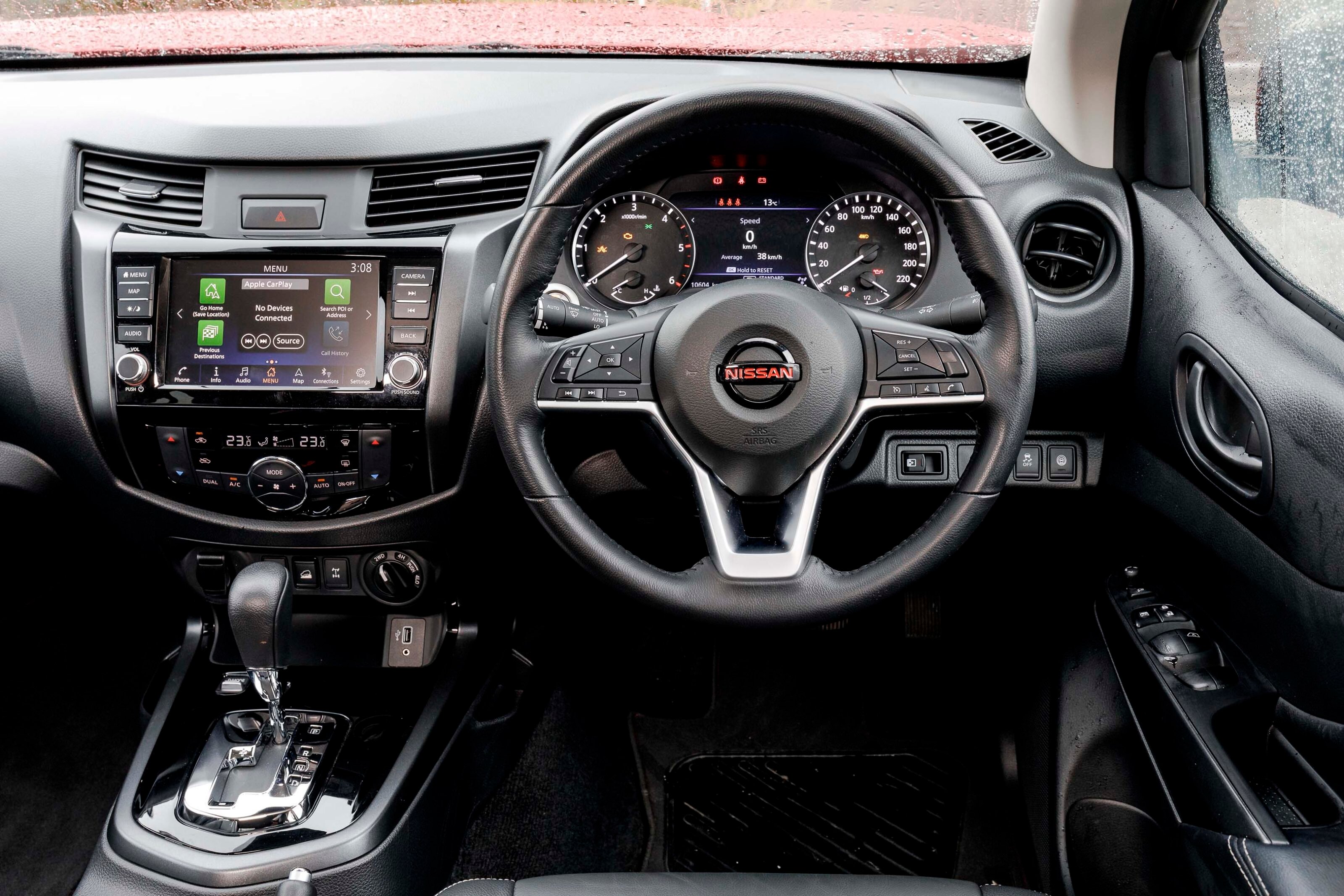
Nissan’s offering is arguably one of the most visually impressive exteriors on the market and the same can very much be said for the interior. Sports seats with leather trim look both rugged and attractive, especially with their neat Pro-4X embroidered branding.
The small sporty steering wheel continues the theme with a pleasant leather-like covering and a single USB-C socket indicating that its interior is one of the most contemporary, along with two USB-A ports and a 12-volt socket. We also particularly like the single central electric rear window that would allow dog owners to chat with a four-legged friend in the tray.
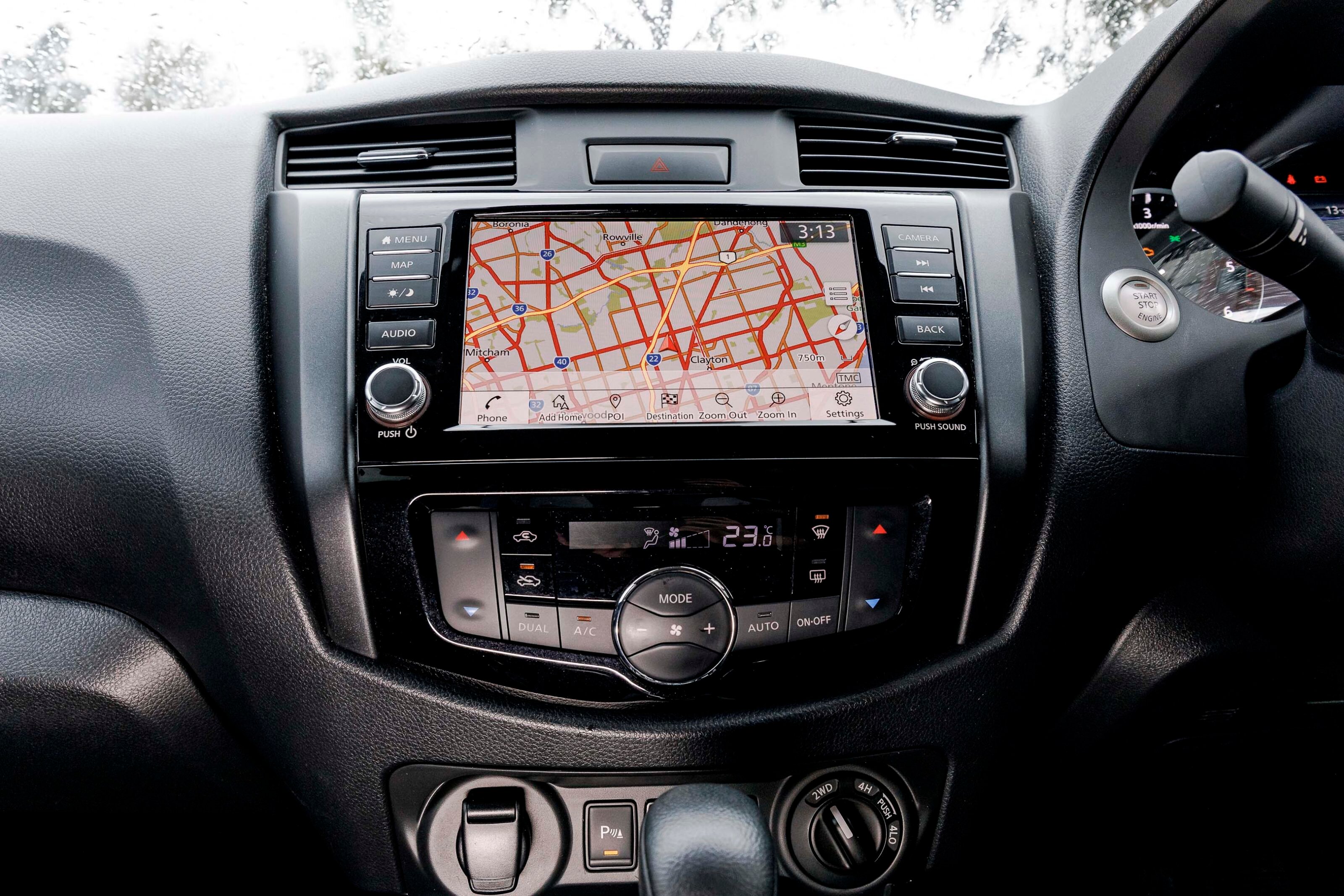
An 8.0-inch display looks a little dated, takes nine seconds to boot up and the graphics aren’t the freshest, but once up and running it is one of the fastest-responding systems.
While this Navara initially appears highly specced, many switch blanks around the cabin suggest a few options are missing, seats are manually adjusted and there’s no suitable spot for a smartphone (there is a cute side pocket for the front passenger).
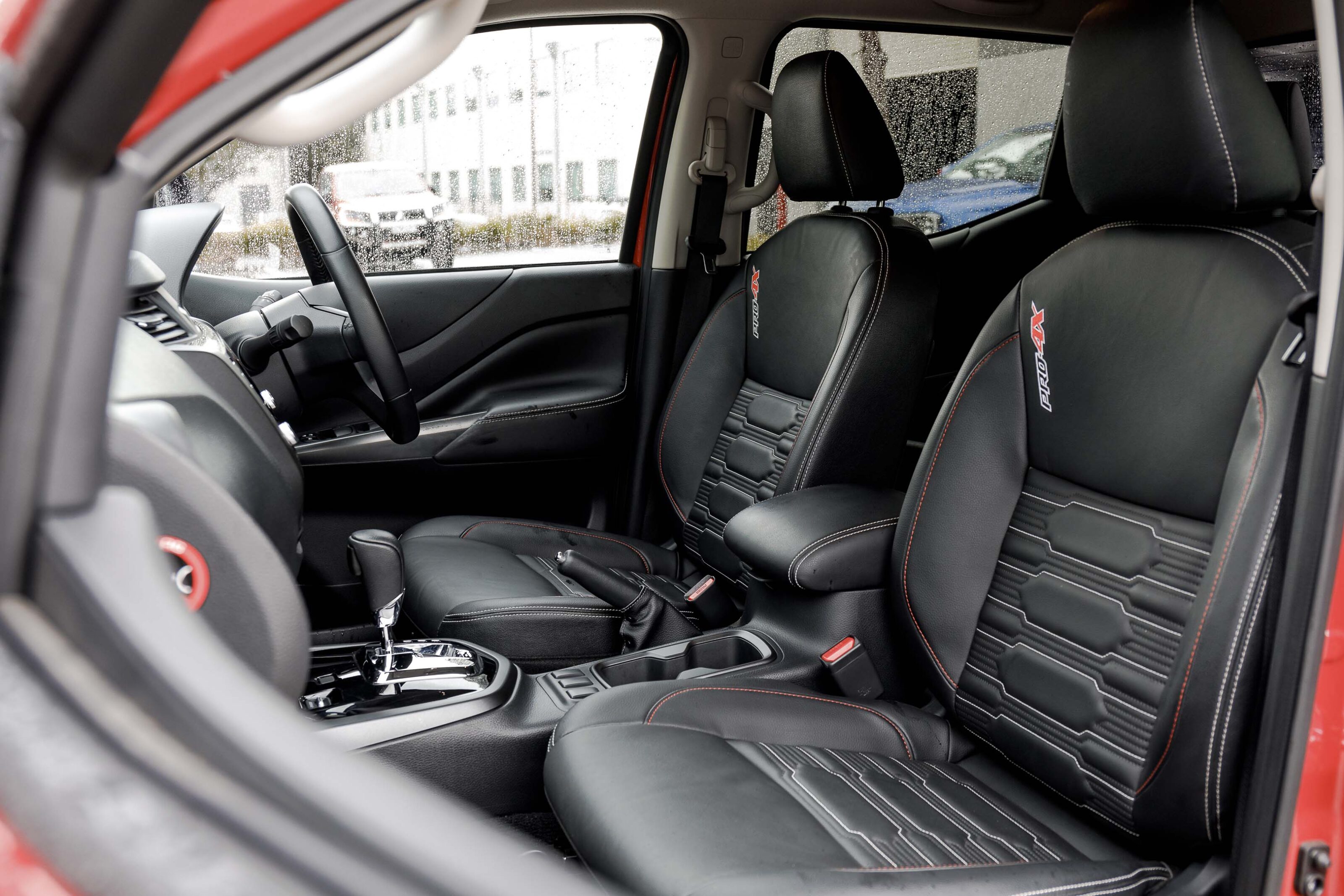
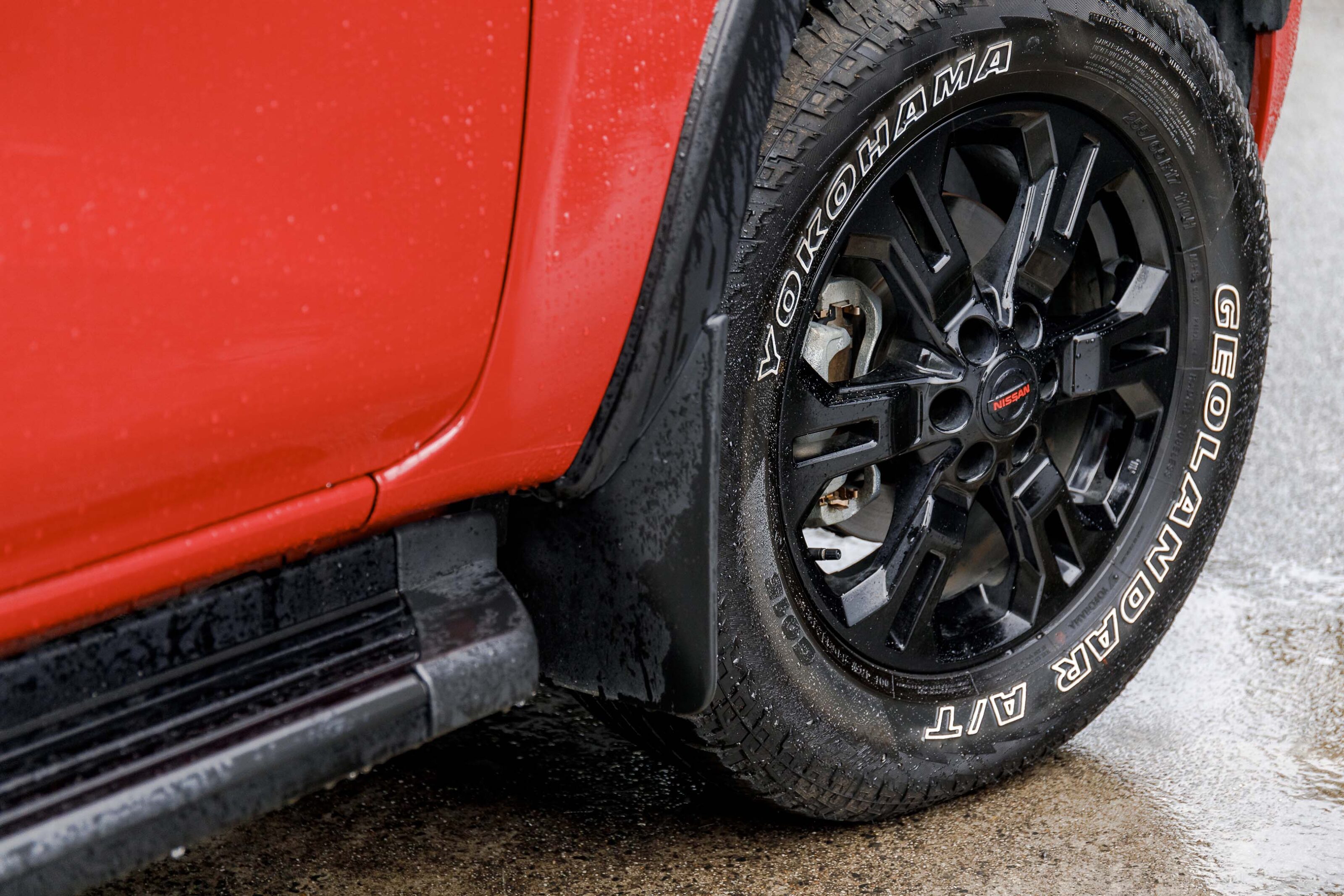
Speaking of seating, we were unable to find a comfortable position in Navara, with the seat being too high and the wheel both too low and lacking reach adjustment. We also found it to have one of the nosier interiors of the current dual-cab field in terms of road and wind noise, something exacerbated by the Yokohama Geolandar A/T 255/65 R17 110H tyres.
It’s also worth noting that the Navara is one of only three models that doesn’t offer an off-road-focused grab handle on the driver’s side. Redeeming functional features include 100mm of headroom in the front row and generous door pocket storage.
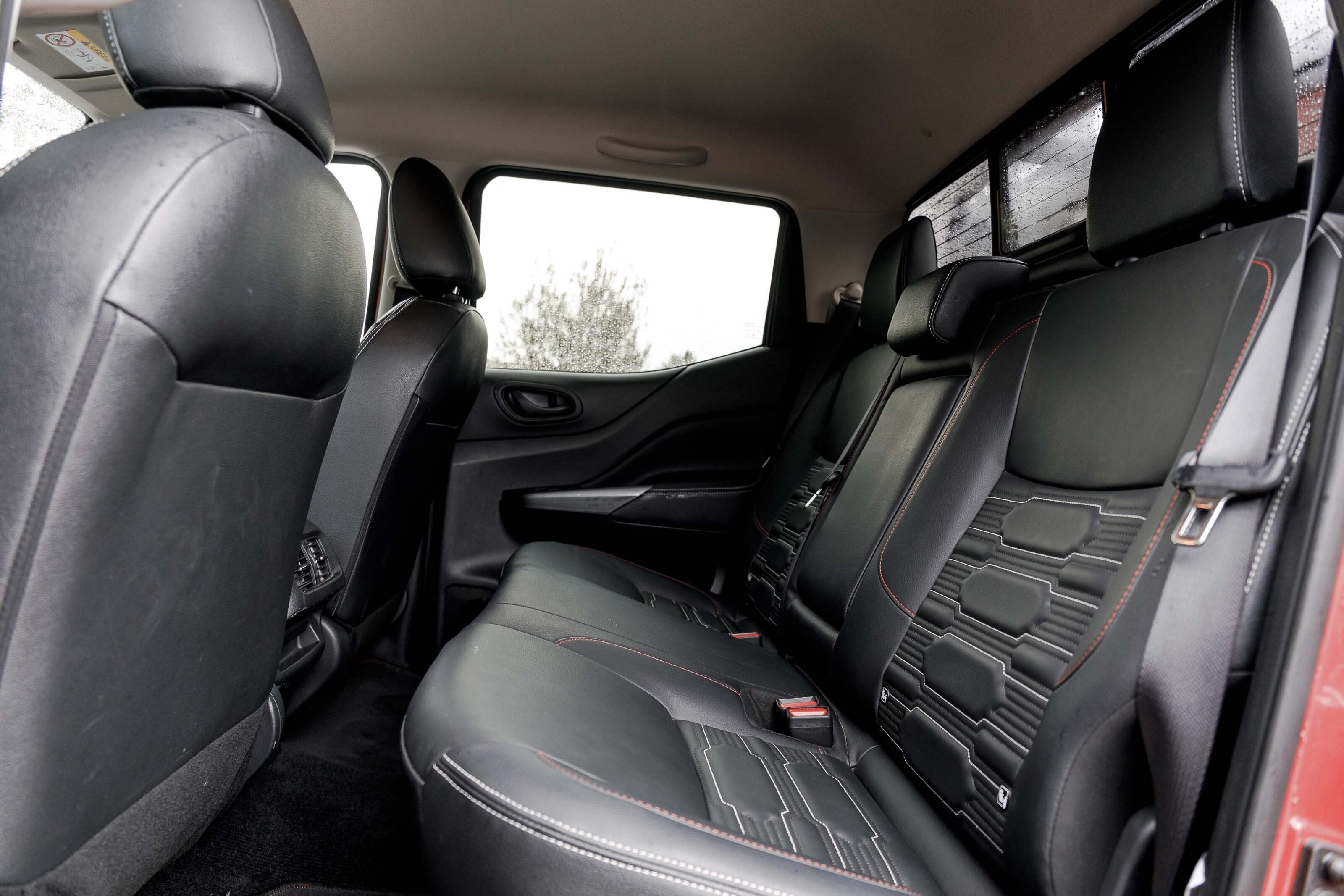
Rear-seat accommodation is equally middle of the road. With 30mm of knee room and just 10mm of headroom, it’s a little on the tight side, with poor under-thigh support and no pockets in the front seatbacks. There are, however, a pair of 82mm cup holders in the fold-down armrest, little intrusion from the transmission tunnel and tinted rear windows.
What’s the payload and is the tray practical?
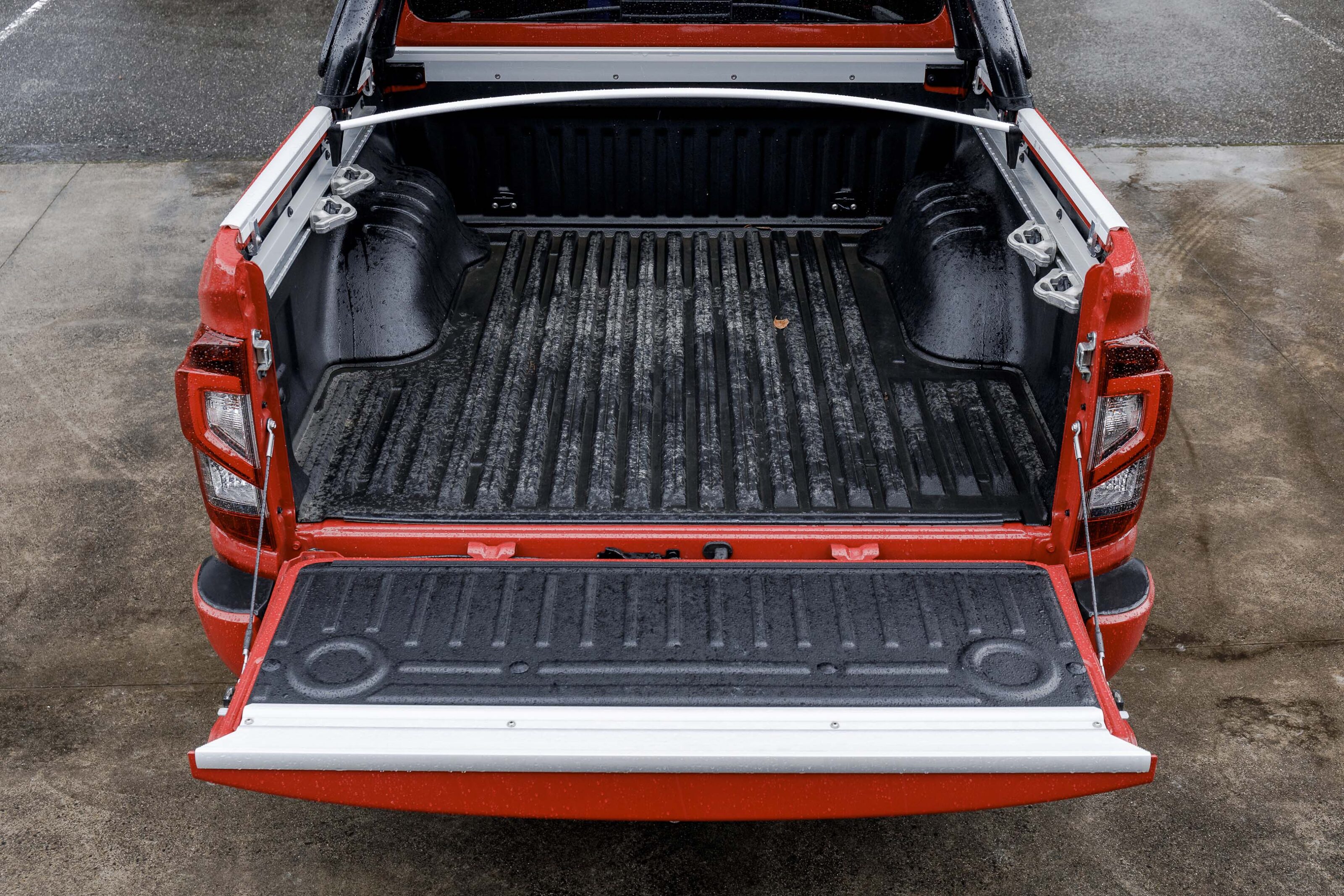
The Navara uses a five-channel Utili-Track system in the tray, which is a clever addition that enables you to manually reposition tie-down points within the tub so that all shapes and sizes of stuff can be strapped down. It’s an intuitive system that is simple in its operation.
Another tick for the Navara is that it will take a payload of more than a tonne (1004kg). Plus, the Nissan can fit 1134mm between the rear wheelarches.
What is it like to drive?
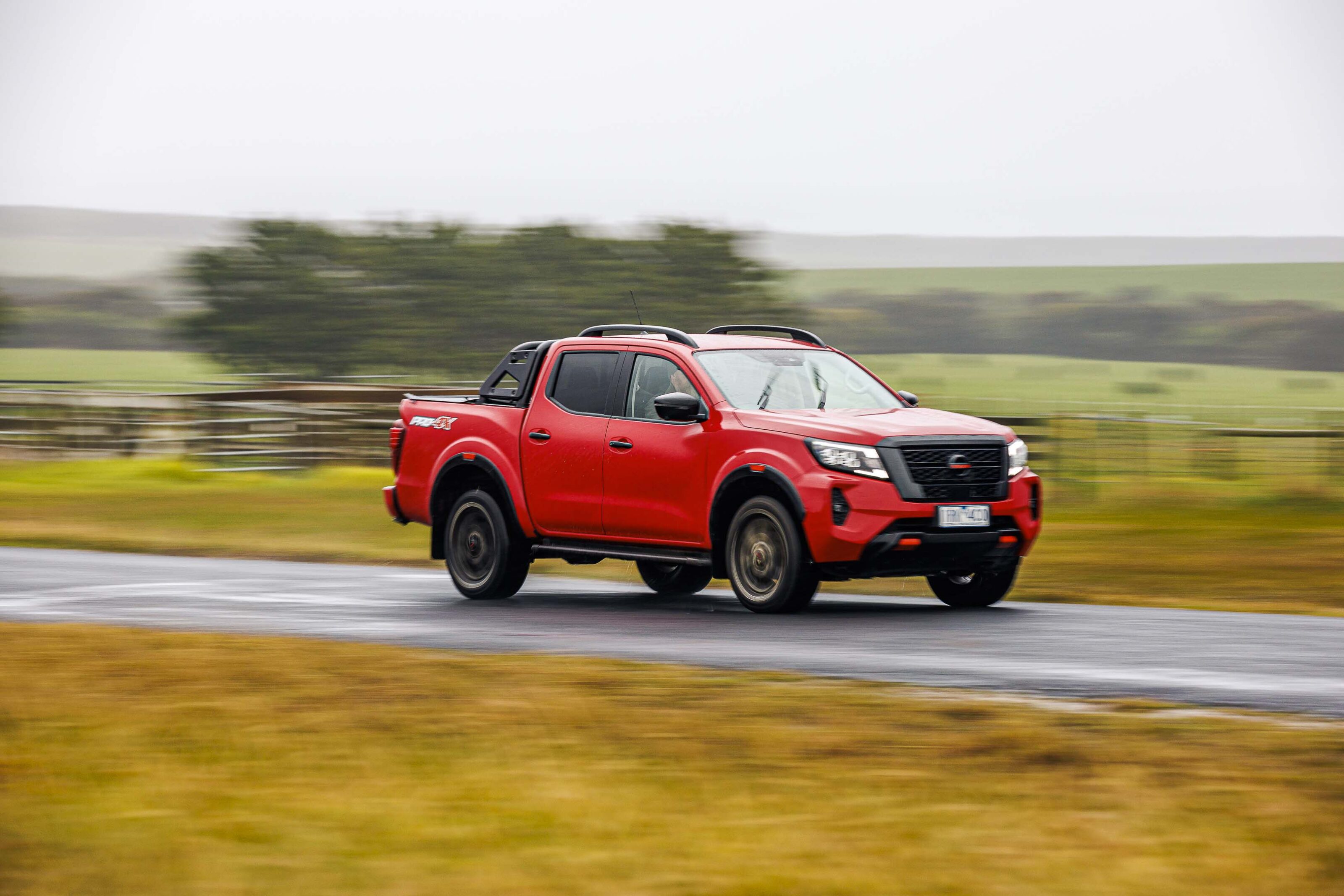
While the coil-sprung rear suspension of the Navara means it offers one of the better ride qualities of the dual-cab segment, we found its steering wasn’t quite up to scratch. It is heavy and sluggish at low speeds, while simultaneously being vague and light at freeway speeds.
However, the Navara is redeemed by a strong engine that will spin all the way to 5500rpm without any noticeable tapering of power at the top end. This imbues the dual-cab with a muscular feel and nature that is matched by the Nissan’s roadholding capabilities on loose surfaces.
We drove on unsealed dirt roads and found the Navara to be one of the most confidence-inspiring in tricky conditions.
How is it on fuel?
During testing, the Navara Pro-4X used 9.83L/100km.
That sits it near the more efficient end of the consumption spectrum, within the same ballpark as the likes of the Mazda BT-50 (9.3L/100km), Toyota HiLux SR5 (9.5L/100km), and Isuzu D-Max LS-U (9.65L/100km).
It is more efficient than both the four-cylinder Ranger XLT (11.28L/100km) and V6 Sport variant (11.75L/100km).
What are the ownership costs?
Nissan offers six years of capped-price servicing for its Navara, with intervals listed at 12 months or 20,000km.
Prices for automatic variants start at a fraction over $500 for the first service and max out at $782 on the sixth. Servicing costs for manual models are marginally higher.
VERDICT
Nissan’s Navara Pro-4X offers good value for money in the dual-cab segment with a cleverly designed tray and tough-feeling engine.
However, the non-Premcar flagship is chiefly let down by boomy interior refinement and a lacklustre steering calibration that manages to be too heavy and sluggish at slower speeds and too vague and light at highway speeds.
We would recommend the Navara for buyers that want a high payload, practical tray, and frequently drive on unsealed roads.
Nissan Navara Pro-4X specifications
| Engine | 2.3L twin-turbo diesel |
|---|---|
| Power | 140kW @ 3750rpm |
| Torque | 450Nm @ 1500-2500rpm |
| Transmission | 7-speed automatic |
| Drive | part-time 4X4 |
| Fuel consumption (ADR combined) | 8.1L/100km |
| Fuel consumption (as tested) | 9.83L/100km |
| Fuel consumption (towing test) | N/A |
| Price | $61,230 + on-road costs |
| Drive-away price (base colour, automatic) | $65,680 |
| Brakes | disc (f) / drum (r) |
| Suspension | double wishbone (f) / multi-link (rear) |
| Manual available? | yes |
| Warranty | 5 years, unlimited km |
| ANCAP Safety | 5 stars |
| Towing | 3500kg |
| GCM | 5910kg |
| Payload | 1004kg |
How do airbags work? Here’s what you should know about the critical safety feature when buying a new car
Since the early 1990s, airbags have become standard equipment in most new cars sold in Australia – initially for drivers, then front passengers, to today, when most passenger cars are equipped with upwards of six airbags.
Airbags are an important safety feature that can help reduce the risk of injury in a car crash by deploying and inflating to provide a cushion for the driver and passengers.
Airbag units are equipped with ‘satellite sensors’ that activate the inflator in a severe frontal collision at speeds in excess of 24km/h. The inflator ignites a chemical mix of sodium azide (NaN3) and potassium nitrate (KNO3) to create a pulse of nitrogen gas that rapidly inflates a thin nylon bag.
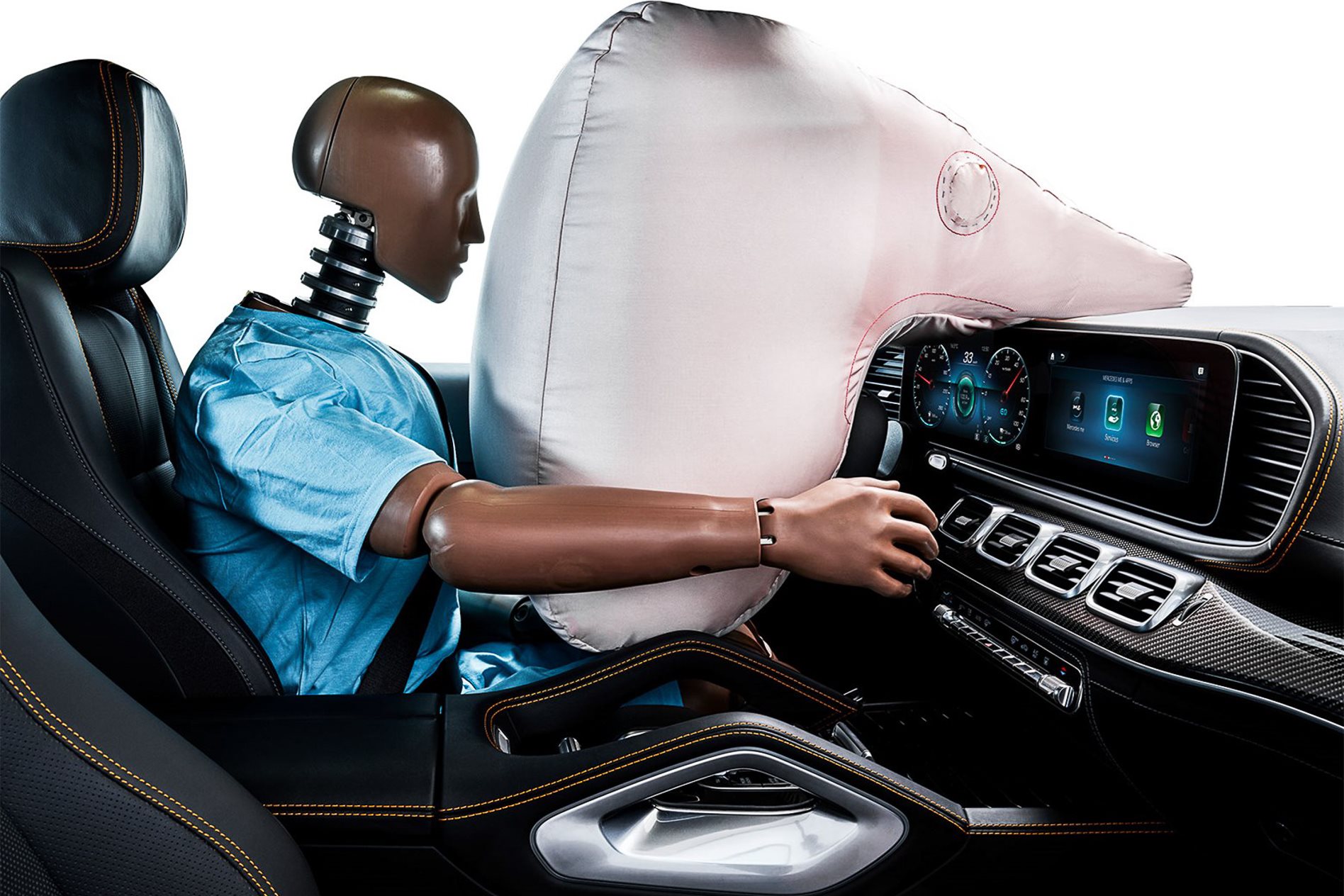
As the bag inflates it pushes its way out from between a split in the cover so none of the steering wheel, dashboard or other surface in front hits your face or body. As your head or body meets the airbag, it cushions the impact by deflating through holes at the base.
The driver-side airbag ignites and inflates in 20-30 milliseconds, or less than half the time it takes to blink your eyes. The passenger bag takes 30-40 milliseconds.
Airbags are designed to deploy at a collision speed above 25km/h and when the angle of impact is about 30 degrees on either side of the car’s direction – this means frontal airbags won’t deploy in the event of a side impact or rollover.
How airbags work: Step by step
- When a car hits something, the acceleration or force is detected by an accelerometer.
- If the deceleration is strong enough, the accelerometer activates the airbag circuit.
- The airbag circuit sends an electric current through a heating element, causing a chemical explosive to ignite.
- The chemical reaction generates a large amount of harmless gas, which is sent into a nylon bag behind the steering wheel.
- The bag inflates and pushes against the plastic cover on the steering wheel, pushing it off and expanding in front of the driver.
- The driver pushes against the bag, causing it to deflate as the gas escapes through small holes around the edges.
- The bag should fully deflate by the time the car comes to a stop.
Where are airbags fitted?
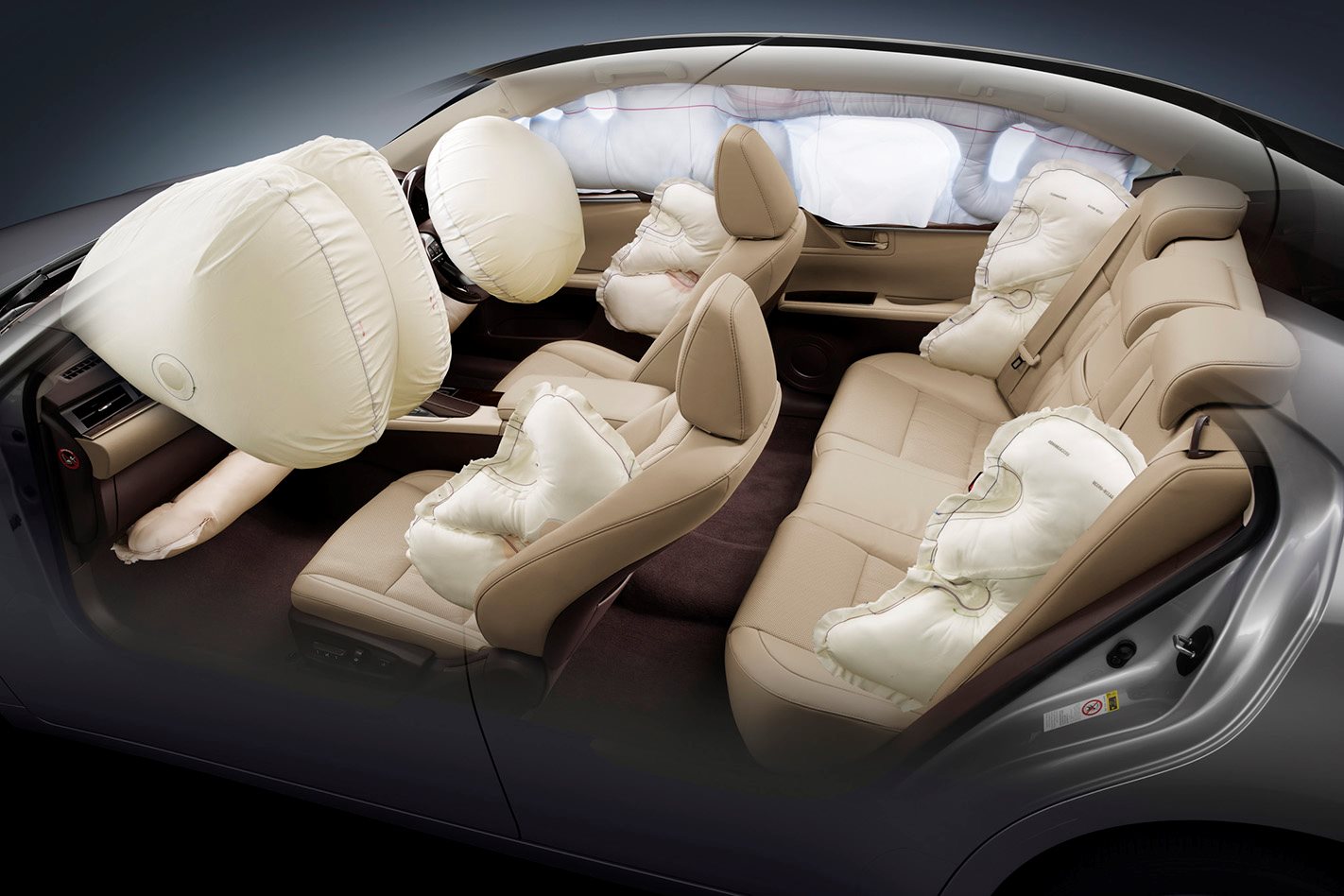
Airbags were first fitted within steering wheel hubs to protect the driver during a front-on collision, but now they can be mounted throughout the car to protect front and rear occupants in a variety of situations, including side impact and rollover events.
Some cars have up to nine airbags, though there’s no actual minimum requirement as they are officially classified as supplementary safety equipment and aren’t mandatory, like seatbelts.
| Frontal airbags: Originally fitted at the front of the car to protect the driver from a forward collision and were mounted in the steering wheel. Front passenger airbags were later introduced and fitted into the dashboard |
| Knee airbags: Deploys in frontal collisions to protect the front occupantsu2019 knees from hitting the steering column and dash |
| Side airbags: Deploys on impact in side collisions and possibly during rollovers |
| Footbags: Deploys into the foot well to reduce injuries to the feet and lower legs |
| Curtain airbags: Inflates downwards from the roof sill to protect the occupantu2019s head and remains inflated |
| Side torso airbags: Deploys from the side of the seat upwards and remains inflated |
| Seatbelt airbags: Deploys from the seatbelt across the torso and shoulder. |
How many airbags is enough?
The Australasian New Car Assessment Program (ANCAP) recommends airbags that protect the head, neck, face, and thorax in front and side crashes.
This means frontal, side, and curtain airbags should be on your list.
Airbag issues
While airbags can be a lifesaver in an accident, it’s important to be aware of certain safety considerations when using them. Here are a few things to keep in mind when it comes to safely using airbags in cars.
- Airbags are designed to mitigate injury in a crash, not prevent it. Minor injuries such as bruises and scratches after contact with the bag are common, but that’s a small price to pay to prevent the full force of a significant impact
- Wearing glasses doesn’t present any danger of facial injuries if the occupant is at the normal distance from the steering wheel or dashboard
- Airbags are designed for people sitting and driving in a proper position – so don’t sit with your feet on the dashboard, and when driving, avoid placing your hands on the steering wheel’s hub as you could end up punching yourself pretty hard should the airbag deploy.
- Airbags are designed for adult-sized people. Children are at risk of serious injury from a deploying frontal airbag, so avoid having kids in the front seat even if they are in a child seat. Check the front airbag is OFF if you have a child under 13, or a person less than 153cm tall, in the front passenger seat
- Don’t place objects or accessories in the car that may prevent the deployment of the airbag or become projectiles when the airbag goes off, such as phone holders, covers, pictures, clocks, magnets, and mats. Seat covers can obstruct the deployment of seat-mounted side airbags as well
- If you get an airbag warning light in your dashboard, take the car to your dealer or mechanic as it could mean the airbag is faulty. Don’t attempt to fix it yourself
- Bull bars or roo bars can affect airbag operation, and can only be fitted if it is certified by the vehicle’s manufacturer as being safe for that vehicle. Aftermarket bars can only be fitted if a manufacturer can prove they won’t detrimentally affect the performance of the airbag system.
- If you have an SUV with curtain airbags, check that it also has a rollover sensor
- Read your manual and understand what your airbags can and can’t do, and where they are located
- Find out if your vehicle is subject to the massive Takata airbag recall that affects more than a million vehicles worldwide.
What was the Takata airbag scandal?
The Takata airbag scandal was a major recall that affected millions of vehicles worldwide, including – according to the ACCC – around 2 million in Australia.
The issue stemmed from the airbag inflators manufactured by Takata, a Japanese company that supplied airbags to a number of major automakers. It was discovered that these airbag inflators were prone to rupturing upon deployment, which could result in shrapnel being sprayed into the vehicle’s cabin. This defect was linked to at least 27 deaths and hundreds of injuries globally.
The recall affected vehicles from a wide range of manufacturers, including Honda, Toyota, BMW, and Ford, among others. The issue was traced back to a number of factors, including the use of ammonium nitrate as a propellant in the inflators, which was found to be unstable and prone to decomposition over time.
The recall was one of the largest and most complex in automotive history, with millions of vehicles being recalled and millions of inflators being replaced. The scandal resulted in Takata filing for bankruptcy in 2017.
Frequently Asked Questions
Snapshot
- EV hub intends to demystify ownership cost and experience
- Real-time delivery updates will become available
- Unique Australian slant for both
One of the brands most affected by supply constraints this year has been Volkswagen, with its slow sales recovery largely out of step with 2022’s overall market growth.
Volkswagen Australia executives have assured WhichCar this doesn’t come from disinterest in the brand, but rather restricted supply.
This has especially affected Tiguan and Tiguan Allspace, with VW Oz getting crafty to loosen up supply on in-demand 2.0-litre turbo variants – not to mention selling through Amarok stock ahead of the new model’s 2023 launch.
To help customers stay informed, Volkswagen has amped its ownership portal with greater communication to owners on the whereabouts and expected delivery time of its vehicles.
Additionally, the brand has rolled out an immersive ‘EV hub’ on its website designed to demystify the electric vehicle ownership experience in Australia. This will be crucial if VW is to nail its target of 150,000 EV sales Down Under between 2025-2030.
Wait time portal and real-time updates
“Times are different. It’s now the norm to wait for a car, rather than get one almost straight away. So we wanted to go even further as a brand; do more to keep our customers updated and provide them with an experience that matched our products,” head of product, Volkswagen passenger vehicles, Michelle Rowney told WhichCar.
“Customers will receive more meaningful updates on where their car is from factory all the way to delivery,” she added – specifically with update messages via text or email increasing from five to 11, and the ability to access an ownership portal on the brand’s website.

“Linking through to a web experience with the mobile interface, customers will be able to view exactly where their car is in the process and also start to learn about all the technology features that they will soon come to experience.
“Also for the first time, an estimated shipping arrival of when their car is expected to arrive on Australian soil is provided. This is the first iteration of a multi-stage owner’s portal, which will go on to include various other owners tools in the future,” Rowney added.
Volkswagen’s EV hub is tailored to Australians
With four new electric vehicles and a pair of plug-in hybrids slated for local launch over the next 18 months, Volkswagen launched a customer-facing portal on December 7 to assist prospective EV owners in making their decision.
“Rather than tackling on our website the topic of BEV and PHEVs through a list of FAQs, we’ve really gone in a very different direction and created this very immersive, visual experience that not only talks about the product, but talks about topics of sustainability. It talks about anything that customers would need to know about e-mobility from the brand,” said Ralph Beckmann, general manager of marketing and product at VW Australia.
“We’re working very closely together with our agency partners and partners like Google to understand what are the Australian unique concerns that are not related to the typical things like driving range and charging infrastructure.
“Putting things like driving range in a local context, making sure that people understand and be able to plan that trip… phase one will be rolled out today and phase two is targeted for the first half of 2023,” Beckmann added.
As the second phase rolls out there will be a registration of interest module added for ID.4 and ID.5, as well as a total cost-of-ownership simulator comparing BEVs and PHEVs against ICE vehicles.
“Our ambitions are very clear. We’re not here to dip our toe in the water,” Beckmann finished.
When Mazda released the CX-30 in February 2020, Toyota’s contemporary small SUV – the style-forward C-HR – didn’t have the practicality or value to compete with the gorgeously-presented yet still family-friendly Mazda. Now, Toyota is back with the Corolla Cross.
The 2023 Corolla Cross addresses many of the criticisms we had of the C-HR – such as the cramped back seat and tiny boot – though loses out on some exterior wow factor. The design is undeniably pedestrian, but the payoff is back-seat and boot space, or so goes the theory.
A small SUV is, ostensibly, all a family needs, and it’s a fierce marketplace to compete in. So the Corolla Cross will have to offer more than just extra practicality to win this test.

The Corolla Cross’s powerful fifth-gen hybrid system chews just 4.3L/100km of 91 RON, which should help its case. The powertrain develops 146kW of power, beating not only the CX-30 G20’s 6.5L/100km combined fuel consumption figure but also its 114kW power output.
On paper, then, the Corolla Cross’s spacious body, efficient hybrid and proven underpinnings are off to a strong start against the CX-30.
And even though the Corolla Cross gave everyone a bit of price shock on launch, in mid-spec GXL hybrid AWD guise ($42,250 before on-road costs) the Toyota actually looks like pretty reasonable value next to the petrol-only and front-drive CX-30 G20 Touring SP ($38,490 before on-road costs).

Jump ahead
Pricing and features
Drop the spec sheet for a moment and let your eyes wander over this pair, and visual presentation is a different story.
The CX-30 could have rolled out of a BMW or Audi dealership. There’s intricate body surfacing, high-quality cabin materials almost everywhere you look and a sense of solidity. The tested Touring SP amps visual impact with dark 18-inch alloys outside and burgundy leather within.
Meanwhile, the Corolla Cross feels thin and plasticky in an ‘Old Toyota’ way, more like the decidedly average 10th-gen Corolla than the euro-chic C-HR and substantial RAV4.
But looks ain’t everything, and when it comes to tech the Corolla’s package is more up-to-date. The GXL gets a large 10.5-inch touchscreen with connected services, impressive voice control, navigation, wireless Apple CarPlay (though wired Android Auto) and a 7.0-inch digital driving display.

If the Toyota’s processing power is stronger, the CX-30’s graphic interface comes from a higher level of design – think Windows 10 vs MacOS. The CX-30’s eight-speaker sound system is warmer and more natural in its timbre than the Corolla Cross’s, too.
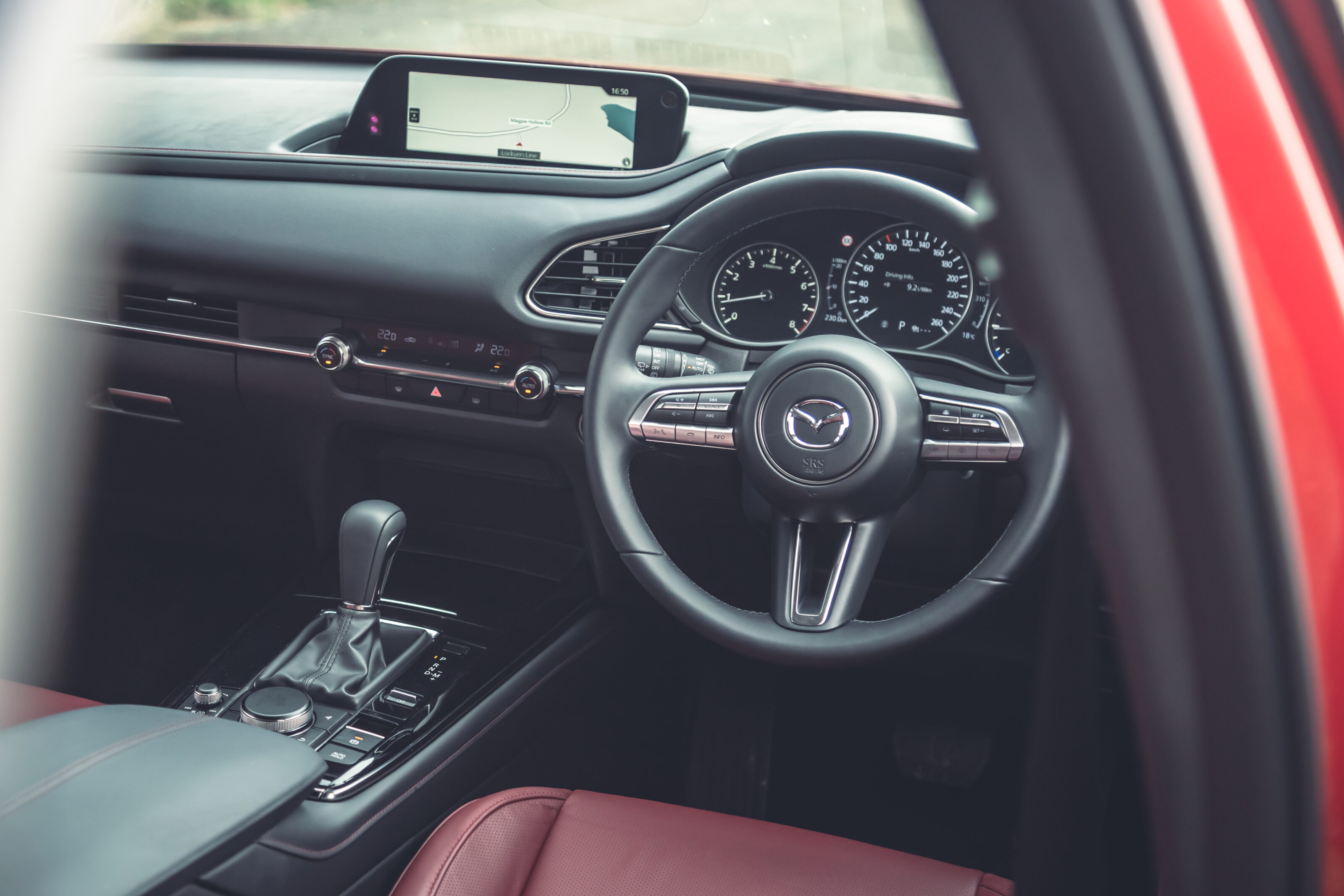
Annoyingly, you need to use the rotary controller for everything in the CX-30 as its 8.8-inch display is non-touch. This isn’t too bad with Mazda’s own software but can prove a nightmare when trying to find your favourite Taylor Swift song using Apple CarPlay or Android Auto (both of which require a wired connection).
If the Mazda does claw back something in the technology stakes, it’s the boot-up time. The CX-30’s software is essentially ready to go from the off, whereas the Corolla Cross’s touchscreen takes an awfully long time to become responsive.
We timed the Corolla Cross’s touchscreen at between 20-22 seconds from hitting the starter button and being able to change music or enter nav directions.
Both cars get dual-zone climate control with physical controls. The Mazda’s dials have satisfyingly-damped clicks, whereas there is nothing special about those of the Corolla Cross.
Corolla Cross GXL vs CX-30 G20 Touring SP features
*Soul Red Crystal paint ($595)
| Corolla Cross GXL hybrid | CX-30 G20 Touring SP |
|---|---|
| $42,250 as tested + on-road costs | $39,085* as tested + on-road costs |
| 10.5-inch touchscreen | 8.8-inch screen |
| 7.0-inch digital driveru2019s display | 7.0-inch TFT driveru2019s display |
| 6-speaker sound system | 8-speaker sound system |
| Manual seats w/ power lumbar | 10-way power seats w/ lumbar, memory |
| Leather-accented upholstery | Burgundy leather upholstery |
| Dual-zone climate control | Dual-zone climate control |
| Keyless entry and go | Keyless entry and go |
| Manual tailgate | Power tailgate |
| Projector LED headlights | Projector LED headlights |
| LED DRLs | Halogen DRLs |
Comfort and space
I mentioned the touch surfaces briefly before, but the CX-30 also rinses the Corolla Cross for front seat comfort. Its burgundy leather-appointed eight-way power adjustable seats with two-position driver memory are delightfully comfortable and low-set, just like a hatchback.
The CX-30’s door tops, dash top and armrest are appointed in lovely squishy leather-like materials across the range, too. These don’t only add bragging rights in a road test either; the soft materials dampen sounds, like coarse chip surfaces or bickering journalists in the back seat.
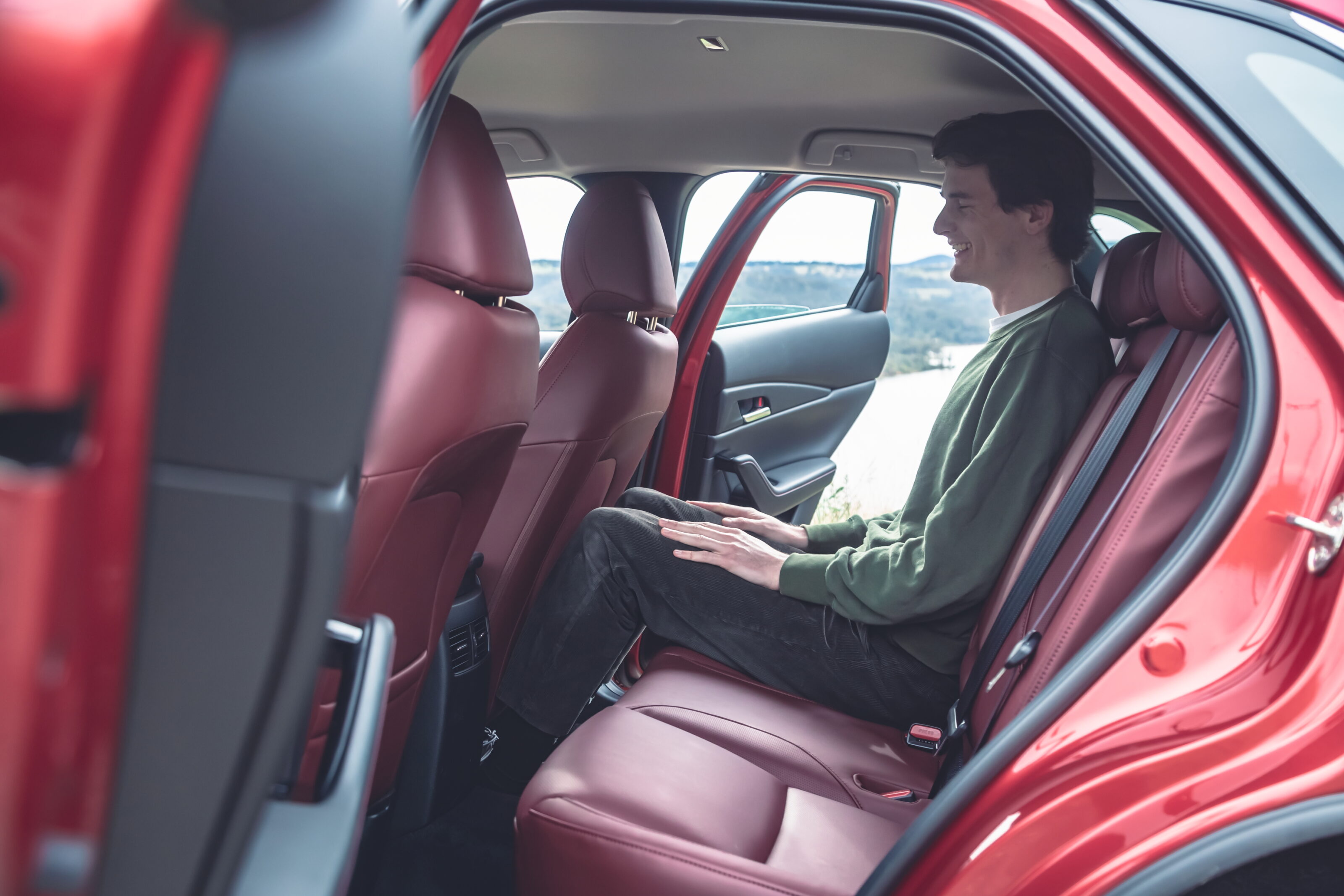
Speaking of, the CX-30’s excellent materials can’t make up for what is a cramped back seat. At 188cm tall I do just fit, but there’s only a whisker of head, leg and toe room spare. The backrest is also very upright, though there’s more under-thigh support than in the Corolla.
The Corolla Cross, meanwhile, has rather cheap feeling plastics up front. The dash top is all hard and scratchy and this wraps around the right side of the dashboard next to the steering wheel. The wheel’s leather upholstery isn’t as luxurious as the CX-30’s either.
And, even though you’re paying nearly $47K on the road, the Corolla doesn’t get electric seat adjustment and the manual controls don’t offer the minute customisation of the best. There is at least power lumbar adjustment, and the mix of vinyl and cloth upholstery is a lot nicer than the base GXL.
Neither car on test matches the best in class – such as a Skoda Kamiq or Honda HR-V – for surprise and delight storage spaces, but there are reasonable door bins, cup holders and covered storage.

Where the Corolla really makes a mark compared to the CX-30 is in the rear quarters. The black headliner and upholstery may make it dingier than the Mazda’s bright cabin but there’s heaps of head, knee and toe room in the Toyota. The only thing missing is a fold-down armrest, but there are two USB-C charge points and adjustable air vents.
The Corolla Cross and Mazda CX-30 both have three top tether points and two sets of ISOFIX anchors for securing child seats.
Boot space is a similar story to rear seats. The Corolla Cross’s squared-off rear end nets more usable space. This GXL AWD hybrid has 390 litres of VDA space – still better than the CX-30’s 317L – but the front-drive Corolla Cross climbs to 414L and gets a space-saver spare, like the CX-30.
The 2023 Mazda CX-30 Touring SP is equipped with a power tailgate where the Corolla Cross GXL gets DIY boot access.
On the road
The Mazda CX-30 is a little hamstrung in this review, arriving on test without a hybrid powertrain to battle the Corolla Cross directly. You’d be right to think Mazda makes a hybrid, but it’s about as mild as they come, and only drops fuel consumption by 0.2L/100km.
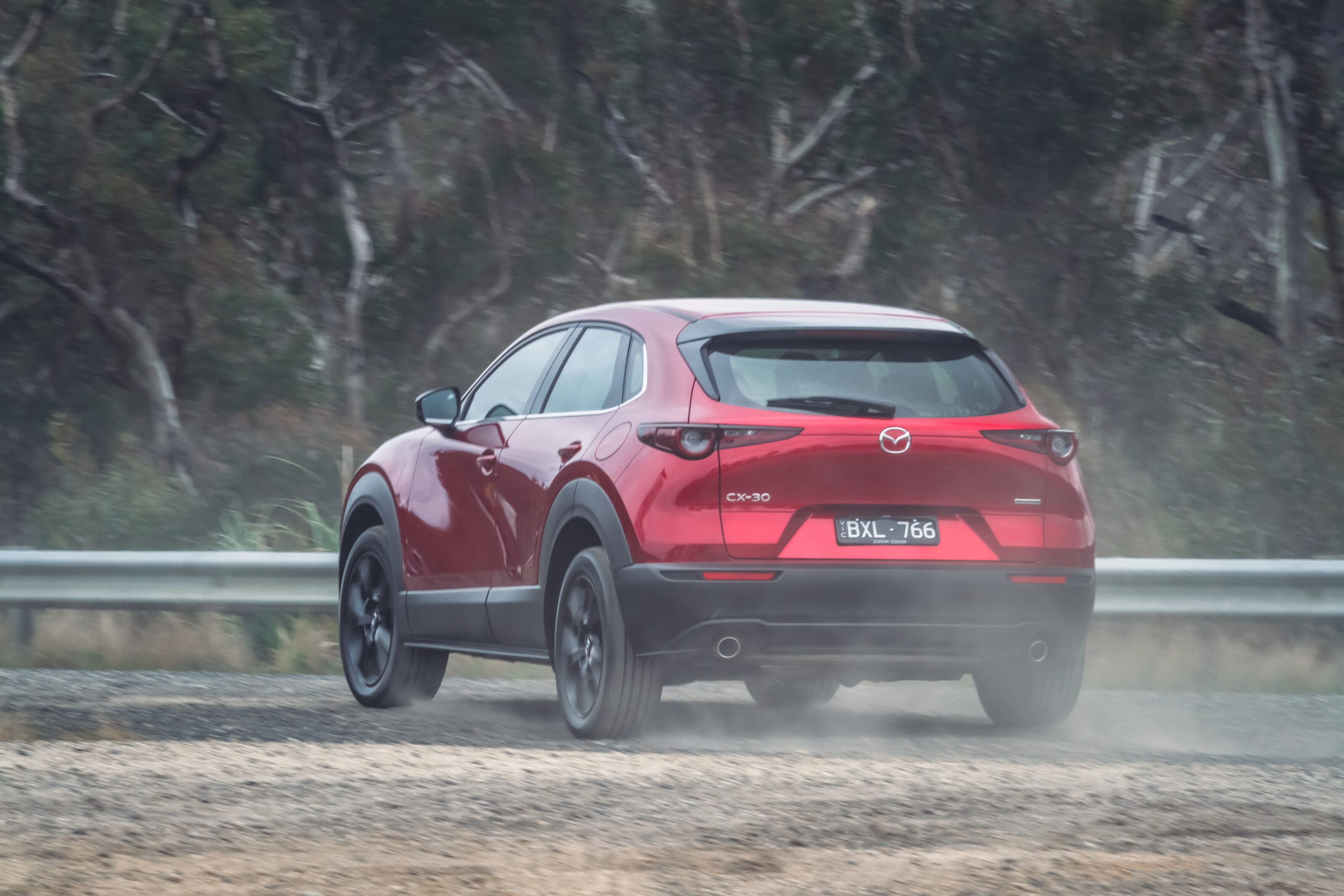
Instead, we’ve gone for the more affordable G20 powertrain, which features a 2.0-litre four-cylinder ‘Skyactiv’ petrol engine with direct injection, a 13.0:1 compression ratio and outputs of 114kW/200Nm. The 139kW/252Nm G25 powertrain would have given the Toyota a better run for its money but wasn’t available for the test period.
The CX-30 G20 uses a six-speed torque-converter automatic transmission and its calibration is excellent. The ’box knows how to use the strong torque available (the peak is at 4000rpm) and the shift paddles are obedient to manual down-changes.
In front-wheel drive form, Mazda claims a relaxed 0-100km/h sprint of 10.2 seconds for the CX-30 G20, just about adequate for this kind of vehicle but nowhere near the AWD Corolla Cross’s rapid 7.6-second claim.
The Corolla Cross debuts Toyota’s fifth-gen hybrid tech that aims to be more athletic and sporty than the fourth-gen system. It’s built around a 2.0-litre petrol engine and the AWD version gets a pair of electric motors. Peak power is 146kW; Toyota does not claim a combined torque figure.
A separate 30kW rear electric motor drives the rear wheels with no physical connection to the front axle or combustion engine. It’s nice to have, but we don’t reckon it’s worth the $3000 over the two-wheel drive hybrid.
The Corolla Cross uses a continuously variable transmission (CVT) to distribute the engine’s grunt and, although sometimes that 2.0-litre atmo engine can sound thrashy, it’s mostly refined and buttery smooth around town.

It is properly plush around town, this Corolla Cross, riding on 215/60 R17 Bridgestone Alenza tyres and the raised body height providing greater suspension travel than a Corolla hatch. The dampers and springs move through the travel smoothly, and bottom-outs are arrested by squishy bump stops.
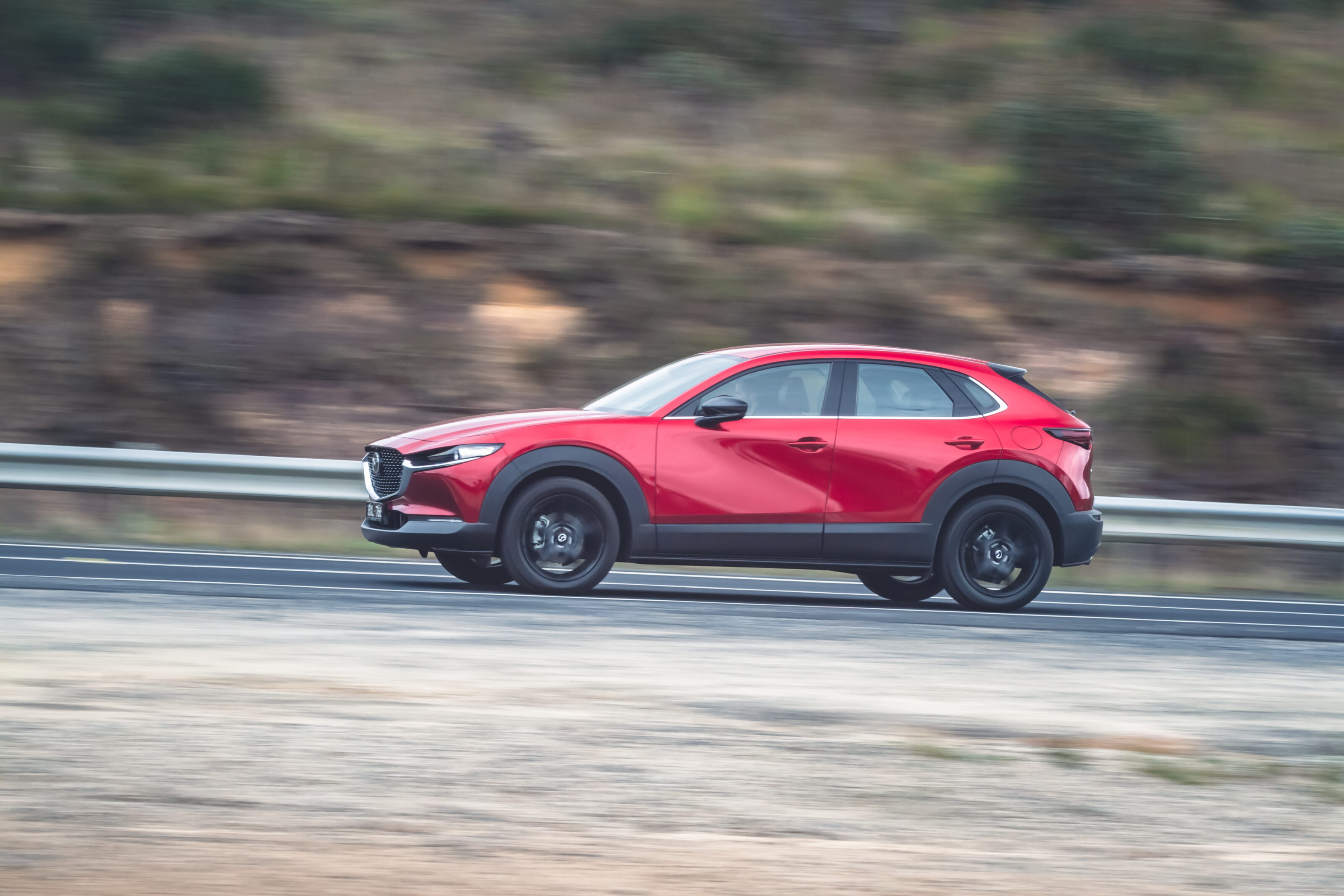
This isn’t so much the case for the CX-30, which rides more like a lifted, sporty hatch than a plush SUV. The 18-inch alloys shod in 215/45 Toyo Proxes tyres just don’t have as much sidewall to give. Add to that firm springs and dampers, and the CX-30’s ride is abrupt around town.
Also, that attractive exterior is unfortunate for the CX-30’s visibility and its low-set driver’s seat emphasises the high scuttle and thick C-Pillar.
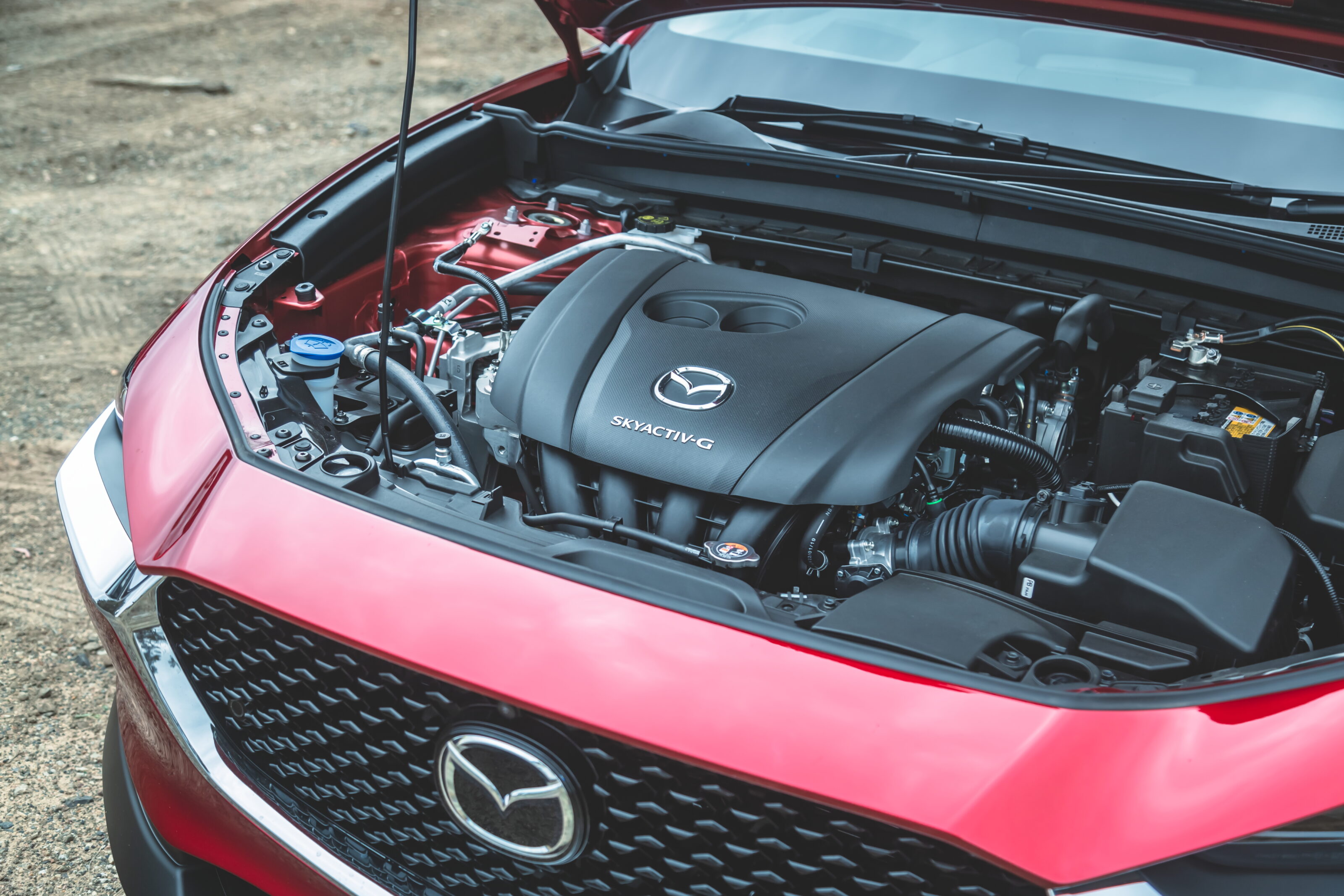
The Mazda improves out in the countryside, where that firm suspension offers greater cornering support. The front end is pointy and the chassis adjustable, even if the rear torsion beam does occasionally skip over mid-corner bumps.
Road noise is well suppressed in the CX-30, thanks in part to a cabin with an air of quality and solidity about it, right down to the bassy and reassuring indicator chime.
The Corolla Cross can hold its own, though. It has more pronounced body lean than the CX-30, but there’s plenty of talent from its TNGA-C platform that we know and love in the Corolla hatch.
I wasn’t expecting this, but the Corolla Cross also has a more consistent steering feel than the Mazda. It’s light and video-gamey – even in Sport mode – but the CX-30’s steering has an unpleasant stiction and dead zone around the straight-ahead that isn’t apparent in the Corolla Cross or Mazda’s related and sweeter-handling 3 hatch.

Unfortunately, the Corolla Cross’s brake feel is spongy, with a pronounced transition from regen to pad biting the rotor that makes it difficult to modulate. The stoppers feel a step backwards from the Corolla hatch.
The driving enthusiast will likely appreciate the dynamism of the CX-30, but the punchier Corolla Cross strikes a better balance as a comfortable and adequately powerful small SUV.
Safety
It’s a shame, then, that the Corolla Cross GXL’s 360-degree camera is a jump down not only from the CX-30 but annoyingly the range-topping Atmos grade, which gets a much crisper surround-view monitor.
Both the 2023 Mazda CX-30 Touring SP and Corolla Cross GXL received five stars in ANCAP testing. The CX-30 was evaluated in 2019 and therefore did not need its auto emergency braking (AEB) to have a junction assist function to pass, although the grade tested here is fitted with front cross-traffic assist.
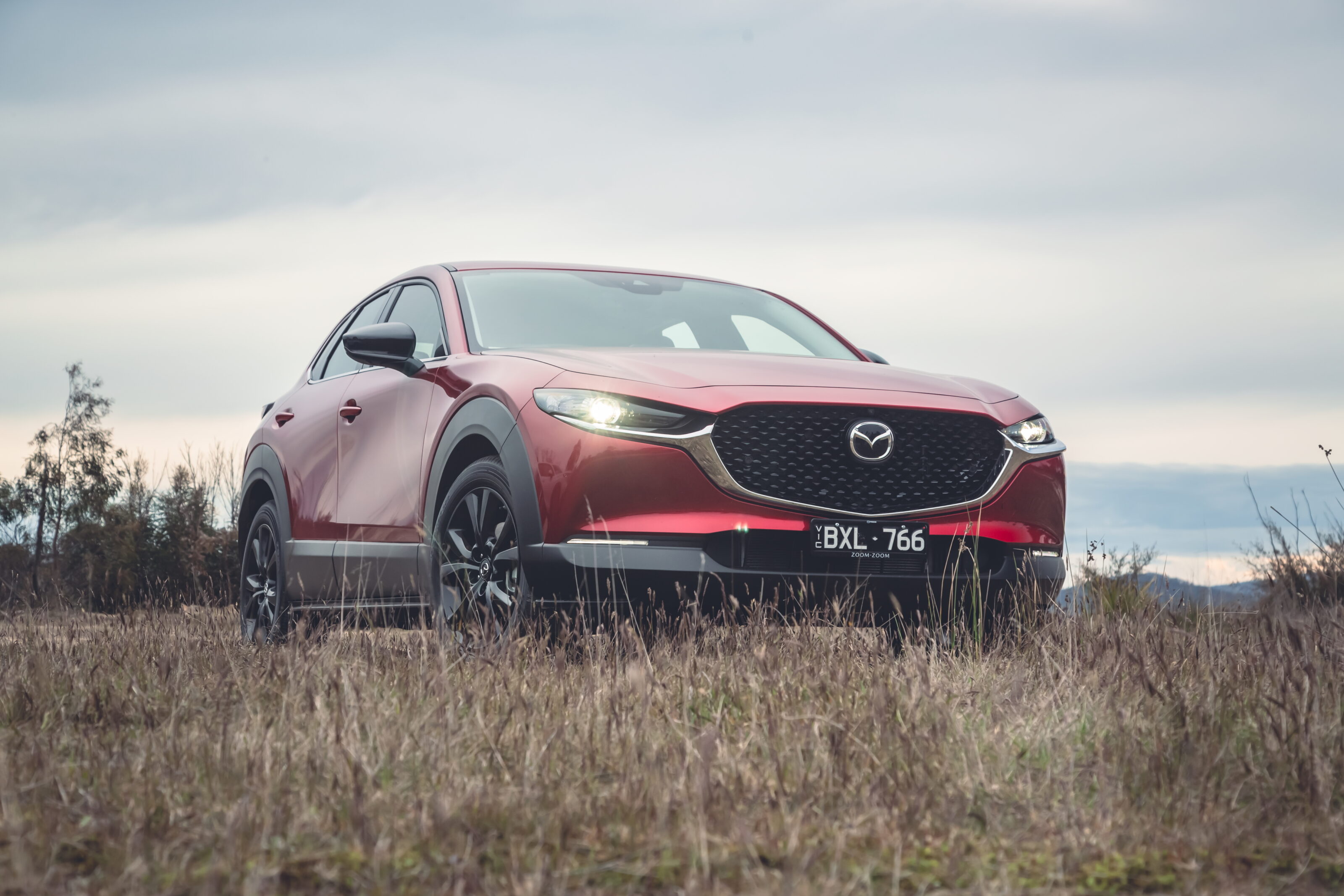
The Corolla Cross and CX-30 both have forward AEB with pedestrian, cyclist and junction detection, reverse AEB, rear cross-traffic alert, a 360-degree monitor, front and rear parking sensors and traffic-sign recognition.
As for semi-autonomous aids, both the CX-30 Touring SP and Corolla Cross GXL have adaptive cruise control and lane-trace assist programs. Neither’s radar cruise is stand-out in class, and while the Toyota’s lane trace is more tenacious, the CX-30’s is less grabby and therefore preferable.
Fuel
Whether you like the driving experience of one small SUV more than the other is quite a personal thing, but the difference in fuel economy is stark.
On a 320km test loop out of Sydney’s suburbs, the CX-30 returned a reasonable 7.8L/100km figure, but the Corolla Cross beat it by nearly 40 per cent at 5.0L/100km.

On the freeway back into Sydney, The Corolla Cross kept consistent at 4.9L/100km, while the Mazda clawed some ground back, matching its ADR rating (6.5L/100km) with 6.4L/100km showing on the trip computer.
Where the Corolla really excels is in urban environments, where it’s possible to keep consumption in the mid-4.0L/100km range with a gentle foot. The Mazda, on the other hand, climbs to about 8-8.5L/100km in urban running.
The CX-30 and Corolla Cross will both accept 91 RON unleaded petrol or an E10 blend at the bowser.

Ownership
Both cars are covered with five-year, unlimited-kilometre warranties by their respective manufacturers. In this space, the Mitsubishi ASX and Eclipse Cross, Kia Seltos and Haval Jolion offer longer warranties, but Toyota’s name is proven and trusted when it comes to reliability.
The CX-30 and Corolla Cross require maintenance every 12 months. The Corolla can travel a longer 15,000km in that time, while the Mazda must return to a workshop every 10,000km.
For the Corolla Cross, maintenance over five years or 75,000km of ownership costs $1150. For five years of servicing in the CX-30, you’ll pay $1762.
While the Corolla Cross’s connected features are very handy, they are only included for 12 months. That means you’ll need to pay an ongoing subscription fee every month to keep the services.

Toyota Connect+ (vehicle tracking and status features) costs $9.95/month, and to keep connected multimedia including ‘Hey Toyota’ and search functionality, that’ll be another $12.50 each month. A year of the full package will cost $270.
VERDICT
With this pair, the decision comes down to that old cliche – the heart or the head.It’d be hyperbole to say the Mazda CX-30 gets the heart racing (although no judgement if it does for you), but little touches like its indicator chime, plush cabin, available red leather and attractive styling make it the more emotional choice of the pair.The Corolla Cross does its job better, though. It’s a small SUV with space for four and their luggage. The ride is more comfortable, the engine more frugal and the technology package fresher.Although the CX-30 may have been Wheels Car of the Year in 2021, it’s the Corolla Cross that takes a slim win in this twin test. It offers all the things a family needs from a small SUV, even if it is uncomfortably close to a RAV4 in price.
Scoring
Toyota Corolla Cross GXL Hybrid AWD: 8/10
Things we like
- Roomy back seat
- Efficient hybrid
- Ride comfort
- Steering consistency
Not so much
- Dull cabin
- Sluggish infotainment
- Interior plastics
Mazda CX-3 G25 Touring SP: 8/10
Things we like
- Plush cabin
- Refined engine
- Back-road dynamics
- Transmission calibration
Not so much
- Jiggly urban ride
- Poor visibility
- cramped back seat
Toyota Corolla Cross and Mazda CX-30 specifications
| Feature | Corolla Cross GXL Hybrid AWD | Mazda CX-30 G25 Touring SP |
|---|---|---|
| Price | $42,250 as tested + on-road costs | $39,085* as tested + on-road costs |
| Engine | 2.0L 16V dohc Atkinson cycle petrol 4cyl | 2.0L 16V dohc petrol 4cyl |
| Motor (F) | permanent magnet asynchronous motor 83kW/206Nm | NA |
| Motor (R) | permanent magnet asynchronous motor 30kW | NA |
| Power | 146kW | 139kW |
| Torque | not stated | 252Nm |
| Gearbox | continuously variable | six-speed automatic |
| 0-100km/h | 7.6 seconds | 9.1 seconds |
| Body | steel, 5 doors, 5 seats | steel, 5 doors, 5 seats |
| L/W/H/Wu2013B | 4460/1825/1620/2640mm | 4395/1795/1540/2655mm |
| Track (F/R) | 1570/1570mm | 1565mm |
| Weight | 1545kg | 1478kg |
| Fuel/tank | 91 RON / 43 litres | 91 RON / 51 litres |
| Economy | 5.0L/100km (tested) | 7.8L/100km (tested) |
| Suspension | Front: struts, coil springs, anti-roll bar. Rear: multi-link, coil springs, anti-roll bar | Front: struts, coil springs, anti-roll bar. Rear: Torsion beam, coil springs, anti-roll bar |
| Steering | electric rack and pinion | electric rack and pinion |
| Front brakes | ventilated discs (305mm) | ventilated discs (295mm) |
| Rear brakes | solid discs (281mm) | solid discs (265mm) |
| Tyres | Bridgestone Alenza | Toyo Proxes R59 |
| Tyre size | 215/60R17 | 215/45R18 |
Recently we dived into the world of Hot Wheels, exploring the creative process and the decisions behind the development of the world’s most iconic and obsessively collected ‘toy cars’ – and the people behind them.
Now, we’re looking at 10 absolute favourites from the past 54 years of Hot Wheels.
1968 Custom Camaro
Like all good stories, we ought to start at the beginning.
This is the very first Hot Wheels toy brought to market, the blue Custom Camaro which brought the idea of toy magnate Elliot Handler to fruition. His wife invented Barbie, just for good measure…

1969 Beach Bomb
The most valuable Hot Wheels toy of them all.
Riding the wave of Sixties surf culture – almost literally – this pink VW bus came with a rear-loading ‘board. Sadly that made it too top-heavy to ride Mattel’s famous orange tracks, so a swift redesign was needed. Those original prototypes survive, but you’ll need $250,000 to get your hands on one.

2021 IWC Mercedes 300SL
This is the most premium Hot Wheels toy yet released, and the price tag might just make you cry.
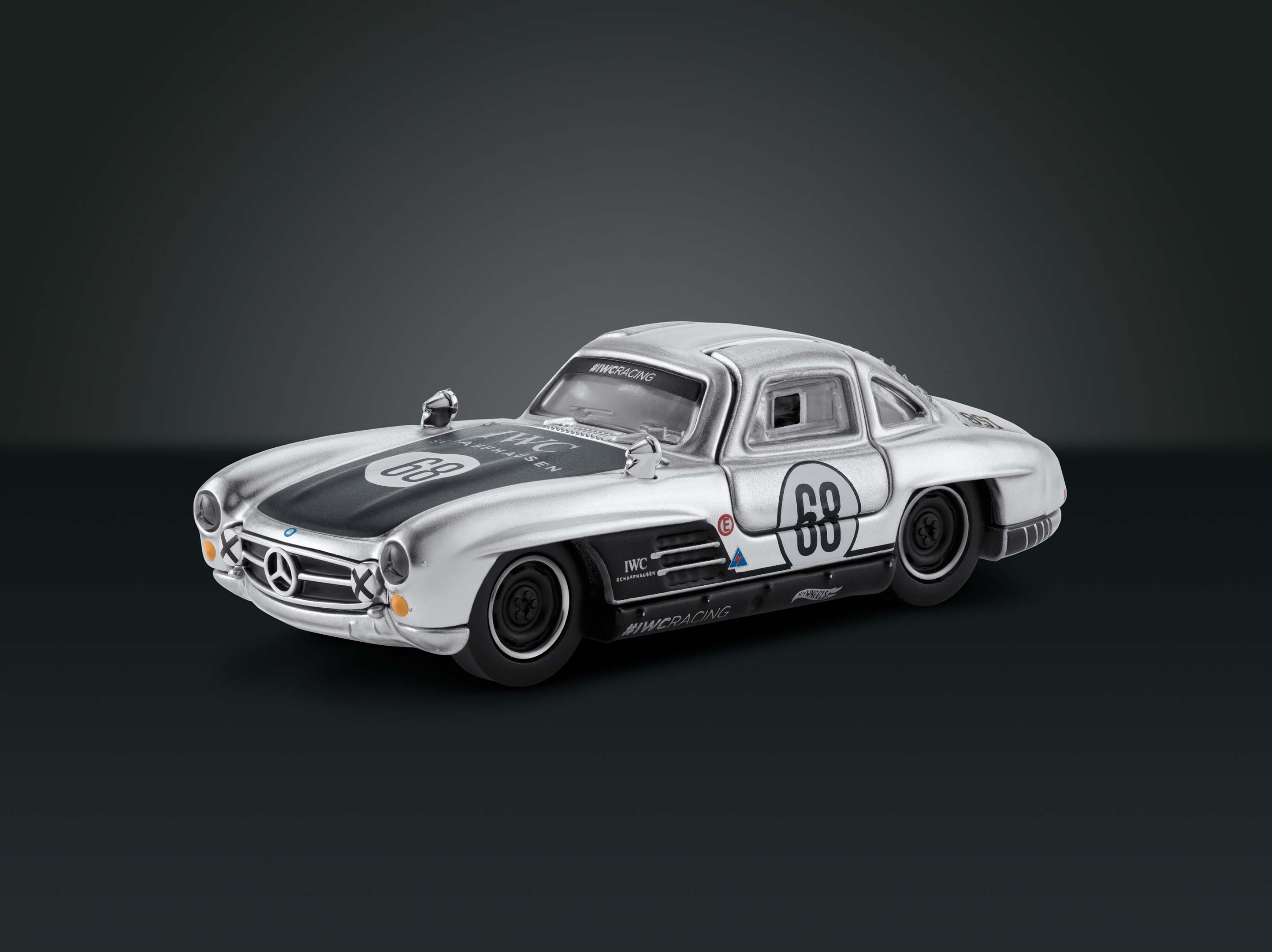
If ‘toy’ even feels appropriate word for this vastly detailed recreation of a 1955 Gullwing which came complete with a matching IWC chronograph to help justify a near $17,000 price tag. Just 50 were made, and wo betide any kids who roll one across the kitchen floor.
1990 Corvette collection
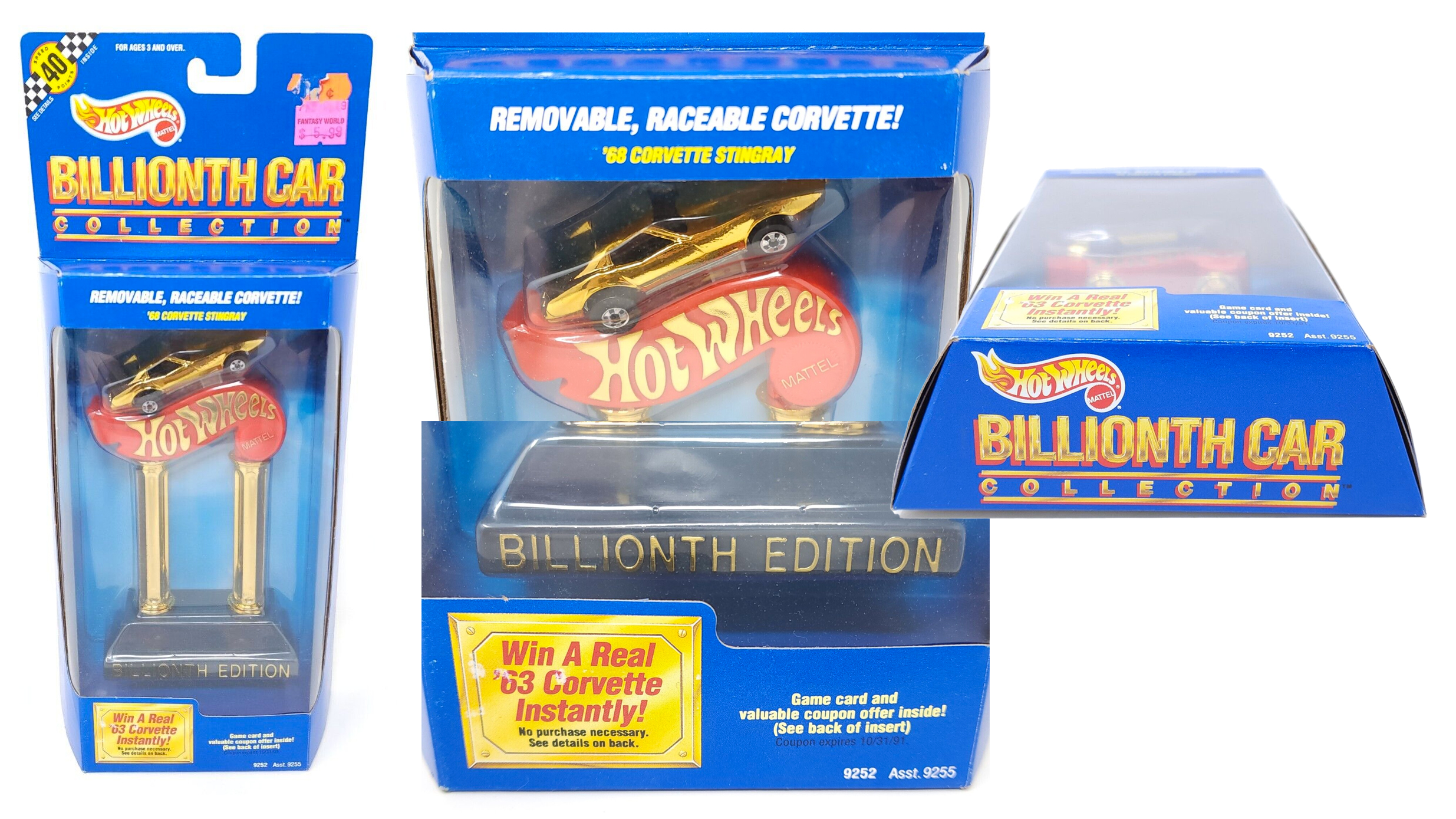
A special bullion-shaped pack celebrates one billion Hot Wheels toys.
Four different eras of Corvette were painted gold and presented in Mattel’s famous blister pack, albeit an extended version to accommodate the trophy the car sat atop. This collection marked the production of the billionth Hot Wheels toy – a number that’s rolled past 8bn in the three decades since.
2022 Texas Toot
In 2022, a tiny Japanese truck was fed a diet of mutagen to become the Texas Toot.
The annual Hot Wheels Legends Tour aims to make a charmingly nerdy dream come true for a lucky handful – seeing their own car recreated in 1:64 scale and sold to the public. This year’s winner couldn’t be more deserving, Texas Toot being a monster truck based upon an Autozam Scrum kei pick-up truck. Cute as hell, whether we’re talking the toy or the real thing.

2008 diamond-encrusted car
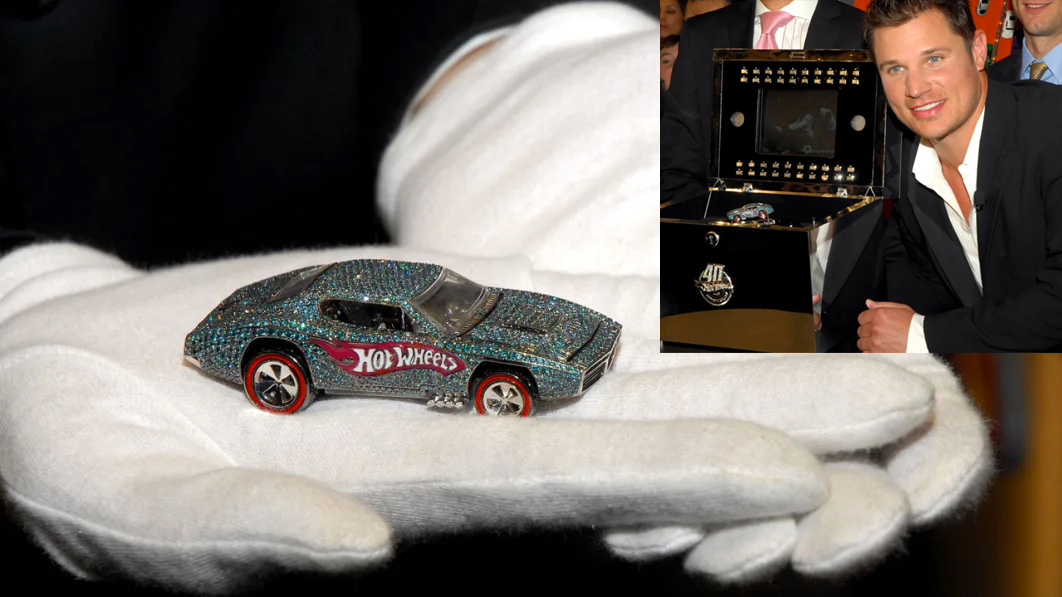
Hot Wheels celebrated both its 40th birthday and the production of its four billionth car in truly dazzling fashion.
A famed Beverly Hills jeweller got his hands on a HW muscle car and pimped it up with more than 2,700 (and 23 karats) of diamonds, lifting its value from $2 to almost $200,000. Still no Beach Bomb, though…
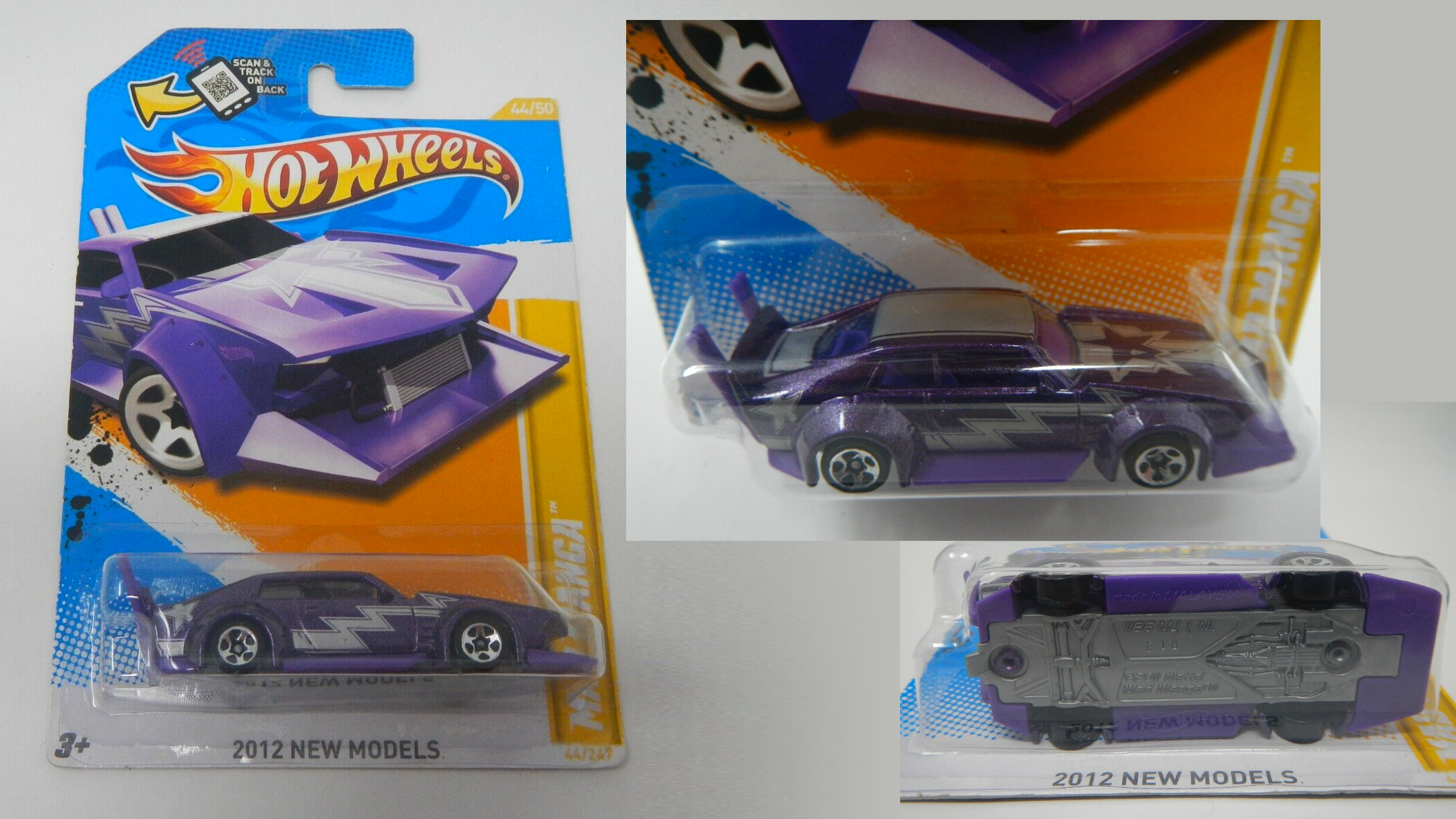
2012 Mad Manga
Enthusiasts of the real-world movement know these cars by their local name, bōsōzoku.
The company’s vast design team often get more excited about designing their own flights of fancy for the ‘HW Originals’ range than painstakingly replicating real-life cars.
One of our favourites is Mad Manga, an ode to Japanese bōsōzoku style that’s so dedicated to the cause, it’s low ride scuppers it on some of Hot Wheels’ own tracks.
2022 Alfa Romeo 155 V6 Ti
Of course, the designers’ dedication to bringing real-life road and racecars to our living rooms also deserves praise.
This year’s addition of a thoroughly detailed Alfa 155 DTM car will be welcomed by kids and big kids alike. You can read how The Godfather of HW design brought it to life right here.

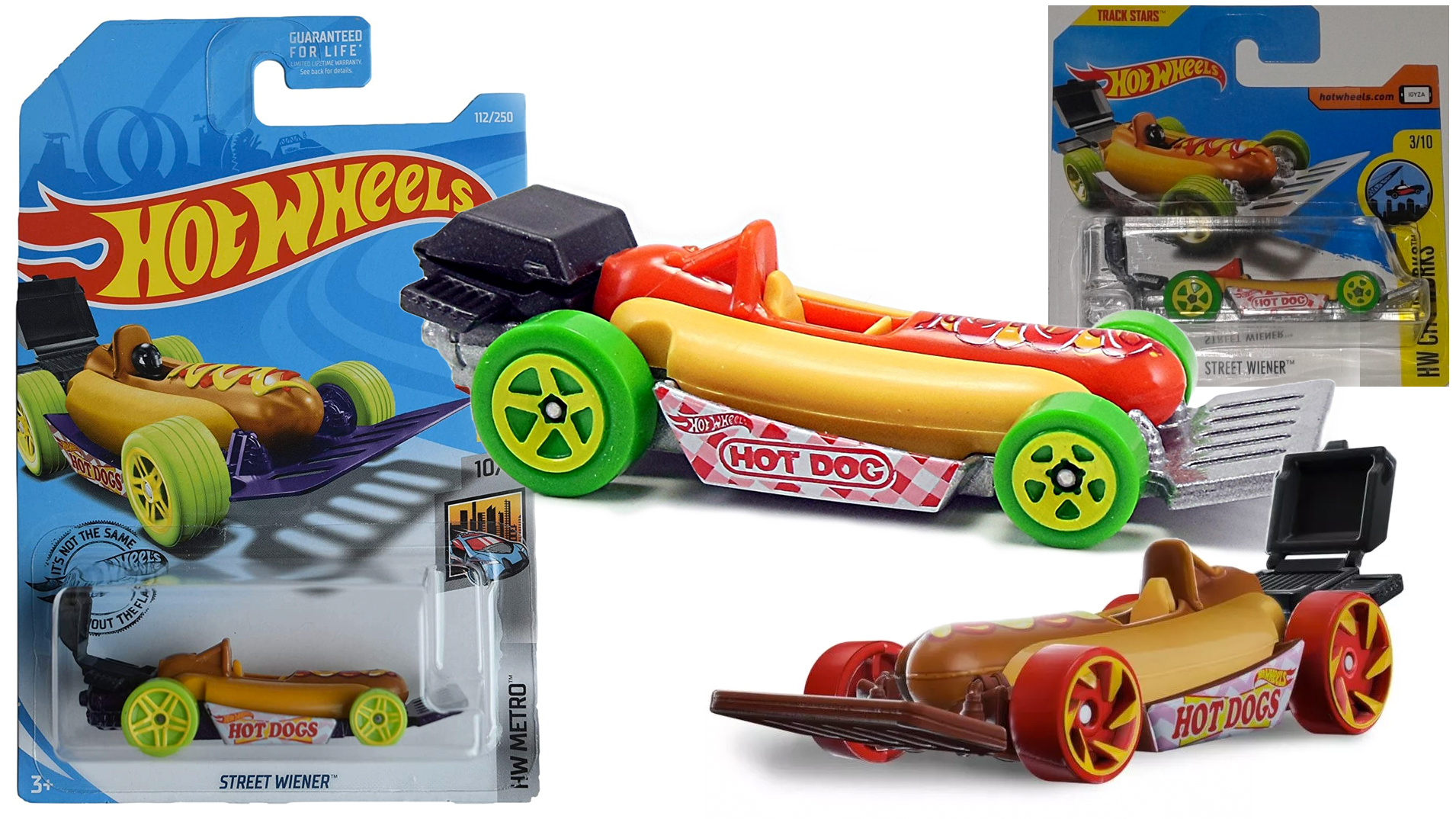
2017 Street Wiener
Mattel’s commitment to bringing the weird and the wonderful to 1:64 scale is perhaps best personified by this, a motorised hot dog.
A faithful facsimile of the Oscar Mayer Wienermobile in the early ‘90s has since morphed into this drag-racing HW Original. And we’re all for it.
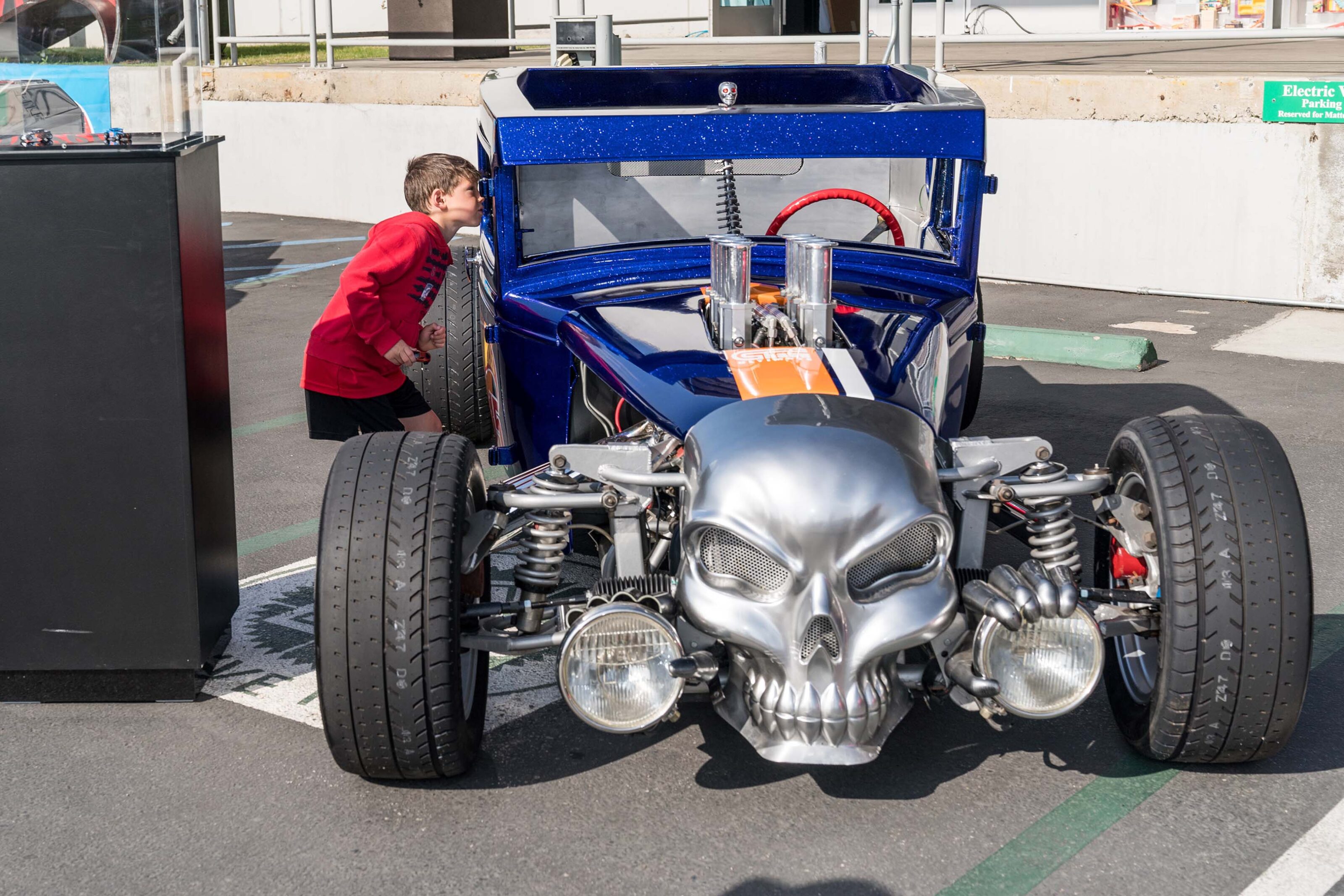
2006 Bone Shaker
Surely the most iconic HW Original of them all, Bone Shaker saw designer Larry Wood fix a skull to the fascia of a hot rod to create a legend.
It’s spawned numerous spin-offs, appeared in the Forza Motorsport video game and come to life in full-size, fully driveable form atop a Corvette C5 chassis. It continues production, too, now with a supplementary NFT built in.
September: ID.GTI concept revealed
The new ID.2all-based ID.GTI concept has made its debut in Munich at the IAA Mobility 2023 motor show.
The concept arrives as a move the German brand describes as “marking the next chapter in the iconic GTI legacy”. Details at the link below!
Story continues…
March 16: ID.2all concept unveiled
Volkswagen has pulled the covers from its new ID.2all concept, previewing the anticipated ID.2 hatch. It’ll be sold in Europe for around AU$40,000 – so it’ll be interesting to see how VW prices it in Oz, if it comes here. Get the full story at the link below.
Snapshot
- ‘ID.2’ to be smaller than ID.3
- T-Cross-esque ‘ID.2 X’ electric SUV also possible
- Likely to debut u2018MEB Entryu2019 platform
Volkswagen Australia has announced a lofty goal to sell 150,000 electric vehicles in Australia between 2025-30, and also pointed to a future city-sized EV – likely called ID.2 – joining the lineup.
A global release of the ID.2 is expected in 2025, and there will likely be two variants: a Polo-like light hatch, and T-Cross-esque light SUV spin-off, potentially called ID.2 X. An Australian release is far from confirmed, but VW’s local arm showed a clear interest in the future vehicle.
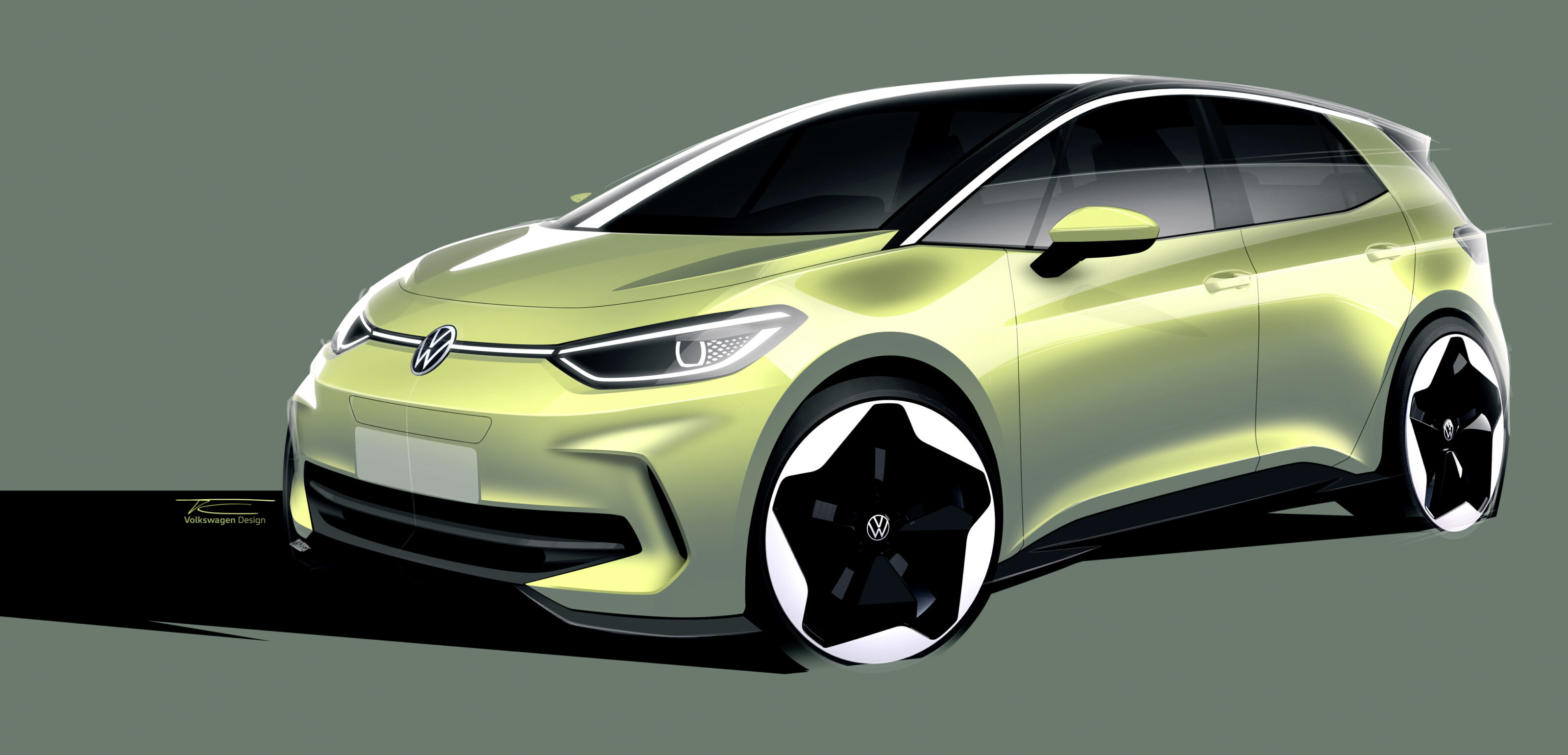
“The recently announced smaller sibling to the ID.3 – a Polo-sized BEV – will be coming from the newly-established EV hub in Spain. And whilst we can’t disclose any more than this teaser sketch today unfortunately, we have no doubt that this will be a very exciting addition to the family”, said Ralph Beckmann, general manager of marketing and product and VW Australia.
The ID.2 has only been shown in one sketch revealed in May. The concept was penned by VW’s design team under chief designer Jozef Kaban with clear reference to the shape and proportions of the ID.3 small car.
Volkswagen ID.2 range and power
Previously described to Georg Kacher as a “funky, fun-to-drive and versatile metro-cruiser for younger IT-minded audiences”, the ID.2 will sit below the ID.3 in both size and price. Expect a vehicle around 4.0 metres in length, and about 1.8 metres wide to help it fit through European-sized city streets.
The ID.2 will be built in Volkswagen’s new small electric vehicle hub in Spain alongside the production version of Cupra’s Urban Rebel concept.
Like the difference between Polo and Golf, the ID.2 will utilise a more budget-friendly version of the brand’s MEB architecture – MEB Entry is its expected name. This will accommodate smaller batteries, shorter wheelbases and feature different technology as the MQB-A0 platform does in the Polo.
What that means, is it’s hard to make precise calls about battery sizes and driving range. Though, with its urban pitch, the ID.2 would do well to offer between 350-400 kilometres of driving range from the base model ID.3’s 45kWh battery. A smaller battery – 36kWh for example – could help nail a cheaper price point, but it’s likely Australia would opt for the larger pack only.
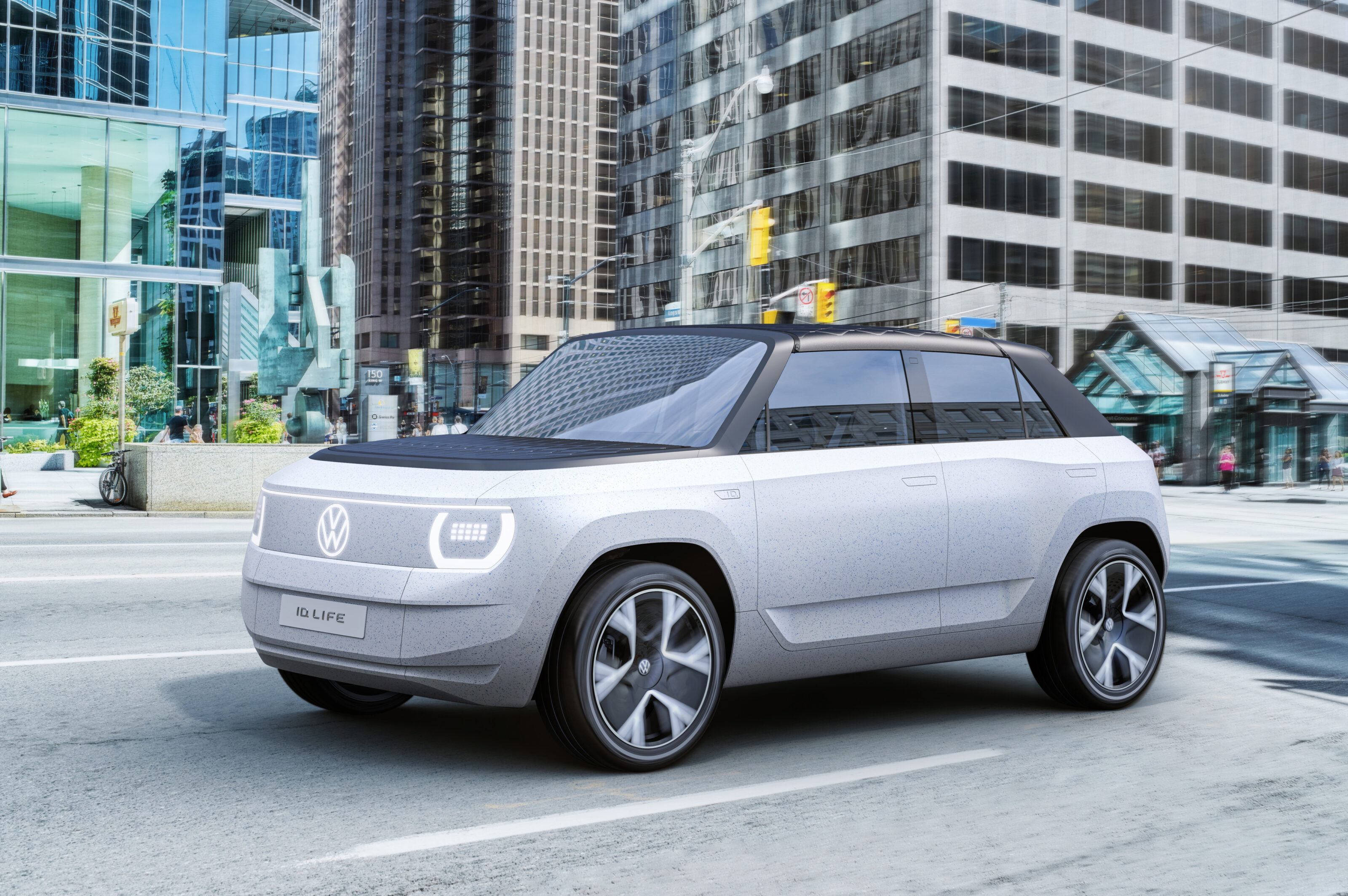
With a lighter weight body than ID.4 or ID.3 and single low-output electric motor – say 100-130kW – the required 13.5kWh/100km to hit a 380km driving range should be achievable. Volkswagen is also likely to add an ‘ID.2 X’ to the range as a crossover/light SUV not unlike the T-Cross.
ID.2 pricing and availability
With an expected market launch of 2024 or 2025, any pricing or availability talk is purely speculative. However, Volkswagen’s recent cost-awareness for ID.4 – which it claims will go on sale close to Tiguan 162 TSI R-Line pricing – suggests electric vehicles will become more affordable in the next five years.
Don’t expect the ID.2 to go as low as pre-facelift Polo Trendline manual pricing ($19,290 before on-road costs), but instead a starting price of between $28-32,000 – or that equivalent in 2025 – could very well be achieved.
In just a few hours, Santa will be setting off from the North Pole, getting stopped at international borders worldwide in his quest to drop off presents to anyone who’s kept a cool head over the past year.
Although the big man is likely to get stopped in Victoria for not paying his zero-emission vehicle road user charge, we put it out to members of the Wheels Media team to see what car they’d pick if they could be left the keys to just one in their stockings.
What you’ll find below is an eclectic mix of machines, showing the diverse passion of the team while also demonstrating not all car fanatics want shooting brakes or wagons – shock.
Jez Spinks – McLaren F1

Dear Santa,
If you’re feeling generous this year, could you stuff the supercar-benchmark-for-a-whole-decade McLaren F1 in my Christmas stocking, please.
If the budget’s tight after all the fantastic, eclectic requests from my colleagues, then I’d happily settle for a quintessential modern classic that combines a majestic, high-revving normally aspirated V8 with load-lugging versatility and snow-trip-friendly traction. Tell your elves to look up Audi B7 RS4 Avant.
Mike Stevens – Singer DLS
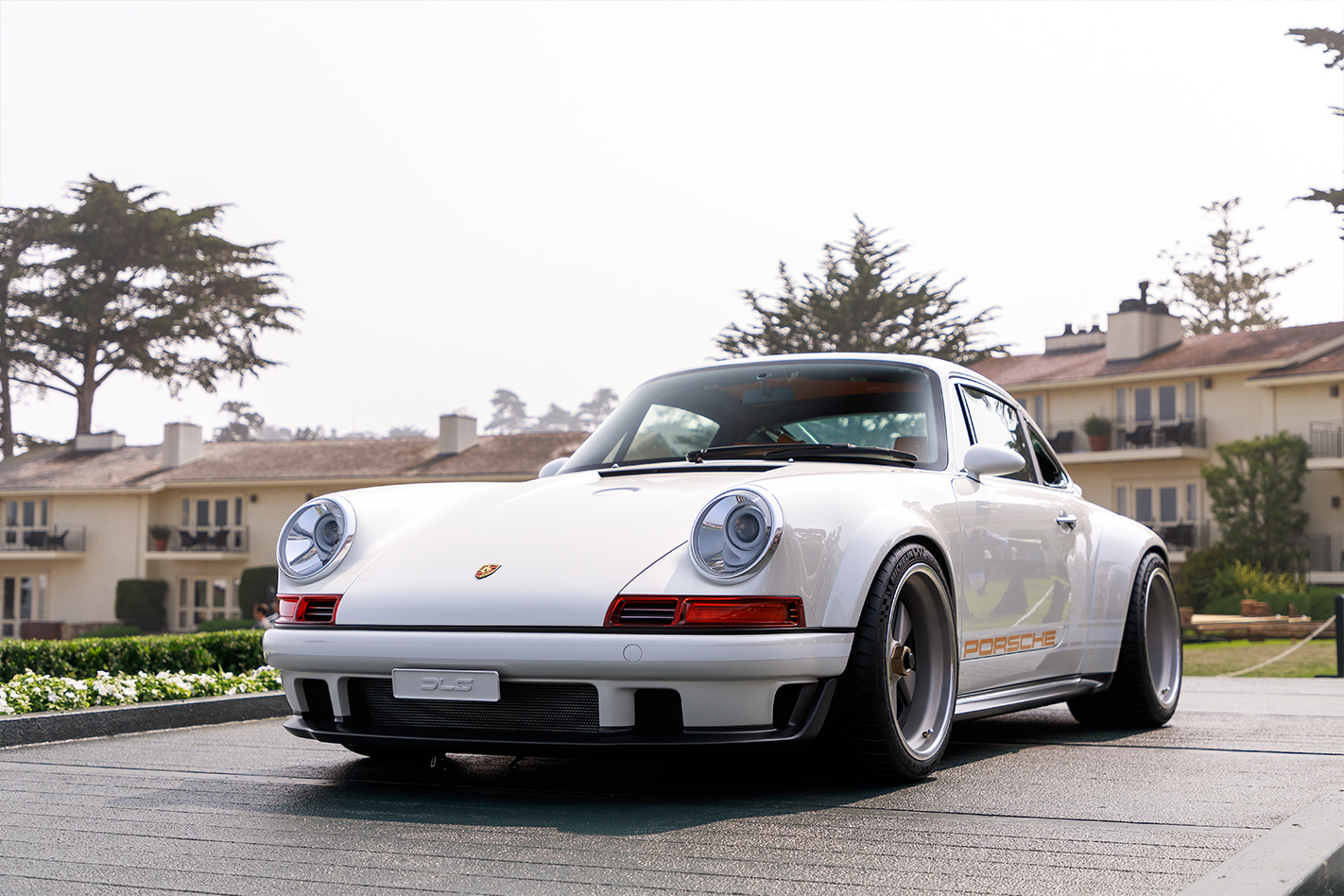
For me, it’s the Singer DLS. It’s not often that a car, new or old, is blessed with so much attention to every little detail in both style and performance. So many cars, even at the top end of the market, fall prey to a cheapening in one way or another. A borrowed component from a lower-born model in the manufacturer’s wider range, a chromed plastic piece where an aluminium item would’ve made a better touch point, identical infotainment from the $15,000 budget box through to the $150,000 hero…
It’s the accountants at work, or the engineers (fairly) reminding the designers of the realities that interfere with the journey from design to production, but there’s always something.
As a design nerd, I take a lot of heart in Rob Dickinson’s mantra of “everything is important” (even though it has made me a pain in the arse for most of our team).
Not much in even a ‘regular’ Singer 911 is left without improvement, but the DLS – properly known as the Design and Lightweighting Study – leaves no stone unturned in utterly transforming the species.
Simon Telford – Holden Hurricane
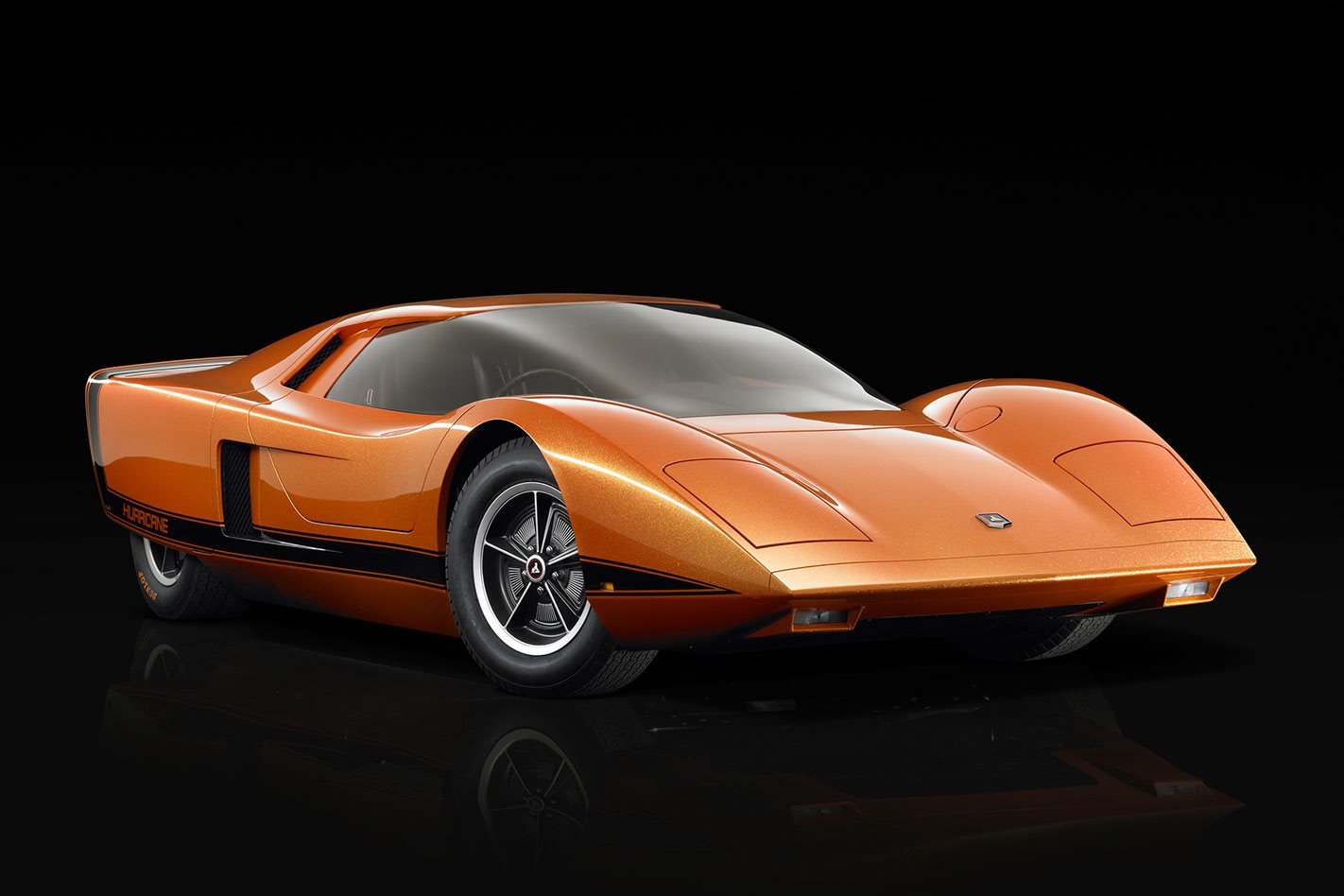
The 1969 Holden Hurricane concept car. Back when most new Holdens still had drum brakes and bench seats, here comes this mid-engined, wedge-shaped vision of the future, bathed in metalflake gold duco.
Inside was just as exotic, with a navigation system, rear-view camera and climate control. I’ve been lucky enough to sit in it – would love to own and care for it.
New car? GR Yaris Rallye. I’m smitten.
Matt Raudonikis – LaserNut Ultra 4

Andy Enright – BMW M1
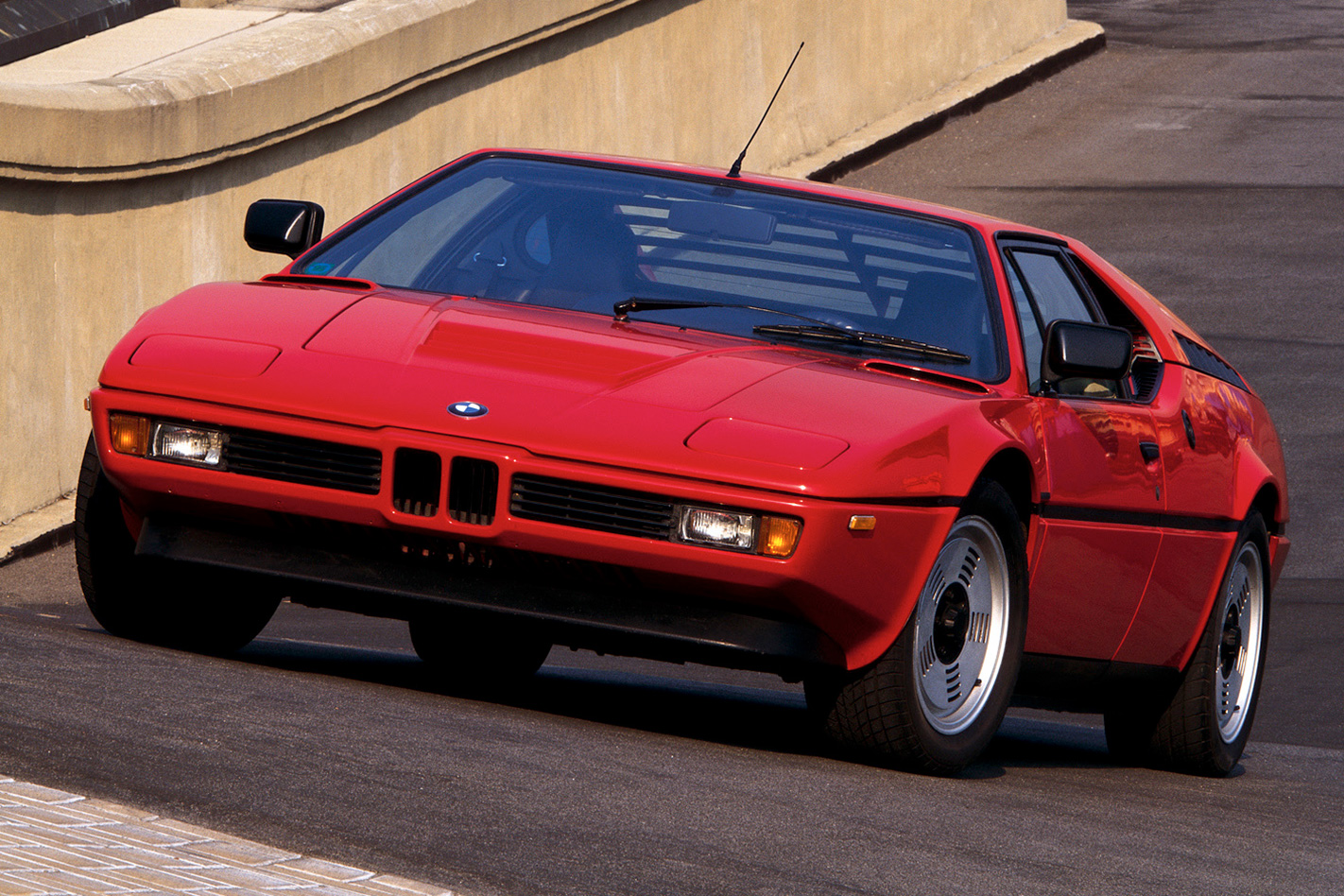
The bucket lister? That’s easy. It’s a BMW M1, preferably in black. I’ve always loved the fact that, in its day, the M1 did more with less and Giugiaro’s design has weathered the ravages of time so elegantly.
Back in 1981 Car and Driver declared it “the best fast car ever built”. Given the cavalcade of supercars the ’70s produced, that’s quite an accolade.
Kathryn Fisk – Lamborghini Murcielago
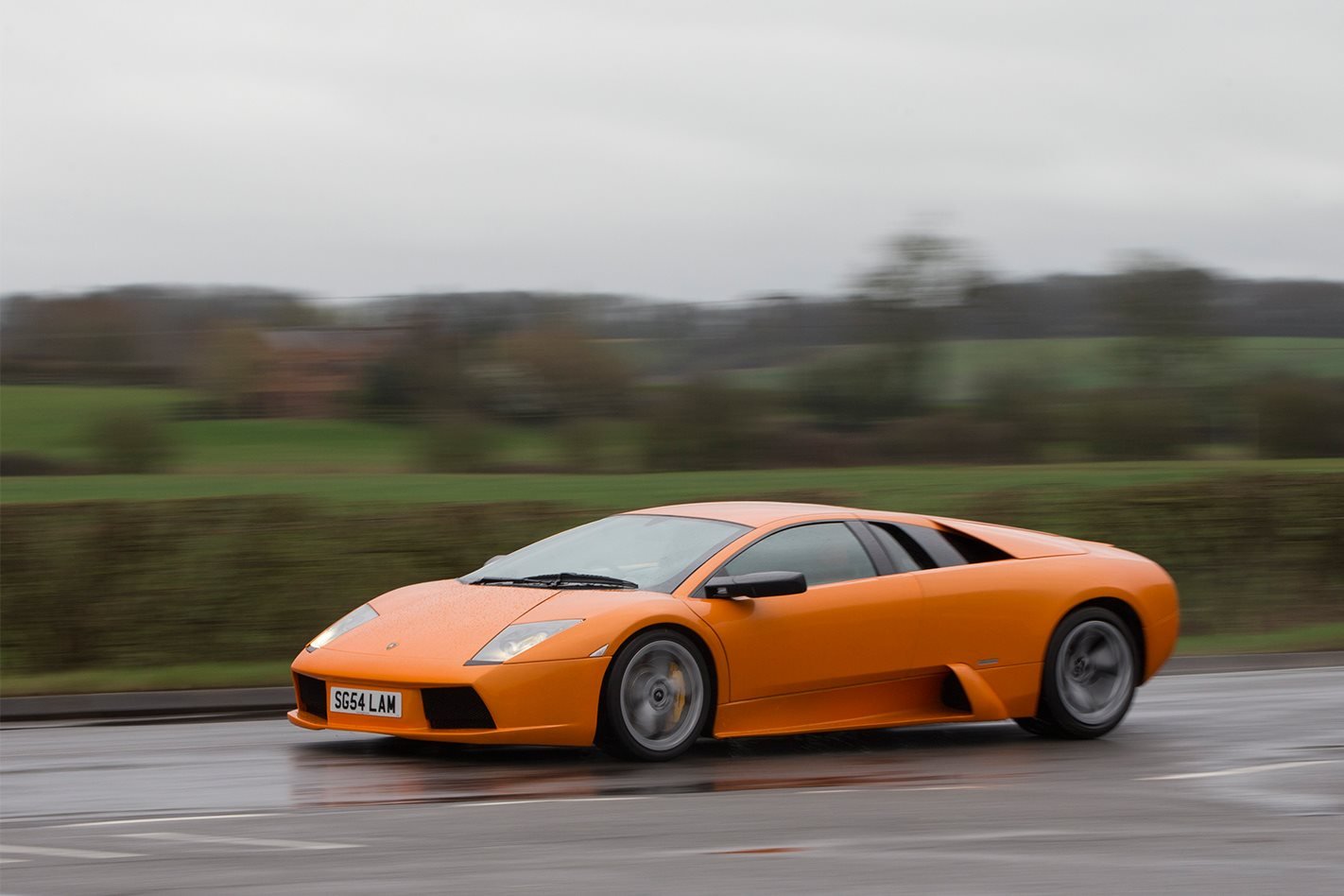
If I ever won the lottery (you have to be in it to win it so there’s the first problem) the Lamborghini Murcielago would be top of my list. Watching it on Top Gear (the real version) growing up, I fell hard for its combination of elegant styling, roaring 6.5 litre V12 and savage speed.
Plus if it’s good enough to be in Bruce Wayne’s garage, that’s good enough for me.
Daniel Gardner – RUF BTR2/Porsche 968 Turbo S
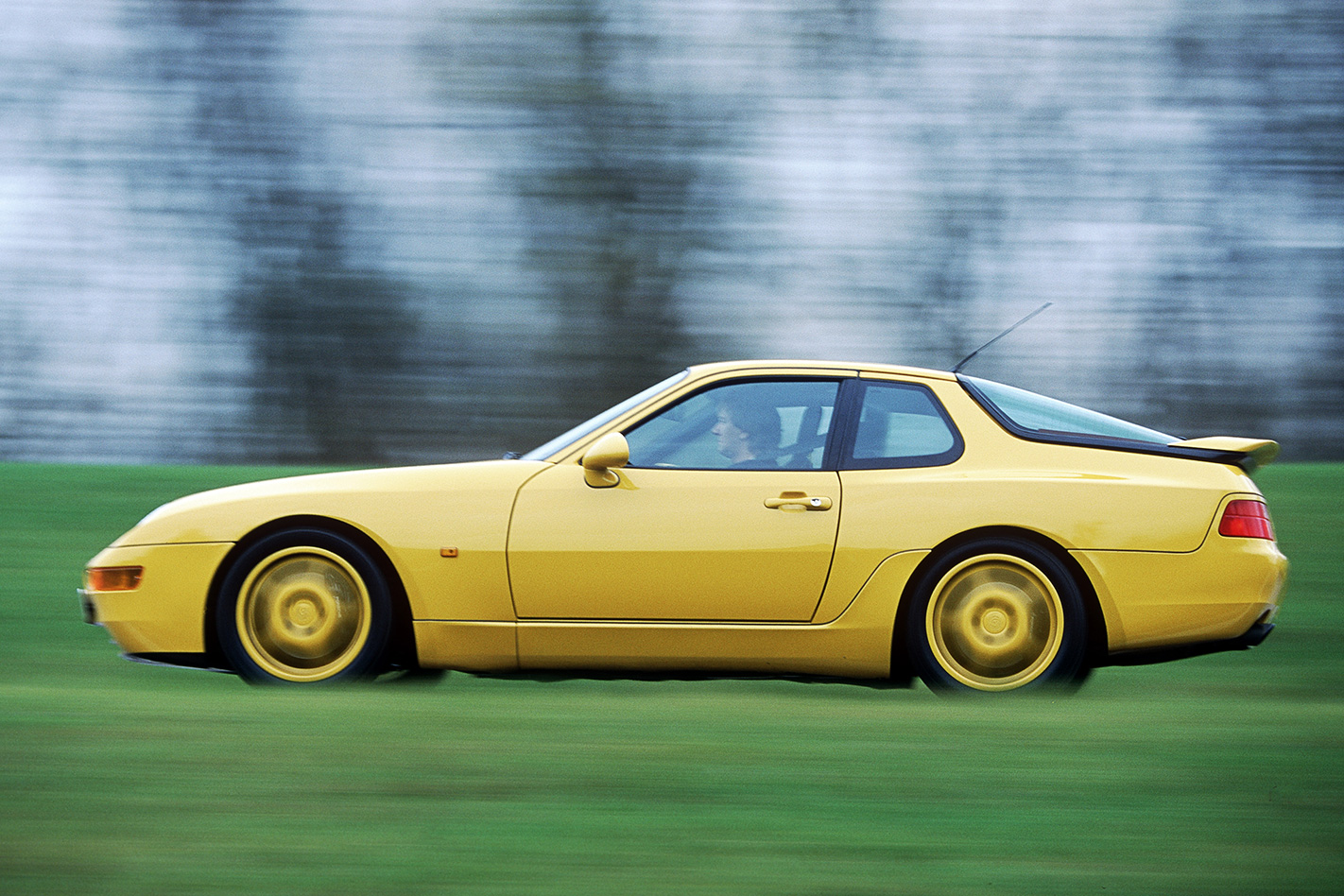
I think it’s fairly obvious that if Santa stuffed a Ruf BTR2 down my chimney I’d be pulling it out of a hedge before Auld Lang Syne. That’s why I’d actually ask him to bring me a 968 Turbo S instead. More exclusive than a 911, less deadly than a 993 GT2, rarer than fish hair, and a water-cooled engine that no one ever complained about.
Andrew Broadley – 1968 Holden HK Monaro GTS 327
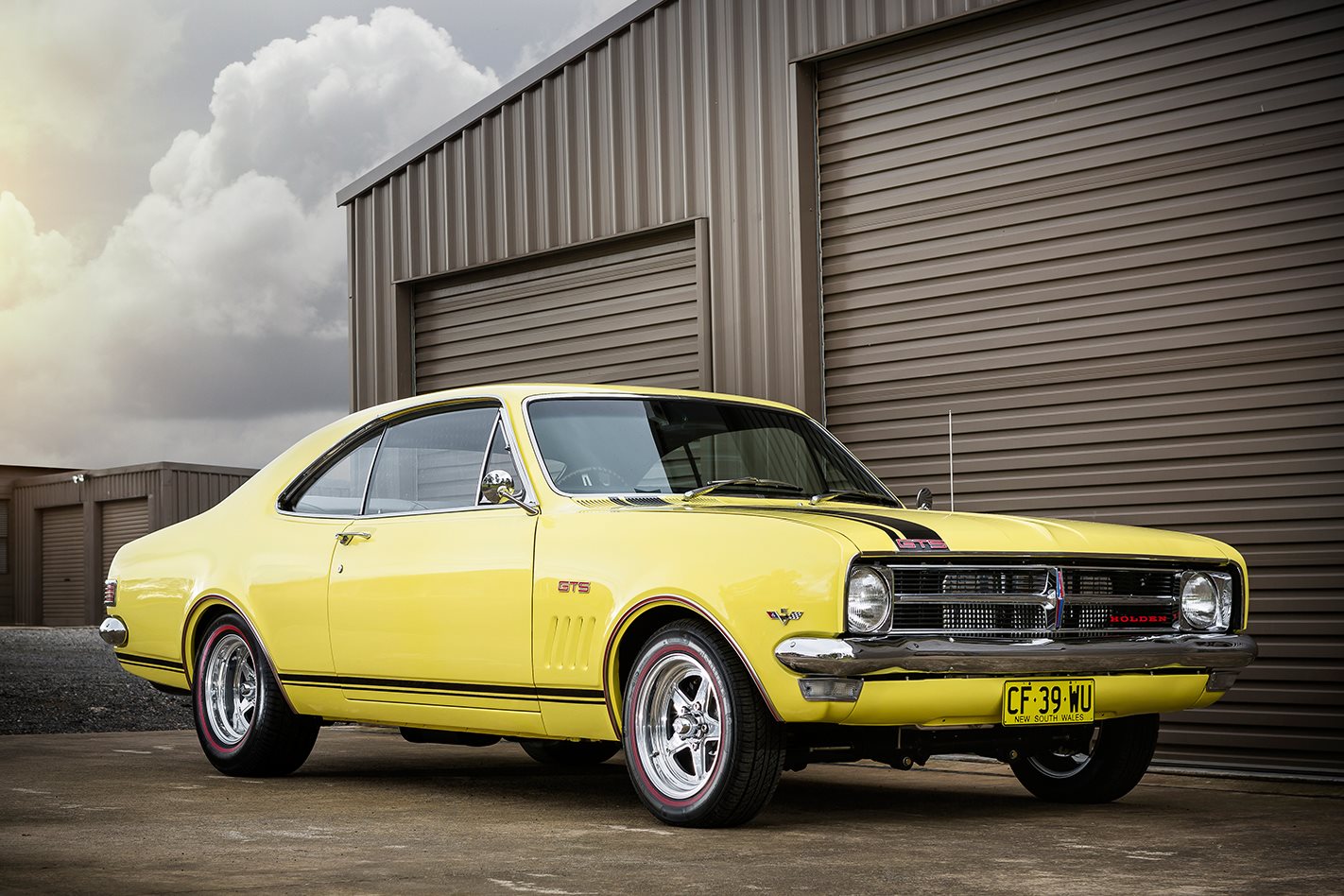
Put me down for a ’68 HK Monaro GTS 327, preferably in Warwick Yellow with a black interior. In my eyes it’s the best-looking Aussie muscle car ever built. If Santa should be so kind, I’d dearly love an HSV GTSR W1 to park beside it, too.
Ben Barren – Almost every Porsche under the sun
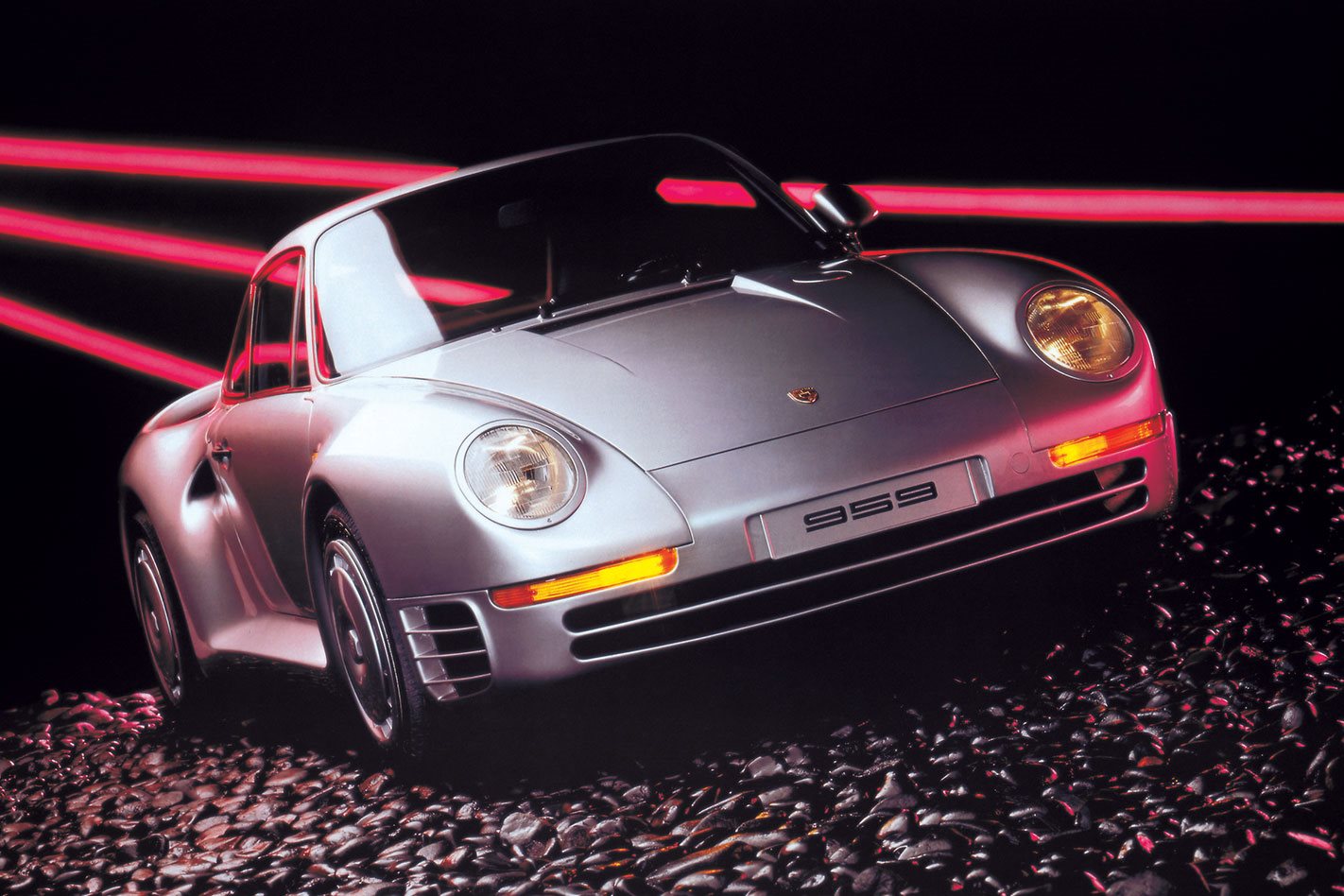
Too hard to choose really, possibly a 959 to race against Affat’s F40 (see further down) or an Emory 356 Outlaw or go eco 918 hybrid to race Steve-O in his Singer.
More likely I’ll grab a room at Little Beach House Malibu, then pop over in the morning for a custom Byron Morgan German Stainless putter made in Huntington Beach, then grab a $5 Uber over to Guntherwerks and grab whatever model there is, guess a 993 Speedster (I’ll ignore it’s green and gold).
Thrash it to In’n’Out burger @ LAX for a double-double drive-thru, key ‘n’ burger wrapping valet mic drop and economy slum it home.
Alternately, see if autonomous driving on PCH/Highway 101 from Cali to the Valley is possible in a S Plaid without driver intervention – outside watching it on Youtube.
Christian Clark – Ford GT-40
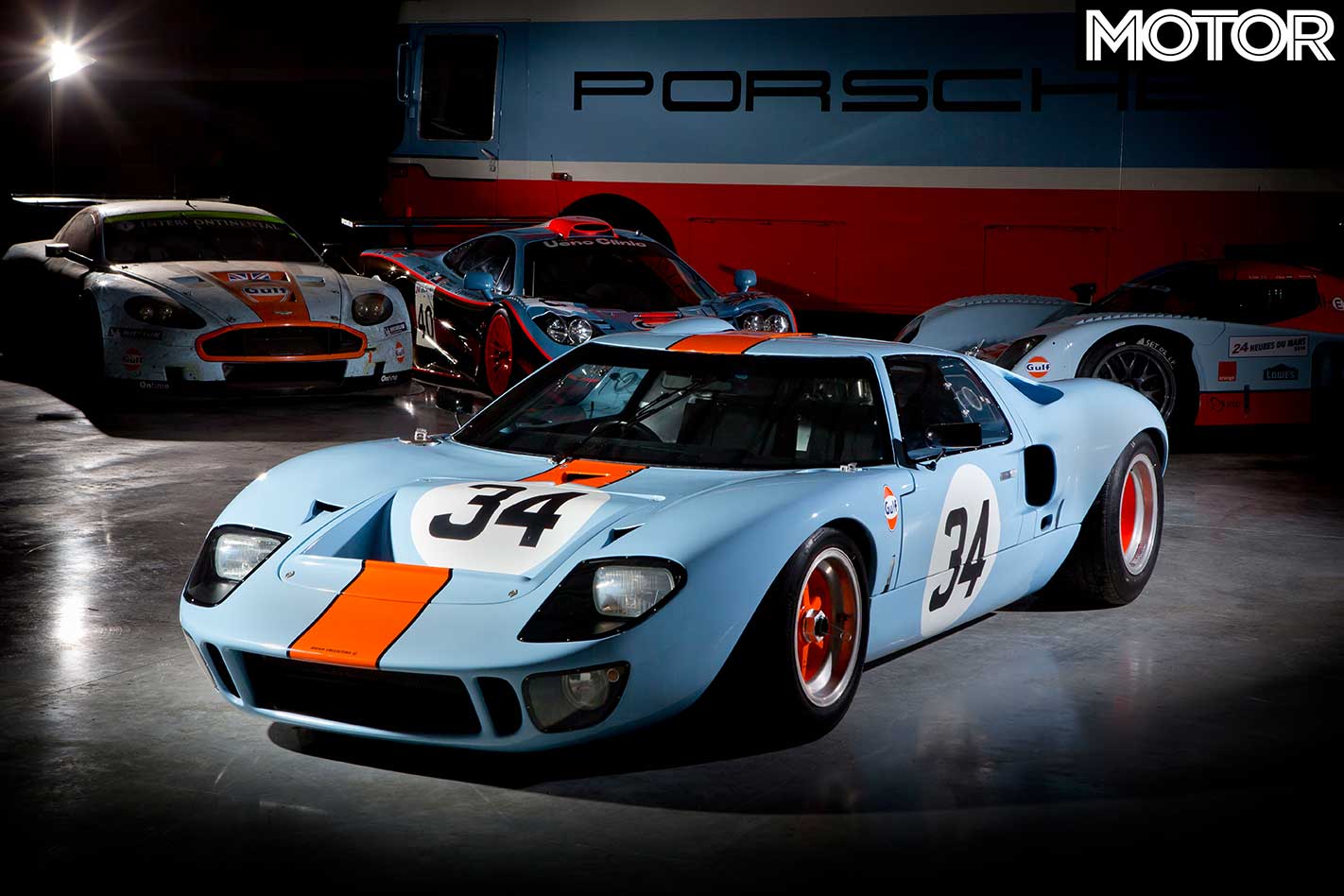
I’m no Automotive Grand Maester and nor am I a gamer….but when I did game (proud owner of a PS2 ~ early naughties), I accumulated a virtual garage via the folks that made Grand Turismo 3 until I owned the insatiably pleasing ‘69 Ford GT-40. And though it was a pixelated version, I fell deep for its sound, look and the fact that it could beat any other car in the game.
I have never been in one, but have seen/heard one blitz it through Double Pay in Sydney’s Eastern Suburbs and boy, oh boy, oh boy!
Seeing as the brief is a Santa pressie with no consequences (will buying this prevent me from fixing that sagging wall in the laundry?) then ya….it’s the Ford GT-40 for me. In da baby blue, n’ da stripe and that body that I would/will struggle to get in/out of.
Ellen Dewar – Porsche 356A
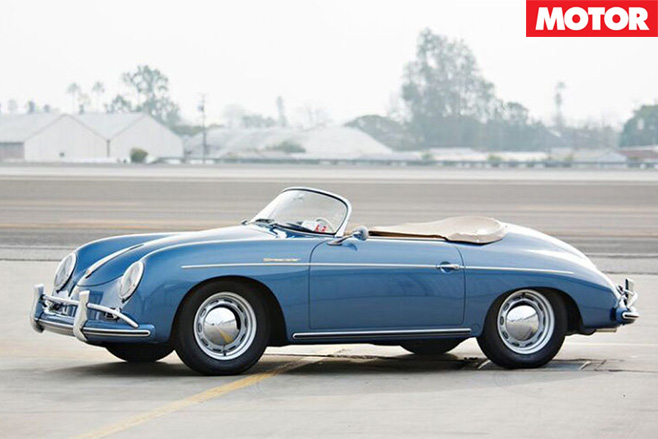
Dream cars come in so many shapes and sizes, but my ultimate would be the Porsche 356A Speedster. Having grown up in my dad’s garage raising and lowering myself on the trolley jack while he restored cars, it’s in my blood. I love so many, but I always dreamed of the Porsche. Its look and style remains timeless, classy and sporting performance for the time.
Alex Affat – Team Taisan Ferrari F40
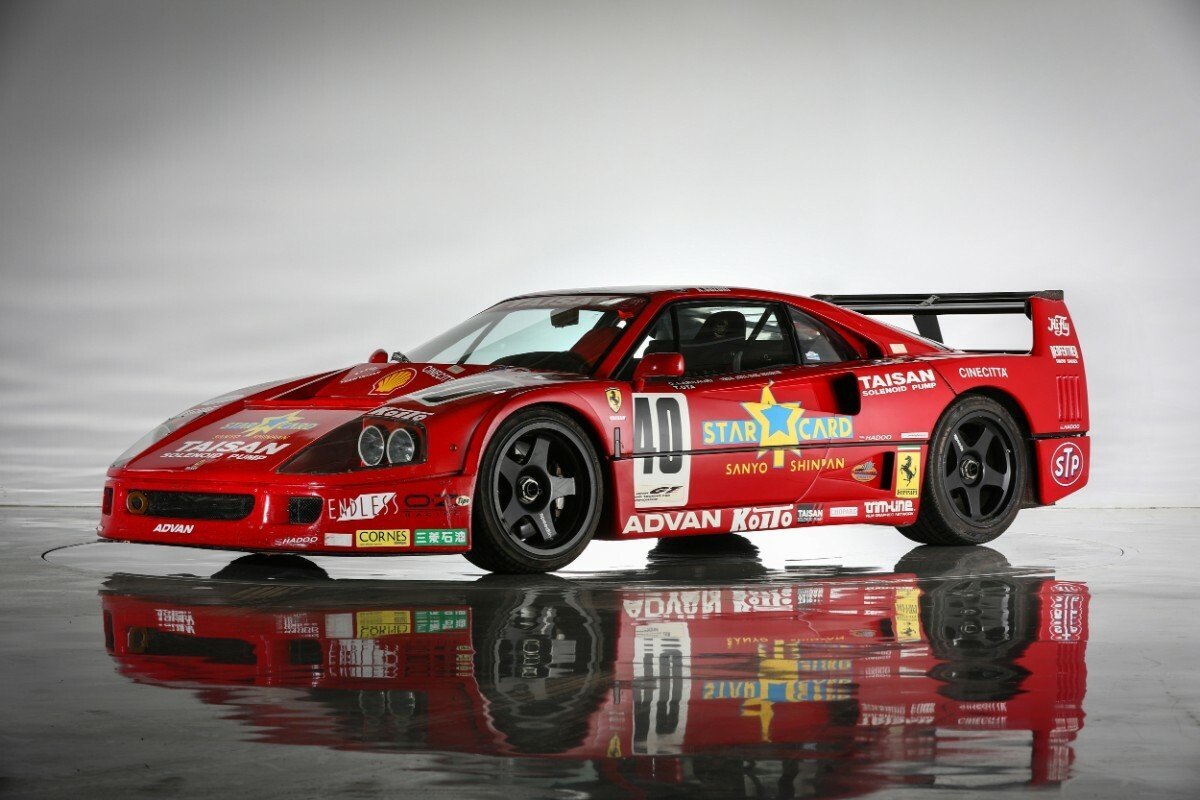
I’ll take the Team Taisan Ferrari F40 from the 1994 JGTC GT500 category. It competed alongside the privateer team’s ex-Le Mans Porsche 962, and won Round Four of the GT500 Championship that year.
It began life as a ‘standard’ 1988 F40, but was heavily modified with various LM bits with further development and modifications carried out following each race meeting. The original ‘numbers-correct’ engine remains in place and untouched, save for the addition of a straight-pipe exhaust.
The real kicker, however, is that, in its retirement, the car has since been made road legal. Cars and coffee, eat your heart out!
Chris Thompson – McLaren F1

I’ve always been obsessed with small and light cars. The idea of owning a 4×4 or a luxury sedan never really appealed to me, even as a kid. But engines? The bigger the better. My favourite Holden as a young’un was a Torana SLR 5000. Small enough to make sense, but enough engine under the bonnet to have me well keen. Just like my actual dream car, the McLaren F1. Yeah, boring answer, I know.Gordon Murray’s commitment to the ol’ adage of ‘add lightness’ in creating a supercar not much heavier than an MX-5 already had my respect, but to then nick a BMW V12 and pop it right behind the driver is to be admired. The fact this naturally-aspirated menace from the 1990s is still one of the fastest cars in the world is wild to me. Pop a Gulf livery and a wing on it and you’ve got one of my favourite race cars of all time, the Davidoff McLaren F1 GTR.Sure I could’ve picked something rarer, even unique, or something that seems less daunting to remove from a garage, but nothing else really speaks to me the same way as the F1. Seeing (a few years after the fact) a certain magazine featuring one completely airborne on the cover in June 1994 might’ve had something to do with it.
Scott Crowley – Peter Brock’s 1979 Bathurst 1000 winning Holden Torana A9X
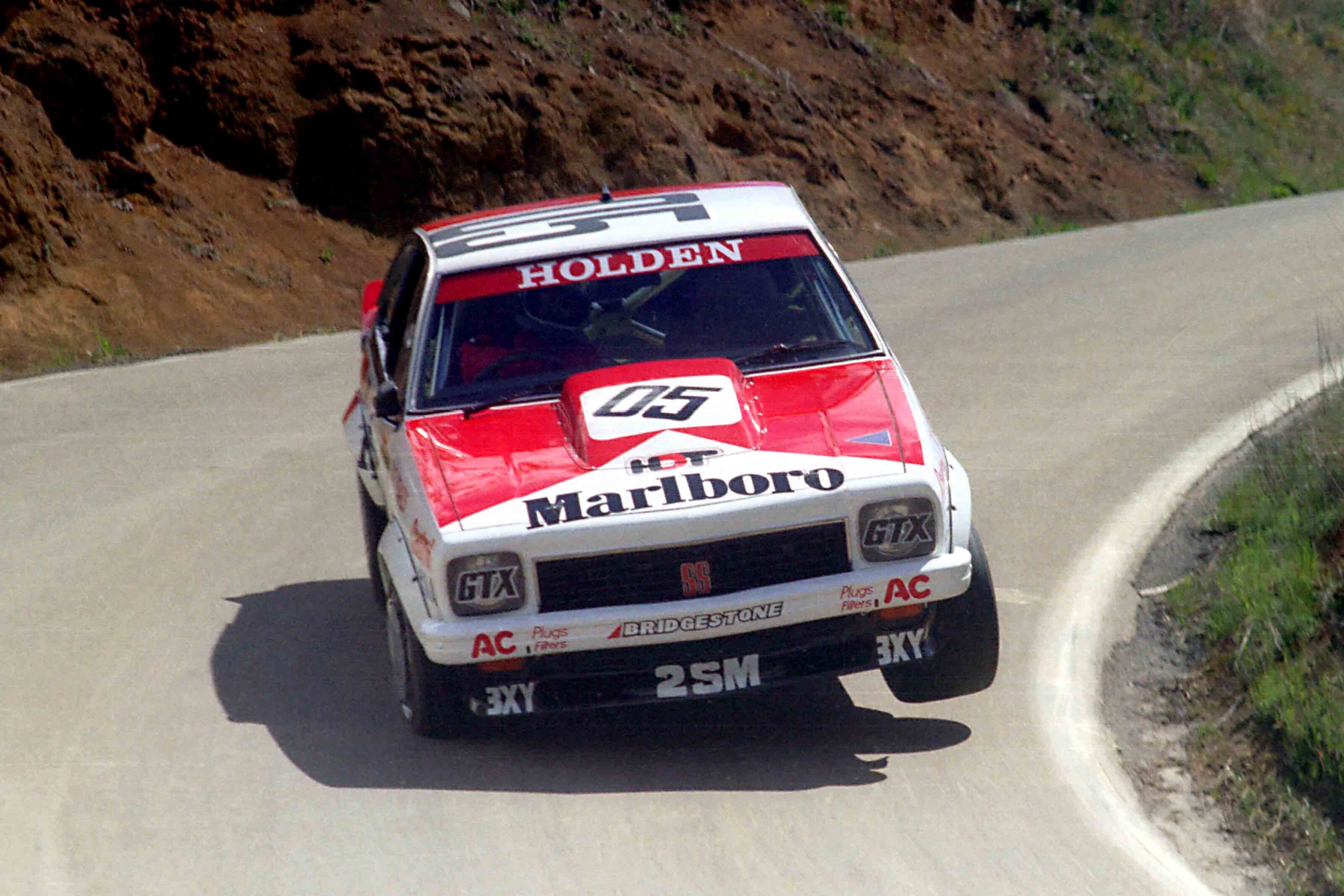
For me growing up in an era of Aussie muscle cars, I can’t go past Brocky’s A9X Bathurst winning race car and that last lap around the mountain and setting a new lap record whilst overtaking traffic! If the Bowdens are listening, you can drop this one out of your collection and into my Santa sack please!
I will always regret selling my genuine SS Torana hatchback V8 and for me still the best looking Holden ever built.
Kian Heagney – R34 GT-R in active red
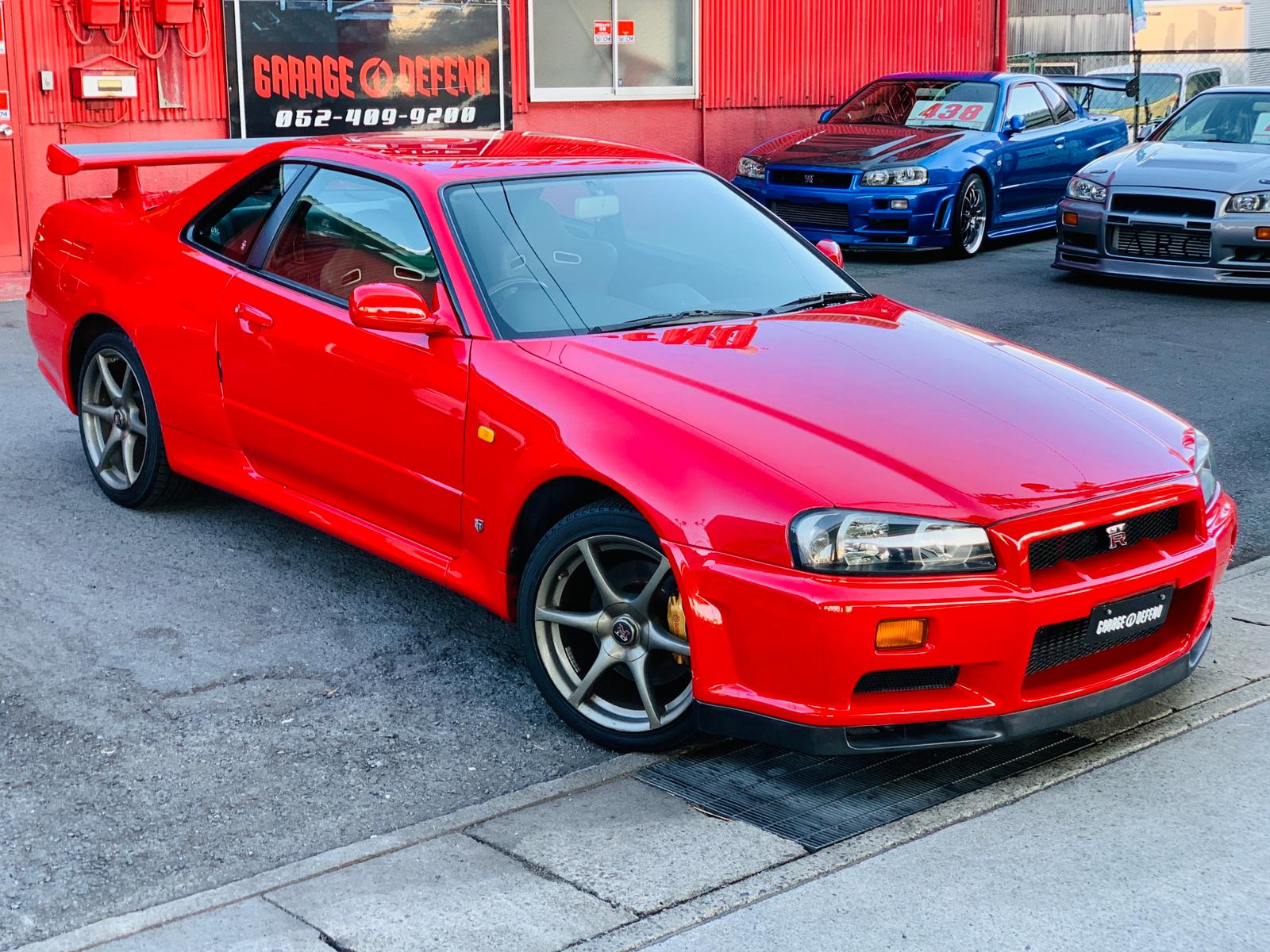
For a long time, the dream was an R32 GT-R, but with an R32 GTS-t now in the stable (along with an R31 and an S13 Silvia), I think I’d want something that feels a smidge tighter and more modern.I’m not overly fussed on whether it’s a V Spec, V Spec II, NUR, S-Tune or a freakin Pokemon edition – because it’ll all be getting modified anyway. As for the active red? Because red cars go faster, and it’s an ultra rare hue for any GT-R.
Evan Spence – Toyota LandCruiser Troopy
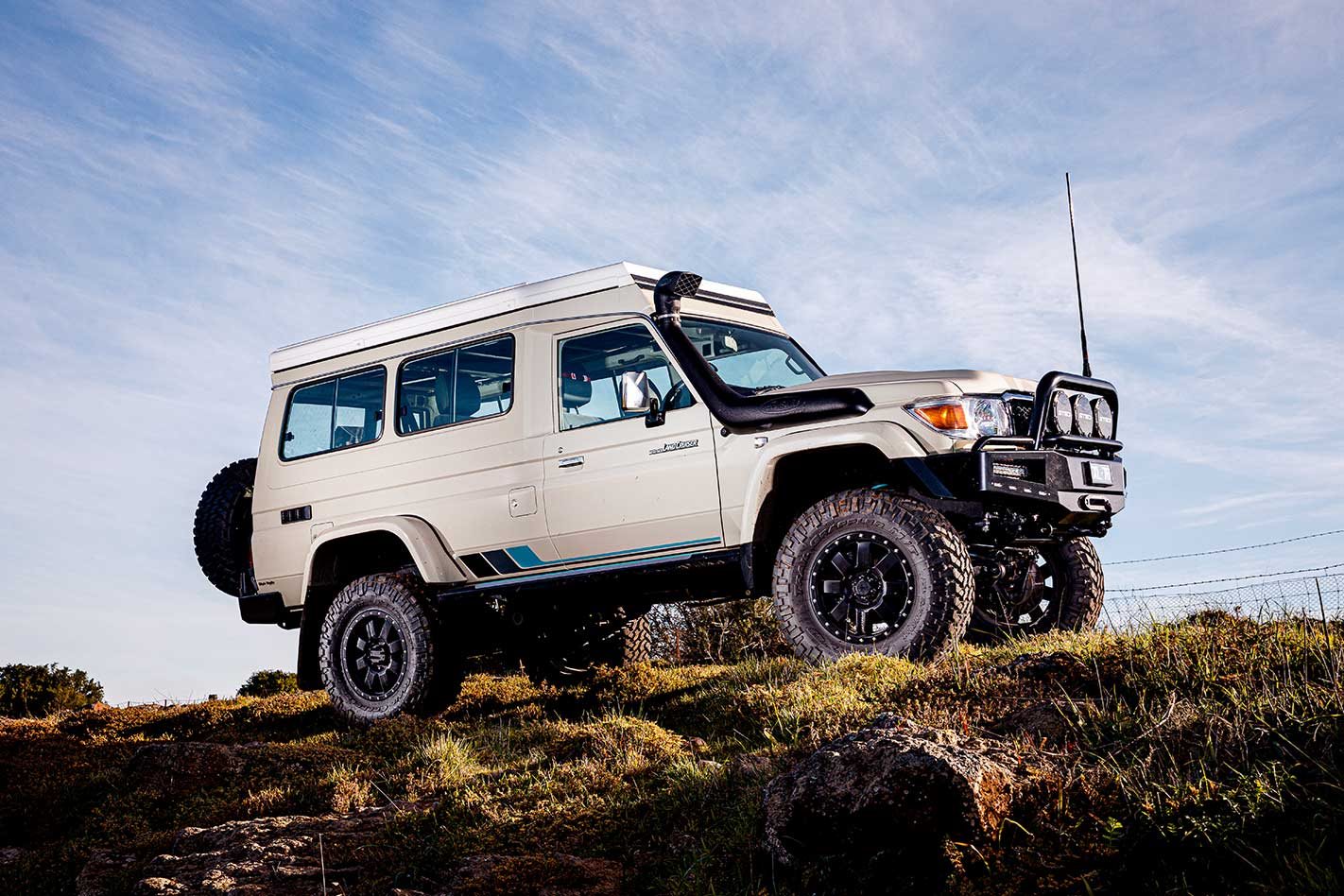
Toyota LandCruiser Troop Carrier, on portal axles, with a pop-top roof conversion and full camping setup. A house on wheels that can go anywhere.
Guy Allen – Bentley Speed Six
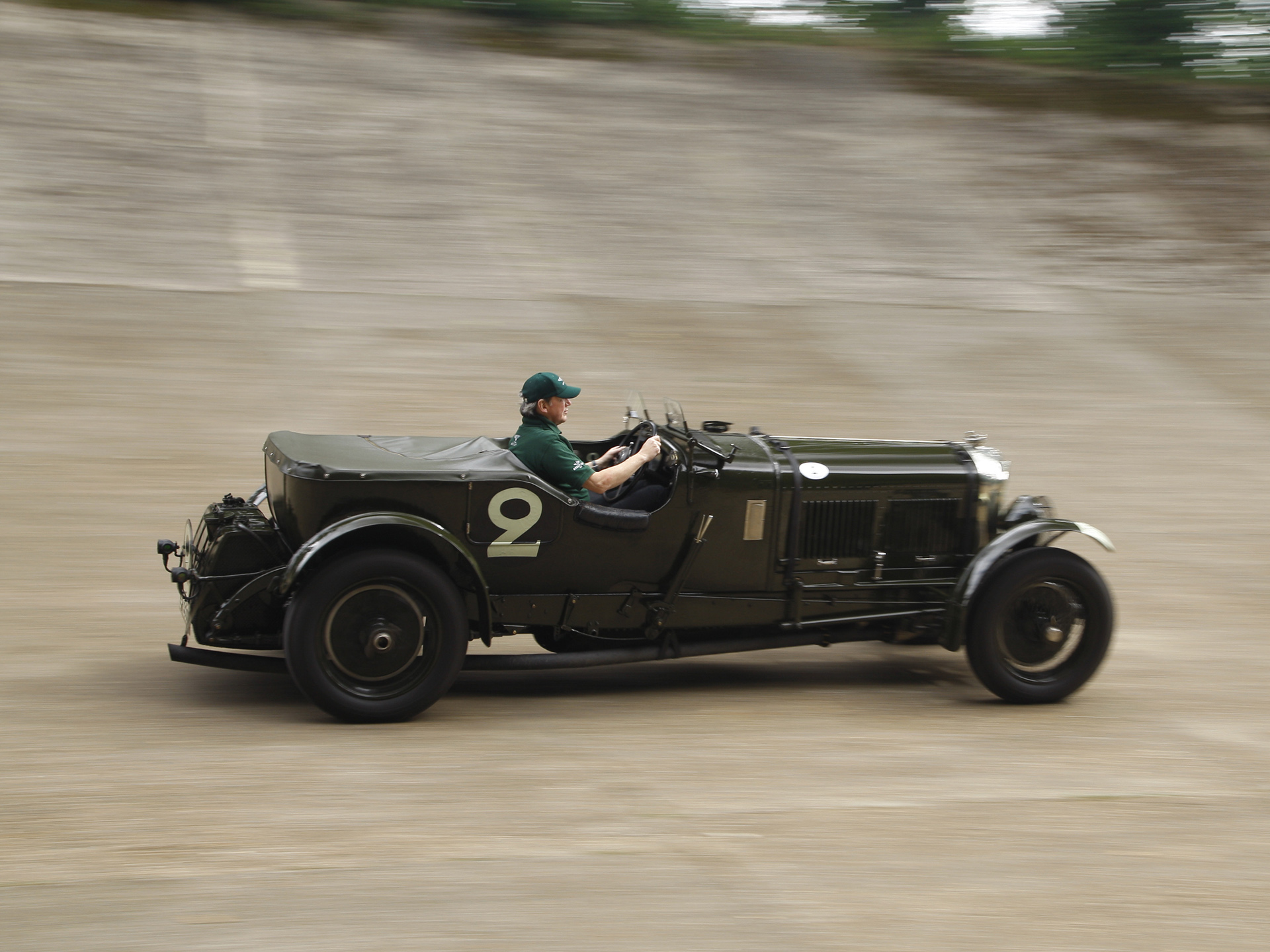
Bentley Speed Six, circa 1926-30. Crazy money these days, and legendary performance giants which really did earn the wonderful accusation from rival Bugatti that they were very fast trucks. You could die happy knowing you’d scared yourself witless in one.
Di Mclarty – Holden HZ
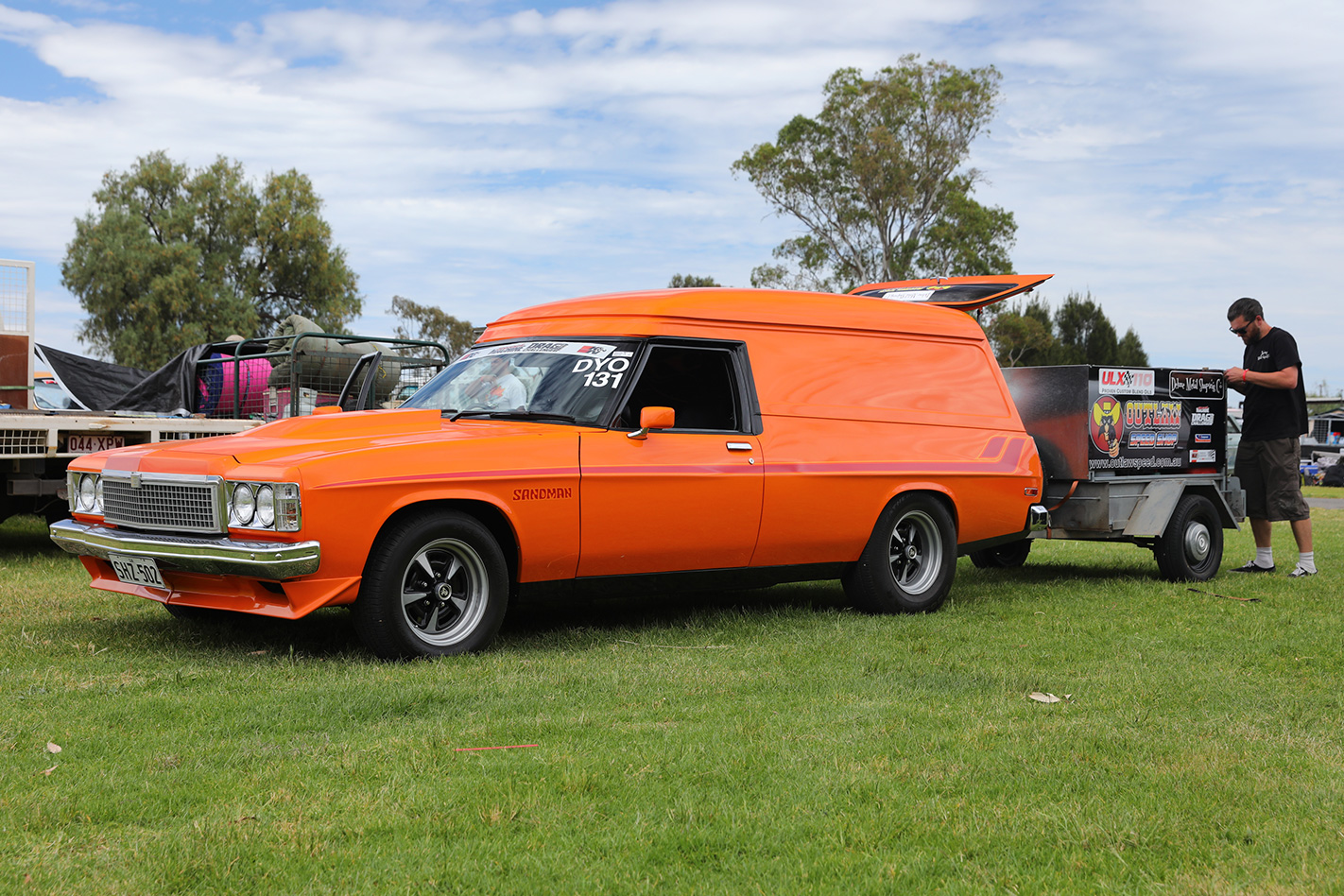
For me, dream cars were made in the late ’70s….Holden HZ Station Wagon or Ute or Panel Van….I’m really not fussy.
A sleeper, the type that looks like a grandpa car, but you know it means business when you turn the key! Perfect for fat-arming on a sunny afternoon.
Alastair Brook – Porsche 996 GT1 Straßenversion
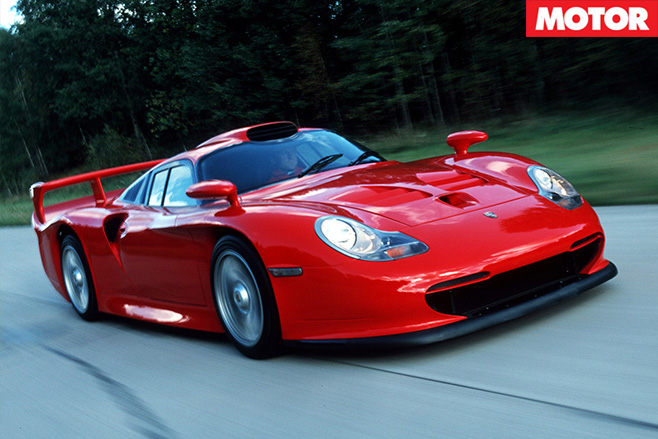
For me, ever since the late ’90s it has been a 996 GT1 Straßenversion. I just think it combines the almost childish outrageousness of GT1 street homologations with my love of Porsche and the left-of-field-ness of it not being a CLK GTR (common as mud, right?!).
A Zonda F roadster with 760 powertrain would get close though.
Carly Dale – ’34 Ford
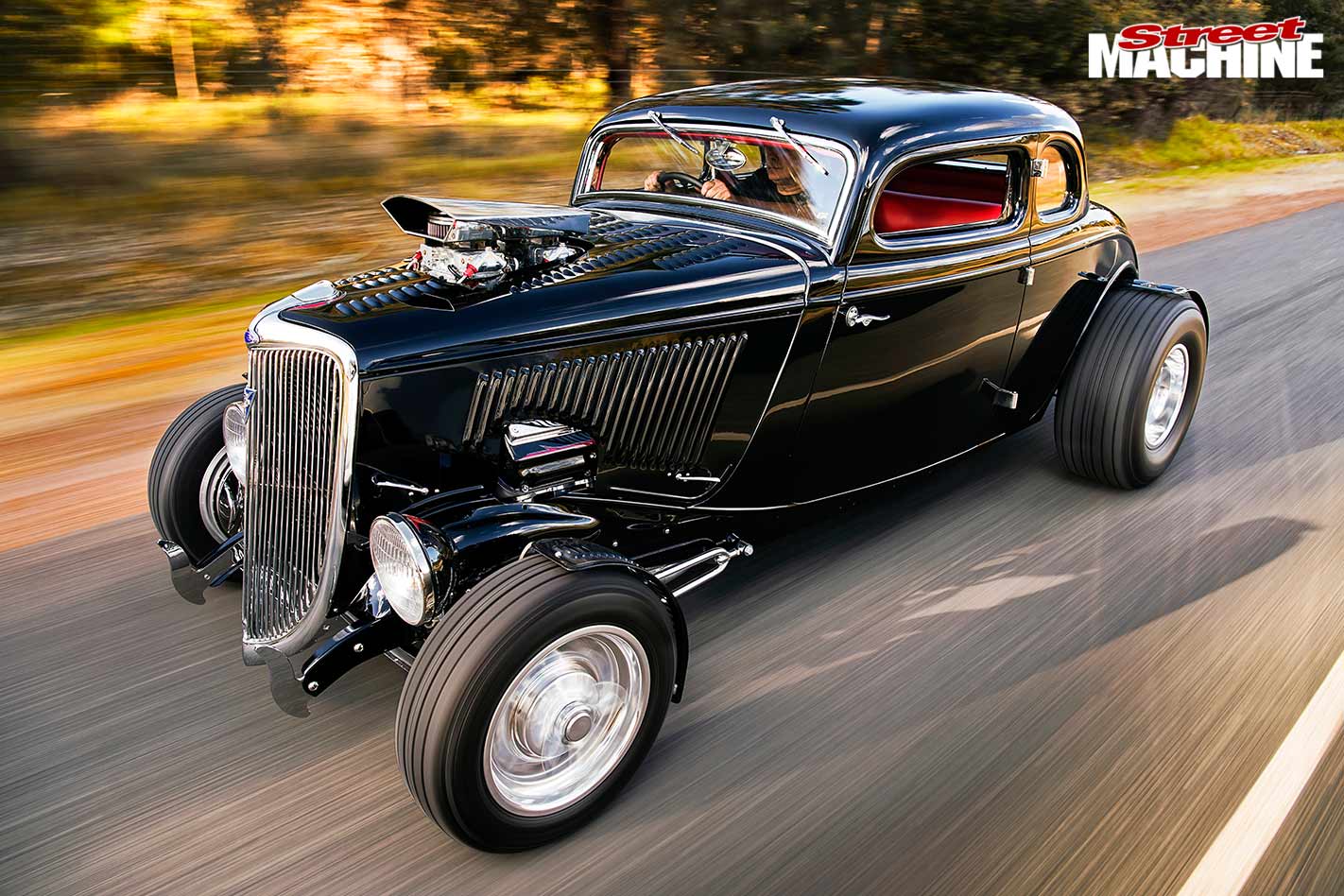
I’ll go with what’s in the shed. If Santa could get in and finish off my ’34 Ford three window coupe, build my 331ci Hemi, paint it in the Luzader coupe green and then bolt on a set of vintage race mags, that’d be grouse.
I don’t want to be too greedy, but I’d also love a W427 – because Walky. Though, I wonder how quickly I could lose my license once I had the keys.
Michael Fisher – Ferrari 288 GTO
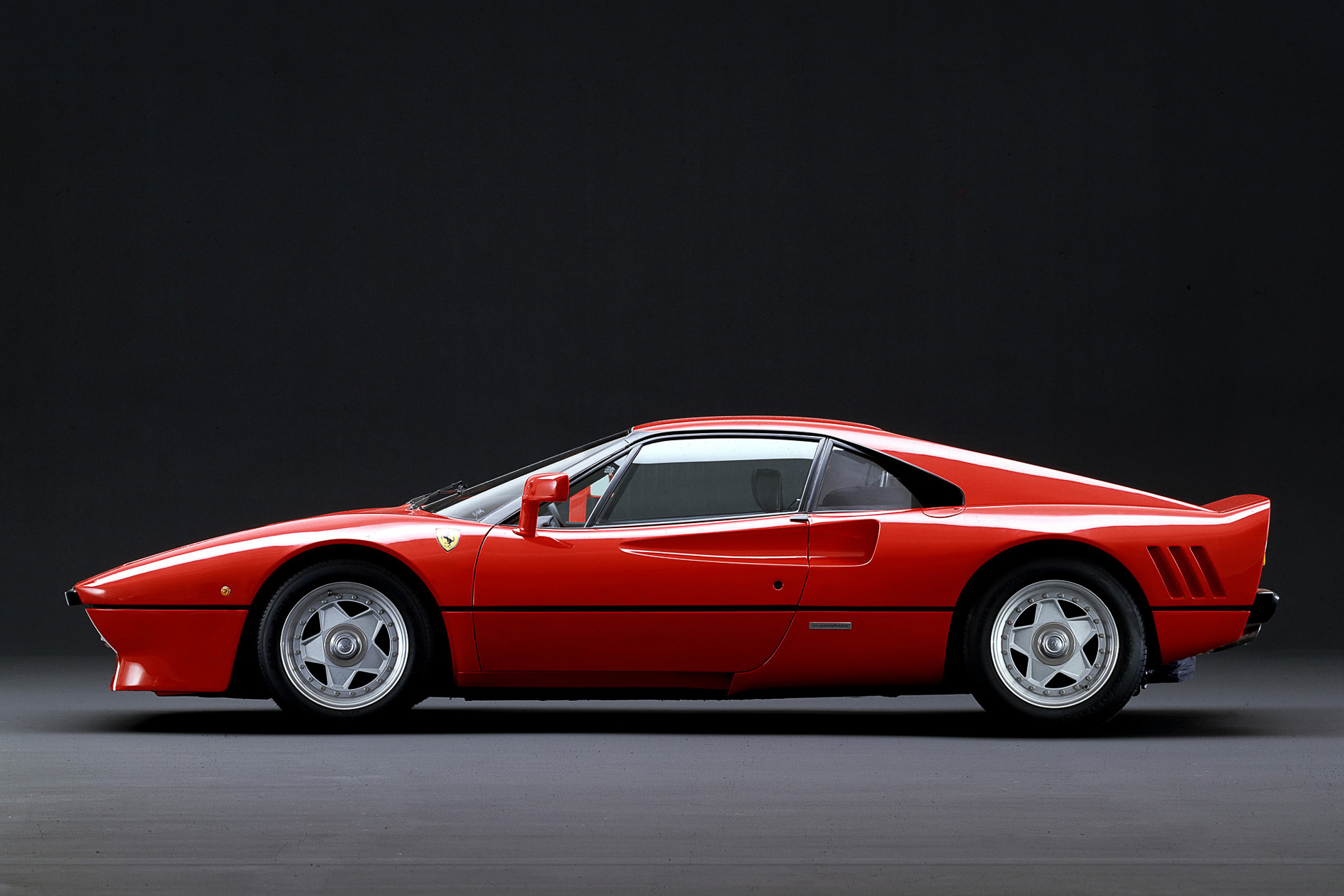
Growing up in the ’80/90s there was no cooler car than the white Ferrari Testarossa in Miami Vice. Ducks Nuts.
I’d take the black 512 TR Jez recently cruised around in too.
Tim Kenington – 1975 Ford Falcon XB Coupe John Goss Special
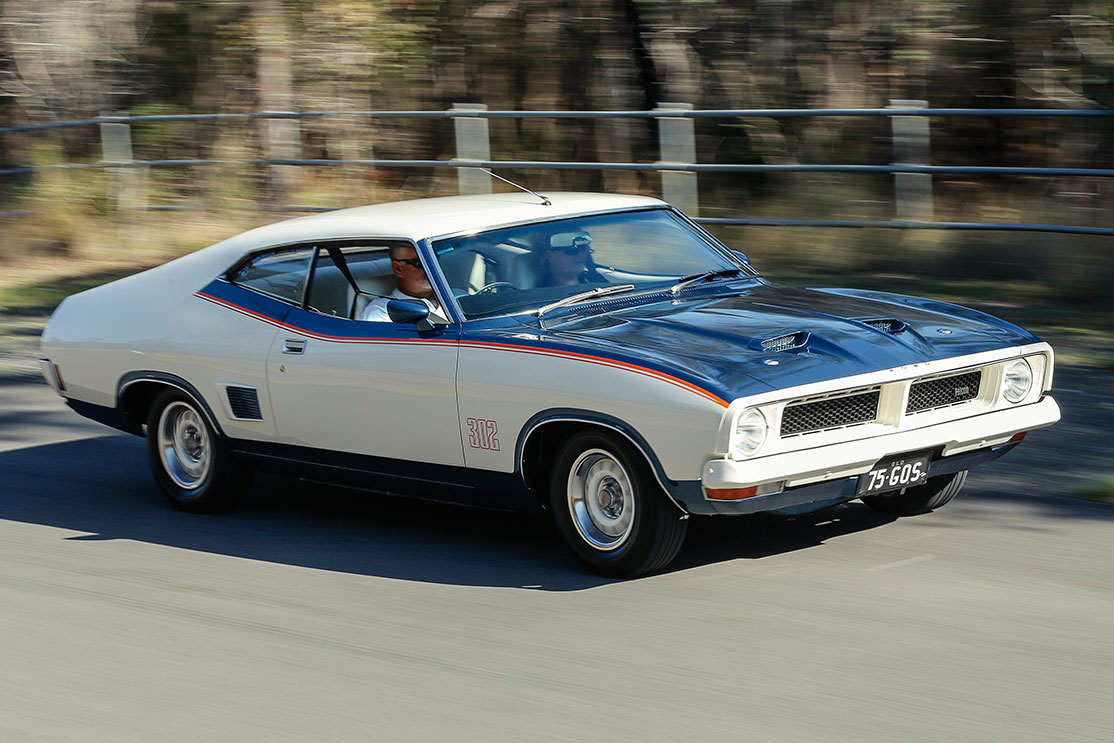
If I could get my hands on one, I’d indulge in a ‘75 XB Falcon John Goss Special. My uncle had one when I was a kid, and whilst it probably wasn’t the ideal car for our camping trips, I’ve never forgotten the feel of cruising the highway in it. A nice bit of Aussie muscle.
Brett Collingwood – Ford Falcon XM Sedan
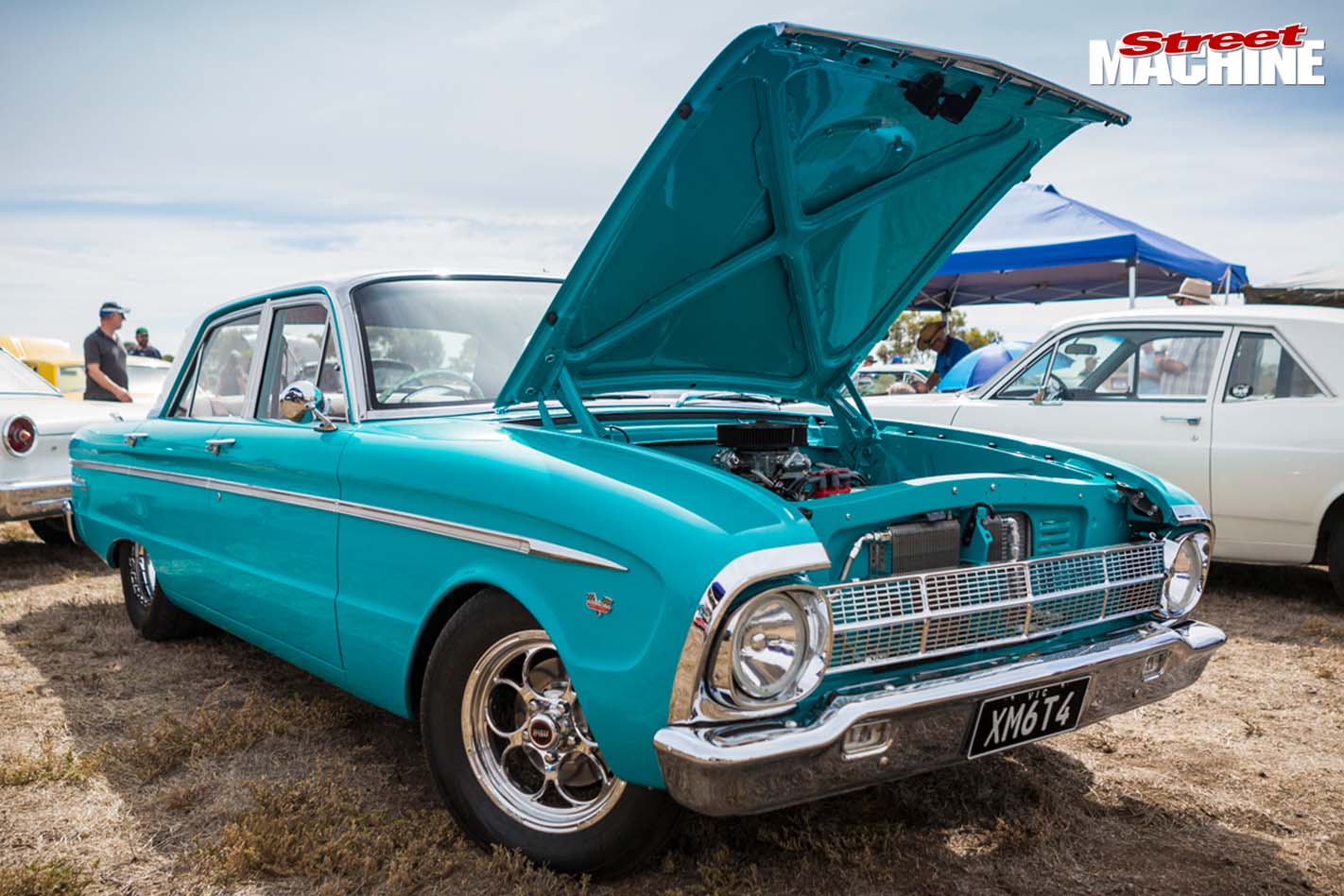
When it comes to mechanical aptitude, I make a good sub-editor, so my enjoyment of cars is mostly from an aesthetic standpoint. And for me, the ’50s and ’60s Aussie and US cars are where it’s at when it comes to appealing design. Which is why the car I’d most like to have in my garage is a humble XM Falcon sedan (sure, the hardtops are ‘cooler’, but I think the sedans look nicer).
There’s something really classy about the side profile, especially combined with the grille, headlights and tail-lights that look a lot more integrated into the overall design than those of the otherwise-identical XK/XL. Of course, were I to actually drive one, I’m sure any romantic notions of what it would be like to own one would crumble pretty quickly, but hey, how good does it look?
What are Australia’s cheapest SUVs?
When we answered this question 2016, there were twice as many crossovers on sale in Australia as there are today – and for $5K less.
But following two years of COVID-19 pandemic, and the ongoing supply issues for new cars and parts throughout 2022, this is the reality we now face.
New cars are getting more and more expensive, there’s no doubt about that.
With that in mind, we’ve found you the cheapest light and small crossover SUVs on the market for under $30K if you’re looking for more space than a hatch, but can’t quite stretch to the dollarbucks needed for a medium SUV.
Hyundai Venue – from $24,990
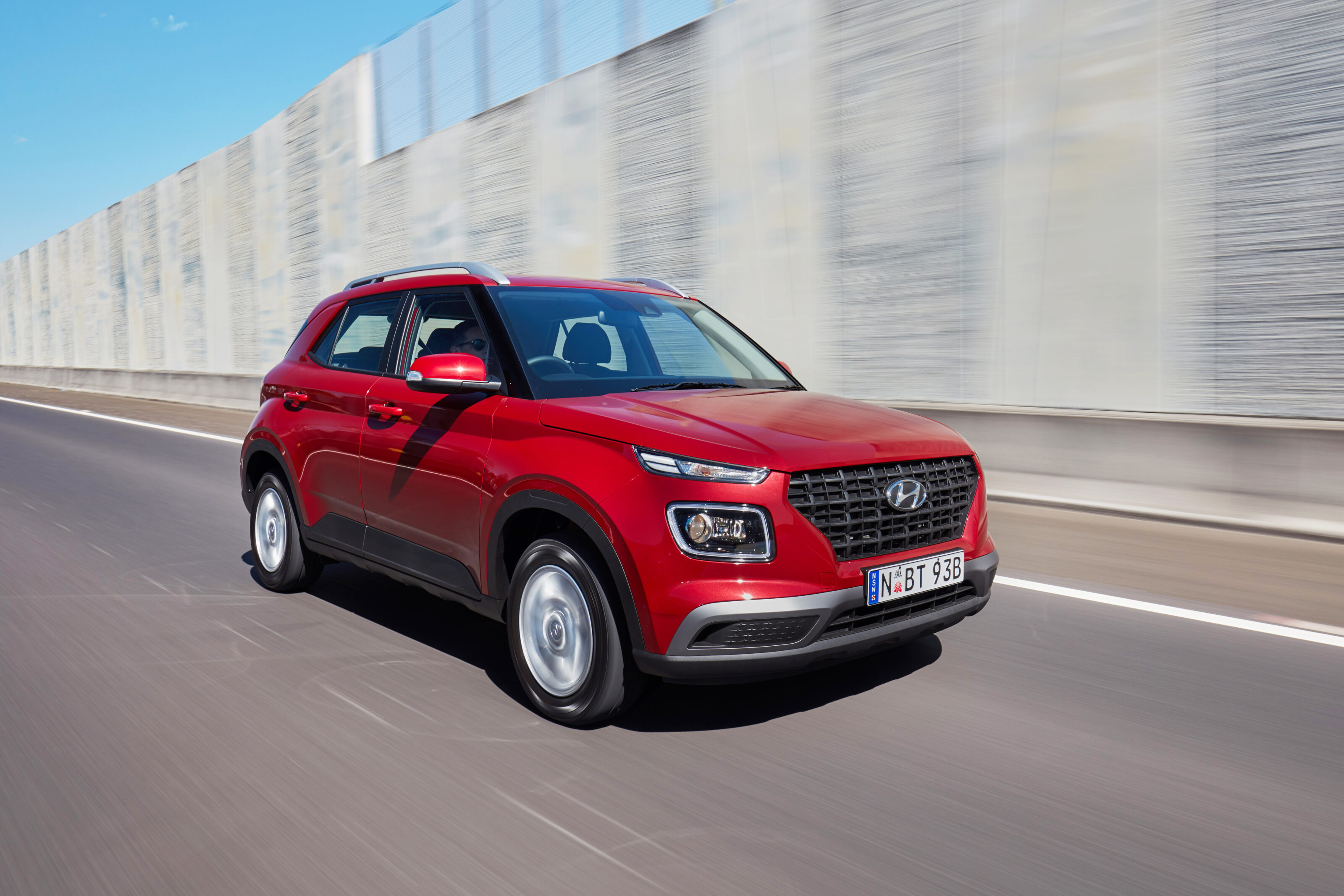
The Hyundai Venue is the smallest, most affordable SUV in the Hyundai line-up.
Launched in Australia in 2019, it effectively filling the gap left by the discontinued Accent light car.
The Venue keeps thing simple in terms of variants. There’s one engine choice – a 1.6-litre four-cylinder – and three trim levels, with a six-speed auto available on all three, or a cheaper six-speed manual offered the base and mid-spec models. All versions drive the front wheels.
However, just the entry-level Venue and mid-range Active come in under our $30K cap at $24,990 and $29,394 respectively.
Hyundai Kona – from $29,490
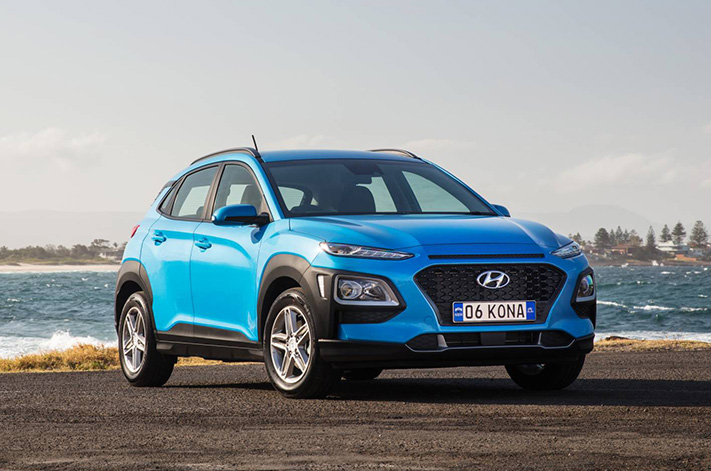
The Hyundai Kona is the second-smallest SUV offered by the Korean carmaker.
Choice in the range is vast, with everything from affordable 2.0-litre petrol power to high-performance turbo models, through to fully-electric variants at the top end.
The Hyundai Kona line-up is mostly front drive, with all-wheel drive reserved for the punchy N-Line variants yet not the full-fat N models with their sub-6-second 0-100km/h ability.
Just the base-spec Kona meets our price limit though coming in at $29,490. It gets the 2.0-litre Atkinson petrol engine, mated to a continuously variable automatic transmission (CVT) driving the front wheels only.
Kia Stonic – from $24,690
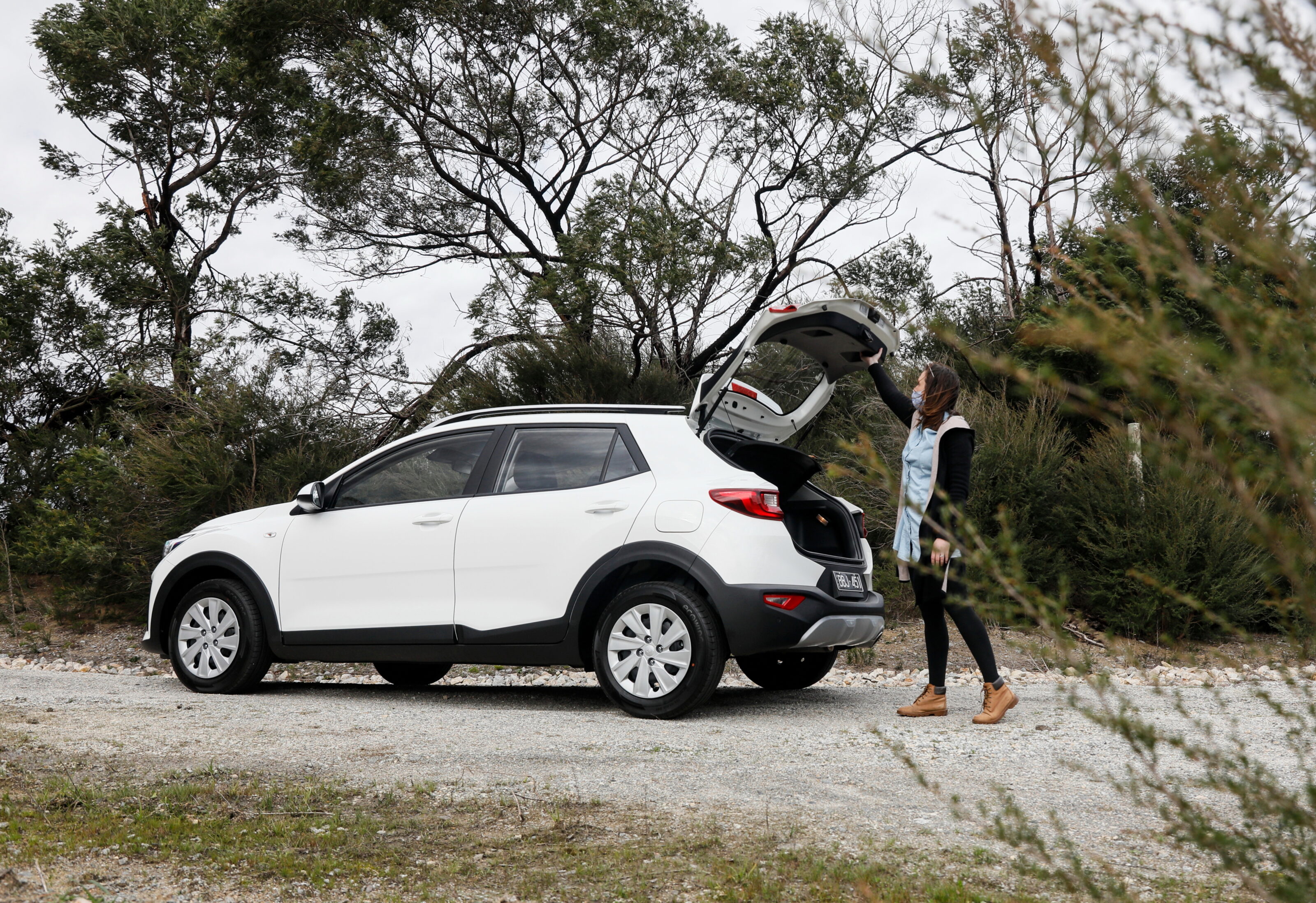
Since its debut in 2021, the compact Kia Stonic SUV has proven popular, with almost 8000 sold in its first year on the Australian market.
If there’s a reason this newcomer seems familiar, however, that’s because it is. Based on the comparatively smaller Kia Rio, the Stonic does bear much resemblance to its sibling.
But the designers have made a real effort to make this car more than a high-riding version of the hatch – and its looks for a crossover aren’t quite so divisive as those of some rivals.
Priced from the low $20,000 range, the Kia Stonic is powered by a choice of 1.4-litre naturally-aspired four-cylinder and 1.0-litre turbo petrol three-cylinder engines. All examples are front-wheel-drive, from the Kia Stonic S at the entry end to the Kia Stonic GT-Line flagship.
Four of those meet the $30K criteria – the S and Sport grades each offered with both manual and automatic transmission options. The manual S starts at $24,690 while the auto Sport is almost $4K steeper at $28,190.
Mazda CX-3 – from $27,251
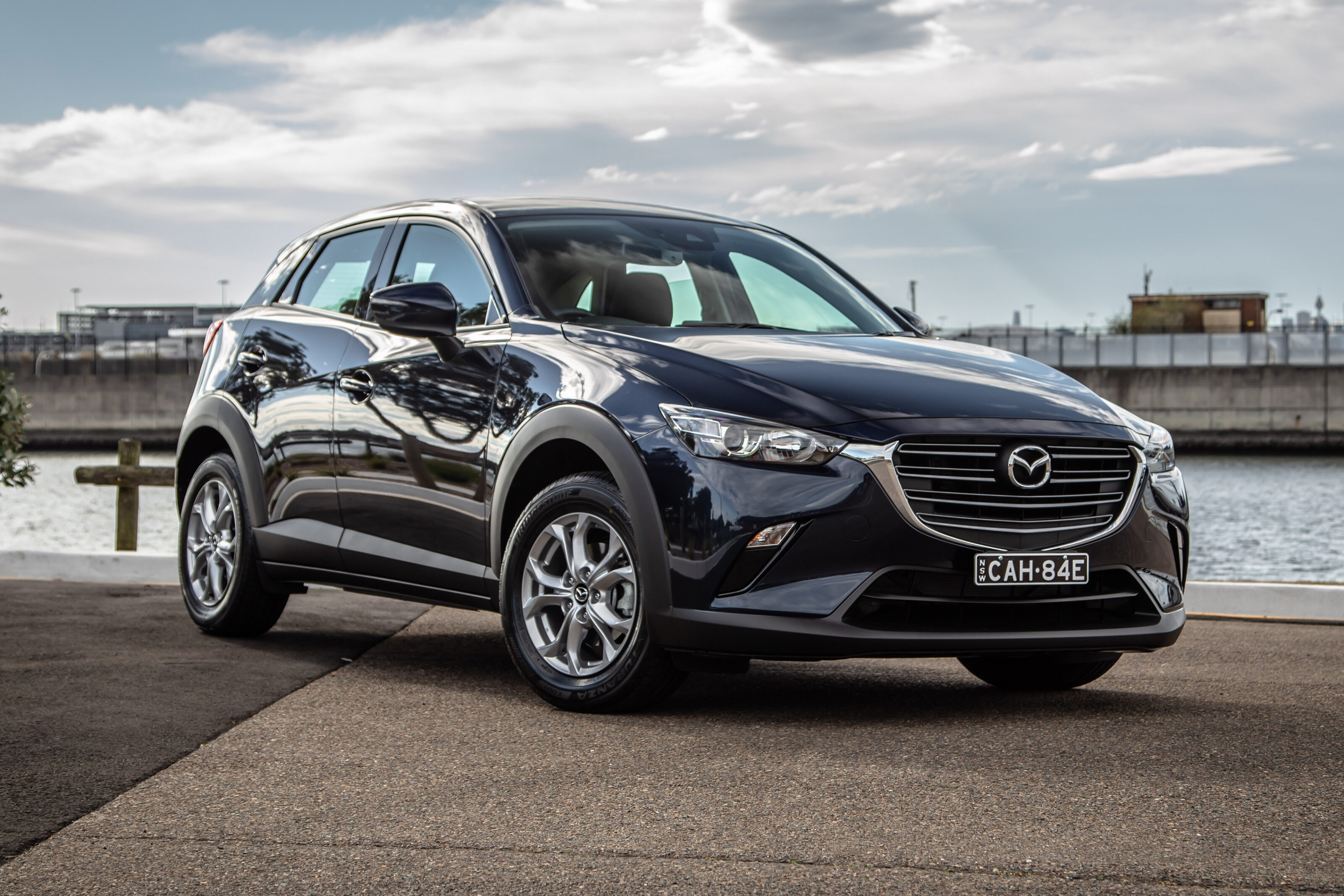
The popular Mazda CX-3 has three variants under the $30,000 mark: the entry-level Neo Sport in both manual and automatic transmission guises and the 2WD manual petrol version of the Maxx Sport.
They’re each powered by a 110kW/195Nm 2.0-litre four-cylinder petrol engine that drinks 6.6L/100km on the combined cycle.
It’s essentially a Mazda 2 on stilts so space is at a premium, but a high-end interior design sets it apart from other cheap compact SUVs.
Suzuki Ignis – from $23,490
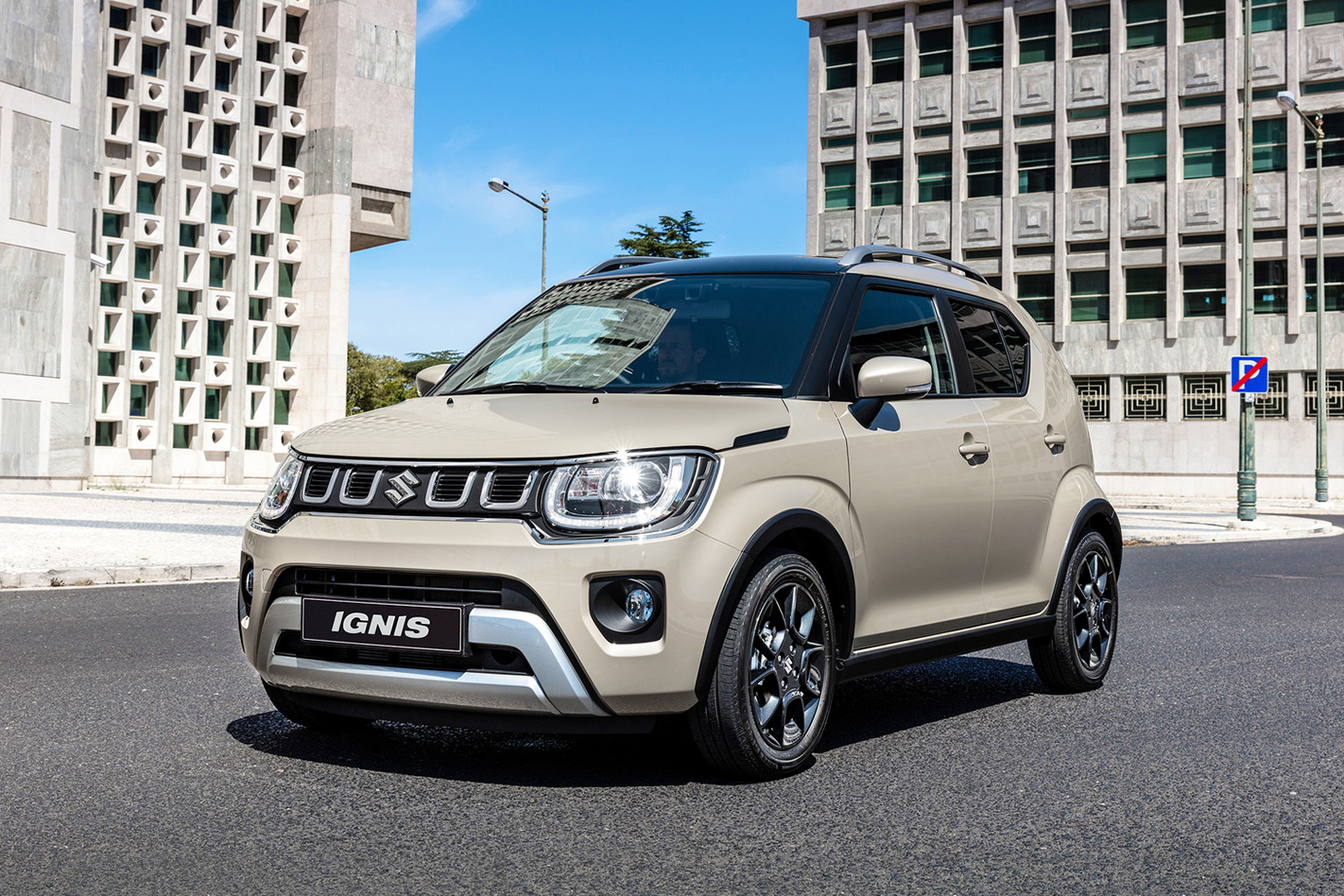
The Suzuki Ignis is one of the most affordable small SUVs in Australia, if you can call it that.
While it might appear as a larger-than-usual hatchback, the Ignis has a boxy, retro look and is classified as a ‘light SUV’.
Every Ignis drives only its front wheels and there is only one engine available – a 1.2-litre petrol four-cylinder that uses no more than 4.9 litres/100km on the combined cycle. The Ignis comes with a five-speed manual gearbox or a CVT automatic.
Prices begin at $23,490 for the GL manual, rising to $24,490 for the GL auto and $26,490 for the GLX (auto only).
Australia’s cheapest SUVs: 5 crossovers under $30,000 (and the variants available!)
| Model | Price |
|---|---|
| Hyundai Venue | $24,990 |
| Hyundai Venue Active | $29,394.10 |
| Hyundai Kona | $29,490 |
| Kia Stonic S manual | $24,690 |
| Kia Stonic S automatic | $25,690 |
| Kia Stonic Sport manual | $26,690 |
| Kia Stonic Sport automatic | $28,190 |
| Mazda CX-3 Neo Sport manual | $27,251 |
| Mazda CX-3 Neo Sport automatic | $29,335 |
| Mazda CX-3 Maxx Sport | $29,335 |
| Suzuki Ignis GL manual | $23,490 |
| Suzuki Ignis GL automatic | $24,490 |
| Suzuki Ignis GLX | $26,490 |
MORE!
The first Australian Polestar showroom, known officially as a ‘Space’, has opened in Melbourne at the huge Chadstone shopping centre – almost one year after the brand launched the Polestar 2 into the local market.
The Polestar Melbourne Space opened its doors to the public last week, just in time to capture the attention of Christmas shoppers at ‘the fashion end’ of the centre. And while it’s the Polestar 2 on display, the company says the new Space has made a significant contribution to growing expressions of interest in the upcoming Polestar 3, “now well over 5000”. (Watch our Polestar 3 video at the bottom of this story.)
Opened by local Polestar managing director, Samantha Johnson – pictured above, holding a pair of Polestar’s Swedish Gold seatbelts in place of the usual red ribbon – the Melbourne store will be followed by a Sydney location in the coming year.
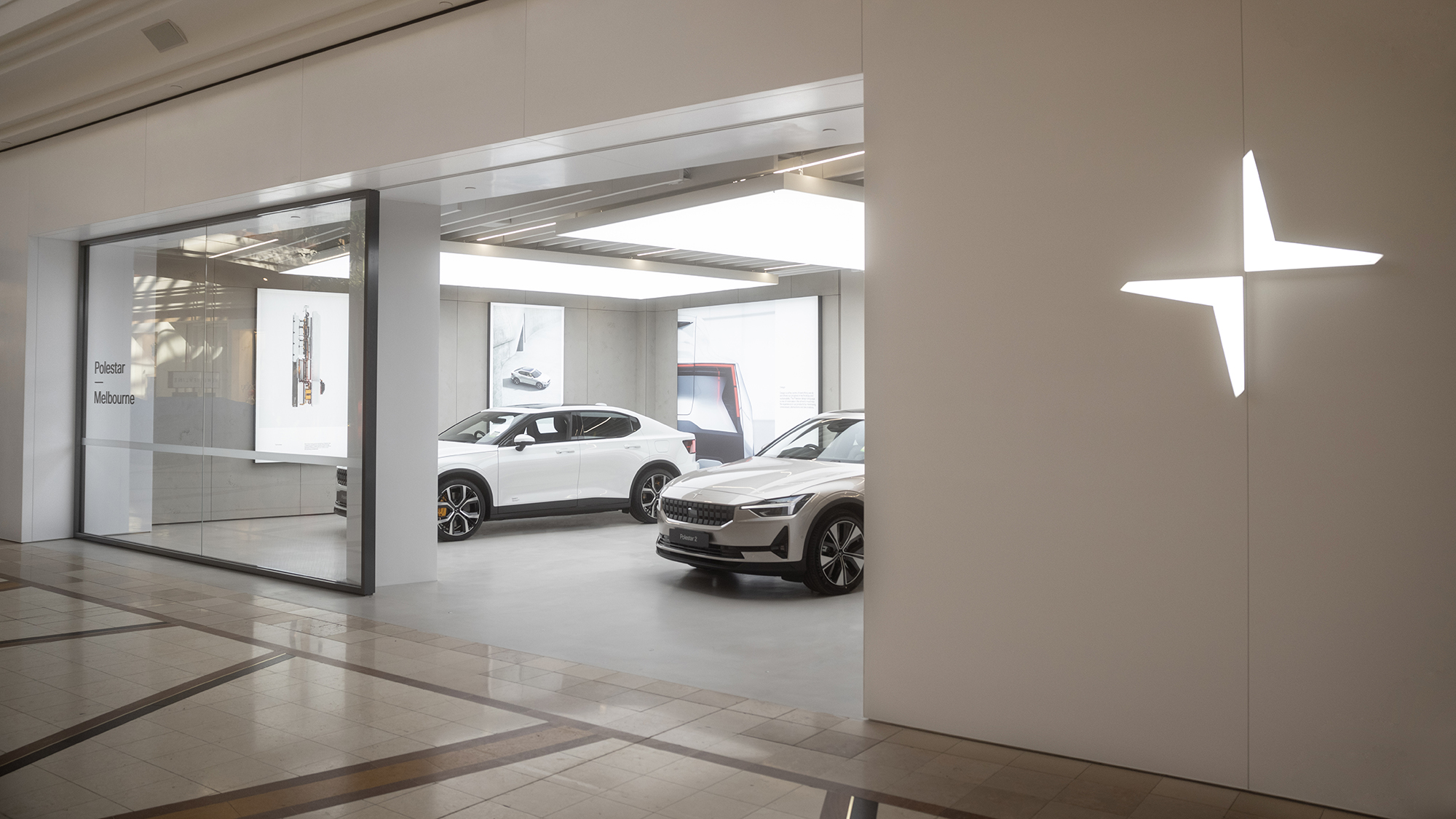
Polestar’s existing Sydney customer site – along with those in Brisbane, Perth and Hobart – while not designed to the level of this flagship Space, will continue to be the destination for buyers until more Spaces are opened.
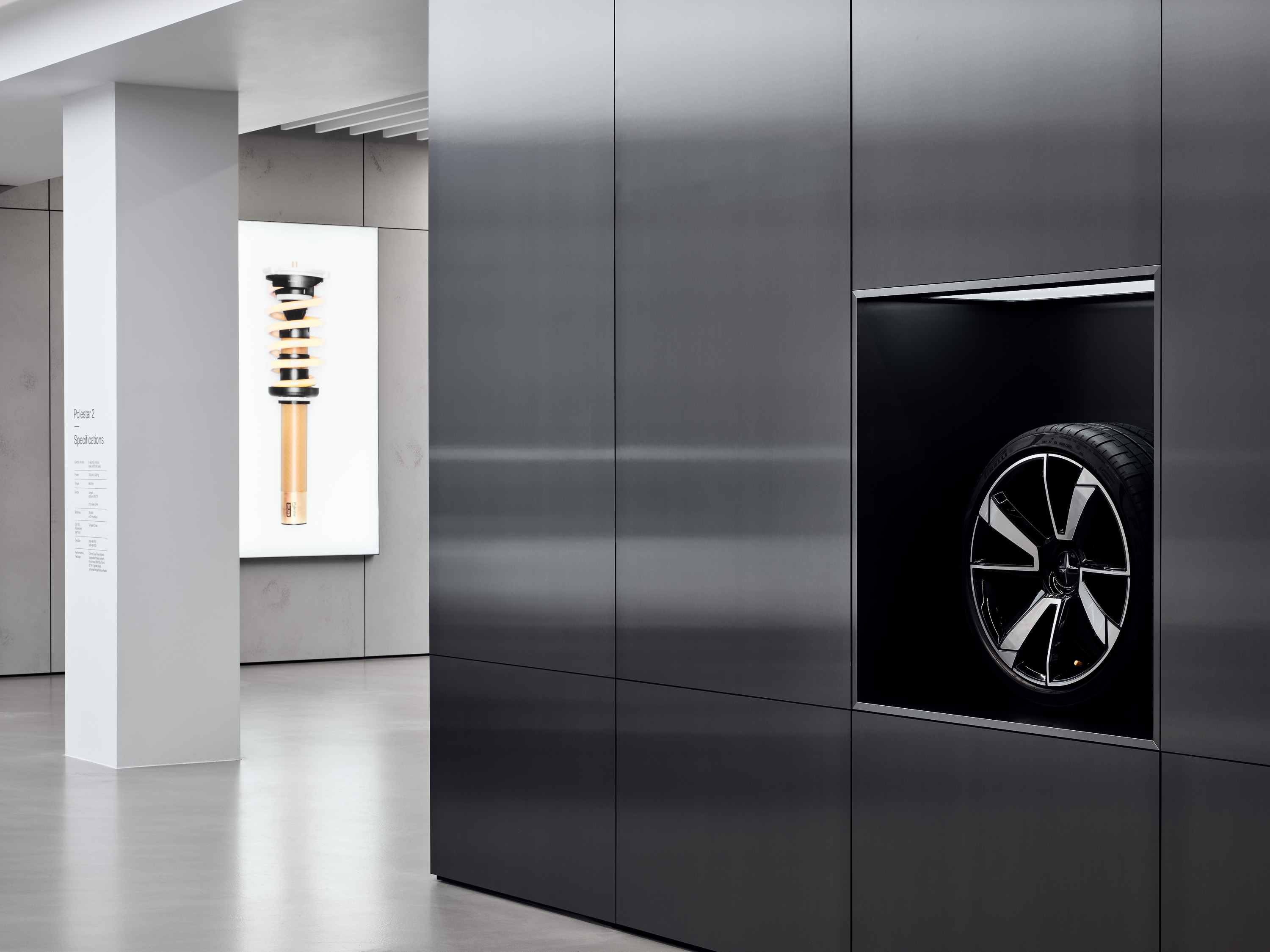
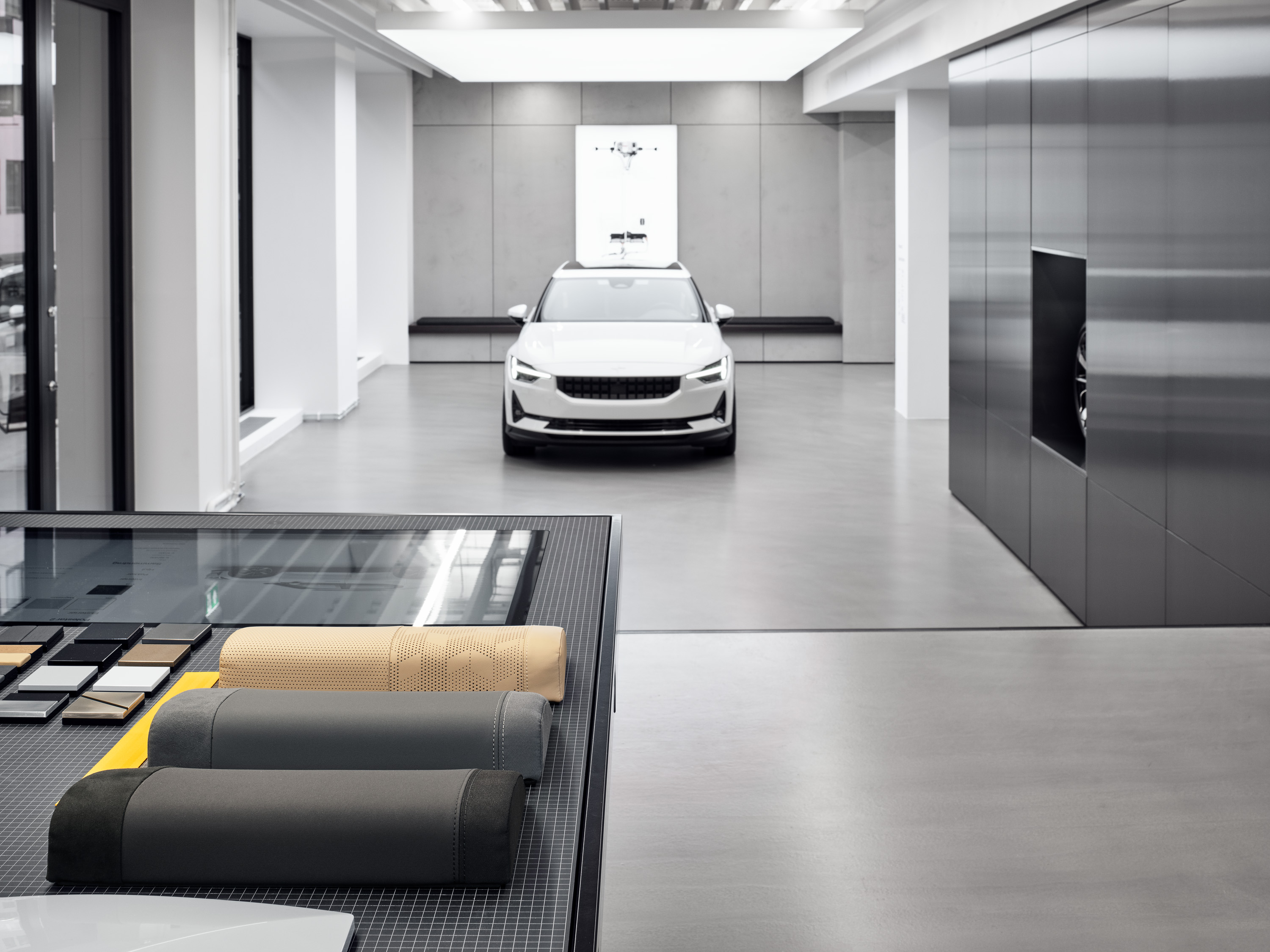
For now, visitors to the Polestar Melbourne Space can take a tour of the display cars and the pieces of technology and design positioned artfully around the minimalist showroom.
Chadstone visitors eager to take a spin in the Polestar 2 will have that opportunity from February, when the Space takes over test-drives and customer handovers from Polestar’s current Port Melbourne location.
Polestar follows brands like Tesla and, more recently, Hyundai’s luxury brand Genesis into opening retail-oriented, boutique spaces in fashion-focused shopping areas. Tesla has a showroom at the opposite end of the Chadstone centre and another in Sydney’s Martin Place, while Genesis has opened similarly minimalist Studios in Martin Place and in Melbourne’s Emporium.

The Polestar 2 is currently the only car on display in the Chadstone showroom, but the new Polestar 3 SUV will arrive next year, followed by the Polestar 5 four-door coupe, the Polestar 4 SUV and the limited-run Polestar 6 convertible.
The Polestar Melbourne Space is located on the Lower Ground level of Chadstone Shopping Centre. Opening hours are from 9am – 5.30pm Mon-Wed, 9am – 9pm Thurs-Sat, and 10am – 7pm on a Sunday.
The story to here
October: First Polestar Space to open in Chadstone
Polestar is set to open its first Australian ‘Space’ at Melbourne’s Chadstone Shopping Centre this summer.
The new retail concept enables customers to interact with the Polestar brand, meet product specialists, and take a test drive of the all-electric Polestar 2.
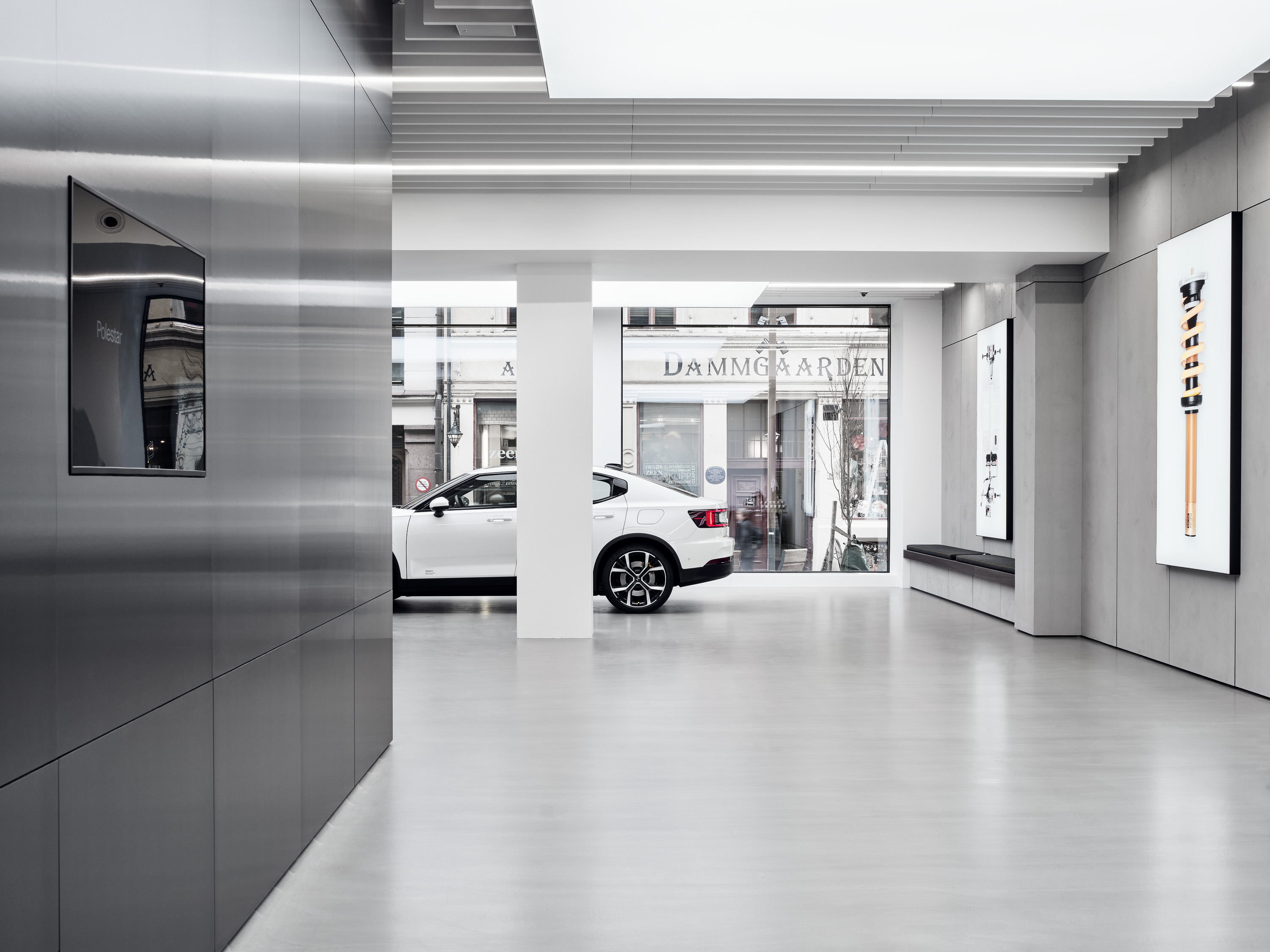
According to the Swedish carmaker, specialists, rather than salespeople, staff Polestar spaces for customers to seek expert assistance if required without the pressure of a sale.“Our Space concept has been carefully designed to reflect the brand’s minimalist brand philosophy, while presenting a welcoming environment in which customers can experience the all-electric Polestar 2 at leisure,” said Samantha Johnson, Head of Polestar Australia.
“We look forward to engaging with visitors to our new Space this summer.”
The Melbourne Space will be open located on the Lower Ground level of Chadstone Shopping Centre. Opening hours are from 9am – 5.30pm Mon-Wed, 9am – 9pm Thurs-Sat, and 10am – 7pm on a Sunday.
March 2021: Polestar to use ‘Spaces’ rather than dealerships
Polestar, Volvo’s all-electric offshoot, has announced it will this year expand into Australia, New Zealand, Honk Kong, South Korea and Singapore.
This latest push by the Chinese-owned Swedish EV manufacturer means that by the end of 2021, it will be operating in no fewer than 18 countries globally.
“The brand is gathering real momentum, and it is great to be expanding with Polestar 2 beyond our initial global markets in China, North America and Europe,” says Thomas Ingenlath, CEO of Polestar.
In Australia, Polestar will operate as a standalone business, completely separate from its Swedish stablemate.
Samantha Johnson – Volvo Australia’s former director of business control, financial services and digital transformation – will be heading up the new operation Down Under, reporting directly to Nathan Forshaw, Polestar’s new head of the China and Asia Pacific regions.
There’s no official word yet as to when operations in Australia will get underway, however, the manufacturer is keen to make sure its entrance to these new markets is done right.
“Specific roll-out timing is at an advanced planning stage and the recruitment of key individuals has begun,” Forshaw said.
“While we are growing rapidly, we are ensuring both our organisation and processes ensure a consistent and truly Polestar experience for our customers, wherever they are based.”
However, Polestar’s five-door electric fastback, the Polestar 2, is expected to go on sale in Australia by the end of 2021, with deliveries beginning in 2022.
Buyers keen on heading into a showroom to check out the Tesla Model 3-rivalling fastback are in for a shock though, as Polestar won’t be offering a traditional automotive consumer experience like most are used to.
Instead, they’ll be opening a series of retail-esque shops, and the entire sales process will be handled online. No salesman, no heading to the dealership for a test drive – it will simply be a case of click and collect.
MORE: Polestar stories MORE: All Volvo stories
