
This story was first published in March 2021
Just rarely, a car is launched that is so revered that it creates a huge headache for its manufacturer. We examine 10 instances where car makers asked “how the hell do we replace this?”
Porsche 928 | 1977-1995
Many of the truths we cling to depend greatly on our own point of view, as one old man once informed his apprentice. Ernst Fuhrmann knew this better than most. Depending on your standpoint, he’s either the father of the Porsche 911 Turbo or the man who tried to axe Zuffenhausen’s most iconic car for good. To understand why Porsche felt the 911 had outlived its usefulness takes us back to the early 1970s.
The business was in turmoil. In 1972, the company changed to a public limited company, pushing family members to a less influential supervisory board and ousting Butzi Porsche and Ferdinand Piëch entirely. In the US, Porsche’s biggest market at the time, legislators were discussing new crash-protection regulations as well as stricter emissions. Rather than investing in modernising the 911 for these new regulations, Fuhrmann, the chairman of the executive board, favoured a clean-sheet approach.
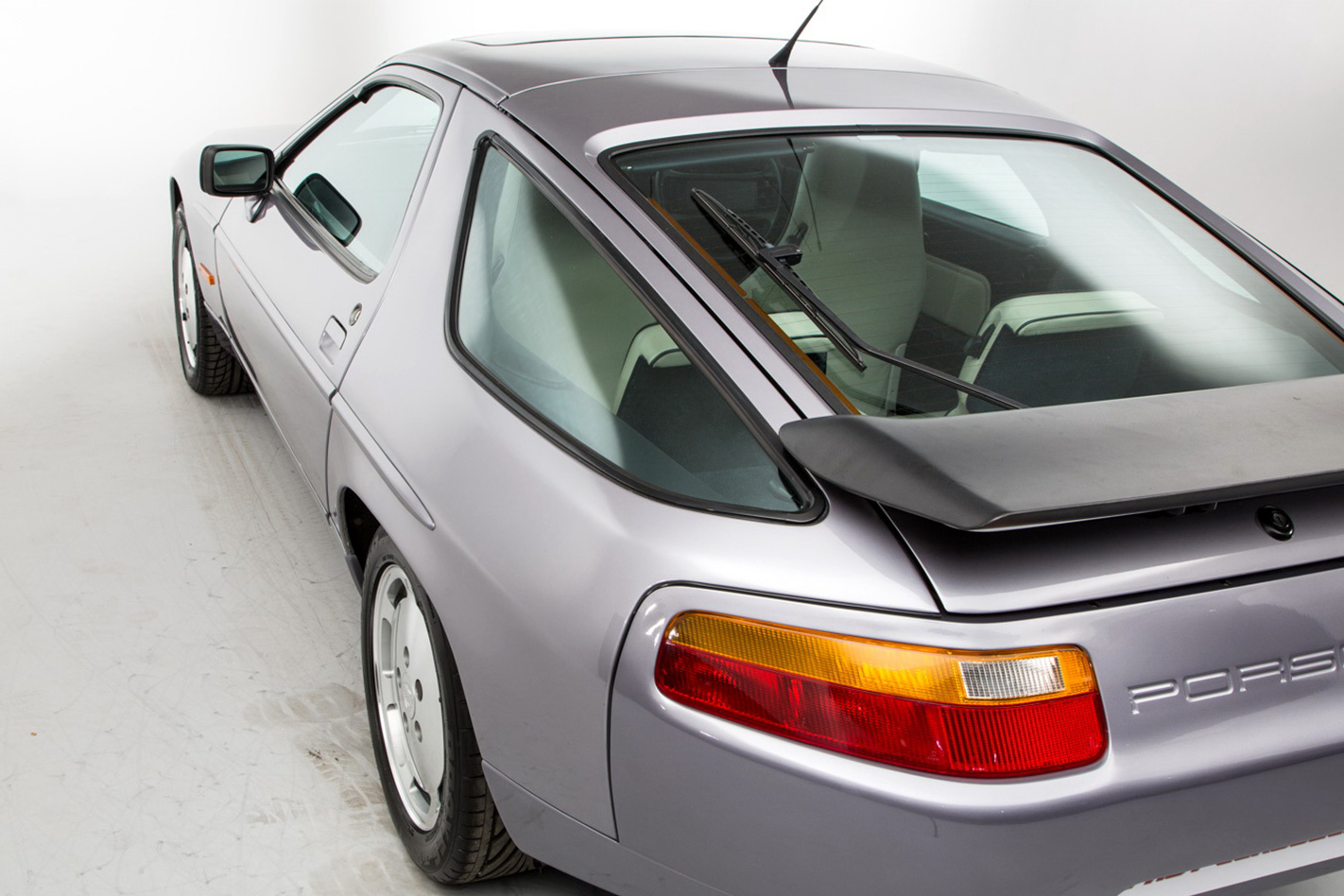
The Porsche 911 was eight years old at this juncture and far from a legend. In fact, the model designation was as new then as a 918 Spyder would be today. It was respected, but not revered. Fuhrmann’s renunciation of the rear-engine principle involved embracing a more conventional front engine, rear-drive configuration, connected by a combined axle, diff and transmission which he dubbed a “fast shaft” but which we’d call a transaxle; one of the defining features of what was to become the Porsche 928.
This radical pivot was a decision that received near-universal approval. “Everyone was on board,” claimed 928 project director Wolfhelm Gorissen. Development at Weissach started in February 1972. Fuhrmann was keen to develop a 3.3-litre 134 kW powerplant, but this was deemed undersized for the US market and the M28 alloy V8 – the first in Porsche’s history – was signed off, a 4.5-litre 16-valve V8 rated at 180kW in Europe and 163kW in North America.
As well as a new engine, a clever rear passive-steering system, dubbed the Weissach Axle, was introduced as well as an innovative body construction of steel, aluminium, and plastic. The deformable polyurethane bumpers were another world first and passed newly introduced low-speed impact tests. In some ways, Porsche’s engineers were ahead of materials science.
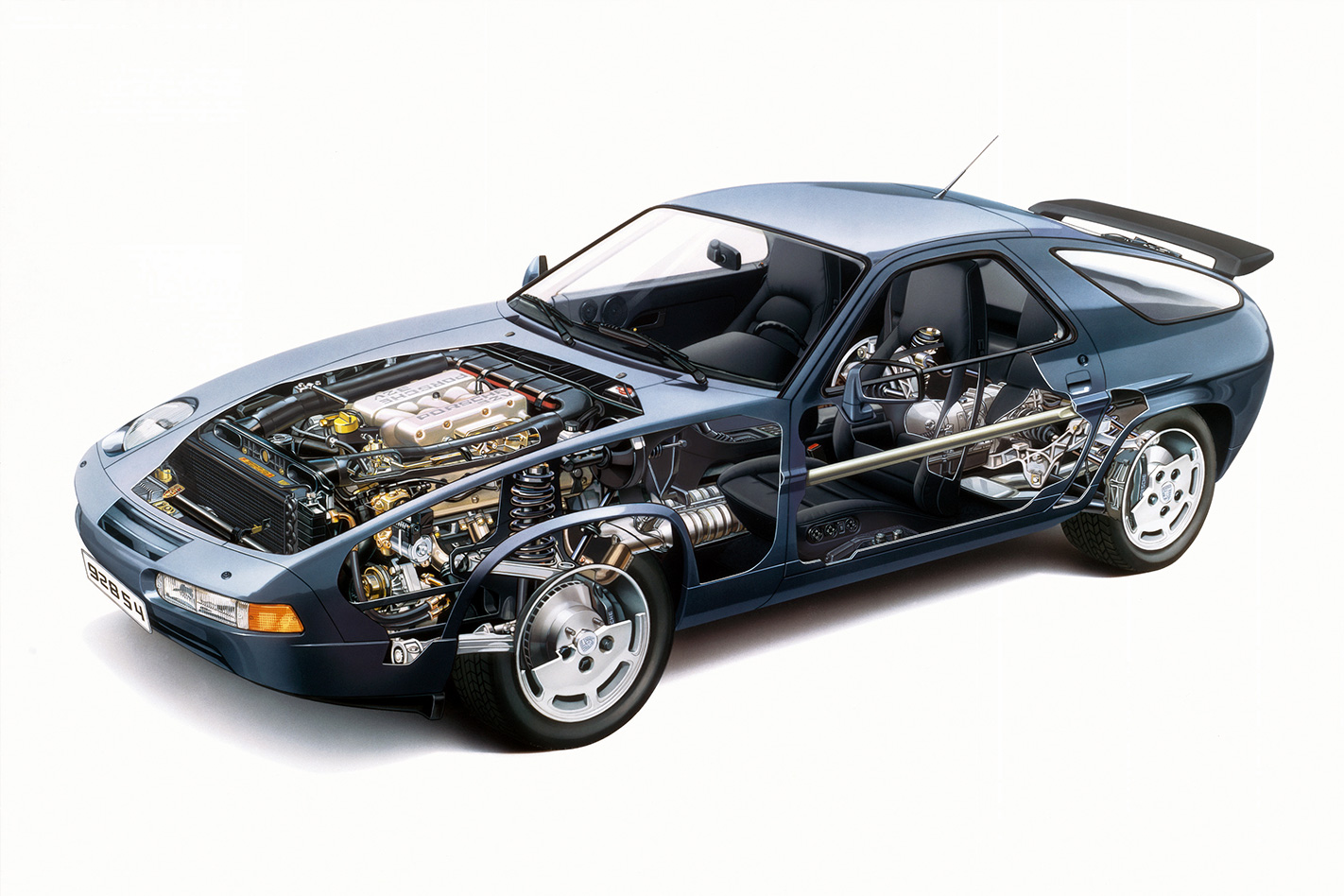
“At that time, we simply didn’t have a paint that could cover steel, aluminium, and polyurethane equally well,” Gorissen recalls. The right paint for the job had yet to be invented – and it was, just in time for the series production.
The 928 was considered a large GT at the time, although it seems incredibly compact by today’s standards, occupying little more road footprint than a modern two-seat Cayman.
Its world debut at the Geneva Motor Show in March of 1977 saw the car hit headlines around the globe. Der Spiegel, Germany’s newspaper of note, claimed that “no other car has played a more crucial role in Porsche’s highs and lows than the 928.” The king was dead. Long live the king.
Except things didn’t turn out that way. Despite the 928 selling 61,506 cars over a 17-year production run, the 911 enjoyed a permanent stay of execution.
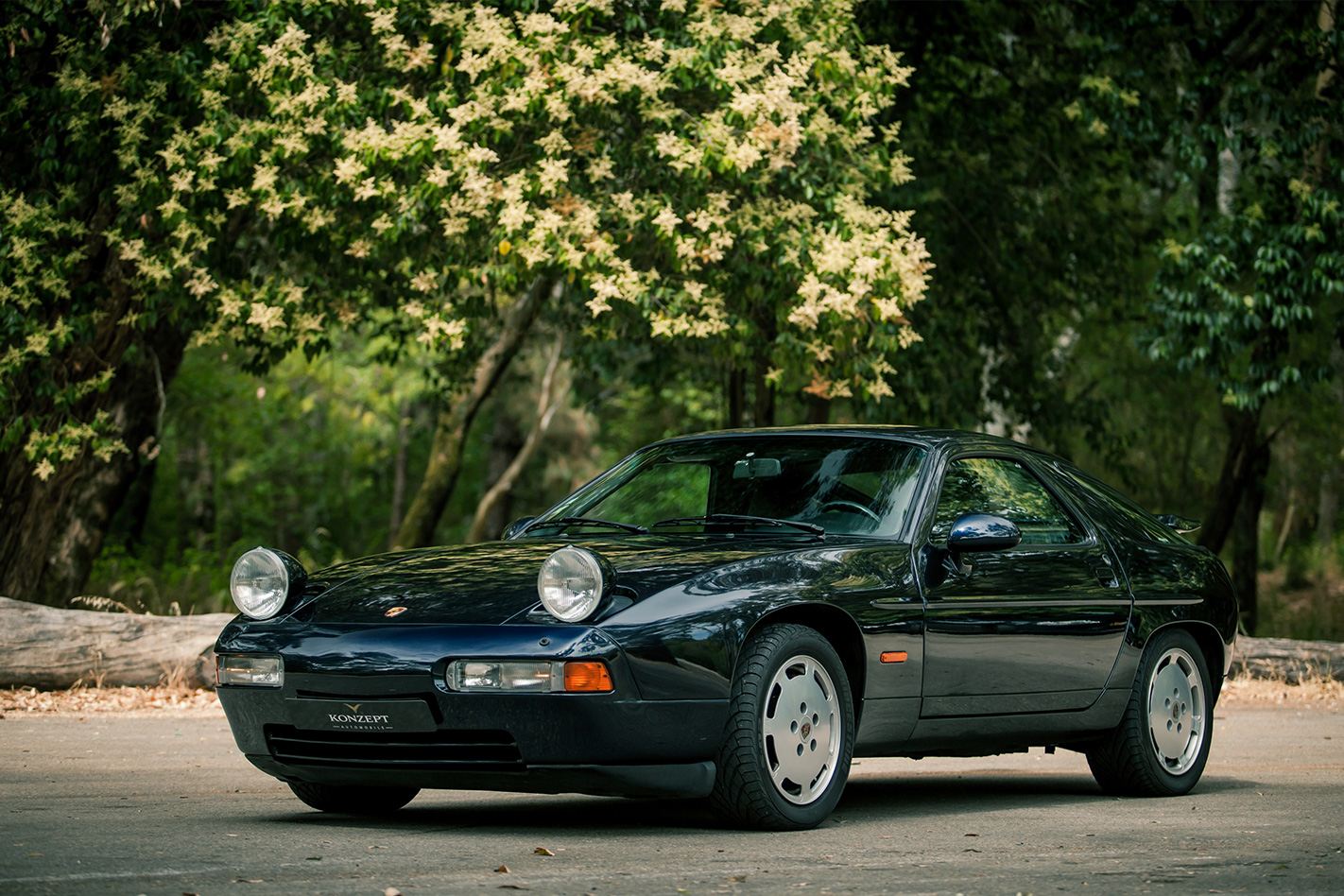
In 1982, a new CEO, Peter Schutz, ushered Fuhrmann out the door. Schutz took one look at a product development chart that had the 911 running into the buffers, grabbed a marker and extended the 911 line across the board, way past the 928.
It was a symbolic gesture but it made one thing very clear. There was no Porsche without the 911.
The icon: 1964
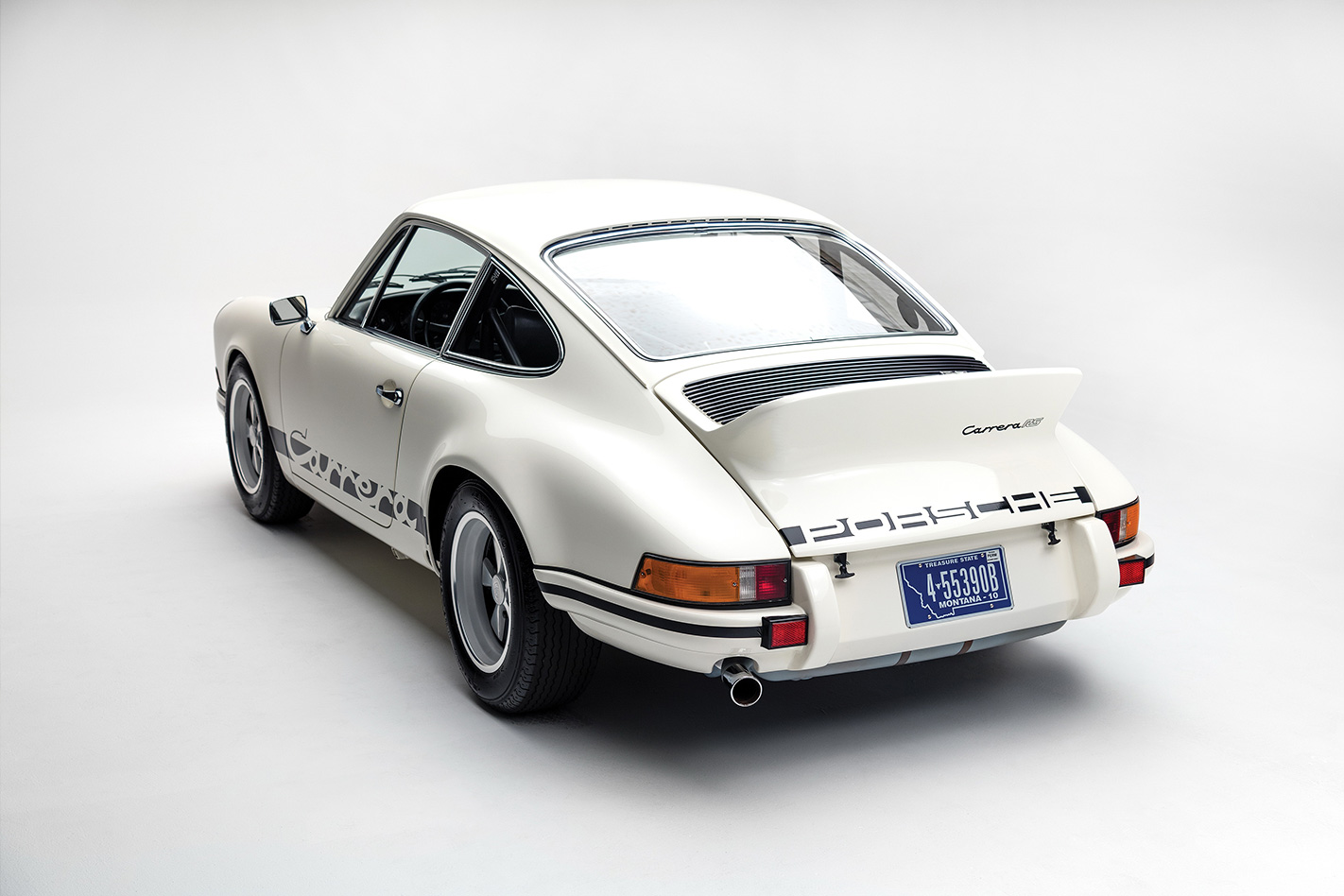
Rear Admirable?
It was the 911’s trademark that almost killed it and spawned the 928. After Ralph Nader’s 1966 Corvair expose, Fuhrmann believed rear-engined cars could be banned in the US.
Three ways the 911 had the 928 covered
- Agility: as good as the 928 was, it was never as nimble as the smaller, lighter 911
- Competition history: victories such as the 1973 Targa Florio bolstered 911’s image
- Turbocharging: Fuhrmann himself gave the 911 a new lease of life with the 1975 Turbo
Practicing what you preach.
It’s often easier said than done, not least in this weird old world we call automotive journalism. The frequent stream of cars floating past your door – yup, life is hard – means the ones that really dig under your skin, that etch themselves indelibly into your memory, are almost always the weird ones. The ones you’d have to be pretty steely to actually purchase yourself.
Listing all the oddballs us European writers have lavished praise on – only for their sales to be paltry and their depreciation dismal – might fill the rest of this page.
The Fiat Multipla was a bold, inventive car that simply looked too bizarre for the buying public to take as seriously as the magazines did, while Skoda reinventing the loveable Yeti as the sedate Karoq provides a very visual demonstration of how cautious actual car buyers really are. It’s almost like they value their own money, or something.
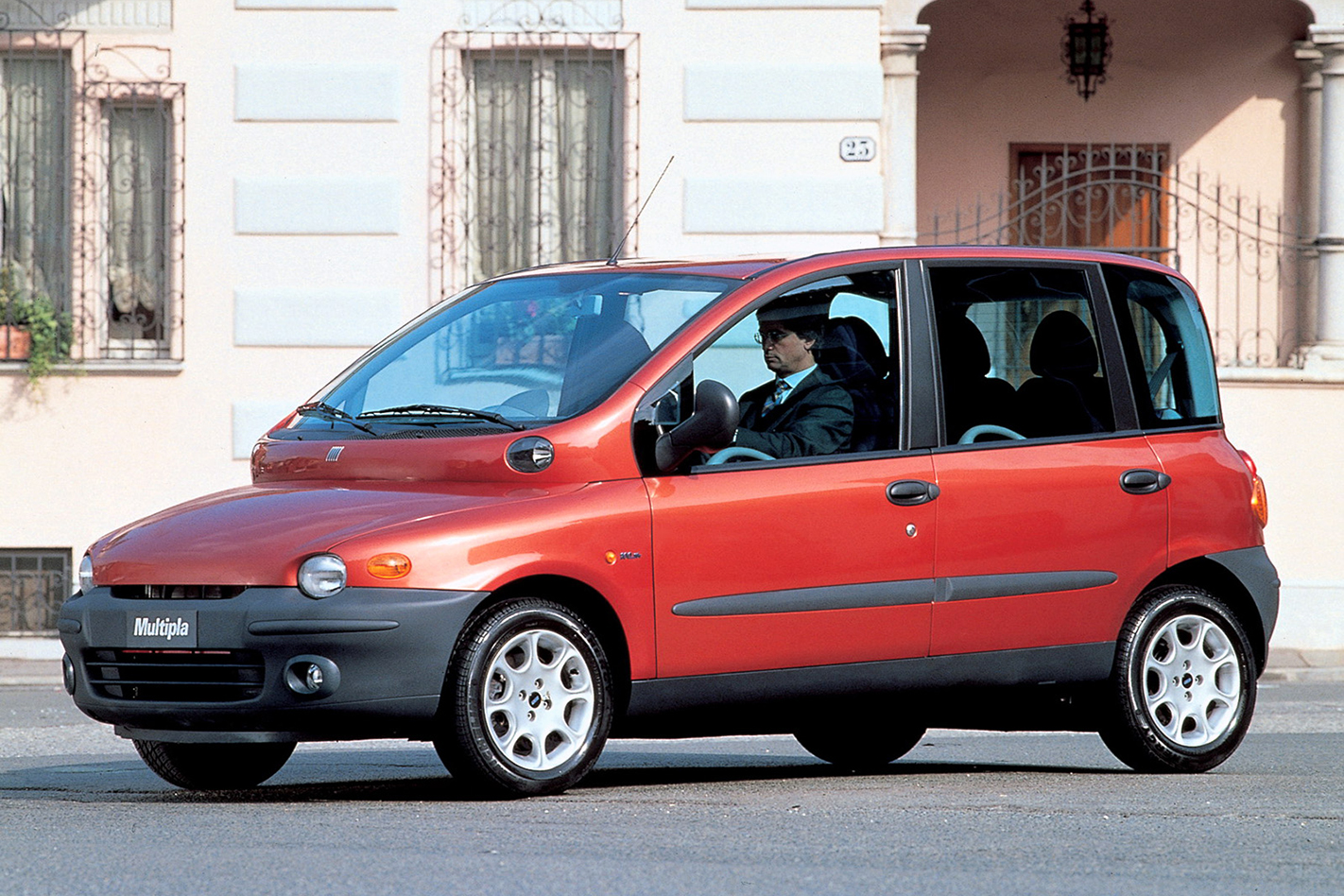
I’ve never shied away from championing the stuff I really love, but now, as my first car purchase in 12 years looms, it’s time to pep myself up to put at least some money where my mouth is. There’s one particular model I was besotted by from its launch and which I vowed would be my everyday car at the first appropriate moment.
While the buying public was going gaga for the Ford Fiesta ST, I was trying – in vain – to convince them to nudge up their budget for something far more specialist and exotic.
The stock Peugeot 208 GTI was decent enough, but the 30th Anniversary and Peugeot Sport specials, with their Torsen limited-slip differential, wider tracks, more negatively cambered wheels and focused Michelin Super Sport tyres?
Well, they were truly special. At £21,995 new, the 30th edition (apparently there was an iconic Pug GTI in the 1980s…) was a heap pricier than a contemporary Fiesta for what, on the surface, was a questionable two-tone paint job and another 6kW. But digging only marginally beneath the surface revealed so much more.
Seven years on, you join me amidst my valiant quest for a used example. Flying the full-time nest for a freelance career means I must own a car that’ll a) start on cue and b) not use a bazillion gallons of fuel, factors which my automotive tastes rarely tally with. The 1.6 turbo engine in these 208s is freakishly economical, however, so I’ve a vaguely sensible excuse to get that sweet, seductive front camber in my life.
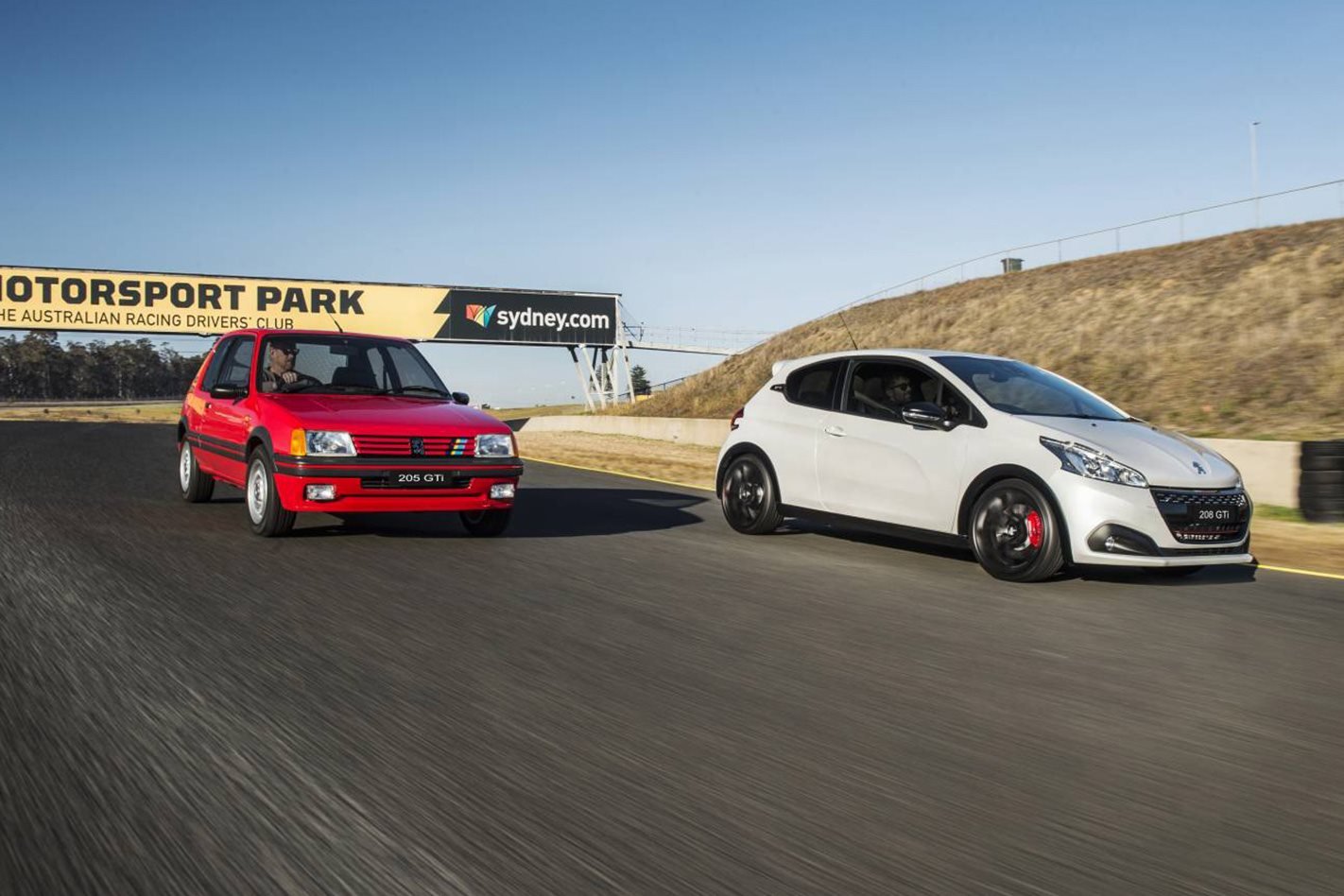
The UK got more examples than Australia, but they’re still scarce. Barely anyone bought them new, so hardly anyone’s selling them used. The classifieds appear to be littered with regular 208 GTIs, but I’m having to work the search filters to the bone to sieve out the versions you (well, I) really want.
With 100,000km on the clock they appear to have long since had their funky Michelins swapped for budget rubber – surely sending Peugeot Sport’s fastidious engineers into a dark corner for a long cry – and their ‘Lithium Black’ wheels look to have been thrown wantonly at a kerb then repaired with a Sharpie.
And much like in Oz, everything is several grand more than it ought to be as the domino effect of new car shortages flick-flacks down to the price tags of scratty old French cars that too few people actually dig. I doubt I could have picked a worst time to be so fussy.
But I dearly hope I’ll hold strong and prove a man of my word. We’re car people, and with fuel prices spiralling beyond control, I wholeheartedly believe we need to be head over heels with the car we’re footing the bills for. Otherwise, what’s the point?
A brief dalliance in the Fiesta ST classifieds proved to be precisely that. The poor little Peugeot was an underappreciated hero when it was new, but I’m determined to give it some justice now. Just wish me luck finding one.
French startup Nardone Automotive has revealed a tailor-made restomod for the Porsche 928.
Unveiled during Milan Design Week, the V8-powered retro coupe has received a modern powertrain and design tweaks inside and out.
It is also set to appear at the Goodwood Festival of Speed later this month, with first deliveries expected to commence in 2024.
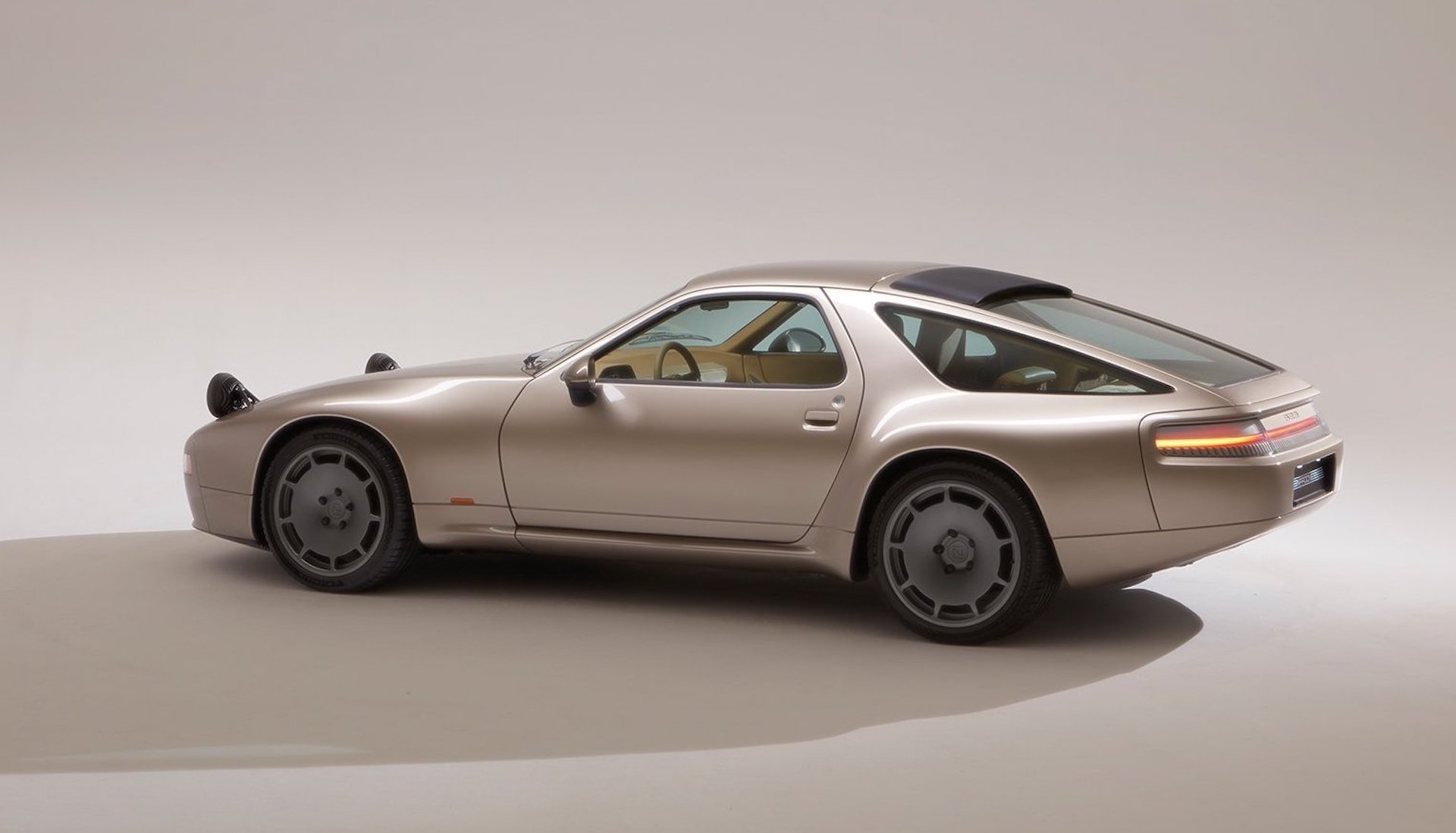
Combining elements from Porsche vehicles across various generations, the 928 by Nardone Automotive sports new-look front and rear bumpers, bulkier side skirts, modern headlights and redesigned tail lights.
A set of forged 18-inch alloy wheels with Michelin Pilot Sport 5 tyres similar to the stock ‘manhole’ 16-inch design also feature.
Moving inside, the company has fitted Foglizzo leather and alcantara upholstery, while entertainment duties are covered by the Porsche Classic Management infotainment with upgraded high-fidelity speakers and Apple CarPlay smartphone integration.
https://www.instagram.com/p/Ceivjg6oCAK/
Under the bonnet, the Porsche 928 features an evolution of its existing naturally-aspirated V8 engine, with a targeted power output of 298kW (400bhp).
It’s matched with a six-speed manual transmission and a limited-slip differential, replacing a five-speed gearbox.
Other body enhancements include a modern engine control system, redesigned front and rear axles, active controlled electronic suspension, improved braking and adaptive electric power steering.
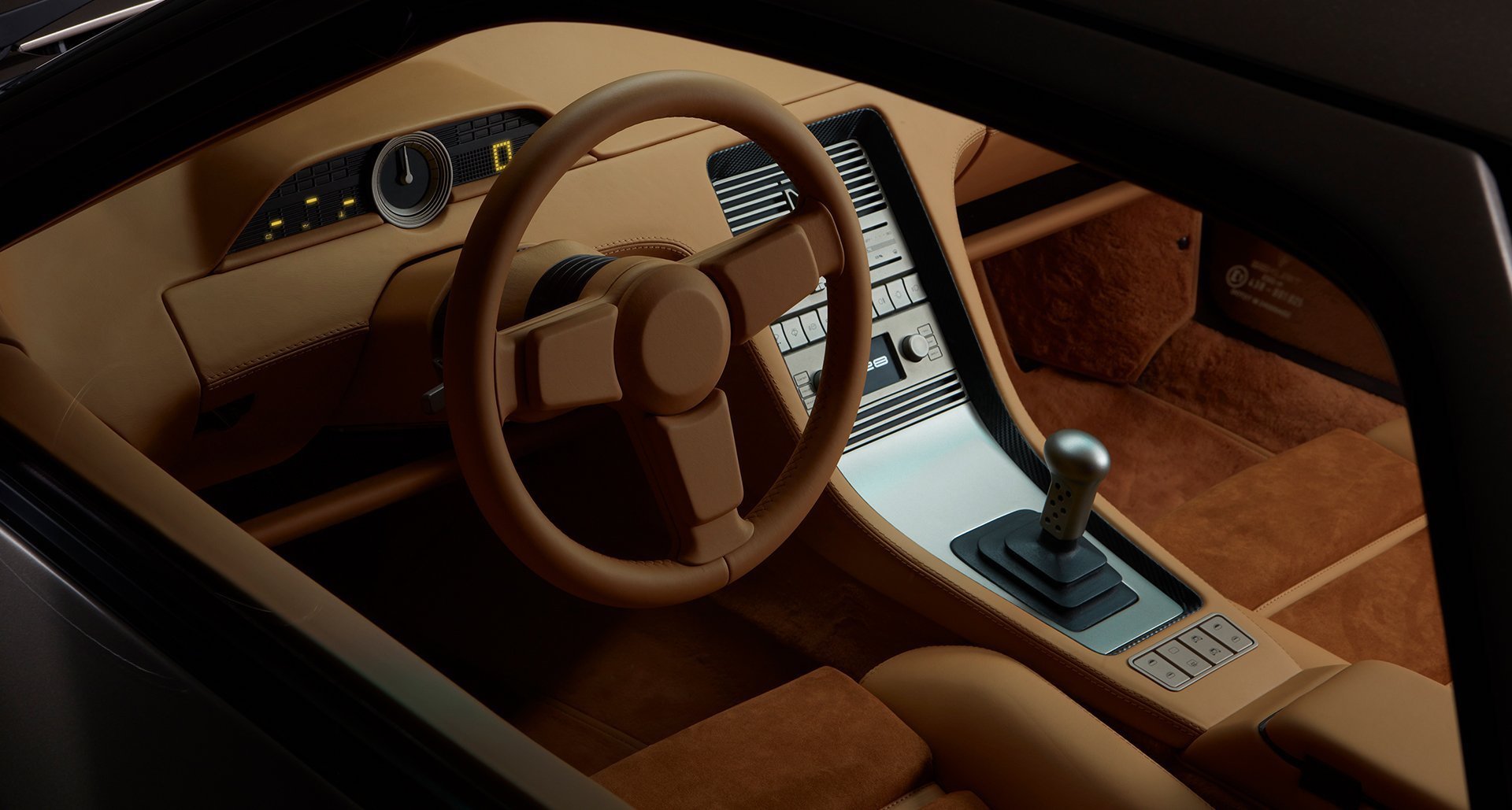
At the end of its 18-year production run, the Porsche 928 bowed out with a 5.4-litre V8 producing 257kW of power and 500Nm of torque, making the restomod about 40kW more powerful.
It was initially launched in 1978 in an attempt to replace the iconic 911, with the aim of combining the prowess of a sports car and the refinement of a luxury sedan.
Pricing and further specifications for the Porsche 928 by Nardone Automotive are yet to be announced.
Snapshot
- Seven-time Formula One champion Lewis Hamilton to produce new film
- Brad Pitt will star as its main character
- Plan B Entertainment and Jerry Bruckheimer Films to also work on the project
Formula One’s most successful driver will soon make his silver screen debut, with 103-time race winner Lewis Hamilton signing up to produce an Apple-backed film centred around the racing series.
Announced this week, Hamilton will work alongside director Joseph Kosinski (Tron: Legacy, Top Gun: Maverick) in creating the film for Apple TV, with Hollywood A-lister Brad Pitt to star as its protagonist.
According to Apple, Pitt’s character is a former driver who comes back from retirement, looking to guide a rookie driver to success against “the titans of the sport”.
If this sounds at all familiar, the words Driven and Sylvester Stallone might jog your memory, although hopefully not enough to actually remember the CART-based film.
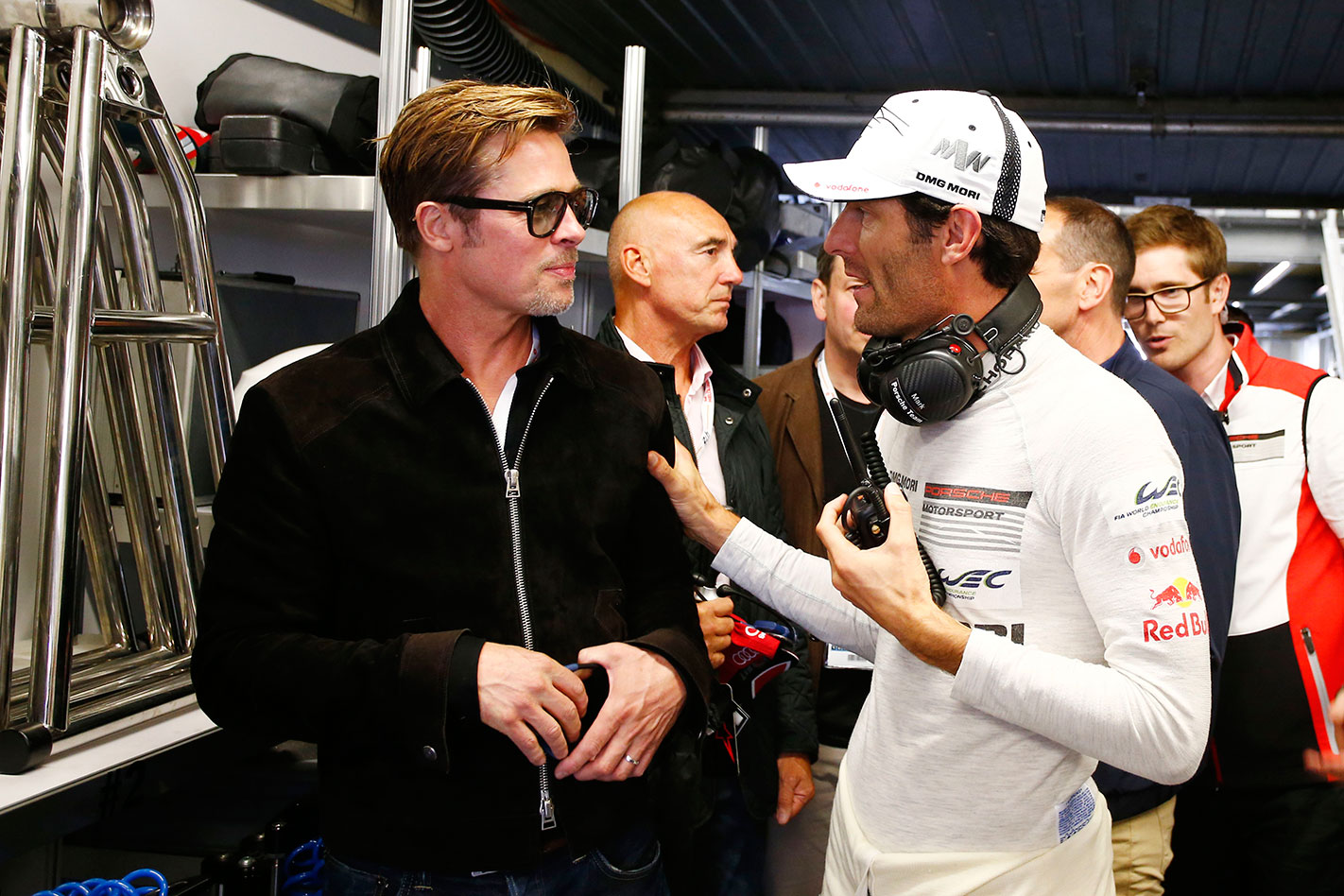
In addition to the aforementioned cast and crew, Apple has drafted in Pitt’s production company Plan B Entertainment (The Departed, Moneyball, 12 Years a Slave) and Jerry Bruckheimer Films (Days of Thunder, Black Hawk Down, Bad Boys) to be a part of the project.
Recent racing-based sports drama films such as Ford v Ferrari and Rush have done well to not only tell the stories they’re loosely based on, but also open the sport up to a new fanbase which previously might have otherwise ignored it.
Netflix released the fourth season of Drive to Survive earlier this year, with the show’s popularity pinned as one of the factor’s behind Formula One’s recent ratings revival – as well as being the catalyst for a younger audience to become engaged.
It’s not known when the film enters production, although given Hamilton is still an active driver for Mercedes-AMG’s Formula One team, it’s unlikely the seven-time championship will take time off to chase his Hollywood dream during the season.
I really like the pumped-up, hardcore 4×4 ute options from the various manufacturers at the moment, be it the Isuzu D-Max X-Terrain tested here or the Ford Ranger FX4 Max, Toyota HiLux Rugged X and Nissan Navara Pro-4X Warrior.
They’re all examples of what Australians do when they buy a dual-cab ute. They lift it, they put an aggressive tyre on it, they add light bars and a bullbar; they make it theirs.
Most of those things are already done on these off-road-focused models and, while you do pay a premium for it, they’re things we’d be spending money on anyway, so it makes sense.
The X-Terrain is Isuzu’s top-spec model option for the D-Max range and it’s not too over the top compared with its competition. It doesn’t run aggressive tyres, it isn’t lifted – the suspension remains unchanged – but it does show off just a bit with flares, an aero sports bar, underbody bash guards and plenty of badging. It’s a relatively conservative off-road base, but the visual improvements have been taken care of.
UPDATE, October 2022: MY23 D-Max pricing announced
The updated 2023 D-Max has been detailed, with tweaks to styling, equipment and engine options. Get the full story at the link below. We’ll be driving the updated models as soon as they reach Australia, but mechanically they’re largely unchanged.
Story continues

The D-Max X-Terrain is cheaper than other hardcore model options out there, at $64,990 drive-away, most closely matched by the Ford Ranger FX4 MAX starting from $66,190 before on-road costs and the Isuzu-based Mazda BT-50 Thunder with automatic transmission is priced another five grand north of the Ford.
Nissan’s Premcar-pumped Navara PRO-4X Warrior starts at $67,490 with a manual box and the auto-only Toyota Hilux Rugged X is a few bucks more than an automatic Navara at $70,750 (both before on-road costs).
It’s horses for courses here, because a big part of the decision comes down to personal preference, but the X-Terrain stands out with its competitive drive-away price and styling that isn’t too in your face.
Who’s the X-Terrain for, in our opinion? Families, tradies, or weekend warriors wanting a range-topping 4×4 dual-cab ute ready for adventure. If you like standing out from the crowd, it ticks that box too.
Tech and features

The X-Terrain features the same Intelligent Driver Assistance System (IDAS ) shared across the entire D-Max line-up, with the new-for-2022 ‘lane support switch’ to turn some of the safety systems off if desired.
Isuzu’s IDAS system covers all bases and works well, featuring auto emergency braking with Turn assist, adaptive cruise control, lane-keep assist, rear cross-traffic alert, and blind-spot monitoring.
Visually it’s the most standout model within the D-Max line-up, with front and rear underbody spoilers, flares, aero sports bar, black roller tonneau cover and a unique colour scheme. The Volcanic Amber model we tested looks the part, whether clean as a whistle or covered in mud, and is complemented by a two-tone colour scheme with grey paintwork on the sports bar, flares, grille, wheels and mirrors.

Besides being a pain to clean, the aero sports bar adds design flair to the X-Terrain, without looking outlandish. We like it, a lot.
The 4×4 system is the same as the rest of the range, although the bigger flared guards will make fitting a more aggressive tyre a bit easier with 5mm extra width on each side.
Stock highway terrain tyres are not as aggressive as the BF Goodrich K02 all-terrains on the Ford Ranger FX4 Max, but they’re more comfortable around town and don’t come with the tyre noise of more off-road focused rubber.

Inside the cab, the changes are equally noticeable. The X-Terrain has beautiful red stitching throughout the black leather and hard plastic interior trim, as well as black pillars and headliner. The typical grey headliner in lower-spec models is nowhere near as slick as this fit-out.
This cab is properly blacked-out, but with plenty of X-Terrain branding to let you know it’s the top dog. An all-black interior with plenty of leather goes beyond just looking premium, too, offering plenty of smudge and grime protection in an off-road focused vehicle. Nothing beats leather seats for easy wipe down.

The nine-inch infotainment system works as it should, and the wireless Apple CarPlay flicks over within a minute of start-up. There is no wireless charging pad, and it’s not the first time we’ve mentioned it, but it’s not something we’ll get for now – more a want than a need.
The Bi-LED headlights with daytime running lights offer a strong presence on-road while throwing plenty of light at night, though spotlights or a light bar wouldn’t go astray for buyers looking to make their rig even more adventure-ready.
Other in-car perks include an auto-dimming rear vision mirror, heated front seats and eight-way electric adjustment for the driver’s seat.
Comfort and practicality

The X-Terrain is obviously a ute, so is it a practical one? The style tray loading area is 1570mm long, 1530mm wide and 490mm deep, so you’ll fit plenty under the sliding hard cover.
This tester didn’t have the optional electric sliding tonneau cover, coming standard with the pull cord that works well and doesn’t take up as much tray space as the electric option.
If you’ve got anything that sits above that 490mm tray depth, you’ll be leaving the sliding cover open – a downside of all sliding covers.

If you’re hungry for maximum tray space, you’ll probably opt for an alloy tray or single cab option (the X-Terrain is dual cab only), so this amount of space is more aimed at your weekend adventures, Bunnings runs and children’s sports equipment.
Payload drops slightly compared with LS-U and LS-U+ models, but at 935kg it’s more than most will need. A 3500kg maximum braked towing capacity and tow ball receiver as standard will keep ‘vanners happy. The increased GCM (6000kg) on the ’22 line-up leaves more load capacity when hitched up, too.

The interior definitely feels – while refined – like it’s still designed to get dirty. The rubber floor mats are the biggest giveaway there, which is just what you want in an off-roader.
Soft, supple leather seats offer great bolstering while still feeling hardwearing, and electric adjustability with impressive lumbar support further improves them.
The second row is big enough for a couple of adults, even three at a pinch, so you’ll have no issues fitting a full family in this dual-cab.
How’s it drive?

In terms of ride, comfort, and practicality, the X-Terrain is a very pleasant place to be. The cab strikes a nice balance between luxury and rugged hard-wearing materials to further enhance the driving experience.
It drives like a D-Max, feeling really no different to other variants as you’d expect. The 4JJ3, heavily redeveloped for last year’s new model range, produces 140kW at 3600rpm and 450Nm between 1600-2600rpm. It’s plenty of power, but still down on the Ford Ranger and Toyota HiLux. The six-speed automatic does its job well, matched appropriately with the engine’s torque spread and never hiccuping over gear selection.
The D-Max is a pretty frugal sipper when driven conservatively, but expect it to drink a bit more diesel around town when constantly moving this two-plus-tonne 4×4 from a standstill.

After a few trips to the family farm, a bit of commuting, and a day of off-road fun, we got an average fuel use figure of 8.2L/100km against the claimed 8.0L/100km. It’s actually exactly the same fuel use figure I got in the LS-U+ I tested previously, so how’s that for repeatability? Likely more a fluke than anything else, but it does prove that with a decent chunk of highway driving, the D-Max isn’t far off its claimed figures.
We never put enough weight in this tray to see what difference it makes, but with a couple of hundred kilograms it would no doubt improve the ride further given its leaf-sprung rear.

The only load the X-Terrain did get the pleasure of carrying, was a 30-year-old Greenfield push mower pinched from the family farm – still going strong on the original spark plug, too.
On the highway the D-Max munches miles with ease, which it feels more at home doing than inner-city errands or stop-start traffic commutes. In saying that, it’ll do it all in a fairly refined manner.
It’s definitely a ute made to be used off-road, which is just what we did. We managed to sneak out early on a Monday morning to the Glasshouse Mountains north of Brisbane. The tracks were empty and we managed to avoid getting bogged, despite super muddy conditions.

We quickly found the clearance limits of the X-Terrain, being the side steps, and we did scrape the front bash plate over soft muddy rises a couple of times. We were taking it on tracks a lot of people might not take a brand-new X-Terrain to – in the name of science – so clearance for most won’t be a concern.
Tyres also struggled, being a fairly road-biased highway-terrain, but the rear locking diff and onboard smarts got us out of trouble even when the going got slippery. The X-Terrain is an extremely capable 4×4 that is just a small lift kit and better tyres away from going anywhere you’d need to.

The theme of maintaining all-round comfort is present throughout the X-Terrain. It’s still a really pleasant everyday dual-cab ute, while offering off-road-focused aesthetics. However, we’d forgo some comfort and take on some road noise in favour of slightly more off-road focused tyres on this model.
It steers well, it stops well, and offers ample punch if you need to overtake. The electric steering on this latest generation of D-Max is spot on, light when manoeuvring but plenty firm as the speedo climbs.
Overall liveability is fantastic, and while most of the 4×4 dual-cab options are similarly liveable day-to-day, the X-Terrain is one of the best value propositions across top-spec models.
VERDICT

The X-Terrain is offered with a special drive-away price of $64,990, but our tester came in at a total of $67,283.04. That price is made up of the base price ($64,990), metallic paint ($650), tow tongue kit ($195.80), electronic brake controller ($820), 12-pin tow bar wiring harness ($359) and stamp duty ($78.24).
Isuzu’s aftercare package across all D-Max models consists of a six-year/150,000km warranty, seven years of capped-price servicing and up to seven years’ roadside assistance, with services every 15,000km/12 months.
If you’re in the market for a more hardcore 4×4 ute, you’re looking at the aforementioned off-road-focused options of which the X-Terrain is a compelling buy. It’s not the most hardcore, but you’ll save a buck over most of the other options, leaving change to put towards tyres and perhaps a lift kit.
The X-Terrain offers a well-priced top-of-the-range dual-cab ute option with a good amount of flair, or, if you’re into tricking 4x4s out, a strong base vehicle to customise and adventure-proof.
The lingering effect of widespread supply chain issues has dented traditional end of the financial year (EOFY) sales in the automotive industry, but there are still some deals to be had in 2022.
Typically, new car buyers can look towards purchasing a vehicle before June 30, as vehicle manufacturers aim to clear as much stock as possible before the new financial year kicks off.
However, the COVID-19 pandemic has caused widespread supply issues due to production and shipping constraints, largely caused by a shortage of semiconductor chips, which has caused many brands to increase vehicle prices – and scrap deals.

The good news is, if you are looking to secure a bargain on a brand-new sedan, sports or lifestyle vehicle in Australia, deals can still be had at Audi, Kia, Peugeot and Skoda – although none are explicitly referred to as ‘EOFY’ savings.
A spokesperson for Mazda Australia said the company has offers in place for EOFY; however, Mazda 6, MX-5, and MX-30 buyers will need to enquire at their local dealership as the brand is not offering fixed national drive-away offers at present.
Volkswagen currently has drive-away pricing available across the Arteon range, however, these prices fall between $7500 and $9800 above the recommended retail price.
The news is less favourable for buyers looking at purchasing from Alfa Romeo, BMW, Ford, Hyundai, Honda, Jaguar, Land Rover, Toyota, and Volvo.
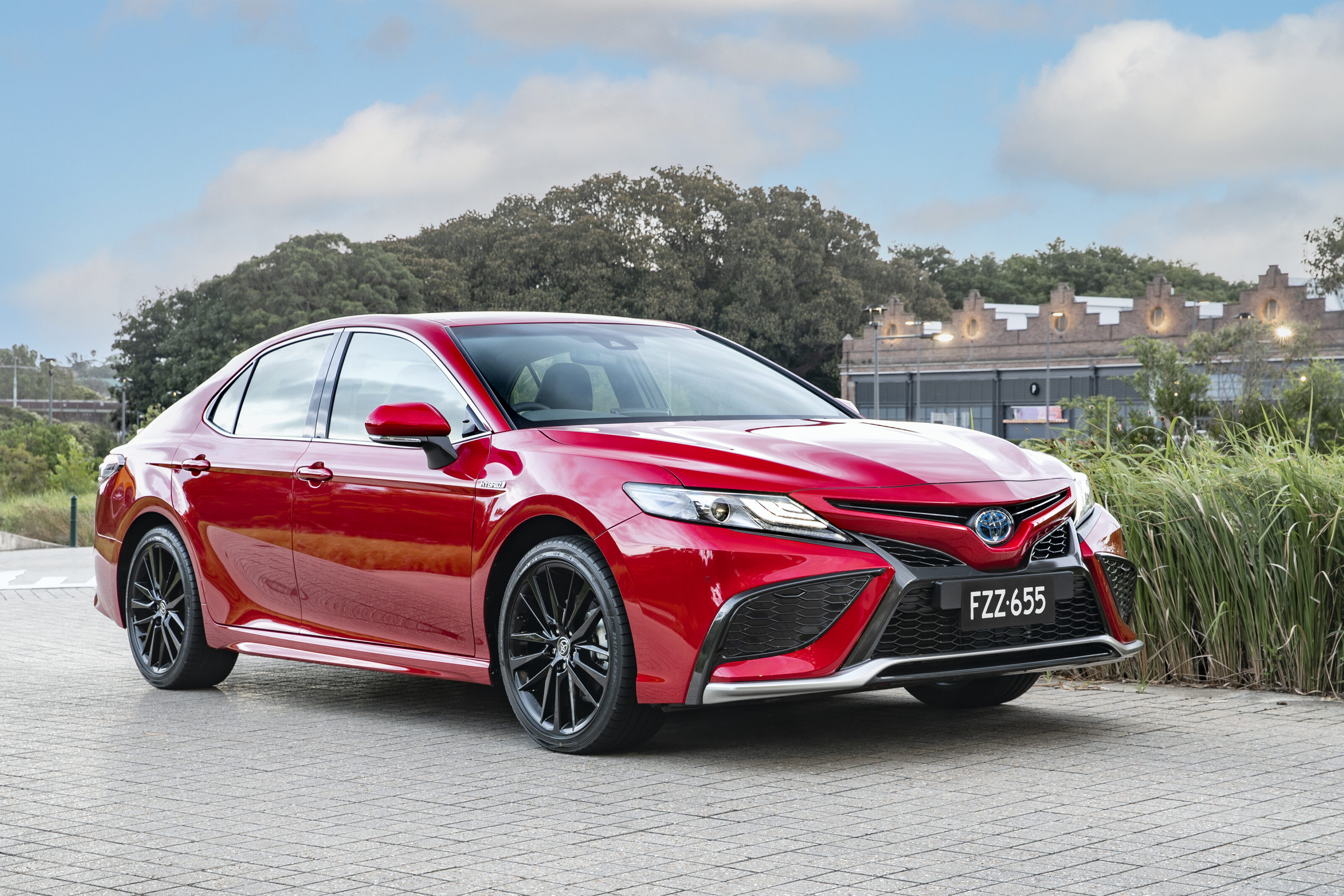
Honda believes EOFY sales aren’t relevant given its ‘Price Promise’ – having changed to a fixed-price agency model at the start of the current financial year – while the other brands said no deals are planned for 2022.
WhichCar is awaiting a response from Lexus for any potential last-minute deals involving the marque’s range of sedans, sports and lifestyle cars, including the ES mid-size sedan.
Meanwhile, French brand Renault is encouraging buyers to ‘beat the price rise’ set for July 1, with retail pricing set to increase by up to $2210 across its entire line-up.
Audi
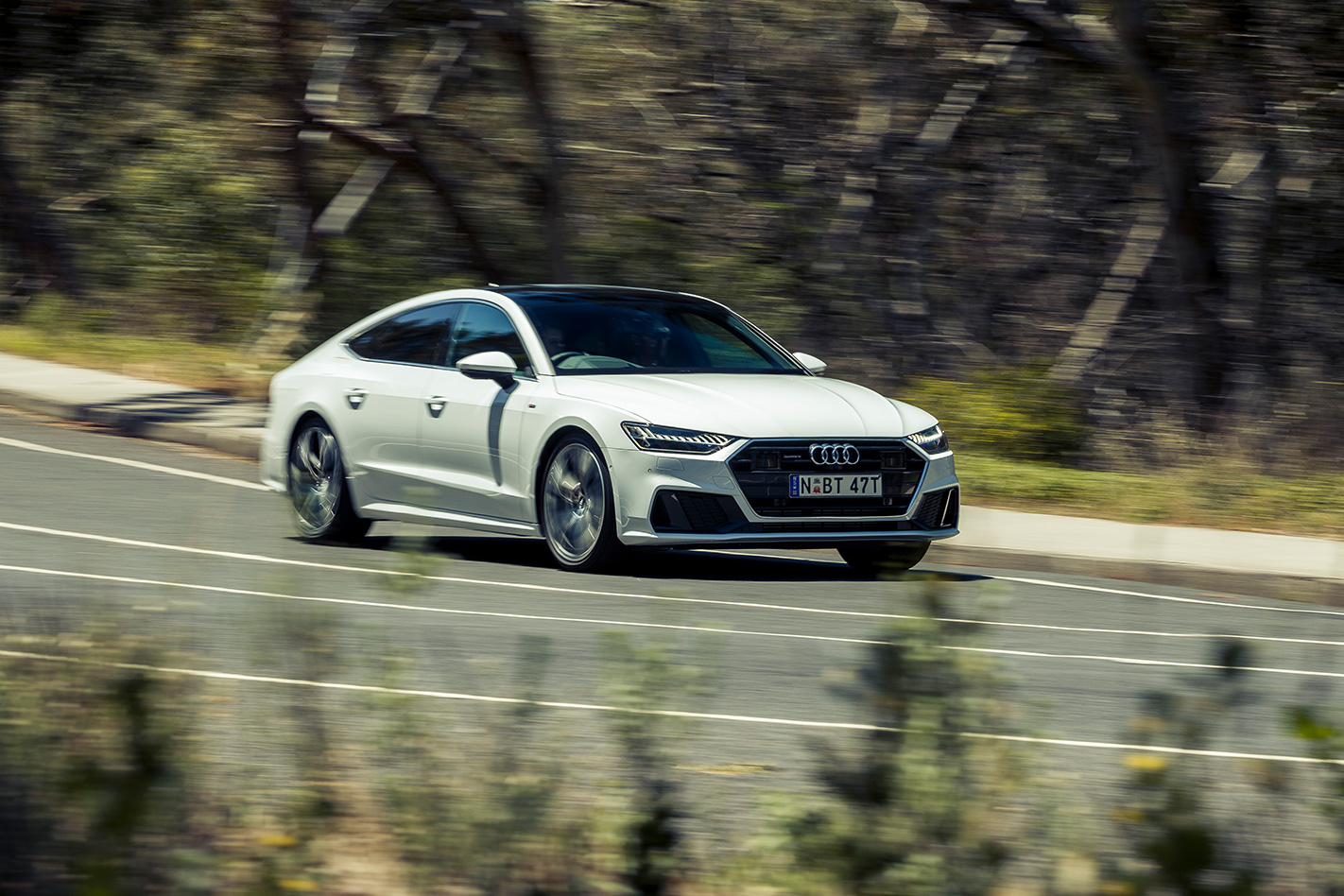
This year, Audi is offering the 2022 A6 and 2022 A7 with a 3.98 per cent annual comparison rate until June 30, 2022.
This applies to a five-year term with no initial deposit required, applying to both new and demonstrator stock.
It is important to note various factors could affect your ability to meet this exact rate, such as different loan terms and conditions, on-road cost differences between states, and opting for metallic paint.
Kia
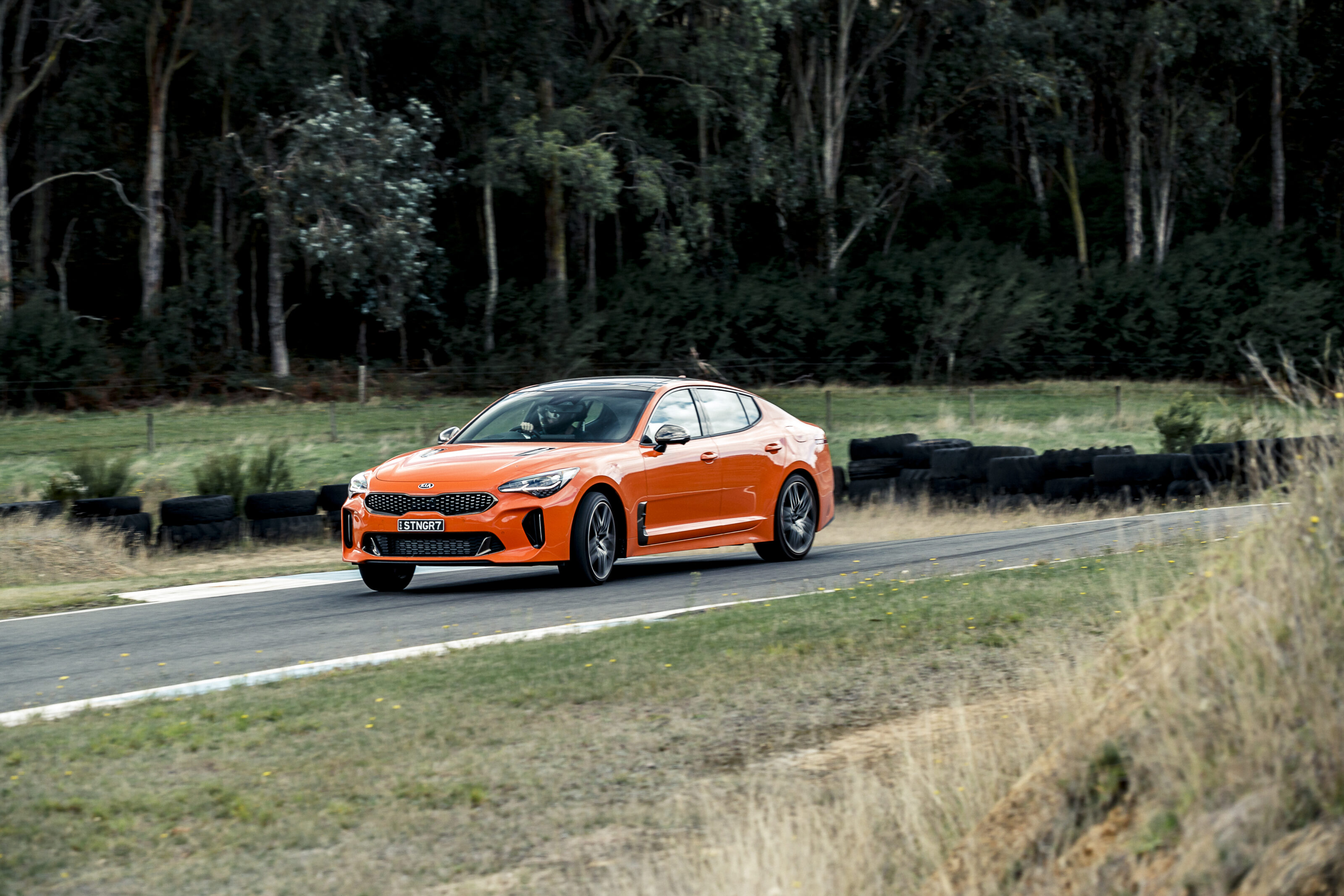
Kia does not have an end of the financial year promotion in 2022, as has been the case for the past few years.
However, its reoccurring offers – set to officially expire on June 30, 2022 – include the flagship, twin-turbocharged 2022 Kia Stinger GT from $69,890 drive-away.
It typically retails for $64,960 before on-road costs.
Mercedes-Benz
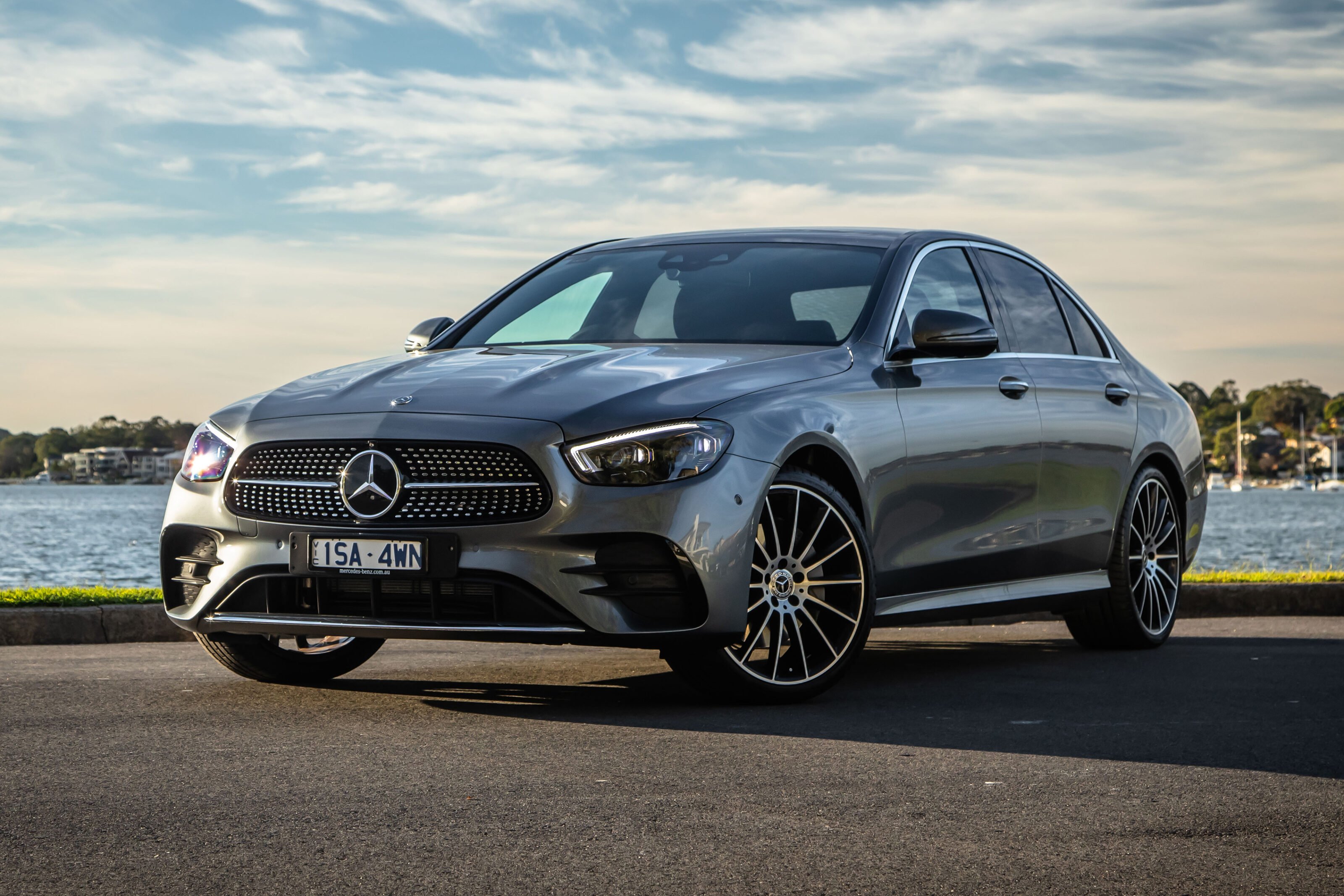
Mercedes-Benz is offering complimentary dealer delivery fees across its range of new and demonstrator vehicles – including its sedan, sports and lifestyle cars – until June 30, 2022.
However, this offer only applies to vehicles available for immediate delivery – with built-to-order or in-transit vehicles and EQ electric vehicles excluded.
Effective from January 1, 2022, the brand has moved to a fixed-price agency model, allowing buyers to pay a similar price no matter which dealership they visit, but removing the ability to negotiate on the total cost of a vehicle.
Peugeot

In an effort to clear any remaining demonstrator stock, the local distributor for Peugeot has deals available until June 30, 2022, for model-year 2021 vehicles ready for immediate delivery.
This includes the Peugeot 508 medium sedan and wagon.
However, a spokesperson for Peugeot Citroën Australia said “customers are encouraged to contact their local Peugeot retailer to learn more about the current offers available on selected MY21 demonstrator models,” including exact pricing details.
Skoda
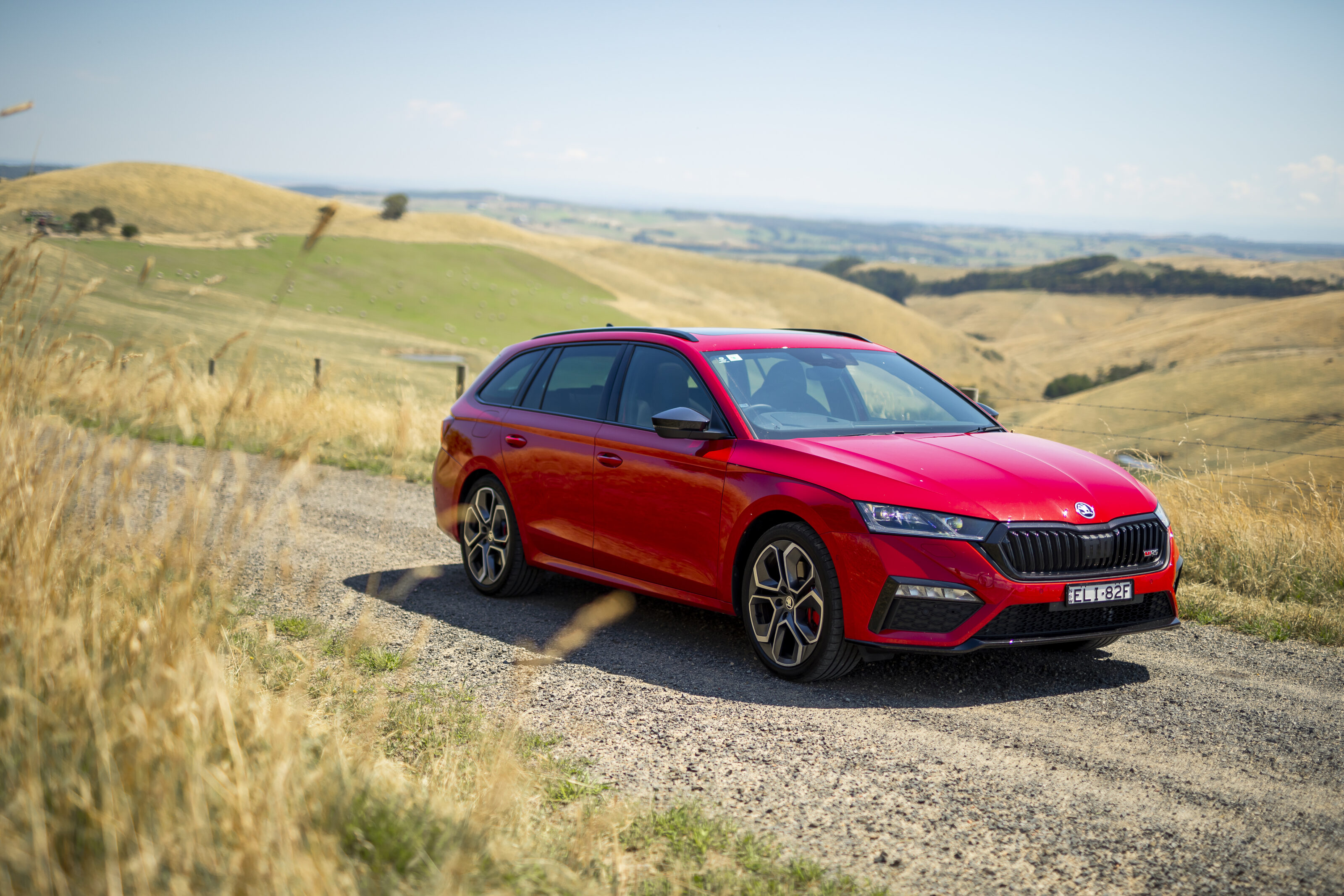
Much like most other European brands, which have been affected greatly by the chip crunch, Skoda does not have a price-led campaign for EOFY in 2022.
Instead, the Czech marque is including a seven-year warranty when buyers purchase a seven-year service pack for a brand-new vehicle until June 30, 2022.
This extended warranty was initially available for all Skoda vehicles purchased between September 13, 2021, to December 31, 2021. It is now limited to those who purchase an eligible service package with their vehicle.
The brand’s standard warranty, available across its range – including the medium Octavia and large Superb – is a five-year/unlimited-kilometre program.
EOFY 2022 stories
You could be forgiven for thinking that a farewell story for the R35 GT-R might mean that after 14 years, production has ceased for Nissan’s long-serving halo sports car.
You’d be wrong.
As you read this, men in overalls are (probably) still cobbling together R35 GT-Rs at Tochigi in Japan, and no end-date to production has actually been set. In what is approaching an almost Beetle-esque run of uninterrupted assembly (save for that thing that happened in 2020), the Nissan R35 GT-R will be around for an indeterminate amount more time yet, potentially a couple more years.
And don’t get us wrong, while some may joke that its end would be a merciful one, actually we’d be sad – a twin-turbo sports car in production is a twin-turbo sports car in production, after all, and if Nissan wants to keep making it forever, so be it.
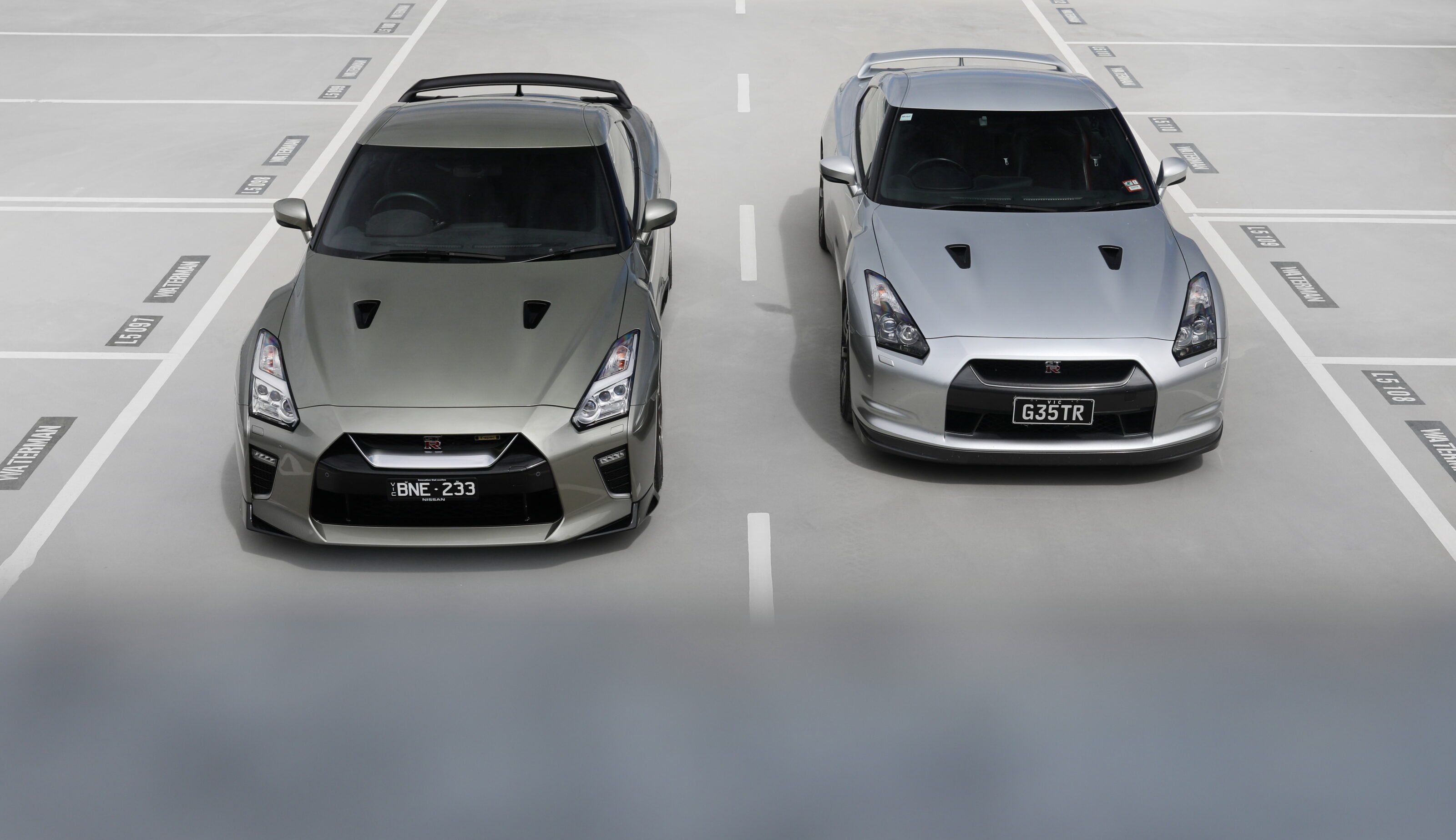
Alas, however, Godzilla v35.0 has staggered from the ocean on to Australian shores for the very last time. It might be able to vaporise skyscrapers by merely spewing an ‘atomic heat beam’ but in Australia a stroke of a pen in an office in Canberra was all it took to slay the beast forever.
The same side-impact ADR 85 ruling that has also killed off the Alpine A110 and Lexus RC Coupe and IS sedan, means the R35 GT-R, as a brand-new vehicle at least, is no more.
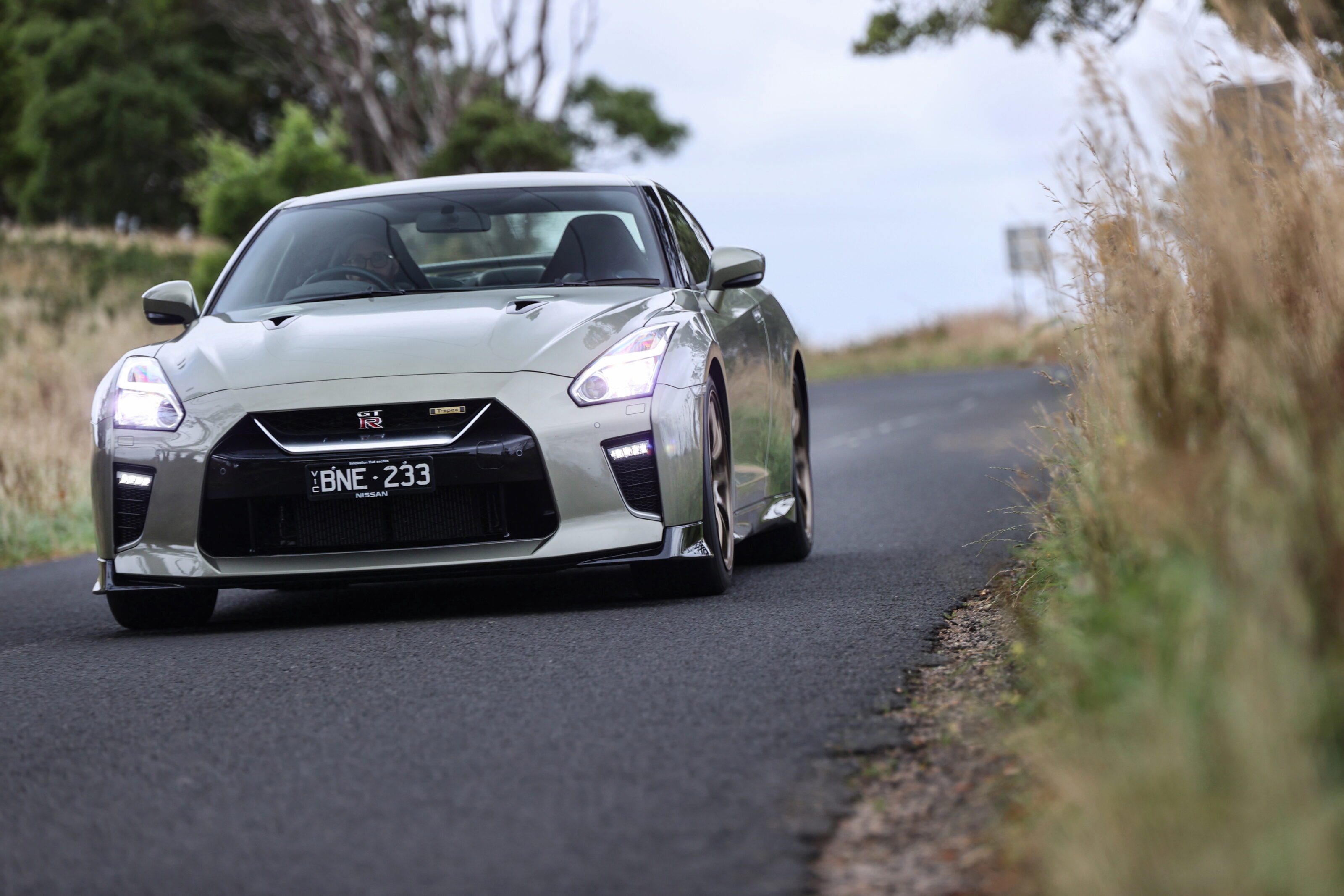
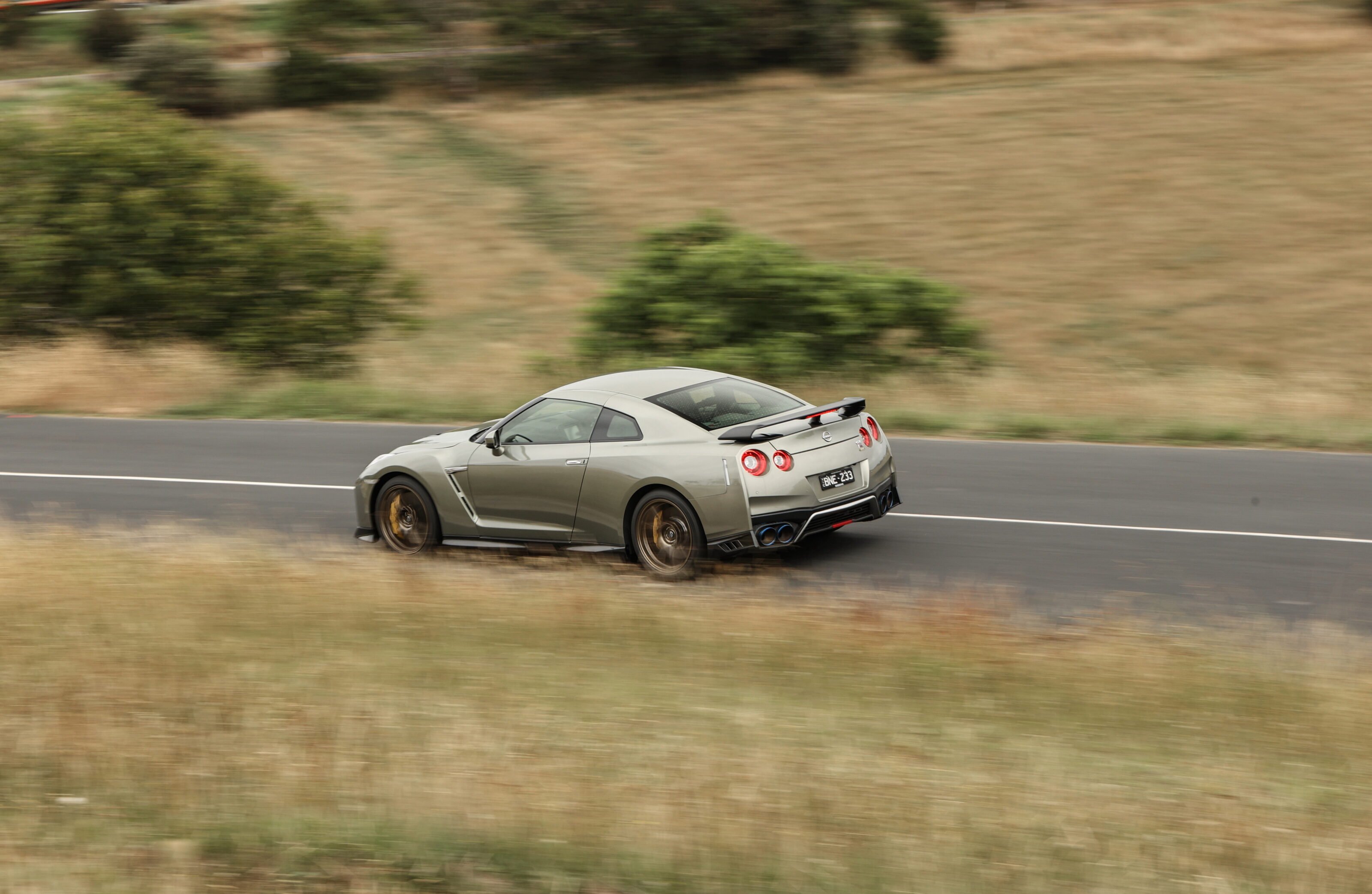
That was, however, until we got our grimy pincers on one of the very last cars in Nissan Australia’s possession – a new T-spec. And what a car it is. Shimmering in its Millennium Jade green, with its green leather interior and, err, light green window tint, our 2022 Nissan GT-R T-spec is one of the final officially imported, new R35s to enter Australia.
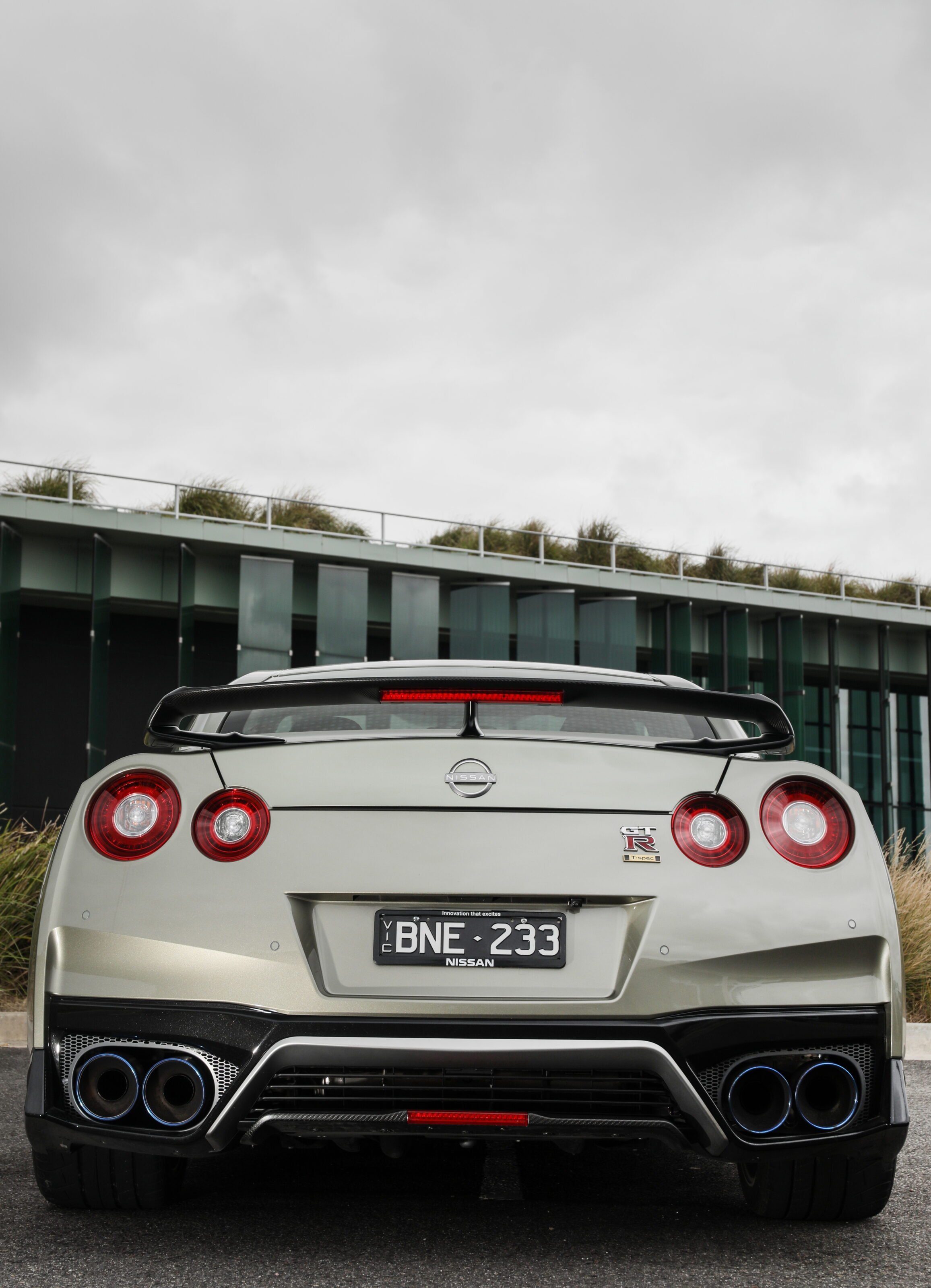
It joins other R35 editions such as the Spec V, the Egoist, the Black Edition, the Track Edition, the Gentleman Edition, the Midnight Opal Special Edition, the Nismo N-Attack, the 45th Anniversary Gold Edition, the Naomi Osaka Edition, the 50th Anniversary Edition, the one they did with Usain Bolt and the GT-R Nismo Special Edition. Special editions indeed.
Of course, the T-spec, at $256,700, is truly unique, with its special T-spec badging, aforementioned love of all things green and, let’s see, gold-coloured engine cover.
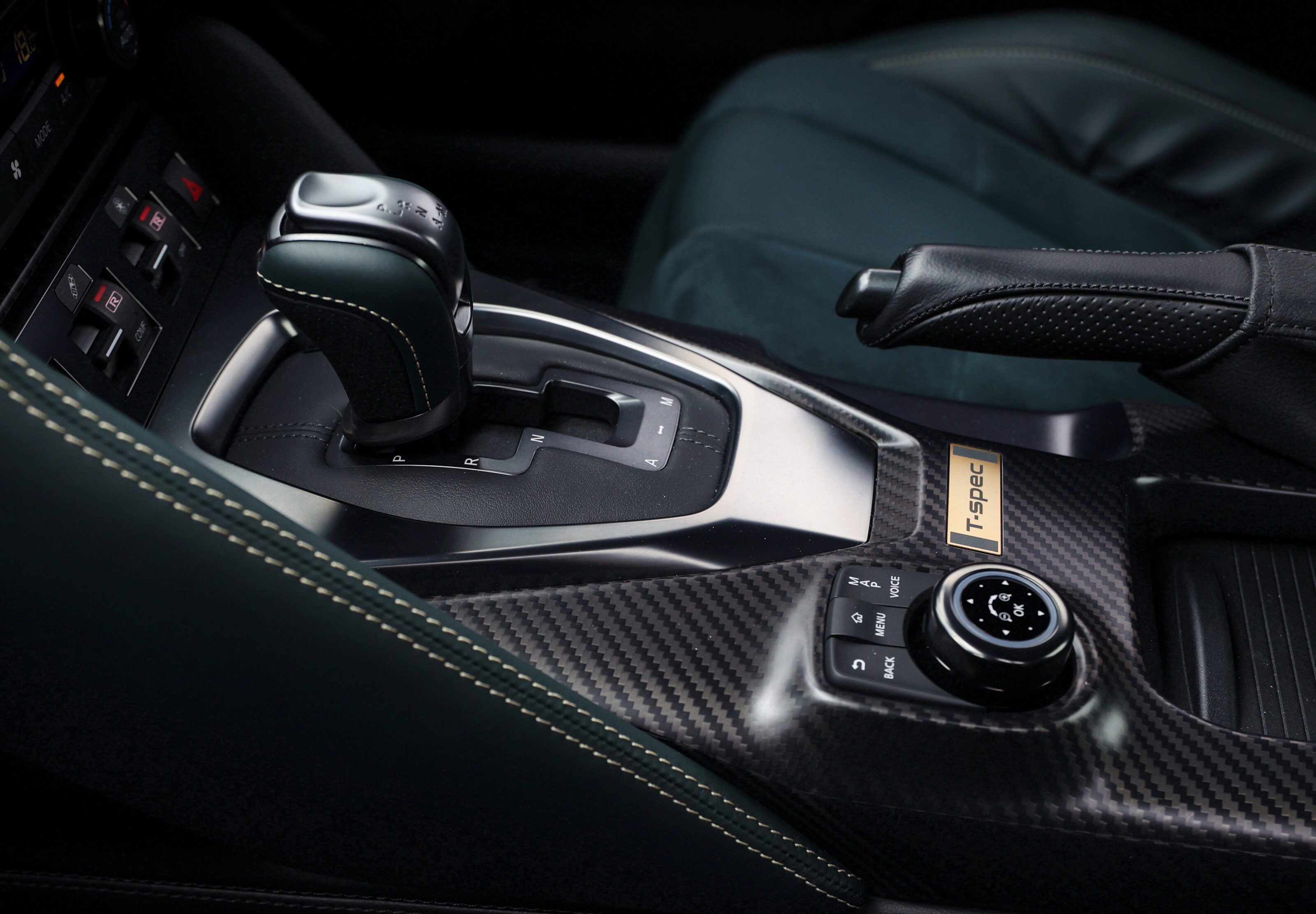
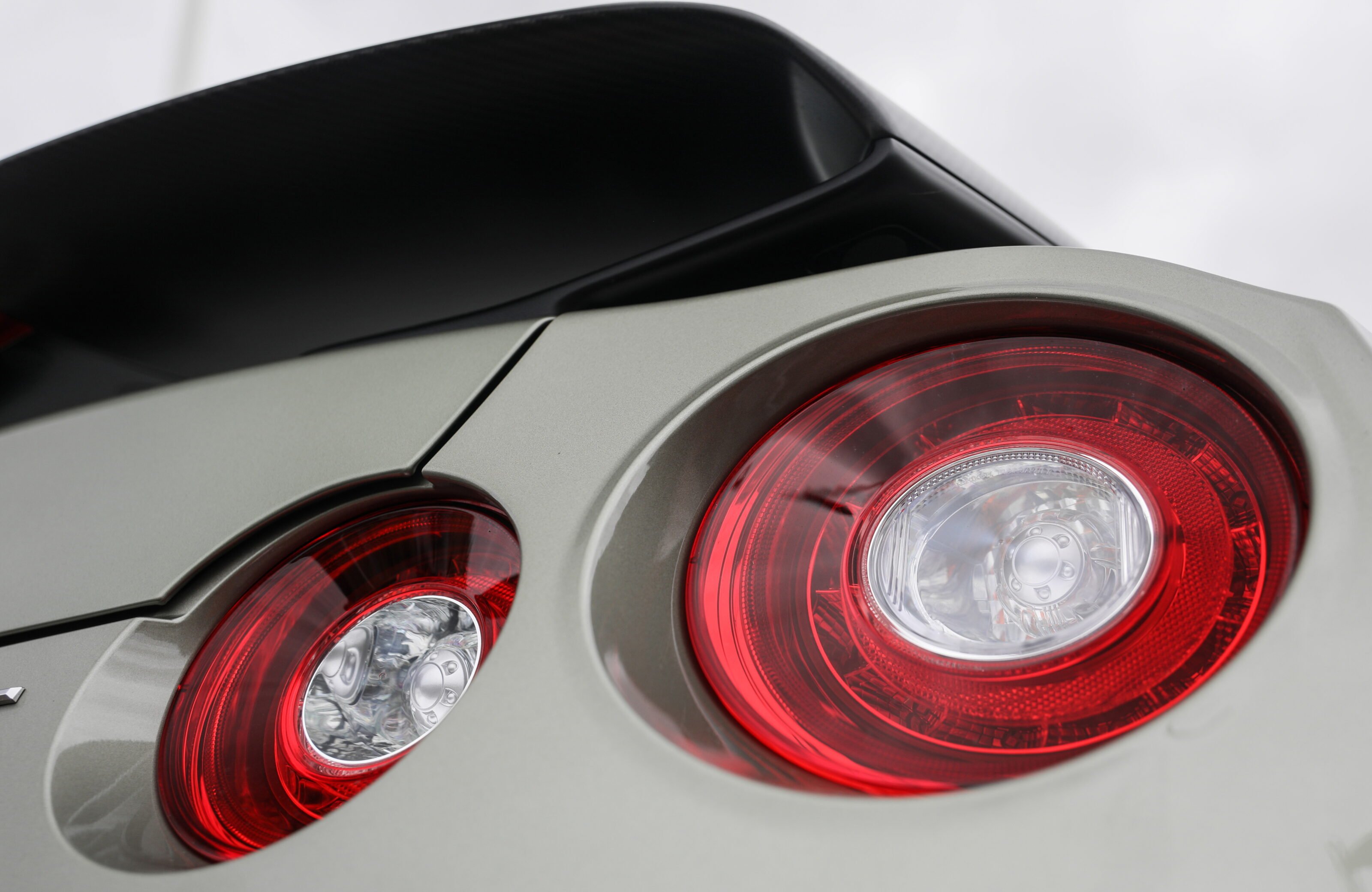
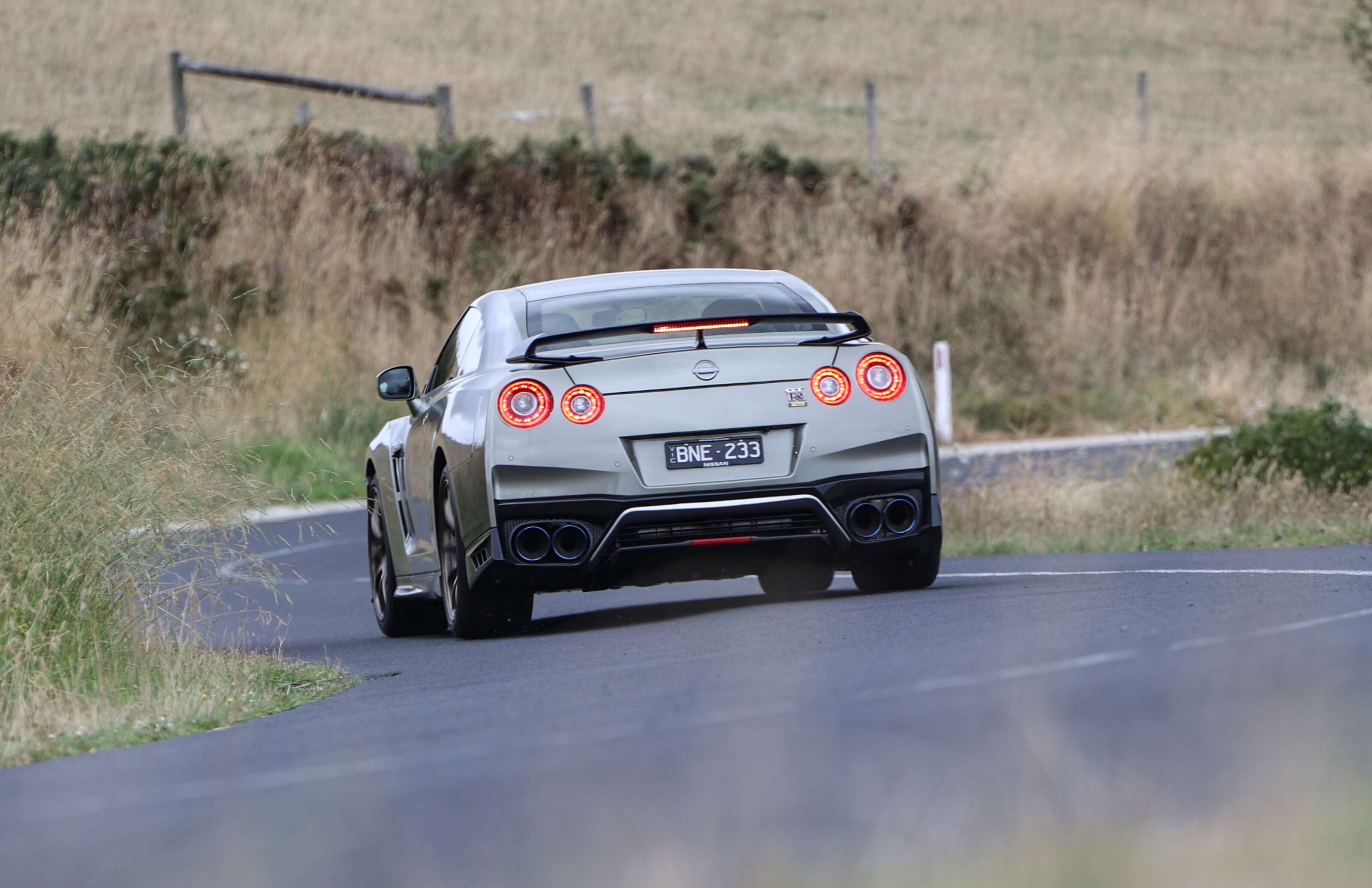
Luckily, that’s not quite it. The T-spec does get some tricky gear from an admittedly very special parts bin, such as the carbon-ceramic rotors of the Nismo models (410mm at the front and 390mm at the rear compared to the standard, puny 390mm/380mm Brembo set-up), a carbonfibre rear wing, a curiously decoratively-stitched interior headliner and forged Rays 20-inch wheels.
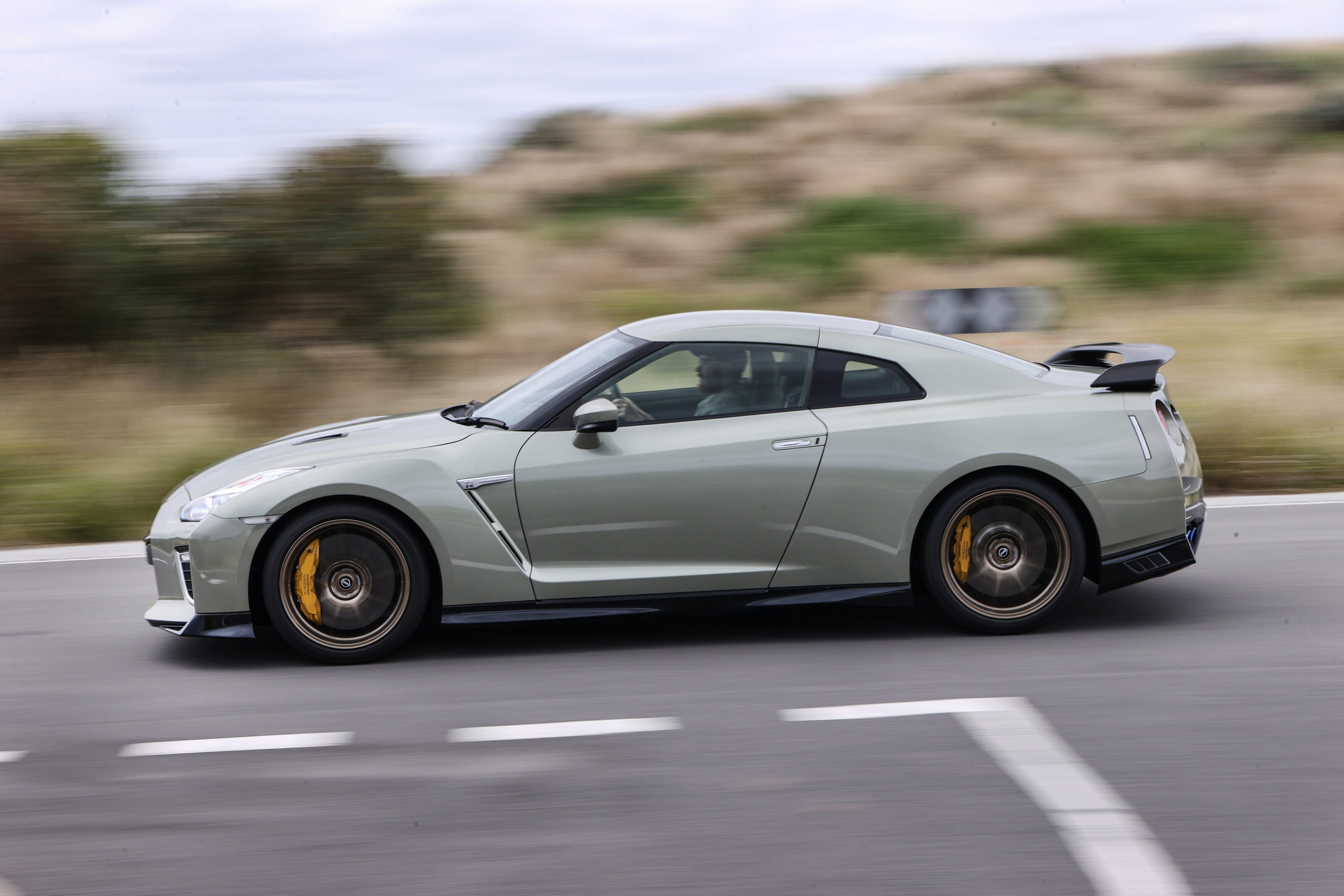
Its Millennium Jade paint joins Midnight Purple as new additions on the brochure palette, two colours not seen since the R34 – seriously cool, and sacred stuff to any worshipper of GT-R.
The T-spec does get some tricky gear from an admittedly very special parts bin
Mechanically, well, Nissan would call you a greedy little piggy if you complained about a twin-turbo 3.8-litre V6 with 419kW/632Nm; same an ATTESA all-wheel drive system and rear-mounted, six-speed twin-clutch transaxle.
And true, it speaks to how ahead of its time the R35 was in 2007 that, today, a manufacturer wouldn’t be ridiculed in announcing a new, twin-turbo V6, all-wheel drive sports car with a dual-clutch gearbox. Given the overwhelming proliferation of batteries and electric motors, it probably would be quite welcome, actually.
Our T-spec is one of 48 cars that rolled off the boat at Port Brisbane mid-October last year, the very final shipment before ADRus horribilis came into force from October 31, 2021. Meaning that since 2009, 990 officially imported R35s roam Aussie roads – 28 of them T-specs. And hopefully by the end of our little drive today, they will be no rarer.
We’re sitting in a 2009 R35 GT-R, instantly transported back to an era when a nerdy bloke called Kevin Rudd was PM (the first time), Mumford & Son’s ‘Little Lion Man’ was doing the ear-worm and Swine Flu was making front-page news in a way that, in 2022, couldn’t be more acutely quaint.
This last Aussie blast in an R35 GT-R begins off Melbourne’s Eastlink Freeway at a service station where we’ve organised something special – meeting up with one of the first Aussie-delivered R35 GT-Rs. Owner Philip Pilven has kindly driven his pristine 24,000km unmolested example, which he’s owned since new, all the way from Ballarat just for us.
Nissan claims since it went into production in December 2007, the R35 has steadily evolved into a finely-honed beast. Given more time has passed since 2007 than the timeline of R32, R33 and R34 GT-Rs combined, you’d want that to be the case.
Power has risen – from 358kW in 2009, steadily to the 419kW in even the ‘base’ cars today. A reasonably substantial facelift inside and out occurred in 2017, but if one anecdote had to summarise the R35’s development philosophy it would be the one where owners in Japan complained, early on, they had to touch exposed paintwork in order to close the boot.
In the next one of its yearly ‘running updates’, the R35 then came with a little leather pull-tab attached to the underside of the boot-lid. The story of the R35’s honing has been one of many tiny changes such as this.
Parked next to each other with the bonnets up, you’d be hard-pressed to spot any difference in the engine bays between Philip’s original R35 and our T-spec. A carbonfibre strut brace in the T-spec – and that lovely gold engine cover – appears to be it.
The biggest difference is the interiors. The 2009 car’s feels like that of an X-Trail from the same period that a local mechanic might lend to you for a few days out of courtesy as much as pity.
The 2022 car – with its redesigned centre stack as per the 2017 facelift – is a total contrast, decked in plush carpet, luxe leather and Alcantara. Indeed, you can see how the original R35 offered all the performance of a 997 911 Turbo for half the price – it had half the interior quality.
Not that that dissuaded early buyers. “The amount of people who traded their Porsches in for these was phenomenal,” says Philip. “The first few years, there was always a Porsche or two on Nissan showroom floors because they’d traded it in.”
While you seem to sit a bit higher in the new car, if you blindfolded someone and drove them around a carpark, based on the noises alone they would not be able to pick the cars, either. Low-speed transmission and clutch behaviour – supposedly more refined in the new car – feels more or less exactly the same.
After a couple of white-knuckled blats around an industrial estate in Philip’s R35, some stark differences between old and new begin to emerge. Hate to say it but while it’s obviously slower, the old car might actually drive better than the new one. It feels like the original GT-R that chief engineer Mizuno-san intended, sitting flatter through corners on its noticeably stiffer springs, and reacting more keenly to inputs.
With ‘just’ 358kW, no single thing dominates the dynamic experience either – everything feels in harmony, from the power to the handling to the brakes and grip. It’s a Goldilocks car. And it’s still – be in no doubt whatsoever – eye-wateringly fast.
By comparison, the new car, with its additional 61kW and much bigger brakes, is more of a point-and-shoot, go-then-whoa experience. Softer suspension – while resulting in a nicer ride quality – has dulled its responses somewhat, and even introduced a kind of unwelcome doughiness to the front-end on turn-in.
Somehow, the new R35 doesn’t ‘shrink’ around you quite like the old one, and these aren’t huge cars. Obviously, the new car leaves the old one in its dust for sheer pace, but the old one, while slower, is somehow friendlier, more pure and more fun. It’s certainly more raw.
Awkwardly, the new car might be better if it had slightly stiffer springs. To suggest as much is to almost hear the groans of the engineering team across the ocean in Japan.
One of the early criticisms of the R35 was it was too stiffly sprung, and a main theme of its journey since the late 2000s has been making it more comfortable, better appointed and easier to daily drive (to justify a price that hasn’t really budged).
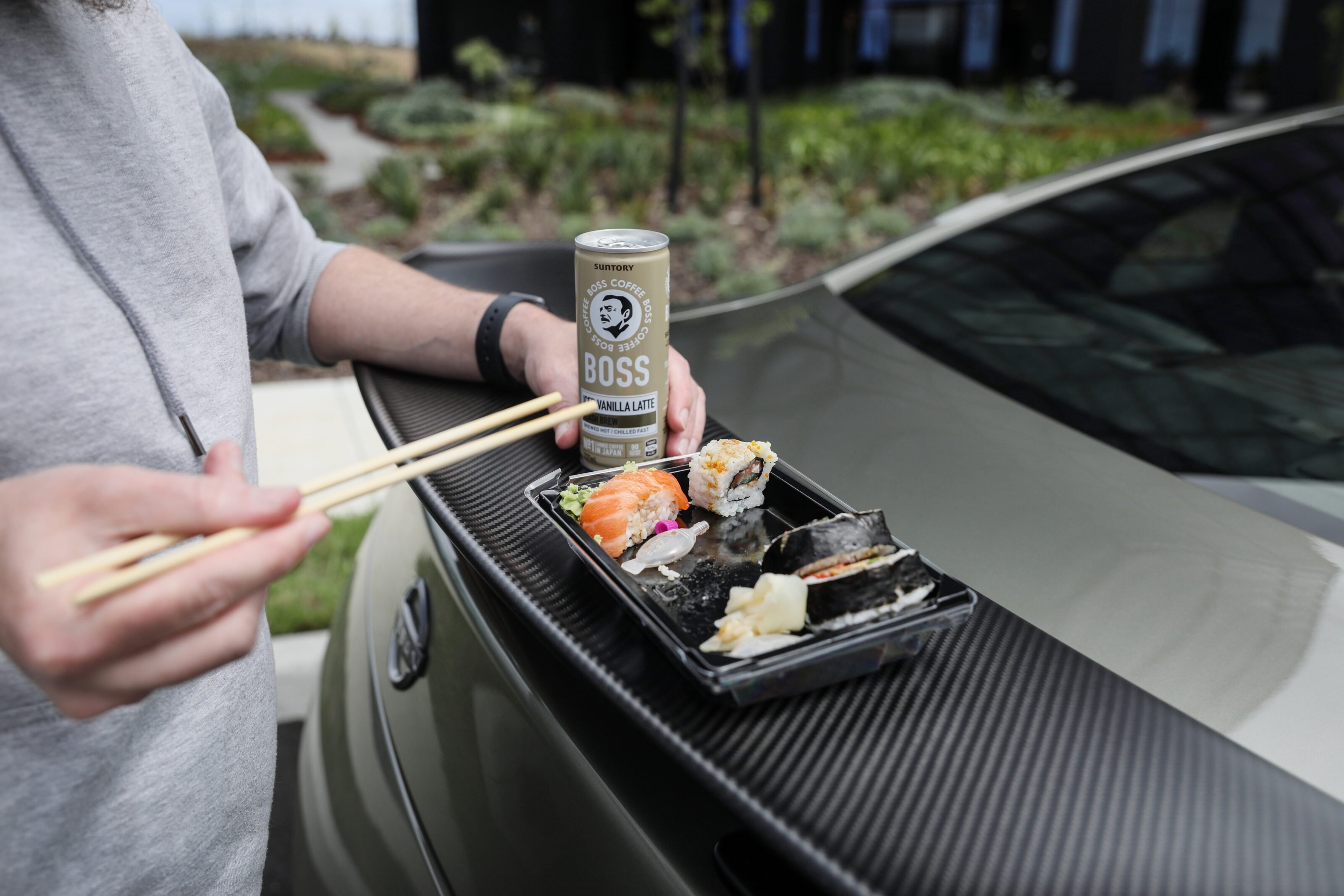
Myself and photographer Brunelli bid Philip and his R35 adieu, scoff our faces with service station sushi (the mood took) and set course for Victoria’s Gippsland region for our final fling in a car that has graced our cover no less than six times since 2007. It’s a bit of a solemn moment.
I’m not very old, and for many around my age this car has been somewhat of an unchanging constant in a constantly changing world. It certainly doesn’t feel like nearly 14 years ago I was glued to my old CRT computer monitor watching a clip on this new thing called YouTube, of a man called Jeremy Clarkson in an R35 racing a bullet train across Japan.
Nor tearing open my January 2008 issue of Wheels to read Michael Stahl’s first report from the Nurburgring, on what was basically Carlos Ghosn’s vanity project – a very exciting one at that.
And the R35, while it has changed, also has changed little. As back-to-backing it with Philip’s car revealed, aurally it has changed little. And it might have one of the most recognisable aural signatures of any car. It clatters mechanically to a start, almost spluttering, then motors around at low speeds with a military-grade whine like it’s an Abrams tank.
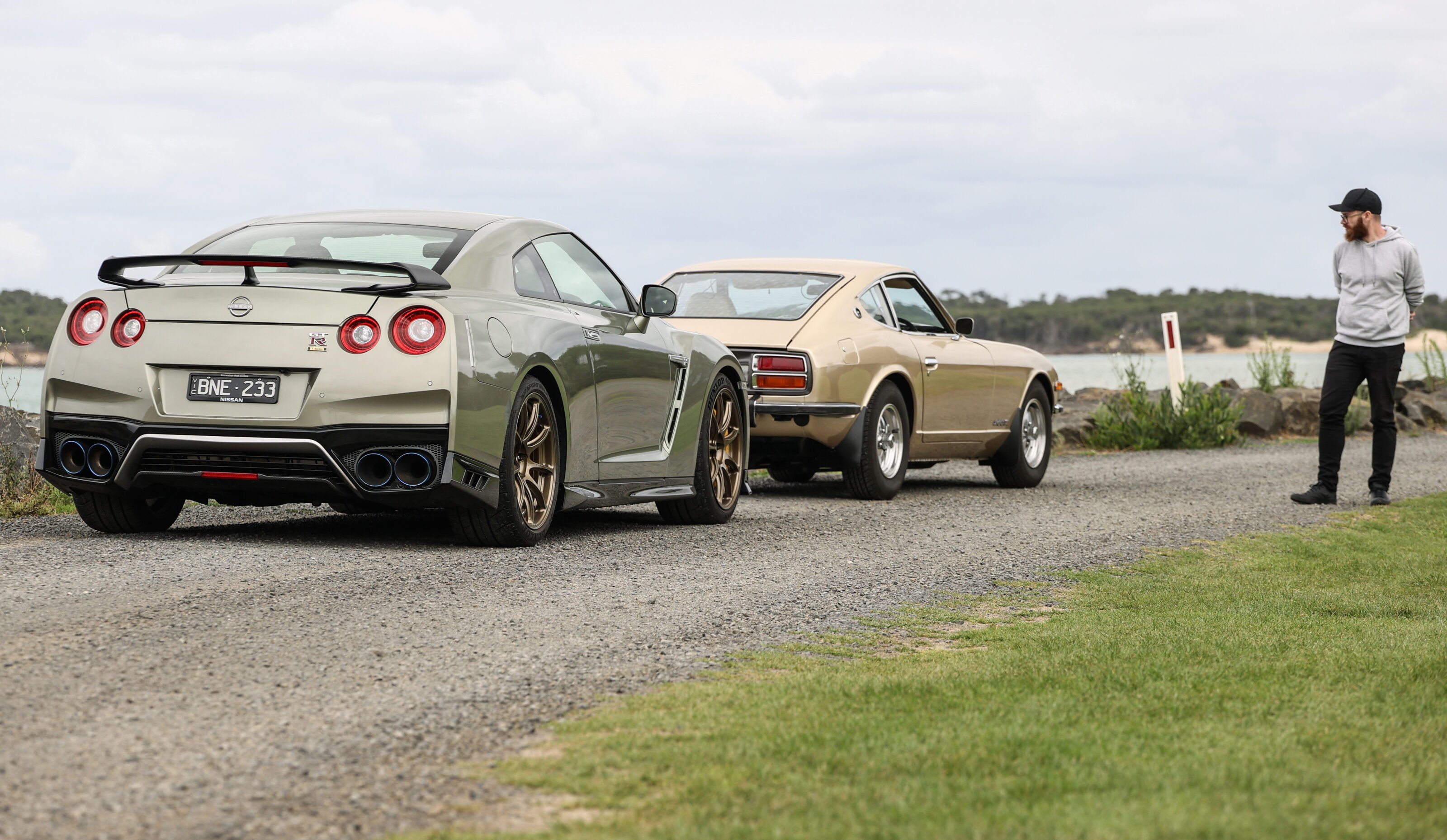
Supposedly this is partly because the clutches are in the rear transaxle, meaning the propshaft down the middle of the car – connected straight to the flywheel – spins at the same speed as the engine, contributing to the delightful mix-tape of noises.
During a phone interview for our story, Fred Frederiksen – Nissan Australia’s in-house R35 guru – called this intriguing cacophony of low-speed whirrs, clacks and whines the ‘mechanical symphony’.
At motorway speeds, they all fade away to make for what is quite a comfortable car. Father of the R35, Mizuno-san, had decreed not only should the R35 be able to fit golf clubs in the boot – it can – but at 200km/h passengers should be able to hold a conversation without raising their voices. Something we weren’t game enough to test in Victoria.
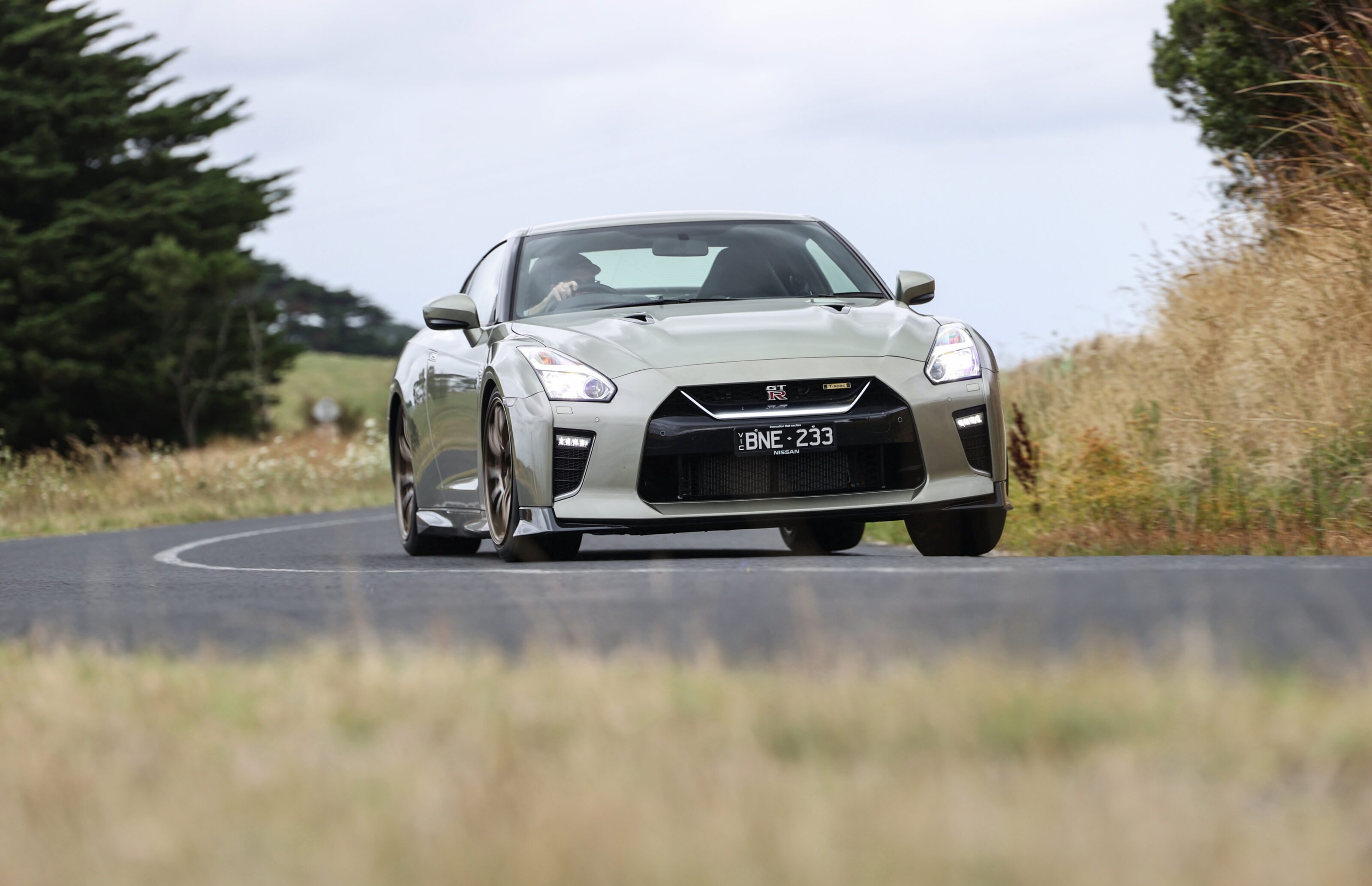
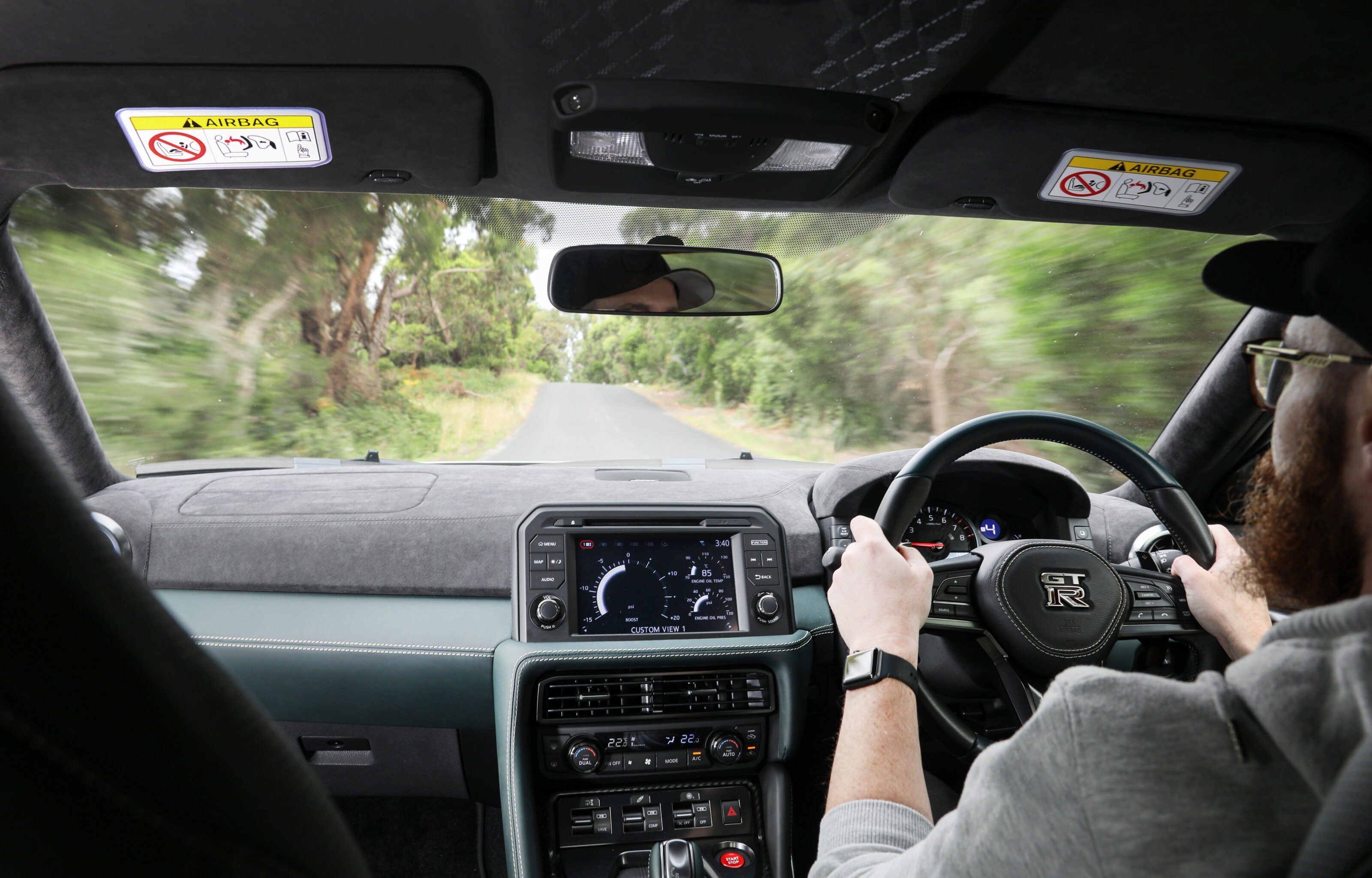
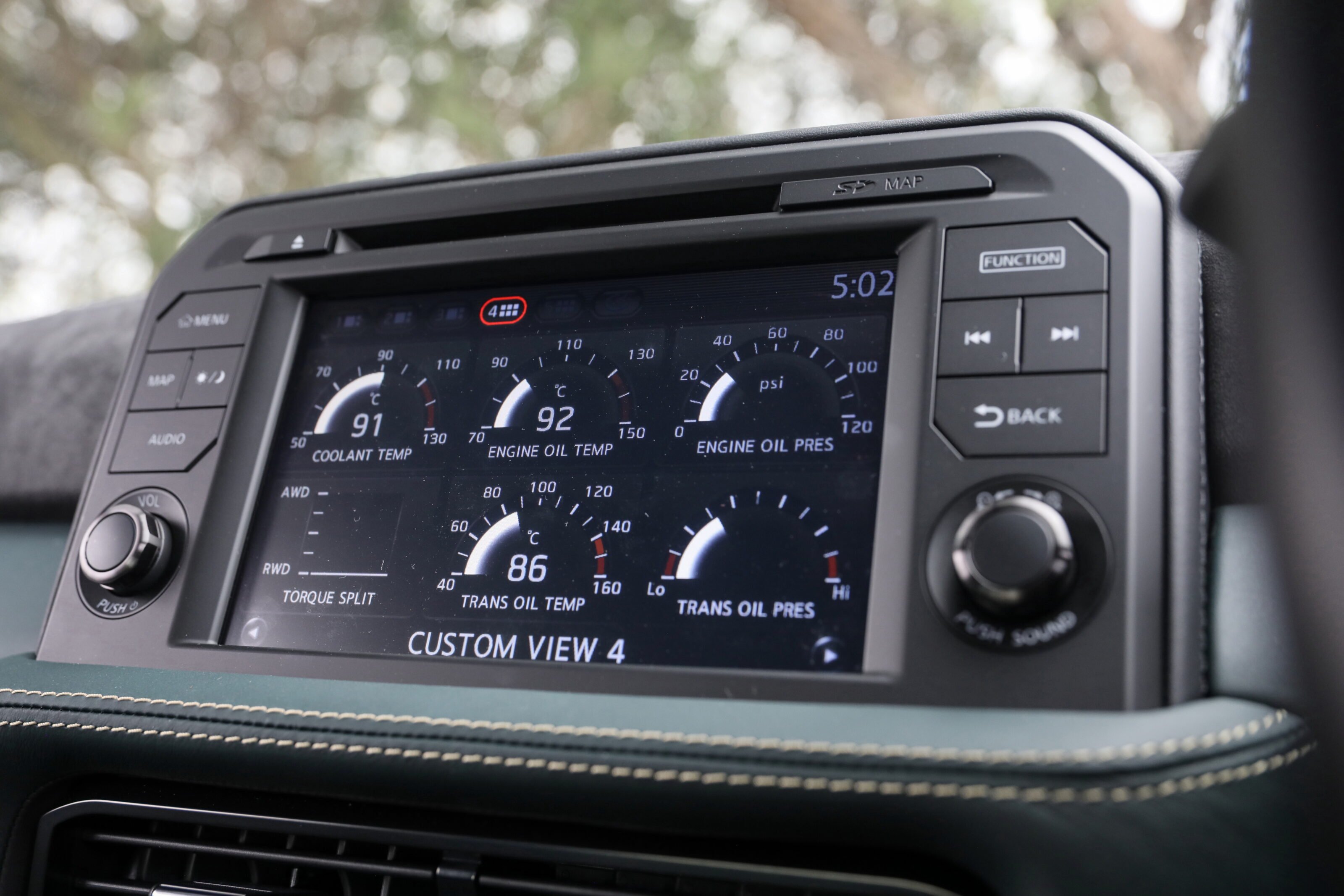
For its impressive pliancy at motorway speeds there’s no hiding the R35 has a few frown lines and tufts of hair growing out its ears. There’s no head-up display, no radar cruise control, no digital instrument display (the analogue items haven’t changed since 2007).
There’s not even blind-spot monitoring, let alone active emergency braking. A forward parking camera would also be nice; maybe Apple CarPlay too. If we put our staid road-tester’s hat on, a $50K car would cop a bollocking for these omissions, let alone a $250K one. At 2100rpm at 100km/h, it also would benefit from a seventh gear.
Luckily, slotting the three drive-mode toggles into ‘R’ mode and seeing them delightfully light up red with anger somewhat soothes these ails, as we arrive at our chosen 31km of bitumen. Ribboning along a ridgeline with distant vistas of the Southern Ocean, for us, this challenging bit of road linking Loch and Wonthaggi is Car of the Year country – hallowed ground and a special place for one last dance.
That is, if driving an R35 GT-R hard wasn’t more like coming across a grizzly bear in the woods with nothing but a Swiss army knife for self-defence. It starts with the noise, one of urgent vengeance, like the GT-R has just learned everybody it loves has been brutally murdered and it knows exactly by whom and exactly where to find them.
With the drive mode toggles in ‘R’ for powertrain and stability control, and ‘Normal’ for suspension (the best combo, at least on these roads), it quickly becomes apparent that while still fun, the dynamic experience has aged.
Back in the day, road-testers lived in a comparatively skinny-tyred world and were easily awed at how the ATTESA all-wheel drive worked to create an almost atomic bond between tyres and a bitumen surface. These days, the Dunlop SP Sport Maxx GT600 run-flats – which Nissan has stubbornly stuck with – feel capriciously temperature sensitive in an old-school way.
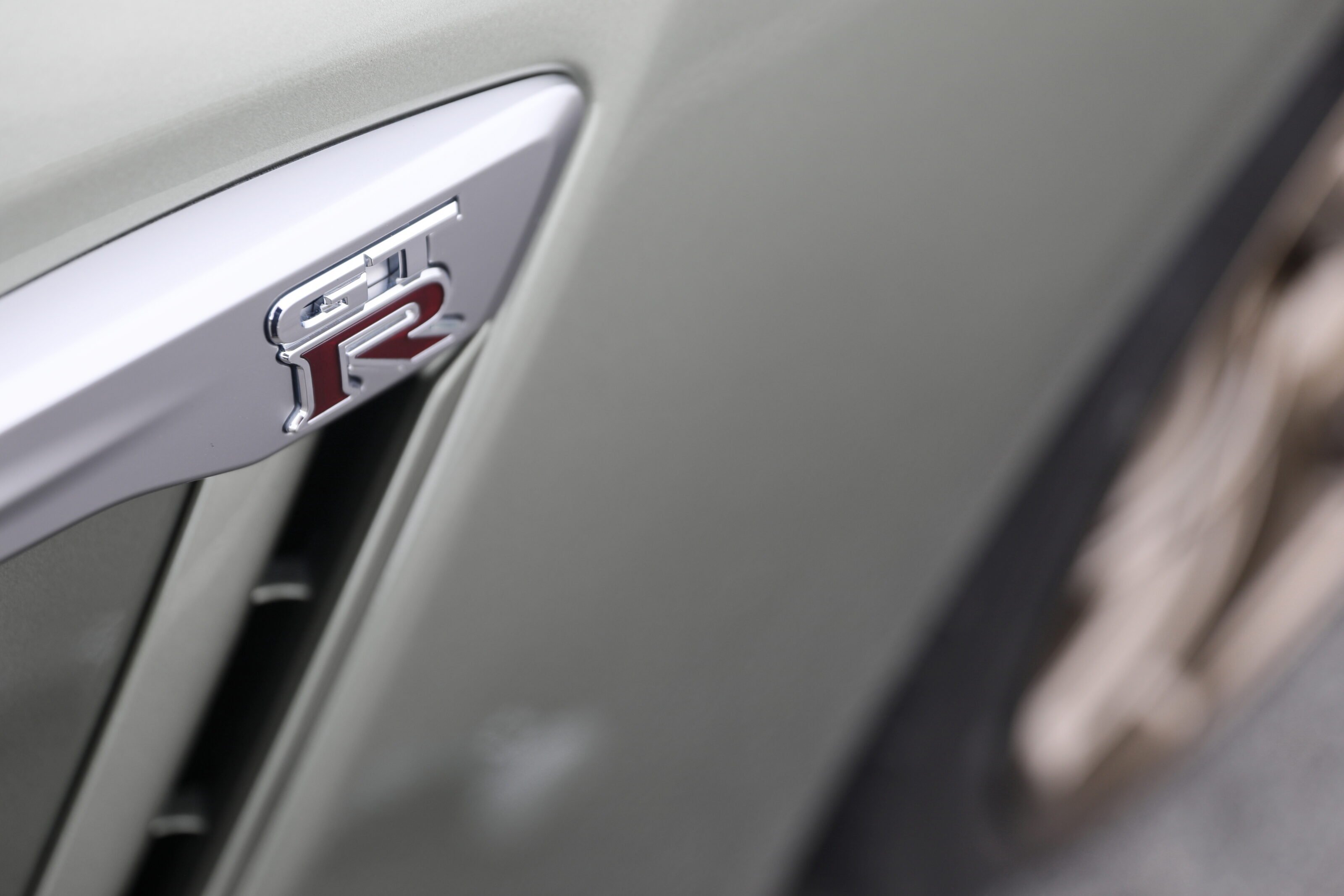
An R35 would doubtless be more fun and friendly on more modern rubber. And while it still wows with its grip – you feel deserving of a trophy getting it to understeer – a 992 Porsche 911 GT3 with rear-steering on Michelin Pilot Sport Cup 2 Rs would boast a corner entry speed that would have an R35 gasping with fear.
Also, the R35 was benchmarked on the 997 911 Turbo. An entire generation of 911 – the 991 – has come and gone in that time.
That’s not to take away from the fact that, as lap times and 0-100km/h times continue to show (3.4sec as-tested for this T-spec), the R35 is still blisteringly quick. The paddleshift dual-clutch can’t rapid-fire multiple downchanges like a Porsche PDK, yet with a bit of patience it’s still ultra fast.
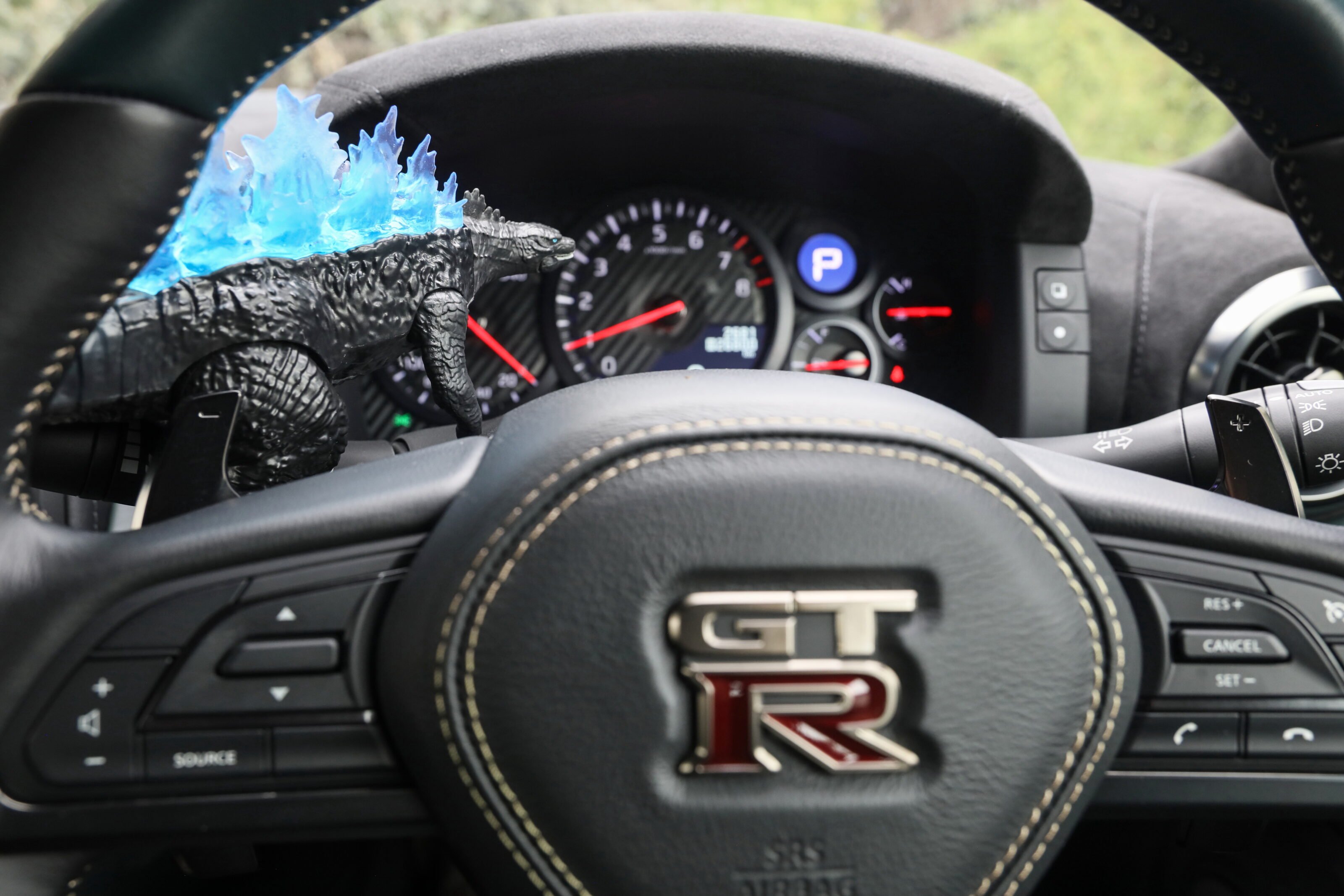
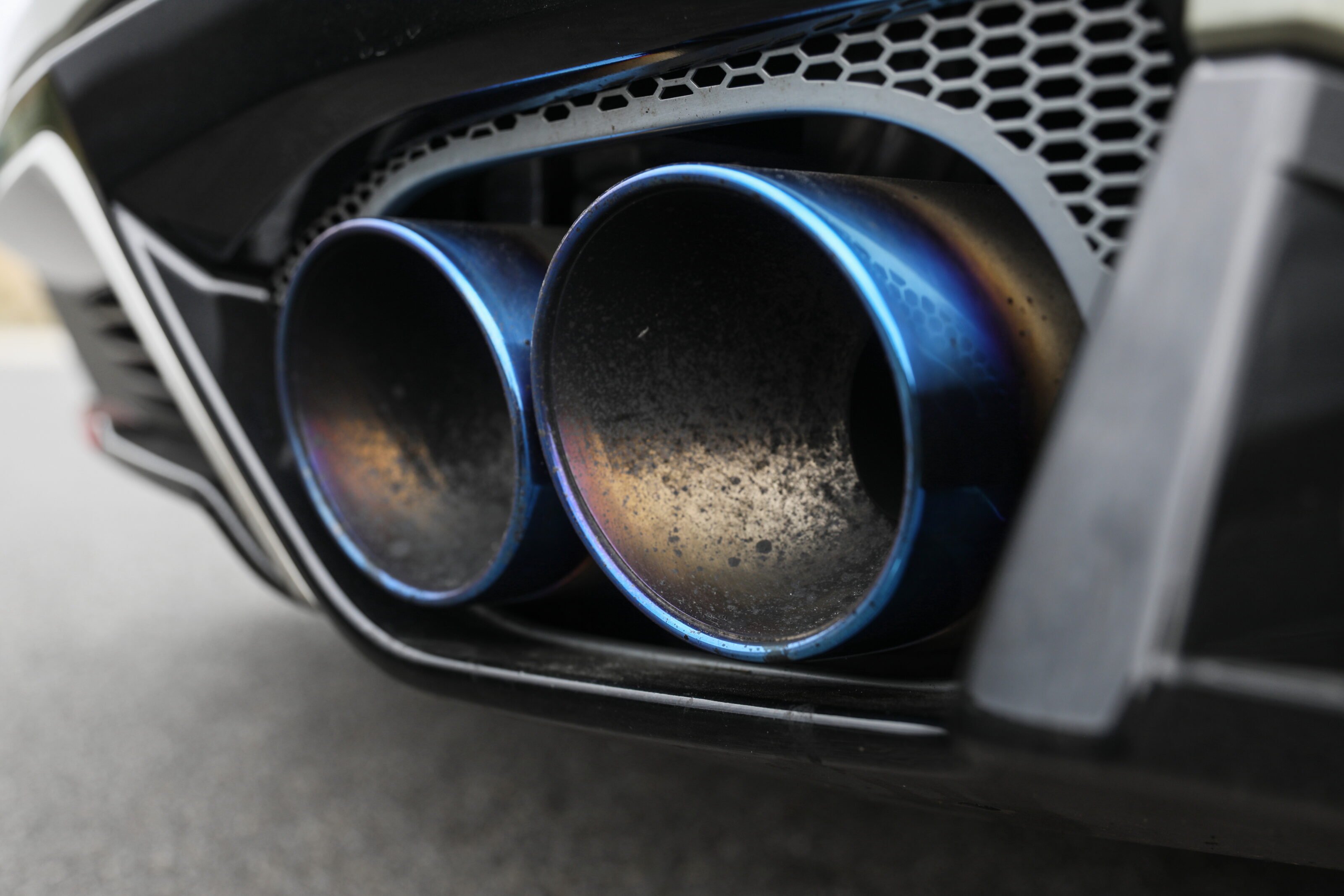
The T-spec even lets out a little crack from its titanium tips on upchanges; and in ‘R’ mode powertrain, some polite pops and crackles can be heard on heavy overrun. New tricks for this old dog, it seems.
Driving an R35 hard is like coming across a grizzly bear in the woods with nothing but a Swiss army knife for self-defence
The R35 is also more fun that it’s generally given credit. It’s a heavy car, and those oft-binary tyres can feel more foe than friend. The R35, too, does not care to flatter your ability in the same ways as more modern sports cars. In fact, sweaty-palmed fear while driving an R35 is not uncommon.
An inconsistent all-wheel drive system doesn’t help (rear-drive until tractions necessitates; up to 50 percent of torque can be shunted forwards).
But push through the intimidation and drive it like a rear-drive machine, and with a bit of risk comes great reward. And an utterly unique driving experience, as thrilling and exciting as sports car come.
Mind-scrambled – another R35 trait – we pull up at a lookout as the sun sets over the distant ocean, and there is a sense of gratitude. We love the R35 and we will miss it. But as it transitions from the corner of the Nissan showroom into the immortal world of cult classics – at least in Australia – we reckon the R35 will be more celebrated in posterity than in life.
Borderline disdained by some GT-R purists for being a bit too heavy, a bit too expensive and, probably, a bit too hard to drive, we reckon they’ll come around to the R35 and see it for what it is – Nissan’s LFA moment. One that entered mass production, and stands to be one of the longest-running sports cars of the modern era. If you ask us, long may it continue.
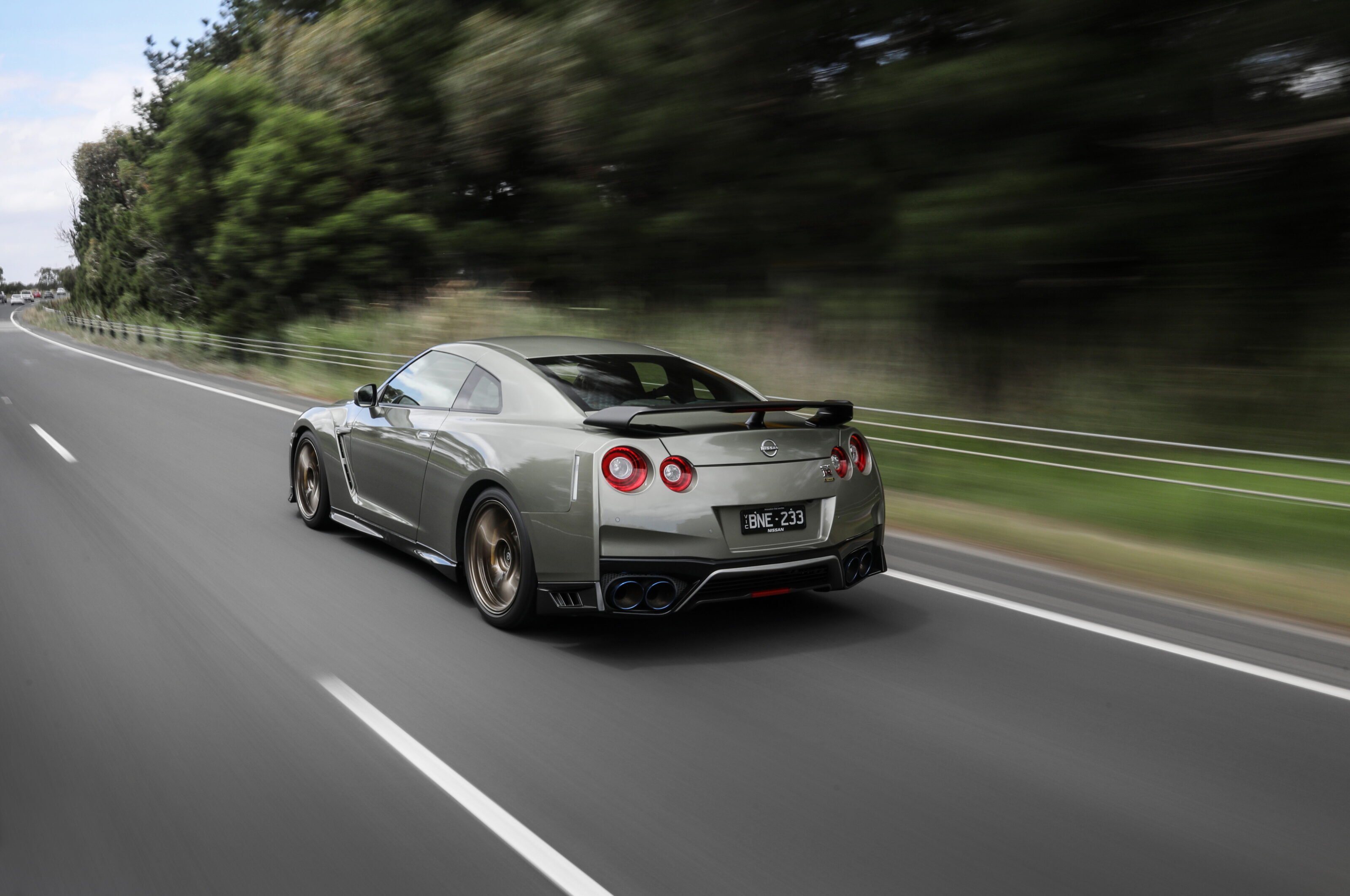
Will Godzilla have a successor?
Tenuous reports suggest Nissan is working on an R35 facelift incorporating the brand’s 48-volt hybrid system. An integrated starter generator could add 20kW/250Nm and improve fuel economy, as well as reducing the 0-100km/h time to 3.0sec.
If Nissan instead committed to an entirely new GT-R, our guess is it would buddy up with another manufacturer – a la Toyota and BMW with Supra/Z4 – to build a technology showcasing, all-electric, dual-motor monster.
2022 Nissan GT-R specifications
Nissan GT-R sales
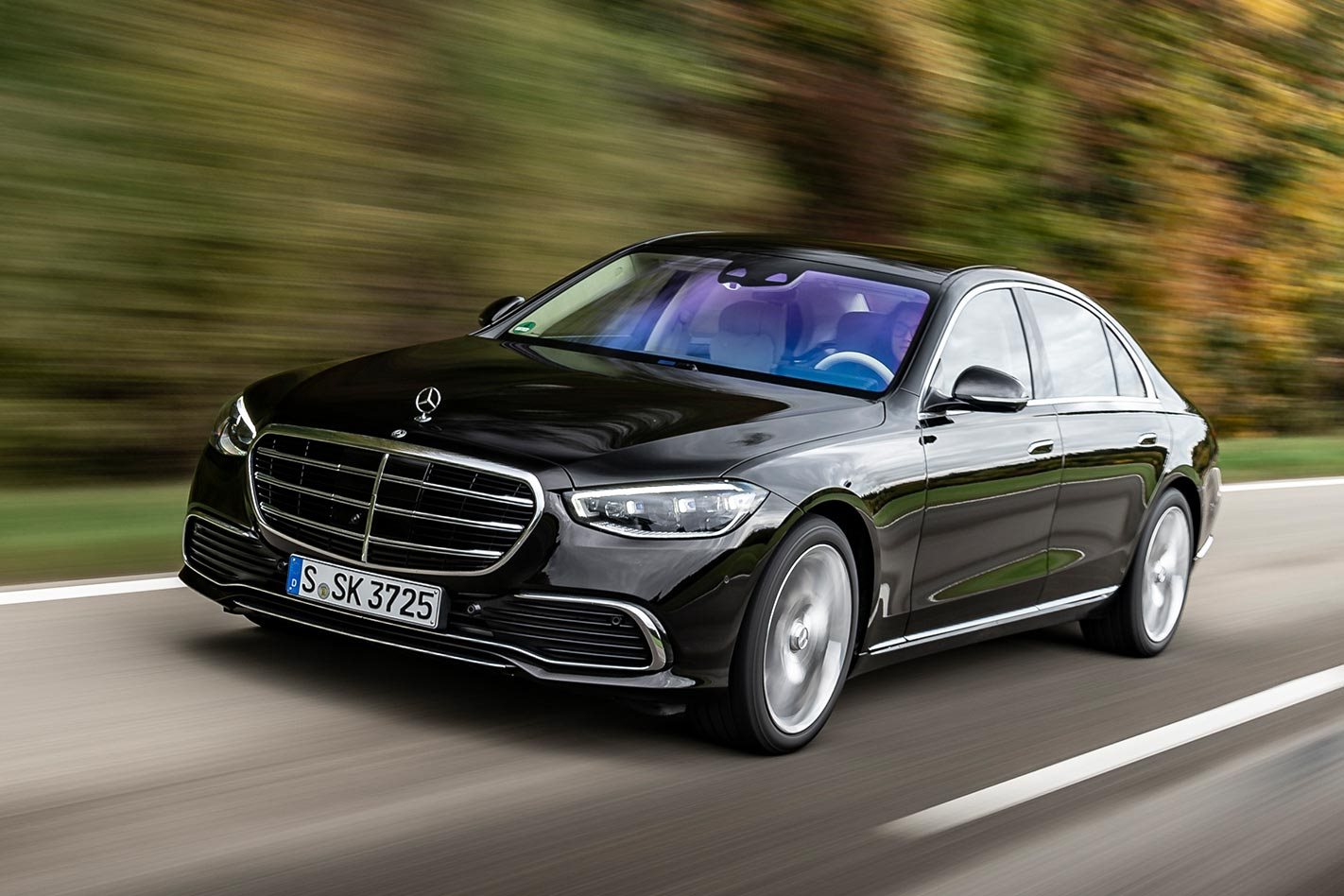
Mercedes-Benz Australia has issued multiple recall notices for a number of its popular models this month, with the most affected being the GLE and GLS.
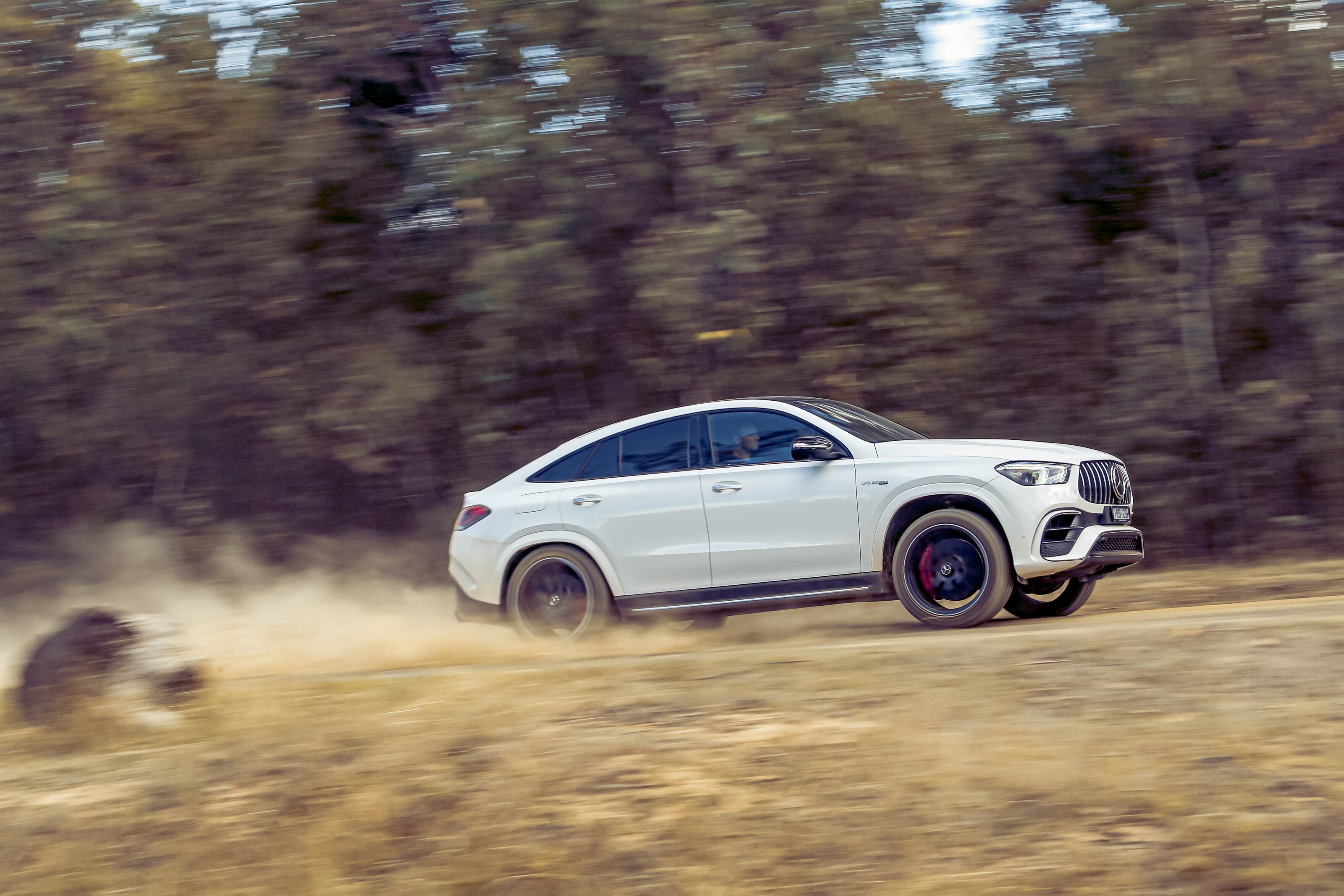
According to the Department of Infrastructure, 804 examples of the 2019-2021 GLE and GLS are included in the recall due to a manufacturing defect.
The threaded nut connecting the negative terminal for the 48-volt electrical system under the front passenger seat may not have been tightened sufficiently, which could result in a higher-than-intended temperature and cause a vehicle fire.
A list of VINs for the GLE and GLS can be found here.
Mercedes’s S- and C-Class sedans are also under recall, affected by a different issue. The carmaker has put 657 MY21 cars on notice due to a software issue.
The automatic network search of the emergency call system (eCall) may be deactivated.
If the eCall system is deactivated, in the event of an emergency it would not be possible for the vehicle occupants to connect with emergency services, either manually or automatically, and, as a result, emergency vehicles may not be directed to the affected vehicle or may be delayed – increasing the risk of death if a serious injury has occurred.
A list of VINs for the S-Class and C-Class is available here.
A further two examples of the 2022 C-Class are affected by another issue with the call system, whereby the overhead control panel may fail due to a software issue. In this case, voice connection with the emergency call centre may fail and data about the vehicle’s location will not be transferred.
VINs for those two cars are here.
And finally, another two cars, a MY21 GLC and EQC, have a manufacturing defect with their headlights.
Details for the VINs for those are available here.
Owners of affected vehicles will be contacted by Mercedes-Benz and are asked to arrange with their nearest authorised dealership to have the work carried out as soon as possible. Alternatively,the brand can be contacted by phone on 1300 300 896 or email at [email protected]
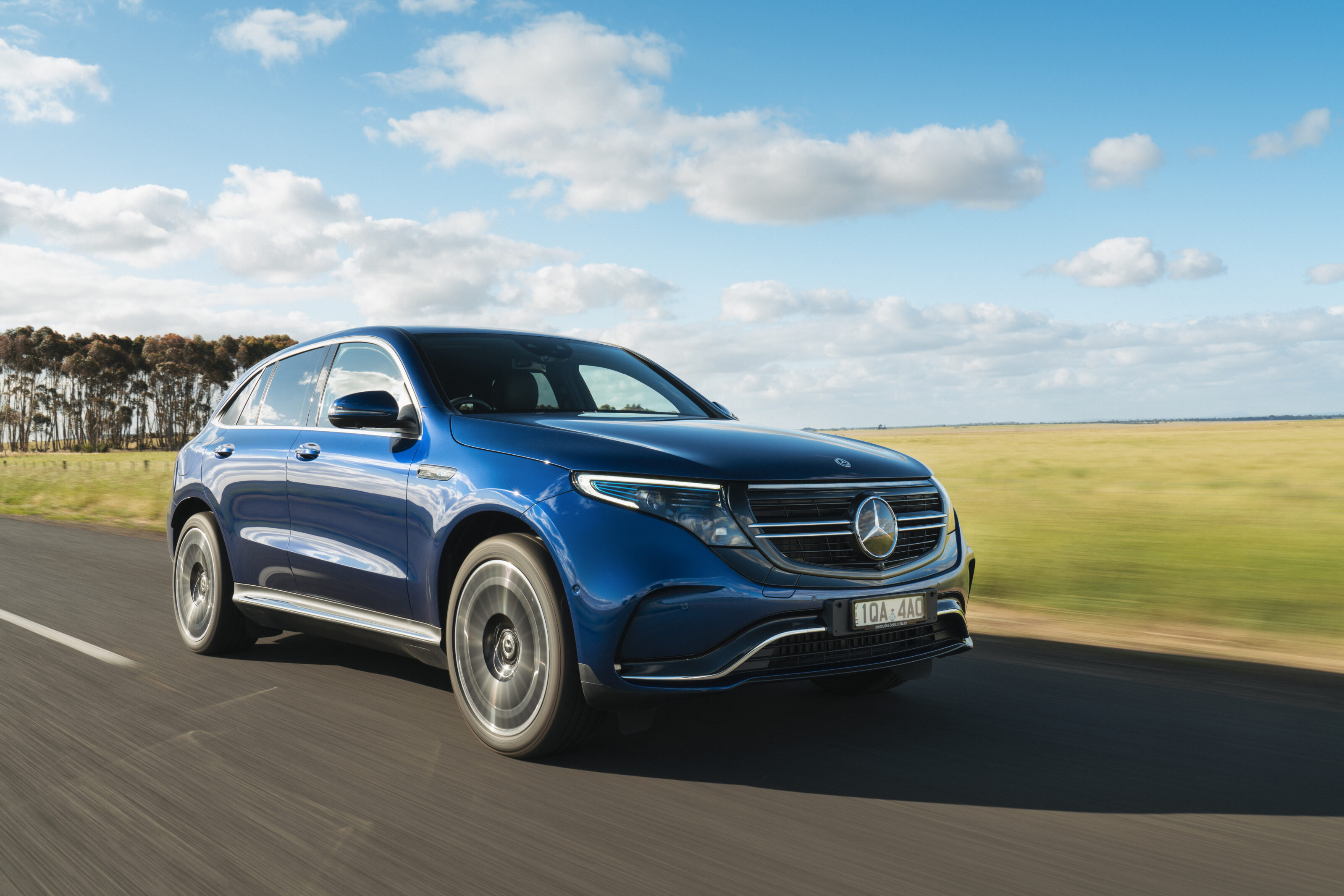
Mercedes-Benz has the most recall notices of any other manufacturer selling vehicles in Australia at present.
Of the 74 recalls published this year for cars and utes, Mercedes has 25. The next closest is Kia with five.
“Mercedes-Benz vehicles have always stood for safety and quality. This promise to our customers is firmly anchored in our company values and defines our day-to-day actions,” a spokesperson for Mercedes told WhichCar.
“Our continual product monitoring, backed up by advanced digitalisation, means we are able to detect the tiniest deviations at a very early stage in the production process. Likewise, we can also quickly and promptly analyse and undertake potentially relevant product updates for vehicles that are already in customer hands.
“Yes, the number of recalls has risen. However, these measures are first and foremost a sign of our precautionary and stringent actions. We consistently set the very highest standards on such matters – regardless of whether a recall impacts one vehicle or a larger number of vehicles.
“We are aware that each measure can often lead to our customers having to pay an unexpected visit to the service centre. We deeply regret the resulting inconvenience – but nevertheless consider it our duty to act consistently and decisively in line with our brand promise.”
Last month Mercedes-Benz put out a wide-spread recall notice for its ML, GL and R-Class models built between 2005 and 2013, telling owners to stop driving them immediately until they could be inspected.
Impacting a total of 17,687 units, the notice said the sealing of the brake booster in all three models may corrode, leading to an air leak which could result in a reduction of braking performance.
Snapshot
- Toyota executive hints at performance GR sedan
- GR Camry one possibility
- Could the TRD Aurion’s supercharged V6 engine make a return?
Toyota’s Gazoo Racing performance division could be focusing on a different body style – and it’s not an SUV.
While the sub-brand has fettled with three- and five-door hatchbacks and two-door coupes, a four-door sedan could form the basis for the next GR model.
That is according to Motor Trend, which recently spoke with Bob Carter – the outgoing executive vice president of sales at Toyota Motor North America.
The official claimed customers would need to “stay tuned” concerning a performance sedan, while indicating an electrified GR car could “quite possibly” arrive within the next five years.
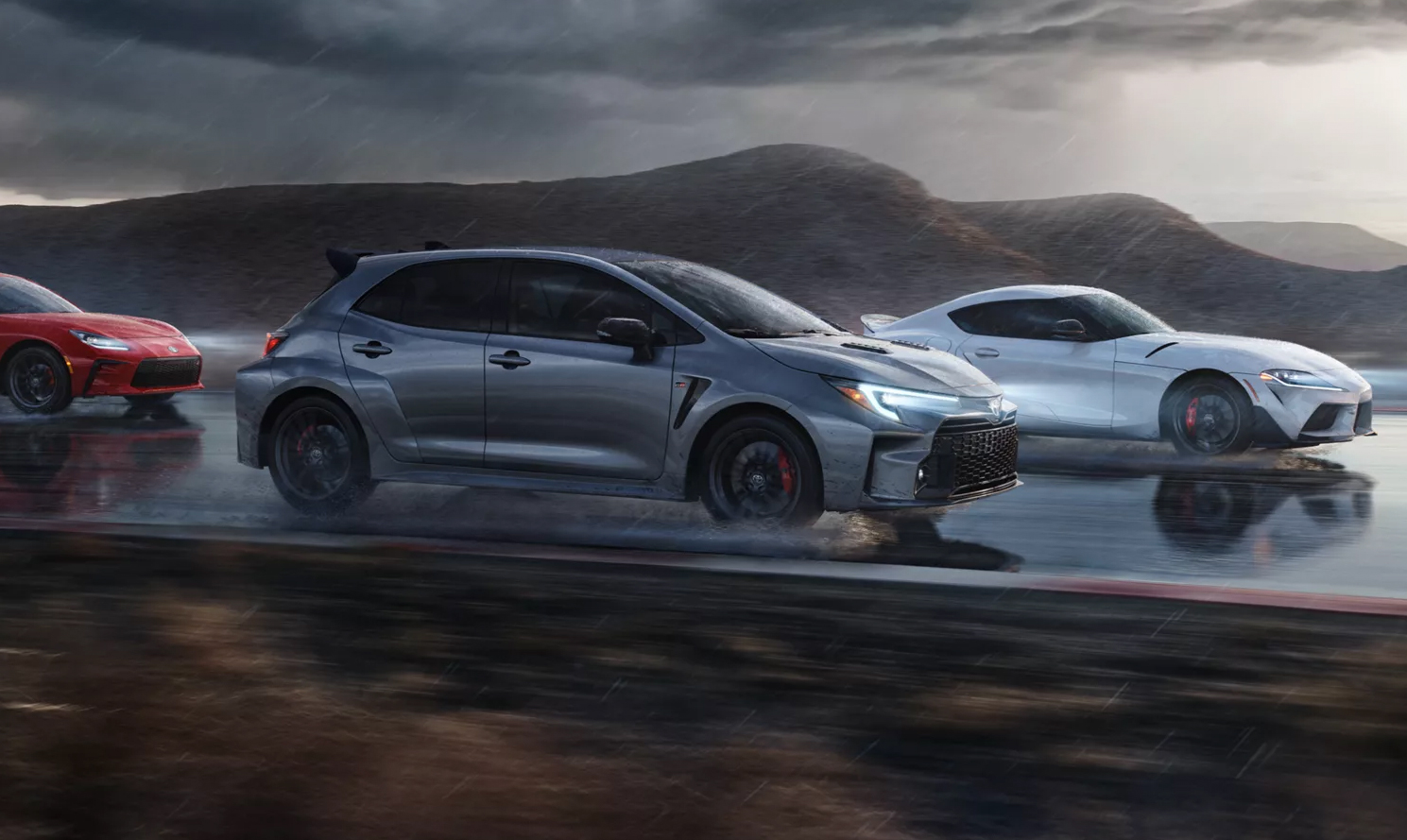
With the GR Corolla hatchback only revealed in recent months, there is a possibility the hot hatch could morph into a sedan to compete against the Hyundai i30 Sedan N (or Elantra N) and Subaru WRX, amongst others.
This seems like the most obvious suggestion, as parts from the GR Corolla can be easily transferred across to its sedan twin.
However, another possibility could be to extend the GR treatment to Toyota’s venerable mid-size sedan, the Camry.
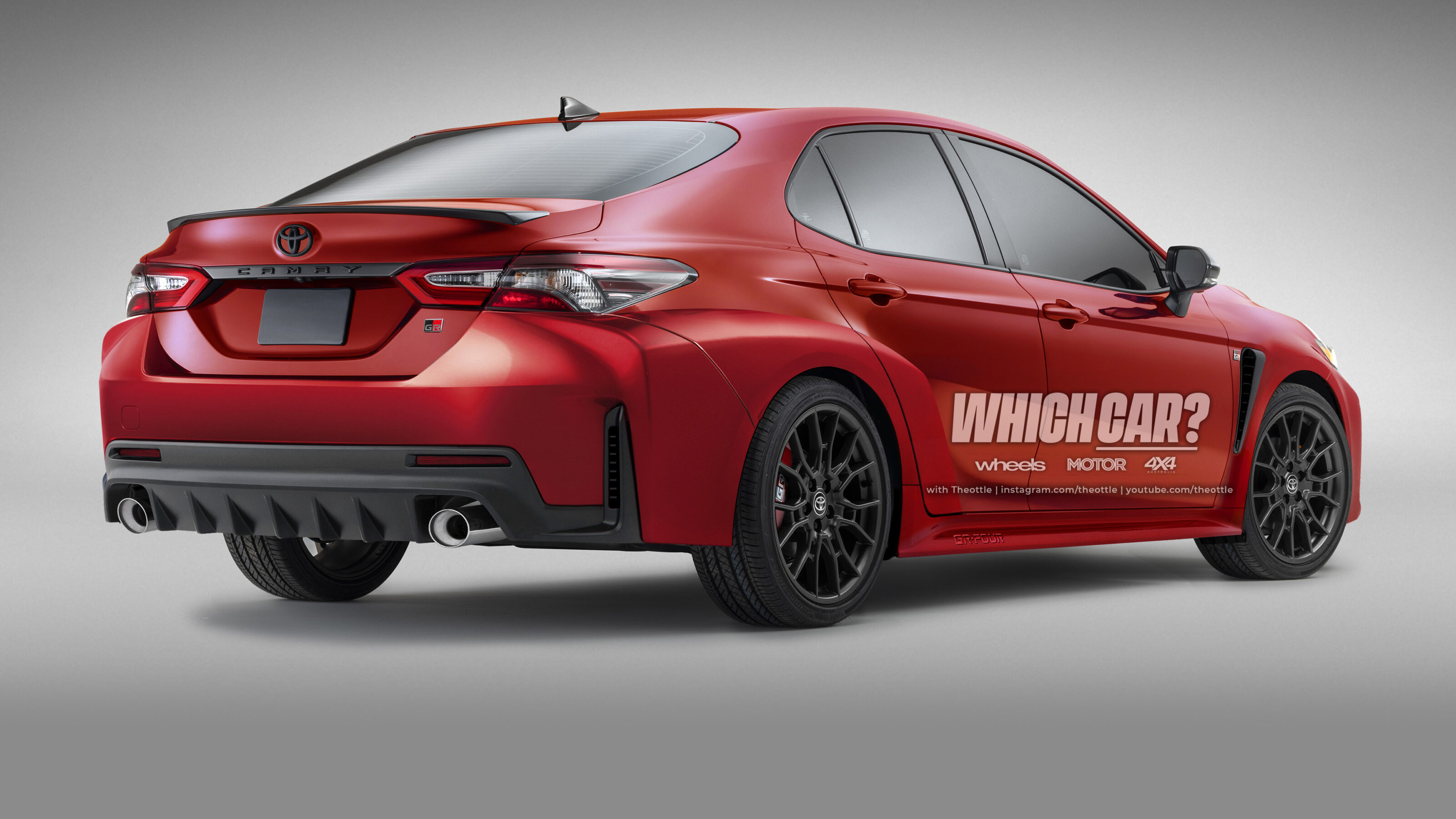
With this in mind, rendering artist Theottle has imagined what a GR Camry could look like.
Drawing inspiration from the GR Corolla, highlights for the high-performance Camry include; a unique front bumper design, vented bonnet, front quarter air outlets, side skirts, bulkier rear wheel arches and a squared-off rear bumper.
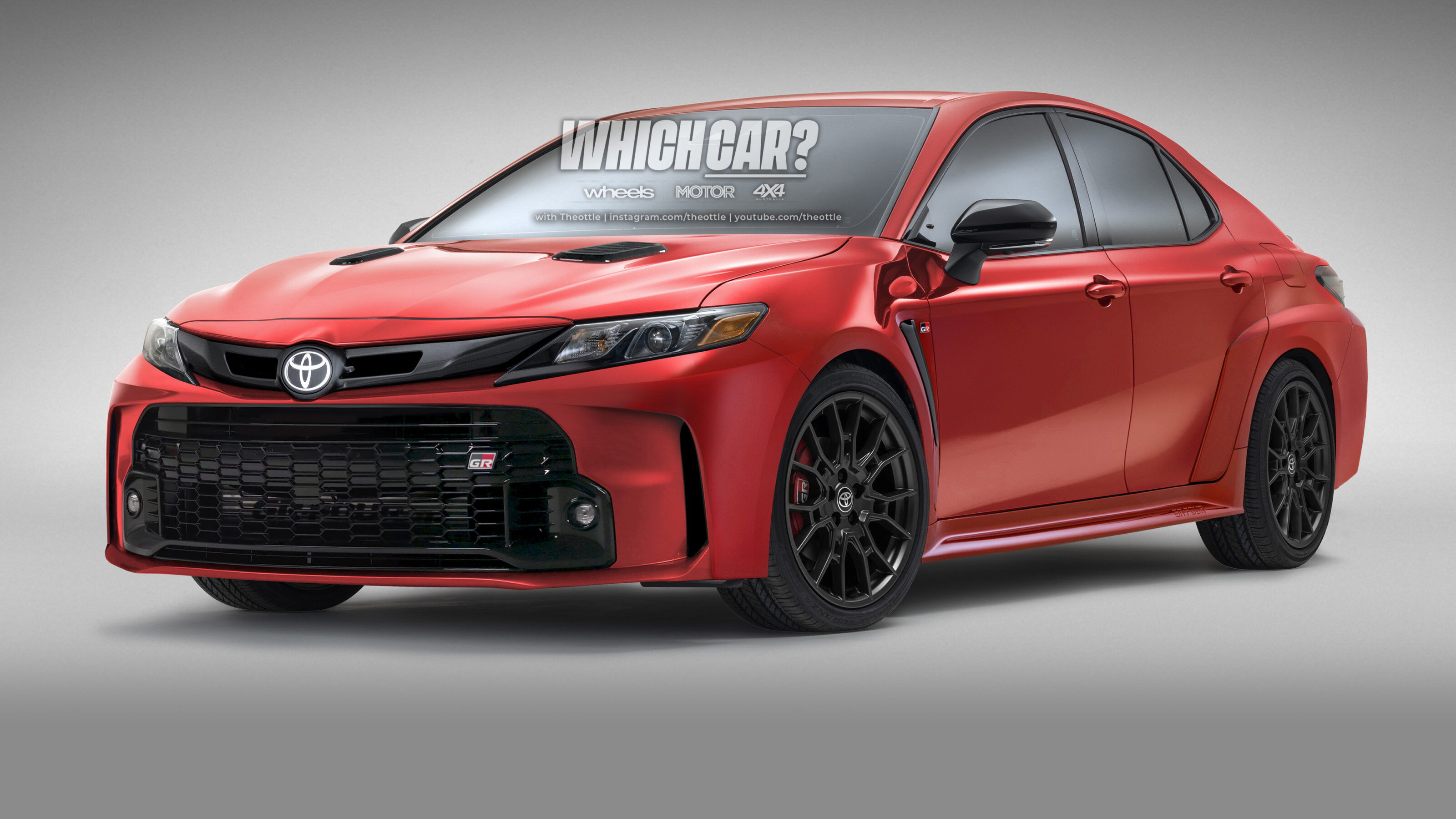
Performance brakes with red GR-badged calipers sit behind black 19-inch alloy wheels sourced from the US-market Camry Nightshade special edition.
Under the bonnet, the GR Camry could pick up a number of powertrains from the Toyota parts bin.
One option is a modified version of the turbocharged 1.6-litre three-cylinder petrol engine fitted to the GR Yaris and GR Corolla, although it’d likely require more power to facilitate the Camry’s added body weight.
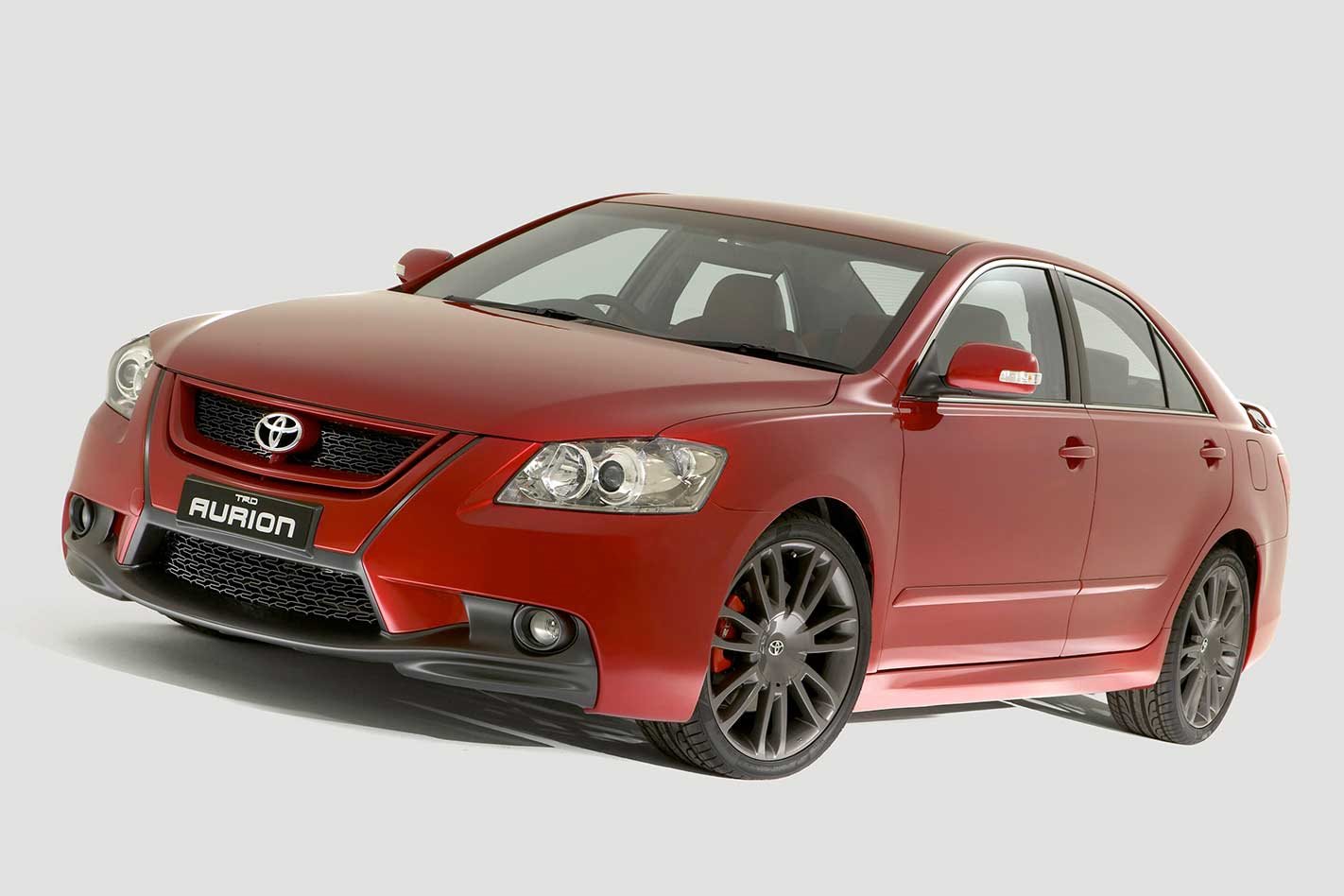
A supercharged version of the naturally-aspirated ‘2GR-FKS’ petrol V6 found in the Kluger large SUV, and in the local Camry until early 2021, is another possibility.
This engine currently produces 224kW of power and 336Nm of torque, with forced induction a likely necessity to reach the 250-300kW and 500-550Nm outputs necessary for a performance GR sedan.
More than a decade ago, Toyota Australia developed a locally-produced TRD Aurion powered by a supercharged variant of the previous ‘2GR-FE’ six-cylinder engine.
The short-lived four-door was produced in an effort to target the Subaru Liberty GT and Mazda 6 MPS (and the V8-powered, rear-wheel-drive Holden Commodore SS and Ford Falcon XR8).

The new Lotus Emira V6 coupe continues to use this supercharged Toyota-sourced ‘FE’ engine, where it is mated to a six-speed manual or six-speed automatic transmission – making it a perfect fit for the GR Camry, albeit with a supercharger bolted to the newer ‘FKS’ iteration.
However, stricter global emissions standards could restrict Toyota Gazoo Racing to a smaller-capacity four-cylinder mill, such as the all-new 2.4-litre turbocharged engine found in the Lexus NX and RX and the US-market Toyota Kluger (known as Highlander outside of Australia).
To meet additional performance needs, electric assistance (such as the 270kW/550Nm hybrid setup in the new-generation RX 500h) would be a likely requirement, but electrification was ruled out by Carter – at least for the foreseeable future.
“When would we see the first electrified GR model, you may ask? “In five months? No. In five years? Quite possibly,” he said.
The petrol-electric combination in the RX500h includes a high-output e-axle mounted to the rear wheels for all-wheel-drive grip, although the GR-Four system or an on-demand torque-vectoring AWD setup would be more likely.
Carter could also be referring to a less-potent GR Sport-badged variant of the Camry for the North American market with the 2.4-litre turbo, to replace the 3.5-litre V6 that remains available for that market.
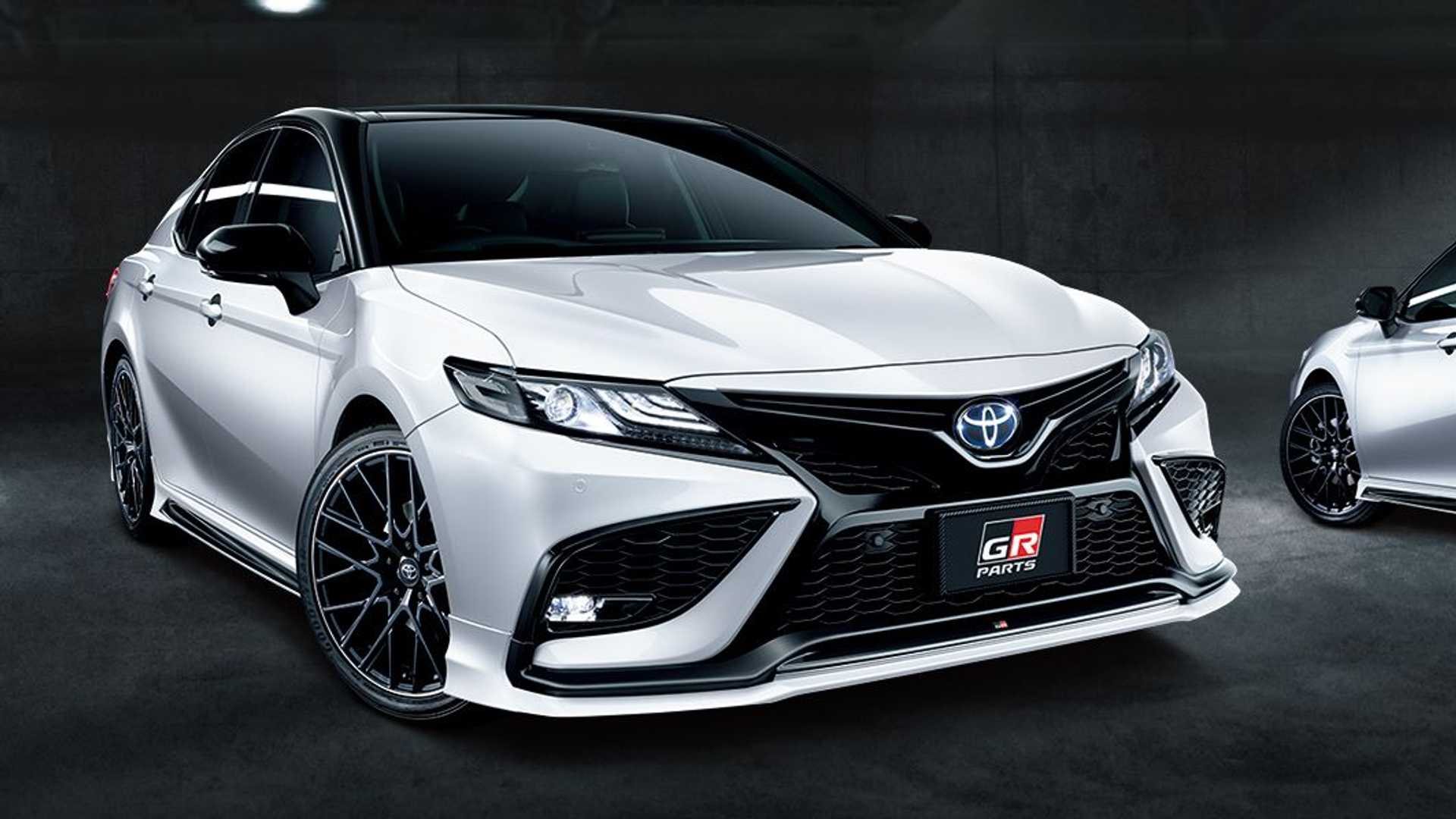
Toyota currently offers the Camry with GR Parts for the Japanese market, while its United States line-up includes a Camry TRD with styling enhancements, but no additional power.
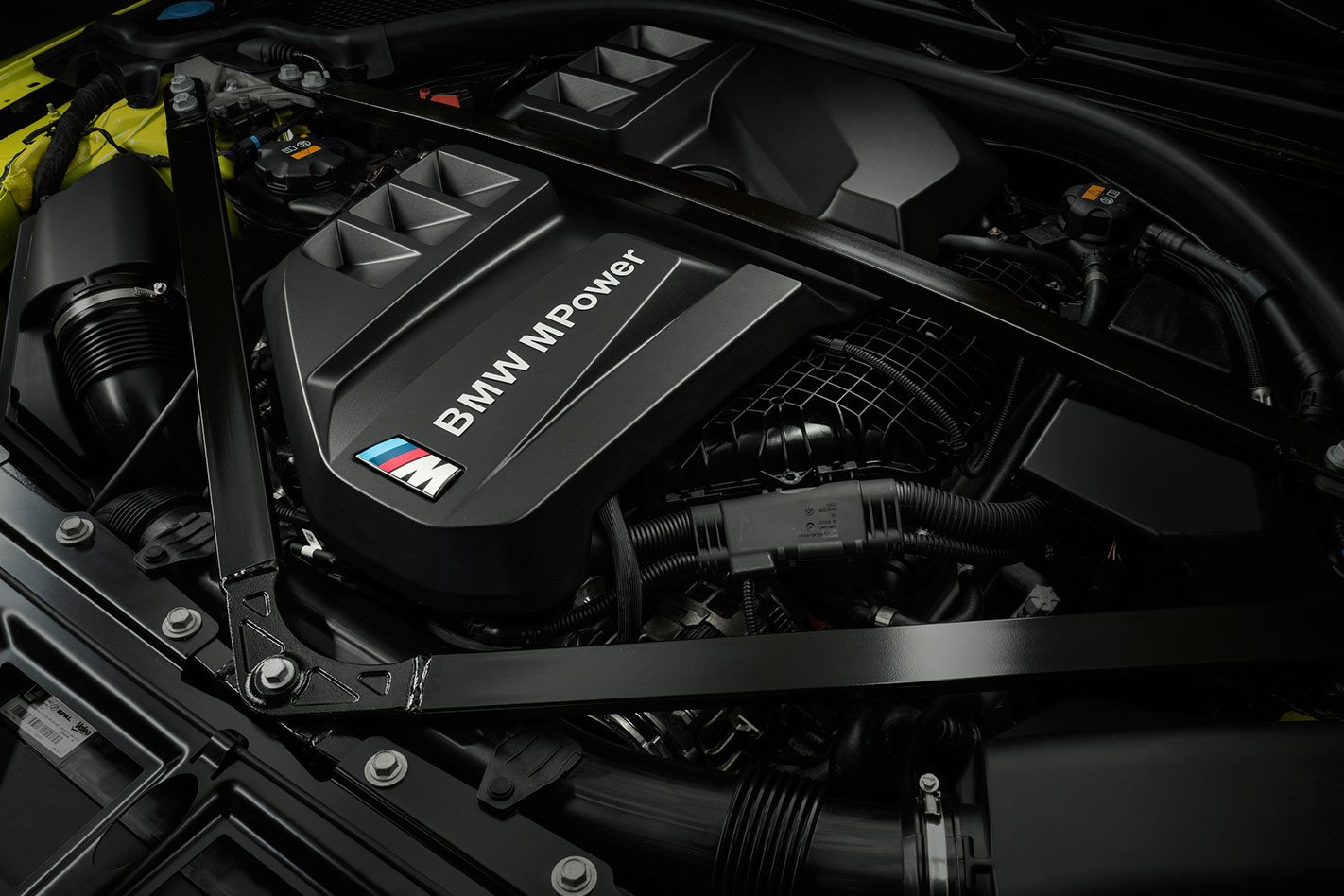
The upcoming 2023 BMW M2 looks to be the final non-electrified BMW M car, with future performance models to go hybrid.
In an interview with German publication Bimmertoday, BMW M CEO Frank van Meel confirmed the new M2 would be the brand’s last car not to feature any kind of hybrid assistance, as it plans to implement 48-volt systems into more of its models.
“The BMW M2 will definitely be a purist driving machine with its straight-six and rear-wheel drive,” said van Meel. “We will see increasing electrification in other vehicles, of course in different forms, starting with the 48-volt electrical system and plug-in hybrids to fully-electric drives.
“From this point of view, the M2 will be the last M with a pure combustion engine drive, and also without electrification scope – such as a 48-volt on-board network, yes.”
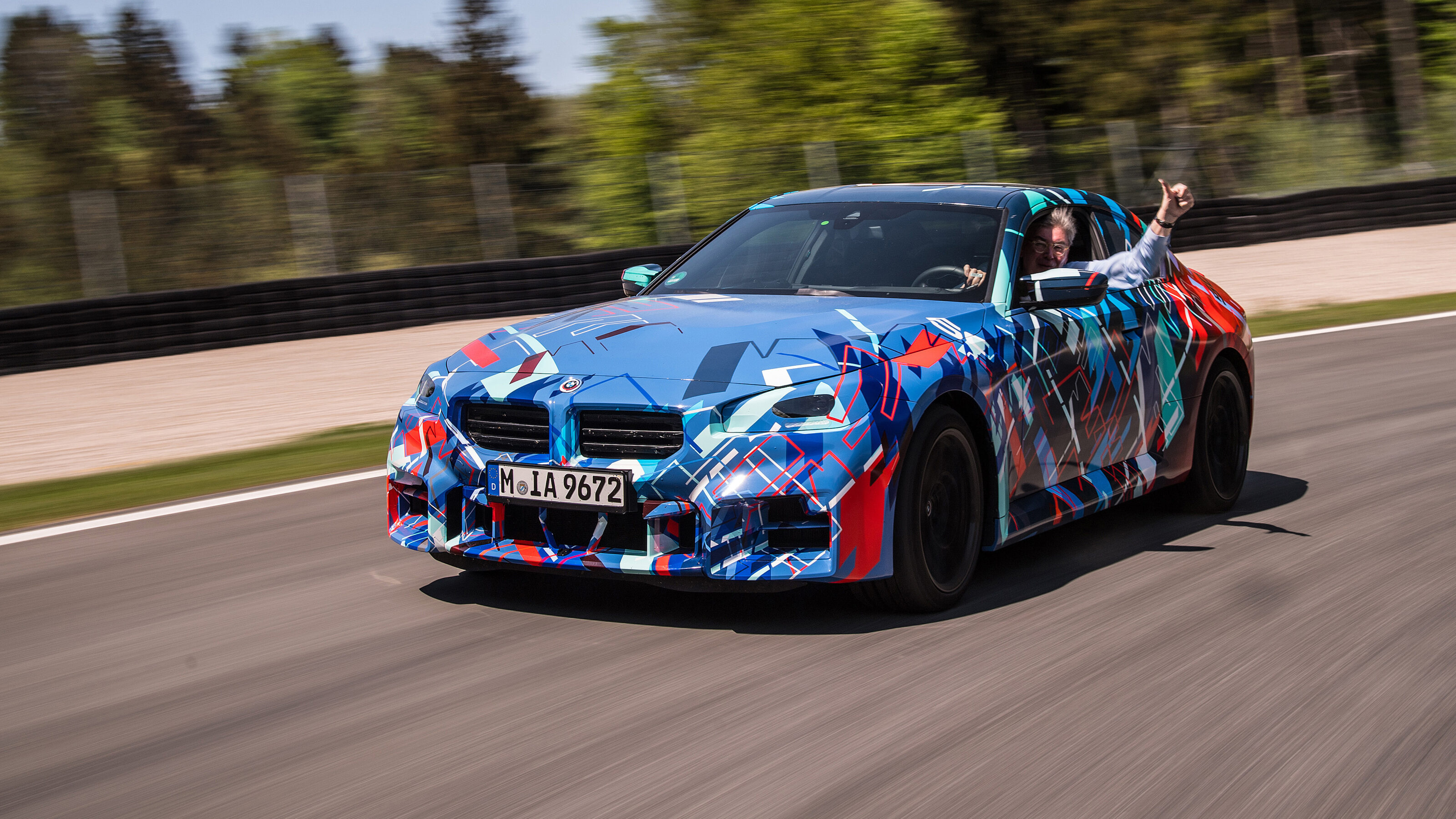
UPDATE, June 2022: BMW M2 prototype review
We’ve now driven the new M2 on track! It’s still camouflaged, and technically a prototype, but this is your best insight yet on what’s to come.
“Specify this new M2 with the no-extra-cost manual, and you have a fairly-priced instant classic with no waiting list. A no-brainer, really.”
Get the full story at the link below.
The story to here
Previously, van Meel clarified the second-gen M2 will also be available with a manual gearbox.
“The trend has been towards automatic transmissions for years, although lately it has stalled a bit,” van Meel continued. “Especially in the M2 segment, there are still a lot of manual fans who are looking for something special and have less and less choice.
“That’s why we have a very high proportion of manual transmissions in the USA in particular, even over 50 per cent, and in Europe we still had a proportion of over 20 per cent right up to the end – even if it’s not faster or more efficient than the automatic.”
Wheels anticipates BMW will launch the new M2 later this year, with the final combustion engine-only M car to go on sale at some point in 2023.
