
Snapshot
- 31,074 cars affected
- Heating element may get too hot
- Issue affects vehicles made between 2015 and 2021
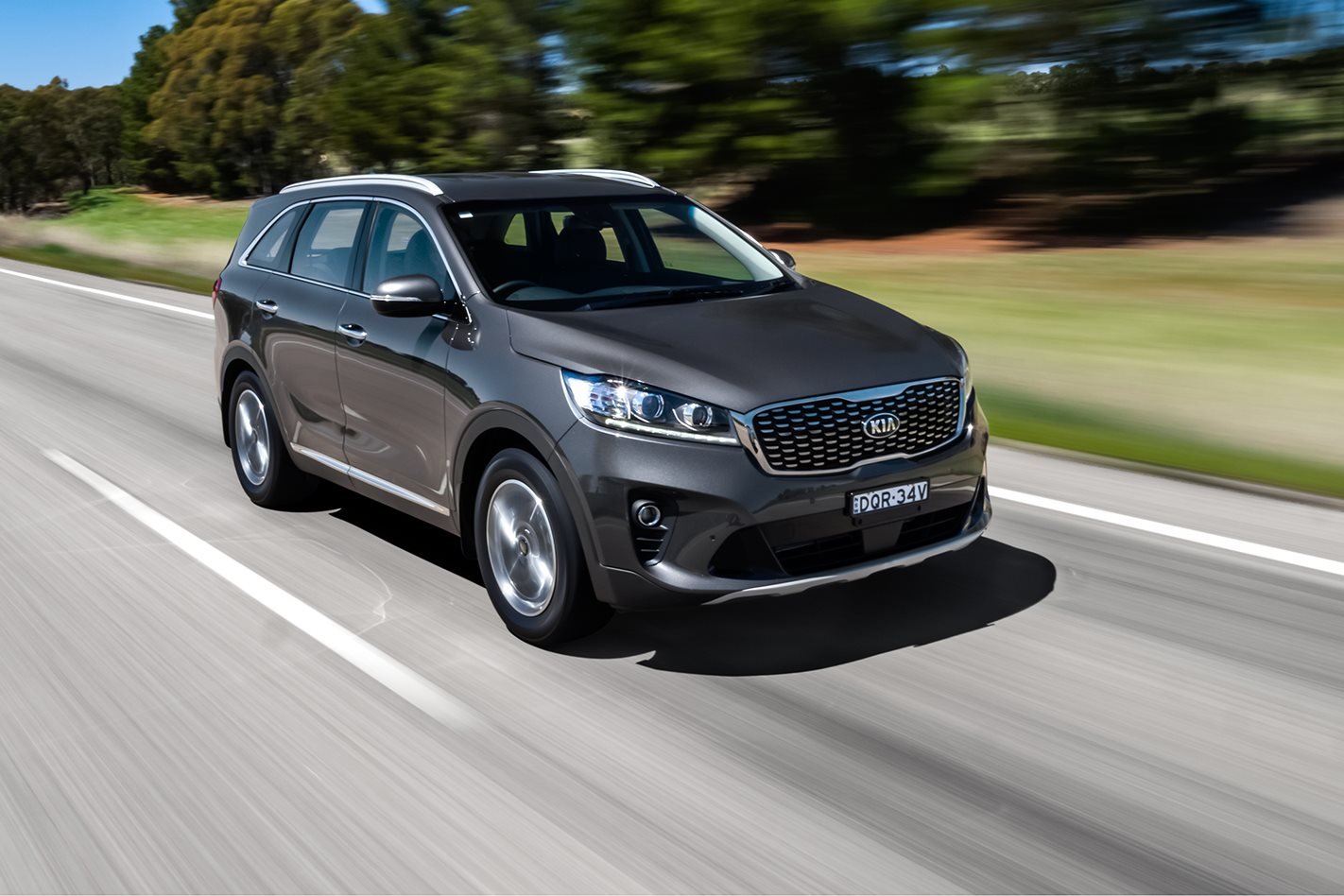
Kia Australia is recalling more than 31,000 examples of its Sorento and Sportage SUVs over a fire risk.
The issue affects Sorentos manufactured between 2015 and 2020, and Sportages between 2016 and 2021.
In total 31,074 cars are included in the notice.
According to the Department for Infrastructure, due to a software issue, the heater core element may operate at a higher temperature than intended – causing damage to the connector, which could in turn result in a vehicle fire.
A list of VINs for those involved is available here.
Owners can contact their local Kia dealership to schedule an appointment to have the HVAC control unit software updated and the heater core element and connector inspected and replaced if damaged.
Alternatively, Kia can be contacted on 131 542 or [email protected]
Snapshot
- New Mustang to retain six-speed manual gearbox
- Upcoming model set for imminent reveal
- Australia confirmed as a market for Mustang S650
Ford has all but confirmed the upcoming seventh-generation Mustang S650 will feature a manual gearbox, teasing the model online.
While the potential omission of a manual ‘box has been a source of speculation in the lead-up to the new Mustang’s reveal, the latest teaser posted to Twitter not only features the noise of a V8 engine rowing through the gears – but also the H-pattern shift emblem from the top of a gearstick.
It’s likely the six-speed manual from the current S550 Mustang will carry across, as will its 10-speed automatic offering – which was developed by Ford.
Ford also announced it will invest an additional US$3.7 billion (AU$5.1bn) in its United States production facilities in Michigan, Ohio and Missouri.
Tipped to create an extra 6200 new union manufacturing jobs and 74,000 indirect jobs across the US by 2027, the investment will also secure the new Mustang’s future at the Flat Rock Assembly Plant – home of the pony car’s production since 2005.
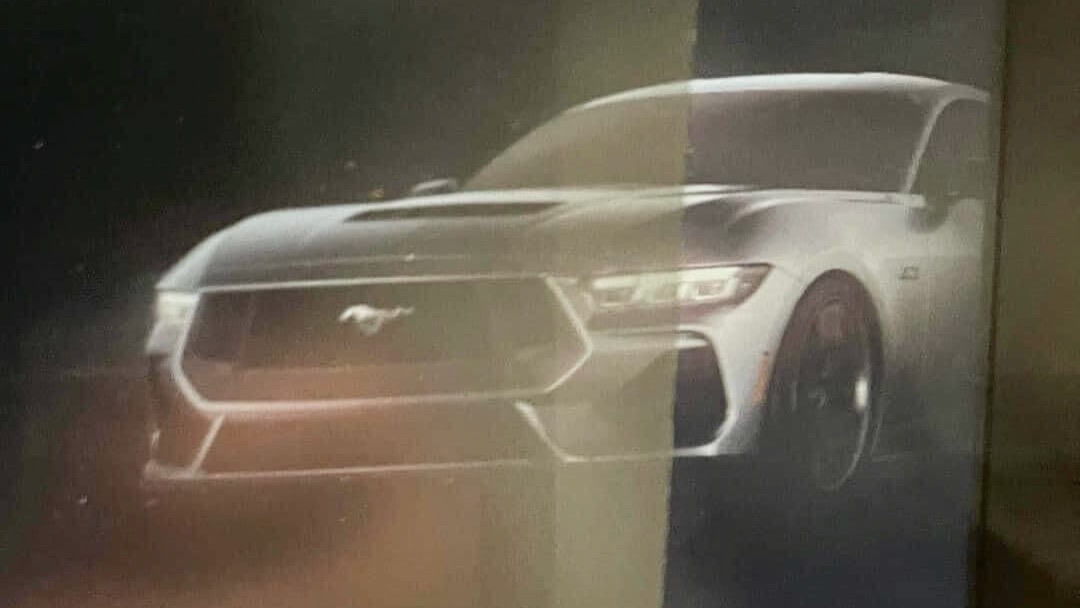
Ford Australia has previously confirmed the next-generation Mustang will continue to be sold in Australia, with the 5.0-litre, Coyote V8 remaining as one of the engines to power the two-door coupe.
The new model will too race in the revamped Supercars Championship, with the revised Gen3 regulations allowing Ford’s Mustang to go up against the Chevrolet Camaro on track – although Ford is yet to reveal the final design of its challenger due to the S650’s upcoming debut.
When something is good – like, really good – there’s the temptation to reinvent it. Musicians, dizzy from the success of an initial album, try to rekindle the fire with a follow-up record, only to have it fizzle. Michelin-starred chefs open second restaurants oddly bereft of the magic of the first. And in the world of politics, examples such as Kevin Rudd’s second term as PM are probably best left as dusty Wikipedia articles in a dark crevasse of the internet.
It’s the same with cars. Capturing a certain je ne sais quoi of an original hit is like trying to bottle a mood – and many have faltered. The new Toyota Supra is a prime example, having off-sided at least as many ‘fans’ as it’s won customers.
It’s fair to say with its first-generation 86 and BRZ, Toyota and Subaru socked it out of the ballpark in trying to recreate the fizz and soul of the original 1980s Toyota AE86 Sprinter. A love song to front-engine, rear-drive sports cars, the 86 and BRZ twins were greeted with more than a little adoration upon their launch in 2012, including, of course, a coveted Wheels Car of the Year gong.

Luckily for us, both brands have attempted to modernise the original for 2022 with what is a ‘second generation’ car. With Toyota’s freshly renamed GR86 still some time away from Australia, today we’ve got our hands on the Subaru BRZ.
Both brands might tell you their cars are ‘all new’ but the reality is something more of a comprehensive facelift with an uprated engine and new interior. Importantly, Subaru has kept the low price of entry, with the equipment-packed S we have today a very reasonable $40,190 before on-roads.
The big news of course is a larger engine promising to light a proper fire under the BRZ’s chassis – namely, correcting a flaw of the previous 2.0-litre model, a mood-killing torque hole in the middle of the rev range. With a new engine block, bore has expanded by 8mm, yielding a handy 389cc rise in displacement.

Power and torque increase by 22kW and 38Nm, with torque crucially now from 3700rpm, compared to 6400rpm previously. Within the BRZ’s new digital instrument cluster, you can bring up a little stylised power and torque graph.
The superseded model had this too, except its power and torque traces looked like two bits of spaghetti that had fallen over each other, haphazardly, on the floor. The new BRZ’s look a bit more hand-drawn and intentional, with the salivating promise of more muscularity.
But it will have to be good, it must be said, to keep ahead of razor-sharp rivals predating its sub-$50K territory. And that’s our objective for today: see how the new BRZ compares to two of the hottest other six-speed manual sports machines around this price. All three differ greatly in shape, size and intent, but promise the same thing – the ability to scratch the driving itch.

All three differ greatly in shape, size and intent, but promise the same thing:
the ability to scratch the driving itch
Fresh from something of a facelift itself, the Hyundai i30 N is the venerated hot hatch from Namyang – and one with a packed trophy cabinet, including many a comparison win in these pages. Under the bonnet a turbo 2.0-litre inline-4 dutifully torments the front tyres with its 206kW/392Nm, a tricky electromechanical limited slip differential ensuring equally distributed punishment.
While it obviously packs its performance punch into a practical five-door hatchback body, the rambunctious i30 N – riding on special 235/35R19 Pirelli P-Zero tyres – has a cheeky bent, and up a twisty road in the right hands, is seriously quick. Our test car is the non-Premium variant coming in at $44,500 before on-road costs.

Posing a sunburn hazard to balding noggins the world over, in the red corner we have something very different again – Mazda’s much-loved MX-5, here in one of the tastiest guises since the ND was launched in 2015, the GT RS. While ‘GT RS’ brings up images, at least for this author, of big-winged and semi-slick-shod road racers from the likes of Stuttgart, the MX-5 GT RS gets Bilstein dampers, Brembo front brakes and cool, 17-inch BBS wheels.
In the plant room up front, a 2.0-litre naturally aspirated inline-4 produces 135kW and 205Nm, sent to the rear wheels only. The goodies come for a price, however, the GT RS setting you back a somewhat lofty $47,620 before on-road costs.
(Our test car is the just-superseded GT RS model, however the new one’s updates are incredibly minor.) It’s worth remembering this is a Car of the Year winner, too, taking top honours in 2016.

While the MX-5’s 135kW means it has the lowest power output of our three, its lithe 1052kg kerb weight gives it a power-to-weight ratio of 128kW/tonne which compares somewhat more favourably to the 140kW/tonne of the BRZ and 142kW/tonne of the i30 N (the previous BRZ was a flaccid 117kW/tonne). It’s reflected on the drag strip, too – which we’ll get to in a moment.
Our story starts, as ever, motoring through Melbourne’s meandering suburbia. The initial impression for all three cars is one of compromised comfort for performance, the MX-5 especially.
While the ride quality is good, there’s an abundance of road and wind noise with the roof up; and on the wrong kind of road, there’s no shortage of scuttle shake and drivetrain wobble, while some bumps almost ripple through the entire car. And don’t leave any groceries in the compact boot over a long drive, unless you want them a bit cooked.

Both the BRZ and i30 N deliver impressively for ride quality. In fact, while there is still an underlying harshness from the tyres, Hyundai has nailed the Comfort-mode damping to a lovely, long-stroke-feeling degree. The BRZ, too, feels to have changed philosophical suspension tack compared to the old model, being a lot softer in spring and damping, making it much less of a skateboard than the first-gen car.
Both BRZ and i30 N, however, let in an uncompromising and fatiguing amount of road noise, especially on a coarse-chip stretch. At times, in the BRZ, you wonder if they forgot to put in any sound deadening at all.
Energy levels lift, however, at the sight of a sunny Heathcote Park Raceway far north of Melbourne. Much has been made about the BRZ’s new higher power output but you’d be foolish to write-off an ND MX-5 at a set of lights. Emasculating a 30-something male in an EL XR8 is as easy as turning off the ESC (one quick prod of the button near your right knee, no need to hold it).
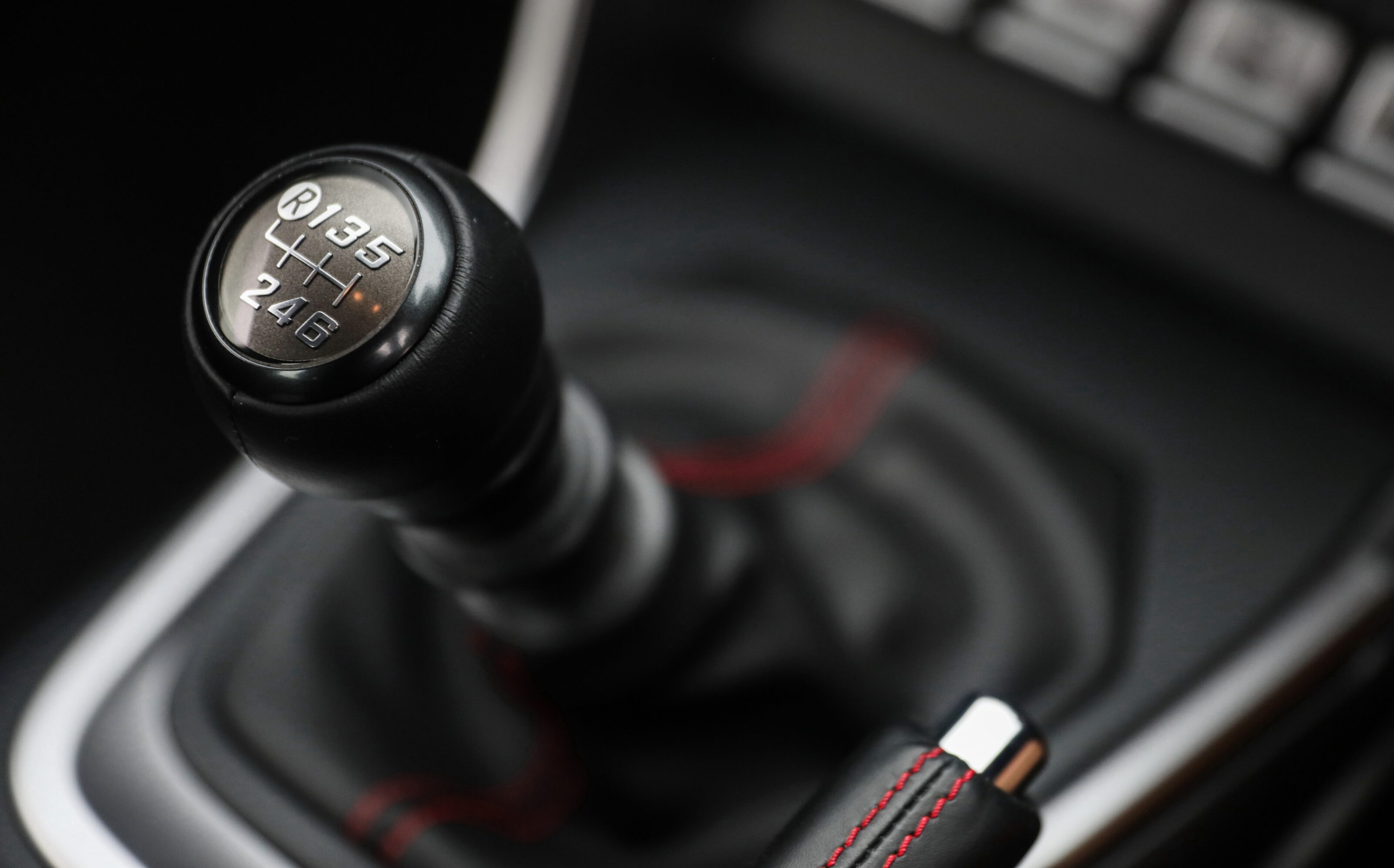
Grab first gear with the oily and mechanical, lovely gear lever, bring up about 5000rpm (just avoiding the 5500rpm soft limiter) on the revvy and racy four-cylinder, heard clearly in the cabin. Drop the clutch and wince through some painful axle-tramp and a dash that shakes so much it’s like it’s going to end up in your lap, and it’s as breezy as changing gears as quickly as you can, racing past the 7000rpm redline to just before a 7500rpm limiter.
By manual, rear-drive sports car standards it’s fairly repeatable and yields a best of 6.7 seconds to 100km/h on to a 14.7sec 400m at 151.2km/h.
The BRZ is somewhat more of a capricious affair. For starters, in its Track mode setting – which changes the digital tacho from an analogue dial to a bar graphic – it’s quite hard, humorously yet annoyingly, to see the exact revs which is somewhat crucial in this car. Variations of 4000rpm are needed with a tiny bit of clutch slip to avoid excessive wheelspin.

It’s a tricky car to launch, especially after the MX-5. The best we could get was 0-100km/h in 6.3sec and 0-400m in 14.3sec at 158.7km/h, however that easily bested past efforts with the outgoing BRZ tS (on a different surface) of 7.48sec and 15.37sec at 151.24km/h.
If you’re a Wednesday night drags kinda person, there’s no going past the turbocharged i30 N. While it does have launch control allowing revs to be set between 2500rpm and 5000rpm with a default of 3000rpm, in the six-speed manual at least, you’re better off just doing it yourself.
In its most aggressive drive modes it makes you feel like you’re sitting at the start of a World Rally stage getting counted down, a throaty and loud exhaust note emitting more than a few pops and bangs. To get the best times, the clutch is lightly slipped to minimise axle tramp and away you go.

We saw 0-100km/h in 5.9sec with a 0-400m of 13.9sec at a storming 166.6km/h. It’s worth noting the new dual-clutch auto is even faster – on this surface we’ve seen 5.3sec to 100km/h and 13.5sec at 171.8km/h over 400 metres. Seriously quick for a front-drive car.
The i30 N makes you feel like you’re sitting at the start of a World Rally stage, its throaty and loud exhaust emitting pops and bangs
It’s out on a twisty road – out the back of Broadford on the way back to Melbourne, in our case – the i30 N makes its mark again by simply being too potent for the other cars to catch. It starts with the drive modes of which there are 1944 possible combinations (how good is multiplication?) between Engine, Suspension, Steering, ESC, Active Exhaust, e-LSD and Rev Matching.

An ‘N Custom’ mode lets you instantly dial up your preferred combination of settings, but we found it was just easiest to stick with what makes the most sense – aggro engine, tightest diff, lightest steering, maximum exhaust and most aggressive ESC – with either Comfort or Sport dampers depending on your chosen road.
With plenty of power and initial grip, the i30 N invites you into a satisfying rhythm of picking up the throttle earlier and earlier, tapping that effective LSD, hanging on as the turbo comes on boost and fighting a bit of torque steer through the steering wheel. It’s exciting and a bit of a drug. The brakes are excellent, too, with great pedal feel.
While it’s very fun, the i30 N has more of an understeer bias and the harder you push on, the heavier, softer and more under-tyred it starts to feel, making it seem a bit happier at ‘nine tenths’. Beyond that it starts to wilt dynamically, gets a bit hot and flustered and to be sure, better rubber would help – the custom Pirellis, in our books, aren’t what they’re cracked up to be.

On the plus side, the rev-matching is appreciated and if someone said it had an aftermarket exhaust, you’d believe them. How the cracks, pops and crackles on the overrun – especially when the exhaust is hot – is legal, we will never know. It sounds awesome!
Drop the roof in the MX-5 – as easy as unlatching it from the top of the windscreen then folding it back and pressing it down until it clicks, all able to be done one-handed – and suddenly all the earlier compromises start to make sense. Our chosen test road couldn’t have flattered the MX-5 more, and once you get an ND MX-5 into its little ‘window’ it’s as good as driving comes.
All the controls are close to hand, and there aren’t any modes to speak of, at all. In a corner, while the i30 N is almost a hot-rod that you man-handle, the MX-5 is less forgiving and needs more of a delicate touch. Every input yields some sort of reaction, making it an involving and lively driving experience.
Even with the Bilstein dampers of the GT RS there’s still dive and bodyroll in abundance (yet never excessively so), but also squat, and ample throttle adjustability. The engine feels eager to rev, making heel-toeing a breeze, also helped by excellent brake pedal feel from the front Brembo calipers.
You turn-in on the brakes, keeping the weight over the nose, and feel the MX-5 lean into its outside front tyre – very much inviting corner-entry oversteer, if you dare – until you gently transition back to throttle and transfer weight rearward again.
The MX-5 feels deliciously light, responsive and compact. And while there’s no ‘Sport’ ESC, it’s so well calibrated in ‘On’ that it doesn’t need it. (You would be brave to turn it off, too, as there’s a bit of a wild side to the MX-5’s handling – rookies beware.)

While the MX-5 takes to power oversteer like a cat to a bath – it’s too soft and sensitive to be a drift machine –it couldn’t be more opposite in the BRZ. While the new car now wears stickier Michelin Pilot Sport 4s, few cars so easily and wantonly unstick their rear tyres when loaded up in, say, a tight second-gear corner. Wide-open roundabouts become exercises in self-restraint – lest the flattering BRZ tricks you into thinking you’re better than you actually are.
The extra poke has elevated the BRZ into a true love song to not just rear-wheel drive, but driving in general
Curiously, while the BRZ still has one of the best front-ends and electric steering systems in the business, the extra grip from those Michelins combine with the newly supple suspension for a degree of bodyroll that surprises – and somewhat changes the handling character of the car.

Almost like the MX-5, there is a degree of squat, roll and dive necessitating delicacy up a twisty road – and care, as this is quite a quick car. There’s a nervousness about the chassis,too, that reminds of flighty hot hatches wanting to attack every apex sideways – except the BRZ is driving the rear wheels, has a bit of grunt and a tight mechanical diff.
If you love driving, it doesn’t get any more tantalising than that.
While it’s almost a bit too soft now – Subaru may have done aftermarket suspension suppliers a favour – the chassis is so good it gives a genuine insight into what the best sports cars in the world are like to drive – except for $40K, not $400K. If Subaru and Toyota said it had outsourced chassis development to Ferrari or Porsche, you’d believe it.

Which just makes it all the more a shame about the engine. Yes, Subaru has yielded more power and torque, which in turn has made it even easier to exploit that enchanting chassis.
You can now just leave it in third more often, instead of going back to second, which is appreciated (as the gear-change is merely good). The old ‘torque hole’ has also gone, the BRZ flexing more muscle at about 4500rpm that motivates it all the way to its 7500rpm redline. Praise be! It’s what the BRZ should have been back in 2012.
But for the extra urge, the engine and gearbox continue to be more things of function. The boxer-four is not particularly rev-happy and almost feels like it’s been hotted-up and installed in the BRZ against its will. All you need do, to understand the magic that’s missing from the BRZ’s powertrain, is thrash the MX-5 for about five minutes.

Perhaps we are being overly critical of the BRZ’s powertrain, but it’s only annoying because the chassis is so good; forget a turbo, the BRZ with the MX-5’s powertrain would be All Time.
Sound-wise, too, the BRZ gets the wooden spoon. While the MX-5 does a mean rendition of a Mazda3 engine, its fundamental rev-happiness redeems – as does something of an intake noise. Subaru, however, has ditched the old mechanical sound-augmenting pipe for a speaker in the dash producing a loud, aggressive, buzzy artificial intake noise.
Other road-testers have liked it, but to me it would be very easy for a game developer to imitate. The speaker can be disconnected fairly easily (the loom sits behind a bit of dash trim) but with its quiet exhaust, owners have complained they miss the loud noise even if it’s fake. Makes sense.

It’s not enough for the BRZ to lose this comparison, however. In the final reckoning, all three cars offer something very different – and in a sense it’s too individual to offer a definitive verdict.
The BRZ loses marks against the i30 N for practicality, pace and obviously technology – for modes, the BRZ has the aforementioned Track Mode that slackens the ESC, but that’s it – and it can’t quite reach the same levels of overall, top-down, sunny-day driving ecstasy of the MX-5 in its zone.
But it’s more fun more of the time, and the cost, in the MX-5’s case, is too much compromise. The i30 N also makes you pay a price it can’t avoid, in being more of a heavy, upright car.
The BRZ might still feel to be missing some X-factor in the engine department, but it’s certainly not grunt. While power is a thing you can truly never have too much of, the extra poke has elevated the BRZ into a true love song to not just rear-wheel drive but driving in general – an even better hit than the first, and one you’ll be playing on repeat.

CLOSER LOOK
Hyundai i30 N
Obviously if you regularly need to carry more than one passenger, this story can end for you here: get the i30 N. Based on a five-door, run-of-the-mill hatchback obviously means usable rear seats and a reasonable-sized boot (don’t mind the strut brace stretching across it).
But also you’re greeted with a smartly laid out, ergonomic interior that couldn’t be easier to use on a daily basis. While some cabin materials feel a little downmarket, the bits that you do touch – the snug (cloth) sports seats; the leather steering wheel – are excellent and feel like a bit of a treat.
It’s just a shame the 50-litre fuel tank isn’t larger, as the i30 N, driven anything but the most sedately, has a talent for emptying it.

Subaru BRZ
The same could be said for the BRZ, its 50-litre tank offering a merely satisfactory 450km or so of realistic range. But Subaru has done an excellent job of updating the BRZ’s interior, the focus of which is a new 7-inch digital instrument display with a cool boxer-themed ‘opening ceremony’ graphic.
a new 8-inch touchscreen sits above smartly redesigned HVAC controls. Cabin ambience feels to have lifted slightly over the old model, thanks in part to nicer materials (even if it’s still nowhere near as luxe as something like a Golf GTI). You also sit 5mm lower than the old car for a true sports seating position.
That all said, more steering wheel reach/tilt adjustment would have been great. Also manual BRZs miss out on AEB and radar cruise – boo.

Mazda MX-5 GT RS
While the BRZ’s packaging is excellent (forgetting the rear ‘seats’ which are only suited to emergencies) the MX-5’s takes it to another level. It has an eery ability to swallow up even the tallest of occupants.
The interior itself is quite compact yet well laid-out (even if there’s no glovebox or door bins; instead a deep, lockable compartment on the rear ‘firewall’).
Exposed paintwork on top of the doors is a nice touch, as is the leather steering wheel and pride-of-place central analogue tacho. Annoyingly, the centre infotainment screen, despite being within easy reach, is only touch-operated when stopped, forcing you to use the dicky iDrive-esque hand controller. A digital speedometer wouldn’t go astray either.
SCORING
- Subaru BRZ Coupe S: 8.5/10
- Hyundai i30 N: 8.0/10
- Mazda MX-5 GT RS: 8.0/10

Consider… BRZ v OG WRX
How might a new BRZ fare in a race against the original WRX from the late ’90s? We flicked back to our March 1998 issue where a base Subaru Impreza WRX – lauded at the time for its cut-price, straight-line performance – blew into the weeds rivals such as the Honda Prelude VTi-R, Nissan 200SX and atmo Toyota MR2.
Its turbo 2.0-litre flat-four produced 155kW and 290Nm and had only a lithe 1255kg to fling down the road. With its rally-bred all-wheel drive, the launch procedure was a brutal, maximum-revs, clutch-dumping affair.
With tyre technology also in another era, the WRX went from 0-100km/h in a still-impressive 5.8sec on to a 14.2sec quarter mile at 147.6km/h. Enough to pip a new BRZ nearly 25 years later, but not by as much as you’d think.

| Subaru BRZ Coupe S | Hyundai i30 N | Mazda MX-5 GT RS |
|---|---|---|
| $40,190/as tested $40,190 | $44,500/as tested $44,500 | $47,620/as tested $47,809 |
| 100-0km/h: 37.8m | 100-0km/h: 40.3m | 100-0km/h: 39.6m |
Snapshot
- 2023 Hyundai Venue previewed
- Australian debut likely for next year
- Powertrain changes unclear
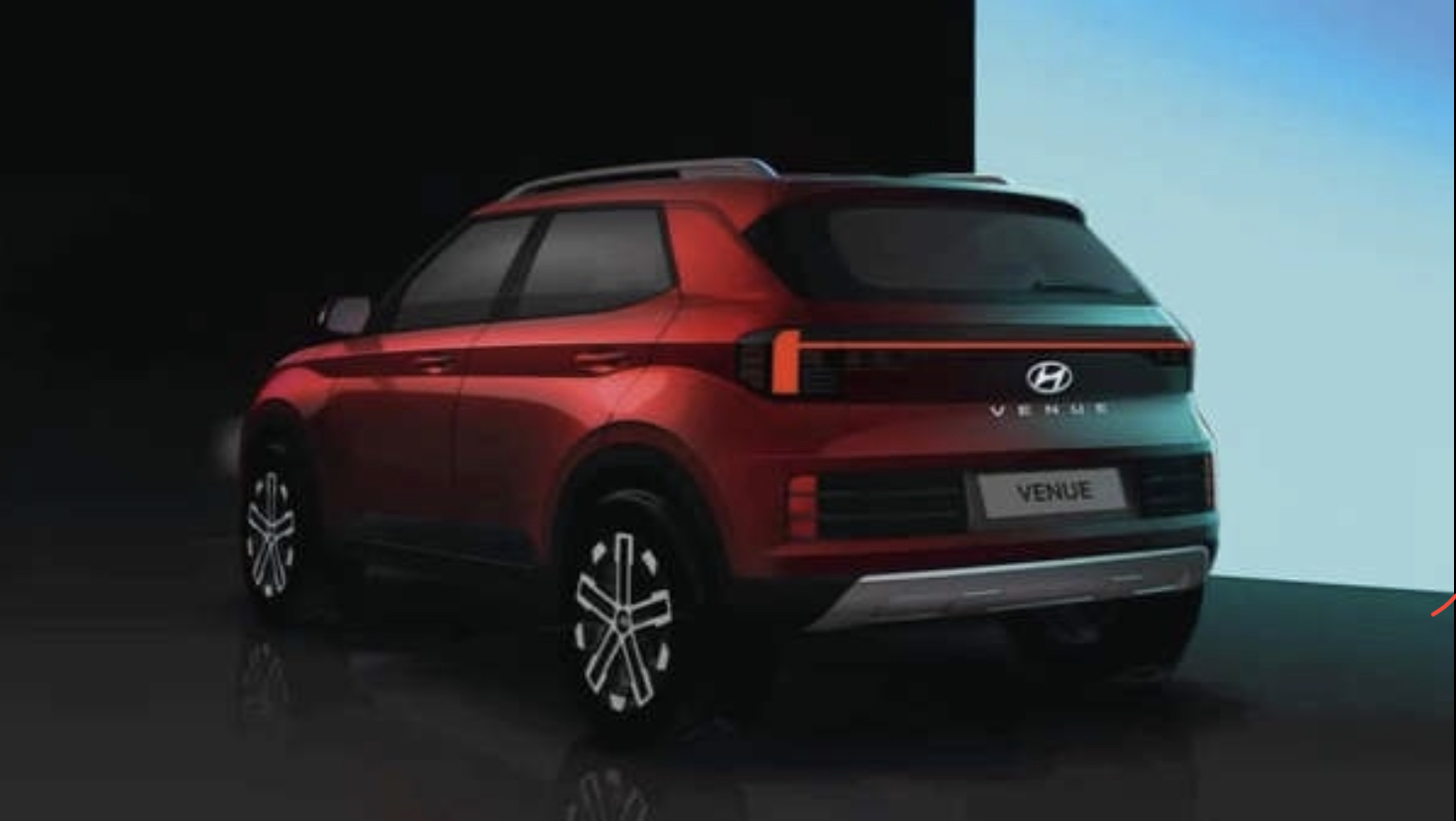
A refreshed 2023 Hyundai Venue has surfaced online this week ahead of its Australian debut, first in the form of new computer-generated images and again today as a pair of stylised preview sketches.
As with all teaser art, the sketched Venue benefits from perfect lighting and exaggerated proportions to show off a muscular look.
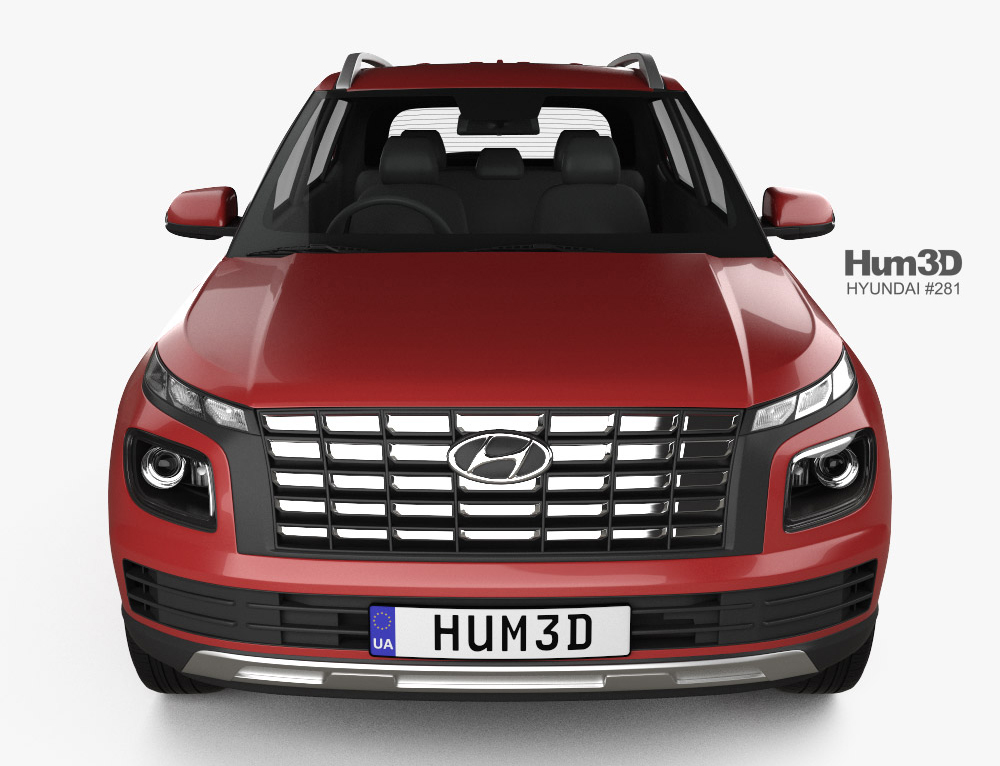
But, as a facelift to the existing Hyundai Venue, we already have a good idea of what buyers can expect – not least because images of what is likely the final design have surfaced on 3D modelling marketplace Hum 3D.
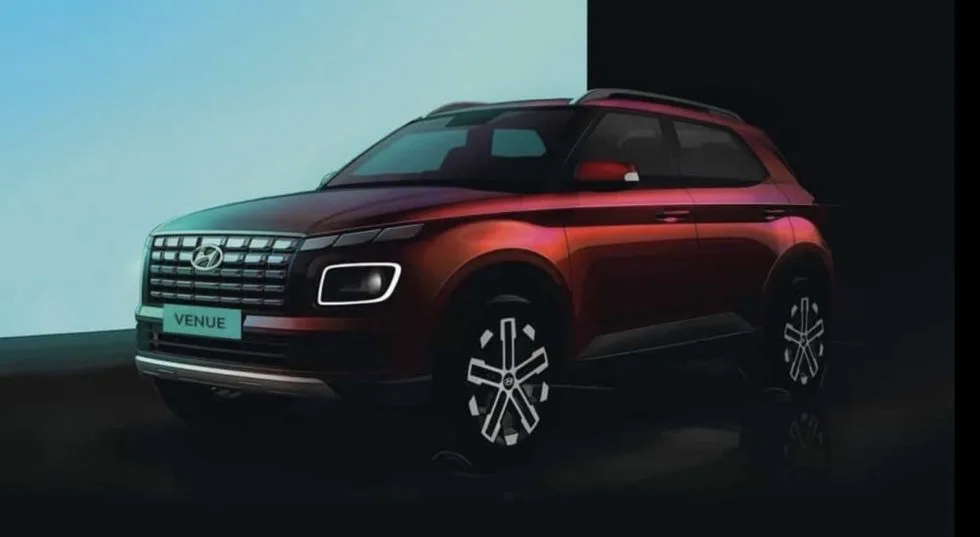
While the exact provenance of the 3D renders is still to be confirmed, we can at least say they’re a perfect match for the sketched design.
At the front end, the new-look Venue picks up a more squared-off design, seemingly inspired by the much larger Palisade SUV and, to some extent, the new mid-size Tucson.
At the rear, we see a new black-accented design to the tail lamps, now connected by either a light bar or reflective strip through the centre of the hatch.
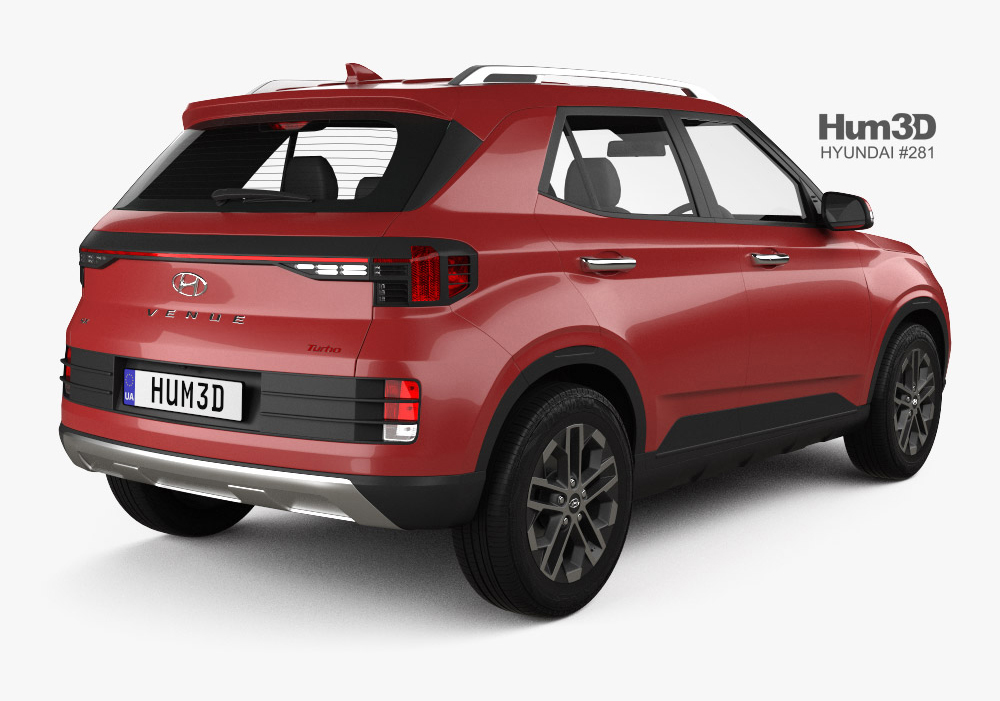
New bumper designs also feature at both ends, along with a new wheel design.
Interior images are yet to be released, but we can likely expect a new steering wheel and possibly a larger centre display, along with the option of a digital instrument screen behind the steering wheel.
In its current form, the Venue is offered with a 1.6-litre naturally-aspirated four-cylinder petrol engine producing 90kW and 151Nm. Power is sent to the front wheels through a six-speed manual at the entry end, while other variants get a six-speed automatic.
It’s unclear if we can expect any changes to the drivetrain, although we could see it pick up the 74kW/172Nm 1.0-litre three-cylinder turbo petrol engine and seven-speed dual-clutch automatic that features in the related Kia Stonic.
When will the facelifted Hyundai Venue come to Australia?
You won’t get Hyundai’s local office commenting officially on the new-look Venue at this early stage, but we’d expect to see it in Australia sometime in early 2023.
The lingering effect of widespread supply chain issues has dented traditional end of the financial year (EOFY) sales in the automotive industry, but there are still some deals to be had in 2022.
Typically, new car buyers can look towards purchasing a vehicle before June 30, as vehicle manufacturers aim to clear as much stock as possible before the new financial year kicks off.
However, the COVID-19 pandemic has caused widespread supply issues due to production and shipping constraints, largely caused by a shortage of semiconductor chips, which has led many brands to increase vehicle prices – and scrap deals.
The good news is, if you are looking to secure a bargain on a brand-new medium or large SUV in Australia, deals can still be had at Alfa Romeo, BMW, Hyundai, Isuzu Ute, Mitsubishi, Nissan, Peugeot and Skoda – although most aren’t specifically referred to as ‘EOFY’ savings.
The news is less favourable for buyers looking at purchasing a medium or large SUV from Audi, Ford, Haval, Honda, Jaguar, Jeep, Land Rover, MG, Ssangyong, Toyota, Volkswagen, and Volvo.
Honda believes EOFY sales aren’t relevant given its ‘Price Promise’ – having changed to a fixed-price agency model at the start of the current financial year – while the other brands said no deals are planned for 2022.
GWM Haval said it seeks to “offer the best possible drive-away price to all customers at all times”, with the entry-level H6 Premium permanently listed at $33,990 drive-away.
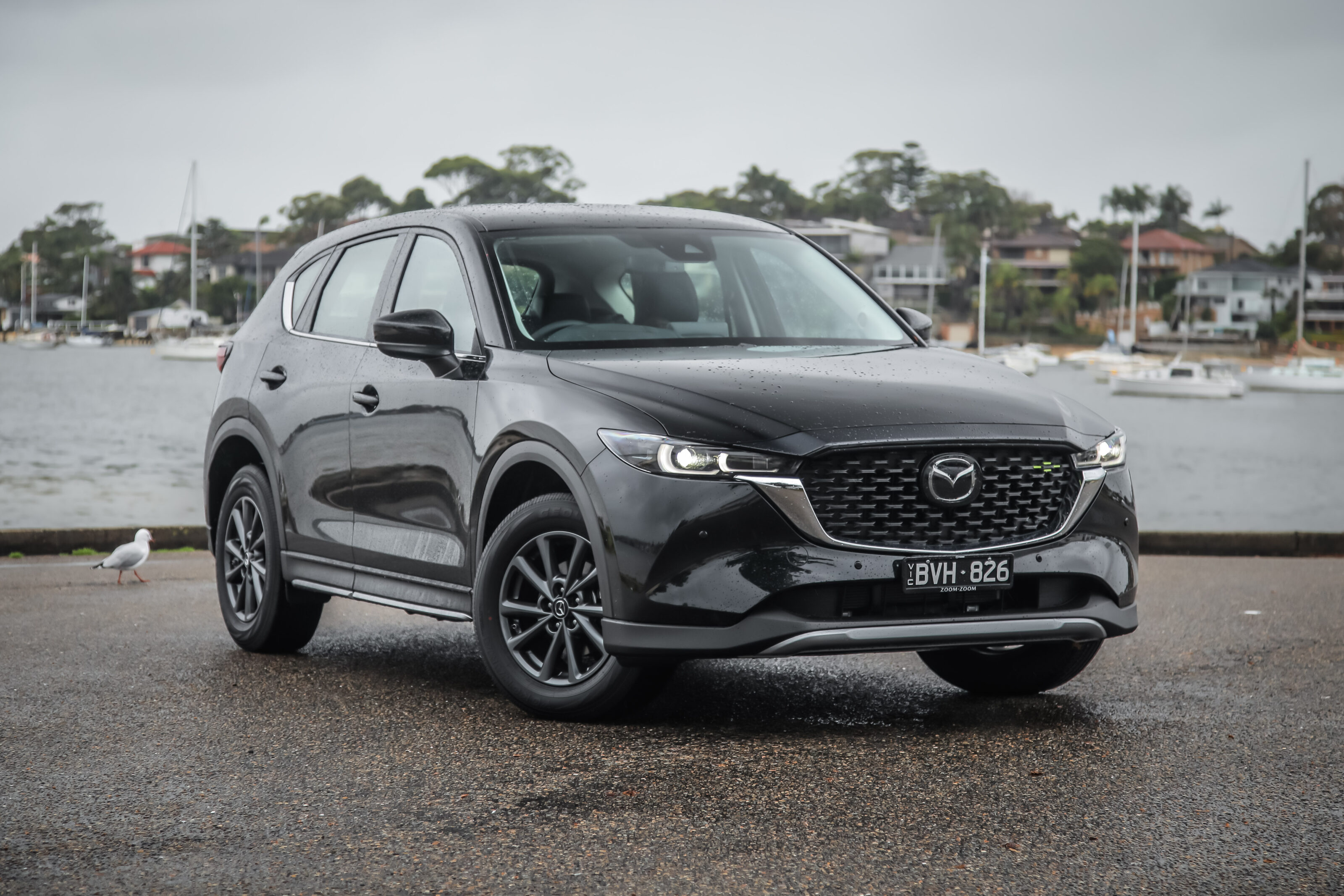
A spokesperson for Mazda Australia said the company has offers in place for EOFY; however, CX-5, CX-8 and CX-9 buyers will need to enquire at their local dealership, as the brand is not offering fixed national drive-away offers at present.
WhichCar is awaiting a response from Kia, Lexus and LDV for any potential last-minute deals involving each marque’s range of family SUVs, including the Kia Sorento and newly-launched Lexus NX.
Meanwhile, French brand Renault is encouraging buyers to ‘beat the price rise’ set for July 1, with retail pricing set to increase by up to $2210 across its entire line-up.
Alfa Romeo

Until June 30, 2022, the mid-spec 2022 Alfa Romeo Stelvio Sport is available for $69,950 drive-away.
This price is identical to the recommended retail price (RRP) for a Stelvio Sport.
The RRP of a vehicle typically excludes on-road costs, including; dealer delivery charges, registration fees, stamp duty and compulsory third-party insurance, meaning buyers are saving thousands when the company instead absorbs these costs with drive-away pricing.
From April 22, 2022, every Alfa Romeo sold in Australia is covered by a five-year/unlimited-kilometre warranty, replacing the three-year/150,000km offering which had previously been in place – in addition to an extra two years of complimentary roadside assistance.
The move to a five-year warranty for Alfa Romeo leaves BMW as one of its only European rivals to stick with a three-year/unlimited-kilometre offering.
BMW
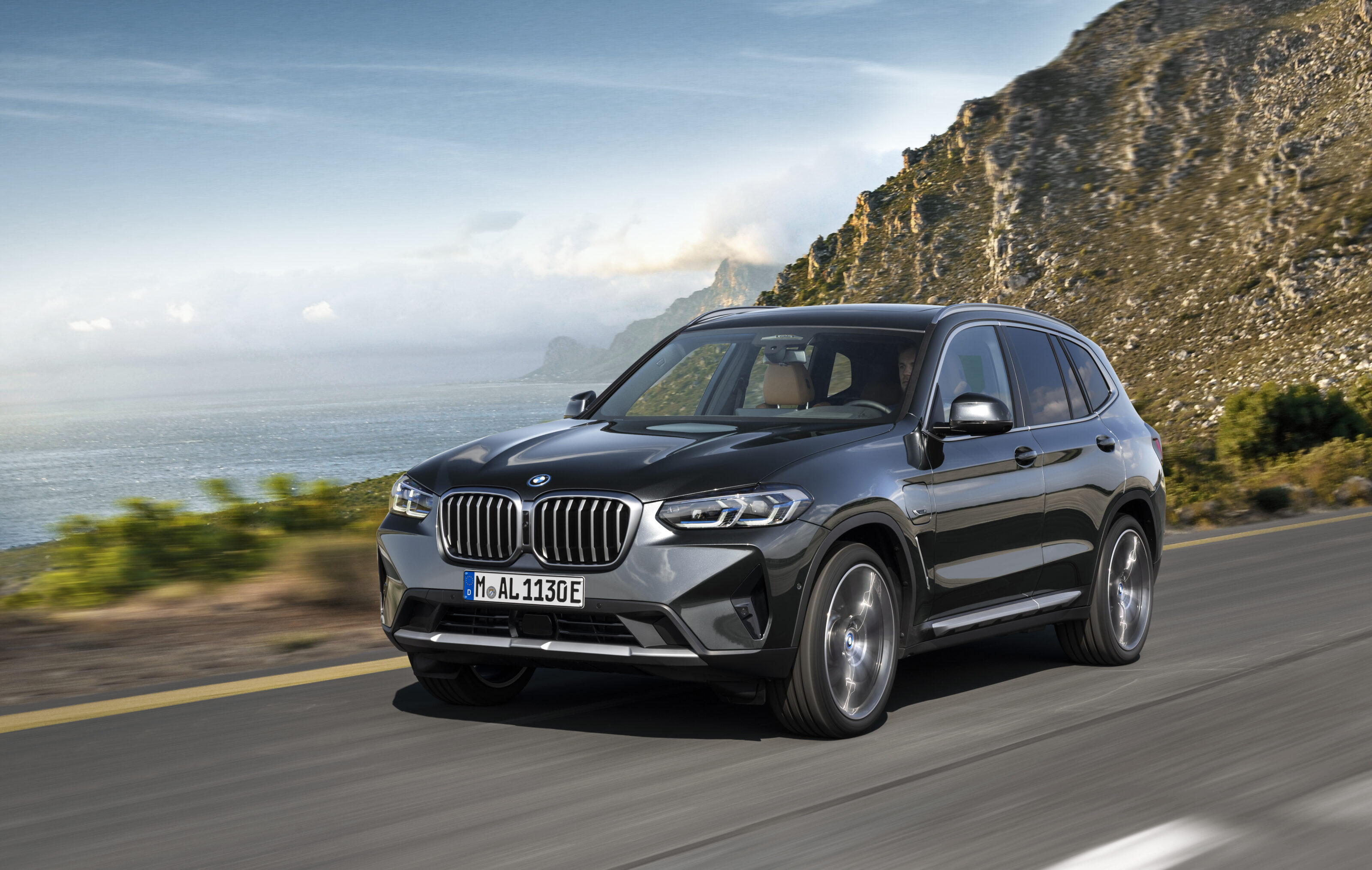
This year, the 2022 BMW X3 sDrive20i petrol form is available on finance with a 4.99 per cent annual comparison rate, from $279 per week, until June 30, 2022 – provided certain guidelines are met.
This includes a fixed $39,256 final payment and a $7590 initial deposit, with all pricing based on a five-year $30,000 secured loan.
It is important to note various conditions could affect your ability to meet these exact conditions, such as different loan terms or associated fees.
Hyundai
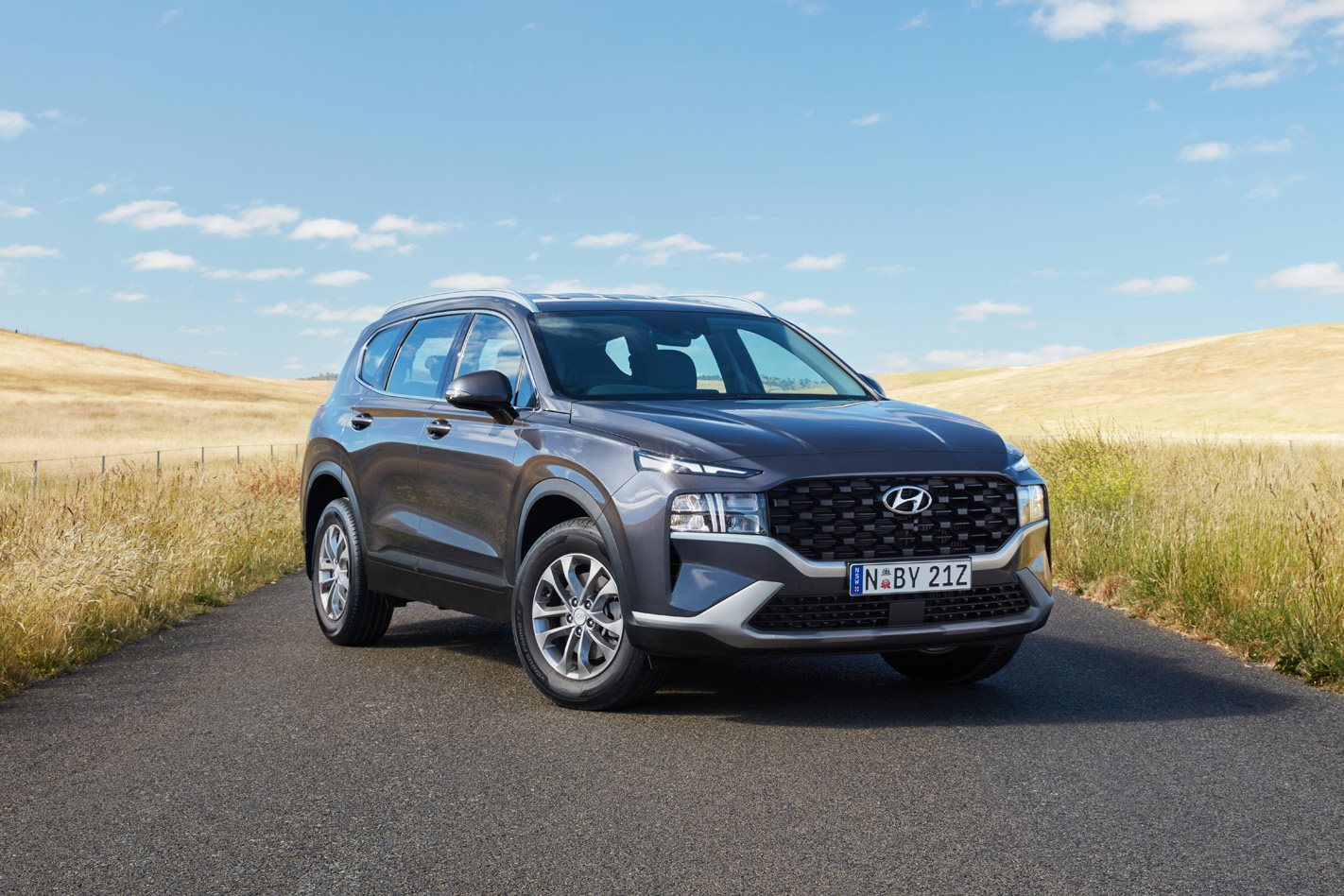
As with the remainder of the the brand’s local line-up, the 2022 Hyundai Santa Fe isn’t subject to a specific EOFY campaign.
However, a $49,990 drive-away deal for the entry-level 2.2-litre diesel AWD variant will continue until June 30, 2022.
It typically retails for $49,050 before on-road costs. See below for a full breakdown of pricing and features for the wider 2022 Santa Fe range.
The smaller Tucson mid-size SUV and larger Palisade eight-seater (also available with a seven-seat, captain’s chairs layout) were not subject to any promotions at the time of publication.
Isuzu Ute

Like many other brands, a spokesperson for Isuzu Ute Australia confirmed the marque would not enter the EOFY sales race this year.
However, its deals – set to expire on June 30, 2022, unless extended – include the flagship 2022 Isuzu MU-X LS-T for $65,990 drive-away.
This drive-away price falls below the $67,400 recommended retail price for the MU-X LS-T.
However, as this deal applies to both in-stock and built-to-order vehicles, a wait time between 12 and 18 months is possible for an MU-X LS-T that is yet to roll off the production line.
Mercedes-Benz
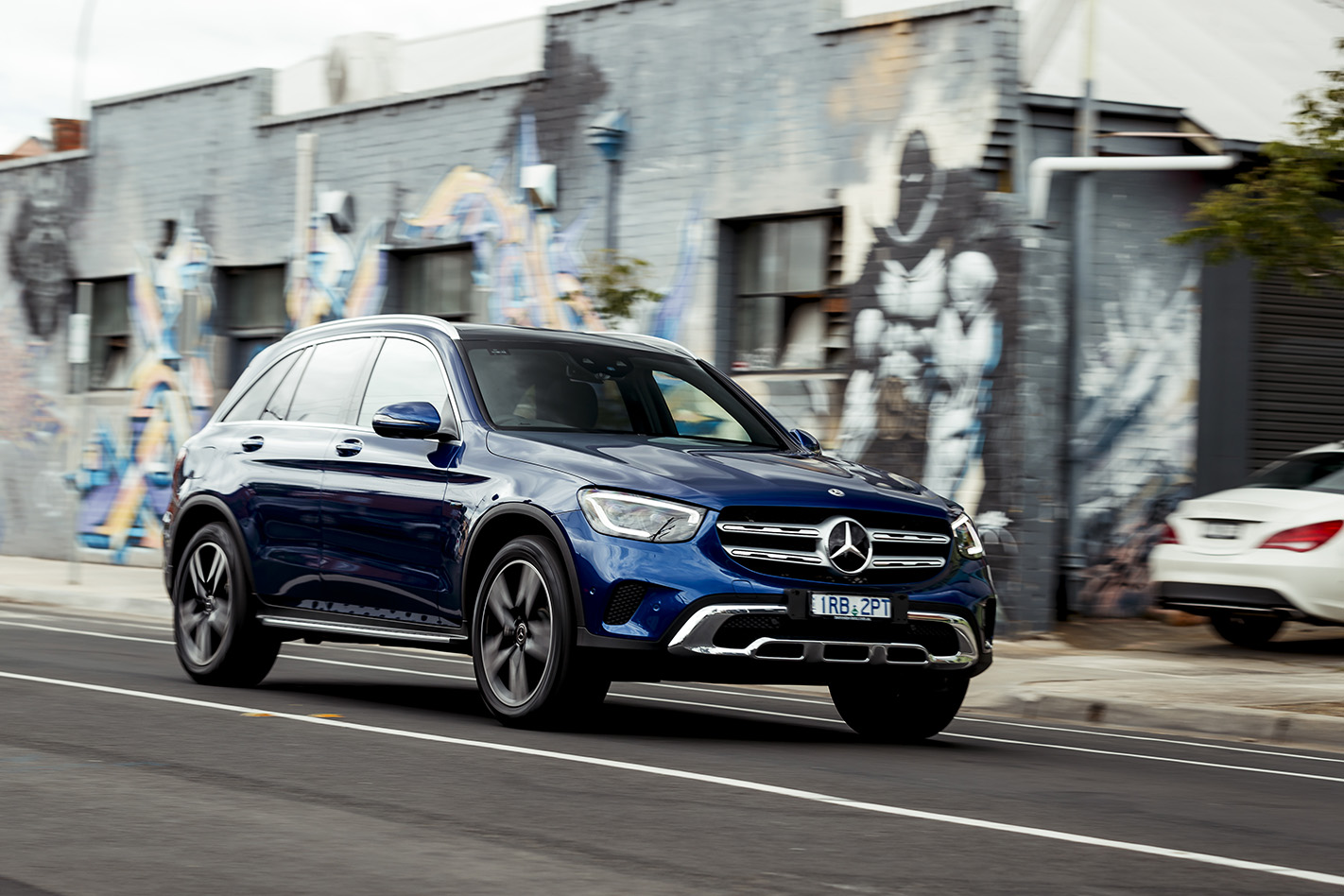
Mercedes-Benz is offering complimentary dealer delivery fees across its range of new and demonstrator vehicles – including the GLB, GLC, GLE and GLS family SUVs – until June 30, 2022.
However, this offer only applies to vehicles available for immediate delivery – with built-to-order or in-transit vehicles and electric vehicles, such as the EQC mid-size SUV, excluded.
Effective from January 1, 2022, the brand has moved to a fixed-price agency model, allowing buyers to pay a similar price no matter which dealership they visit, but removing the ability to negotiate on the total cost of a vehicle.
Mitsubishi
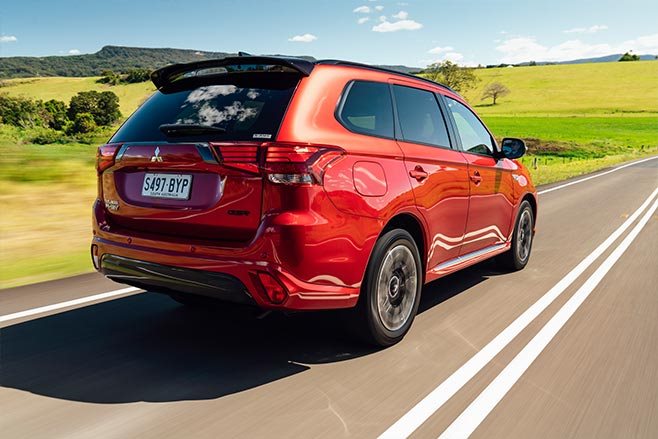
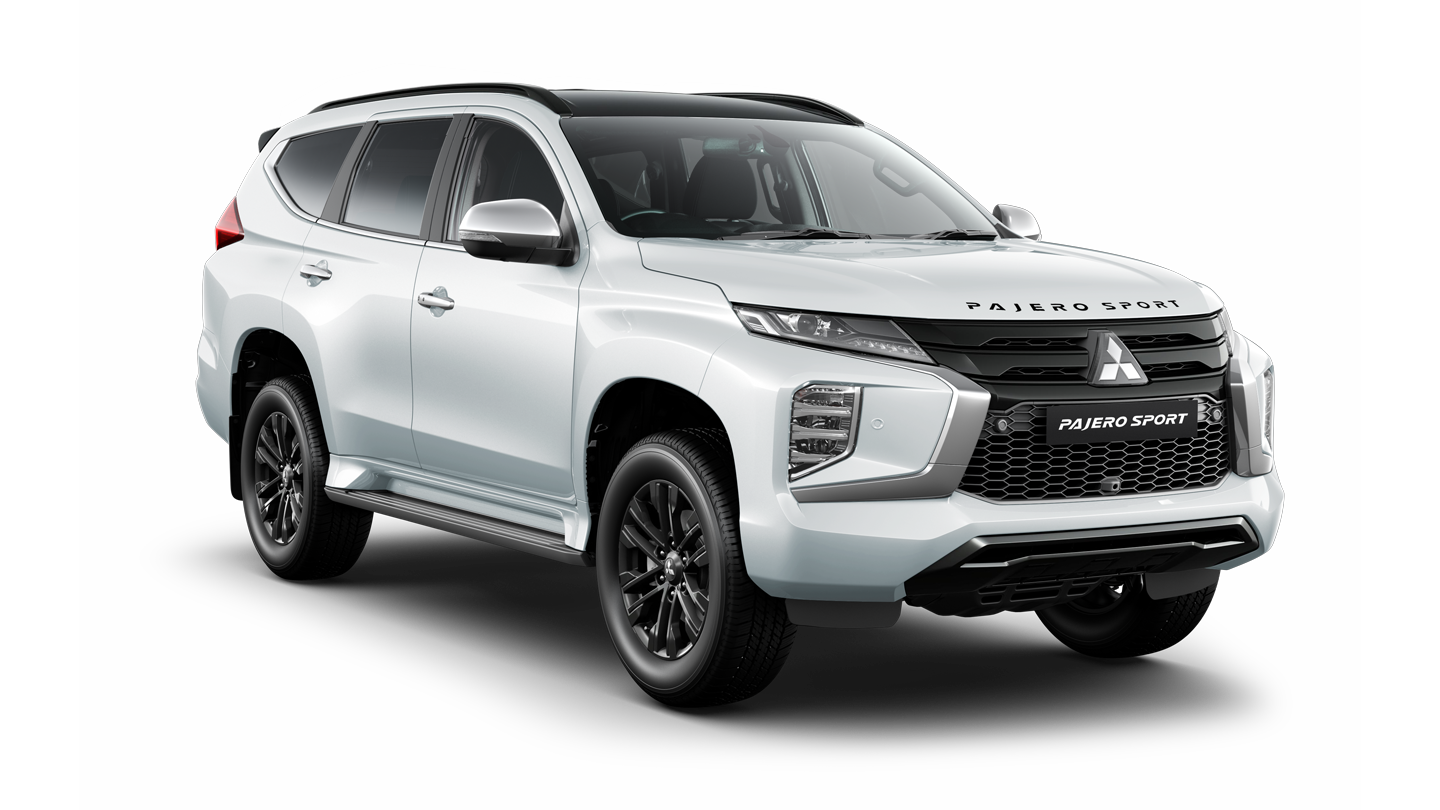
Mitsubishi is one of the select few brands offering a specific EOFY sales campaign for 2022, with savings available for the new-generation 2022.5 Outlander medium SUV, outgoing 2022 Outlander PHEV (MY21), and the Triton-based 2022 Pajero Sport body-on-frame large SUV.
These national drive-away prices can be found in the tables below:

Outlander (MY22.5)
| Model | RRP | Drive-away price |
|---|---|---|
| ES AWD | $38,490 | $41,990 |
| LS FWD | $37,490 | $40,990 |
| LS AWD | $40,990 | $44,490 |
| Aspire AWD | $44,490 | $47,990 |
| Exceed AWD | $48,990 | $52,490 |
| Exceed Tourer AWD | $51,490 | $54,990 |
EOFY drive-away deals are also available for remaining model-year 2022 Outlander stock. Speak to your local Mitsubishi dealer for more information.
Outlander PHEV (outgoing MY21 model)
| Model | RRP | Drive-away price |
|---|---|---|
| ES | $47,990 | $51,990 |
| GSR | $52,490 | $56,490 |
| Exceed | $56,490 | $60,990 |
Pajero Sport
| Model | RRP | Drive-away price |
|---|---|---|
| GLX 2WD | $44,440 | $47,240 |
| GLS 2WD | $49,190 | $52,240 |
| GLX 4WD | $49,440 | $52,240 |
| GSR 4WD | $61,440 | $64,490 |
Nissan

As with most other brands, Nissan isn’t offering a price-led campaign during the current supply chain chaos.
However, the company is hoping to encourage buyers to purchase a 2022 Nissan X-Trail under its in-house finance program, offering a 3.9 per cent annual comparison rate on a 48-month lease across the entire outgoing model range.
A new-generation Nissan X-Trail is scheduled to touch down in Australia during the second half of 2022, offering a complete makeover with the latest technology.
It will be available in four trim levels – ST, ST-L, Ti and Ti-L – with local pricing to be announced in the coming months.
Peugeot

In an effort to clear any remaining demonstrator stock, the local distributor for Peugeot has deals available until June 30, 2022, for model-year 2021 vehicles ready for immediate delivery.
This includes the mid-size Peugeot 3008 SUV and its larger, seven-seat 5008 sibling.
However, a spokesperson for Peugeot Citroën Australia said “customers are encouraged to contact their local Peugeot retailer to learn more about the current offers available on selected MY21 demonstrator models,” including exact pricing details.
Skoda

Much like most other European brands, which have been affected greatly by the chip crunch, Skoda does not have a price-led campaign for EOFY in 2022.
Instead, the Czech marque is including a seven-year warranty when buyers purchase a seven-year service pack for a brand-new vehicle until June 30, 2022.
This extended warranty was initally available for all Skoda vehicles purchased between September 13, 2021, to December 31, 2021. It is now limited to those who purchase an eligible service package with their vehicle.
The brand’s standard warranty, available across its range – including the Karoq and Kodiaq family SUVs – is a five-year/unlimited kilometre program.
EOFY 2022 stories
Isuzu’s updated 2022 D-Max line-up features the reintroduction of LS-U space-cab models, a GCM increase for all 4×4 models, and the big news – the addition of this LS-U+ variant.
The Isuzu D-Max LS-U+ was originally described as an in-between model, bridging the gap between the mid-spec LS-U and top-spec X-Terrain, offering premium comfort while retaining its workhorse DNA.
While it isn’t the range-topping X Terrain, rather than labelling it as a bridging model between that and the regular LS-U, I view it as more an alternative top-spec option.
UPDATE, October 2022: MY23 D-Max pricing announced
The updated 2023 D-Max has been detailed, with tweaks to styling, equipment and engine options. Get the full story at the link below. We’ll be driving the updated models as soon as they reach Australia, but mechanically they’re largely unchanged.
Story continues
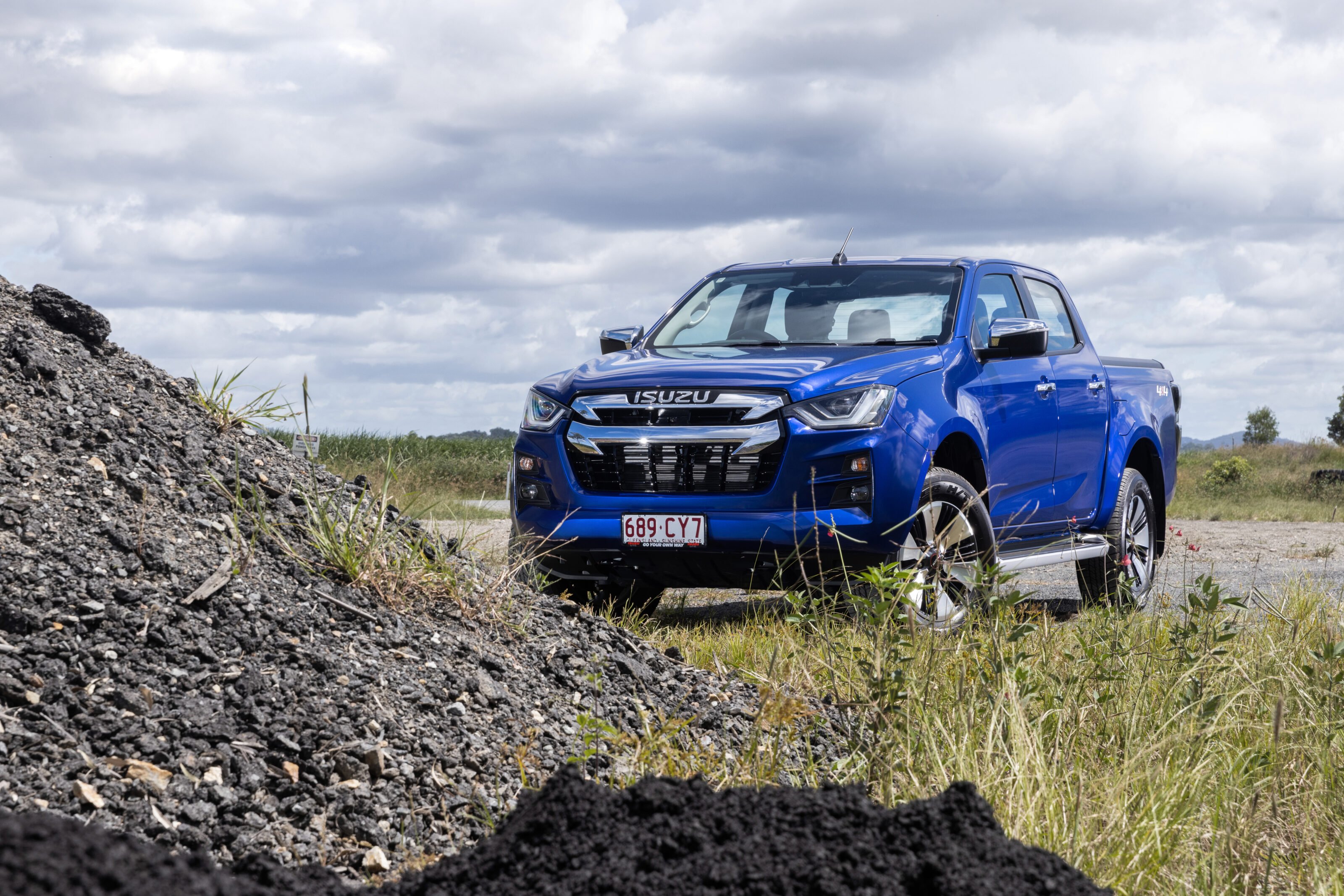
The X-Terrain ($65,900 before on-road costs) is only $4,000 more than the LS-U+ ($61,900), but with its rugged and rather ‘loud’ styling, it’s not for everyone. As an unsuspecting, but top-shelf D-Max model option, the LS-U+ slots in nicely next to, rather than below, the X-Terrain. At least in terms of value.
A lot of the fully-fledged, top-spec off-road options like the Ford Ranger Raptor or FX4 Max, Toyota HiLux Rugged X, and the list goes on, are pretty lairy and loud.
Corporates, families, or those who don’t want in-your-face decals and aggressive tyres, are sometimes left ‘buying down’ into the mid-spec options.
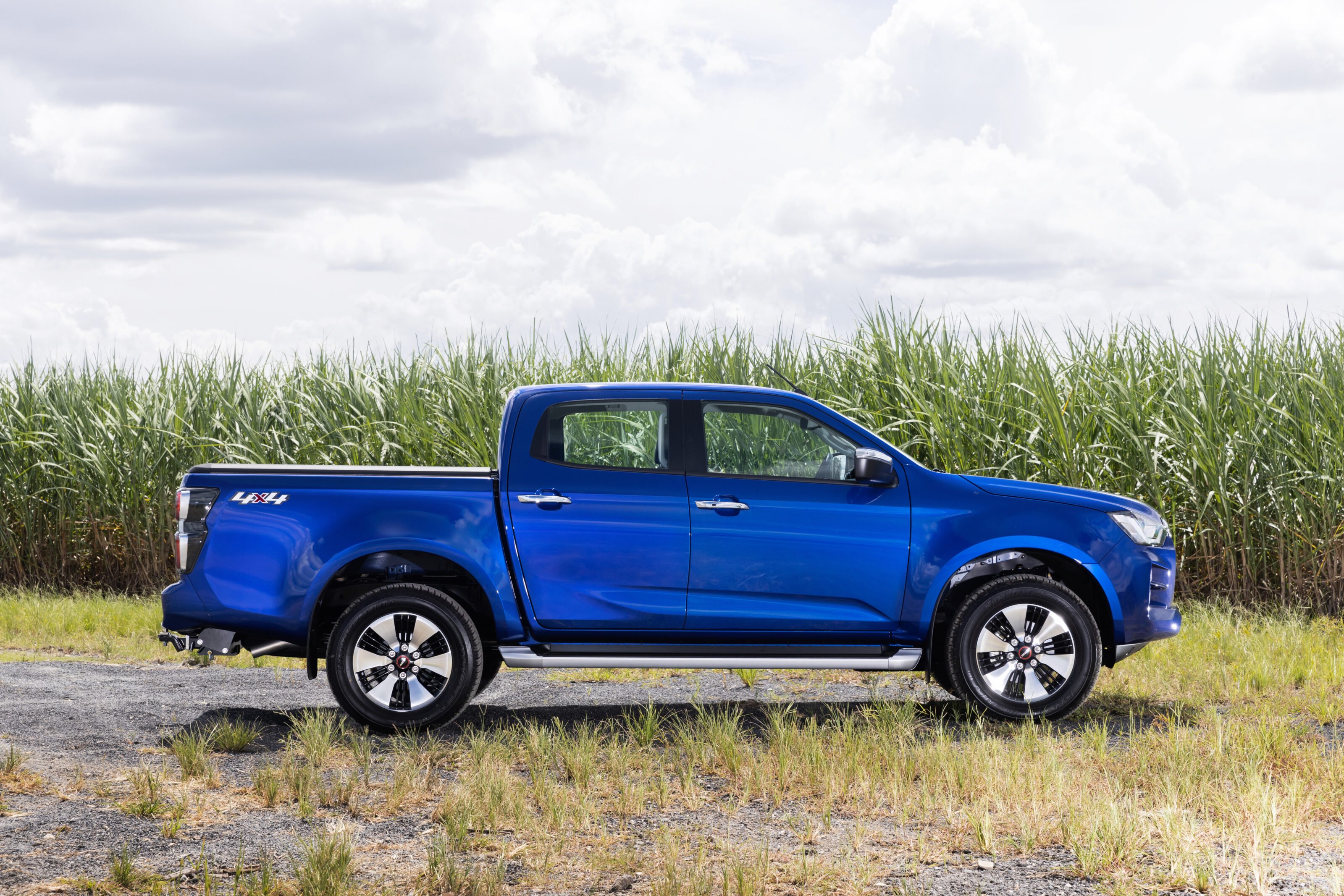
The LS-U+ is a sensible, well-dressed top-spec D-Max, and it makes a lot of sense given how many 4×4 dual-cab utes spend more of their life running the kids to school than running up the beach.
I personally prefer the boisterous aesthetics of the X-Terrain and its off-road focus, so at first thought, I mightn’t sit in the intended market for this LS-U+. My partner, on the other hand, prefers the understated LS-U+ to the pumped-up off-road-focused models I’ve recently spent time in. The decision probably wouldn’t be up to me, in reality, so perhaps I am within the target market after all. I suspect other households may fit into this scenario, too.
Tech and features
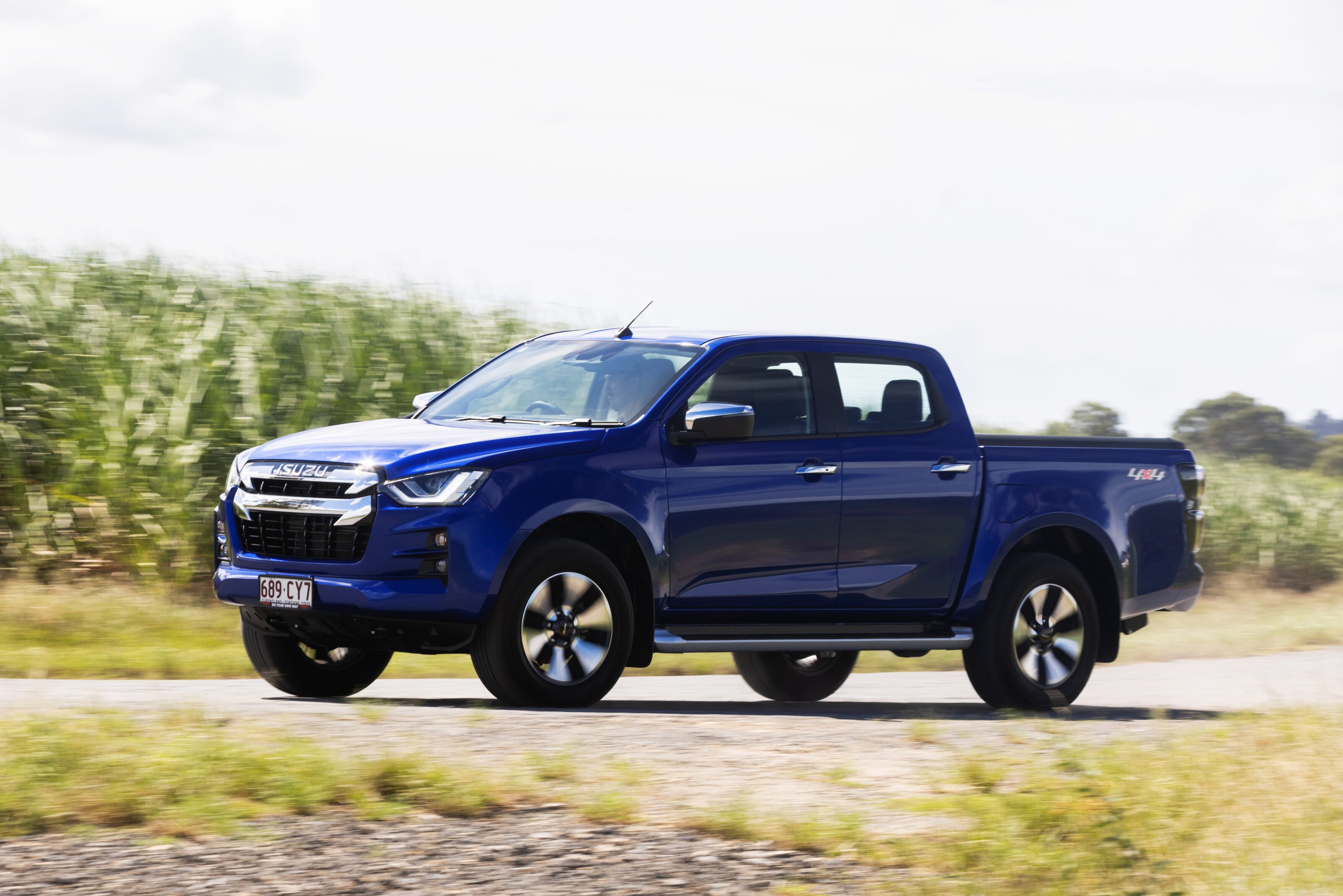
From the outside, the LS-U+ doesn’t look any different to its lower-spec namesake, the LS-U. As mentioned above, that’s kind of the point here.
The LS-U+ is only offered with a style tray, and in crew cab configuration, with various tray cover options ranging from soft tonneau covers, to the optional electric roller hard cover fitted to our tester.
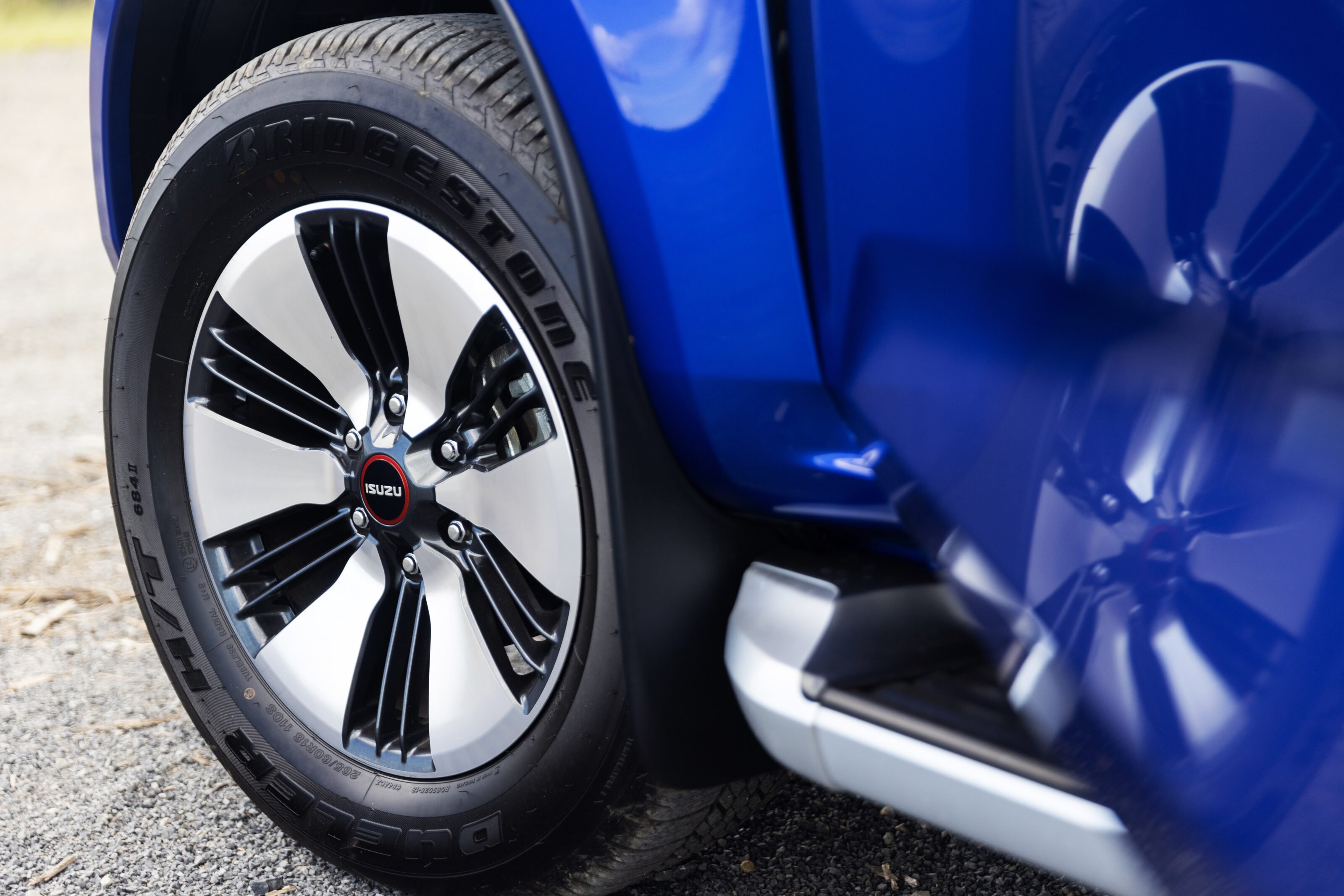
Automatic Bi-LED headlights with commanding daytime running lights, LED taillights and 18-inch machined-face alloy wheels come together to make the D-Max, in my opinion, one of the top lookers in this segment as it rolls down the road.
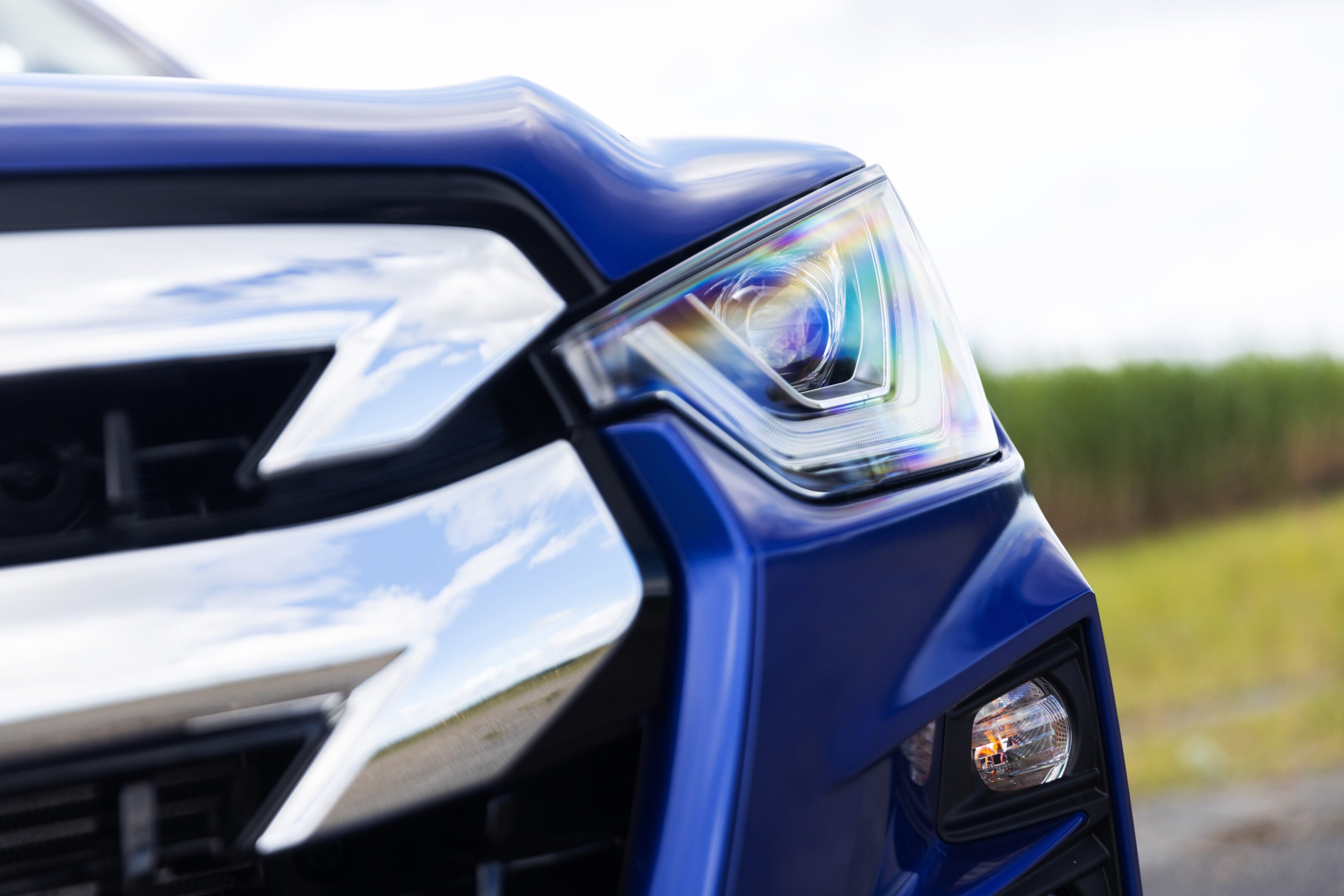
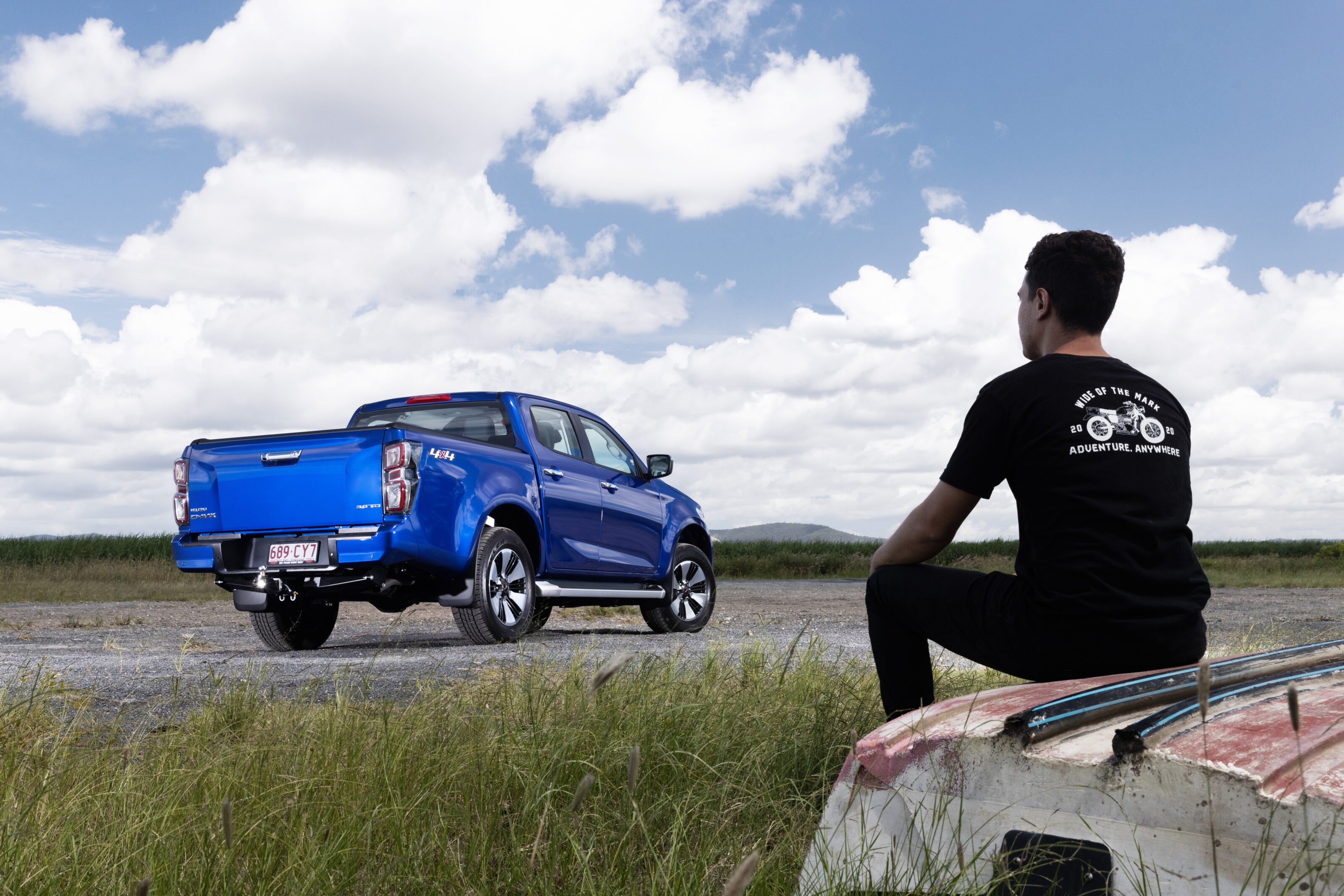
Metallic paint is still a $650 extra on the LS-U+, with this tester rocking the Cobalt Blue, an almost signature D-Max colour by now and a damn sight more striking than white or silver.
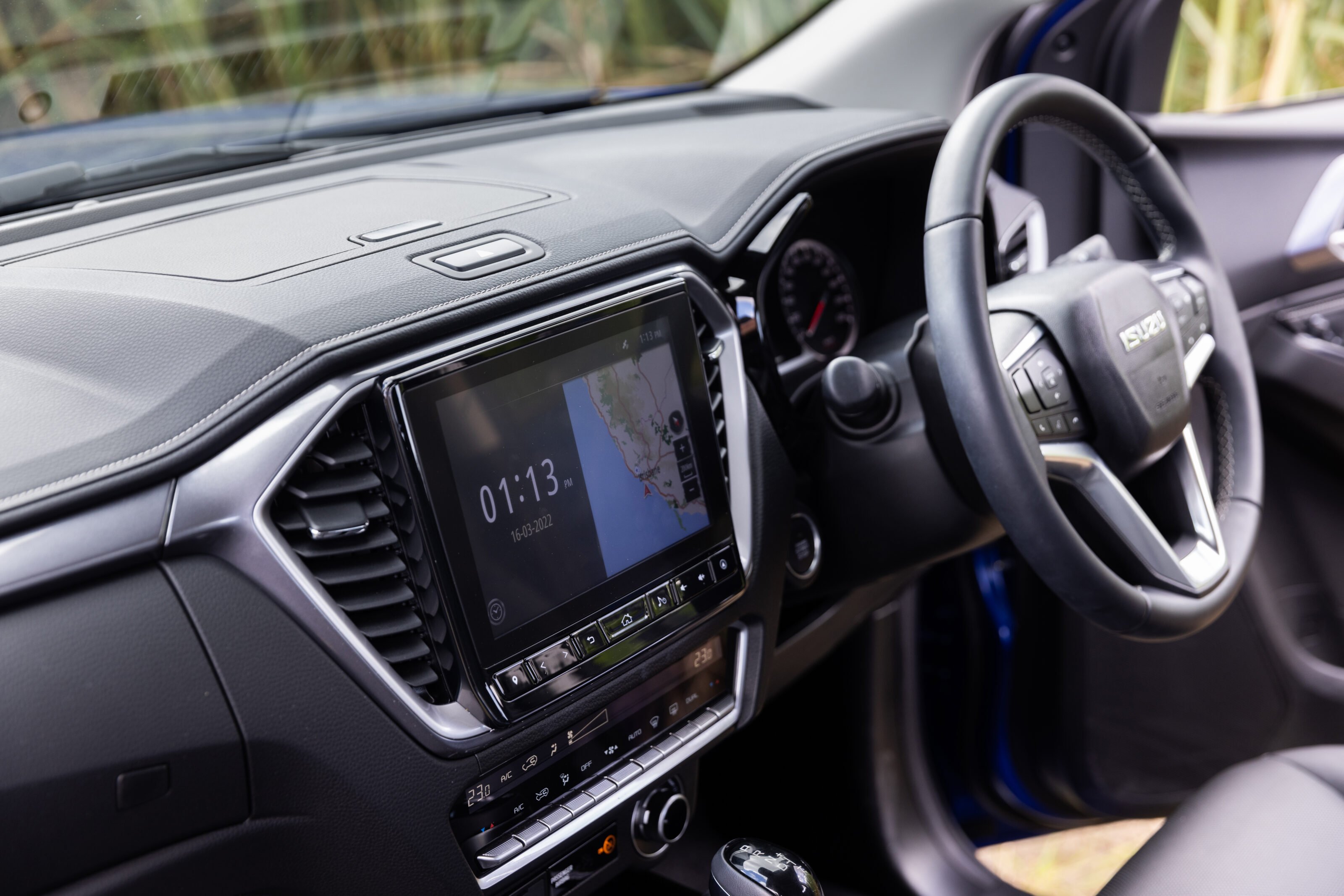
Inside the cab, the LS-U+ starts showing off its upgrades over the regular LS-U, sporting a premium leather interior with a variety of soft and hard touch finishes, dual-zone air-con and plenty of electric adjustability for the seats.
A premium eight-speaker surround sound system is controlled via the 9.0-inch infotainment system featuring the usual wireless Apple CarPlay, Android Auto, DAB+ digital radio and a user-friendly sat-nav.
Inside the cab, the LS-U+ starts showing off its upgrades, sporting a premium leather interior, dual-zone air-con and plenty of electric adjustability for the seats
Walk-away door locking and keyless entry are featured as standard. Particularly handy when your hands are full, to save you fumbling for keys.
The LS-U+ features the same five-star ANCAP safety rating and eight airbags as the rest of the D-Max range.
Isuzu’s Intelligent Driver Assistance System (IDAS), standard across the entire range, features autonomous emergency braking with turn assist, adaptive cruise control, traffic sign recognition, blind-spot monitoring, rear cross-traffic alert and lane-keep assist.
Being a 2022 model, the LS-U+ scores the new Lane Support System switch, allowing drivers to turn off the autonomous safety systems on the fly – a feature added following owner feedback. I didn’t turn the system off at any point, but it’s definitely handy having one ‘off’ switch, over the convoluted process previously required.
Comfort and practicality
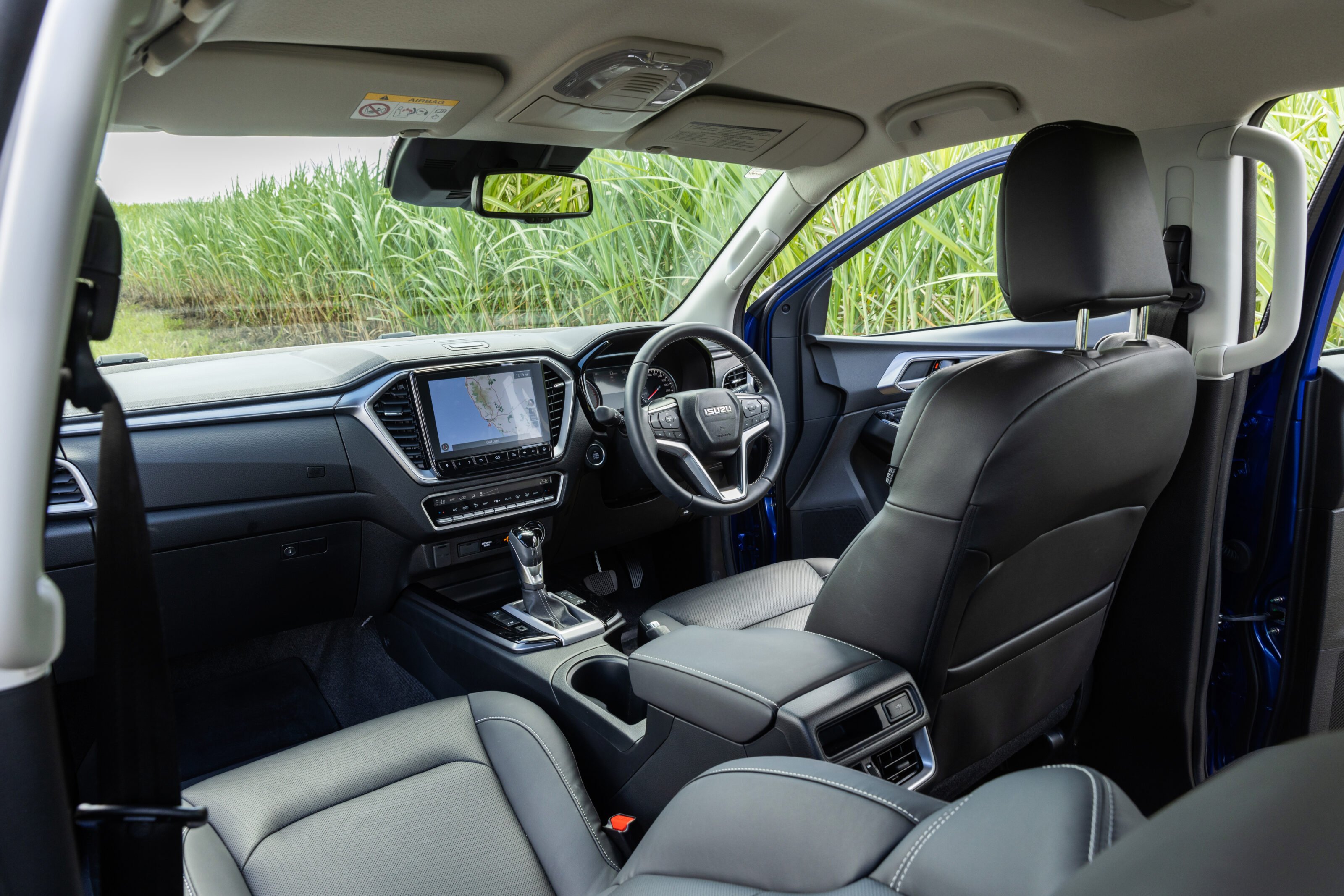
The leather-trimmed interior, from the door cards to the dash, gives you X-Terrain luxury in an LS-U, the only difference being the slightly sportier branding throughout and a black headliner in the top dog.
It’s a pleasant place to be on longer drives but it still feels adventurous, and that’s testament to the right balance of luxury while retaining the 4×4 ruggedness throughout.
The fit and finish is polished but still feels hard-wearing and easy to wipe down after dusty weekend adventures.
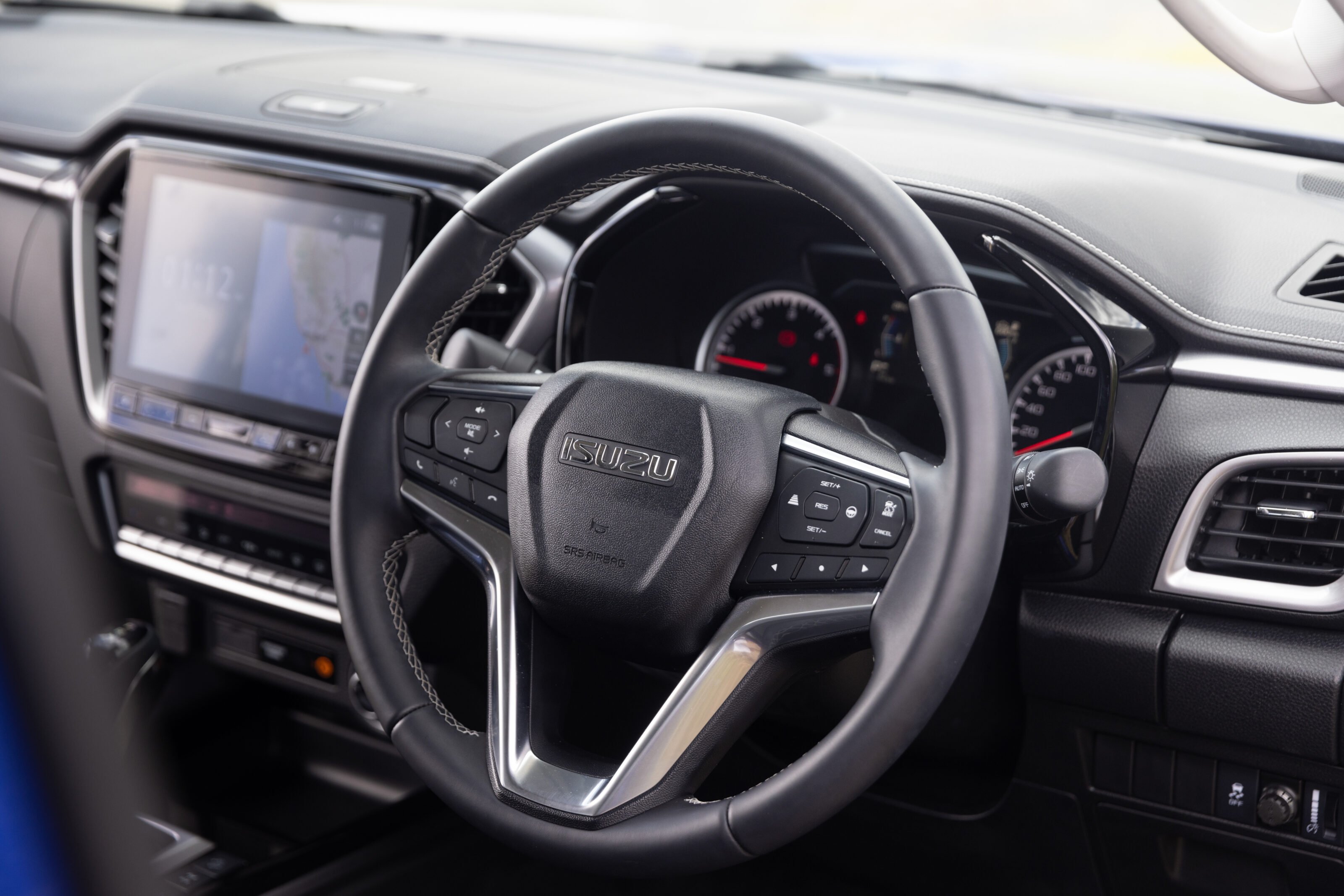
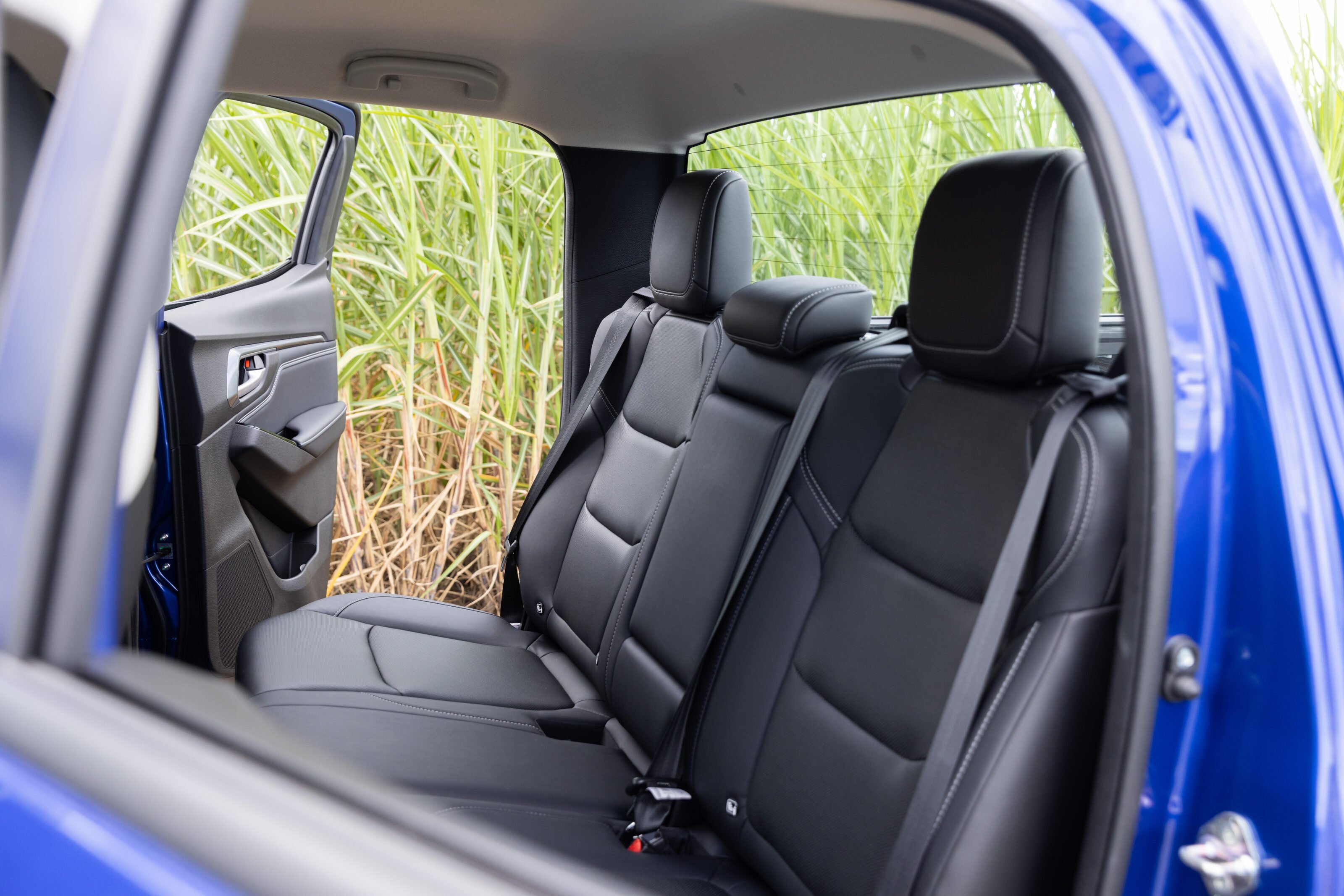
The seats are well-bolstered, electrically adjustable and leather-upholstered as standard, adding a splash of class to the cab. The seats do feel like they’re designed for someone a little burlier than I am, but spacious beats cramped or tight in a 4×4 ute.
One interior improvement would be the X-Terrain’s black roof liner, over the off-white/grey liner in the LS-U and LS-U+ models. I only say that because the grey does smudge pretty easily and also doesn’t look quite as slick as the black.
The seats do feel like they’re designed for someone a little burlier than I am, but spacious beats cramped or tight in a 4×4 ute
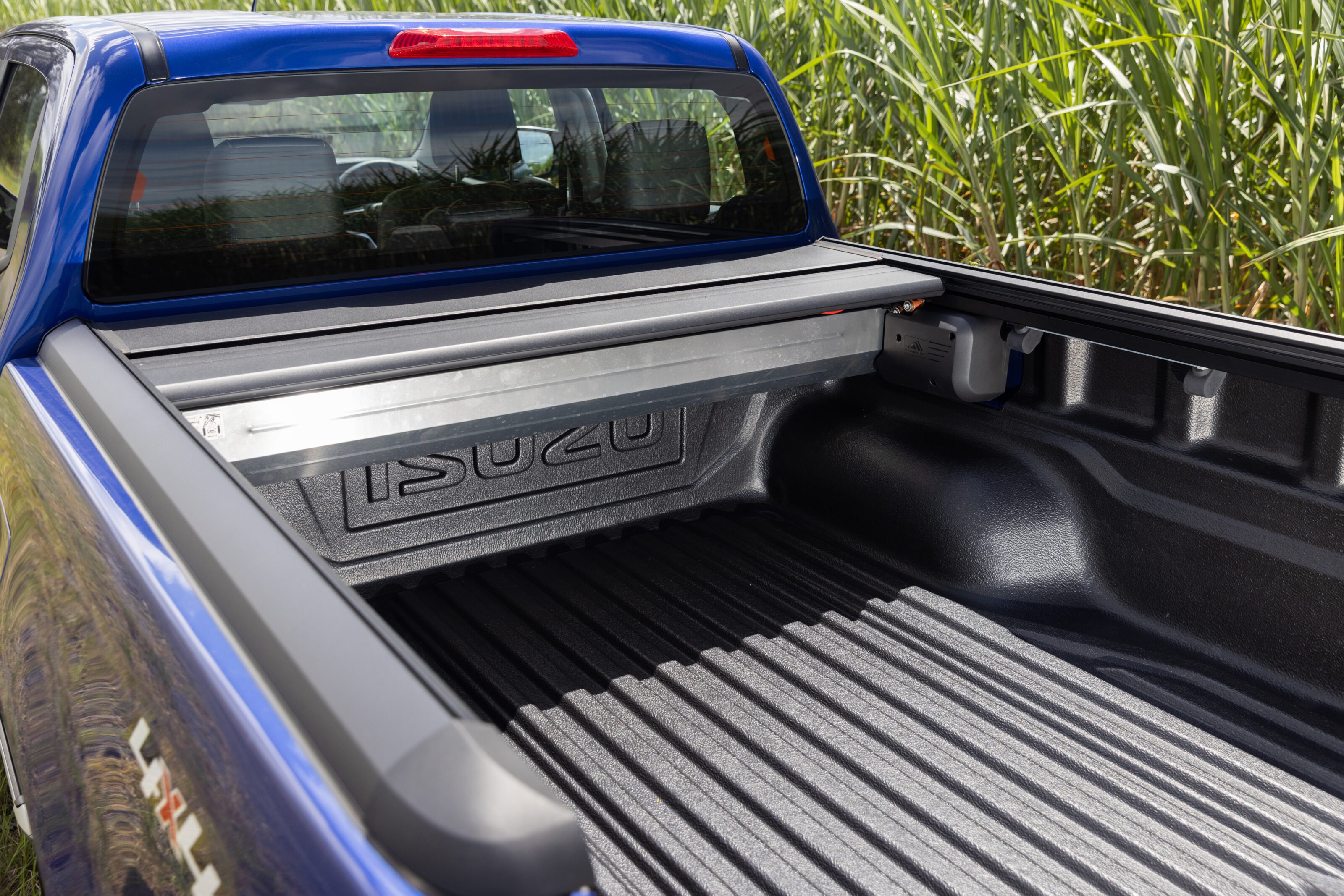
The optional electric roller hard cover, with the obvious security bonus and simple button press to open, means you’re more likely to use it often. A lot of 4×4 utes now have electric sliding covers, and the only downside is you do lose about a fifth of the tray space to the motor unit.
Isuzu treated the entire D-Max 4×4 range to an upgraded 6000kg GCM for 2022, up from 5950kg, leaving owners a little more payload when towing up near the maximum 3500kg braked towing capacity.
A tow ball receiver is standard, with various tow bar, electronic brake controller and wiring harness options, giving owners the option to hitch up right out of the gate.
Payload for the LS-U+ is just shy of the tonne at 988kg, with a GVM of 3100kg and a 2112kg kerb weight, though our tester weighs in at 2165kg with weighty extras like the electric roller cover dropping payload to 935kg. Ample payload any way you skin it.
The style tray on the LS-U+ has a factory-fitted tub liner and measures up at an almost square 1570mm long, 1530mm wide and depth is 490mm.
How’s it drive?
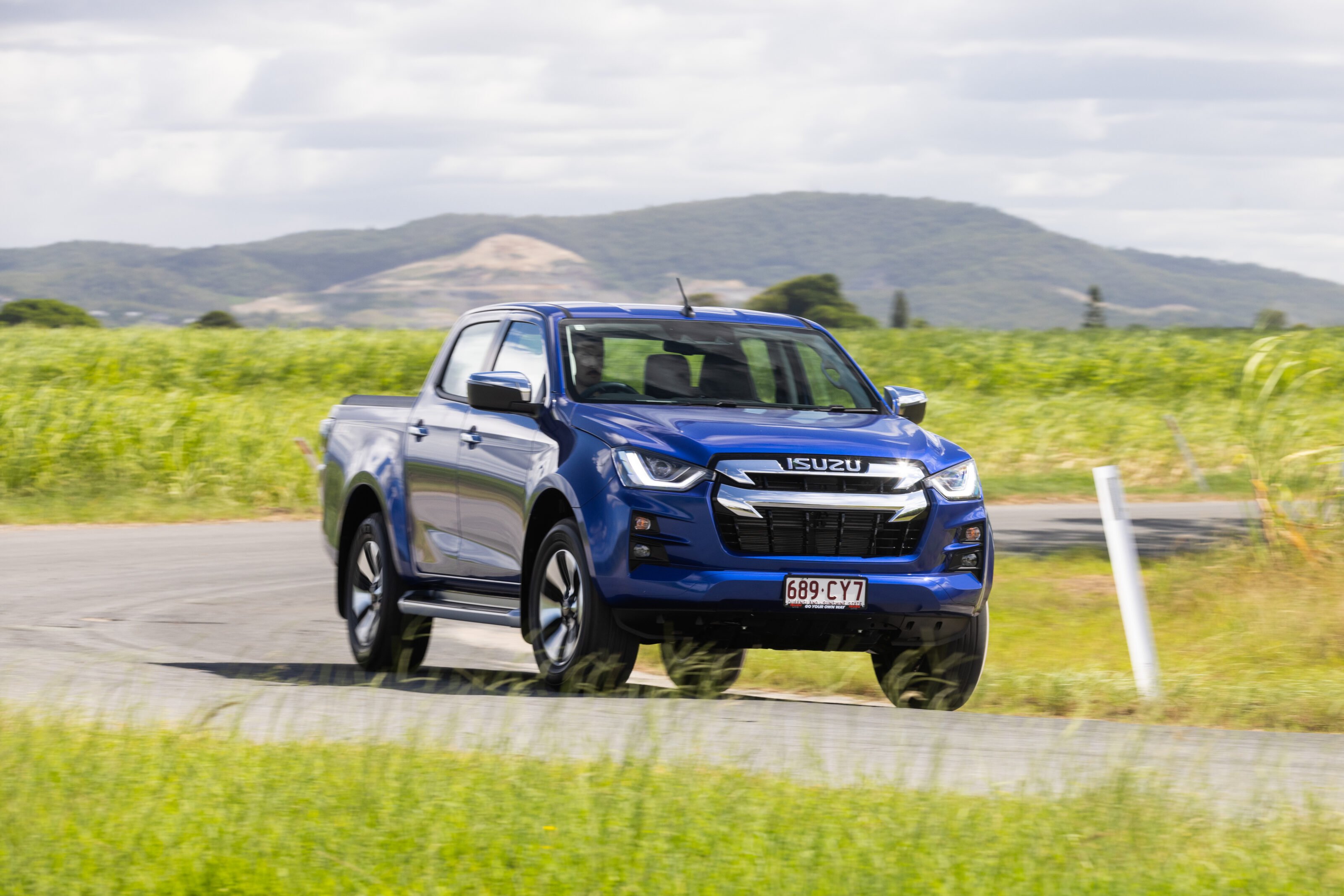
This is the first D-Max of the ’22 line-up I’ve tested so far that got a good honest mix of highway and urban driving. A trip to Byron Bay, plenty of city commuting and a bit of off-road work rounded out the fuel use at 8.2L/100km. Isuzu claims a combined average of 8.0L/100km, which is pretty damn close to the mark.
The 4JJ3 gets pretty fantastic fuel use numbers for what is now one of the biggest motors in the segment, and it’s fairly refined despite its long service life. Sure, it’s a bit rattly and there’s no tricking people into thinking it’s a petrol donk, like some diesels can now almost pull off, but it’s a workhorse.
The 4JJ3 was heavily overhauled last year … the result is a torquey beast that doesn’t have to work too hard, but remains on the steam for when grunt is needed
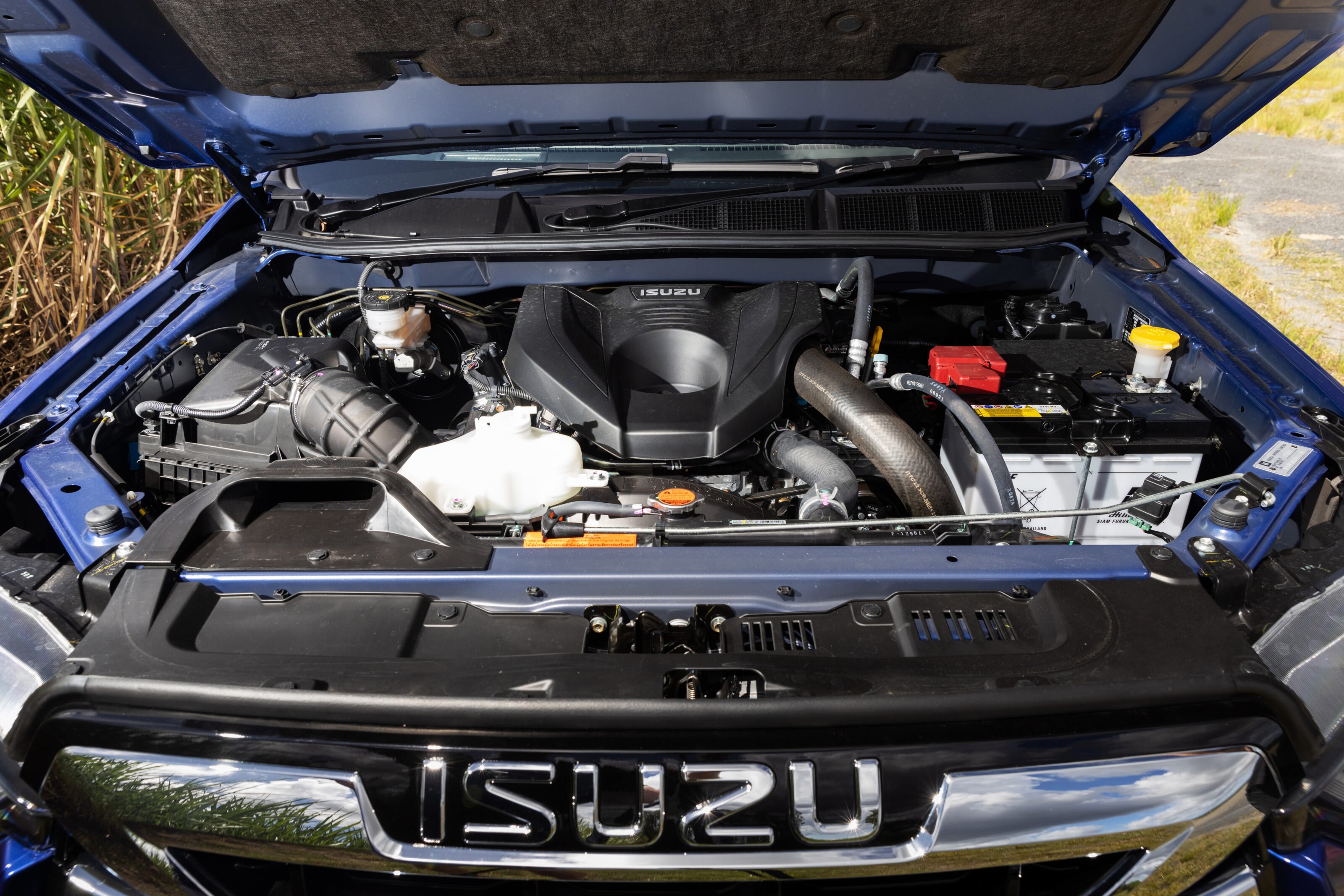
Punch the go pedal too often around town, and its 3.0-litre displacement becomes evident as it slurps corresponding amounts of diesel. It’s a matter of letting the big donk lug along happily.
The 4JJ3, which now puts out 140kW at 3600rpm and 450Nm between 1600-2600rpm, was heavily overhauled last year with a new block, pistons, crankshaft and cylinder head, as well as a sweet variable geometry turbo well suited to the engine.
It results in a torquey character that doesn’t have to work too hard, but remains on the steam for when grunt is needed.
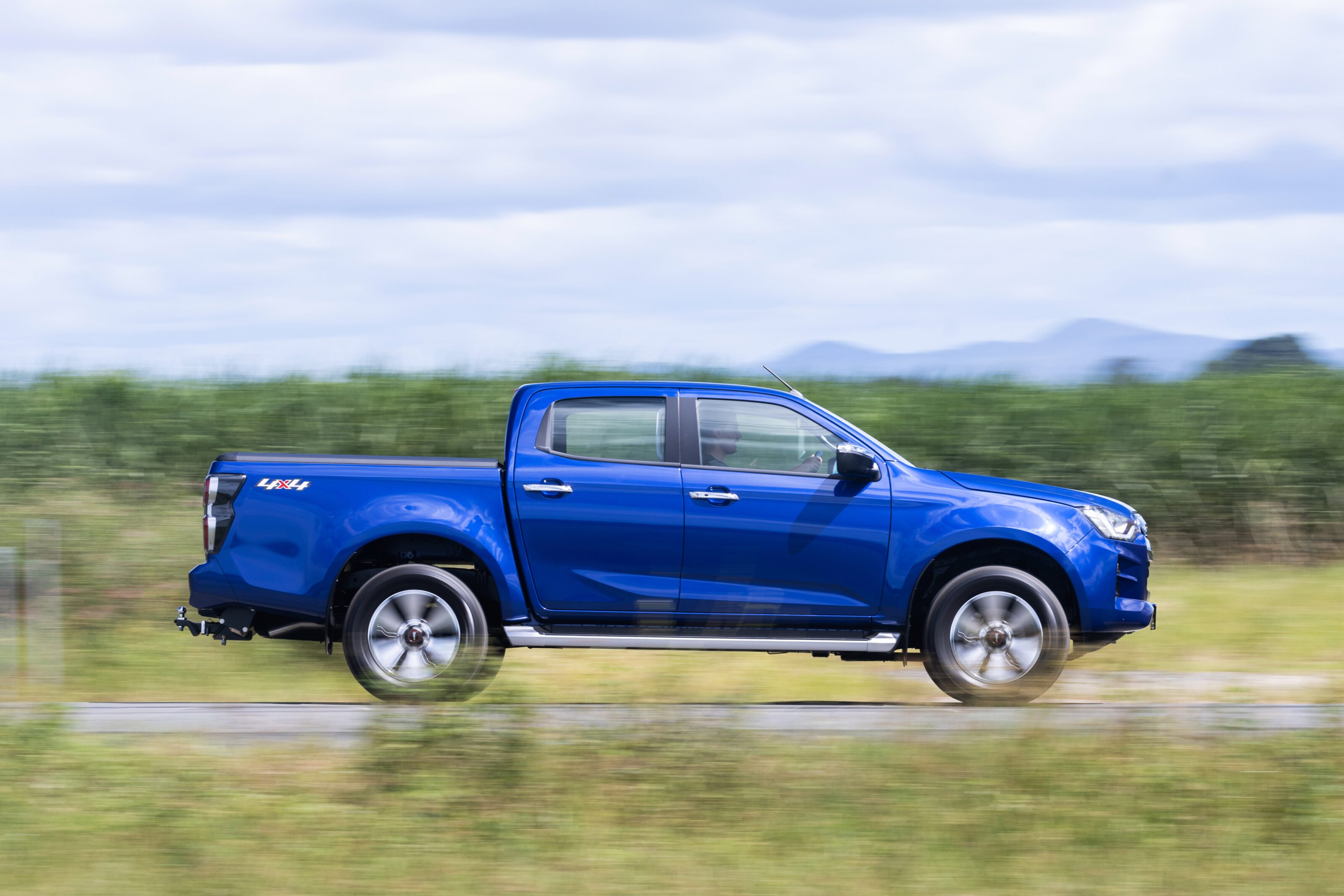
We munched plenty of highway miles driving between Brisbane and Byron Bay, where the LS-U+ excels over less refined variants and competitors.
Off-road, and we only drove light-ish fire trails this time around, it’s as we’ve come to expect from a 4×4 D-Max – solid.
Approach (30.5 degrees), departure (19 degrees) and ramp-over (33.8 degrees) angles are all identical to the LS-U and so is ground clearance (240mm).
The tray was used to carry four loose tyres and six spare wheels, a pretty tight fit in a dual-cab tray and one that required us to leave the sliding tray cover open. Not an issue, but a reality if loading anything that sits at or above the 490mm depth of the tray.
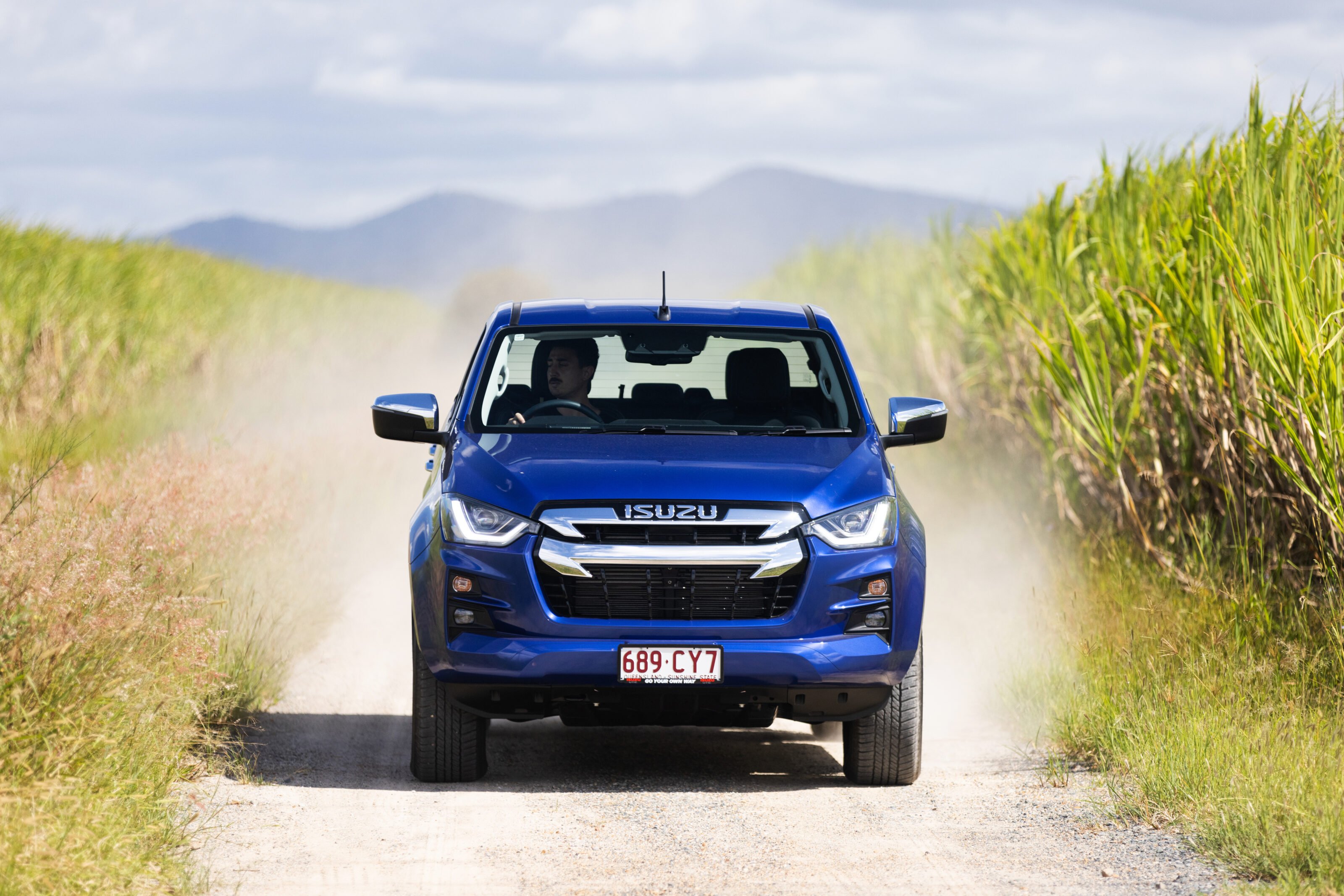
That load would have only been 50kg or less in total, so it had no discernible impact on ride quality but, given its GCM, the LS-U+ is still sprung to carry weight so ride quality won’t be a concern if loaded up. Nor is it a concern unladen, striking a nice balance, even over harsh fire trail corrugations at 60km/h.
Steering feels appropriately weighted just about everywhere, except for when the intermittent lane assist jumps in to make minor adjustments. The electric power steering is particularly good at low speeds, making the large ute a cinch around town.
It brakes well, too, with good pedal feel and you’d never know it had drums up back if you weren’t told. A ‘does the job well’ system.
The various autonomous safety features are, at this point, something we’re used to and Isuzu’s suite of tech isn’t too intrusive. If you feel it is, though, the Lane Support System switch on the steering wheel allows you to silence the assistance with a three-second press.
The LS-U+ feels, as is the case with the entire 4×4 range of D-Maxes, as comfortable on long stretches of road as it is around the city. Though, having that 4×4 dial above the shifter, it constantly tempts you to escape the city for lesser travelled tracks.
VERDICT

This D-Max variant offers more features than a regular LS-U, without having to tick a bunch of boxes at the dealer, while offering a less boisterous outward appearance than the X-Terrain. This LS-U+ takes the fight to the Ranger Wildtrak, with Isuzu throwing all it has at the Ford competitor.
Our tester’s total drive-away price comes in at $72,260.39, which consists of the base price ($61,900), metallic paint ($650), on-road costs ($4490), tow bar wiring harness ($359), electronic brake controller ($820), electric roller cover ($3792.80), and stamp duty ($248.59). Yep, plenty of extras were ticked, but it’s still a lot of car for that.
The LS-U+ is a compelling mid- to top-spec ‘non-rugged’ model option, taking the proven LS-U package and adding a lick of class
Isuzu gives buyers a fairly competitive servicing and warranty package, offering a six-year/150,000km warranty, seven years of capped price servicing and up to seven years’ roadside assistance, with services coming around every 15,000km or 12 months.
The LS-U+ is a compelling mid- to top-spec ‘non-rugged’ option, taking the proven LS-U package and adding a lick of class.
If you felt the LS-U didn’t offer quite the refinement of say, a Ranger Wildtrak, the LS-U+ might get you over the line.
Or if you’re into the idea of an LS-U, but you’re tempted to start ticking boxes at the dealer, give the LS-U+ a look-in as a better-specified base.
The lingering effect of widespread supply chain issues has impacted traditional end of the financial year (EOFY) sales in the automotive industry, but there are still some deals to be had in 2022.
Typically, new car buyers can look towards purchasing a vehicle before June 30, as vehicle manufacturers aim to clear as much stock as possible before the new financial year kicks off.
However, widespread supply issues due to production and shipping constraints, largely caused by a shortage of semiconductor chips, has caused many brands to increase vehicle prices – and scrap deals altogether.
The good news is, if you are looking to secure a bargain on a brand-new commercial vehicle in Australia, this segment has better fortunes than most others, largely thanks to the instant tax write-off for businesses and fewer semiconductor chips in these vehicles.
While commercial vehicles are not immune from shipping delays and price increases, buyers can still expect deals at Hyundai, Isuzu Ute, Mercedes-Benz, Mitsubishi, Nissan, Peugeot and Volkswagen – although most aren’t specifically referred to as ‘EOFY’ savings.
A spokesperson for Mazda Australia said the company has offers in place for EOFY; however, BT-50 buyers will need to enquire at their local dealership as the brand is not offering fixed national drive-away offers at present.
ABN holders and primary producers will continue to enjoy a small discount across most of the BT-50 line-up, as has been the case since the launch of the current-generation model in 2020.
The news is less favourable for buyers looking at purchasing a commercial vehicle from Fiat, Ford, GWM and Ssangyong.
Each brand has no offers planned before the end of the current financial year – although the entry-level GWM Ute Cannon has a permanent $35,990 drive-away sticker.
WhichCar is awaiting a response from Kia, LDV and Renault for any potential deals involving each marque’s range of commercial vehicles, including; the Kia Carnival people mover, LDV T60 Max dual-cab ute and the Renault Trafic van.
Hyundai
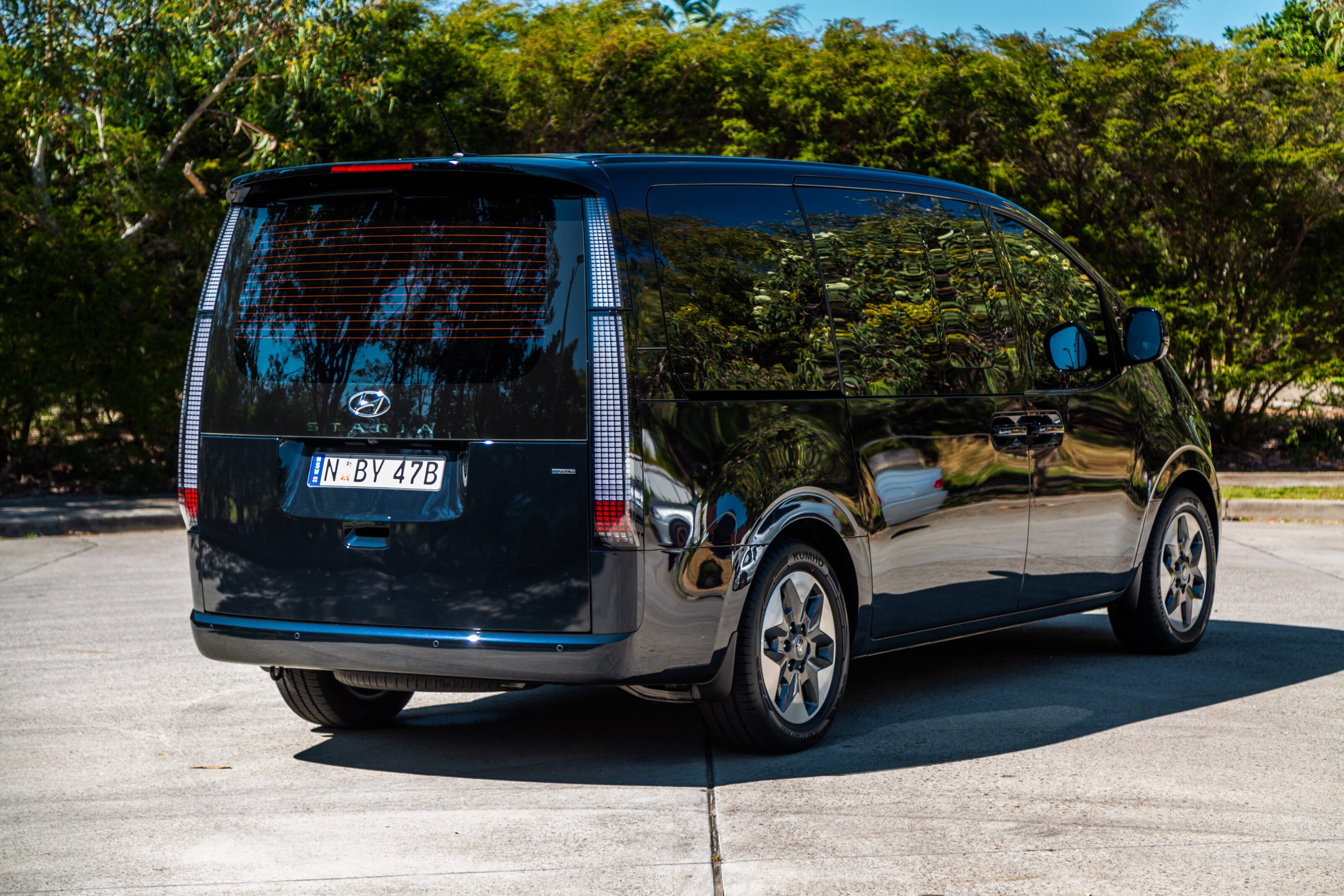
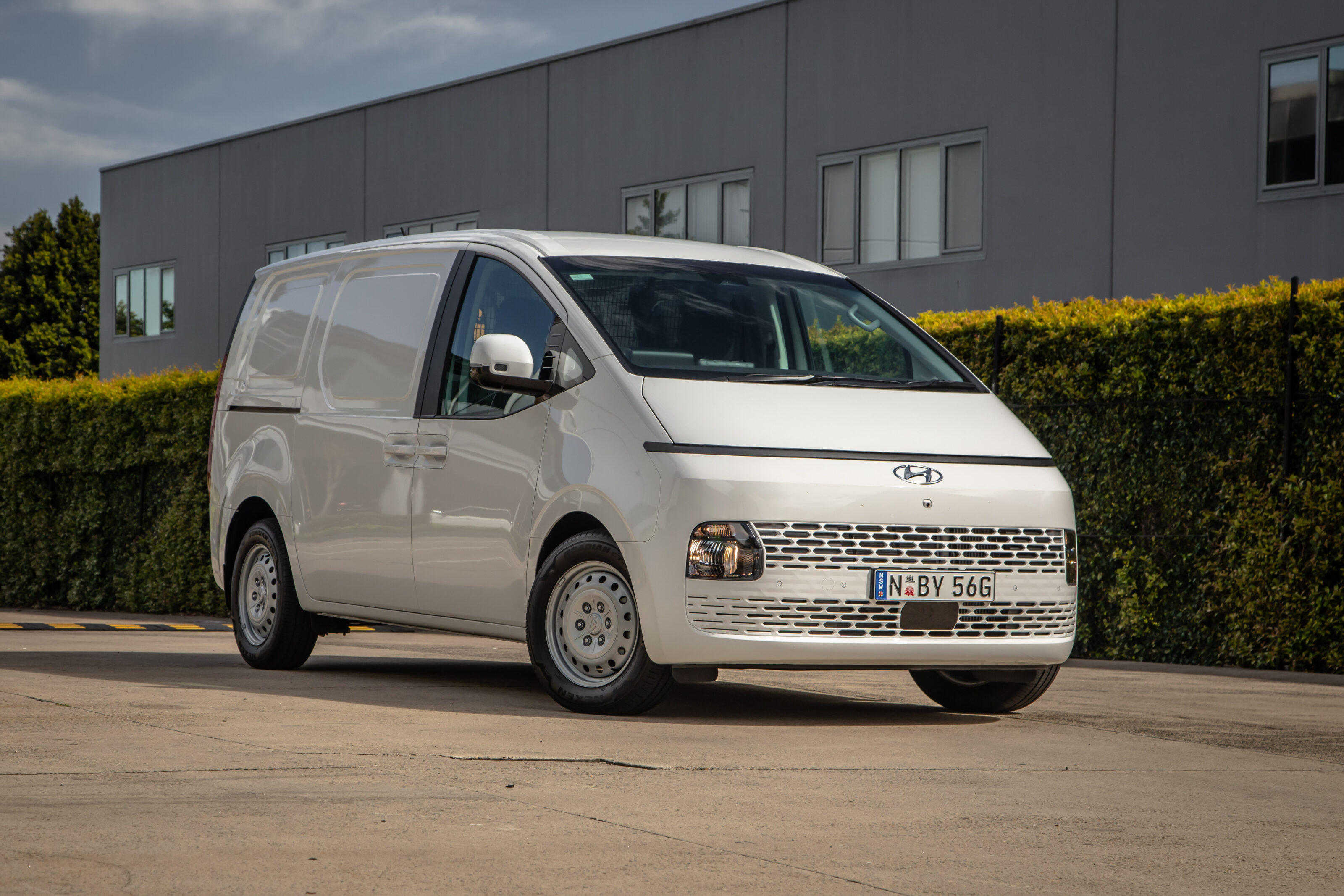
The recently-launched 2022 Hyundai Staria people mover and its Staria Load commercial van twin are not subject to a specific EOFY sales promotion, as with the remainder of the brand’s local line-up, but its second-quarter sales will continue until June 30, 2022.
These drive-away prices can be found in the tables below:
Staria
| Model | Transmission | RRP | Drive-away priceu00a0 |
|---|---|---|---|
| Staria V6 FWD | Automatic | $48,500 | $52,990 |
| Staria diesel AWD | Automatic | $51,500 | $54,990 |
Staria Load
| Model | Transmission | RRP | Drive-away price |
|---|---|---|---|
| Staria Load liftback diesel FWD (two seat) | Automatic | $45,740 | $47,990 |
| Staria Load twin-swing diesel FWD (two seat) | Automatic | $45,740 | $47,990 |
Isuzu Ute
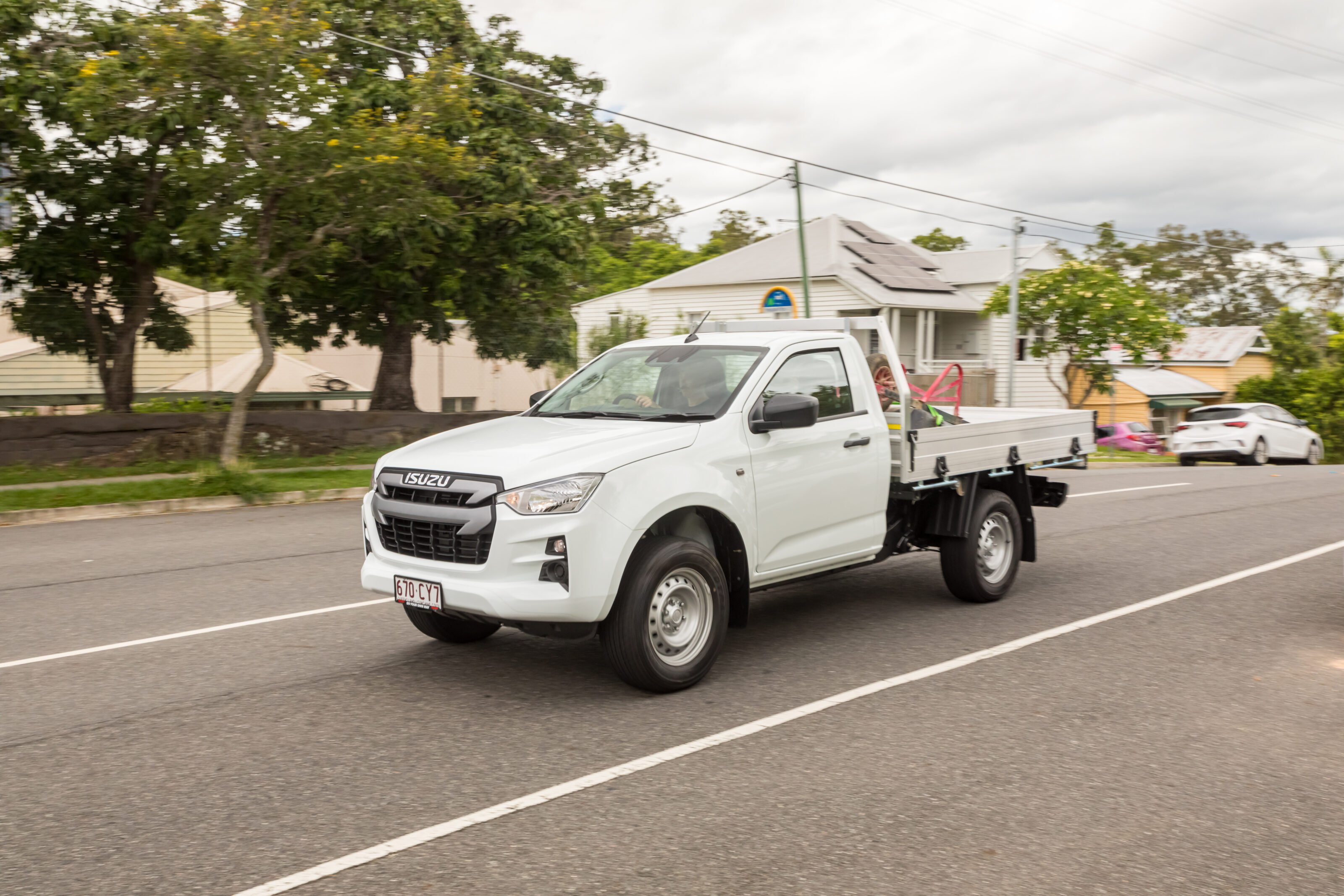
Like many other brands, a spokesperson for Isuzu Ute Australia confirmed the marque would not enter the EOFY sales race this year.
However, its normal deals – set to expire on June 30, 2022, unless extended – include the flagship 2022 D-Max X-Terrain automatic dual-cab from $64,900 drive-away and the entry-level 2022 D-Max SX single-cab chassis manual with a 2550 millimetre alloy tray from $31,900 drive-away.
These drive-away prices fall in the same range as each model’s recommended retail price (-$1000 for the X-Terrain, +$700 for the SX).

The recommended retail price (RRP) of a vehicle typically excludes on-roads, including; dealer delivery charges, registration fees, stamp duty and compulsory third-party insurance, meaning you could save thousands when the company instead absorbs these costs.
Buyers looking for a ute-based SUV can get into the range-topping Isuzu MU-X LS-T for $65,990 drive-away.
However, it is important to note that these deals apply to both in-stock and built-to-order vehicles – with possible wait times of up to 12-18 months for select D-Max and MU-X variants that are yet to roll off the production line.
Mercedes-Benz
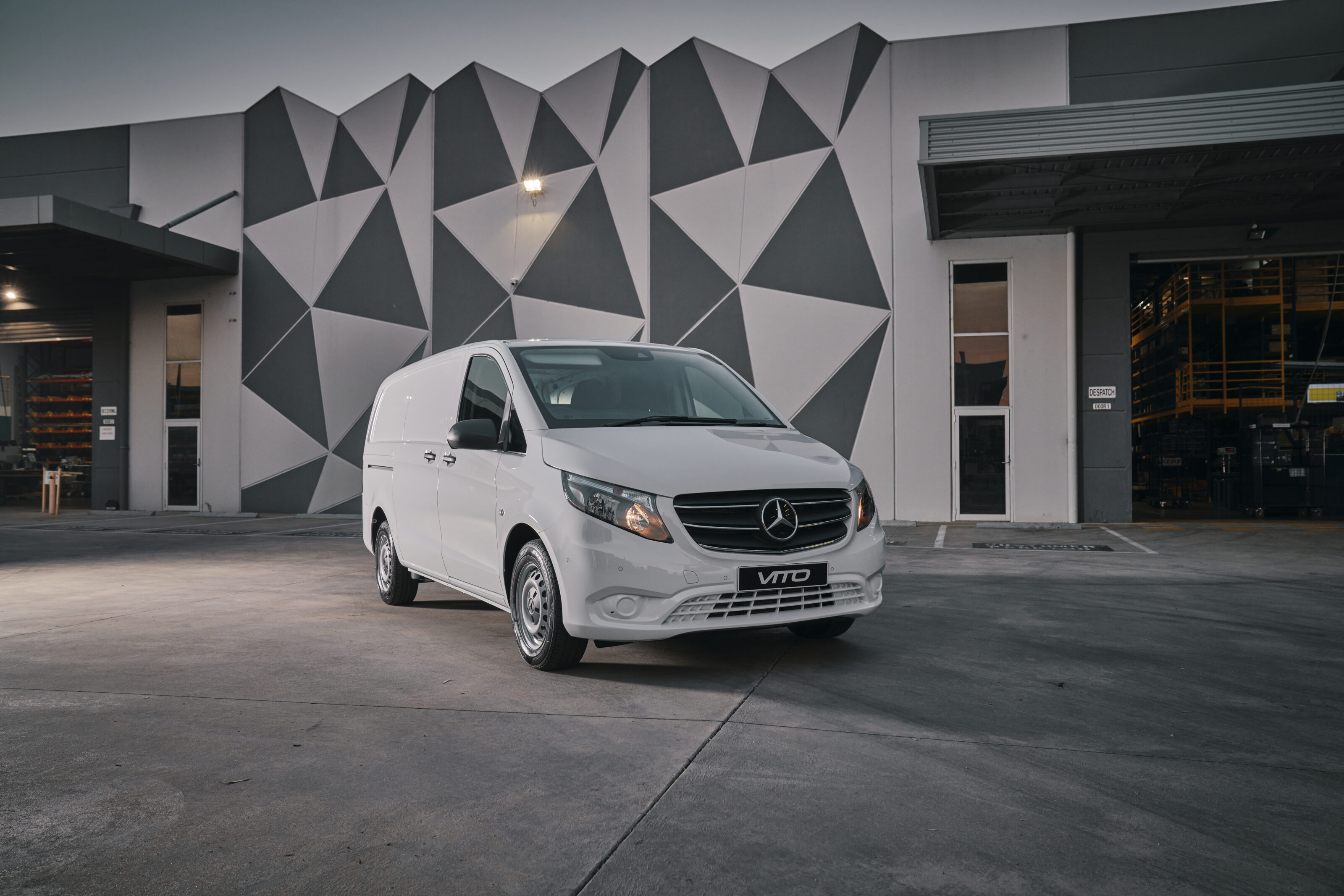
Mercedes-Benz Vans has covered buyers looking for a load-lugging commercial vehicle, with the 2022 Vito 111CDI SWB manual van currently available for $43,990 drive-away until June 30, 2022.
This represents a solid deal, as the model typically retails for $44,278 before on-road costs.
Additionally, the 2022 Vito 111CDI LWB manual van can be purchased at $46,990 drive-away. It is usually priced from $46,550, plus on-roads.
However, while Mercedes-Benz is also offering complimentary dealer delivery fees across its range of in-stock new and demonstrator vehicles, this offer does not extend to commercial Mercedes-Benz Vans or electric Mercedes-EQ models – although the Vito promotion is unaffected, as these costs are absorbed in the drive-away price.
Mitsubishi
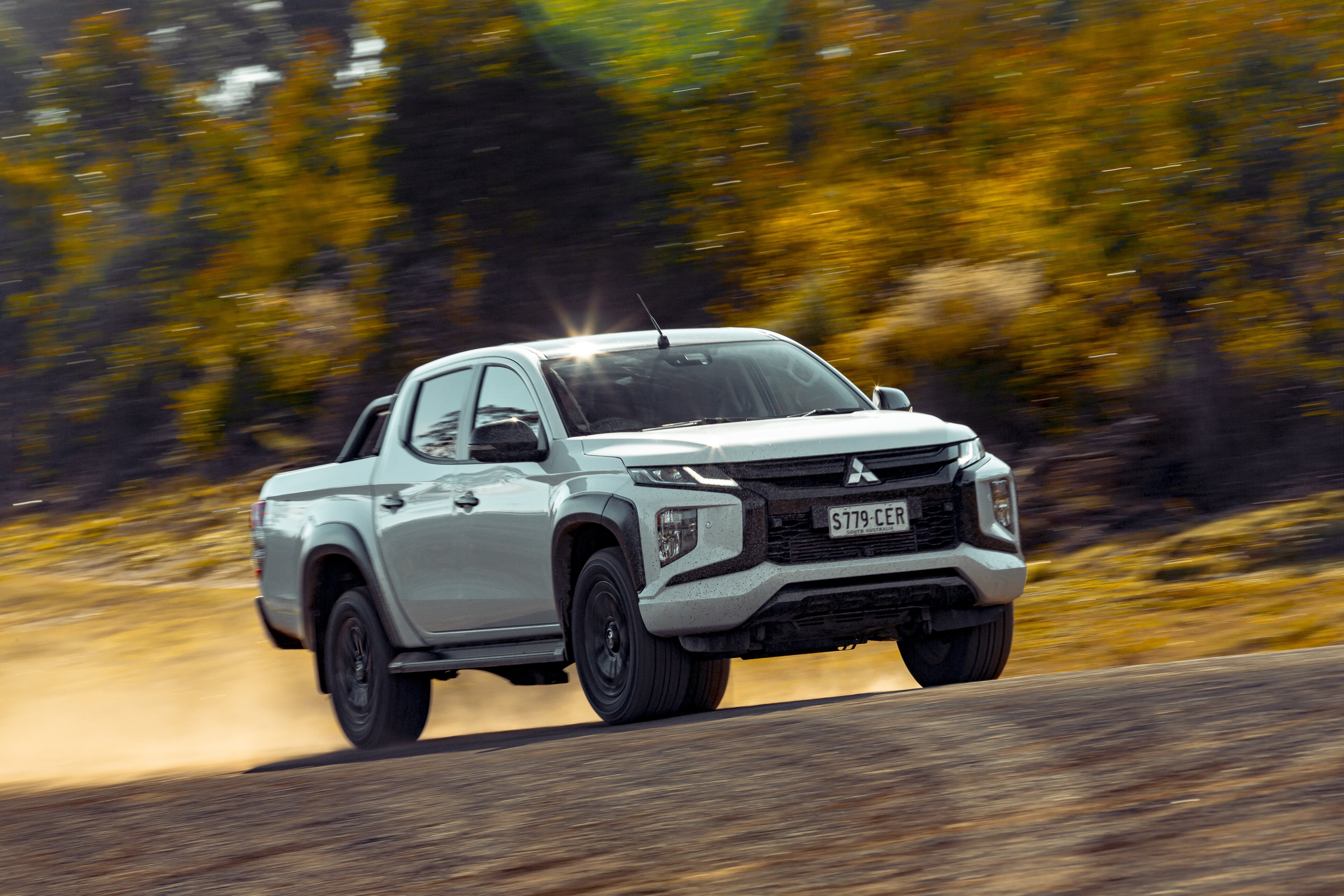
Mitsubishi is one of the select few brands offering a specific EOFY sales campaign for 2022, with savings available for the popular 2022.5 Triton ute and soon-to-be-discontinued 2022 Express van.
These national drive-away prices can be found in the tables below:
Triton (MY22.5)
| Model | Body | Drivetrain | Transmission | RRP | Drive-away price (private) | Drive-away price (business) |
|---|---|---|---|---|---|---|
| GLX | Dual-cab pick-up | 4×2 | Automatic | $38,940 | $41,990 | N/A |
| 4×4 | $43,190 | $45,990 | $45,490 | |||
| GLX+ | Club cab pick-up | 4×4 | Automatic | $44,440 | $47,240 | N/A |
| Dual-cab pick-up | 4×4 | Manual | $43,940 | $46,740 | $46,240 | |
| Automatic | $46,190 | $48,990 | $48,490 | |||
| GLX-R | Dual-cab pick-up | 4×2 | Automatic | $42,940 | $45,990 | N/A |
| 4×4 | $47,190 | $49,990 | $49,490 | |||
| GLS | Dual-cab pick-up | 4×4 | Manual | $48,940 | $51,740 | $51,240 |
| Automatic | $51,190 | $53,990 | $53,490 | |||
| GLS Deluxe Option | Dual-cab pick-up | 4×4 | Automatic | $54,190 | $56,990 | $56,490 |
| GSR w/ Roll Top Tonneau Pack | Dual-cab pick-up | 4×4 | Automatic | $62,390 | $63,490 | $62,990 |
EOFY drive-away deals are also available for remaining model-year 2022 Triton stock. Speak to your local Mitsubishi dealer for more information.
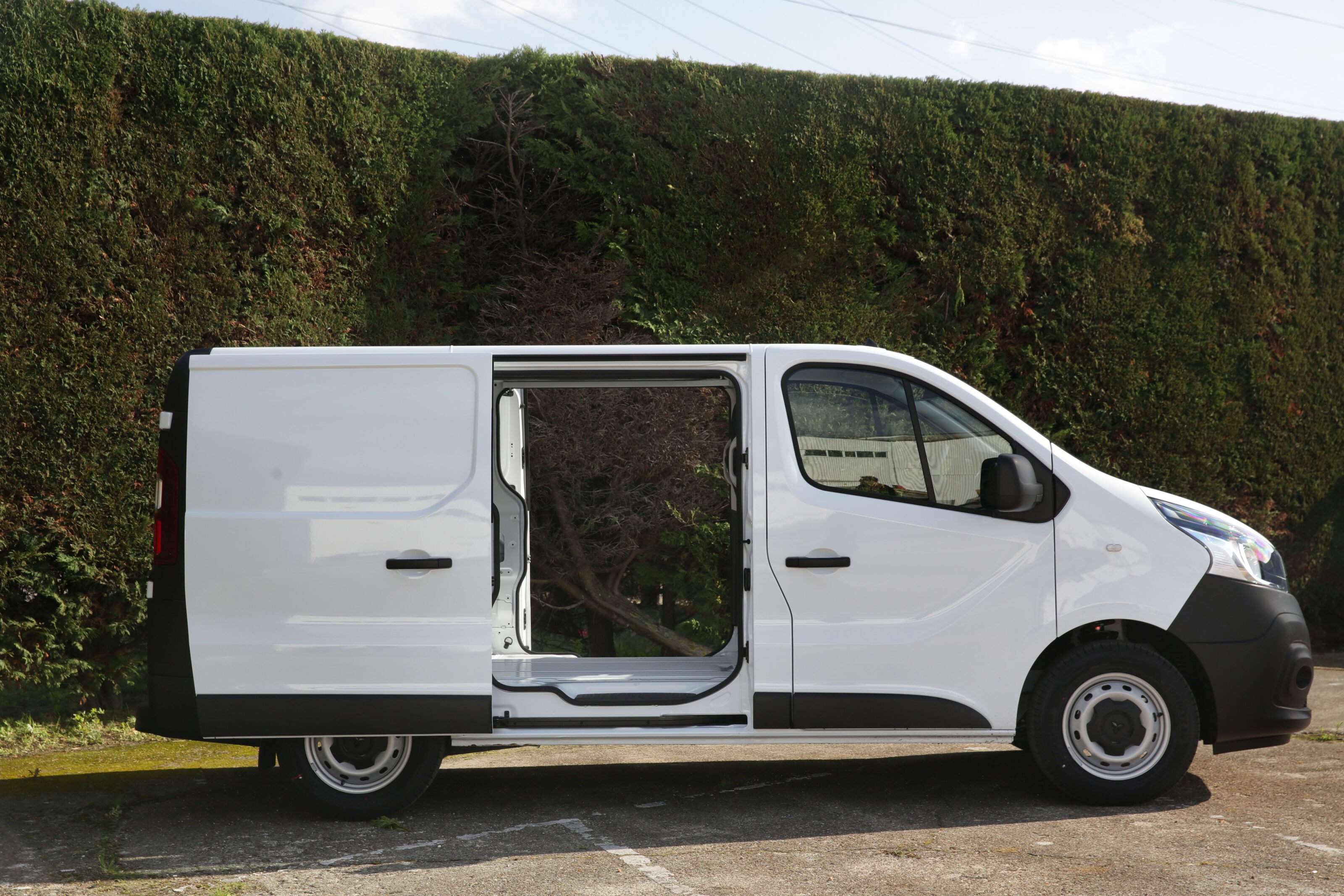
Express (while stocks last)
| Model | Body | Transmission | RRP | Drive-away (private) | Drive-away (business) |
|---|---|---|---|---|---|
| GLX | SWB | Manual | $39,040 | $40,040 | N/A |
| SWB | Dual-clutch automatic | $44,040 | $45,040 | $44,440 | |
| LWB | Manual | $41,040 | $42,040 | N/A | |
| LWB | Dual-clutch automatic | $46,040 | $47,040 | $46,440 | |
| GLX+ | LWB | Dual-clutch | $46,540 | $47,540 | N/A |
| LWB w/ tailgate | Dual-clutch automatic | $46,540 | $47,540 | N/A |
Nissan
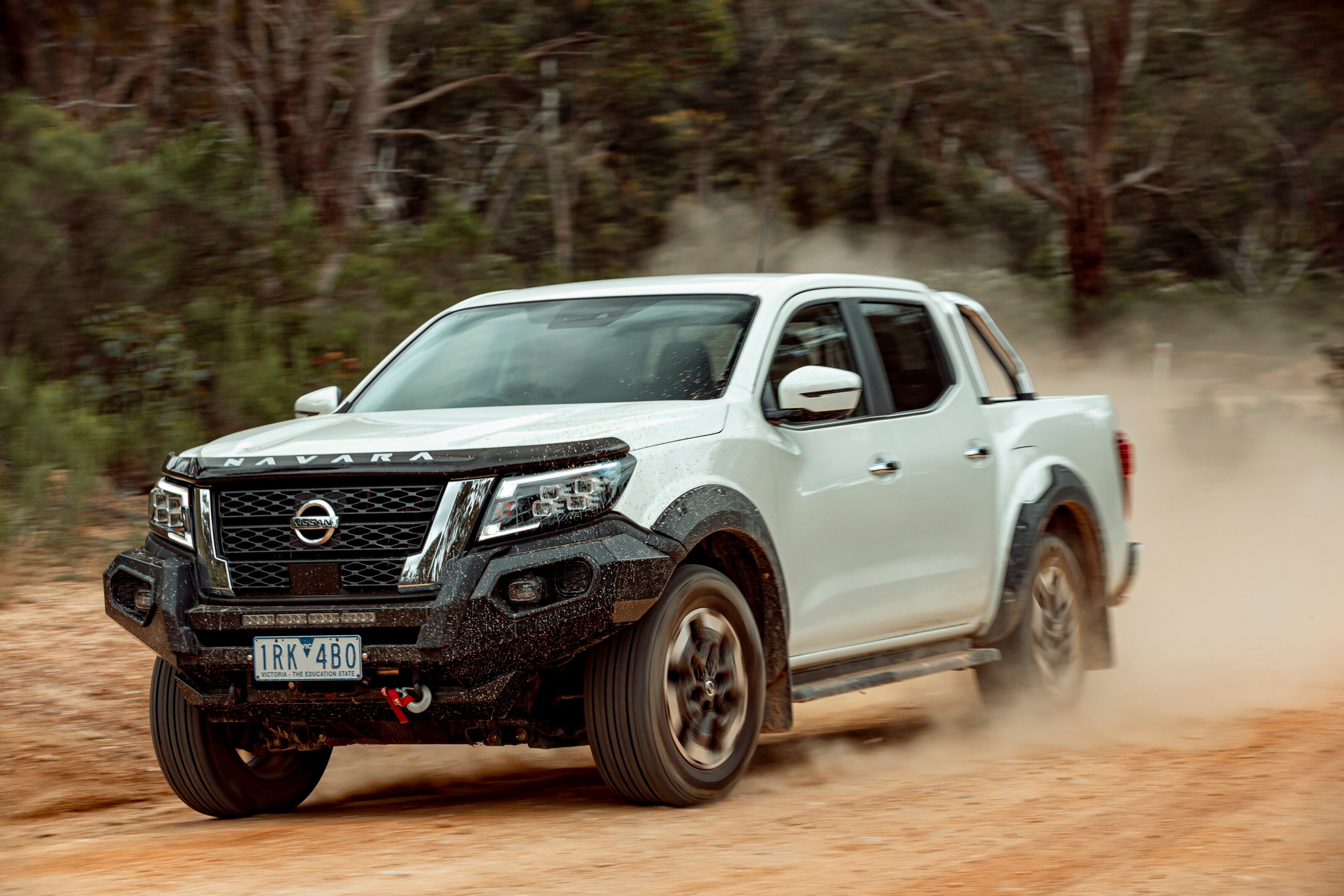
As with most other brands, Nissan isn’t offering a price-led campaign during the current supply chain chaos.
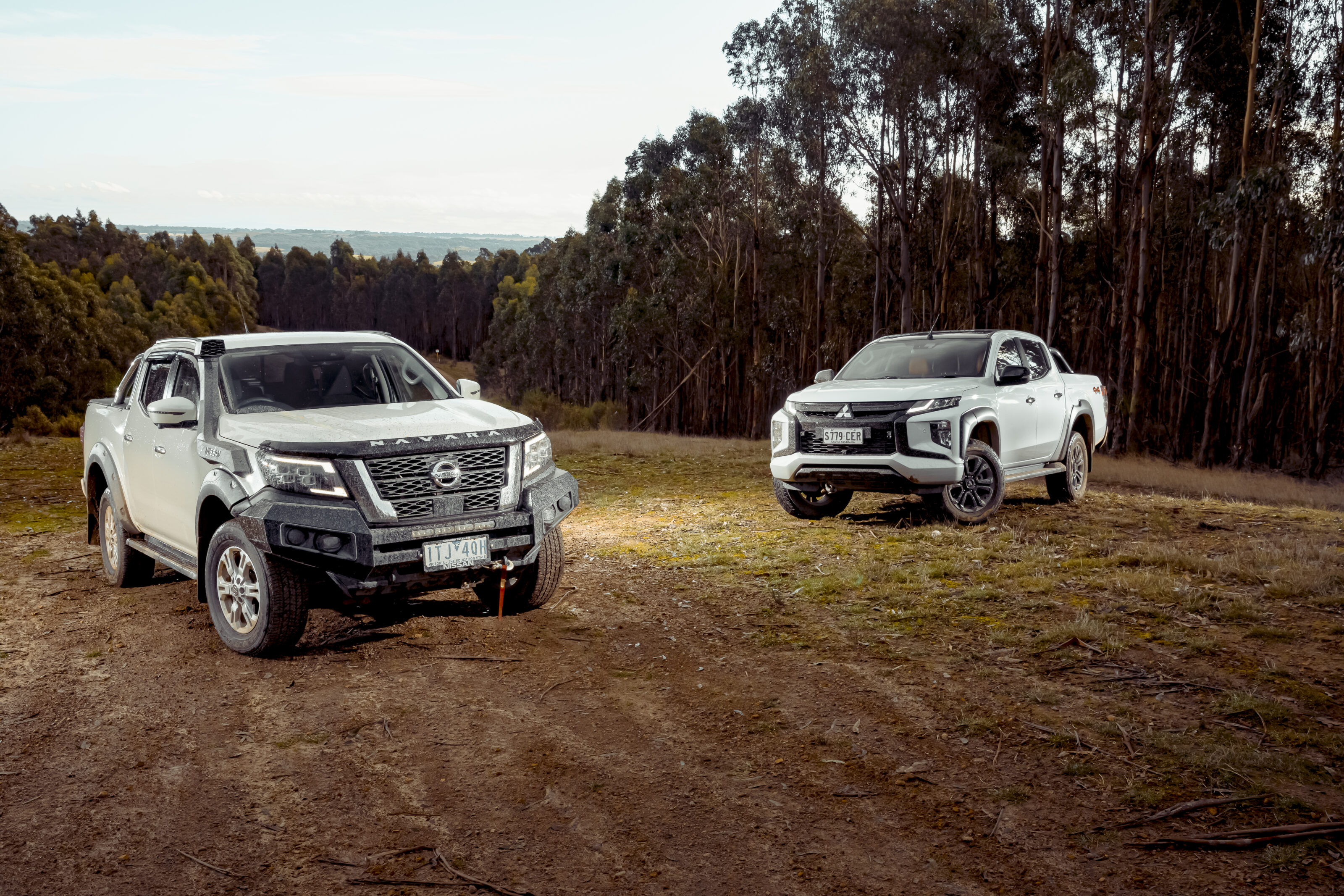
However, the company is hoping to encourage buyers to purchase a 2022 Navara ute under its in-house finance program, offering a low 2.9 per cent annual percentage rate for ABN holders on a 48-month lease until June 30.
Unlike the comparison rate typically included in finance-based promotions, the percentage rate only covers the yearly interest generated on a loan, excluding certain fees and charges related to it.
Peugeot
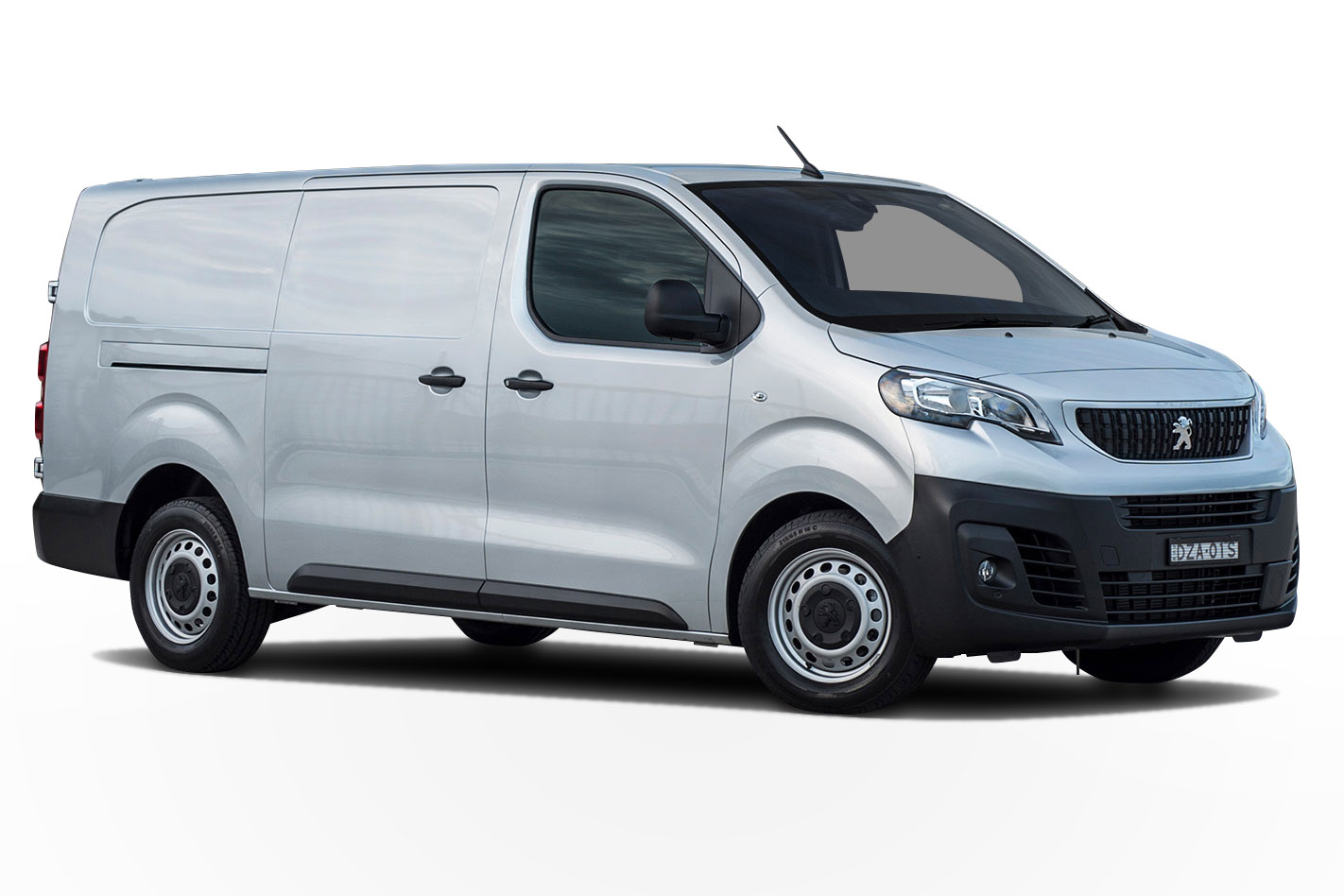
Until June 30, Peugeot is offering a $1500 factory bonus for ABN buyers purchasing a new 2022 Expert medium van (pictured above), or $2000 for the 2022 Boxer large van.
Along with prices increases across the Peugeot line-up earlier this year, the marque deleted potentially life-saving side airbags from all Expert variants – except the Sport limited edition – due to the chip crunch. Adaptive cruise control was also removed from the Expert Pro and Premium grades.
The entry-level 2022 Partner small van currently isn’t subject to any national promotions.
Volkswagen
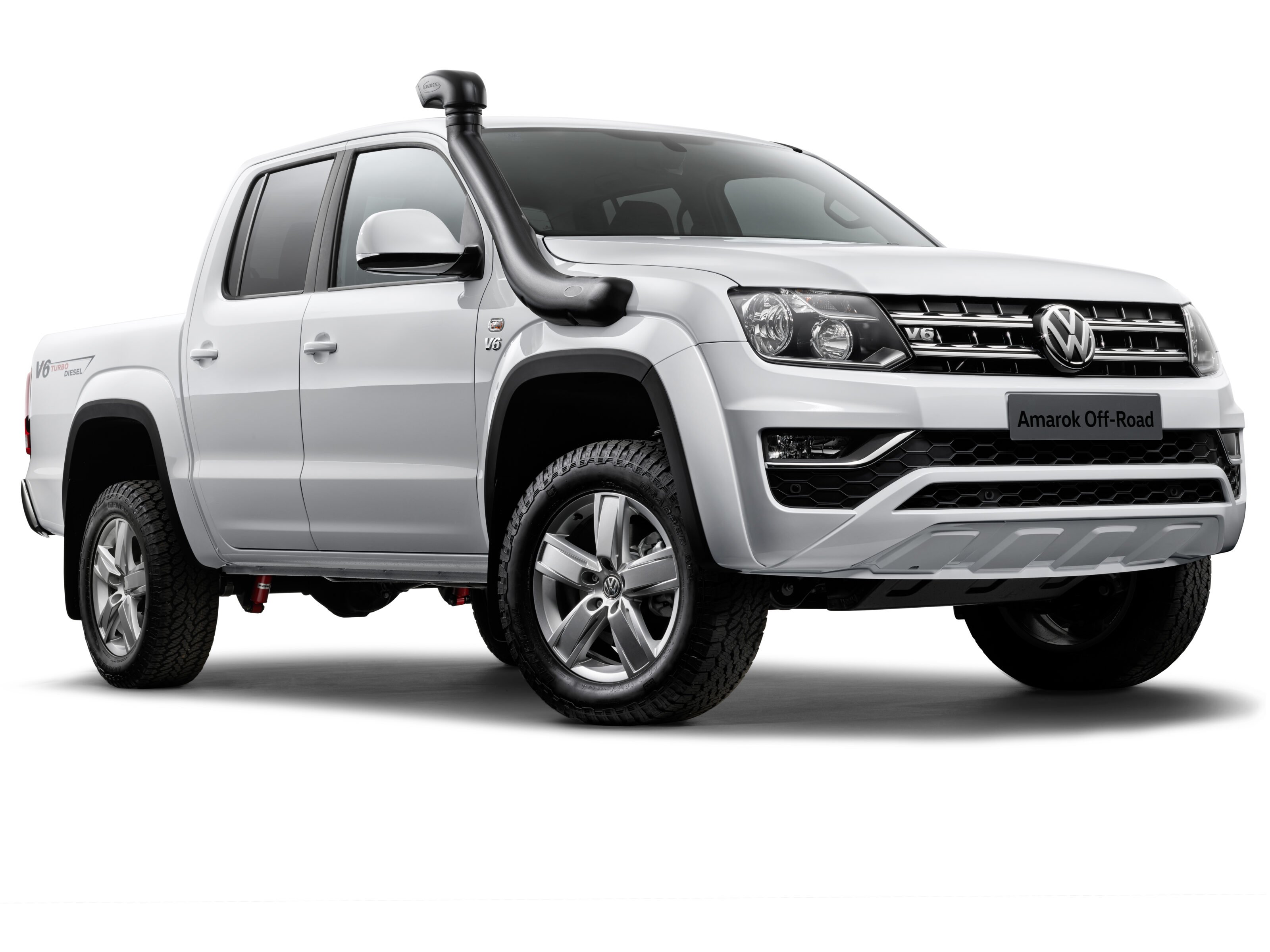
Volkswagen Commercial Vehicles does not have any present price-led deals for the end of the financial year.
However, both it and a number of Volkswagen passenger cars are currently available with discounted five-year servicing plans for any new or pre-owned vehicles purchased before June 30, 2022.
Available for the Caddy, Transporter, Multivan, Caravelle, Crafter and Amarok, the five-year servicing plans include the first two years free of charge – bringing the overall cost of maintenance down.
These service prices can be found in the table below:
| Model | Price | Saving |
|---|---|---|
| Caddy | $1500 | $1448 |
| Transporter and Multivan | $1600 | $1739 |
| Caravelle | $1450 | $1539 |
| Crafter | $1750 | $1621 |
| Amarok four-cylinder | $1900 | $1761 |
| Amarok V6 | $2050 | $1825 |
The absent brands (Fiat Commercial, Ford, GWM and Ssangyong)
The popular Ford Ranger is currently thin on the ground, with stock availability of the current-generation model largely depleted ahead of the arrival of the next-generation version in July and the Ranger Raptor in August.
However, Ford also has no current national discounts for the Transit and Transit Custom vans, which are impacted by global supply chain issues – as with many other vehicles in the brand’s line-up.

The supply chain issues and related extended customer wait times have affected Toyota, with the brand confirming it “will not be running EOFY retail campaigns this year to focus on supporting existing orders.”
GWM Haval told WhichCar it seeks to “offer the best possible drive-away price to all customers at all times”, rather than promoting limited-time offers, such as EOFY sales.
A spokesperson for Ssangyong said the marque has “no plans for EOFY campaigns” this year, while Fiat Chrysler Australia’s only savings are for the prestige Alfa Romeo Stelvio.
EOFY 2022 stories
Mazda sales took a big hit last month, as the Japanese brand lost its traditional number two market position to Korean rival Kia.
Official industry figures for May revealed the company’s sales dropped nearly 40 per cent compared with May 2021 – a decrease of 4080 vehicles.
Mazda posted sales as high as 11,248 this year, in March, while its 6.9 per cent market share for May is significantly lower than the 12.9 per cent share it achieved in January.

Korean brands Kia and Hyundai both outsold Mazda last month, with 7307 and 7063 sales, respectively.
The company was confident earlier this year that it was in a good position to overcome the global vehicle supply issue affecting all markets.
“Restrictions to the global supply chain continue to affect delivery times across the automotive industry,” said Mazda Australia in a statement.
“Nevertheless, we continue to work closely with our dealer partners to deliver customer orders as soon as possible.
“We are focused on delivering customer orders and meeting demand for top selling models, with a view to further improving stock availability within this year.”
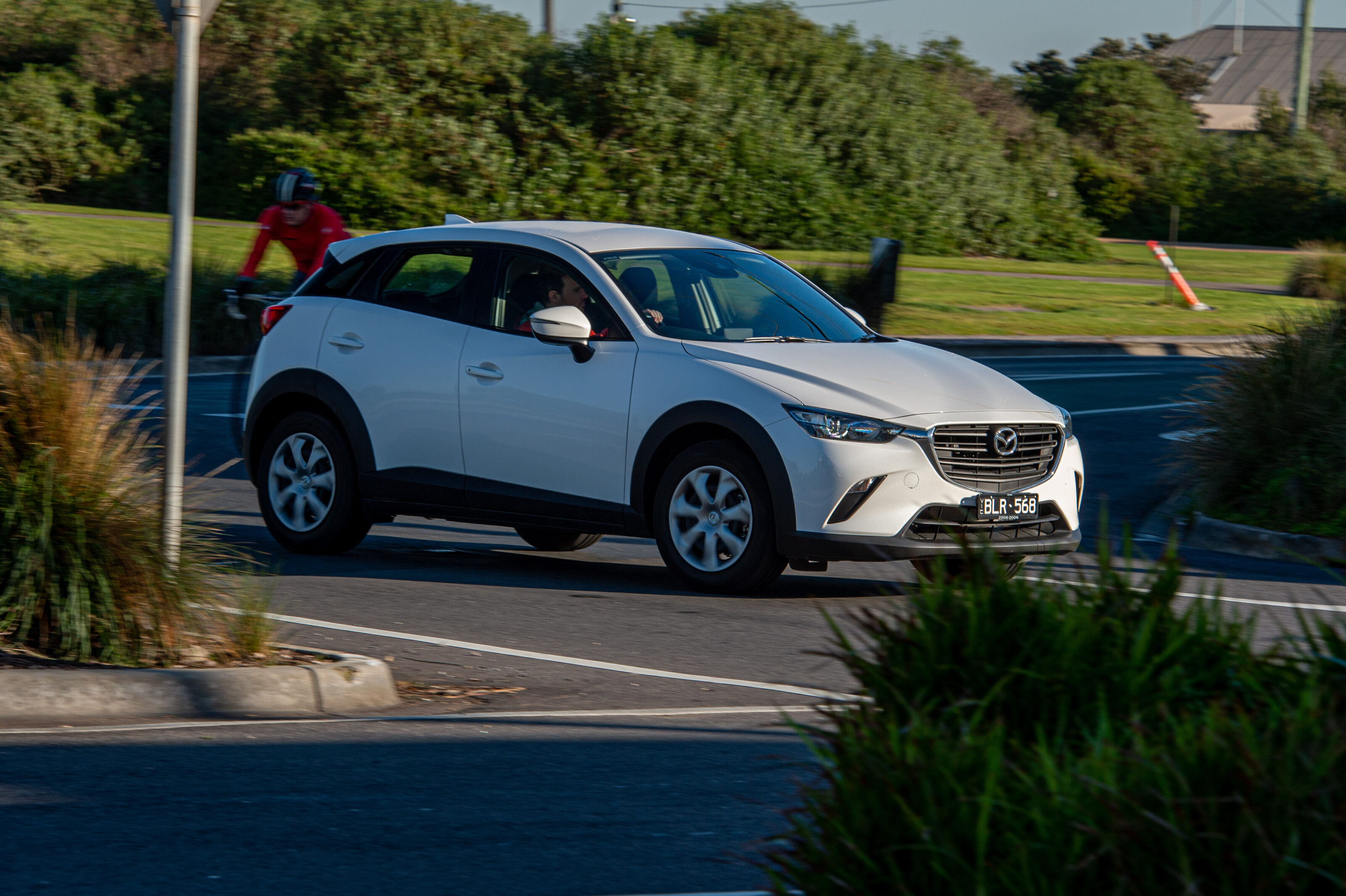
The only Mazda model to register growth last month was the ageing Mazda 2 city car, which rose by 12 per cent – albeit an increase of just 37 vehicles to 360 units.
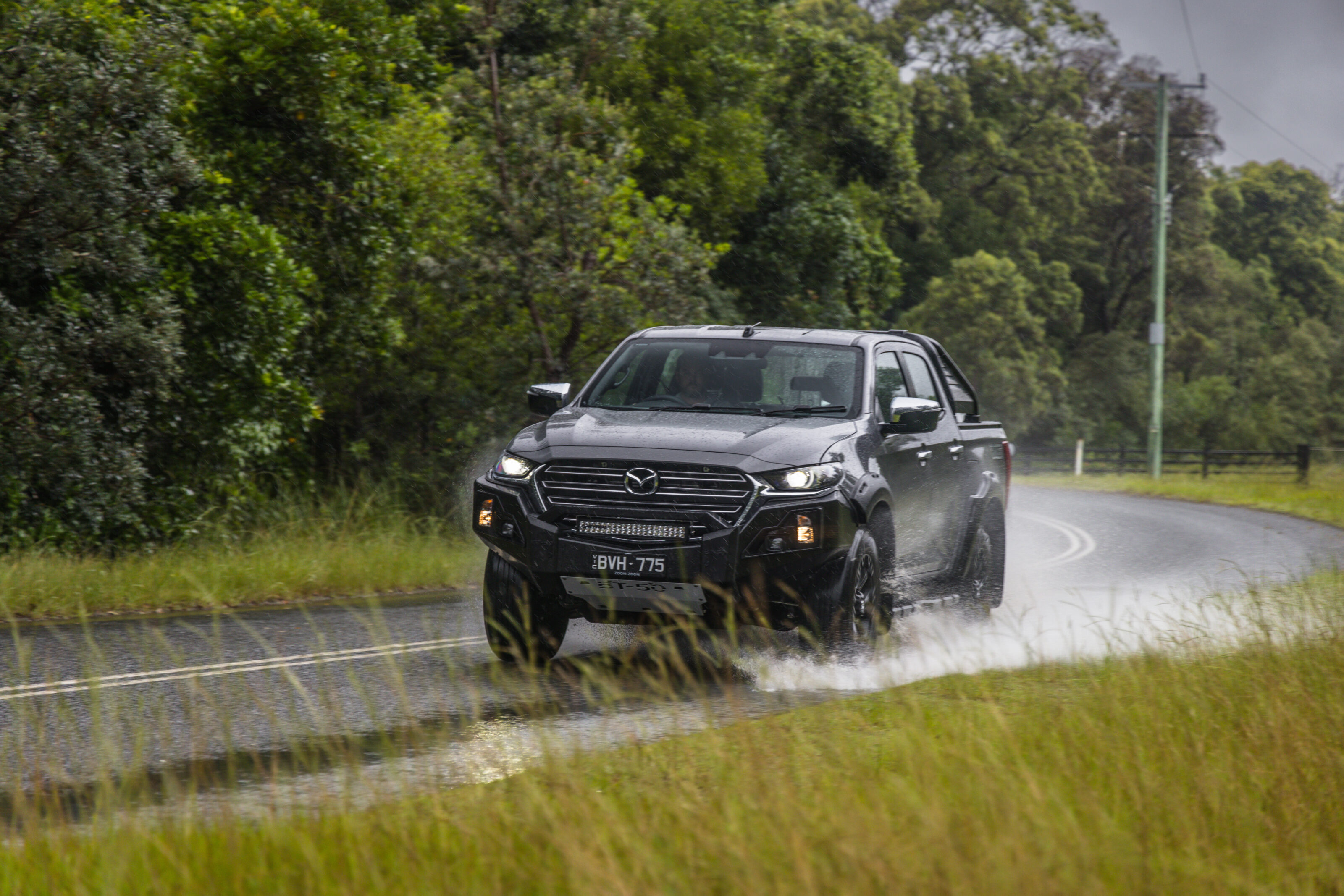
All other Mazda vehicles fell by between 20 and 68 per cent. The BT-50 4×4 (down 42 per cent), CX-3 light SUV (down 68 per cent), CX-5 midsized SUV (down 30 per cent) and Mazda 3 small car (down 65 per cent) were the most notable casualties as prominent big sellers for the brand.
Mazda’s year-to-date sales of 43,687 are down nine per cent on this time last year, though the company retains its second place to Toyota in overall sales.
The carmaker sold 101,119 vehicles in 2021.
Hyundai Australia has announced its upcoming smartphone connectivity system, which is poised to allow control of everything from remote locking to climate control and EV charge schedules.
Dubbed Bluelink, it will make its first appearance in the MY23 Palisade, due to hit Aussie shores in the third quarter of 2022. The app-based system will be subsequently rolled out across the full Hyundai range, with a five-year Bluelink subscription bundled in with every car sold.
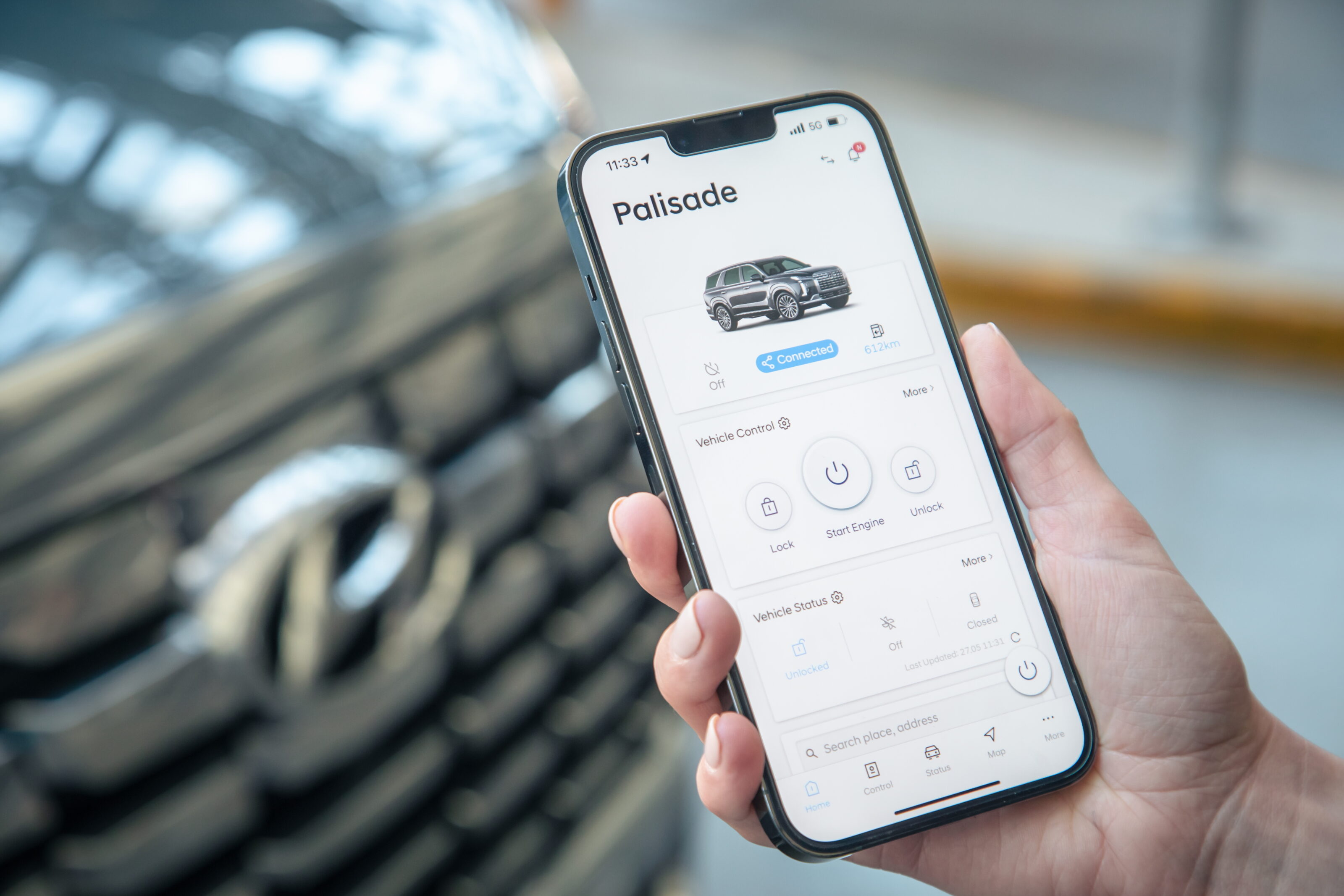
At its simplest, Hyundai says Bluelink ensures the car is “safe, healthy, and ready to go.” Basic functions include monitoring of tyre pressures, brakes, and airbags, alongside remote starting. Remote door locking and window controls are available too, protected by a PIN system or biometric scanning.
Hyundai also touts real-time navigation via ‘Connected Routing’, using an inbuilt SIM and cloud-based server instead of traditional internal sat-nav. ‘Last Mile Navigation’ allows a driver to transfer directions from car to app to provide on-foot assistance via augmented reality or Google Maps. Other functions include a ‘find my car’ option and saveable trip summaries, and voice recognition for climate controls.
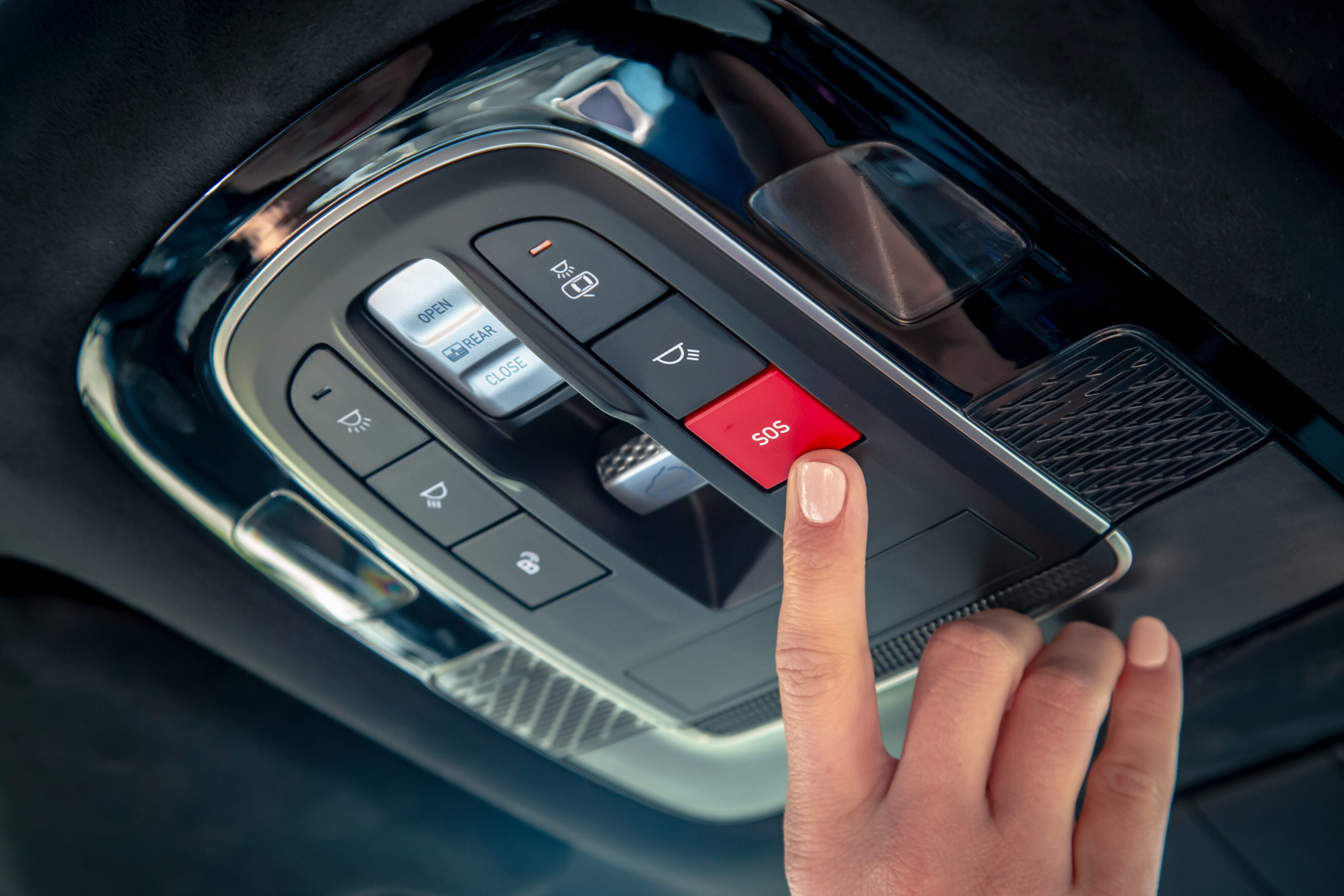
Bluelink manages the Palisade’s SOS button for 24/7 assistance. It also controls automatic emergency calling when an airbag is deployed, plus optional geofencing and time fencing to control where and when the car can be driven.
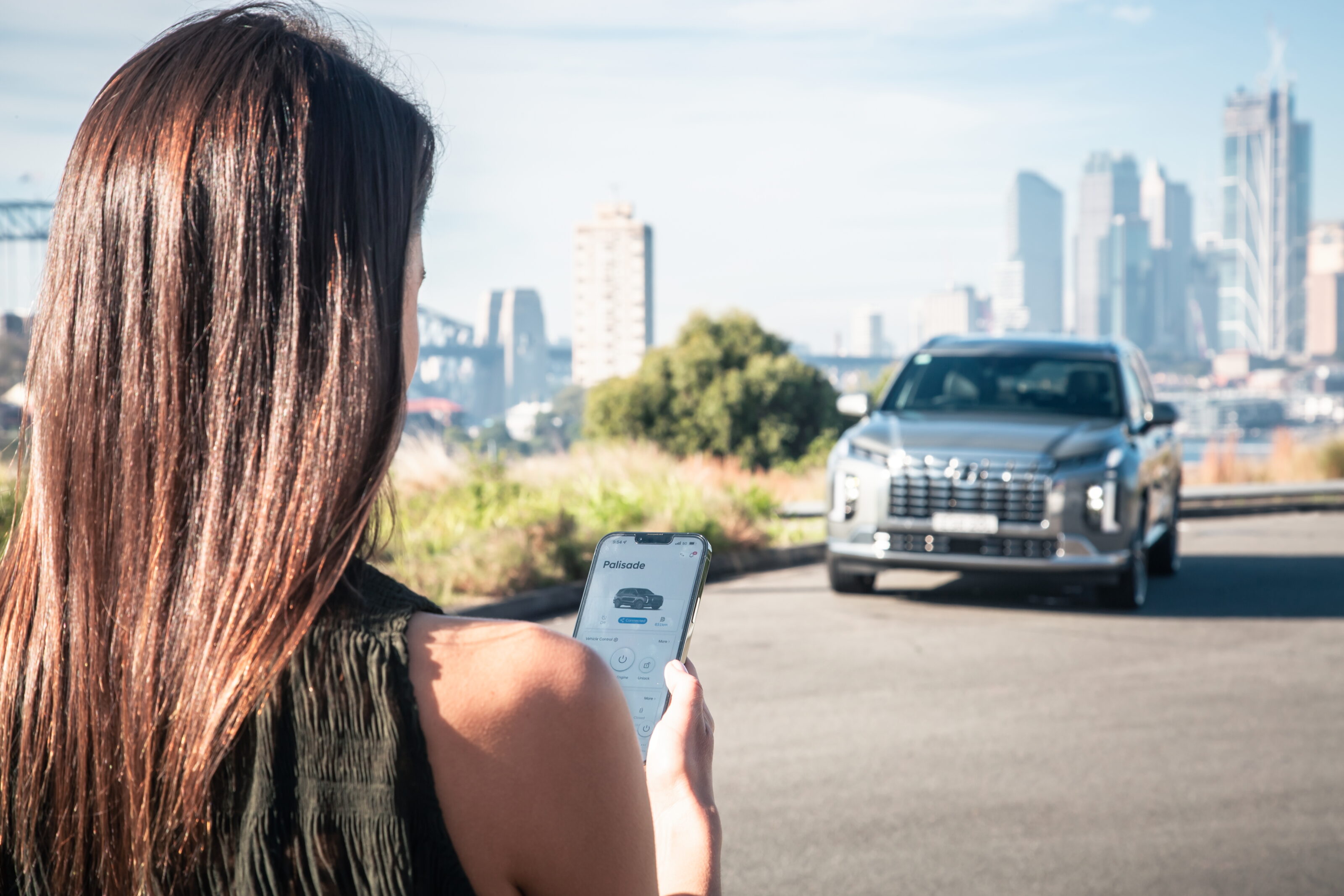
‘Valet Mode’ allows owners to see the car’s status, while also limiting the driver’s access to the infotainment system. Where installed, Hyundai’s four-camera surround-view monitoring is accessible via the app.
Owners of electrified Hyundais can start, stop and schedule charging via the app, and change climate control settings remotely.
Settings are transferable between cars and stored in the cloud, with connectivity managed by scanning the its inbuilt QR code using the Bluelink app.
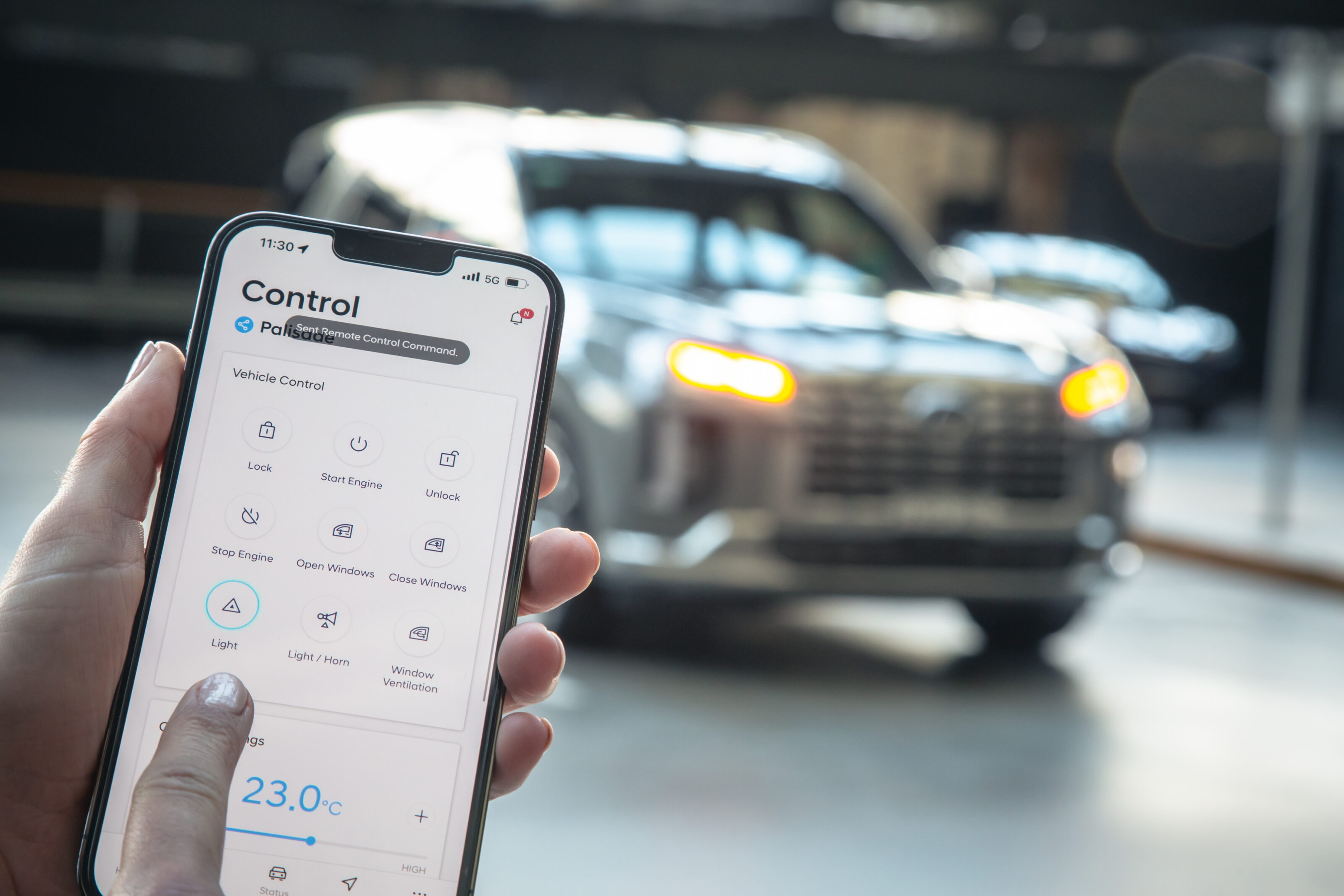
Hyundai has yet to reveal its subscription or pricing model for Bluelink, though it has confirmed any remaining balance held by an owner can either be retained or transferred if the car is sold.
First introduced in to the US market in 2012, Bluelink is the successor to Hyundai’s older Auto Link technology, which was discontinued in Australian-delivered cars in July 2020.
Snapshot
- Carmakers excited about changes Labor could bring
- Labor understood to be open to CO2 target
- Regulation would replace voluntary scheme currently in place
Carmakers across Australia have been lobbying their international head offices to get more electric vehicles for our market following the election of the Labor Government last month – but are still calling for a CO2 emissions target to be mandated.
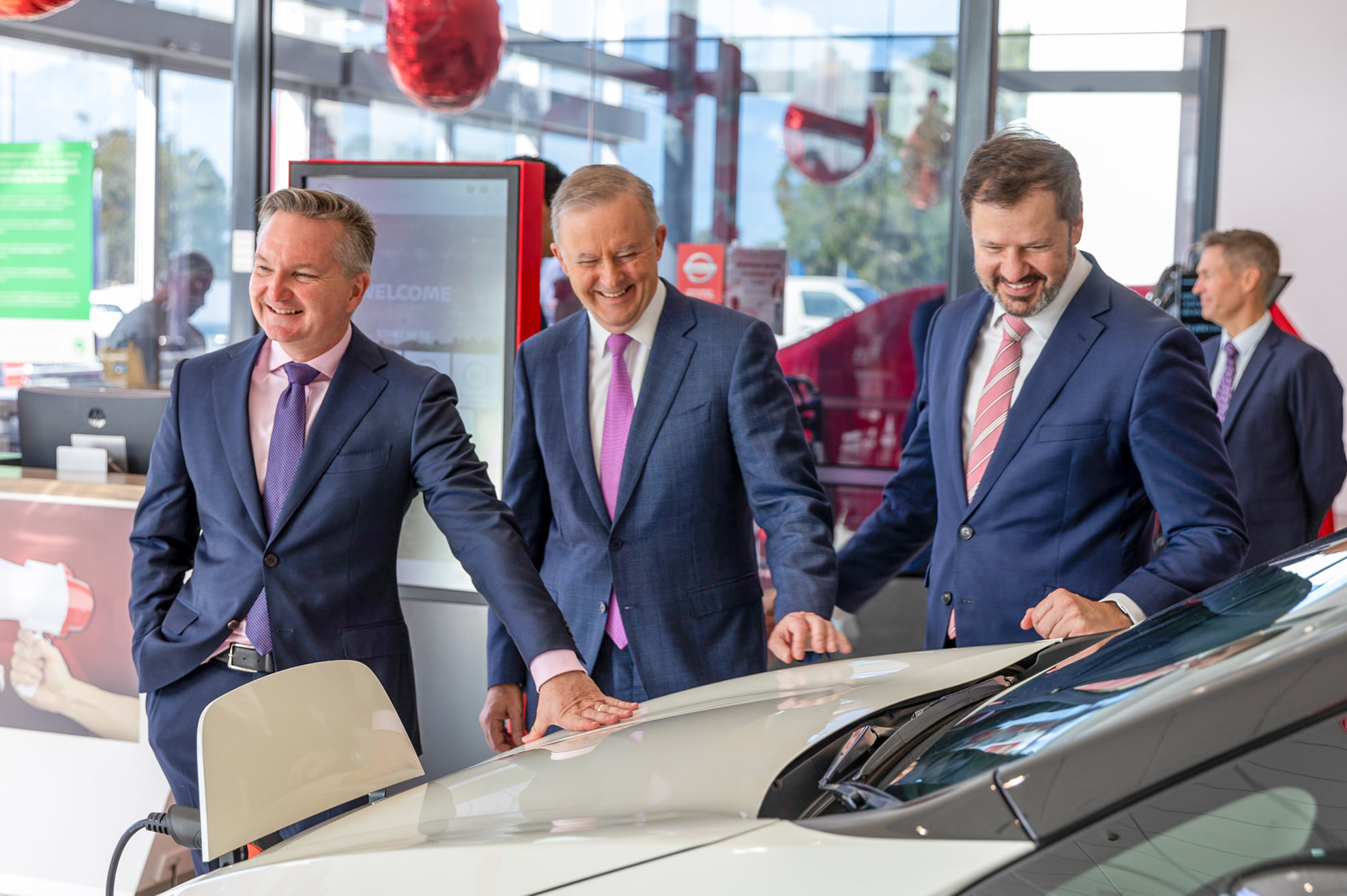
Coming into the Election, the ALP promised a raft of changes should it come to power, including introducing an EV discount by removing the five per cent import tariff and making them exempt from Fringe Benefits Tax (FBT) if priced below the Luxury Car Tax threshold of $84,916.
The $251 million investment, which will impact vehicles not already covered by Free Trade Agreements (such as the British-built Nissan Leaf and Mini Cooper SE) is, in fact, already underway just days after the new administration took office.
Behyad Jafari, CEO of the Electric Vehicle Council (EVC), told Wheels the EVC is hearing more positive news about the new government, and that carmakers’ conversations with their global head offices, telling them we now have a more EV-friendly administration this time around, are going well.
“We’re already seeing positive outcomes with some bringing their plans forward and seeing Australia being taken more seriously,” Jafari said.
“Of course there’s still a lot left to be done, but we’ve already started speaking with the new Minister, Chris Bowen, to express our opinion it is well past time for a CO2 target. While the new government hasn’t committed to it yet, we are getting a positive response from them – which is in complete contrast to the previous government which was just like talking to a brick wall.
“This is definitely a positive change. The new government is more climate-focused, so are the independents and of course the Greens – it’s all working in our favour at the moment.”
Speaking to Wheels, Kia Australia’s General Manager of Product Planning, Roland Rivero, said that as soon as it became clear Labor was to win the Election, execs rallied to lobby their bosses in Korea to get more EVs for the local market.
“The recent ALP victory has already started the conversations to get as much stock as possible [for Australia],” he told us.
“I don’t think anyone anticipated a landslide victory, but by the Saturday evening you knew it was coming’. First thing on that Monday morning, the whole senior management team was called in and were told we’ve got to put a lot more emphasis and focus on our green car plan, including the marketing, after sales, the network development – everything. We’ve got to push our EV story more than we ever have done in the past and convince HQ we need to get a little more help in terms of stock.
“The state-by-state approach was a bit piecemeal, and if there is, on a federal level, a greater stance that affects the whole country it is heading in the right direction. Sure we still need a little bit more, and on top of the promises Albo has given us would be a mandated CO2 regulation.
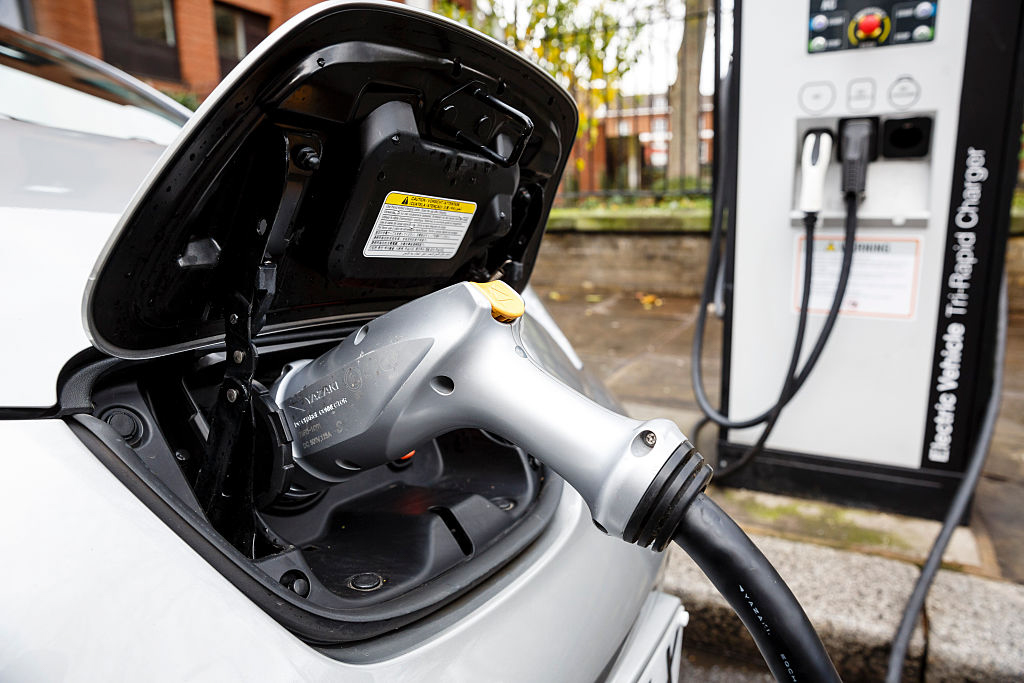
“Labor is heading in right direction, and we’re not against what has been proposed so far with the improved infrastructure plans and FBT changes, but we don’t benefit so much on the tariff side of things because there is already a free-trade agreement with Korea. Still though, the the FBT side of things is still a good incentive for people to consider if they have a car as part of salary package or novated lease.”
“My personal view is that I’d like to see that [a CO2 target] become part of the Government’s strategy in regards to future plans on EVs,” Damien Meredith, Kia’s Chief Operating Officer, added. “Last time around, the expectation was 50 per cent of the new car market to be made up of non-ICE vehicles by 2030 and that was pretty ambitious – but if it helps, and I think it would, then yes let’s make it part of policy. Kia has the right products in the pipeline to accommodate that in the long term.
“We’re really excited about the transition from ICE to EV, it’s an amazing time for all of us to be involved in the industry.”

Volkswagen Australia also echoed Kia’s sentiments, backing the need for a mandated CO2 target after having long been outspoken on the former Coalition Government’s inaction on the issue because it has acted as a barrier to the company being able to bring in its best technology.
“As VGA has said repeatedly, the single most important switch that can be flicked in terms of compelling our factories to supply us with EVs is the mandating of a national CO2 target,” a spokesperson said.
“The signs are positive. In most developed countries there are drastic financial penalties for failing to meet targets. A uniform national EV scheme is of the essence. Also of necessity is the removal of the tariff attached to each and every Europe-sourced car. The long delayed free trade agreement with the European Union will create a level playing field.”
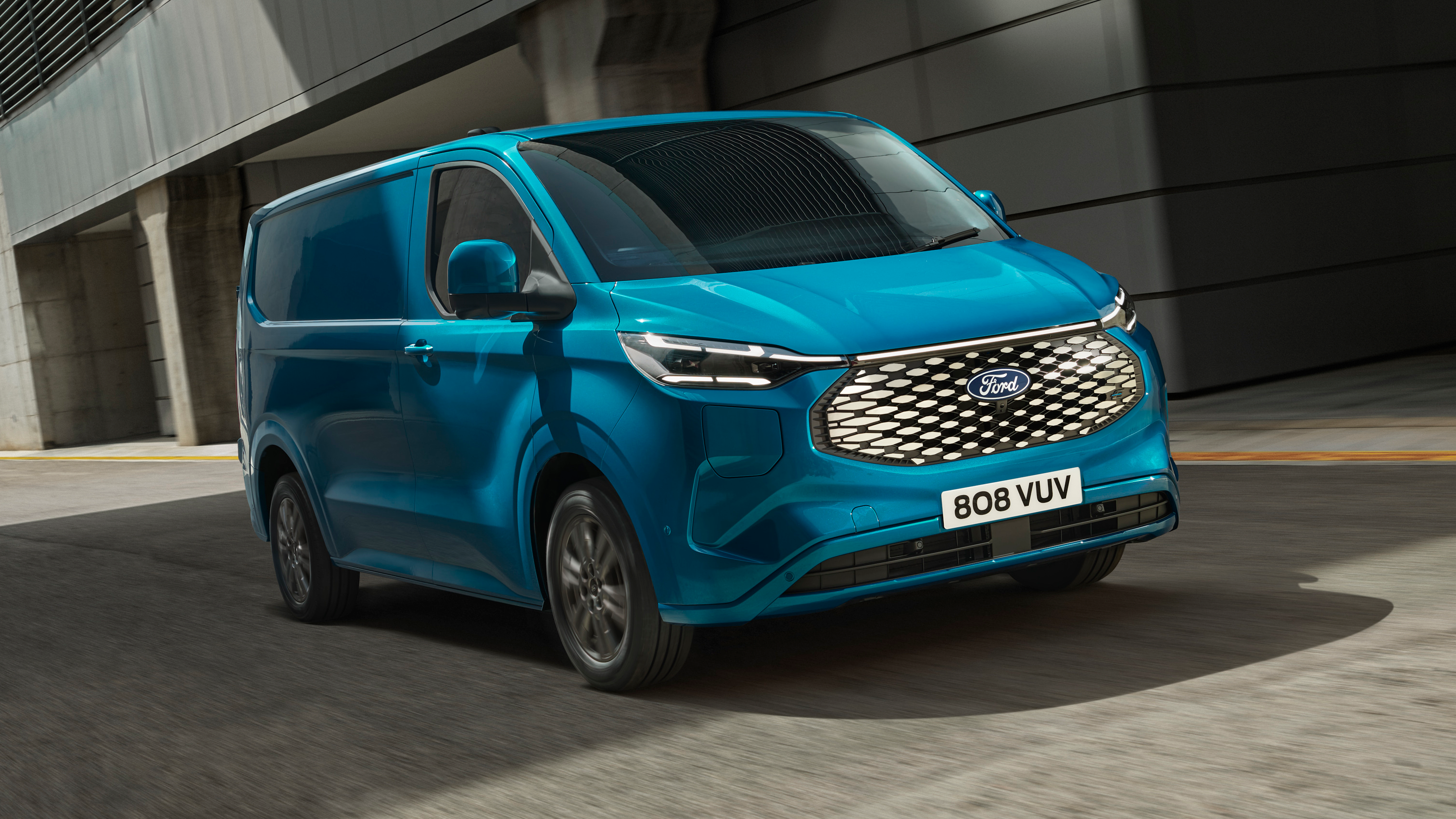
Ford Australia agreed, saying “work is already underway to bring lower-emitting vehicles to our shores” with the recent addition of the Escape PHEV and upcoming E-Transit and E-Transit Custom vans. The carmaker also revealed it will have “more to say on the other [electric] vehicles soon”.
Others meanwhile, such as Nissan, are playing their cards closer to their chest – waiting to see what changes are made before revealing their hands.
“Nissan welcomes all commitments to the adoption of electric vehicles, but until there is legislation introduced we can’t comment on any policy,” a company statement read.
A number of countries have already committed to compulsory emissions targets, with the United Kingdom set to ban the sale of new internal combustion engined-vehicles from 2030 and the European Union set to do the same by 2035.
Local industry lobby group the Federal Chamber of Automotive Industries has long been a supporter of federally-mandated emissions reductions targets for vehicles, with CEO Tony Weber saying manufacturers will meet the targets set by Government to sell cleaner vehicles in Australia.
“The Australian public has made it clear that tackling climate change and reducing emissions is a primary concern,” said Weber. “As an industry, we are ready to work with the new Federal Government to transition industry’s voluntary CO2 scheme to a federally-mandated one.
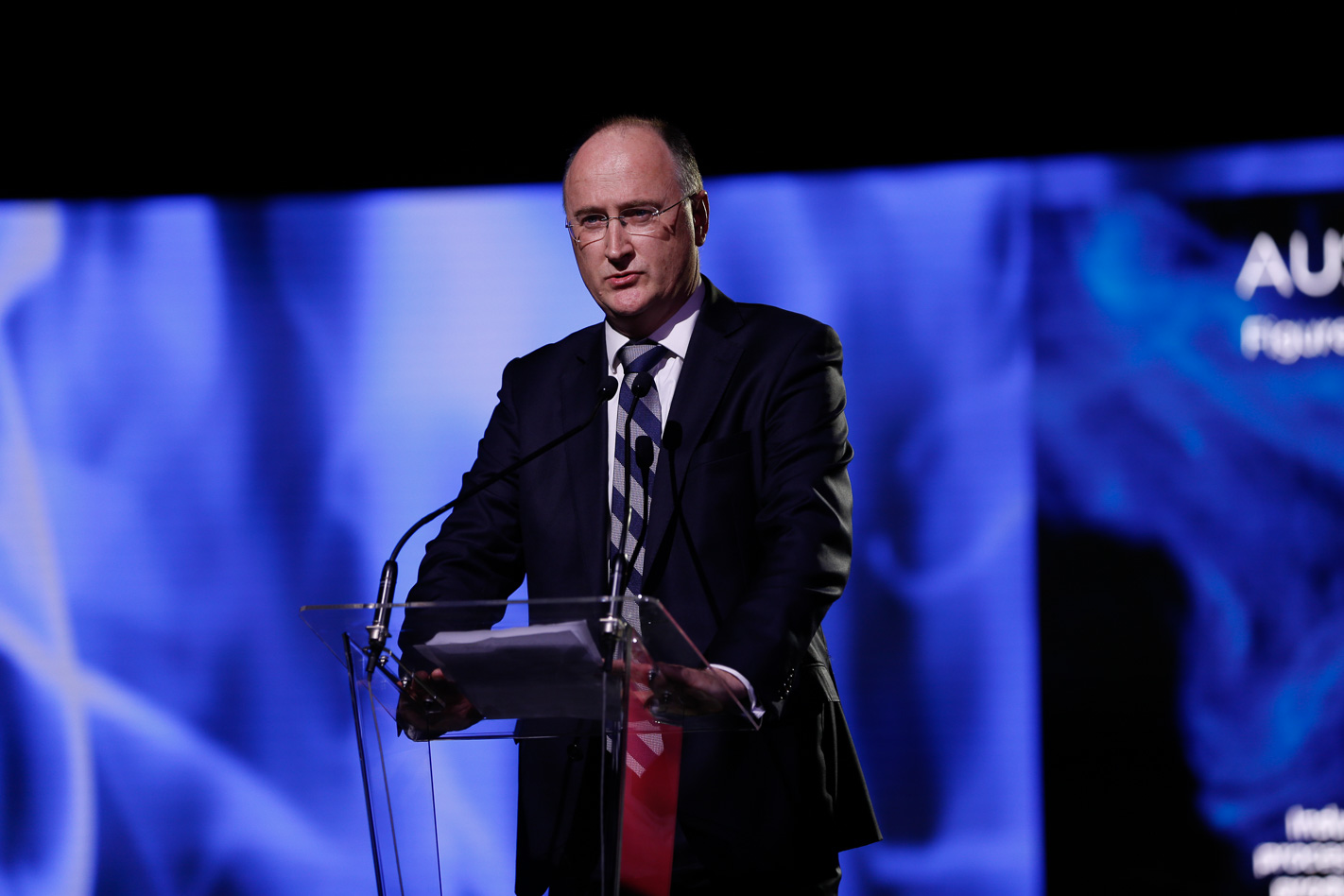
“Our members are bringing low emission technologies to market that – encompassing internal combustion, hydrogen, hybrid and full battery-electric systems. All of these technologies will play a role in our short-medium term journey towards zero emissions and full electrification.
“Our message to Government is simple. Give us the target; we will give you the technology.”
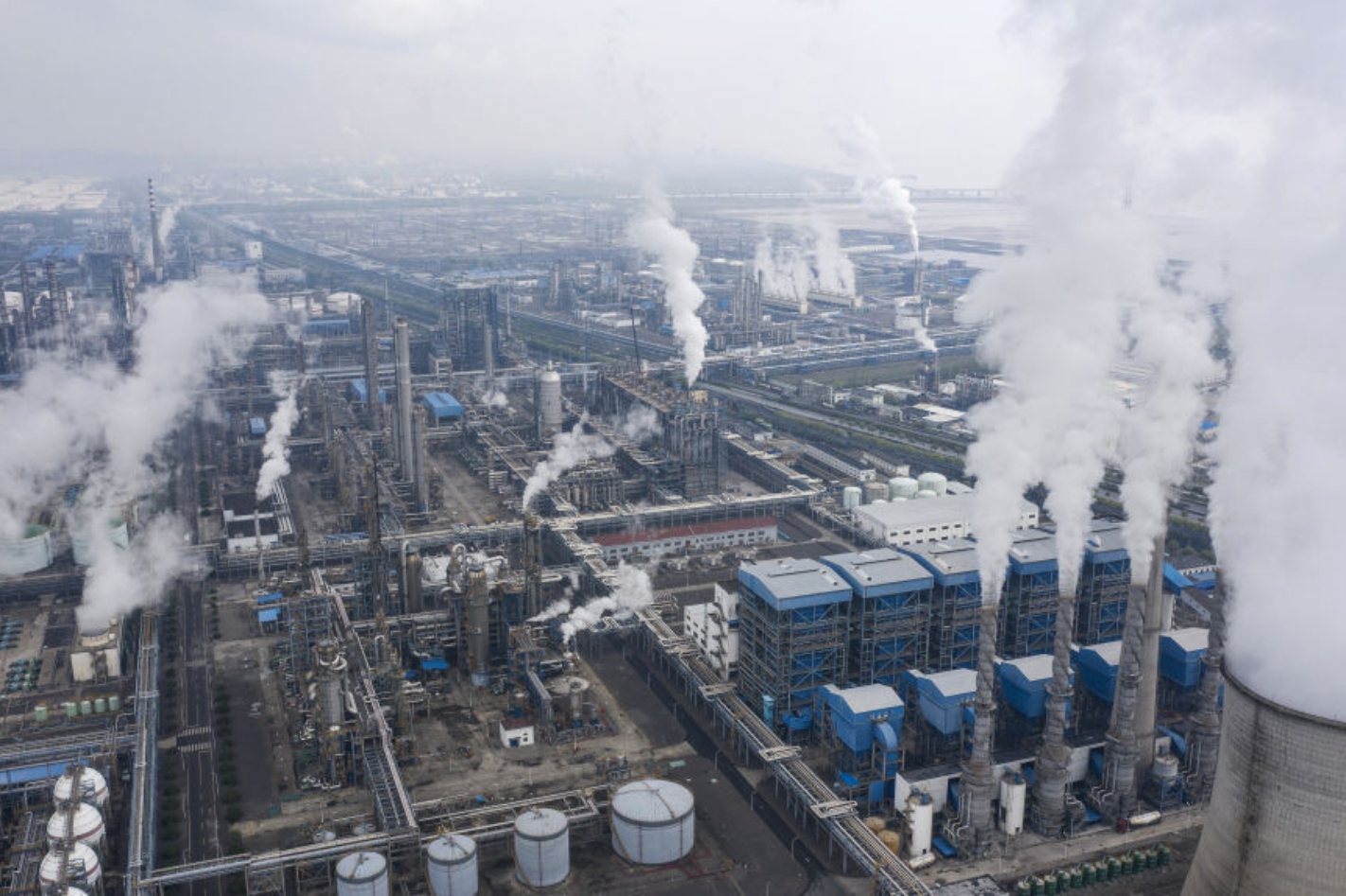
In 2020, the FCAI introduced a voluntary emissions reporting scheme for the industry, with manufacturers each set individual targets, as well as overall ones for light SUVs and heavy SUVs/light commercial vehicles. However, in both 2020 and 2021 most carmakers did not meet said goals – only 12 out of 39 hit the 150g CO2/km target in the first category and nine achieved the 190g milestone in the latter.
The idea behind the scheme is to achieve the equivalent of a Euro 6 standard for emissions, but Australia is held back by our poor quality fuel, among other things. The 2030, rather than annual, goalpost set by the FCAI is there to allow the two remaining local refineries to get to 10 parts per million sulphur in our fuel by 2027 and to fit in with the lifecycles of models in our market.
In contrast, Europe is set to adopt Euro 7 by 2025. According to the FCAI, it is based on “internationally mandated practices” such as found in Europe and the US, but adapted for the “unique characteristics of the Australian market”.
The FCAI standard is in line with the European Environment Agency’s, whereby carmakers are given credits to hit targets for reduction measures such as; introducing EVs, using safer air conditioning and adding fuel-saving tech such as stop/start, high efficiency headlights, solar panels, active aerodynamic improvements etc.
However, the results so far, and the fact there are no penalties for missing targets, have led some to criticise the self-reporting system, with one source telling Wheels the method based on a sales-weighted average and mass per unit sold isn’t presenting consumers with the best picture of what our country’s emissions truly are.
Furthermore, they claim it is a concern that FCAI does not provide the National Transport Commission (NTC) with some of its information, with the statutory body only able to re-report FCAI’s adjusted figures.
“FCAI is responsible for handling it – but we shouldn’t be letting everybody self-report. Because they [the NTC] can’t get the credits and super credits data from FCAI, they are working on an alternative, but developing another system will take years.
“This may have a benefit in the long run that they [the NTC] can also report on emissions for all cars on the road, not just new sales, but it’s something they’ve now had to start the process of because of the hole that exists in their data – and it will be a significant task to get through.
“In fairness, FCAI is clear about how it has come up with the numbers, it just makes it look like the emissions are better than they actually are. It’s not an accurate representation of how Australia’s CO2 is performing.”
Defending the FCAI’s efforts, Chief Executive Tony Weber told us: “The NTC’s system was 20 years’ old, we’ve just updated it to make it more modern and in line with international best practice – it’s more rigorous. For 2020 and 2021 we gave them the raw data, but not the credits or super credits, that’s what they wanted and that’s what they got. We recognise what we’re doing is sub-optimal, but really the Government should be doing this.”
As part of its Powering Australia plan, the ALP has also promised this would result in 3.8 million EVs ending up on Australian roads by 2030 and it would commit to reducing carbon emissions by 43 per cent by the same time.
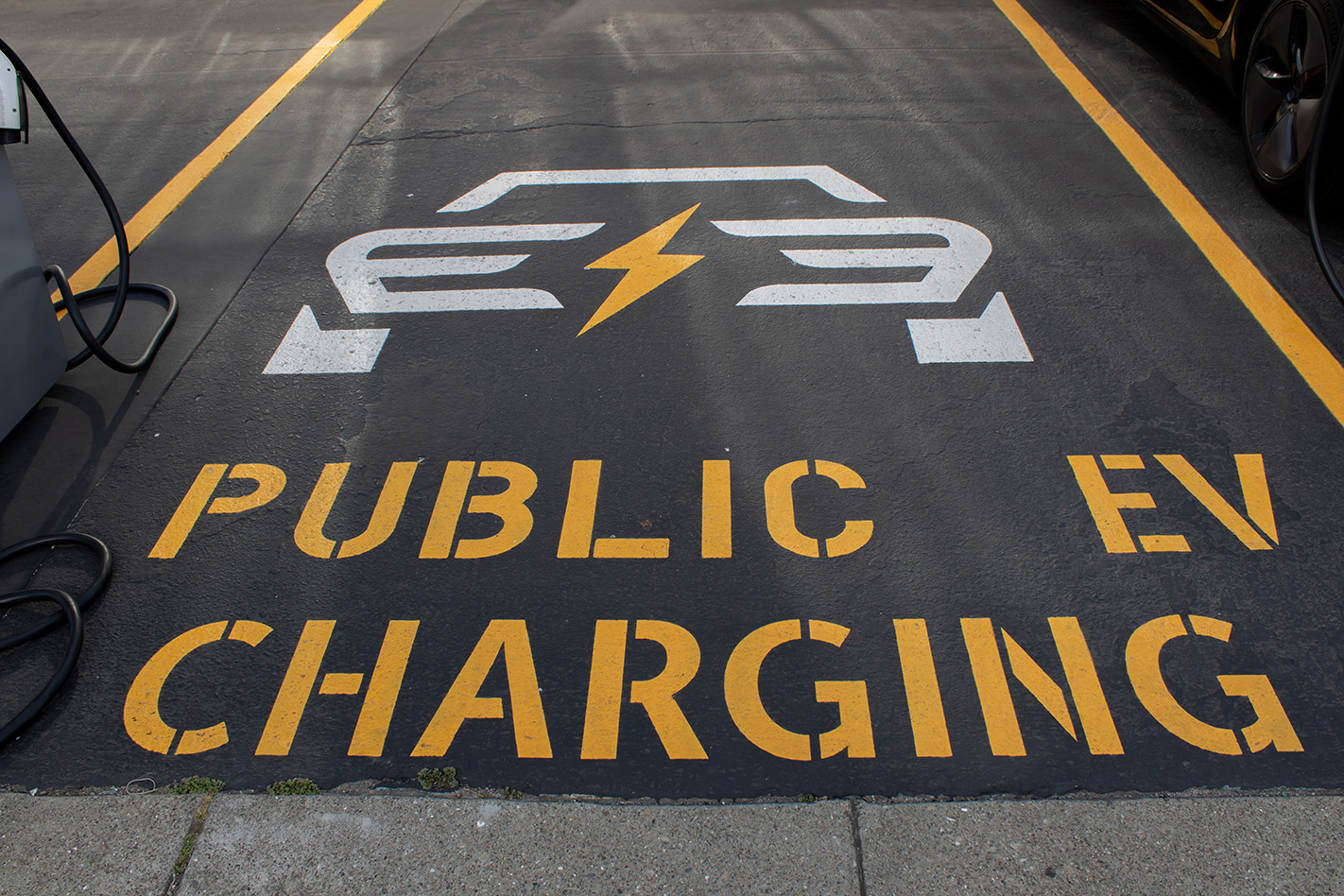
While its EV target could be ambitious due to official figures showing just 17,243 examples of new fully-electric vehicles were sold last year, Labor plans to support the expected up-take with a number of key infrastructure upgrades – claiming it will install chargers every 150 kilometres on major roads around the country.
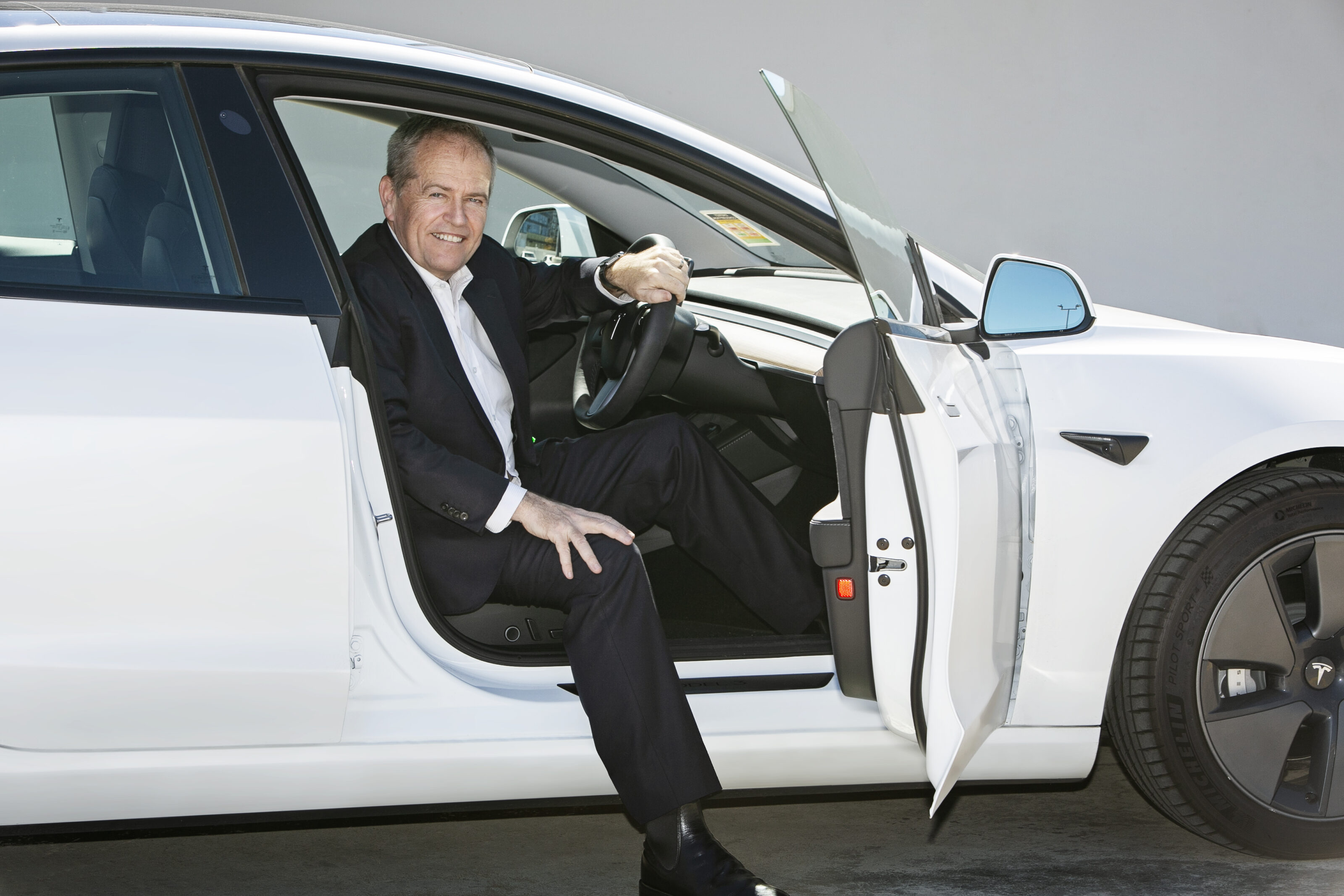
At the last Federal Election in 2019, then-ALP leader Bill Shorten wanted half of Australia’s new-car sales in 2030 to come from EVs.
This might have been a lofty ambition at the time, given EVs accounted for just 1352 of Australia’s new car sales in 2018, and Labor’s electric dreams weren’t helped by now-former Prime Minister Scott Morrison saying that EVs would “end the weekend”.
