
The second-generation Volkswagen Tiguan landed in 2016 and it landed hard, but in a good way. After a fairly lacklustre entry into the mid-size SUV market with the original car that wasn’t really a mid-size SUV, VW’s product planners and engineers came up with something vastly superior.
Sure, it had its quirks like missing out on LED headlights (baffling) and a slightly frumpy front end, but both of those things were sorted out in the mid-life facelift.

Six years is a long time in the car world. Some cars land in a blaze of glory but find themselves staggering along to their unmourned deaths after such a period. Others just kind of fade into insignificance as fresher metal with shinier things come along. The Tiguan still has some way to go before replacement while almost every other competitor is new or close to. Can the Tiguan still really play at the front?
Pricing and Features

For $55,990 before on-road costs, you are playing at the top end of a segment brimming with quality, so you’re going to want a lot of stuff, in a well-built and attractive car that drives well. So not much to ask, really.
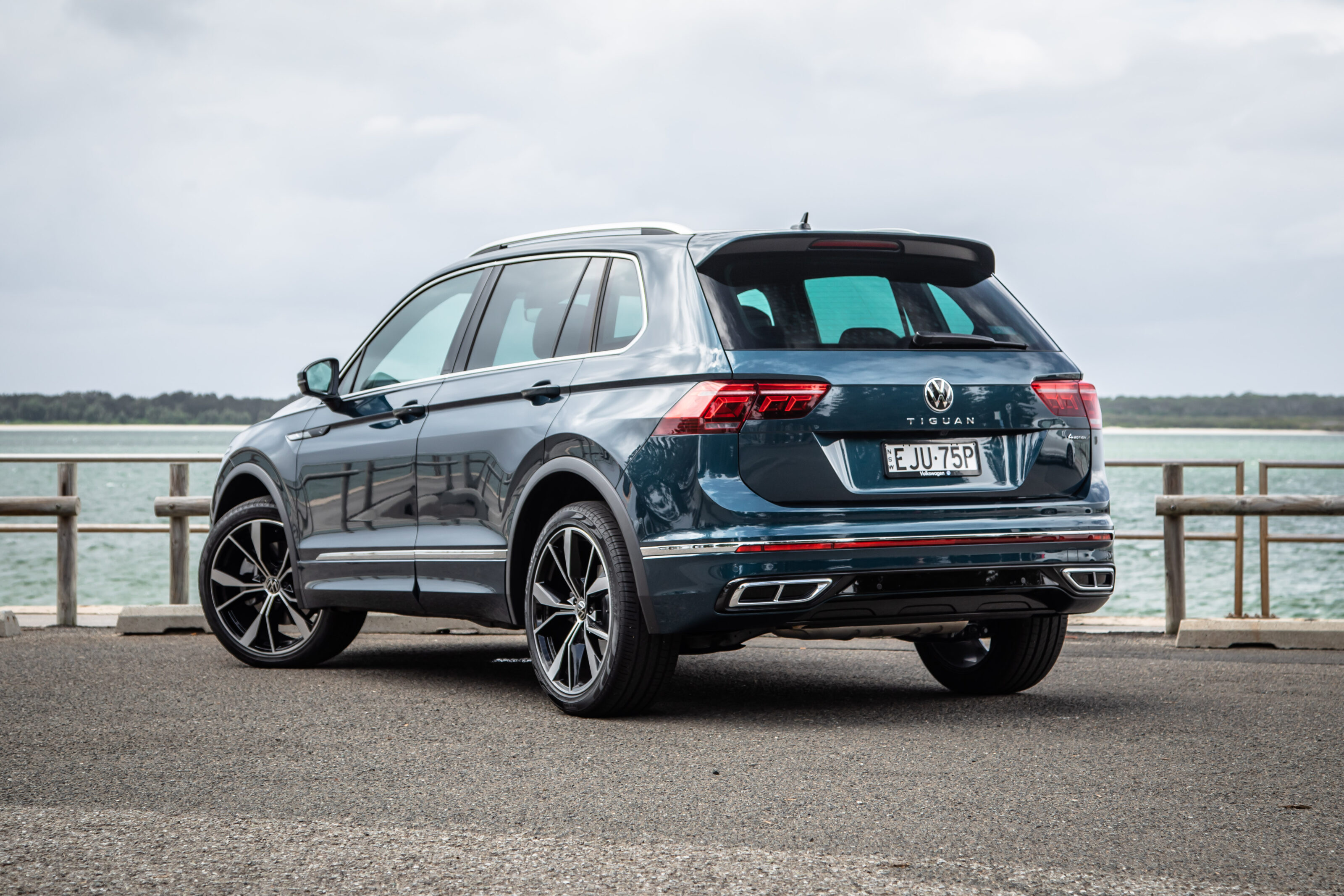
The Tiguan 162 TSI R-Line ships with 20-inch alloys, an eight-speaker stereo, multi-zone climate control, auto LED headlights, electric and heated front seats, keyless entry and start, auto parking, wireless mobile phone charging pad, reversing camera, powered tailgate, power everything, leather trim (some of it real, some it not), front and rear parking sensors, digital dashboard, adaptive cruise control, auto high beam, auto wipers, heated steering wheel and a space-saver spare.
R-Line in the name refers to the sporting character of this Tiguan’s cosmetic accoutrements rather than anything technical, but for me it’s more attractive than the luxury-skewed Elegance.
For $55,990 you are playing at the top end of a segment, so you’re going to want a lot of stuff, in a well-built car that drives well. Not much to ask, really
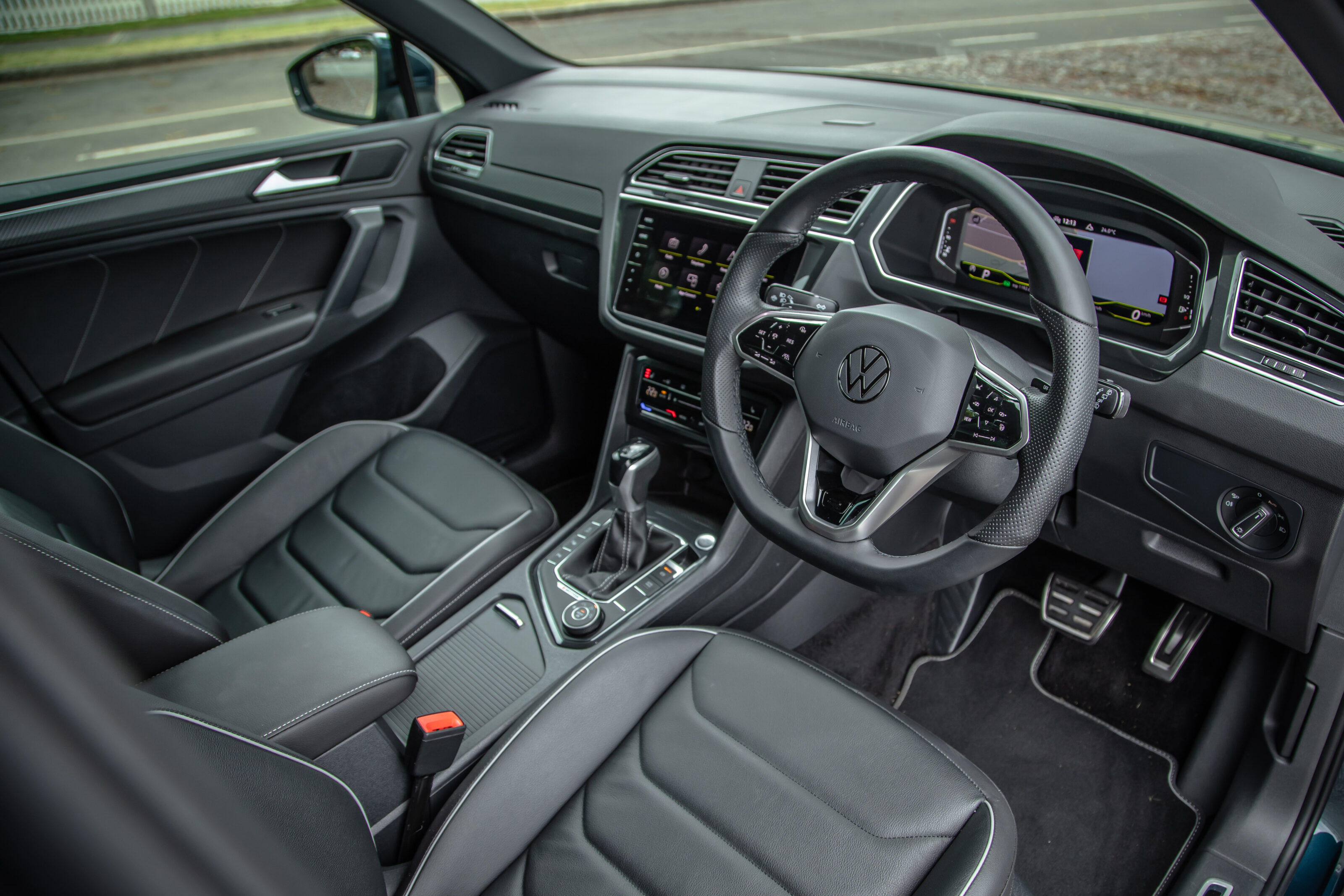
VW’s media system is alive and well on a large central touchscreen with sat-nav, DAB+ digital radio and support for Apple CarPlay (wireless) and Android Auto.
Five-star ANCAP safety comes courtesy of seven airbags, the usual stability and braking controls, forward and reverse auto emergency braking (AEB) with collision warning plus reverse cross-traffic alert, driver fatigue detection, speed limit warning and tyre pressure monitoring.
The forward AEB has pedestrian and cyclist detection at city speeds.
Comfort and Space
The interior space of the Tiguan is among the best in the class and comes with a trick that still amuses me to this day. Its rear seat slides forward and back and I remember that being the subject of absurd delight when I first drove this car.
I’ve always joked that it brings the children within striking distance but since becoming a dog owner (reluctantly and resentfully), it was also useful on the very long trip we took to bring the mithering little idiot closer so she didn’t whine incessantly. There’s a handy tip for 0.3 per cent of the population because, apparently, I’m one of the few people on earth to like dogs but not want to own one.
Rear seat passengers are further spoilt with their own climate control zone and air vents

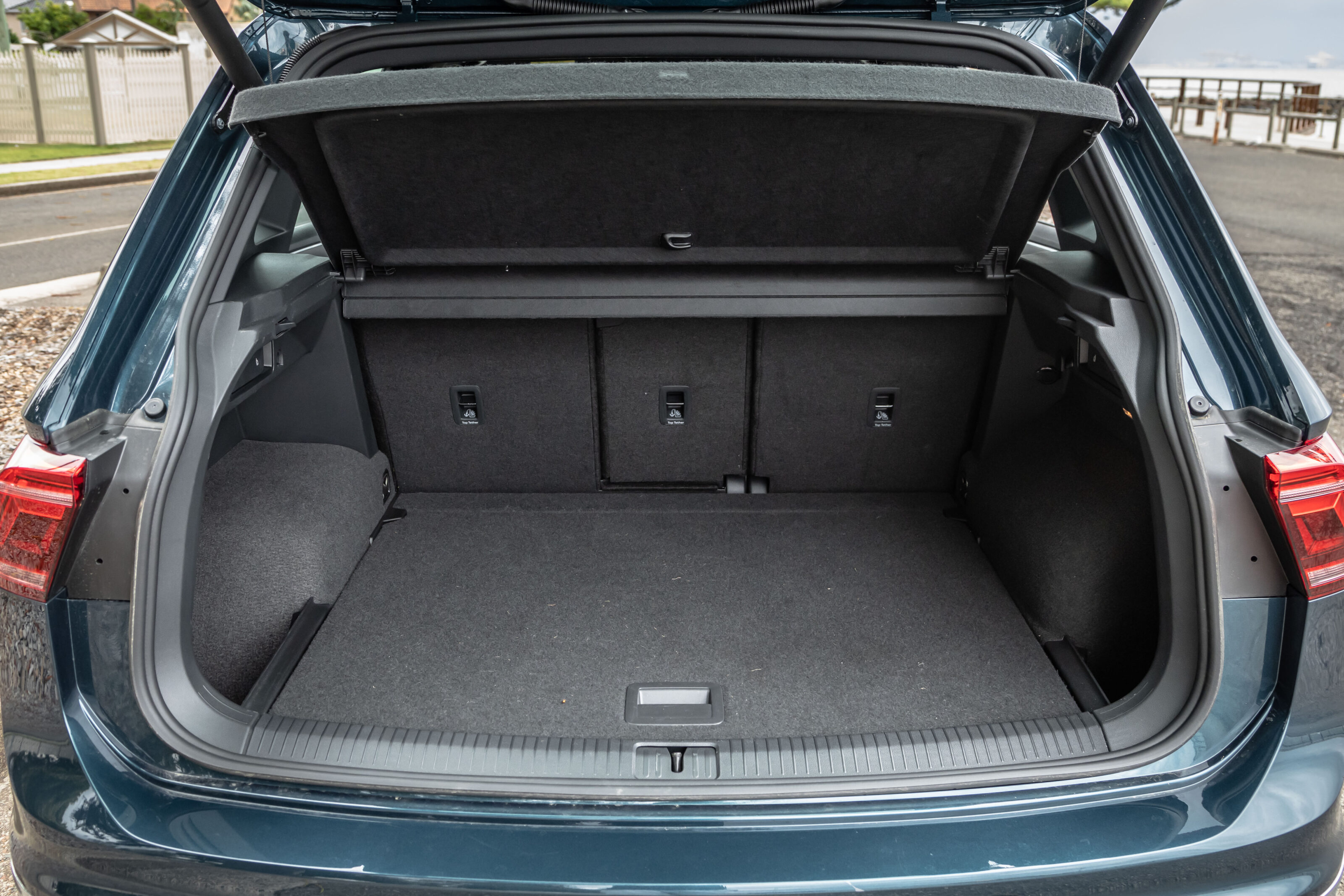
What it also means on a far more practical level is that you can optimise the space in the boot. You start with an already hefty 520 litres with the seats all the way rearward – providing tons of legroom along with the generous headroom – and then when you slide it forward, you can get all the way up to 615 litres of space. I always find that the smaller the child the more stuff you need to carry, so this is very clever (and yes, I know other cars have this but the Tiguan does it really well and it’s not common in this segment).
Rear seat passengers are further spoilt with a pair of cup holders in the armrest, folding tray tables built into the front seatbacks (including a groove to stand tablets and phones) and their own climate control zone and air vents.
The front seats are very comfortable and even with the sunroof, you have tons of headroom and the driving position is excellent. A natty roll-top covers the cupholders, you have bottle holders in every door and a sunglass holder on the ceiling that actually takes sunglasses rather than those old cheap 3D glasses you got in the sixties. The glove box is also cooled for your…I dunno…blood samples? Hey, it could happen.
On the Road

Here at the top of the range is the 162 TSI. In true VW style, the 162 refers to the number of kilowatts produced by the 2.0-litre four-cylinder turbo-petrol engine under the bonnet. This unit is familiar across the VW group as is the seven-speed dual-clutch transmission.
As always, the 2.0-litre is an absolute belter, smooth and quiet but with plenty of power even with nearly 1700kg to lug along. The torque figure of 350Nm isn’t startlingly good, but bests a good chunk of its competition.
Also familiar is the all-wheel-drive system, which had plenty to deal with during our week with the Tig. As has been the whole deal with Sydney in the last few months, the rain absolutely tipped down for a few days of the car’s time with us. Not only did it have to handle that around town but on the giant mess that is the surface of the M5 motorway, a road that somehow holds more water than a medium-sized dam whenever it sprinkles a few drops.

The trip down the M5 took us all the way to Jindabyne for a few days in the Snowy Mountains. Fans of the area will know the roads are tremendously winding and the Tiguan’s chassis is a big fan of that kind of thing. The adaptive suspension (standard on the Elegance and R-Line) is always taut but can run into firmness on rougher tarmac in Sport mode. That’s something you might want to know if you’re looking for a plush ride and is probably down as much to the R-Line’s 20-inch alloys as the impressive handling balance.
It’s an excellent highway cruiser, with well-damped road noise and an easy gait at speed, with just a little wind noise around the mirrors. The trip to Jindabyne is roughly 500km and a few more if you swing through Canberra on the way for a vast improvement on the coffee and food available on the Federal Highway. We got out at the other end fresh as daisies and even the dog was reasonably happy.
The trip took us to Jindabyne and the Snowy Mountains … the roads are tremendously winding and the Tiguan’s chassis is a big fan of that kind of thing

The Tiguan 162 pulls well on overtaking manoeuvres and while it’s not a rocketship, the power available is rare in this part of the market (at least in petrol form), with really only Ford’s Escape and Mazda’s turbo-petrol CX-5 coming close. Well, the Escape has more, but neither the Koreans nor Japanese tend to get very close to this kind of grunt.
In the suburbs where – say it with me – these cars spend most of their lives, the Tiguan is handy. Its footprint isn’t too big so it’s super easy to live with. The steering is nicely weighted around town without losing touch with the road and the firm suspension never gets crashy over the inevitable potholes.
Volkswagen says you’ll get 8.5L/100km on the combined cycle and our week with it absolutely nailed that figure, although a good portion of it was highway running.
Ownership

Volkswagen offers a five-year warranty with unlimited kilometres and was one of the earliest of the European marques to do so. You need to return to the dealer every 12 months or 15,000km for a service.
Rather sobering is the Assured Servicing pricing. Over five services you’ll pay between $474 and $1627 for a service, totalling $3973. A five-year care plan offers a substantial saving over pay-as-you-go, with five services totalling $2580 (saving $1393), bringing the pricing more into line with its competitors. If you want, a three-year plan is $1500 for a saving of about $350. VW’s website seems to undersell the savings of the five-year plan by a hefty $500 so if you can, I strongly recommend paying upfront.
VERDICT

The Tiguan is as it has been since its launch – one of the leaders of the mid-sized SUV pack. It was a long time between Tiguan drives and I’m still mightily impressed by its versatility, driveability and practicality.
I can see why it’s not everyone’s cup of tea, especially in the 162 form where it is starting to look very pricey indeed and putting it in reaching distance of the more premium brands (albeit with a lot less gear).
Otherwise there are few complaints beyond some stiff service prices and the lack of a more economical drivetrain to rival the RAV4 Hybrid. Comfortable and stylish, quick enough and good to drive, there’s not too much more buyers need from an SUV.
2022 Volkswagen Tiguan 162TSI R-Line specifications
| Body: | 5-door mid-size SUV |
|---|---|
| Drive: | all-wheel |
| Engine: | 2.0-litre four-cylinder turbo |
| Transmission: | 7-speed dual-clutch |
| Power: | 162kW @ 6200rpm |
| Torque: | 350Nm @ 1500-4400rpm |
| Bore stroke (mm): | 82.5 u00d7 92.8 |
| Compression ratio: | 9.6 : 1.0 |
| 0-100km/h: | 8.0 sec (estimate) |
| Fuel consumption: | L/100km (combined) |
| Weight: | 1697kg |
| Suspension: | MacPherson struts front/multi-link rear end |
| L/W/H: | 4509mm/1839mm/1684mm |
| Wheelbase: | 2681mm |
| Brakes: | ventilated disc front / solid disc rear |
| Tyres: | 255/40 R20 Pirelli Scorpion Verde |
| Wheels: | 20-inch alloy wheels (space-saver spare) |
| Price: | $55,990 + on-road costs |
Kia has announced its plans to construct a new plant for its upcoming range of electric Purpose Built Vehicles (PBVs).
Set to be based at Kia’s existing site of Hwaseong, Korea, the factory will have an initial targeted capacity of 100,000 PBVs per year before annual production eventually grows to 150,000 units.
A significant part of Kia’s Plan S electric vehicle strategy, the groundwork for the plant is to be laid down in 2023 before becoming fully-operational in 2025, by which time the manufacturer would have delivered most of its planned seven electric models before 2027.
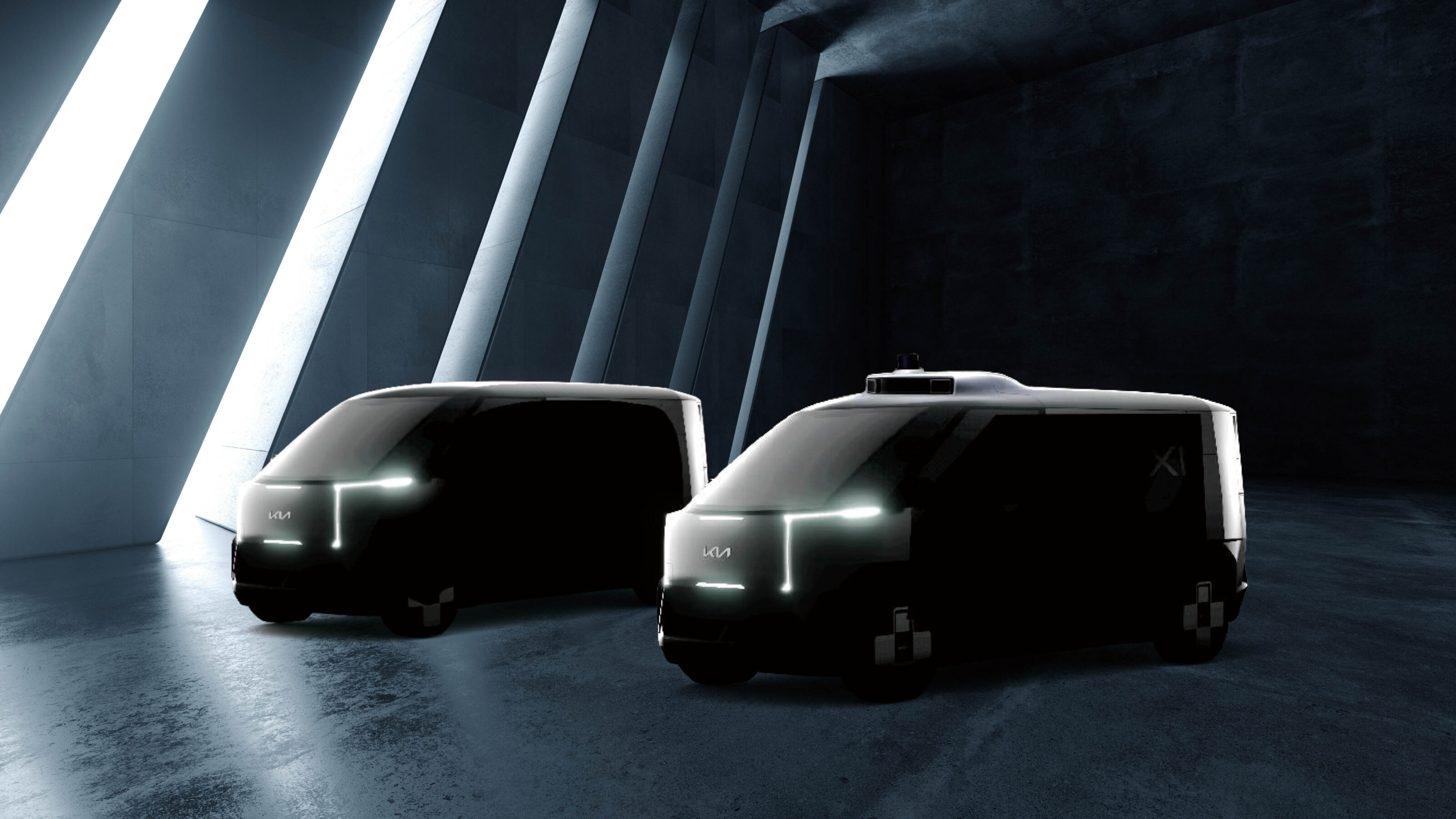
Kia says the PBV plant will incorporate autonomous operations, as well as technology, to reduce its carbon footprint, with clean painting and energy-saving facilities helping it to be as environmentally-friendly as possible.
“This dedicated PBV facility is one of the major pillars of our Plan S strategy as Kia seeks to claim the top position in the global PBV market,” said President and CEO of Kia Corporation, Ho Sung Song.
“We will initially explore new markets with derivative PBV models, then gradually expand our presence in global markets with dedicated PBV models featuring autonomous driving technologies.”
The Niro Plus has already been revealed as the marque’s first PBV, with the enlongated Niro intended for use as a taxi and ride-share vehicle – although a passenger version will be available to the general public as either a traditional hybrid (HEV), a plug-in hybrid (PHEV) or a fully-electric vehicle (BEV).
Snapshot
- Lamborghini confirms plans to built LMDh Hypercar for WEC and IMSA
- New racer to debut in 2024
- Will be Sant’Agata’s first attempt at outright wins
Lamborghini has become the latest manufacturer to announce its intention to join the World Endurance Championship and IMSA series in 2024 with an LMDh entry.
As opposed to the Le Mans Hypercar (LMH) category in World Endurance Championship competition, the Le Mans Daytona hybrid (LMDh) LMDh rule set will allow Lamborghini to race in WEC as well as IMSA in North America, joining Acura, Audi, BMW, Cadillac, Porsche and Alpine on the entry list.
Developing an LMDh racer for the 2024 season, Lamborghini’s entry will see it not only compete in the two championships on either sides of the Atlantic, but also have its first crack at overall honours in the 24 Hours of Le Mans and Daytona 24 Hour.
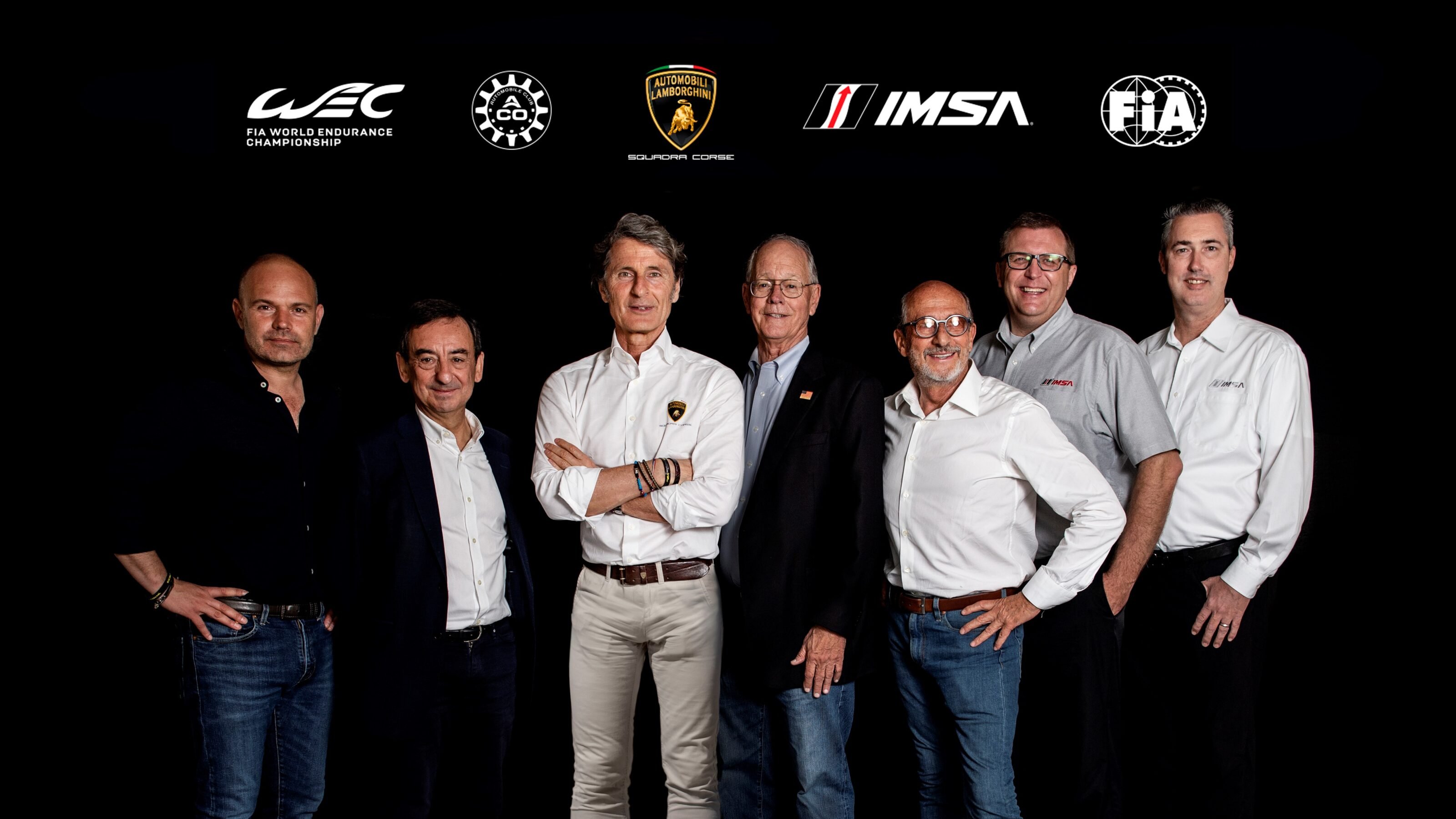
Lamborghini Chairman and CEO Stephan Winkelmann said the move to racing for outright rather than class wins in GT racing was overdue for the Italian marque, as the company also looks to make its entire road car line-up plug-in hybrid by 2024.
“This step up into the highest echelon of sports car racing marks an important milestone for our company,” said Winkelmann.
“We will be measuring ourselves against the very best, on the most demanding proving grounds. On one hand, this will give our successful motorsports program even more visibility, but it will also allow us to test future technologies: our LMDh prototypes will become our most sophisticated open laboratory on four wheels.”
Manufacturers in LMDh are allowed to buy a chassis from one of four constructors – ORECA, Ligier, Multimatic and Dallara – with the freedom to use their own road car-influenced bodywork over the top, as well as mating their own engines (capped at 470kW) to a spec 50kW electric motor.
In addition to its aforementioned LMDh competitors, Lamborghini’s 2024 Le Mans team will be up against the LMH entries of Toyota, Scuderia Cameron Glickenhaus, Peugeot, Ferrari and Vanwall/ByKolles.
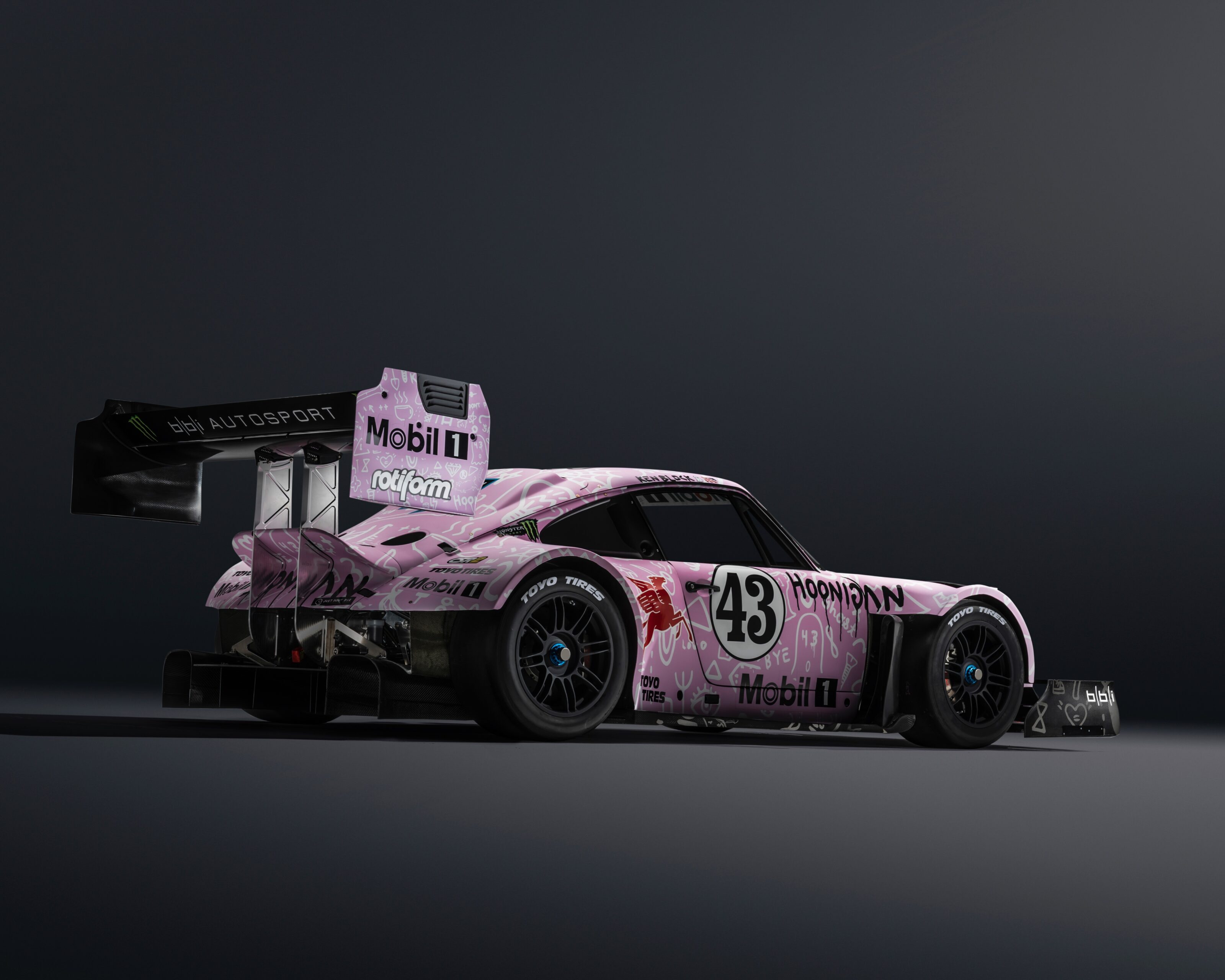
The latest creation to roll out of the Hoonigan Racing Division garage has been revealed – a 1000kW-plus, all-wheel drive Porsche dubbed Hoonipigasus.
Slated to take on this year’s Pikes Peak International Hill Climb, the Hoonipigasus will be piloted by Hoonigan founder and Gymkhana video series star Ken Block, making his second competitive start in the iconic event after previously racing in 2005, driving a Group N-spec Subaru Impreza WRX STI.
Built by BBi Autosport, the machine actually started out as a four-cylinder Porsche 912 before being heavily fettled by Joe Scarbo of Scarbo Performance to create the SVRSR before BBi turned into the high-downforce, high-power car it’s now presented as.
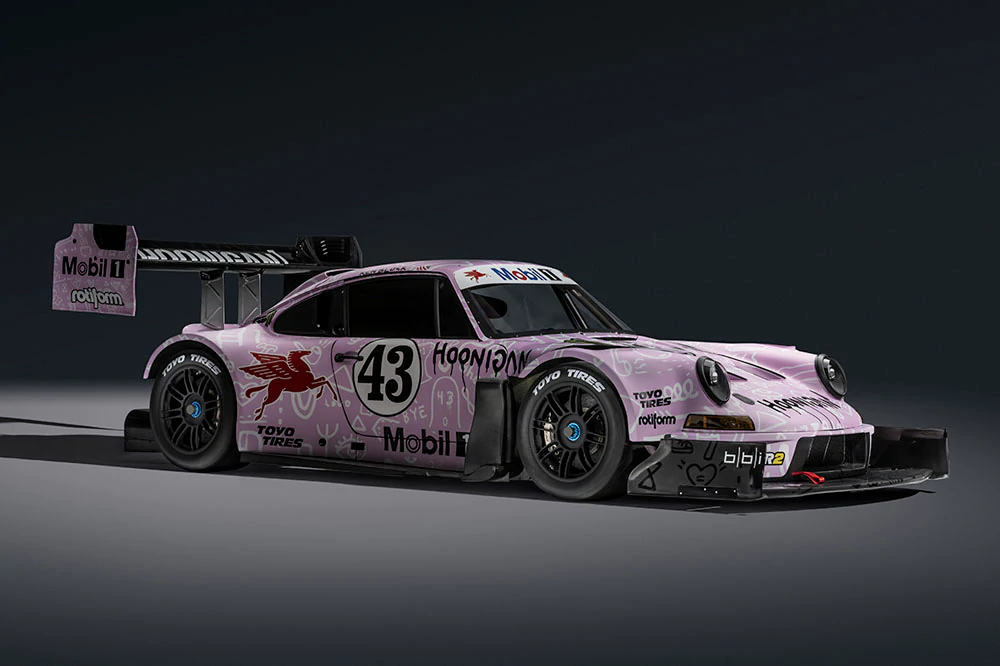
Thanks to a mid-mounted, twin-turbo flat-six engine, it pushes out a mind-bending 1044kW at sea level, although power drops significantly closer to the peak of the mountain – which is 4300 metres high in the Colorado sky.
At just under 1000 kilograms, Hoonigan Racing Division and BBi have resorted to active suspension to keep the pink Porsche as stable as possible along the 20 kilometre course, with GPS data from previous events being loaded into the car’s suspension management system to help.
Despite Block’s recent non-competitive exploits at Pikes Peak in the first installment of Climbkhana in the methanol-fuelled Hoonicorn Mustang, the former World Rally Championship driver said this year’s assault would be special.
“The Pikes Peak Hill Climb is one of the big reasons as to why I’m a rally driver,” said Block.
“The list of drivers who have raced and won this hill climb includes many of my heroes: Walter Rohrl, Ari Vatanen, Michelle Mouton, Sebastien Loeb and Rod Millen to name a few.
“I’ve always wanted the chance to race Pikes Peak at the top level and compete for an overall win – and with our team and BBi Autosport creating this amazing Porsche, we’ve got a good shot!
“With Trouble’s [Trouble Andrew aka Guccighost] wild livery, inspired by one of the most famous Porsches in history, we’ll be hard to miss. I’m stoked to be a part of this iconic race and totally up for the challenge to add my name to those that have gone the fastest overall in the most technically challenging hill climb on the planet.”
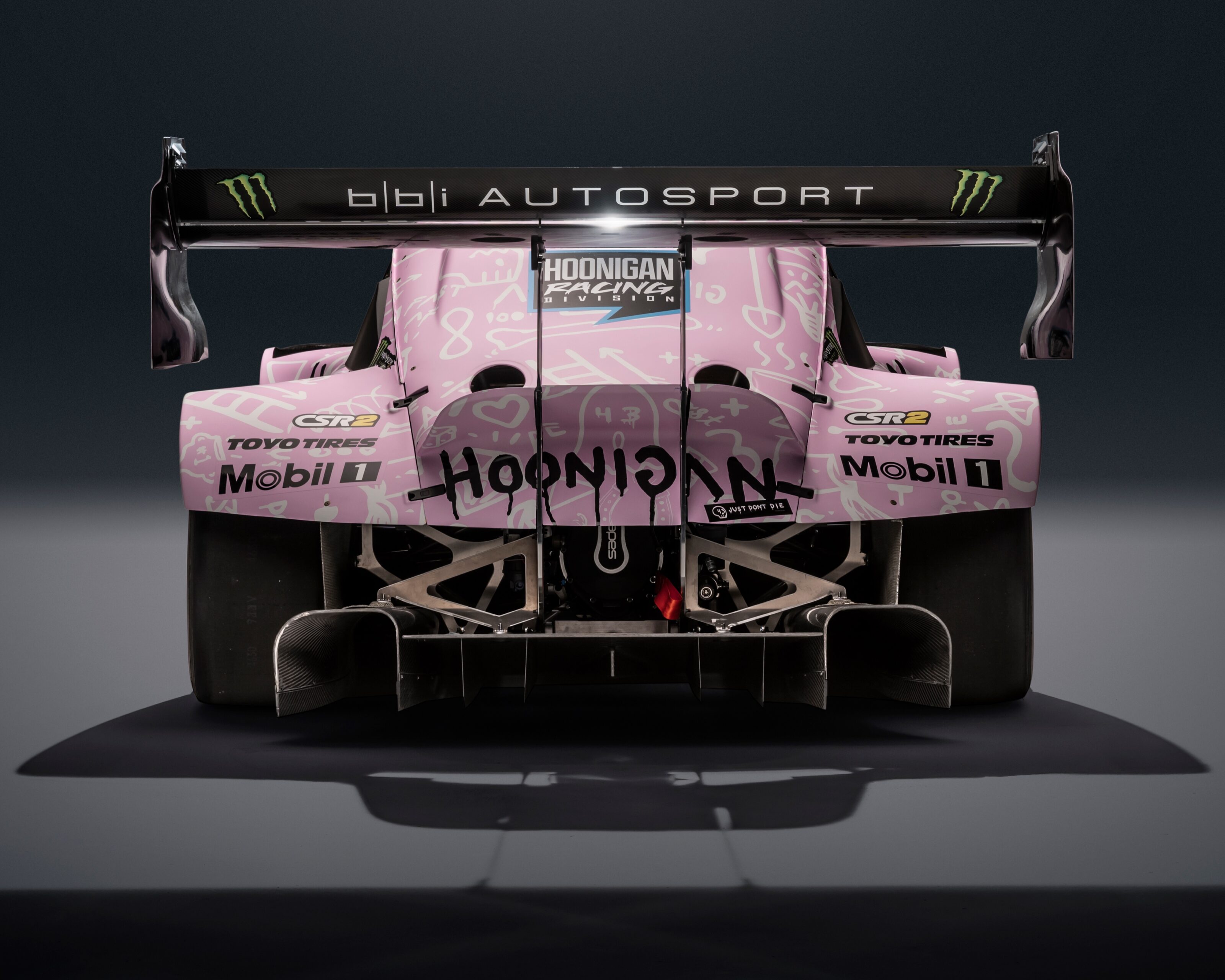
Speaking of that livery, motorsport enthusiasts will recognise it as being a tribute to the colours adorned by Porsche’s 917/20 at Le Mans in 1971, a car affectionately known as the “Pink Pig”.
As well as the car’s colour, its number font has been retained from the original racer, although its new name comes thanks to major sponsor Mobil’s “Pegasus” logo adorning the rear guards.
Block may struggle to beat the outright record set by Romain Dumas in a Volkswagen ID.R back in 2018, but he is in contention to take outright honours for the first time.
Step back in time
I really loved Richard Ferlazzo’s walk down memory lane in his column regarding insights into Holden’s early design history.
I was once on a Holden launch with Richard, and as with most well-ran Holden launches, there was always a Holden person riding along to answer key questions about the product, or anything at all really. They were so accommodating with their knowledge and experience; really great people.
The subject got around to classic-car design, Holden being the focal point, and I just had to get it off my chest and proclaim that my favourite dash design appeared in the HJ – HZ series; the GTS with yellow needles in particular.
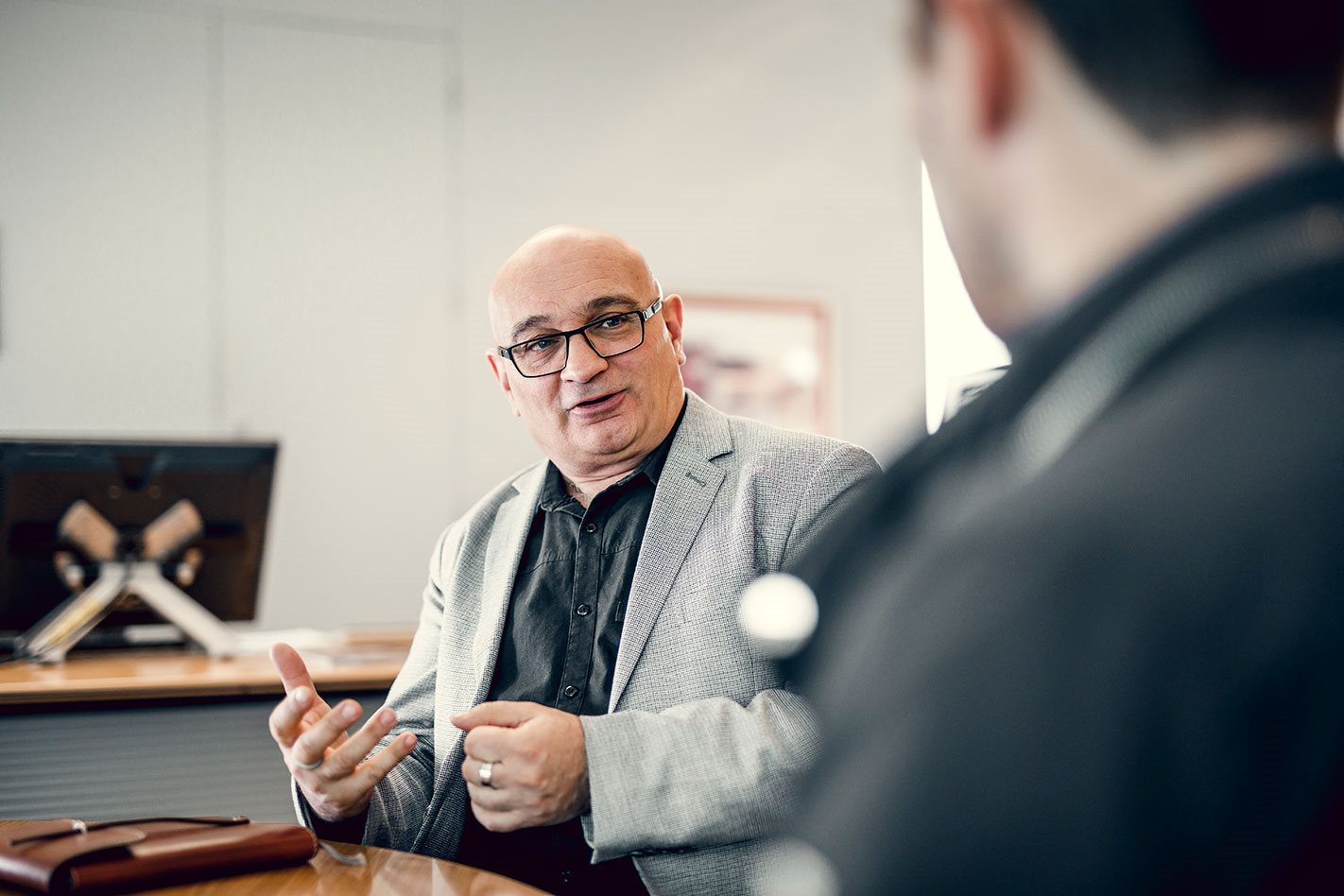
I had to go one step further and reach the pinnacle of my admiration, which was regarding the small ultra-cool clock in front of the driver.“I love that clock,” I exclaimed to Richard, and it’s one of my favourite things to look at on my WB utility.
He didn’t say much, but I reckon I could hear him smiling from the back seat. Over the years I’ve often thought that he might have considered me an ‘anchor’ (for want of a better word), but the impression I got meeting him a few more times was he’s just too much of a nice guy, a total professional. Thanks again.
Andrew Clark, Gawler,
Kind words for our two-time COTY guest judge. You’ll be pleased to know he will certainly see this! – Ed
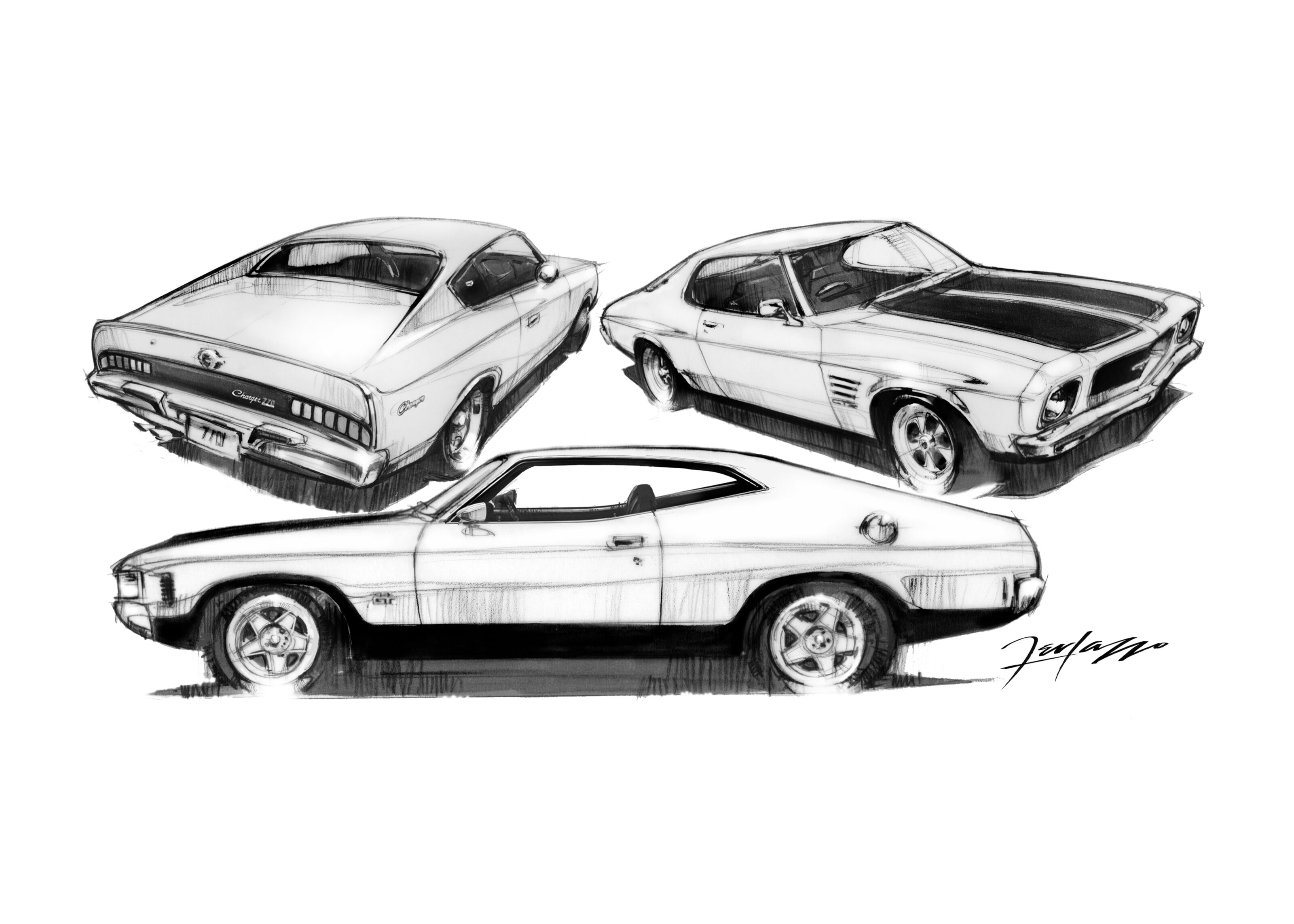
Fact Czech
Congratulations on the production of a consistently high-quality magazine. My favourites are the historical articles, and I read the history of Skoda (Bohemian Rhapsody, Wheels, Feb ’22) with great interest.
I’d like to add to the article that Skoda made its ill-fated Australian debut in the early 1950s, with a range of vehicles – sedan, convertible, panel van and station wagon. 1951 was its best year, with Australia-wide total sales of 976 sales. (I’m attaching a copy of a 1951 advertisement, right.)
After 1951, sales dropped dramatically. In 1956, the total was 104. I don’t know when Skoda finally withdrew from Australia, but I do recall that the father of a friend of mine insisted that she bought a Skoda when she graduated in 1960 because the advertisements at the time boasted that no-one had ever been killed in a crashed Skoda!
Don Loffler, St Clair, SA

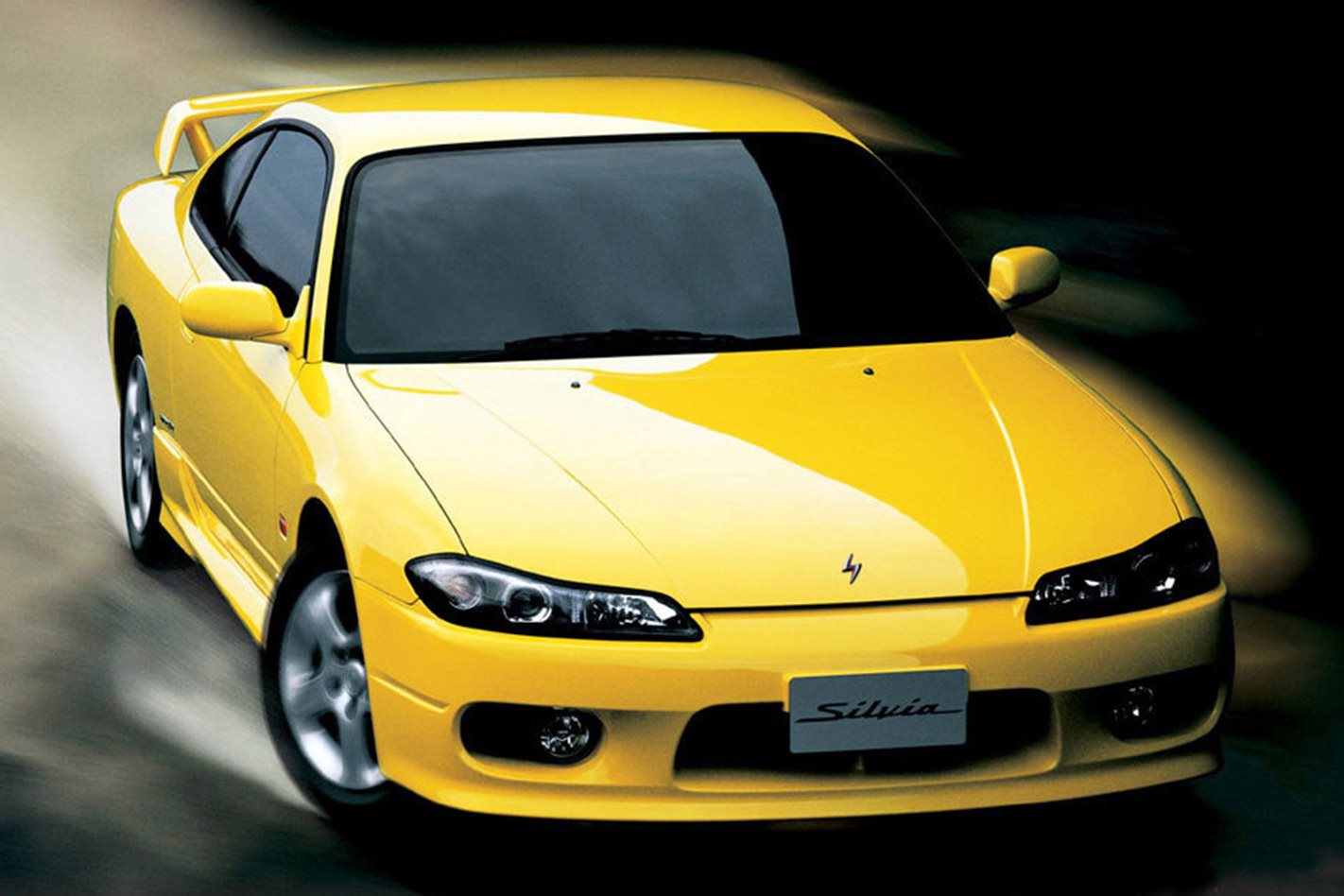
Racing yellow
I read your story on the Nissan 200SX (Modern Classic, March ’22) with more than my usual interest, as I owned a Type S S15 200SX from 2002-’06.
I especially noticed the listed colours in the photo caption at the top of page 32, as it did not mention the racing yellow colour which my car was painted.
Aside from that omission, the rest of the article was a marvellous trip down memory lane about a car that remains perhaps the most rewarding to drive that I’ve ever owned.
Gary Russell, Merewether, NSW
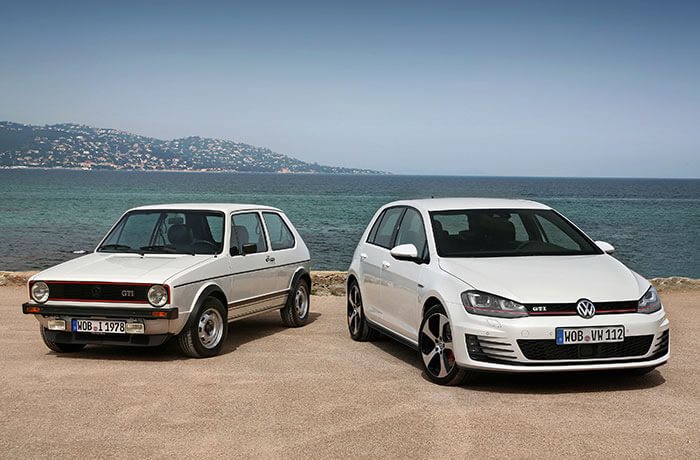
Golf lesson
Ron Glanville’s daydreaming of his Mark 1 Golf (Inbox, April ’22 )triggered memories of my own testing experience, twice attempting to gain my Ps at the dreaded Rosebery licensing office, mid-’70s. My first test was in a Honda Z which my fat inspector barely fit in, but carried on then failed me when I should have given way to a ‘friendly’ truckie.
Several months later and with admittedly more experienced in city traffic, I turned up for the retest in Dad’s new Golf.
The inspector was so intrigued with the concept of a water-cooled VW that after testing, he asked for me to pop the bonnet to look for himself. No way he could fail me after that!
Rob Vines, Downer, ACT
Where is iX?
I have been a Wheels subscriber for many years.
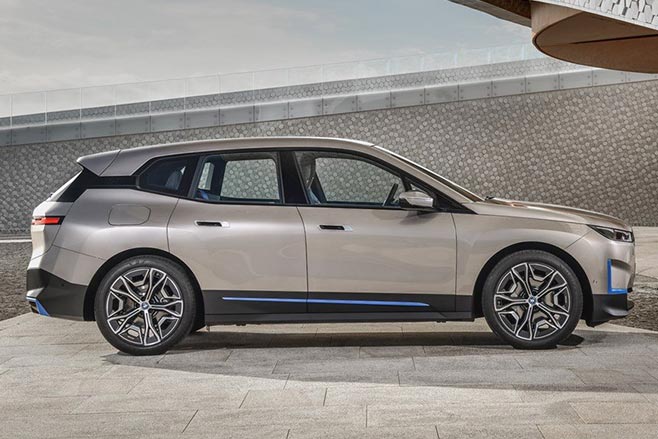
Back in October 2021 we attended a special function at Coastline BMW for the release of the new BMW iX50 electric vehicle. We had a test drive via the dealer and paid $10,000 to place a firm order.
Each month since then I have been expecting to see a full test in Wheels giving more detailed information about this amazing vehicle.
I was excited to receive my March issue only to open it and once again feel a huge disappointment.
So… when are you going to feature the BMW iX50 vehicle?
Howard Rose, Little Mtn, Qld
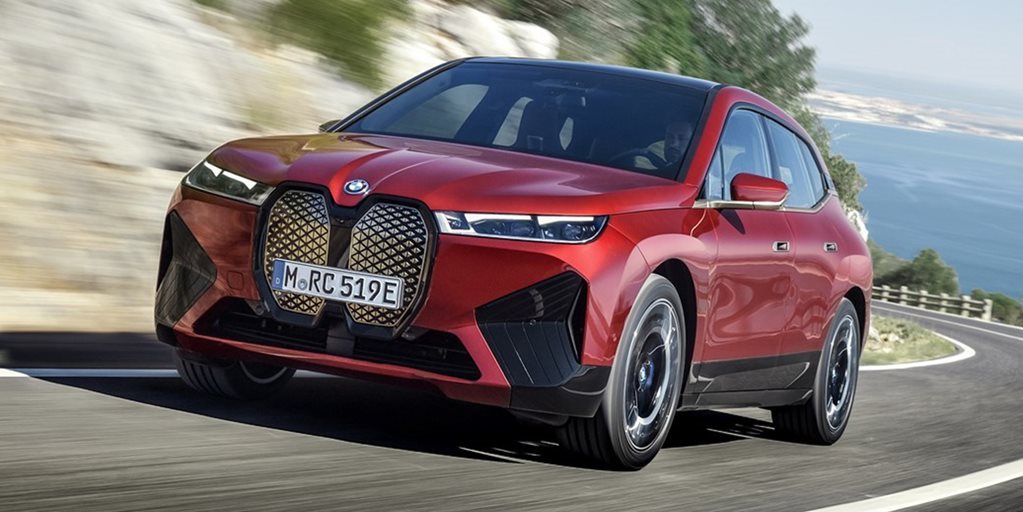
The good news, Howard, is you can read how the iX40 fared at COTY in this issue. BMW advises us that an iX50 for evaluation is still some months away. – Ed
Tesla unplugged
I’m not often motivated to write to you, but I’m baffled by your EV comparison in the April 2022 issue.
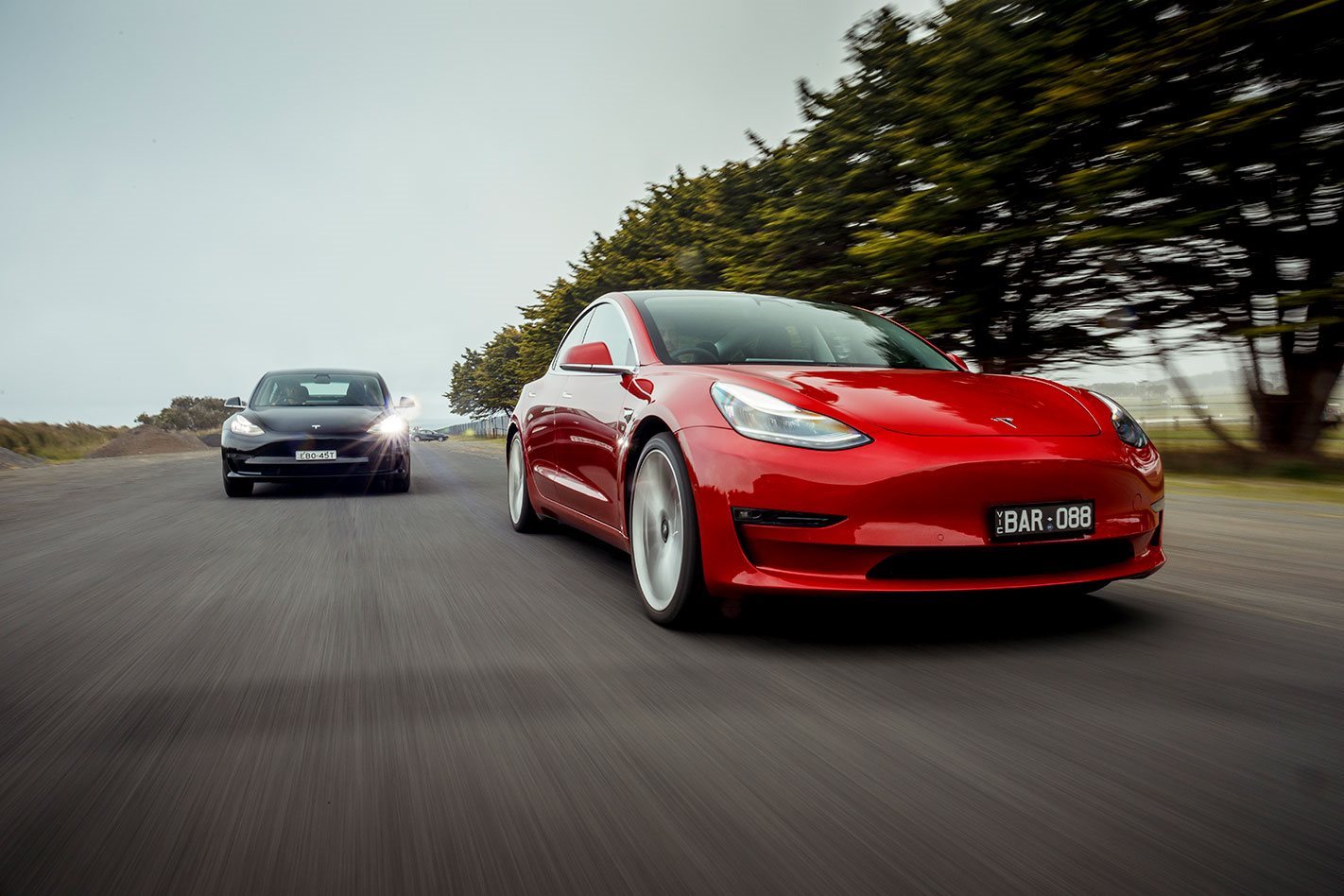
How does a comparison of EVs at this price point make any sense without the Tesla Model 3? The article implies that all the others are aimed at the Tesla, but there’s no explanation given for its absence.
I hope you’ll include the Model 3 when you next test mid-sized sedans at its price point; and that includes against the Mercedes-Benz C-Class and BMW 3 Series, not just other EVs. Given its best-seller status in that class, you’d be doing readers a disservice if you didn’t.
Otherwise, keep up the good work.
Marco Spaccavento, Conder, ACT
We compared the Tesla Model 3 to the Hyundai Ioniq 5 in the December ’21 issue, Marco. The Tesla took a narrow victory. – Ed
The question
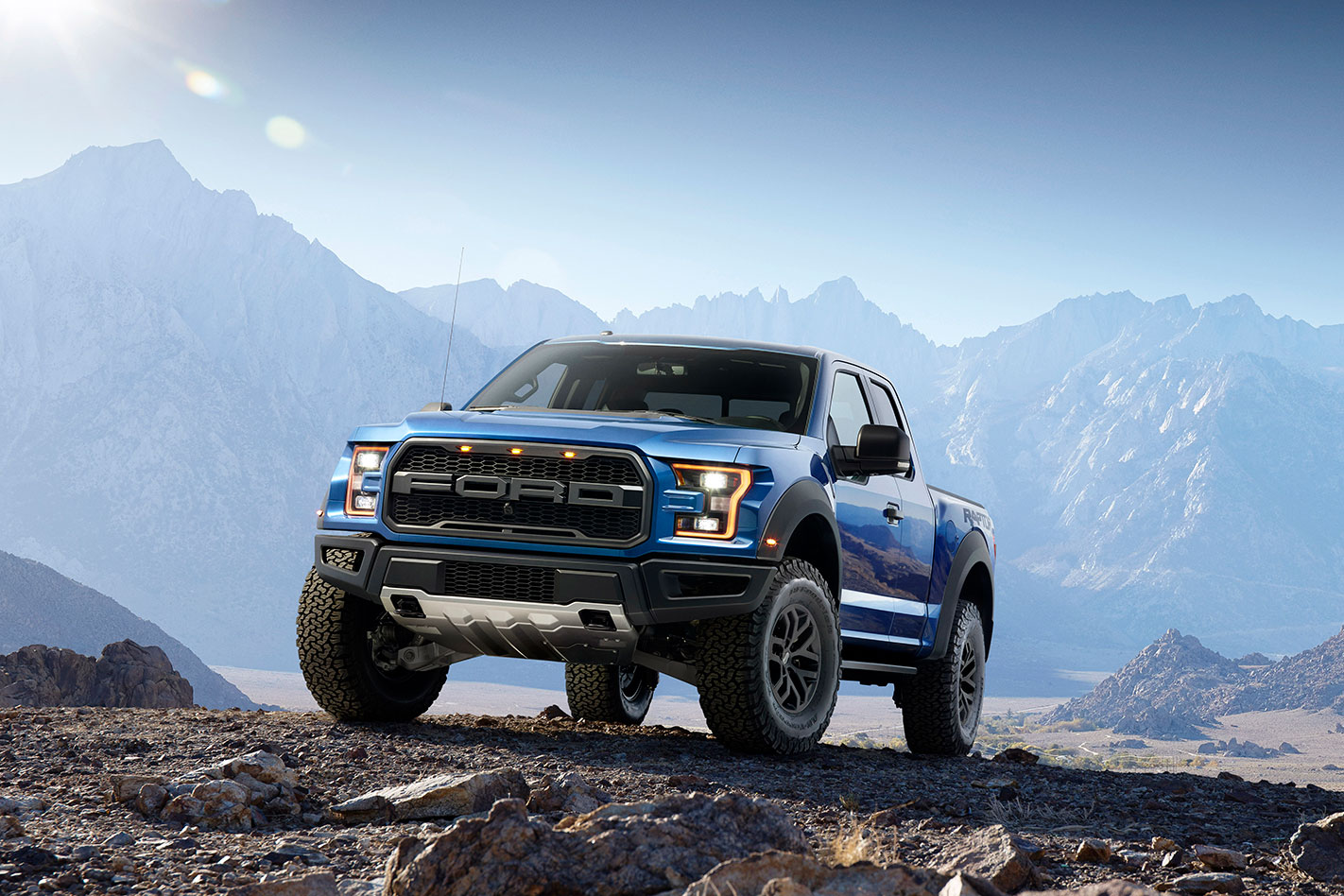
Is the Ford F-150 on your radar when it arrives?
Ford, if you’re listening, bring the F-150 Lightning too. I’ll throw all of my money at you.
Darshan Singh Dhillon
In the USA the Ford pick-up is for the working class.
In Australia it’s only for the rich, unfortunately.
John David Stacey
Andy Enright steers Volkswagen’s new 2022 Golf R into a comparison against some simultaneously unlikely but entirely appropriate rivals: its stablemate the Audi SQ2, Hyundai’s new i30 N Sedan, and the future-classic GR Yaris Rallye.
It’s hard to impress Georg Kacher. When it comes to new cars, the doyen of German car journos has been there, done it and got the XXXL t-shirt. So when Volkswagen let him loose in a Golf R for the first international drive, we got a bit excited because old Georg had got a bit excited.
“An excellent and cohesive hot hatch” he effused in our first international drive. “Awesome where it counts – on twisty back roads.”
Consider our curiosity well and truly piqued.
What was quite clear from Georg’s drive and Curt Dupriez’s quick taste on track at Sydney Motorsport park was that the Golf R was going to knock over the likes of the BMW M135i xDrive and the Mercedes-AMG A35 without breaking too much of a sweat, so rather than line up a largely ceremonial sacrifice, we thought laterally.
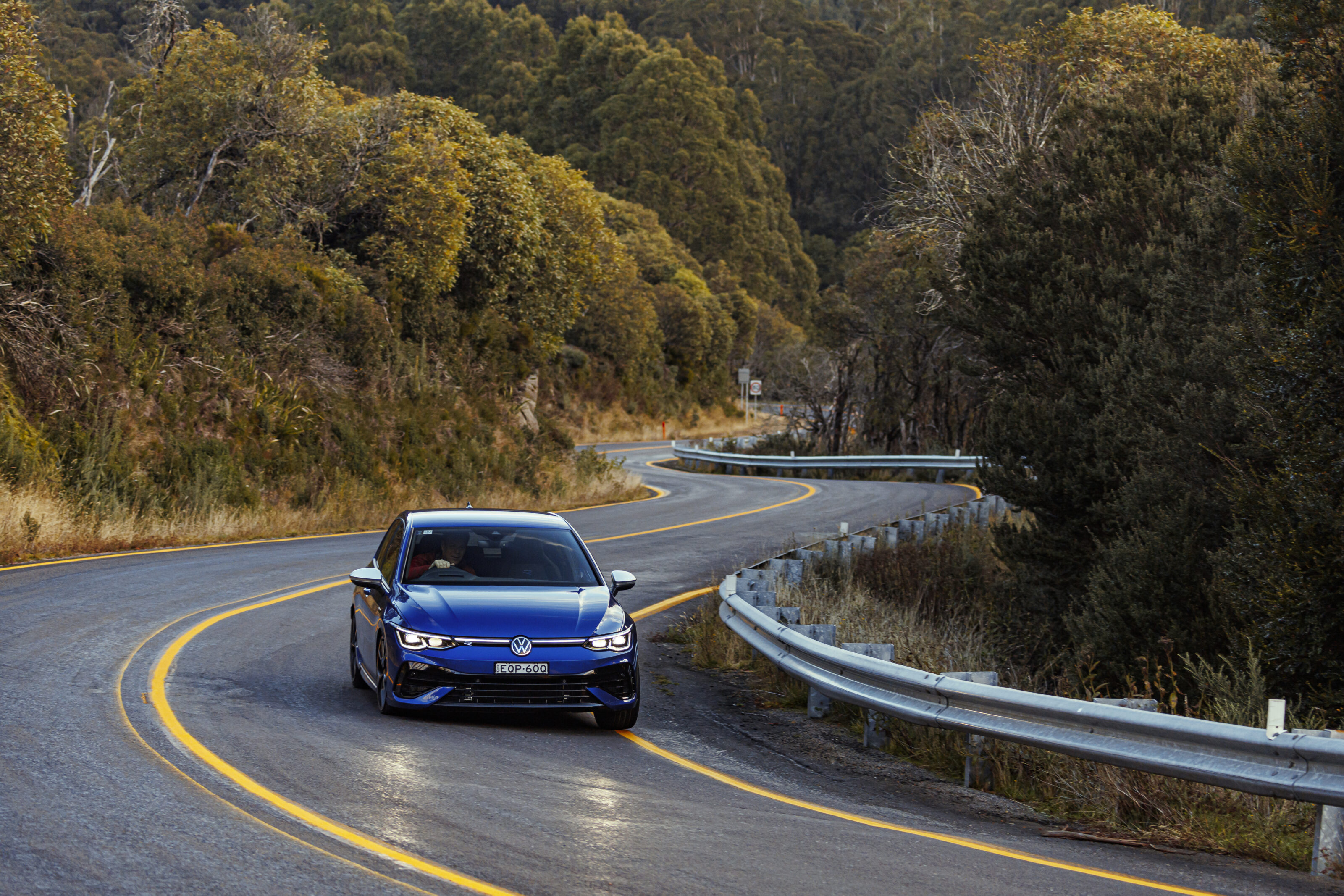
Rather than attempt to put up a like-for-like contender, of which its more expensive and less dynamic Audi S3 cousin seems the only thing likely to get close, we decided to pick three other vehicles that tease the thread off into neatly divergent directions.
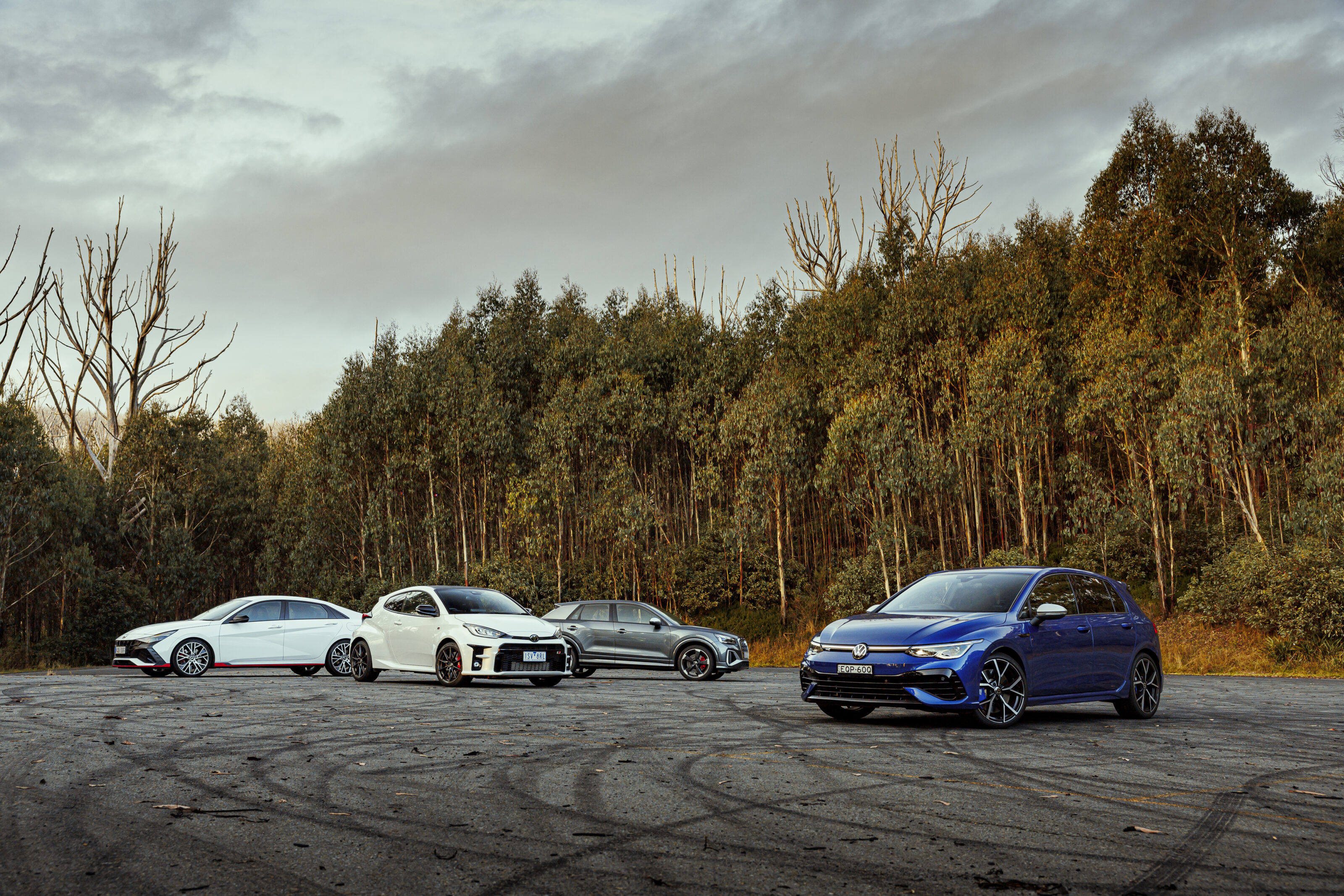
Should you want something more hardcore, how about the Toyota GR Yaris Rallye? Something easier to live with? We’ve got Audi’s SQ2 to see if jacking up an S3 a few inches has that much of an effect on its dynamic capability. If the Golf R’s $66k asking price seems a bit steep, we’ve also procured something that’s a little less of an ask in the slinky shape of the $49k Hyundai i30 Sedan N.
First the elephant in the room needs to be addressed, and that’s the price of the Golf R. It only seems like yesterday that we were being heartily impressed by the $47,490 Mk7.5 Golf R Grid and yet now we’re being asked to hand over 39 per cent more for this Mk8 version. Well, not only is this Mk8 better equipped, more powerful and fitted with a DSG transmission to boot, when you start canvassing rivals for it, it doesn’t look particularly unreasonable.
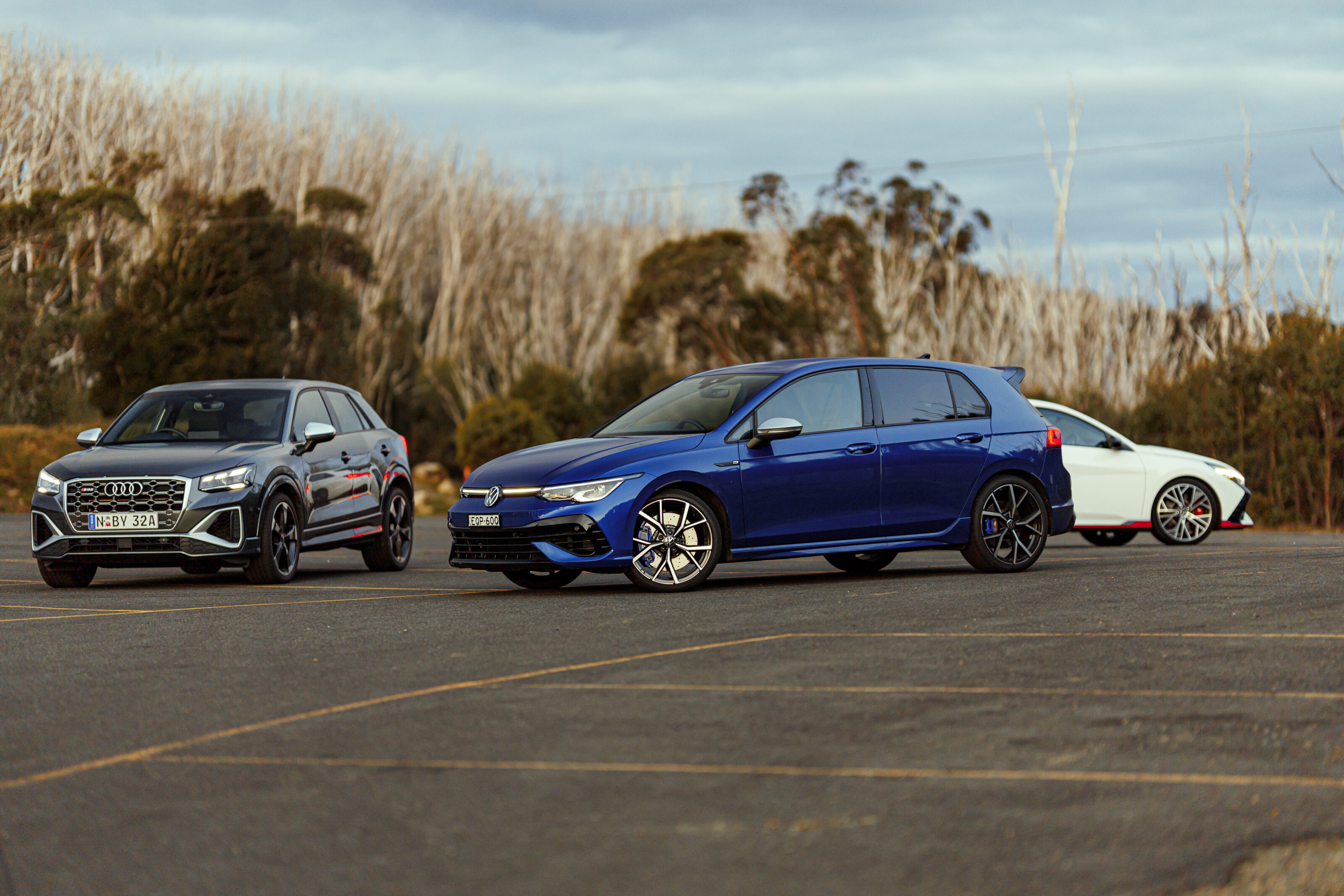
The less powerful BMW M135i xDrive is $71,900 and the Mercedes-AMG A35 is $77,868. Maybe we had it too good back then, but right here and now, the Golf R’s price is – in relative terms at least – not the issue many think.
Before we proceed, it’s worth pausing for a moment to acknowledge that, yes, the $71k Audi S3 is probably the ‘correct’ VAG product to put up against the AMG and the BMW but the Golf’s cleverer drive dynamics lift it into a different league even than the Audi.
You probably know the headline numbers of the Golf R by now, but to reiterate, you get 235kW at 5600-6500rpm and a healthy 400Nm at 2000 to 5600rpm. These figures are about as reliable as a pollie’s election promise, with independent dyno tests putting the Golf R’s power at the crank somewhere around 250kW.
It feels markedly quicker than the 218kW Audi SQ2. Unfortunately we weren’t able to test the cars on our home drag strip as it was closed for resurfacing, but a private facility was secured to assess the Golf’s ability off the line.
Readers have asked what to expect in terms of real world performance and should you just mash the throttle to the floor from a standstill, there’s a gentle and slightly baggy clutch actuation as it gently deploys drive. This will result in a near-metronomic 5.4sec sprint to 100km/h.
Activating the launch control nets far superior results but it involves quite a process. Switch the vehicle into Sport automatic for its gearbox mode, then select Vehicle, Exterior and then swipe for Brakes via the touchscreen. Choose Brakes and then select ESC Sport or Off and respond to the on-screen prompt. If you’re a power user, you can shortcut that process using gesture control and a swipe down.
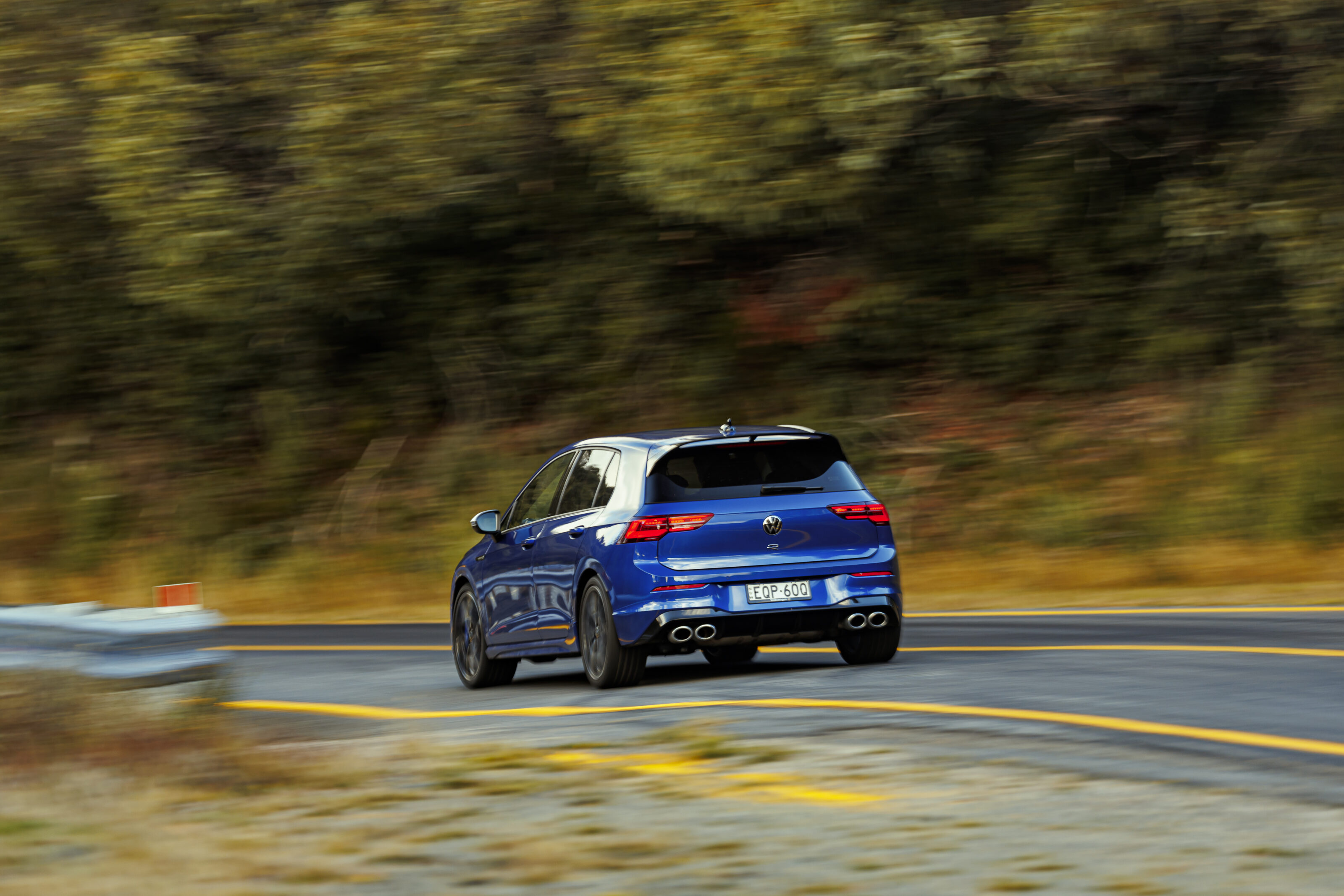
If the wheel is straight, the Golf R will then offer a launch control start and it is genuinely brisk. We recorded a 4.4sec sprint to 100km/h on a non-prepared surface, which lends credence to the suspicion that the Golf’s packing quite a few kilowatts.
Our road test route took in the 165 fiendish twists and turns of Reefton Spur, about as brutal and condensed a test of ride and handling imaginable. The 15-point adaptive suspension of the Golf R ranges excels here. At its softest, it still offers strong body control and very good bump absorption.
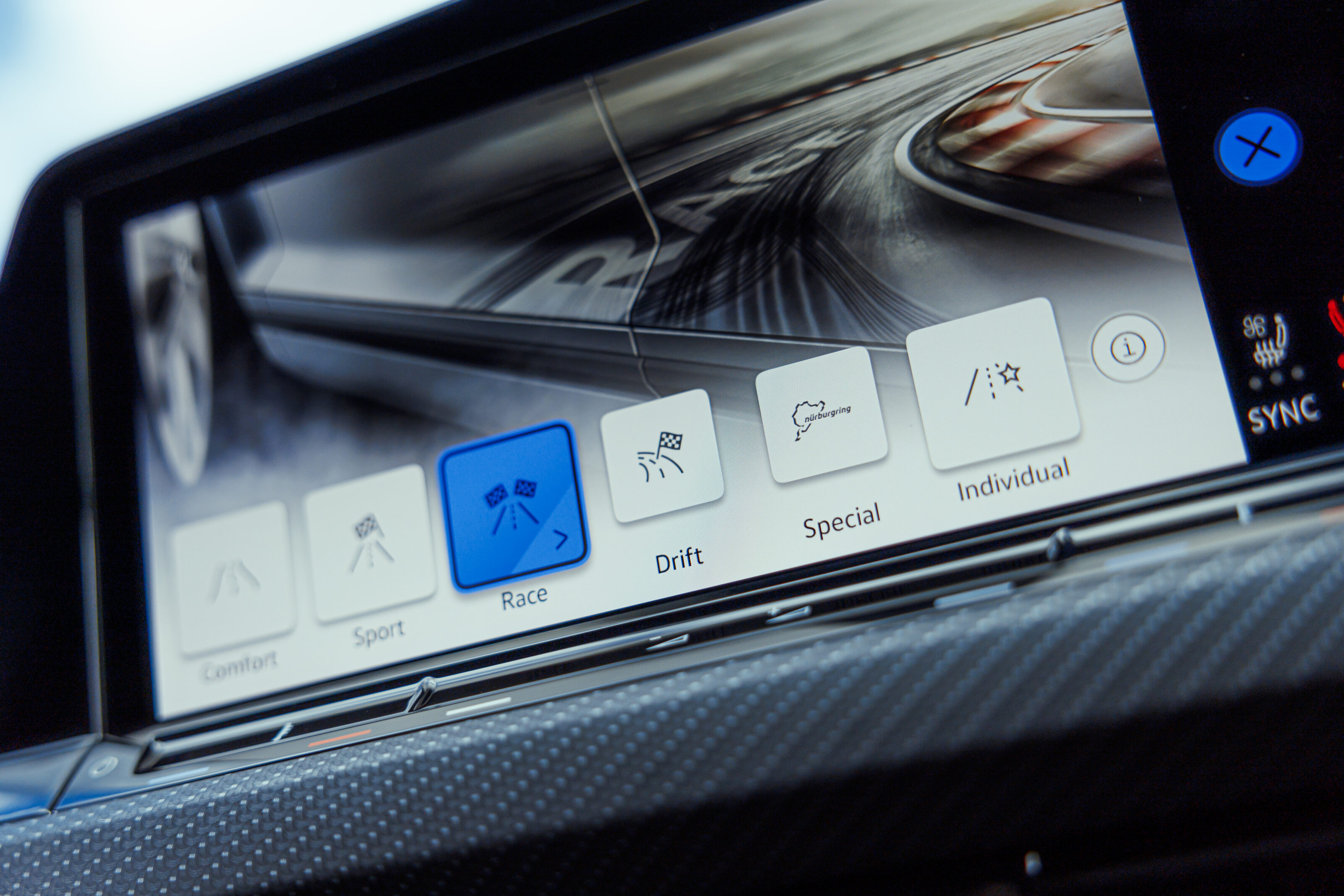
At the other extreme, it’s still useable, but surface imperfections on corner exit can trigger traction and stability control interventions. Should you want to, you can go three gradations more comfortable than the Comfort setting and three racier than Race via the Individual pane.
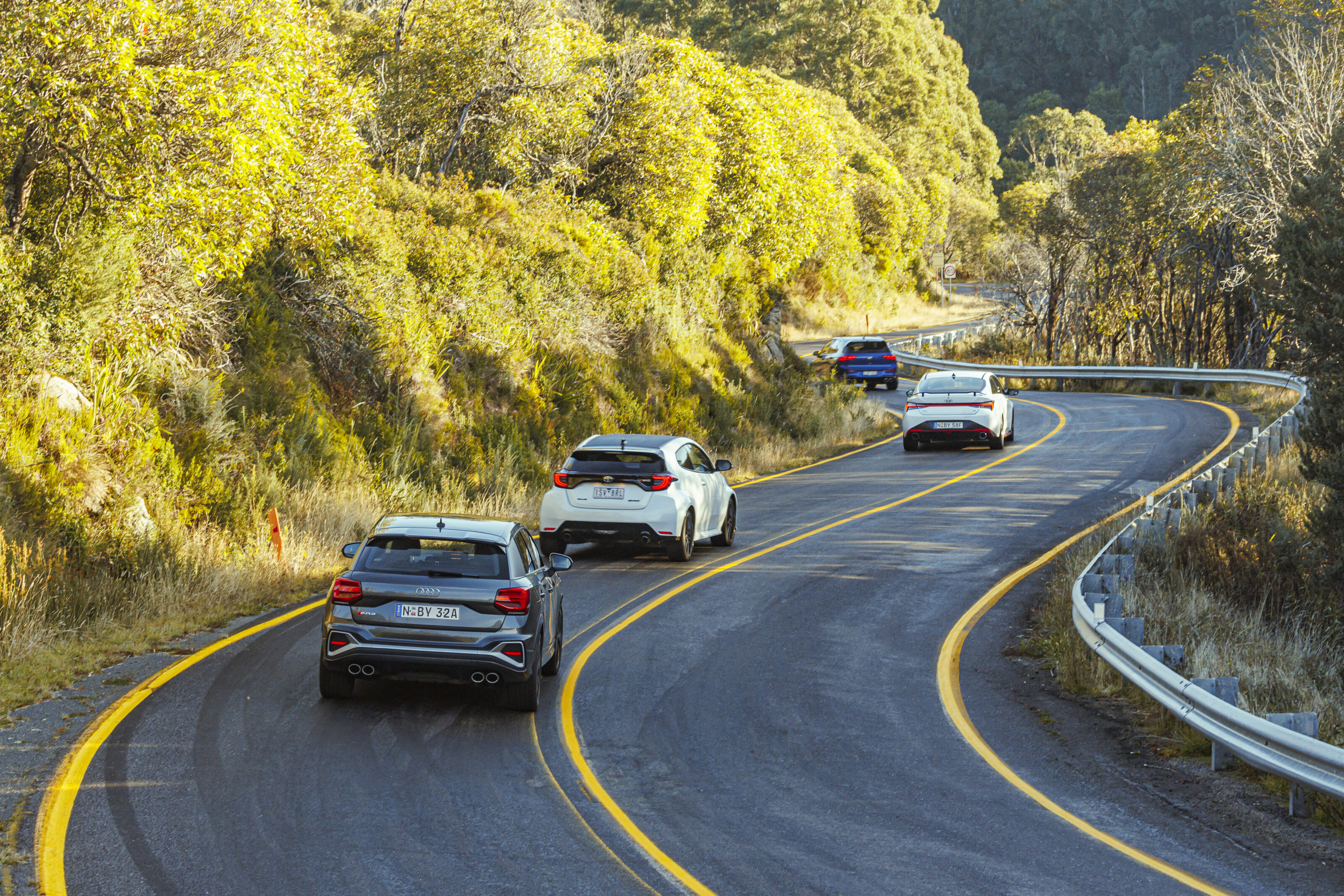
The special Nürburgring mode is a great compromise, softening off the suspension enough to let the car breathe with the road while still delivering sharp throttle and steering.
It’s exactly the sort of setting most keen drivers will use for typical Aussie roads and affords far better grip post-apex than stiffening everything to the max. The incremental improvements are everywhere on this car, the front brakes now feature twin-pot calipers clamping down on big 357mm discs (up from 340mm).
The Golf R’s updated all-wheel drive architecture ditches the previous model’s centre coupling in favour of a duo of oil-bathed electronically controlled clutch packs, one for each of the rear half-shafts. Easing the clutches in and out allows for fine manipulation of torque distribution between the left and right rear wheels but, despite the presence of a Drift Mode, only 50 per cent of available torque ever goes backwards.
Find an open area to play in and said Drift Mode feels a little artificial, any modulation of throttle or corrective lock tending to neuter the yaw response.
It’s not something we’d recommend on road, as blending from part to full throttle can instigate a sudden transition to yaw at potentially serious velocities. One curiosity of Drift Mode is that in its default setting there remains an element of stability control safety net. That’s probably for the best.
Inspect the torque curve for the Golf R and it’s about as peaky as the Nullarbor which means that third gear easily covers all but the very tightest corners at Reefton. On corner exit, the R offers just the faintest impression of power-down neutrality which is enough to keep you engaged.
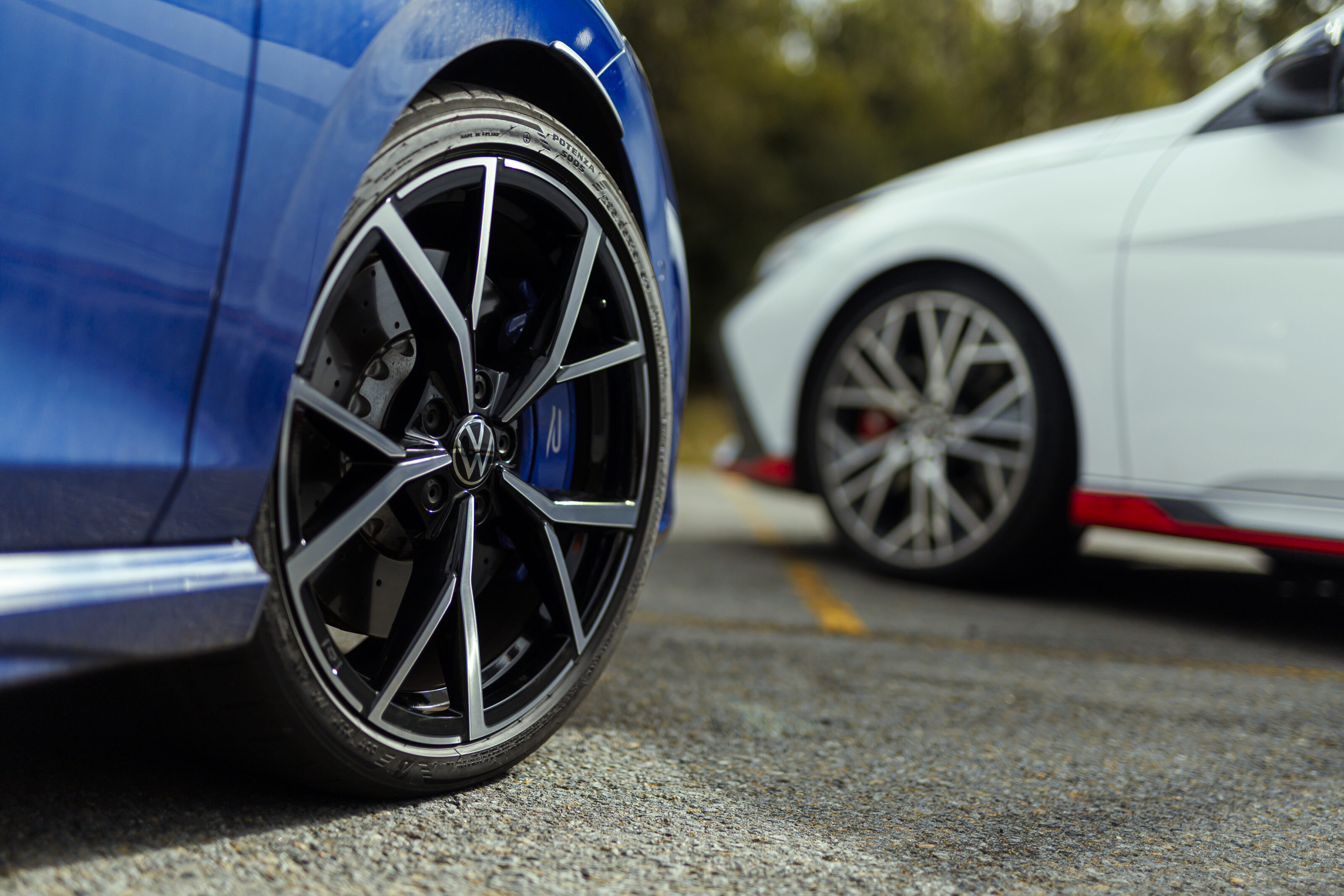
Switching into ESC Sport mode allows a smidge of rotation on the brakes into corners. The 235/35 ZR19 Bridgestone Potenza S005 tyres generate a fair amount of squeal when pushed but, when combined with a surprisingly meaty EPAS calibration, deliver a reassuring front end helped by a lighter front subframe and increased negative camber.
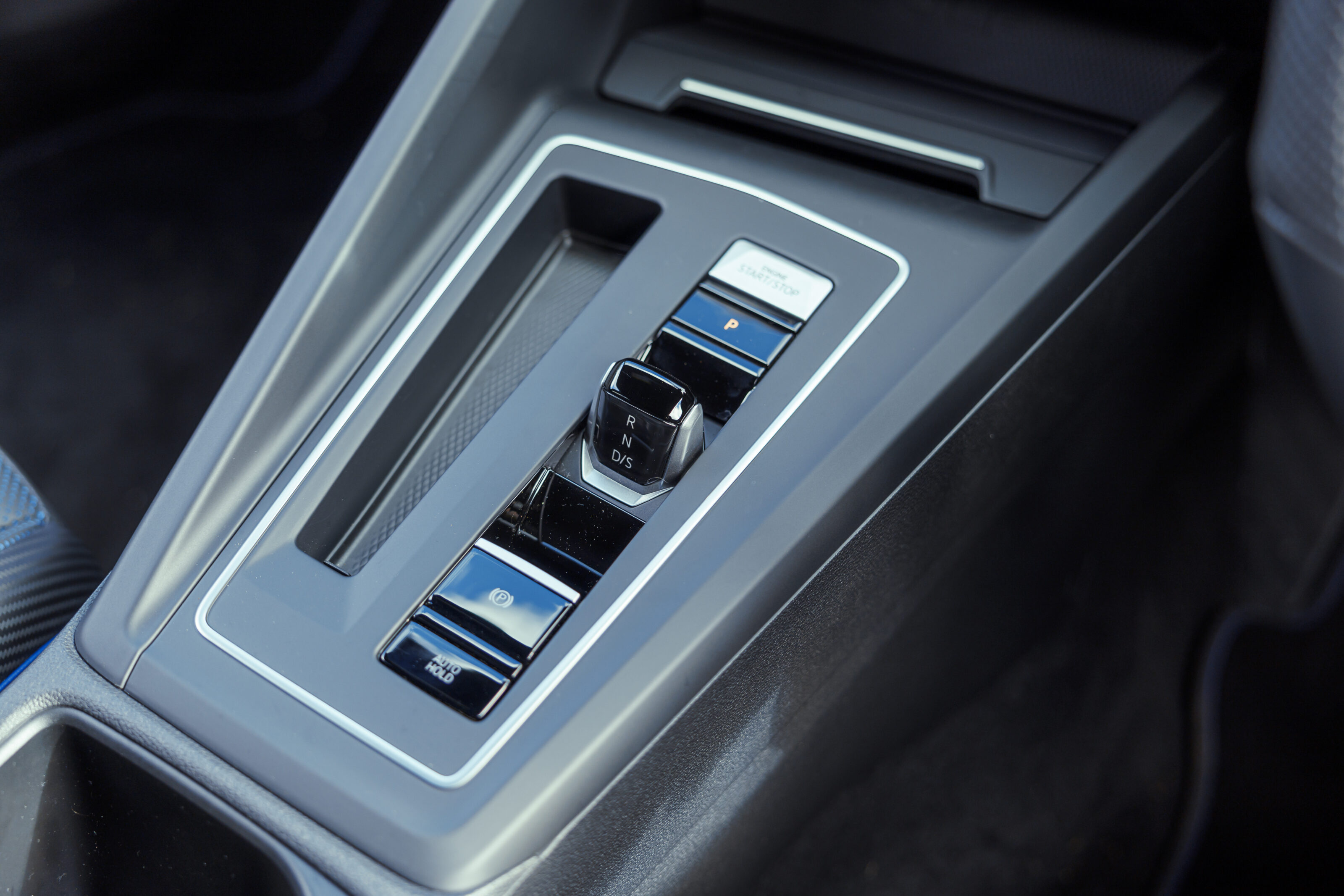
Gearbox logic is aggressive in Nürburgring, and should you want to marshal the seven-speed DSG yourself, Volkswagen has fitted longer wheel-mounted shift paddles, replacing the Golf’s usual pair of tiny tabs behind the wheel spokes. Shifts are crisp but the software can be a little reticent to deliver a downchange to anywhere near the top of the rev band.
It sounds good too, with a decent bass tone at idle and a hollow, gravelly growl through 4500rpm but then doesn’t reach much in the way of a crescendo. Perhaps that’s an unreasonable expectation for a turbocharged inline four.
After all, the cast iron-blocked EA888, here in Evo4 guise, is an engine with great inherent NVH suppression and some of the sound is piped into the cabin via the Soundaktor symposer, but the differences between modes are relatively subtle. To find out how much, switch the engine sound into Pure via the Individual mode and you can hear for yourself what it sounds like without any artificial assistance. Better is my read.
The interesting thing about the Golf R is that upon first acquaintance it seems to be a car that’s either for the very low or the very high involvement user. Yes, there is a constituency of buyers who want nothing more than the quickest and most expensive Golf to burble about in.
Then there are those who want to lean into every technical aspect, to understand the subtleties of the drive modes, how the car is deploying drive, to put the effort in to embrace the algorithms. Those who crave purity might well abhor this process, but there is reward to it.
What’s more, it’s possible for the same buyer to enjoy both extremes of the car’s personality. There’s nuance and subtlety to it which, ironically, is the criticism of least resistance aimed at the Golf R by those who’ve never taken time to get to know it.
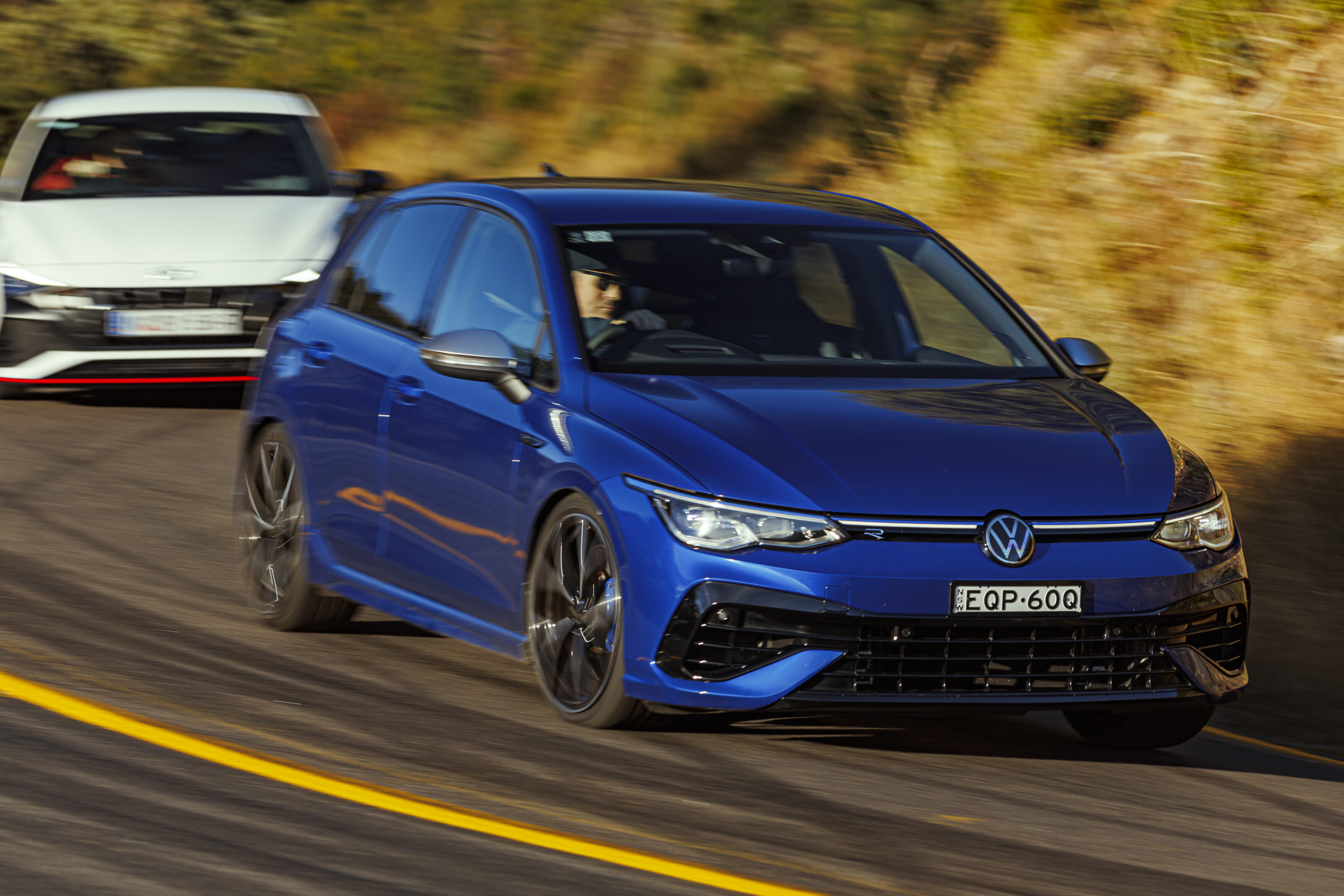
But is it a case of diminishing returns? Do you get 90 per cent of the result for 80 per cent of the outlay by choosing a Golf GTI? Or, if you prefer, for 74 per cent of the outlay if you choose the Hyundai i30 Sedan N? We’d been impressed by the Hyundai at this year’s Sports Car of the Year event, especially on road, and were curious as to whether its striking duality of character could offer a convincing alternative to the vivacious Volkswagen.
In terms of how it negotiates a road like Reefton, it’s certainly the closest of the three contenders to the Golf, and its bump suppression and the polish of its rebound damping can feel very similar to the VW.
Our first action on a challenging road is usually to wick the car up into its N Mode and then assess whether the suspension then needs softening off into a custom setting. This N Mode tab switches the stability control into ESC Sport setting and this was a bit of an eye opener.
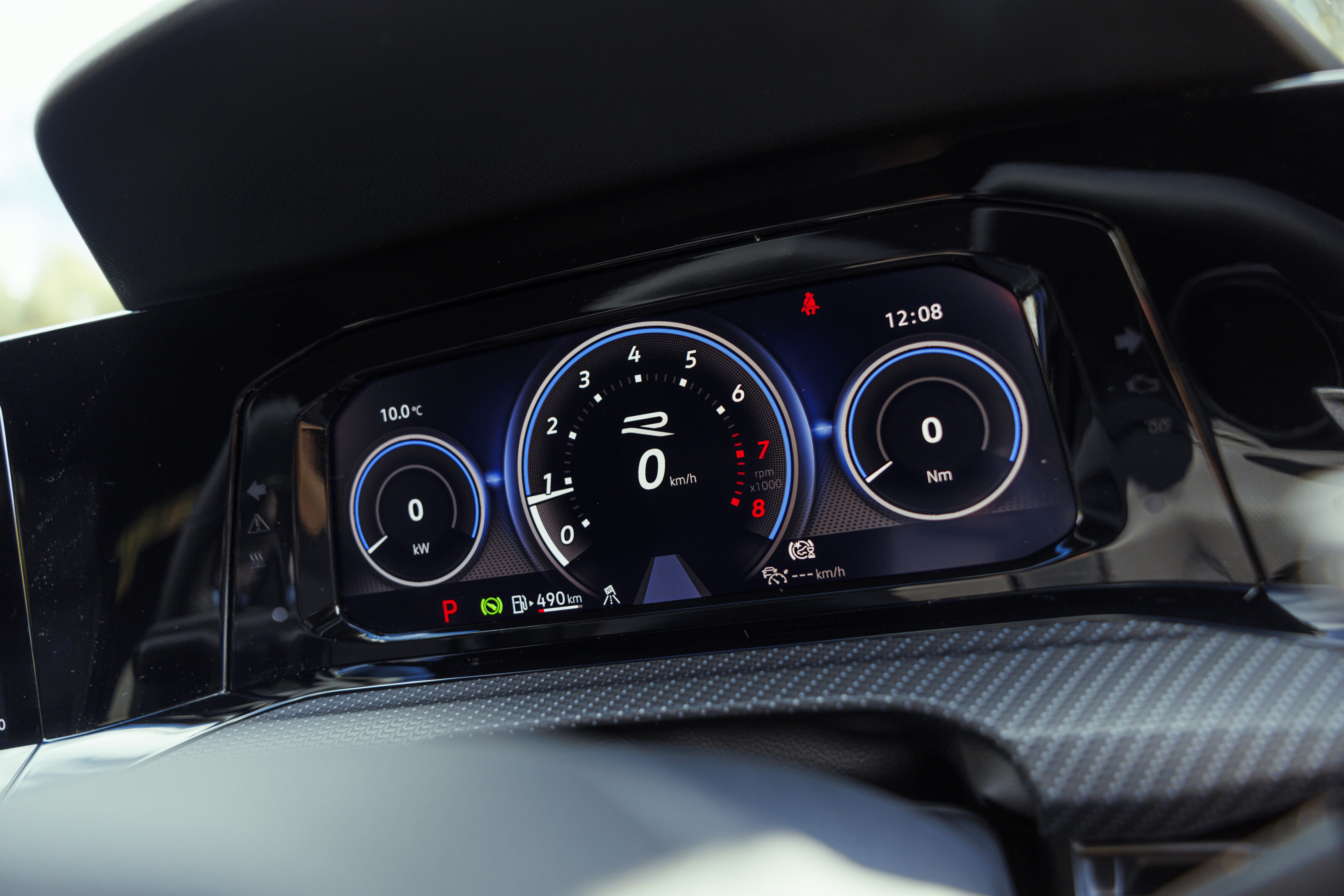
On one downhill corner, a throttle lift sent the i30 significantly sideways before being caught by the driver which was a hugely more relaxed approach to vehicle stability than we were expecting.
Yes, BMW will tell you that it is possible to spin a car with its halfway house M Dynamic Mode, but that involves a deliberate press of the stability control button. Most will engage the i30’s N Mode just to access the dramatic exhaust crackle map and maybe not realise quite what a safety net they’re ceding as a result. On a circuit it’d be huge fun. On a mountain road, it’s something else.
The only front-driver of this quartet suffers little as a result of its layout, in the dry at least. Traction is good and we’d previously achieved a 5.95sec 0-100km/h time from the four-door i30 in less than ideal conditions, but it’d be tricky to match the 5.3sec manufacturer claim.
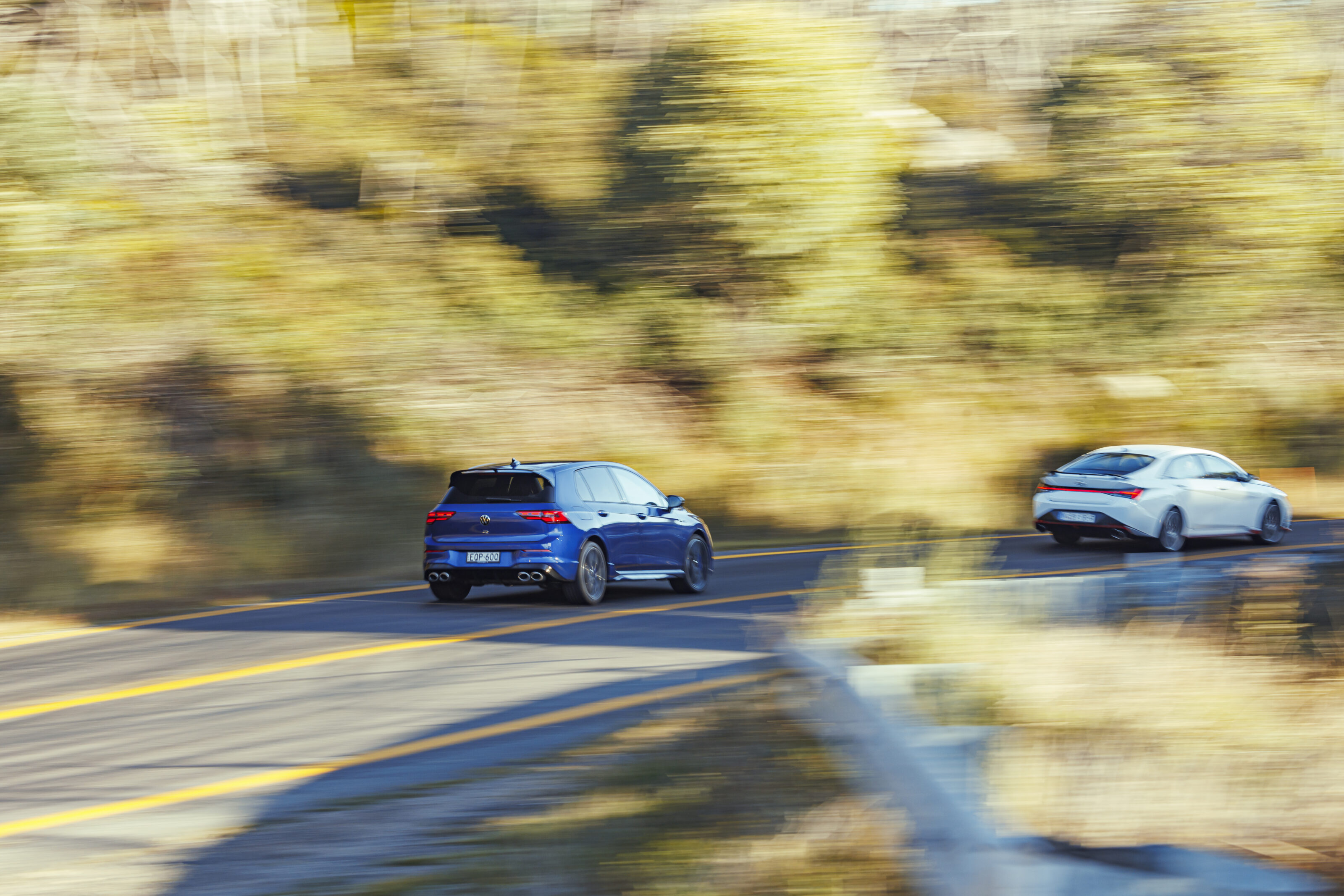
Despite its slightly artificial acoustics, there’s real quality to the way the i30 N dismantles a series of corners. The steering and body control are largely excellent but there is a fly in the ointment. The gearing is such that on this road almost every corner seems to be a coin toss between running into the limiter at the top of second and having a slightly flaccid throttle response in third.
You find yourself snicking up into third at the redline and dropping the needle to 4700rpm at which point the engine has exited its peak torque but is still 800rpm shy of peak power. Shortshifting only exacerbates how far you are from the power peak. Upshift at 6000rpm and you’re then plugged into only 160 of the available 206kW.
Tighter gearing here may help, as you find yourself switching between manual and automatic; an indication that what you’re experiencing isn’t satisfying the requirement at hand.
It’s a minor gripe as there remains huge bandwidth to the i30 Sedan N, but the position of its performance envelope is left-shifted compared to the tighter and more focused Golf. In short, as good as the Hyundai is, it’s easy to see how you could reasonably justify the additional expense on the German car.
Some may well emerge from a test drive in the Golf R and hanker after something a little more visceral, preferring something with a bit more flint about its persona. Toyota’s GR Yaris Rallye might have the least amount of engine here, but it always feels as if it has the most.
Every drive is an event. Objectively speaking there is so much wrong with the Rallye. The high driving position is idiotic, I cannot physically fit my foot between the clutch pedal and the firewall, the pedal spacing is clumsy, the gearshift is notchy, the suspension can quickly run out of ideas and the vanishing point through left-handers is horribly obscured by the vast rear-view mirror, requiring the Yaris Hunch, where you find yourself folding yourself forward through tight left handers such that you hang from the steering, your upper back no longer adequately supported by the seat.
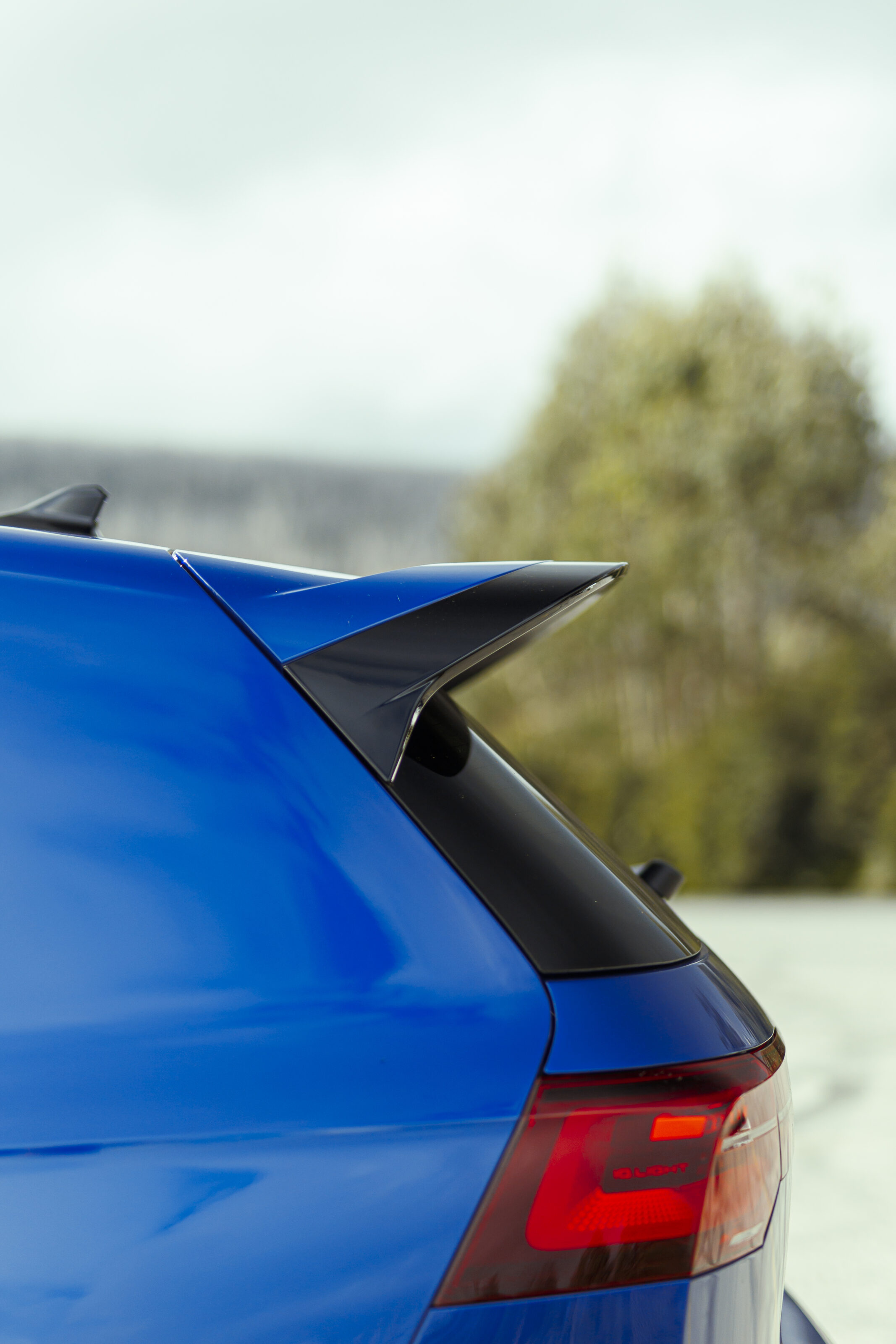
It’s hopeless. Despite that, the Yaris is infectious, strangely loveable and huge fun.
The engine itself is a highlight. The 1.6-litre three-pot is a work of genius, making the Golf’s powerplant feel a little anodyne in comparison. Likewise, the sheer thrust of the Yaris when peak power is deployed at apex offers a drama all of its own.
The damping is the weakest of the bunch, with certain bumps and compressions that the other three would routinely shrug off causing the short-wheelbase Toyota to skip and bang, occasionally incurring a flicker of stability control. Because of its slightly brittle ride quality and a manual shift that requires a clodhopping approach to heel and toe downchanges, it’s never an easy car to flow smoothly.
The gaps between gears here is even wider than the Hyundai, but there’s an acoustic payback with the Yaris that helps sweeten the deal, aided by superior power-to-weight and torque-to-weight metrics.
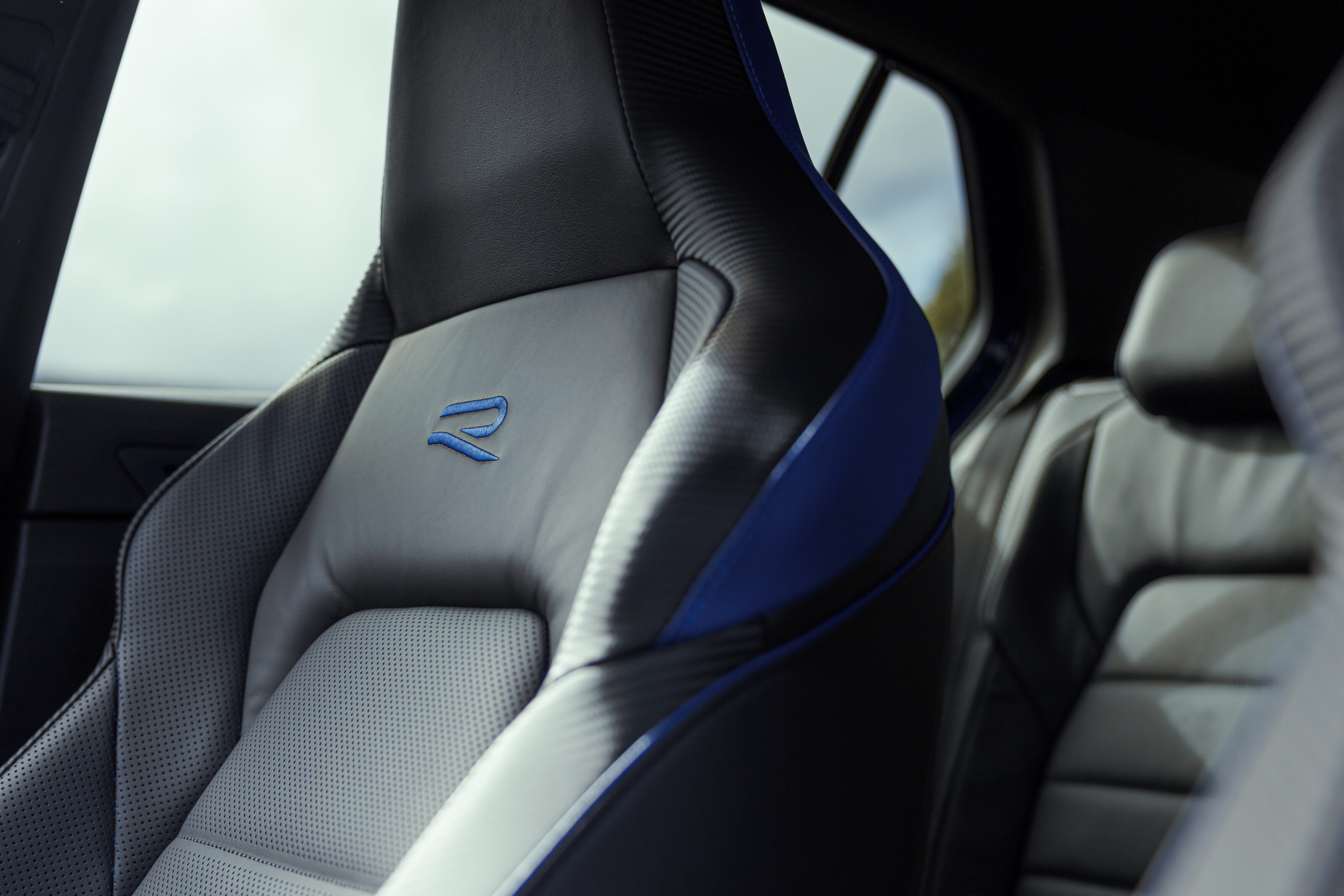
It’s likely that the forthcoming GR Corolla will give the Golf R something more aligned to chew on, but there’s little doubt that the $54,500 Yaris delivers the ferocity that the chamfered and polished Volkswagen lacks. Which leaves the Audi SQ2.
Delivering a small SUV to a competition that includes some of the most focused performance cars that sensible money will buy seemed like a bit of a stretch, but of all the cars here, the Audi was probably the biggest and most favourable surprise.
It was riding on SUV tyres, in this case 235/40 R18 Bridgestone Turanzas which did the steering feel few favours, and its pace certainly didn’t feel that of a vehicle with five per cent of the Golf R’s power and torque. There’s also a valid point to be made that says that with a 355-litre luggage capacity with the rear seats in place, the Audi doesn’t offer any practicality benefit over the 374-litre carrying capacity of the Golf.
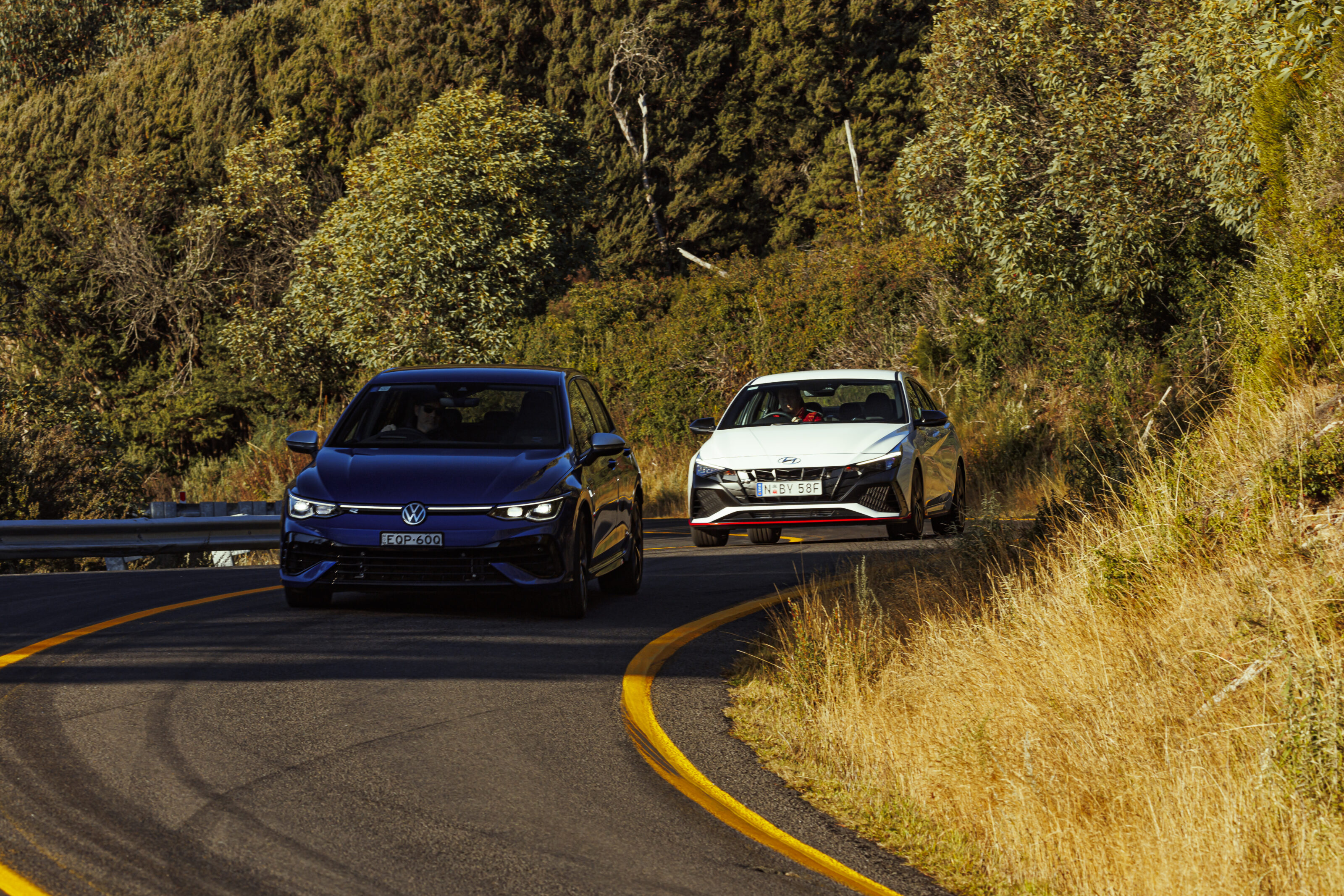
Nevertheless, there are three reasons why the baby Audi crossover endeared itself to all who drove it. While it lacks a certain tactility and its Haldex all-wheel drive doesn’t offer the tricks of the Golf’s more sophisticated architecture, it’s predictable and benign on a challenging road, inputs always creating a predictable output.
Secondly, the added ride height means that you never feel as if you need to sacrifice throttle commitment for road imperfections. The SQ2 just powers through anything in terms of relief or sharp camber change, whereas in the other cars you might ease back so as not to potentially scrape the chin. Thirdly, the tyre itself generates a fuzzily finite edge to the handling envelope.
You find yourself driving to the limits of the Turanzas and then giving consideration to how you can give the vehicle every chance to deploy its power cleanly without the soft traction control butting in. There’s real satisfaction to be gained from driving the SQ2 well and to do so engenders significant admiration for just what Audi has achieved.
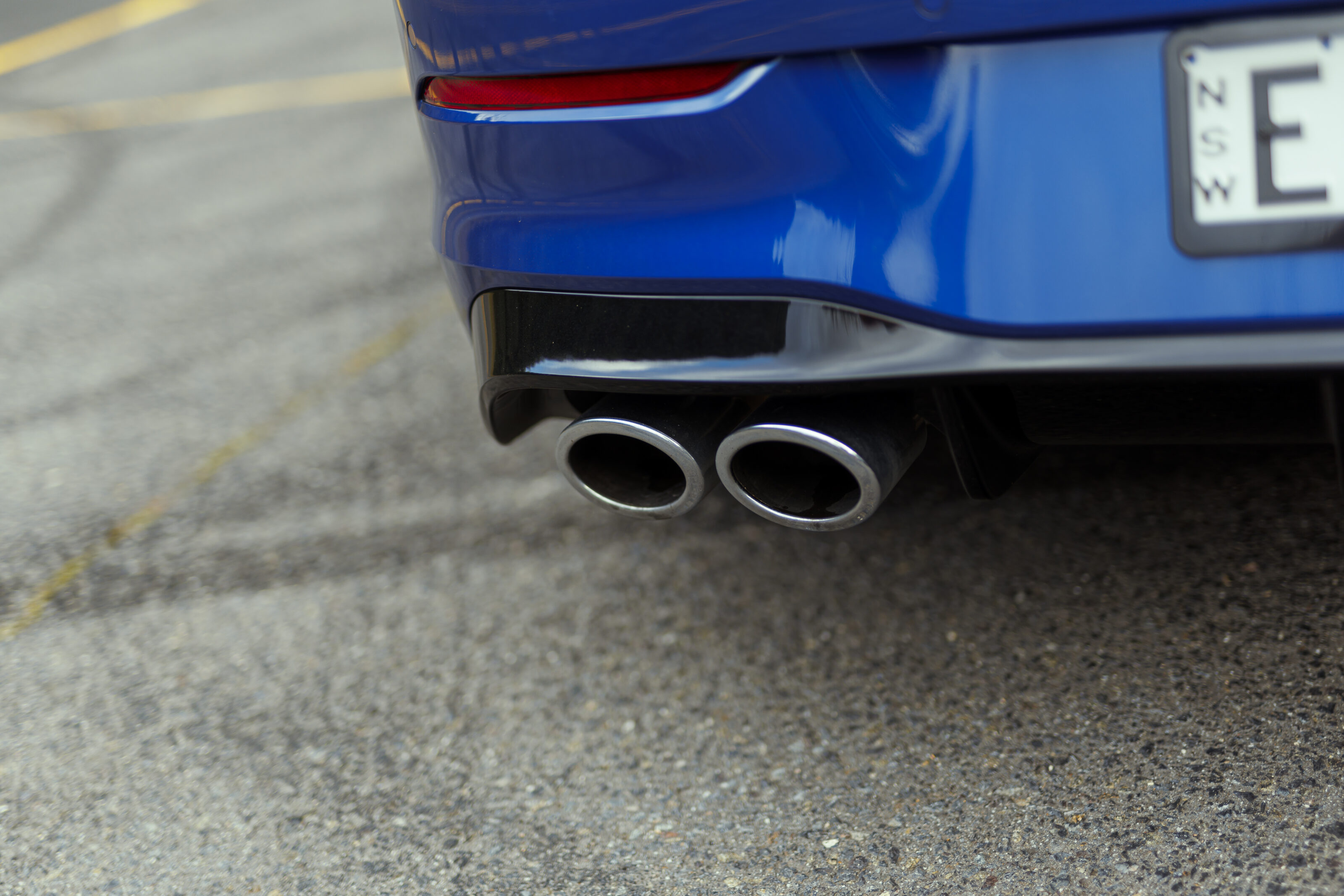
The higher hip point of the SQ2 affords a good view of the road ahead, despite it sitting 20mm lower on its springs than the rest of the Q2 range. The suspension relies on passive dampers but it’s a very good tune, offering well-judged primary and secondary responses. Body control is naturally a little looser than the Golf because physics happen, but for a higher riding vehicle, the compromise isn’t in any way egregious.
Like the Golf, the SQ2 sports an EA888 2.0-litre under the bonnet, mated to a seven-speed DSG ‘box. Its drive modes are simpler to get to grips with but even in dynamic the throttle response isn’t particularly sharp. The gearbox calibration in Dynamic also seems to like 2400rpm, repeatedly plucking a gear from the ether to keep you there.
You’ll need at least 3500rpm on the board for the SQ2 to feel genuinely sprightly. Take control manually and things are better, but it’s very much a pseudo manual mode, the software keen to either upshift or downshift if you find yourself on the wrong side of an if/then conditional.
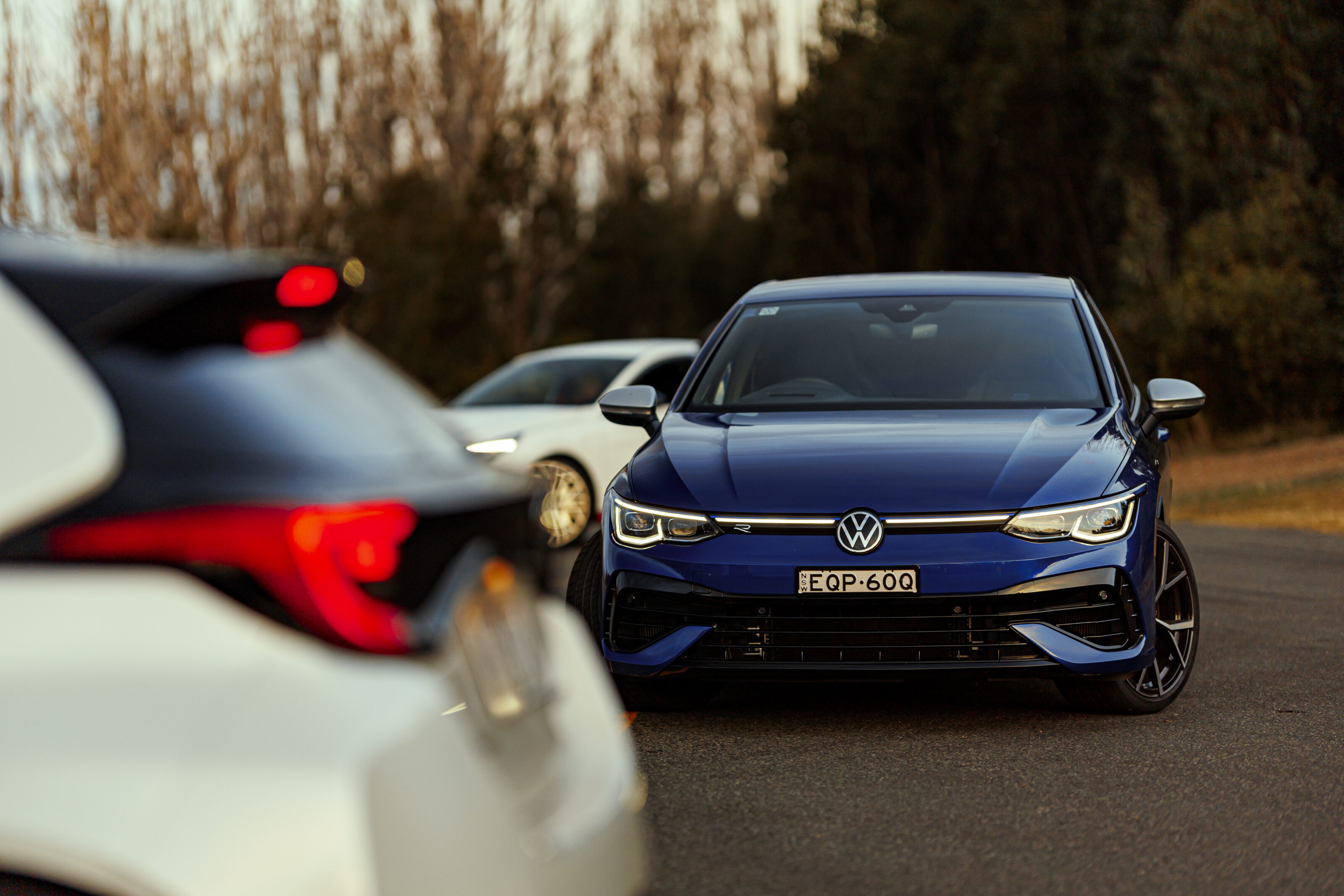
The Individual mode allows you to play with the configuration of gearbox, steering, sound and adaptive cruise assist, with all of these attributes able to be set into Comfort, Auto and Dynamic settings. Bigger brakes with better cooling would help on a road like this, the stoppers getting a bit hot and smoky but Reefton Spur is an extreme assignment.
All three contenders emerged with their reputations intact, offering a fascinating array of options for keen drivers. Ultimately, however, the Golf’s overlap in the big Venn diagram is so great that it’s hard not to recommend it.
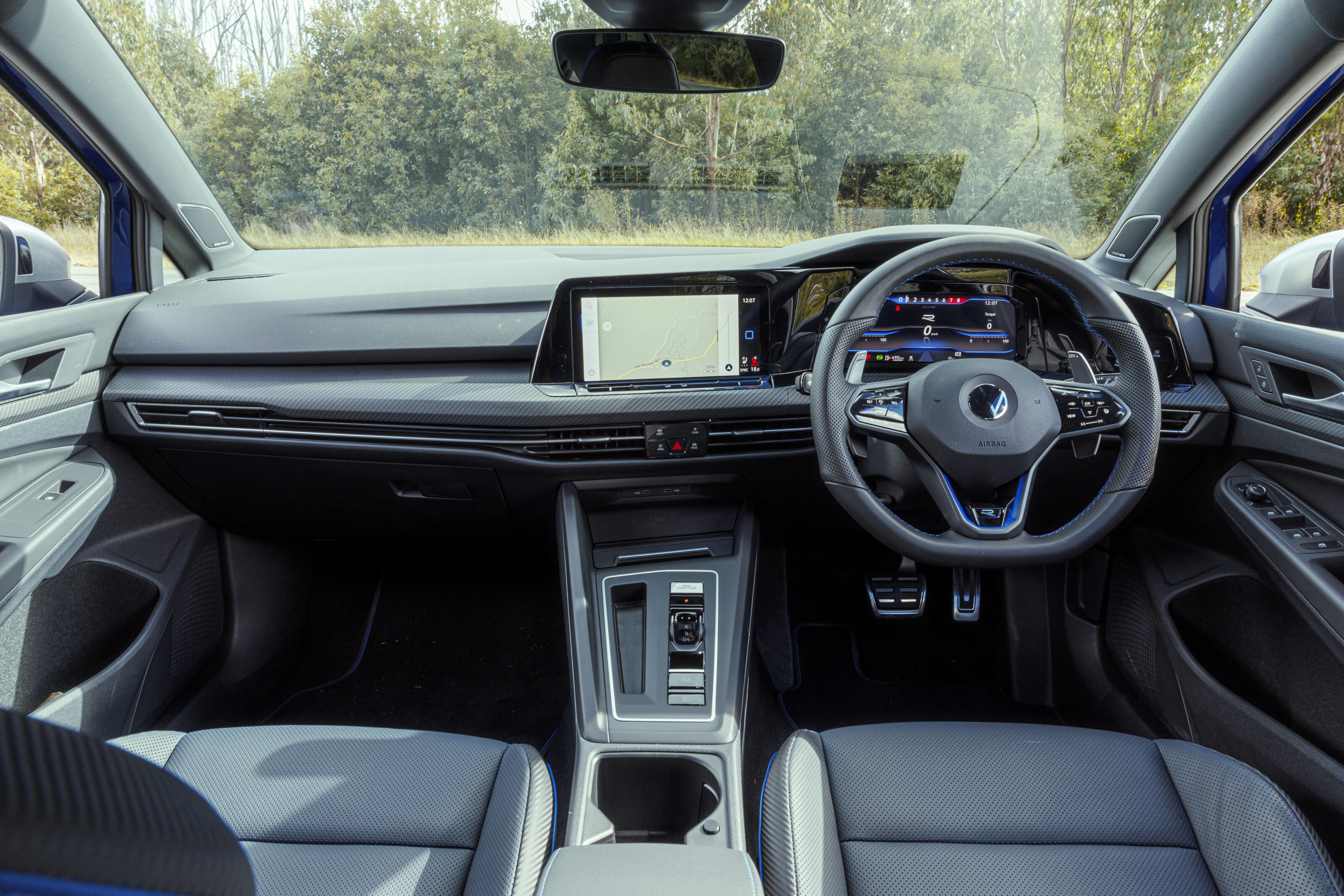
If your requirements are more extreme in any of these directions, a case can be made for any of the three but, in the real world, more often than not the Golf R wins. The dynamic benefits of the new all-wheel-drive system massively outweigh the UX shortcomings of the haptic controls and touchscreen interface.
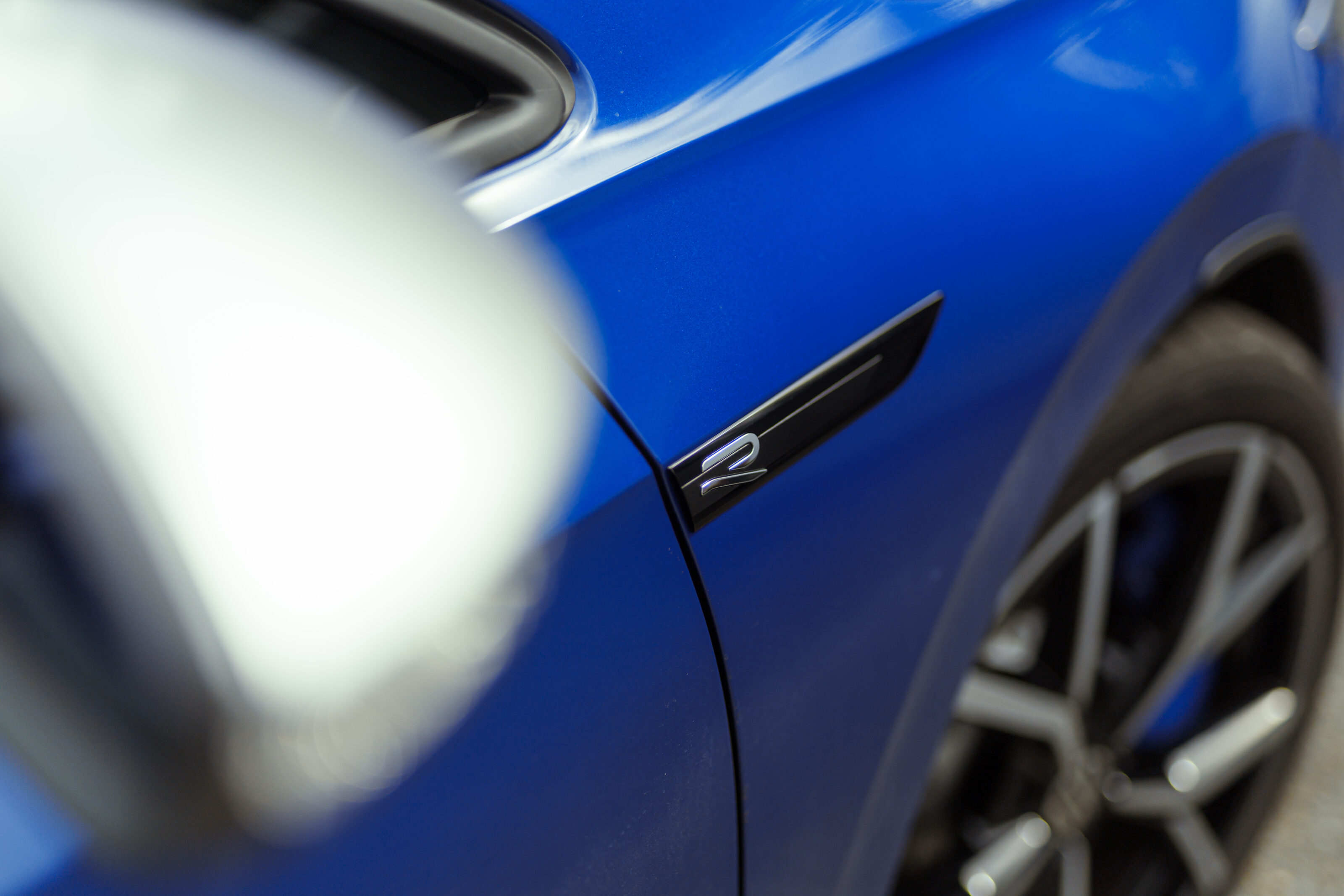
It’s an exceptional hot hatch that more than merits the big build up. The forthcoming GR Corolla will need to be very good indeed to level with it. Coming between the demise of the last-generation Civic Type R and the entry of the hot Corolla, the Golf R is, for the time being at least, the class benchmark.
SCORING
VOLKSWAGEN GOLF R: 4.5/5
Things we like
- Sheer speed and playfulness
- Breadth of talents
- Presentability
Not so much…
- Interior UX
- Some materials cost-cutting
- Road noise
- Price could be out of reach for some
AUDI SQ2: 4.0/5
Things we like
- Passive damping well-judged
- No-worries ride height
- Surprising capability
Not so much…
- Brakes can get hot
- Small luggage bay
- Compromised tyre spec
- Little steering feel
HYUNDAI i30 SEDAN N: 4.0/5
Things we like
- Exciting on road
- Versatile, spacious
- Crisp dual-clutch
Not so much…
- Brakes not the sharpest
- ESC Sport is dull-witted
- Gearing
- Some cheap plastics
TOYOTA GR YARIS RALLYE: 4.0/5
Things we like
- Excitement, manual involvement
- That engine!
- Never not angry
Not so much…
- Ergonomic disasters
- Manual not great
- Chintzy infotainment
Vehicle specifications
I find it fascinating the way car buyers sniff out a ruse. When Mercedes launched the X-Class at what it thought was an unsuspecting public, just about everybody clocked that it was a Nissan Navara and stayed away from the three-pointed price tags in their droves. When that car launched, our Amarok-owning builders were still making a mess of the house and snorted when I rolled up in the X-Class.
“Nice car,” said the foreman. “Pity it’s just a Navara in drag. I’d just buy the Navara and save my money.”
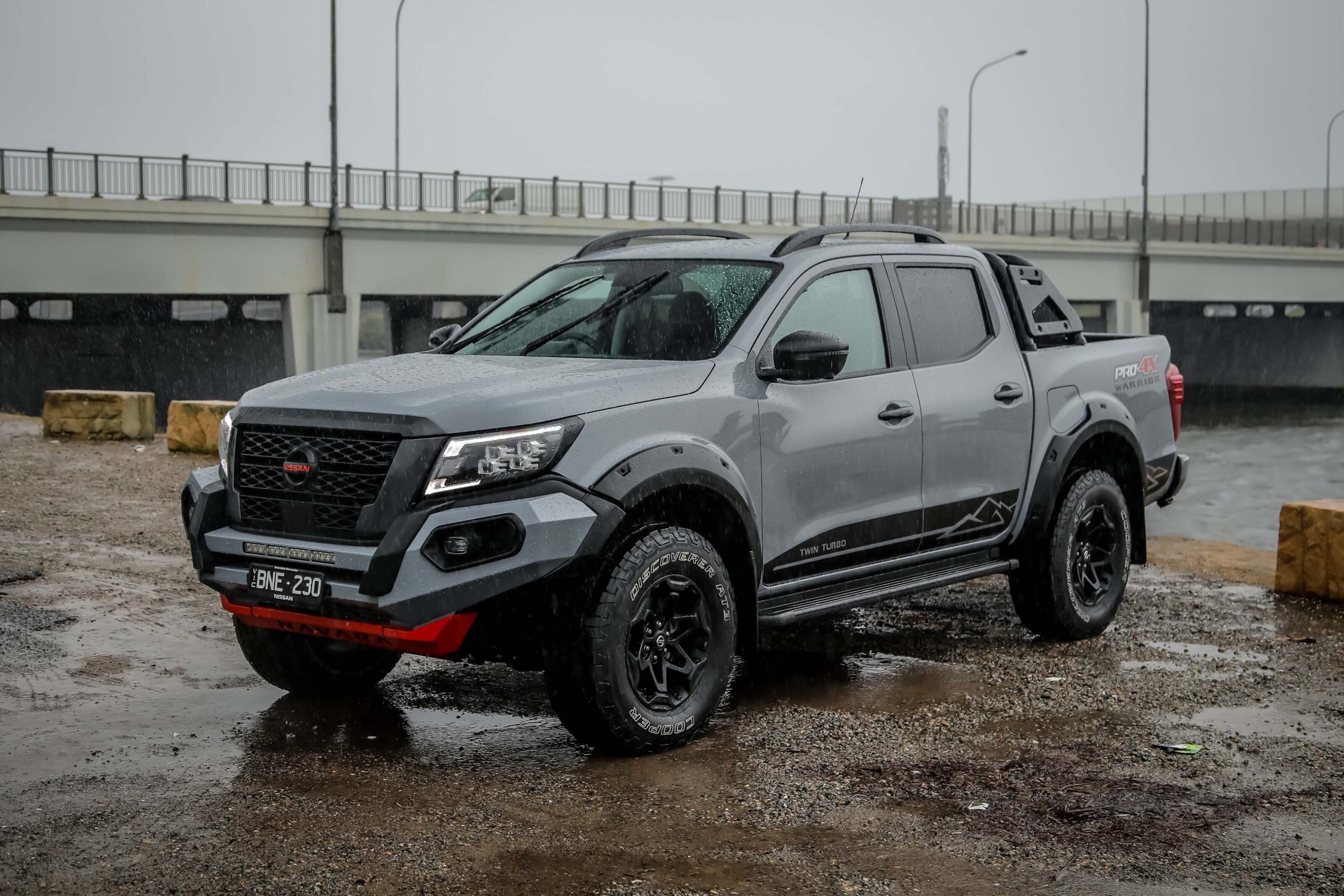
This was before the Navara Pro-4X Warrior existed though. While the Warrior – as it will henceforth be known – doesn’t quite charge the dizzying heights of the X350d, it’s only ten grand behind it, albeit with a good chunk of the things that Merc had and a few it didn’t. And people are buying it, perhaps because it’s more honest or because it’s quite good or perhaps both. Let’s find out.
Pricing and Features
The Navara Pro-4X Warrior lands on your driveway from the Thai factory, via a couple of extra stops, at $69,990 before on-road costs, which is a lot.
You get 17-inch alloys, a six-speaker stereo, dual-zone climate control, tub liner, keyless entry and start, cruise control, sat-nav, auto LED headlights, fake leather bits in the cabin, folding and heated door mirrors, auto wipers and a full-size spare.
The Warrior arrives in the country as a top-end Navara Pro-4X (that really sounds like a 1990s Intel chip) before being shipped off to Premcar for the fitment of more than nine grand worth of shiny new things.
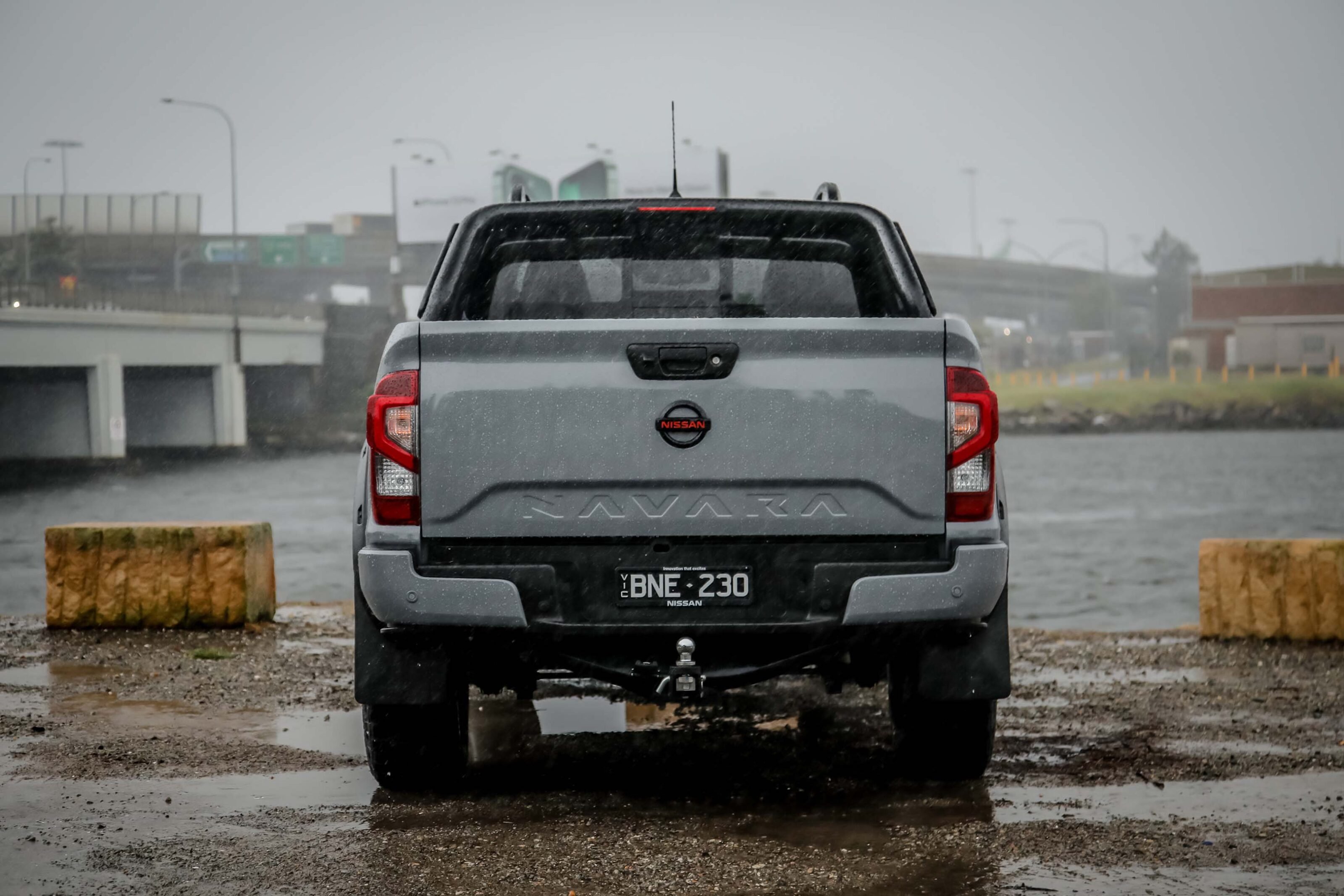
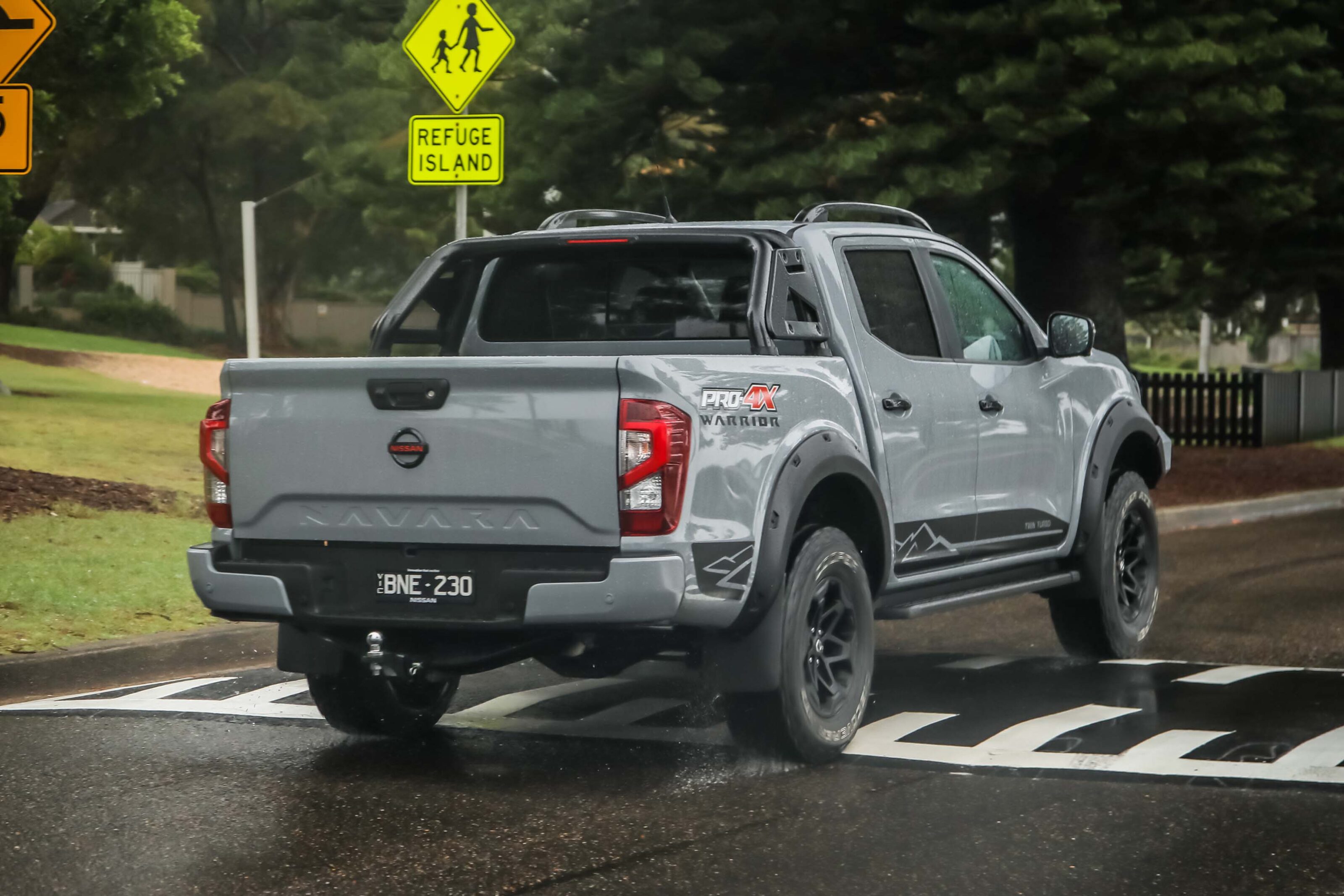
Among these are a chunky winch-compatible bull bar with integrated LED light bar, a tow bar exclusive to the Warrior, a bigger 3mm steel bash plate in contrasting red colour, a GVM upgrade to 3250kg (100kg more than standard) and a lot of blacked-out bodywork.
With all of that and the mechanical changes outlined down below, the Warrior looks properly mean, with a bit of a Minecraft vibe thrown in.
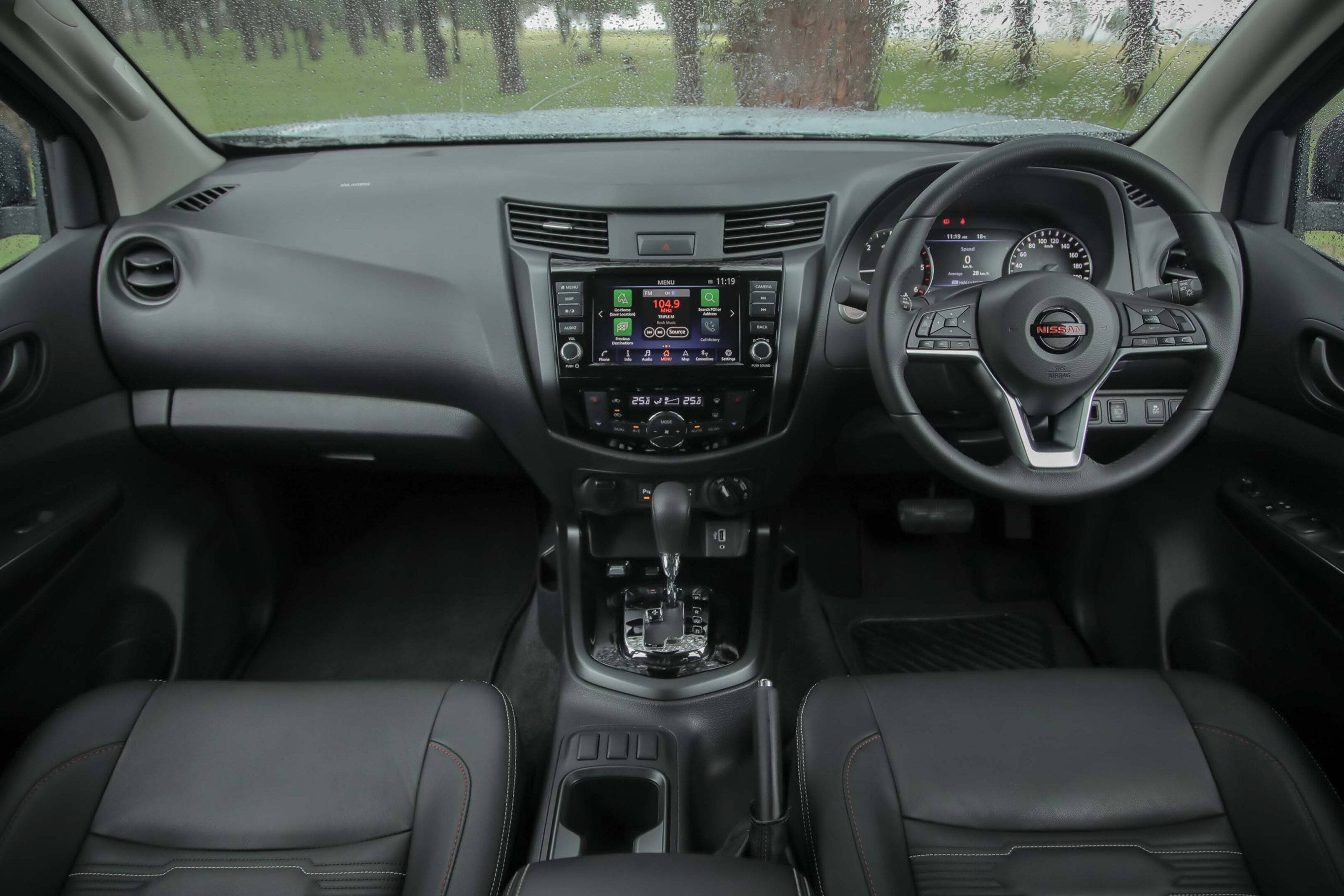
A hilariously small 8.0-inch touchscreen hosts Nissan’s old media software and it’s got a real 1990s Pulsar vibe to it, even though 1990s Pulsars didn’t have touchscreens. Things to improve when you plug in your phone, with Android Auto and Apple CarPlay along for the ride and it does have built-in sat-nav (handy when your phone’s maps app stalls because you’re out of mobile coverage). Either way, it’s still better than a brand new Toyota’s software.
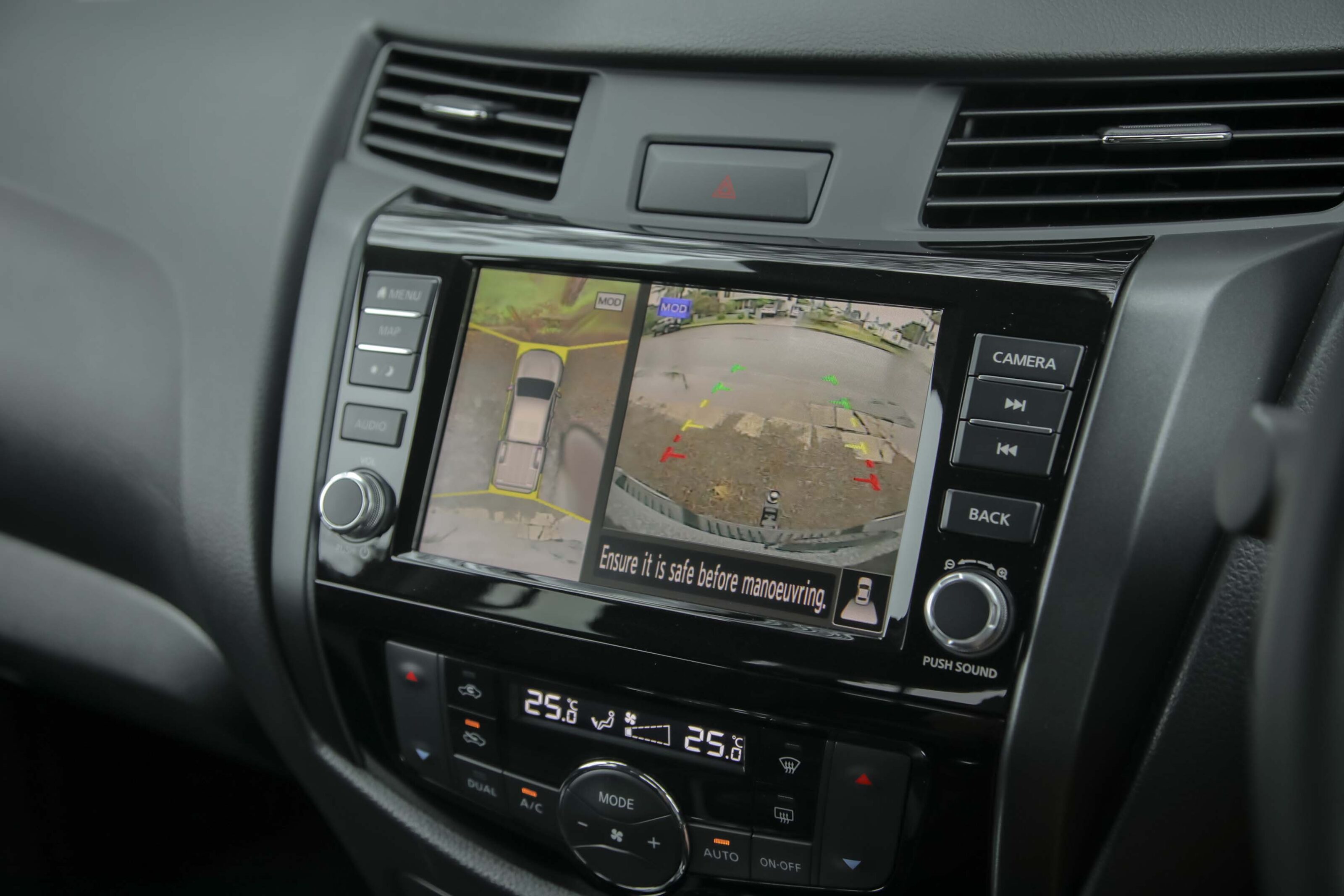
The safety spec is not at all bad for an ageing ute and makes you wonder why a few family-focused SUVs don’t have all of the same features. You get seven airbags (including a driver’s knee airbag), the usual braking and stability controls, forward auto emergency braking, forward collision warning, 360-degree cameras, reverse cross-traffic alert, lane departure warning and lane-keep assist.
There are also three top tether points and two ISOFIX points for child seats.
The Navara scored five ANCAP stars in 2015, which is a long time ago, especially considering all of the changes to the ANCAP system since then.
Comfort and Space
The first thing you notice about the Warrior is just how far off the ground it is. Thankfully for front-seat passengers, the grab handles and huge side steps let you swing in without too much trouble, although if I had a dodgy hip or knee it would be precisely no fun, so perhaps have a think about that.
The same goes for thinking it might be okay for loading kids in and out of – it’s a long way up and that extra 40mm of ride height means more than it sounds.
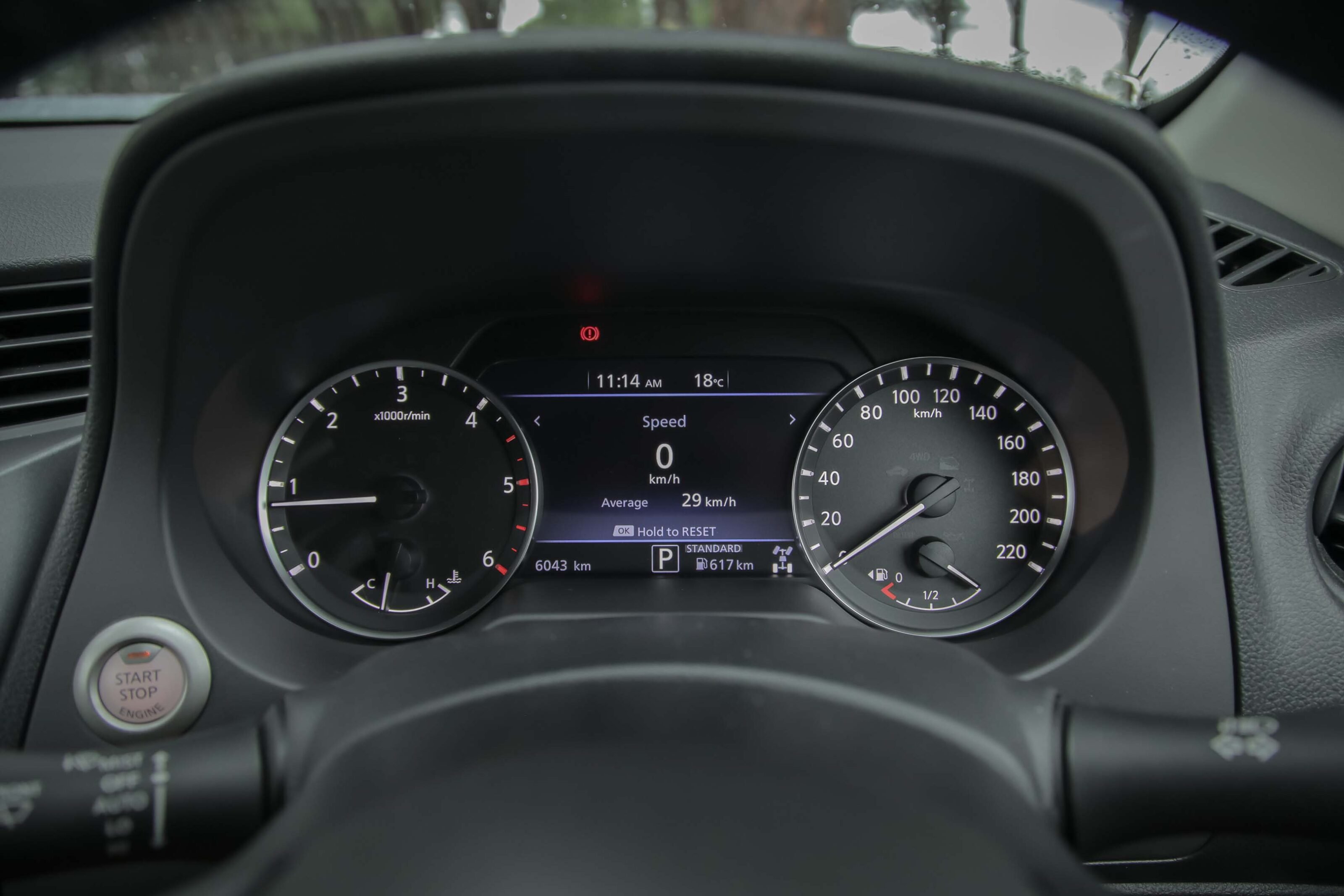
The front seats are a bit soft at first but seem supportive enough for a road trip. The steering wheel seems too small, though and again feels like it’s out of a hatchback. All the switchgear is pretty old but perfectly functional and the cabin is well made and well laid out.
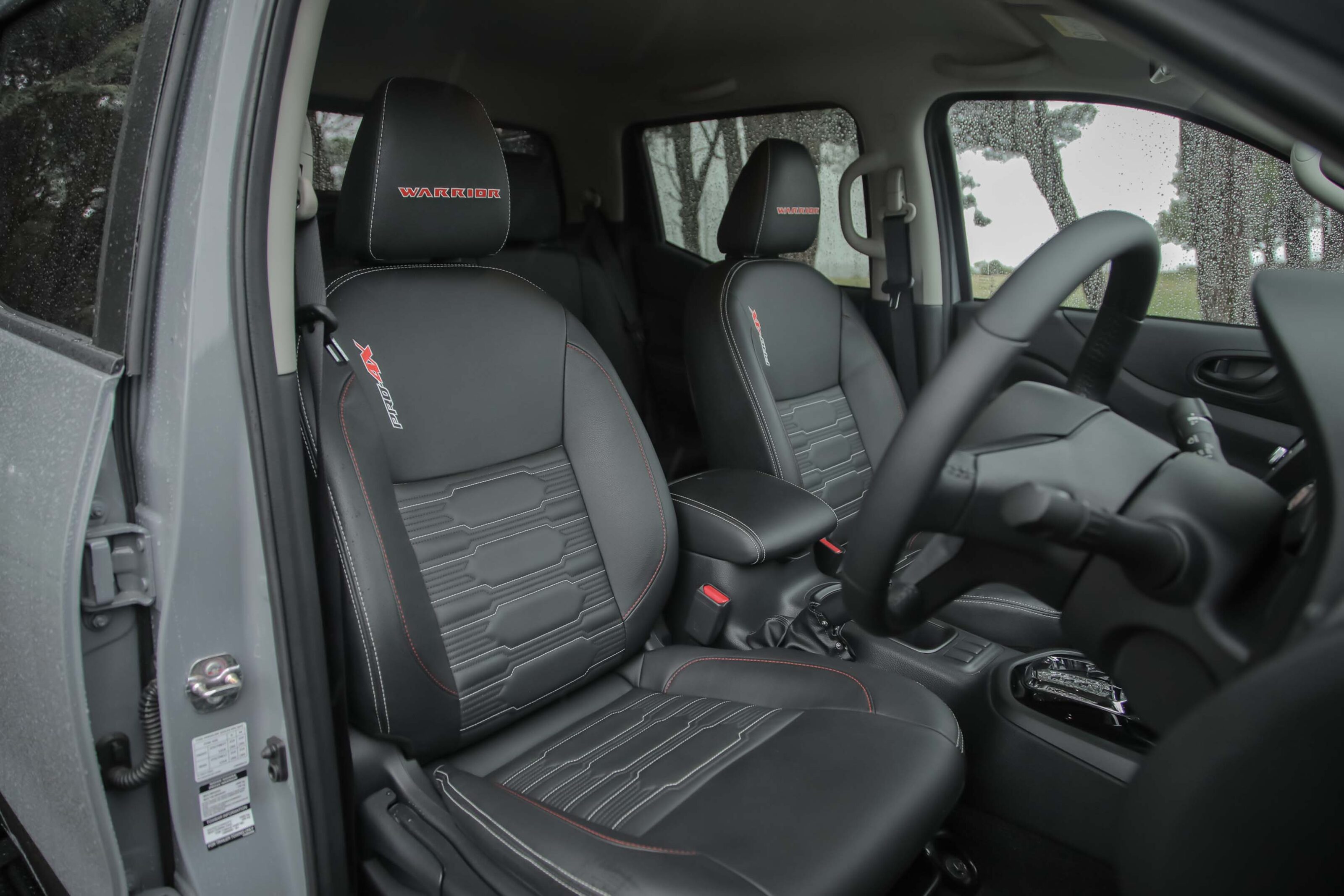
The centre armrest has a usefully-sized bin housing USB-A and USB-C connectors. You also get two cupholders in the front and bottle holders in the doors.
The rear seats are hardly palatial and entry is tricky with the narrow doors, but it’s a dual-cab ute so that’s to be expected. Leg and knee room is adequate for up to six-footers and there’s an added bonus of very dark tinting plus that trademark electrically-operated window section in the rear windscreen. You even get rear air vents – way too many proper passenger cars still don’t get those. There is also a single USB charger.
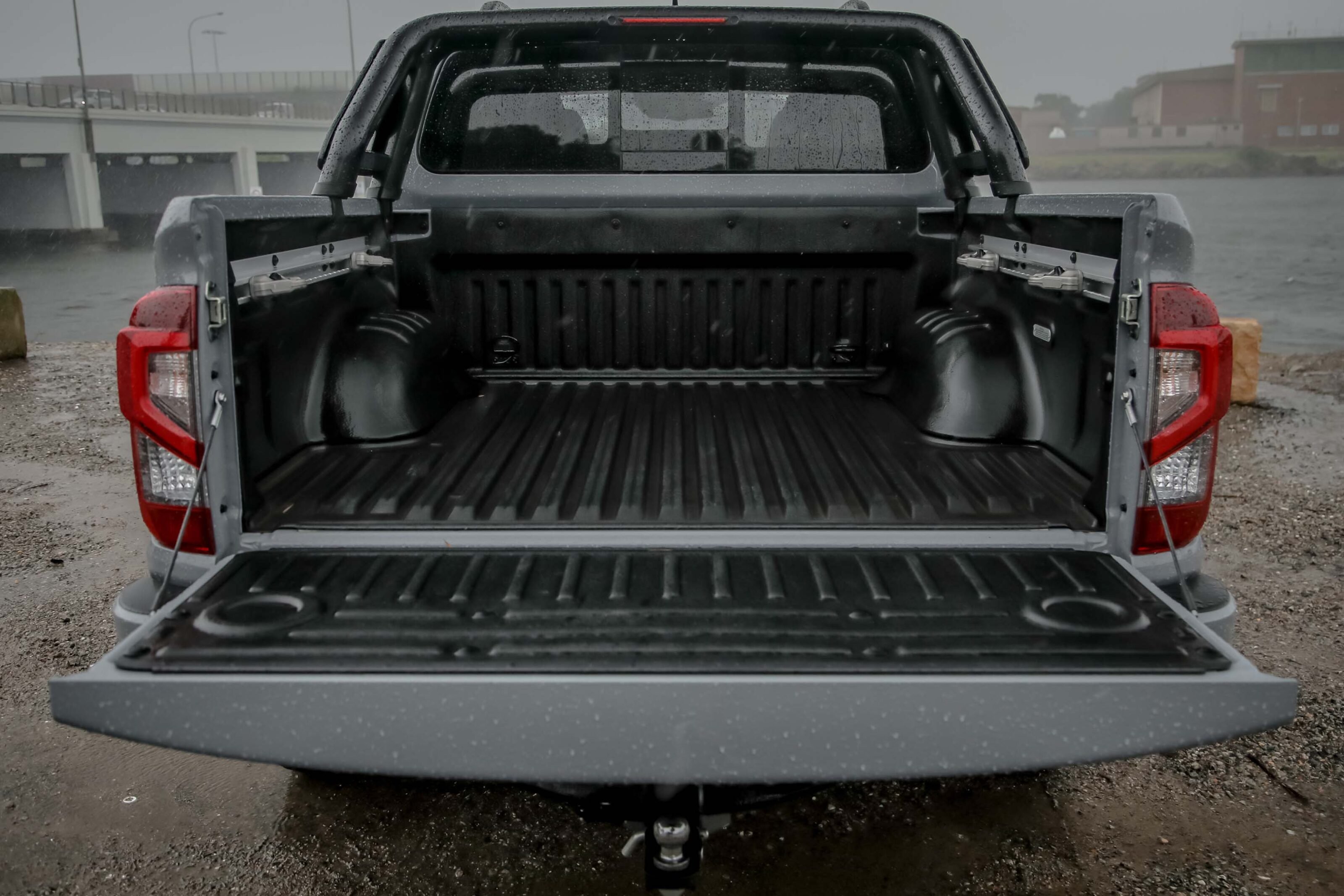
The rear tailgate is high and undamped, so keep an eye on the kids when you’re opening up.
On the Road
Under the bonnet is a 2.3-litre four-cylinder twin-turbo diesel engine, growling up 140kW and 450Nm in a fairly narrow 1500-2500rpm rev band. Power gets to the road either through the rear wheels (in 2H mode) or all four wheels (4H and 4L modes) with a locking rear differential thrown in for the rough stuff.
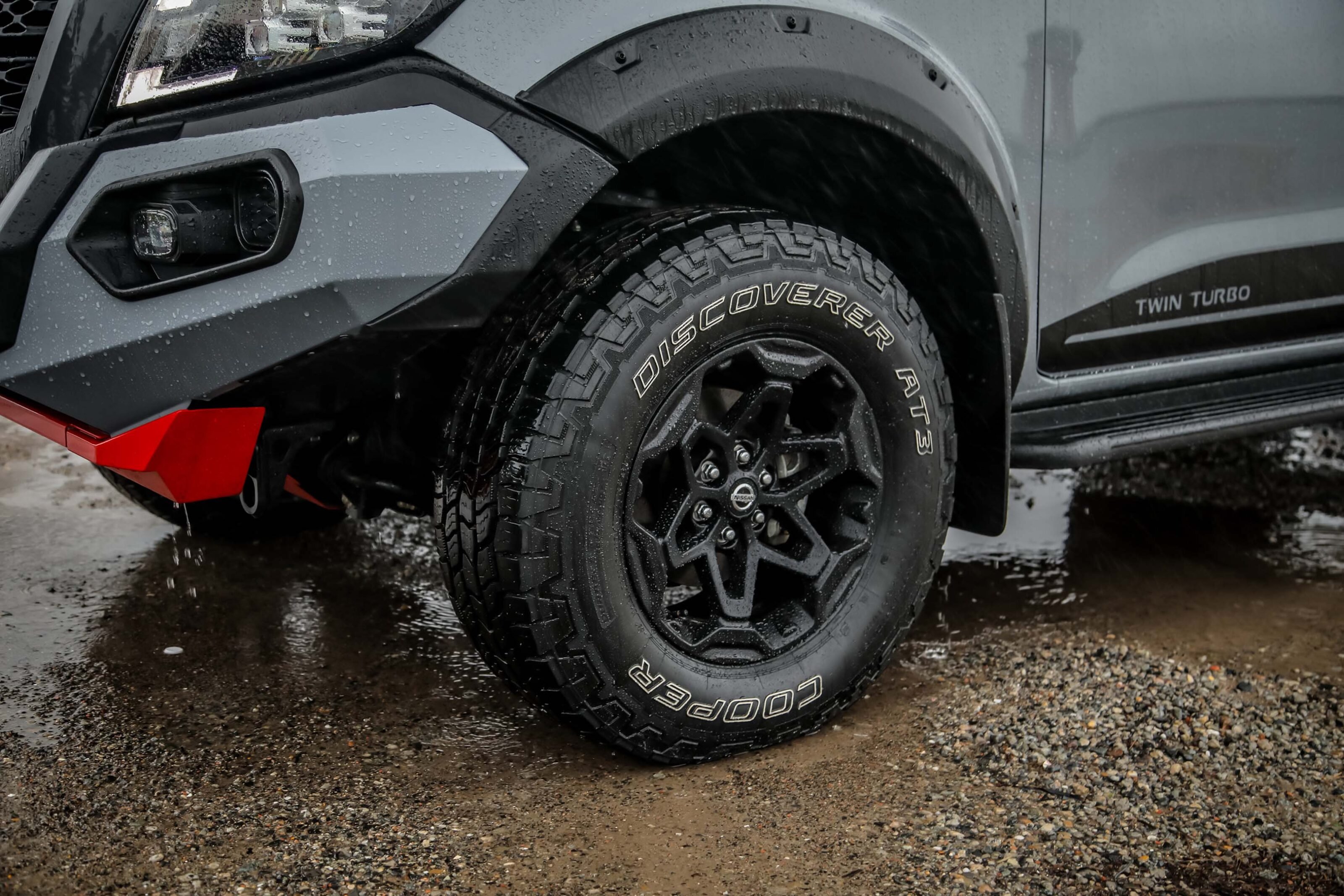
The Warrior is a full 40mm further from the dirt at 260mm (15mm from the suspension, 25mm from the tyres if you’re into that kind of thing), The front and rear tracks are also wider by 30mm for a healthy 1600mm, at which I believe certain people would reverentially whisper the word, “stance”.
Springs and dampers are also changed to improve the ute’s ride and handling and there’s a bigger “jounce” bumper to lessen the impact of reaching the end of the suspension travel, turning a bang into a gentler thunk.
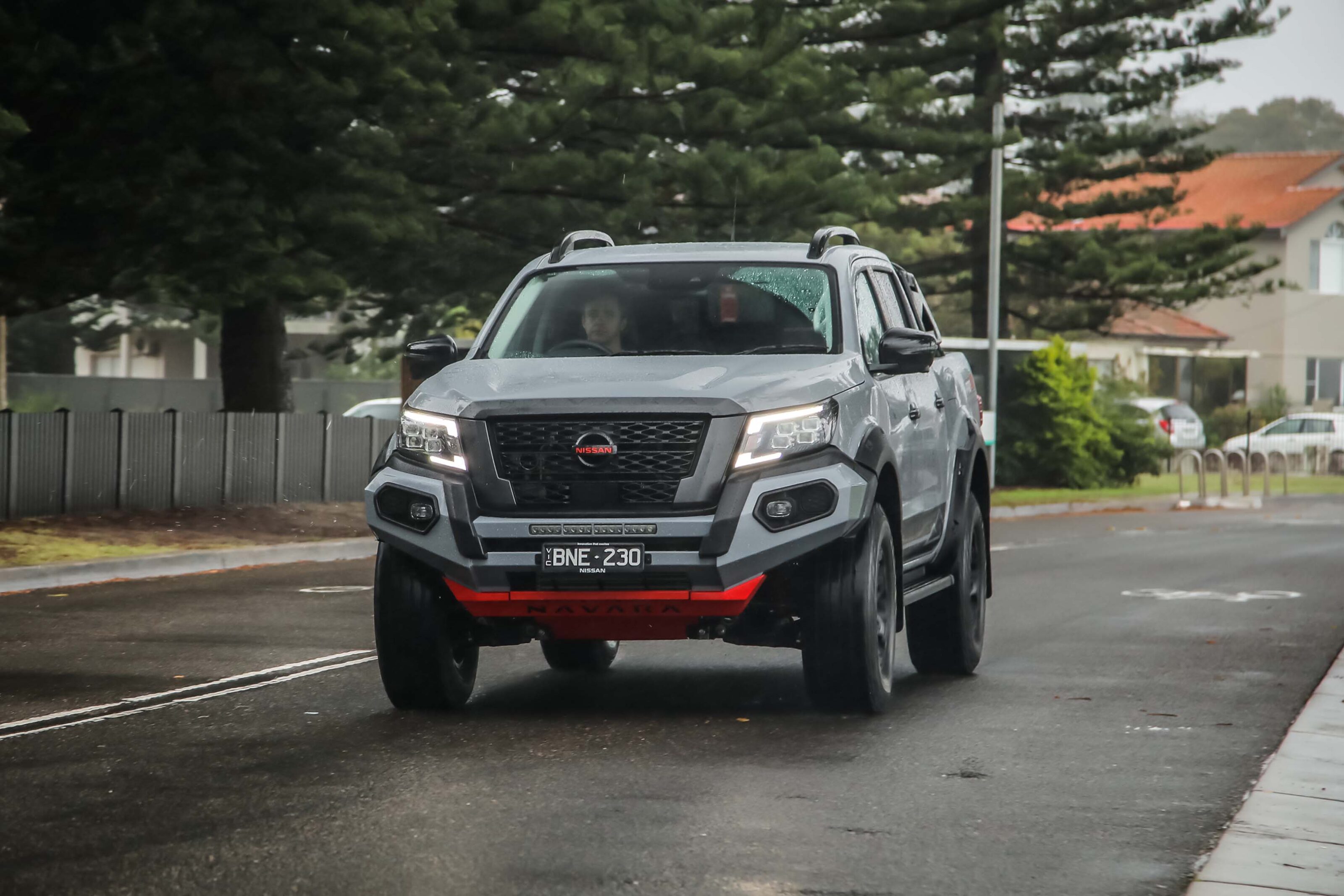
Once you’re in, it’s very comfortable and you do rather feel that you should check with air-traffic control as you approach speed bumps, but the view out across the bonnet is what car-makers like to call “commanding.” The reality is that you can’t see much immediately in front of you or behind you, so the array of cameras is not just welcome, but it’s mandatory. Down the road, of course, you can see plenty.
These sorts of cars are hardly paragons of handling, but the Warrior isn’t bad, especially with the increased ride height. The tyres do it no favours and are pretty noisy but in the wet conditions we had the car, it performed very well.
The extra sidewall and the revised springs and dampers deliver a distinctly better ride than most unladen utes but the steering is fairly vague on sealed roads. Which is to be expected.

The engine is a cacophony of induction roar and a bit of diesel clatter when cold, but quietens down as it warms and speeds rise. It feels strong and considering it’s hauling two kilos short of 2300kg in kerb weight, it does alright.
But it’s not going to flog a Raptor in a straight fight. Which is probably not why you’d be considering this car, so that’s fine. That’s the one thing the X-Class got right, though, the 3.5-litre V6 turbo-diesel.
It’s a big unit and its 1895mm height provokes the odd sharp intake of breath in shopping centre car parks. It also has a huge turning circle of 12.5 metres, so the slow steering – annoying enough when you’re driving around the suburbs – makes the inevitable multi-point turns quite a workout.
I didn’t have the opportunity to take the Warrior off-road, which is a great pity because, with its various mud-plugging jiggery-pokery, it’s got the kind of capability I’d love to test. However, I don’t think, given the recent weather, that even the 600mm wading depth would be enough.
Most folks are going to spend a lot of time in town in their Warrior and few will get too dirty, so I imagine my experience is representative of most prospective owners. Unless road conditions are seriously bad (or basic), you won’t spend much – if any – time in 4H around town, so rear-wheel drive will do fine for the most part.
Given we were on the road for the time we had the Navara, its 8.9L/100km against 8.1L/100km claimed was pretty good going.
Ownership
Nissan offers a five-year, unlimited-kilometre warranty, five years of roadside assist and capped-price servicing.
Unfortunately, a twin-turbo diesel is fairly complicated and that’s reflected in the service pricing. It’s a lot more expensive than most of the competition, with prices north of $580 and up to a few ticks over $700.
That’s a lot of money and a Ranger – for instance – is currently priced at roughly half that lower figure. You’ll need to return to the dealer every 12 months or 20,000km.
VERDICT
Despite the aggro looks, the Navara Warrior is a fairly agreeable machine on the road once you take into account its sheer size. It’s not the benchmark for dual-cab utes apart from the reasonably cushy ride but around town, it’s quite liveable.
As its rivals improve, and in the Ranger’s case are about to score a whole new generation, it’s the Warrior’s looks rather than its dynamics and interior that are going to keep it in the game against the likes of Raptor and Toyota’s HiLux Rogue and Rugged.
2022 Nissan Navara Pro-4X Warrior specifications
December 2023: Cybertruck pricing and specs
You might be glad, or you might’ve hoped it wouldn’t happen – but Elon’s teenage wet dream, the Cybertruck, is actually real and finally in customer hands.
Story continues…
Tesla has removed its Cybertruck from sale on its Australian website.
Snapshot
- Cybertruck removed from Tesla’s Australian site
- Previously available to reserve with a $150 deposit
- EV manufacturer previously said it wouldn’t make Cybertruck for Australia
As a result, thousands of would-be Cybertruck owners will now need to contact the manufacturer for a refund to get their deposits back.
Despite Tesla founder and CEO Elon Musk previously saying the controversial Cybertruck would not be available for markets outside of North America shortly after its 2019 reveal, the electric pick-up appeared on the company’s Australian website with interested parties given the option to place a $150 deposit.
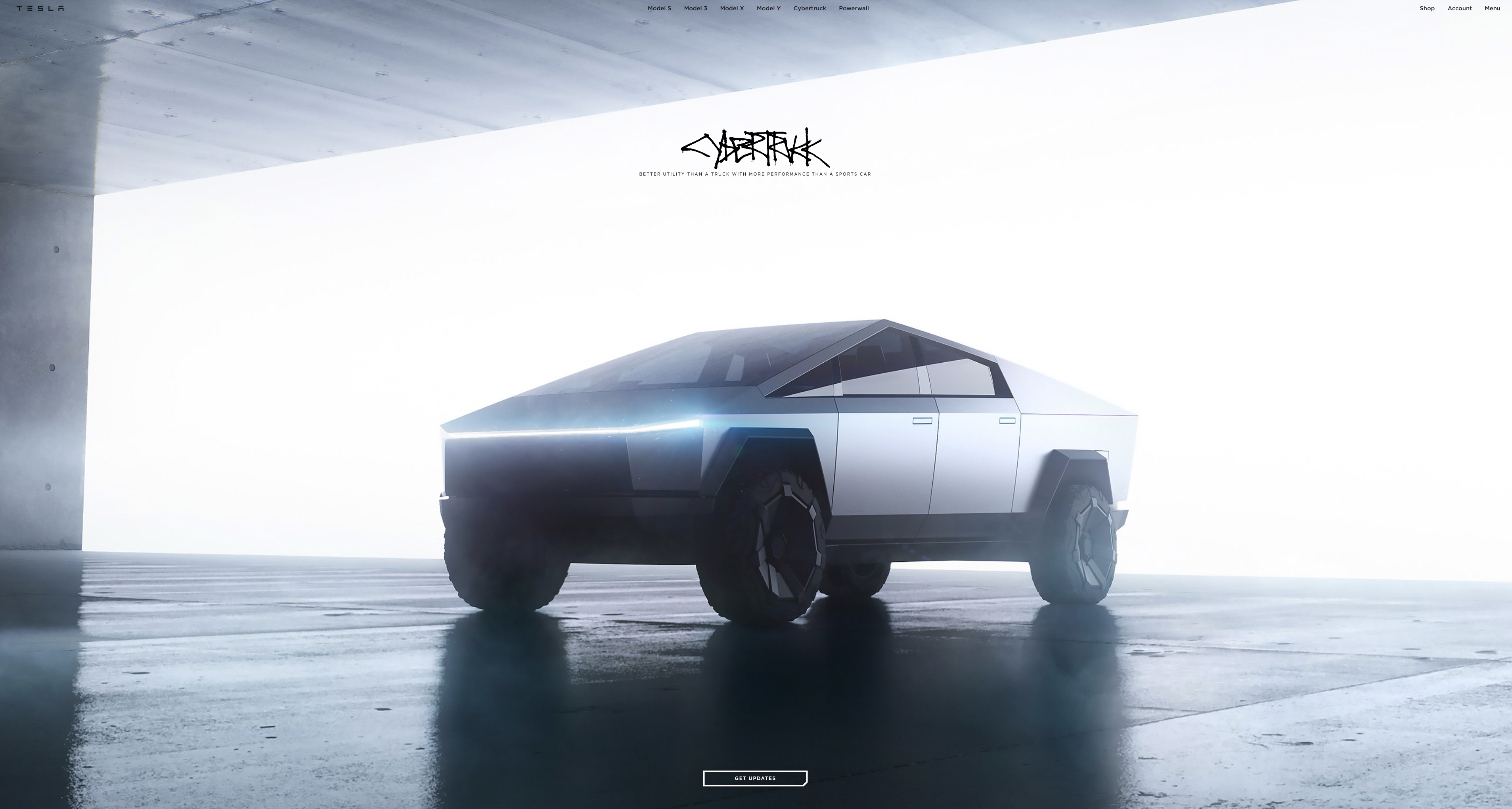
However, this has now been removed, with punters simply shown a “get updates” button which signs them up to Tesla’s newsletter – no longer offering the chance to put a deposit down on the electric vehicle.
Previous reports from The Driven suggested the Cybertruck’s popularity in Australia would lead to roughly $1.5 billion coming Tesla’s way from the local market, with an average vehicle cost of $100,000 meaning around 15,000 people had placed a deposit.
It’s worth noting a large number of these customers who placed a deposit may have done so out of curiosity given the $150 was refundable and non-binding.
Late last year Tesla removed Cybertruck specification from its online configurator, leaving prospective buyers with no option than to place a deposit without knowing what they were signing up for.
Last month the manufacturer showed off a more “production ready” version of the truck, with mirrors, a windscreen wiper, and revised headlights and tail-lights – giving it a chance of actually being approved for road use.
It’s a tough period for Tesla in Australia currently, as deliveries of its class-leading Model 3 electric sedan have been pushed back until July, in addition to ongoing delays for its upcoming Model Y SUV.
Snapshot
- Group wants only zero-emissions new cars sold from 2035
- Legislation should also include targets for infrastructure
- European Car Summit being held today
Ford Europe has joined 27 other companies in calling for the European Union to ensure all new cars and vans on the continent are emission-free from 2035.
The group, which also includes Uber and Volvo, wants the EU to establish mandatory targets for charging infrastructure and insists removing fossil-fuel burning vehicles from European roads is essential to achieve net-zero emissions by 2050.
Part of the appeal, which comes on the same day the European Car Climate Summit is being held in Barcelona, includes enacting legislation setting out a clear timeline for the car industry and its suppliers to follow to ease the transition to electric vehicles.
“At Ford in Europe, we believe that freedom of movement goes hand-in-hand with caring for our planet and each other,” said Stuart Rowley, chairman of Ford of Europe.
“That’s why we are targeting all Ford vehicles to be zero emission by 2035. To successfully achieve this, EU policymakers must also establish mandatory national targets for a seamless electric charging infrastructure that lives up to the growing demand for electric vehicles.”
As part of the wider European Climate Summit, EU policy-makers will decide whether to implement new clean-car rules following a proposal by the European Commission that only zero-emission new cars and vans can be sold on the continent from 2035.
The European Parliament and individual EU governments will decide their positions in June, with the final law expected to be adopted in the third quarter of this year.
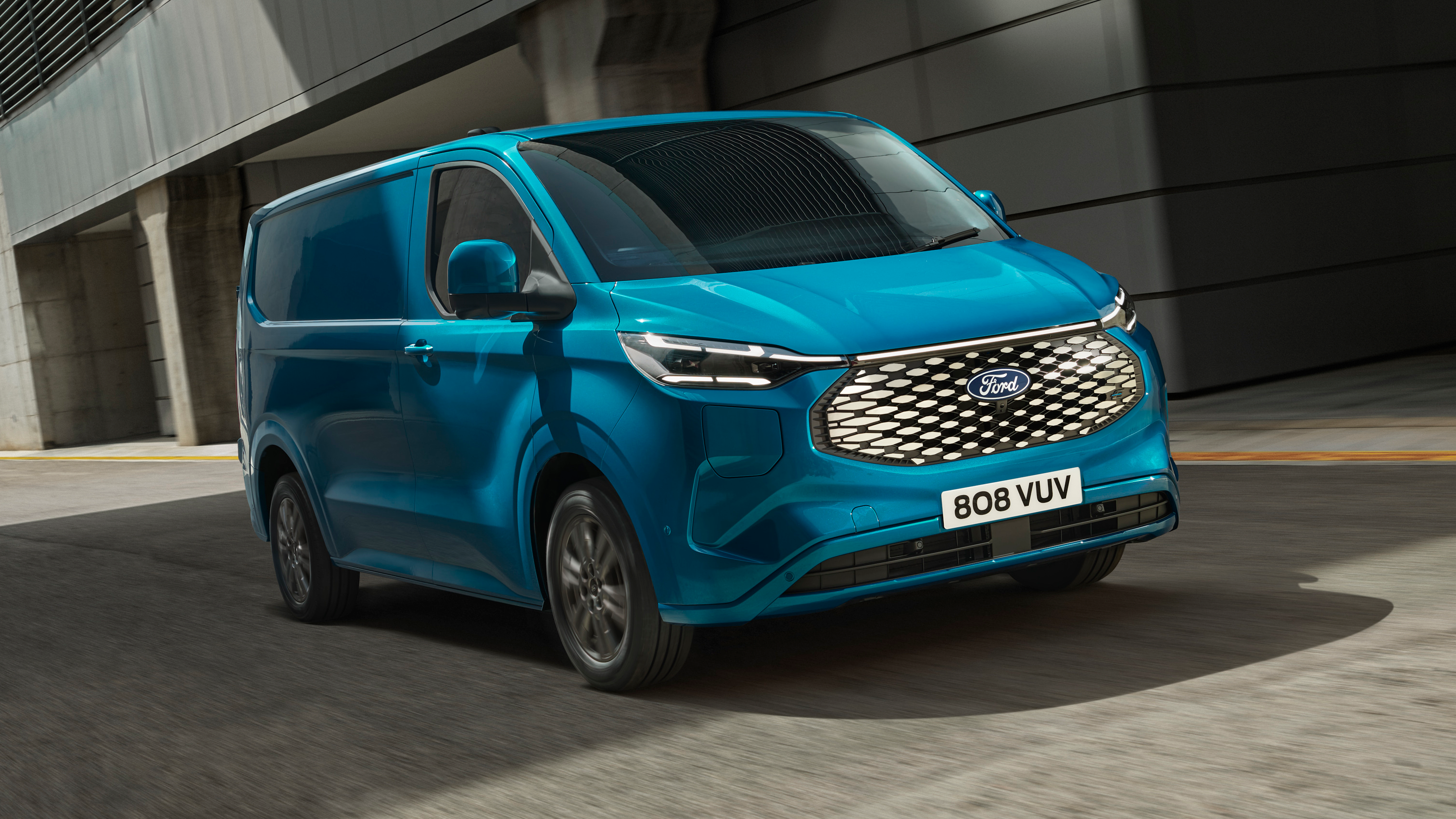
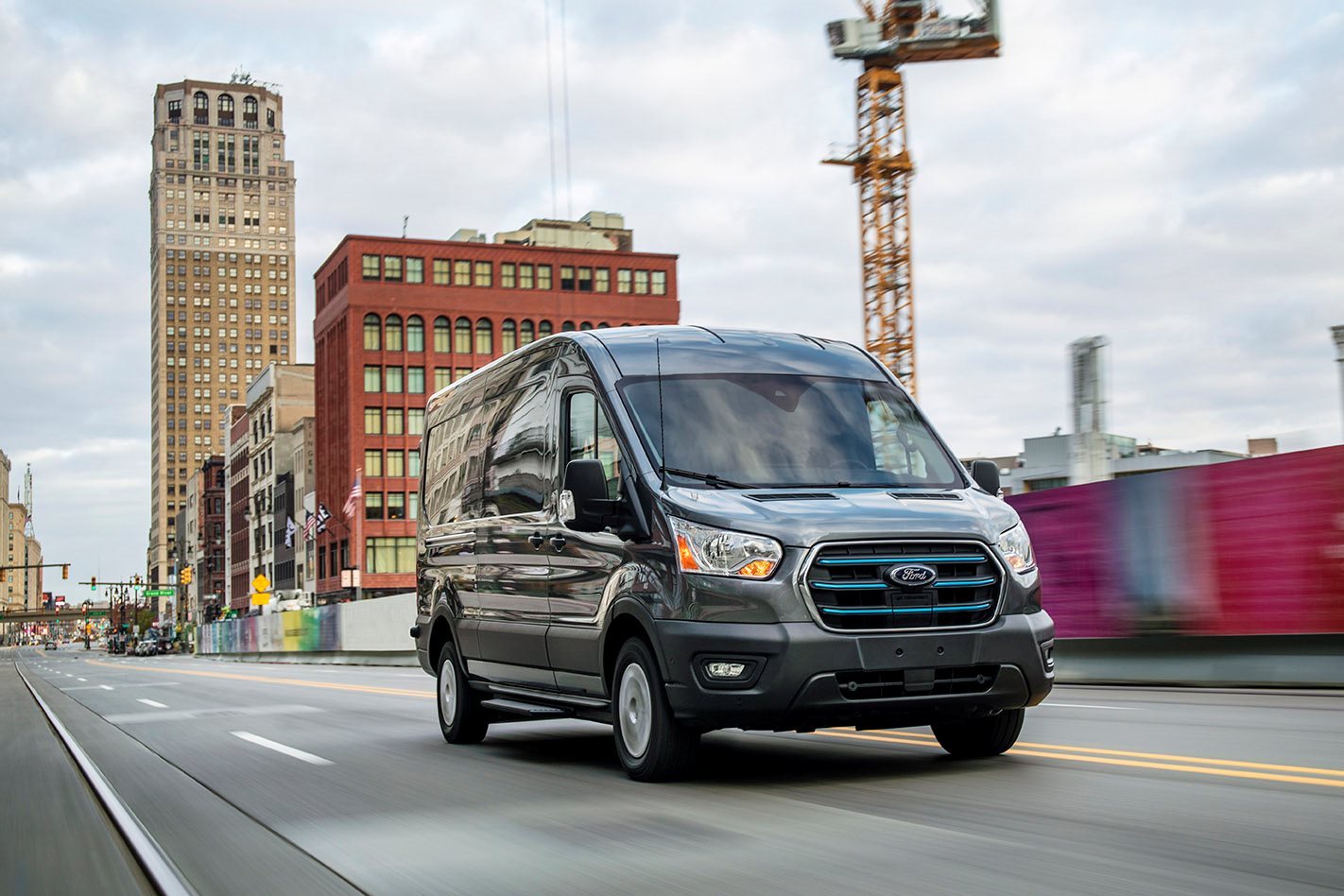
Locally, Ford Australia has previously confirmed the E-Transit van will become its first fully-electric vehicle on sale here towards the end of 2022. It will be joined in 2024 by the E-Transit Custom, and the Escape plug-in hybrid which arrived Down Under last week.
Ford Australia has committed to five electrified vehicles by the end of 2024, leaving two to be confirmed. One is expected to be the Mustang Mach-E electric SUV, which is already available in some overseas markets.
UPDATE, September 21: New 2023 BMW 3 Series review
The new 2023 BMW 3 Series has made its European debut, and we’ve driven it. Get our review at the link below! Continue reading for full pricing and features.
The story to here
New-look 3 Series revealed
Snapshot
- 3 Series facelift mimics the China-only i3 electric vehicle
- All grades now score BMW’s curved display
- Local pricing and features to be confirmed closer to late-2022 launch
The covers have come off the 2023 BMW 3 Series, as the popular mid-size sedan and wagon score a facelift for the coming years.
Teased just yesterday, the upcoming 3 Series facelift – or Life Cycle Impulse (LCI) in BMW-speak – brings some significant design tweaks to the sedan and wagon body styles, as previewed by the Chinese market-only i3 electric sedan revealed last month.
At the front, a completely refreshed bumper is combined with new-look, slimmer headlights – which feature ‘inverted L’ shaped daytime running lights distiguishing it from the current model’s design where the DRLs are rotated 180-degrees.
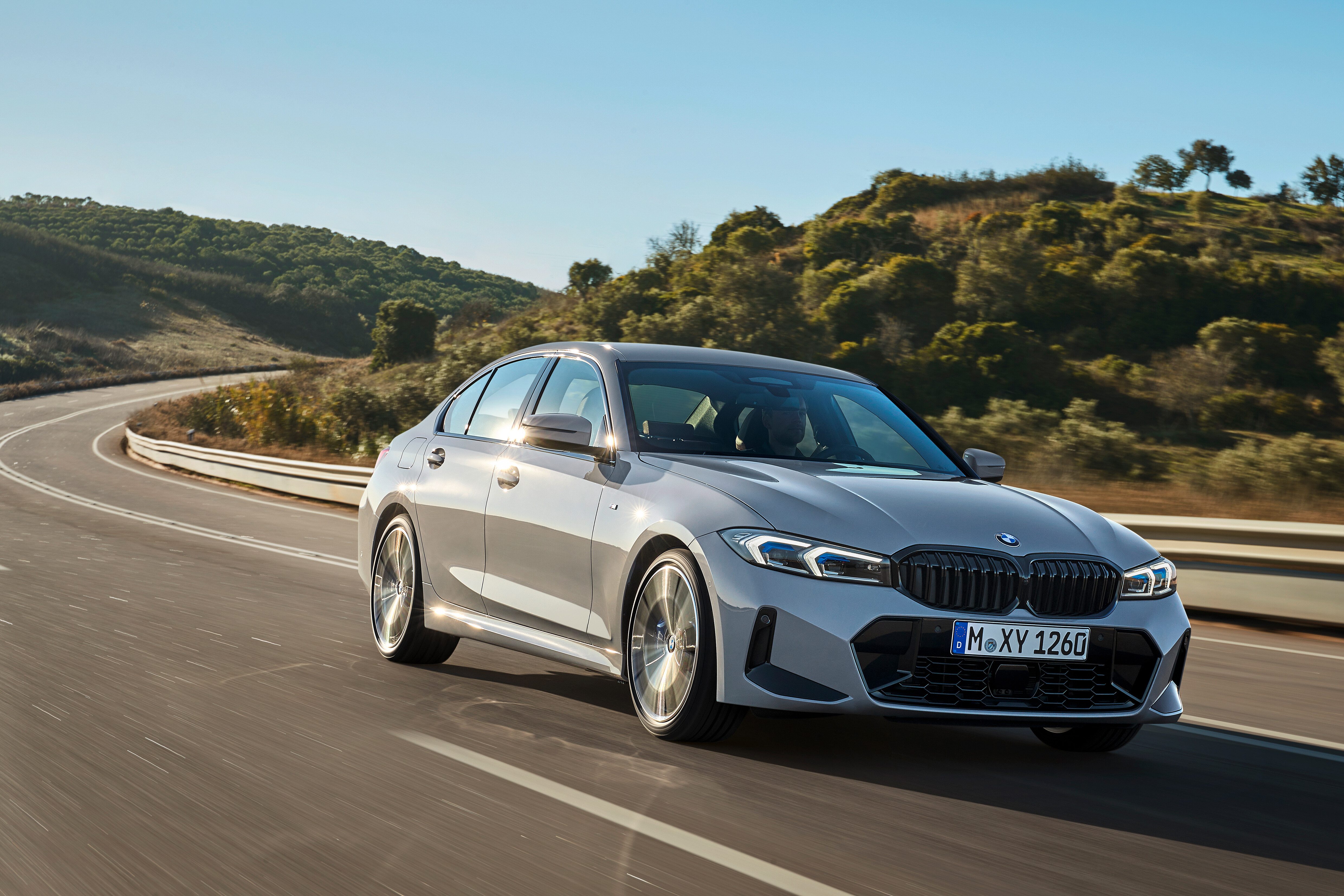
The new headlights will be standard across the entire 3 Series range, but those who order the M340i xDrive sedan will benefit from the addition of adaptive LEDs – incorporating cornering lamps, non-dazzling matrix high beam, dynamic headlight range control and variable light distribution – all of which can be set apart from the standard set by blue effects within the housing.
BMW has tweaked the rear design of the 3 Series as well, with a more aggressive lower bumper highlighted by contrasting black trim, incorporating a taller ‘diffuser’ than the outgoing model.
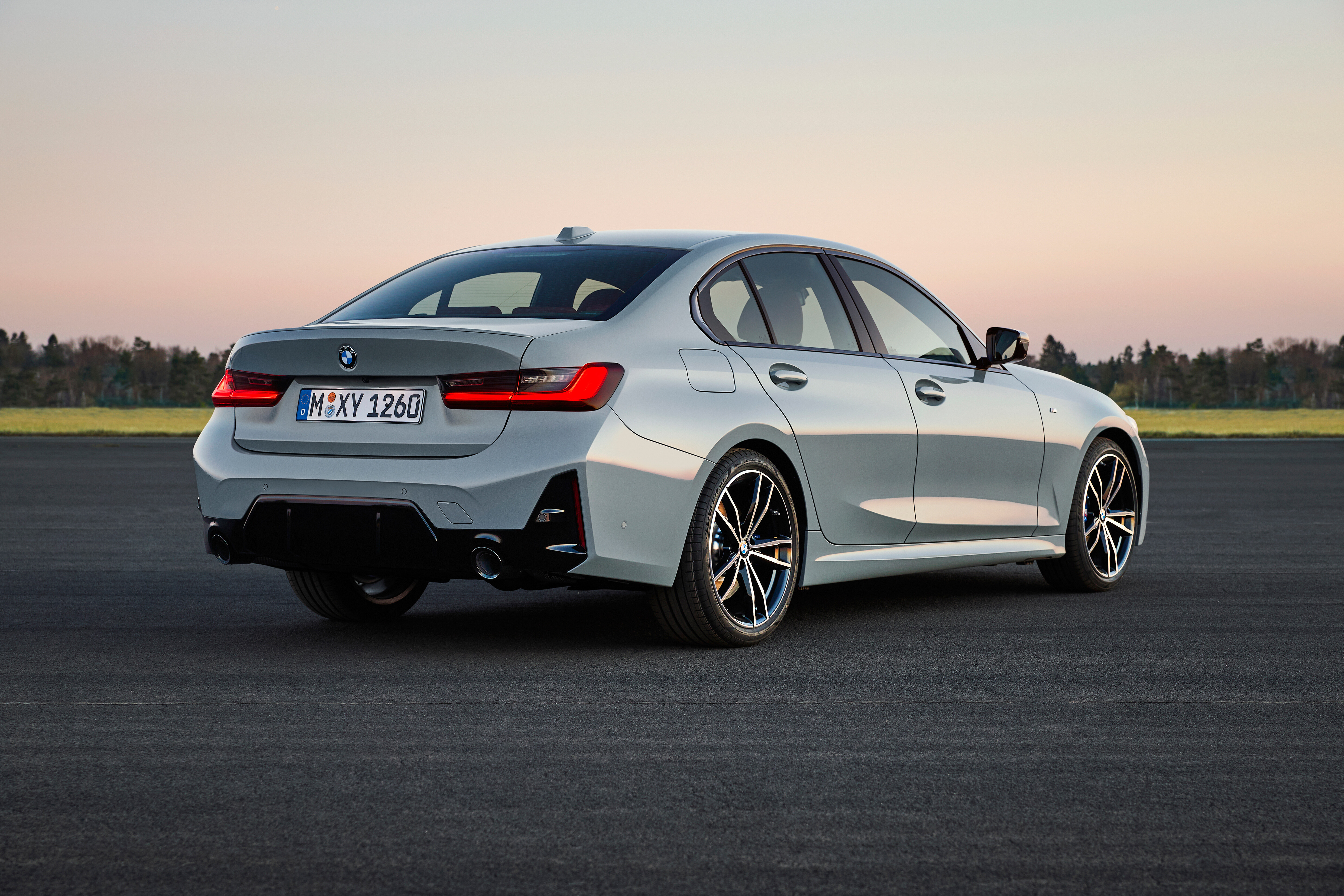
As with the current 3 Series, all Australian-delivered models come standard with BMW’s M Sport package, boasting additional black design pieces on the front and rear bumpers, as well as; a mesh design kidney grille, trapezoidal tailpipe trims, black mirror caps and a choice of 18- or 19-inch wheels.
On top of this, BMW Australia will now offer the M Sport Package Pro, which includes; extended M high-gloss Shadowline trim, M lights Shadowline and an M Sport braking system with red callipers.
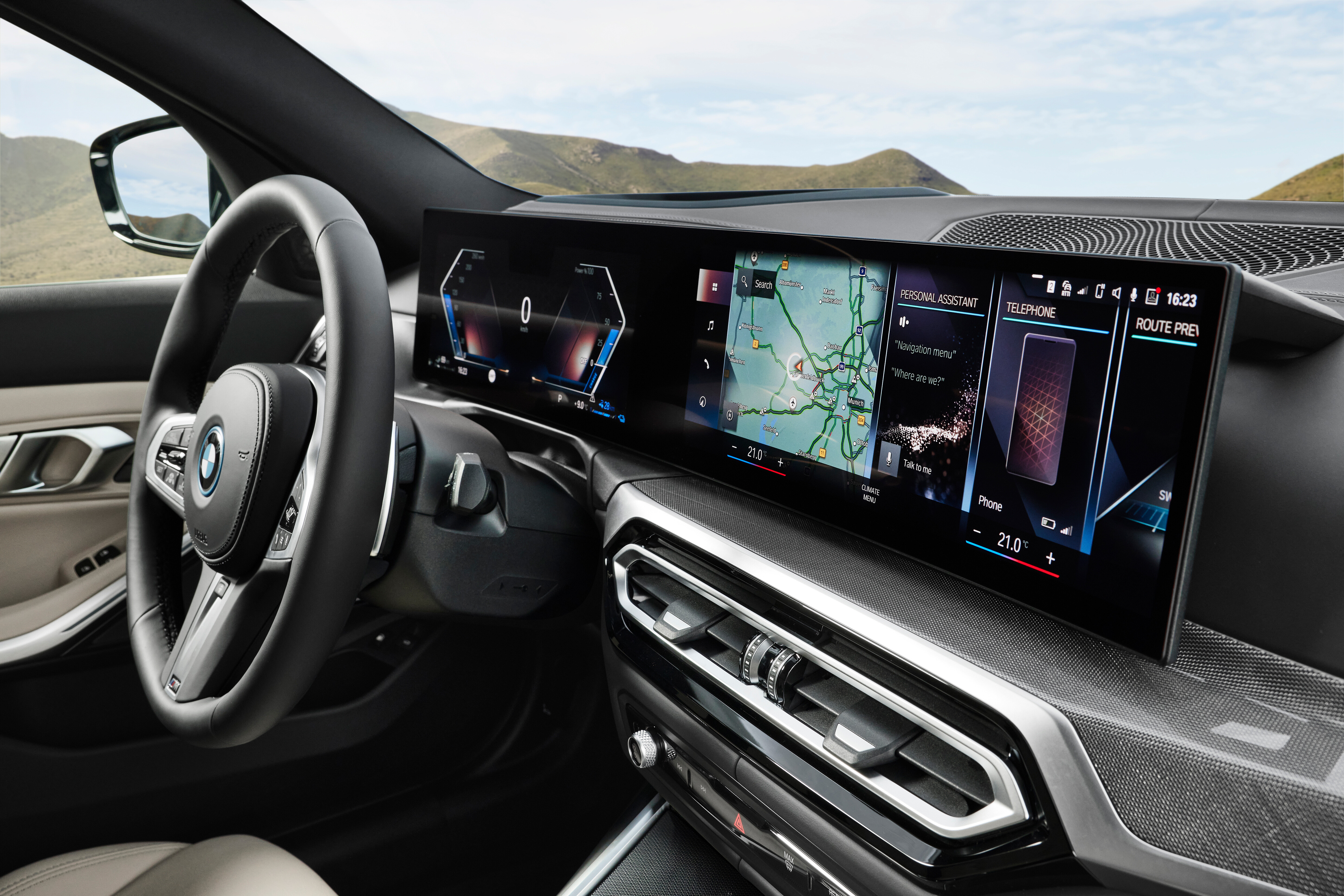
Inside the cabin, BMW has made a big change by introducing its curved display from the iX and i4 into the 3 Series, running its latest version of iDrive software.
Combining a 12.3-inch digital dash with a 14.9-inch infotainment screen, the two are merged together to create a single unit, incorporating satellite navigation, Apple CarPlay and Android Auto.
An automatic three-zone climate control system is standard across the range, with its dials now embedded in the touchscreen or accessible via voice command.
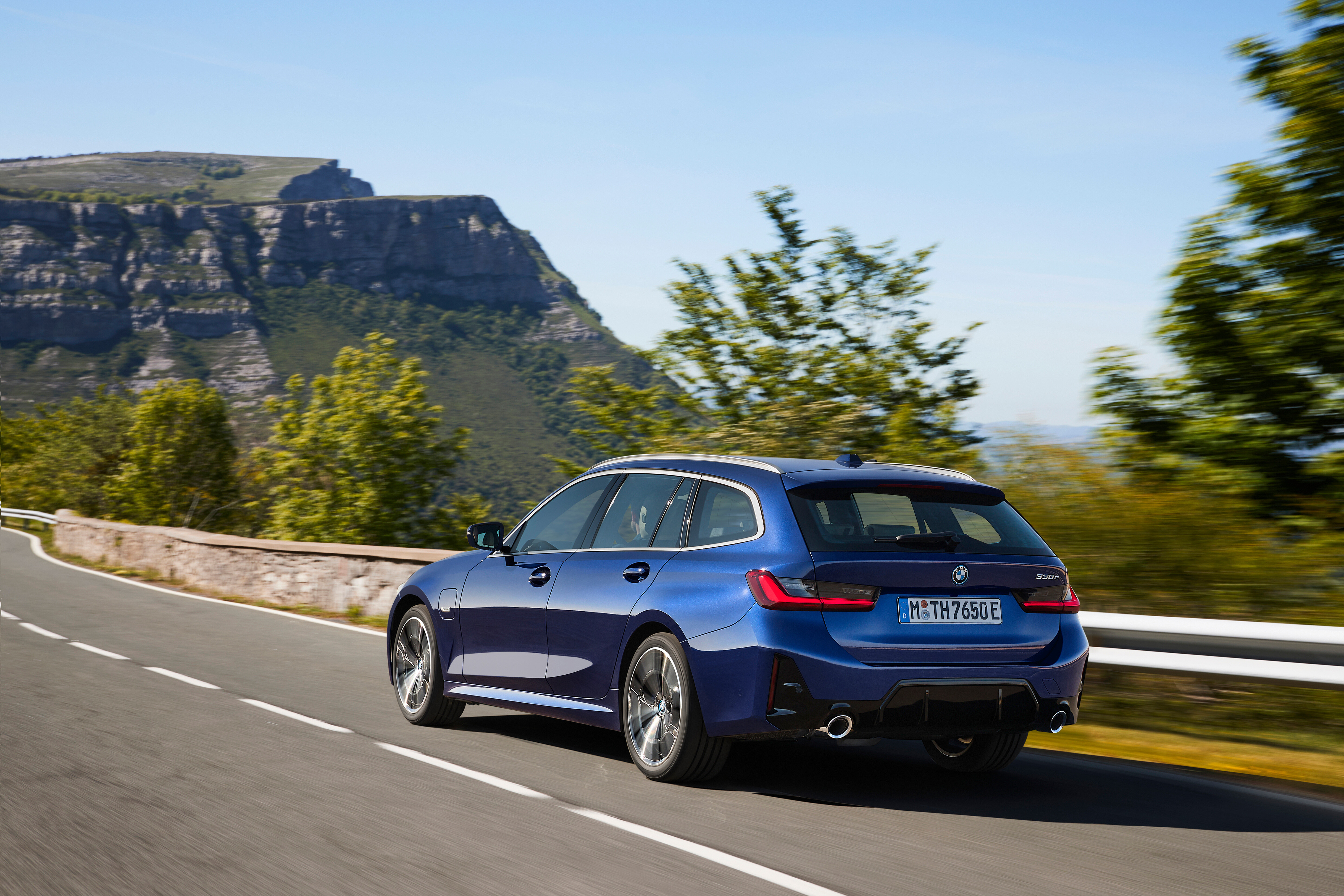
As with the current model, the new 3 Series will be available with four base grades – 320i, 330i (only variant for the wagon), 330e and M340i xDrive – all using an eight-speed automatic transmission with the all-wheel-drive xDrive being the only non-rear-wheel offering.
A wide range of safety equipment will also remain as standard, including; lane departure warning, lane change warning, front collision warning with brake intervention, rear crossing traffic warning, rear collision prevention, reversing assist camera and reversing assistant.
BMW Australia says it expects the new 3 Series line-up to arrive locally in the fourth quarter of 2022, with pricing and features set to be announced closer to its launch.
