
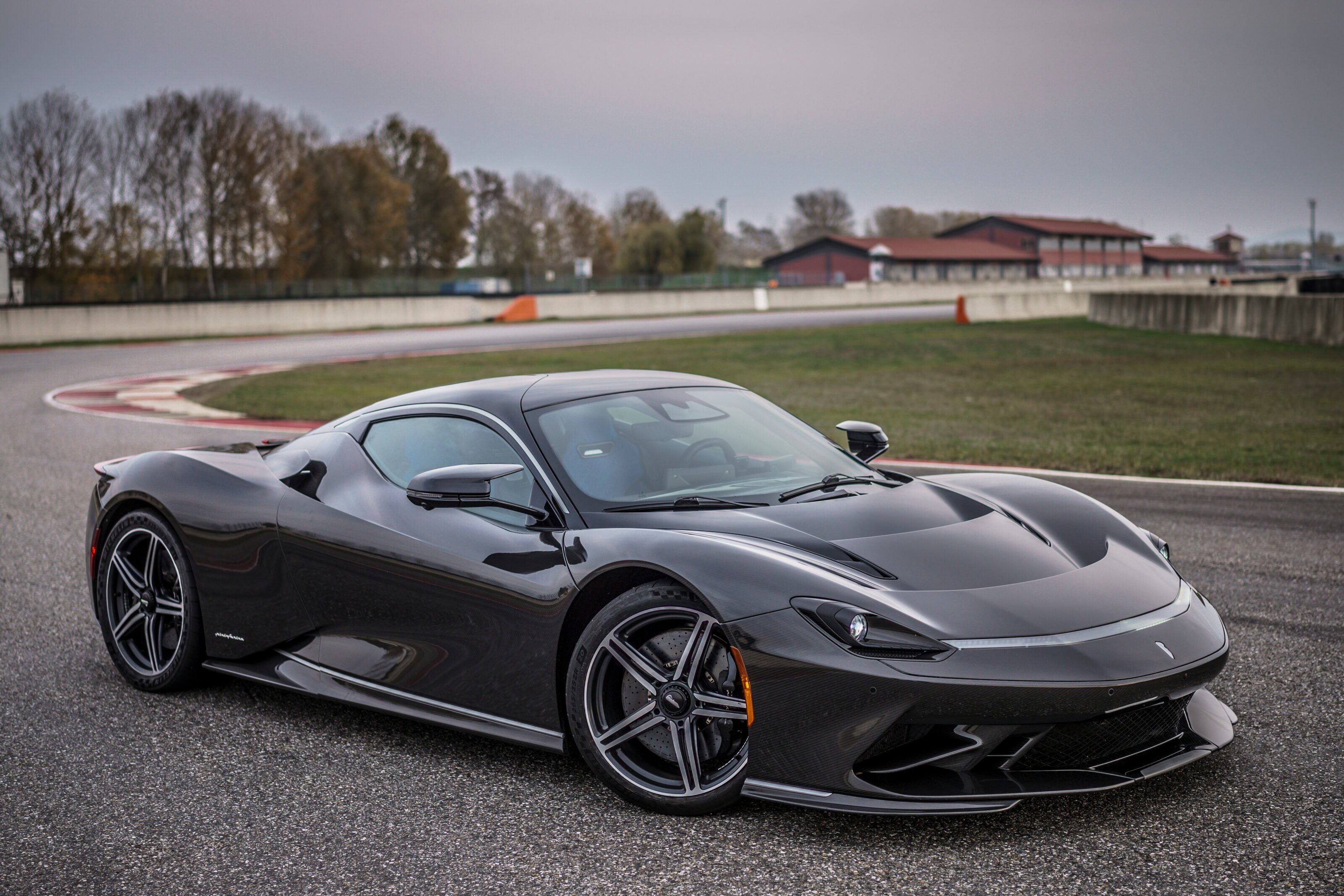
If you love stats, the Pininfarina Battista has stats to make your brain fizz. The ‘pure-electric hyper GT’ produces 1400kW and 2300Nm, sprints from 0-100km/h in a claimed sub-2sec, then destroys 0-200km/h in sub-6sec – only its ample 349km/h top end is beaten by a Bugatti Chiron. (It also weighs around 2.2 tonnes and measures five metres nose-to-tail. Yeah, wow.) Then you actually experience those stats and your brain doesn’t so much fizz as explode. We’re driving back to Circuito Tazio Nuvolari for a track session, bit late, so I pin this pre-series example’s throttle on a northern Italian autoroute.
The Battista is on squishier winter tyres, engineering boss Paolo Dellacha’s in the passenger seat, and the performance just stretches out like we’re riding a surface-to-air missile. There’s little sensation of the nose rising or tyres chewing at the surface, struggling to cope with such cartoonish performance; we’re just gone, speed like falling – instant, linear, unceasing.
Lorries flicking past the passenger window provide the context, but the usual cues of extreme performance – the cycle of revs, the rhythm of gears, the blare of exhaust – are weirdly absent, the alienness of that vacuum amplified by the Battista feeling both isolated from the road surface yet securely squished into it. It’s like Paolo’s put wheels on an F1 simulator and I’m absolutely smashing it down the road.

Driving slowly is similarly alien – water sloshes in the cooling system like downed pints on an empty stomach, electric motors zeeewww, and there’s a deep, pulsating artificial soundtrack that I find a bit oppressive in all but the gentlest driving modes – this is high-performance driving, Jim, but not as we know it.
Pininfarina, then. You’re possibly familiar with the Italian coachbuilder’s work, because for the last nine decades it’s designed some of the world’s most beautiful automobiles (and the Mitsubishi Colt CZC) for other people, but the Battista is its first eponymous effort and sets the stall out for new off-shoot Automobili Pininfarina – established after Indian company Mahindra & Mahindra took a controlling stake in Pininfarina SpA in 2014, with the continuity of Battista’s grandson Paolo Pininfarina remaining chairman.
A maximum of 150 Battistas will be hand-assembled at Pininfarina SpA in Cambiano, costing 1.98m euros before local taxes, and before designer Luca Borgogno helps you personalise the thing, but there are more affordable, more numerous EVs incoming – probably an SUV, presumably an entry-level supercar, maybe something else.
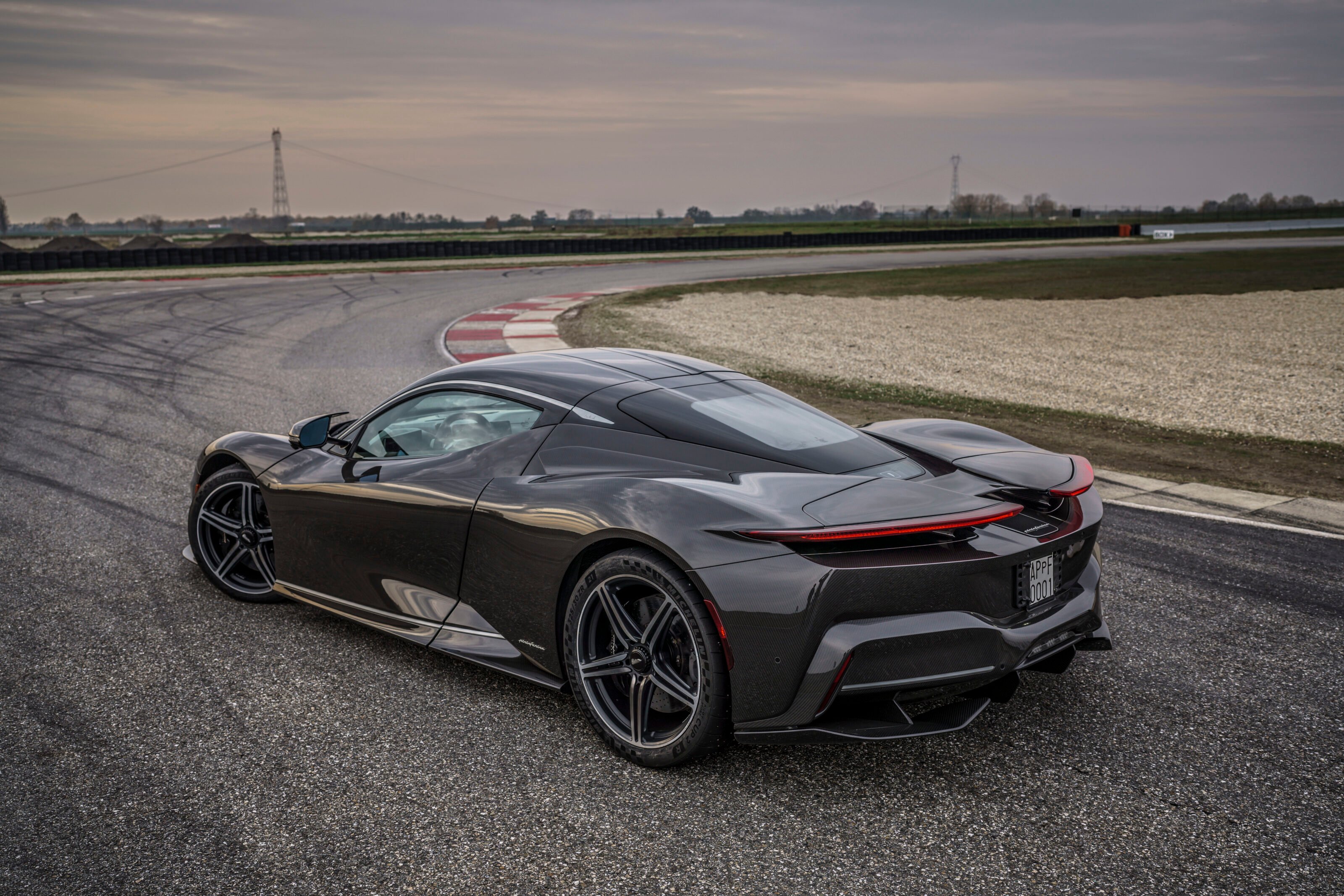
For all that’s radical here, the Battista sticks to Pininfarina principles of clothing someone else’s mechanicals, and under the carbon-fibre body reside the bones of the Nevera from Croatian EV maker/part-Bugatti owner Rimac. Four e-motors drive a wheel each, with up to 500kW for the front axle and 900kW for the rear, all controlled by torque vectoring, while each axleis controlled by its own single-speed gearbox.
Arguably more important is the influence of the lithium/manganese/nickel liquid-cooled battery, not only because it stores a juicy 120kWh and allows the Battista to run for up to a claimed 500km, but because it’s arranged in a T-shape, the top of the T behind the two seats, its stem running down the spine like a propshaft. That’s why the seats are positioned low down like a race car either side, which would be impossible with a skateboard EV platform, and why the Battista is so low and pointy (and why it’s got terrible luggage space like a Ford GT, not a Tesla Model S)
The battery’s wrapped in a carbon fibre passenger cell identical to a Nevera’s to around half way up the doors, but then bespoke to give Pininfarina’s designers some freedom over the hard points – the Battista is notably more cab-forward than a Nevera. Designer Luca explains it’s a mid-engined look despite EV hardware because “this is the visual code of the hypercar… and the other hard points are similar to a normal car, because we still have five radiators [one front centre for the battery, one per e-motor], there are motors and inverters behind the battery, and in front of the driver’s feet. When you put it all together, there are not many ways round it.”
Crucially this is more than simply a pretty body on a Nevera – an internal team of 40 engineers (circa 10 on the chassis) have tuned all the powertrain software and suspension to Pininfarina-spec. The public face of all this graft (if keen to credit others) is ex-F1 driver Nick Heidfeld, who drove for Mahindra Racing in Formula E, and now regularly checks in on development as test and development driver. He’s also on hand to help today.
This is Heidfeld’s first road-car project, he seems genuinely embedded with the team rather than celebrity stardust for the press pack, and says he’s enjoying the challenge of a road car’s broader targets and longer timeframes after half a lifetime at the race track – he’s been involved from day one, working in the sim, even helping set the seating position and HVAC. “We’ve still got some software tweaks for the torque vectoring, but we are there for the hardware,” he tells us. “The performance of the Battista on track is astounding and the turn-in is better than any car I’ve owned [his current garage includes a Carrera GT], but it’s not nervous on the road.”
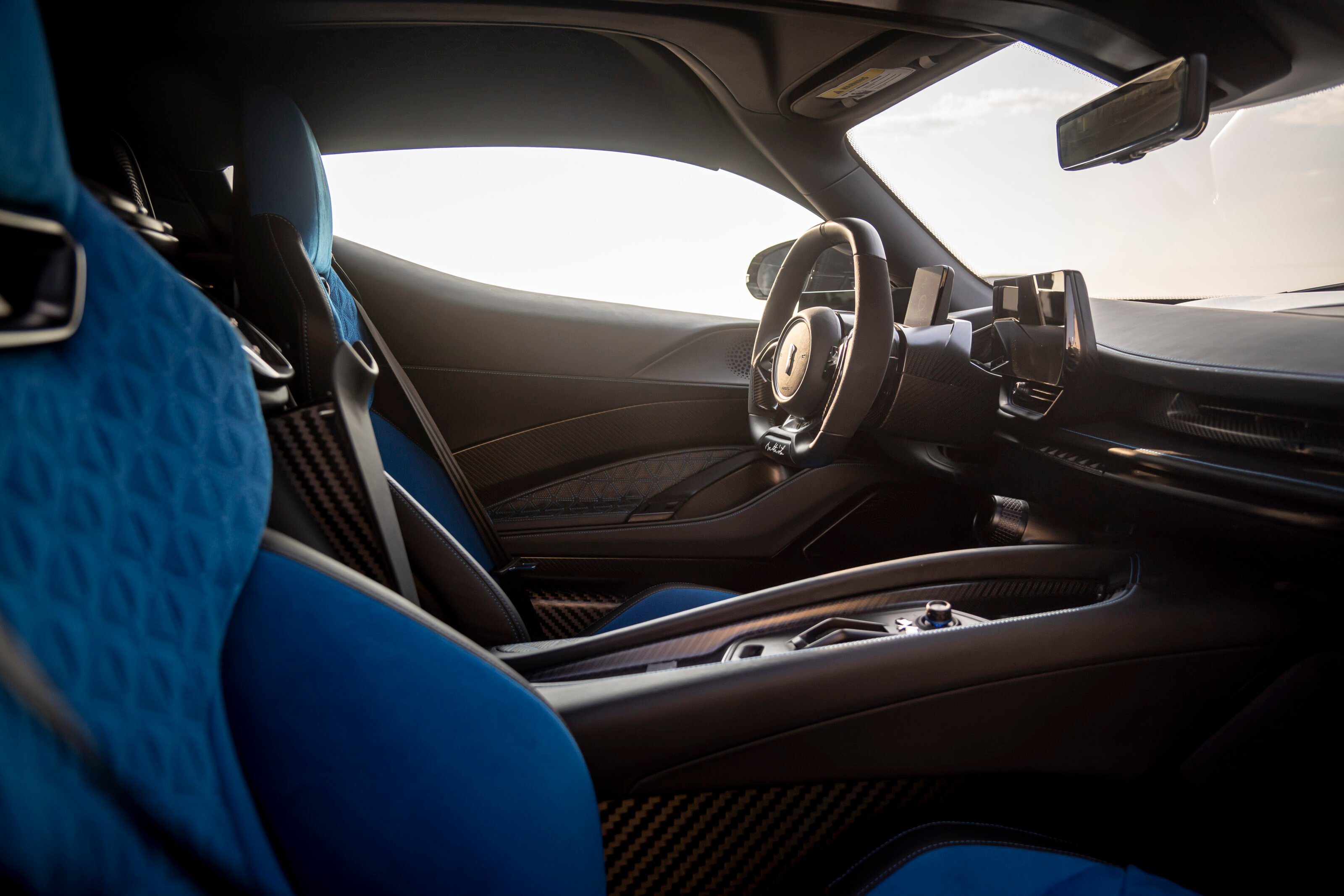
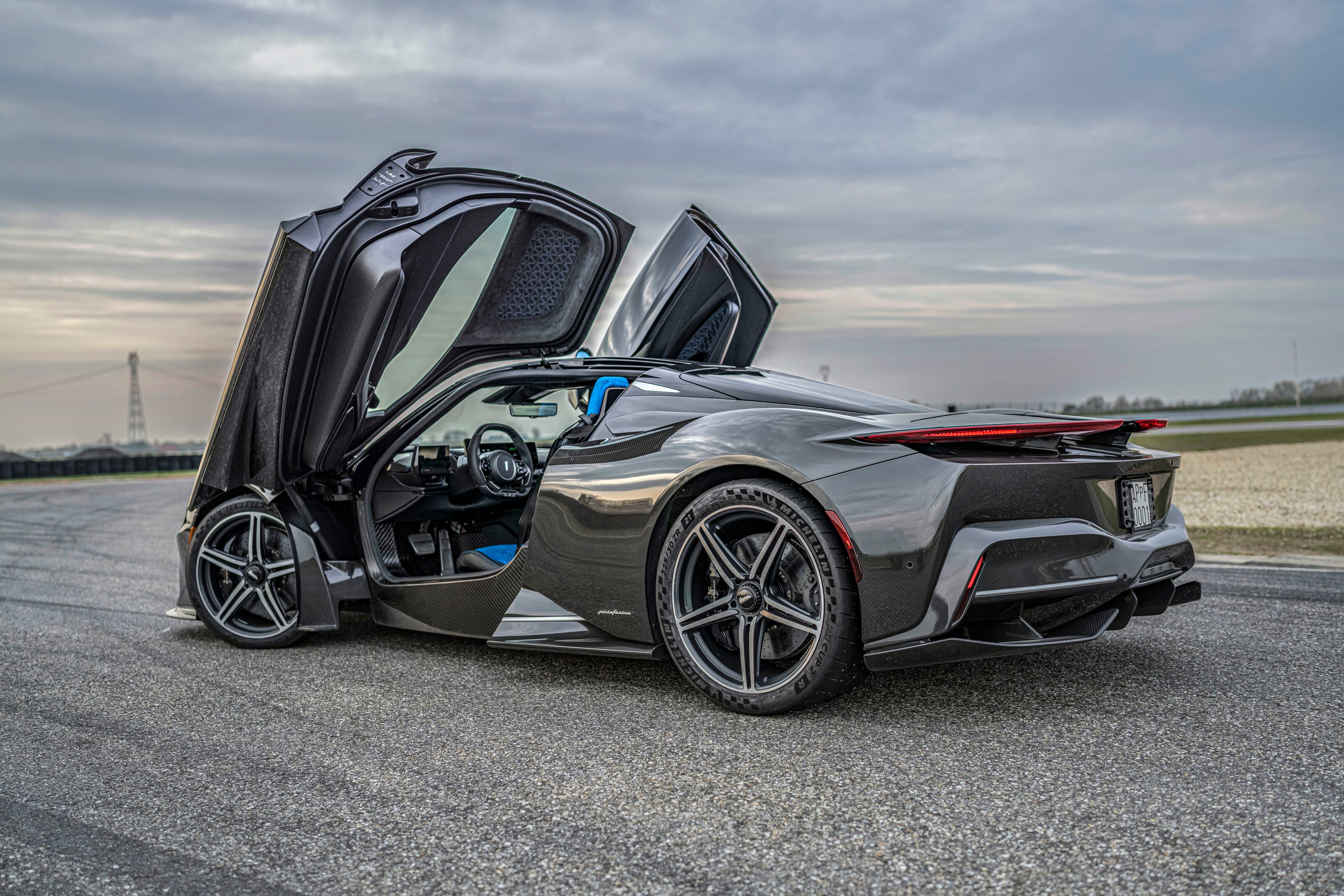
After a quick familiarisation track lap passengering with Nick, it’s my turn, warming up with a loop on nearby roads. The dihedral door takes away a chunk of roof as it lifts, making jumping in the driver’s seat easier, and the low-set driving position is almost perfect – though I’d recline the seatback a fraction more if it wasn’t stopped by the carbon tub.
The cabin is plush, quality seems good if far from the Bugatti/Pagani realm of interior jewellery, and you’re faced with a highly driver-centric layout with two large infotainment screens either side of the steering wheel that taper in like a vanishing point – the one on the left for various vehicle functions like seat and steering wheel adjustment, the one on the right for multimedia, plus a portrait screen in the centre for speed. It all works well enough, but the steering wheel does hide a significant portion of the displays.
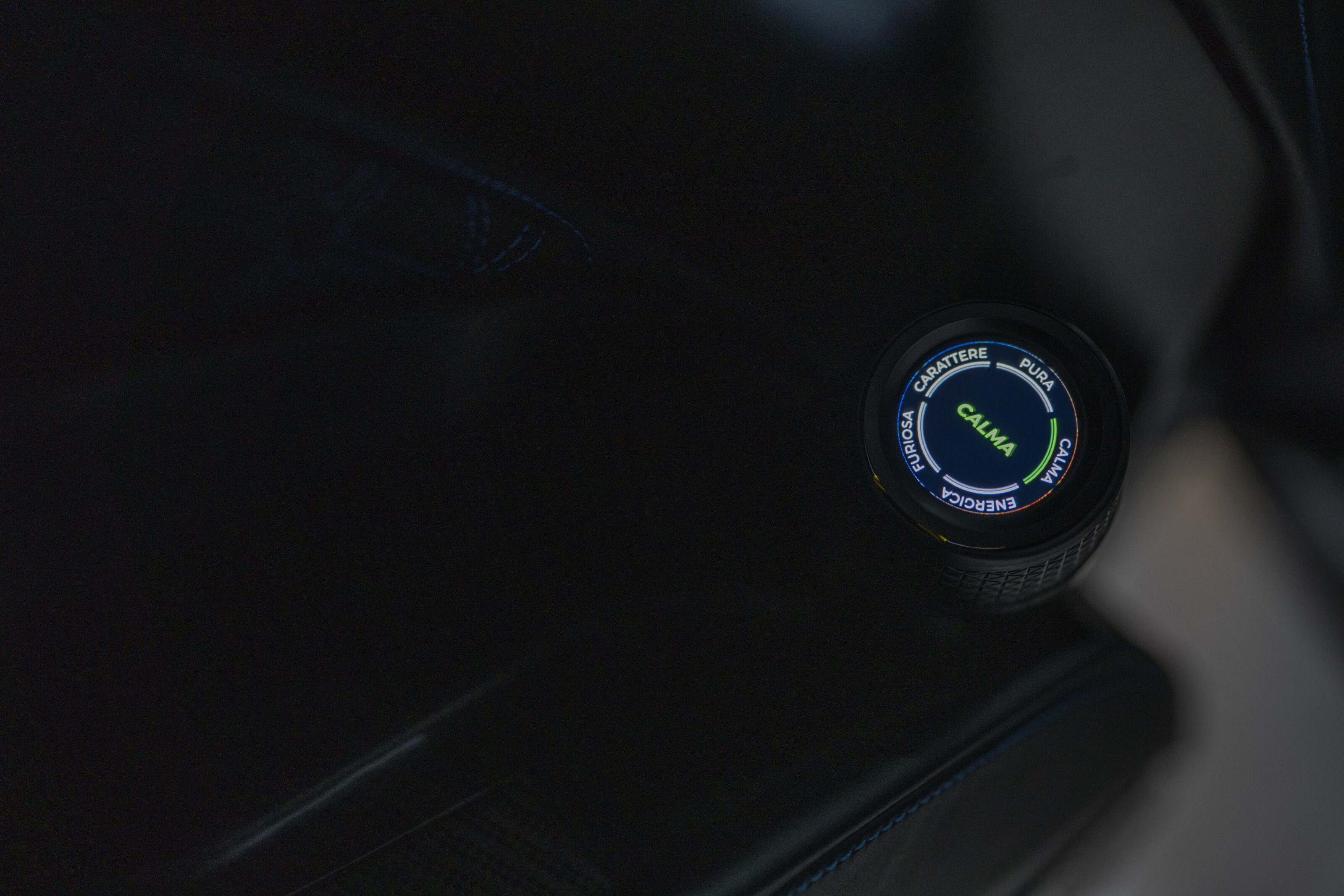
A rotary dial like an afterburner is positioned at elbow height on the driver’s door, and lets you twist through five driving modes that gradually uncork full performance while firming up the steering and suspension: Calma knocks everything back for tricky conditions (300kW), Pura (745kW) is your day-to-day and the mode I ease in with, then there’s Energica (1000kW) when you want a decent scare, and finally Furiosa (1400kW) that goes full are-you-absolutely-sure-about-this-bat-shit mental. Production cars will let you mix-and-match the different settings in Caraterre mode.
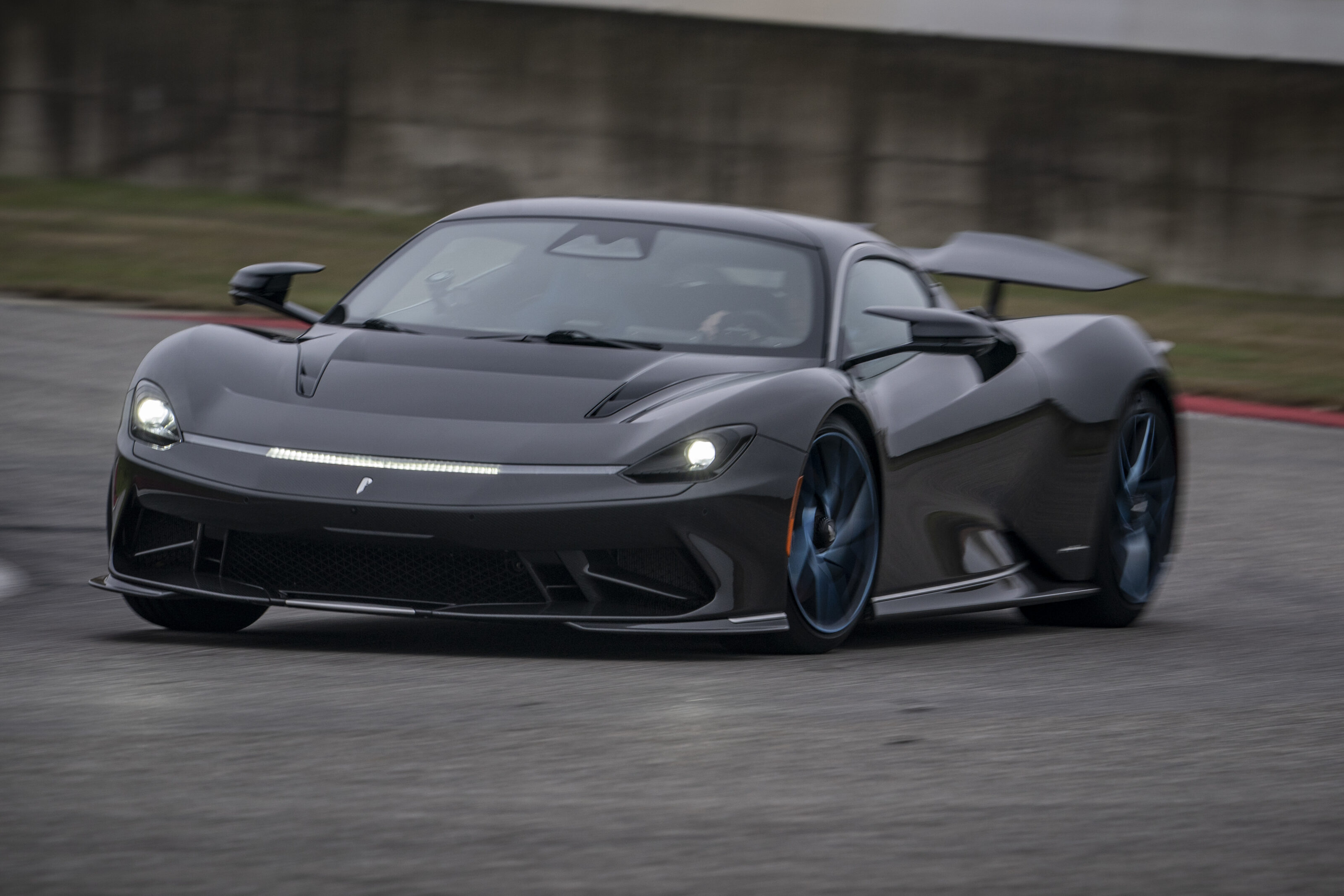
The Battista is not a challenging car to drive at moderate speed – its primary ride is extremely compliant in the soft setting, carbon-ceramic brakes squeeze with authority rather than grab impatiently, and the light steering shrugs off excess kilos and feels nicely accurate, if without so much feel and with some sneeze-factor around the dead-ahead (probably for the best given how rapidly things can occur).
Acclimatising to one-pedal driving takes time because the re-gen is so pronounced when you back off – you end up hinging from your heel very precisely, which might get tiresome on longer cross-country trips – and it does feel unusually wide on the road, especially when there’s armco on one side and battered 40-year-old Pandas on the other.
We blat up a rural Italian road with asphalt that rolls like a paved Atlantic swell, its edges badly frost-fractured. The Battista’s extravagant mirrors block vision through corners and do nothing to shrink its perceived width, and some surprisingly raw thunks travel through the carbon chassis on rougher sections, but when the road flows the Battista is just mighty – there’s pliancy to simply glide over the rough stuff, plus excellent body control, and the monumental performance just stretches out like elastic, always ready to give you an outrageous amount more, even in the relative comfort zone of Pura mode.
More impressive is how sorted the Battista is through corners. Roll it in at an indecently high lick and it just grips hard, stays flat as a spirit level and feels eager for you to get back on the power. The design tricks you into expecting a mid-engined feel, but the Battista is more neutral and feels less susceptible to weight transfer than that – the stats say its 48/52 per cent front-to-rear, and its very substantial mass is tucked way down low.
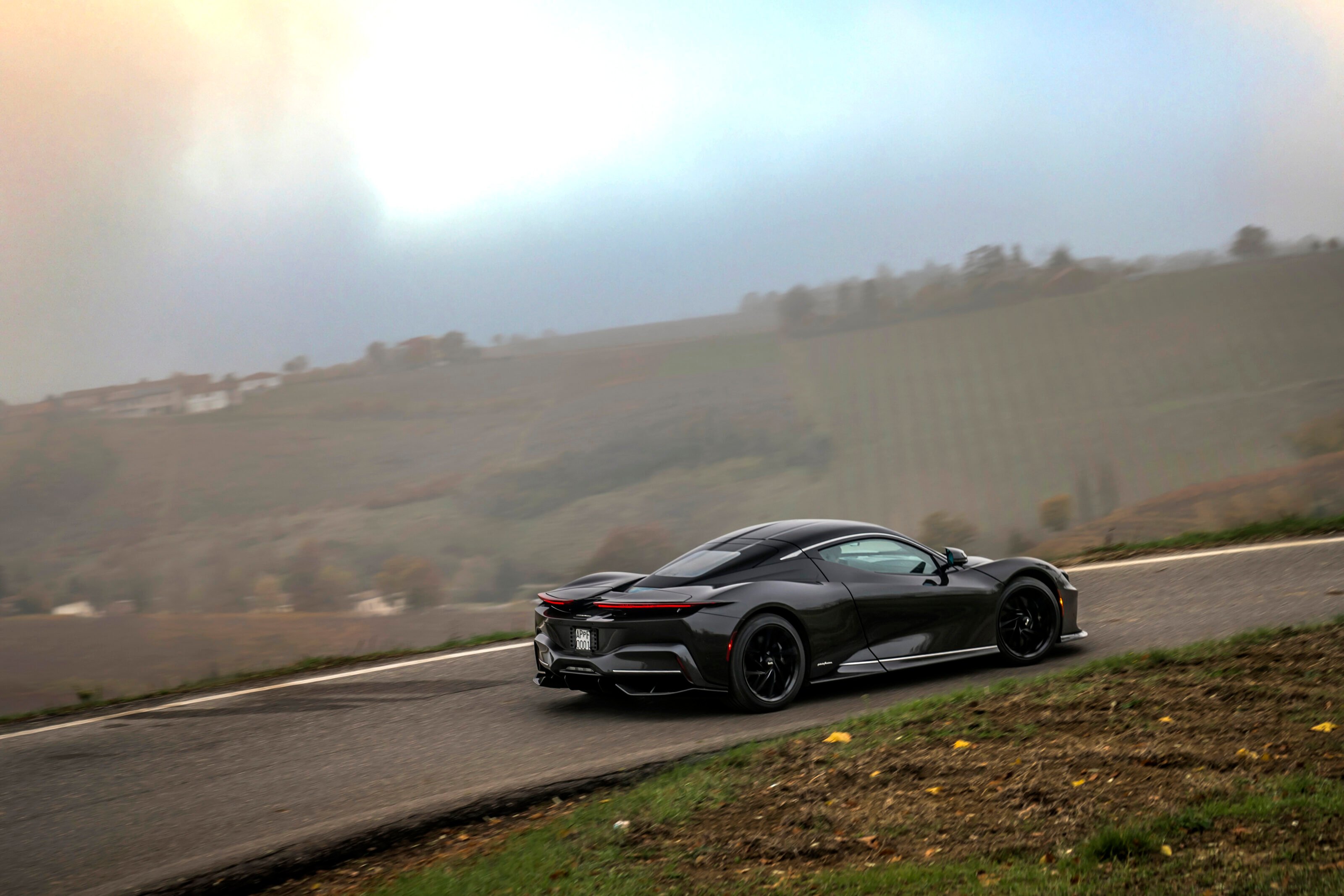
By the time we’re back at the circuit we’ve covered around 90km, admittedly some of it like we’re racing a Lotus Evija and Rimac Nevera for the last charger in town, but charge has dropped from 87 to 44 per cent. The Battista’s whisked off to a pit garage, plugged into Pininfarina’s charger (the charger slot is just above the rear numberplate, and it’s good for up to 180kW fast-charging) and soon we’re rolling silently from the pits.
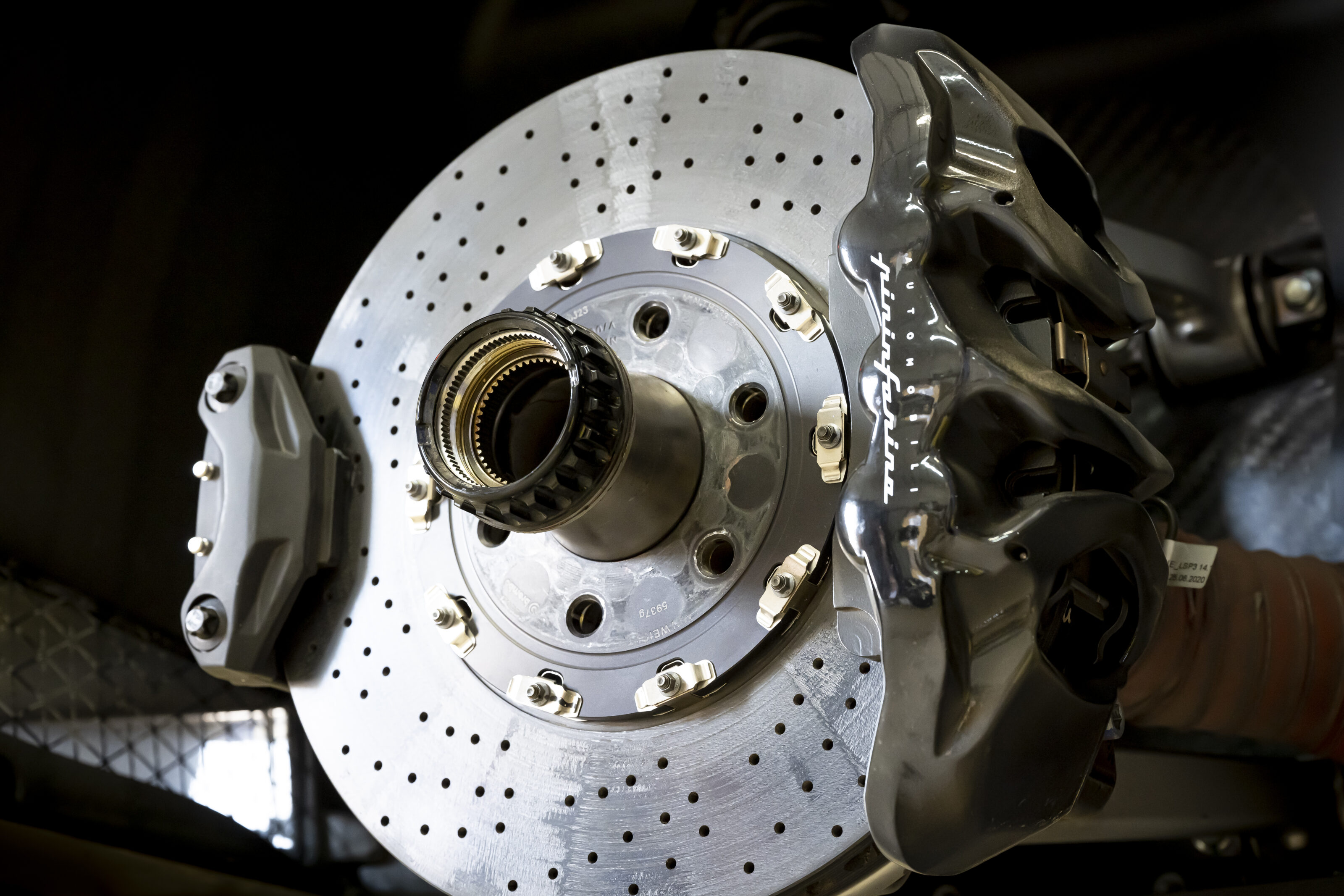
The circuit’s a little damp, so I start with the Michelin Pilot Sport 4S tyres in second-from-top Energica mode. Acceleration down the long start-finish straight is just as surreal and composed as it felt on the autoroute, and again the turn-in is spookily flat, but the re-gen and braking seems totally different – I don’t even notice the re-gen because I just urgently need to haul 2.2 tonnes down from warp speed, so I work the carbon-ceramic stoppers like there’s no re-gen at all. ABS stutters hard under my foot, and spotting your braking point is hard when things are moving so quickly.
Nuvolari’s infield sequence provides the space and more measured pace to experiment balancing throttle and grip, and reveals arguably the biggest difference to a normal supercar – torque vectoring and stability control work overtime to get the power down, so the normal dialogue between chassis and throttle is clunkier – I hit a better rhythm carrying more speed into and through the corner, and being more patient on the throttle, but there’s still palpable tension as grip and power fight it out.
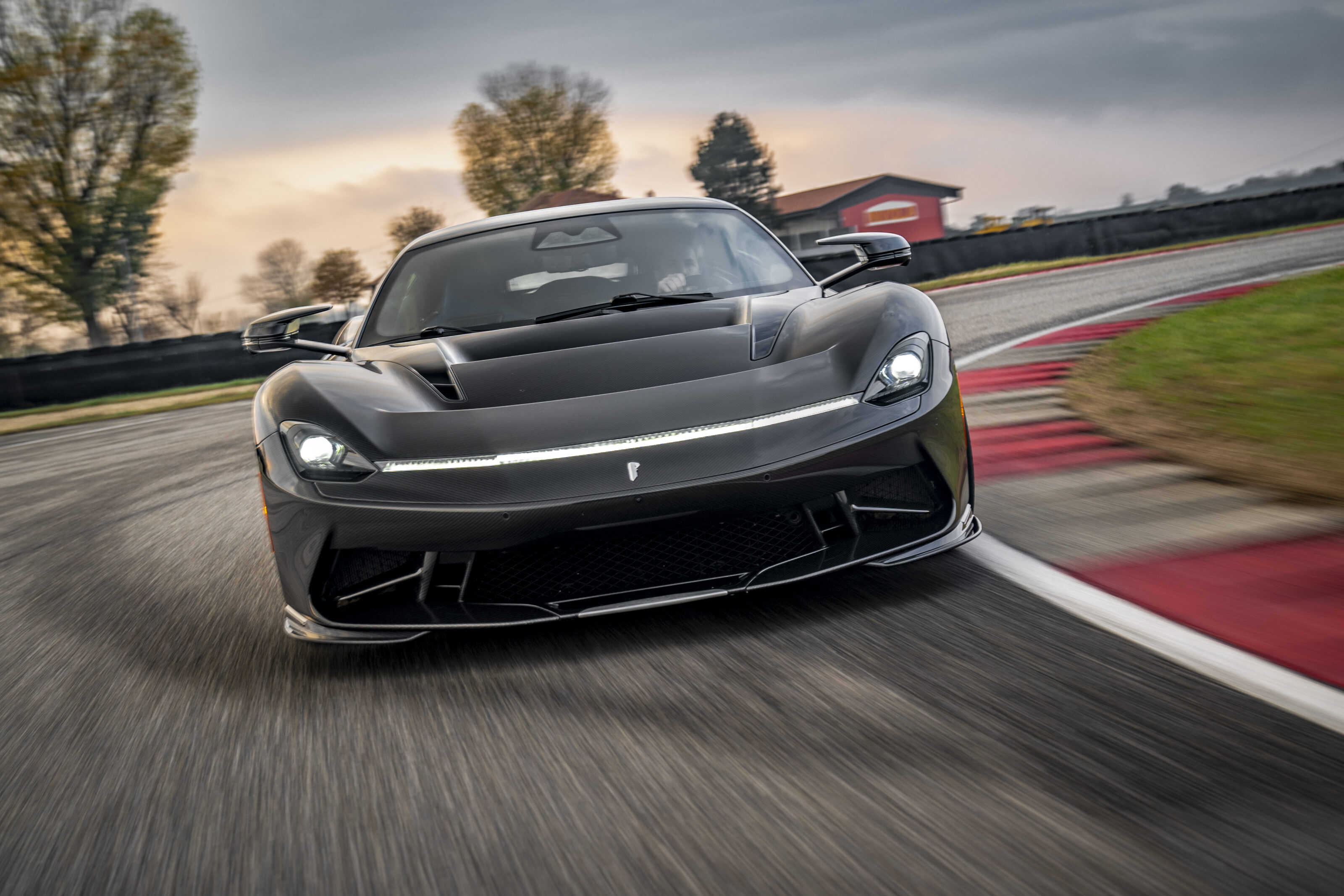
I even trigger limp mode several times because the software just has enough, and when I switch everything off and try to drift the Battista, I spin it like it’s an M3 with 1000kW on a light switch. Even when I learn to make much finer inputs, progress is still lumpy. Apparently this stuff is still being finessed ahead of production.
When the track dries, the Battista clicks far more convincingly on super-sticky Cup 2 R tyres, in full-bore Furiosa mode and with everything disabled – you sense greater rear bias (in fact there’s the same split, but extra power amplifies the sensation), these gummier boots let go more progressively and the torque vectoring is less frantic.
Through direction changes the Battista’s body moves around more fluidly, there’s actually very little steering corruption despite the front tyres dealing with such brutal power, and this is speed to scramble your brain, to churn your guts.
It is also a lot to manage if you get the rear loose under braking and need to trim it on the throttle. And I really do get it loose, properly on-the-lockstops loose – it happens when I squeeze the throttle hard out of a left-right flick then brake hard for a tight right-hander, not knowing the ABS software has just thrown in the towel.
To be honest I don’t really feel the tyres lock up, I’m just out of control in a snap and tossing on full opposite lock because the wall that was to my left is now filling the windscreen like the handbrake’s been yanked. I hit the grass, try to add and subtract lock as appropriate, but really I’m just waiting for an impact that never quite comes. Phew.
There are still rough edges to smooth out on this pre-series example before production begins, then, and I’m relieved not to have destroyed one before they got chance, but as the opening salvo from Automobili Pininfarina, the Battista’s already made quite the impact.
THE BIG BOSS
Swede Per Svantesson is Automobili Pininfarina’s CEO, initially joining the company as COO in early 2018, then taking over the top job from former VW and Audi man Michael Perschke in April 2020. Svantesson was born into the car industry. His dad worked for Volvo from 1942, and Per himself started on the Gothenburg assembly line during summer holidays at the age of 16.
His career proper began at Volvo in 1983, later he worked for automotive supplier Valeo in the US in the 1990s, and he had a stint as a senior VP at Volvo buses. Prior to moving to Automobili Pininfarina, he held VP and SVP roles at (Swedish EV maker/Saab owner) NEVS, where he helped oversee the company’s deal to take a stake in Koenigsegg.
BUYING YOUR BATTISTA
Once you’ve put your 1.98m euros down to secure a Battista you’ll sit down with chief designer Luca Borgogno (whose time with Pininfarina dates to 2005, via a short stint with Lamborghini) to choose personalisation options before your vehicle is hand-assembled at Pininfarina SpA in Cambiano, Italy. No two Battistas can be the same – not only because there are apparently 12.9 quintillion different permutations which makes that a bit unlikely, but because each combination will be removed after each client has made their selection. The final build slots for 2022 are now being filled.
PININFARINA BATTISTA SPECS
| Body | 2-door, 2-seat coupe |
| Drive | all-wheel |
| Motors | four liquid cooled permanent magnet synchronous motors |
| Battery | 120kWh lithium nickel manganese cobalt oxide |
| Power | 1400kW |
| Torque | 2300Nm |
| Power/weight | 636kW/tonne |
| Transmission | single-speed gearbox on each axle |
| Weight | 2200kg |
| Suspension | double wishbones, coil springs, anti-roll bar (f); double wishbones, coil springs, anti-roll bar (r) |
| L/W/H | 4912/2036/1214mm |
| Wheelbase | 2745mm |
| Tracks | 1716/1720mm (f/r) |
| Steering | electrically assisted rack-and-pinion |
| Brakes | 390mm ventilated carbon-ceramic discs, 6-piston calipers (f/r) |
| Wheels | 20 x 9.5-inch (f)u00a0 21 x 12-inch (r) |
| Tyres | 265/35 ZR20 (f) 325/30 ZR21 (r) Michelin Pilot Sport Cup 2 R |
| Price | 1.98m (euro) |
| Pros | Mind-boggling tech and thrust; styling cohesion; fit and finish |
| Cons | Still needs some systems fettling; only 150 will be built |
| Star rating | 4/5 |
Ted Lee has been appointed as CEO of Hyundai Australia, the company has announced.
Lee takes over the position from Jun Heo, who has been promoted to Vice President and will look after new business development across the Asia Pacific region.
No stranger to Australia, Lee returns to our shores following a stint as head of the firm’s Western Europe team at the company’s headquarters in South Korea. He is the first CEO to have previously worked at Hyundai Australia, holding a senior role from 2015 to 2019.
“It is a delight for me to return to Australia after having spent four years here previously as co-ordinating director of sales, during which time I grew to love the country and its people,” Lee said.
“I look forward to working with the team and the Hyundai national nealer Network to further strengthen the brand and bring more Australians into the Hyundai family.”
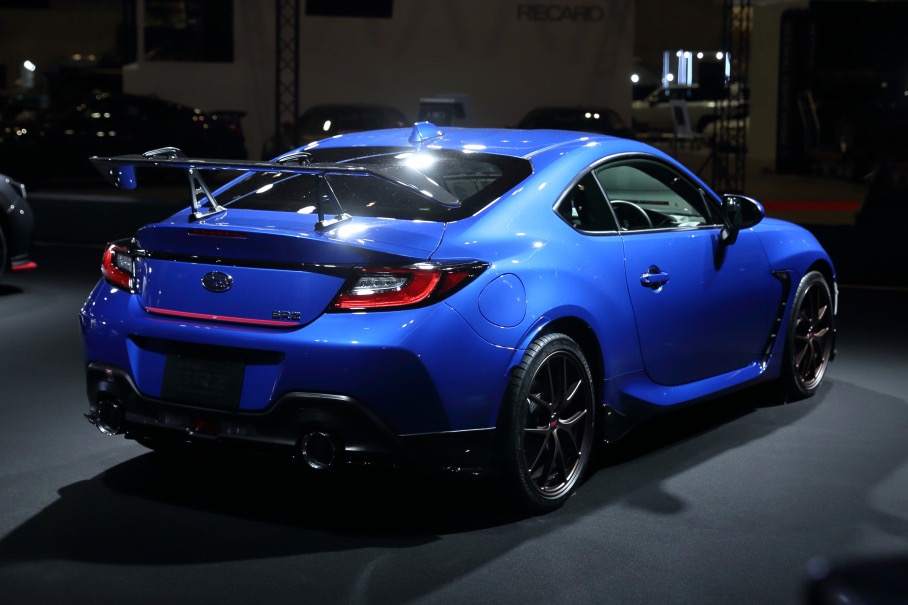
The 2022 Subaru BRZ has had the STI treatment, with a host of performance and styling add-ons shown off at the Tokyo Auto Salon.
Subaru has fitted the BRZ with ‘STI Performance’ parts – which is a line of aftermarket accessories from the carmaker’s performance arm.
While the company hasn’t released exact details on the parts fitted to the BRZ, we can see a lip added to the front spoiler, a large rear wing, STI alloy wheels in bronze on Michelin tyres, STI exhaust, strut braces, boot garnish, gear knob, and STI badging.
The brand’s signature cherry red (pink) features throughout, contrasting against the Subaru World Rally blue.
The Japanese carmaker has also yet to make any announcements regarding a proper hi-po BRZ STI, but the signs are promising – the new-generation WRX uses a turbocharged version of the BRZ’s 2.4-litre four-cylinder engine, making it an easier engineering task.
For the time being, buyers will have to make do with 173kW and 250Nm from the naturally-aspirated boxer engine.
The 2022 Subaru BRZ starts from $38,990 before on-road costs, but the company’s local arm has announced its first allocation has already sold out.
Volkswagen looks set to bolster its Golf range, teasing another performance grade for the evergreen hatchback.
Set to be revealed next month, the manufacturer took to Facebook to announce it would be launching an “NFT”, or Notably Fast Transporter as they called it – poking fun at the current Non-Fungible Token craze.
Despite the overwhelming number of commenters begging for a return of the Beetle, the teaser is unmistakably a Mk8 Golf – adopting the rear spoiler over its hatch from the Golf GTI and R, as well as clearly sharing the popular hatchback’s profile.
https://www.facebook.com/VW/posts/10166445089430790
So, what could it be?
Volkswagen’s performance line-up is already stacked across the globe. In addition to the Golf GTI and soon-to-be-released Golf R in Australia, international markets score other grades such as the diesel-powered GTD and the GTE plug-in hybrid.
In some countries, Volkswagen offers the GTI in hardcore Clubsport 45 guise, providing another level of performance to its front-wheel-drive hatch – although the Golf R currently exists in a lone grade.
Back in the Mk7.5 generation, the Golf R Grid was offered in Australia at a $5000+ price-cut from the standard R, sacrificing certain equipment such as in-dash active safety warnings, leather seats and the larger infotainment screen for a cheaper way in to the all-wheel-drive hot hatch.
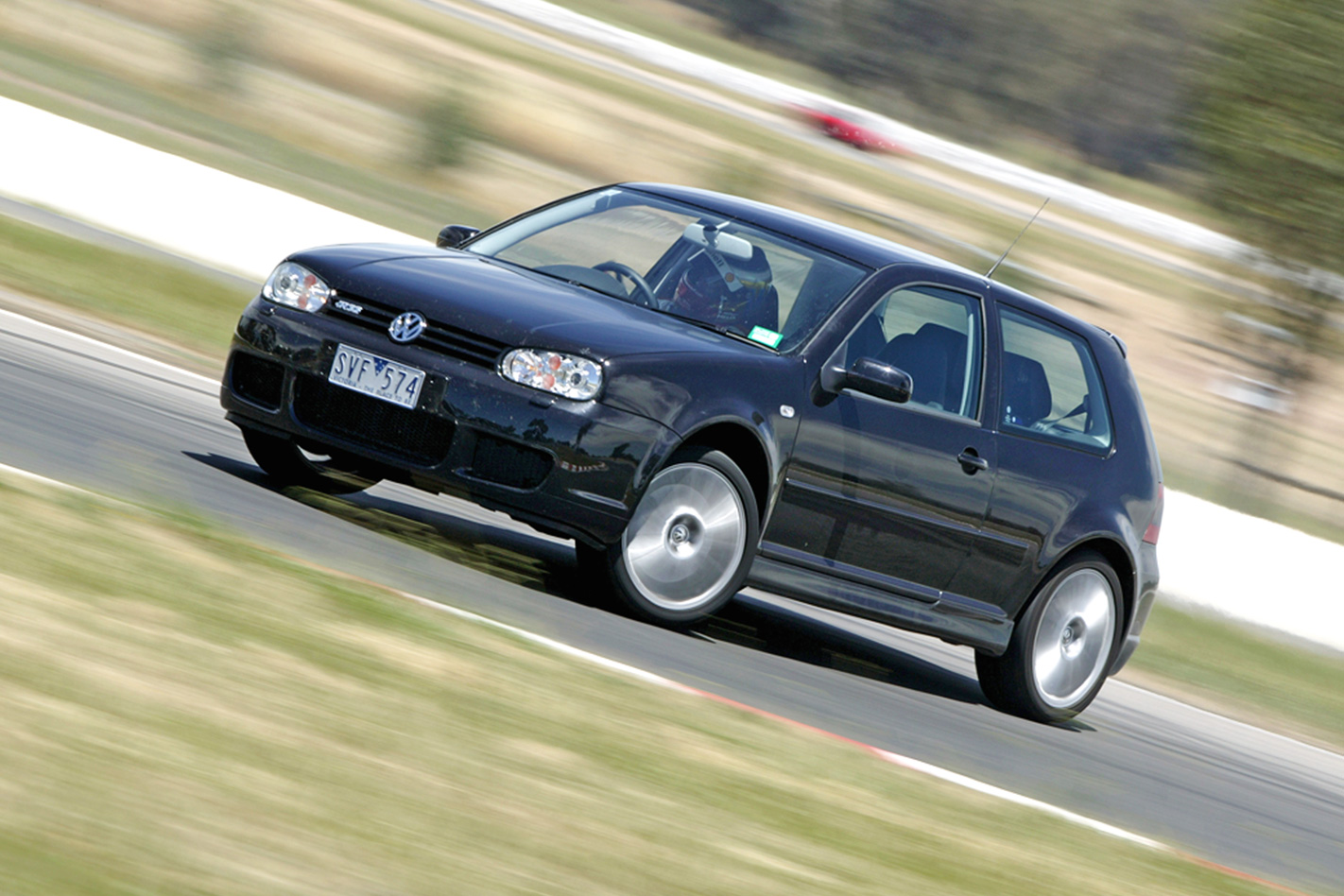
However, this year is also a special anniversary for Volkswagen as 20 years have passed since its first Golf “R” model came out – the Mark 4 R32.
Powered by the narrow-angle 3.2-litre VR6 engine from the Audi TT, the R32 was the first ever car to be sold with Volkswagen’s now commonplace DSG transmission – the only gearbox available in the Mk8.
The R32 badge and engine was retained until the Mk6 came along, with the Golf’s flagship performance variant moving across to the EA888 four-cylinder turbo engine and standard “R” naming, carrying on until today.
MOTOR will provide updates when Volkswagen shows off the as-yet-unknown Golf variant next month.
BMW has confirmed it is working on a new generation of internal-combustion engines (ICE), despite the industry trend to abandon petrol- and diesel-burning powertrains.
Speaking to German publication Auto Motor und Sport, BMW Development Director Frank Weber said the luxury carmaker was continuing to develop six-cylinder and V8 engines – but curiously didn’t mention four-cylinder engines.
“One thing is certain for us: we still need the state-of-the-art combustion engine for a few years to effectively reduce CO2 emissions in the passenger car sector globally,” Weber told the news outlet.
“That’s why we’re working on a new generation of engines: petrol, diesel, six-cylinder, eight-cylinder.”
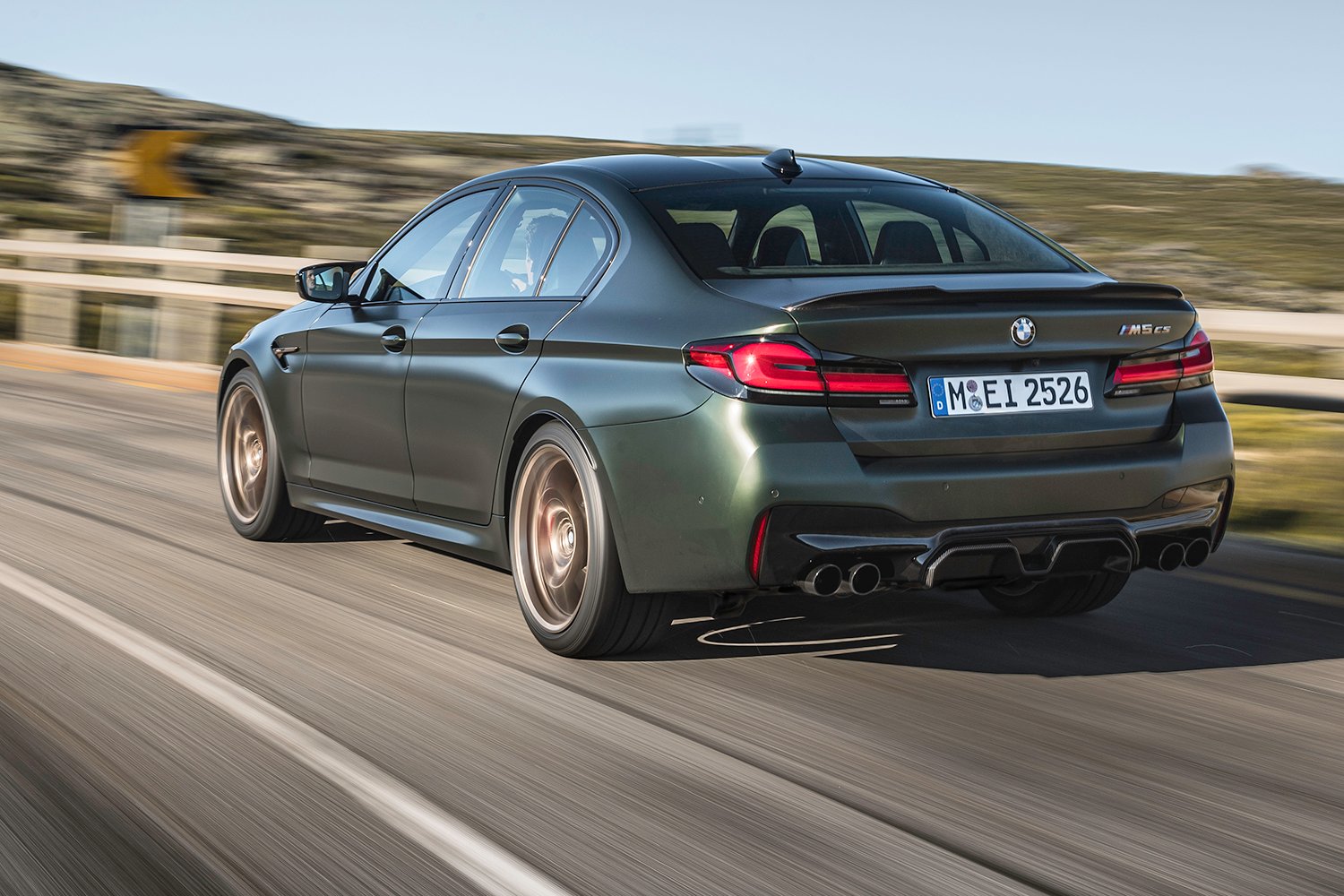
BMW may be the last German manufacturer to offer a V8, with Volkswagen Group-owned Audi and Mercedes-Benz both focusing on transitioning to fully-electric cars.
Rumours Europe suggest the next-generation Mercedes-AMG E63 may move to a four-cylinder plug-in hybrid powertrain, while the Audi RS6 is said to be dropping the internal-combustion engine entirely and moving to battery power.
While yet to be confirmed, evidence points to the next BMW M5 using a plug-in hybrid V8, shared with the recently-unveiled XM.
Despite the reports, Mercedes-AMG doesn’t appear to be abandoning the V8 just yet.
“I think for the next 10 years we will see the V8, for sure,” AMG boss Philipp Schiemer said in an interview with Road & Track recently.
“We have a lot of customers who love their cars and I still think that we will see those people buying the [V8] for a long time.”
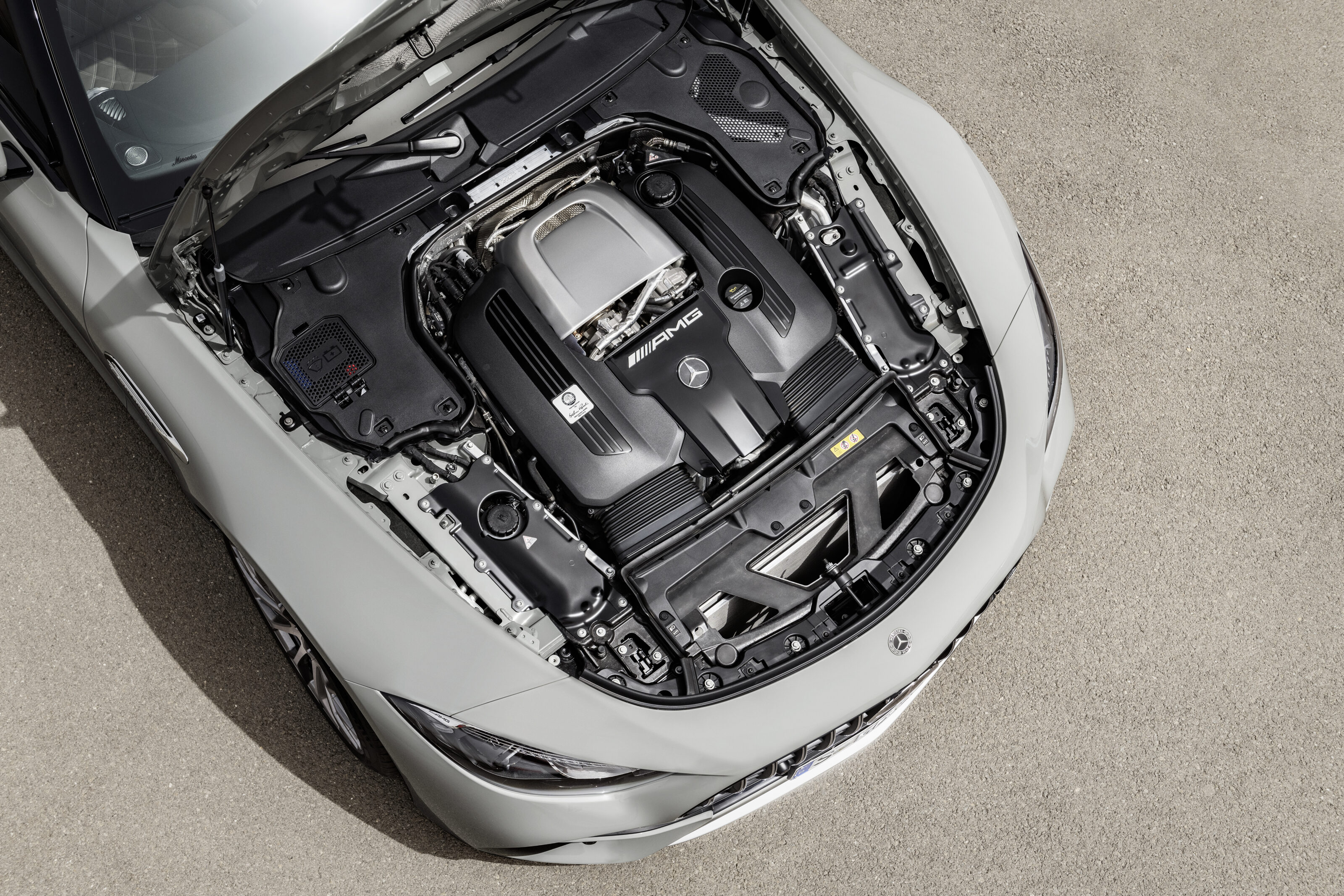
Punch Group – a BMW supplier known for buying up struggling automotive manufacturing businesses – recently told Automotive News Europe it was looking to redevelop diesel-powered engines into hydrogen-combustion ones.
The company is currently developing General Motors’ 6.6-litre Duramax turbo-diesel V8 to accept hydrogen, but CEO Guido Dumarey suggested other engine plants may be added in the future.
“I cannot say anything specific, but you can easily imagine there will soon be plenty of ‘widow’ diesel engine plants around Europe,” Dumarey told ANE, referring to factories which are for sale at significant discounts.
Japanese manufacturers have also been vocal about continuing to offer zero-emissions ICE vehicles powered by hydrogen, rather than abandoning more than 135 years of engine development.
Toyota, Mazda, and Subaru, along with Yamaha and Kawasaki, recently committed to keeping ICE cars alive, using hydrogen, biodiesel, and biomass-derived synthetic fuels.
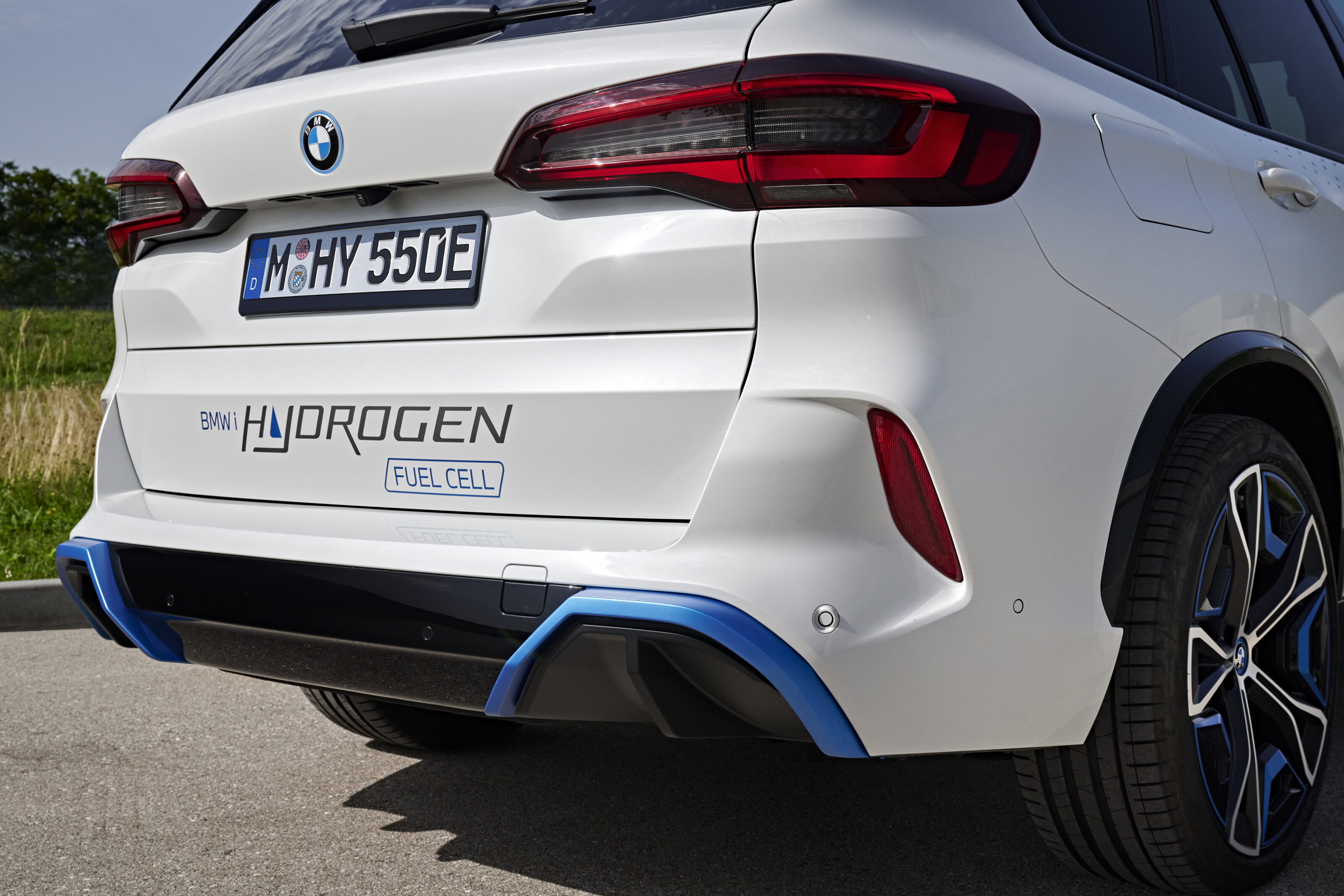
While BMW’s development boss Frank Weber stopped short of mentioning hydrogen as a future combustion fuel, the company was the first to offer a hydrogen-powered production car.
Between 2005 and 2007, the brand offered the BMW Hydrogen 7 – an E65 760Li which used a modified 6.0-litre V12 engine capable of accepting both petrol and hydrogen.
Snapshot
- Mercedes-Benz recalls 19 units of its 2021 S580
- Software issue may cause the car’s engine to shut down without warning
- Similar problem has forced the callback of 2021 C-Class
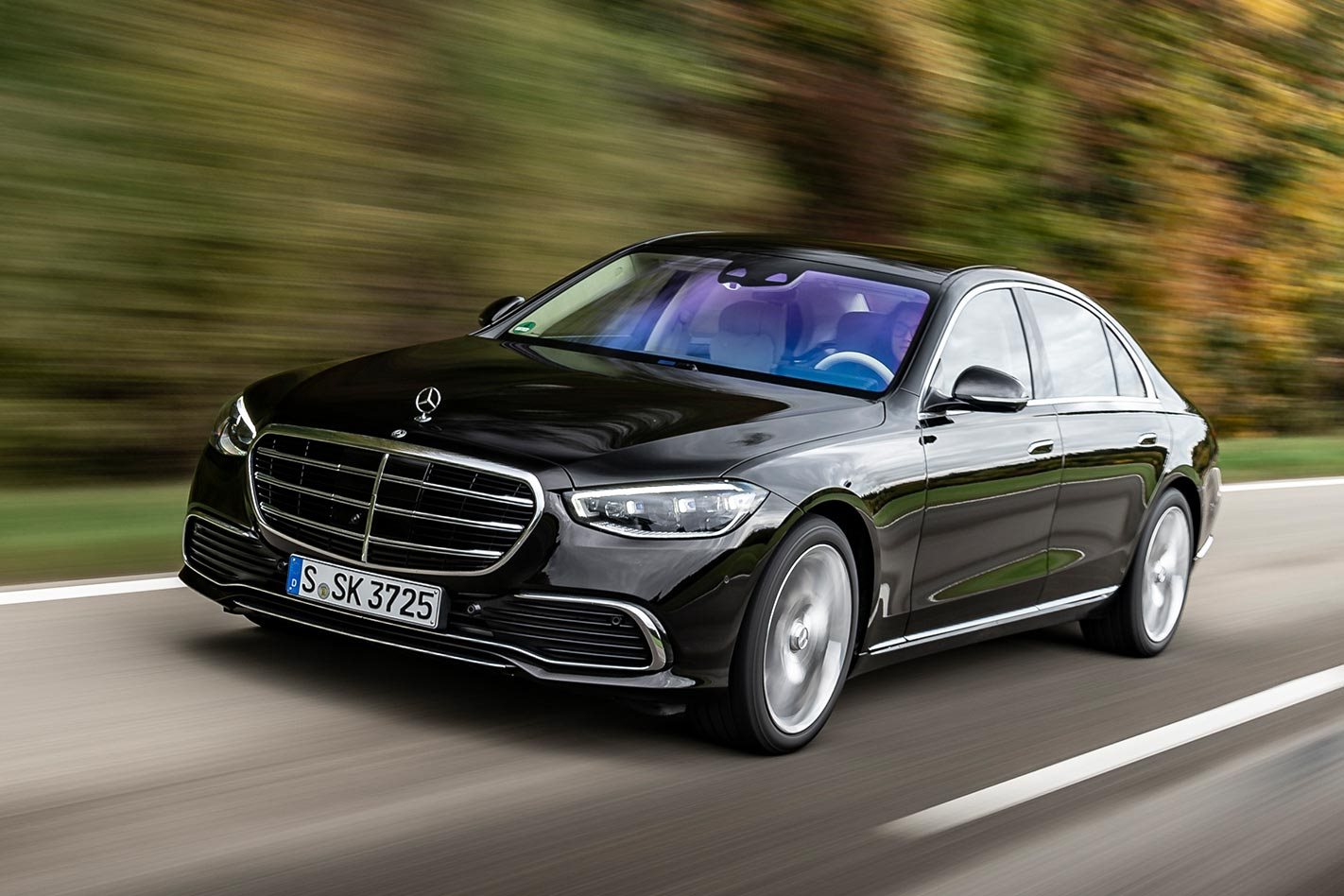
A failure in Mercedes-Benz’s engine software has forced the recall of its 2021 S580 model.
Affecting a total of 19 units sold last year, the fault lies in the car’s engine software, potentially causing it to shut off without warning, taking away power from controls such as the brakes and steering.
It’s the second time the exact same issue has struck one of Mercedes-Benz’s models, with the 2021 C-Class recalled for an identical problem.
Last year a potential fuel pump failure affected the wider S-Class range, covering 56 units.
Mercedes-Benz says it will contact owners to rectify the problem as soon as possible and free of charge at their most convenient dealer.
Alternatively, owners who are unsure as to whether their vehicle is affected can contact Mercedes-Benz’s customer assistance centre on 1300 300 896 or [email protected]
A list of affected VINs can be found here.
The Ford Ranger line-up isn’t short of variants, from the work-ready XL to the prerunner-esque Raptor, so when another one bumped onto the scene in 2020, we all thought the same thing – is it really necessary?
In the case of the Ford Ranger FX4 Max, the short answer is yes. The baby Raptor, as it appears, actually offers many benefits over its brawny big bro.
UPDATE, July 2022: New Ford Ranger review – it’s here at last
The new 2023 Ford Ranger is now on sale in Australia, and the local media launch has been run. The Wheels and 4×4 Australia teams have both driven the new Ranger, and you can find their stories at the links below.
Story continues…

Price, for one, is far more reasonable. Then there’s Ford’s decision to retain the leaf-sprung rear, offering payload and towing benefits the Raptor can’t match. But more on that later.
Now yes, there’s a new Ranger line-up coming this year but stick with us here. The FX4 Max might be the perfect off-road-ready adventure ute for you if you can’t justify 80-odd grand for a Raptor and you don’t want to wait for the new range to land later in the year.
Ford went after the factory customised off-road market with the FX4 Max, taking the fight to Mazda’s BT-50 Thunder, Toyota’s HiLux Rugged X, and Nissan’s Navara N Trek Warrior.
In reality, all of these tough(ish) ute options offer punters the common mix of better rubber, more clearance, sliders or beefier steps, better suspension and cabin upgrades.

It makes perfect sense, given how many dual-cab ute buyers rush straight off to get a lift kit, flares, beefier tyres and other accessories.
While the Ranger Raptor has proven popular, it’s in a class of its own and costs a fair chunk more than the rest of the top-spec off-roaders. Enter the FX4 Max, Ford’s like-for-like competitor to the Rugged X, N Trek Warrior, and Thunder.
Outside and in

The FX4 Max is every bit a specced-up Ranger XLT, with various visual and mechanical upgrades, but it does also borrow design cues from the Raptor.
Its most Raptor-esque upgrade over a standard Ranger is Fox 2.0-inch monotube shocks all round, compared to its big bro’s 2.5-inch units, featuring trick remote reservoirs in the rear.
With this upgrade comes revised coil springs up front and a staggered leaf set-up in the rear, as well as a 29mm front stabiliser bar, offering a cushy ride on-road and strong off-road compliance.

The suspension upgrades equate to 20mm of additional ground clearance, which isn’t much by lift kit standards but for a stocker it all adds up.
Ford clearly wanted strong off-road capability while retaining stout carrying capacity, which they have achieved with the FX4 Max.
Beefy 32-inch BF Goodrich K02 off-road tyres on 17-inch alloys provide a little extra ground clearance and a wider track, too, while critically improving the off-road performance of the FX4 Max straight off the showroom floor.

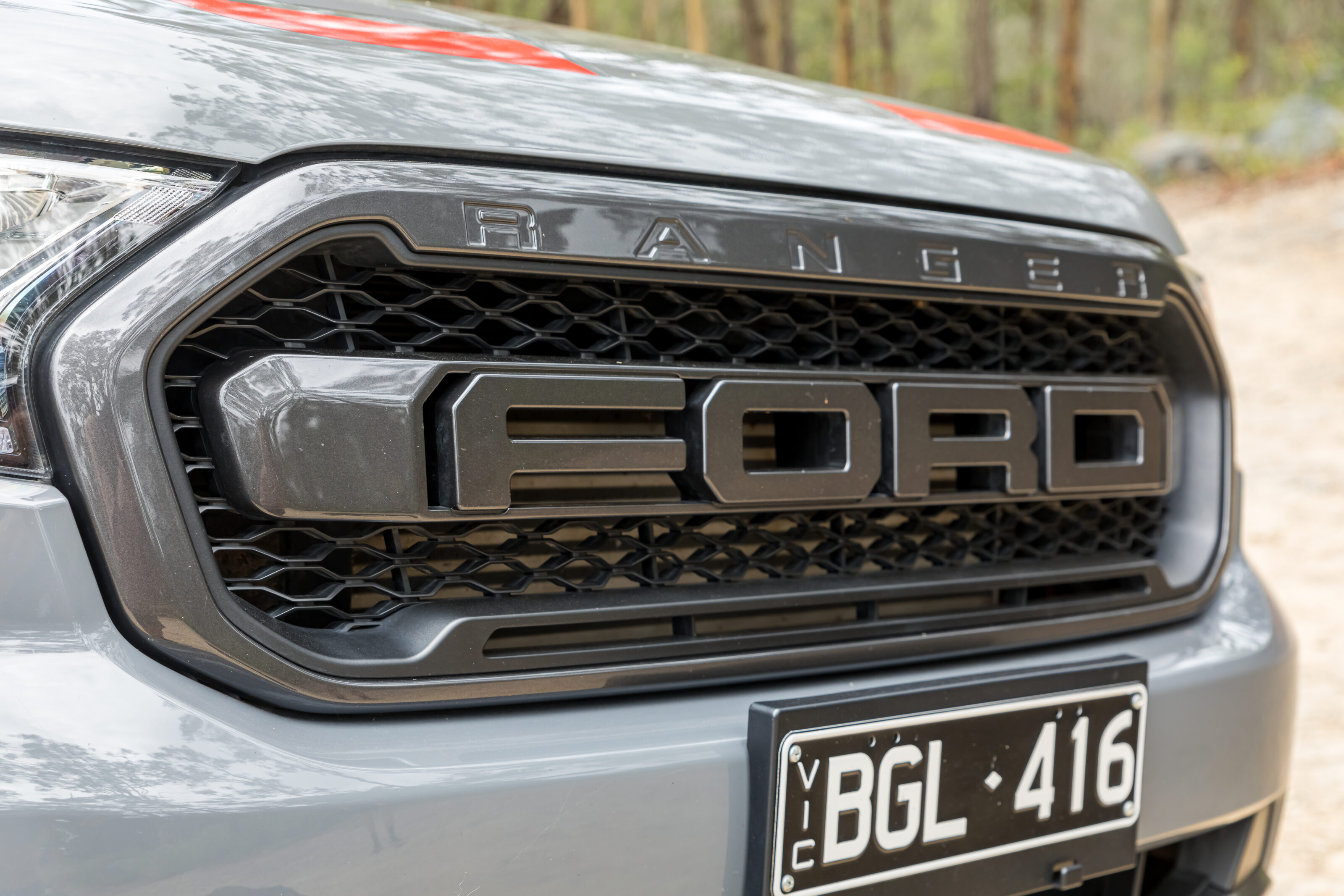
The Raptor-inspired upgrades do extend to visual tweaks, like a blacked-out F O R D grille, full-length sports bar and tough hoop-style side steps. I say ‘visual’ because none of those things really help the FX4 Max off-road.
In fact, the steps hindered us the moment we found the ramp-over limit (it wasn’t hard) and we’d far prefer sliders than a swanky set of pointless steps that will inevitably end up bent.
The Raptor-inspired upgrades do extend to visual tweaks. I say ‘visual’ because none of those things really help the FX4 Max off-road

Inside, the first thing you’ll notice is a centre-mounted Upfitter switch bank wired to a beefier 250A alternator, making accessories as close to plug-and-play as you’re going to find.
Interior finish is a big step up, most notably the seats that feature carbon accents and suede inserts with FX4 Max embroidery. How easy they’d be to scrub mud out of is questionable, but they do look great.
A leather-wrapped steering wheel and Raptor sports pedals complete the package. There are various other black inserts throughout and overall it’s a significantly revised interior, visually at least, over XLT models.

Front and centre there’s the 8.0-inch SYNC3 infotainment system we have come to know and love in Ranger and Everest variants, with all the usual Apple CarPlay, Android Auto, a great GPS, and an exceptional interface. Ford really nailed it with the SYNC3 system.
Safety, as is the case across the Ranger line-up, covers off just about everything you’d expect for a dual-cab ute and the FX4 Max carries the same five-star ANCAP rating as the rest of the Rangers.
The FX4 Max comes standard with autonomous emergency braking (AEB) with pedestrian detection, lane-keep assist, reverse camera, front and rear parking sensors, auto high beam, emergency call function, six airbags, trailer-sway control, and tyre pressure monitoring.
If you want adaptive cruise control or semi-auto active park assist, you’ll have to fork out $550 for the Tech Pack.
Under the Hood

Unlike other Ranger and Everest models, still offering the dated but tough-as-nails 3.2-litre five-cylinder turbo-diesel donk, the FX4 Max is only offered with the newer 2.0-litre Bi-Turbo with 10-speed automatic.
This is a good thing because it’s a more refined powertrain and will still be offered when the new Ranger line-up lands.
The 2.0-litre Bi-Turbo produces 157kW/500Nm and Ford claims a somewhat optimistic 8.0L/100km. Perhaps this is achievable but we hovered between eight and nine litres per hundred when cruising, with a final figure of 9.8L/100km after a mix of moderate on- and off-road use.
The FX4 Max scores the same part-time 4×4 system as other Rangers, with a good ol’ transfer case and locking rear diff – all the standard kit needed to keep you out of trouble.
Nitty Gritty

Where the FX Max outshines its Raptor sibling, is carrying capacity. A leaf-sprung rear gives the FX4 Max a GVM of 3200kg which, with a kerb weight of 2,219kg, leaves a tradie-ready 981kg payload.
And better yet, the FX Max scores a full 3500kg braked towing capacity, making it as capable a work ute as an off-roader. It gets a tow-bar as standard but do expect to have to manually shift and hold gears when towing, because the frenetic ten-speed likes to shift a bit too willingly and the little 2.0-litre doesn’t like to lug.
The FX4 Max has an overall height of 1852mm, up a little over the XLT’s 1821mm, thanks to suspension upgrades keeping you further off the ground.
And speaking of, ground clearance is 256mm, up from the XLT’s 237mm, which is plenty for light to moderate off-road use.
Approach angle comes in at 31 degrees, rampover angle is 25 degrees, departure angle is 23 degrees and wading depth is 800mm.
These numbers aren’t extreme, but all are better than the Ranger XLT and validate the FX4 Max’s off-road credentials.
And for off-road adventurers concerned with range, the fuel tank capacity is 80L, which is pretty standard across the 4×4 dual-cab ute segment.
What’s it like to drive?

We had the FX4 Max for a little over a week, straight off the back of a ‘21 Everest, and after picking it up a summer storm on the way home gave us a good idea of how the 32-inch BF Goodrich K02s went in the wet.
They’re great off-road, but just expect a bit of tail-wagging in the wet and some tyre noise over 80km/h. Chunky off-road tyres are a diligent traction control system’s worst nightmare, but it’s the price you pay for grip out in the wild.
That aside – and it was fun anyway – the FX4 Max is probably the most capable out-of-the-box Ranger I’ve tested. No, it isn’t a Raptor that makes you feel like a Finke racer, but it’s pretty damn good at everything.

On-road it’s just a Ranger with, in the case of our tester with the optional decal pack, a lairy paint job and aggressive styling in line with what Aussies go for.
Straight out of the dealership, it looks like it should and has most of the extras weekend adventurers fit weeks after buying a 4×4 ute; steps, switches, off-road rubber, and plenty of blacked-out items both inside and out. At least the blacked-out bits on the FX4 Max aren’t Plasti-dip, like half the utes out there!
I can’t fault the way it looks but probably wouldn’t opt for the decal pack that add racing stripes along the sides. It felt a bit ‘look at me’. But it does distinguish the FX4 Max from other Rangers, so I can understand it as an option.

Inside, it looks and feels the part too. The seats look and feel premium, with suede and carbon, as does the rest of the cab.
The Upfitter switch bank mounted on the dash gives you six accessory switches hooked up to a higher output alternator, which is one of the first things I noticed. It feels like a customised fourby and that appeals to many people. Hook up your light bar/spotties, winch, anything you want and it’s all there ready to go.
Straight out of the dealership, it looks like it should and has most of the extras weekend adventurers fit weeks after buying a 4×4 ute

It drives like a Ranger, but the suspension is better and you can feel the more aggressive tyres from the onset.
Around town, the Fox shocks, with the revised coil and leaf set-up, feel soft but not hugely different to a regular Ranger.
They become far more apparent off-road, when on rougher terrain or fighting for traction on undulating trails.
I’d rather have the Fox suspension than not have it, as it offers no downside on-road but feels better off-road and handles big hits far better.

The 2.0-litre Bi-Turbo is a strong unit, pulling hard and keeping torque on tap thanks to ten cogs that, despite getting confused at times, keep grunt available.
Ford’s 10-speed auto shines around town too, skipping gears and keeping fuel use down, while offering on-the-go power when needed across such a wide range of ratios.
Off-road or when towing, manually shifting gears does seem to be the go, and in general driving, its confusion seems to be mitigated by deliberate throttle inputs. Again, it’s grown on so many of us, because while it seems a gear or two too many, it does work well once you’ve wrapped your head around it.
The infotainment system is a joy to use and, I’ve said it before and I’ll say it again, the SYNC3 system just works. It’s responsive, logical and nothing about it gets annoying.

Safety tech on the Ranger is up there with the best, although adaptive cruise control as standard would be nice for the price you’re paying.
The various lane-keep and warning systems are unobtrusive and don’t fight you for control unless you’ve made a big ol’ doozy and in that case, it’s what they’re there to do.
Steering feels great with a more aggressive tyre and, as is usual for Rangers, that electric steering set-up is spot on.
Off-road, the tyres shine and the Fox shocks keep them grounded over anything you could throw at this FX Max, with stock clearance becoming the limiting factor.

We went to the Ormeau 4×4 tracks just outside of Brisbane to give this thing a belting off-road and due to rain, we didn’t get far.
The FX4 Max handled the trails we could drive bloody well. It certainly didn’t feel like a stock 4×4 and made easy work of some pretty washed out tracks. Tyres are probably the biggest contributor, as much as we’d like to think it’s the Fox gear.
The FX4 Max handled the trails bloody well. It certainly didn’t feel like a stock 4×4, though tyres are probably the biggest contributor

Where we ran into issues was when we started bottoming out on a couple of tracks that saw the side steps limiting us from going any further. We reversed out unscathed but had it not been for the low-hanging side steps we’d have been able to tackle the worst of the tracks.
This is where we’d prefer to see sliders on a dedicated off-road model like this. The HiLux Rugged X gets heavy-duty rock sliders, as well as a steel front bar and bumper to take knocks – which we suspect would hold up better in the bush than the FX4 Max if attacking gnarly tracks.
Value and ownership

The FX4 Max offers much of the same upgraded kit as the D-Max X-Terrain and HiLux Rugged X and sits right between the two in terms of price. A lot of it, though, will come down to buyers’ visual preference, particularly between the exxier Rugged X and FX4 Max.
Could you buy a Ranger XLT and modify it to a similar spec to the FX4 Max for less than the price difference? You probably could. But you pay for convenience and all of it falls under the manufacturer warranty, which is a big selling point for these upgraded off-roaders.
You could buy a Ranger FX4 Max on Friday and be on the beach or deep in the bush on Saturday. It’s capable, looks the part and offers plenty of premium kit to justify the price.
The as-tested price for this vehicle is $68,140 before on-road costs, made up of the base vehicle price of $66,190 plus prestige paint at $650, the tech pack at $550 and FX4 Decal Pack at $750. Like we mentioned earlier, we’d probably ditch the decals, but that’s a personal preference.
Ford offers a five-year/unlimited-kilometre warranty for the FX4 Max, like all other Ranger models, and servicing comes around every 15,000km/12 months.
You could buy a Ranger FX4 Max on Friday and be on the beach or deep in the bush on Saturday. It’s capable and offers plenty of premium kit to justify the price
2022 Ford Ranger FX4 Max specifications
| Body | Four-door, five-seat ute |
|---|---|
| Drive | Rear-/four-wheel-drive |
| Engine | 2.0-litre Bi-Turbo Diesel |
| Transmission | 10-speed automatic |
| Power | 157kW @ 3750rpm |
| Torque | 500Nm @ 1750-2000pm |
| Weight | 2219kg |
| L/W/H | 5446/2163/1852mm |
| Wheelbase | 3220mm |
| Ground clearance | 256mm |
| Tracks | 1586mm |
| Turning circle | 12.7m |
| Payload | 981kg |
| Towing capacity (braked) | 3500kg |
| Fuel tank capacity | 80l |
| Fuel Economy (claimed) | 8l/100km |
| Fuel Economy (as tested) | 9.8l/100km |
| Suspension | 2.0-inch monotube FOX shock absorbers with coil springs (f); 2.0-inch monotube FOX shock absorbers with remote reservoir and leaf springs (r) |
| Steering | Electronic power steering |
| Brakes | Ventilated discs (f); Drum brakes (r) |
| Wheels | 17-inch alloy wheels with +42mm offset plus full-size spare |
| Tyres | 265/70-R17 Bf Goodrich K02 all-terrains |
| Price | $68,140 (plus on-road costs) |
The definition of what constitutes a touring car has been muddied in recent times. If you take a classical view, a tin-top needs to start life as a road-going chassis before being promptly remodelled into a racing car. Modern rulesets have almost universally eradicated that distinction, with various homologation and spec-chassis requirements being dictated for top-flight touring car categories around the world.
Pondering these anorak intricacies got us at MOTOR thinking about what the greatest touring cars of all time. We are sure you’ll have plenty to say about our decisions in the comments section!
Before we get into the meat of our list, we should provide some context for how we came to this decision. First off, we decided that any given manufacturer will only be able to muster one vehicle for the list, otherwise it would have just become an Audi, BMW, and Ford love-in. To compensate, those manufacturers with multiple contenders get the privilege of having an honour roll.
Time to get into it!
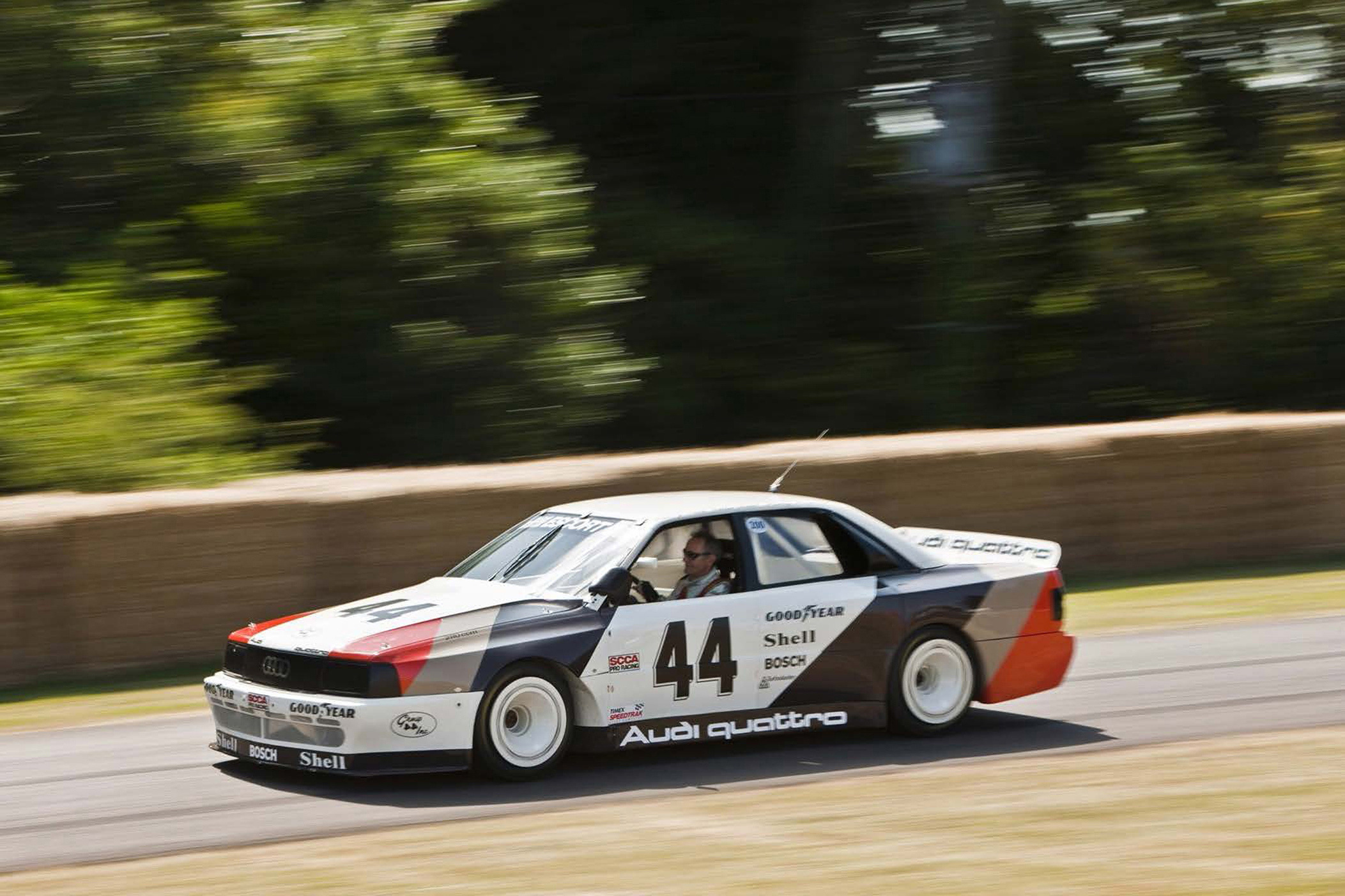
1988 Audi 200 Quattro Trans-Am
We may as well start with arguably the most controversial choice. Not because it isn’t a great touring car – quite the opposite – but because it isn’t as revered culturally as what followed it.
Let us attempt to correct the record on that front.
Many people may not be aware the Audi 200 Quattro Trans-Am exists, such is the all-conquering legend of the 90 IMSA GTO that Ingolstadt unleashed as a follow-up. That’s a shame, because the 200 Quattro Trans-Am is everything we want from a touring car in a single package. It has genuine road-going connection, was used to successfully market a similar-looking and identically badged model to the public, brought genuine innovation to a category, and looked wicked while doing it.
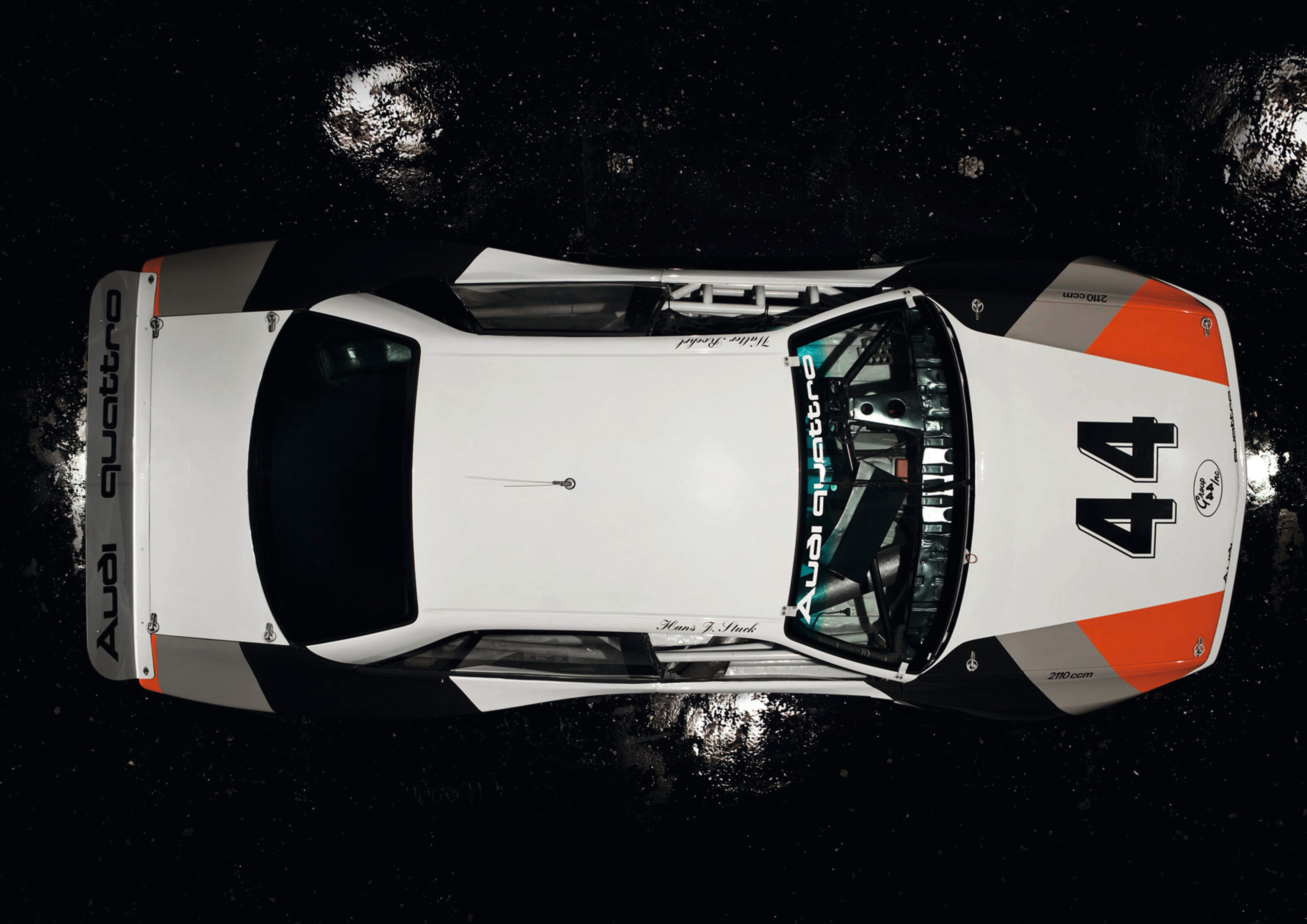
Trans-Am racing was a relatively primitive thing in 1988. Big V8s stuffed into a tube frame body with the relative likeness of a road-going vehicle draped over the top. It was good ol’ American boys doing good ol’ American things. Problem was, with the Yanks becoming complacent, they’d left the rulebook to stagnate. Then Audi, in typically German fashion, took one look at the ruleset and drove a turbocharged quattro bus through it.
You see, Audi’s motorsport squad had a bunch of rally-bred drivetrains looking for a home, and the North American road business was in dire need of some much needed positive PR. A touring car match made in heaven.
Unlike its hand-built competition, the Audi Trans-Am competitor started life as a road car chassis – adding credence to its spot on this list. Powering the 200 was a 2.1-litre turbocharged five-cylinder, which on paper would have seemed entirely outgunned by the current crop of Trans-Am 5.0-litre atmo V8s. This wasn’t any old five-pot though, it was the howling demon that had rocketed Audi’s factory rally aces through the world’s forests in the final years of Group B.
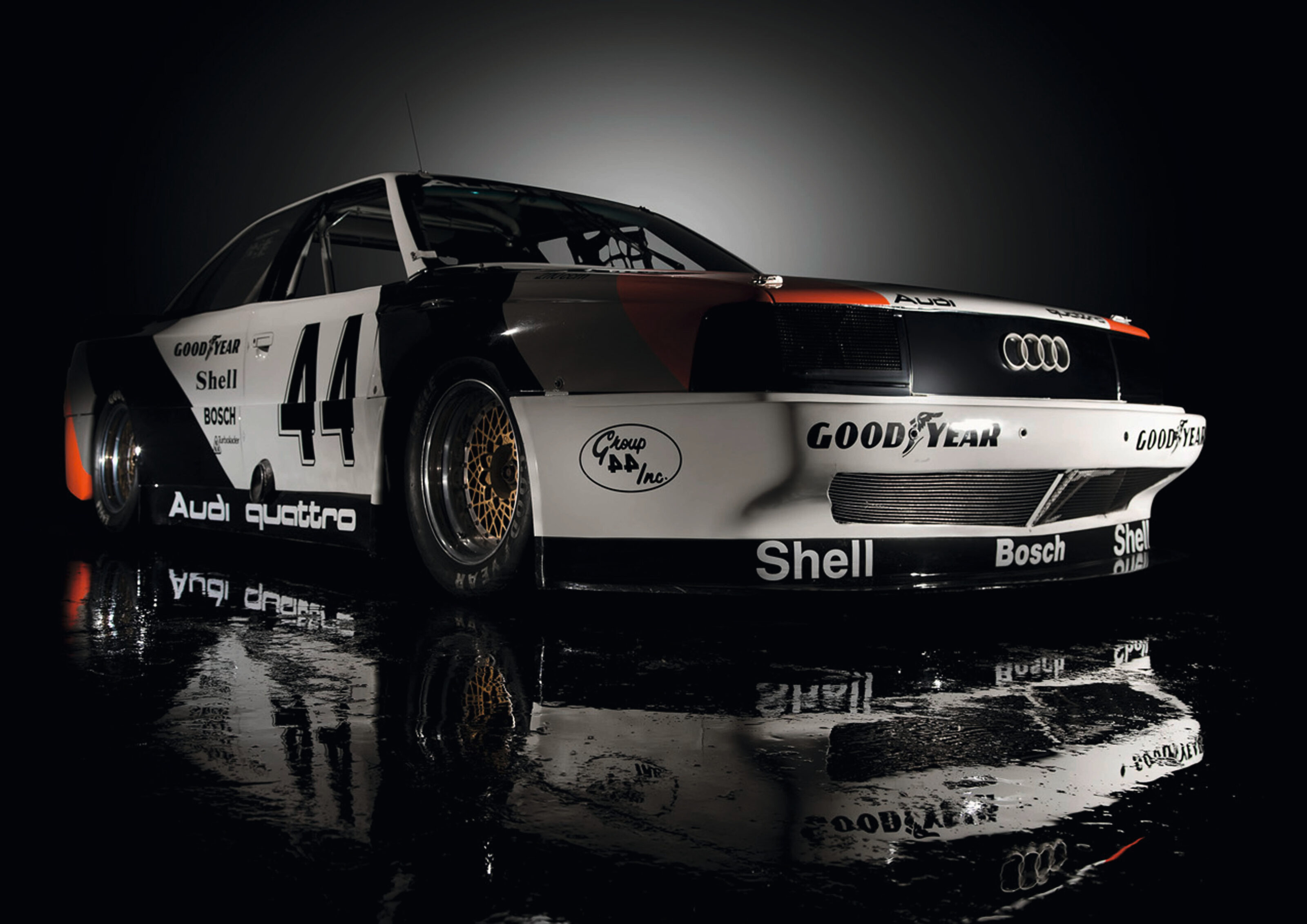
The nail in the competition’s coffin was Audi’s use of all-wheel drive. With a centre and rear differential, the 200 Quattro was able to utterly dominate the season, winning eight of 13 events.
While this list is about the cars, not the drivers, take a moment to think of the regular Trans-Am drivers who had to compete with half the driven wheels against the likes of Walter Röhrl and Hans-Joachim Stuck.
It may not be as loved as the 90, but ultimately the 200 was more road-relevant and more successful. While popular mythology dictates that it was the GTO that had the Americans changing the rules to ban it from competition in a strop, it was actually the 200 that received that honour – prompting the creation of the 90.
Honourable mentions
Audi A4 SuperTourer
New global formula, same old classic Audi domination
Audi V8 DTM
The car that put the BMW E30 M3 and Mercedes-Benz 190E Evo II on notice.
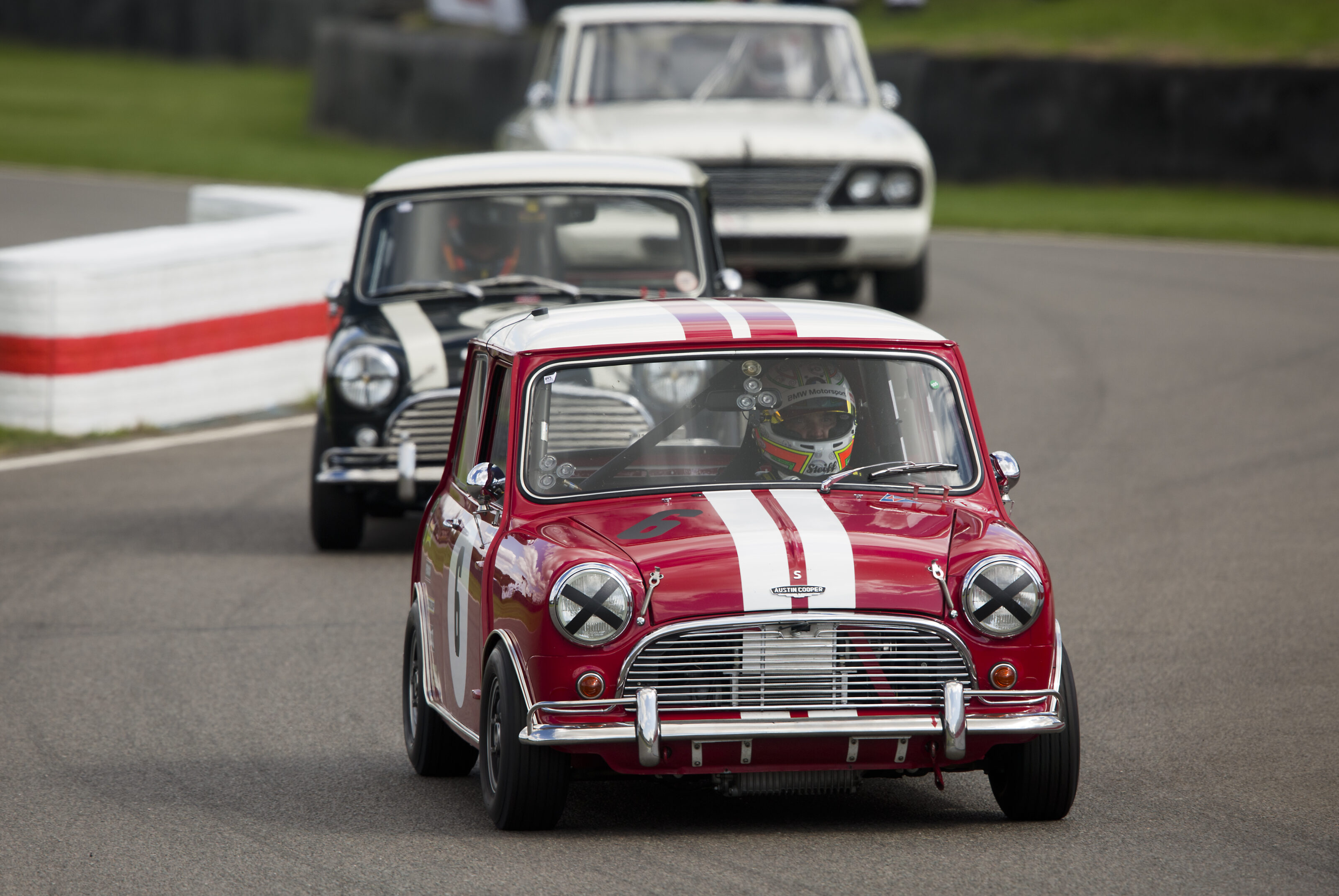
Morris Cooper
You’ve all seen the videos. A David versus Goliath battle where something big, powerful, and likely American dices for several laps with the diminutive and agile Morris Cooper.
Motorsport in the ’60s was a playground for Mini drivers, who were able to use their vehicle’s light weight and superior dynamics to harass and harangue the competition to great effect.
Across an 18 year period the Mini won seven British Saloon Car Championship titles, and a pair of European Touring Car Championship crowns.
It’s not just Europe that had to fend off the Mini swarm. At the 1966 Gallaher 500 Minis claimed the first nine outright finishing positions in dominant fashion. No other car – Australian-built or not – has been able to repeat such a feat.
Proving the car’s versatility was its domination of rallying during the same period.
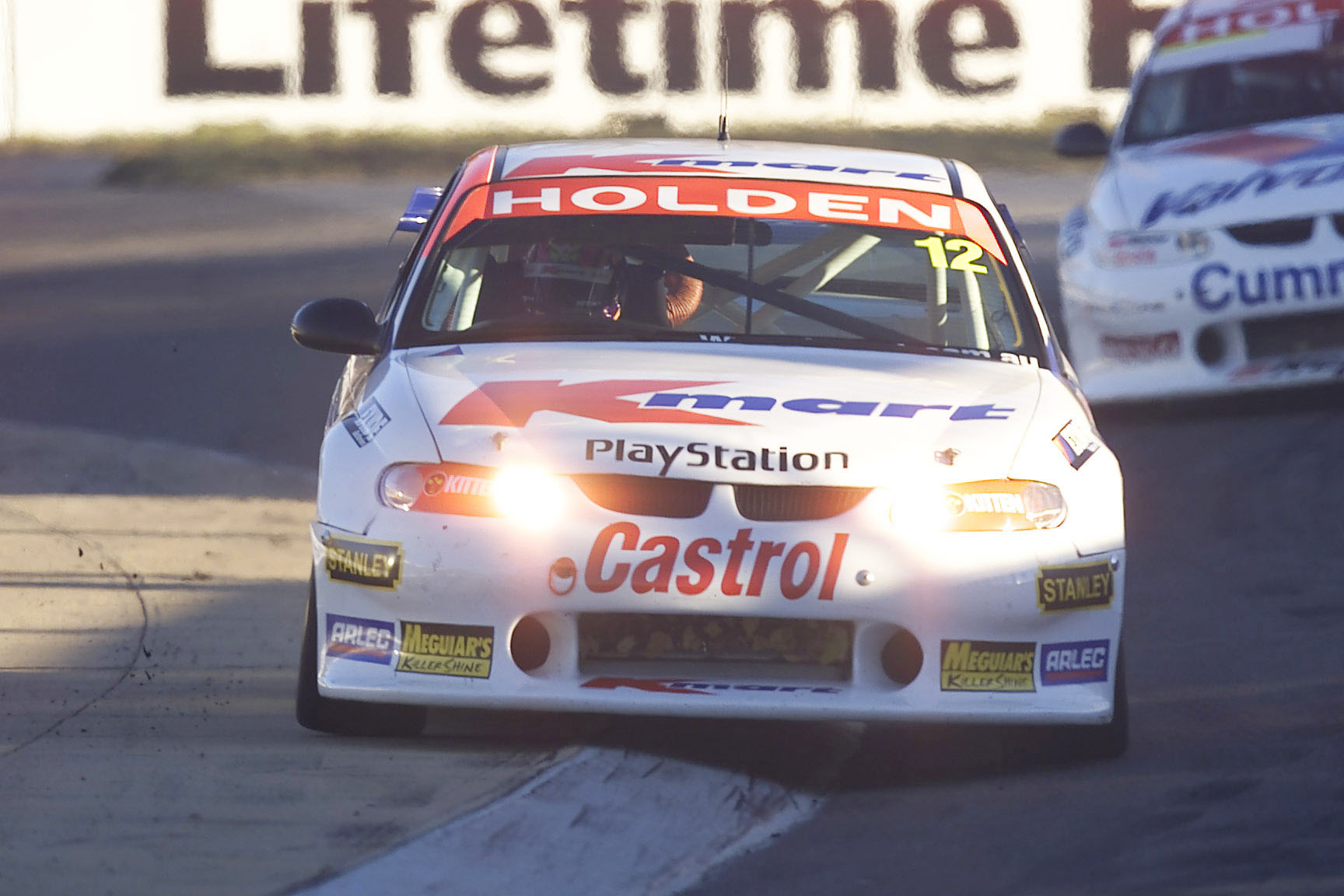
Holden VT Commodore
Forgive our parochialism for a brief moment, but you simply cannot have a list of greatest touring cars without a V8 Supercar-era Australian Touring Car Championship Ford Falcon or Holden Commodore.
Choosing the Commodore over the Falcon is no doubt a controversial one for 50 per cent of the population, but the Blue Oval’s exploits internationally meant the Falcon was going to be a hard sell.
Why the VT? Two simple reasons. It is the most successful car in ATCC history on a per-race basis, crossing the line in first place in 63 races in just three seasons. While other models have larger win tallies, they did so over a larger window of opportunity.
The second, and perhaps most important reason, is that the VT went on to become the most popular Commodore ever sold. In excess of 300,000 units were sold between 1997-2000. Now, we aren’t saying the on-track success of the V8 Supercar was the sole reason for the commercial boon. However, having the likes of Mark Skaife, Craig Lowndes, Garth Tander, Larry Perkins and Greg Murphy using your product to thrash the competition no doubt helped the Win on Sunday, Sell on Monday pipeline. Bathurst 1000 victories in 1999 and 2000 seals the deal.
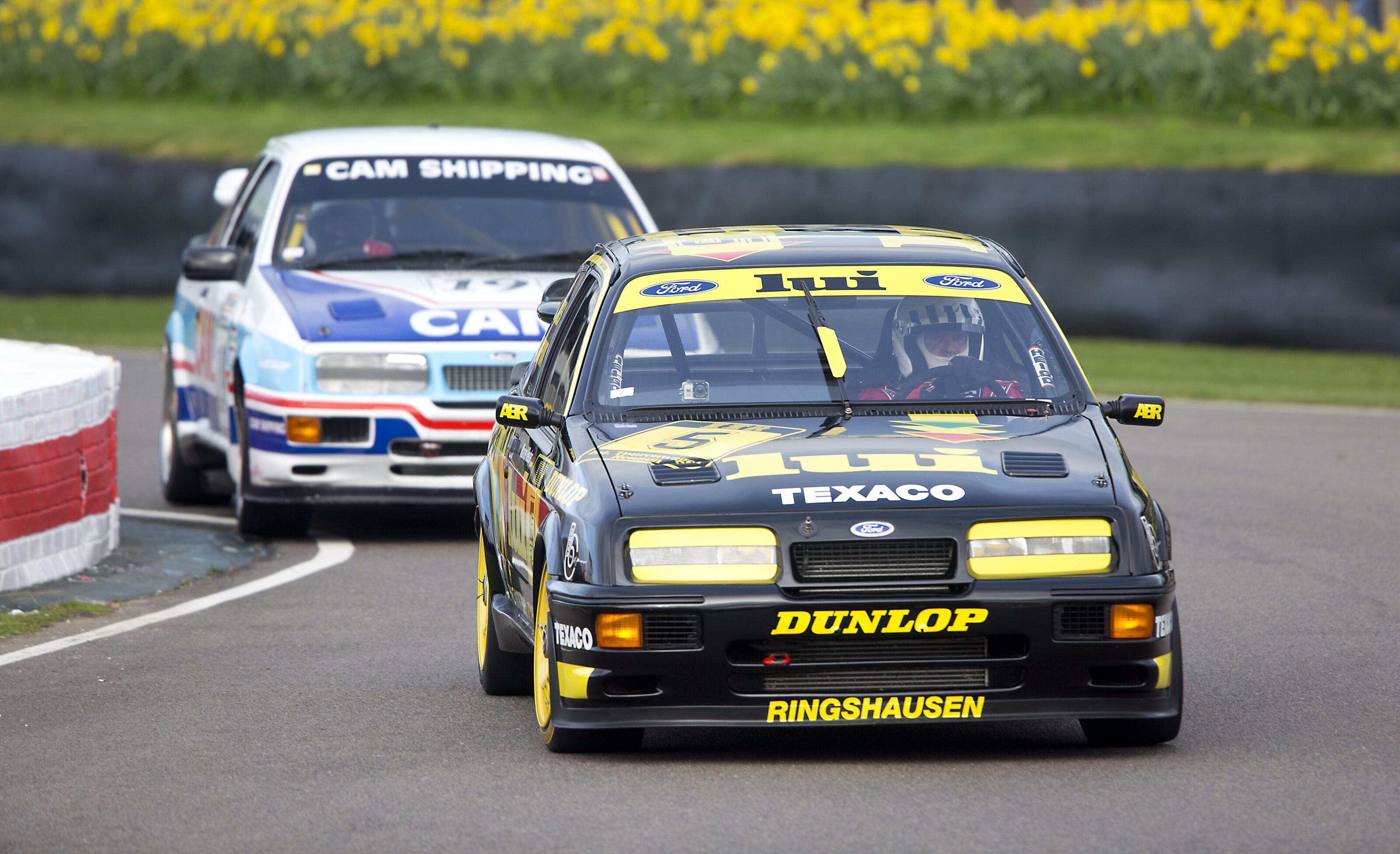
Ford Sierra Cosworth RS 500
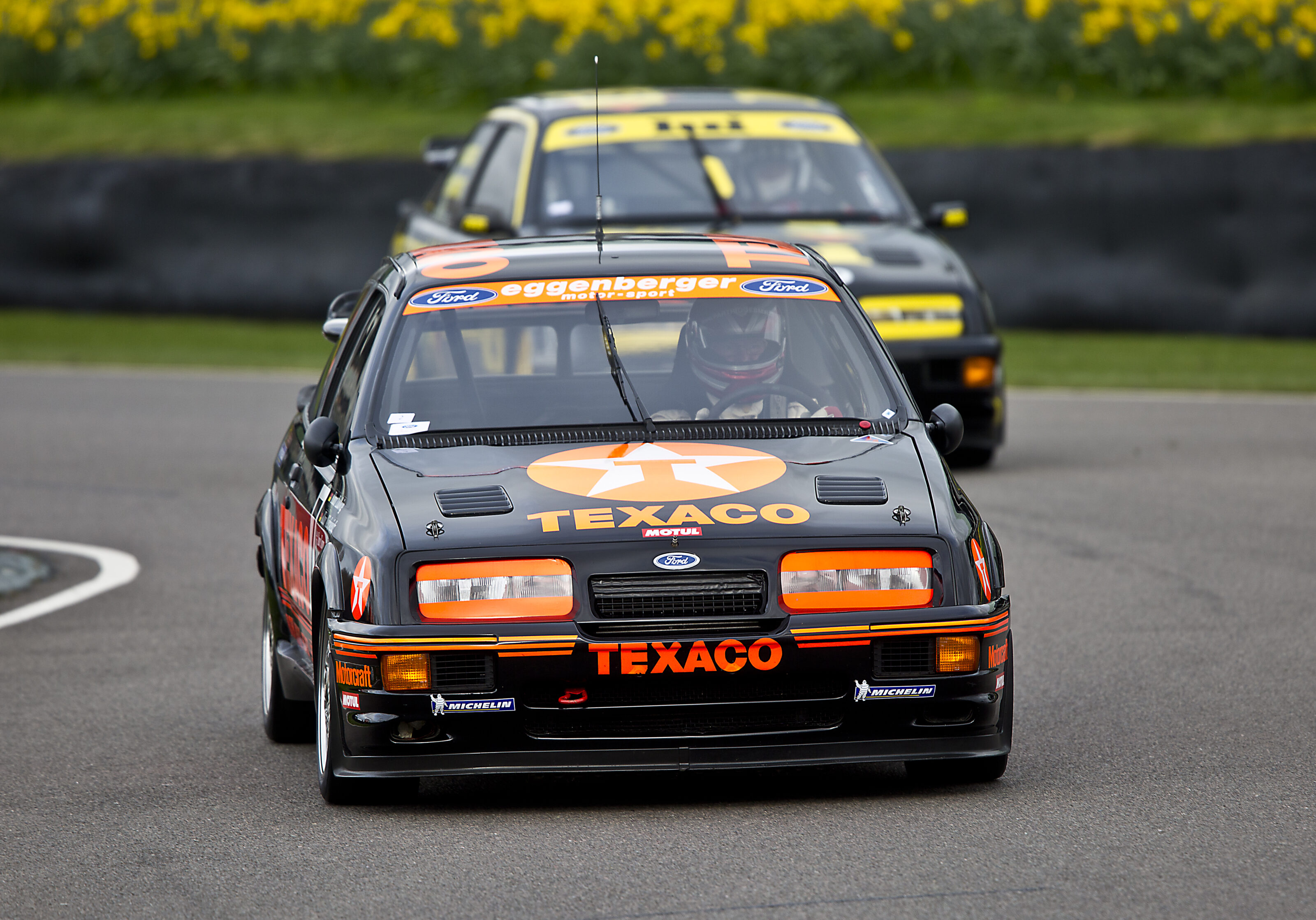
Hark the V8 killer, Ford’s indomitable RS 500. Powered by a 2.0-litre turbocharged four-cylinder engine, the forced induction did most – nay, all – of the heavy lifting when it came to propelling the boxy two-door around the world’s circuits.
Homologated under Group A regulations, the RS 500 earned a fearsome reputation for being a laggy, spiky thing. But for those who could tame it, the Sierra was an absolute weapon. Spitting fire and fluttering its turbo from afar as it galloped into the distance.
Australians will be familiar with the RS 500 from the infamous 1987 Bathurst 1000 when the car was first over the line, but ultimately disqualified. Better yet was Dick Johnson, who undeniably built the fastest RS 500’s in the world. Forget the Euros, if you wanted a rocketship Sierra, it needed to come from DJR in Queensland.
Honourable mentions
BA Ford Falcon XR8
In terms of light after the dark of the AU years, the BA Falcon is a blazing hot sun. It claimed three V8 Supercars titles at the hands of Marcos Ambrose (’03/’04) and Russell Ingall (’05) as well as an emotional Bathurst 1000 win in 2006 with Lowndes/Whincup.
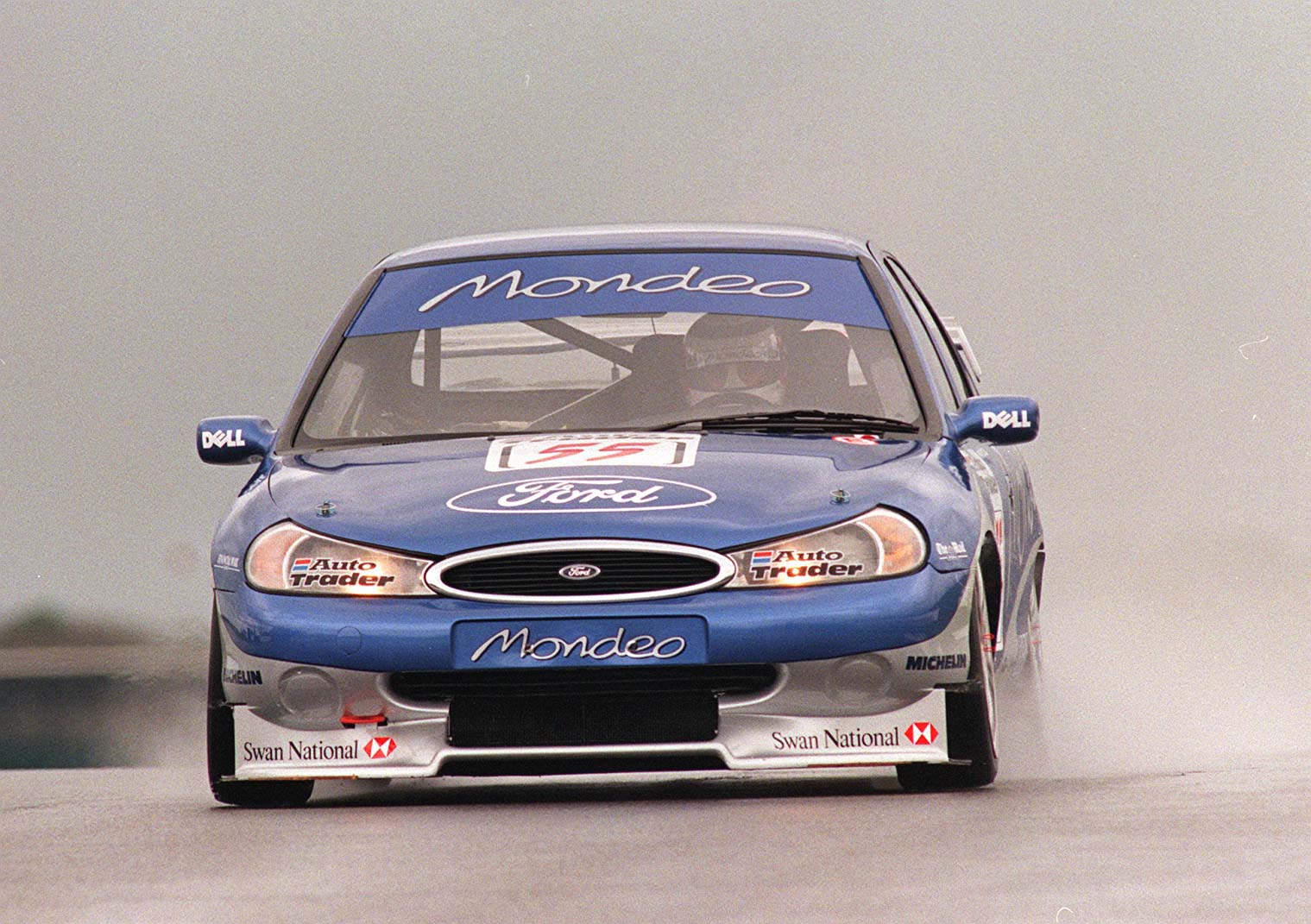
Ford Mondeo BTCC
F1-level budgets, with F1-calibre drivers, being poured into a regional touring car championship was always going to produce spectacular results. Mr Mondeo Man was never cooler (or faster) than this.
Ford Mustang
The Blue Oval’s iconic pony car has been thrashing the competition in touring car races around the globe for decades. Supercars Gen3 Mustang looks set to be the fastest of the lot.
Ford Capri
Ford’s German team went all out trying to thrash BMW in the European Touring Car Championship in the ’70s, building a poster boy for touring car visuals in the process.
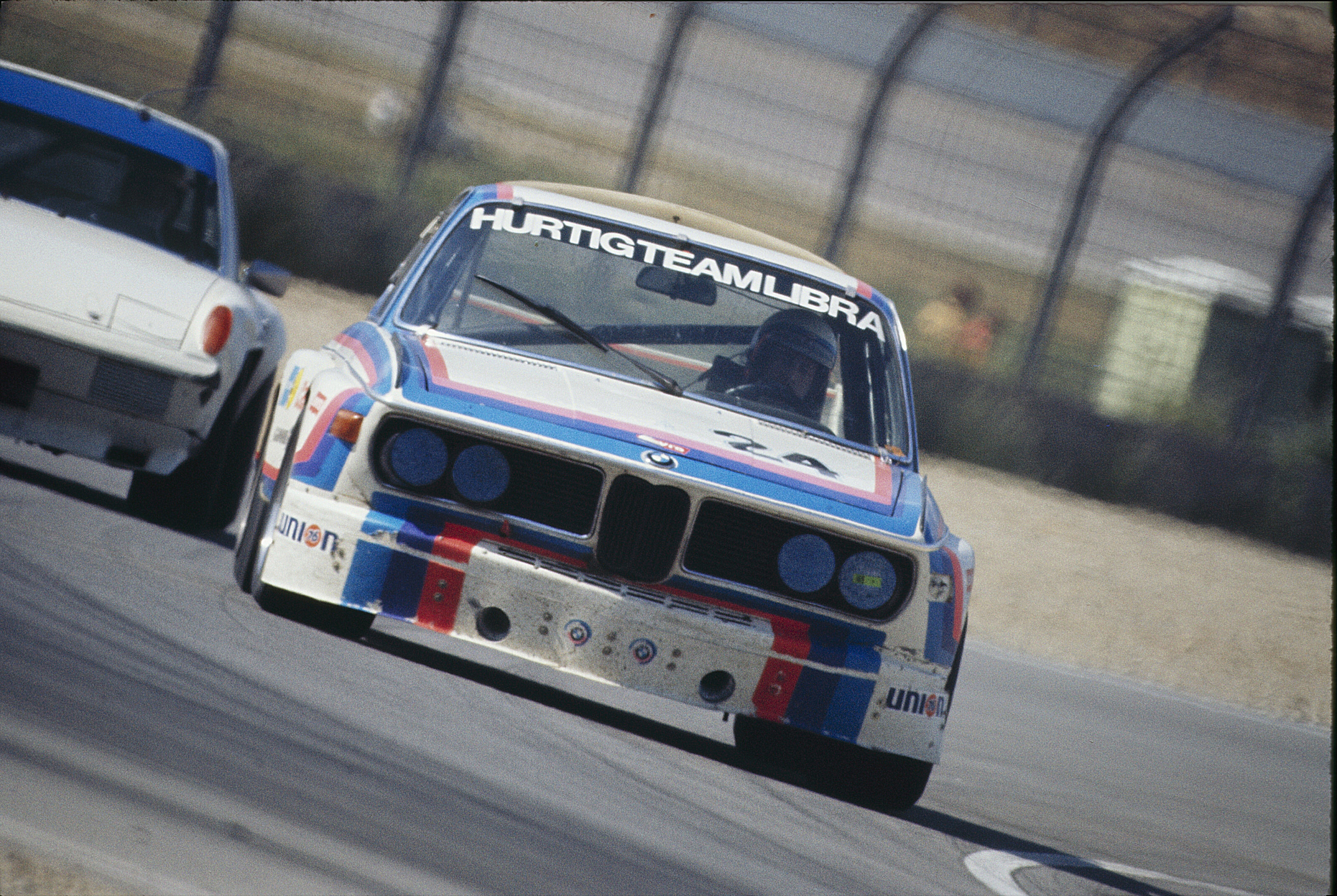
BMW E9 3.0 CSL ‘Batmobile’
Aside from having one of the coolest nicknames bestowed upon a race car, BMW’s E9 3.0 CSL was a dominant force in global touring car racing from the brand in the ’70s.
In 1973 the car took out the European Touring Car Championship (ETCC), along with class honours at the 24 Hours of Le Mans the same year. The car would then win every ETCC season from 1975-79.It was the first race car to feature BMW M Division’s distinctive red, white and blue colours.
Beyond that success though, the 3.0 CSL earns its place on this list through sheer significance. It forged a path for BMW’s motorsport future, and looked damn cool while doing it!
Honourable mention
BMW E30 M3
You didn’t think we’d forgotten about BMW’s ever-popular homologation hero, did you?
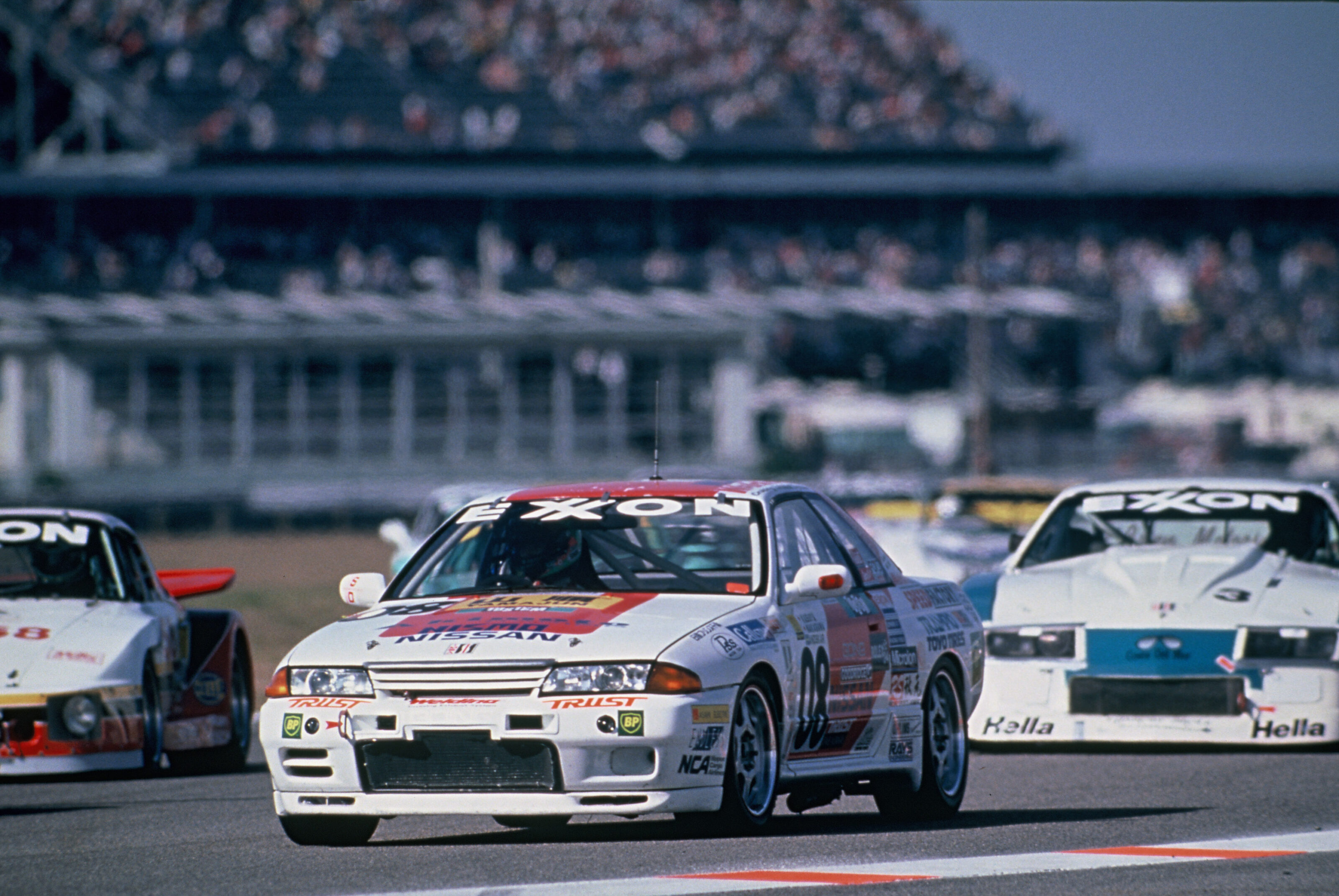
Nissan BNR32 GT-R
Much has been written about the Nissan BNR32 GT-R ‘Godzilla’ and its domination of Group A touring car racing. How you perceive the all-wheel drive GT-R’s racing is seemingly heavily influenced by you allegiances at the time it competed, or your year of birth.
The controversies that entangle the GT-R’s racing history shadows the importance the car had, not only in Japan, but internationally. Godzilla carried the entire weight of the Japanese Touring Car Championship on its shoulders, being the only car competing in the category’s final years. On-track success without any rivals to compete against means no one highlights the GT-R’s native racing efforts.
Enter Gibson Motorsport and Australia. It was here that the GT-R was transformed into its ultimate form. What the team created was all-conquering in the final days of Group A, winning races and championships from the moment it was introduced into the ultimate downfall of the category (that it played no small part in speeding up).
Honourable mentions
Nissan Primera
Won 13 of 26 races in the 1999 BTCC, along with driver’s, team’s, and manufacturer’s titles. Probably smashed a few wing mirrors along the way.
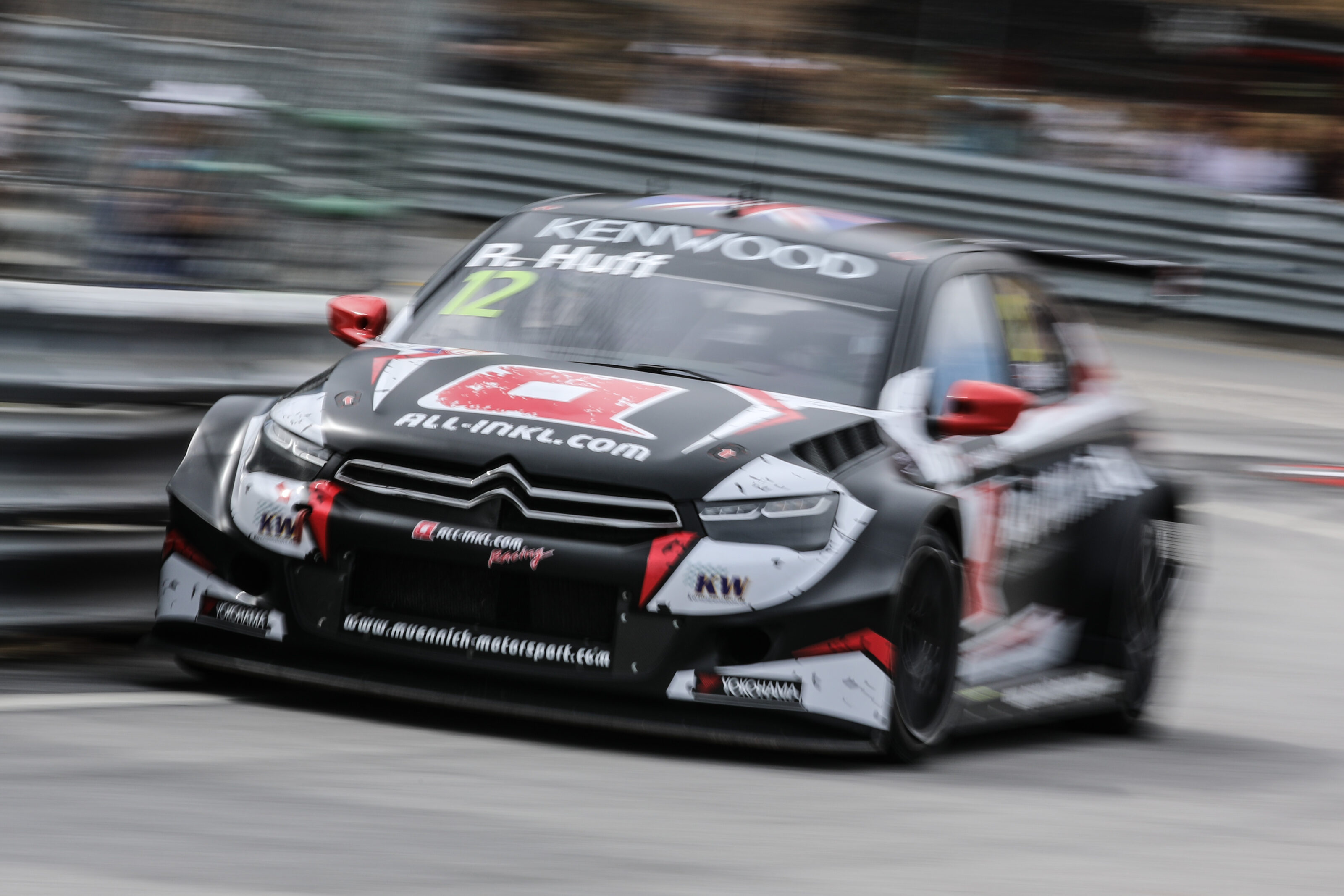
Citroën C-Elysée WTCC
To be great, you don’t need to be popular. This is perhaps best defined by the Citroën C-Elysée. The car competed in the World Touring Car Championship with little fanfare, but became the most successful model in series history in the process.
With 57 WTCC race wins to its name, the C-Elysée captured the spirit of what makes touring cars so intriguing – taking an entirely mundane French sedan and using it to race hard and fast.
That success was in no small part due to the all-star driver line-up – which included the greatest rally driver to ever live, Sebastian Loeb. The rallying link continued with the cars development, with a DS3 used as an initial test mule, and the engine being a development of the model used in the brand’s WRC machinery since 2011.
The factory team only competed for three years between 2014-16, winning both the driver’s and manufacturer’s titles each season. Now that is a domination.
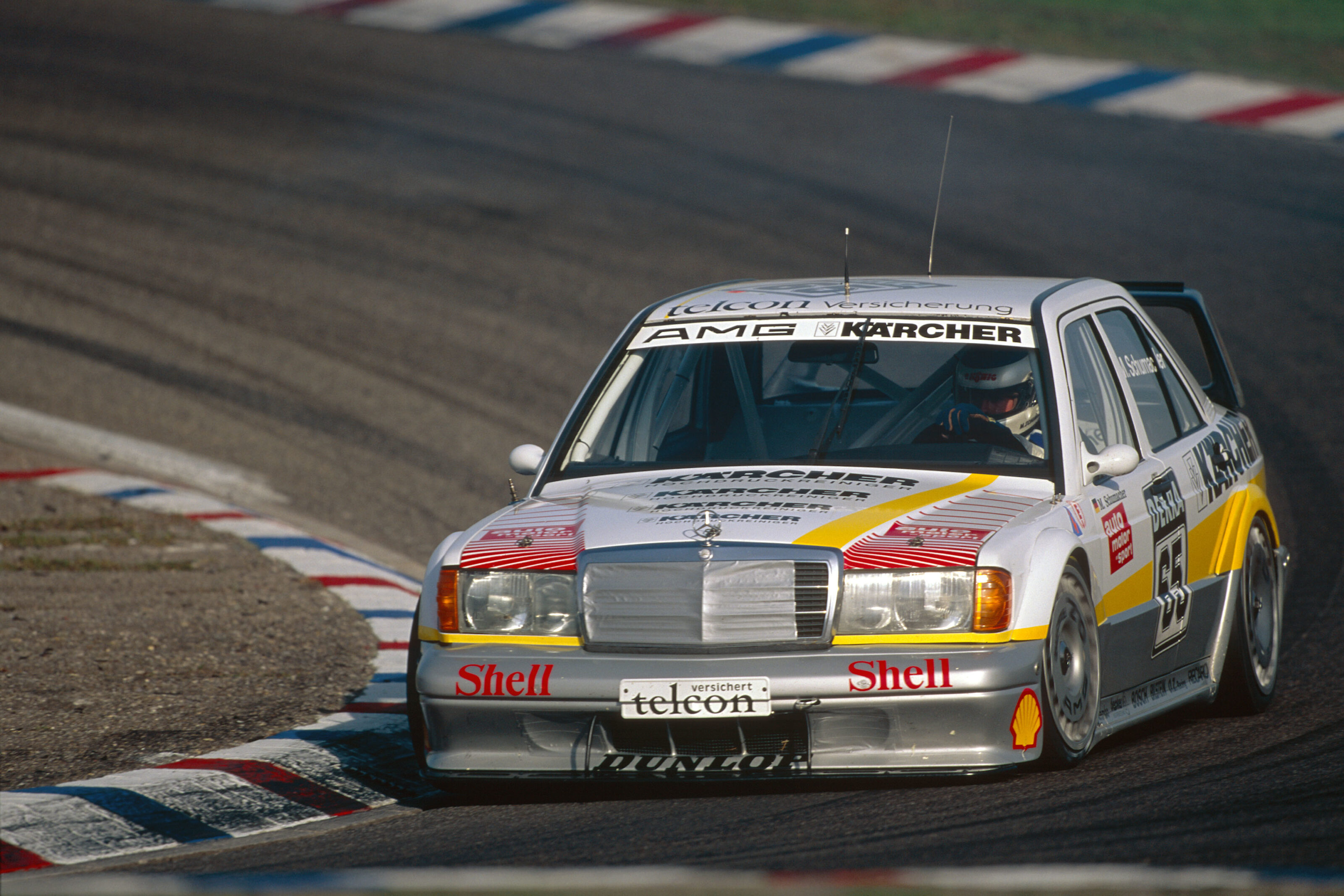
Mercedes-Benz 190E Evo II
Behold the poster boy for homologation heroes. The road-going Mercedes-Benz 190E Evo II was revealed at the Geneva motor show in 1990, based on the standard 190E but with everything turned up to 11, the motorsport version dominated German touring car racing of the era, and became an instant icon.
Just 502 road cars were ever built, with Merc pulling every trick in the book to give its DTM racers a competitive advantage, which they used to win 16 of 24 races in 1992.
Not only did the 190E Evo II look cool, it was fast. The innovations didn’t just stop at optimising the road car – at a DTM exhibition race in South Africa a last-minute factory entry was flown from Germany to compete, debuting one of the first uses of ABS in racing history.
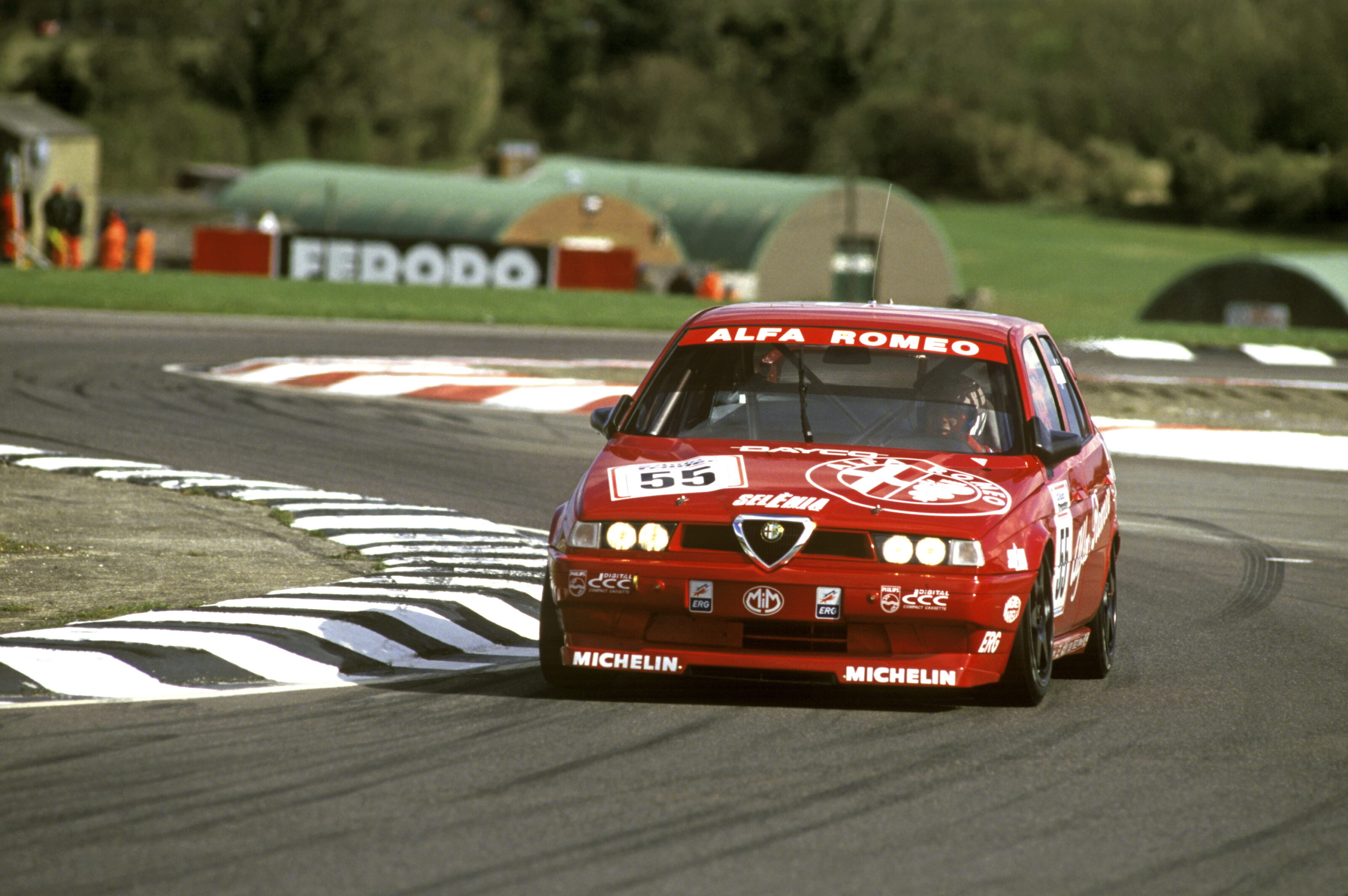
Alfa Romeo 155
How’s this for a report card? Between 1992 and 1994, the Alfa Romeo 155 won the Italian Superturismo Championship, the German DTM championship, the Spanish Touring Car Championship, and the British Touring Car Championship.
That is impressive in its own right, but what earns the 155 its spot on this list (beside the iconic looks), is the fact it competed with two distinct, but equally successful powertrains. Depending on the championship it was racing in, the 155 could be seen blasting around the track with the aid of either a free-breathing V6, or turbocharged four-cylinder.
When the Italians decided to drop tools on open-wheel racing and come play in the touring car sandbox, they meant business!
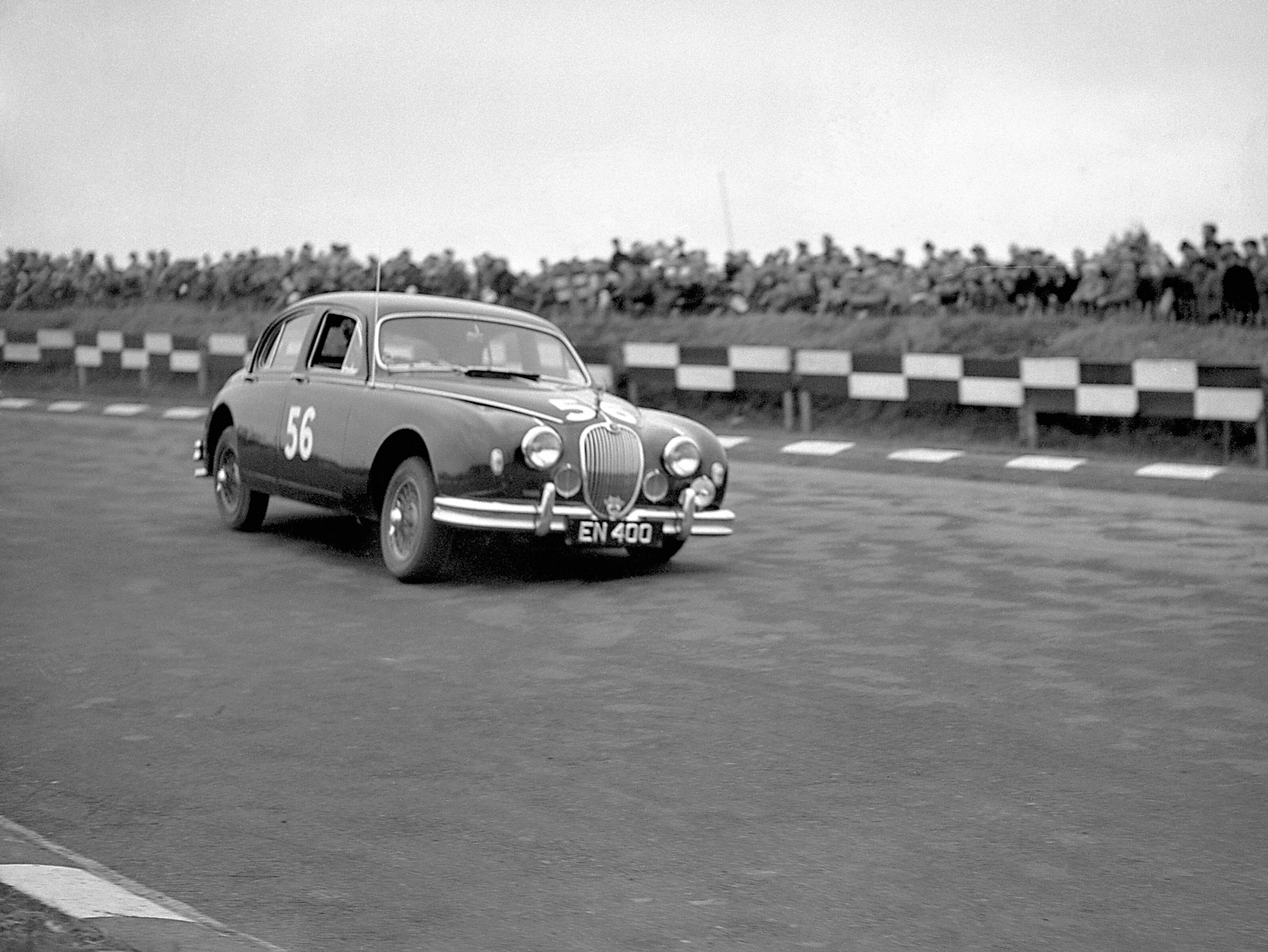
Jaguar Mark 1
One of the earliest heroes of touring car racing was Jaguar’s Mark 1. Probably due to the way it oversteered literally everywhere.
Skinny cross-ply tyres meant the big British saloon was rarely pointing in the direction of travel, sliding with grace from bend to bend. This earned the Jag a place in the heart of fans everywhere, including ours!
The sideways antics didn’t mean it was slow, oh no, with the Jag dominating the early ’60s BTCC, and winning both the ’60 and ’61 Australian Touring Car titles to boot.
Think there is something we missed? Let us know in the comments below!
Snapshot
- Electric vehicle sales jumped to an all-time high of 5149 units last year
- Increase of 3380 over the year prior
- Tesla doesn’t report sales figures despite being best-seller
The numbers are in – more Australians bought an electric car last year than in any 12-month period before.
In a year where all states and territories announced or reaffirmed their incentives for electric vehicle buyers, the increased confidence in EVs was reflected in the sales charts, with a total of 5491 fully-electric vehicles sold throughout 2021.
This figure represented a jump of 3380 units over the 1769 EVs sold in 2020, an increase of 191 per cent year-to-year – more than any other type of car.
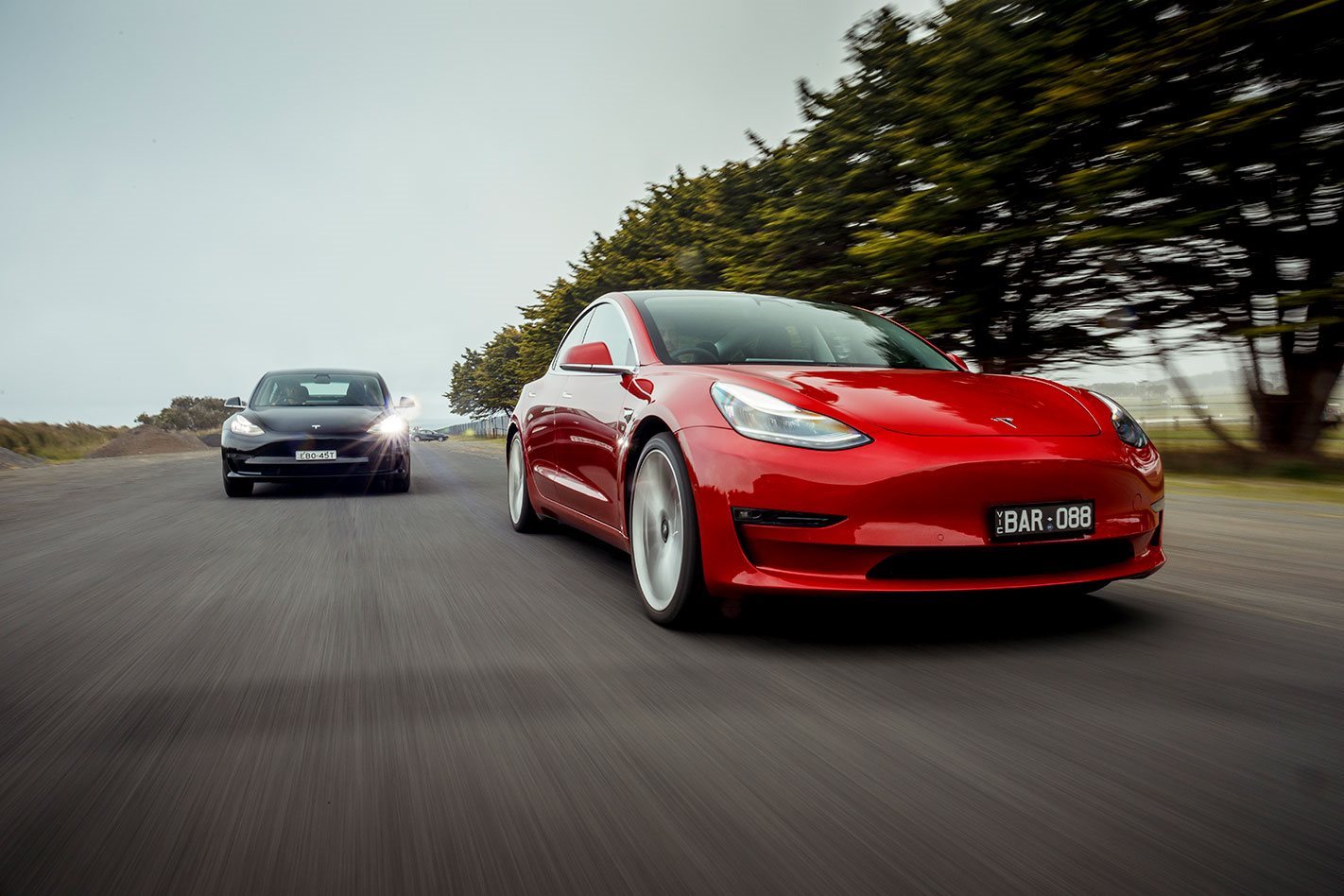
At the half-yearly mark, there were 2217 EVs sold – equating to a roughly 189 per cent increase on 12 months prior. In both 2020 and 2021, however, there was a rapid uptake in the technology in the second half of the year.
However, as first reported by The Canberra Times, there is a glaring omission from the Federal Chamber of Automotive Industries’ (FCAI) data – Tesla.
The American manufacturer is a member of the FCAI, but refuses to hand over its sales data, both to the peak body and to media outlets.
Despite this, it’s understood more than 10,000 examples of Tesla’s entry-level Model 3 were delivered to Australian customers last year, with Tesla trackers VedaPrime claiming more arrived throughout 2020 than in the six years prior.
Off the back of the significant spike in EV uptake last year, a spokesperson for the FCAI told WhichCar EV sales still account for just under 0.5 per cent of all new cars sold, and the recent boom could be attributed to state-level incentives.
“While the electric vehicle segment is growing rapidly, sales as reported in VFACTS show EVs account for 0.49 per cent market share,” they said.
“Broadly speaking, the industry welcomes state and territory governments pursuing sales incentives for EVs. However, we are concerned that the overall policy objective of lowering emissions has morphed into one of sales targets for a particular technology.
“We maintain the need for a federally-led and nationally-consistent approach which sets a target, and then allows OEMs to provide the best technology to the marketplace in order to meet it.”
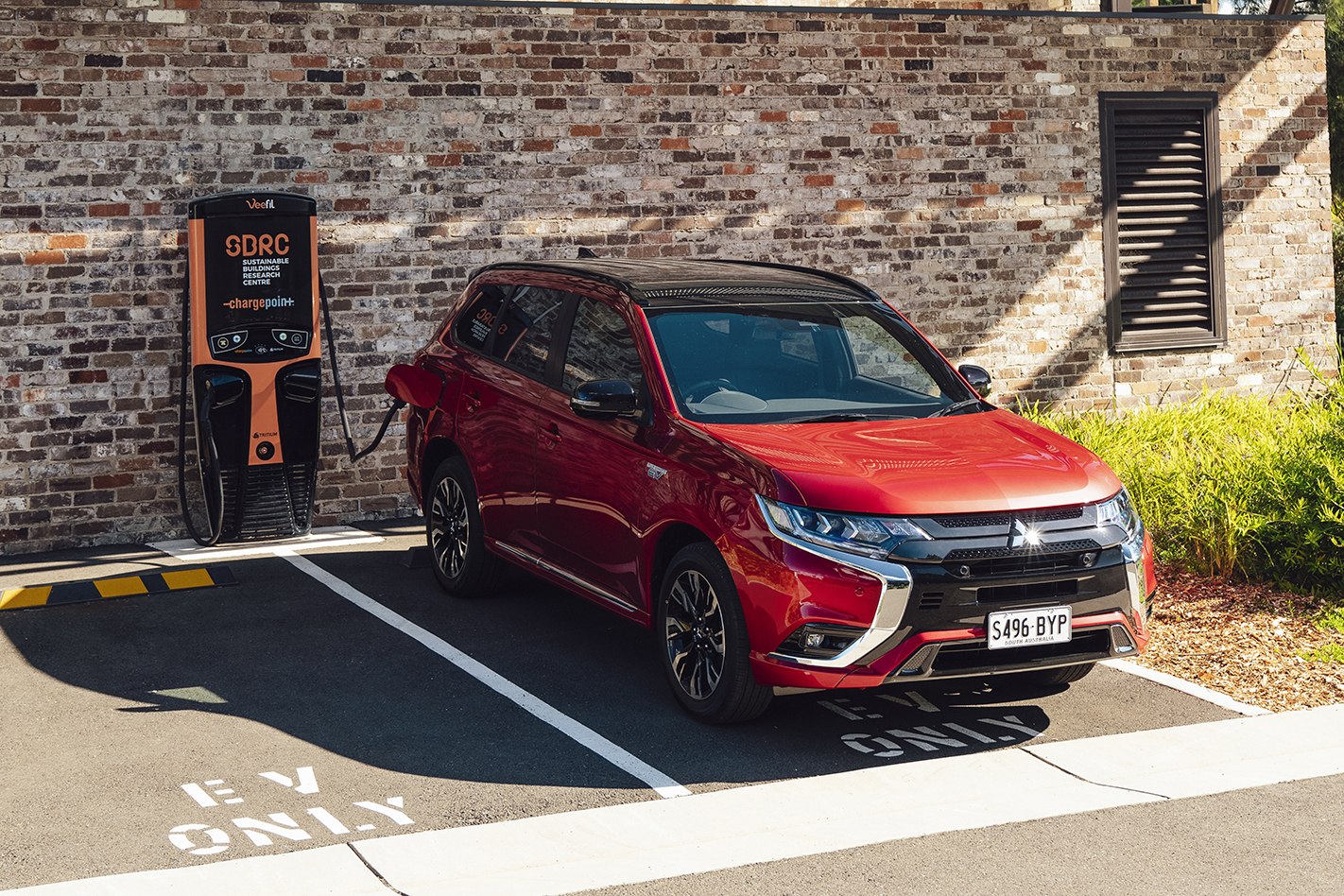
Sales of plug-in hybrid vehicles (PHEV) were the second highest-growing fuel type last year, increasing by 99.4 per cent to 3372 units sold, although this still lags behind the 70,466 conventional hybrid sales over the same period.
Mainly led by hybrid pioneer Toyota, conventional hybrids still went a period of growth last year – 20 per cent more vehicles were sold compared to the year prior – although it still stands at around one-fifth of diesel sales (346,990 units) and one-eighth of petrol vehicles sold (580,495 units).
| Fuel type | 2021 sales | 2020 sales | Year-on-year difference (per cent) |
|---|---|---|---|
| Petrol | 580,495 | 529,349 | +9.7 |
| Diesel | 346,990 | 291,011 | +19.2 |
| Hybrid | 70,466 | 58,581 | +20.3 |
| Electric | 5,149 | 1,769 | +191.1 |
| Plug-in hybrid | 3,372 | 1,691 | +99.4 |
| Hydrogen | 38 | 0 | N/A |
| Total | 1,049,831 | 916,968 | +14.5 |
Snapshot
- Model S pricing disappears from local configurator
- Only Model 3 pricing exists on Tesla’s website
- Cybertruck reportedly delayed until next year at the earliest
Pricing for Tesla’s flagship Model S has been removed from the electric vehicle maker’s local website, with no reason listed as to why.
Previously, the Tesla configurator would show list pricing for its electric sedan across any Australian state, last recorded at $133,175 for the entry-level Long Range and $152,675 in range-topping Performance guise, both excluding on-road costs.
However, a recent visit to the site now shows a complete absence of pricing for the Model S when selected. Only when you choose your personal options for the car is money mentioned – in the form of a fully refundable, $350 deposit.
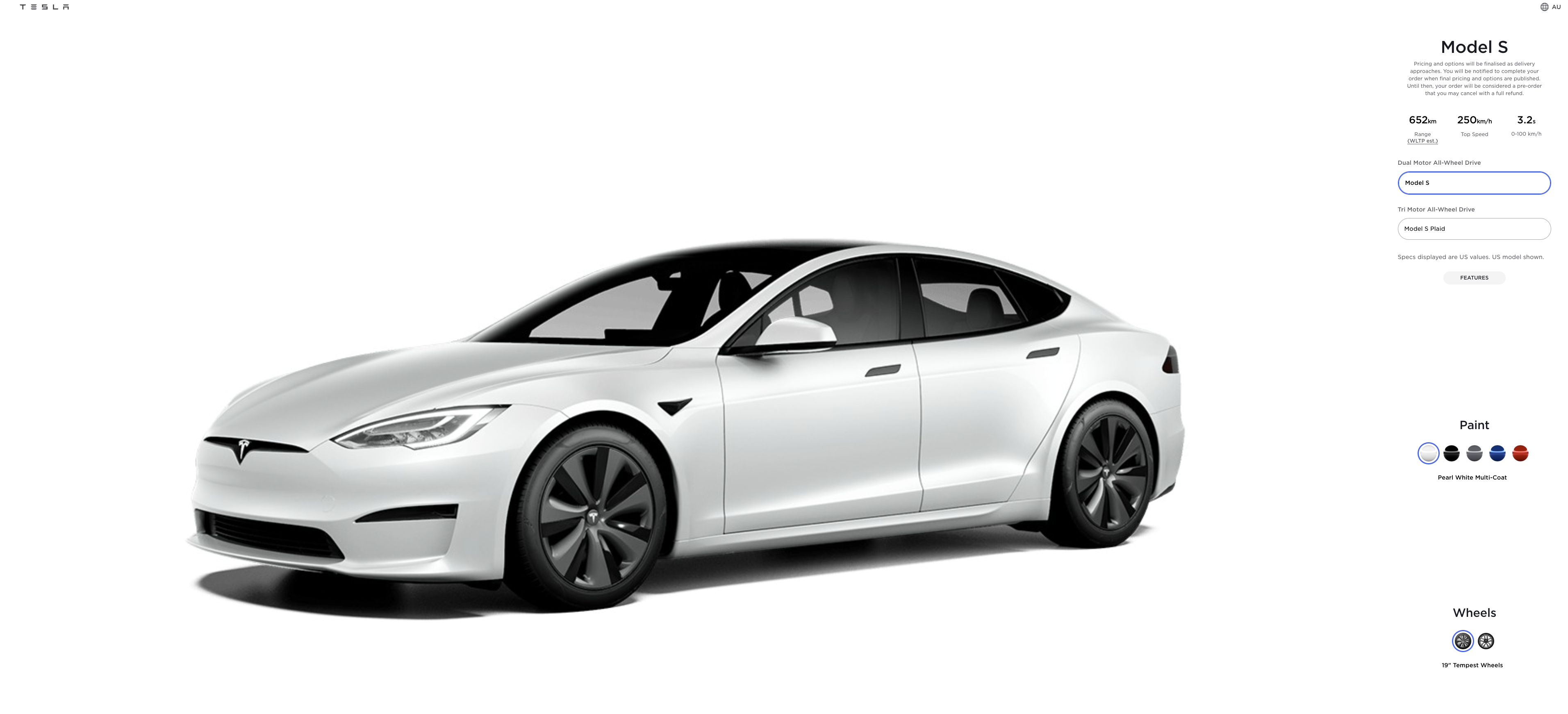
Even the inclusion of Tesla’s $10,000 Full Self-Driving system doesn’t incur a fee, with the manufacturer potentially removing pricing while it updates the Model S, as has been seen in South-East Asian markets recently.
At the time of publication, the Model 3 remains as the only Tesla vehicle with a listed cost on its website, as the Model X follows the same path as the Model S, while the locally yet-to-be-launched Model Y still remains priceless.
The controversial Cybertruck is still available to order on the Tesla site, although it has recently gone through a 50 per cent price increase, as the deposit cost has jumped from $100 to $150.
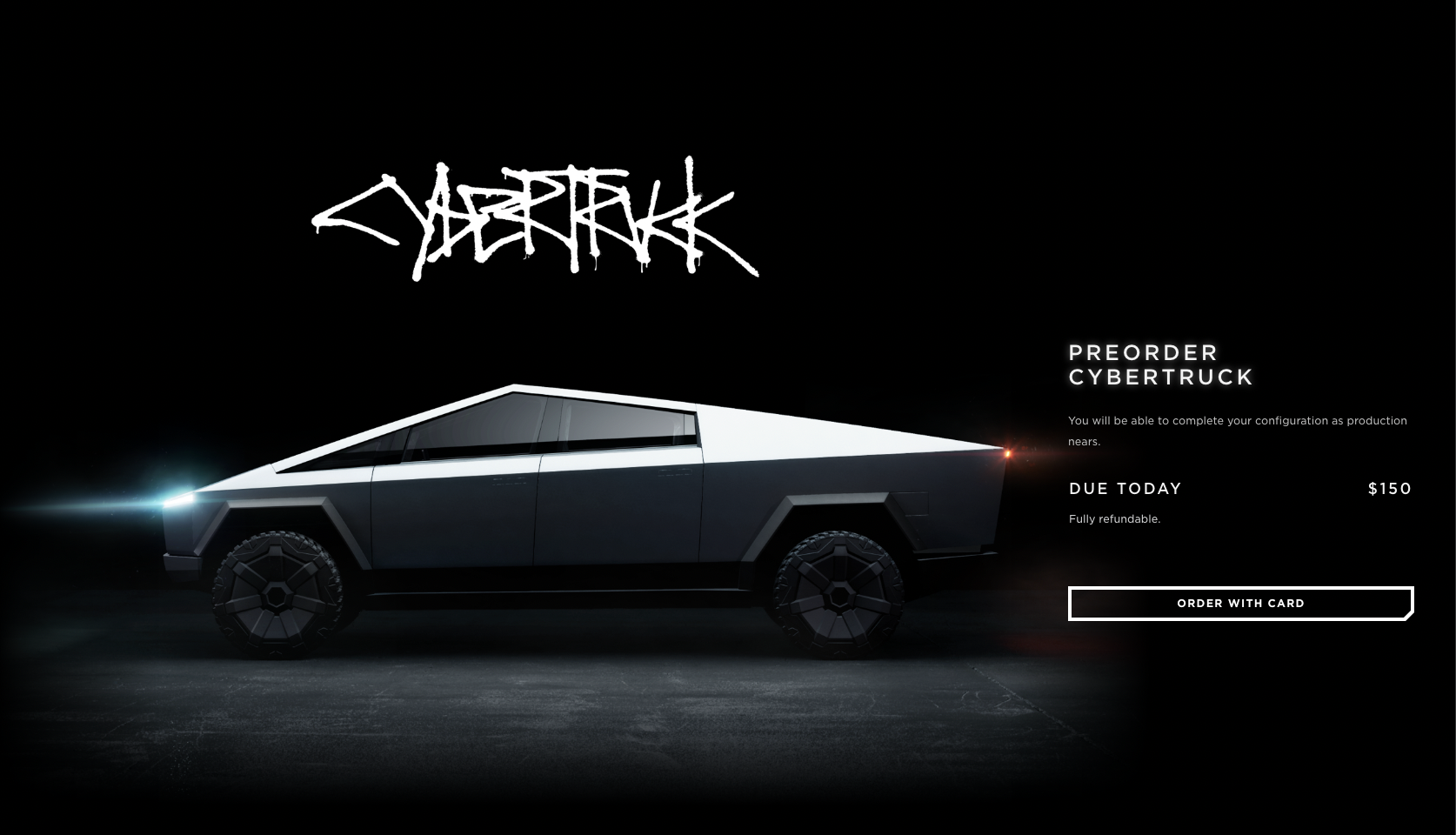
According to Reuters, potential buyers of the Cybertruck will have to wait until at least 2023 to receive their space-age looking pick-up, with production allegedly pushed back until next year.
As per the report’s source, Tesla is looking to make the Cybertruck more competitive in its segment, now having to go up against Rivian’s R1T, the Ford F-150 Lightning and Chevrolet Silverado Electric, all of which will be on sale in the United States by early next year.
Tesla recently removed specs of the Cybertruck online, whittling down the three variant-strong range to just a single, nameless entity – sans price.
