
“I’m an engineer, a problem-solver – basically I fix things,” says Ella as she speaks to MOTOR exclusively from McLaren’s HQ in Woking, UK.
“I grew up with two brothers and a dad who had a big impact on me in terms of how I felt about cars, as well as my understanding of how things are put together.
“My dad left school when he was 16 and he was what I would call a big ‘tinkerer’ – he took stuff apart and owned a lot of cars – and though I wasn’t immediately drawn to them, I was fascinated by what he was doing and it kind of instilled a really logical thought process in me.
“I would always ask so many questions, like: ‘why is that bit there?’ My mum, the poor thing, would be trying to prep for dinner and there would be a car part being passed around at the table!”
It was at school though that Ella says her passion for science really shone through. She loved chemistry and with the help of her dad as her inspiration, quickly got on a trajectory which has helped her to get where she is today.
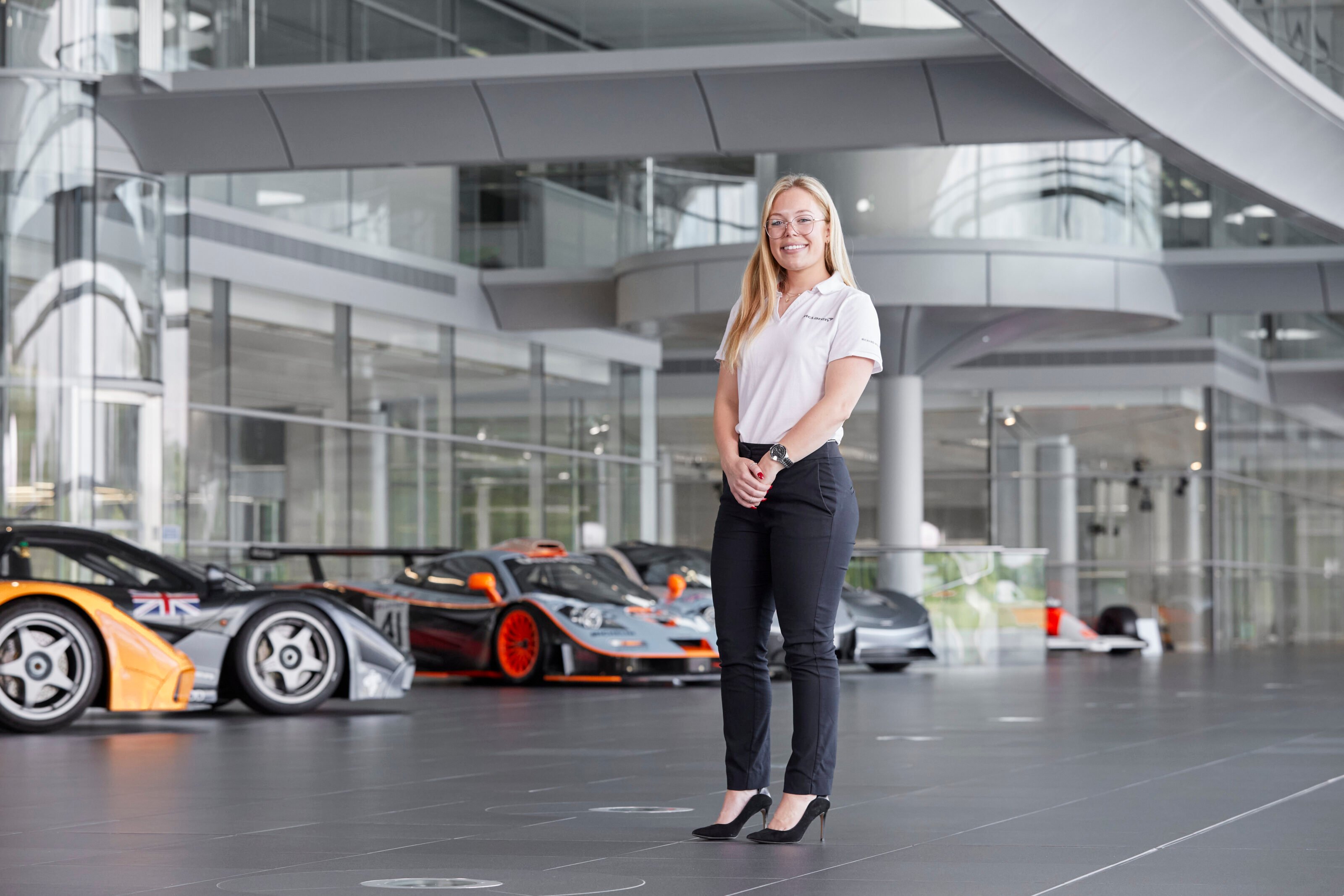
“I was fortunate enough that, at a young age thanks to my dad, I understood what it meant to be an engineer. Most of the time kids aren’t taught what an engineer is – you go to school and study science and then suddenly when you’re picking a degree you think: ‘Engineering? I don’t even know what that is.’
“I loved maths and physics, looking under microscopes at molecules and how they all fitted together. The fact I could look at something so small, it could be found in everything and you could make little changes that would affect the entire way a material looks and feels – it’s just incredible.”
During her four-year masters degree at The University of Manchester in the UK, Ella says she had the opportunity to undertake an industrial placement for 12 months – enter McLaren.
“At the time I had McLaren P1 poster on my bedroom wall – it’s just one of those cars I’d watched on Top Gear and thought it was really sexy and glamorous. So when I was writing all my applications for this placement I thought: ‘Why not McLaren?’
“I wrote a letter and sent in my cv, but unfortunately there wasn’t an opening for a materials engineer because the company didn’t really employ them at that point, it was more mechanical and automotive engineering-focused. But five months later I was suddenly invited for an interview.
“As a 19-year-old girl I was overwhelmed by everything, but they were very impressed with my car knowledge and decided to take a chance on me and gave me the 12 month placement.
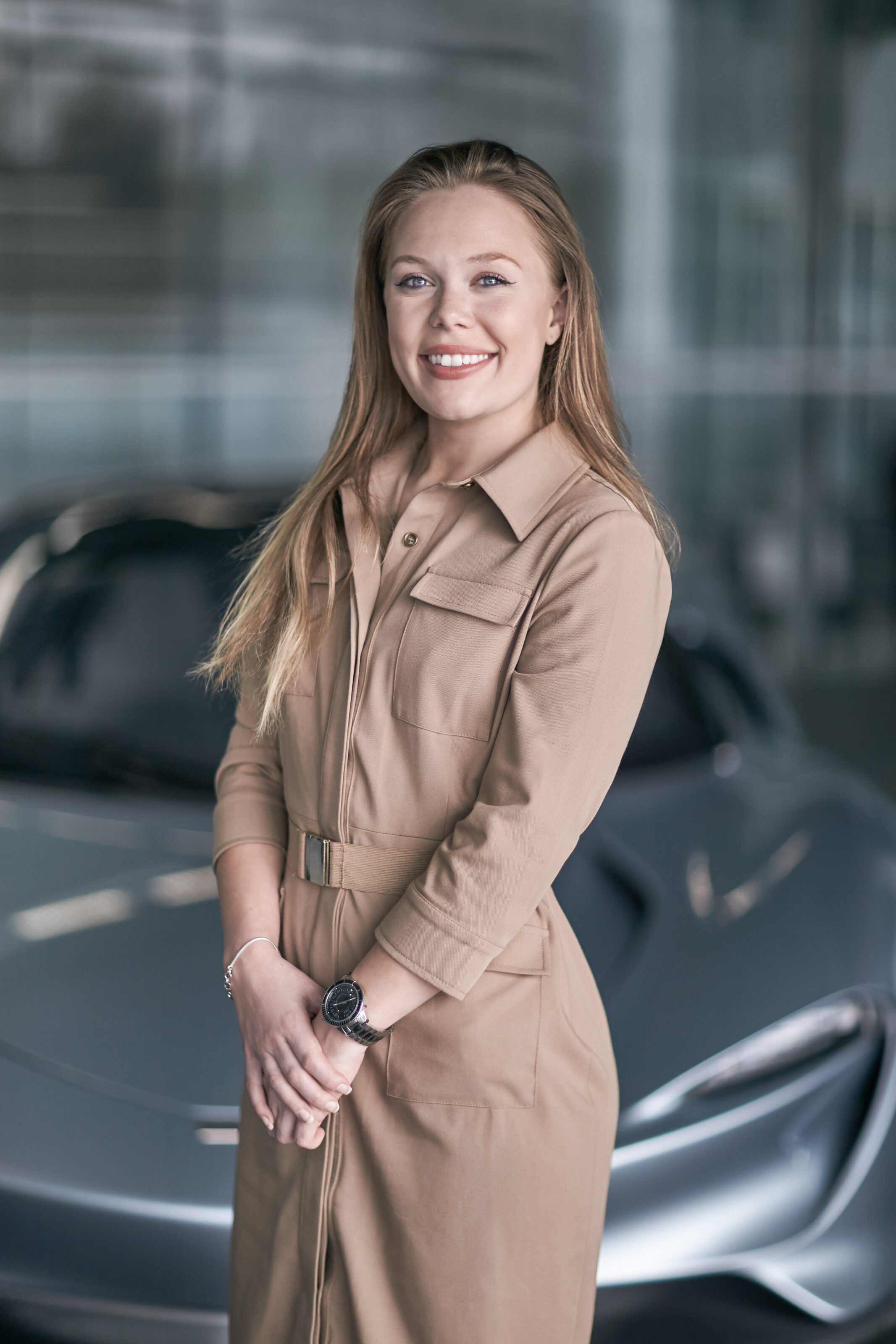
“I just loved McLaren, and as a young girl who really loved the glamorous side of supercars and what science can do in this environment, it just blew my mind. I saw an opportunity that McLaren was a very young car company and mainly built on mechanical engineers and automotive engineers, and there was an area missing.
“For instance, McLaren considered itself like the godfather of carbon fibre – having brought it to the roads with the likes of the old F1 road car, but it didn’t really have a dedicated person who understood it or could translate it to other engineering divisions in the company.
“During my placement I proved that I understood it and realised, much like any car company, that it had issues focused around material science. So I came up with one particular issue they were battling with and I said: ‘Please if I take this back as a thesis topic and find a solution, can you give me job security?’ And they said yes and when I did it they created the materials engineering department just for me.
“It was quite a stressful year, but ever since I came back for the last three years I have been implementing those solutions and it has been so rewarding, I have been really lucky.”
A department of one, Ella works closely with the other engineering teams at McLaren and feeds into the design and product development processes on a daily basis.
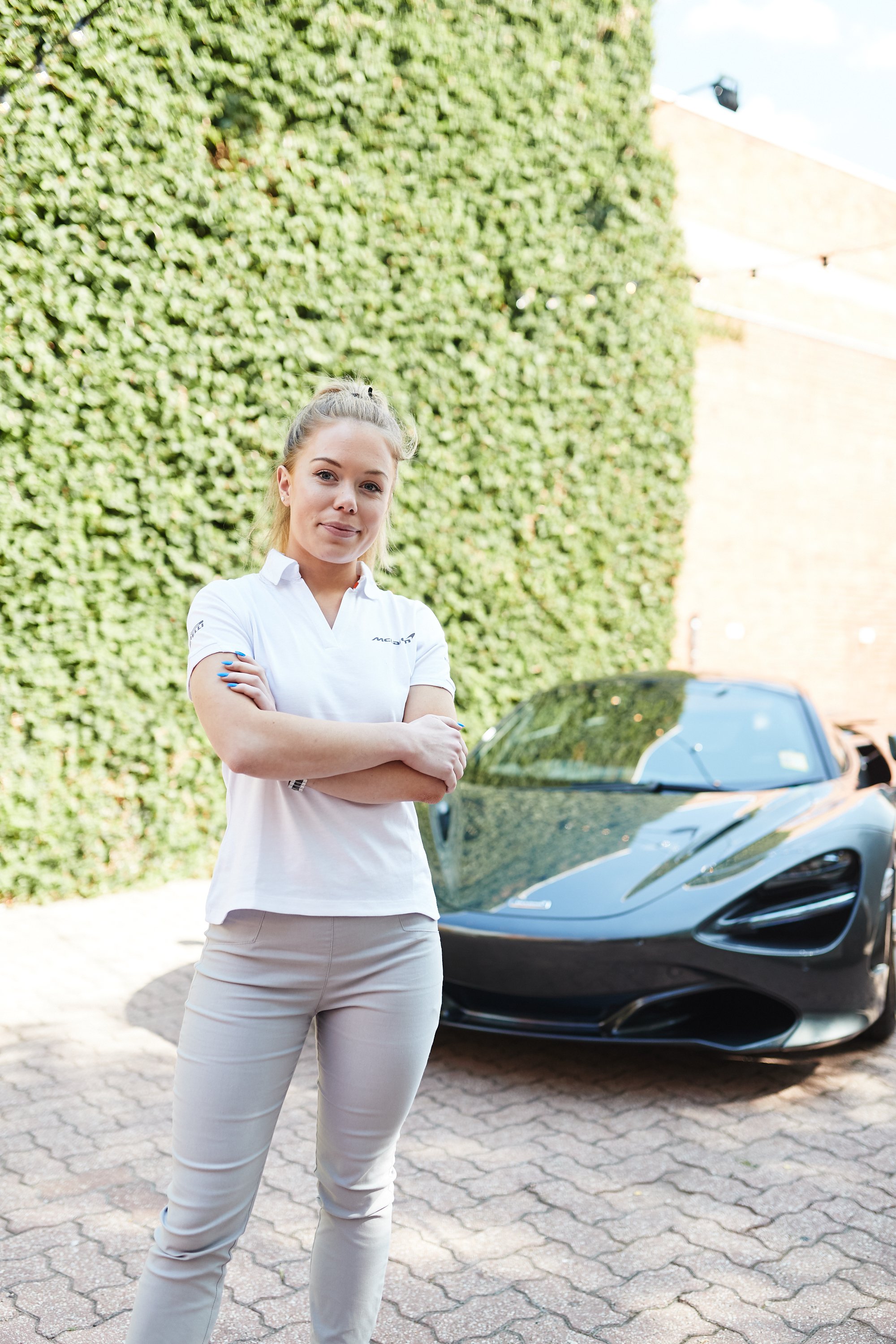
“My colleagues in the design studio will come to me when they are first speccing materials and ask, for example, if they need to make something two kilograms lighter, what material should they go for? Or following the technology roadmap, what kinds of materials should they be putting in cars in two to three years’ time?
“Then I also work on all stages of product development – right the way through to the customer cars in the field where they are having material issues. For instance, when cars are being sent to all different parts of the world, we need to know that the paint has the same colour lacquer resistance in Latvia as it does in Dubai – and that’s where my job comes in.
“I’m very fortunate that even though yes, I am a one-man-band (so to speak) and very busy, I get to touch the product at every stage of its development and that is quite rare here.”
Splitting her time between the lab doing experiments on the likes of development car components from the test track, technical reviews with other teams about issues such as the introduction of a new coating, and occasionally getting to drive the cars to replicate real world issues under a microscope – there’s never a dull moment.
Ella’s work can take her anywhere from a fuchsia pink 720S to a GT or all-carbon 765LT – but her absolute favourite car to work on was the Speedtail.
“The variety of my job is something I’m just obsessed with, and I’m very fortunate to be working on so many different things.

“The first project I saw from start to finish was the 720S, so that will always have a special place in my heart. I still think the car is absolutely beautiful, it handles so well and is generally just a lovely all round car.
“The GT was great. It was just so different. We produce really fast cars on a daily, but this one had a distinctive flair. But my all time favourite has to be the Speedtail – it’s so flamboyant, so out there.
“The materials we used were just unbelievable, even the front badges were platinum gold and worth £10,000 pounds and there’s me in the lab thinking: ‘Ok, I have to chemically test a £10,000 badge, better be careful!’ It was a really surreal experience. We also used gold-plated heat shields and exhausts – I was working with the best of the best materials, I don’t think I’d get that anywhere else.
“Then there’s the challenges posed by electrification. People can get really funny about it when we talk about performance cars, but I think it is a really exciting turn of events in the industry.
“Already just working on the Artura, our high-performance hybrid, there are different lightweighting challenges – when you start introducing battery systems you’ve got to make a lightweight car even lighter. You’ve got to think out of the box.
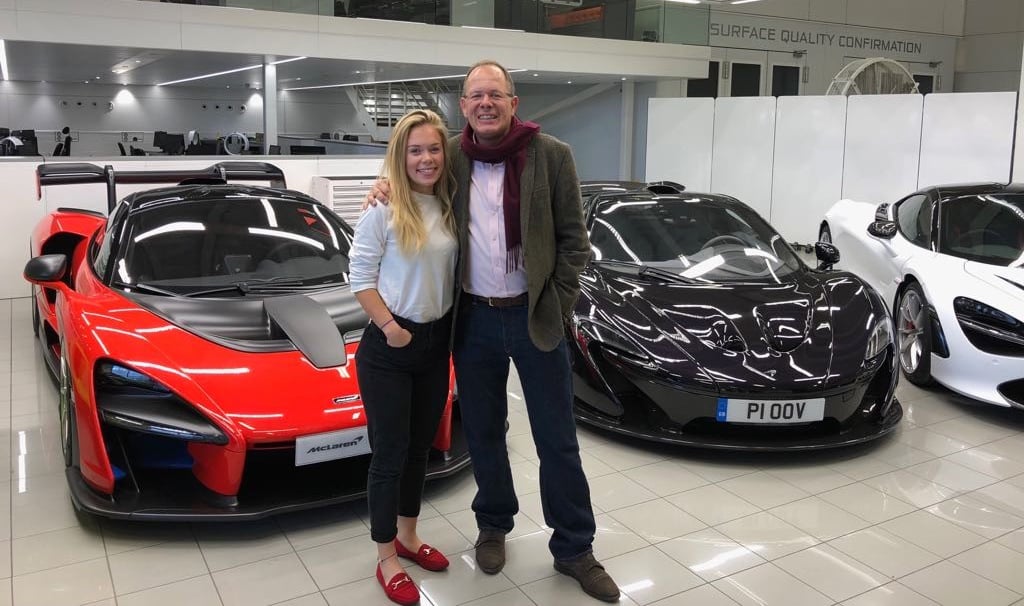
“I work really closely with the electronics team looking at grounding parts and how we’ve got to protect the battery and things like that. This is something I’ve never even touched upon before – but it’s a very cool excuse for us to use some very exciting materials.”
Electrification isn’t the only challenge Ella is facing though, every day she’s tested in one very obvious way – proving herself in an overwhelmingly male industry.
“I went to an all girls school, so I actually didn’t know there was gender disparity in STEM until I got into my degree at uni and thought: ‘Oh gosh, there aren’t many girls here!’ I remember going into the building that housed all our labs, and the only toilet for a girl was on ground floor and we were on the 8th or 9th floor, so I had to go back to the ground every time. It’s something we all had bit of a laugh about. By the time I had finished my degree we’d moved to different building where there were more toilets, but it was something I had to be vocal about.
“Materials science is relatively ok in terms of gender equality, around 25-30 per cent of my classmates on that course were female, but when I moved into automotive and began working for McLaren it was completely different – there aren’t many women in this industry. Automotive is significantly behind other industries and has a way to catch up.
“I don’t know if it’s the association of men and cars, or whether if it’s that performance cars have a ‘masculine’ energy, but I think electrification might change that and it might appeal to a greater audience. In the last four years there has been a significant improvement in the number of women coming into product development and engineering, and that’s really cool – but it is going to take time to change.

“Cars are for everyone, not just for boys. If you want a diverse product you’ve got to have a diverse workforce, and to do that you need to expand the talent pool.”
But where some might see barriers in being a woman, Ella sees opportunities. As a STEM ambassador for McLaren, she gives talks at schools about her work – encouraging them and advising on how to get into the industry – and in 2020 won the Institute of Engineering and Technology’s Young Woman Engineer of the Year award.
“I often speak to young girls who want to get into this industry and they always ask what it’s like for women and I see it as my role to teach them that it isn’t always a bad thing.
“When I was younger and said I wanted to be an engineer so many people said: ‘Oh Ella, you don’t want to wear a boiler-suit every day or work in a garage for the rest of your life!’ There are heavy stigmas and stereotypes associated with engineering, but we have to change the narrative and not phrase it as a negative.
“You probably will find yourself being the only woman in the room, but why not let that motivate you? When I came here [to McLaren] I was so embarrassed to be female, especially when they’d address the room it would be ‘chaps’, ‘lads’ etc. But if you come in with the mindset that you’re going to prove to all of them you can do the job just as well or even better, or there’s spotlight on you so you’re going to use it – I think does wonders.
“It is challenging, especially being a female engineer, fresh out of uni and the only materials scientist trying to tell people who have been doing the same thing, the same way for a long time why they should listen to you and change the materials they’re using – but science is science. I just went back with the data and told them how much we could save, and how much faster we could go and built my reputation based on data.
“I like to prove people wrong. I might not know all the ins and outs of a turbo for instance, so I’m just going to do what I do best. In the beginning I was a really tough, masculine version of myself and it wasn’t natural to me at all. I thought I had to be aggressive, non-emotional and be ruthless, but obviously people could see straight through that and I quickly learnt it wasn’t the only way to do things. You don’t have to change for anyone – embrace your individuality and be yourself.”
McLaren’s only female materials engineer, Ella Podmore, 25, lives in London, but originally hails from Oxford, UK.
With the all-new Ford Ranger set for 2022, it can be assumed a brand spankers Everest is hot on our heels. So it begs the question: Is the updated 2021 Ford Everest still relevant, or is it a bit long in the tooth?
The sizzling dual-cab 4×4 market leads the charge Down Under, and has for some time, dealing every other vehicle segment belting after belting. But the 4×4 wagon sales race represents the dawn of our love for off-roading and remains hotly contested.
UPDATE, September 13, 2022: New Ford Everest on sale, and we’ve driven it!
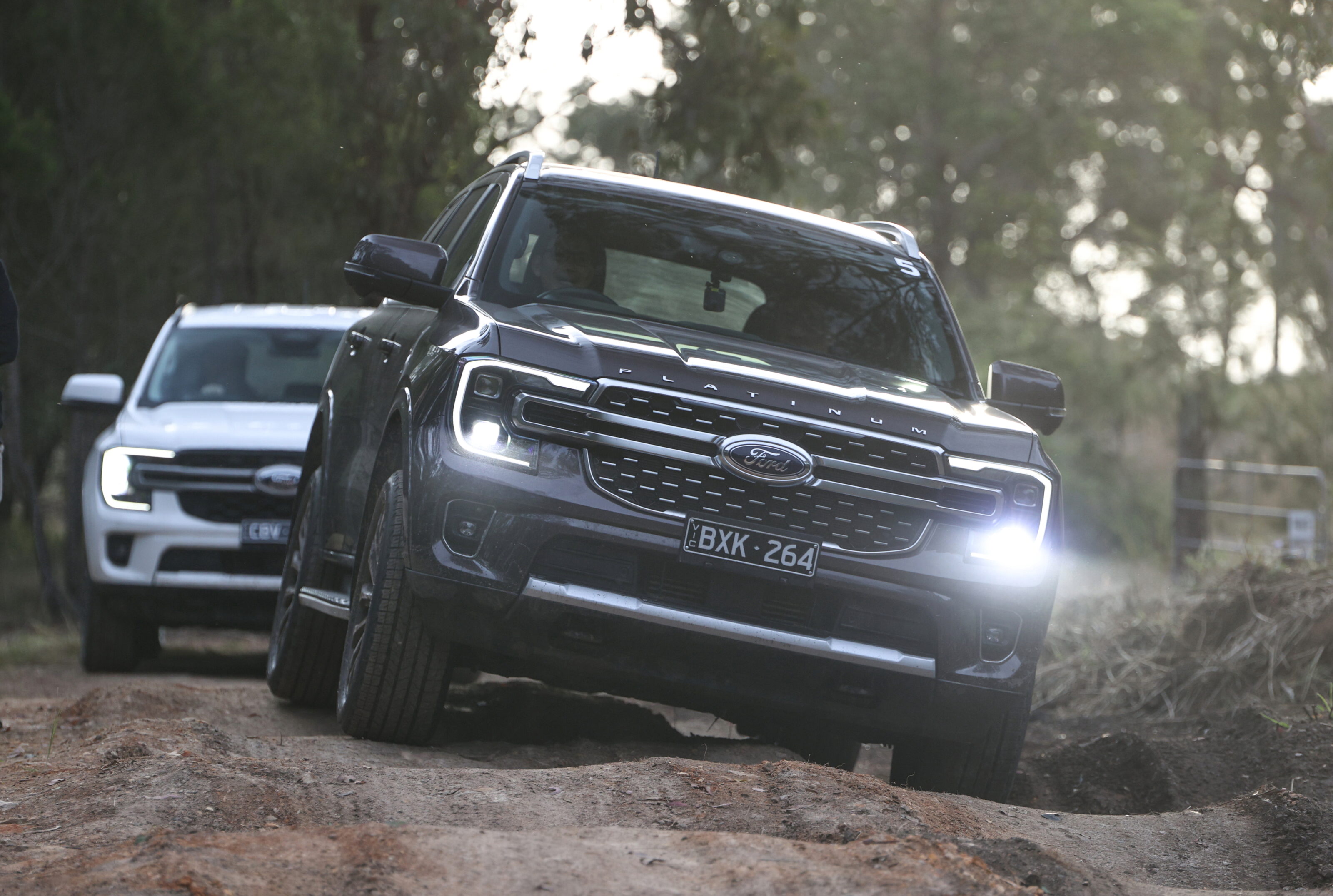
The new-generation 2023 Ford Everest is finally on sale in Australia, and our man Matt Raudonikis has driven it. Get the full story, and our first-drive video, at the link below.
Story continues…
What was once the dedicated 4×4 wagons’ domain is now shared by ute-based SUVs from the likes of Ford, Mitsubishi, Isuzu, and segment frontrunner Toyota with the HiLux-based Fortuner to complement its market-dominating Prado.
The intended design task, clearly, was to offer the benefits of a proven dual-cab ute model but in practical wagon form and without many of the ute-related downsides.
Back in 2016 we first started seeing the Ford Everest on Aussie roads, in fact, it was specifically engineered for our less-than-perfect blacktop and front-on it looked every bit a Ford Ranger.

Ford took the top-selling Ranger to finishing school, giving it modern manners by doing away with the tray, smartening the whole package up and running head-on at the SUV market.
The Everest goes further than a change of clothes, though, offering a heavily re-engineered package with perks like coil springs all round, seven seats, constant four-wheel-drive, and dedicated SUV comfort.
But the Everest has, aside from scoring the 2.0-litre Bi-Turbo/10-speed powertrain from the Ranger, remained largely unchanged since 2016.
Sure, small improvements have been offered each year, but it’s ultimately a pretty dated package with a hefty price tag, and up and down sales figures reflect this.
With all that said, the Everest is a strong contender and while it is the exxiest ute-based option, it’s arguably still the best.
Now unless you’ve been living under a rock, you’ll know that the all-new 2022 Ranger was revealed recently. So, why test the ’21 Everest?
For starters, the 2.0-litre Bi-Turbo/10-speed powertrain will carry over to the new model and, on top of that, it naturally takes punters a bit of time to warm up to all-new models.
If you’re one of the many people that is still open to a previous-gen model, tried and tested in the line of duty, or perhaps you prefer the look of the current Everest, then read on.
Outside and In
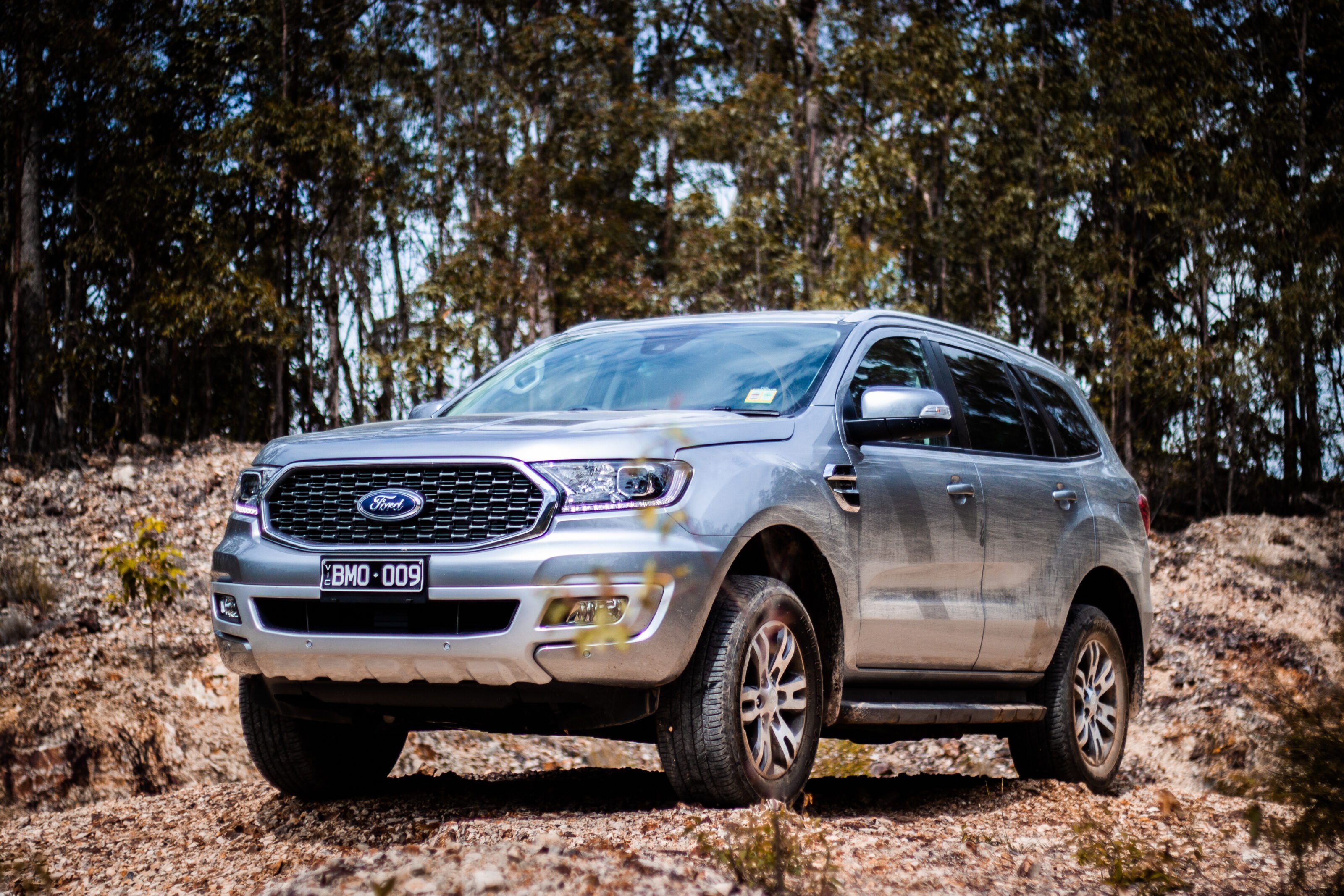
While visual changes are kept to a minimum for 2021, consisting solely of an updated chrome grille for Trend and Titanium models, the Everest still looks the part – a strong mix of city SUV and weekend fourby.
As far as the exterior goes, it’s much of the same for the Trend model, with auto-levelling Bi-LED headlights that have daytime runners, and the same 18-inch alloys carried over from 2020, as well as privacy glass for the second and third rows.
A power tailgate is still standard but hands-free functionality has been dropped unless you fork out more of your heard-earned for the Sport or Titanium model.
From the driver’s seat, the Everest spoils you with all the tech you’ll need in a 4×4 wagon, sensible ergonomics and functionality throughout.
And on seating, yep, there’s seven of them. Our tester was optioned with the premium pack, which brings power-folding rear seats and a full-size spare alloy wheel. A handy feature if you’re constantly folding down the rear, perhaps useful for Uber drivers or adventurous families.
The one ergonomic drawback is the lack of reach adjustability for the steering wheel. More on that later.
An 8.0-inch touchscreen sits front and centre with the usual Apple CarPlay and Android Auto functionality, backed by eight speakers which, when combined with Ford’s active noise cancellation, provide plenty of doof.
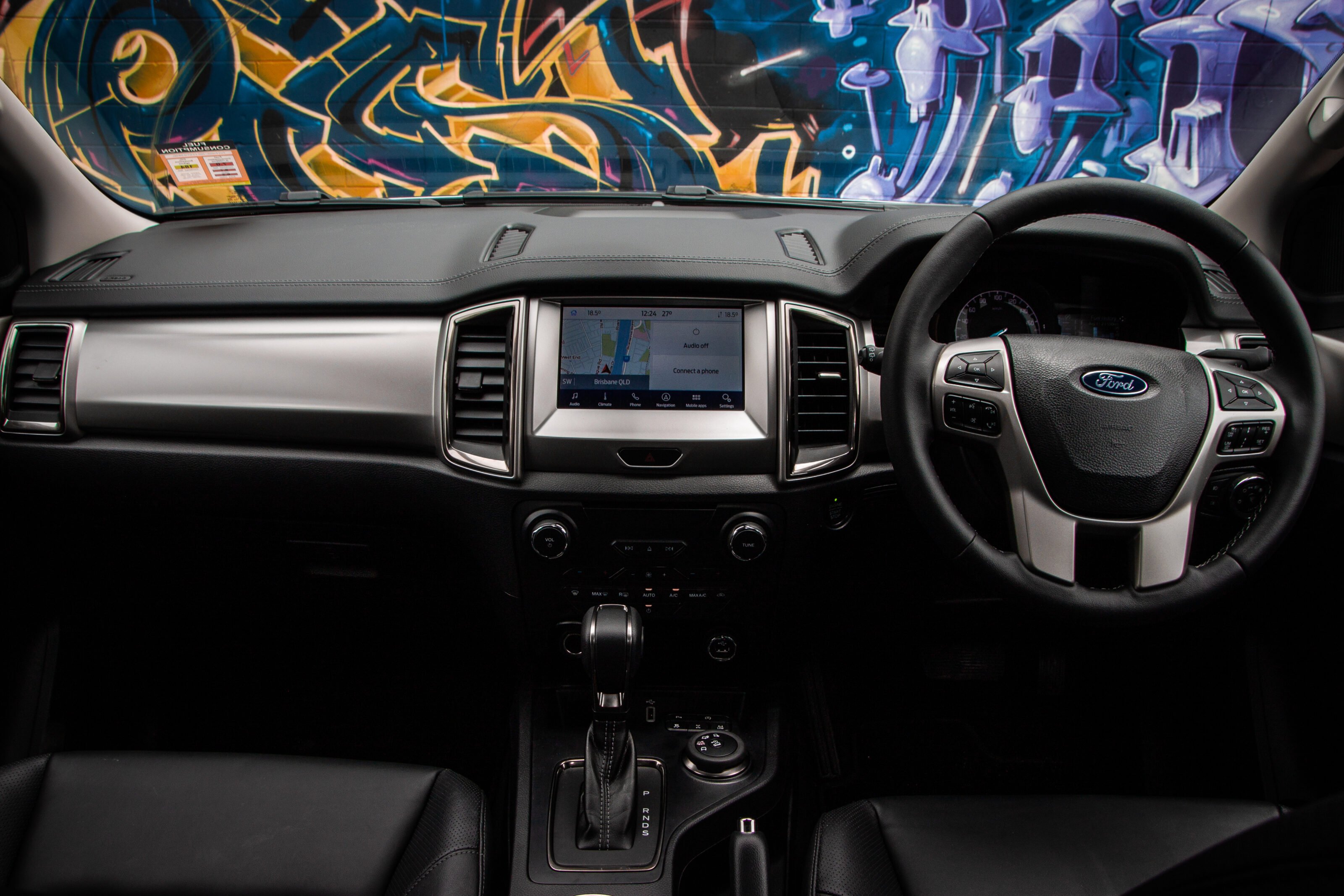
The Everest uses the excellent SYNC3 infotainment system Ford co-developed with Google, which is good enough to use on its own instead of just opting for phone mirroring by default.
Ample USB ports and 12V sockets are available throughout the cabin, including a handy 230V inverter in the rear console.
Seven airbags keep occupants safe and land the Everest its five-star ANCAP safety rating, coinciding with an impressive array of standard safety tech to bring it in line with the best of them.
In fact, the Everest covers all bases when it comes to safety tech, with the standard inclusion of autonomous emergency braking with forward collision alert, hill launch assist, pedestrian protection, adjustable speed limiter, belt minder for first- and second-row occupants, dynamic stability control, emergency brake assist, traffic sign recognition, lane departure warning and lane-keep assist.
The safety systems don’t feel as refined as you get in luxury SUV options but, that’s to be expected and for most people, it’s good enough.
Front and rear park assist sensors plus one of the best reversing cameras of the segment are also welcome additions, considering this mid-sized 4×4 will likely see a lot of urban use from most buyers.
Auto on-off headlights and rain-sensing wipers probably aren’t worth mentioning these days, but they’re all there as standard.
Under the Hood
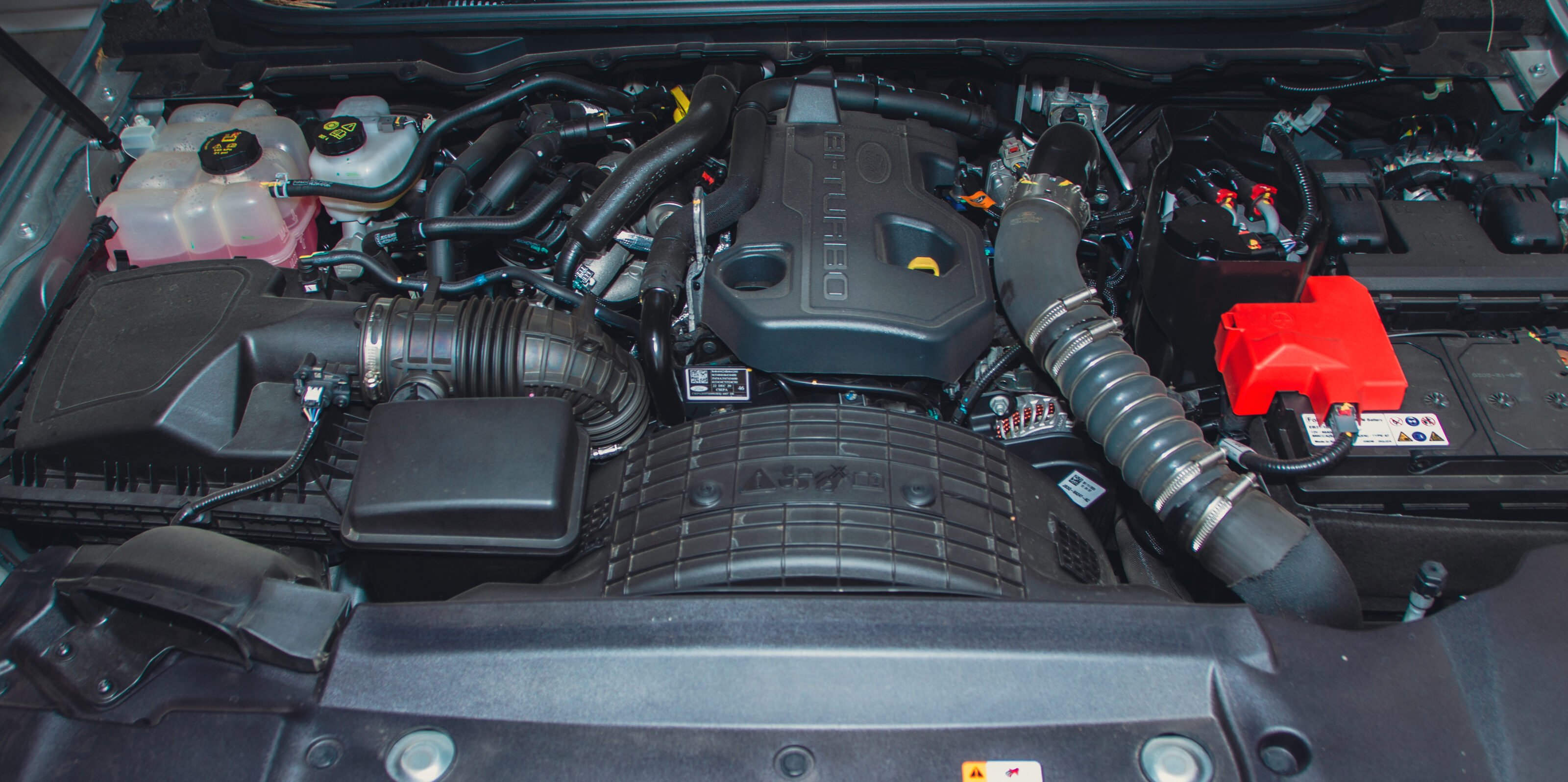
The Everest Trend is offered with two powertrain options, the 3.2- and 2.0-litre turbo-diesels, but our test vehicle was equipped with the newer and peppier 2.0-litre Bi-Turbo with 10-speed automatic.
This newer powertrain might have dropped in capacity and cylinder count, but it makes up for it in punch. The 2.0 Bi-Turbo puts out 157kW and 500Nm of shove, which when coupled with the 10-speed provides a compelling performance upgrade for the more than two-tonne wagon.
The long-serving 3.2-litre five-cylinder turbo-diesel has quite the following and is still a valid choice for some buyers, if frequently towing heavy loads for example. It lugs along without a care in the world and, in my opinion, has a distinctive sound the little four-cylinder can’t match.
However, the 2.0 Bi-Turbo has proven itself as a strong engine across the last few years and is significantly more refined, sips less diesel, and offers up more grunt. Plus, it’s less than two grand more for the newer powertrain, making it a no-brainer.
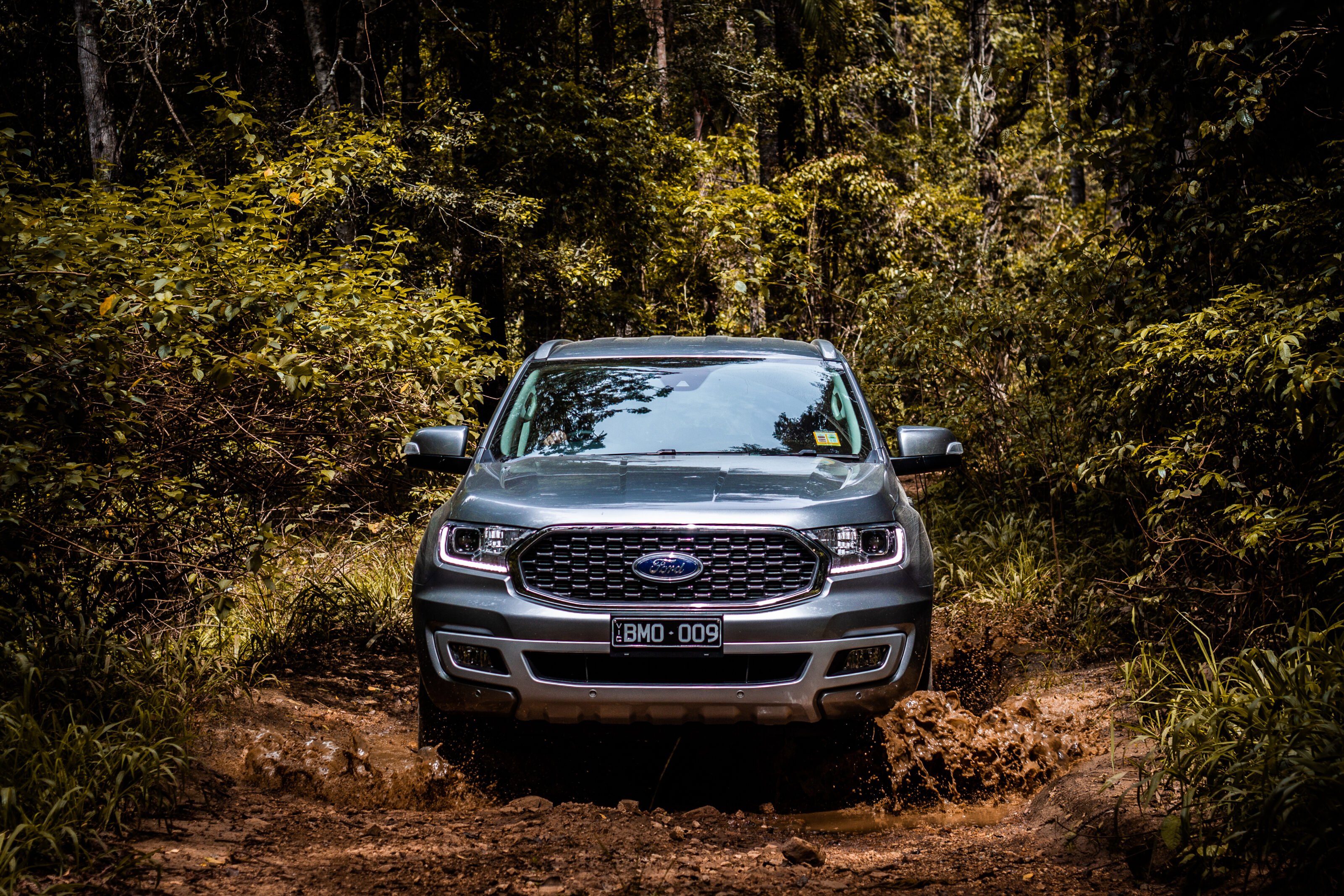
Claimed fuel consumption from Ford for the 2.0-litre Bi-Turbo is 7.0L/100km, which is fairly optimistic given our week of testing both on and off-road landed us at 9.2L/100km. We’ll blame the off-road work, though, because the number hovered between 8-9L/100km for highway and light around-town use.
For regular around-town and adventure duties, fuel capacity is adequate. The 80-litre fuel tank is a bit of a worry if properly adventuring across our expansive country when comparing the Everest to something like the Prado with dual tanks.
The Everest Trend is offered in rear-wheel drive or constant four-wheel-drive configurations, the latter being what we tested.
Ford’s Terrain Management System (TMS) is a beaut dial-operated piece of tech that offers normal, grass/gravel/snow, sand, and rock modes for all four-wheel drive Everest models.
Depending on the drive mode selected, TMS controls torque bias from front to back, as well as adjusting throttle sensitivity and gear shifts. Sand mode, for example, keeps revs high by holding gears and allows more wheelspin to keep things moving along. By contrast, gravel mode upshifts early to limit traction loss. The most extreme, rock mode, engages low-range and holds first gear for longer.
The inclusion of an electronically locking rear diff on 4×4 models is a perk and gives the already capable wagon some extra chops off-road. The locking diff may be overkill for many owners but it’s a case of better to have it and not need it than need it and not have it!
Nitty Gritty

Being a big 4×4, many Everest owners will tow, load it to the brim and take it off the beaten track – possibly all at once – so let’s talk numbers.
The Everest Trend 4×4 weighs in at 2,417kg and with a GVM of 3,100kg, that leaves a healthy 683kg payload.
You’ll need to drop the third and perhaps even the second row, too, if you want to get anywhere near that much gear on board.
Mind you, five adults with a couple of eskies and some camping gear would get you pretty close to 600 kegs.
Interested in towing a caravan? The 3,100kg braked towing capacity falls short of the 3500kg dual-cab ute norm, but is up there with the best in this class and should be plenty unless you plan on pulling a small house.
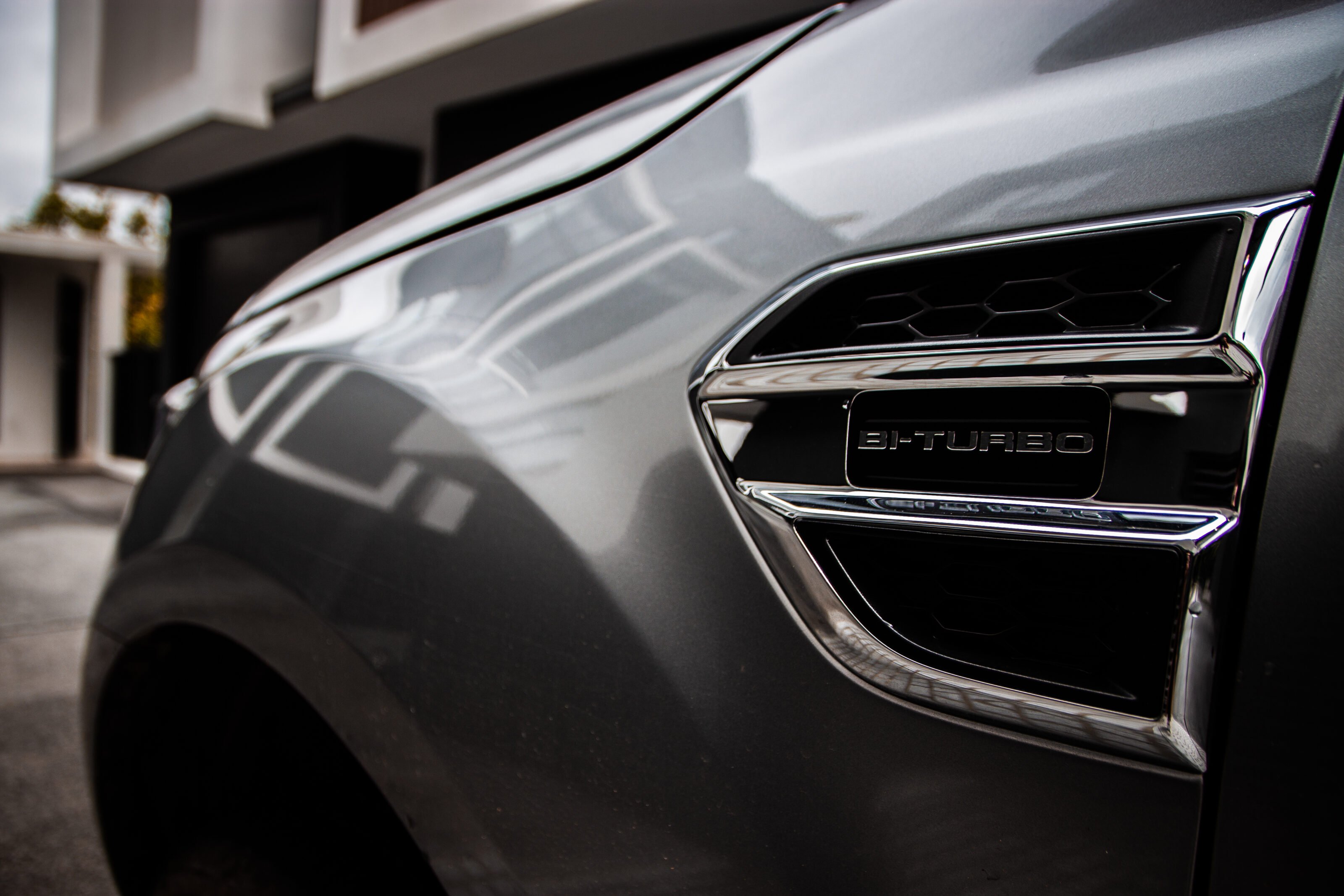
There’s no standard tow pack, which we weren’t fussed by, but it would be a pleasant addition given the hefty towing capacity.
Ford claims the Everest has no fewer than 30 stowage areas totalling 48L, so you’re unlikely to find yourself short of storage. No, we didn’t find all 30 but feel free to.
Up back, cargo space behind the third row is just 249L, which is enough for a few school bags and some other bits and bobs but not much more.
However, the volume jumps to an expansive 876L with the third row folded and a pretty damn handy 1,796L with the second and third row both laying flat.
We squeezed a decent-sized dining table in the test vehicle no worries, despite a group guesstimation suggesting there was “no chance” it’d fit.
For those wanting to get down and dirty, and it’d be rude not to, the Everest Trend 4×4 is a formidable steed off-road.
At 227mm off the ground, the Everest has plenty of clearance for a factory 4×4 and didn’t bottom out on any of the moderate tracks we took it down.
An approach angle of 29.5 degrees, departure angle of 25 degrees and ramp-over angle of 21.5 degrees kept us out of trouble, too.
Lastly, maximum wading depth comes in at a claimed 800mm but we didn’t get close to that because the tracks we were on are known for deep boggy mud beneath the unsuspecting “puddles”.
How’s it drive, then?
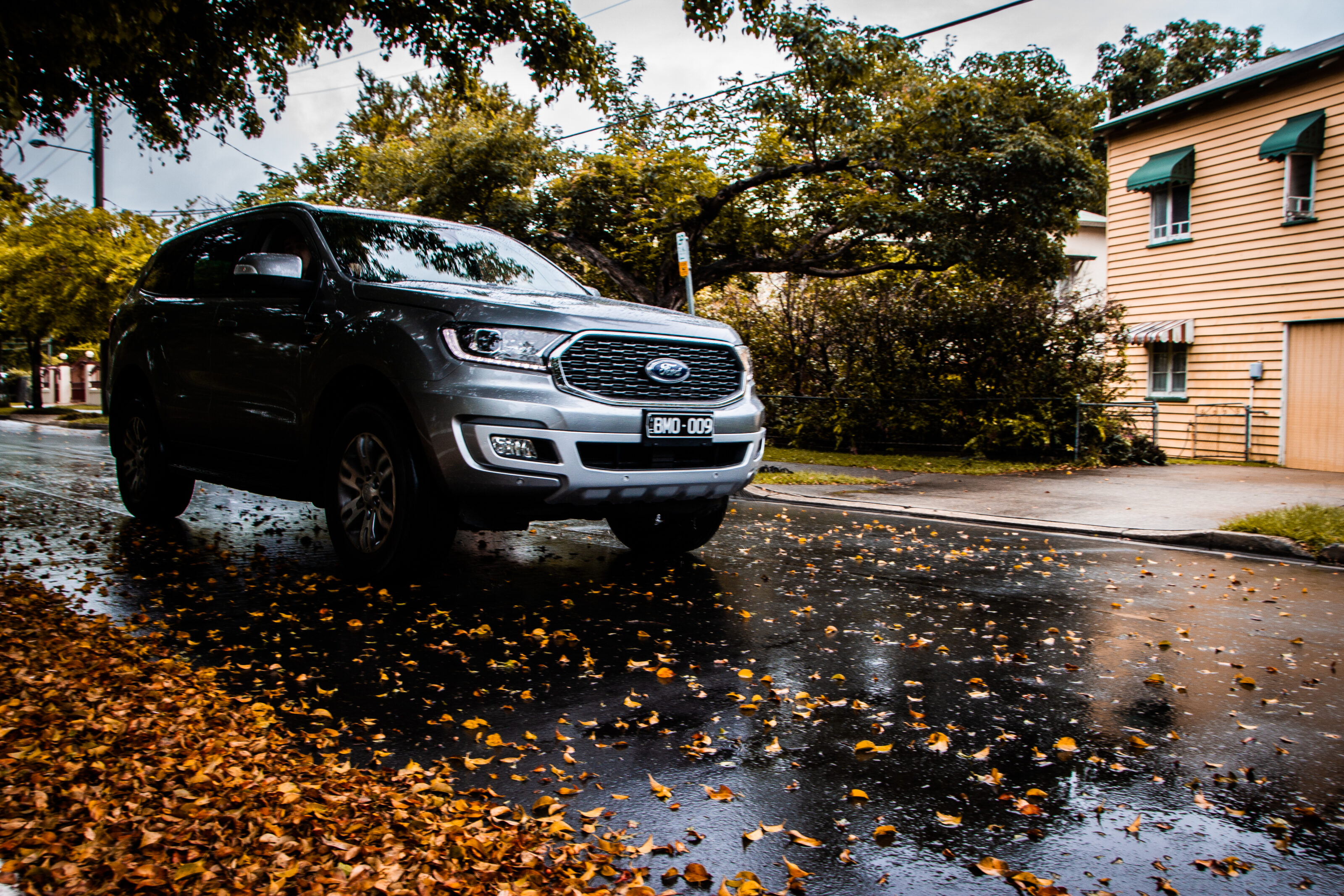
The Everest is a proven package but it had been a few years since I’d driven one for any amount of time and I’d never taken one off-road.
The first thing I was reminded of is that the little 2.0-litre Bi-Turbo diesel punches well above its weight, offering a level of refinement the still-offered 3.2L five-pot turbo-diesel doesn’t both on and off-road.
When I first drove the 2.0-litre donk, back when it was launched, I was wary of its milk bottle displacement, but as we’ve all warmed up to small capacity, high-output diesel motors, I’ve come to appreciate the 2.0-litre option.
Would I option this over the 3.2-litre lugger? Yes, primarily due to its refinement. Of course, it’s also a less thirsty beast despite making more power and torque just about everywhere.
Around town it’s no slouch, with no discernible lag either, thanks mostly to the 10-speed auto that keeps the turbos singing.
The 10-speed auto does take a bit of getting used to, though, if accustomed to lesser-cogged boxes.
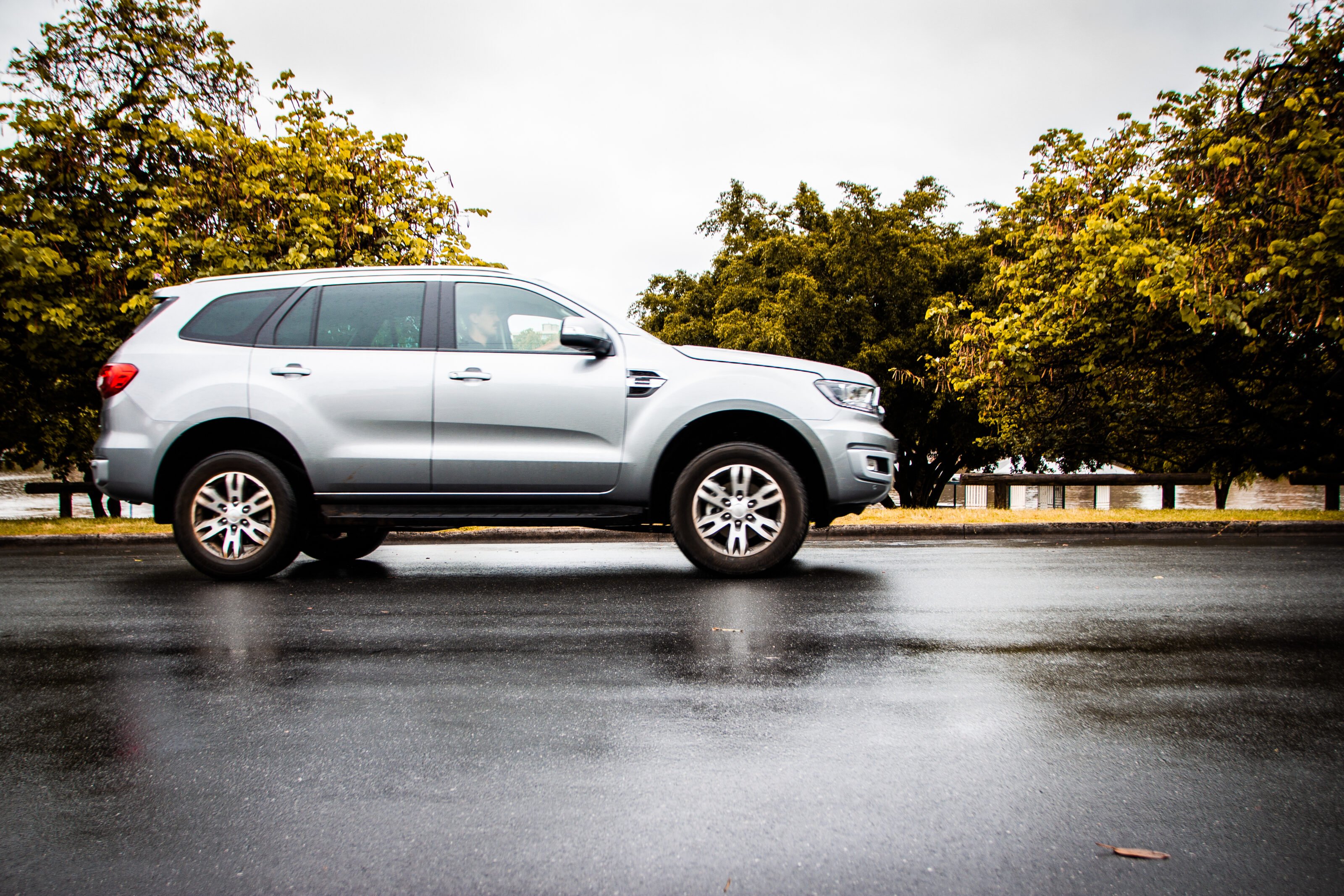
Small throttle inputs are your friend and there’s really no need to stab at it for a quick downshift. As has been mentioned countless times in countless drive reviews over the years, the 10-speed hunts and trips over its laces looking for the right gear at times.
While I’m normally open to additional ratios, the 10-speed feels a tad over-cogged and that’s particularly apparent in urban scenarios where the ample torque has the ‘box jumping two, sometimes three, gears at a time.
Constant 4×4, with an electronic centre diff that sends power to the front or rear depending on the scenario, and four simple drive modes make for easy off-road operation. And it’s a clear off-road performer, straight out of the box, taking out the 4×4 Australia 4x4OTY title back when it was released in 2016.
The electronic power-assisted steering is spot on with three turns lock to lock, and while slightly vague off centre, it’s better than most 4x4s on-road.
A gripe, as mentioned earlier, is the lack of reach adjustability on the steering column. Those with short-armed, long-legged body types like mine, may have to settle for cramped legroom or over-extended arms as a middle ground compromise.
The on-point steering complements the smooth ride, with minimal body roll compared to other ute-based wagons thanks to a dialled-in chassis.
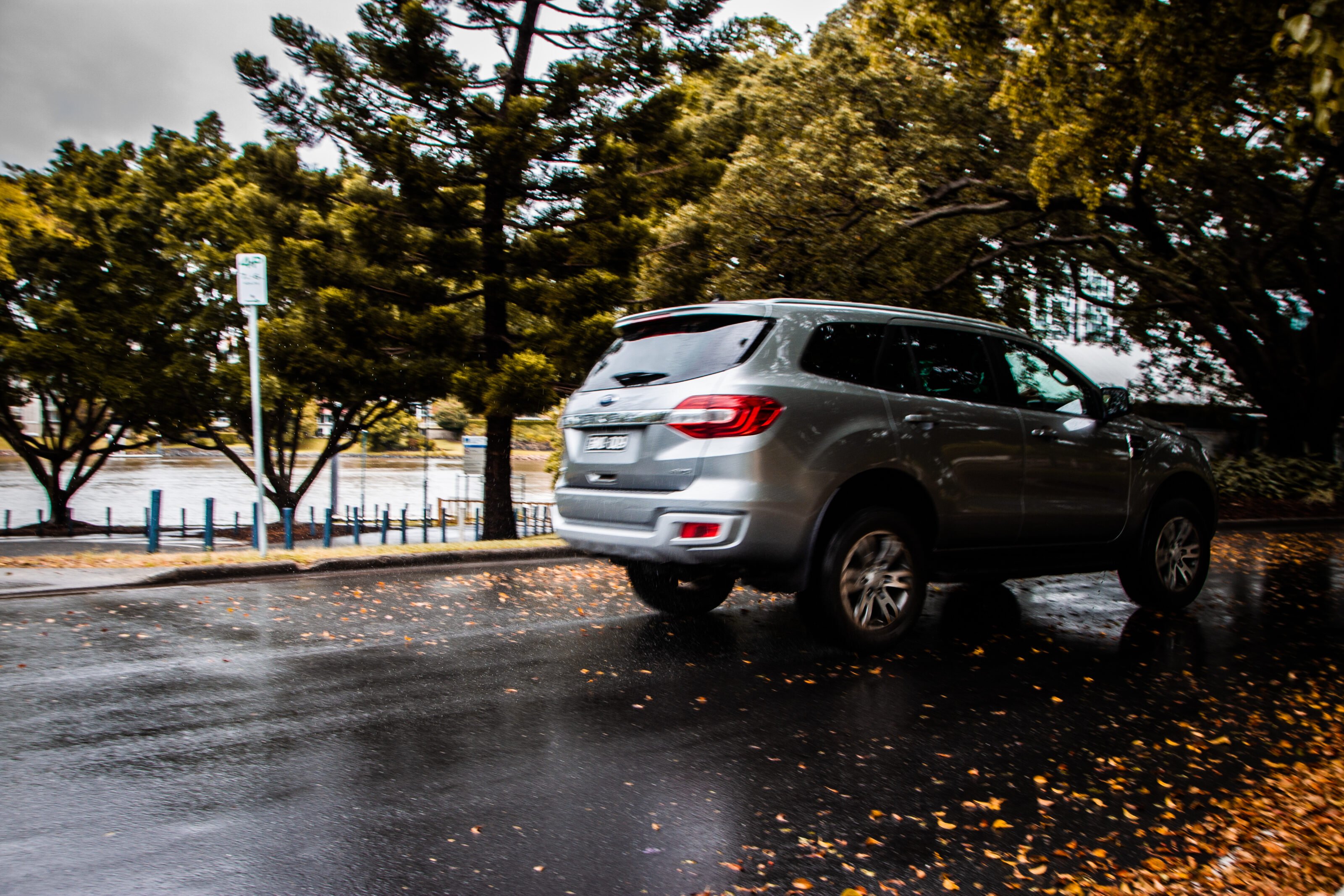
Plush coil-spring suspension all round, with Watt’s linkage and a tough solid axle up back, make the Everest a far less jarring ride than its brutish tray-back brother.
It’s most apparent on corrugated dirt tracks, where the Everest eats up the rough terrain better than any leaf-sprung ute ever would.
From the driver’s seat, the tech offers a suitable mix of safety and operator autonomy, with one of the less invasive safety packages on the market. Drive normally and you won’t even know the safety tech is there, with audible alerts well before the car steps in.
Lane departure is particularly unobtrusive, kicking in less urgently than other systems, so it doesn’t feel like the car is constantly trying to take over. So often you hear of people turning the safety tech off to prevent it from wrestling with them.
Given the Everest is likely to spend much of its life in urban environments, it’s got a fantastic reversing camera with accurate reference points as well as front and rear parking sensors that don’t send you into an auditory-induced panic attack.
Visibility all-round is good and it’s an easy vehicle to acclimatise to.
I’ve already made mention of the fantastic SYNC 3 infotainment system, but I’ll stress again that I actually used it on its own a lot of the time over the usual Apple CarPlay.
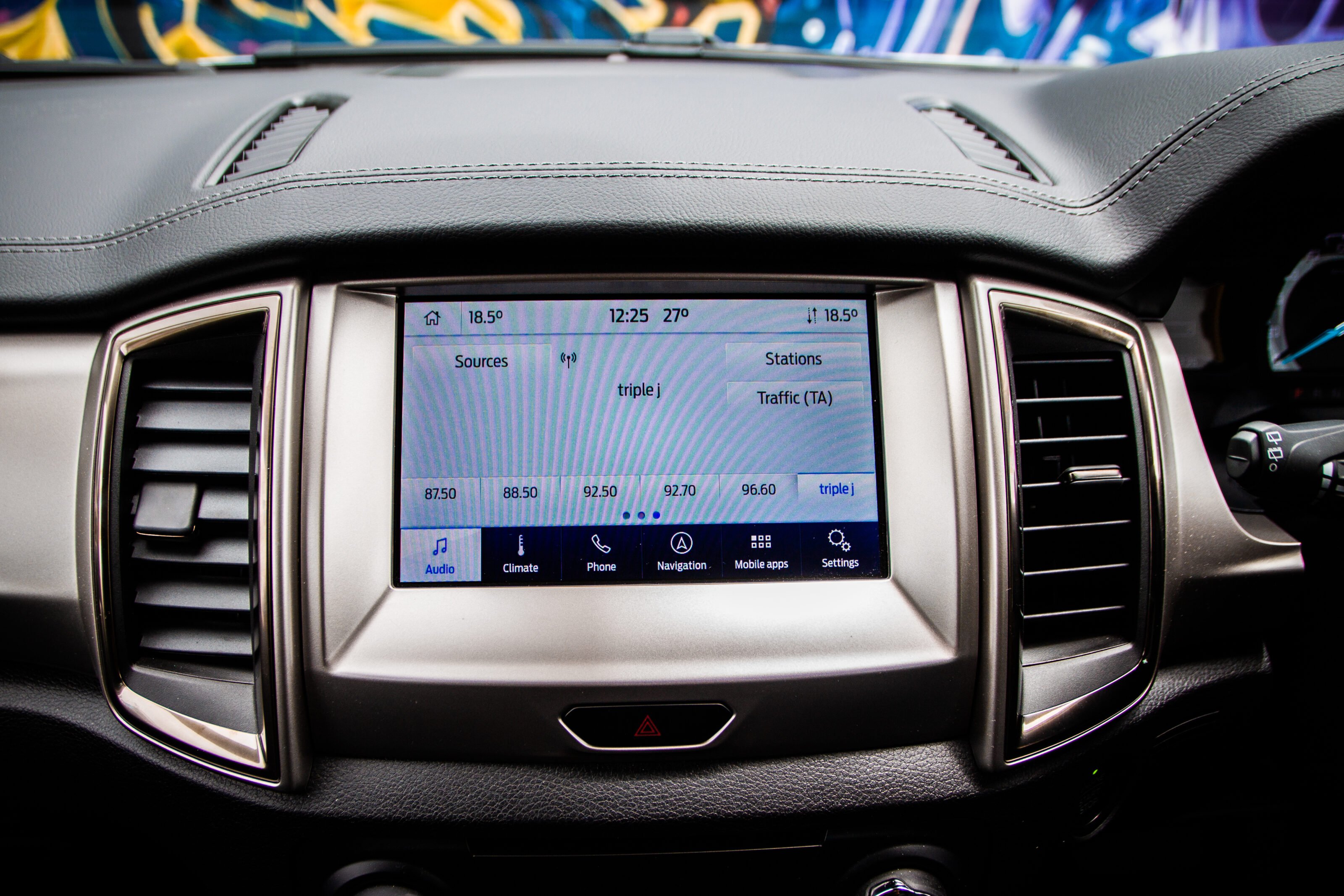
It’s a simple, responsive, pleasing system to use and everything is where it makes sense being.
The Active Noise Cancellation Ford fits to the Everest, which uses microphones to monitor cabin noise and make adjustments, seems to do what it’s there for. It’s a pretty quiet cab, most noticeable off-road.
And speaking of off-road, it really is where the Everest 4×4 models shine. What better excuse to test the TMS tech than hitting some mild-ish tracks an hour north of Brisbane at Mt Mee.
Experimenting with the Terrain Management System (TMS) drive modes made a noticeable difference to shifting characteristics, lugging in higher gears and short shifting to prevent traction loss.
The constant 4WD does its thing, allowing you to simply drive from bitumen onto dirt without a single button press, though it does also feature low-range and that electronically locking rear diff I mentioned earlier.
It also has hill descent control that, despite requiring a Jesus-take-the-wheel level of trust that I’ve never got my head around, prevents the awful ABS shudder typically associated with steep brake-riding descents.
The only climb the Everest struggled to do was up a rocky hill we wanted a photo atop. And in that scenario pace wasn’t quite enough, so 4L and the diff lock got it done.
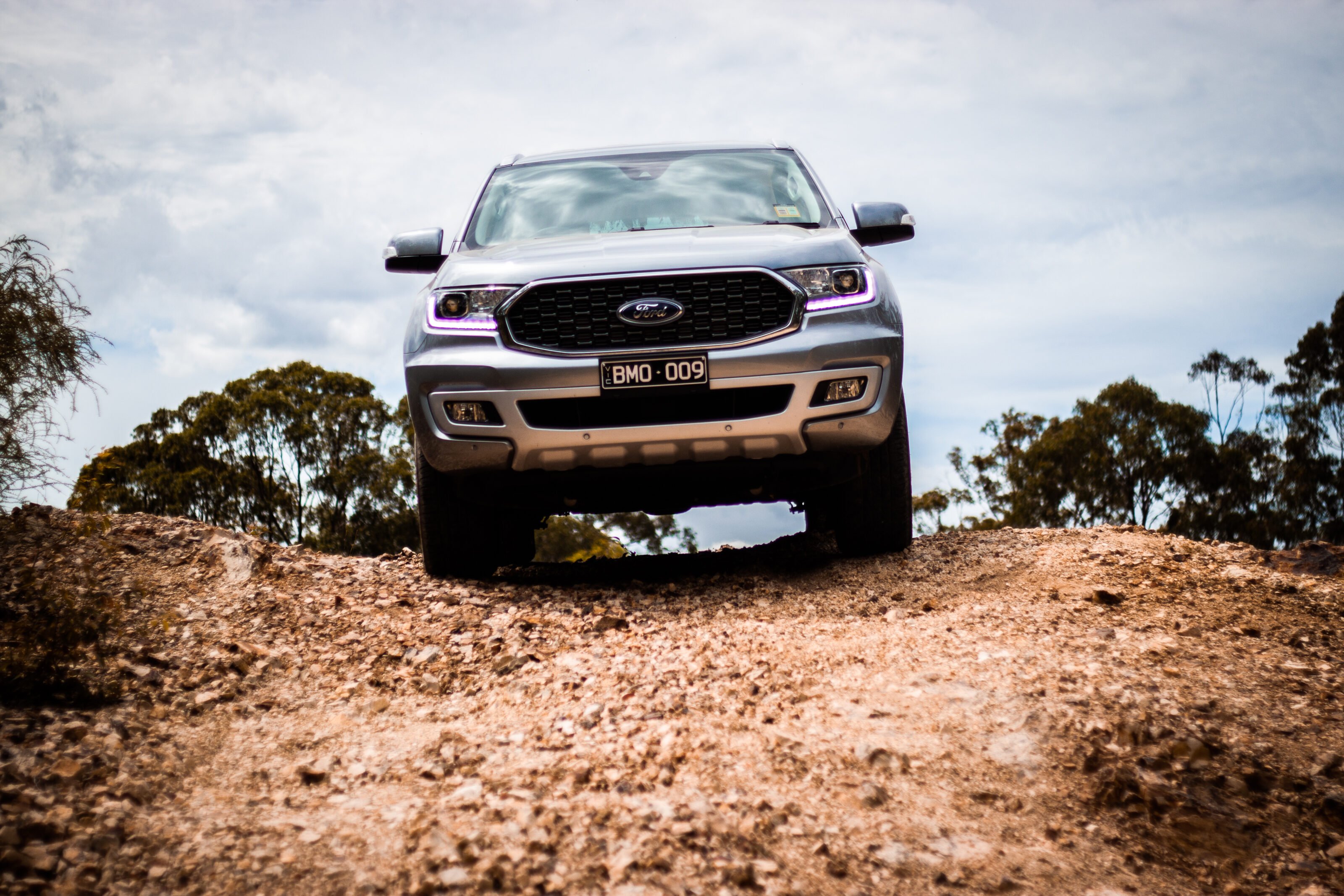
That said, it may not be that useful to throw the Everest into low range unless pushing the limits of what this rig is capable of because it did most things without needing 4L. And that’s on the road-biased stock Bridgestone Dueler tyres that will probably be the first limiting factor.
If you do, however, happen to fit decent off-road rubber and want to throw the Everest at gnarlier climbs, Rock mode engages low-range and holds first gear for longer – fairly pointless on stock rubber and for the tracks we hacked around on, but great if upping the gnarl-factor.
Driving onto a 4WD track without having to go from two- to four-wheel-drive might feel odd for those used to traditional part-time systems. But aside from preventing the uninitiated from blowing up a transfer case, it also eliminates tail wagging on loose or damp surfaces.
Mild understeer becomes apparent when pushing, as is the curse of sending drive to all four wheels, but it’s a safer pick as a family SUV over rear-driven part-time 4×4 options in the market.
Value and Ownership
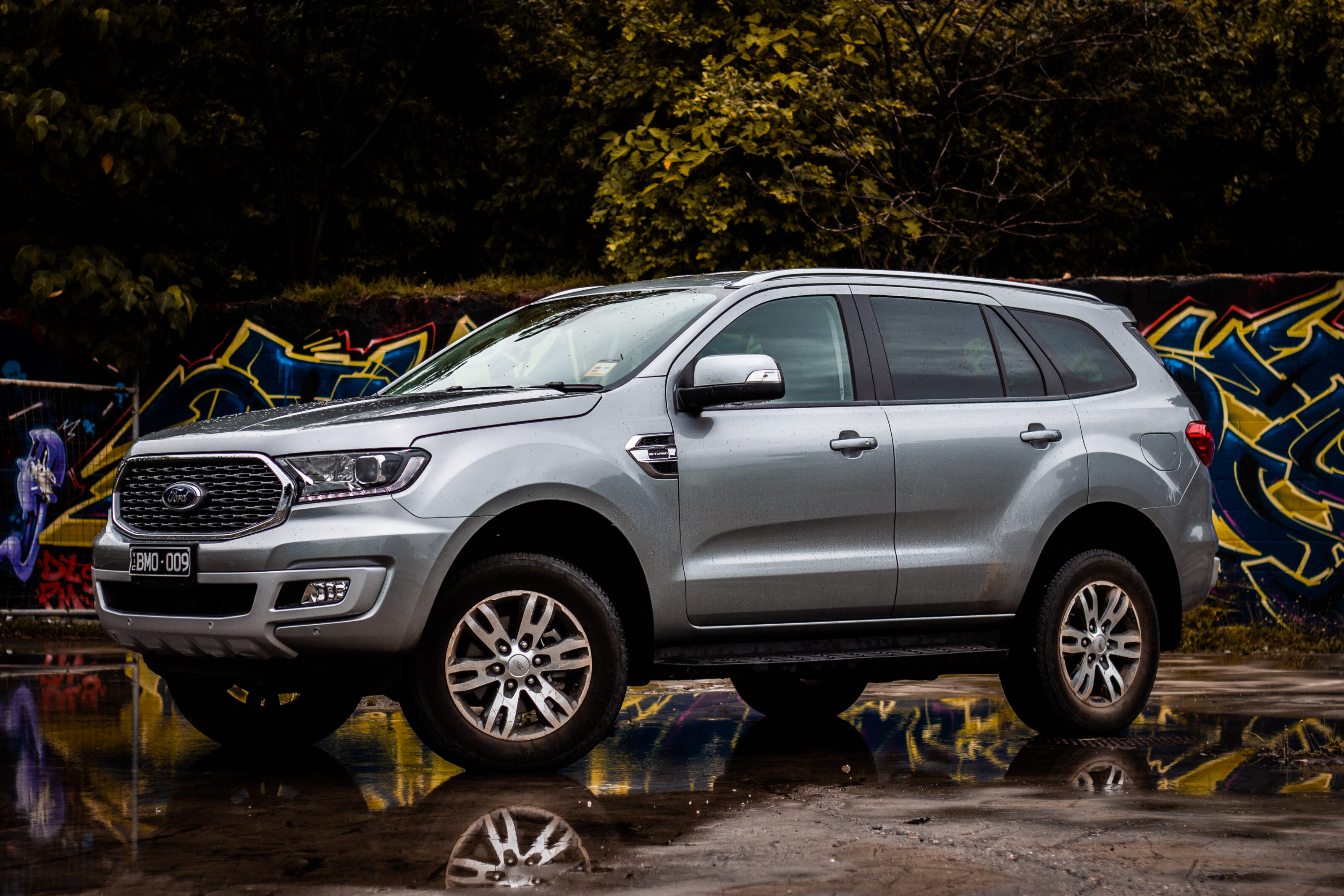
The as-tested price for the Everest Trend 4×4 is $63,590 before on-road costs made up of the $62,390 base price, with prestige paint at $650 and the premium pack at $550.
Ford offers a five year/unlimited-kilometre warranty for all Everest models, with servicing coming around every 15,000km/12 months.
It’s not the cheapest in its class, falling closer to the Prado in price than other ute-based 4×4 wagons, but it’s an immensely good package.
Our pick for the Everest Trend would be the 2.0-litre Bi-Turbo with 10-speed automatic, especially given next year’s Ranger is set to drop the 3.2-litre engine.
2021 Ford Everest Trend 4×4 specifications
| Body | Five-door wagon |
|---|---|
| Drive | Full-time 4×4 |
| Engine | 2.0-litre Bi-Turbo Diesel |
| Transmission | 10-speed automatic |
| Power | 157kW @ 3750rpm |
| Torque | 500Nm @ 1750-2000pm |
| Weight | 2417kg |
| L/W/H | 4903/2180/1837mm |
| Wheelbase | 2850mm |
| Ground clearance | 227mm |
| Tracks | 1560/1564mm |
| Turning circle | 11.7-metres |
| Payload | 683kg |
| Towing capacity (braked) | 3100kg |
| Fuel tank capacity | 80l |
| Fuel Economy (claimed) | 7l/100km |
| Fuel Economy (as tested) | 9.2l/100km |
| Front suspension | Independent coil springs |
| Rear suspension | Solid rear axle with Wattu2019s linkage and coil springs |
| Steering | Electronic power-assisted steering |
| Brakes | Discs (f) Discs (r) |
| Wheels | 18-inch Alloy |
| Tyres | 265/60R18 A/S |
| As Tested Price | $63,590 (plus on-road costs) |
Welcome: Pulling a Swift One
Price as tested: $165,797 This month: 442km @ 16.2L/100km
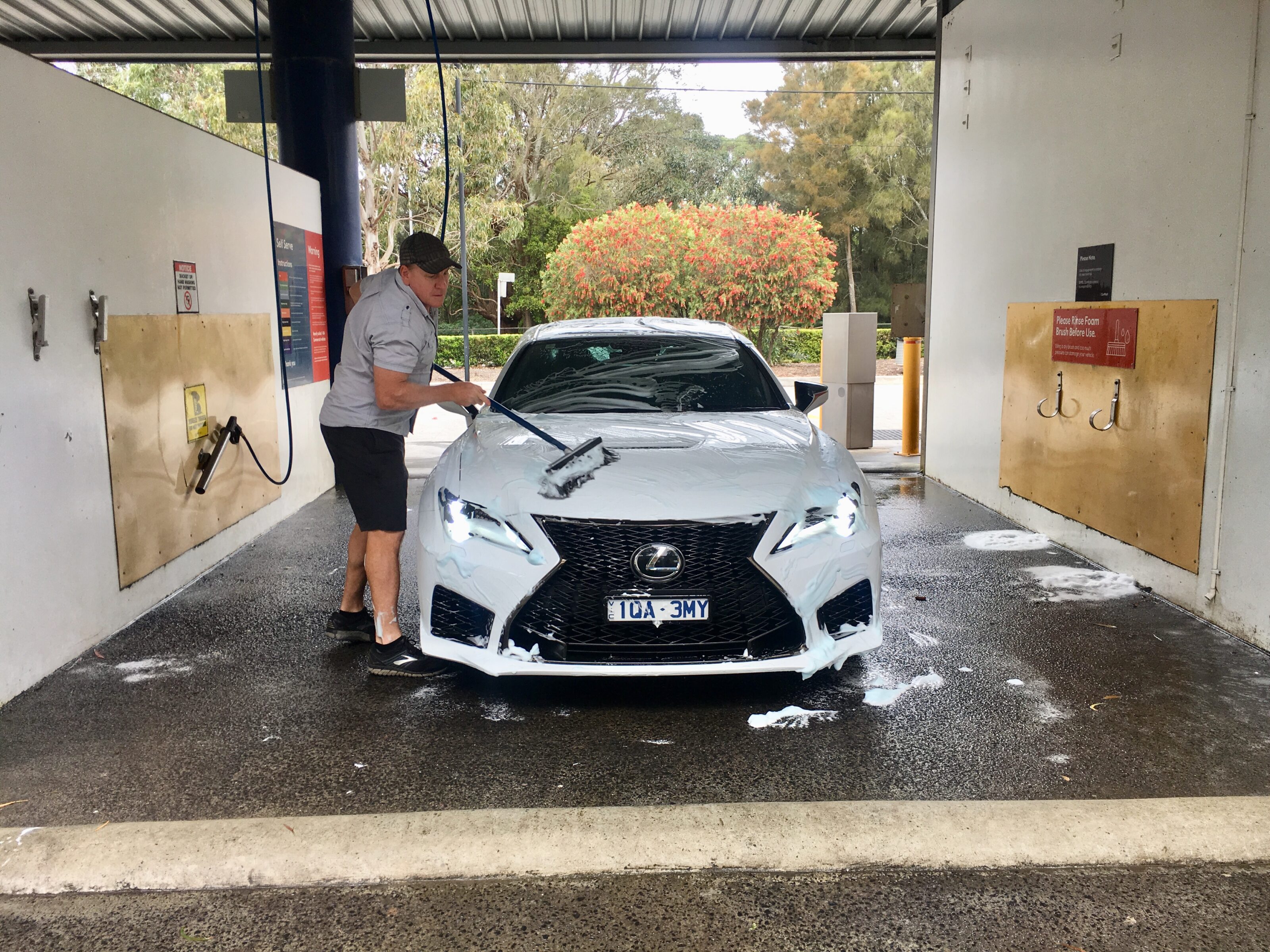
If cars really are a reflection of our personalities and socio-economic standing, I feel as though I’ve gone from being a portly middle-aged financial planner who likes golf and Grange, to a brash, 30-something tech whiz who’s into hip-hop, pole positions and pole dancers.
That’s a snap-shot of the difference between my outgoing Lexus RX450 hybrid seven-seater, and this, the RC-F which replaces it. The two represent pretty much the polar opposites of Lexus’s local range in terms of intended function, packaging, and the rate at which they drink dinosaur juice.
About the only thing they share, apart from that pervasive sense of Lexus quality, is that they are both long-serving inclusions in the brand’s line-up, and are in the latter phases of their respective lifecycles.
The RC-F, packing the 351kW /530Nm atmo 5.0-litre V8 also used in the LC and GS models, is the most sports-focused car Lexus builds. Which means it finds itself facing some stiff competition from the Germans, namely the Merc-AMG C63 S coupe, BMW M4 Competition, and Audi RS5 all straddling a similar price bracket of between $156K–$171K. Then there’s the four-door Alfa Giulia QV, or potential buyers could be casting an eye over a Tesla Model 3, for a different but even faster driving experience.
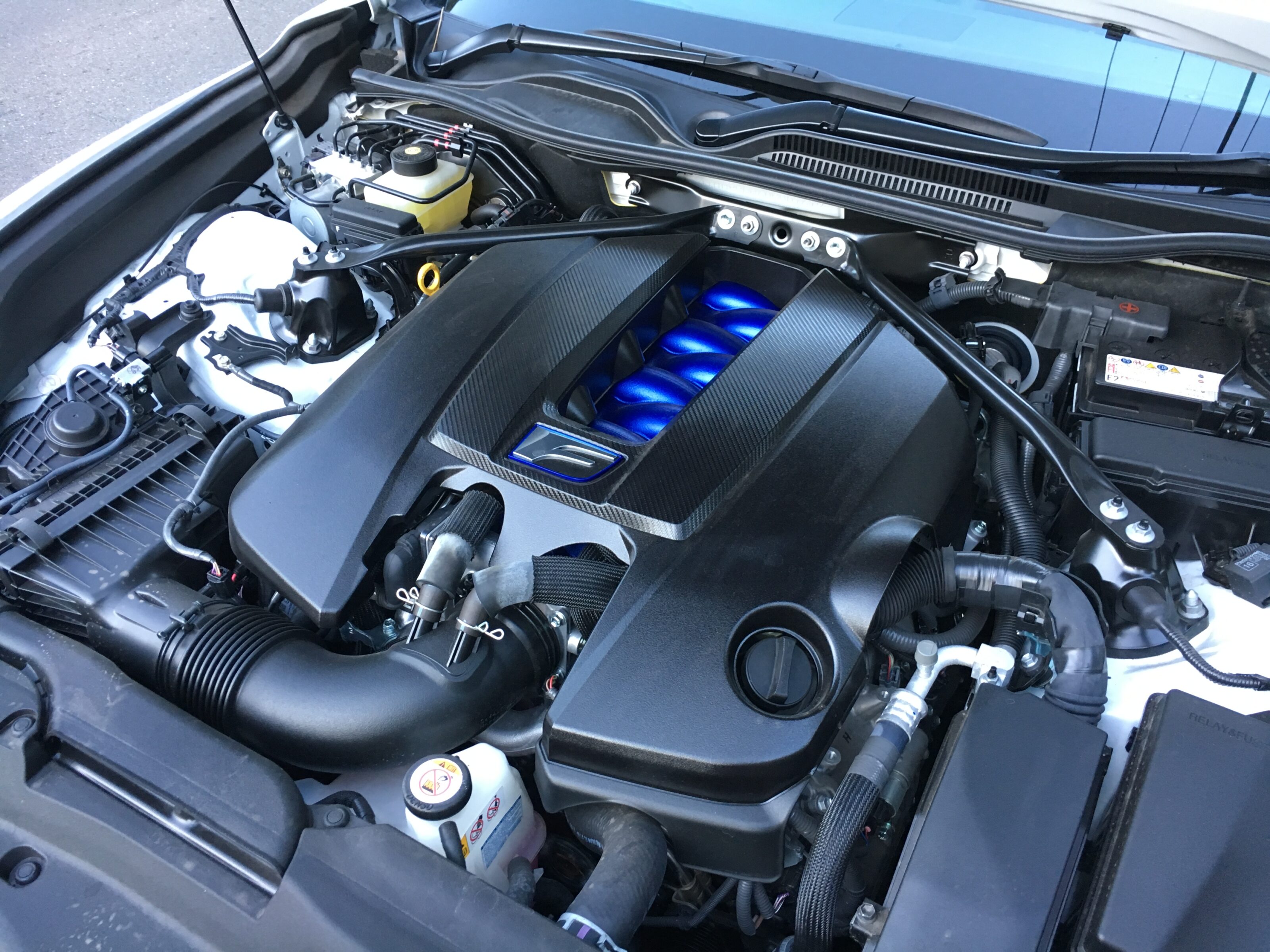
Part of the push to keep the RC-F invigorated is a raft of mechanical upgrades I’ll detail next month, as well as the availability of the snappily named EP3 package, a bundle of options that add a hefy $29,161 to the new base price of $136,636. Key among these are carbon-ceramic brakes (saving 22kg), forged 19-inch BBS wheels fitted with Michelin Pilot Sport 4 rubber (replacing same-size alloys but saving 3kg), and a titanium exhaust which adds to the lightening program by 6kg. There’s also carbonfibre interior trim, so all very tasty additions – on paper at least. The brakes and exhaust warrant greater dissection, so I’ll come back to those next month. It’s important to also make the distinction between this car with the EP3 options and the $165,482 Track Edition, which is similarly equipped but strips off a few more kilos with a carbonfibre roof, bonnet and fixed rear wing.
My first impression, having jumped straight out of the RX450h is just how much daily practicality gets jettisoned with the transition into the company’s sports coupe. And not just the obvious stuff, like ease of entry and egress into a low car with long doors. The rear seats don’t fold (only a small ski port allows broom collectors to indulge their passion…) while inside, the door pockets are too small for anything bar the wallet of a homeless bloke. And once the two cupholders are filled, there’s nowhere to put the key other than inside the centre console box. And unlike the large touchscreen fitted to the RX, the RC’s can only be controlled by the trackpad, an interface that tends to make me more potty-mouthed than Gordon Ramsay’s heat at the swearing Olympics. Oh, and with the driver’s seat set to accommodate my six-foot frame, there’s precisely zero legroom behind for the tiny rear buckets.
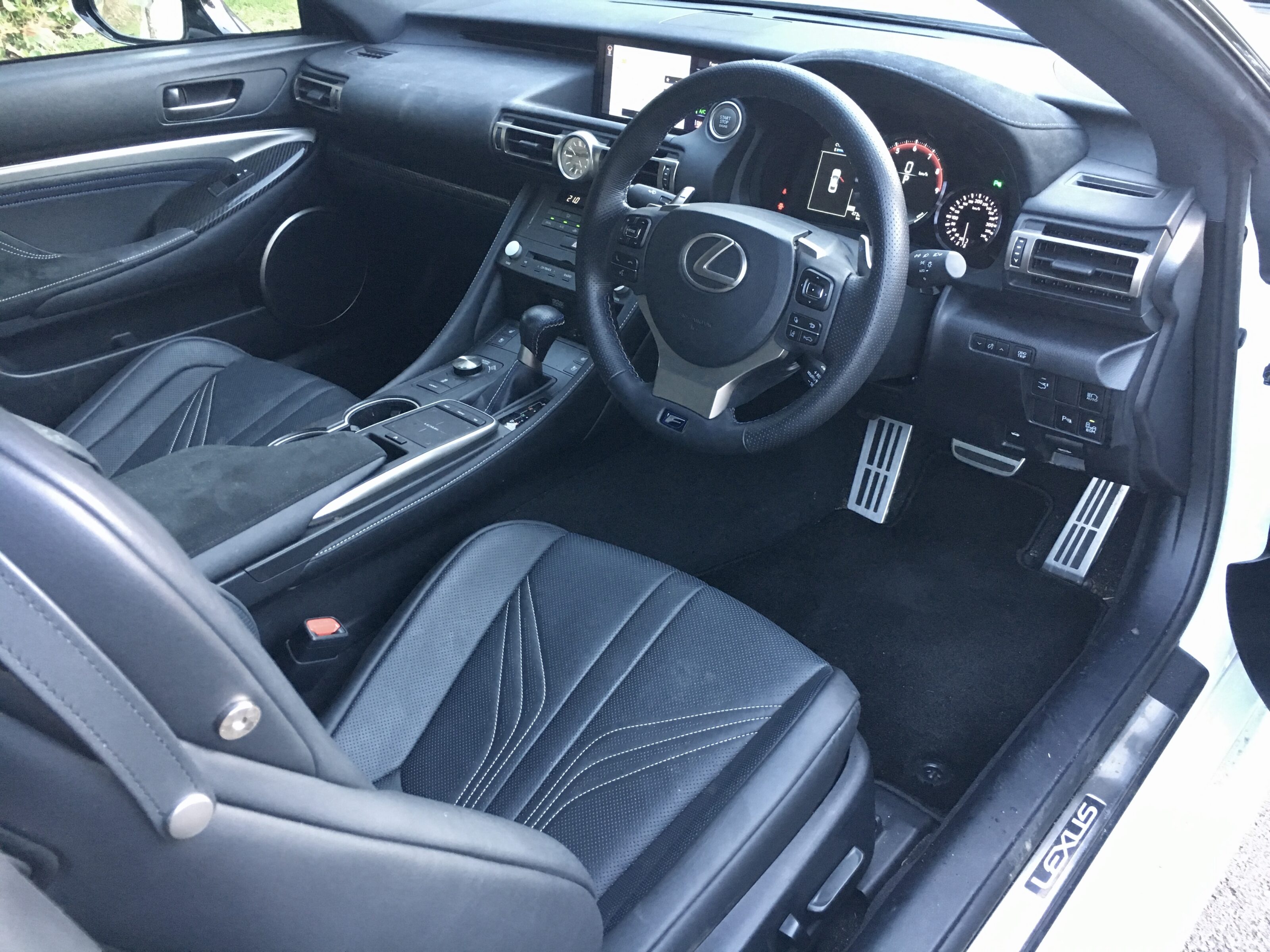
So yes, performance does come at a price more than just fiscal. But stick it in Sport Plus, point it at a twisting, backroad, and those niggles evaporate every bit as quickly as the scenery starts to blur in your outer periphery. It’s properly quick once you ask the V8 to show you everything it has – the 0-100km/h claim is 4.5sec – although the lack of forced induction means you do have to chase big revs to keep it percolating.
My mission, which I stoically accept, is to establish if the driving rewards and engine’s seduction are enough to offset the fact that specced like this, it’s priced almost line-ball with the Track Edition.
Look, I’ve had worse jobs…
Update 1: Picks and Specs
This month: 398km @ 15.9L/100km
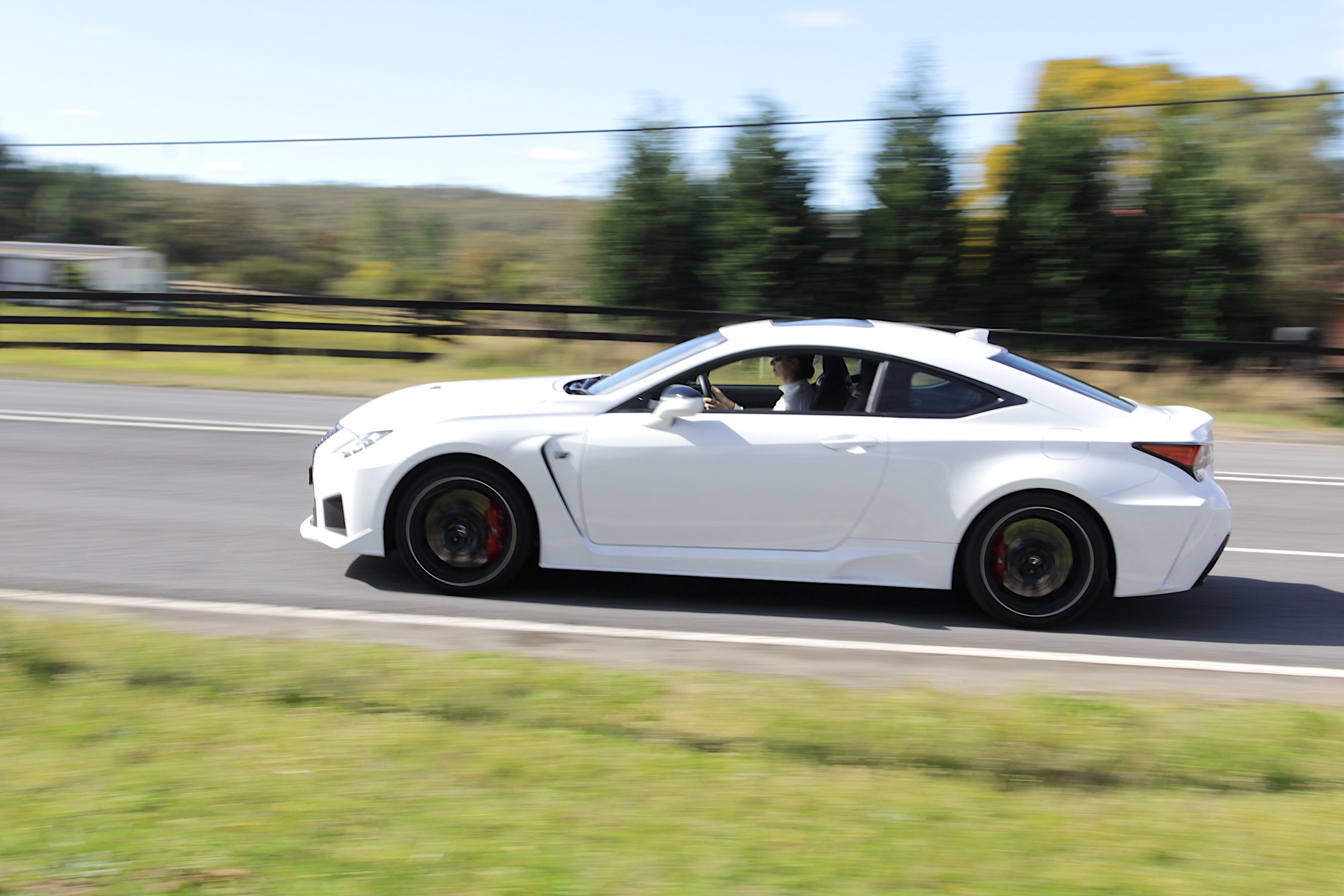
The god of horsepower may be the deity to which us performance enthusiasts kneel, but I still reckon there’s plenty to be said for getting on board with the demons of late braking.
Actually, given how little it takes in a high-performance car to achieve licence-losing velocity, you could mount a case that it’s actually more satisfying and less anti-social to be consistently late, hard and accurate on the anchors when having a bit of crack than it is to be going wide-open throttle at every opportunity.
And when the braking package is anything like the optional set-up fitted to this RC F, it’s pretty much a professional obligation to take full advantage of the massive stopping power on offer. The big carbon-ceramic discs (380mm at both ends) are clamped by six-piston Brembo callipers at the front, with four-piston rears, and bring a hefty reduction of 22kg over the stock steel-disc set-up. The red callipers mean they instantly catch your eye, so each time I walk up to the car, my internal monologue goes all Fat Bastard from Austin Powers with a thick Scottish brogue: “aye, yer dead sexy…”
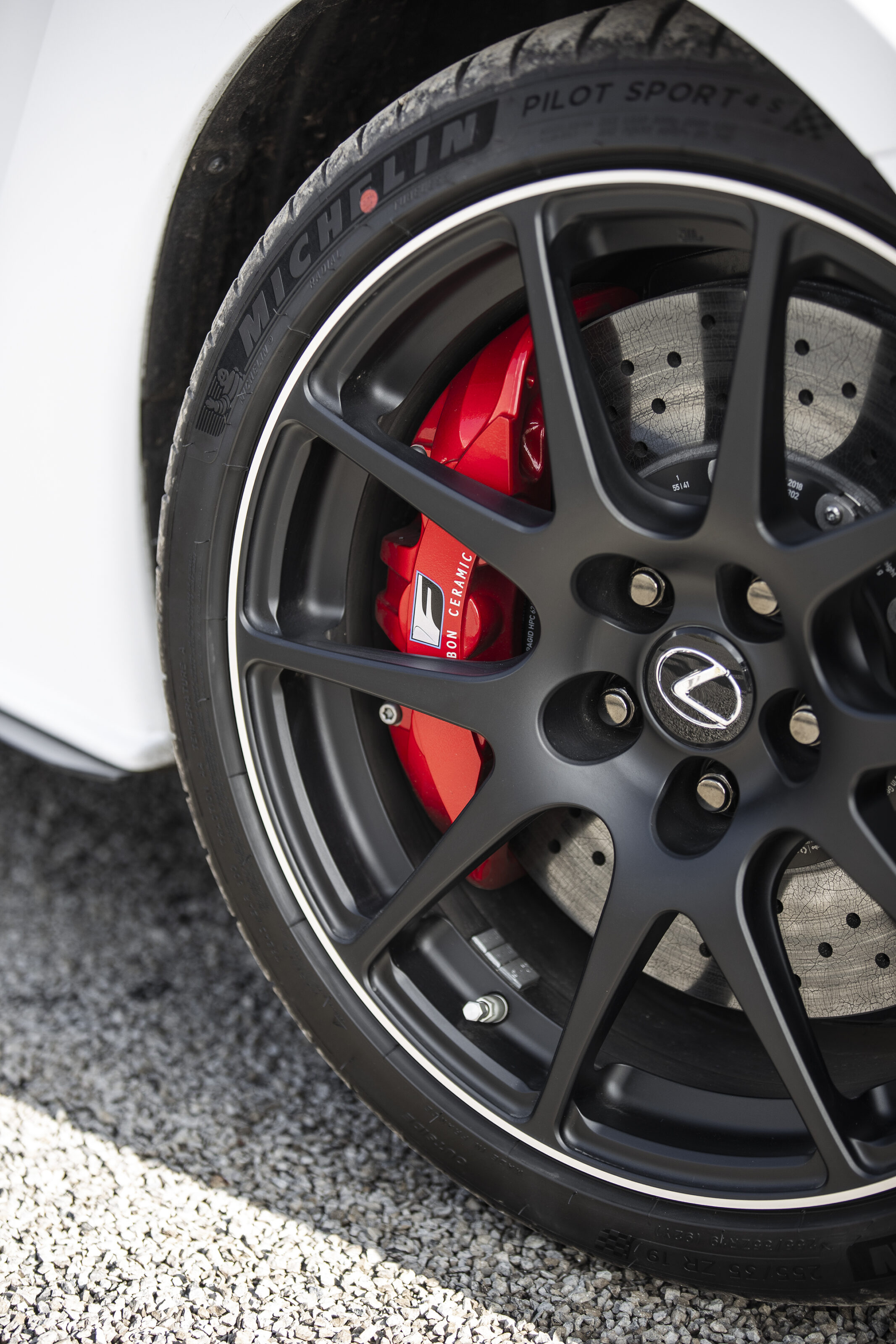
They also come with a hefty price tag. I can’t tell you what they add on their own, because they’re bundled into a pack that includes 19-inch BBS alloys, sunroof, titanium exhaust, and carbonfibre cabin trim for $29,161. But given the wheels and sunroof are available in a lesser package for $5000, we’re talking $24K for brakes, exhaust and trim, so my estimate puts the carbon-ceramics at around $17K. Worth it? Well, they do haul this circa-1750kg coupe from big speeds with phenomenal force and incredible resistance to fade when worked hard. But the pedal calibration in normal around-town driving is bafflingly over-assisted; the merest brush of the pedal pins the nose to the deck and lurches you forward in the seatbelt. Even with plenty of familiarity, I still need to concentrate to not trigger serious over-stopping. And no, it’s not just me: I threw the keys to former Wheels road test editor Nathan Ponchard, making no mention of the brakes from the passenger seat. Sure enough, within a few hundred metres, Ponch was turning us into a pair of nodding dogs, cussing away as I insisted they were fine and he was just a clay-footed fool.
The other inescapable fact is I know from past experience the stock brakes are terrifically strong and fade-resistant in fast road driving, and have a nice, natural-feeling pedal. So unless you’re planning on doing tracks days (really?), trouser the $29K and stick with steel.
Update 2: We’ll Drink to That
This month: 546km @ 15.5L/100km Overall: 1498km @ 15.7L/100km
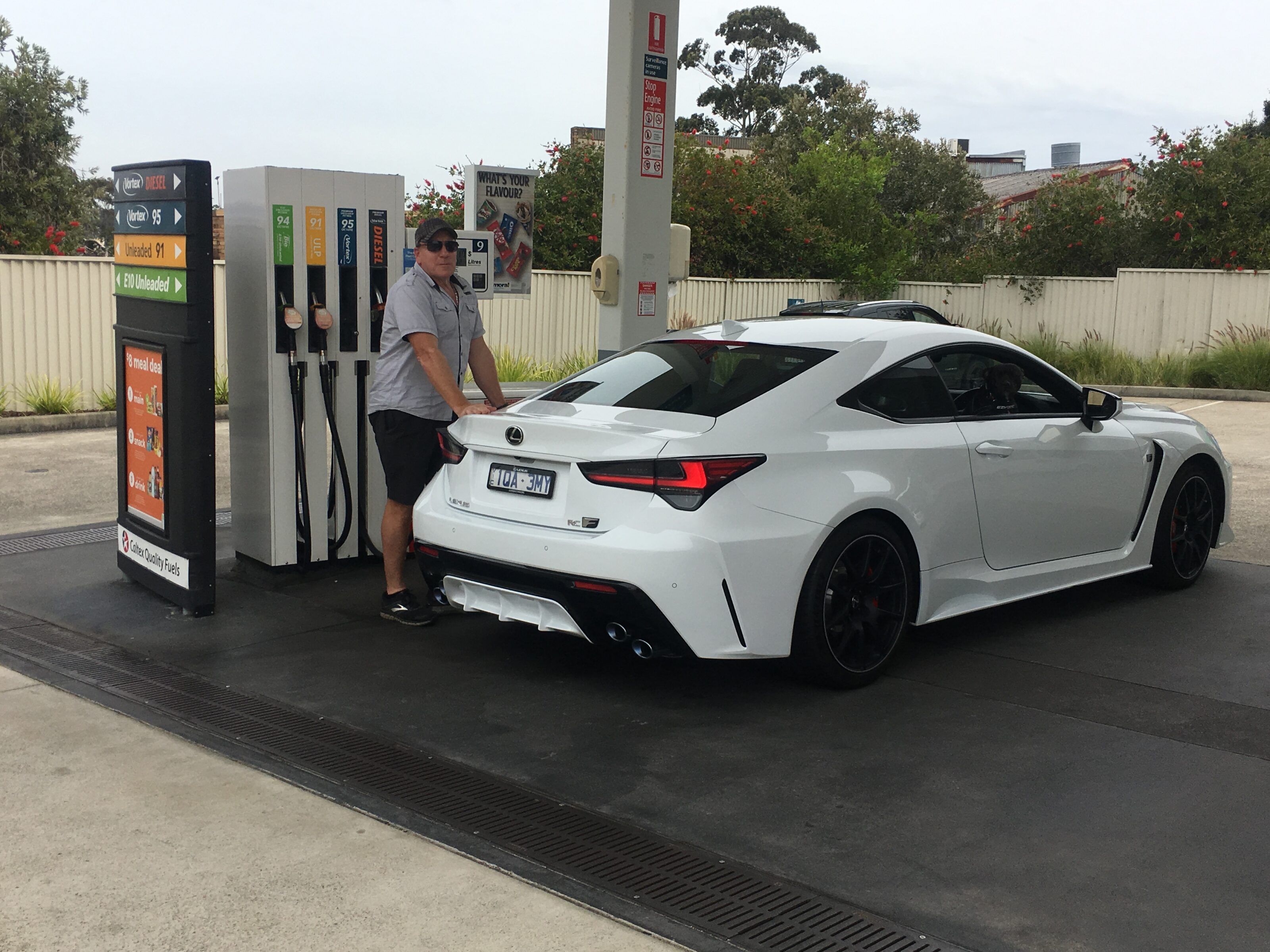
Here’s a top tip you won’t read about in any performance tuning guide or see on a YouTube tutorial. To make your car feel faster and more dynamic, just spend time in something a bit rubbish.
Okay, that’s deeply uncharitable to the 4×4 utes I’ve been lumbering around in for the last few weeks, but you get the point. Jumping back into the RC F made the Japanese sports coupe feel like a Ferrari 458.
To celebrate, I set the alarm early for a run up the iconic Old Pacific Highway north of Sydney. I would chase motorcyclists and dodge cops in what would likely be my last chance for a proper crack in the car. I wanted to dig further into the various drive modes and, er, probe the dynamic envelope a bit.
Having arrived at the Pie in the Sky cafe, I only need wait a few minutes before a skinny dude in full race leathers emerges, and gives his Yamaha R1 the full right-wrist snap, powerlifting the front end for the run down towards Brooklyn Bridge.
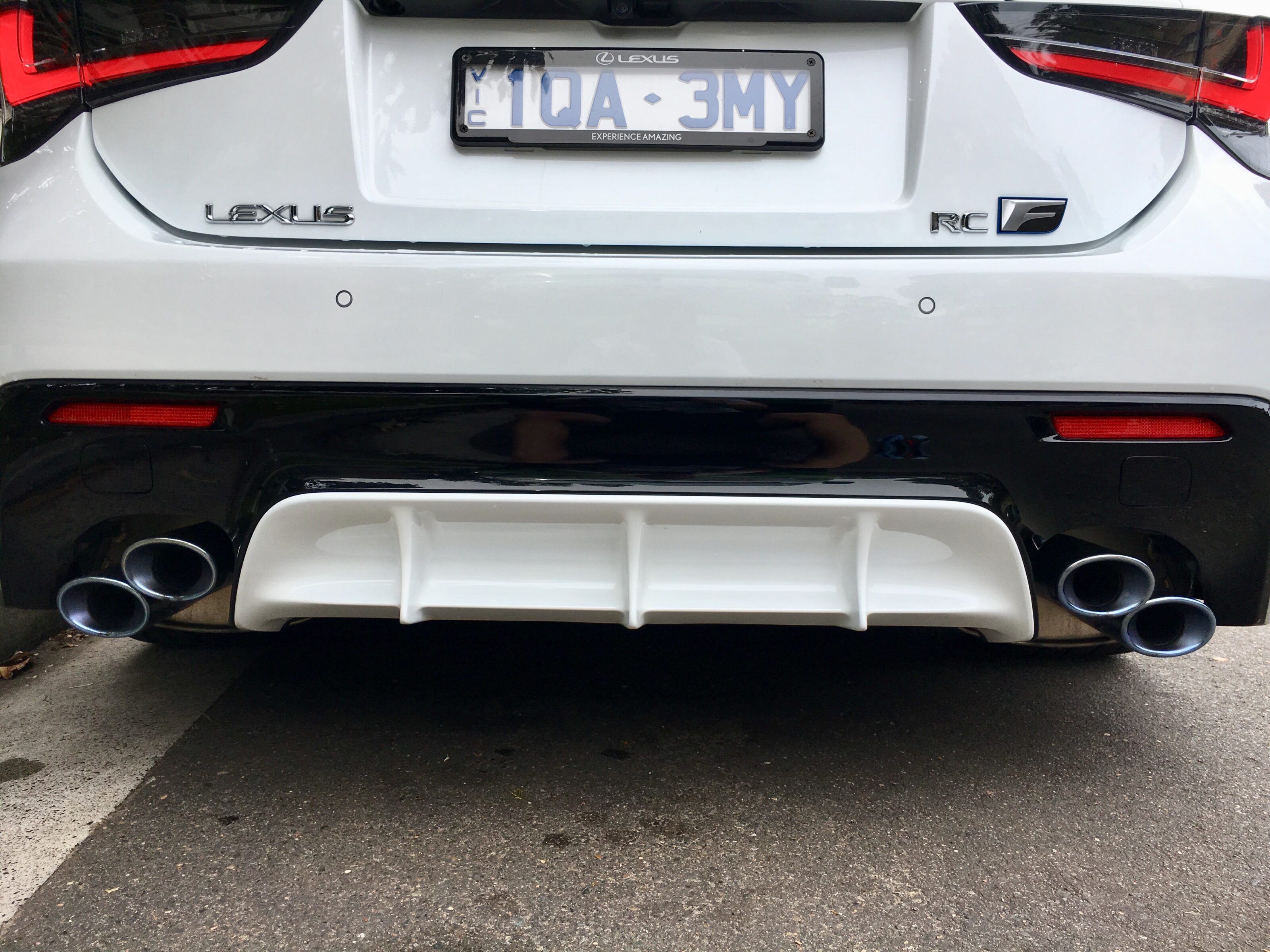
Run, you 14,000rpm wabbit! Booting the RC F off the mark does require a nano-second’s patience for the revs to leap to where the action is; there’s no ignoring that this engine doesn’t have the tyre-frying torque of its force-fed German rivals. But the ratios of the eight-speed auto are sufficiently tightly stacked to allow you to keep it on the boil via the paddles, and the shift speed and overall calibration have benefited from upgrades to the current car.
Steering is not bad, although I’m really not a big fan of the extra weighting that comes when you select Sport Plus. And you do want Sport Plus for the less-restrictive ESC setting, which allows a degree of controlled movement from the rear end, and lets you appreciate the mechanical LSD. Given the proximity of rock walls and Armco as we climb hard up towards Mount White, I elect not to hit the VSC Off button, even though it does retain a small degree of intervention in Sport Plus via the enabling of Expert mode, which, according to the press material, allows “proactive slide control of the vehicle that is suitable for a racetrack environment.”
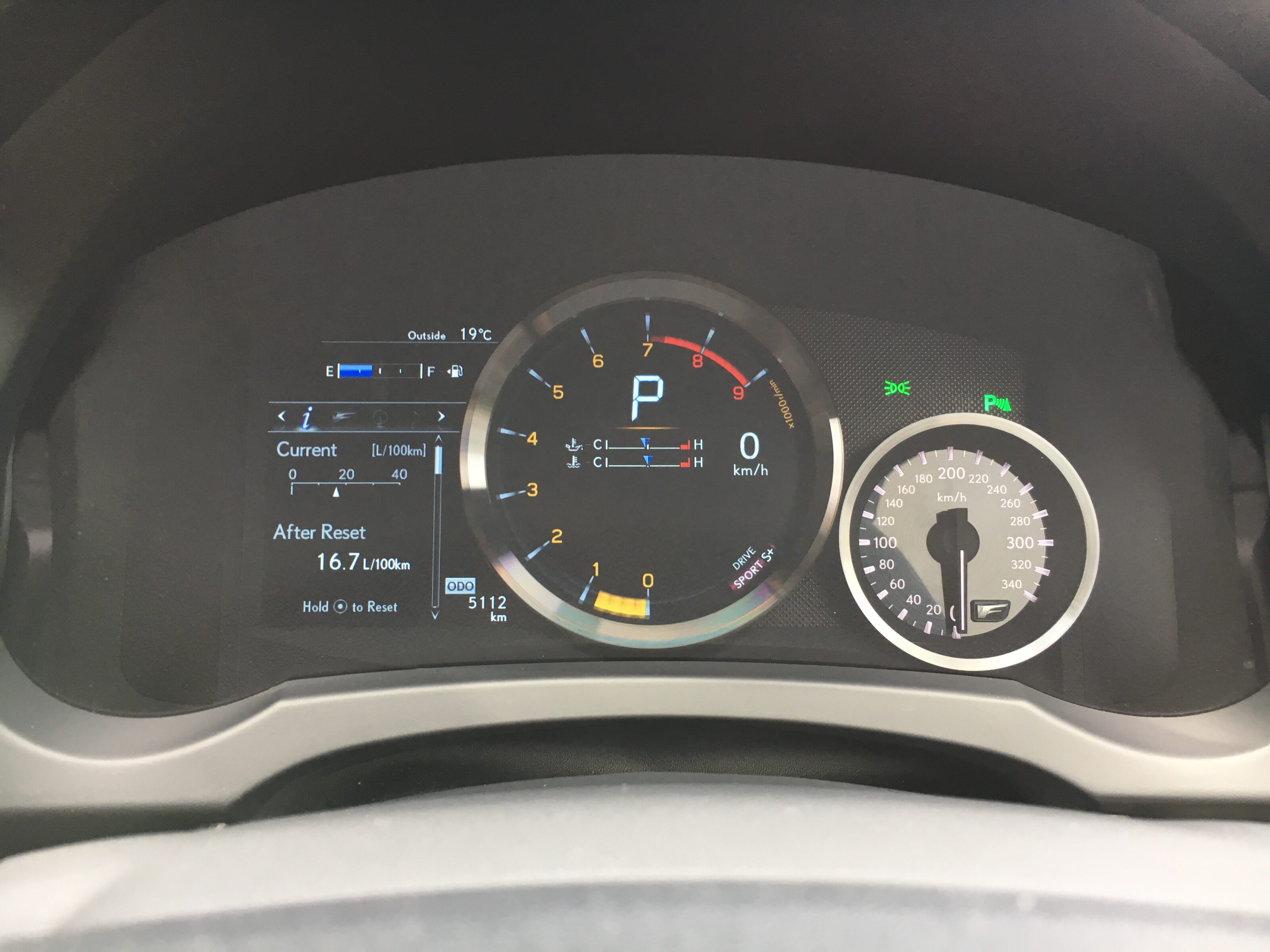
Old mate on the R1 is getting his knee down like he’s on a qualifier at Phillip Island, but it’s still not hard to stay on his tail thanks to the mid-corner speed I can carry, and his straight-line advantage is easily negated in the braking areas. The over-assisted pedal feel I moaned about last month is less of an issue when pushing on; with plenty of heat and hard applications, it’s actually fine.
Mr R1 eventually pulls off with a respectful nod, and later, as I cruise home, it’s a chance for some final, more fully formed thoughts about this car. On the whole, I think it has a certain Japanese cool to the exterior design, and I like the response and purity of the atmo engine. I never really missed the thuggish slug of low-revs torque an M4 or C63 gives.
But … the road noise on coarse-chip is a real demerit, denting the RC F’s touring attributes. Also, a wholesale rethink of the multimedia interface is long overdue; the trackpad and non-touchscreen feel ancient in an age of hi-res screens with pinch and swipe. As does the lack of front/360-degree camera at this price.
So, lots of performance and driving pleasure, but also a premium price … plus a few unresolved loose ends.
Kia’s first electrified model on the Australian market, the Niro is available with hybrid, plug-in hybrid, and battery-electric powertrains including this flagship Kia Niro EV Sport.
If it looks a little dated it’s because it is. All three versions arrived Down Under in May 2021 despite the Niro first launching overseas in 2016, with the Niro EV – known as the e-Niro in other markets – first introduced in 2018. It’s getting so long in the tooth that its successor has already been revealed.

Kia Australia has admitted that one of the reasons it brought the Niro to Australia in its twilight year was to familiarise its sales and servicing systems with electrified models in time for the introduction of the second-generation Niro and the EV6 in 2022.
So is there any advantage to buying one over other battery electric vehicles (BEVs) on the market, including a growing number of SUVs?
What is the Kia Niro EV like to live with?
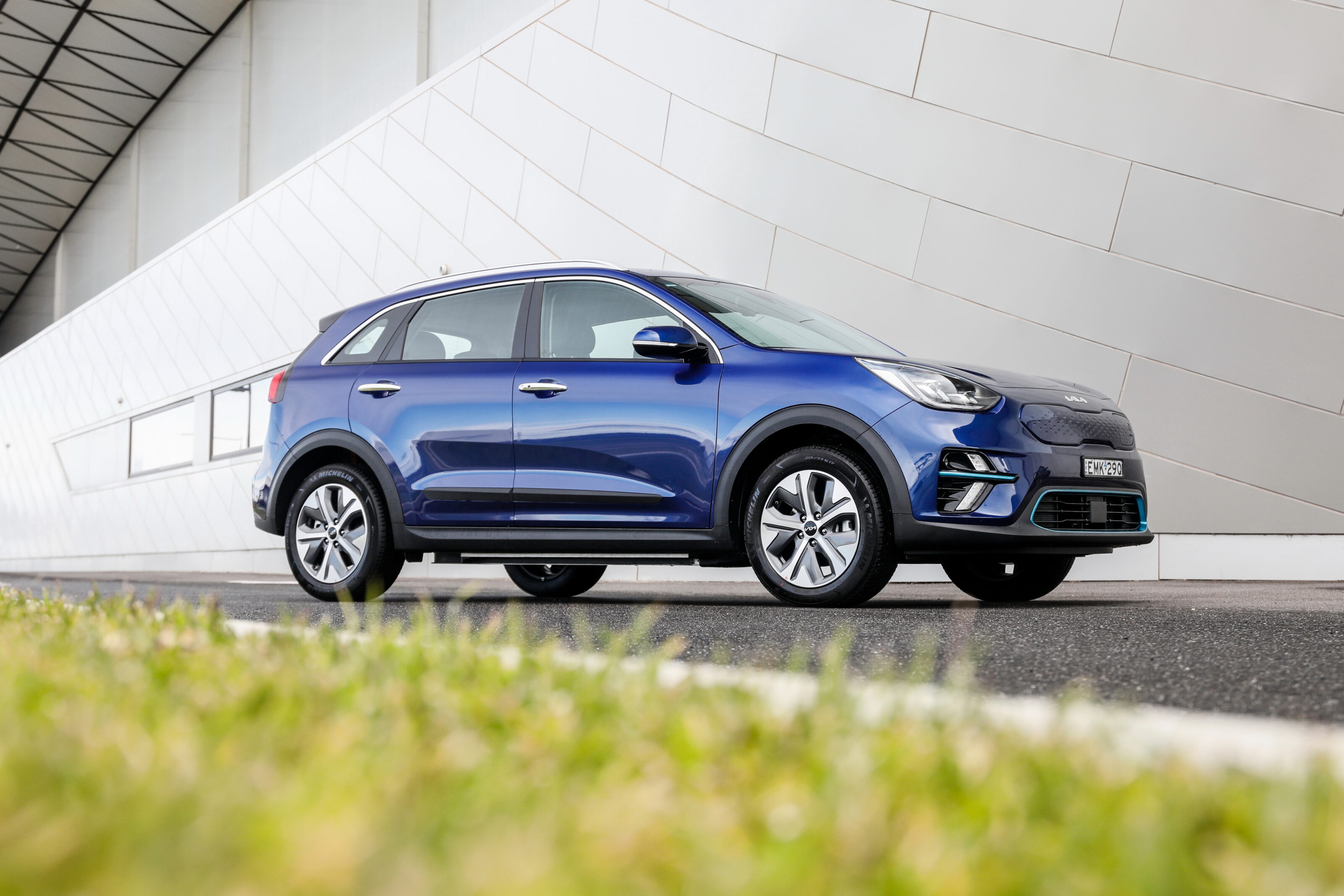
If you were hoping that the Niro’s maturity will mean there are bargains to be had at Kia showrooms you’re likely to be disappointed. The BEV version is available in two spec grates, S and Sport, respectively priced from $62,590 and $65,990 before on-roads with drive-away pricing set at $67,490 and $70,990.
I could compare pricing with several rivals, but the fact you can hop into a next-generation EV like the excellent Ioniq 5 for just $6000 more, suggests the Niro EV Sport may be a tad over-priced.
So what do you get for your $70K drive-away? Well, it’s reasonably equipped with a 10.25-inch touchscreen, wired Android Auto/Apple CarPlay, JBL premium sound system, power-adjusted front seats, vegan-leather trim, keyless entry, dual-zone climate control, LED headlights/DRLs/tail-lights and 18-inch alloys.
By comparison, the Ioniq 5 comes with a heap of extra features including a 12.3-inch digital instrument cluster, 12.3-inch infotainment touchscreen, eight-speaker Bose audio system, heated steering wheel, heated and ventilated 12-way power front seats with memory, heated and power-operated rear seats with memory, eco-leather trim, sunroof, and 20-inch alloy wheels – and that’s before getting into its more advanced powertrain and active safety technology.
Even the range-topping Hyundai Kona Electric Highlander, which retails for $64,000 + ORC, brings a 10.25-inch digital dashboard with blind-spot monitor, heated and cooled front seats, a heated steering wheel and head-up display.
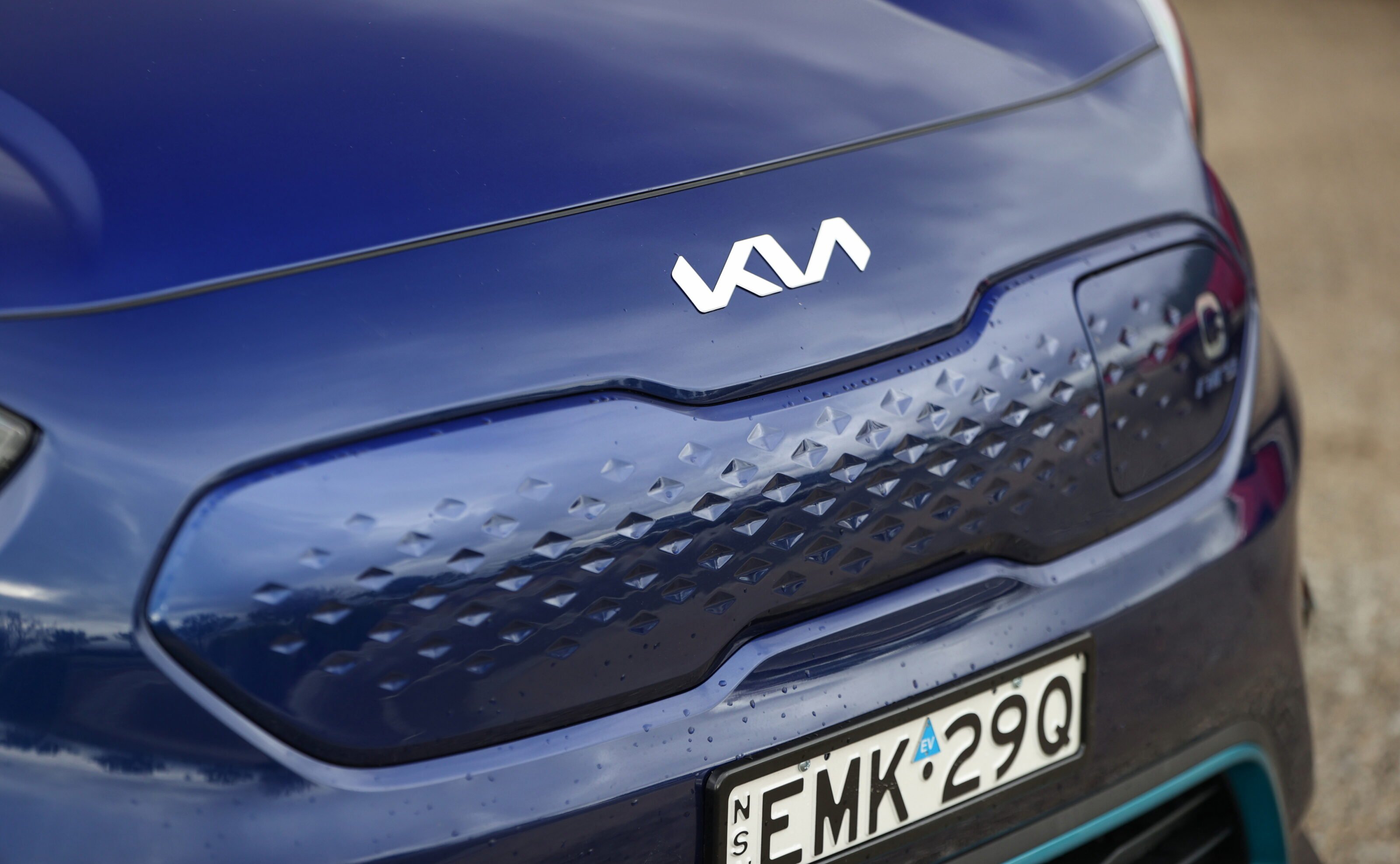
The Kona looks fresher too and, while Kia has done its best to contemporise the Niro’s exterior, it still looks the outgoing Sportage with its narrow ’tiger nose‘ grille treatment and bulging headlights.
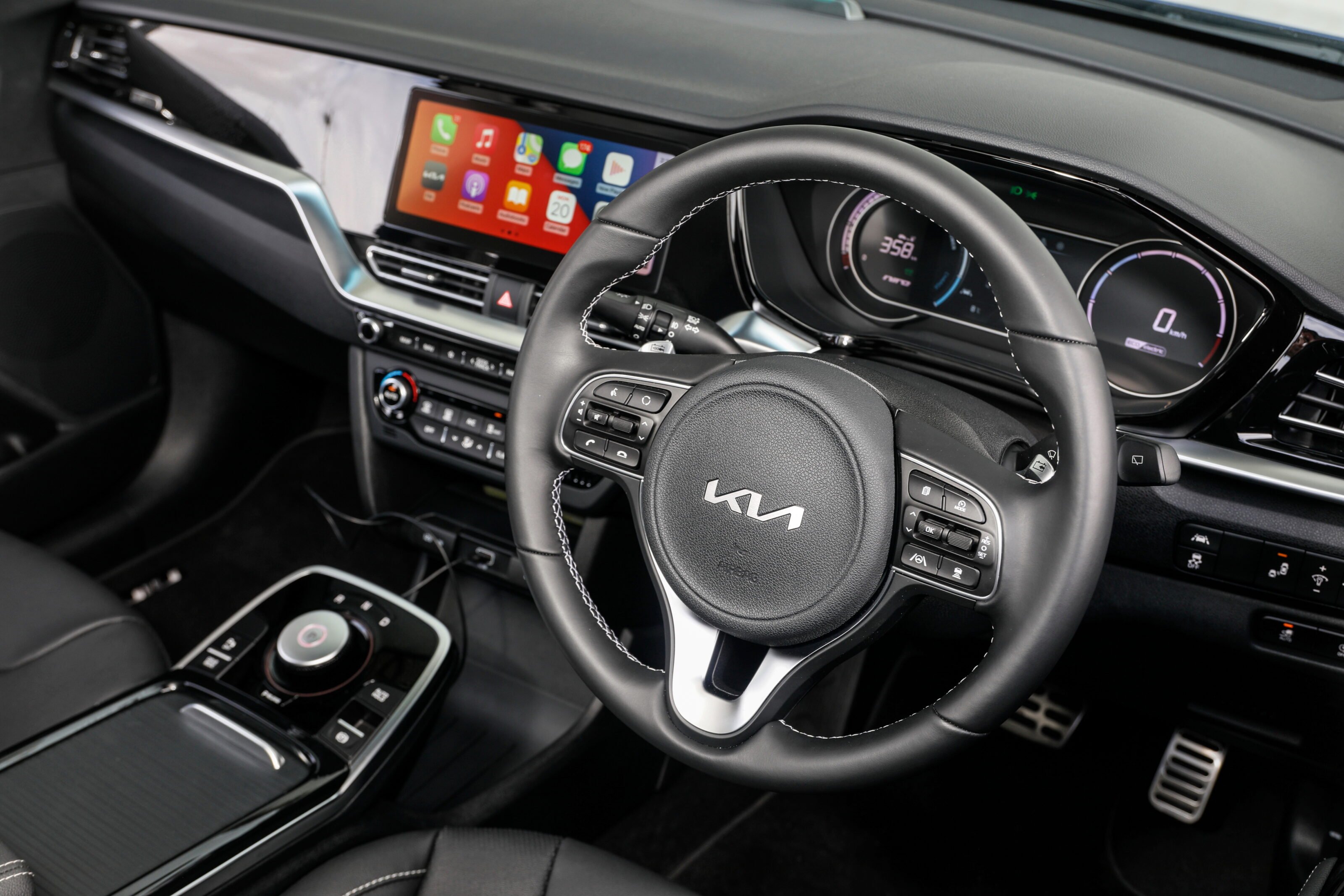
The interior has also been updated, featuring stitched upholstery and piano black surfaces. It’s pleasingly neat and uncomplicated but lacks the sharpness of newer Kia SUVs such as the Seltos and Sorento.
Notable features include a ‘floating’ double-deck centre console that offers several surfaces on which to place things and is free of clutter thanks to the electronic parking brake and rotary gear shifter.
Everything looks rather unassuming and it’s only when you get a closer look at some buttons and the analogue gauge cluster that you realise you’re sitting in an EV.
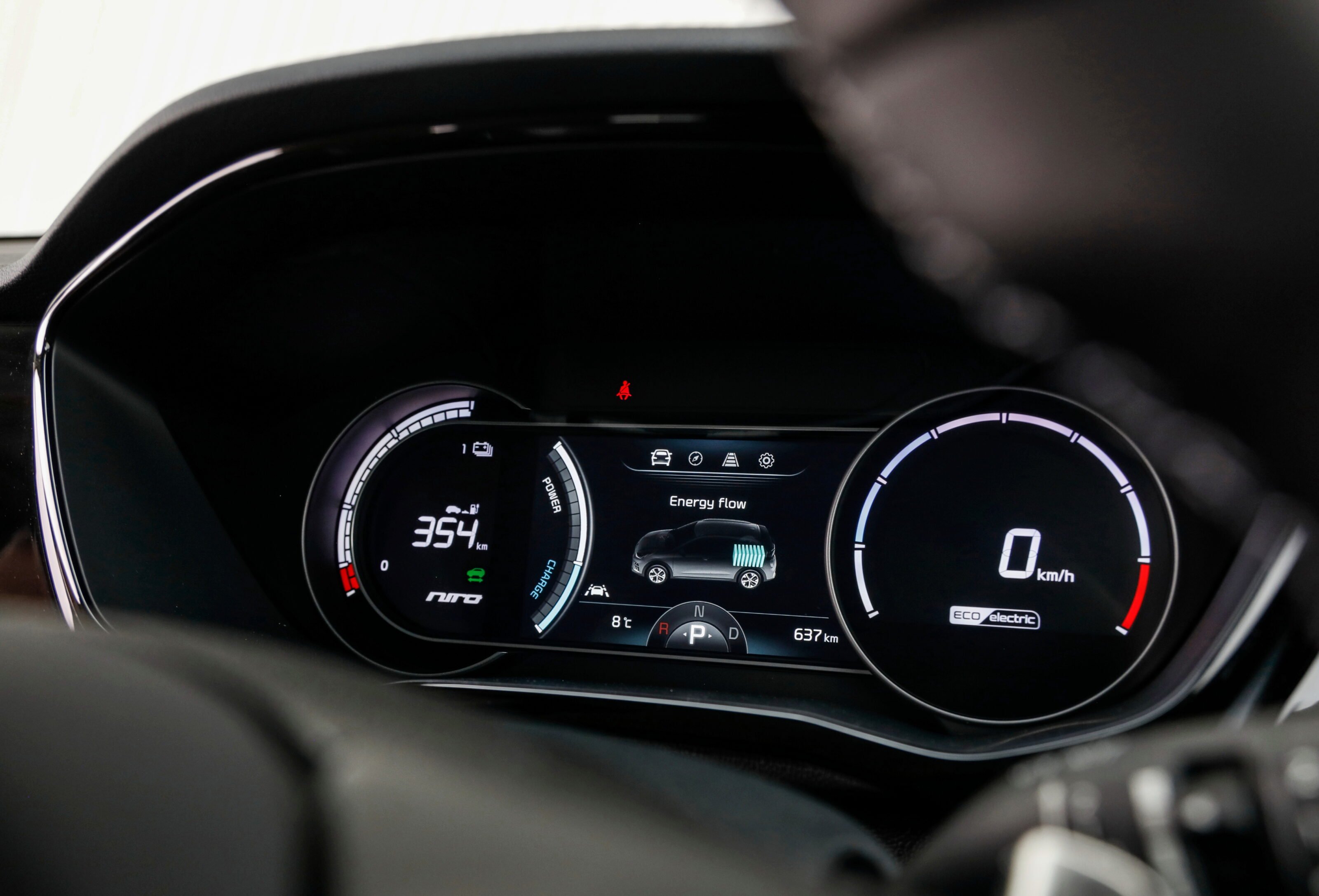
This can be a good thing. There is a place for uncomplicated EVs that closely resemble ‘normal’ vehicles for people who may feel intimidated by new technology – the $41,990 MG ZS EV is a case in point. But when you’re paying more than a Tesla Model 3 it’s fair to expect some state-of-the-art wow factor.
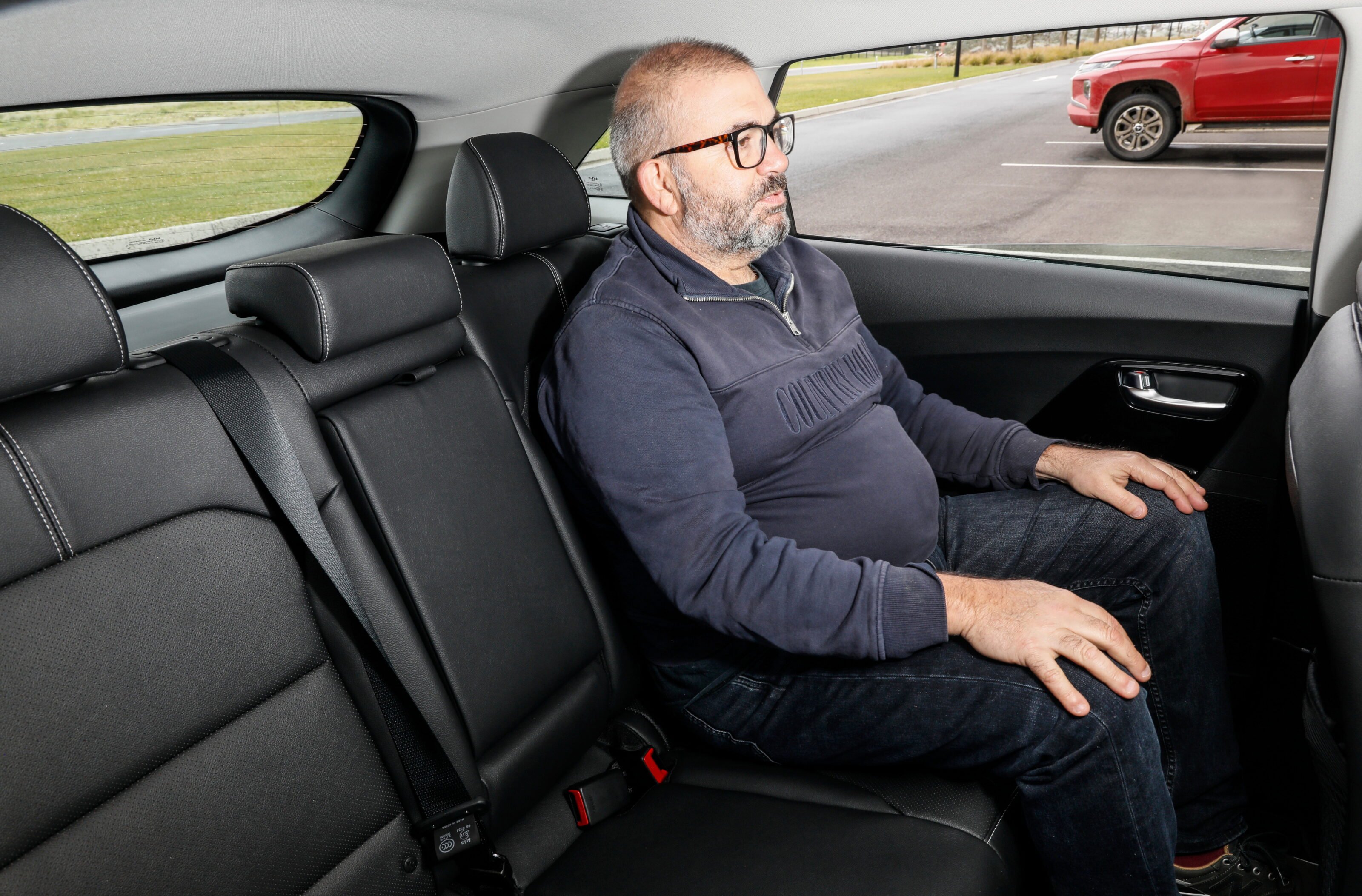
The rear seats are quite roomy for a small SUV. The Niro’s wheelbase is 70mm longer than the Seltos, which translates to plenty of knee room, though the short squab means longer-legged folk may lack under-thigh support.
Fitting three adults across the rear seat would be quite a squeeze, but two would be quite comfortable, even six-footers. But they will appreciate the ample headroom.
Rear-seat amenities include air vents and bottle holders in the door bins, but there are no USB ports.
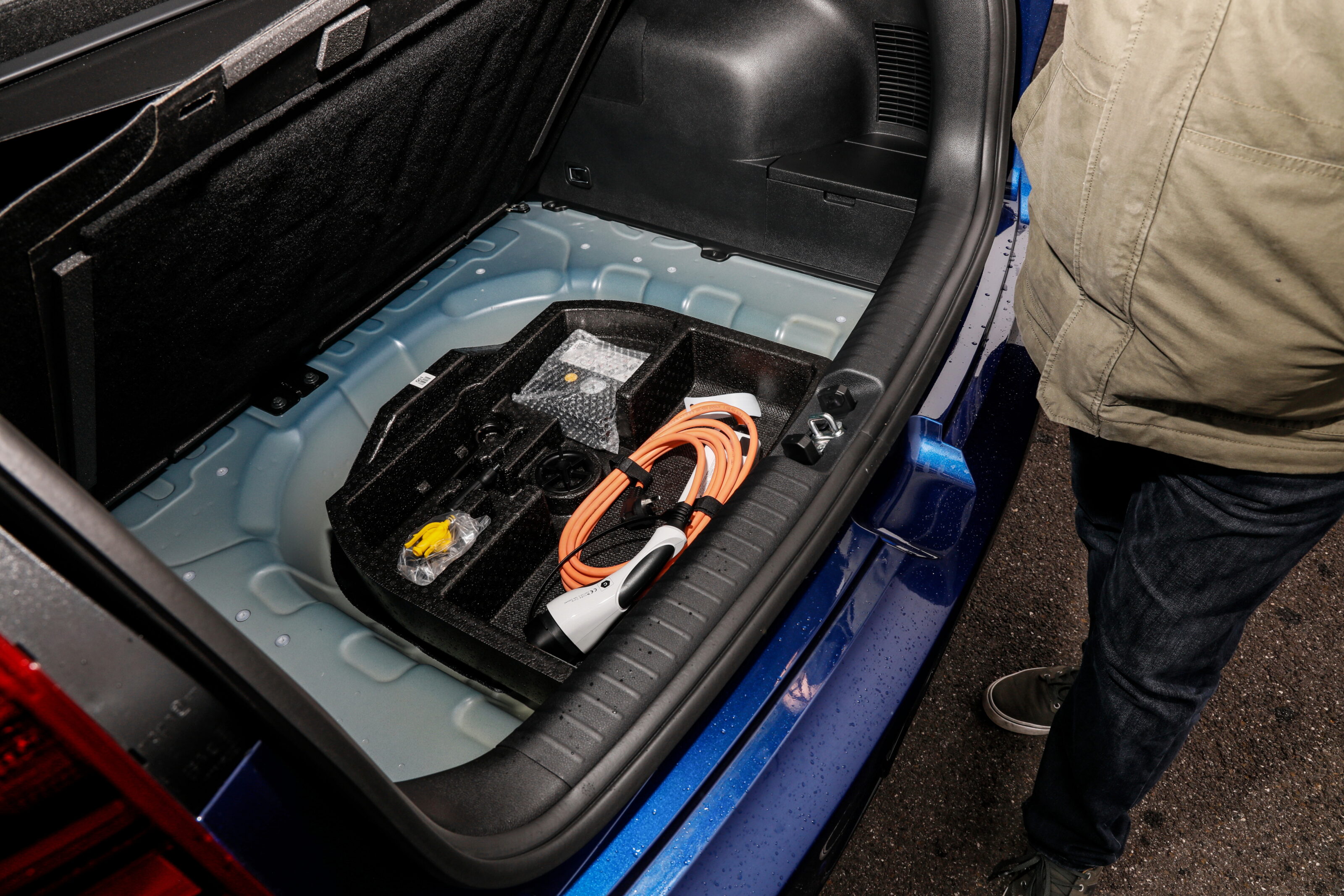
This is one of the more practical EVs in its price range, with a handy 451-litre boot space that is 41-and 127-litres larger than the Niro Hybrid and Niro PHEV variants respectively. Fold the 60:40 split rear seats down and you can carry up to 1405 litres of stuff.
Like the Niro PHEV, there is no spare wheel under the boot floor, just a tyre inflator kit to get you to a repairer.
The Kia Niro EV is covered by the brand’s seven-year/unlimited-kilometre warranty, but there is a separate seven-year/150,000km warranty for the high-voltage electrical components including the battery pack, on-board charger, motor and electric power control unit.
A seven-year capped-price servicing plan and seven-year roadside assist cover are also available.
Kia Australia has admitted it brought the Niro in late to familiarise its sales and servicing with electrified models in time for the second-generation Niro and EV6.
What is Kia Niro EV like to charge and drive?
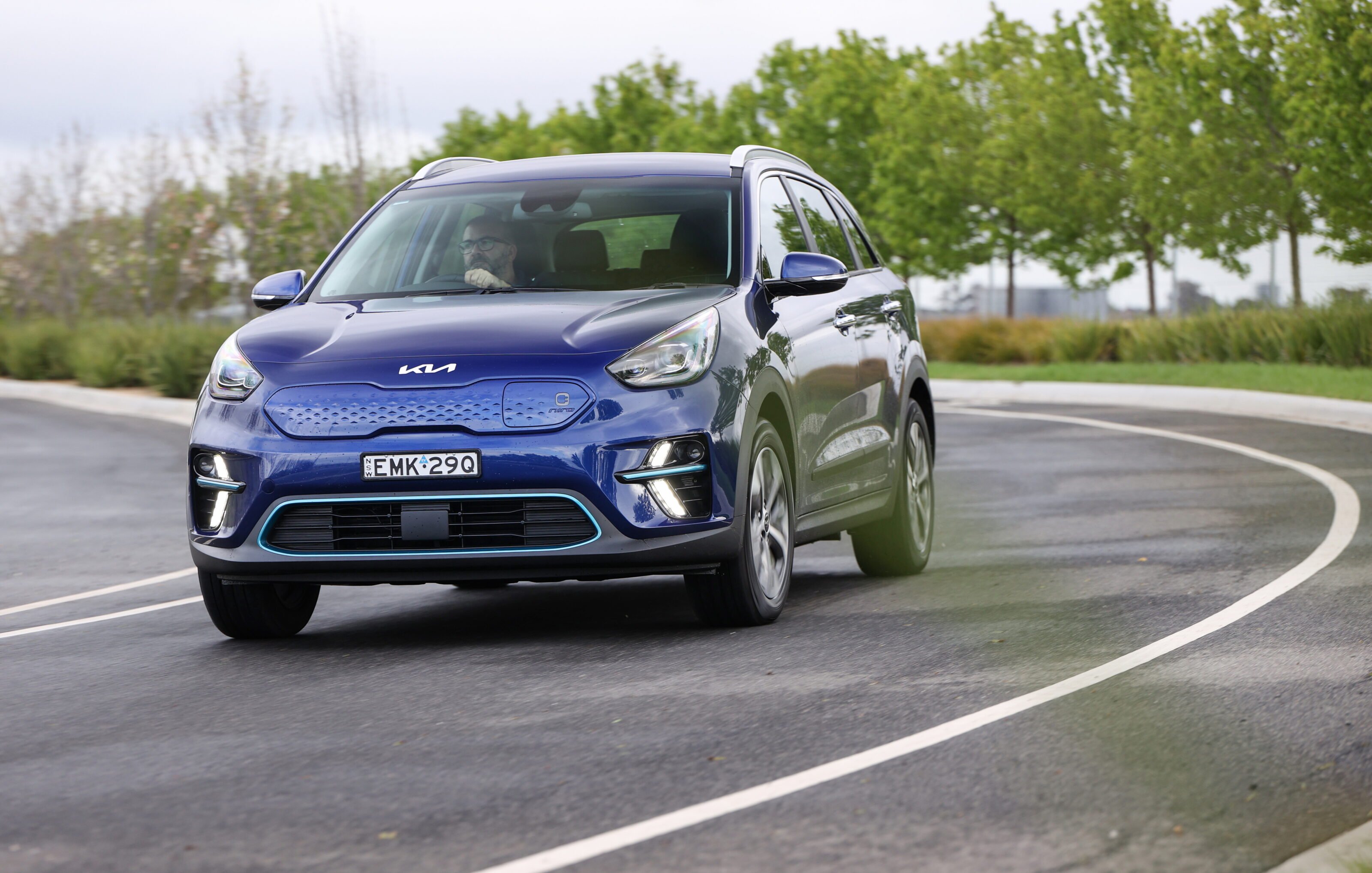
Both Niro EV variants feature a 64kWh lithium-ion polymer battery that powers a 150kW/395Nm motor driving the front wheels through a single-speed transmission.
Being a largish battery it will take some time to charge at home – about 29 hours from zero to 100 per cent if plugging into a standard 240-volt outlet. Installing a 7.2kW wallbox will cut full charging time to nine-and-a-half hours.
Charge the Niro at a DC rapid charger and you can get the battery from zero to 80 per cent in 75 minutes through a 50kW charger or 54 minutes when charging at 100kW.
The Niro EV is fitted with a CCS2 port, which is the most commonly used system for public chargers in Australia.

The Niro EV has a combined energy consumption rating of 15.9kWh per 100km, making it one of the more efficient BEVs on the market. That will bring a range of 455km with a full battery or 364km from 80 per cent charge.
Unlike petrol vehicles that are more efficient on highways than around town, you get the best economy from your EV in heavier traffic as there is less load on the battery and you’re able to recoup energy with regenerative braking.
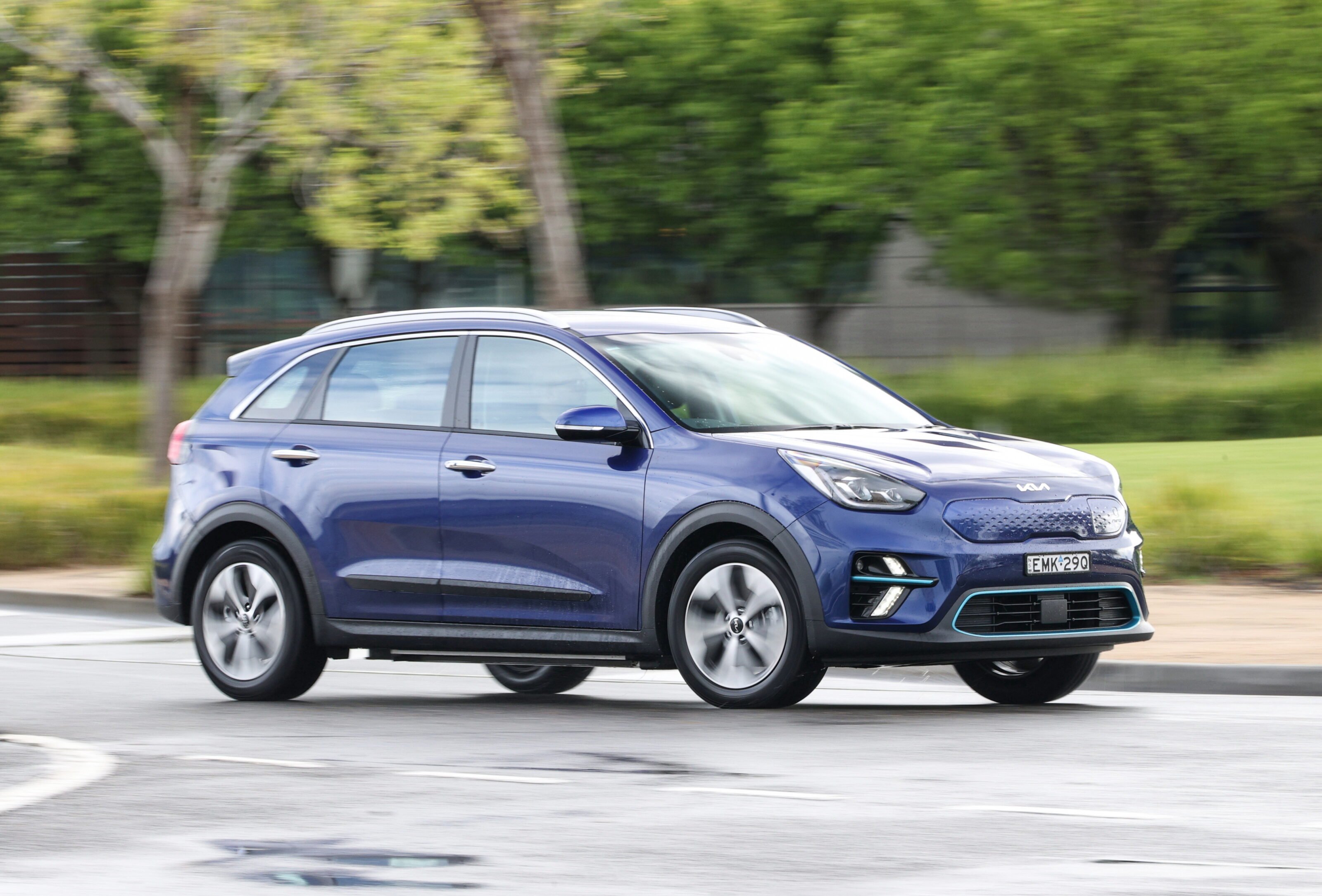
Driving around town generally saw my consumption dip to about 14.5kWh/100km, while driving on highways and country roads saw the average climb to a still-reasonable 18kWh/100km.
Behind all those numbers is a lively driving experience for a bulky small SUV. As you’d expect from an EV, acceleration is instantaneous but unlike more performance-oriented models, initial torque delivery is tamed to prevent the front wheels from chirping.
While you don’t get that door-busting instant acceleration, the ride is quite slick once you get going and there’s always plenty of instantly accessible power in reserve should you need to further accelerate.
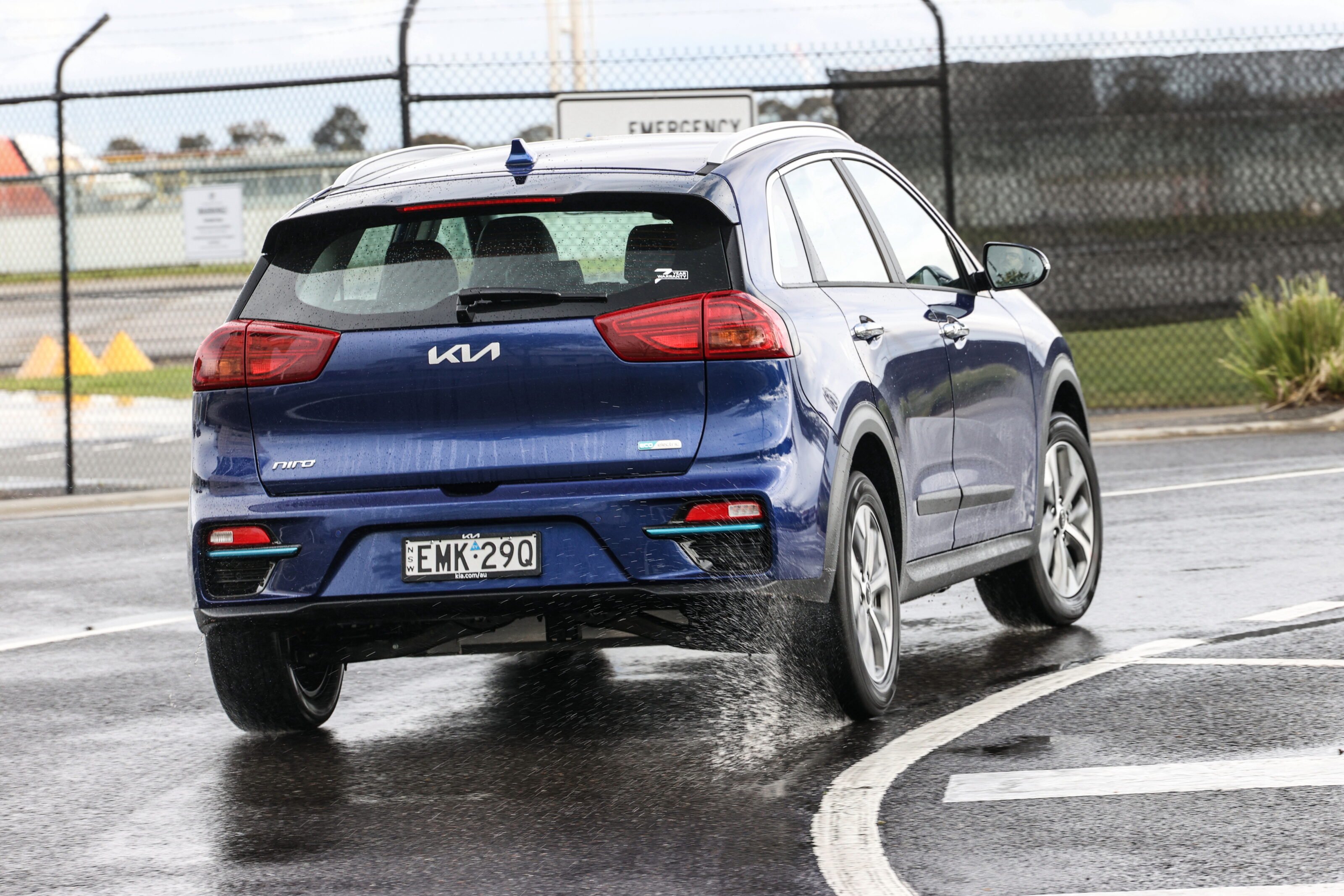
The ride is zippy and silent, particularly around town, but its driving dynamics (and range) are compromised by the hefty 1791kg kerb weight (347kg heavier than the Niro Hybrid), which is most obvious when cornering.
Unlike most Kia models, the Niro hasn’t undergone an Australian suspension tuning program but the front strut/rear multi-link suspension handles local conditions pretty well but can predictably get a little busy on deteriorating country roads.
The ride is zippy and silent, but its driving dynamics are compromised by the hefty 1791kg weight, which is obvious when cornering.
What is the Kia Niro EV like for safety?
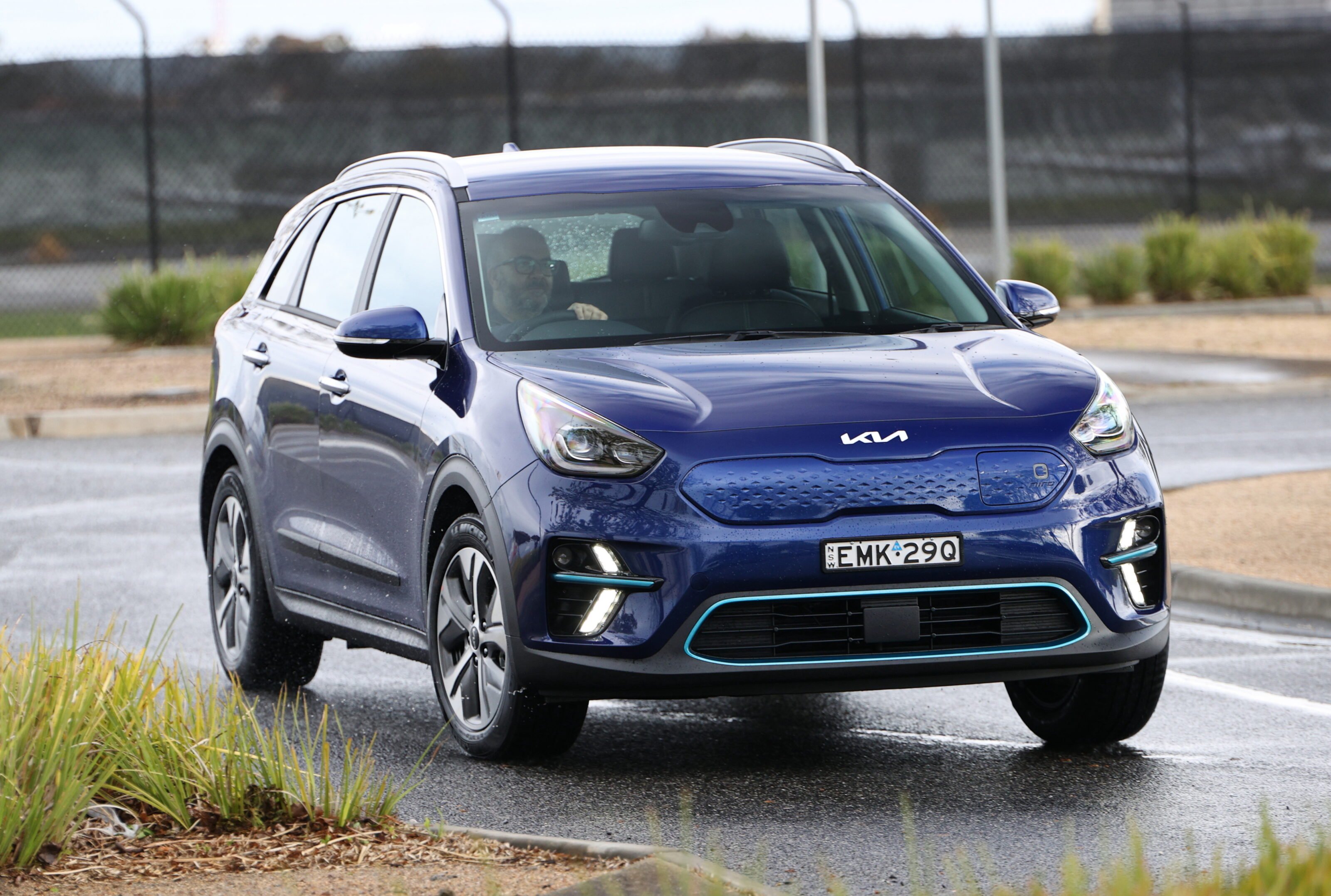
Unlike the Niro Hybrid and PHEV variants, which have a five-star ANCAP safety rating, the Niro EV has not been crash tested and won’t be due to being so late in its life cycle. But like the hybrids, it comes with a decent list of safety features including seven airbags and autonomous emergency braking (AEB) with pedestrian and cyclist detection.
Advanced driver assistance tech includes lane-keep assist, lane-follow assist, adaptive cruise control and driver attention alert, with the Sport spec bringing blind-spot monitoring and rear cross-traffic alert.
VERDICT
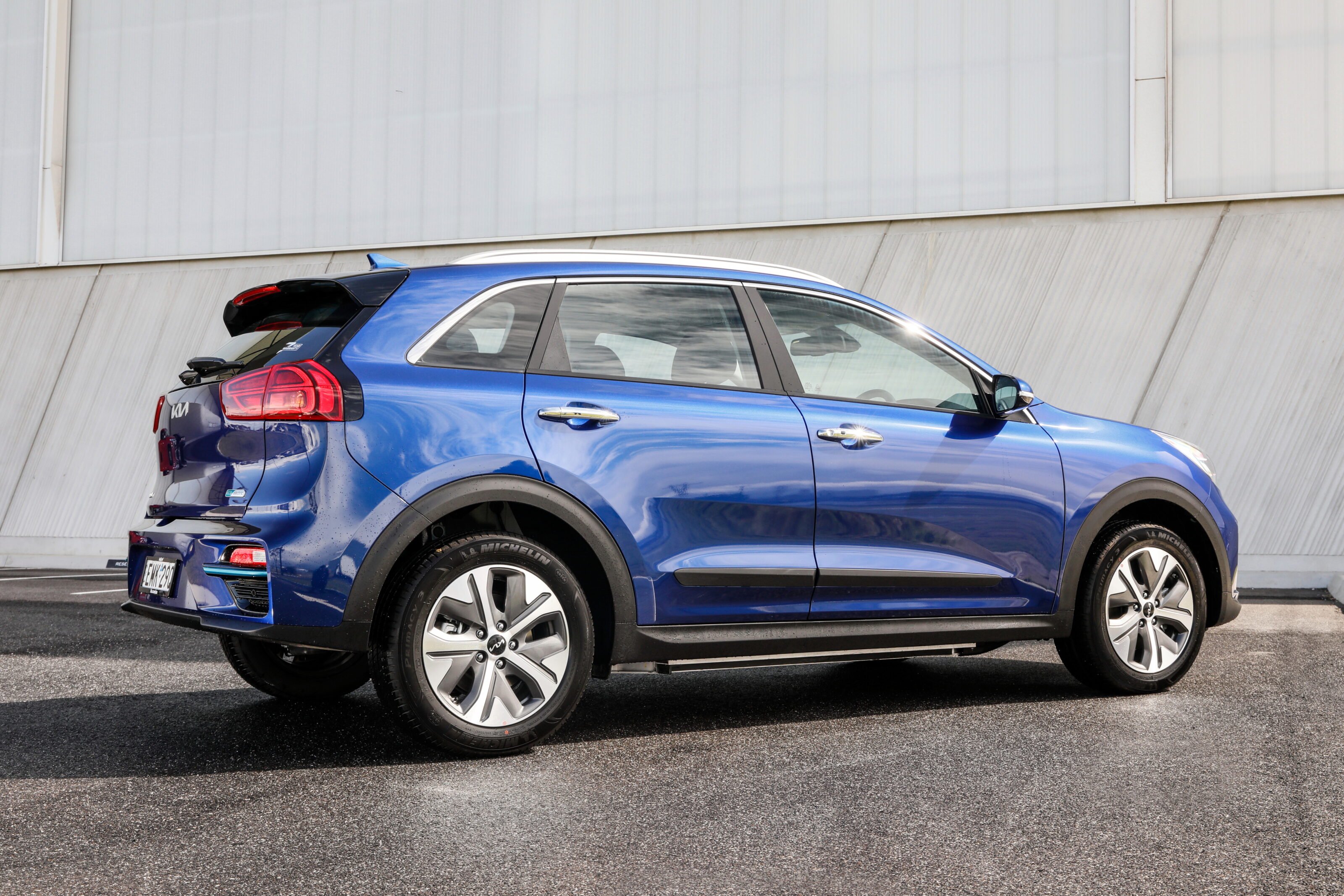
The total score atop this review would be higher if it were written in 2019. There’s nothing wrong with Kia Niro EV in isolation; if you want a spacious and practical all-electric SUV that will provide well over 400km on a single battery charge, there is a lot to like.
However, placed alongside the rest of Australia’s current EV fleet, not least the box-fresh Ioniq 5, it really is hard to justify paying $70,000 for a vehicle that looks dated and lacks surprise-and-delight features.
Luckily for Kia, it has the new EV6 coming on, along with the recently revealed new-generation Niro to replace the car driven here. We’ll look forward to testing those.
2021 Kia Niro EV Sport specifications
| Drive | FWD |
|---|---|
| Motor | permanent magnet synchronous |
| Power | 150kW |
| Torque | 395Nm |
| Battery | 356v, 64kWh lithium-ion polymer |
| Transmission | single speed reduction gear |
| EV range | 455km (WLTP) |
| Energy consumption | 15.9kWh/100km |
| Charging port | CCS2 |
| Kerb weight | 1791kg |
| Suspension | MacPherson strut (front); multi-link (rear) |
| L/W/h | 4375/1805/1570mm |
| Wheelbase | 2700mm |
| Front Brakes | 305mm ventilated discs |
| Rear Brakes | 300mm solid discs |
| Tyres | 215/55 R17 Michelin Primacy 3 |
| Wheels | 17-inch alloy |
| Price | $65,990 + ORC / $70,990 drive-away |
Snapshot
- 2018-2019 Land Rover Discovery recalled
- The issue can cause a fuel leak, increasing fire risk
- A total of 240 vehicles are included in the recall
Land Rover Australia has recalled a total of 240 examples of the 2018-2019 Land Rover Discovery due to a potential issue with the car’s fuel feed hose.
According to a recall notice published by the Department of Infrastructure, incorrect routing could result in the fuel hose splitting, with the potential for a fuel leak to occur in the engine bay.
Land Rover will contact affected owners, but the company can be contacted directly by calling 1800 625 642 or visiting a dealership, found here.
You can check a list of all 240 VINs related to the recall by clicking here.
It’s no secret that social media brings out the worst in people, which is why car enthusiasts ostensibly seem to decry the downfall of the once-flourishing forum boards of yesteryear.
It’s easy to agree when you compare the twilight of extensively detailed and illustrated tutorials with the gatekeeping, vitriol and shaming you often see in some of the most popular automotive Facebook groups today.
However, in actuality, forums weren’t always all that much better. Before ‘trolling’ became common vernacular, there were hordes of ‘flamers’ at the ready, waiting to unleash upon any unsuspecting new member with an unpopular opinion or an un-researched frequently asked question.
A few cases come to mind where disputes have led to pages and pages of pointed personal insults from grown adults acting in tragic petulance. I was also recently reminded of an old PerformanceForums row where contention over allegedly counterfeit C63 headers for sale led to a gearbox casing being dumped on a doorstep, and ultimately required the involvement of the local constabulary.
That is but one case of many where rose-tinted glasses might be skewing the view of enthusiasts.
With a recent explosion of interest in the cars of old, so much of the narrative and history surrounding some of these models is being heavily revised.
As Cameron Kirby has previously explained in his Supra v Mach 1 comparison, a MkIV Supra in its day was a lot closer to a relaxed GT cruiser than it was to turn-key JGTC racer. Subsequent lore and culture references pulled the reborn Supra into a new realm of sporting intent.

Retrospective views on value are also a frequent fallacy, as many internet pundits seem to believe that modern premium pricing is a long way distant to how many of these cars were historically positioned.
The MkIV Supra was never sold new in Australia, however, USDM pricing in 1999 pegged the flagship Supra Turbo at $40,000. That sounds like a bargain by today’s standards, but back then a fully loaded Camry LE wore a sticker price of just $19,798. That’s a 102 per cent price disparity in 1999. Compare a top-spec Camry SL Hybrid of today with an A90 Supra GTS, and the price disparity measures negligibly different at 106 per cent.
Clearly, the JDM heroes of yore weren’t quite the affordable democratic champions of speed that many seem to believe.
This results in an unenviable, and often unfair, weight of expectation as manufacturers like Nissan and Honda commit to enduring nameplates like Zed and Integra.
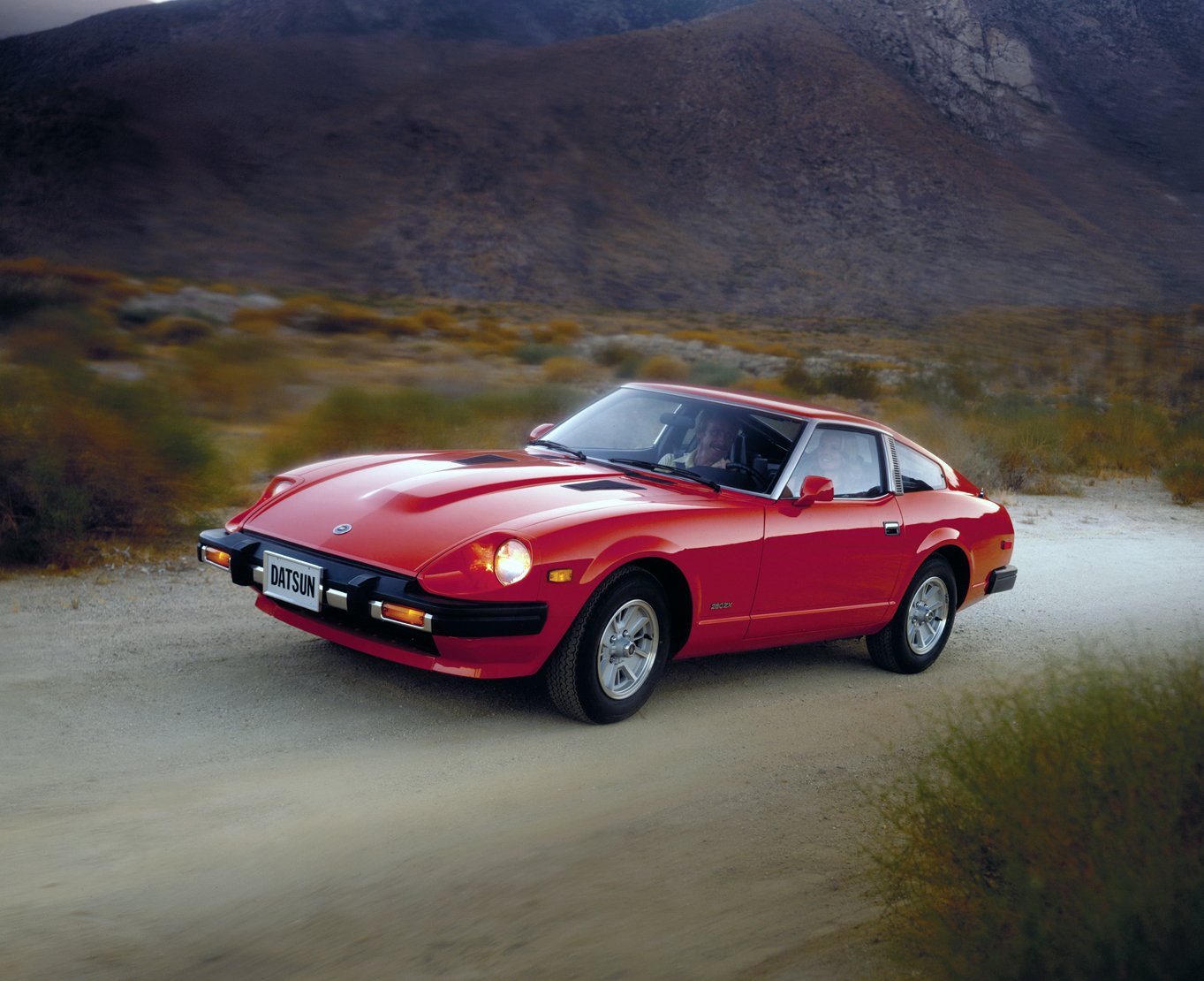
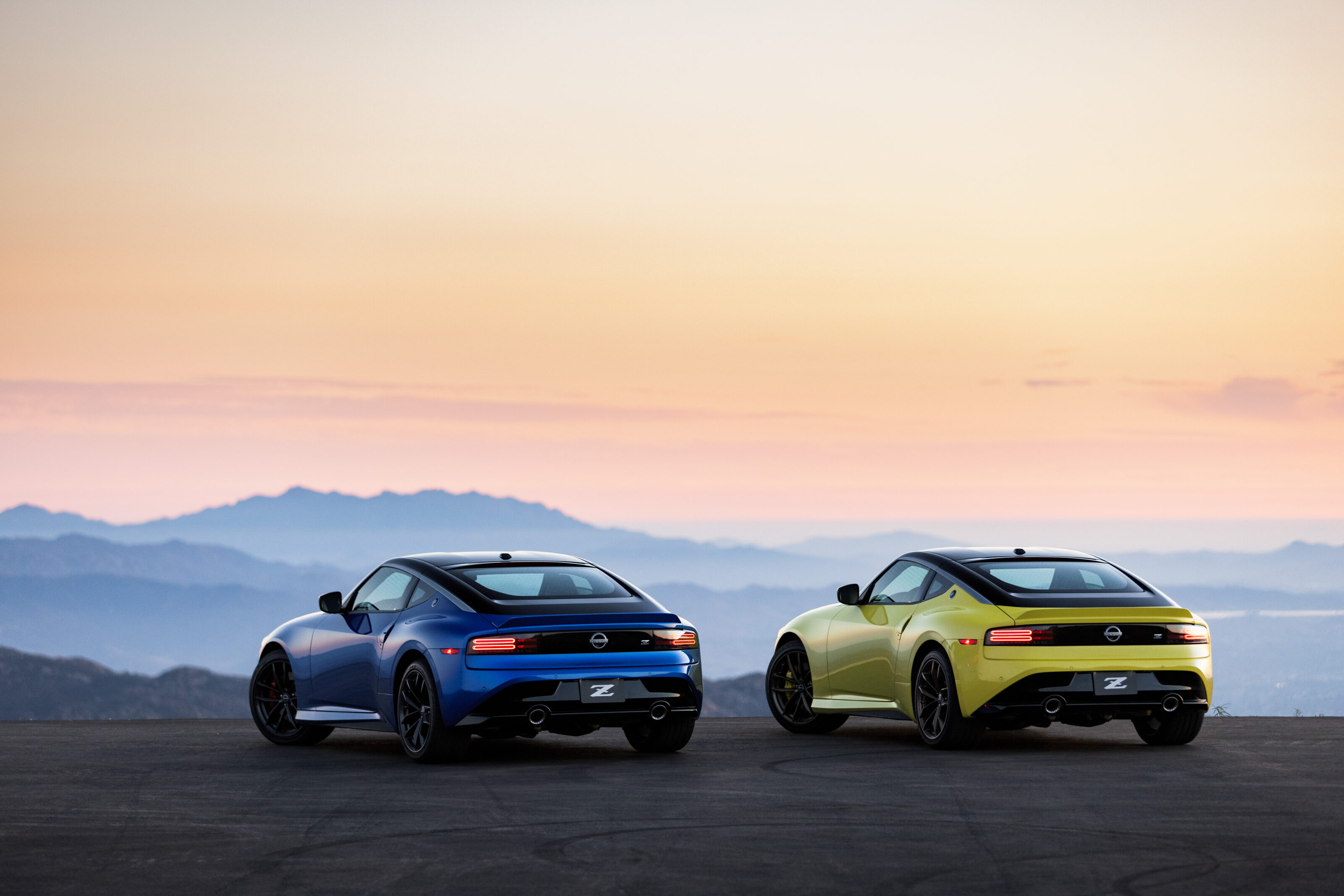
Whenever Nissan does confirm local pricing for its hotly anticipated new Zed, there will almost certainly be comments on its perceived unaffordability, as so much of Zed lore is centred on the notion of affordable performance.
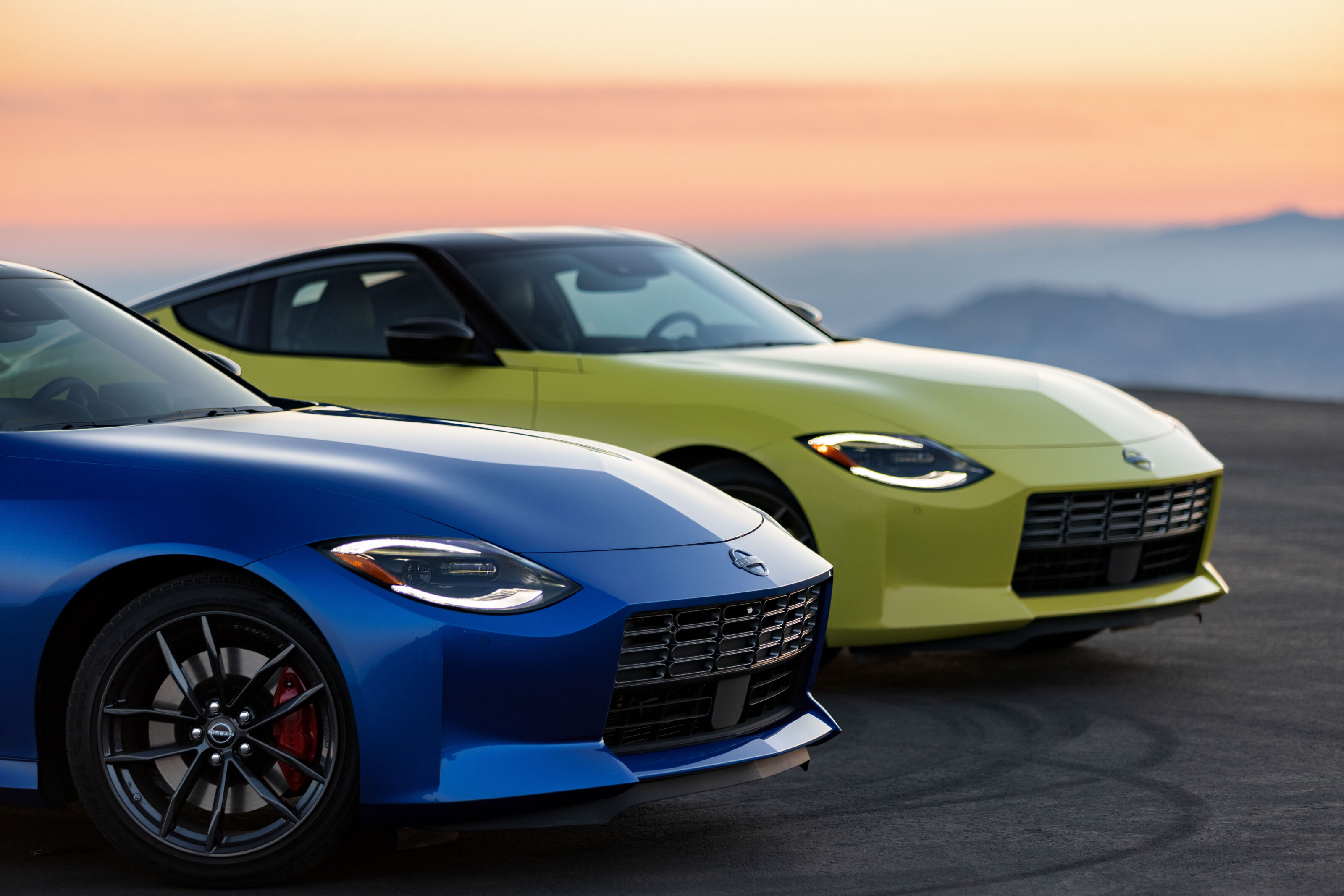
It’s true that the original 240Z undercut and outperformed far more costly exotic imports in its day, like the Alfa Romeo 1600 or Ford Capri V6, and made a significant impact on Australian enthusiasts. At $4600, however, it exceeded the values of local motorsports heroes such as the XW Phase I Falcon, XU-1 Torana and Chrysler’s E38 Charger.
Fast forward 10 years to 1980, and a Nissan 280ZX set Aussie buyers back almost $20,000. That was more than a new BMW 323i at the time, and would equate to about $88,000 today when adjusted for inflation.
We’re a naturally nostalgic bunch, us car enthusiasts, often looking to the past with rosy eyes and nothing but good memories. Sometimes, however, looking back can be a limiting exercise often filled with false logic. Reality wasn’t always as we remember it. So let’s be reminded to remove the rose-tinted glasses every now and again. In many ways, the roses we have today have never smelled so good.
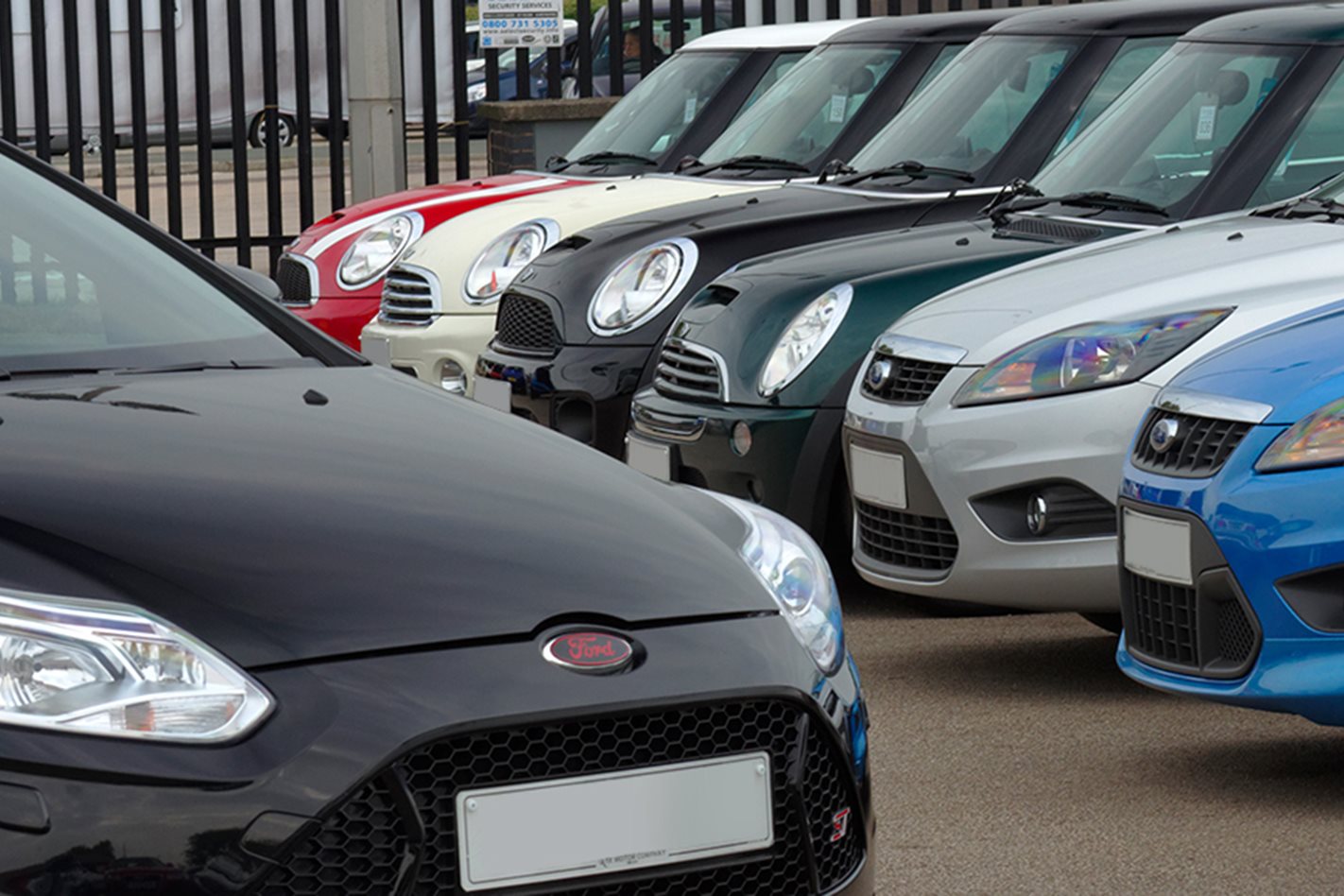
After two years of ever-increasing resale values in the used-car market, financial experts are warning the bubble could burst in 2022.
Global accounting and analytics firm KPMG have published a report forecasting a drop of 30 per cent from today’s prices, as new-car supplies become more stable in the new year.
The COVID-19 pandemic led to a number of supply-chain issues for automotive parts – the most prevalent being the global semiconductor chip shortage – further exacerbated by issues in the shipping industry.
These problems meant fewer new cars being delivered to customers and dealerships, with demand far outstripping available stock, which caused an unprecedented increase in demand for second-hand vehicles.
The report indicates chip suppliers are expected to close the supply/demand gap in 2022, unwinding the issues and potentially leading to a collapse in used-car prices.
“Normally, when the market senses that automakers are once again able to produce a normal supply of new cars, we would expect equilibrium to be restored and used-car prices would normalise,” the report states.
“That implies a reduction from current price levels of roughly 30 per cent.”
However, the report concedes rising inflation could create a new floor for both new- and used-car prices.
“Raising interest rates to curb inflation could also reduce consumer demand, placing downward pressure on pricing and bringing back aggressive incentive spending.”
While some manufacturers have been optimistic about industry supply-chain issues improving in 2022, there are no signs yet of relief.
Finally. After the most tumultuous and challenging two years in living memory, the world is slowly but surely returning to some semblance of normality.
Factories have restarted, car production is up, stocks are rising and – most importantly – a host of exciting cars heading to Australia in 2022, to usher in a new era of motoring for consumers tired of waiting for life to resume since the beginning of this decade.
While electrification will play a bigger part than ever before thanks to a wave of interesting EVs heading our way, a large number of established favourites have been or are about to be redesigned, improved and/or updated, as car manufacturers go all-out to satisfy the pent-up demand for vehicles across the globe.
These include the final-ever locally designed and engineered mass-market ute, the hybridisation of a much-loved small SUV, a head-turning retro restyle of a sports car legend and the rebirth of a slew of motoring icons. The pandemic may have halted the pipeline for a while, but now the industry is back with a vengeance.
So, whether you’re in the market for a fresh set of wheels right now, or planning to make a move sometime in the near future, here’s our coverage of the most appealing, intriguing, provocative and straight-up compelling newcomers scheduled for the coming year.
01 – Range Rover
Due: Q4 2022 Expected Models: D300, D350, P400, P530, P510e Expected Price Range: from $216,000 – $420,000
The 2022 Range Rover, new from the wheels up, is the most luxurious and technologically advanced Rangie in history.
Codenamed L460, the fifth-gen Range Rover is built on Jaguar Land Rover’s (JLR) all-new aluminium-intensive MLA-Flex architecture where torsional stiffness is up 50 percent over the outgoing Rangie, and structural-borne noise is down 24 percent. The L460 is also 52mm longer overall, rolls on a 75mm longer wheelbase, and has an 11mm lower roofline.
In Australia, Rangies will start from $215,900 and offer five powertrains: three mild hybrids (MHEV), a plug-in hybrid (PHEV) 3.0-litre turbocharged straight-six in either petrol or diesel form, and a BMW-sourced 4.4-litre twin-turbo V8 that delivers 390kW/750Nm and can scoot the big Rangie to 100km/h in 4.6seconds.
The V8-powered models will be badged P530. P400 marks a petrol Ingenium MHEV with 294kW/550Nm. The D300 and D350 badges mean diesel Ingenium MHEVs with 220kW/650Nm and 257kW/700Nm, respectively. All engines drive an eight-speed automatic transmission with a two-speed transfer case.
An intriguing option will be the P510e, which features a 294kW petrol six combined with a 105kW e-motor mounted between engine and transmission. Its lithium-ion battery has a useable 31.8kWh capacity and offers between 80-100km of electric driving, limited to 140km/h. Rated at 375kW/700Nm, the P510e claims a 5.6-second 0-100km/h sprint and a real-world driving range of about 640km. And with 50kW DC rapid charging capability, the battery can be topped up to 80 percent charge in under an hour.
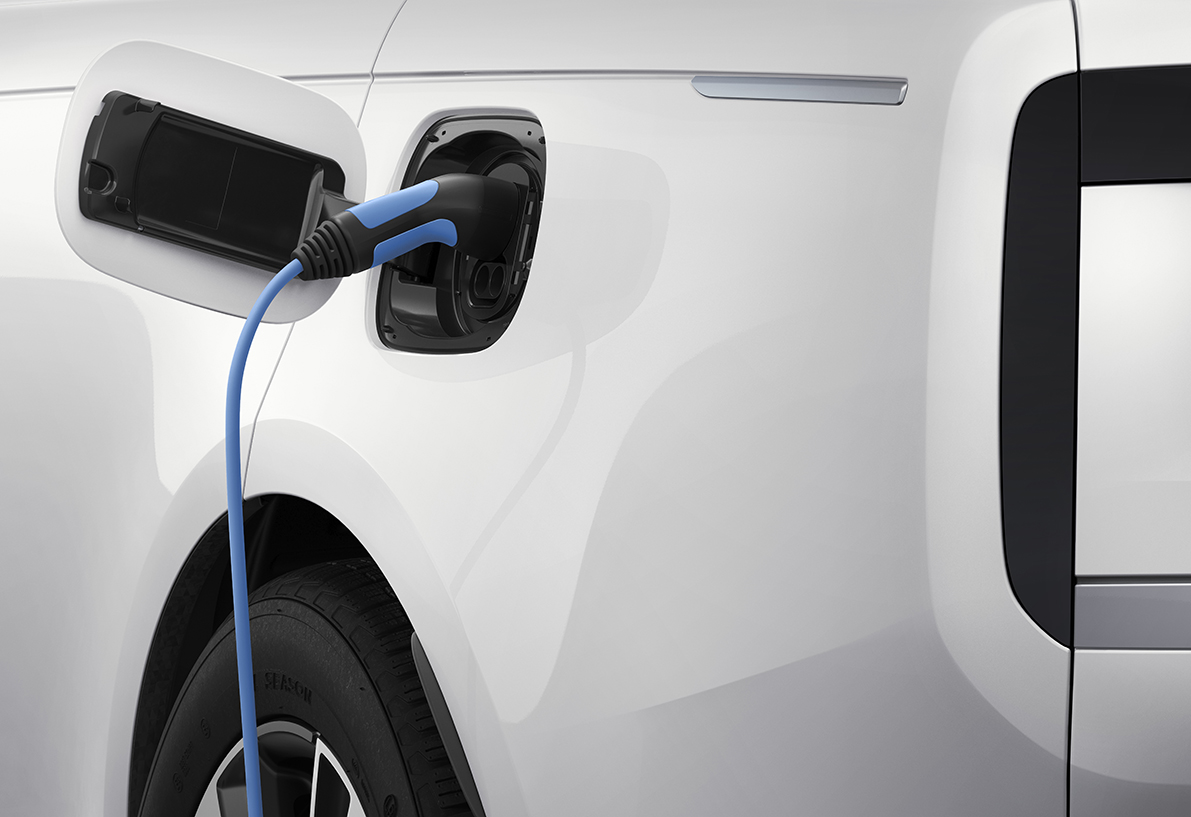
The powertrain line-up will also gain the first ever all-electric Rangie in 2024. Dual motor all-wheel drive and outputs above 375kW/700Nm seem logical, along with a 500km-plus driving range from a 100kWh battery pack.
Combustion engine models use a new all-wheel drive system that drives the rear wheels between 35km/h and 160km/h to cut mechanical drag by 30 percent and improve fuel efficiency. All-wheel drive is activated from a standstill, when ambient temperatures drop below 3 degrees Celsius and, of course, when driving off-road.
Off-road prowess is boosted by the Terrain Response 2 drive-mode system. There is also a new air suspension with height-adjustable Bilstein twin-valve active dampers. Land Rover’s first 48V active anti-roll system debuts, which can decouple for off-road work and use actuators to push down the wheels to better follow terrain. Ground clearance can reach 295mm, aiding a 900mm wade depth.
All variants score all-wheel steering that steers the rear wheels in the opposite direction to the fronts below 50km/h for agility and in sync above 50km/h for stability. A new five-link rear axle has been designed to not only allow 7.3 degrees of steering angle but also accommodate an electric motor.
JLR claims the new Rangie is the most aerodynamic in history, with a Cd of 0.30, a 12 percent improvement over the outgoing model. Meanwhile, top-spec wheels will now be 23-inchers but with no weight penalty over the current 22-inch wheels.
Inside, a digital instrument cluster has been engineered as a semi-floating glass panel; while a gently convexed 13.1-inch touchscreen floats above the centre of the dash.
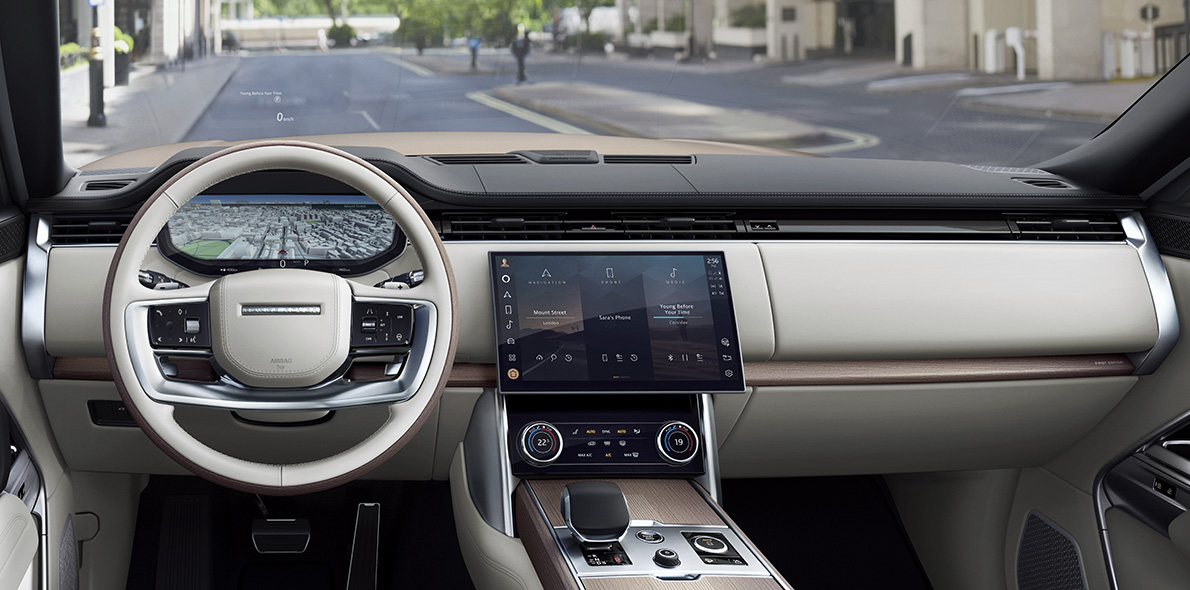
As for space, adding 75mm to the wheelbase gains 44mm worth of knee room behind the front seats. A long-wheelbase model that adds another 200mm between the axles and longer rear doors can be fitted with seven seats.
Options include a split tailgate, available with leather seats. Also available is a new 1600W Meridian Signature audio system featuring 35 speakers teamed with active noise cancellation. The onboard electronics can be updated over the air like your smartphone apps.
On paper, at least, the benchmark has set a new benchmark. – Angus Mackenzie
02 – Ford T6.2 Ranger
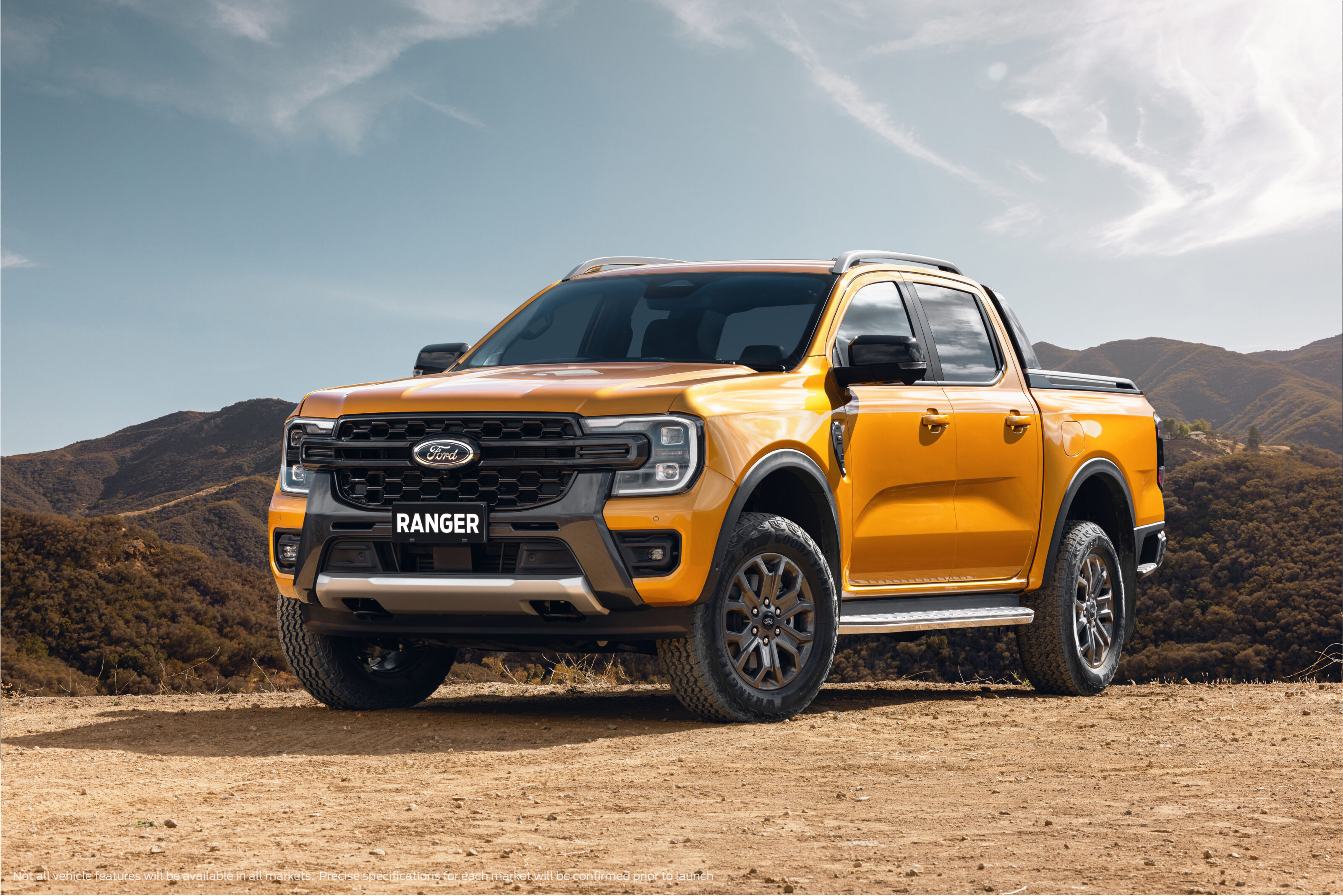
Due: Q3 2022 Expected Models: XL 4×2 to Raptor V6 4×4 Expected Price Range: from $30,000 – $90,000
Not only is the new Ranger 2022’s most important Ford release anywhere in the world, but also the very last mass-volume Australian-designed and engineered vehicle, ending an era that has spanned well over a century.
Underneath the smart redesign is a revised chassis that brings an increase to the wheelbase of 50mm, as well as a widening of the tracks by 50mm. Moving the rear shock absorbers further outwards widens the ute’s footprint, improving dynamics and increasing wheel articulation, while moving the wheels outwards has allowed the designers to fit a wider cargo tub that will accommodate a full-size shipping pallet.
The extra 50mm of wheelbase has been achieved by moving the front axle forward.
This provides an advantage in that it reduces the front overhang for an improved approach angle when driving off road.

As for engines, the familiar 2.0-litre four-cylinder diesel engine will be offered in both bi-turbo and single-turbo variants, with two tunes for the single-turbo engine. Big news, though, is a 3.0-litre V6 diesel joins the line-up, with power and torque outputs yet to be confirmed.
Transmission choices will include the 10-speed automatic, which is familiar from the current model when powered by the bi-turbo diesel.
It will also be the transmission fitted to the V6 diesel. It’s been improved with a new torque converter and closer ratios to make it more refined and durable. The MT-88 manual gearbox will be available in both five- and six-speed variants, but Ford has not confirmed what engines will come with a manual option.
Most Rangers will retain the traditional part-time, dual-range 4×4 system, but the ute will also debut a new full-time 4×4 system that also offers 2WD mode and locked 4×4. Expect this transfer case to be reserved for the V6 in upper specification models. The V6 engine, automatic transmission and dual-range transfer case combo will make the Ranger unique in the class.
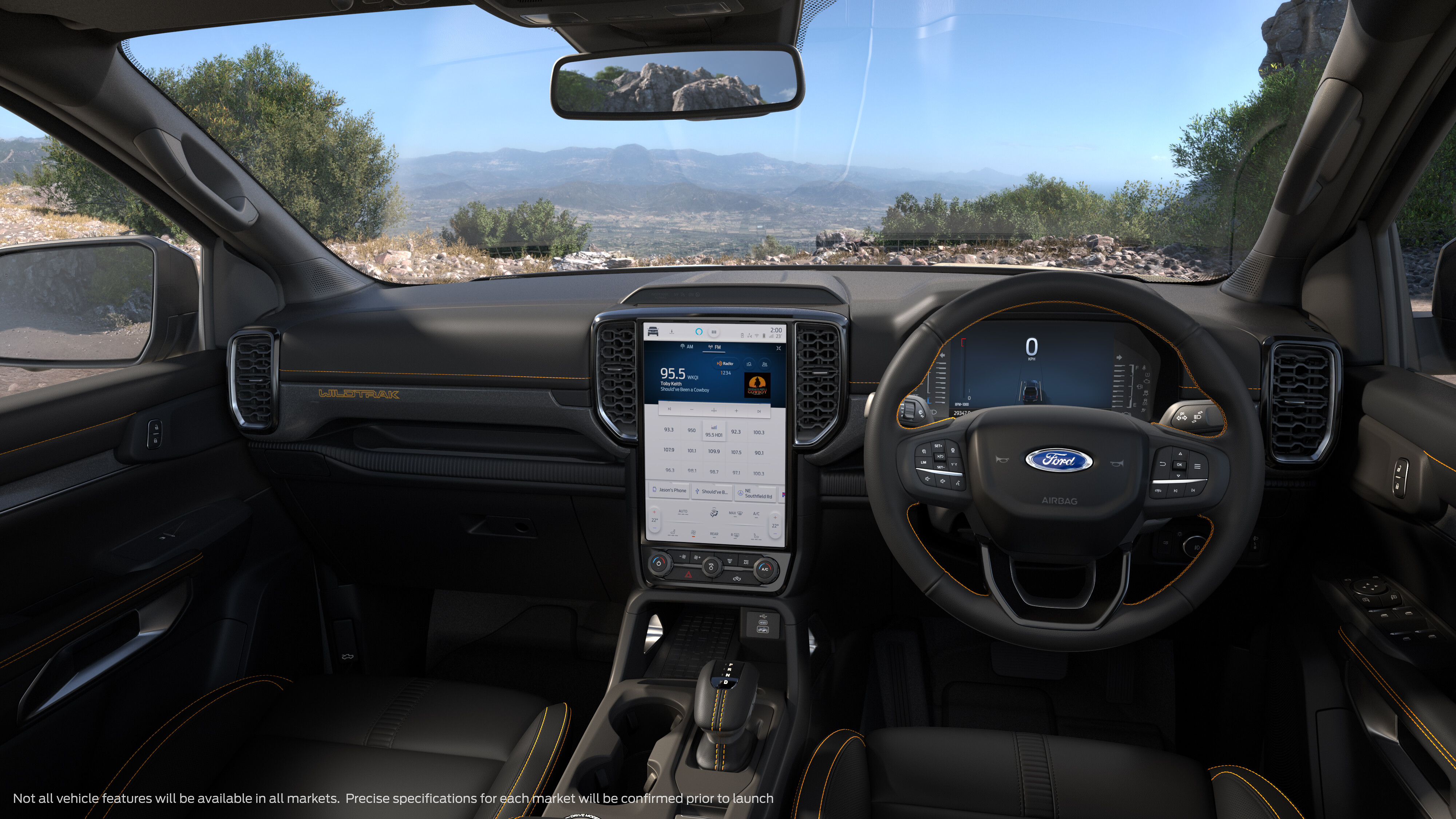
Of course, the Ranger’s also been overhauled inside too, with boosted connectivity, useability and practicality. We’re glad to finally see a truly modern dashboard, numerous fresh convenience items and a cabin that builds on its predecessors’ renowned comfort and refinement.
Lastly, there’s segment-first advanced driver-assist safety systems developed to help keep Ranger ahead of a rapidly improving pack. And all this is ahead of the substantially upgraded Raptor due by 2022’s end.
03 – Mazda CX-60
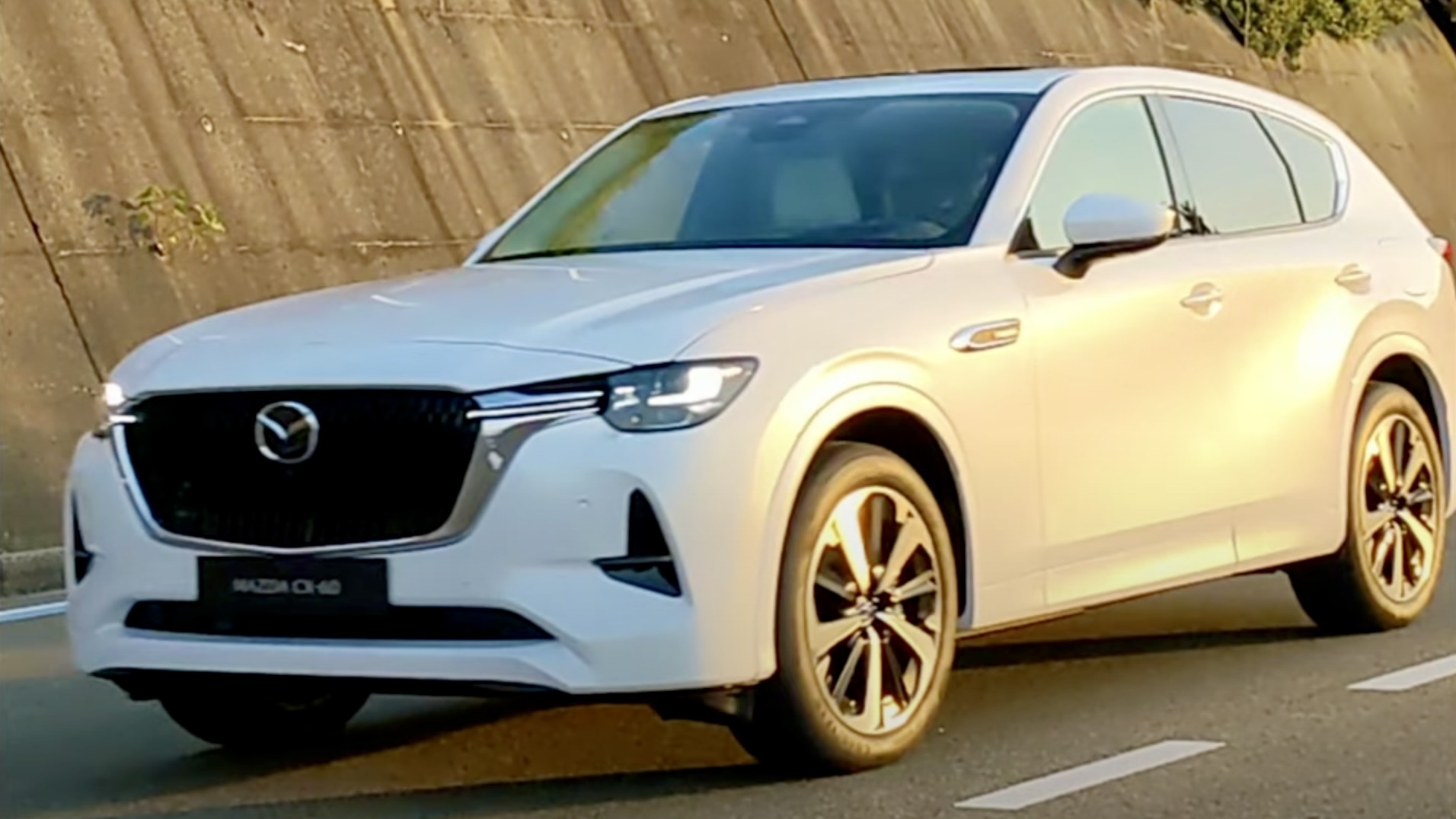
Due: Q4 2022 Expected Models: TBA: I4, I6, RWD & AWD Expected Price Range: from $50,000 – $75,000
A melange of intriguing Mazda SUVs is on its way, starting with this – the striking CX-60.
To be positioned above the existing (and future) CX-5 – that’s right, Mazda’s definitely not ditching its saviour from bankruptcy – this handsome newcomer will debut the brand’s much-anticipated rear-drive architecture (with all-wheel drive availability, obviously) that’s also set for several looming Lexus models.
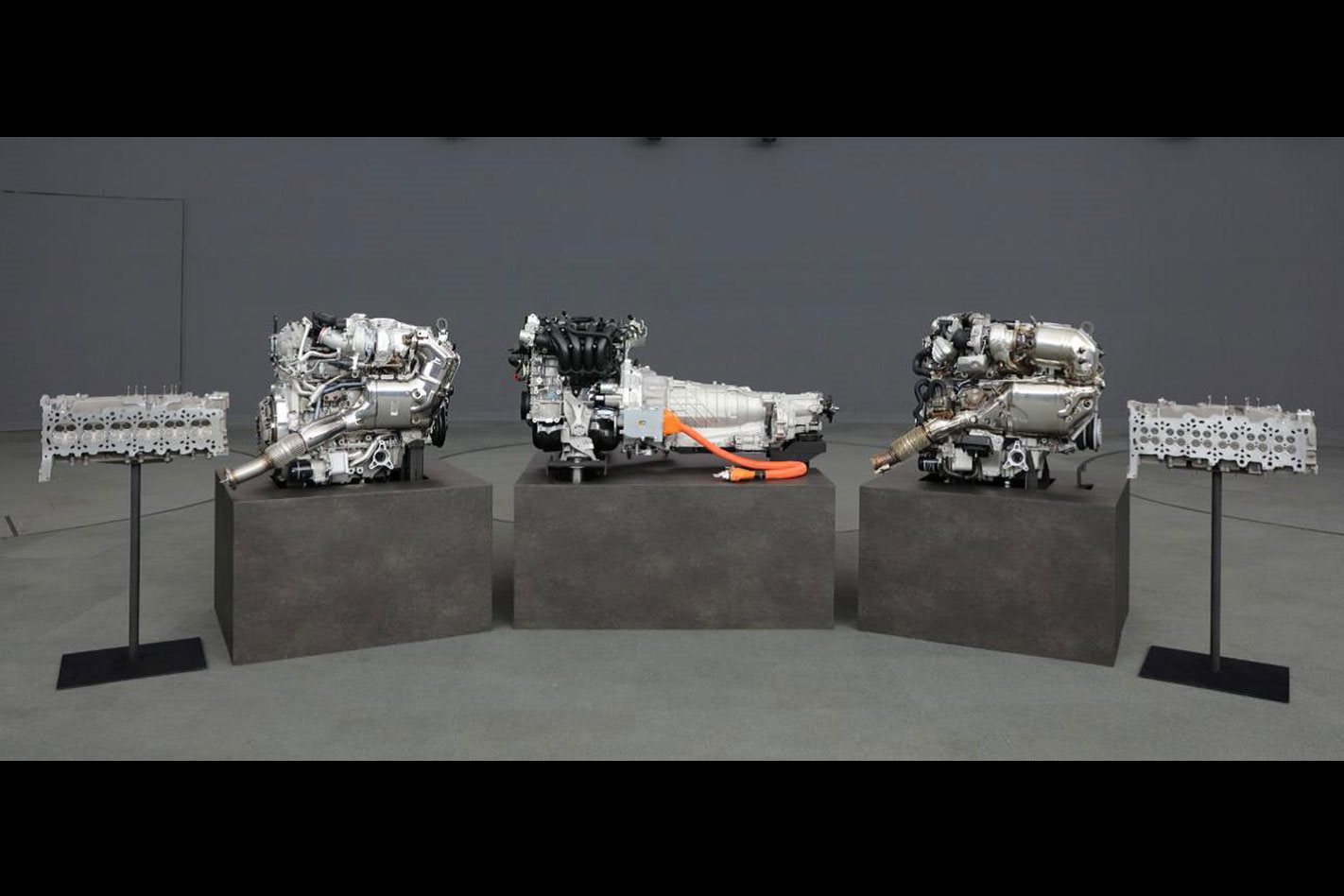
Star billing will be a 3.2-litre in-line six-cylinder 48-volt mild-hybrid (MH) turbo in petrol and diesel formats (BMW, look out) while four-cylinder engines – some with electrification – are also on the play list. All with eight-speed automatic transmissions, too.
The recently facelifted CX-5 offers clues to the bold front-end’s visage, while the silhouette will be defined by a long-bonnet/cab-rearward wagon-esque proportions to accentuate the RWD layout as well as provide some breathing space between CX-5 and CX-9. The CX-30’s signature ‘light and shadow’ sculpted sides are also likely.
We also understand that the front suspension will adopt double wishbones, while the rear end will evolve an existing multi-link arrangement, further highlighting the CX-60’s technical sophistication and keen driver focus. Fortune favours the brave.
When will Australians be able to pony up for this exciting new SUV from Hiroshima? Later in the second half, after a March or April unveiling, and to be followed by a seven-seater CX-80 version sometime in 2023. Mazda is moving on up.
04 – Nissan X-Trail e-Power
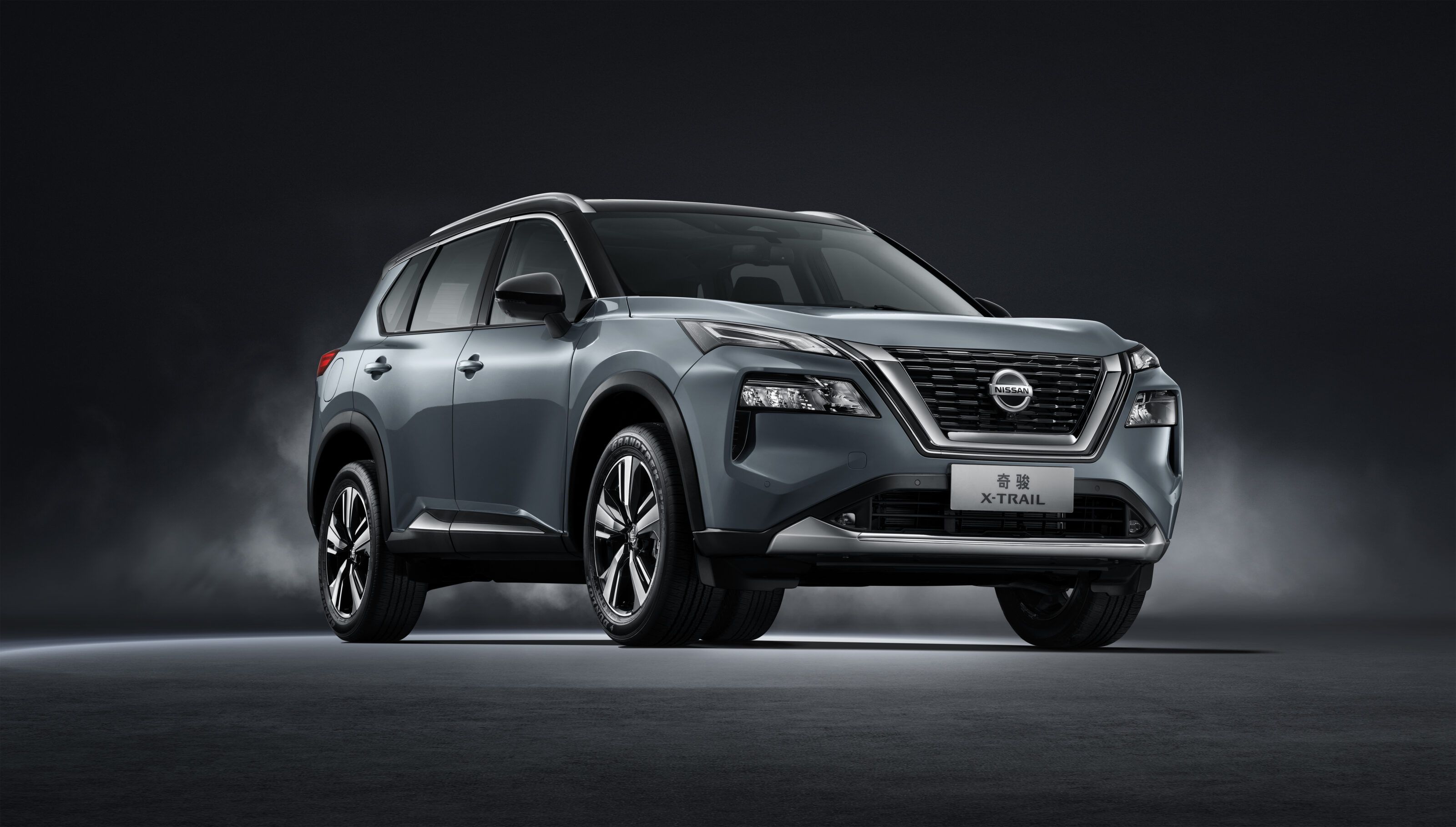
Due: Q4 2022 Expected Models: ST-L, Ti Expected Price Range: from $45,000 – $60,000
Now 21 years young, the X-Trail will enter its fourth generation in 2022, with a new body and interior, as well as a thorough platform update. As before, five- and seven-seater models are coming, as is a revised 2.5-litre four-cylinder petrol engine.
But don’t worry, because something actually fresh and different is also on its way, courtesy of Nissan’s novel e-Power system. Set to rein-in the runaway-success Toyota RAV4 hybrid, it uses a small four-cylinder turbo-petrol engine to charge the battery that powers the electric motors that drive the front or all four wheels. No plugging-in required.
An EV with a range extender then, and affordable to boot. A smash hit in Japan, e-Power is likely to take off here too.
05 – Toyota Corolla Cross
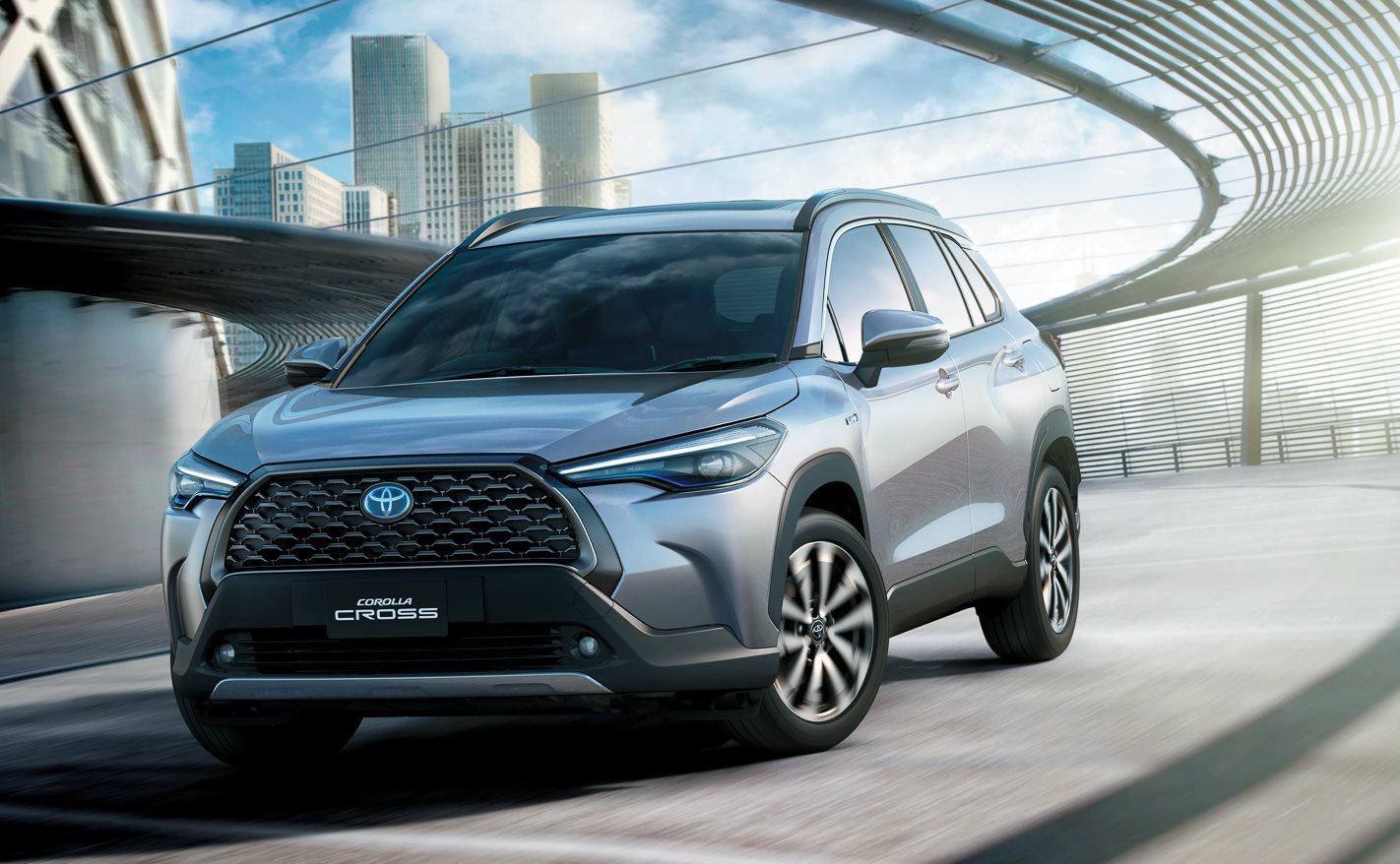
Due: Q3 2022 Expected Models: Ascent, SX, ZR Expected Price Range: from $30,000 – $45,000
The significance of the Corolla Cross cannot be underestimated. Consider this: an attractive and practical Toyota crossover wagon that’s almost as large as the runaway bestselling RAV4, yet aligned with the smaller C-HR pricewise, offering hybrid availability. Think Subaru Outback, scaled down. It’s every rival’s worst nightmare.
Sourced from Japan, the Corolla Cross will offer 1.8-litre four-cylinder engine choices in naturally aspirated and petrol-electric series-parallel hybrid formats, with the latter also available with a twin-motor electric AWD set-up complete with a double-wishbone rear suspension arrangement.
This is the crossover to potentially bury compact hatchbacks and medium-sized sedans alike once and for all, as higher-riding models continue their ascension. As the 2020s wear on, could Corolla Cross become Australia’s favourite family car? Don’t bet against it.
06 – Ford T6.2 Everest
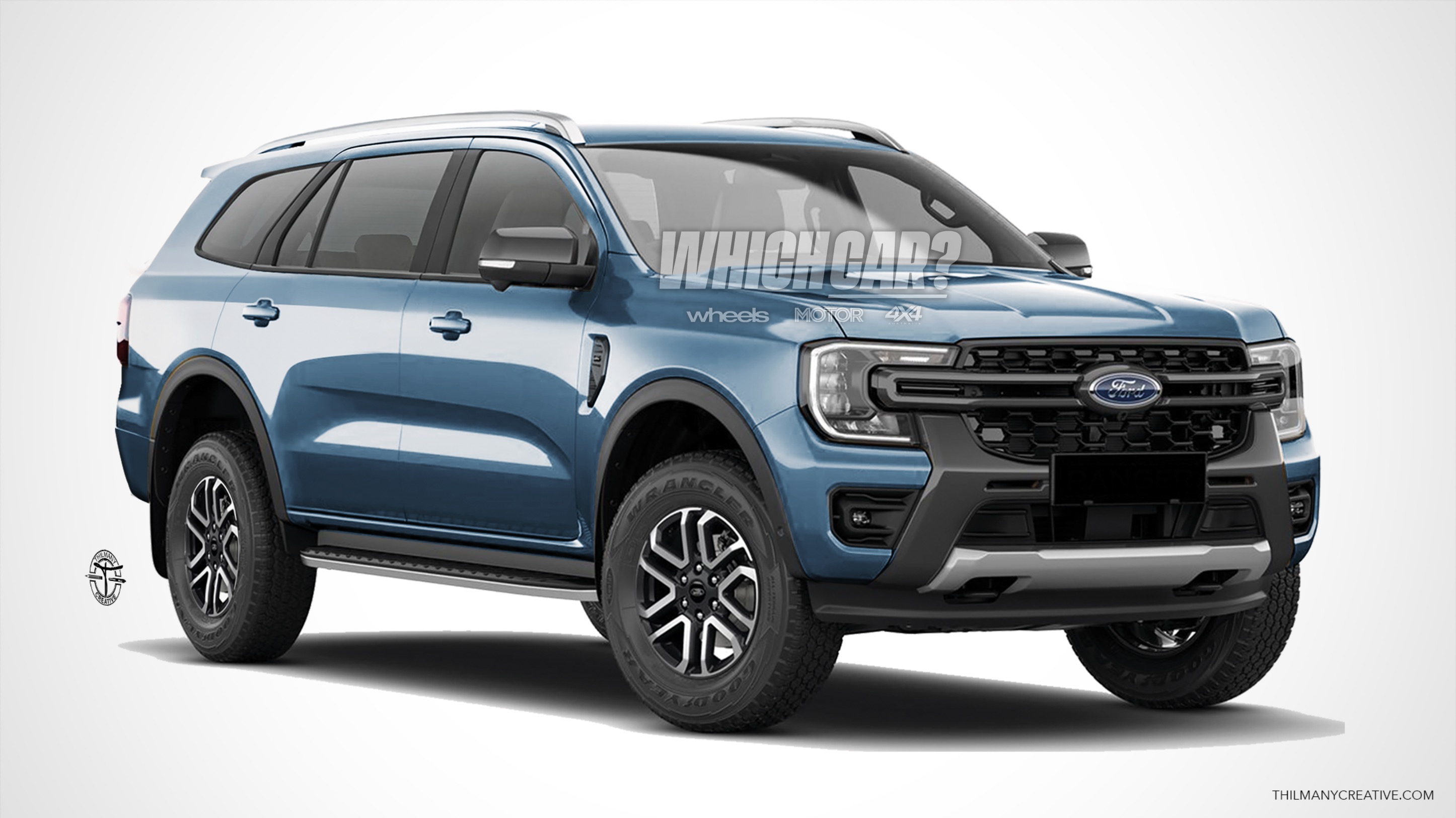
Due: Q4 2022 Expected Models: Ambiente 4×2 to Titanium V6 4×4 Expected Price Range: from $55,000 – $80,000
In its current form, Australia’s only locally developed SUV has exceeded all expectations… except for sales.
Showered with superlatives on its 2015 release, the T6-based Everest could out-point and out-comfort every other body-on-frame rival on the market, setting a standard that has yet to be eclipsed. At least, this side of a 300 Series LandCruiser.
Yet, while moderately successful, customer orders never matched the critical adulation, and we reckon much of that has to do with the jacked-up wagon’s homely looks and tippy-toed proportions.
Thankfully, both will be addressed come later in 2022 with the T6.2 gen Everest.
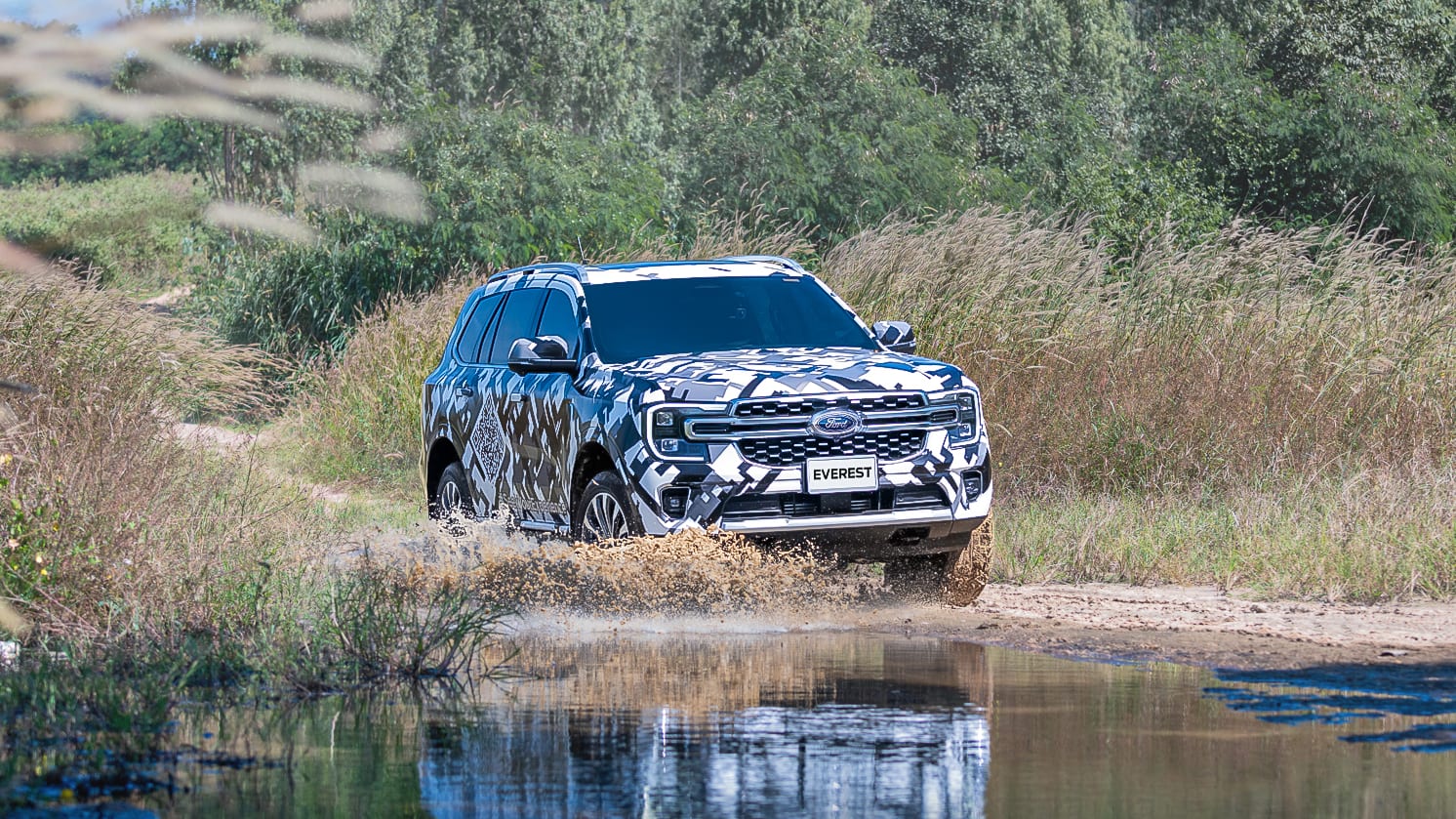
Updated styling bringing a squarer, more aggressive appearance, a redesigned interior, increased safety and exciting new tech, all promise to enhance the ownership experience, and should finally give the Toyota Prado competitor the showroom clout the original couldn’t quite manage.
Note, too, that a 3.0-litre V6 diesel option to the smooth 2.0-litre twin-turbo four will finally give the terrific coil-sprung chassis the muscle it’s long been missing.
From the base Ambiente 4×2 to Titanium 4×4, today’s Everest has lived in the shadows too long for an inexpensive SUV that punches way above its price point. The redesign’s new clothes, classier cabin and V6 brawn ought to finally put things right.
07 – Subaru WRX
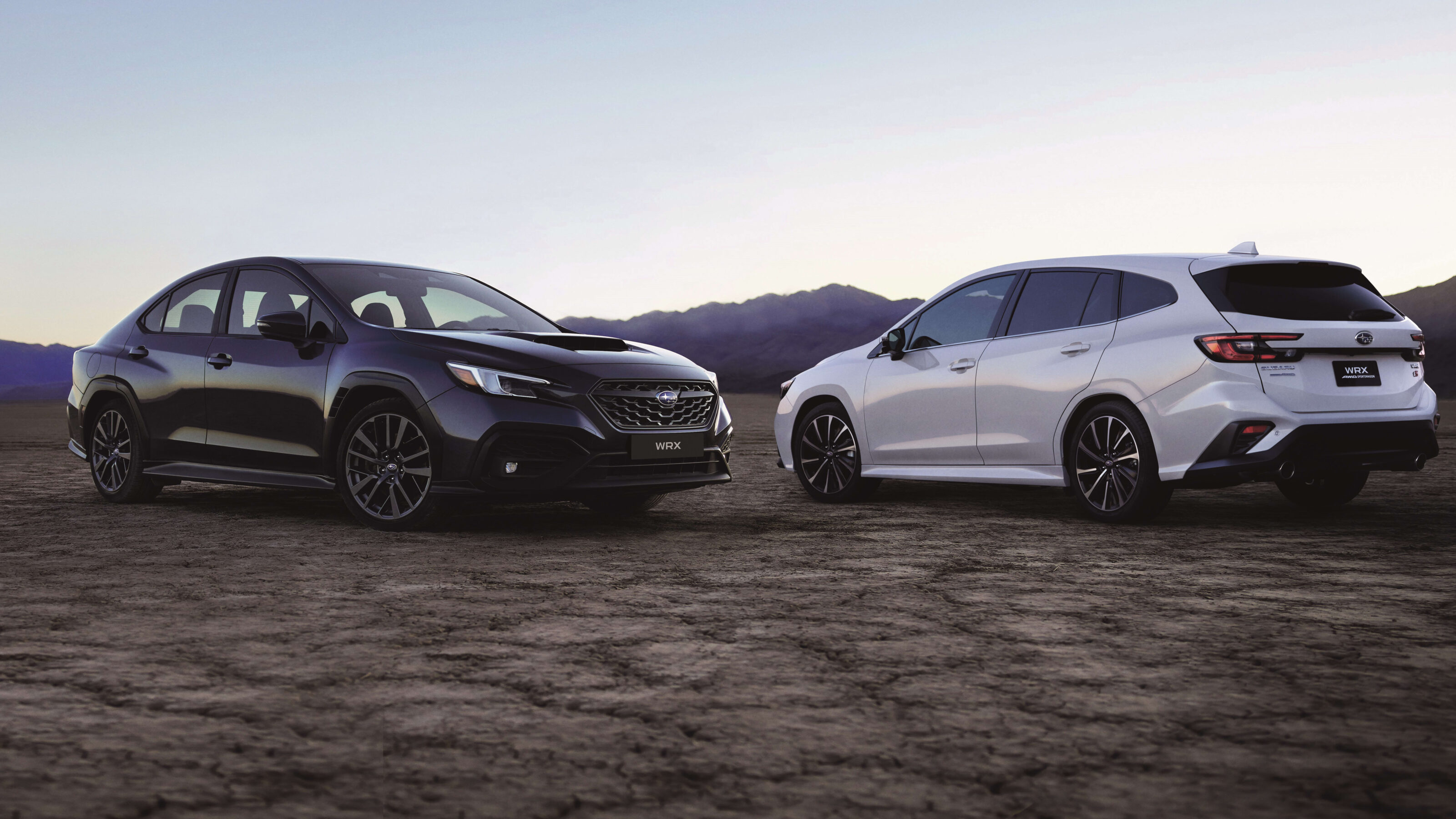
Due: Q1 2022 Expected Models: Sedan, Sportwagon Expected Price Range: from $45,000 – $55,000
Levorg is dead. Long live the WRX Sportswagon.
That’s right. With a nod to Holden’s great VF Commodore load lugger, the next-gen WRX arrives soon, complete with a second body shape that Subaru reckons is ‘the first time in an exhilarating, heart racing Sportswagon’. Maybe, if you forget about the first two Impreza WRX five-door wagons…
But we diverge. Leveraging much from the striking 2017 Viziv Performance Concept, the 2022 WRX sedan is a sharper-looking device, with standout detailing like blistered wheelarches, cool lighting elements and an aggressive stance that pays lip service to the 1993 original. We can’t wait for what the even-racier STi serves up next year.
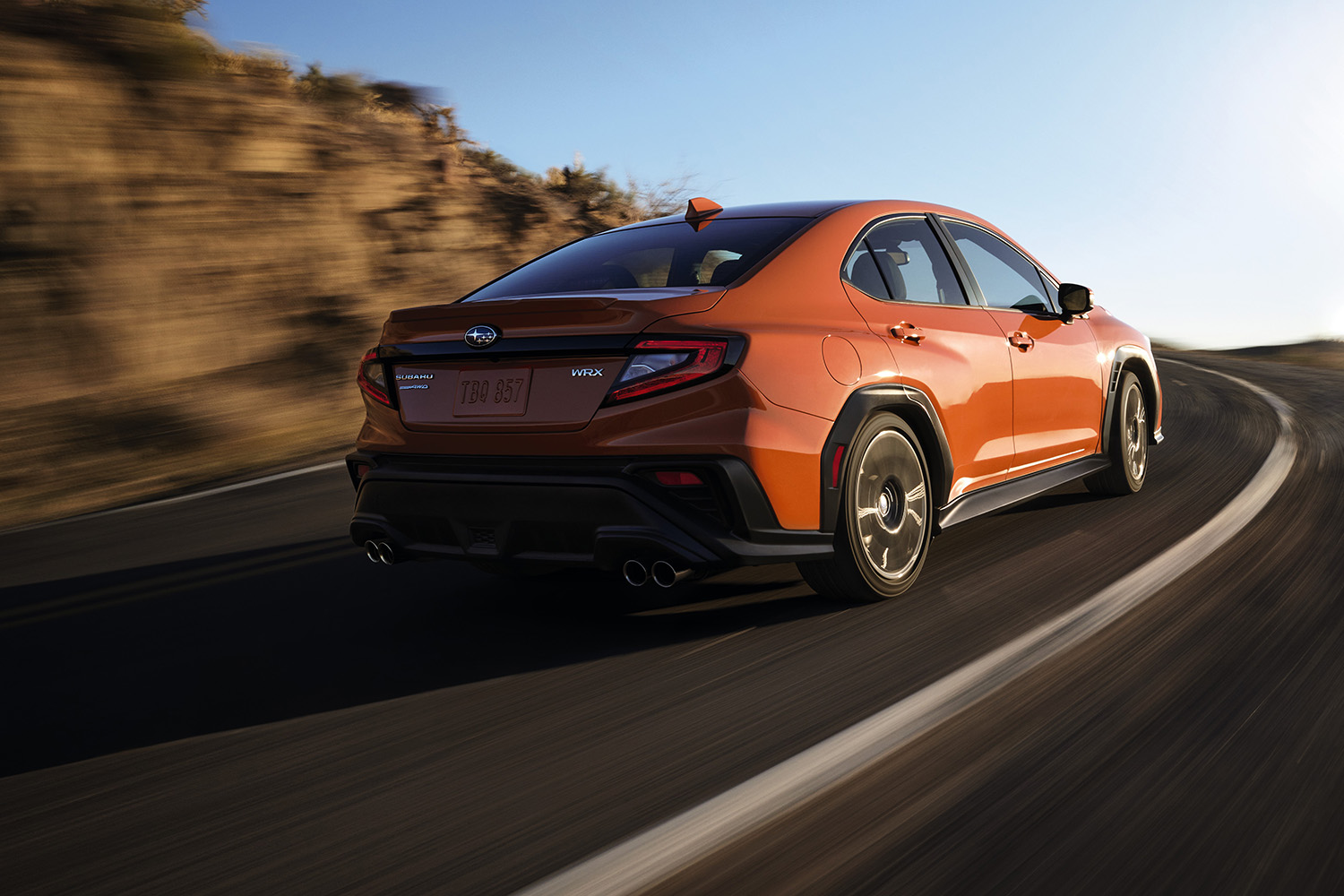
Both WRXs switch to Subaru’s new – and larger – 2.4-litre horizontally-opposed four-cylinder boxer turbo engine, channelling torque variably to all four wheels via a six-speed manual or completely overhauled CVT auto. Better still, the body is beefier, the updated Subaru Global Platform far more rigid than the previous, 1989 Liberty-based architecture and the suspension completely redesigned. All for the driver, as the brand used to say.
And why not? With competition as fierce as the Hyundai i30 N, Ford Focus ST, VW Golf GTI and Honda Civic Type R, all stops are out to make the WRX a modern legend again.
08 – Mercedes-AMG EQS53 4Matic+
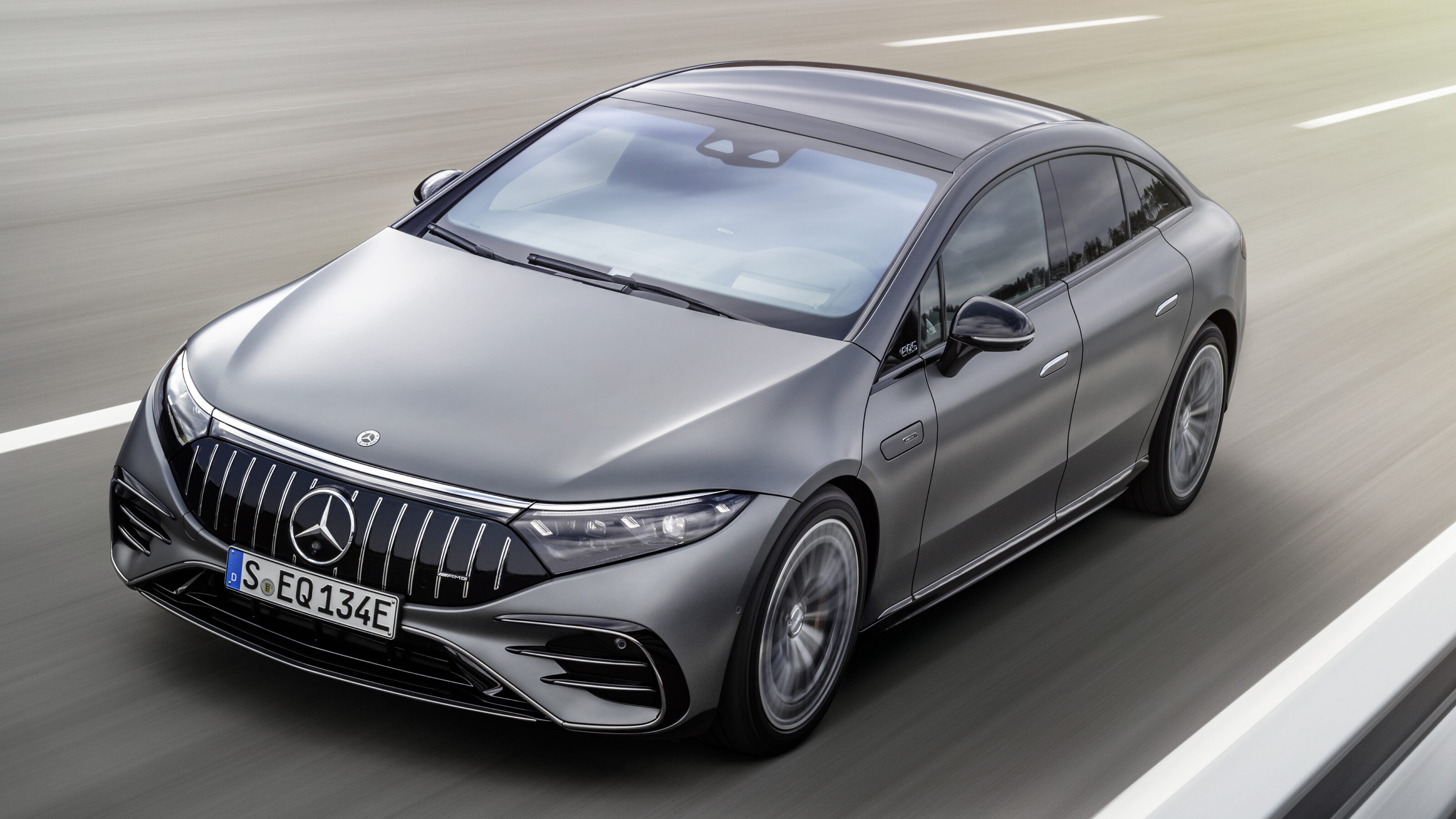
Due: Q2 2022 Expected Models: Base and AMG Dynamic Plus Expected Price Range: from $300,000 – $350,000
If the Tesla Model S/Porsche Taycan/Audi e-tron GT aren’t quite salubrious enough for you, Mercedes-AMG’s astonishing EQS53 4Matic+ might just fit the bill nicely.
Due by the second quarter of 2022, the first in-house electric vehicle from Affalterbach’s performance arm ushers in a new era of high-speed luxury in Australia, with a pair of motors (one per axle for all-wheel drive) offering two states of tune: 484kW/950Nm or 560kW/1020Nm in the AMG Dynamic Plus.
The result means the EQS53 can manage 100km/h from a standstill in as little as 3.4sec compared to the more sedate EQS580’s 4.3sec. On the flipside, with the same 107.8kWh battery pack, the stated 580km maximum range falls somewhat short of the latter’s incredible claimed 770km.
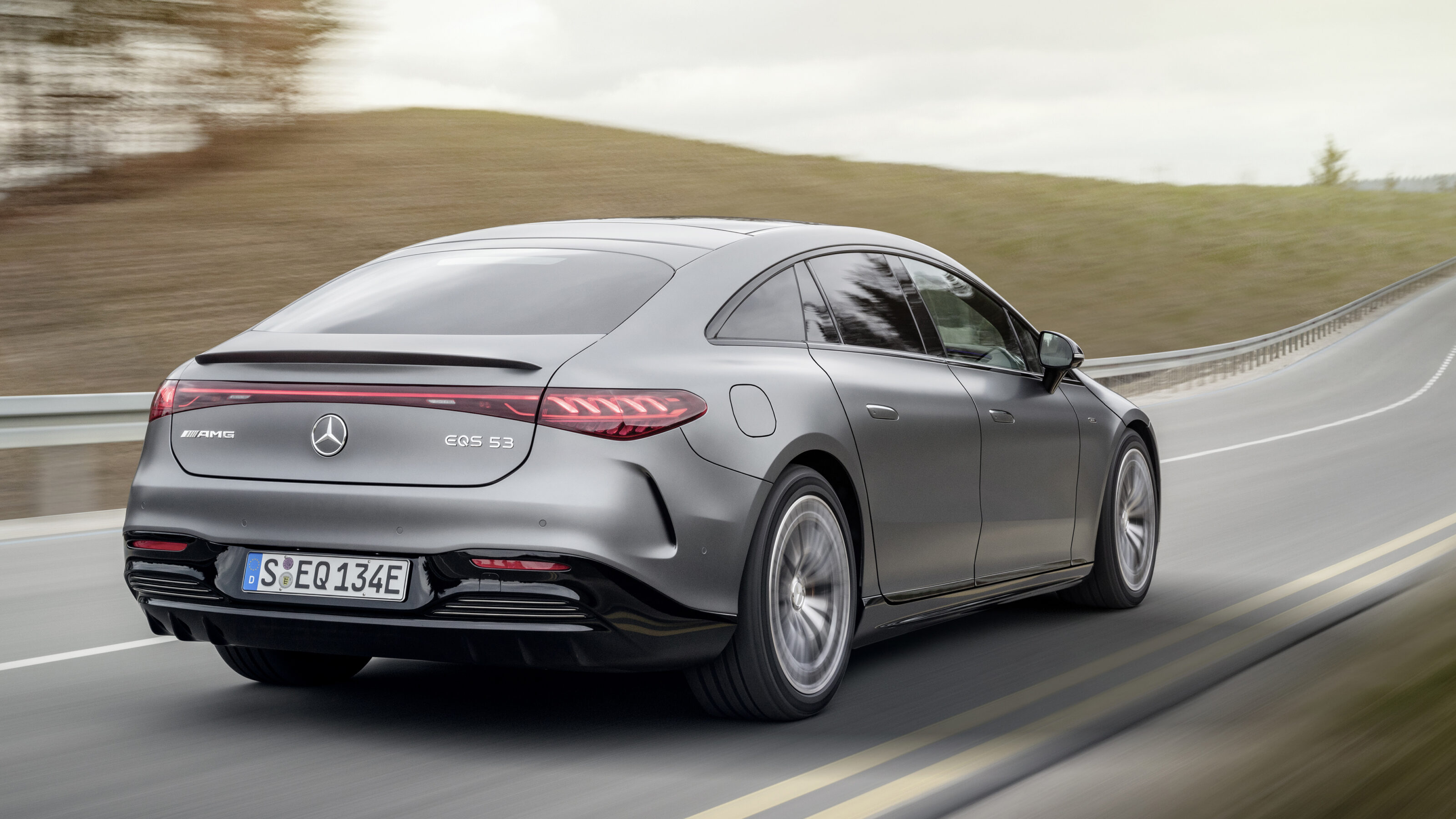
A subtle yet distinctive body kit, aero wheels and other accoutrements differentiate the AMG from its more mundane EQS siblings, though all boast Mercedes’ expansive Hyperscreen dash, along with S-Class levels of comfort, space and luxury.
Sonically, the EQS53 has all bases covered too. To quote Mercedes-AMG, “special loudspeakers, shakers and a sound generator to create a special sound experience in two versions – authentic or performance.” Will this dismantle any sound barriers V8 diehards may throw at this exquisite and frankly otherworldly EV limousine?
Finally, the scaled-down EQE that’s also on the MEA2 architecture follows on later in 2022.
09 – Nissan Z
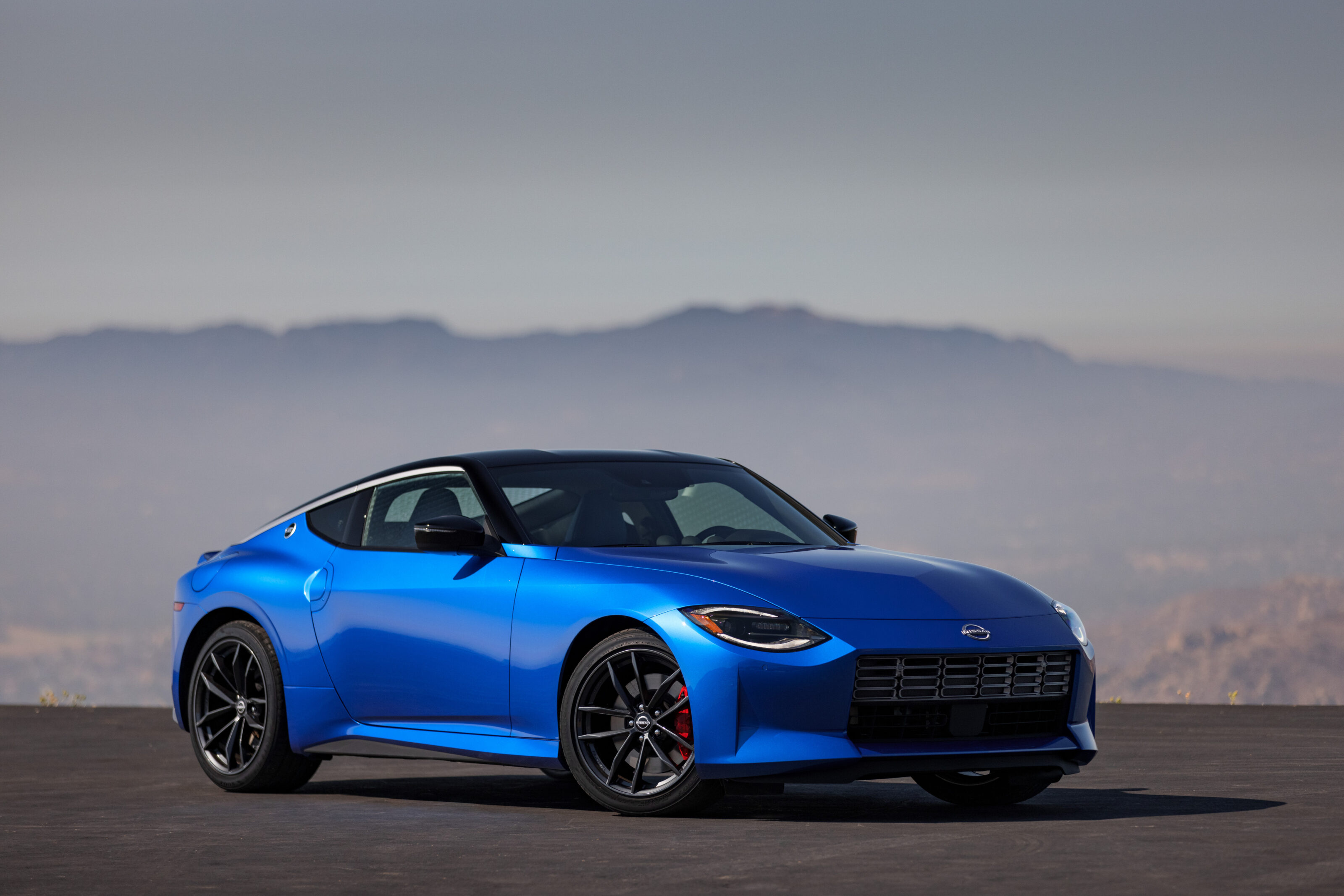
Due: Mid-2022 Expected Models: Z, Z Proto (launch edition) Expected Price Range: from $65,000 – $75,000
A fresh Fairlady Z is always thrilling, even when it’s really just a clever update of a 20-year-old machine.
Kudos to Nissan’s designers, then, for transforming the outgoing 370Z with such panache, fusing styling themes of the 1969 Datsun 240Z original (circular headlights, rectangular grille, fastback glasshouse) with iconic details like the 1990s 300ZX tail-light motif and muscular stance of the 350Z from 2002 to 2008. Post-modern pastiches rarely work out this well.
Carrying over is Nissan’s ageing FM platform, meaning a 2550mm wheelbase and front mid-engine/rear-drive configuration, as well as the 2009 370Z’s basic body and interior structures, although the sheetmetal and (retro-inspired) dash are largely fresh.
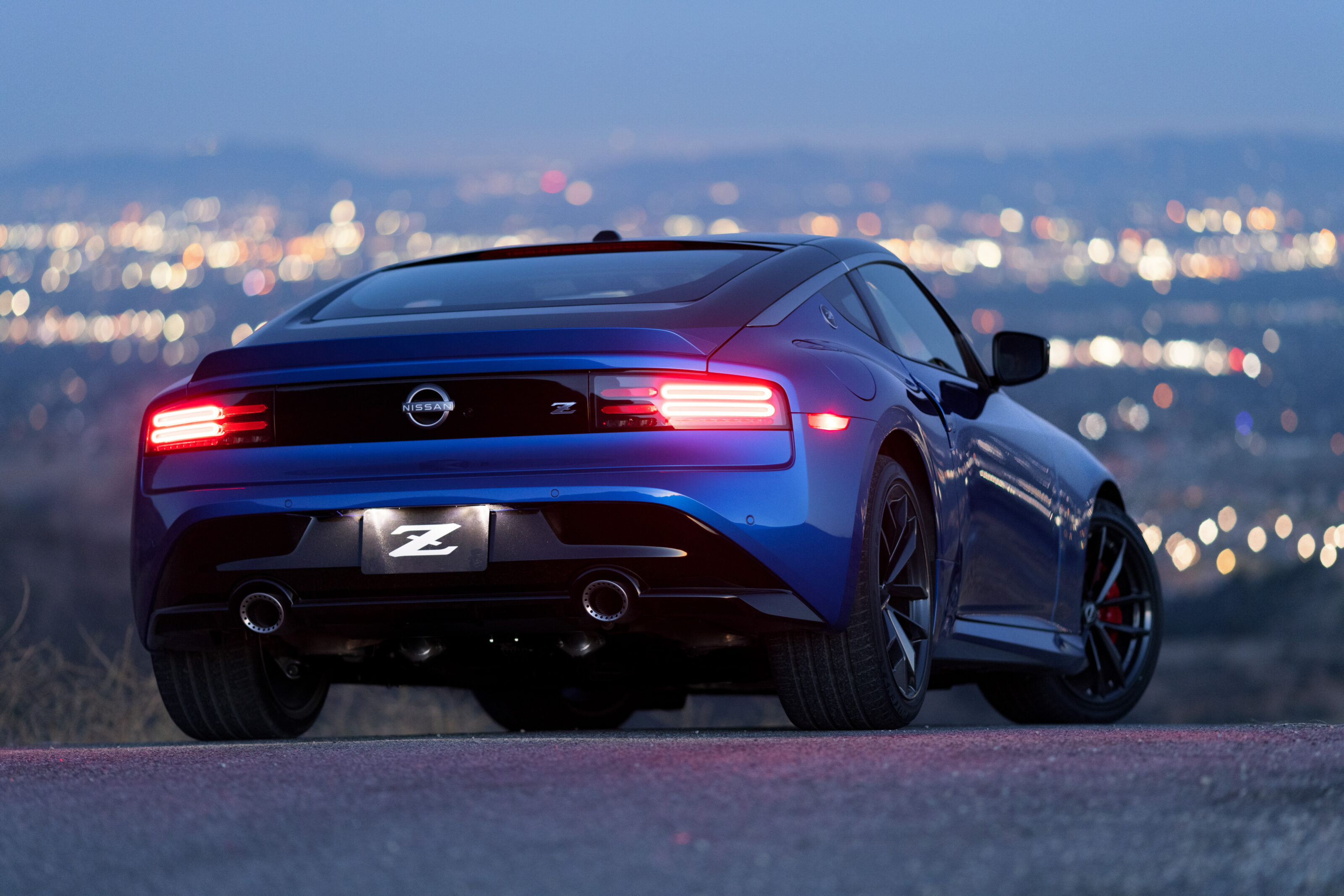
So is the VR30DDTT 3.0-litre twin-turbo V6, ousting the beefy old 3.7-litre V6. Pumping out 285kW and 475Nm, it’s connected to a six-speed manual (with downshift rev matching as per the preceding model) or new nine-speed auto with launch-control. Zero to 100km/h will be sub-five seconds.
A switch to electric steering, uprated dampers, revised double wishbone front/multi-link rear suspension geometry, a stiffer body and a mechanical limited-slip diff also promise more precise handling.
As the name so blatantly broadcasts, this visceral yet sophisticated two-seater sports car will be the final pure-combustion Z – and likely the ultimate. Let’s see if it can live up to the hype.
10 – Honda Civic Type R
Due: Q4 2022 Expected Models: Type R Expected Price Range: from $55,000

The 2010s were a fairytale for fans of small performance cars: Ford Fiesta ST, Peugeot 308 GTi, Hyundai i30 N and – definitely most thrilling of all – the Honda Civic Type R.
Have no doubt. From razor-sharp handling and obsessive body control to the sonic-boom thrust, the Honda was a masterclass of driven engineering genius that succeeded in delivering one of the most exhilarating chapters in hot-hatch history.
Not since the 1999 Integra Type R – dubbed the world’s best-handling FWD at the time – had Honda hit such heights. We described it as the sort of hatch Porsche’s GT division would build… but only if you could stomach the gargoyle styling.

And therein lies the next Type R’s promise. Toning down the visual melodrama while building on the exciting themes has us panting in anticipation, especially if the old raw, mechanical connection is replicated.
We’re hopeful. A revised 2.0-litre four-pot turbo screamer is rumoured to let rip around 245kW (up from 228kW) and some 400Nm, through to a trick torque-quelling dual-axis strut front end via a superb six-speed manual shifter. Yep, no dual-clutch transmission or all-wheel drive to pollute the purity. Bliss.
A frilled-neck lizard in full fright mode no more, the next Type R instalment continues the narrative of the last, but in a prettier package. Sign us up.
11 – Nissan Qashqai
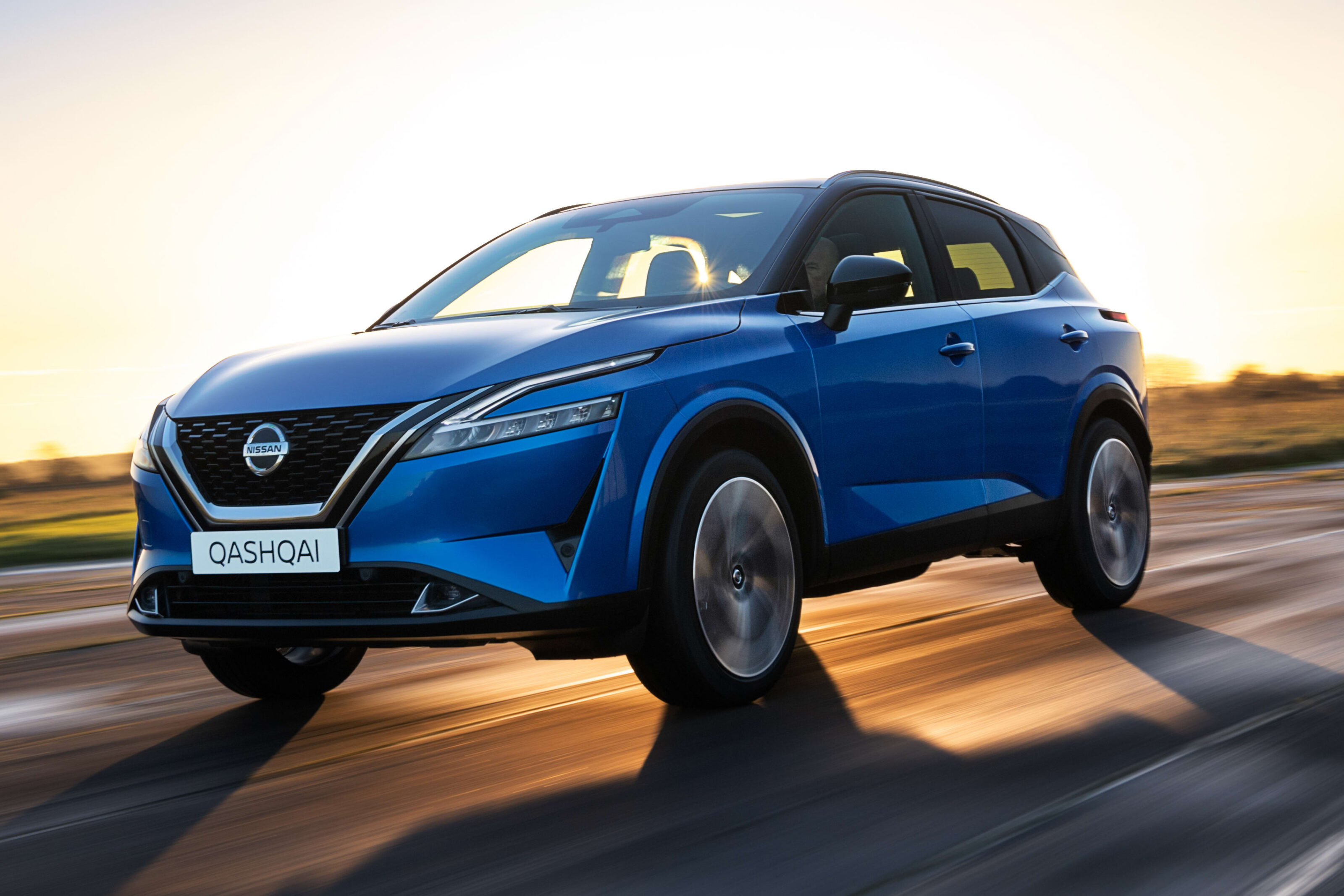
Due: Q2 2022 Expected Models: ST, ST+, ST-L, Ti Expected Price Range: from $32,000 – $55,000
The sales hit of Europe’s crossover set, the British-built Qashqai enters its third iteration fitter than ever, bringing a lighter, all-new body, swish interior and cool powertrain choices that bury Nissan’s tired old 2.0-litre nail once and for all.
Most buyers will gravitate towards the 110kW/250Nm 1.3-litre four-pot turbo with CVT, but the fascinating e-Power alternative presents a 1.5-litre turbo that charges the battery, range-extender style, that powers an electric motor driving the front wheels. Outputs are 140kW/330Nm while petrol consumption drops 50 percent, and all without range anxiety or the need to plug in.
Throw in a stronger structure and quicker steering that promise sharper handling and a quieter ride, and the Qashqai could really reel in the Mazda CX-30 and co. One to watch.
12 – Cupra Leon
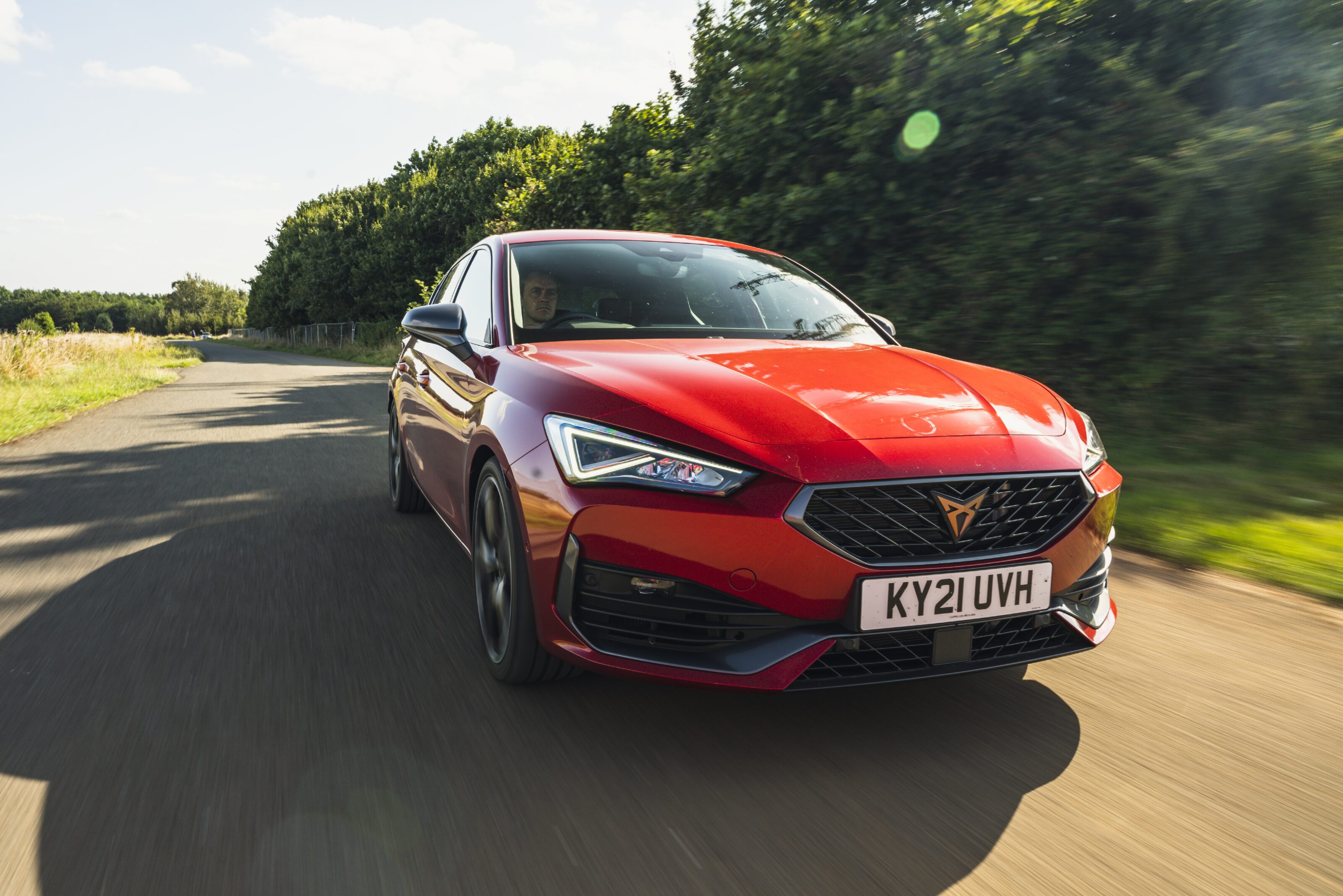
Due: Q2 2022 Expected Models: 140TSI, 180TSI PHEV, 221TSI Expected Price Range: from $42,000 – $60,000
No, not a Ted Lasso soccer player, but VW Spanish subsidiary SEAT’s version of the Golf that we’ve coveted in Australia over four generations but never had the opportunity to experience. Until now.
Like the closely related Formentor mid-sized SUV, the Leon will include a 180kW 1.4-litre turbo plug-in hybrid powertrain with an 85kW electric motor offering warm-hatch hustle (0-100km/h in 6.7sec), or a 2.0-litre turbo tearaway with 221kW on tap as a gutsier Golf GTI alternative (5.7sec instead of 6.3sec to 100 in Euro spec).
If they’re too much, a base 140kW 2.0-litre turbo opener should also fill the Euro sporty-hatch bill nicely. All will include front-wheel drive and seven-speed dual-clutch transmissions. Hopefully we’ll also see the pretty Leon Sportstourer wagon in time, too.
13 – Honda HR-V e:HEV
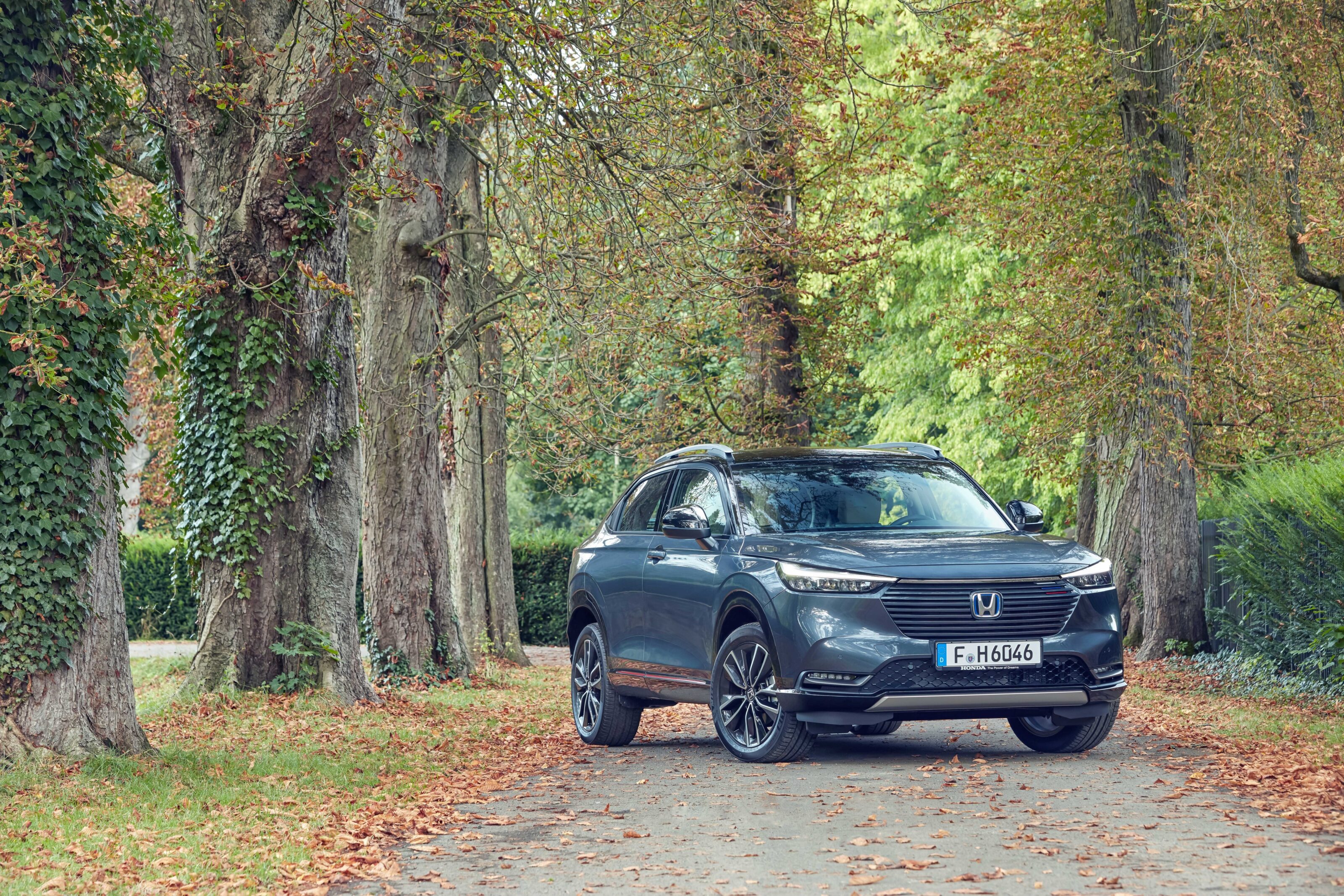
Due: Q2 2022 Expected Models: TBA Expected Price Range: from $45,000 – $55,000
As one of the world’s most popular small SUVs, there’s a lot riding on the third-gen HR-V.
Now sourced from Japan, the new-from-the-ground-up redesign straightens out the outgoing model’s curves, in a larger, roomer, safer and far more refined package, powered by a four-cylinder engine driving the front wheels via a CVT.
Before you reach for the No-Doz, though, you might want to consider the optional e:HEV hybrid, mating a 1.5-litre VTEC unit with a pair of front-mounted electric motors, for a respectable 96kW and 253Nm combined, making it the quickest HR-V ever sold in Australia. It’s also the most economical, averaging about 5.4L/100km.
It’s great to see some good-old Honda smarts adding some eco pizzazz to an otherwise fairly mundane class.
14 – Lexus LX

Due: H2 2022 Expected Models: LX500d, LX600 Expected Price Range: from $140,000 – $170,000
Fancy a Toyota LandCruiser but embarrassed by its hoi-polloi appeal? Look no further than the latest LX – a 300 series in a waterproof tuxedo if there ever was one.
The fourth-gen J300 adopts all of its cousin’s on-road driving improvements, safety advancements and in-cabin refinements, while supercharging opulence levels without sacrificing the series’ renowned goat-like go-anywhere 4×4 gusto.
To that end, approach/departure/ramp-over angles match the old barge while being able to wade through 700mm of water.
Twin-turbo V6 choices will include the Lexus-exclusive (for now) 305kW/650Nm 3.5-litre petrol (LX600) alongside the LX500d’s 227kW/700Nm 3.3-litre diesel, both with a 10-speed auto.
The world’s most sophisticated ladder-frame chassis 4WD awaits.
15 – Mercedes-AMG C63
Due: H2 2022 Expected Models: S Expected Price Range: from $160,000 – $180,000
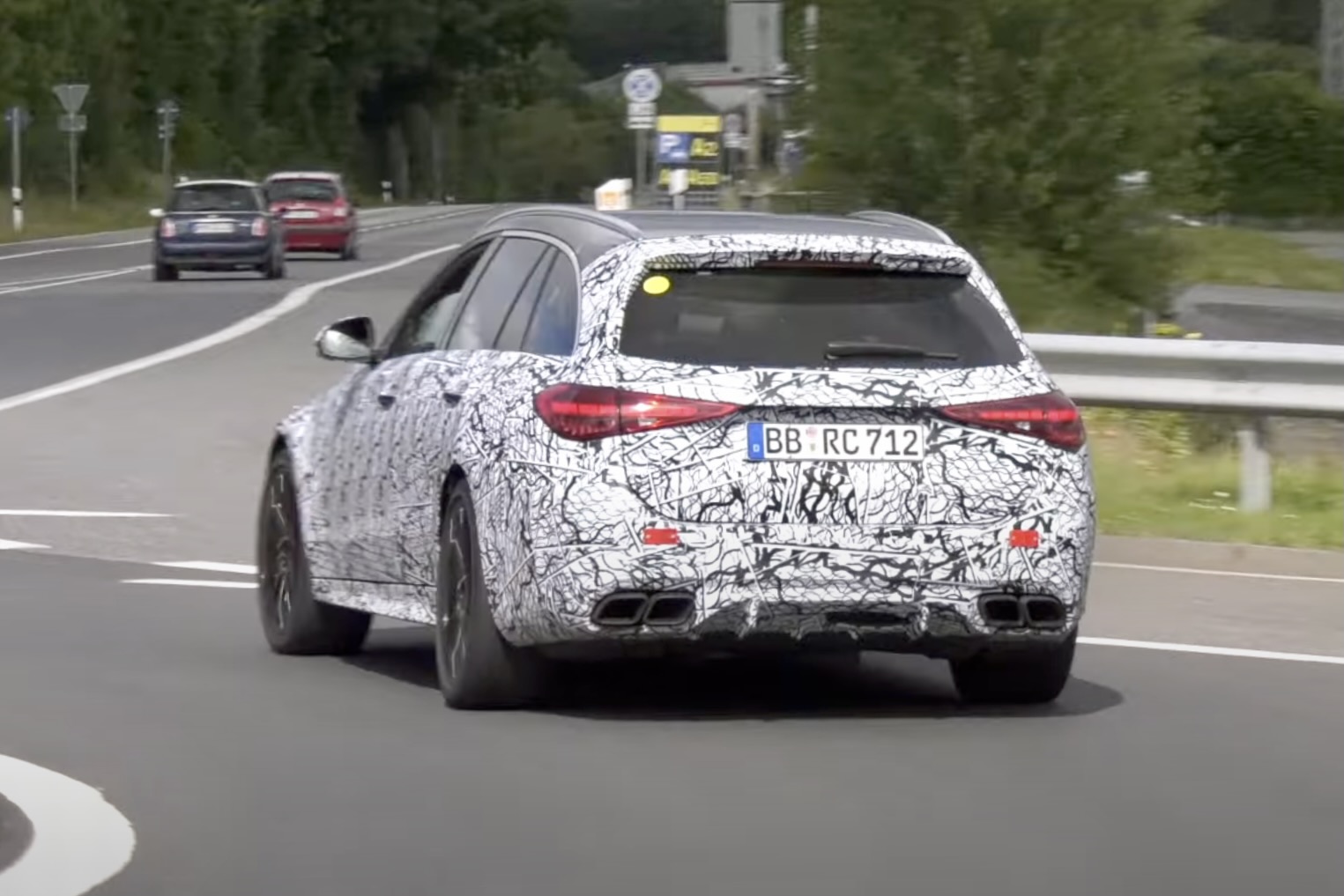
Before you decry the demise of the 375kW/700Nm 4.0-litre V8 in the existing, rear-drive C63S for some dippy little four-banger, remember that the furious M139 2.0-litre powerhouse developed by Mercedes-AMG elevates the A45S 4Matic+ to the apex of hot-hatch performance.
In the hottest version of the new W206 C-Class series due in the latter part of 2022, it will be mounted longitudinally and score AMG’s new E-Turbo tech, while on the rear axle an electric motor and a sizeable lithium-ion battery pack should help see the combined power output blast way past 400kW in its highest state of tune. All while also offering about 60km of EV-only driving.
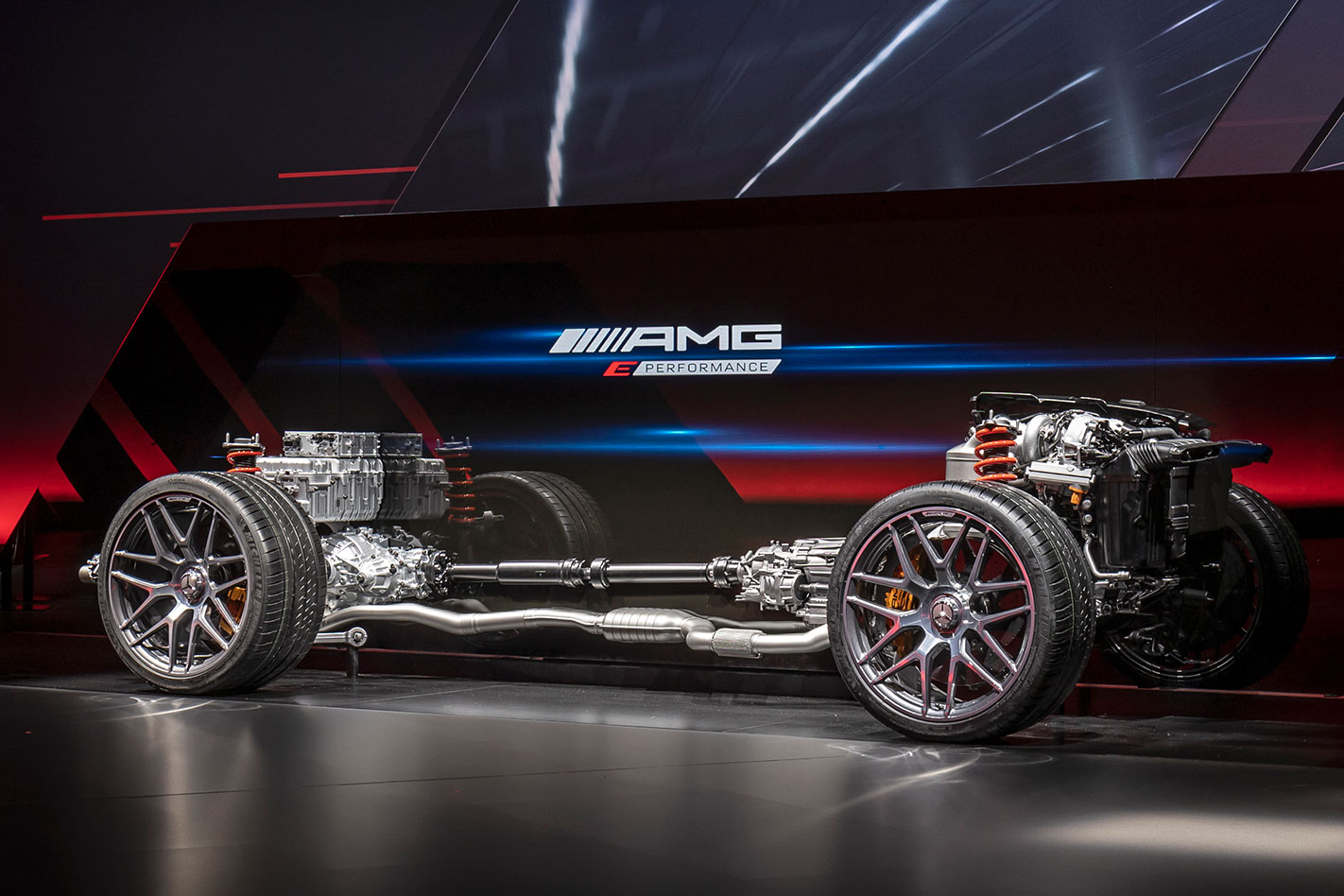
Yep, we’re talking about a plug-in EV hybrid supercar sedan. Plus, for the first time, all-wheel drive is also be part of the new C63’s assault against the BMW M3, Audi RS4 and Tesla Model S. As a result, the word on the street is sub-3.5sec 0-100km/h capability.
Inevitably, a subtle body kit and wider arches will complement a far-more aggressive front, as will an upgraded, screen-laden interior.
Clearly, then, EVs are the future and ever-stricter emissions requirements are killing V8s, but – as a stop-gap measure – the new C63 is shaping up to be a momentous combustion-engine hybrid swansong. Don’t order that M3 Competition just yet.
16 – Cupra Formentor
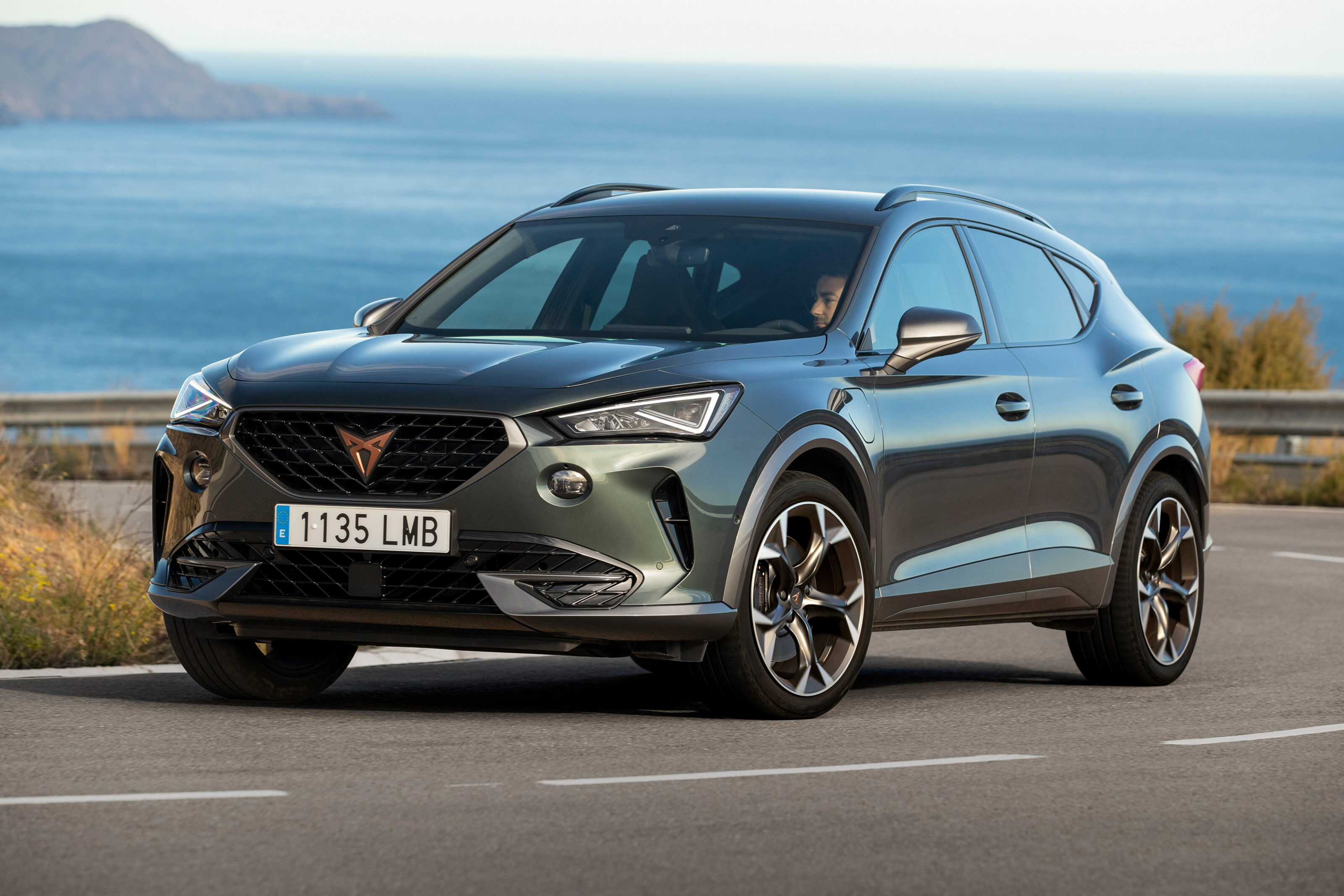
Due: Q2 2022 Expected Models: 140TSI, 180TSI PHEV, 224TSI VZ Expected Price Range: from $40,000 – $70,000
By now you’ll be aware VW’s Spanish brand SEAT has a performance sub-brand called Cupra, with the racy Formentor set to be the first salvo in Australia – well, unless you also count the failed Ibiza Cupra of the late 1990s.
Based on the MQB Evo platform underpinning the latest Golf, the Formentor is the first Cupra-only design, and is essentially a VW T-Roc-sized SUV with five seats. Key rivals range from the Kia Sportage to the Mini Countryman PHEV.
Featuring struts up front and a multi-link rear end, the three-tier model line-up kicks off with a 140kW/320Nm 2.0-litre four-pot turbo with AWD, and then moves up to a performance-orientated 224kW/400Nm 2.0-litre version that’s good for 4.9sec to 100km/h and a 250km/h top speed.
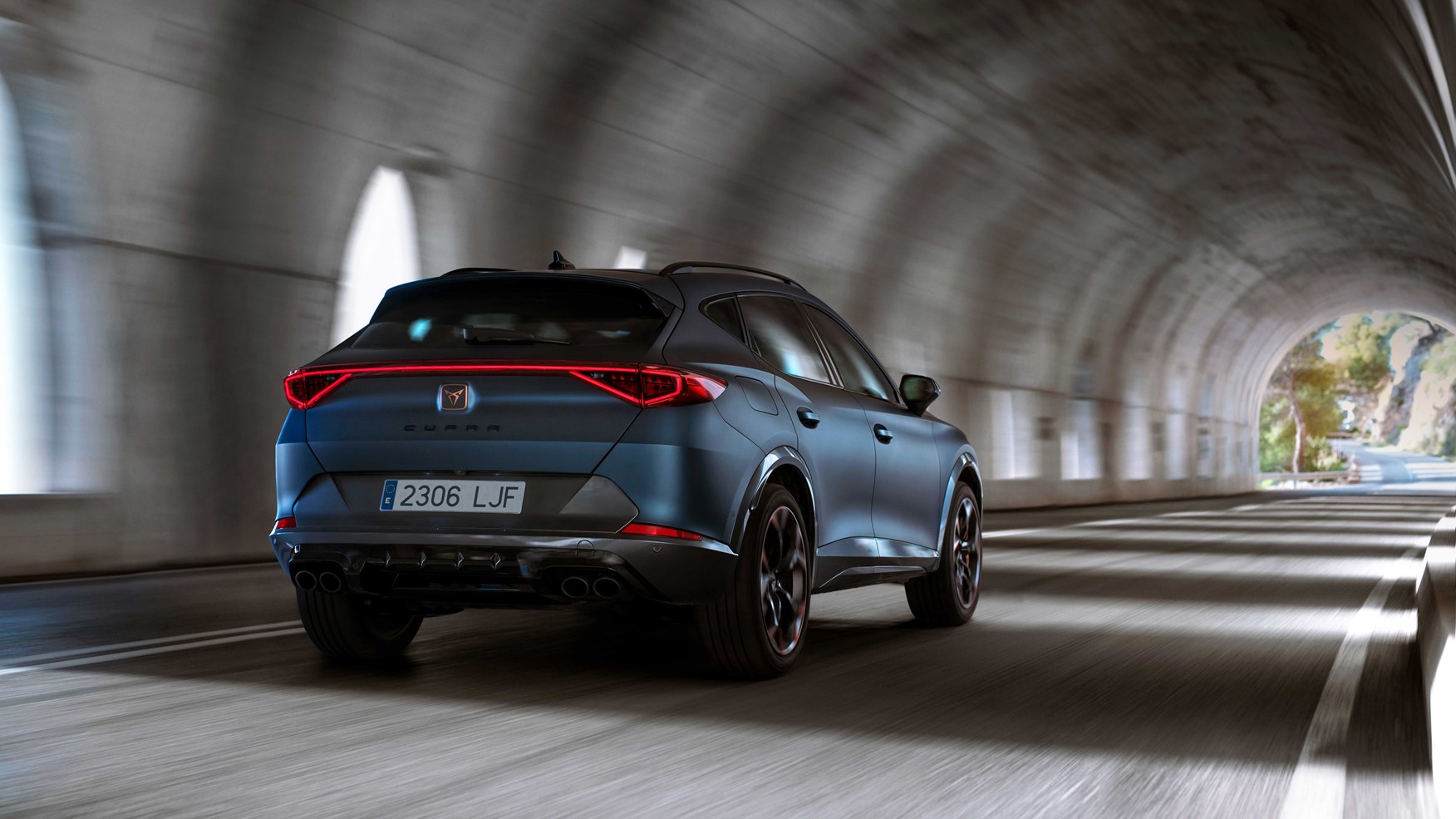
Perhaps the most fascinating Formentor for now is the 180kW/400Nm e-Hybrid, combining a 110kW/250Nm 1.4-litre turbo engine with an 85kW/330Nm electric motor. With the aid of a 12.8kWh lithium-ion battery, this front-drive plug-in hybrid EV is capable of over 50km in pure electric mode, or 7.0sec to 100km/h on the way to a 210km/h V-max.
All gearboxes are of the seven-speed dual-clutch transmission variety.
That’s quite a choice. Along with alluring styling and high equipment levels, interest in Cupra ought to be far greater this time around.
17 – Hyundai Ioniq 6
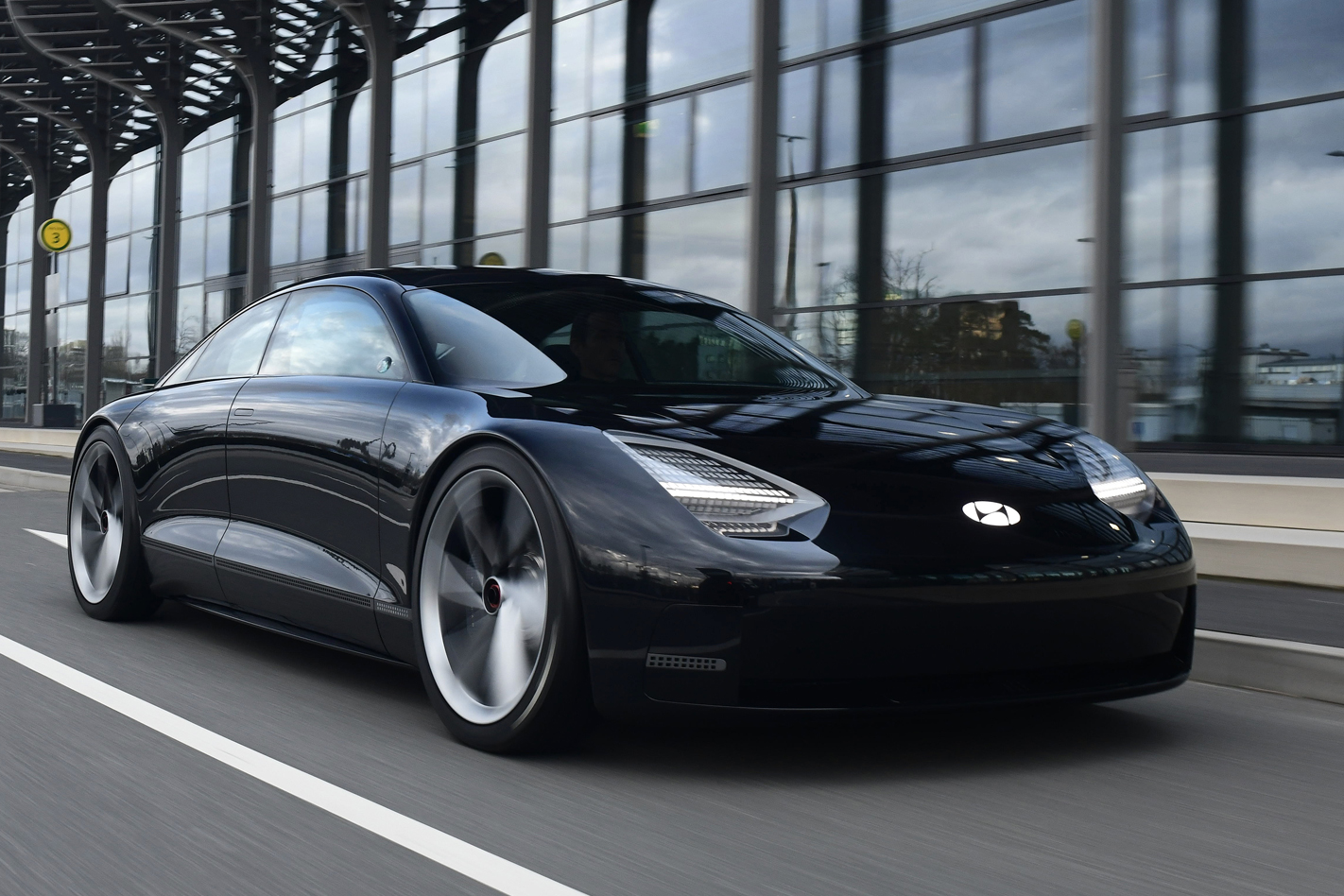
Due: Q4 2022 Expected Models: 2WD, AWD Expected Price Range: from $72,000 – $85,000
Another blockbuster EV from on-form Hyundai, this time as a four-door sedan counterpart of the monumental Ioniq 5.
The aptly-named Prophecy Concept of 2020 (pictured above) clearly points to the direction that the sleek Ioniq 6’s Mercedes CLA-esque styling will take, while sharing much of progressive e-GMP electrification hardware and standard-setting tech with its in-demand hatchback sibling.
This means scalding electric performance, anxiety-quelling range and an interior presentation that will surprise and delight – though not quite to the extent of the steering-wheel-less Prophecy.
While the ranks of alternatives to the ruling Tesla Model 3 continue to swell, Hyundai’s take might be the deadliest. We’ll know more about the Ioniq 6 when the company reveals final production pics and specs around March or April, ahead of a late-2022 local launch.
18 – Volkswagen Golf R
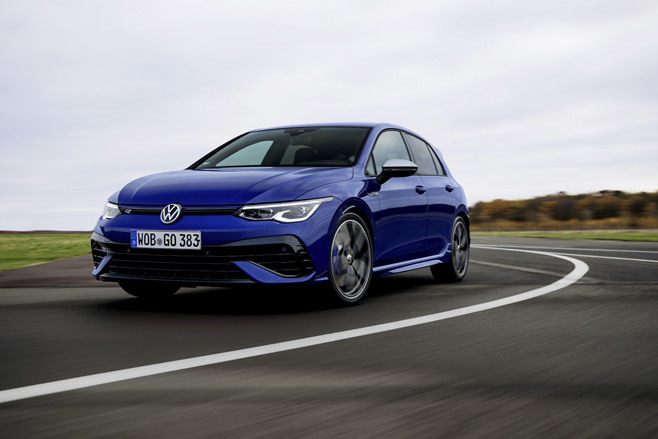
Due: Q1 2022 Expected Models: R Expected Price Range: from $60,000
It took several attempts since the first R32 of 2003, but the previous R flagship finally rose above the game-changing GTI as the Golf of choice.
Now the Mk8 version steps things up with a retuned 2.0-litre four-pot turbo, pumping out a hearty 235kW/420Nm to all four wheels via a seven-speed dual-clutch transmission.
With the help of new Nurburgring-honed driving modes, 100km/h is reached in 4.7sec, while the hunkered-down chassis with adaptive dampers and a host of other driver-assist measures should brand the R deep in the keenest driver’s psyche.
Throw in a cinematic digital dashboard experience, beaut driving position and exquisite interior detailing, and it seems the holiday might be over for the Hyundai i30 N, Honda Civic Type R and Ford Focus ST.
19 – Ferrari Purosangue
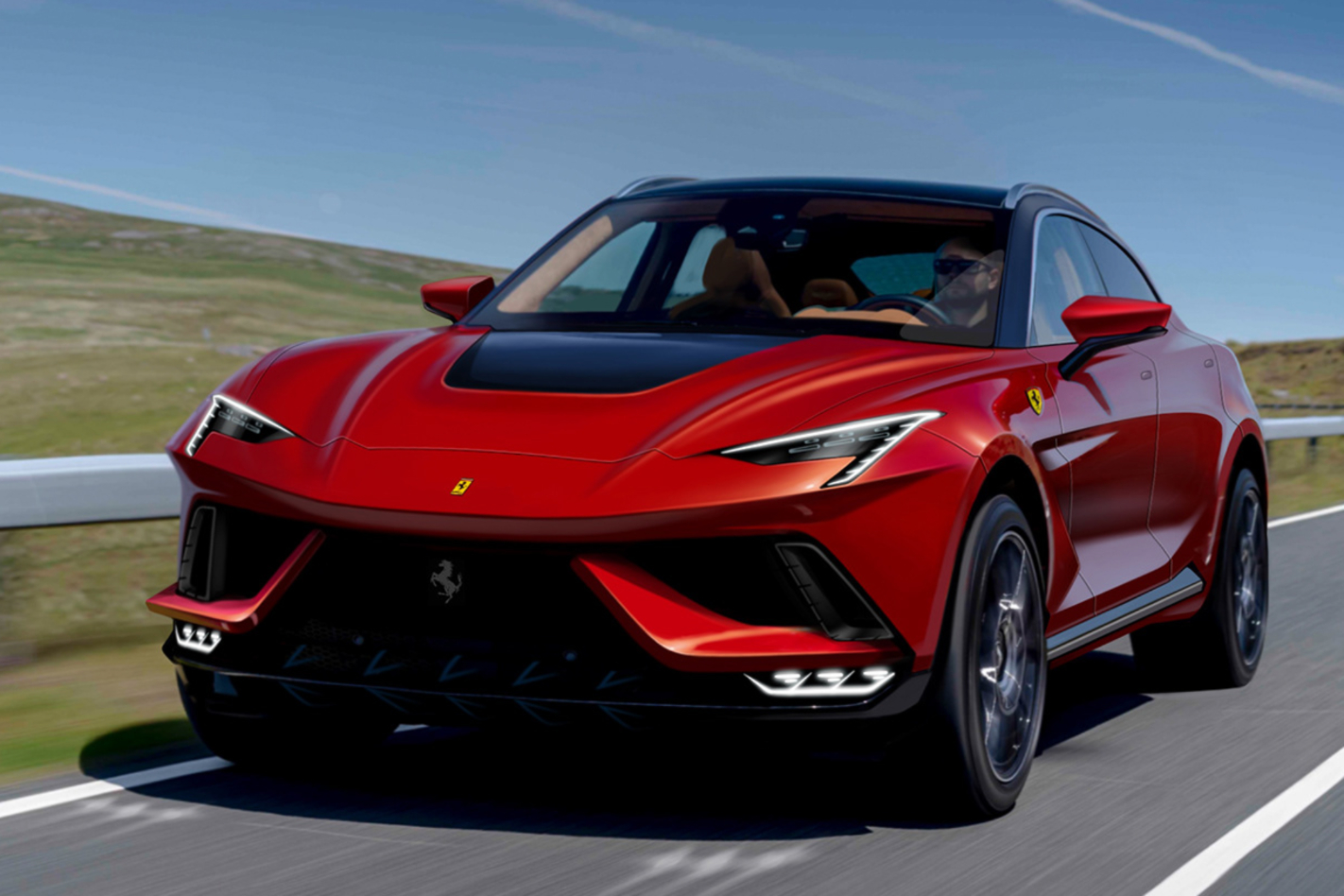
Due: Q4 2022 Expected Models: V6, V8, V8 hybrid, V12 Expected Price Range: from $600,000 – $750,000
Known internally as project F175, Ferrari’s first Sports Utility Vehicle comes a full 20 years after Porsche shocked punters with its original Cayenne.
That the Purosangue – horse-breeder talk for ‘pure blood’ – has taken this long is probably the bigger surprise nowadays, given the existence of the Lamborghini Urus, Aston Martin DBX and Maserati Levante.
But don’t worry, purists. Far from being an ungainly SUV, we’re anticipating a comparatively sleek five-door crossover coupe, low-slung with handsomely aggressive styling and – we hear – a cracking chassis that steers, handles and brakes like a thoroughbred from Maranello should.
After all, the whole world will be watching this one.
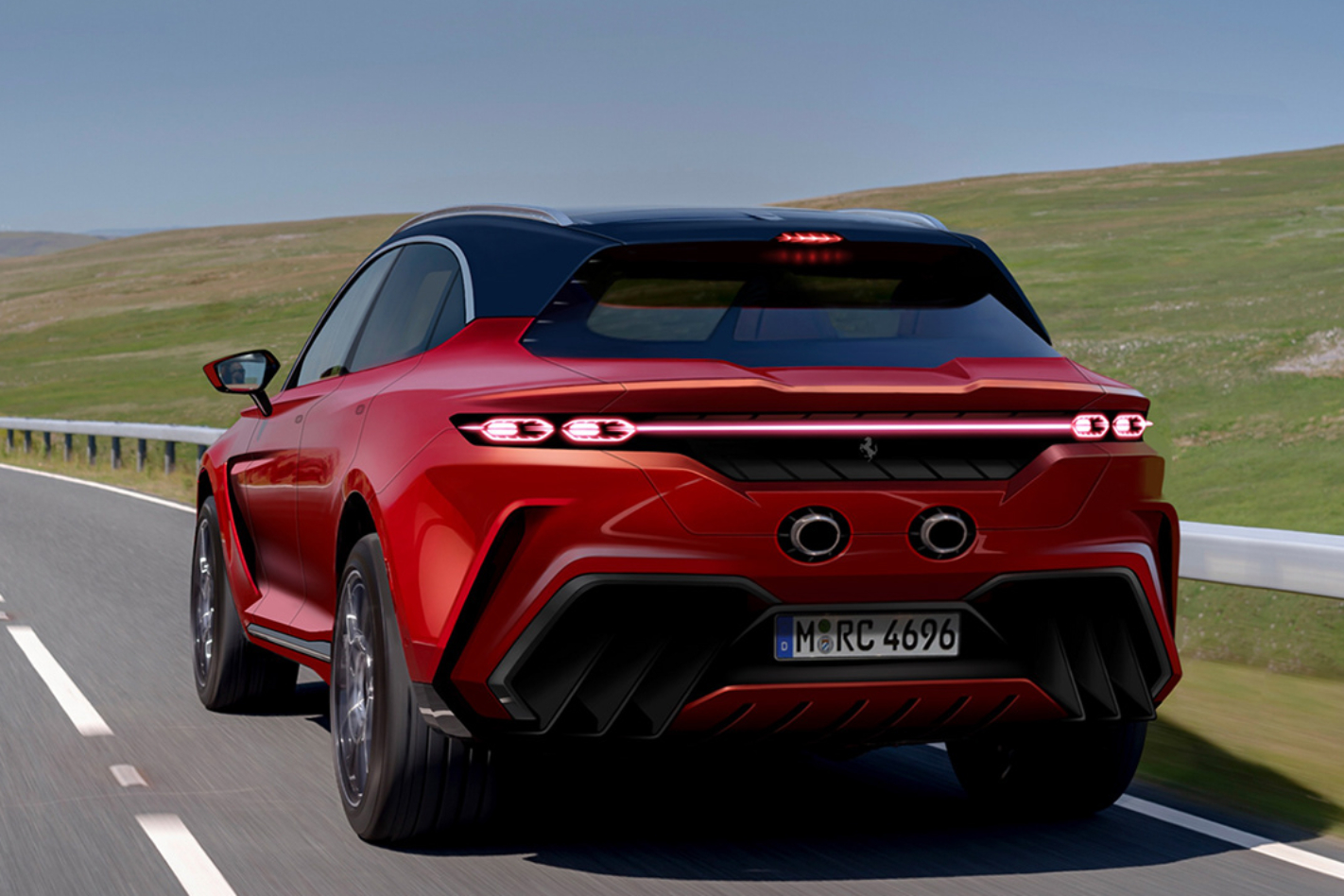
Although early test mules wearing GTC4 Lusso body bits suggested that the latter would provide its all-wheel drive platform, the Roma 2+2 coupe released last year is the architectural basis.
Placed behind the front axle is a variation of the latter’s twin-turbo V8 and dual-clutch powertrain, while a hybrid version with up to three electric motors to provide around 735kW in total is predicted, making the also-rumoured 6.5-litre V12 questionable.
A V6 hybrid is likely at some stage too.
We’ll know more about this most controversial of Ferraris closer to the Purosangue’s unveiling in mid-2022, with Australian sales set to follow before the year’s out.
20 – Cupra Ateca
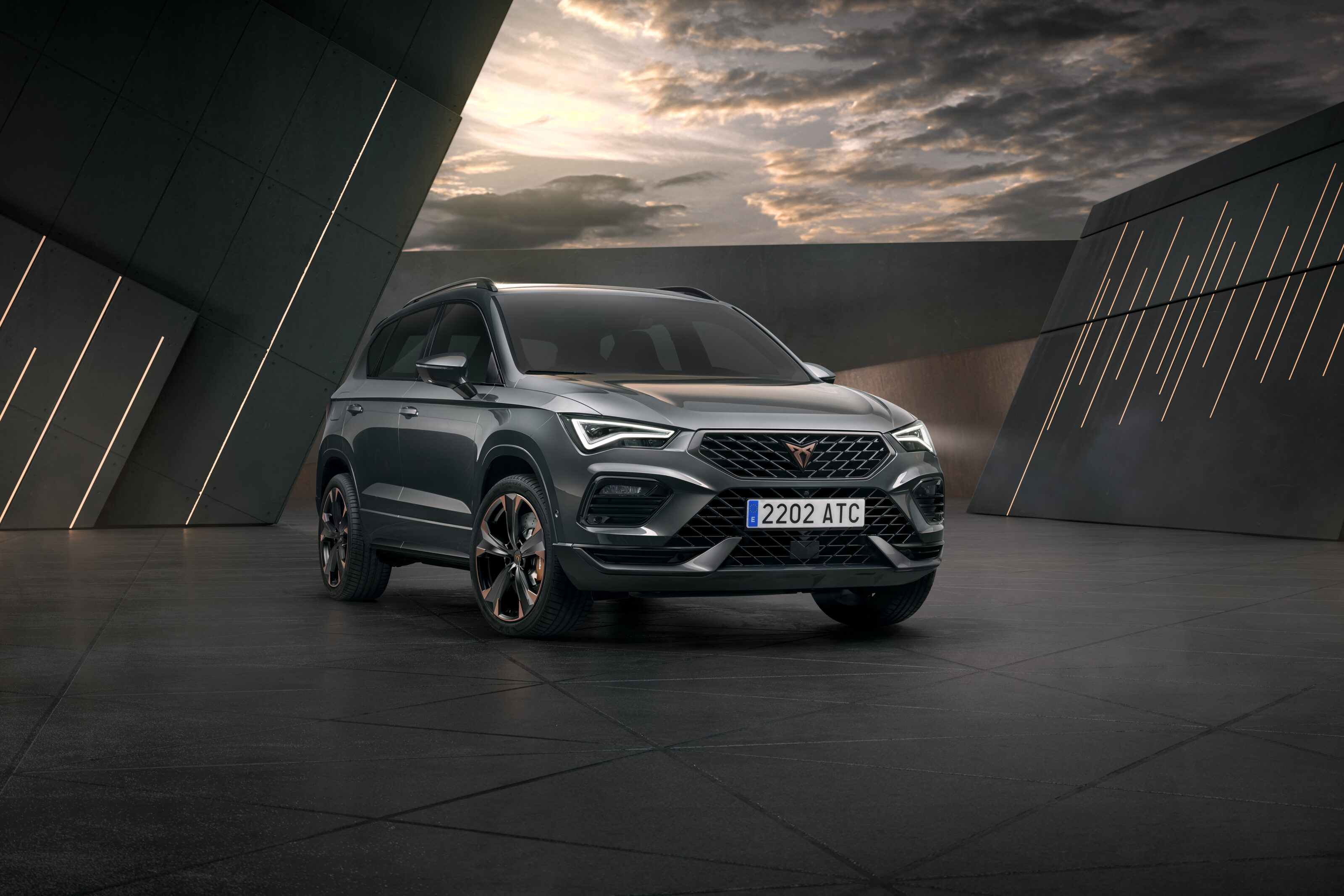
Due: Q2 2022 Expected Models: 221TSI 4Drive Expected Price Range: from $50,000
If the Cupra Formentor is the image-leading SUV coupe alternative for buyers who can’t quite stretch to a BMW X4, then the Ateca is aimed at drivers who prefer a fast yet family-friendly SUV, offering racy styling, space for five (including a 485L boot) and pace aplenty.
That’s thanks to a 221kW/400Nm 2.0-litre turbo-petrol four, seven-speed dual-clutch transmission and ‘4Drive’ AWD, all aiding a 0-100km/h sprint in under five seconds. Underneath is a sports-tuned iteration of the MQB A1 architecture found beneath the closely-related Skoda Karoq. Dynamic chassis control ought to provide a fine balance between comfort and agility.
The Ateca is actually the oldest of the trio of Cupra debutantes set for the first half of 2022, based on a 2016 SEAT equivalent and facelifted four years later.
21 – Mercedes-Benz SL
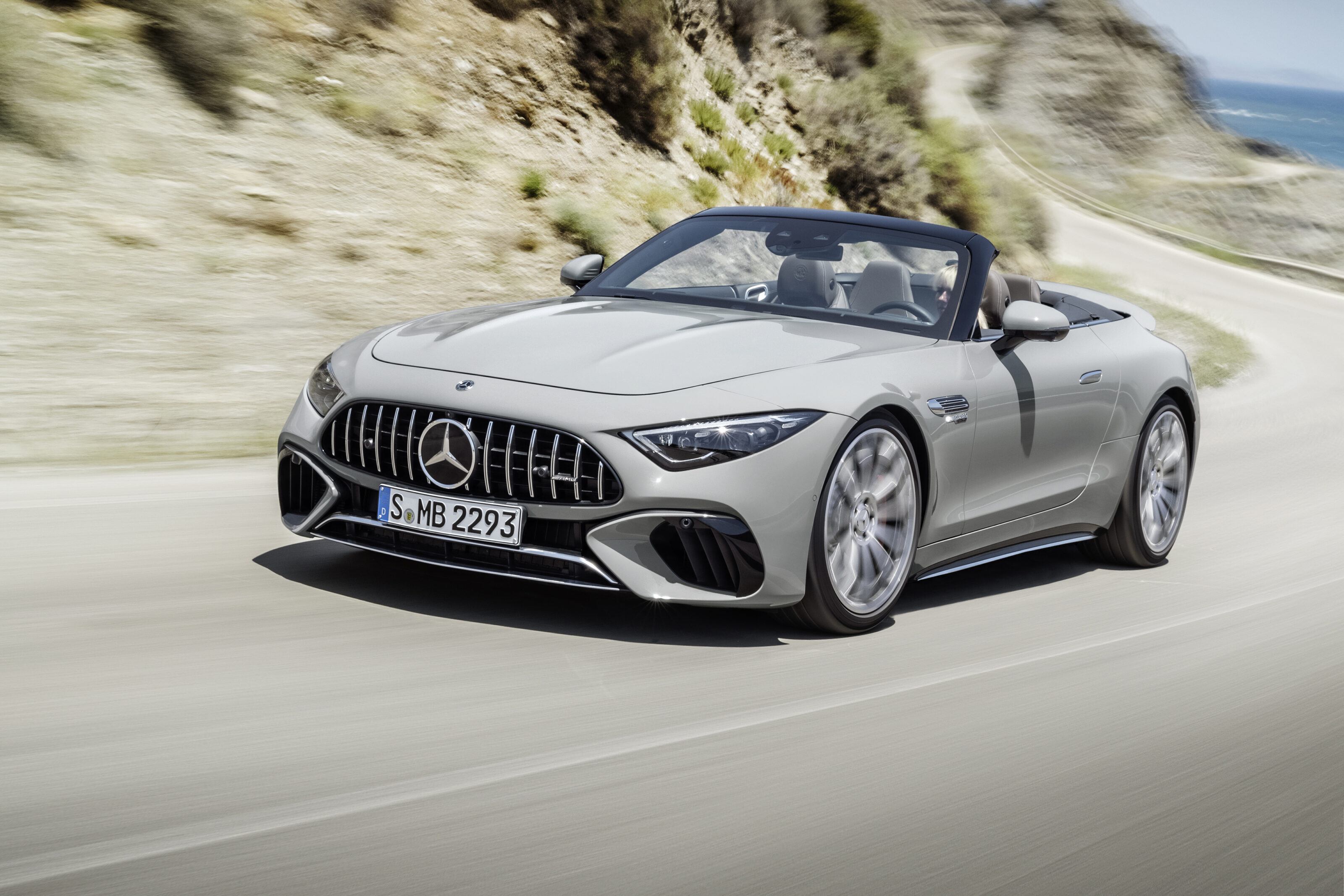
Due: H2 2022 Expected Models: SL, AMG SL 63 Expected Price Range: from $240,000 – $350,000
One of the world’s longest-running nameplates will be reborn for only its seventh outing since 1954 when the sculpted, tightly drawn R232-series SL arrives in 2022.
The 2+2-seater ragtop roadster is brand-spanking new underneath, with the initial models scoring two versions of AMG’s sonorous 4.0-litre twin-turbo petrol V8/nine-speed auto combo, in 350kW/700Nm SL 55 and 430kW/800Nm SL 63 grades.
One needs 3.9sec to hit 100km/h on the way to 295km/h, the other 0.3sec less for 20km/h more. Serious speed here. You’ll be glad for Mercedes’ 4Matic+ all-wheel-drive system – an SL first. Other engines will follow later, probably with hybridised-electric six-cylinder and even four-pot plug-in spec, as the emissions noose tightens around even this titan of luxury convertible motoring’s elegant neck.
We’re mighty glad Benz persists.
22 – BMW iX
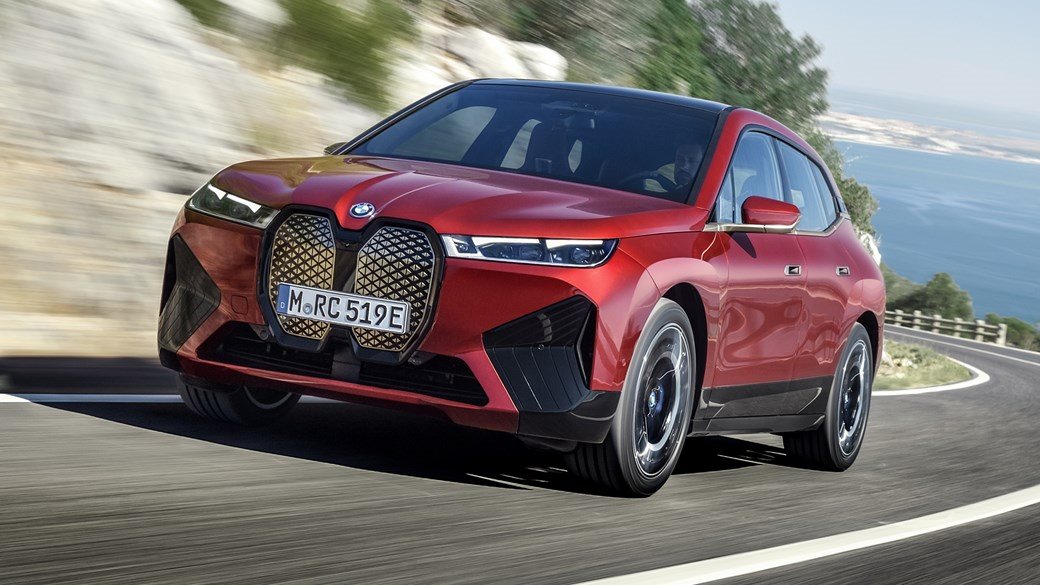
Due: Q1 2022 Expected Models: xDrive 40, xDrive50 Expected Price Range: from $135,900 – $169,900
If you imagine our 2014 COTY-winning BMW i3 evolving from oddball four-seater hatch to an imposing five-seater SUV with suitably updated tech, then that just about sums up the iX.
Behind the divisively large kidney grilles is the Bavarian brand’s fifth-gen EV architecture, with an electric motor on each axle for all-wheel drive. The 240kW/630Nm xDrive40 is good for 100km/h in 6.1sec while the 385kW/765Nm xDrive50 manages that in 4.6sec. The 440kW M60 arrives later in 2022 should even more oomph be needed.
Quelling range anxiety are two battery sizes – the 77kWh pack with 425km or the xDrive50’s 112kWh alternative offering 630km. Desirable options include rear-wheel steering, adaptive air suspension and laser headlights.
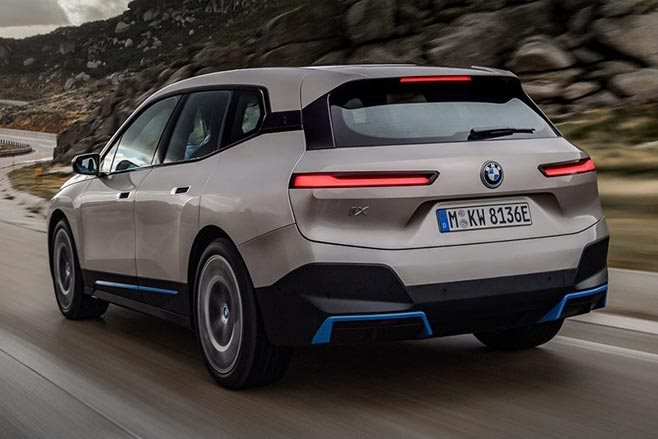
Roughly X5-sized, the iX’s body consists of aluminium, high-strength steel and carbonfibre-reinforced plastic, with an aluminium spaceframe bringing exceptional strength combined with lightness. Add a low centre of gravity, double wishbones up front and a five-link rear end, and despite the inevitable weight, there’s the promise of decent agility.
Yet this BMW is also outstandingly practical, thanks to electrification and a long wheelbase that help maximise packaging efficiency. Like the i3, the interior is all about futuristic minimalism, with sustainable/recyclable materials and gorgeous design detailing to help justify the high prices.
For these reasons and more, the iX could be 2022’s most desirable EV SUV.
Whether the Cadillac CT5-V Blackwing is a swansong for performance Cadillacs or a straight-up beat down on the competition from Europe, this American super sedan is a marvel of luxury-focused performance.
The Blackwing replaces the CTS-V, which was a formidable four-door in its own right, and brings modern technology and the latest in go-fast engineering to the mix. Still, with General Motors now focused on becoming a serious EV player, this quickest of all Cadillacs might very well be the last of the internal combustion breed.
Under the sculpted bonnet is a development of the supercharged 6.2-litre V8. Relative to the CTS-V, this engine benefits from improved intake tuning and titanium intake valves, as well as efficiency improvements for the supercharger and intercoolers. Each LT4 is assembled by a single specialist engine builder, tuned for 498kW at a lofty 6500rpm and 893Nm at 3600rpm.
Exclusively rear-drive, the Blackwing is available with either a six-speed manual gearbox or a 10-speed automatic that was benchmarked against Porsche’s PDK. The manual now includes a no-lift shift function, as well as the expected rev-matching on downshifts, which is thankfully switchable for those who prefer to execute heel-and-toe on their own.
The rear axle benefits from an electronically controlled limited-slip differential that varies lock depending on demand from a range of dynamic parameters that are measured from systems throughout the car. Another key benefit of e-diffs is that they can instantly switch to fully open for stability while braking.
With GM focused on becoming a serious EV player, this quickest of all Cadillacs might very well be the last of the internal combustion breed.
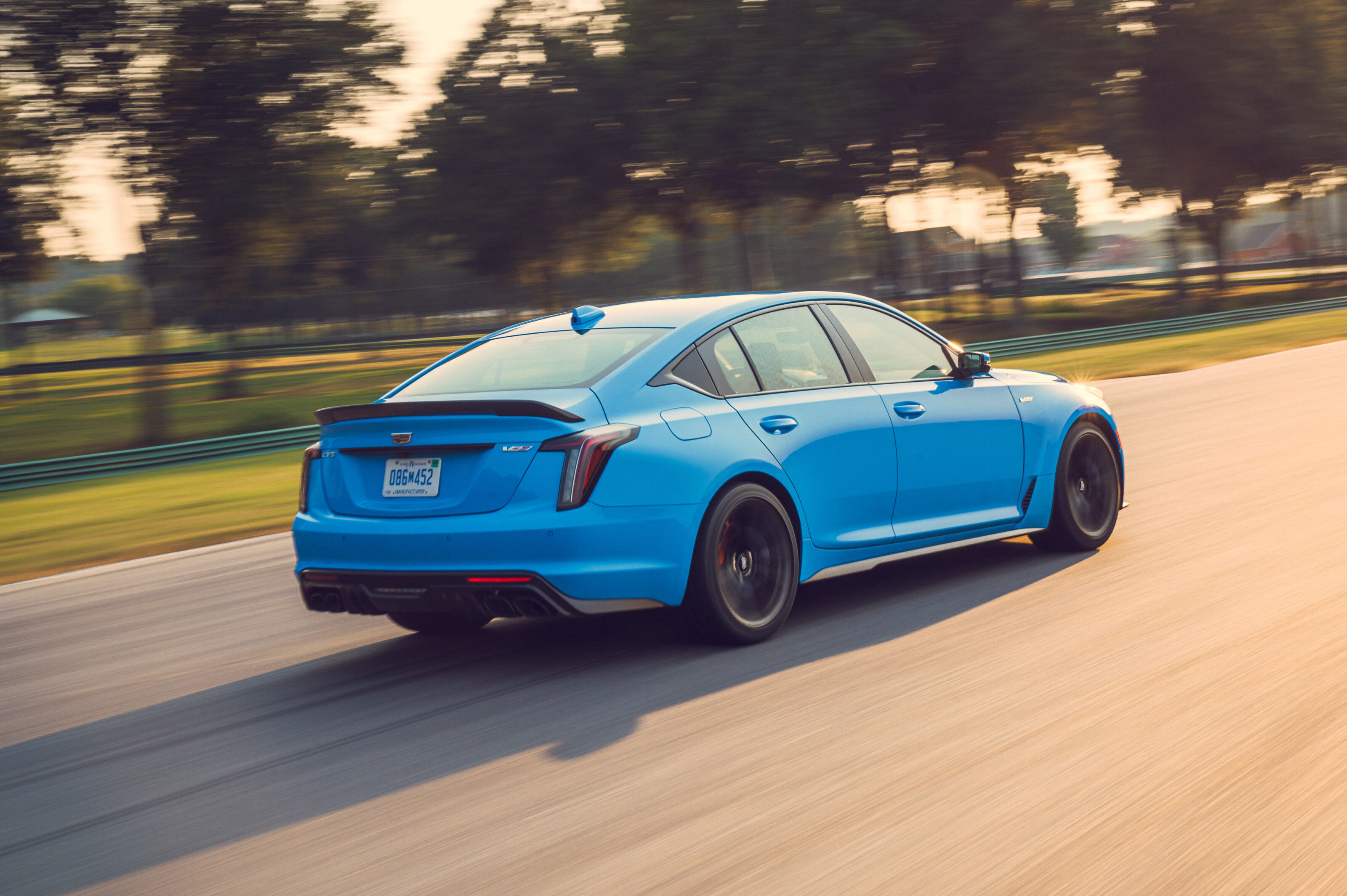
The suspension uses a performance-optimised MacPherson strut design at the front and a five-link rear set-up. GM Performance has consistently delivered excellent damper tuning with its Magnetic Ride technology and the Blackwing receives the latest generation tech with its improved software and damper fluid, along with new wheel accelerometers.
The dampers are responsible for much of the Cadillac’s performance magic because damping rates are tied to drive modes, Performance Traction Management settings and the e-diff. However, these new dampers include some very notable and unique improvements like active dive, pitch, and transient roll control. Impressive stuff.
Steering is electrically assisted and has a rack-mounted assist unit for improved feel and responsiveness. Since it is electric, assist is variable and configurable by the driver.
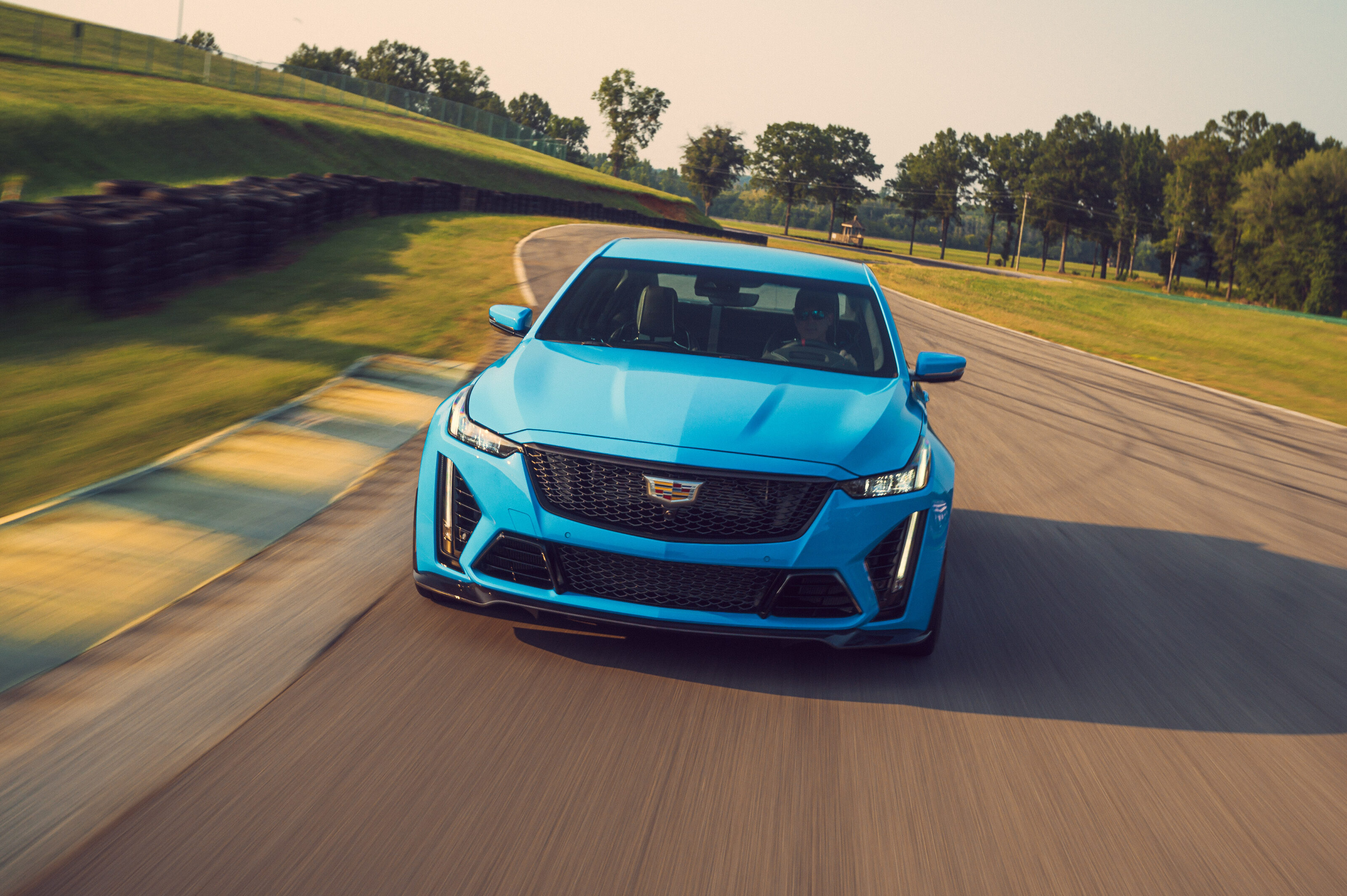
Brakes are, in a word, formidable. Cadillac says these are the largest brakes ever fitted to one of its cars. The standard steel brakes use two-piece rotors that are 398mm in diameter at the front and 373mm in the back. Six-piston calipers have clamping duty at the front, with four-piston units for the rear.
Optional are carbon-ceramics with front rotors that measure 400mm in the front and 370mm for the rear. There is a certain cool factor to carbon-ceramic brakes, but the better thermal efficiency and dramatically lighter unsprung weight transcend any car park admiration.
The interior is a performance-themed riff on the standard CT5-V’s design, adding deep and supportive bucket seats, a fashionable top-centre red ring on the steering wheel, a V-Mode button and a switch for quick adjustments of the Performance Traction Management system.
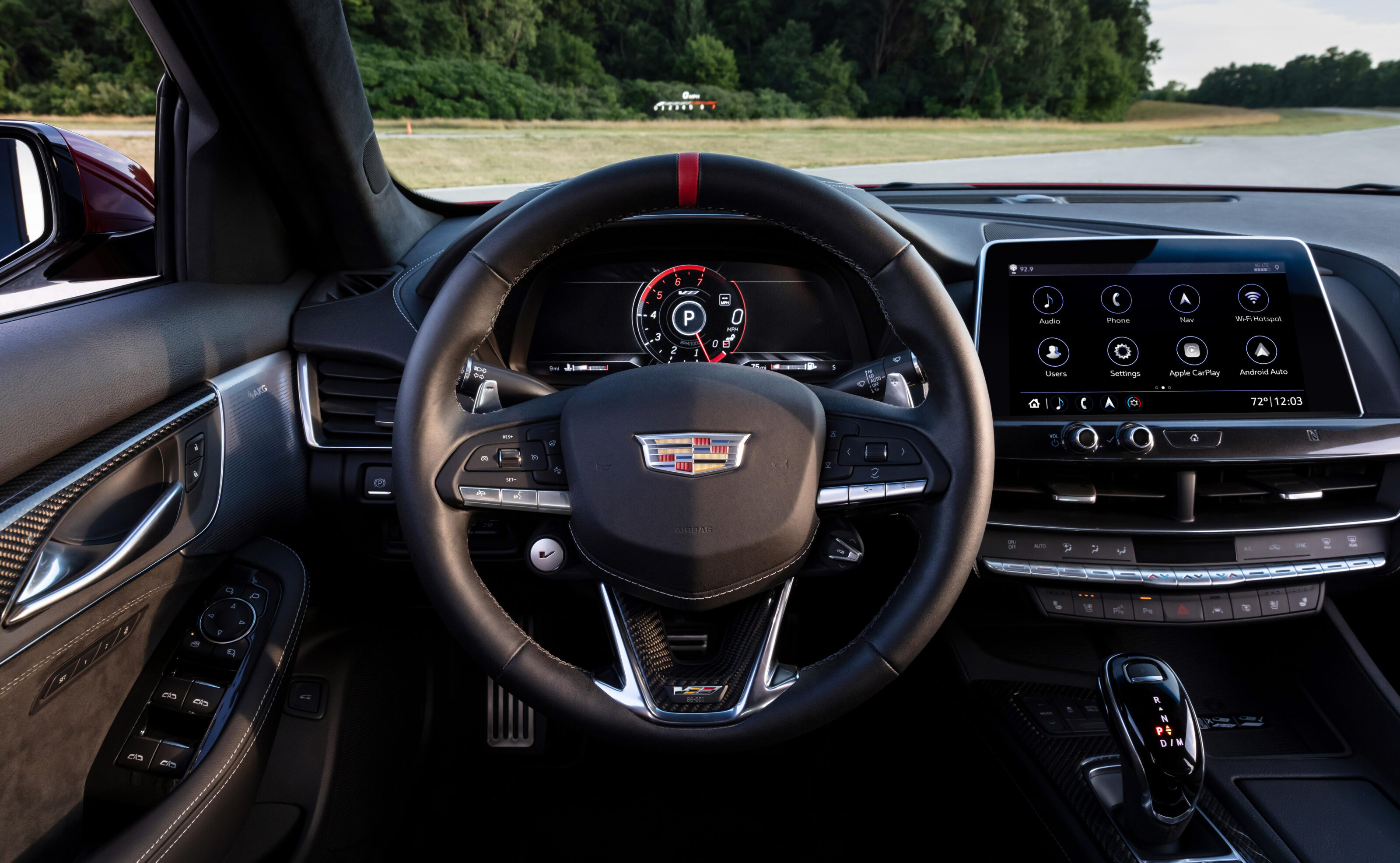
The 12.0-inch instrument cluster and the heads up display are both configurable depending on driver preference and the CT5-V’s existing infotainment system is augmented with GM’s excellent Performance Data Recorder that is a boon for track day driving enthusiasts.
With a quick press of the system’s record button, it automatically captures important data points like lap time, speed, gear selection, engine revs, steering angle, brake pedal force, and throttle application. All of this is overlaid upon 1080 HD video from a forward-facing camera with audio captured through the interior’s microphone. Hardcore track day drivers can use the system for analysis between sessions.
Cadillac recently partnered with audio specialist AKG for the sound system introduced in the Escalade and it’s been extended to the Blackwing as standard equipment. It’s one of the finest systems to be fitted to any American vehicle, though drivers should be prepared to welcome occasional interference from the whine of the supercharger and thunderous exhaust notes.
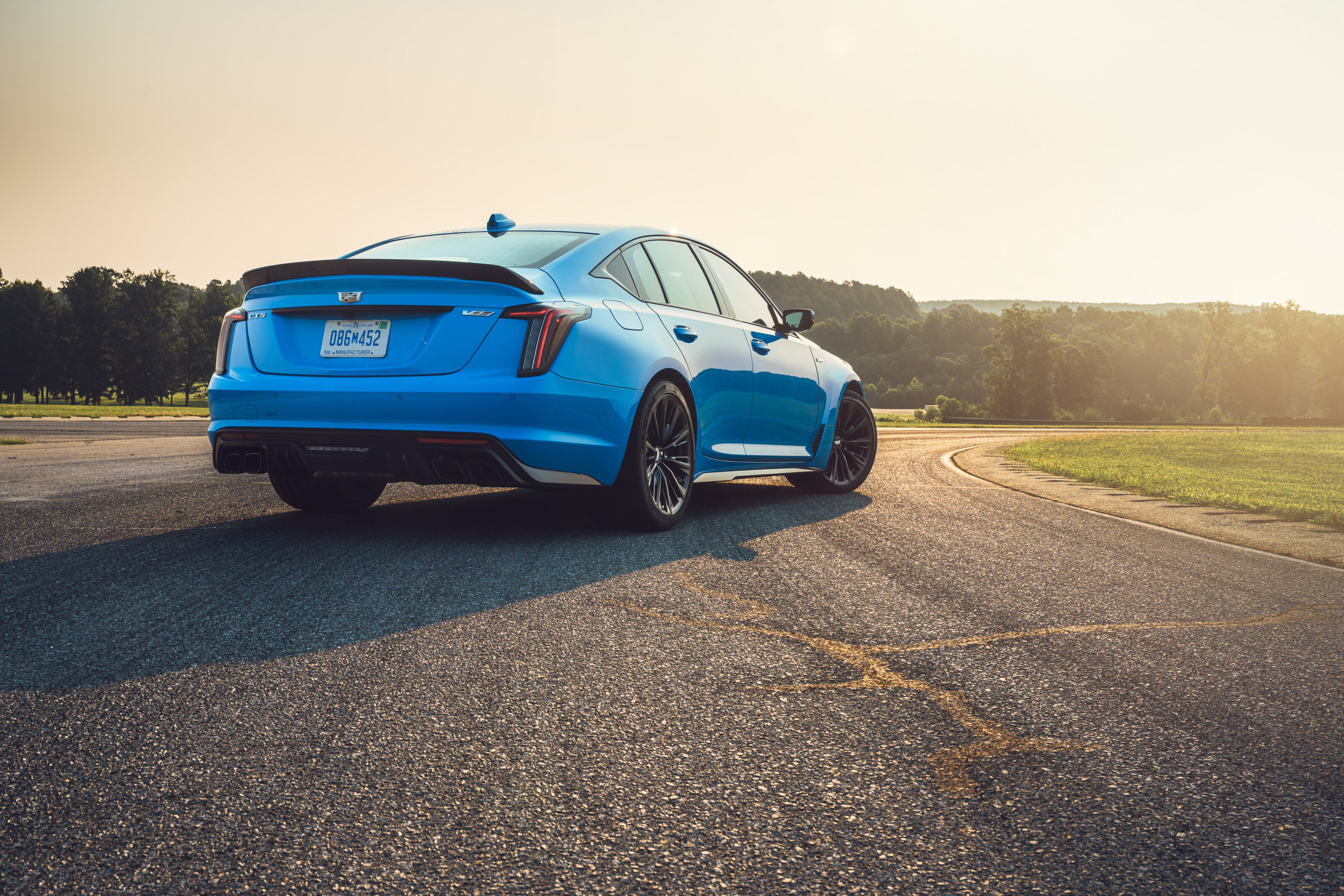
On the outside, the unmistakable looks are a more aggressive interpretation of Cadillac’s modern and crisp design language and there is no mistaking this performance sedan as anything but American. The standard aerodynamic package is proven and the optional carbonfibre packages further reduce lift and improve high-speed stability.
Staying true to Cadillac’s no-compromise theme for performance, the standard wheels are forged aluminium, 19 inches in diameter, 10 inches wide at the front and 11 inches at the rear. Magnesium wheels were promised for the Blackwing when it was originally announced but are expected to be available later in the production cycle. The exclusive tyres are a bespoke version of the Michelin Pilot Sport 4S.
On the outside, there is no mistaking this performance sedan as anything but American.
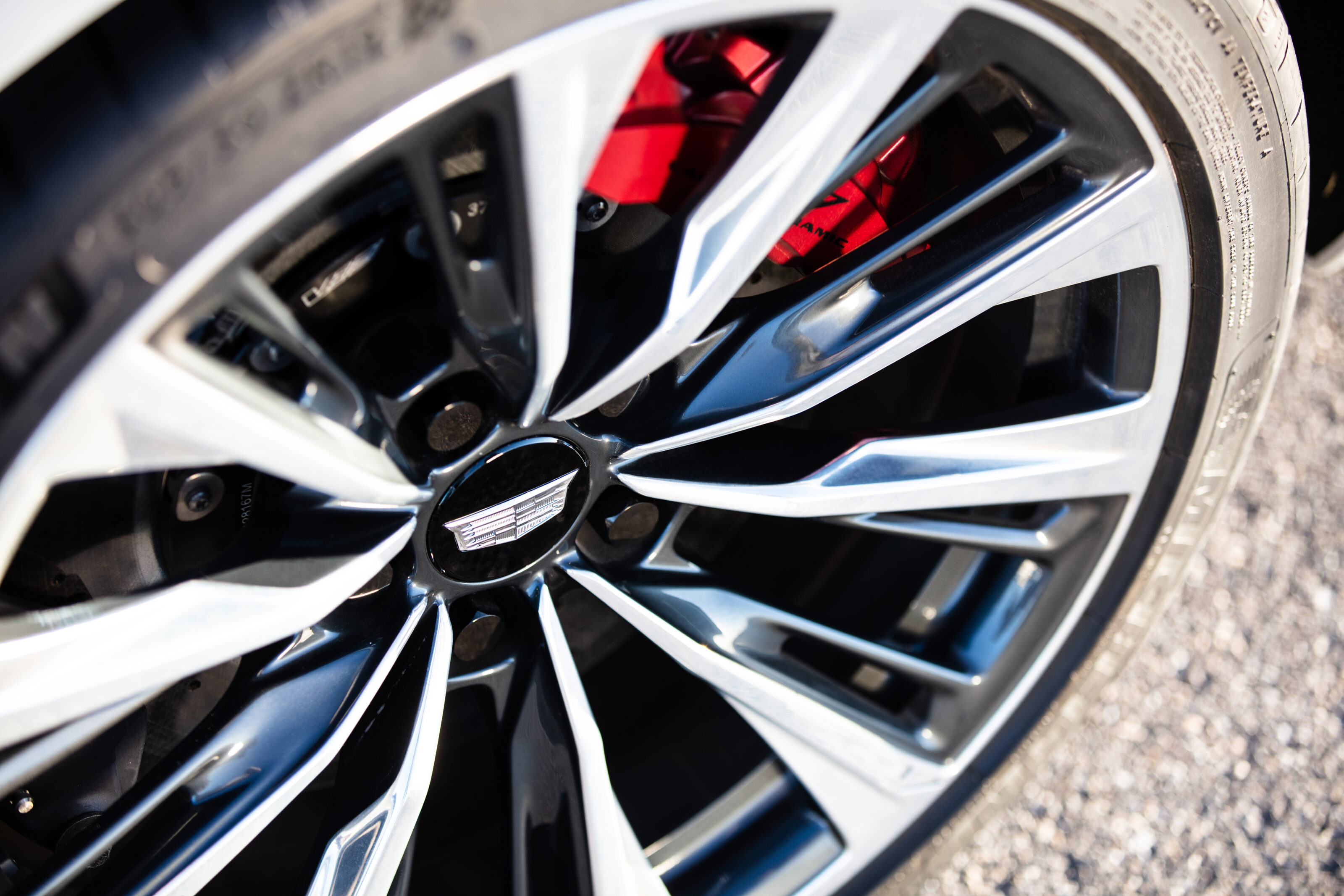
The Blackwing’s cockpit is a cosier affair than the M5 or E63 S and feels notably less spacious than the Germans, but the driver is rewarded with a perfect set-up. The deeply sculpted bucket is supportive in high-g corners and otherwise comfortable for daily driving.
Although the steering wheel is the same diameter as the standard CT5-V, its thicker rim is right on trend with modern performance sedans, as is the contrasting red ring at the top of the wheel. Pedals are within easy reach and, while not as tight as a Lotus, the manual’s brake and throttle pedals are suited for old school heel-and-toe for those who prefer to eschew the downshift-rev-match-by-software feature.
Cadillac’s official output for this revised LT4 is 498kW but the seat-of-the-pants experience suggests that it produces much, much more. At Canadian Tire Motorsport Park’s Mosport Grand Prix circuit (where Jack Brabham won the 1967 Canadian Grand Prix), the Blackwing has no trouble exceeding 220km/h during official activities under the watchful eye of GM’s performance driving instructors but previous experience suggests it would be capable of an effortless 250km/h on that straight.
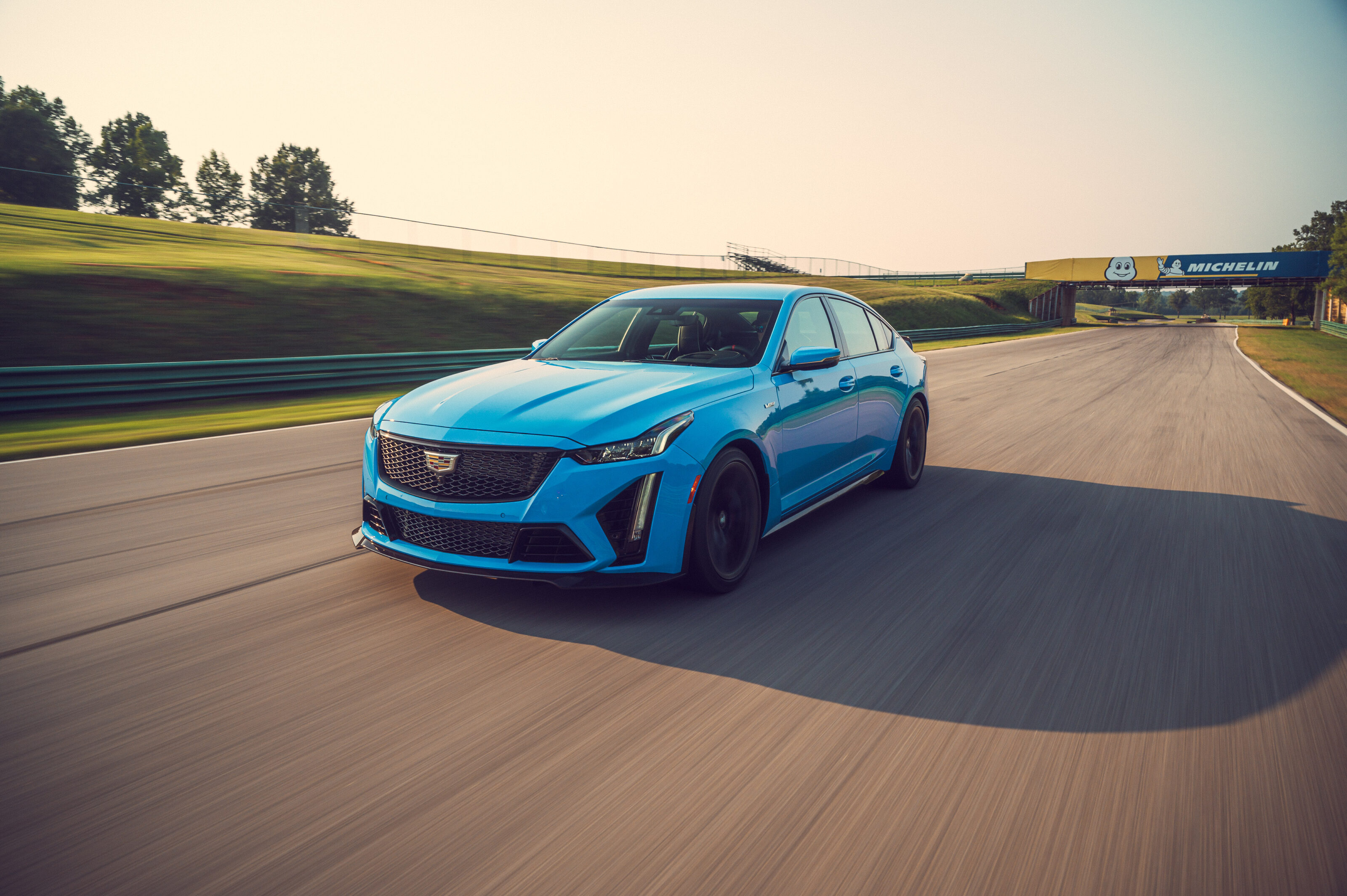
Given the LT4’s thrust and ability to make short work of the circuit’s long straights, it certainly produces significantly more power than indicated. Some American blokes have already dropped their Blackwings on various dynos and it seems this big Caddy should be rated closer to 550kW at the crank.
The additional aero work ensures this big sedan is exceptionally stable at those speeds and remains planted when transitioning from throttle to braking. The standard cast-iron rotors are proper two-piece units but the carbon-ceramics are a welcome feature for track work. The braking power of the carbons is simply formidable and for the tame track sessions, they’re taxed to no more than half of their full potential. Pedal feel and control are above average and arguably better than those of BMW’s M5 CS.
Like its C8 Corvette cousin, steering feel and feedback are limited but it remains precise and ensures control around its limits. The different levels of steering assist are more novelty and don’t bring any additional feel to the driving experience.
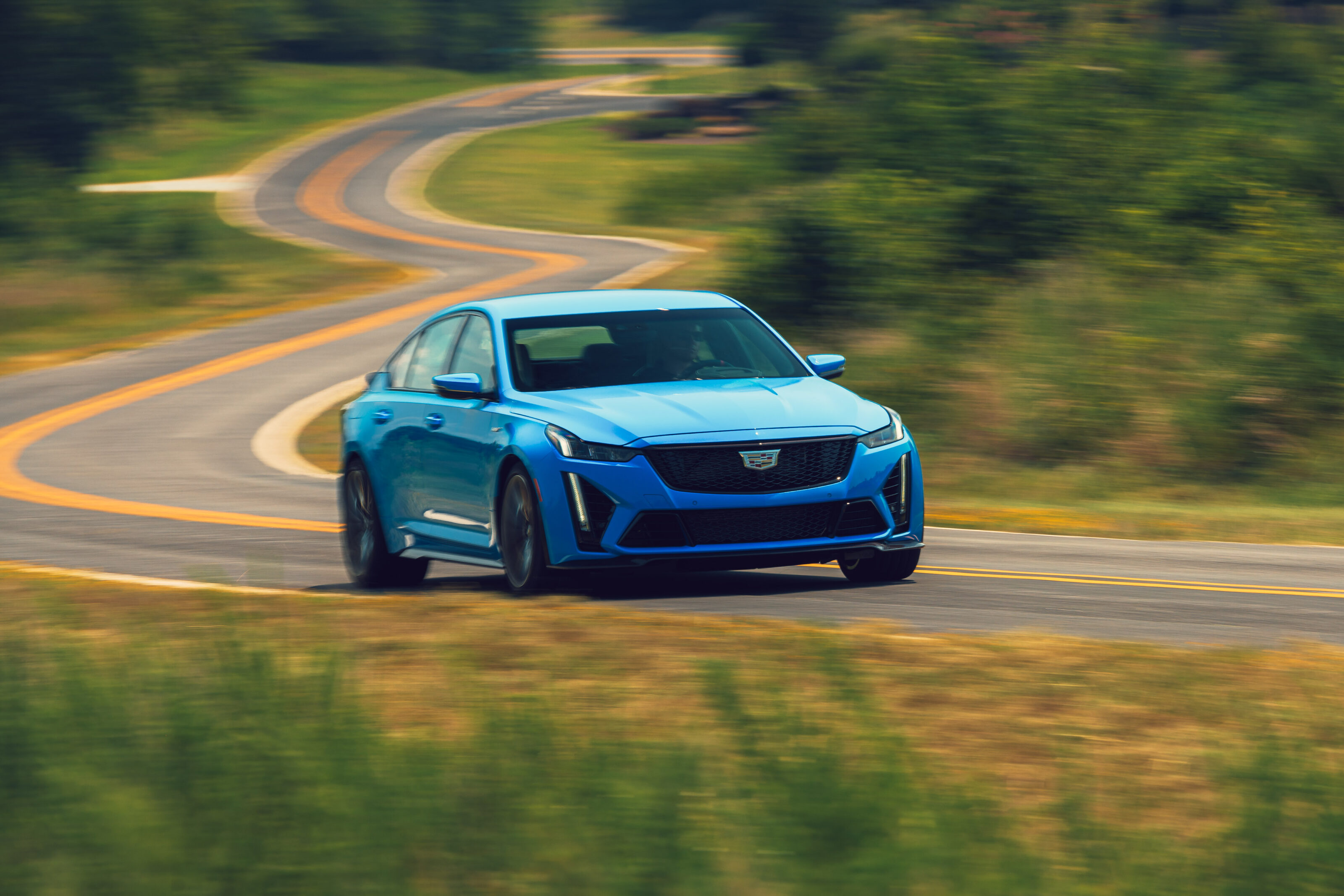
The Blackwing shines through the circuit’s long corners, with near-endless grip and predictable balance coming from the Michelins. At launch events like this, they send drivers out in small groups and certainly the best seat in the house is that of the driver, but following other Blackwings at speed around a very fast racetrack is enlightening.
To the discerning eye, the two-tonne sedan’s sophisticated Magnetic Ride dampers are working hard to keep the platform flat and the tyres in constant contact with the track surface through the hardest corners, all of which translates to subtle and unusual body movements, which appear to be the direct, physical manifestation of the dampers’ real-time calculations. Incredible stuff to witness but no doubt these dampers are an essential factor in this Cadillac’s performance equation.
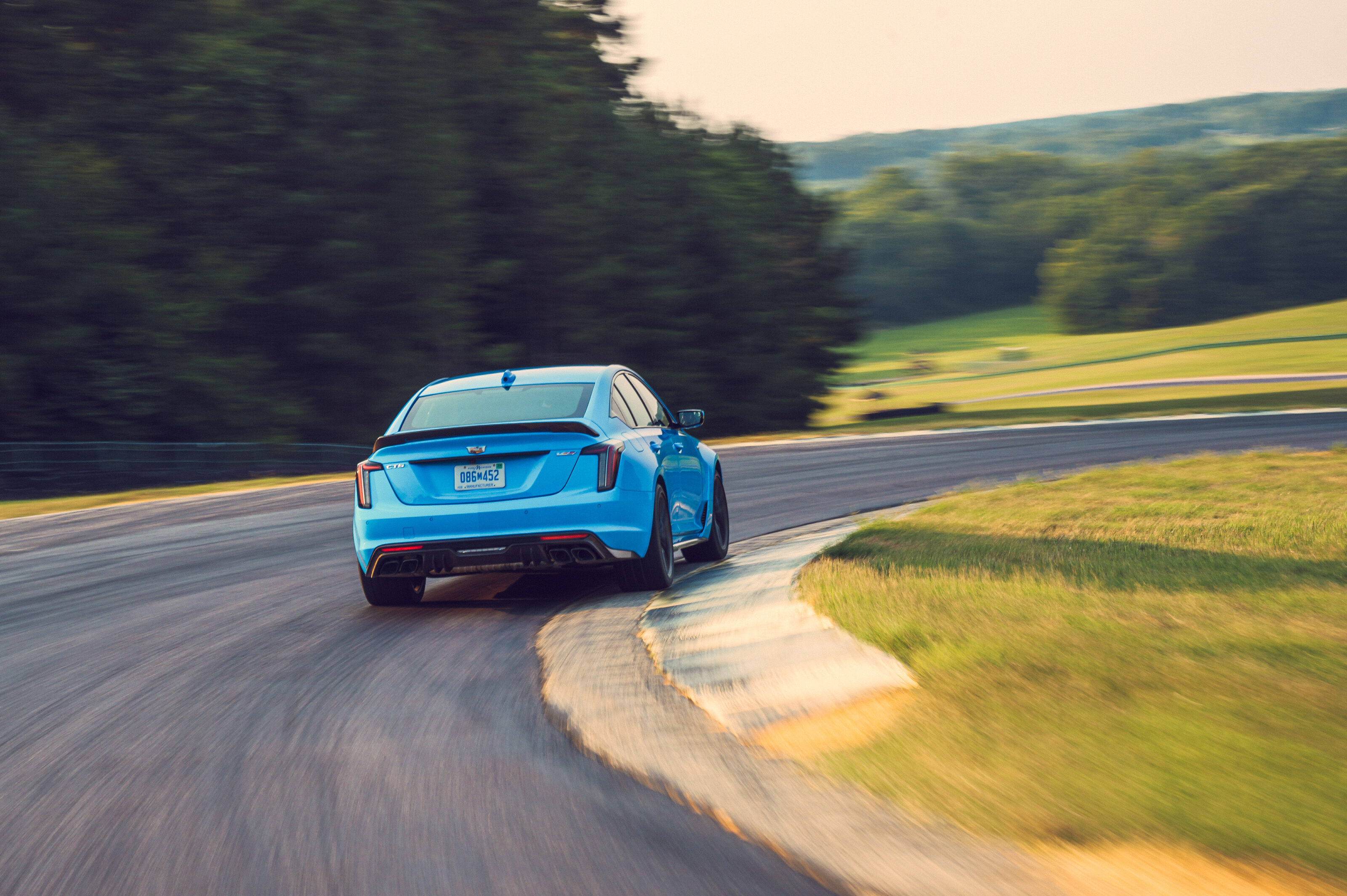
Another one of the Cadillac’s tricks is hidden deep inside the driveline and it’s the electronically controlled limited-slip differential. No matter the type of corner, the Blackwing accelerates as sharply and precisely as a chef’s blade. Acceleration is always tidy, at least until the driver decides that aggressive throttle inputs are required to nudge the rear into a little power-on oversteer. Otherwise, with a prudent throttle foot and a little intervention from the sophisticated traction control system, it’s both quick and brutal.
All of those systems – the dampers, traction control, stability control, the e-diff, and the auto gearbox’s shifting protocol – are all tied together, computing the best possible outcome for the conditions at any given moment. Plus, like all good driver assistance, traction and stability controls can be completely disabled if you wish to be left to your own devices. Despite its size and mass, the Blackwing gives the driver clear communication so that you can dance with it around its limits.
One of the Cadillac’s tricks is the electronically controlled LSD. No matter the type of corner, the Blackwing accelerates as sharply and precisely as a chef’s blade.
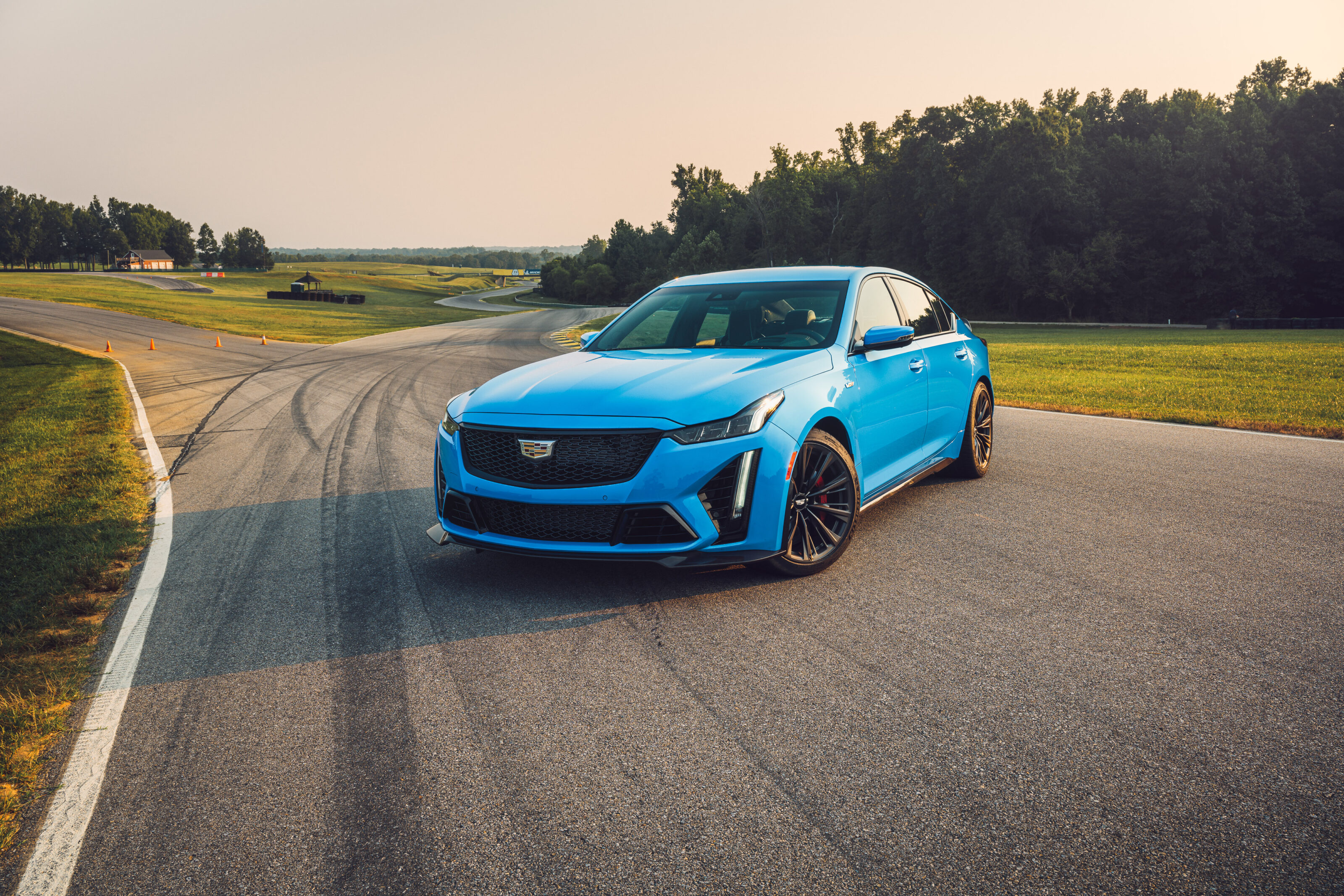
That’s the thing about this big Blackwing. It’s an exceptional, thoroughly resolved performance sedan that’s ready to take on the best from Europe, but for enthusiasts like us, we’ll have to keep a keen eye on Cadillac because this might be the last, great American four-door. The brand is now focused on transitioning to electric propulsion and how long they’ll keep producing world-beating super sedans is anyone’s question, but this is one unforgettable Cadillac.
2022 Cadillac CT5-V Blackwing specifications
“I just wanted to write a thesis, how the hell did I end up here?!”
Maurizio Ferrari had started the year as a fresh-faced university undergraduate, and now he was in the middle of tense negotiations, with all eyes in the room focused on a single black briefcase which sat in waiting atop a table.
Click! The gold clasps of the briefcase flick open in sync, the black leather lid lifting to reveal the contents – thick wads of cash. All of a sudden, despite being a typically hot and dry September day in Monza, it wasn’t the rising mercury that was causing Maurizio to sweat.
Having to abscond to a motor home in the heart of the Formula 1 paddock to escape the oppressive heat descending upon the Temple of Speed, the 28-year-old was now entirely out of his depth. Trained as an electrical engineer, he was instead acting as a de facto middle man and translator in a secretive back-room deal.
To one side of him sat his boss Ernesto Vita, an impossibly charismatic salesman with an enigmatic past. To the other, representatives from the newly formed Leyton House F1 team. And there, now sitting open directly in front of Maurizio was the briefcase, filled with more money than he had seen in his life.
Time to start counting.
This was but one chapter of a relentlessly absurd saga that is equal parts tragedy and comedy. A tale that begun in 1988 when a purple Rolls-Royce arrived at a nondescript Italian villa. Welcome, to the unbelievable but true tale of Life F1 – Formula 1’s worst, and most misunderstood, team.
Franco Rocchi had enjoyed an illustrious career building racing engines during Ferrari’s golden years, but by 1988 he was happily retired and spending his days painting. Entering the later stages of his life, Rocchi had fallen in love with his watercolours and not even a personal petition from Enzo Ferrari could lure him away.
Which makes it all the more impressive that when Ernesto Vita stepped out of a royal-hued Silver Spirit unannounced, he would be successful in convincing Rocchi to rejoin the world of building and designing engines for Formula 1. You see, Vita had a plan, and it was going to make him – and anyone who joined his endeavour – rich. Key to everything was Rocchi, and an engine design the ex-Ferrari man had worked on over two decades ago.
Back in the late ’60s Rocchi had toyed with designing a W18 engine for Ferrari, going as far as building a 500cc W3 as a proof of concept, with positive results. Ultimately though, Ferrari opted to go with the flat-12 design instead, and the unique plan was put on ice. That was until Vita walked through the door, commissioning Rocchi to design him a W12 to race in F1.
Some context: by the mid-1980s Formula 1 was on a runaway train when it came to turbocharging. While teams were turning the boost up on the new technology, the FIA was fighting a losing battle trying to keep speeds in check. The surprisingly un-French solution was a total ban on snails, with F1 moving to a 3.5-litre naturally aspirated formula. Down came the edict that teams could use as many cylinders as they saw fit (up to 12); let them breathe freely and go wild.
It was in the tech vacuum between turbocharging and natural aspiration that Vita saw opportunity and, importantly, profits. He recognised there would be multiple teams up and down the Formula 1 grid looking to replace their now outlawed turbocharged engines, and he planned to sell them Rocchi’s W12.
Being incredibly self-absorbed, Vita dubbed the venture Life Racing Engines (or Life F1 for short) after the English translation of his name. Having convinced Rocchi to join him, all that was needed were firm orders.
While Vita was a compelling salesman by all accounts, his silver tongue wasn’t enough to convince a single team to use the engine for 1989. Looking at it now, it’s unsurprising that the traditionally conservative Formula 1 cabal decided against throwing large wads of cash at a businessman with no racing experience and an unproven engine design.
This left Vita in a hole of debt. Wedged into a corner, there were two options. He could eat his losses and walk away, or go all-in on the biggest gamble of his life. He chose option two.
If those in pit lane weren’t going to buy into his sales pitch, Vita backed himself to start his own F1 team using the W12, and when inevitable on-track glory materialised, teams would realise the errors of their ways and line up in droves, cap in hand, begging for the chance to use his design. Easy.
Spoiler alert: it was not easy.
To get his team started, Vita purchased a warehouse in Formiginie, only a few kilometres from Ferrari’s home base in Maranello. His engine also needed a body to call home, so Vita purchased the F189 chassis built by an Italian Formula 3000 team, FIRST Racing, that had intended to compete in F1 in 1989 but never got off the ground.
Gianni Marelli (a former Ferrari engineer) was enlisted and tasked with making the chassis crashworthy as it had failed mandatory pre-season crash testing 12 months prior, and also with modifying it to accept the W12 instead of the smaller V8 it was initially designed for.
The first race was to be held in Phoenix in early March. By February, Life was yet to conduct a full test of the now renamed L190 and their driver Franco Scapini had just been denied the required super licence to take part in F1 events. Unsurprising, given in his 19-race F3000 career (then the feeder series for F1) he finished only four races, with a best result of 10th, and he failed to qualify 12 times. Australian Gary Brabham was brought in at the last minute as a replacement.
Formula 1 had reintroduced pre-qualifying for 1990, with the bottom two teams from the ’89 championship, and new teams like Life, having to compete in a one hour session from 8:00-9:00am on Friday each grand prix weekend. The four quickest cars then earned the right to take part in a 30-car qualifying session on Saturday, with only the fastest 26 cars in qualifying being allowed to start the race come Sunday.
However, with no 107 per cent rule, this meant that theoretically a team could find themselves starting a grand prix, despite being horrifically off the pace. Many did just that, but not Life.
In Phoenix, Aguri Suzuki set the benchmark time to escape pre-qualifying in his Larrousse – a 1:33.331. For context, Gerhard Berger set the eventual pole time at 1:28.664. Brabham’s best in the Life? 2:07.147. The Italian privateers were nearly 35 seconds off the pace.
A TCR car is closer to Max Verstappen’s 2021 pole time around the Red Bull Ring than Brabham could get to the slowest car allowed to even attempt to qualify in 1990. Life weren’t so much in a different ballpark, they may as well have been playing a different sport.
The reason for the colossal gap in speed was that in race specification Rocchi’s W12 had around 375hp/280kW at its absolute best. Honda’s RA109E V10 engine was capable of 710hp/530kW. The W12’s outputs were still several hundred horsepower down on even its nearest competitors – and we use that term very lightly. Hell, the Lotus 49 was more powerful back in 1967.
At the next round in Brazil, Brabham couldn’t even complete an out lap before the engine suffered a catastrophic failure and the car ground to a halt. It would be the last time the Australian would drive for the team. At the same time, the chassis’ co-designer Gianni Marelli departed after a disagreement with Vita, leaving Rocchi as the sole member of Life’s technical department.
Rumours that the team failed to fill the car with oil, prompting the failure in Brazil, are false. However, even with the right amount of lubrication, mechanics discovered several decades later that a critical flaw in the engine design meant the W12 was cursed to a life of destruction and rebirth in an endless, cruel cycle.
Bruno Giacomelli was enlisted to replace Brabham after Vita’s requests to other young drivers were either laughed at or outright ignored. Life was beginning to earn a reputation no one wanted to partner with. Having last raced in Formula 1 in 1983, pundits were confounded at the time as to why Giacomelli – who had an impressive track record up until that point – would return to the sport with such a comically under-performing team. So, we asked him exactly why he did sign up.
“I never thought that I could do something special,” Giacomelli tells MOTOR. “But I was quite interested in the fact that Mr. Rocchi designed the engine, and I just wanted to help the team to get better. To get better, to perform better. I never thought that I could do something special. Of course, I’m not that stupid.”
During his first lap in the car at Imola a drive belt for the water and oil pump snapped, the W12 expelled all of its coolant onto the main straight, and the team’s weekend was over by 8:08am on Friday. Bruno never got as far as engaging fourth gear.
For the rest of the season, the pattern of ineptitude continued. Monaco, 14 seconds off pre-qualification pace. Canada, 21 seconds. Mexico, 2 minutes and 42 seconds. Silverstone, 15 seconds. Hockenheim, 25 seconds. Hungaroring, 25 seconds. Spa-Francorchamps, 21 seconds. Monza, 28 seconds.
This was the last time Life used the W12 engine, and it went out in typical style managing to complete just two laps. “And only one of them is timed!” laughed Giacomelli. “Then we broke the engine, and this time it was a good bang!”
Having been a mechanical draughtsman by trade, Giacomelli’s affinity for the technical side of the sport meant pairing with Rocchi was an opportunity he couldn’t turn down. Oh, and Vita promised him $30,000 a race.
Being aware the team’s chances of progressing beyond pre-qualifying were approximately zero, Giacomelli was more than happy to sign on for what seemed like an easy pay-day. Vita promised full payment at season’s end. You know where this is going. Media reports at the time recall Giacomelli having an upbeat demeanour during the 1990 season, despite the cataclysmically bad performances.
Today, however, Giacomelli tells MOTOR that he “doesn’t like talking about that time.” This probably has something to do with the fact he never saw a single cent out of Vita. “Maybe I should have taken an engine or perhaps the entire car with me when the team went bankrupt,” he said when Life’s inevitable demise was announced.
With the end of the season fast approaching, the team realised something needed to change, and a plan was made for the W12 to be replaced with a Judd V8 for the 13th round at Estoril in Portugal. The change was meant to occur much earlier in the season, but by round nine at Silverstone team manager Sergio Barbasio said the switch had been called off – claiming the cramped schedule between races prevented Life’s mechanics from making the necessary changes to the chassis.
The truth was that when Vita started the team, he had the equivalent of EUR50,000 in the bank, which disappeared quicker than the W12 could self immolate. It was a pitiful amount to run a F3000 team, let alone F1. That same year McLaren operated on a budget equivalent to EUR25 million.
The lack of funds was becoming a common theme for Life. It was the tar that stuck to the mechanics’ legs, preventing them from escaping the black hole of indignation in which they were consumed. As always, Vita had a plan that was going to solve all their problems.
In 1990 the Soviet Union was in the final stages of collapse. While the empire was falling and political unrest swept across the Soviet states there was still plenty of cash to be found in the Great White East. One thriving business was the Petersburg Industrial Company, or PiC, which had close ties to the military. Its chairman was amateur rally driver, Michail Pichkovsky, who was cajoled by Vita into funding Life Racing Engines to the tune of $20 million.
Not only would the partnership fix the team’s money woes, but it would bring technological assistance from the might of the Soviet defence industry. In celebration of the new partnership, the team was renamed Life-Pic, and the flag of the Soviet Union was placed on the nose of the L190 alongside the Italian tricolore.
But as with most things organised by Vita, reality turned out to be a little different to the original plan.
“It turned out that no money ever arrived, and although they thought that they could help us with their technologies, even their promised technology was not as advanced as the Formula 1 technology of that era,” Life’s chief mechanic Oliver Piazzi tells MOTOR.
The promised millions never transpired, but Vita still managed to get enough money out of PiC to buy a single Judd V8, which he paid for with the briefcase full of cash in Monza being counted by Maurizio. By virtue of having the best English in the team, the 28-year-old graduate was inadvertently promoted to team translator. “At the end of the season, I was pretty much taking care of all the relations with other teams and things like that,” Maurizio tells MOTOR from Italy, with a chuckle.
Leyton House assured Vita and his team that the Judd V8 would be worth every penny, being as good as new having done 0km since a complete rebuild. But when the Life squad returned to Formiginie they discovered that the crankshaft was seized solid. Turns out the engine had been over revved to more than 14,000rpm during testing at Zandvoort.
At this point, after relentless failures all season long, you would have forgiven the Life mechanics for throwing their spanners into the ocean and going home, wanting never to return to the wretched cut-throat world of Formula 1. But no, Life found a way.
Vita threatened Leyton House with legal action and a concerted press campaign if they didn’t rectify the transgression, which was enough to convince the fellow backmarkers to swap the dud Judd for a fresh unit. Leyton House mechanics arrived late on the Thursday before the grand prix to retrieve the broken engine, leaving the Life mechanics to work through the inky dark of night to reassemble a car that had become the butt of a year’s worth of jokes.
“I think we were more resilient than they thought, as we were able to do one lap in Portugal when they eventually gave us a proper Judd engine,” Maurizio says with a beaming grin. “Imagine that in two weeks we had rebuilt the car, changing from the W12 to the Judd engine, managed to survive the motor swindle, and eventually pull one single qualifying lap. The chief mechanic of the team who sold us the motor came and shook our hands as, his words, we had accomplished an impossible mission. That day we earned the respect of a few other teams that were obviously in much better condition.”
Reflecting on his time with Life, Maurizio wears entirely rose-tinted glasses.
“We were certainly an oddball,” Maurizio recalls. “When we left for Portugal we had just finished parts for the Judd-powered car. We were on the same charter plane with Ferrari, Minardi, and Lamborghini. Our carry-on luggage were radiators and parts of the car, parts of the piping radiators. The night before the pre-qualifying in Portugal, our car in our pit box looked like a Tamiya kit.
“It was a fantastic human experience. I mean completely crazy. The whole thing was completely, totally, crazy,” he says. “We were like the Blues Brothers when they’re chased by the police. We were on a mission, that every two weeks, we had to put together the car, and try to make our best. We knew that we were nowhere near pre-qualifying, and that almost inevitably, the car would end up, before the end of the pre-qualifying time, broken.
“By Friday at 10:00am we were free, because our job was done. And the plane would have been probably Monday or Sunday anyways. So in Mexico, for example, after we finished with the pre-qualifying, we went to Teotihuacán. Earlier in the season we rented a BMW in Italy and slept in it on our way to Spa. I mean if you’re 20-something and working with a Formula One team, then why not?”
This, more than anything else, is the spirit of Life F1. A ragtag privateer team of mechanics working anywhere, anyhow, and indulging in their own vices away from the track, attempting to live the romance of ’60s grand prix racing three decades too late. Not even F1 veteran Giacomelli was immune to rolling his sleeves up and joining the team spirit.
“We were in Monte Carlo for the grand prix, and we were setting up the car on the dock of the marina,” Maurizio explains. “The factory had forgotten to properly assemble the trumpets on the engine, and so we had a rented scooter, and Bruno took me to a place he knew and he personally worked on the lathe machine to create the missing washers. Can you imagine anyone today driving in Formula 1 who is operating a lathe and cutting pieces to finish the engine? Bruno was always happy despite the fact that we were becoming sort of a joke in the paddock. But he’s always been with us, supporting us, and helping us in any way that he could.”
Not everyone was willing to play their part, particularly the team’s first driver Gary Brabham – arguably the least gifted of the three sons of Australian racing royalty, triple World Champion Sir Jack Brabham.
His two brothers Geoff and David were also making their way up the racing ladder in ’90, and Gary was hoping to be the first of his siblings to follow in the footsteps of their legendary father and race in Formula 1, accepting the Life gig on the guidance of 1980 world champ, Alan Jones. While he would race elsewhere following his stint with Life, Brabham claims those two races were enough to essentially kill his life as a professional racing driver.
“It was a bit of a disaster to put it that way. It basically stuffed my career if you really look at it,” he tells MOTOR. “I made an emotional decision because I wanted to get to Formula 1, rather than a business decision.”
Brabham quickly realised that being an F1 driver at Life wasn’t going to be anything like his lofty expectations.
“I was staying with my brother, Geoff, in Florida, and got a phone call,” Brabham says. “I got word through that they doubted very much that the team was going to arrive. The car might be there [in Brazil], but maybe nobody else. I had no money, absolutely no money and I shared a taxi with Alain Prost to get to the airport, which he paid for, luckily. And then I was eating from the Benetton hospitality suite as that was the only way I could eat.”
It’s hard to feel too sorry for Brabham. In later years he was convicted of a number of serious sexual offences against children, for which he was incarcerated. His part in this story is just another example of how when you begin to inspect the legend of Life F1 beyond the surface level observation that it was a comedy of errors, it twists itself into stranger knots than you could have ever expected.
Then there is the enigma of the man behind the entire project, Ernesto Vita. During the 1990 season Life had become such a joke within the F1 paddock that Bernie Ecclestone tried to intervene. The iron-fisted leader of F1 – who had led a coup by the teams to earn his position as commercial rights holder – held a private meeting with Vita and Rocchi, attempting to convince them togive up on the rest of the season. Vita declined.
Despite having no funds, questionable levels of equipment, and his car being a constant rolling roadblock, Vita said no to Ecclestone, the hardest bastard in global motorsport. That was the kind of bloody-minded character he was.
“Vita was best salesman that you could ever think of,” explains Maurizio “But if you read his interviews now that he gives from time to time, he takes reality and mixes it with made-up stories and makes you believe this is the truth.
“There are no grey shades with Vita. It’s white, black, white. He was, how to say, hypnotic. The amazing thing about Vita was that he could literally sell ice to the Inuit, it was unbelievable. But for the rest, it was definitely not the best manager ever for a project like that. But he was able to start it, and that goes to his credit.”
There’s remarkably little on Vita available on the public record. He seemingly appears out of the ether in 1988, before disappearing again once the Life project imploded.
“Ernesto Vita, most of anything else, was a dreamer,” Giacomelli reflects. “In a way he had some good ideas, but mostly he was a dreamer.”
While Vita’s compatriots skirt around his more chaotic personality traits, Brabham clearly has an axe to grind. “He was very volatile. He had a temper on him,” the Australian recalls. “When the team sat down with him to tell him I don’t have any sponsorship, I was waiting outside and he cracked the shits and tipped a table over.”
A profile in French sporting magazine L’Equipe exposed Vita’s fickle personality when he was asked by a journalist how the team could benefit from post-race debriefs. “Briefings, why? We have nothing to discuss,” he is quoted as saying. Adding: “It’s better not to pre-qualify, we haven’t got any spare parts left”.
While the merry band of misfits were those enjoying themselves on the road, and it was Vita who willed the team into existence in a misguided attempt to make a quick buck, it was Rocchi whose vision and engineering intellect became the foundations that the entire project was built upon.
Foundations, it turns out, that were about as stable as sand. By reputation, Rocchi was a master engine designer, and the lure of working alongside a living legend was what drew many to the Life project. But in his old age he had also become careless. While his W12 design was impressive in theory at least, the Italian maestro had made one fatal flaw in his development of the real thing.
During bench testing he encountered an issue with lubrication of the daughter rod bearing for the middle cylinder bank. “In order to solve that problem, Franco drilled a small hole in the area where the main rod had contact with a daughter rod in order to bring some extra oil to the daughter rod,” Maurizio recollects.
This ‘solution’ became the source of nearly all of the team’s many, many mechanical woes during the 1990 season. Since then, Maurizio and Piazzi have taken upon themselves to carry on Rocchi’s work – tinkering away in home workshops to find a solution.
“We focused on a single cylinder bank and found 30 horsepower, which extrapolated across the two other banks would have resulted in a total of around 560, 570 horsepower rather easily,” Maurizio explains. “Consider that the Judd engine had around 600 horsepower, but this was a very basic development that we had. This is our big question mark. What if? What if we had the money?
What if we had the knowledge of today, that we have gained through years of experience? A lifetime of experience. What if?”
“Believe me, with more time and more money, I cannot say that the engine would have been able to rev to 13,000rpm, and make 700 horsepower. Nobody can say that. But I’m quite convinced that with the time and the money, the engine would have been reliable, and decently powerful.”
The reputation of Rocchi’s design is a topic that prompts an impassioned response from Piazzi, who to this day remains dedicated to the Life project.
“It was not a joke of an engine, it was not the idea of a lunatic,” he says emphatically. “It was just at the wrong time, probably late for its age.”
Both Maurizio and Piazzi hold onto the fact that with enough funding they would have been able to change history just enough for someone else to be left holding the unenviable label of Worst F1 Team In History. Though, that view of things conveniently omits the fact that Rocchi’s W12 wasn’t Life’s only burden.
All the romanticism in the world can’t cover for the fact that even with the Judd V8 the team languished behind the rest of the field. Despite the new engine, Life were still dreadfully slow in Jerez, with Giacomelli falling 18 seconds short of the pre-qualifying cut-off time. This was in no small part because the chassis was the heaviest on the grid, weighing 30kg more than the minimum requirements when fully assembled.
Following that on-brand performance the inevitable finally happened, and the Life Racing Engines team disbanded. Vita had no more money, no more tricks, nowhere to go but into the arms of a failure that had haunted him for 18 months. There was no sombre team meeting. No last hurrah. One day Piazzi, Maurizio, Giacomelli, and the entire Life family just… stopped.
When the 1990 season was over, Ferrari let the team conduct a test at Fiorano – a remarkable change of heart following a silent grudge earlier in the year when Vita had claimed in the press his new team would put Maranello’s fame in the shadows. It seems preposterius now, but his prophecy did come true in a way, with Life’s woes remaining an unbeatable high-water mark (or is that low?) for poor performance by a red Italian car in F1.
Life Racing Engines lives on in infamy. History has not been kind, and more than three decades since its sole season in Formula 1, the internet is littered with blog posts and comments about ‘the worst team in racing history’. Most of them are wrong.
Not because Life was actually good – it patently wasn’t – but because they entirely miss the almost surreal back story to one of Formula 1’s last truly privateer efforts.
The final twist in the Life story happened after the turn of the century when Lorenzo Prandina took ownership of the car and engine. The French collector has an affinity for unloved and unsuccessful machinery from racing history and commissioned a full restoration of the car by Piazzi.
This culminated at the Goodwood Festival of Speed in 2009, when both the Life L190 and Ayrton Senna’s 1990 championship-winning MP4/5B (which won six grands prix that year in the Brazilian’s hands) were present. During the event, the McLaren was towed back to the pits with a broken diff, while the Life completed a pair of successful runs up the hill – using the same camshaft that was fitted when it raced in Monaco. Such is Life.
How to make your very own L190
To build an accurate Life L190 start with a trio of four-pot cylinder banks, arranged 60 degrees apart with a bore of 81mm and a stroke of 56.5mm, for a total capacity of 3493cc. Set the redline to 12,500rpm and the compression ratio at 13:1. Fuel injection and ignition is to be sourced from TDD with spark plugs from Champion.
Lubricating the engine is oil from Agip. The chassis uses double-wishbone suspension at each corner, with pushrods activating Koni dampers. A wheelbase of 2780mm makes the L190 one of the shorter cars on the grid, while 1810mm/1657mm tracks front/rear are on-par for the style of the time. T
he W12 transfers power through a home-built six-speed manual gearbox with Hewland internals and an AP clutch, to Goodyear slick rubber. Stopping everything are Carbone Industries brakes and Brembo pads, while a 200-litre fuel tank is supplied by Pirelli.
Secan radiators help maintain temperatures, Stack instruments inform the driver of vital information, while Pignone e Cremagliera is responsible for the steering. Put it together and the engine should weigh 154kg, with the total car tipping the scales at 530kg.
Those who dodged a bullet
Life’s tornado of disaster nearly claimed the scalp of a double world champion
Giacomelli wasn’t Vita’s first option to replace Brabham. He claimed at the start of the season to have an option on Bertrand Gachot’s services, before trying to get Bernd Schneider to join the team. The German touring car ace drove for Footwork at the opening round, but had no intention of taking Vita up on his offer.
“I will not be driving for the team. I have received a fax here in Suzuka inviting me to go and visit the factory, but I definitely don’t want to drive for them,” Schneider told media at the time.
Rob Wilson was then sounded out for the role. He declined, and instead went on to become the most influential driver coach in the world, with pupils such as Juan Pablo Montoya, Kimi Räikkönen, David Coulthard, Marco Andretti, and Valtteri Bottas.
Vita’s biggest whaling attempt would come later in the year when he tried to convince Mika Häkkinen to test the car. Unsurprisingly, the Finnish youngster declined.
“I don’t know why. It was such a good opportunity for his career,” Maurizio laughs.
