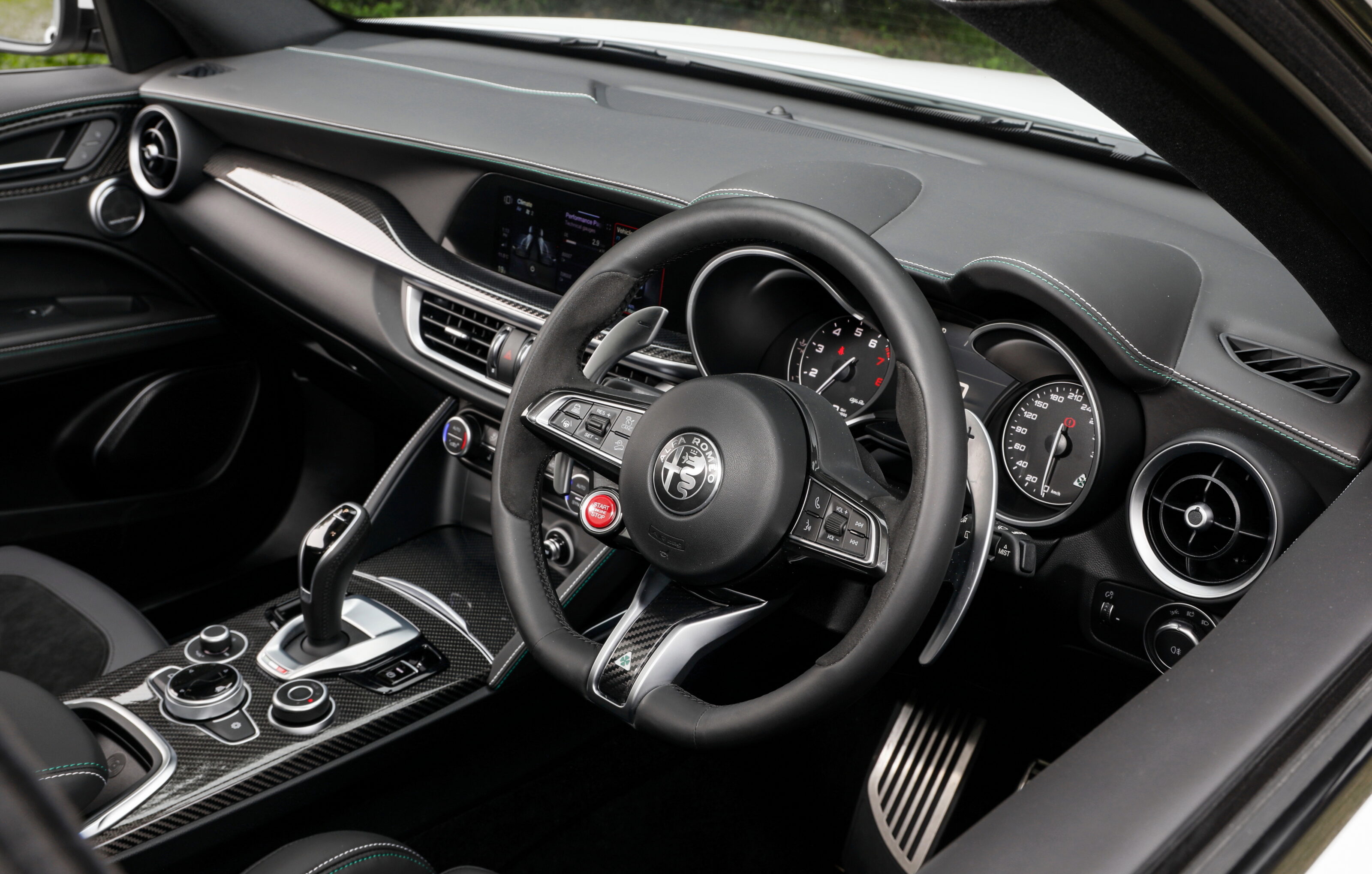
It shouldn’t matter, but it does. Like people, cars only get one chance to create a favourable first impression and, if you’re asking the thick end of $150K for one, they’ve got a high bar to clear. Alfa Romeo’s Stelvio Q was a car with many admirable qualities, but sit inside for a couple of minutes and your instant take away from it was that the engine and underpinnings must be costing you a pretty penny because the budget certainly never went on the interior.
That first handshake with the Stelvio Q was always tinged with disappointment. It left you with the nagging suspicion that here was a vehicle wearing a lot of dress up but never avoiding some fairly proletarian roots. Cheap interior plastics, an infotainment system that might have had a $20K Kia preparing its excuses and a fairly rudimentary skim of electronic safety systems again left you figuring that the Stelvio needed to drive really well in order to muscle its way into contention. This needed to change for the facelift.
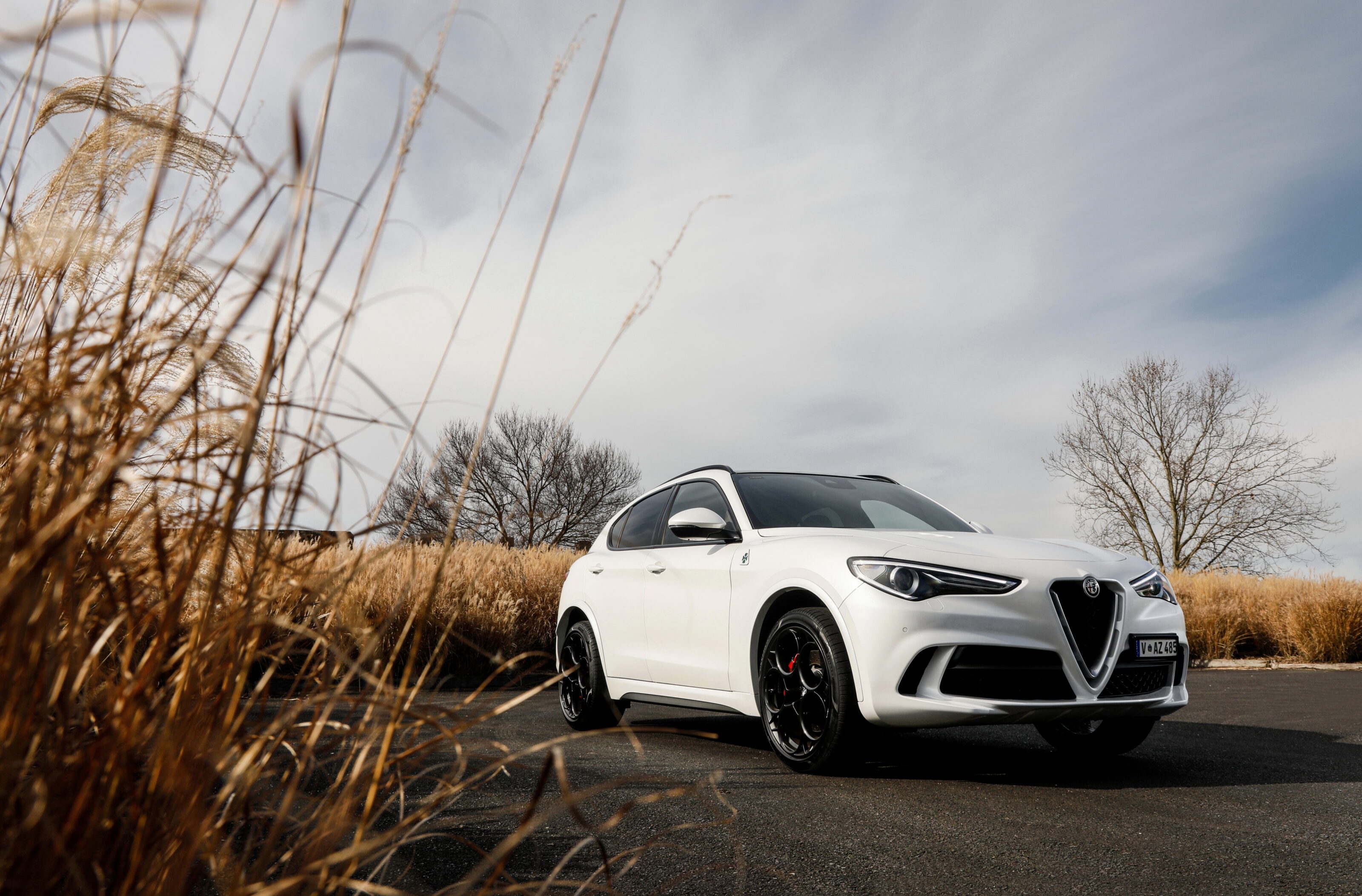
Combine that with the €5 billion investment into the non-electrifiable Giorgio platform that underpins the Giulia, Stelvio and absolutely nothing else, and it’s clear that no matter how successful the 2021 update of Alfa’s mid-size SUV proves, it’ll never be able to repay its debts. Sergio Marchionne’s breathtaking gamble fell on its face, new owners Stellantis looking instead to its STLA large vehicle architecture for future models.
You’d expect this 2021 version to be significantly different in order to change that script, but Alfa Romeo has instead decided not to radically alter the recipe and, as such, the changes are relatively modest. The cabin’s come in for a refresh, there are some additional safety systems and the drive modes have been tweaked. Unfortunately, it no longer remembers what mode you were previously in before the car was keyed off.
The price has also been given a haircut, coming down to $146,900, almost on a par with the comparatively limp-wristed 324kW Porsche Macan Turbo at $145,000 and a long way south of the Mercedes-AMG GLC63 S at $175,900. I reckon it’s better fun than both of them. The Stelvio Q always seems to have a mischievous glint about it; it eggs you on to enjoy that zone above 5000rpm where the bi-modal quad exhaust parps fruitily and races to the 7400rpm redline.
“Alfa waited for the cash registers to ker-ching but something happened. The public never really bought it”
Switch the ‘dna’ drive mode selector into Dynamic, take control of the elegant fixed paddle shifters, find the right road and you’ll have a great time, challenging yourself to get on the power earlier and earlier through corners. It’s a very specific challenge though and I’ve come to a conclusion about the Stelvio. There are those drivers who love a car that’s beautifully set up and which either is or has been moulded to suit their driving style. Then there are those drivers who see it as a challenge to mould their driving style to the quirks or shortcomings of the vehicle they’re driving. The former might struggle with the Stelvio. It has a lot of ‘characteristics’.
Whether it’s the sharp brake pedal, the uncouth parking brake release, the livewire steering or the cornering attitude that encourages you to jink it into a corner and then rectify what happens thereafter, it’s not a vehicle that feels natural to drive quickly and smoothly. A major plus is the ability to adjust the damping independently of drive mode but one trend I’d like to see junked is a Race mode which switches the ESC safety net off. That should be a driver’s decision based on the prevalent conditions, not Alfa’s, especially with such a rear-biased powertrain.
You expect the Stelvio Q to feel like a Giulia on stilts that has been gifted the occasional benefit of all-wheel drive, but something is lost in the process, despite engineer Roberto Fedeli’s ambitious aim to make the Stelvio feel exactly like the Giulia. Call it cohesion, flow, whatever you like, the fact remains that the Stelvio’s dynamics never feel as polished or as exploitable as the Giulia. That’s physics for you.
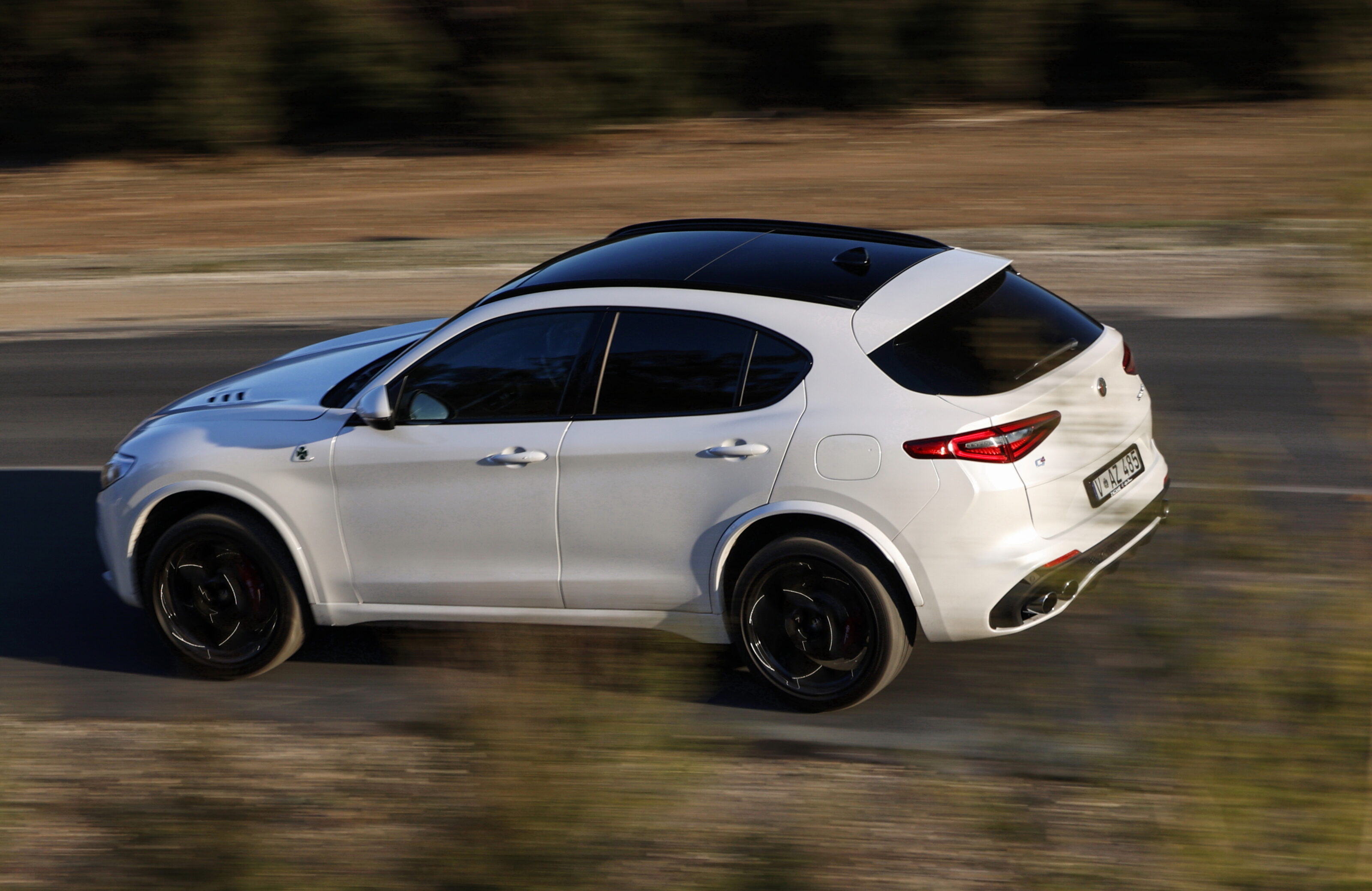
Perhaps it’s an unreasonable expectation. We wouldn’t expect a GLC 63 to feel like a C63 but with no Giulia wagon available, Alfa has, in effect, created that expectation itself. On a challenging road and judged in pure dynamic effectiveness, the Stelvio is one of the very best sporting SUVs at any price. I’d probably put it almost on par with the latest BMW X3M/X4M, but given that it retails for $11K less than the X3M and comes with a five rather than a three-year warranty, it does enough to eke a niche.
Thing is, most don’t buy sports SUVs purely on the way they can dissect a hill route. Alfa Romeo has somewhat belatedly recognised this fact and the latest Stelvio does a better job than before of staving off buyer’s remorse. The cabin now feels worthy of the price point, with better quality materials used in key areas and a Marelli-designed tile-based infotainment screen that is easy to use and offers fuss-free smartphone mirroring.
Alfa has also built in Level Two driver aids such as traffic-sign recognition with intelligent speed control, traffic jam assist (where the Stelvio holds station by monitoring both lanes and surrounding vehicles)active blind-spot assist and driver attention assist.
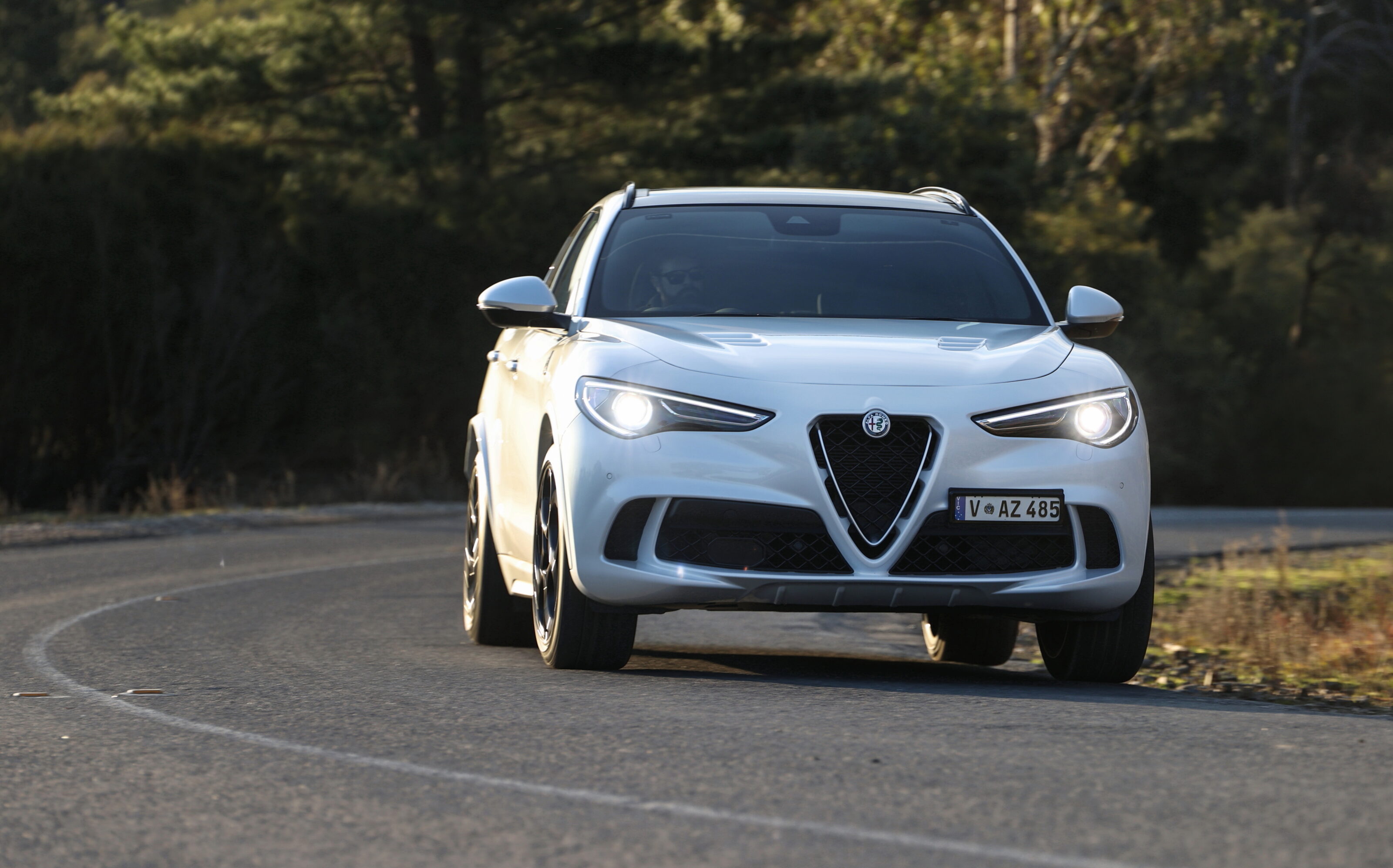
Some of the more recent safety features still require a bit of finessing, with the active cruise control a little finicky to set speeds. Indicate out after an overtaking car on a freeway and the system will accelerate the car fiercely as soon as you operate the indicators and then snatch at the brakes sharply once you’re into the adjacent lane and the radar has acquired the car receding in front of you. Like many of the Stelvio’s odd calibrations, you learn to drive around it.
It’s a shame that these peccadilloes exist because the Stelvio does what all good Alfa Romeos do: they make you want to like them. The beautiful alloy wheel design, the evocative cloverleaf wing crests, the elegant, cool-touch shift paddles, the fact that knocking the shift lever forwards plucks a lower gear in the 8HP75 transmission, the beautifully bolstered seats, the huge P Zero tyres, and the fact that there’s a Race mode are all things that point you in the direction of giving the Stelvio the benefit of the doubt every time that doubts arise.
And they will, despite Alfa’s belated efforts to tamp down buyer’s remorse. It would be the easiest thing for me, as editor of MOTOR, to give the Stelvio a solid recommendation based purely on the way that it drives, but there are caveats to consider. The way the interior squeaks and creaks will be enough to deter some. The supervision screen that produces conflicting nav instructions to the main screen is infuriating, blotting out the digital speedo in the process. The fact that it misses out on gear like a head-up display or wireless smartphone mirroring may have some thinking that the latest round of updates don’t really go far enough. Read the runes and it’s clear that Alfa Romeo knows that appealing to drivers alone isn’t a strategy that will keep the company hale and hearty. Its cars need to deliver broader appeal in order to make conquest sales.
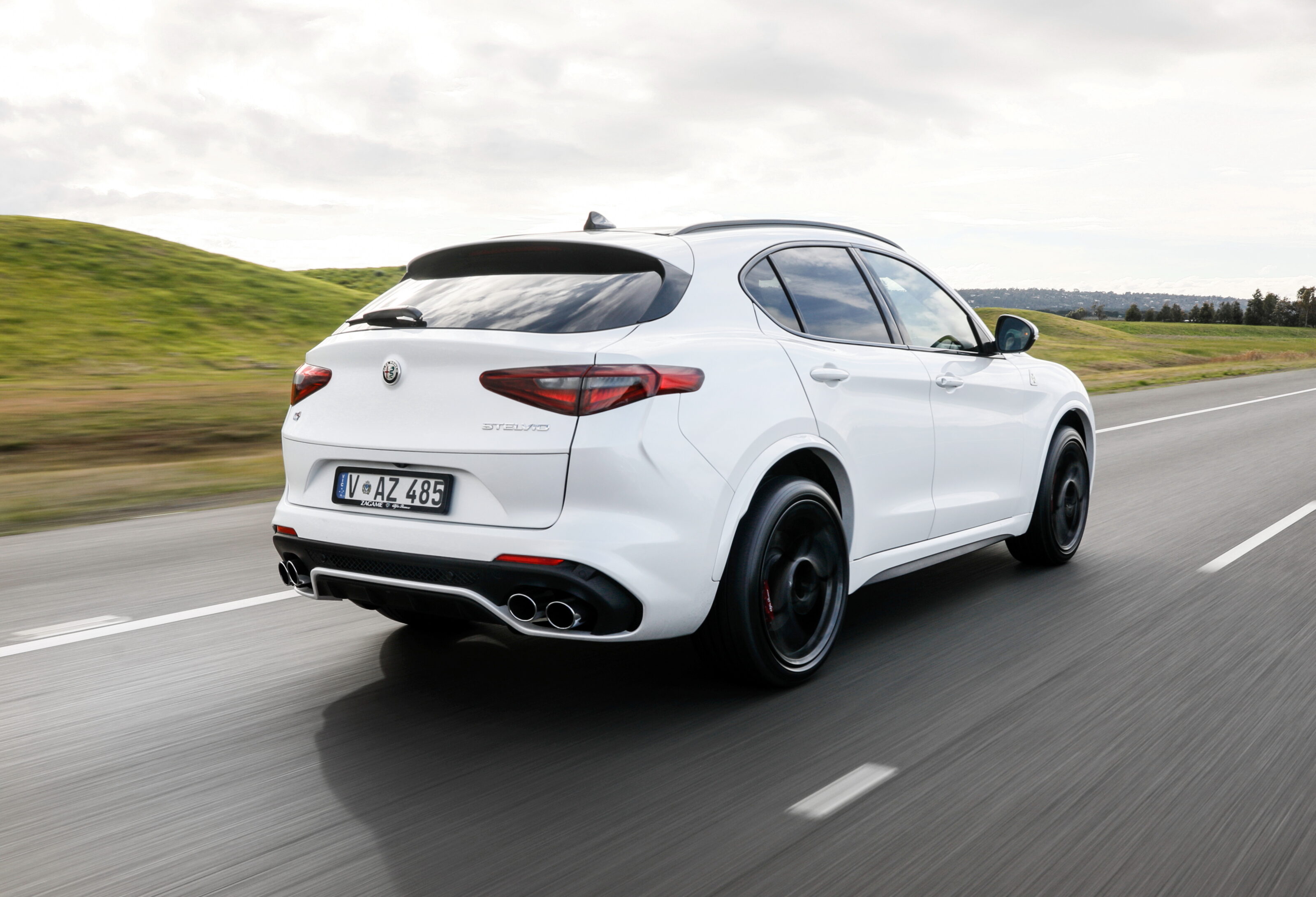
The 2021 changes do make the Stelvio Q a better vehicle than before but it still lacks a certain sheen of cohesion in its execution. Its highs are extremely high indeed and its lows are no longer anything like as egregious. That will be enough for some, who are drawn to the most charismatic sports SUV money can buy but have previously been deterred by its rough edges. If you subscribe to the philosophy that life’s too short to be boring, you know what to do.
2021 Alfa Romeo Stelvio Q specs
| Body | 5-door, 5-seat SUV |
|---|---|
| Drive | all-wheel |
| Engine | 2981cc V6, DOHC, 24v, twin-turbo |
| Bore/Stroke | 86.5 x 82.0mm |
| Compression | 9.3:1 |
| Power | 375kW @ 6500rpm |
| Torque | 600Nm @ 2500-5000rpm |
| Weight | 1830kg |
| Power-to-weight | 205kW/tonne |
| Transmission | 8-speed automatic |
| Suspension | double wishbones, adaptive dampers, anti-roll bar (f); multi-links, adaptive dampers, anti-roll bar (r) |
| L/W/H | 4701/1955/1681mm |
| Wheelbase | 2818mm |
| Tracks | 1622/1675mm (f/r) |
| Steering | electrically assisted rack-and-pinion |
| Brakes | 360mm ventilated/drilled discs, 6-piston calipers (f); 350mm ventilated/drilled discs, 4-piston calipers (r) |
| Wheels | 20.0 x 9.0-inch (f); 20.0 x 10.0-inch (r) |
| Tyres | Pirelli P Zero,u00a0255/45 R20 (f); 285/40 R20 (r) |
| Price | $146,900 |
Snapshot
- Mobilize Limo to be available only as a subscription package for professionals
- Vehicle will only be leased as taxis, private hire vehicles and fleets
- No plans to launch a privately available version
This year’s IAA Mobility Show in Munich will see the debut of Renault’s new Mobilize Limo, a four-door sedan to be sold exclusively to ride-hailing companies.
An all-electric vehicle, the Mobilize Limo is available through a subscription to companies running taxis, private hire firms and other ride-hailing services – essentially making it unobtainable to the general public.
Designed with passengers in mind, it provides a sizeable 288mm of rear-seat knee room thanks to its flat floor, 4670mm long exterior and 2750mm wheelbase – boasting a boot capacity of 411 litres.
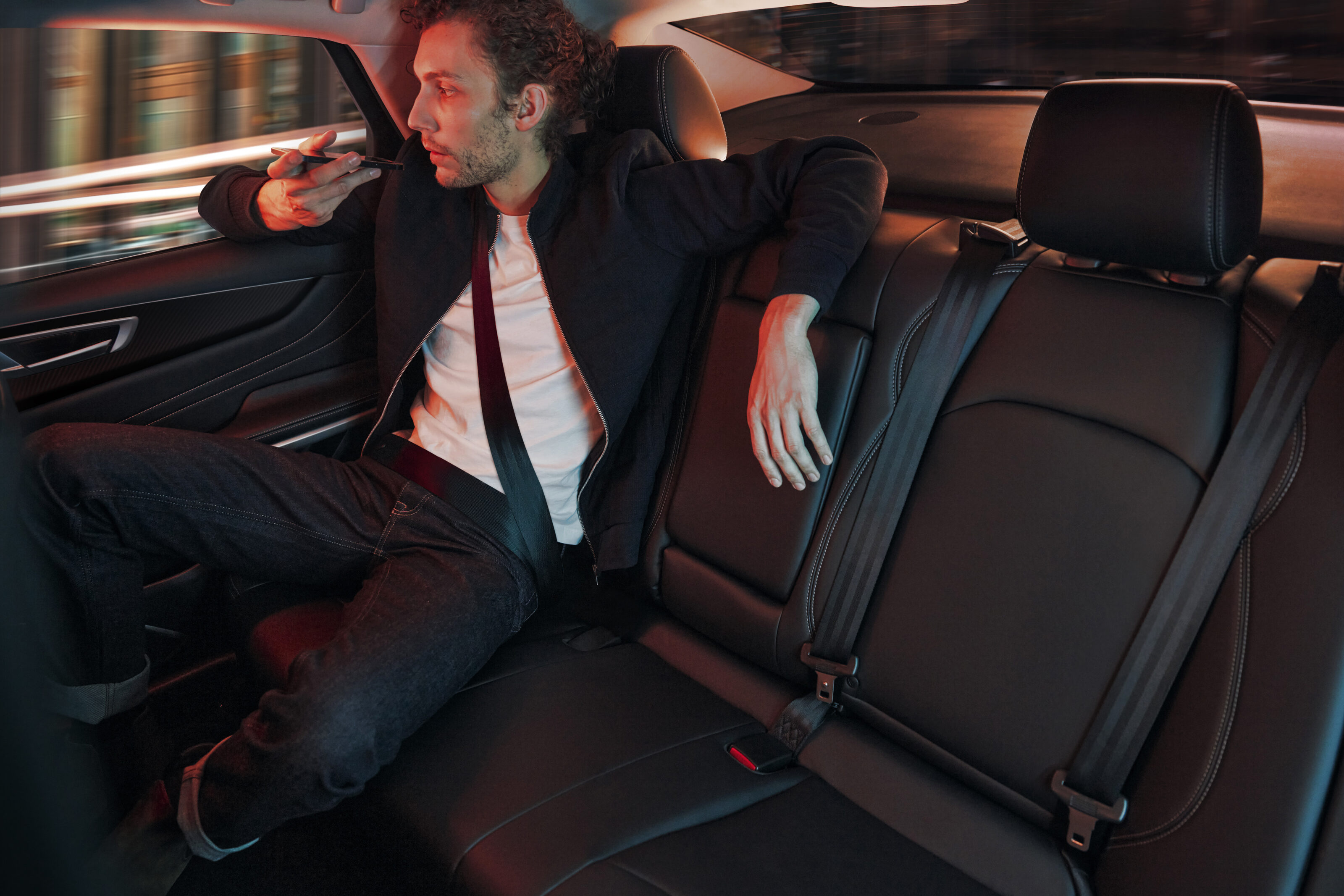
For second row occupants, there are two USB ports for charging devices, as well as volume control knobs, adjustable air vents and reading lights.
Although the focus is on passengers, the Mobilize Limo isn’t short of equipment up front – featuring a 10.25-inch digital dash, a 12.3-inch infotainment touchscreen, a refrigerated centre console and eight electric seat settings for the driver.
A host of safety features are also included – ranging from eight airbags to Renault’s advanced driver assistance systems.
This includes adaptive cruise control, blind spot detection, lane change assist, lane keeping assist, lane deviation warning, front collision warning, pedestrian collision warning, advanced emergency braking, traffic sign recognition, around view monitor, front and rear parking sensors and rear cross traffic alert.
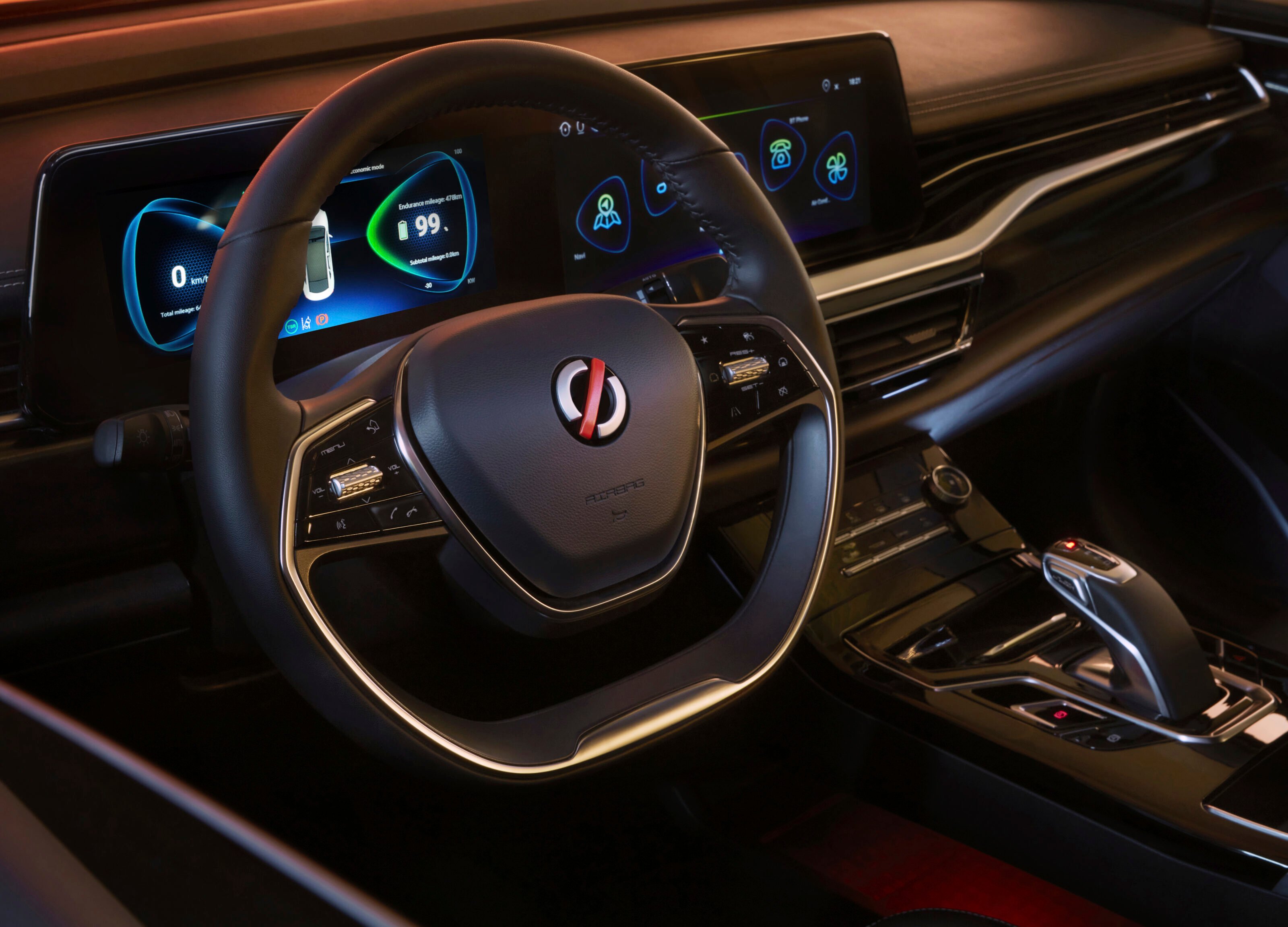
Powered by a 110kW electric motor, the Mobilize Limo prioritises comfort over speed, achieving a 0-100km/h time of 9.6 seconds with a top speed of 140km/h – still enough to comfortably break the speed limit in any city centre.
Its 60kWh lithium-ion battery pack provides a driving range of up to 450 kilometres, while AC and DC charging capabilities can deliver an extra 240km after 40 minutes of charging.
Renault plans to initially roll out 40 vehicles this year before deploying the service throughout Europe from the second half of 2022.
Snapshot
- BMW X7 used to transport Cruise stolen from outside hotel in the UK
- Car was recovered but $1000s in belongings missing
- BMW M5, Fiat 500 and Nissan GTR used during filming
Tom Cruise’s BMW X7 SUV was stolen from outside the Grand Hotel building that Cruise was staying in while filming the seventh Mission: Impossible movie in Birmingham.
According to The Guardian, the vehicle was then recovered shortly afterwards in Smethwick – three miles away – but it’s reported that Cruise’s luggage and belongs were missing and are worth thousands of dollars.
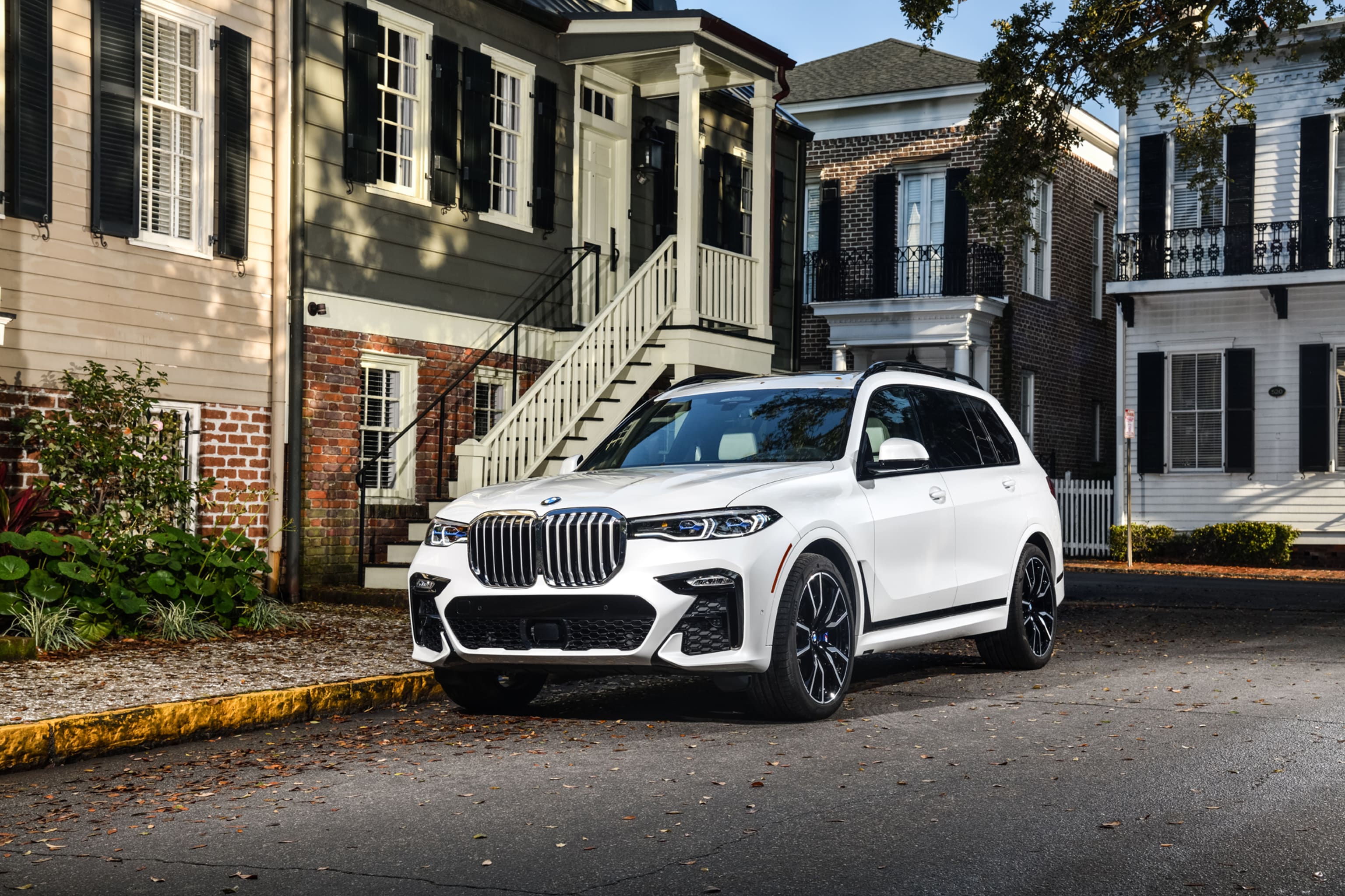
A West Midlands Police spokesperson said: “We received a report of a BMW X7 stolen from Church Street, Birmingham, in the early hours of Tuesday morning (August 24). The car was recovered a short time later in Smethwick.”
It is believed the X7 was only being used to transport Cruise around, and has no actual role in the movie.
BMW has had a partnership with the Mission: Impossible franchise since an i8 was used in 2011’s Mission: Impossible Ghost Protocol, and it seems that partnership is set to continue after Cruise was seen in a doorless BMW M5 being used as a stunt car during filming in Rome with co-star Hayley Atwell.

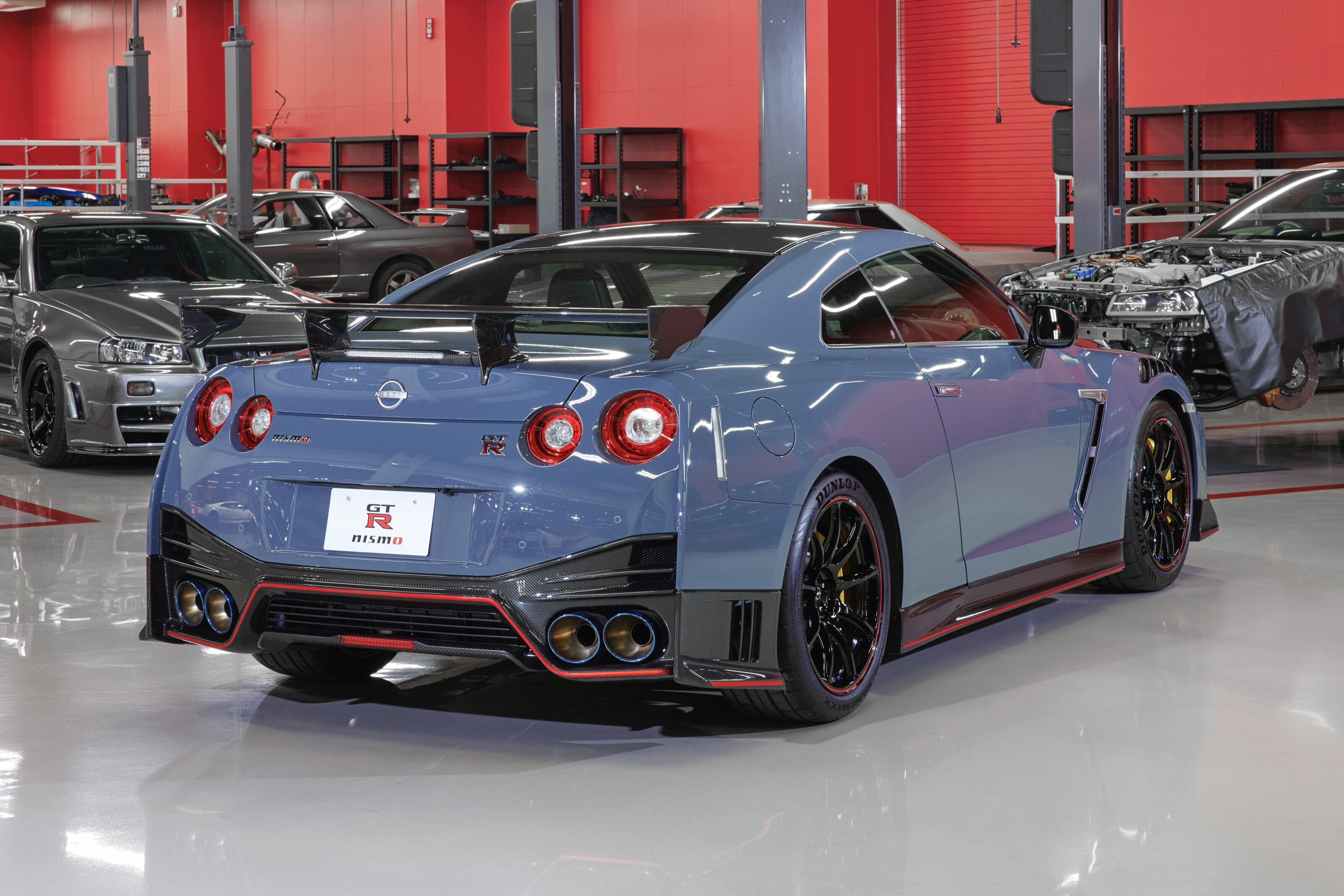
Also seen in the footage is an original Fiat 500, and a matte black Nissan GTR camera car.
The seventh instalment of the Mission: Impossible series is set to hit cinemas in Australia on May 26 next year.
A 12th crash will be added to the National Highway Traffic Safety Administration’s list of Tesla Autopilot incidents to be investigated, after a Florida Highway Patrol car was struck while stopped on the shoulder.
As reported by CNBC, a Tesla Model 3 was travelling with Autopilot engaged when it collided with a police car and a Mercedes-Benz SUV, which were parked on the road’s shoulder at 5am. Fortunately no-one was injured.
The Florida Highway Patrol told CNBC the state trooper’s vehicle had pulled over to assist the Mercedes owner, whose car had become disabled – with both cars unoccupied at the time of the collision with the Model 3.

The driver of the Tesla claims she had its Autopilot system activated at the time of the incident, becoming yet another example of the cars crashing into emergency vehicles – following 11 incidents reported to the end of last month.
Of the 12 incidents, seven have resulted in 17 individual injuries with at least one death. Despite the seemingly high frequency of Teslas colliding with first responders, there are just over 765,000 Autopilot-equipped vehicles in the United States alone – meaning the aforementioned incidents account for a small amount of overall crashes.
As Tesla’s Autopilot system is actually a Level 2 autonomous driving system, it still requires human supervision and, in some cases, intervention, to prevent incidents – a focal point of the NHTSC’s investigation.
A new hydrogen-powered sports car could be on the way from Hyundai, with the Korean carmaker teasing a mysterious vehicle in a new video.
The clip shows the Hyundai drifting, suggesting the sedan will be rear-wheel drive and performance oriented – while a snail gets covered in water droplets, which is the only byproduct from a hydrogen fuel-cell vehicle.
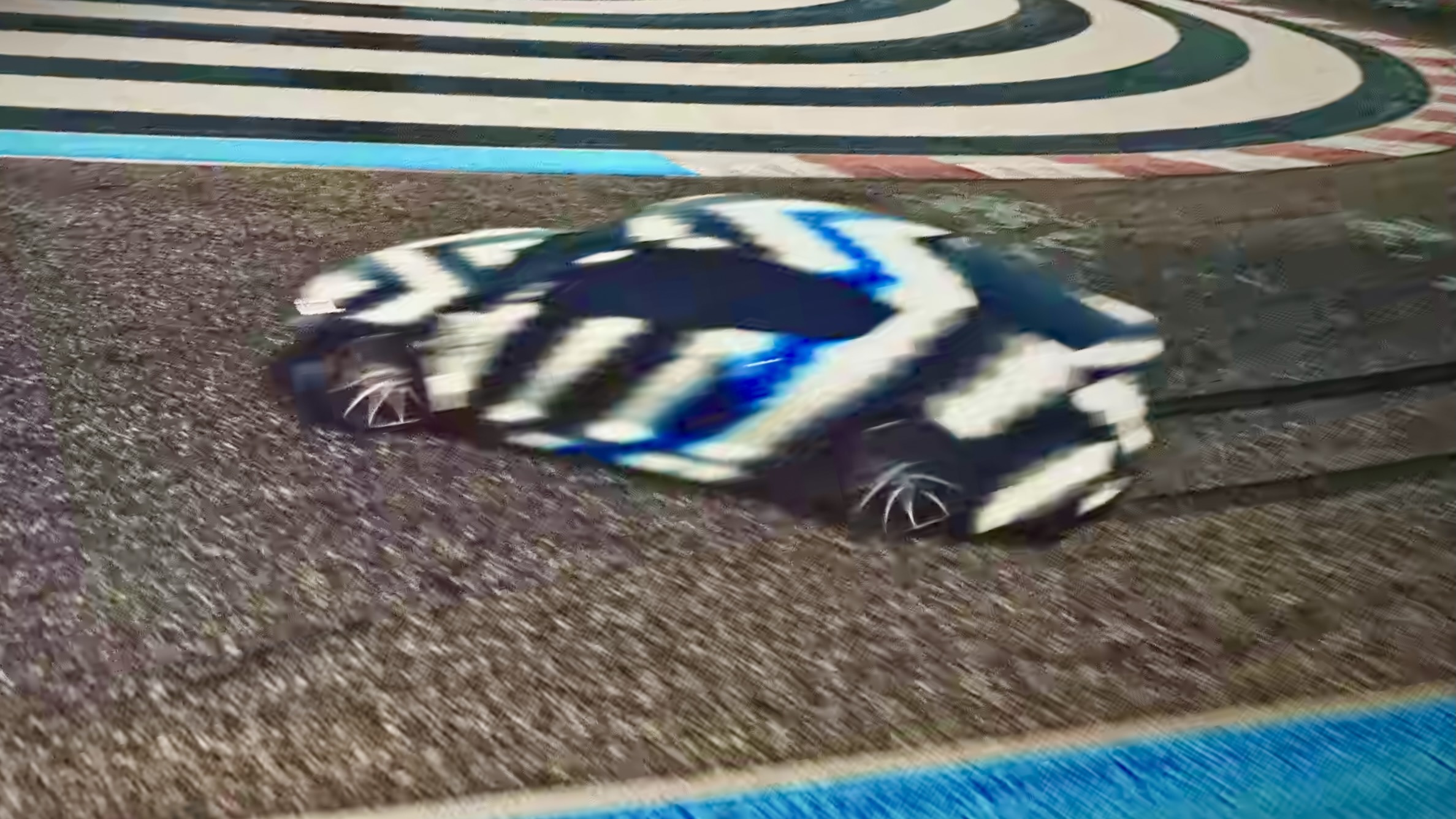
It’s unknown whether the vehicle will initially be shown in concept form or is close to being production-ready, but Albert Biermann, boss of performance arm Hyundai N, has previously indicated a driver-focused hydrogen model was in the pipeline.
“Hydrogen is just a matter of time,” Biermann told Wheels at the 2018 Detroit motor show.
“The time will come when people understand electric vehicles [alone] won’t work. Now we are looking more into EVs, but yes, hydrogen is definitely on the list.”
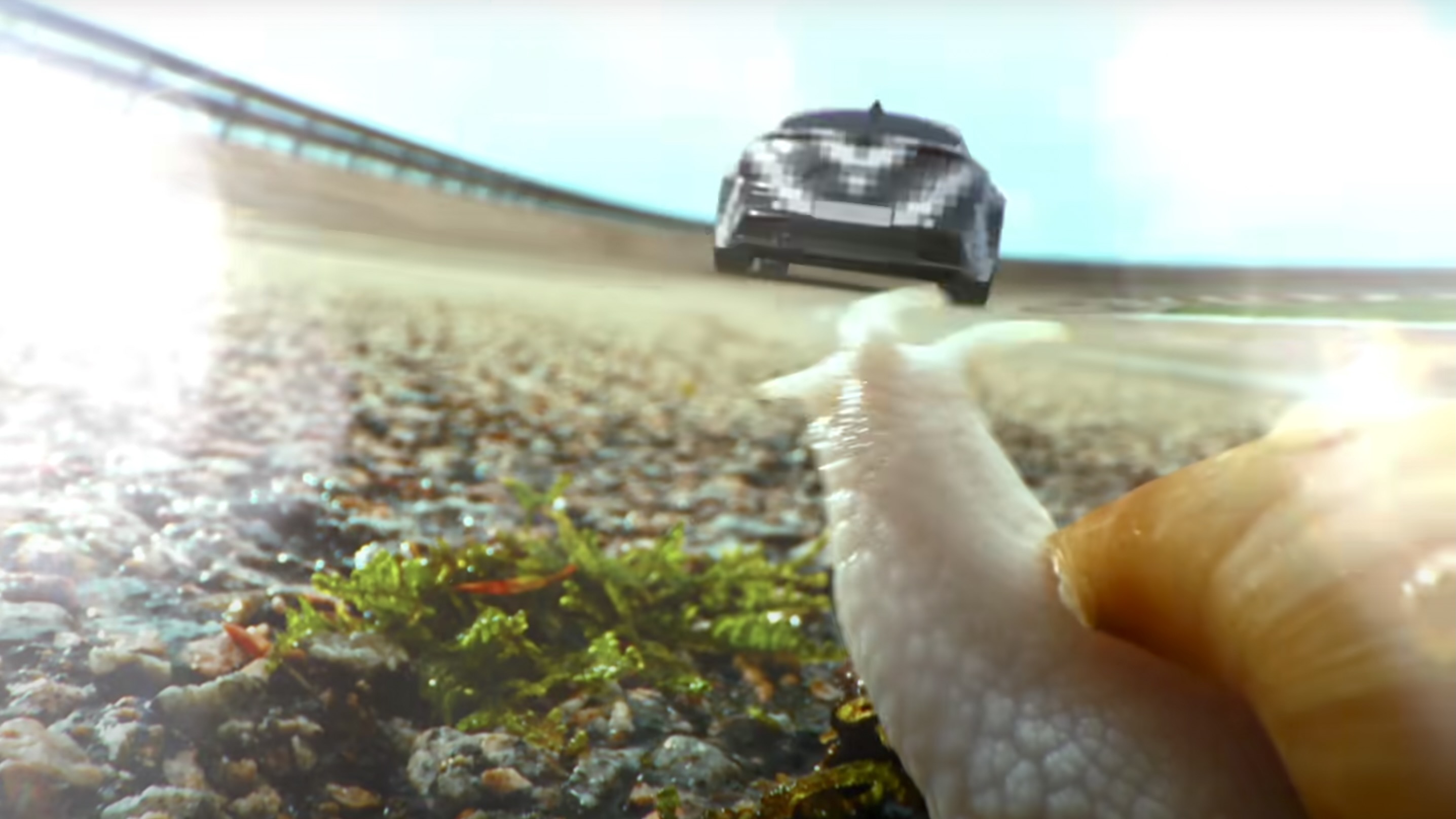
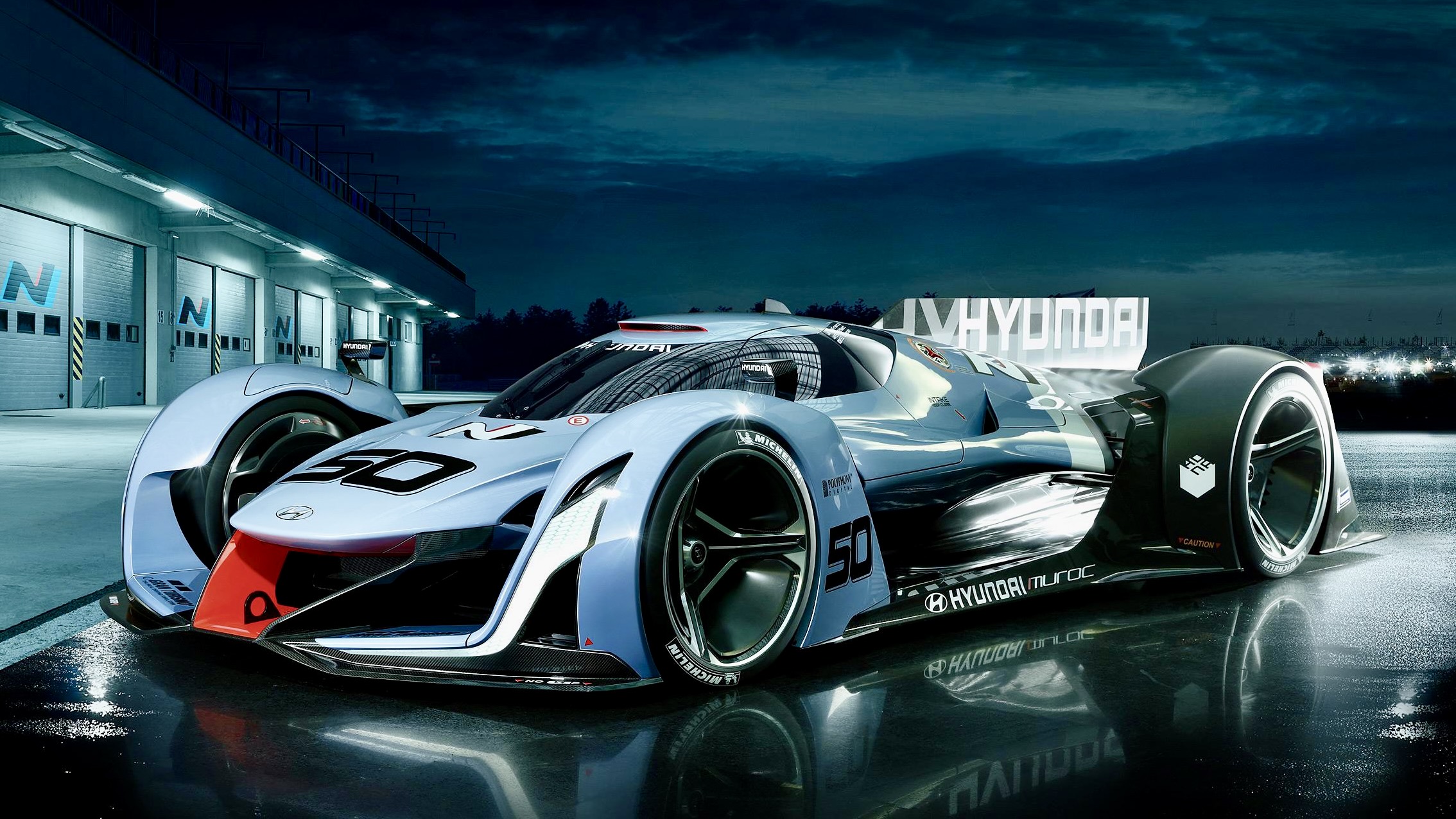
It’s not the first time Hyundai has shown off an N-branded hydrogen performance car. In 2015, the manufacturer unveiled its N 2025 Vision Gran Turismo racing concept, sending up to 650kW to four electric motors – theoretically allowing the 975kg car to hit 100km/h in 2.8 seconds.
While hydrogen can be used as a fuel to power traditional internal-combustion engines, most hydrogen-powered cars use a fuel-cell to generate electricity and power electric motors.
In Australia, Hyundai and Toyota have been pursuing hydrogen power as an alternative to fully-electric vehicles, with the car giants opening hydrogen fuelling stations in Canberra and Melbourne respectively.
The mystery performance sedan appeared in a teaser video promoting Hyundai Wave, a new online forum debuting on September 7, 2021, which Hyundai says will “showcase its outlook and blueprints for a future hydrogen society, including breakthrough hydrogen mobility ideas and technologies”.
Consider for a moment the red-billed oxpecker. A tiny bird native to the African savannah, it spends the vast majority of its time hanging out with the rhinoceros, a creature many, many times its size. At face value it seems as though the minuscule oxpecker is nothing but an annoyance to the giant rhino, but closer investigation reveals a wonderful symbiotic relationship.
The oxpecker feeds on parasitic ticks that would otherwise infect the rhino’s skin, while also using its far superior eyesight to warn of approaching danger. In return, the oxpecker gets a free, reliable food source. No, you haven’t suddenly tuned into a David Attenborough documentary, there is an automotive connection. The oxpecker-rhino relationship is a perfect metaphor for that which exists between Alpina and BMW.
On the surface the partnership appears to make no sense: why would BMW supply its cars to another manufacturer to then sell in direct competition? Dig deeper and it becomes clear that the relationship between the two brands is similarly symbiotic – it must be, for it has lasted for more than 55 years and counting.

Alpina was founded by Burkard Bovensiepen and his sons Andreas and Florian continue the family legacy today as Co-Managing Directors. But today is not about the past; CEO Andreas has generously donated his time to discuss the present and the future of the small manufacturer. Nevertheless, clarifying the relationship between Alpina and BMW seems a logical place to begin and, specifically, what’s in it for BMW?
“We are first of all an exclusive brand for people who like something which you will not find on every corner,” explains Bovensiepen.
“On the other hand this kind of refinement you will not find very often in the car industry. Alpina clients are BMW clients who have driven several different BMWs and now they are thinking of maybe changing the brand to Bentley, Aston Martin, Maserati; with the Alpina offering the dealers can hold the customers with the brand, excite them with some different kind of BMW which has all the advantages of the navigation system, servicing, warranty, but you still have a very exclusive car.”
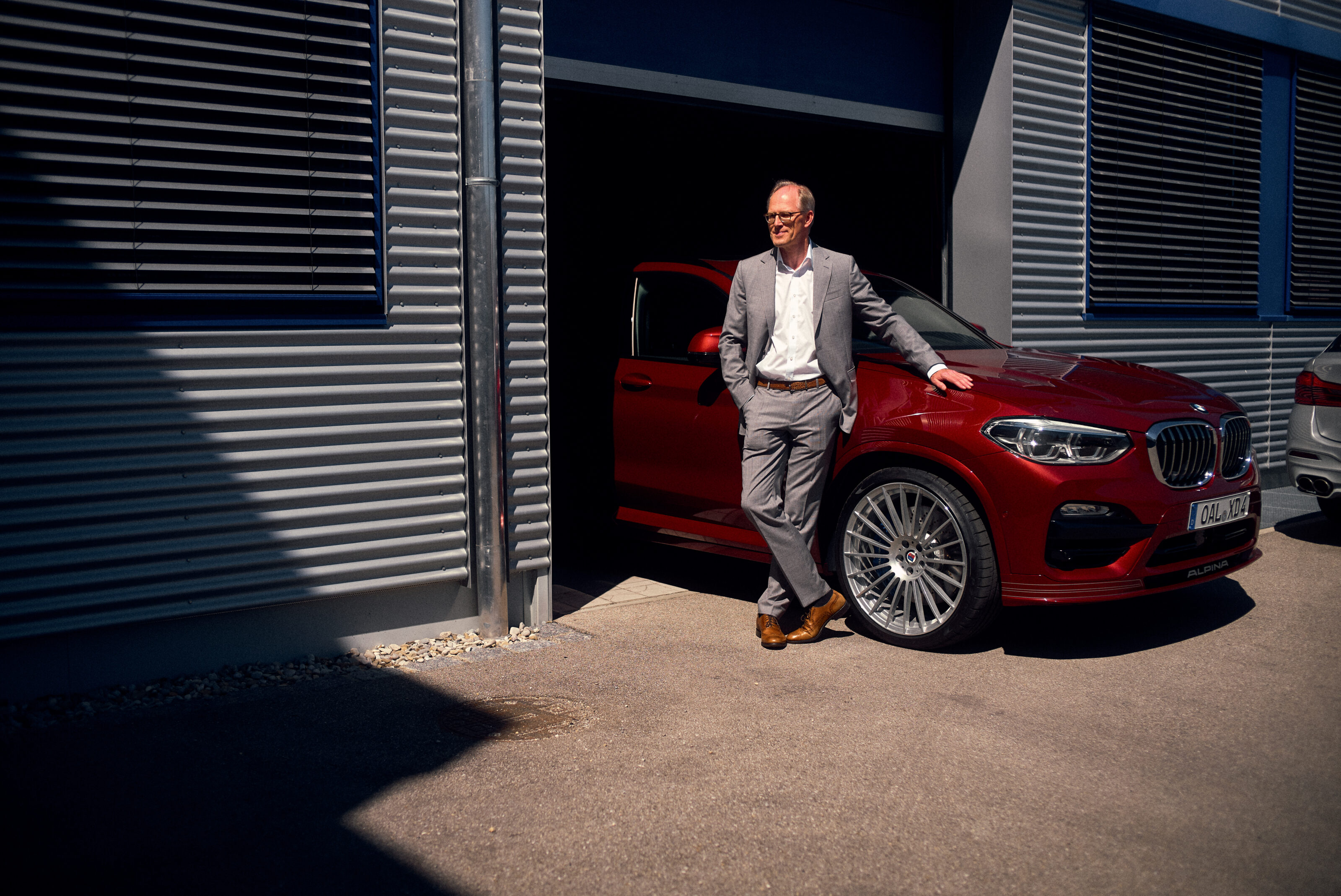
The catalyst for our conversation, the introduction of the Alpina B8 Gran Coupe to the Australian market, is the perfect example. At $322,900 it fits snugly between BMW’s swoopy flagship offerings, the M850i and M8 Gran Coupes. It virtually matches the latter with 457kW/800Nm and a 0-100km/h claim of 3.4sec but is a very different proposition.
“We like to distinguish from the BMW M brand,” says Bovensiepen.
“We are not the racing car for the road, we are much more philosophy-wise – the British press often say an Alpina is like a Bentley. The customer is a little bit more mature; I know I have a lot of power, sometimes I like to accelerate hard [and] go fast but I don’t need to show it every day.”
Bovensiepen uses the likewise fresh-to-Oz Alpina B3 as another example, a car that appears to blur the lines between Alpina and M by utilising the M-developed S58 engine. Traditionally, Alpina has tuned the conventional BMW engines (usually an ’N’ prefix’) rather than the motorsport-spec ’S’ engines – why the switch?
“It’s not our target to make a better M3 or M4. I think both companies have their niches; we are more on the luxury side of the business, BMW M on the sporty side, but of course all our customers like to get more horsepower and torque than the previous model.
“For Alpina it would be too difficult to get more horsepower out of the B58 so finally we asked BMW whether we can get the S58, but we like to make sure the B3 can immediately be distinguished from an M3 or an M4. We use different turbochargers for very high torque in the mid range and low range [and] the exhaust system is different. The engine feels completely different, the sound is different.”
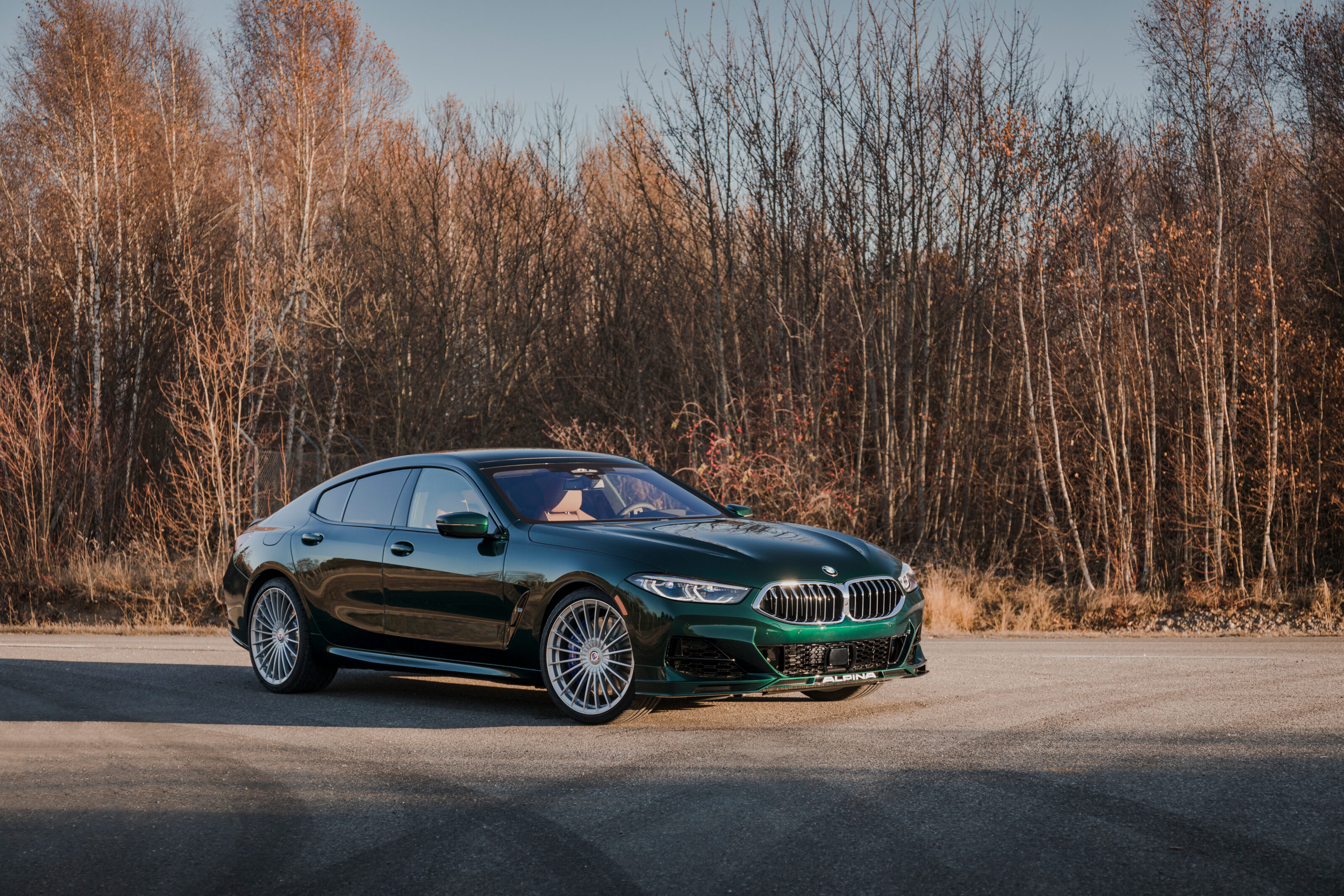
Unusually for a premium brand, Bovensiepen says Alpinas – in Europe at least – are often the main and only car for customers: “I’m not completely familiar with the Australian market, but especially in Europe Alpina is usually the first car and the everyday driver. Whereas if you look at specific M models it can be that an M4 is a nice car for the weekend, to have fun for several hours, or to go to the race track if you look at the CS or CSL models. We have our own philosophy and most of the time it’s the first car of the household, let’s say a dream car for everyday, and therefore we are focused on niches like Touring (wagon) models to compete against the Audi RS models or AMG T Models. Our aim is always to make the BMW portfolio bigger and wider.”
This everyday philosophy carries over into the setup of the cars. “We make a completely new setup,” says Bovensiepen.
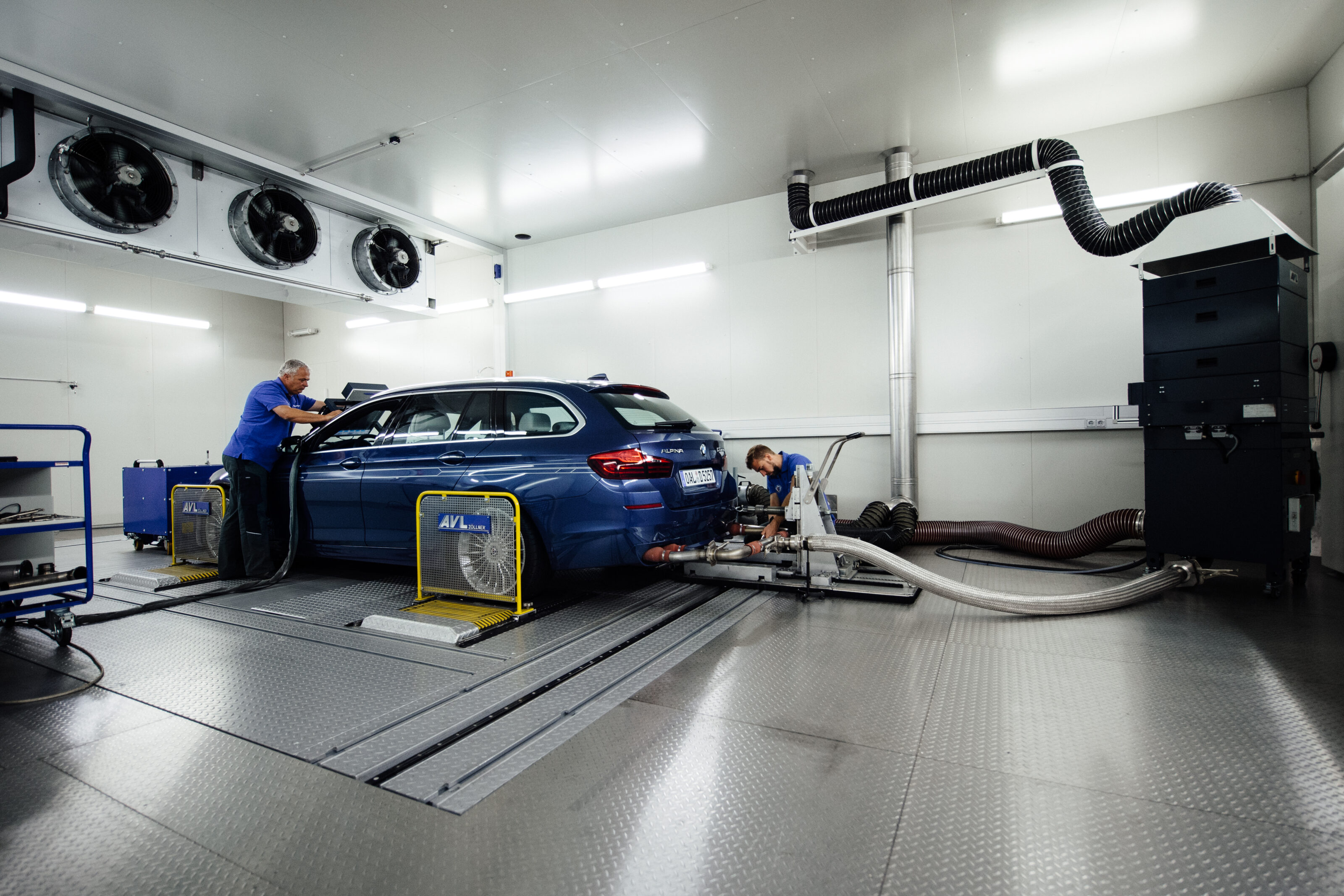
“For example we have completely different hardware in the dampers, different springs, different anti-roll bars, Comfort Plus mode, which is often only available in Alpina cars, and of course we have tailored tyres. Most of our cars have Pirelli tyres and these are especially developed with Pirelli Germany. It’s a combination of tyre development, springs, dampers and new calibration of the ESP; we go to Sweden in the winter, it’s a big portfolio of testing we do at test facilities in Southern France and we do high-speed testing where we go to Nardo to get a look at the reliability of the cars and the cooling systems and the tyres.”
It’s the combination of the Alpina customer’s love of speed and its relatively low build volumes that is making the transition to electrification a particularly difficult one. The updated X3-based XD3 SUV hit Australian shores last year with a 48-volt mild-hybrid setup, but the steps beyond this are not yet clear. “Alpina customers, especially in Europe, like to accelerate hard,” reveals Bovensiepen.
“They like to go fast on the motorway and this is quite difficult to achieve in a completely electric vehicle. You see here in Germany sometimes Tesla buyers have their car the first four weeks, let’s say [they drive] 160km/h, then they realise the battery goes down quite quickly and suddenly go between 95-120km/h. They don’t go faster because they know otherwise they have to recharge so often and that is not so much fun.
“Currently I cannot see an Alpina customer restricted to, let’s say, 120km/h on a German autobahn – they like to go faster. In countries with very strict speed limits it’s a different story and maybe you can be successful as a battery-electric vehicle, but still we know these kinds of cars are often 2.5 tonnes. With electrification cars get very, very heavy and it compromises the handling not in the right direction. Every high performance car company or niche producer is waiting for second- or third- or fourth-generation of these kinds of products; batteries have to get better and lighter, drivetrains have to get lighter, black boxes have to get smaller. I think it doesn’t make sense to be a leader in this field because then you have a lot of hurdles to overcome. I prefer these kinds of cars more as urban vehicles. Suddenly you can go on smaller batteries, let’s say 40-50kWh, and you have a nice second car for your family, but not as a car having fun to drive or going fast.”
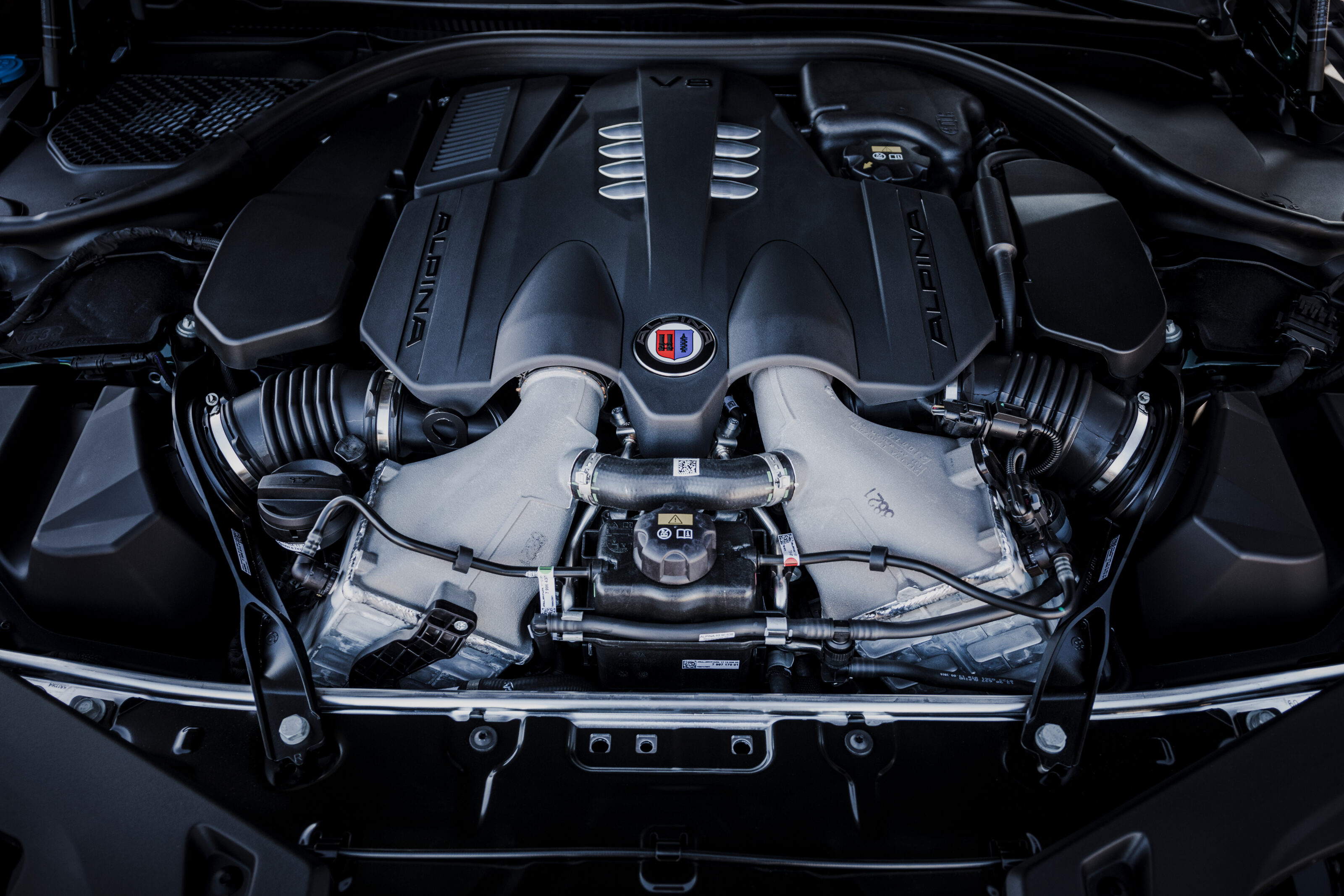
The obvious interim solution is hybrid, but it isn’t quite that easy when you’re tied to BMW’s existing product portfolio.
“BMW in the first generation had V8 hybrid, then they had six-cylinder hybrids in the 3 Series and 5 Series then they changed philosophy to only four-cylinder hybrids because demand was so low. Now again they have a six-cylinder hybrid which I think is very good because an Alpina customer is typically six-cylinder or V8 customer. For example, as a replacement for the (diesel) D3 we have thought about a hybrid and we asked our customer and they said ‘hybrid, yes, why not?’ but it at least has to be six cylinders, so if we had to do a four-cylinder hybrid that would not be preferable for our customers. We continued with the D3 because a lot of customers do high mileages, 30-50,000km annually, so the D3 is still the perfect solution.”
Historically, Alpina has had a lot of success with increasing performance through engine transplants, such as with the E30 B6 3.5 S or E36 B8 4.6, but it’s the business case rather than the engineering that is now the limiting factor.
“We have a lot of experience with system integration and quite often we have transferred bigger engines from bigger BMWs into the 3 Series or from the 7 Series into the 5 Series so this knowledge we have; it’s more nowadays the price possibility because if we would have done a six-cylinder hybrid in the current 3 Series, we would have taken the 5 Series or X5 drivetrain and integrated it, it would be quite a costly car. It would suit the car lovers but we were thinking maybe the time was not right.”
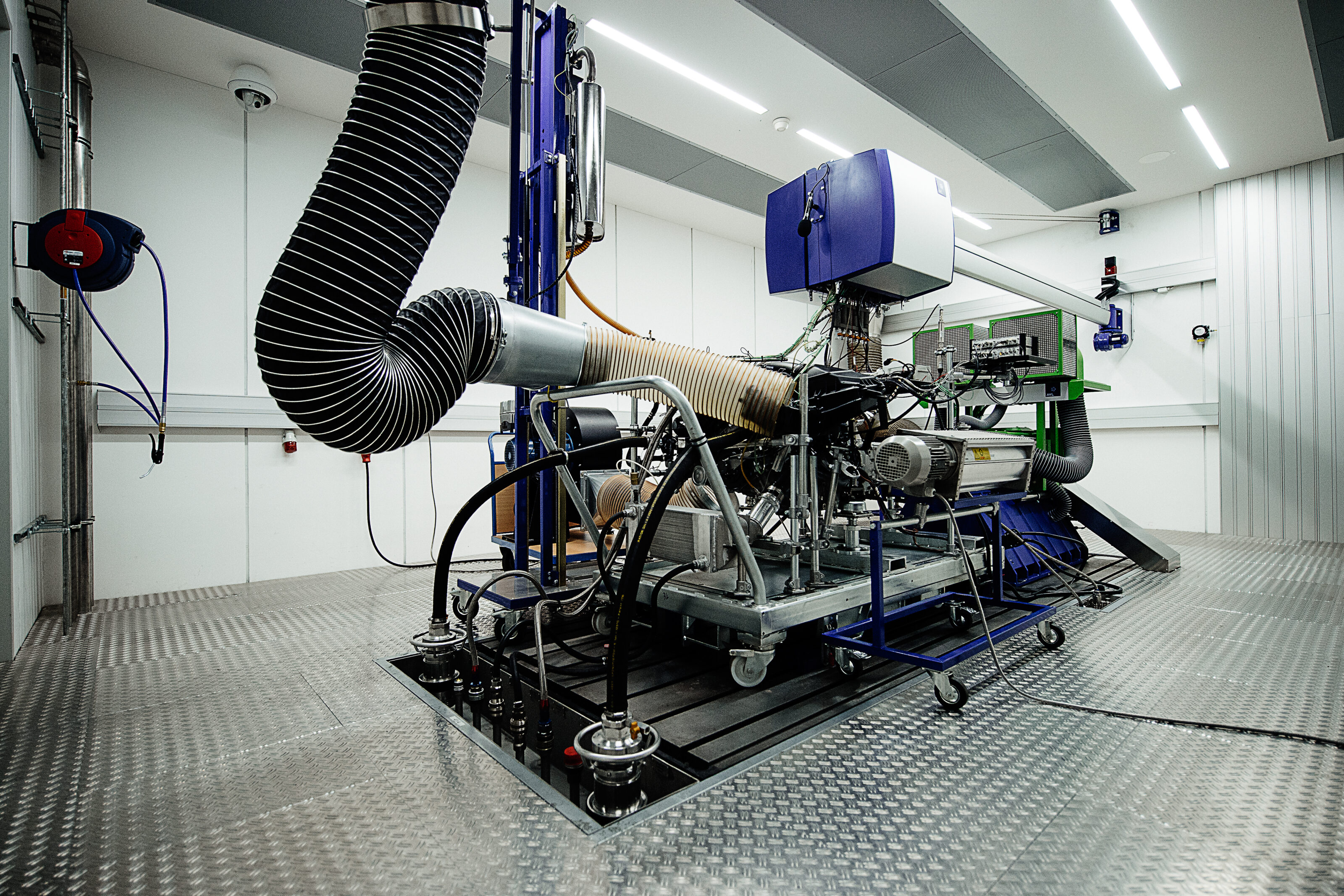
Whatever the solution, one must be found due to tightening emissions regulations.
“Right now we have negotiated our own CO2 corridor with the European Commission,” explains Bovensiepen, “and therefore we do not have these kind of strict limits that these big manufacturers have (fleet average of 95g/km), but of course you have to have a roadmap to go down every year. Therefore we need in the future at least hybrid vehicles. There is currently some Swiss discussion, and it’s going into parliament, whether small car manufacturers should get higher CO2 limits or whether they have to fulfil the same limits, which could end up that you have to pay $30,000 to register a petrol car in Switzerland. Maybe it’s not a problem for a Ferrari or Lamborghini customer [but] for an Alpina customer?”
There is, possibly, a third way. Synthetic fuels have been in the news thanks to Porsche investing in the technology, though a number of companies are working on CO2-neutral petrol, with potential for it to support low-volume internal combustion production.
“I think synthetic fuels have been completely underestimated,” enthuses Bovensiepen,
“It’s very good that Porsche is going into a leading position, because the worldwide effect of synthetic fuels would be absolutely phenomenal. Still in every country you have big fleets of the traditional petrol and diesel engines and therefore in the shortest time you would create the biggest effect on environmental issues.
“I think it has to be pushed much more widely, but certain countries have an agenda of going 100 per cent electric, not looking on the manufacturing of the cars, the driving the cars and afterwards, the battery has to be recycled. I can’t imagine in Europe and America and Australia within the next 10 years that 50 per cent of the whole car production will be fully electric; it’s no problem for the manufacturers to do so, but to create the infrastructure for every customer to be happy to buy an electric car because it’s so easy to recharge, I think this will be a big topic in the future.”
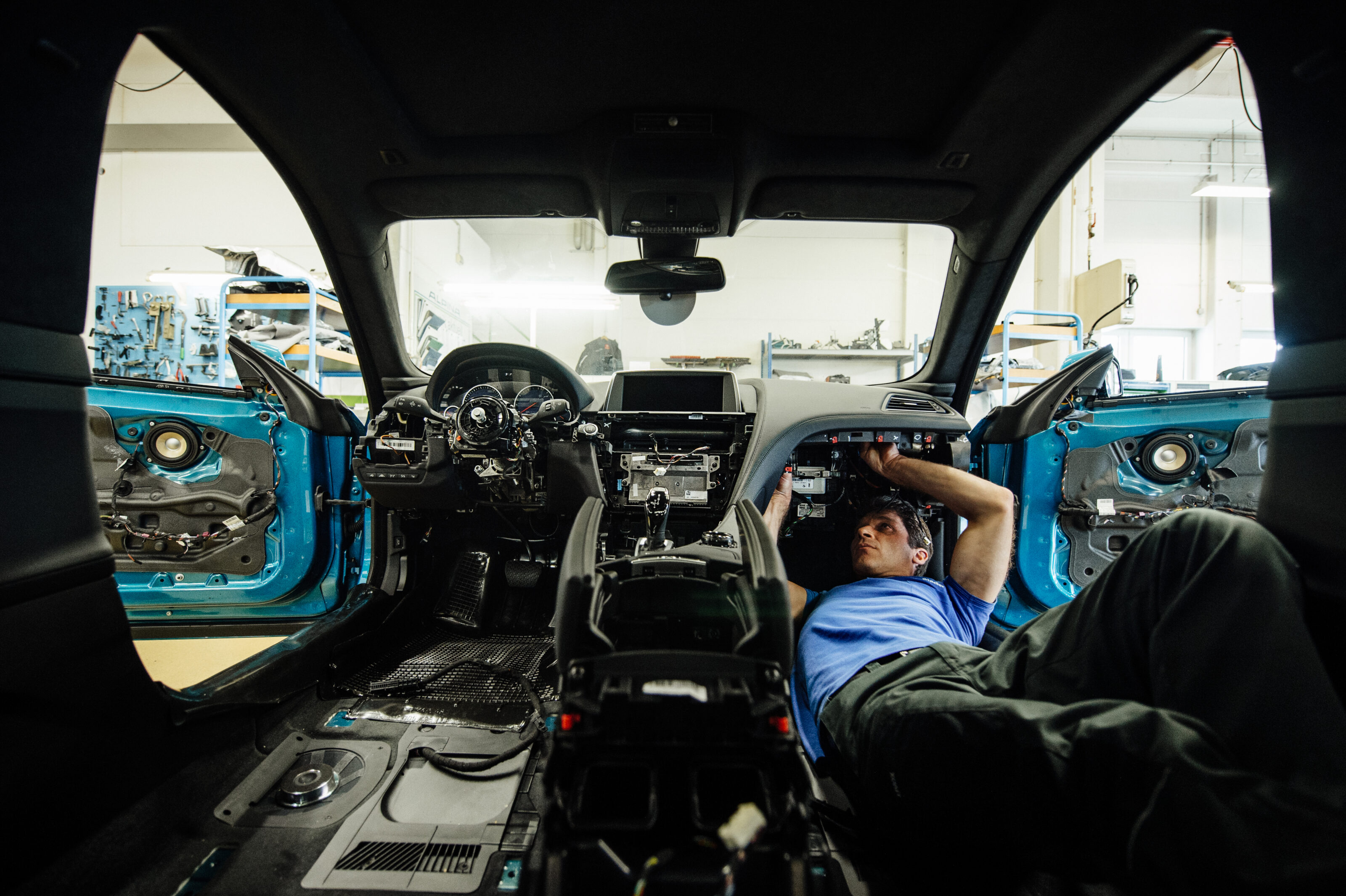
But what of the present? Alpina has had a slow start in Australia, handicapped early on by fluctuating prices and a limited product portfolio, but the release of the XD3 was an important step and with the arrival of the B8 Gran Coupe, monster XB7 and all-new B3, Alpina now has a range of vehicles across multiple segments.
“We have a very close relationship with BMW Australia,” says Bovensiepen. “It will help us with their prestige department, [but] for us as a small manufacturer selling 1500 or maybe this year 1900 cars annually, we [don’t] have the big budgets to spend on advertising. It’s important to get the press driving the cars, being excited hopefully and you have a small community which is growing every year. This year I think our target is nearly 40 cars to sell in Australia. It’s a very small number, of course, but if we can make 40 people happy, next year maybe it’s 45 cars and it’s growing. We can only convince people with convincing products.”
And so the oxpecker adapts and thrives.
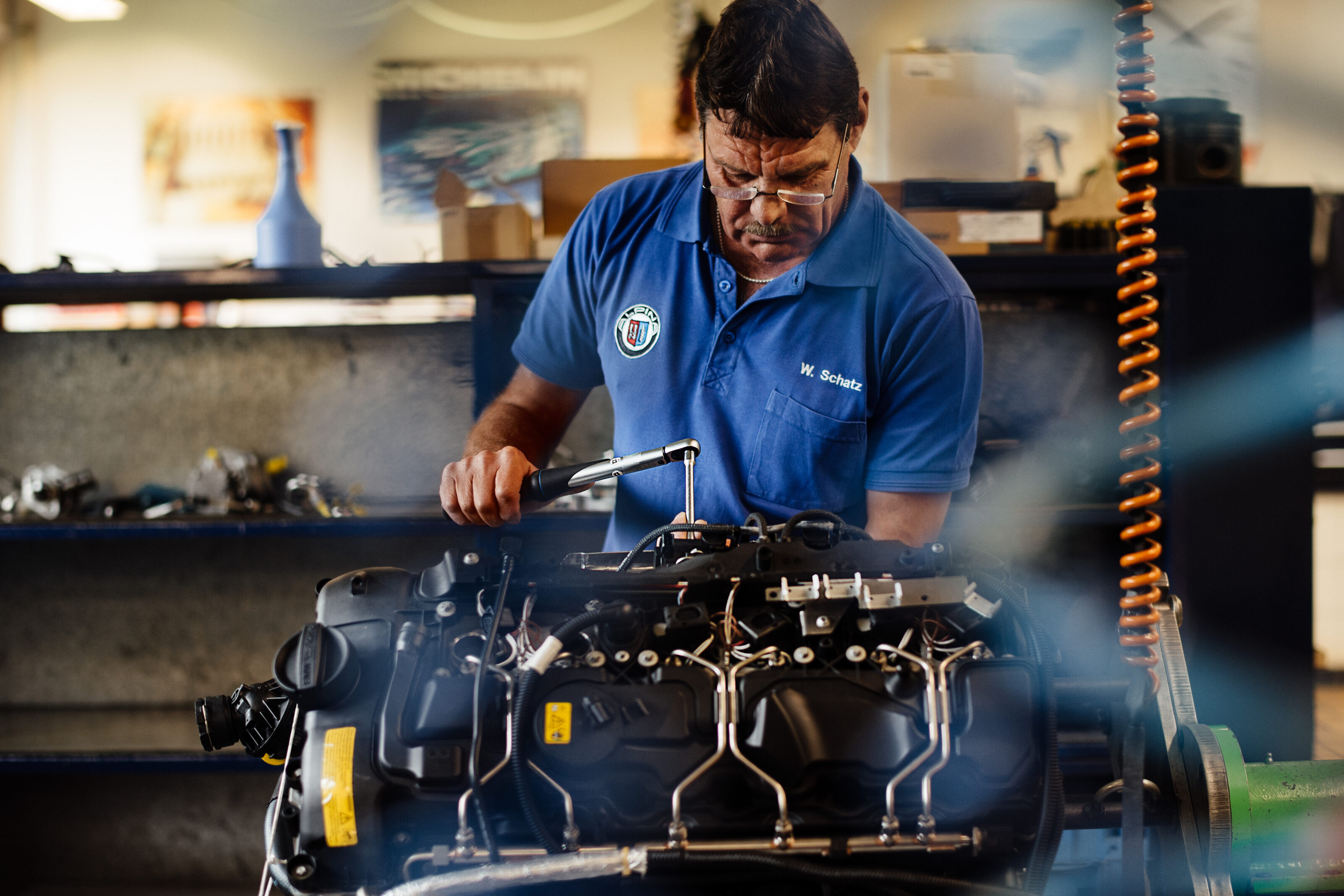
The Alpina classics program
While the new car environment is a difficult one to navigate, the growing appreciation for classics globally provides an opportunity for Alpina with its large back catalogue.
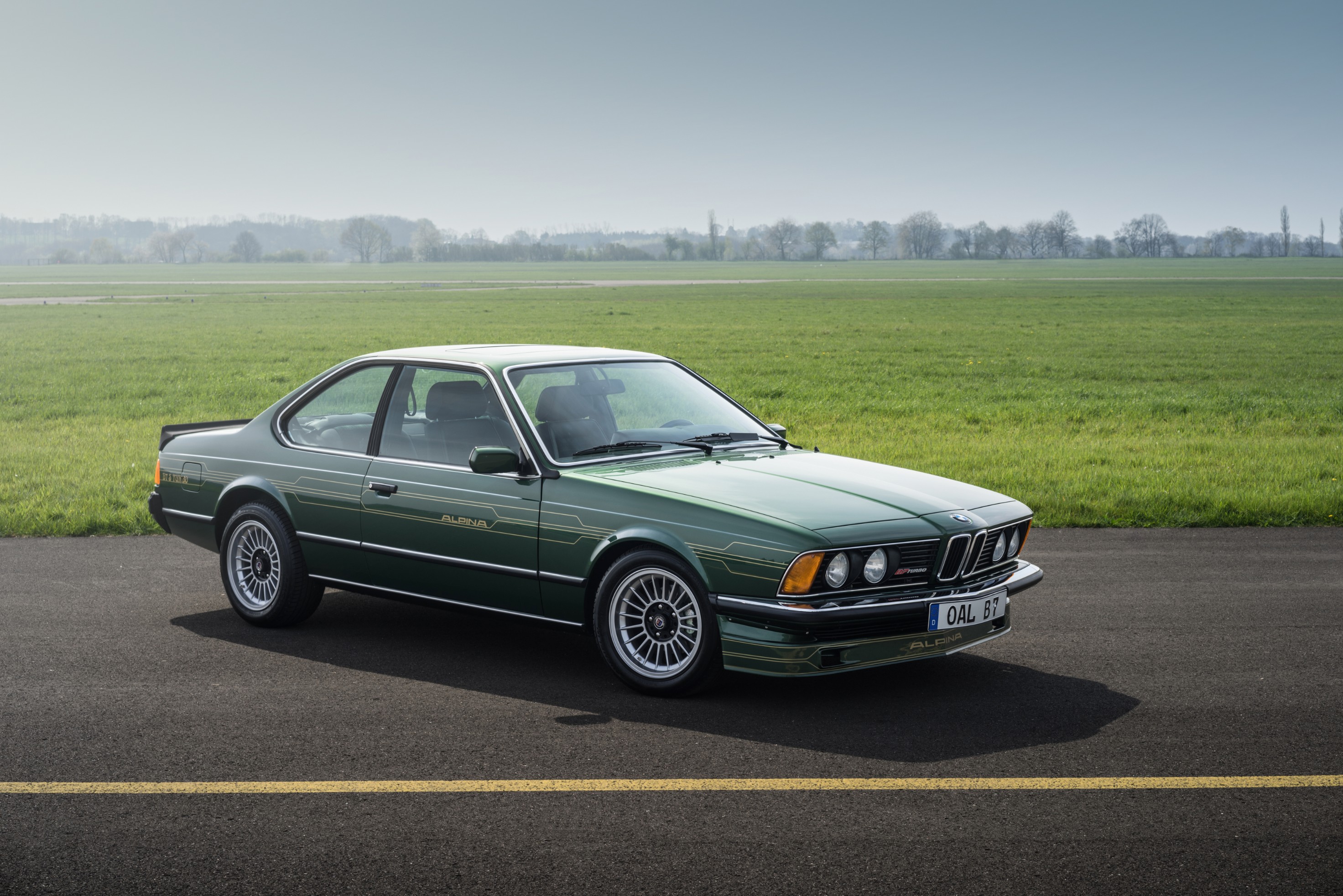
“We are mainly focused on develop[ing] new Alpina models but with this switch now into electric mobility the tradition gets more and more important. We will make a greater effort to rebuild all parts like wheels, suspension, interior stuff, to give the community of Alpina lovers the possibility to get their collector items in good shape, to get the spare parts. Today we are very much focused on engine rebuilds, which we do a lot, several hundred engines a year, but this business will be enlarged. For example, currently we have an E24 B7 S Bi-Turbo Coupe, which we restored for a Japanese customer. This will be much more important in the next years.”
If you want to buy a new manual Volkswagen, you have until 2030 to do so before they become extinct, according to new reports.
Reported by German publication Auto Motor und Sport, the world’s largest automotive manufacturer is set to ditch three-pedal vehicles from 2030 as it moves away from an internal combustion engine line-up by 2035, putting its resources into EVs instead.
According to the website, the third generation Tiguan will be the first model to drop manual transmissions from its line-up when it launches in 2023, followed by the Passat and other models from there onwards.
In Australia, the range of Volkswagen models not available with manual transmissions has increased, with the Arteon, Carravelle, California, Passat, T-Cross, Tiguan, Toureg and T-Roc all sold as automatics only in the local market, something which VW Australia attributes to low manual sales in the past.
“Manuals are such a tiny percentage of Volkswagen’s Australian sales that we’ve long since dispensed with them, save for a bare few remaining variants,” a spokesperson told WhichCar.
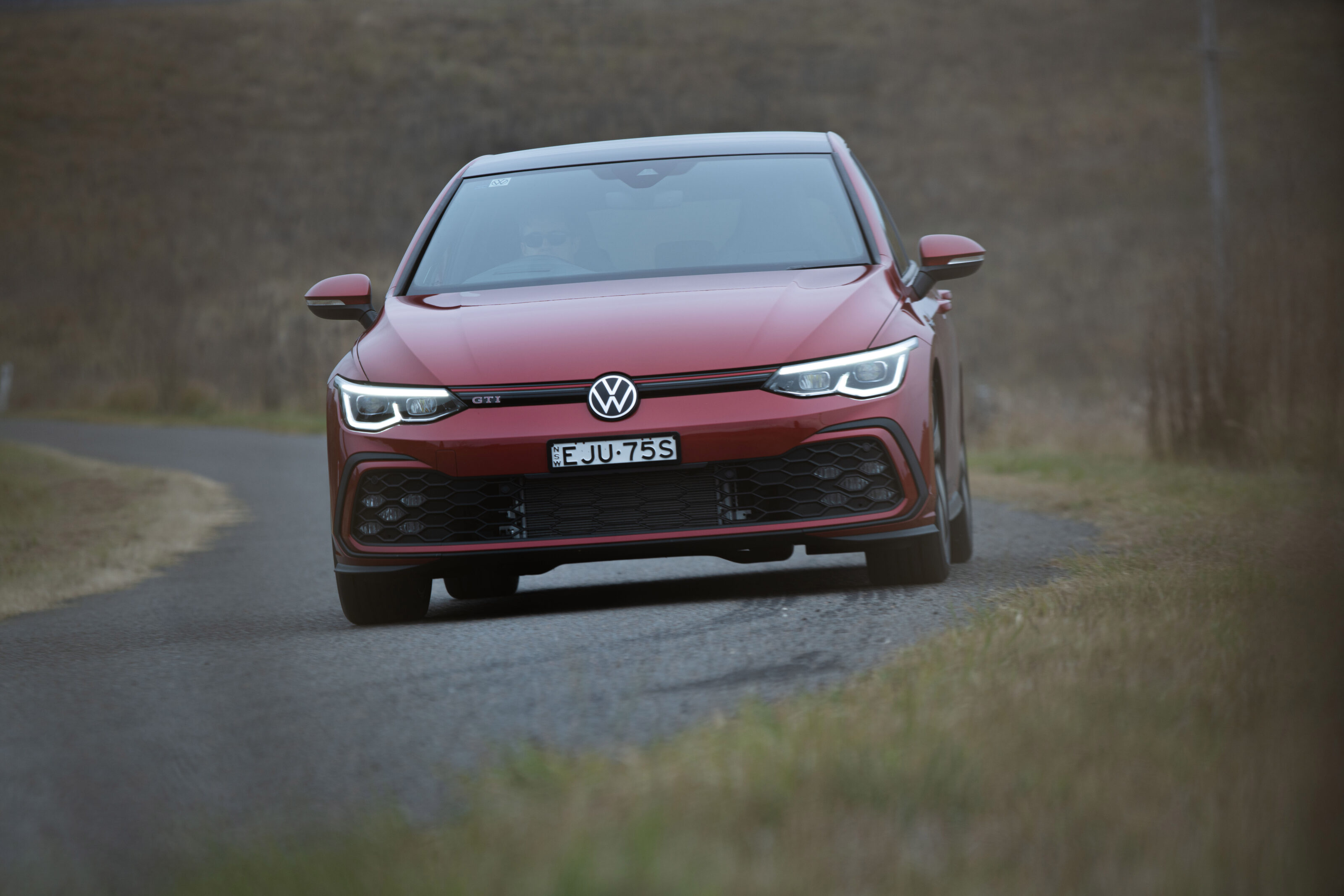
When the Mk8 Golf launched locally in June, only the base model was offered with a manual transmission out of the seven-variant strong range, signalling the first time a Golf GTI has been unavailable as a three-pedal in Australia.
As a subsidiary of Volkswagen, Skoda has also reduced its range of manual cars with the Scala, Kamiq and Fabia acting as the only three-pedals available Down Under while Cupra – the dedicated performance arm of Volkswagen – will launch next year with only automatic cars.
Buyers in North America may soon have access to a wider range of sporty Nissan models, with a company executive revealing it is “having lots of discussions” about how to expand its Nismo range in the US.
Takao Katagiri, Global CEO of Nismo, told Japanese media the performance arm of Nissan was considering new variants based on SUVs and utes, according to Automotive News.
“When we look at the US market and what our competitors are doing there, I think there is a possibility [for Nismo] in the crossover and [pick-up] truck segments going forward,” Katagiri said.
Toyota has been rolling out GR-Sport versions of its vehicles recently – typically adding bolder visual cues borrowed from its Gazoo Racing performance division.
Mitsubishi has also signalled its intention to bring back the Ralliart name to its line-up, starting with the Triton ute.
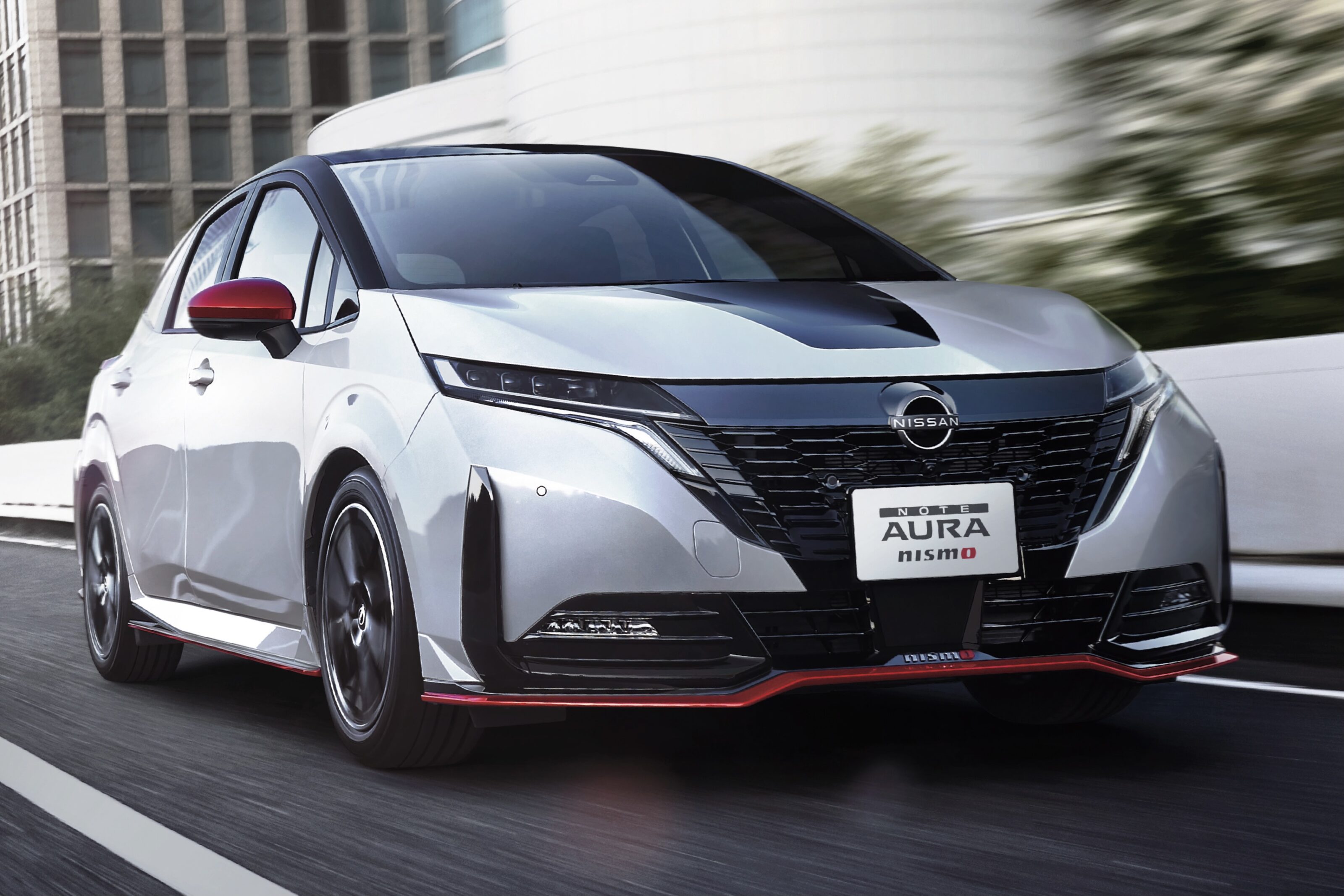
Katagiri’s comments were reportedly made at the launch of the 2022 Nissan Note Aura Nismo – a hotted-up version of a Japanese-market hybrid hatchback.
While nothing has been officially confirmed by the manufacturer, Japanese media outlet Creative Trend has suggested models under consideration include the Rogue SUV and Armada four-wheel-drive – badged in Australia as the X-Trail and Patrol respectively.
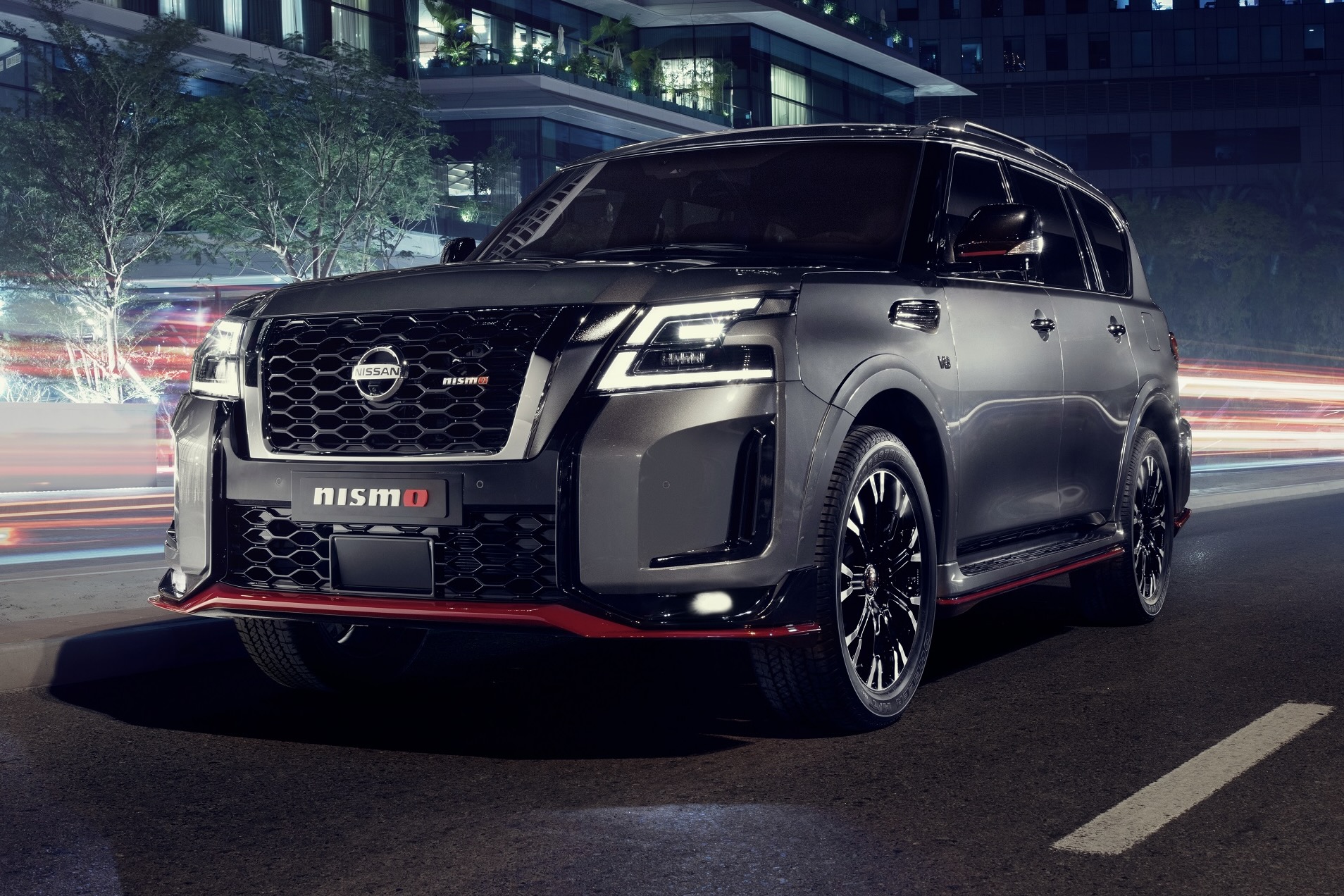
The Armada would be an obvious choice, given the 2021 Nissan Patrol Nismo is already offered in some Middle-Eastern markets.
The vehicle gets a body kit with deeper bumper bars, an Alcantara interior in red and black, 22-inch alloy wheels, Bilstein shocks tuned by Nismo engineers, and a power bump.
The Navara’s North American sibling, the Frontier pick-up, is also said to be a candidate for a Nismo makeover.
Like the hybrid Note Aura hatchback, it’s likely a Nismo version of a Nissan SUV or ute would be more of a visual upgrade, adding aggressive exterior cues and sportier interior features, rather than being a full fat performance variant.
The Japanese carmaker currently offers the Nismo-badged R35 GT-R and 370Z in the US, with rumours suggesting the recently-unveiled Nissan Z coupe will follow.
Petrol power makes a return to Audi’s Q7 stable after a generation-long absence, the new Q7 55 TFSI Quattro S Line filling a large and conspicuous hole in Ingolstadt’s endlessly expanding SUV line-up.
On paper, the newcomer looks glove-fit for buyers uninterested in the range’s formerly diesel-only choices or the coupe-like pretensions of the Q8 and perhaps aimed their oiler-dodging attention towards logical SUV wagon alternatives from BMW, Land Rover, Mercedes-Benz and Porsche.
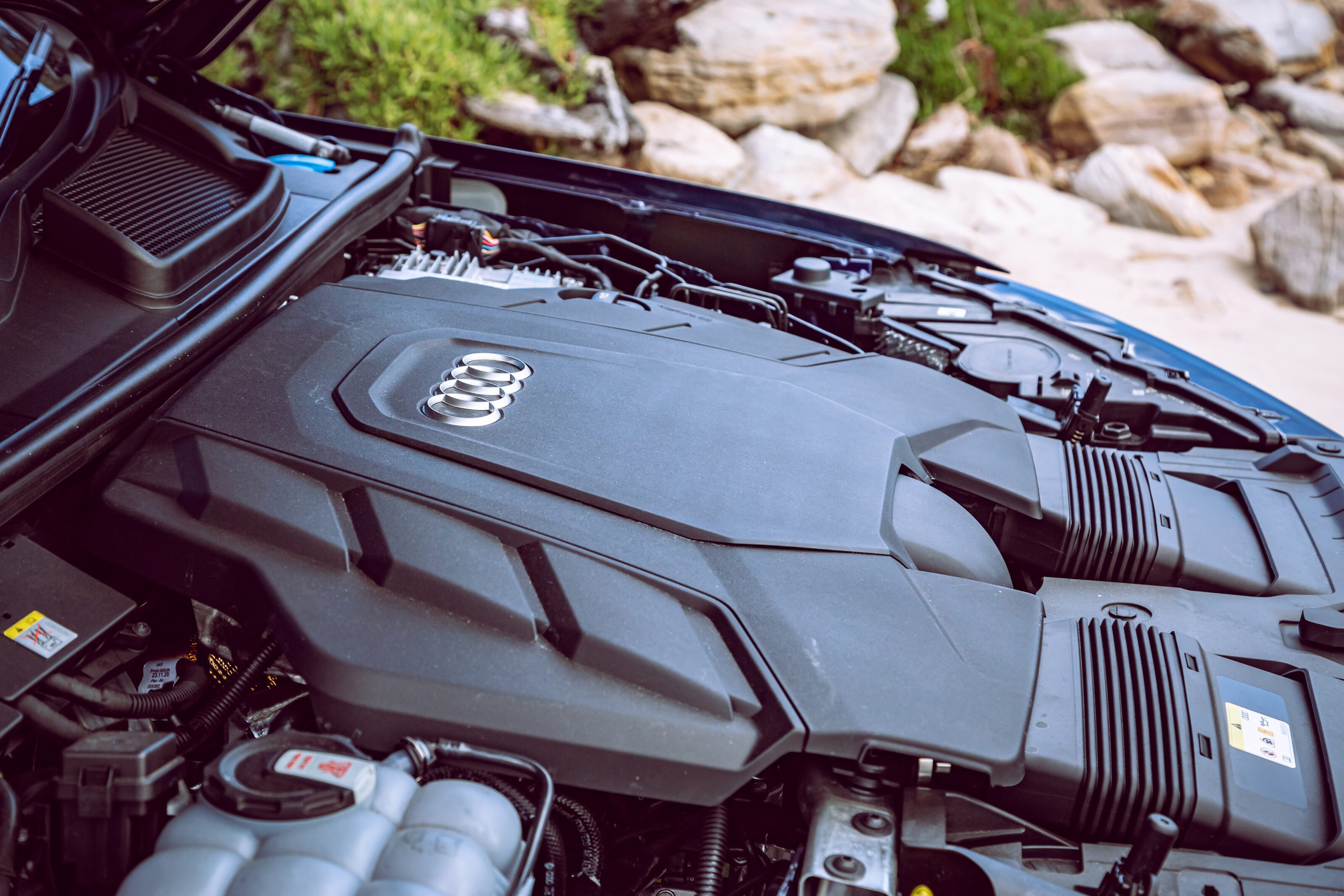
The only petrol choice in the five-variant-strong Q7/SQ7 stable is, as a safe banker for Audi, somewhat formulaic and surprise-free. It fits an off-the-rack 3.0-litre turbocharged V6 in 250kW/500Nm tune, as used in the Q8 55 TFSI, rolls out a features and equipment suite mirroring its diesel Q7 50 TDI S Line counterpart and matches the high-grade oiler’s $122,500 (before on-roads) price bang on.
Thus, it’s priced sweetly and neatly against logical spark ignition nemeses in BMW X5 xDrive 40i ($124,900 list), Range Rover Sport P400 SE ($128,206 list), Mercedes-Benz GLE 450 ($119,100 list) and Porsche Cayenne ($128,200 list). Until recently, your Audi petrol foil in large SUV-dom was the Q8 55 TFSI, the rich end of the pack (and currently at $130,200 list) but somewhat hamstrung by a five-seater format.
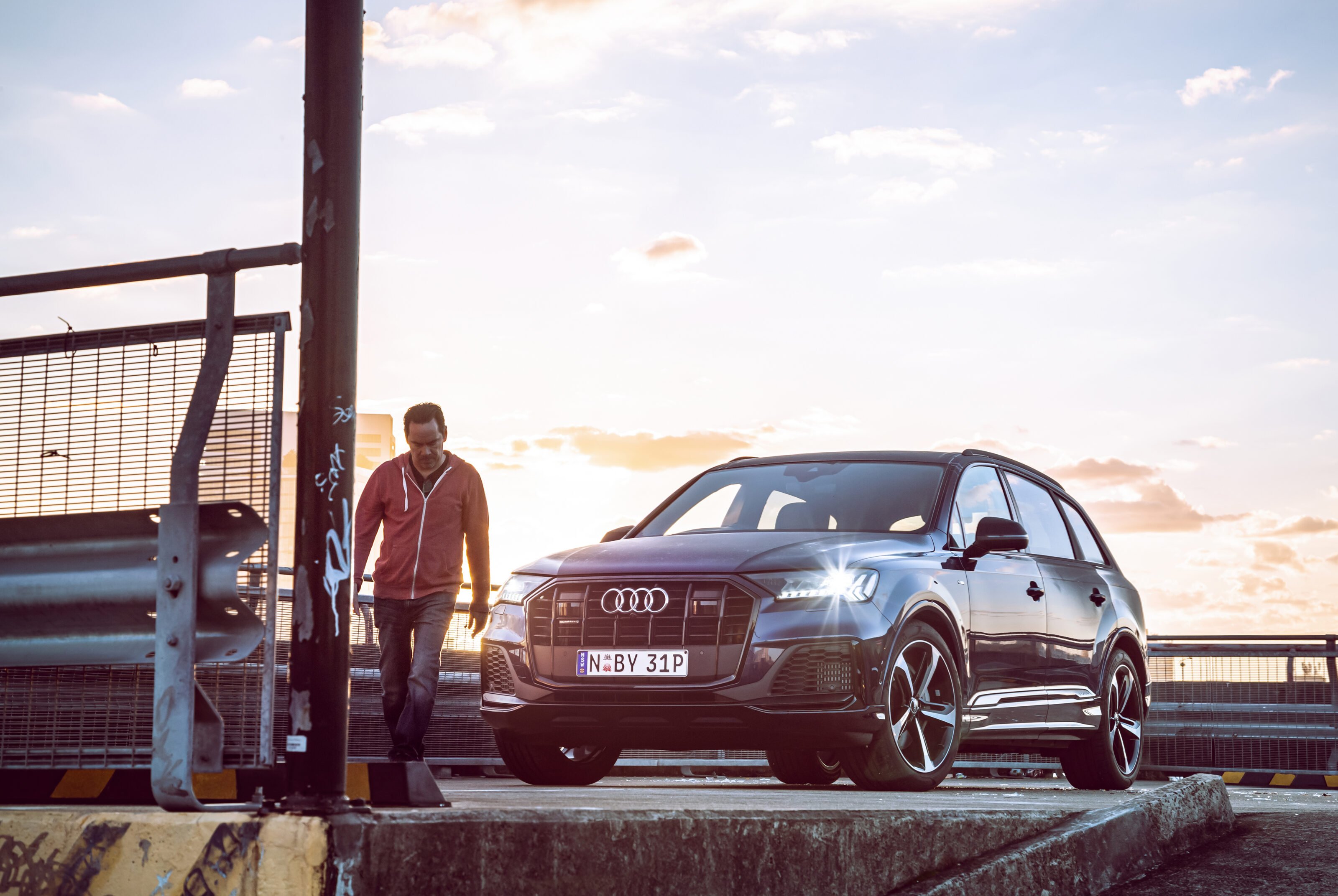
The newcomer dovetails into Audi’s family-hauling fold, some six-tenths quicker (at 5.9sec for 0-100km/h) than the 50 TDI S Line (6.5sec), offering lineball performance to the pricier and fancier Q8 55 TFSI to offset its more pedestrian all-round pitch. That it’s down 100Nm on its direct oiler alternative and, thus, possibly no swifter in the real world matters not when it comes to strategic positioning within its family.
Or is it? Coax the petrol six into life and it’s smoother than lukewarm margarine and whisper-quiet, its sanguine character barely ruffled regardless of how hard much you squeeze your right foot. There’s proper premium dignity to the TFSI engine, at idle or in the manner in which it slips up the rev range, something Audi’s reasonably refined oiler does a valiant job of mimicking but doesn’t quite achieve.
The turbo six’s workmanlike 500Nm hardly pins your ears back attempting to thrust 2215 kilo of metal, glass and leather towards the horizon and that high-five acceleration claim probably demands wing and prayer. But with maximum shove clocking on at just 1370rpm and holding steady until peak power ceases at 6400rpm, the petrol unit offers a broad window of flexible energy that the punchy if mid-peaky diesel, with its 2250-4000rpm sweet spot, simply can’t offer.
There’s proper premium dignity to the TFSI engine, at idle or in the manner in which it slips up the rev range.
It’s perhaps the rounder, more polished nature of the TFSI powertrain that lulls you into believing it’s not as swift as really is. Some of it is because the engine swells in delivery with relative transparency, some of it because the eight-speed automatic isn’t inclined to over-actively switch ratios in the pursuit of swift progress. It’s not the most alert transmission, nor is it frustrating enough to warrant diving for the drive mode switch during the balance of normal driving demands.
You do need to tap the transmission controller into Sport and give it the berries to unearth a faint semblance of soulfulness but, really, that this powertrain’s charm. It feels like the Q7 has a limousine engine under its pronounced snout and, to a large degree, that’s exactly the case. Not only does it suit the large luxury SUV’s purposes, but it also brings an upmarket sheen to proceedings lacking a little in the diesel, as if the wagon stock has finally graduated finishing school. There’s no compromise in towing capability either, as the TFSI is capable of the same 3500kg-braked haulage as the TDI versions.
One penalty, though, is thirst. Unsurprisingly, the Q7 55 TFSI’s 9.4L/100km combined-cycle claim matches that of the identically propelled Q8 and a far heavier drinker than the 50-grade diesel (6.8L/100km). Audi’s 48-volt sailing stop-start system, marketed as mild hybridisation, trims a few millilitres here and there on the rare occasion when particular circumstances permit – Efficiency drive mode, flat running, foot off the throttle – and despite some stunningly frugal open road moments, the SUV tends to settle into the high tens for mixed driving.
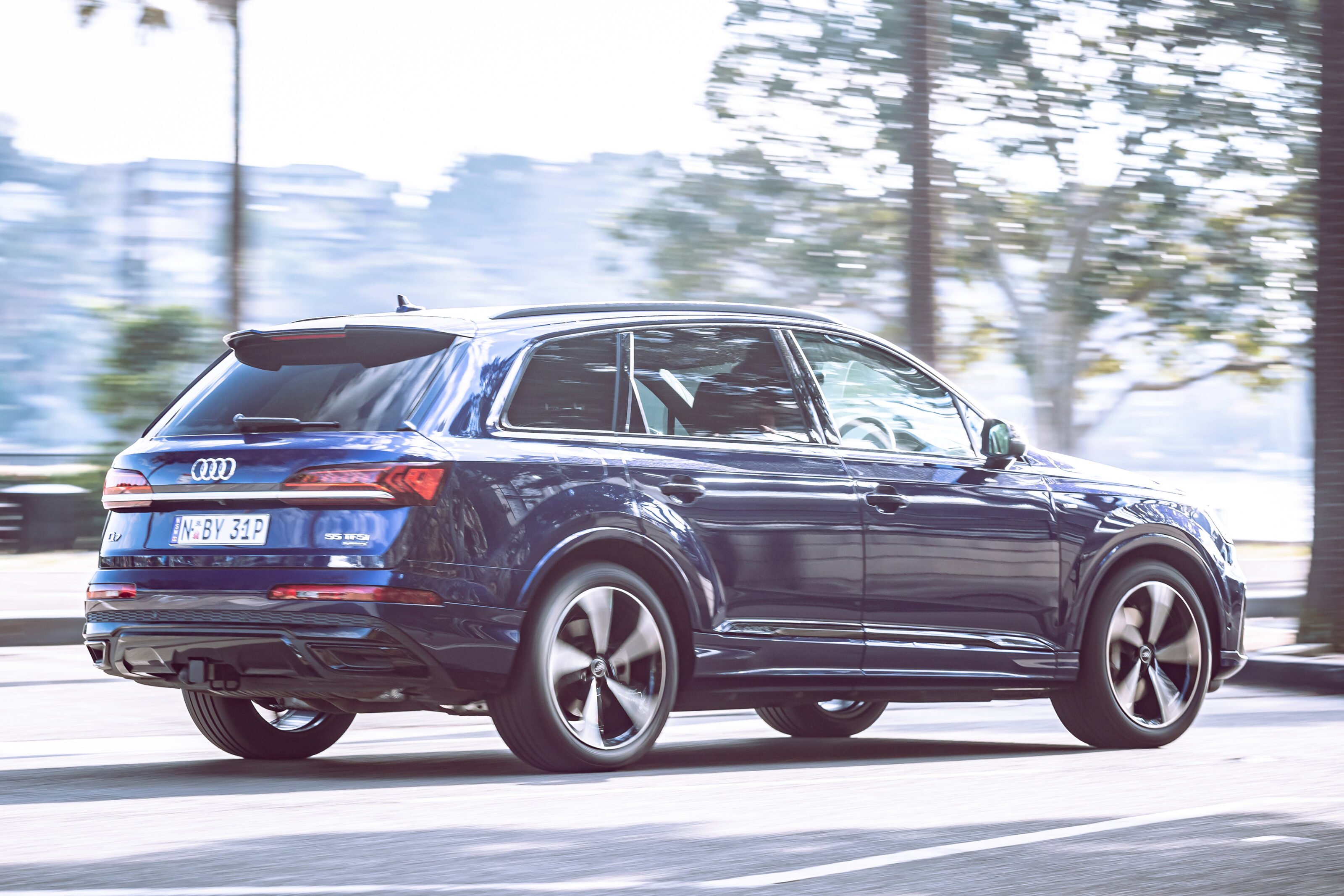
The silken powertrain is married to an air-suspended chassis offering consummate ride suppleness in its default Comfort setting. Bar patter from the broad footprint of the 21-inch wheels, isolation from vibration and noise is very good, at least when carrying a head of steam where the adaptive system does a fine job of maintaining composure across larger undulations and bumps.
From a ride and handling perspective, the Q7 is most comfortable on the open road. Around town, it’s a little untidier, if only marginally so. Air ride ‘float’ is apparent but not to the kind of motion-sickness-inducing detriment that has you diving for the tauter Sport mode, with enough body control support to avoid the dreaded and annoying body wobble under wheel articulation that plagues some rivals’ air suspension designs.
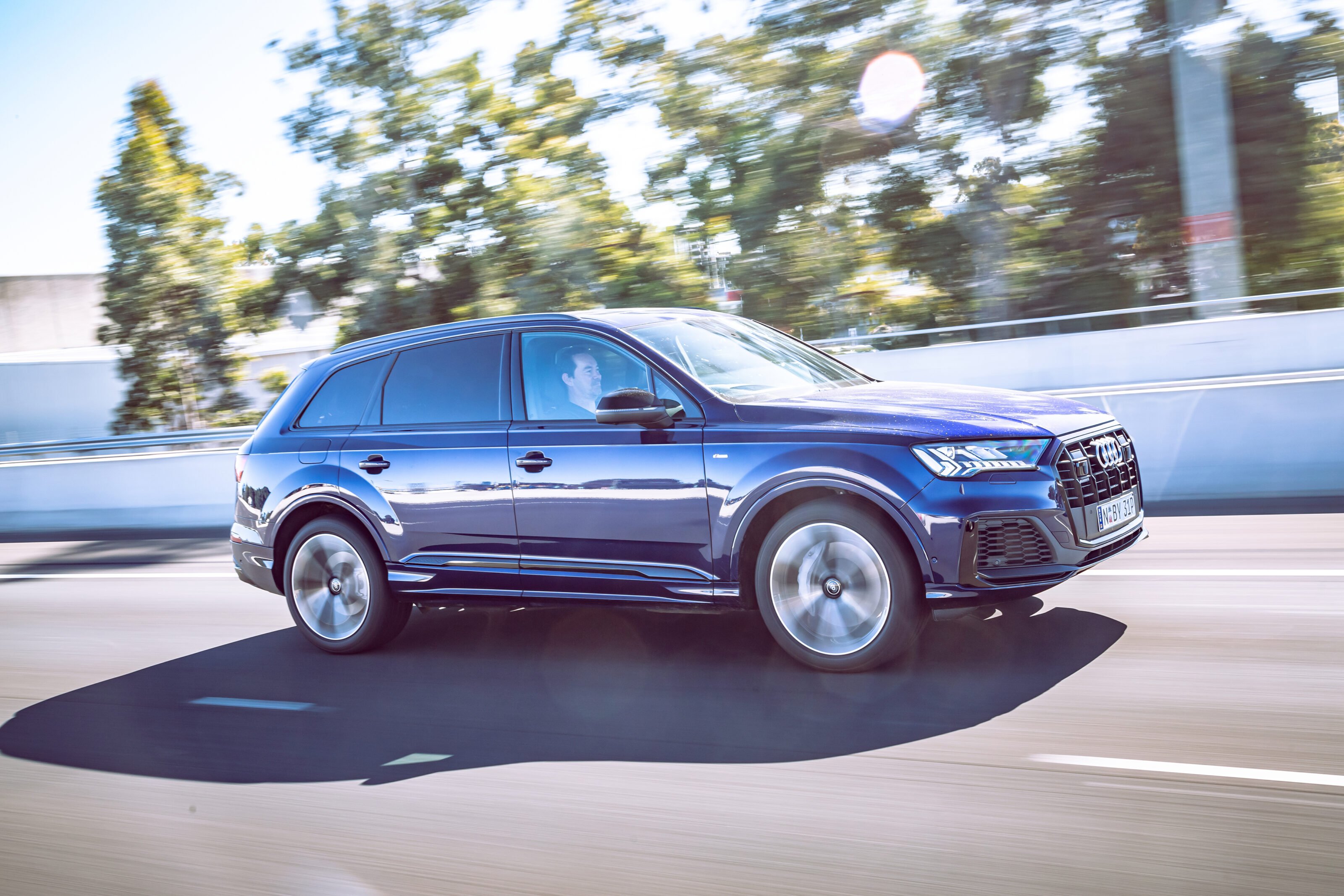
It’s a large and hefty rig and feels as much from behind the wheel, the handling composed and surefooted with enough cooperation to neatly sidestep ponderousness. The real boon is the optional Dynamic all-wheel steering, more for the remarkably tidy maneuverability than its somewhat secondary function of enhancing high-speed stability. It’s a $2750 premium well spent.
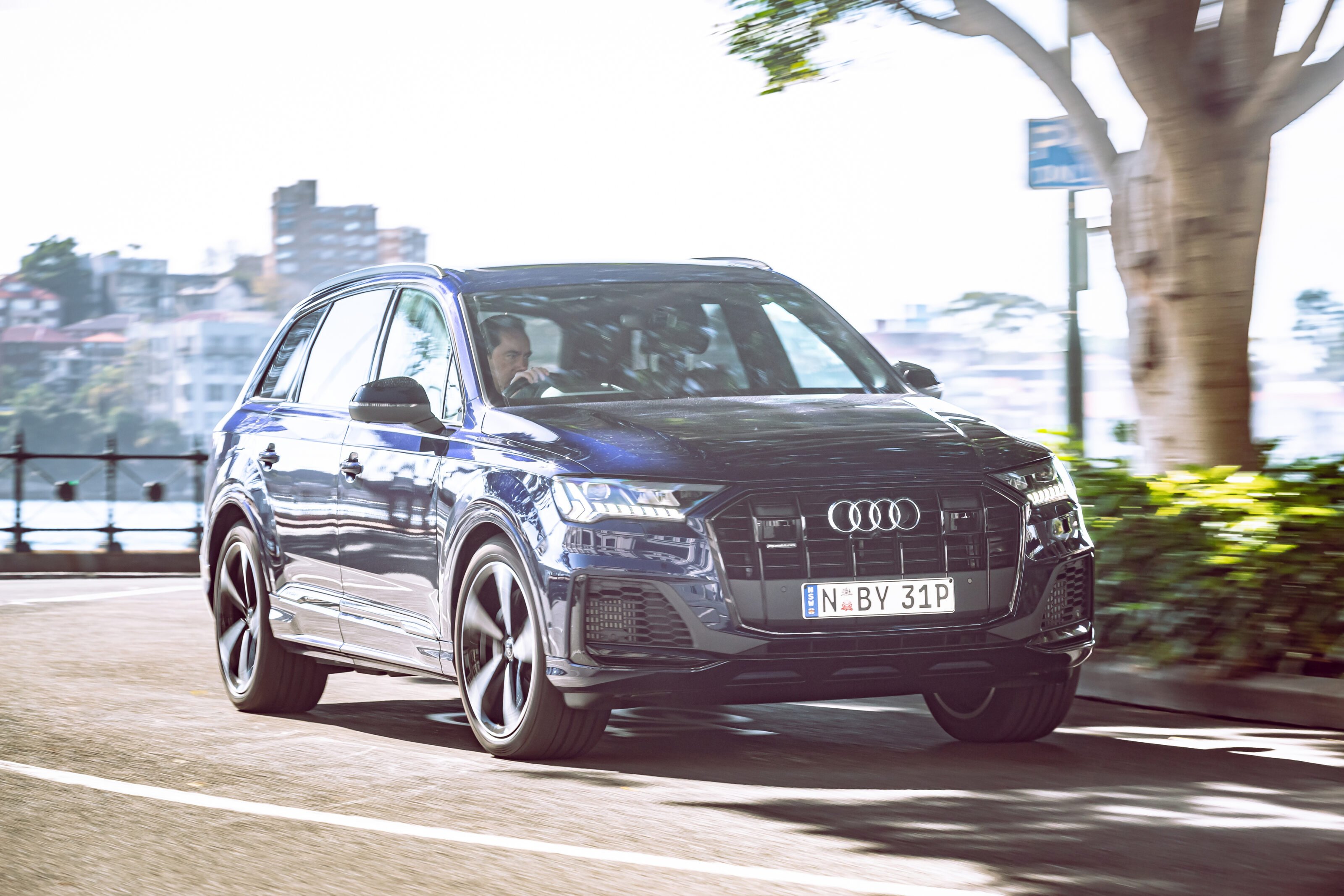
The 2019 ‘broad grille’ facelift softened its forebear’s slightly brutal boxiness a little, its fundamental form allowing efficient packaging and impressive spaciousness. The update also introduced a vastly slicker Q8-pilfered dash array, resplendent with ‘MMI touch’ dual-screen centre stack – 10.1-inch infotainment screen top, 8.6-inch control pad bottom – to augment the 12.3-inch Virtual Cockpit digital driver’s display, plus a head-up display if there already wasn’t enough eye-candy.
Audi’s as guilty as any German marque of spearheading the digital visual assault, as dazzling as it is confronting here in Q7 55 TFSI. The marque is rarely shy of technical embrace – vorsprung durch technik, of course – and its bombastic multiscreen array is the current Q7’s biggest change and largest drawcard that undoubtedly makes more deals than it breaks.
The high-spec Q7 bolsters the goodies bag elsewhere, including standard-fit Matrix LED headlights and trendy dynamic rear indicators, subtle S Line styling, gesture-controlled tailgate, panoramic glass roof, four-zone climate control, interior mood lighting and heated sports seats trimmed in Valcona leather contrasting nicely with Audi’s penchant for brushed aluminium detailing. The fulsome infotainment suite includes proprietary sat-nav, DAB+, Bang & Olufsen 19-speaker 730W sound, wireless Apple CarPlay/wired Android Auto and inductive phone charging. Front and rear parking sensors are augmented with a 360-degree camera system.
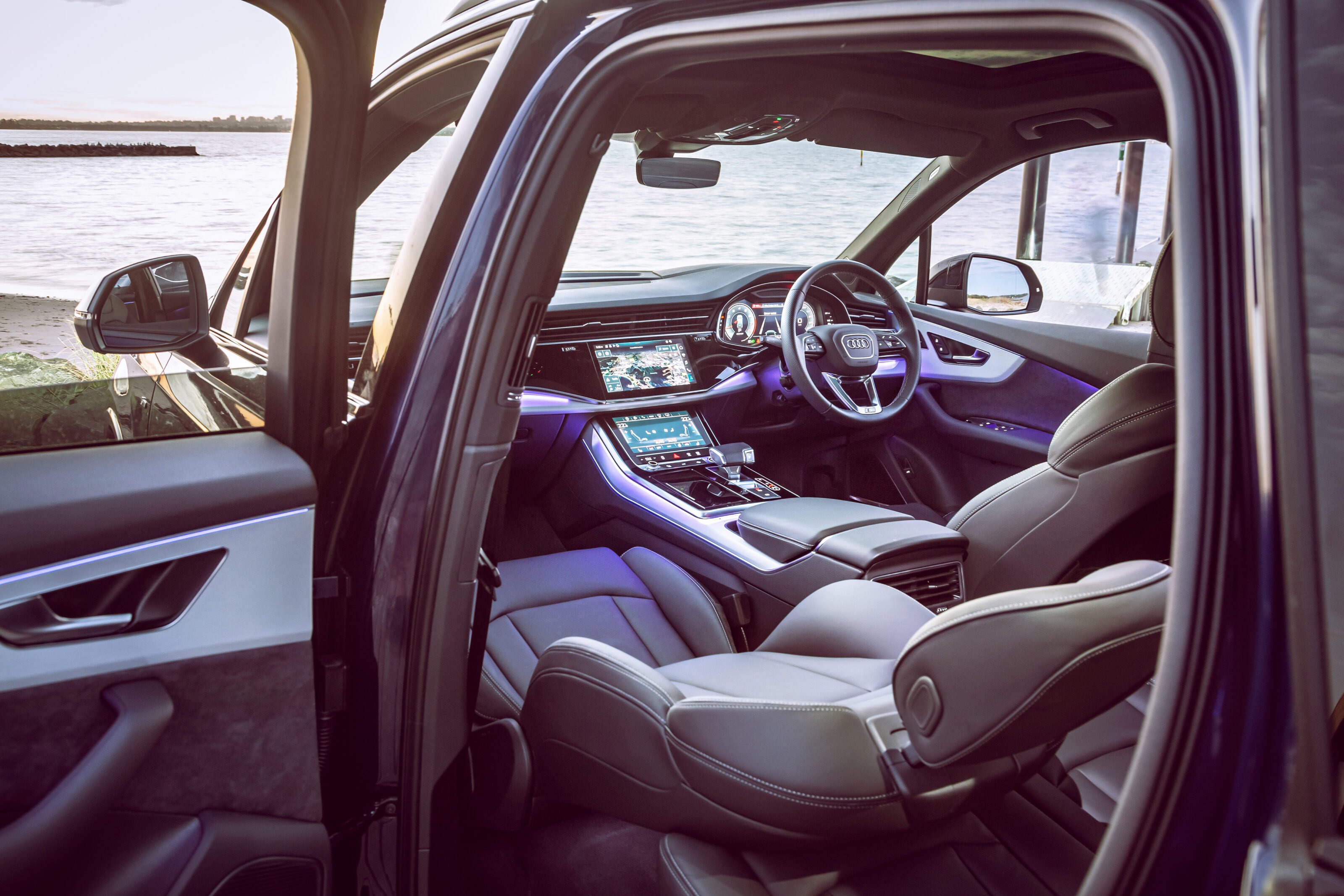
The cabin is big and airy, if now slightly cosier in facelifted form and the centre stack now presents elevated glassy touchscreen goodness within convenient reach. The click-and-zip haptic effect, mimicking physical button tactility, is pleasing to touch and reacts mostly well most of the time, if occasionally demanding a firm prod.
Packaging control of most of the Q7’s expansive content into a pair of stacked screens is a double-edged sword, simplifying cabin design but risking information overload once you throw the driver’s display into the mix. It’s challenged for quick-glance legibility, can be distracting until you’re acclimatised and some buyer tastes might prefer a simpler format or at least the option to streamline the interface content. Point is, you’ll be seduced by it or just shop elsewhere.
The S line-specific sport-contoured front pews offer a well-struck balance of support and comfort and the seating arrangement through all three rows is well executed and offers oodles of flexibility. Design-wise, Q7’s smart packaging was clearly a primary mandate rather than some afterthought.
Packaging control of most of the Q7’s expansive content into a pair of stacked screens is a double-edged sword, simplifying cabin design but risking information overload.
Generous width means that all three, individually adjustable seating positions in row two are properly adult-friendly, each fitting ISOFIX mounting points to cater equally well for youngsters. Any of the three seat sections can slide fore or aft to taste of to balance legroom across all seating rows and set rearward on the rails, second-row room is downright palatial.
In a more middling position, there’s ample cabin length to allow genuine seven-adult accommodation, and rearmost entry and egress is reasonably friendly. But there’s more than that. The generous glass area – including a long panoramic glass roof – and airy ambience greatly diminishes the sense of claustrophobia that plagues less-ample SUVs that otherwise treat seven seats as an inconvenient formality of design rather than a genuinely friendly and usable format.
The Q7’s plus size affords a usable 295 litres of boot space with the 50:50 split-fold third row in play, so either seating position can be stowed, forming a six-seat configuration for extra load flexibility. As a five-seater, luggage space expands to a whopping 770 litres, arguably the Audi’s sweetest configuration as a jumbo wagon and its clear forte as a long-haul grand tourer.
Impulsive trips to Ikea are serviced with a humongous 2050 litres of maximum space when the Q7 is converted into a surrogate van, a role it embraces impressively well given how flat the broad the load area becomes when treated as a two-seater.
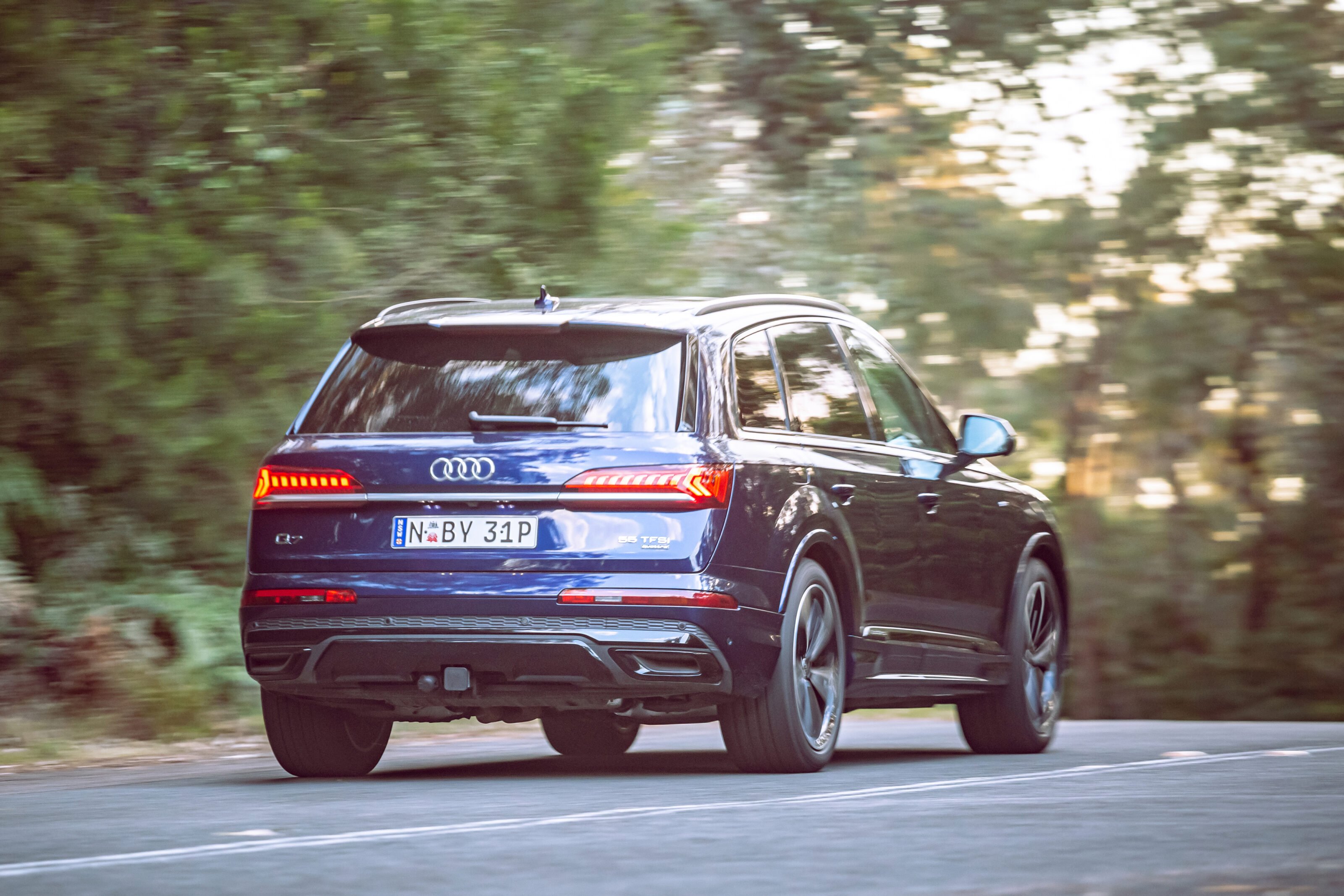
In terms of safety, the facelifted Q7 range wears a five-star ANCAP rating, covering “all variants” from a 2019 assessment, which at the time was an all-diesel range. While the newly arrived TFSI isn’t stipulated in the ANCAP report, Euro NCAP testing that formed the basis of ANCAP’s local assessment includes both left- and right-hand-drive 55 TFSIs as five-star prospects in its own report.
Active safety gear includes all-speed (up to 250km/h) autonomous emergency braking with pedestrian (up to 85km/h) and cyclist detection, lane departure warning and active lane-keeping, blind-spot monitoring, front cross-traffic AEB (up to 30km/h) and right-hand turn assist, pre-sense collision preparation front and rear, and exit warning when opening doors. The 55 TFSI fits front as well as side and curtain airbags for front and rear occupants as well as five ISOFIX mounts points across all second and third rows of seating.
Ownership wise, Audi’s three-year (unlimited-kilometre) warranty remains slim pickings (and from the date of first registration if you’re tyre-kicking demonstrators). A five-year servicing plan, payable up front, costs $3170, with intervals of 12 months or 15,000kms, whichever comes first.
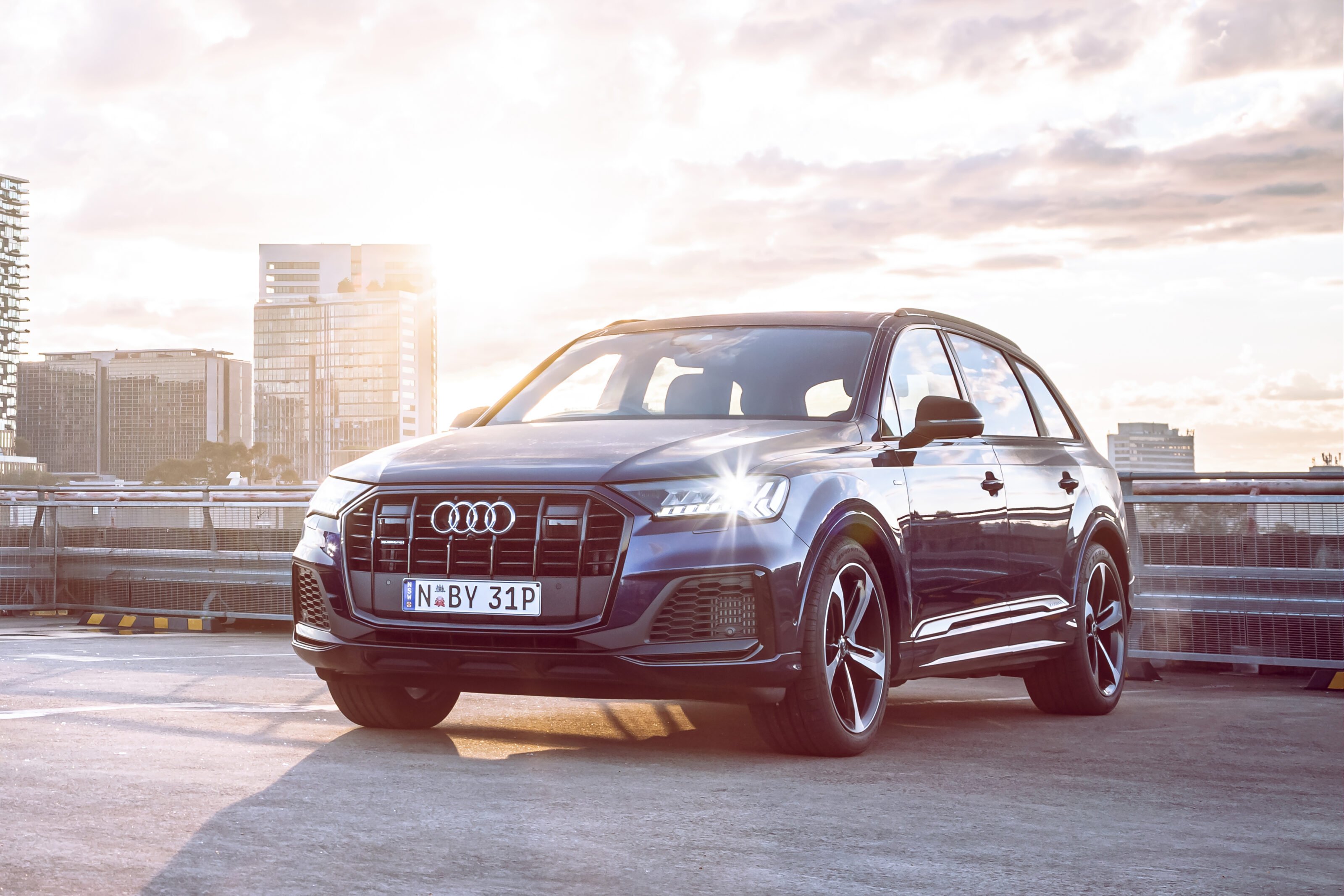
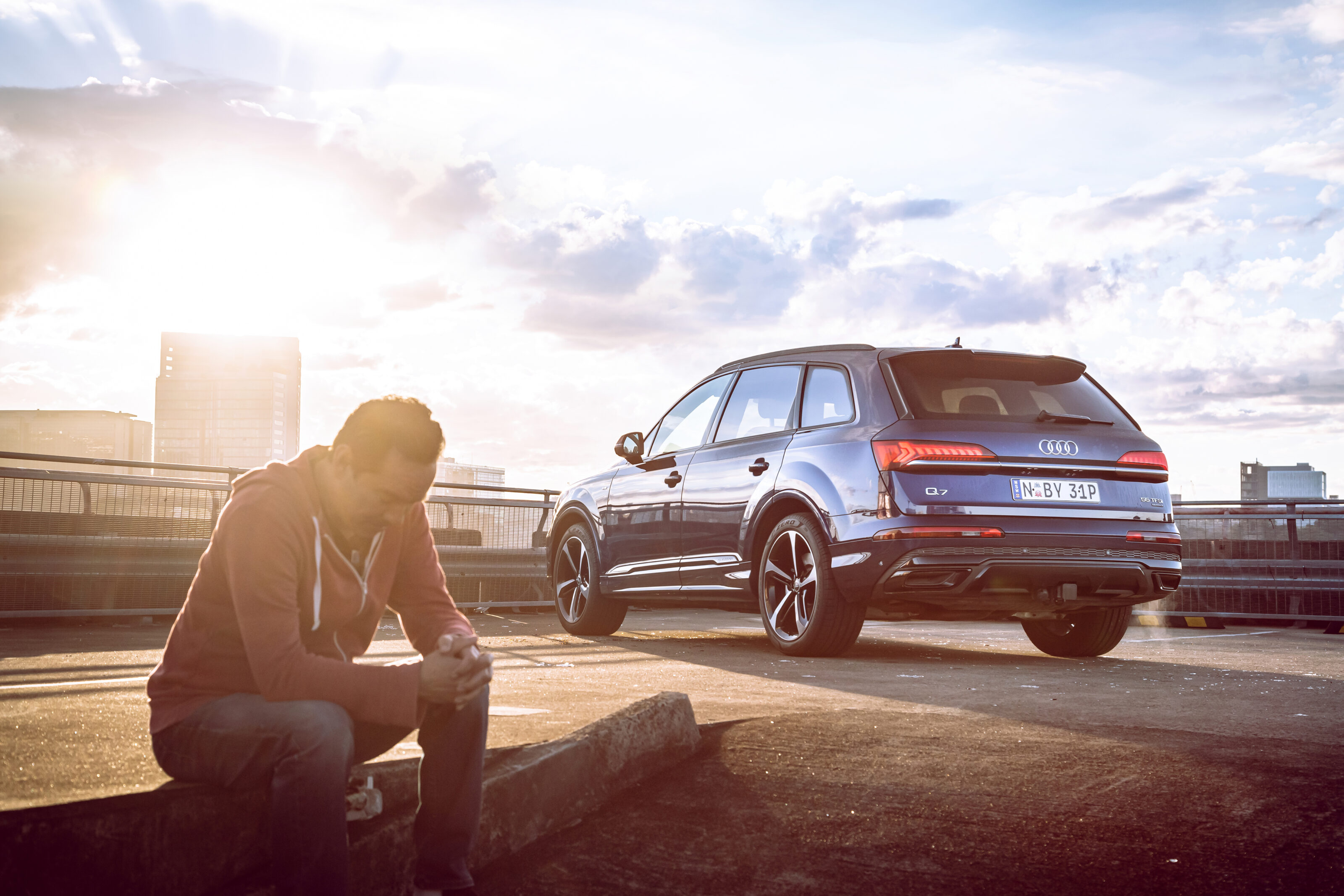
Audi has been bolstering its large family-hauling ranks with the likes of diesel and petrol Q8, the performance SQ7 and electric E-Tron wagon, as well as coupes-SUVs under the Sportback badge in recent times.
But as downright predictable as a petrol-powered Q7 might be, and as surprise-free as its form and fit-out, the 55 TFSI fills a crucial and gaping hole in what’s been, for a generation and a facelift, a bit of a doughnut of a line-up.
As downright predictable as a petrol-powered Q7 might be, the 55 TFSI fills a crucial and gaping hole in what’s been a bit of a doughnut of a line-up.
Audi Q7 55 TFSI Quattro S line specifications
| Body | 5-door- 7-seat |
|---|---|
| Drive | AWD |
| Engine | 2995cc turbocharged V6, 24v |
| Power | 250kW @ 5000-6400rpm |
| Torque | 500Nm @ 1370-4500rpm |
| Fuel consumption | 9.4L/100km (combined) |
| CO2 emissions | 215g/km |
| Compression ratio | 11.2:1 |
| Transmission | 8-speed automatic |
| Suspension | Multilink front and rear, adaptive air spring |
| L/W/h | 5063/1970/1741mm |
| Wheelbase | 2995mm |
| Tracks (f/r) | 1668/1687mm |
| Brakes | 375mm four-piston (front) / 350mm single-piston (rear)u00a0 |
| Tyres | 285/40 R21 Hankook Ventus S1 Evo3 |
| Price | From $122,500 |
The compact pick-up truck segment has returned to the United States with flying colours.
While passenger car-based utility vehicles may have been the staple of the local motoring landscape, with the final Holden Commodore Ute rolling off the production line just under four years ago, the segment has been largely dead in the truck-mad United States market for many years.
That was until it made a lifestyle-focused comeback with two vehicles earlier this year, the Ford Maverick and Hyundai Santa Cruz. Will Kia – Hyundai’s corporate cousin – be the latest manufacturer to join the growing sector?
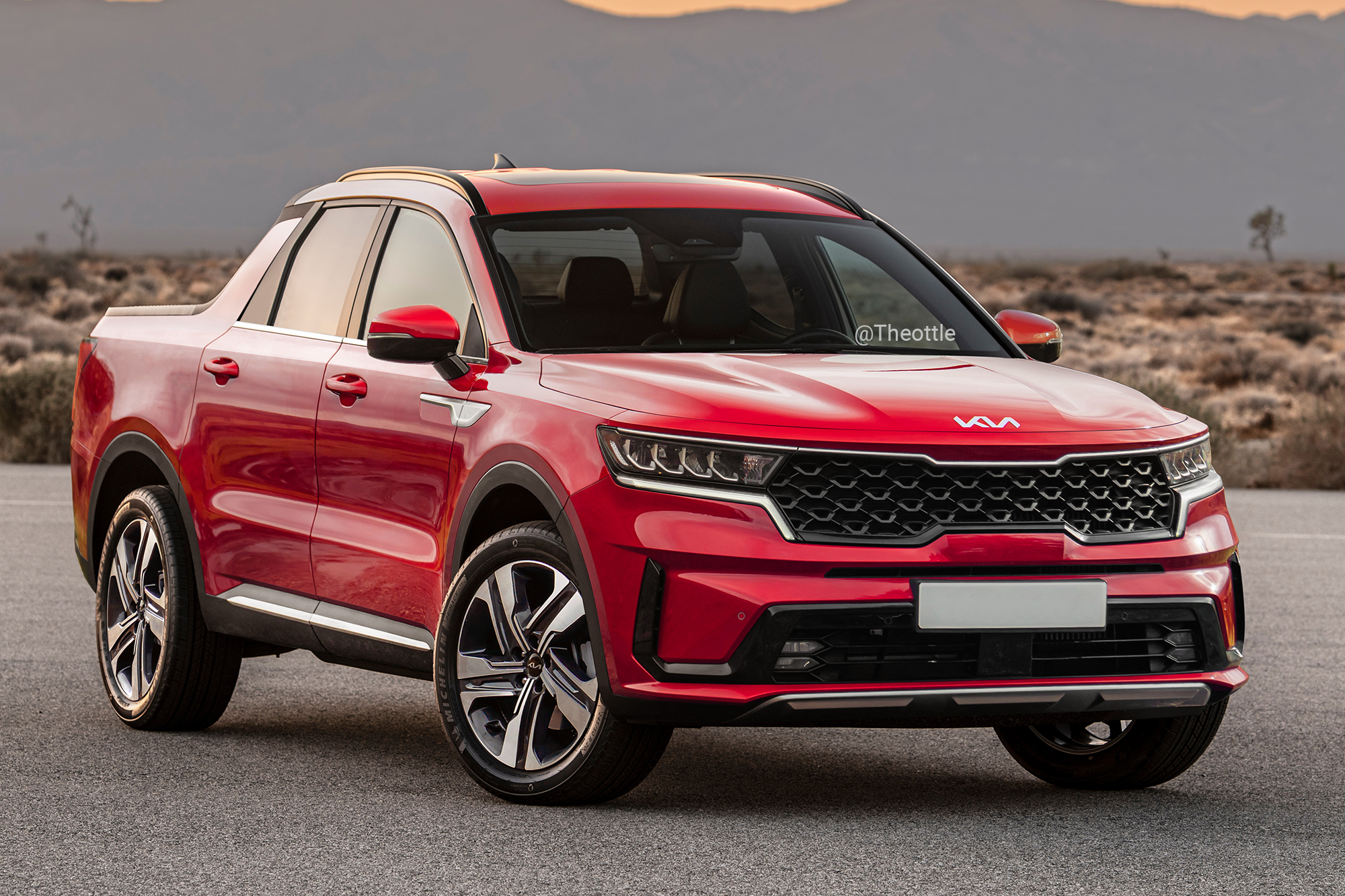
Expected to join the Kia America line-up in coming years, the small ute is likely to be based on the same platform as the Santa Cruz, itself sharing ‘N3’ underpinnings with the new-generation Hyundai Tucson and Kia Sportage.
Independent designer Theottle has brought this speculation to life, showing an imaginary Kia ute based on the Santa Cruz, with front and rear elements taken from the Sportage.
As such, the front of the ute is largely identical to the Sportage, flanked by a large grille and boomerang-shaped LED daytime running lamps. It is the same story for the rear-end, with tail-lights stolen from the medium SUV.
In an additional set of renderings, the designer has also grafted the styling of the Sorento large SUV onto the Santa Cruz body, depicting a less-adventurous representation of the Kia ute over the Sportage-inspired design shown above.
With no plans for right-hand drive production of the Hyundai Santa Cruz, it is likely any Kia ute specifically designed for the North American market would similarly be off the table for an Australian launch.
https://www.instagram.com/p/CS-r3zNJ7vU/?utm_medium=copy_link
Speaking with media at the launch of the Seltos small SUV in mid-2019, Kia Australia COO Damien Meredith said: “There is conversation [for a ladder-frame ute] so it’s still very much a long way away, but we’re confident in the near future the group will have a light commercial range in Australia.
“I think 2022-23 would be pretty close,” he added, referring to a local on-sale date.
It is not known whether these plans have come any closer to fruition, with the COVID-19 pandemic and an exuberant shift to electric vehicle development within the Hyundai-Kia Group likely putting a dent in these plans.
Despite this, the Australian market is still likely to be treated to a dual-cab petrol or diesel-powered Kia light commercial range in the coming years, as the company seeks to expand its local footprint – with the brand looking to step on the heels of Mazda, Hyundai, Mitsubishi and Ford in the top 10 sales race.