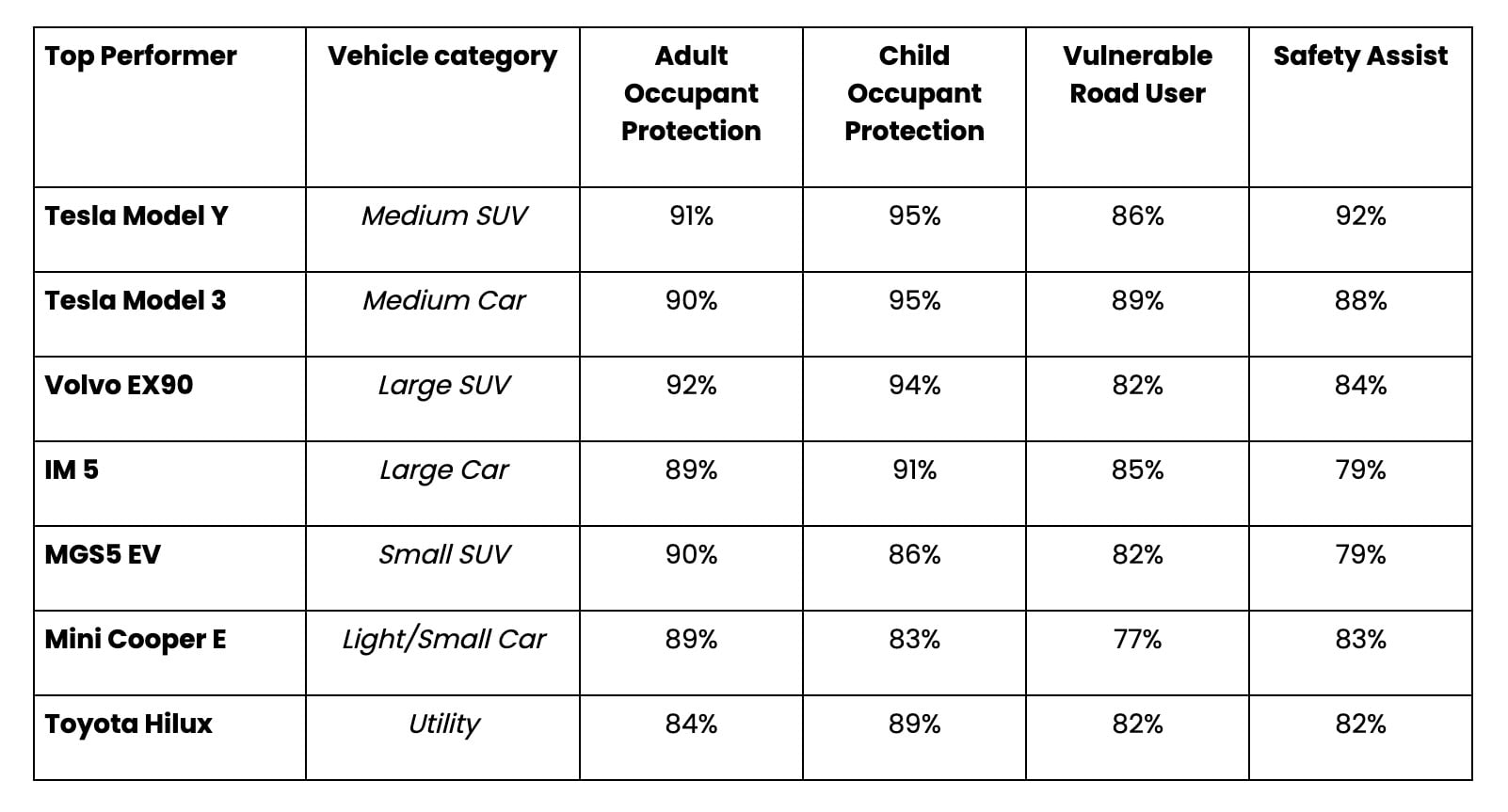
ANCAP Safety has revealed its leading safety performers for 2025 across key market segments. Each year, ANCAP identifies the strongest-performing vehicles based on a weighted sum of scores across four pillars of assessment: Adult Occupant Protection, Child Occupant Protection, Vulnerable Road User Protection and Safety Assist.
The Tesla Model Y ‘Juniper’ update emerged as the top performer of 2025, with scores of 91 per cent for Adult Occupant Protection, 95 per cent for Child Occupant Protection, 86 per cent for Vulnerable Road User Protection and 92 per cent for Safety Assist.
Sitting closely behind was its Model 3 sibling with scores of 90 per cent, 95 per cent, 89 per cent and 88 per cent respectively, and the Volvo EX90 with 92 per cent, 94 per cent, 82 per cent and 84 per cent respective results.
Other models celebrated by ANCAP include the IM 5, MGS5 EV, Mini Cooper E and new-generation Toyota HiLux.
“ANCAP’s testing continues to reinforce a clear message: the safest vehicles are those designed with safety as a system, not a checklist,” ANCAP Chief Executive Officer, Carla Hoorweg said. “The top performers this year delivered consistent results across physical crash protection, crash avoidance and vulnerable road user safety, rather than relying on strength in a single area.
“We are also seeing increasing alignment between ANCAP’s test requirements and the safety technologies that genuinely matter on Australian and New Zealand roads. Improvements in autonomous emergency braking, lane support and driver monitoring systems are translating into more robust protection in everyday driving.
“The breadth of top performers this year shows that high levels of safety are achievable across multiple vehicle segments, giving consumers clearer choices when safety is a priority.”
Ford has revealed its new high performance Mustang Dark Horse SC in an unusual way, popping up in a YouTube video with Red Bull F1 racers Max Verstappen and Arvid Lindblad at an event testing various Ford Performance products.
In addition to the new Mustang variant, iconic Ford models such as the original GT40 and RS200 also feature in the video.
Compared to the Mustang Dark Horse that debuted in Australia in 2024, the new SC variant is more imposing to look at with more aggressive bumpers, a huge bonnet scoop, new alloy wheels, larger exhaust pipes and a serious rear spoiler. The cabin was mostly covered in the interior shots, aside from the lack of rear seats, but we’re also expecting racier seats compared with the current Dark Horse.
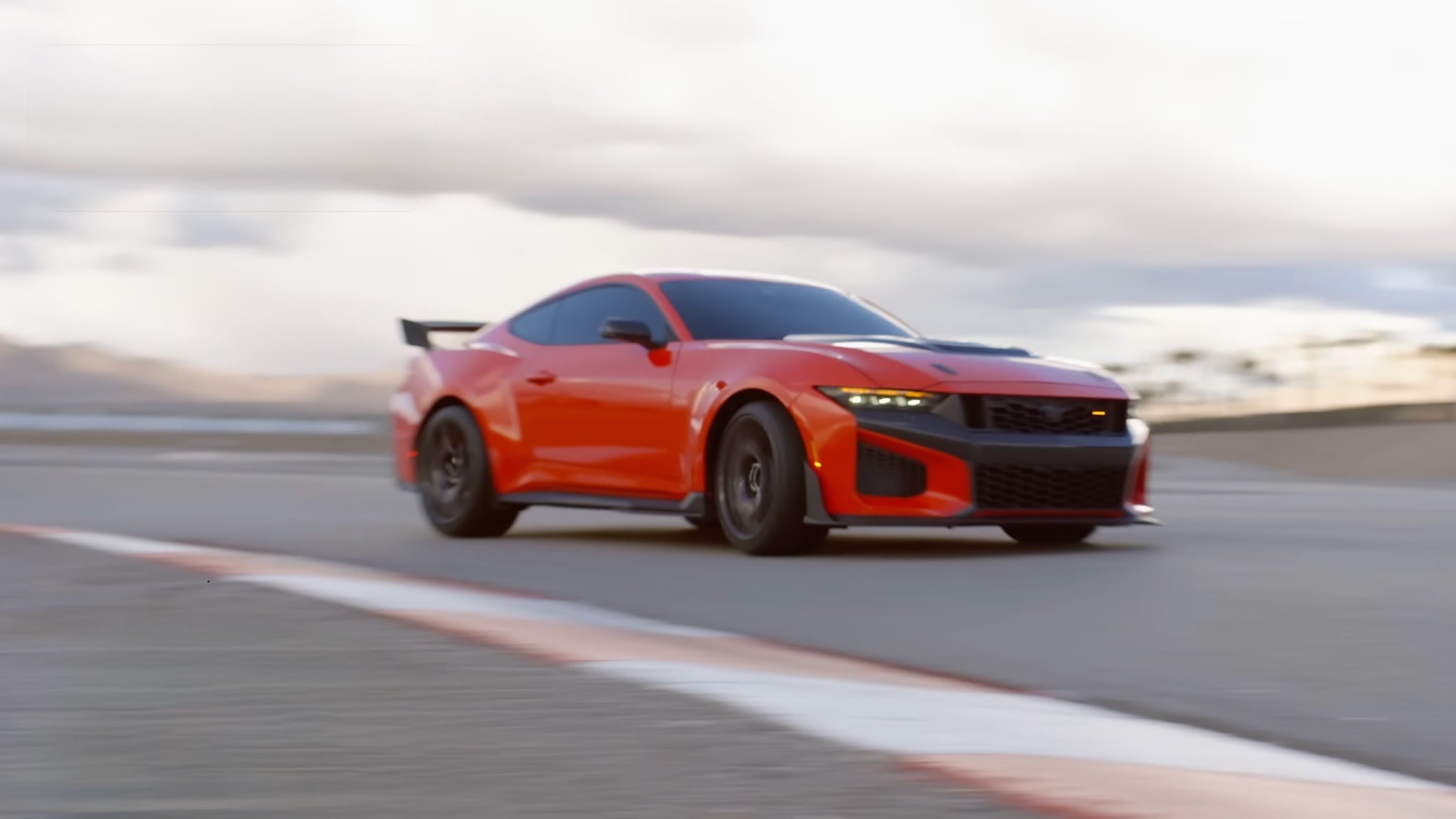
No technical details were given in the video about the Dark Horse SC, but the video’s host describes it as “the most advanced, powerful, and track capable Dark Horse ever.” A supercharger can also clearly be heard above the traditional V8 soundtrack, indicating a serious power bump above the standard Dark Horse’s 373kW (or 500hp in the old money), possibly to the 760hp (566kW) of the previous-generation Mustang GT500.
It’s well known that Ford is developing a successor to the GT500, and the Dark Horse SC could be it. Full details are yet to be announced – including potential Australian availability – but we’re expecting them quite soon.
Chinese company Jiangling Motors Corporation (JMC) has confirmed that it will be launching in Australia in 2026 with its Vigus mid-sized ute. If that brand and model sounds familiar, it should – the JMC Vigus was previously sold in Australia from 2015 to 2018.
The new Vigus is reportedly completely unrelated to the previous model sold locally, and the first examples are in transit to Australia for prospective dealers to view ahead of a launch later in 2026.
The JMC Vigus has already been approved for sale in Australia and will be sold locally with a 3.3-litre four-cylinder turbo-diesel engine with an eight-speed automatic transmission. According to JMC’s global website, a Chinese-market smaller 2.5-litre diesel makes 123kW of power and 430Nm of torque and uses 7.0L/100km of fuel, so we’re expecting higher figures for the 3.3-litre unit.
Chinese-spec Vigus models can also be purchased with a 160kW/350Nm 2.0-litre turbo-petrol engine, as well as a six-speed manual transmission, but both won’t be sold locally.
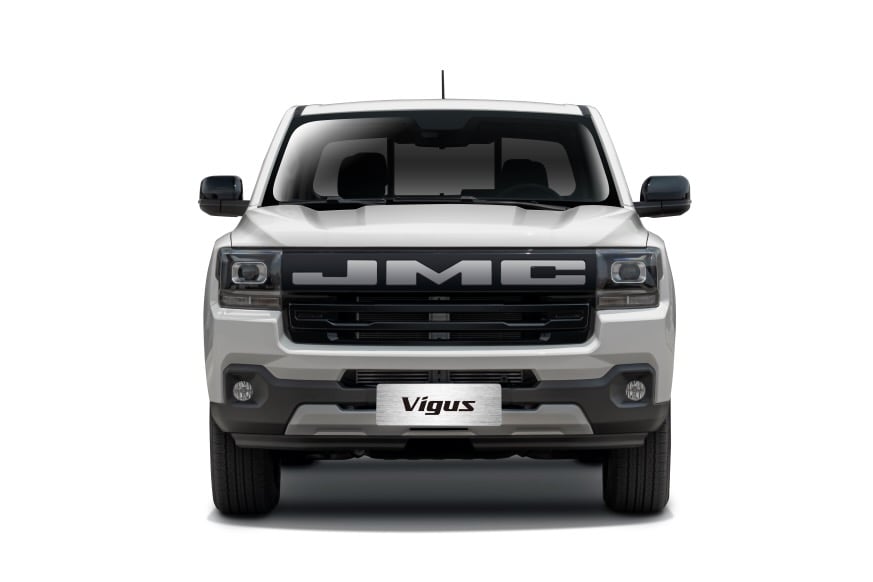
Measuring 5335mm long, 1882mm wide and 1834 mm tall, the JMC Vigus is only 35mm shorter than equivalent Ford Ranger models, though is 28mm narrower. JMC touts ground clearance of 210mm – 24mm less than a Ranger XLT – and approach/departure angles of 27 and 22 degrees respectively.
Inside the Vigus, JMC claims “SUV-like comfort and control” and features such as a 12.8-inch touchscreen with wireless Apple CarPlay and Android Auto, as well as a 3.5-inch digital driver’s display. Other features on display on the company’s website include tyre pressure monitoring, climate control, ‘Lear’ seats and hill descent control.
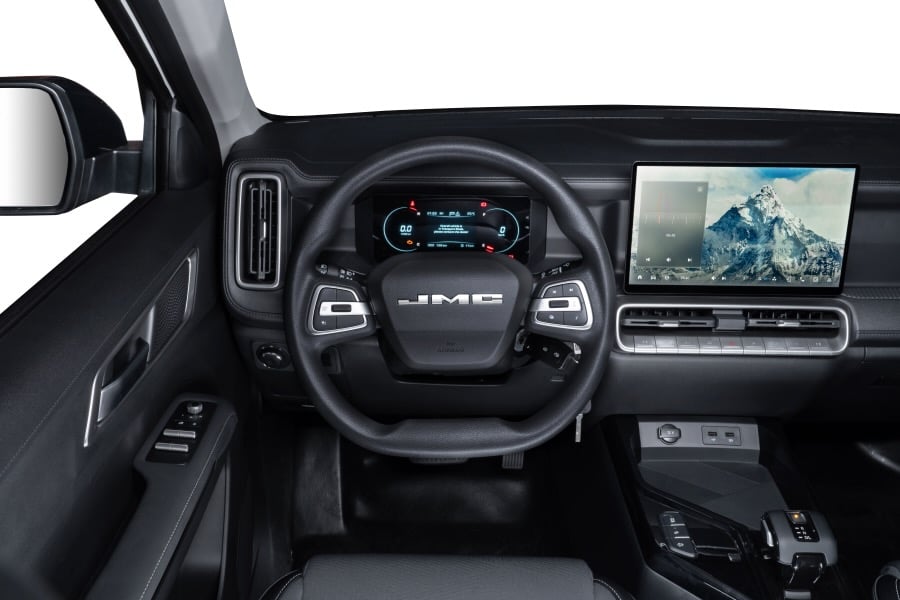
Australian pricing and specifications for the JMC Vigus will be announced closer to its local launch date.
Škoda has confirmed the name of its upcoming electric flagship, revealing that its long-anticipated seven-seat SUV will be called Peaq ahead of a global debut scheduled for mid-2026. The new model will sit at the top of the Czech brand’s portfolio and represents a major milestone in its transition to an all-electric future.
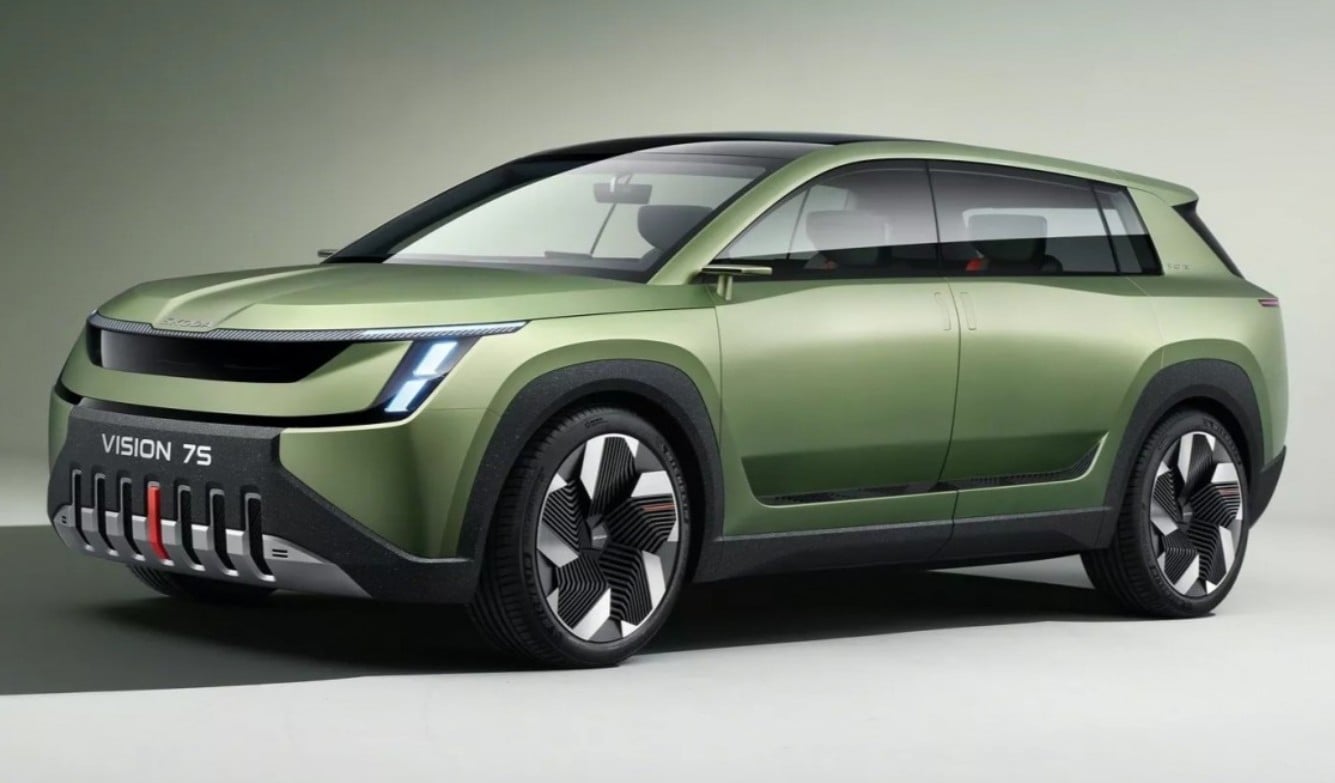
First previewed by the Vision 7S concept (below) in 2022, the Peaq brings Škoda’s Modern Solid design language into production reality. That concept marked a turning point for the brand, introducing a bolder visual identity underpinned by sustainability, functional styling and advanced technology. With the Peaq, Škoda is now translating that vision into a family-focused electric vehicle designed for real-world versatility.
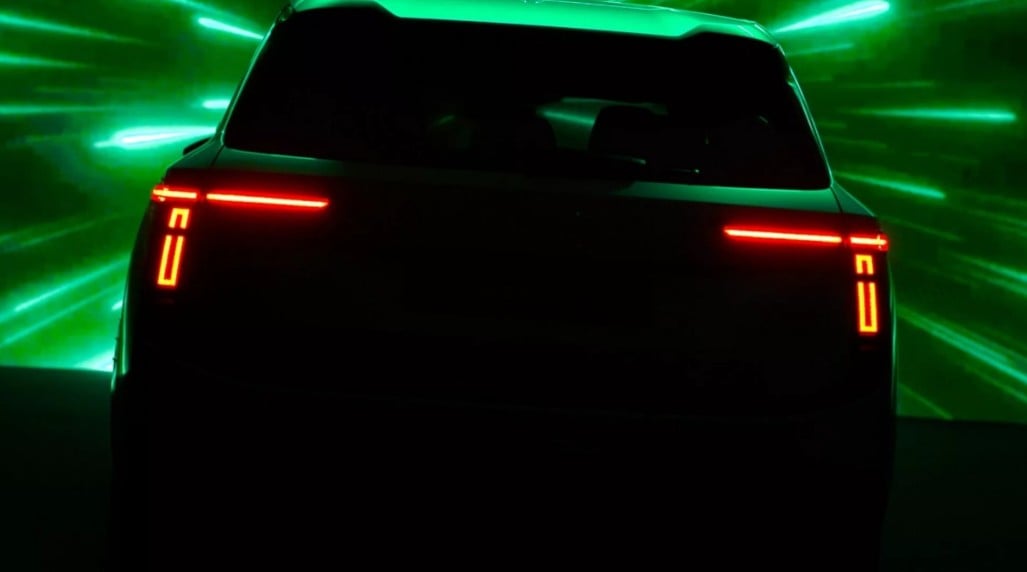
Positioned as a full-size, seven-seat SUV, the Peaq is being developed with a clear emphasis on the brand’s core strengths: interior space, everyday usability and comfort. Škoda says the cabin layout is intended to suit families and active lifestyles, balancing passenger accommodation with flexible storage and intuitive controls. As with other recent models, user-friendly features and the brand’s trademark “Simply Clever” touches will play a central role in the design.
According to Škoda Auto’s sales and marketing leadership, the Peaq name reflects the vehicle’s flagship status and underscores its role as a halo model for the brand’s growing EV range.
While full technical specifications remain under wraps, the Peaq is expected to showcase the latest developments in electric drivetrain efficiency, digital connectivity and safety systems from within the Volkswagen Group. As a large electric SUV, it will likely prioritise long driving range, fast-charging capability and smooth, refined performance suited to long-distance Australian conditions.
The Peaq will also play a strategic role in broadening Škoda’s appeal in key global markets, including Australia, where demand for spacious electric SUVs continues to grow. By combining seven-seat practicality with modern electric technology, the new flagship is designed to bridge the gap between family transport and future-focused mobility.
Škoda’s Peaq will make its world premiere in mid-2026, setting the tone for the brand’s next phase of electric expansion.
Kia Australia has revealed pricing and specifications for the mid-life facelift of its EV6 electric medium SUV, which is due in Australian Kia showrooms imminently. Originally due to launch in the second quarter of 2025, the overhauled EV6 will now launch almost 12 months after first being shown to crowds at the 2024 Australian Open.
Of note with the facelifted EV6 are its new styling features, including a sharper front end that fits in with recent Kia models, as well as new alloy wheel designs ranging from 19- to 21-inches in size.
Inside, the updated EV6 sports updated interior trims, a new steering wheel and new dual 12.3-inch screens with the company’s ‘ccNc’ software from newer models. Wireless Apple CarPlay and Android Auto smartphone mirroring, as well as live services with over-the-air updates, now feature as standard across the range.
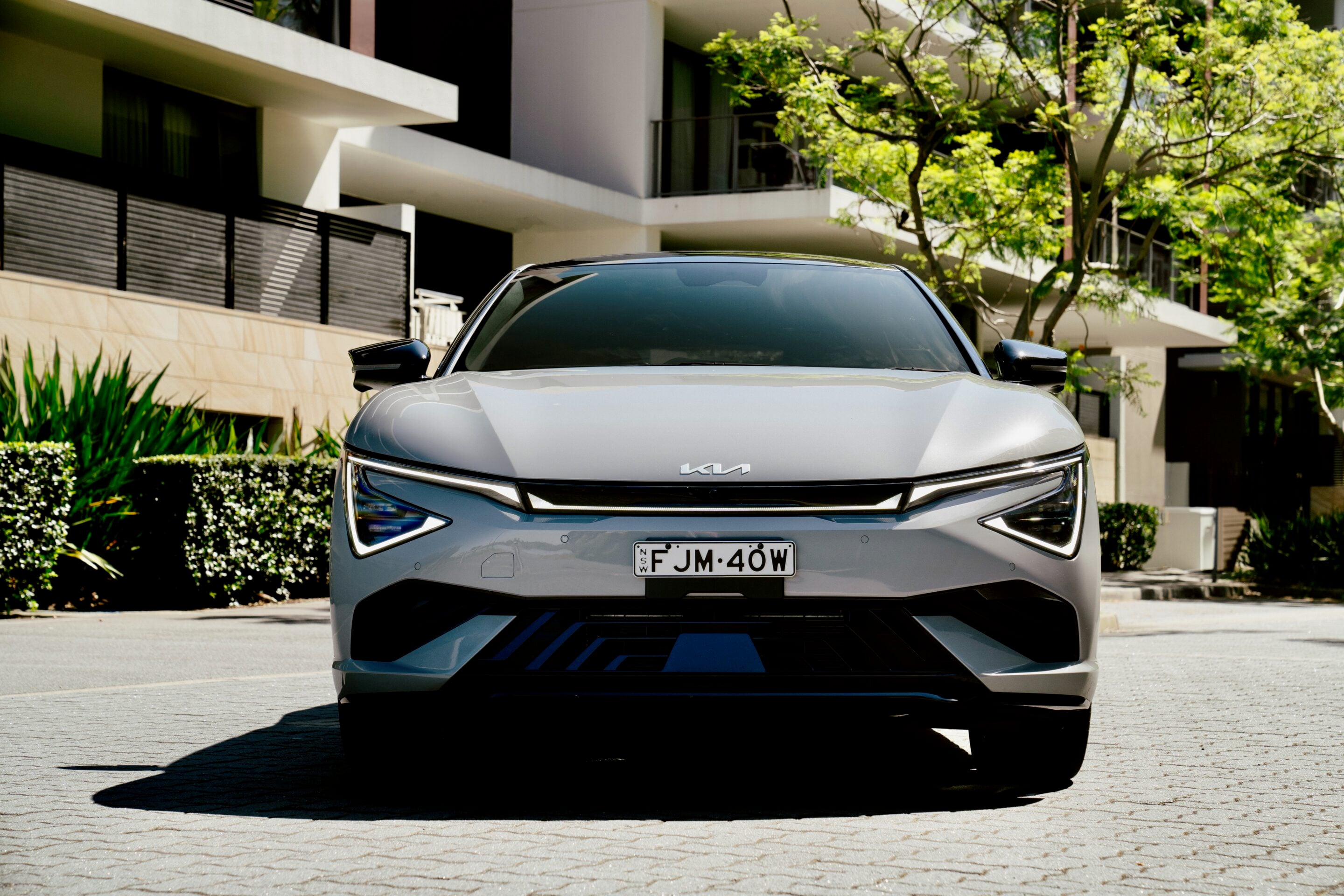
Powering all new EV6 models is a larger 84kWh battery pack (up from 77.4kWh), gifting the EV6 a longer driving range – the longest-range Air is now capable of travelling 582km on a charge (WLTP), which is an increase of 54km. The EV6 GT-Line RWD can now travel 560km, the GT-Line AWD 522km and the GT 450km.
When it comes to ride and handling, the EV6 GT specifically has received further dynamic attention globally, with stiffer rear sway bars and softer front springs. As a result, Kia Australia has retuned both suspension and steering for the GT variant, taking advantage of the hardware changes.
According to Kia, the retune has resulted in all drive modes being improved in terms of ride and handling dynamics, with increased natural feel and grip levels, which adds to improved rough road and driving limit confidence. Steering feedback has also been improved with more natural feel, improved cornering accuracy and effort build-up.

Pricing for the updated EV6 starts at $72,660 plus on-road costs for the entry-level Air, rising to $99,660 +ORC for the top-spec performance GT model. Across the range, a $70 price increase has been applied, which is small considering the upgrades.
2026 Kia EV6 pricing (plus on-road costs):
| Air 2WD | $72,660 |
|---|---|
| GT-Line 2WD | $79,660 |
| GT-Line AWD | $87,660 |
| GT AWD | $99,660 |
Range Rover has added two new special editions to its range. Taking inspiration from neighbourhoods in London, the Range Rover Evoque Hoxton and Range Rover Velar Belgravia add special new exterior and interior styling trims. There is also a limited 400-unit global Range Rover Velar Belgravia Satin, which exclusively adds a satin exterior finish.
The Range Rover Evoque Hoxton Edition features understated badging across the exterior lower door sill and ‘Hoxton Edition’ scripting illuminated in the puddle lamp, new 20-inch satin gold alloy wheels with diamond turned contrast and a ‘Platinum Atlas’ exterior styling pack.
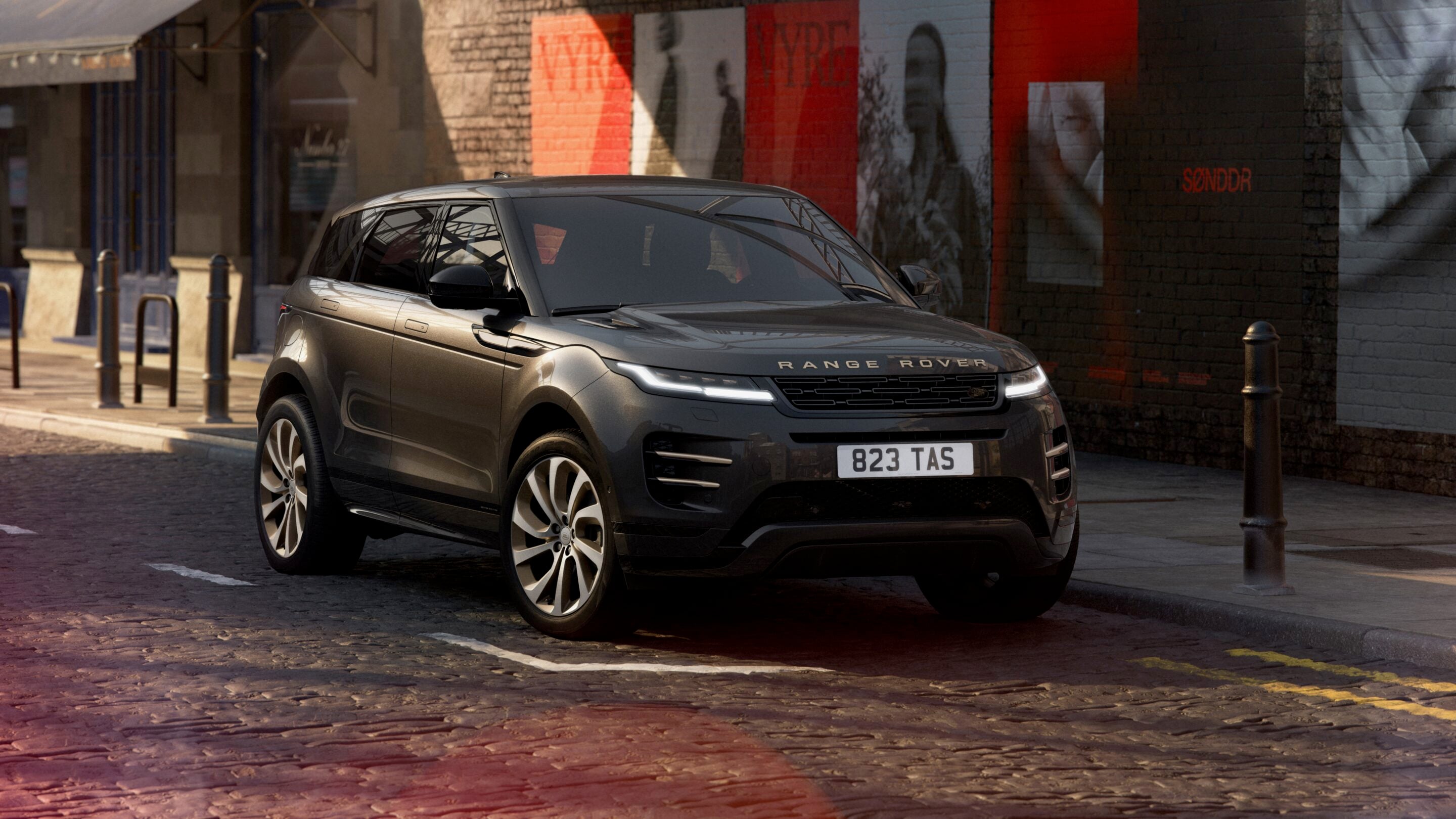
Inside, leather seat facings with contrast stitching, illuminated Hoxton Edition tread plates and black brushed aluminium finisher with the Edition’s signature graphic create a distinct feel, according to Range Rover.
For the Velar Belgravia Edition, new 20-inch diamond-turned dark agate wheels with a satin black-tinted lacquer feature, as well as the ‘Belgravia Edition’ signature across the lower door sill, a black brushed aluminium finisher and unique puddle lights.
The Belgravia Edition Satin will also launch as a highly exclusive run of only 400 models globally and adds a clear satin protective film for the first time on the Velar, as well as 22-inch dark agate grey diamond-turned wheels with satin black contrast and a black exterior styling pack. Every model bears the designation ‘1 of 400’, affirming its place in a strictly limited series.

Range Rover will also further reveal two more special editions in April: the Battersea Edition and the Westminster Edition, with each again adding unique styling touches.
Range Rover Evoque pricing (plus on-road costs):
| Hoxton Edition P250 | $83,600 |
|---|---|
| Autobiography P300e PHEV | $101,900 |
Range Rover Velar pricing (plus on-road costs):
| Belgravia Edition P250 | $100,719 |
|---|---|
| Belgravia Edition P400 | $124,892 |
| Belgravia Edition P400e PHEV | $128,308 |
| Belgravia Edition Satin P400 | $137,616 |
Ford has revealed a new variant in the Bronco off-roader SUV range for the North American market called the RTR. Like the recently revealed Mustang RTR, the Bronco RTR has been developed with RTR Vehicles, the performance automotive brand owned by FormulaDrift champion Vaughn Gittin Jr., as a cut-price version of the high-performance Bronco Raptor.
Like the Mustang RTR, the Bronco RTR pumps up the appearance and performance of the standard model with a number of new styling features and anti-lag technology for the engine. The exterior is distinguished by its unique grille, ‘Hyper Green’ highlights on the grille and wheels, graphics on the side flanks and bonnet, and 17-inch RTR wheels.
There will be two different versions of the Bronco RTR when it’s launched in North American markets in early 2027: a base model with Ford’s ‘HOSS 2.0’ suspension and 33-inch all-terrain tyres, and one with the Sasquatch package with ‘HOSS 3.0’ suspension and Fox internal bypass dampers.
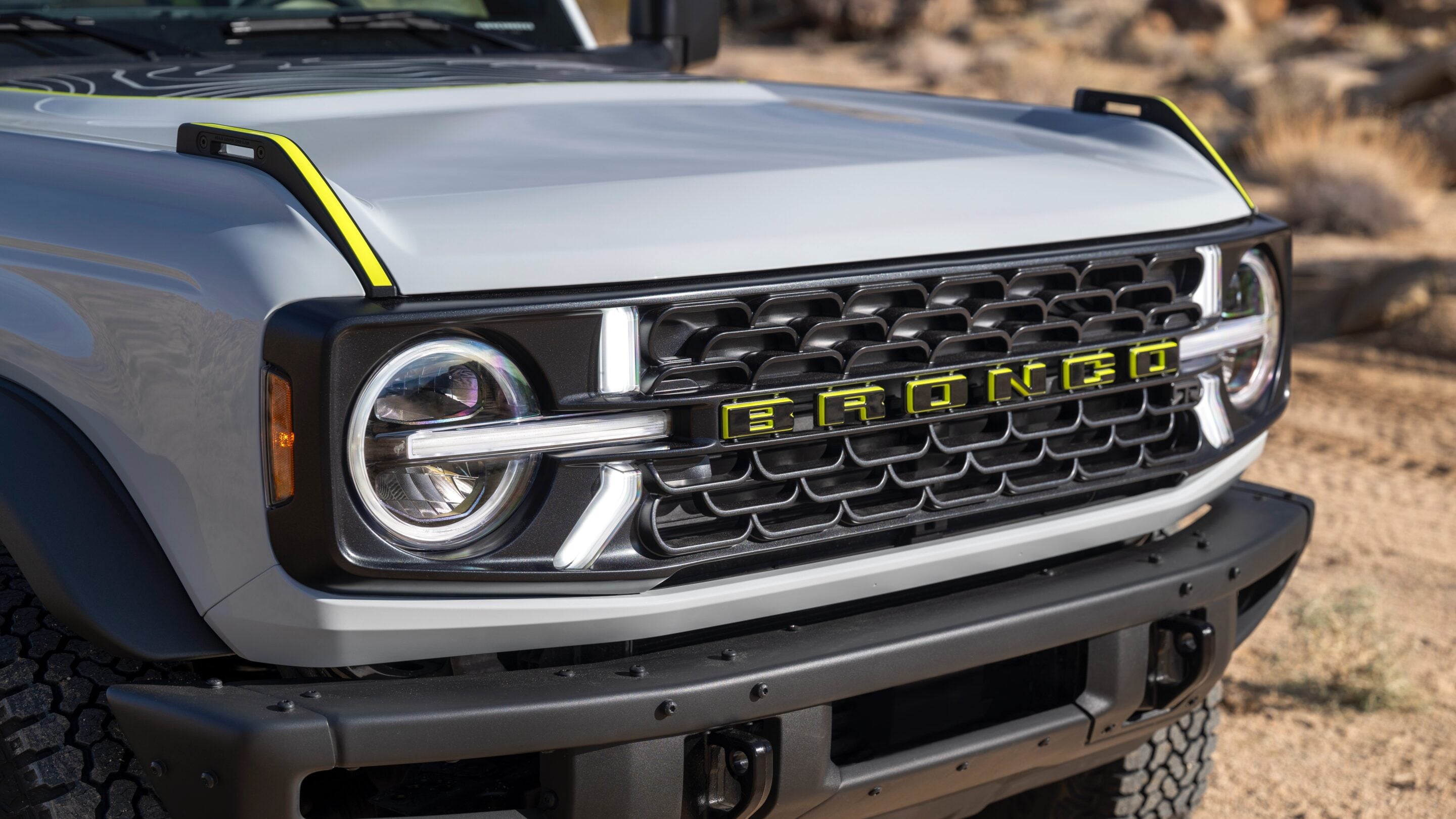
Like the Mustang RTR, the Bronco RTR uses the standard 2.3-litre turbo-petrol engine, though is also fitted with anti-lag turbo technology to maintain boost pressure when the throttle is lifted. It activates in the RTR’s Baja drive mode, which will make it more responsive to drive. There’s also extra cooling thanks to a 1000-watt cooling fan from the Bronco Raptor.
US pricing for the Bronco RTR is yet to be announced, but Ford USA says that it will sit underneath the Bronco Badlands Sasquatch that currently retails from US$56,620. Because the Bronco is not yet sold in Australia, it’s safe to say that the RTR won’t be sold here – but there would definitely be a market for it if it were.
Honda will launch a new logo from 2027 for only the fourth time in its history. Reimagined with a simple and borderless design, the new H logo will make its debut on future products – but only on electrified models, such as hybrids and electric vehicles.
According to the company, the design of the new badge “represents two outstretched hands” and “embodies how Honda is planning to tackle the period of transformation”, which refers to the growth of electrified vehicles. The logo has a retro look and is similar to the original Honda logo from 1963.
The new logo made its first appearance on the 0 Series EV concepts in 2024, and the first production model expected to use it is the 0 SUV, which will go into production in 2027. The 0 SUV’s 0 Saloon sedan sibling will launch soon afterwards with the new badge, as will the smaller 0 Alpha electric SUV.

In addition to the new EVs, the new logo will also appear on new hybrid models that are planned to launch from 2027, including a new V6 hybrid for larger models like the Passport and Pilot in North American markets. We also expect it to be used on future generations of the Civic, HR-V, ZR-V and CR-V.
Honda has also confirmed that the new logo won’t just be used on cars, but “applied to other areas of its business – including dealership locations, communications initiatives, and automobile motorsport activities”.
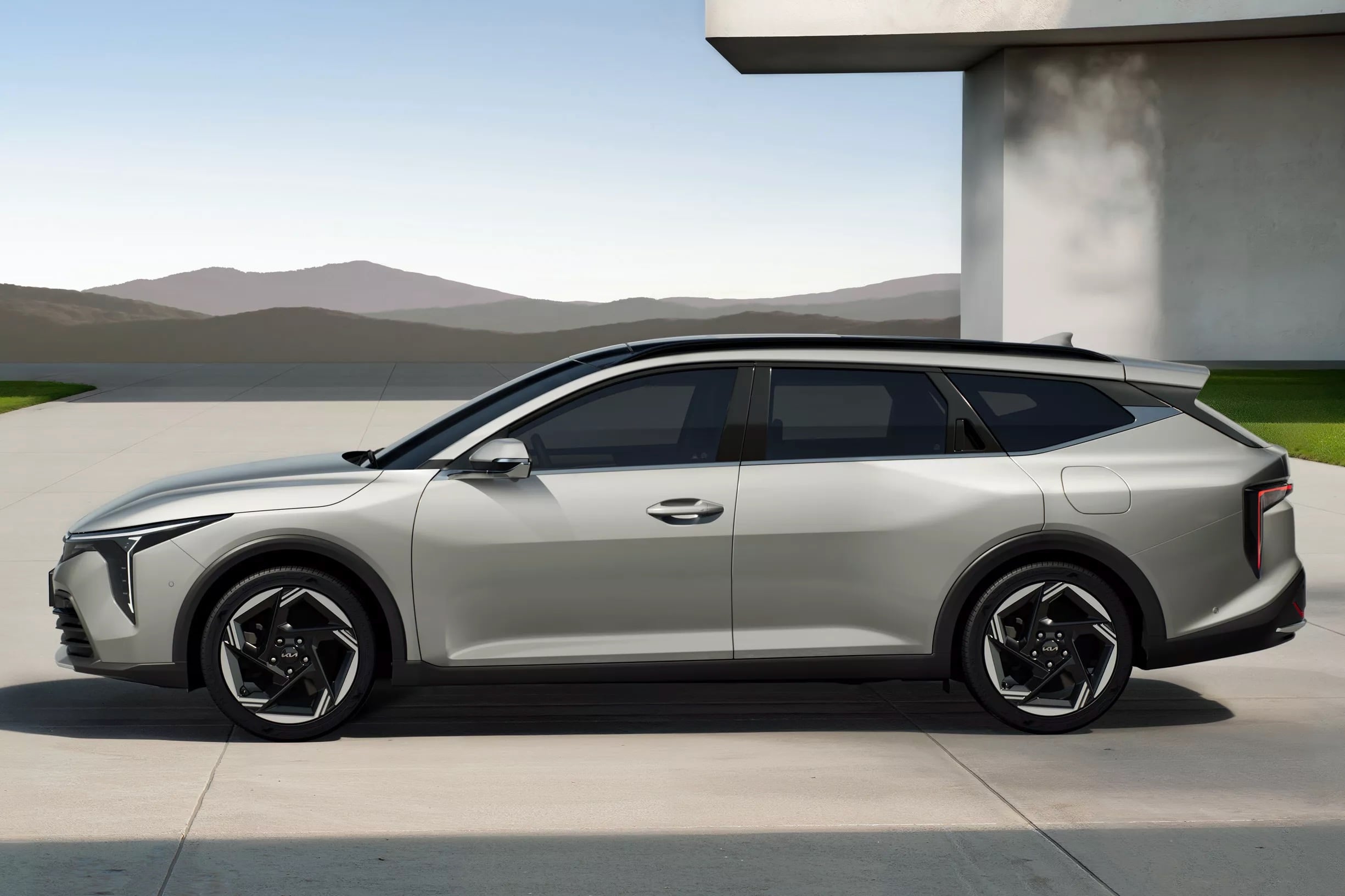
Kia has revealed the third and final bodystyle for the K4 small car – the wagon, which is due to go on sale in Europe later this year. Not yet confirmed for Australia, the Kia K4 Sportswagon is built in the same Mexican factory as the sedan and hatchback variants of the K4 range, though adds more practicality through its wagon bodystyle.
Using the same 2720mm long wheelbase as other K4 models, the K4 Sportswagon promises the excellent rear legroom we’ve become used to from the K4. But with an overall length of 4965mm, the Sportswagon is 15mm shorter than the sedan – though 265mm longer than the hatchback.
Boot space is obviously important for a wagon and the K4 Sportswagon offers 604 litres with the rear seats up, and 1439L with them folded. That’s 166L more than the hatchback with the seats up, and 222L with them folded, though still 36L/261L less than a Skoda Octavia wagon. Kia is yet to release images of the boot itself, though it can be fitted with an electric tailgate.
The range of engines available in Europe for the K4 Sportswagon mirrors the hatchback, with 86kW 1.0-litre three-cylinder and 110kW or 132kW 1.6-litre four-cylinder turbo-petrol options available. The former is optionally available with a mild-hybrid set up from the Stonic to increase fuel efficiency, while a full hybrid set up previously confirmed to join the K4 range will be added later in 2026.
Kia Australia is yet to announce anything official about the K4 Sportswagon, though poured cold water on its local sales prospects to local media when previously asked.
For more than 50 years, BMW M has stood as the performance heart of the BMW brand, translating motorsport know-how into road cars that define what it means to be the “Ultimate Driving Machine.”
From the original BMW M1 to today’s track-bred M3 and M5, the marque has built its reputation on precision, power and an unmistakable connection between driver and machine. Now, that philosophy is evolving once again – this time into the electric era.
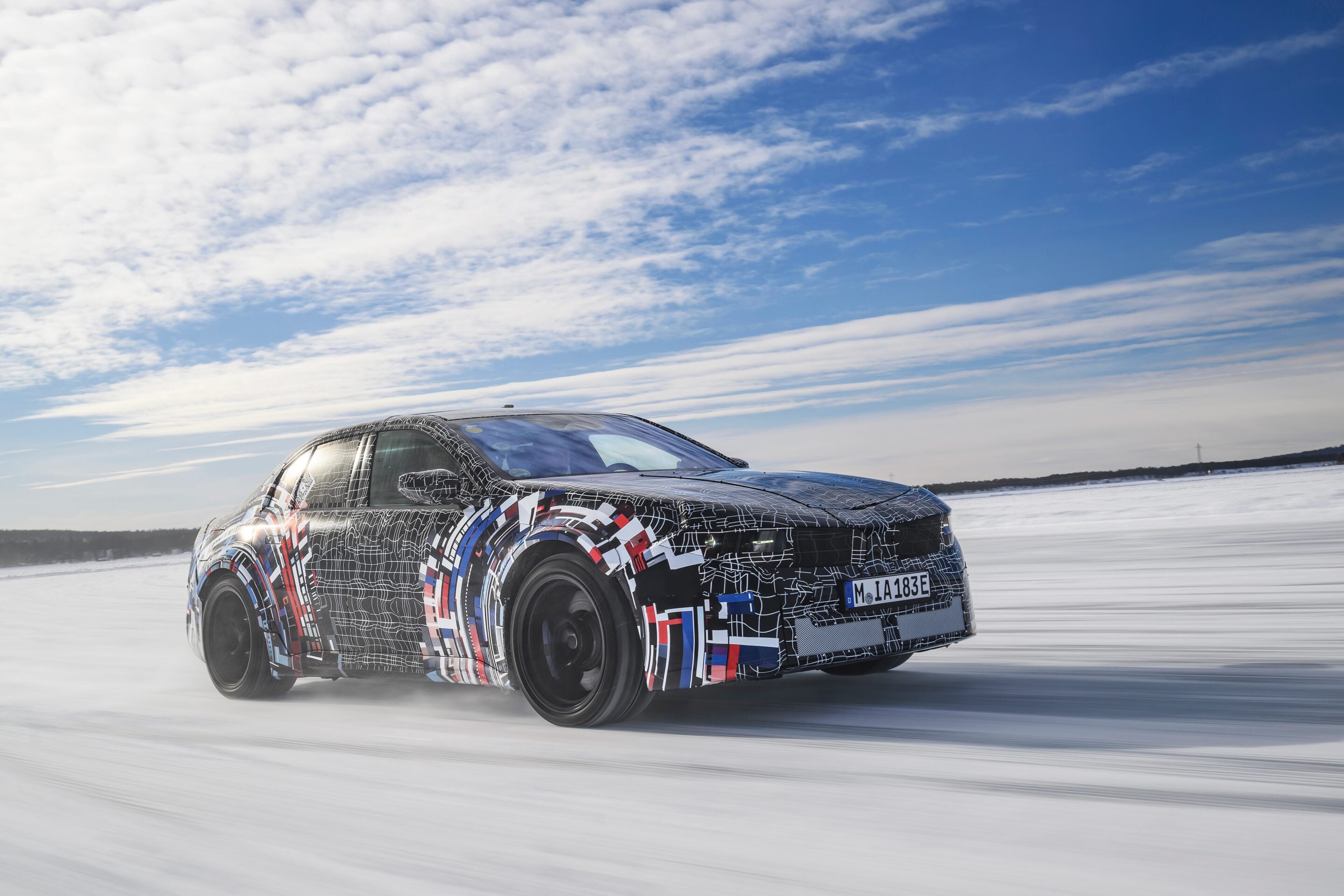
From 2027, the BMW M Neue Klasse will mark a significant evolution in the brand’s history, bringing fully electric propulsion into BMW M’s high-performance portfolio for the first time. Rather than diluting the M ethos, BMW insists electrification will amplify it. The goal is clear: deliver racetrack-ready dynamics, everyday usability and emotional engagement, all without a combustion engine.
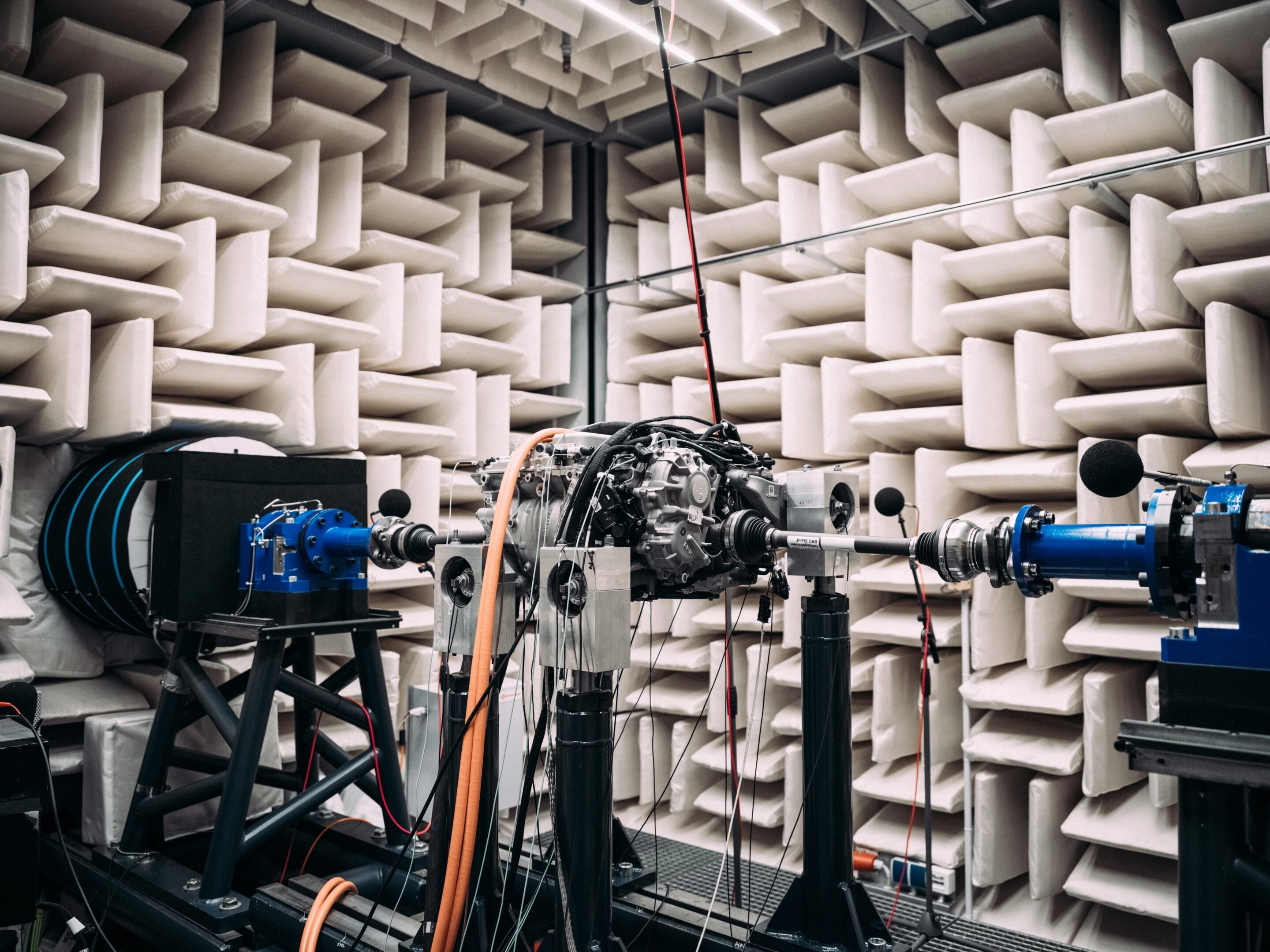
At the core of this transformation is a ground-up rethink of vehicle architecture. The Neue Klasse platform introduces a centrally controlled, software-driven system that allows BMW M engineers unprecedented influence over how a car behaves. Four high-performance computers – referred to internally as “Superbrains” – manage everything from driving dynamics to infotainment, enabling faster responses, seamless updates and sharper performance across the board.
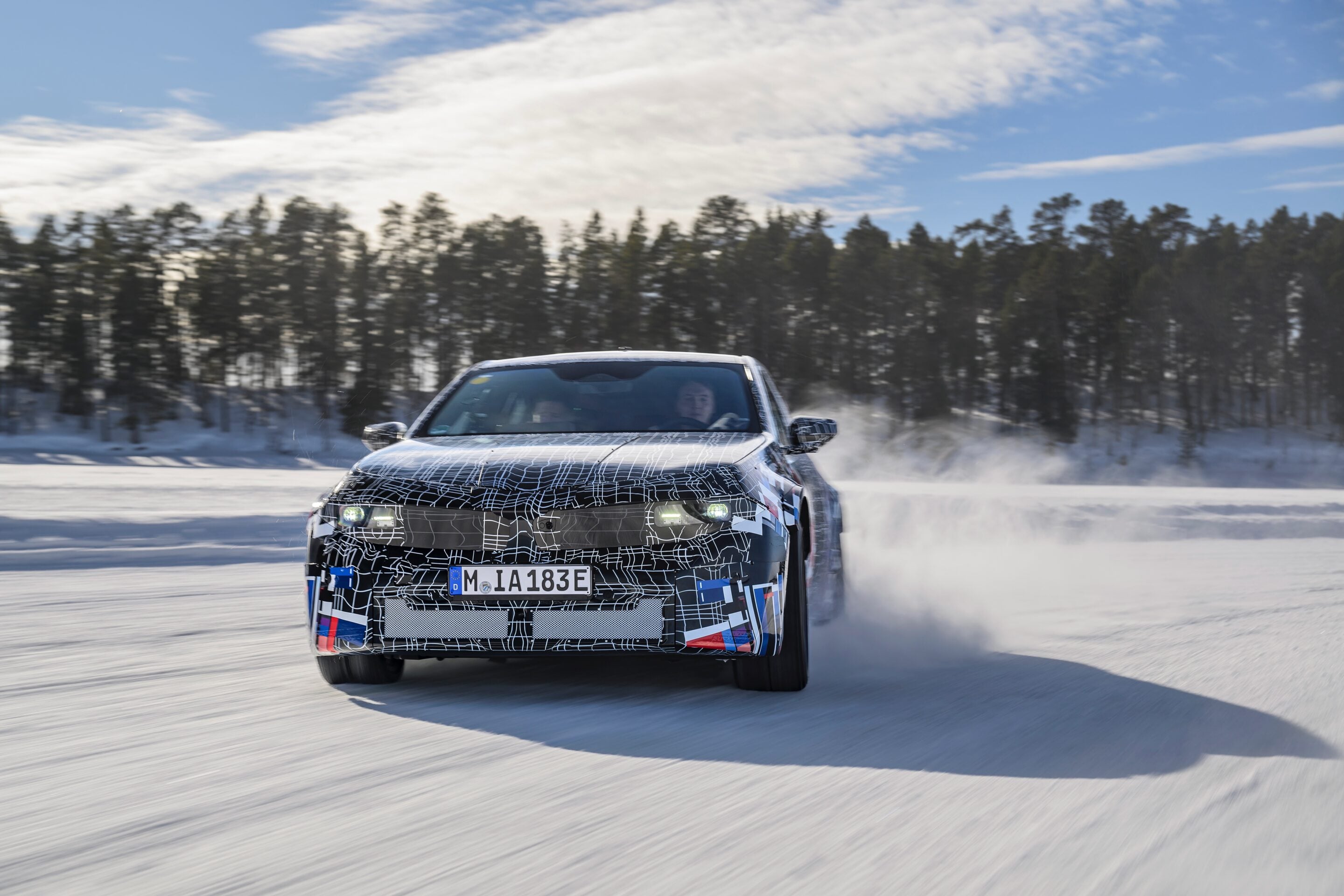
The most radical shift lies in BMW M eDrive. In the Neue Klasse M models, each wheel is powered by its own electric motor, creating a level of precision that traditional drivetrains simply cannot match. Torque can be distributed individually and instantaneously, improving traction, stability and agility whether on a racetrack or a winding road. The front axle can even be fully decoupled, preserving the rear-wheel-drive character long associated with BMW M, while boosting efficiency and range on longer journeys.
Powering this system is a high-voltage battery with more than 100kWh of usable energy, engineered specifically for the demands of high-performance driving. Advanced cooling, rapid 800-volt charging capability and exceptionally high energy recuperation ensure the car can perform consistently under extreme conditions – on track and in daily use. Structural integration of the battery into the chassis further enhances rigidity and handling.
Performance innovation is matched by progress in sustainability. Lightweight construction remains a priority, but with a new twist: BMW M will introduce natural fibre components inspired by motorsport, delivering carbon-like strength with significantly lower CO₂ emissions.
In blending electric innovation with decades of racing heritage, BMW M is reinterpreting its past for a new era.