
Snapshot
- Five-seat Grand Cherokee to get PHEV treatment
- New variant set to be Jeep’s fifth hybrid model
- More details to come from New York Motor Show
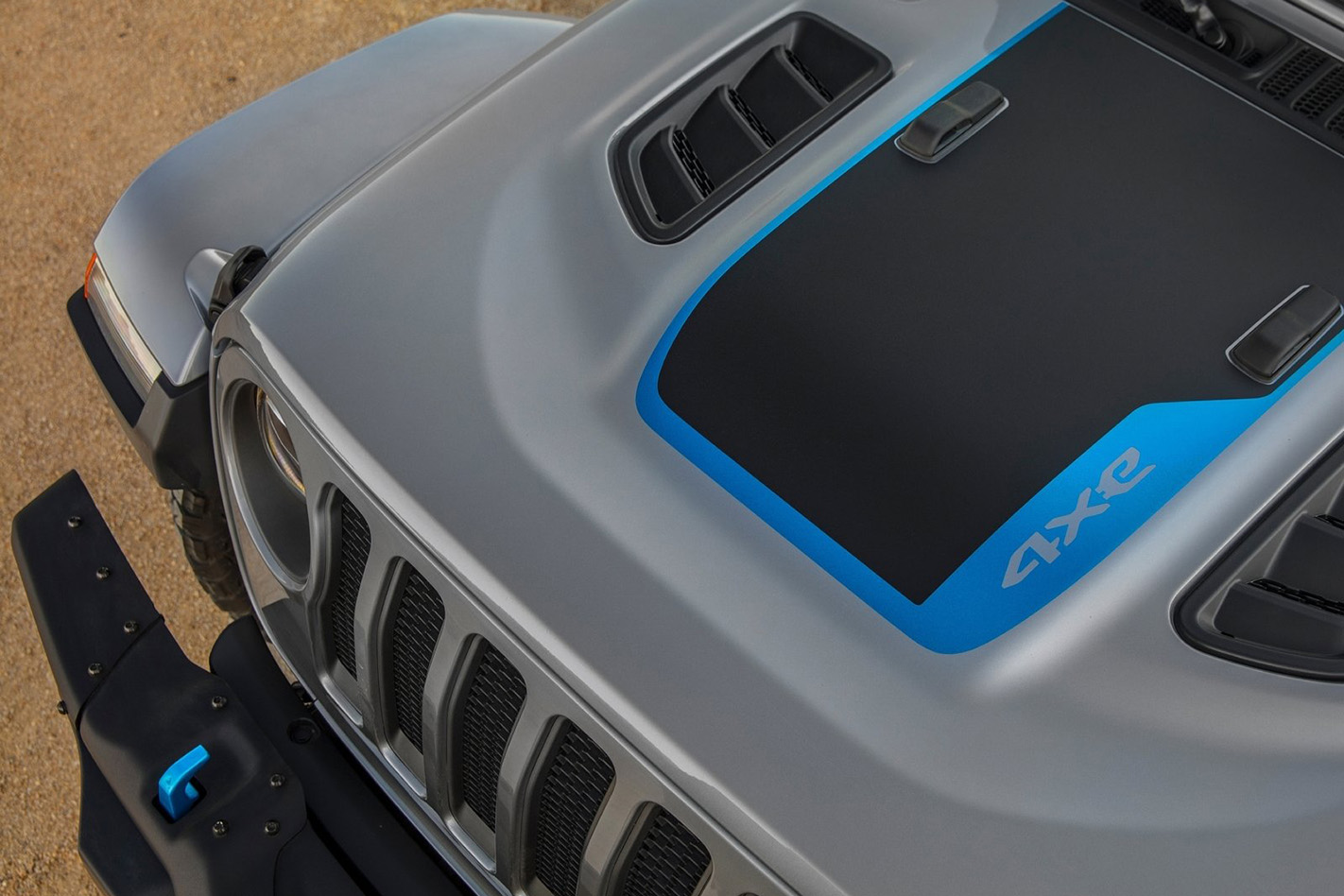
Ahead of its full debut at the New York Motor Show, Jeep has shown off its new Grand Cherokee 4xe plug-in hybrid, joining the Wrangler, Compass, Cherokee and Rubicon as the electrified vehicles in its range.
Based on the five-seater Grand Cherokee which was updated earlier this year, details are scarce surrounding the 4xe though the SUV could adopt the 2-litre, four-cylinder petrol hybrid unit from the current Wrangler 4xe, an engine which makes 280kW and 637Nm with its 17kWh battery pack.
In the Wrangler, the electric motor sits between the petrol engine and the eight-speed automatic gearbox, allowing for up to 34km of driving on battery power alone with an EPA fuel consumption rating of 4.8L/100km.
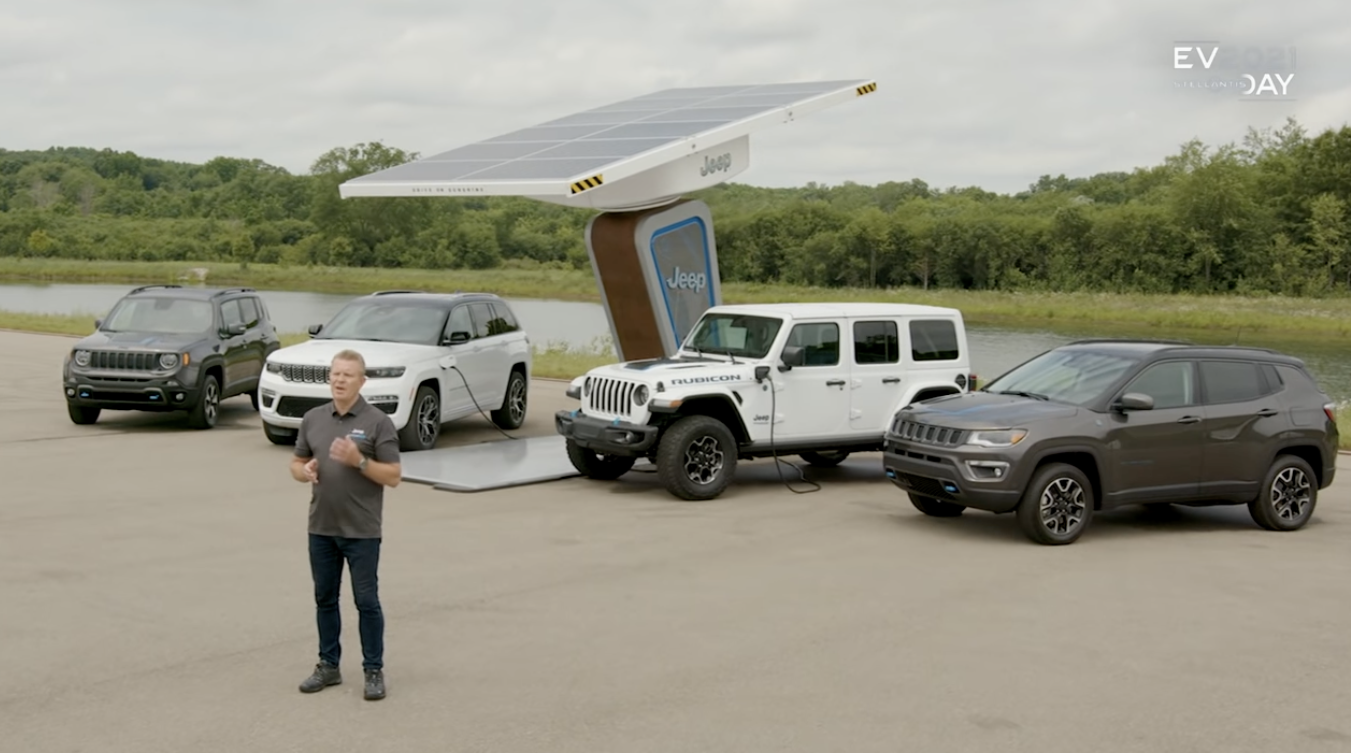
As a part of parent company Stellantis’s EV Day, Jeep, alongside the conglomerate’s other brands, have committed to bringing in electrified versions of its models by 2025, aiming for a full EV range by 2030.
Jeep CEO Christian Meunier believes the electrification of Jeep’s range will retain the brand’s spirit of adventure while building on its popularity in the off-road community.
“This year already, we’re forging ahead into an electrified future with our four best-selling models including the upcoming, all-new Jeep Grand Cherokee 4xe,” said Meunier.
“We’re installing charging stations to support our community where it matters most – the trail.
“In 2025, we will have a zero-emission Jeep 4xe in SUV segment.
“4xe allows us to give the community more of what they love about the Jeep brand – more capability to increase on-demand torque for maximum, acceleration and four-wheel-drive performance.”
Jeep is planning to install solar-powered charging stations along some of the most popular off-road trails in the United States, including locations such as Moab and the Rubicon Trail.
The company’s sales are currently booming in Australia, bouncing back after a tough 2020 to record a 71 per cent increase in sales this year, with its best-selling model standing as the Grand Cherokee (1666 sales to the end of June).
Snapshot
- Dodge confirms electric muscle car for 2024
- Ram teases new electric 1500 pick-up truck by same year
- Opel Manta to make a comeback as Manta E by 2028
Launching its new electrification strategy in Europe on Thursday night, multinational car manufacturer Stellantis revealed some of its big brands’ major plans for the next decade – teasing some exciting new projects in the works.
Just six of its carmakers, however, have teased what electric offerings they have coming up.
Check out the run-down of the latest announcement below, alongside new slogans being adopted by each of the 14 brands.
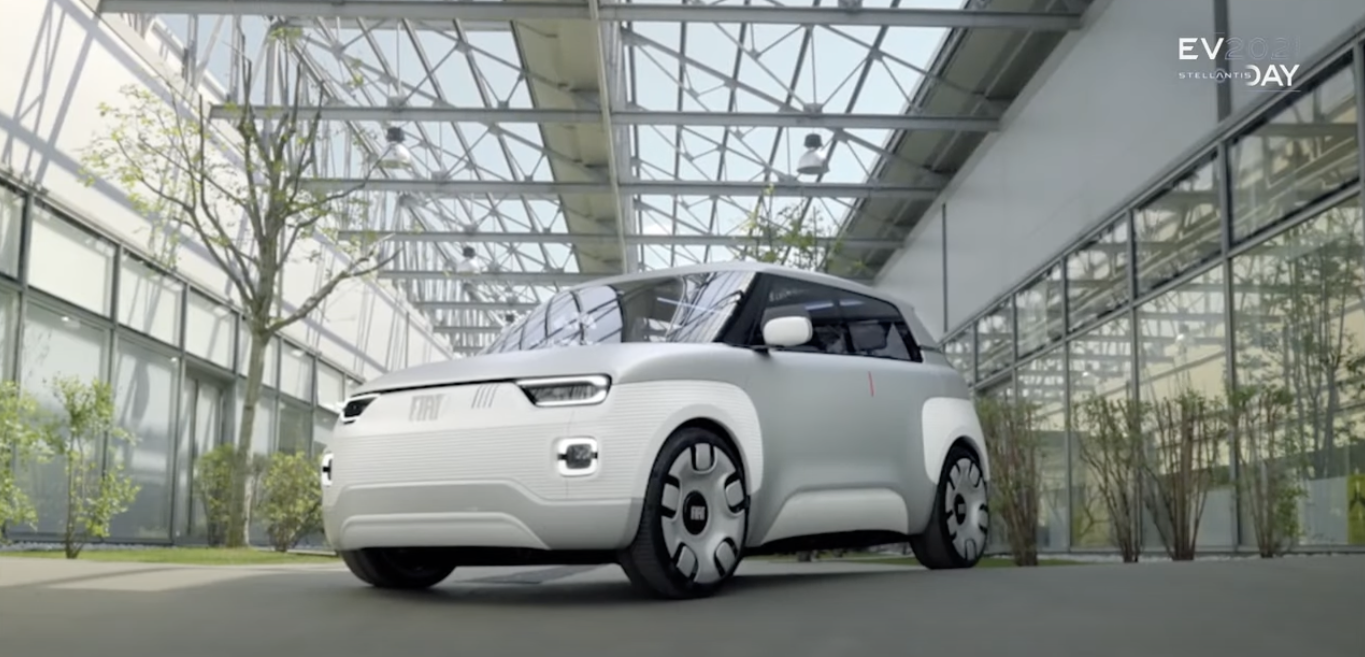
Fiat
Motto
“It’s Only Green When It’s Green for All”
Plans
- By 2022 will have a completely electric LCV line-up
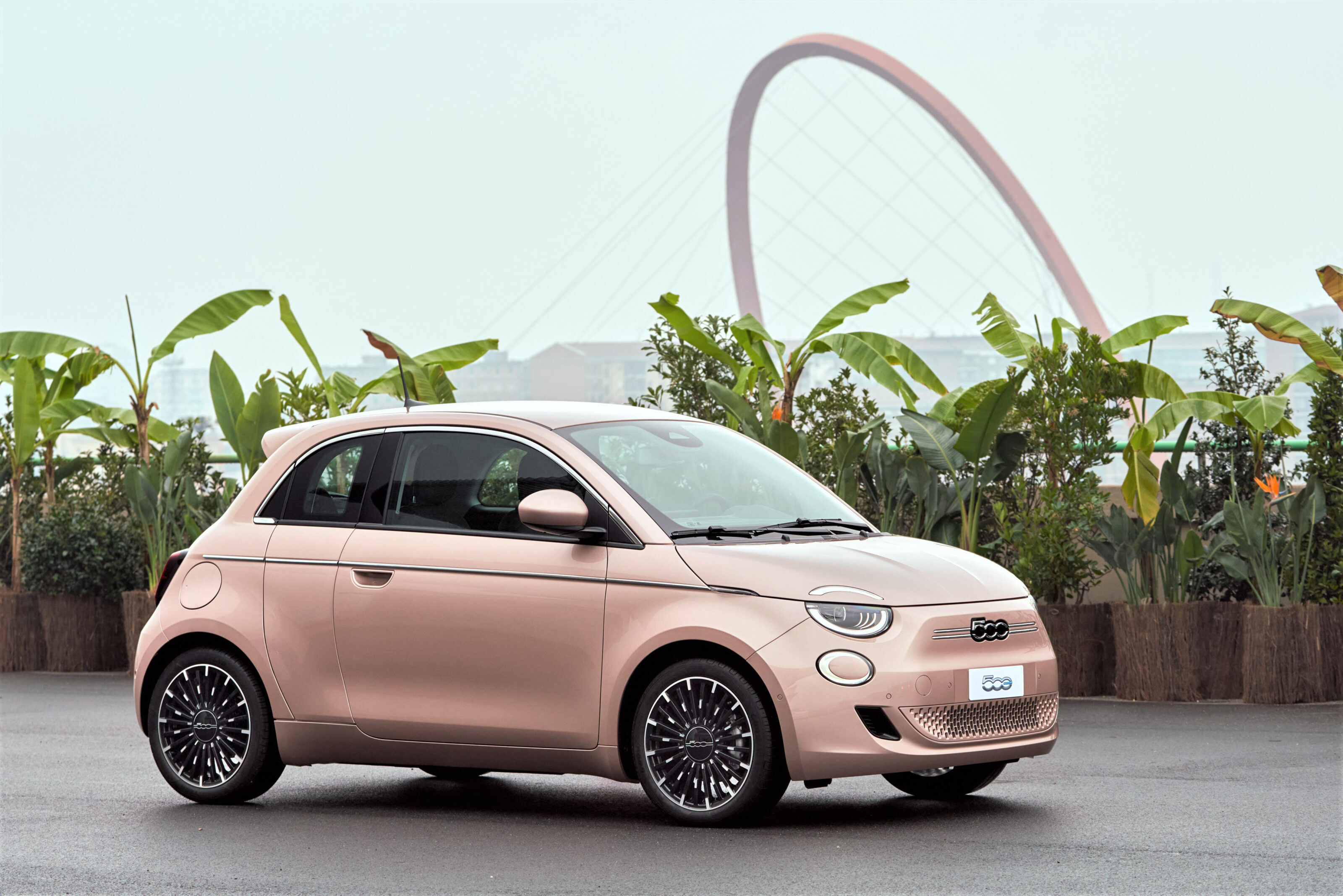
- Fiat 500 to go EV only
- LCVs will use fuel-cells by 2022
- Every model to have an electric option by 2024
- Model range fully-electric between 2025 and 2030
Jeep
Motto
“Zero Emission Freedom”
Plans
- First images of 2022 Jeep Grand Cherokee 4xe plug-in hybrid revealed
- 100 per cent of line-up to offer 4xe technology
- By 2025 there will be a zero-emissions vehicle in every SUV segment
- By same year 70 per cent of sales will be electrified
- Premium Wagoneer range will offer zero-emissions vehicles
Dodge
Motto
“Tear Up the Streets… Not the Planet”
Plans
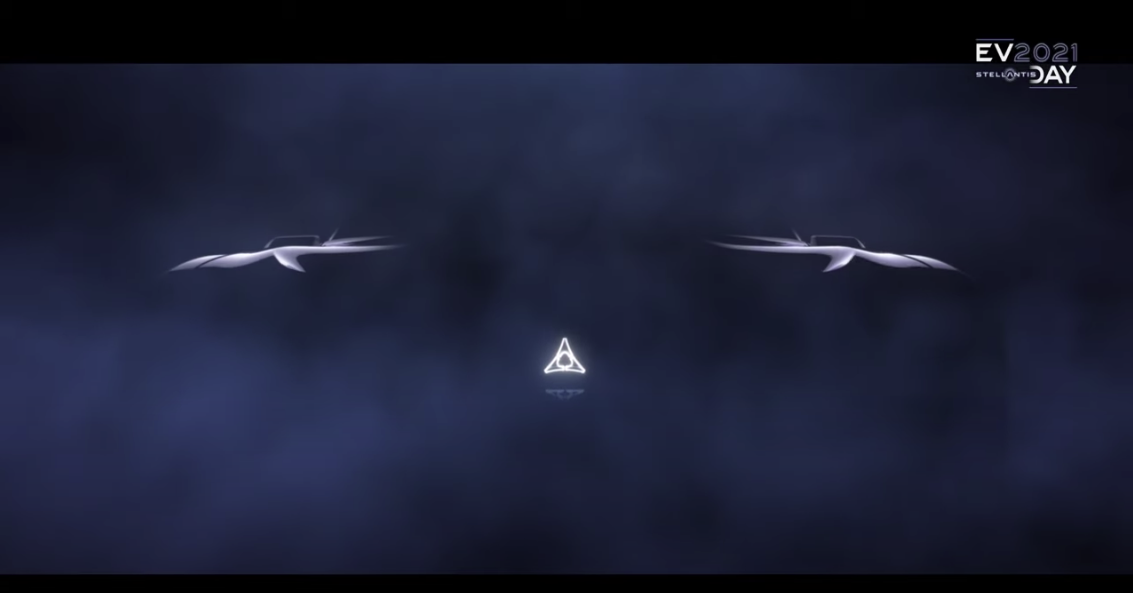
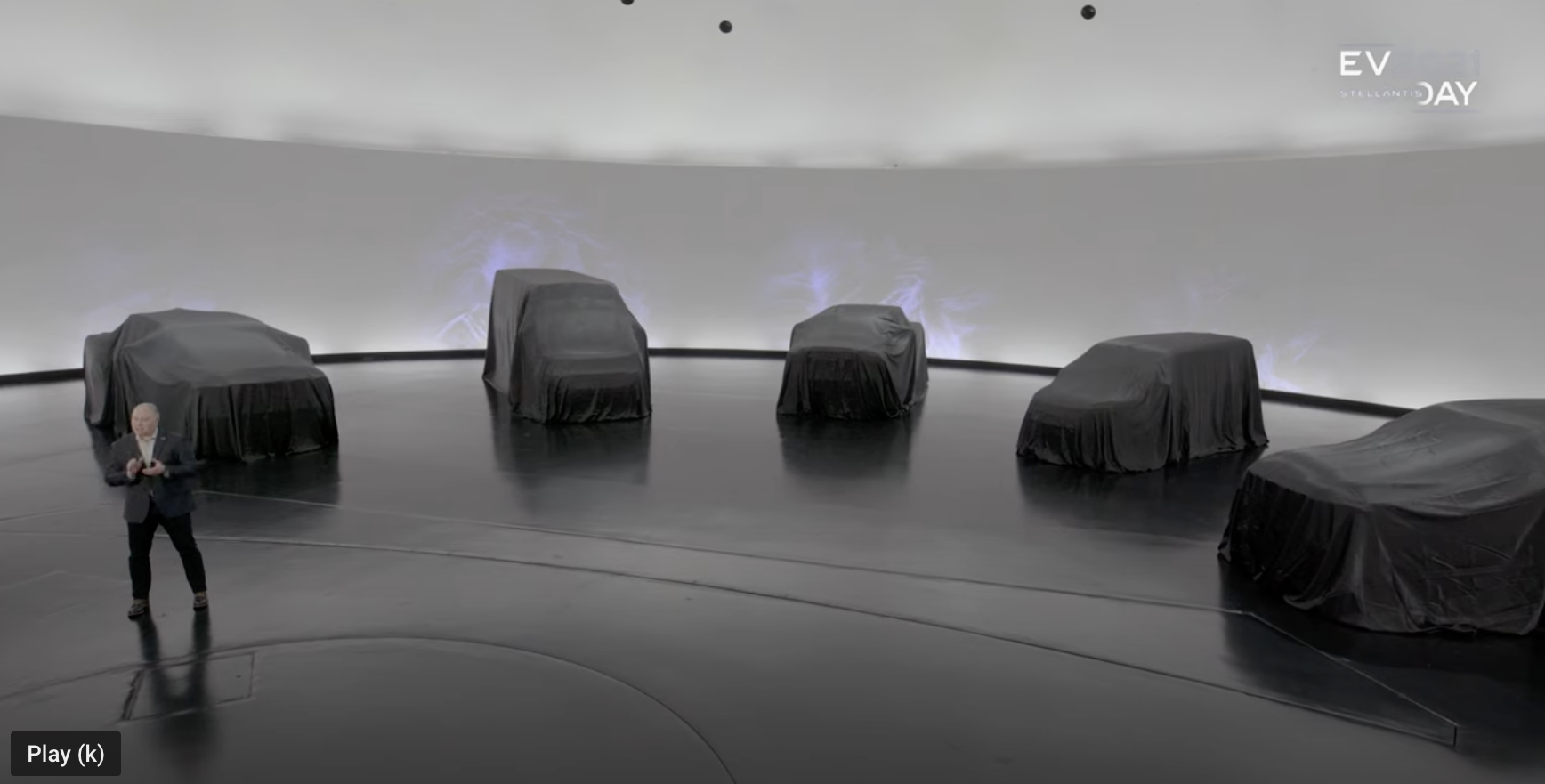
- Brand will launch its first fully-electric muscle car in 2024
- “Won’t sell electric cars…will sell American eMuscle”
- Dodge EV could be a high-performance successor to today’s Hellcat-powered Challenger and Charger models
Opel/Vauxhall
Motto
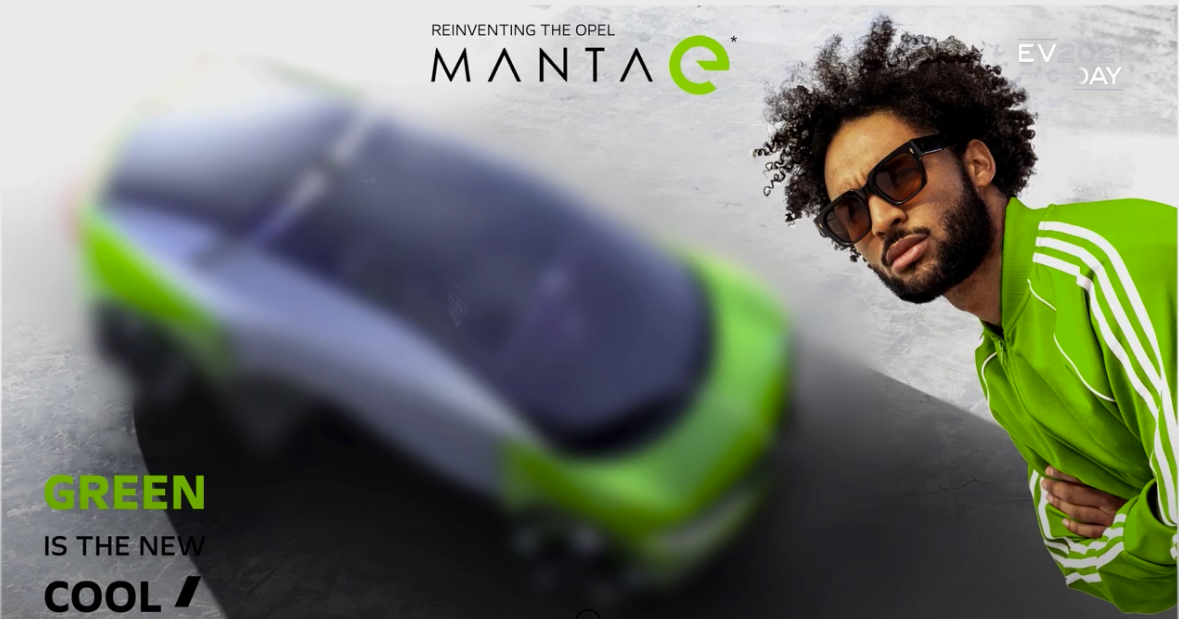
“Green is the New Cool”
Plans
- Mantra reinvented as the all electric “Mantra E” by mid-decade
- Fully-electric in Europe by 2028
- 100 per cent electric in China
Peugeot
Motto
“Turning Sustainable Mobility into Quality Time”
Plans
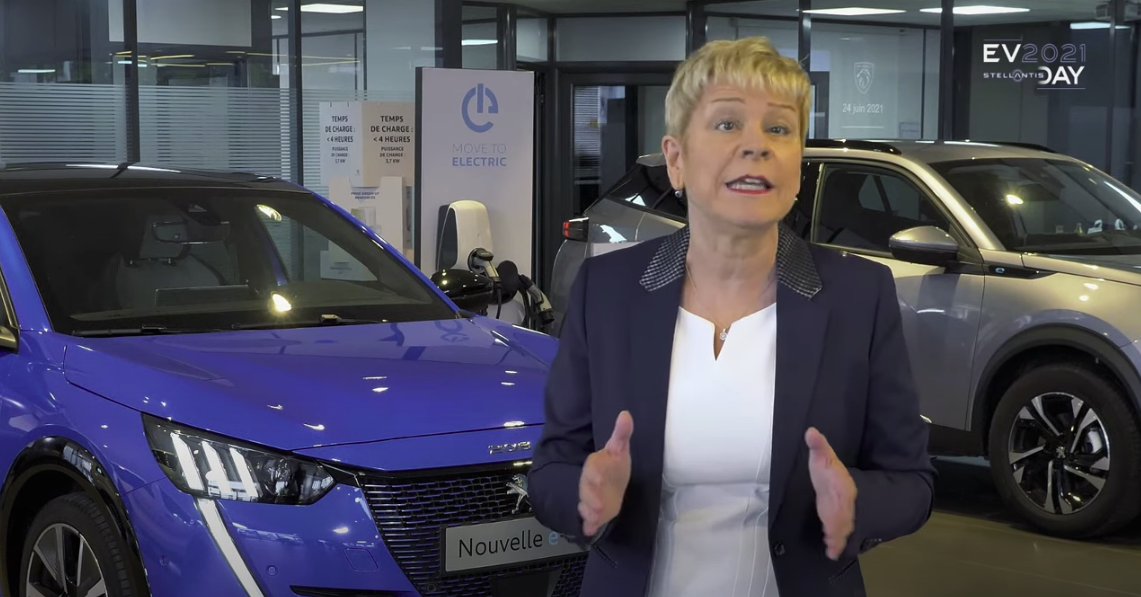
- Already leading the charge with 70 per cent of model range already electrified in Europe
- Will be 85 per cent electric in Europe by 2023 and 100 per cent by 2025
- Currently third best-selling generalist low-emissions vehicle brand
- e208 and e2008 posting strong results
- Seeing parity now in margins between BEVs and ICEs
Ram
Motto
“Built to Serve a Sustainable Planet”
Plans
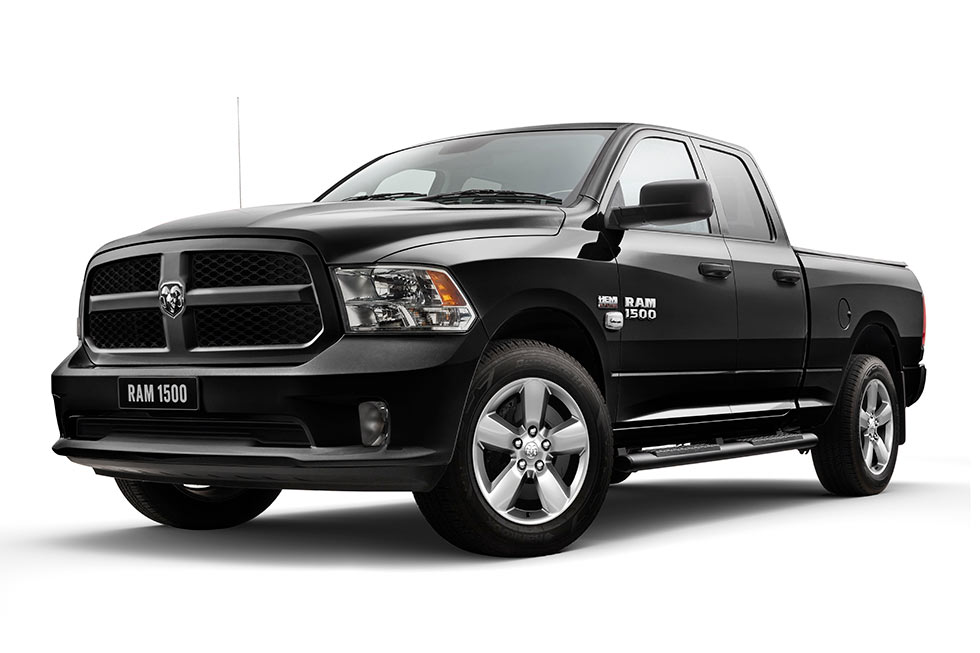
- To start production on a BEV version of its 1500 by 2024
- Full EV in majority of segments by 2025
- Will deliver a portfolio of electric options across all segments by 2030
DS
Motto
“The Art of Travel, Magnified”
Abarth
Motto
“Heating Up People, But Not the Planet”
Plans
- Switching to 100 per cent BEVs by 2024
Alfa Romeo
Motto
“From 2024, Alfa Becomes Alfa e-Romeo”
Chrysler
Motto
“Clean Technology for a New Generation of Families”
Citroen
Motto
“Citroën Electric: Well-Being for All!”
Lancia
Motto
“The Most Elegant Way to Protect the Planet”
Maserati
Motto
“The Best in Performance Luxury, Electrified”
It’s hard to think of something more iconic than a Mini with a mismatching or contrasting roof – think red body with the Union Jack roof or Mr Bean’s lime green car and its black lid.
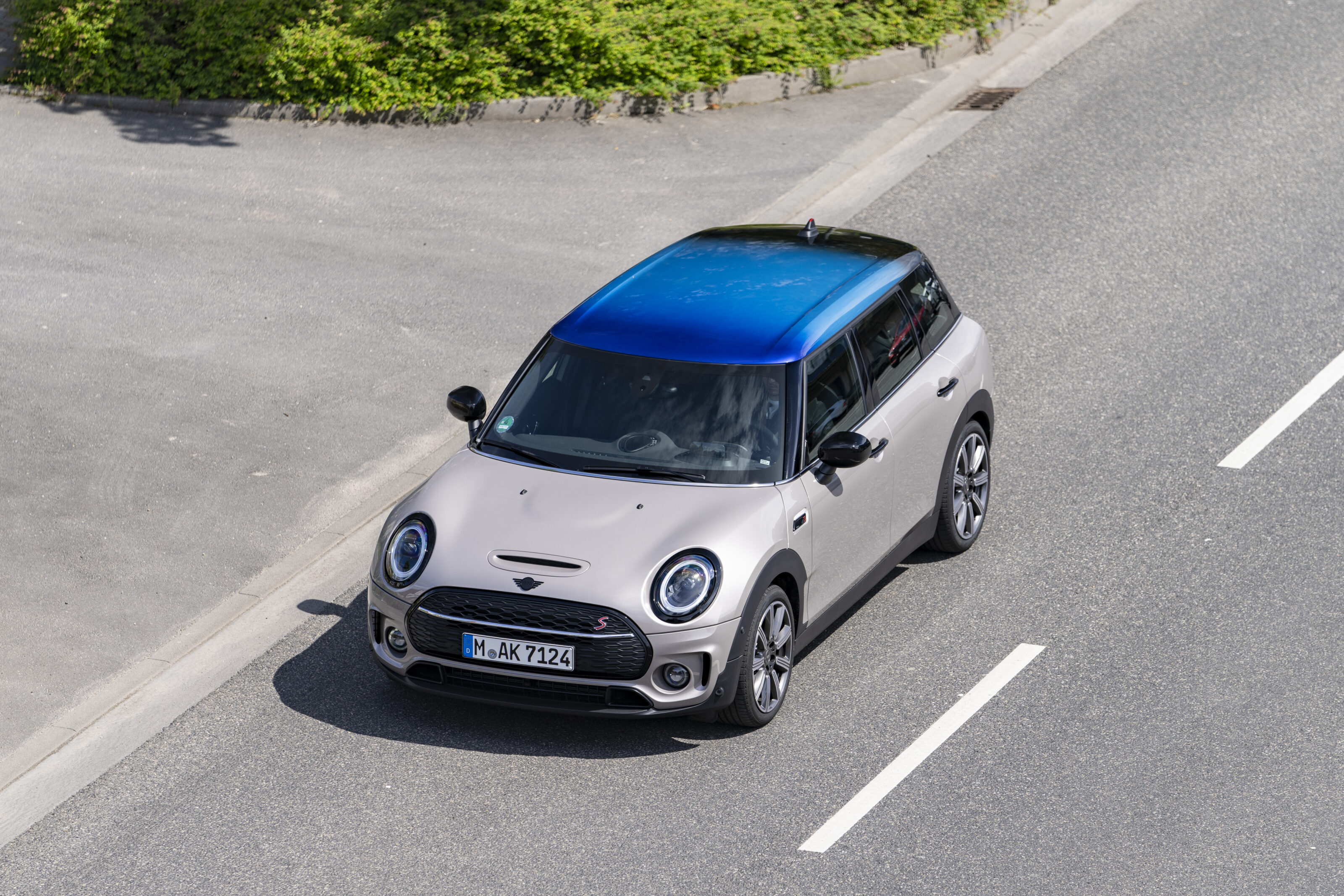
Following on from the introduction of a three-colour gradient roof on its Cooper SE EV, Mini has made the blue and black lid available across its three-door Hatch, five-door Hatch and Clubman range.
The Multitone Roof is created through the implementation of a wet-on-wet painting process, beginning with Pearly Aqua which is the middle gradient of the three colours, finished off with the application of San Marino blue towards the front of the roof with Jet Black at the rear.
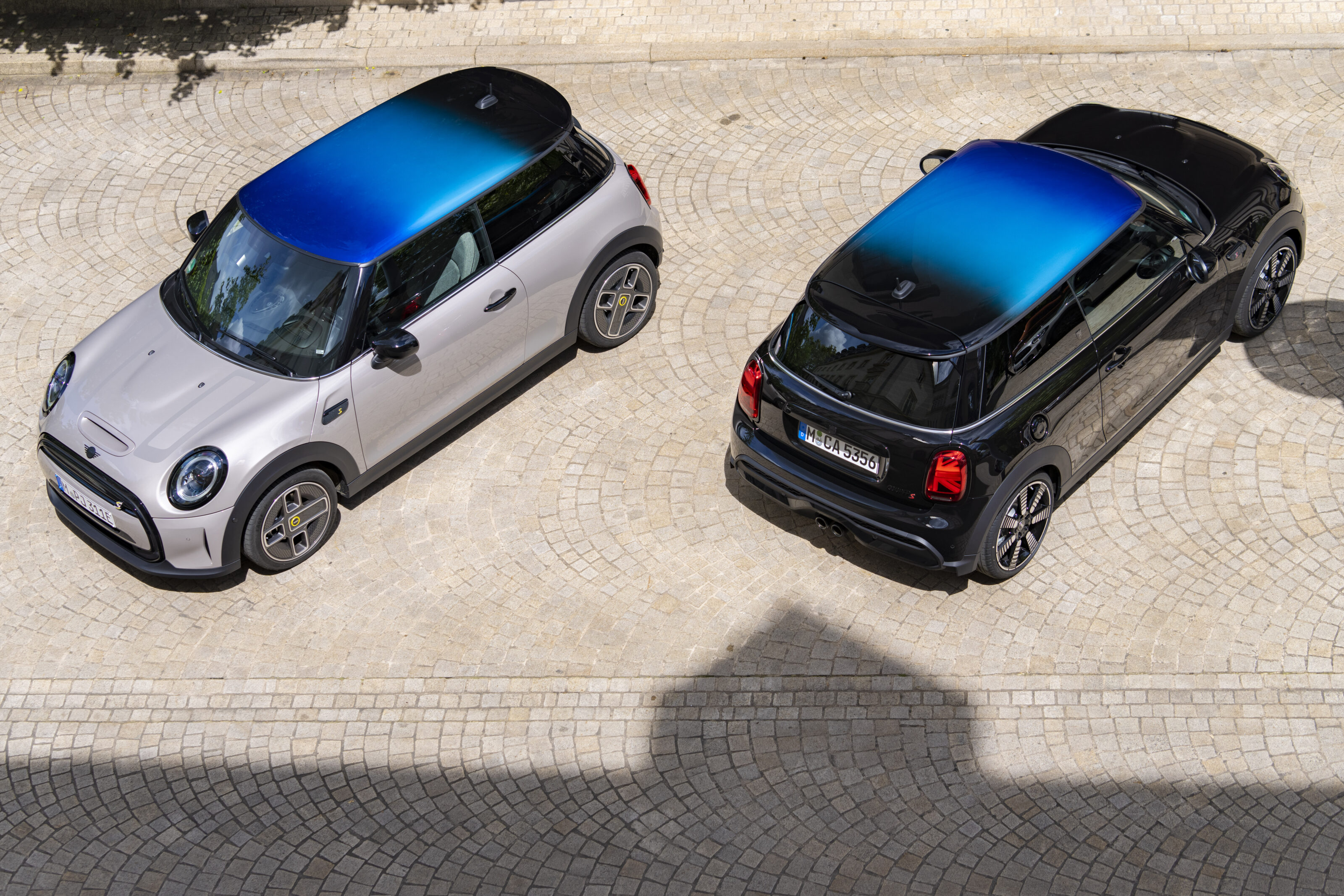
Despite the process being automated at Mini’s factory in Oxford, there are slight differences in each application due to environmental changes, meaning each roof is unique to the vehicle it’s applied to.
On the Mini Hatch, the roof can be optioned with any colour bar chili red and British racing green, with Indian summer red Clubman buyers also missing out on the special lid.
The Mini Hatch has recently undergone a mid-life update, with the new model going on sale in the middle of 2021 as the iconic brand aims to introduce EV options from 2025, ultimately making its whole range electric by 2030.
Snapshot
- G70 Shooting Brake makes first public appearance at popular UK festival
- Updated G70 launched locally last month
- Shooting Brake expected to go on sale in the third quarter of 2021
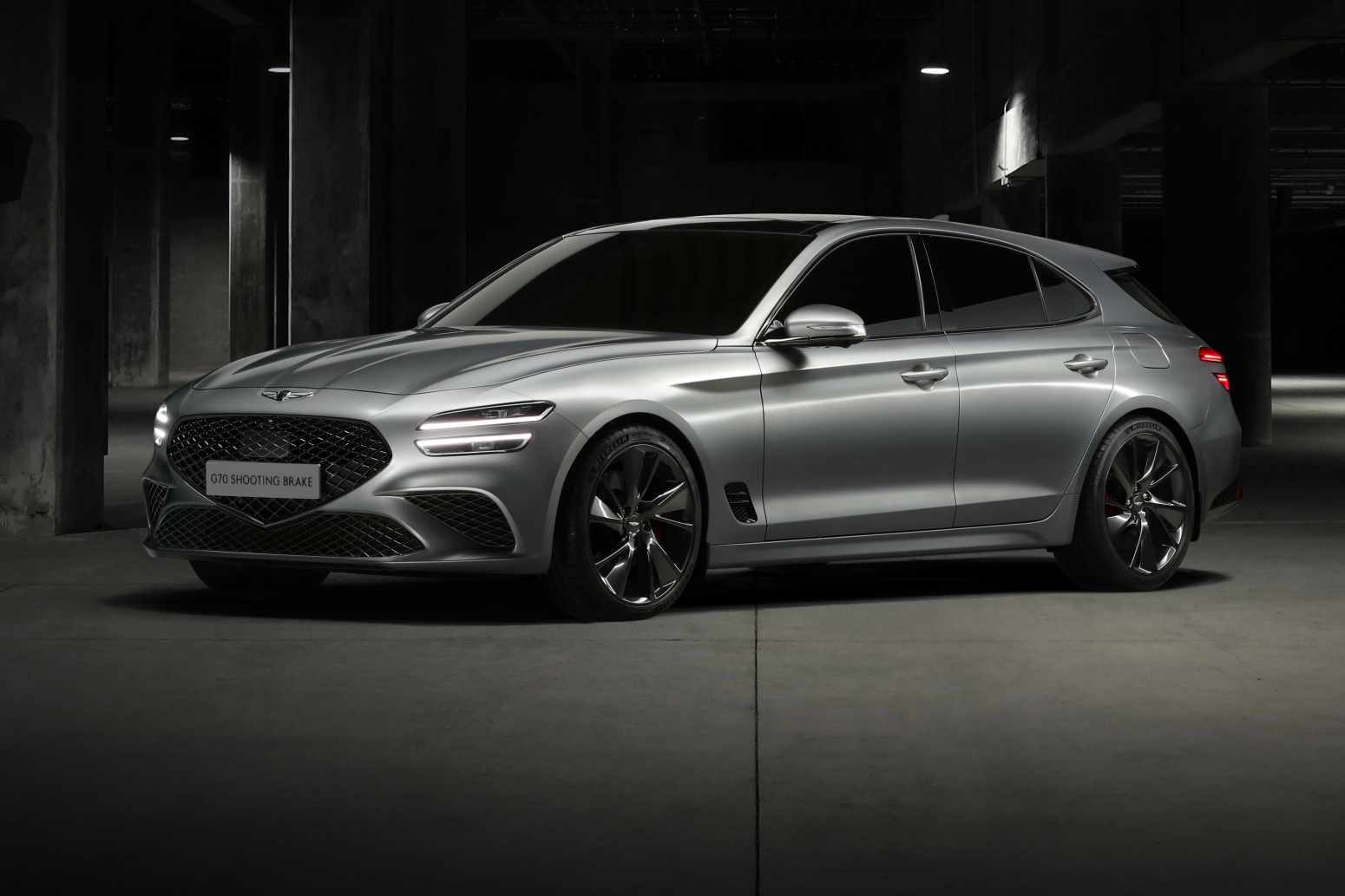
The Genesis G70 Shooting Brake has made its first public appearance, with the South Korean manufacturer choosing to show off the performance wagon at this year’s Goodwood Festival of Speed.
When it arrives in Australia over the next few months, it will become the fifth car on offer locally from Kia’s luxury off-shoot, joining the G70 and G80 sedans as well as the GV70 and GV80 SUVs in the Genesis range.
Based on the same platform as the sedan G70 and Kia Stinger, the G70 Shooting Brake will be a formidable rival to wagon options in the BMW 3 Series, Mercedes-Benz C-Class and Audi A4 lines.
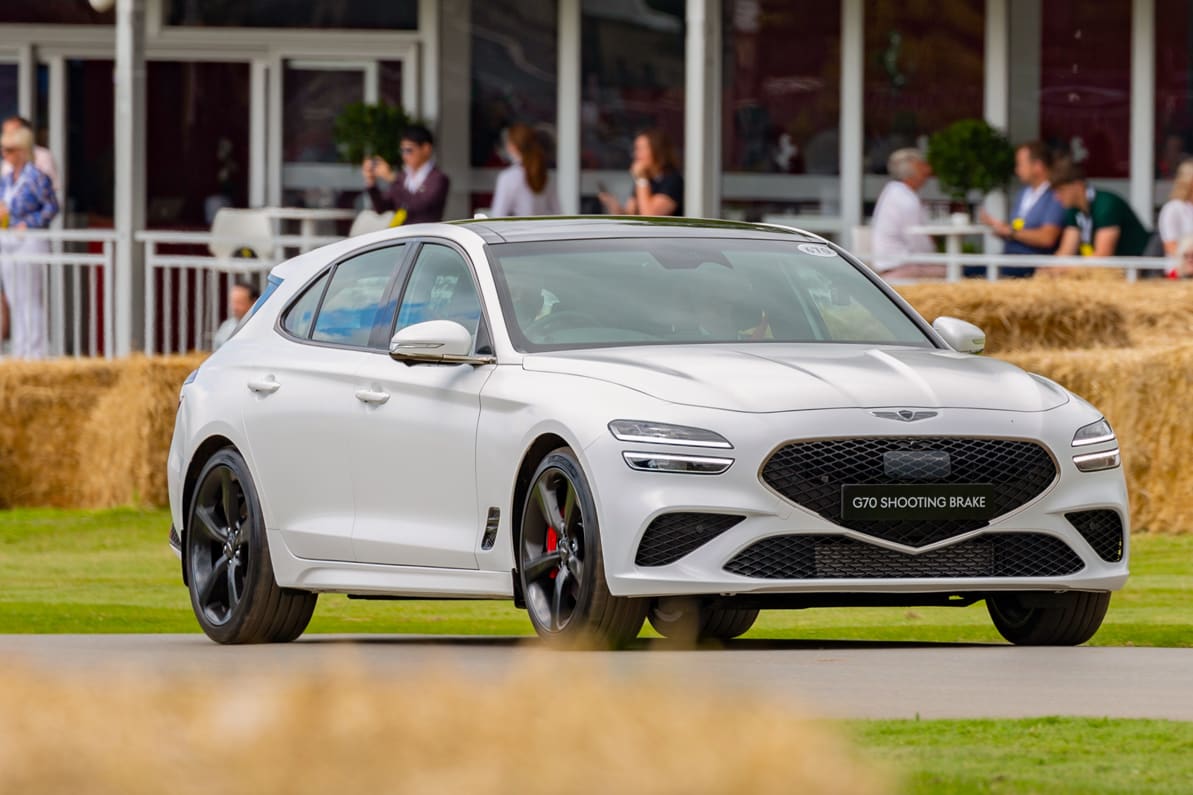
While the Shooting Brake won’t be the fastest vehicle amongst a plethora of high-performance cars at Goodwood this weekend, it could be an important car for Genesis to ignite its G70 sales in Australia, having sold only 44 units since the beginning of the year.
A face-lifted G70 arrived in Australia last month, undergoing mainly cosmetic changes with two engines remaining on offer, a 2-litre four-cylinder turbo making 179kW/353Nm and a 3.3-litre twin-turbo V6, producing 274kW/510Nm for a $13,000 premium over the smaller engine.
Genesis Australia hasn’t been able to confirm the specs of the incoming Shooting Brakes to the local market but it’s understood we will continue to miss out on the all-wheel-drive option available in Europe, keeping in line with the rest of the G70 and Stinger range.
The sedan version of the G70 starts at $63,000 for the 2.0T with the 3.3T setting buyers back $76,000, both prices excluding on-road costs.
Say you have about $250,000 to spend and want to cross country in supreme comfort, with four of your mates – and fast! You can’t do much better than these two bruisers, the Mercedes-AMG E63 S and Audi RS6 Avant.
Pegged by enthusiasts as the ultimate ‘do-it-all’ vehicle, the Audi RS6 comes to the party with a 446kW/800Nm twin-turbo 4.4-litre V8, 565-litres of boot space, and a $216,000 sticker price.
Mercedes-AMG’s glorious E63 S wagon sadly remains forbidden fruit for the Australian market, but the saloon stands up as one of the most ballistic point-to-point luxury barges available. Armed with a 450kW/850Nm 4.0-litre twin-turbo V8; the large limo bundles supercar-shaming credentials with seating for five and 540-litres of boot space, complete with an eye-watering $253,900 pricetag.
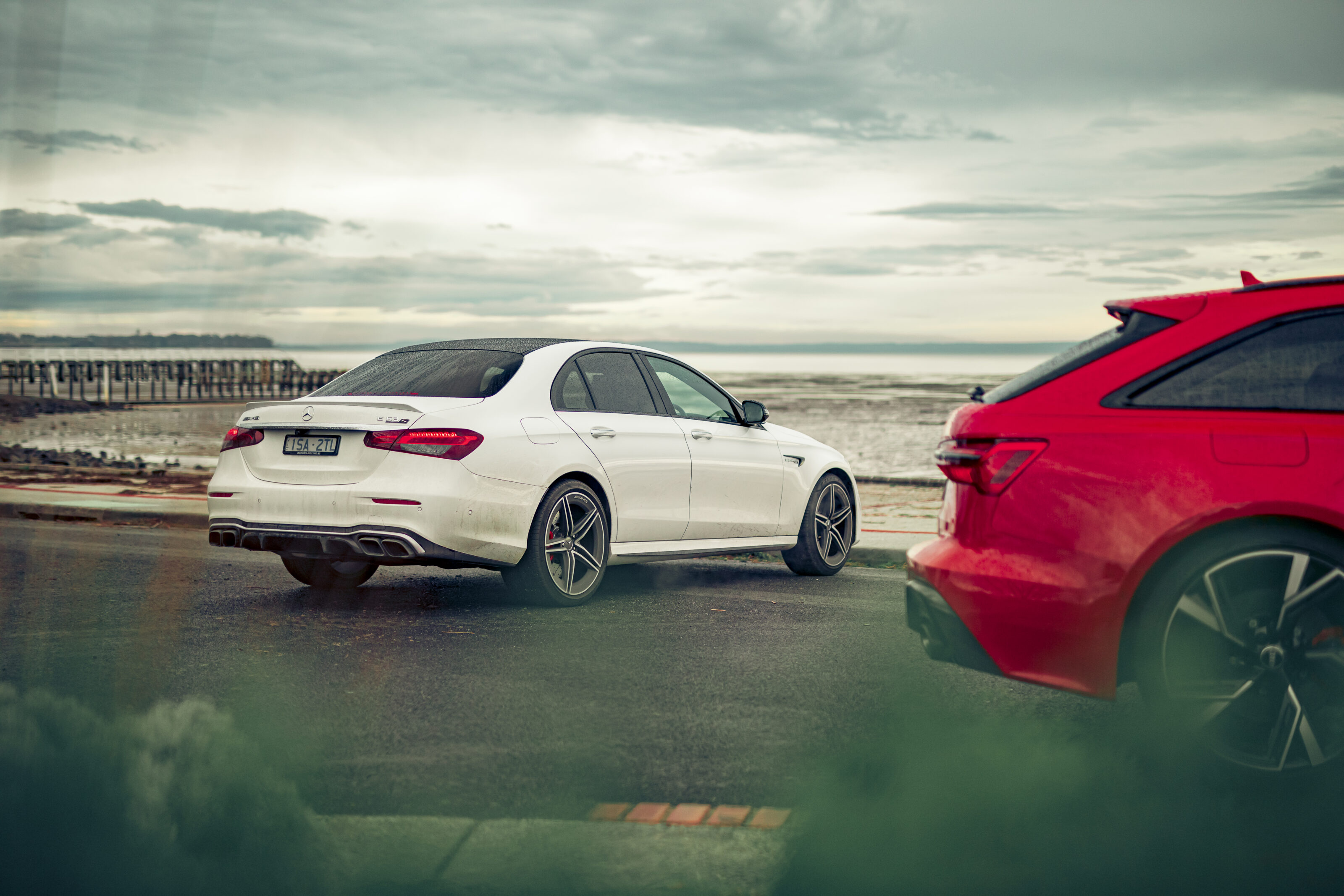
But we’re not here to talk money, we’re here to race.
With our two weapons of choice in tow, Heathcote drag strip would act as our theatre.
The two German heavyweights battled it out in a number of different scenarios, including a full-bore launch control race start, comfort mode street start, and a 50km/h roll race.
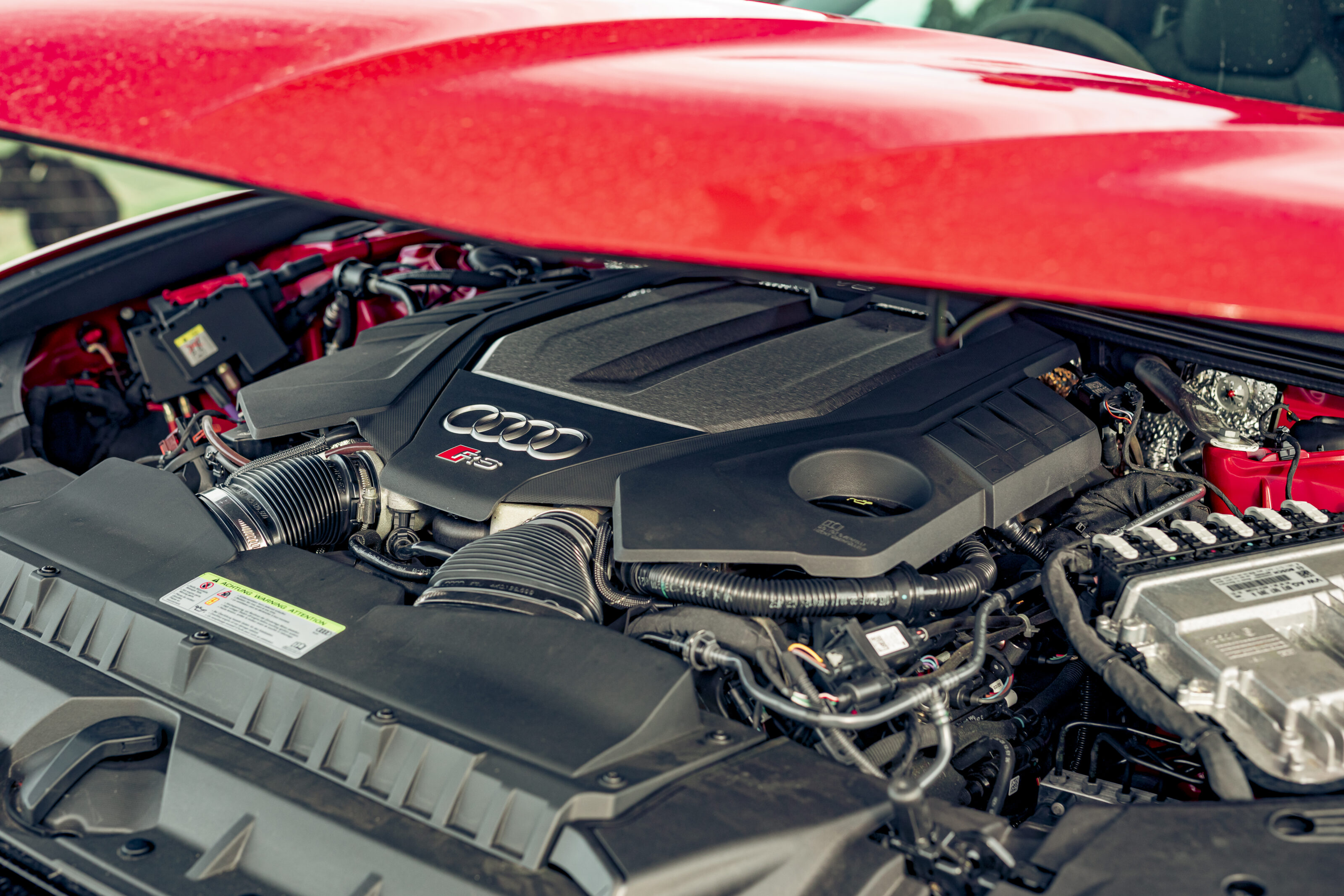
The E63 S may boast a 120kg, 4kW and 50Nm advantage, but Audi’s quattro know-how saw the RS6 leap ahead under launch control while Mercedes-AMG’ big saloon was hampered by an intervening ESC.
Under a non-launch control comfort mode street start, the E63 S was better able squeeze on the power, surging slightly ahead from launch and extending the gap to cross the line with barely a car length to spare.
At this stage of the day, it was clear that there wasn’t much between the two cross country cruise missiles. A further two roll races split the results again.
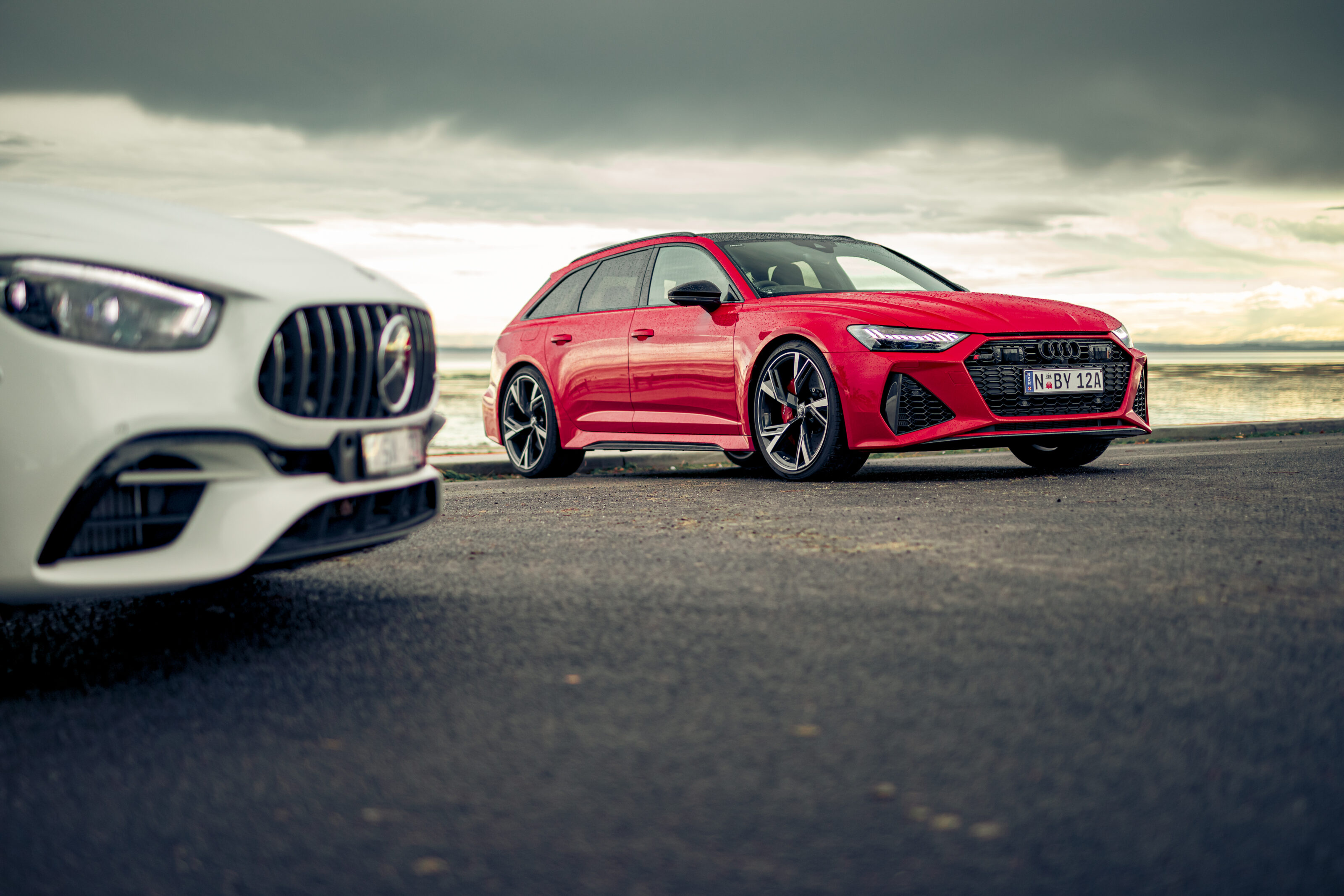
The first run saw the RS6 react with more immediacy from the rollout, maintaining the lead as the E63 S slowly began to creep its way back. A repeat run again sees the RS6 gain an immediate head start before the E63 S surges ahead just before the finish line, as both cars fly past at over 200km/h.
With a tied result from all proceedings, the numbers ultimately showed just how close the two German heavyweights were. Both cars matched their official acceleration claims, with the E63 S pegging 0-100km/h in 3.51 seconds, with the Audi RS6 scarcely behind measuring a best time of 3.56 seconds.
The Mercedes-AMG cleared the quarter-mile in a brisk 11.52 seconds at 198.11km/h, while the Audi RS6 followed marginally behind, clocking an 11.64 second pass at 193.44km/h.
In reality, neither of these cars could ever risk being called slow, but the numbers don’t lie and give a hard-fought victory to Mercedes-AMG. But which would you rather take home? Watch all the action above, and let us know in the comments below!
Remember when Porsche offered just two models? Ho, what simple times they were. These days manufacturers, particularly those of a premium persuasion, scramble to fill every available niche, which leads to curious creations like the Cayenne GTS Coupe.
It’s basically a sportier version of the Cayenne GTS wagon, which itself is the sportiest version of the Cayenne, which are all sporty but not as sporty, and it uses the Turbo’s twin-turbo V8 engine but without enough power to classify as a true Turbo. Clear?
Probably not, so in layman’s terms Porsche’s GTS models are pitched as the connoisseur’s choice, for those who value driving engagement above all else and who aren’t seduced by raw power. Of course, the concept of a purist’s SUV raises its own philosophical arguments.
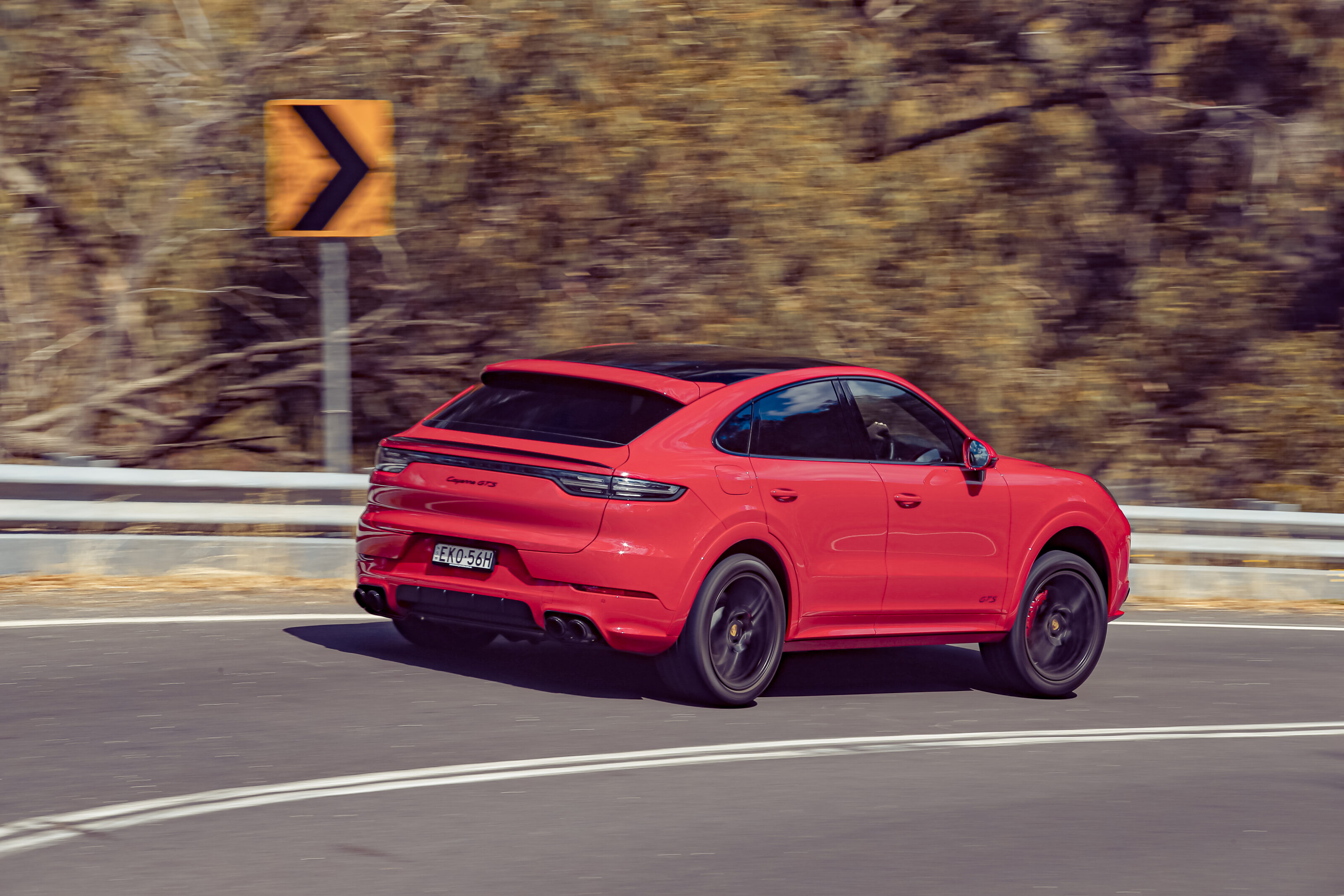
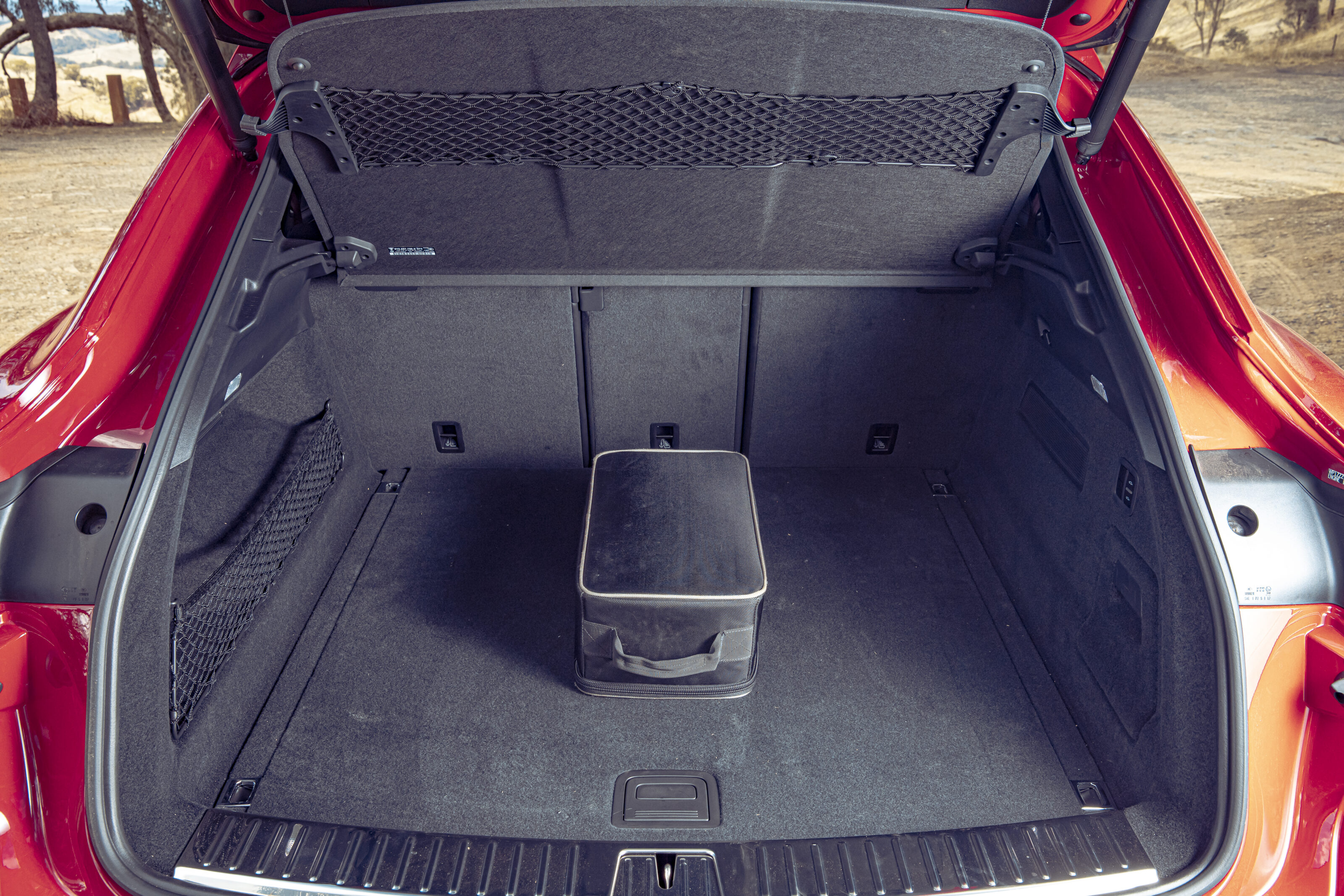
Nevertheless, let’s start with how the Coupe differs from the regular Cayenne GTS. With your sensible hat on, it doesn’t make a lot of sense. At $198,200 before on-roads it’s $5300 more expensive (though does have more standard equipment such as Sport Chrono and a panoramic glass roof), is less practical – 592/1507L of luggage seats up/down versus 772/1708L – and is actually 30kg heavier.
In size it’s 10mm longer, 12mm wider and 20mm lower than the wagon courtesy of its flatter A-pillars and windscreen, so its weight distribution and centre of gravity are likely marginally altered, but mechanically the two are otherwise identical bar the Coupe’s centrally-mounted exhausts and extra 18mm of rear track.
A quick word on specifications. The Cayenne GTS Coupe is well-equipped as standard, with 21-inch RS Spyder design wheels, dynamic LED headlights, front seat heating, a 90-litre fuel tank, adaptive air suspension, privacy glass, digital radio, Bose stereo system, head-up display, lane-change assist and surround-view camera all included.
The big news with the latest Cayenne GTS is the return of a V8 engine
It’s easy to send that basic price skyrocketing, though, our lightly optioned test car listed as $214,970RRP thanks to Carmine Red paint ($5000), the GTS interior package in Carmine Red ($4550), tinted headlights ($2220), 18-way adjustable seats ($800) and more.
Differentiating the GTS is a smorgasbord of black exterior highlights including the front air intakes, side window trim, exhaust pipes and Porsche badging at the rear, while the tail-lights are also tinted and the Coupe scores a snazzy roof spoiler.
The big news with the latest GTS is the return of an eight-cylinder engine. Tightening emissions regulations forced the switch from a snarling 4.8-litre naturally aspirated V8 to a 3.6-litre twin-turbo V6 that had plenty of grunt (324kW/600Nm) but little character.
Now under the bonnet is a 4.0-litre twin-turbo V8 that lives in a wide variety of high-end Volkswagen Group products in various states of tune. In the Cayenne GTS, it produces 338kW from 6000-6500rpm and 620Nm from 1800-4500rpm.
This is substantially less than some of its rivals, which smash way through the 400kW barrier, but it doesn’t handicap the Porsche by the margin you might expect. The official claim is 4.5sec from 0-100km/h – an impressive 0.6sec quicker than its predecessor – but we managed 4.37sec, backed up by a 12.65sec quarter mile at 175.6km/h.
Though certainly adequate for a vehicle this size, those aren’t ground-breaking numbers in this day and age. But on the road, the GTS feels more than fast enough. In fact, driving it back-to-back with those more powerful rivals it’s difficult to really notice much of a difference in the way it belts down a road.
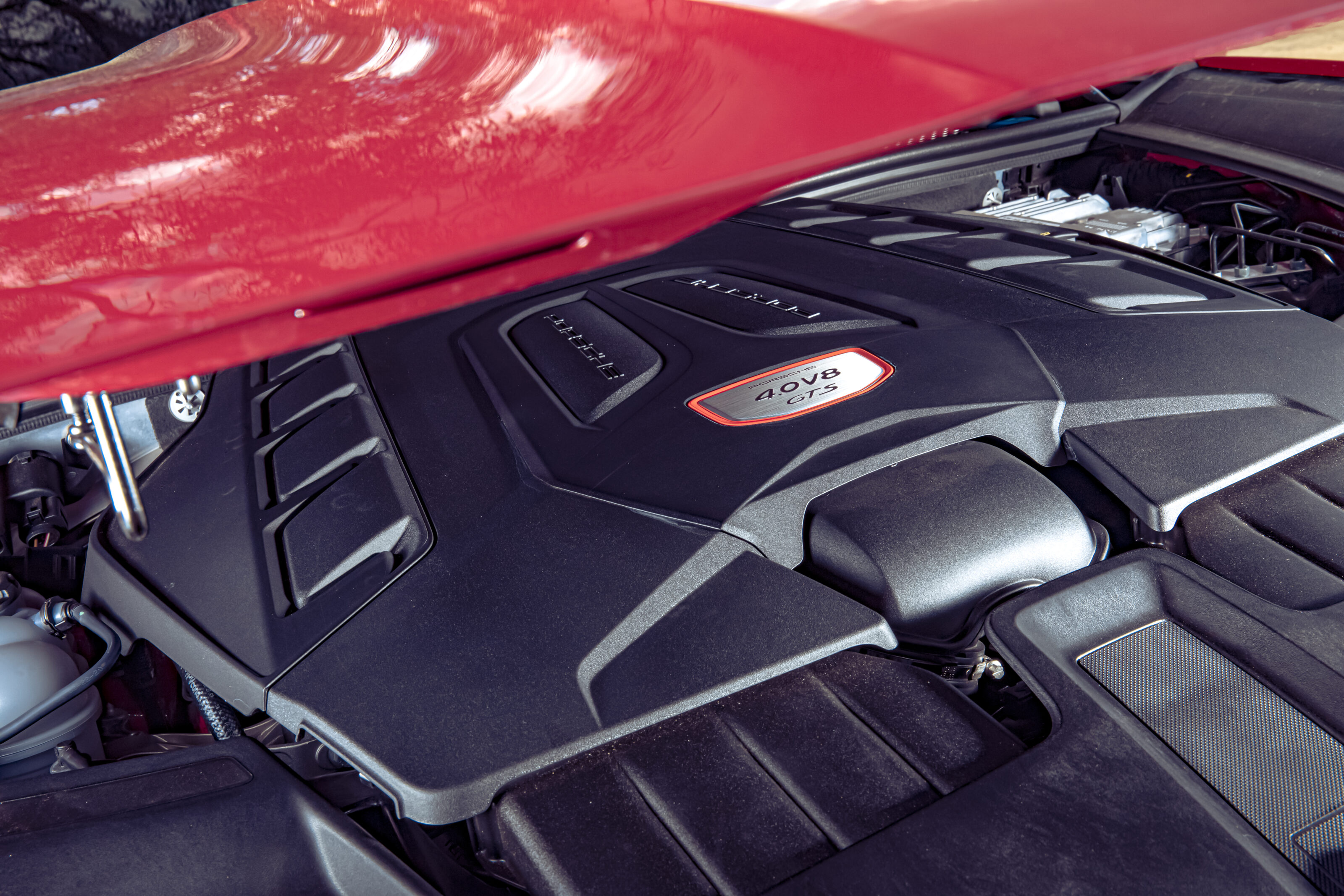
Certainly the noise helps take your mind off any pace deficiency, a dirty, aggressive note from the standard sports exhausts that sounds roughly 6485 times better than the previous V6 and plays a pivotal role in the GTS’s desirability. Best of all is the vicious crack on full-throttle upshifts.
There are faster SUVs, for sure, including in Porsche’s own range, but the extra grunt benefits bragging rights above all.
If anything, it’s the V8’s relatively low rev ceiling – the fun’s over by about 6000rpm – that’s an issue than the acceleration per se. While the gearbox is a conventional torque converter automatic rather than a dual-clutch, there are no qualms with the shift speed and the upside is much smoother urban behaviour.
Another ace in the Cayenne GTS’s hand is its dynamics. As standard it includes Porsche torque vectoring, which can distribute power left and right between the rear wheels, as well as electronically controlled centre and rear diffs.
In addition there’s plenty of rubber on the road, the tyres measuring 285/40 front and 315/35 rear, while braking is taken care of pizza-sized 390mm front discs and six-piston calipers, with 358mm rear discs and four-piston calipers offering able assistance.
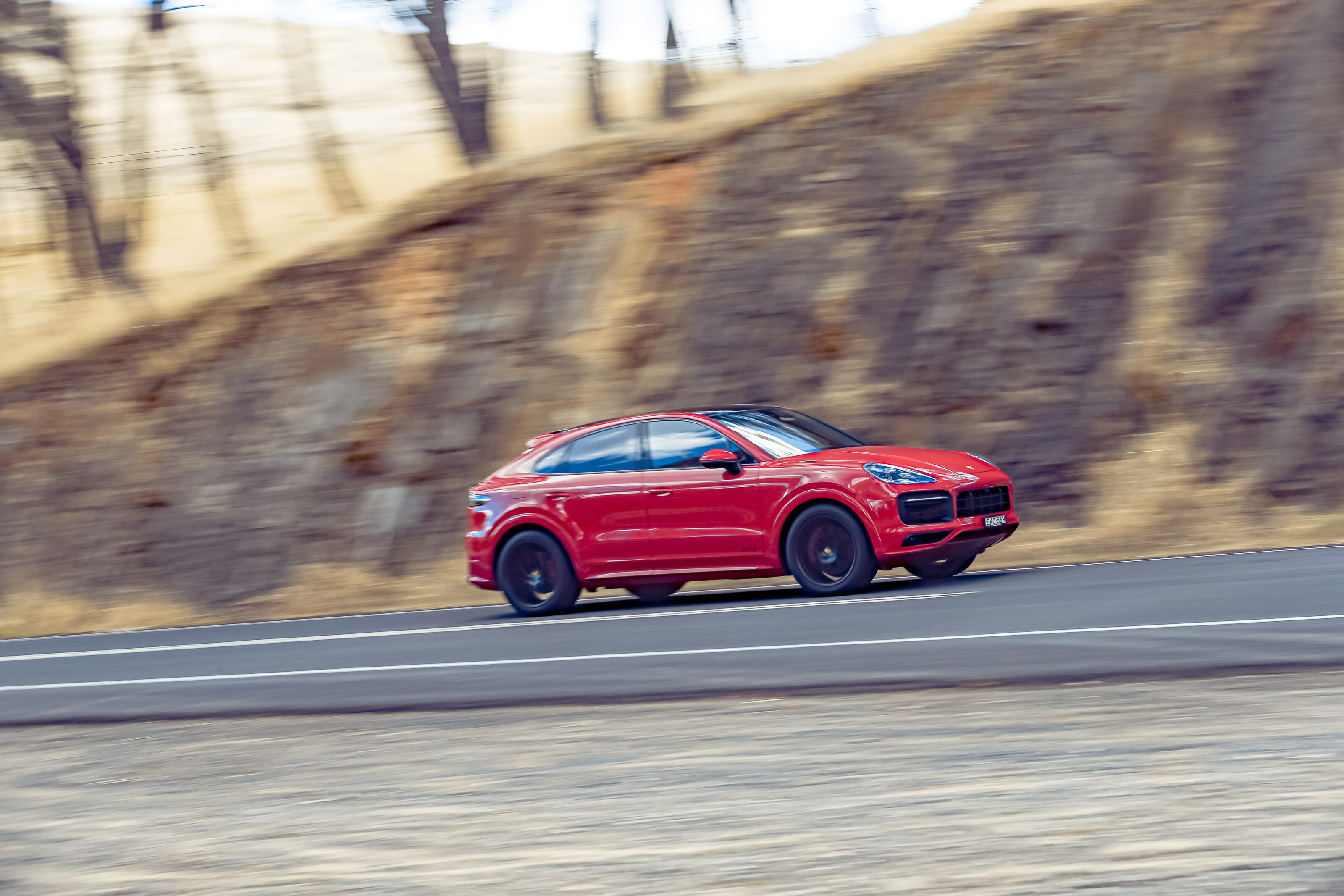
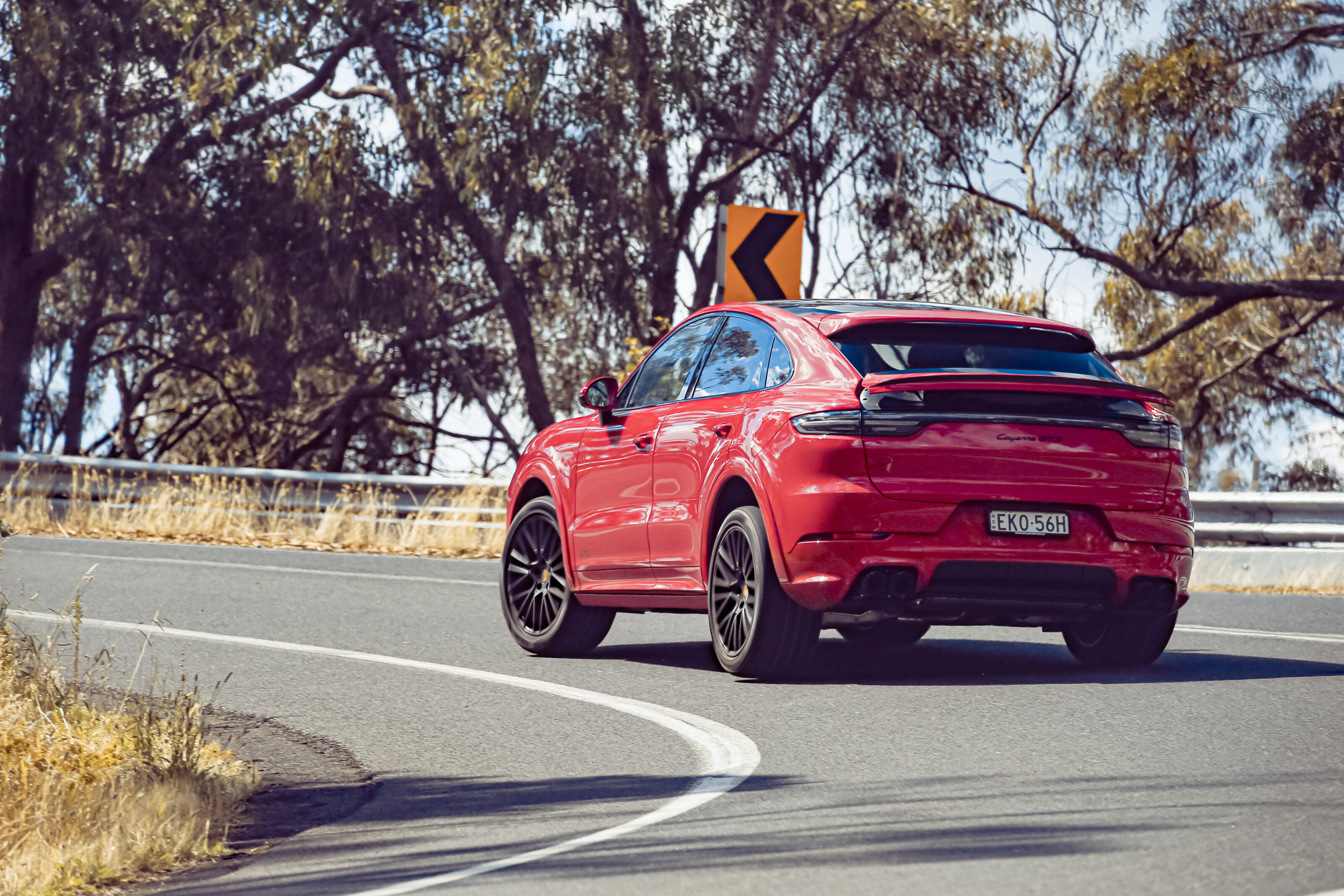
It’s simply not possible for the Cayenne GTS Coupe to overcome its 2175kg kerb weight, but golly it does its best to disguise it.
If you really want to go the whole hog you can option roll-cancelling active anti-roll bars and agility-enhancing rear-wheel steering but our test car has neither and nor does it need them.
Accurate, consistent steering controls an obedient front end and the all-wheel-drive system does a remarkable job of sending the power where it’s needed most, though it’s only too keen to send plenty of it rearward for throttle-steer histrionics. Wonderful.
Like all Porsches, it has that knack of feeling organic and natural to drive, a characteristic that encourages driver confidence.
Personally, I think the wagon is the looker over the Coupe but you can make up your own mind on that. While the sloping roofline does reduce its practicality, the boot is still voluminous and entry to the rear seats is no problem whatsoever.
Once inside, you’ll find heaps of room and the ability to seat five, with the middle passenger not having the terrible time you might expect.
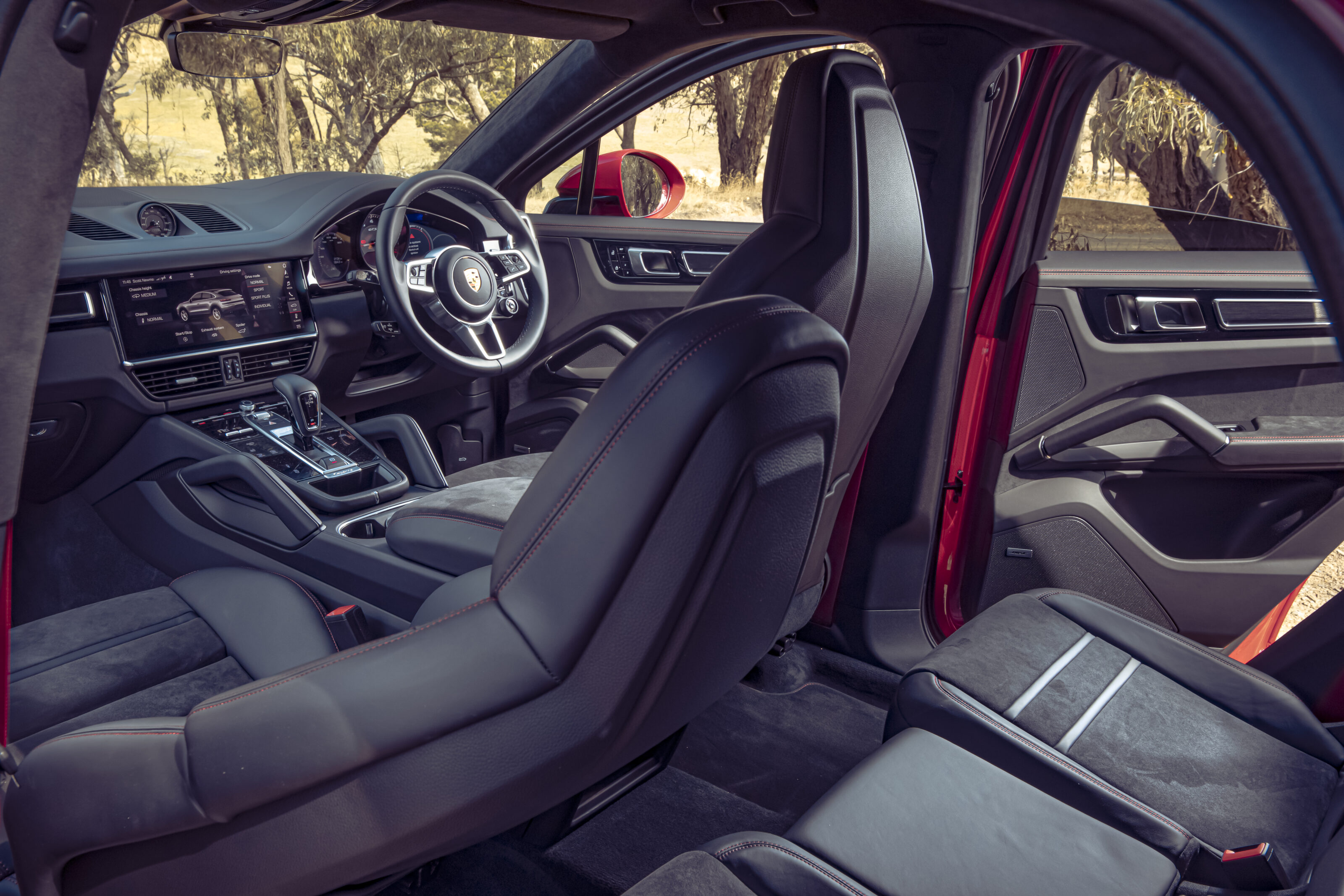
Up front it continues to impress. The seats are quite firm but that feels in tune with the car’s personality, as does the fact that there’s more Alcantara than an over-stocked Alcantara factory (but crucially, not on the steering wheel, well done Porsche).
Everything that isn’t Alcantara is leather and it’s just a lovely place to be – it feels like a quality product.
Porsche’s model proliferation may know no bounds these days and a 2.2-tonne twin-turbo coupe-SUV might be a far cry from the old 911-or-Boxster days but all these new models still retain traditional Porsche values: quality engineering with a strong focus on the driving experience.
The Cayenne GTS Coupe will be an acquired taste but the reintroduction of eight cylinders, in addition to its benchmark dynamics and quality cabin, make it a strong contender for the pick of Porsche’s SUV range.
Porsche Cayenne GTS Coupe specifications
| Body | 5-door, 5-seat SUV |
| Drive | all-wheel |
| Engine | 3996cc V8, DOHC, 32v, twin-turbo |
| Bore/stroke | 86.0 x 86.0mm |
| Compression | 10.1:1 |
| Power | 338kW @ 6000-6500rpm |
| Torque | 620Nm @ 1800-4500rpm |
| 0-100km/h | 4.37sec (tested) |
| Fuel consumption | 11.4L/100km (claimed/combined) |
| Top Speed | 270km/h (claimed) |
| Weight | 2175kg |
| Power/weight | 155kW/tonne |
| Transmission | 8-speed automatic |
| Suspension | multi-links, air springs, adaptive dampers, anti-roll bar (f/r) |
| L/W/H | 4939/1995/1656mm |
| Wheelbase | 2895mm |
| Tracks | 1682/1683mm |
| Steering | electrically assisted rack-and-pinion |
| Brakes | 390mm ventilated discs, 6-piston calipers (f); 358mm ventilated discs, 4-piston calipers (r) |
| Wheels | 21 x 9.5-inch (f); 21 x 11.0-inch (r) |
| Tyres | 285/40 ZR 21 (f); 315/35 ZR 21 (r) Pirelli P Zero |
| Price | $198,200 (RRP) |
Snapshot
- Dodge says it won’t sell electric vehicles, it will sell ‘eMuscle’ cars
- CEO admits the future of fast cars is electric
Dodge has announced it will make the first-ever fully electric American muscle car, and it’s due to be released in 2024.
News of the EV tyre shredder was announced at parent company Stellantis’s electric vehicle press conference.
The new muscle car was also teased in a 62 second video which has now been uploaded to the automaker’s YouTube page.
The clip doesn’t give away too much, and there are only a few seconds of a heavily shrouded car to behold, but the point has been made – Dodge is building this car in the pursuit of performance.

This makes perfect sense when you consider the Michigan automaker has touted themselves as the creator of the fastest accelerating cars in the industry.
And, a few years ago, this was certainly the case. Car’s like the Hellcat Red Eye and Challenger Demon were some of the quickest cars on sale.
But more recently, the rise of electric automakers like Tesla and Rimac has somewhat dented Dodge’s reputation, with car’s like the Model S Plaid and Nevera eclipsing even the fastest of the American automaker’s products.
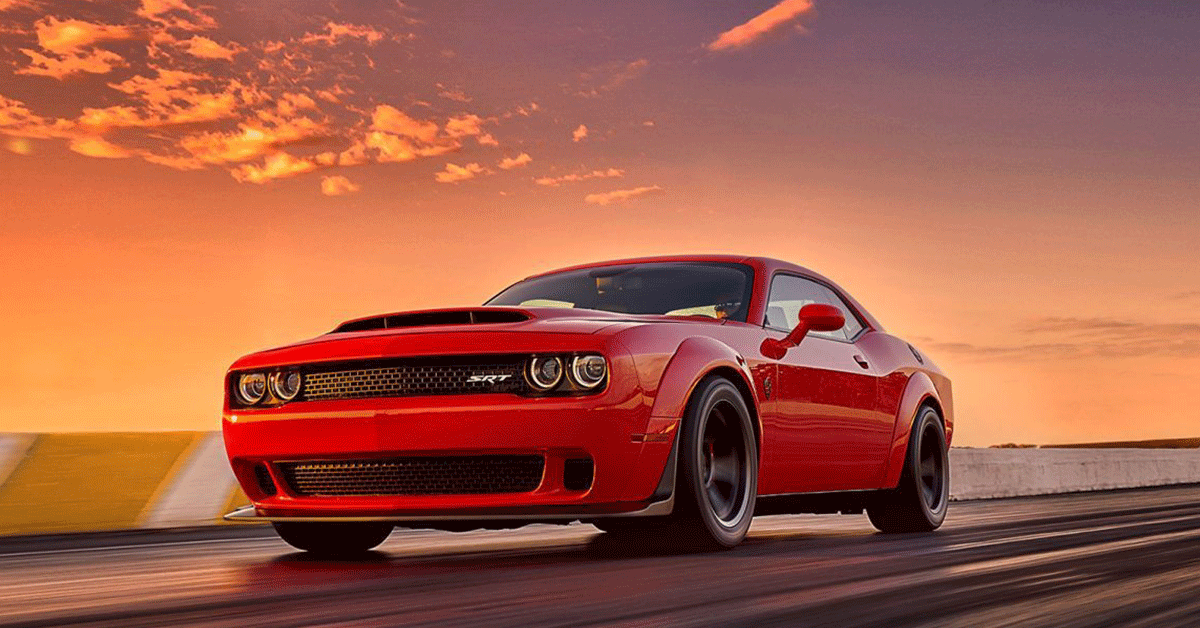
As Tim Kuniskis, Dodge CEO, explained during Stellantis’s reveal, the performance potential of internal combustion has almost, if not already, reached its zenith, and that to go faster, Dodge must embrace electricity.
“They [Dodge Engineers] know…electric motors can give us more,” Kuniskis said.
“And if we know of a technology that can give our customers an advantage, we have an obligation to embrace it.”

Kuniskis made a distinction about Dodge’s future electric cars, though, saying his company won’t “sell electric cars – it will sell eMuscle.”
Whatever Dodge’s ‘eMuscle’ will look like, it seems two things are certain.
Firstly, if Dodge wants to stay relevant in the ‘fastest accelerating’ race, it will have to start making its cars AWD.
Secondly, its eMuscle car is going to have to tip into the low-nine seconds for a quarter mile sprint time just to keep in the race.

Rimac’s Nevara has already achieved an 8.62 second quarter mile time, making it the fastest accelerating automobile in the world, and Tesla’s Model S Plaid isn’t far behind, taking just 9.23 seconds to cover the same distance.
Tesla should have also released its crazy Roadster, and Elon Musk has promised the new electric hypercar will be quicker than anything else Tesla has created.
Snapshot
- Flying Spur will join Bentayga as Bentley’s only hybrid models
- Estimated 40km+ range on electric power
- Australian pricing to start from $456,000
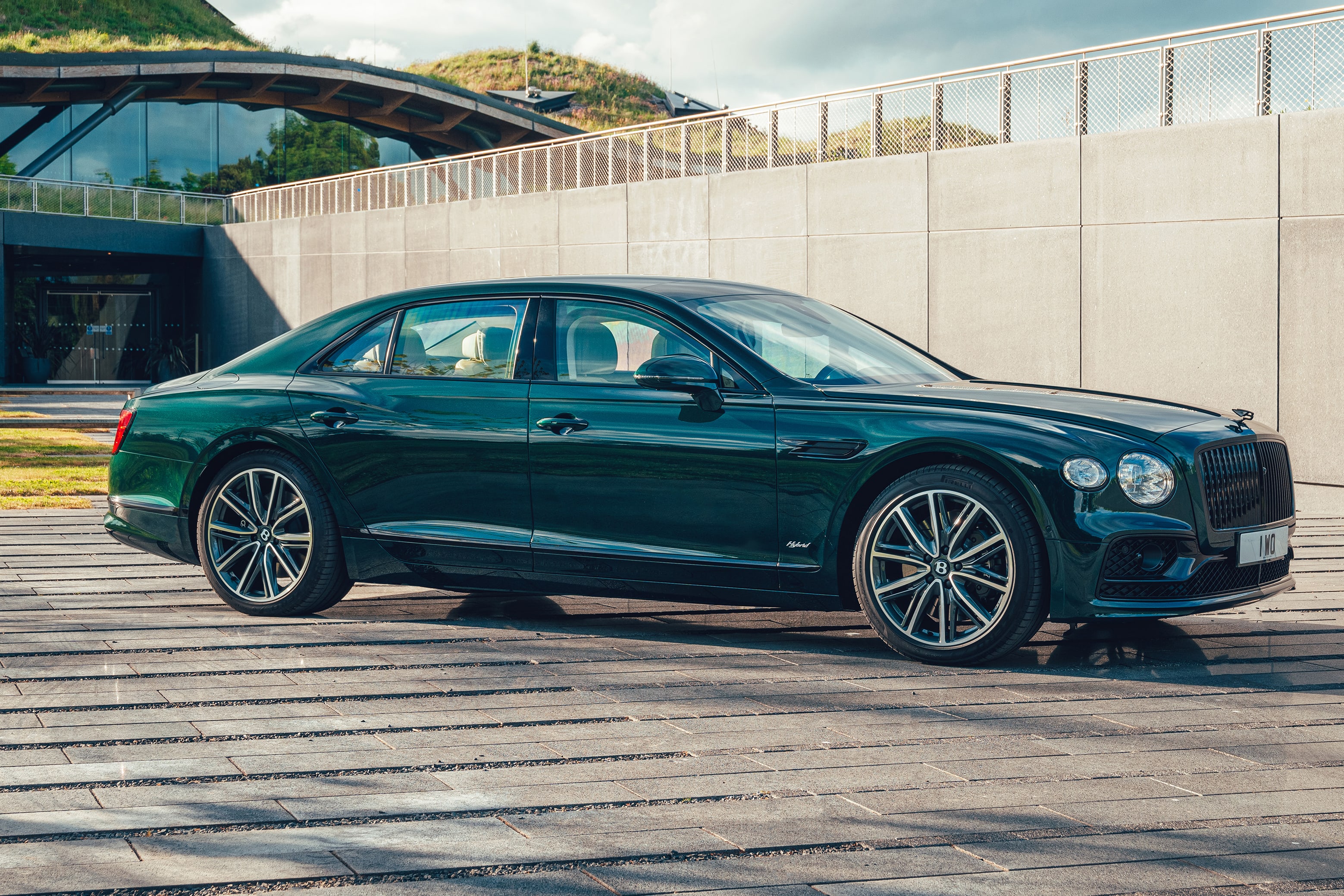
The Bentley Flying Spur is soon to feature the most diverse engine line-up on sale with a V6 hybrid power unit set to join its existing V8 and W12 options.
As a part of the Crewe-based manufacturer’s plan to start adopting hybrid and electric technology, its Flying Spur will be the second plug-in hybrid to come from the luxury brand, following on from the Bentayga V8 PHEV’s release in 2019.
Powering the Flying Spur will be a 2.9-litre, twin-turbo V6 engine which produces 400kW and 750Nm when the 100kW/400Nm electric motor is working at full capacity, located between the internal combustion engine and its eight-speed autoamtic gearbox.
Connected to a 14.1kWh lithium-ion battery, Bentley believes the Flying Spur will be able to travel upwards of 40km on electric power alone – a crucial feature for owners in ultra-low emission zones such as London – while a combined range of over 700km is possible, pending WLTP certification.
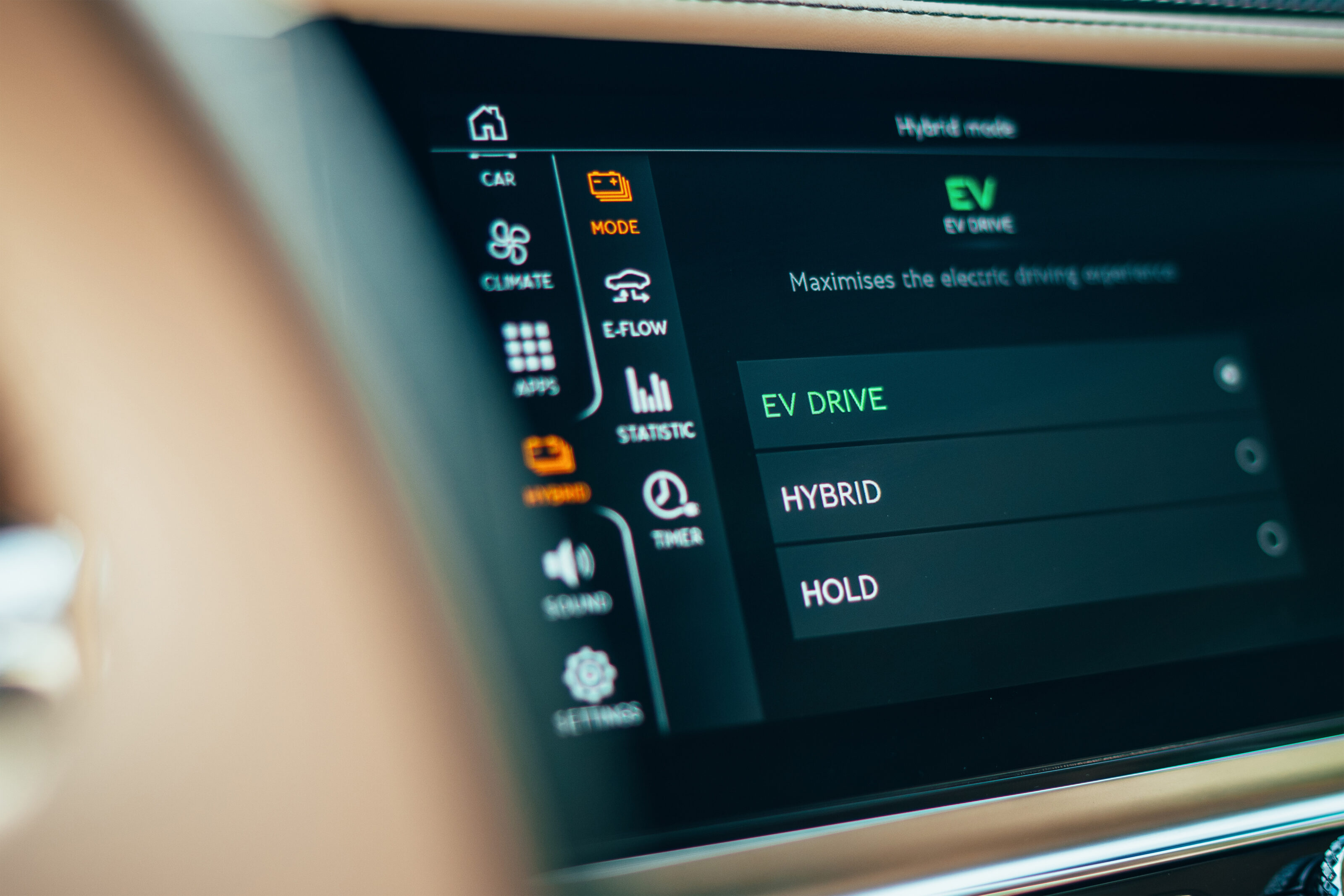
Rather than a conventional button to trigger the car’s start-stop system, the Flying Spur can be driven in any one of three driving modes – EV only, hybrid mode and hold mode, the latter of which charges the battery so it can have optimal deployment in the other two modes.
The 0-100km/h sprint times are down by a tenth of a second on the V8 twin-turbo Flying Spur, while the top speed has dropped by 34km/h, from 319km/h to 285km/h – though this isn’t likely to deter many people in a country where doing even half the top speed will see you in trouble.
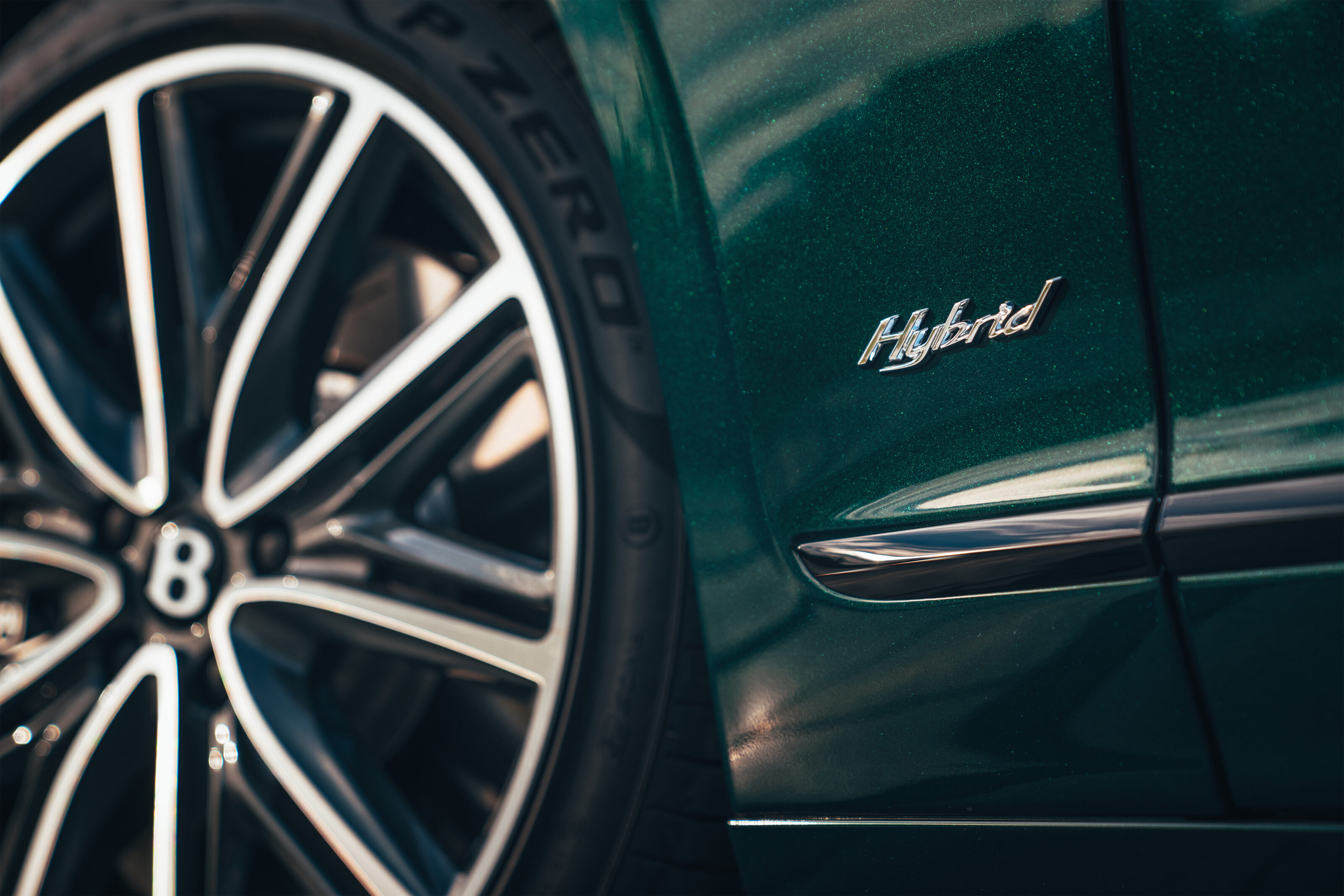
Aside from a small hybrid badge on the lower front wing, there aren’t many other changes for the PHEV, still being offered in a wide range of paint finishes, wheel options and interior trims.
A spokesperson for Bentley Australia told MOTOR it is currently taking orders for the Flying Spur Hybrid, with a list price of $456,000 excluding stamp duty.
Snapshot
- Just 740 sales between the two Korean giants
- Kia outsold Hyundai for second consecutive time this year in June
- Hyundai Down Under since the 80s, Kia arrived in 1996
Kia is threatening to overtake its senior sibling company Hyundai as Australia’s favourite Korean brand for the first time.
The two companies, which are jointly owned but run independently, are split by just 740 sales at the halfway point of 2021 after June became the second consecutive month Kia outsold Hyundai.
Hyundai has sold 38,634 vehicles year-to-date compared with 37,894 units for Kia.
Hyundai has historically had the upper hand over Kia ever since the brand of which it is currently the majority shareholder joined it in Australia in 1996. Hyundai arrived locally a decade earlier.
Between 2009 and 2015, Hyundai comprehensively outsold Kia every year – by more than triple the volume in many cases.
The sales gap was widest in 2014, when Hyundai surpassed 100,000 sales for the first time in Australia and Kia had shifted just over 28,000 units.
Kia has closed the gap gradually since, with the brand’s sales increasing annually since it introduced an industry-leading seven-year factory warranty in 2014.
While the effects of the Covid-19 pandemic curtailed that run last year, a bigger hit for Hyundai sales meant the margin shrank to just 8000 in 2020. In March 2020, Kia outsold Hyundai for the first time in an individual month.
The companies share significant resources including vehicle platforms and drivetrains, meaning both have been susceptible to the ongoing semi-conductor shortages which have delayed delivery of some models, particularly higher trim grades.
While Hyundai’s sales are up 26 per cent to the end of June, Kia sales have increased by 43 per cent – well above the overall market’s year-to-date growth of 28 per cent.
Kia is already outselling Hyundai when counting passenger cars and SUVs only, as the company doesn’t offer a commercial van equivalent of the Hyundai iLoad (2206 units year to date).
Hyundai, however, has also abandoned the city-car class where the Kia Picanto and Kia Rio account for nearly 6500 sales.
It is just about leading in the micro-battles between twinned models which share platforms and components under the skin but feature significantly different design inside and out.
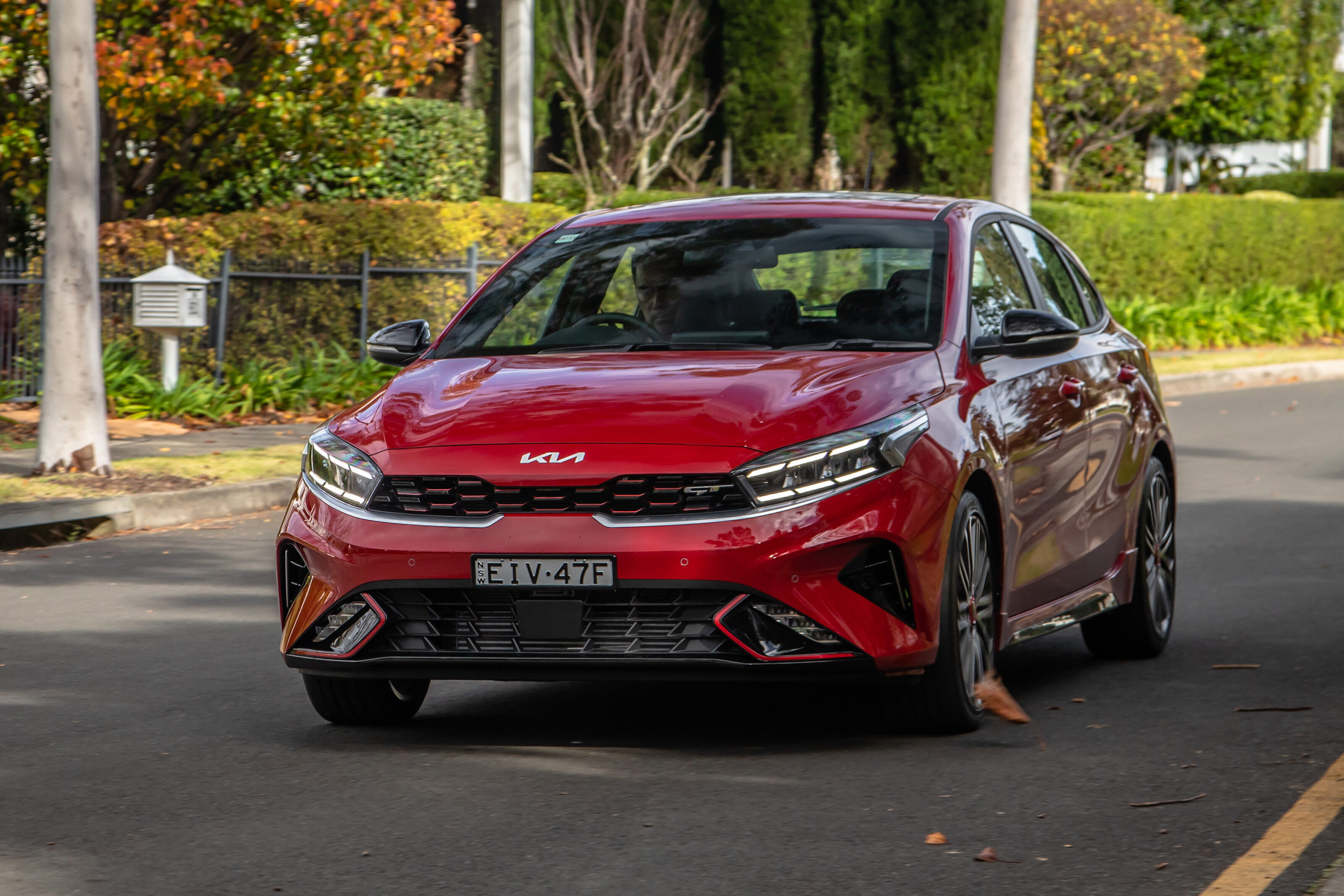
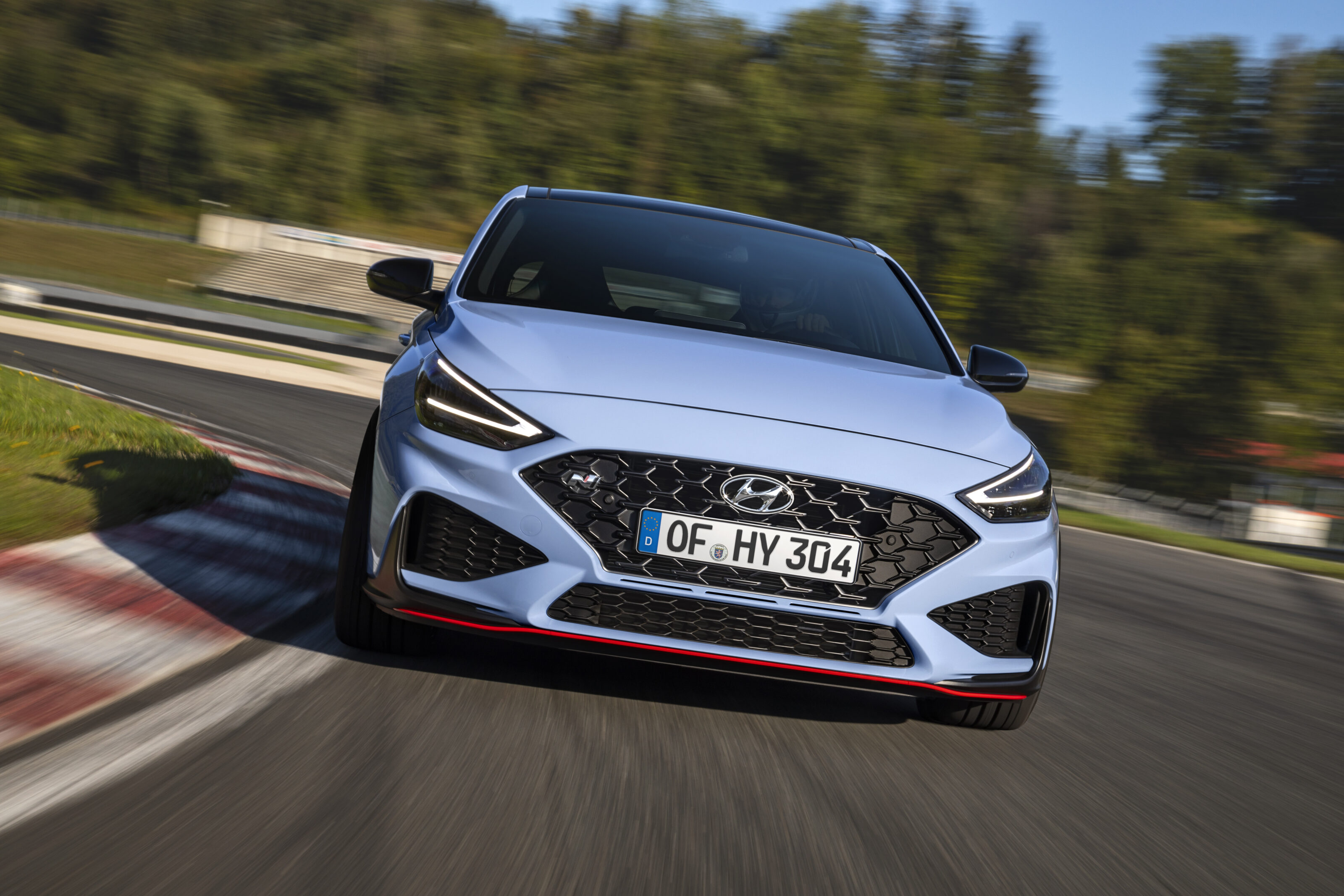
The Hyundai i30 small car’s 13,139 year-to-date sales are ahead of the Kia Cerato’s 10,756 units, with both models having been updated this year.
The Hyundai Kona compact SUV and Tucson mid-sized SUV have comfortable advantages over their Kia’s equivalent vehicles – the Seltos and Sportage, respectively.
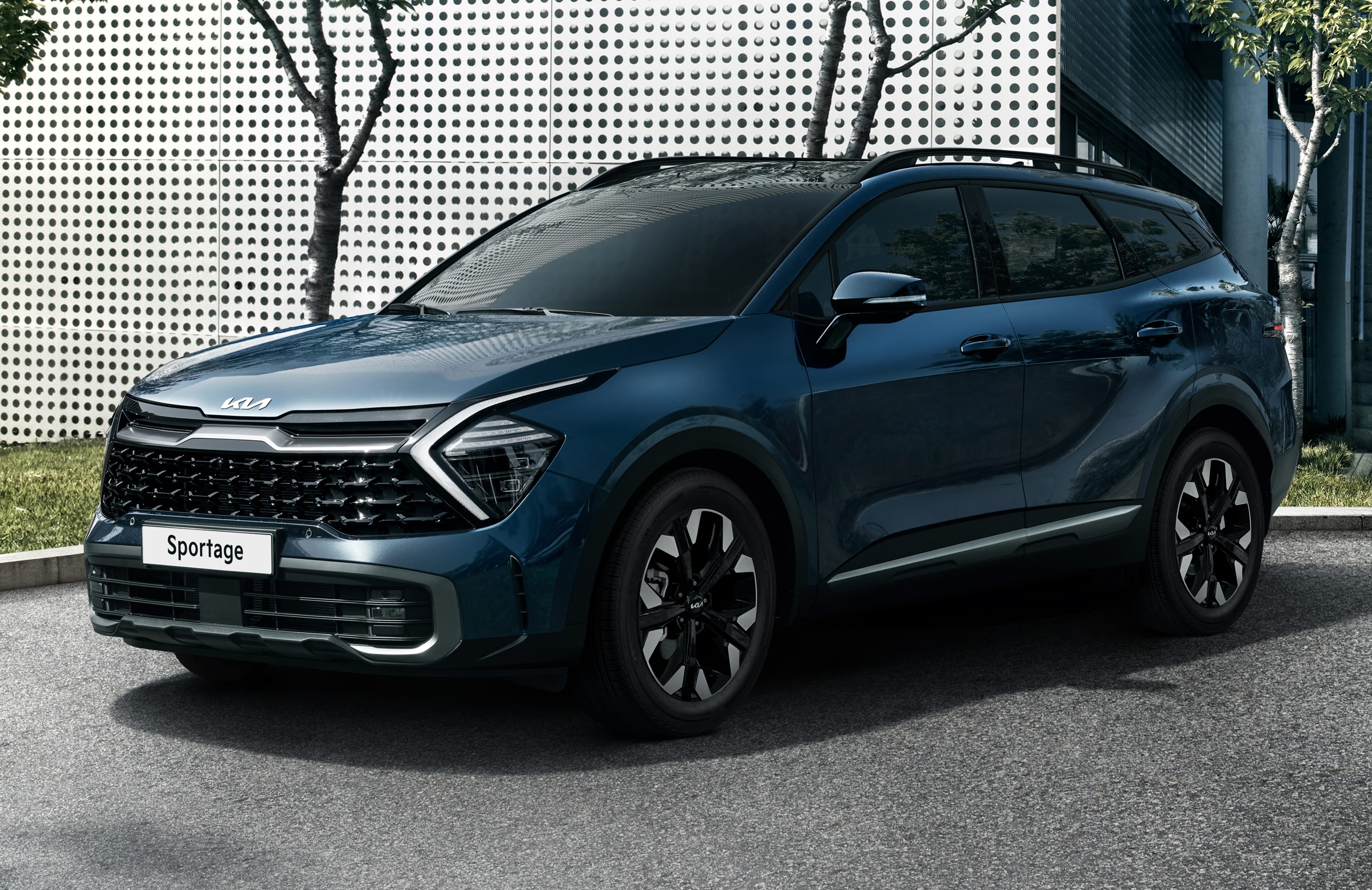
Hyundai has only recently released a new-generation Tucson; Kia’s Sportage replacement is due later this year.
Kia’s seven-seater Sorento SUV is newer than Hyundai’s rival, the Santa Fe, and the former has overtaken the latter thanks to 115 per cent year-to-date growth. Santa Fe sales are up only 21 per cent, despite a recent facelift.
And Kia’s city-sized SUV, the Stonic, is a few hundred units ahead of Hyundai’s Venue, which is still enjoying strong growth of 89 per cent so far in 2021.
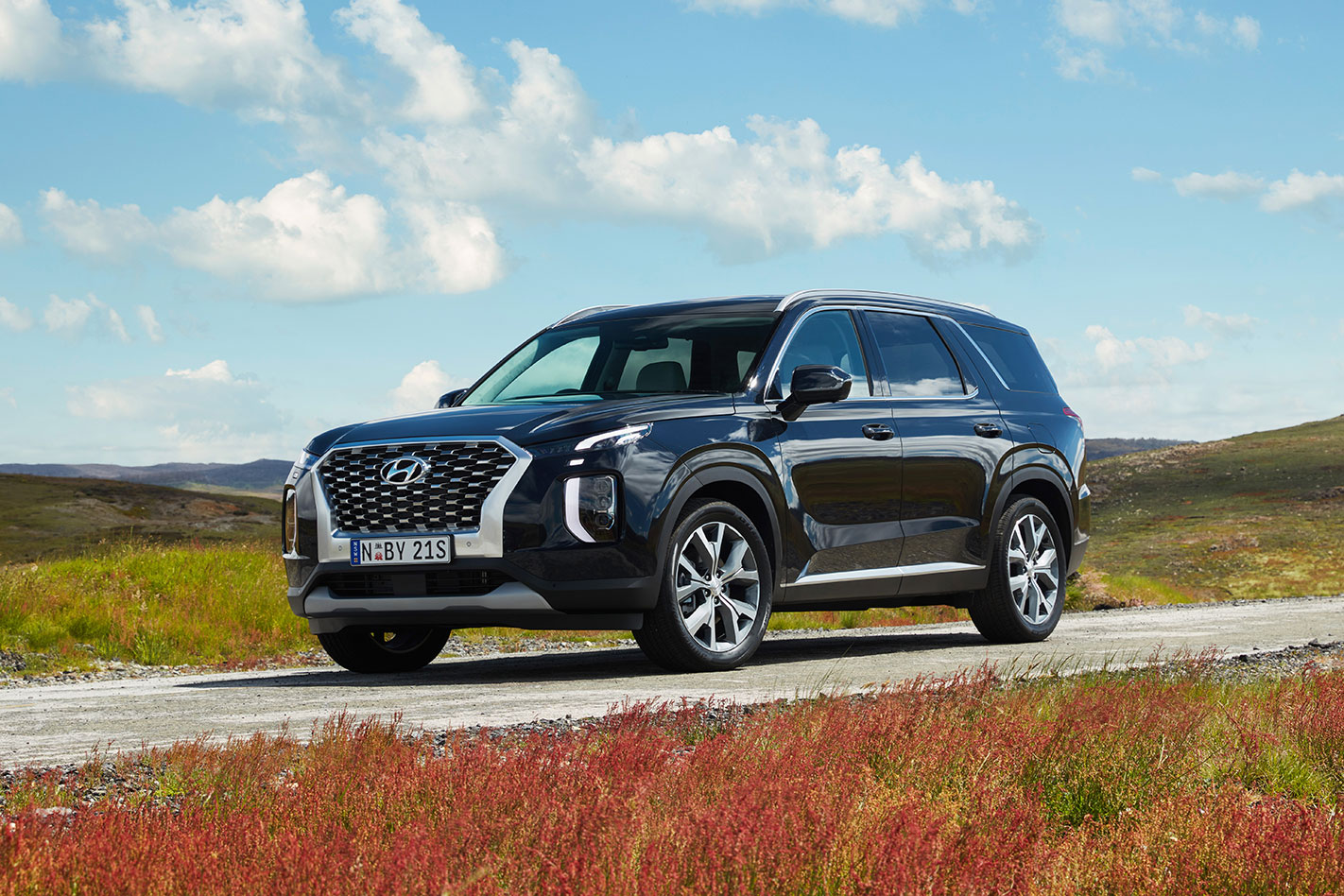
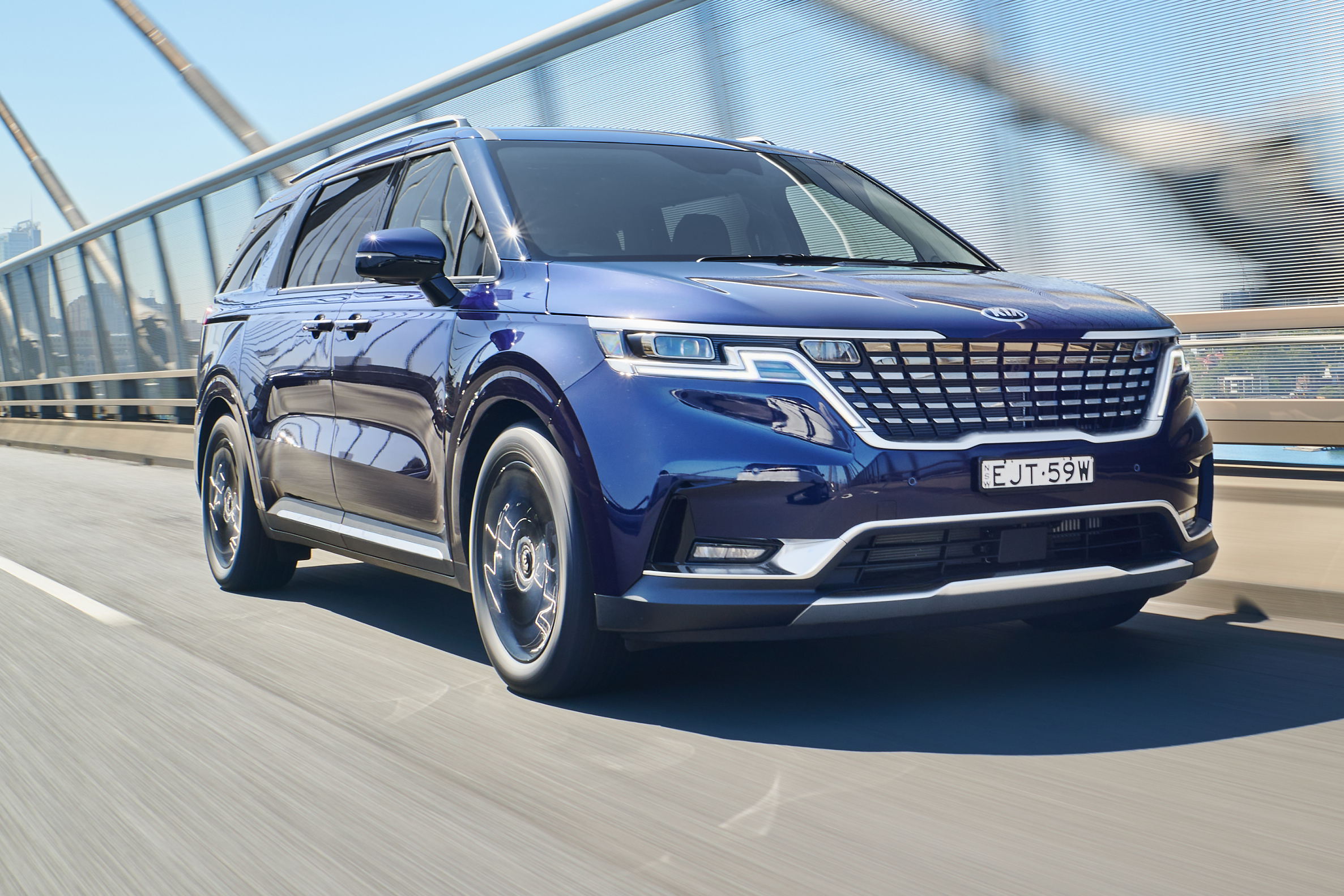
Hyundai doesn’t sell a version of Kia’s successful Carnival people-mover, though did introduce a new, larger SUV called the Palisade this year. Like the Carnival it can accommodate up to eight people and has made a promising start with 1848 sales so far in 2021, if not a match for the Carnival’s 3365 units.
Based on current growth rates, Kia would fall about a thousand units short of Hyundai’s 12-month total.
Neither company is the biggest-growing Korean brand in Australia so far this year, however. That honour goes to SsangYong, which is up 117 per cent year-to-date – albeit with much lower volume of 1421 units.
2021 So far: Hyundai versus Kia
| Month | Hyundai | Kia | Units Gap |
| Jan | 5951 | 5500 | Hyundai +451 |
| Feb | 6252 | 5871 | Hyundai +381 |
| Mar | 6852 | 5802 | Hyundai +1050 |
| Apr | 5772 | 5707 | Hyundai +65 |
| May | 6450 | 7124 | Kia +674 |
| Jun | 7357 | 7890 | Kia +533 |
| Total | 38,634 | 37,894 | 740 |
2006-2020: Hyundai versus Kia
| Year | Hyundai | Kia |
| 2020 | 64,807 | 56,076 |
| 2019 | 86,104 | 61,503 |
| 2018 | 94,187 | 58,815 |
| 2017 | 97,013 | 54,737 |
| 2016 | 101,555 | 42,668 |
| 2015 | 102,004 | 33,736 |
| 2014 | 100,011 | 28,005 |
| 2013 | 97,006 | 29,778 |
| 2012 | 91,536 | 30,758 |
| 2011 | 87,008 | 25,128 |
| 2010 | 80,038 | 23,848 |
| 2009 | 63,207 | 19,407 |
| 2008 | 45,409 | 19,661 |
| 2007 | 50,007 | 20,985 |
| 2006 | 46,523 | 20,770 |
Snapshot
- 70 per cent of sales will be electric in Europe and 40 per cent the US by 2030
- Four new dedicated BEV platforms
- u20ac30 billion (AU$47.8bn) investment over next five years
Multinational carmaker Stellantis has pledged 70 per cent of its sales will be of electrified vehicles in Europe and 40 per cent in the US by 2030 – launching a full-on green assault across its 14 brands.
The company, which formed out of the merger of Fiat Chrysler Automobiles (FCA) and Peugeot Société Anonyme (PSA) in January this year, said at a press conference in Europe on Thursday night it plans to invest more than €30 billion (AU$47.8bn) in electrification and software over the next five years.
All 14 brands, which include; Abarth, Alfa Romeo, Chrysler, Citroen, Dodge, DS, Fiat, Jeep, Lancia, Maserati, Opel, Peugeot, Ram, and Vauxhall, will be involved in offering “best-in-class fully electrified solutions…at affordable prices”.
Highlights announced among the iconic marques include; Dodge planning the world’s first battery electric muscle car, and Ram creating its first full-size battery electric vehicle (BEV) – the Ram 1500 – by 2024 and having a full portfolio of EVs by 2030.
Fiat is also set to produce its iconic 500 as an EV only and will begin a “passenger car offensive” in 2024, with hopes of becoming fully-electric between 2025 and 2030, while Opel is reinventing the Mantra to become the Manta E by mid-decade, going fully electric by 2028 and moving to 100 per cent electric in China.
The carmaker also launched its four dedicated STLA platforms (ranging from Small through to Frame for commercial vehicles and full-sized SUVs) delivering between 500km and 800km of driving range and fast charging of 32km per minute – with each platform able to support production of up to two million units per year.
To achieve all this, Stellantis revealed it will be creating five “gigafactories” capable of supplying 260 gigawatts of power across Europe and North America by 2030.
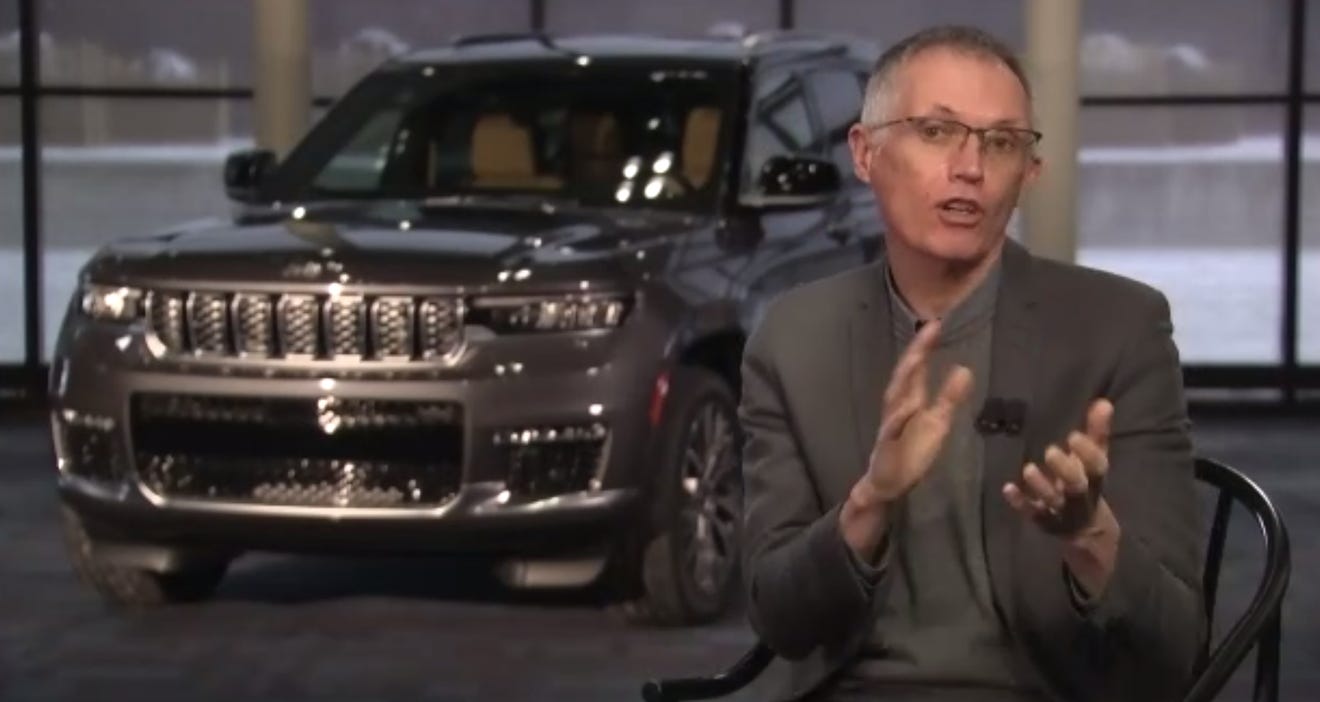
“Our electrification journey is quite possibly the most important brick to lay as we start to reveal the future of Stellantis just six months after its birth, and now the entire company is in full execution mode to exceed every customer’s expectations and accelerate our role in redefining the way the world moves,” said Chief Executive Officer Carlos Tavares.
“We have the scale, the skills, the spirit and the sustainability to achieve double-digit adjusted operating income margins, lead the industry with benchmark efficiencies and deliver electrified vehicles that ignite passion.”
In addition to setting its brands some ambitious targets, Stellantis said it will be striving to drive battery costs lower – aiming for a reduction of more than 40 per cent from 2020 to 2024 and by more than an additional 20 per cent by 2030.
Affordability is a priority at Stellantis, as the company is targeting for the total cost of ownership of EVs to be equivalent to internal combustion engined vehicles by 2026.
“The customer is always at the heart of Stellantis and our commitment with this €30 billion plus investment plan is to offer iconic vehicles which have the performance, capability, style, comfort and electric range which fit seamlessly into their daily lives,” said Carlos Tavares.
“The strategy we laid out today focuses the right amount of investment on the right technology to reach the market at the right time, ensuring that Stellantis powers the freedom of movement in the most efficient, affordable and sustainable way.”
In addition to its electric plans, Stellantis claims it will deliver hydrogen fuel-cell medium vans by the end of 2021.
