
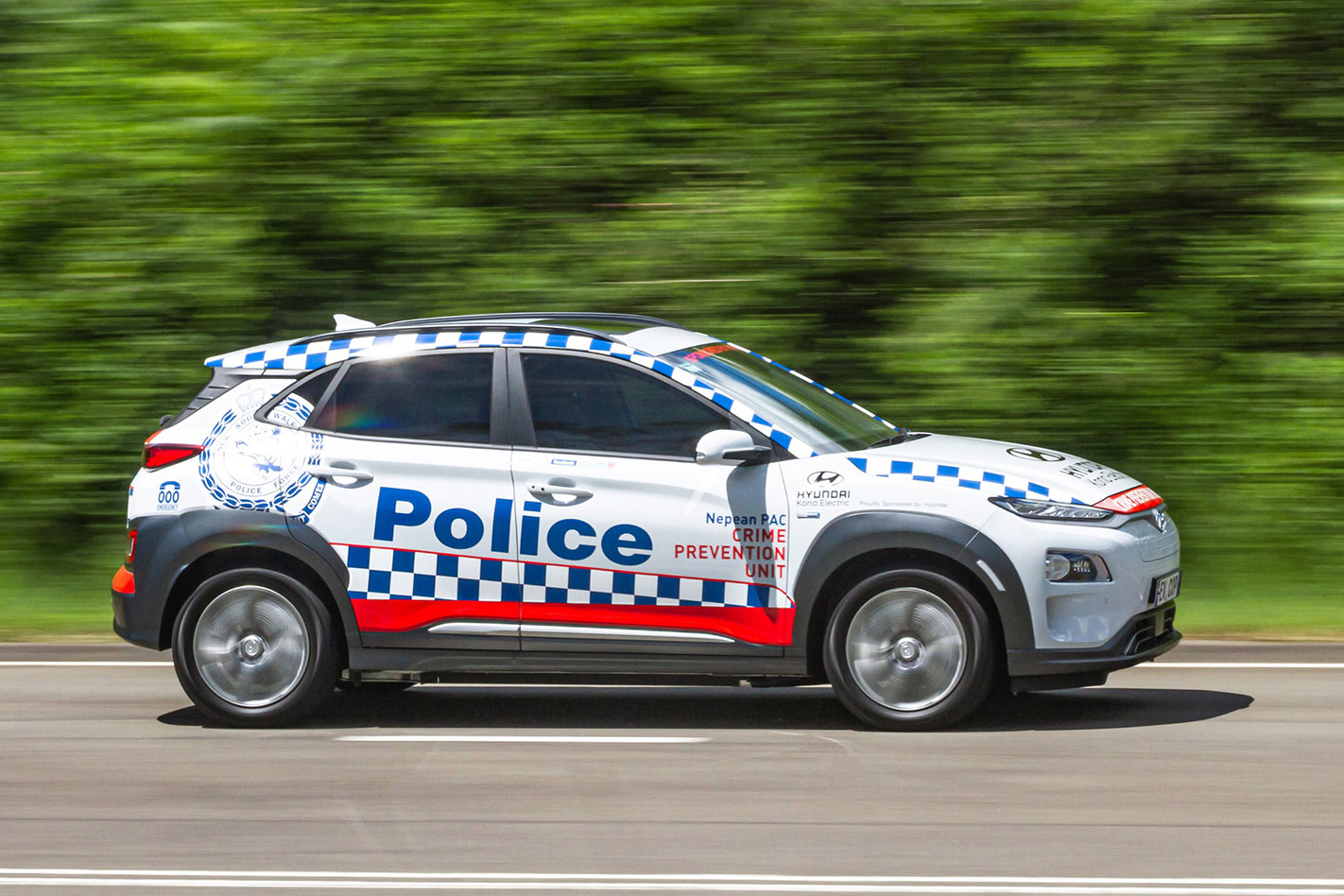
The Hyundai Kona EV has joined the New South Wales police for 12 months, as the Penrith Police Station takes delivery of the small SUV before a new facelifted version launches later this year.
The red-and-blue Kona EV won’t be looking to stop trouble, though, since it does not feature any bespoke equipment other than stickers. It will instead be used to drive community engagement.
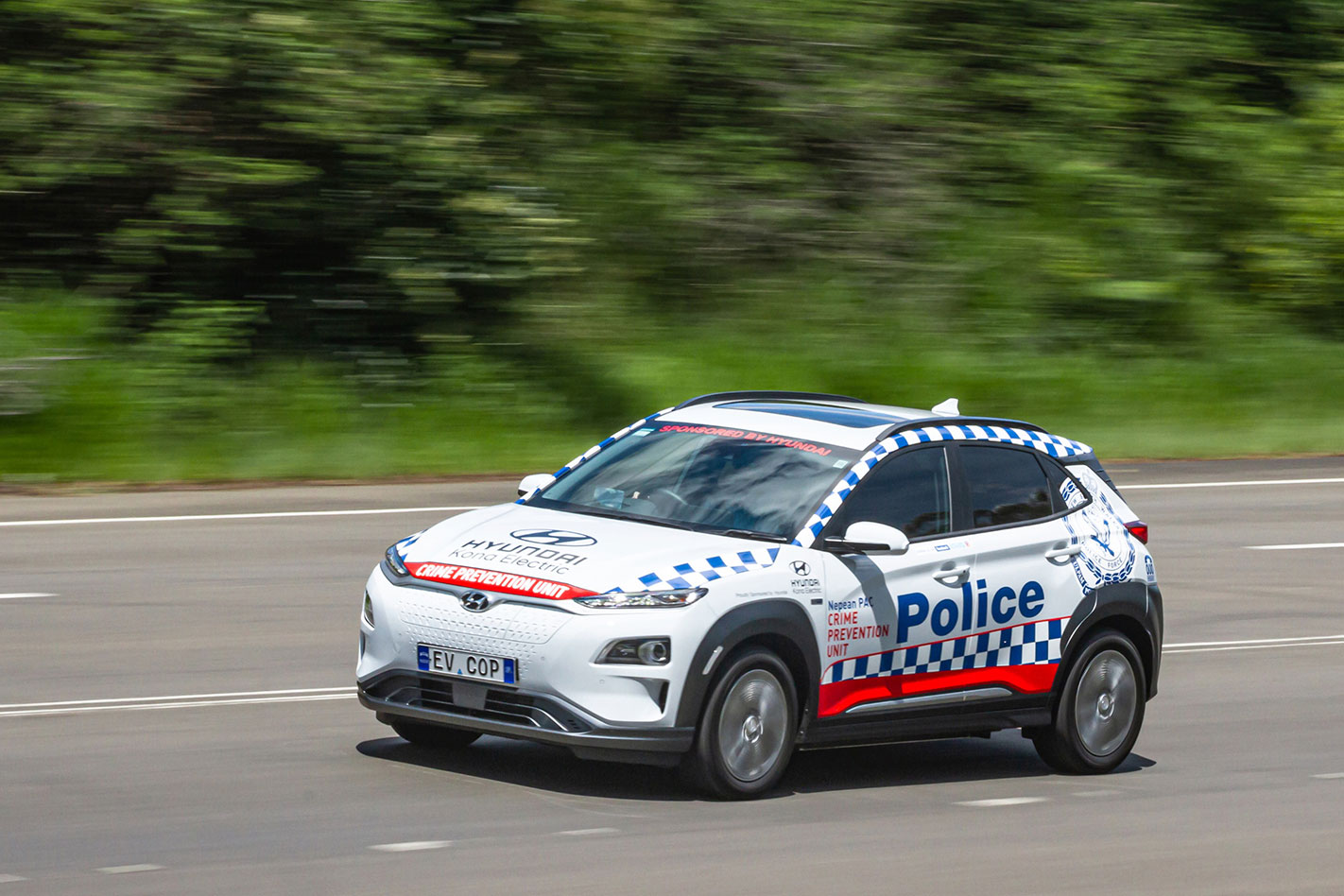
The Penrith Police Station has been fitted with an AC charger in its underground car park. Hyundai claims the Kona EV police car will spend plenty of time on patrol because its claimed range is 449km.
“The Hyundai Kona electric vehicle is a valuable addition to the Nepean Police Area Command,” says Nepean Police Area Command’s Chris Keane, “and will assist our Crime Prevention Unit with its community engagement initiatives.
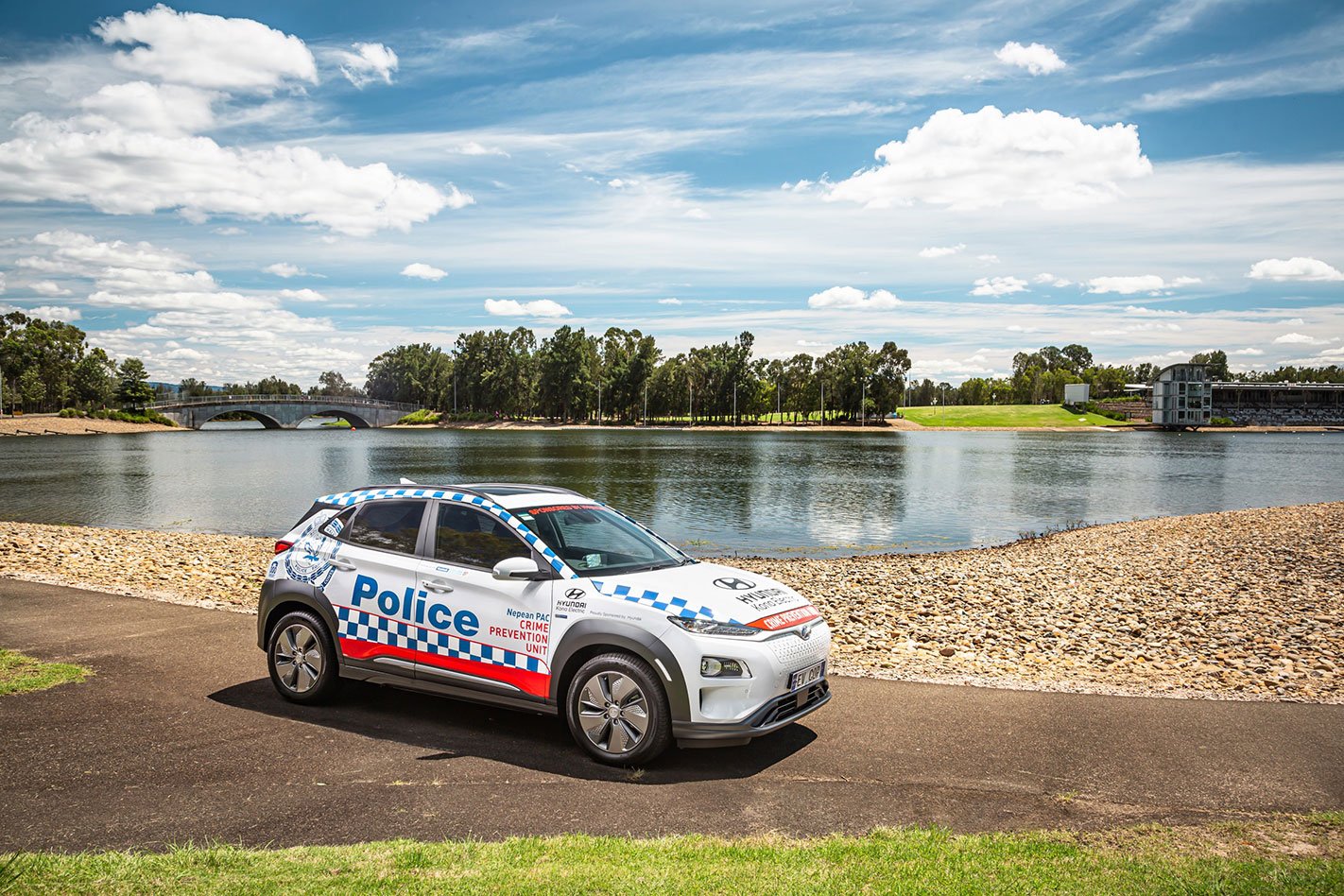
NSW Police has a long history of using special cars for community engagement.
Some of our favourites include a 2015 Audi RS4 with V8 power, the Honda Civic Type R and even an FPV GT-F.
That’s quite a selection of performance machines, but it pales compared to vehicles the rest of the world’s police forces have used for promotional purpose.
However, they’ll be looking for other options soon after Fiat Chrysler Automobiles Australia revealed the SRT sedan will no longer be sold in Australia once the NSW Police Force’s 2021 orders are fulfilled.
This will leave the BMW 530d as the main strike weapon for NSW Police, along with an ever-ageing handful of Holden Commodore SS Vs that the Service is stubbornly clinging onto.
The Victorian Highway Patrol also employs the BMW 530d for highway patrol duty while the Northern Territory and Queensland services chose to enlist Kia Stingers to replace the Ford Falcon and Commodore.
Australia’s Tesla Model 3 supply will reportedly switch from the company’s Freemont facility in California, USA to the Shanghai Gigafactory, which was initially intended to only supply the Chinese market.
According to EV-HQ and Tesla delivery tracker VedaPrime, changes to Tesla’s Australian website indicate that new Model 3 orders will be built in China going forward.
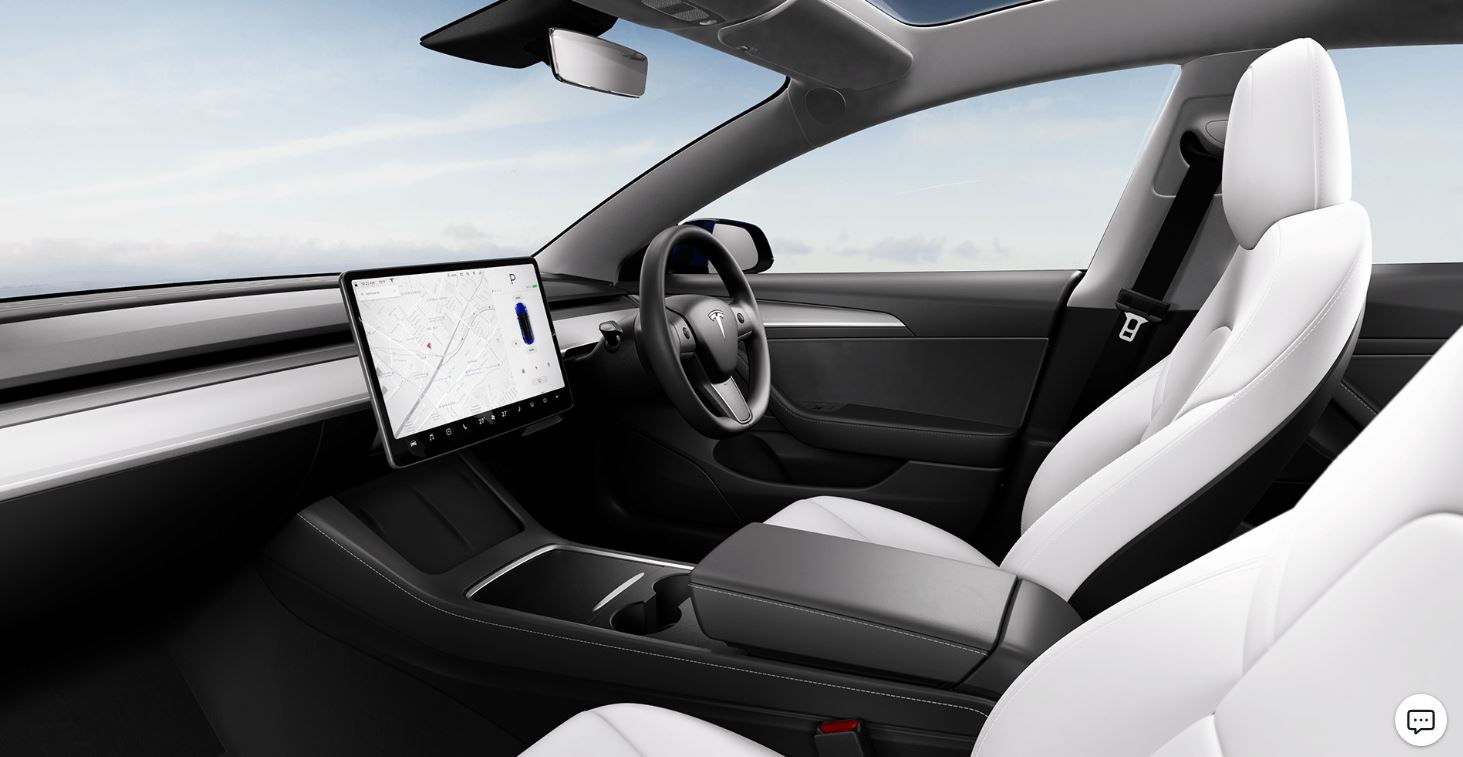
China-specific dash trim that wraps around to the doors, the (previously unavailable) $1500 option of a white interior and the $2200 option of 19-inch Sport wheels on the Standard Range Plus car all point towards a Chinese-built Model 3 becoming the norm for Australia.
Additionally, The Driven notes that the Tesla Model 3 Standard Range Plus maximum range is now 508km instead of 490km (NEDC standard). It also uncovered an Australian Road Vehicle Certification System (RVCS) listing indicating a Chinese “LRW-“ VIN and an increased in kerb weight.
This suggests that versions of the 2021 car will use heavier but longer-lasting lithium-ion phosphate batteries.
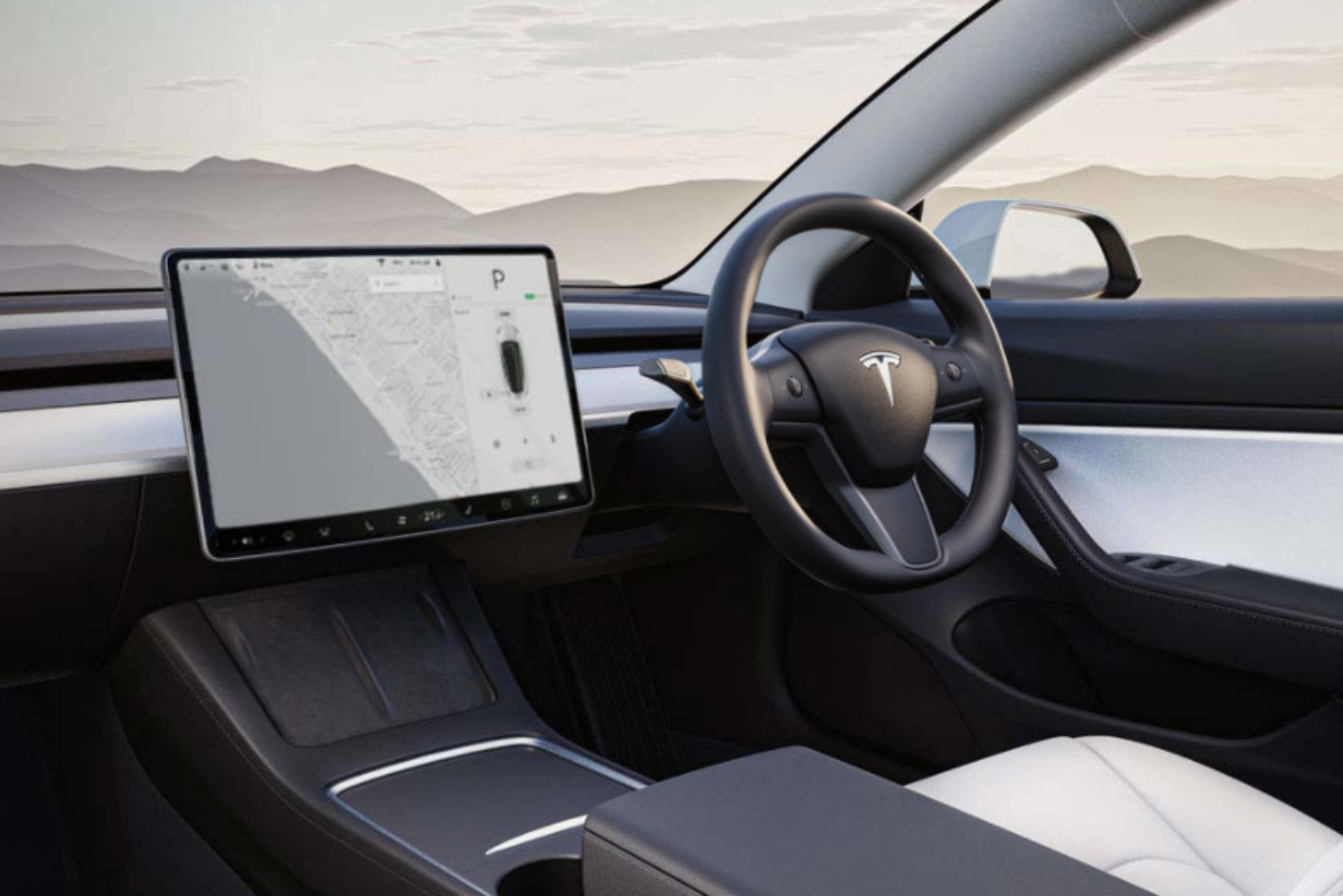
Notably, it seems these changes only affect the Standard Range Plus car and Long Range AWD car for now, with the fate of the range-topping Model 3 Performance as yet unknown.
While it’s possible that other markets could follow with the new-design Chinese-spec interior trim, a redesign has not been officially confirmed officially by Tesla. Other regional Tesla websites still show the ‘old’ cabin design.
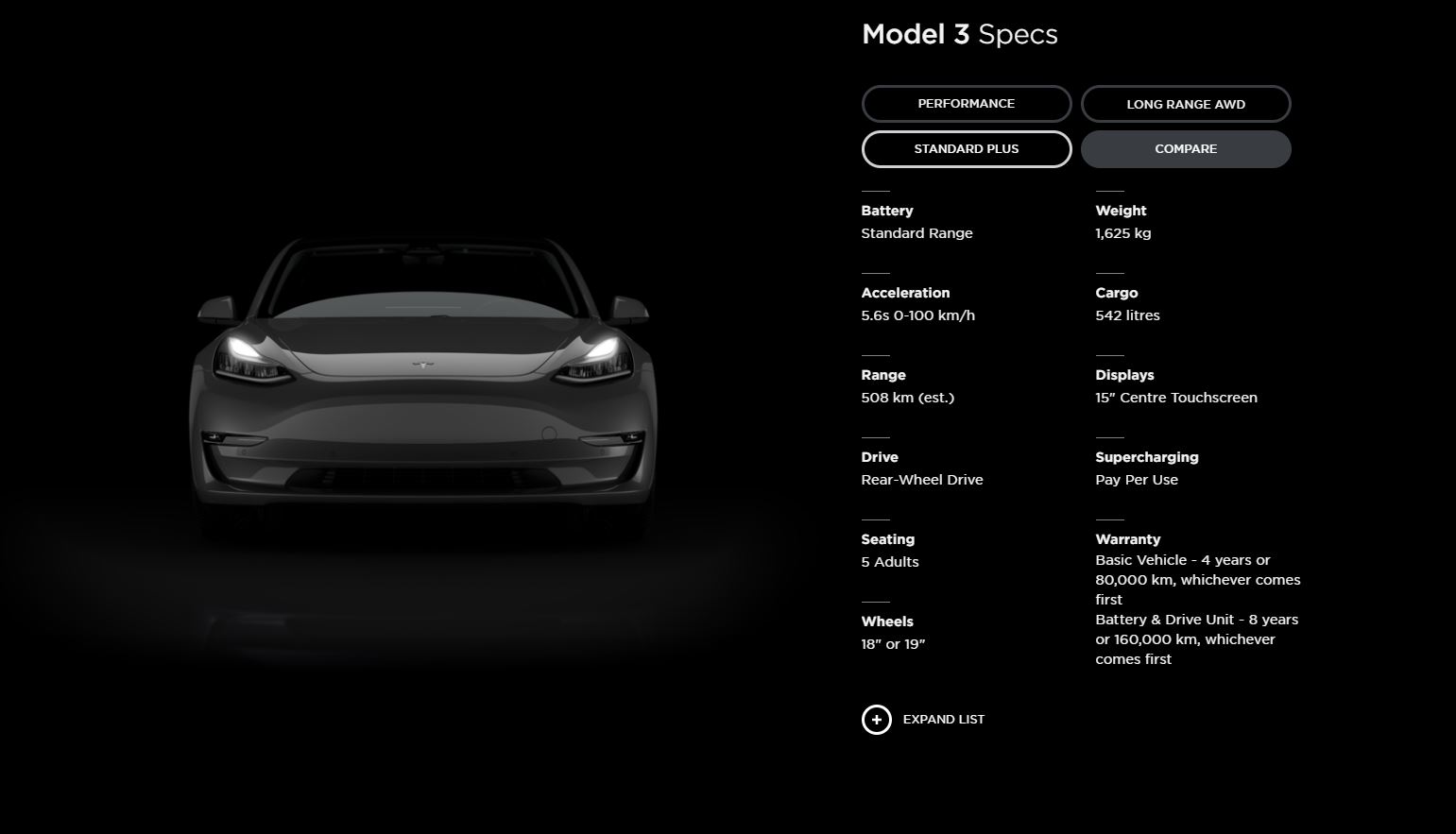
Prices remain unchanged from the 2020 model year Model 3; a Standard Range Plus car still costs $66,900 and the Long Range remains at $81,900 (before on-road costs).
Wait times are currently 9-12 weeks, which means it could be some time before we see any of the new Chinese-built Tesla Model 3s on our roads.
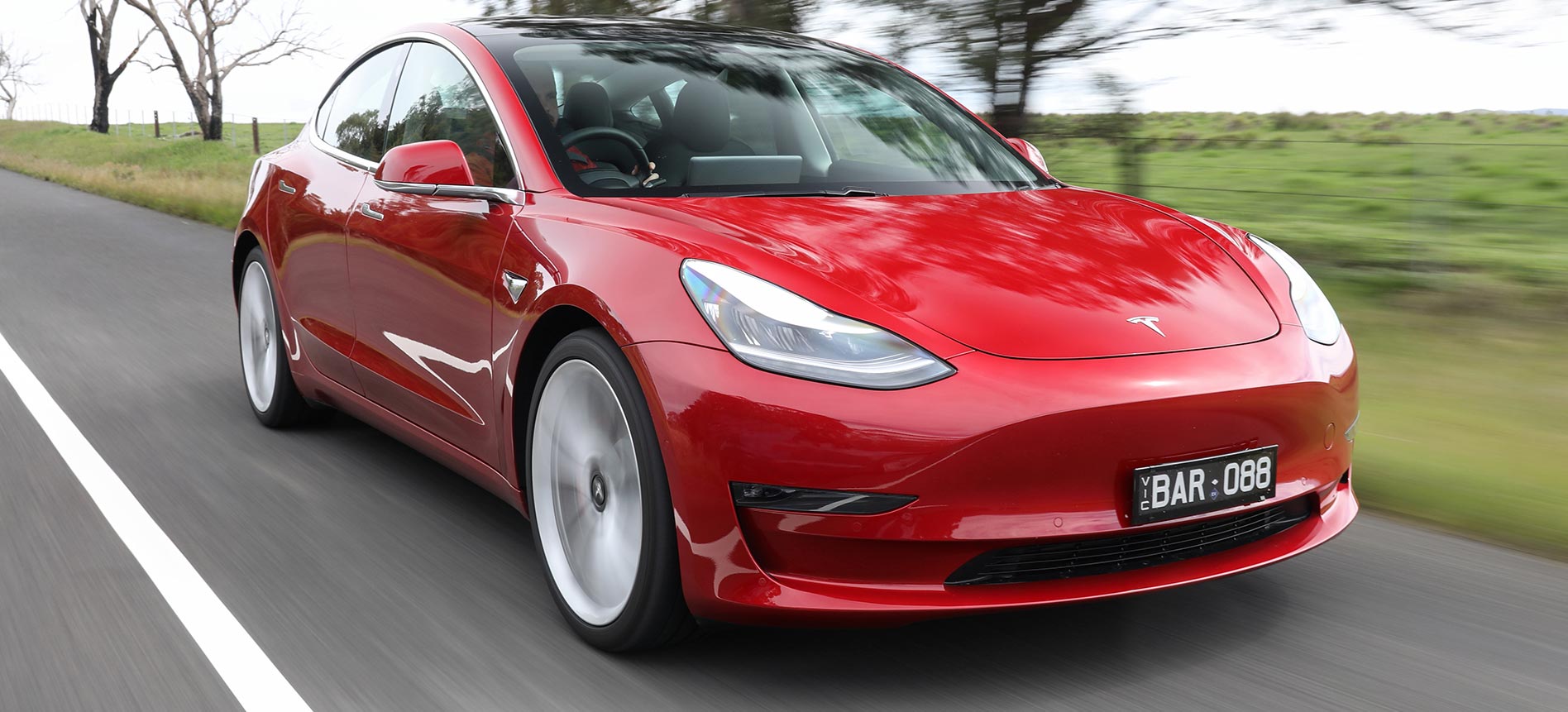
WhichCar has contacted Tesla Australia to confirm the supply switch and will update this story when information becomes available.
It’s official: Groupe PSA and Fiat Chrysler Automobiles have joined forces, with the new company – Stellantis – commencing trading on the world’s stock exchanges on Monday January 18.
Former FCA chairman John Elkann has become the group chairman and former PSA chairman Carlos Tavares the group CEO of the new automotive entity.
The marriage of FCA and PSA unites 15 brands under the one Stellantis umbrella which boasts production capabilities across Europe and the Americas. These brands – Abarth, Alfa Romeo, Chrysler, Citroen, Dodge, DS, Fiat, Fiat Professional, Maserati, Mopar, Opel, Peugeot, RAM, SRT, Vauxhall – sold a combined 8.7 million new cars around the world in 2020, making Stellantis the world’s 4th biggest automotive company behind Volkswagen, Toyota and Renault-Nissan.
The marriage will bring a raft of synergies to the many brands in terms of technology and platform sharing. It also opens the doors for PSA’s strong European brands to gain a greater share of North America and for FCA’s strong American brands to do likewise in Europe. Stellantis expects to generate an additional $5.8bn in annual profit for a one-off cost of around $4.4bn, and does not expect to close any factories.

Talks of a merger between PSA and FCA became serious in September 2019 after FCA’s brief engagement to Renault imploded in May 2019.
Shares in Stellantis began trading on Monday 18 January on the New York Stock Exchange, Euronext in Paris and Mercato Telematico Azionario in Milan as ‘STLA’.
What does Stellantis mean for new cars?
Tavares took Vauxhall-Opel from death’s door to profit in a year and it’s hugely exciting to think what he might do to with Fiat, Alfa and Maserati. He’ll be able to generate huge savings – and make better cars – by simply picking the new group’s best platform in each segment and building everything on that.
The merger doesn’t solve everything for Tavares, though, and it might create some new headaches. He’ll want to rationalise those 15 nameplates. Ironically, the two which give FCA its name (Fiat and Chrysler) are among the most vulnerable, along with Lancia, but actually killing Fiat may prove politically impossible. Fiat is only just starting to electrify its range on a newly-developed platform, but at least the huge spending required can now be amortised over nearly nine million sales. Both groups lag badly in China, and the merger won’t help much there.
But overall this huge deal makes huge sense, and more sense than a merger between Renault and FCA. We think Sergio Marchionne would approve.
This article was originally published at carmagazine.co.uk.
What is the GWM Ute?
Back in the day, our parents bought their big-ticket items from large, old-fashioned companies with big factories and even bigger reputations.
Straying from the norm was a risky move – but the savvy buyer could ignore convention and end up with a fridge or oven that would outperform their neighbour’s brand name item.
The car market has gone through a similar iteration over the last decade.
The Big End of Town still gets its fair share, but the fringe players are butting in at key junctures with compelling offers that are slowly but surely drawing new customers away from the mainstream.
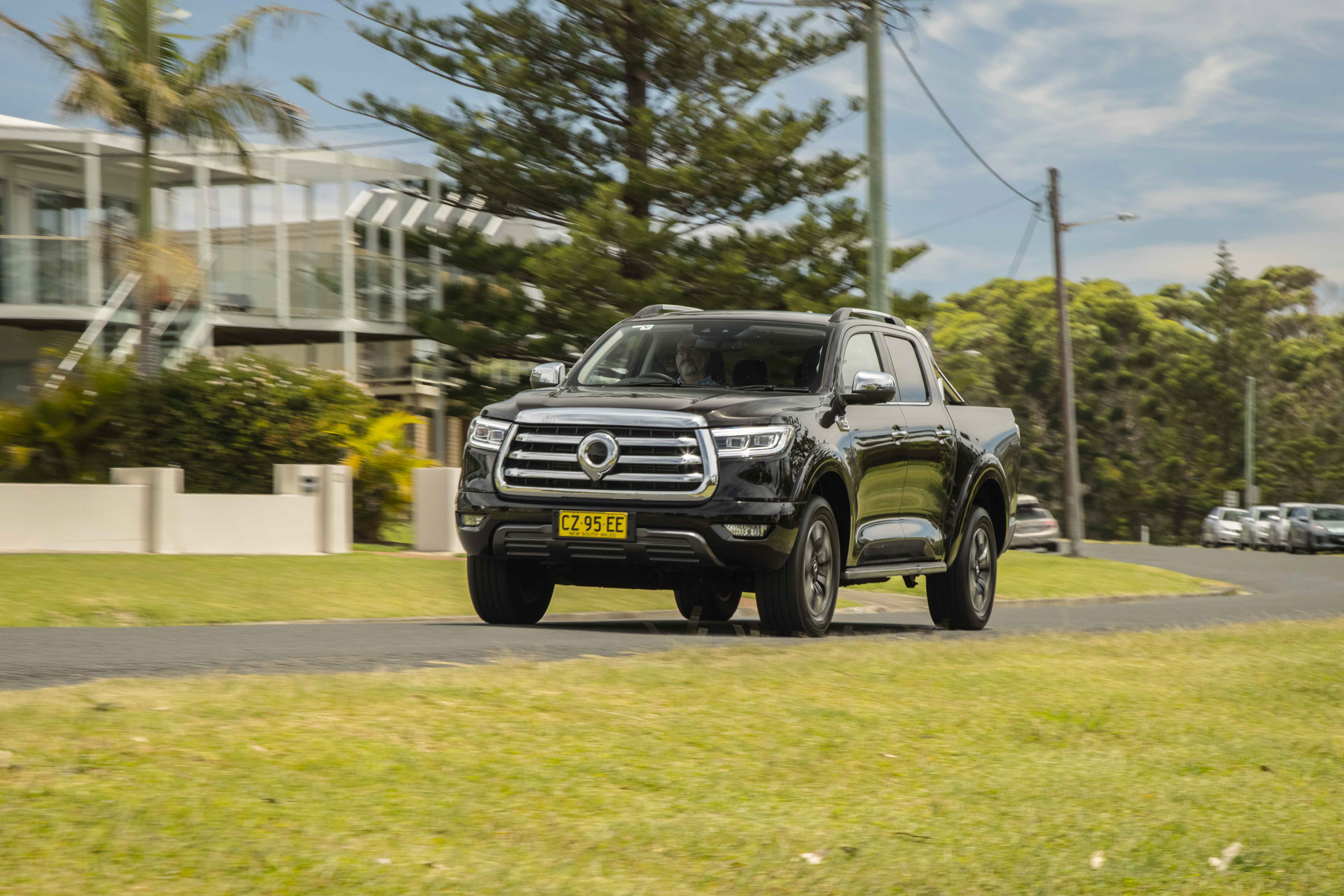
It’s hard to call a company that builds more than a million cars a year a ‘fringe player’, but GWM – nee Great Wall – has been exactly that.
Now, with a new name and an all-new dual cab ute, it’s keen to move up from its fringe billing… and at first blush, its new Ute has hit the mark.
Here’s the slightly confusing part; this ute is actually a Ute. Its official model name is Ute. So it’s a GWM Ute… err, ute.
This variant of the Ute is known as the Cannon, and this particular one is called a GWM Ute Cannon L.
The GWM Ute is the reborn version of the Great Wall Steed – GWM stands for Great Wall Motors – and has been redesigned from front to back, offering – on paper at least – an outrageous amount of ute for the money.
GWM Ute spec details
There are three Utes in the range, and they all use a new two-litre four-cylinder turbocharged engine that sends 120kW and 400Nm to all four wheels.
They’ve all got a properly good eight-speed auto from ZF, too, and all three are proper 4x4s, too, with low-range gearing and a locking rear diff.
And safety? It’s got all the safety. AEB, blind spot assist, rear-cross traffic assist, seven airbags including one between the two front seats, a 360-degree camera and more besides.
Want more? Leather? Keyless entry? Apple CarPlay and Android Auto? Done, done and done.
Add to that, the range kicks off from $33,990 drive-away, and includes a seven-year warranty.
Our Cannon L tester is $37,990 drive-away, while the top-spec version, the Cannon X, is just $40,990 drive-away.
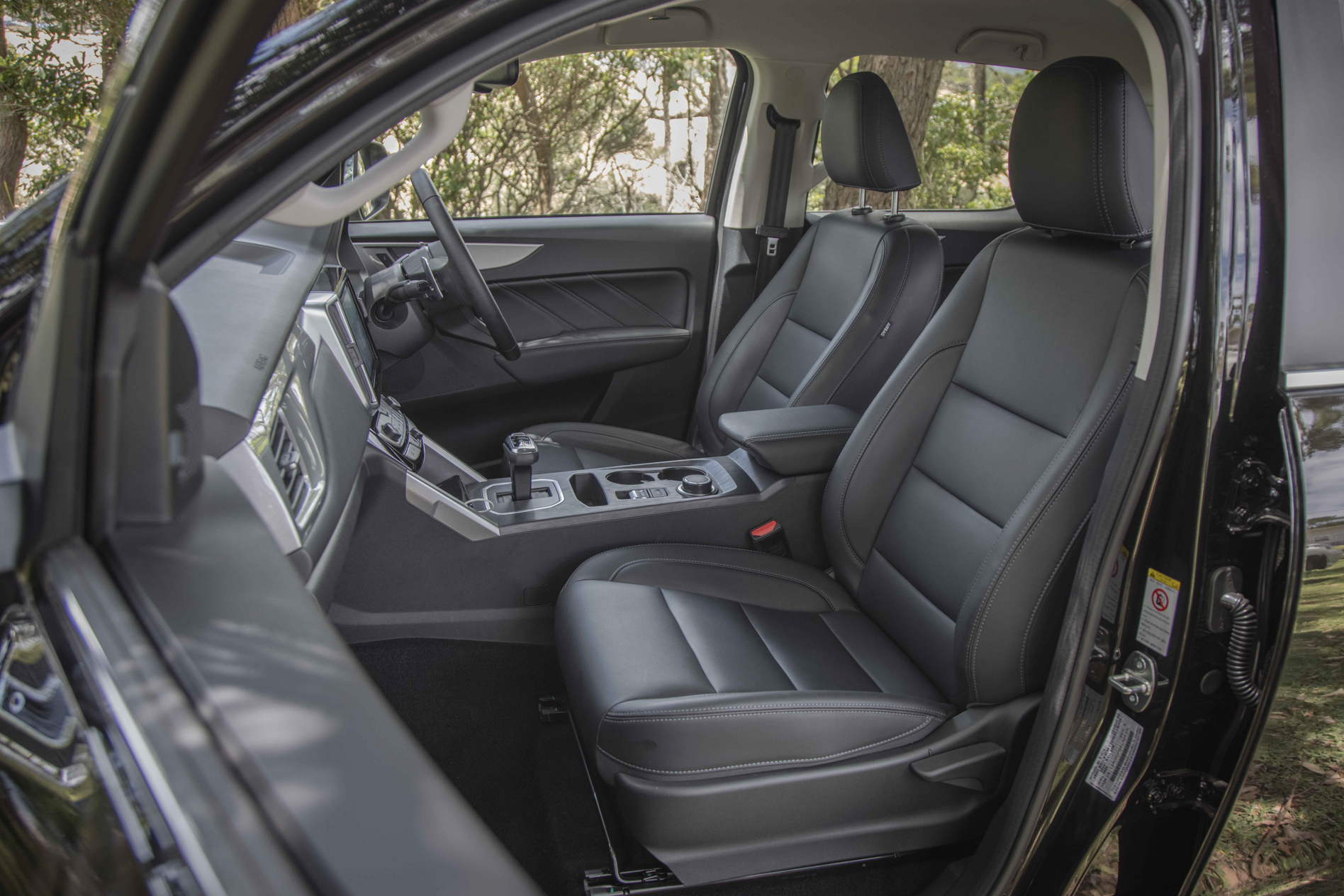
The interior design of the GWM is really quite good. It’s actually quite sedan-like, and it’s easy to think of it as being nicer than some of its more contemporary competitors.
Smart use of satin finishes instead of piano black, for example, help to lift the cabin while the grained finish on the centre console is a nice touch.
The front seats are very comfortable and the driver seat is powered in most directions.
Front seater storage is okay; however, the door pockets are quite shallow and awkwardly shaped for bottles which will become an issue on bumpy terrain. There is a small phone receptacle under the centre console that is an awkward fit for larger mobiles when a charge cable is plugged in.
What don’t we like about the GWM Ute?
There are a couple of irritations about the GWM. Small things like 5km/h increments for the cruise control, an air-conditioning system that struggles a bit in 30-degree weather, and incessant bings and bongs from the various safety systems that need to be manually switched off every time the car is restarted, are the chief irritants.
As well, accessing the digital speedometer – which hides itself away in the sub-menus – is more of an irritation than it should be.
This is something that should come on and stay on when the ignition is switched on, but it also feels like a simple firmware revision would sort this out quickly.
A small piece of insulation matting in the small oddments tray behind the shifter would also quieten down rattling from this area.
Tweaking the functionality of the GWM Ute is a matter of a combination of buttons, dials, and accessing the multimedia screen.
The screen is quick to respond and easy to navigate, but there is some unusual English phrasing scattered throughout. Again this feels like a firmware upgrade waiting to happen.
While we don’t advocate turning off lane keep assist, it’s a fact of life that not everyone likes to have the steering wheel moving underhand.
Having to dig through the multimedia screen menu to turn this function of every time a car is restarted can be frustrating, and is something that other makers deal with by adding a button near the steering wheel in the centre console stack.
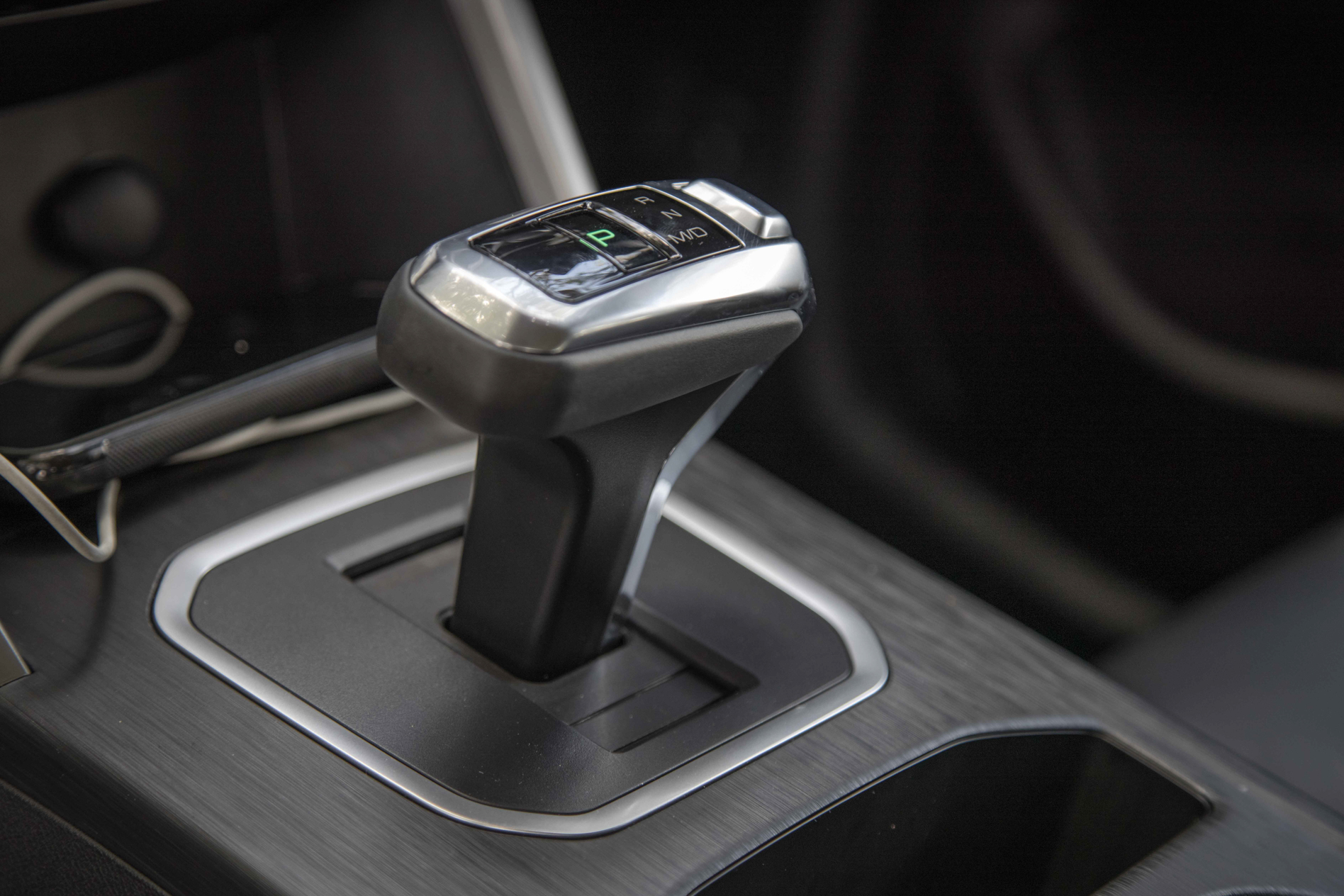
The shifter is an odd combination of self-centring T-bar and buttons; it probably could be one way or the other, because not everyone likes a self-centring style shifter.
It can occasionally lead to confusion when trying to select the correct gear, although all the safety systems aboard the Ute prevent rollaway, particularly if the driver’s door is opened or seatbelt is undone.
Driving the GWM Ute
The GWM‘s manners around town are actually surprisingly good. Sure, the suspension is a little bit firm in the way that all dual-cab utes can be, but it’s certainly no worse than others in the space.
Steering again is very similar to its rivals in that there is vagueness on centre that needs to be managed, while a lot of lock needs to be added to make anything happen at all. It also has a large turning circle; again not unlike its competitors.
Visibility around the cabin is great, the seat is comfortable even for larger gentleman driver, and everything is almost where it should be (except for the indicator stalk is on the left side of the column, not the right).
Reports from our back seat riders confirm there’s plenty of space across the rear bench of the GWM, and the Cannon LS tested offered includes a 220V socket as well as a single USB point and rear vents.
The rear windows are a little bit smaller than some dual cab‘s, which does restrict a bit of light into the rear end, but it’s only a matter of degrees.
It’s also possible to add to Isofix baby seats to the outside seats, but you will have to fish around the rear side of the seatback to find the centre seatbelt sash.
It’s an unusual two-buckle design, which will probably preclude the use of even a booster seat for the centre seat.
A big tick for the damped tailgate action, which uses two struts similar to those found on hatchbacks to control the rate of descent of the heavy tailgate.
The nifty little step that recesses into the tailgate is handy as well, and will actually provide a useful addition if you find yourself constantly needing to climb up into the tray itself.
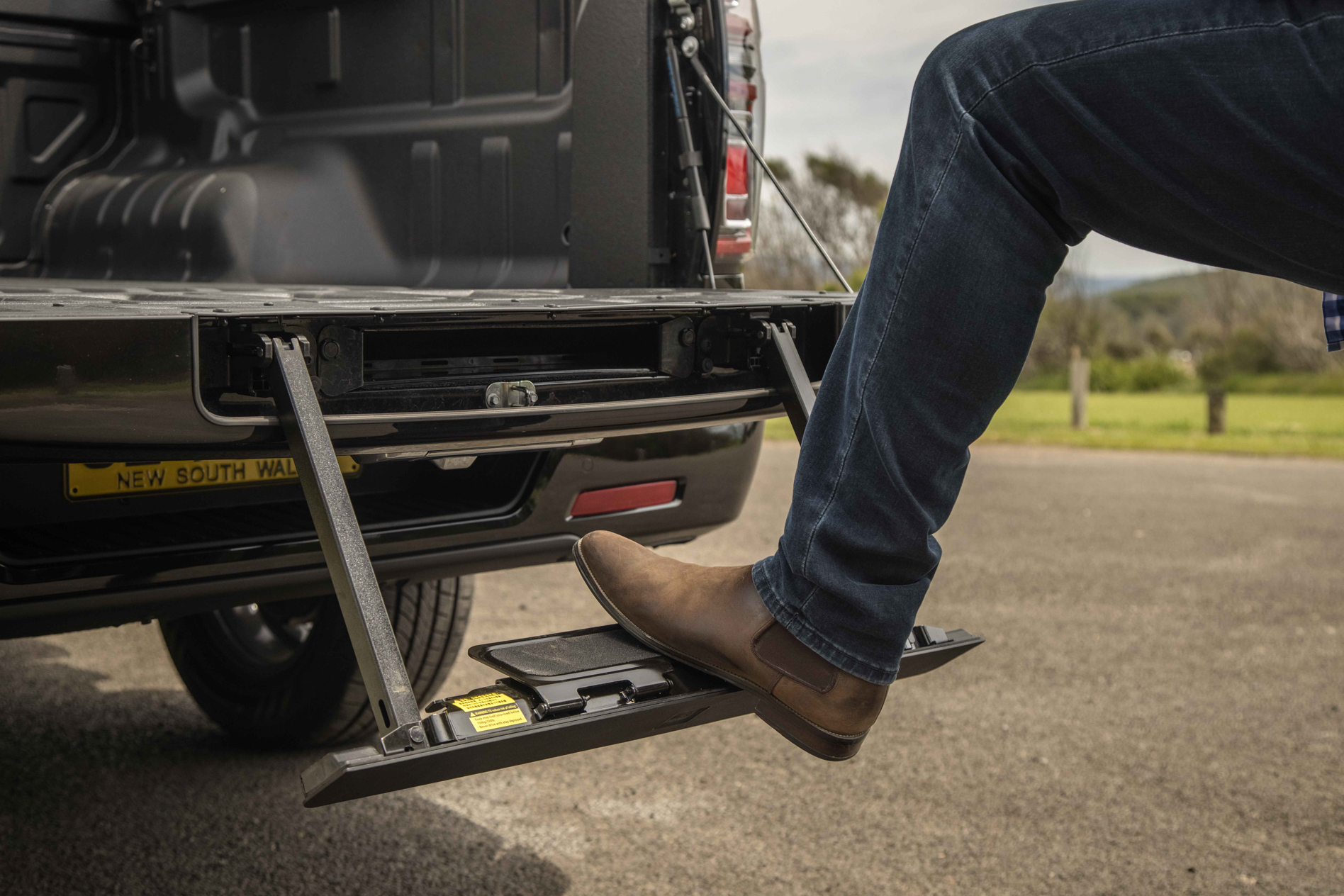
The Cannon L also ships with a spray-on bedliner for the tub which negates the worst of the damage should you be careless with the contents chucked in the back.
At 1520mm x 1520mm in diameter, it’s also wider than a Ford Ranger tub (1485mm), but about 120mm narrower than a Toyota HiLux.
There are four tie-downs scattered across the floor, and the sports bar is the cosmetic type that offers no real structural rigidity.
Thankfully, GWM has found a way to increase the tow rating of the Ute, jumping from 2500kg in its original spec to a more competitive 3000kg with a decent 300kg down-ball weight figure.
Yes, it is less than some of its competitors; the Mitsubishi Triton at 3100kg is probably the closest, while the majority of others offer 3500kg.
However, the Ute also offers a 1050kg payload, which tops many of its big-towing brethren.
The powertrain is a big step up over the old model Steed as well. An updated 2.0-litre four-cylinder turbocharged diesel engine now resides up front, with 120kW and 400Nm at its disposal.
It’s backed by an eight-speed ZF automatic gearbox, while a Borg-Warner 4X4 system that sends power on demand to the front axle has also been added.
We will leave the rough and tumble off-road stuff to our mates at 4X4 Australia magazine, but a brief foray on a bumpy fire road revealed that the GWM Ute can indeed go on dirt.
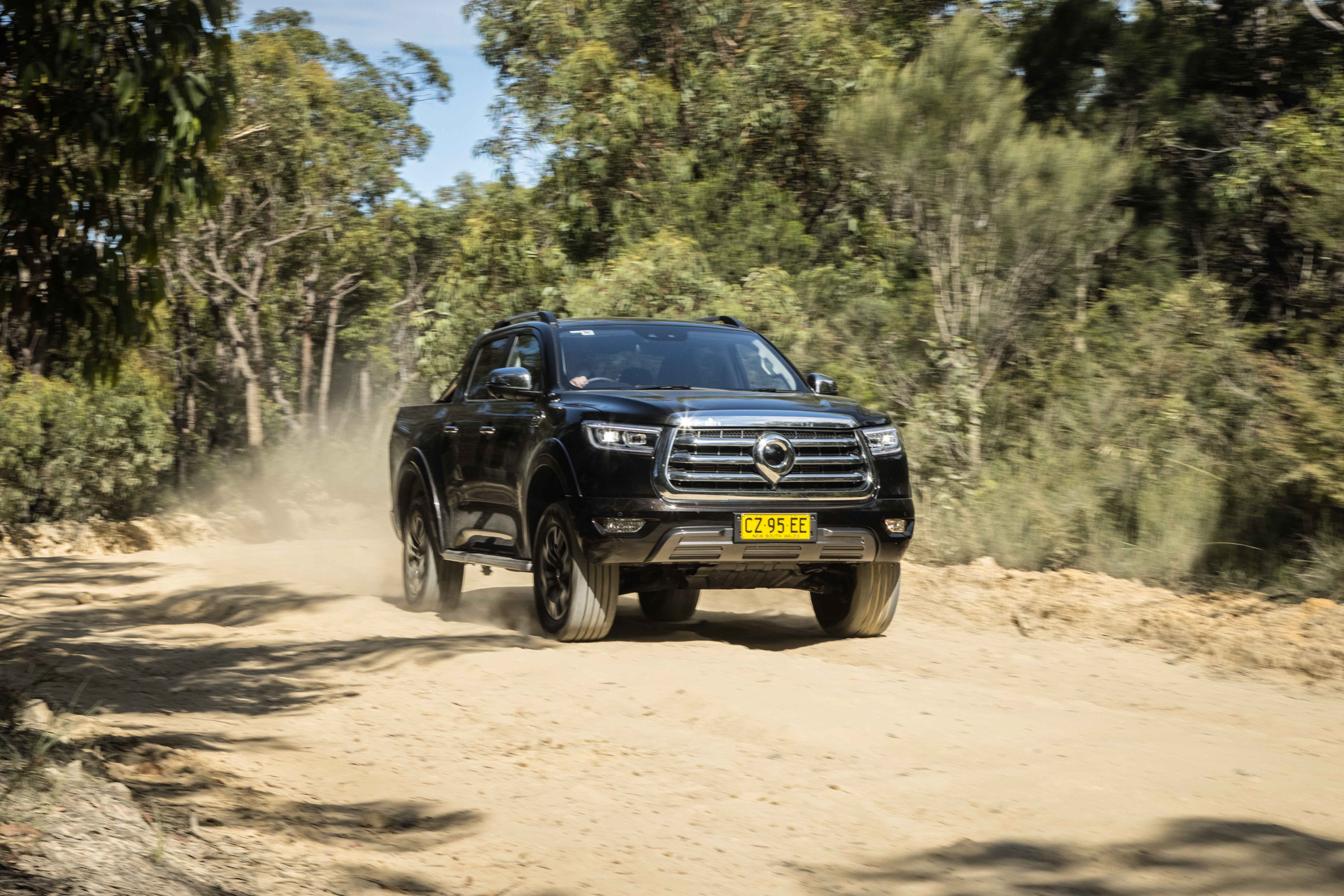
Unladen, it is a bumpy proposition, though, with hefty rear leaf spring rates not improving comfort inside the cabin.
Its highway-spec Cooper tyres, as well, will ultimately limit how far did you can venture off-road, but the addition of that rear differential lock and a decent 4X4 system means that the potential is there.
It’s also worth pointing out that the GWM Ute offers disc brakes at all four corners, unlike the vast majority of its rivals in the category, as well as the category’s only electric hand brake.
A long highway stint aboard the GWM Ute reveals a comfortable cruiser with a relatively quiet engine, decent wind noise restriction and good all-round comfort.
Over 350km, our fuel economy figure measured 9.3L/100km against a manufacturer claim of 9.4.
GWM has made a point of ramming as much safety kit aboard the Ute as possible, and it certainly shows. There is not an assist or across traffic type of aid that the Ute appears to miss.
Particularly cool is the use of the 360-degree camera, which combines with a rear-view camera that is capable of a panoramic 180-degree view across the back of the car.
And once the reversing manoeuvre is completed and Drive is engaged, the camera flicks to a front-facing unit that displays what’s coming up ahead.
The resolution of the screen, too, is excellent. We were half-joking about taking still images from the camera to show on the website for the main image!
Other than some of the odd phrases that propped up in displays, the multimedia system ran faultlessly and with very little lag.
There is no ANCAP safety rating yet for the GWM Ute, however.
Verdict
The world is changing. No longer do incumbents like Toyota and Ford spring to the top of mind when shopping for a new car. The truth is that even the entry-level models that would appeal to a family have become way too expensive for most.
This is where brands like GWM – and its rivals like SsangYong and LDV – can really make ground up.
And we’re not talking about a couple of thousand dollars here either – like for like, the difference in price could be as much as $15,000. And you just can’t argue with that.
So where does the GWM lose ground to cars like the HiLux or the Ranger? In truth, it’s about the very top edge of the engineering envelope.
The mainstream cars were built to tackle mine sites and construction yards, and are built accordingly.
This is not to say that the GWM is incapable of this level of torture, but where the HiLux and the Ranger walked back to becoming family cars from being industrial workhorses, the GWM has taken more of a family first approach.
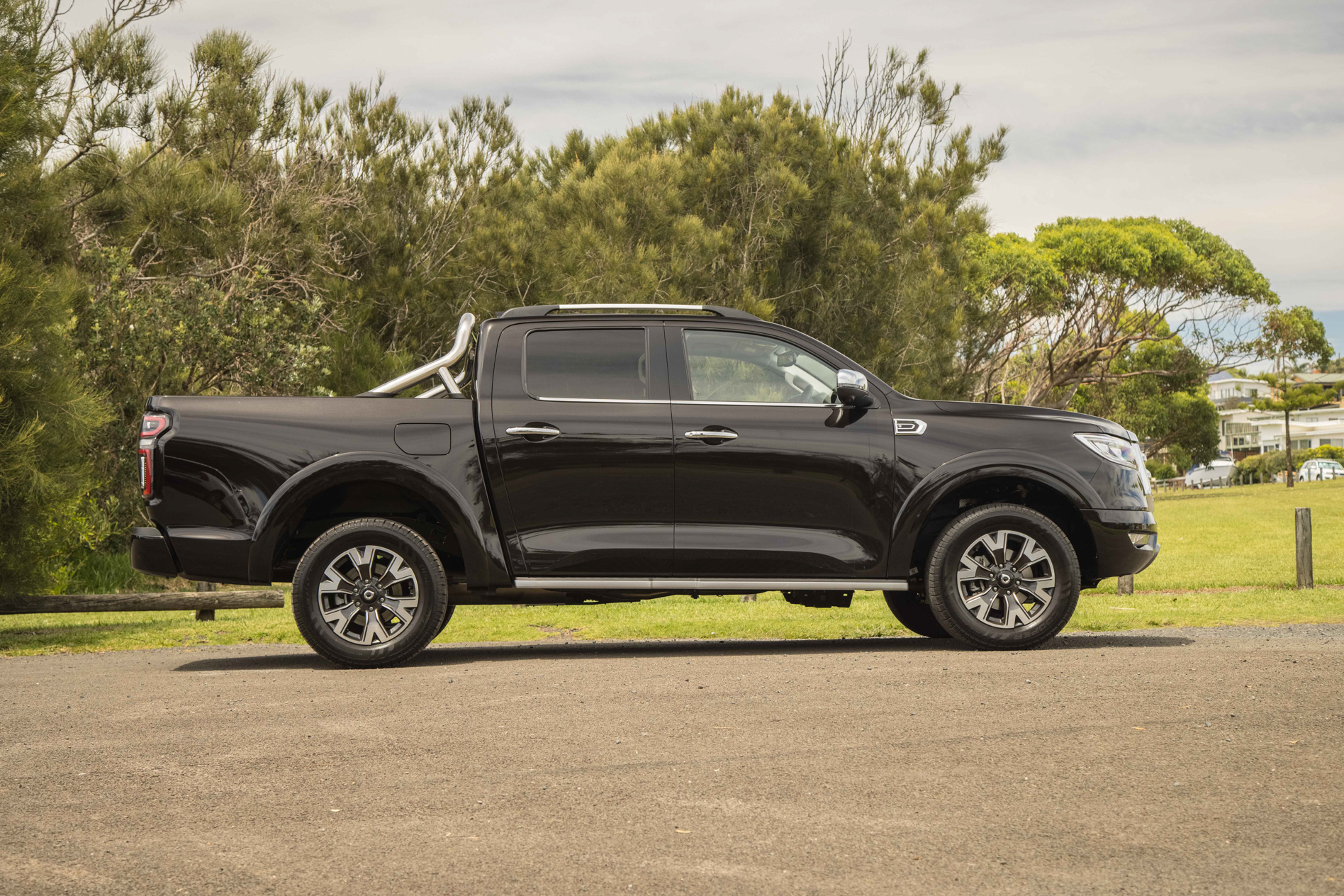
It still has the ability to tow a decent load, it still has the ability to carry a decent amount of payload, it’s as safe – or safer – than all other dual cabs in the category, and its design, while a little derivative, is certainly not hard on the eye.
The GWM is perfectly poised to grab a bit of the dual cab pie from the big players.
Despite a few irritations in the cabin, it’s well specced, safe, decent to drive and represents astonishing value for money.
Rating 4/5
PLUS Astonishing value, decent specs, good to drive MINUS Cabin computer foibles, firmly sprung ride off road
Model GWM Ute Cannon L Engine 2.0L 4cyl turbo diesel Max power 120kW @ 3600rpm Max torque 400Nm @ 1500-2600rpm Transmission 8-speed automatic Economy 7.4L/100km Price $37,990 On sale now
“Poor man’s M5,” snorted the bloke on the table next to me at the café, not realising he was sitting adjacent to the guy with the BMW M550i xDrive’s keys in his pocket. I probably shouldn’t have ordered that extra side of bacon, because if I only had a paltry $152,900 to spend on a sports sedan, I was clearly on skid row.
That the M550i is a very different proposition to the full-fat BMW M5 is apparent just by looking at it. Despite his halfwit assertion, I had to give old mate a certain begrudging respect for even noticing the thing in the first place. By the standards of a) modern performance sedans and b) BMW’s contemporary styling direction, the M550i is almost invisibly subtle. Its low-key looks don’t suggest a car that BMW claims will accelerate to 100km/h in 3.8 seconds.
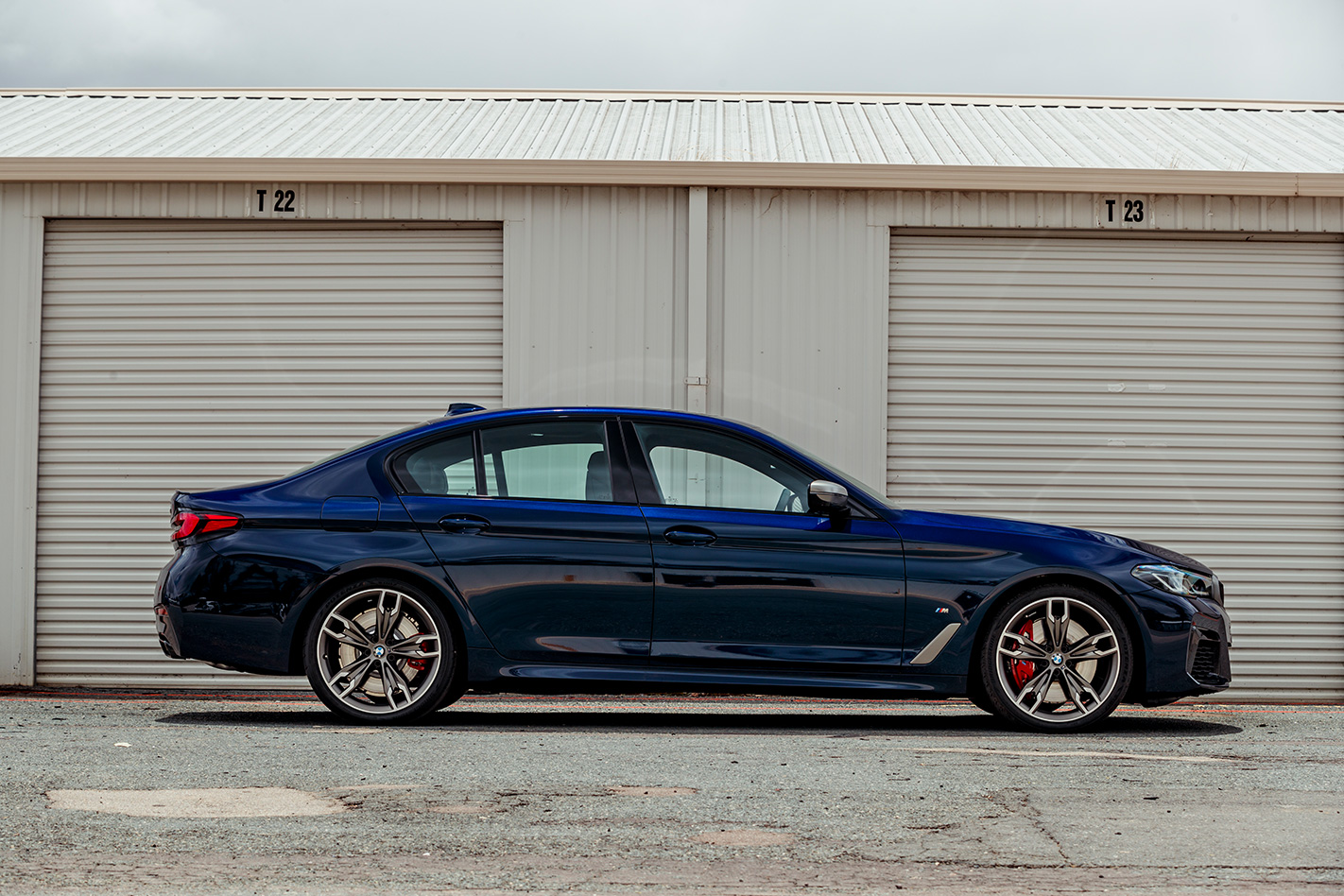
That crucial first fifty metres where you sense what the car is exuding cops a big dose of nothing too. The steering is gloopy and dull, with the Sport steering mode just adding weight rather than feel. Switch the suspension to Sport and it retains a distinctly elastokinematic feel. That M on the badge feels like marketing.
Then you remind yourself that it’s packing the N63 4.4-litre twin-turbo V8, good for 390kW and a monster 750Nm. That’s deployed via an eight-speed ZF auto to all four Bridgestone Potenza S007 tyres; 245/35R20 up front and 275/30R20 out back. The thought slowly crystallises. If the movie Ronin was being remade today, this would be the perfect getaway car for the streets of Paris: discreet, wickedly accelerative in all conditions and possessed of a certain antihero sang-froid.
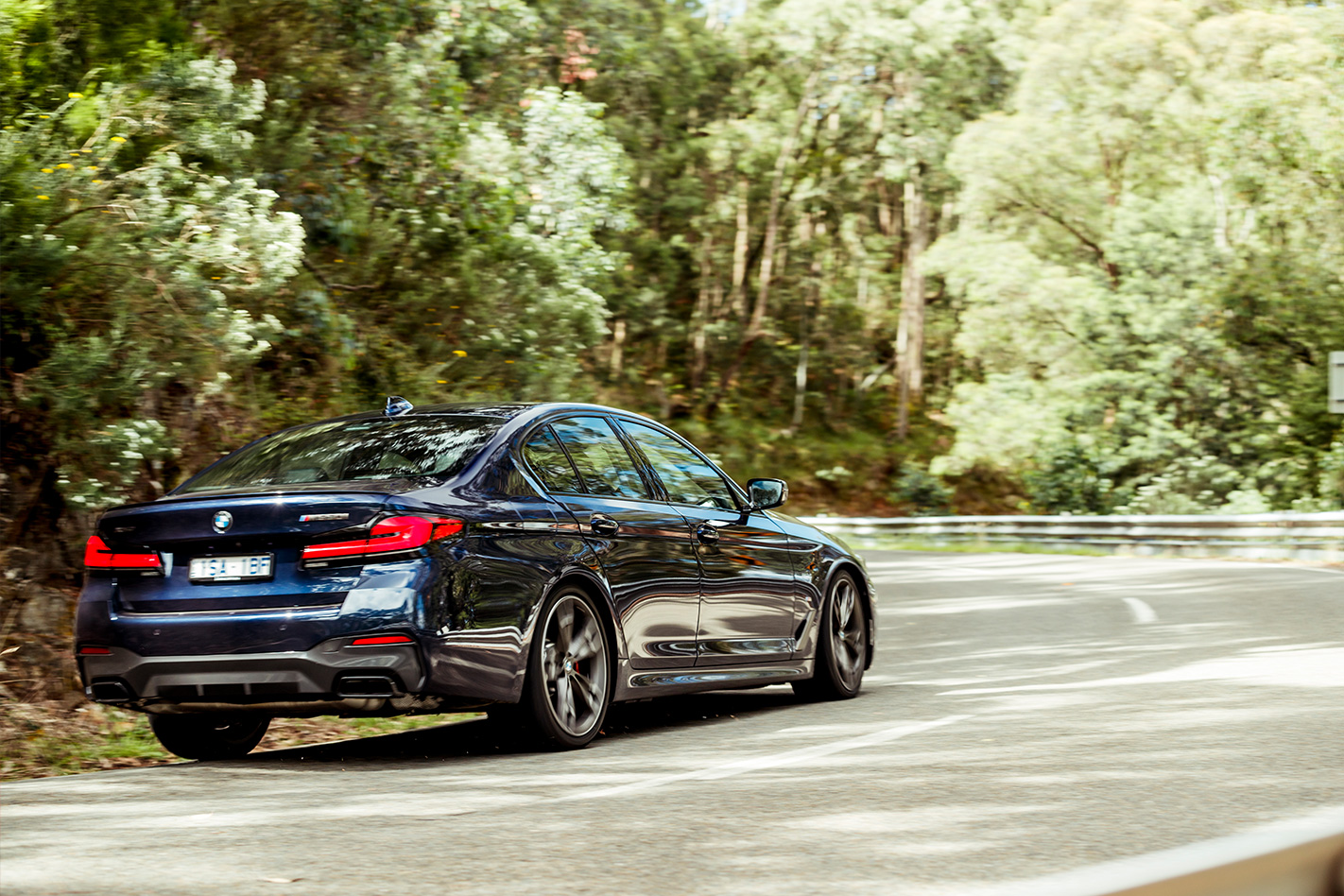
On a decidedly warm day, we failed to match BMW’s acceleration claims, registering 4.3 seconds through 100km/h, but even that is quicker than the last of the rear-drive M5s, so it’s no slouch. Ride quality is plush on road, and body control respectable, although it’s never quite as playful as you’d hope.
That’s perhaps understandable, given that BMW needs to justify the extra $90k-odd to the M5. But were you committed to solely driving on road, the M550i xDrive might just be the better car. It rides better, it’s more discreet, it’s plenty quick enough and the steering, which initially seems disappointing in a dynamic context, is beautifully relaxing for long distance journeys.
The ZF eight-speed transmission is a known quantity and its drive logic is smart enough to make clicking the paddles an academic exercise. Just about the only ingredient of the M5 that I do miss are the dedicated wheel-mounted buttons to switch the car into a pre-defined custom setting.
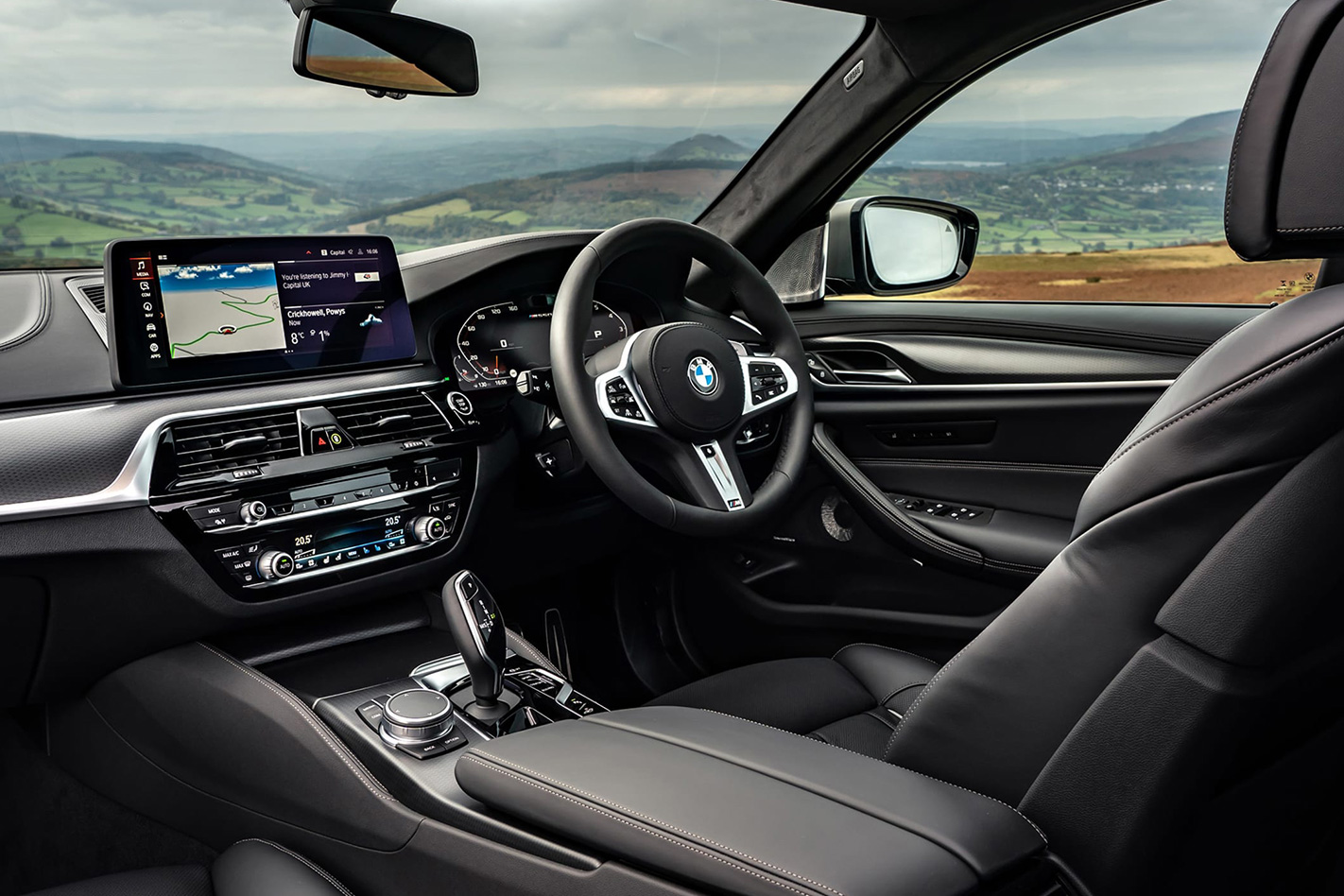
Given the choice, I’d probably live without the active roll stabilisation and rear-wheel steering and save $12k by buying the M550i Pure model, but the big Five offers stacks of capability, a winning impression of quality and a lot of car for the money. It demolishes the $179,000 Mercedes-AMG E53 in terms of pace and power, and we suspect that it’d do the same to an Audi S6.
Showroom appeal is another matter, but the BMW’s discretion could be a drawcard for some. On the quiet, it’s one of Munich’s most impressive offerings. Now if we can just convince them to sell us a wagon version…
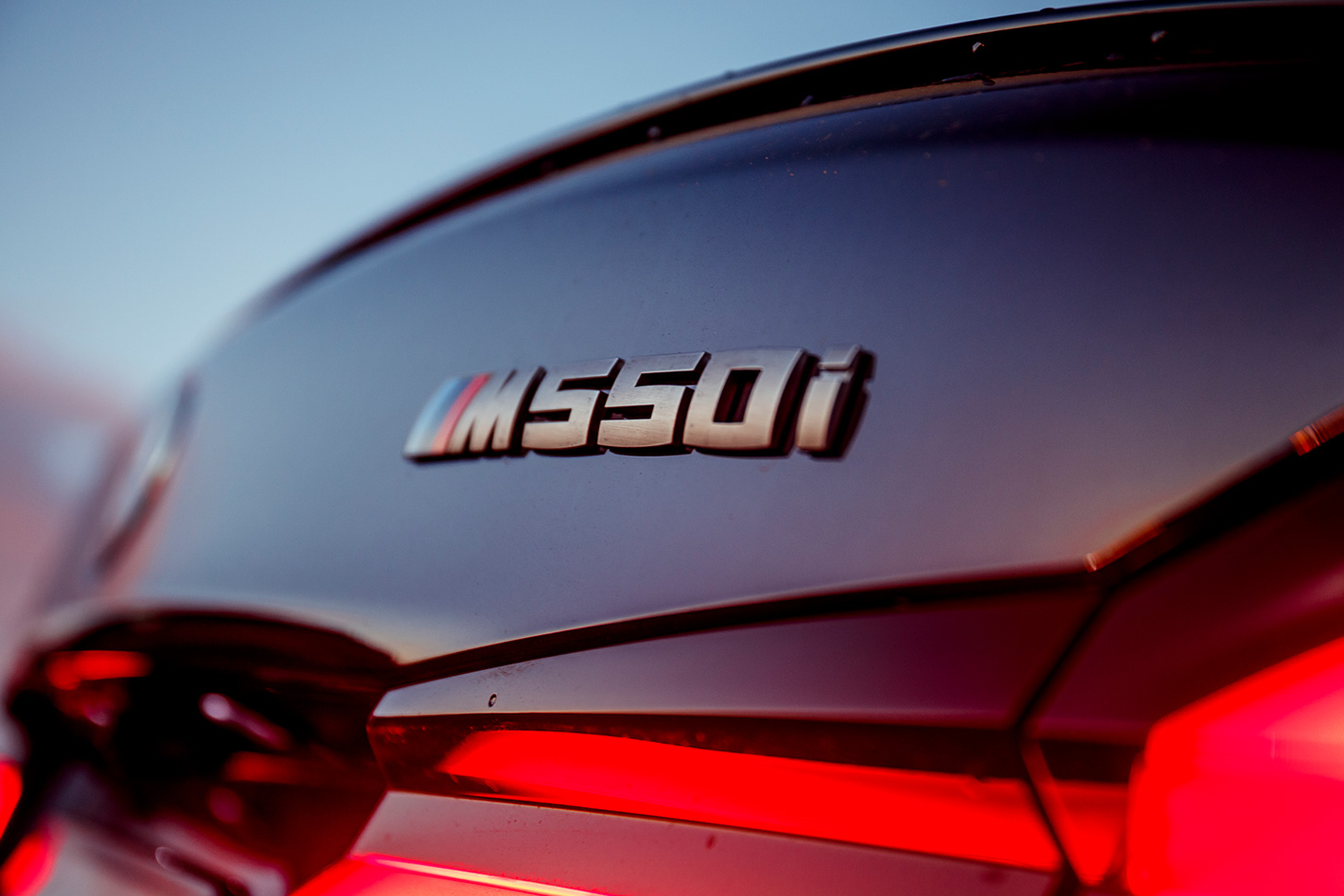
Rating: 4.0/5
Like:
Q-car appeal; barrel-chested V8; interior finish; ride quality; value
Dislike:
Steering not up to the dynamic expectations of the M badge; no wagon
BMW M550i xDrive Specs
Engine: 4395cc V8, DOHC, 32v, twin-turbo Power: 390kW @5500-6000rpm Torque: 750Nm @ 1800-4600rpm 0-100km/h: 4.3sec (tested) Weight: 1810kg Price $152,900
The value of HSV GTSR W1 sedans has doubled in three years off the back of unprecedented recent demand for the rare W1 ute version.
One HSV GTSR W1 sedan currently for sale is priced at $605,000 on a used car classifieds website. It started life as a pilot car and has just 28,000km on the ODO. It’s also unregistered.
For reference, HSV W1 sedans were struggling to sell for $300K only three years ago.
The steep climb in W1 sedan values follows a recent HSV GTSR Maloo W1 auction where bids surpassed $1m before settling at $1.035m.
At that price, the Light My Fire orange Maloo W1 will become both the most expensive Australian road car ever sold – and as of today, January 18, 2021, the auction still has 12 days to run.
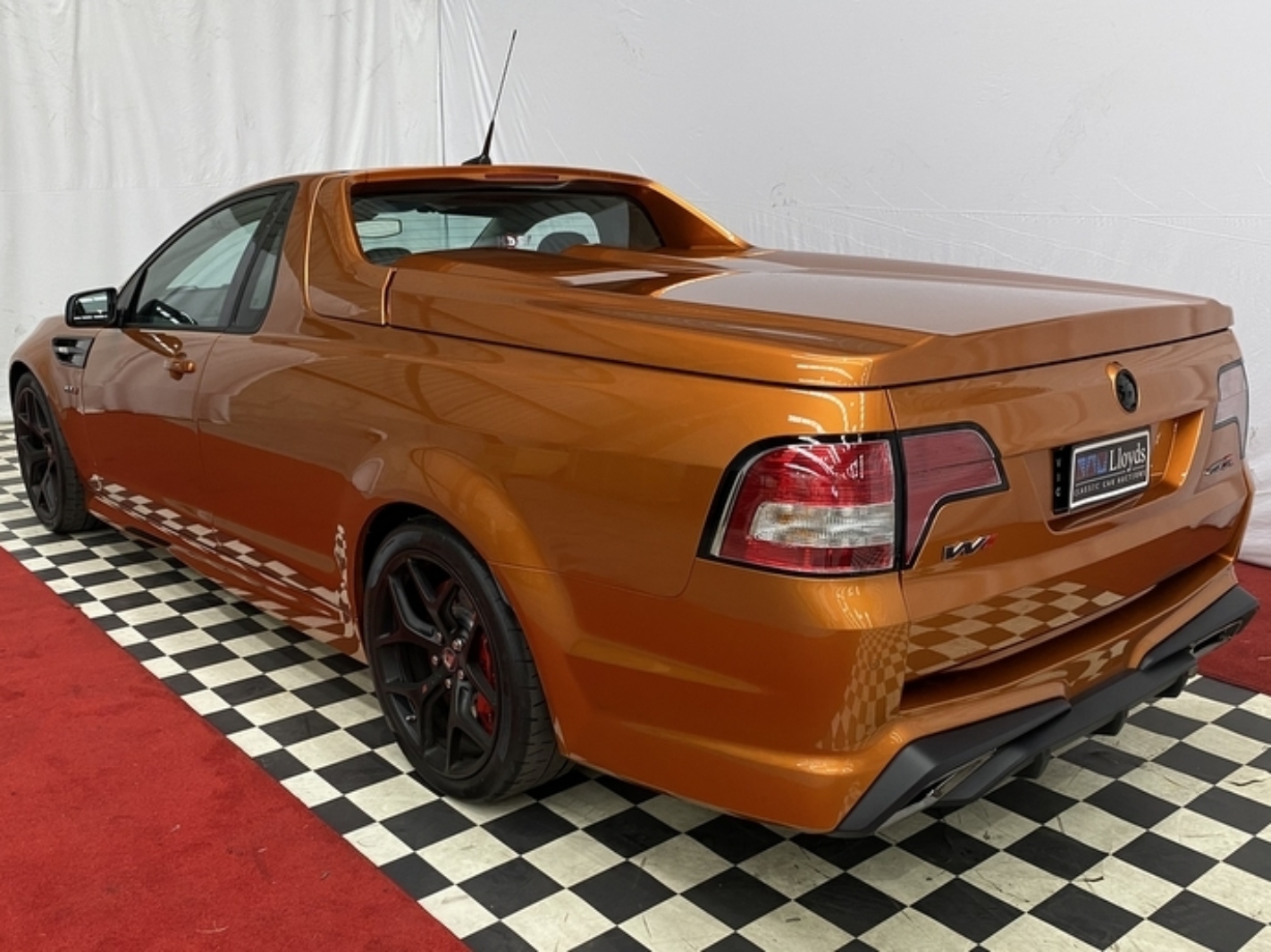
The Maloo W1 auction has attracted widespread interest for being an ultra-limited special edition derived from a GTSR W1 sedan, HSV’s LS9-powered swansong released in 2017 and priced at $169,000 before on roads.
Only six Maloo W1s exist.
Not all interest has been positive, however. A number of prank bids placed on Saturday set the winning price at $15,295,000.
The website hosting the auction, Lloyds, has since made bidding pre-approval mandatory.
Of the people watching the price climb, W1 sedan owners would most certainly be enjoying the increased profile around their car’s story.
Another 2017-built W1 in Heron White with 408km on its ODO is advertised online for $598,000.
Owner Bryan says prices on W1s have risen sharply as a result of dwindling supply of second-hand examples. Recently a Spitfire Green W1 sedan was traded for $550K.
Bryan is currently in negotiations with an international auction house that wants to sell his W1 if an adequate reserve price is reached.
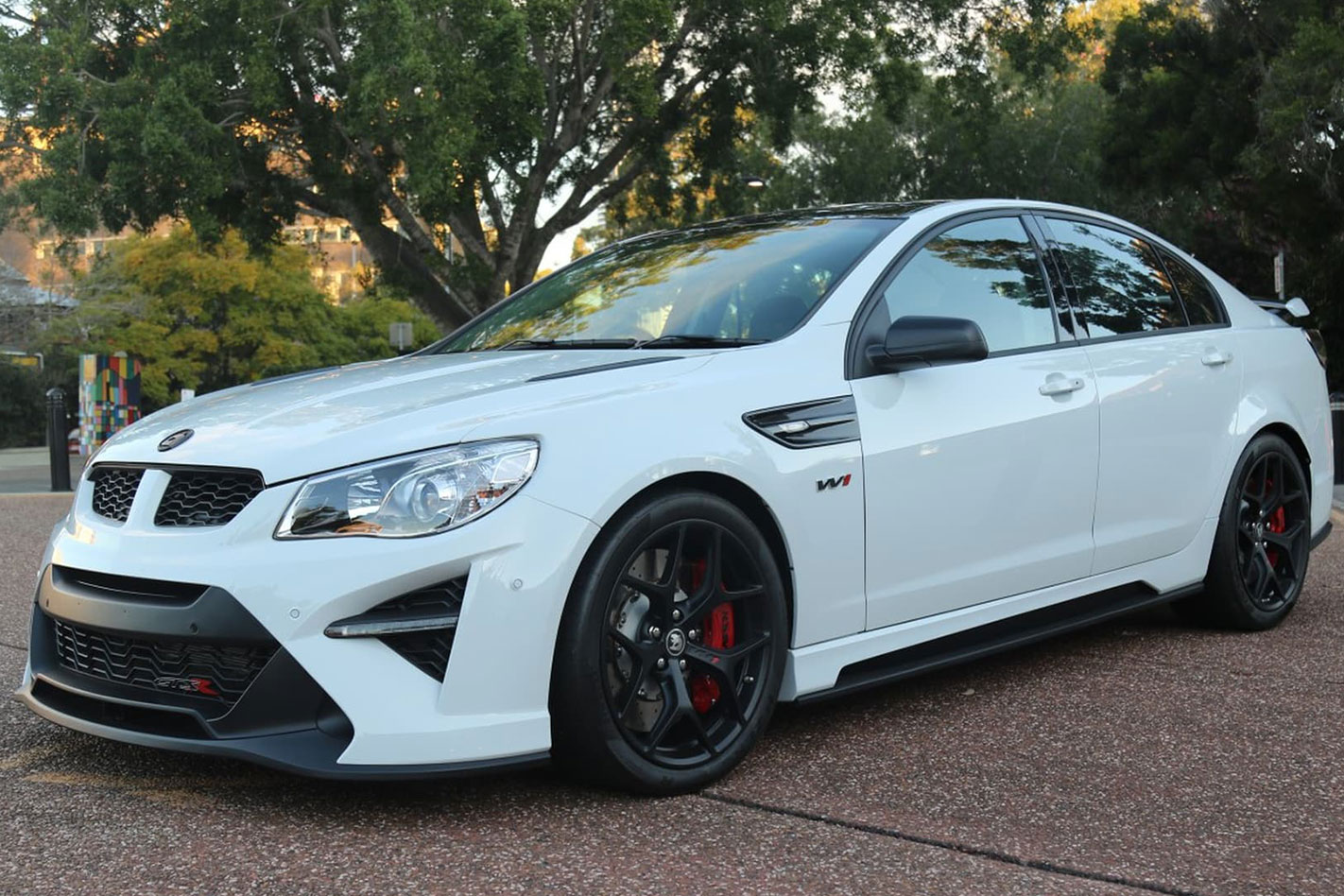
Just 275 HSV GTSR W1s were built before a special run of Maloo W1 were made available to an inner-circle of HSV executives and special customers.
Honda has increased the price of the Honda Odyssey people mover by up to $5110 as part of the 2021 model year’s introduction which includes doors that open when you wave your hand, integrated Apple CarPlay/Android Auto and additional driver assistance technology.
The update is important for the Odyssey as it strives to retain its crown as Australia’s most popular privately-owned people-mover against the hard charging 2021 Kia Carnival.
The 2021 Honda Odyssey range kicks off at $44,210 for the new Vi L7 and increases to $51,150 for the range-topping Vi LX7.
The former is $5110 more expensive than the 2020 Honda Odyssey VTi that it replaces, while the Vi LX7 represents a price increase of $2410 over the previous VTi-L.
The VTi’s higher price over the model it replaces brings active safety, seven seats instead of five and second-row captain’s chairs.
The variant name changes bring the Odyssey in line with the company’s new naming protocol introduced on the 2020 Honda CR-V range, which also saw the VTi badge reserved exclusively for turbo models.
New for 2021
Equipment-wise, the Honda Odyssey’s infotainment system now features a bigger floating 8.0-inch touchscreen with Apple CarPlay and Android Auto standard on all models.
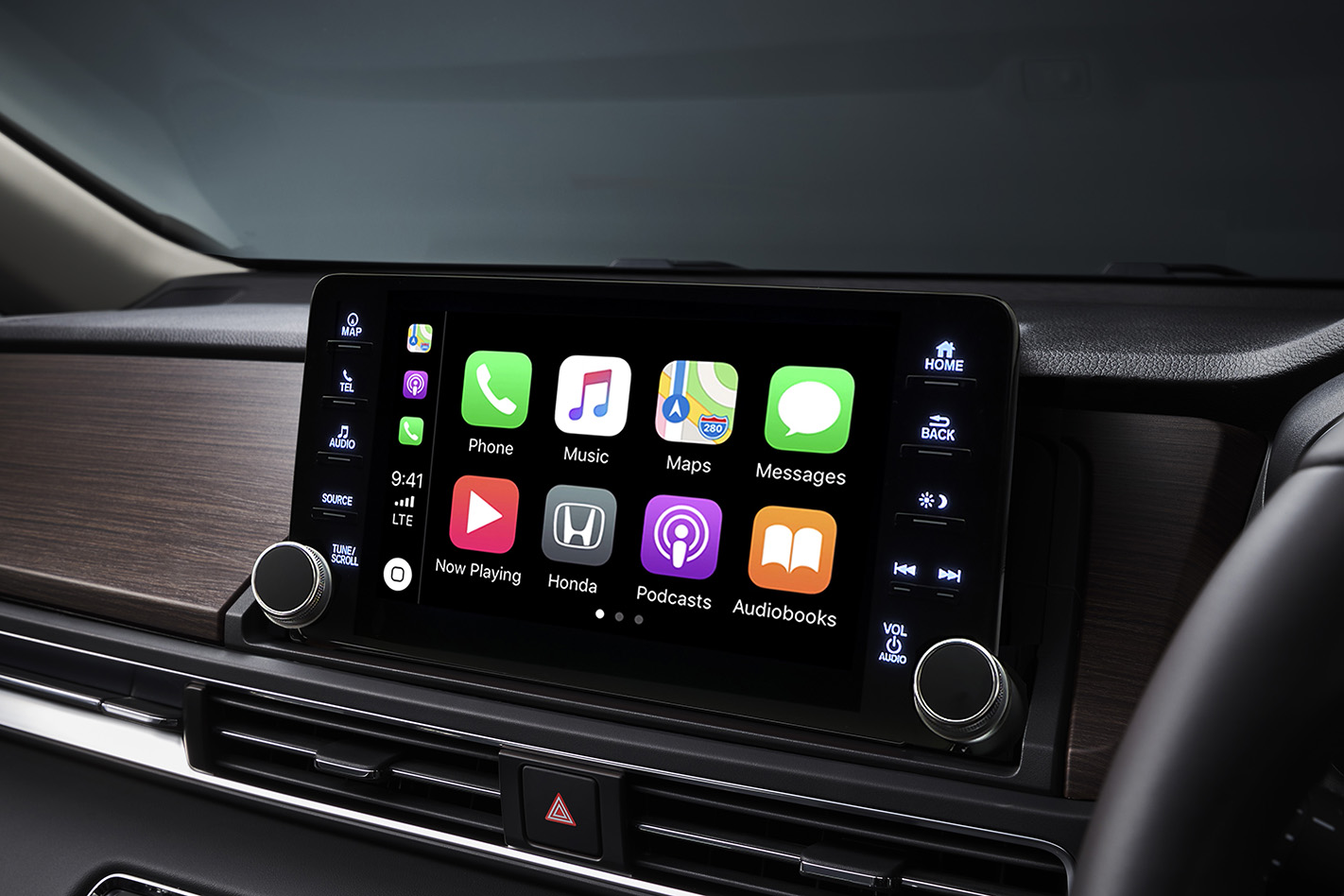
‘Honda Sensing’ safety and driver assistance is now also standard. It includes forward-collision warning, autonomous emergency braking, adaptive cruise control, lane keep assist, lane departure warning, and road departure mitigation that senses if you’re about to veer off-road even when there are no lines.
Other standard features include leather-appointed seat trim, one-touch power-sliding doors on both sides, LED headlights, heated front seats, blind-spot monitor and rear-cross traffic alert.
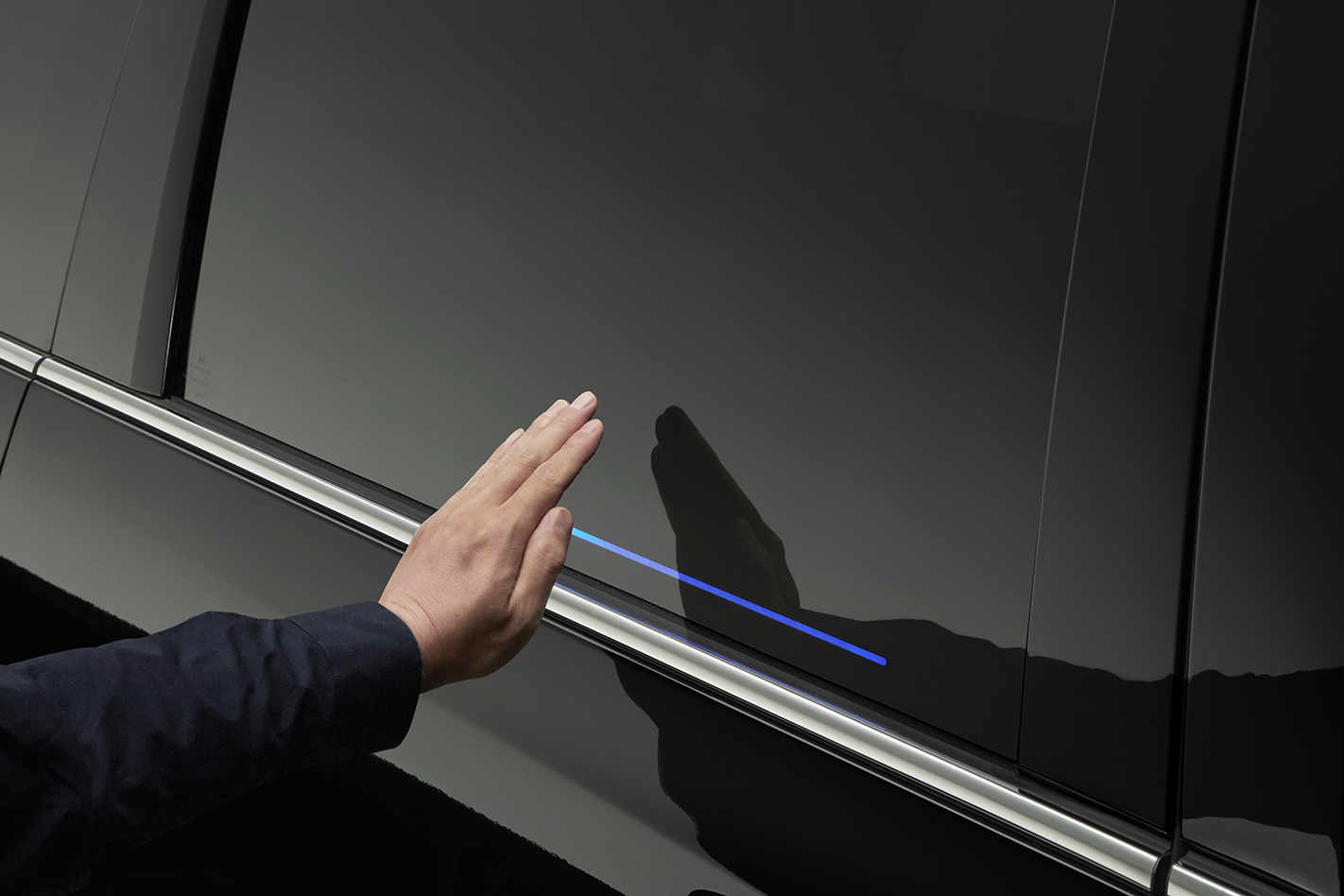
The range-topping Vi LX7 is priced at $51,150, an increase of $2410 over the model it replaces. Standard equipment includes new gesture-controlled power sliding doors, an automatic power tailgate with kick sensor, driver memory seats and ambient footwell lighting for the second row.
Styling-wise the 2021 Odyssey’s changes are subtle: redesigned front and rear bumpers, grille, bonnet, headlights and alloy wheels.
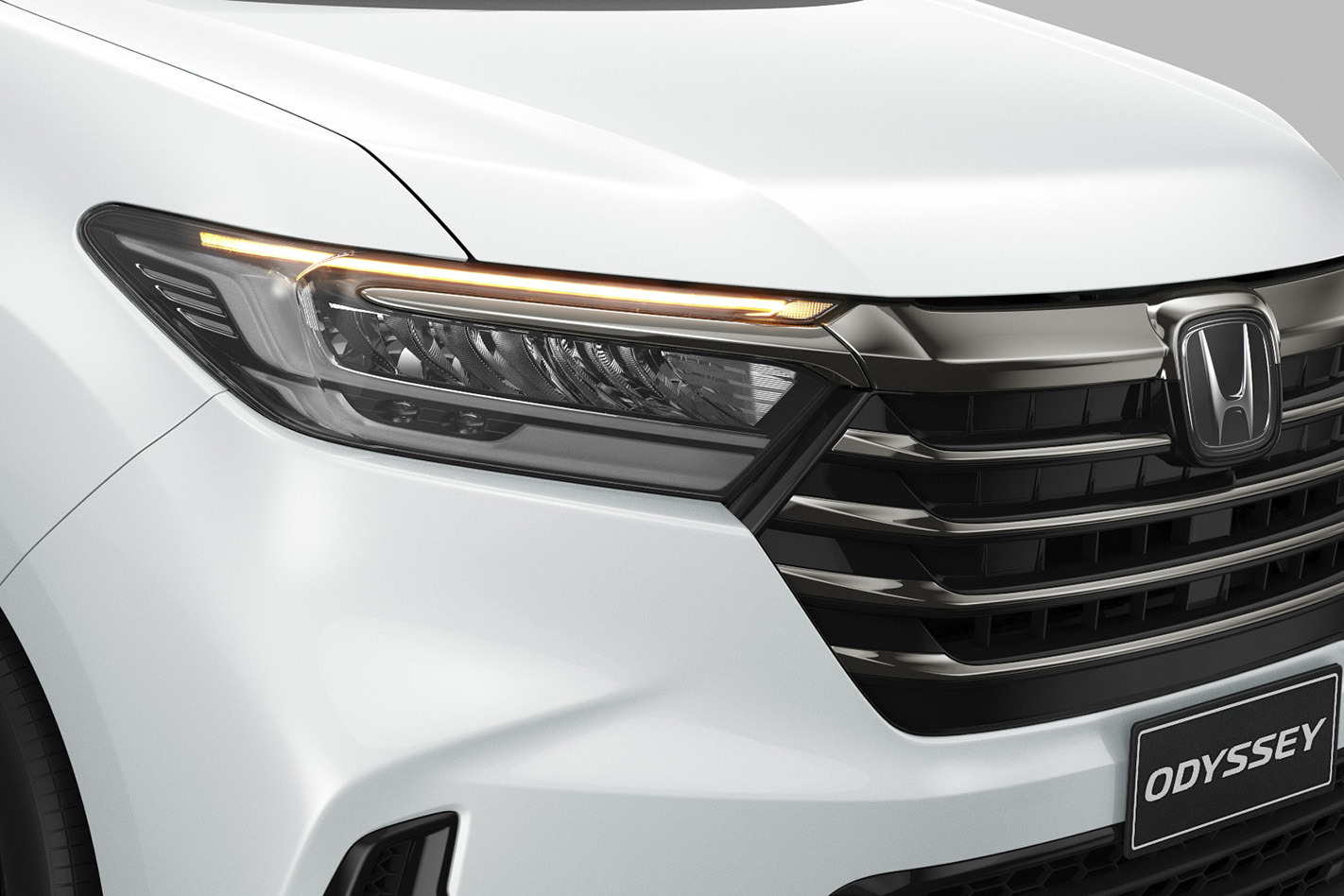
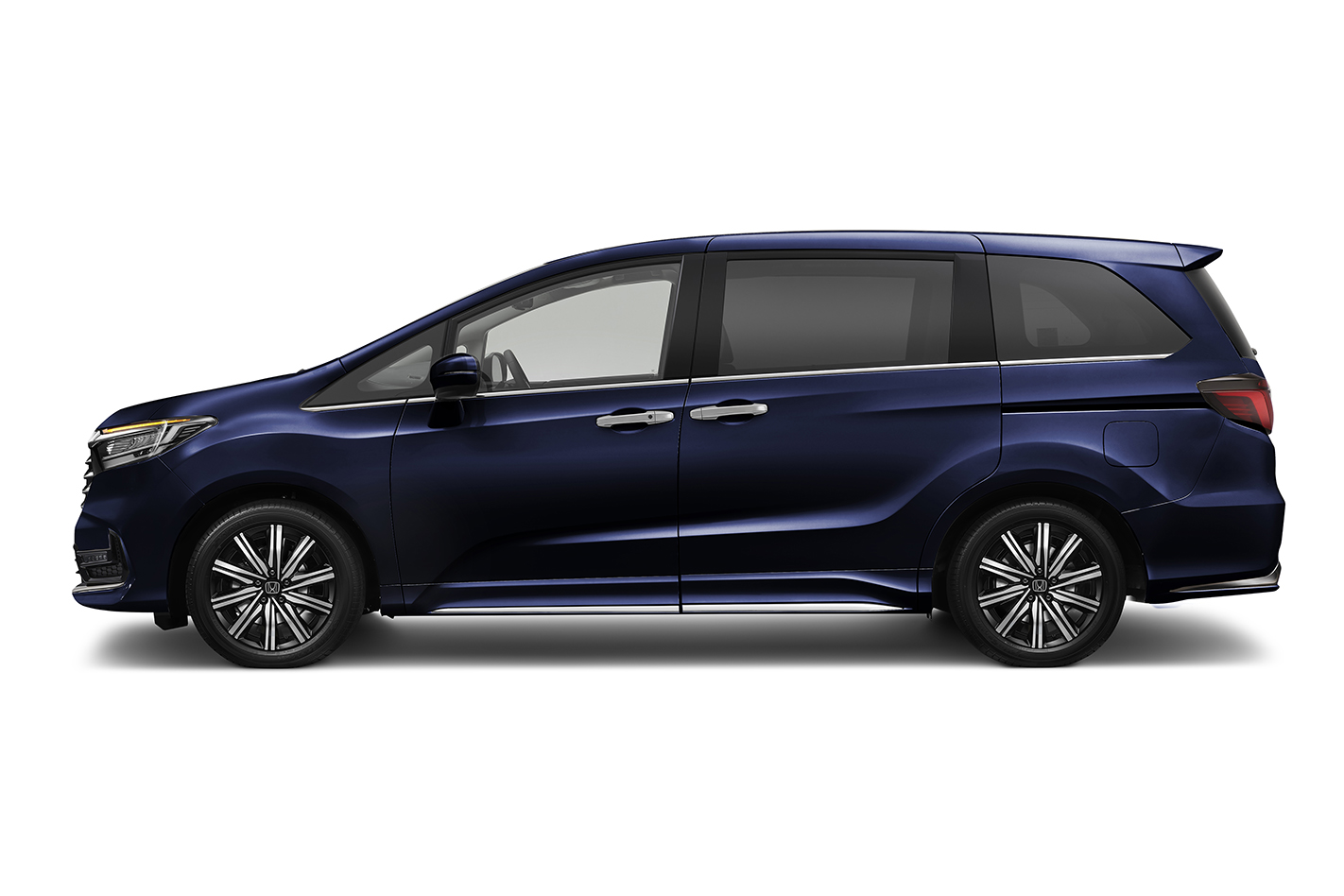
There is also a new colour option, Obsidian Blue (below).
The front-drive Honda Odyssey’s 2.4-litre four-cylinder petrol engine and continuously variable transmission (CVT) continue unchanged. The engine’s outputs are 129kW/225Nm.
Audi has developed an innovative generation of smart power meters that could help avoid a growing electric car fleet crashing local power distribution grids at peak times – a popular criticism by EV opponents.
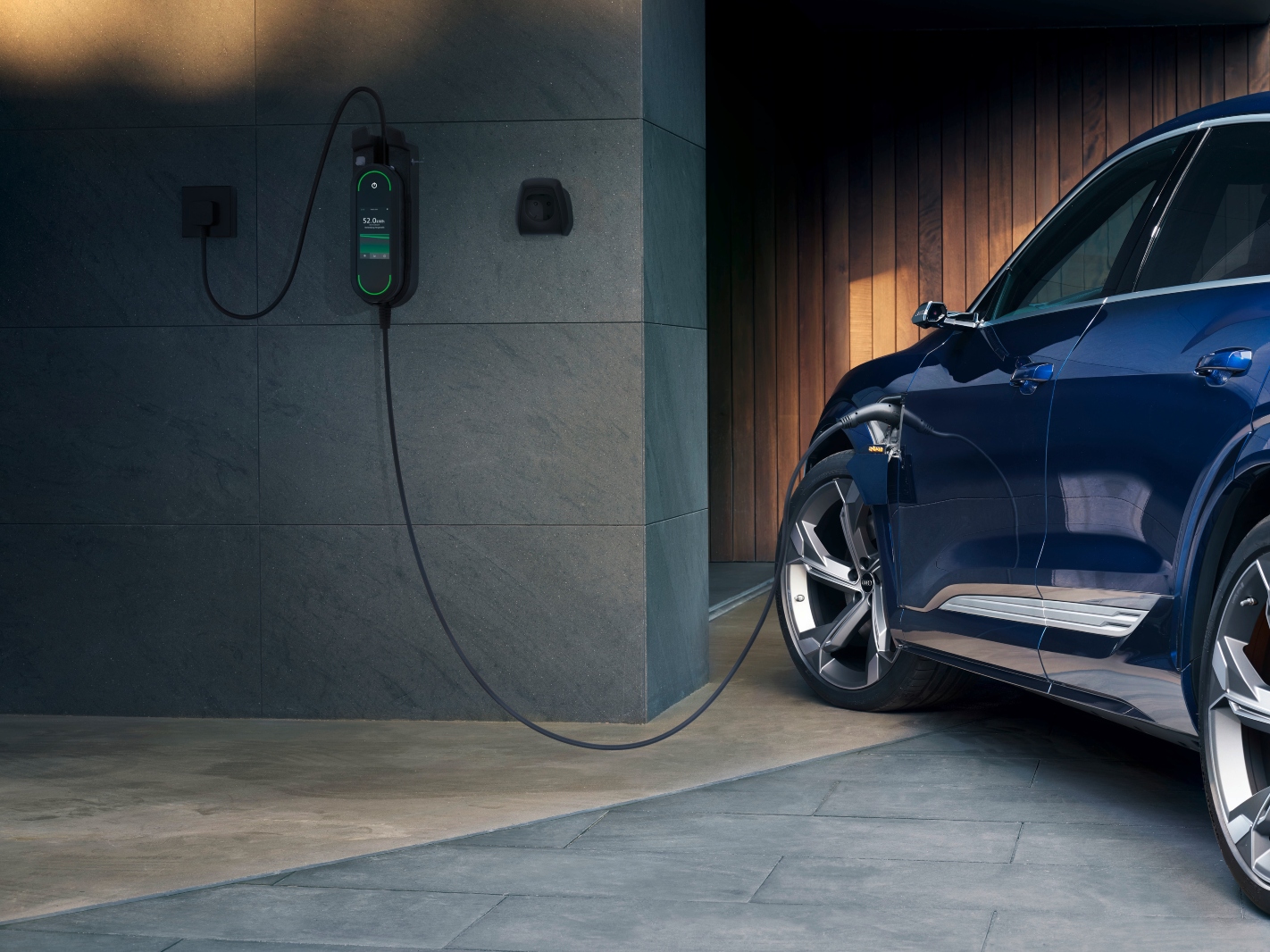
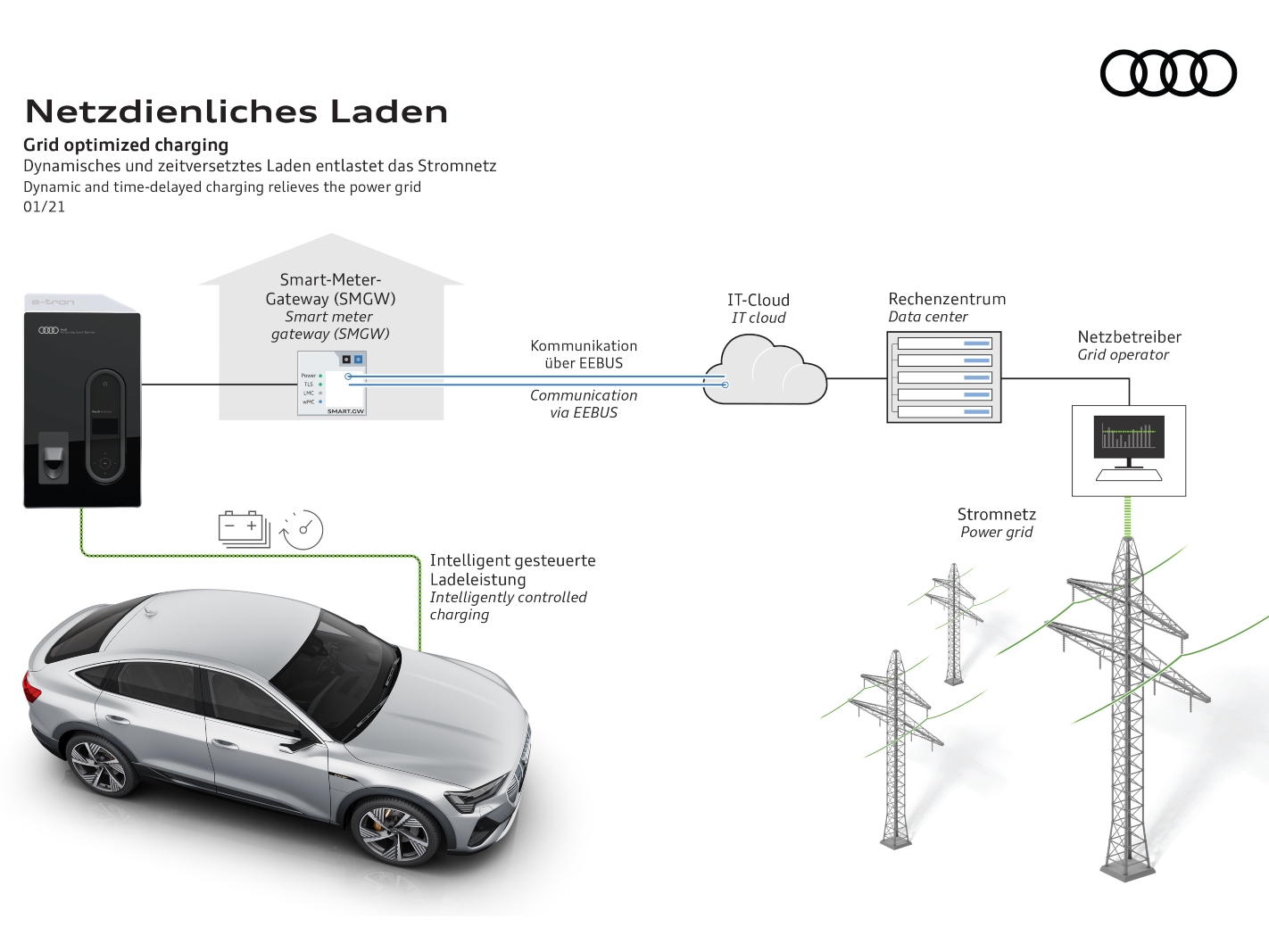
The new grid-optimised charging system establishes ‘intelligent’ communication between electric vehicles, households and the power suppliers, through a network of Smart Meter Gateways (SMGs) that relay critical information regarding energy requirements and demand.
With this real-time data, the system identifies high load periods on the distribution network and staggers the delivery of power on an individual basis, eliminating a spike caused by multiple EVs being plugged in at the same time.
It’s the same problem sometimes encountered on hot days when many households switch on air-conditioning simultaneously – normally about the time residents are returning home from work.
Audi’s solution has one key difference. While the cooling effect of air-conditioning is required immediately, Audi’s system recognises that electric vehicles do not necessarily need to commence charging as soon as they are connected to the power supply.
The system effectively creates an adaptable roster during which the connected vehicles all receive power, but not at the same time.
One potential problem with that approach concerns vehicles with large battery capacities and longer charging times, requiring continuous charging overnight to receive their maximum range. But Audi has a solution to this.
Customers who are able to charge their EVs at work, for example, would be offered electricity rate discounts to partially or fully top up their battery during the day and eliminate the need for a full eight-hour connection each evening.
That option might not work for everyone but the German carmaker says it will only be necessary in a handful of cases. Overload simulations and testing conducted by Audi has demonstrated the system has the potential to keep everyone happy.
“The electric car uses downtime to fully charge with dynamic charging capacity adjustment, while also relieving the power grid without restricting the customers’ mobility needs,” Audi said.
Crucial to the success of the test and future commissioned systems is a universal communication language used by all components in the chain.
Using special modules, a home energy management system (HEMS), smart gateway, Audi Charging System Connect and the grid all use the same code to form a ‘highly secure’ data stream.
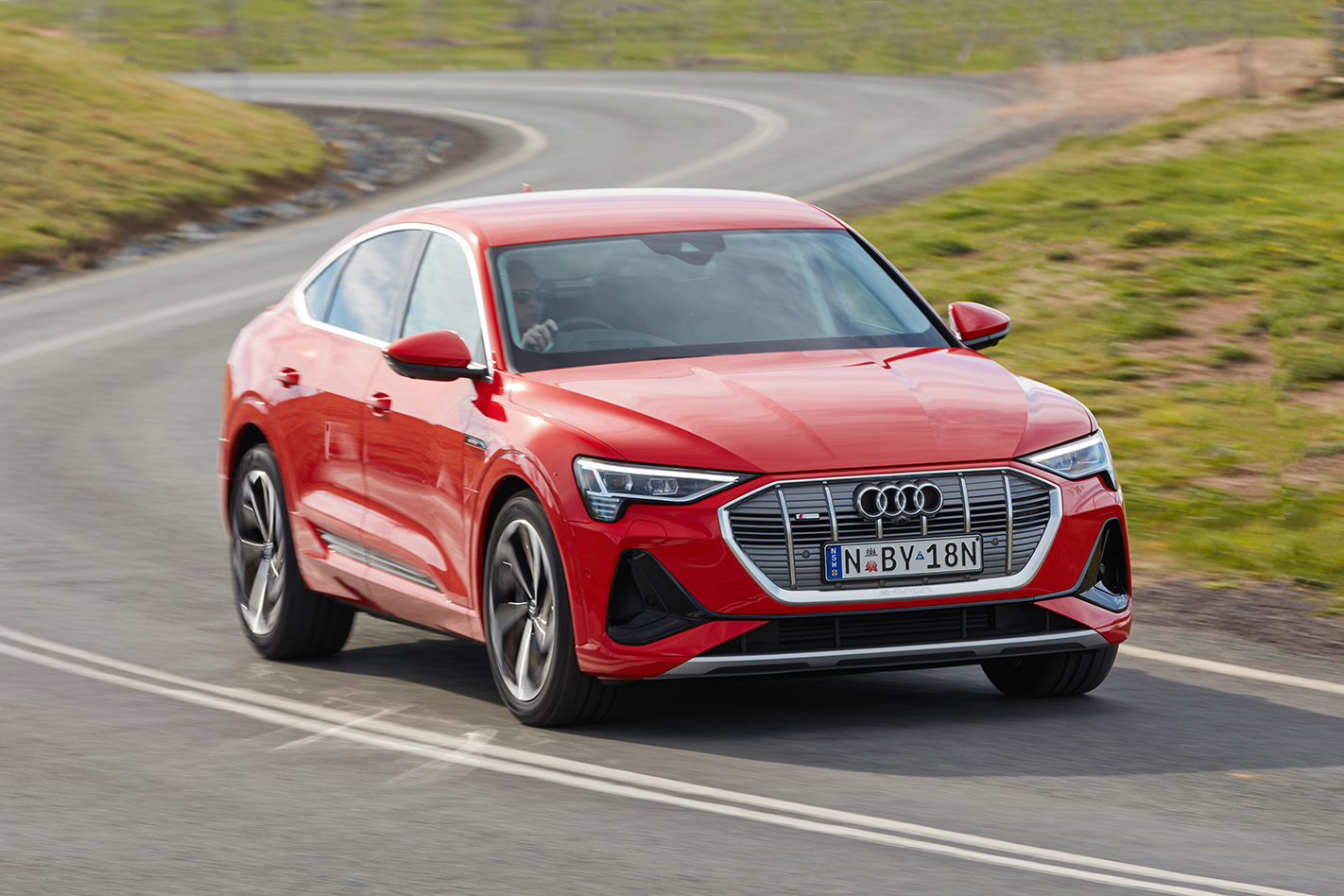
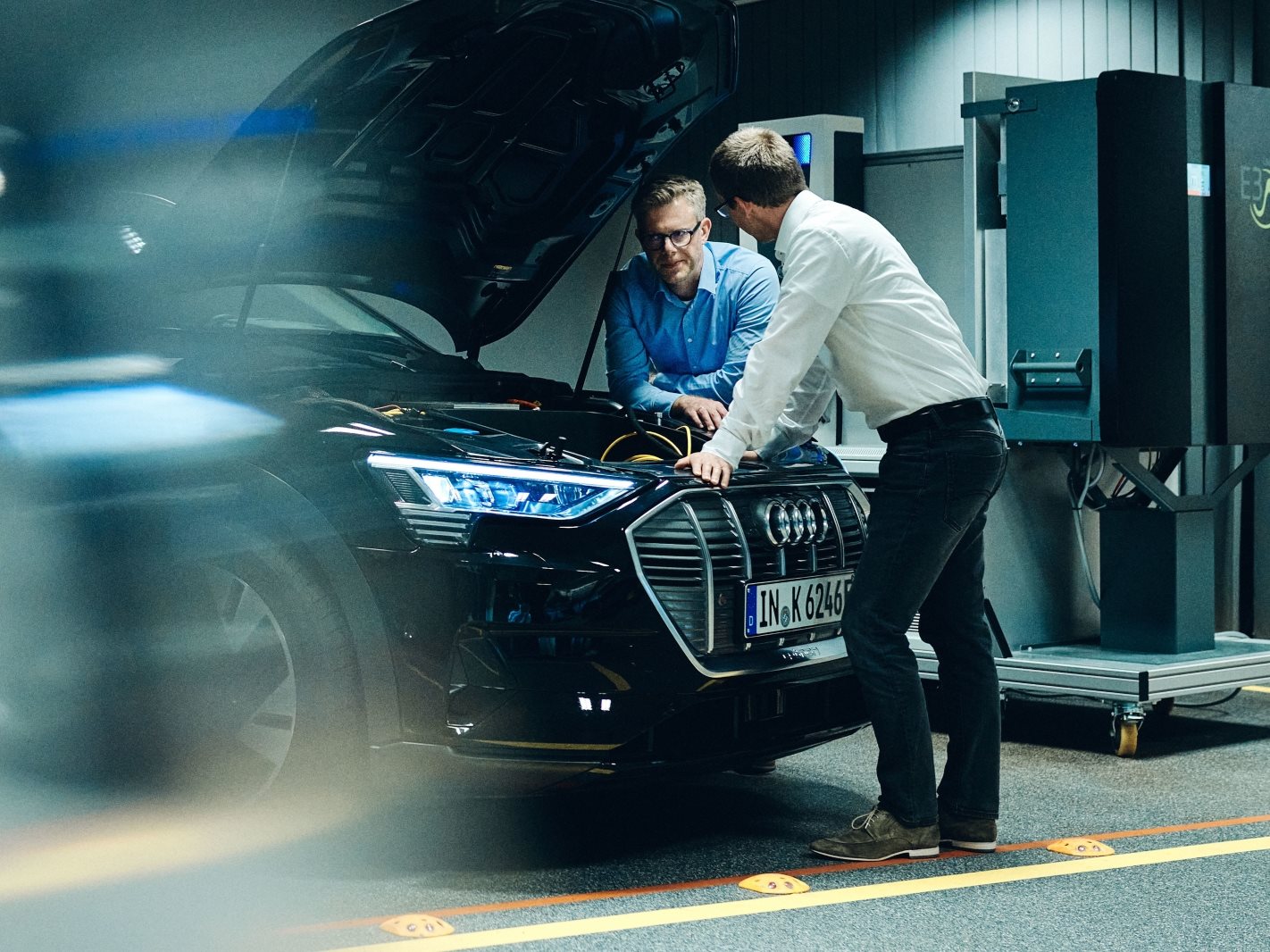
In collaboration with the other system stakeholders and partners, Audi is also developing its electric models to seamlessly plug in, including the e-tron which is already being manufactured with the relevant software to connect.
Audi’s Grid-Optimised Charging is the latest in a number of ventures that seek solutions to a looming grid overload problem – a challenge that will only get harder to overcome as the number of EVs on roads and driveways increases.
Last year, the Australian Renewable Energy Agency (ARENA) contributed $838,000 to a $2.9m project to install and commission 150 smart chargers locally. While that’s a relatively small number, the pilot will help ARENA better understand the demands of Australian EV drivers and enable a more targeted expansion of the network when the demand increases.
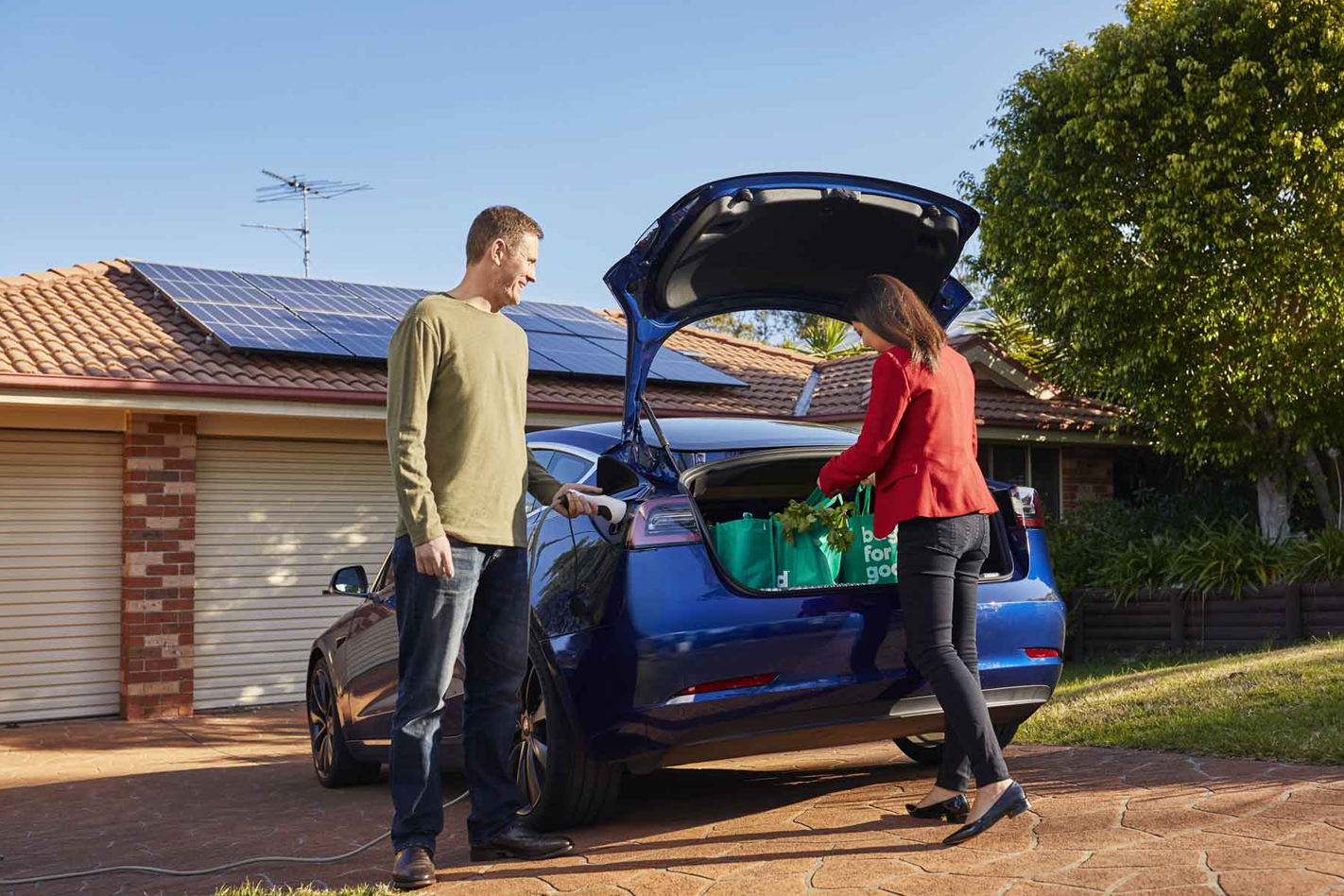
A key part of the Australian smart charger project is to also gauge the public’s willingness to hand over data regarding energy use to a third party, a potential stumbling block for any ‘intelligent’ energy management solution.
NEXT EV smart charger trial switched on
Despite the 2021 Tokyo Auto Salon’s cancellation due to the Covid pandemic, Honda has let its imagination run wild by turning its Honda e electric small hatchback into a carbon-fibre drag car.
The Honda e-Drag concept uses carbon-fibre reinforced plastic (CFRP) body panels to offset the weight of the Honda e’s battery packs. It sits lower to the ground on new suspension and wider 17-inch alloy wheels from the Honda NSX wearing obligatory drag slicks.
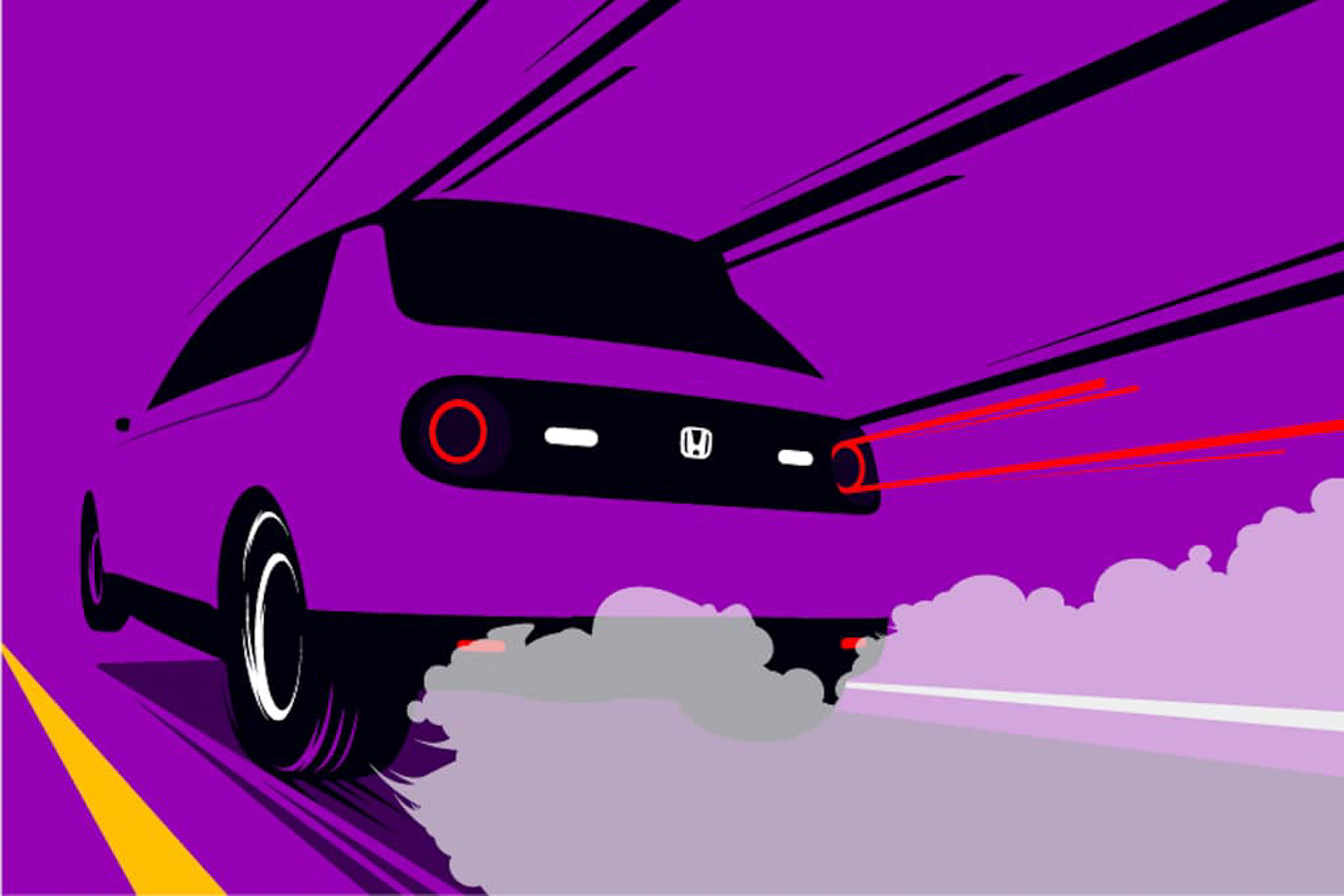
There’s no mention of an uprated battery pack, suggesting that the standard 35.5kWh battery paired with the Honda e’s 113kW/315Nm motor will have to make do. In an illustration, Honda suggests the existing rear-wheel-drive layout will be put to some good, smoky use.
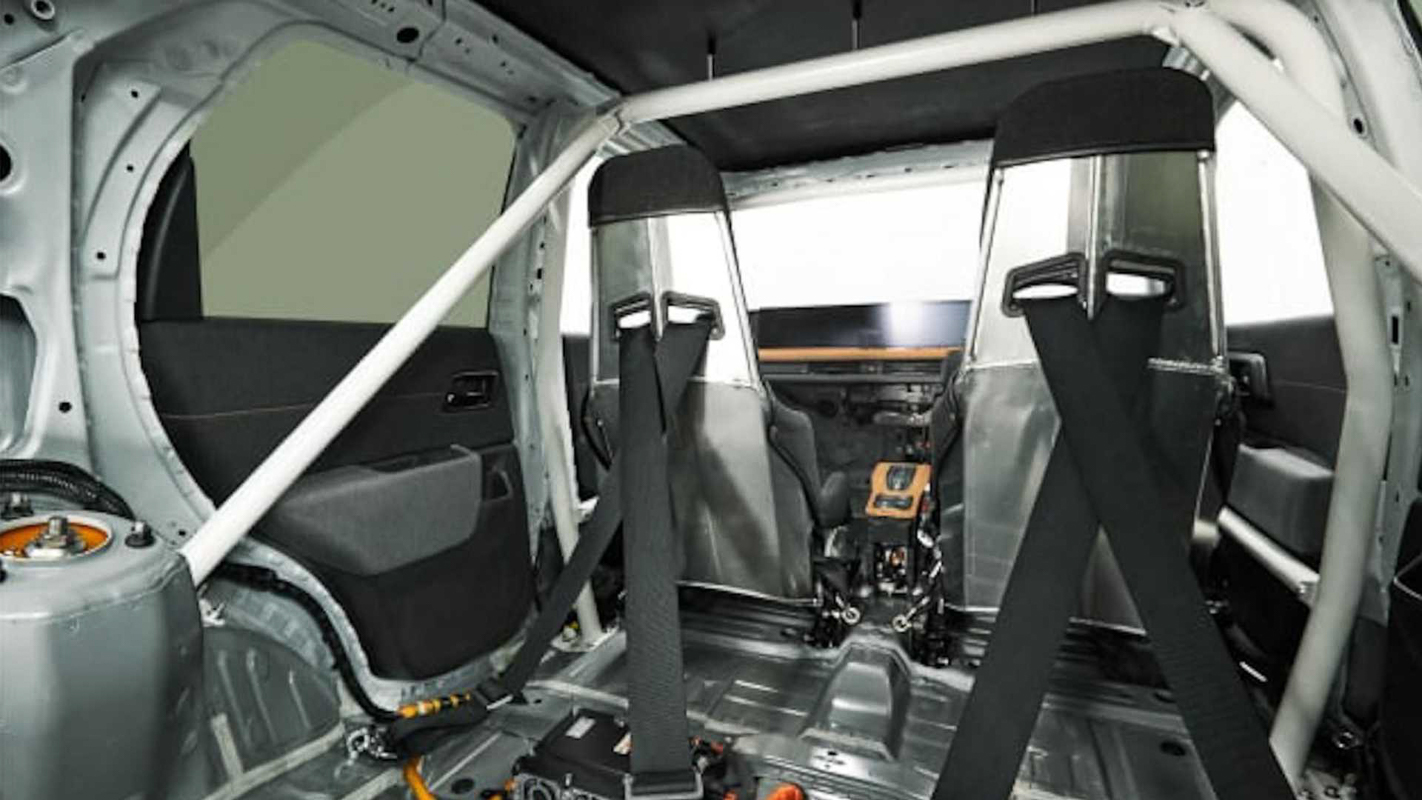
A set of high impact drag seats has been installed into the cabin along with roll cage bracing. The rest of the interior is mostly binned in the name of weight reduction and straight line speed.
On its Japanese website, Honda nicknames the racer “Fighting e” and says it takes advantage of the “instantaneous power unique to a motor that produces maximum torque from the moment of rotation and the characteristics of rear-wheel drive.”
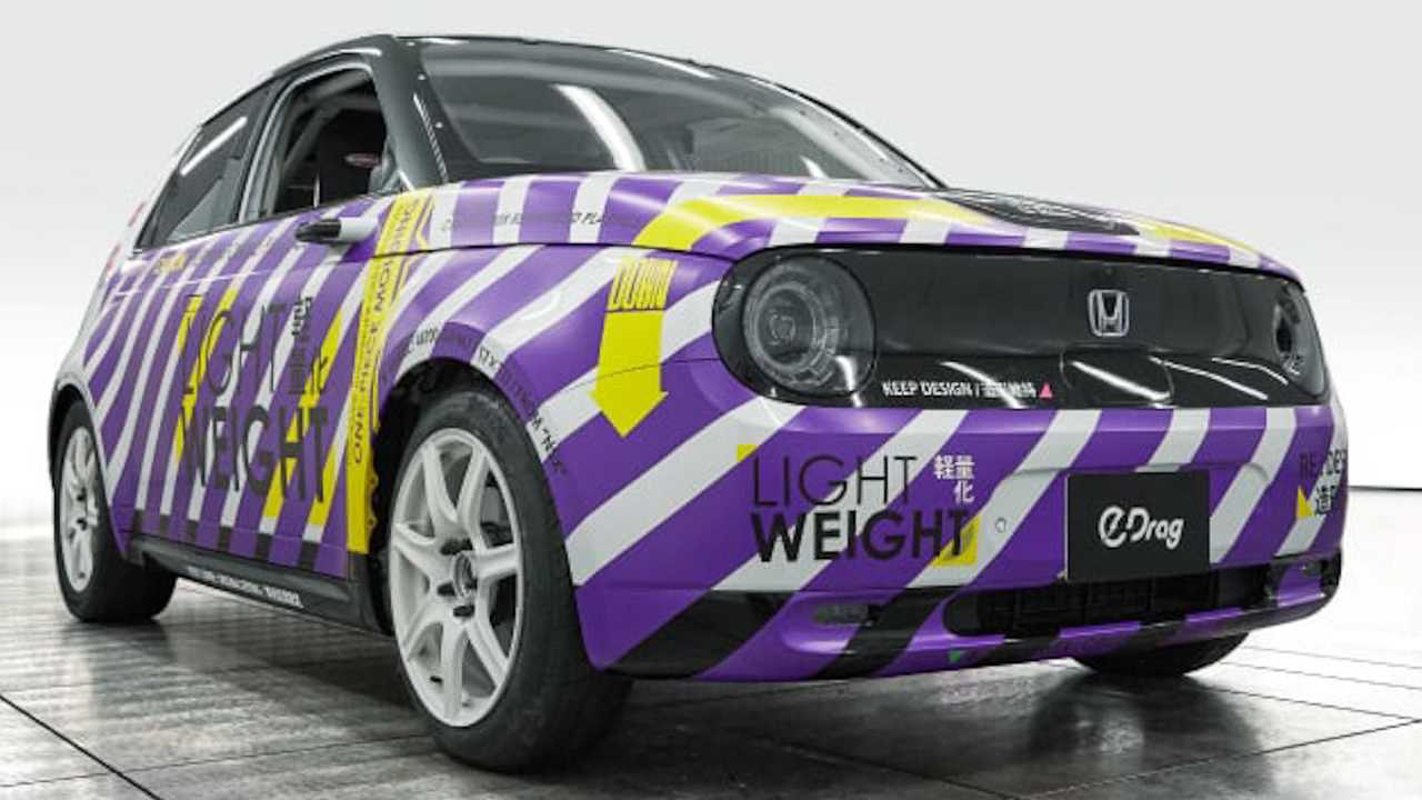
People can vote on the final colour scheme that the car will wear in full production trim – which is expected to compete in a racing event in March 2021.
The concept was presented by Honda along with a hill climb-spec N-One kei car at this year’s virtual Tokyo Auto Salon. The event also previewed a convertible race truck from Daihatsu, an off-road lifted Honda Jazz and a mobile office pod caravan from Nissan.
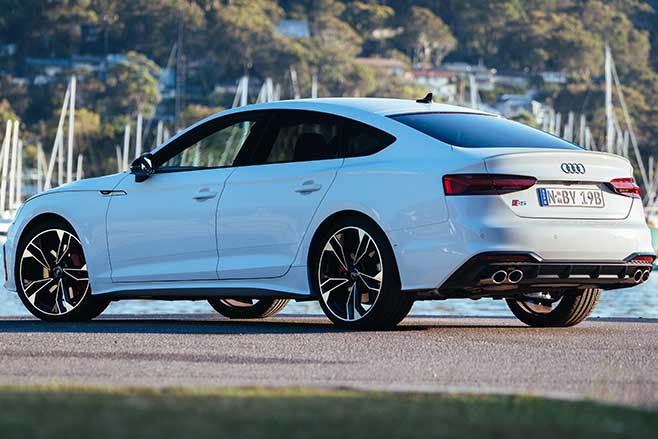
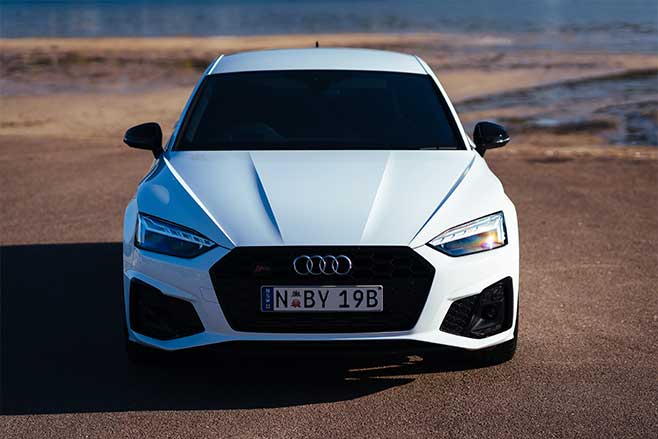
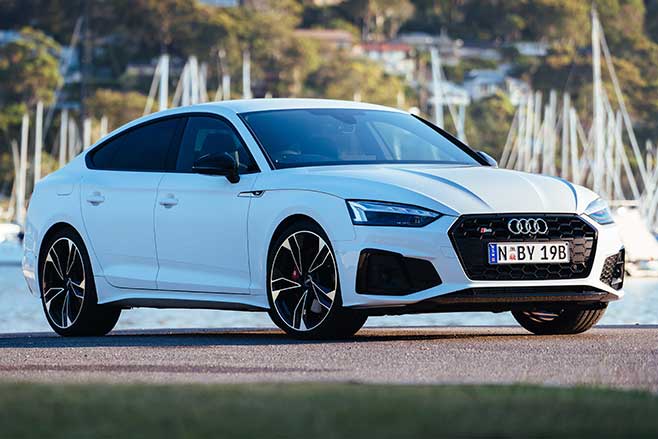
Pity the humble, traditional sedan. Not only is it under attack from the burgeoning ranks of SUVs but also curvier, coupe-ier cars like the Audi S5 Sportback.As the name suggests, the S5 Sportback is closely related to the S4, Audi’s traditional performance-oriented mid-size sedan offering.
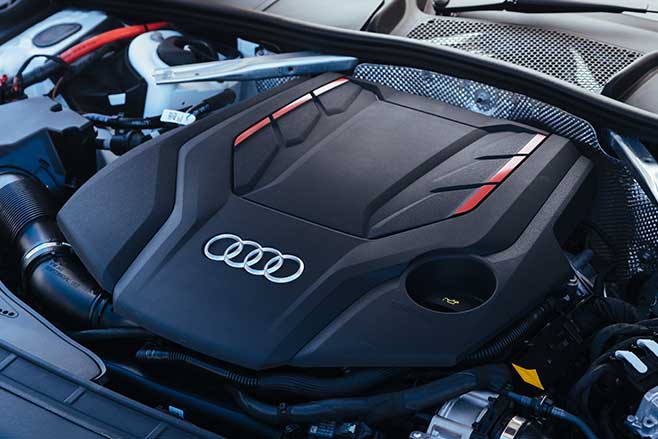
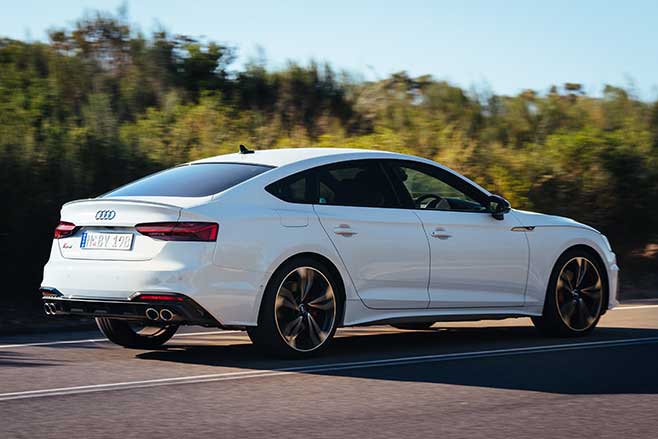
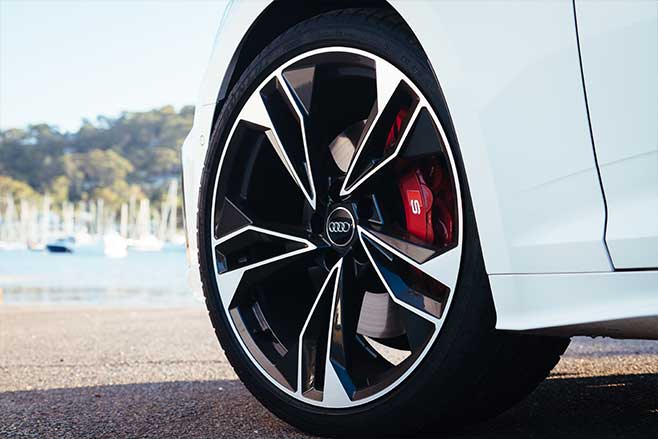
You can apply throttle very early in the corner confident in the knowledge that the front end will remain stuck to the road and that the diffs beneath you will shuffle the power to where it’s needed most.
Dual air vents, USB ports, separate temperature controls and fold-out storage and cupholders all aim to make life more appealing, too.Up front, there are some odd ergonomic quirks. The button placement feels to be a legacy from left-hand drive cars. The Drive Select button is an awkward stretch for drivers, and the with the nearest button to the driver in RHD cars is for turning off the infotainment system.
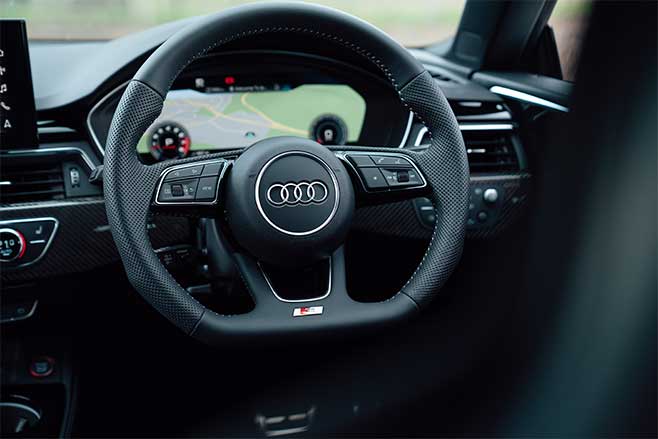
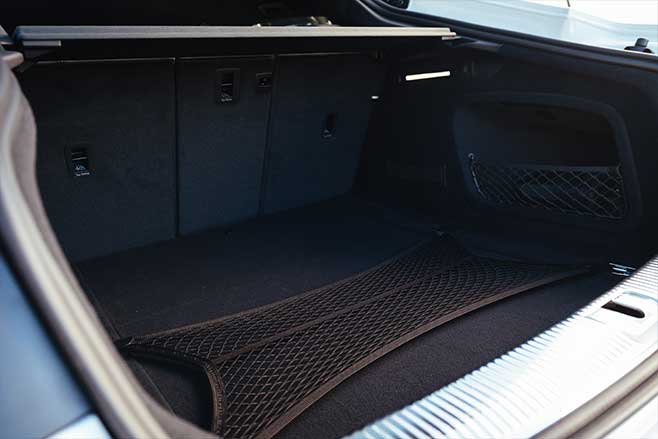
Small niggles aside, the S5 Sportback is a deeply impressive machine. It’s fast, sounds good, looks good, is practical and feels expensive. It is also painless to drive slow and exciting to drive quickly.
Styling is subjective, but for me the swoopy Sportback body has curves that the traditional three-box sedan can’t hope to imitate. This is one of Audi’s best offerings.
Likes: Looks; performance; handling; practicality
Dislikes: Ergonomic foibles; reactive rideSpecifications Engine: 2995cc V6, DOHC, 24v, turbocharger Power: 260kW @ 5400-6400rpm Torque: 500Nm @ 1370-4500rpm Gearbox: 8-speed automatic Weight: 1675kg 0-100km/h: 4.8sec (claimed) Fuel consumption: 8.8L/100km (combined/claimed) Emissions: 202g/km CO2 Price: $106,500
