
It’s often said that the car you drive is a reflection of your personality, a four-wheeled statement of identity and personal expression. Luxury cars, pick-up trucks, sports cars, small hatchbacks, or electric vehicles; all say something about the people behind the wheel. Not all cars are created equal of course, and while some exude with the confidence of their owners, others simply blend into traffic. And then there are these, judged by Wheels in 2003 as some of the most embarrassing cars ever sold in Australia.
First published in the September 2003 issue of Wheels magazine, Australia’s best car mag since 1953. Subscribe here and gain access to 12 issues for $109 plus online access to every Wheels issue since 1953.
Ford Cortina TC/TD
Coke-bottle styling, more metal, and a range to match Holden’s Torana were the big news for Ford’s third-generation (TC) Cortina.
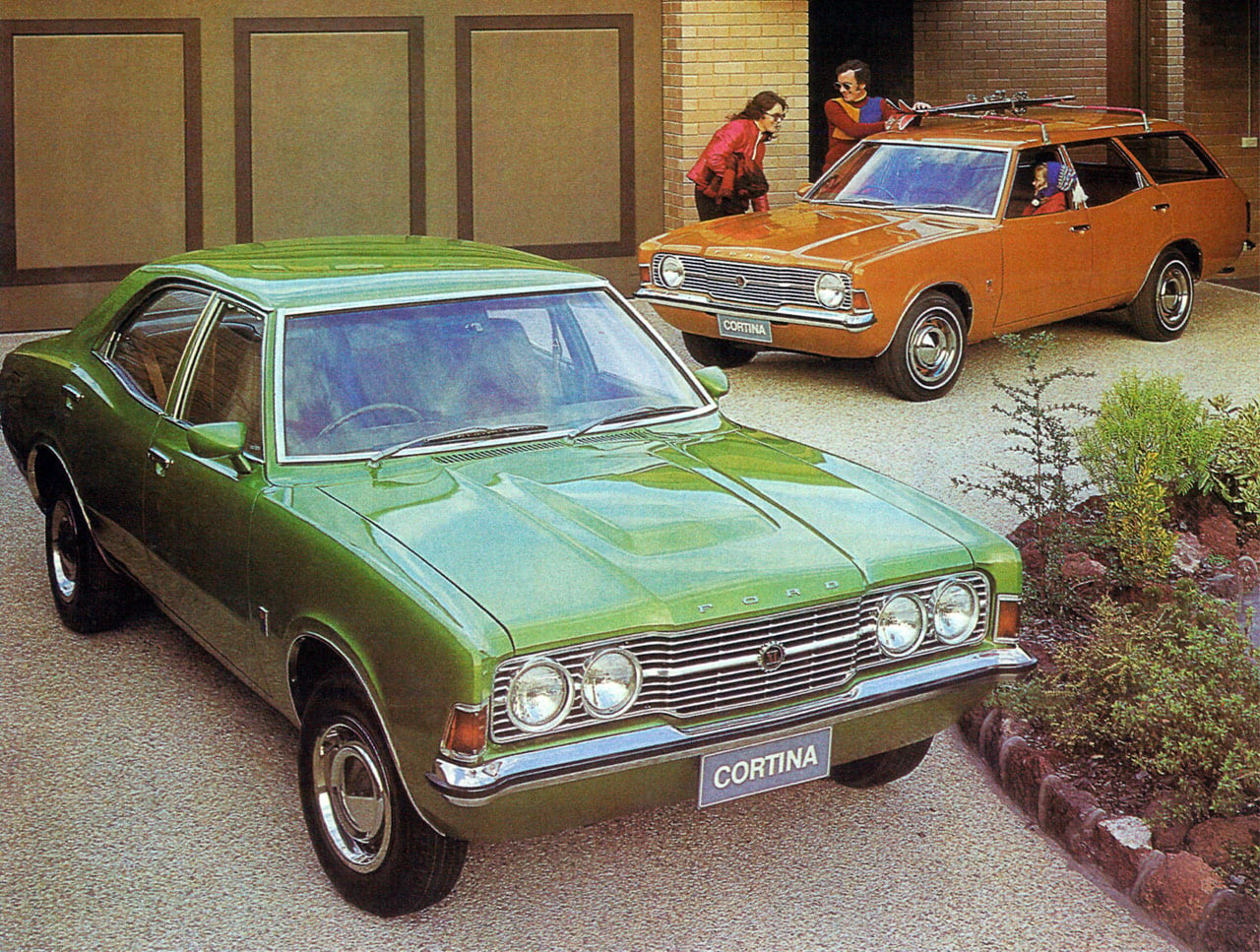
But the crease line on its rear doors never lined up, the standard of finish was appalling, and it didn’t take long for a ’tina to look tatty.
Of equal concern was the 1600’s painful lack of poke, the XLE’s putrid mustard/vinyl roof combo, and the poor road manners of the sixes.
By 1974’s TD, little had changed: “On anything but smooth bitumen, the roadholding and handling are terrible, and bits still fall off. The brakes fade away and the steering wheel can be torn out of the driver’s hands under hard braking on a loose surface,” said our 74 Car of the Year appraisal. It lost.
Fiat Argenta
What do you do with a decade-old car that wasn’t particularly great, even when new? Not this. Fiat’s major facelift of the 132 sedan was a huge joke in Australia.
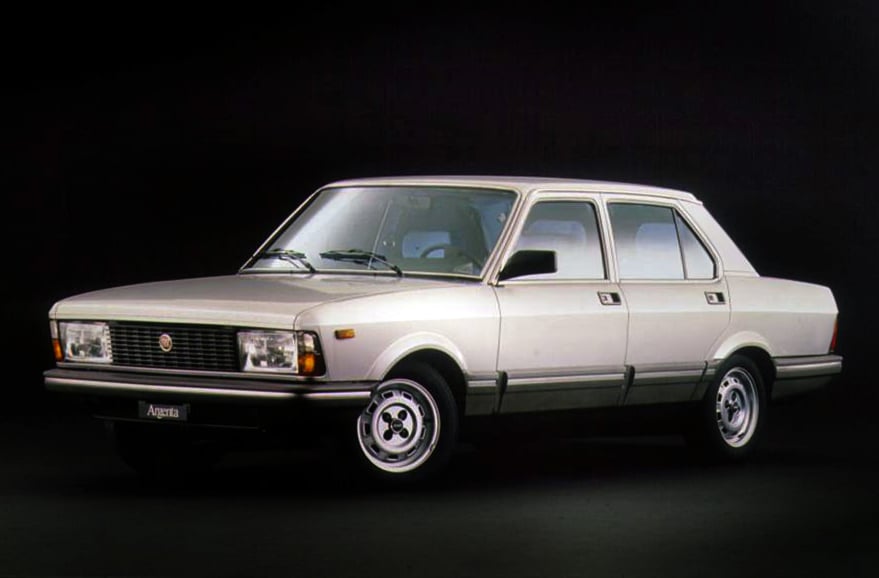
The Argenta took two years to land (March ’83), cost a Statesman-rivalling $20K (when the 132 cost $12K), and looked exactly what it was – a boxy, body-clad heap, more dated even than the 1972 original.
We described it as “so lacking in flair and so plainy bland, you expect it to be boring. Except that there are enough irritating and stupid things about the car to make the driver sufficiently annoyed that motoring in the Argenta could never be dull.”
That Fiat made four attempts at fixing the 132/Argenta’s suspension says it all.
Alfa Romeo 33
Not one of Alfa Romeo’s highlights, although not quite as horrendous as the Europe-only, Nissan-Pulsar-based Arna.
The Alfa 33 (1984-1992) replaced one of Europe’s most-loved cars – the iconic, if rust-prone, Alfasud – but it just didn’t rate.
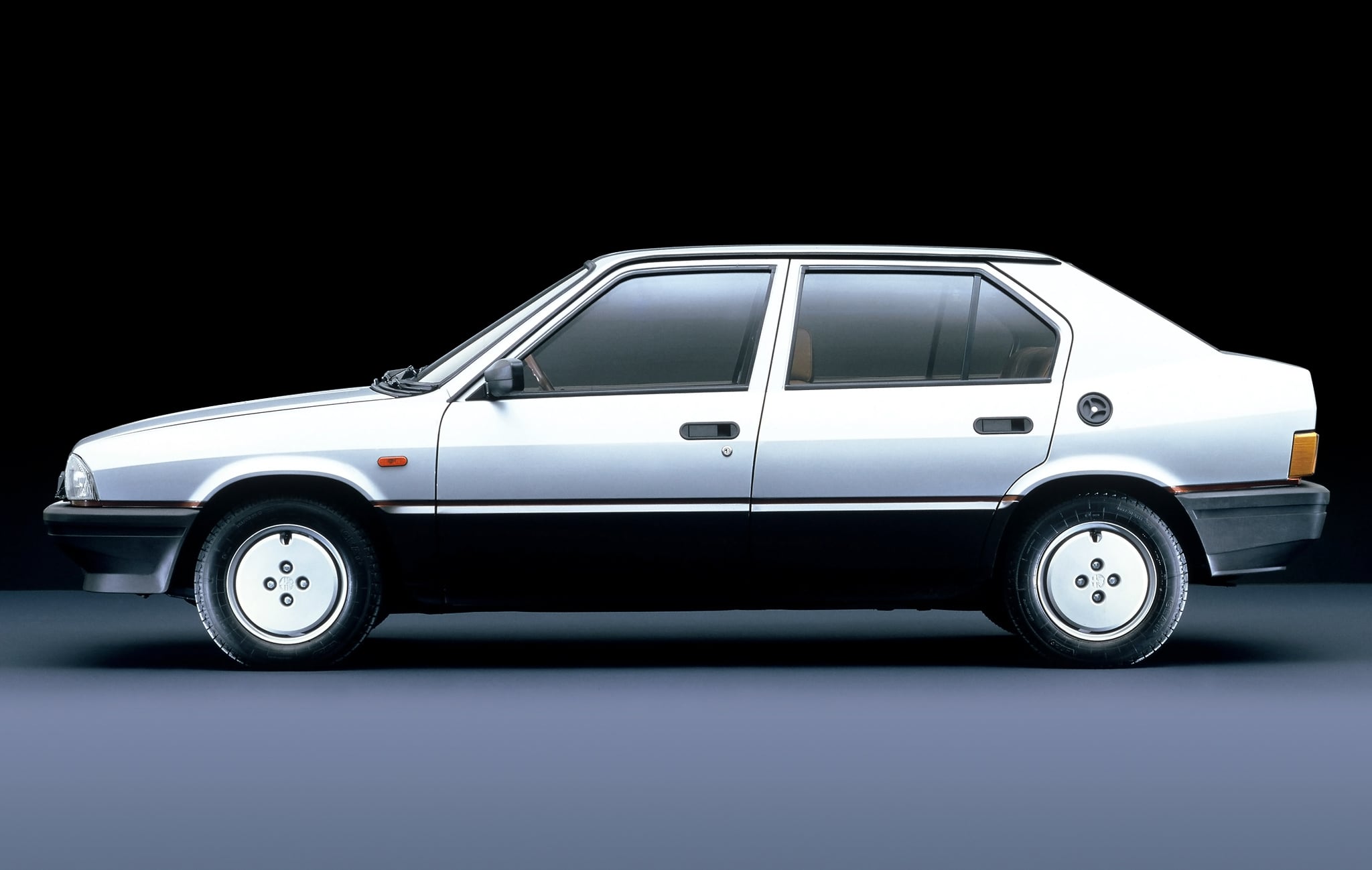
The 33 regressed to rear drum brakes instead of discs, lacked the Sud’s flair and fizz, and appeared too mainstream.
But despite the encroaching stolidity, the 33 remained an owner’s nightmare. Its high-tail body was far too weak, it rusted, and the electrics, like the driving position, were hopeless.
The door trims were made of cardboard, and the roof lining eventually turned to powder – snowing on passengers if touched. Yes, the 33 was about on par with a peeling scalp.
Hyundai Excel X1
Our first taste of Korean automotive cream was this – Hyundai’s inimitable X1 Excel (1986-90).
The name might have prompted a lawsuit for false advertising, if not for the fact the car so obviously excelled at transporting mindless drones at well below the speed limit for stuff-all cash.
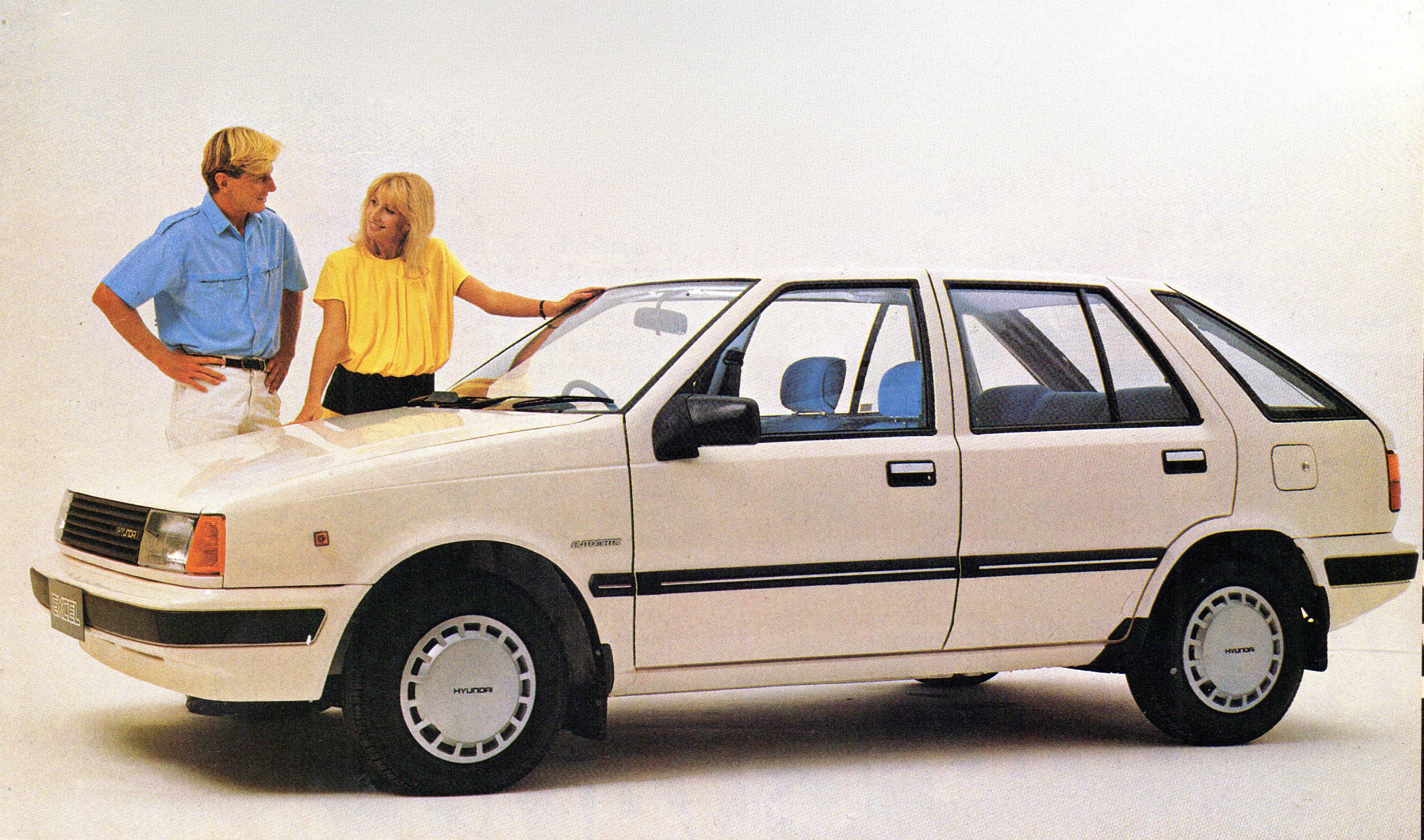
Its blocky styling made a lump of wood look svelte, and its cabin plastics were benchmarked against disposable cutlery for tactile delight.
But the X1 Excel’s breathless performance, hopeless dynamics, and A-to-B owner demographic that cements it as a laughing stock.
Unfortunately, the Excel also proved fairly rugged, so it’s still uglifying our roads today.
Die you bastard, die…
Lada Samara
If any car can make the original Excel seem palatable, it’s Lada’s Samara. Born in a backroom somewhere in Moscow’s red-light district during the mid ’80s, the Samara appeared quite modern when launched locally in 1988, but only in comparison with its Niva 4WD relative, and any previous Fiat-based attempts.
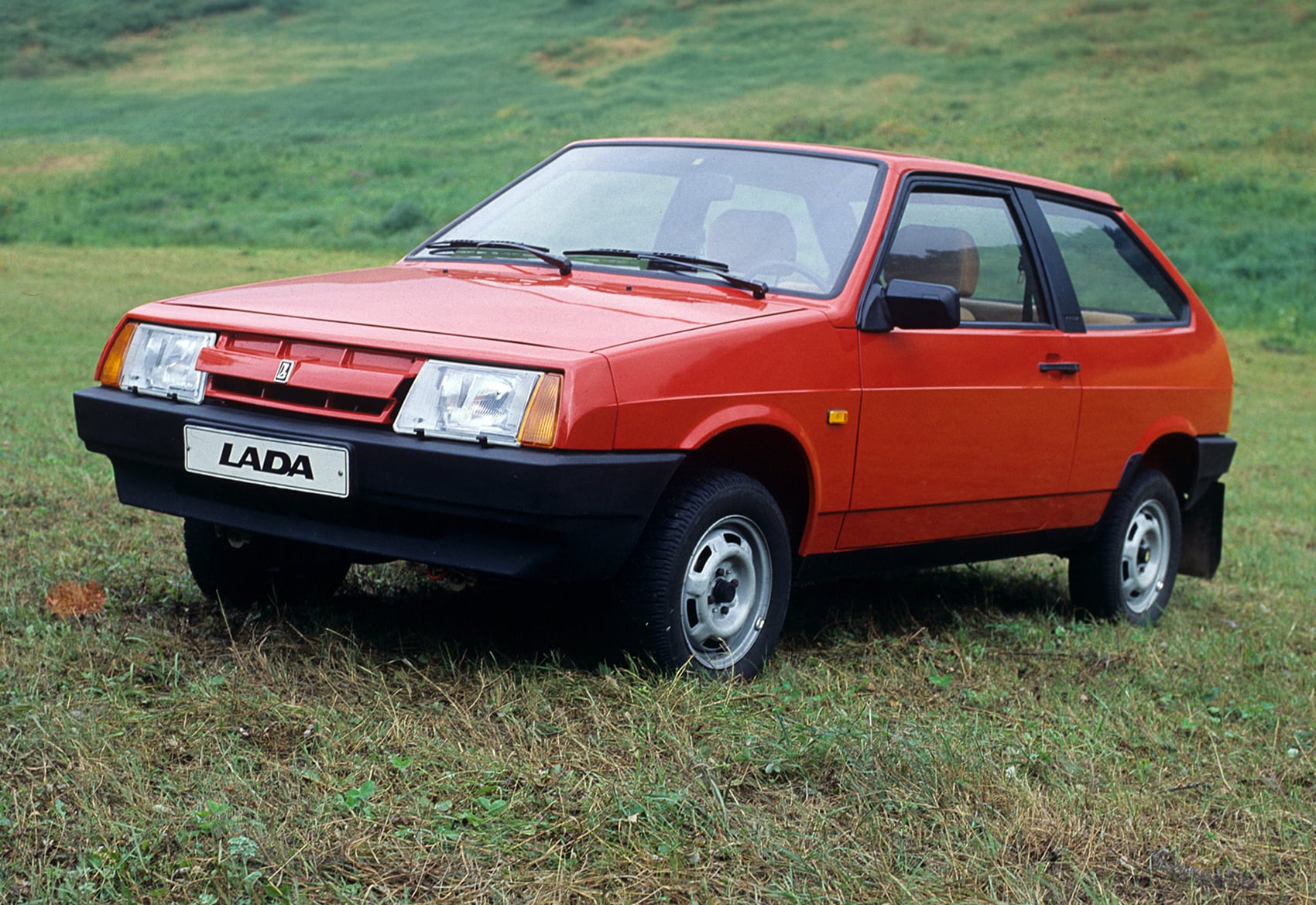
So bad was Lada’s build quality that, in Europe, Russian-built Samaras were sent to Belgium, stripped, and rebuilt before sale. In Oz, Peter Brock handled pre-delivery and ADR certification until he realised his folly.
In a confusing turn of events, Lada renamed it 1300 in 1990, then added the Cevaro (5dr), before steaming to a halt with the Volante (3dr) and Sable (4dr) in 1995. Same car, same bad smell.
FSM Niki 650
This is the horror responsible for reducing a former Wheels staffer, Adam Porter, to a quivering mess – after he flipped one onto its roof during a four-car comparison test in 1990.
Essentially a 1972 Fiat 126, but without any worthwhile updates, the SM Niki hit Australia crawling in May ’89, and promptly defecated in its dacks, judging by the crap lurking back there: an 18kW, air-cooled, 652cc in-line twin, and swing-axle rear suspension would you believe?
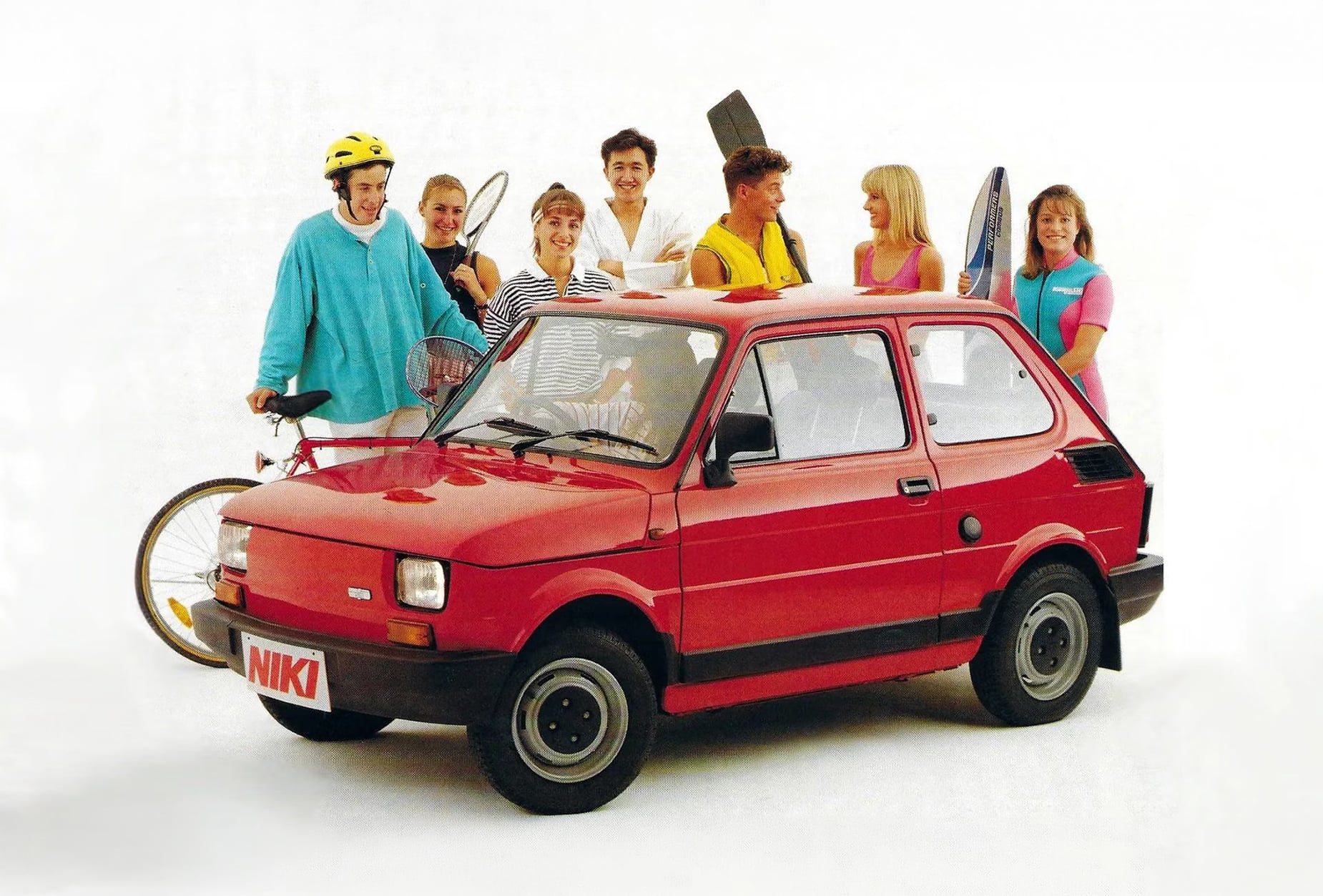
“We cannot recommend the Niki,” said Wheels in 1990. “It is not cute. It is not clever. It is seen as such only by the innocent or the ignorant. This is a car whose time has passed, long ago.” All the Niki did was make a brilliant case for buying second-hand. Anything.
Ford Corsair
Named after a quirky, V4-engined European Ford that sat between Cortina and Zephyr in the ’60s, our Corsair is quite possibly the most cringe-worthy attempt ever at model sharing, mainly because the model it was based on – Nissan’s front-drive Pintara – was a half-arsed, expedient attempt at mediocrity.
Yes Nissan’s 96kW 12-valve 2.4 went like stink, but not the dreary twin-plug 2.0, and both sounded hoarse.
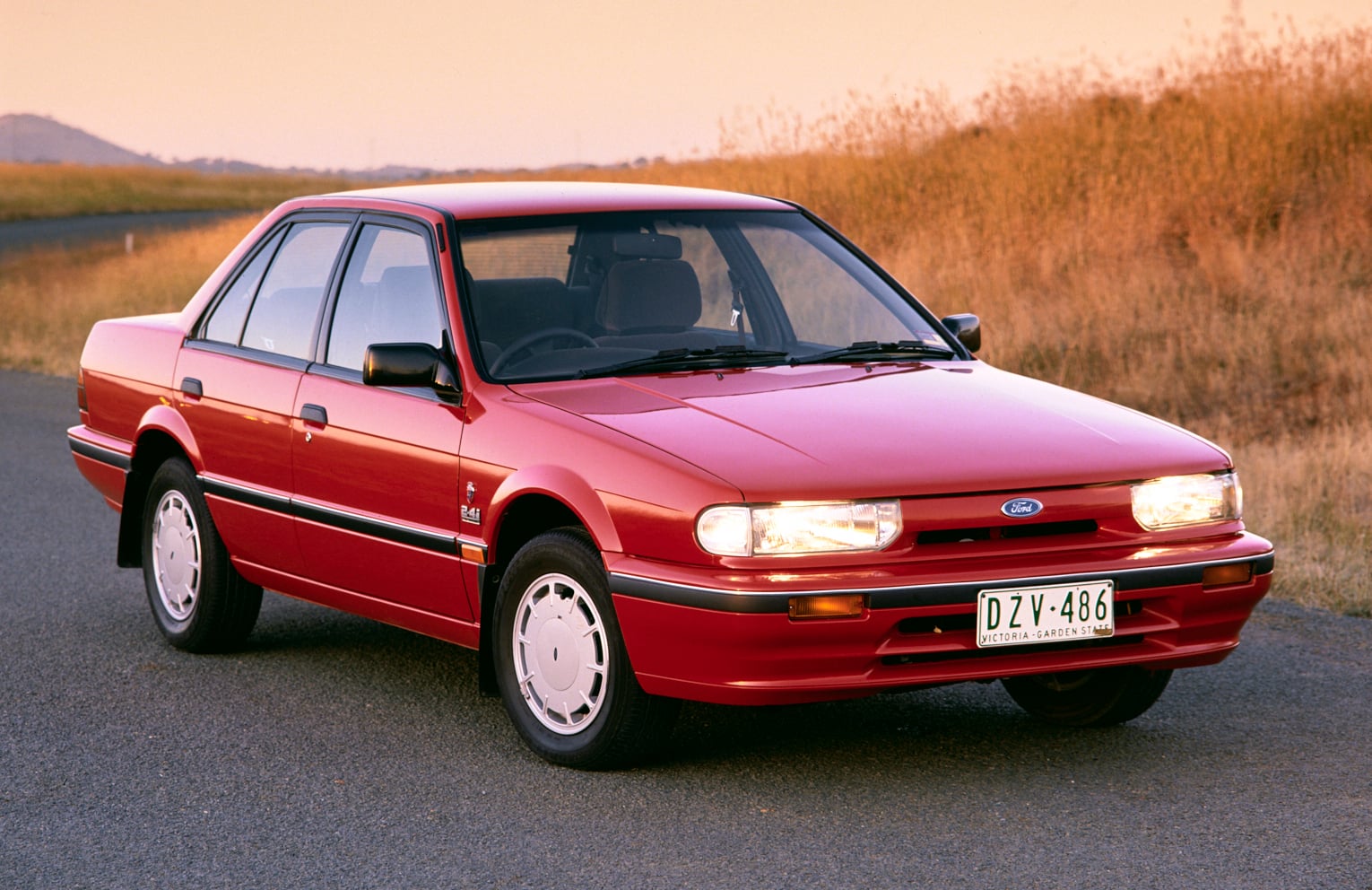
The Corsair looked dead boring, drove like mush, and offered little in the way of body rigidity (you could hear its doors moving on rough roads). It felt flimsy and sounded tinny, with build quality so unforgettable that Corsair customers are still avoiding anything stamped ‘Australian Made’ a decade later.
Daihatsu Applause
Not necessarily bad enough to force its driver to don a disguise at its 1989 launch, the Applause hung around long enough to eventually demand witness protection.
The original series looked fairly individual, with a trendy, low-cowl dash that blended into the doors, sedan-esque styling that concealed a tailgate, and a lively 77kW 1.6.
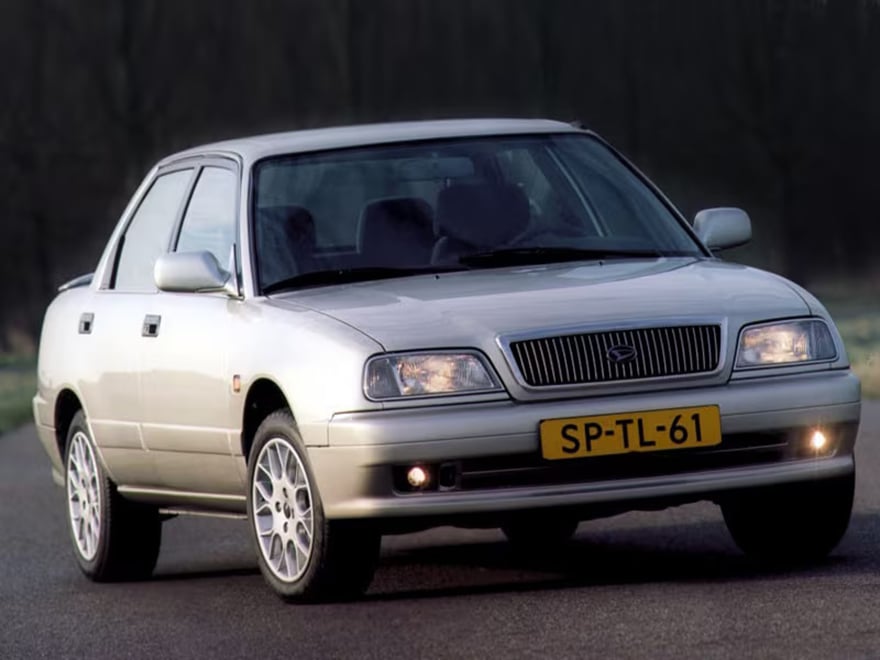
But Daihatsu was apathetic. Few buyers appreciated the Applause’s reasonable chassis, and fewer were willing to fork out over $20K for the stocked sports variant.
Only the old and crusty were turned on, so Daihatsu reduced the range to one in 1997, added a useless chrome conk, a pointless, bulky fake-wood dash, and cemented the Applause’s lace-doiley reputation forever.
Hyundai S-Coupe
“Scoop it up, throw it away” read a rather brief, but highly accurate, summation of the S-Coupe’s talents in the early ’90s – back when Unlimited was recording music that also bore resemblance to doggie do.
Hyundai based its embarrassingly named S-Coupe on the poverty Excel (see above), but clothed it in a moderately appealing body that implied some level of sporting talent. It had none.
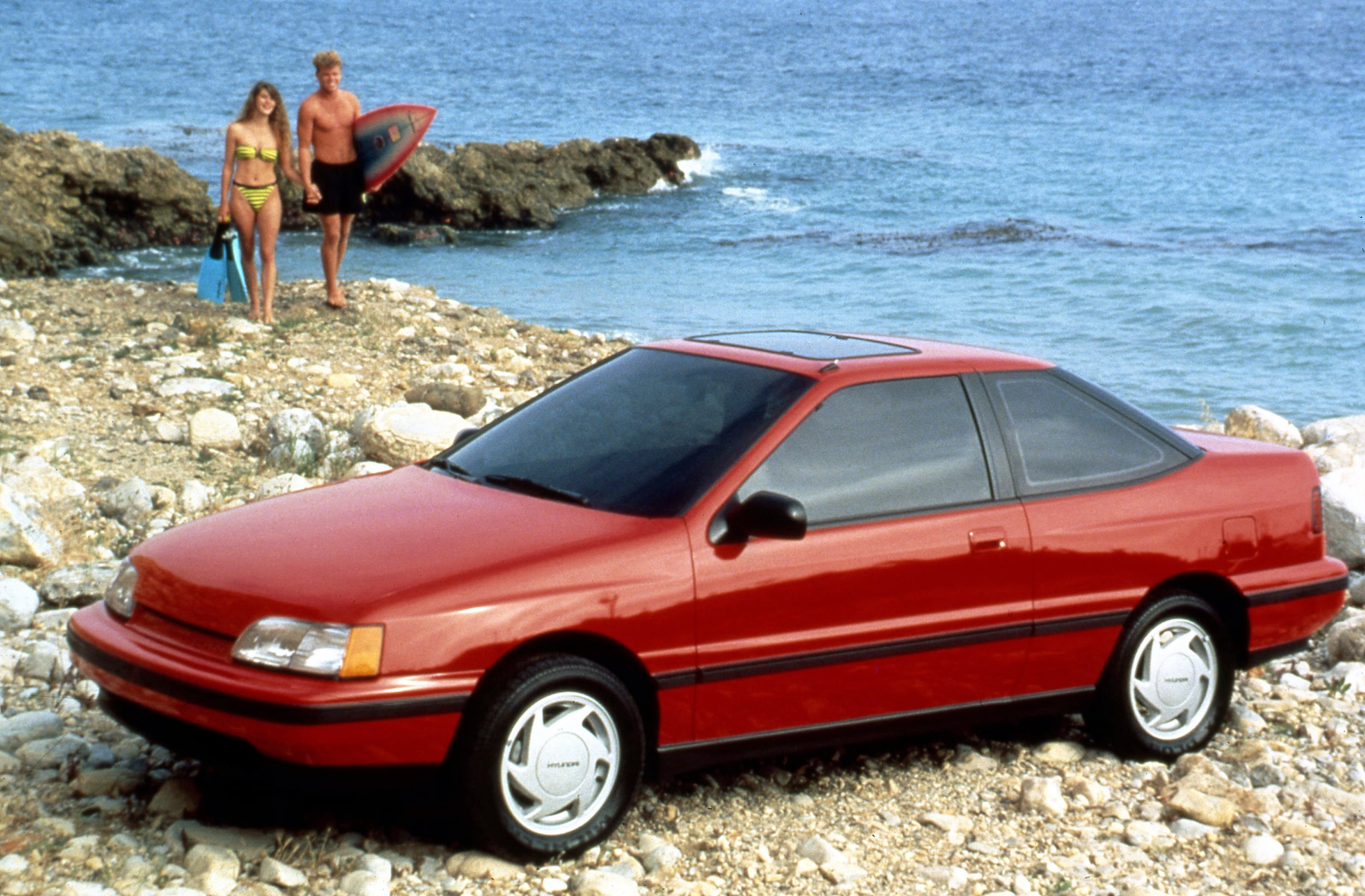
Chief shortcoming was its engine – a gutless 62kW, 1468cc Mitsubishi cast-off – until Hyundai introduced its own Alpha-series 12-valve units in October ’92. Then the S-Coupe’s problem became everything else.
An 84kW Turbo version promised (and delivered) some pace, but the Pooper Scooper’s soft, rubbery chassis, woeful cabin, and joke image meant it was destined for eternal derision.
Toyota Paseo
When launched back in 1991, Toyota’s Paseo sat below the Celica and formed part of a successful, two-pronged coupe attack. That both sold well shouldn’t be a surprise. Neither should the fact the Paseo didn’t deserve to.
Underneath, it was all Tercel – a cheap, sub-Corolla hatch with minimal sport or sex in its DNA. Hence, the flaccid Paseo was bought by poseurs.
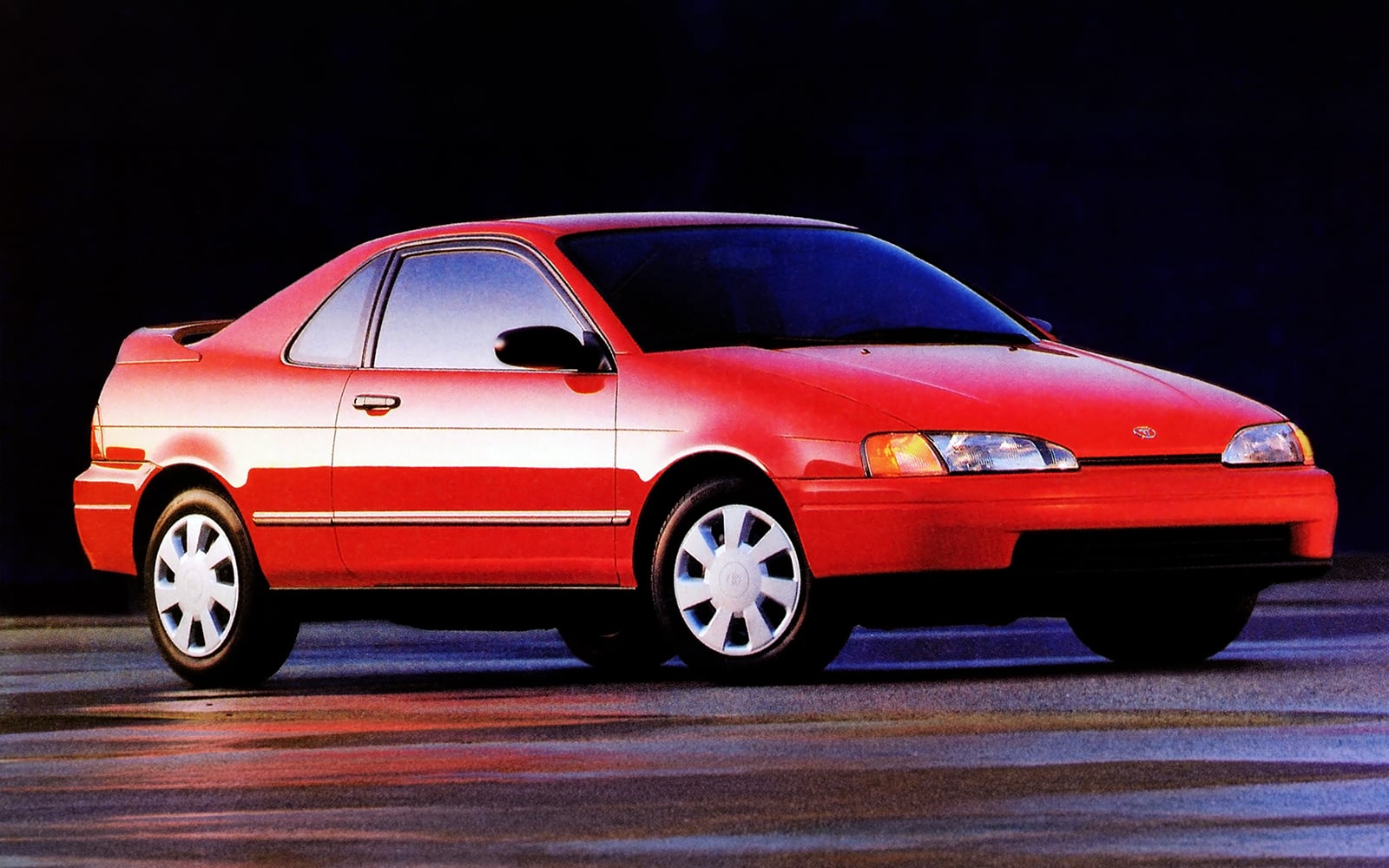
Its 74kW, 1497cc four hated revs, sounded rough, and wasn’t quick (0-100 in 11.3secs). Its economy-car origins donated body boom and sub-standard refinement, and the all-new model (1995) looked the same as the old one, only worse.
At least the Paseo’s chassis was tweaked by Toyota Oz – to only work on smooth roads. Vasectomy. Perhaps?
And three you can get away with… just
Holden Camira
Despite arriving in a blaze of “Supercar” launch hype, then dominating COTY in ’82, and initially selling like Rita the ETA eater, Holden’s Camira (1982-89) is now a firmly established dunger.
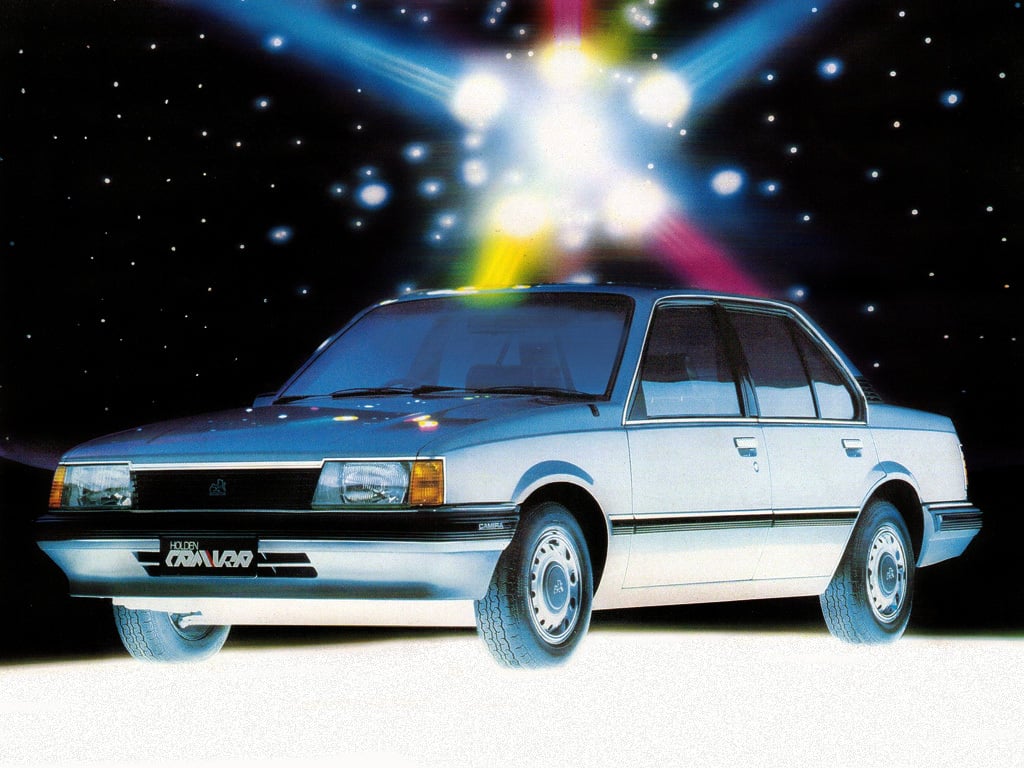
But blame its wildly erratic build, rust and reliability issues, and daft product planning… not its dynamics.
“The Camira is outstanding in individual aspects such as accuracy of steering, success of roadholding, and competence of cornering, and its chassis gets everything together with a finely tuned sense of balance,” said Wheels in 1987. Fun, while (or if) it lasted.
Peugeot 404
Ignore the 404’s Pininfarina-penned similarity to an Austin Freeway and its moderate performance (from a 1618cc four) because underneath lies a brilliant car – simultaneously one of the best Pugs ever, and the best mainstream sedan of its era.
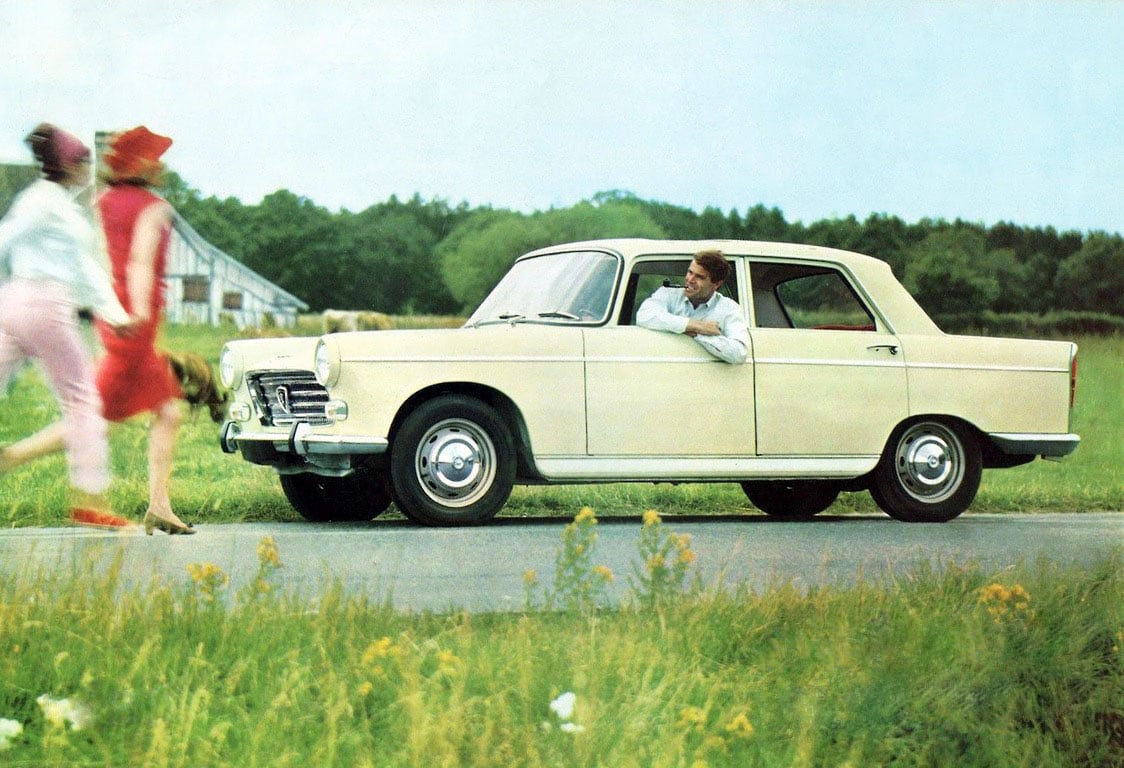
Superb balance (on standard Michelin radials), with a tendency to adopt a slight oversteer stance in hard going to improve turn-in, made the 404 brilliant for rallies and road alike.
Beautifully direct and accurate steering, the world’s best column-change shift, and a wonderful ride further advanced the 404’s cause. A much better car than today’s Pugs.
Hyundai Tiburon V6
The big issue with this car is the brand – Hyundai. And the Koreans really have no-one to blame but themselves (see Excel X1 and S-Coupe), because the Tiburon is the successor to a long line of uninspired white goods.
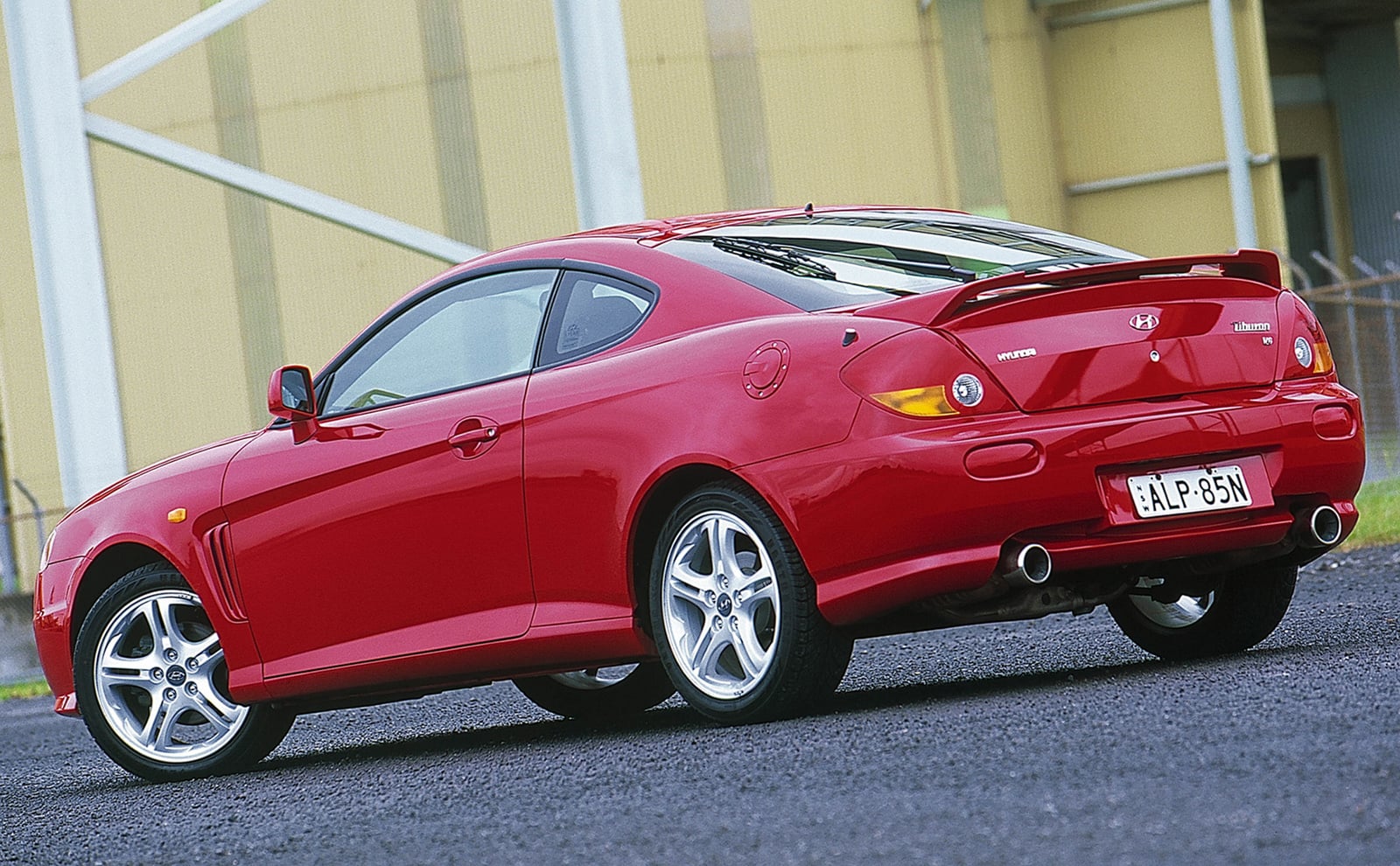
But in creamy V6 form, it’s good. Purposeful, Ferrari-esque styling, a fruity-sounding engine, miles of gear, and surprisingly adept dynamics (considering its Elantra base) mark the Tibbers as the anti-ordinary Korean. And possibly the only one. Forget the four-cylinder, though – it’s harsh, and it lacks grunt.
Mercedes-Benz has conceded that its push towards touchscreen-dominated interiors may have gone too far, with the luxury carmaker confirming it will restore more physical controls in future models while continuing to embrace large digital displays.
According to Autocar, Mercedes executives acknowledge customers still appreciate the brand’s expansive infotainment screens but increasingly want dedicated buttons for frequently used functions rather than navigating menus on a touchscreen.
The shift marks a notable change in direction for the German manufacturer, whose MBUX Hyperscreen has become one of the defining features of its latest models. Stretching across almost the entire dashboard in some vehicles, the glass-covered display has been promoted as a showcase of Mercedes’ digital technology and premium interior design.
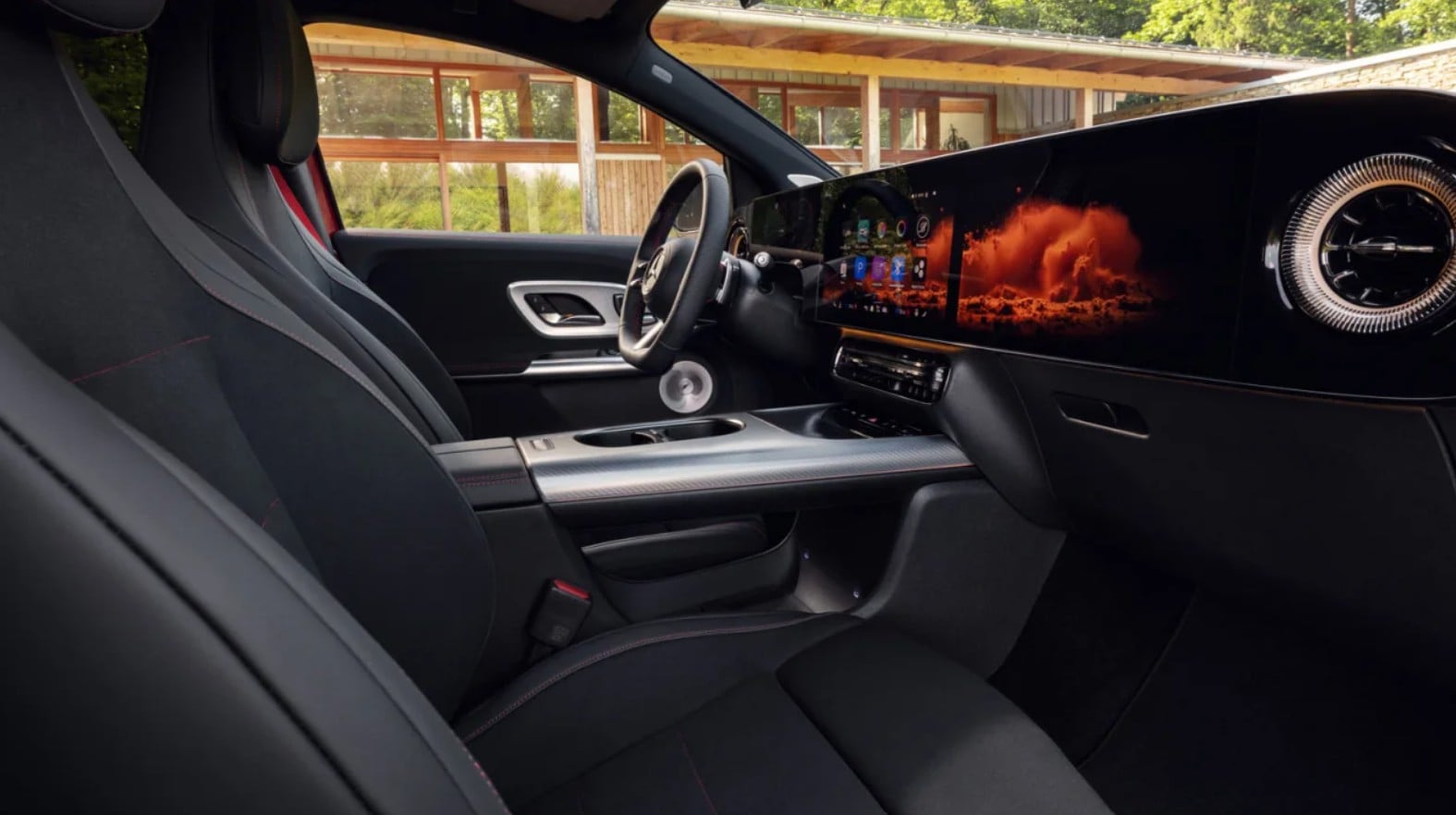
Mercedes-Benz chief executive Ola Källenius told Autocar the automotive industry may have “gone a little bit too far” in replacing conventional controls with digital interfaces.
He said the company is now focused on reintroducing “the most sensible buttons” after recognising that technology should improve the customer experience rather than exist simply for its own sake. Despite that, Källenius believes the industry has not yet reached “peak screen”, arguing large displays will remain an important part of future Mercedes cabins.
The company has already begun reversing some earlier decisions, replacing controversial touch-sensitive steering wheel controls with physical switches and scroll wheels on newer models. Mercedes says future vehicles will feature additional hard keys for functions drivers use regularly, reflecting feedback gathered through customer research clinics.
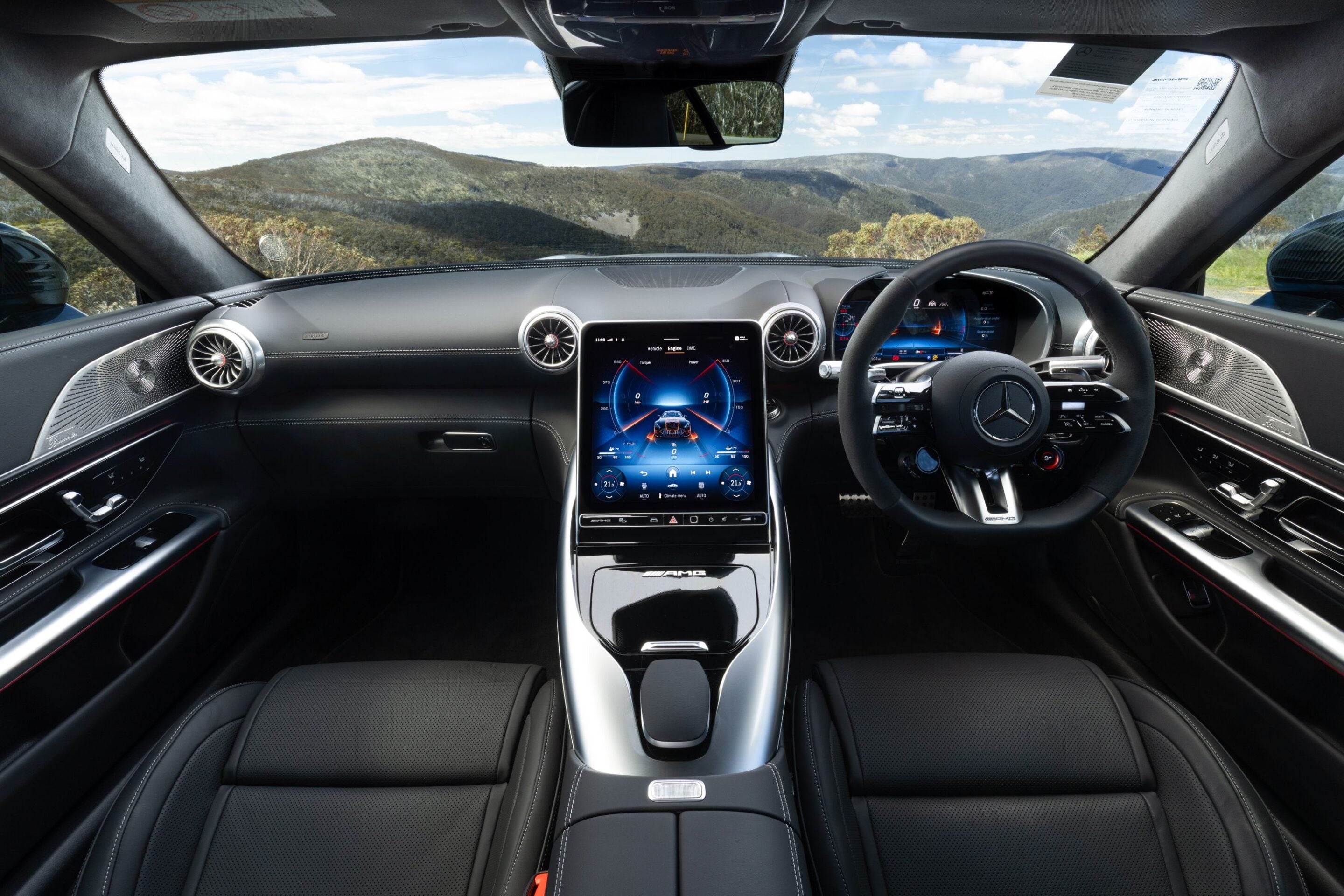
Mercedes isn’t alone in rethinking touchscreen-heavy interiors. Rival manufacturers including Volkswagen have also pledged to bring back physical controls after criticism that burying basic functions such as climate control and audio adjustments within touchscreen menus can be distracting and frustrating for drivers.
For Mercedes, however, the move represents a recalibration rather than a retreat. The company insists large displays remain a key part of its luxury identity, allowing owners to personalise the cabin and access increasingly sophisticated software features, while the return of tactile buttons aims to strike a better balance between technology, usability and safety.
The Jaecoo J5 small SUV went on sale in Australia earlier in 2026 in pure electric form and has remained surprisingly popular since. Not wanting to stop its sales momentum, its maker has also introduced cheaper petrol and hybrid drivetrains as well, but kept the same bargain pricing to entice small SUV shoppers across the land.
But with no shortage of capable small SUVs vying for attention, attractive pricing alone isn’t enough. Does the petrol Jaecoo J5 have the substance to match its showroom appeal? Let’s find out.
How much does the J5 Track cost to buy?
While the electric J5 EV is priced from $36,990 driveaway, the petrol models are priced at $25,990 driveaway and $29,990 driveaway respectively, making them both quite affordable. For reference, that’s a $3000 higher starting price than the Chery Tiggo 4 that the J5 is based on, but we think it’s worth the extra spend.
2026 Jaecoo J5 pricing (driveaway):
| Track | $25,990 |
|---|---|
| Summit | $29,990 |
| Summit Hybrid | $34,990 |
| Summit EV | $36,990 |
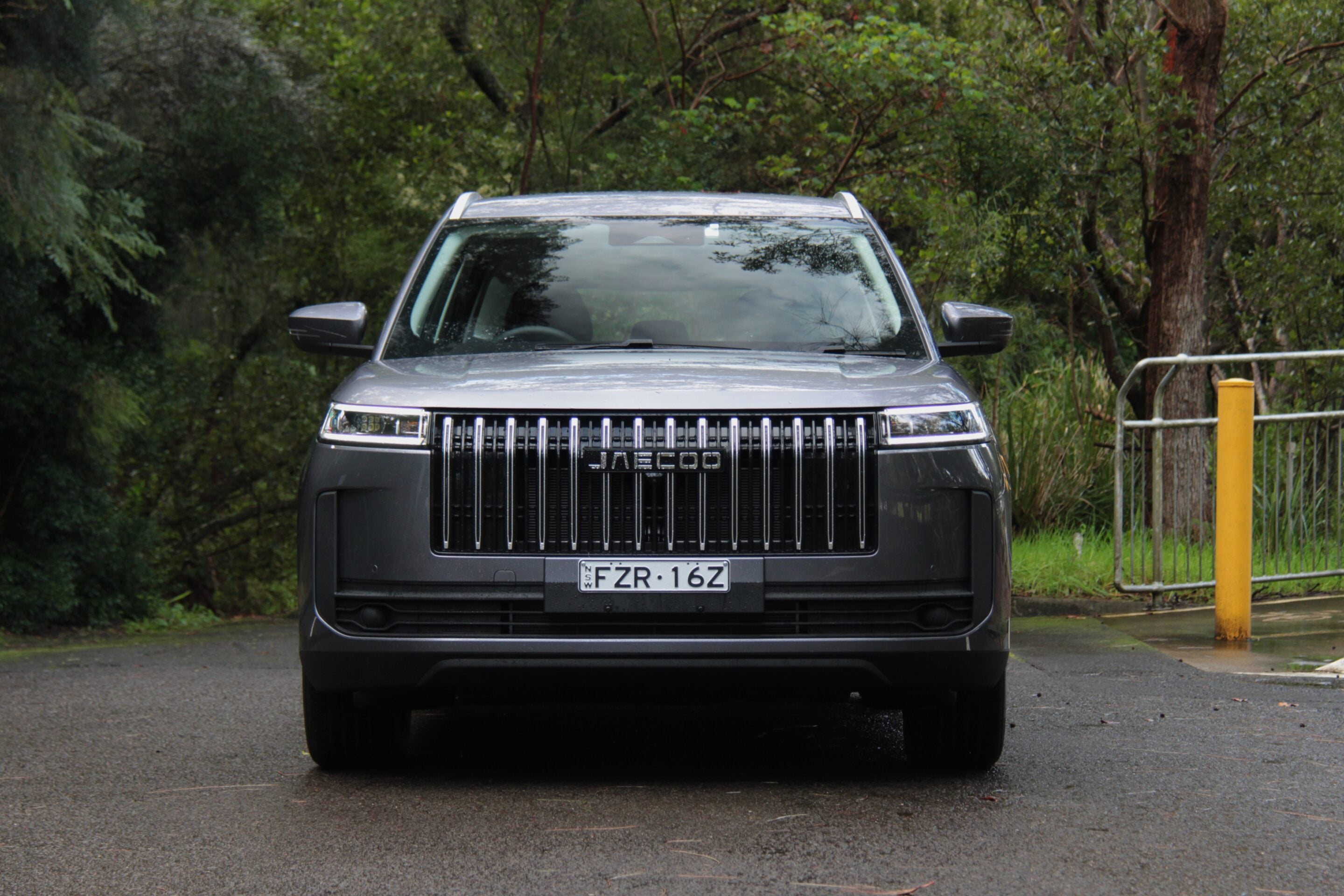
Despite the low starting price, the J5 Track is reasonably well equipped and includes features such as 18-inch alloy wheels, dusk-sensing automatic LED lighting, keyless entry with push button start, cloth upholstery, a synthetic leather-wrapped steering wheel, a 13.2-inch portrait touchscreen, wireless Apple CarPlay and Android Auto and safety kit like seven airbags, autonomous emergency braking, adaptive cruise control, traffic jam assist, blind-spot assist and a 360-degree camera.
Is the $4000 spend to the J5 Summit worth the extra cash? That’s up to you, but it does adds synthetic leather upholstery, electric front seats with heating and ventilation, colour-selectable ambient lighting, a wireless phone charger, a panoramic roof, an electric tailgate and dual-zone automatic climate control. That’s a lot of kit for not much cash, though the fundamentals of the J5 are unchanged and ticking the box for the Summit doesn’t make it an overall better car.
How does the J5 compare to rivals? Well, the Tiggo 4 starts $2000 lower at $23,990 driveaway, as does the Mahindra XUV3XO, while the entry-level MG ZS is even cheaper at $22,990 driveaway (an equal $25,990 if you want the turbo engine… which you definitely do, as it’s quite slow). If you’re looking for a tiny SUV from a more established brand, there’s the Hyundai Venue (from $23,750 plus on-road costs for the entry-level manual), Kia Stonic (from $28,180 +ORC) and Mazda CX-3 (from $30,670 +ORC) – all of which are noticeably more expensive than the Jaecoo, and not as well equipped. Food for thought.
How fuel efficient is the J5 Track?
Err, not very… Under the bonnet of the petrol J5 is the same 1.5-litre turbocharged four-cylinder petrol engine as the Tiggo 4 and as in that car, it’s quite thirsty for its size in the J5. It’s officially rated at 7.5L/100km on the combined cycle (the similarly grunty but larger 2.0-litre engine in the CX-3 is rated at 6.3L/100km, let alone the 1.0-litre turbocharged mild-hybrid Stonic at just 5L/100km) and around town, it carries a 9.8L/100km rating, but you’ll use more than that. In our testing week with the J5 in driving skewed towards urban, it used 8.6L/100km.
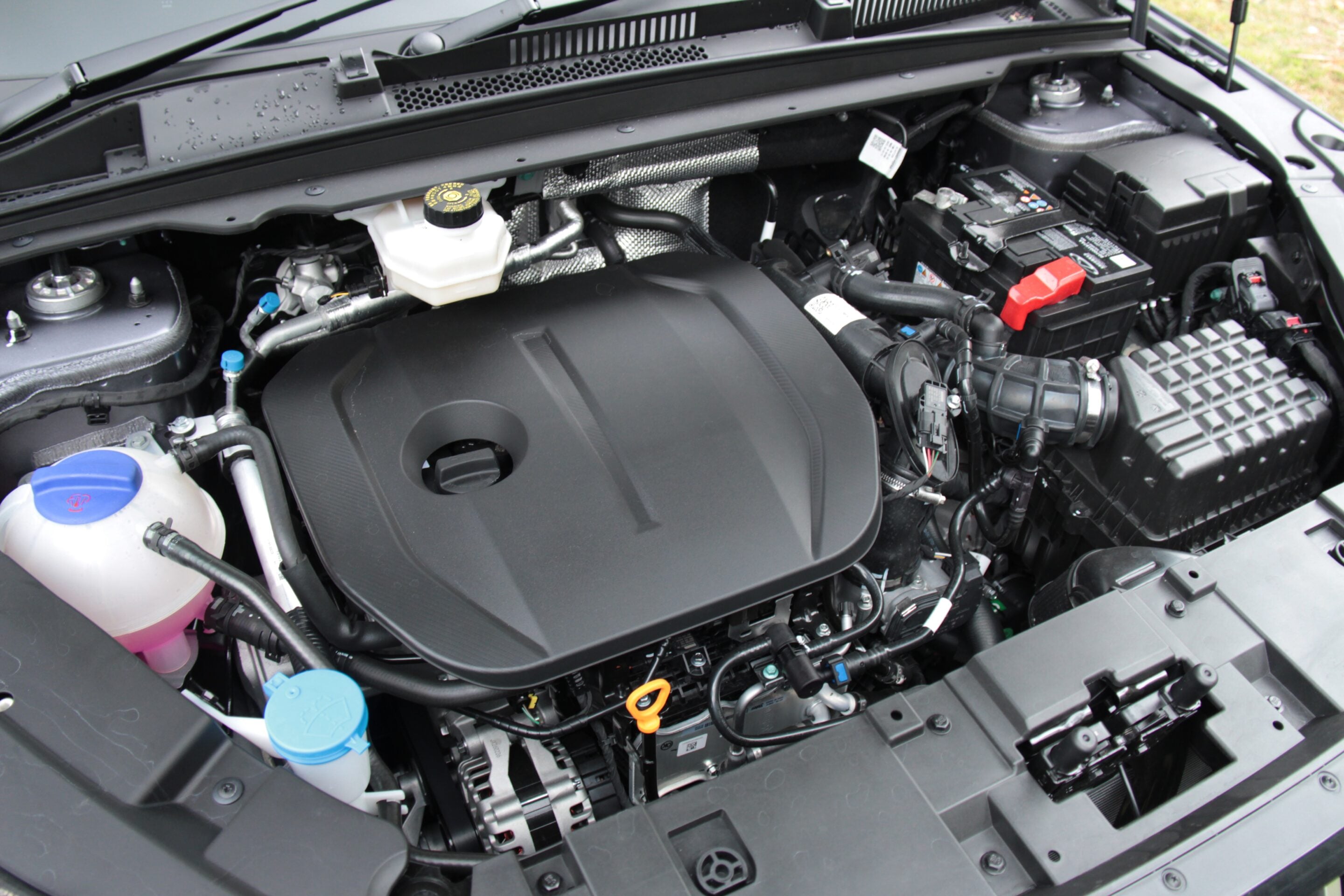
The J5’s CO2 emissions are also hefty for a car of its size at 172g/km. But we already knew this about the Tiggo 4, so it’s hardly a surprise, but we think it should be more efficient. Yep, there’s a hybrid model now to offer superior performance and reduce fuel consumption, but it’s also priced considerably above the petrol models. To help running costs, the J5 can at least run on 91 RON regular unleaded fuel.
How comfortable is the J5 Track?
We weren’t sure what to expect with the petrol J5 in terms of ride quality as the Tiggo 4 is far too soft, and the electric J5 was more composed but heavier than the petrol model. Interestingly, the petrol J5 is actually too firm in some driving situations, like in bumpy urban areas, where you can really feel every change in the road surface. The flip side to that is that you feel the road more than in the Tiggo 4, in which you feel almost nothing, so it’s definitely an improvement. This is partly because the J5 uses independent rear suspension compared with the Tiggo 4’s unsophisticated torsion beam, meaning that it can deal with bumps easier and quicker.
Thankfully too, the steering in the J5 is an improvement on the overly light rack in the Tiggo 4 with reasonable feel and light weighting, but a CX-3 runs rings around both in that area. The J5 is not what you’d call a keen handler – the slippery Chaoyang tyres don’t help here and we’d definitely gift higher-quality rubber to the J5 if we owned one – but grips reasonably well in the dry. Refinement is a definite improvement on the Tiggo 4 as well.
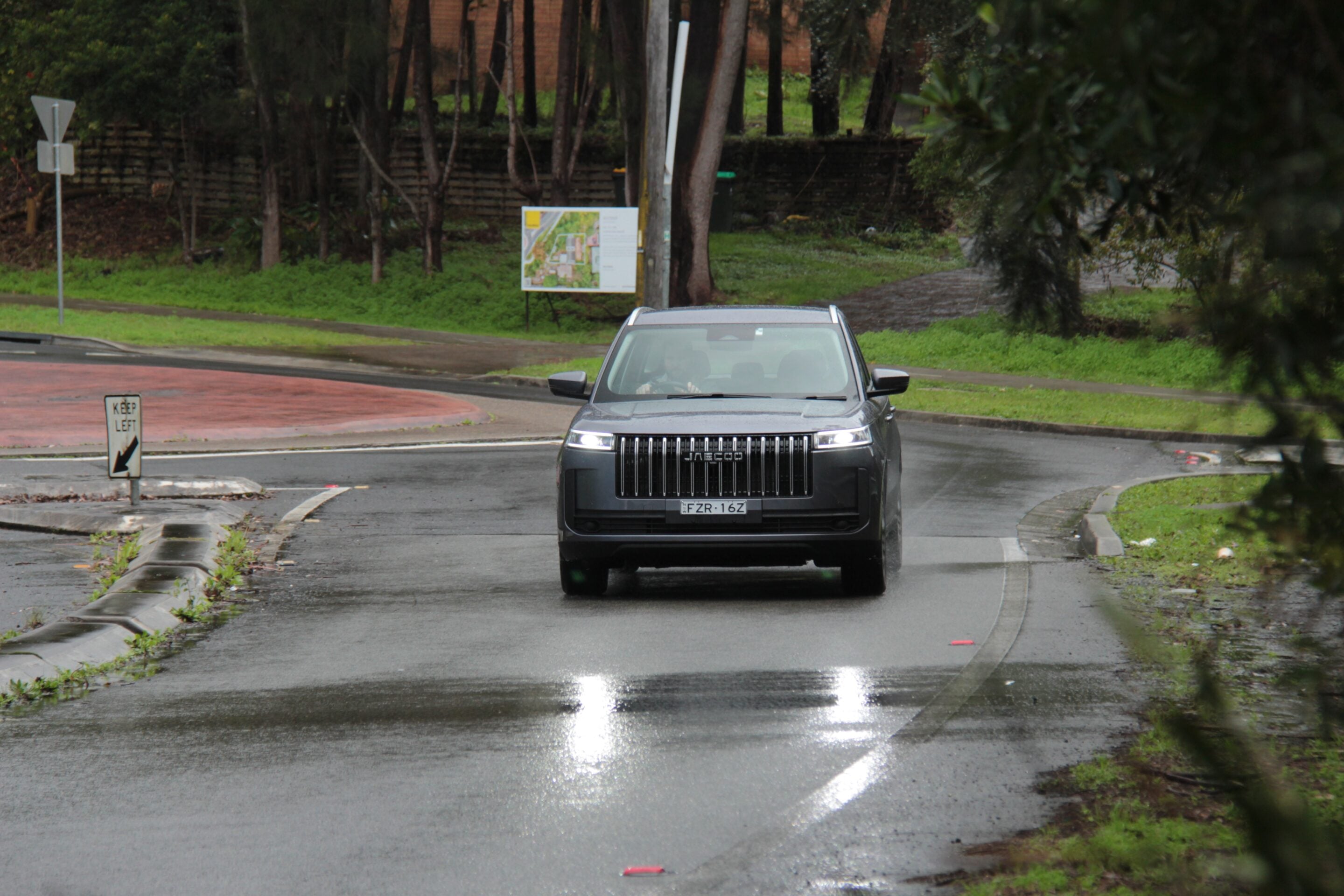
As it does in the Tiggo 4, the turbo-petrol engine in the J5 provides a good level of thrust once you’re up to speed. However, set off from zero and you notice that the throttle makes it jump off the line until the CVT transmission kicks in and slows progress. Extra calibration would make it more pleasant to drive. The transmission is otherwise fine for a CVT, with a bit of rubbery dynamic but it’s reasonably responsive to throttle input at speed.
As for the J5’s active safety features, which are a typical bugbear of Chinese cars, they’re certainly far superior in their operation than when Chery relaunched in Australia in 2023. While they’re still a bit sensitive, particularly the lane keeping assistance and driver monitoring, you no longer feel as though the car is trying to control you.
How spacious is the J5 Track?
The cabin of the Tiggo 4 majors on features, even if its screens actually make it feel a bit dated. The entry-level J5 Track, however, is the opposite as its plastics are all hard to touch but its touchscreen is much bigger and brighter, and its layout more modern. As a result, it overall feels more premium than its cousin. We’d still like to see the soft-touch dashboard and door tops from the upper-spec Summit feature on the Track as it’s a step too far in cheapness.
The synthetic leather steering wheel is the only soft touch point in the cabin, but it still presents well thanks to interesting textures and solid build quality. It’s also great to see a Chinese car with cloth upholstery instead of the usual synthetic leather which makes it feel warmer inside. The front seats are quite comfortable as well.
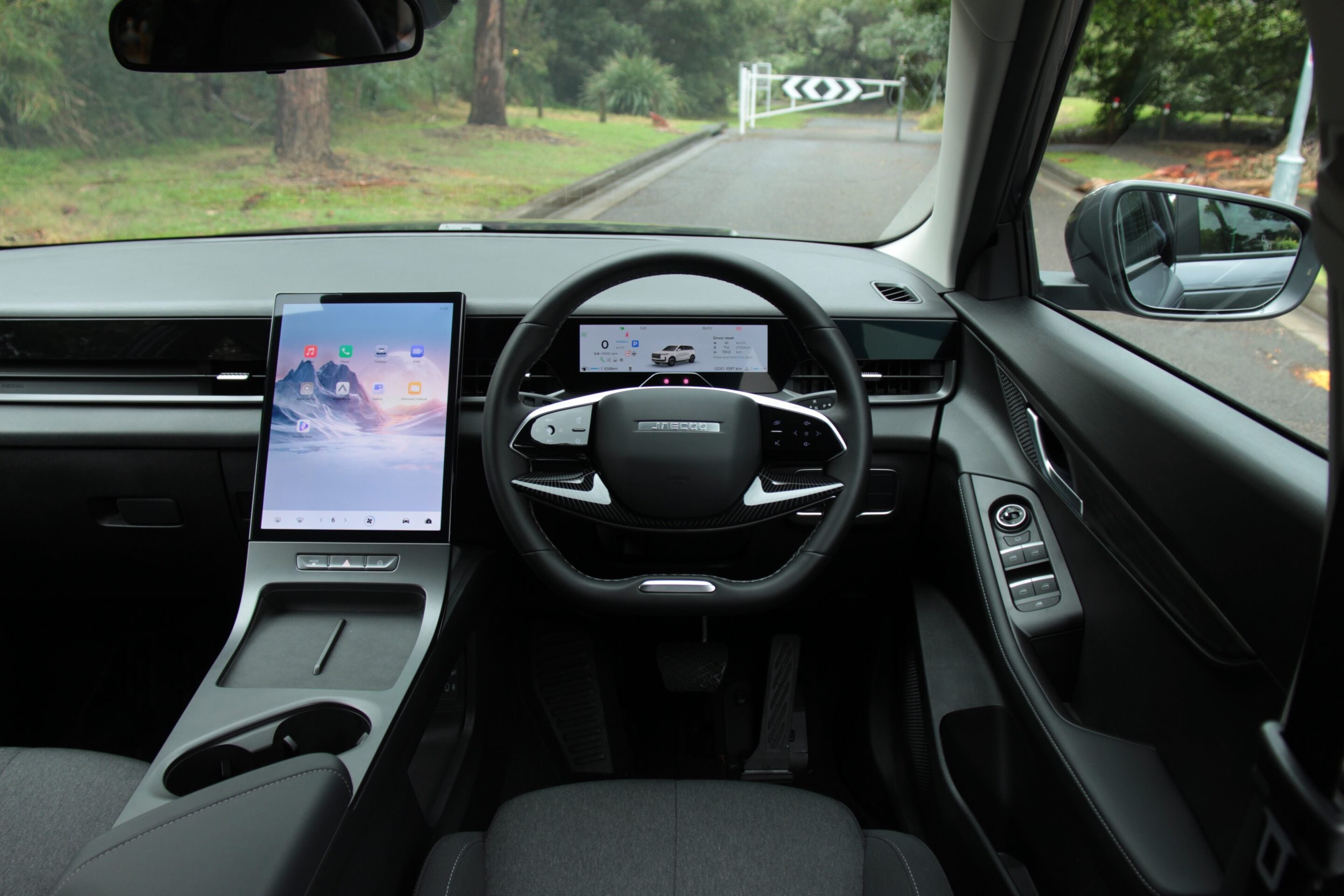
An 8.8-inch display handles the driver’s display, which is brighter and easier to read than the Tiggo 4’s equivalent – and far more modern than the ancient driver’s screen in the CX-3 – but it still displays too much information. The 13.2-inch touchscreen is bright and quick, and includes a basic amount of features including wireless Apple CarPlay and Android Auto, AM/FM/DAB+ digital radio and even a karaoke feature that requires a Jaecoo accessory microphone to use, but sat-nav and live services do not feature.
The touchscreen itself is fine, but aside from the stalks, steering wheel buttons and hazard light/drive mode and lock buttons on the centre console, there are no physical buttons inside, which can be annoying. For example, we wish the slim air-conditioning menu stayed active at the bottom instead of disappearing when CarPlay or Android Auto is being used. If the climate control were automatic, it would be less of an issue, but because it’s manual, you need to touch it a lot. Thankfully, a brief swipe up from the bottom wakes it up, but it’s not permanent and there’s no home icon to press either.
Storage in the J5 is excellent, however, with good door bins, open trays and useful cup holders on the centre console bridge with a large tray underneath. There is also a big glovebox and a big box underneath the centre console.
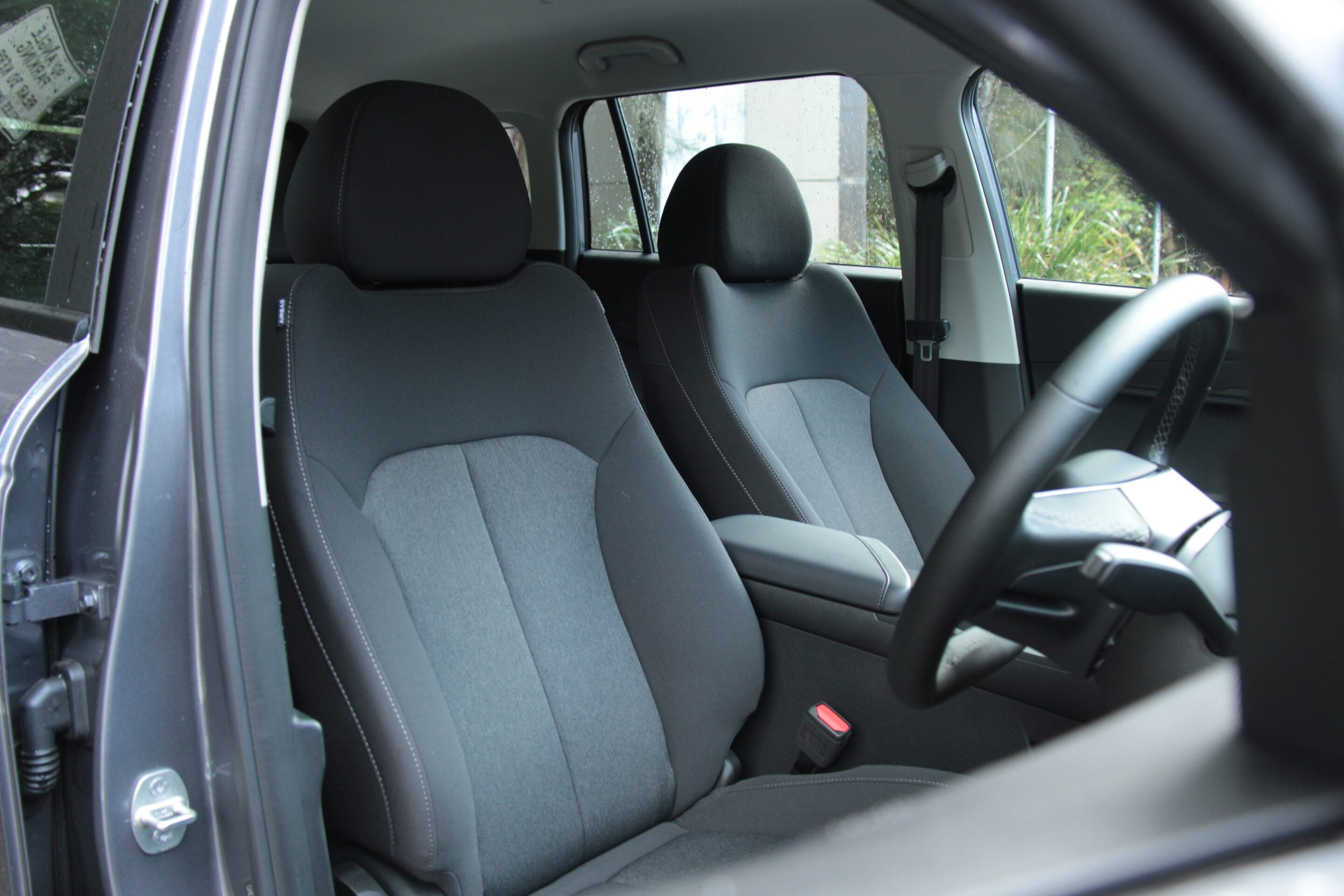
The situation is equally positive in the rear of the J5 as two taller adults will be fine, thanks to great headroom and fine legroom – it’s far larger than a CX-3, for example. Amenities in the rear seat include map pockets, door pockets, an air vent and a singular USB-A port, but not the central armrest with cupholders or panoramic glass roof of the upper-spec Summit. Two ISOFIX points and three top-tether points handle child seat duties, while the doors open reasonably wide too.
The petrol J5’s boot measures 384 litres with the rear seats up and 1284 litres with them folded, which are both healthy figures in the segment. There’s also a dual-level boot floor to help expand the available space, as well as a few hooks and side storage, though no parcel shelf to cover the boot when parked and – despite there being space for one – no spare wheel. Note to Jaecoo – a space-saver spare should feature here.
How much does the J5 Track cost to service?
An excellent and long eight-year/unlimited km warranty covers the Jaecoo range, which includes eight years of roadside assistance as well. The petrol J5’s annual service intervals are every 15,000km, which is the average for the industry, and five years/75,000km of servicing costs $1675, or on average $335 annually.
Should I buy a Jaecoo J5 Track?
If you’re after a budget small SUV, the Jaecoo J5 Track is absolutely worth consideration. It looks more expensive than rivals thanks to its Range Rover-like appearance, it’s covered by a long eight-year warranty with cheap servicing, and it’s spacious for a small SUV. And despite its positioning as the Tiggo 4’s more premium cousin, it’s still a bargain at under $26,000 driveaway.
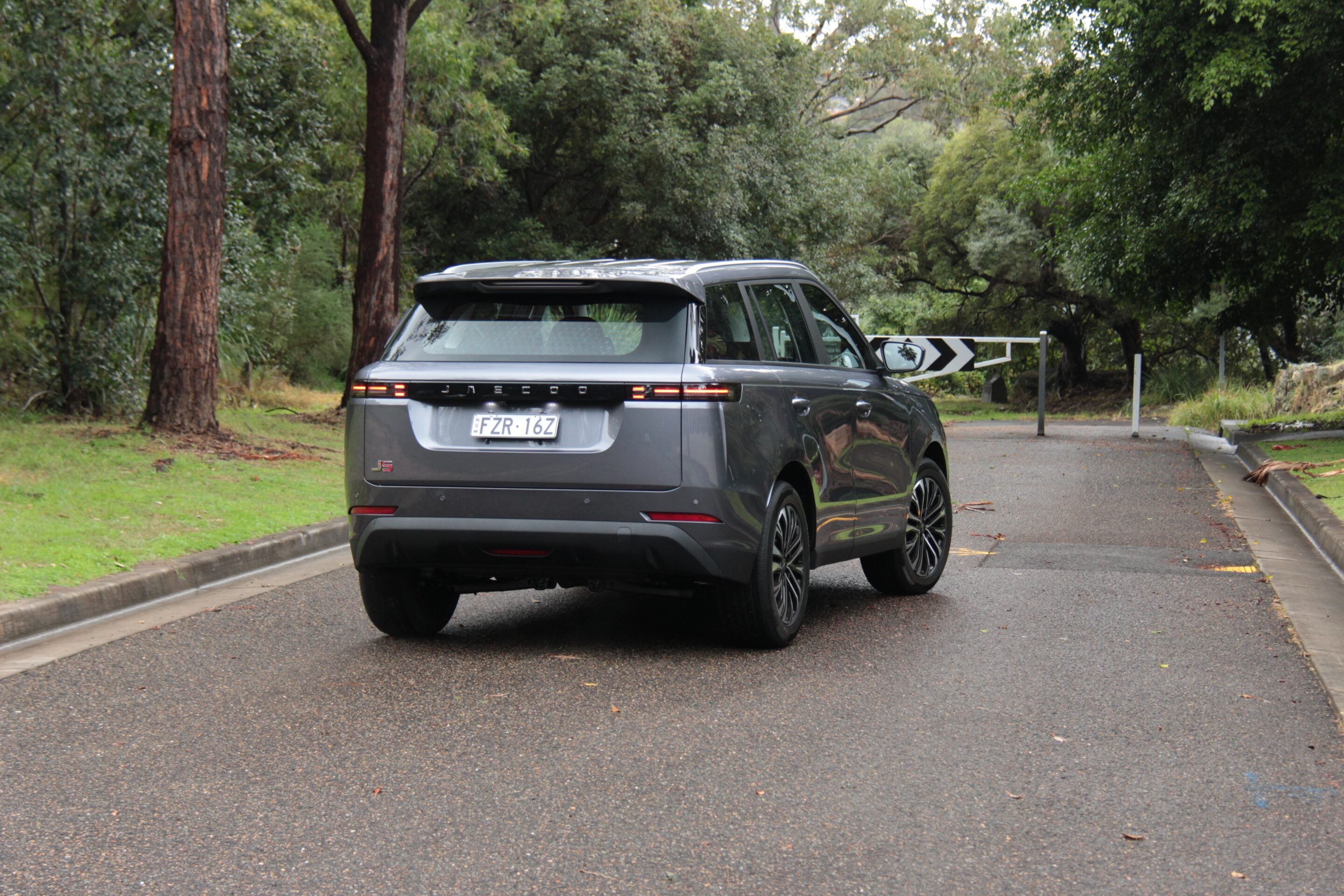
Jaecoo J5 Track standard equipment:
- 18-inch alloy wheels (with a tyre repair kit)
- Dusk-sensing automatic LED exterior lighting
- LED front and rear daytime running lights
- Rain-sensing automatic wipers
- Keyless entry with push button start
- Remote window operation and remote start
- Heated and auto-folding mirrors
- Cloth seat upholstery
- Height-adjustable driver’s seat
- Manual air-conditioning with a rear air vent
- Synthetic leather-wrapped steering wheel
- 8.8-inch digital driver’s display
- 13.2-inch portrait touchscreen
- Wireless Apple CarPlay and Android Auto
- AM/FM/DAB+ digital radio
- Six-speaker sound system
- 3x USB ports
- Eco and sport driving modes
- 7x airbags
- Autonomous emergency braking
- Adaptive cruise control with traffic jam assist
- Lane keeping assistance with adaptive lane guidance
- Blind-spot monitoring
- Rear cross-traffic alert (with braking)
- Door open warning
- Traffic sign recognition
- Driver attention monitoring
- Auto high beam
- 360-degree camera
- Tyre pressure monitoring
- Anti-theft alarm
J5 Track specifications:
| Price | $25,990 driveaway |
|---|---|
| Powertrain | 1498cc turbocharged four-cylinder petrol |
| Power | 108kW (@ 5500rpm) |
| Torque | 210Nm (@ 1750-4000rpm) |
| Transmission | CVT automatic, front-wheel drive |
| Claimed combined fuel consumption | 7.5L/100km |
| Claimed CO2 emissions | 172g/km |
| Fuel type/tank size | 91 RON regular unleaded, 51 litres |
| Dimensions (L/W/H/WB) | 4360/1880/1650/2610mm |
| Boot capacity | 384 litres (rear seats up), 1284 litres (rear seats folded) |
| Tare weight | 1430kg |
| Warranty | Eight-year/unlimited km |
| Five-year service cost | $1675 ($335 per year) |
| On sale | Now |
It’s the early 1990s and German carmaker, Porsche, is haemorrhaging money. Having gambled – and lost – on an expanding line-up of front-engined, transaxle sports cars (think 924, 944, 928 and 968), the German brand’s bank balance was in a parlous state.
Global sales had been in steady decline since the glory days of the mid-1980s when 50,000 of Zuffenhausen’s finest found new homes. By 1993, worldwide sales had dropped to just 14,000, a victim of the twin tempests of a weak global economy and outdated and inefficient production processes.
A lifeline came via fellow Stuttgart native, Mercedes-Benz, which had contracted the production of its V8-powered W124 500E E-Class to Zuffenhausen, allowing Porsche to keep the lights on. But building hi-po Mercs for your neighbour was never going to be a long-term solution. Something else was needed, something new and fresh to keep the cash registers busy and the accountants busier.
Porsche’s new CEO, Wendelin Wiedeking, already had firm ideas on how to fix the ailing company when he inherited the top spot in 1993.
Improving production efficiency was at the top of the list and to do that he contracted the same Japanese consultancy firm that had been responsible for Toyota’s lean and keen manufacturing processes.
But he had, alongside fellow Porsche board members Dieter Laxy and Horst Marchart, identified that the German brand’s line-up of cars didn’t share many common parts, inflating manufacturing costs which impacted the bottom line.
Scrapping what was to be Porsche’s first four-door, the ill-fated Type 989, the management team instead conceived a smaller and cheaper-to-build car that utilised many of the 911’s existing components.
As Marchart later recalled, “We did not believe that the four-seater Type 989 being developed at the time would rescue us from our difficult financial situation as the expected sales figures would be too low for the company and the dealer organisation, and the vehicle would also not allow any common parts with the 911 model series because it was an independent product line,” said Marchart.
“The idea was to create an additional product line from the vehicle concept and components of a new 911. It was to be a two-seater with a front end close to that of the 911 to guarantee clear identification of the car as a Porsche. In addition, the new car should cost around 70,000 Marks and also appeal to younger customers. My concept was accepted.”
That concept was the Boxster, the mid-engined roadster that made Porsche ownership more accessible than ever before, helping the German manufacturer stave off bankruptcy.
True to the vision of Wiedeking, Laxy and Horst, the Boxster shared around 40 per cent of its components with the 996 generation 911, a rationalising of production that shored up the future of the company. Everything from the doors, front fenders, bonnet lid and those polarising ‘fried egg’ headlights were completely interchangeable between the two models.
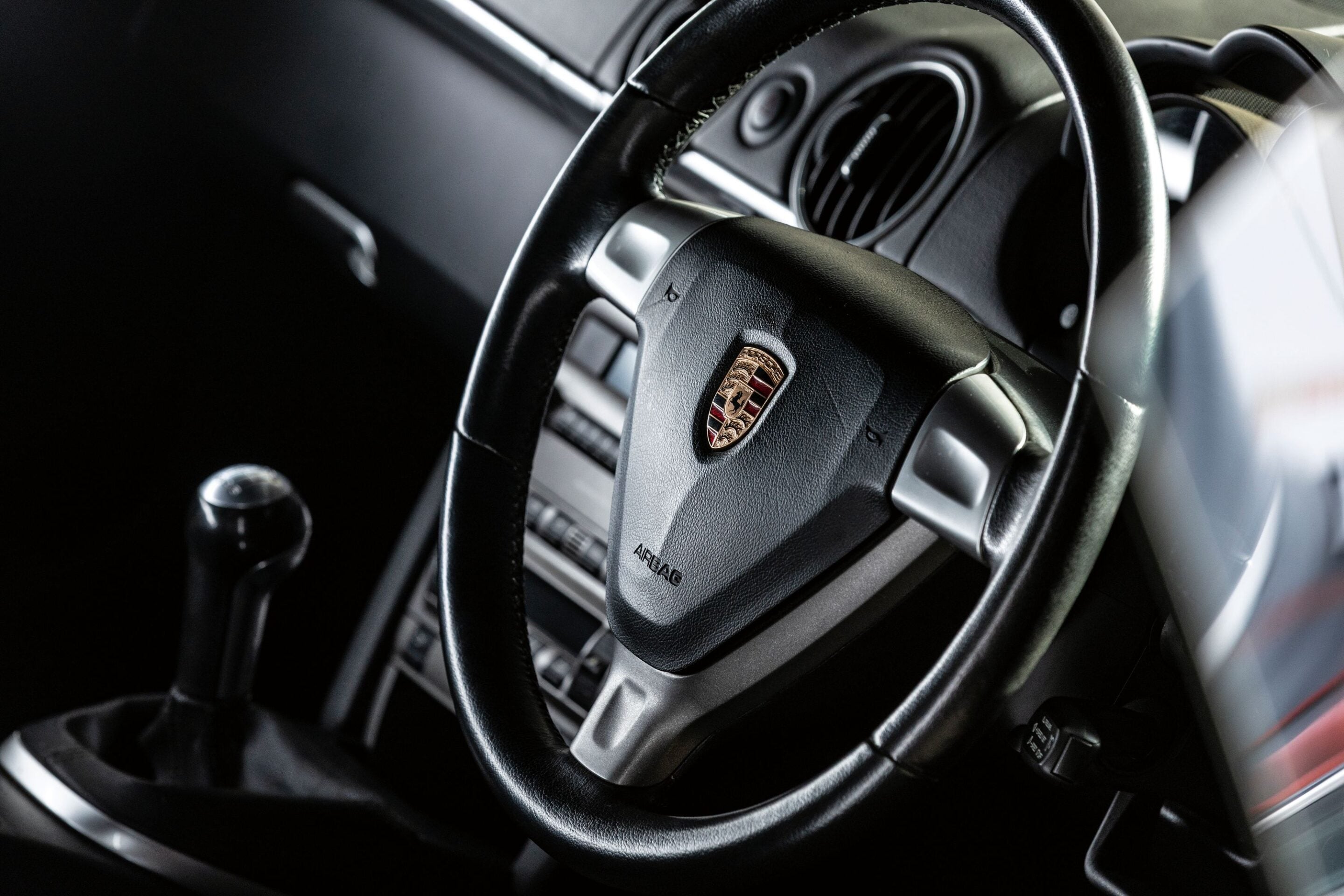
It was a similar story inside where everything from the dashboard, gauges, switchgear, steering wheel and seats were shared across the two model lines.
Launched in 1996 and with a tantalising price of DM76,500 in its domestic market, the Boxster proved significantly more affordable than the DM135,610 Porsche 911.
That played out in Australia as well, the Boxster priced at $109,900 when it launched here in 1997. The most affordable 911 was almost double the price, asking for $199,900 in manual Carrera trim.
It was a global success, Porsche shifting over 164,000 of the first generation Boxster between 1996 and 2004, heralding a financially secure future for the brand.
So why does a story about the Porsche Cayman begin with the Boxster? Because without the Boxster there would be no Cayman.
The Cayman story starts officially in 2005 with the launch of the first-generation model for the 2006 model year. But, rumours of a fixed-roof second-gen Boxster, which had launched the previous year, had been floating around for a while. ‘Spy photos’ of a Boxster with a roof proliferated before Porsche finally fessed up with official photographs in May 2005. No one was shocked.
More than based on the 987 second-generation Porsche Boxster, the Cayman was essentially – as Wheels described in our June 2005 issue – “a Boxster in a steel Stack Hat”. And that was true enough.
Designed by the deliciously named Pinky Lai, the Hong Kong-born designer whose Porsche tenure covered four decades from 1989-2014 and included penning the 996-gen 911, the Cayman adhered to Wiedeking’s earlier principles for rationalisation.
Sharing its platform and much of its architecture with its soft-top sibling, the Cayman nevertheless differentiated itself – apart from the obvious roof and hatchback – with wider rear fenders, gills (or strakes) inside the side air intakes, and body-coloured ribs, festooned with foglamps, across the front bumper intakes.
Common to both models were the headlights, front fenders, bonnet and doors, while even the rake of the windscreen remained identical.
Inside, the cockpits of both – certainly forward of the B-pillar – were identical although thanks to its positioning between the Boxster and 911, the Cayman’s list of interior finishes edged slightly more premium than its soft-top counterpart’s.
Underneath, Porsche’s engineers had tweaked the Cayman’s suspension to counter the extra weight of the steel roof, despite the same A-arm front and multi-link rear geometry. Stiffer springs and dampers, along with bigger anti-roll bars compensated for the tin lid.
Porsche wanted to ensure its new sportscar hit the ground running as a ‘driver’s car’, available at launch only in Cayman S trim. An entry-level Cayman, with Porsche’s smaller 2.7-litre flat-six engine, would follow in due course but right from the outset, the Cayman S impressed with its bigger, beefier and more powerful 3.4-litre flat-six.
As Wheels perhaps a little unkindly described it, “the engine is a Porsche parts-bin special: a Boxster S block with a 78mm stroke and Carrera’s 96mm bore. The cylinder heads are Carrera, with two camshafts per bank and Carrera S-spec Variocam-Plus on the intake side. The crankshaft, main bearings and pistons are unique to Cayman, while the conrods are lifted from Boxster.”
With outputs of 217kW and 340Nm, driven to the rear wheels via a six-speed manual, the Cayman S could sprint from 0-100km/h in 5.4 seconds, plenty quick for the time, and not that far shy of the 4.9 seconds Wheels achieved in the 911 Carrera. And all for $148,500 when it launched here in 2007, almost 50 grand more affordable than its $198,100 Carrera 911 garage mate. Put another way, buyers of the 911 were spending an extra $8266 for every tenth-of-a-second gain over the Cayman.
Of course, a Cayman was never going to hold the same street appeal as Porsche’s flag-waving 911 poster child. It was a fact not lost on purists and enthusiasts who quickly gave it the unflattering sobriquet of ‘poor man’s Porsche’, missing the point entirely.
But, unencumbered by preconceptions, the Cayman proved a hit with contemporary reviewers, praised for its handling and ‘Zen-like balance’ even if, as almost every review of the Cayman S shouted, it could have done with more power.
But asking for more power was missing the point of the Cayman which was designed to straddle the gap between the open-topped Boxster and flagship 911. Yes, the Cayman’s 3.4-litre mill could easily have been tuned to provide even more grunt, but that would have pushed it perilously close to the edge of matching the 911. And the boffins at Weissach were never in 911 years going to agree to that.
As Wheels noted in its first drive of the mid-engined coupe, “The Cayman nails the bullseye of opportunity, but in so doing becomes more a marketing coup than a fully realised performance coupe.
“It’s time for the 911 to move up a level – a big one – and give the Cayman S the room it needs to become truly desirable; a coupe in which horsepower is limited by the chassis, not limited to protect the 911.”
US publication Motor Trend went one step further, writing in August 2005 that “the new Porsche is actually everything the 911 has not been for most of its career: confidence-inspiring, super-stable, totally balanced, quite forgiving, a gifted storyteller that is equally good at listening.
“[It] certainly feels more solid than a Boxster, like a jigsaw composed from fewer parts, and it is more balanced than the 911. It is also less of a challenge to drive hard than the rear-engined supercar.”
High praise for the ‘poor man’s Porsche’.
The 987-generation Cayman received its power bump late in life, the strictly limited Cayman R upping outputs to 243kW and 370Nm, dropping 0-100km/h to five seconds even in manual trim, or an even pacier 4.9s for seven-speed dual-clutch equipped variants. A heavy weight loss program saw the Cayman R tip the scales some 55kg lighter, thanks to lighter alloy wheels, adding aluminium doors lifted from the 997-gen Porsche 911 GT2 and GT3, and swapping out the Cayman S’s regular sports seats for carbon buckets. Creature comforts such as air-con, a rear wiper, sound system and even storage cubbies were deleted in a bid to lose a few more kegs on the spec sheet.
It paved the way for successive generations to become ever more powerful, giving rise to what is arguably the apogee of the nameplate, the 981 generation’s Cayman GT4. No longer content playing second fiddle to 911, the GT4 featured the 3.8-litre flat-six lifted from the Carrera S, lowered suspension engineered for the race track, and aggressive aero styling. Pumping out 283kW and 420Nm channelled to the rear wheels via a six-speed manual, the GT4 covered the 0-100km/h dash in just 4.4 seconds, proper Porsche-like numbers and a tenth faster than the 991-generation Carrera S which had so convivially donated its engine.
But all that was still in the future in 2006 when the original Cayman dared to upset the Porsche purists, a car that despite Weissach’s attempts to hold it back, soon found its place in the Pantheon of Porsche greatness.
Perhaps Car and Driver summed it up best in its original review when it wrote “the Cayman S is the best handling car Porsche makes. It’s so good, in fact, that the engineering team must have been told to hold back – because if they hadn’t, the Cayman would have embarrassed the 911 on nearly every level.”
‘Poor Man’s Porsche’ indeed.
Our Cayman S
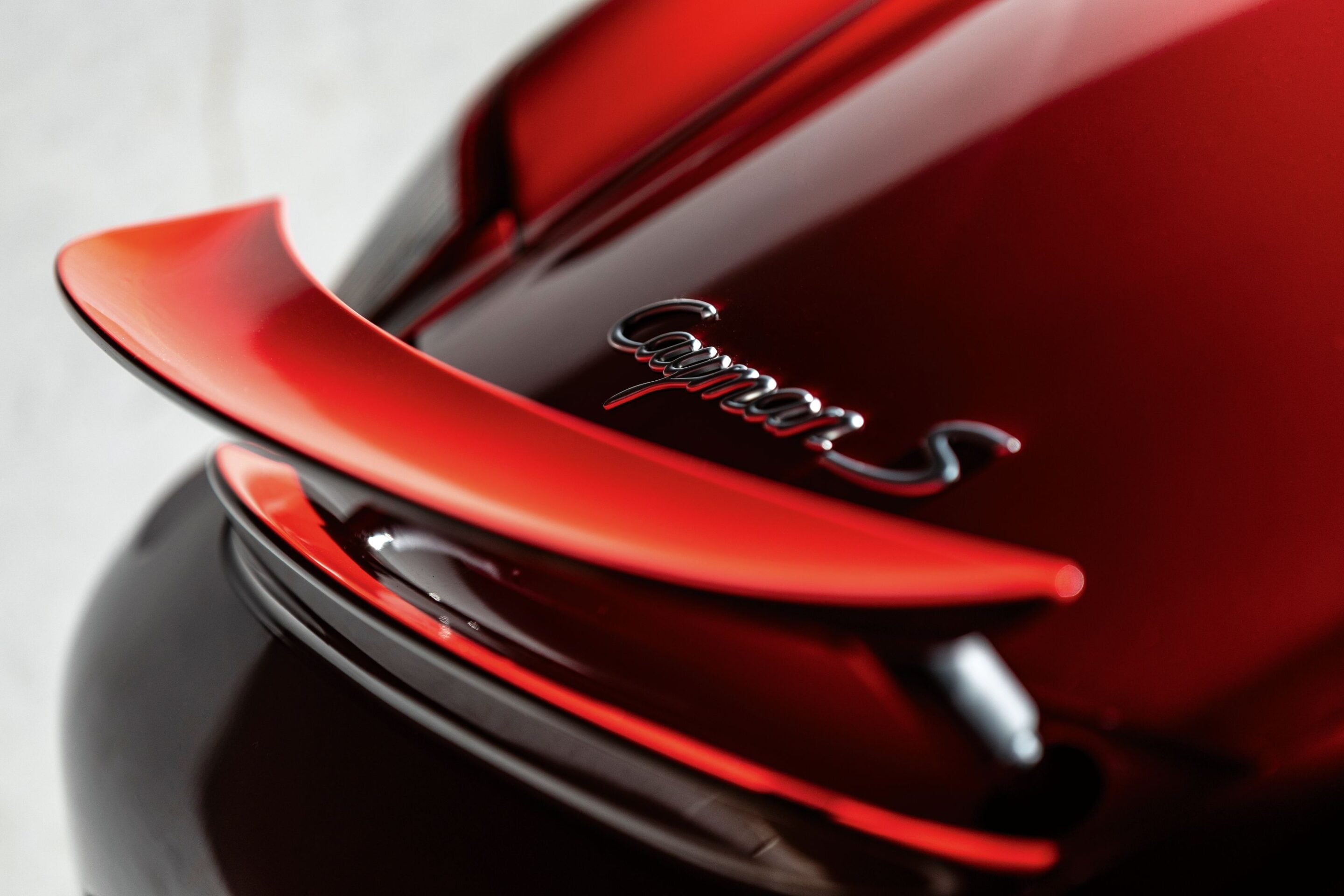
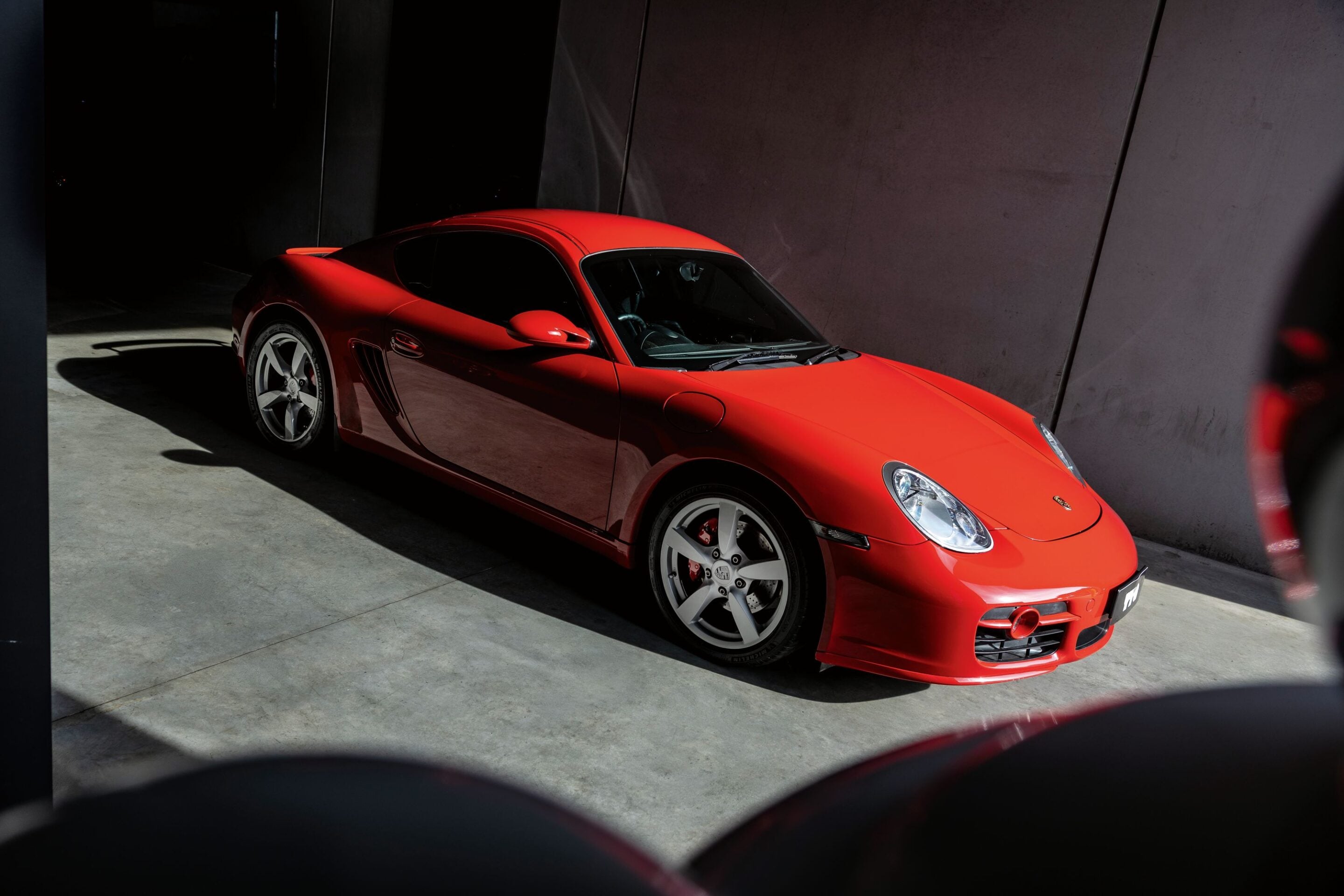
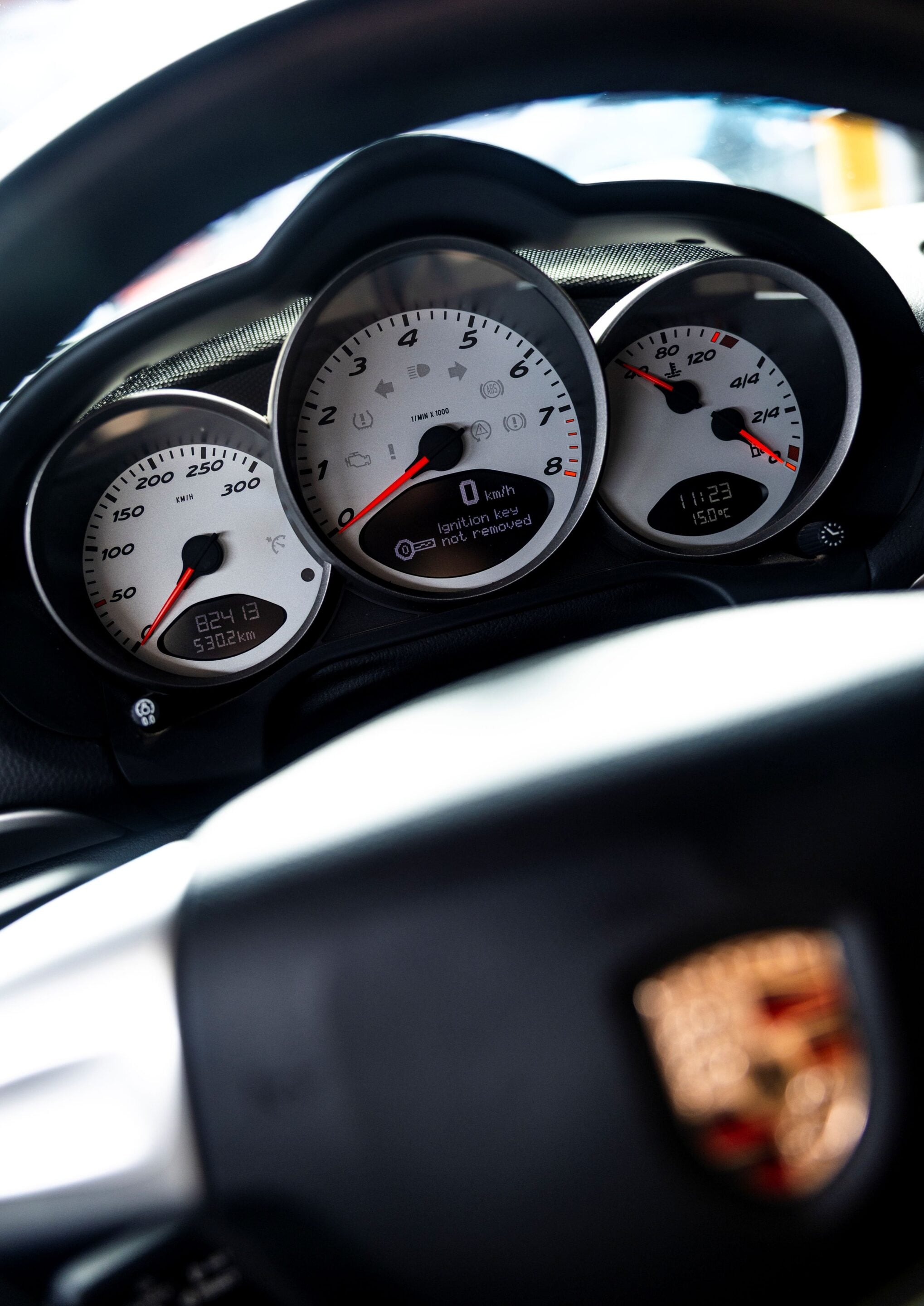
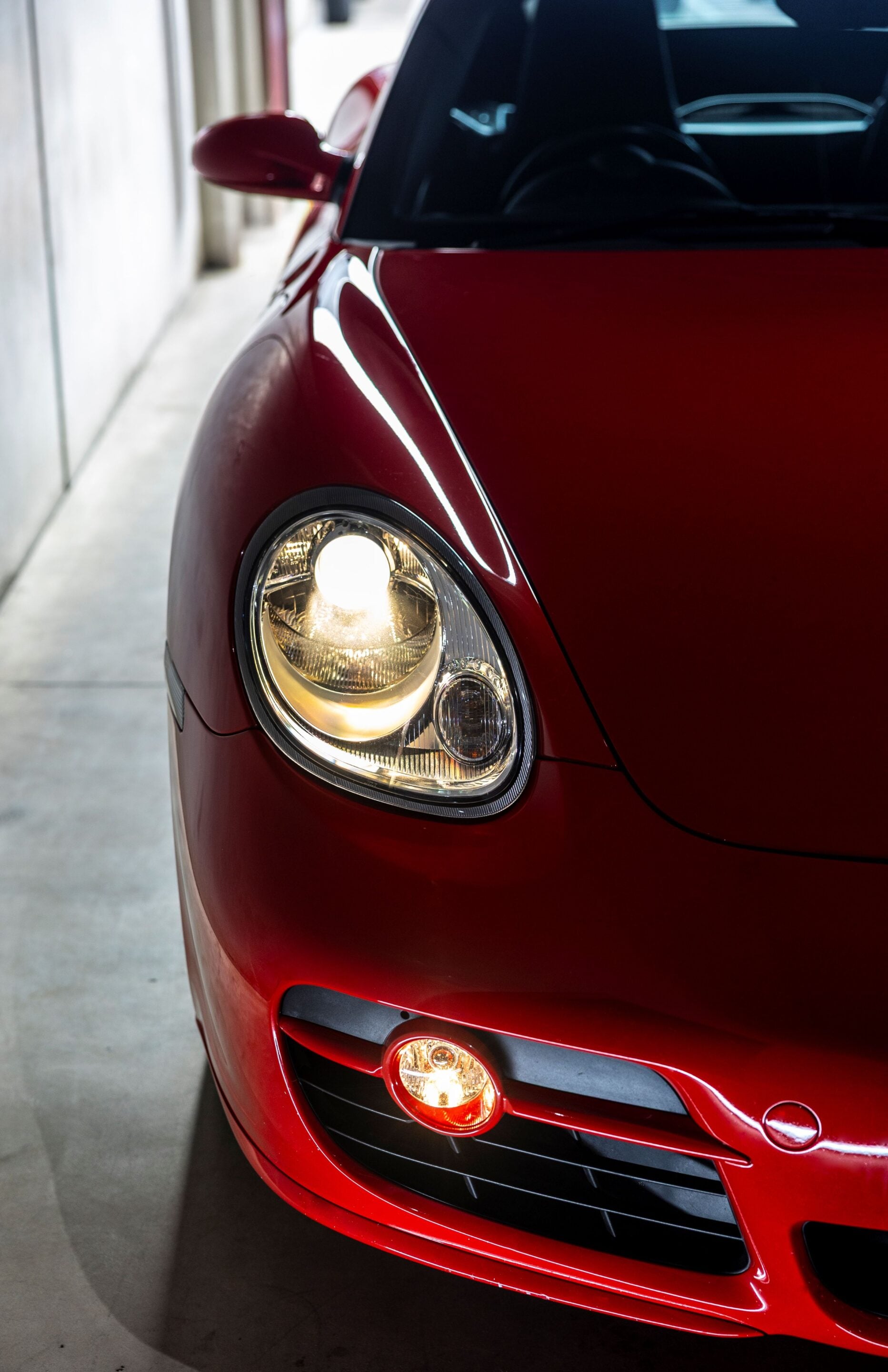
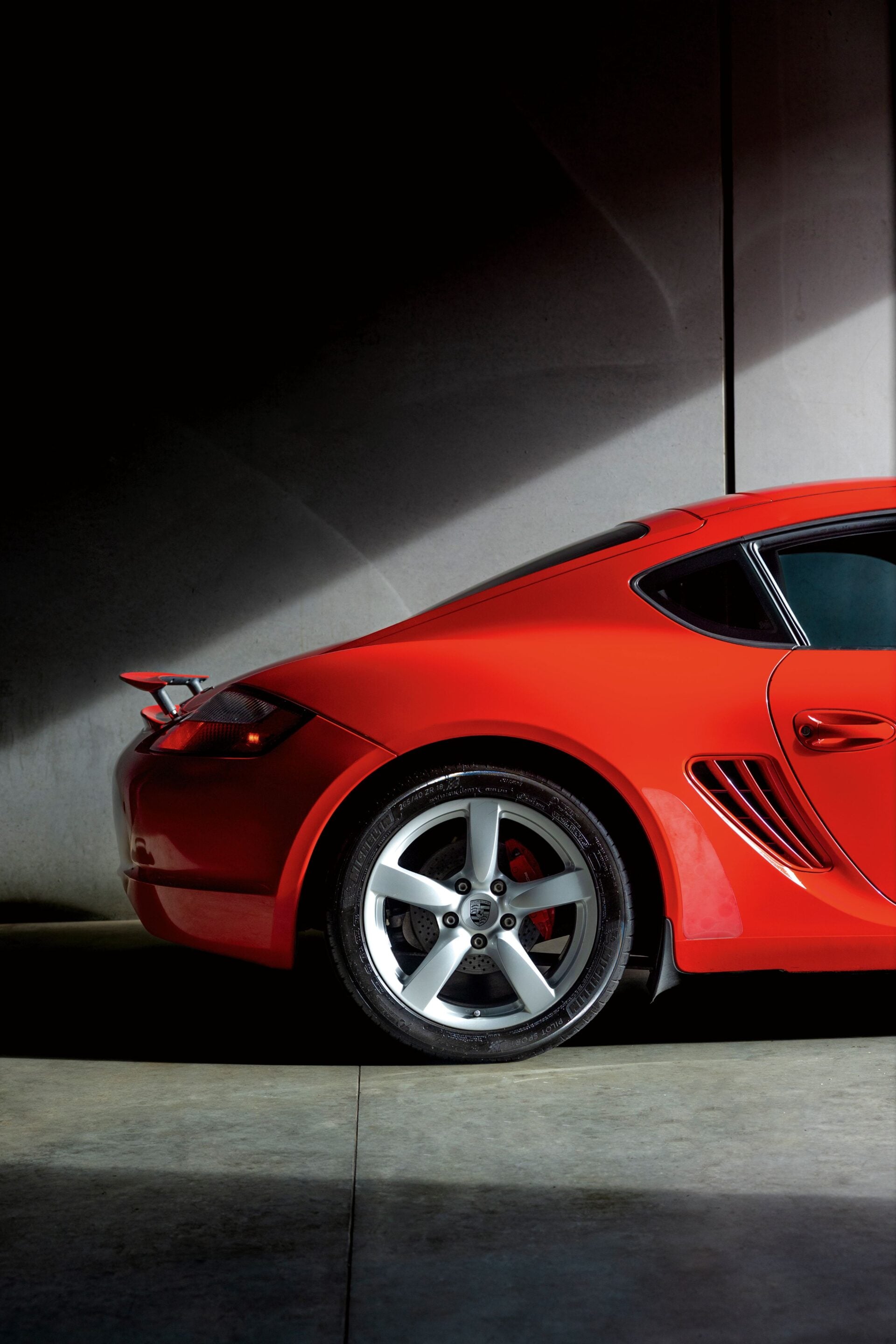
The Cayman S pictured here is an original Australian-delivered 2007 car with a scant 82,400km showing on the odometer. Finished in classic Porsche Guards Red, this six-speed manual example has enjoyed three owners over the course of its 19-year life and remains in well-preserved and fully original condition.
Inside, original black leather adorns not only the seats, but also the dashboard, steering wheel, door cards and various interior trims. Creature comforts include dual-zone climate control and Porsche sports seats with partial power adjustment, while driver assistance extends to cruise control and a trip computer, hi-tech stuff for the time.
The factory-fitted 18-inch five-spoke alloys remain in “exceptional condition” while the brake calipers have been finished in colour-matched Guards Red.
Currently for sale for $69,990 through Melbourne-based Young Timers Garage, this lovely example comes with a complete Porsche service history and all its original documentation.
Specs
| Model | Porsche Cayman S (987) |
|---|---|
| Engine | 3.4-litre naturally aspirated flat-six |
| Transmission | 6-speed manual, RWD |
| Power | 217kW @ 6250rpm |
| Torque | 340Nm @ 4400rpm |
| 0-100km/h | 5.4 seconds (claimed) |
| Top speed | 275km/h |
| Wheels | 18-inch alloys |
| Dimensions (l/w/h/wb) | 4341/1801/1305/2415mm |
| Weight | 1260kg (kerb) |
| Price (new) | $148,500 (2007) |
This story first appeared in the July 2026 issue of Wheels magazine, now on sale. Subscribe here and gain access to 12 issues for $109 plus online access to every Wheels issue since 1953.
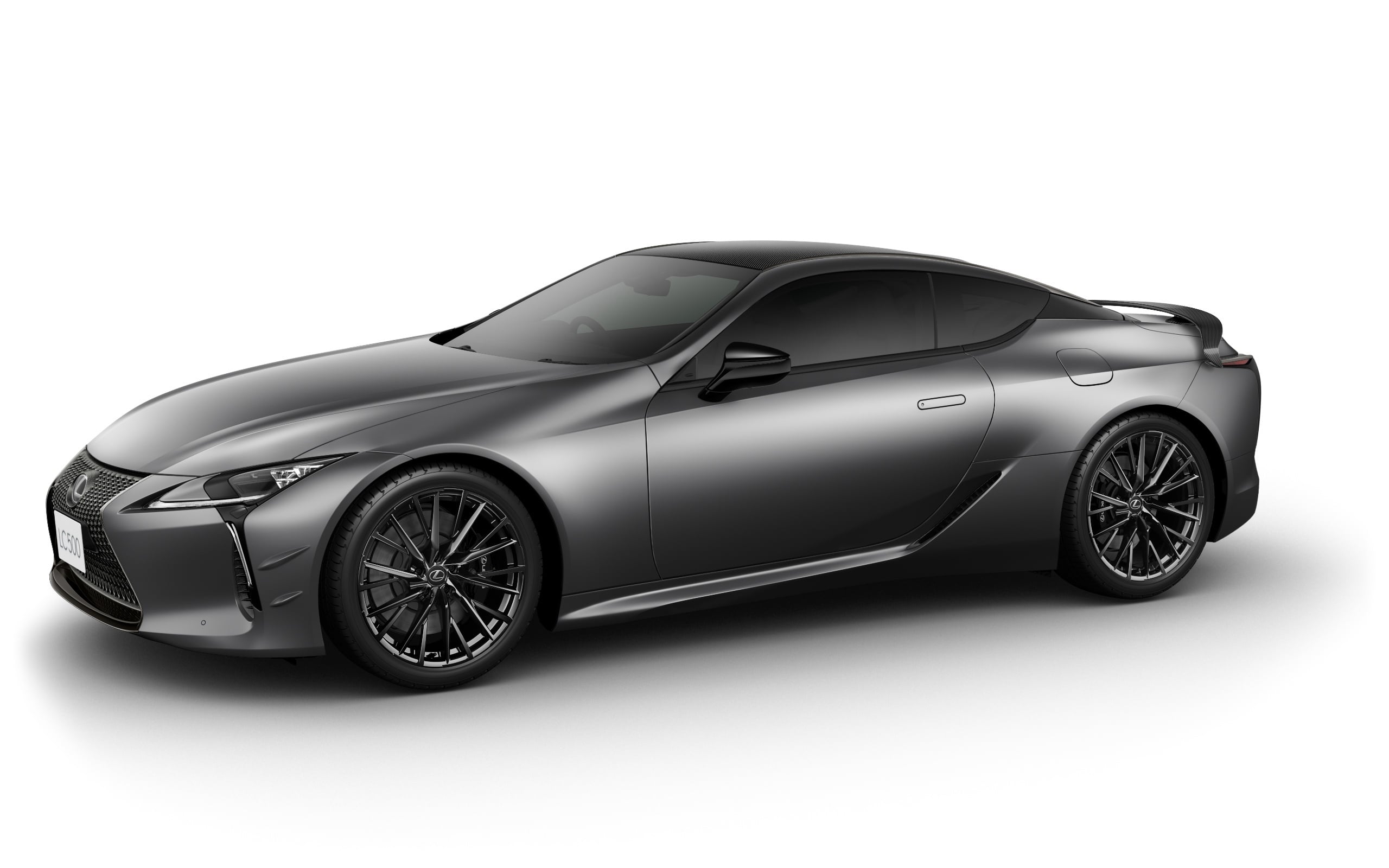
The Lexus LC is preparing to take its final bow in Australia, with the luxury brand confirming a limited-run Special Edition coupe will mark the end of the flagship grand tourer’s local journey after almost a decade on sale.
Due to arrive during the second half of 2026, the LC 500 Special Edition Coupe has already sold out, with Lexus Australia receiving only a handful of vehicles for local buyers. Its arrival coincides with the end of production for the acclaimed two-door model, which first went on sale globally in 2017 and has served as the brand’s halo performance car ever since.
Lexus Australia chief executive Jack Hobbs said the LC had become one of the company’s defining models, combining bold styling, grand touring performance and the craftsmanship for which the Japanese luxury marque is known.
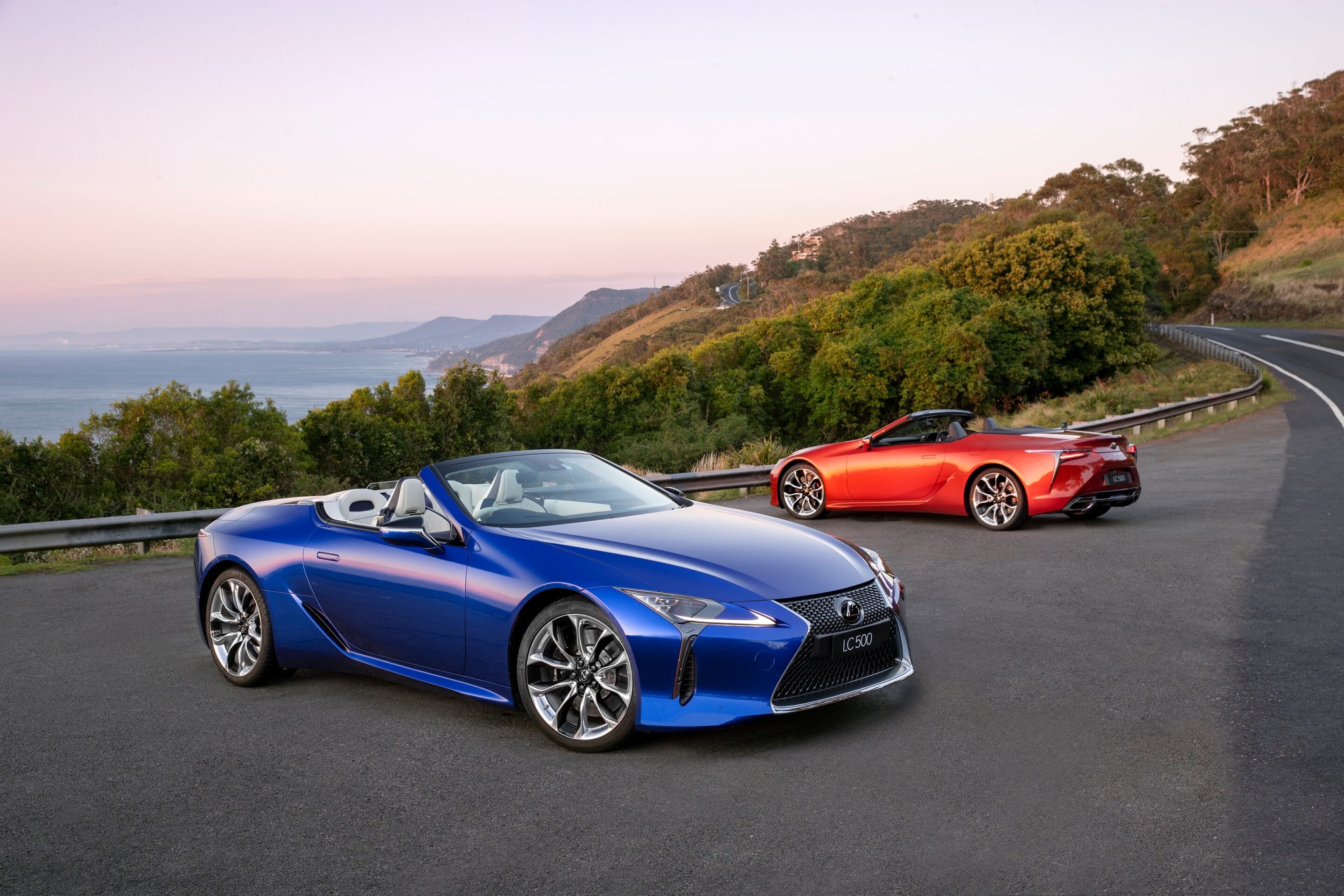
Developed from the striking LF-LC concept unveiled in 2012, the production LC was among the first vehicles to ride on Lexus’s rear-drive GA-L platform. The architecture delivered a low centre of gravity, increased rigidity and the proportions that helped make the coupe one of the most distinctive luxury cars of the past decade.
Australian buyers were offered a choice of two powertrains throughout much of the model’s life. The LC 500 featured a naturally aspirated 5.0-litre V8 producing 351kW and 540Nm, driving the rear wheels through a 10-speed automatic transmission, while the LC 500h paired a 3.5-litre petrol-electric hybrid system with combined outputs of 264kW.
The range expanded in 2020 with the addition of the LC 500 Convertible, bringing open-air touring to the line-up, before subsequent updates introduced chassis refinements, greater body rigidity, the latest Lexus multimedia system, Connected Services and upgraded Lexus Safety System+ technology.
The announcement follows Lexus Australia’s earlier decision to pause regular LC orders after local production allocations were exhausted, with no further customer orders being accepted.
Although the LC is leaving showrooms, Lexus says its influence will continue to shape future performance and luxury models as the company accelerates its move towards electrification. The brand has already previewed that direction through its DISCOVER Vision concept, signalling a new generation of emotionally engaging Lexus vehicles built around advanced technology and human-centred design.
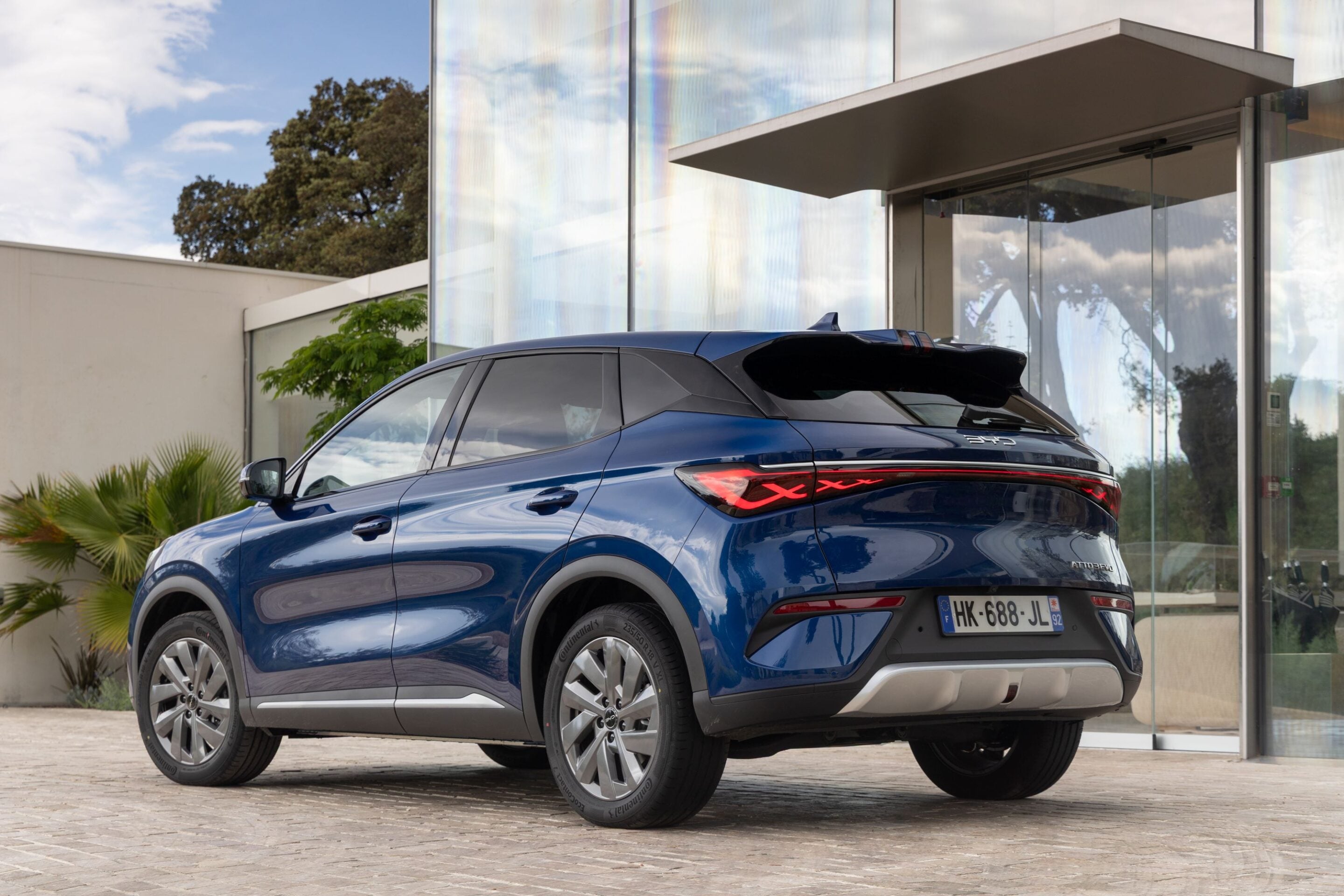
BYD has confirmed its comprehensively updated Atto 3 Evo electric SUV will arrive in Australian showrooms later this year, bringing major mechanical and technological changes to one of the country’s best-selling electric vehicles.
The facelifted model sits on an updated version of BYD’s e-Platform 3.0, introducing an 800-volt electrical architecture, faster charging capabilities and, for the first time, rear-wheel drive.
While local pricing and final specifications have yet to be announced, BYD Australia has opened expressions of interest ahead of the model’s launch. The company says Australian colours, equipment levels and technical specifications will be confirmed closer to its showroom arrival.
One of the biggest changes is beneath the skin. Overseas, the Atto 3 Evo is available with a new rear-mounted electric motor producing up to 230kW and 380Nm, replacing the outgoing front-wheel-drive layout. A flagship dual-motor all-wheel-drive version develops 330kW and 560Nm, although BYD has not confirmed whether both variants will be offered locally.
The upgraded platform also supports DC fast charging at up to 220kW, allowing a 10 to 80 per cent recharge in around 25 minutes under ideal conditions. A larger battery also increases driving range, while revised rear suspension is expected to improve ride comfort and handling.
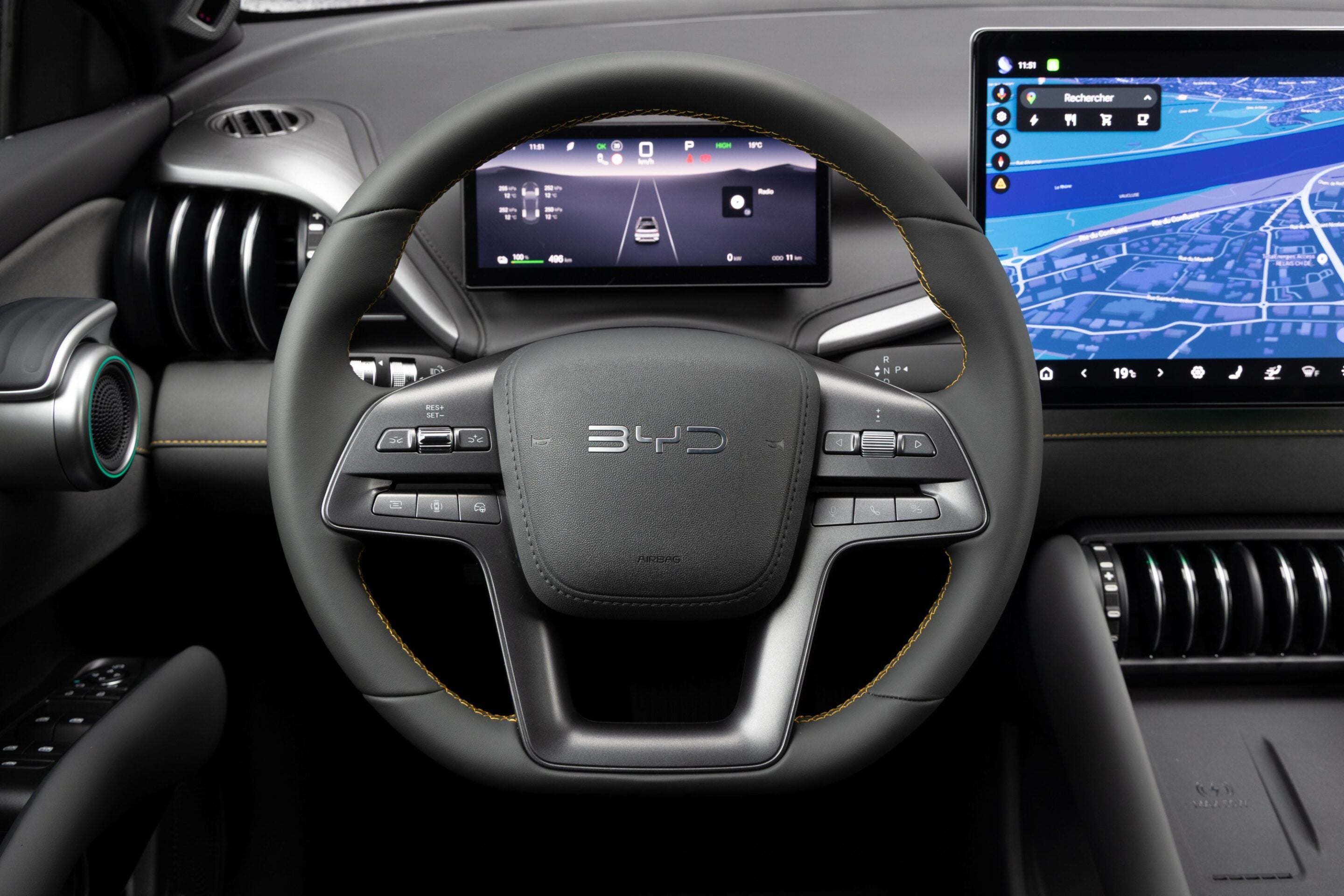
Styling changes are evolutionary rather than revolutionary, with redesigned front and rear bumpers, slimmer lighting signatures, new alloy wheel designs and subtle aerodynamic revisions. Inside, the cabin receives a new steering-column-mounted gear selector, an 8.8-inch digital instrument display, BYD’s latest 15.6-inch rotating infotainment touchscreen and upgraded software. Boot capacity has also increased, while a front storage compartment has been added for the first time.
The Atto 3 was BYD’s first passenger vehicle launched in Australia and helped establish the Chinese brand as a major player in the local EV market. The Evo update arrives as competition intensifies in the small electric SUV segment, where it faces rivals including the MG S5 EV, Kia EV3, Hyundai Kona Electric and Geely EX5.
Australian pricing, model grades and final equipment levels are expected to be announced closer to the Atto 3 Evo’s local launch later this year.
Nissan has broadened its Australian X-Trail line-up for 2026 with the addition of three more affordable front-wheel-drive e-POWER hybrid variants and a new Rock Creek model aimed at buyers seeking a more rugged-looking family SUV.
The biggest change is the expansion of Nissan’s e-POWER hybrid technology, which is now available in front-wheel-drive ST-L, Ti and Ti-L grades for the first time. Previously, the hybrid system was offered exclusively with all-wheel drive.
Pricing for the new e-POWER range now starts at $45,990 before on-road costs for the ST-L 2WD, with the Ti priced from $50,915 and the Ti-L from $54,715. The new variants are between $3090 and $3655 below their all-wheel-drive equivalents.
Unlike conventional hybrid systems, Nissan’s e-POWER setup uses a petrol engine solely as a generator to recharge the battery, while the wheels are driven exclusively by an electric motor.
The switch to front-wheel drive also improves efficiency. Nissan claims combined fuel consumption of 5.4L/100km, down from 6.1L/100km for the all-wheel-drive e-POWER models, while CO₂ emissions fall from 139g/km to 123g/km.
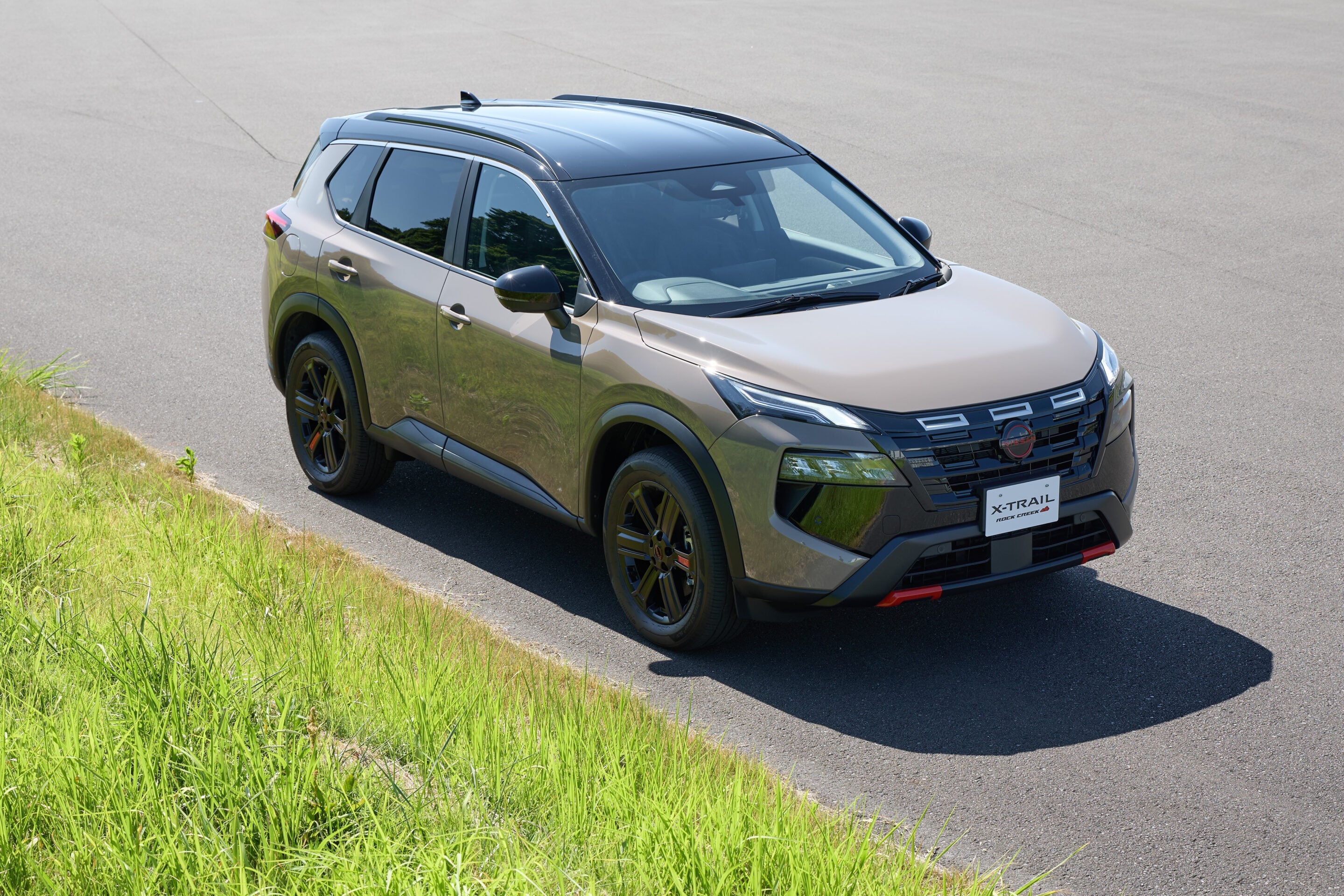
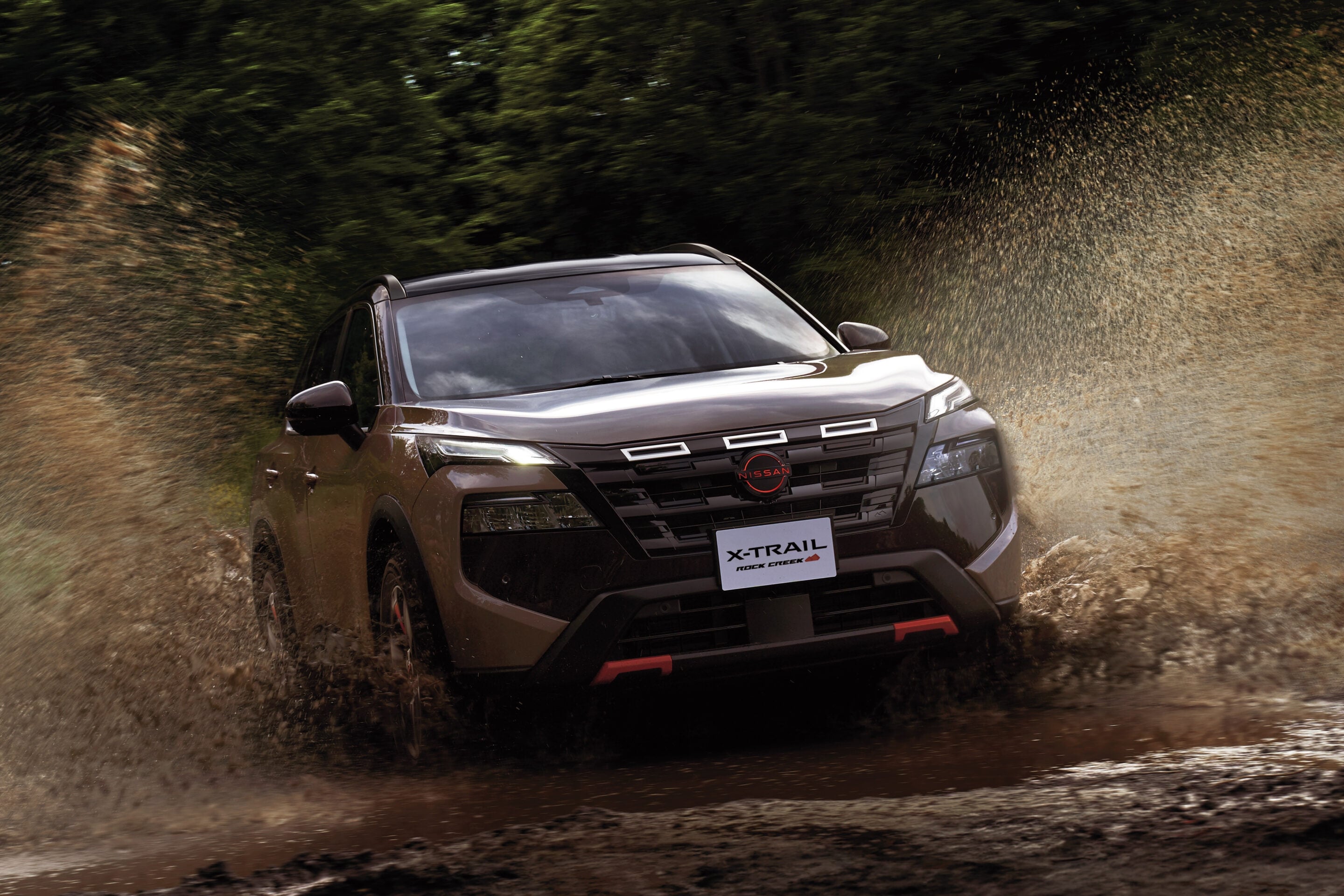
Alongside the hybrid expansion, Nissan has introduced the X-Trail Rock Creek, a new variant based on the petrol-powered ST-L 4WD. Priced from $48,315 before on-road costs, it carries a $2435 premium over the ST-L on which it is based.
Available exclusively with seven seats and all-wheel drive, the Rock Creek receives a unique front grille inspired by Nissan’s D21 ute, gloss-black exterior trim, bespoke front bumper, black roof rails, exclusive 18-inch alloy wheels and orange exterior detailing. A new Baja Storm paint finish with a contrasting black roof is also offered.
Inside, the Rock Creek features ballistic nylon seat trim with embroidered badging, orange contrast stitching, a 12.3-inch digital instrument cluster and a 10.8-inch head-up display, upgrades over the donor ST-L grade.
Mechanically, the Rock Creek retains the standard petrol drivetrain and all-wheel-drive system.
The expanded range reflects growing demand for hybrid powertrains in Australia’s medium SUV segment, where buyers have increasingly shifted away from conventional petrol-only models. Nissan says around half of hybrid medium SUV buyers now choose two-wheel-drive vehicles, prompting the introduction of the lower-priced e-POWER variants.
Orders for the new front-wheel-drive e-POWER grades and the X-Trail Rock Creek are open now, with the first Australian customer deliveries expected in September 2026.
All 2026 X-Trail models continue to be covered by Nissan’s 10-year/300,000km conditional warranty, along with capped-price servicing of $399 per service for the first five years when maintained through the brand’s authorised dealer network.
Mahindra Automotive Australia has celebrated the first anniversary of its XUV 3XO compact SUV with the launch of a limited-run Black Anniversary Edition, adding a darker styling package to the top of the local range.
Limited to 300 vehicles nationwide, the special edition is based on the flagship AX7L and is priced from $27,990 drive-away, a $1000 premium over the standard AX7L. Orders open on August 1.
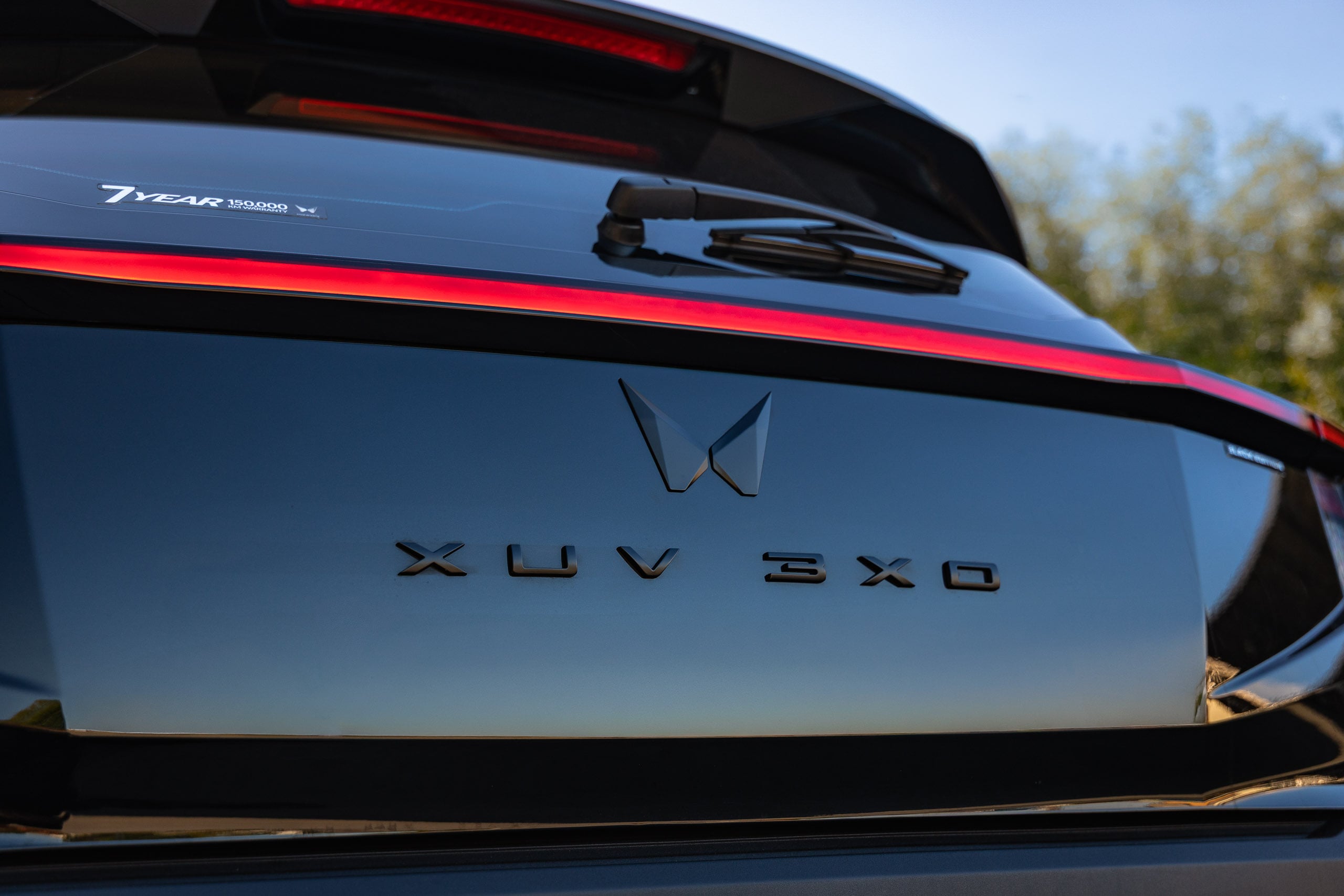
The Black Anniversary Edition introduces a series of cosmetic upgrades rather than any mechanical changes. Finished in a Stealth Black exterior with a contrasting Matte Galvano Grey roof, the SUV also gains a body-coloured grille, black exterior badging, gloss black 17-inch alloy wheels with dark centre caps, black trim highlights, dark aluminium scuff plates and a rear luggage tray.
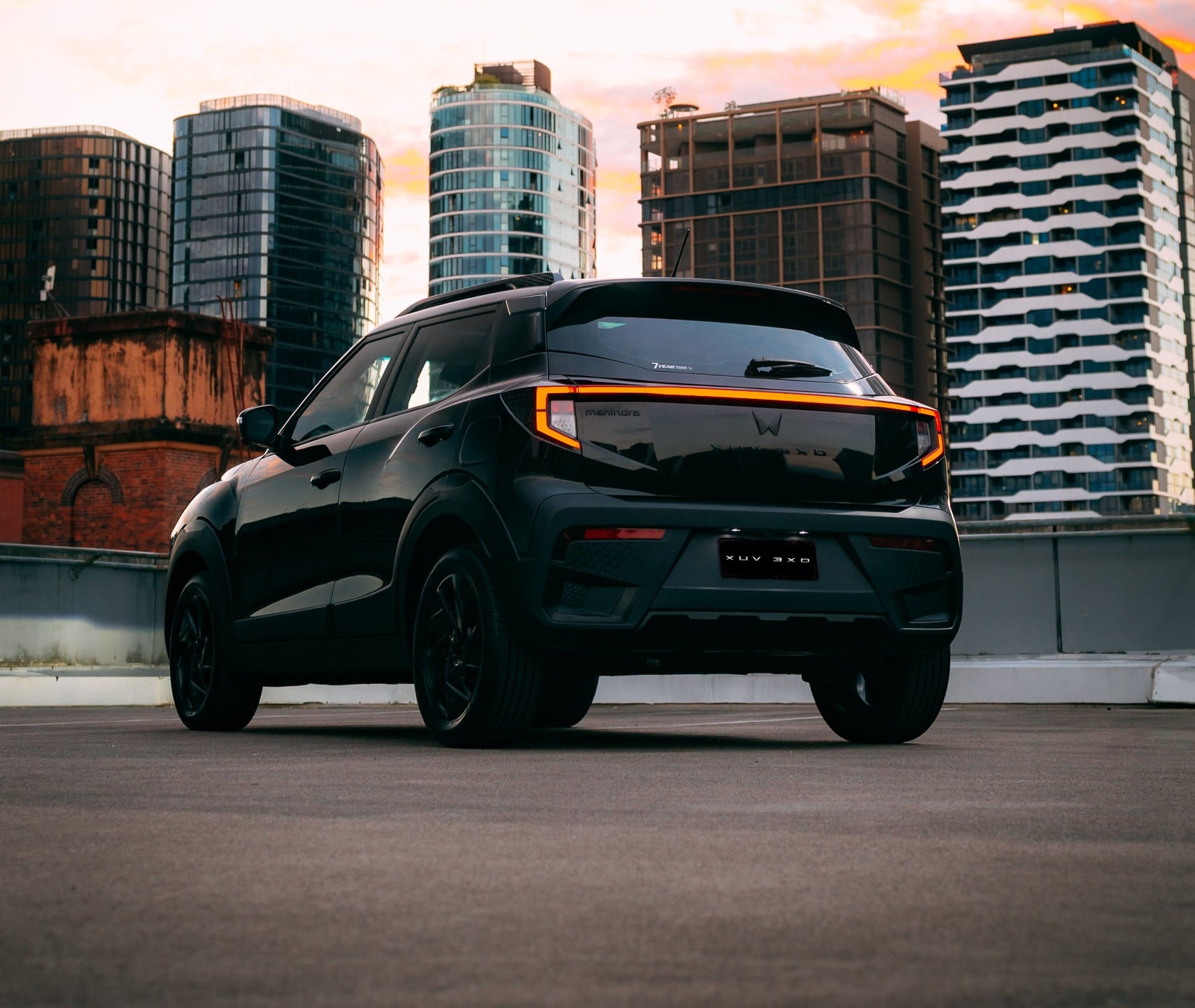
The limited edition joins the existing XUV 3XO line-up, which starts at $23,990 drive-away for the AX5L and $26,990 drive-away for the regular AX7L. A $495 metallic paint charge applies to all colours except Everest White.
No changes have been made beneath the bonnet, with the Anniversary Edition retaining the XUV 3XO’s turbocharged petrol engine producing 82kW and 200Nm, matched to a six-speed Aisin torque-converter automatic transmission driving the front wheels.
Standard equipment continues to mirror the AX7L specification, including dual 10.25-inch digital displays, Level 2 advanced driver assistance systems, wireless smartphone connectivity, a panoramic sunroof, dual-zone climate control and a comprehensive suite of safety features.
The XUV 3XO has become Mahindra‘s key passenger model in Australia since launching last year, competing in the highly contested light SUV segment against rivals such as the Chery Tiggo 4, MG ZS, Kia Stonic, Hyundai Venue and Mazda CX-3.
The model also received industry recognition earlier this year after being named among the finalists in the Wheels Car of the Year 2025-26 awards, where judges praised its comfort, practicality and strong value proposition.
Like the rest of the XUV 3XO range, the Black Anniversary Edition is backed by Mahindra’s seven-year/150,000km warranty and six years of capped-price servicing.
With only 300 examples available, the Black Anniversary Edition offers buyers a more distinctive appearance while retaining the value-focused specification that has helped establish the XUV 3XO in the Australian market.
Interest in electric vehicles continues to accelerate in Australia, with new research from insurance comparison company MoneySuperMarket showing online searches have surged as more motorists consider making the switch from petrol and diesel-powered cars.
According to the company’s latest analysis, Google searches for the term “electric vehicles” in Australia increased by 70 per cent over the 12 months to April 2026. The findings come as Electric Vehicle Council figures show Australians purchased more battery-electric vehicles during the first six months of 2026 than in the whole of 2025, highlighting the market’s rapid growth.
MoneySuperMarket analysed Google search volumes for more than 200 electric vehicle models across more than 200 countries to determine which EVs generated the greatest consumer interest.
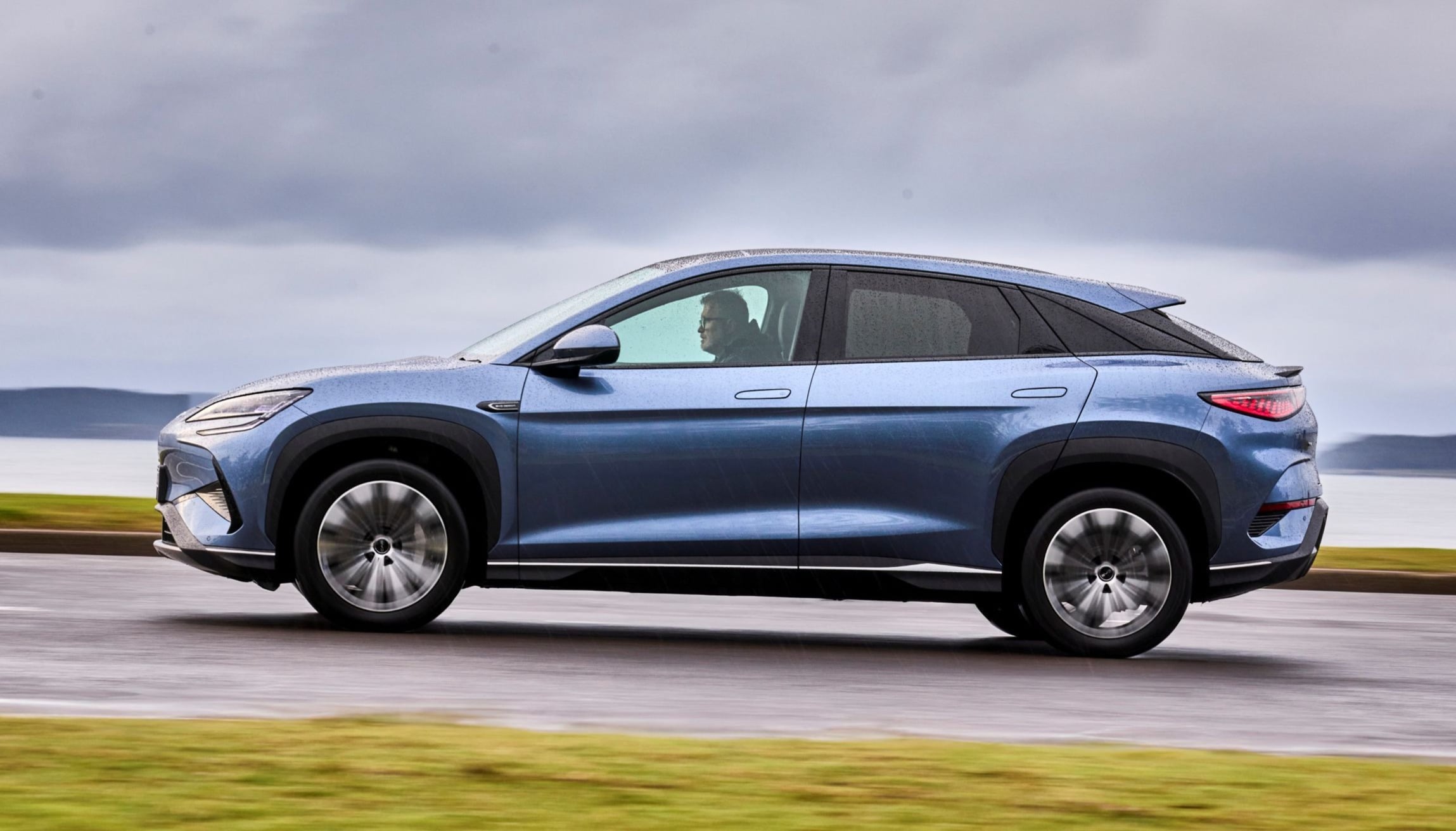
In Australia, the BYD Sealion 7 (above) emerged as the country’s most searched electric vehicle, attracting 874,500 Google searches over the past year. It finished comfortably ahead of the Tesla Model Y on 717,100 searches, with the BYD Seal rounding out the top three on 450,300.
BYD’s growing influence was evident throughout the rankings, with five of the top 10 most searched EVs in Australia wearing the Chinese brand’s badge. Alongside the Sealion 7 and Seal, the Atto 3, Sealion 6 and Dolphin all featured in the top 10.
Tesla placed two vehicles in the list with the Model Y and Model 3, while Kia also had a strong showing through the EV5 and EV3. Subaru’s forthcoming all-electric e-Outback was another surprise performer, ranking sixth despite not yet reaching Australian showrooms.
Across Australia’s top 10 electric vehicles, motorists generated more than 4.27 million Google searches between April 2025 and April 2026.
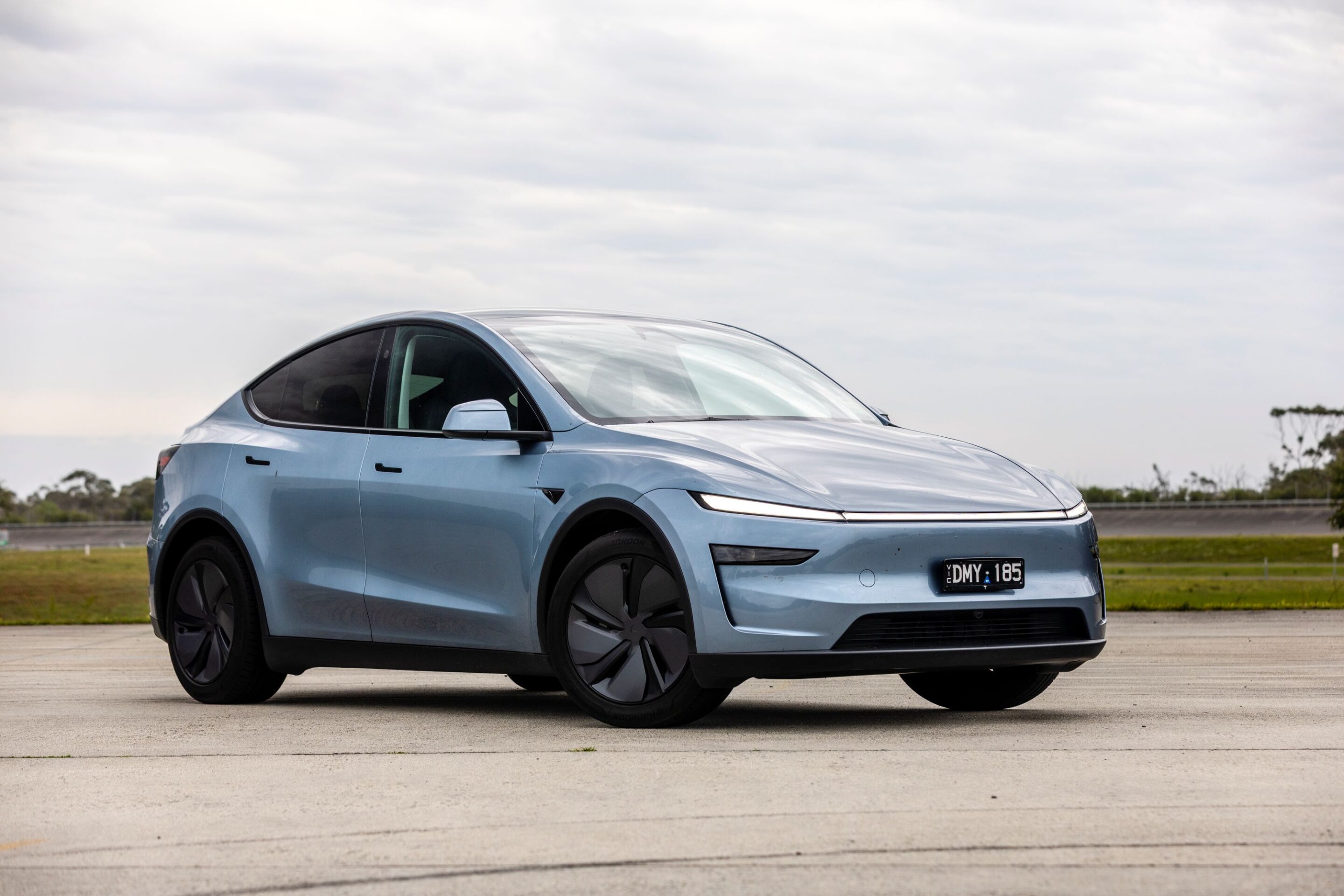
Globally, however, Tesla remained the dominant brand. The Tesla Model Y (above) topped worldwide search rankings with more than 25.1 million searches, followed by the Tesla Model 3 and BYD Seal. Tesla models ranked as the most searched EV in 75 of the 200 countries analysed, while BYD claimed top spot in 50 countries.
The research also found worldwide Google searches for “electric cars” increased by 168 per cent over the past year, underlining growing consumer interest in battery-powered vehicles despite slowing sales growth in some established EV markets.
Australia’s 10 most searched electric vehicles (April 2025-April 2026)
| 1 | BYD Sealion 7 | 874,500 searches |
|---|---|---|
| 2 | Tesla Model Y | 717,100 |
| 3 | BYD Seal | 450,300 |
| 4 | BYD Atto 3 | 393,000 |
| 5 | BYD Sealion 6 | 357,000 |
| 6 | Subaru e-Outback | 337,200 |
| 7 | Kia EV5 | 302,200 |
| 8 | Tesla Model 3 | 300,500 |
| 9 | BYD Dolphin | 299,200 |
| 10 | Kia EV3 | 244,500 |
“We want to make wagons cool again.” So said BYD Australia’s head PR honcho, Paul Ellis, at the launch of the Chinese brand’s newest plug-in hybrid, the Seal 6 Touring.
Adopting BMW’s nomenclature, the Seal 6 Touring is an affordable station wagon in a landscape bereft of wagon options.
It’s a bold gamble from BYD, a strategic bet that there are enough buyers out there who don’t necessarily want an SUV.
Ellis again: “Not everyone wants an SUV. People that still want space, and flexibility with cargo, don’t necessarily want an SUV, so we think there’s an opportunity there to look at those customers.”
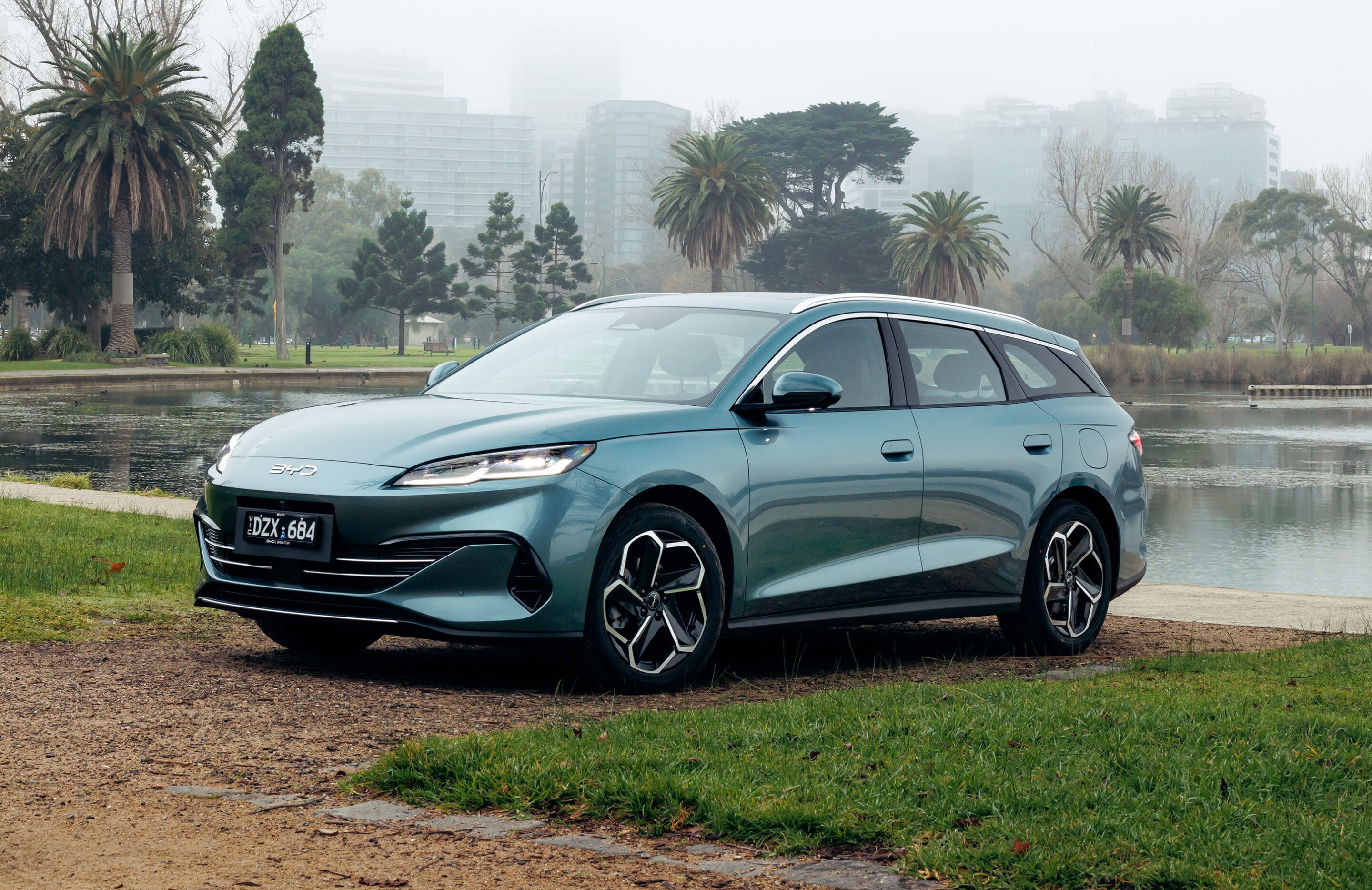
The market for station wagons is small in Australia today. Once a go-to for family buyers needing the extra practicality afforded by a long-roof over their sedan counterparts, today’s station wagon has become – largely – a plaything of the rich.
Of the 28 variants across 10 distinct models currently available in Australia, 10 are priced over $100,000 while 12 wear price tags of between $50,000-$100,000. Of the remainder, exactly one model is priced under $40,000 – the BYD Seal 6 Touring – earning it the distinction as the most affordable station wagon on sale in Australia today.
How much is the BYD Seal 6 Touring?
BYD Australia is bringing just a single highly-specified variant of its plug-in hybrid station wagon to Australia, the $39,990 (plus on-road costs) Touring Premium. That translates to around $43,500 to $44,200 driveaway, depending on the state or territory of registration.
The Seal 6 Touring’s nearest rival in this rarefied air of station wagons is the venerable Skoda Octavia which lands in driveways for $43,990.
The pair might be closely matched on price, but it’s the Seal 6 Touring’s party trick that should see it leap to, or as near as, the top of buyers’ consideration lists.
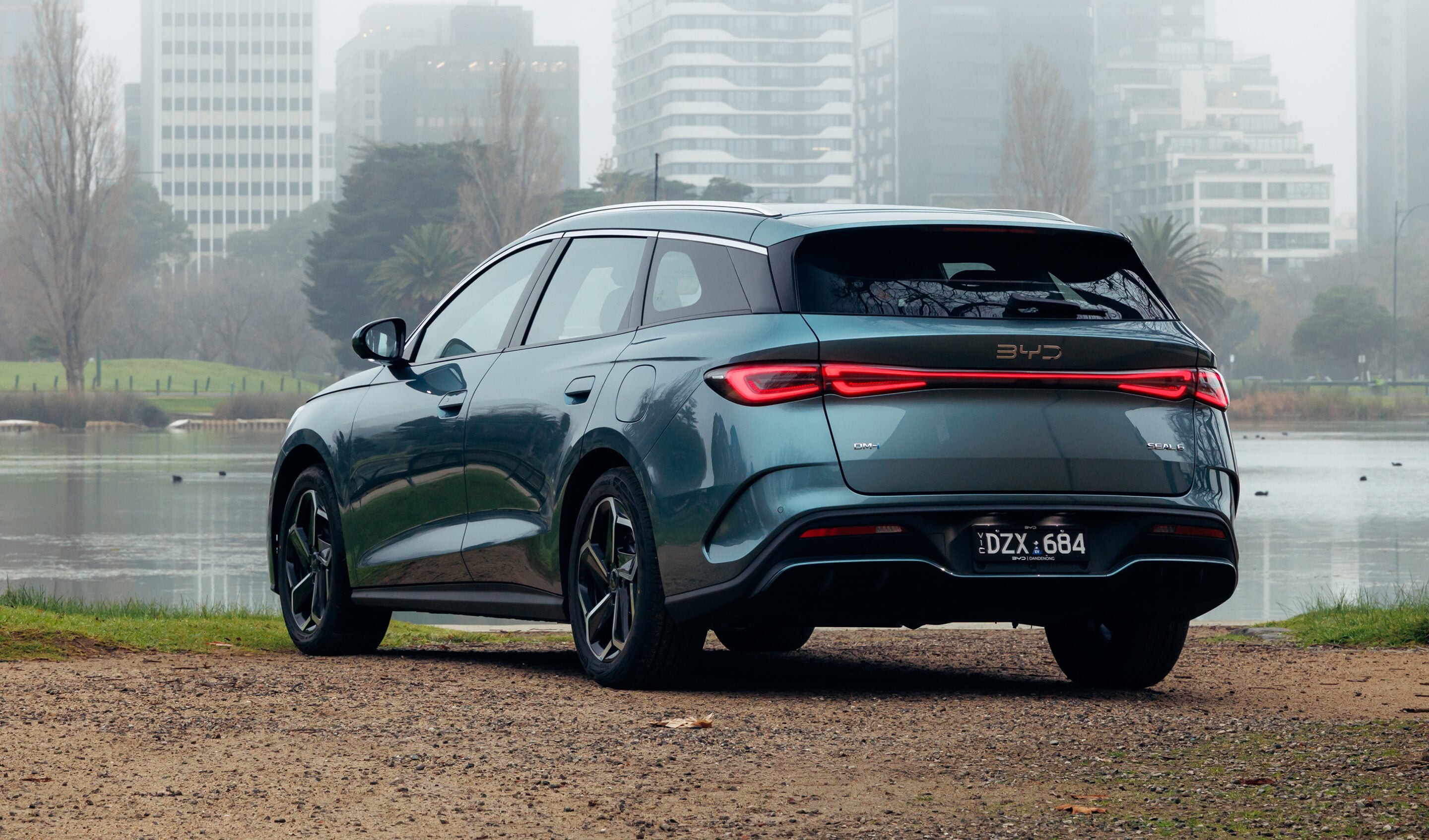
BYD has long been associated with full battery-electric vehicles, its portfolio dominated by EVs. But the Chinese auto giant also has a good line on plug-in hybrids that offer the comfort – and long-range capability – of a traditional combustion engine with a battery and electric motor for usable distances of emissions free motoring.
In the Seal 6 Touring and its petrol-plug-in-hybrid system, that driving range is rated at ‘greater than 1000km’ according to BYD. That’s a not insignificant number, one that will appeal to buyers who like to regularly head off on long road trips.
BYD Australia, keen to prove the Seal 6 Touring’s long-distance chops, chose to launch its first station wagon with a 1000km road trip from Sydney to Melbourne. But before revealing how the Touring fared, let’s look at the nuts and bolts of Australia’s only plug-in hybrid station wagon.
What powers the BYD Seal 6 Touring?
The beating heart of the Seal 6 Touring blends a 1.5-litre, four-cylinder petrol engine running on the more efficient Atkinson cycle. On its own, the four-pot makes 70kW and 120Nm.
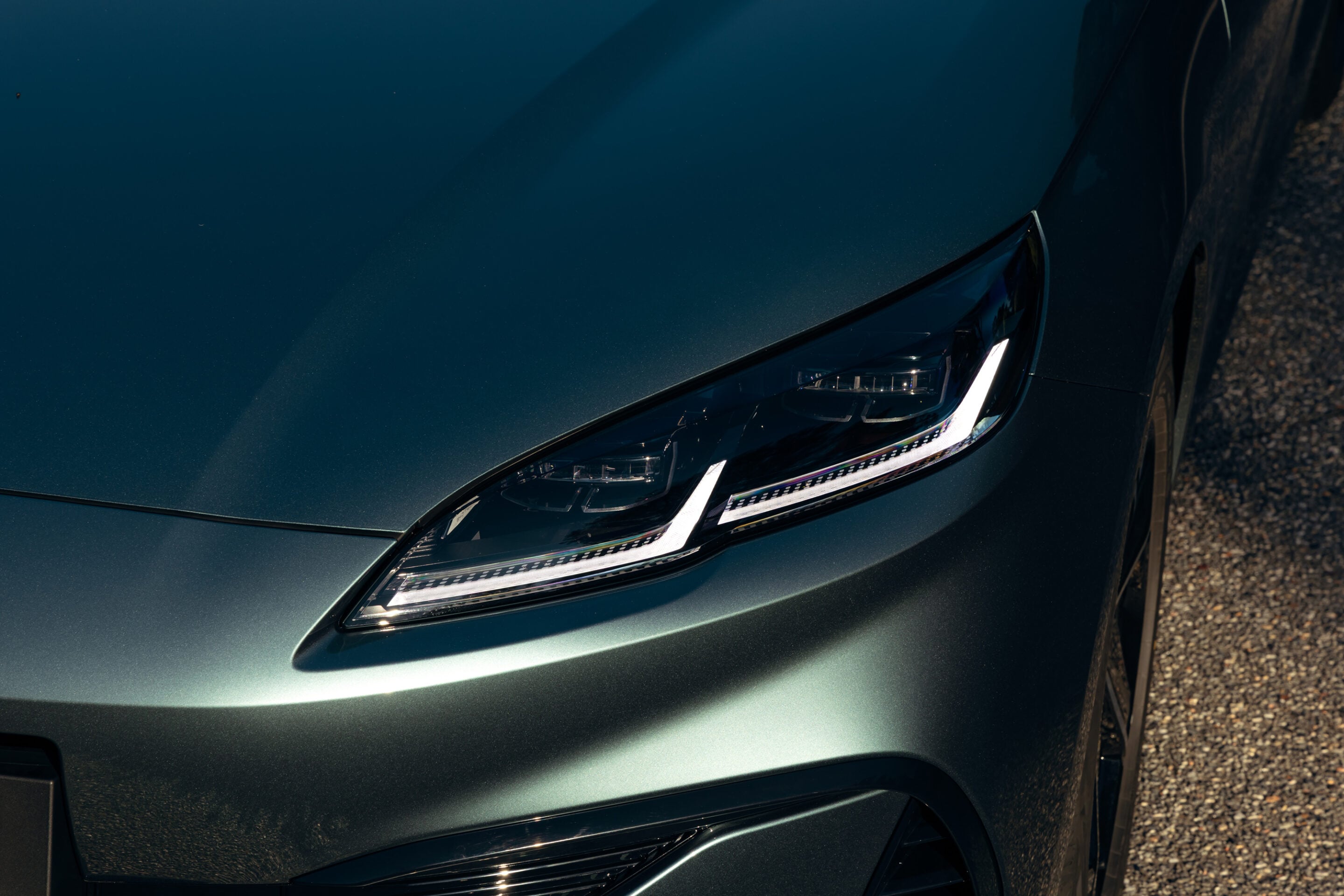
But those outputs are boosted by the fifth generation of BYD’s DM-i Super Hybrid system that uses a 19kWh battery and a 160kW/260Nm front-mounted electric motor. BYD says the Seal 6 Touring can run in EV mode for around 100km, based on WLTP testing, more than enough to cover the daily commute for the vast majority of Australians.
BYD’s ‘Super Hybrid’ system works in three ways. In pure EV mode, the wheels are powered exclusively by the battery and electric motor, just like a regular electric car.
In parallel series hybrid mode, like that found in most Toyotas, the petrol engine and electric motor combine to drive the wheels. And in HEV mode, the electric motor drives the wheels exclusively, while the petrol engine works away at keeping the battery at a constant state of charge, around 20-25 per cent according to BYD.
Recharging the 19kWh battery at a maximum DC rate of 27kW should take around 40 minutes. However, we’d venture most PHEV owners will do their battery replenishment at home overnight. Expect a top up time of around 2h50m at the maximum AC rate of 6.6kW.
What’s the BYD Seal 6 Touring like on the inside?
While it might be Australia’s most affordable station wagon, there’s nothing budget-price about the cabin. Material quality is good while the overall design doesn’t stray too far from today’s European-inspired minimalism.
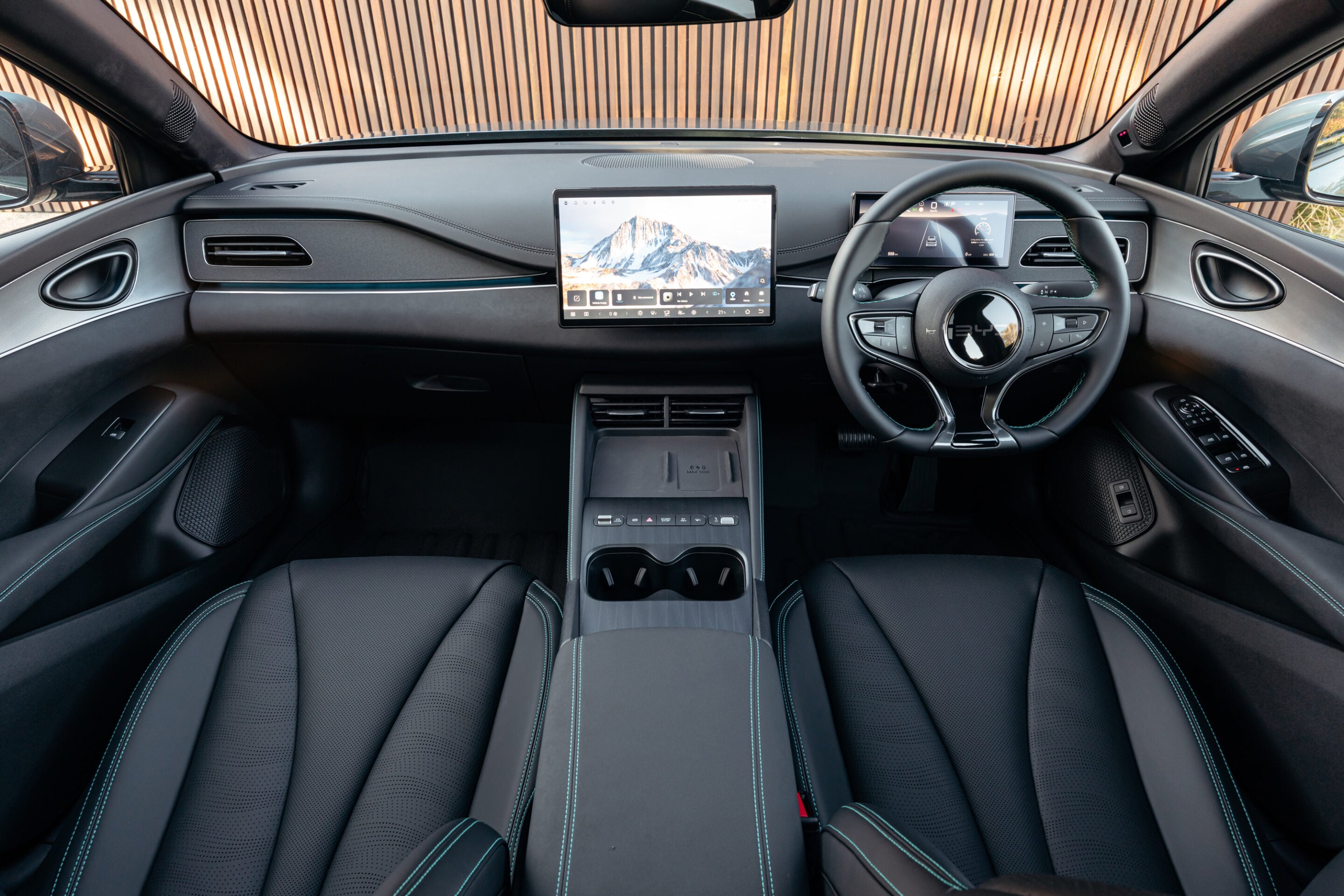
Synthetic leather adorns the seats while a mesh-like fabric graces the dashboard and door cards adding an interesting look and texture to overall cabin ambience. It feels more upmarket than it ought to for the price.
Seat heating and cooling up front is a welcome addition as is power adjustment for both driver and passenger, although only the driver’s seat features a memory function which stores two seating positions.
Spending 1000km over two days perched in the front seats – both as a driver and passenger – proved largely comfortable, with good support and bolstering. A little more under-thigh support – the victim of short seat bases – would elevate comfort levels even more.
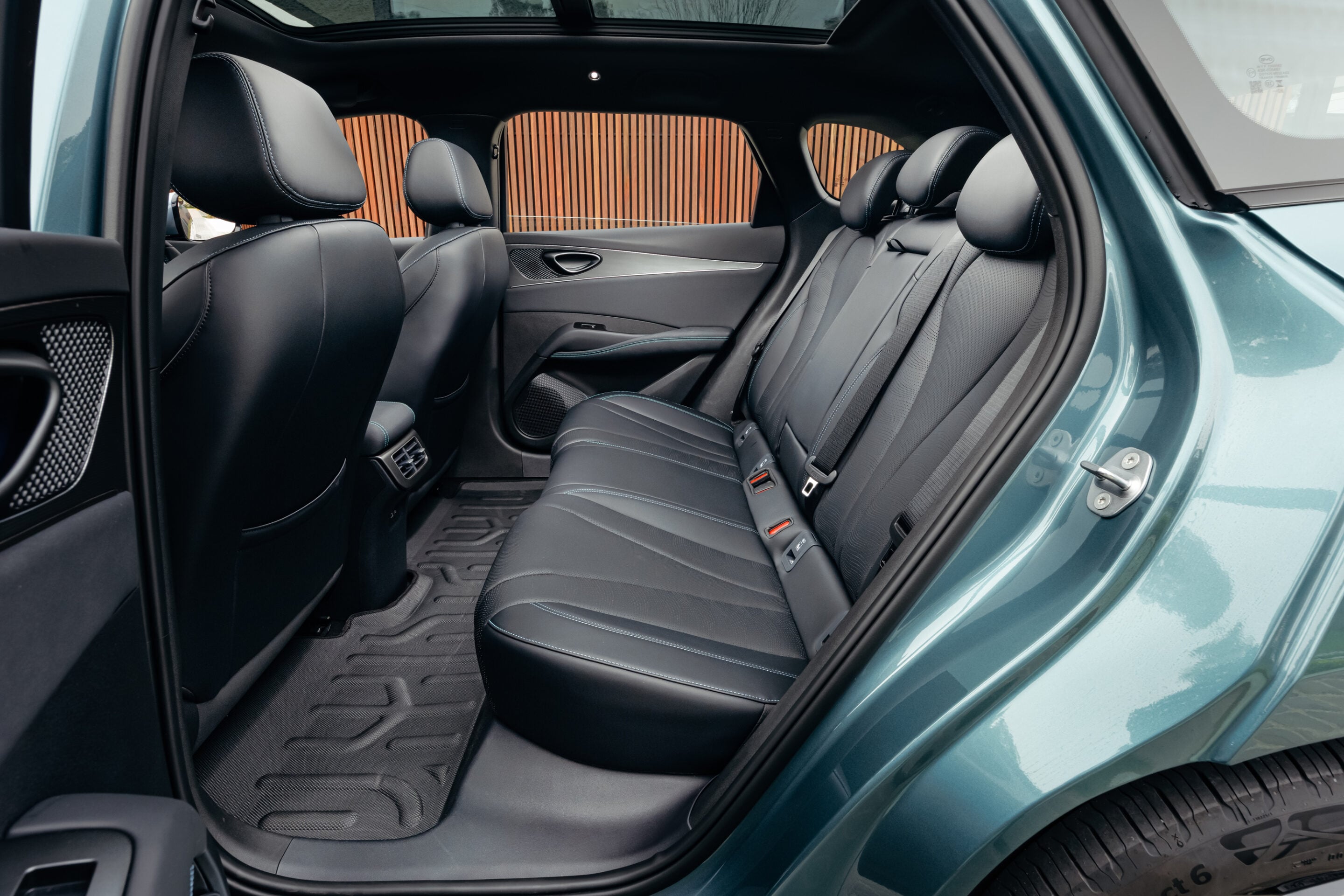
The second row is best described as adequate. The seats themselves were comfortable and while there was a decent amount leg-, knee- and headroom, the often under-regarded toe room was a little lacking, with feet wedged tight against the bottom of the front seats.
Opening the powered tailgate reveals a generous 670L of storage capacity, or as BYD claims, “fits six 20-inch suitcases, ideal for a family of six”. Not entirely sure where the sixth family member is expected to sit in this strictly five-seater. Dropping the rear seats via levers located in the boot opens up 1535L of storage.
Disappointingly, for a wagon that’s called Touring and is ostensibly marketed as something that can tackle long road trips, the Seal 6 Touring does not have a spare wheel, only a tyre repair kit.
What technology comes with the BYD Seal 6 Touring?
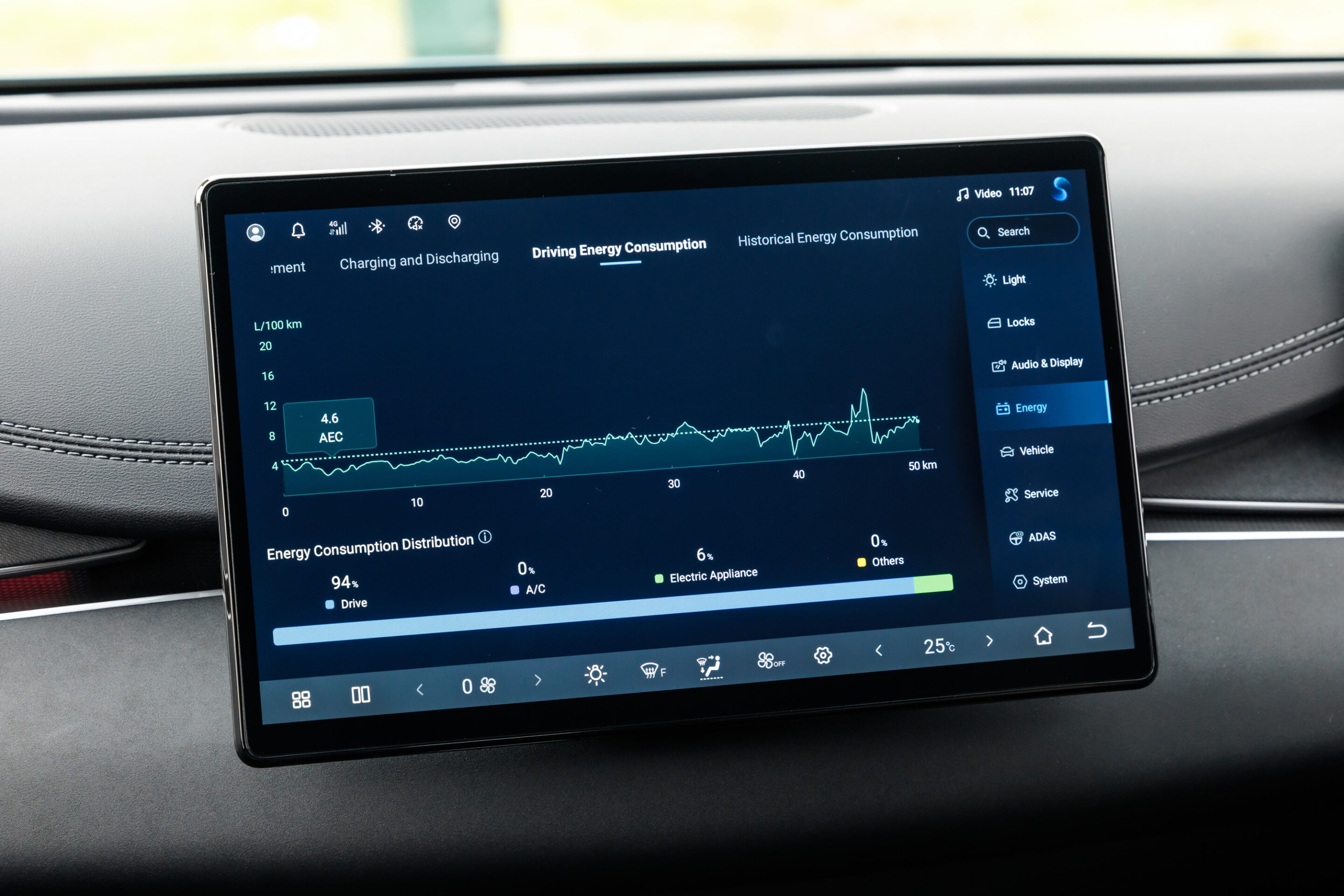
The nerve centre of the Touring’s infotainment is hosted inside a 12.8-inch touchscreen. It’s kitted out with wireless (and cabled) Apple CarPlay and Android Auto, along with wireless smartphone charging. The USB plug count runs to four with one each of Type C and Type A front and rear.
The screen itself offers sharp graphics in high definition, with razor-sharp responses to input. As is the modern way, most of the Touring’s vital functions live inside the touchscreen and while bewildering at first, become easier to use over time, including climate controls.
An eight-speaker audio system is complemented by the full gamut of radio bandwidths and while audio quality is fine, it’s not the last word in high-fidelity.
What’s the BYD Seal 6 Touring like to drive?
A 1000km road trip between Australia’s largest two cities – Sydney and Melbourne – is the ideal canvas for highlighting the Seal 6 Touring’s plug-in hybrid system and claims around driving range and fuel economy.
But rather than just setting off from Sydney and bombing straight down the Hume to Melbourne, BYD ensured the trip covered a variety of conditions – motorway, country backroads, rural suburban, and even some adventurous driving conditions through Victoria’s high country.
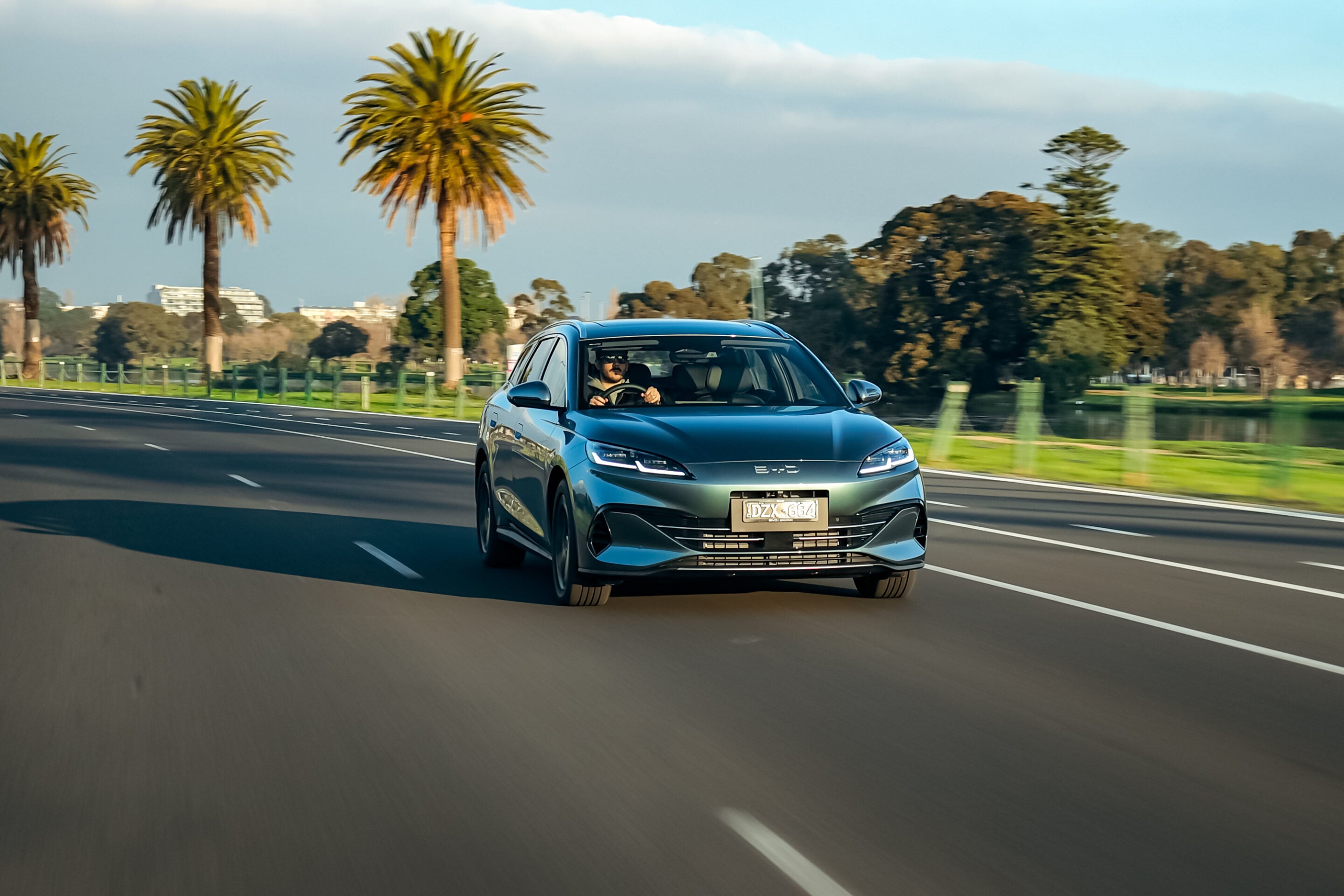
The short run from Alexandria to the start of the motorway proved uneventful, highlighting the Touring’s respectable acceleration in traffic and minorly fussy road manners over some less salubrious road surfaces. The wagon’s ride comfort isn’t bad exactly, and perhaps it’s largely down to the 18-inch alloys and their slim-walled rubber rather than anything inherent wrong with the Seal’s suspension tune, but minor lumps and bumps resulted in a busyness from the wheels that is felt in the cabin.
Things improve marginally on the motorway, the Seal 6 settling into an easy and mostly comfortable lope at 110km/h on smoother road surfaces, although road joints and patchwork repairs result in the same fussy ride quality while minor undulations induce some wallowing.
The Touring’s plug-in hybrid system works extremely well. BYD claims the battery’s state of charge won’t drop below 25 per cent if left to its own devices, meaning there is always help on hand from the electric powertrain to keep things moving along, minimising fuel economy. The 1.5-litre hums along relatively quietly, although harder acceleration for overtakes does induce some uncomfortable noise from under the bonnet while road and wind noise is noticeable.
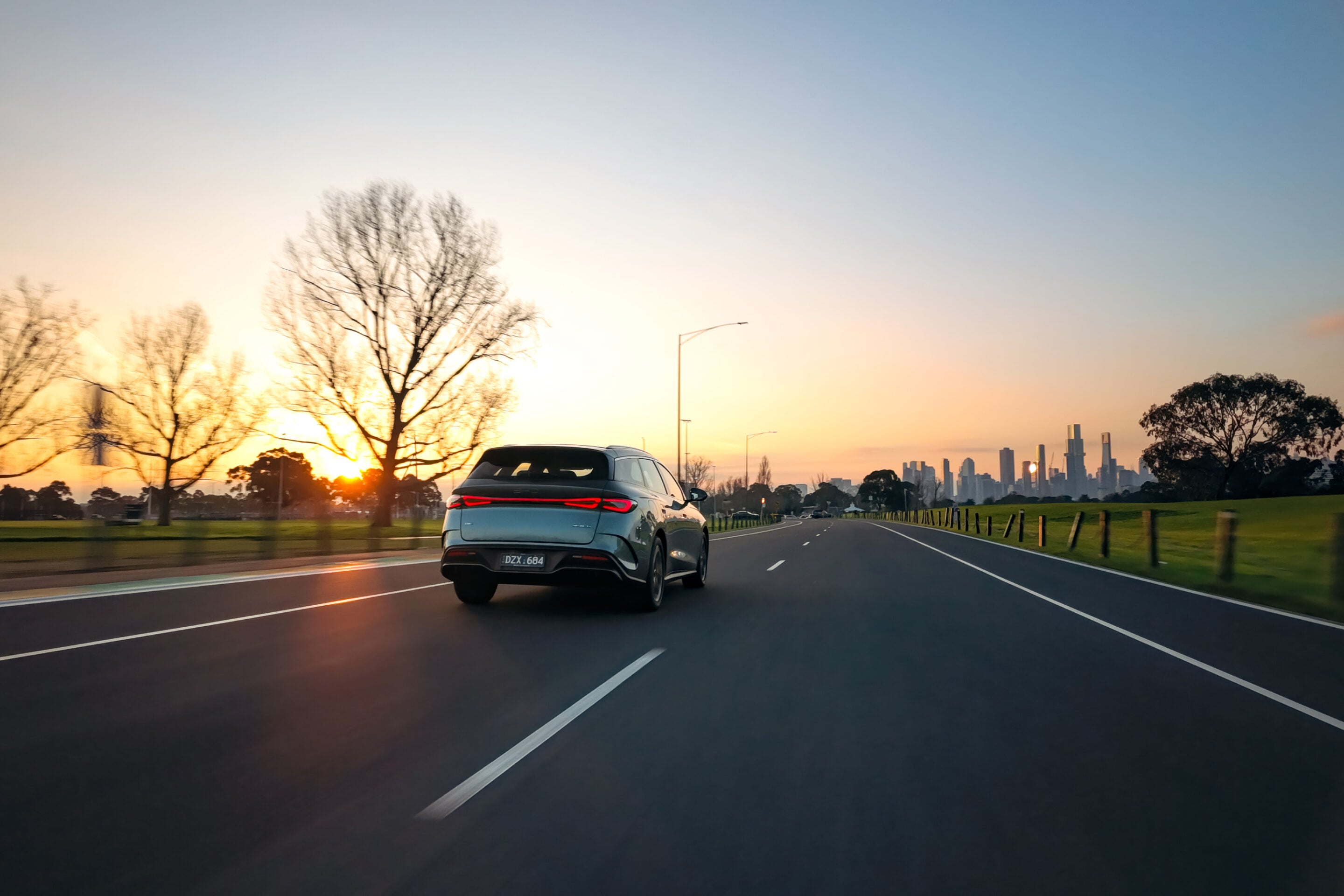
The picturesque Victorian high country and its snaking and beguiling roads brings some surprises, not least of all in how competent the Touring is as a mild corner-carver. Sure, it’s not a hot hatch, but body roll is kept in check while the nicely-weighted steering (in Sport mode) reacts to inputs with a precision and directness that inspires confidence. Grip levels are good too.
The Continental ecoContact 6 rubber (225/50 R18 all round) can take some of the credit while the Touring’s nicely-balanced chassis plays its part too. You won’t break any Targa High Country stage time records, but there’s enough willingness in the chassis to result in an enjoyably brisk drive.
And pleasingly, BYD’s suite of active safety technologies – and it’s a full suite helping the Seal 6 achieve a five-star ANCAP safety rating – are nicely calibrated, with no unwarranted intrusions and none of the jerky responses some systems are prone to. BYD deserves credit for ensuring its safety tech is there to help in an emergency and not frustrate and distract drivers during normal driving conditions.
How fuel efficient is the BYD Seal 6 Touring?
Spending two days behind the wheel on a real road trip properly highlights the efficacy of BYD’s DM-i Super Hybrid technology. Yes, the driving was skewed to motorway running, but there were enough adventurous stretches and then the suburban slog from the outskirts of Melbourne to the airport to provide a proper gauge on fuel efficiency.
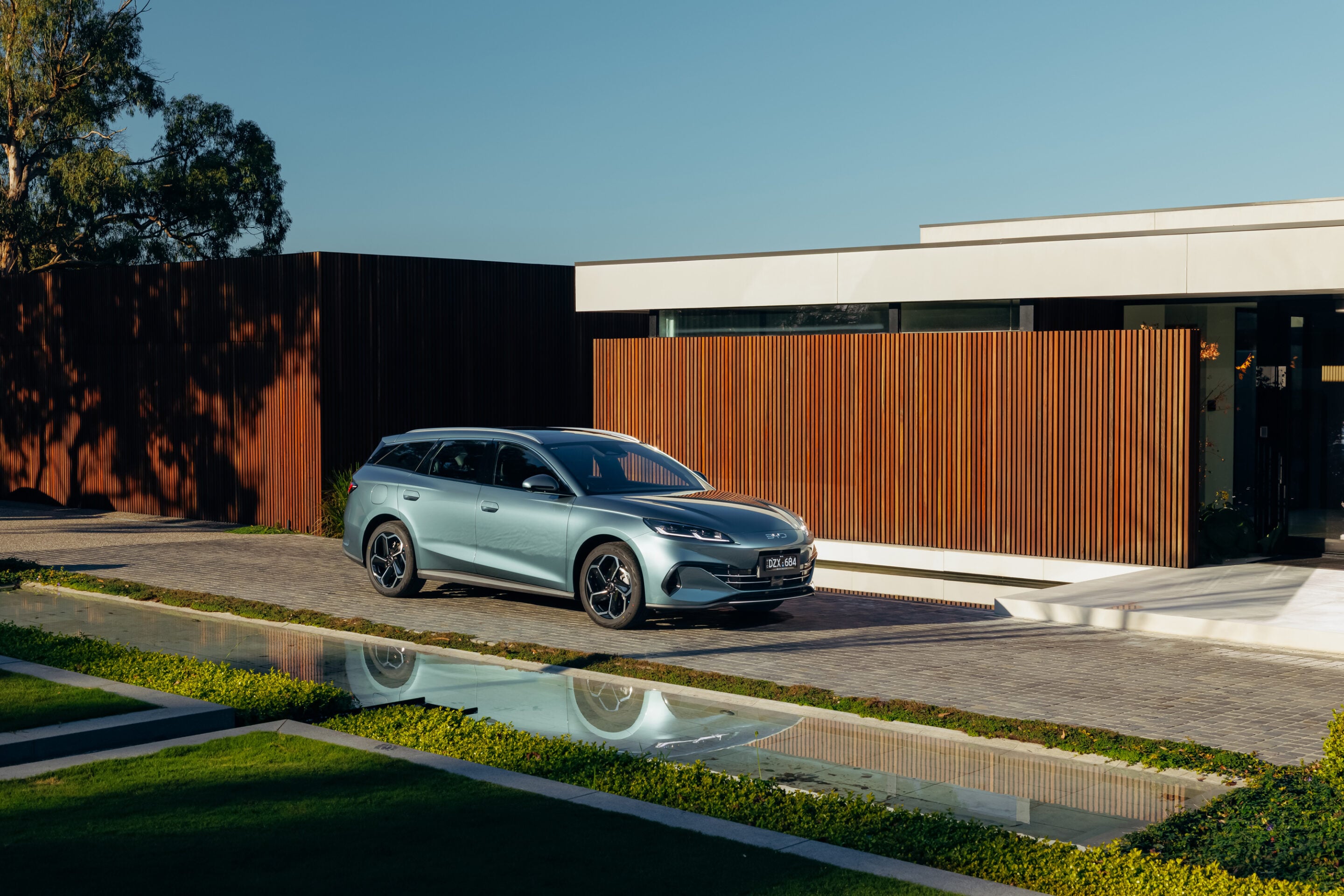
In BYD’s corner, the headlines numbers are ‘more than’ 1000km of range from a single tank at a rate of 4.1L/100km. Starting with a full battery and a full 65 litres of 95-octane premium unleaded in the tank we covered exactly 1002.7km over two days, returning an indicated 4.9L/100km, with 125km of range left to spare.
We drove the Touring normally, with no thought given to hyper-miling or conserving fuel at every opportunity. Instead, we treated the wagon like we imagine an ordinary buyer would, sitting at the speed limit, effecting rapid overtakes, and enjoying some of the Touring’s dynamic abilities when the situation warranted it.
What’s the verdict on the BYD Seal 6 Touring?
In a word, impressive. Station wagons are cool and in the BYD Seal 6 Touring the Chinese auto giant has given buyers an alternative to the armada of SUVs that dominate the new car sales charts and our roads.
There are some minor annoyances, including the fussy ride comfort and a tighter than expected second row. But as an alternative family hauler, the Touring makes a compelling proposition. It’s stylish on the outside, has a modern and clean interior, is fuel efficient, pleasant to drive and with just enough spice to have some fun. And as a station wagon, it stands out from the crowd. Now, that’s cool.
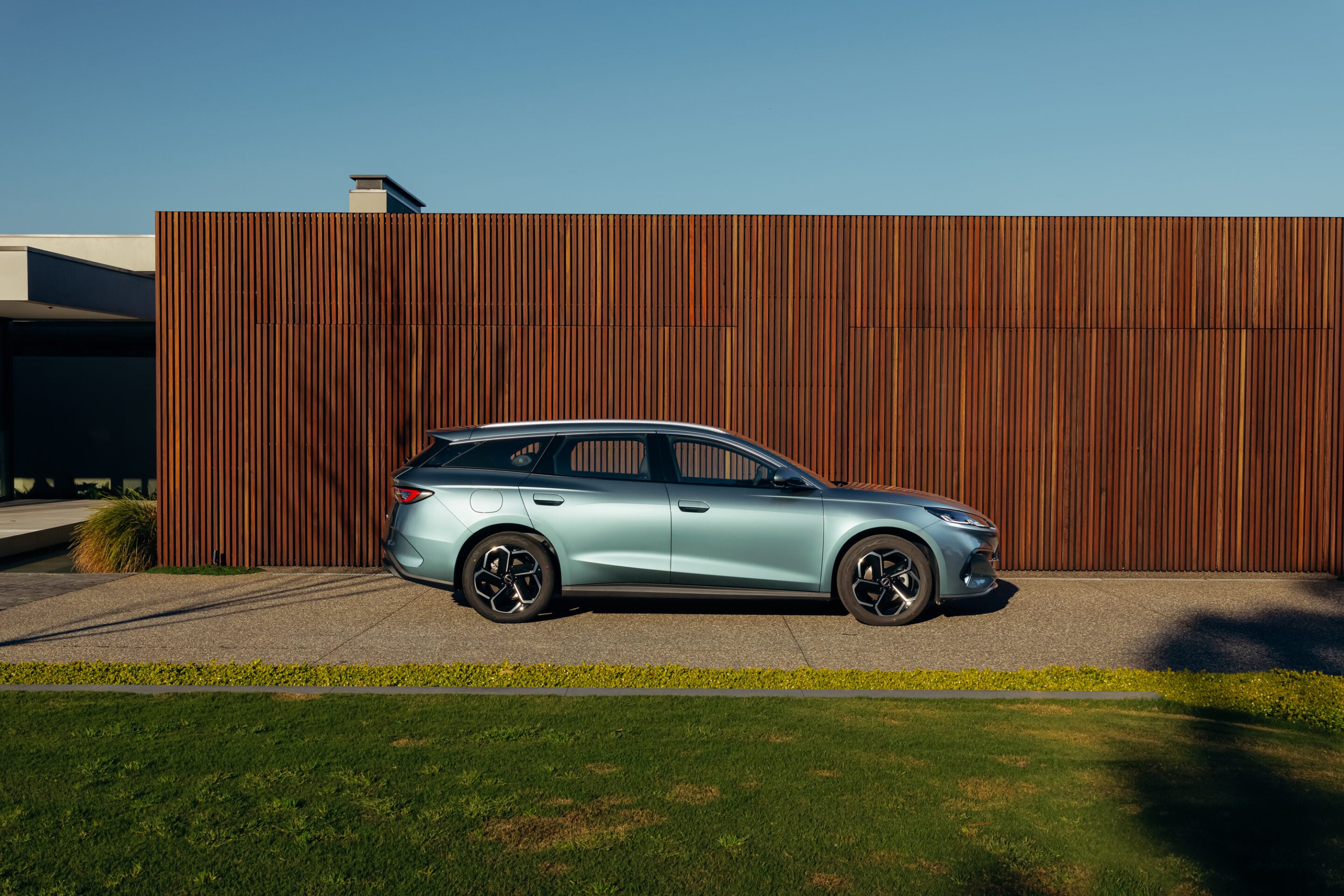
BYD Seal 6 Touring specs
| Price | $39,990 plus on-road costs |
|---|---|
| Drivetrain | 1.5-litre four-cylinder plug-in hybrid |
| Engine outputs | 70kW/120Nm |
| E-motor outputs | 160kW/260Nm |
| Combined outputs | 163kW/260Nm |
| Battery | 19kWh LFP |
| Transmission | Single-speed, front-wheel drive |
| Claimed 0-100km/h time | 8.1 seconds |
| Claimed electric range | 100km (WLTP) |
| Claimed peak charge speed | 6.6kW (AC), 27kW (DC) |
| Claimed combined fuel consumption | 4.1L/100km |
| Fuel consumption on test | 4.9L/100km |
| Fuel type/tank size | 95 RON premium unleaded, 65 litres |
| Dimensions (l/w/h/wb) | 4840/1875/1505/2790mm |
| Boot capacity | 670 litres (seats up, 1535 litres (rear seats folded) |
| Weight | 1800kg (kerb) |
| Warranty | Six-year/150,000km (car), eight-year/160,000 km (battery), eight-year/150,000km (drive unit) |
| Service intervals | 12 months/20,000km |
| Five-year service cost | $2875 |
| On sale | Now |
