
The Tesla Model 3 has become the longest-range electric vehicle on sale in Australia thanks to a new long range variant. Priced from $61,900 plus on-road costs, the new Model 3 Long Range Rear-Wheel Drive variant can travel up to 750km on a charge (WLTP), which is further than any other EV right now. The top-spec Performance has also been updated with new battery tech for a longer range.
The new Tesla Model 3 Long Range RWD uses the same battery as the Long Range AWD model that it replaces, though its lighter weight allows for a longer 750km (WLTP) range. While Tesla is yet to announce power and torque figures, we expect it to use the same motor as the entry-level RWD car at around 210kW for a 0-100km/h time of around six seconds.
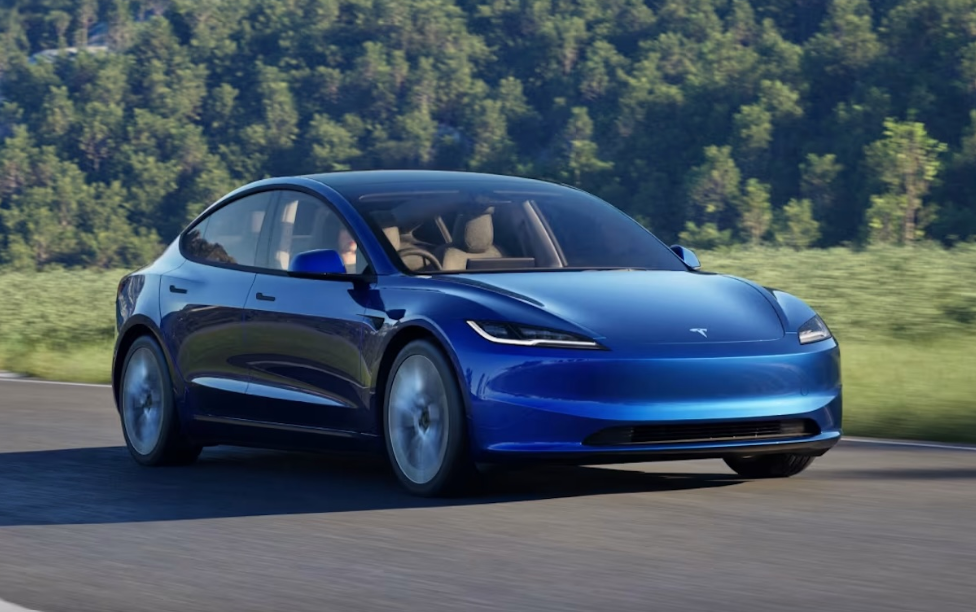
The top-spec Model 3 Performance has added a new NMC battery for a range increase from 529km to 571km (WLTP). Its performance is unchanged, making around 461kW of power, while it still sprints to 100km/h in just 3.1 seconds and hits a top speed of 261km/h.
The entire Model 3 range has also gained black Tesla badging to differentiate it from current models, a new front bumper camera and the indicator stalk has returned to the steering column.
Tesla has also announced that its Supercharger fast charger network has grown to over 1000 chargers in 163 locations across Australia and New Zealand. According to Tesla, Superchargers can add up to 282km of range in just 15 minutes and that since charging above 80 percent is rarely necessary, stops are typically short and convenient.
2026 Tesla Model 3 pricing (plus on-road costs):
- RWD: $54,900
- Long Range RWD: $61,900
- Performance AWD: $80,900
The updated Tesla Model 3 range is now available to order ahead of deliveries commencing in November.
The Polestar 3 electric luxury SUV has seen a big upgrade for the 2026 model year ahead of likely 2026 Australian deliveries. Now sitting on an upgraded 800V architecture, the MY26 Polestar 3 is capable of 350kW fast charging for a 25 per cent faster 10 to 80 per cent charge time, while it’s also been upgraded with new features and more power across the range.
The biggest update to the MY26 Polestar 3 is its new 800V electrical architecture that’s shared with its twin-under-the-skin Volvo EX90, which has seen peak charging speeds rise to 350kW for Dual Motor variants from the current peak of 250kW. This upgrade means that it’s now faster to charge, with the benchmark 10 to 80 per cent charge taking as little as 22 minutes, or 25 per cent faster than before.
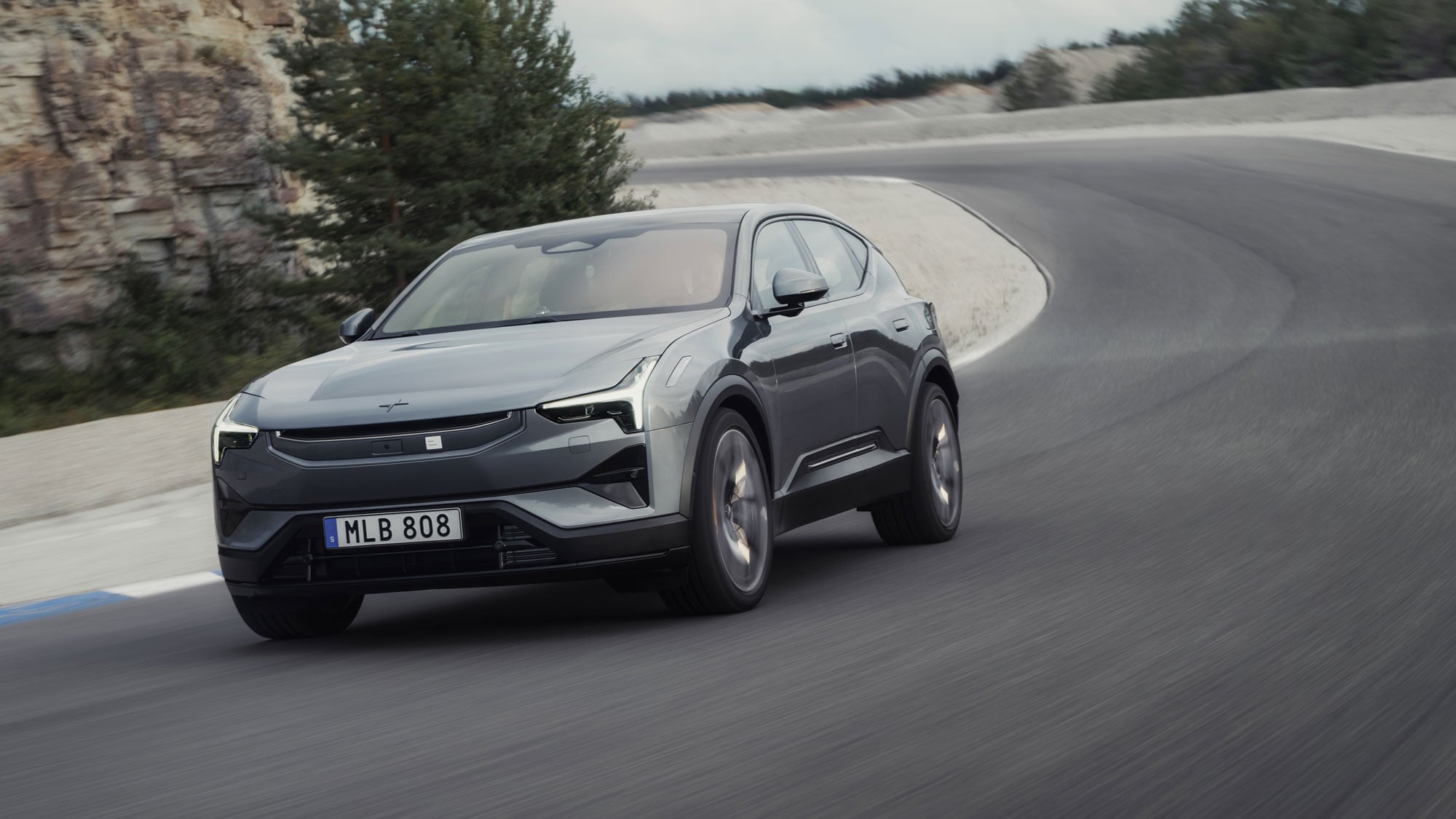
The new architecture also brings efficiency improvements of six per cent, according to Polestar, and it’s teamed with new lithium-ion battery packs: 92kWh for the rear motor variant and 106kWh for dual motor and Performance variants. The claimed WLTP range for the upgraded Polestar 3 is 604km for the Rear Motor, 635km for the Dual Motor and 593km for the Performance.
Michael Lohscheller, CEO of Polestar, says: “The upgrades to Polestar 3 are so extensive, it’s like an entirely new car. With this upgrade we continue to deliver on our commitment to add value for our customers through over-the-air software and hardware updates. The Polestar 3 is now better than ever.”
Away from the charging and battery improvements, the upgraded Polestar 3 is also more powerful than the current model, with the top-spec Performance model now making 500kW of power and 870Nm of torque (+120kW/-40Nm) for a 0-100km/h sprint of just 3.9 seconds (0.8 seconds faster), the mid-spec Dual Motor making 400kW/700Nm (+40kW/-140Nm) and the entry-level Rear Motor 245kW/480Nm (+25kW/-10Nm).
In Dual Motor variants, the front motor can now disconnect for greater efficiency and the new rear motor also means the power balance has shifted to a greater rear bias than before. Combined with updated anti-roll bars and extensive software refinement for the steering, Polestar says that the 3 is now “even more direct and engaging driving experience across all model variants.”
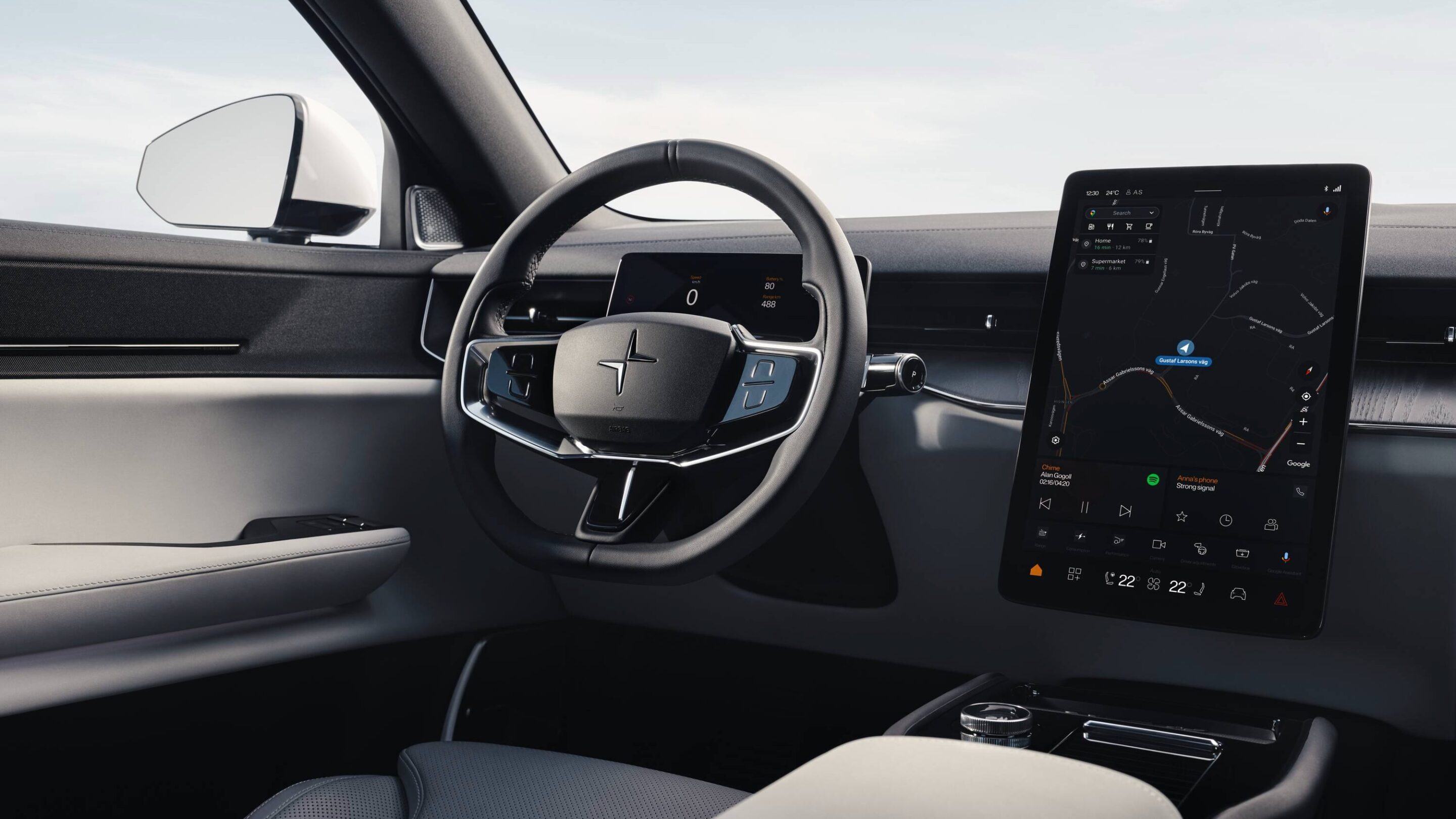
Inside, the upgraded Polestar 3 has also received a significant computing upgrade, with its onboard processing power boosted from 30 to 254 trillion operations per second. Basically, that upgrade enables faster management of active safety systems, battery performance, and sensor data.
Pleasingly for current Polestar 3 owners too, Polestar has committed to offering this hardware upgrade as a complimentary retrofit to all existing Polestar 3 models.
Finally, the Polestar 3 range has been shuffled to offer Rear Motor, Dual Motor and Performance variants, while a revised pack and options strategy make it easier for customers to tailor their car., according to Polestar.
The new Climate Pack includes heated rear seats, steering wheel, and front wiper blades. The new Prime Pack option bundles together Pilot, Plus, and Climate packs in combination with rear privacy glass. A Bowers & Wilkins sound system with headrest speakers and active road noise cancellation is now offered both as a single option and as part of the Plus Pack.
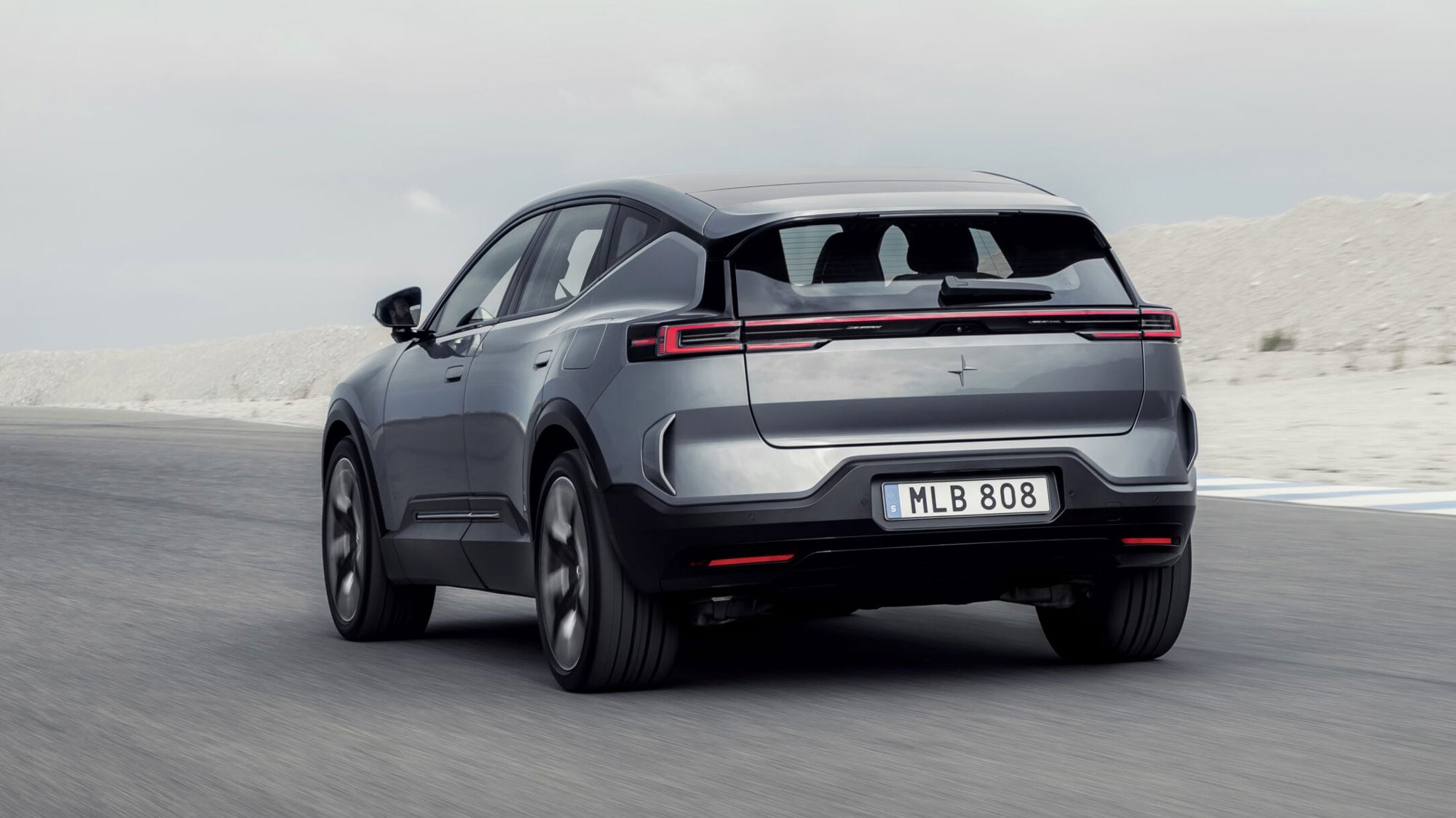
The upgraded Polestar 3 will likely go on sale in Australia sometime in 2026, with local pricing and specifications to be confirmed closer to its release date.
No one wants small cars anymore, but it appears that no one has told the Toyota Corolla. While not the sales force it once was, it still sits in the top 10 vehicles overall in 2025 with figures that would be the envy of many other brands.
Nevertheless, popularity and excellence aren’t necessarily correlated. The current-generation Corolla has been out since 2018 and in that time plenty of other rivals have appeared, so how does the flagship ZR Hybrid stack up in 2025?
Price and equipment
Like the rest of the Toyota passenger car range, the standard Corolla – ie non-GR variants – has gone hybrid-only. While prices haven’t changed, it’s effectively increased the cost of entry as the cheaper petrol-only variants are no longer available.
The range-topping ZR Hybrid nudges $40,000 before on-road costs but for any colour other than solid white you’ll need another $575, or $1350 if you wish to team these colours with a contrasting black roof as per our Silver Pearl test car. The only other choice is red or black leather interior accents.
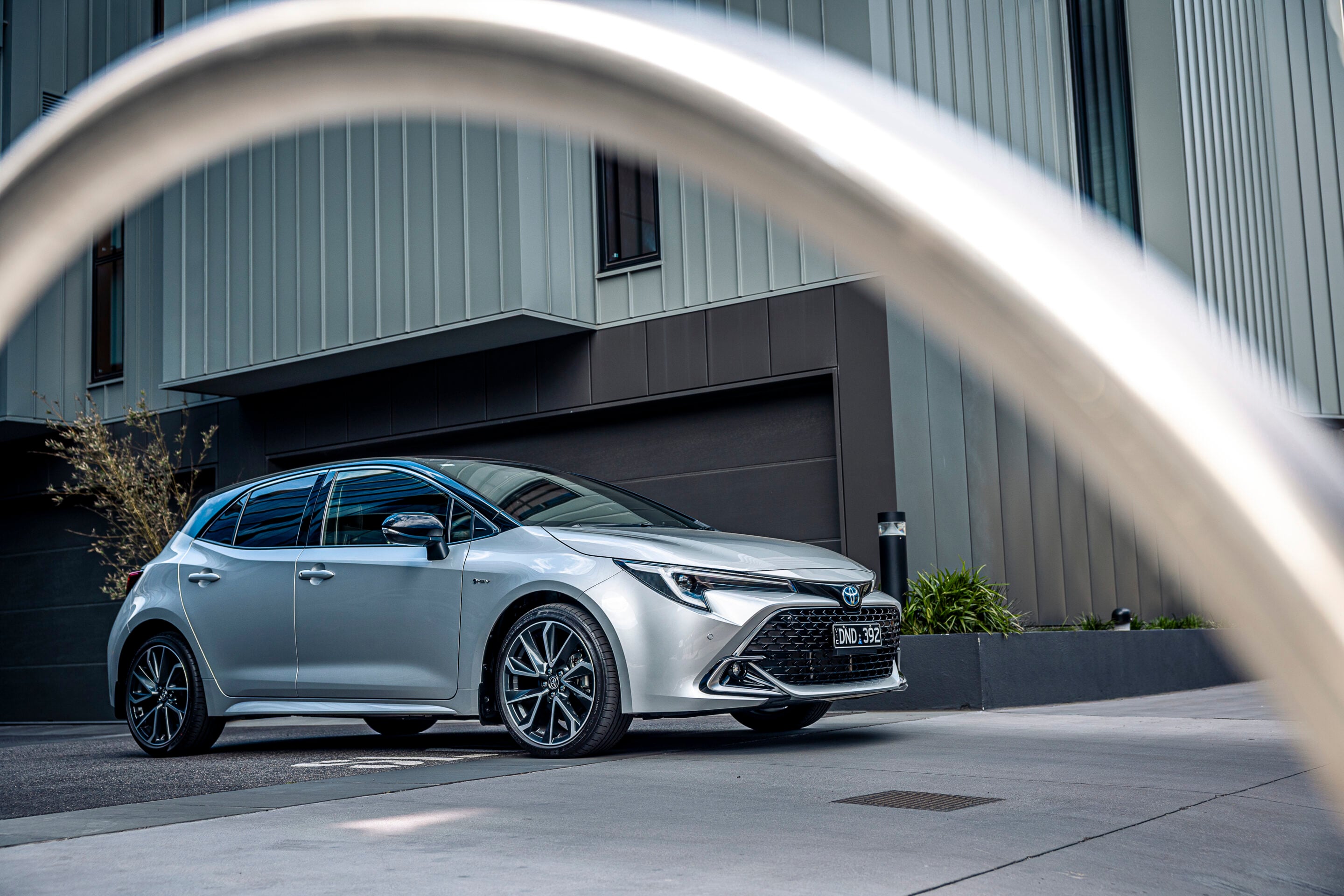
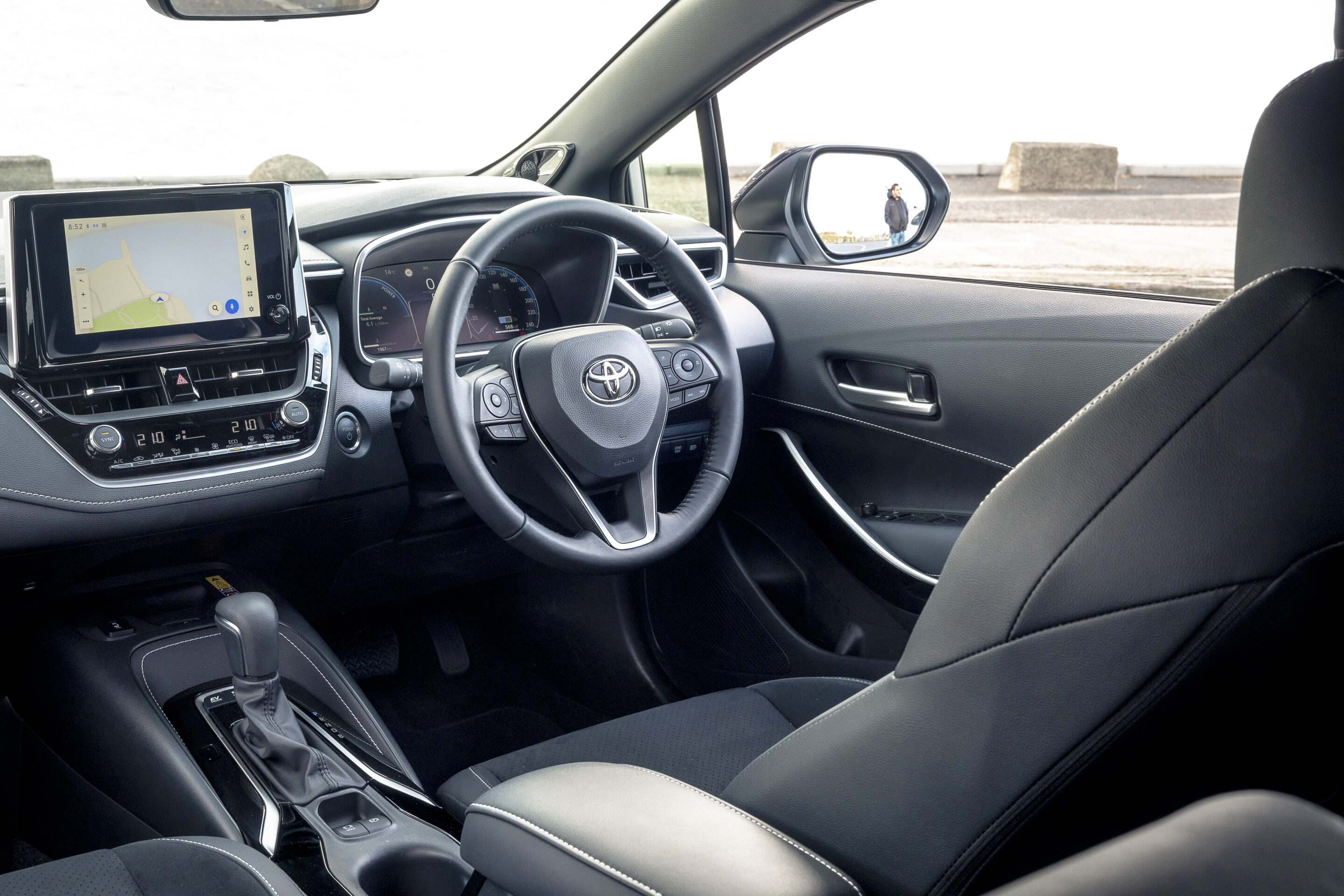
For the ~$4000 premium over the SX the ZR adds high-grade LED headlights, 18-inch alloys (up from 16s), sports front bucket seats, an eight-way power adjustable driver’s seat with lumbar support, heated front seats, leather-accented and Ultrasuede upholstery, a larger 12.3-inch digital driver’s display, head-up display and an eight-speaker JBL-branded stereo.
Nothing that couldn’t be lived without, but certainly some worthwhile equipment. You can find a full equipment rundown below.
| Toyota Corolla | Pricing* |
|---|---|
| Ascent Sport Hybrid | $32,110 |
| SX Hybrid | $35,260 |
| ZR Hybrid | $39,100 |
* plus on-road costs
Toyota Corolla ZR Hybrid standard features
- 18-inch alloy wheels
- LED lighting (headlights, running lights, fog lights and taillights)
- Heated door mirrors
- Rain-sensing wipers
- Leather steering wheel and gearshift
- Sports front seats
- Eight-way power adjustable driver’s seat
- Two-stage heated front seats
- Leather-accented and Ultrasuede upholstery
- 12.3-inch digital instrument display
- Head-up display
- Keyless entry and start
- Dual-zone climate control
- 8.0-inch touchscreen infotainment display
- Wireless Apple CarPlay and Android Auto
- Wireless phone charger
- AM/FM/DAB+ radio
- Bluetooth connectivity
- Eight-speaker JBL stereo
Safety
As of January 2025, the Toyota Corolla is unrated by ANCAP, its five-star rating from 2018 having expired. Prior to this, it earned scores of 96 per cent for adult occupant protection, 83 per cent for child occupant protection, 86 per cent for vulnerable road user protection and 76 per cent for safety assistance.
It has an impressive array of safety features outlined below and happily its active safety systems prove unintrusive in everyday driving, preventing the need for multiple button presses ahead of every drive.
Safety features
- Seven airbags – front, front-side, curtain and driver’s knee
- Lane trace assist
- Lane departure warning
- Auto-emergency braking with pedestrian and cyclist (daytime) detection
- Speed sign recognition
- Auto high beam
- Adaptive cruise control
- Blind-spot monitoring
- Safe exit assist
- Rear cross-traffic alert
- ISOFIX points on outboard rear seats
- Front and rear parking sensors
- Reversing camera
Interior, practicality and boot space
Though relatively well-equipped, the inside of the Toyota Corolla ZR Hybrid is functional rather than particularly premium, especially when our test car is around $45,000 on the road. While there are softer surfaces in place of hard plastic, it’s the strange elephant skin-like material that Toyota seems to enjoy using.
The front seats are supportive and comfortable, the driving position has plenty of adjustment, two-stage seat heating is welcome, the wireless charging pad gives you somewhere to tuck the phone and there are cup and bottle holders for refreshments.
In the back the Corolla makes a strong case for itself over similarly priced light SUVs, with my 180cm frame easily able to sit behind my driving position with ample knee room, though the front seat rails do sit right where you want to put your feet.
There is adequate under thigh support and while the top of the door frame is quite low, making it easy to knock your head when getting in, the bottom is also quite low meaning it should be easy for little’uns to see out.
Cup/bottle holders in the doors are also a handy feature, in addition to another pair in the fold-down centre arm rest. Air vents are present, but there are no USB charging points.
One ZR difference is the larger boot, its 333 litres a big improvement over the paltry 217 litres found in other variants. It’s now a useful space, but it comes at the expense of a space-saver spare, a hit-and-miss inflation kit your only hope in the event of a puncture.
Performance and fuel economy
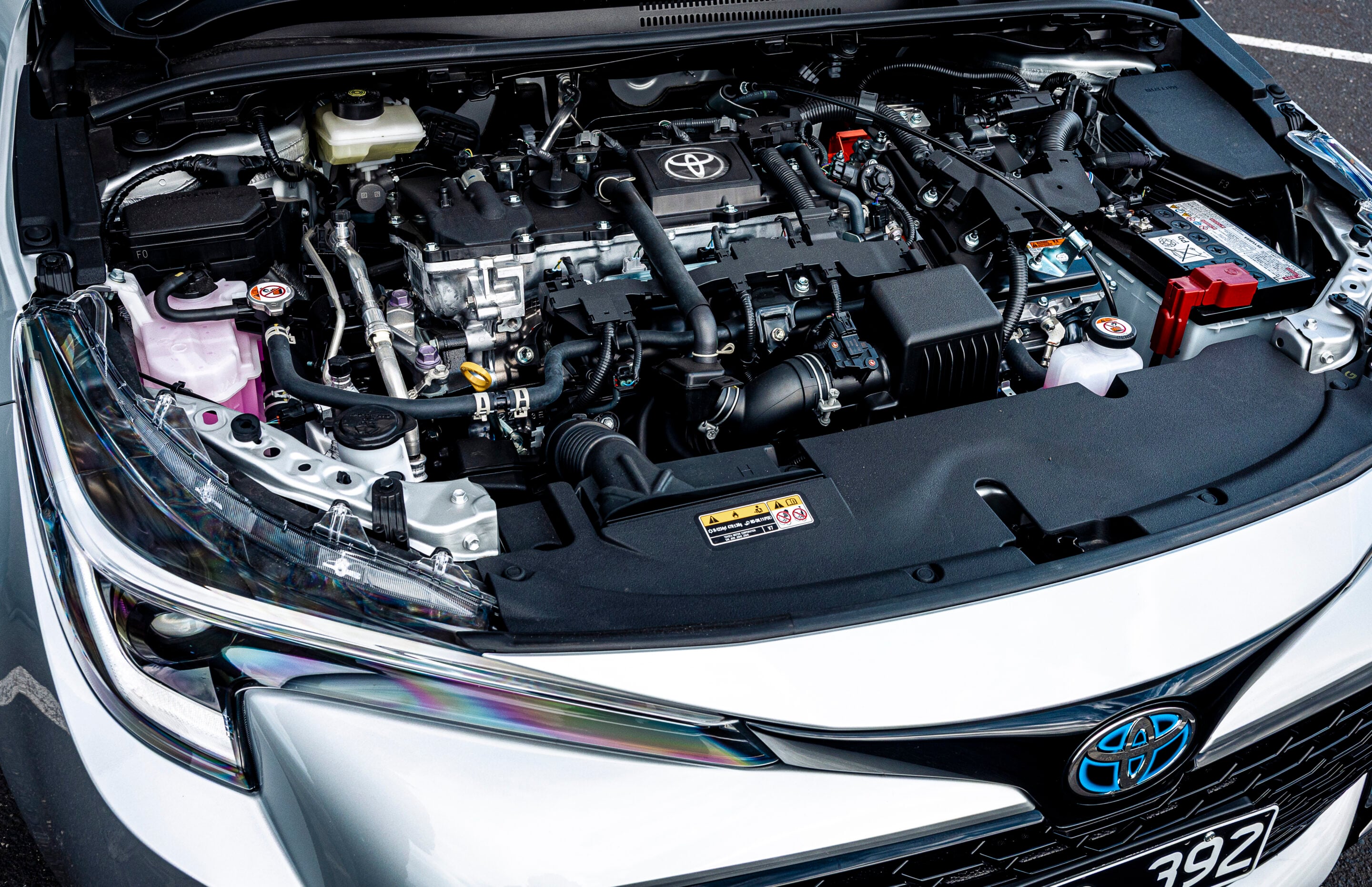
The Toyota Corolla’s hybrid drivetrain is more effective than its relatively meagre outputs suggest. The 1.8-litre four-cylinder petrol engine produces just 72kW/142Nm, but the electrical assistance makes all the difference, providing a smoothness and response – particularly at low speeds – that its ICE-only rivals can’t match.
It’s a noisy operator, especially under large throttle openings, but on the flip side it’ll often be silent during urban duties or stop-start traffic, the whole system doing a masterful job of recuperating energy to keep the tiny battery topped up.
Fuel economy is the other hybrid advantage, the Corolla Hybrid claiming just 4.0L/100km combined consumption and it’s a figure that’s eminently achievable, especially around town where the hybrid is most at home.
On the road
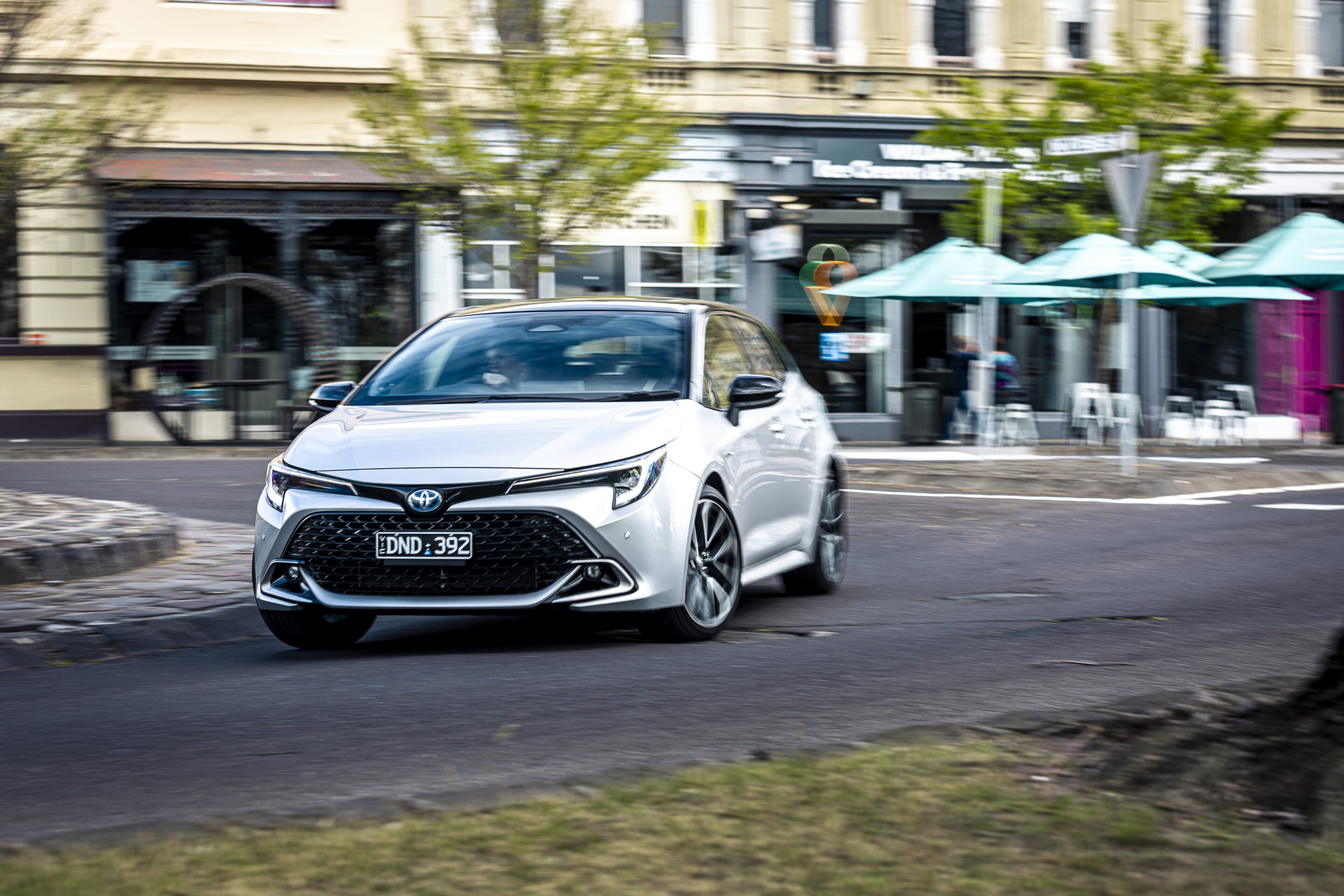
The Toyota Corolla ZR Hybrid performs its on-road duties with a minimum of fuss. The steering is light and easy, the ride is pliant and generally comfortable, at low speeds in particular it has a smoothness and refinement rivals can’t achieve.
Previous experience has proven there is a decent chassis underpinning the Corolla, but in Hybrid guise the powertrain does nothing to encourage enthusiastic driving. It prefers to hum along on light throttle openings, sipping fuel and recuperating energy.
It’s still happy at higher speeds, though, with some road noise at triple figures the only real obstacle to smooth and easy long-distance progress.
One odd quirk is the need to wait before selecting Drive after starting the car. It appears the hybrid system needs a moment to wake up as on quite a few occasions moving the gear lever after pressing the start button required the process to be repeated as the car wasn’t quite ready. One of those things you no doubt get used to as an owner.
Service and warranty
Like all new Toyotas, the Corolla ZR Hybrid is covered by a five-year/unlimited kilometre warranty with seven years of powertrain and driveline coverage if you stick to the service schedule.
Those services are required every 12 months or 15,000km and Toyota’s capped price schedule keeps the first five visits to a very reasonable $1250. Be aware, though, that beyond that period the cost increases substantially, the next five quoted at $2639.16.
Toyota also doesn’t offer complimentary roadside assistance, charging $99-139 depending on the level of cover required. However, if you do get stuck, call the assistance number and you can sign up on the spot, albeit with a call-out fee.
Verdict: should I buy a Toyota Corolla ZR Hybrid?
Toyota does fitness for purpose very well and there’s a degree of ‘more than the sum of its parts’ to the Corolla ZR Hybrid, reflected in the scores at the top of this page. No aspect wows you in isolation, but as a package it delivers exactly what buyers in this segment are looking for.
Reliability, a strong warranty offering, excellent fuel efficiency, reasonable space and an undemanding driving experience ticks plenty of boxes for those wanting a daily runabout. Strong resale, too.
Flaws include the outdated infotainment – though in fairness it works perfectly adequately, especially if you’re an Apple CarPlay user – and a compromised luggage area, the heavily sloped rear end limiting its overall size even with the deletion of the spare tyre.
The former will almost certainly be rectified with the new-generation Corolla that is likely to appear within the next 12 months or so; as such, the biggest question surrounding purchasing a Corolla is to buy now or wait for the next one?
Given the ‘new generation’ Corolla is likely to be a heavily update version of the current car, if you’re not that fussed about a massive infotainment screen, there’s probably little harm in settling for the version you see here.
Rivals
Hyundai i30 N-Line
Kia K4
Mazda 3
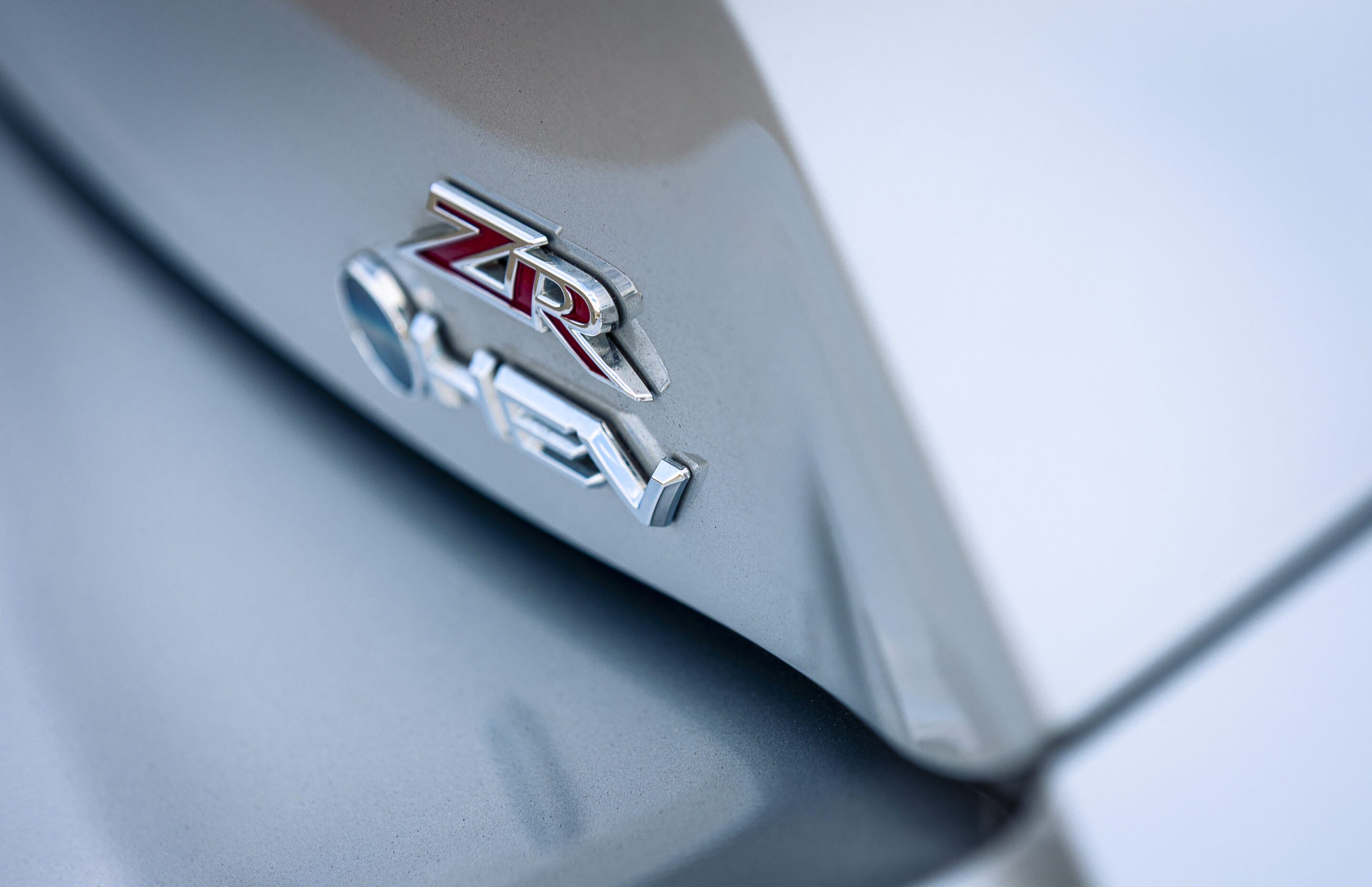
Specifications
| Model | Toyota Corolla ZR Hybrid |
|---|---|
| Price | $39,100 plus on-road costs |
| Drivetrain | 1798cc four-cylinder hybrid |
| Engine power | 72kW @ 6600rpm |
| Engine torque | 142Nm @ 3600rpm |
| Total system output | 103kW |
| Transmission | CVT |
| Fuel economy | 4.0L/100km (ADR combined claim) |
| CO2 emissions | 85g/km |
| Fuel type/tank size | 91 RON/43 litres |
| Dimensions (L/W/H/W-B) | 4375/1790/1435/2640mm |
| Boot size | 333 litres |
| Kerb weight | 1400kg |
| Warranty | Five years/unlimited kilometres |
| Five-year service cost | $1250 |
| On-sale | Now |
Alfa Romeo Australia has introduced new special edition variants of the Tonale small SUV, Giulia mid-size sedan and Stelvio mid-size SUV. Named the Intensa, the new variants add golden exterior accents and tan interior trimmings to celebrate Alfa’s heritage. Strictly limited numbers of Intensa models are available and pricing starts at $69,990 plus on-road costs for the Tonale, $84,990 +ORC for the Giulia and $94,490 +ORC for the Stelvio.
The new Alfa Romeo Intensa Special Series models are identified by new exterior features on each, including golden detailing on the wheels, Italian flag emblems on the mirrors and a sunroof fitted as standard equipment. The Tonale and Stelvio feature 20-inch alloy wheels as standard, with the Giulia fitted with 19s instead.
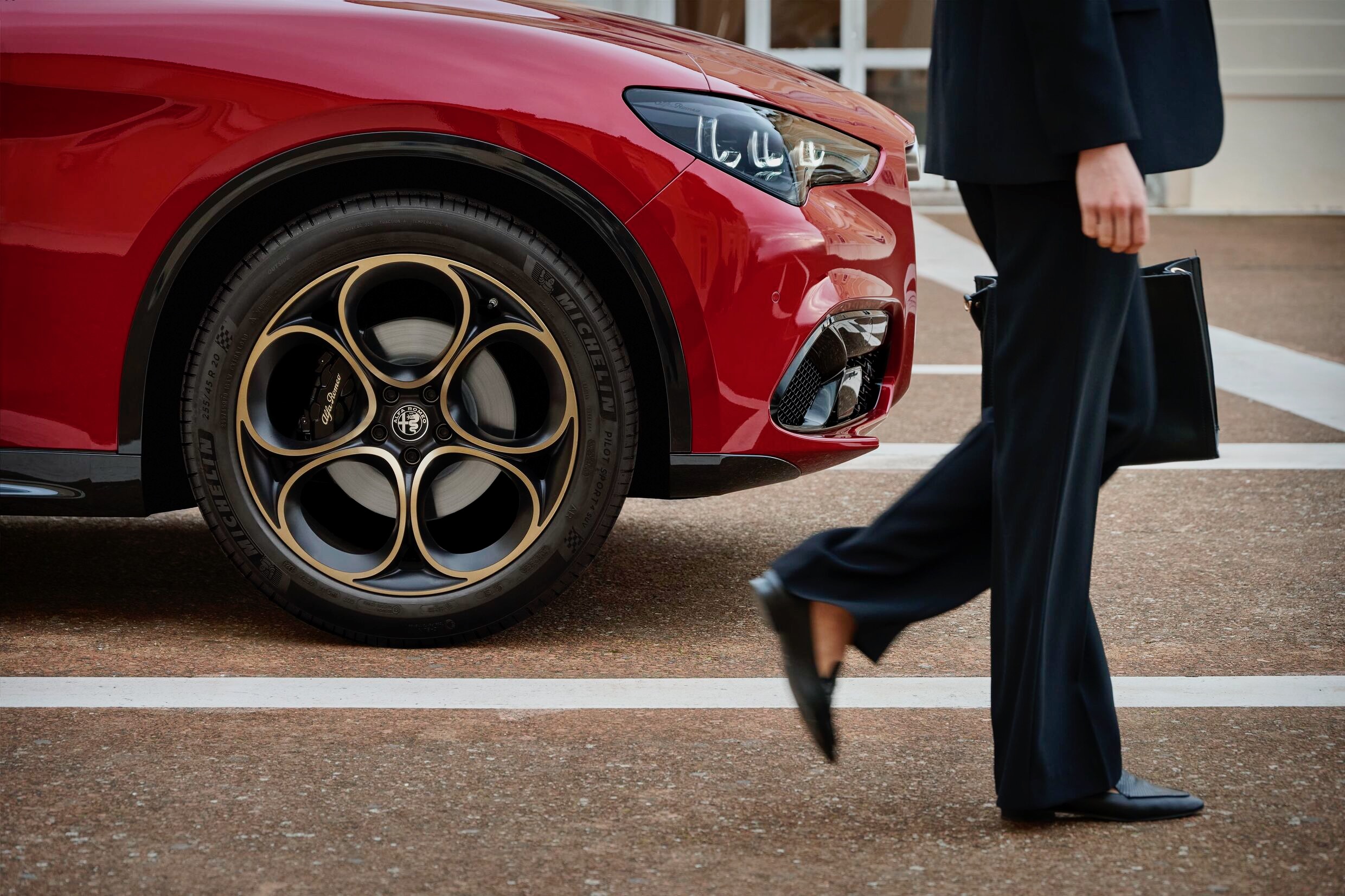
According to Alfa Romeo, each model in the Intensa Special Series is available in three colours chosen to accentuate the light gold exterior accents. The Tonale is available in Alfa Black, Alfa Red (+$1990), or Montreal Green (+ $2500) with the Stelvio and Giulia offered in Volcano Black, Etna Red (+$4000), or Montreal Green (+$4000).
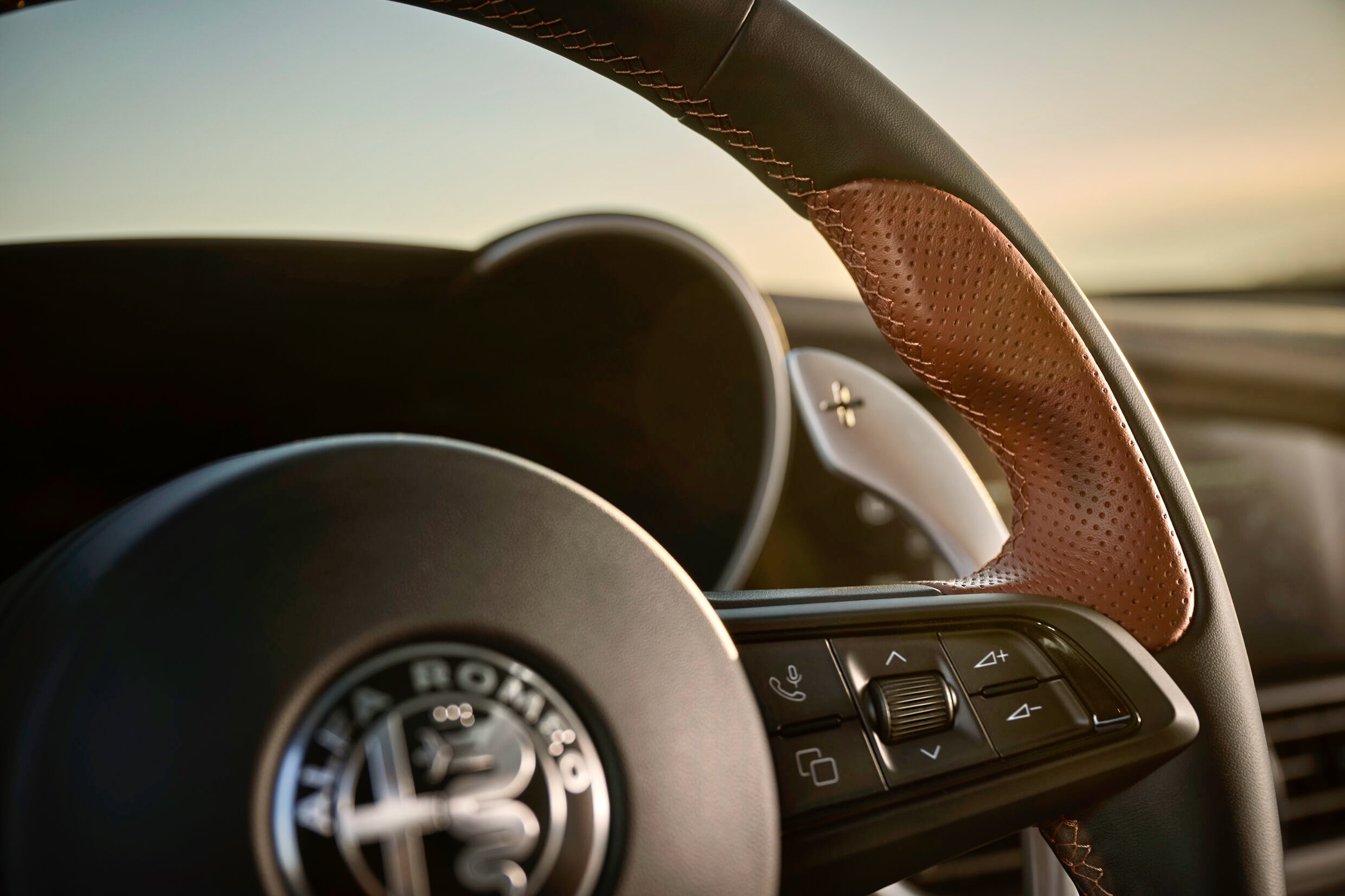
On the inside of the Giulia and Stelvio Intensa Special Series model is black leather upholstery with tan stitching, a tan Alfa Romeo logo on the headrests and tan, a two-tone steering wheel with tan accents and contrasting stitching, and Intensa branding embroidered on the front centre armrest and heat-embossed on the inner side panels of the front seats.
The Tonale Intensa instead features suede seats with grey backing and tan stitching, along with the introduction of a rotary shifter for the first time in Australia.
The Intensa Special Series is an extremely limited release, with only 10 Tonale, 10 Stelvio, and 30 Giulia units available across Australia.
Alfa Romeo Intensa Special Series pricing (plus on-road costs):
- Tonale: $69,990
- Giulia: $84,990
- Stelvio: $94,490
The Alfa Romeo Intensa Special Series models are now available to order ahead of the first deliveries commencing later in the year.
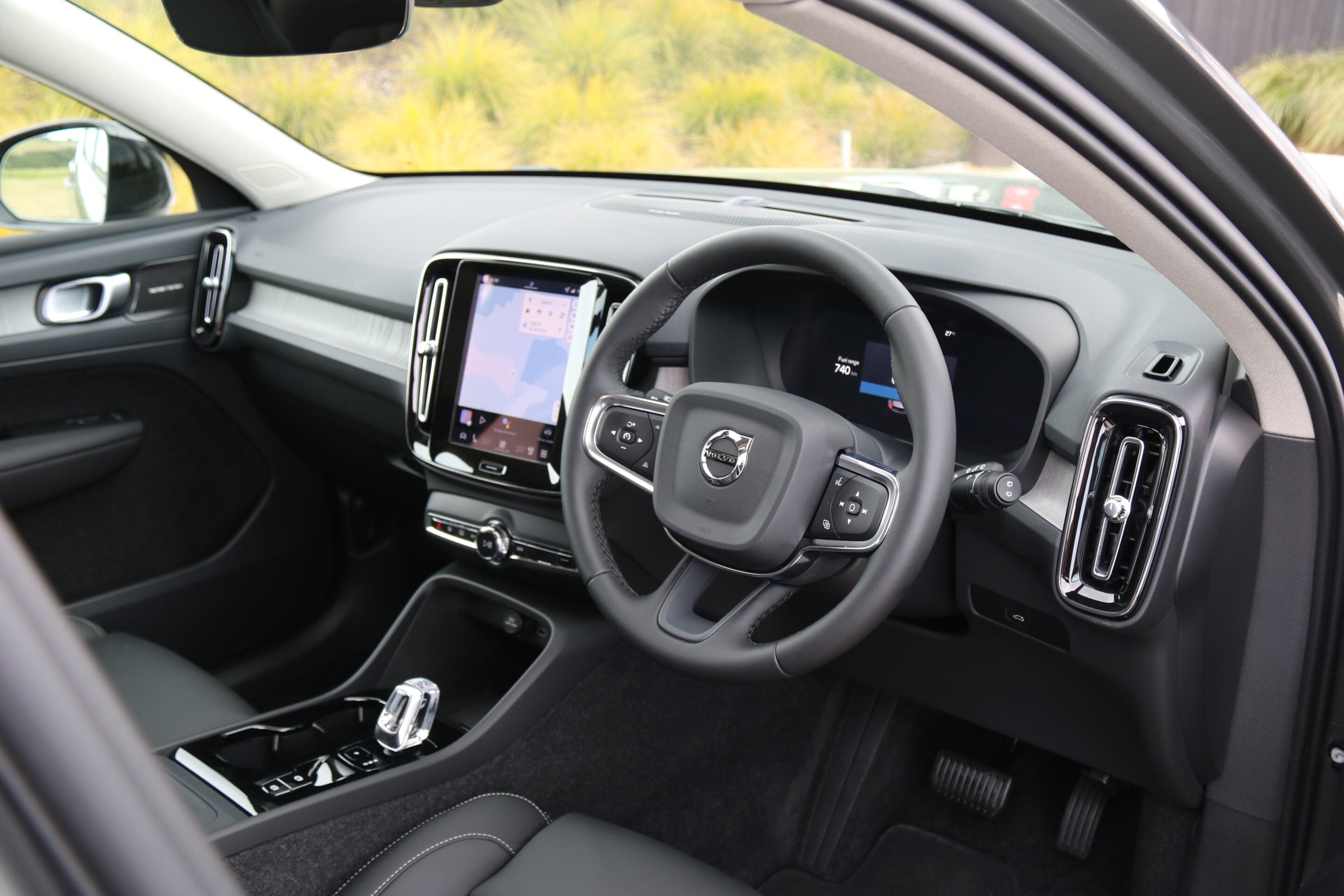
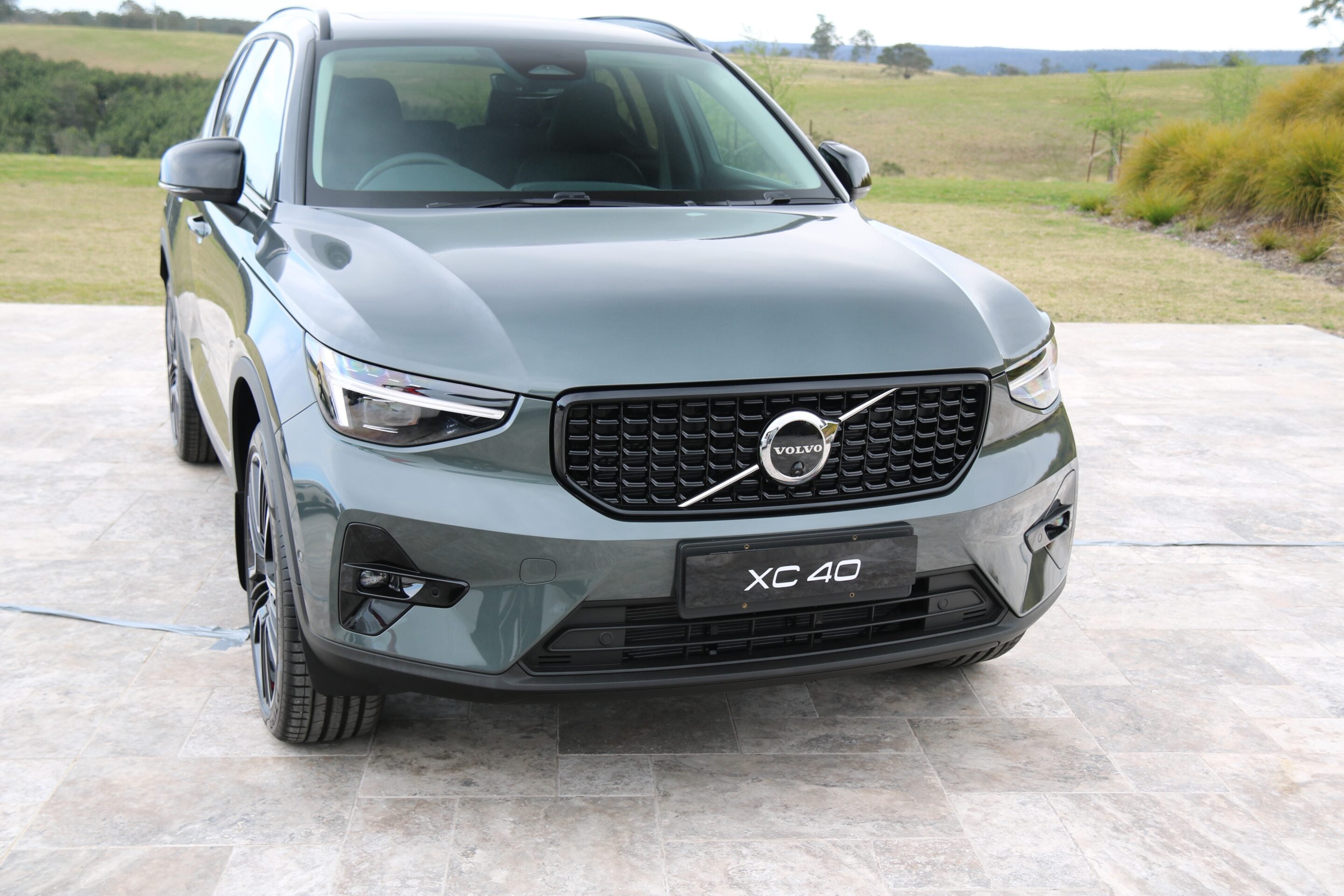
Volvo Cars Australia has announced that the Volvo XC40 small SUV will receive a new infotainment system as part of MY26 updates to the car. Using the same 9.0-inch display as the pre-updated XC40 but with new software that features on other Volvo models such as the also-recently-updated XC90, the XC40 now also features a new chip to make the system quicker and more responsive than before.
The 9.0-inch touchscreen in XC40 range now uses the Snapdragon Cockpit Platform from Qualcomm Technologies to make it 10 times more responsive than before, according to Volvo. Still using Android Automotive software with Google in-built for features such as Google Maps and the Google Play Store, the XC40’s new touchscreen layout will be available as part of an over-the-air update free of charge for existing XC40 owners whose cars already feature the Google in-built system.
Previewed at an event that WhichCar attended this week, the updated XC40 will continue with its Pure, Ultra Bright and Ultra Dark model lineup and pricing starts at an unchanged $54,990 plus on-road costs.
Powering the XC40 range in Australia is a ‘B4’ 145kW/300Nm 2.0-litre turbocharged four-cylinder petrol engine mated to an eight-speed torque converter automatic transmission. Both front- (entry-level Pure) and all-wheel drive (Ultra models) drivetrains are available and fuel consumption is rated from 6.9L/100km on the combined cycle for the Pure.
MY26 Volvo XC40 pricing (plus on-road costs):
- Pure B4: $54,990
- Ultra Bright B4: $61,990
- Ultra Dark B4: $62,990
Volvo XC40 Pure standard equipment:
- 18-inch alloy wheels with a space-saver spare
- Dusk-sensing automatic LED exterior lighting
- Rain-sensing automatic wipers
- Keyless entry with push button start
- Roof rails
- Auto-folding mirrors
- Hands-free electric tailgate
- Textile upholstery
- Electric front seat adjustment with driver’s memory
- Dual-zone automatic climate control
- 12.3-inch digital driver’s display
- 9.0-inch touchscreen with Google in-built
- Google Maps satellite navigation
- Apple CarPlay and Android Auto
- DAB+ digital radio
- Eight-speaker sound system
- 4x USB-C charging ports
- Wireless phone charger
- 7x airbags
- Autonomous emergency braking
- Adaptive cruise control
- Lane keeping assistance
- Blind-spot monitoring
- Front and rear cross-traffic alert
- Rear collision warning
- Traffic sign recognition
- Tyre pressure monitoring
- Front and rear parking sensors
- Reversing camera
XC40 Ultra Bright model adds to Pure:
- All-wheel drive
- Orefors crystal gear selector
- 19-inch alloy wheels
- Leather upholstery
- Heated front and outer rear seats
- Heated steering wheel
- 360-degree camera
- Side parking sensors
- Pixel LED headlights with adaptive high beam
- LED front fog lights
- Chrome grille inserts and window frame
XC40 Ultra Dark model adds to Ultra Bright:
- 20-inch alloy wheels
- Dark exterior detailing
- Suede and textile upholstery
The MY26 versions of the Volvo XC40 will enter local Volvo dealerships soon.
MG Motor Australia has announced a new special offer, with 1000kWh of free charging through the Evie Networks public charging network now included with every one of its electric vehicles sold until December 31 2025. Aimed at “further supporting Australians in their transition to electric driving”, the free charging offer even includes the brand’s new premium IM range that only launched locally recently.
Available on all MG4, MGS5 EV, Cyberster and IM5 and IM6 models, 1000kWh of free charging gives MG EV buyers at least 10 full charges free of charge, or in the case of the entry-level MG4 and MGS5 EV, around 20.
Depending on the car and its energy consumption, that’s at least 5500km of driving without paying for propulsion.
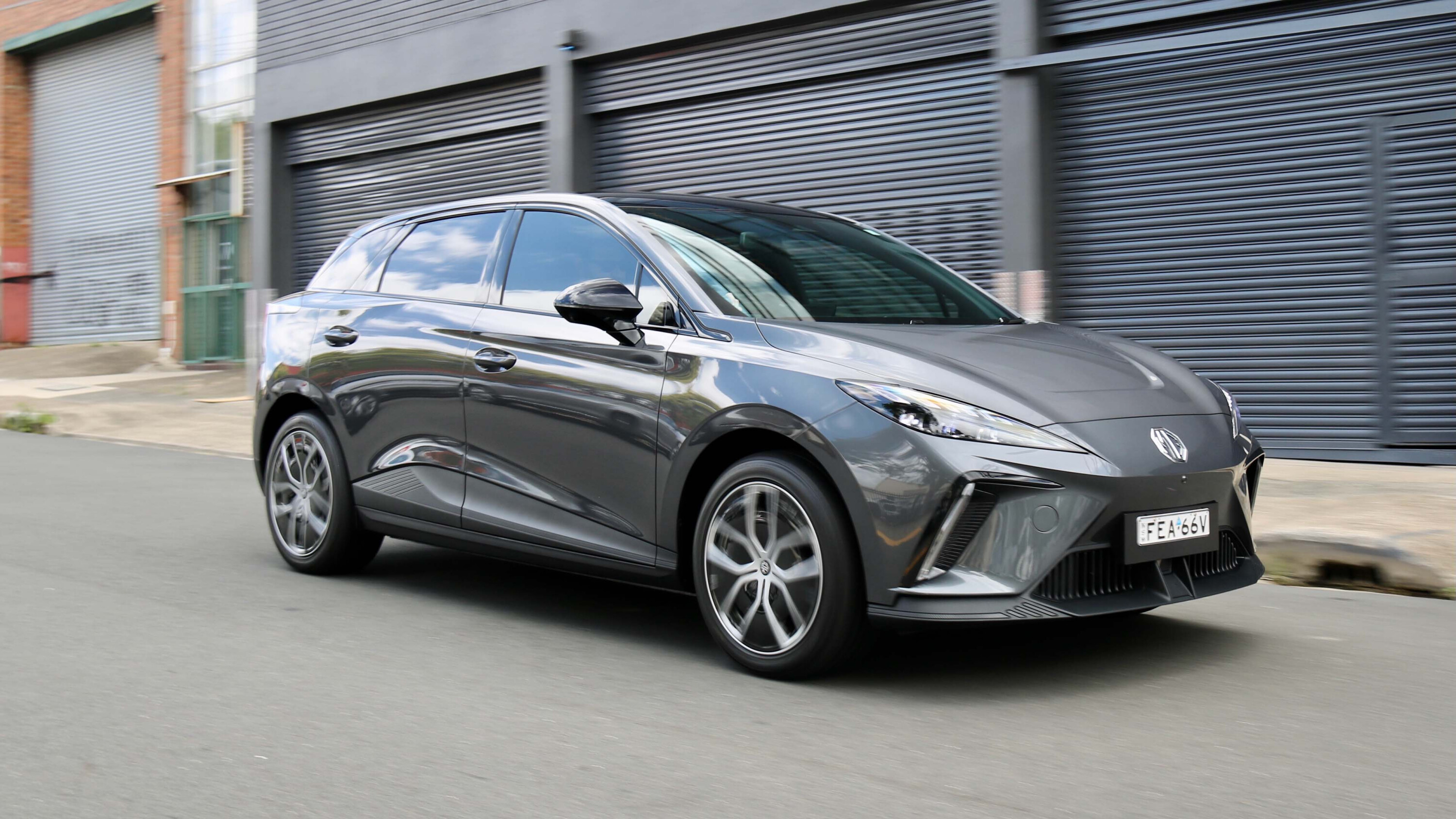
The MG charging voucher gives buyers access to one of the largest EV charger networks in Australia, with over 300 Evie charging sites nationally and more being launched every week.
According to MG, Evie was chosen for this offer because of its technology-first approach to convenience: its innovative ‘Autocharge’ feature means drivers can simply plug in and charge instantly.
Drive away pricing for the electric MG range starts at $37,990 for the entry-level MG4 Excite 51, ranging to $40,990 for the MGS5 EV and $60,990 for both the IM5 and IM6. The Cyberster is priced from $99,900 plus on-road costs.
The MG Evie charging voucher offer is available to eligible private buyers and fleet customers who purchase a fully electric MG Motor vehicle between October 1 and December 31, 2025. The offer excludes government, rental and rideshare vehicles.
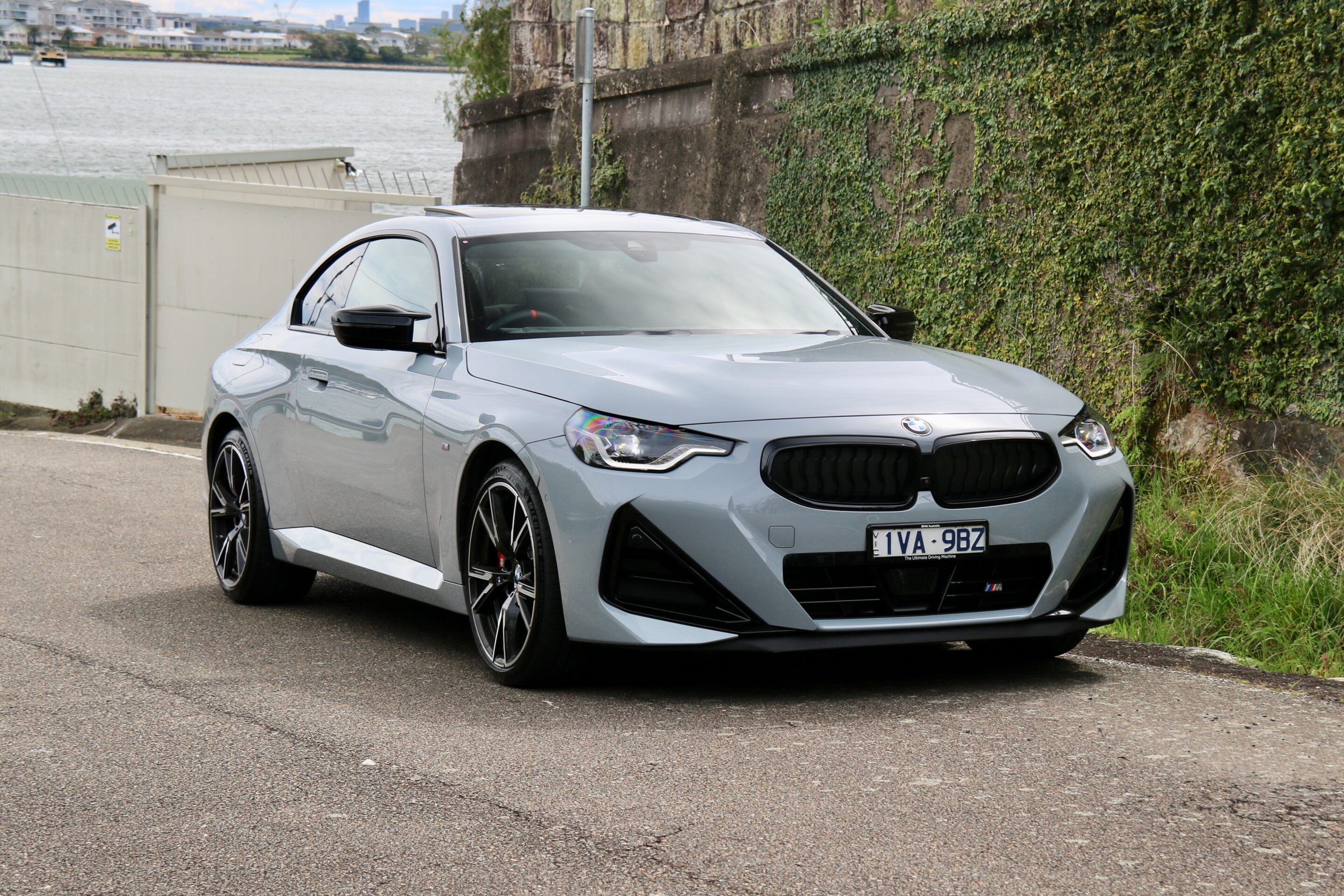
Small coupes are an increasingly rare breed in 2025, with many former coupe buyers seemingly now choosing an SUV. Many brands that used to make them simply do no longer, such as the Audi TT, and those left are becoming increasingly expensive. However, the BMW M240i, the turbocharged inline six slightly-less sporting sibling of the M2, is still available and even though it’s priced above $100,000 before on-road costs, it still presents one of the best all-round sports cars available. Let’s find out more about the BMW M240i.
Price and equipment:
2025 BMW 2 Series coupe pricing (plus on-road costs):
- 230i: $79,100
- M240i xDrive: $102,100
- M2: $127,300
- M2 CS: $172,900
BMW M240i features:
- 19-inch alloy wheels
- Dusk and rain-sensing automatic LED exterior lighting
- Rain-sensing automatic wipers
- Keyless entry with push button start
- Heated and auto-folding mirrors with auto-dipping in reverse
- Sunroof
- ‘Vernasca’ leather upholstery
- Power-adjustable front seats with driver’s memory functionality
- Heated front seats and steering wheel
- Leather M steering wheel with paddle shifters
- Dual-zone automatic climate control with rear air vents
- 12.3-inch digital driver’s display
- 14.9-inch touchscreen with eSIM for live services (three-year subscription) and over-the-air updates
- Wireless Apple CarPlay and Android Auto
- AM/FM/DAB+ digital radio
- Satellite navigation with live traffic
- 2x USB ports
- Wireless phone charger
- 464W 14-speaker Harman Kardon sound system
- 40:20:40 split rear seats with a ski pass/central armrest with cup holders
- Head-up display
- Eco pro, comfort and sport driving modes
- ‘CrafterClarity’ glass gear selector
M240i safety features:
- Autonomous emergency braking (AEB)
- Adaptive cruise control with stop and go functionality
- Lane keeping assistance with adaptive lane guidance
- Blind-spot monitoring with rear cross-traffic alert (with braking)
- Traffic sign recognition
- Matrix adaptive high beam
- 360-degree camera
- Front and rear parking sensors
- Automatic parking
M240i options:
- M Sport Package Pro with darkened lights, red brake callipers, M seat belts and a high-gloss black rear lip spoiler: $2800
- 19-inch M alloy wheels with performance tyres: $2800
- Premium paint: $1700
- Matte paint: $5000
- Carbon fibre interior trim: $1200
Interior, practicality and bootspace:
As you’d expect for such a enthusiast-driven brand, the cabin of the BMW M240i is quite driver-focused – for example, the touchscreen is angled towards the driver, and the steering wheel is fat and uses high quality leather. The seating position is quite low, and the sports seats are very supportive and offer a wide range of adjustment – we particularly like the adjustable side bolsters that accommodate a wide range of sizes.
The quality inside the M240i is excellent – with plenty of soft touch surfaces, soft and high quality leather trims and textured trim pieces, it feels every but its $100k+ asking price. It’s also quite practical for a two-door coupe with plenty of door and centre console storage, plus a large bin underneath the centre console and large cupholders on the centre console.
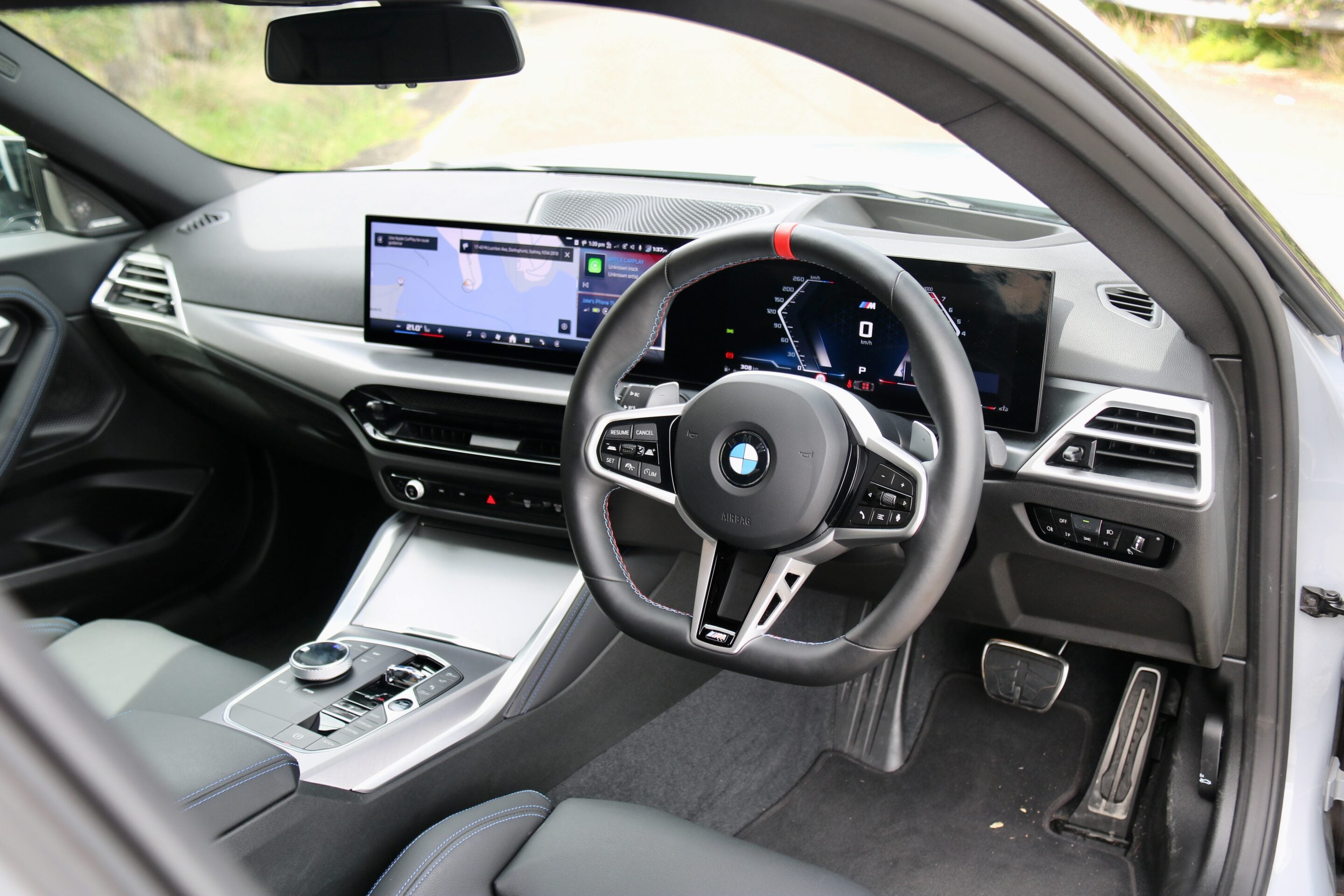
Part of the 2025 model year update to the 2 Series Coupe range was new iDrive 8.5 software for the infotainment system, which is an upgrade on the previous iDrive 8 system as it’s been made easier to use with more shortcuts, though there are still no physical air-conditioning controls.
It’s a fully featured system with even an app store and weather displaying, while the wireless Apple CarPlay and sat-nav with live traffic worked faultlessly in our time with the car. The 14-speaker Harman Kardon sound system is punchy and rich in aural quality too.
Where the 2 Series Coupe offers more car compared to rivals such as the Ford Mustang GT is in rear seat practicality. Two average-sized adults will be totally fine in the back of the M240i thanks to its ample room, including fine leg- and headroom. There are also some amenities such as a central armrest with cup holders and even air vents, though no charging ports.
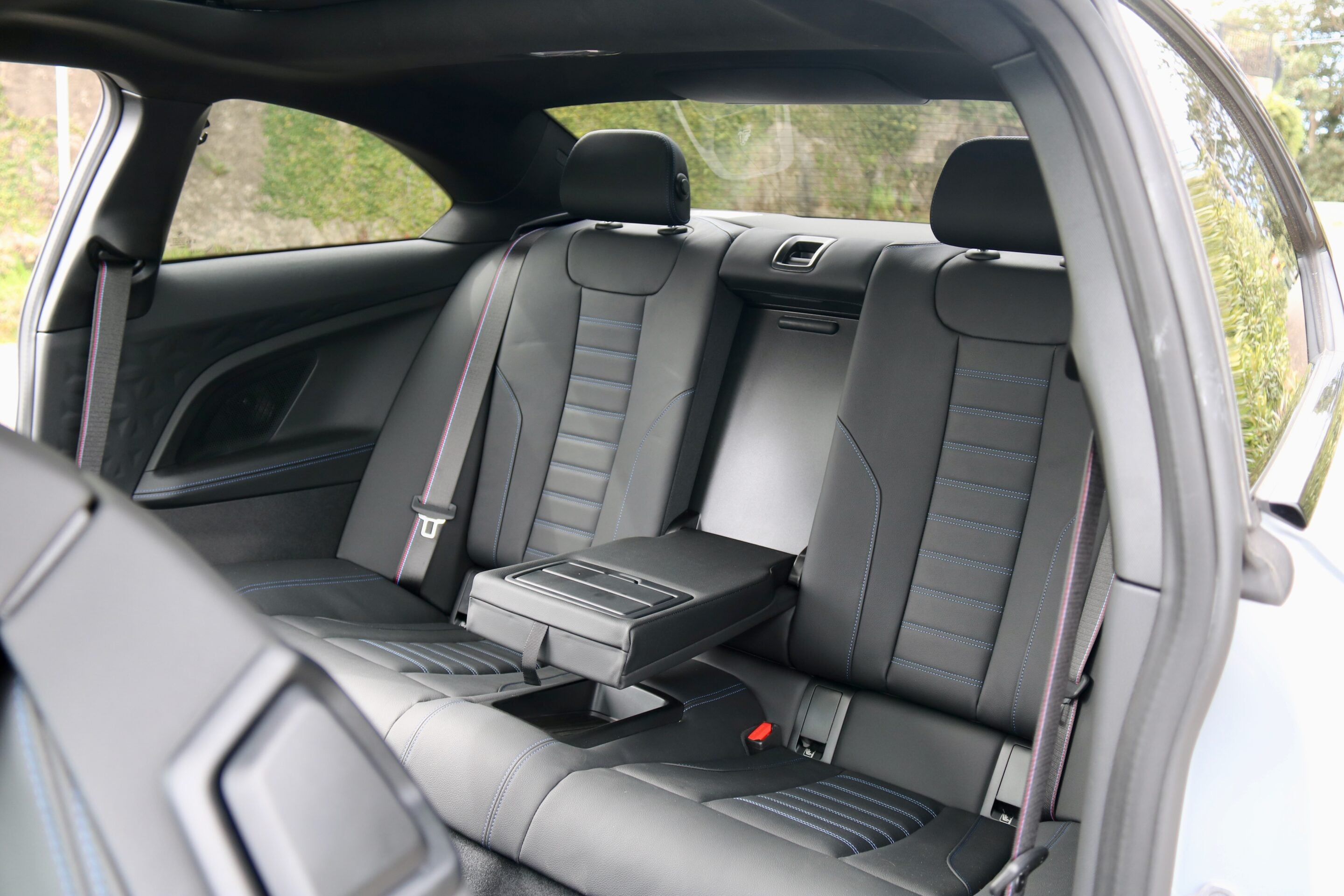
The boot of the M240i measures a healthy 390 litres with the seats up, and the rear seats split 40:20:40 for even more practicality, including a ski pass through. The boot itself features some side storage, though there’s no spare wheel.
Performance and fuel economy:
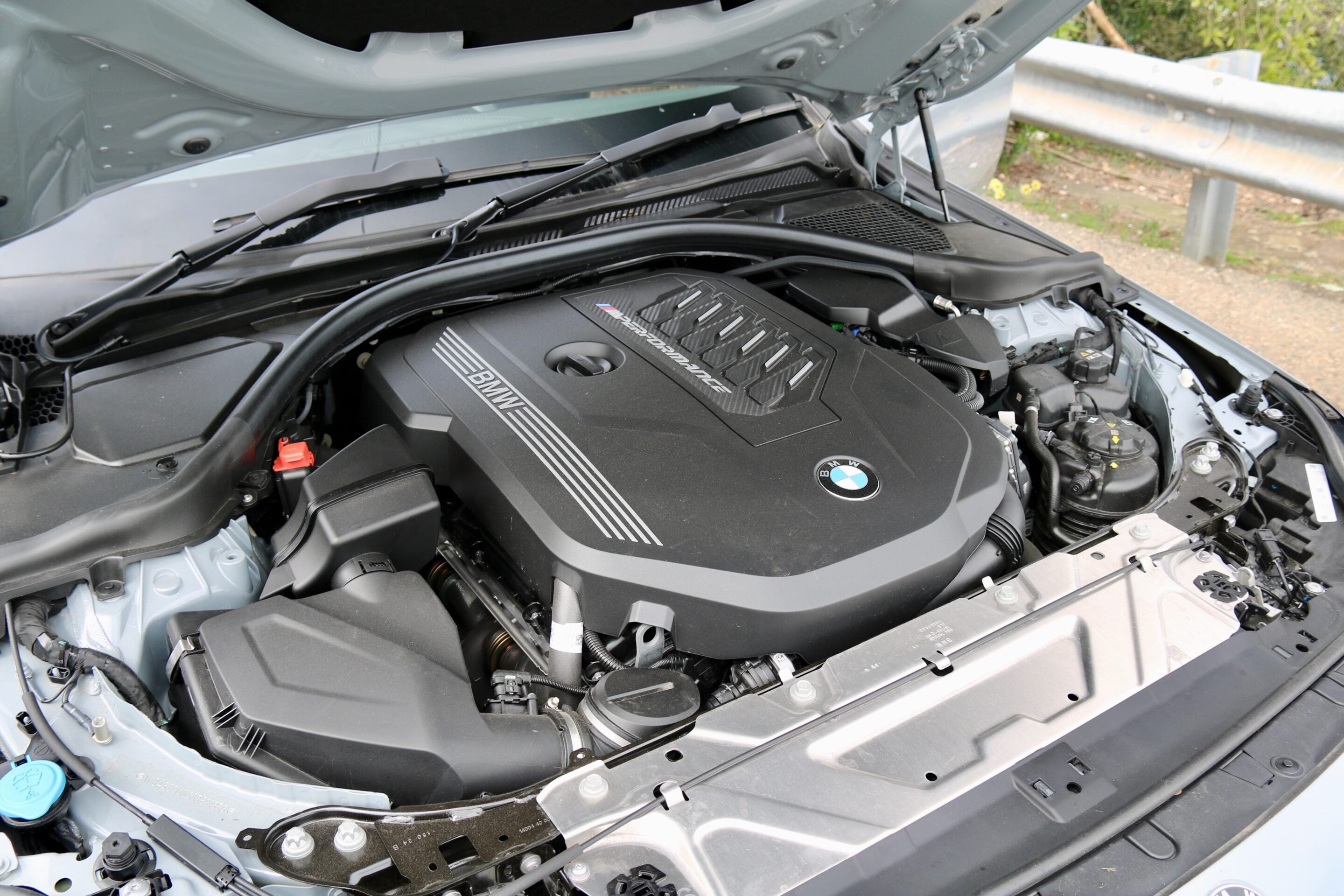
The M240i uses BMW’s ‘B58’ 3.0-litre turbo-six petrol engine, in this tune making 285kW of power and 500Nm of torque. It’s mated to an eight-speed torque converter automatic transmission and BMW’s ‘xDrive’ all-wheel drive system as standard – unlike the M2 above it, which is solely rear-wheel drive and can be optionally chosen with a six-speed manual.
BMW claims the M240i sprints to 100km/h in just 4.3 seconds and hits an electronically limited top end of 250km/h and based on just how potent the engine is, we’re sure it could go much faster than that. BMW claims combined fuel consumption of just 8.0L/100km and combined CO2 emissions of 185g/km, and we achieved 10.2L/100km in our time with it, which is reasonable given how fast it can be. The M240i features a 52 litre fuel tank and must be filled with 98RON premium unleaded fuel.
On the road:
Agile, engaging and quite fast are three good ways to describe the M240i on the road. Despite not being a full-fat M car, it’s much faster and more fun than most people will ever need. It’s also all-wheel drive, which gives keen drivers an extra layer of protection when punting down a good bit of road – especially if the weather turns nasty.
Of course, some may lament the loss of the traditional rear-drive BMW dynamics and that it’s larger and heavier than the previous model but for most, the xDrive all-wheel drive system is more than dynamic enough.
The chassis is very well balanced and the steering is light, but accurate and offers more than enough feedback in all driving situations. The body control is excellent and the adaptive suspension does a great job of hiding the worst from Australia’s bad quality roads. All of the above means that the M240i is a rewarding car to drive that’s also extremely easy to drive, and just like a 230i for everyday use.
Service and warranty:
BMW covers the M240i with a five-year/unlimited km warranty with only three years of roadside assistance.
The M240i requires servicing annually and it sets the distance based on driving, but every 15,000km is given as a general guide. A five-year/80,000km service package costs $2369 ($474 per year).
Verdict: Should I buy a BMW M240i?
Overall, the BMW M240i is a great car that deserves strong consideration if you’re after a sporty coupe. Firstly because it exists, but secondly because it’s a near-perfect all-rounder: it’s fast, comfortable, handles very well, it’s practical for a coupe and it’s fully loaded with standard features.
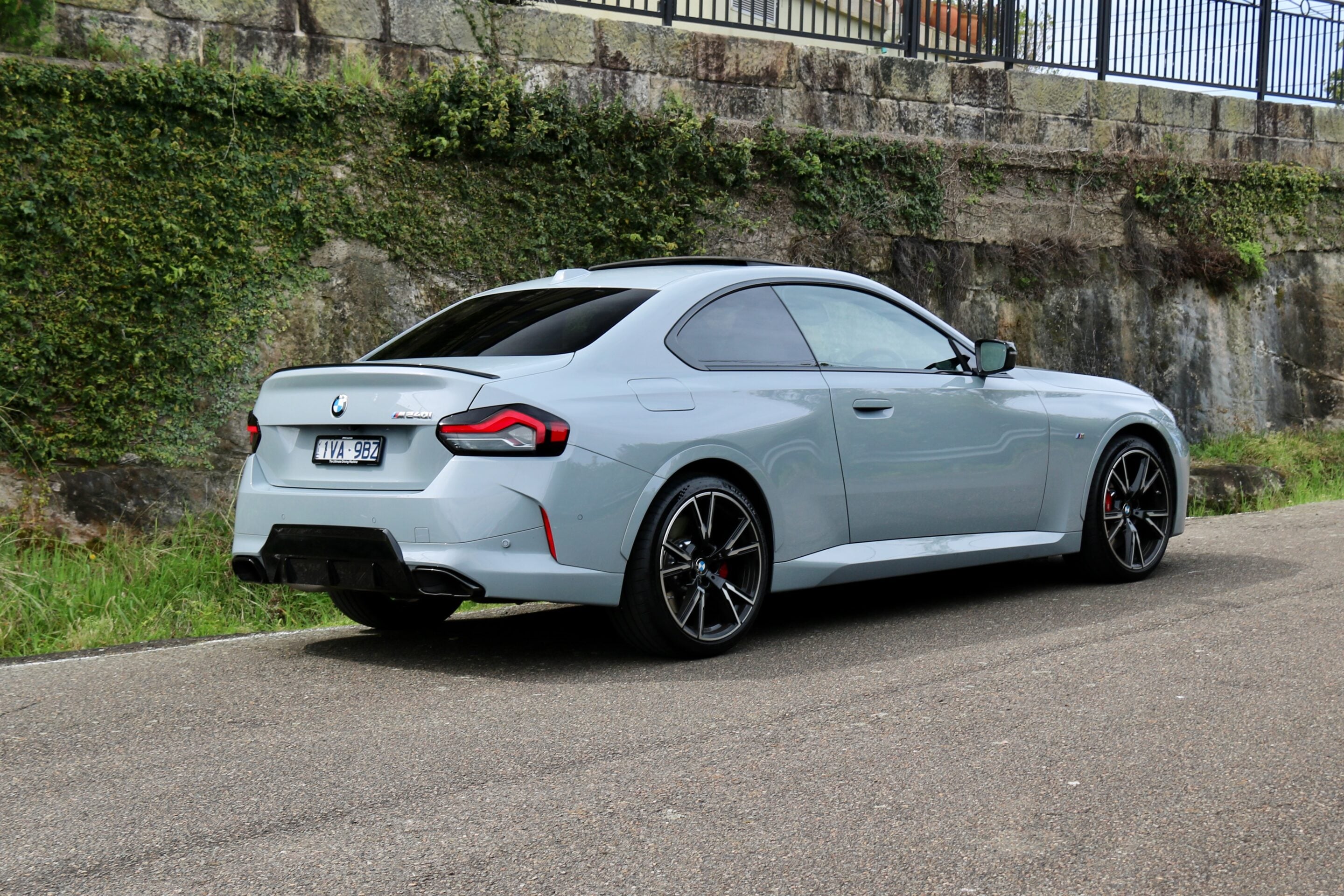
It’s not quite perfect, however – we’d like to see more personalisation with colour and trim options, it’s bigger and heavier than it used to be, it’s no longer rear-wheel drive and that it’s really not priced too far from the M2. But if you can’t afford an M2, don’t feel left out: the M240i is still a great sports coupe option.
M240i rivals:
M240i specifications:
- Model: BMW M240i xDrive
- Price: From $102,100 plus on-road costs
- Engine: 3.0-litre inline six-cylinder
- Peak power: 285kW (@ 5800 – 6500rpm)
- Peak torque: 500Nm (@ 1900 – 5000rpm)
- Transmission: Eight-speed torque converter automatic, all-wheel drive
- 0-100km/h: 4.3 seconds (claimed)
- Top speed: 250km/h (electronically limited)
- Fuel consumption (claimed/as tested): 8.0L/100km, 10.2L/100km
- Claimed CO2 emissions: 185g/km
- Fuel type/tank size: 98RON premium unleaded, 52 litres
- Dimensions (length/width/height/wheelbase): 4548/1838/1404/2741mm
- Bootspace: 390 litres
- Tare weight: 1658kg
- Warranty: 5-year/unlimited km
- Roadside assistance: Three years
- Service intervals: Annual/condition-based
- Five-year service cost: $2369 ($474 per year)
- On sale: Now
BYD is continuing its expansion into the Australian market with confirmation that its Denza premium sub-brand will launch locally in November 2025. So far, only two plug-in hybrid SUVs have been confirmed for an Australian release, with other models from BYD‘s other brands such as Yangwang to be sold here under the Denza brand.
Denza will initially launch two SUVs in Australia: the B5 and the B8, which are sold in other markets as the Leopard 5 and Leopard 8 respectively. Both will feature a plug-in hybrid drivetrain with around 100km of electric driving range, and while the B5 is a five-seater, the B8 will feature seven seats as standard.
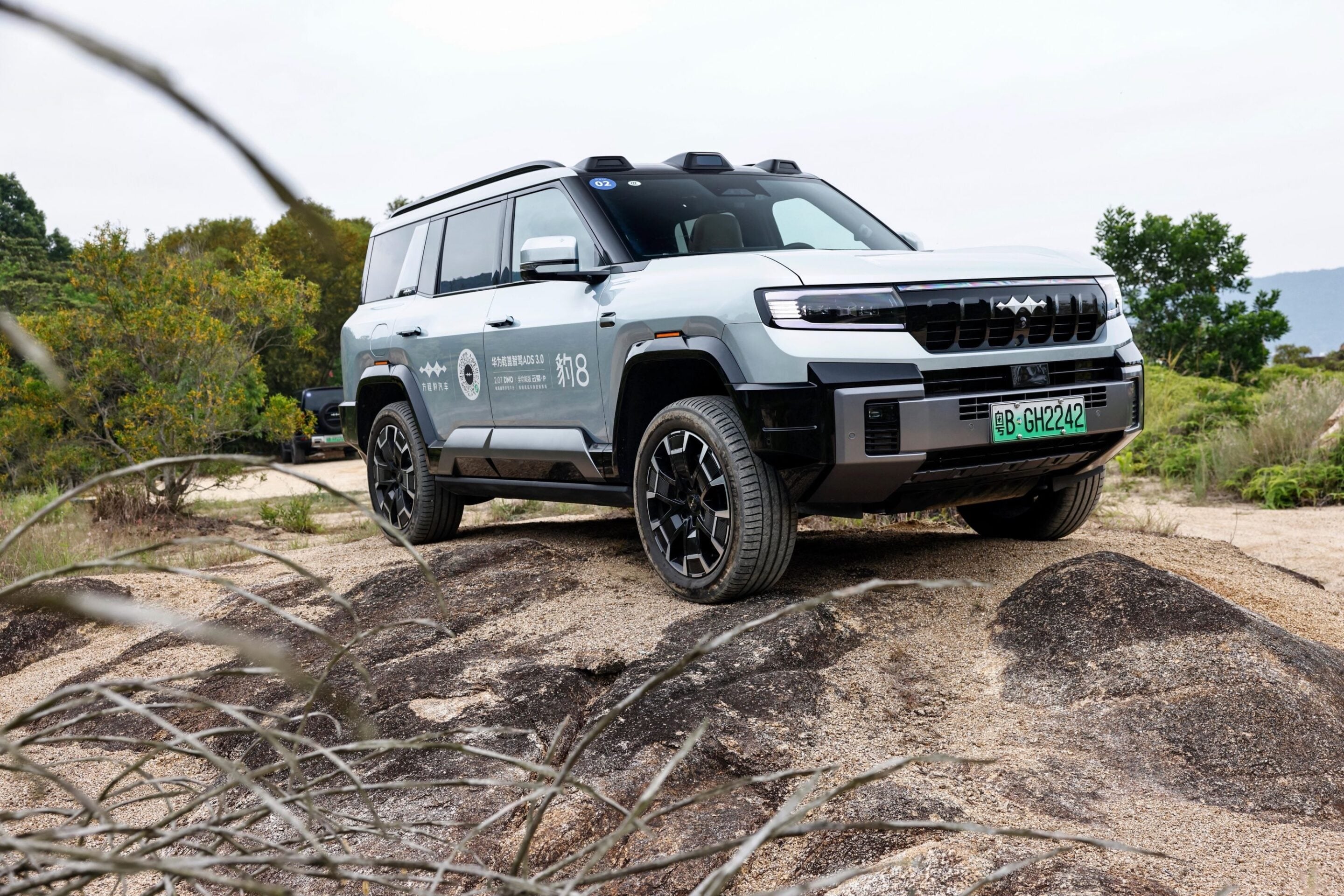
Both the B5 and B8 sit on BYD’s ‘DMO’ platform and while the B5 uses the BYD Shark’s 1.5-litre plug-in hybrid drivetrain, the B8 uses a larger 2.0-litre PHEV system. Off-road capability will be central to the first Denza products launched locally, and they’ll rival cars such as the GWM Tank 300 and Ford Everest.
“This is a landmark moment in the Australian automotive industry,” Denza Australia COO Mark Harland said. “Denza will offer a whole new range for consumers wanting a slice of luxury and the latest in innovation.”
“It’s built for explorers, pioneers, and leaders. For those who see roads as invitations, not boundaries, we know Denza will be one of the most exciting premium brand launches to date,” Harland added.
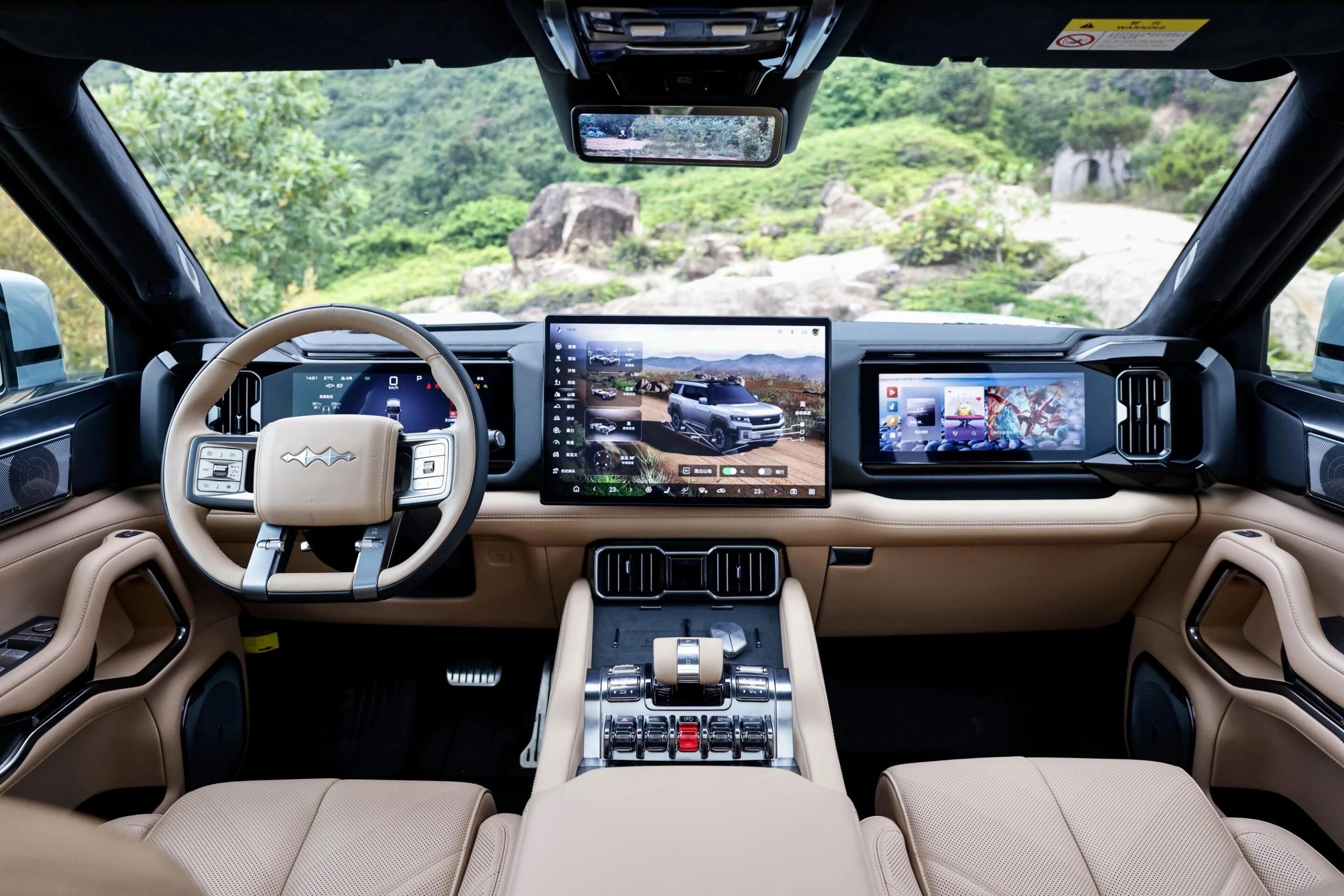
More details about the Australian Denza range will be announced when it launches locally next month.
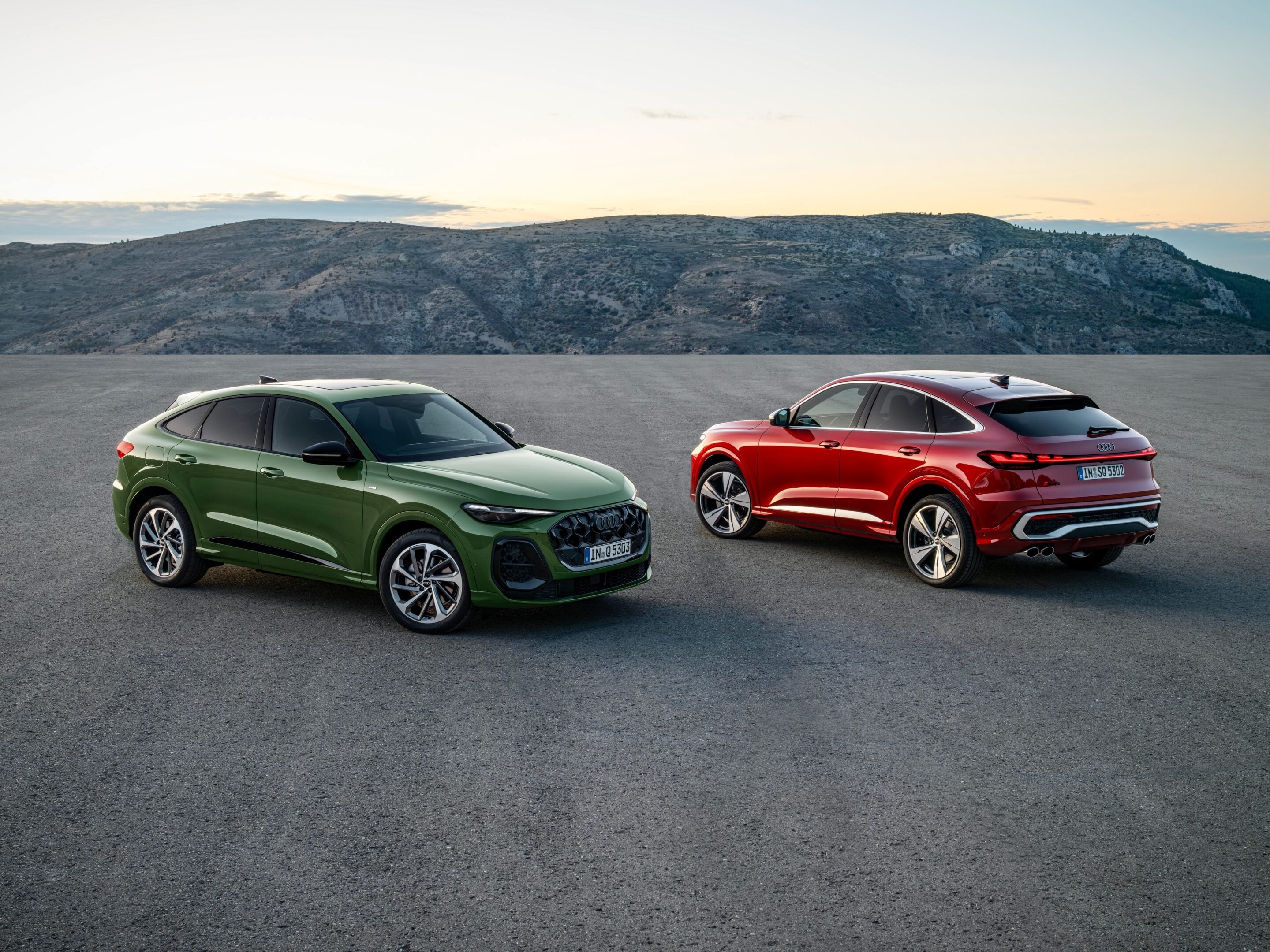
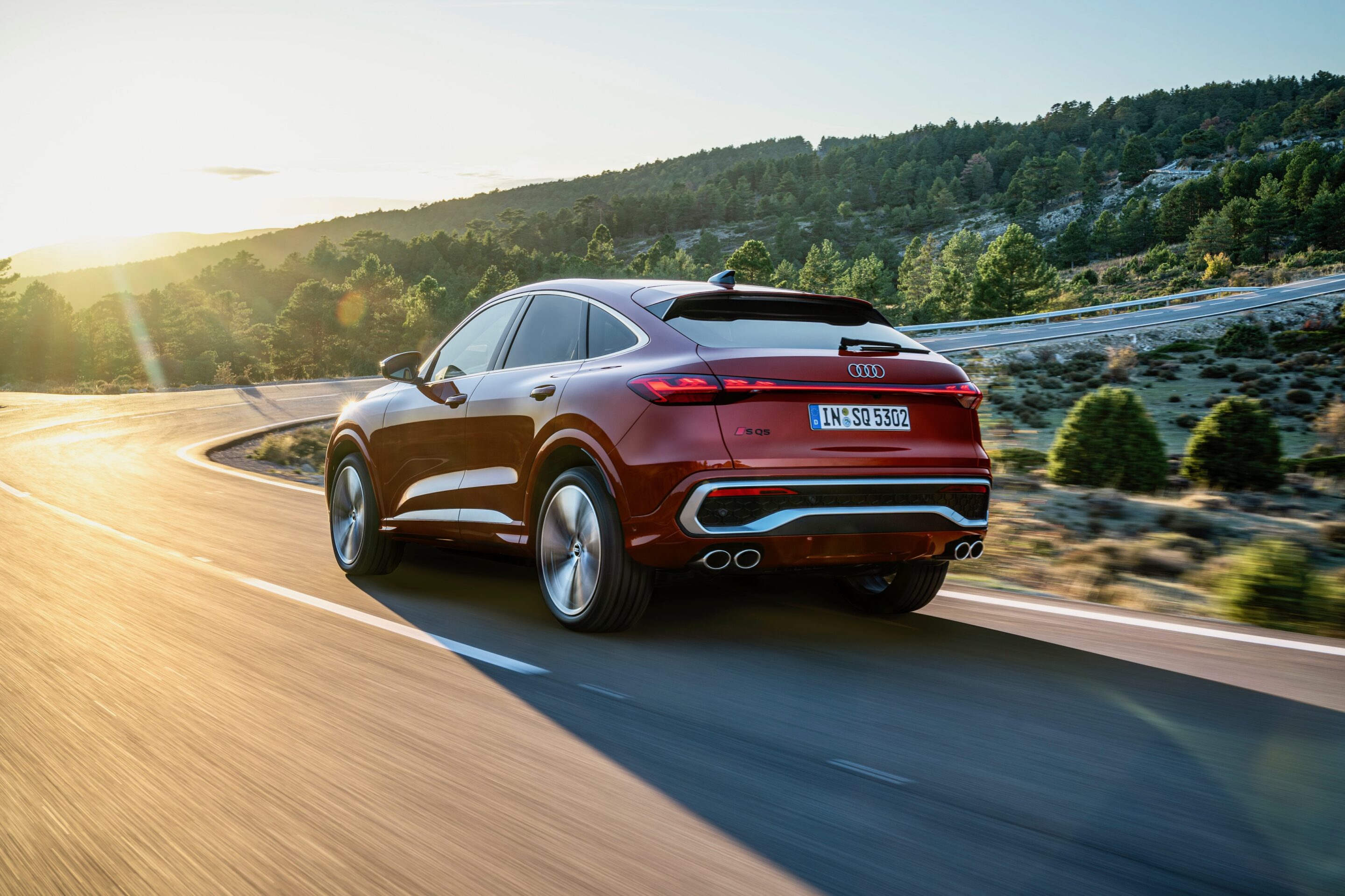
The Audi Q5 Sportback has been launched in Australia as the coupe-styled version of the Q5 mid-size SUV. Priced from $84,500 plus on-road costs – or $3500 more than the regular Q5 – the Sportback will be available in the same model structure as the regular Q5 range with 2.0-litre turbo-petrol, 2.0-litre turbo-diesel and 3.0-litre V6 turbo-petrol engine options available. Available to order now, the Q5 Sportback will enter local Audi dealerships soon.
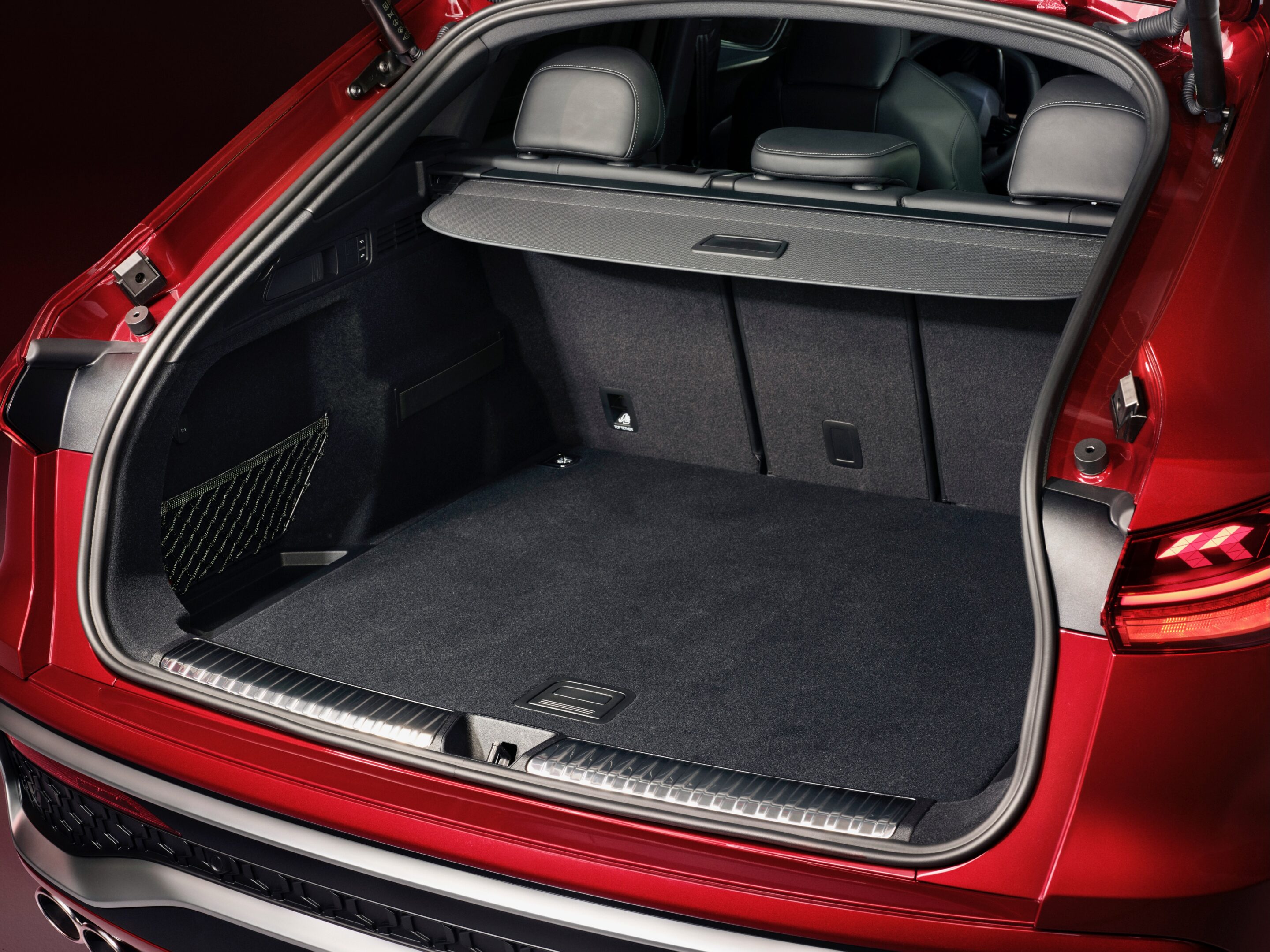
Originally revealed in November 2024, the new Q5 Sportback is the sportier-looking variant of the Q5 range, thanks to its sloping roofline and revised rear end that creates a sportier silhouette, according to Audi. Despite the change in shape, practicality is affected only slightly with 515 litres of cargo space compared to the regular Q5’s 550 litre space. Folding the rear seats expands capacity to 1415 litres.
Available drivetrains for the Q5 include a 2.0-litre turbo-petrol and 2.0-litre turbo-diesel, both making 150kW of power (the petrol makes 340Nm of torque and the diesel 400Nm), with all-wheel drive reserved for the diesel. Above that sits the 3.0-litre V6 turbo-petrol engine in the SQ5, making 270kW of power and 550Nm of torque. Every Q5 and SQ5 uses a seven-speed dual-clutch transmission, while all variants also use a mild-hybrid set up to reduce fuel consumption.
Thanks to the mild-hybrid set up, the Q5 Sportback diesel claims combined fuel consumption of just 5.4L/100km with CO2 emissions of 141g/km, and the petrol 5.7L/100km and 130g/km. Even the more powerful SQ5 uses only 7.6L/100km and emits 173g/km.
Audi Q5 Sportback pricing (plus on-road costs):
- 2.0TFSI 150kW front-wheel drive: $84,500
- 2.0TDI 150kW all-wheel drive: $91,100
- Sport 2.0TDI 150kW all-wheel drive: $97,600
- SQ5 Edition One: $109,900
- SQ5: $125,900
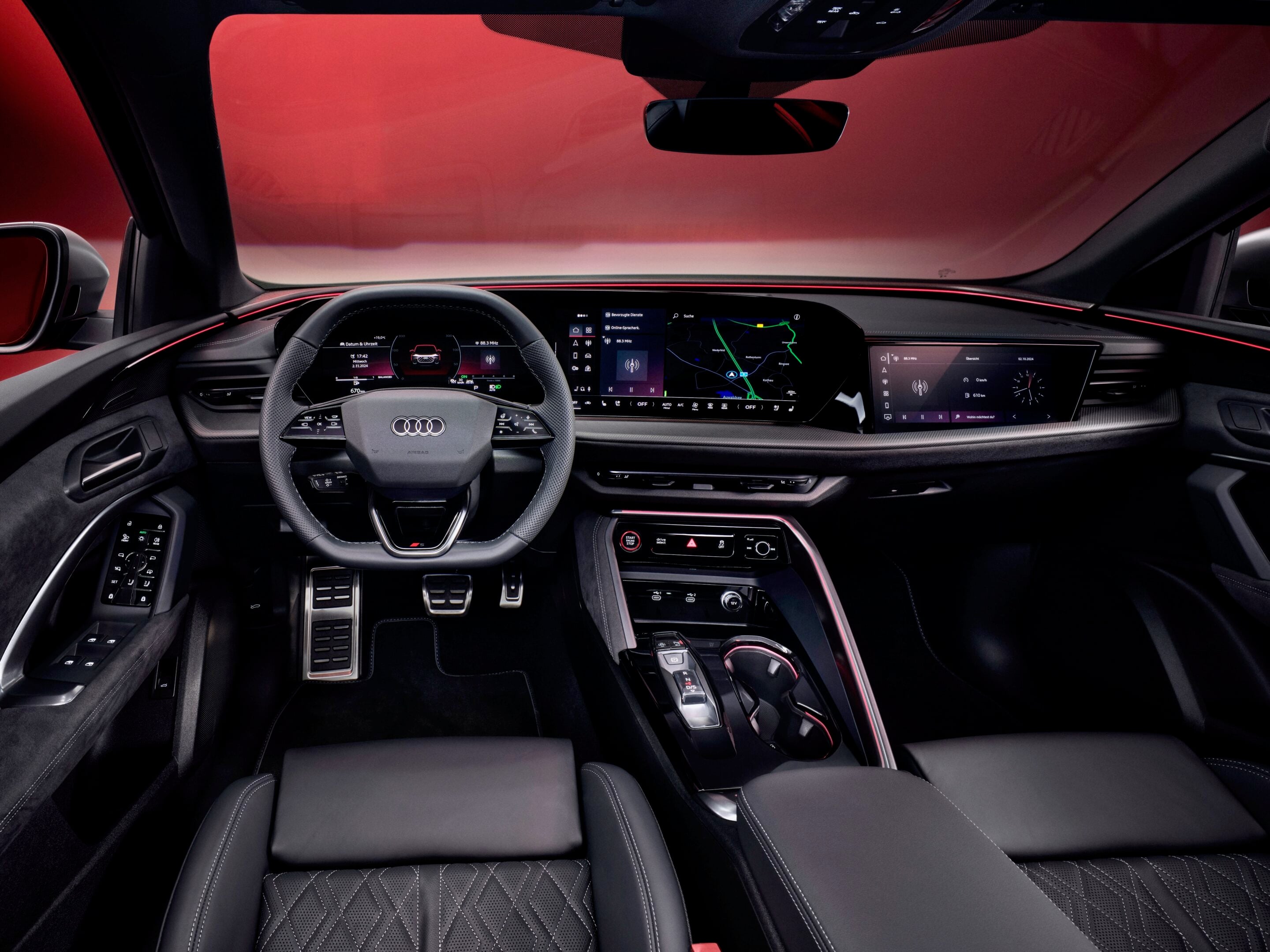
Audi Q5 Sportback standard features:
- 19-inch alloy wheels with a tyre repair kit
- Automatic all-LED exterior lighting
- Automatic rain-sensing wipers
- Heated/auto-folding/auto-dimming/auto-dropping in reverse mirrors
- Keyless entry with push button start
- Leather upholstery
- Electrically adjustable and heated front seats with driver’s memory functionality
- Tri-zone automatic climate control
- 11.9-inch digital driver’s display
- 14.5-inch touchscreen with eSIM for live services
- Wireless Apple CarPlay and Android Auto
- DAB+ digital radio
- Satellite navigation with live traffic
- Wireless phone charger
- 4x USB-C charging ports
- 8-speaker sound system
Audi Q5 Sportback safety features:
- 9x airbags
- Autonomous emergency braking (AEB) with swerve assist and turn assist
- Adaptive cruise control with stop and go functionality
- Lane keeping assistance with lane departure warning
- Blind-spot monitoring
- Front and rear cross-traffic alert (with braking)
- Matrix adaptive high beam
- Safe exit assistance
- Driver fatigue monitoring
- Speed sign recognition
- Front, side and rear parking sensors
- 360-degree camera
Audi Q5 Sportback Sport 2.0TDI adds:
- 20-inch alloy wheels
- Panoramic sunroof
- Sports front seats
- Brushed aluminium inlays
- Flat-bottomed leather steering wheel
- Black headliner
Audi SQ5 Sportback Edition One model adds:
- 20-inch black alloy wheels
- Black exterior styling details
- Rear privacy glass
Audi SQ5 Sportback model adds:
- 21-inch alloy wheels
- Aluminium-look exterior mirrors
- Acoustic glazing for front door glass
- ‘Premium’ leather upholstery
- Ventilated front seats
- Dynamic LED ambient lighting
- 685W 16-speaker Bang & Olufsen sound system
- Higher-capacity USB ports
- Head-up display
Audi Q5 Sportback options:
- Premium Package (Q5) with a head-up display, Bang & Olufsen sound system, higher-output USB charging points, acoustic front door glazing and dynamic interior ambient lighting: $5400
- Style Package (Q5) with 20-inch alloy wheels, black exterior detailing and privacy glass: $3400-$4900
- Tech Pro Package (TDI Sport and SQ5) with a heated steering wheel, passenger display, electric steering column adjustment, heated outer rear seats and OLED tailights: $5700
- Carbon Style Package (SQ5 models) with carbon exterior mirrors and door inlays: $5100
- Black Exterior Package (all except SQ5 Edition One): $2150
- 20/21-inch alloy wheels (depending on model): $1800 – $2600
- Adaptive air suspension (SQ5): $3800
- Premium paint finishes (depending on model): $1300 – $3300
- Interior inlays (depending on model): $600 – $1200
- Panoramic sunroof (2.0TFSI and 2.0TDI): $3500
- Roof rails (aluminium or black, depending on model): $800
- Ventilated front seats (Sport 2.0TDI only): $2200
- Rear window sunshades (all except SQ5 Edition One): $420
- Luggage partition net (all except SQ5 Edition One): $300
The Audi Q5 Sportback and SQ5 Sportback will be available from local Audi dealerships soon.
General Motors Special Vehicles (GMSV) has announced that the Chevrolet Silverado sold in Australia will move to a five-year/unlimited km warranty from today, October 1 2025. Replacing the former three-year/100,000km warranty in place for all Chevrolet vehicles registered until today, the new five-year warranty will also be accompanied by five years of roadside assistance as standard. The new warranty matches rivals Ford and Toyota, and surpasses the three-year coverage from Ram.
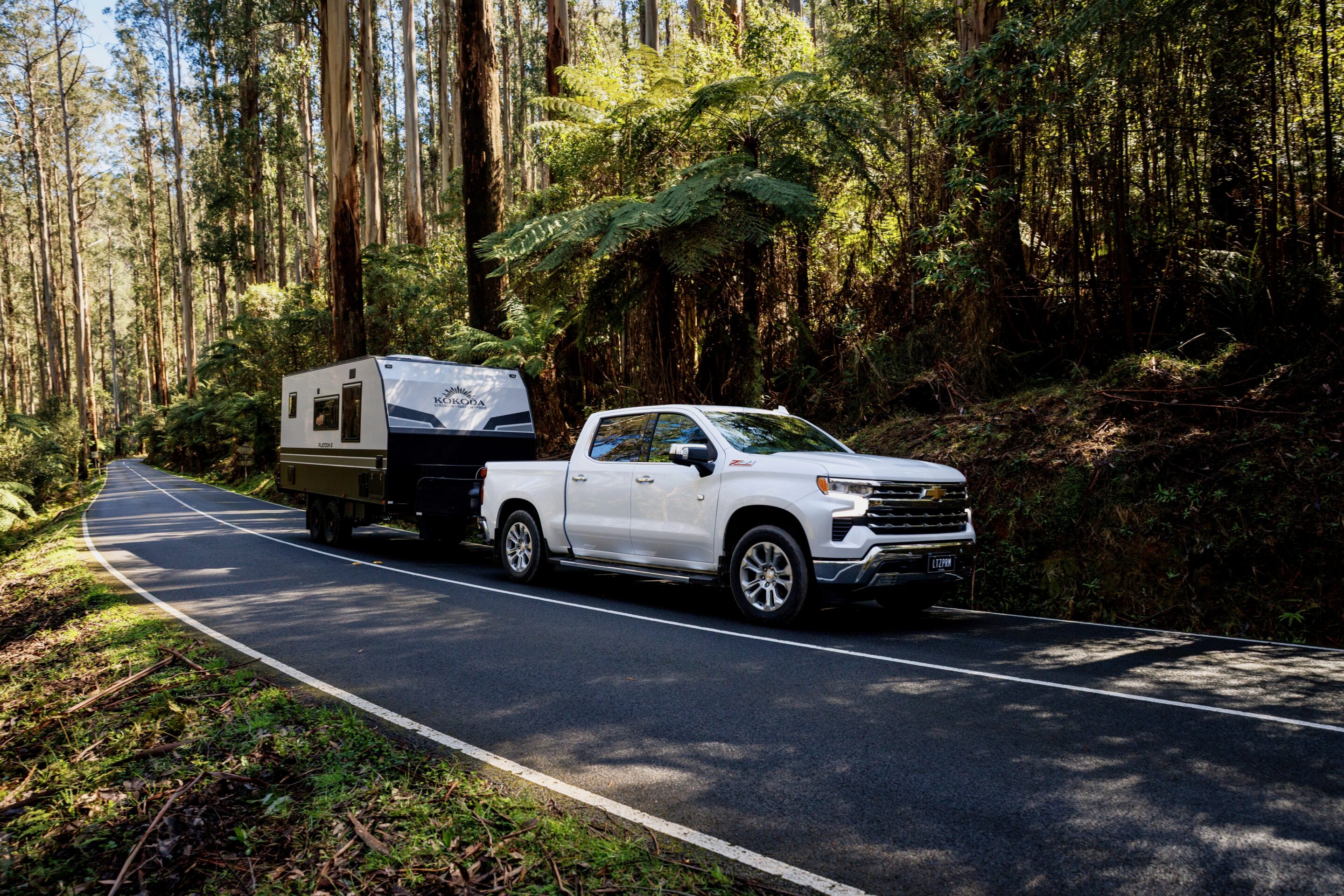
“We know how our owners love to use their Silverado, both during the working week and on the weekends, so introducing an unlimited-kilometre warranty is something we know they will love, says Managing Director of GM Australia & New Zealand, Jess Bala.
“The Silverado is a vehicle with a reputation forged by strength, durability and trust, and its passionate owners know they can rely on their truck to get the job done, no matter how tough. This change cements that reputation even further.”
The Silverado range has also seen small changes with the ZR2 variant gaining front parking sensors and two new colours: Cypress Grey and Riptide Blue Metallic.
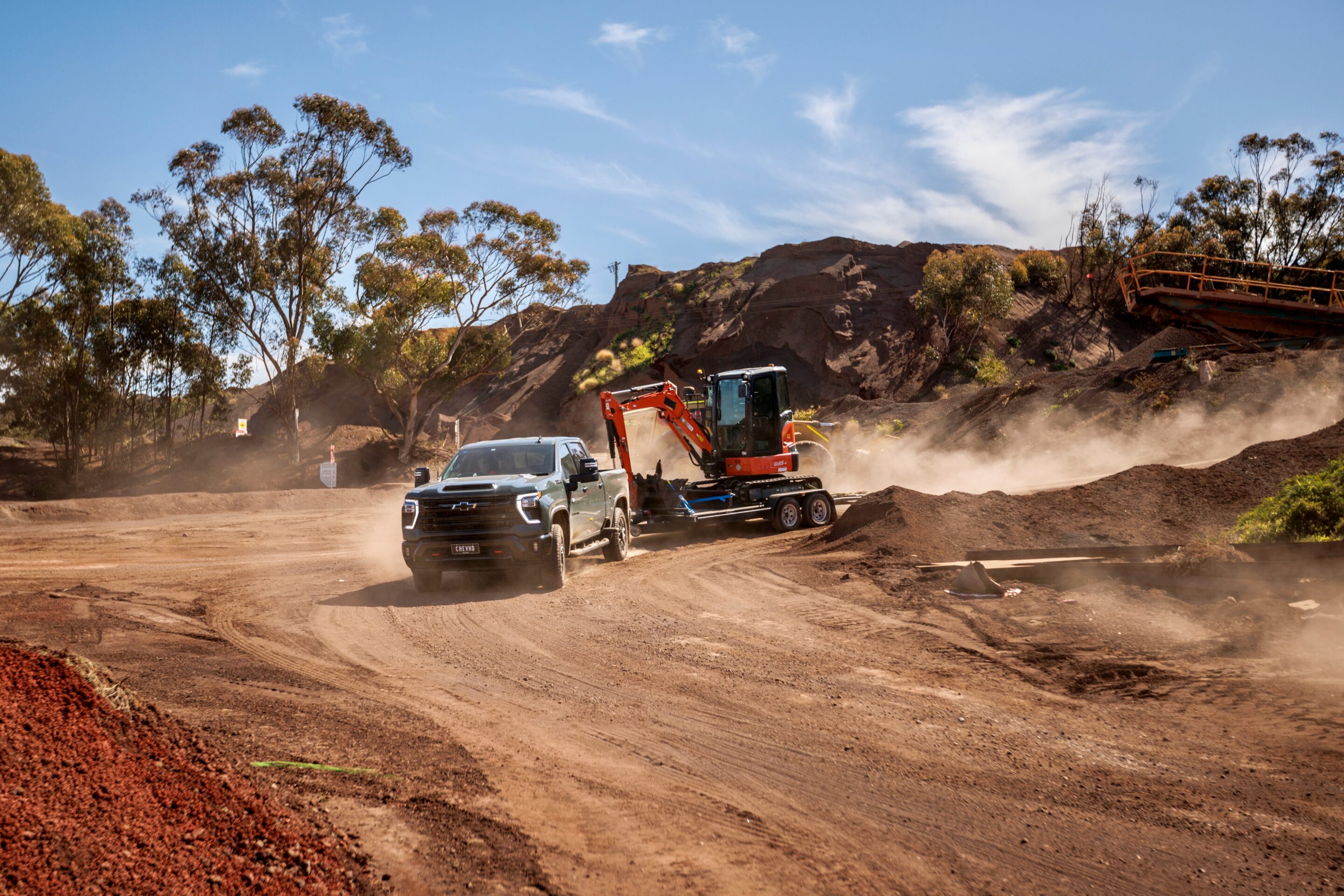
The model changes and new warranty have increased the price of all Silverado models: the 1500 LTZ Premium is now priced $4000 higher at $134,500 plus on-road costs, the ZR2 is now $144,900 +ORC (+$3400) and the 2500 HD is $168,000 +ORC (+$1500).
MY25 Chevrolet Silverado pricing (plus on-road costs):
- 1500 LTZ Premium: $134,500
- 1500 ZR2: $144,900
- 2500 HD: $168,000
Chevrolet’s five-year/unlimited km warranty coverage commences for new vehicles registered and delivered from today, October 1 2025.
