
The Ferrari Amalfi may sit at the base of the Italian brand’s model hierarchy, but describing it as a “baby Ferrari” badly undersells what it delivers. This is a serious grand tourer with ferocious pace, cutting-edge technology and a level of usability that broadens its appeal beyond weekend blasts. Entry-level or not, the Amalfi still demands a price north of $380,000 before on-road costs – and it earns much of that asking figure.
Replacing the Roma in Ferrari’s global line-up, the Amalfi represents more than a light refresh. It introduces meaningful design, mechanical and ergonomic changes that justify a new name and a clearer identity. Ferrari positions it as a high-performance sports car that can be driven every day, and crucially, it feels engineered with that brief front of mind.
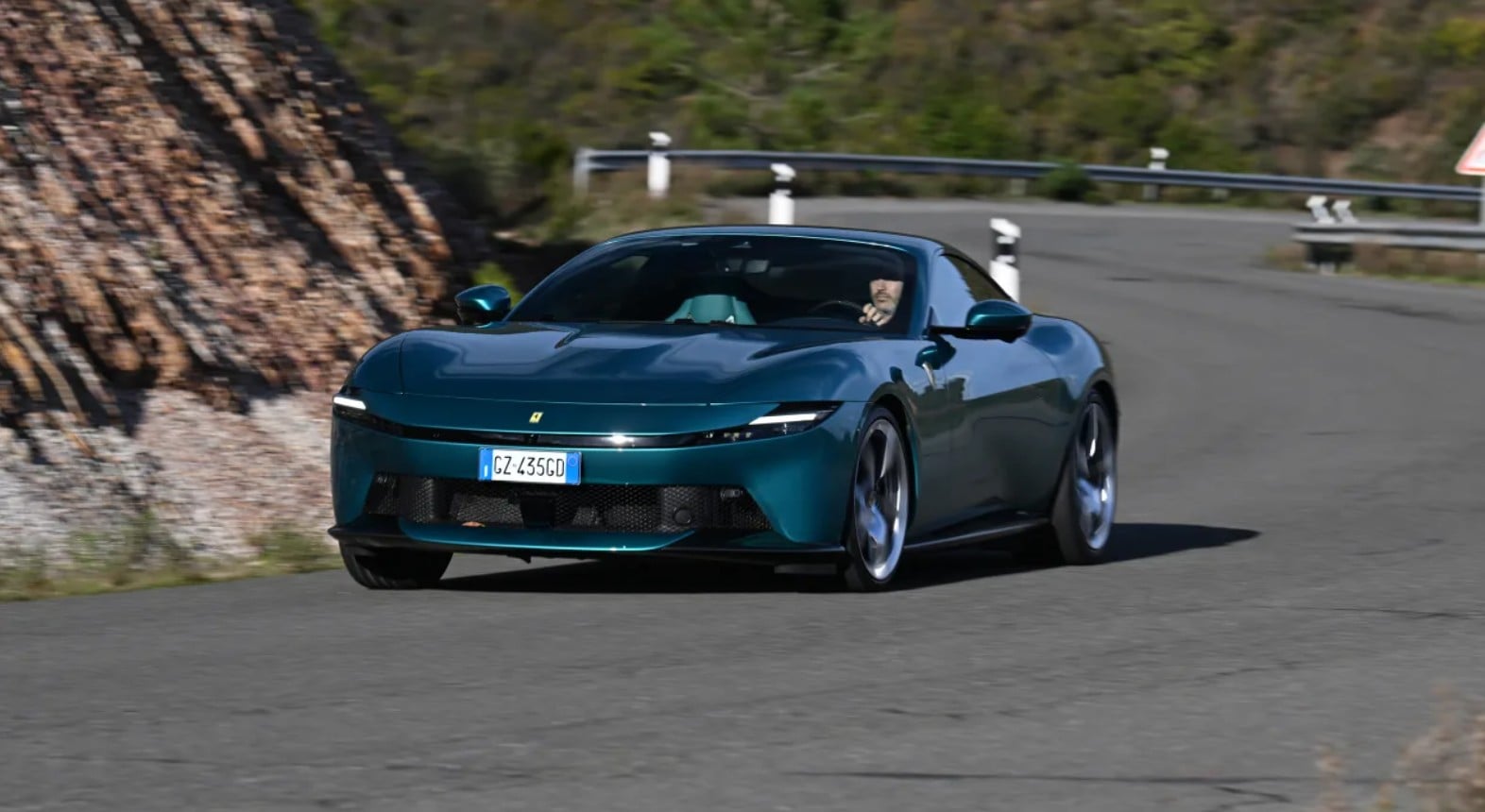
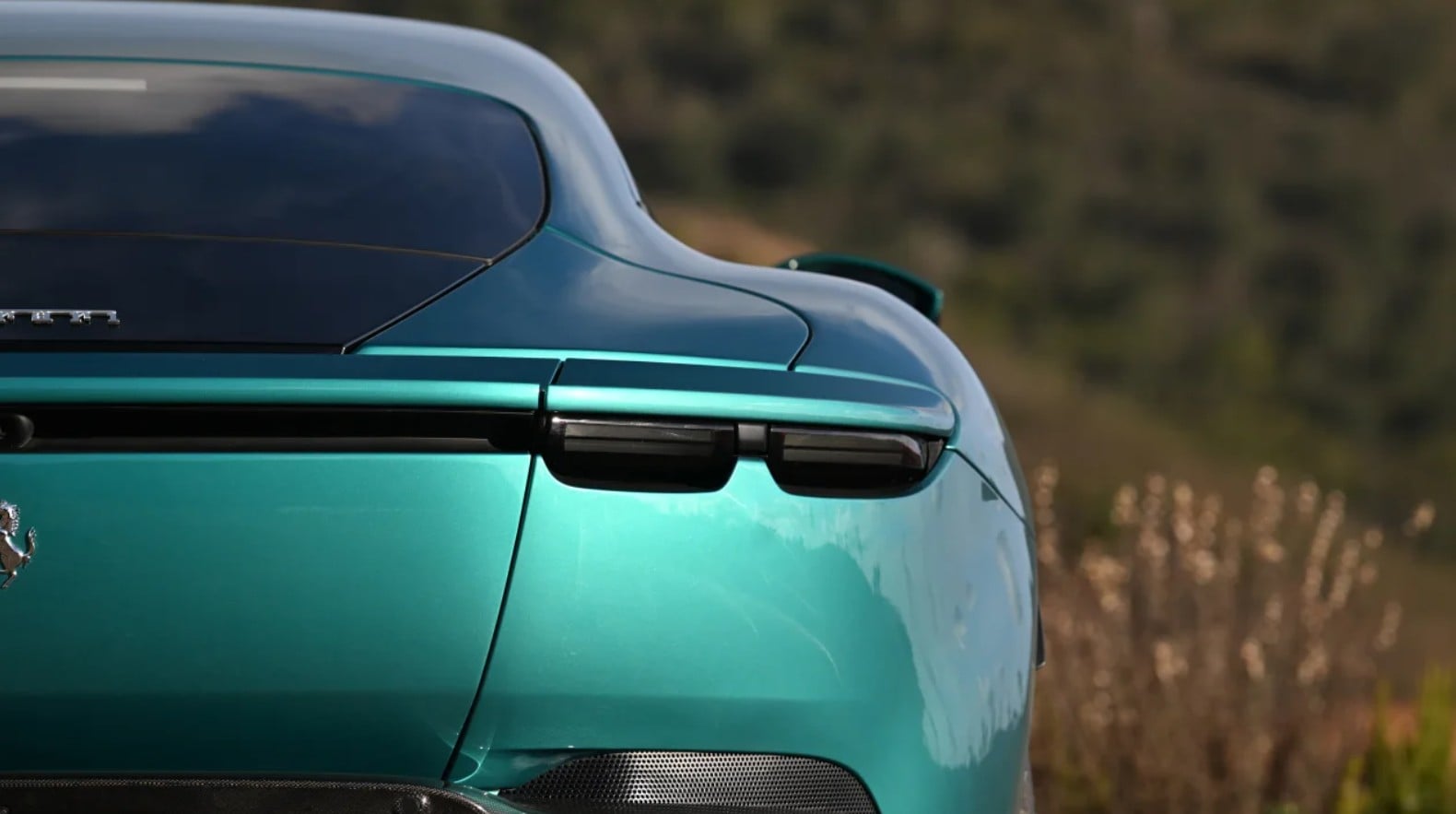
Visually, the Amalfi adopts a cleaner, more modern look. The front end is pared back with slim headlights linked by a subtle black strip stretching across the nose, while the rear design has been tidied for a more cohesive appearance. It’s understated by Ferrari standards, but still unmistakably exotic.
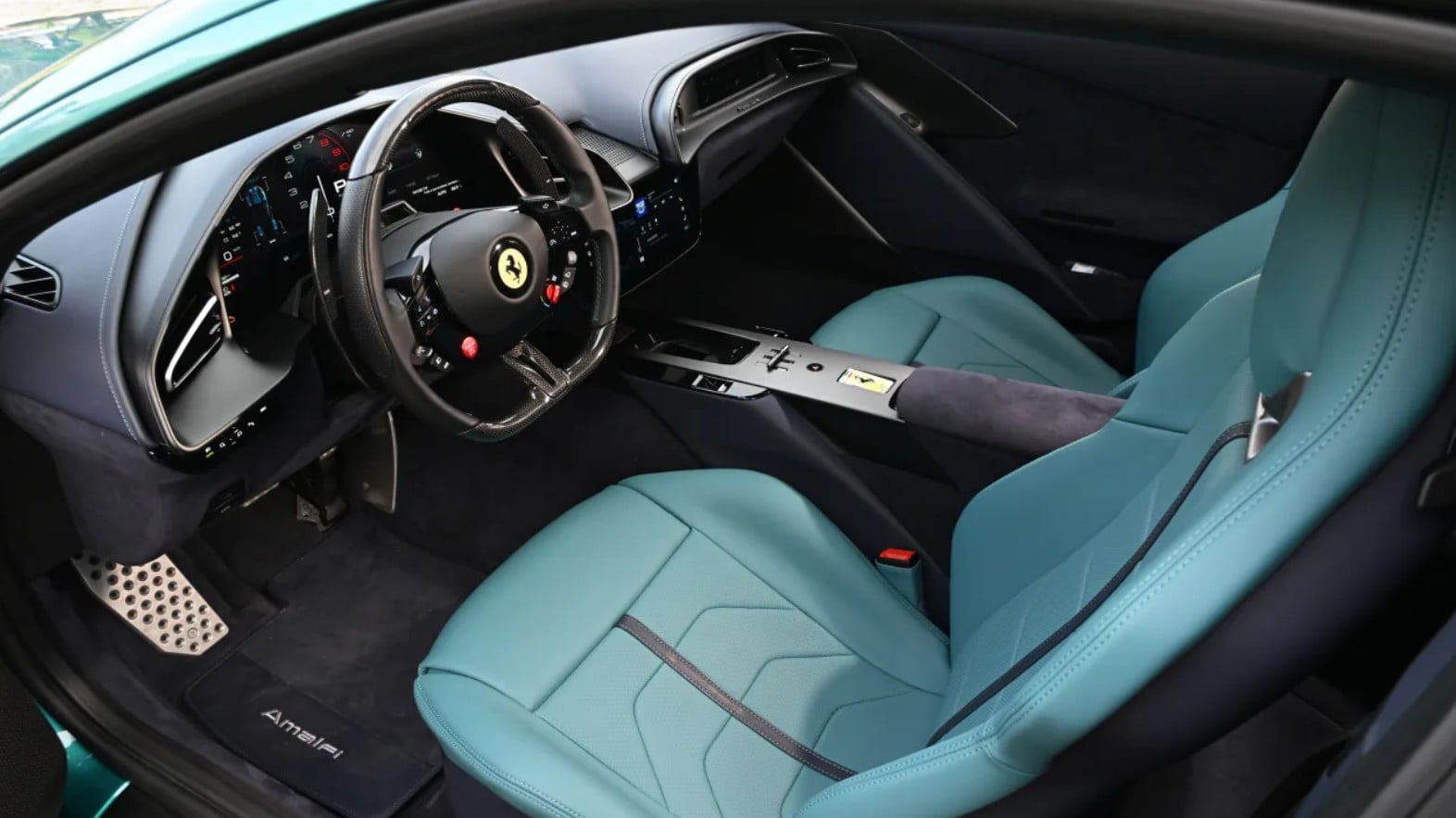
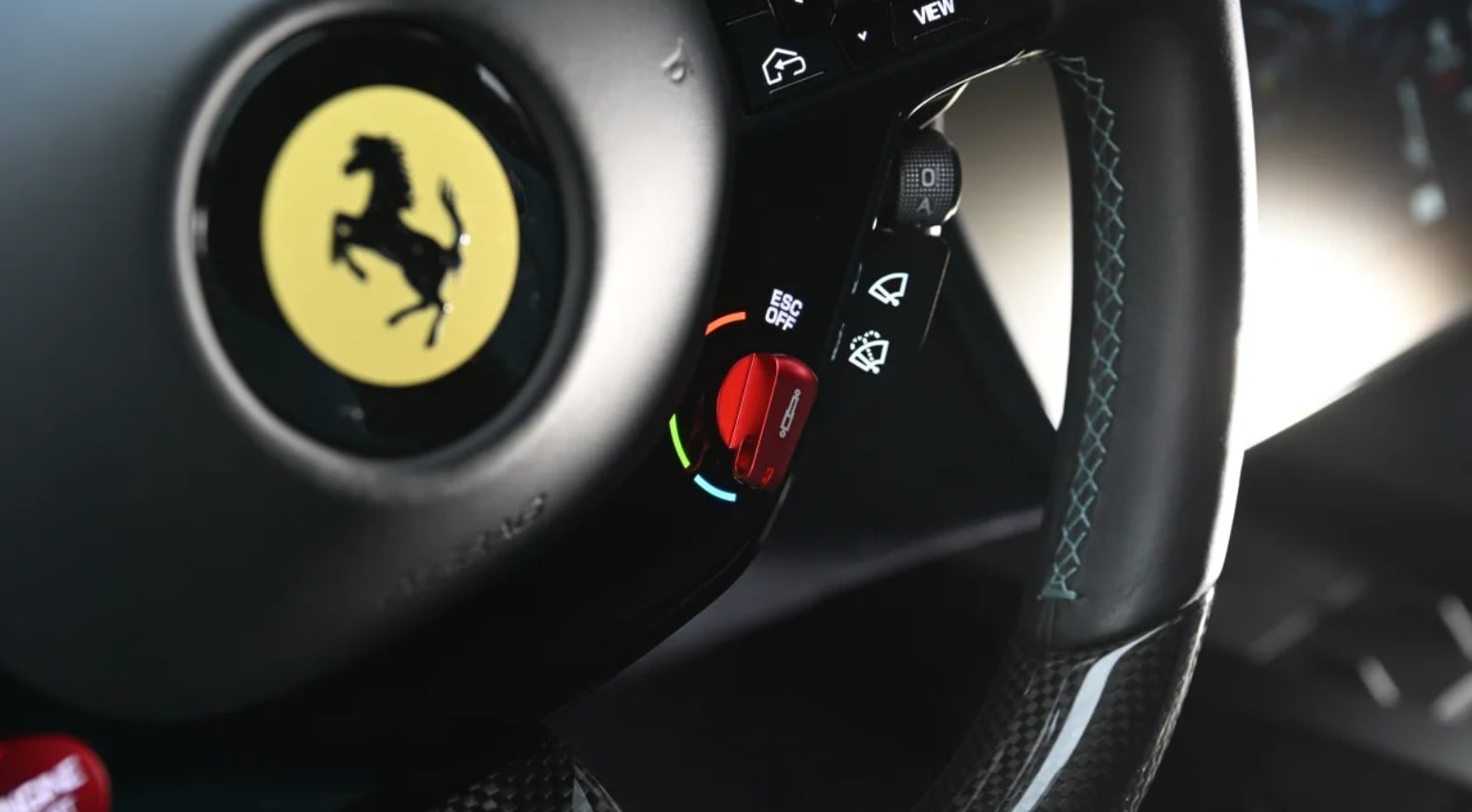
The most obvious improvements are found inside. Ferrari has ditched the awkward portrait-style touchscreen of the Roma in favour of a wider, landscape-oriented display that’s better integrated into the dash. Apple CarPlay and Android Auto are now standard, and usability has taken a big step forward. Just as importantly, Ferrari has responded to criticism of its touch-heavy steering wheel by reintroducing proper physical buttons, along with a prominent red starter button. The result is a far more intuitive and tactile driving environment. Existing Ferrari owners can even retrofit the new wheel, albeit at considerable expense.
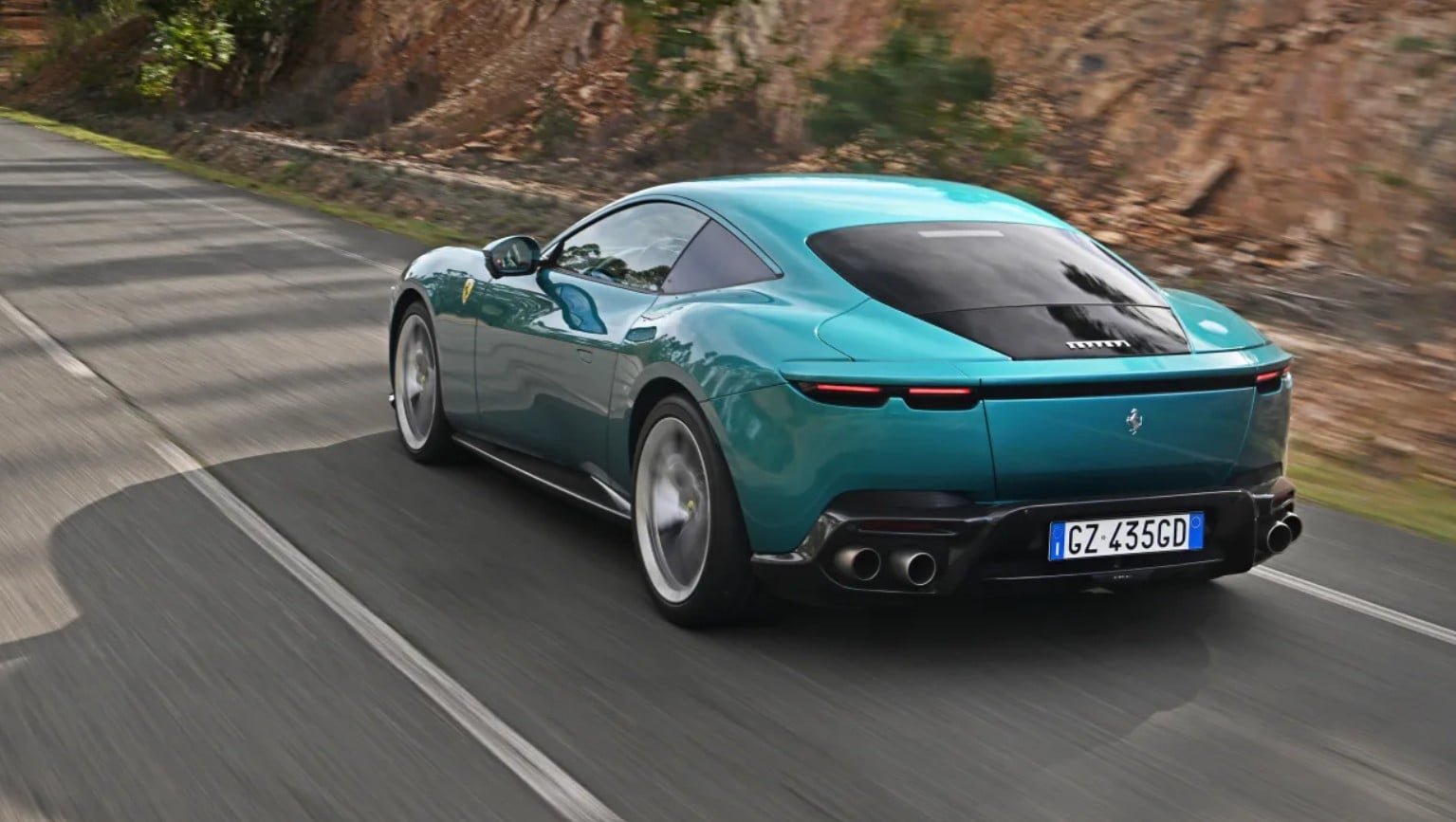
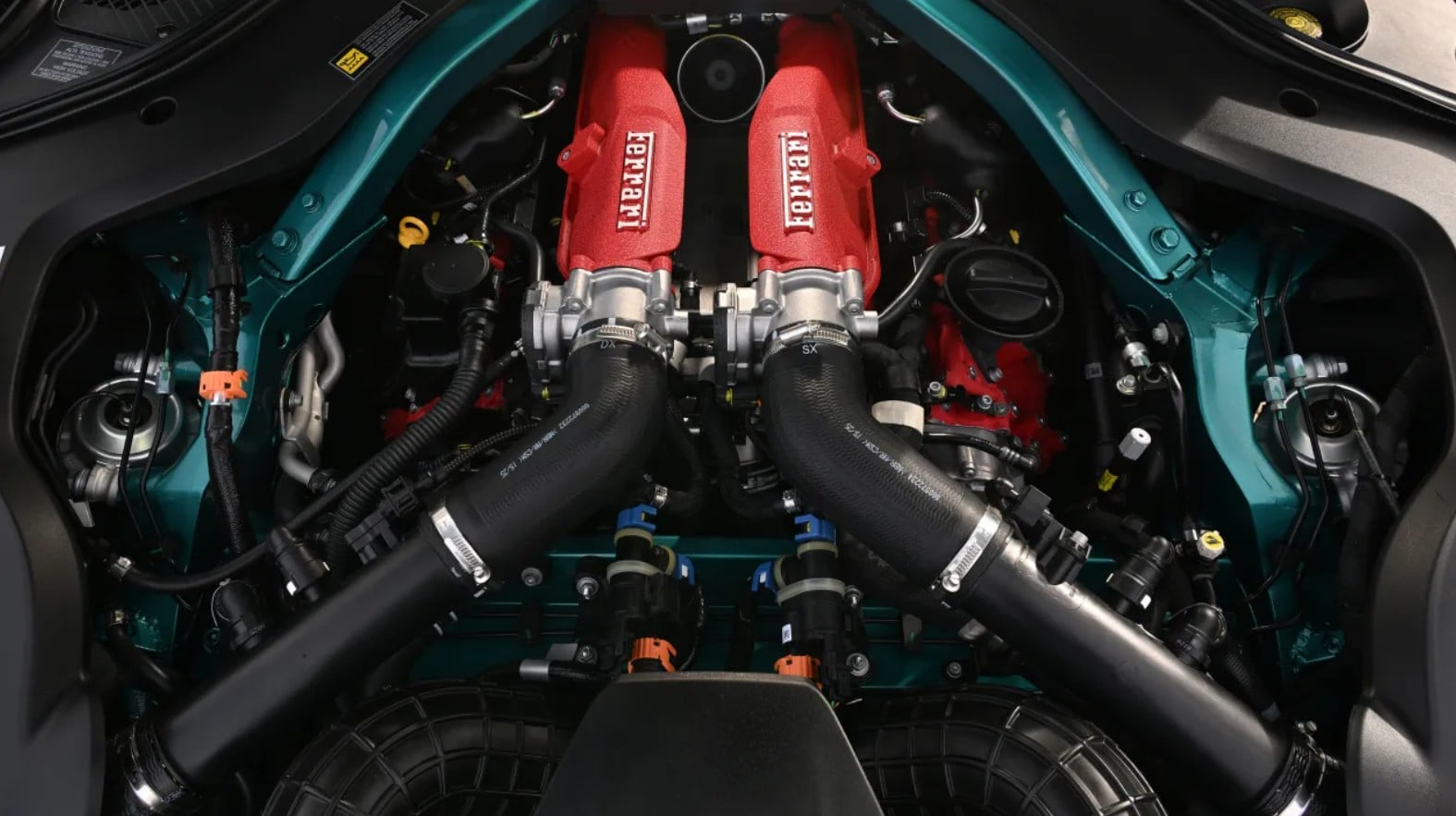
Power still comes from Ferrari’s familiar 3.9-litre twin-turbocharged V8 mounted behind the front axle. For the Amalfi, it’s been revised to produce around 471kW – up from roughly 456kW – along with a hefty 760Nm of torque. Drive is sent exclusively to the rear wheels through an eight-speed dual-clutch transmission. Hardware upgrades include a new ECU, lighter camshafts and a reworked engine block, all contributing to sharper responses and stronger performance.
Ferrari claims the Amalfi is capable of pushing close to 320km/h, while the 0–100km/h sprint is dispatched in just 3.3 seconds. These figures place it firmly in supercar territory, regardless of its “entry” positioning.
Aerodynamics have also been refined, with a discreet, active rear spoiler that automatically adjusts its angle to suit driving conditions. At high speeds, it can generate up to 110kg of downforce at around 250km/h, improving stability without compromising the car’s clean design. The Amalfi also benefits from Ferrari’s latest electronic differential, updated Side Slip Control (SSC 6.1) and a new brake-by-wire system.
On the road, the Amalfi strikes a compelling balance between approachability and excitement. Compared with rivals like the Aston Martin Vantage or Porsche 911 Turbo S, it feels less intimidating and more progressive at the limit. There’s huge performance on tap, but it’s delivered in a way that builds driver confidence rather than demanding constant vigilance.
The familiar Manettino dial allows the driver to cycle through Wet, Comfort, Sport, Race and ESC-off modes, each progressively loosening the car’s electronic safety net. With the Side Slip Control system working in the background, the Amalfi can be coaxed into playful oversteer without feeling unpredictable or spiky.
The V8 soundtrack is ever-present but refined. Ferrari says a new electronically controlled exhaust bypass valve adapts the sound to driving conditions, and while it may not be as thunderous as some rivals, the metallic edge and rising intensity give the Amalfi plenty of character. It’s engaging without being antisocial.
Performance feels anything but diluted. The engine is flexible enough to rely on mid-range torque, allowing most driving to be handled in higher gears, while the transmission shifts quickly and cleanly via fixed carbon-fibre paddles. The sensation of downshifting into a corner, hearing the engine flare and feeling the chassis settle, is a reminder of what makes high-performance combustion cars so special.
Steering is electrically assisted but impressively direct, offering more feedback than many modern sports cars. The new brake-by-wire system may raise eyebrows, but once acclimatised, it delivers excellent modulation and precision, particularly when driving hard. Initial low-speed sensitivity fades as pace increases, revealing strong stopping power and fine control.
Ride quality is another highlight. Even without selecting Ferrari’s ‘Bumpy Road’ setting, the Amalfi remains composed over rough surfaces, coping admirably with challenging tarmac. Road noise, however, is more noticeable at highway speeds, largely due to the massive 285-section rear tyres. It’s a reminder that this is still a sports car first, GT second.
Inside, the Amalfi feels like a genuine step forward from the Roma. Material quality is high, ergonomics are improved and the updated infotainment system is far more user-friendly. The seats remain on the firmer side, but provide excellent support during enthusiastic driving. A large central rev counter and clear digital displays ensure key information is always front and centre.
Practicality remains limited, as expected. The rear seats are suitable only for small children or extra storage, while the 273-litre boot is sufficient for a weekend away, comfortably accommodating luggage and camera gear.
Ultimately, the Ferrari Amalfi proves that “entry-level” is a relative term. It blends immense performance with everyday usability, modern technology and a more intuitive driving experience than its predecessor. It may be the most accessible Ferrari in the range, but there’s nothing modest about what it offers – except, perhaps, by Maranello’s own lofty standards.
Suzuki’s Australia’s line-up is in a bit of a frump at the moment.
There’s a new Swift and the ever-popular Jimny off-roader, but aside from those two products, there hasn’t been much recent action for the brand in Australia. However, that’s set to change with its latest offering: the Fronx small SUV, which is the first in a slew of new product arriving on Aussie shores, including its first electric car. Can the Suzuki Fronx reignite interest in the brand’s local showrooms?
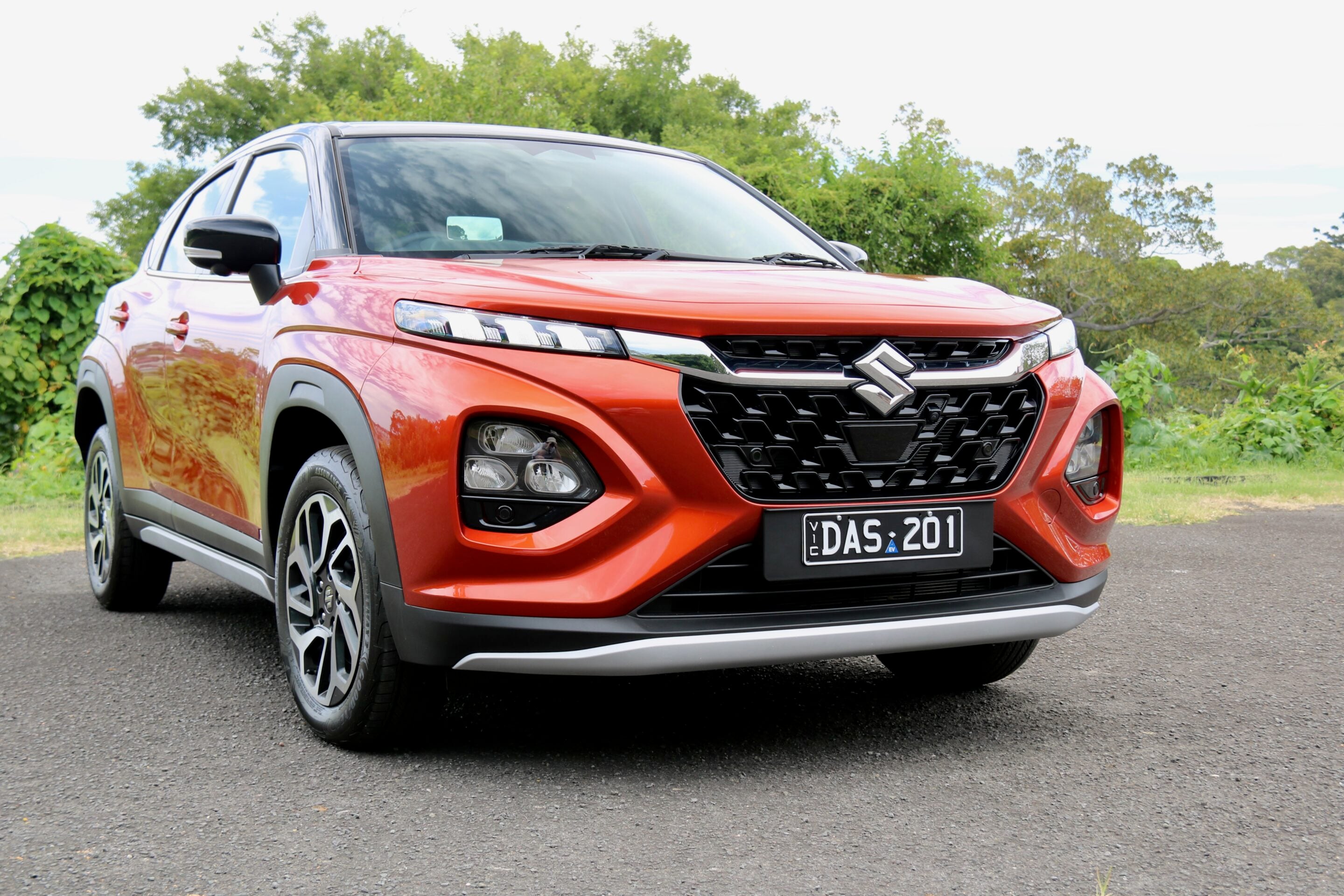
There’s just one Fronx spec available in Australia, dubbed ‘Hybrid’ and priced from $28,990 plus on-road costs. The Fronx is based on the Indian market Baleno hatchback, which exited from Australian showrooms in 2022, meaning the Fronx is certainly not a new product. There’s no cheaper Fronx on offer, but considering how price sensitive this end of the market is, there should be.
How well equipped is the Fronx?
Equipment highlights include 16-inch alloy wheels, dusk-sensing automatic LED exterior lighting, keyless entry with push button start, a leather-wrapped steering wheel, paddle shifters, synthetic leather and cloth trim, heated front seats, a 9.0-inch touchscreen with wireless Apple CarPlay and Android Auto, DAB+ digital radio, a wireless phone charger, three USB charging ports and a head-up display.
Six airbags, autonomous emergency braking, lane keeping assistance, adaptive cruise control, blind-spot monitoring, rear cross-traffic alert, auto high beam, speed sign recognition, front and rear parking sensors and a 360-degree camera complete the safety features list. A full features list can be seen at the bottom of this page.
It’s relatively well equipped, though misses out on some big ticket items we’d expect for the price, including sat-nav, a digital driver’s display, a sunroof, automatic wipers and rear air vents. Both the Mahindra XUV 3XO and Chery Tiggo 4, the Fronx’s main competitors, are both better equipped and cheaper.
What’s the engine like?
There’s only one drivetrain available in the Australian Fronx: a 1.5-litre four-cylinder petrol engine mated to a 12V mild-hybrid system. Outputs are a modest 76kW of power and 137Nm of torque, and a six-speed automatic is the only available transmission. At less than half throttle, it’s a fine drivetrain with a smooth nature, as well as an intuitive transmission that thankfully isn’t a CVT.
Introduce more throttle however, and its performance and refinement shortcomings are instantly noticeable: this is a gutless and at times unrefined engine. It needs to work hard with most driving, which enhances the lack of refinement further.
Frustratingly for us, the Fronx available in the Indian market can be paired with a 1.0-litre three-cylinder turbocharged engine from Suzuki’s excellent ‘Boosterjet’ family, making similar power but around 40Nm more torque than the 1.5 litre-engine sold locally. We think that torque-rich drivetrain should be offered in Australia, at least in a higher-spec model, as it would enhance both efficiency and refinement.
The Fronx’s hybrid branding should also be taken with a grain of salt as it’s even more mild than most other mild hybrid systems on the market. Really, it’s a slightly extended stop-start system that will kill the engine just before coming to a stop, but in our experience, won’t coast when braking.
Its mildness is not so much of an issue though, as the Fronx is quite efficient in everyday use – Suzuki claims 4.9L/100km and we achieved 5.4L/100km in mostly urban driving. A Yaris Cross hybrid is definitely more miserly with fuel, but that car costs just under $4000 more to buy. The Fronx will also happily accept 91RON regular unleaded fuel, lowering running costs even further.
What’s it like to drive?
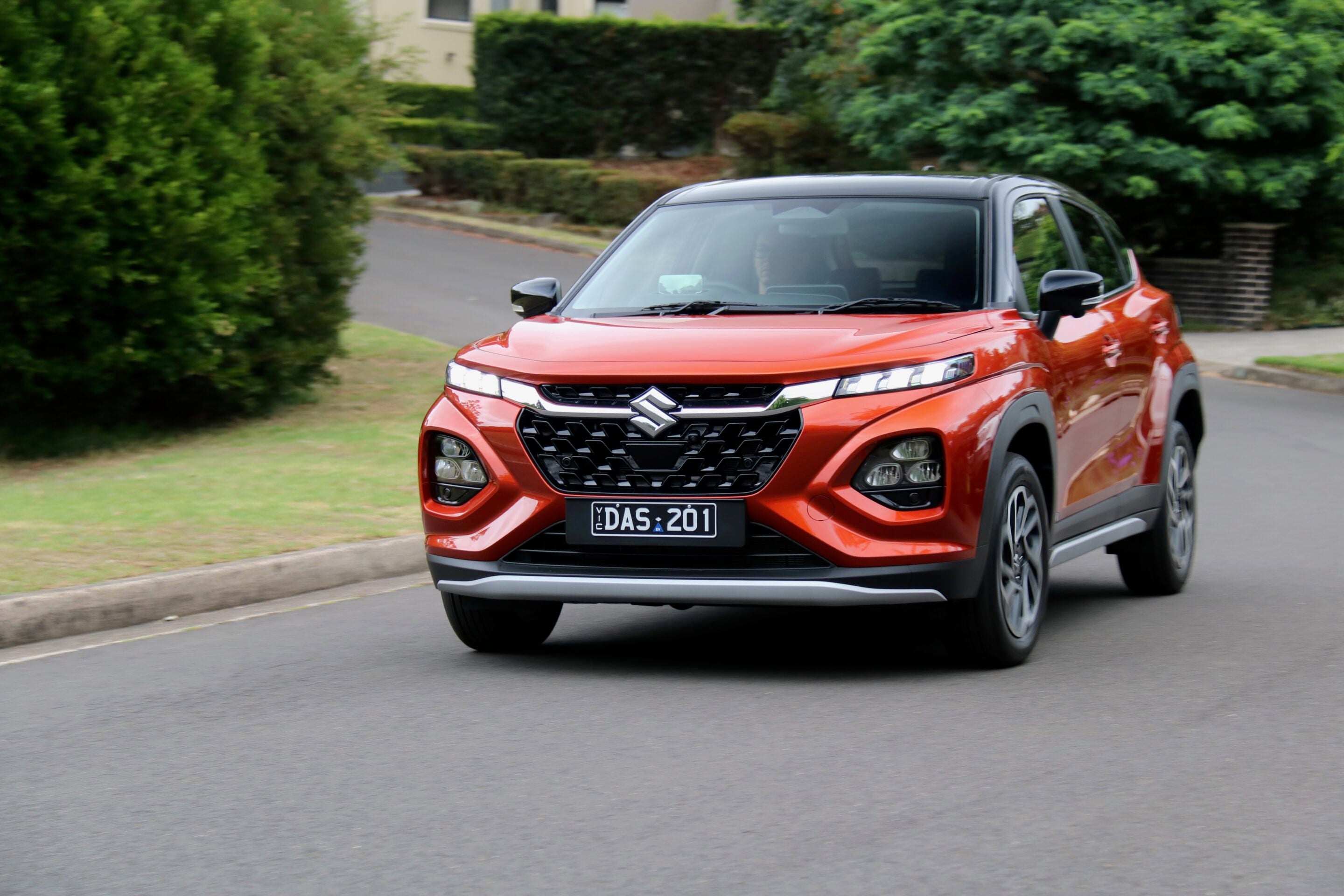
On the road, the Fronx is fun to chuck around. It’s got a nimble chassis, feelsome steering for the segment and can put a smile on your face much more than the Tiggo 4. But there is a trade off to that fun factor because its ride is far too firm around town and the initial sharpness of its low speed bump absorption makes it feel like it’s been gifted far larger wheels than just 16s.
Little bumps and imperfections are exacerbated by the Fronx, which is odd considering its urban focus. Thankfully, the ride at higher speeds is more composed and more mature – once you eventually get there, that is. Its active safety features are well tuned, however.
The Fronx’s head-up display is fantastic. While it is a cheaper flip-up glass unit and not a newer, projected version, it displays a wealth of useful information such as the drivetrain energy flow, navigation directions from CarPlay or Android Auto, the speed limit and even when the cabin temperature is changed.
What’s the interior like?
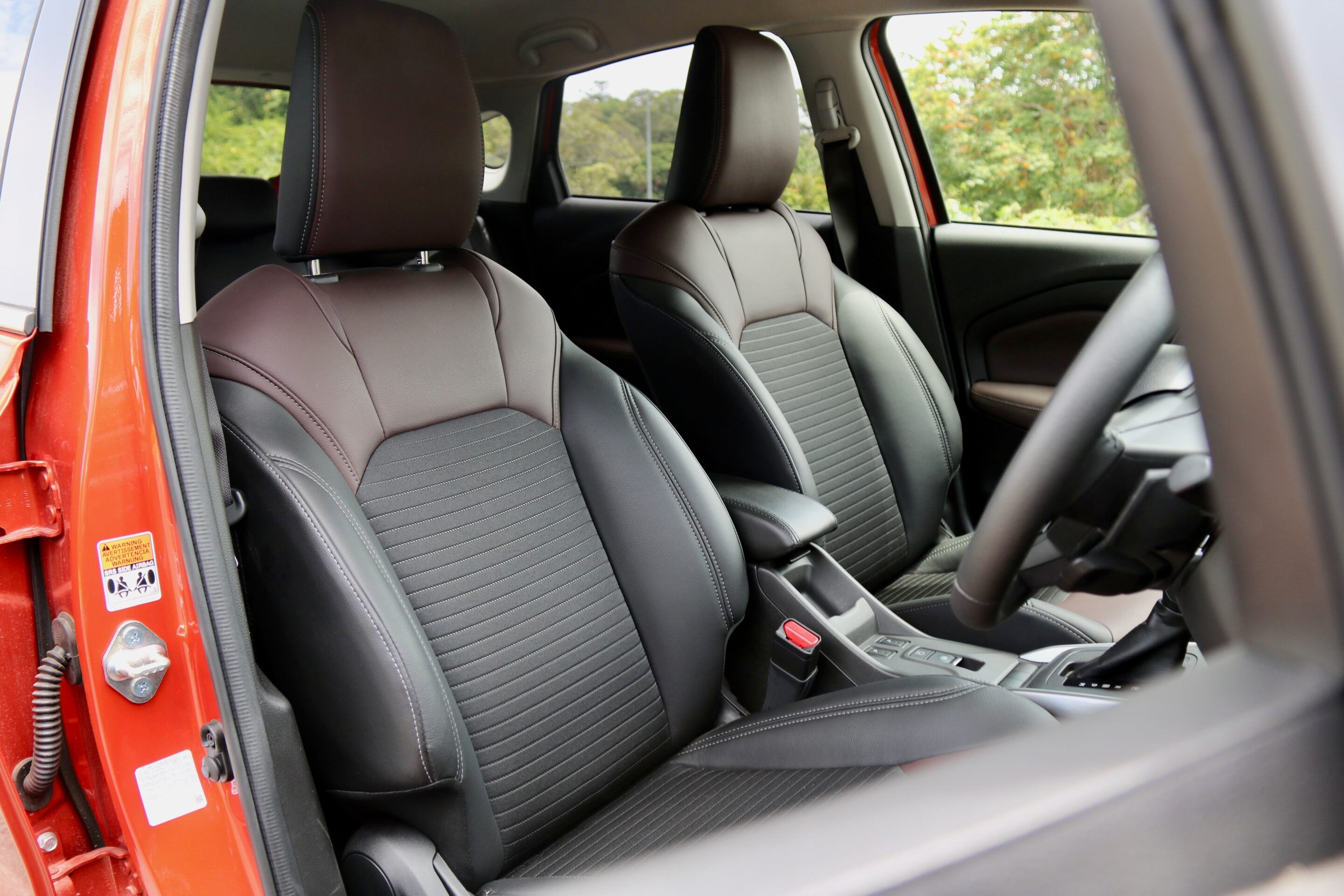
The cabin of the Fronx is a bit dated to look at but it’s made of reasonable quality materials and it’s also both comfortable and functional. The burgundy and black synthetic leather and cloth trim is the only interior choice available – make sure you pick a colour that suits it in your eyes – and the front seats are supportive, but are missing lumbar adjustment.
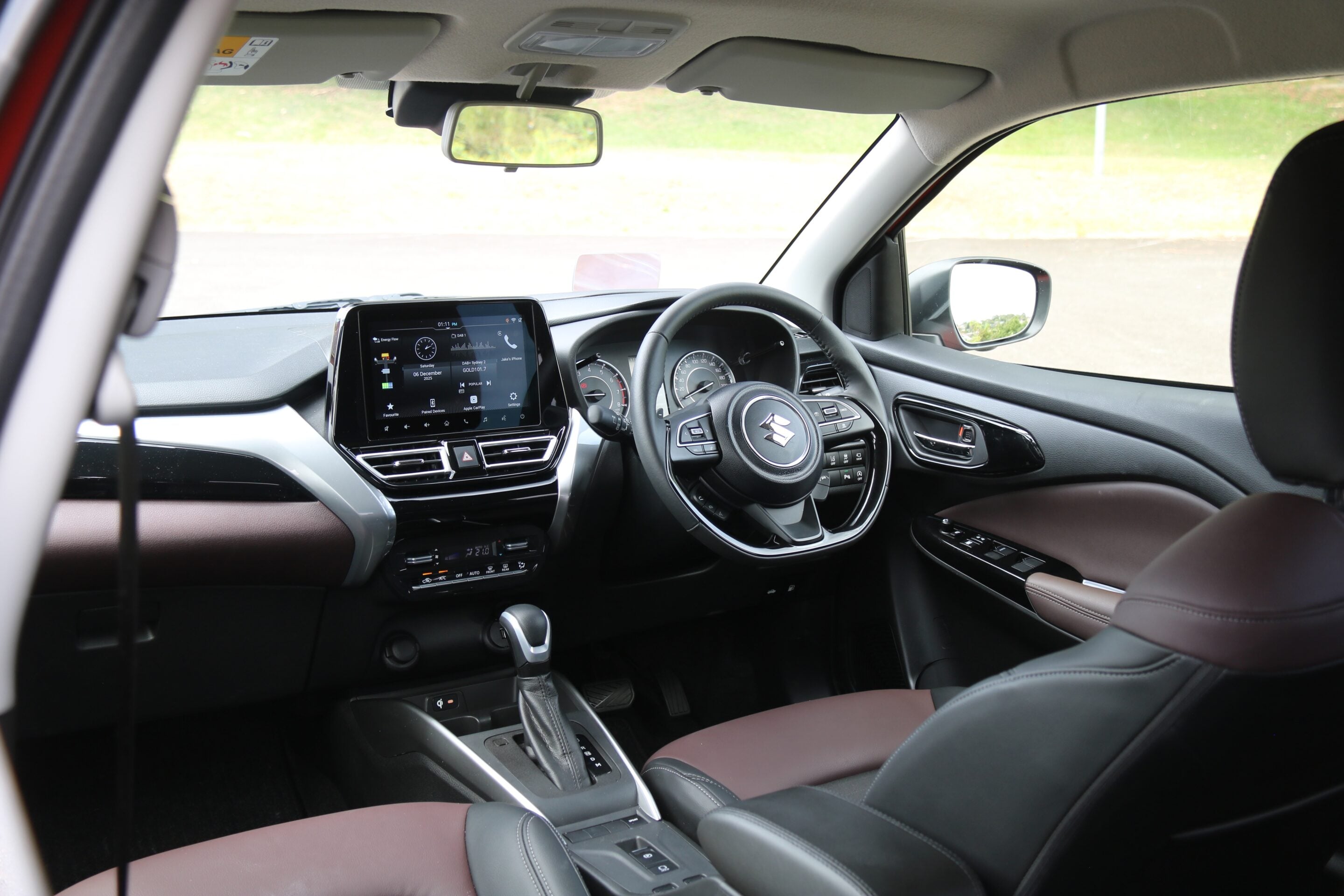
The 9.0-inch touchscreen is the same unit that features in the latest Swift, and while its quality is sharp, it’s quite basic and it only features wireless smartphone mirroring and digital radio but with no sat-nav or live services – both features are again available in India. Sound quality is average too, with the Harman Kardon unit in the Mahindra XUV 3XO AX7L producing far punchier sound.
The rear seat in the Fronx is more commodious than you might expect and two six-footers will be fine for both leg- and headroom, though fitting three across might be difficult. Rear seat amenities include two USB charging ports, map pockets and bottle holders in the doors, though no cup holders or air vents – the latter is odd considering they’re available in some India-spec Fronx models.
A healthy 304 litres of space lies behind the Fronx’s rear seat, which opens up to 1004 litres with the rear seats folded. There’s also a dual-level boot floor and a few hooks to hang bags off but frustratingly, there is no spare tyre. We could understand if the battery was located under the boot floor, like the recently updated Kia Stonic, but it’s not – so why is there no spare?
Service and warranty
Suzuki covers the Fronx with a five-year/unlimited km warranty with five years of roadside assistance, which is two years’ less than main rivals like Kia, Mahindra and Chery. Five years/75,000km of capped price servicing costs $2005 or $401 per year.
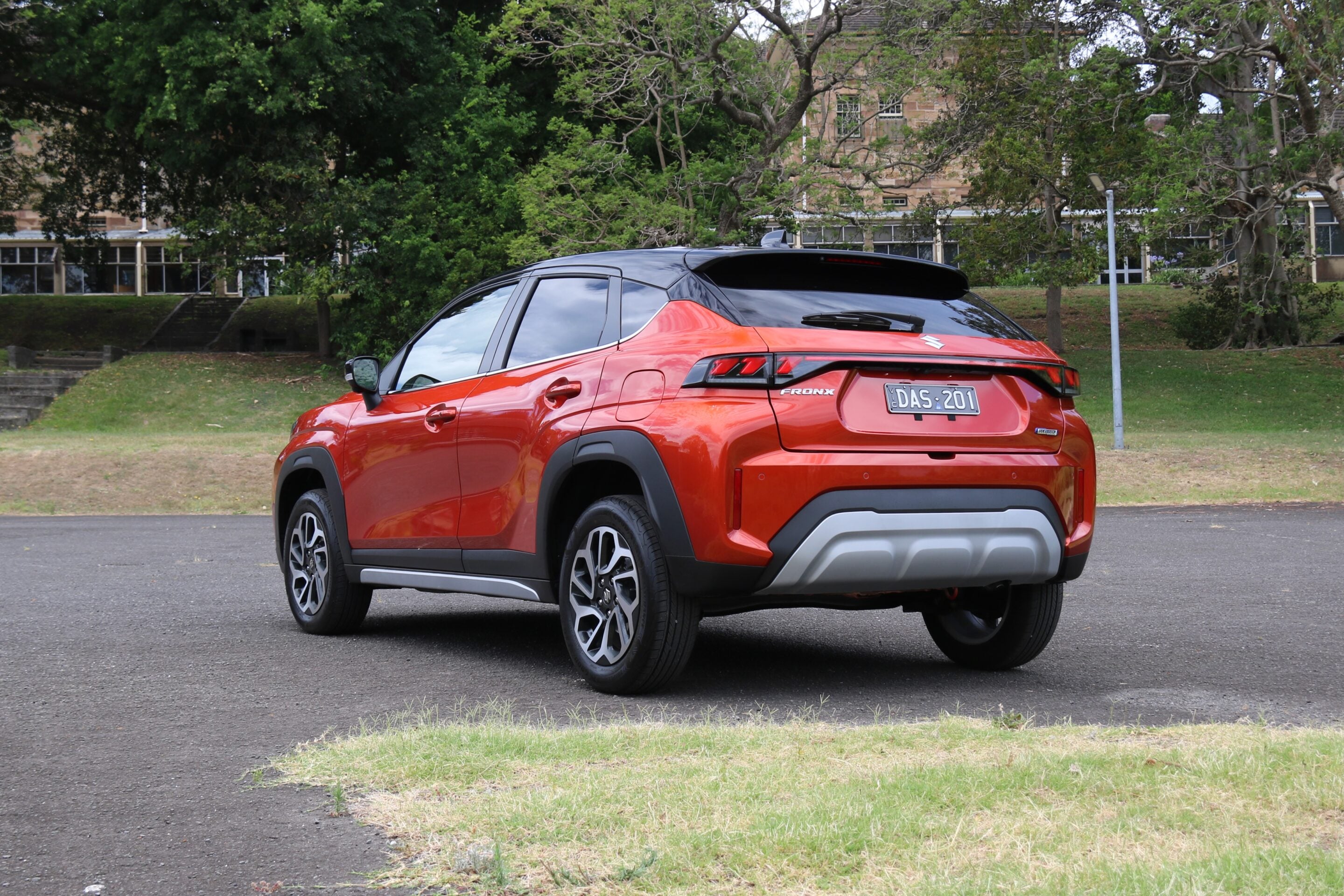
Ultimately, the Fronx is an interesting addition to local Suzuki showrooms, and not just because of its name. It’s characterfully styled, spacious for its small size and relatively practical. But in some places, it’s also dated thanks to its age and it’s also not great value for money either. It’s also too firm around town and its drivetrain is nothing special, even despite its low fuel consumption.
Lowering its entry price, introducing a torque-rich and characterful turbo three-cylinder engine available in India and adding more features such as rear air vents would go a long way in adding appeal to the Fronx. But for right now, there are more practical, better value and more characterful small SUV options to choose from.
Suzuki Fronx specifications:
| Model | Suzuki Fronx Hybrid |
|---|---|
| Price | from $28,990 plus on-road costs |
| Drivetrain | 1462cc naturally aspirated four-cylinder engine, 12V mild-hybrid system |
| Transmission | 6-speed automatic, FWD |
| Peak power | 76kW (@ 6000rpm) |
| Peak torque | 137Nm (@ 4400rpm) |
| 0-100km/h | 12.0 seconds (est.) |
| Claimed combined fuel consumption/CO2 emissions | 4.9L/100km, 113g/km |
| Fuel type/tank size | 91RON regular unleaded, 37 litres |
| Dimensions (length/width/height/wheelbase) | 3995/1765/1550/2520mm |
| Tare mass | 1046kg |
| Boot | 304 litres (seats up) – 1009 litres (rear seats folded) |
| Warranty | Five-year/unlimited km with five years of roadside assistance |
| Service intervals/five-year cost | Annually/every 15,000km, $2005 ($401 annually) |
| Country built | India |
| On sale | Now |
Suzuki Fronx standard features:
- 16-inch alloy wheels with a tyre repair kit
- Keyless entry with push button start
- Dusk-sensing automatic LED exterior lighting
- Intermittent wipers
- Heated/auto-folding mirrors
- Synthetic burgundy leather and black cloth upholstery
- Heated front seats
- Leather-wrapped steering wheel with paddle shifters
- Single-zone automatic climate control
- Head-up display
- 9.0-inch touchscreen
- Wireless Apple CarPlay and Android Auto
- AM/FM/DAB+ digital radio
- Six-speaker sound system
- Wireless phone charger
- 3x USB charging ports (including one USB-C in the rear seat), 1x 12V socket
Fronx safety features:
- 6x airbags
- Autonomous emergency braking
- Adaptive cruise control
- Lane keeping assistance with lane departure warning
- Blind-spot monitoring
- Rear cross-traffic alert
- Speed sign recognition
- Auto high beam
- Front and rear parking sensors
- 360-degree camera
- Security alarm
UPDATE 22/12/25: ANCAP released a statement in which it said “independent testing of the Suzuki Fronx had resulted in the vehicle narrowly reaching the threshold for a one-star ANCAP safety rating, following poor performance in key crash tests and low levels of occupant protection for both adults and children.
“In addition to its poor overall crash performance, ANCAP testing identified a serious and separate safety concern, with a rear seatbelt failure occurring during the full width frontal crash test. This component failure has been reported to Australian and New Zealand vehicle safety regulators.”
Suzuki Australia released a statement in response: “Suzuki Australia acknowledges the recent ANCAP assessment of the 2025 FRONX Hybrid and is taking decisive action, including a thorough investigation, as customer safety is non-negotiable and remains Suzuki’s highest priority across Australia and New Zealand.
“Suzuki Australia has elevated the review of this assessment to a matter of immediate focus and is working directly with Suzuki Motor Corporation in Hamamatsu, Japan, and Suzuki New Zealand to fully understand the ANCAP testing outcomes. This review is being progressed with urgency and at the highest levels of the organisation.
“A thorough and disciplined investigation is underway, and Suzuki will take any actions required to uphold our safety standards and the trust our customers place in our brand.”
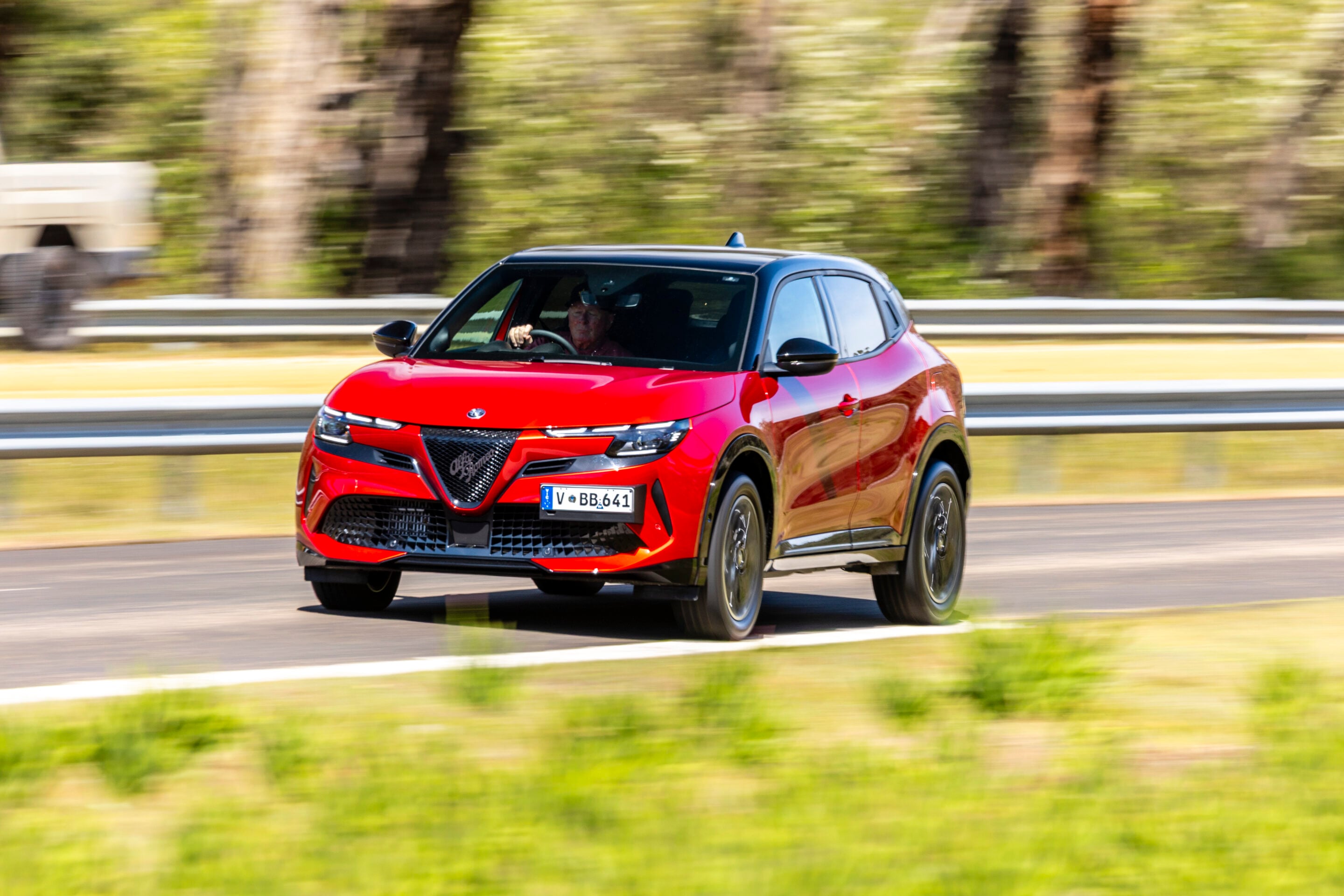
Alfa Romeo Junior Ibrida
I blame a memory that goes back too far. Alfa’s Junior, a compact SUV, is also the spiritual successor to the cherished Alfasud, that great driver’s small car of the 1970s. Alas, the Junior doesn’t feel authentic Alfa: excessive understeer, sloppy steering on centre, the 1.2-litre triple turbo engine less than Alfa-willing, the performance modest. What makes it an Alfa visually feels tacked on. In today’s platform-based approach, Junior shares its underpinnings with seven Stellantis brands, each attempting to create an individual feel – a seemingly impossible task. Disappointment of the year? Sadly, yes for Alfisti.
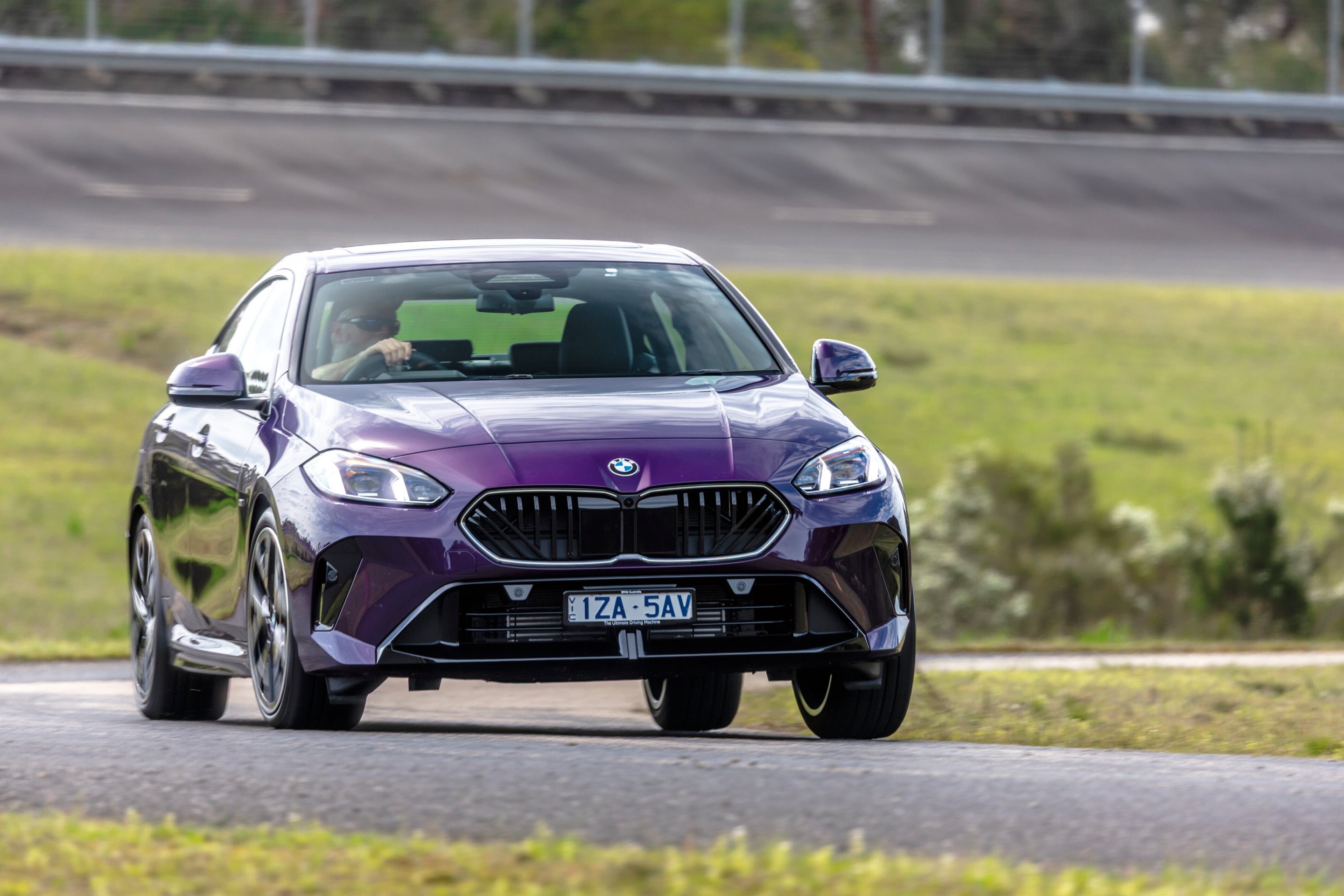
BMW 2 Series Gran Coupe M Sport
Confused by the Gran Coupe moniker? I was. Research revealed that the 220 is the mid-range sedan variant of the 1-Series hatch. So 2-Series and fwd, the 220 sharing its refined 2.0-litre four, in 150kW form, with the 120. The interior is status quo for a contemporary BMW: hideous instruments, saved only by the digital speedo, brilliant driving position and seats, tight rear quarters. In driving appeal, the 220 Gran Coupe is still perceptibly inferior when compared with the more rounded 3-Series, its front-wheel-drive chassis compromises its driving dynamics when compared with its bigger rear-wheel-drive sibling.
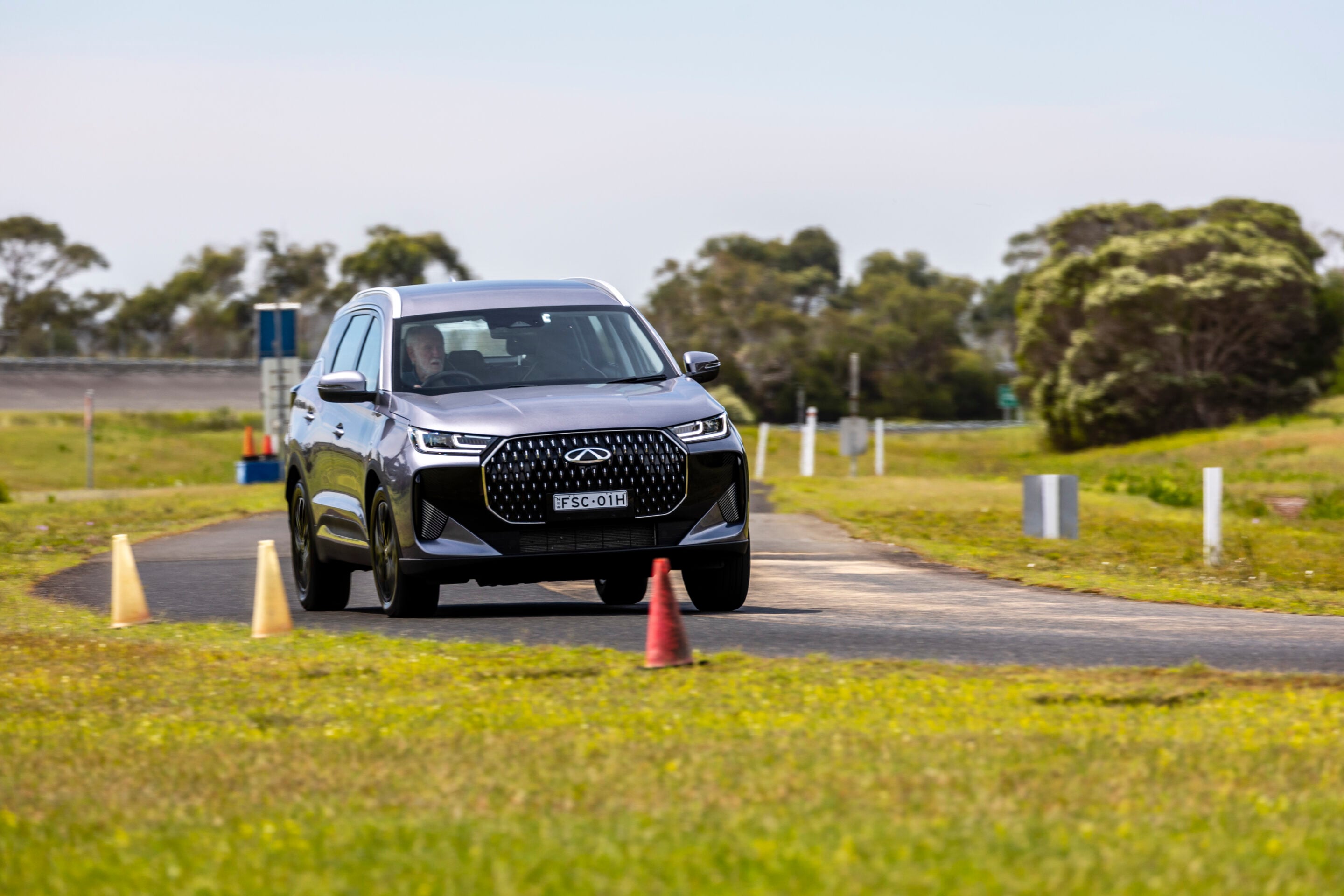
Chery Tiggo 7 Super Hybrid Urban
Chery’s spectacular drive-away pricing appeals to value-conscious buyers looking for a mid-sized SUV. Alas, it’s mostly downhill from there: artificial steering communicates nothing from the front wheels and conspires with an overly soft suspension for a floaty cornering feel that non-drivers might translate as comfort. But even as an urban commuter, the Chery proves (like many Chinese cars) frustrating. Much work needs to be done to refine the driver assistance systems, like the lane centring and driver attention monitors. The near-constant beeping from the various procedures is beyond annoying.
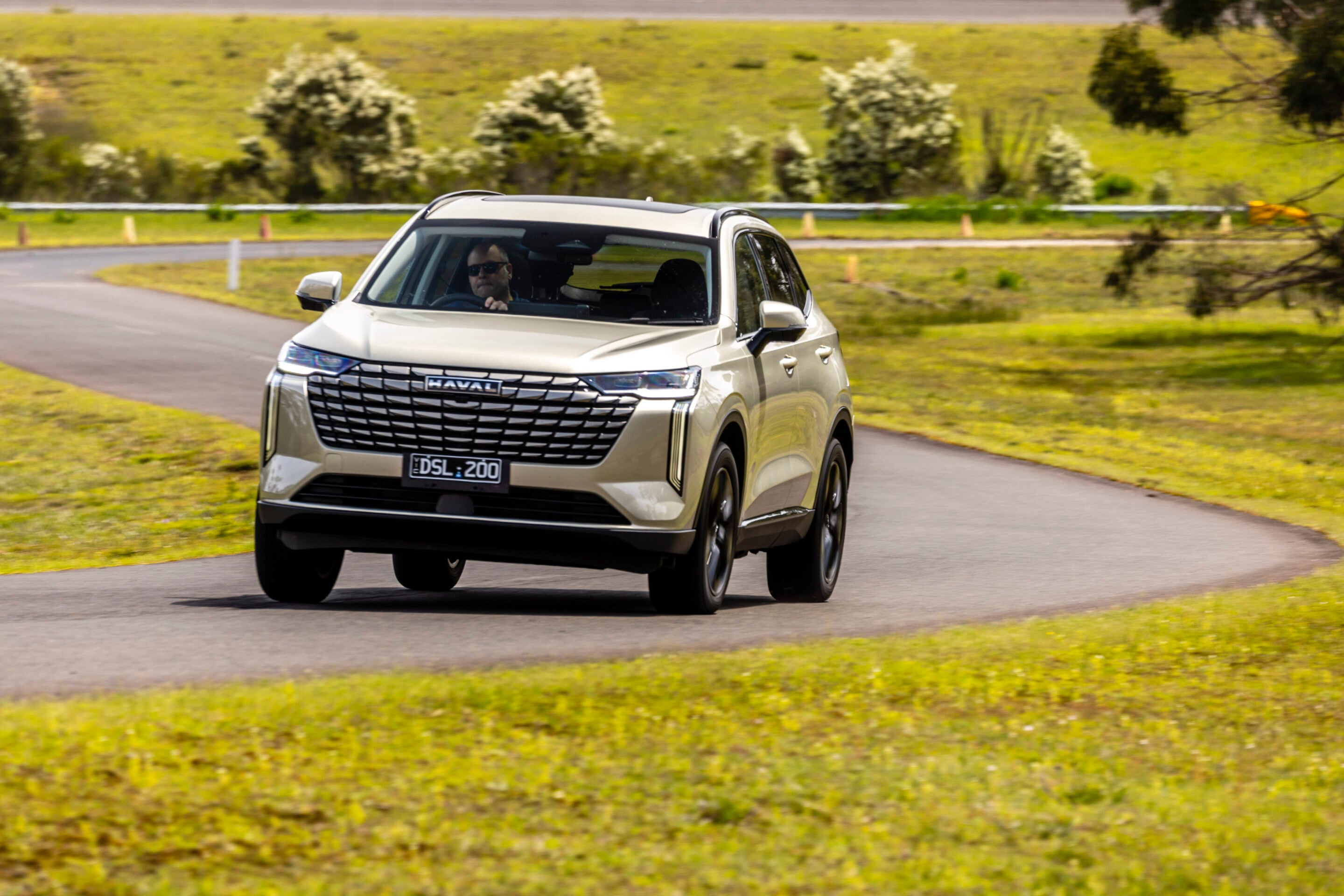
GWM Haval H6
My advice: wait for the Australian suspension and steering-tuned H6, promised for early 2026. This, and simultaneous modifications to the tuning of the PHEV power train, should ensure the Haval rises to a competitive level with other mid-sized SUVs. For now, slack on-centre steering and old-fashioned rack rattle, a lack of rebound control, combined with a too firm ride, and slow step-off acceleration conspire to limit the H6’s competitiveness. Add a compromised driving position and hard-to-read central screen, and it’s obvious the sooner GWM takes advantage of its ever-increasing ability to leverage improvements,
the better.
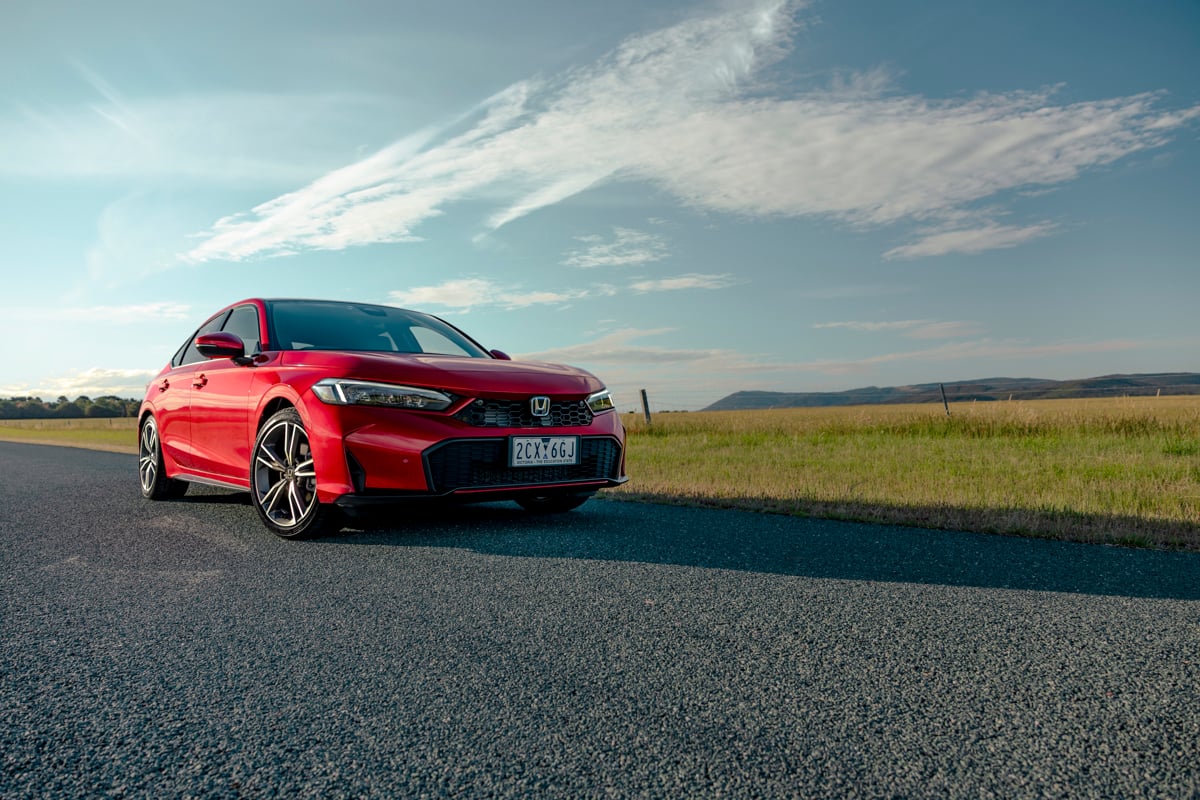
Honda Civic – 2025-26 Car of the Year WINNER
Hidden away among the last of my notes for the Civic are three significant words: “Best car here.” Says it all, really. Yes, the handsome and refined 11th-generation Civic delivers responsive, almost hot-hatch, performance that’s seamlessly helped by an electric motor. This is combined with terrific economy: the combined official figure is 4.2l/100km, though I averaged 3.9l/100km on one road leg. Brilliant steering that’s intuitively weighted and 2.2 turns direct, inspires confidence and works perfectly with the Civic’s natural handling balance and fine roadholding. Faults: needs more equipment at the price, no spare wheel and excessive rear seat road noise.
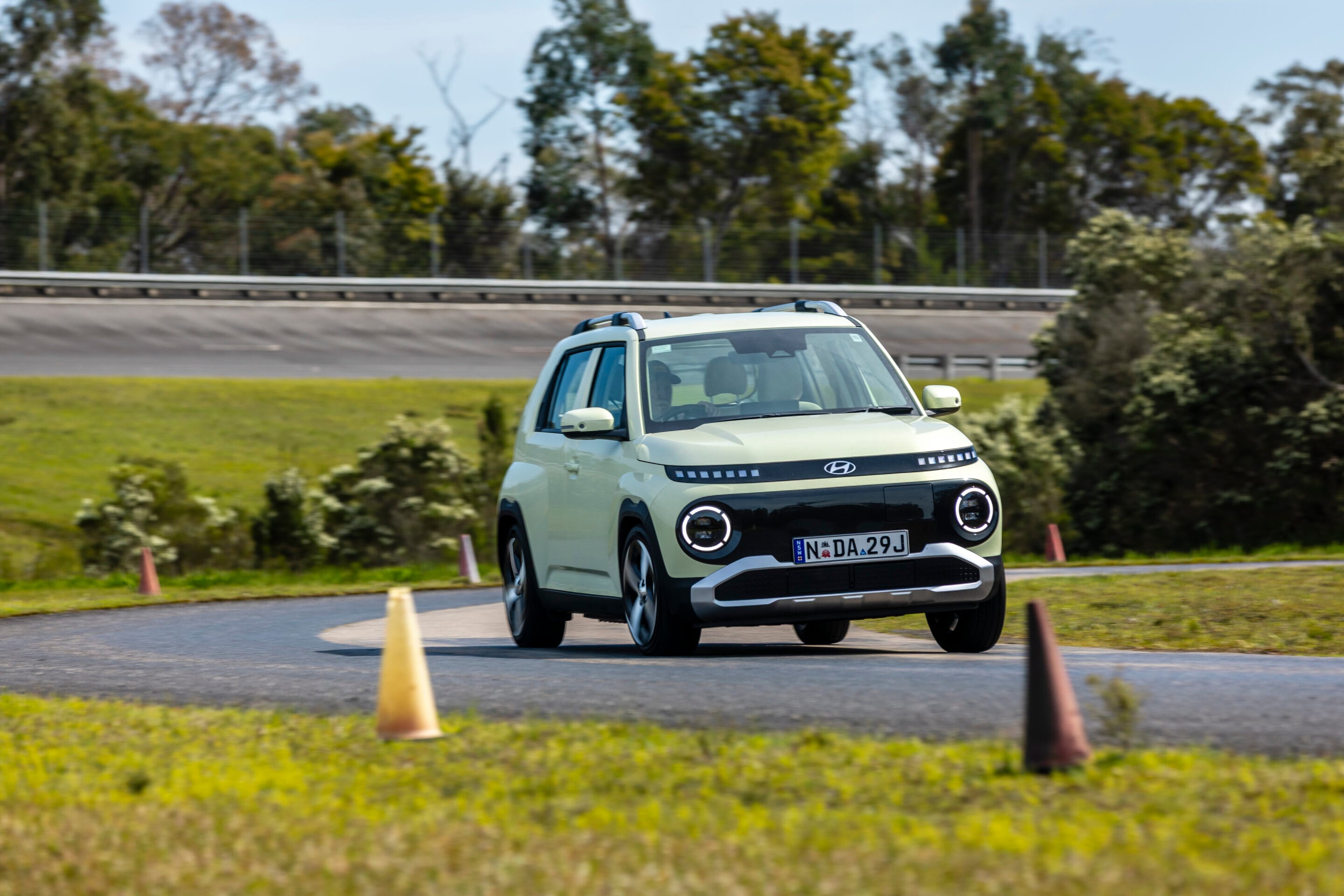
Hyundai Inster
I’m not surprised young designers are drawn to Hyundai. The Inster is another example of the Koreans’ design-led strategy, a willingness to take creative risks. The small EV’s styling flair – or is it caricature? – reminded the judges of Nissan’s late 1980s Pike models. A cheerfully bright and airy interior reflects
the same design ethos, EV refinement and relaxed dynamics. The long 2580mm wheelbase accounts for the large interior (short overhangs limit boot space), which makes the awkward driving position hard to accept. Part suburban runabout and part small SUV, the Inster delivers a civilised drive at a price.
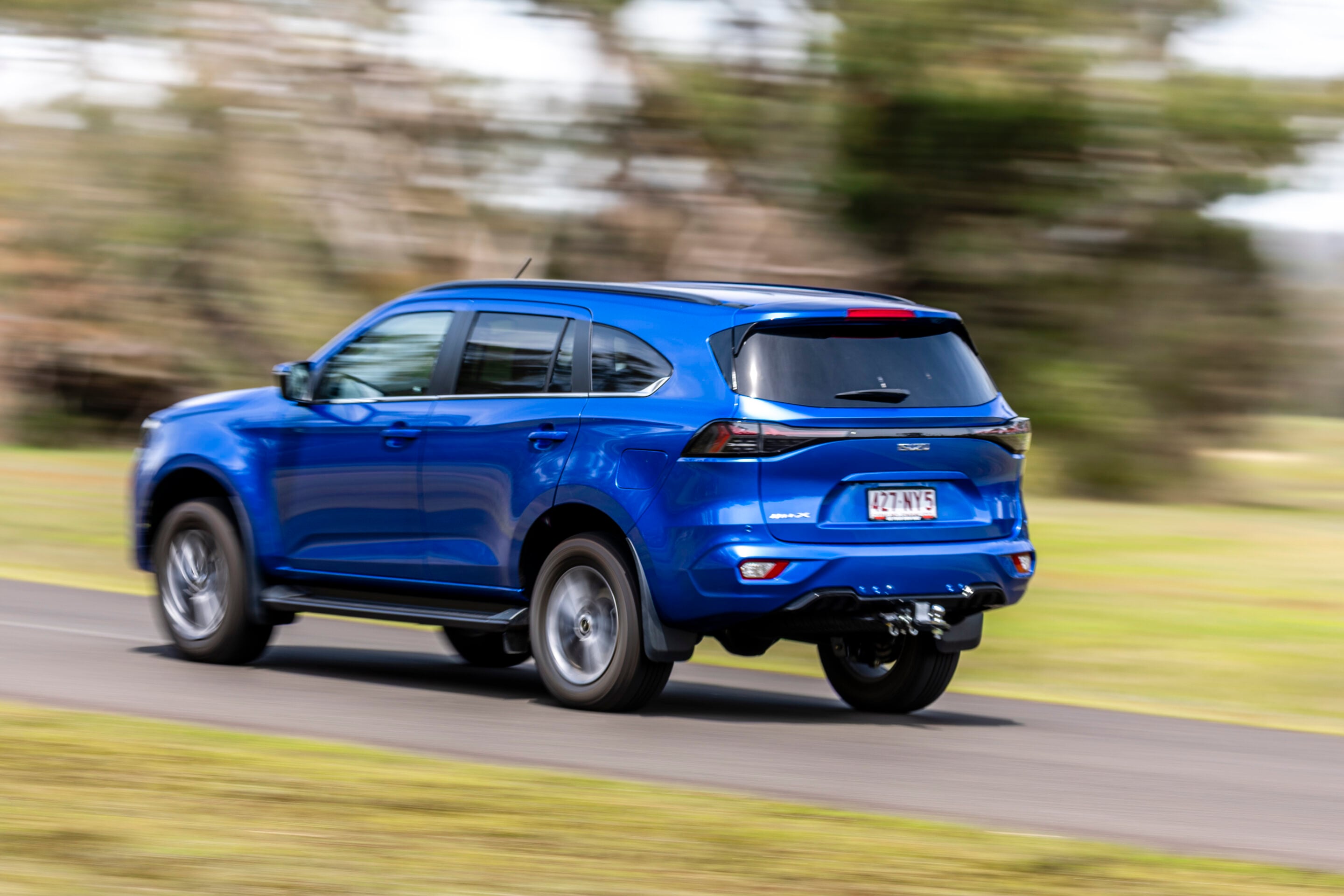
Isuzu MU-X
The MU-X steers and sounds like a truck because it is a truck, unable to hide the compromises and flaws of its ladder frame chassis and raucous 2.2-litre turbo diesel. Coil rears replace the sibling D-Max’s leaf springs, but can’t conceal the crude on-road dynamics. ESC that closes the engine to idle at even moderate cornering speeds, extreme understeer and vague steering confirm the Isuzu’s role as a capable off-road SUV rather than a car substitute. Still, it’s a truck that’s roomy for five (but a tight fit for the third row), well-equipped and now with an eight-speed auto.
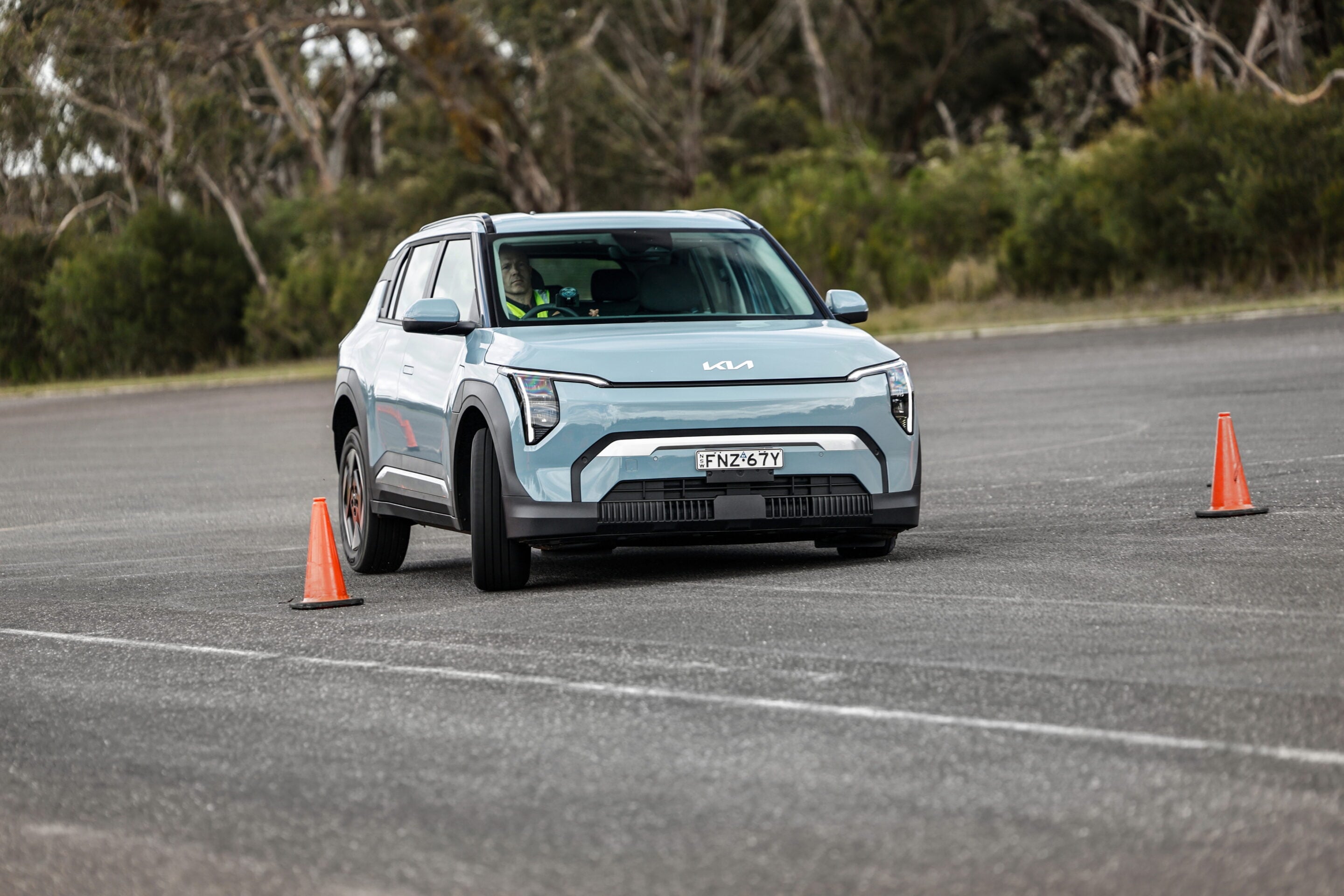
Kia EV3
Can the country of origin impact on the quality and dynamics of a car, even when they come from the same manufacturer? Seems so, Kia’s EV5 comes from China, the EV3 from South Korea. Australia’s close relationship with Kia allowed Australian tuning of the suspension, something that hasn’t been possible with the Chinese model. Changes to steering, springs and dampers help ride comfort (especially on the Air’s 17s) and handling, which matches any of its small SUV rivals like the Volvo EX30 and BYD Atto 3. If the styling appeals, the EV3 emerges as a competitive and inoffensive EV. Does inoffensive equal boring?
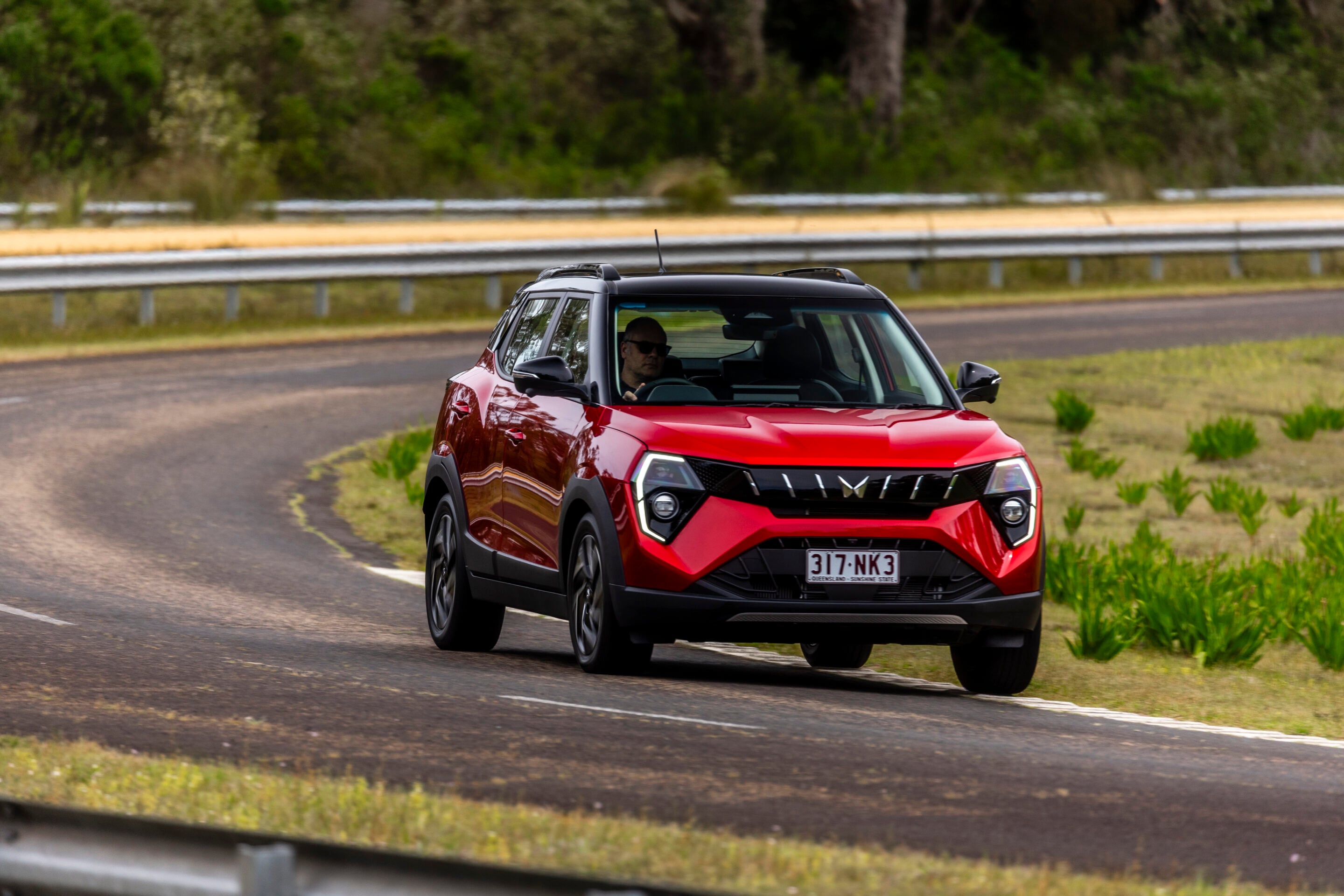
Mahindra XUV3XO AX7L
India’s affordable city SUV makes plenty of sense for those customers who simply want basic transport. (Some may) demand more than charming looks, a roomy cabin, jaunty if noisy 1.2-litre triple and plenty of features. Erratic power steering, inconsistent stop-start … and a small boot offset the positives. I’d also like a translation of the complex model names: all 18 letters, split in two, plus a Mahindra badge, that appear on the rear hatch.
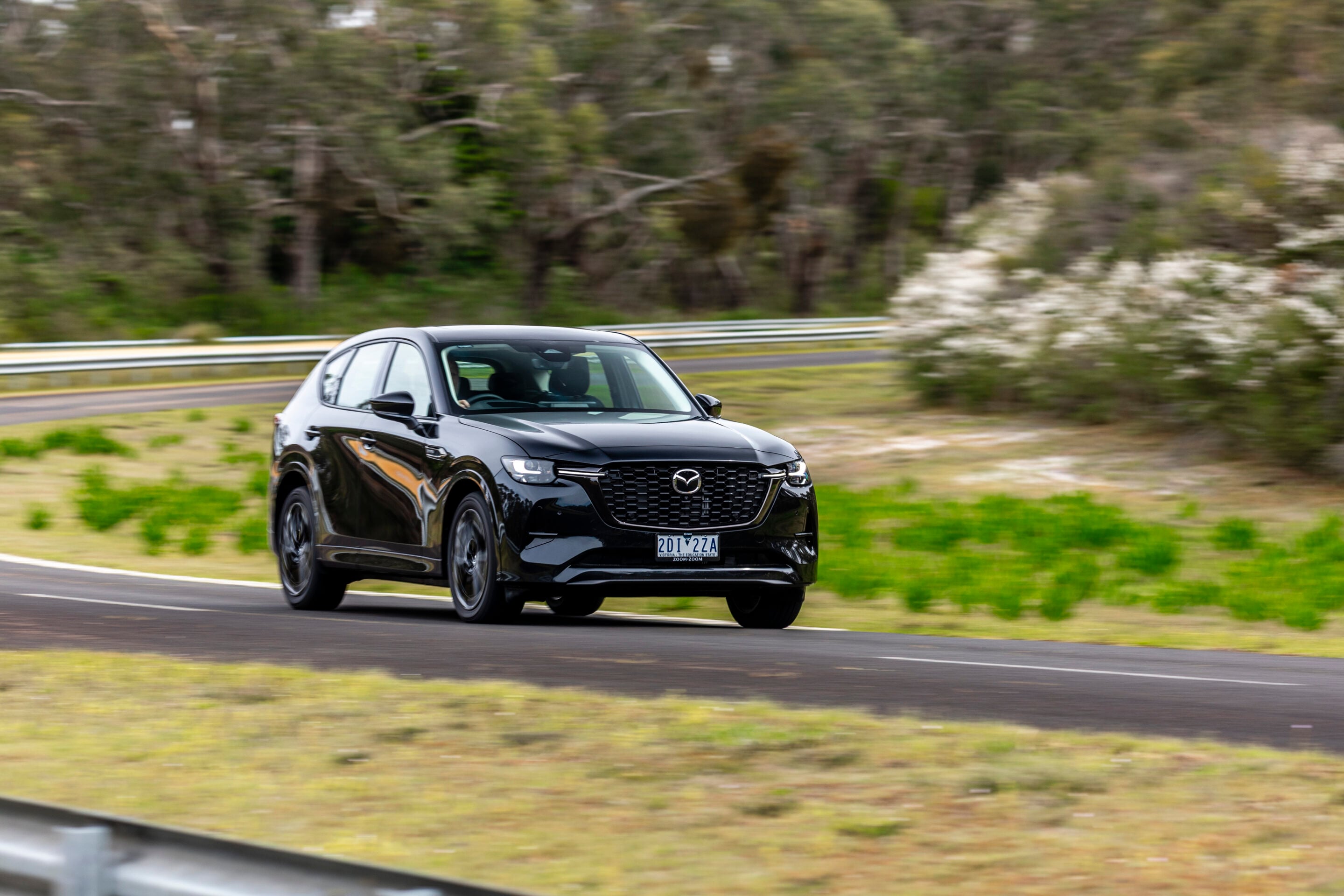
Mazda CX-60 GT
Mazda’s third attempt at clarifying the CX-60’s suspension tune and market positioning mostly works, yet I don’t perceive the aspirational CX-60 as a true rival for the premium Volvo XC60, BMW X5 and Audi Q5. Chassis revisions make for a more comfortable, yet less controlled and still occasionally harsh ride. Despite excellent steering, this is not a sporting SUV, in part because the 3.3-litre inline six – there is even an INLINE 6 declaration on the flanks – isn’t creamy smooth as it revs out. No arguments on the quality or quietness of the interior. If only the CX60 looked less like every other Mazda SUV.
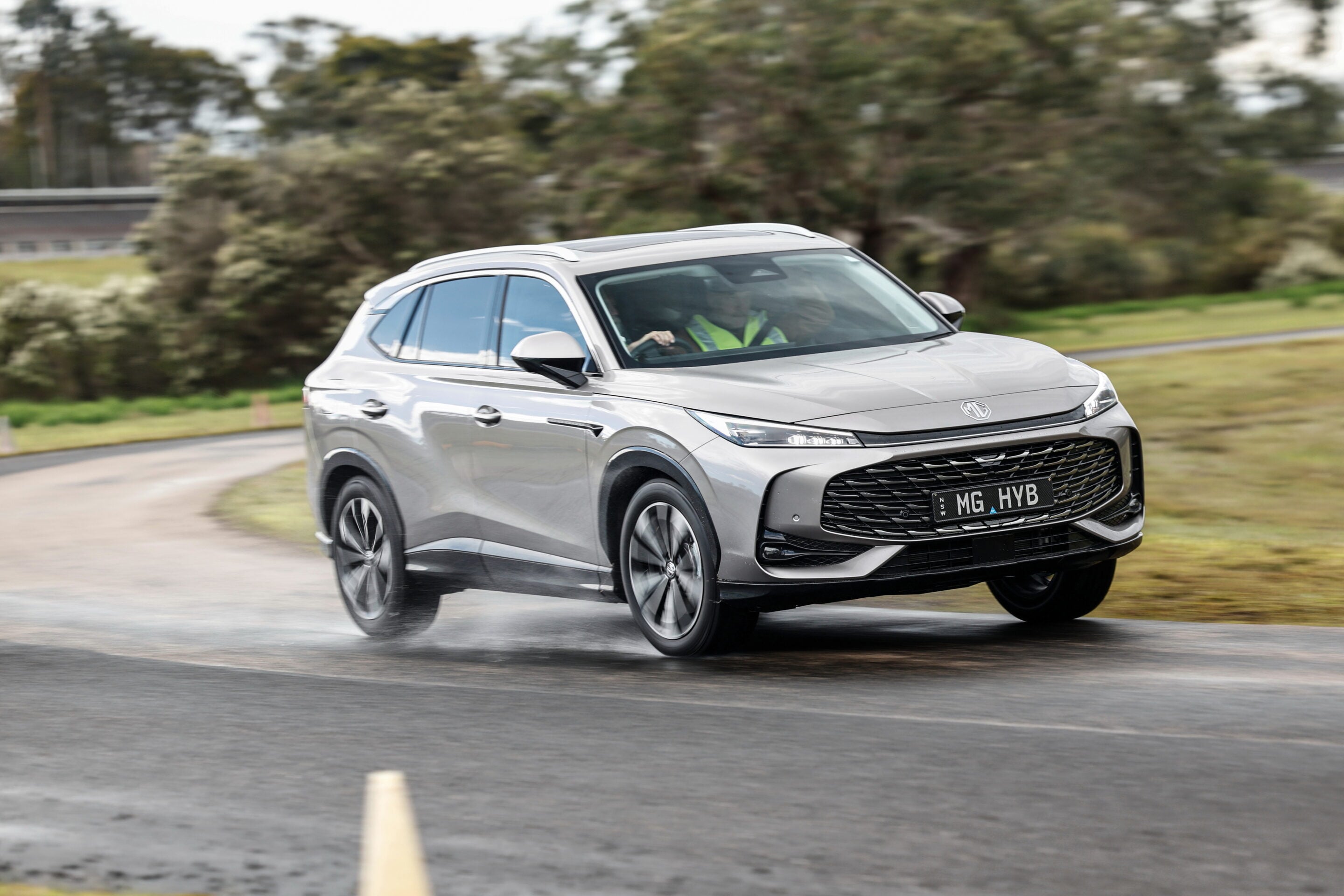
MG HS Hybrid+ Essence – 2025-26 Car of the Year, 2nd
The MG HS proves nobody learns faster than the Chinese. Less than a year after launching the second-generation HS, MG added two hugely competitive hybrid versions that bring improved performance and efficiency. Crucially, too, the spacious medium SUV gets a raft of suspension modifications that lift the HS in terms of refinement, even steering and ride quality. Above all, the MG wins as a value package given the degree of standard equipment, driveaway pricing and the extended warranty – up to 10 years/250,000km if you stay with the dealer.
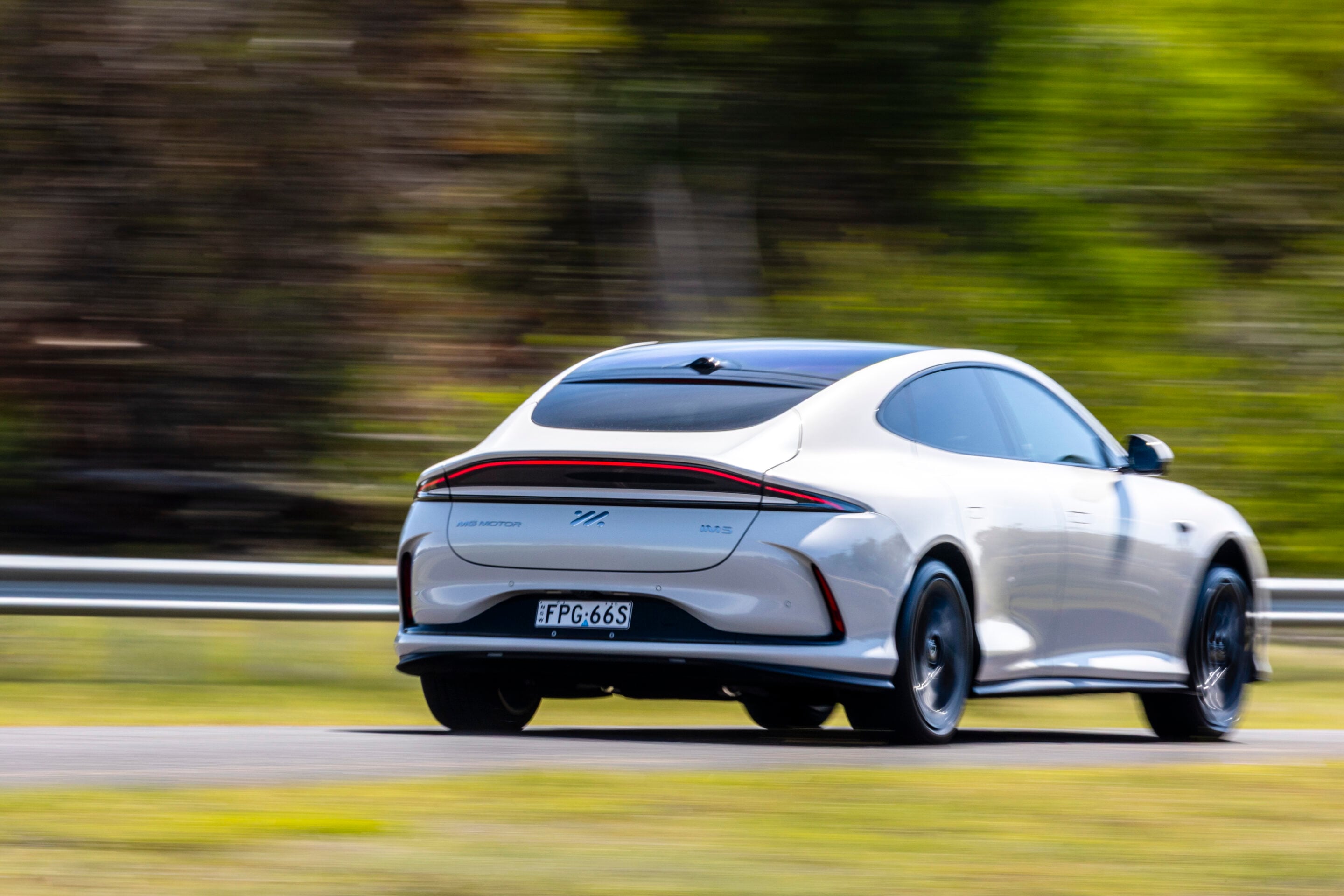
IM5
IM is to MG what Lexus is to Toyota – the IM ostensibly being short for Intelligence in Motion – so yet another new Chinese sub-brand. Sized against the 5-Series and E-class, the EV IM5 comes in three performance levels. We expected Premium and got Performance. Which it truly does (2.9secs to 100km/h). It’s agile, SO fast and engaging, the looks smooth and slippery, the cabin smaller than anticipated. Shallow glass, thick A-pillars and a tiny rear window restrict visibility. The interior door handles, positioned at the back of the door bins, are idiotically difficult. Still, here come the quality Chinese.
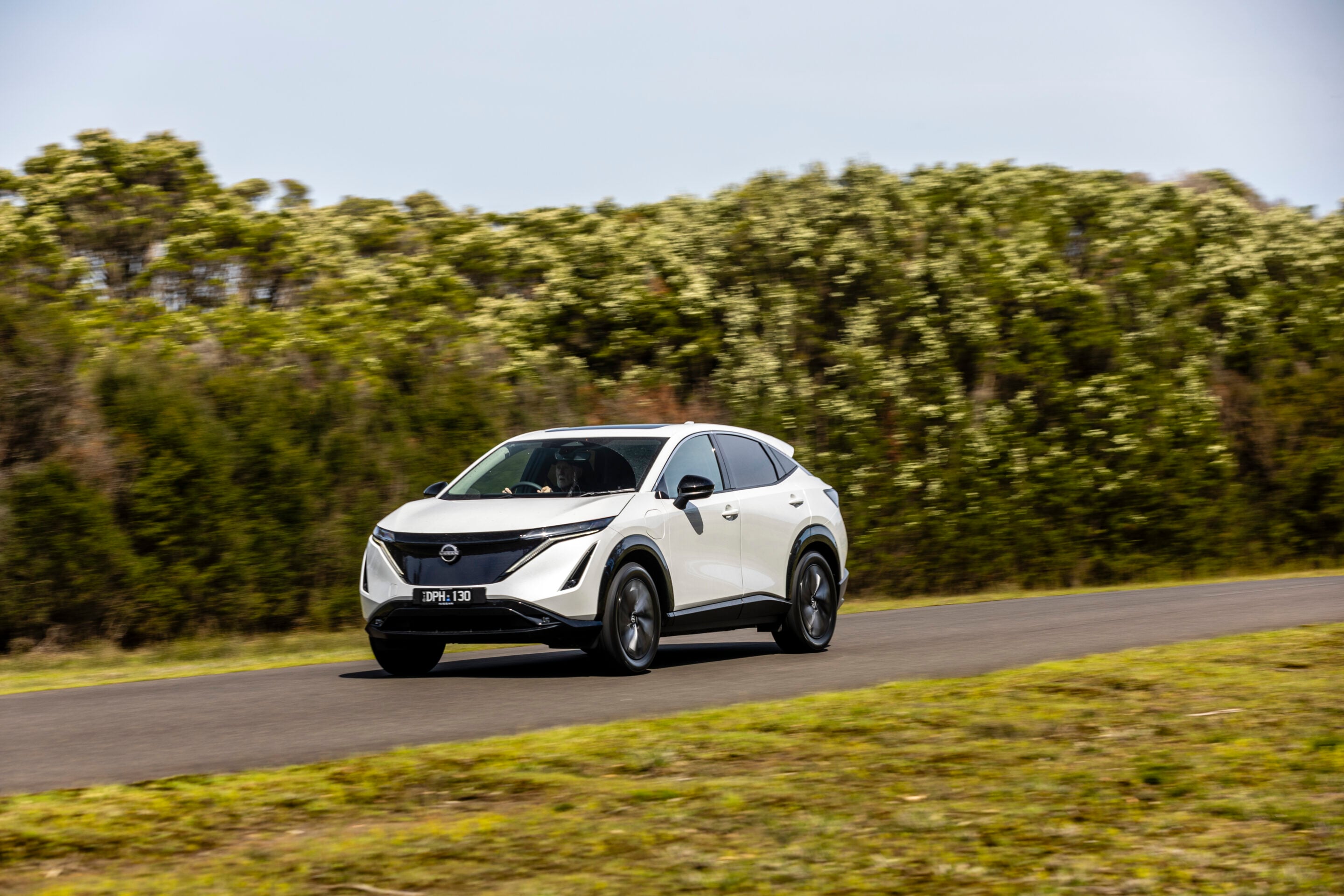
Nissan Ariya
This is a story of timing. Nissan first showed the Ariya concept at the Tokyo show in October 2019. The little changed production car appeared in July 2020. Australian journalists’ initial drive was in July 2022, but the EV crossover didn’t arrive locally until September 2025. By any measure, that is an overly long
gestation, though the generic styling hasn’t really dated. Meanwhile, forgetting the impact of Tesla, Australia has been engulfed by cheaper Chinese EV rivals. Dynamics are lacklustre – the driver is aware of the 2078kg weight – the ride uneven, the steering dull, the spacious interior minimalistic. So, no more than adequate.
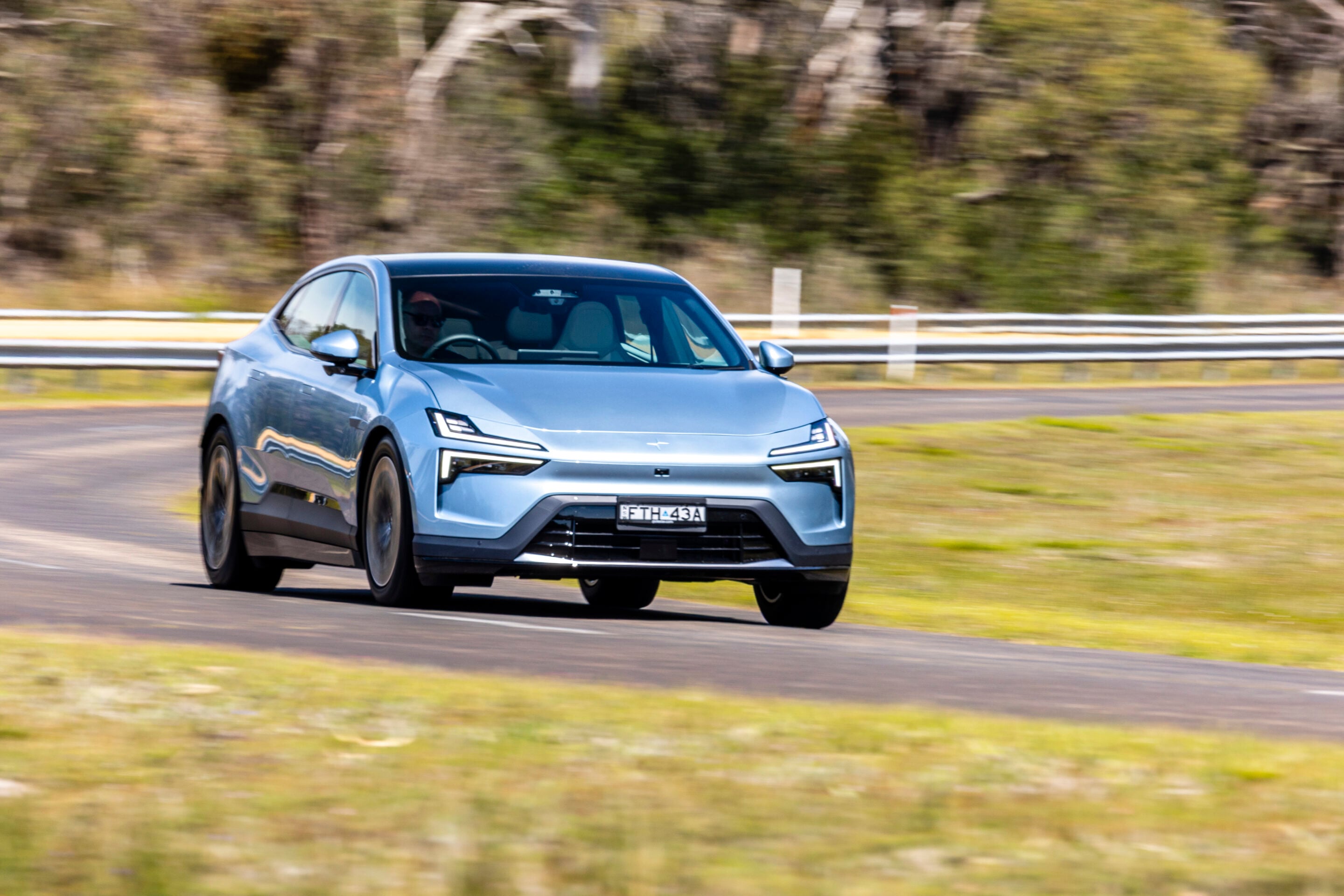
Polestar 4 Long Range
I’ll admit it, my old eyes can’t cope with the lack of a rear screen. The task of refocusing from looking out the windscreen to the eerie image produced by a rear facing camera feeding to the digital interior mirror, is beyond them. Inevitably, rear visibility is mediocre, the depth perception challenging. Why, when the Polestar 4 gets a solid body-coloured panel that occupies the same area as a conventional rear window? A perverse gimmick for its own sake, and I’d argue not what the still fledgling (Chinese-made) brand needs to conquer rivals from Porsche and BMW.
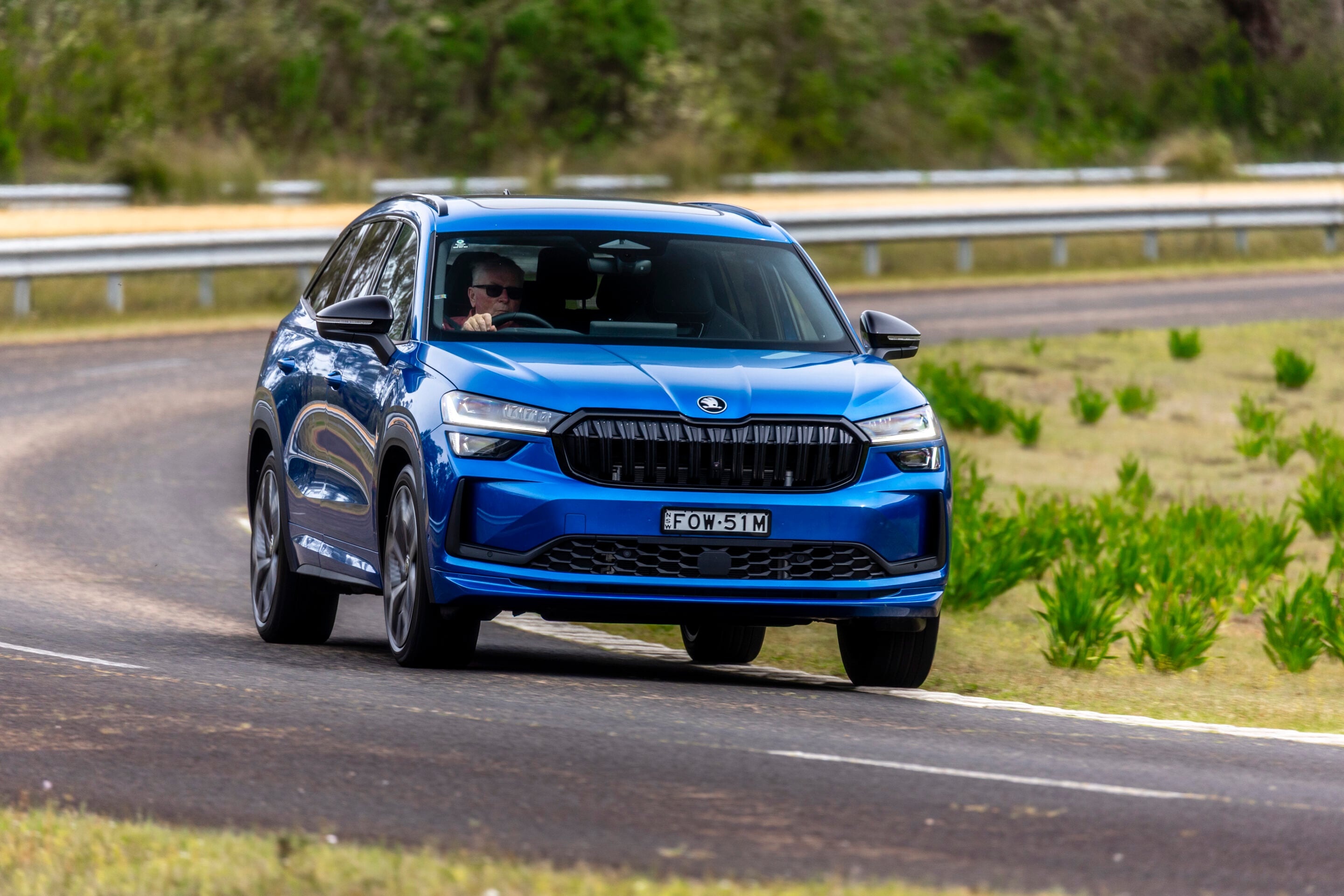
Skoda Kodiaq Sportline
How do you choose between Kodiaq and VW Tayron when, under the skin, they are so closely related, sharing VW’s new MQB Evo architecture? Perhaps Skoda’s seven-year warranty, two years up on the VW, makes the difference when the price varies by a mere $500. The Skoda is an appealing, roomy, seven-
seat family SUV that drives well… but then so is the VW. Differences: the styling and interior design, of course. Do you prefer the Skoda’s forceful grille to the VW’s more contemporary and cleaner treatment? The Skoda feels more practical, the VW slightly more accelerative and refined. Toss a coin.
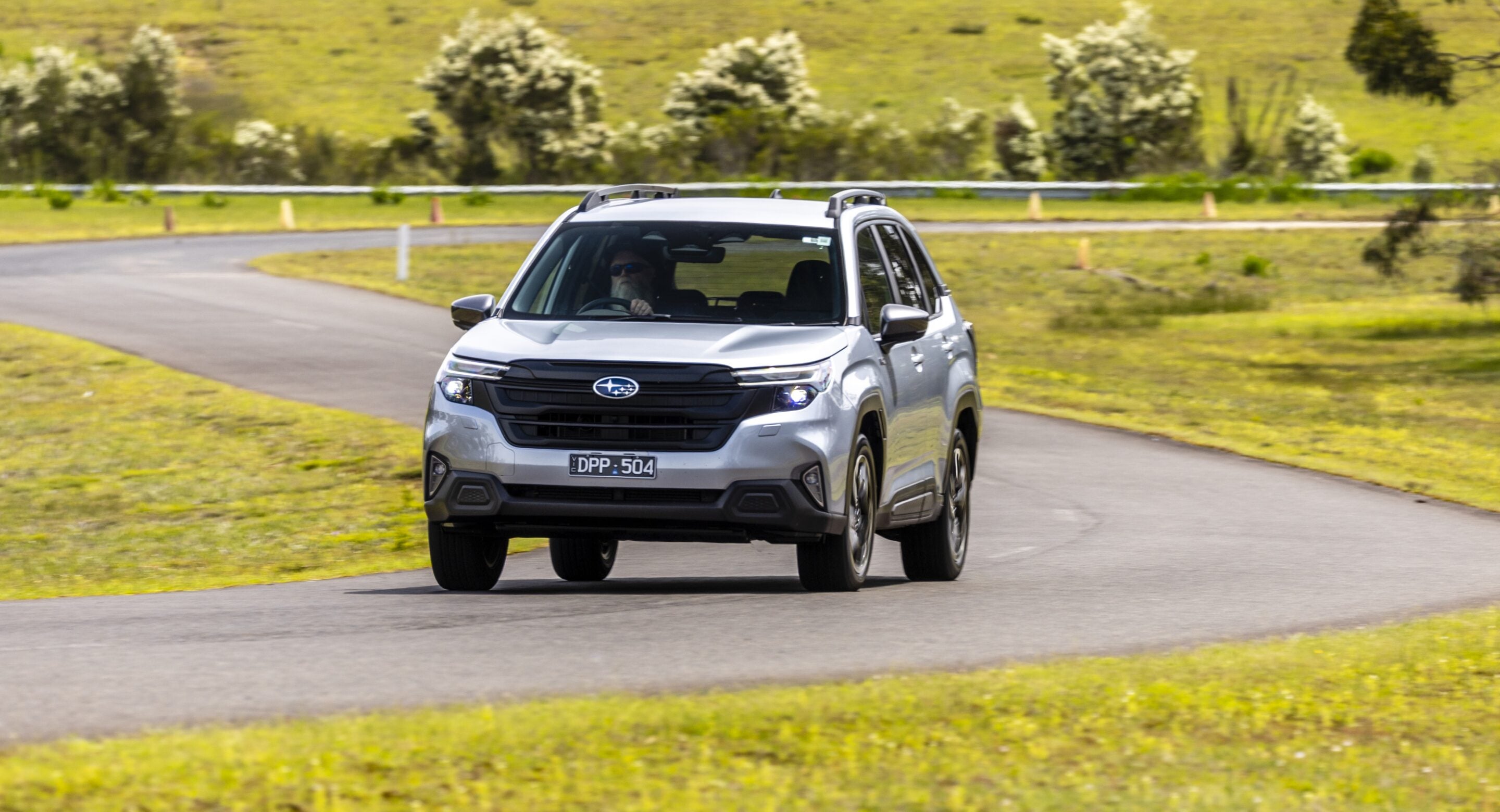
Subaru Forester
The Forester, Subaru’s all-time Aussie favourite, has been with us for over 28 years, gently evolving without changing the recipe. An SUV before SUVs were cool, the sixth generation remains a tough, boxy and practical family car that’s capable, obviously well developed, notably quieter and comfortable. We also appreciated the excellent visibility, a welcome positive in 2026. That the Forester is also slow, even with electric assistance, is true to Subaru’s genre. This is an SUV you’d recommend to your mum, knowing she could neglect it for a decade without any issues before buying another one.
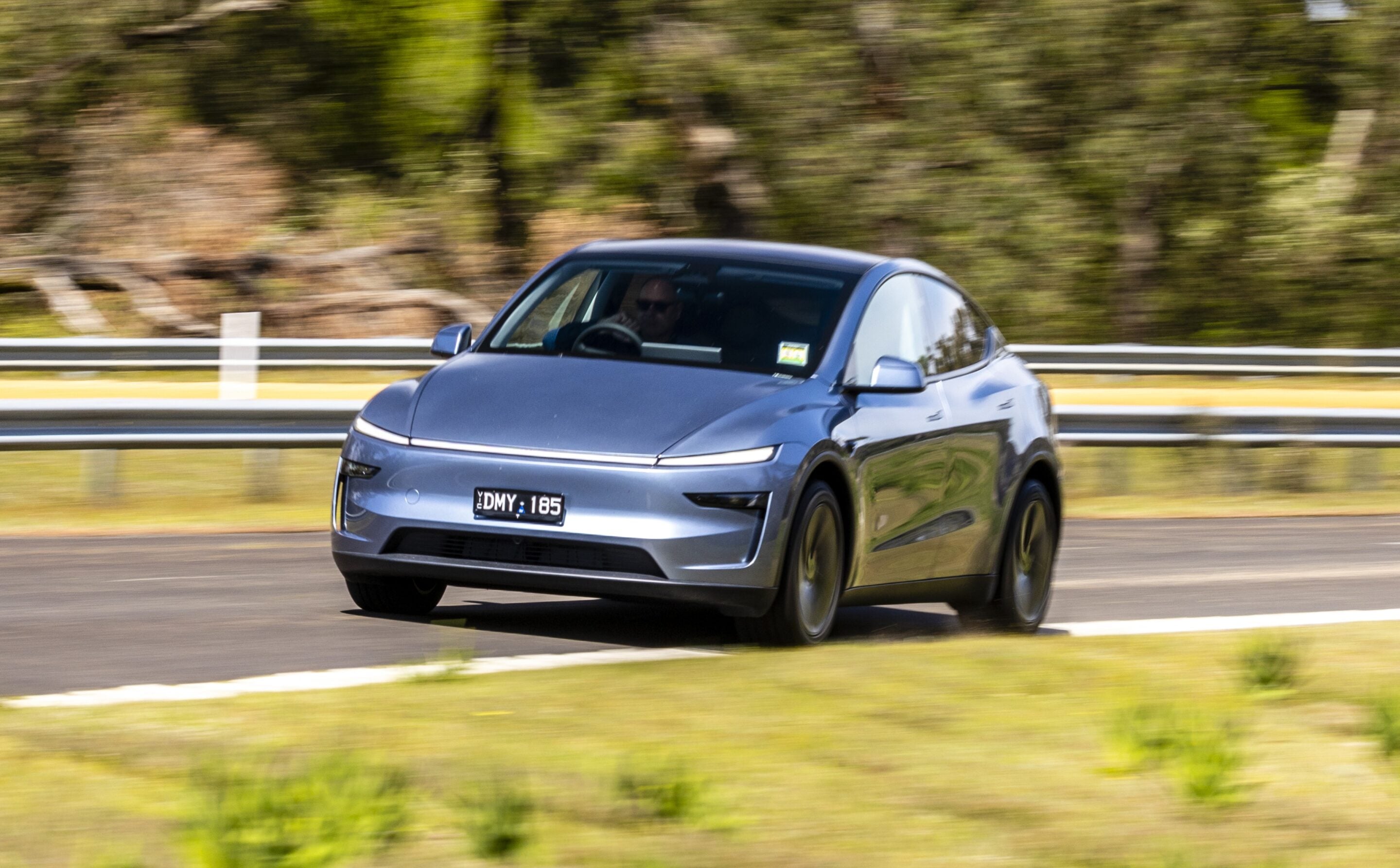
Tesla Model Y
On paper and in practice, the Model Y gets a lot right: charging convenience and range, performance and a spacious cabin. There are also lots of faults: steering that’s numb around the middle, yet twitchy on turn-in, a harsh ride over big bumps, especially in the rear, and an excessively high-pitched whine from
the motor. I still struggle with Tesla’s dedication to minimalism. The only physical controls are limited to the pedals, steering-wheel buttons and knobs, seat adjusters, and indicator stalk. Everything else requires you to dive into its touchscreen (and take your eyes off the road) or use the patchy voice control.
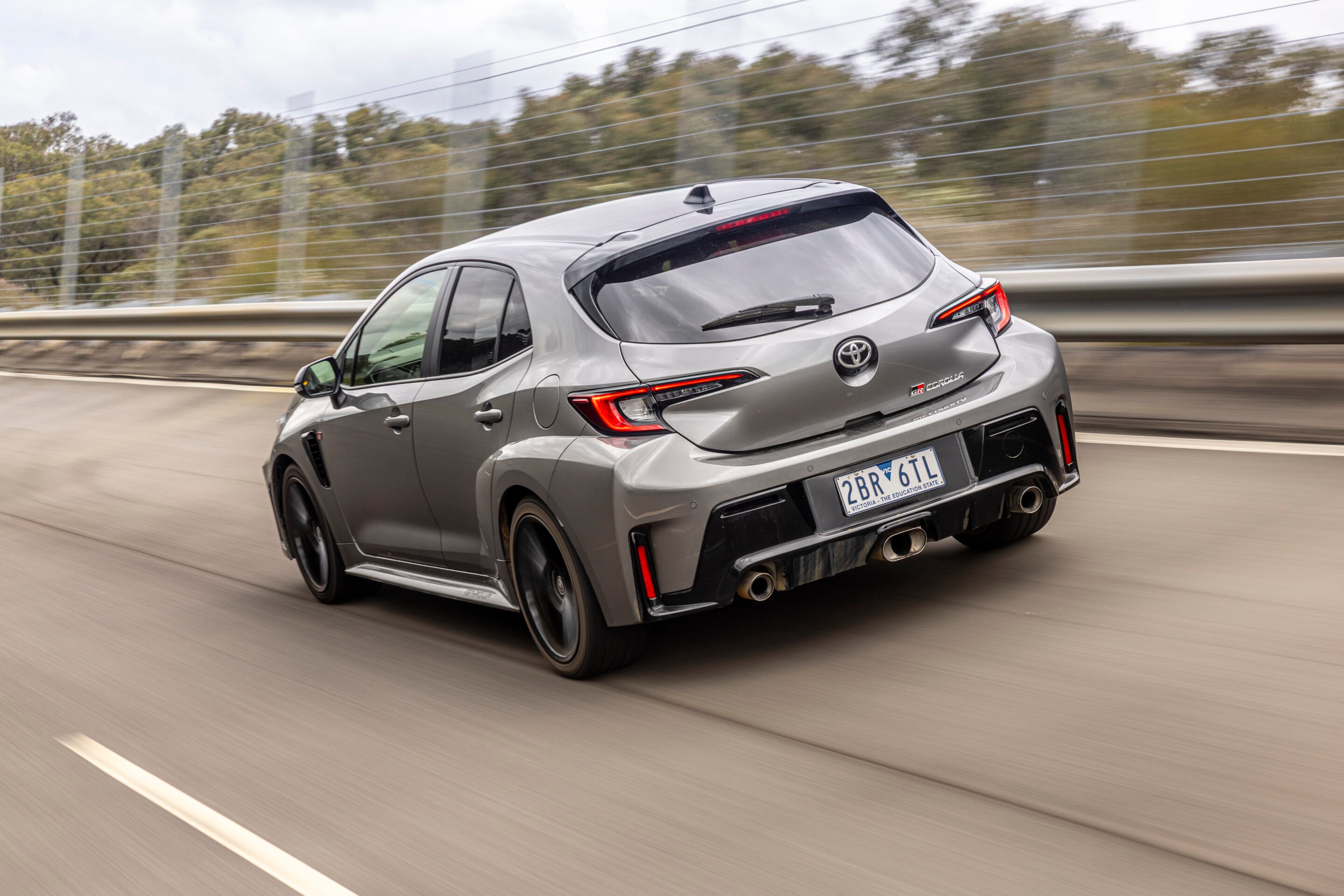
Toyota GR Corolla – 2025-26 Car of the Year, 3rd
Hard to imagine, but this Corolla is a car that’s happy to spend an hour or two cruising out to a racetrack, where it has the ability to frighten far more expensive performance models, before touring home in comfort, the driver wearing a permanent grin. The GR has the speed, grip, brakes and composure demanded by any weekend warrior, yet in automatic form (apparently the manual shifter isn’t as good as it should be) and with great seats, it’s also a daily driver. Young enthusiasts seem to enjoy the styling. I find it overwrought, tacky, even childish.
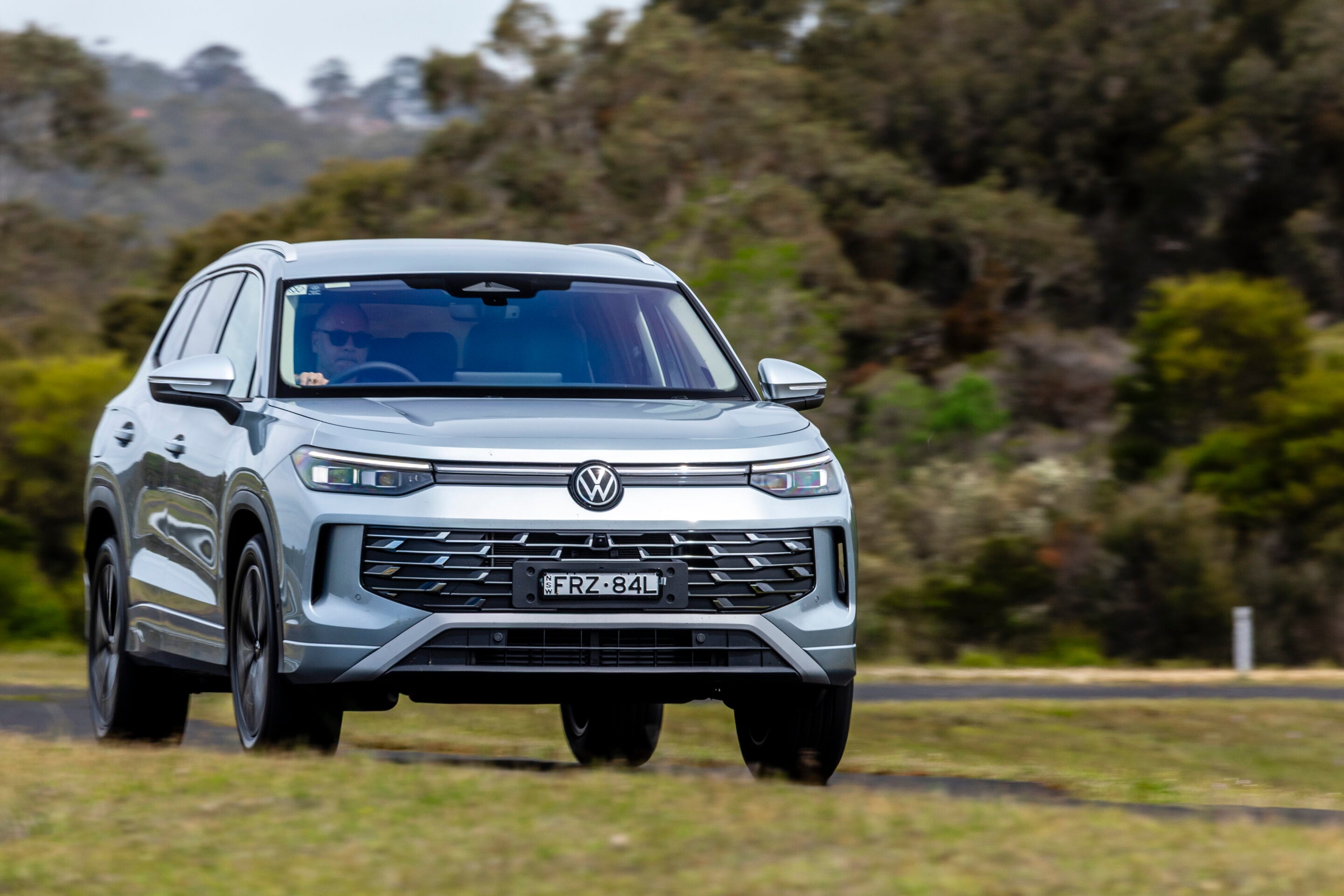
Volkswagen Tayron
I don’t understand why VW would introduce a new nameplate for its three-row SUV when the predecessor Tiguan Allspace achieved real popularity. Marketing obviously believes it’s worth the millions-spend necessary to separate the Tayron from the smaller Tiguan. Accept that the third row is only for occasional use, and this is a real competitor, more car-like than many rivals, impressively finished, and a refined, almost premium feel to the drive. Delighted to see VW has made a U-turn, recognising that physical switchgear is easier and safer to use than haptic stuff. Worth remembering that a hybrid will arrive in the second quarter next year.
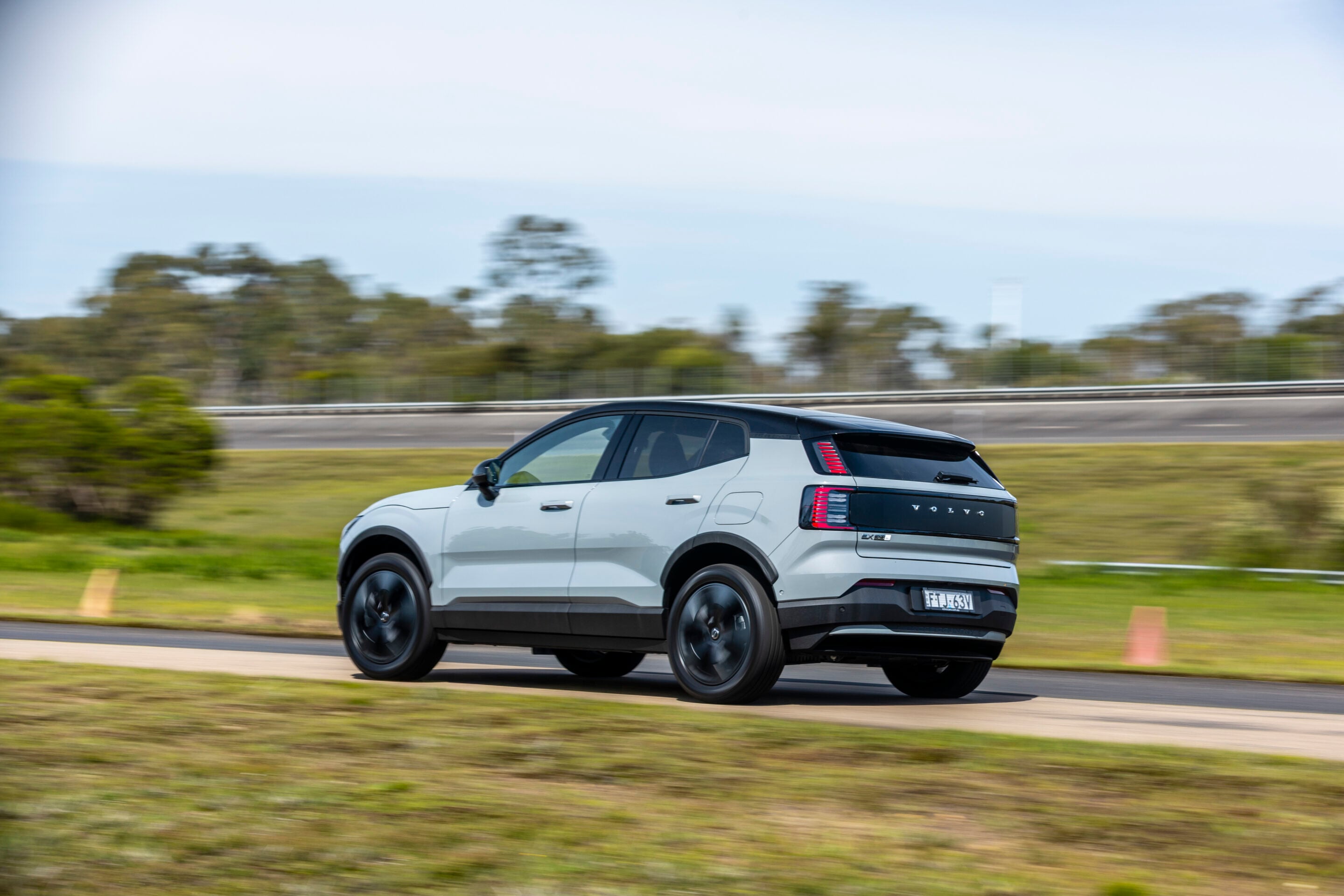
Volvo EX30 Cross Country
Sophisticated, appealing, and stark inside and out, the EX30 is a small premium EV that looks good, has a desirable interior and is an engaging drive with startling performance. Yet, forever safety-conscious Volvo makes the lack of a head-up display – in echoes of Tesla, the digital speedo is on the centre screen –
unforgivable. You also need to use the menu to access the climate controls. Value? Not so good. The small size guarantees a tight rear compartment, the petite boot lacks a spare wheel, the range is only modest and those non-click indicators are annoying.
It’s a question we get at WhichCar By Wheels all the time: what hybrid SUV should I buy?
The choice is expanding but in the Australian market, the Toyota RAV4 is currently the clear sales winner. But there’s no denying that better value options exist, and that’s before the much pricier new RAV4 arrives in 2026.
If you’re after a hybrid family car but prefer to do something different, what options do you have? Here’s the WhichCar by Wheels guide:
1. Hyundai Tucson
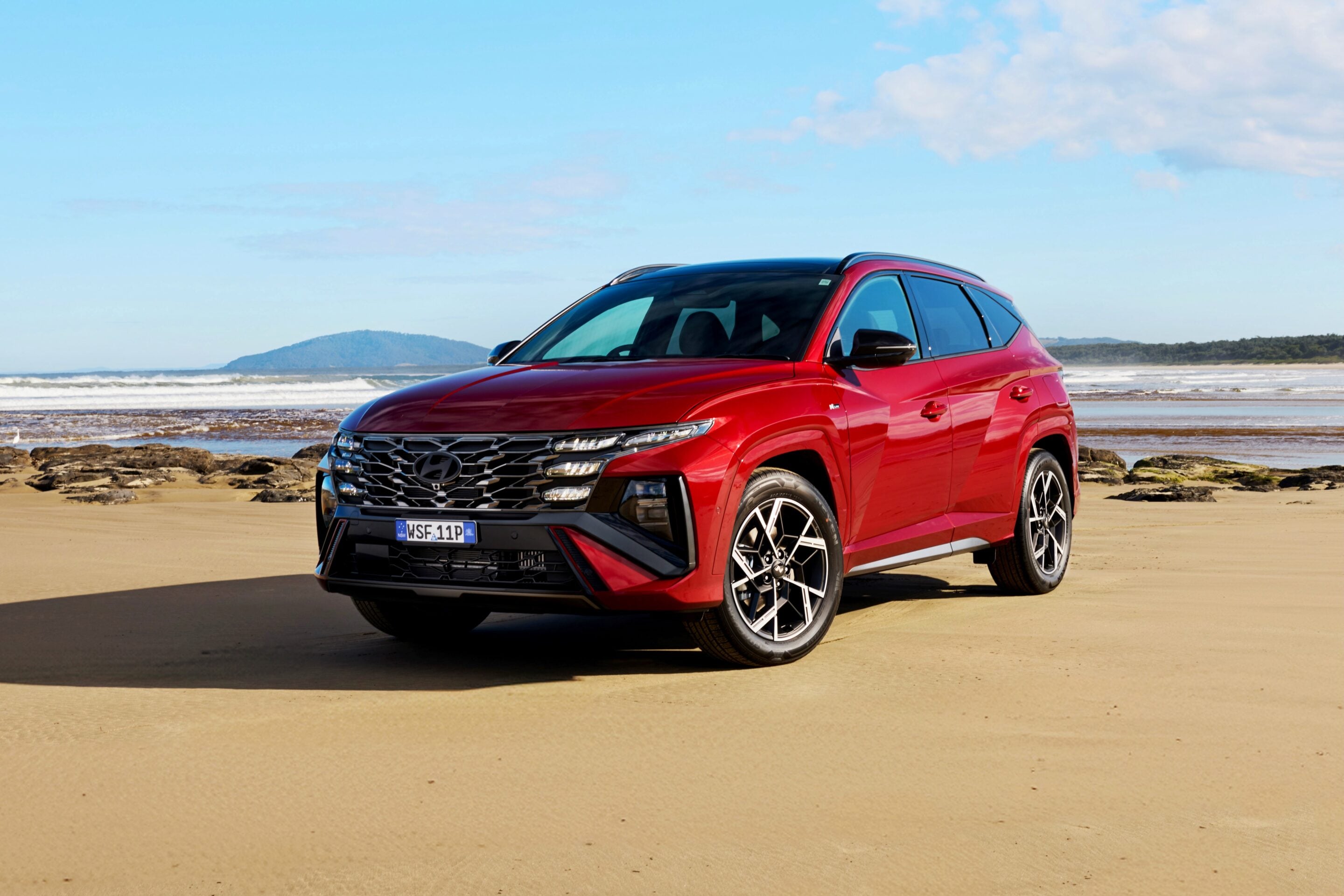
- Price: From $42,850 plus on-road costs
- Drivetrain: 1.6-litre four-cylinder turbo hybrid, 172kW/367Nm, six-speed automatic, FWD or AWD
- Claimed fuel consumption: 4.9L/100km – 5.3L/100km
The winner of our 2025 Best Medium SUV award, the Hyundai Tucson is a great mid-size hybrid SUV and bests the RAV4 in a number of ways. Its cabin is roomier and higher quality, it’s better value for money with more standard features across the range, its hybrid system is punchier thanks to its turbocharger and its six-speed automatic transmission is more normal to drive than the RAV4’s eCVT.
Priced from $42,850 +ORC, the Tucson hybrid is offered in three models: base, mid-spec Elite and top-spec Premium, with even the base model well equipped. The 172kW 1.6-litre turbo-petrol hybrid drivetrain is refined and punchy, and while its 4.9L/100km combined fuel consumption rating is 0.2L/100km more than the RAV4, it’s still impressively fuel efficient in the real world.
2. Nissan X-Trail
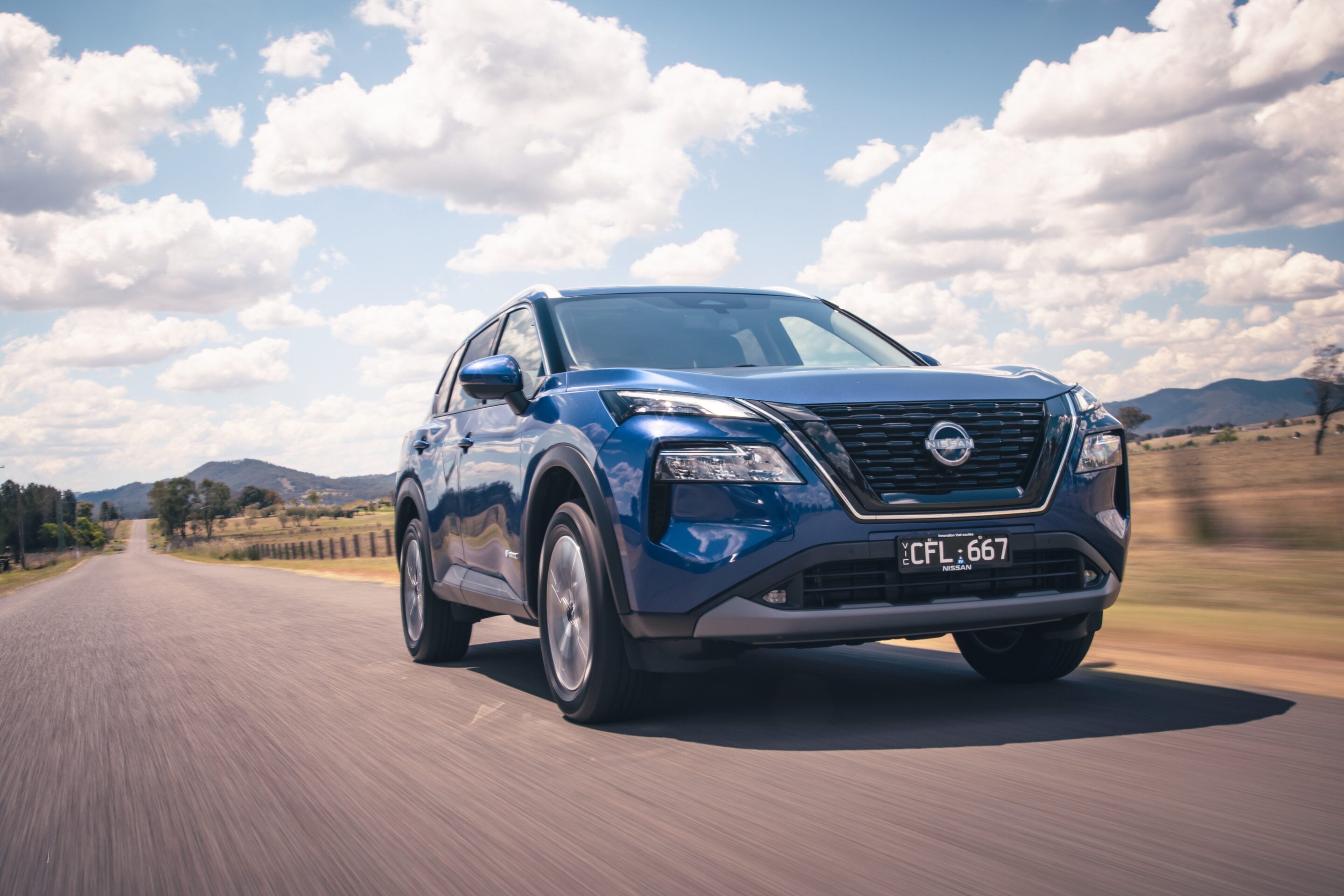
- Price: From $47,765 plus on-road costs
- Drivetrain: 1.5-litre three-cylinder turbo hybrid, 157kW/330Nm, CVT, AWD
- Claimed fuel consumption: 6.1L/100km
While it’s not as well known as a RAV4, nor as fuel efficient, the ‘e-Power’ hybrid system in the Nissan X-Trail is a great system. Instead of both the electric motor and petrol engine powering the wheels, the e-Power’s engine acts as a generator for the battery and electric motor. That makes the driving experience smoother as there’s no hand off between electric and petrol power, and only adds to the relaxing vibe of the X-Trail from behind the wheel.
For the moment, the e-Power drivetrain is only offered in all-wheel drive form and only in higher-spec models, so its $47,765 +ORC starting price looks steep in this company. But even the entry-level ST-L spec features luxury kit like synthetic leather trim and heated front seats, and the X-Trail’s cabin is spacious and noticeably higher quality than the RAV4.
3. MG HS Hybrid+
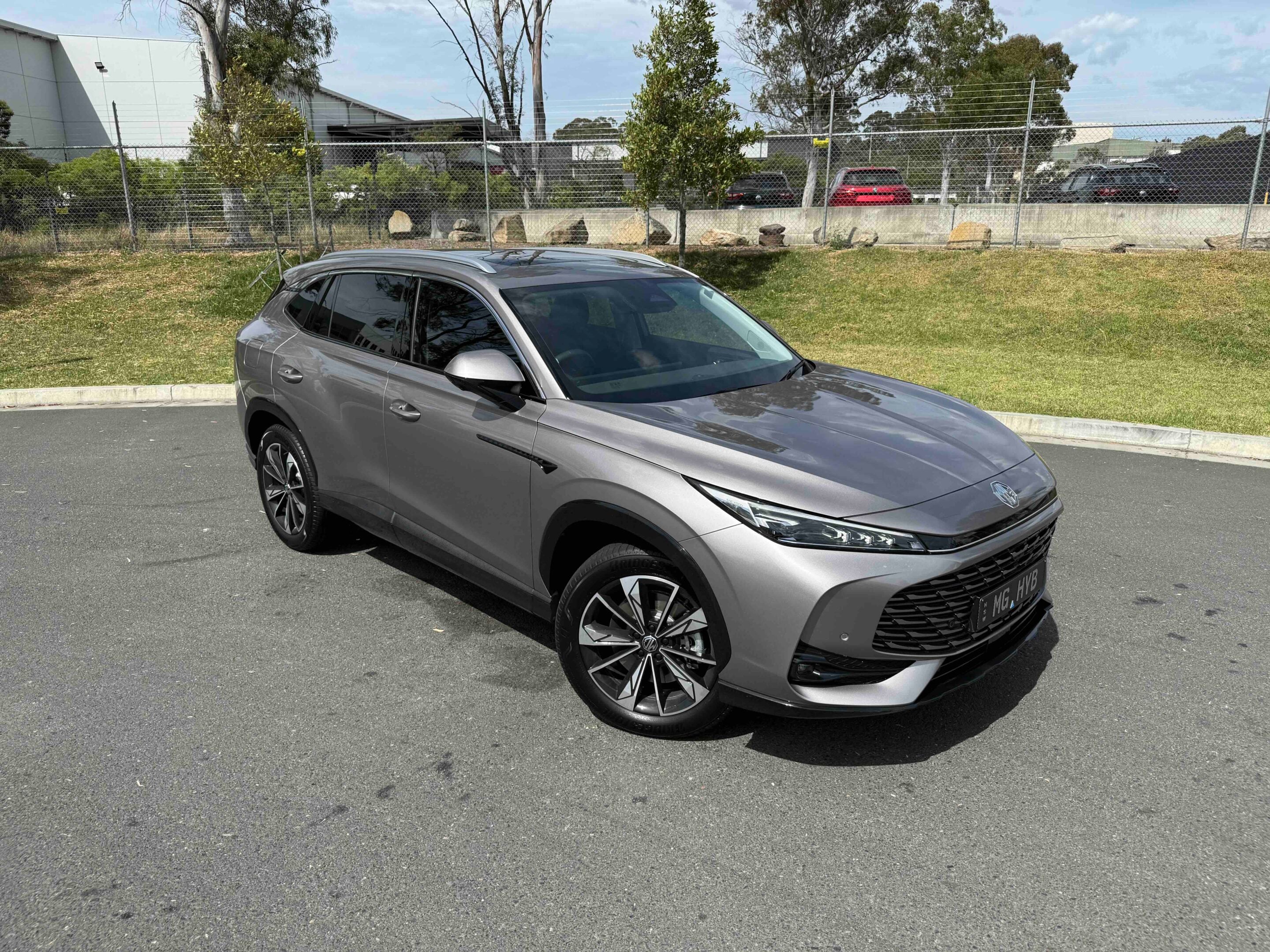
- Price: From $40,990 drive away
- Drivetrain: 1.5-litre four-cylinder turbo hybrid, 165kW/340Nm, two-speed hybrid, FWD
- Claimed fuel consumption: 5.2L/100km
It recently nearly won the 2025-26 Wheels Car of the Year award, placed only behind the excellent Honda Civic, – the MG HS Hybrid+ offers a lot to those wanting a hybrid family car. Firstly, its value equation is excellent: Priced from just $40,990 drive away, the HS is more affordable than any of the 2025 RAV4 models (let alone the 2026 version). It’s also quite well equipped, even in entry-level Excite form.
The HS Hybrid+’s 1.5-litre turbo petrol hybrid drivetrain is not quite as efficient as the RAV4’s (4.7L/100km versus 5.2L/100km), but it is more powerful and more refined as well. The HS’ cabin is good quality throughout, with plusher materials than the RAV4, and on the road, it impresses as well with genuine sophistication in its ride and handling set up. Add in MG’s 10-year (conditional) new-car warranty and it’s a strong overall package.
4. Toyota Corolla Cross

- Price: From $37,440 plus on-road costs
- Drivetrain: 2.0-litre four-cylinder hybrid, 146kW, eCVT, FWD or AWD
- Claimed fuel consumption: 4.2L/100km – 4.5L/100km
Recently given a mid-life facelift, the Toyota Corolla Cross is a great alternative to the RAV4 because it follows the same recipe as its sibling, but just with smaller sizing (or, for many of us, how RAV4s used to be sized back in the early 2000s). Not everybody needs a large vehicle and the Corolla Cross is a great product for those wanting something more compact than a RAV4 – but, crucially, still with excellent fuel efficiency.
In fact, the Corolla Cross is rated as low as 4.2L/100km, which is as much as 0.5L/100km less than the RAV4 – but its 146kW power output is only 14kW less. Pricing is also a factor as to why the Corolla Cross is a great alternative to the RAV4: Its $37,440 +ORC starting price is $4820 less than the 2025 RAV4 and a massive $8550 less than the 2026 model, making it a lot more affordable than its larger sibling.
5. Toyota Camry
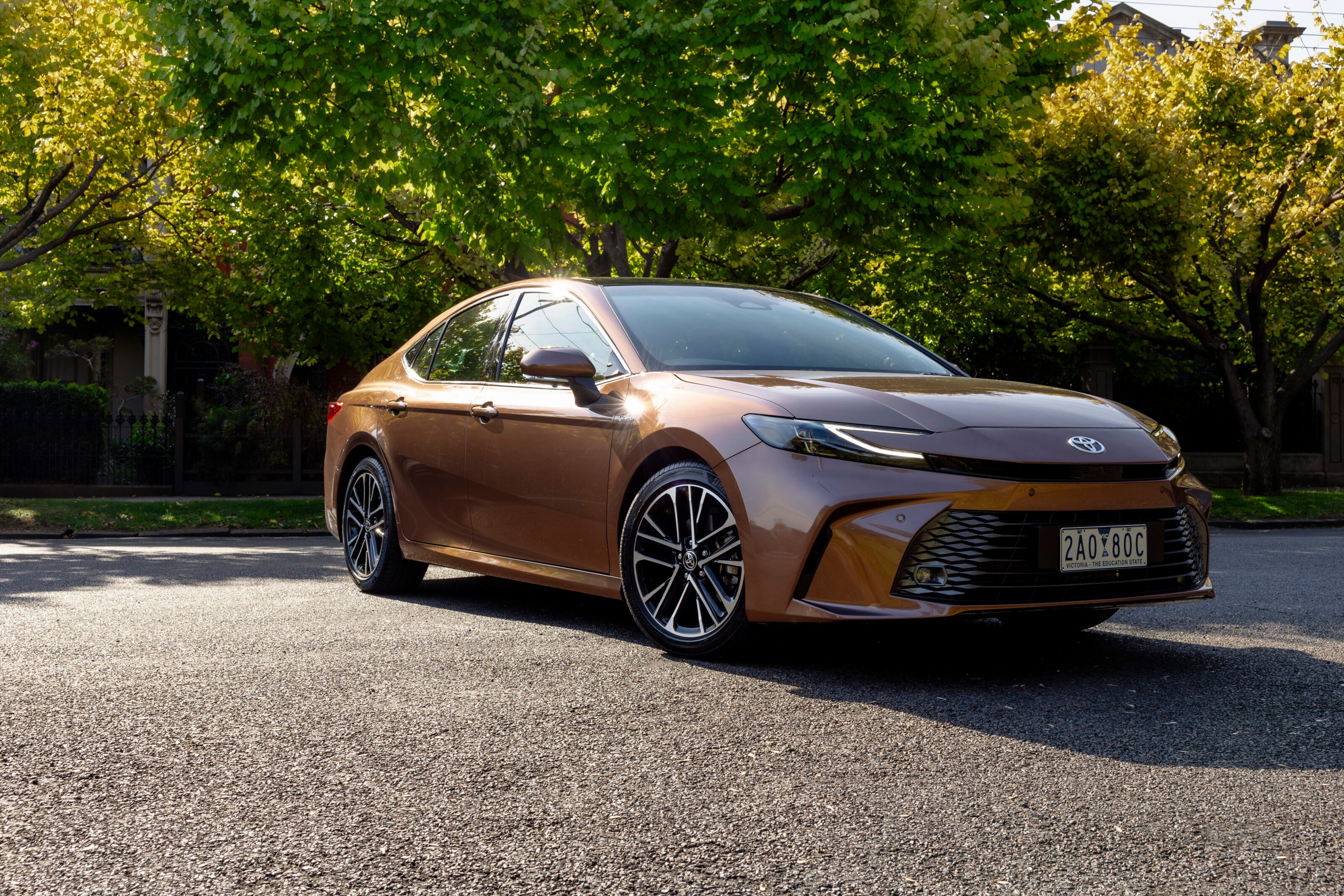
- Price: From $39,990 plus on-road costs
- Drivetrain: 2.5-litre four-cylinder hybrid, 170kW, eCVT, FWD
- Claimed fuel consumption: 4.0L/100km
We’ve arguably saved the best alternative to the RAV4 for last: the iconic Toyota Camry. Sure, it doesn’t have the higher seating position or supposed cool factor of an SUV, but in a lot of ways, the Camry is a superior product to the RAV4. Using a similar 2.5-litre hybrid drivetrain but a generation newer for more power and efficiency, the Camry is insanely fuel efficient for such a large vehicle rated at just 4.0L/100km and that’s fairly easy to achieve too.
Priced from $39,990 plus on-road costs – or $2270 less than the current RAV4 and a massive $6000 less than the expensive new model – the Camry is excellent value for money, and it’s also well equipped across the range. Its cabin is higher quality and more spacious than the RAV4, while its 524-litre boot is also large. The Camry is overall lovely to drive – relaxing and comfortable, but also capable of a bit of fun and certainly a nicer steer than the RAV4. If you’re looking for a hybrid family car, the Camry is undoubtedly one of the best options.
MG Motor Australia has confirmed local pricing and specifications for the all-new MG7, a mid-size fastback sedan aimed at buyers who want something more style-focused than a traditional four-door. The MG7 arrives as a single, well-equipped variant priced at $44,990 before on-road costs, and was just awarded a five-star safety rating by ANCAP with impressive scores in all areas of testing.
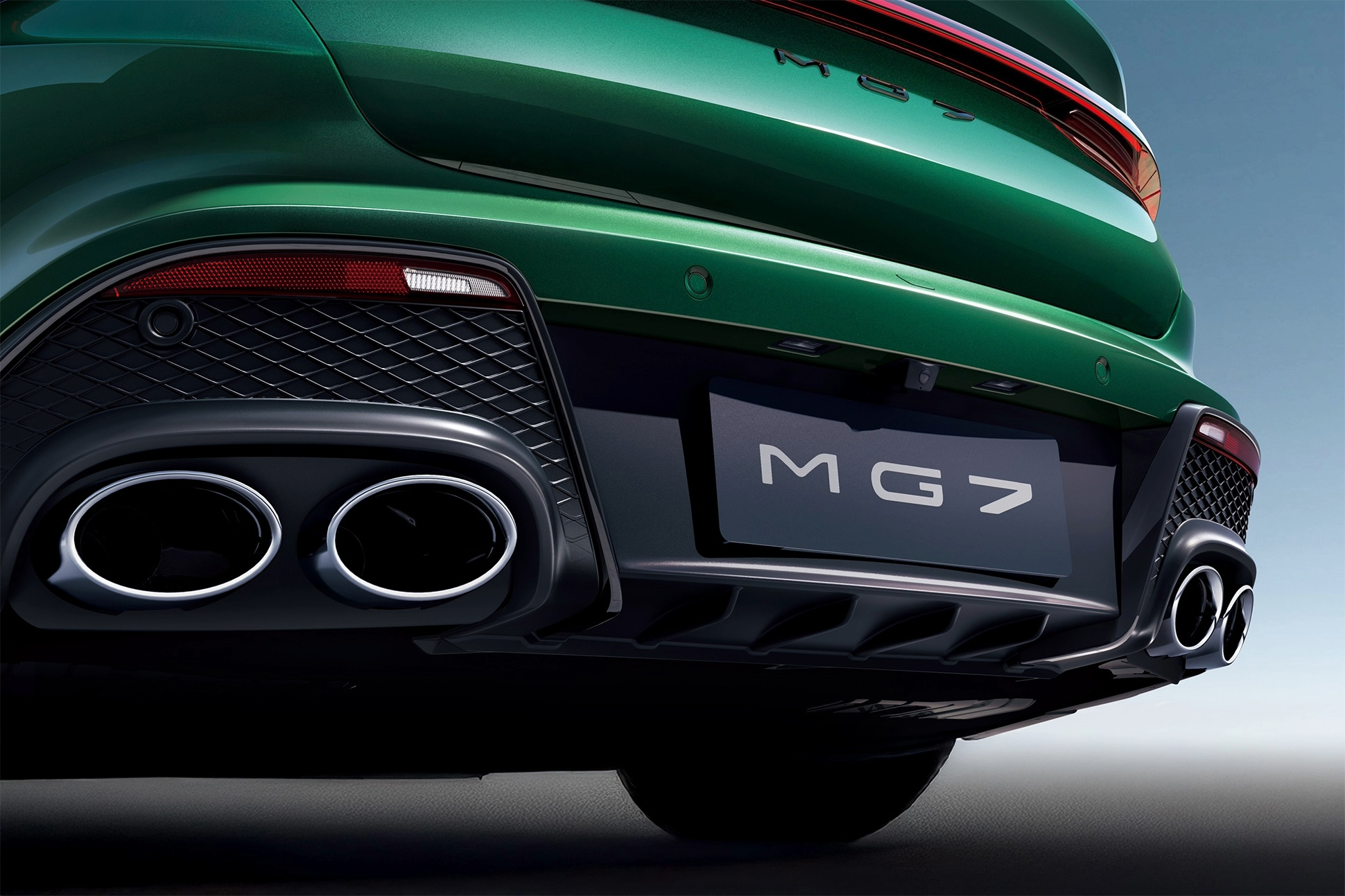
The MG7’s headline is its coupe-like fastback profile, a body style that has become rare in the mainstream mid-size market. MG is leaning into the sporty theme with frameless doors, quad exhaust outlets and a deployable rear spoiler. The spoiler can be adjusted through multiple stages, giving the driver some control over the car’s look and aero behaviour.
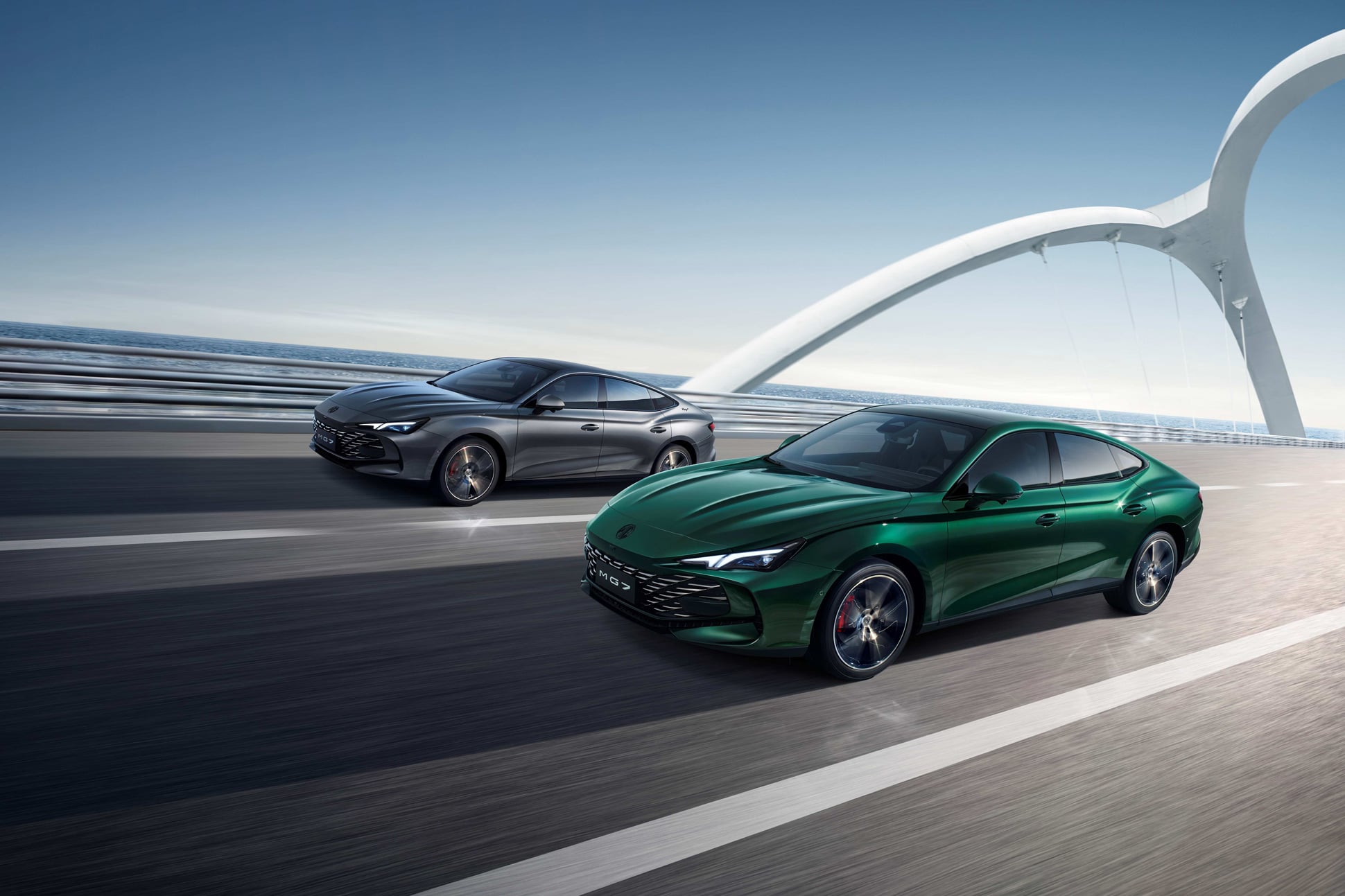
Under the bonnet is a 2.0-litre turbocharged four-cylinder petrol engine producing 170kW and 380Nm. Drive is sent to the front wheels via a nine-speed automatic transmission, supported by an electronic limited-slip differential. MG says the chassis is tuned for predictable handling, and the MG7 rides on 19-inch alloy wheels wrapped in 245/40 Michelin tyres.
Inside, the MG7 is pitched as a premium step up for the brand, with soft-touch trim, dual-zone climate control, a six-way power-adjustable driver’s seat and a panoramic sunroof. A Bose 14-speaker sound system is standard, as is a head-up display.
Technology is centred around a 12.3-inch touchscreen with both wired and wireless Apple CarPlay and Android Auto. Wireless phone charging, satellite navigation and a 360-degree camera system are also included as standard. MG says the car’s drive modes and electronic suspension settings can be customised, along with exhaust sound and the spoiler’s operation.
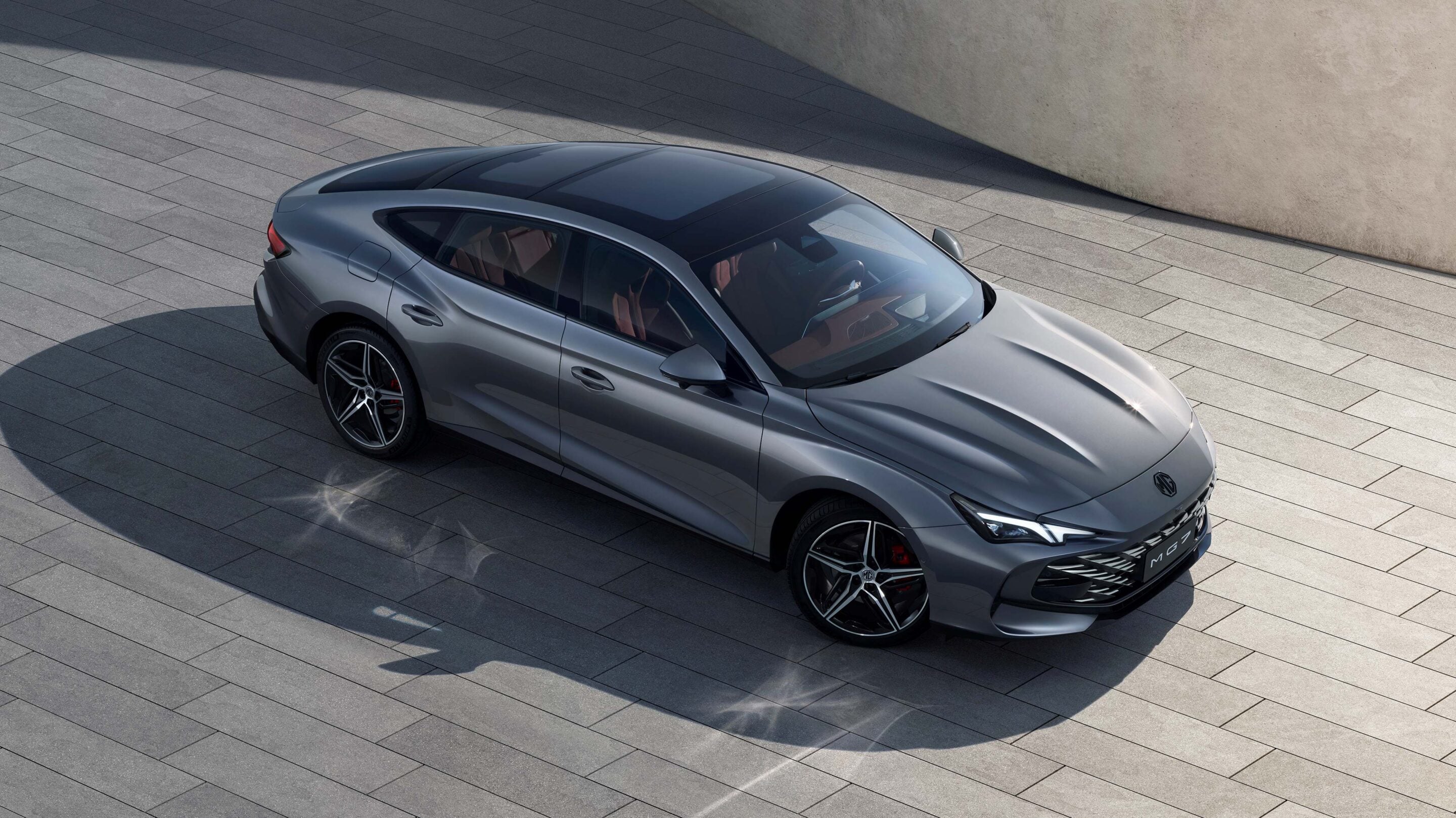
Safety gear includes seven airbags and the brand’s MG Pilot driver assistance suite of safety features. Local vehicle safety agency ANCAP recently crash tested and awarded the MG7 a five-star rating, with impressive scores of 88 per cent for adult occupancy protection, 85 per cent for child occupancy protection, 80 per cent for vulnerable road user protection and 81 per cent for safety assist.
The MG7 is offered in Emerald Green as the standard colour. Other paint finishes cost $695 extra, and a Bordeaux Red suede-like interior package is a $695 option.
Like MG’s broader Australian range, the MG7 is covered by a 10-year warranty when serviced through MG dealerships. The brand’s local network now tops 100 outlets, which MG says will support nationwide rollout and servicing as deliveries begin.
Why the Wildtrak Was the Right Fit for Leigh
For Melbourne gym owner Leigh Whitney, the search for a new ute was all about finding a vehicle that could match his active family lifestyle. After test-driving multiple models and diving deep into 4×4 comparisons, the next-gen Ford Ranger Wildtrak consistently came out on top. It had every feature he wanted, the right blend of capability and value, and a reputation for comfort and usability that suited their five-person household perfectly.
Life With the Next-Gen Ranger
Stepping out of his eight-year-old BT-50 and into the Wildtrak felt like shifting forward a generation. The technology alone — adaptive cruise control, driver-awareness systems, Apple CarPlay and the large central display — transformed Leigh’s day-to-day driving. Whether he’s commuting around Hampton, running errands for his gym Sweat Master, or doing school runs, the Wildtrak feels refined, intuitive and surprisingly easy to manoeuvre.
Family Adventures, Mountain Bikes and Snow Trips
Weekends for the Whitney family revolve around activity — mountain biking, sport, and longer road trips whenever time allows. The Ranger’s tub effortlessly fits three or four bikes, made even easier with the addition of a rack and the electric roller shutter. On bigger trips, everything goes in the back — wet, dirty, bulky, it doesn’t matter — and the Wildtrak never feels weighed down.
Snow destinations like Thredbo, Perisher and Jindabyne are regular stops on their calendar. With five on board and a full load of gear, the Ranger stays stable and smooth, making long-distance runs feel effortless. Now that Leigh has a proper 4×4 — not just a 4×2 — he’s excited to explore more trails in the mountains and make four-wheel driving a bigger part of future trips.

The Comfort and Tech That Make Long Drives Easy
Compared to his previous utes, the Wildtrak’s ride quality stands out immediately. The adaptive cruise control takes the fatigue out of long drives, while the advanced lighting system — which automatically adjusts to highlight dark patches on country roads — has become a favourite feature for family trips to Sydney. The whole vehicle simply feels designed around effortless travel.

A Versatile Ute Built for Their Busy Family Lifestyle
What Leigh appreciates most is the Wildtrak’s versatility. It handles weekday errands as easily as it handles long-haul family travel, outdoor adventures and off-road plans. His young son loves the tech and the “cool-factor”, his mates rate the look, and Leigh sees it as a ute that enhances how they live — making every trip smoother, easier and more enjoyable. For a family constantly on the move, the Ranger fits perfectly into every part of the lifestyle they love.

Why Connor Chose the Ranger
For Connor McNally, an event manager for Cricket Australia, life is constantly moving — early mornings, shifting venues, and quick escapes whenever time allows. When he bought his 2016 Ford Ranger toward the end of the COVID-era market chaos, he needed a ute that was powerful, affordable and ready for anything. The Ranger stood out for its real-world capability: strong towing performance, rear diff lock as standard, and the reliability he could trust day in, day out.
How the Ranger Fits His Work and Travel
Across Melbourne and beyond, Connor uses the Ranger as a mobile workspace. The metal canopy and custom rear setup let him haul equipment between offices and event sites without fuss. But once the work week wraps, the Ranger transforms into his getaway vehicle. With a dual-battery system and fridge running full-time, he can throw a swag in the back, hook up a trailer or take off for a spontaneous winter trip with almost zero prep.
Connor McNally’s 2016 Ford Ranger
Why Connor Chose the Ranger
For Connor McNally, an event manager for Cricket Australia, life is constantly moving — early mornings, shifting venues, and quick escapes whenever time allows. When he bought his 2016 Ford Ranger toward the end of the COVID-era market chaos, he needed a ute that was powerful, affordable and ready for anything. The Ranger stood out for its real-world capability: strong towing performance, rear diff lock as standard, and the reliability he could trust day in, day out.
How the Ranger Fits His Work and Travel
Across Melbourne and beyond, Connor uses the Ranger as a mobile workspace. The metal canopy and custom rear setup let him haul equipment between offices and event sites without fuss. But once the work week wraps, the Ranger transforms into his getaway vehicle. With a dual-battery system and fridge running full-time, he can throw a swag in the back, hook up a trailer or take off for a spontaneous winter trip with almost zero prep.
Towing, Trips and Real-World Capability
What Connor values most is how consistently the Ranger delivers. From towing his 1,600kg boat to running long highway stretches, it feels surefooted and strong — a big step up from other vehicles he’s towed with, including an MU-X. Even in Tasmania’s freezing August weather or South Australia’s 38-degree heat, the Ranger never faltered. And with a lift and plenty of clearance, it’s taken him deep into the kind of tracks he lives for.
Taking the Ranger Further — From Tasmania to the Gibb River Road
Connor’s Ranger has carried him across some of the most memorable corners of the country: the wild west coast of Tasmania, the sweeping beaches of Rapid Bay, and iconic outback favourites like Cash Island, the Gibb River Road and the Dampier Peninsula. Whether he’s travelling solo or with his partner, the Ranger has even doubled as home for month-long stretches — something few vehicles can genuinely handle.
A Dependable Companion for Every Chapter of His Life
At close to 240,000km, with dents and scratches inherited from previous owners, Connor’s Ranger wears its history proudly. To him, that’s the beauty of it. It’s dependable, capable and always ready for what’s next. Whether towing, camping or simply squeezing more adventure into his weekends, the Ranger is the vehicle that keeps pace with every part of his life.
Why the Ranger Was the Clear Choice
For Stuart, owning a ute has always been about more than practicality. It’s about safety for his family, capability for his work, and the freedom to get outdoors whenever the opportunity comes up. After doing his homework, comparing models, and thinking long-term, he landed on a vehicle that ticks every box: the Ford Ranger PX3 XLT 3.2-litre diesel dual-cab — one of the final PX3 models.
Life With the PX3 XLT
Three years in, Stuart’s confidence hasn’t wavered. His Ranger is covered by a five-year warranty, including parts, and he keeps it serviced at the Ford centre in Brookvale.
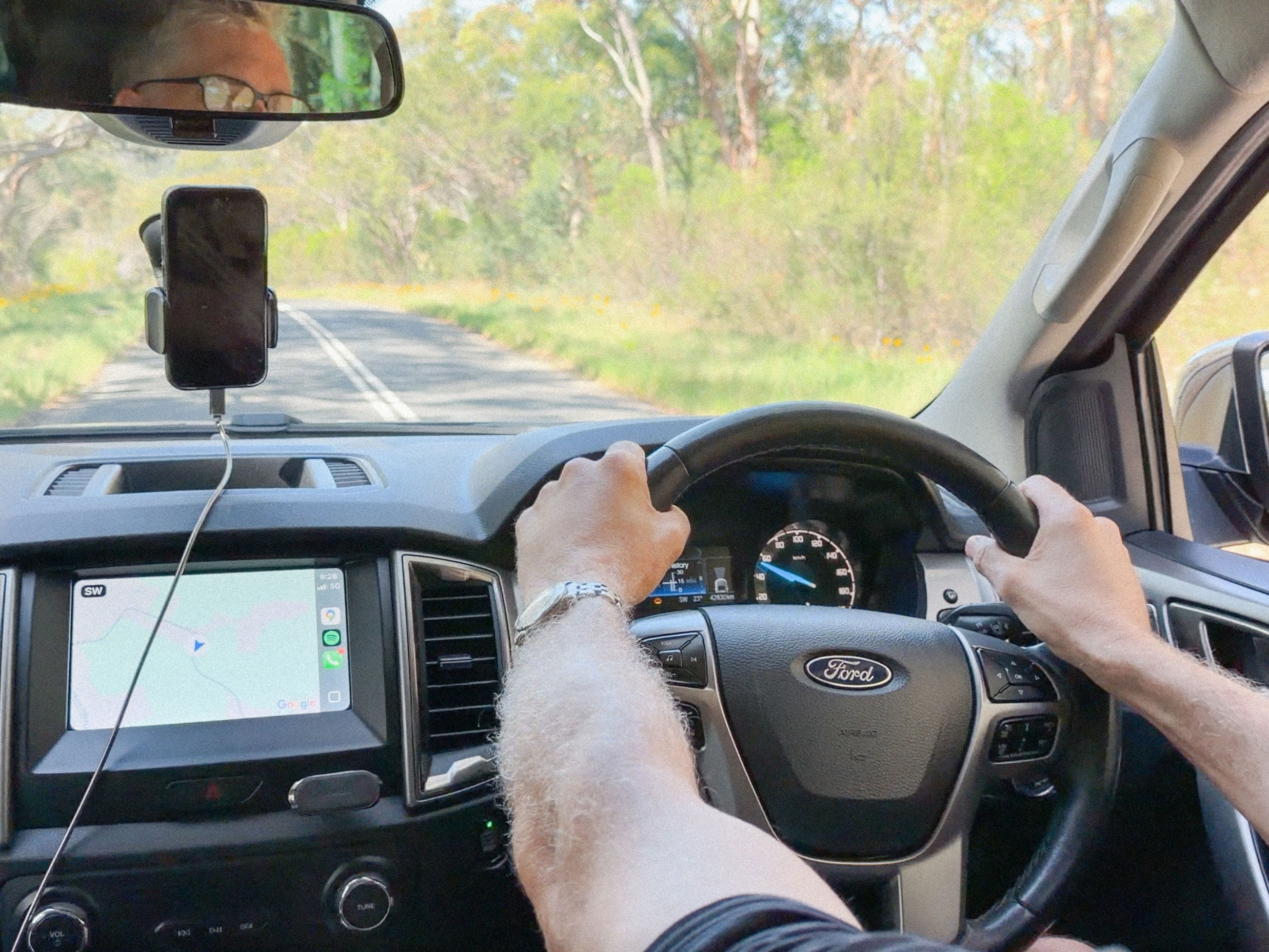
Most of his driving is close to home on the Northern Beaches. Living in Allambie Heights means short, frequent trips — school drop-offs, commuting to work, and errands within five kilometres of home. But that everyday ease is exactly what he loves. The Ranger feels steady, predictable and comfortable, whether he’s carrying gear, the family, or both.
When the Ranger Needs to Work Hard — It Does
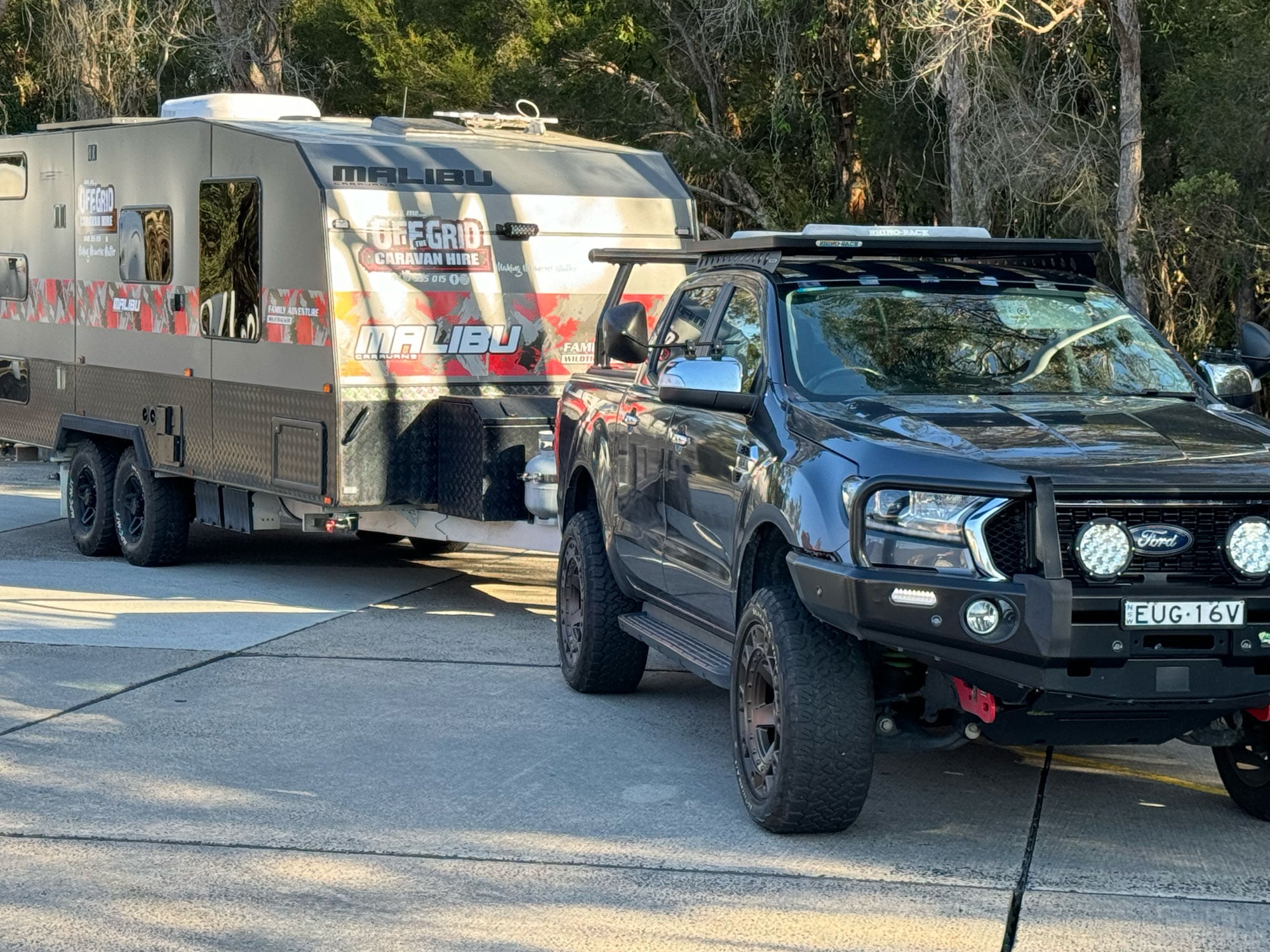
Stuart has put the Ranger to the test with towing, too. One of his standout moments was hiring a 15-foot caravan in Western Sydney and heading up to the Central Coast with his wife and son.
It wasn’t just the towing ability that impressed him — it was the confidence. The 3.2-litre diesel had all the power he needed for overtaking on the highway, and he never felt unsettled or underpowered.
Taking the Ranger Off-Road — Including the Stockton Beach Sand Dunes
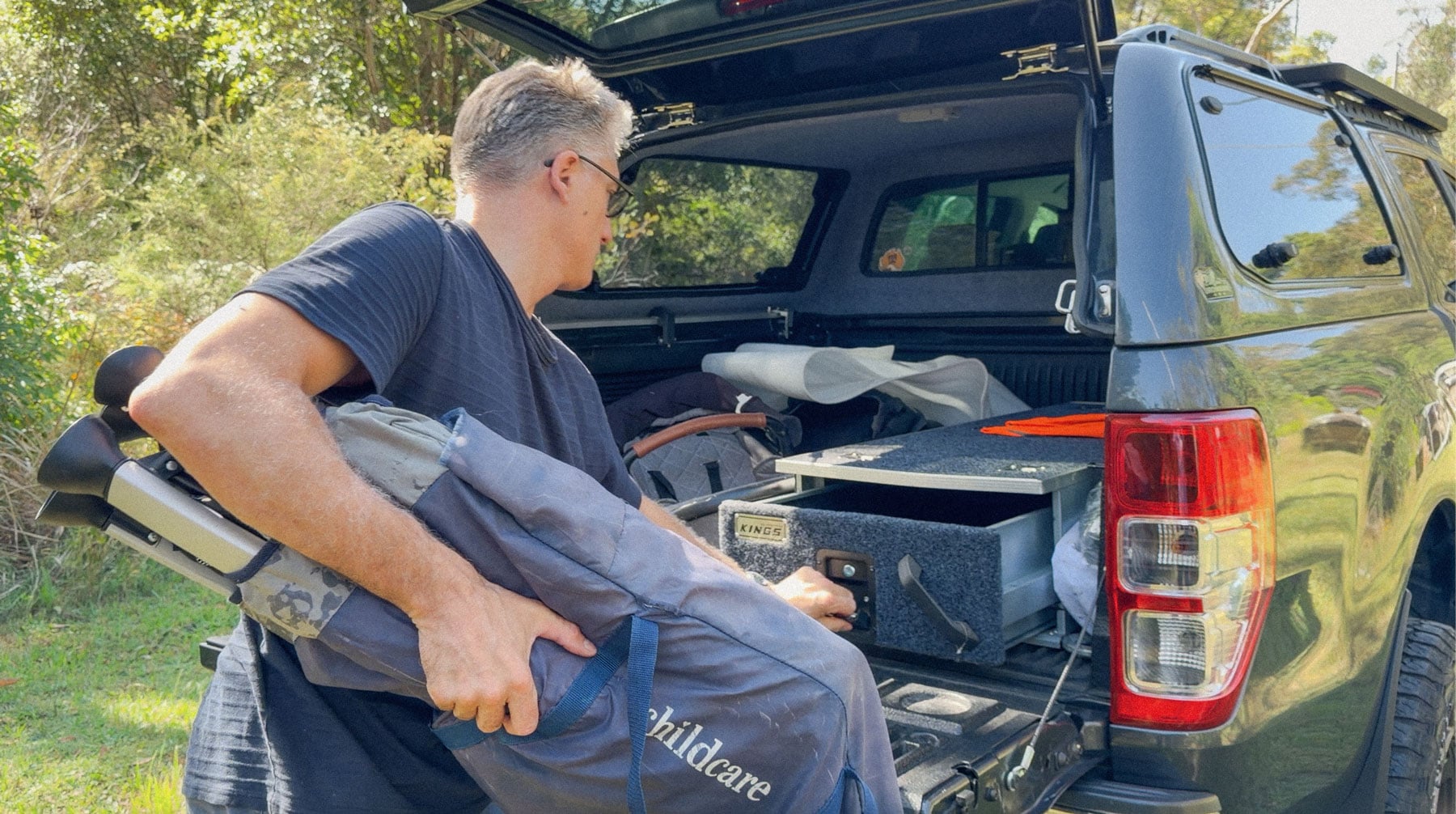
Stuart loves getting the Ranger off the bitumen, and he’s taken it through challenging terrain. A favourite is a track outside Goulburn, featuring steep climbs, river crossings and wombat holes. The PX3 XLT handles it all — stable, capable and fun.
A Ute That Fits Every Part of Stuart’s Life
For Stuart, the PX3 XLT isn’t just a vehicle. It’s a safe family car, a reliable workhorse, and an adventure-ready 4WD that opens the door to experiences — from local errands to off-road weekends to unexpected dune-driving detours. It’s the capability, comfort and confidence that keep him loving it every day.
A new record is tipped to be broken this Saturday for Australian cars at auction with a secret one-of-four Holden ute up for purchase and expected to fetch over $1 million.
The HSV GTSR W1 Maloo, with its 474kW supercharged V8 engine, is the most powerful Australian car ever built and one of the last built by Holden before local manufacturing was shut down.
The Holden ute, widely regarded as one of the most collectible modern utes ever produced, is already attracting attention across the nation and internationally. But one of four made, in an iconic colour and with just 26km on the clock in delivery condition and never registered? That’s even more special.
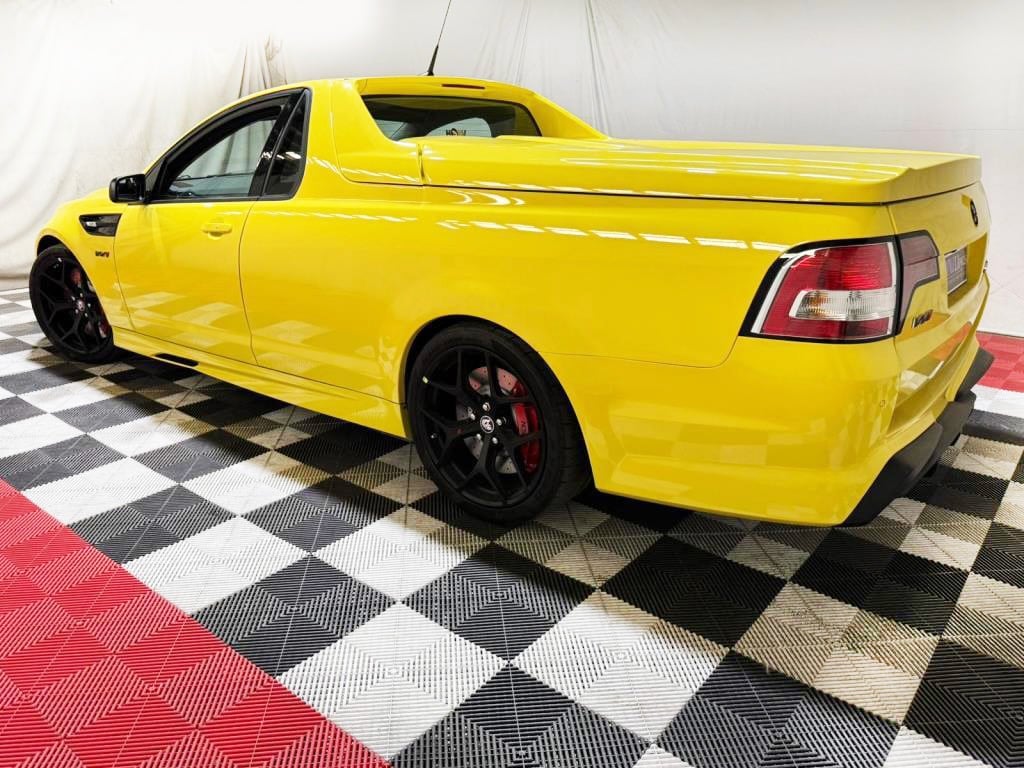
According to Lloyds Auctions, this example is the only W1 Ute finished in the iconic ‘XU3 Yellah’, the legendary colour made famous by the original VS GTSR.
The sister car to this ute sold for over $1 million at Lloyds Auctions in 2021, setting a record at the time for an Australian-made production vehicle, likely positioning this build #001 Holden ute firmly in Australian record-contender territory this weekend.
“When you combine build #001, ultra-low kilometres, never having been registered and the most iconic HSV colour of all time, you’re looking at a car that represents the absolute pinnacle of Australian performance history,” said Mr. Lee Hames, Chief Operating Officer of Lloyds Auctions.
“We’re seeing continued growth in demand for ultra-rare Australian muscle cars, particularly those with limited build numbers and genuine historical significance,” Mr. Hames said.
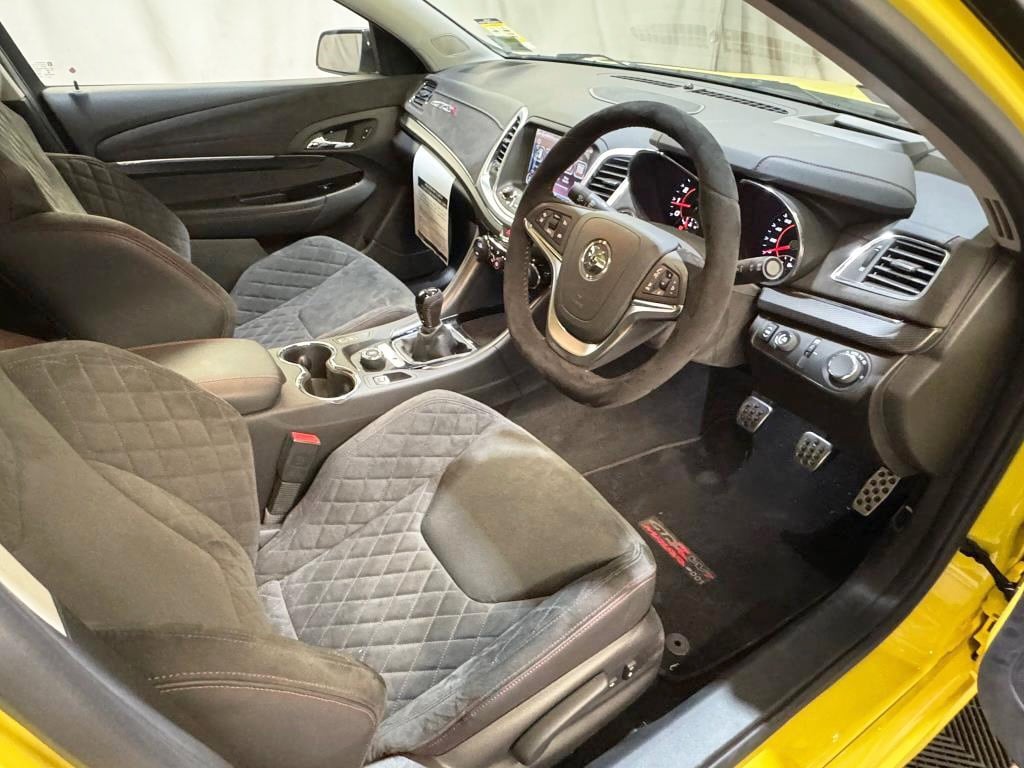
Powered by the legendary 6.2-litre LS9 supercharged V8, producing 474kW of power and 815Nm of torque, this particular Holden ute is the most powerful production vehicle ever built in Australia. Features include a close-ratio Tremec six-speed manual, SupaShock suspension, AP Racing brakes and track-focused Pirelli Trofeo R tyres and it was engineered as a no-compromise performance machine.
This rare Holden ute is available for online bidding now, with the auction closing from 12pm AEST this Saturday, December 20.
Chery Group has signed a strategic five-year partnership with the organiser of the 24 Hours of Le Mans, which marks the first time a Chinese automotive manufacturer has entered a full-scale collaboration with one of world motorsport’s most prestigious events.
The agreement, signed on December 13 in Kuala Lumpur between the Exeed brand (not yet offered in Australia) under parent company Chery and the Automobile Club de l’Ouest (ACO), launches Chery’s “Road to Le Mans” motorsport program and signals its entry into top-tier global endurance racing.
Le Mans is often regarded as one of the pinnacles of motor racing alongside Formula 1 and the World Rally Championship, and is the ultimate test for durability, efficiency and reliability.
Under Chery’s five-year plan, Exeed will progress through three stages:
- Forming an Exeed factory team to contest the 24 Hours of Le Mans, aiming to become the first Chinese manufacturer team to do so;
- establishing a domestic endurance racing series to build technical capability and talent;
- competing in the Asian Le Mans Series

Will Chery’s product lineup benefit from its Le Mans involvement? As part of the agreement, Chery and ACO will also work together to develop a Le Mans-certified circuit in Wuhu, Chery’s headquarters city in China, to support motorsport development and fan engagement.
Chery said the partnership is focused on technology development rather than branding alone, with “data and learnings from endurance racing feeding directly into future production vehicles, including improvements in powertrain efficiency, durability and reliability” as well as “representing Chery’s broader ambition to transition from vehicle exporter to a global automotive technology player, using motorsport as a proving ground for next-generation innovation.”
