
Chery has revealed the latest generation of its Super Hybrid plug-in hybrid drivetrain, which could deliver 2000km of driving range in its next edition of SUVs.
To be employed in its future SUVs like the Tiggo 7, Tiggo 8 and Tiggo 9, the new tech debuts a number of enhancements like increased thermal efficiency and a more energy dense battery, returning an efficiency gain of around three per cent for a total range of around 1400km from a fully charged battery and full tank of fuel.
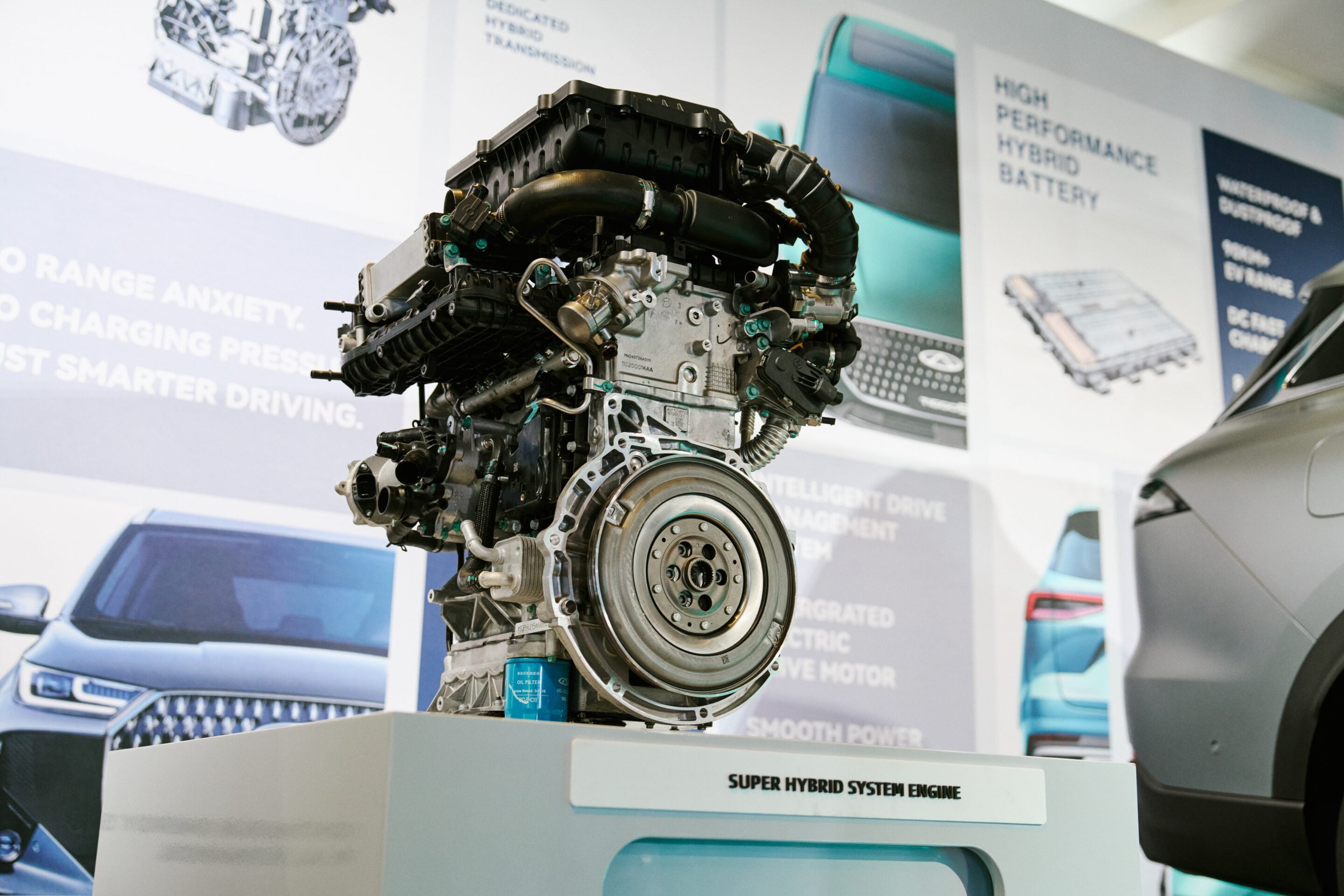
Centred around a 1.5-litre turbocharged four-cylinder engine with an electric motor, the new Super Hybrid drivetrains will also use a new 18.46kWh LFP battery that is reportedly 268 per cent more dense than the previous battery. Chery says the thermal efficiency has been improved with the petrol engine to an industry-leading 44 per cent, while the transmission and battery have also been upgraded for more efficiency compared to the current Super Hybrid system.
Two variants of the new Super Hybrid drivetrain will be available: the ‘DHT160’ making 160kW/275Nm outputs and the ‘DHT230’ with 260kW/330Nm. Chery is yet to confirm which models will use them, but said that the former drivetrain is for SUVs weighing between 1.5 and two tonnes, so models like the Tiggo 7, and the latter for larger SUVs weighing above two tonnes like the Tiggo 9.
It’s not yet known when the new Super Hybrid system will launch in Australia, but the company is expecting to launch it in China sometime this year.
According to Peter Matkin, Executive Director of Engineering at Chery, the new Super Hybrid system has been designed to “not just impress with specifications, but made for customers of a broad spectrum globally”.
“Our goal is not just about numbers, it’s to ensure that customers can experience a system that’s smoother and more responsive in more situation,” he said. “Lower fuel consumption, stronger performance and a smoother experience.”
The new Super Hybrid system is the sixth generation of Chery’s hybrid tech, with the first generation debuting in 2008 for the Chinese market. Chery has experienced rapid growth in its hybrid drivetrains, with more than 900,000 Chery hybrid vehicles sold globally in 2025. Chery’s Australian arm will announce local timing for the new Super Hybrid systems in time.
First published in the November 1972 issue of Wheels magazine, Australia’s best car mag since 1953. Subscribe here and gain access to 12 issues for $109 plus online access to every Wheels issue since 1953.
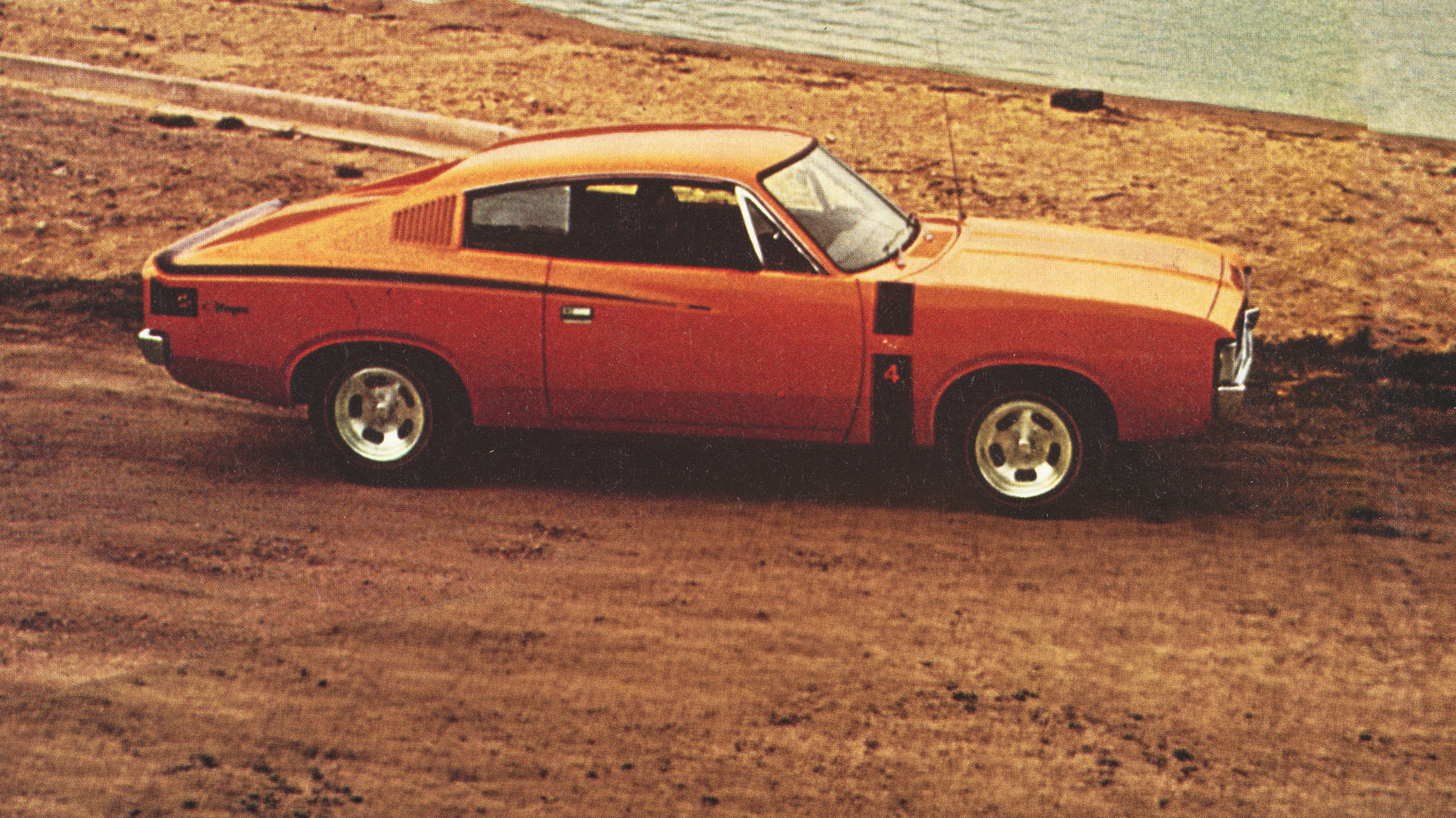
While GMH and Ford pulled in their horns – and their supercars – Chrysler showed the world the Charger E49, the “fastest six-cylinder” car (to use its words). Then, without even a press release, came a high performance V8 Changer with a mild version of the 340cid racing engine.
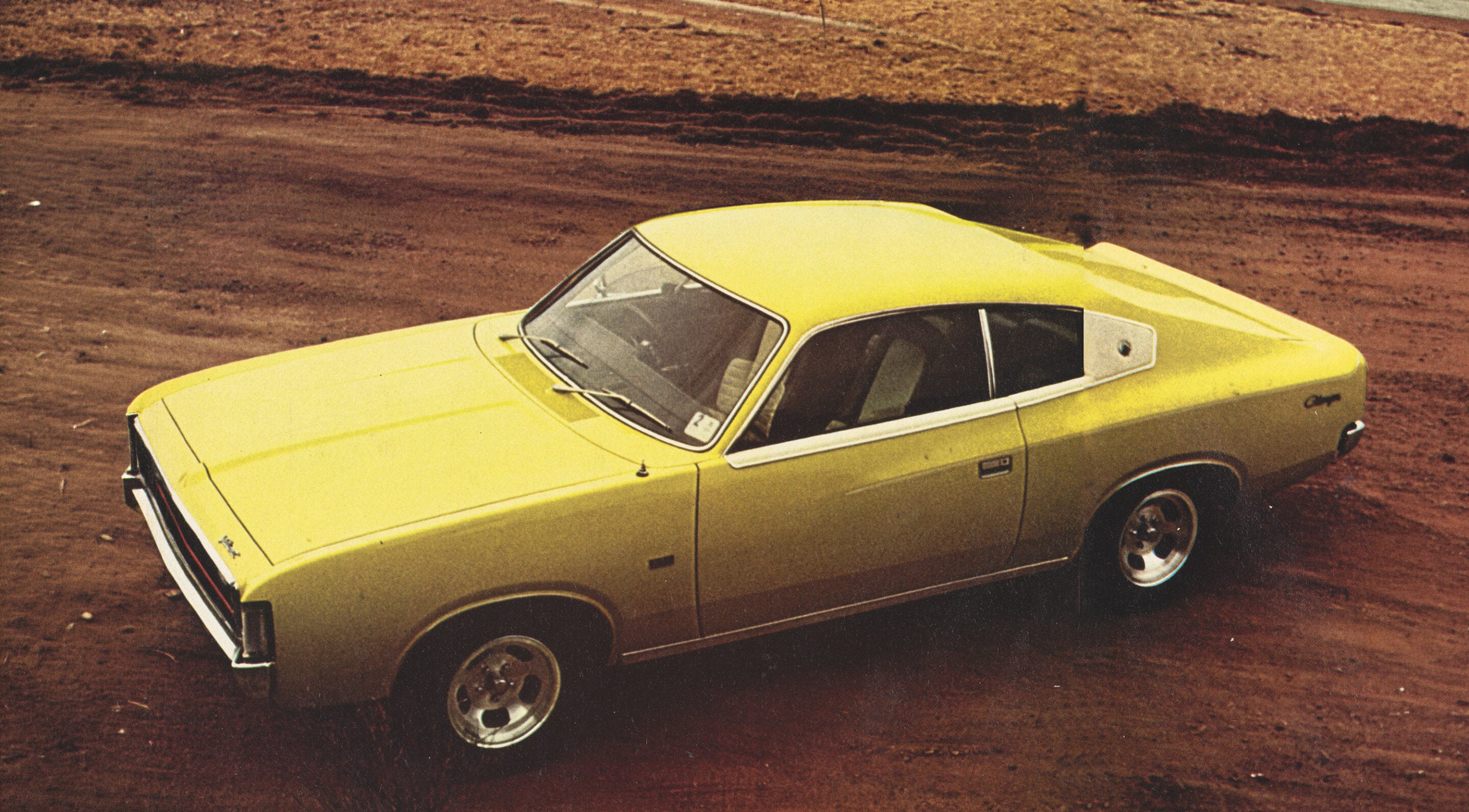
Official public showing of the 770SE 340 E55, as it is known, was at Sydney Motor Show, although Wheels readers learned all about it exclusively in last month’s issue.
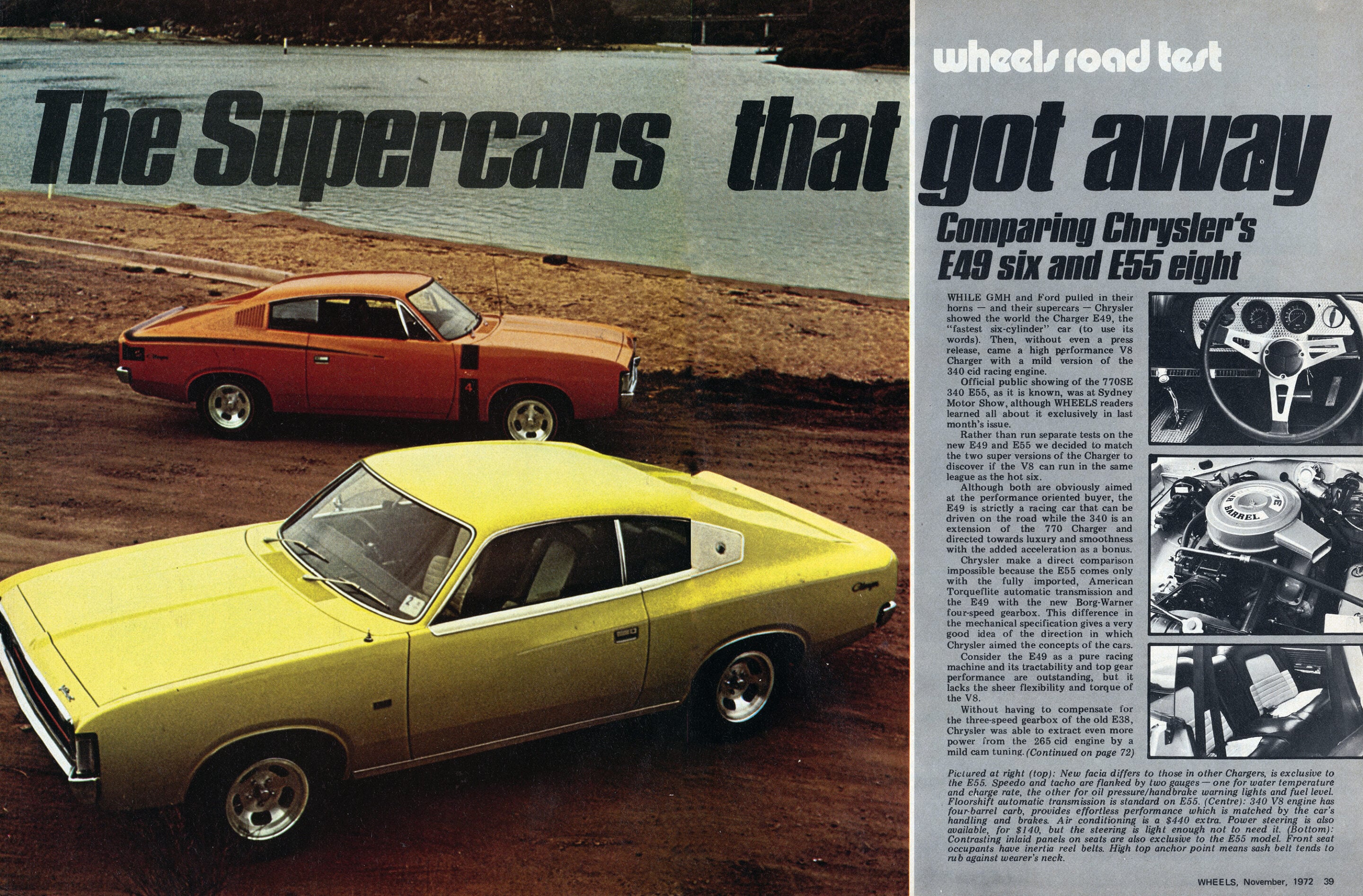
Rather than run separate tests on the new E49 and E55 we decided to match the two super versions of the Charger to discover if the V8 can run in the same league as the hot six.
Although both are obviously aimed at the performance oriented buyer, the E49 is strictly a racing car that can be driven on the road while the 340 is an extension of the 770 Charger and directed towards luxury and smoothness with the added acceleration as a bonus.
Chrysler make a direct comparison impossible because the E55 comes only with the fully imported, American Torqueflite automatic transmission and the E49 with the Borg-Warner four-speed gearbox. This difference in the mechanical specification gives a very good idea of the direction in which Chrysler aimed the concepts of the cars.
Consider the E49 as a pure racing machine and its tractability and top gear performance are outstanding, but it lacks the sheer flexibility and torque of the V8. Without having to compensate for the three-speed gearbox of the old E38, Chrysler was able to extract even more power from the 265cid engine by a mild cam tuning.
Even so, the improvement in performance makes the E49 easily the fastest accelerating car made in Australia, quicker than the E38 by a significant margin.
One of the major reasons for the new car going so much faster is the lowering of the rear axle ratio from 3.23 to 3.5 and this has, of course, helped in the quest for street tractability. Such is the flexibility of the six that it will pull away strongly from just 1500rpm in top and go down to as low as 1000rpm before it starts to grumble.
Real go, however, begins at 3000rpm. That’s when the car shoots forward at an astonishing rate and you seem to spend more time changing up through the excellent four-speed gearbox than watching for the tacho to spin around to the redline.
Maximum power of 302bhp is developed at 5400rpm and torque of 320Ib/ft at 4100 rpm. Chrysler’s tacho is redlined at 5000rpm but it is perfectly safe to go to 6000rpm although we picked 5500 for the change-up point when running the acceleration times.
At these revs the gear maximums are 40, 61, 85 with a top speed of 112mph so they are spaced almost perfectly for both track and road use and combine superbly with the torque of the engine.
The lower gearing has detracted from the car’s ability as a long-distance tourer – this is where the E55 comes into its own – but even so it will maintain 5000rpm in top gear with only a bit of gearshift rattle and wind noise intruding, and it will go beyond 6000rpm if you are game.
But high speed distance running was never really a forte of the old E38. Where the Charger is absolutely unbeatable is in winding mountain country. We don’t mean tight hairpin bends, although it is still horribly quick through these, but on fast, open sweepers and meandering switchbacks.
The raw, quivering power is instantaneously on tap and with a ratio for every conceivable situation the Charger just storms through and it would take a Ferrari Daytona with racing driver Jack Ickx at the wheel to stay with one.
There is never any doubt that it is a supercar but it is also an incredibly safe and sure supercar. Full power can be put through to the road at any speed above five mph without the driver being worried about the car going sideways and even in wet conditions it is possible to transfer at least three-quarters of the engine’s torque to the road surface and put up staggeringly quick point to point times.
It is only now that we have driven the Charger with the four-speed gearbox that we realise just how much better it is over the old three-speed unit, good and all that it was.
Cornering is as close to neutral as is possible and even using full power to exit a bend the tail doesn’t come round quickly. You feel the tail sit down in the corner and gently feed the wheel through your hands, millimetre by millimetre as you correct the change to a gentle power oversteer.
With the fully adjustable suspension, both front and rear, some of the old Chargers were incorrectly set-up from the factory and they understeered excessively but the latest test car showed us just how good they can be if they are properly tuned.
One area which still needs watching are the brakes. Both the test E49 and E55 came with power-assisted disc and in each instance the brakes could be made to fade badly after a couple of stops from 80mph. The poor quality linings used in the Chargers – and the same comment applies to the Falcon GT and Monaro GTS – should be corrected immediately if the manufacturers are serious about primary safety. Another problem on the E55 was rear wheel lock-up coming into a corner.
After the E49, the E55 seems almost slow in acceleration until you compare its performance with, say, a Falcon GT manual. It is quicker over the quarter-mile and has a similar top speed. Chrysler’s performance motoring department seemingly has something for everyone.
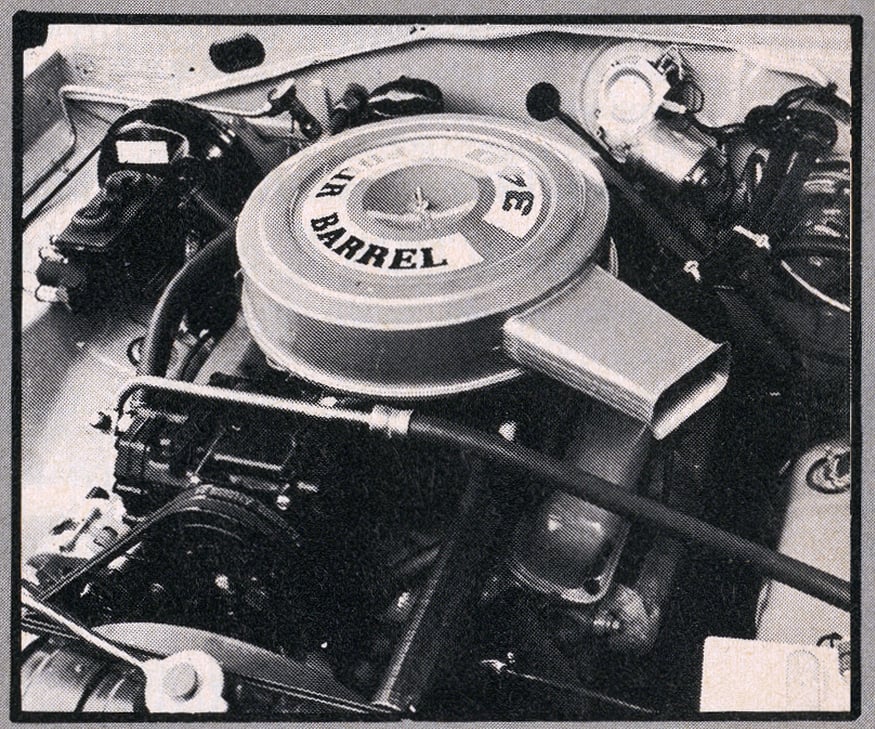
The E55 340 engine produces 275bhp at 5000rpm and 340lb/ft torque at 3200rpm and although it is fitted with a four-barrel carby the engine is limited by the use of a cam straight from the 318 engine and a restricted exhaust system which gives an exhaust note similar to a vacuum cleaner under hard acceleration. The idle is a subdued rumble, as expected from a hot V8, but this pleasant note disappears once underway. Thankfully the driver is never aware of the lack of a quality noise although pedestrians will be disappointed.
Certainly the 340 is an engine with an enormous development potential. Given even a mild blueprint with
improvements to the exhaust manifold and a hotter cam it would have a performance within reach, if not superior to, the E49.
As our acceleration charts show it is not far behind and gets to the ton in just over 21 seconds, quick in all but the fastest company, which includes the E49 – it takes just 14.1 seconds to reach the magic figure.
Where the six-cylinder car really created the speed sensation on the dragstrip the V8- required just a flooring of the accelerator, a chirp of wheelspin and a forward thrust by the car with the driver never aware that it is going as quickly as the 15.5 seconds quarter-mile time indicated.
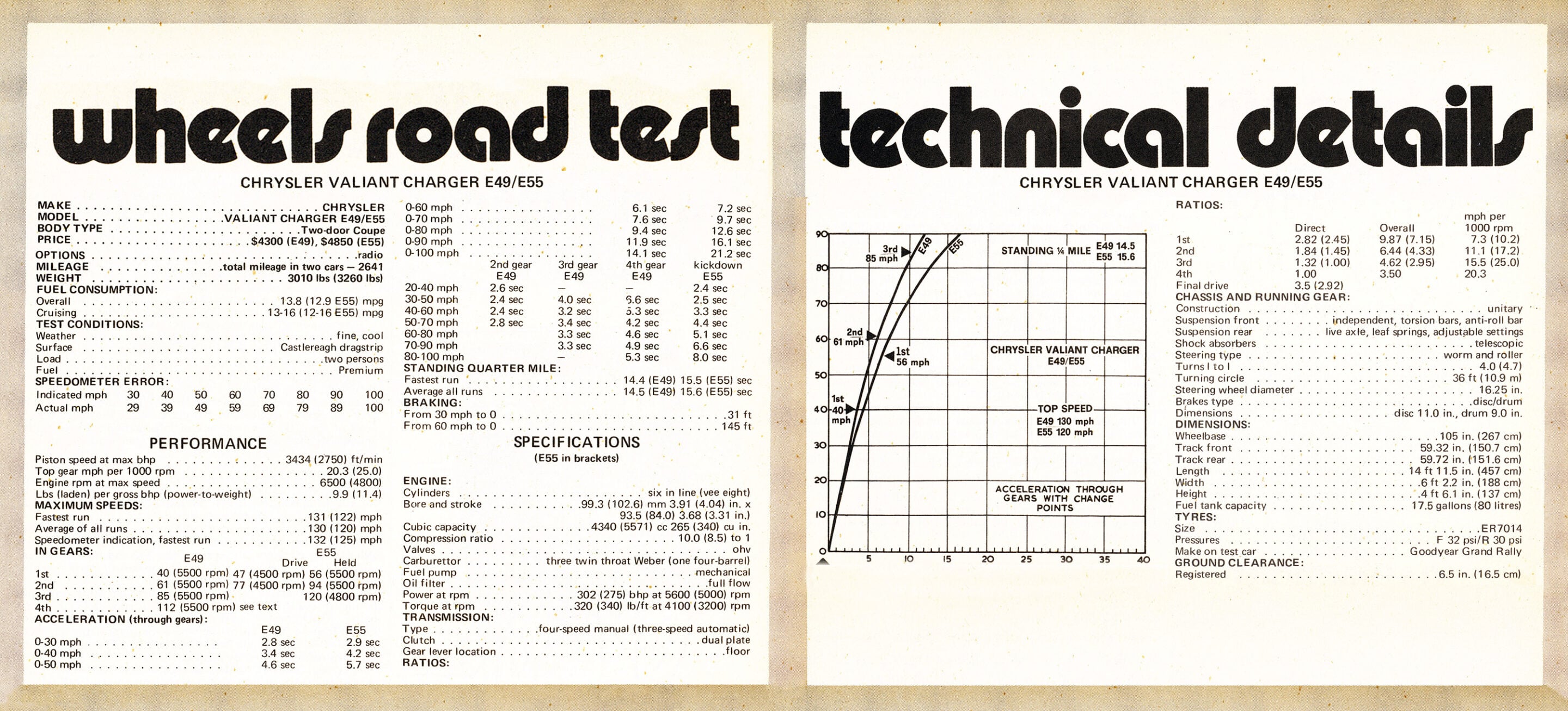
Here it is one of those wonderful two-faced cars, which are quick without the noise and thunder, which go with the E49 and other similar GT cars. Chrysler offers you the choice.
Suspension settings are virtually identical although softer spring rates are used on the E55. Together with the 20:1 steering ratio, instead of the E49’s 16:1 ratio for a reduction in steering turns lock to lock of 4.7 to 4.0, this is the only change under the body. Even the seven inch wide ROH mags are standard on the E55.
Steering response and accuracy are good on both and it is only in tighter sections you begin to want the more direct ratio of the E49. The feedback of information is never really enough but both systems are a significant advance over normal Valiant steering.
When we first drove the E55 we thought it had a superb power steering set-up. A quick check under the bonnet proved otherwise but the beaut steering remained. It is light enough for any woman driver where the E49’s steering might become a little heavy in parking situations.
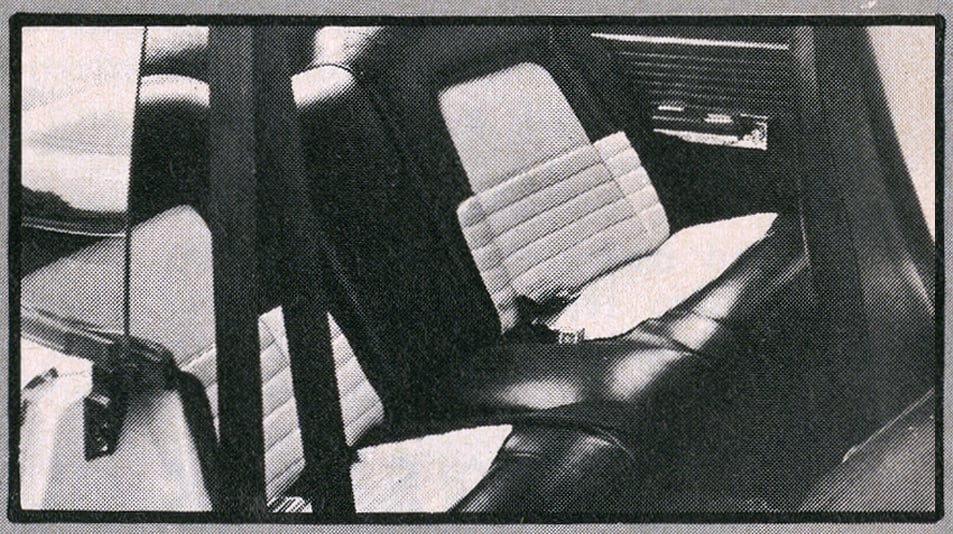
Chrysler’s new range of Chargers have cured many of the minor problems which inflicted the old versions, but a couple still remain. However, the seats of the E49 and E55 have been raised at the mounting points and this makes all the difference to the driving position for shorter drivers. It is now possible to see over the wheel and down onto the bonnet rather than through it and across, so visibility is much better. Also improved is the driving position – short drivers no longer have to hang on to the wheel for support but sit back and direct it. Tall people find it makes little difference to what was an already fine driving position. The tall bucket seats are still rated excellent with marvellous thigh, lateral and lumbar support. Only the short cushions could bring forth any criticism.
Ride in both is surprisingly comfortable considering their sheer roadholding ability. Joints in concrete or bigger than normal bumps bring on the traditional Chrysler thud but the firmness could never be rated overdone. The compromise on the E55, because of its wider market appeal, has been very successfully achieved, slightly in favor of handling.
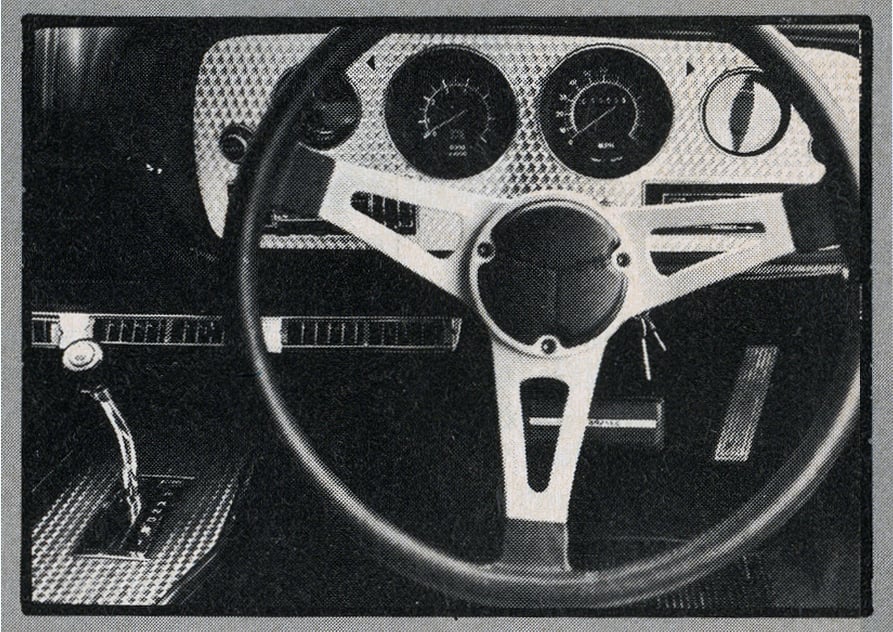
Small things like reflection in the right hand instrument panel of the E55, the position of the dipper on the floor, the seat belt location points, the pedals and the controls still leave a lot to be desired. But Chrysler has padded the entire area in front of the passenger so the cheap looking painted metal dashboard has disappeared.
So you have two fine performance machines. Which one? Well it depends on what you want. The E49 is a firebreathing Ferrari-style car while the E55 is more in the Mustang breed with fine looks combined with performance and the ease and comfort of automatic transmission, and even air conditioning, if you so desire.
Both are fine in traffic, although for crowded city areas there is no beating the automatic. To make a choice would be very difficult and we would rather chicken out and have both. One for commuting and the other for our favourite stretch of mountain country.
China is set to ban jet fighter-style ‘yoke’ steering wheels – like those offered in the Tesla Model S Plaid and Lexus RZ – under sweeping new vehicle safety regulations that also target pop-out electric door handles.
The proposed rules, drafted by China’s Ministry of Industry and Information Technology (MIIT), would prohibit the sale of new vehicles fitted with yoke-style steering wheels from January 1 next year. The regulation, known as GB 11557-202X, raises concerns that the unconventional design could increase the risk of injury in a crash.
Unlike a traditional circular steering wheel, a yoke removes the upper section of the rim, reducing the surface area of cushioning between the driver and the steering column. Authorities have also pointed to impact testing requirements, which mandate steering wheels be assessed at 10 different points – a process complicated by the yoke’s truncated design.
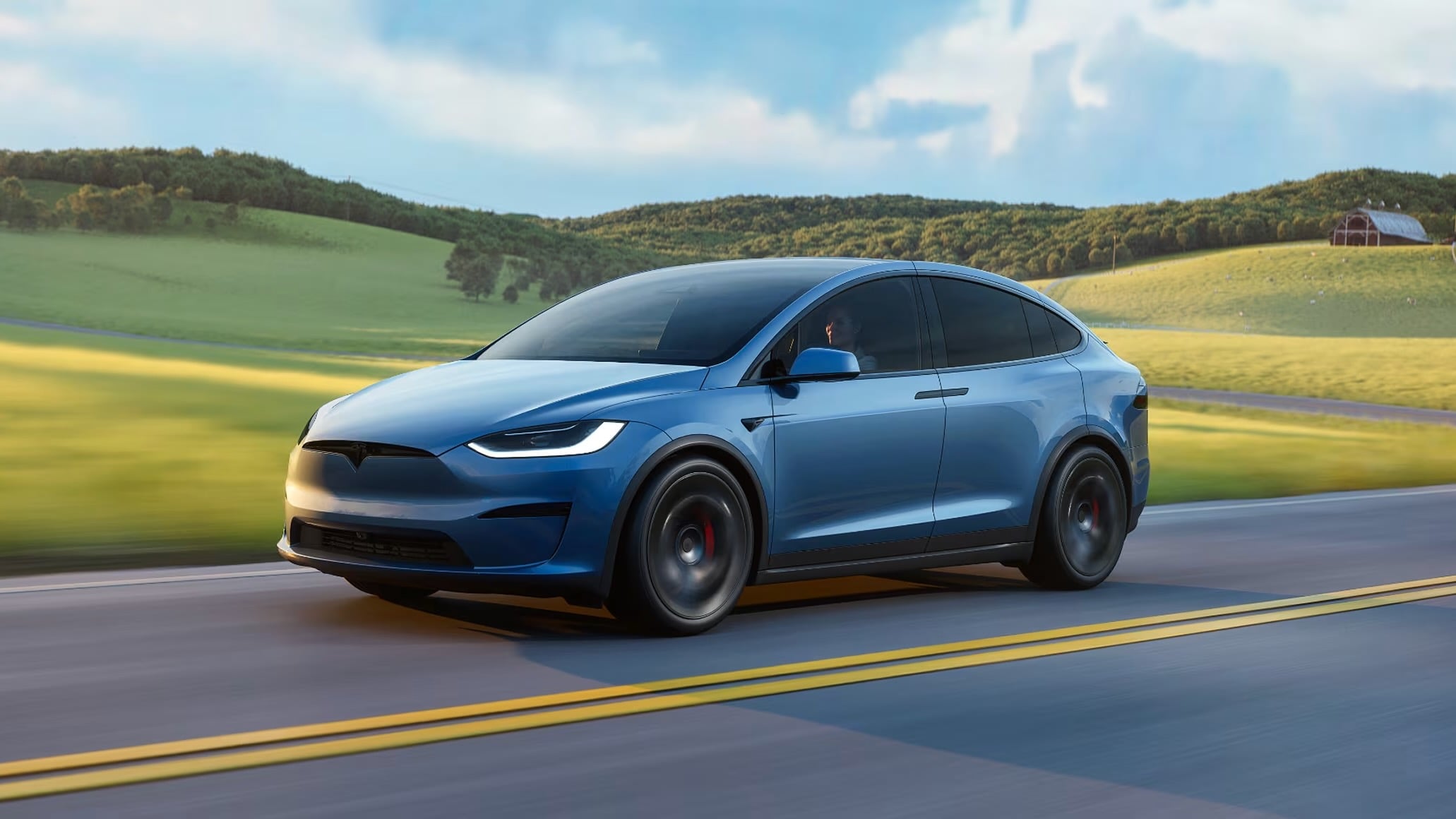
While manufacturers may be granted a short transition period for models already on sale, the change is expected to affect only a small portion of the market. Yoke steering wheels remain relatively niche, first gaining global attention in the left-hand-drive Tesla Model S Plaid and later appearing in the Model X. The Lexus RZ has also adopted a yoke in steer-by-wire form in some markets, and Mercedes-Benz has flagged similar technology for future EVs.
In a separate move, Beijing has also confirmed a ban on retractable, Tesla-style pop-out door handles. From next year, passenger vehicles under 3.5 tonnes will be required to feature physical interior and exterior door handles with a mechanical emergency release, ensuring access in the event of a power failure.
The twin rulings signal a tightening of design regulations in the world’s largest new-car market.
California-based restomod specialist Singer has unveiled its latest creation: the Porsche 911 Carrera Cabriolet Reimagined by Singer, inspired by the wide-body 911 Carrera Cabriolet of the mid-1980s.
Singer has built its global reputation on meticulously reengineering classic Porsche 911s, blending period-correct design with modern engineering. Each new project pushes the boundaries further, and this convertible is no exception.
While its styling references the eighties-era G-Series 911, the car is actually based on a later 964-generation 911 Cabriolet, which serves as the donor platform. Singer reinforces and stiffens the original chassis before widening it, then fits lightweight carbon-fibre body panels. A newly developed folding roof with a Z-fold mechanism replaces the original system, designed to improve packaging and refinement.
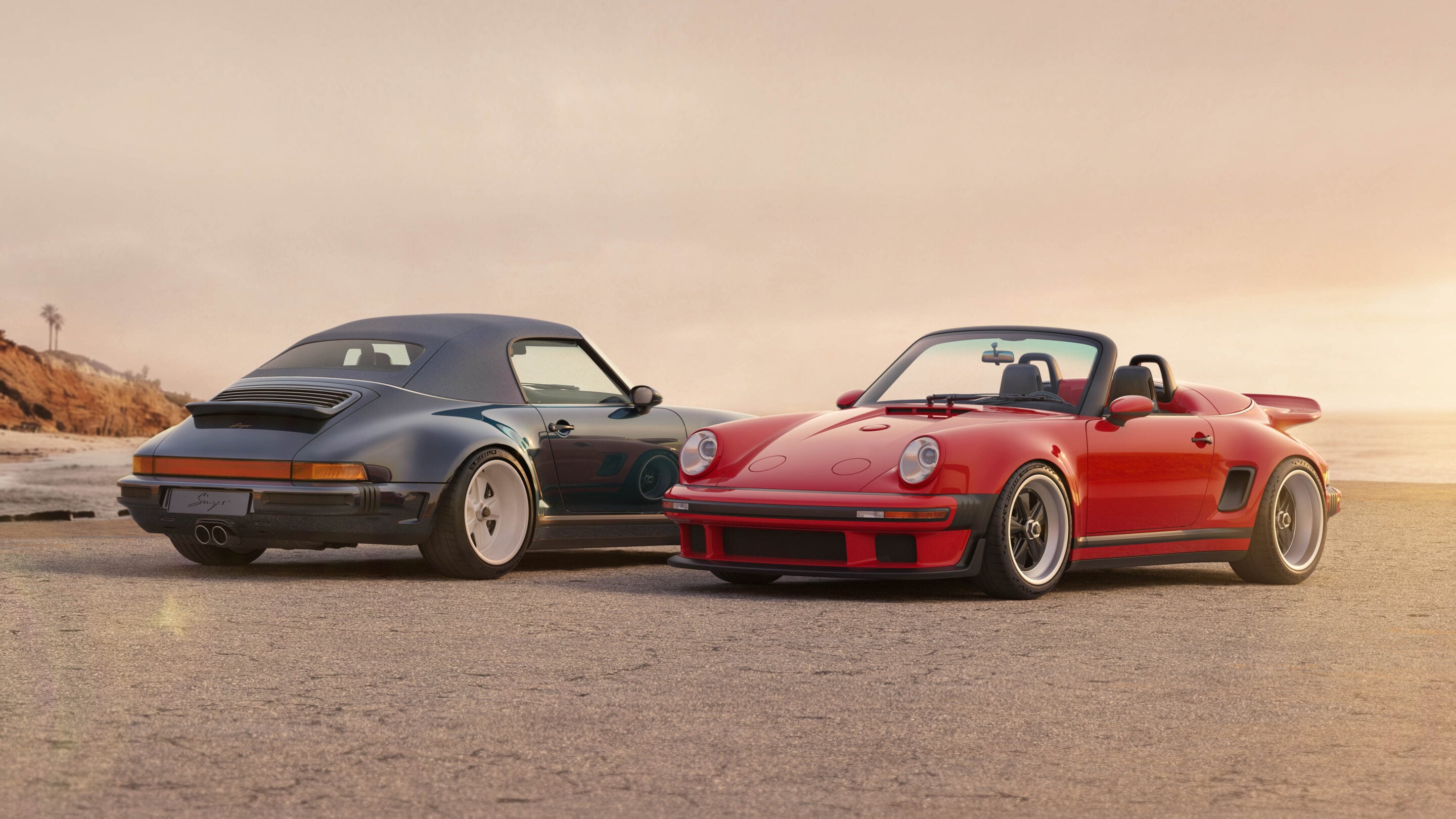
The detailing walks a careful line between heritage and contemporary execution. Elements such as the rear light bar and front indicators echo the look of the G-Series cars, but are slimmer and incorporate modern LED technology. Buyers can opt for classic Porsche cues including the iconic ‘whale tail’ rear spoiler, or choose a more subtle active spoiler integrated into the engine lid.
Bespoke 18-inch alloy wheels draw inspiration from the legendary Fuchs design synonymous with classic 911s, while hiding thoroughly modern underpinnings.
Power comes from a heavily revised 4.0-litre naturally aspirated flat-six engine co-developed with renowned British engineering firm Cosworth. While the engine retains an air-cooled block in keeping with Porsche tradition, it introduces contemporary upgrades including four valves per cylinder, variable valve timing and water-cooled cylinder heads. The result is 420hp (around 313kW) delivered to the rear wheels via a six-speed manual transmission.
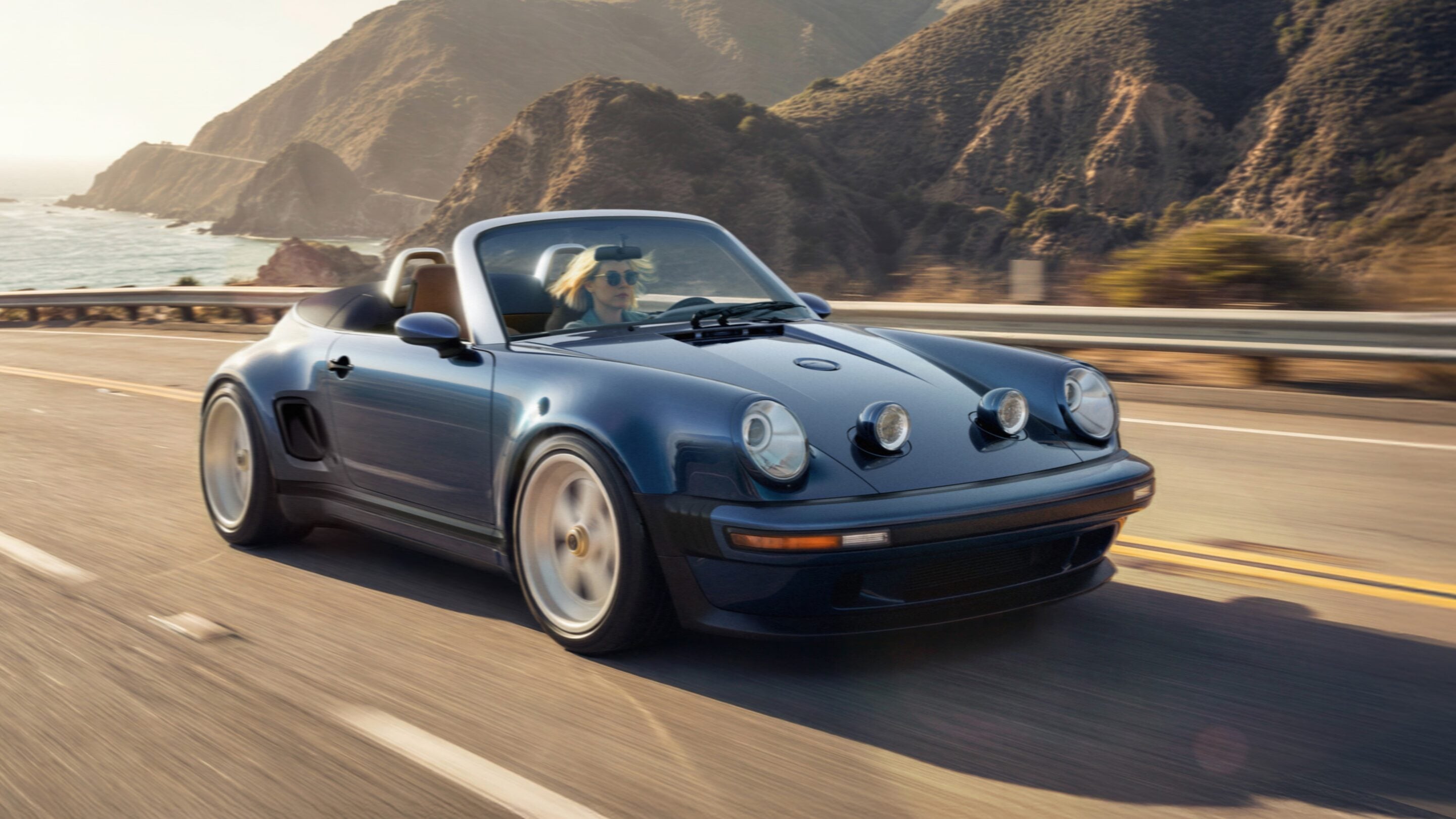
A limited-slip differential and bespoke front and rear suspension systems are fitted to ensure the lightweight Cabriolet’s performance remains usable on road and track.
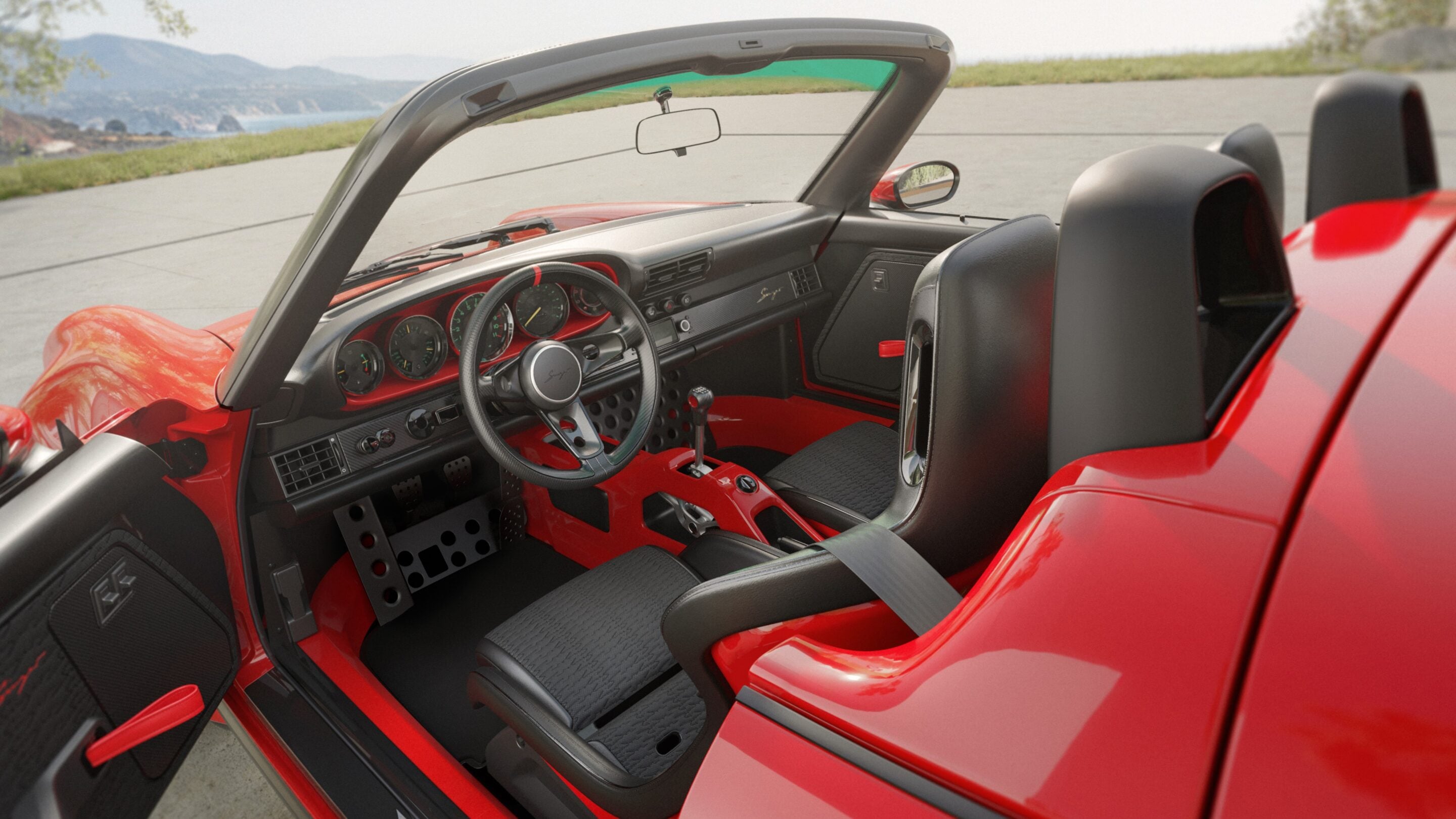
Inside, the cabin is extensively customisable, with virtually every surface tailored to the owner’s specification. Two roof cover options are available: a body-coloured carbon panel evoking the 1980s 911 Speedster, or a more traditional fabric hood.
Production will be limited to just 75 examples worldwide. Pricing has yet to be announced, but Australian buyers keen to secure one will need to explore private import options – and prepare for a substantial investment.
Hybrid SUV models continue to grow in the Aussie new car sales market thanks to their practicality, fuel efficiency, performance and low cost of ownership. Manufacturers are racing to offer as many as they can, making hybrid SUV ownership no longer just for those with larger budgets. There are even options underneath the $30,000 mark.
With that in mind, here are the top 10 WhichCar by Wheels cheap hybrid SUV options:
1) MG ZS Hybrid+
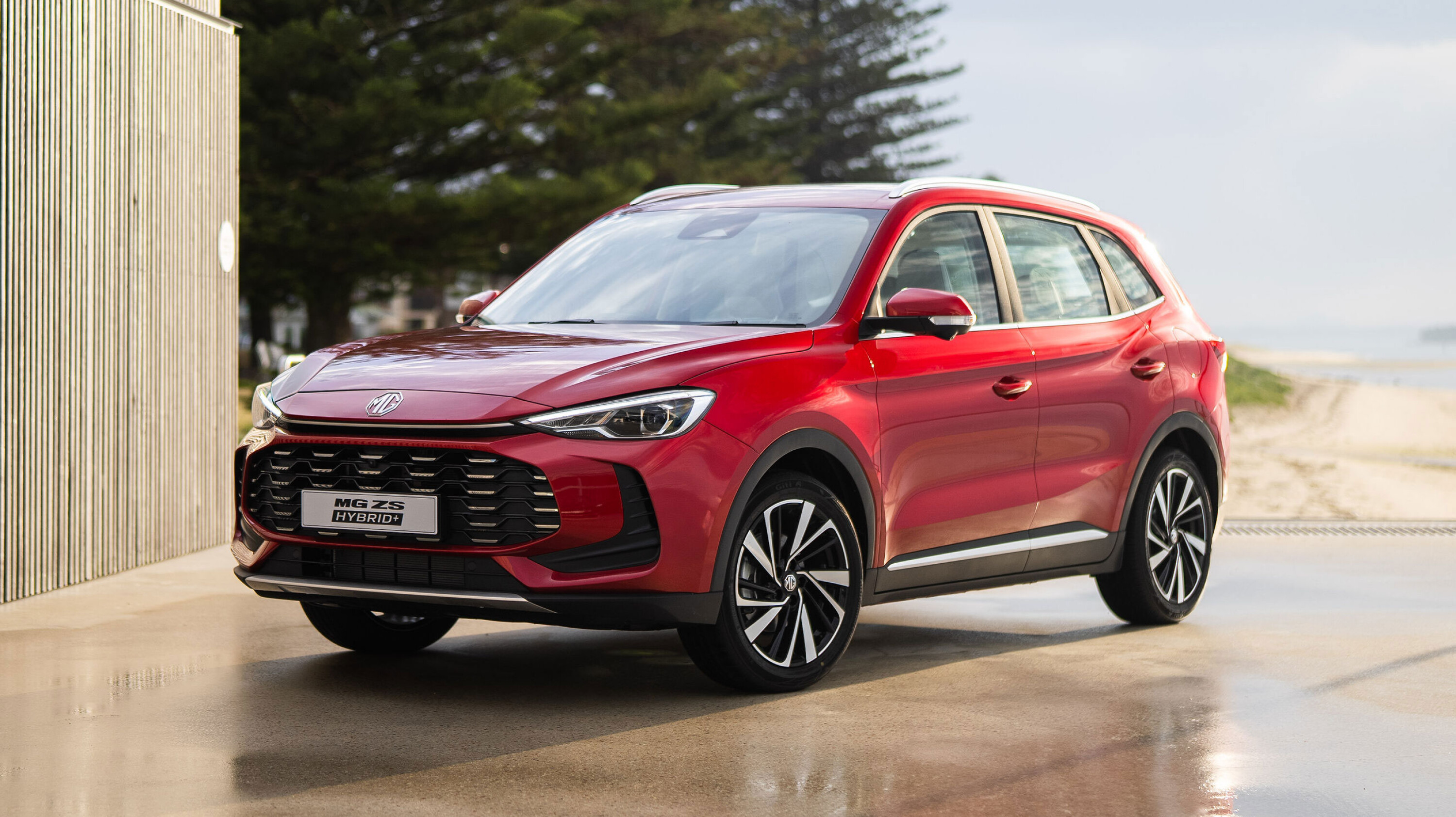
Price: From $30,990 driveaway
Powertrain: 1.5-litre four-cylinder hybrid, 158kW, CVT, 2WD
Fuel efficiency: 4.7L/100km
Winner of Wheels Best Small SUV 2025, the MG ZS Hybrid+ is currently the best cheap hybrid SUV you can buy for a number of reasons: the typically strong MG value equation, its efficiency and performance, practicality and low running costs. Priced from $30,990 driveaway in Excite form, the ZS Hybrid+ is also richly equipped with a well finished interior. Add in MG’s excellent seven-year warranty (extendable up to 10 years through dealer servicing), and it’s a great choice for a cheap hybrid SUV.
2) Chery Tiggo 4 Hybrid
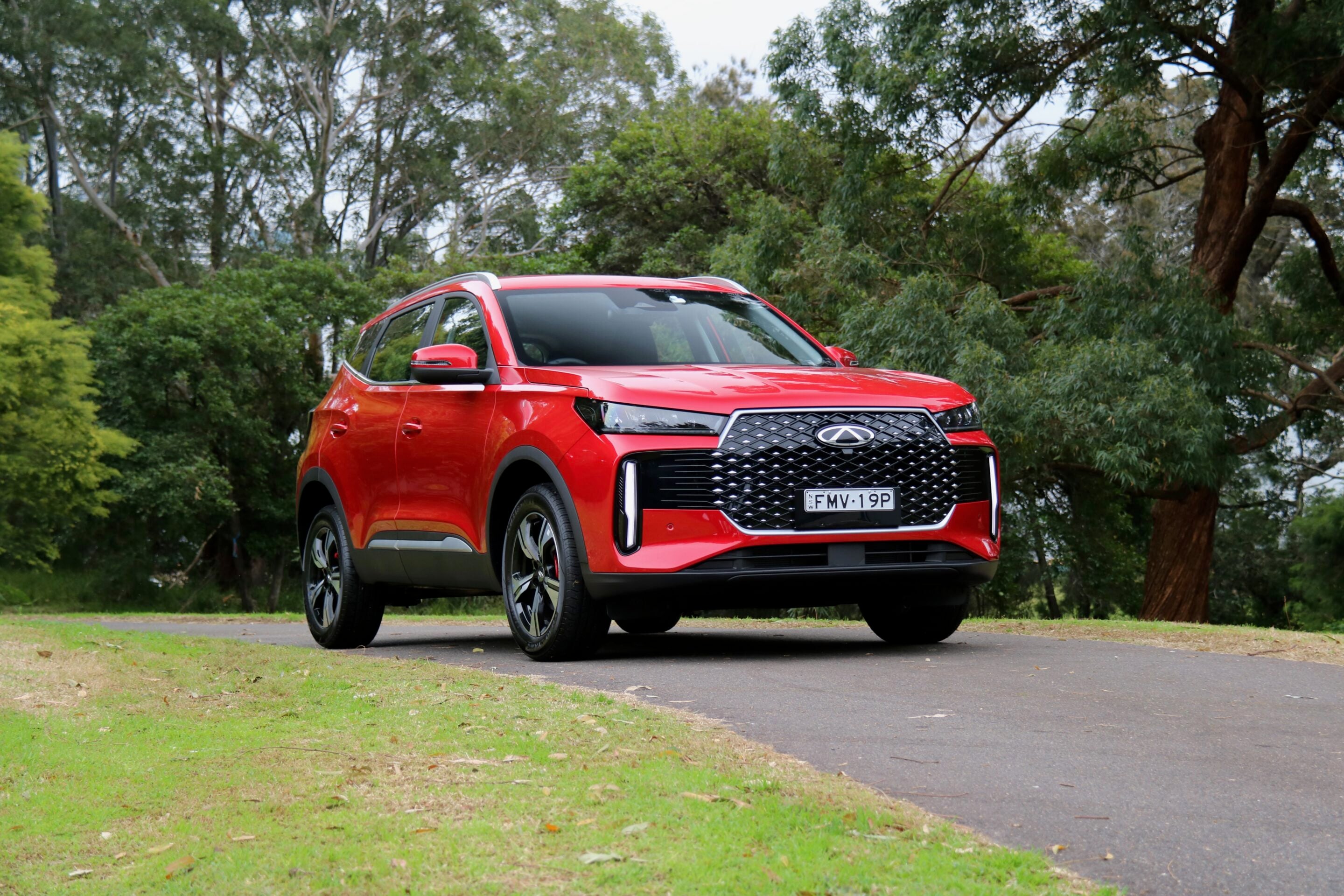
Price: From $29,990 driveaway
Powertrain: 1.5-litre four-cylinder hybrid, 150kW, CVT, 2WD
Fuel efficiency: 5.4L/100km
The Tiggo 4 is the best-selling small SUV in Australia so far in 2026, and with good reason: its value equation is amazing and it’s very well equipped with standard features. In hybrid form, the Tiggo 4 is powerful but efficient, and impresses with its practicality, quality interior finishes and comfortable driving experience. Chery‘s seven-year/unlimited km warranty is healthy and its service pricing is cheap as well, keeping running costs low and quite affordable.
3) Hyundai Kona
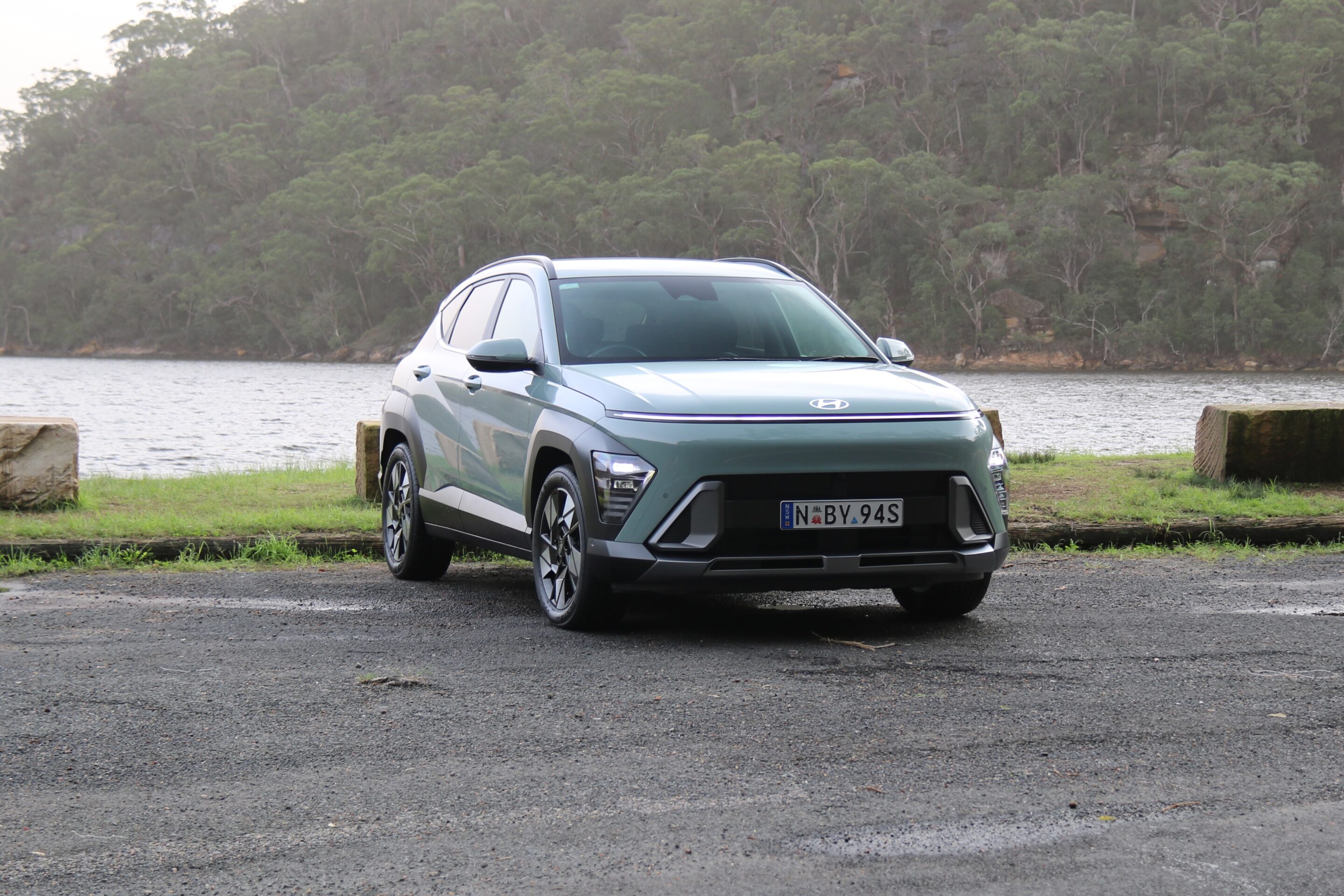
Price: From $36,950 plus on-road costs
Powertrain: 1.6-litre four-cylinder, 104kW, six-speed dual-clutch, 2WD
Fuel efficiency: 3.9L/100km
The Hyundai Kona did well in Wheels Best Small SUV 2025, and was even the best-selling small SUV in Australia in 2025. That’s because it’s a great all-rounder, plus the 1.6-litre hybrid drivetrain is also very fuel efficient, rated at just 3.9L/100km. The Kona features a six-speed dual-clutch transmission so that the elasticky feel experienced in quite a lot of other hybrids doesn’t feature. The Kona hybrid is one of the more expensive options on this list, but it’s still very worthy of consideration.
4) Toyota Yaris Cross
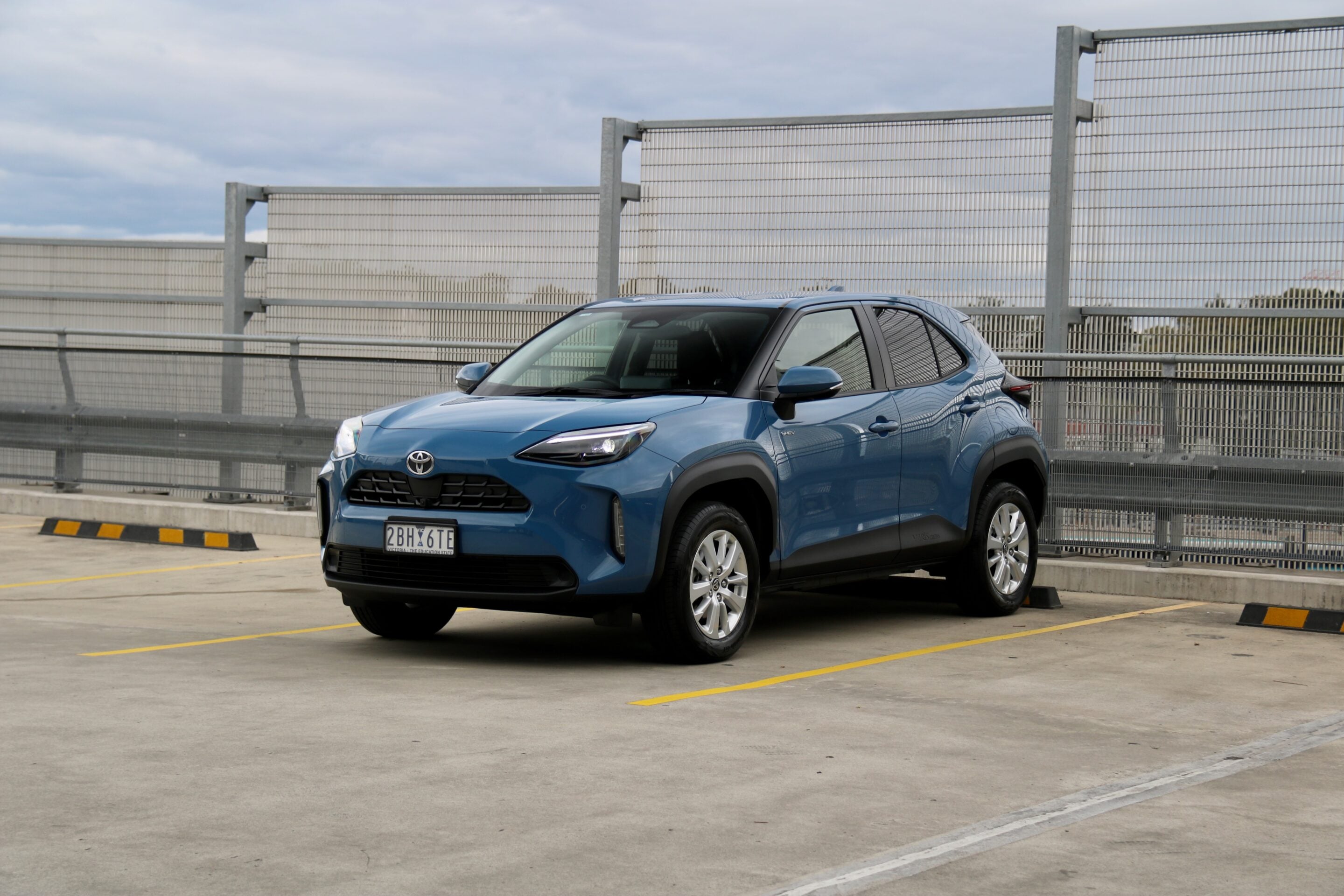
Price: from $31,790 plus on-road costs
Powertrain: 1.5-litre four-cylinder hybrid, 85kW, eCVT, 2WD or AWD
Fuel efficiency: 3.8L/100km
Toyota‘s hybrid knowledge is the best in the industry, so it’s no surprise to see the Yaris Cross small SUV feature on this list. Rated at just 3.8L/100km on the combined cycle, the Yaris Cross is actually the equal most efficient SUV on the market (which it shares with its Lexus LBX twin). With a starting price of $31,790 plus on-road costs, the Yaris Cross is efficient, practical, good to drive and well equipped.
5) MG HS Hybrid+
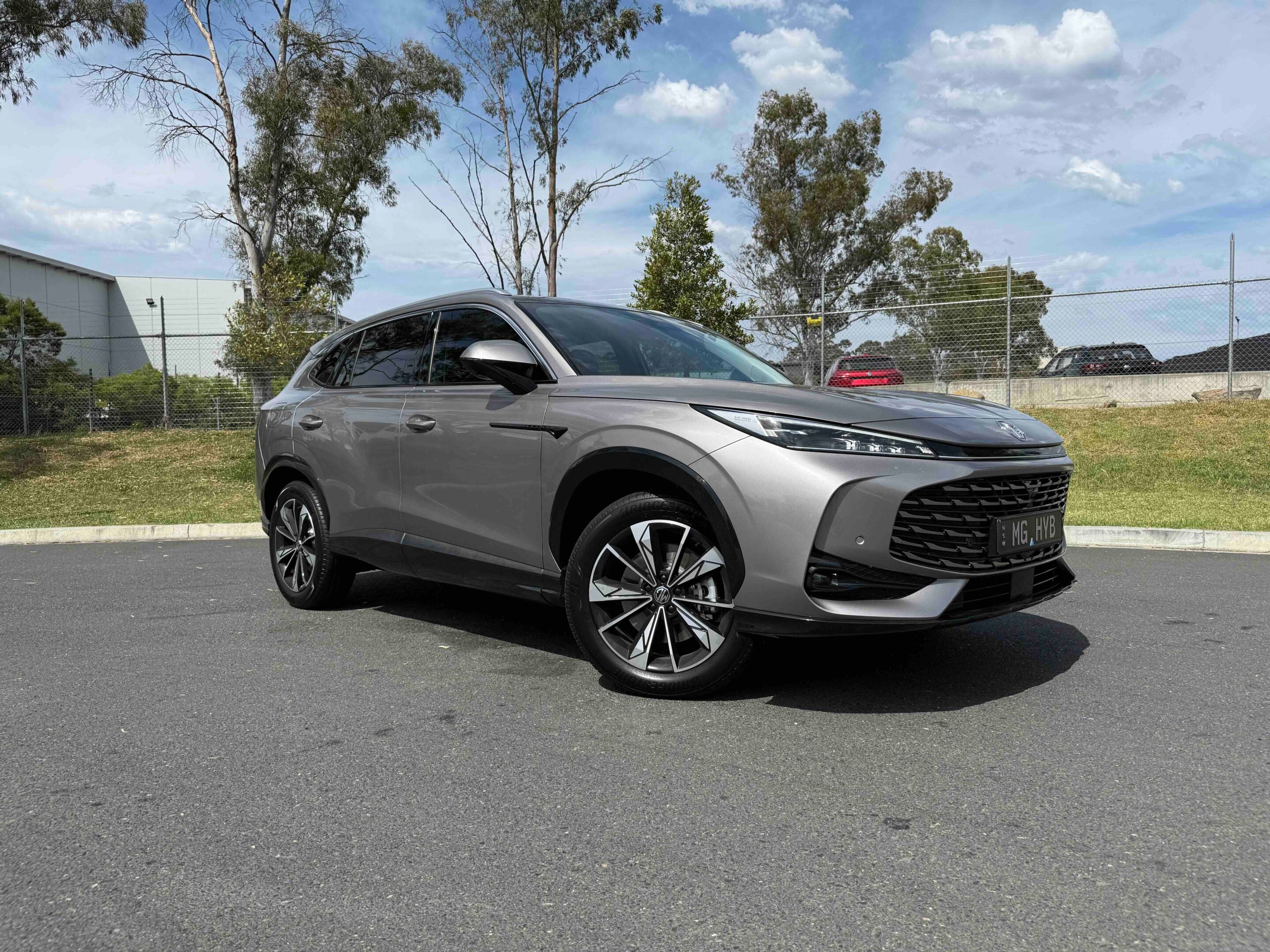
Price: From $39,990 driveaway
Powertrain: 1.5-litre four-cylinder turbo hybrid, 165kW, two-speed auto, 2WD
Fuel efficiency: 5.2L/100km
The latest-generation MG HS is a big improvement on the previous-generation model thanks to its big low up in style, quality and driving ability. The new HS also has the choice of two hybrid drivetrains, including the plug-in ‘Super Hybrid’, but here we’re focusing on the less expensive Hybrid+. Using a 165kW 1.5-litre hybrid drivetrain, the HS Hybrid+ is capable of 5.2L/100km combined fuel consumption and is priced from just $39,990 driveaway. Plus, compared with the mostly small SUVs on this list, it’s a mid-sizer and therefore offers more space and practicality.
6) Honda HR-V
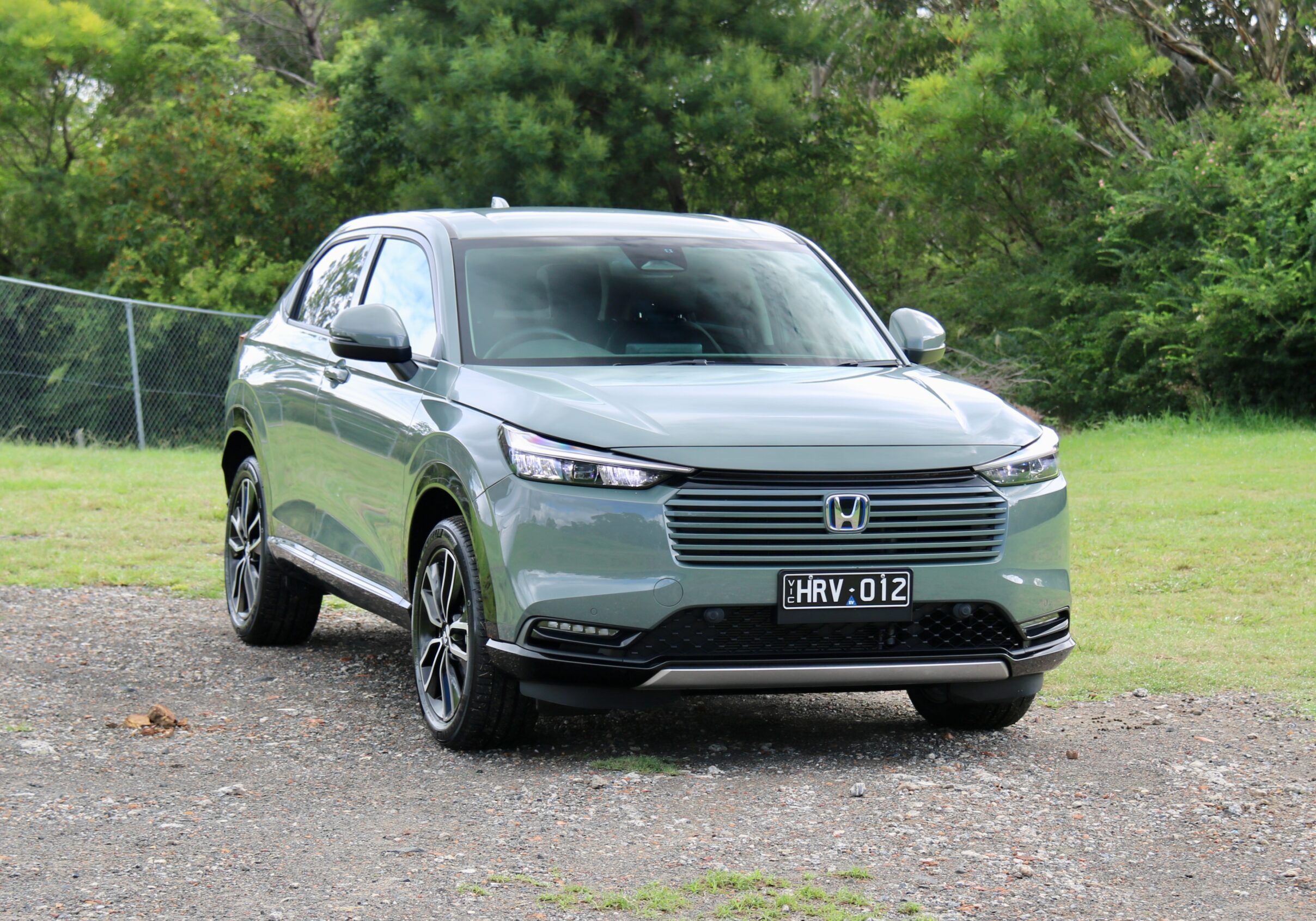
Price: From $39,900 driveaway
Powertrain: 1.5-litre four-cylinder hybrid, 96kW, CVT auto, 2WD
Fuel efficiency: 4.3L/100km
It’s not cheap to buy, and it’s also only a four-seater, but the Honda HR-V is a great all-rounder and represents Honda’s sublime engineering at its best. Its hybrid system is excellent, offering stepped ratio gearing to feel more like a regular transmission, and it’s capable of low fuel consumption as well. In addition, the HR-V boasts Honda‘s ‘Magic Seats’ that fold up to carry taller items in the rear seat, and it’s also wonderfully practical for a small SUV.
7) GWM Haval H6
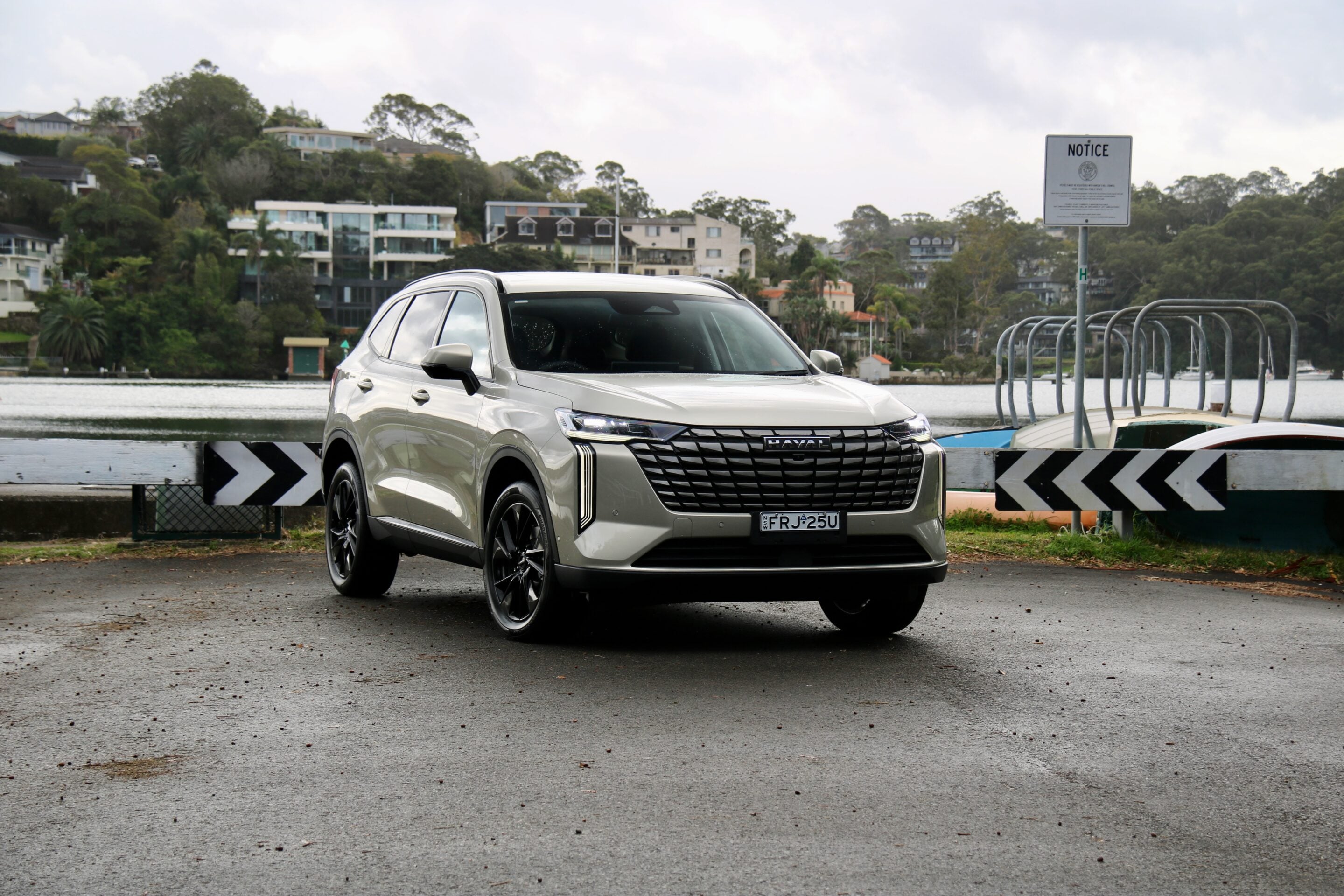
Price: From $40,990 driveaway
Powertrain: 1.5-litre four-cylinder turbo hybrid, 179kW, two-speed auto, 2WD
Fuel efficiency: 5.2L/100km
The GWM Haval H6 was given a comprehensive update in the second half of 2025 which improved its styling and dynamics, gave it a new touchscreen system and improved its value further. The base Lux hybrid is available from just $40,990 driveaway, for example, but it is often discounted further (currently it’s priced at $36,990 driveaway). Its hybrid system is quite punchy and gives good performance, but it’s rated at just 5.2L/100km on the combined cycle.
8) Geely Starray EM-i
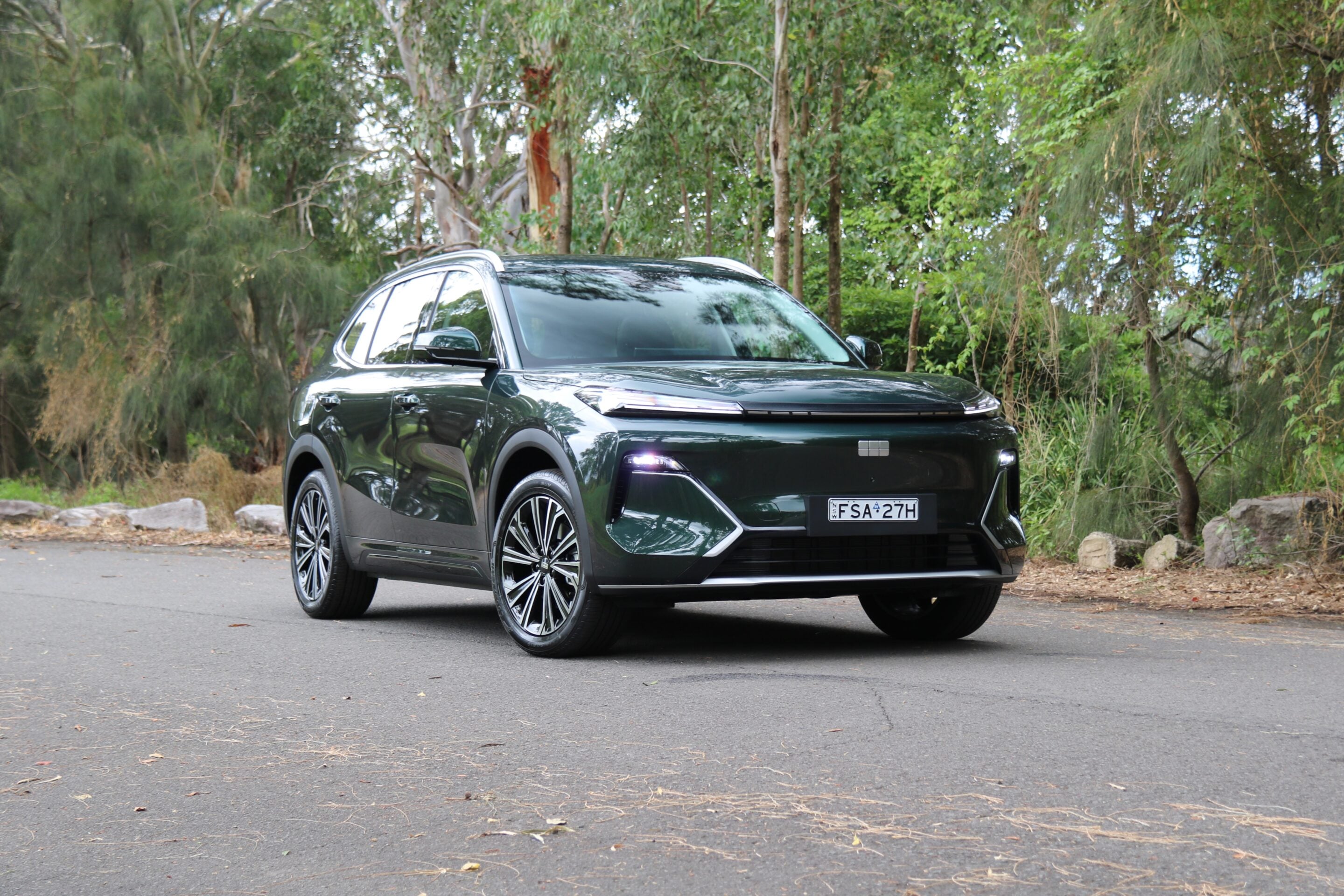
Price: From $37,490 plus on-road costs
Powertrain: 1.5-litre four-cylinder turbo plug-in hybrid, 193kW, dedicated hybrid transmission, 2WD
Fuel efficiency: 2.4L/100km (fully charged)
Geely‘s new Starray EM-i plug-in hybrid mid-size SUV only recently launched in Australia, but it impressed us thanks to its long EV range (83km on the WLTP cycle), quality interior finish, strong practicality and overall efficiency of just 2.4L/100km (when fully charged). Plus it’s priced from $37,490 plus on-road costs too, making it one of the cheapest PHEVs on the market.
9) Toyota Corolla Cross

Price: From $37,440 plus on-road costs
Powertrain: 2.0-litre four-cylinder hybrid, 146kW, eCVT auto, 2WD or AWD
Fuel efficiency: 4.2L/100km
Like its slightly smaller Yaris Cross sibling, the Toyota Corolla Cross is a great cheap SUV option that’s capable of excellent fuel economy at just 4.2L/100km. That’s despite featuring a 2.0-litre hybrid system making 146kW of power, and giving excellent performance. It’s also quite practical, and although the entry-level GX model is at the pricier end of this list, it is well equipped with safety features. Plus, Toyota‘s low ownership cost and high resale value provide even more reasons to purchase it.
10) Subaru Crosstrek
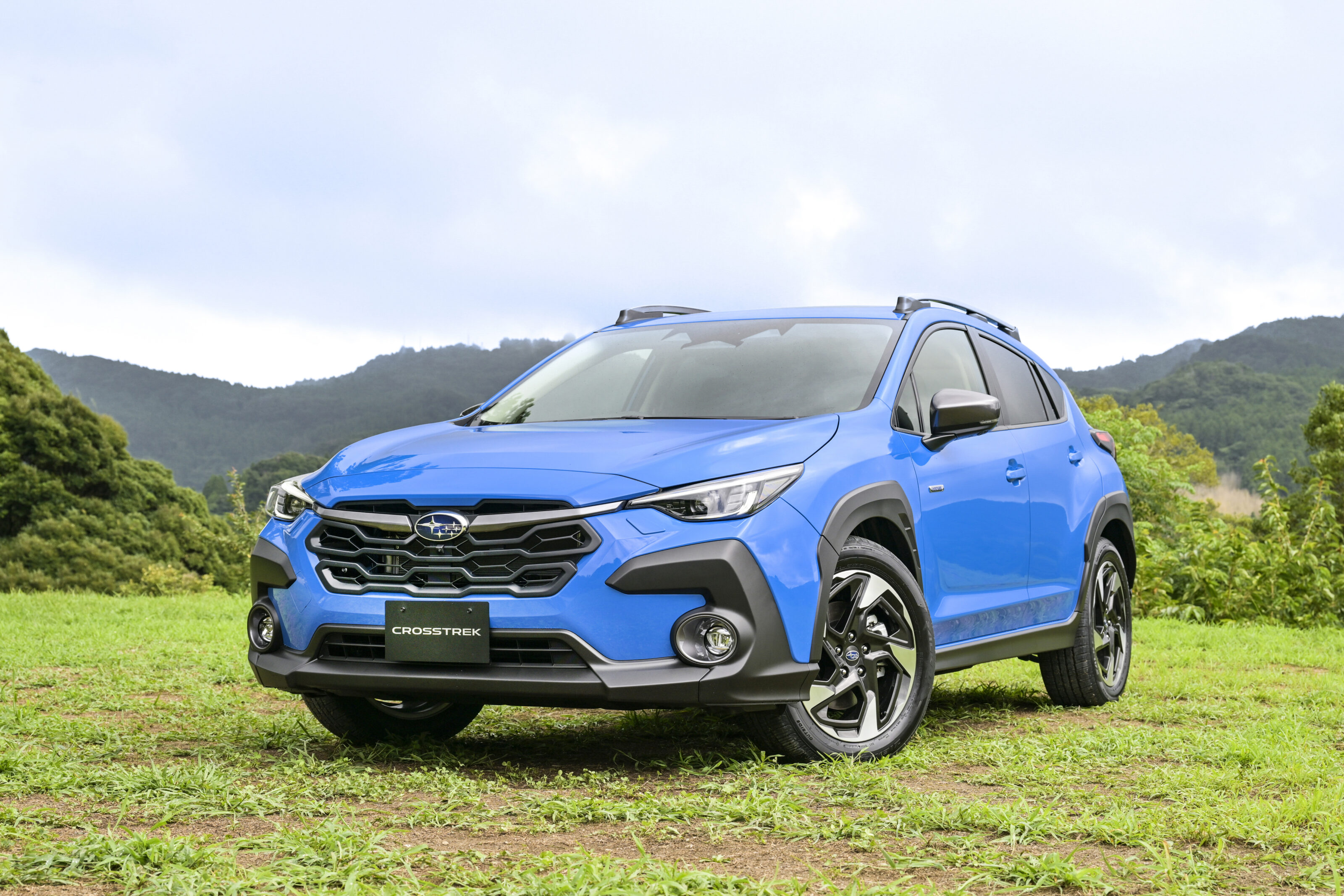
Price: From $40,090 plus on-road costs
Powertrain: 2.0-litre four-cylinder hybrid, 110kW, CVT auto, AWD
Fuel efficiency: 6.5L/100km
The Subaru Crosstrek is a solid all-round small SUV that’s offered in mild-hybrid form, and truth be told, there are better hybrid options on the market (as its 6.5L/100km combined fuel consumption shows). But the hybrid variant loses none of the petrol version’s great off-road capability, and although it’s not cheap, the Subaru Crosstrek hybrid is the only off-road capable car in this company. Plus, while its boot isn’t huge, its cabin is spacious and it’s well equipped, especially with safety features.
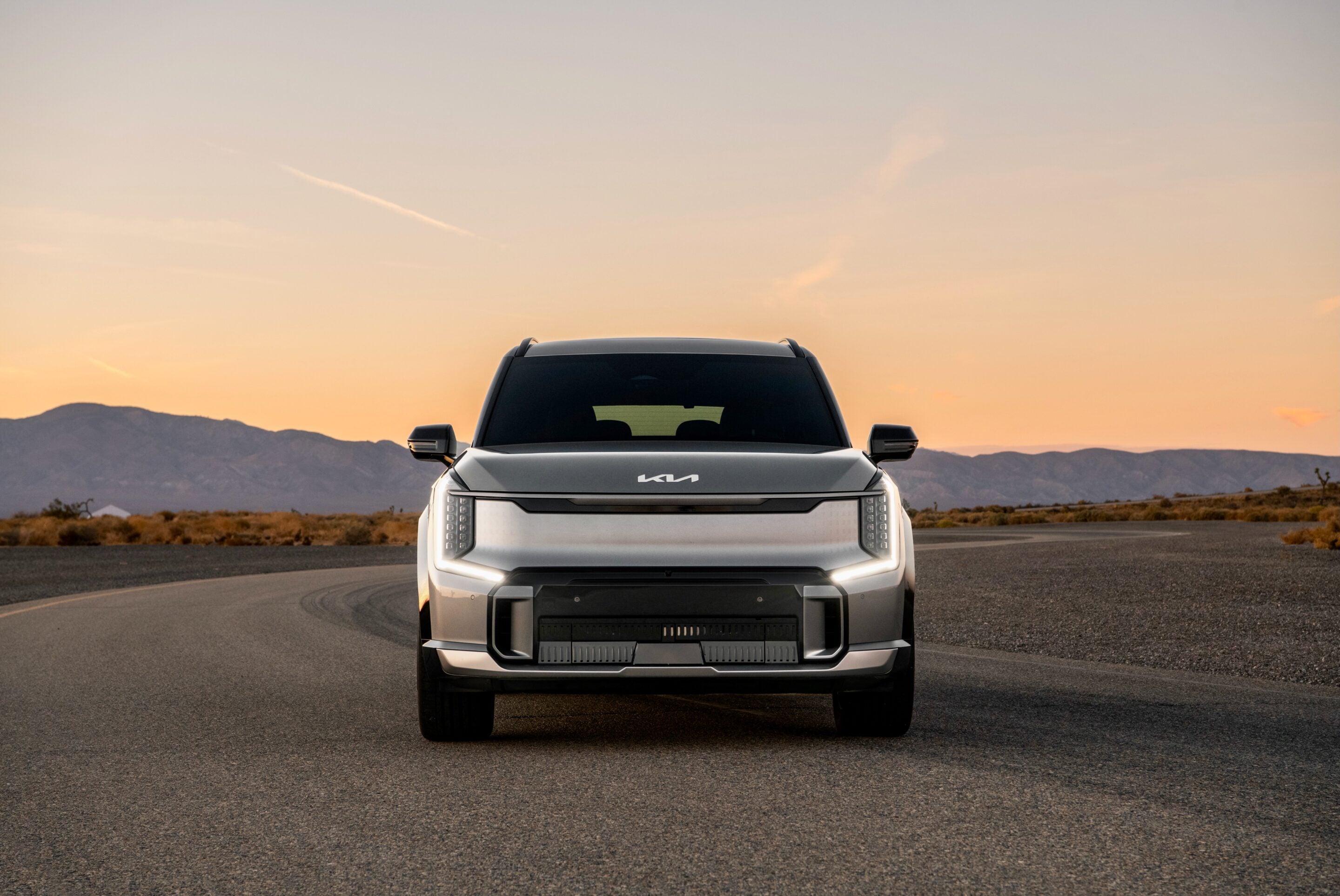
Kia Australia has announced local pricing for the 2026 Kia EV9 range, which is now on sale ahead of first deliveries commencing soon. Most notable among the 2026 EV9 variants is the high-performance GT, which has finally gone on sale after being revealed in November 2024 and adds more power, locally-tuned adaptive suspension and a sportier look inside and out.
Priced from $129,250 plus on-road costs, the EV9 GT is $8250 more expensive than the less powerful and less well equipped GT-Line ($121,000 +ORC). It uses the same dual-motor set-up as the EV9 GT-Line, but makes considerably more grunt at 374kW of power and 740Nm of torque versus the GT-Line’s 283kW/700Nm. That allows it to cover 0-100km/h in 4.5 seconds (GT-Line: 5.2).
While Kia is yet to reveal a full standard equipment list, it has confirmed that the GT also features locally-tuned adaptive suspension, gloss black 21-inch alloy wheels, a digital LED grille with its ‘Star Map’ lighting and an upgraded interior with second row captain’s chairs with full reclining.
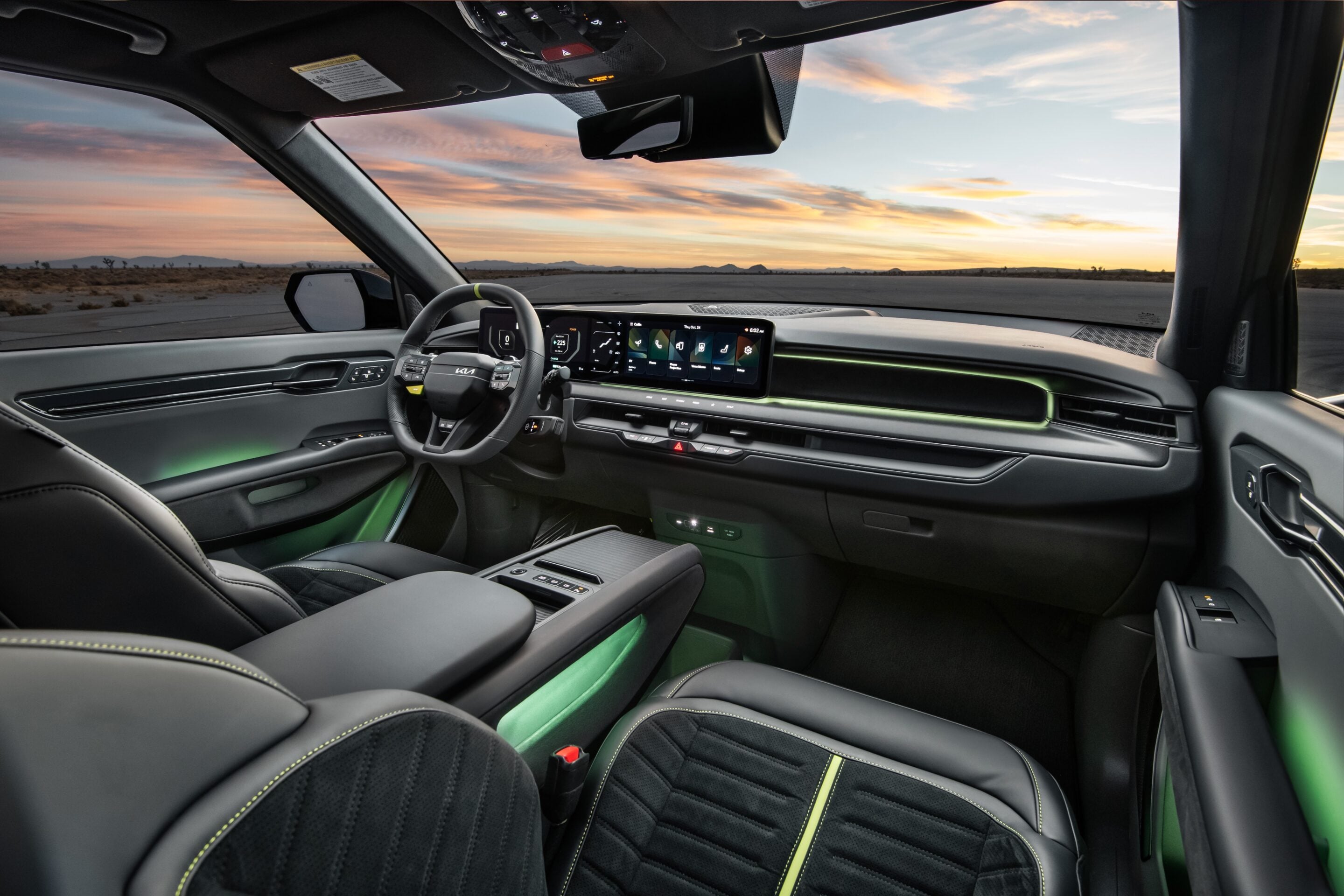
The images from the EV9 GT’s reveal in late 2024 show an upgraded interior with lime green highlights, black suede upholstery used throughout and sports seats added.
The EV9 GT uses the same 99.8kWh battery as the EV9 Earth and EV9 GT-Line and is rated for 510km of WLTP range, which is curiously 5km more than the less powerful GT-Line.
Kia is yet to announce any other changes for the rest of the 2026 EV9 range, though pricing has remained the same as the 2025 versions.
2026 Kia EV9 pricing (plus on-road costs):
| Air RWD | $97,000 |
|---|---|
| Earth AWD | $106,500 |
| GT-Line AWD | $121,000 |
| GT AWD | $129,250 |
The 2026 Kia EV9 range is now on sale with local deliveries to commence imminently.
Australia’s privacy watchdog – The Office of the Australian Information Commissioner (OAIC) – has opened an official investigation into two Asian-based ‘smart car’ manufacturers, citing concerns about the types, and levels, of personal data connected cars are harvesting.
Speaking to Senate Estimates hearings in Canberra this week, Australian Privacy Commissioner Carly Kind told Senators that her office is investigating “two separate entities” to assess whether the automakers are collecting excessive personal information and what they are then doing with that harvested data. She also confirmed her office had conducted preliminary investigations into two other car companies.
“We have open investigations against two separate entities,” Kind told Senate Estimates. “We conducted further preliminary inquiries against two separate entities, but did not decide to take them further.”

Kind declined to name the car makers under investigation and when pressed by Nationals Senator, Bridget McKenzie, who asked if she could confirm the two automakers were state-owned entities from China, replied only that they were based in Asia.
Most new cars on the Australian market today are equipped with built-in modems – or can connect to owners’ smartphones – to provide a range of connected services such as satellite navigation and streaming services. However, some vehicles collect a wealth of personal data including location histories, driving behaviours, voice recordings and images from both internal and external cameras, “a shocking breach of privacy,” according to Senator McKenzie.

It’s not the first time Kind has flagged privacy concerns around automakers.
“It is an area of increasing public interest and concern, and while the Australian connected car market is not as advanced as overseas markets, we have seen significant privacy issues in other jurisdictions, including instances where driver data is used to build risk profiles about individuals, and in some circumstances, sold to insurance brokers,” she said in a speech at the University of NSW last May. “This can include some very personal and even sensitive data, and it can paint an intricate picture of our lives and movements.
“By collecting so many data points, connected cars provide as many opportunities for malicious or rogue actors to access and misuse that information.”
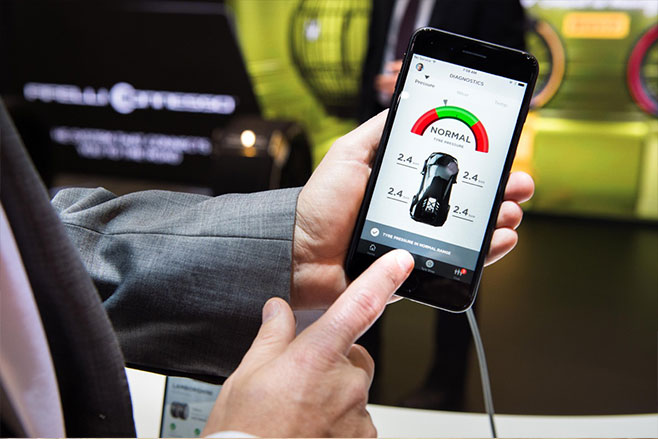
The issue of data security is gathering steam globally. In 2024, the US banned the sale of software and hardware from Chinese- and Russian-made cars amid concerns surrounding not only privacy, but also potential national security breaches.
That same year, Australian consumer advocacy group, Choice, conducted an investigation into Australia’s 10 biggest car brands which found that many of them collected personal information with some brands confirming that data was then sold on to third parties.
The Office of the Australian Information Commissioner’s investigation is expected to take around 18 months.
Suzuki has revealed local specifications for the new e Vitara small SUV, its first electric vehicle sold in Australia, ahead of its arrival in June 2026. While pricing is yet to be released, we do know that it will be available in two models with up to 395km of driving range. Both front- and all-wheel drive drivetrains will be available too, with the all-wheel drive model fairly unique in the small electric SUV market.
Two drivetrains will be available in the Suzuki e Vitara in Australia: a smaller 49kWh battery with a 106kW/193Nm front-mounted motor and a 135kW/307Nm dual-motor all-wheel drive variant with a larger 61kWh battery. The FWD car is capable of 344km of range, and the AWD car, 395km.
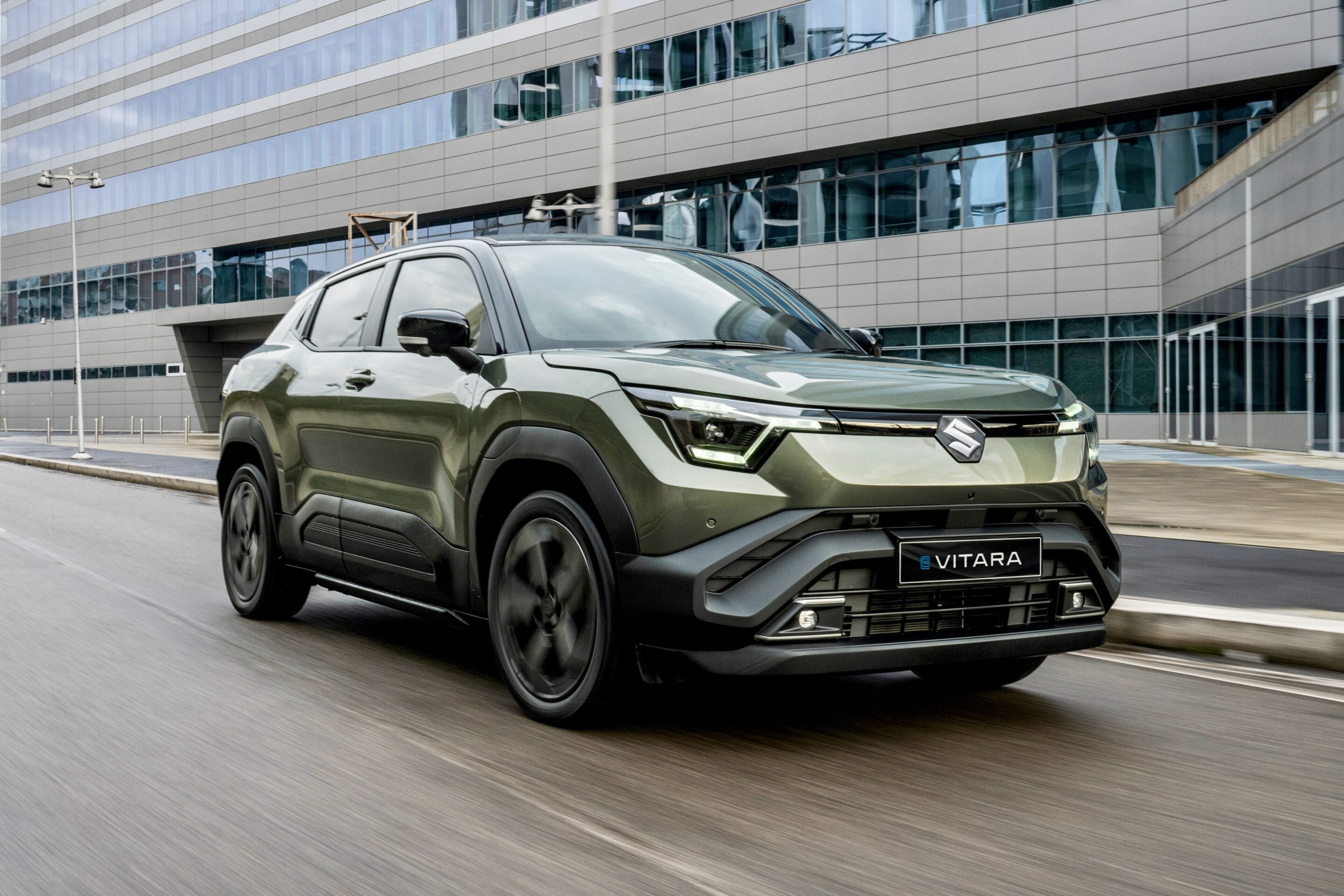
The e Vitara is capable of DC fast charging from 10 to 80 per cent in a claimed 45 minutes, while it can charge at an AC maximum of 11kW for a claimed 10-100 per cent charge in as long as five hours and 30 minutes.
The e Vitara measures 4275mm long, 1800mm wide, 1635mm tall and rides on a 2700mm-long wheelbase, making it identical in length to a Mazda CX-3, though 20mm narrower, 100mm taller and using a 130mm longer wheelbase.
Standard equipment on the entry-level e Vitara Motion includes 18-inch alloy wheels, single-zone automatic climate control, a 10.1-inch touchscreen, cloth upholstery and safety features such as seven airbags, autonomous emergency braking, adaptive cruise control, lane keep assist, blind-spot monitoring and a 360-degree camera.
The upper-spec e Vitara Ultra then adds all-wheel drive, synthetic leather and cloth upholstery, an Infinity sound system and heated front seats.
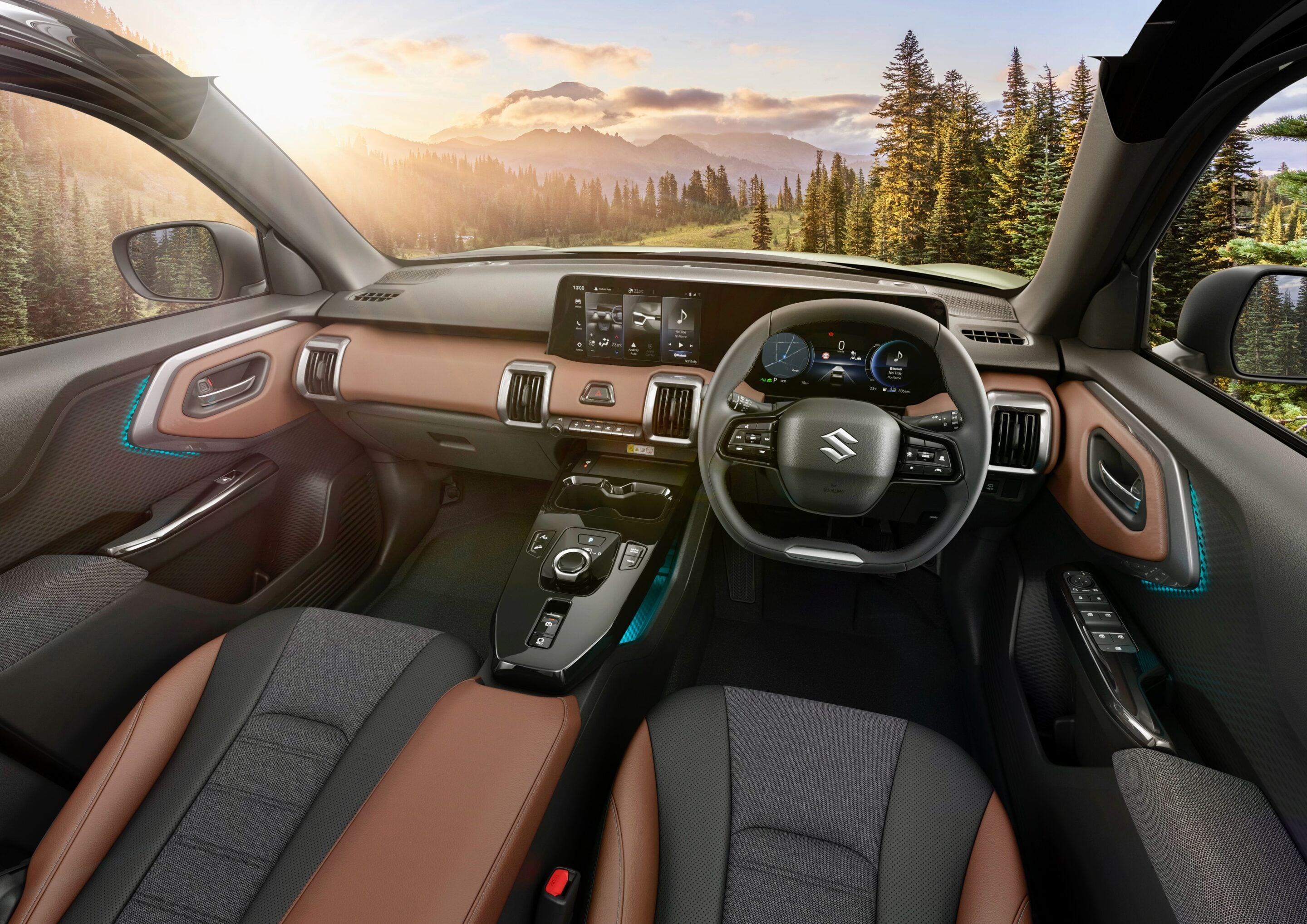
Suzuki e Vitara Motion standard features:
- 18-inch alloy wheels
- Dusk-sensing automatic LED headlights
- Rain-sensing automatic wipers
- Leather-wrapped steering wheel
- Cloth upholstery
- Automatic climate control
- 10.25-inch driver’s display
- 10.1-inch touchscreen
- Apple CarPlay and Android Auto
- Four-speaker sound system
- Driving modes
- 7x airbags
- Autonomous emergency braking
- Adaptive cruise control
- Lane keeping assistance
- Blind-spot monitoring
- Rear cross-traffic alert
- Auto high beam
- 360-degree camera
e Vitara Ultra model adds:
- Larger 61kWh battery
- All-wheel drive
- Adaptive high beam
- Sunroof
- Infinity sound system with subwoofer
- Wireless phone charger
- Cloth and synthetic leather upholstery
- Electric driver’s seat
- Heated front seats
- LED front fog lights
The Suzuki e Vitara will go on sale in Australia in June 2026 with local pricing yet to be revealed.
Tesla will scrap the outright purchase option for its Full Self-Driving (Supervised) technology in Australia and New Zealand from April 1, 2026, moving to a subscription-only model for new buyers.
The electric car maker confirmed customers must order vehicle with FSD (Supervised) by March 31, 2026 to be eligible for outright purchase (though delivery can occur later). After that date, the only way to access the driver-assistance feature will be via a monthly subscription.
Subscription pricing will remain unchanged, with FSD (Supervised) costing $149 per month in Australia and $159 per month in New Zealand.
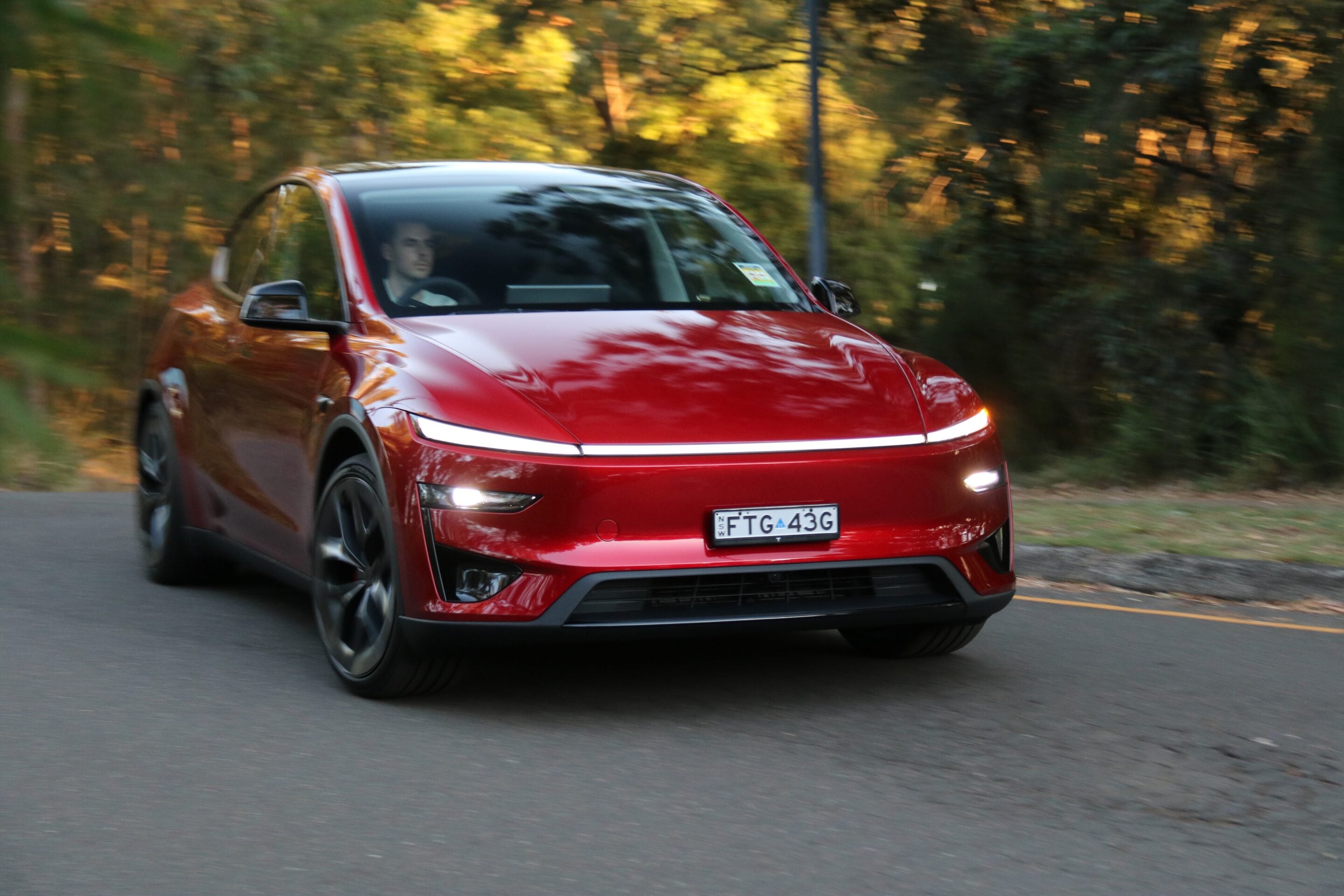
Existing owners of Tesla vehicles equipped with the latest HW4 hardware will still be able to purchase FSD (Supervised) outright as a post-purchase upgrade via the Tesla app, but only until March 31, 2026.
Tesla has also confirmed its Enhanced Autopilot (EAP) and Full Self-Driving transfer promotion – which allows eligible customers to transfer EAP or FSD (Supervised) from an existing vehicle to a new one – will end on the same date. Customers wanting to take advantage of the offer must order and take delivery before the deadline, with the incentive not set to return.
While the shift marks a significant change in how Tesla packages one of its most high-profile technologies, it does not affect vehicle pricing.
In Australia, the Model 3 line-up starts from $54,900 before on-road costs for the Rear-Wheel Drive, rising to $61,900 for the Long Range Rear-Wheel Drive and $80,900 for the Performance All-Wheel Drive.
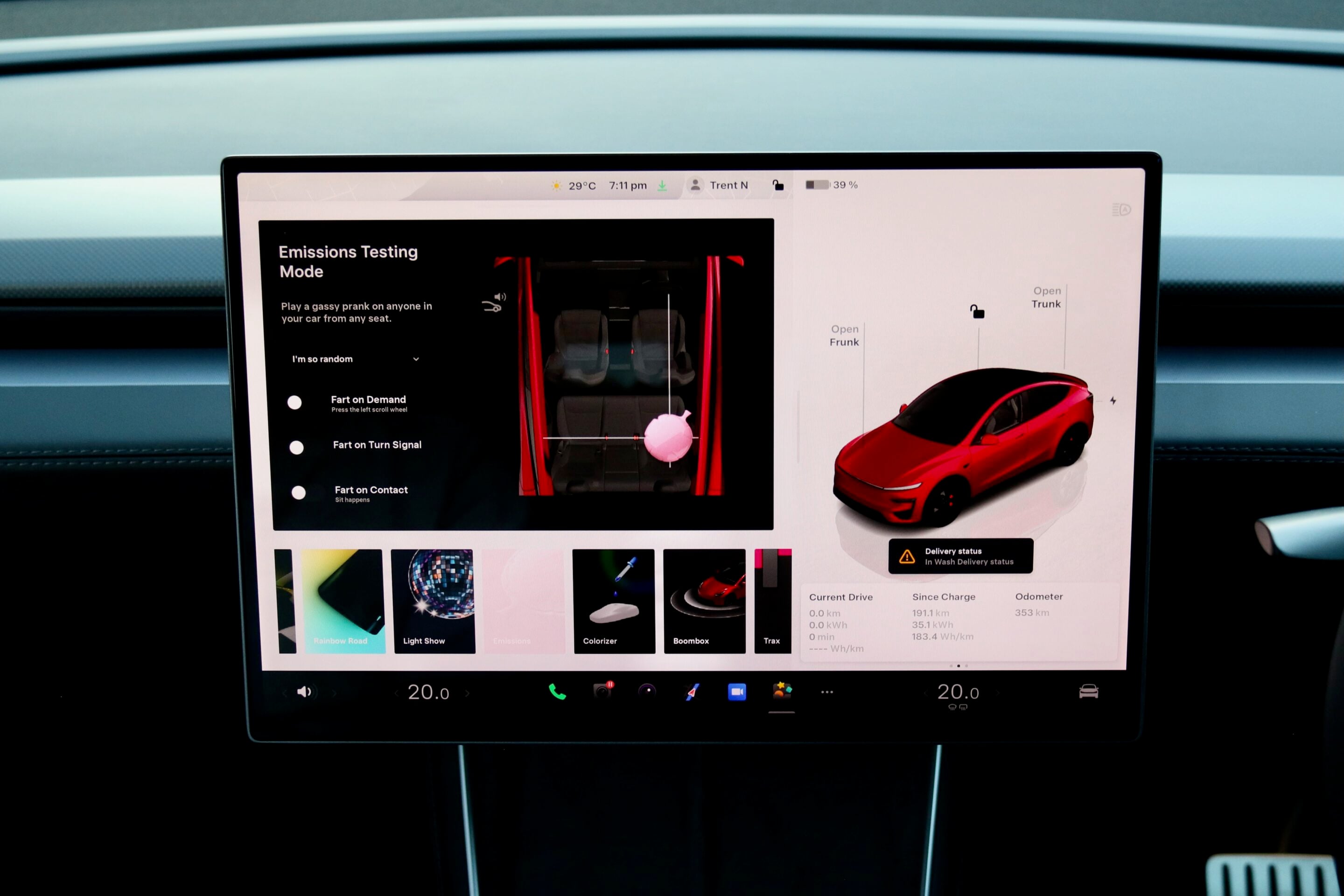
The Model Y range opens at $58,900 for the Rear-Wheel Drive, with the Long Range All-Wheel Drive priced at $68,900 and the flagship Performance All-Wheel Drive at $89,400.
By moving to a subscription-only structure, Tesla aligns FSD (Supervised) more closely with a software-as-a-service model, potentially lowering the upfront cost of entry for buyers while providing the brand with ongoing recurring revenue.
For customers intent on owning the feature outright, however, the clock is now ticking.
General Motors Special Vehicles (GMSV) has announced a new special edition of the Chevrolet Corvette mid-engined sports car to celebrate the debut of the new Corvette Corvette Z06 GT3.R race car at the 2026 Bathurst 12 Hour race.
Dubbed the Corvette Z06 ‘Bathurst 12 Hour Specialty Edition’, the special Corvette is the first time that the Z06 has been offered locally as part of the updated MY26 range.
Just 12 units of the Corvette Z06 Bathurst 12 Hour Specialty Edition will be offered across both Australia and New Zealand. Pricing is yet to be confirmed for the new special edition, but we’re expecting a hike over the pre-updated Z06’s $336,000 plus on-road costs pricing.
Above the regular Z06, the Bathurst 12 Hour Specialty Edition adds a new ‘Switchblade Silver’ exterior paint option with a C8.R graphics package, a carbon fibre roof, mirror caps and badging, an engine lighting and appearance package, blue brake callipers, 20-inch front/21-inch rear black forged aluminium wheels and Corvette Racing centre caps.
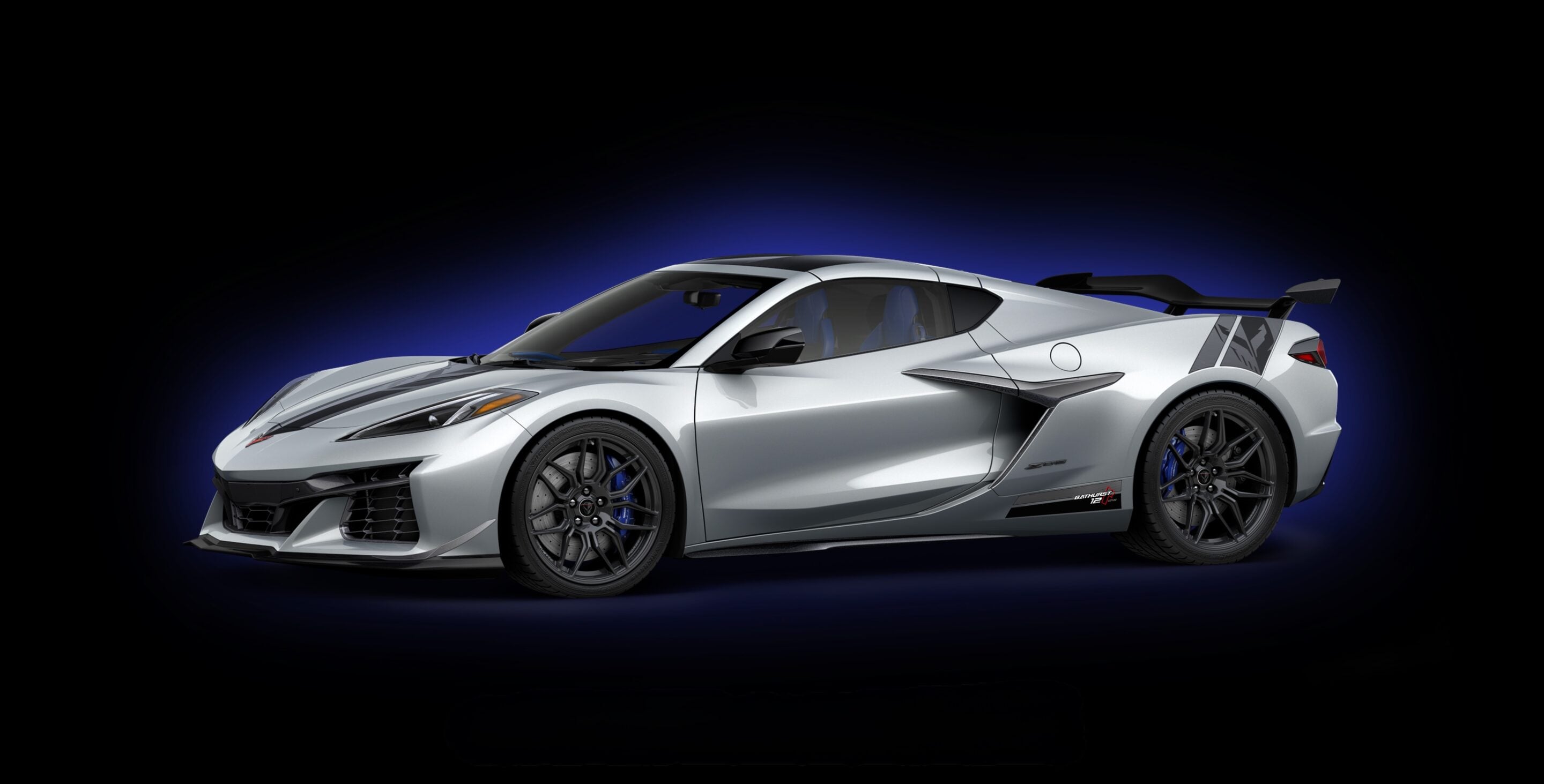
The Corvette Z07 Performance Package, previously optional on the regular Z06, is also standard on the Bathurst 12 Hour Specialty Edition and adds adaptive suspension, Brembo carbon ceramic brakes, Michelin Pilot Sport Cup 2 R tyres and an exterior aero package with a high wing spoiler.
Inside, the Corvette Z06 Bathurst 12 Hour Specialty Edition sees black and blue nappa leather upholstery, Competition seats, blue seatbelts and carbon fibre trimmings. Each car will also receive a build plate, numbered from one to 12.
Customers for the new special edition Corvette will also receive a Bathurst 12 Hour Edition custom art print, an indoor car cover with a graphic of the Corvette GT3.R, and a Corvette Racing merchandise pack, including a cap, polo, and jacket.
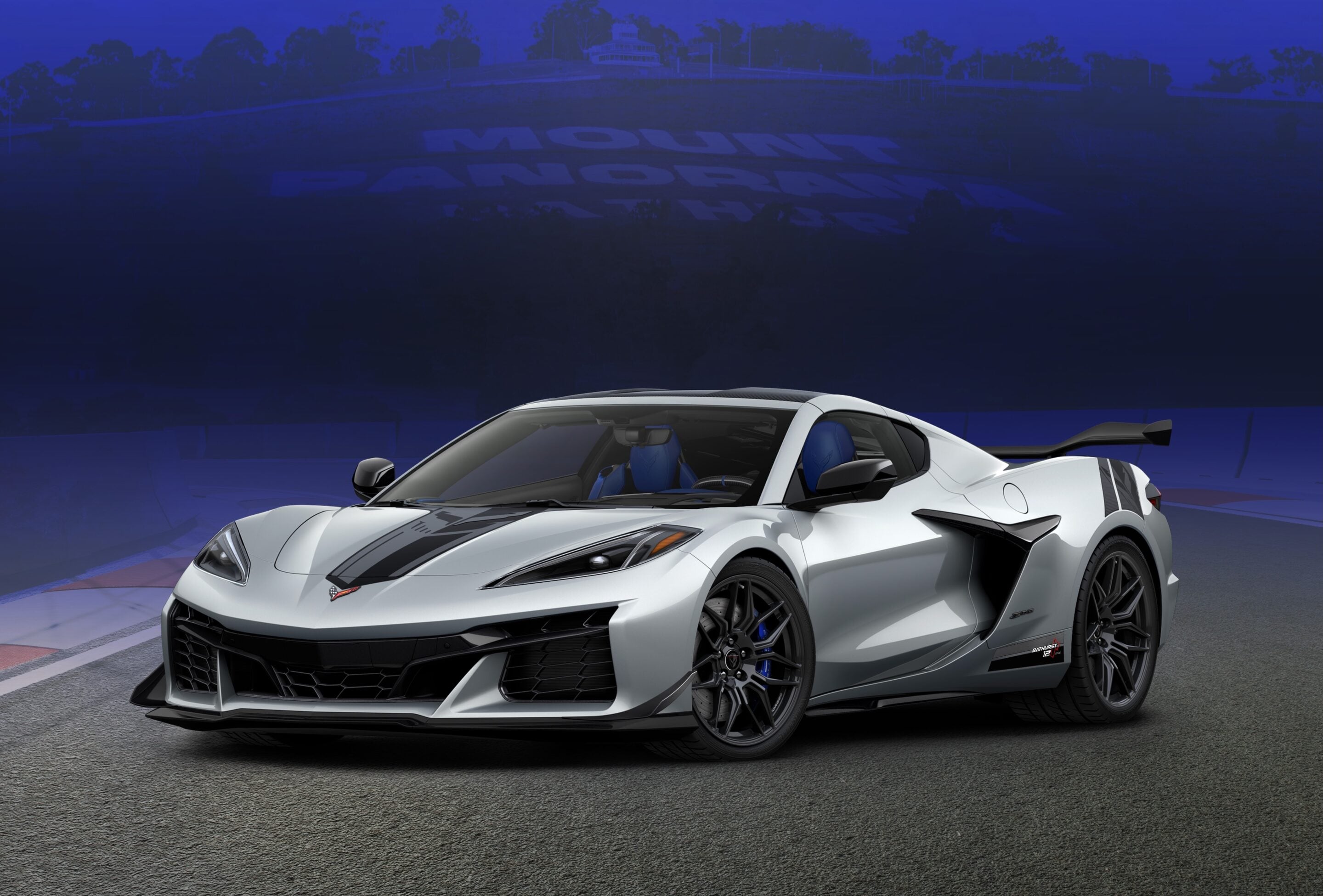
Mechanically, the Bathurst 12 Hour Specialty Edition retains the Z06’s 475kW/595Nm 5.5-litre flat-plane crank V8 engine and eight-speed dual-clutch transmission. It launches to 100km/h in just 2.6 seconds, and hits a top speed of 304km/h.
The Chevrolet Corvette Z06 Bathurst 12 Hour Specialty Edition will debut at this weekend’s Bathurst 12 Hour race, with local deliveries due to commence soon.
