
In another step forward for battery technology, Chinese company BAIC (Beijing Automotive Industry Corporation) has revealed a new sodium-ion battery said to deliver a full charge in just 11 minutes.
Labelled as a cost-effective, safer and more sustainable alternative to the widespread lithium-ion batteries currently used in electric vehicles, sodium-ion batteries deliver super fast-charging ability with BAIC’s development battery capable of fully charging an electric car much quicker than existing options.
According to BAIC’s research division, it has completed development of a sample sodium-ion battery which uses a prismatic cell format and achieves an energy density of 170Wh/kg.
It supports super fast ‘4C’ fast charging – that’s a minimum of 360kW – with a full charge completed in 11 minutes, according to the company. BAIC also stated that the battery can operate over a temperature range of -40°C to 60°C, with energy retention exceeding 92 per cent at -20°C, targeting improved cold-climate usability and improving the driving range of EVs in those areas of the world.
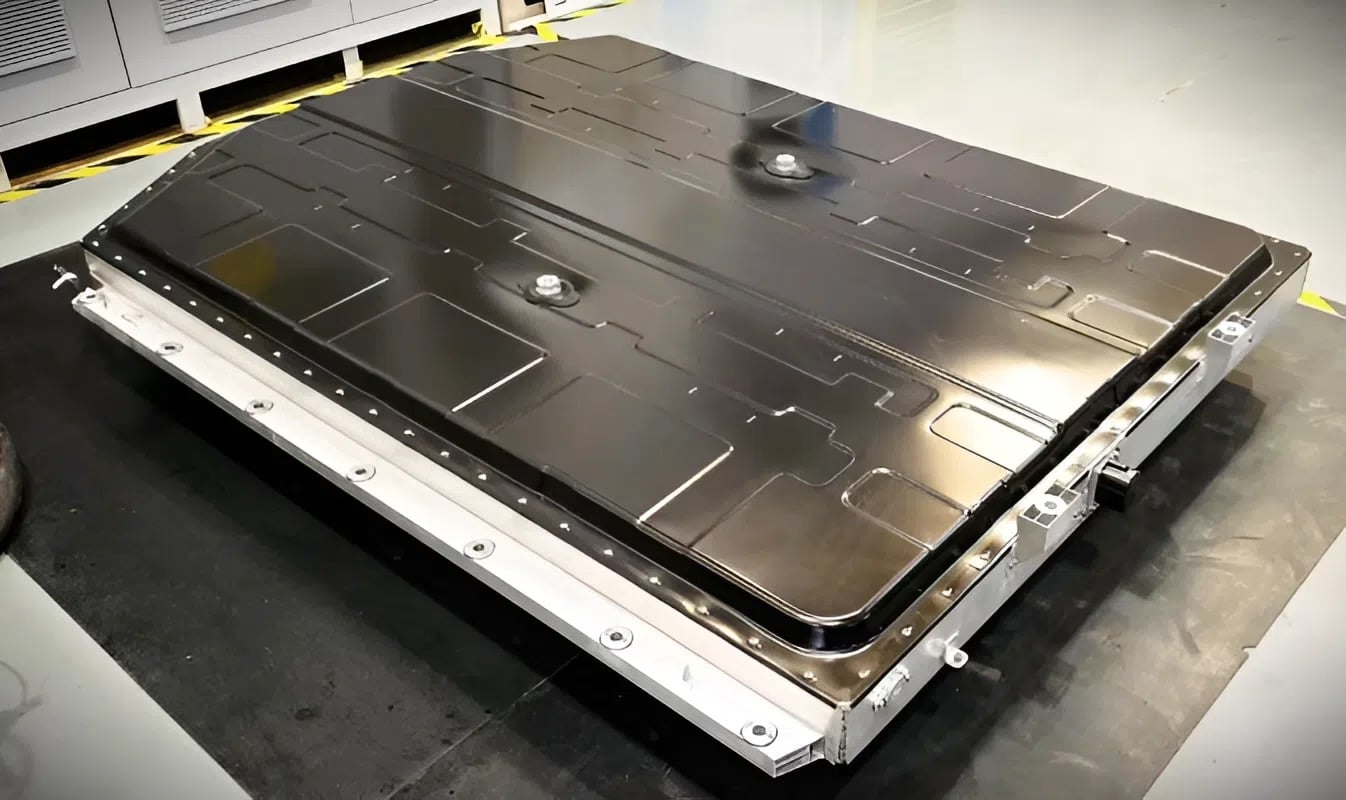
Above: BAIC’s sodium-ion battery could reach production in its Arcfox T1 EV hatchback
BAIC also claims that safety-related tests were completed, with the battery capable of withstanding an overcharge condition of up to 200 per cent without fire or explosion, and it remained stable when exposed to 200ºC heat.
Compared with lithium-ion batteries already used by millions of EVs, sodium-ion batteries require less raw materials to build as well.
Sodium-ion batteries are being evaluated by many Chinese battery manufacturers as a solution for cost-sensitive vehicle segments and for customers in low temperature climates. BAIC is also not the first battery manufacturer to develop a sodium-ion battery, with Changan and CATL announcing that a market launch is planned for the world’s first sodium-ion battery-powered EV in mid-2026. They are targeting a range of over 400km from a battery just 45kWh in size.
Sodium-ion is not the first battery type that BAIC has developed – it also produces both lithium-ion and solid-state batteries as well in its ‘Aurora Battery’ program. BAIC is yet to reveal a timeline for new sodium-ion battery production.
Overview
It might look like a regular GLC mid-size SUV, but the all-new Mercedes-Benz GLC with EQ Technology – to give it its wordy full name – is anything but ordinary.
The GLC electric (to give it a more palatable and easy-to-understand moniker) joins the wider GLC line-up this year and promises “up to” 713km of driving range and 800-volt electric architecture that can add 303km of range from a 10-minute charge, providing you have access to a 330kWh fast charger. Which we – mostly – don’t, in Australia.
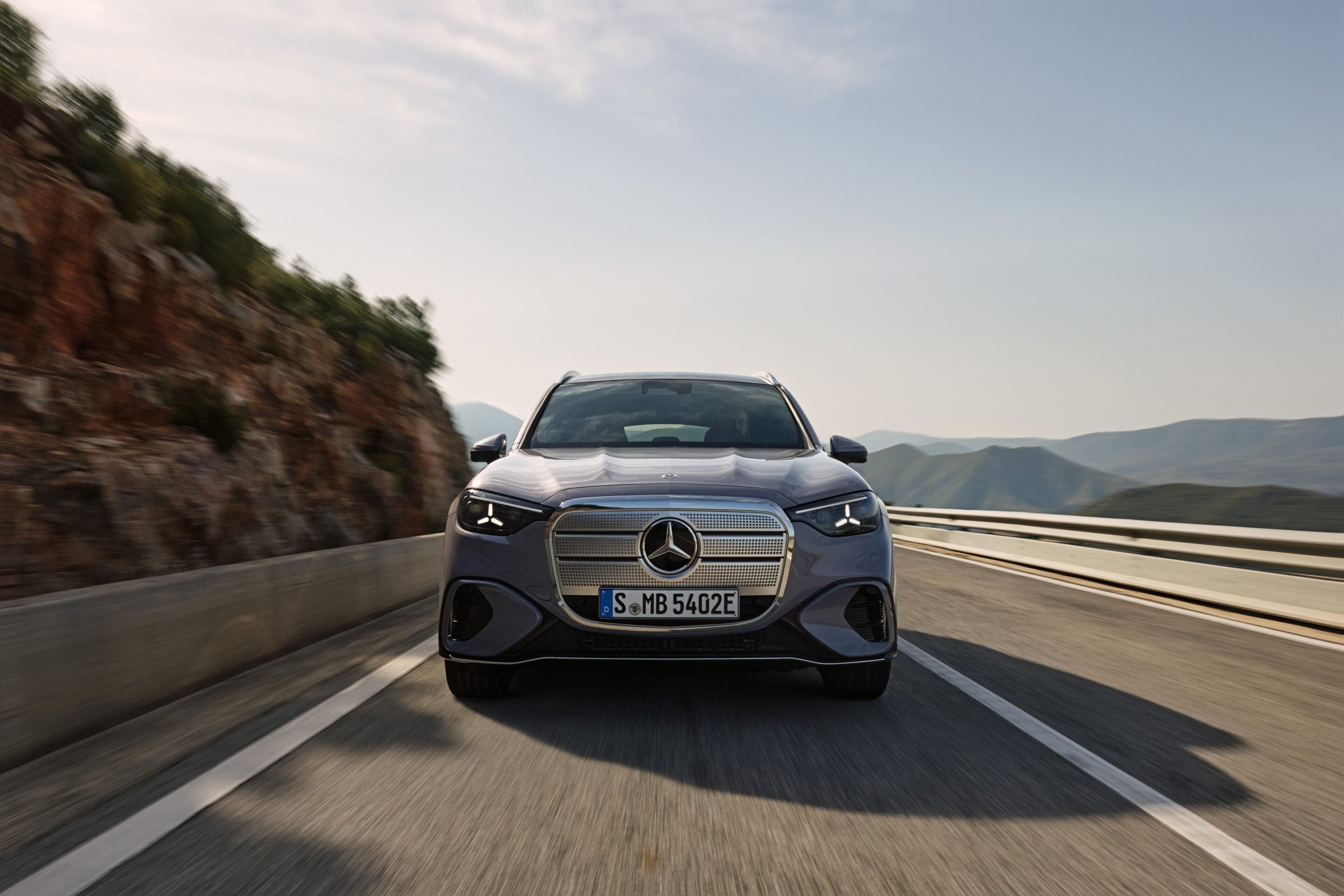
The new GLC slots into the brand’s range of EVs under the larger EQE. Keen-eyed readers will note the shift away from EQ prefix that has, up until now, underpinned Mercedes-Benz’s electric vehicle naming convention. It fronts the brand’s future strategy to integrate electric variants into its core model range rather than having a standalone sub-brand.
Perhaps learning a lesson from its Stuttgart neighbours over at Porsche, the GLC electric will not replace M-B’s popular petrol GLC range. Instead, it will join the line-up alongside existing petrol variants, although the two models are alike in name only, the battery-powered GLC built on Mercedes-Benz’s new MB.EA electric vehicle architecture, the first under its new EV strategy. Next up will be the C-Class electric, slated for a 2027 arrival.
How much is the GLC electric?
Final details on specification and pricing are still to be revealed although from what we learned at the GLC electric’s global launch in Portugal, there are likely to be rear-wheel and all-wheel drive variants with varying trim levels.
We won’t know which models, nor how much they cost, until closer to the local launch later this year,
Mercedes-Benz presented what is likely to be the range-topping GLC 400 4Matic with EQ Technology at the global launch.
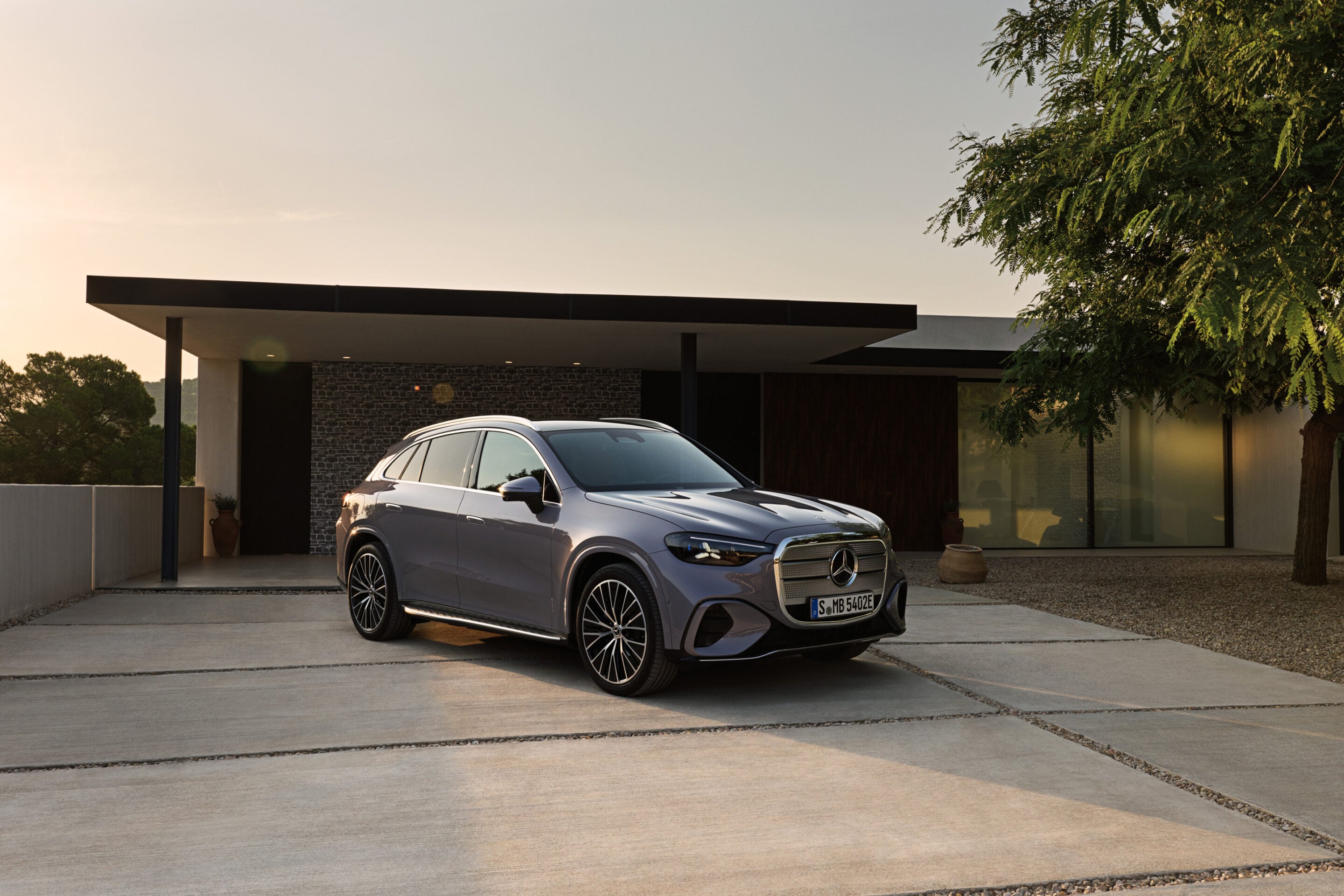
Powered by two electric motors – one at each axle – the GLC 400 claims total outputs of 360kW and 800Nm, good for a 0-100km/h claim of just 4.3 seconds. A 94kWh modular battery array is good for a range of around 713km, according to Mercedes-Benz.
Charging is capped at 330kW resulting in a 10-80 per cent charge time of just 22 minutes or, as Mercedes-Benz was keen to point out, adding 303km of range in just 10 minutes which sounds good on paper (and it is) but with Australia lagging in EV infrastructure, buyers can realistically expect longer charge times on the more commonly available 75-150kW charging stations scattered throughout the country.
Is there anything special about the GLC electric’s design?
Mercedes-Benz has channeled the past when looking to connect the GLC electric to the future. The most obvious display is out front, where the 1970s-inspired ‘grille’ gives more than a passing nod to Bruno Sacco’s brilliant design that faced Benzes of all colours from the mid-1970s through to the late-90s.
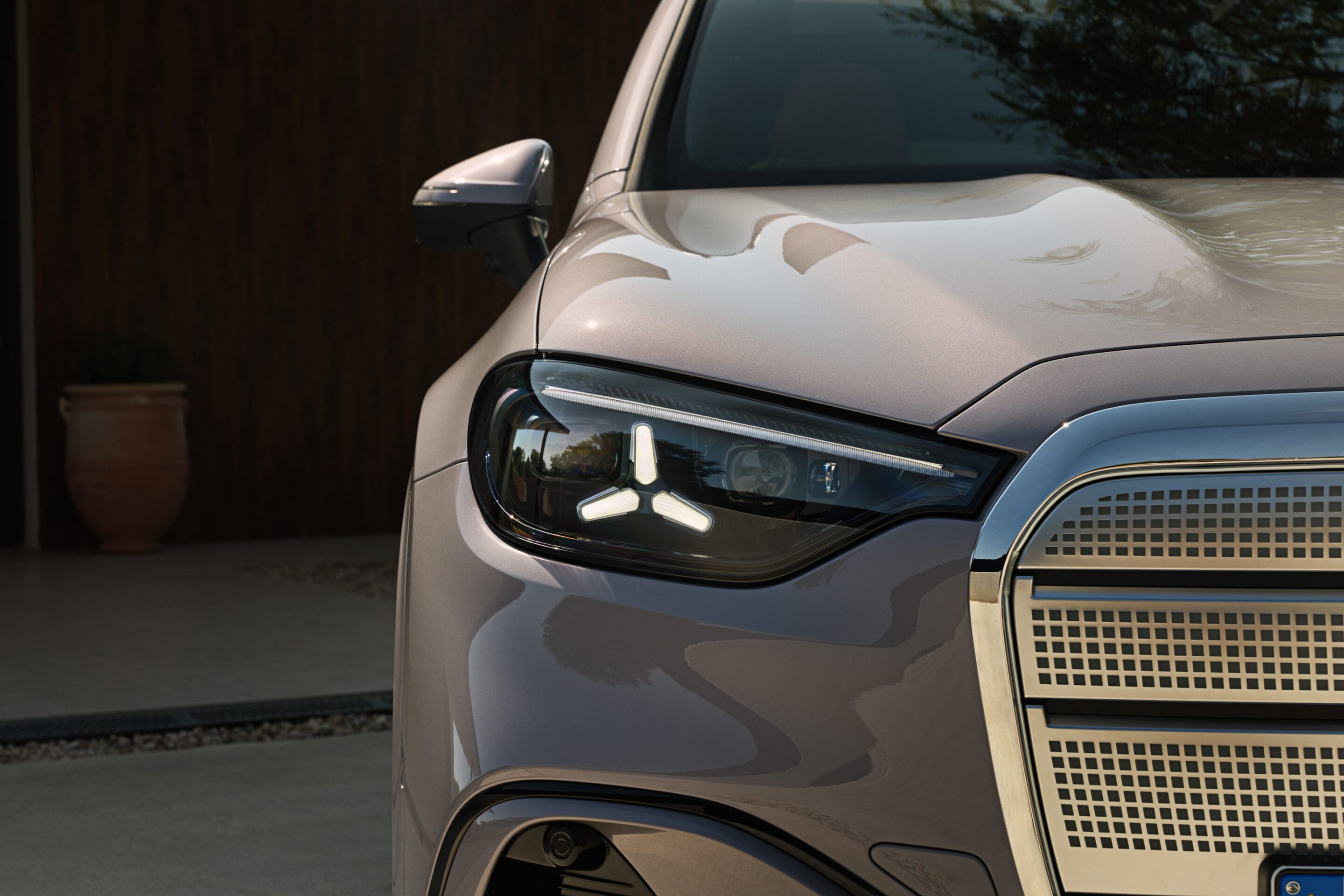
It’s a stunning modern interpretation of Sacco’s original design that imbues the new GLC with a comfortable familiarity. The chrome surround is peak Mercedes grille while inside, 942 individual backlit dots give the appearance of traditional mesh. It looks sensational, and even more so with the optional animated light-sequence on start-up.
A pronounced power bulge graces the bonnet, somewhat incongruously, but it lends the GLC electric a tougher stance on the road.
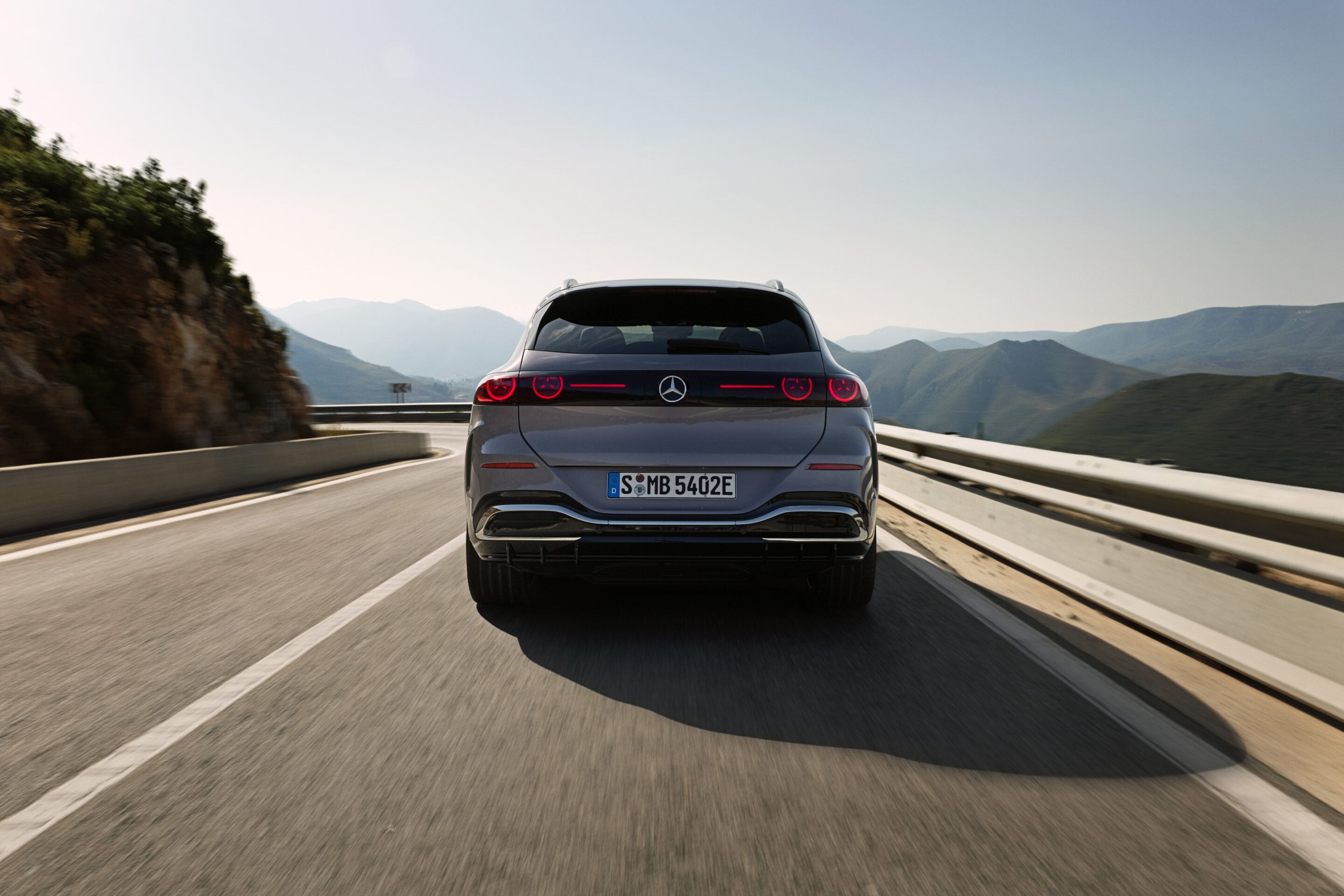
Around the back, a full-width light-bar bookended by circular tail-lights featuring a three-pointed star motif are, again, a departure from petrol versions, lending the GLC its own distinctive character.
What’s the cabin of the GLC electric like?
While it shares a badge with its petrol sibling, the GLC electric is significantly – and visibly – longer (by 71mm), taller (+44mm) and sitting on a longer wheelbase (+84mm). That translates to increased comfort inside where head- and leg-room are noticeably improved over petrol GLC variants, especially in the second row.
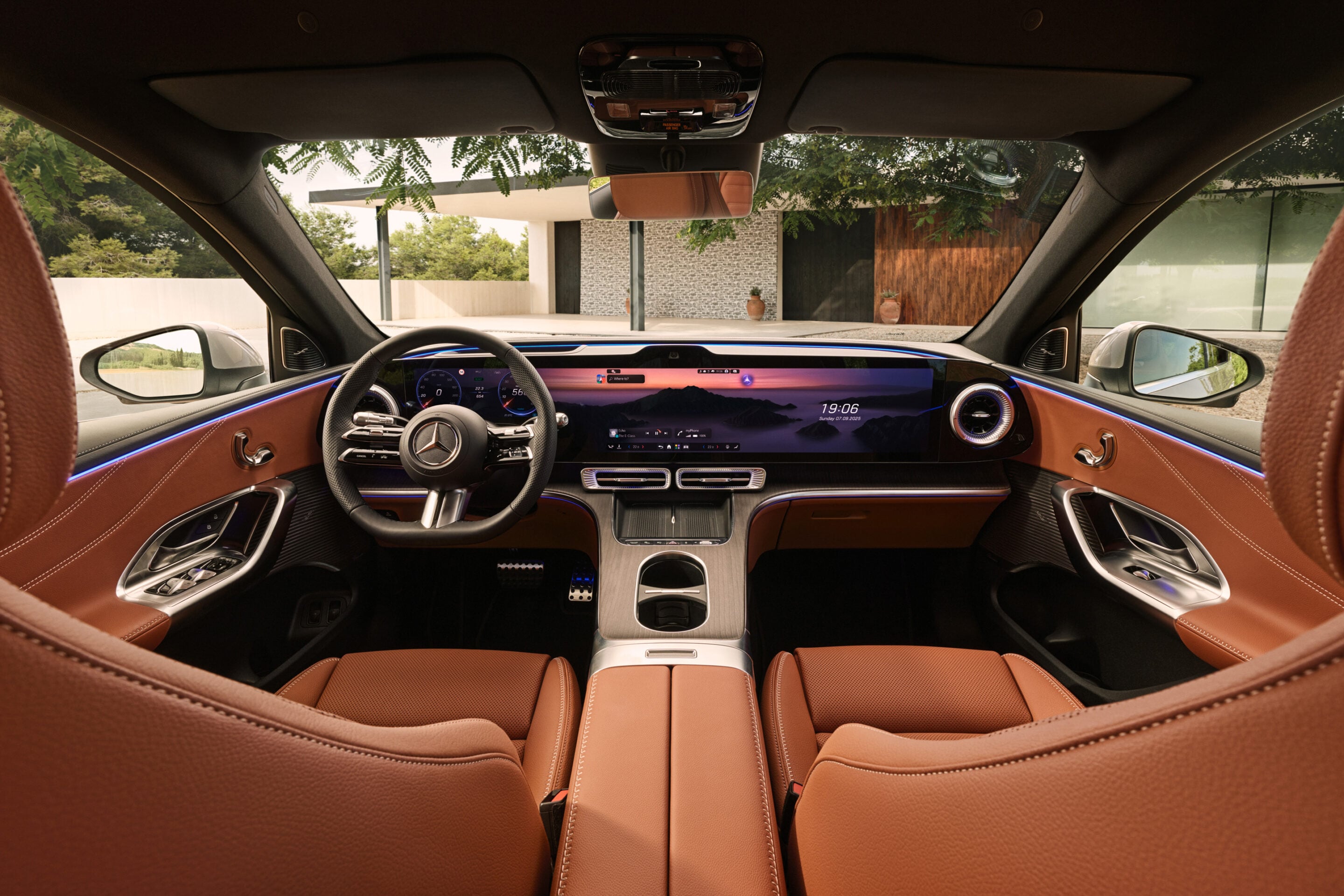
Mercedes-Benz calls its interior design philosophy ‘Sensual Purity’, describing it as a blend of emotion and intelligence. Putting aside the marketing-speak, the cabin of the new GLC oozes luxury, with the kinds of plush materials buyers expect at this end of the premium market, the standout the sumptuous Nappa leather interior trim of our test car at launch. A certified vegan interior is available as a no-cost option and certainly, having looked and touched the animal-friendly artificial leather up close, you’d be hard-pressed to tell the difference.
Our test car came fitted with Beech brown wood inlays that sound chintzy on paper, but are actually warm and elegant and a reminder of Mercs of old.
The Comfort seats of our test car (Sports buckets are available as an option), live up to their name with good support, including under-thigh, and decent bolstering to hold you snugly in place while second-row comfort is excellent.
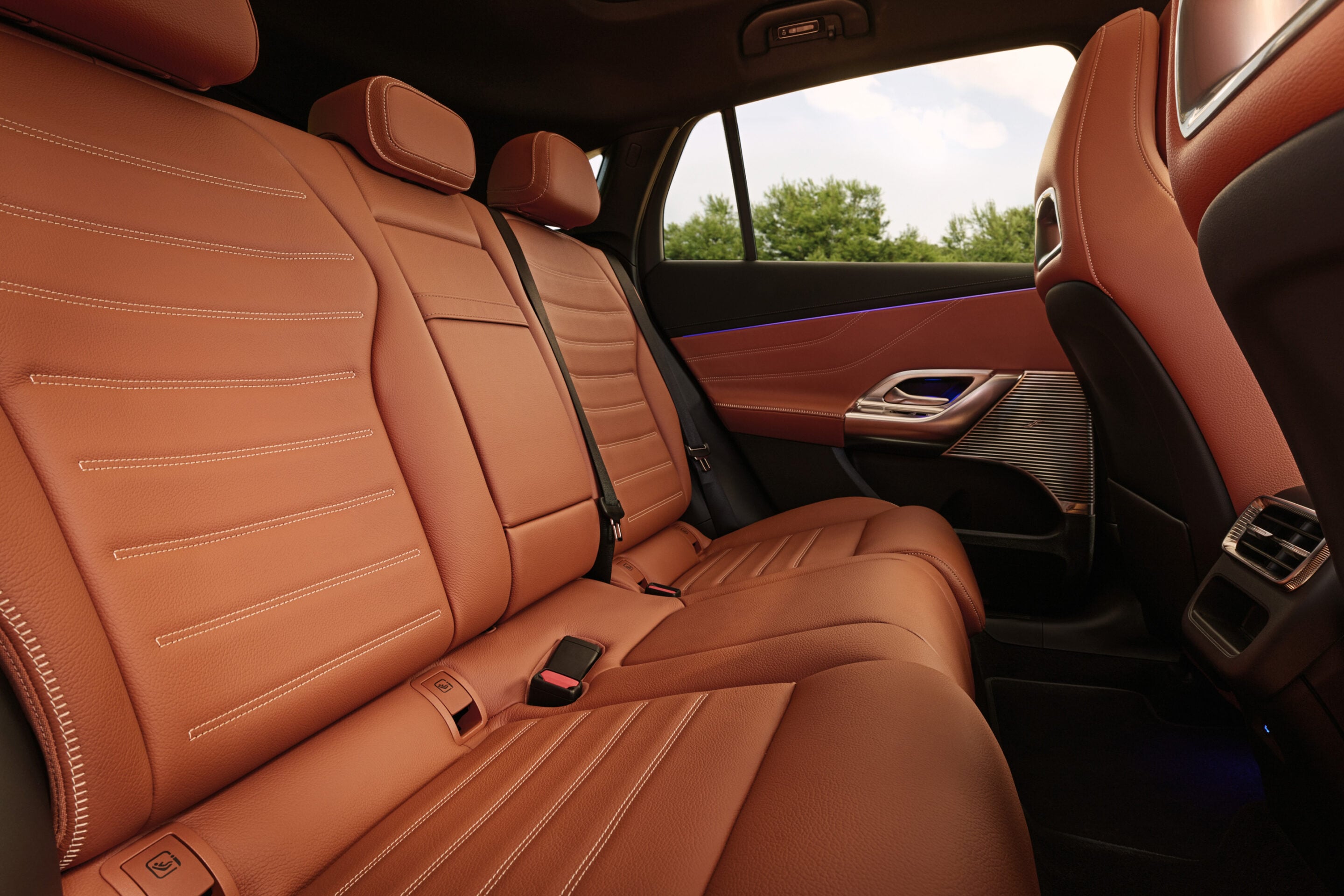
With a flat floor in row three, there’s room enough for three people to sit across the second row in comfort, with good toe-, knee- and leg-room while head-room is also generous, despite the presence of a panoramic sunroof running the length of the cabin.
Luggage capacity has increased over petrol models, the GLC electric quoting 570 litres with the second row in use (petrol models get 545 litres), expanding to a generous 1740 litres with row two stowed away, a whopping 250 litres more than GLC petrol. Additionally, a generous ‘frunk’ under the bonnet brings a further 128 litres, easily enough space for a couple of overnight bags (we tested it).
What technology comes with the GLC electric?
The centrepiece of in-cabin tech is a new 39.1-inch full-width hyperscreen, the largest ever fitted to a Mercedes-Benz. That’s 99.3cm in our language and it’s a behemoth, seamlessly integrating the main infotainment screen with a digital driver display.
It runs Merc’s new MB.OS operating system and it’s immediately clear (having had plenty of experience with the older MBUX) that the new setup is sharper to respond, more intuitive to use and an all-round better integration of technology. While unconfirmed, it’s likely to be optional in Australia.
Apple CarPlay and Android are standard as is Bluetooth connectivity and satellite navigation. Our test car came fitted with an optional 16-speaker Burmester sound system as well as Dolby Atmos which takes audio quality to concert hall levels. It truly is remarkable and if you haven’t experienced it yet, I recommend you do.
What’s the GLC electric like to drive?
There’s plenty to like about the GLC electric on the road, and most of it starts with the 360kW and 800Nm available under your right foot. Zero to 100km/h in 4.3 seconds speaks to an SUV that holds little back and true enough, when the opportunity presents itself, the mid-size SUV hauls its not inconsiderable 2535kg kerb weight with ease.
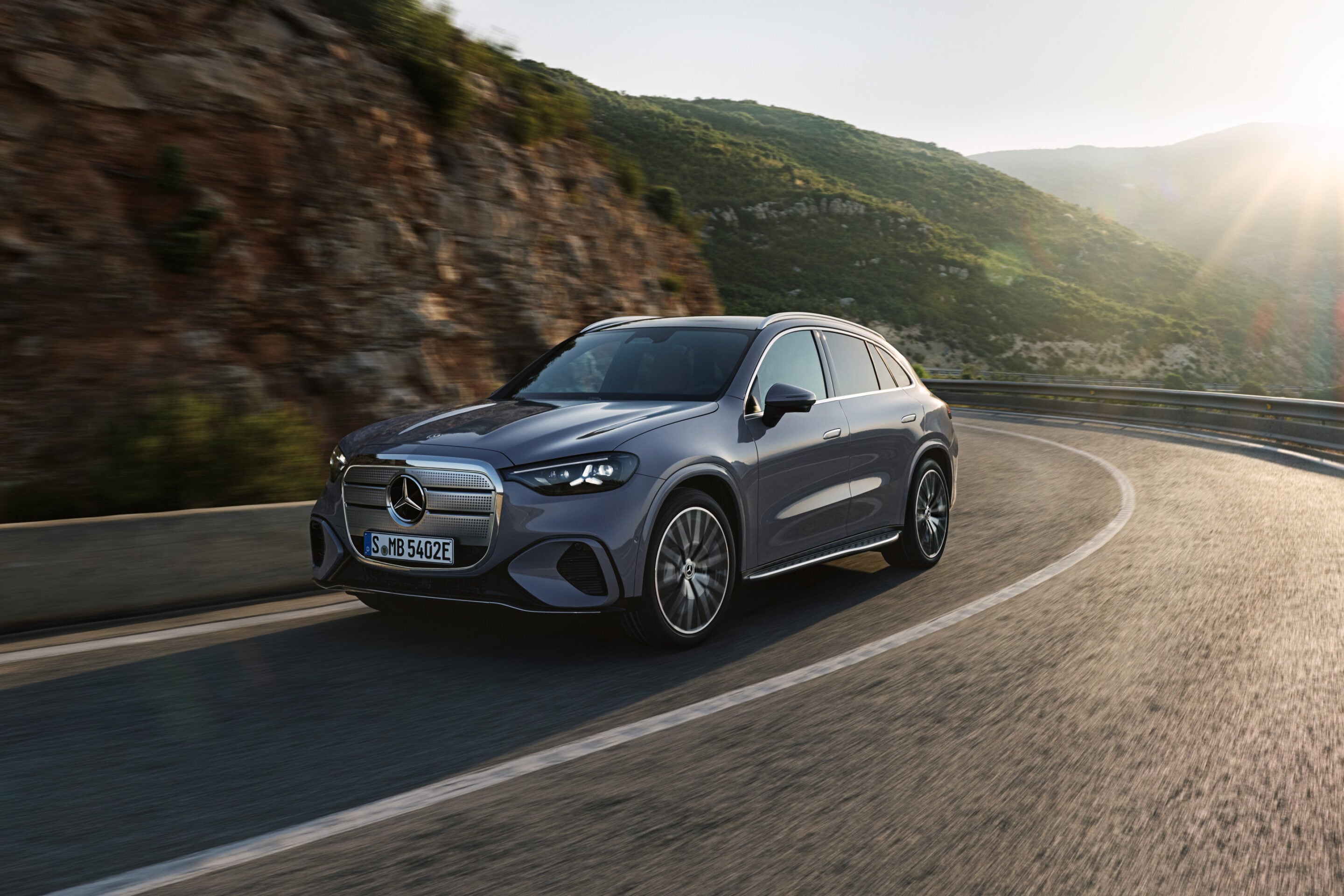
But it’s no one-trick pony. Thanks to its twin electric motors, the GLC is ostensibly all-wheel drive. The caveat here is that in normal traffic conditions, particularly those encountered in day-to-day urban environments, the front axle decouples from the drivetrain leaving the rear electric motor to do all the work.
This results in, according to Mercedes-Benz, efficiency gains that help it achieve its WLTP lab-tested 713km of range. Step on the ‘gas’ however, and the front motor responds in milliseconds to do its fair share of the work, not that you notice any change in the overall smooth driving characteristics of the GLC electric.
Road manners on M-B’s intelligent air suspension (Airmatic) makes a decent fist of damping out road nasties, insulating occupants from not only the bumps and lumps of patchwork-quilt road surfaces, but also, commendably, keeping road noise at bay. Only at highway speeds does a little bit of wind noise, mainly from around the A-pillars and wing mirrors, make its presence felt in the cabin. Crank up the Dolby Atmos, however, and you won’t hear a thing.
Cleverly, the Airmatic system uses a variety of data sources to ensure ride quality is maintained no matter the conditions. Using Google Maps in conjunction with Mercedes-Benz (patent-pending) car-to-X cloud-based system, the Airmatic system knows in advance when there are obstacles – such as potholes or speed humps – on the road ahead and will adjust damping accordingly while the GLC’s inbuilt sat-nav will alert the driver of those obstacles well in advance. It works too, helpfully triggering warnings on at least two occasions over our test drive.
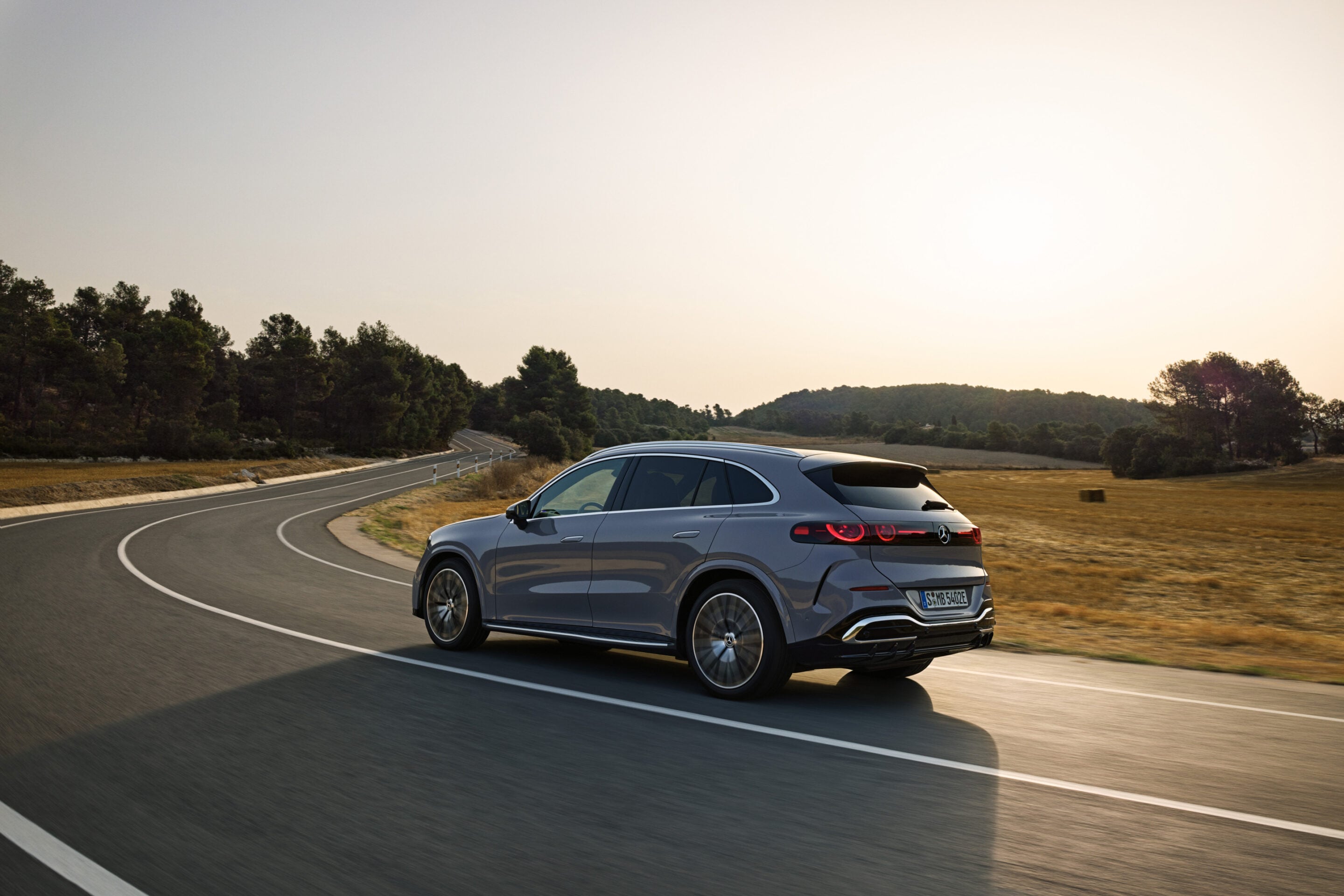
The road loop at launch covered a variety of road and traffic conditions – from suburban traffic, to motorway running and one glorious and beguiling stretch of mountainous back-roads where the GLC electric delivered on peak enjoyment.
Four-wheel steering – the rears can turn up to 4.5-degrees – ensured the GLC electric handled corners with aplomb, the mid-sizer remaining flat and composed during more spirited driving. The steering itself was nice and direct, true on-centre and responsive to even minor adjustments.
Brake pedal feel through what M-B calls its One-Box system is surprisingly natural and progressive, despite, or maybe because of, the presence of energy regeneration. Mercedes-Benz claims that during normal driving conditions, the GLC’s brakes will use regenerative braking 99 per cent of the time, harvesting precious electrons to feed back into the battery and maximise range. It’s a testament to Merc’s engineers that you won’t feel the transition between regenerative and friction braking, not something that can be said about some of these types of systems.
There are four levels of regen, from D- (maximum recuperation, or essentially one-pedal) to D (standard) and D+ (no recuperation), all accessed via the steering wheel-mounted paddle-sghifters. Additionally, a D Auto setting provides ‘intelligent recuperation’ where the system decides the optimal level of braking. We left it primarily in D for standard which provided some regenerative braking without diluting the pleasure of our spirited driving adventure through the mountains of the Algarve.
What’s the verdict on the GLC electric?
And that’s the thing about the new Mercedes-Benz GLC 400 4Matic with EQ Technology. On the surface, it’s a thoroughly modern medium SUV with plenty of room for the nuclear family and their luggage.
Quiet and comfortable on the road, thoroughly modern and luxurious inside, the GLC electric also delivers a healthy dollop of driving pleasure, thanks to its myriad intelligent systems that combine for a smooth, engaging and enjoyable experience behind the wheel.
Specs
| Model | 2027 Mercedes-Benz GLC 44 4Matic with EQ Technology |
|---|---|
| Price | TBC |
| E-motor | Twin electric motors |
| Battery | 94kWh |
| Range | 713km (WLTP, claimed) |
| Peak power | 360kW |
| Peak torque | 800Nm |
| Transmission | Two-speed automatic, AWD |
| 0-100km/h | 4.3 seconds |
| Top speed | 210km/h |
| Energy consumption | 18.9-14.9kWh/100km (claimed) |
| Weight | 2535kg (kerb) |
| L/W/H/W-B | 4845/1913/1644/2972mm |
| Warranty | 5yr/unlimited km (vehicle) |
| On sale | Q4, 2026 |
The current conflict in the Middle East has raised an issue most Australians probably aren’t aware of, and one that could have been avoided. That is, we no longer come even close to being self-sufficient in regard to fuel production. And that’s before you get to the completely inadequate 30-something days worth of supply we currently have in storage.
Who is responsible and why, is irrelevant at this point. Both sides of politics would have to accept blame for this current shortage of supply. One thing is certain though, Australians should be demanding that this situation is never allowed to happen again – regardless of the government currently in power.
Let’s deal with the second point first, then, and recognise how manifestly inadequate it is for a remote nation like ours to have little more than a month’s fuel requirements in reserve at any given time. This geographically larger, remote nation – and the transport around it – relies heavily on refined fuel, primarily diesel. Without diesel, being able to drive our car to work, school or on holiday, will be the least of our concerns. Grocery and medical supplies, basic goods and services will all be directly impacted if transport either grinds to a halt or slows right down.
On one hand, those of us who need our cars to get to work or take the kids to school obviously need to put fuel in them, but diesel, and the transport that relies upon it, is the backbone of this country. And, being able to move goods around the country is key to the daily running of the place. Therefore, having somewhere between 32 and 36 days worth of fuel in storage at any given time, is completely inadequate.
At the time that our ability to produce our own fuel was cut by 80 per cent, Australians were guaranteed that there would be a minimum of 90 days in reserve. There never was and there never has been, and Australians should demand answers as to why. Politicians will wrap the response up in political spin, but we’ve never had that much in supply and we should be demanding a change in that as a minimum.
Back to refining fuel, then, and the subject of actually manufacturing something in Australia – a concept that has been trashed by successive governments in the last few decades – means we now produce only around 20 per cent of our own fuel. If you go back to the year 2000, Australia had eight refineries. Australia’s appetite to make things is as low as its ever been, and its time for governments to stop wasting our time with explanations as to why things can’t be done, and start coming up with ways they can be done.
One by one, those refineries were deemed ‘economically unviable’ and shut down. Ultimately, six of them were closed, leaving Australia with only two operating refineries, able to produce around 20 per cent of our fuel requirements. The two remaining are Ampol’s Lytton refinery near Brisbane, and Viva Energy’s refinery in Geelong. Successive governments have been warned multiple times, most recently by the Chief of the Australian Navy, as to the vulnerability we would face if sea lanes were disrupted.
And yes, that’s exactly what’s happened in the Strait of Hormuz. The former deputy chief of the Royal Australian Air Force, John Blackburn, told ABC’s 7.30 programme in December 2025, that Australia was increasingly vulnerable.
“In Australia, as of July this year (2025), we had 24 days of diesel stocks,” Mr Blackburn told the ABC. He went on to say that Australia was at the time the only member of the International Energy Agency not currently meeting its obligation for net import coverage of oil.
Australia had a dress rehearsal for how this could play out during the COVID-19 lockdowns, and their subsequent impact on the global shipping industry. Fortunately, during that time at least, most people weren’t traveling too far, because we’d been told not to. It seems, in government at least, memories are short.
What’s taken place in the last month is not an exercise of acknowledging those who made accurate predictions or look smart after the fact. Nor is it an opportunity to waste time arguing about who did what, when. It’s an opportunity to make sure steps are taken – material steps – to ensure it never happens again.
The ongoing war in the Middle East has impacted Australia’s fuel supplies, leading to higher prices at the bowser amid concerns Australia could run out of petrol, diesel and aviation fuel.
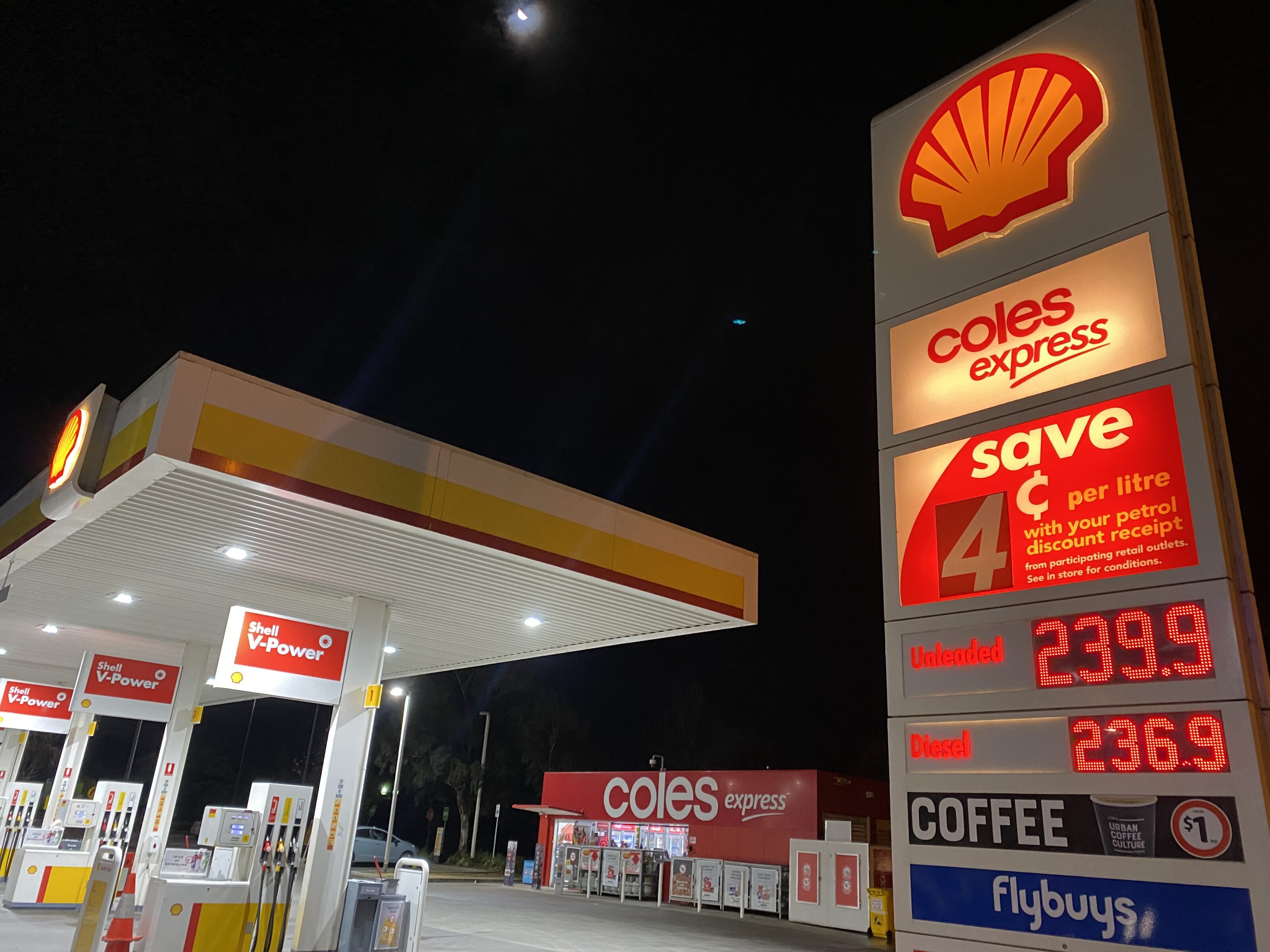
Prices have surged since the conflict in the Middle East kicked off on February 28, with today’s NSW Fuel Check data showing the price of unleaded has increased by 34 per cent while diesel has jumped 55 per cent.
The dramatic increases, as well as the threat of dwindling supplies has seen an increase in ‘panic’ buying as consumers begin to stockpile fuel.
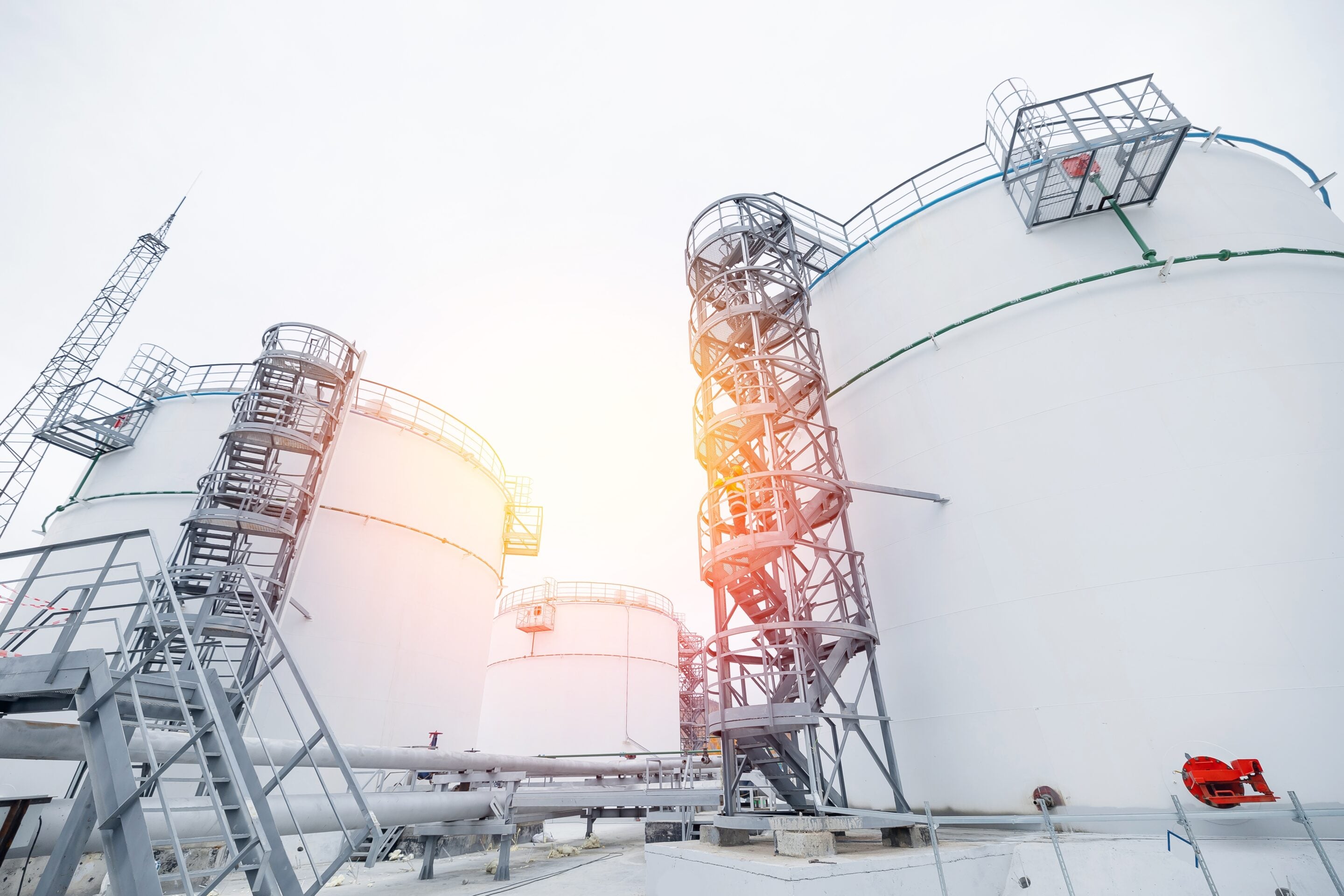
According to the federal government, and as reported by the ABC, oil continues to enter Australia and that our current supply levels amount to 36 days of petrol, 32 days of diesel and 29 days of jet fuel. The government also revealed it had tapped into its emergency supply, releasing around six days’ worth of petrol and five days’ worth of diesel at the behest of the International Energy Agency.
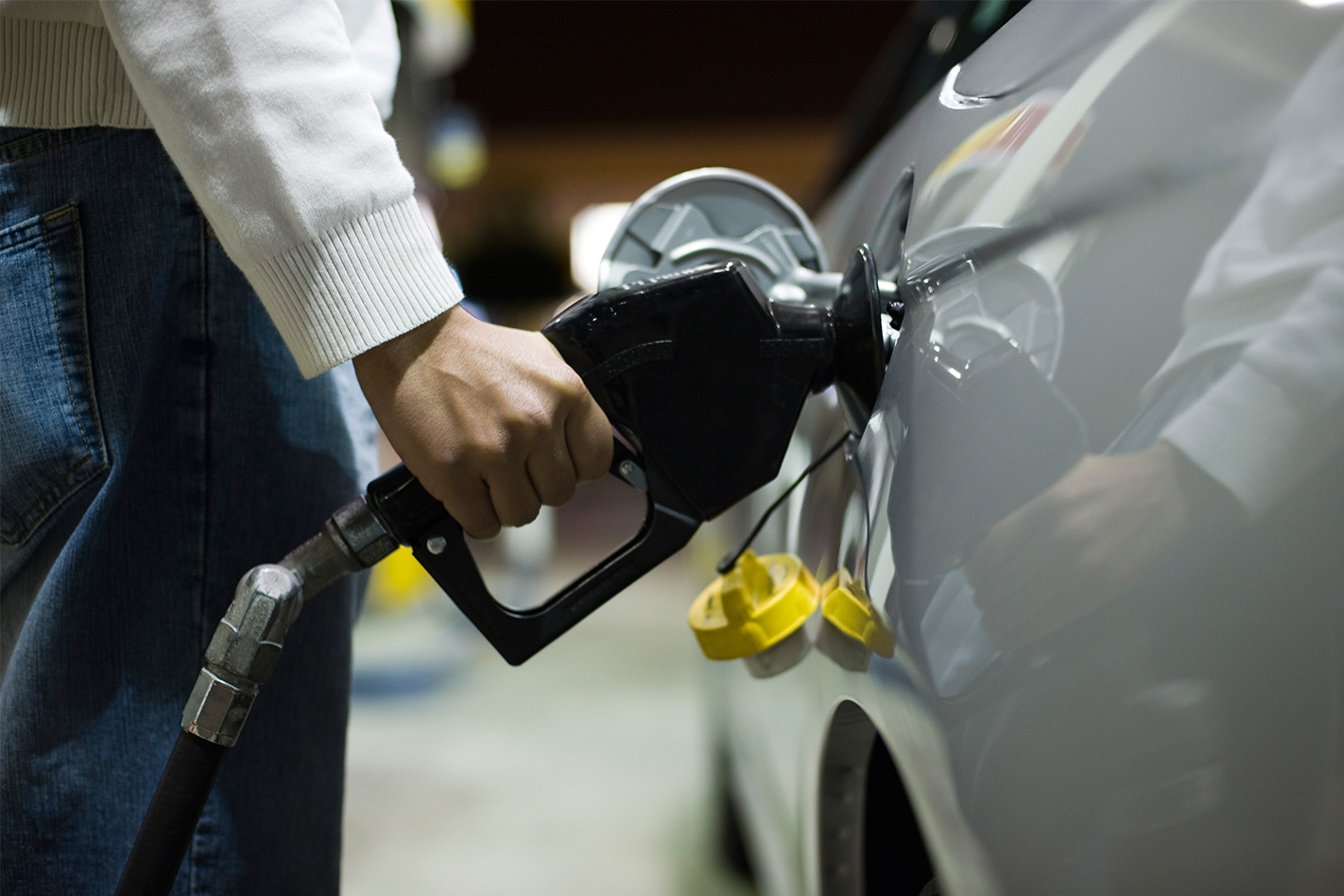
Australia currently sources its fuel primarily from Asia, mainly from South Korea, Singapore, Malaysia, China, and Japan, nearly all reliant on crude oil from the Middle East.
Some countries in Asia have already started rationing fuel, leading to concerns Australia may follow suit if supplies continue to be impacted by the Middle East conflict.
Australia is no stranger to fuel rationing, most recently in 1979 when the double-whammy of the second 1970s oil crisis, the result of revolution in Iran, combined with prolonged industrial action at Caltex Kurnell oil refinery in Sydney.
To manage the shortages, the government decreed that consumers could only buy fuel every second day, with rationing based on car number plates – those ending in odd numbers could fill up on odd-numbered calendar days, while number plates ending with an even number on even-numbered calendar days. Some exemptions were granted, primarily for essential workers like doctors, nurses and emergency service personnel.
The rationing measures lasted several weeks and were effective in controlling queues at the bowser while also curtailing the panic buying that had beset the nation as the oil crisis and industrial action saw fuel supplies slow to a trickle.
To combat fuel shortages during World War II, Australia introduced a coupon-based system with the government issuing ration books. The coupons allowed private motorists to purchase enough fuel for around 32km of driving per week.
There have been no suggestions yet that Australia could face fuel rationing, with climate change and energy minister Chris Bowen telling media last week that fuel continues to arrive in Australia and supply is “locked in” for another month.
“Obviously beyond that late April period, we’re dealing with more uncertainty [and it] depends how the international circumstance rolls out,” Bowen said.
He added that fuel rationing “has not been contemplated as something we need to do in the immediate future. We’re not there and we’re not close to there.”
Legendary BMW tuner AC Schnitzer has announced that it will shut up shop at the end of 2026 after almost 40 years in business. Citing a range of factors like lengthy approval in its German home market, US tariffs and global economic downturn, AC Schnitzer’s parent company Kohl Group has decided to close the company down unless a new buyer can be found.
In a media statement, the brand said steadily rising costs in the development and manufacture of parts are creating “competitive disadvantages” and that the “extremely long approval process for parts in the German system has caused AC Schnitzer to fall further and further behind its non-German competitors”.
“Whether it’s tariffs in the key U.S. market, rising global raw material prices, highly volatile exchange rates in international currencies, or the demise of suppliers on the supplier side: every development has left its mark on the balance sheet. The same goes for the general reluctance to spend, which, amid a global economic downturn that has now lasted four years, has also caused the domestic market in Germany to collapse” the company said.
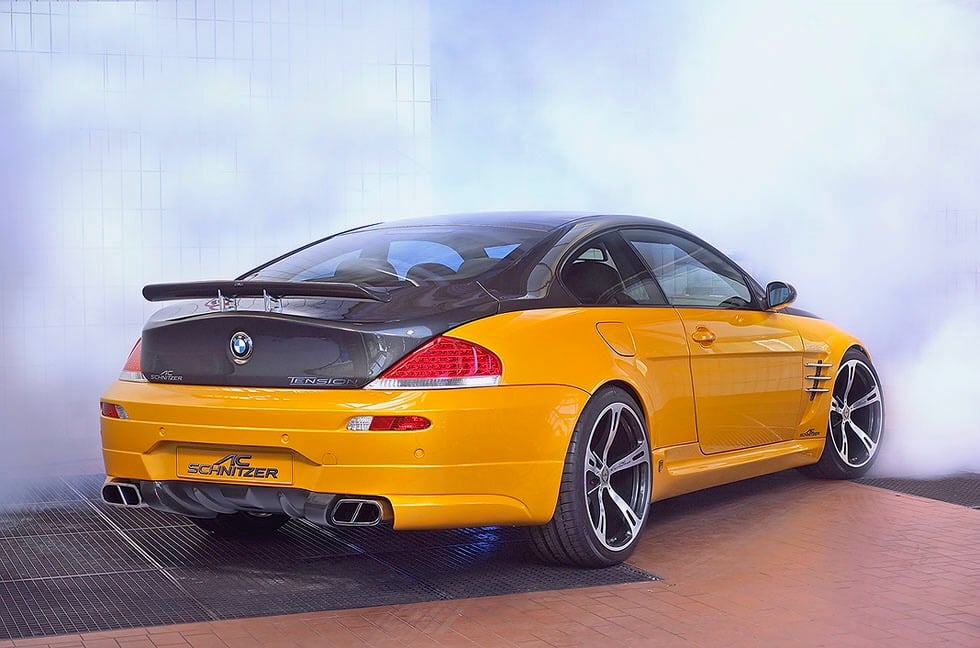
AC Schnitzer was founded in 1987 in Aachen, Germany, by Willi Kohl and Herbert Schnitzer. It began by tuning various BMW products and moved into motorcycle tuning, as well as making parts like wheels, suspension components and bodykits. After that, it entered various rallies and touring car races, and branched out slightly by eventually offering tuning kits for Mini and Jaguar Land Rover products, as well as the BMW Z4-based Toyota GR Supra.
Product highlights for the company include the V8 Roadster (1997), which was essentially a V8-powered BMW Z3, the M6 Tension (2005) that was a tuned E63 BMW M6 and its tuned 2018 F90 BMW M5, which became the fastest sedan at the Nurburgring at the time with a lap time of 7:29.50.
Unless a new buyer is found, AC Schnitzer will shut down by the end of 2026, though it will still honour warranties and offer support for products beyond that.
New research from financial comparison website Money has revealed that nearly one in four Australians (24 per cent) admit they’re ‘stockpiling’ fuel or buying more than usual, as uncertainty around fuel prices and potential shortages intensifies thanks to the latest Middle East conflict.
The results from Money‘s nationally representative survey of 1000 Australians also found that three per cent have faced purchase limits when trying to buy larger quantities of fuel, while the majority
(76 per cent) also haven’t increased their fuel purchases since the conflict began.
Fuel prices have surged since the conflict began on February 28, with unleaded up 34 per cent and
diesel jumping 55 per cent, according to NSW FuelCheck data as of today, March 23. Regional areas have seen the highest price increases.
Money’s Finance Expert, Sean Callery, says that both surging fuel prices and supply fears are fuelling a wave of reactive behaviour at the pump. “Panic buying at the bowser is a knee-jerk reaction to uncertainty over fuel supply and skyrocketing prices as the conflict in the Middle East continues with no clear timeline for when conditions will stabilise,” he says.
“With petrol prices pushing towards $3 per litre in some areas, it’s a real financial pressure point for households and some Aussies are turning to stockpiling petrol or filling up more often in an attempt to get ahead of further price increases.
“But what many don’t realise is that panic buying can actually exacerbate the problem, because when demand spikes suddenly, it puts additional pressure on already tight supply and can push fuel prices even higher.”
The research also found that younger Australians are leading the petrol buying frenzy nationwide.
Nearly two in five Gen Z (39 per cent) admit they’re stockpiling petrol or buying larger quantities
when they fill up, followed by Millennials (30 per cent), Gen X (18 per cent) and Baby Boomers (10 per cent).
“Younger Australians tend to feel price hikes on essentials like petrol more immediately, as their budgets often have less room to absorb sudden cost increases. They’re also more likely to see and react to price movements or supply concerns in real time on social media, further amplifying panic buying behaviour,” says Sean.
State differences were also clear, with New South Wales motorists the biggest panic buyers (25 per cent), ahead of Victoria (22 per cent) and Western Australia (21 per cent). Lower levels of panic buying were recorded in Queensland (17 per cent) and South Australia (15 per cent).
Find out more about the latest Money survey by clicking here.
Following more the two decades of oversight and leading the design teams responsible for some of Jaguar/Land Rover’s most significant modern vehicles, Gerry McGovern will officially leave the company to start his own creative consultancy.
Sources told Autocar that McGovern would be severing ties with the company officially, and then the outlet obtained the internal memo, with the news then confirmed by JLR. The split will be official at the end of March 2026, when McGovern will no doubt reveal more news about his new venture.
Autocar quoted McGovern from within the memo where he was understandably effusive in his praise for the company. “It has been a great privilege to work at JLR across two extraordinary decades, and I would like to thank the Tata family in particular for the opportunities they gave me,” it read. “The dedication and passion of thousands of people across the business have made these brands what they are today, and I am enormously proud of what we have built together. I look forward to the next chapter of my creative career.”
WhichCar by Wheels understands that McGovern’s departure was anything but acrimonious, hence the time between him being asked to step down, and the official announcement now. McGovern was understood to wield significant influence over the JLR board, and was particularly close to the late Ratan Tata, former chairman of the Tata Group, which took over ownership of JLR.
Autocar quoted new JLR CEO PB Balaji who said, “Gerry’s creative leadership, vision, drive and passion have left an indelible stamp on our brands. I would like to thank Gerry for the significant contribution he has made to JLR and wish him every success in his next creative chapter.”
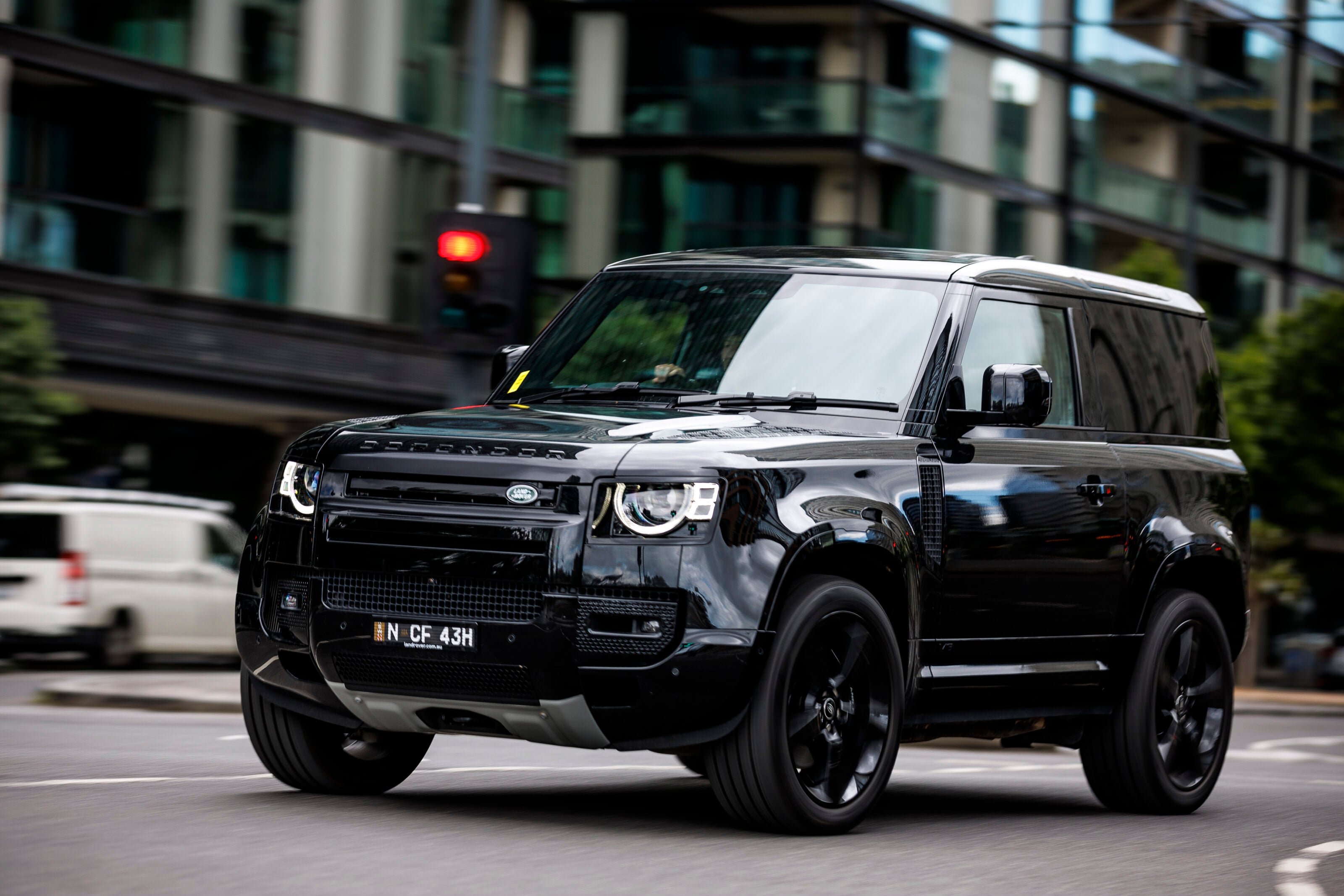
McGovern was born in Coventry and was responsible for some of the most significant new vehicles to emerge from the Midlands-based manufacturer, with the new Land Rover Defender the most significant to Australian readers. McGovern told this journalist more than once in the delayed lead up to the release of the Defender that Australia was a vital market for the 4WD, and that re-imagining a legend was no easy task.
Subsequently, the Defender has been incredibly popular around the world, despite initial resistance from the traditionalists.
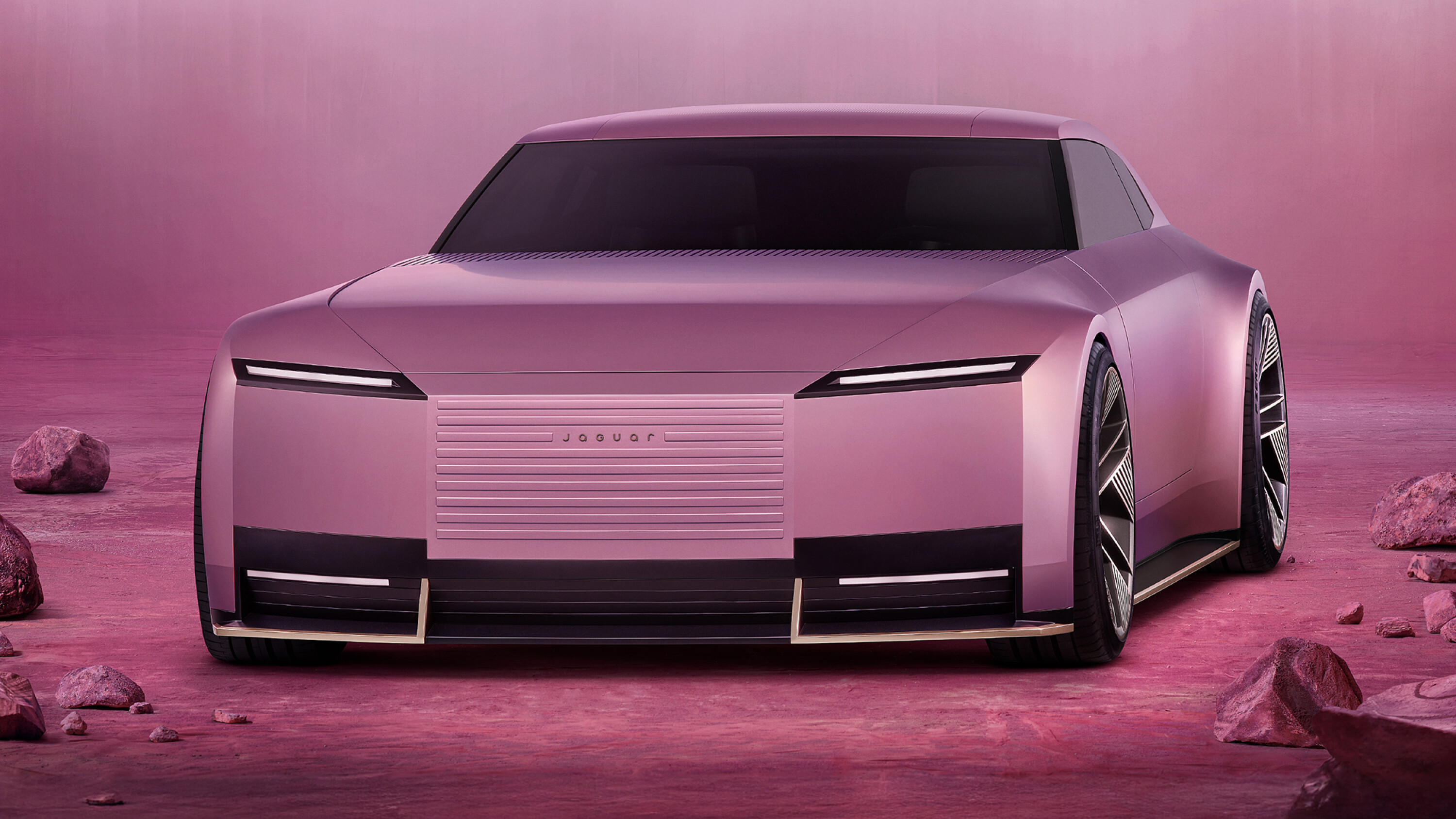
McGovern was also responsible for the modernised Range Rover line-up – including Sport, the then-new Discovery, and more recently, the 2021 Reimagine Strategy and the divisive Type 00 Concept as part of Jaguar’s move to being an electric-only manufacturer.
With legendary designer Ian Callum leaving Jaguar a few years ago, McGovern moving on signifies the end of an era and changing of the guard for what has been an undeniable period of success for JLR globally.
While they aren’t suited to everybody, a plug-in hybrid can be a great option for those wanting to reduce their emissions and fuel use but not wanting to make the full jump and purchase an EV. PHEVs offer a longer electric driving range than a hybrid, as well as an ICE engine for when the battery runs out, with the potential to significantly reduce both emissions and running costs.
Thanks to more choice and higher fuel prices in Australia, PHEV popularity has increased significantly over the past 12 months and because of advancements in technology, they offer longer electric-only driving ranges than ever before. Here’s the WhichCar by Wheels guide to the PHEVs with the longest claimed electric-only driving range in Australia:
1) GWM Haval H6 GT PHEV: 180km (NEDC)
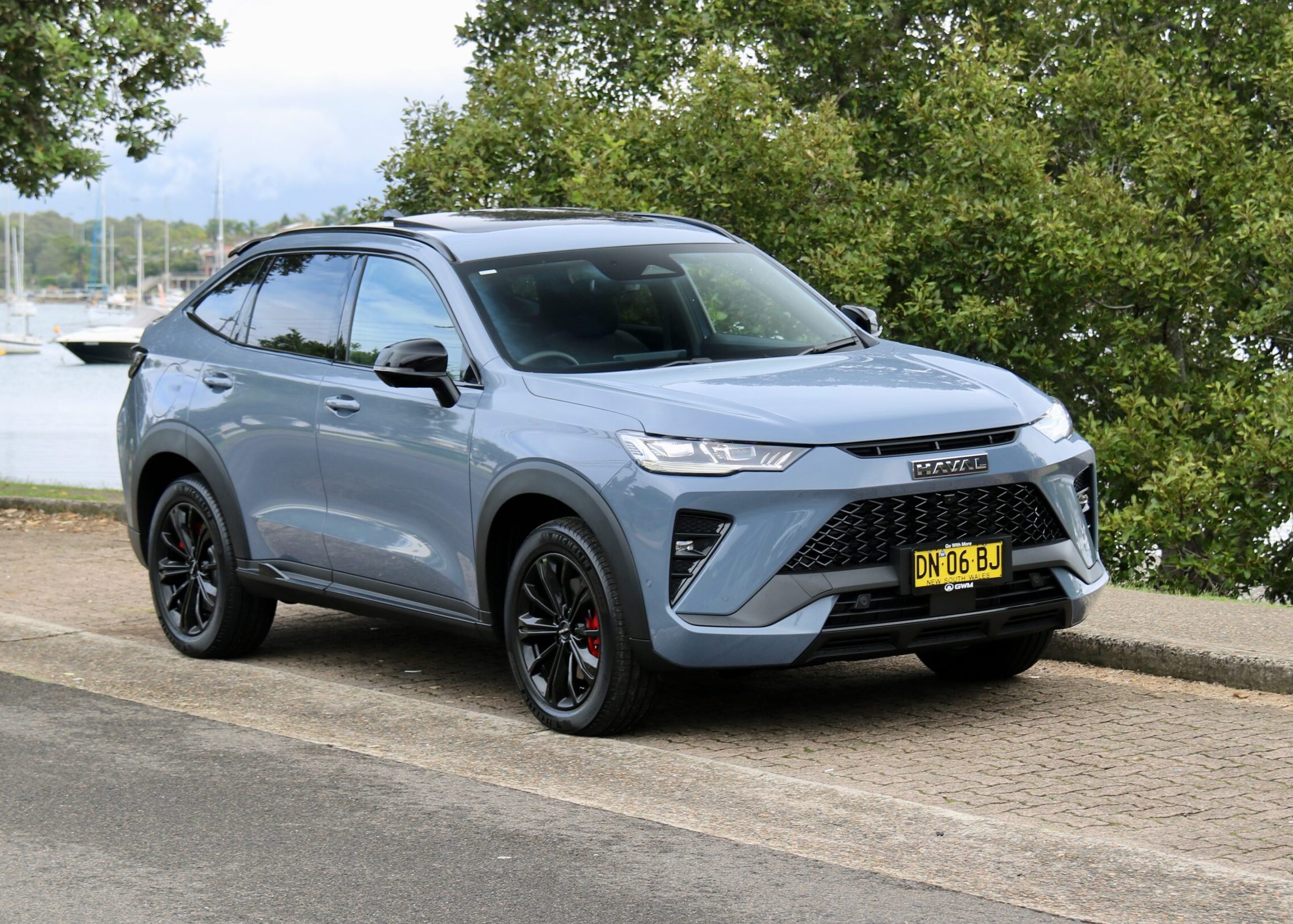
Price: From $53,990 driveaway
Drivetrain: 321kW/762Nm 1.5-litre turbo + two electric motors, 35.43kWh battery
Peak charging speed: 48kW
Surprisingly to some, the longest electric range in a plug-in hybrid in Australia is the GWM Haval H6GT PHEV, which is capable of an impressive 180km (NEDC) of electric driving from its 35.43kWh battery. What’s more, the H6GT is genuinely quick, hitting 100km/h in just 4.9 seconds from its 321kW drivetrain – and it’s wrapped up in a good value, practical and comfortable package.
2) Chery Tiggo 9 Super Hybrid: 170km (NEDC)

Price: From $59,990 plus on-road costs
Drivetrain: 315kW/580Nm 1.5-litre turbo, two electric motors, 34kWh battery
Peak charging speed: 70kW
Chery has been going hard with its Super Hybrid PHEV plug-in hybrid tech locally, with PHEV versions of the Tiggo 7, Tiggo 8 and now Tiggo 9 on sale. The largest of them all is the Tiggo 9 and it features the largest battery at 34kWh, achieving an impressive 170km EV range (NEDC) that can be recharged at up to 70kW. Its dual-motor drivetrain is also powerful, making 315kW, and its seven-seat cabin is both practical and high quality. Pricing starts at $59,990 plus on-road costs, making it pretty good value for money as well.
3) Omoda 9 Super Hybrid: 169km (NEDC)
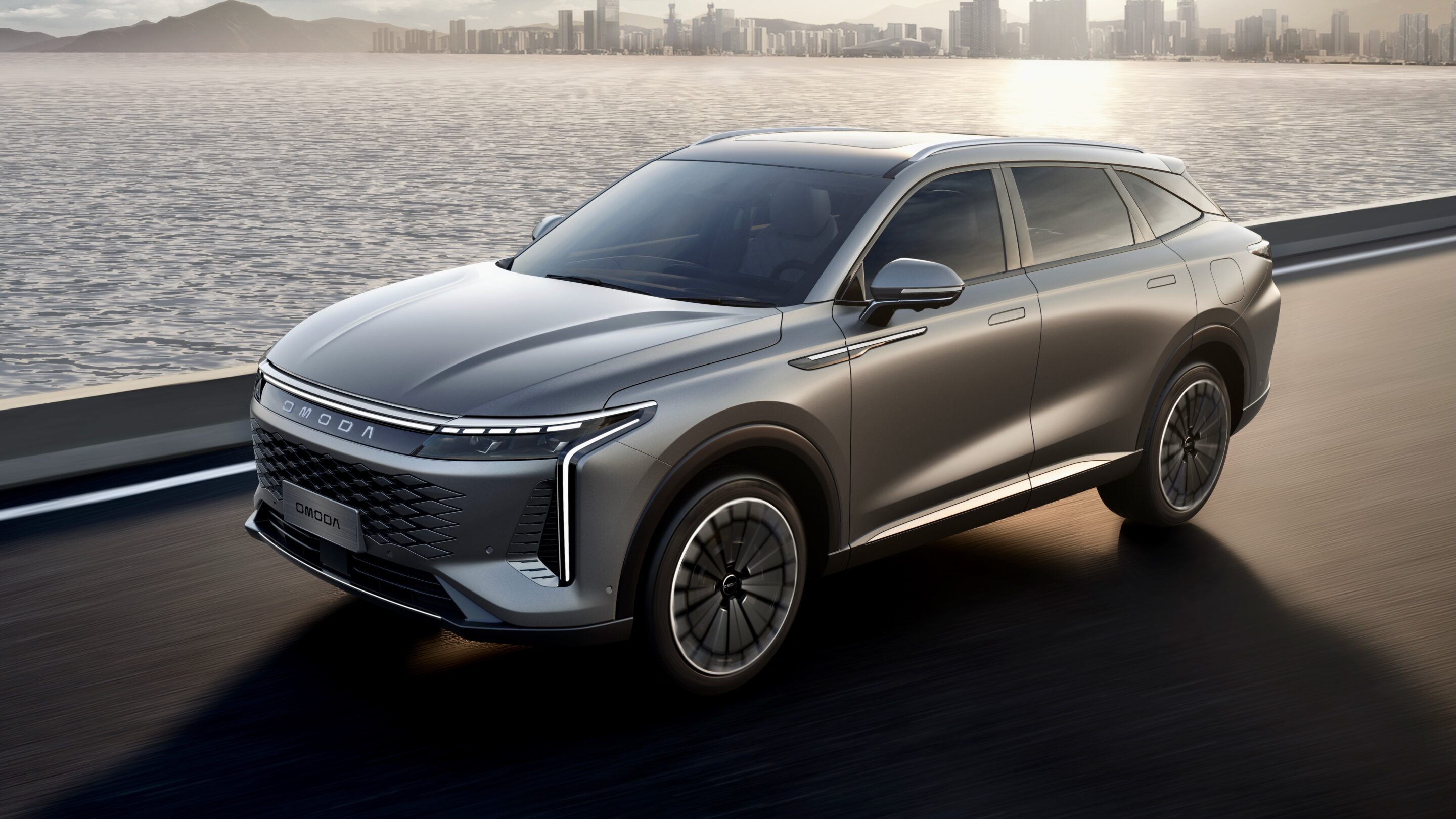
Price: From $61,990 plus on-road costs
Drivetrain: 395kW/700Nm 1.5-litre turbo, three electric motors, 34kWh battery
Peak charging speed: 70kW
Capable of just 1km less than its platform mate Tiggo 9, the Omoda 9 Super Hybrid plug-in hybrid is a new offering to Australia and is the top of the Omoda range for now. Using a similar drivetrain to the Tiggo 9 with the same battery stats but with an extra electric motor (three in total!), means it produces more grunt at 395kW/700Nm. Unlike the Tiggo 9, the Omoda 9 isn’t a seven-seater, but it has a massive 660-litre boot that opens up to 1783 litres with the rear seats folded.
4) BYD Sealion 8 AWD: 152km (NEDC)
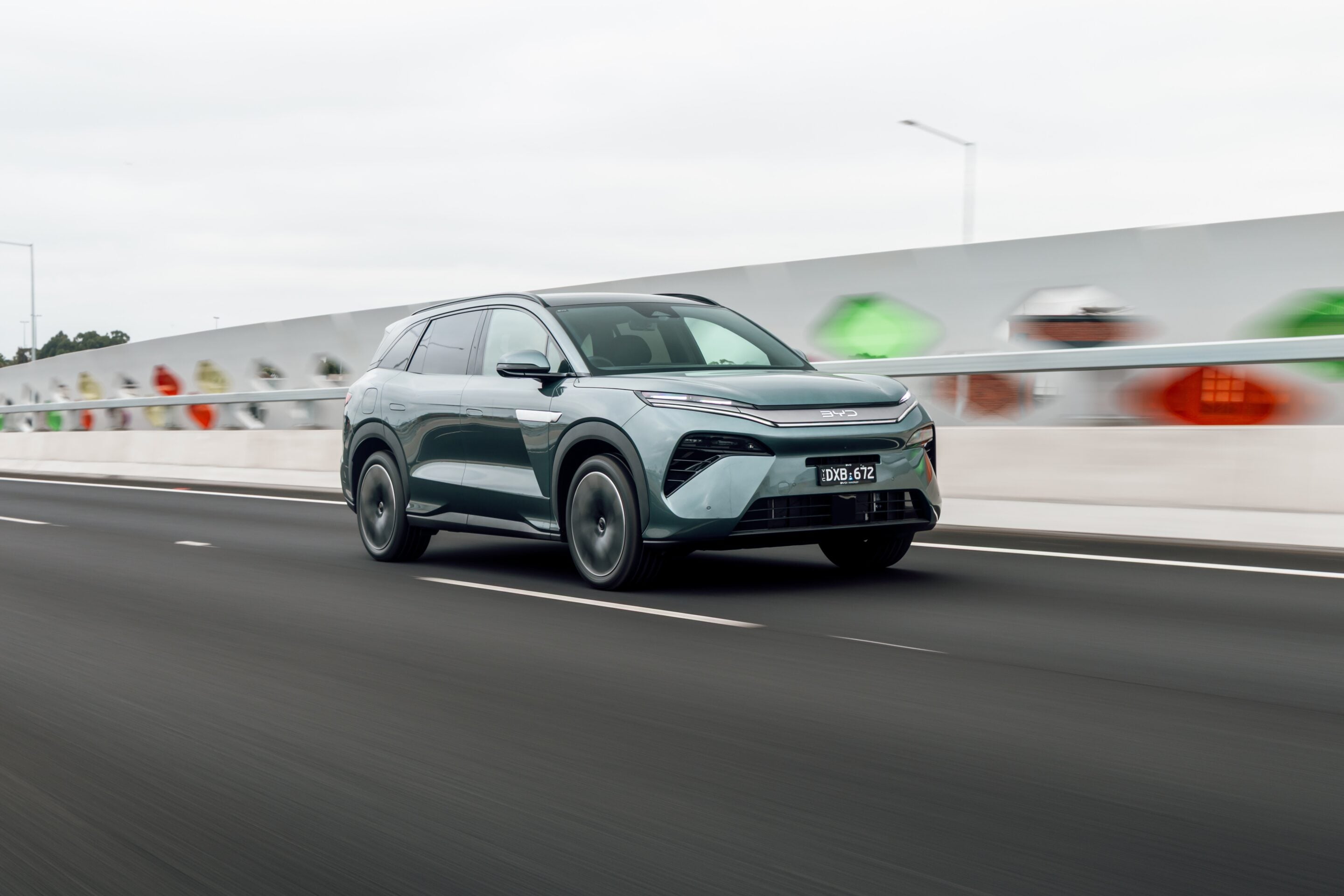
Price: From $56,990 plus on-road costs
Drivetrain: 359kW/675Nm 1.5-litre turbo, two electric motors, 35.6kWh battery
Peak charging speed: 74kW
BYD’s first seven-seater plug-in hybrid in Australia offers impressive stats: 152km of electric range (with all-wheel drive – the front-drive base model features a smaller battery), 74kW DC charging and a huge 359kW of power. Pricing starts at $56,990 plus on-road costs, though the all-wheel drive versions start at $63,990 +ORC. It also features a roomy cabin with quality materials, long standard equipment list and pleasant driving experience.
5) MG HS Super Hybrid: 135km (NEDC)
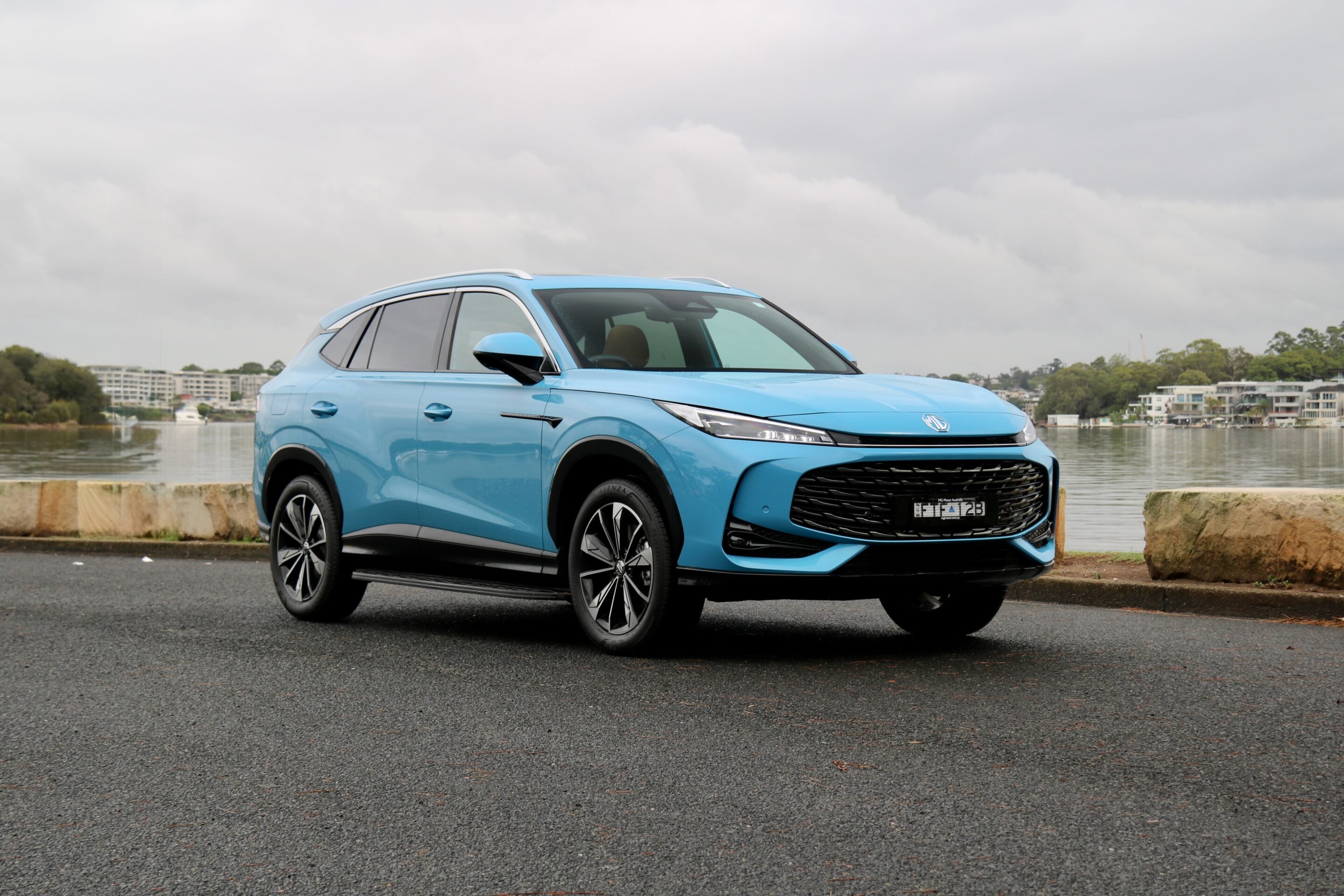
Price: From $48,990 plus on-road costs
Drivetrain: 220kW/350Nm 1.5-litre turbo, electric motor, 24.7kWh battery
Peak charging speed: 6.6kW AC
The MG HS PHEV was the brand’s first hybrid offering in Australia in its last generation, and now in second-gen form, both the Hybrid+ regular hybrid and Super Hybrid plug-in hybrid are offered. The Super Hybrid offers an impressive 135km NEDC range, as well as a strong 220kW/350Nm 1.5-litre turbo-petrol hybrid drivetrain. Unfortunately can’t be DC fast charged, with a 6.6kW AC maximum, but it can be fully charged in under seven hours (or overnight, or during the work day) meaning it’s still practical. Plus, the latest HS is an impressive car with good quality, a spacious cabin and a long list of standard features.
6) Range Rover and Range Rover Sport P460e: 122km (WLTP)
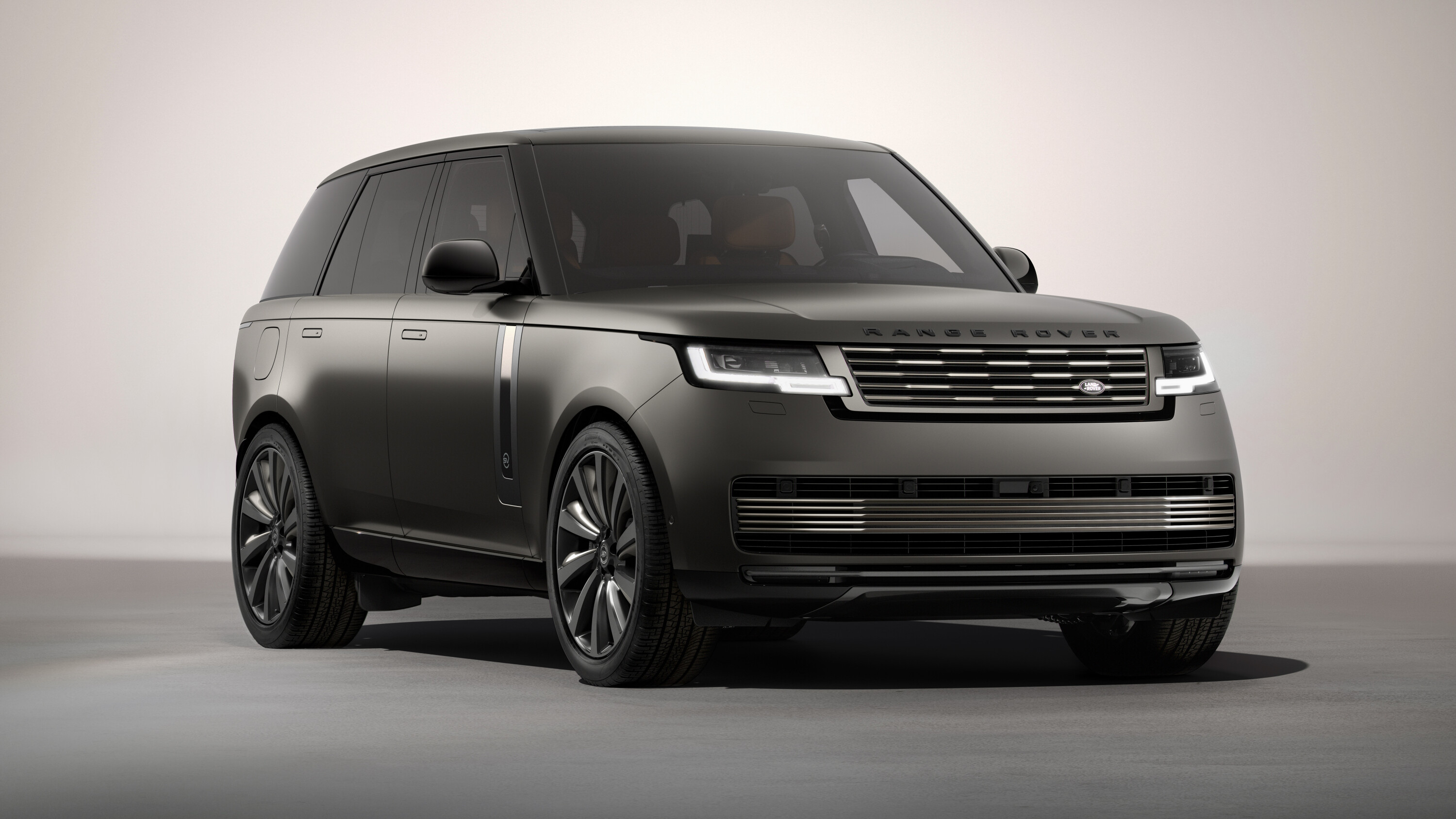
Price: From $181,018 plus on-road costs (Range Rover Sport), $280,100 plus on-road costs (Range Rover)
Drivetrain: 338kW/550Nm 3.0-litre turbo, electric motor, 38.2kWh battery
Peak charging speed: 43kW DC
At the more premium end of the plug-in hybrid market are the Range Rover and Range Rover Sport P460e, which both offer a WLTP range of 122km from a large 38.2kWh battery. That’s impressive considering they both weigh more than 2700kg and offer strong performance, hitting 100km/h in the mid-5 second range. Plus, as you’d expect for a Range Rover, both feature sumptuous interiors, high quality materials and an extremely comfortable driving experience.
7) Cupra Leon Sportstourer: 119km (WLTP)
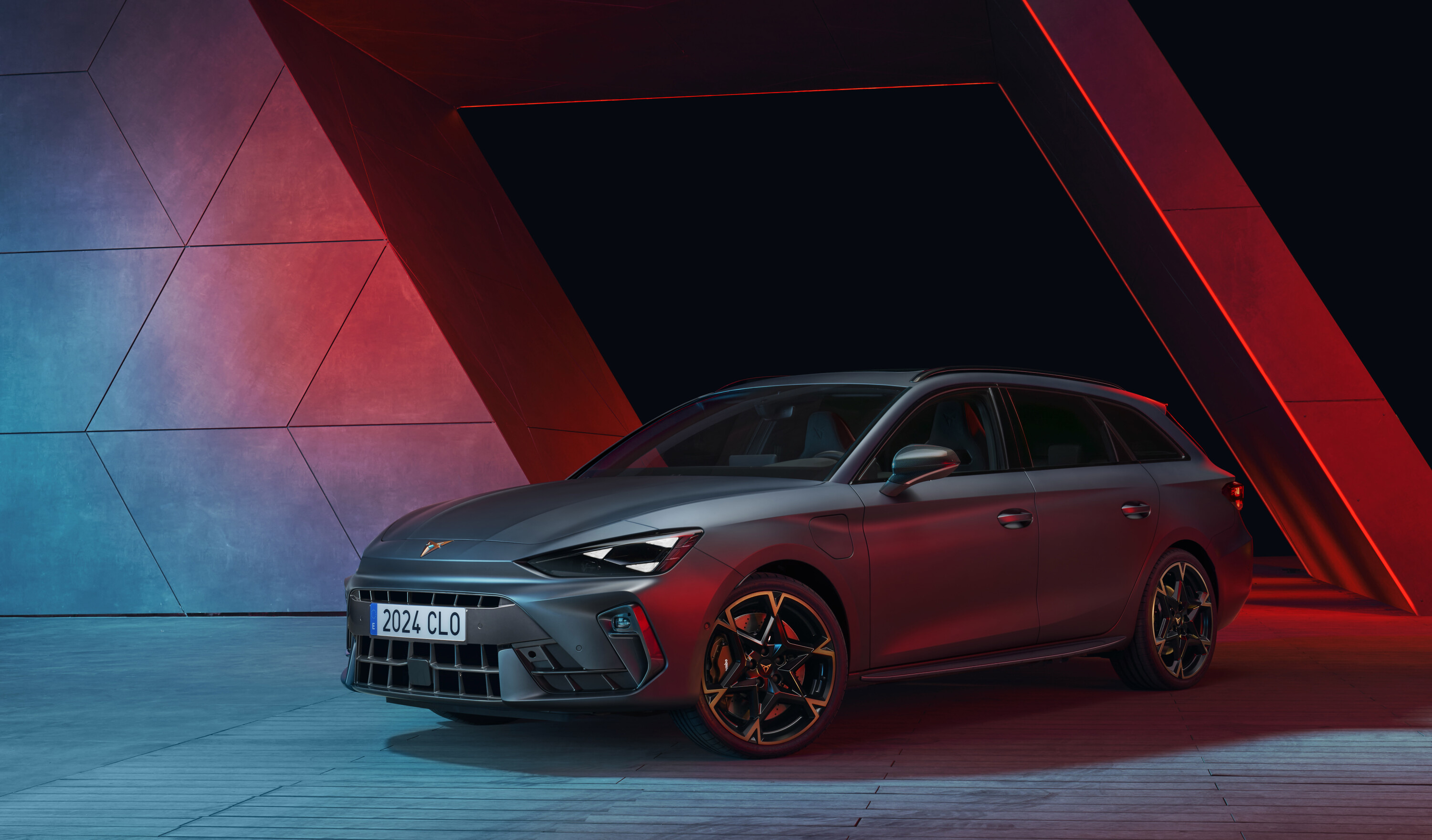
Price: From $69,990 plus on-road costs
Drivetrain: 200kW/400Nm 1.5-litre turbo, electric motor, 20kWh battery
Peak charging speed: 50kW DC
The Volkswagen Group’s sporty Spanish arm Cupra is no stranger to offering plug-in hybrids in Australia, and the Leon Sportstourer is the latest to be offered. Using a 200kW 1.5-litre turbo-petrol plug-in hybrid drivetrain paired with a 20kWh battery, the Leon wagon is capable of hitting 100km/h in 7.3 seconds but also 120km of electric driving range – and that’s on the more realistic WLTP cycle as well. The Leon Sportstourer is also quite practical with its large 470-litre boot and importantly, is a rare wagon in a sea of SUVs.
8) Skoda Kodiaq and Superb PHEV: 112km (WLTP)
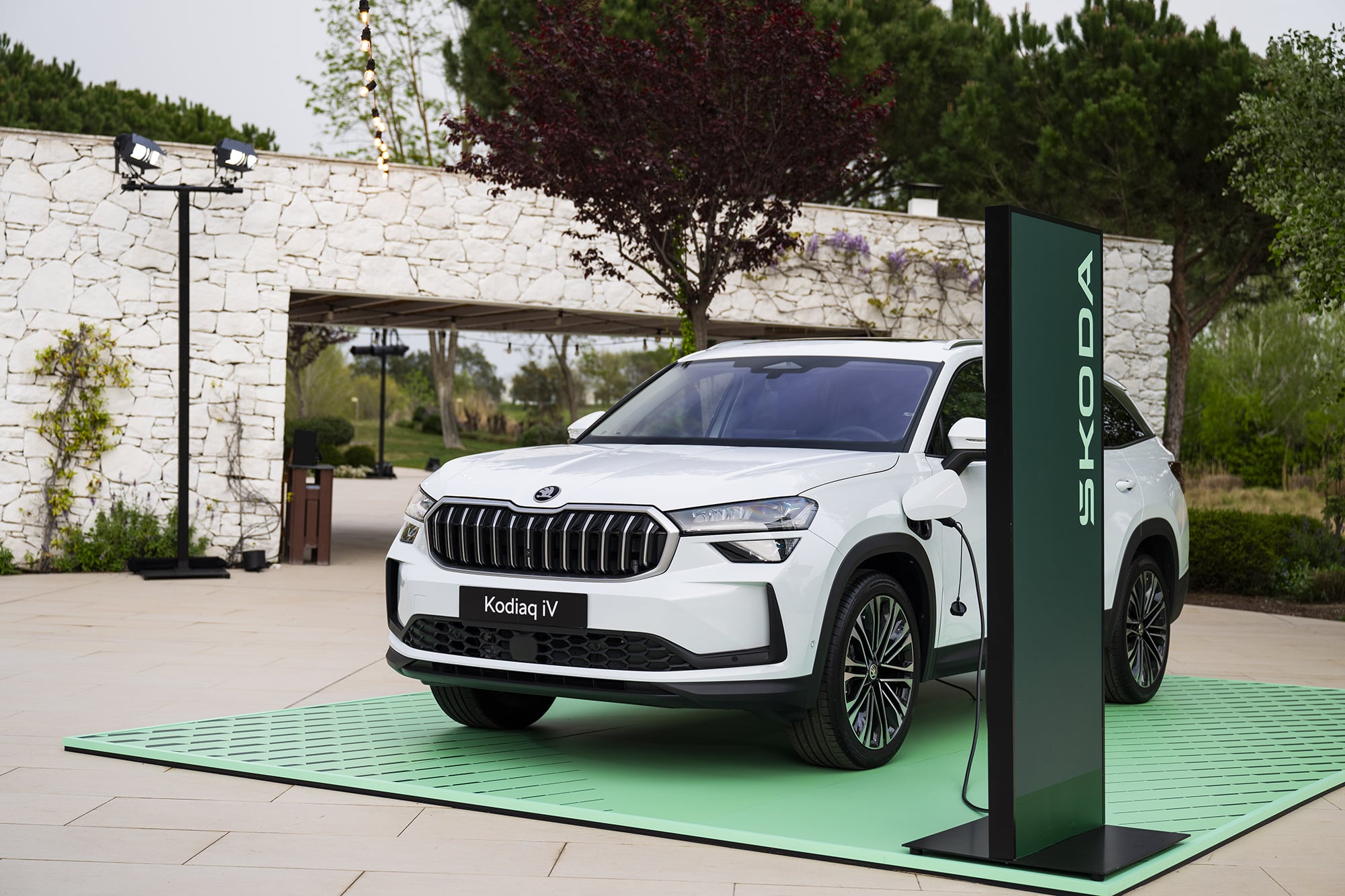
Price: From $66,990 driveaway (Superb), $68,990 driveaway (Kodiaq)
Drivetrain: 150kW/350Nm 1.5-litre turbo, electric motor, 25.8kWh battery
Peak charging speed: 50kW DC
Skoda Australia has launched a few hybrid products in 2026, and the plug-in hybrid variant of the Superb large wagon and Kodiaq large SUV is one of them. Utilising a 1.5-litre turbo-petrol engine, electric motor and 25.8kWh battery, the Skoda PHEVs are capable of travelling 112km electrically and that’s on the more realistic WLTP cycle too. Plus, both the Superb and Kodiaq are high quality, practical and covered by a long seven-year warranty.
9) Cupra Terramar VZe: 110km (WLTP)
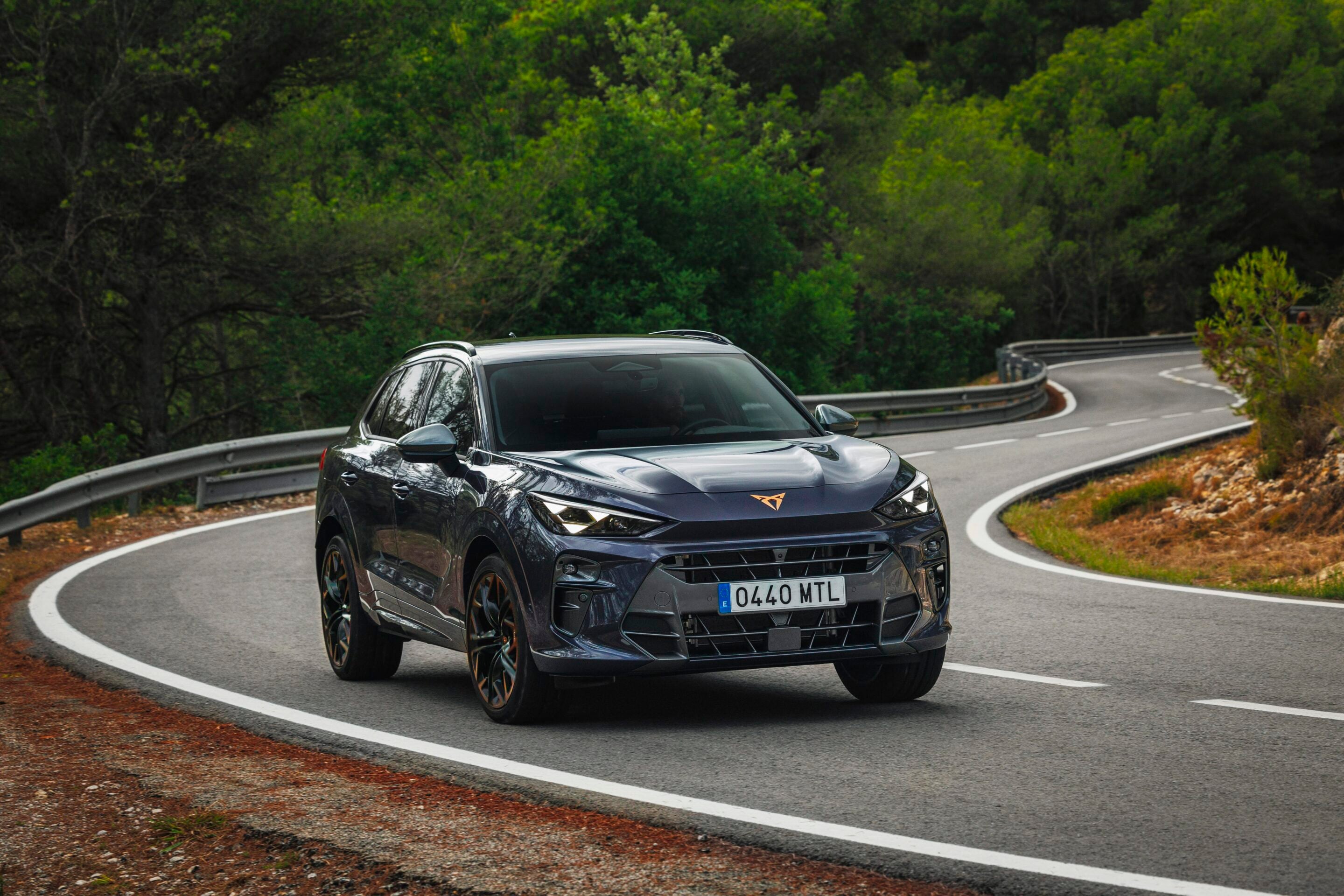
Price: From $77,990 plus on-road costs
Drivetrain: 200kW/400Nm 1.5-litre turbo, electric motor, 20kWh battery
Peak charging speed: 50kW DC
Using the same 200kW plug-in hybrid drivetrain as its Leon Sportstourer sibling, the Cupra Terramar VZe mid-size SUV offers up a 110km WLTP electric-only driving range. Priced from $77,990 plus on-road costs, it’s one of the more expensive options in this list but is quite well equipped, good to drive for an SUV and offers sporty styling, which Australians love.
10) GWM Cannon Alpha PHEV: 110km (NEDC)

Price: From $59,990 plus on-road costs
Drivetrain: 300kW/750Nm 2.0-litre turbo, electric motor, 37.1kWh battery
Peak charging speed: 50kW DC
Rounding out the top 10 longest EV ranges for PHEVs in Australia is the only ute on the list: The GWM Cannon Alpha PHEV. Offering up to 110km of range on the NEDC cycle (so likely less in the real world) from a 300kW drivetrain, the Cannon Alpha is quick and rewarding to drive. It’s good value for money as well as it’s loaded with features, yet priced the same as a mid-range diesel Ford Ranger. Importantly too, it offers DC fast charging at up to 50kW.
Other noteworthy plug-in hybrid electric ranges include the Mercedes-Benz C 350 e (104km NEDC), Haval H6 PHEV (100km NEDC), BYD Sealion 5 (100km NEDC), BMW X5 xDrive50e (101km NEDC) and Mercedes-AMG E 53 (100km NEDC).
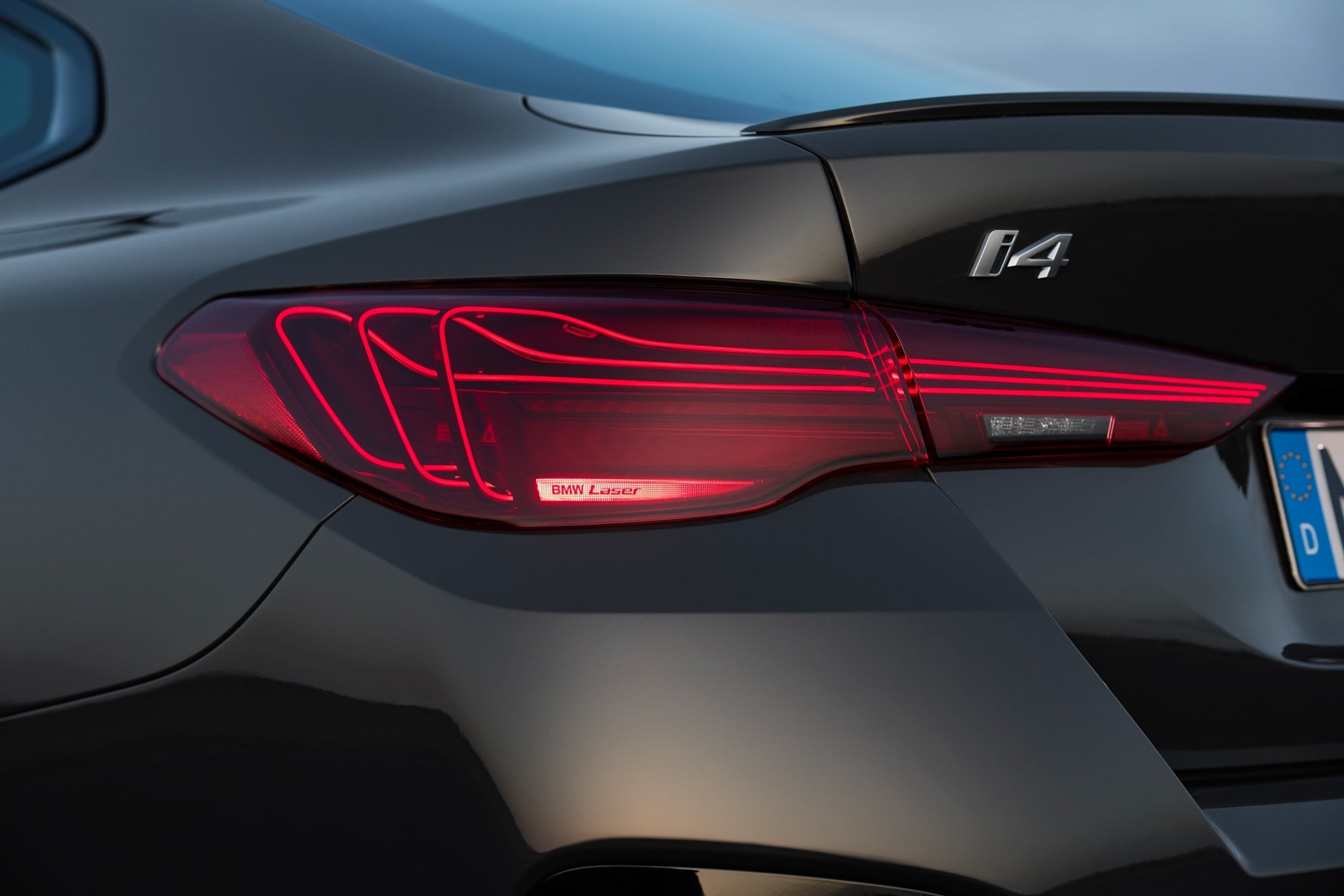
BMW is preparing to phase out its i4 electric sedan, with production expected to end after the 2026 model year as the company shifts focus to its next-generation electric architecture.
Introduced in 2021, the i4 was one of BMW’s early moves into mainstream electric vehicles, effectively translating the 4 Series Gran Coupe into battery-electric form. However, reports from multiple outlets including Car and Driver indicate the model will be discontinued within the next 12 to 18 months as newer technology arrives.
The decision is closely tied to BMW’s rollout of its Neue Klasse platform, a dedicated electric vehicle architecture that will underpin the brand’s future EV range. The first sedan to use this platform – a new electric i3 – is expected to take over the role currently occupied by the i4.
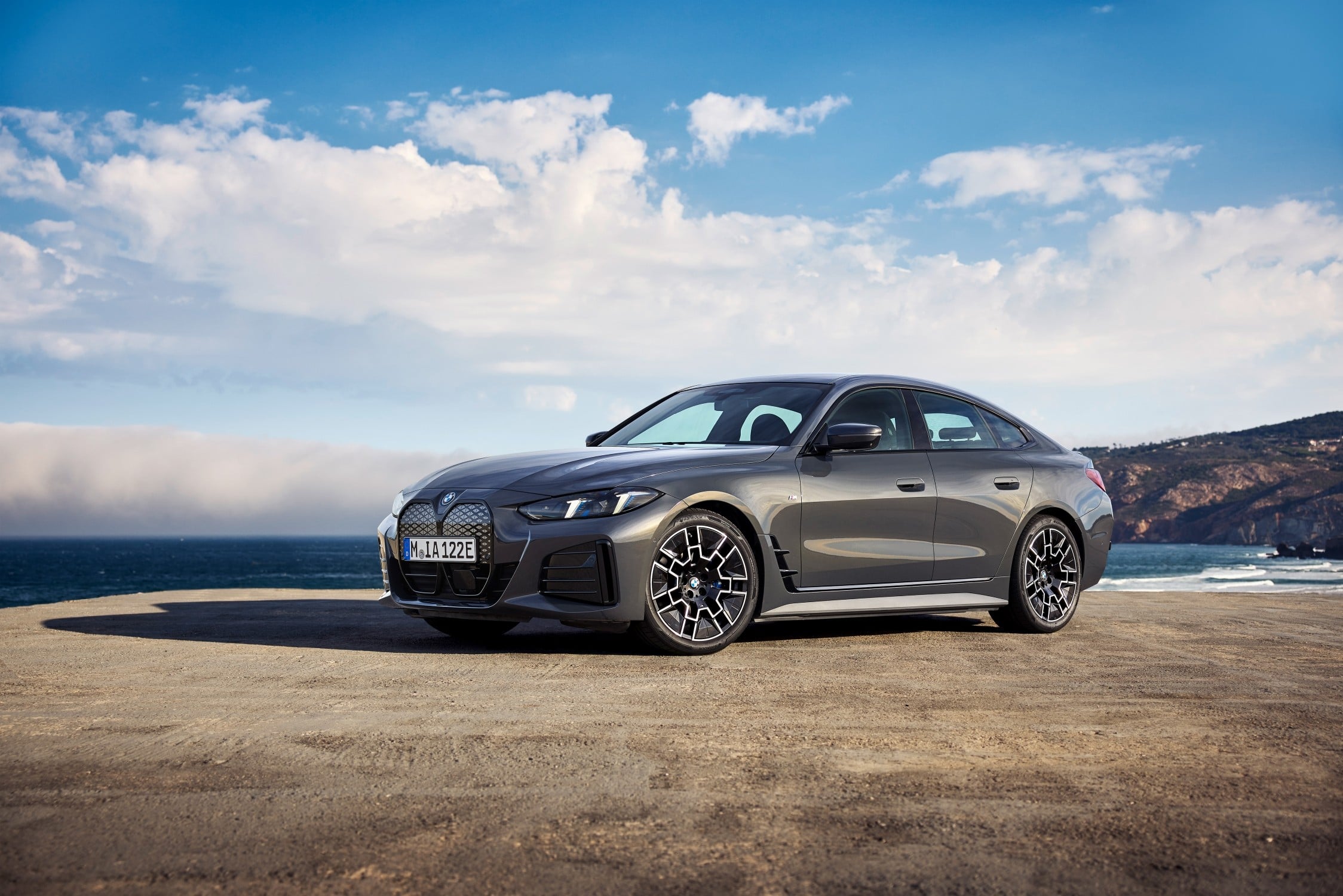
Unlike the i4, which is based on a modified version of BMW’s combustion-engine platform, the upcoming i3 has been designed from the ground up as an electric vehicle. This allows for improvements in efficiency, packaging and performance, as well as access to newer battery and charging technology.
Early details suggest the new i3 will offer significantly longer driving range and faster charging capability than the outgoing i4, with BMW targeting major gains in both areas as part of its broader electrification strategy.
The overlap in size, pricing and positioning between the two models has also contributed to the i4’s planned exit. With the i3 effectively serving as a direct replacement, BMW is streamlining its sedan line-up rather than running parallel models with similar roles.
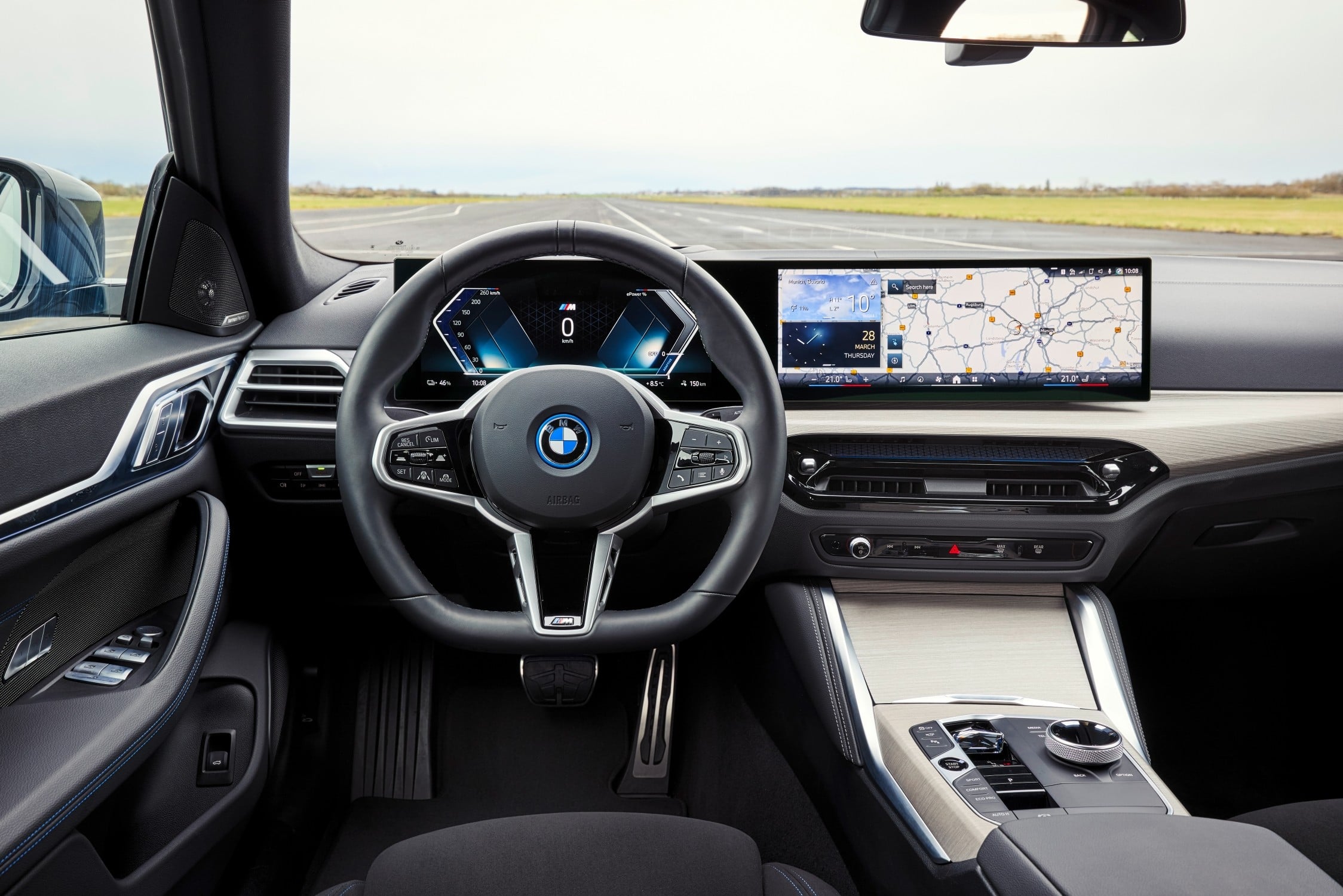
Despite its relatively short lifecycle, the i4 has been an important stepping stone for BMW. It helped the brand establish a presence in the growing electric sedan segment while buying time to develop its next-generation technology.
BMW has not indicated that the broader 4 Series line will disappear, with combustion-powered and potentially future electric variants of the coupe and convertible likely to continue.
In Australia, the i4 has played a notable role in BMW’s EV push since its arrival in 2021, proving relatively popular in the premium electric sedan segment. However, the local range has recently been simplified, with BMW Australia now offering only the entry-level eDrive35 variant.
For existing i4 buyers, support and production will continue in the short term, but the model’s days are now clearly numbered as BMW prepares to usher in a new era of electric sedans.
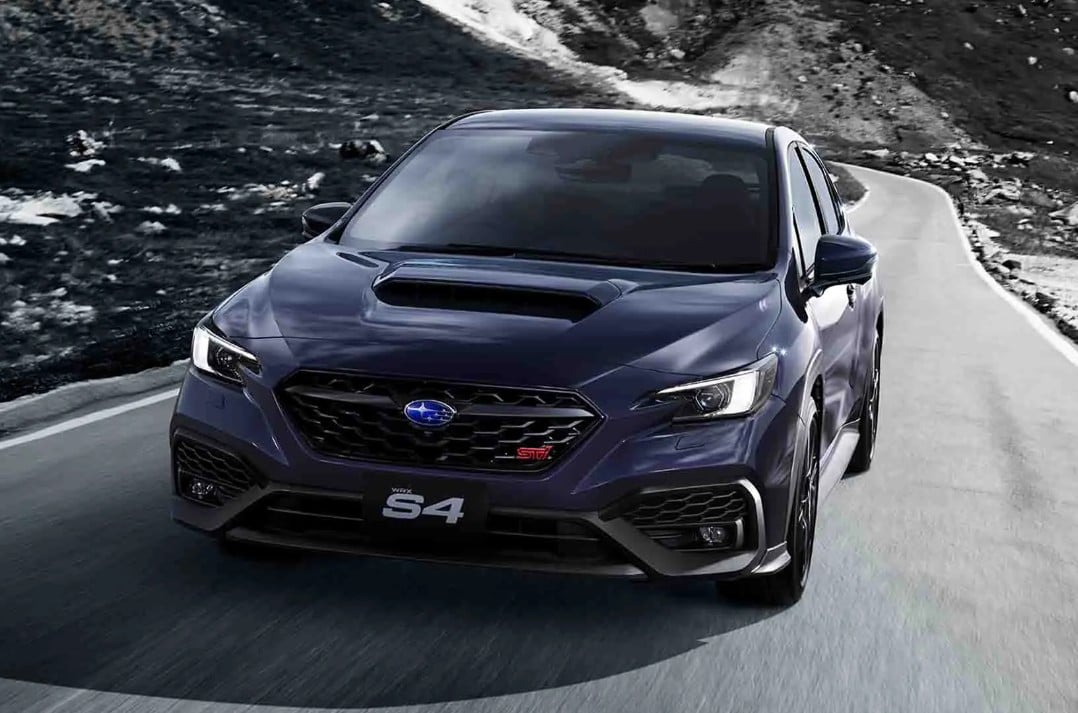
Subaru is preparing to draw the curtain on the WRX in its home market, confirming it will stop accepting new orders for the current-generation sedan in Japan from May 18, 2026.
The decision affects the WRX S4 (below), the Japan-specific version of the performance sedan, and effectively marks the beginning of the end for the model locally. While production will continue in the short term to fulfil existing orders, Subaru has warned that allocations could be exhausted before the official cut-off date.
The move forms part of a broader reshaping of Subaru’s domestic line-up. Orders for related models, including the Levorg and Layback wagons, will cease even earlier, in April, reflecting a wider transition away from current-generation internal combustion offerings.
At the core of the WRX’s phase-out are tightening emissions and noise regulations in Japan, which are placing increasing pressure on traditional turbocharged performance cars. Reports suggest the WRX S4’s 2.4-litre turbocharged flat-four engine may struggle to meet future standards beyond 2027 without significant changes.
The announcement also signals the end of the WRX S4 STI Sport variant, a flagship version featuring chassis upgrades inspired by Subaru’s STI performance division. That badge will not continue in its current form, adding further weight to the model’s departure.
To mark the end of the line, Subaru has introduced a limited-run STI Sport variant as a final send-off. Restricted to just 600 units and offered via lottery in Japan, the model pairs a six-speed manual transmission with suspension and chassis enhancements, echoing the WRX’s enthusiast roots.
Mechanically, the outgoing WRX S4 has remained largely unchanged, powered by a turbocharged 2.4-litre boxer engine producing around 200kW and driving all four wheels. While less extreme than past WRX STI models, it has continued to offer a blend of everyday usability and performance.
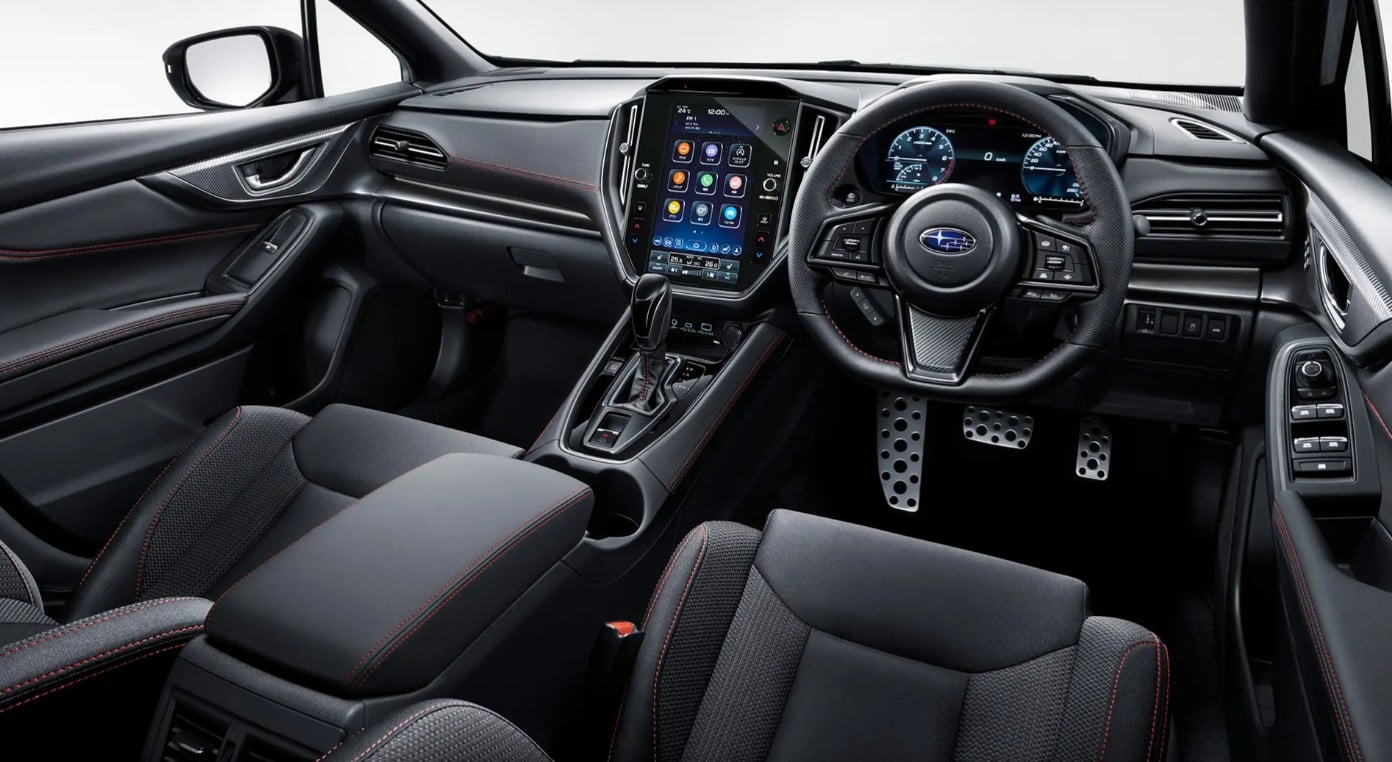
Subaru has not confirmed the long-term future of the WRX nameplate, but the phase-out points to a transition rather than a full retirement. A successor is expected, although details remain scarce, and the role of electrification is still unclear.
For now, the May deadline represents a final opportunity for Japanese buyers to secure a factory-built WRX. Beyond that, one of Subaru’s most recognisable performance models moves a step closer to history, at least in its current form.
