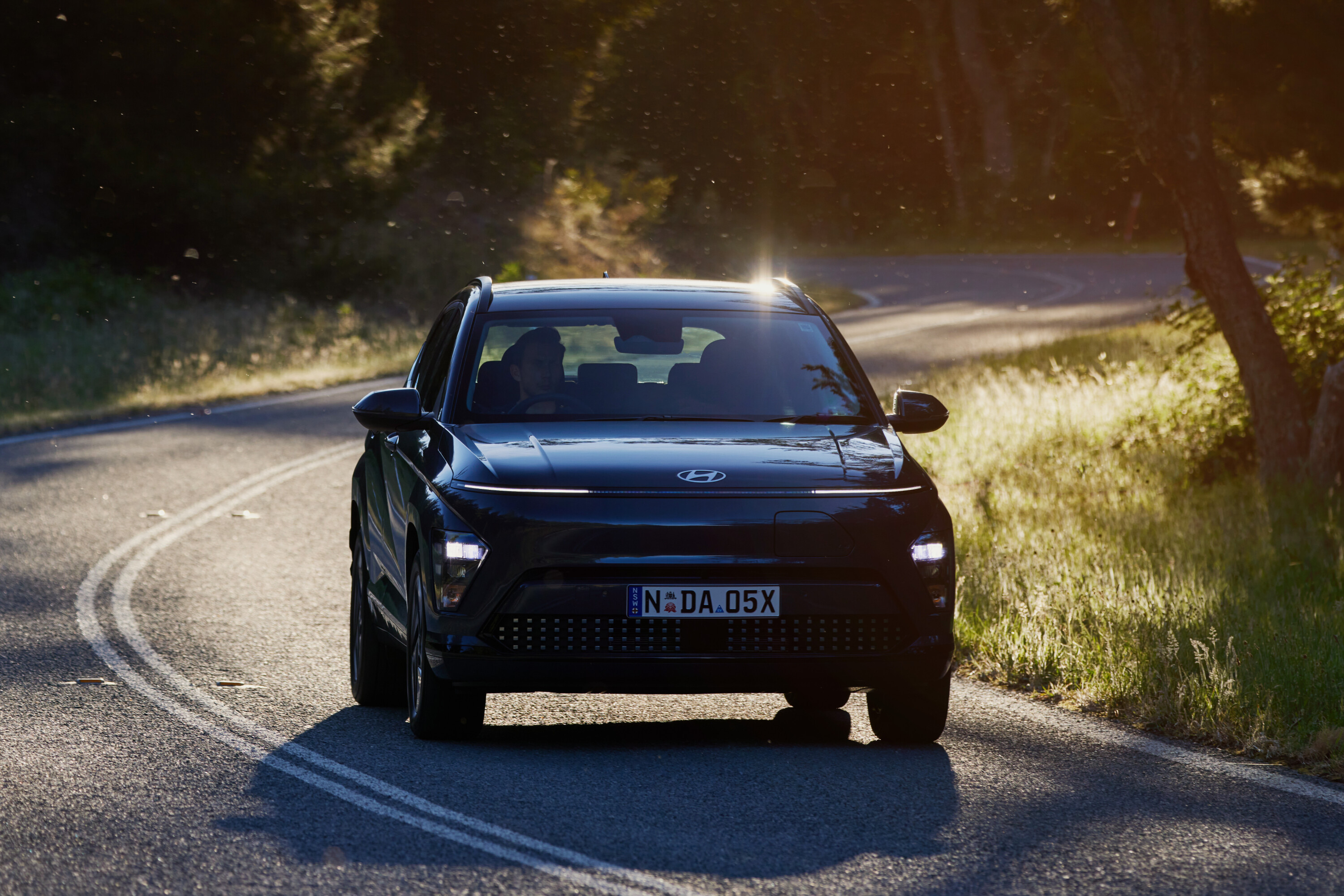
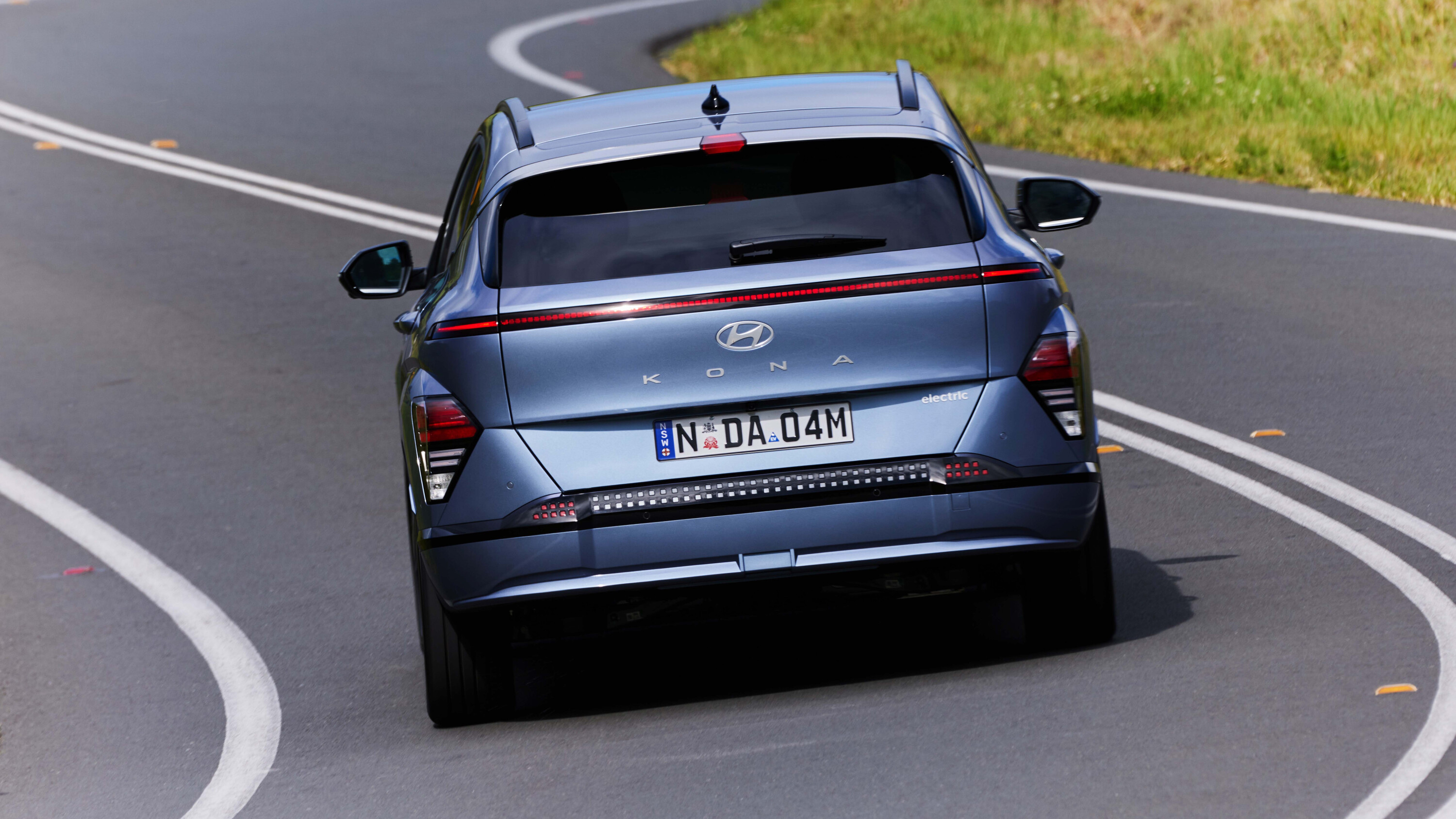
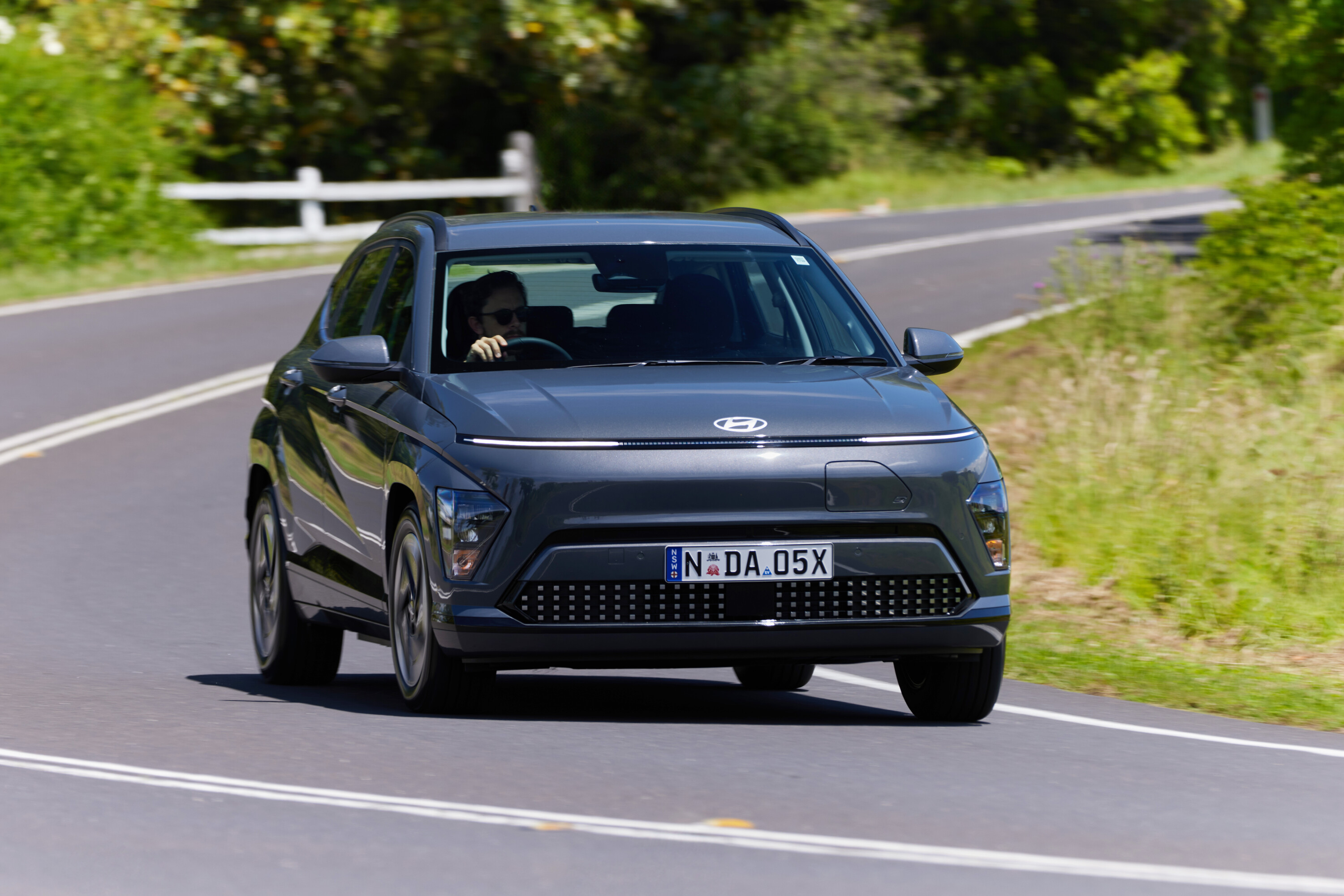
Can there ever be such a thing as too many safety features? I’m beginning to wonder.
We rail against the weight, cost and complexity of modern cars, but is the desire for more safety equipment partly responsible?
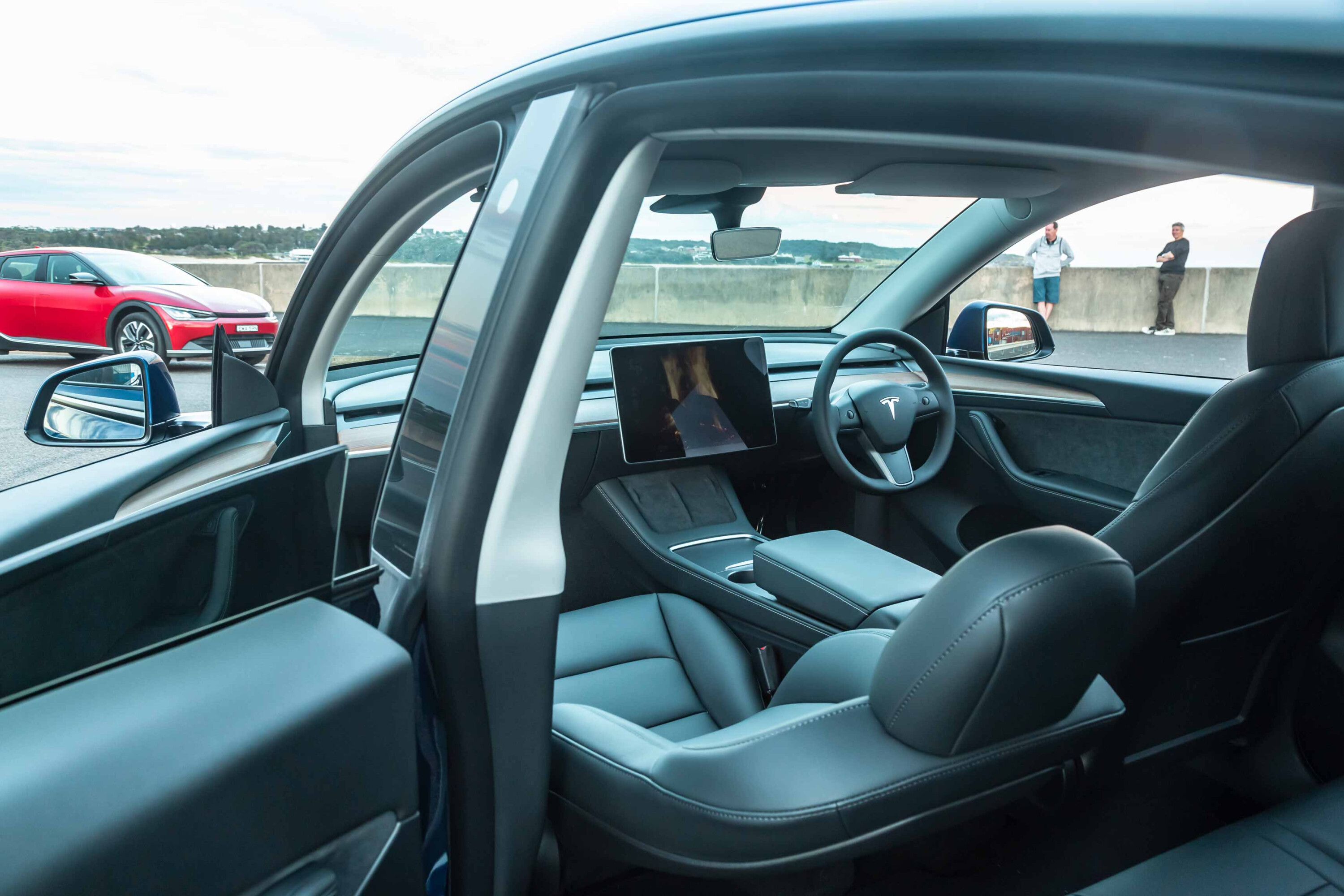
The reason I ask is that over the past few years, I’ve driven quite a few cars where some of the safety gear appears largely counterproductive.
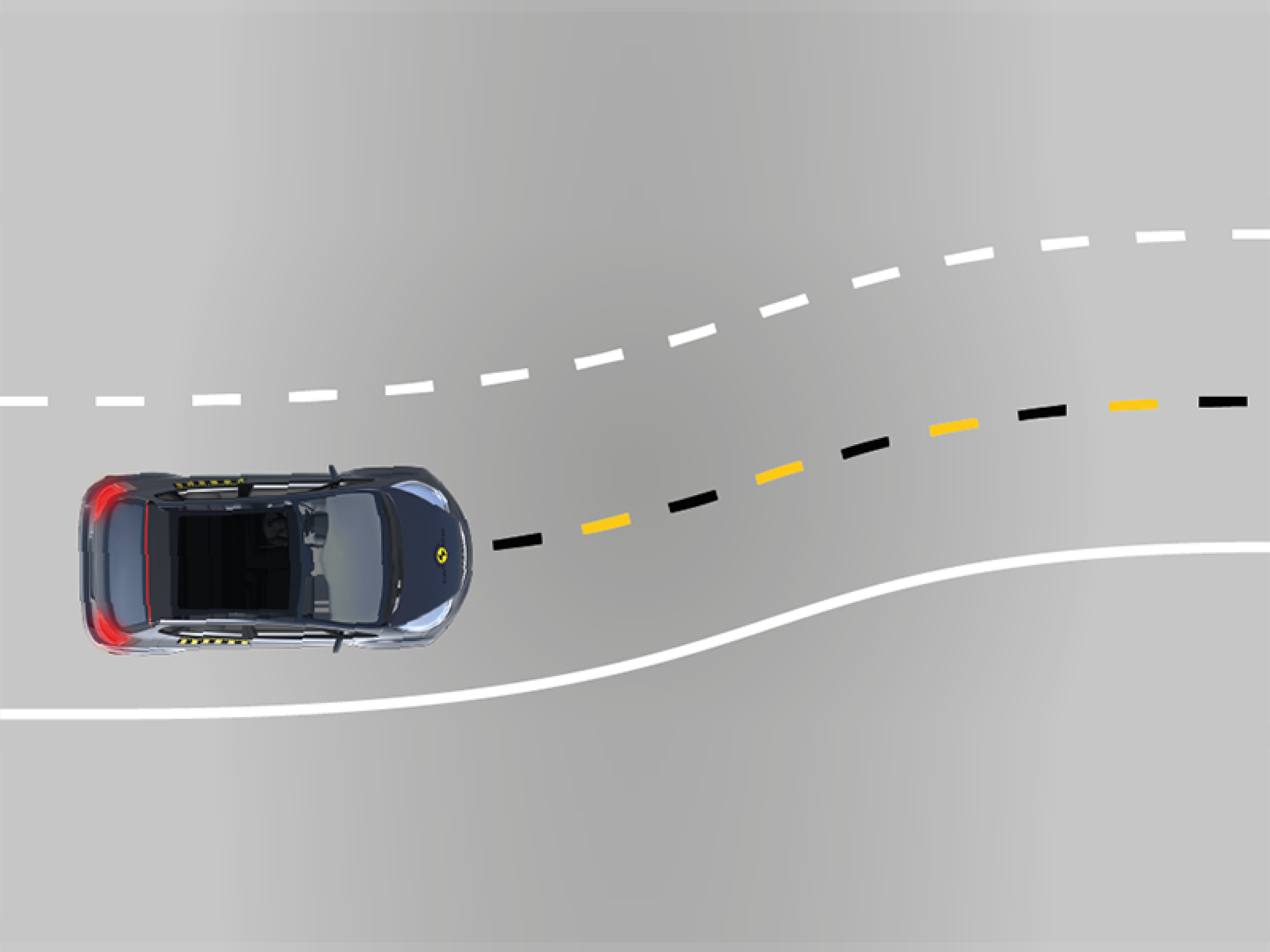
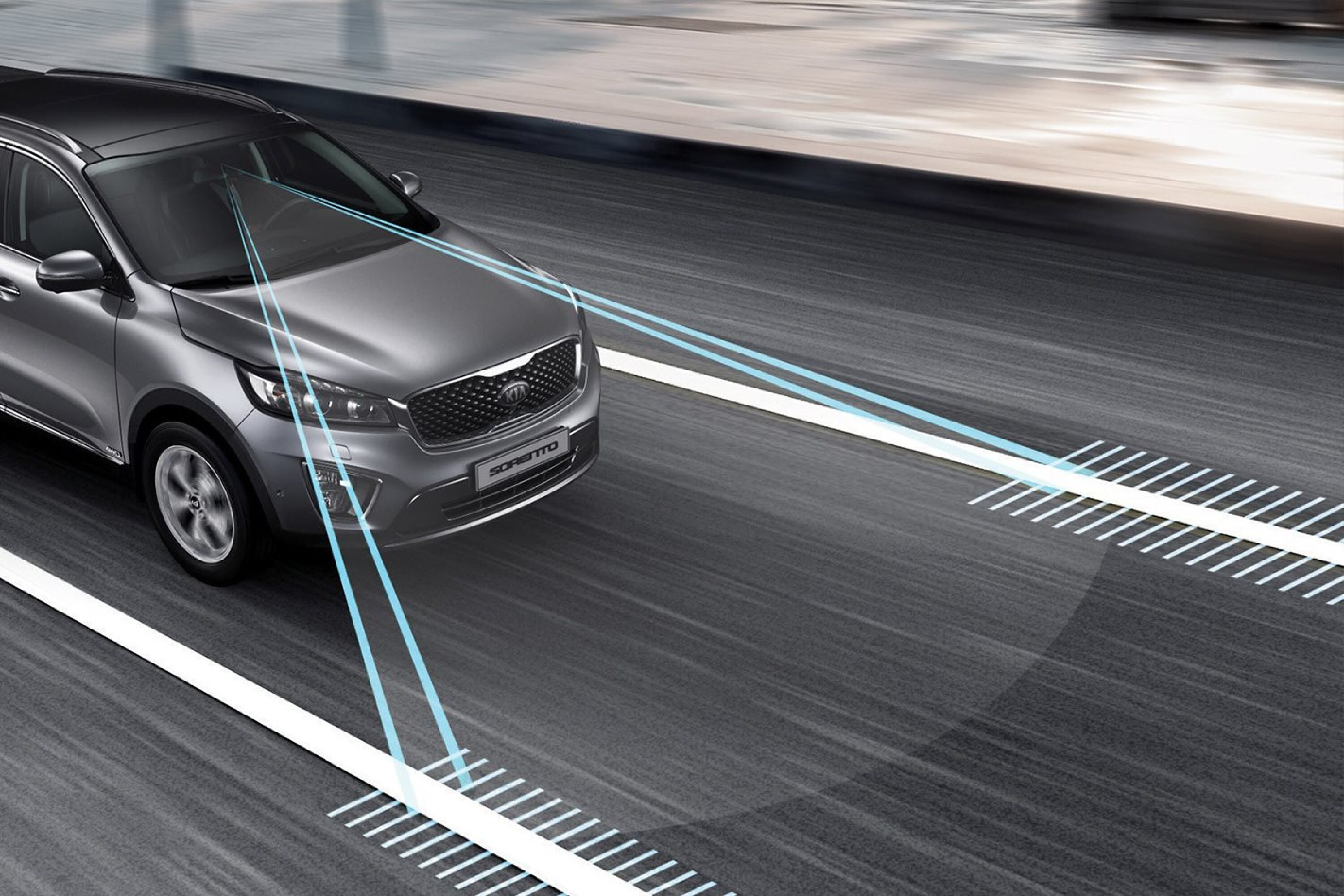
You probably know the sort of thing I’m talking about. Intrusive lane departure alert that’s distracting and which requires hunting through on-screen menus to disable. Lane-keep that bunts you into the pot-hole you were looking to skirt past.
1
Gimcrack parking radars that beep so frantically as soon as you activate them that you immediately ignore the warnings.
Adaptive cruise control that accelerates wildly when you pull out to follow a passing car and then rams the anchors on sharply, catching following drivers off-guard.
Car manufacturers are often bound by legislation on these features. I find the lane-keep systems on Hyundai and Kia products maddeningly unsubtle, but European safety legislation actually dictates that such a system can’t be disabled with a simple button press. It needs to be a menu choice or a long hold to disable.
1
The electronic nagging will only increase next year, when the EU mandates that all vehicles have an eye-tracking system fitted that’ll alert you if it thinks your attention has wandered.
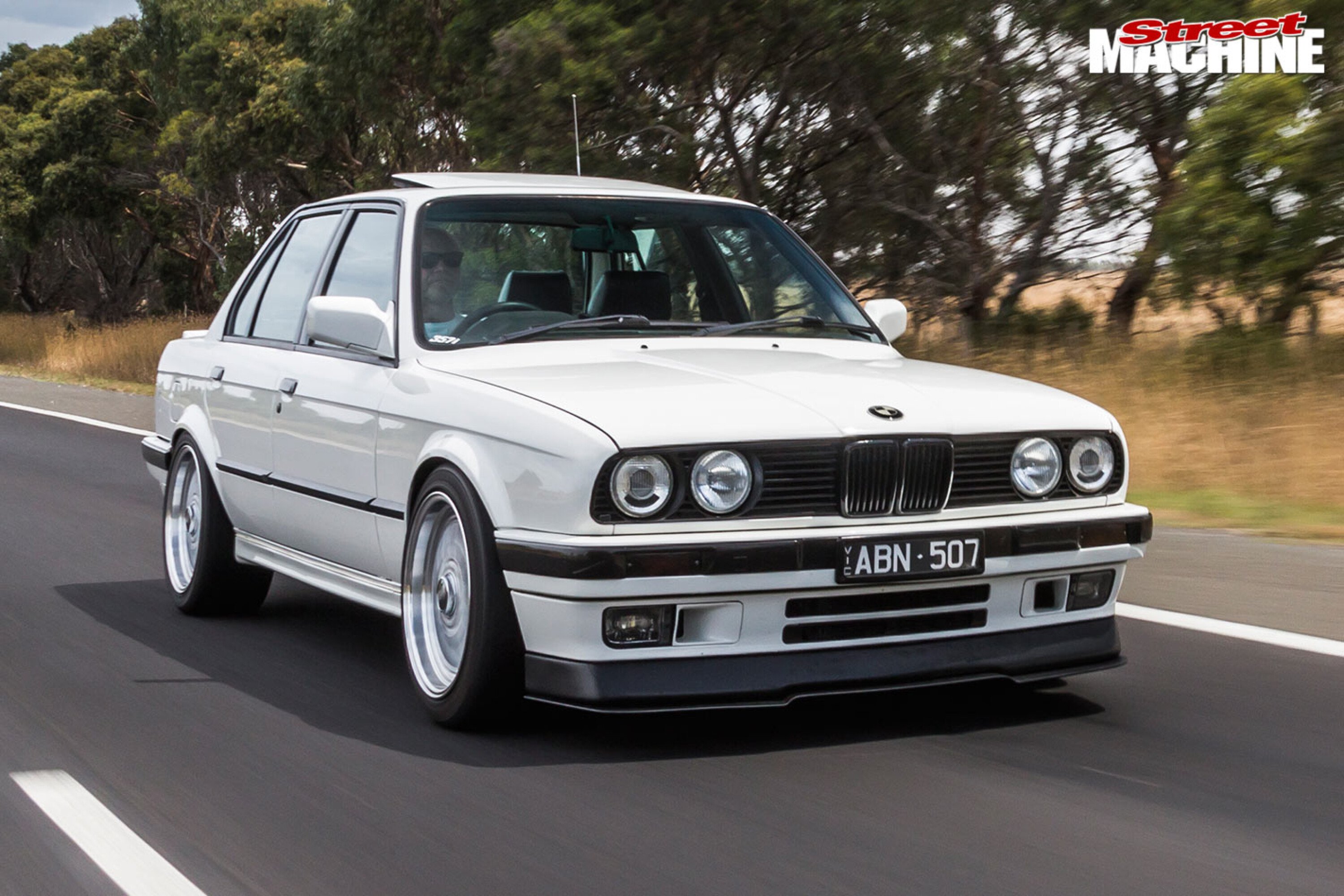
I was recently driving an old E30 BMW 3 Series and it had none of these features. Heck, it didn’t even have anti-lock brakes. If I’d have crashed it, it would have undoubtedly folded up like balsa compared to a modern 3 Series, but it made me a less passive, more keenly engaged driver.
The thin A-pillars meant that visibility out of the car was excellent. It felt light and agile, its chassis communicating exactly what it was doing, letting you know with perfect articulation when you were approaching its limits.
1
In short, I never felt minded to drive it, as if I was enveloped in some sort of impervious safety shield.
While it’s clear that my feelings are of little consequence if I’m T-boned by some tired and distracted school-run mum or dad in a Kluger, it got me wondering whether safety was becoming an alley from which legislators and manufacturers couldn’t return.
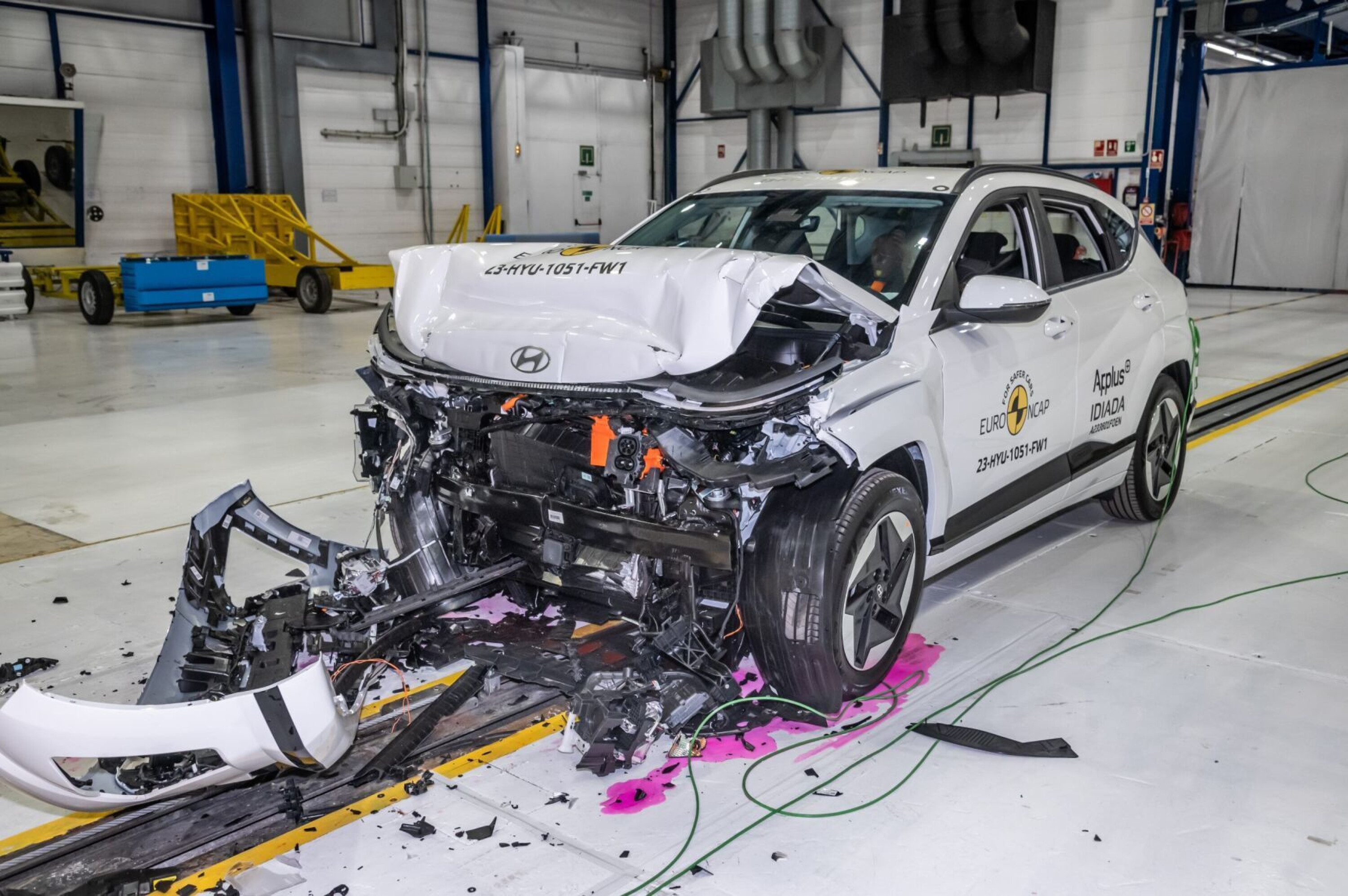
Are we going to recommend a car that doesn’t achieve a five-star Euro NCAP/ANCAP rating? The answer to that is, surprisingly, yes.
1
Porsche doesn’t submit its sports cars for safety testing, and I can’t think of too many 911 buyers who demur due to that fact. But a five-star fail? That’s different.
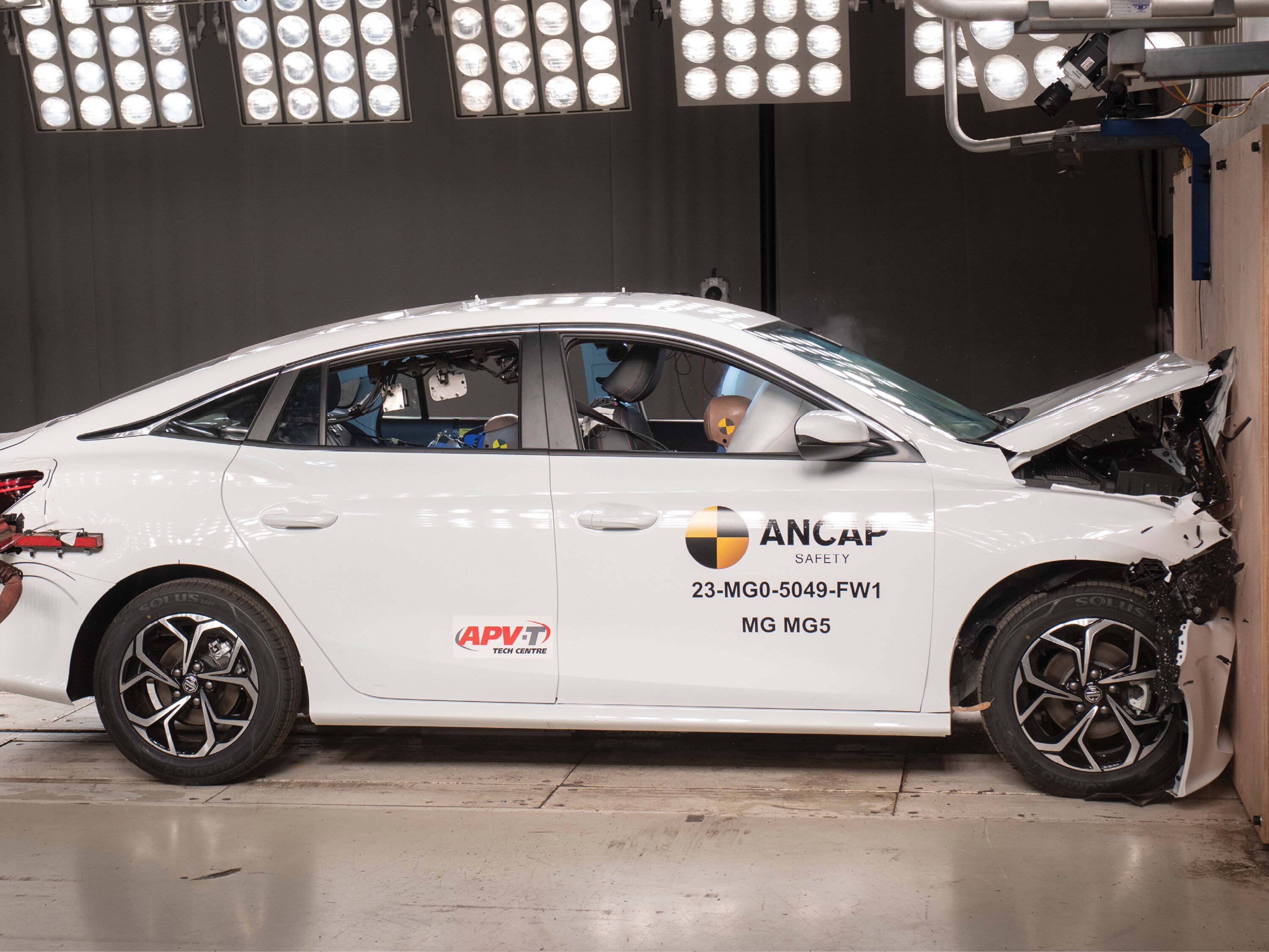
That subtlety’s not lost on MG. In August, it stated that it wasn’t pursuing a five-star ANCAP rating for its MG5 sedan, largely because its target customers would prefer lower prices – perhaps reasoning that a current three-star-rated car was likely safer than the old five-star car they were replacing.
MG’s Aussie CEO, Peter Ciao, said: “I know my business strategy has risk. But I am prepared, and I’m ready to accept the consequences… We can provide any model at five stars, but that means money.”
So would you be happy to pay less for a car if it wasn’t fitted with attention assist or traffic-sign recognition or rear cross-traffic alert and was denied a five-star safety rating? I suspect the response from a significant constituency of Wheels readers may be yes.
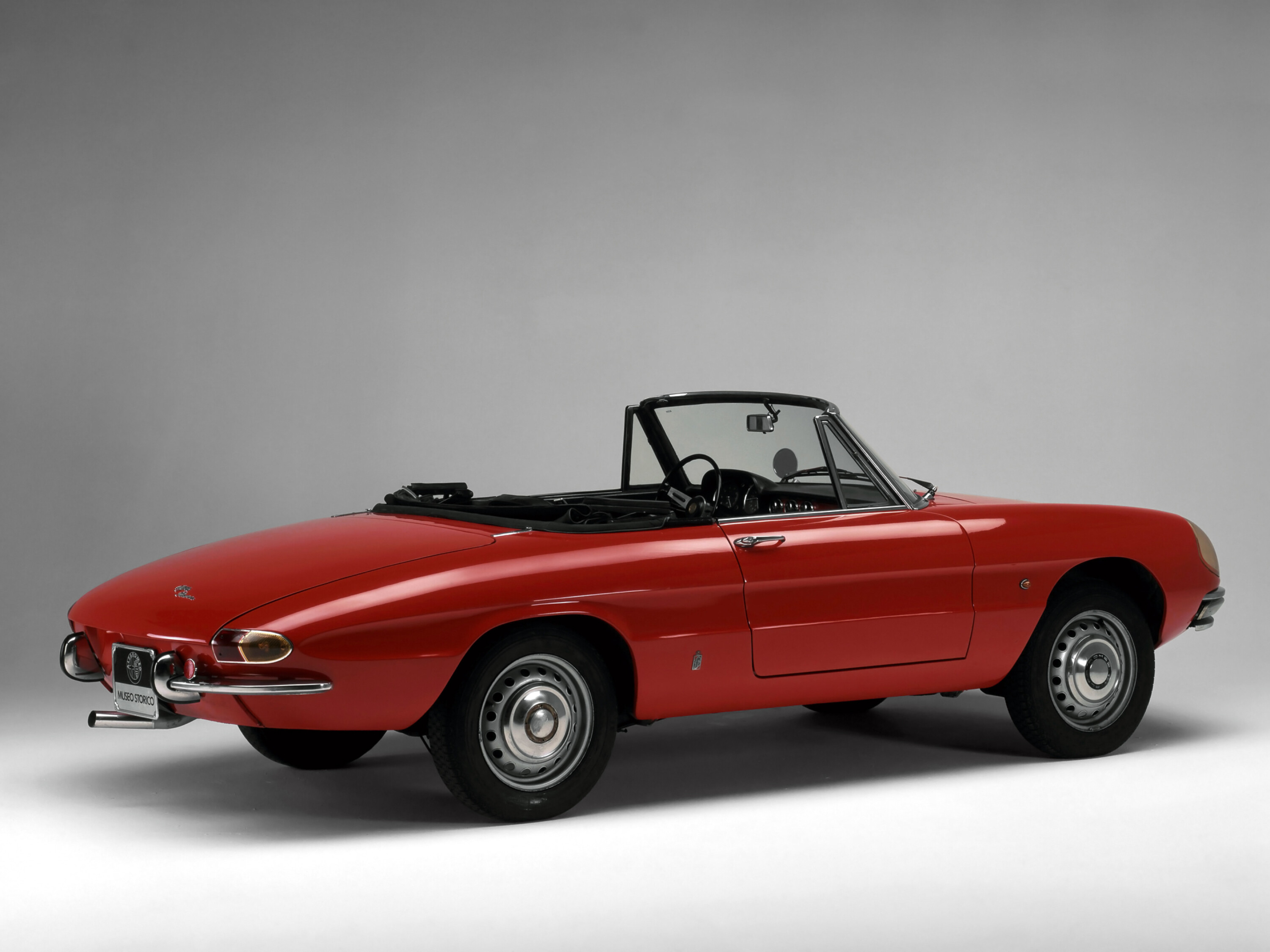
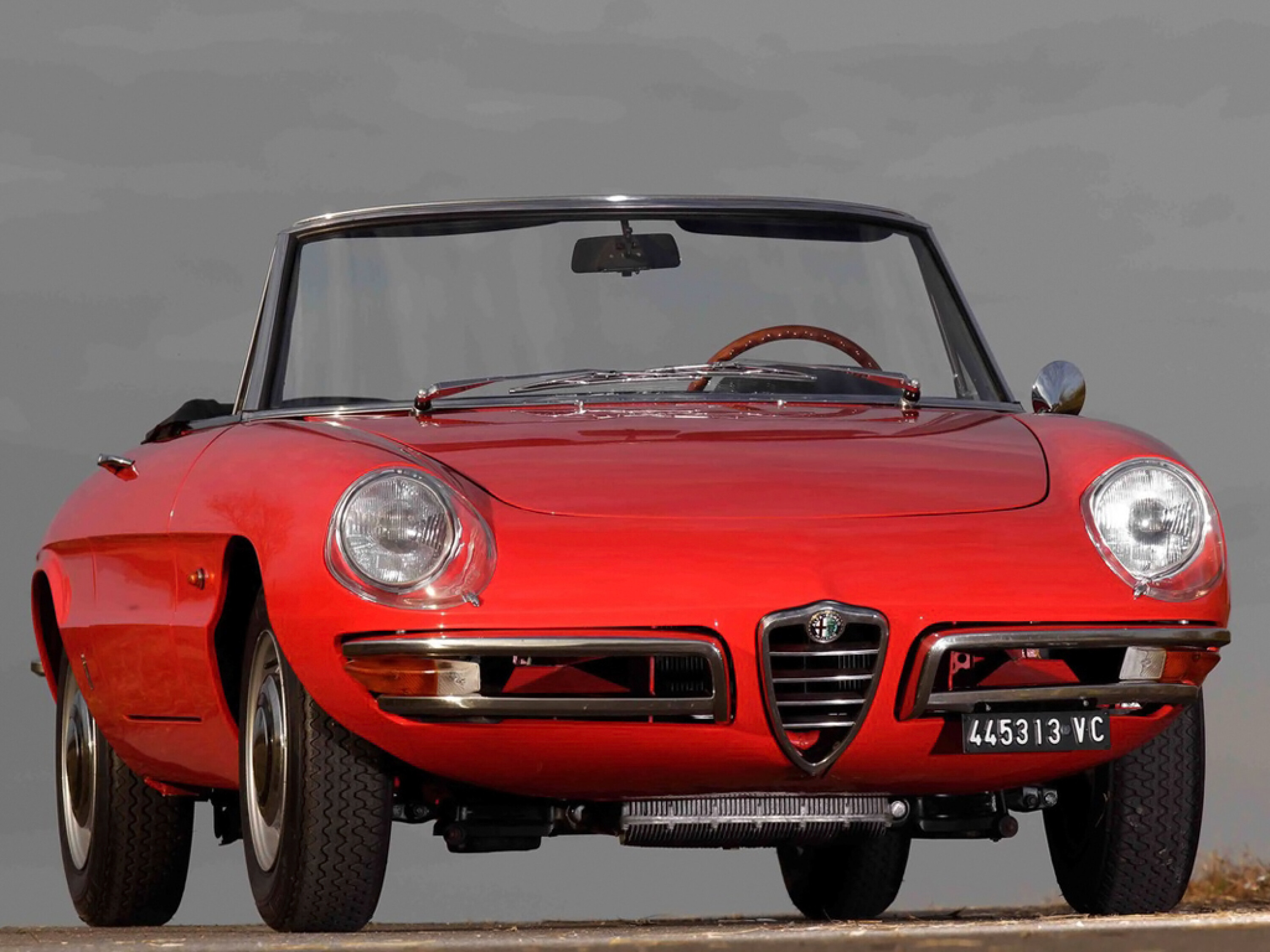
Gina Lollobrigida and Brigitte Bardot may have had to farewell their film-star looks, but at 57 years young the Alfa Romeo 105/115-series Spider is now even sexier than the day it first bemused onlookers at the 1966 Geneva Motor Show.
Hard to imagine, but the Pininfarina-penned and produced Spider, quickly nicknamed osso di sepia (“cuttlefish bone”) was initially dismissed by the Italian press as an unworthy sister to its donor 105-series Giulia Berlina sedan.
‘Lollobrigida’ and ‘Bardot’ were in fact among the 140,000 entries in a 1966 competition to name the new 1600 Spider. Most popular was ‘Pinin’ – Battista ‘Pinin’ Farina had died within days of the car’s launch – but ‘Duetto’ was selected, until the maker of an Italian chocolate snack enforced its copyright after just 190 cars had been built.
1
Soon enough, the 1600 Spider would be a movie star in its own right, carrying Dustin Hoffman in 1967’s The Graduate.
The Spider’s shape was inspired by a series of four Pininfarina Superflow concept cars between 1955-’60, based on an Alfa sports-racer platform. The production Spider platform and drivetrain would come from the acclaimed 105-series Giulia, on a wheelbase 10mm shorter than the iconic coupe.
The twin cam four was initially fitted in 1.6-litre guise and soon joined by the ‘1750’ (actually 1779cc) and a low-cost, sub-tax 1300 Junior. However, even the latter entry version came with twin Weber carbs, a five-speed manual ’box and four-wheel disc brakes.
1
Despite a price not far shy of a Jaguar E-Type’s, the Spider delighted drivers with its light weight and quick handling.
It was most directly comparable with the Lotus Elan, both these cars in a class above mainstream British roadsters like the MGB and Triumph TR4 and indeed, the also Pininfarina-sourced Fiat 124 Spider that came later in 1966.
The Alfa underwent its most obvious revision in 1970 with the Kamm-tailed Series 2 coda tronca body, its squared-off tail further benefiting an already surprisingly useful luggage capacity. Later Series 3 ‘Aerodinamica’ cars (1983-’89) were corrupted to meet US 5mph bumper requirements, and finally Series 4 (1990) brought a sympathetic updating of the Spider’s nose and tail.
1
La Dolce Duetto
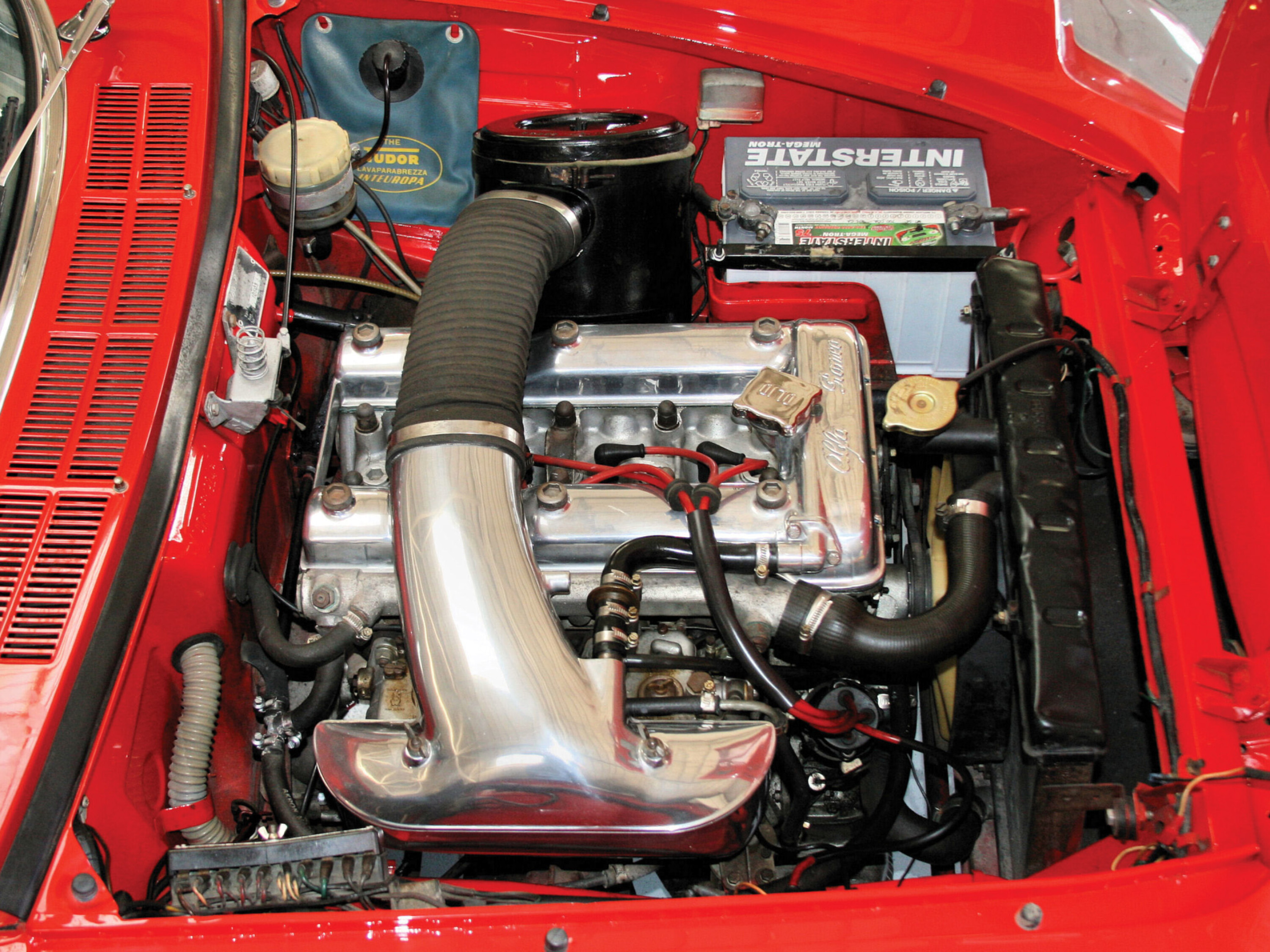
Alfa’s all-alloy, four-cylinder twin cam is an industry legend, launching in the 1954 Giulietta and remaining in production, with modifications including fuel injection and twin-spark cylinder head, for 40 years.
The 1600 Spider made 81kW and 139Nm; modest figures, but helped by a 990kg kerb weight. Later engine choices comprised the ‘1750’ (1967), 1.3 (1968) and ‘Veloce’ 2.0 (1971).
1
Vinyl revival
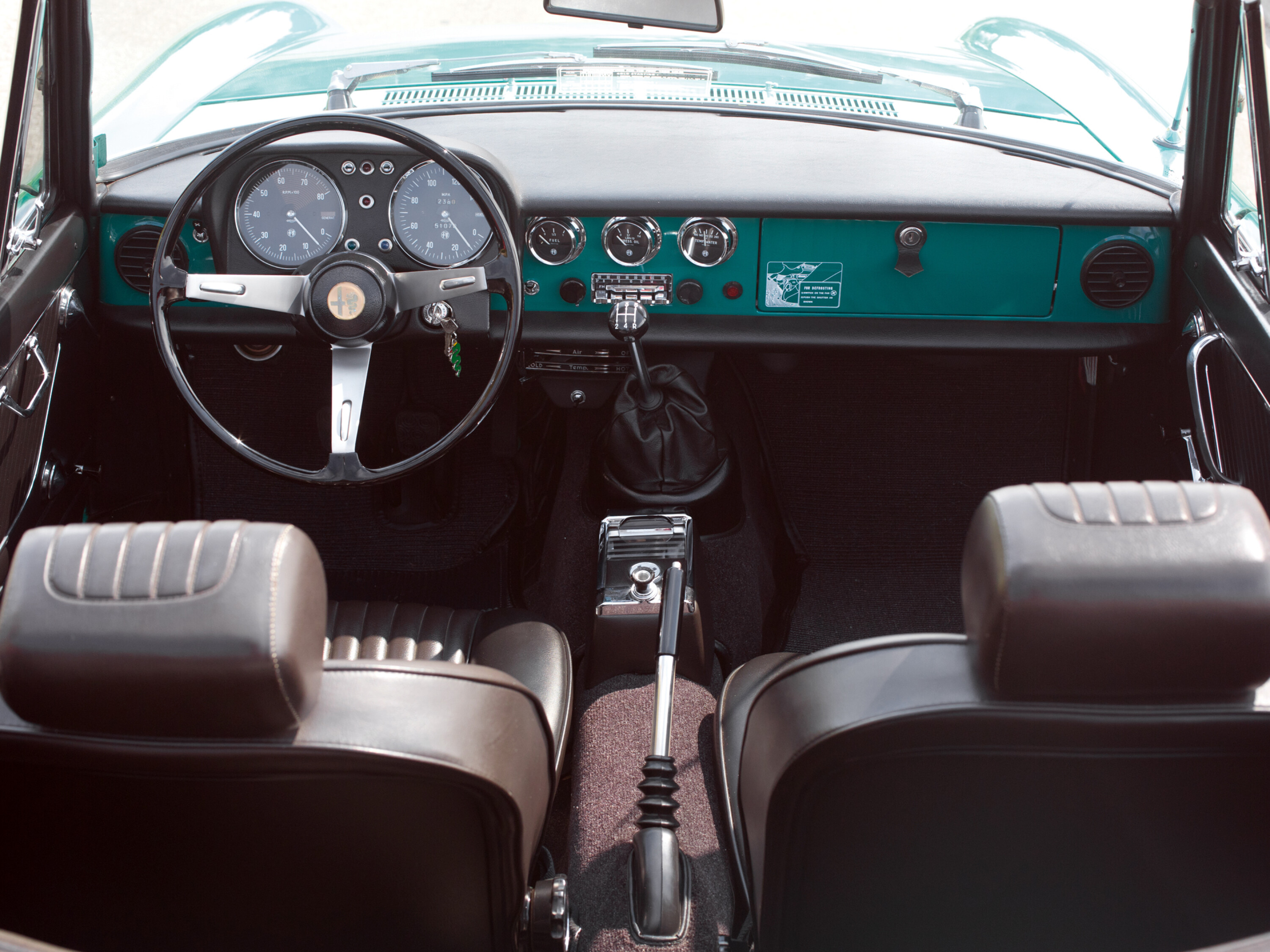
Everything to love about 1960s Italy is inside a ’60s Spider … long-armed/short-legged driving position, black vinyl upholstery, three-spoke wood-rim wheel (or plastic on base-spec), body-coloured steel dashboard, chrome or crackle finish surfaces, comprehensive instruments all torpedo-tubed towards the driver.
The manual soft-top was dead-easy to operate, fastening with two clips when up and out of view when folded.
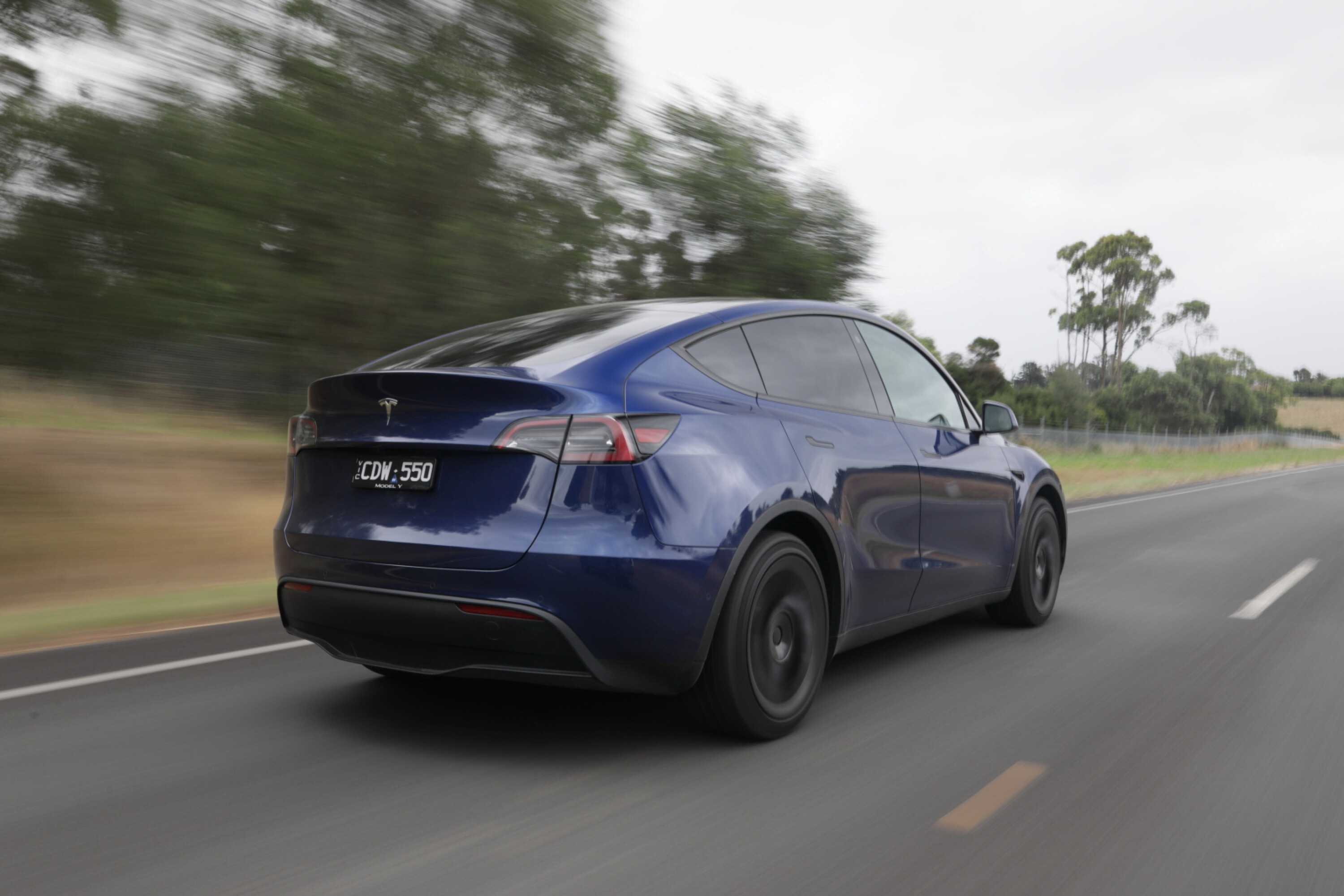
Due to a software issue, the steering wheel may feel notchy when operating the vehicle in cold temperatures.
What are the hazards?
There is no safety hazard and the defect will not affect the performance of the vehicle.
Vehicles may not be compliant with the (Australian Design Rule ADR 90/01 – Steering System) 2021.
What should consumers do?
Owners of affected vehicles should either contact Tesla to make an appointment to have the vehicle software version inspected and updated to version 2023.38 or later, free of charge, or update their vehicle’s software as they usually do using main screen.
Supplier details
Tesla, Inc.
Who should owners/operators contact for more information?
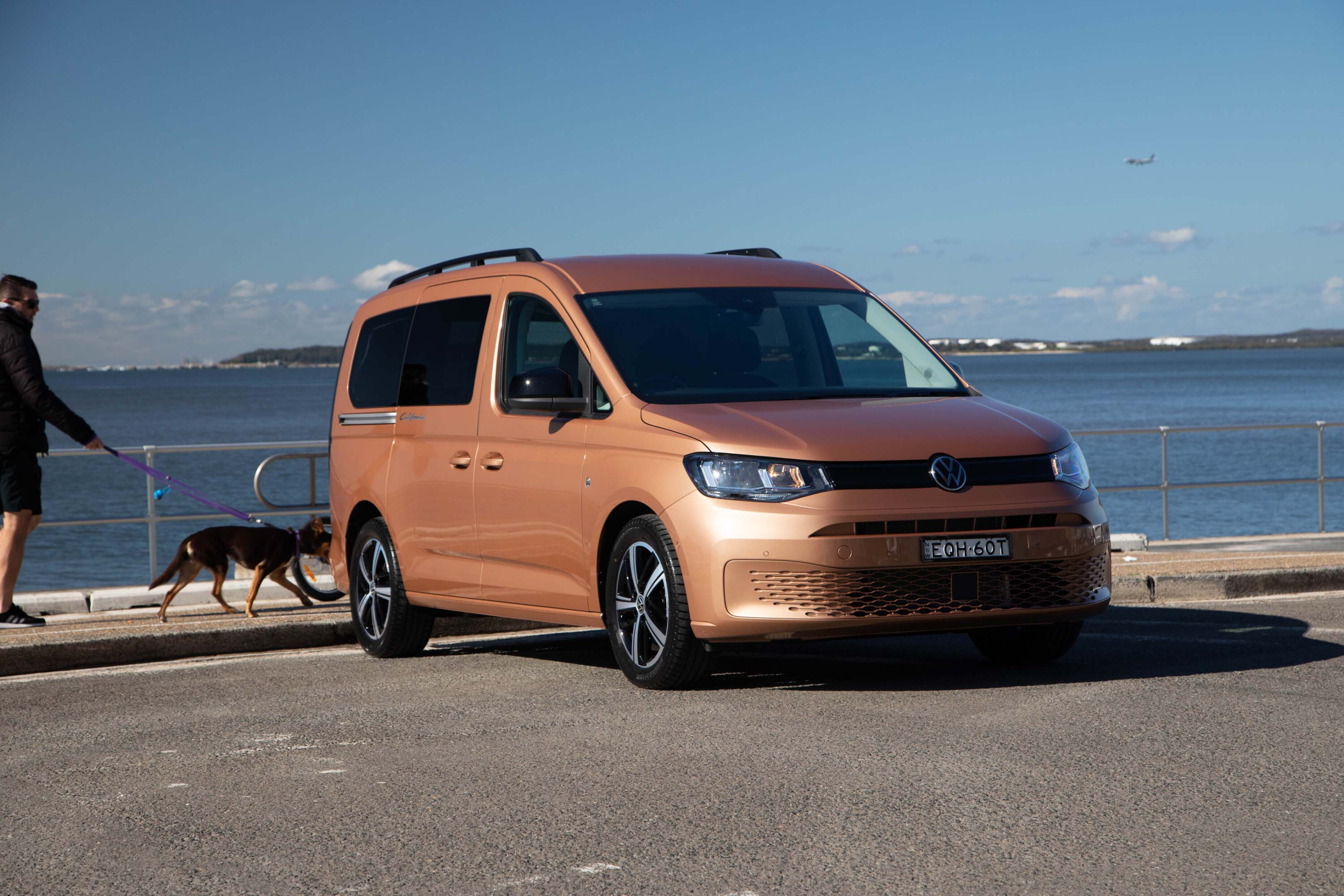
An airbag deactivation switch may have been incorrectly fitted instead of a blanking plug. This could cause the driver to assume that the front passenger airbag has been deactivated when it is always operational.
What are the hazards?
If the driver believes the passenger front airbag has been deactivated, it may lead to an unsafe situation if something such as a child seat was used in the front passenger seat.
What should consumers do?
Owners of affected vehicles can contact their preferred Volkswagen dealership to schedule an appointment to have the vehicle inspected and rectified, free of charge.
Supplier details
Volkswagen Group Australia Pty Ltd
Who should owners/operators contact for more information?
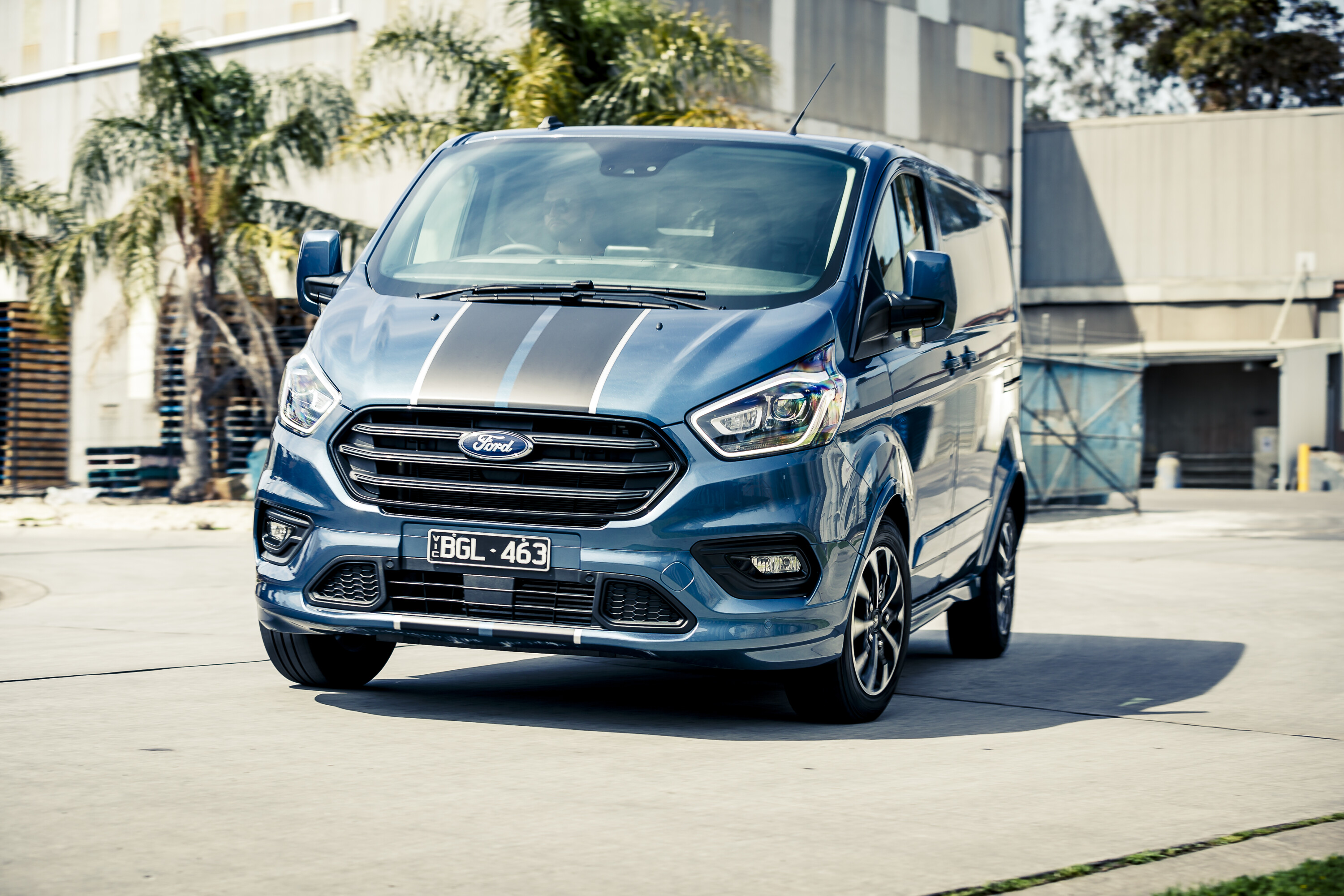
Due to incomplete software update, the Advanced Driver Assistance System (ADAS) may not operate as intended. As a result, sensors and cameras yellow warning light will not illuminate in the instrument cluster to assist the driver to detect nearby obstacles or driver errors.
What are the hazards?
A loss of safety systems could increase the risk of an accident, causing serious injury to vehicle occupants and other road users.
What should consumers do?
Owners of affected vehicles will be contacted in writing by Ford Australia and are asked to make an appointment to have the Advanced Driver Assistance System ADAS software updated, free of charge.
Supplier details
FORD MOTOR COMPANY OF AUSTRALIA PTY LTD
Who should owners/operators contact for more information?
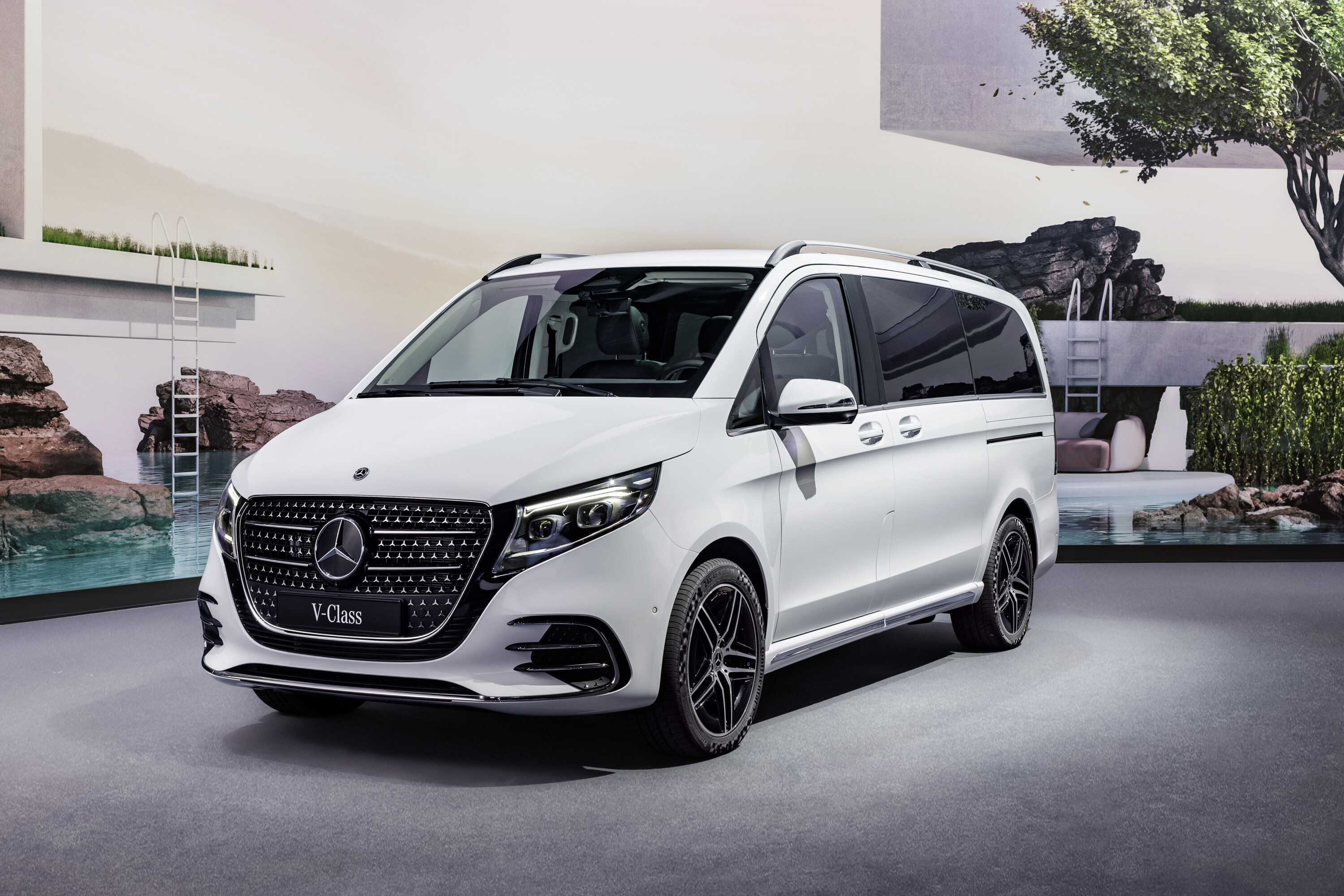
Due to a hardware component connectivity issue, the Hermes Control Unit (ECE) may not operate as intended. In this case, the communication module might not be able to establish a network connection. If this occurs, the emergency call system (eCall) communication would not be available.
What are the hazards?
If the eCall system is not available, in the event of an emergency it would not be possible for the vehicle occupants to connect with emergency services, either manually or automatically. As a consequence, emergency vehicles may not be directed to the affected vehicle or may be delayed. This could increase the risk of death if a serious injury has occurred.
What should consumers do?
Owners of affected vehicles will be contacted by Mercedes-Benz in writing and are asked to schedule an appointment with their authorised Mercedes-Benz dealership to have the work carried out as soon as possible, free of charge.
Supplier details
MERCEDES-BENZ AUSTRALIA/PACIFIC PTY LTD
Who should owners/operators contact for more information?
Wheels Media’s product manager Michael Fisher spends a few days with the Everest Wildtrak to give us his regular-bloke “I’m no journalist” take.
Things we like
Superb V6 and 10-speed powertrain
Class-leading safety
Not so much
Complex dashboard screens
Wildtrak name more of a styling pack than anything else
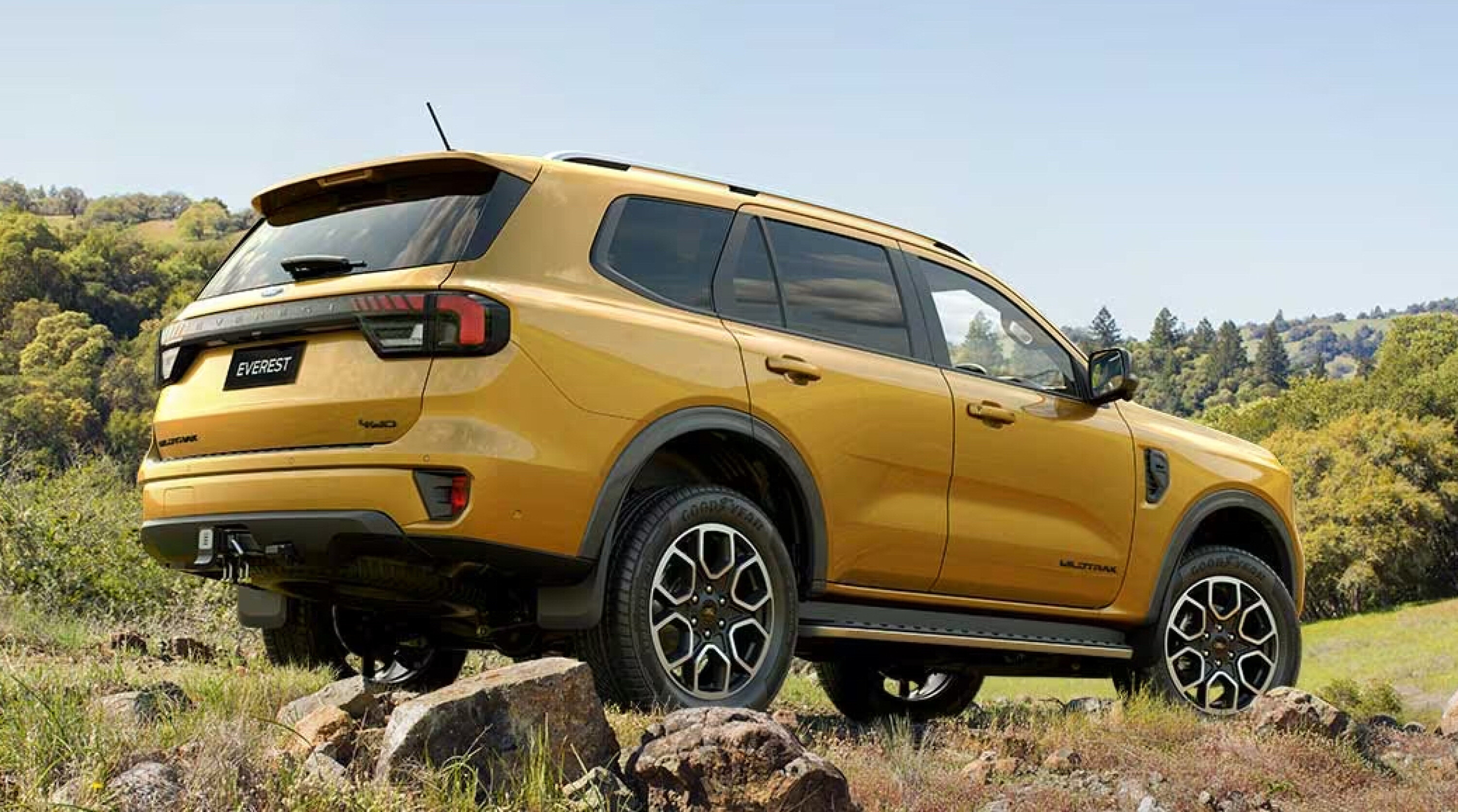
The Ford Everest capped a hugely successful 2023 – which included being named Wheels Car of the Year – with a new, limited-edition Wildtrak variant.
Limited to just 800 units, the Everest Wildtrak is no longer featured on the official Ford Australia website – though some new examples are seemingly available to order in the classifieds.
Is it worth the search? We took one for a long-weekend spin to find out what the Ranger Wildtrak-borrowed cues – including exclusive Luxe Yellow paintwork – do for what is one of Australia’s most versatile family vehicles.
2023 Ford Everest Wildtrak specs
Engine
3.0L V6 turbo-diesel
Capacity
2992cc
Transmission
10-speed automatic
Power
184kW
Torque
600Nm
4×4 system
Permanent 4WD
Wheels
21-inch alloys
Kerb weight
2492kg
GVM
3150kg
Payload
658kg
Towing capacity
3500kg
Seating
7
Fuel tank
80L
ADR fuel claim
8.5L/100km
Wading depth
800mm
Ground Clearance
226mm
Price (ex on-road)
$74,704
1
The Everest Wildtrak experience
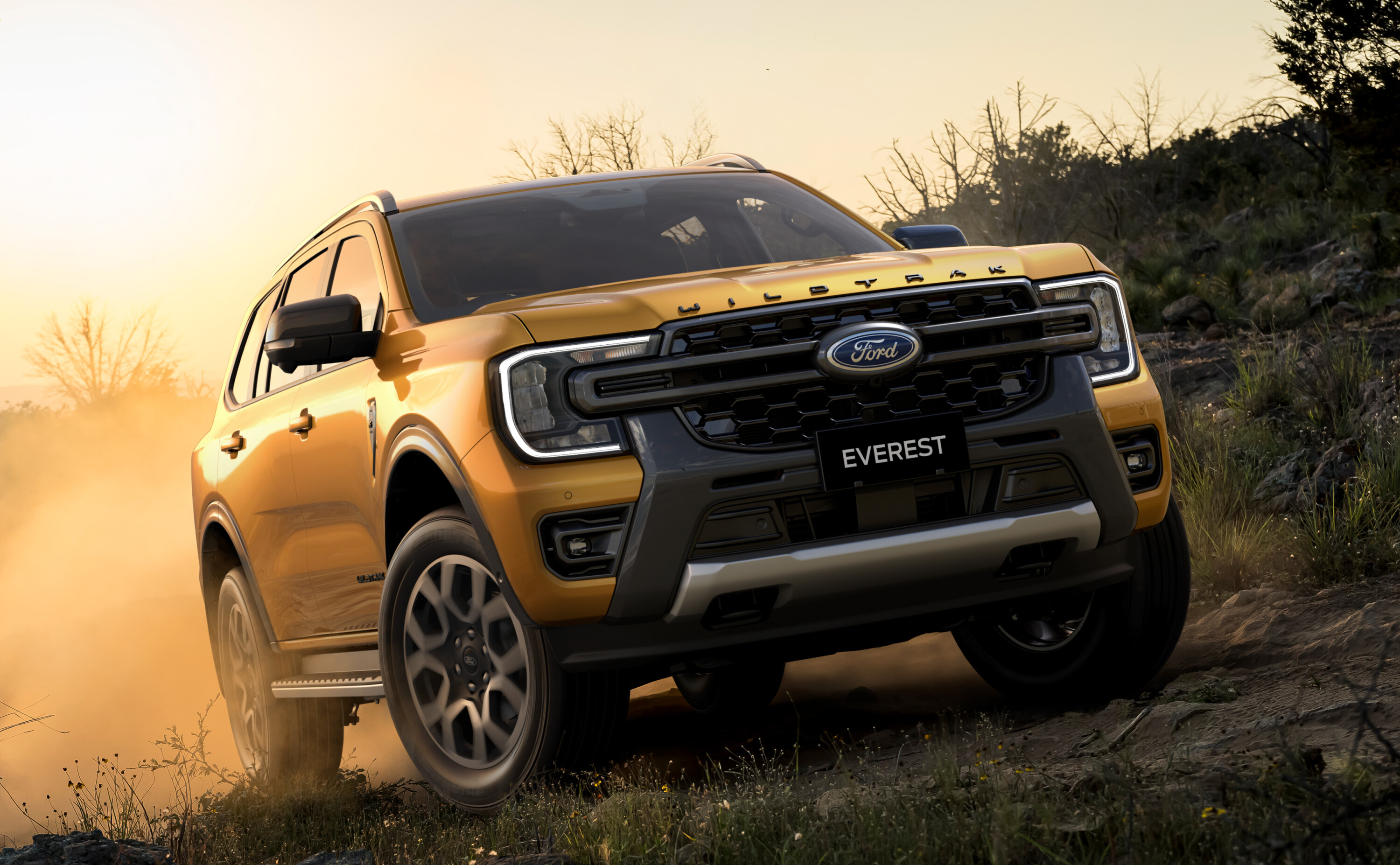
The Everest Wildtrak distinguishes itself with a unique grille design, complete with tough-look mesh and signature C-Clamp LED headlamps, giving it a bold and distinctive appearance.
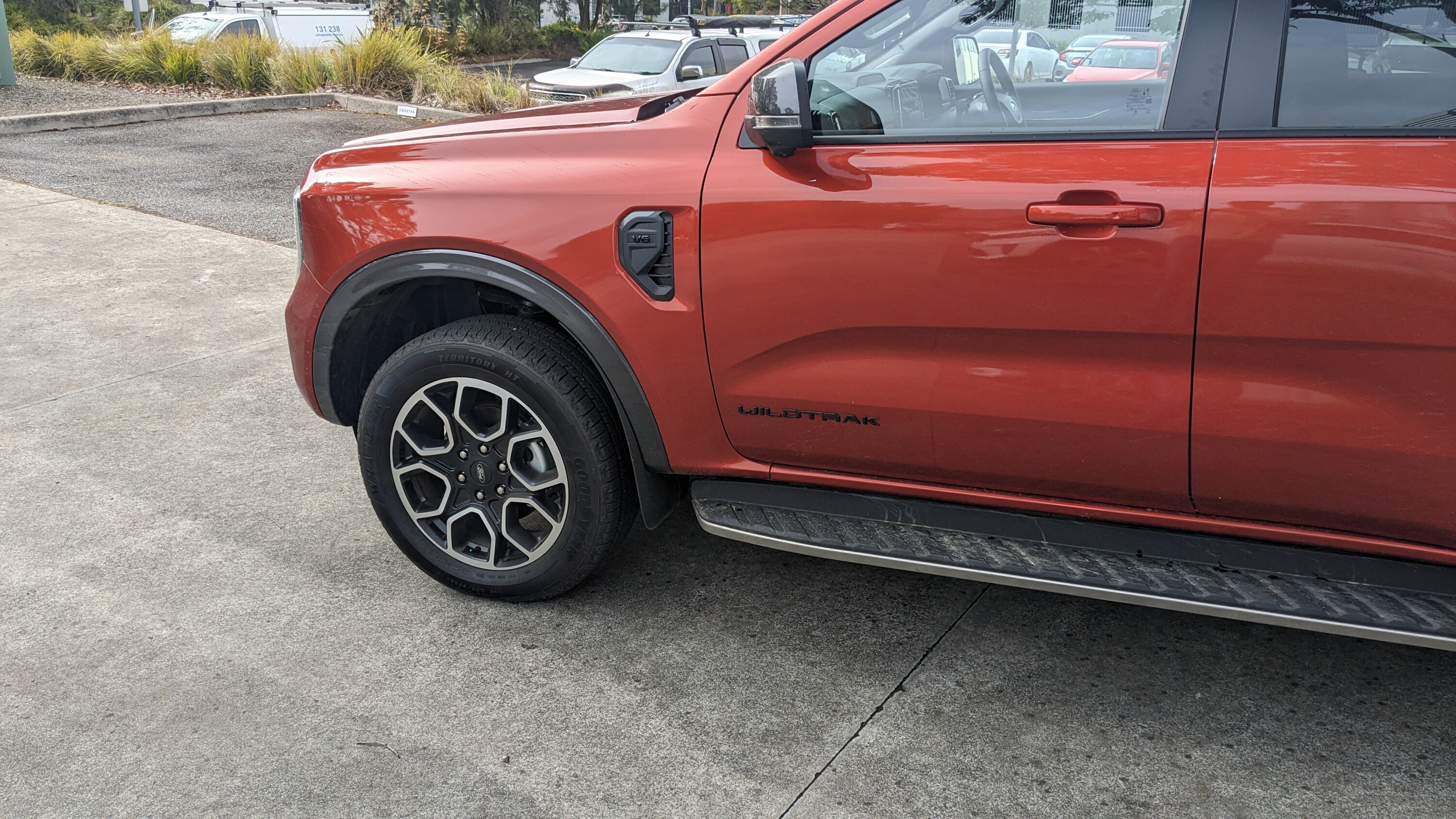
It’s also offered in the hero Luxe Yellow as well as Sedona Orange, as with the Ranger Wildtrak. The machine-faced 20-inch alloy wheels add a premium edge and class, enhancing its sleek exterior.
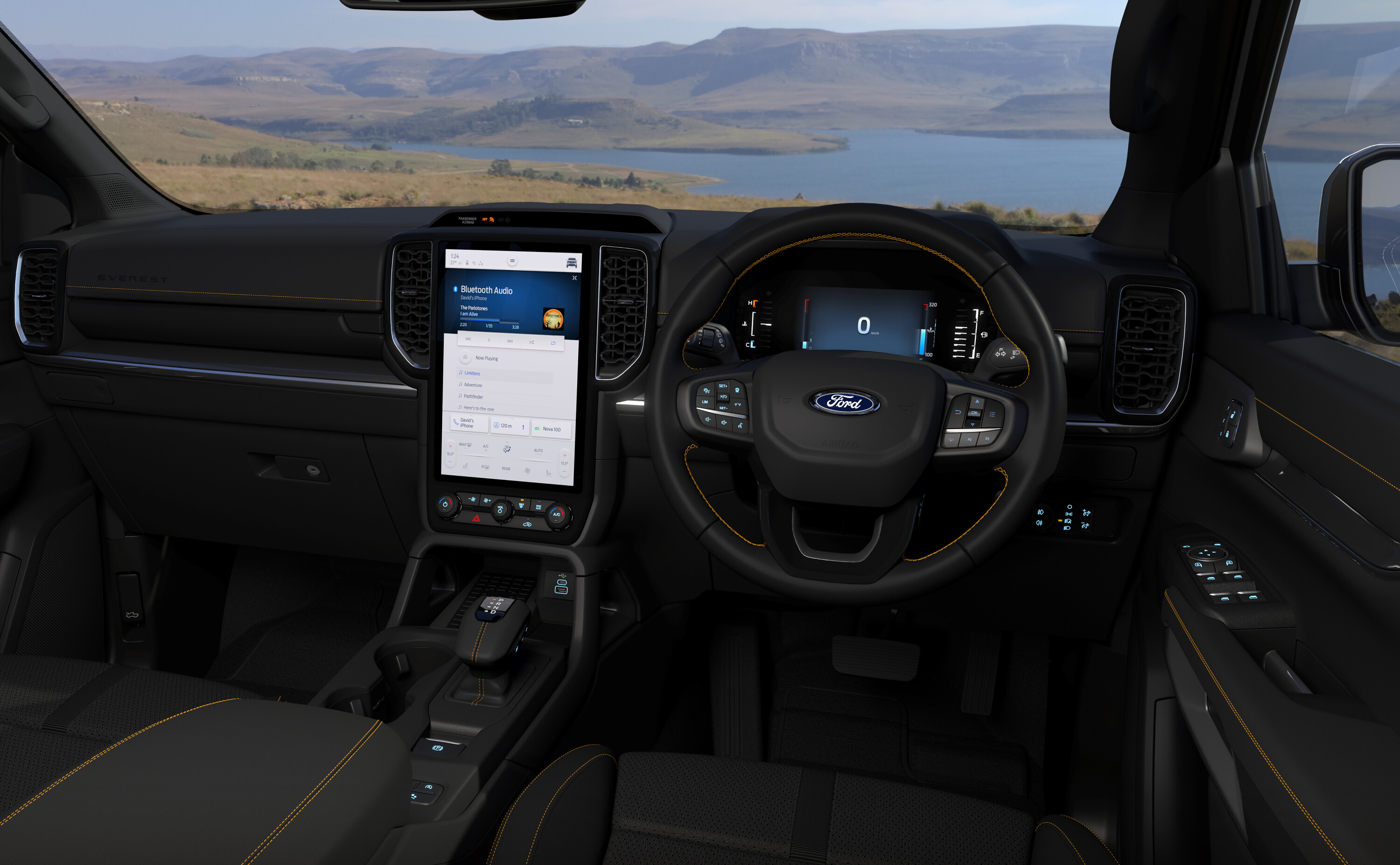
Inside, the coast-to-coast instrument panel expands the sense of space, complemented by a 12-inch centre LCD touchscreen with a bold finish, creating an ambiance that is uniquely Wildtrak.
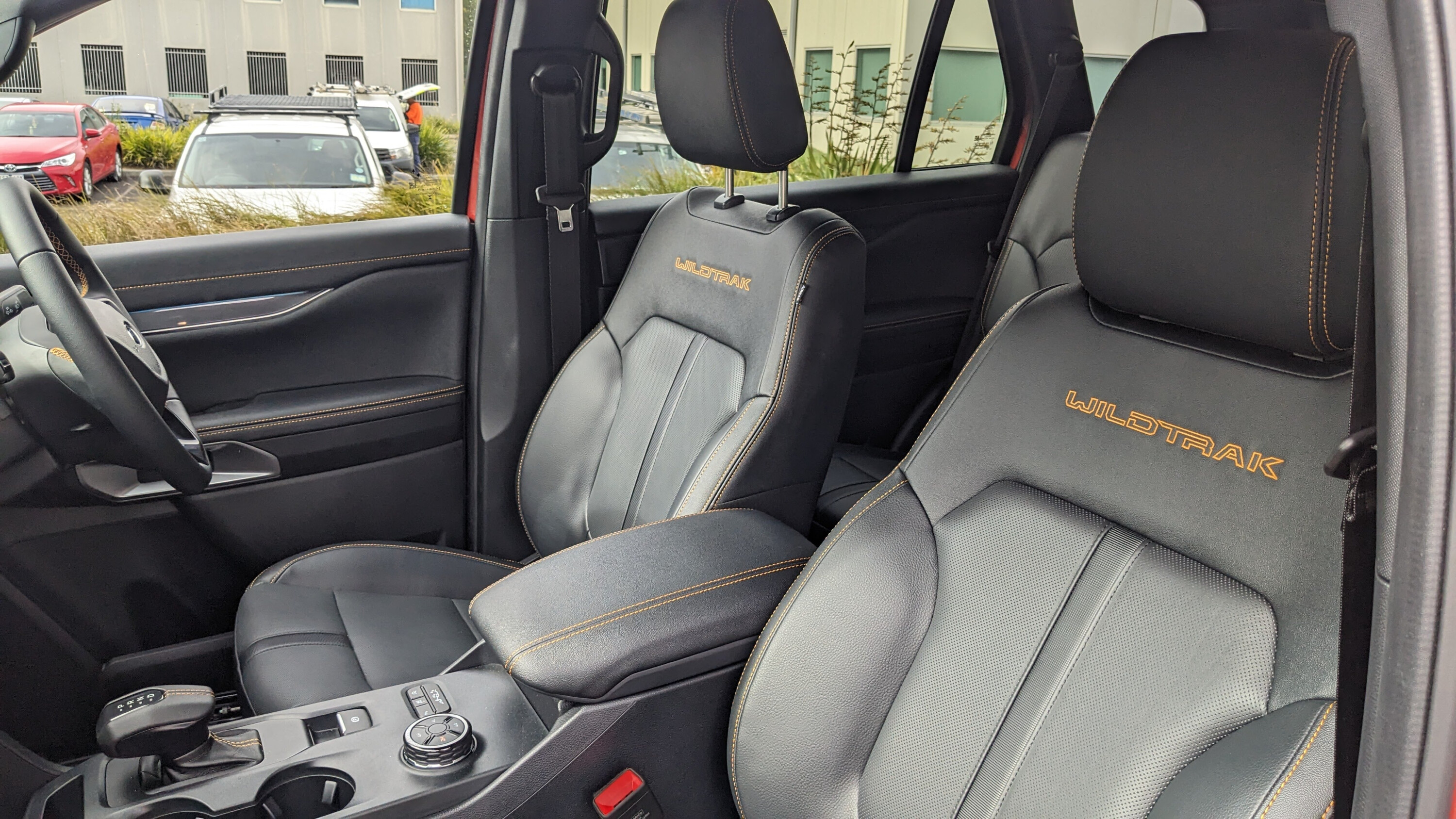
The seats, adorned with Cyber Orange stitching against bold grey accents and the signature Wildtrak logo, exude character and comfort.
7
Day-to-day usability
In terms of daily family use, the Everest Wildtrak excels.
Its spacious interior, comfortable seating, and user-friendly technology make it ideal for the hustle and bustle of family life.
From school pickups to weekend sports activities, the Everest Wildtrak handles it all with ease. The car’s ample storage space, easy-to-navigate infotainment system, and robust safety features make it a reliable choice for families, too. This is applicable to all Everest models, of course…
1
Wildtrak add-ons: nice but not game-changing
While the Wildtrak variant comes with its unique features and styling, these additions, though welcome, don’t drastically change the game when comparing it with the rest of the Everest range.
They add an aesthetic and luxury feel which would sit mid-to-upper range in the family-oriented Everest line-up.
7
On the road
On the road, the 2024 Ford Everest Wildtrak provides a smooth and controlled driving experience.
Its handling is precise, making navigating through city streets and parking effortless despite its large-SUV dimensions. The suspension absorbs bumps efficiently, ensuring a comfortable ride for all passengers.
For buyers more serious about off-road trails, an option pack is available with smaller, 18-inch wheels with all-terrain tyres.
1
VERDICT
The 2024 Ford Everest successfully blends the practical needs of a modern family with the desire for a vehicle that stands out.
While the Wildtrak variant’s special features mainly serve an aesthetic purpose only, they do so without compromising the car’s fundamental strengths: comfort, safety, and practicality.
The Wildtrak’s yellow and orange exterior choices, however, do bring some welcome colour to the Everest line-up.
January 24: Now it’s official, here’s the facelifted 2025 VW Golf!
The 2025 Volkswagen Golf has debuted in Europe ahead of its Australian launch around 12 months from now. Get all the details at the linked story below. ?
January 19: Our first unofficial look at the updated Mk8.5 Volkswagen Golf is here.
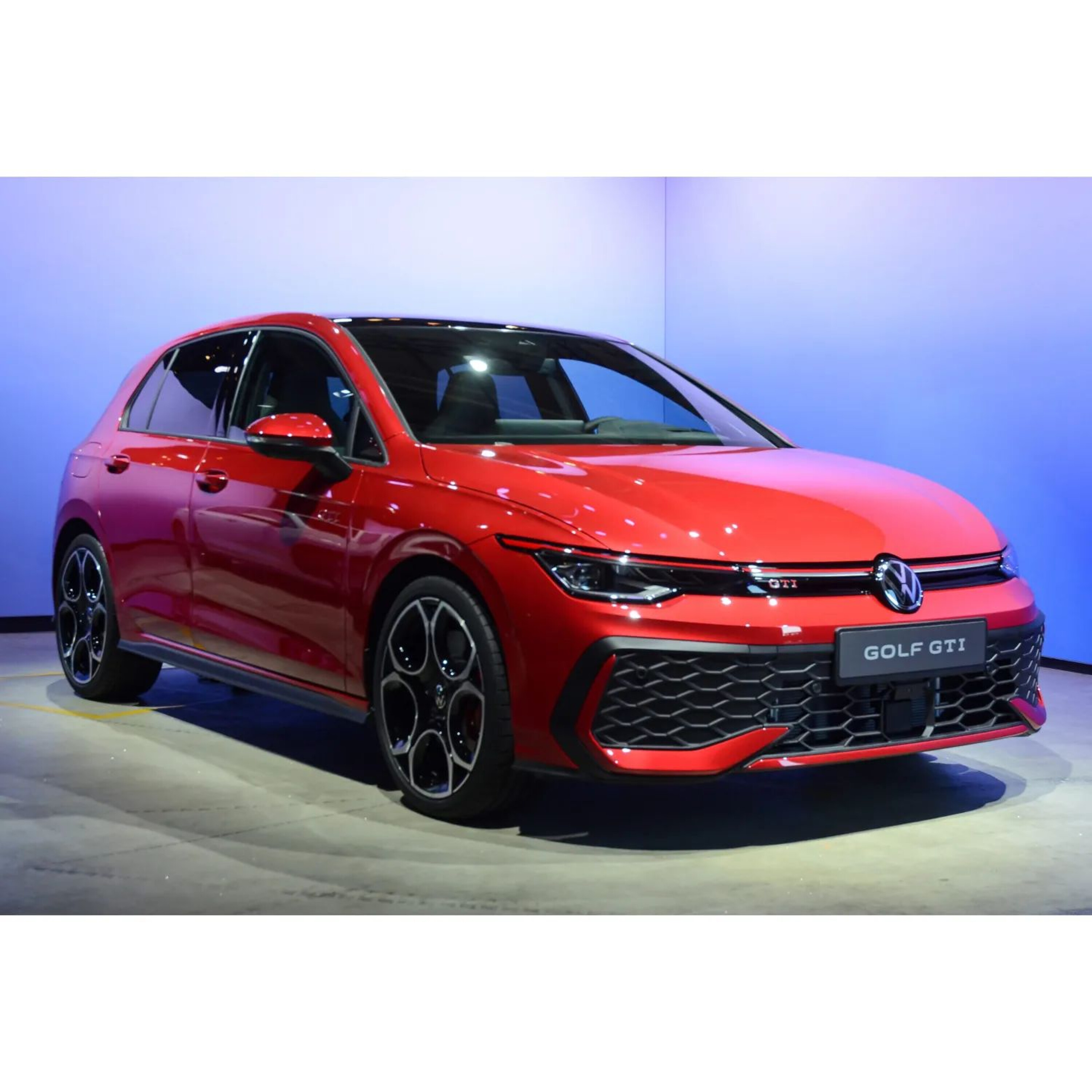
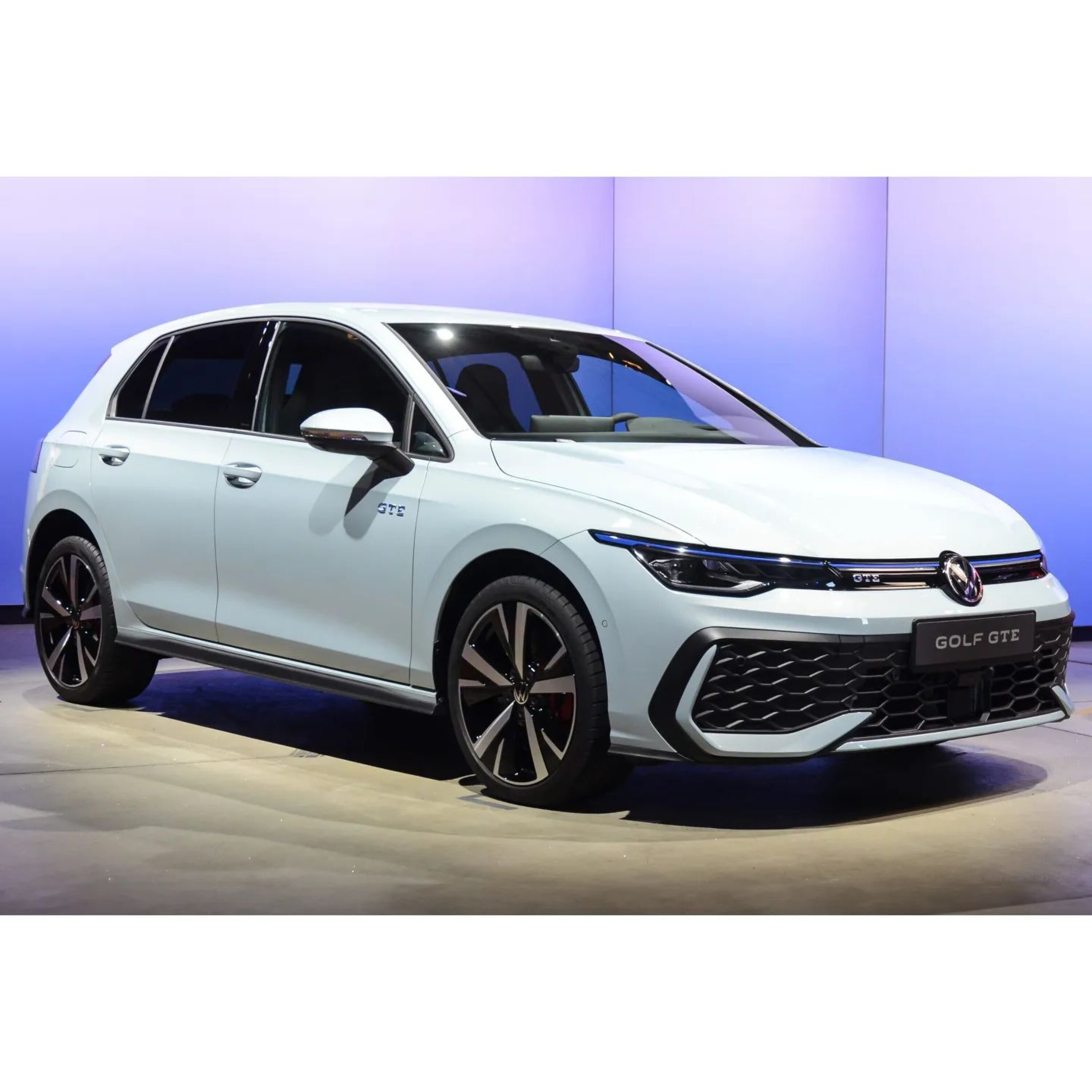
Leaked on Instagram by Wilco Blok, the images show several key variants of the overhauled model range including the wagon, iconic GTI hot-hatch and the plug-in hybrid Golf GTE.
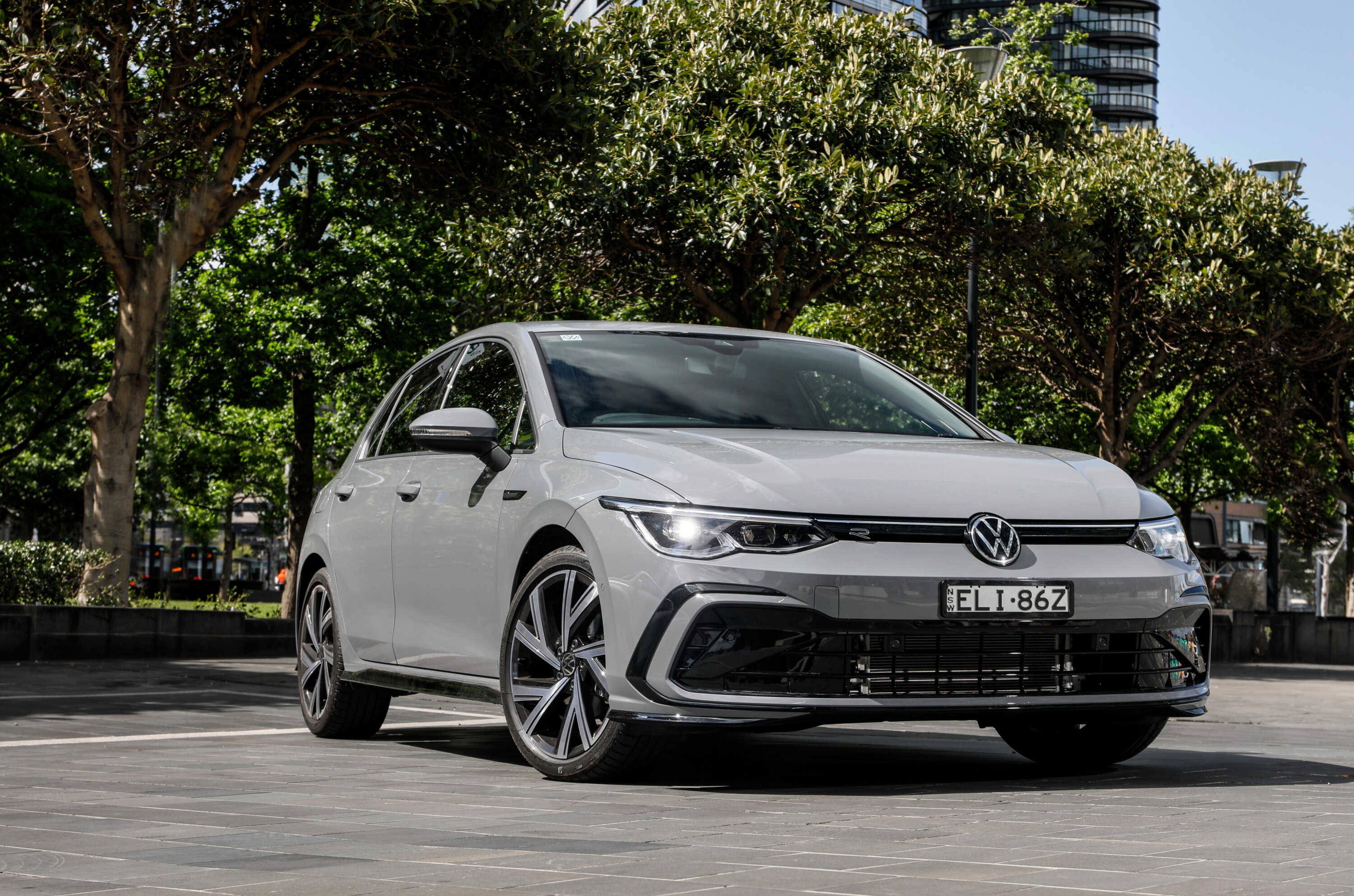
As expected, the exterior design is an evolution of what’s come before but subtle exterior tweaks do bring a sharper appearance for 2024.
1
A full-width light bar features, as does an illuminated Volkswagen logo. New alloy designs and updated headlights and taillights are other telltale tweaks.
Volkswagen has been gearing up to reveal the Mk8.5 Golf for a while now. A camouflaged GTI was shown at the Consumer Electronics Show in Vegas earlier this month, which confirmed a move back to physical buttons for the interior and the integration of ChatGPT.
Keep reading for more details on the updated Golf range and keep your eyes peeled for the official reveal. It can’t be far away now…
3
December ’23: The facelifted 2024 Volkswagen Golf small car has been teased ahead of its expected debut early next year.
Volkswagen passenger cars CEO Thomas Schäfer confirmed the updated Golf hatch and wagon will debut sometime in 2024 during a video highlighting the brand’s product launches of 2023 including the new Tiguan, Passat, and ID.7 electric sedan.
The teaser confirms the facelifted ‘Mk8.5’ Golf will receive an illuminated front Volkswagen badge, along with a revised light signature similar to the latest Passat and the brand’s ID range of electric vehicles.
Other design revisions are tipped to include new-look alloy wheels, 3D-effect rear tail-lights, and the removal of faux exhaust outlets for standard variants.
Inside, it is expected to adopt a larger 12.9-inch touchscreen running an updated infotainment system, illuminated climate and volume touch sliders for easier use at night, a revised centre console, suede-like recycled fabrics for the door cards, and an automated parking system that can retrace up to 50 metres of prior driving.
Under the skin, the existing MQB Evo architecture could be treated to similar revisions as the latest Tiguan, meaning stiffer mounting points and improved rigidity.
In Australia, Volkswagen previously announced it hoped to introduce the GTE plug-in hybrid model with the facelift – however it has now backtracked on these plans, confirming electrified versions of the Golf and Tiguan won’t come here to instead focus on its ID-branded electric vehicle line-up.
“We were very interested in PHEV, particularly in Golf and Tiguan, but the reality is the market shifts very quickly and no doubt the entire industry has observed the rapid increase in electric vehicle sales,” said Volkswagen Australia spokesperson Daniel DeGasperi.
Volkswagen has confirmed the Mk8.5 Golf will become the last combustion-engined model, with the Mk9 model due around 2028 to all-electric, based on the Group’s new unified Scalable Systems Platform (SSP).
“It’s clear that we won’t give up iconic names such as the Golf, Tiguan and GTI, instead we will transfer them into the electric era,” said Thomas Schäfer in April.
“Especially with the Golf, the future model has to have the correct DNA. Simply naming another vehicle that way won’t happen. We don’t make the mistake.
“That’s why we’re only launching the electric Golf when it really has Golf genes. That will include a flatter roof compared with the ID.3.”
The more that time passes, the more it’s actually quite surprising that Subaru has never returned to the pickup game – or that it ever left the arena at all.
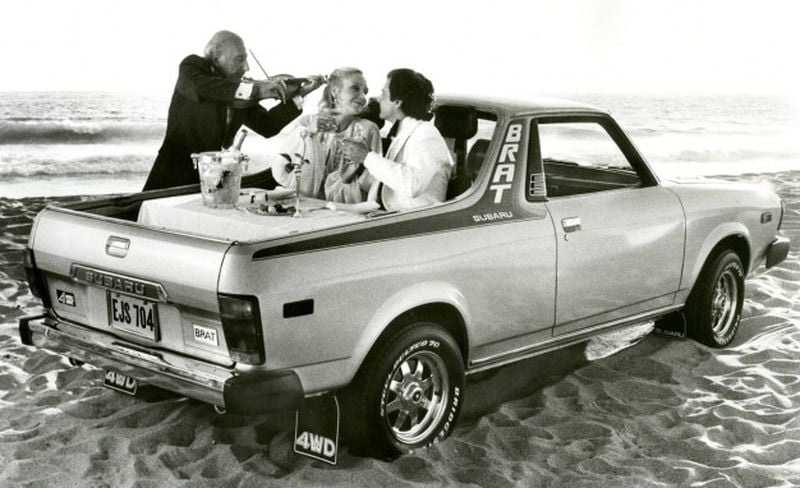
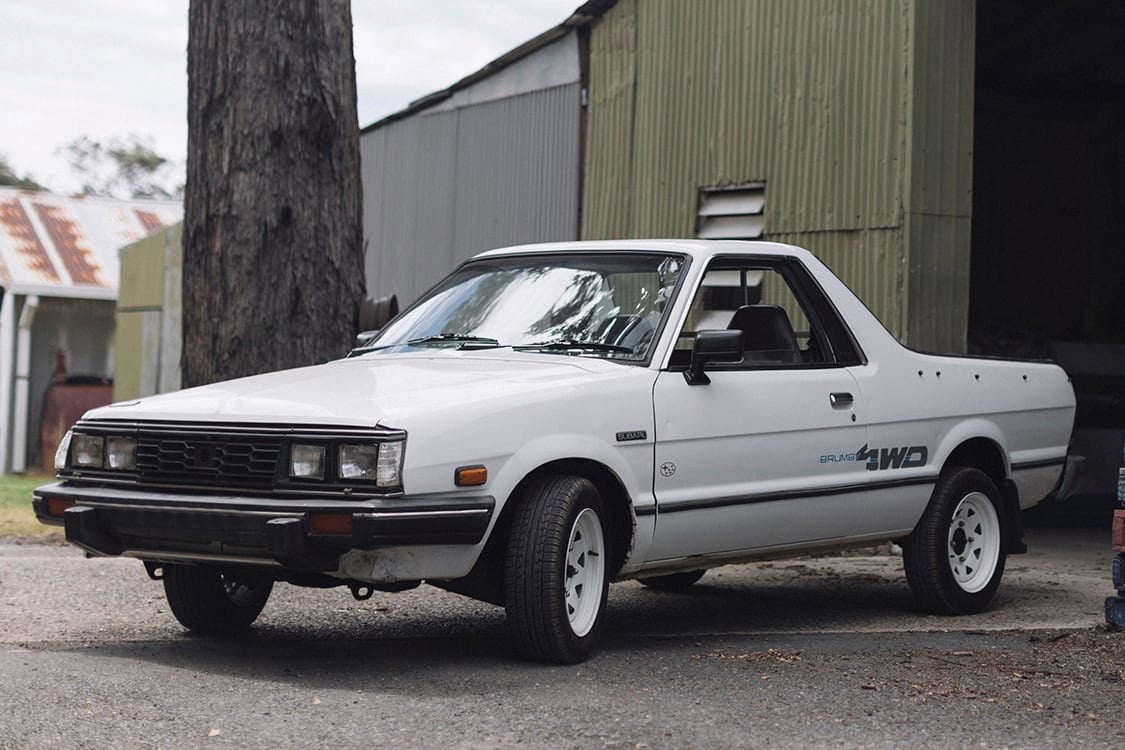
After all, with the likes of the Hyundai Cruz and Ford Maverick launching in recent years, let alone the nonstop run of small car-based utes in South America, there’s always been an appetite for this style – and Subaru was once very well-known for it.
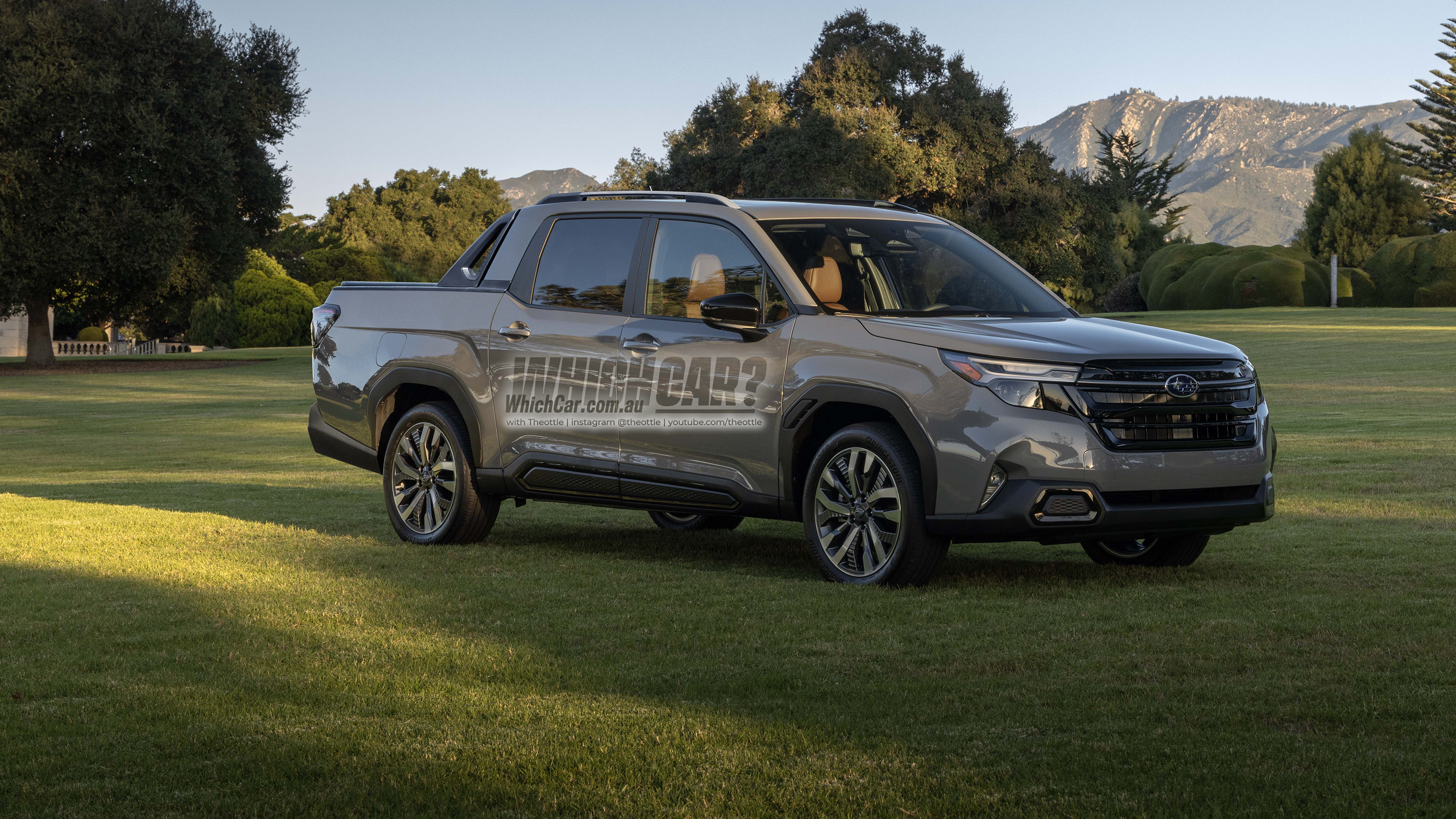
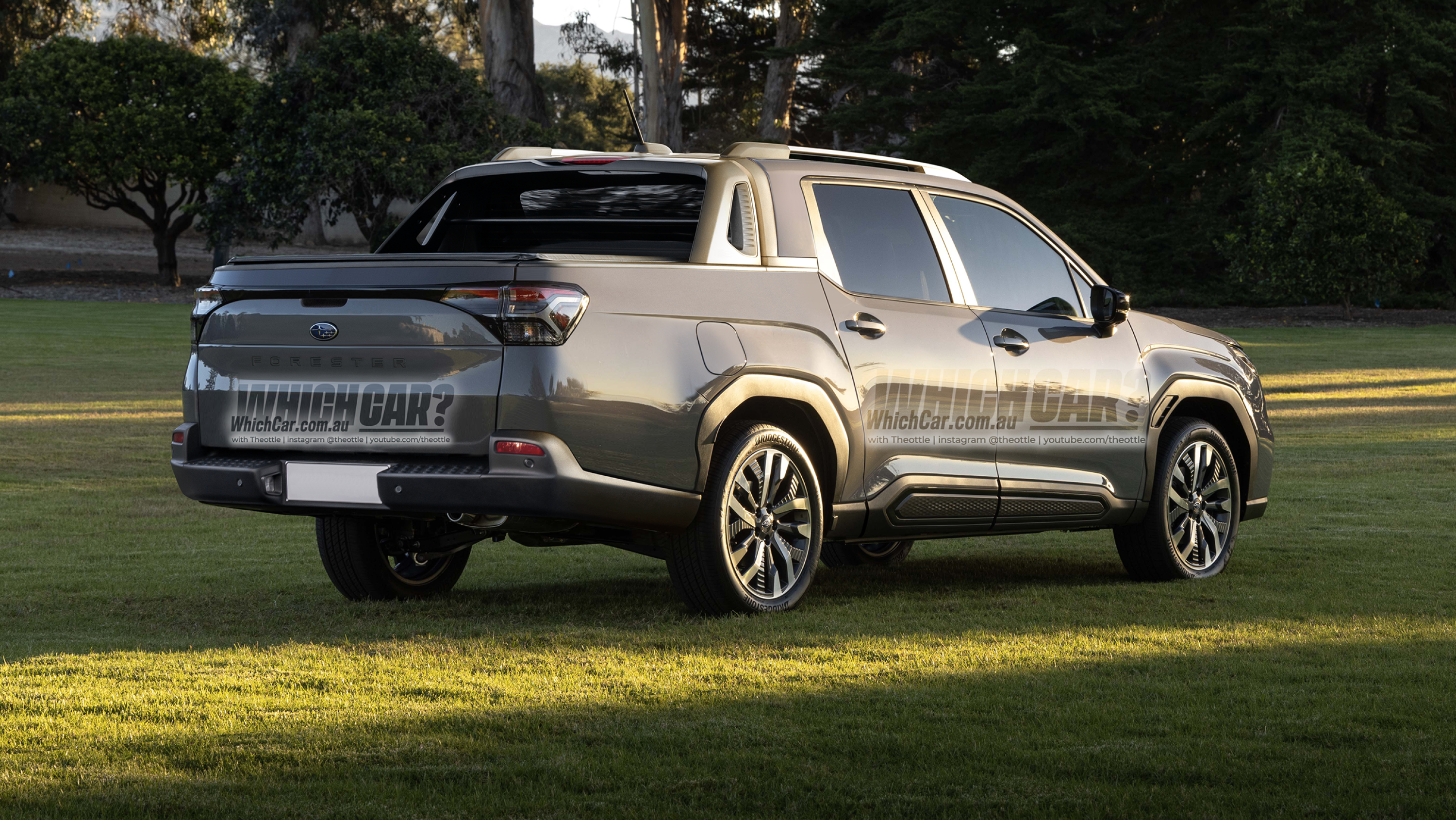
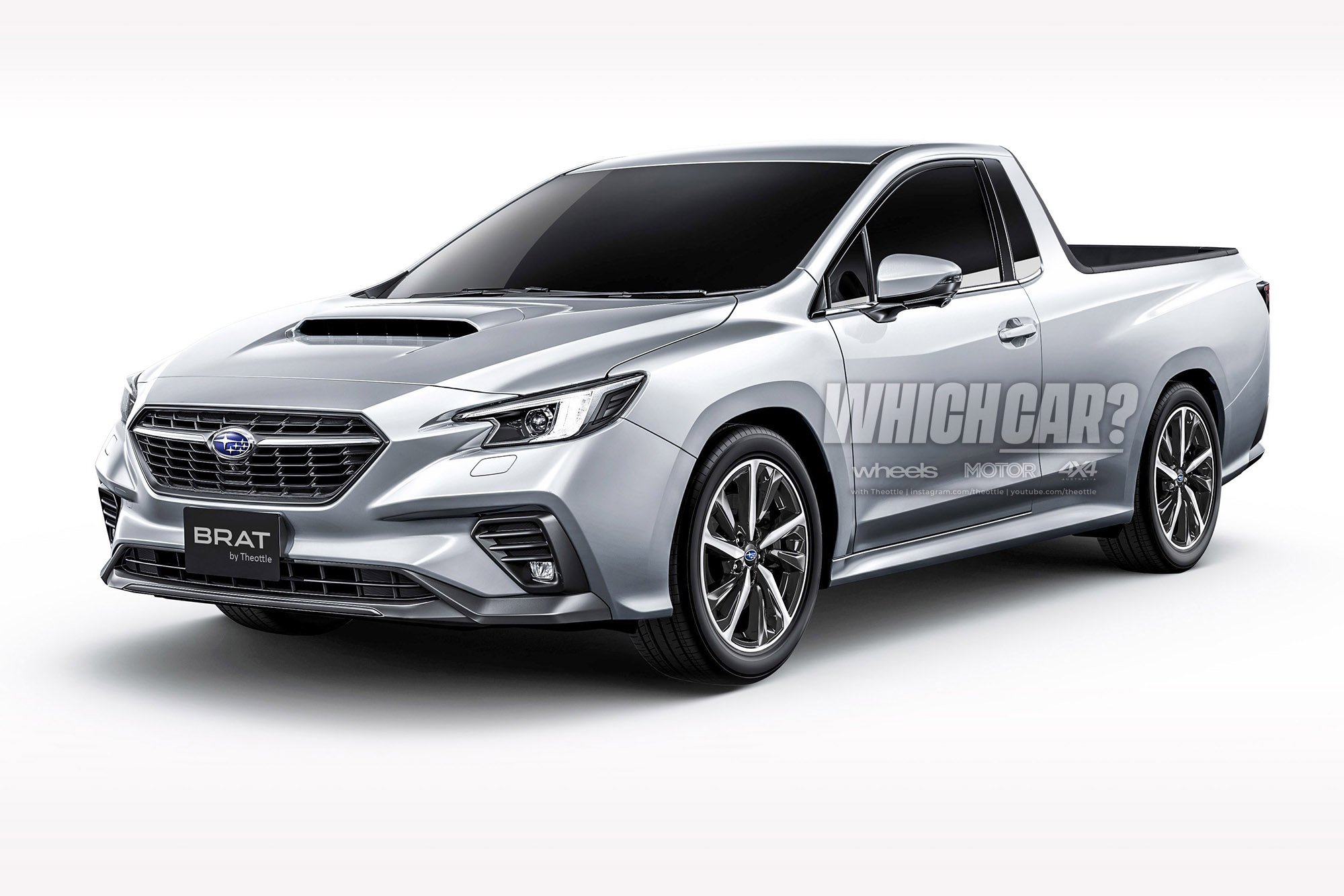
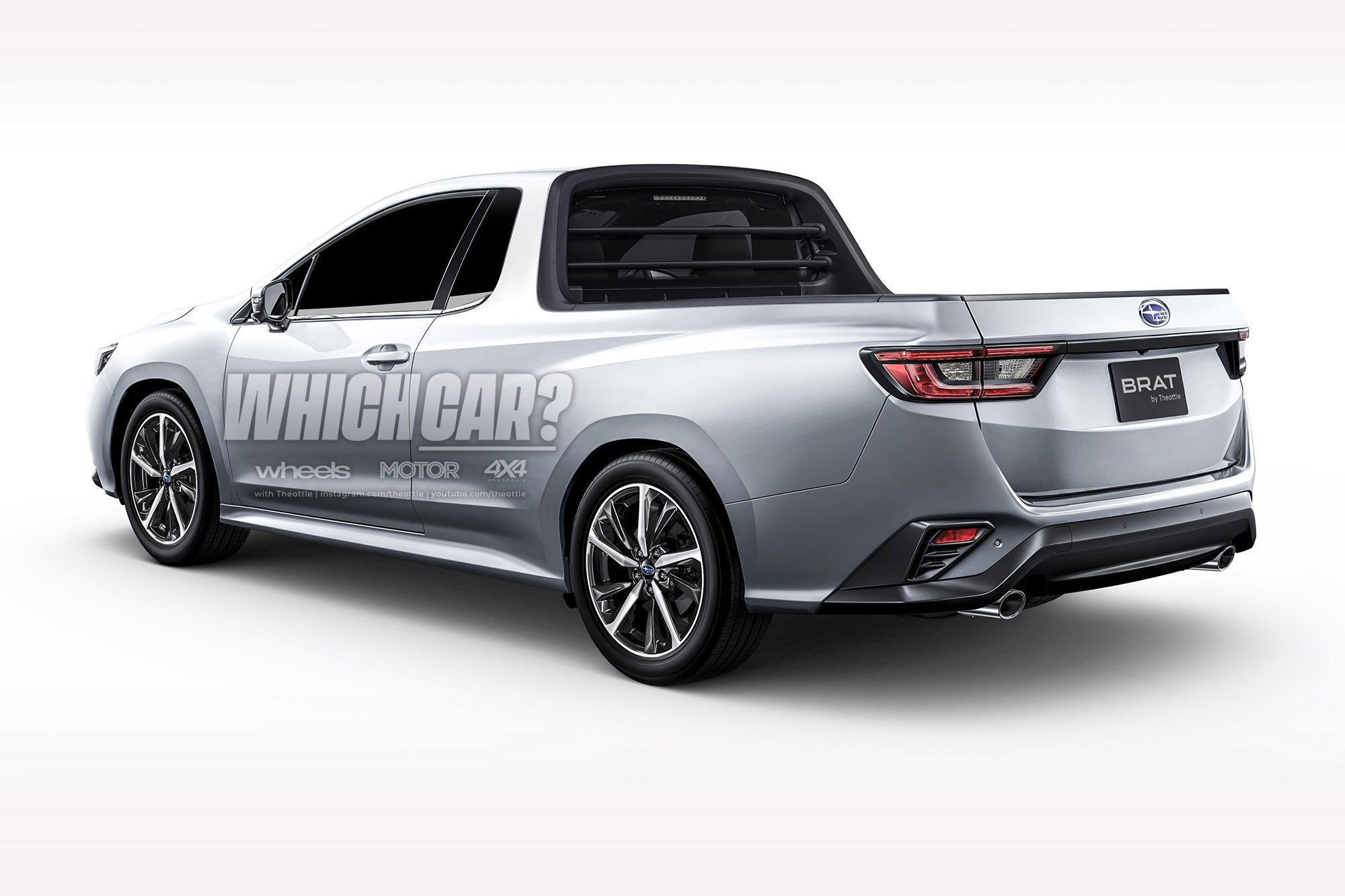
It’s no surprise then that our mate Theottle can’t resist imagining a new Subaru Brumby or Brat every time Subaru reveals a new car! (Although we’ve yet to see him do a BRZ ute…)
The Japanese brand is no closer to revealing the slightest hint of a new ute project, but that won’t stop us goading encouraging it through posts like this.
The question: Which do you prefer, this new Forester-based ute, or the Impreza-based version we published in December?
Jump into our poll below to make your call!
1
1
December 2023: Impreza-based Brumby imagined
A new Subaru Brumby? No chance, but it’s fun to dream.
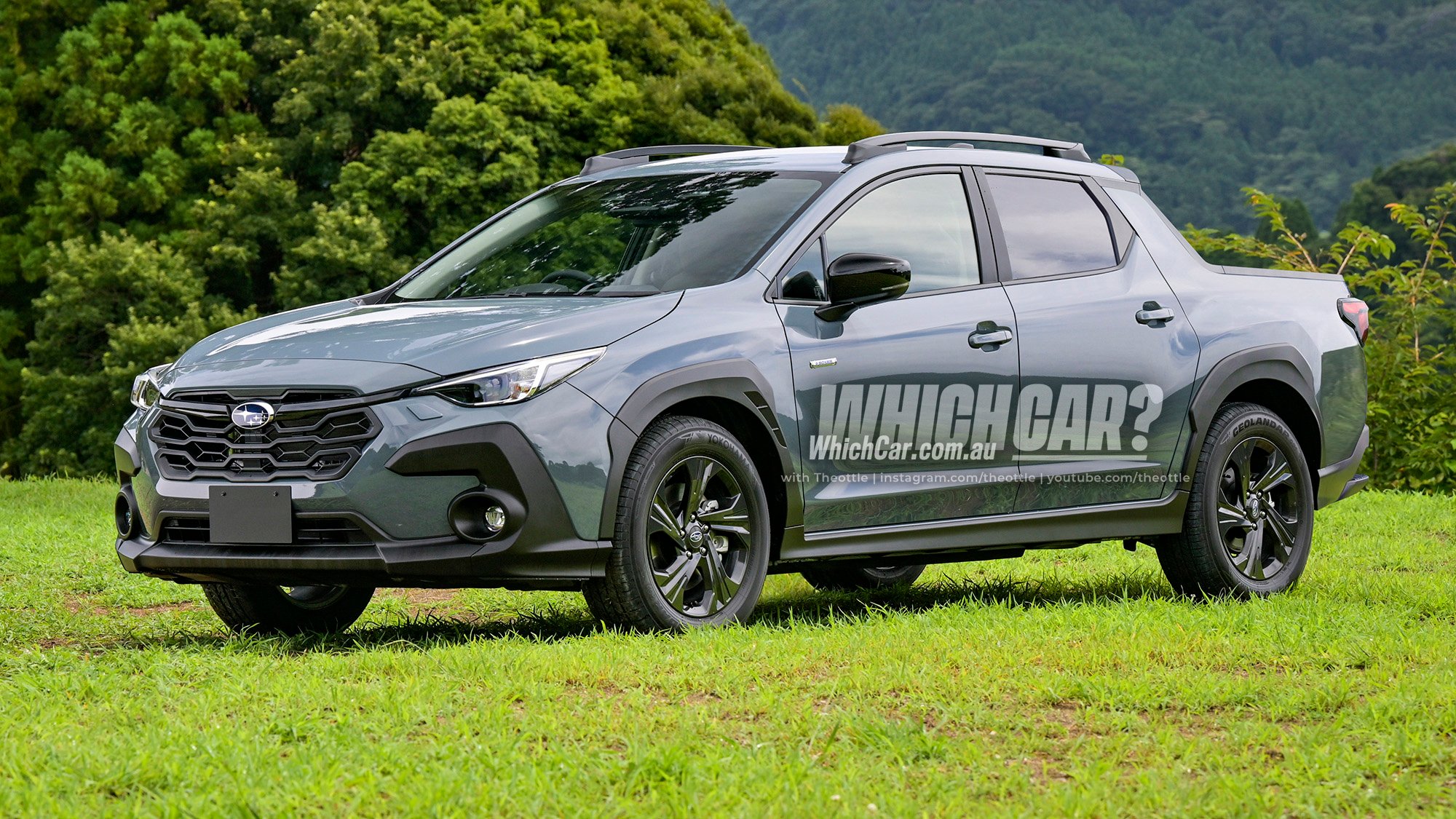
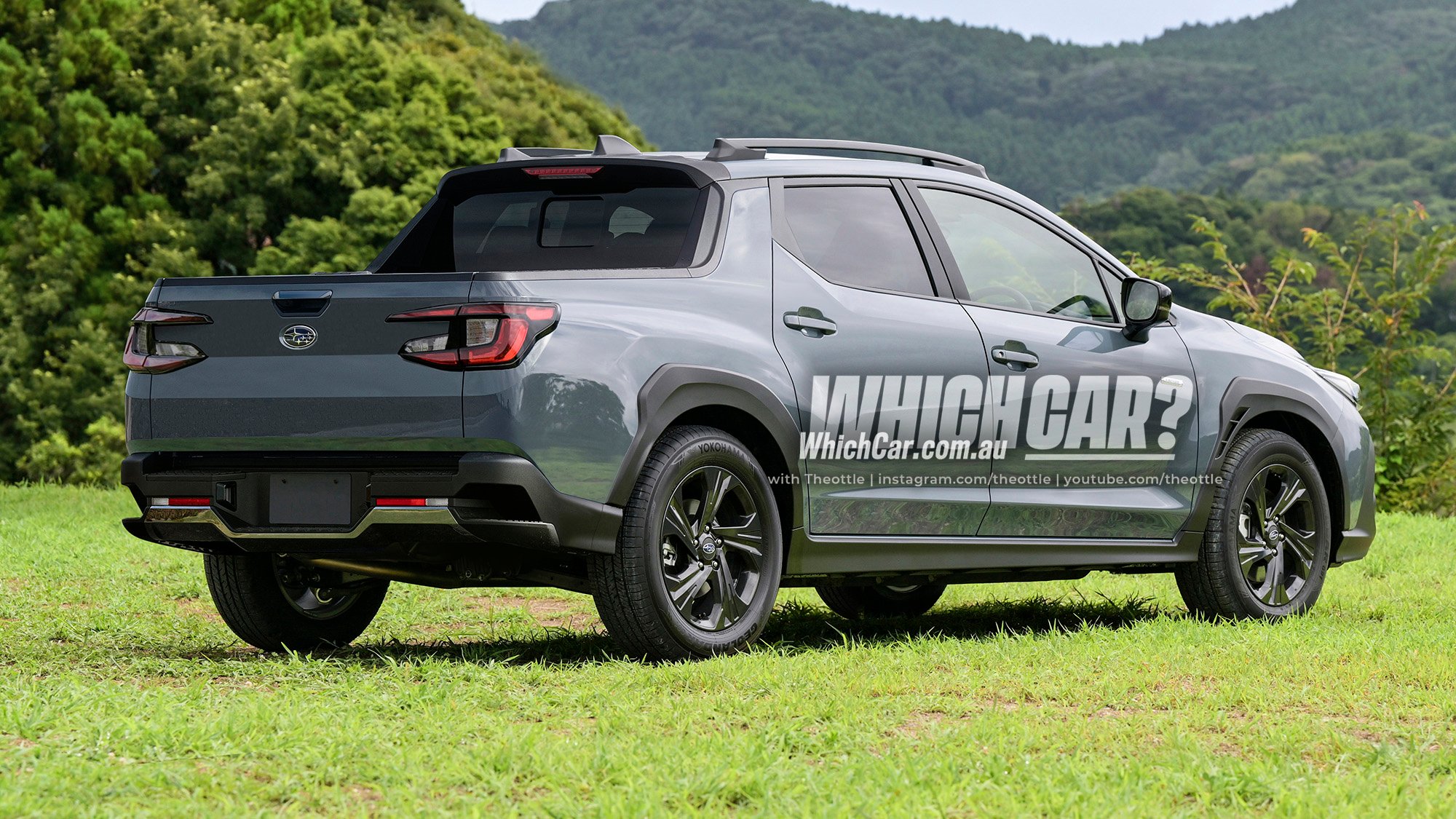
I couldn’t resist. When our mate Theo Throttle threw a new 2023 Subaru Impreza-based Brumby rendering over the transom, I just had to run it.
1
So, here it is. What do you think?
It’s no more a chance for production than any previously imagined Brumby – and more’s the pity – but I reckon it looks ace.
Tell us in the comments which one you prefer, this latest Impreza-based version of the WRX/Levorg-based design published earlier, further down in this story.
1
June 2021: New WRX / Levorg imagined as a Brumby
A new Subaru Brumby? Well. It was only a few years ago that Subaru Australia boss Colin Christie (now in charge of Inchcape, the distributor that runs Subaru here) told this writer in a previous life that such a model is “not even close to being in the product pipeline at any stage, anywhere”.
1
Nothing vague or ambiguous about that, is there? While most brands can change direction on strategy faster than I can change my mind on dessert, it seems clear that for now, we shouldn’t expect to see Subaru getting back into the compact ute market.
It’s hard to really describe either ute as ‘compact’, though. The Santa Cruz sits on a 3005mm wheelbase and measures 1905mm wide – which exceeds the long-wheelbase version of the mid-sized Tucson SUV’s equivalent figures by 250mm and 40mm respectively.
Likewise, the Maverick has a 3076mm wheelbase, giving it a 366mm longer footprint than the mid-sized Ford Escape SUV.
Compare these numbers to the 2456mm wheelbase of the Brumby – shorter even than the 2550mm wheelbase of the little Toyota Yaris – and it’s easy to figure we’re never returning to the true compact pickup space.
1
Still, if Subaru did decide the Hyundai Santa Cruz and Ford Maverick were compelling rivals to square off against… could a new Brumby look something like this?
Rendered by digital art wiz Theo Throttle, this modern Brumby takes the new-generation Subaru Levorg and turns it into a convincing two-door unibody pickup – just like its grandfather.
1
With the Levorg as its donor, we could expect the new Brumby to get an all-wheel drive system and Subaru’s new 130kW/300Nm 1.8-litre turbo petrol boxer engine.
Wishful thinking, probably, but if enough willing buyers were to drop a deposit with their local dealer… who knows?
For more speculative renderings and more Subaru news, see our coverage at the links below.
January 19: EV tax refund process commences for affected Victorians
The Victorian government has begun issuing refunds to vehicle owners who paid the state’s ‘unconstitutional’ zero- and low-emissions vehicle road-user tax.
“We are writing to eligible customers directly in January 2024 to advise them of how to apply for their refund,” said VicRoads.
To accept the refund, owners must claim it on the VicRoads website by June 30, 2024, using a QR code printed on a letter sent to the registered address of the low or zero-emissions vehicle.
1
A communication from VicRoads to affected owners, sent this week, confirms a cheque including the refund amount and “all card payment fees and interest” will be posted in the mail “as soon as possible” once it has been accepted.
In November, Victorian Treasurer Tim Pallas said the refunds would amount to around $7 million, which will be returned to owners of electric, plug-in hybrid and hydrogen fuel-cell vehicles.
Our earlier story, below, continues unchanged.
1
November 29: Victoria to refund $7 million after High Court declares road-user tax “invalid”
The Victorian government has confirmed it will refund vehicle owners who paid the state’s ‘unconstitutional’ zero- and low-emissions vehicle road-user tax.
Treasurer Tim Pallas told reporters the Allan Labor Government would hand back approximately $7 million to electric, plug-in hybrid and hydrogen vehicle owners who paid the tax, with funds to be received in the coming months.
“The advice is we should be repaying those bonds,” said Pallas.
“We’re now going through the process of identifying who it is we need to rebate, and we’ll go through the process of making those returns.”
Pallas said that while “there isn’t an obligation to pay interest”, a “relatively small amount” of interest will be paid on the funds.
1
“What is not a relatively small amount is a reimagining of the constitution by the High Court. That is going to cause very substantial problems for every state. We have put this on the agenda to discuss at the upcoming treasurers’ meeting on Friday.”
Shadow treasurer Brad Rowswell told The Age [↗] the Victorian government should refund taxpayers before Christmas.
“The government has known since October that this tax is not a legal tax,” he said. “Why the waste, why the delay?”
Victorian Greens treasury spokesperson Sam Hibbins said the state needs to improve electric vehicle policies, including tighter fuel efficiency standards and re-introduced zero- and low-emission vehicle subsidies.
“We don’t have the sorts of fuel efficiency standards like other countries have, and that’s why it’s so important that the state government now look actually how to make electric vehicles more affordable, not more expensive.”
The High Court’s landmark finding impacts plans of other states – including NSW, South Australia and Western Australia – to levy a similar charge on zero- and low-emission vehicle drivers.
Tesla isn’t only dominating its EV rivals when it comes to sales; it’s also hosing its ICE-powered competitors as well.
Snapshot
Tesla Model Y becomes the first EV ever to top Europeu2019s annual sales tally
Model Y was the only EV inside the top 30
Value a key Model Y attraction in Europe following price cuts across the continent
Fresh from a strong 2023 in Australia that saw finish the year in sixth overall, the Tesla Model Y has now become the first ever EV to nab the title of Europe’s best-selling vehicle.
The Model Y edged out 2022’s best-seller, the Dacia Sandero, by a decent margin thanks to 254,822 registrations compared with the Dacia’s 235,893.
1
The Volkswagen T-Roc rounded out the podium in Europe’s 2023 sales race with 206,438 registrations.
Beneath the top three followed the usual mix of hatches and small SUVs that have traditionally been Europe’s strongest sellers: Renault Clio (202,942), Peugeot 208 (194,376), Opel Corsa (188,662) and VW Golf (184,279).
Unlike Australia, there isn’t a single dual-cab ute in Europe’s list of top 20 best-sellers.
Amazingly ever member of Europe’s top 10 recorded growth over the figures they achieve in 2022 — expect for the Peugeot 208 which was down slightly — however none of them could match the Tesla’s explosion in sales.
While the Dacia Sandero records a sales jump of 17.5 per cent per cent over 2022, the Tesla Model Y was up by 85 percent.
1
Further underscoring the Model Y’s impressive result is the fact that it’s the only EV to feature inside Europe’s top 30 best-selling cars.
While other models do include EV variants, the Tesla Model Y is the only EV-only contender. Europe’s next best-selling EV is the Tesla Model 3, which finished 33rd.
Value was a key reason for the Model Y’s success in Europe. Tesla introduced substantial price cuts throughout 2023 and is clearly keen to retain value as a core Model Y attraction into 2024 given more price reductions were announced in several European countries earlier this week.
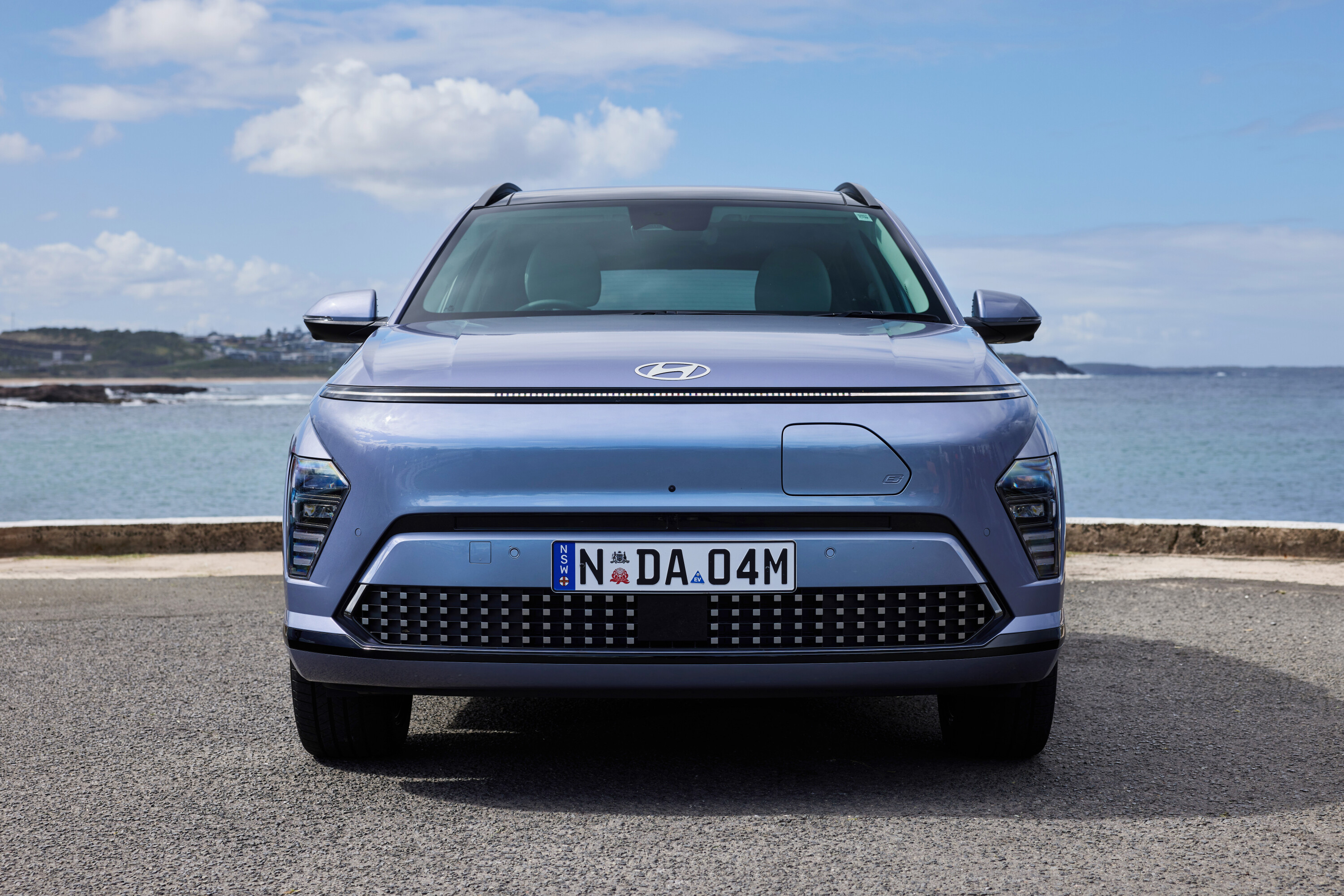
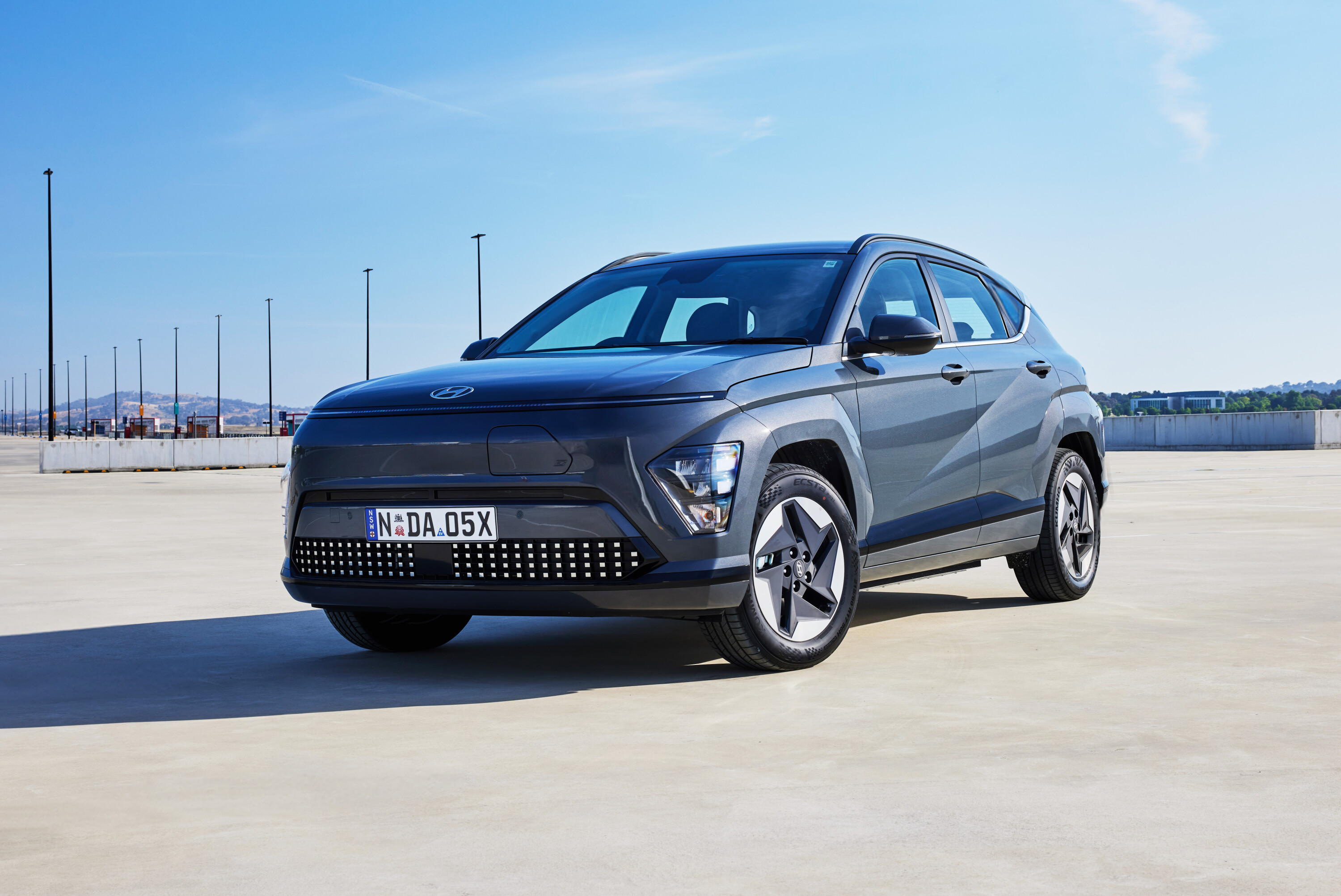
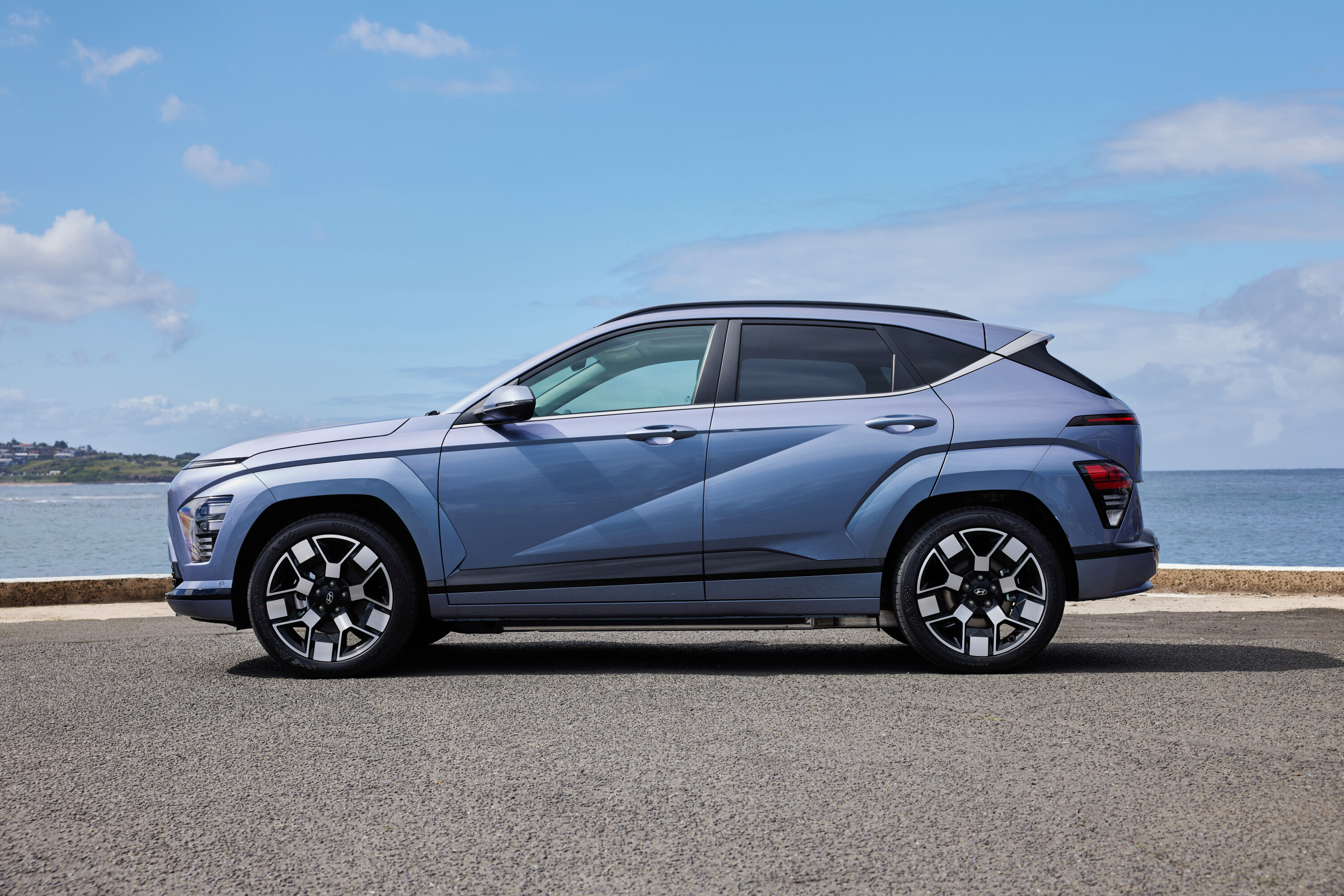
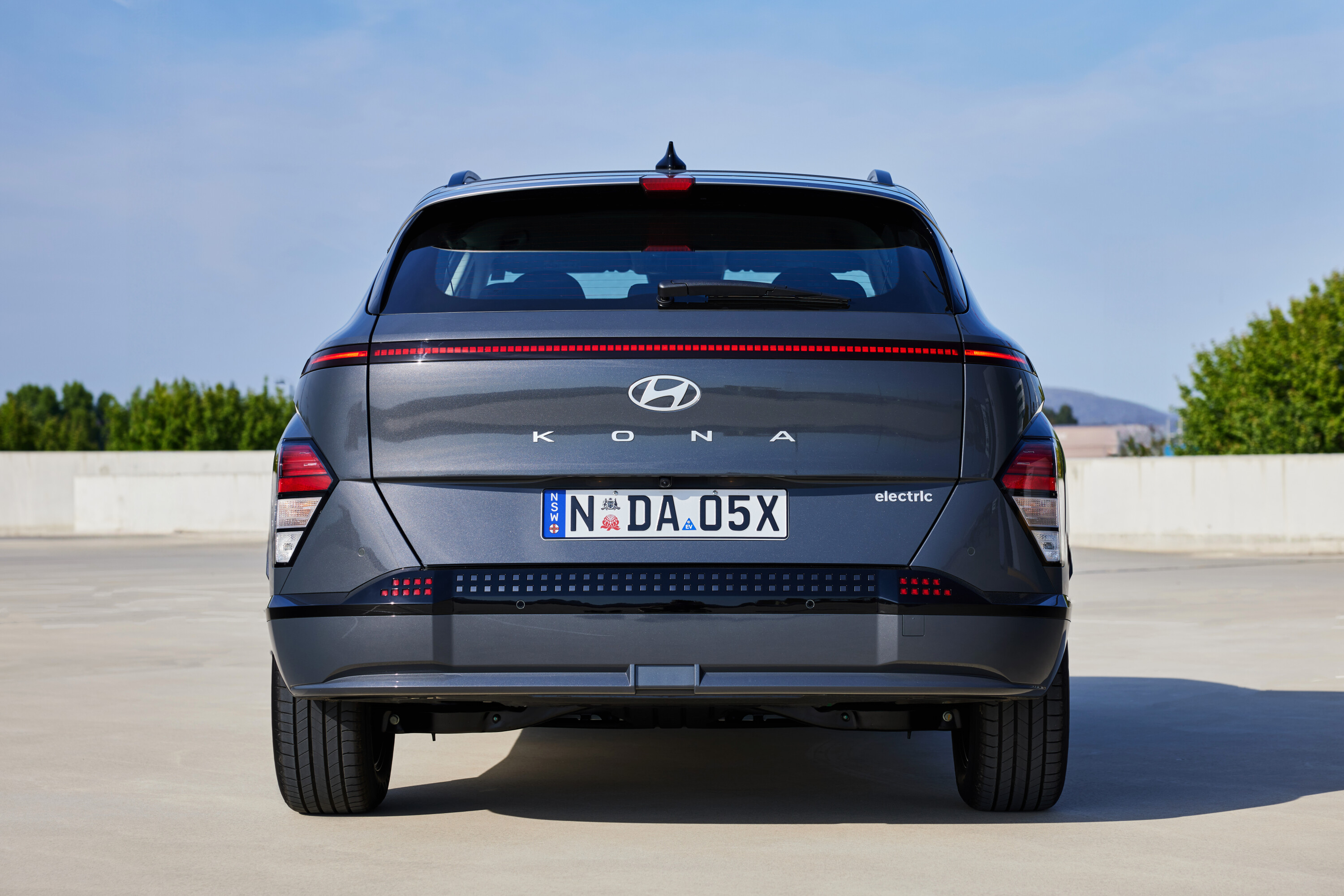
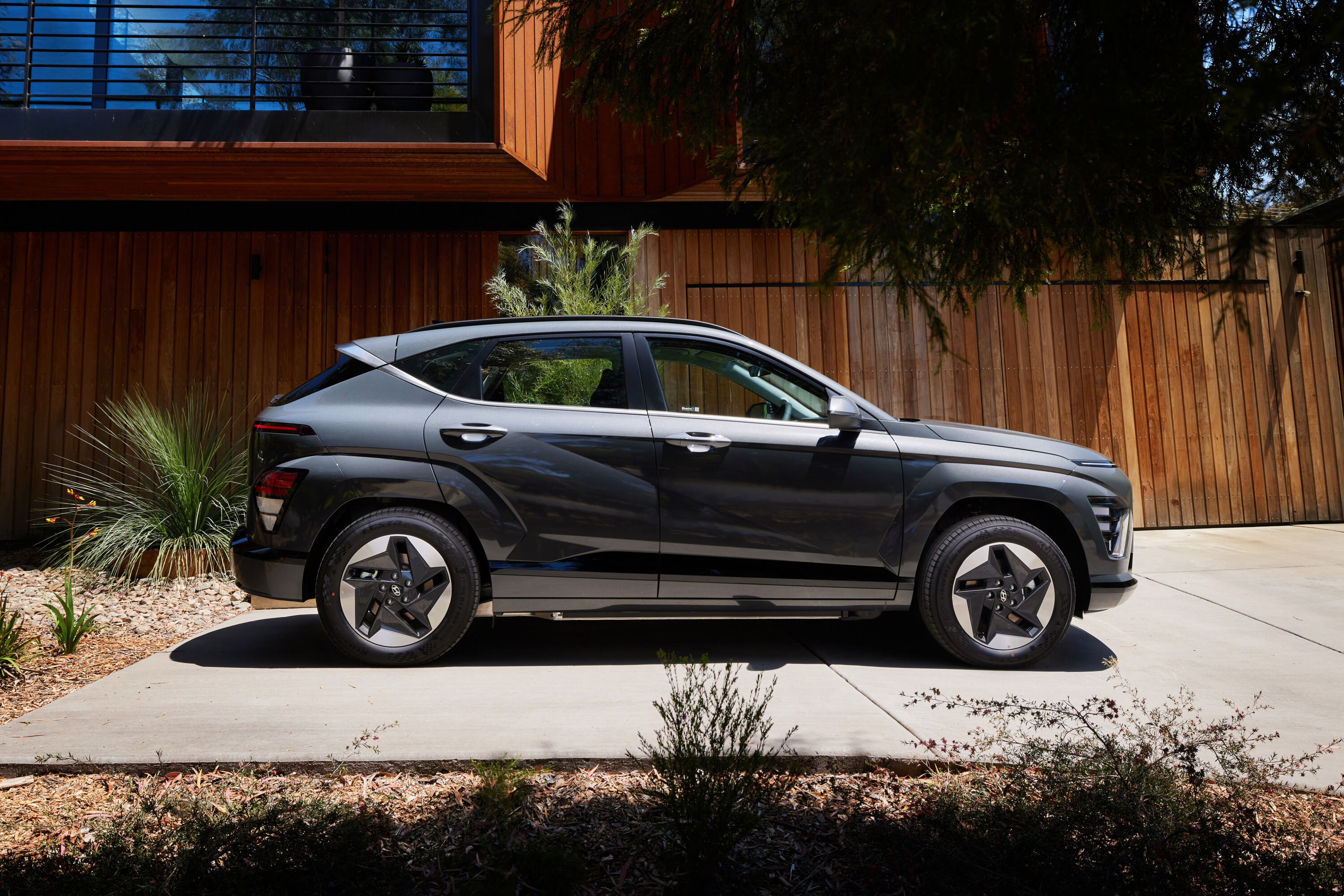
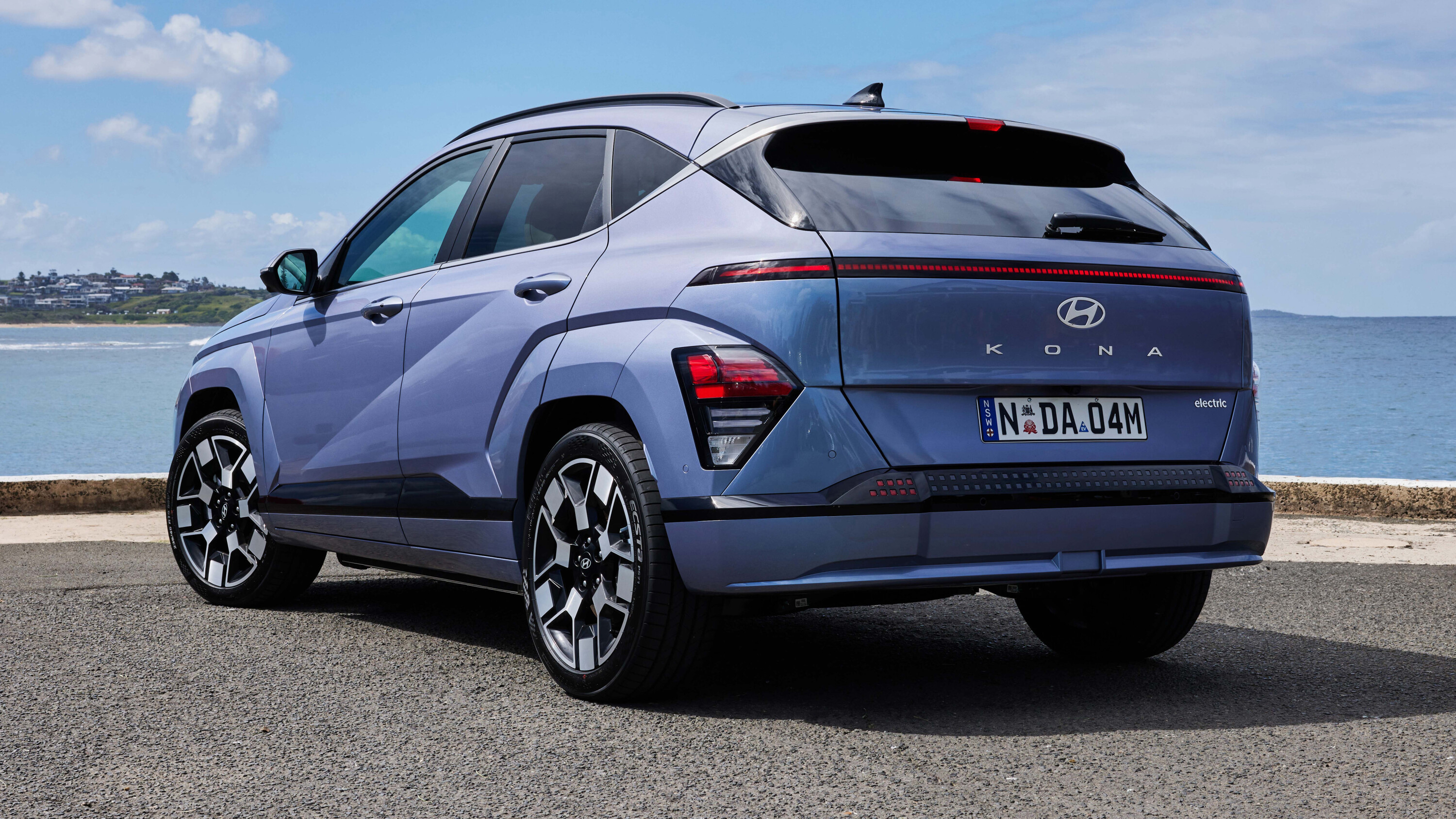
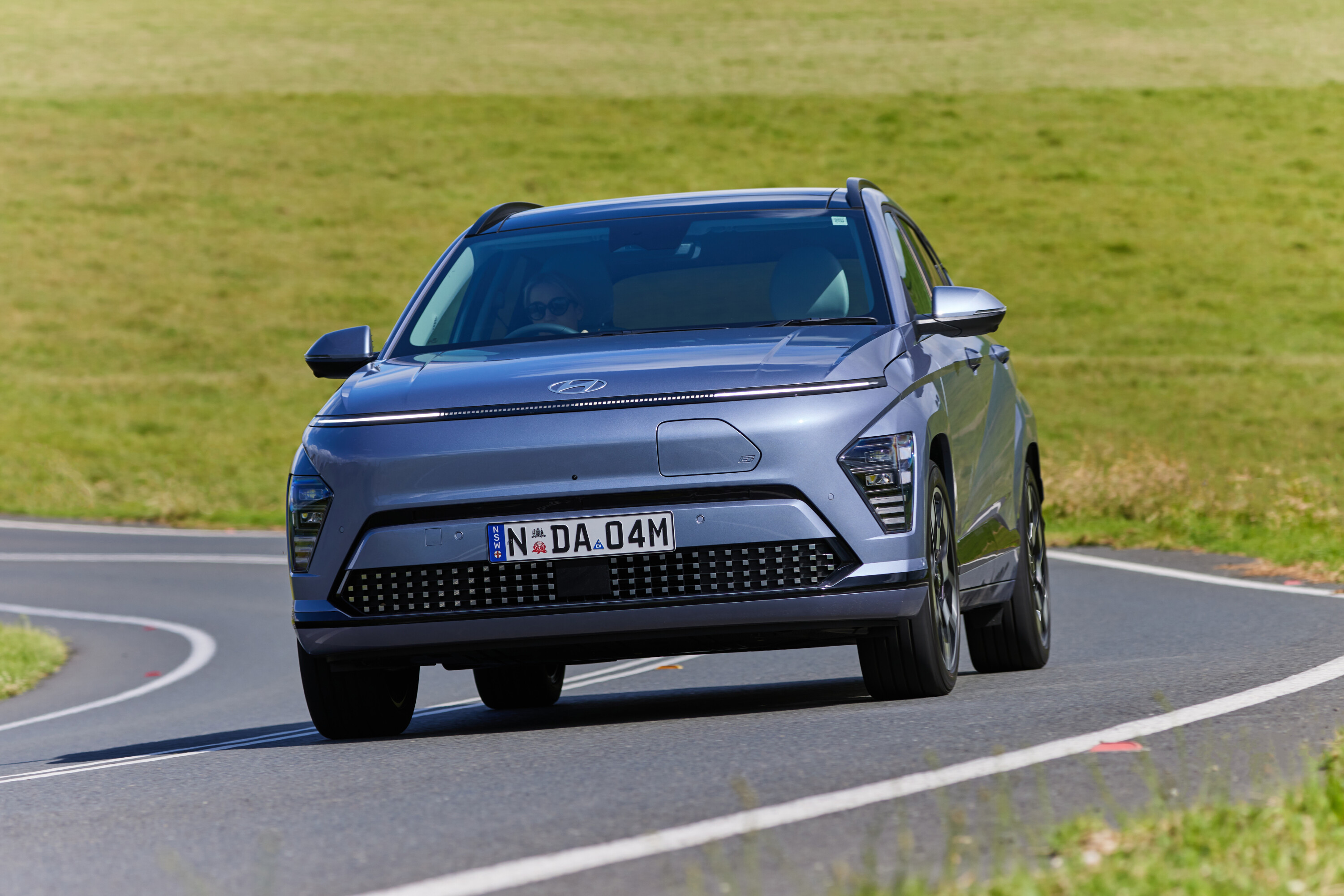
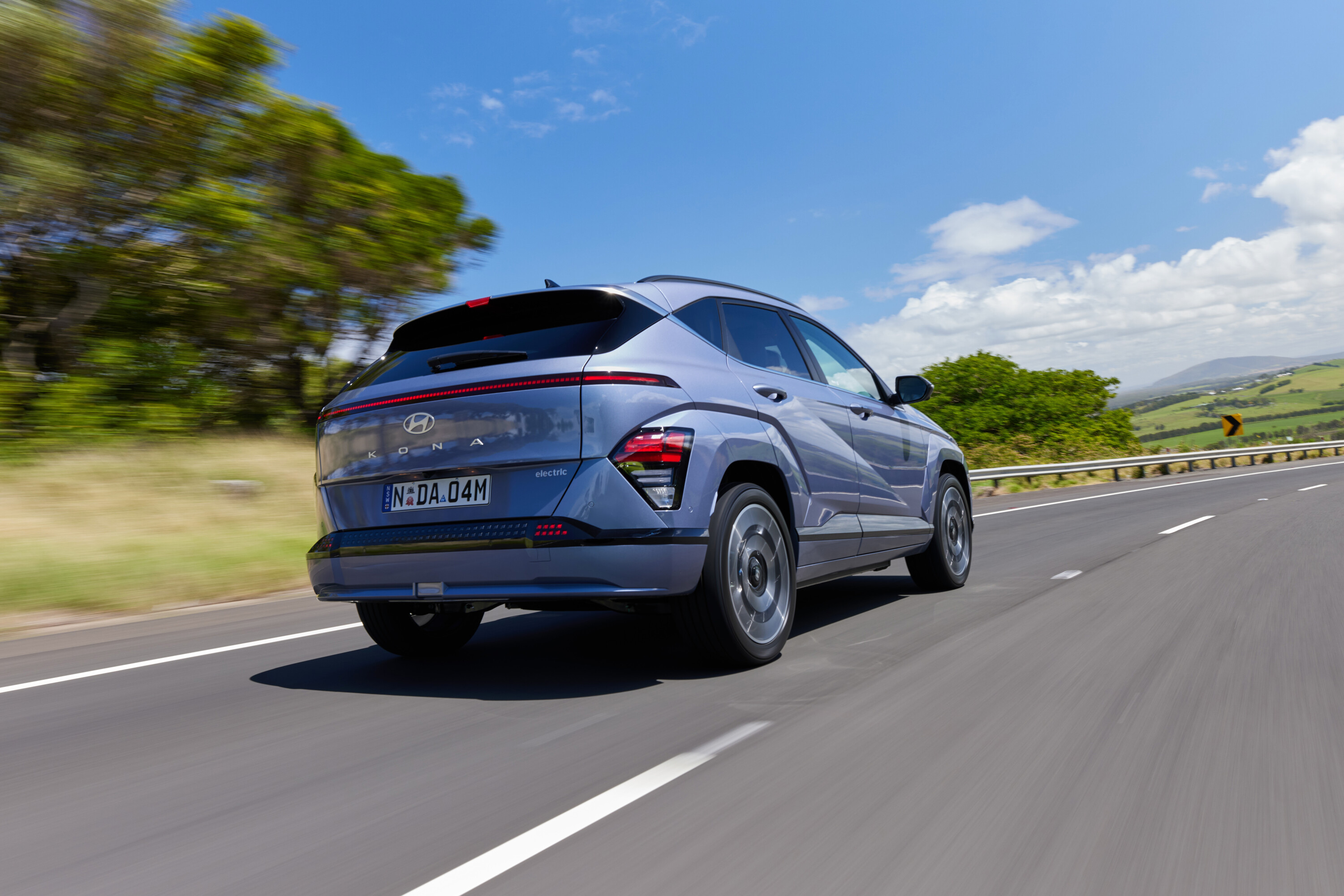
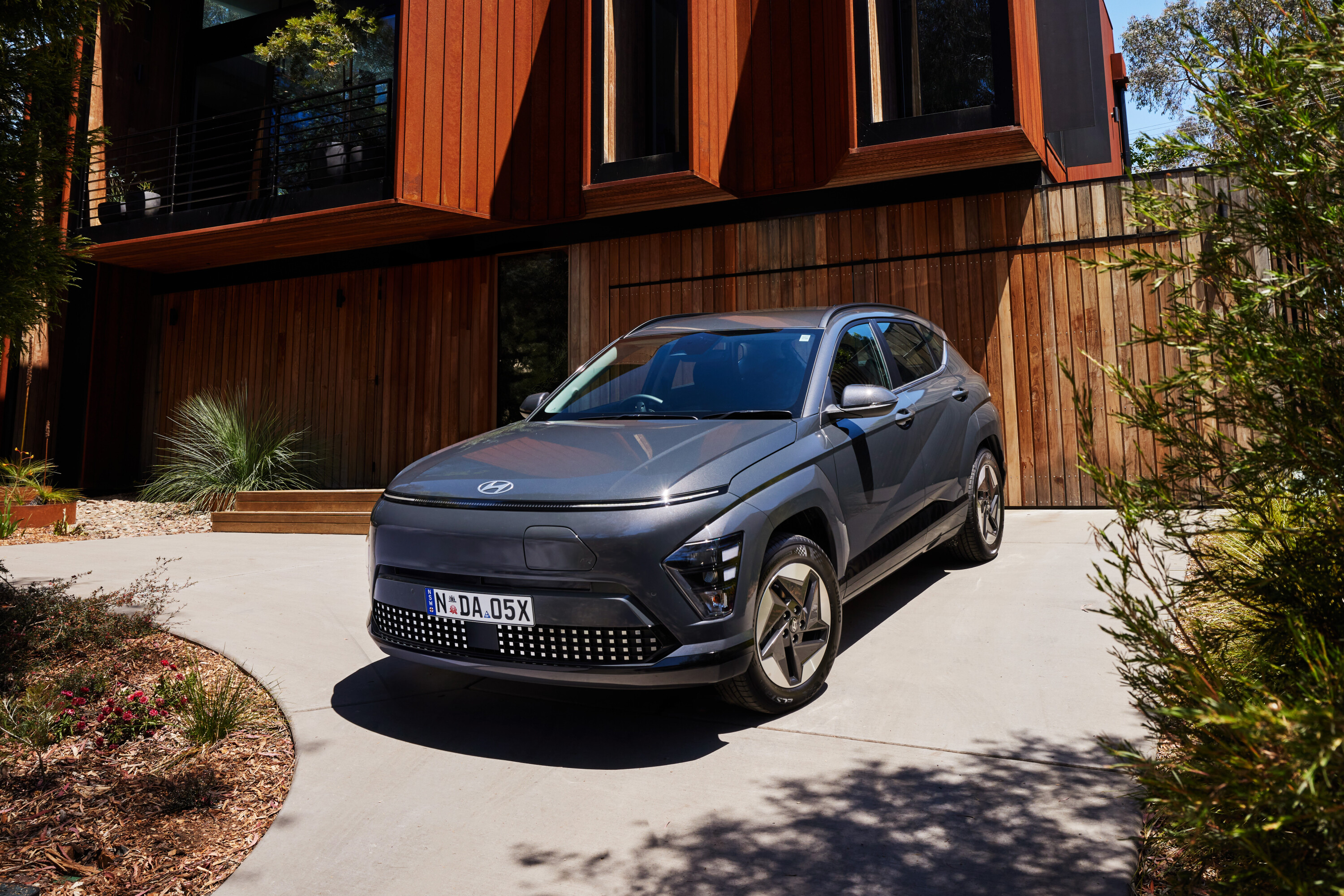
Hyundai’s new electric Kona is here, finally, and it presents as a more thought-provoking option than any would’ve thought when I first drove it way back in November 2023.
At that time, Hyundai still hadn’t landed on a price for the new Kona Electric, and a safety rating had also not been awarded. We now have both, and boy, what a pickle. Let’s talk about it.
Pricing: $54,000 before on-road costs.
The price? Strong. I had felt it would need to land from around $55,000 in order to be competitive with the popular $48,000 BYD Atto 3 – and ideally even less than $55k.
They’ve managed that, announcing in early January that the 2024 Kona Electric is priced from $54,000 before on-road costs, and that’s actually $500 cheaper than the smaller, less advanced previous model. Frankly, that’s a rare event, and Hyundai deserves kudos for understanding the size of the challenge before it.
Safety: Strong, but the optics…
Now we come to safety. We’d expected a five-star rating, and the tone from Hyundai suggested they did as well.
Euro NCAP’s disappointment likely lies in what it has largely described as a ‘bare minimum’ effort from many carmakers when it comes to active safety systems.
In reality, the Kona range missed out on five stars in Australia because it is missing AEB junction crossing assist – the system that detects vehicles approaching an intersection at a perpendicular angle to the Kona.
Everything else is there, and the Kona also passed all impact tests, achieving scores equivalent to a five-star result in the categories of occupant protection in the event of a crash.
1
So, that’s the pricing and ANCAP story – details that weren’t available when I started on this review in November, and indeed they’re missing from the printed version of this story, sent to print in early December. A collector’s item!
What it means for Hyundai is that they can’t brag. They’re short a key marketing ingredient. A four-star score is good, but in a world of short attention spans, the Kona’s key rivals can loudly proclaim five-star safety, and Hyundai can’t.
Storm in a teacup? For many buyers, probably. With a four-star rating, the Kona joins the new Honda HR-V, new BMW i4, new Grand Cherokee, new Peugeot 308, new Citroen C4 and new Fiat 500e – along with a couple of Opel models tested for New Zealand.
Ultimately, it’s buyer’s choice, but you’d hardly be buying a death trap. As a parent myself, the Kona’s ANCAP result wouldn’t deter me.
Now, on with the review I wrote in November, revised to take in the above new information.
1
2024 Hyundai Kona Electric review: Australian first drive
If the price is wrong, interest in the latest electric Korean could be swept away by China’s already successful BYD Atto 3 – along with the smaller, cheaper but just as compelling BYD Dolphin, MG 4 and GWM Ora.
Strike that. Even for budget-focused buyers, interest in the new Kona Electric would be more than warranted.
Don’t misunderstand: Whatever the Atto 3, BYD Dolphin, MG 4 and GWM Ora might lack in polish or prestige, they each present a strong value argument for dollar-driven Aussies. The Atto 3 in particular is very popular.
1
Hyundai is all too aware of that risk, and it shows. Unlike many Euro brands (so it seems), Hyundai isn’t here to be forgotten.
As I noted in the fresh opener of this story, the Kona Electric is very likely priced below where they would’ve otherwise put it – even despite the fact that bigger and more advanced Ioniq 5 now starts from just $65k.
Like any other product, but more so because of the sheer size of the spend, so much of a vehicle’s assessment and appeal comes down to its price. “Great value”, “not bad for the money”, and “I expected more for the asking price” all roll off the tongue when weighing a purchase decision.
Hyundai’s Australian arm told us at the launch event that it was working with Korean HQ to get the numbers right, which sounds a lot like it’s more worried than its global leadership when it comes to competitive pricing in our crowded market – and that many Australians are drawn to a price tag well before they think about quality and features.
The 2024 Hyundai Kona electric starts from $54,000.
That’s a sharp price for an EV from any legacy brand, which Hyundai now qualifies as, but it’s even better when you consider what came before it: A smaller, less feature-packed runabout that cost $54,500.
Even better is that the Extended Range model is a full $2500 cheaper than its equivalent spec in the previous range.
2024 Hyundai Kona Electric: Key features
17-inch alloy wheels
Electrochromatic rear-view mirror
Forward Collision-Avoidance Assist 2.0
Rain Sensing wipers
12.3-inch Instrument Cluster
Wired Apple CarPlay/Android Auto (wireless coming late 2023 / early 2024)
Navigation + live traffic
Dual-zone climate control
Voice Control
Temporary space-saver wheel
There are effectively three configurations of the Kona Electric.
The base Kona Electric Standard Range comes with a 48.6kWh battery pack, 99kW/255Nm motor and front-wheel drive, followed by a base Kona Electric Extended Range with 64.8kWh battery, 150kW/255Nm motor and again front-wheel drive.
The line-up is led, for now at least, by the Kona Premium Electric – Extended Range only. The base variants ride on 17-inch wheels and the Premium gets 19s.
1
? Even in sans-suffix Kona form, the Kona Electric is very well appointed.
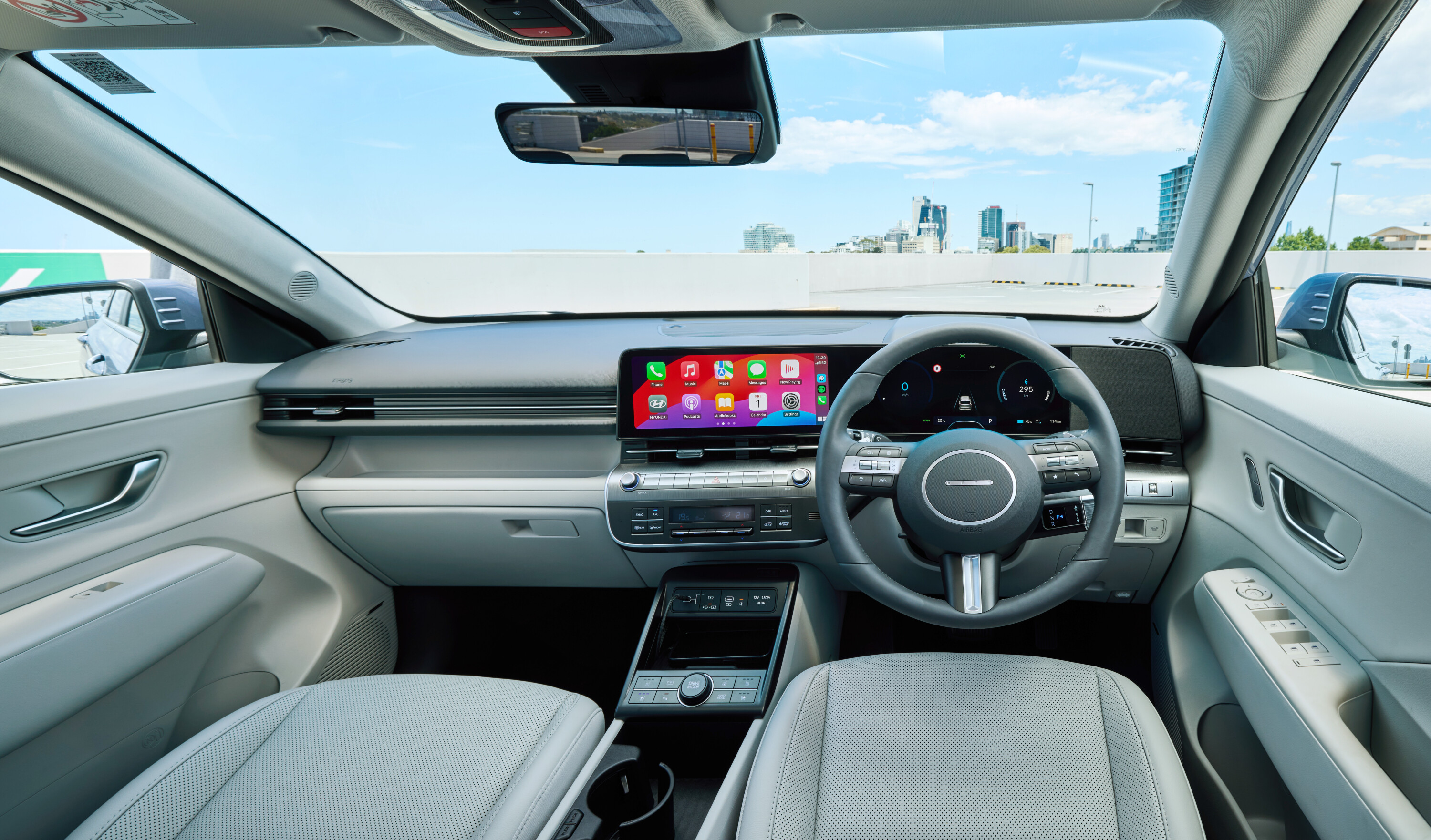
It gets dual 12.3-inch displays in the cabin for suitable wow factor, along with Bluelink connected services with over-the-air updates, plus dual-zone climate control, integrated navigation and live traffic, rain-sensing wipers, LED lighting at both ends, an interior ‘vehicle to load’ (V2L) power outlet, heat-pump cabin heating, batter conditioning, a wireless phone charger and wired Apple Carplay and Android (wireless is promised to come as an update soon).
The entry model rolls on 17-inch alloy wheels and – get this, dear reader – a temporary spacesaver wheel is included. No ‘can of goo’ and compressor here! What a time to be alive, seeing a spare wheel as a rare treat…
1
? Stepping up to the Kona Premium Electric…
…adds 19-inch alloys, ‘leather’ trim (combination leather and synthetic), powered/heated/ventilated seating, a heated steering wheel, head-up display, Bose eight-speaker audio, Remote Smart Parking Assist (RSPA), a wide glass sunroof, and a powered tailgate.
The Extended Range options also come with an official 750kg braked tow rating with a max tow-ball weight of 100kg, but the Standard Range has no official rating.
Hyundai’s SmartSense safety suite is also featured in both trim grades, detailed further down in the safety section of this story.
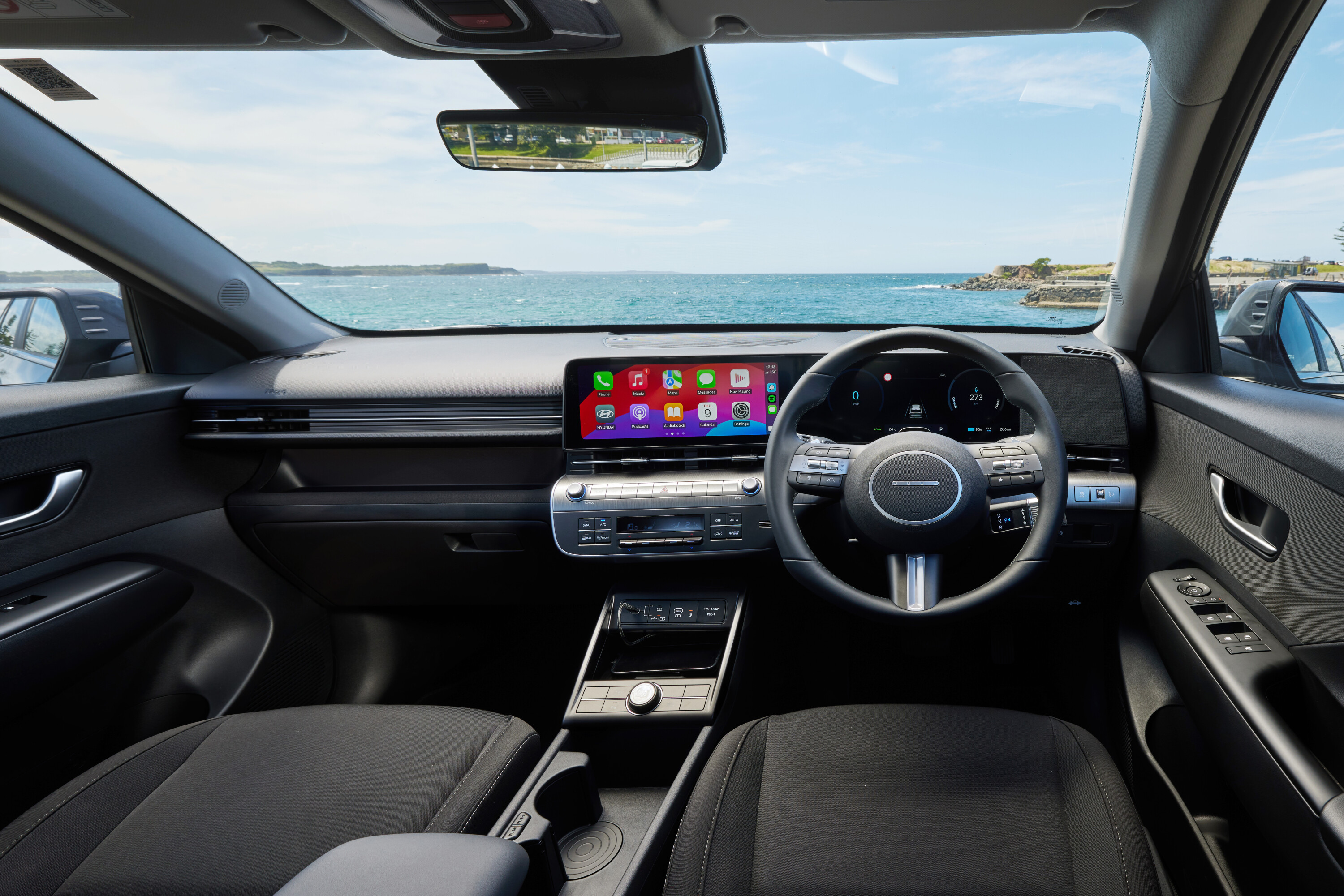
Although short on soft-touch surfaces, the new Kona’s cabin is a pleasant and well-configured home on the road.
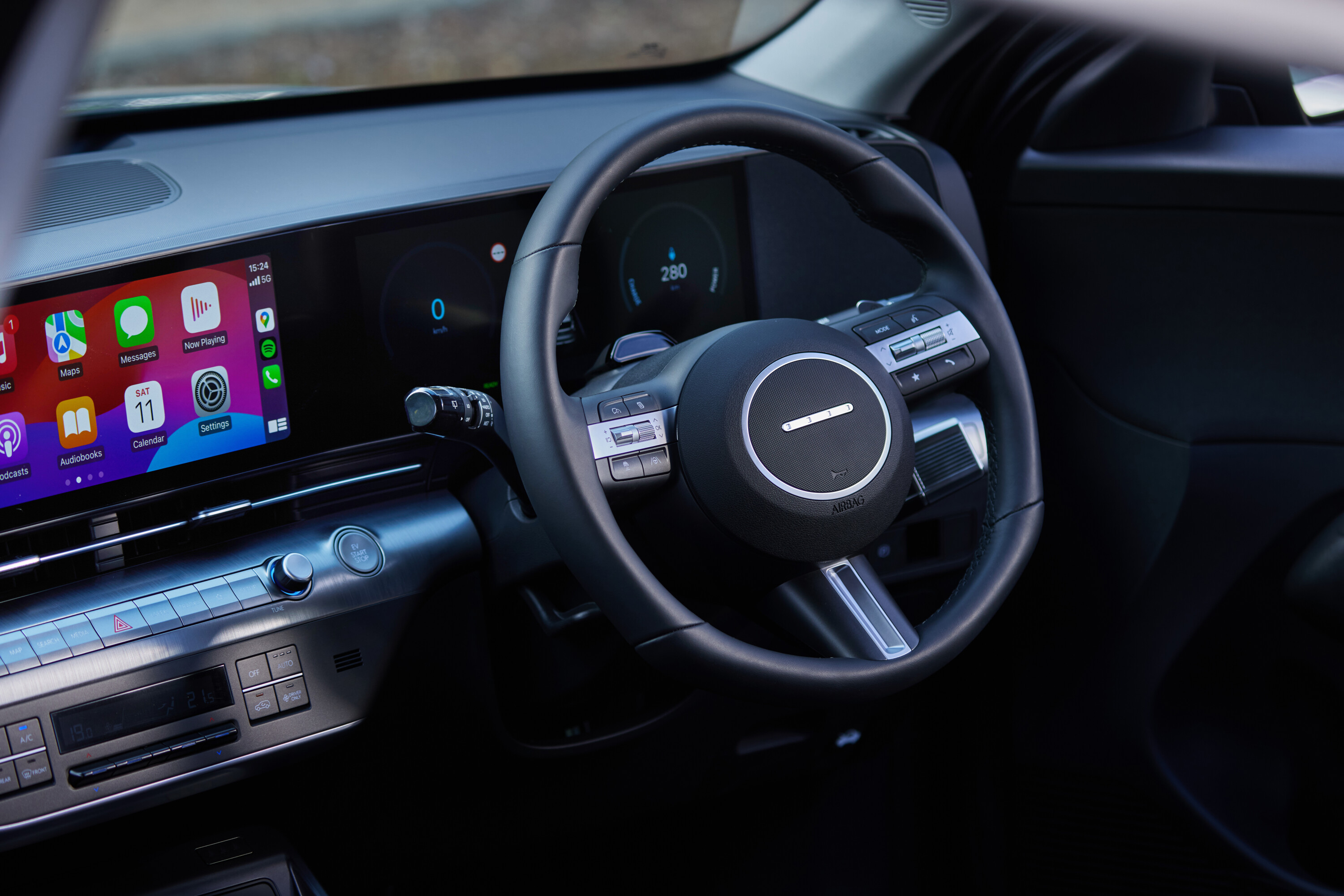
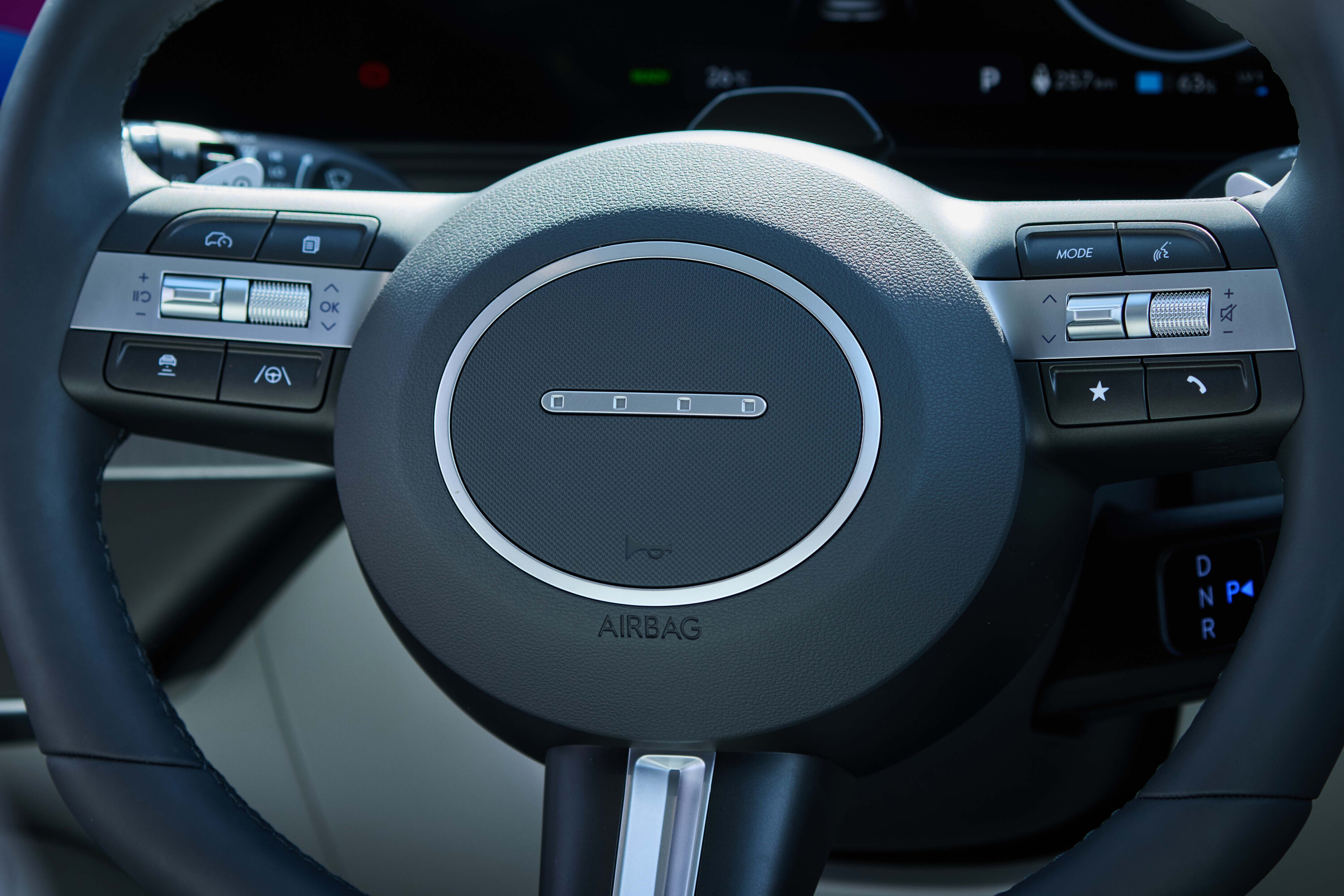
Stepping into the new Kona Electric, you’re immediately greeted with a modern and sensible design. The bright, fast and huge 12.3-inch screens tell you, irrationally or not, that you’ve spent wisely. Even better, the steering wheel and dash wear a familiar range of critical function and convenience controls, which – in this age of cost-cutting under the guise of style and simplicity – is feeling more and more like a rarity.
Unlike the first-generation Kona, this new model was developed as a properly practical small SUV on the large end of the segment, its longer wheelbase well-suited to carrying a family of four in better than reasonable comfort.
1
The new Kona shares its platform with the i30 Sedan and Kia Niro, but its dimensions differ somewhat, with a wheelbase of 2660 millimetres – 60mm longer than before, but still 60mm shorter than the related vehicles.
Overall length grows by 150mm to 4355mm, and width is up 25mm to a new 1825mm. Hyundai says this results in a second row that offers 77mm more legroom and 11mm greater headroom, making it a segment leader in these dimensions.
For context, the popular Toyota Corolla Cross rides on a 2640mm (-20mm) wheelbase and measures 4460mm in overall length (+105mm), with an identical 1825mm width.
1
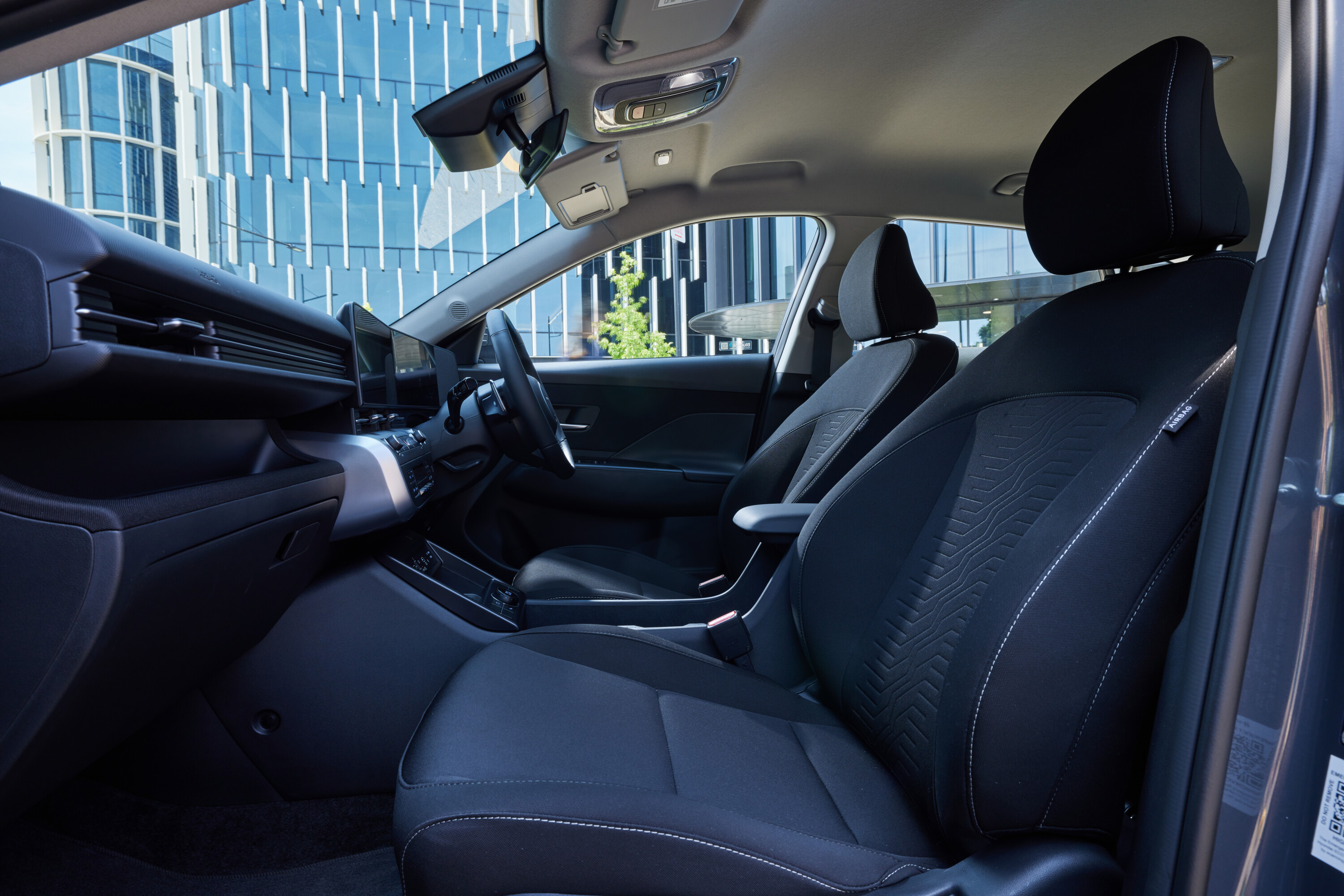
Comfort in both rows is good, with firm but supportive seats, cloth-trimmed in the entry model and ‘leather’-upholstered in the Kona Premium. Occupants in the front get well-bolstered backrests, along with a laidback “zero-gravity weightless posture” Relaxation position in the Premium to rest while charging. Owners of the entry EV model miss out on powered seats, however, with that function exclusive to the Kona Premium.
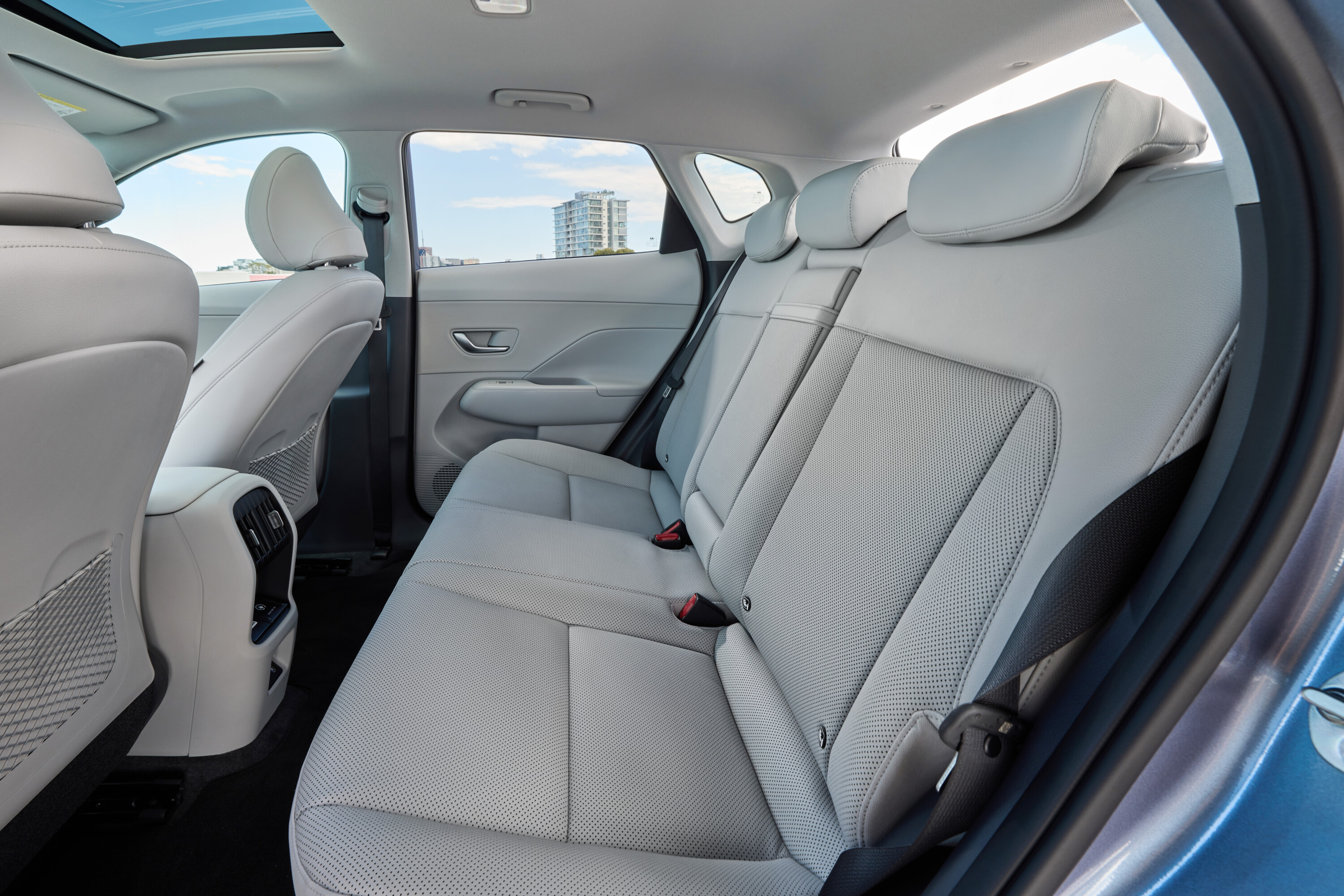
That longer wheelbase, along with scalloped front seatbacks and a flat rear bench, means adults in the second row have fairly generous leg and knee space. Toe room under the front seats is likewise good, while the flat floor means any middle passenger will only be squashed from the hips up. Take your victories where you can get them… and the rear seats recline, too.
4
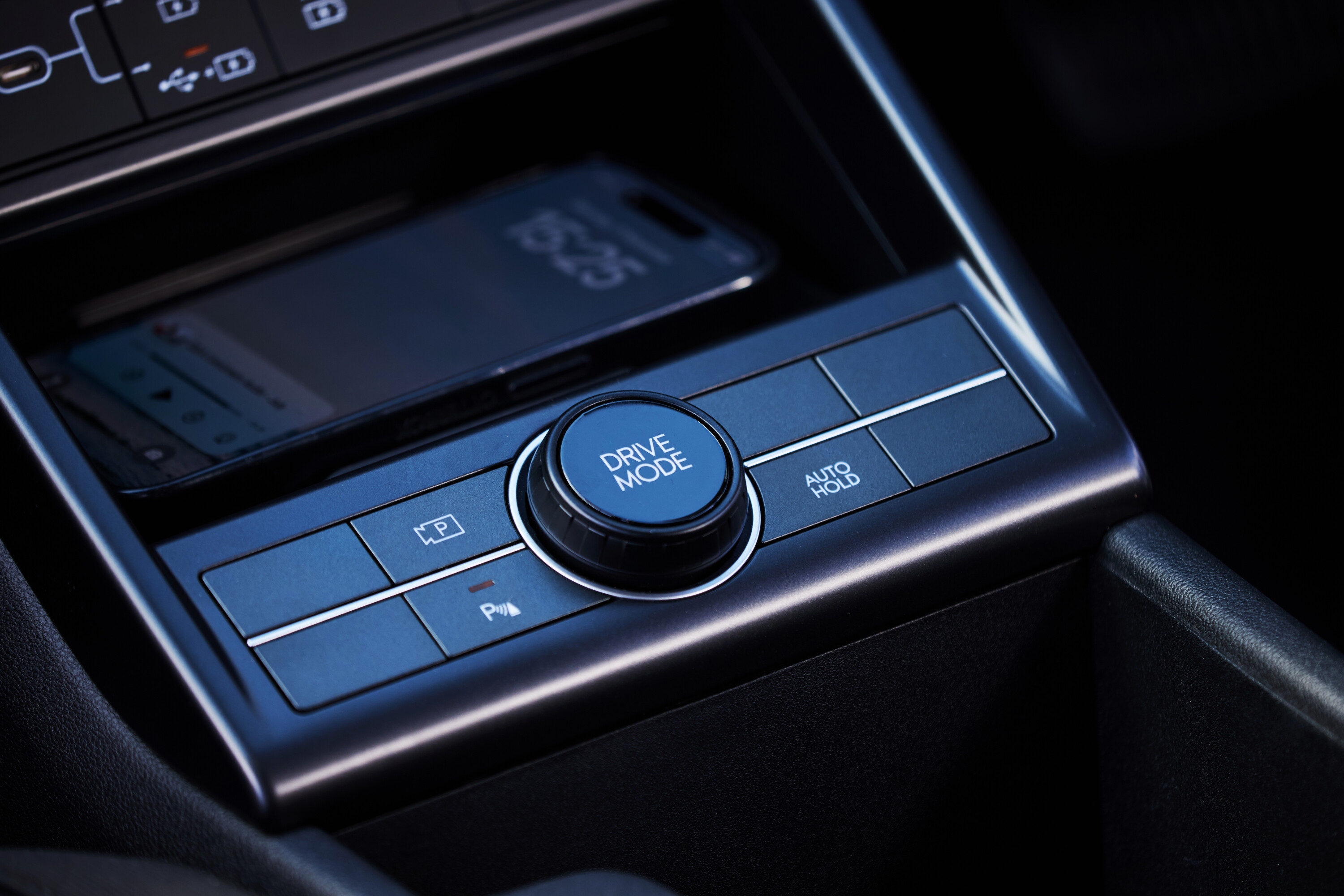
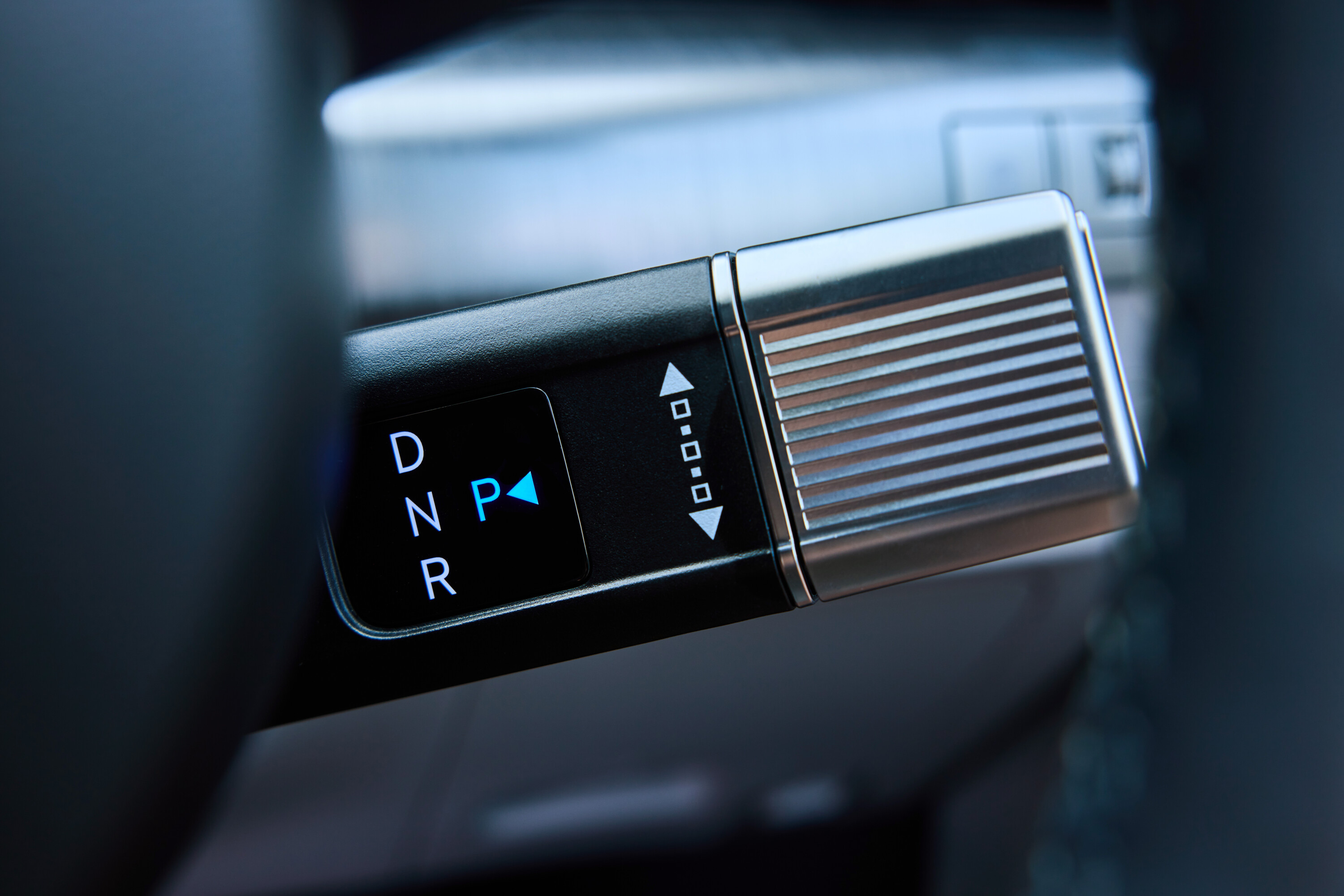
Storage in the Kona’s cabin is plentiful. The front row offers a cubby beneath the HVAC controls for 15W fast and cooled wireless phone charging or bits-and-pieces, while the cup-holder rings can be retracted to create a large open storage area – thanks in great part to the gear shifter moving to a column behind the steering wheel. The centre console has no deep closed cubby, however, and lifting the armrest reveals only more open space.
There’s a long slim bench above the glove box, although its hard-plastic surface makes it fairly useless for storing anything while driving. The glovebox itself is deep, however, and the door bins are likewise large with plenty of space for a one-litre drink bottle and other items besides.
Occupants in the second row get a pair of small cup-holders in the fold-down centre arm rest, decent door bins and a map holder in the front seatbacks.
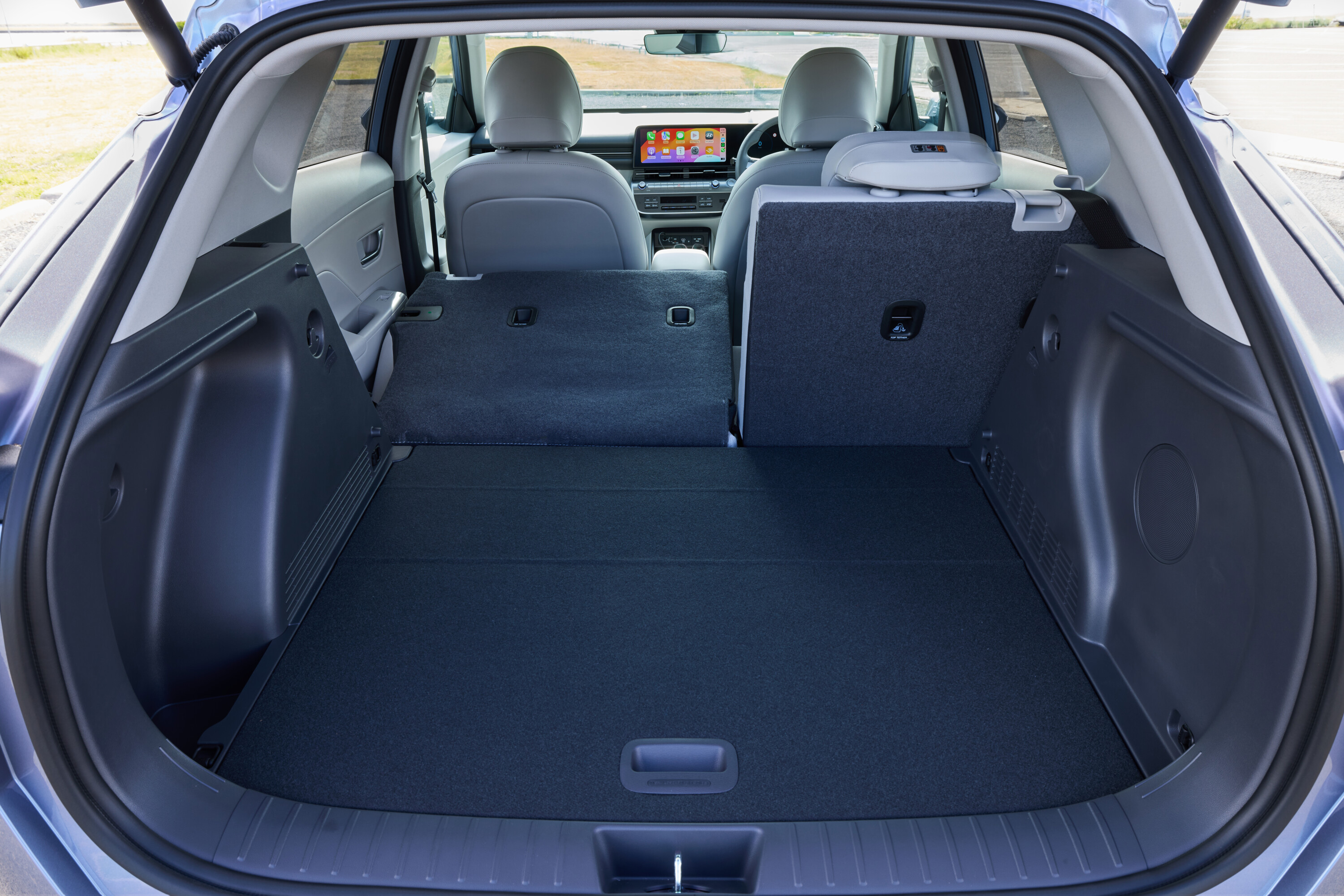
The new Kona Electric offers a decent 407 litres of boot space with the 60:40-split folding rear seats upright, expanding to 1241 litres when laid flat.
This area is a touch smaller than most rivals in the small-SUV segment, but Hyundai is eager to remind that its second-row legroom is best in class, and the EV’s rear space is identical to that of the petrol model – meaning there is little compromise in opting for electric over combustion.
1
Access to the boot is also made easier than in the previous model, thanks to a wider opening and a lower lip at the floor.
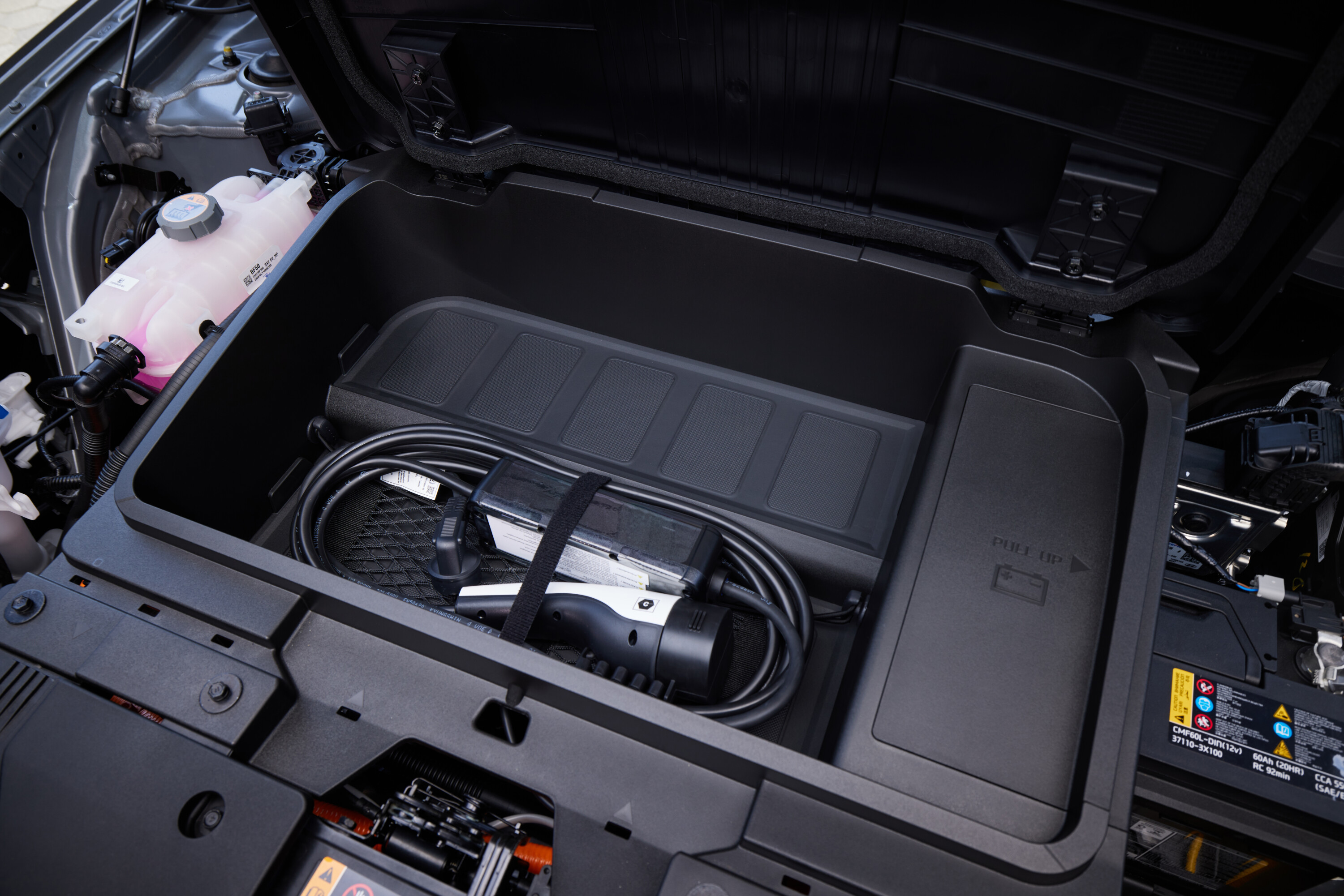
There’s also a 27-litre storage area under the bonnet – room enough to store the charging cable, shoes, wet gear or a small backpack.
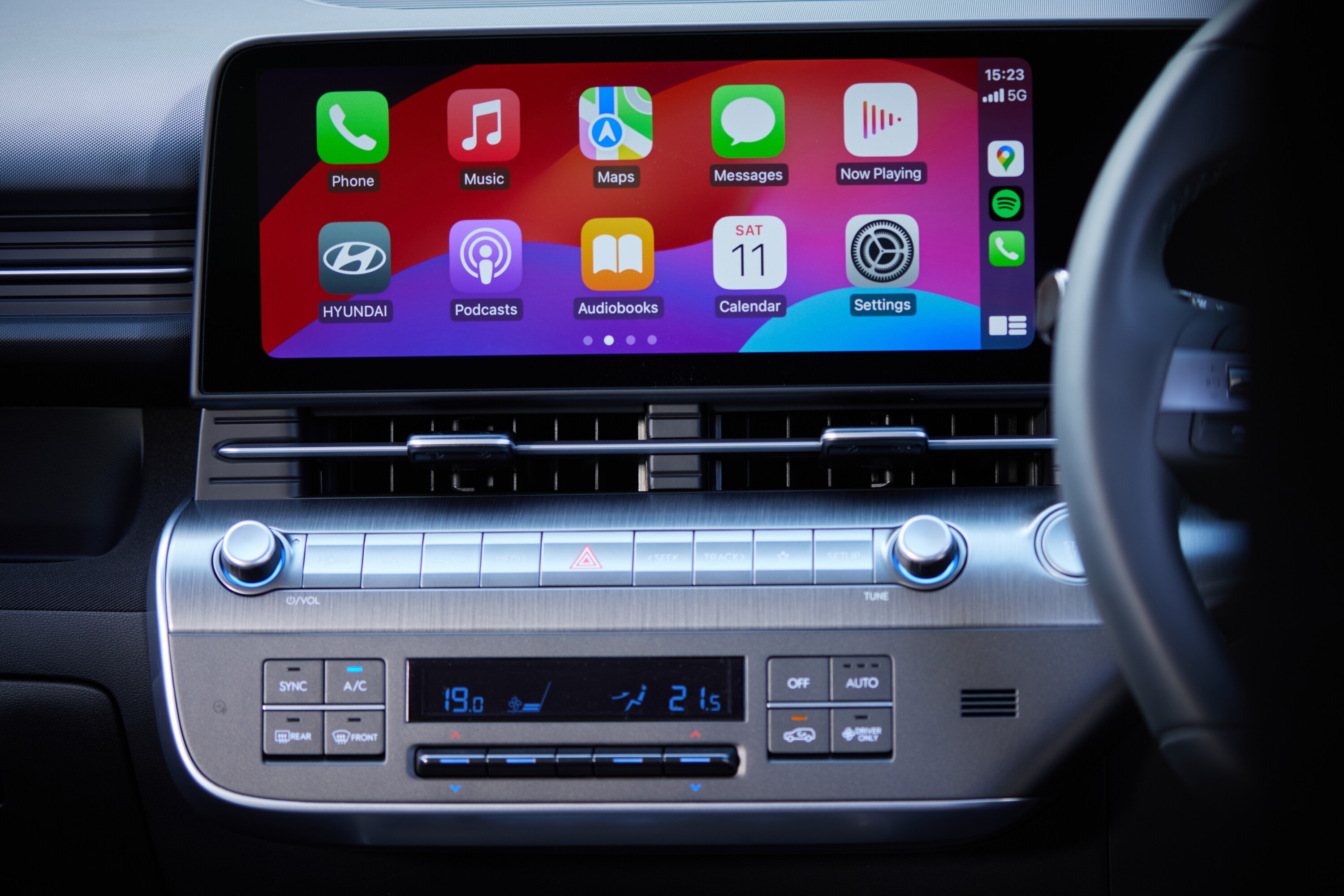
Hyundai has come a long way with its in-car technology, with an infotainment system now comfortably at the head of the class for feature richness, simplicity and power.
The new system boasts four times the computing power and 15 times the display processing power of Hyundai’s previous system, seen in the current Tucson and Santa Fe among others. The specifics of that are irrelevant to most users, except to say that touching and typing on the display feels like using a high-end Apple or Android tablet, with rapid responses to input and speedy transitions between pages.
Controls for the Kona’s most frequently used features are almost all physical switches and dials, including the HVAC, media, cruise control and camera controls.
1
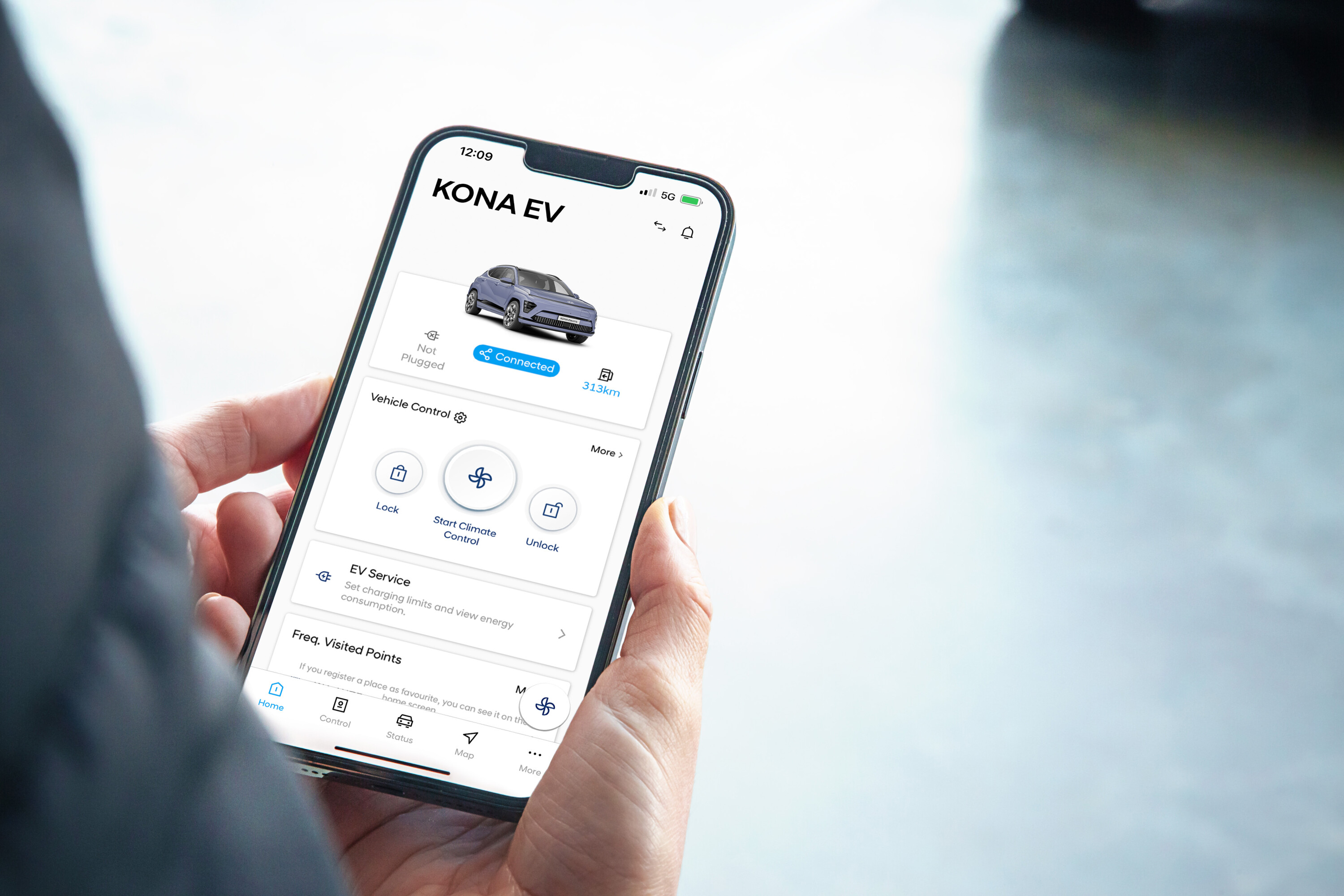
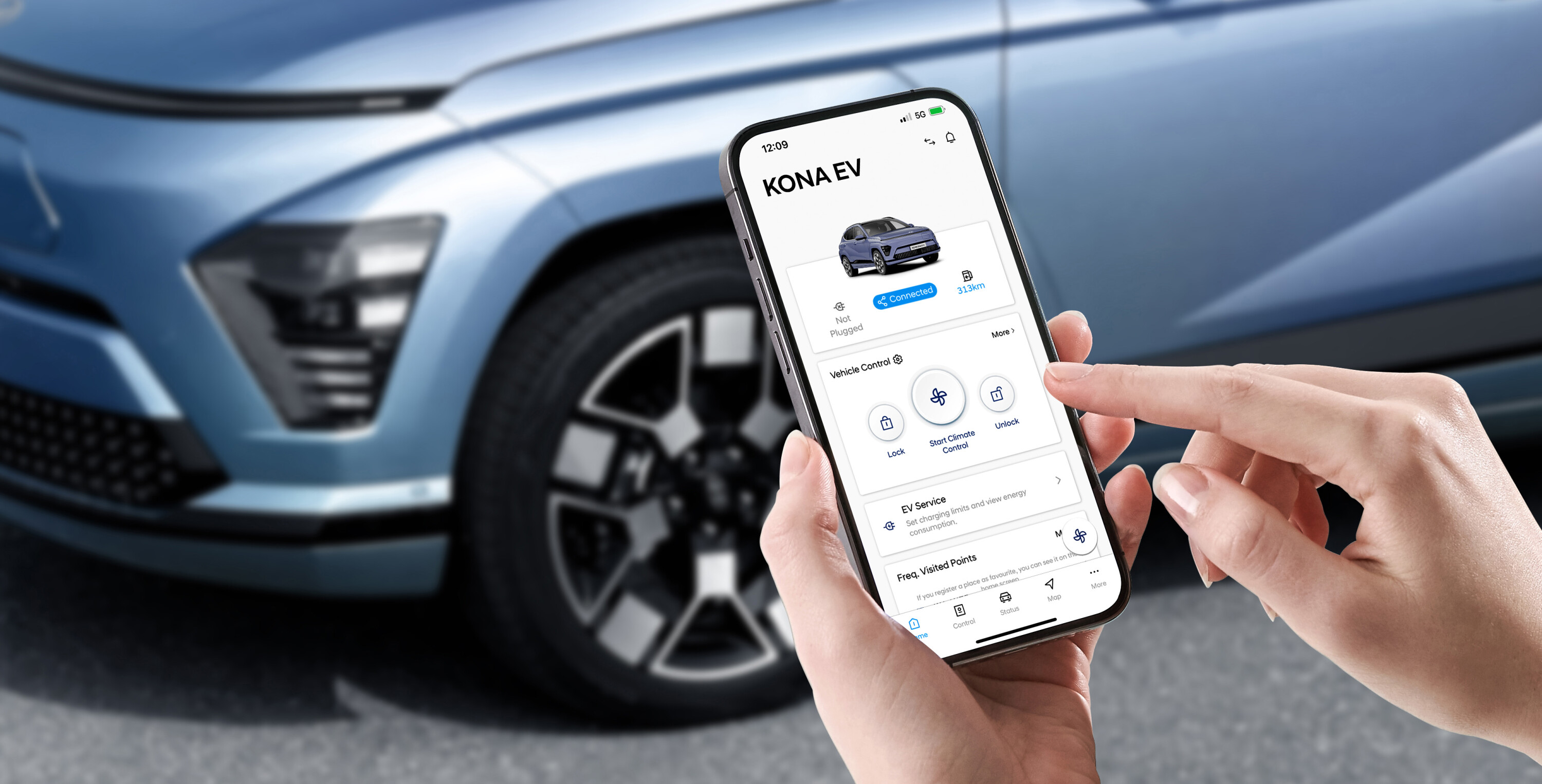
Hyundai’s Bluelink connected services platform is also featured, allowing remote status monitoring and control of key features like charging times and limits, door locks, windows, climate control, lights, horn, and trip planning. In this latest generation, Bluelink also enables over-the-air updates for safety, braking, performance, driver assist and mapping.
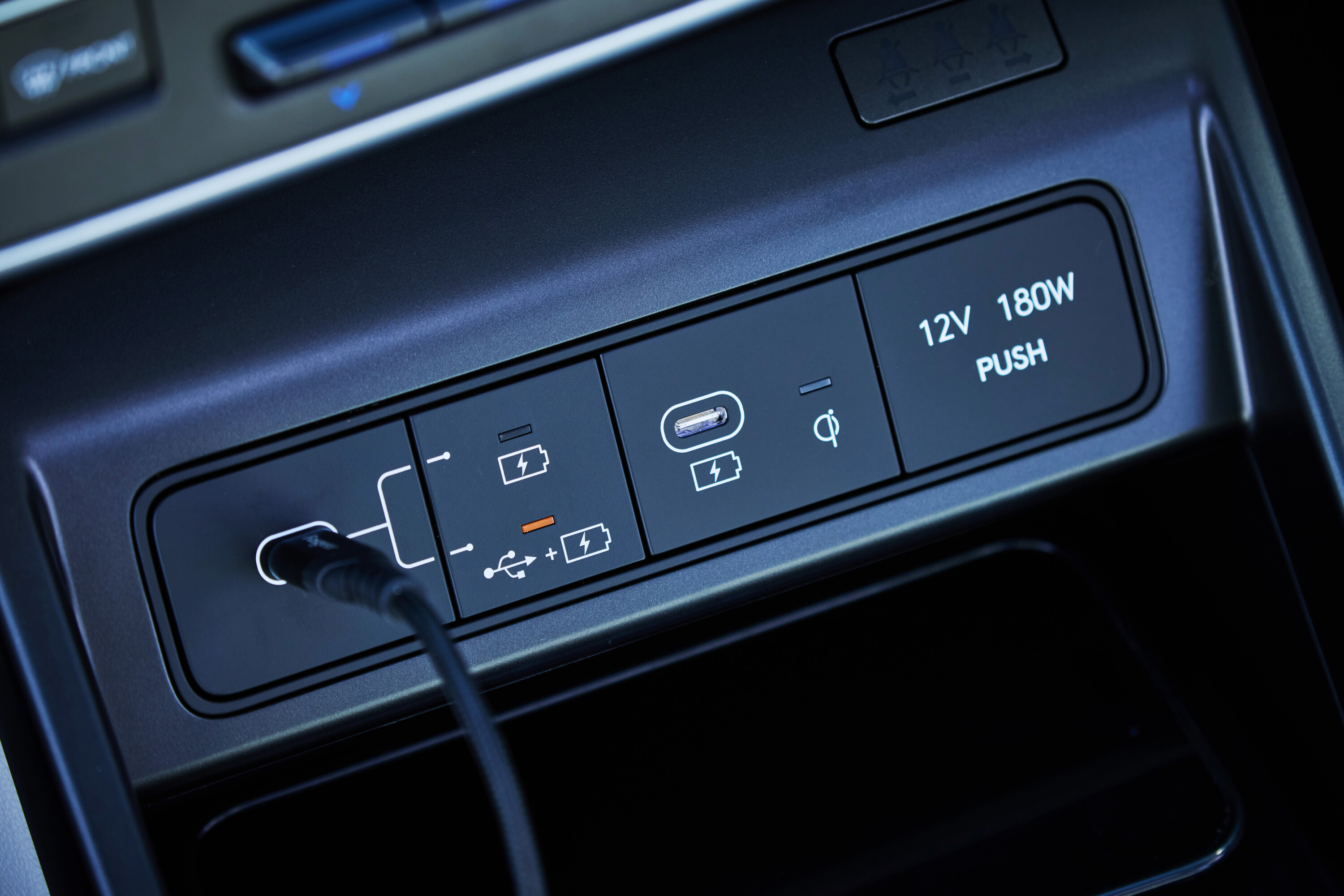
Both rows get 27W/3A rapid-charge USB-C charging ports, while the second row also has a V2L outlet for powering thirstier devices like a laptop or, if you’re inclined, a coffee machine.
Apple CarPlay and Android Auto are both featured and operate smoothly, but for now they remain a wired feature. Hyundai says it has a vehicle in Australia right now, testing with wireless connectivity, and hopes to roll out an OTA update in the coming weeks or months.
There’s little hiding the Kona Electric’s weight if you enjoy spirited driving, but most of the time you’d scarcely notice.
With its larger design and big floor-mounted battery packs pushing it to a new 1690kg kerb weight in Standard Range form, compared to the previous Kona Electric’s 1535kg – and the 1335kg weight of the regular new petrol Kona – this latest EV is indeed a hefty one. Again, some context: the VE Commodore, in its standard form, also weighed 1690kg.
Hyundai’s drive route through regional Canberra took in plenty of winding roads, which is where you’ll most easily notice the Kona Electric’s weight as its traction system and you at the wheel work to combat physics. There’s not a lot in it, though, and being noticeable isn’t the same as being concerning – especially with the helpful regenerative braking system, allowing you to slow your entry into corners without touching the brake pedal.
1
Of course, the Kona Electric wasn’t designed to be driven in anger, and with most buyers it never will be. Ride and comfort is overall good in the entry model, with its region-specific (but not Australian-tuned) suspension package and 17-inch wheels wrapped in a thick 60-profile Kumho rubber helping it maintain composure across most surfaces.
The Premium’s 19-inch wheels and 45-profile tyres sacrifice some of this comfort for style points, but not by much – and it does look the business in that higher spec.
Steering is responsive and accurate in turns, with a good and confident straight-ahead feel on the highway. Enthusiasts will lament the lack of feedback, but this is increasingly common in newer cars with electric steering, and not something most motorists will detect.
1
Acceleration is delivered quickly without unleashing too much torque off the line (there isn’t loads on offer anyway), while braking is strong and easily modulated with good top-of-pedal feel. Brake regeneration is also on board to reduce reliance on the brake pedal while also feeding energy back into the battery, and the highest level – i-pedal –can just about completely cut the brake pedal out of the picture, once you get used to it.
Wind and road noise, a more prominent companion with the otherwise silent motoring in electric vehicles, is well enough damped and seems no worse than with other affordable-end EVs. Only a back-to-back test would say for certain, but upgrading to higher-quality tyres on your first replacement would only help.
Officially, the Kona Electric claims an efficiency rating of 14.2kWh/100km in the Standard Range, down slightly from the 14.3 of its predecessor.
Launch events are far from the ideal for a realistic measure of the claim’s accuracy, but after two hours of mixed urban, highway and spirited driving in the hills, I returned 16.8kWh/100km – suggesting the official figure should be comfortably achievable. We’ll test this further in our upcoming week-long booking. (Keep an eye on whichcar.com.au/hyundai/kona)
1
The Extended Range lists 14.7 on the 17-inch wheels and 16.7 on the 19s, showing what a difference can be made with wheel diameter and a slightly less luxurious fitout.
The 99kW Standard Range lists a WLTP-certified driving range of 370 kilometres, while the 150kW Extended Range lists 505km with the 17-inch wheels and 444km for the 19s.
The Kona Electric’s 400V electric system is slower than the 800V system offer with Hyundai’s more expensive EVs, resulting in a fastest-possible charging time of 10-80% in “approximately” 45 minutes on a 100kW+ DC charger. This is plenty for daily driving, but could prove frustrating on road trips – particularly when time is of the essence.
As covered above, we didn’t know at the time of testing that the Kona range would be given a four-star rating.
Why? Well, because it comes bearing strong active and crash safety credentials, with seven airbags including a front centre airbag, and a suite of advanced driver aids under the Hyundai SmartSense banner.
1
Key among those features is Lane-Change-Side that can manage steering during lane changes, along with Forward Attention Warning for driver monitoring, using an in-cabin infra-red camera to detect the driver’s face, head position/direction, and eye tracking/opening/closing state.
Others include blind-spot collision monitoring and avoidance, lane-keep and lane-following assist (monitoring and acting on forward vehicles and line markings), rear cross-traffic collision avoidance, and active cruise control with stop-and-go – which includes a Machine Learning (AI) system to learn the driver’s patterns and habits for tailoring its controls to their preferences.
1
Four stars aside, damn those beeps…
A note to ANCAP & Euro NCAP: I can’t help but wonder if driving people to madly disabling alerts isn’t undoing the benefits of their intended function.
As with all cars featuring these types of systems, properly assessing their capability requires a lot of closed-road conditions – but what I can tell you is that, for whatever the extent to which these systems can protect you, they’re bloody annoying in the meantime.
With all of its active safety systems running, this Hyundai throws more beeps and boops at you in one trip than R2-D2 does in all of Episode 4 – and I can’t help but wonder if driving people to madly disabling alerts isn’t undoing the benefits of their intended function.
1
To its credit, Hyundai’s commitment to safely accessible controls and visible displays is commendable.
Where some brands – like Tesla and now Volvo with its small EX30 – aren’t bothering with a dedicated driver display or even a head-up to display, the Kona has not only its two huge 12.3-inch screens, but also a giant 12-inch head-up display. No chance of missing the speed limit or any visual alerts.
Car / Powered two-wheeler / Pedestrian / Cyclist detection
u25cf
u25cf
Direct Oncoming function (FCA – DO)
u25cf
u25cf
Evasive Steering Assist function (FCA – w/ESA)
u25cf
u25cf
2024 Kona Electric warranty and running costs
The new Kona Electric is covered by Hyundai’s 5-year / unlimited-kilometre vehicle warranty and 8-year / 160,000km battery warranty.
These terms are now fairly standard for the Australian car market, with only a few offering less than unlimited kilometres, and again only a handful offering better than five years on the vehicle.
For servicing, Hyundai offers a ‘lifetime’ pricing list, which runs up to six years. Each visit will cost $520, with no big-hit ‘major service’ in the entire run. The first scheduled service is at 24 months / 30,000km, second is at 48 months / 60,000km, and third is at 72 months / 90,000km for $520.
As with the previous Kona Electric, which was a popular offering for much of its life, there’s a lot to like with this new generation.
Line the new Kona up alongside BYD’s very popular Atto 3 and you might see the little details that make the Hyundai look and feel like a more complete package developed by a company more experienced with western markets.
The trouble is that, like wine-tasting, those little details are largely inconsequential and even undetectable for many buyers. That’s just human nature, but it could mean there may not be enough in the Kona’s details to distinguish it as a better buy. The Atto 3 also has the advantage of a longer wheelbase, which could be enough to grab family buyers – along with its 5-star ANCAP rating.
Still, just as premium German brands have long had the edge over volume-selling brands when it comes to brand cachet that may or may not deserved, some buyers could be drawn to the Kona Electric simply out of regard for the now familiar and trusted Hyundai badge over the newcomer BYD – with its tiny dealer network and a still largely unknowable reputation that will take years to establish.
Hyundai’s new electric Kona is here, finally, and it presents as a more thought-provoking option than any would’ve thought when we first drove it way back in November.
JANUARY 9: Australian pricing announced
Snapshot
2024 Hyundai Kona Electric pricing confirmed
More-affordable entry price for second-gen small electric SUV
Flagship Premium variant up $4000, limited to extended battery
The new-generation 2024 Hyundai Kona Electric will be sold in Australia with a more affordable entry price than the model it replaces.
Hyundai Australia has confirmed the second-generation Kona Electric small SUV is set to start from $54,000 before on-road costs – down $500 from the entry-level grade of its markedly smaller predecessor.
The Kona Electric will be offered in two grades – Electric and Electric Premium – with Standard Range or Extended Range options. The entry model is available with Standard Range or Extended Range batteries, while the Electric Premium is limited to the Extended Range setup.
For context, the Chinese-built BYD Atto 3 – arguably the Kona Electric’s biggest rival in Australia and the nation’s third best-selling EV – is priced between $48,011 and $51,011 before on-road costs for the standard and extended range variants, respectively.
1
The 2024 Kona Electric Extended Range is priced at $58,000 before on-road costs – down $2500 from the equivalent first-generation model.
The Kona Electric Standard Range features a 48.6kWh lithium-ion battery pack, a 99kW electric motor, and a single-speed reduction gear powering the front wheels, with a WLTP-rated 370-kilometre driving range. It supports a 100kW maximum DC fast-charging speed.
Opting for the Extended Range sees a larger 64.8kWh battery and 150kW electric motor, which enables a 505-kilometre WLTP-rated driving range for the base Kona Electric on 17-inch wheels or 444km for the range-topping Kona Electric Premium on 19-inch wheels.
The range-topping Kona Electric Premium Extended Range is listed at $68,000 plus on-road costs – up $4000 over the previous Kona Electric Highlander Extended Range. A standard-range flagship variant will not be offered in Australia at launch.
1
The brand has confirmed all variants of the Kona Electric will be fitted with a space-saver spare wheel in Australia, a first in the small E-SUV segment where it competes against the BYD Atto 3, MG ZS EV, Kia Niro EV and Peugeot E-2008.
Standard equipment largely matches respective versions of the internal-combustion Kona line-up, though the base Kona Electric also features a full-digital instrument cluster, built-in satellite navigation, rain-sensing wipers, and an auto-dimming rear-view mirror.
Kona Electric-specific equipment includes a heat pump, a battery conditioning system, an internal vehicle-to-load power outlet, regenerative braking and one-pedal driving, while the Electric Premium adds a Kona-first windscreen-projected head-up display.
1
As with other electric Hyundai vehicles, the Kona Electric is covered by the brand’s five-year/unlimited-kilometre warranty and a separate eight-year/160,000-kilometre warranty for high-voltage components, including the lithium-ion battery pack.
Following the Hyundai Ioniq 5 and Ioniq 6 electric vehicles, the second-gen Kona Electric now only requires servicing every 24 months or 30,000 kilometres – capped at $520 each for the first three dealer services.
The 2024 Hyundai Kona Electric is now available in Australia. Stay tuned for our local drive impressions on Friday, January 19.
1
2024 Hyundai Kona Electric pricing
Prices exclude on-road costs.
1
2024 Hyundai Kona Electric features
2024 Hyundai Kona Electric features
17-inch alloy wheels with spare wheel
One-pedal drive mode
12.3-inch infotainment system
Leather-wrapped steering wheel
Built-in satellite navigation
Auto-dimming rear-view mirror
Wired Apple CarPlay and Android Auto (wireless OTA update imminent)
LED interior lighting
Bluelink connected-car service
Autonomous emergency braking (vehicle, pedestrian, cyclist, motorcycle, junction-turning, direct oncoming)
Six-speaker audio system
Traffic sign recognition
Over-the-air software updates
Lane-keep assist
12.3-inch digital instrument cluster
Lane following assist
Keyless entry and push-button start
Intelligent speed limit assist
Wireless phone charger
Blind-spot alert
LED headlights (reflector-type), tail-lights and daytime running lamps
Rear cross-traffic alert
Cloth upholstery
High beam assist
Dual-zone climate control
Driver attention alert
Two-way driveru2019s seat lumbar support
Driver monitoring camera
Rain-sensing wipers
Leading vehicle departure alert
Heat pump
Safe exit warning
Battery conditioning system
Adaptive cruise control
Internal vehicle-to-load system
Rear occupant alert
Regenerative braking
2024 Hyundai Kona Electric Premium features
In addition to Kona Electric
19-inch alloy wheels with spare wheel
Rear privacy glass
Eight-speaker Bose audio system
10-way power-adjustable driveru2019s seat with two-position memory function