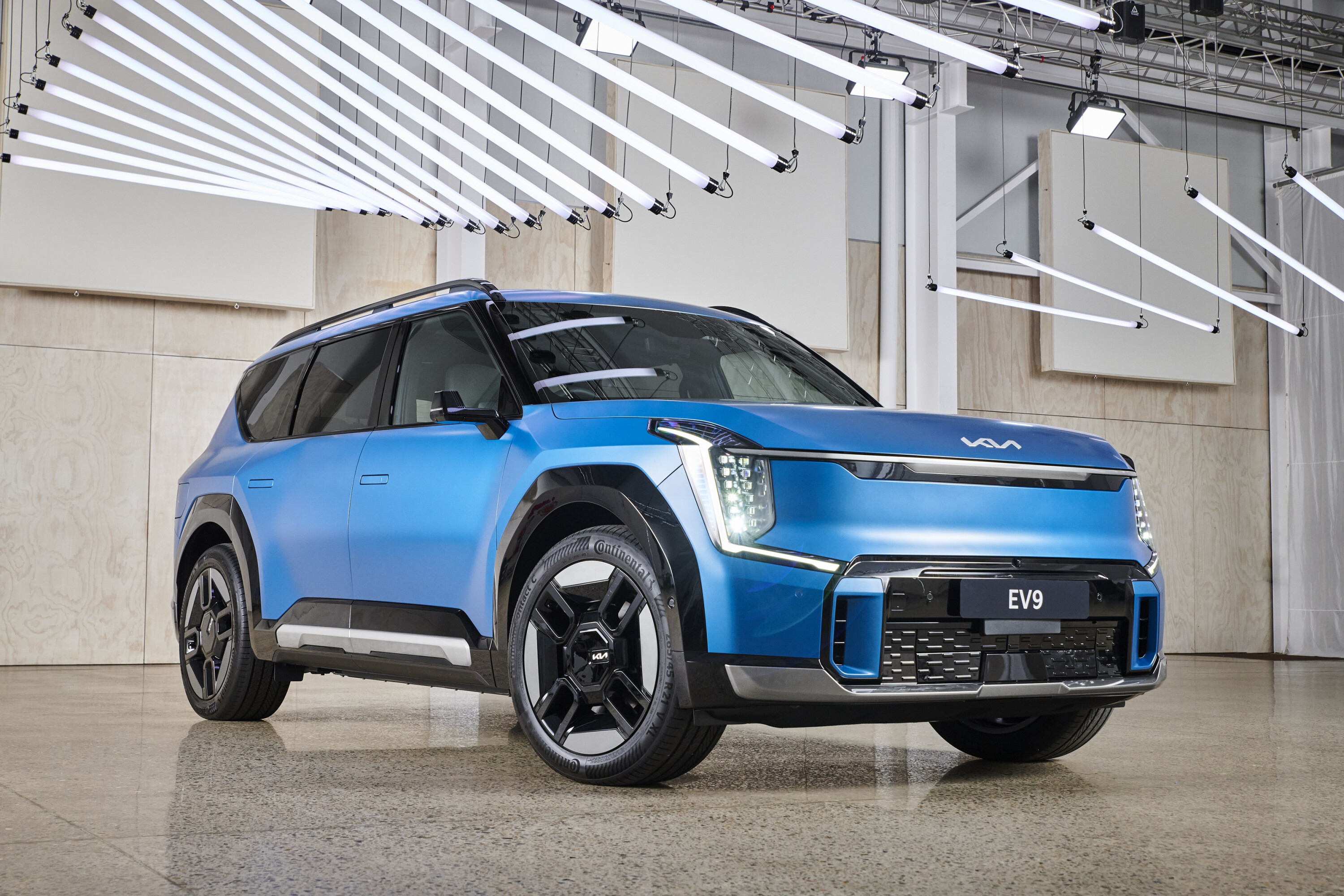
Which EV9 configurations can we expect here?
So far, we’re looking at a Standard Range 2WD, a Long Range AWD, and the Long Range AWD GT-Line range-topper.

EV6 availability has improved dramatically in recent months, falling from a woeful one to two years in its initial production allocation to around three months. The brand warns it is still working through that backlog, but buyers are now receiving their cars sooner than expected and new orders will come even sooner.
Kia’s local arm credits that improvement to “a combination of supply freeing up and the Kia Australia sales team consistently rallying for more supply since launch,” and the same efforts have resulted in a stronger flow of EV9 spots for our market.
So far, we’re looking at a Standard Range 2WD, a Long Range AWD, and the Long Range AWD GT-Line range-topper.
The media launch for the EV9 is set for October, and customer deliveries will begin “straight after”.
In terms of demand, Meredith said dealers “have been writing orders for a while already, there’s probably a couple-hundred orders already”.
As with any new model when local pricing is yet to be revealed, only a fraction of those are expected to convert to orders.
“It’s a pretty big indication of interest in this model and it’s something we’ve never had before, at this level,” Norbiato said.
Availability of 100 cars each month may not seem like much – especially in comparison to the sales volumes achieved by any of Australia’s top-10 models – but for a ~$100,000 electric SUV from Korea? It will be interesting to see just how many of those 7000 ‘expressions of interest’ convert to sales…
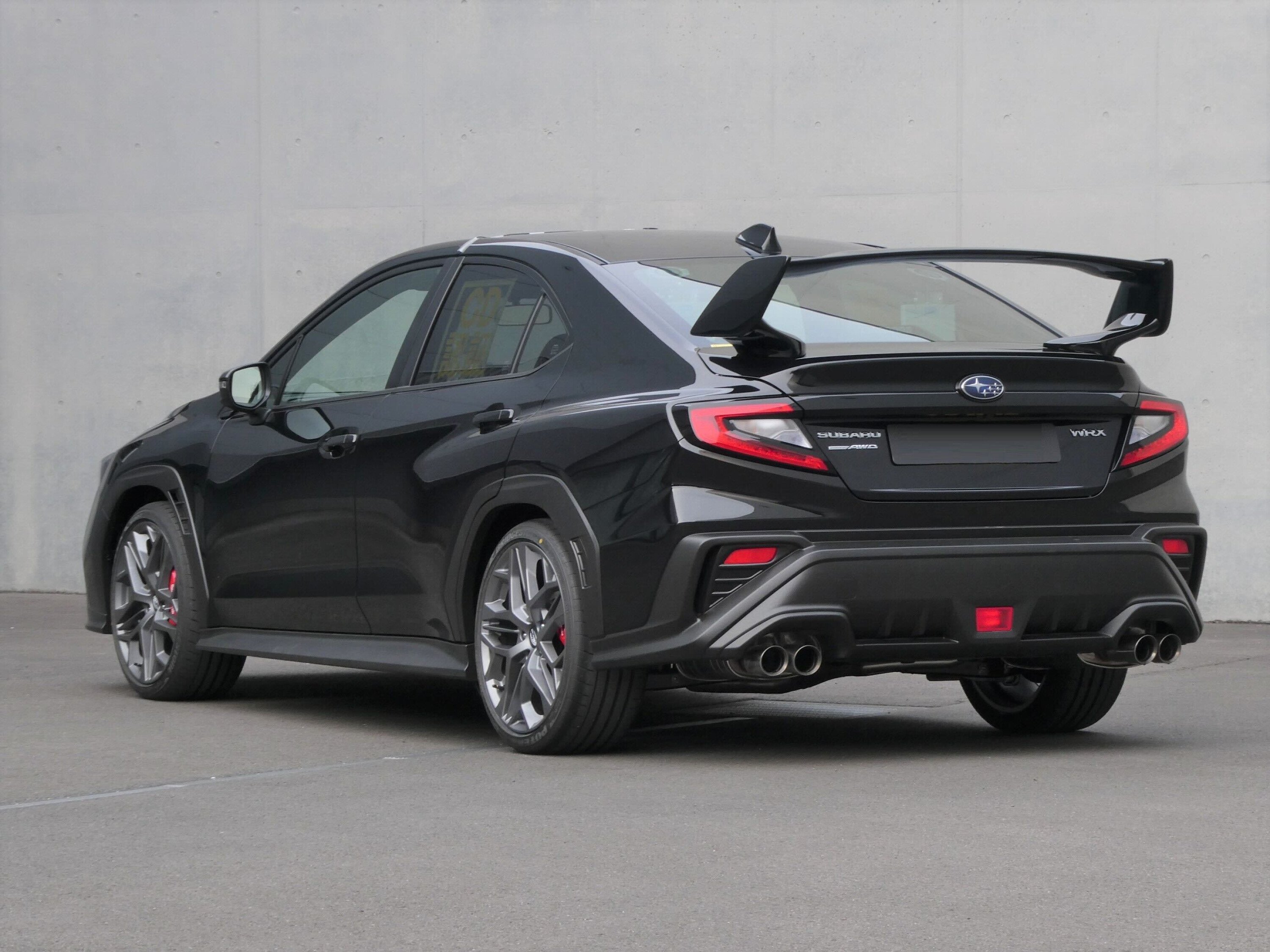
Yet the WRX TR debuted in Florida without the massive rear wing from the version we saw in Australian government documents last week.
A Subaru USA spokesperson told Motor1 [↗] it’s because “the rear wing has always been associated with the WRX STI and has only ever been offered on it.”
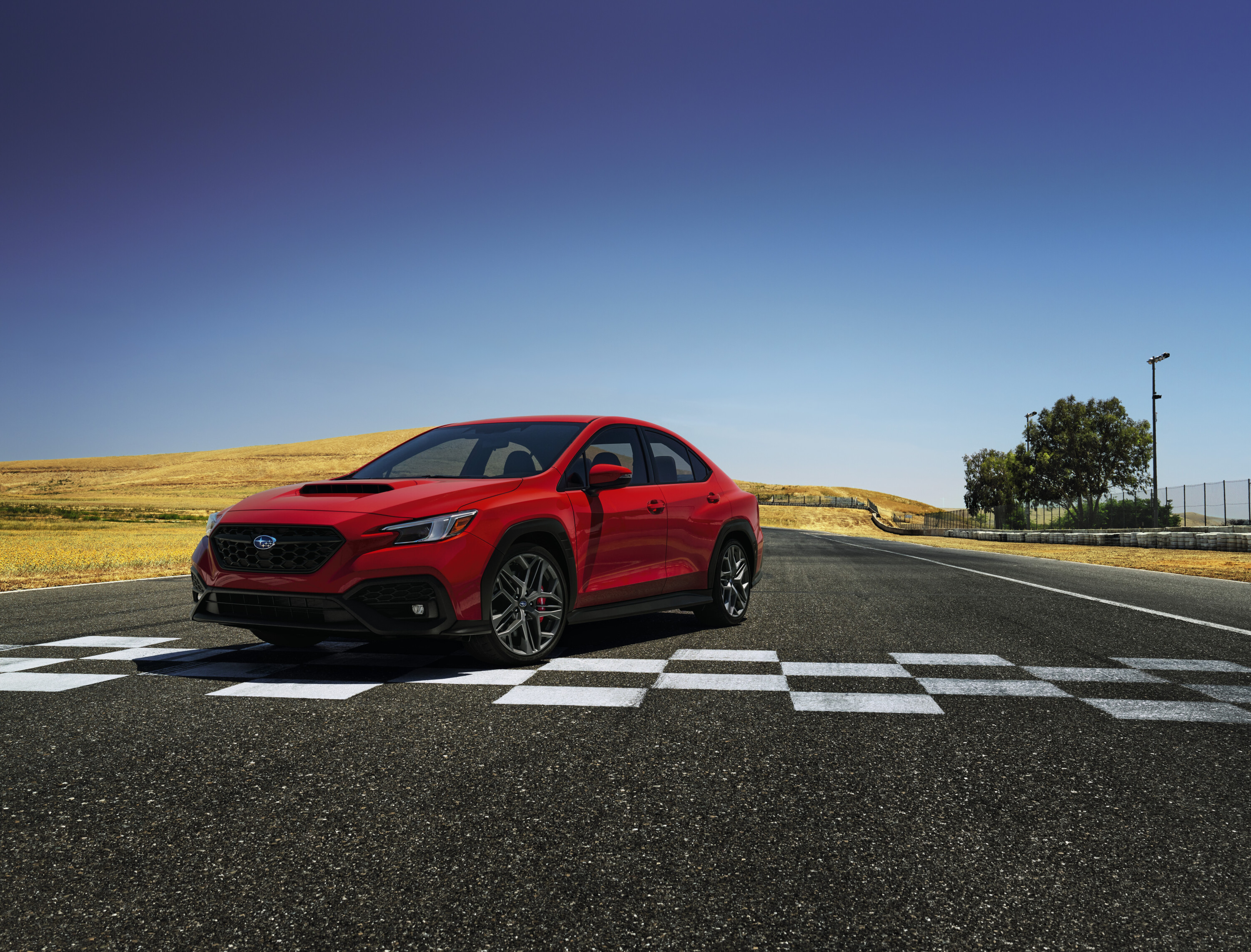
“In other markets, the large wing has been offered on WRX models as well”, the spokesperson added, indicating this hardcore WRX will be offered in other parts of the world with the wing we’ve seen.
Japan is obvious, but Subaru’s Australian and UK arms have previously fitted WRXs with wings. Given the images in local approval documents show a wing, we’re anticipating our version will wear the aero addenda.
First up, there are no changes to the WRX’s 2.4-litre flat-four boxer engine. It still produces 202kW and 350Nm and is hooked up to a six-speed manual transmission.
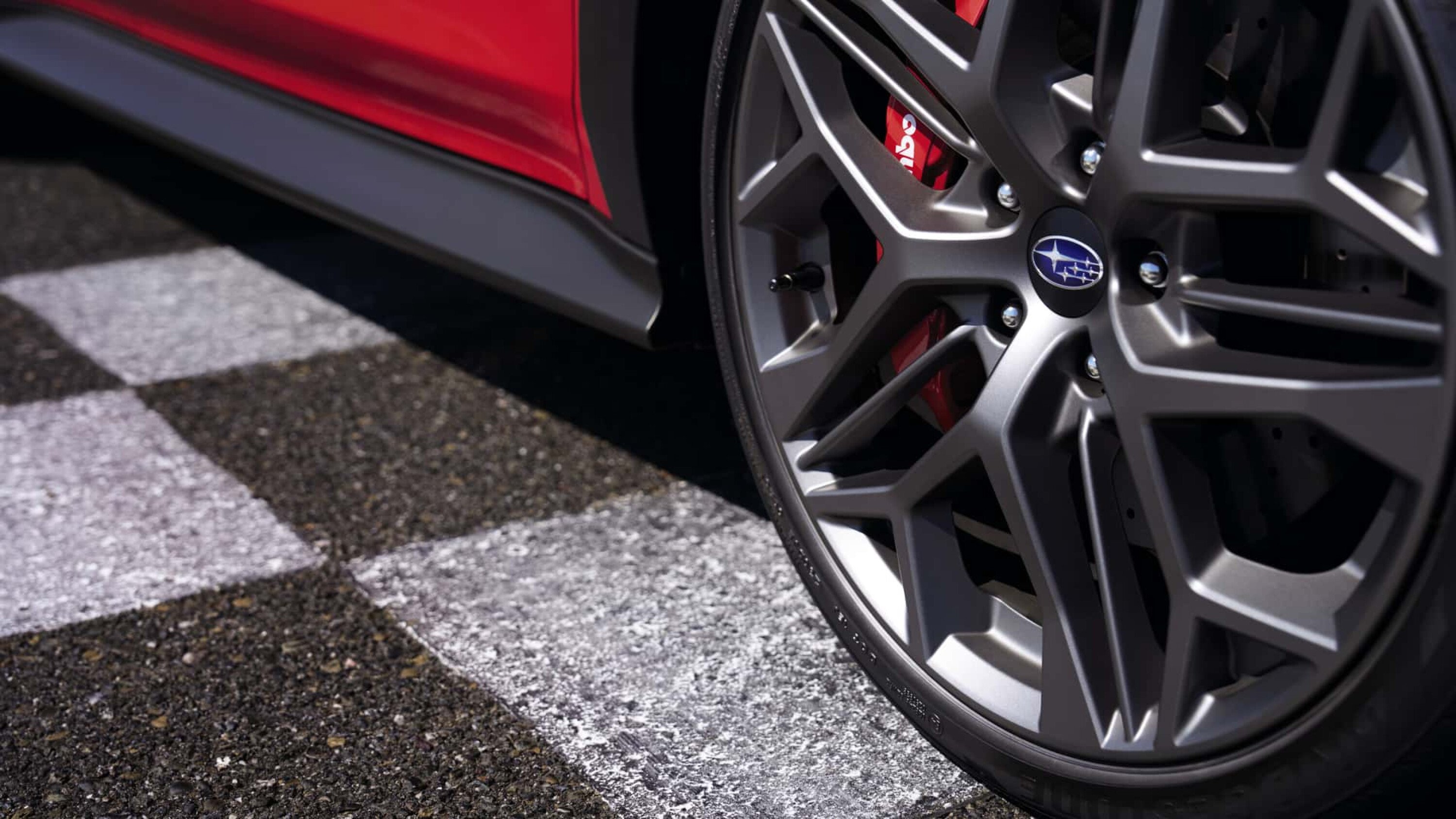
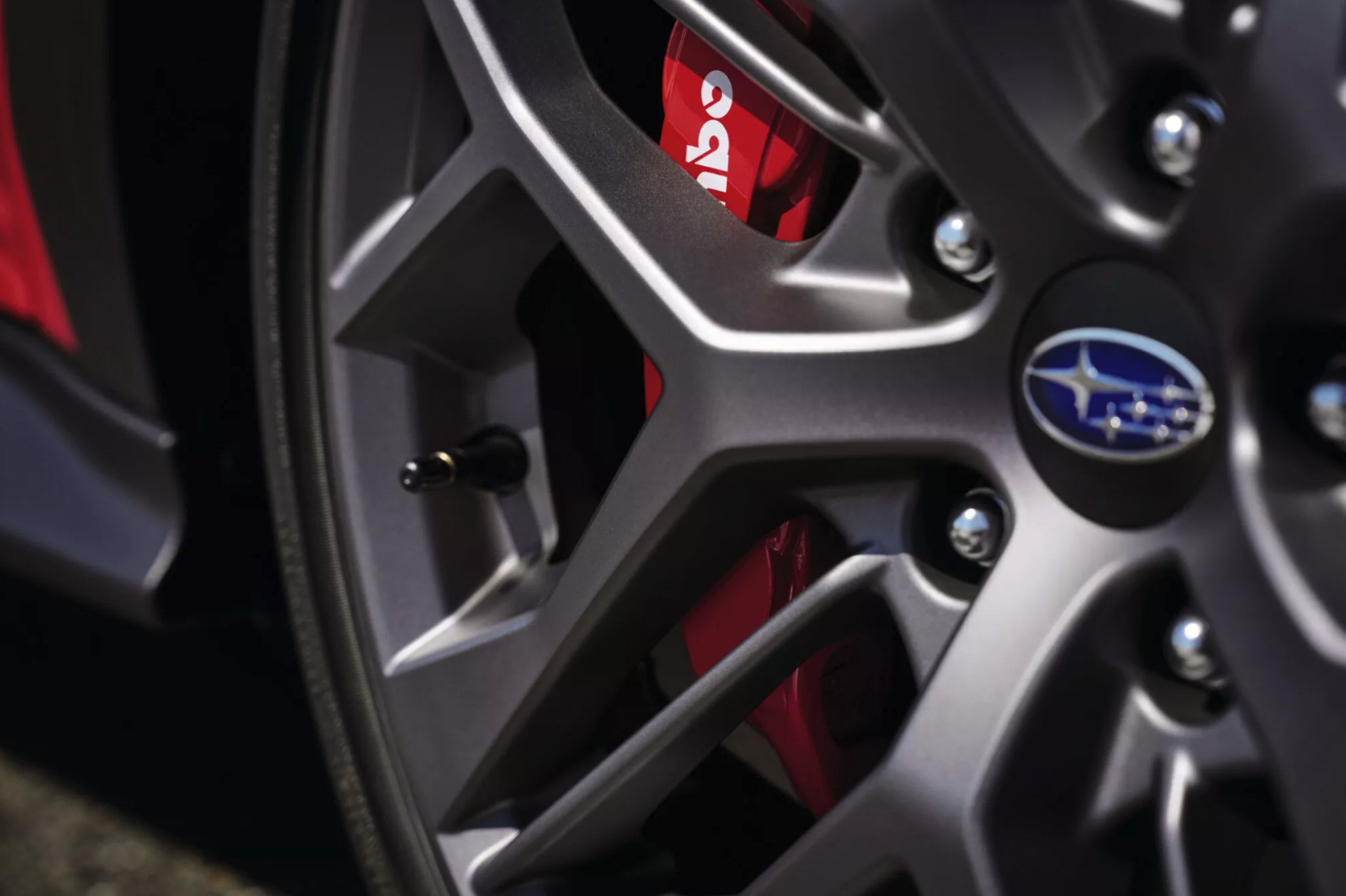
A set of forged 19-inch alloy wheels are wrapped in sticky 245/35R19 Bridgestone Potenza S007 tyres. Behind the rims are six-piston front and two-piston rear calipers clamping 340mm (vs 315mm) and 326mm (vs 300mm) respectively.
Updated chassis settings see stiffer springs matched with revised dampers and retuned electronic power steering system for less roll and sharper responses.
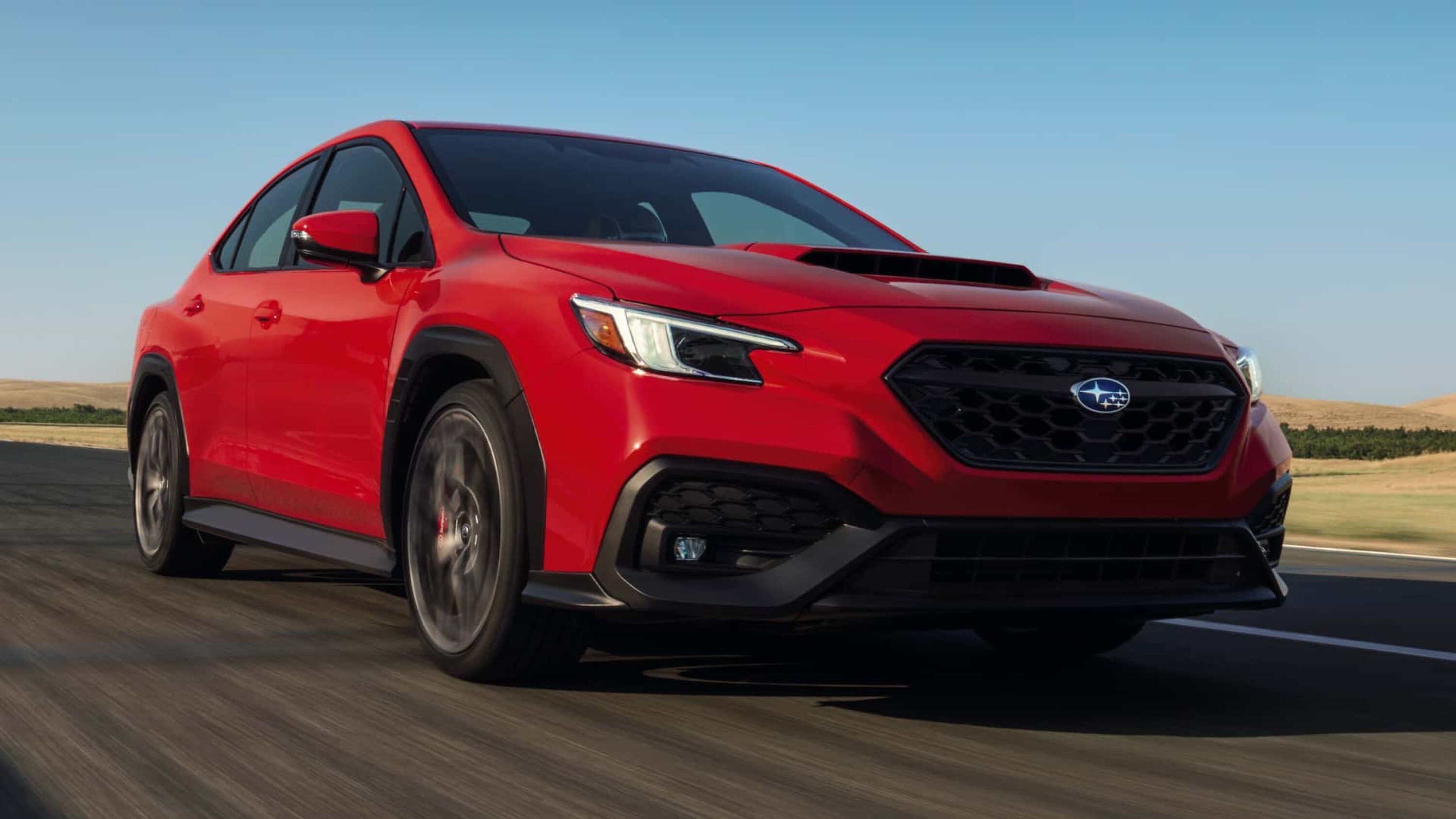
Performance mods are joined by the standard fitment of Subaru’s EyeSight driver assist with the manual transmission for the first time.
This means manual WRXs now get adaptive cruise, lane-departure warning and AEB, just like the revised Toyota GR86 in Australia.
The Australian version of the Subar TR – or SE – is yet to be revealed. Expect more news as we approach 2024, and a similar variant to join the Aussie range for MY24.
Our original story, below, continues unchanged
Images of a new WRX variant appeared in government approval documents. The pictures show the ‘VB’ WRX outfitted in performance parts, which one would imagine come from the brand’s STI tuning house.
However, closer inspection reveals that the front and rear clips of the black ‘SE’ pictured – likely to be known as the TR when it’s revealed on Friday at Subiefest Florida – are identical to what you’d find on a standard WRX RS.
The aggressive wing – that looks very similar to the ‘VA’ STI’s item – is doing all the heavy visual lifting, giving the WRX sedan much-needed visual balance and referencing Impreza WRX STIs of old.
There are no STI badges either, and none of the tuning house’s signature Cherry Pink accentry. There are only red highlights on the Brembo brake calipers that hide behind larger 19-inch alloys (the regular WRX features 18s on all trims) that are very attractive.
On the Road Vehicle Regulator website, there are no changes to the 202kW/350Nm 2.4-litre turbo-petrol flat-four listed. It also features ‘standard equipment a’ suspension, suggesting it’ll have non-adaptive dampers as fitted to the RS variants.
Additionally, it’s listed at a mere 2kg lighter (1519kg) than a manual WRX RS and is fitted with ‘brake system b’ from the tS model. The SE has only been complied in six-speed manual trim.
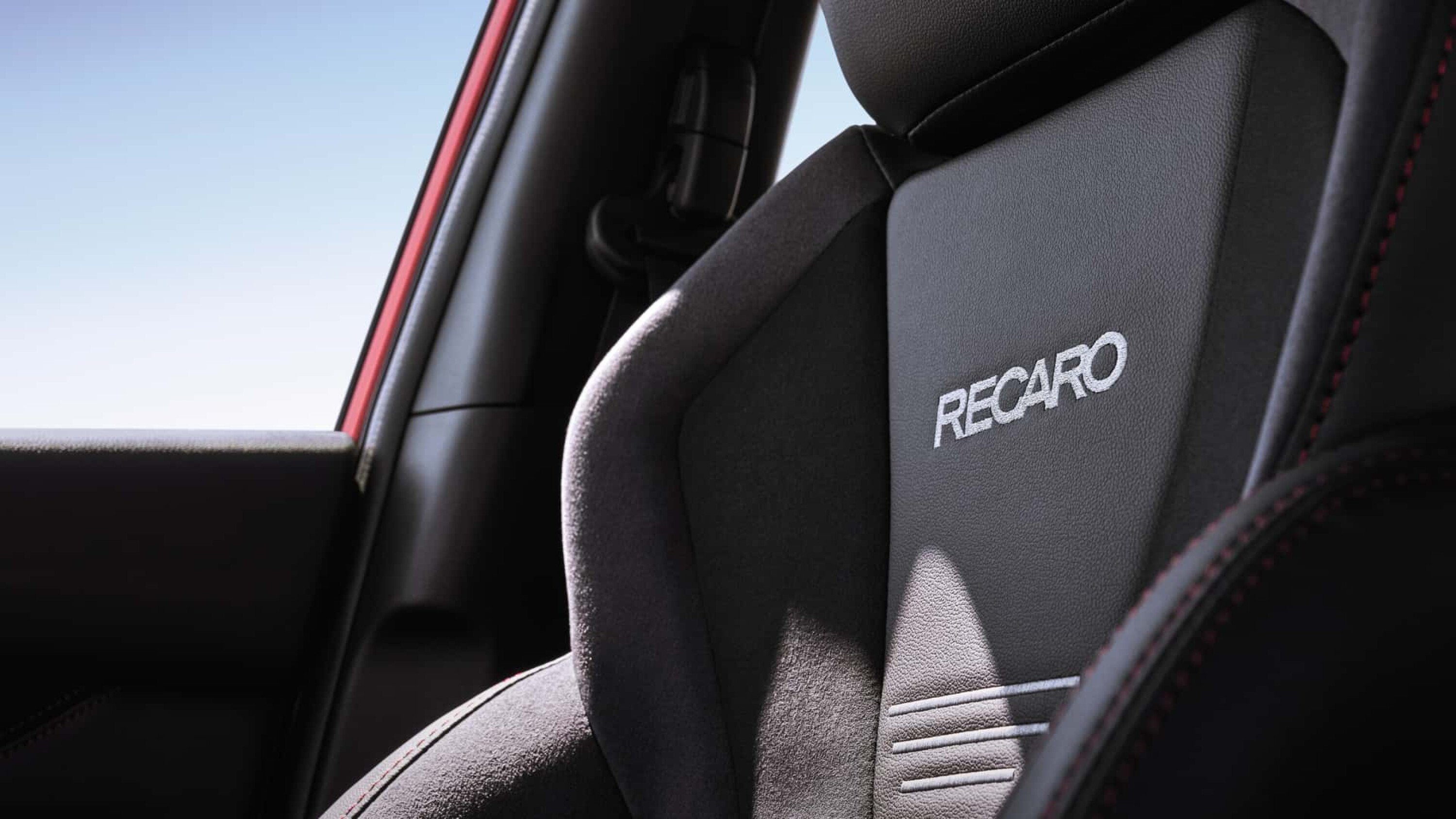
Previous teasers from Subaru USA have revealed the SE will feature Recaro bucket seats, which could alone account for the weight loss. The red Brembo calipers and rotors could be lighter than the standard WRX items, too.
One final theory is that this is a new variant similar to the 2005 Impreza WRX WRP10 that was designed to sit between the standard and STI versions. It was a whisker more powerful (7kW), sat 15mm lower than a standard WRX, and had a front strut brace. Small changes that amounted to a lot more fun on the road.
Subaru Australia’s penchant for special models has been gathering steam lately. With the Outback Wilderness at one end of the spectrum and the new BRZ tS at the other, the brand was also testing the waters at SubiNats with its rugged Crosstrek Boost Gear Concept.
When asked about the new variant, a Subaru Australia spokesperson told Wheels to “stay tuned for more information about MY24 Subaru WRX Australian specification, which will be released in due course.”
With its first plug-in hybrid to be offered in Australia, Jeep has never looked so fresh, but this skirmish into electrification comes at a cost. See our full review at the link below.
Priced from $129,950 before on-road costs, the Summit Reserve 4xe becomes the flagship variant in the Grand Cherokee large SUV line-up to rival the Mazda CX-90 PHEV, BMW X5 xDrive50e, and Volvo XC90 Recharge.
Compared to the conventional petrol L Summit Reserve, there’s a $10,500 premium for the more-frugal and low tailpipe emissions variant – but the PHEV is exclusively offered in short-wheelbase, five-seat guise.
A long-wheelbase, seven-seat Grand Cherokee L plug-in hybrid is not available.
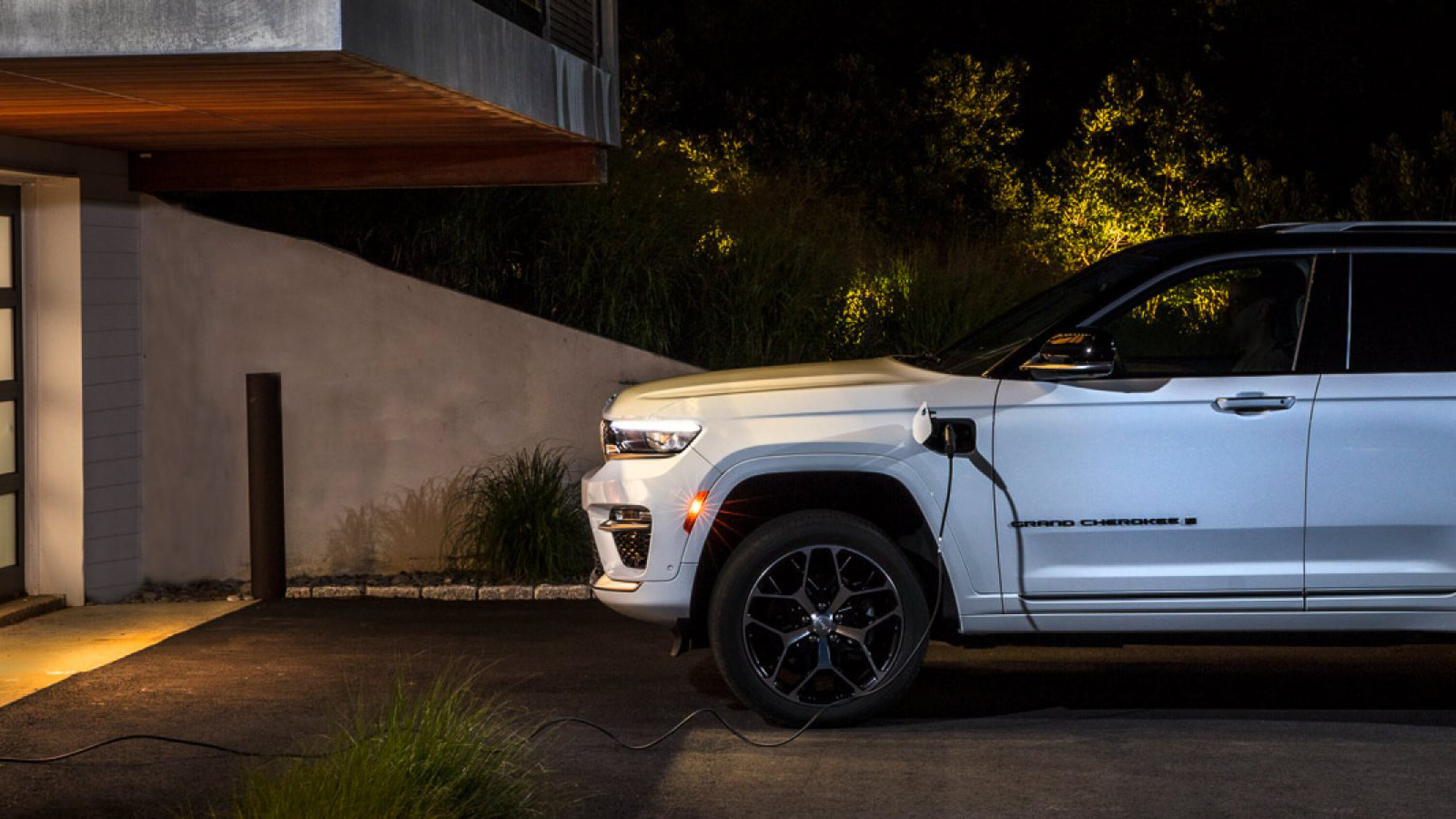
The Grand Cherokee 4xe combines a 2.0-litre turbocharged four-cylinder petrol engine with two electric motors for a 280kW and 637Nm total system output.
The American off-road-focused carmaker claims a pure-electric range of 52 kilometres on the lenient NEDC testing cycle from its 17.3kWh (gross) lithium-ion battery pack, with a combined fuel economy of 3.2L/100km.
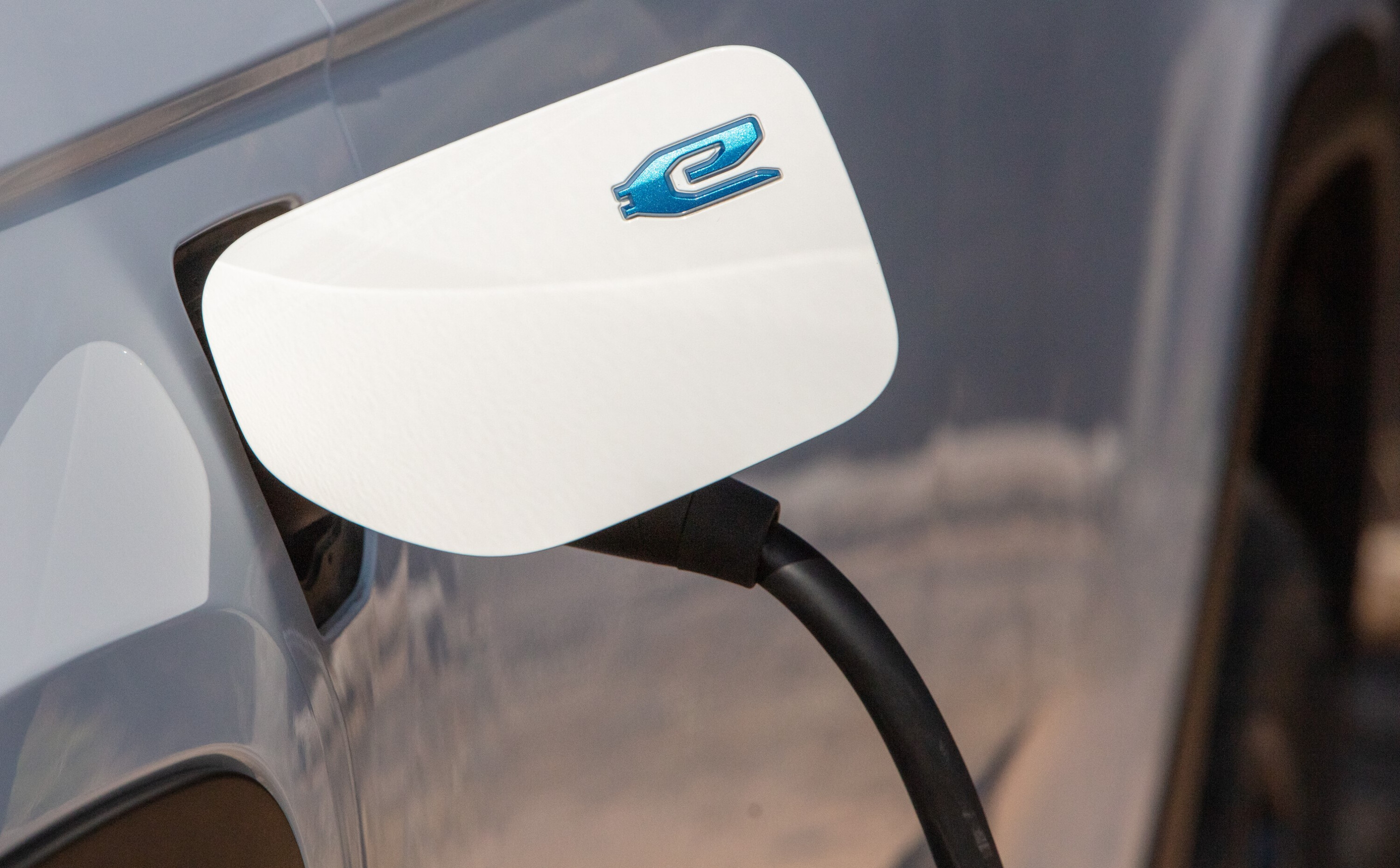
Three PHEV modes are also offered in the Grand Cherokee 4xe – hybrid, electric or eSave – to force a series-parallel hybrid, electric-only or engine-only setup, respectively.
The maximum regenerative braking intensity is rated at up to 0.25g using all four wheels when 4×4 mode is engaged.
All PHEV electronics are sealed and waterproof, including its combined compact charging module mounted in the underbody, which is protected with steel shields.
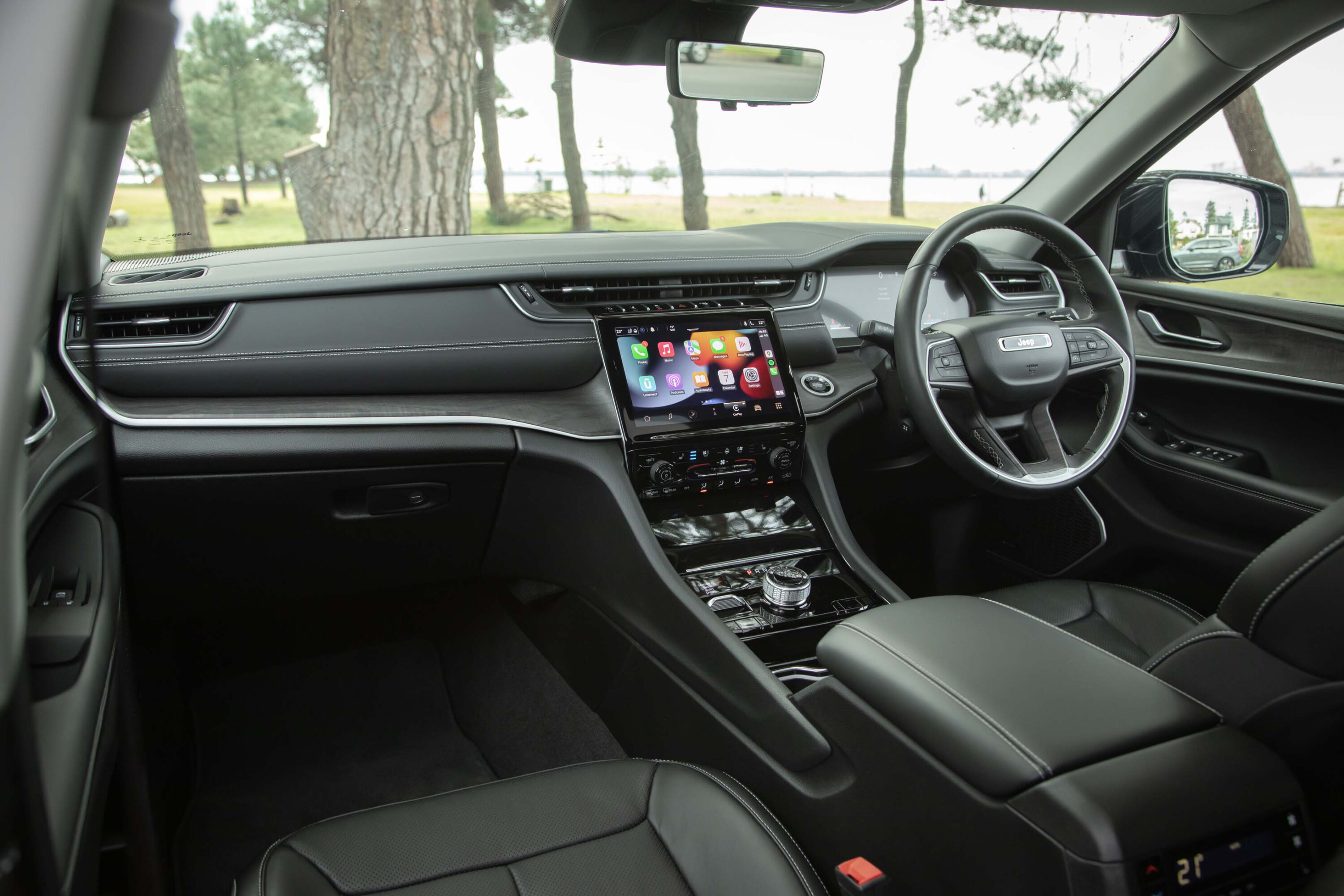
| Powertrain | 2.0-litre turbo four-cylinder petrol engine + dual electric motors |
|---|---|
| Transmission | Eight-speed torque convertor automatic |
| Drive type | 4×4 on-demand |
| Battery size | 17.3kWh (gross) |
| Claimed fuel efficiency | 3.2L/100km |
| Claimed electric range (NEDC combined) | 52km |
| Max AC charging speed | 7.4kW |
| Max DC charging speed | N/A |
| Towing capability | Up to 2722kg |
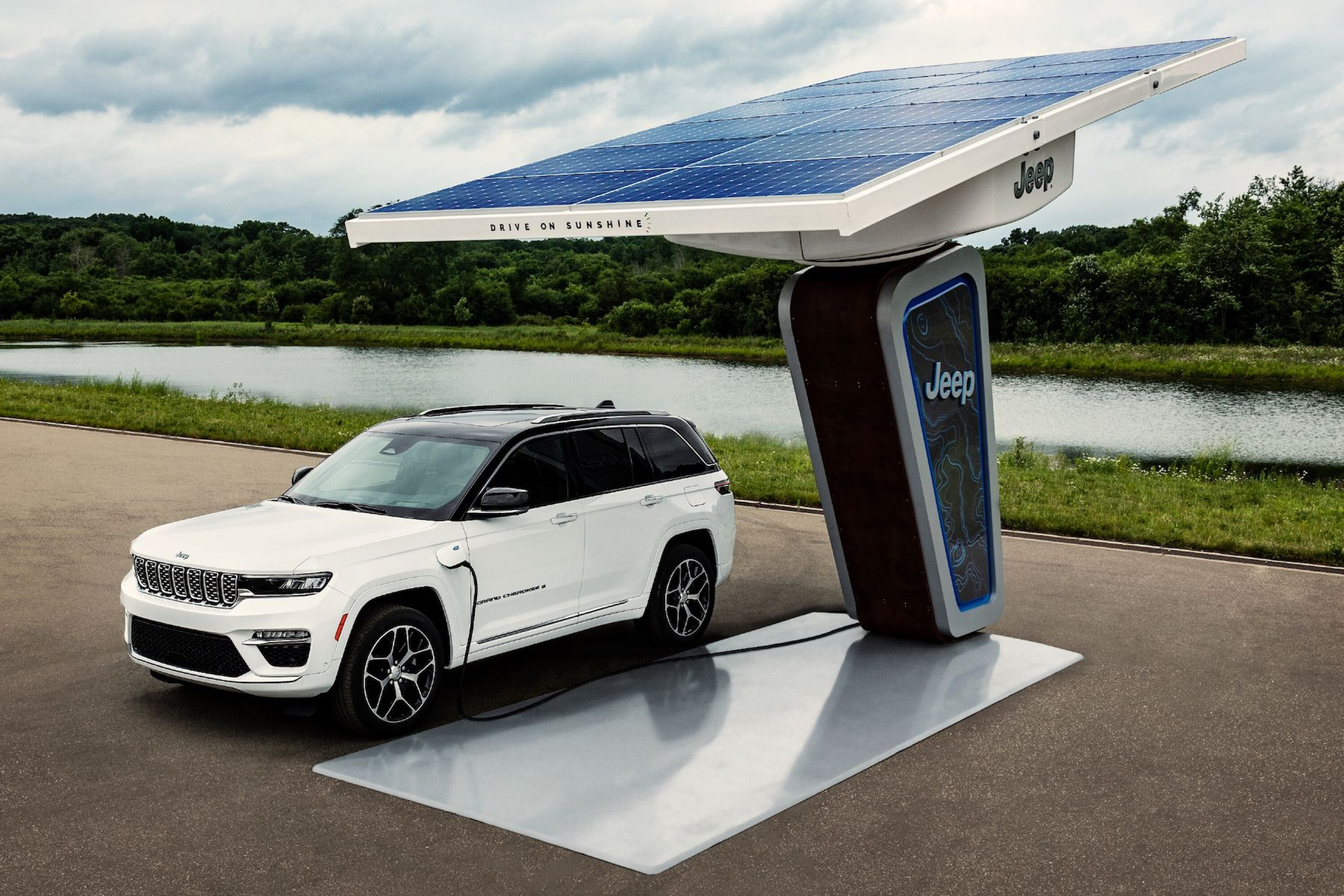
Compared to the seven-seat L Summit Reserve, the five-seat 4xe gains a unique 21-inch alloy wheel design and two-tone black roof.
The optional $5500 Advanced Technology Group pack brings a head-up display, a wireless phone charger, a night vision camera, and a 10.25-inch front passenger touchscreen.
The interior can be optioned with beige Tupelo leather upholstery as a no-cost option.
Eight exterior colours are available.
It follows the rest of the fifth-generation five-seat Grand Cherokee line-up, which debuted locally earlier this year.
The Toyota C-HR, an acronym for Compact High Rider, was the first small SUV introduced by the Japanese brand in 2017.
At the time the model was quite futuristic in its design and many either saw the vehicle as funky or polarising. However, Toyota later introduced the Corolla Cross in Australia to cater to a more mainstream audience looking for a small SUV.
In early 2024, the C-HR will enter its second generation and will be available exclusively as a hybrid model, marking a significant milestone for Toyota.
But until the new model arrives, let’s take a closer look at the current C-HR, particularly the top-tier Koba trim.
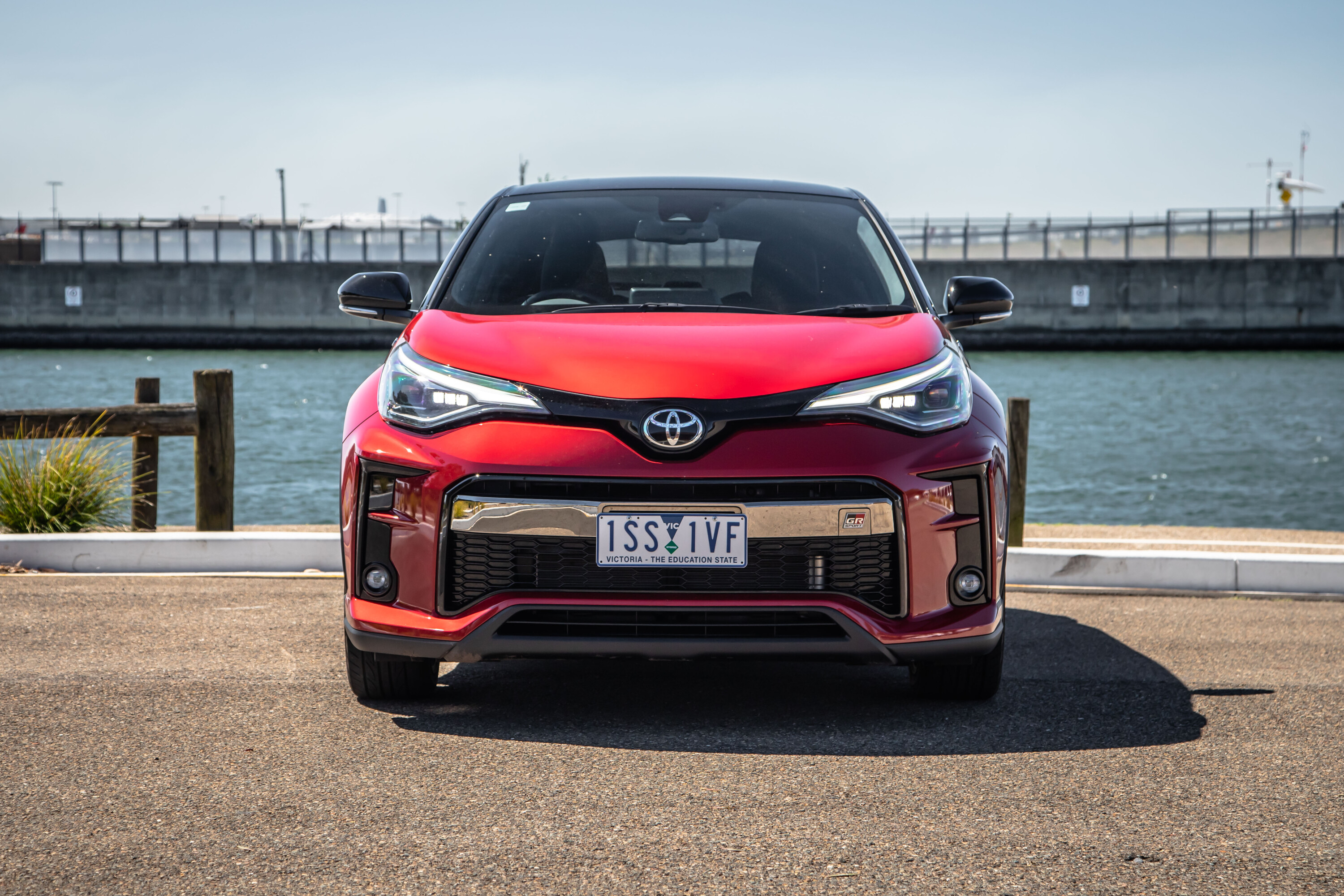
The 2023 C-HR was available in three trim grades– GXL, Koba and most recently a GR-Sport version. However since announcing their upcoming next generation model, the website reflects a rationalised line-up available down to the Koba– with the other variants to return at launch.
The entry-level GXL can be equipped with either two-wheel or four-wheel drive, but it’s available with a petrol engine only. On the other hand, the Koba trim offers a choice between petrol or hybrid powertrains in front-wheel drive (FWD) configuration, while all-wheel drive (AWD) is available with the petrol engine. The GR Sport variant is limited to 2WD and hybrid power.
The 2023 Koba can is priced between $35,965- $38,465 before on-road costs.
Toyota has also just announced it’s pricing for the next generation 2024 C-HR.
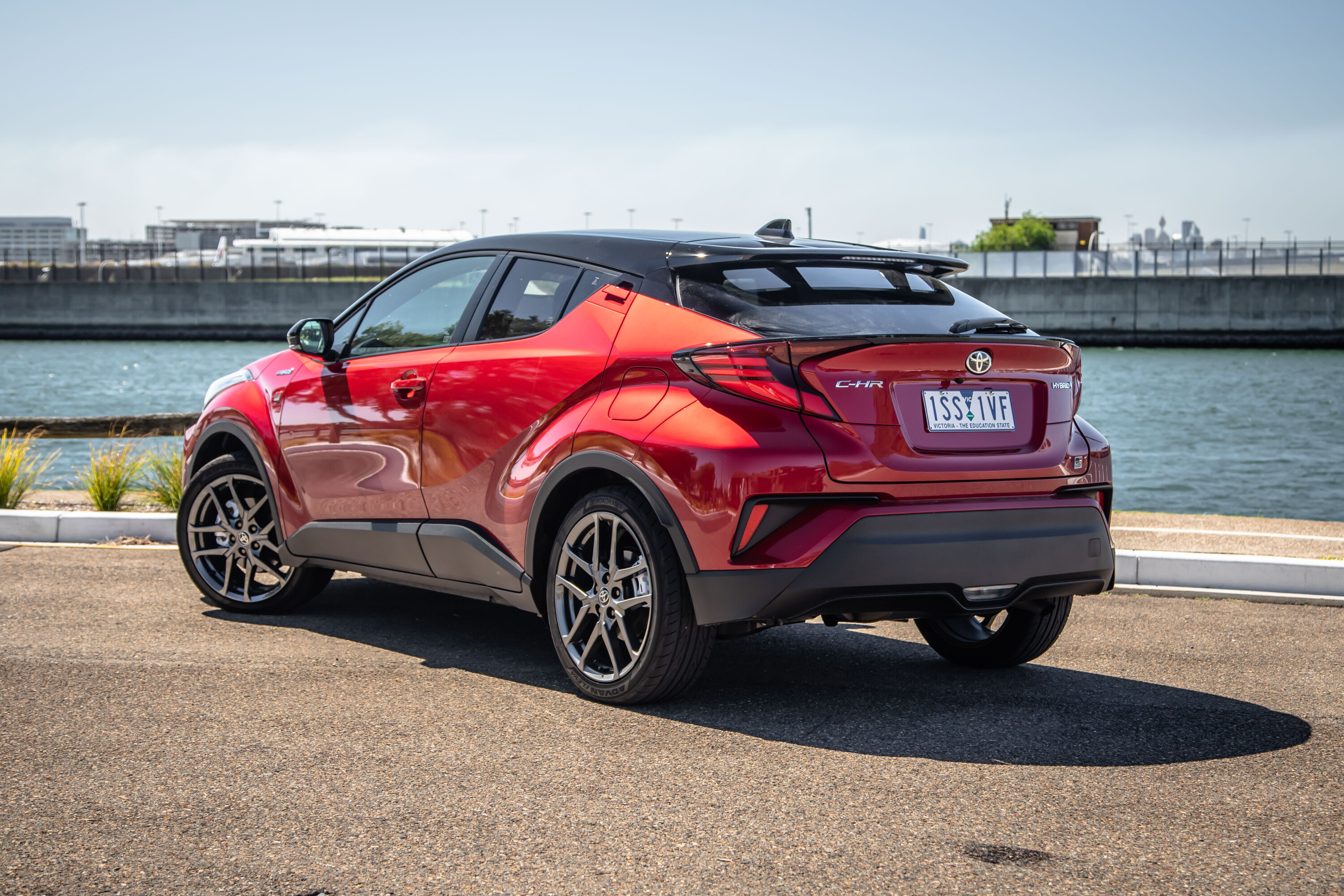
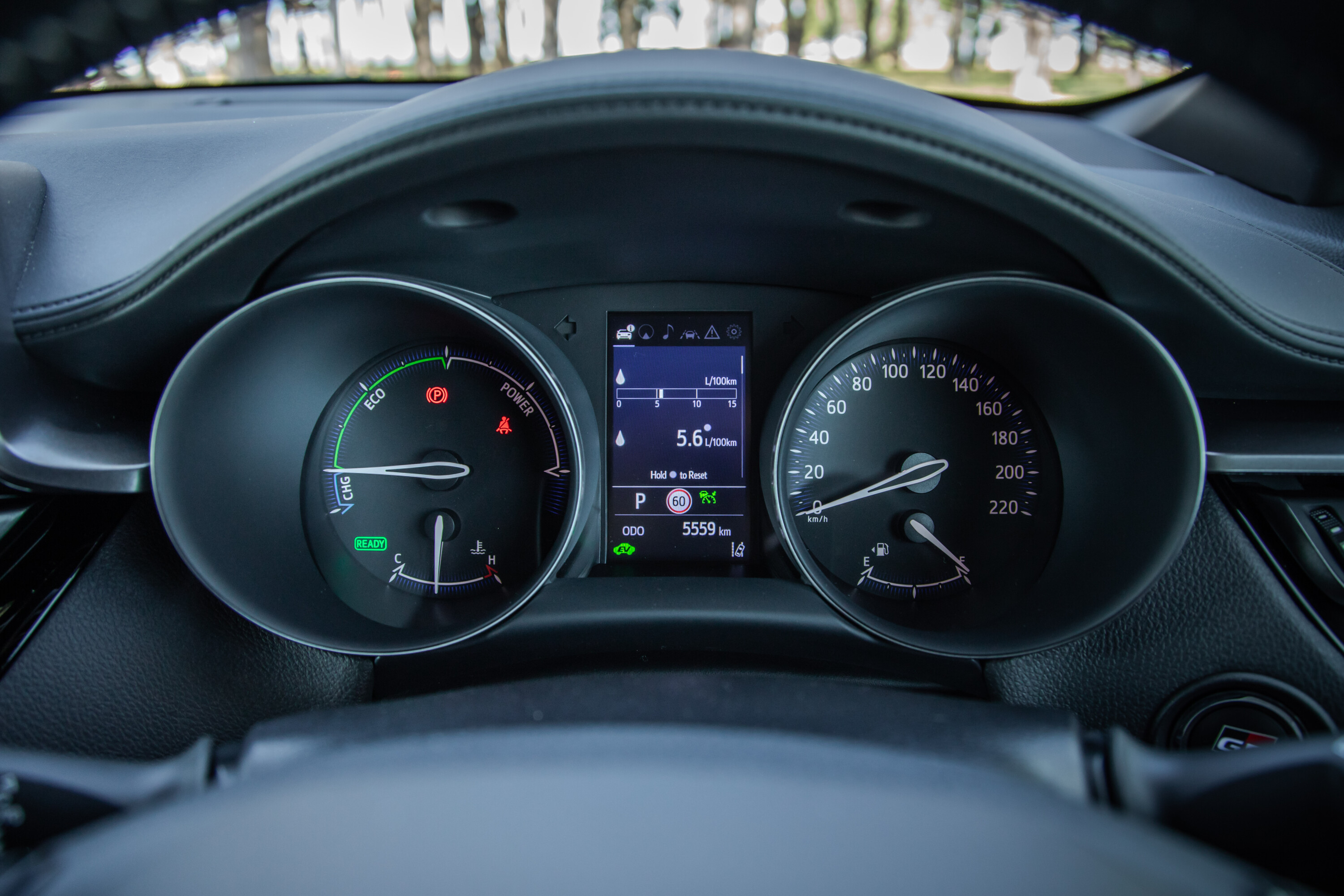
| 18-inch alloy wheels | LED headlights, daytime running lights and fog lights |
| 8.0-inch infotainment touchscreen | LED tail lights with dynamic indicators |
| Ambient lighting | Panoramic view monitor |
| Apple CarPlay and Android Auto | Power lumbar adjustable driveru2019s seat |
| Dual-zone climate control | Privacy glass |
| Heated front seats | Rain-sensing wipers |
| Illuminated vanity mirrors | Rear cross-traffic AEB |
| Keyless entry with push-button start | Satellite navigation |
| Leather-accented seats | Six-speaker audio system |
| Leather-accented steering wheel |
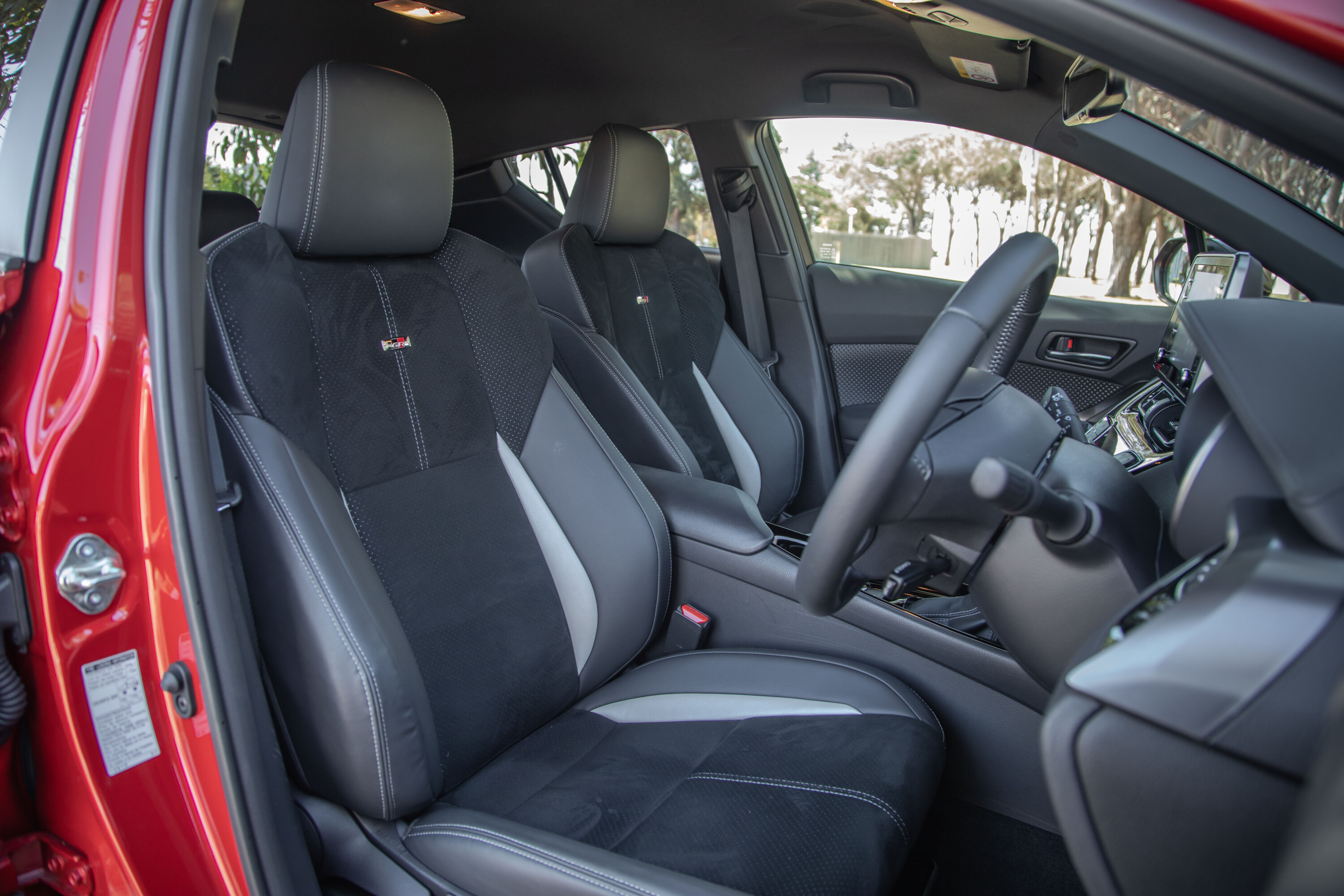
This included a respectable 87% score for adult occupant protection and 77% child occupant protection result. However, it’s worth noting that the 2024 C-HR will require re-rating.
The small SUV segment is already bustling with options, including some equally funky offerings such as the:
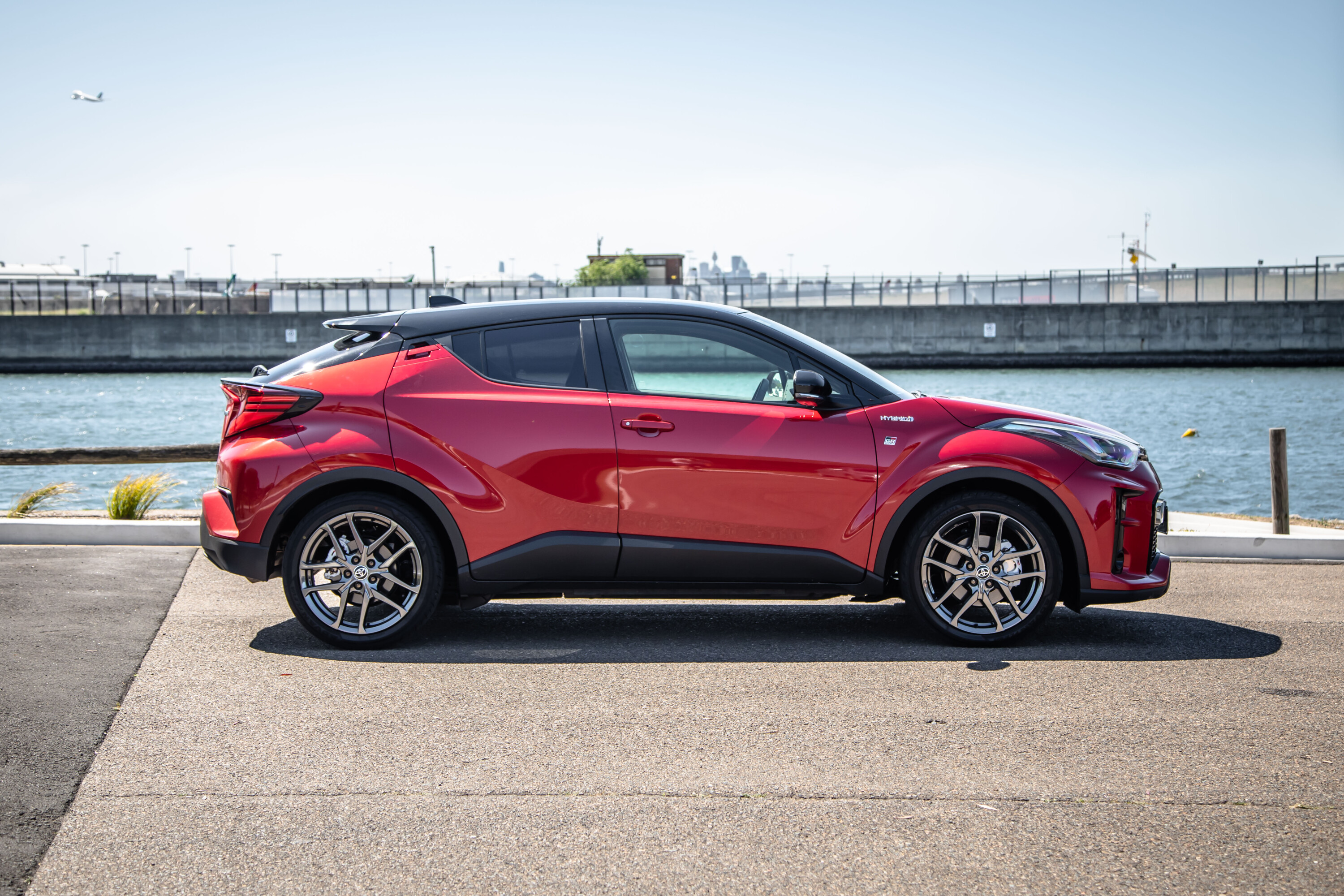
If you’re presented with a clearance deal, the current-generation C-HR offers an excellent opportunity to own a visually appealing and practical small SUV.
With the upcoming generation set to see a substantial price increase, particularly with the Koba trim becoming $11,500 more expensive, the current C-HR might be your last chance to own one without stretching your budget.
For those seeking a stylish, feature-rich SUV that provides good value without compromising on Toyota’s well-known reliability, the C-HR remains an attractive choice, blending futuristic design with the brand’s reputation for durability.
Imagine waking up to the adrenaline-pumping sounds of a Bathurst racing event. Or better yet, watching a race from your own outdoor deck.
Well, this could be a reality for the next lucky owner of 457 Conrod Straight [↗].
The lavish property on Mount Panorama in Bathurst is scheduled for auction on November 17, carrying a $5 million price guide.
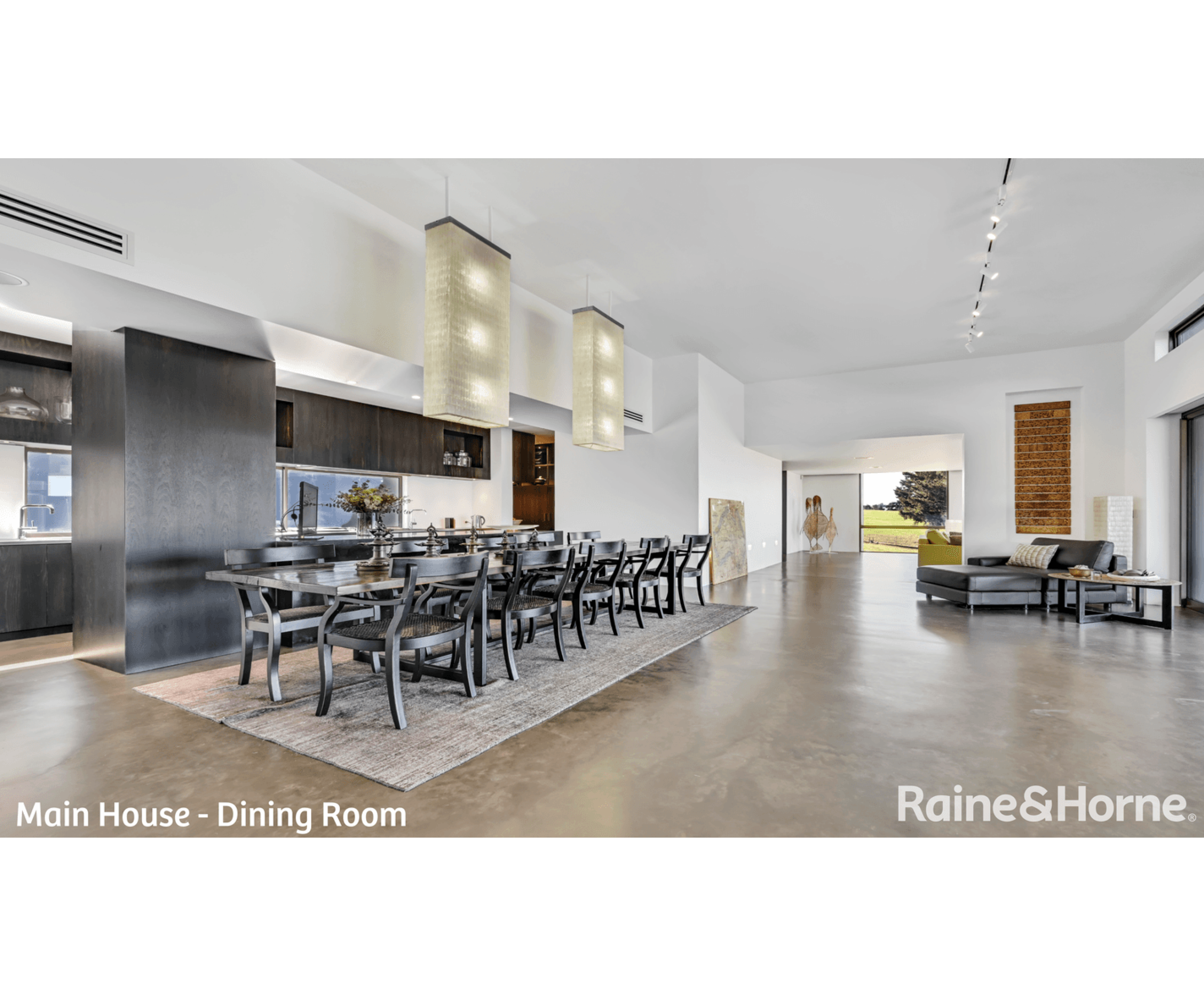
Spread across a five-acre estate, the property boasts a magnificent family home and a separate guest cottage, offering a serene getaway. It’s not just a home; it’s a paradise tucked away in one of Bathurst’s most sought-after locations.
Whether you’re a die-hard motorsport fan or seeking a tranquil retreat with unmatched panoramic views, this Conrod Straight address is the dream destination.

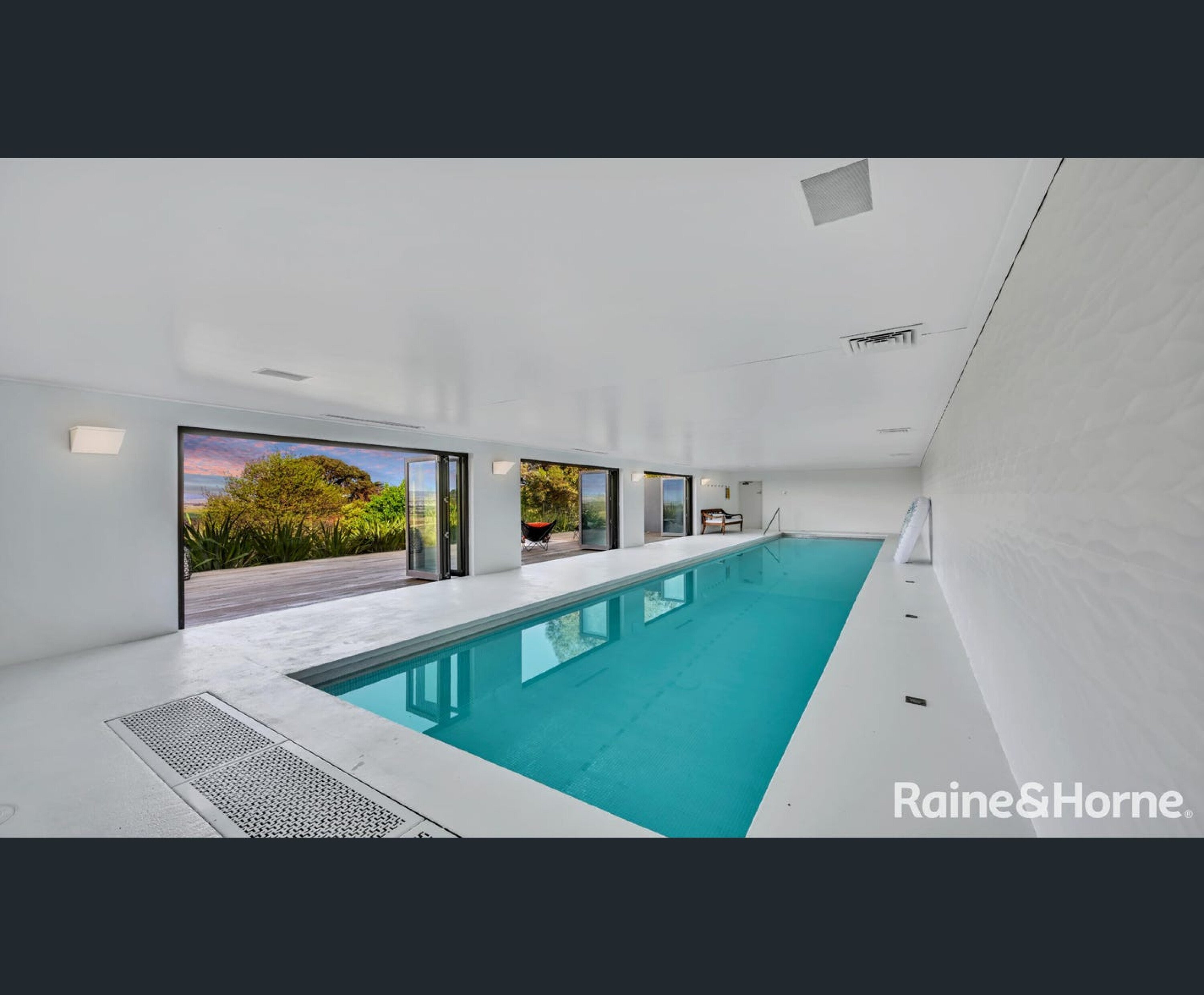
The main house hosts three bedrooms all with guest ensuites, a large open-concept kitchen and lounge room space, a separate theatre room and a 15m indoor lap pool.
A separate fully furnished guest cottage offers a further four bedrooms, a galley-style kitchen, a rear fire pit area, modern amenities and an extensive outdoor entertaining space.
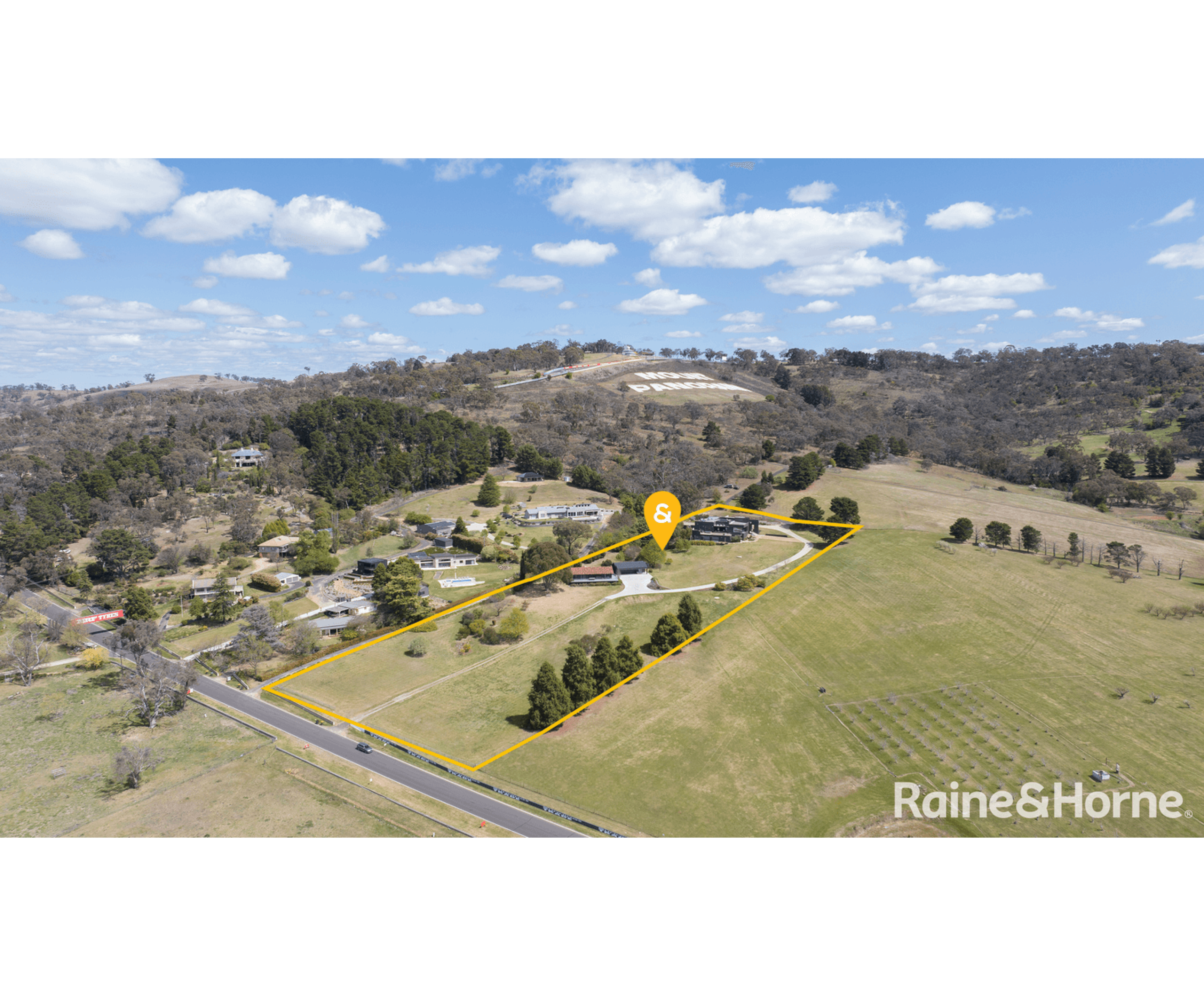
Raine & Horne Bathurst confirmed that the house is on sale for the first time since it was built 14 years ago. The previous owner designed the property sans architect, with the process taking 18 months.
The winner at the property’s auction will also become neighbours with former NASCAR and Bathurst driver Kenny Habul, who purchased 489 Conrod Straight in 2020 for $1.6 million.
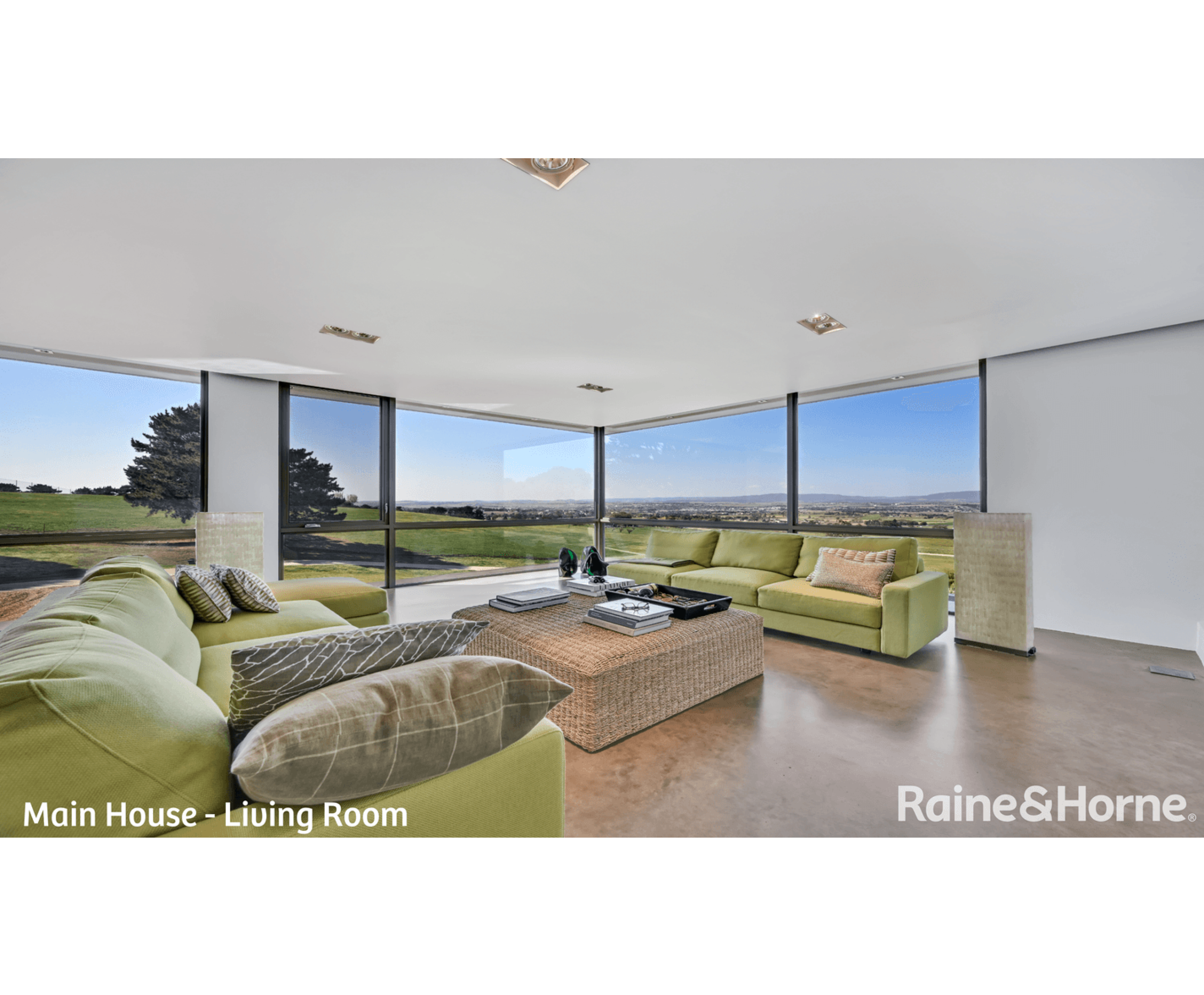
Securing a spot right next to the action of racing isn’t just about acquiring property; it’s about embracing a unique lifestyle.
For those who truly appreciate the world of motorsports, this opportunity represents more than just an address. It’s a chance to be part of something bigger, to create lasting memories and to enjoy the best of Bathurst every day.
After all, there’s no price tag on the thrill of being at the heart of the race (although it’s about $5 million).
The Honda Civic has long been a favourite among compact car enthusiasts, known for its reliability and dynamic driving experience.
Now in it’s 11th generation, the Civic has rationalised it’s line-up to cut out entry-level models, instead now offering two premium variants– the VTi LX or hybrid e-HEV LX.
So for those who are interested in all that the new Civic has to offer, let’s take a look at what you’ll pick up with the petrol VTi LX.
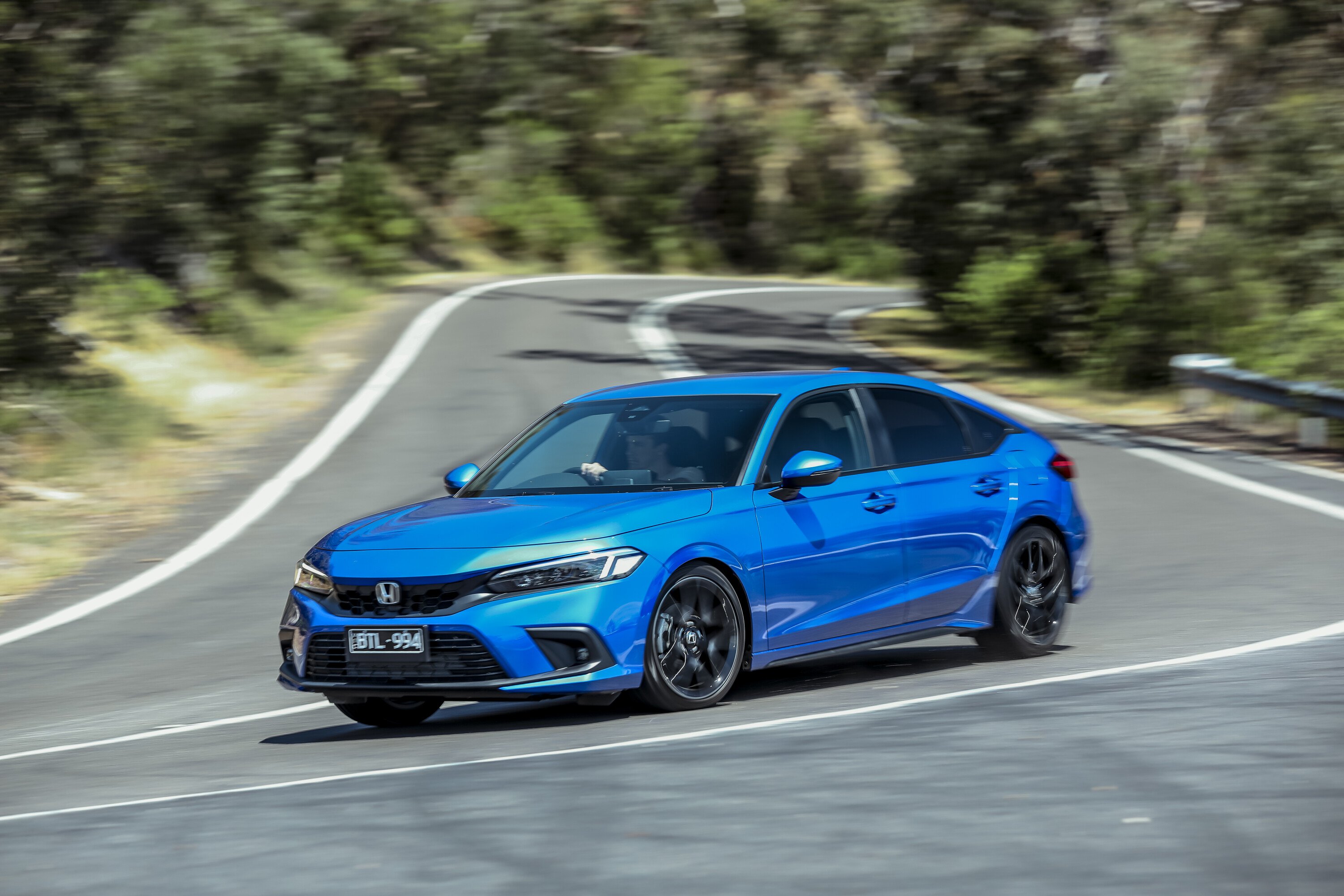
Sharing the same bones as the iconic Civic Type R, the VTi LX has picked up some refinement and engineering that goes into making one of the worlds most popular hot hatches.
Operating as an agency model (like Mercedes-Benz) means that the Civic pricing is standard across all dealerships. And in the case of the VTi LX it has an asking price of $47,200 drive-away.
Under the bonnet is a punchy 1.5-litre turbocharged four-cylinder producing 131kW and 240Nm, running on 91 RON regular unleaded fuel.
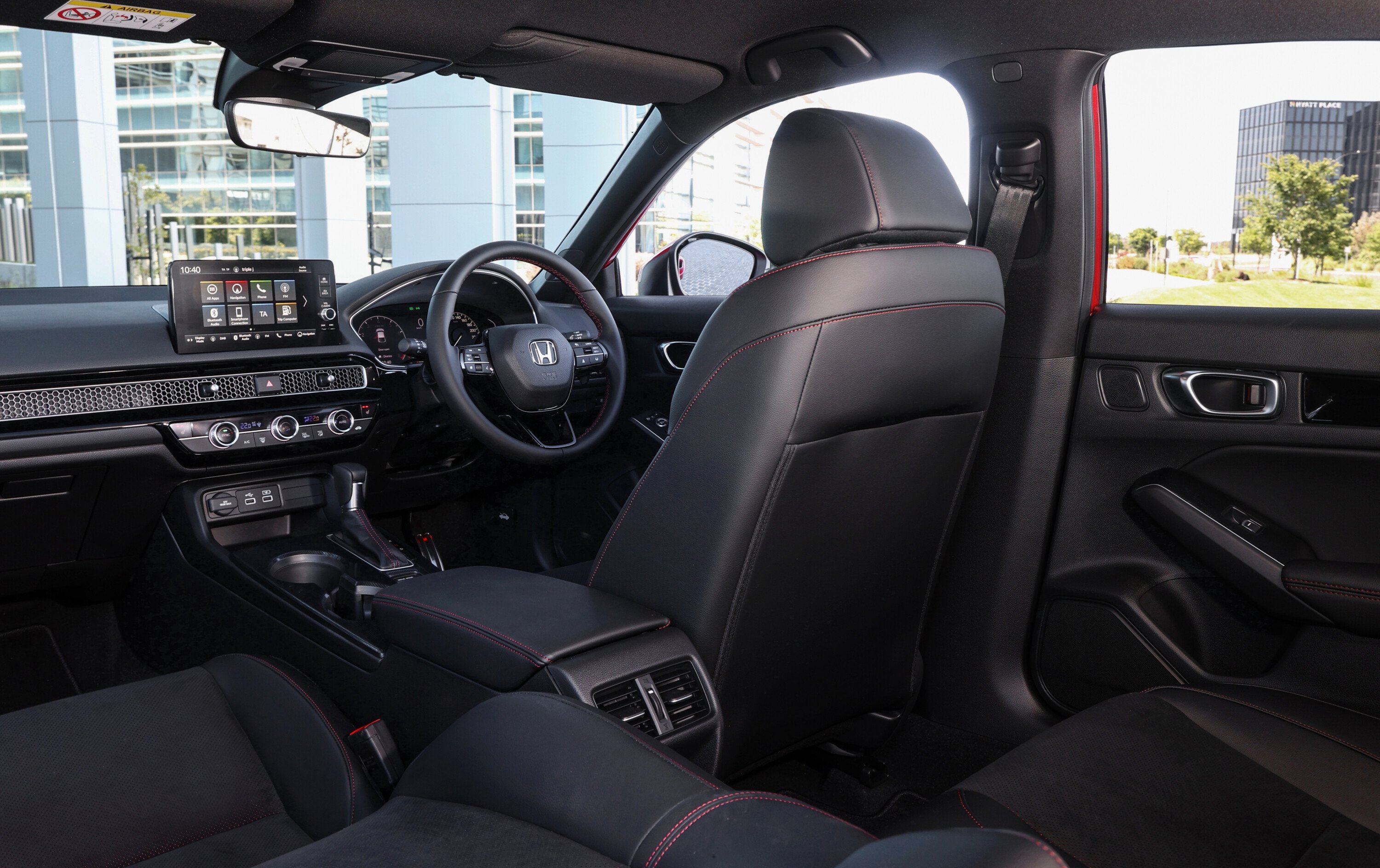
Step inside, and the VTi-LX welcomes you with a lavish and sporty interior. Leather seats, a sunroof, and a premium sound system add to the luxury touches throughout the car.
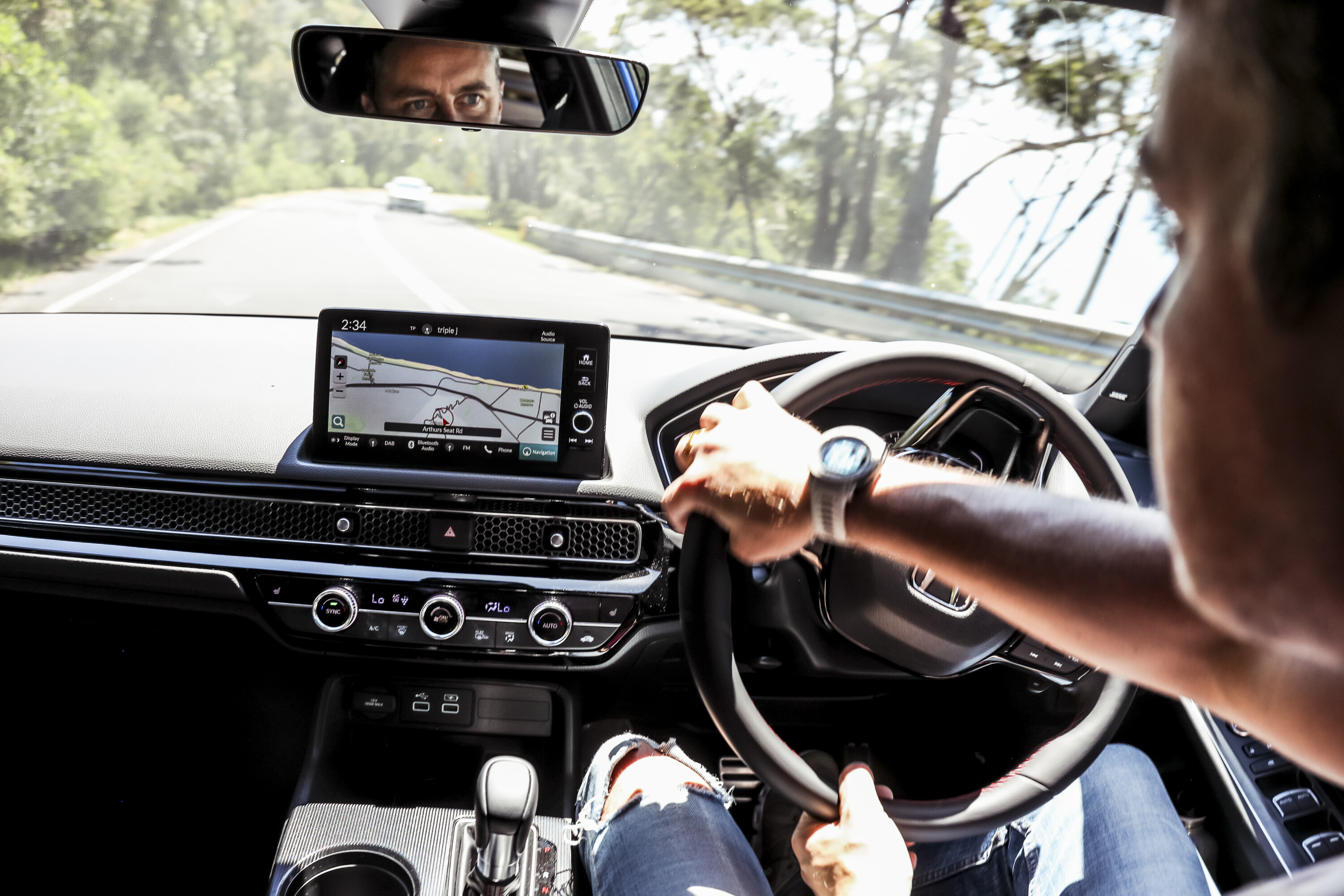
The infotainment system, with its 9-inch touchscreen and Wireless Apple CarPlay, offers seamless connectivity.
| 12 premium Bose speaker sound system | Heated and power adjustable front seats |
| 9-inch touchscreen | LED headlights |
| Ambient lighting | Rain sensing wipers |
| Auto retractable door mirrors | Rear privacy glass |
| Black leather accented seats | Wireless Apple CarPlay and wired Android Auto |
| Dual zone climate control | Wireless charger |
| Front LED fog lights |
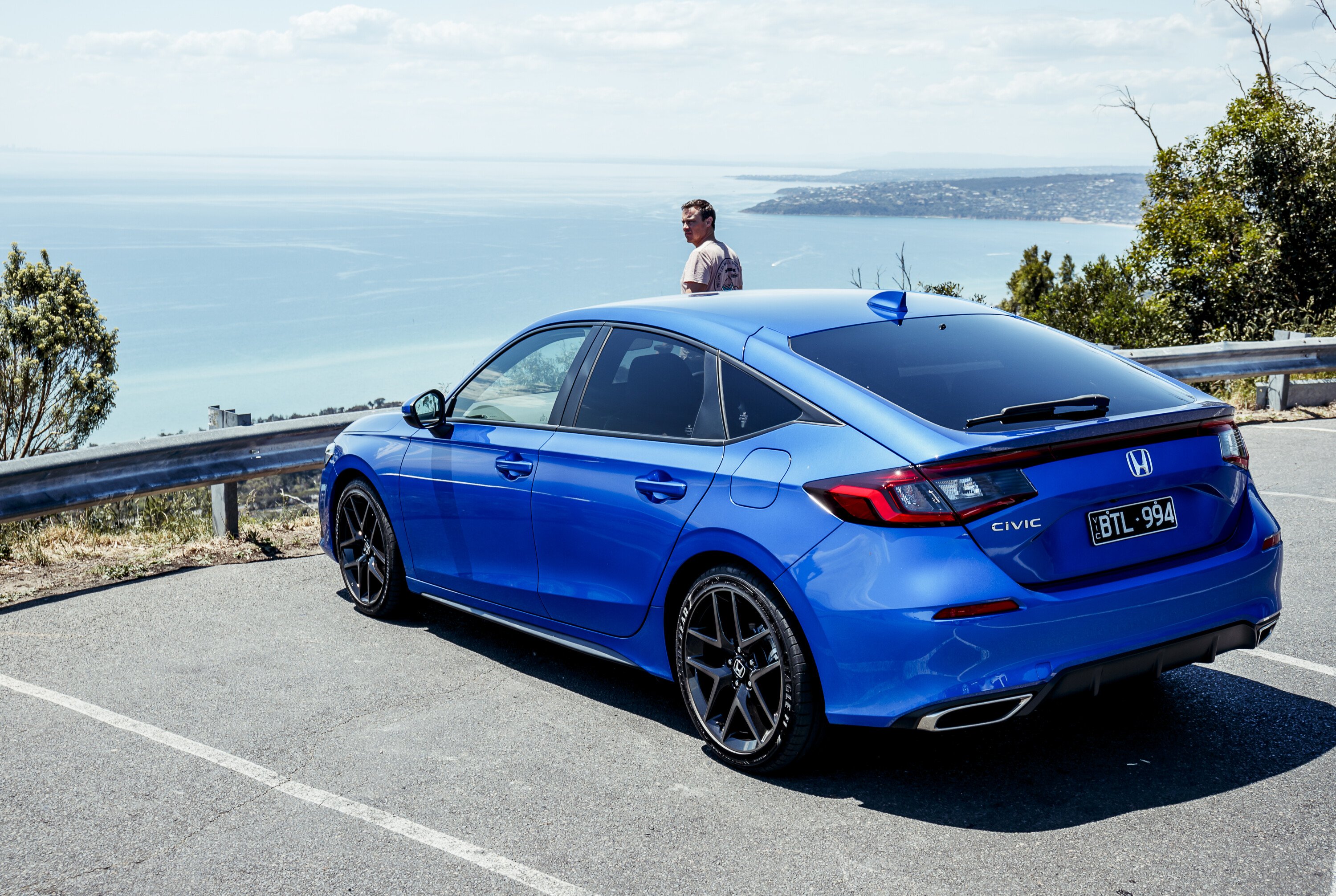
The VTi LX is available in four colours, that are all no-cost options.
As part of the ENCAP testing, the Civic received an 89% adult occupant protection score and 87% child occupant protection score.
Standard safety equipment includes 8 airbag, autonomous emergency braking (AEB), blind-spot monitoring, rear cross-traffic alert, lane departure warning, lane keep assist, driver attention motnitoring and a reversing camera.
The e-HEV hybrid variant adds front and rear parking sensors, traffic sign recognition and additional airbags– front centre and rear side airbags.
In its previous generation, the Civic started at a price-point alongside key competitors at the time such as the Toyota Corolla and Mazda 3. Now it competes with the range-toppers of the same models.
And with a drive-away price almost hitting $50,000, it’s been pushed up into a new league of competition against hot hatches such as the Hyundai i30N.
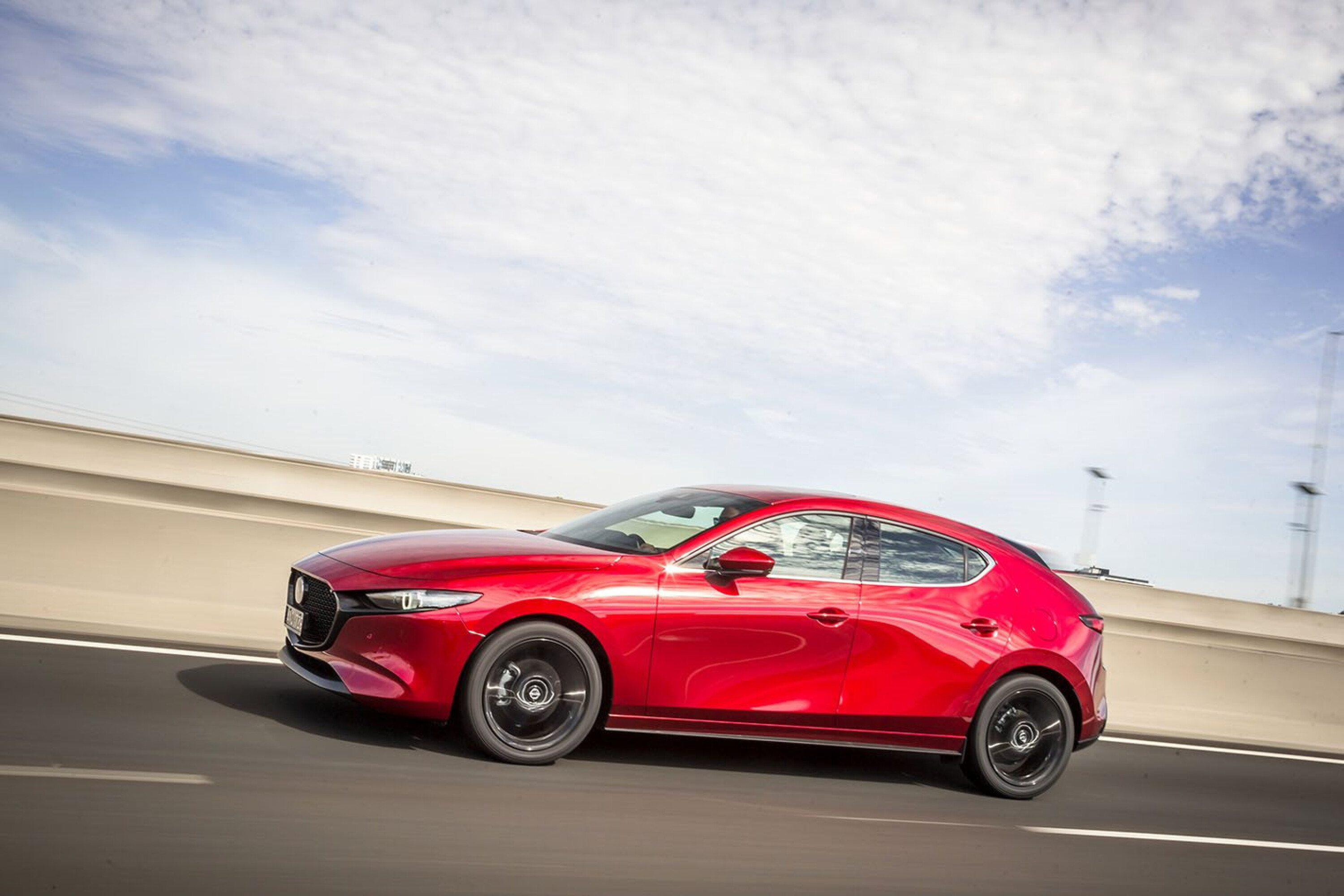
The 2023 Honda Civic VTi-LX is a testament to Honda’s promise of premium without compromising on reliability.
With fixed pricing nationwide through their new agency model, there will be no need for haggling or negotiations. However that comes at a significant price.
With newer budget entrants arriving in Australia by the day, offering drive-away bargains, it’s hard for many to justify the step up into this territory for a hatchback.
Professor Richard Hopkins and one of the students involved in UNSW’s Sunswift solar project, chief strategist Luke Tedesco, sit in front of me quietly confident that they’re in for a win at this year’s Bridgestone World Solar Challenge [↗] held in Australia between 22-29 October.
Coming off the back of a Guinness World Record as the fastest EV to cover 1000km, the Sunswift 7 is a solar-powered, carbon-fibre, battery-electric racer built by a team of 100 engineering students with help from Amazon AWS. Richard and Luke are telling me that the 3020km route from Darwin to Adelaide should be a walk in the park for the car’s piddly 38kWh battery.
With a drag coefficient of 0.09 (a Mercedes-Benz EQS is rated at 0.202Cd), ceramic wheel bearings, and low rolling resistance rubber, the $1.2 million Sunswift 7 can travel 1200km on battery power alone using 3.3kWh/100km. Add the 4.5m2 of solar array on the roof and bonnet that generates 700-750 watts into the mix and you’ll get another 400km driving range in the beaming sun. A fair bit more effective than the Genesis G80 Electrified’s panels.
“But it cost $1.2 million to produce”, admits Richard, “so it is that high performance, high efficiency. It wasn’t designed to be a production car, it was designed to be a demonstration of what is possible [within the regulations]”.
I think it’s time we changed and moved with the times. I’ve got a team of 100 students who are screaming out to do other things
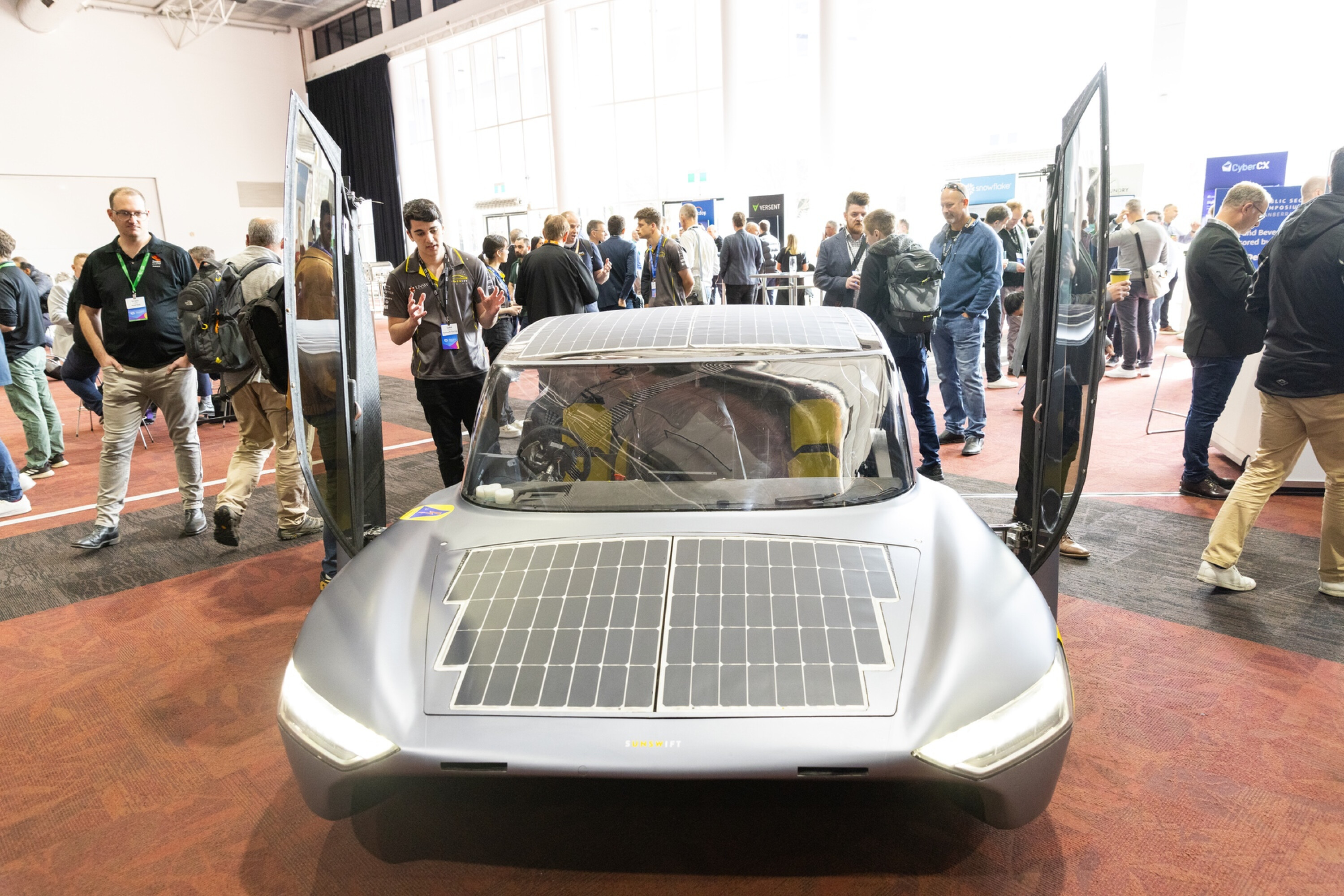
“The world record would not have been possible without AWS. We’ve got amazing minds like Luke, and we’ve got amazing minds as well with AWS. Put them both together and It’s incredible what we can achieve as a collective.
“We are looking at the minutiae to develop those strategies across 3020km. With so many variables you can put a plan in place but then wind direction, the amount of sun, you get a flat tire, all these things that are out of our control come along, and it’s how you deal and manage and recover from those and still come out on top”, enthuses Prof Hopkins.
Aside from the car, the amateur team members have to be trained up for driving duties – not for maximum lap time, but smoothness. It’s not Formula 1, but there’s still plenty of skill involved.
“We don’t necessarily have those 20 top drivers [as in F1], the guys and girls who drive our car are students within the team. However, over the last sort of six to 12 months, we’ve gone through quite a selection process”, explains Richard.
There’s nothing on the car that doesn’t need to be on the car
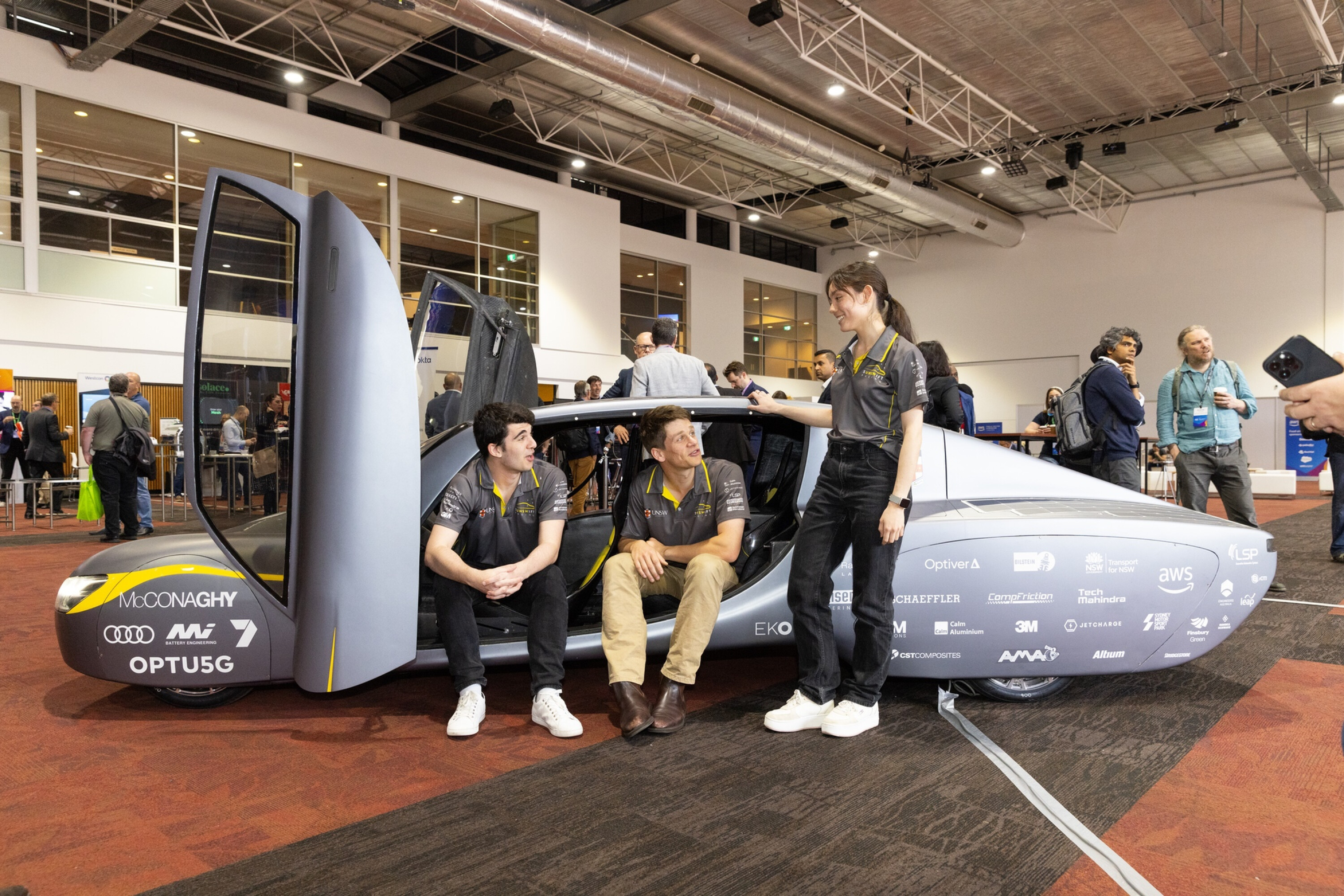
“Hills are an absolute killer of the battery. So, again, in rural testing, we were going through Dubbo where it starts getting pretty hilly, and our efficiency – I was talking about 3.3kWh/100km before – fell to about 8-9kWh/100km [uphill]… you can really tell how different drivers can manage it, especially going uphill, just how they can minimise loss”, explains strategist Tedesco.
Aside from a freak mountain appearing between Darwin and Adelaide, there won’t be much stopping the single-minded Sunswift 7 from sailing to the finish line – likely in a prime position.
“Rural testing was our first time to see the car on the road and in the hills around Dubbo and Parkes, that [terrain] is way worse than we’re ever going to see in the race, and we were comfortable coming out of that that we’ll easily have the range”, Luke says.
https://www.instagram.com/p/CxDDlH9S7vg/
“They’re built and designed to absolutely optimise and maximise what they’re designed for, so the weight of the car being 600kg is for a reason – it’s not 650kg. There’s nothing on the car that doesn’t need to be on the car”, says Richard.
It’s pretty much only a mechanical failure, or flat tyre that could stop Sunswift 7 making the finish line and, despite that being comforting to a man with winning in his blood, Richard almost sees this as being less than challenging.
“I’d say it’s a bit of a bugbear, certainly of mine, and I think shared within the team as well that fundamentally the regulations today are very similar – if not the same – as the those from 10, 20, 30 years ago.
“The restrictions on the technologies that can be used are pretty much the same, and I understand why that is. However, I would love to be able to see some greater flexibility within those regulations.
“I think we should all be forced to use production tyres, I think we should all be forced to use air conditioning, we should all be forced to not use carbon fibre”, says Richard.
With more of a focus on keeping costs achievable, and the vehicles more production-relevant, the challenge could breed real innovations for the road.
“The public, the consumer, needs to be able to look at [the World Solar Challende] and see it ahead of the curve, not behind the curve”, he opines.
“I’m talking as somebody who works in Supercars [a series] that still uses V8 engines. And actually, the technology in those V8 engines is very, very old – it’s Pushrod technology. It’s not even the latest technology for V8s.
“Supercars needs to really up its game, it needs to be relevant to the consumer, but slightly ahead slightly, almost, what’s the word? desirable.”
“We need to be looking at [how to make consumers say]: ‘Oh, gosh, that’s amazing. I want access to this. I want my next car to have that’, whether that’s solar panels or hydrogen technology – which we’re going to be exploring with the next car – I think there’s lots that organizers could do to give it a bit of a tweak.
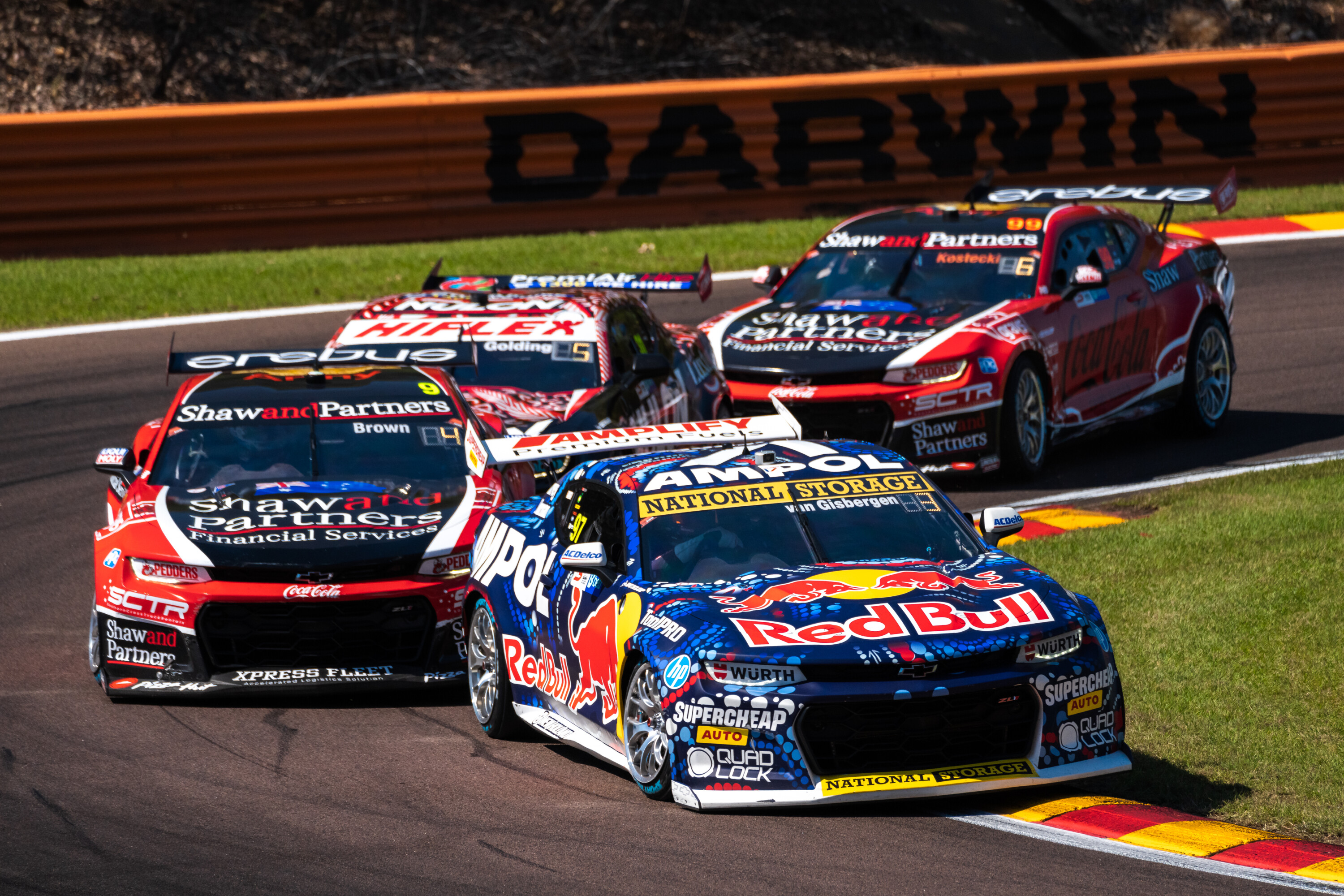
Richard talks about SunSwit’s relationship with Audi on a marketing level, though regrets it’s not a technological one: “We absolutely should be researching technology within the team and have the likes of Audi saying: ‘Oh, my God, you’re using X, can we work together on that?’ and that’s not quite happening.
Although the team is focused on winning this year’s Bridgestone World Solar Challenge, the next Sunswift iteration is already in the works. Sunswift 8 is a whole new concept; Richard explains that it’s about a quarter way through development and features little-to-no carbon fibre (instead, more sustainable, affordable alternatives) in the construction of its modular platform that will integrate battery-electric, solar, and hydrogen fuel-cell technology.
Rather than slaving to regulations and minimal consumption, Richard’s plan is for Sunswift 8 to lay the blueprint for everyday usable performance cars – think the future BMW M3 or Audi RS4. A car that’s engaging and effortlessly capable on the racetrack yet able to collect the kids in the afternoon, all without emitting a single gram of carbon dioxide.
How far does every single new electric vehicle in Australia drive on a full charge?
Range remains a key concern for buyers to make the electric switch, so here’s your definitive guide to the range of every new EV model in Australia, according to each manufacturer’s claims.
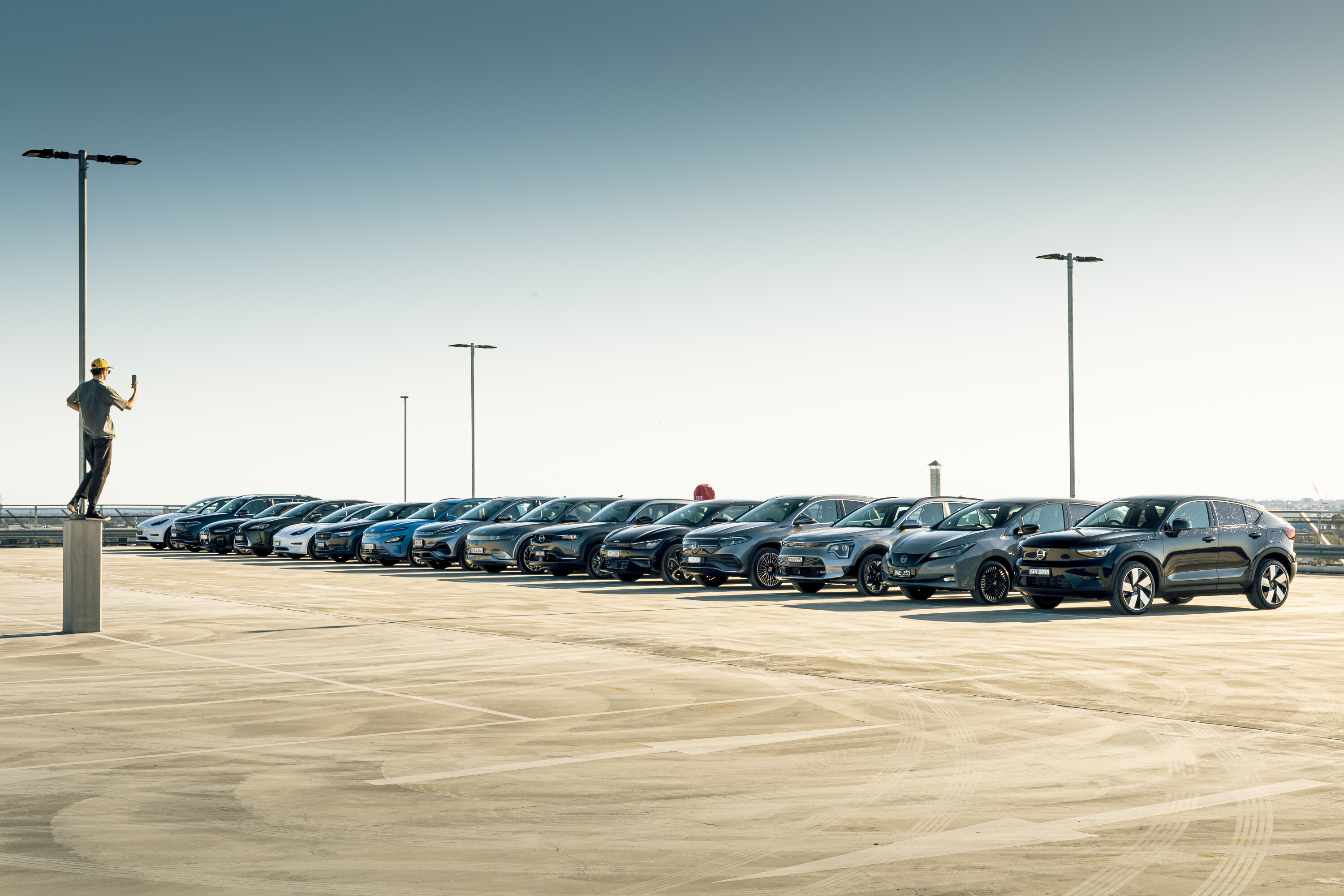
Today, most electric cars provide more than sufficient driving range to suit the majority of Australians’ daily commuting needs.
New EVs generally offer between 200 to 600 kilometres in the real world and some longer-range models match the capability of petrol-powered combustion engine vehicles.
That’s enough to cover a week’s worth of commuting for the average driver without charging, who travels between 30 to 40 kilometres per day, according to the Australian Bureau of Statistics [↗].
However, as long as you can ideally plug in at home every night similar to a smartphone (or during the day when there’s solar energy generation if installed), owners will rarely need to worry about a low battery when on-the-move. A standard three-pin trickle charging plug will replenish enough juice for the next day for most.
With the average new EV today providing around 450km rated range (albeit on a combined urban and highway test), drivers can comfortably make a return trip from Brisbane to the Gold Coast, Sydney to Newcastle, and Melbourne to Bendigo without needing to stop to charge.
Therefore, public charging stations will only be necessary on extended road trips.
To understand how much you drive, enter your daily commute stops (depart and return destinations) on the Google Maps [↗] multi-stop route planner.
For longer trips, use A Better Route Planner [↗] or Tesla’s Trip Planner [↗] to understand how many stops are needed and where you can charge at a public station.
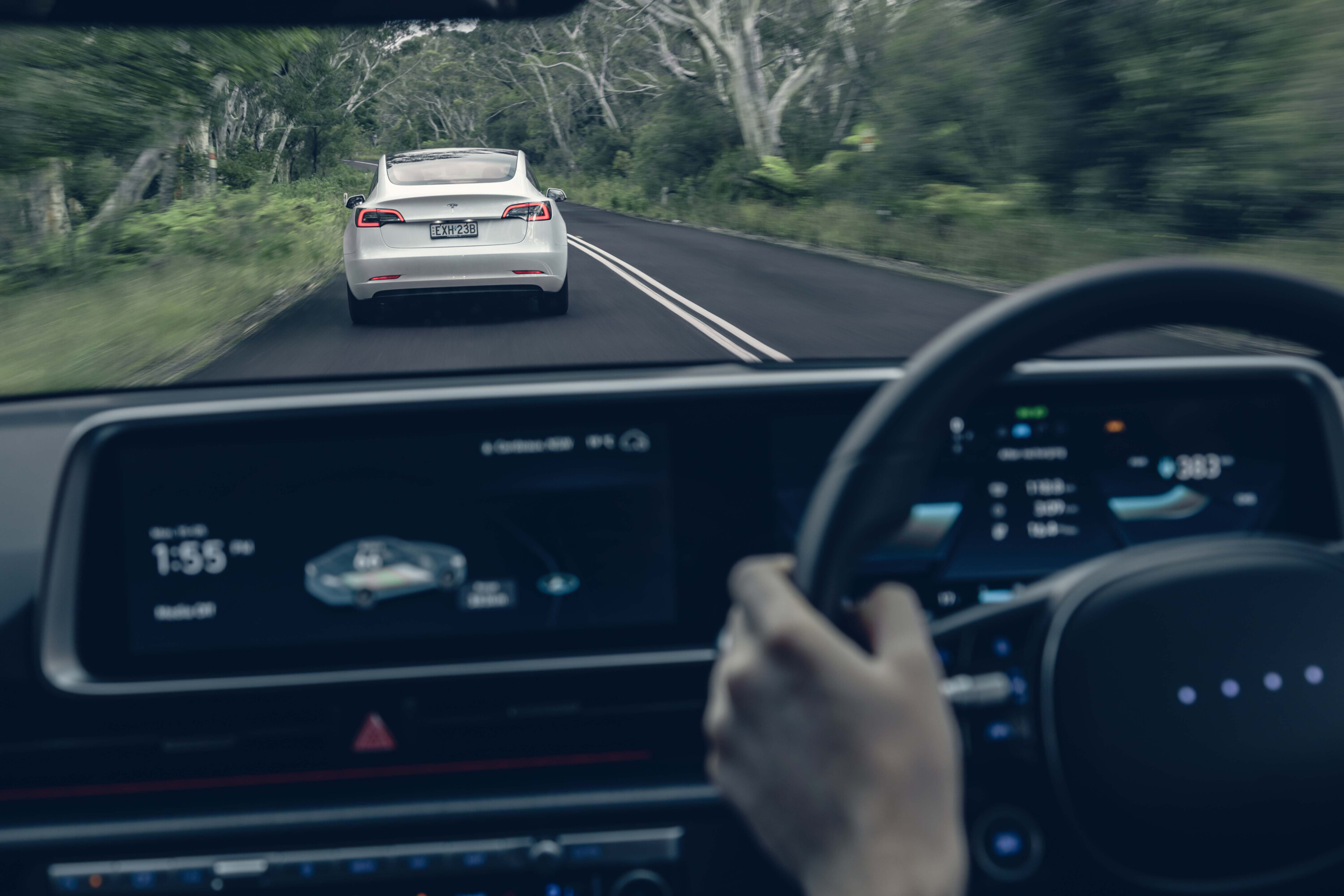
If you prioritise maximising your money for the best possible range, check out our guide below.
The following are claimed figures under the strictest-available European combined Worldwide Harmonised Light Vehicle Test Procedure (WLTP) testing standard, unless otherwise noted.
The real-world range will often be 10 to 20 per cent less, depending on a variety of factors.
While not all car brands recommend an everyday charging limit to maintain battery longevity, the general rule-of-thumb is 80 per cent for conventional lithium-ion batteries or 100 per cent (no limit) for lithium-iron-phosphate (LFP) batteries.
Claimed range figures are sorted by longest to shortest distance, by body type.
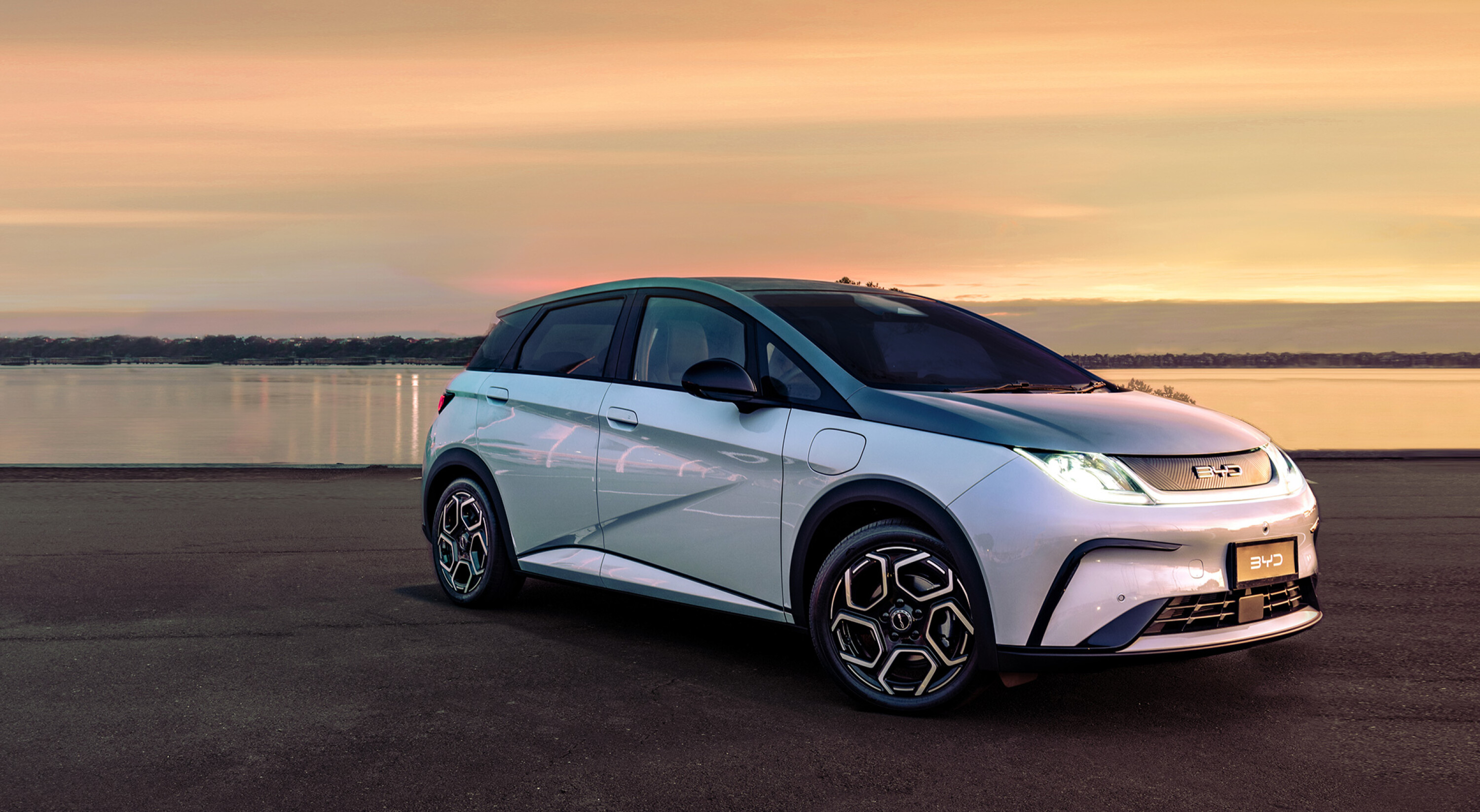
Figures are correct as at the time of publication. Click on the model links below to learn more.
*Model launching soon in Australia.
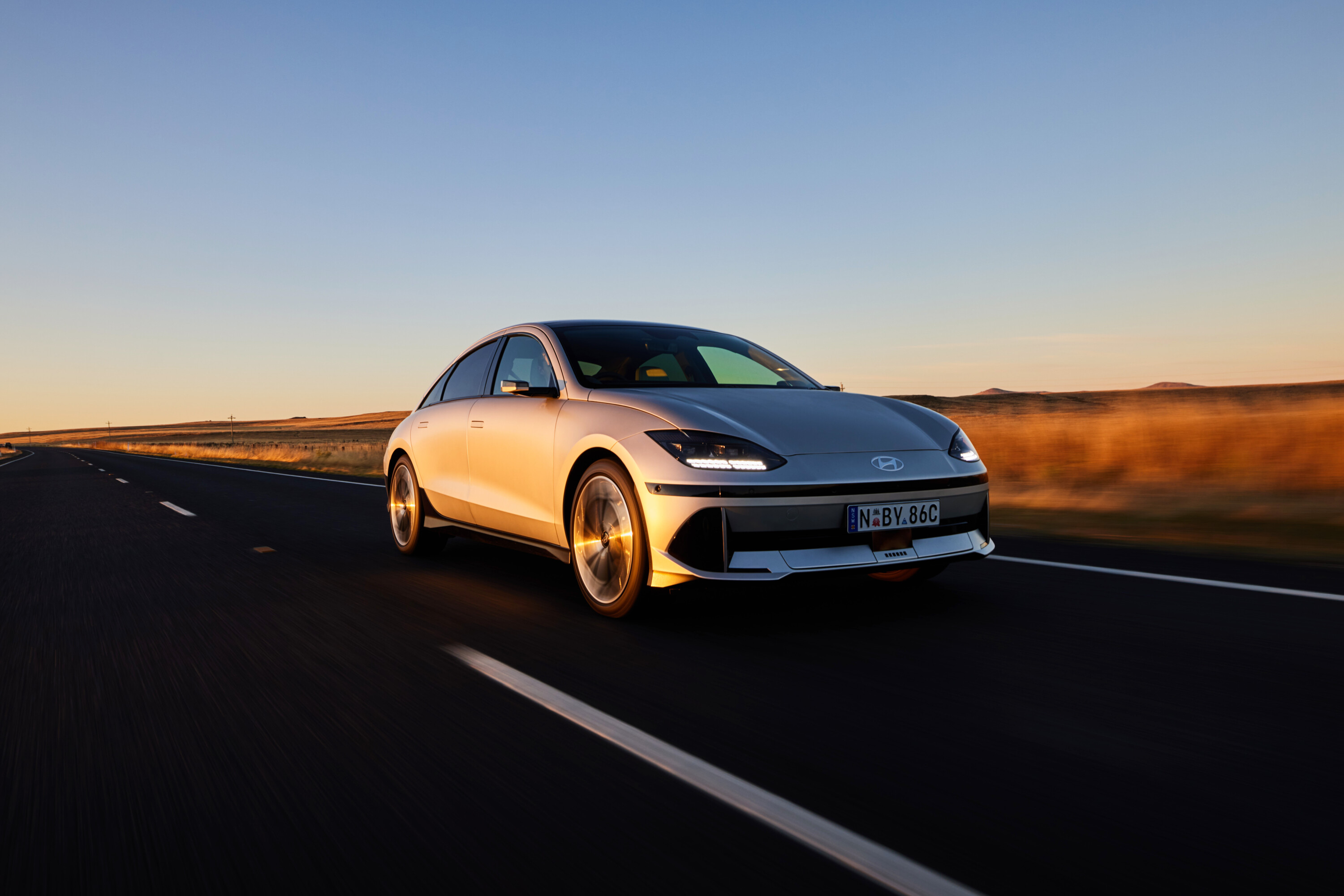
Figures are correct at the time of publication. Click on the model links below to learn more.
*Model launching soon in Australia
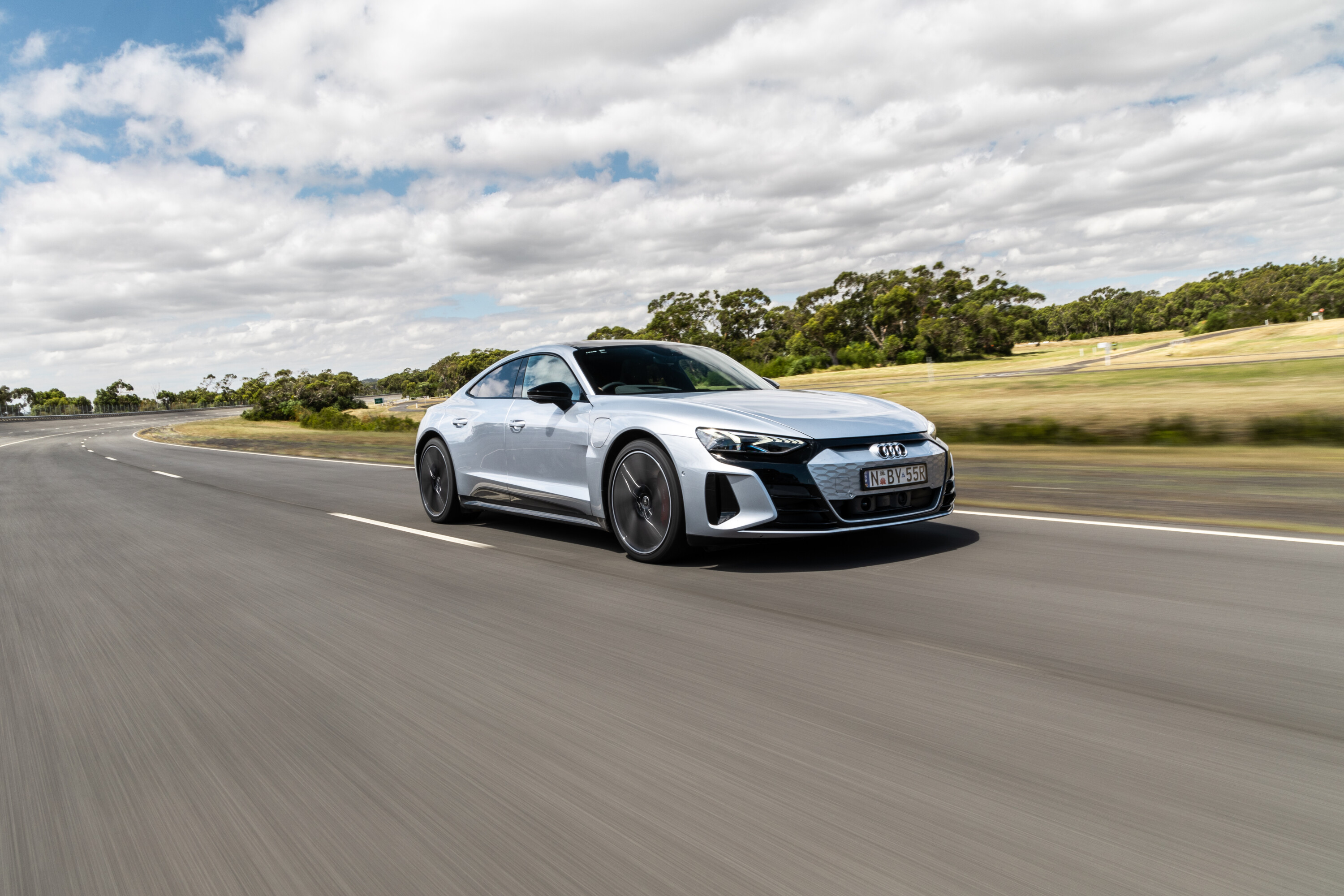
Figures are correct at the time of publication. Click on the model links below to learn more.
*Model launching soon in Australia
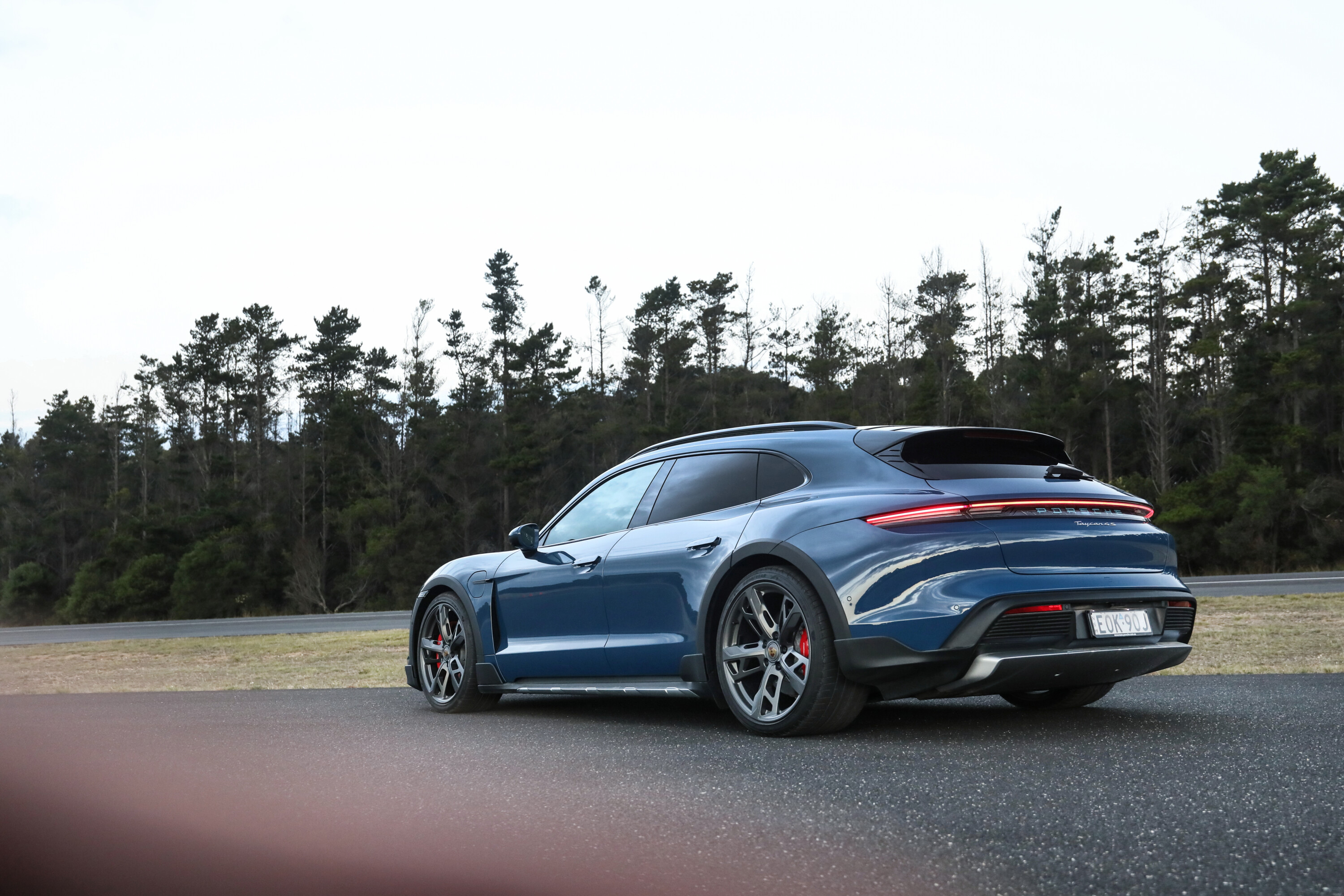
Figures are correct at the time of publication. Click on the model links below to learn more.
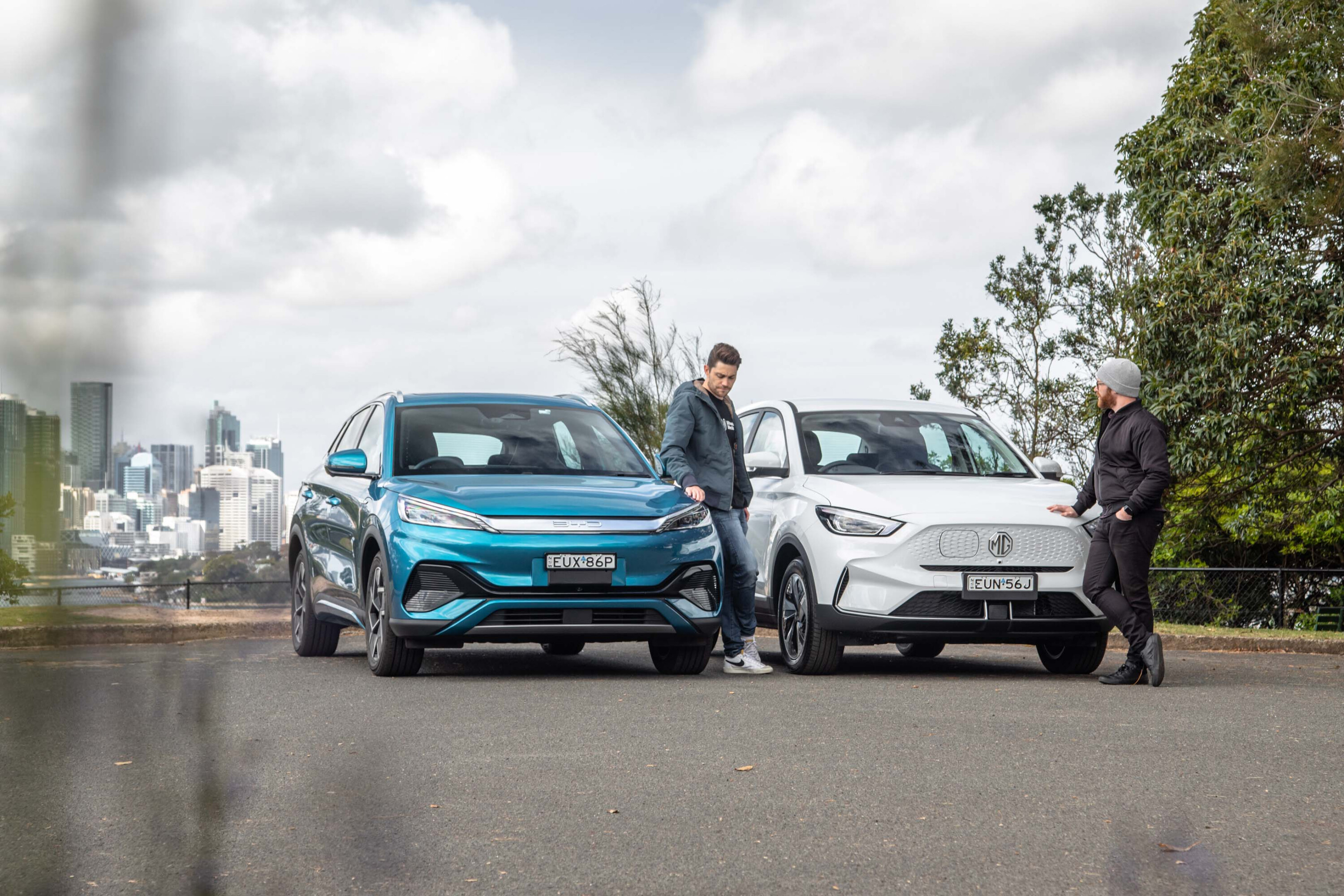
Figures are correct at the time of publication. Click on the model links below to learn more.
*Model launching soon in Australia
**Provisional WLTP testing figure
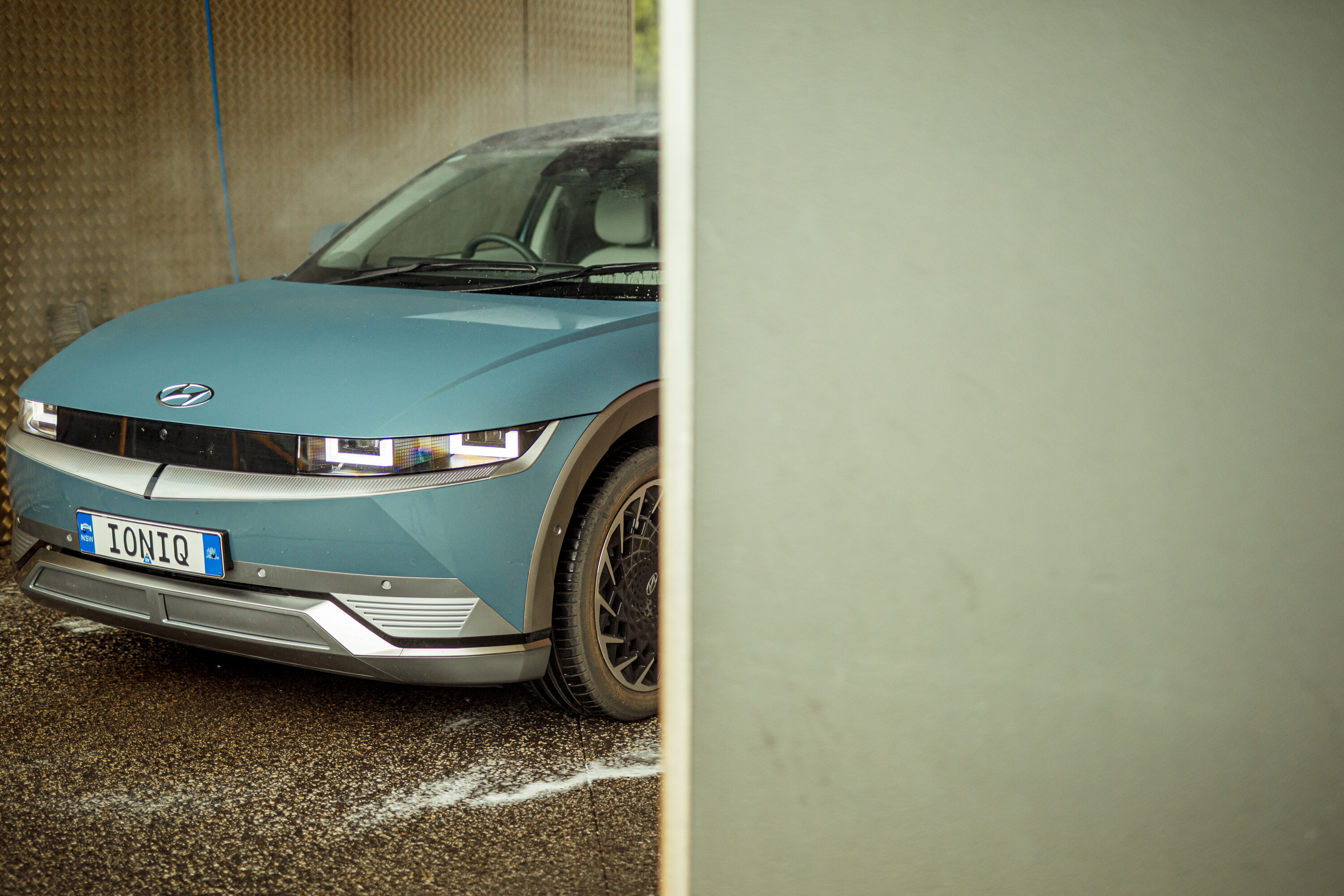
Figures are correct at the time of publication. Click on the model links below to learn more.
*Model launching soon in Australia
**Estimated WLTP rating
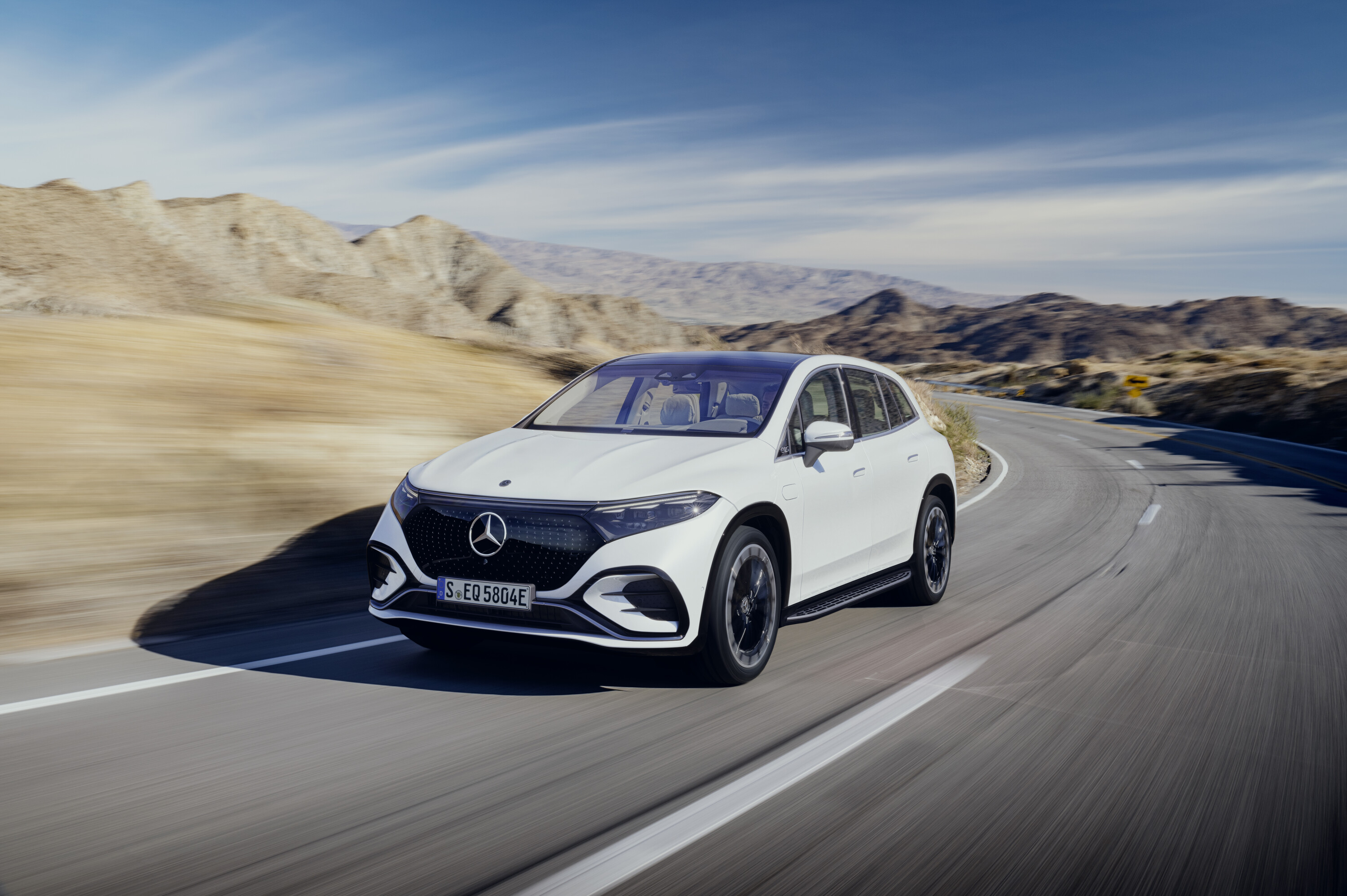
Figures are correct at the time of publication. Click on the model links below to learn more.
*Model launching soon in Australia
**Manufacturer has only provided a more conservative NEDC range claim locally
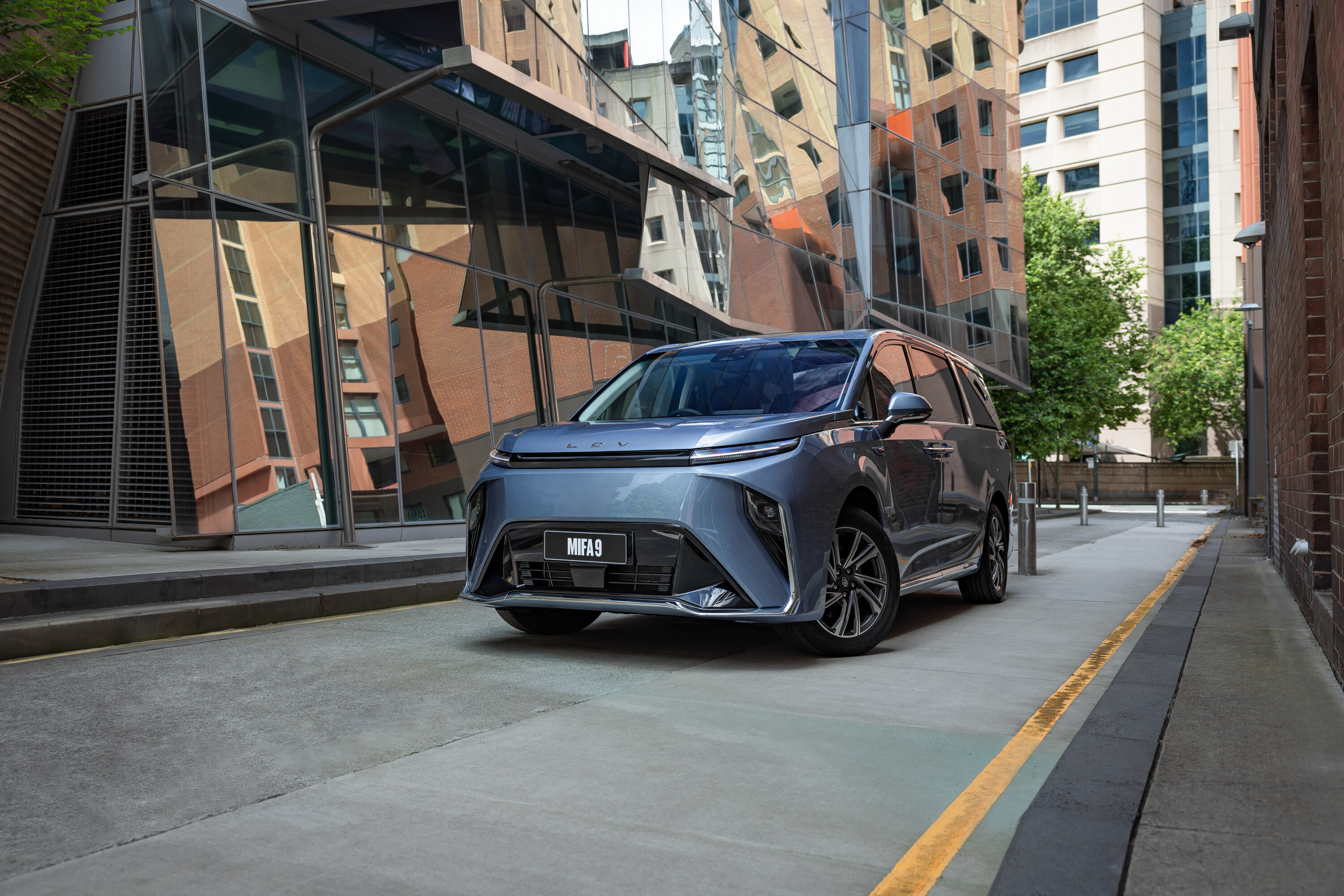
Figures are correct as at the time of publication. Click on the model links below to learn more.
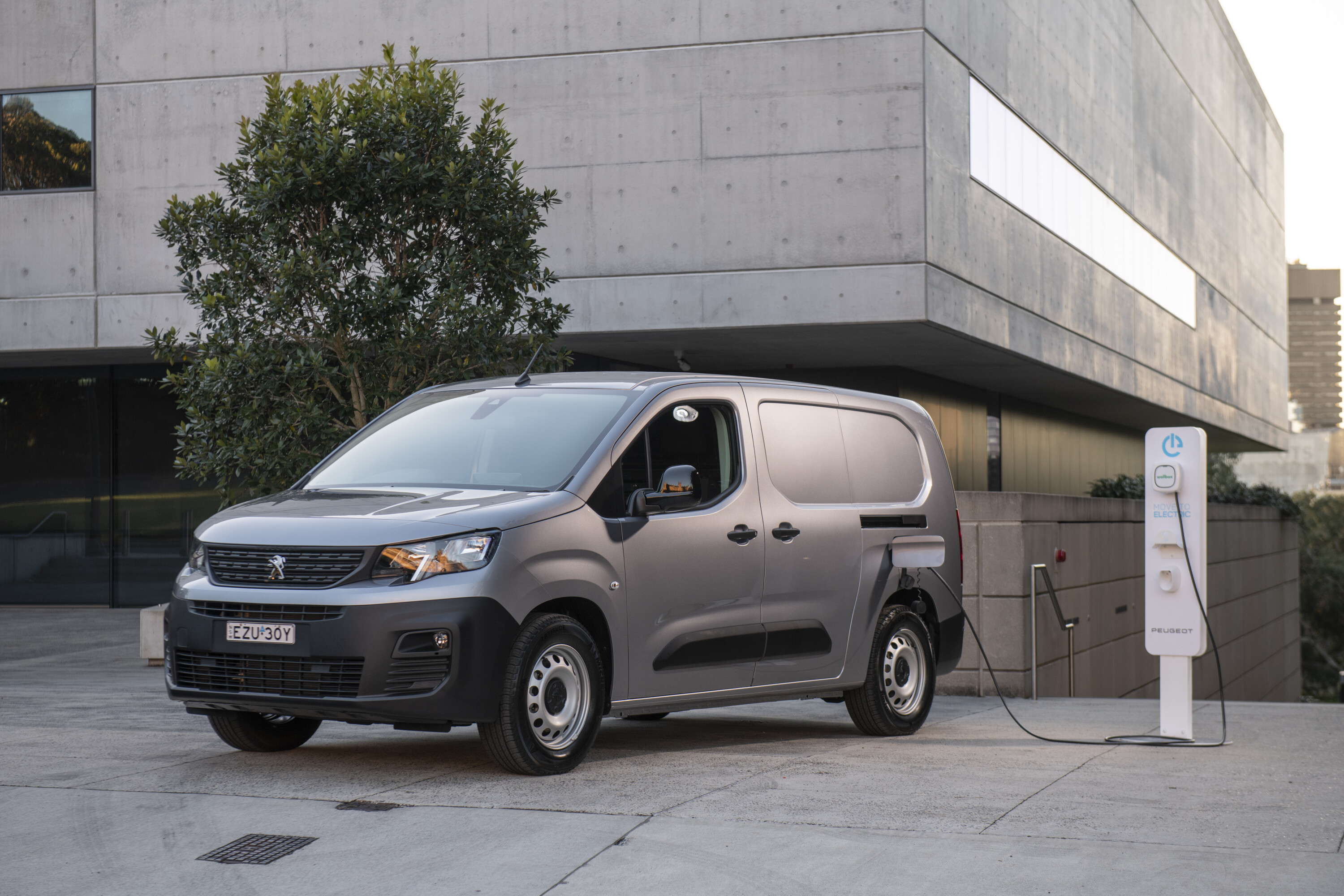
Figures are correct as at the time of publication. Click on the model links below to learn more.
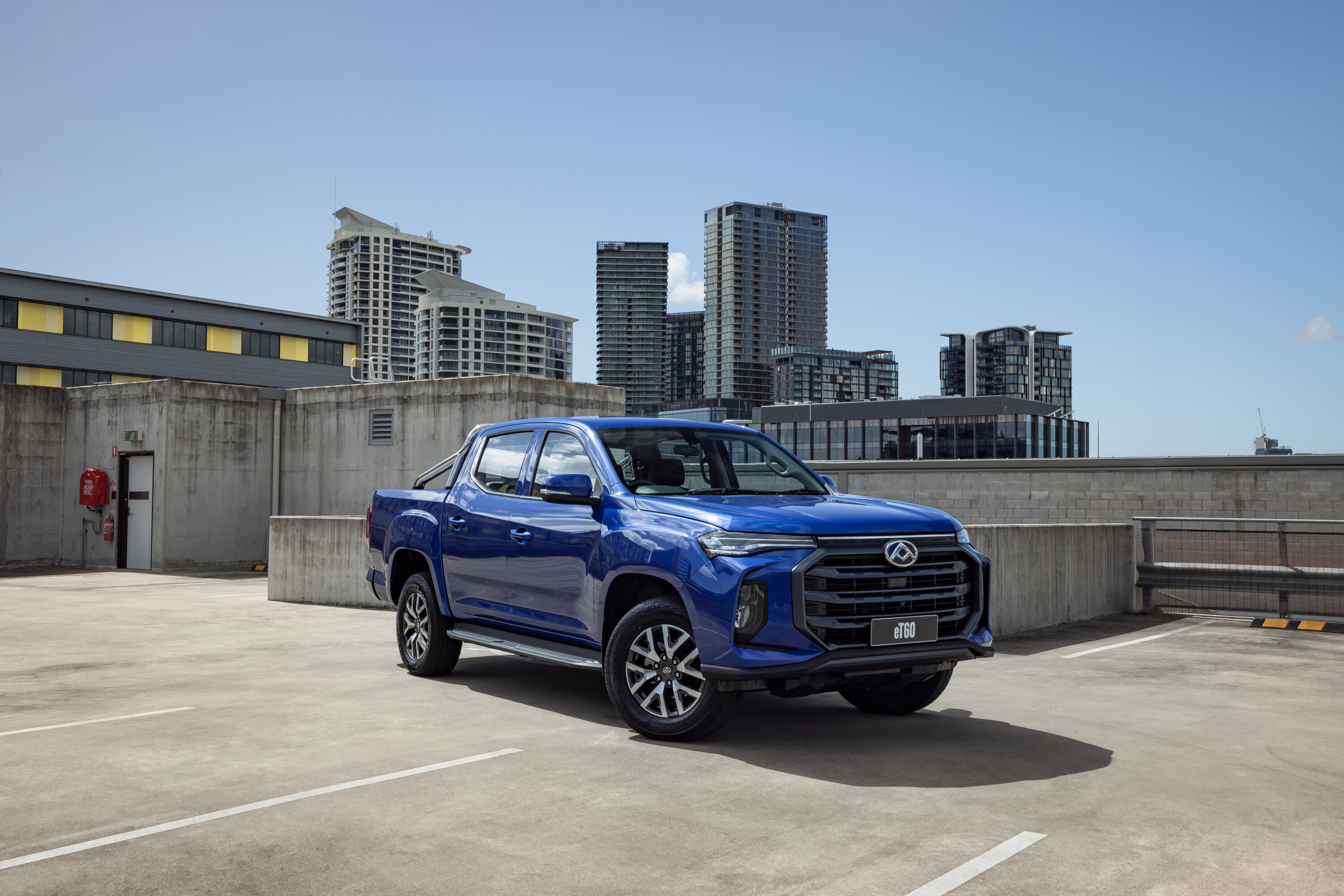
Figures are correct as at the time of publication. Click on the model links below to learn more.
This story has listed the claimed range of every new EV, but which models can go the furthest on a single charge? Check out our guide linked below for more.
EVs are not for everyone (for now), but they are right for most. The initial price barrier, charging, and battery degradation remain key perceived issues. For more, check out our /Electric hub guides below.
Bums on seats, peering through the glass, kicking the tyres… getting the buyer into line of sight of a car is, after all these years, still as crucial as ever.
The modern automotive landscape, however, isn’t as conducive to automotive window shopping as it once was.
Thanks to a variety of factors, the modern car showroom is – despite the beautiful architecture and fancy coffee pod machines – pretty low on most people’s lists of places to hang out on a Saturday.
The digital realm, too, is saturated to distraction, while more traditional selling tools like television and outside media are facing their own challenges.
It’s for these reasons that Hyundai and Subaru have gone back to the people, as it were, and rolled out activations at recent grassroots automotive events that wouldn’t normally be the purview of established auto brands.
The premise is pretty simple; build a fast car and prove, over one lap, that you’re faster than everyone else.
More than 35,000 people visited the venue over two long, packed days, and more than four million people around the globe tuned into the YouTube livestream.
No matter how you slice it, they are solid numbers.
But it’s definitely an audience that veers towards ‘enthusiast’… or, in other words, there’s a danger that you’re merely preaching to the choir by spending your marketing dollar there.
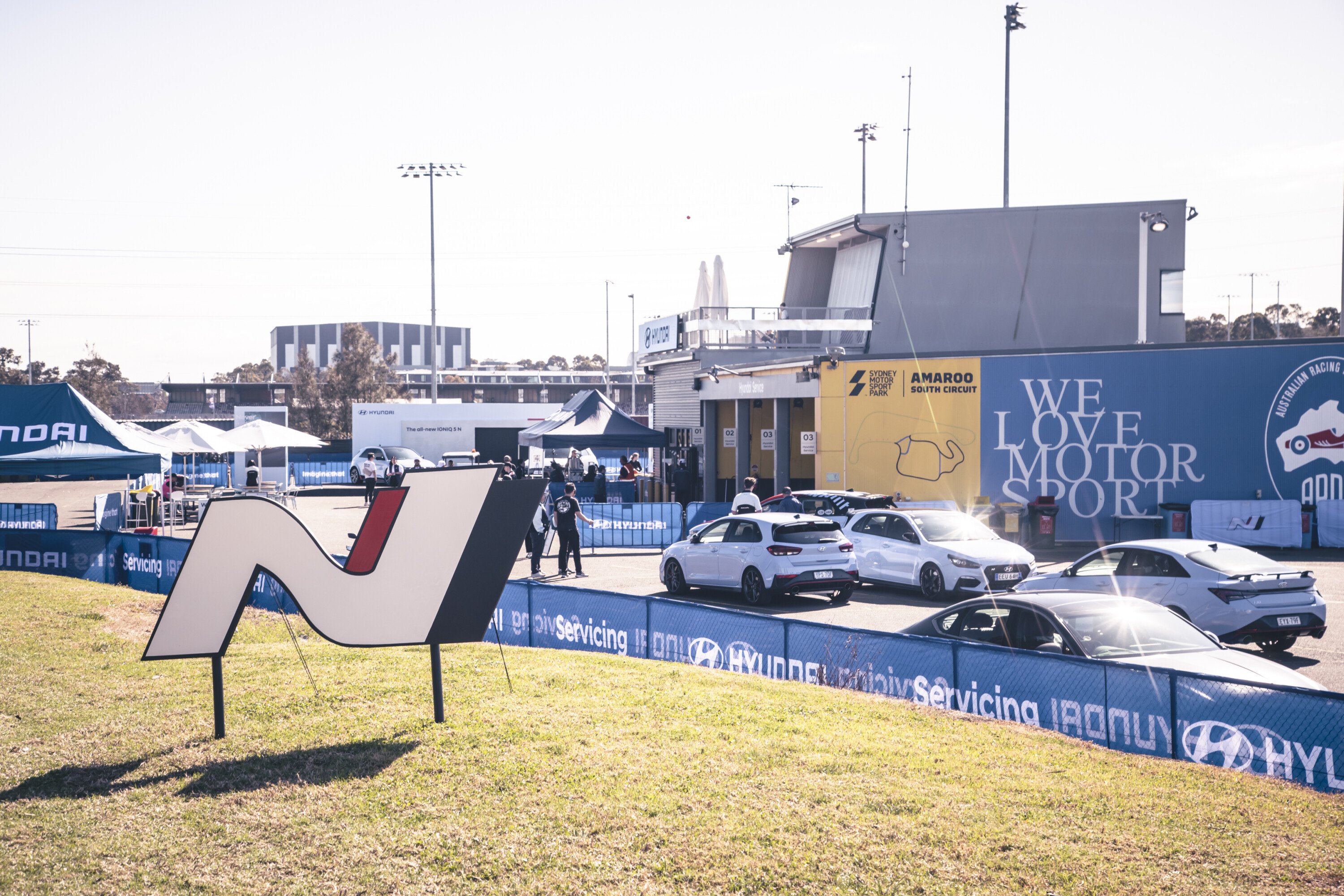
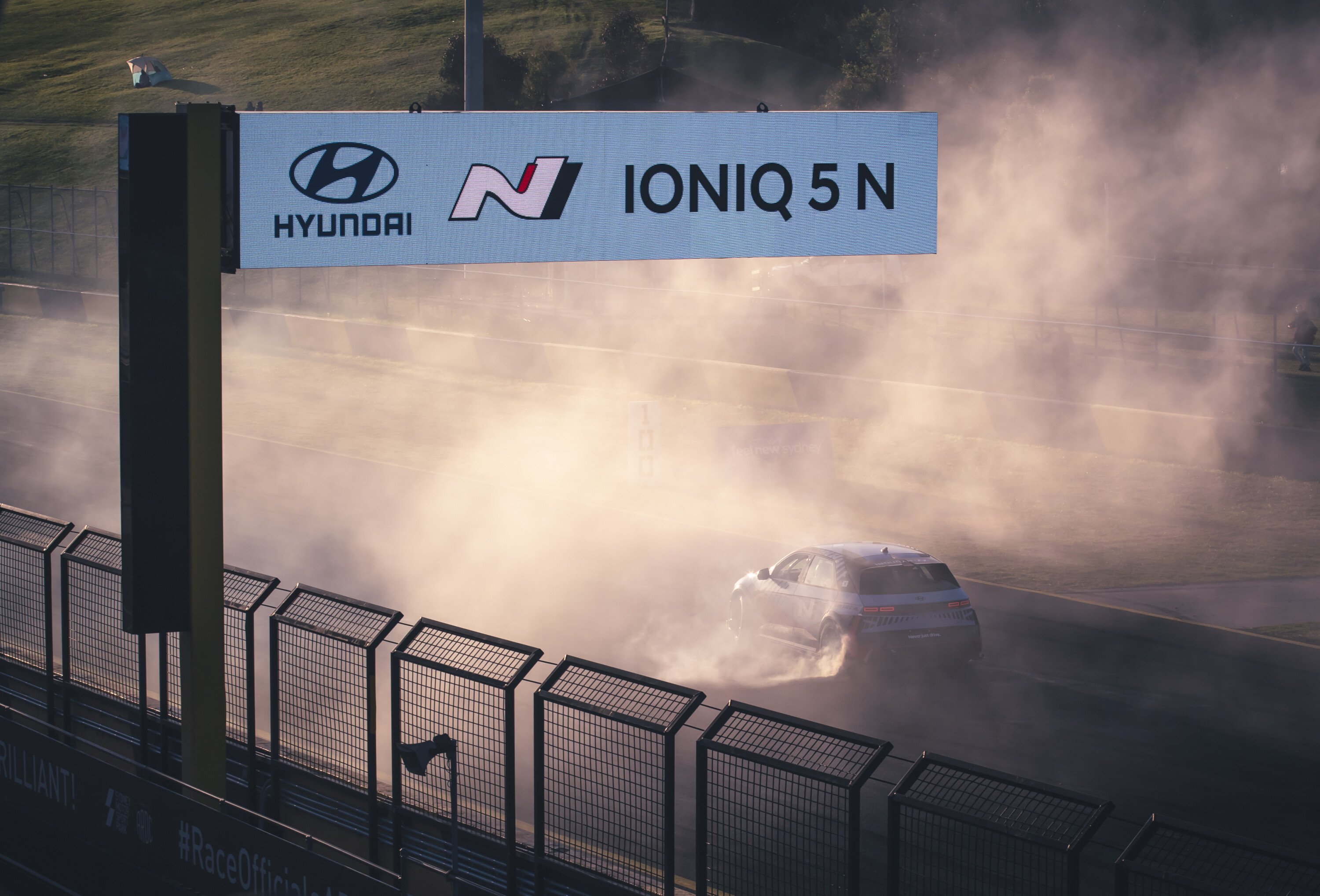
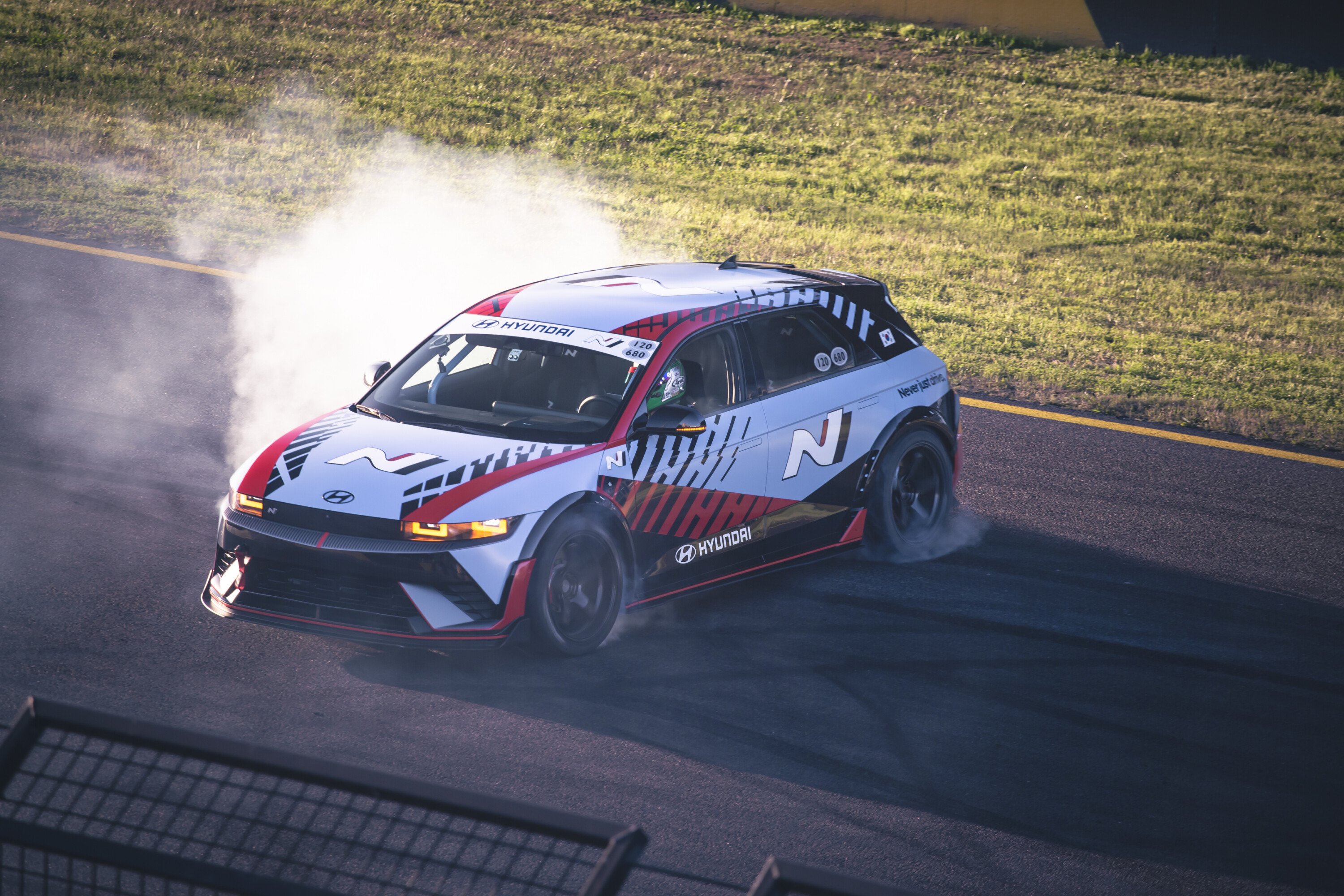
Hyundai, though, thought differently. After a toe-in-the-water exercise a few years ago, it descended on the event in force, entirely taking over the southern circuit facility as it worked its plan to promote the upcoming Ioniq 5 N electric hatch.
It even managed to secure the services of Japanese race driver and automotive cultural icon Keiichi Tsuchiya to drive a prototype Ioniq 5 on track.
How did they manage to land the man that many credit with being the Drift King? “We just rang him,” laughed a Hyundai insider.
When asked what made WTAC attractive from a marketing point of view, Bill Thomas, Hyundai Australia’s general manager corporate Affairs, was unequivocal.
“Both the event itself, which is always spectacular and well-attended, and the audience at the track and watching on screens – in Australia and around the world,” he told Wheels.
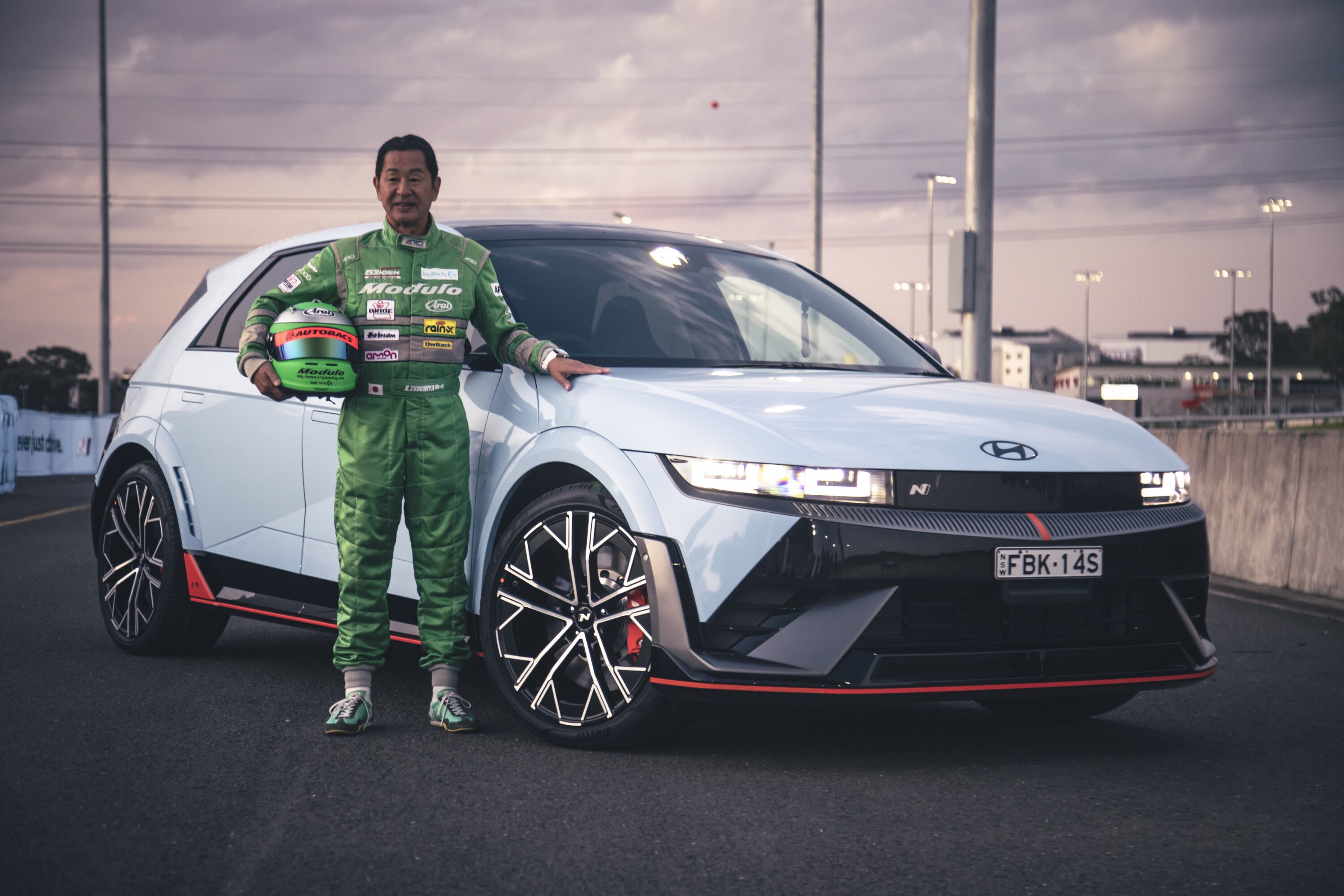
“Hyundai’s focus this year was on our new electrified hero car, Ioniq 5 N, and the N brand in general, showcasing N to an audience that blended Korean, Australian and Japanese performance car cultures.”
Thomas said it was a “fantastic opportunity” to further expose the N brand – and more specifically, the Ioniq 5 N – to a more specialist market.
He also suggested the success of the Ioniq 5 N pre-sale push – which sold 126 cars at $111,000 each in just 12 hours – could be partly attributed to the event.
“We know a number of people who attended WTAC were among those first customers,” he said, “and more broadly it gave us significant exposure for N to a precious audience of switched-on enthusiasts.”
“Hyundai has been a very forward-thinking company and particularly with the N brand has been able to culture a likeminded track day community through their N festivals,” Ian Baker, the director of World Time Attack Challenge, told Wheels.
“WTAC is obviously a natural progression to showcase its latest track-focused vehicles to existing and future clients, and in fact to a worldwide audience of over four million viewers via our livestream.”
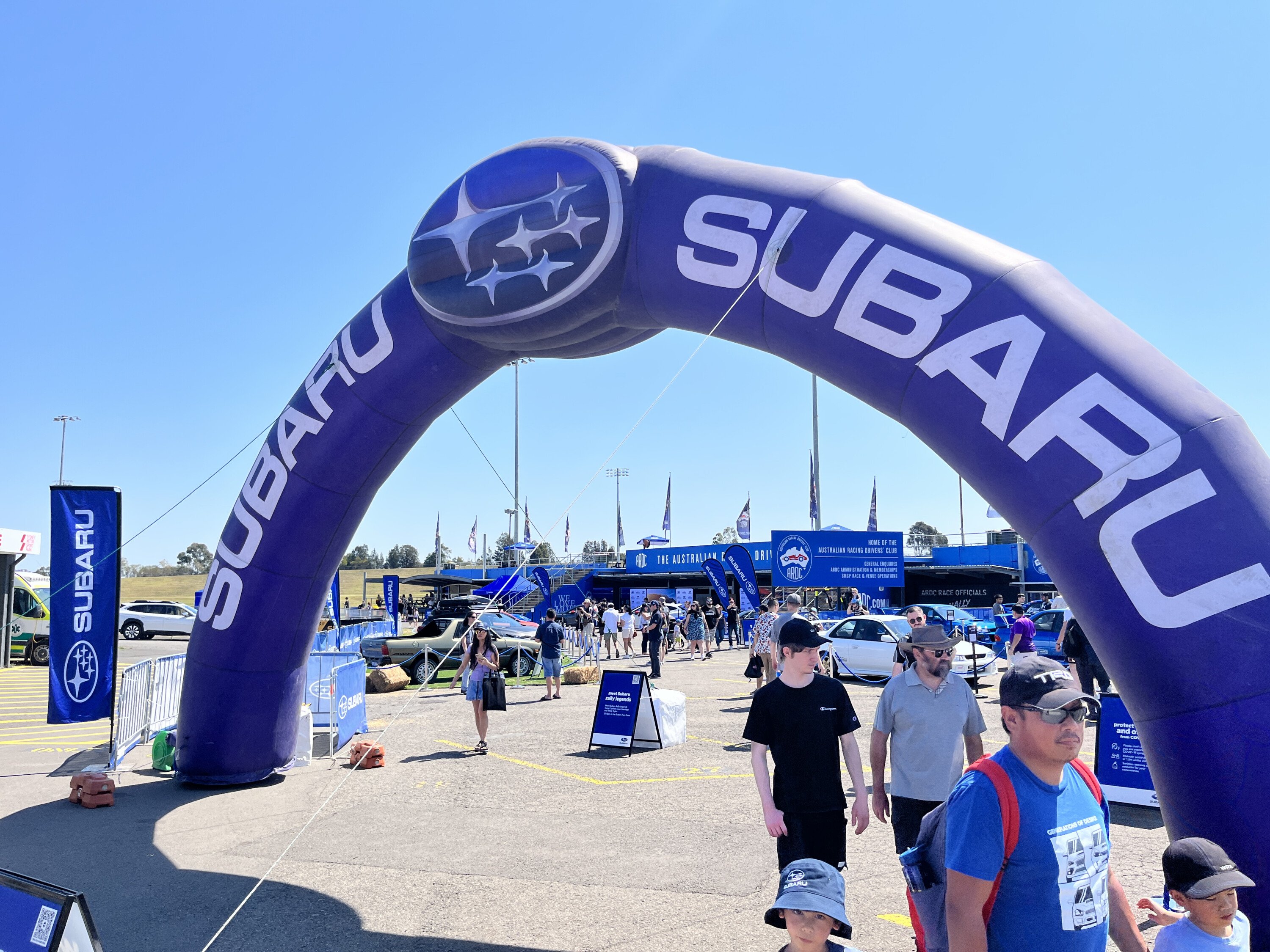
Very similar in its execution but on a smaller scale, Subaru’s support of the grassroots-led SubiNats event at the same venue just a couple of weeks later echoed Hyundai’s sentiments; preaching directly to the choir can be a great way to get bums on newer, more interesting seats.
“Our partnership with SubiNats, which dates back to its inception in 2014, blossomed organically from a mutual passion to the Subaru brand,” said Subaru Australia’s National Corporate Affairs and Public Relations Manager, Chloe Fraser.
“SubiNats is the biggest Subaru event in the country and serves as an invaluable opportunity for us to connect with our passionate owners, fans and enthusiasts, hear their stories and learn more about their connection with the brand, and importantly, create new memories together.”
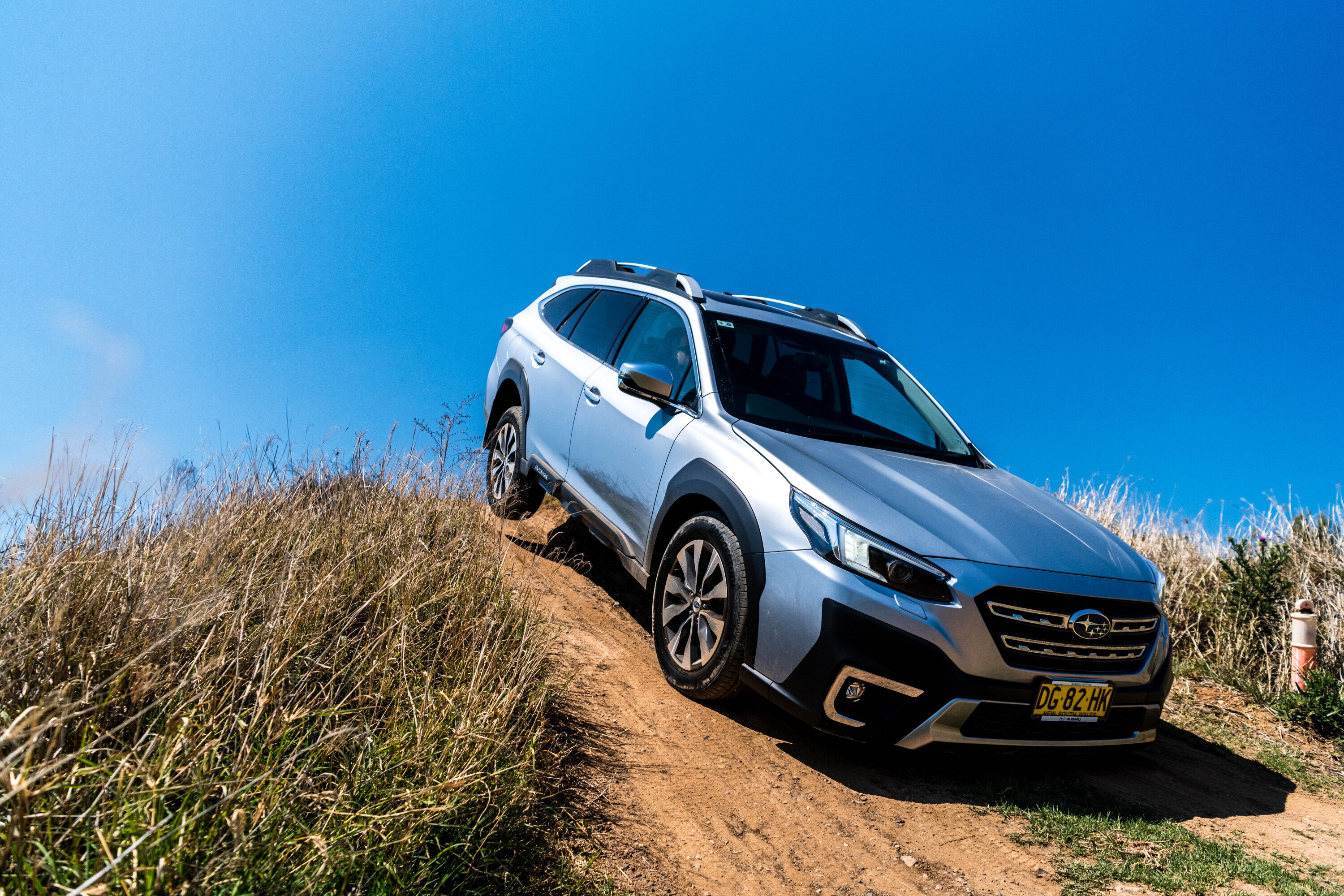
Subaru’s activation comprised its truly impressive heritage fleet – including the legendary Impreza 22B – as well as an event that saw the brand’s SUVs tackle a tough section of SMSP’s 4×4 training track with prospective punters on board.
As well, it showed off two concepts, the Crosstrek Boost Gear and the BRZ tS. But it’s not all about pushing new metal, believes Fraser.
“While the event serves as a platform for showcasing new models, new technology and honouring our storied history, it’s much more than that,” she said.
“SubiNats is one of the most special events marked in our calendar, and we look forward to continuing our partnership for many more years to come.”
Toyota’s move follows in the footsteps of Subaru, which confirmed it would add the potentially life-saving technology to manual variants of related BRZ sports car and WRX sedan in June.
Auto high beams also become standard, while lead-vehicle departure alert joins the safety suite in automatic variants. There appears to be no increase from the current $43,240 (before on-road costs) list price for the base GR86 GT.
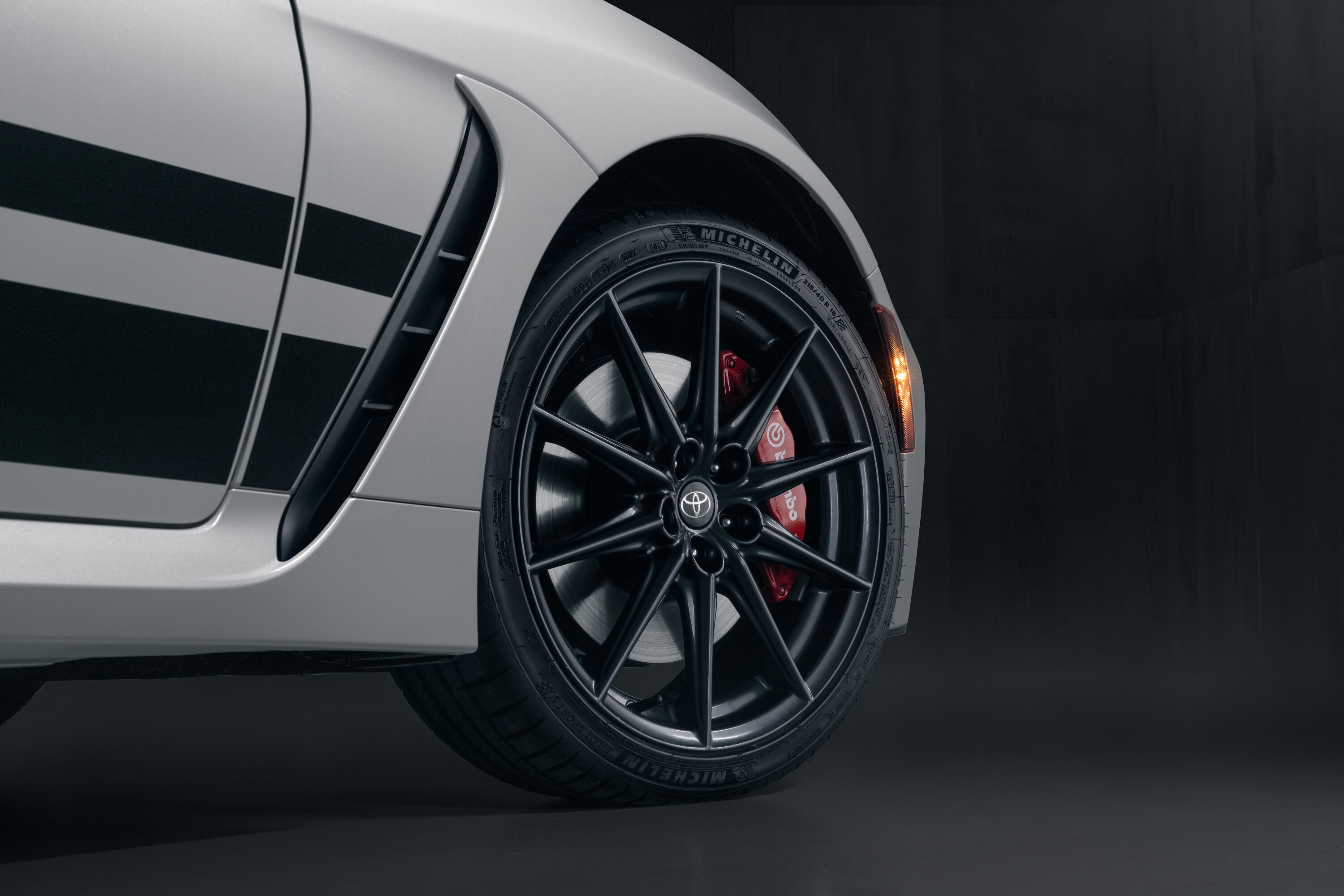
The Dynamic Performance Pack includes ZF Sachs dampers with a smoother rebound curve and increased compression resistance for less body roll, as well as four-piston Brembo front brakes painted red. Pricing is yet to be confirmed.
“Technologies such as autonomous emergency braking aim to provide buyers with increased peace of mind, while the addition of the new Performance Pack enhances the already dynamic abilities of the GR86 even further”, said Toyota Australia VP sales, marketing, and franchise operations Sean Hanley.
| 2024 Toyota GR86 pricing | |
|---|---|
| Variant | Price (before on-road costs) |
| GT manual/auto | $43,240 |
| GTS manual/auto | $45,390 |
| 10th Anniversary manual/auto | $46,700 |
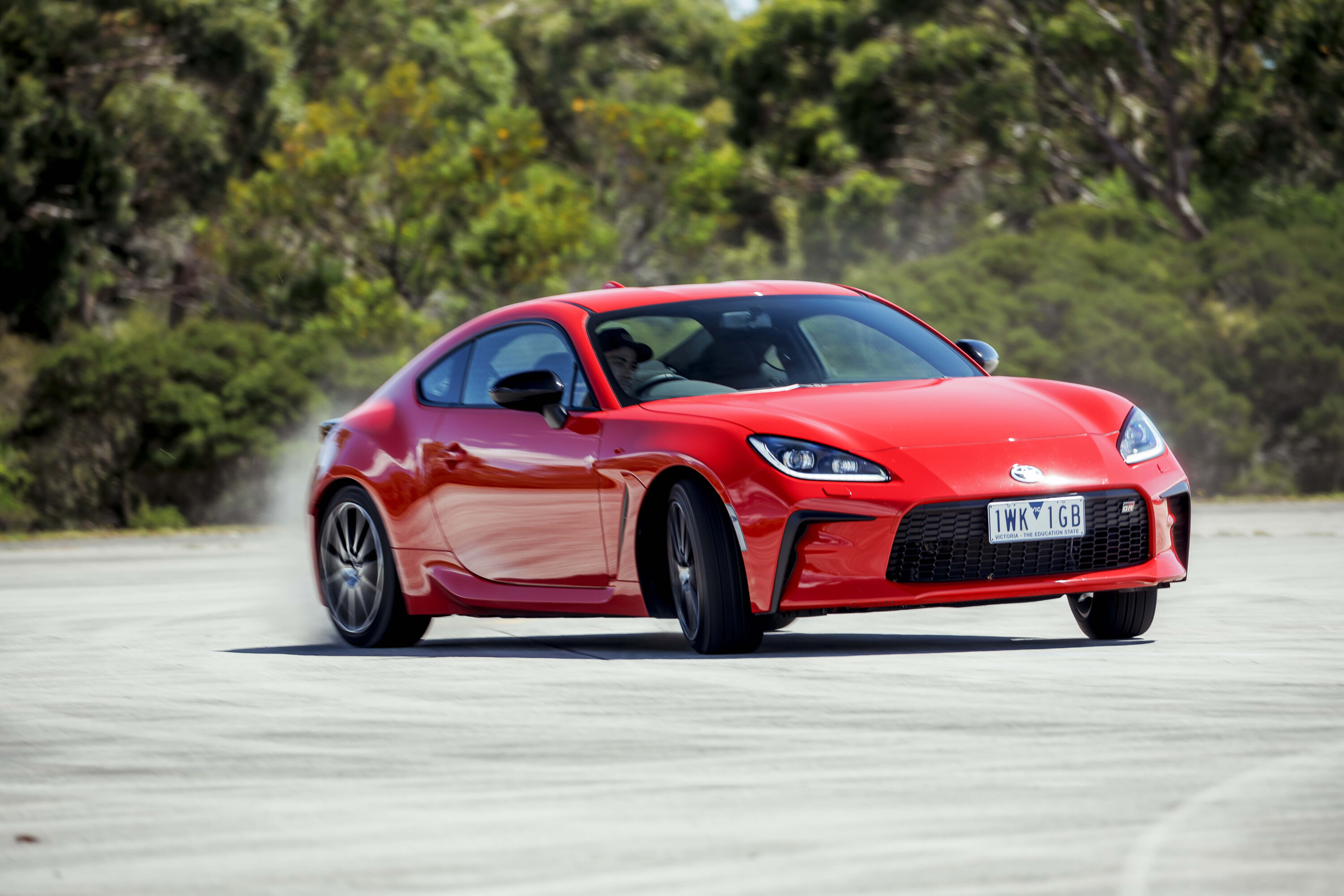
Our original story, below, has been updated to reflect equipment changes
The new 2023 Toyota GR86 has finally launched in Australia, and we’ve now driven the version buyers will get. See our full review at the link below.
Remember when the first-gen 86 launched with a jaw-dropping low price of $29,990? ?
The new 2023 Toyota GR86 coupe, launching in Australia this week, will go on sale from $43,240 for the GT and $45,390 for the top-shelf GTS, before on-road costs.
In what may be infuriating news for hopeful buyers with a preference for a manual transmission, the prices above apply to both the manual and the automatic forms of both trim grades.
Indeed, the prices are a match for the automatic versions of Subaru’s BRZ coupe, while opting for metallic or pearl paint will add a further $575 – an option which Subaru includes in its pricing.
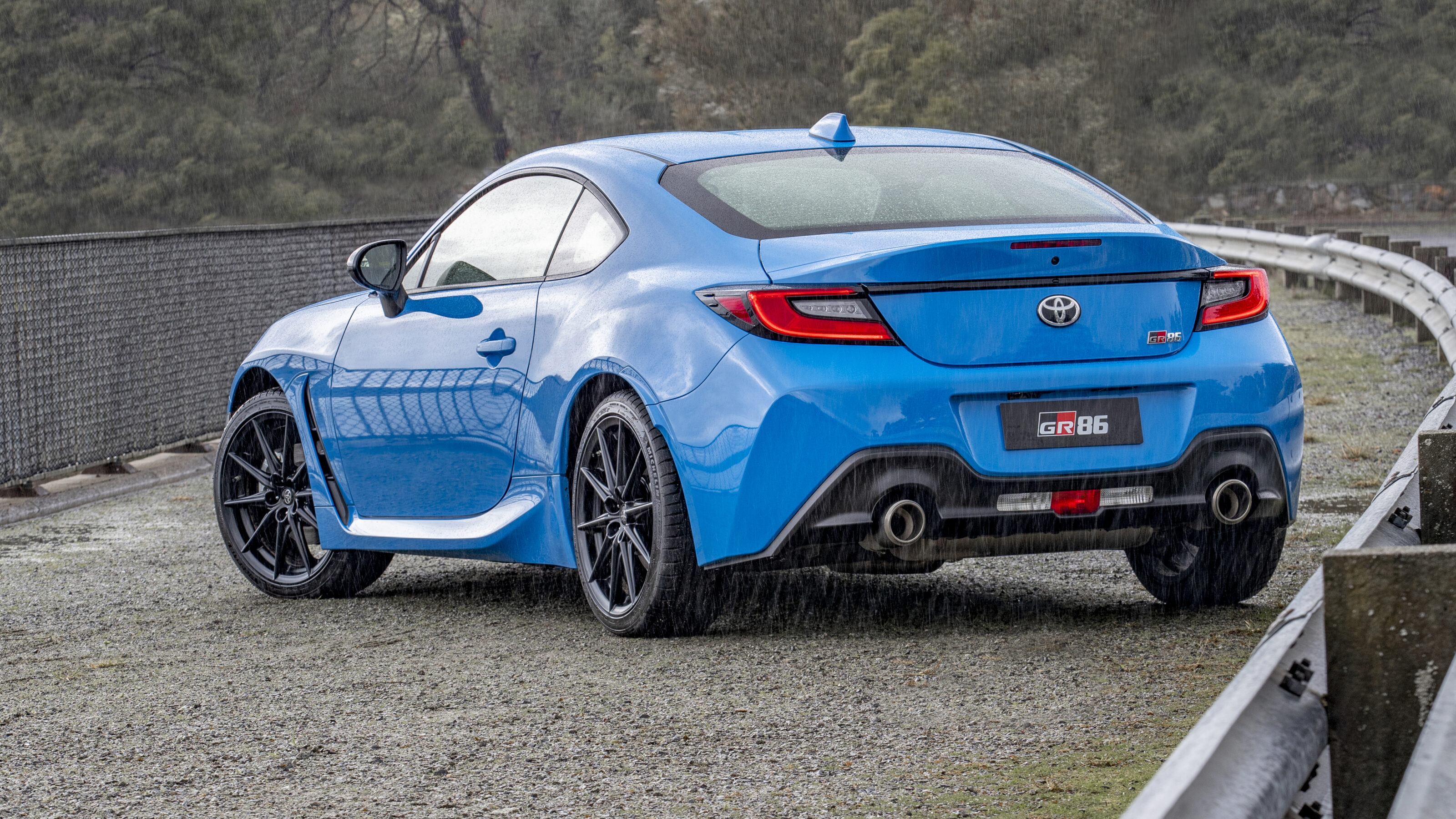
Speaking with Wheels editor Andy Enright at the GR86 launch event today, product planning boss Justin Hood said: “We think it’s suitable and appropriate for the market place. We’ve adopted the same policy with the Supra.”
Buyers could be forgiven for reading the above as a “because we can” scenario – and with the current state of supply and demand across all Australian model lines, there’s little to be surprised at.
A member of the ’22+ Toyota GR86 ZN8 / Subaru BRZ ZD8 Owners Club Australia’ group on Facebook alerted Wheels Media to this pricing late last night, posted to the group as an excerpt from a dealer bulletin, but the pricing has become official only this morning.
“This means over $4500 more driveaway for a manual GR86 GTS in most of their colours than the exact same equivalent BRZ,” the reader said.
“Such a disappointment after such a long wait. I have so much regret for not just ordering a BRZ the day they were announced nearly a year ago.”
Watch for Andy Enright’s review to come soon, and catch our earlier drive reviews at the links below.
| 174kW/250Nm 2.4-litre horizontally opposed four-cylinder petrol engine |
| Six-speed manual gearbox or six-speed torque-converter automatic transmission with Sport mode |
| Rear limited-slip Torsen differential |
| o 4.1 ratio (manual) |
| o 3.909 ratio (automatic) |
| 50-litre fuel tank |
| Front MacPherson strut and rear multi-link suspension with coil springs |
| Ventilated 294mm front and 290mm rear disc brakes |
| Electric power steering |
| LED headlights with auto-levelling and headlamp cleaner |
| LED daytime running lights and rear fog lights |
| Automatic high beam (A/T only) |
| 17-inch alloy wheels with 215/45R17 tyres |
| Tyre repair kit |
| Dual exhaust tips |
| Electric fuel lid and boot release |
| Power fold and heated exterior mirrors |
| GR badging front and rear |
| Seven colours with solid, metallic and pearl paint finishes |
| Black fabric front seats with manual adjust slide and recline and passenger easy entry |
| Black carpet with black floormats front and rear |
| Leather-wrapped gearshift knob |
| Leather-wrapped parking brake |
| Three-spoke leather-wrapped steering wheel with audio, phone and vehicle controls |
| Manual tilt and telescopic steering adjustment |
| Four seats |
| Autonomous emergency braking (AEB) | Reversing camera |
| Parking support brake with rear parking sensors (A/T only) | Emergency brake signal system |
| Active cruise control – All speed (A/T only) | Vehicle stability control |
| Lane departure alert | Hill start assist |
| leading vehicle notice | Front and second-row occupant detection |
| Seven SRS airbags | Immobiliser anti-theft system |
| ABS brakes | Tyre pressure warning |
| Dual-zone automatic climate control |
| Smart entry & start |
| Two cupholders in centre console |
| Power windows |
| Illuminated entry system with fadeout |
| Driver and passenger vanity mirrors |
| Door pockets with bottle holders |
| Active Sound Control |
| 8.0-inch touchscreen display |
| 6-speaker audio system |
| AM/FM/DAB+ radio |
| Bluetooth compatibility |
| Apple CarPlay / Android Auto compatibility |
| Steering wheel controls for audio, phone and vehicle settings |
| 2 USB-A ports |
| AUX input |
| 18-inch black alloy wheels with 215/40R18 tyres |
| Intelligent adaptive front headlights |
| Premium door scuff plate |
| Foot rest and pedals with aluminium pads |
| Black Ultrasuede + leather accented front seats with Gunmetal Grey or Red leather accented seats |
| Silver or red trim stitching |
| Black or Red leather accented door centre |
| Black or Red carpet and floormats |
| Rear blind spot monitor |
| Rear cross-traffic alert |
| Driver and passenger vanity mirrors with light |
| Front seat heaters |
| Door courtesy lamp |
| EXTERIOR | ||
|---|---|---|
| Overall length | 4265mm | |
| Overall width | 1775mm | |
| Overall height | 1310mm | |
| Wheelbase | 2575mm | |
| Front track | 1520mm | |
| Rear track | 1550mm | |
| Running ground clearance | 130mm | |
| Front overhang | 860mm | |
| Rear overhang | 830mm | |
| INTERIOR | ||
| Length | 1625mm | |
| Width | 1480mm | |
| Height | 1060mm | |
| Luggage volume (VDA) | 237 litres | |
| WEIGHTS AND CAPACITIES | ||
| Kerb weight | GT Manual: 1287kg, GT Automatic: 1308kg, GTS Manual: 1291kg, GTS Automatic: 1312kg | |
| Gross vehicle mass | GT/GTS Manual: 1670kg, GT/GTS Automatic: 1700kg | |
| Coefficient of Drag | 0.276 | |
| Fuel tank capacity | 50 litres | |
| Seating | 4 people | |
| POWERTRAIN | ||
| PETROL ENGINE | ||
| Model code | FA24 | |
| Type | Horizontally opposed four cylinder | |
| Valve mechanism | 16-valve, DOHC | |
| Capacity | 2387cc | |
| Bore x stroke | 94.0mm x 86.0mm | |
| Compression ratio | 12.5:1 | |
| Power | 174kW @ 7000rpm | |
| Torque | 250Nm @ 3700rpm | |
| Fuel system | D-4S fuel injection | |
| Min octane rating | 98 | |
| Emissions | EURO 6B | |
| TRANSMISSION | ||
| Type | Six-speed manual gearbox | Six-speed automatic transmission |
| Transmission Model Code | TL70 | TX6A |
| Ratios | ||
| 1st | 3.626 | 3.538 |
| 2nd | 2.189 | 2.06 |
| 3rd | 1.541 | 1.405 |
| 4th | 1.213 | 1 |
| 5th | 1 | 0.713 |
| 6th | 0.767 | 0.582 |
| Reverse | 3.438 | 3.168 |
| Final drive | 4.1 | 3.909 |
| FUEL ECONOMY & CO2 EMISSIONS | ||
| Combined fuel economy | GT Manual: 9.4 L / 100km, GT Automatic: 8.7 L / 100km, GTS Manual: 9.5 L / 100km, GTS Automatic: 8.8 L / 100km | |
| Extra-urban fuel economy | GT Manual: 7.2 L / 100km, GT Automatic: 6.3 L / 100km, GTS Manual: 7.3 L / 100km, GTS Automatic: 6.4 L / 100km | |
| Urban fuel economy | GT Manual: 13.2 L / 100km, GT Automatic: 12.7 L / 100km, GTS Manual: 13.3 L / 100km, GTS Automatic: 13 L / 100km | |
| Combined CO2 emissions | GT Manual: 215 g/km, GT Automatic: 199 g/km, GTS Manual: 217 g/km, GTS Automatic: 201 g/km | |
| Extra urban CO2 emissions | GT Manual: 165 g/km, GT Automatic: 144 g/km, GTS Manual: 166 g/km, GTS Automatic: 145 g/km | |
| Urban CO2 emissions | GT Manual: 300 g/km, GT Automatic: 290 g/km, GTS Manual: 302 g/km, GTS Automatic: 295 g/km | |
| PERFORMANCE | ||
| Maximum Speed | GT/GTS Manual: 226km/h, GT/GTS Automatic: 216km/h | |
| 0-100km/h | GT/GTS Manual: 6.3 seconds, GT/GTS Automatic: 6.8 seconds | |
| CHASSIS | ||
| SUSPENSION | ||
| Front | MacPherson strut, 18mm stabiliser bar | |
| Rear | Multi-link, 15mm stabiliser bar | |
| STEERING | ||
| Type | Rack-and-pinion with electric power steering | |
| Turning circle diameter | 10.8m (tyre), 11.4m (body) | |
| Turns lock to lock | 2.5 | |
| BRAKES | ||
| Front | 294mm ventilated discs, 2 piston callipers | |
| Rear | 290mm ventilated discs, single piston calliper | |
| Parking brake | Mechanical | |
| Brake systems | Vehicle stability control, traction control, hill-start assist control, ABS with brake assist and electric brake force distribution, emergency brake signal system | |
| WHEELS & TYRES | ||
| Size, construction | GT: 17×7.5 J alloy, 215/45R17, GTS: 18×7.5 J alloy, 215/40R18 | |
| Spare | Repair Kit | |
The second-generation 2023 Toyota GR86 will arrive locally in September, followed by a limited-run 10th Anniversary Edition, the brand has confirmed.
It has been a long time coming for the two-door, rear-wheel drive GR86, which first debuted in April 2021, with additional development work reportedly behind the delay.
Its identical Subaru BRZ twin arrived in Australia in late 2021, albeit in limited numbers.
Revealed today, the Toyota GR86 10th Anniversary Edition will arrive in late 2022, exclusive to 86 units for Australia – marking 10 years since the first-generation, Wheels Car of the Year-winning 86 launched, with more than 22,000 sales recorded since.
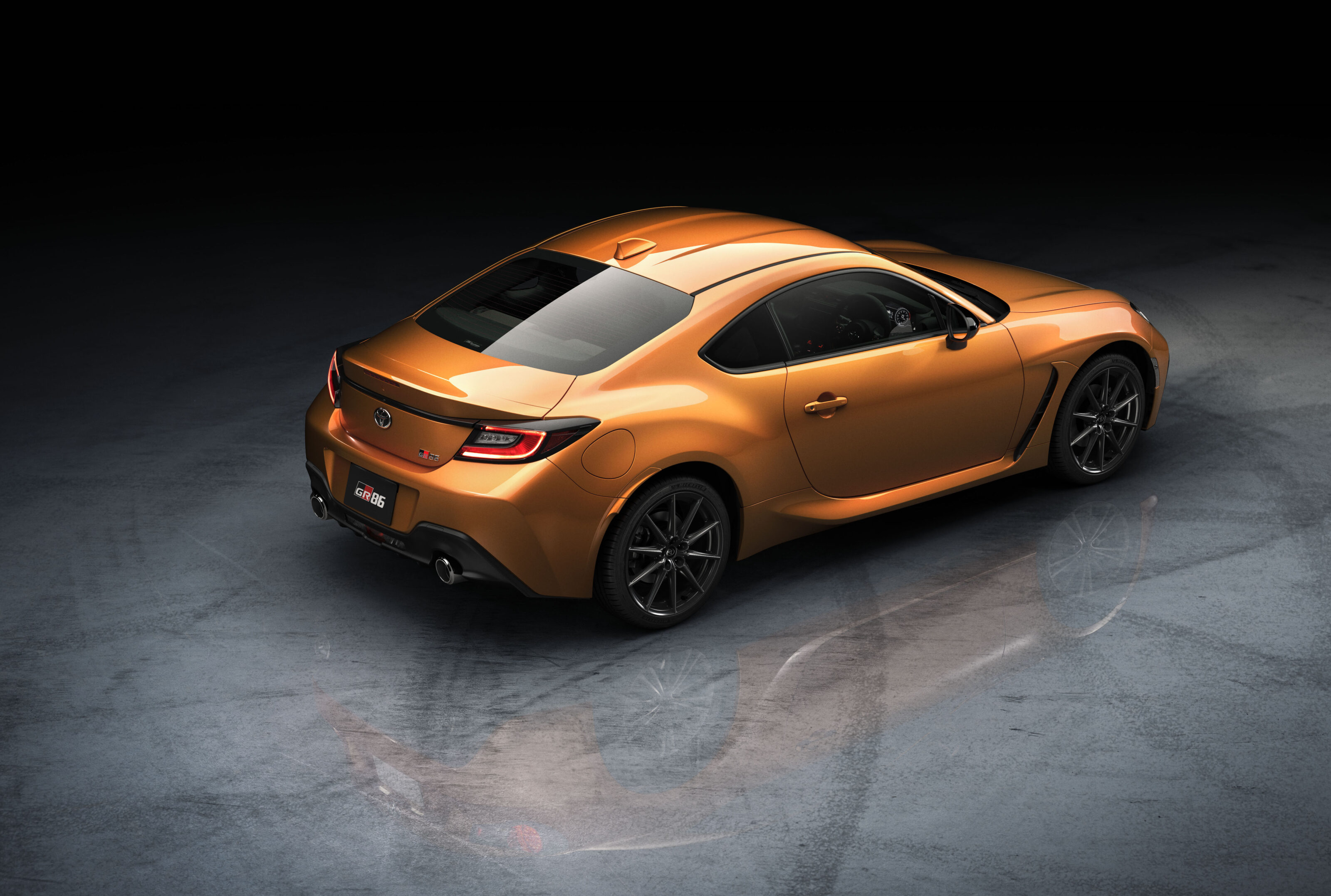
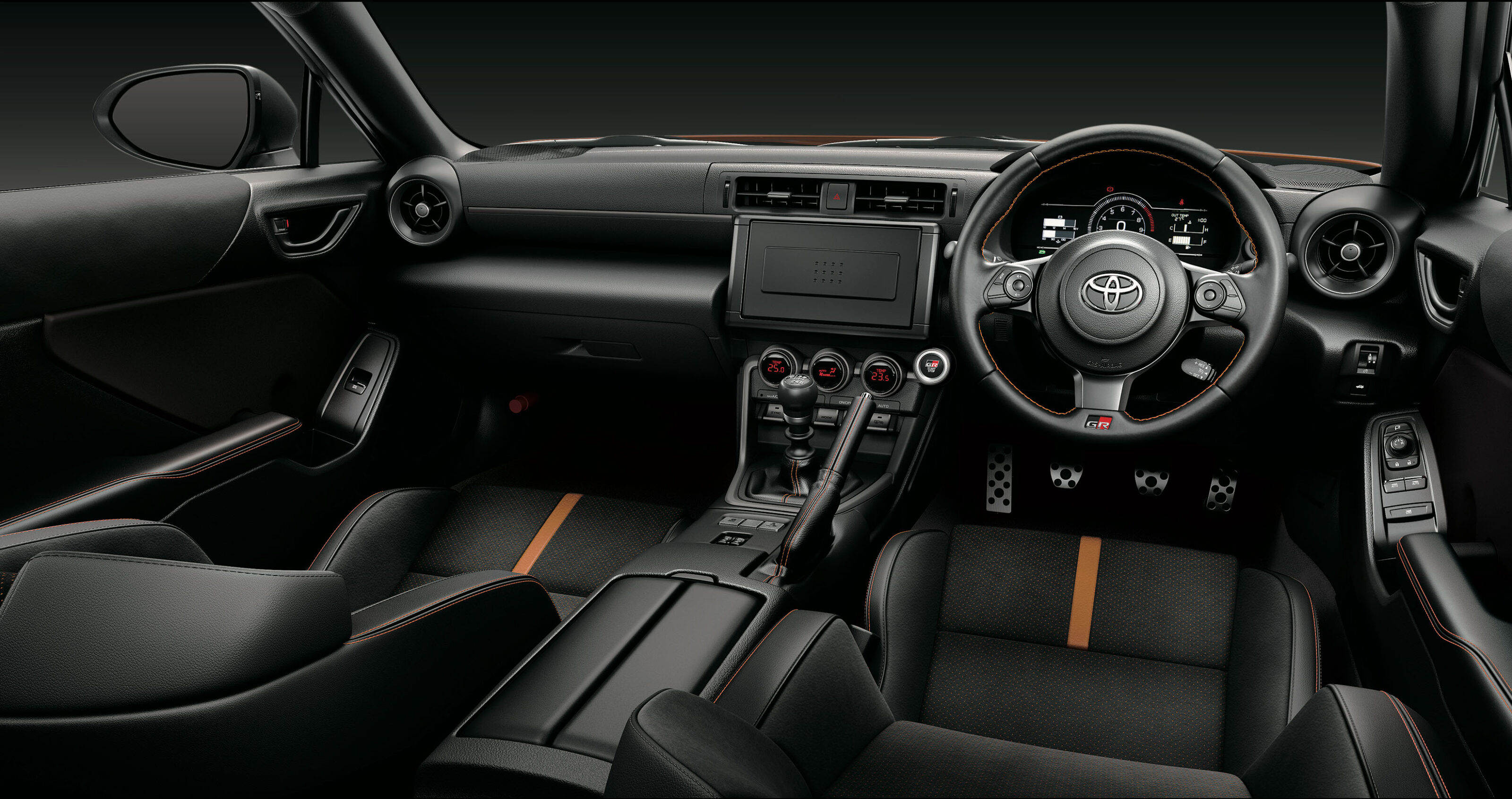
It gains a unique orange exterior paint colour – similar to the original 86’s Velocity Orange launch hue – and a two-tone cabin with orange and black highlights, and 10th Anniversary embroidery on the door cards.
Toyota will first offer the GR86 10th Anniversary Edition to members of the Gazoo Racing Club – currently available to GR Yaris and GR Supra owners – with priority access to orders.
Exclusive benefits of the Gazoo Racing Club include; free yearly membership, merchandise, track-day events and a premium fuel discount at participating outlets. It will open to GR86 and GR Corolla owners later this year.
“Ten years ago, we launched the original Toyota 86 in Australia, creating a following for those wanting a sports car that blends reliable performance and great value,” said Sean Hanley, vice president of national sales and marketing at Toyota Australia.
“With the new generation GR86 just around the corner, what better way to commemorate a decade of our exciting coupe than with this special 10th Anniversary model.”
Set to join the GR Supra, GR Yaris and GR Corolla in Toyota’s performance vehicle range, the GR86 features an upgraded 2.4-litre naturally-aspirated flat-four engine producing 173kW of power and 250Nm of torque – a 21kW and 38Nm increase over the 2.0-litre unit in the outgoing 86.
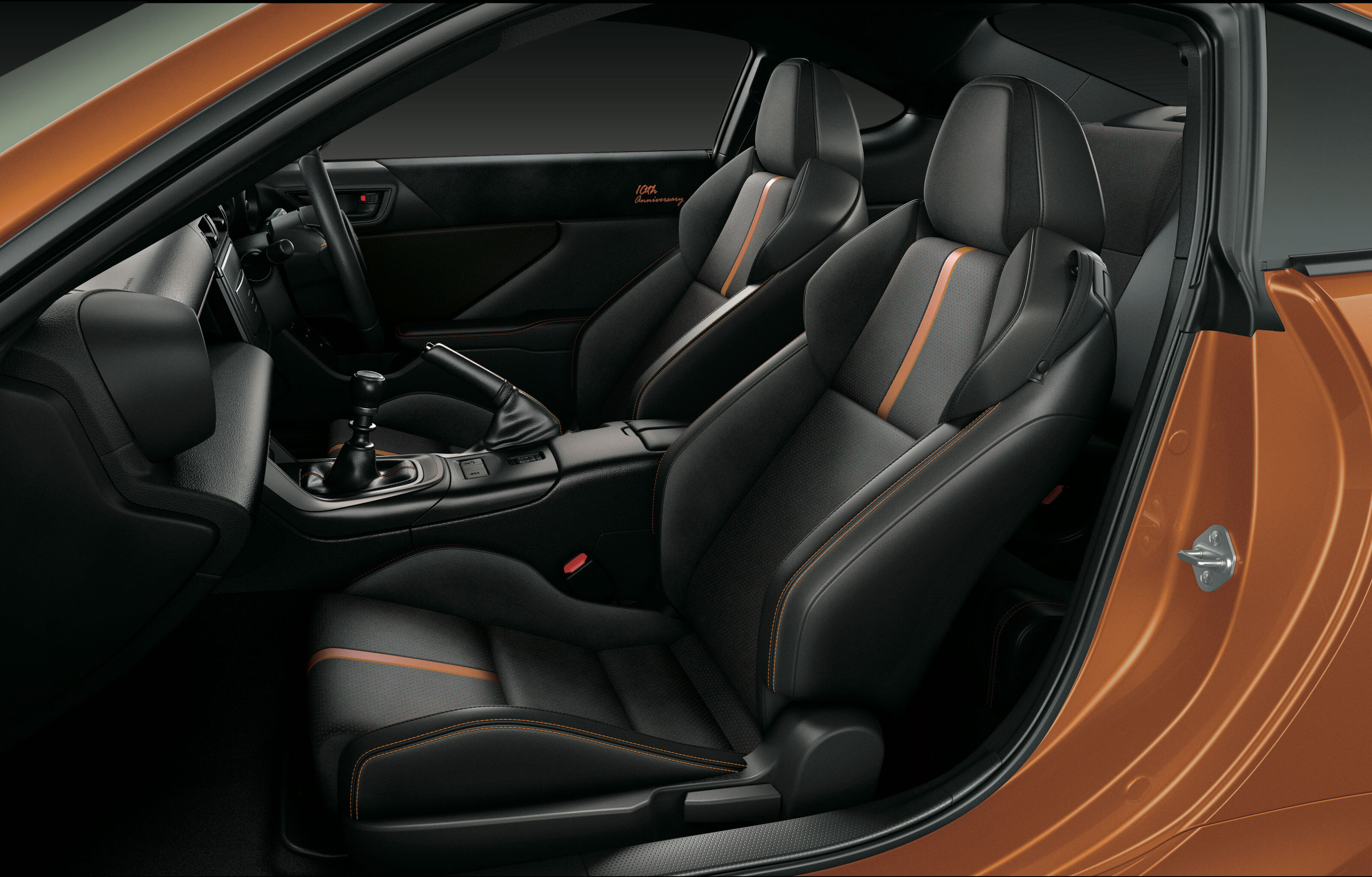
A six-speed manual or automatic transmission will be offered, with manual variants likely to forgo active safety equipment, including autonomous emergency braking (AEB) – as seen on the Subaru BRZ.
AEB will become a requirement for all new vehicles sold in Australia from March 2025.
Pricing and features for the wider 2023 Toyota GR86 range will be announced in the coming weeks, while Toyota will release further details on the 10th Anniversary Edition at the GR86’s September launch.
