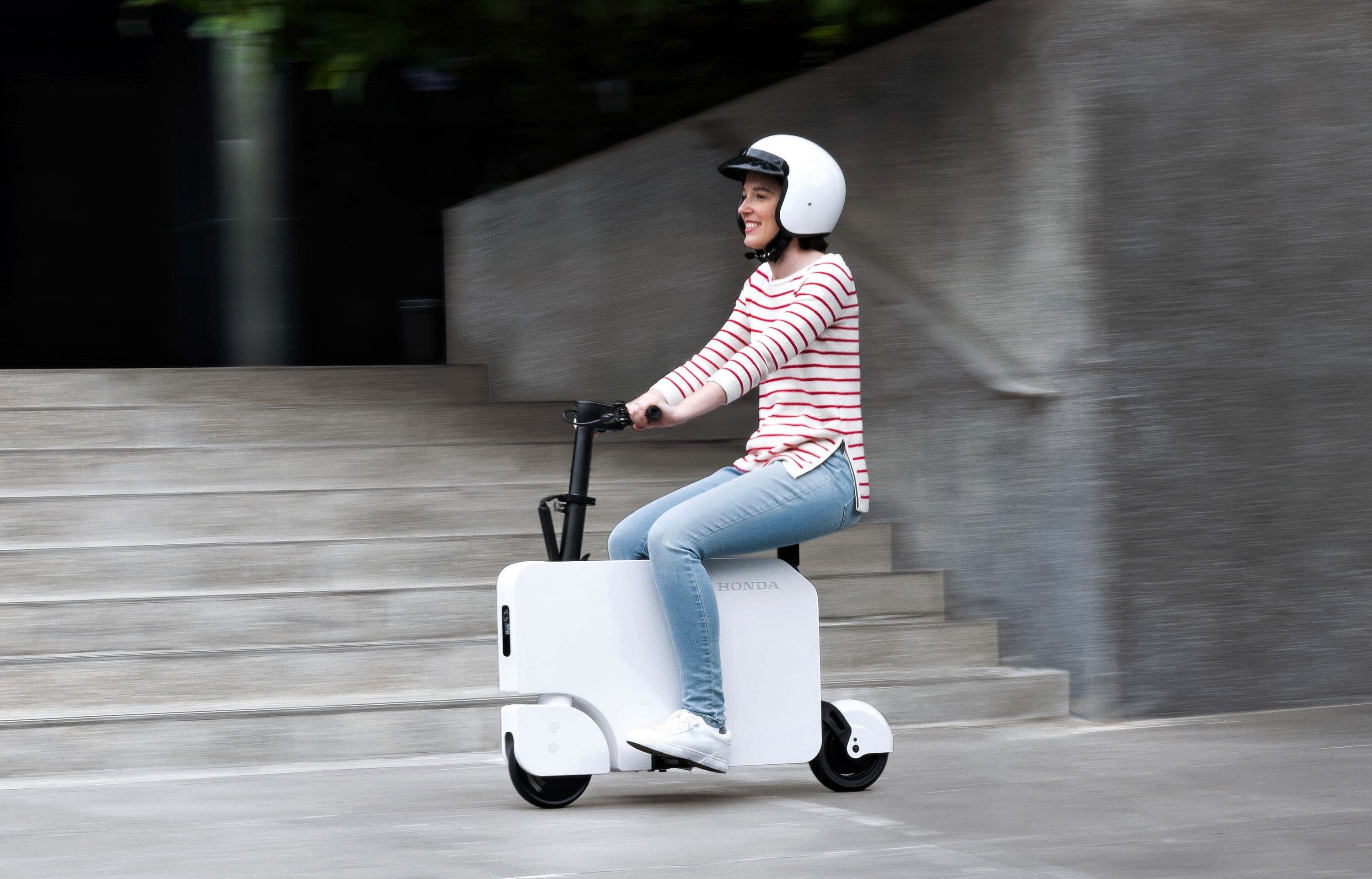
The Honda Motocompacto has been revealed as its first electric scooter, with a retro ‘80s Japanese design, a 19-kilometre claimed range, and a price tag cheaper than a new iPhone.
Snapshot
Honda Motocompo revived as retro e-scooter
19km claimed range, compact design
Yes, it’s cheaper than a new iPhone
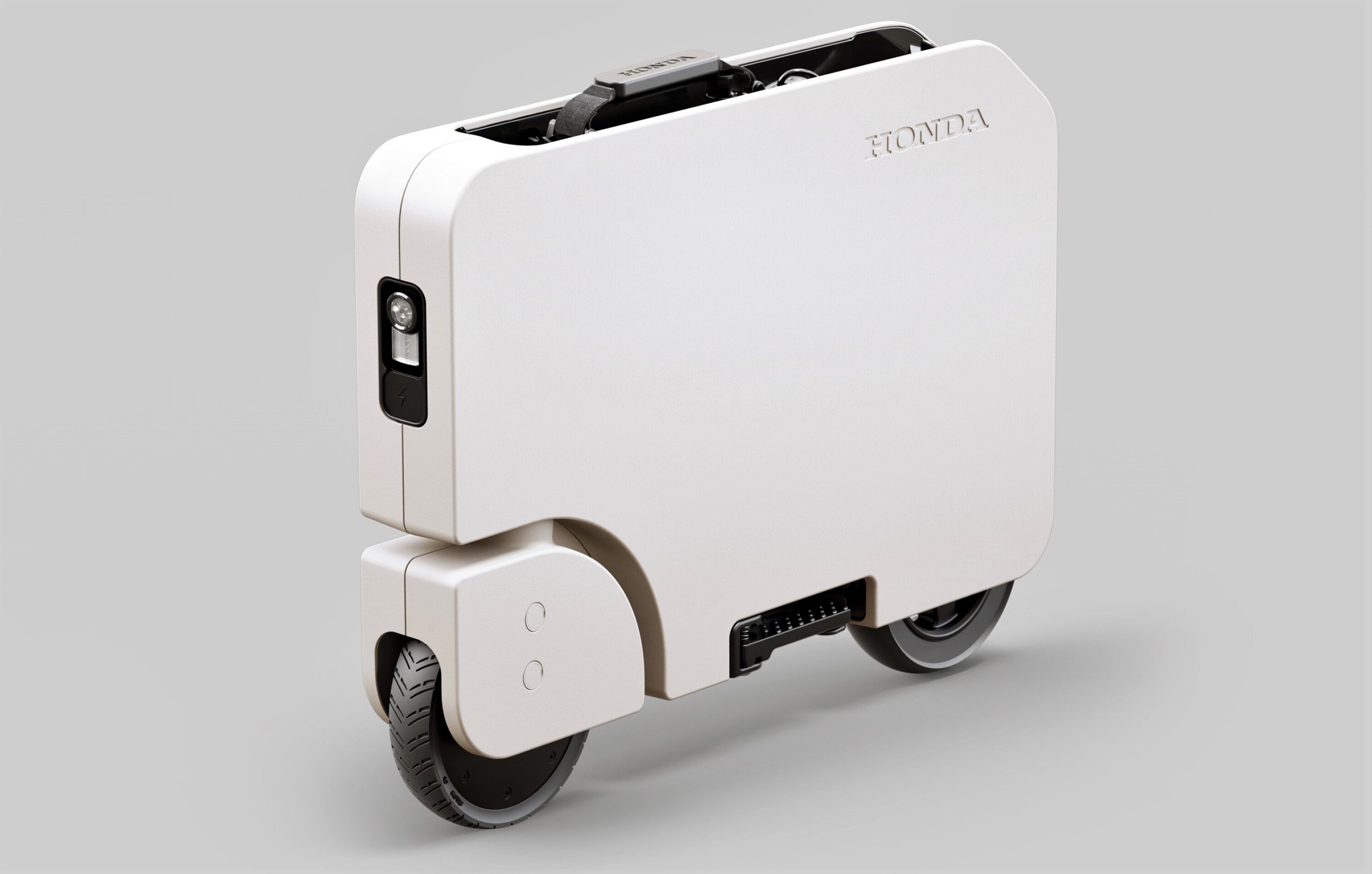
Inspired by the iconic Motocompo from the early 1980s, the Japanese automaker revived it with a thin, blocky white-and-camel design.
As per the original model that was designed to complement and fit inside Honda’s city cars, the handle, seat and rear wheel can be folded in for a more convenient compact size.
1
An electric motor powers the front wheels, with a top speed of 24km/h and a claimed 19km of driving (or ‘scooting’) range, which can be fully charged in around 3.5 hours using a standard 110-volt home socket.
It’s mainly targeted at urban dwellers, who don’t necessarily need to drive a private vehicle and those who want to reduce their carbon footprint.
1
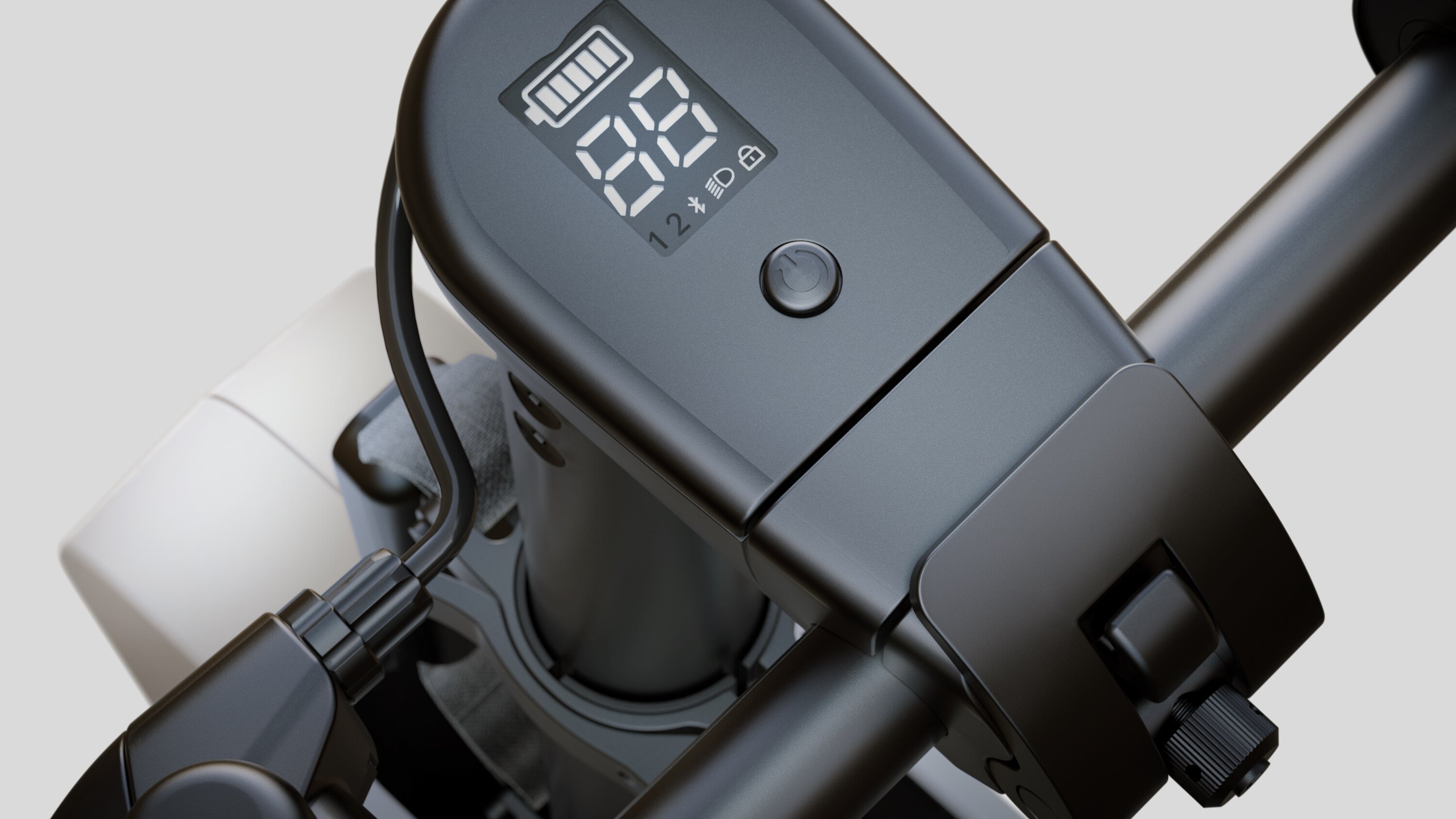
The Honda Motocompacto e-scooter also offers integrated storage for the charging cable, a digital speedometer, a carry handle, and even a connected smartphone app to adjust settings.
Despite the thin suitcase-looking design, it promises to be durable as well with an aluminium frame, LED head- and tail-lights, and a steel lock loop on the kickstand to use on most bike locks.
The retro e-scooter was designed and developed in Ohio and California, and earned 32 patents.
Owners can also personalise it with decals, stickers and skins. If you want to nerd out even more, there will be a full line of Motocompacto-branded accessories, such as a helmet, backpack and apparel.
11
Wait, how much does it cost?
The second-generation Honda Motocompacto will start selling in November, priced from US$995 (AU$1555), but it’ll be exclusively sold in North America.
Yes, that undercuts the latest Apple iPhone 15 Pro smartphone, which starts from AU$1849 or US$999 (it has a titanium frame, though).
It will be available via its website, and even Honda and Acura car dealers in North America.
Global inflation, supply shortages and geopolitical tensions have seen fuel and electricity prices soar. Are electric vehicles the answer?
Snapshot
EVs are inherently cheaper to run than ICE
Significant savings when charging at home
Select public charging stations can cost similar to fuel
Despite a generally higher purchase price tag, a key selling point of owning an EV is cheaper long-term ‘running costs’ – the electricity or fuel juice to keep a vehicle moving – compared to traditional internal combustion engine (ICE) vehicles.
Firstly, let’s outline the assumptions in this story.
We’ll compare an electric model against the most equivalent petrol, petrol-hybrid or diesel model.
Our calculations are based on claimed energy efficiency for the EV (kWh/100km) and claimed fuel consumption figures (litres/100km), according to the stricter – but still conservative – combined WLTP testing cycle as quoted by each car manufacturer.
For EV charging, we’ll assume a full 0 to 100 per cent recharge (which is generally not recommended for lithium-ion battery types) – and does not account for potential charging losses, nor utilising any free solar energy generation at home.
Likewise, for refuelling, we’ll assume filling up from an empty to full tank.
? The assumed running cost rates
Our sums are based on the following electricity rates:
Home off-peak overnight electricity tariff (general plan): $0.30 per kWh
DC fast charging station (most common type): $0.50 per kWh
If reliant on public charging infrastructure – which varies in cost rates depending on the network and station (we’ve assumed $0.50 per kWh as noted above) – the savings by going pure EV reduces to $551 per year.
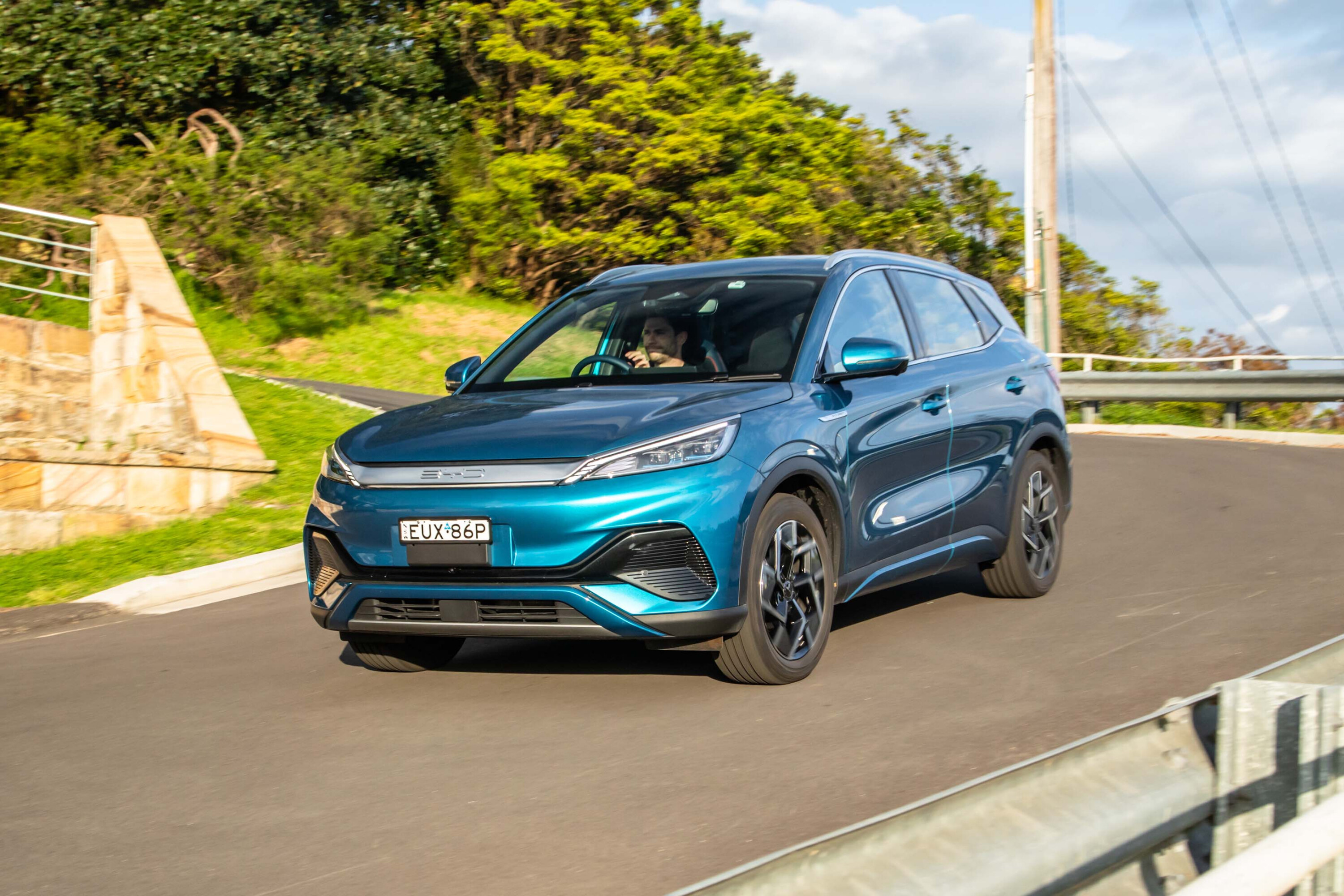
The popular BYD Atto 3 Standard Range small electric SUV would save owners around $1071 per year in home charging costs compared to the petrol-powered Mazda CX-30 G25 Astina in front-wheel drive guise.
However, those savings are limited to roughly $720 per year if solely using public charging stations.
*Calculations for the Tesla Model Y are based on specs from EV Database, since Tesla does not disclose usable battery size.
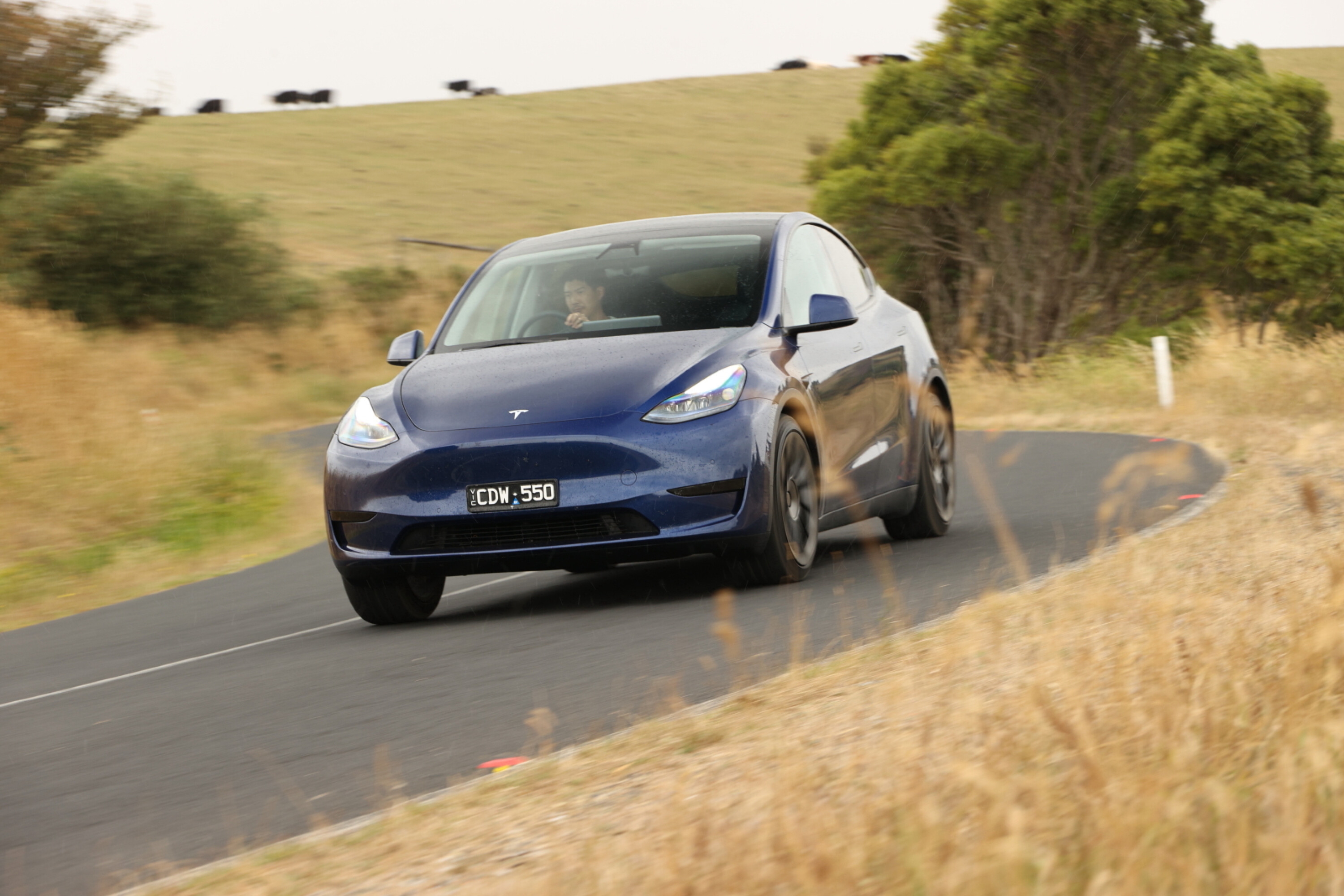
Australia’s favourite EV, the base Tesla Model Y rear-wheel drive (RWD), would save owners around $762 in charging costs annually than refuelling the diesel-run Audi Q5 35 – if plugged-in at home.
Otherwise, the Model Y medium electric SUV would save about $457 per year in public charging-only expenses.
This is where the fuel-efficient diesel SUV narrows the gap in running expenses compared to electric.
However, even though diesel doesn’t emit as much carbon dioxide (CO2) exhaust fumes as petrol, it is classified as a harmful carcinogen because it produces more local particulate matter and nitrogen oxides – hence the need for particulate filters.
If dependent on public EV charging stations, those savings will reduce to around $791 annually.
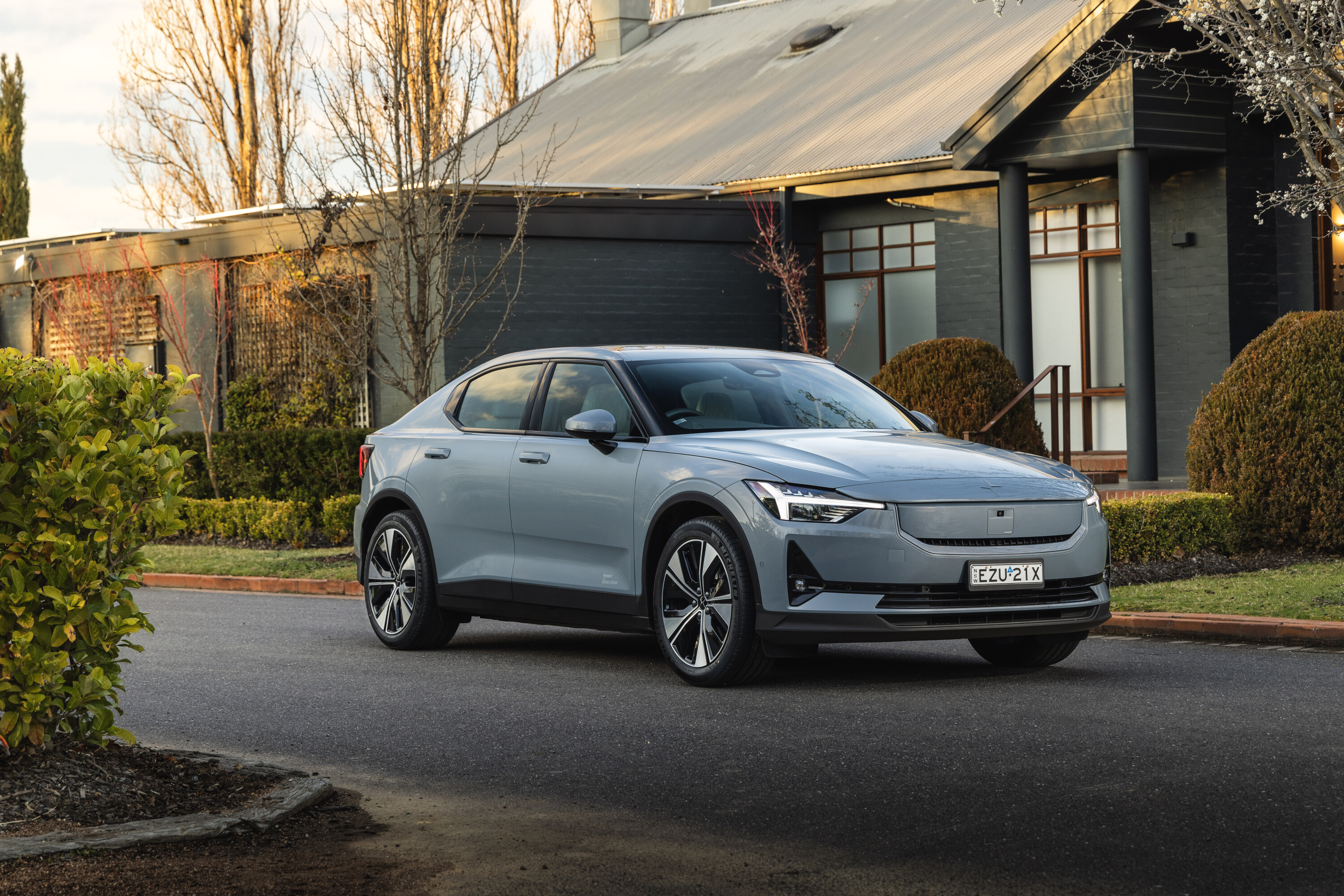
It’s also worth noting that petrol-powered luxury medium sedans, including the Mercedes-Benz C-Class and BMW 3 Series, have significantly increased their entry prices in the past few years – resulting in comparable electric cars, such as the Polestar 2 liftback and Tesla Model 3 sedan, being substantially cheaper to buy.
Therefore, there’s essentially no need for reduced running costs to recoup the typical EV price premium – the savings start from signing the dotted line.
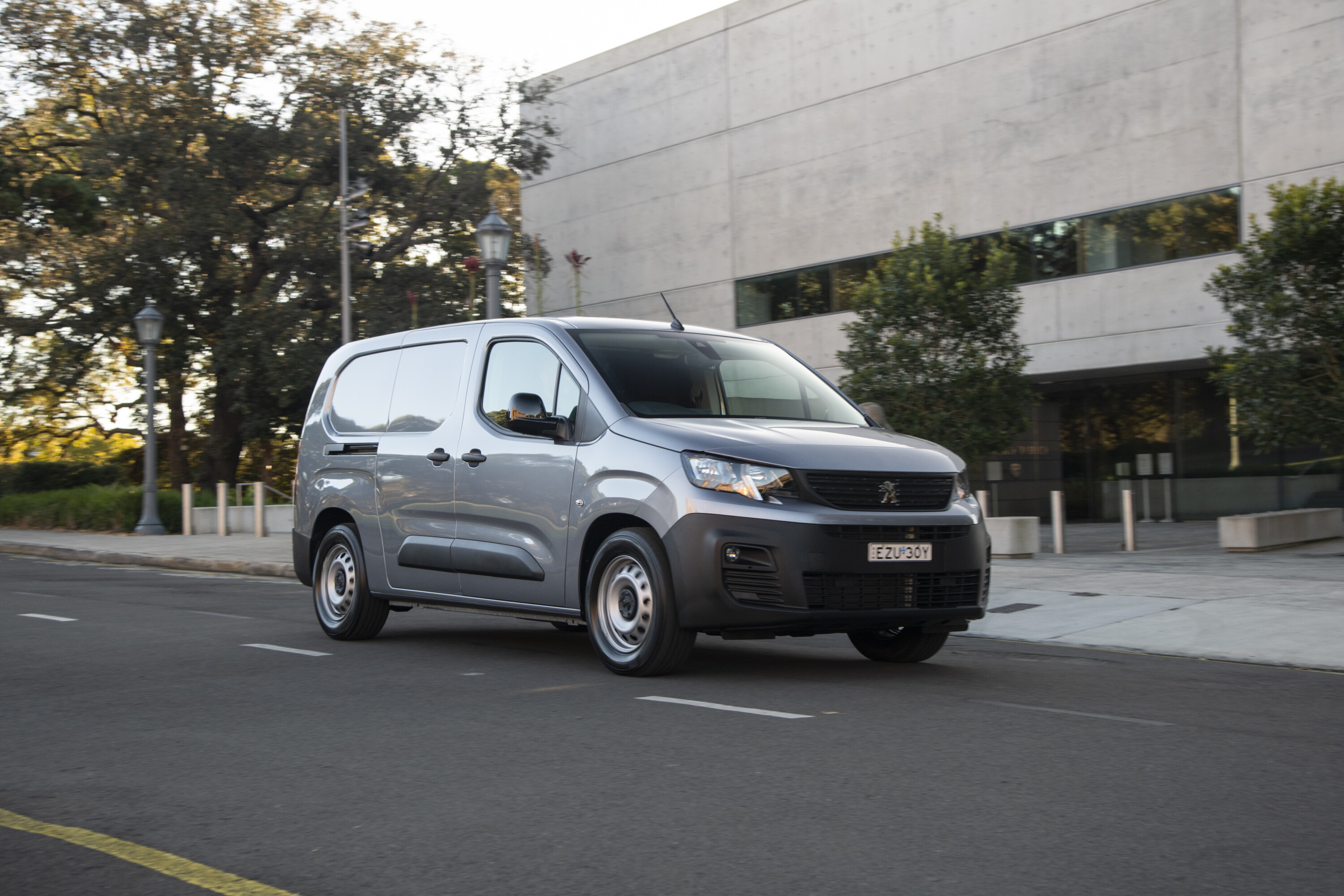
The Peugeot E-Partner electric commercial van would be about $849 cheaper to run annually when charged at home than the equivalent diesel-engined Partner Pro long wheelbase.
When only using public EV charging infrastructure – which is not typical for commercial drivers – the savings would account to roughly $416 per year.
For larger business fleets, the ideal would be plugging in when the electric cargo van is stationary at its dock during the day or overnight. Charging would even be free when plugged-in during the former, if there’s a solar panel array installed.
Keep in mind that our sums are based on a standard residential home electricity tariff and are based on claimed energy and fuel consumption ratings when the vans are unladen. Expect the need for charging and refuelling respectively to increase with heavier loads.
The sums from the few electric car models in this story demonstrates that, despite rising electricity and fuel costs, they are inherently cheaper to power from day one.
That’s provided you don’t choose some pricier public chargers, including non-Tesla EV models using Tesla Superchargers without a subscription.
The savings for avoiding constantly fluctuating fuel pump prices over time will eventually recoup the EV price premium (if there is one), which would ‘break even’ quicker if you drive longer distances and recharge more often – especially at home.
EVs are not for everyone (for now).
But, it is the quieter, simpler and local emissions-free form of transportation to get from A to B.
The initial price hurdle, driving range, depreciation, sustainability, battery longevity, and safety remain key perceived and valid issues. For more, check out the links below.
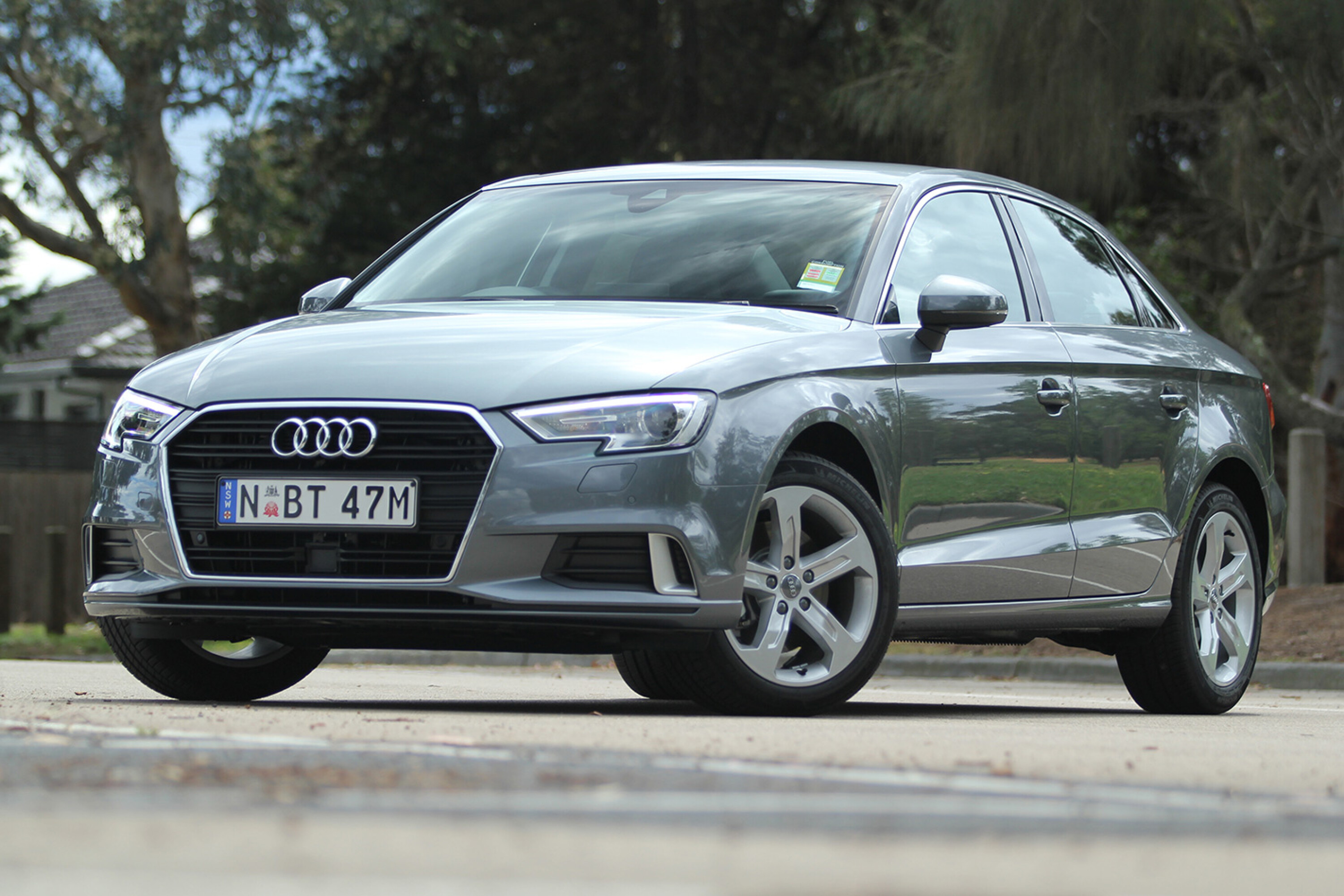
Due to an installation defect, the internal fuse box wiring harness may become loose. If this occurs, the instrument cluster may fail to illuminate, internal, external lamps may switch off, and the vehicle may experience a sudden loss of motive power whilst driving.
Note: In an event of failure, the driver will be able to steer and apply the brakes.
What are the hazards?
A sudden loss of motive power and reduced or poor visibility whilst driving could increase the risk of an accident causing serious injury or death to vehicle occupants and other road users.
What should consumers do?
Owners of affected vehicles will be contacted by Audi Australia Pty Ltd and are asked to arrange with their nearest authorised Audi dealership to have the work carried out, free of charge.
Supplier details
Audi Australia Pty Ltd
Who should owners/operators contact for more information?
Variant applicability:All variants within this model
What are the defects?
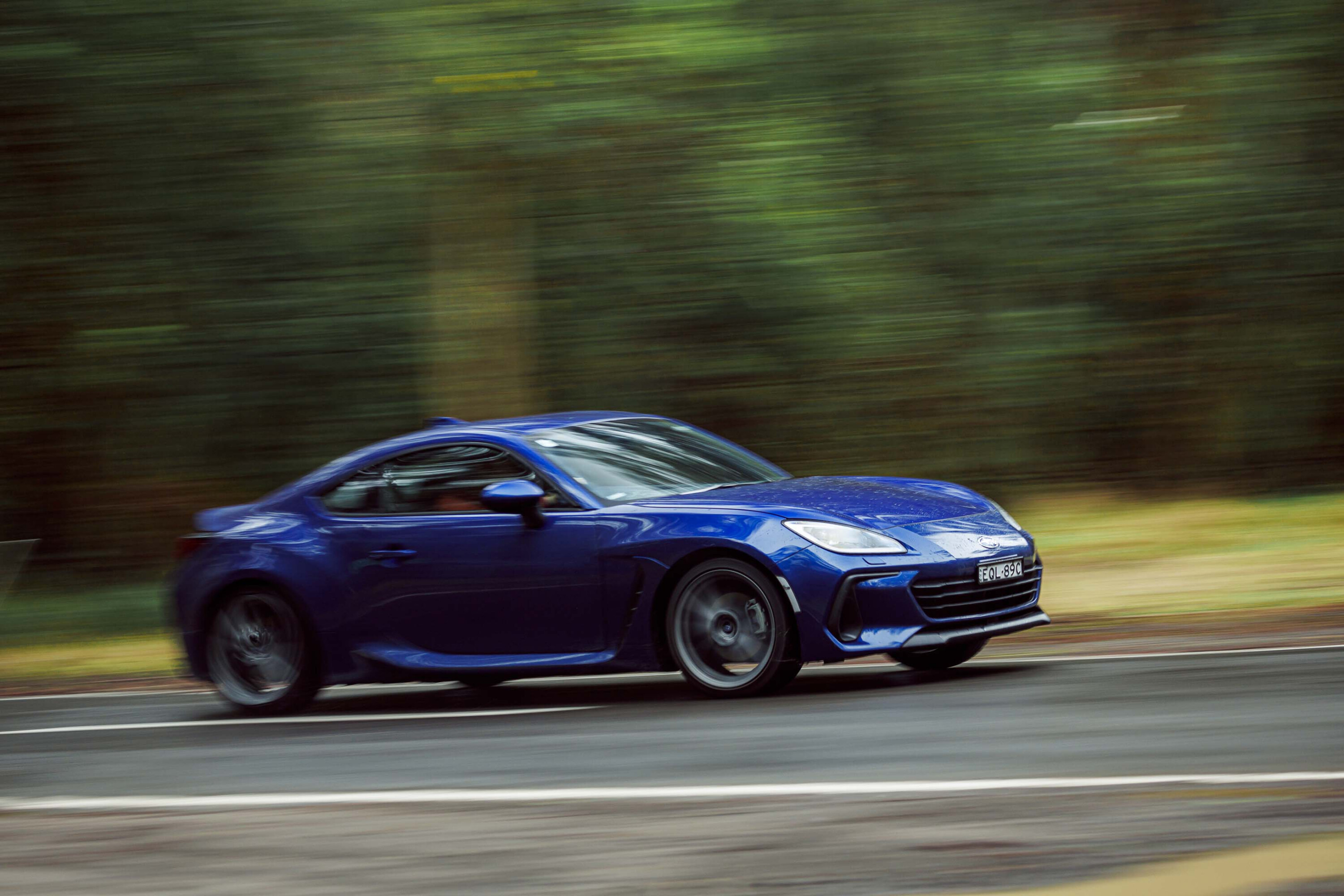
Due to a potential design concern with the rear tail lights control circuit, the turn and hazard indicators lamps may not illuminate as intended.
What are the hazards?
If the turn and hazard indicators do not illuminate as intended, other road users would be unable to identify if the vehicle is turning or under hazard. This could increase the risk of an accident causing serious injury or death to vehicle occupants and/or other road users.
What should consumers do?
If rapid blinking of the indicator occurs in the instrument cluster, owners should contact their local Subaru dealer as soon as possible to have the vehicle inspected and the work carried out, free of charge.
Owners can also contact Subaru Australia’s customer relations team on 1800 226 643 to assist with enquiries on this recall. Alternatively, owners can find a list of authorised Subaru retailers on their website www.subaru.com.au/retailers
Supplier details
SUBARU (AUST) PTY LTD
Who should owners/operators contact for more information?
Variant applicability: All variants within this model
What are the defects?
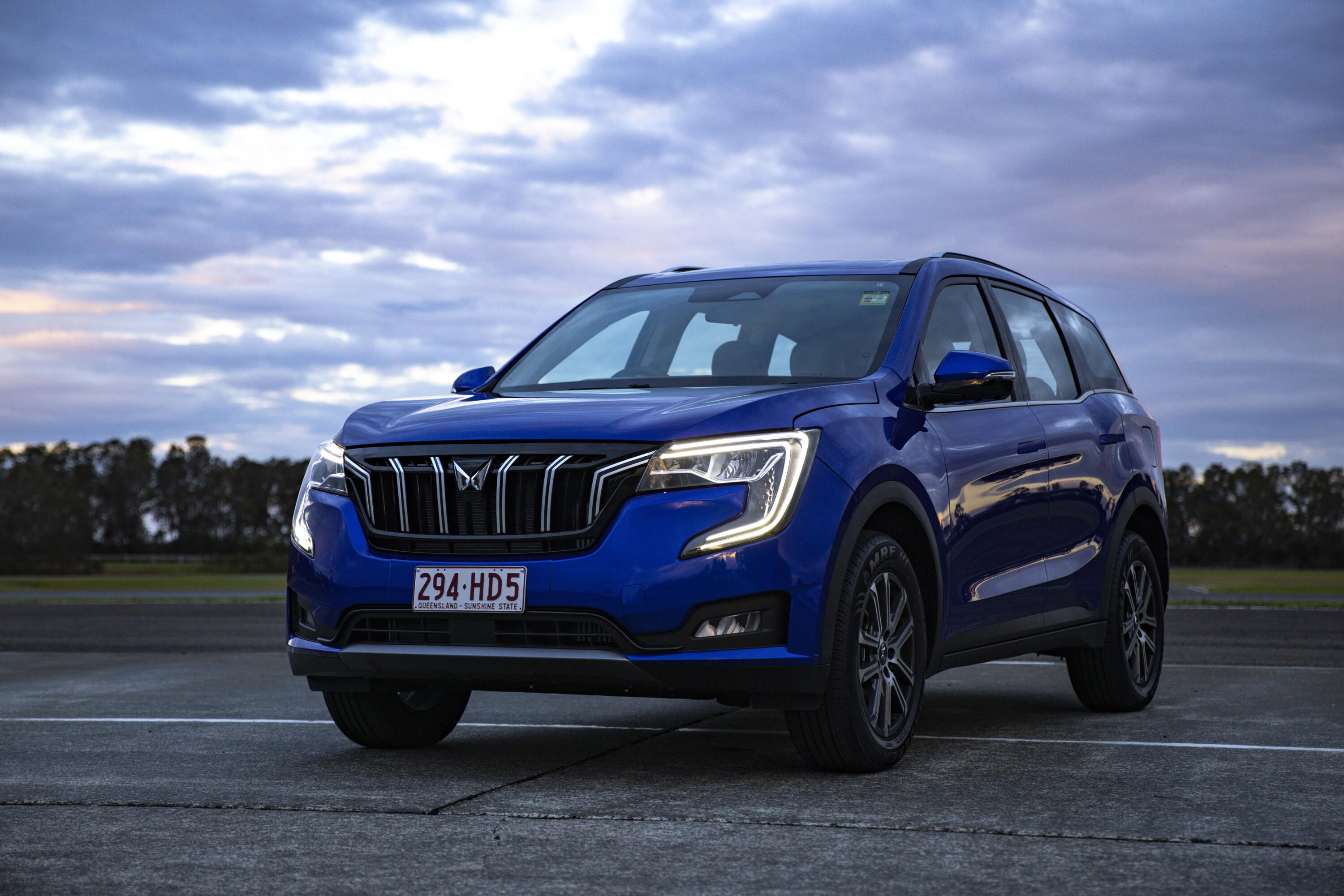
Due to a manufacturing defect, the main fuse box wiring harness may come in contact with the metal engine mounting bracket. As a result, the wiring harness could become damaged over time due to vibrations whilst driving, thus increasing the risk of thermal incident which may lead to vehicle fire.
What are the hazards?
A thermal incident which may lead to vehicle fire could increase the risk of injury or death to vehicle occupants, other road users or bystanders and/or damage to property.
What should consumers do?
Owners of affected vehicles should contact their most convenient Mahindra dealer to have the wiring repaired, free of charge.
Supplier details
MAHINDRA AUTOMOTIVE AUSTRALIA PTY LTD
Who should owners/operators contact for more information?
Variant applicability: This model does not include variants
What are the defects?
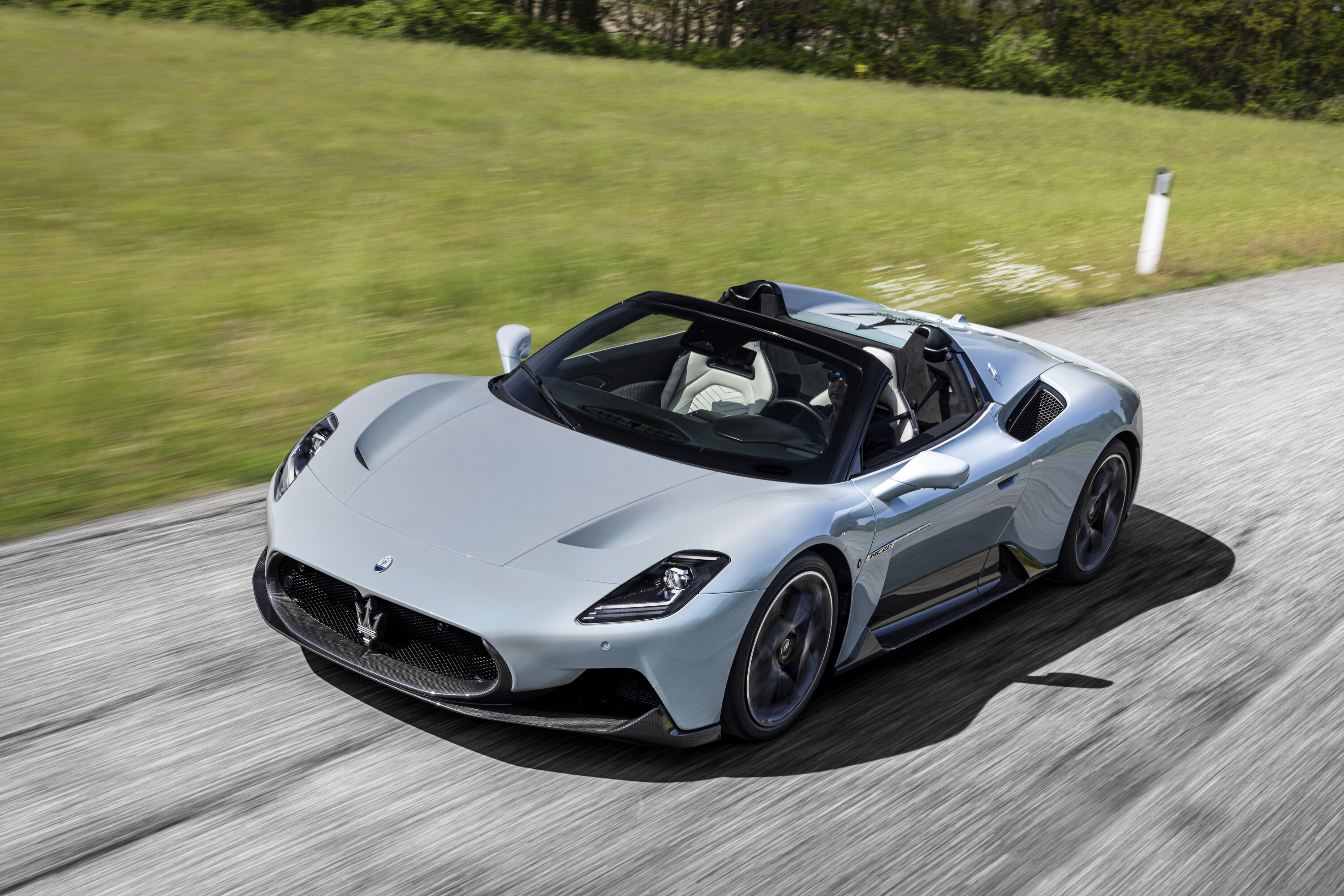
The adhesive that holds the windshield frame in place may not meet manufacturing specifications, this may result in the windshield not being adequately secured to the vehicle.
What are the hazards?
A windshield that is not adequately secured to the vehicle may detach and possibly have glass breakage, increasing the risk an accident causing serious injury or death to vehicle occupants and/or other road users.
What should consumers do?
Owners of affected vehicles should contact their authorised Maserati dealer to have the necessary work carried out and completed free of charge.
Supplier details
European Automotive Imports Pty Ltd
Who should owners/operators contact for more information?
Regulator comments: Only two vehicles affected by this recall
What are the defects?
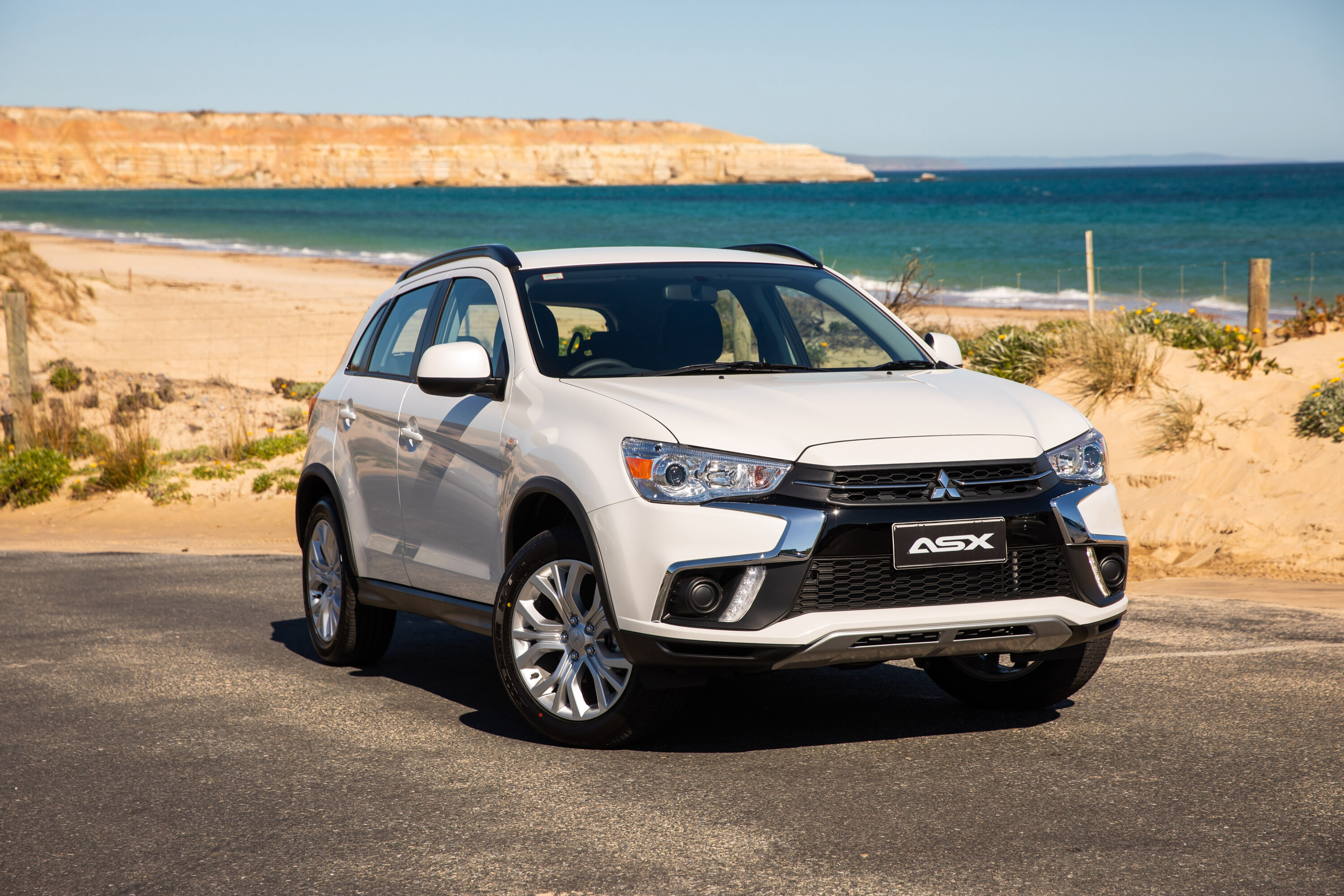
Incorrect compliance and data labels are fitted on the left and right hand front door openings. The labels do not match the Vehicle Identification Number (VIN) stamp in the engine bay.
What are the hazards?
Affected vehicles are not compliant with the Australian Design Rule (ADR 61/02) Vehicle Markings.
What should consumers do?
Affected owners should contact the Mitsubishi Motors Australia Limited Customer Service team on 1800 931 811 to arrange replacement of the incorrect label, free of charge.
Supplier details
MITSUBISHI MOTORS AUSTRALIA LIMITED
Who should owners/operators contact for more information?
What’s coming down the line from the VW Group’s so-called ‘unconventional challenger brand’?
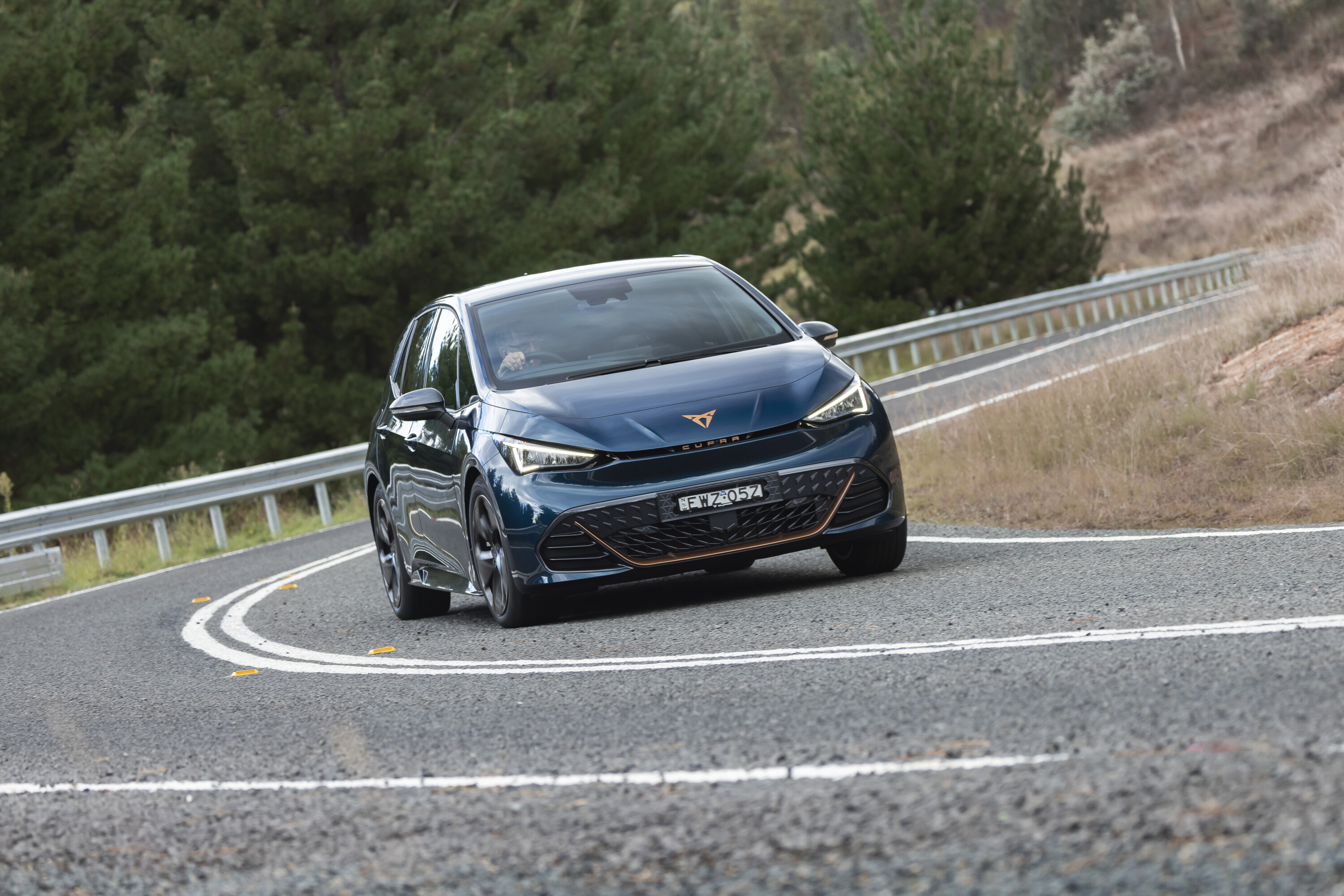
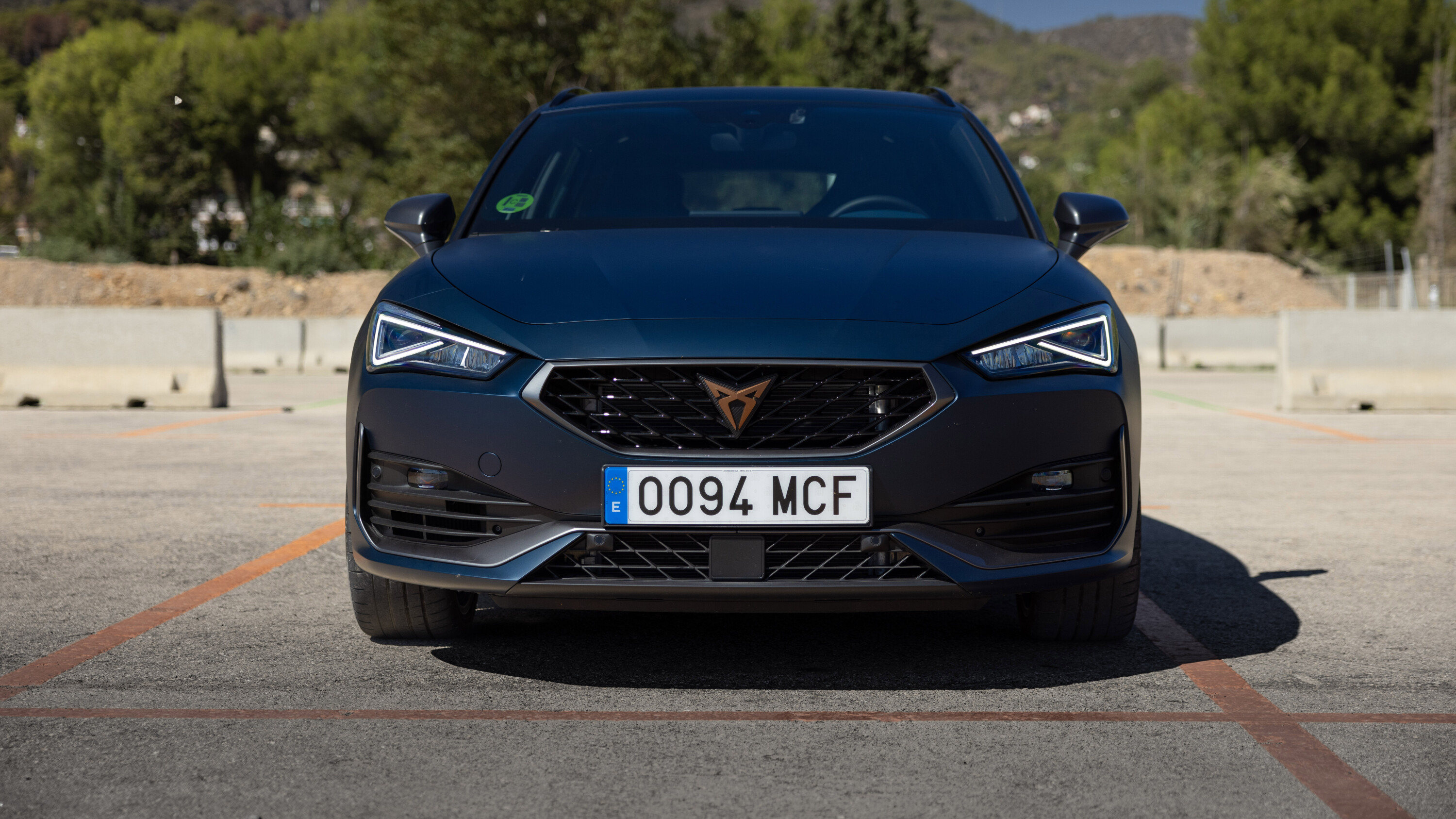
Cupra is off to a fast start in Australia with the Barcelona-based brand offering stylish compact cars and SUVs that stand out from their related VW counterparts.
But Cupra is a young brand that’s moving fast. That means there are updates coming to unify the range stylistically, as well as some all-new models that will offer intriguing alternatives to VW, Skoda and Audi counterparts.
The eye-catching twin to the VW ID.3 electric hatch will make its debut in late 2024, likely bringing interior changes such as tweaks to the infotainment system.
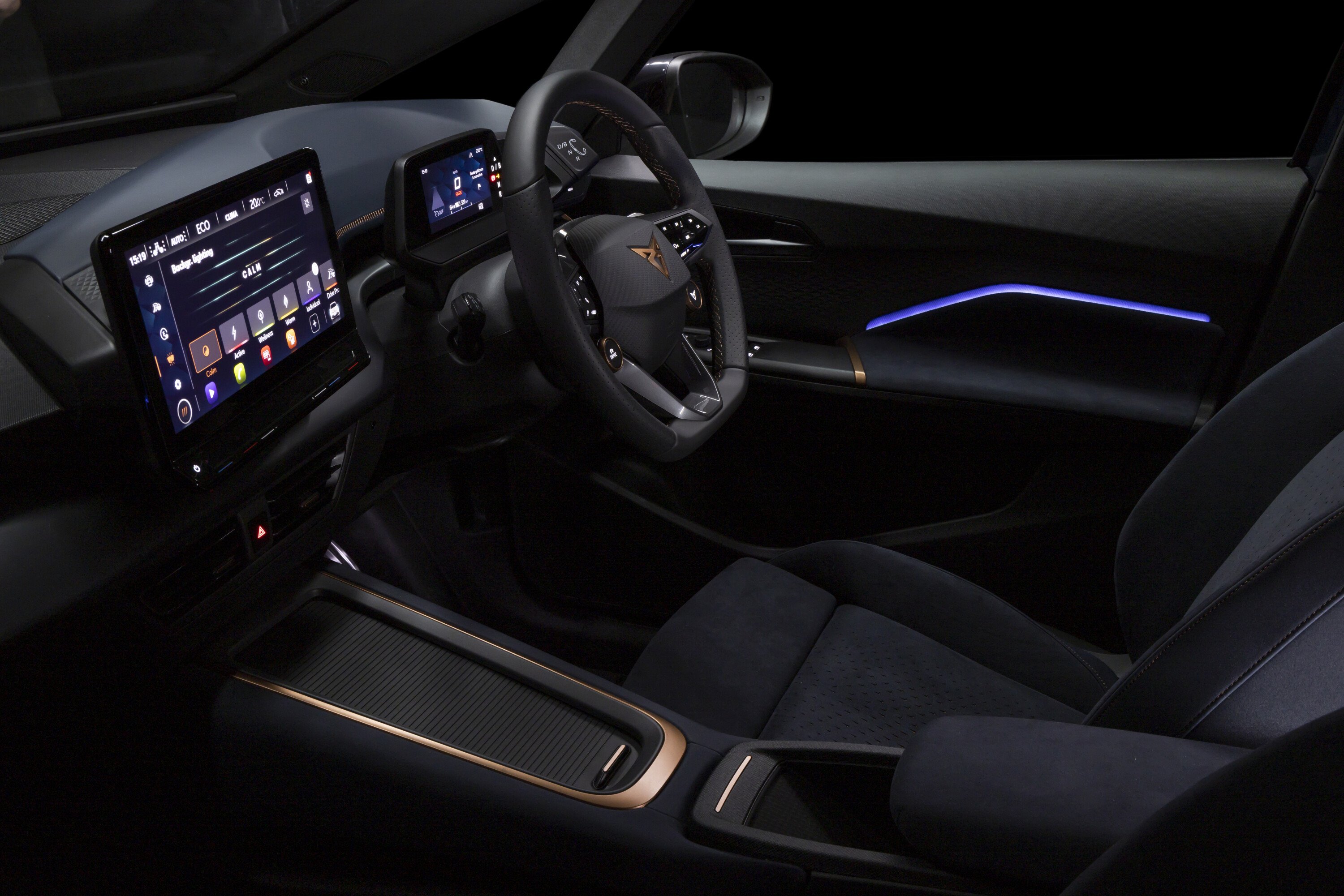
Cupra has shown new multimedia technology in the form of a 15-inch touchscreen with revised controls, a new menu structure with a permanent climate control ‘bar’ along the bottom of the screen, and faster processors.
That might make it to the Born, but even if it doesn’t it is expected there will be changes to the current 12-inch unit, not to mention some revisions to the interior plastics, finishes, and touch capacitive buttons.
1
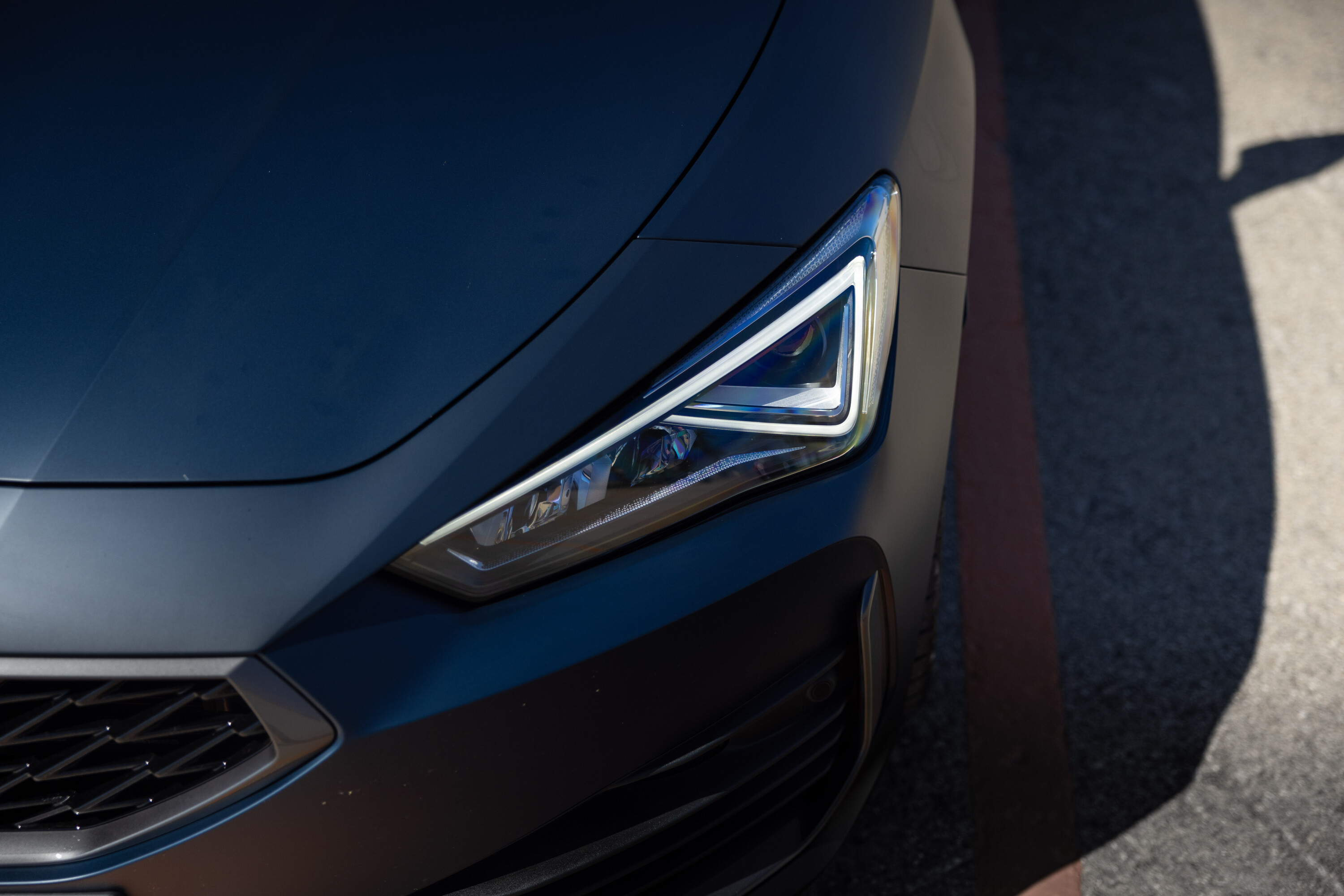
You will also see changes to the Born’s front-end styling, with fresh headlights bearing the brand’s new signature triangular inlay look. Some tweaks to the rear lighting may also show up.
Nothing is confirmed as yet for the powertrain or battery capacity, but the rear-mounted electric motor could possibly be switched out for a higher output unit. The VW Group has, for instance, shown off a new 210kW/545Nm rear motor, which will be seen in some models from 2024 onwards.
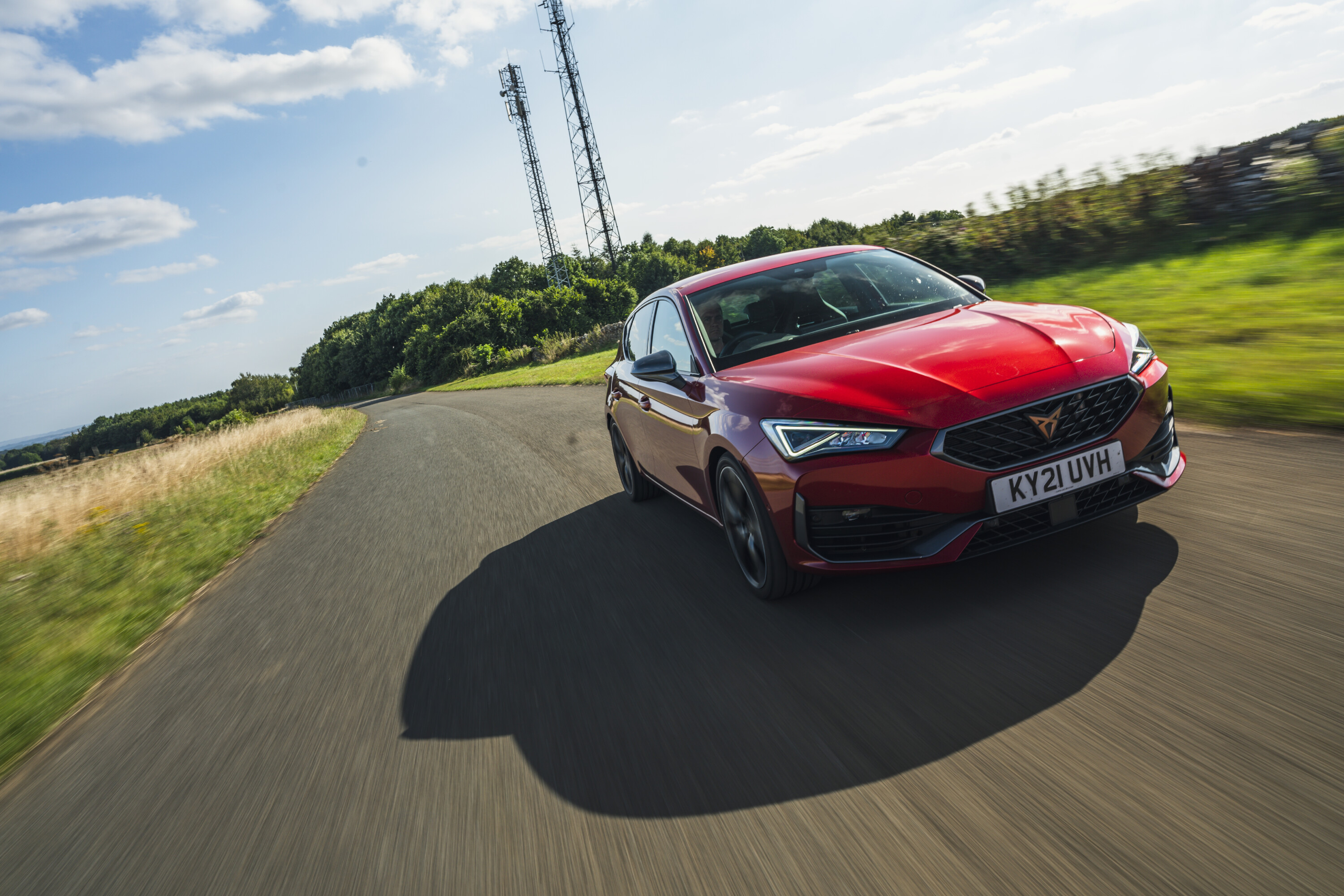
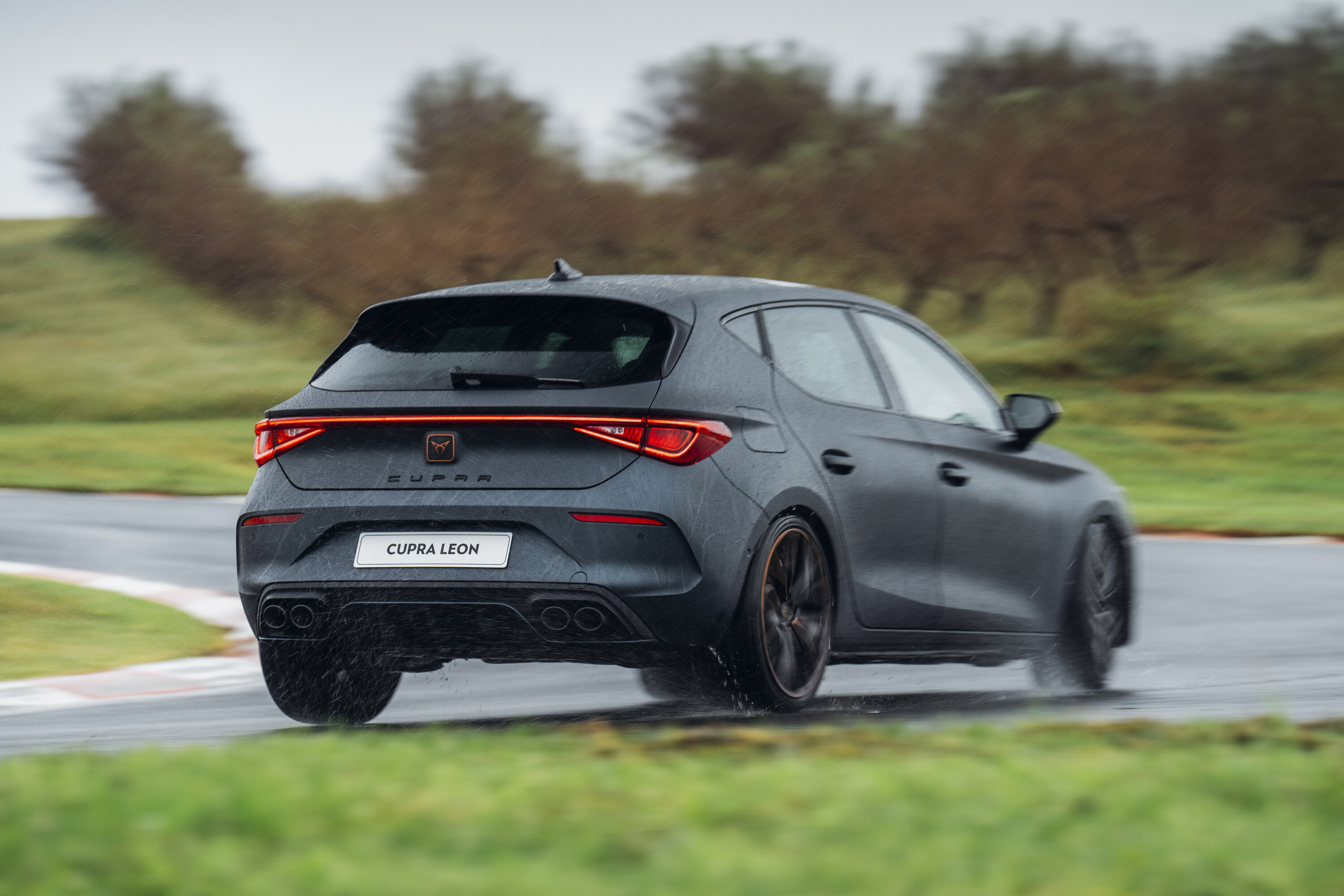
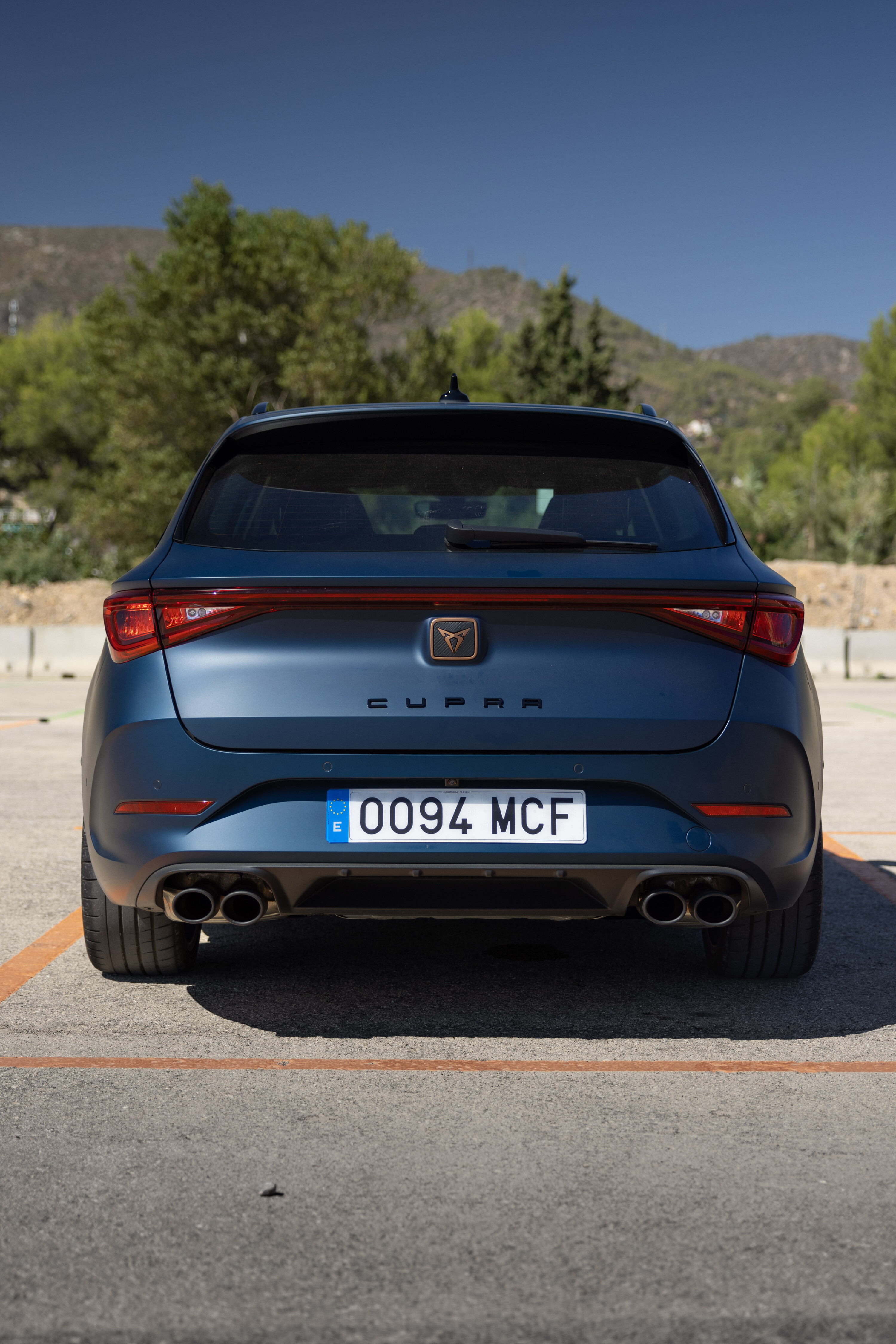
Another model due for some changes is the Leon hatchback, and the smaller five-door model is likely to be joined by a long-roof Sportstourer locally in 2024.
At the time of publishing, Cupra’s Australian arm has indicated a pair of high-spec models – the VZe plug-in hybrid, and the 228kW 228kW VZx. The VZx Sportstourer is also all-wheel drive, unlike the FWD VZx hatch.
1
In other words, it’d be the ideal replacement for the axed VW Golf R wagon, while the PHEV model would stand out as the only vehicle of that type to be offered under the VW Group umbrella.
The timing for the launch of the Leon Sportstourer, if it gets signed off, is expected to align with a facelift for the entire model line, with a new-look front end to bring the Leon more into line with the standalone Cupra models. You’ll see new lights with a triangular inlay theme, and you might also find some small changes to the interior and the media systems on offer.
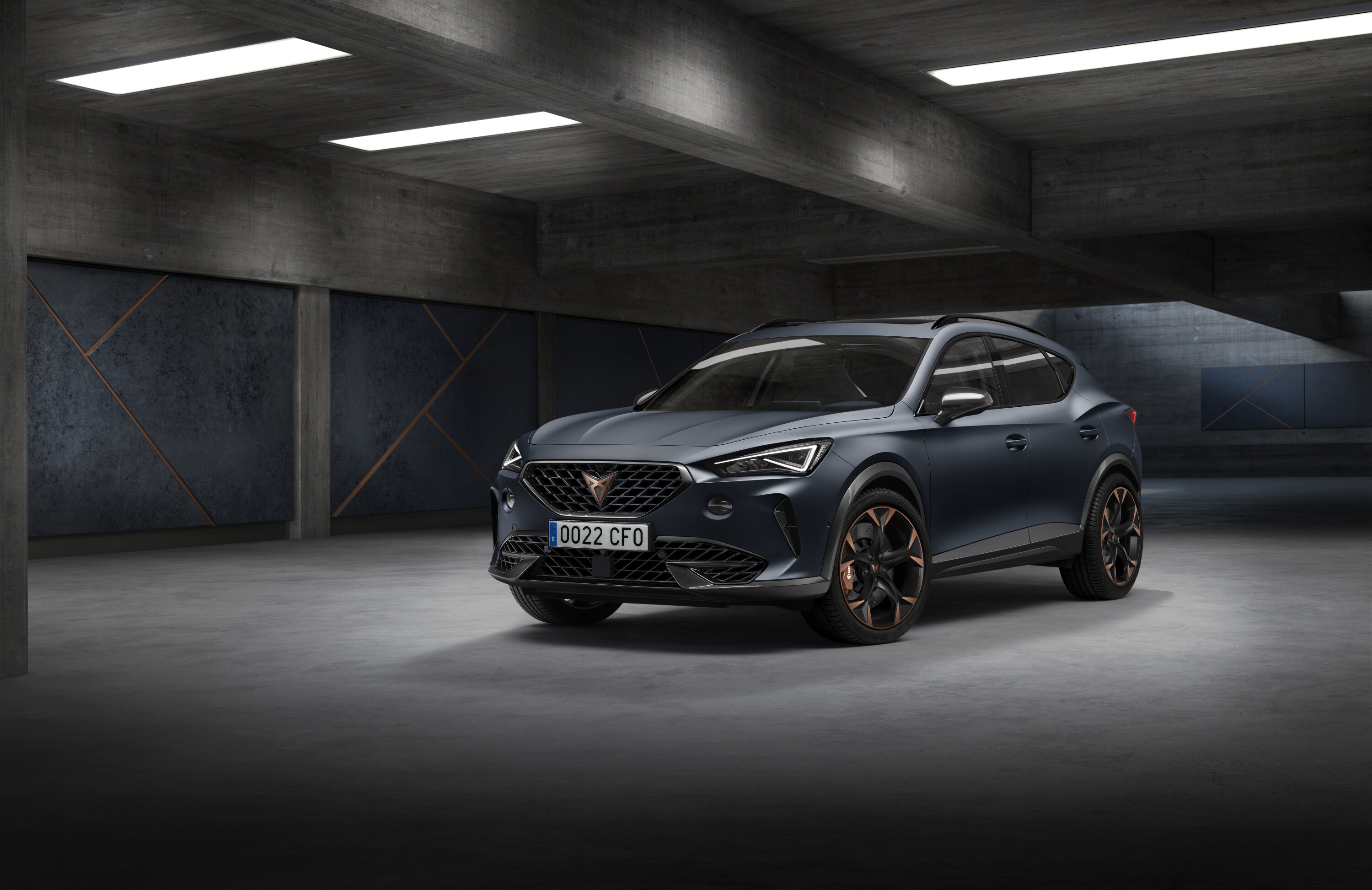
The popular Formentormidsize SUV is going to fall into line with the rest of the range with a new-look front end. You can expect it to arrive in Australia late in 2024.
Formentor was the first standalone Cupra creation, having launched in Europe in 2020. As such, the update for it is a big moment for the brand, and as with the other models seeing styling changes for 2024 and beyond, you will see a new nose treatment with
The changes for the new-look Formentor will also run inside the cabin, with adjustments expected for the multimedia interface.
Don’t expect big changes to the powertrains on offer, with the company stating that it is currently happy with the mix of models sold in Australia.
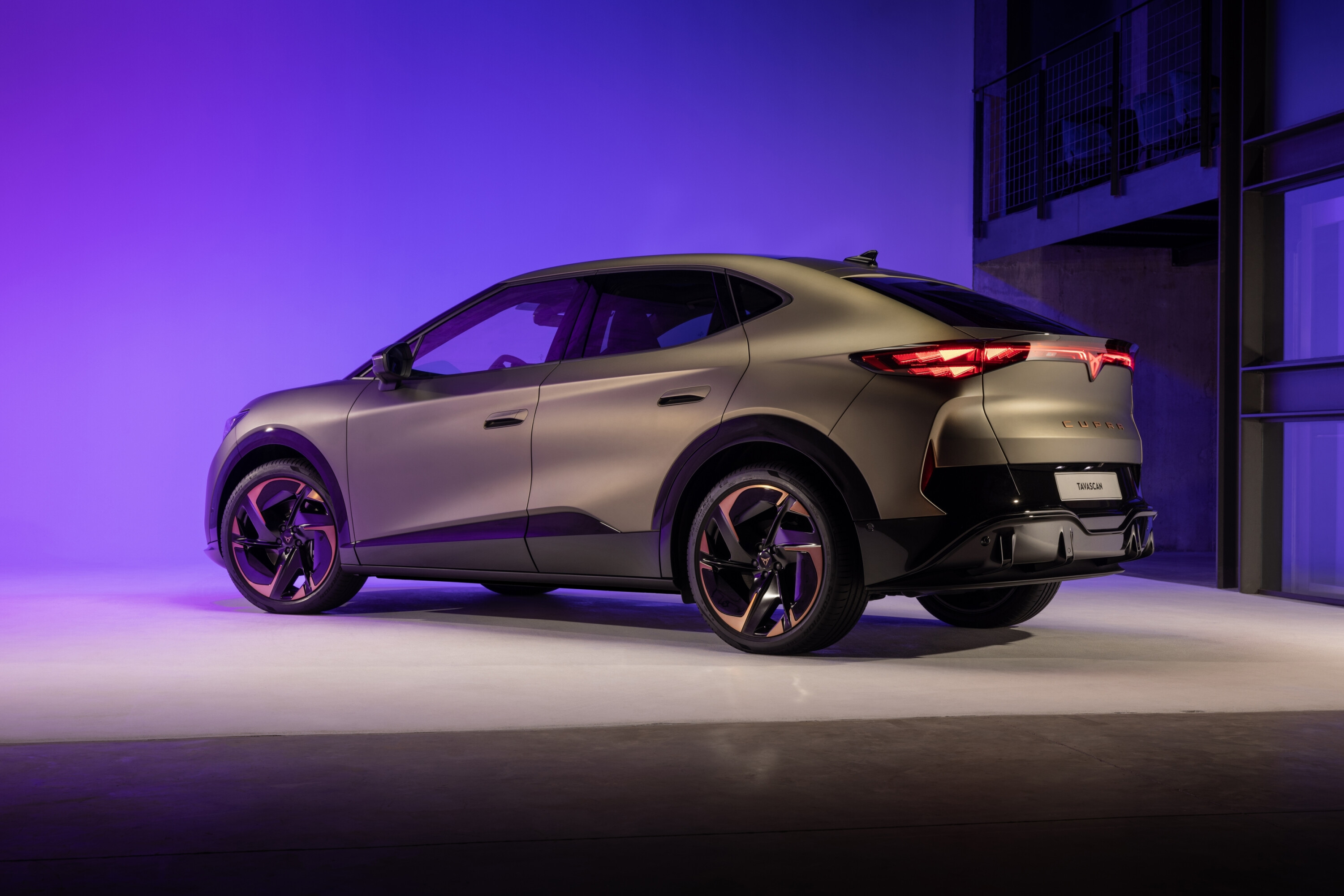
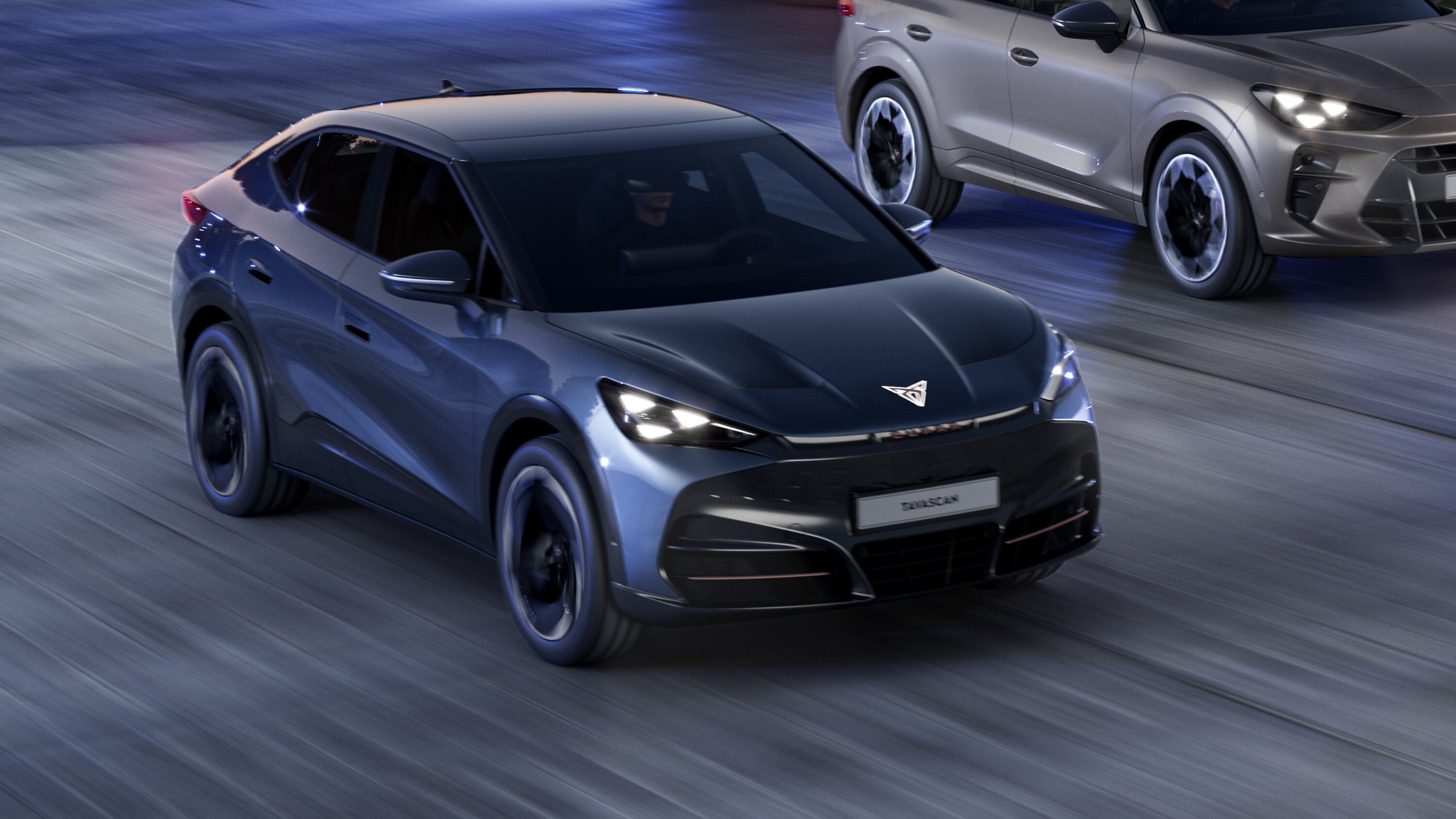
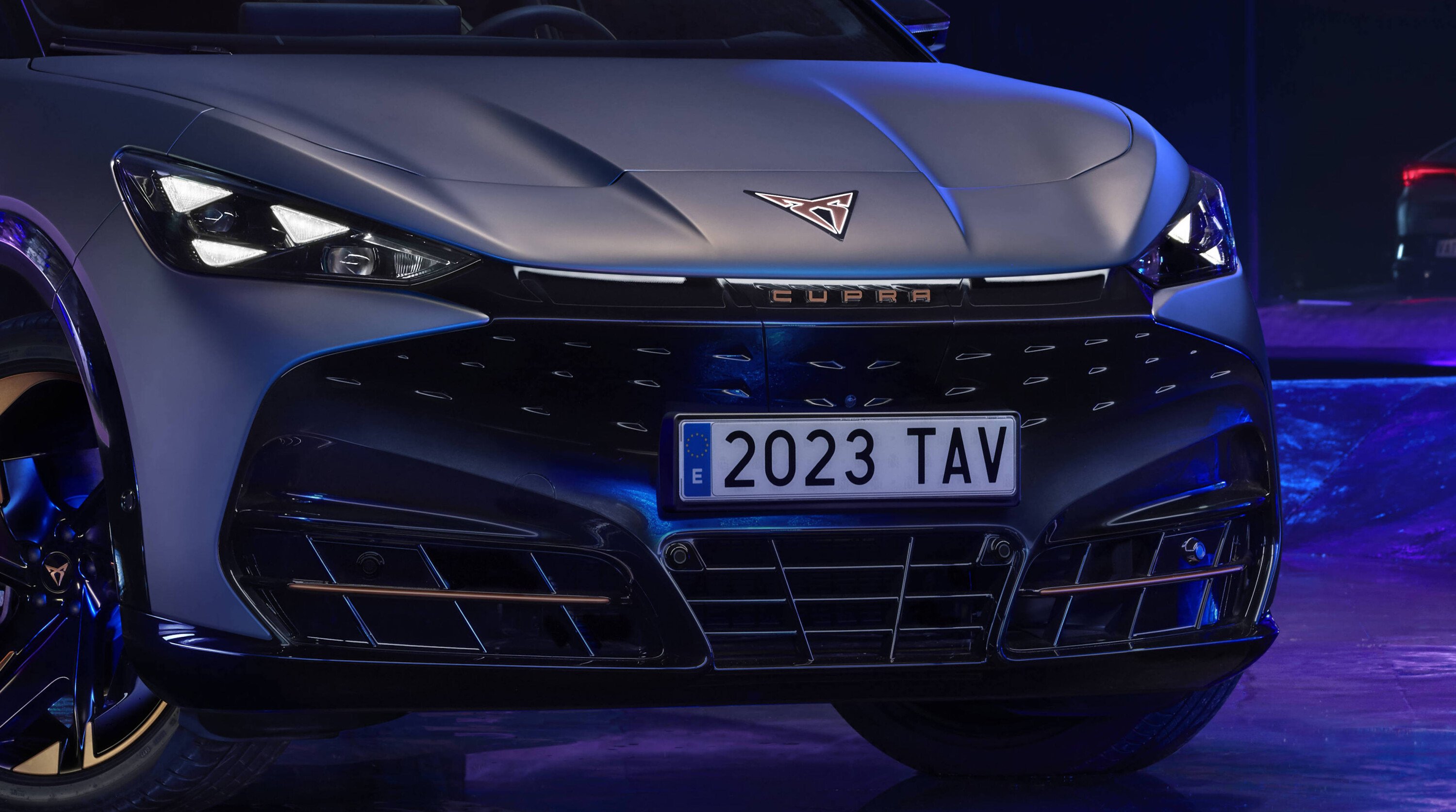
The all-new Tavascan electric coupe-style SUV crossover model is due to go on sale in Australia in 2025.
If you squint you might recognise some lines from the related VW ID.5 and Skoda Enyaq Coupe models, but it is very much its own car in terms of styling and design.
One other interesting thing to note about Tavascan is that it confirms the brand’s future colour choice intentions. There are six hues available, all of them darker shades including blues and greys designed to accentuate Cupra’s trademark copper highlights.
1
There’s no white or red paint in the Tavascan’s palette, though there has been in past Cupra. Expect the muted colours to stick around.
It’s likely that Australia will receive more than one variant of the Tavascan, meaning possibly a single-motor RWD version (210kW/545Nm) and a dual-motor AWD model (with 250kW).
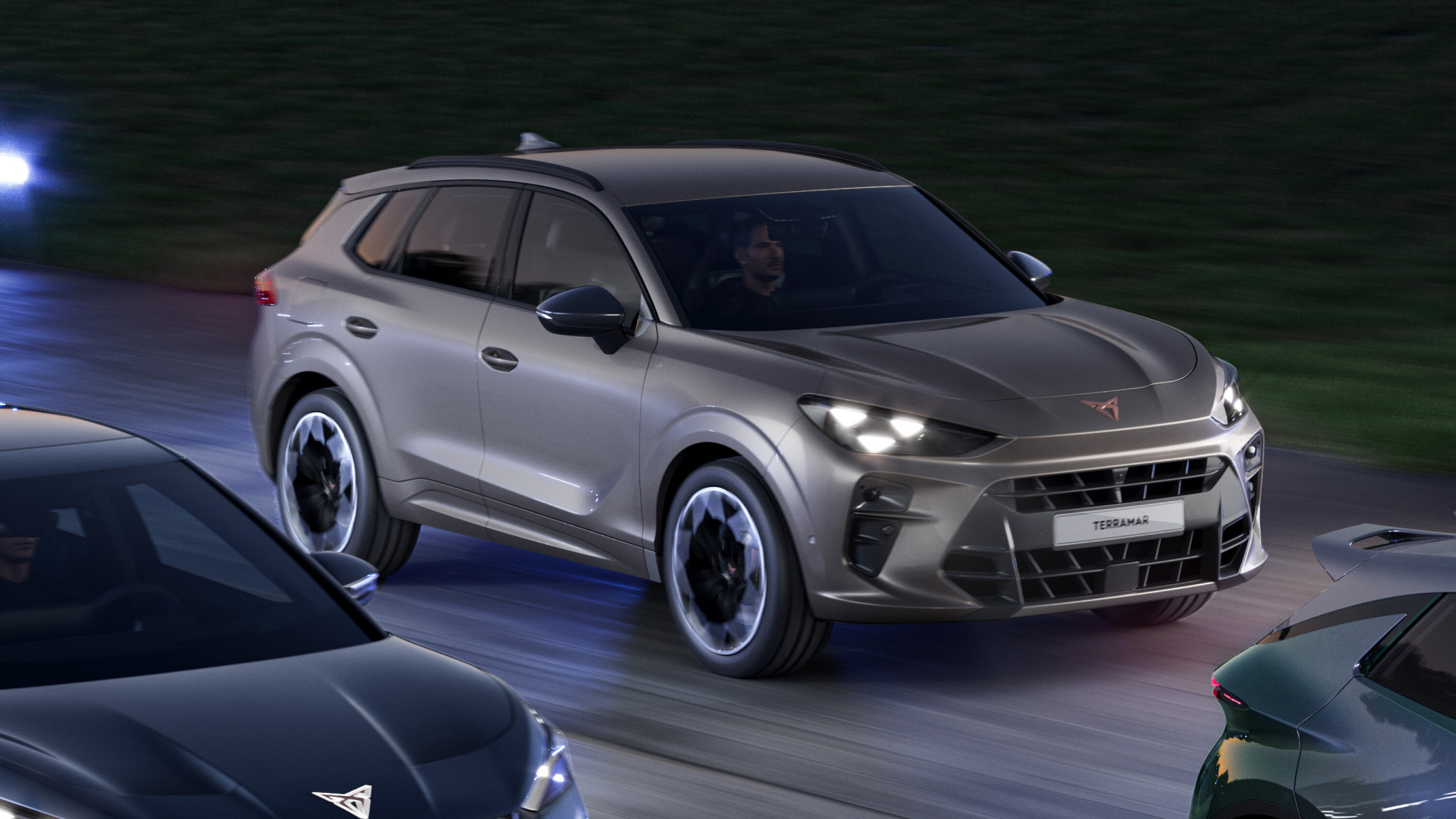
This will be Cupra’s final foray into internal combustion power, with the midsize SUV offering a more conventional take than the Tavascan.
The circa-4.5 metre long Terramar could be on sale in Australia in 2025, though it is not expected to arrive on our shores until late that year or early 2026.
Buyers can expect a roomy cabin and bigger boot than the Tavascan with Tiguan-like practicality inside. You won’t see an Allspace three-row model though, with Cupra boss Wayne Griffiths indicating that seven-seaters aren’t cool enough to be Cupras.
There will likely also be some Tiguan-derived powertrain choices; a 2.0-litre turbo-petrol four-cylinder is almost certain, while a plug-in hybrid version with up to 100 kilometres of EV driving range may also be offered.
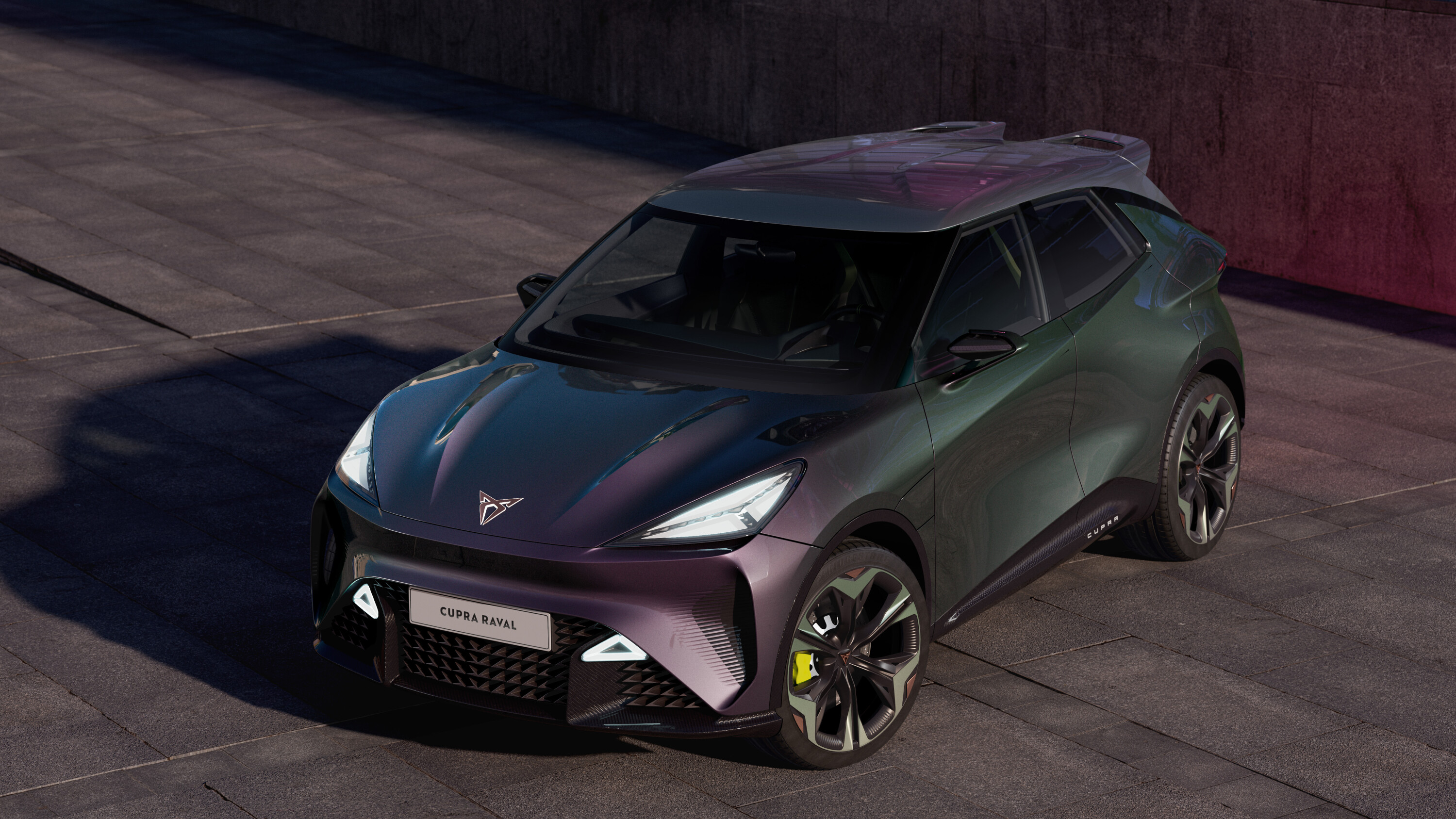
Cupra is leading the development of the small front-wheel drive electric car platform (MEB Small) that underpins a production version of the Raval, as well as the ID.2, ID.2 X, and Skoda’s take on the tiny EV.
It’s essentially the VW Up all over again, but this time electric – that program spun off the Seat Mii, Skoda Citigo and multiple takes on the VW model itself including a GTI.
Each brand will have its own take on the platform, with the Raval’s distinctive styling and high outputs likely to set it out as the most assertive and edgy of the four models to be spun off the line.
4
In fact, Sven Schuwirth, chief operating officer of Cupra, told Whichcar that the Raval concept at the 2023 IAA motor show was “more than 90 per cent” representative of what the production car would look like.
It is understood that the brand is assessing the merits of a small EV in Australia. The local market is moving fast in the ‘affordable electric’ space following the launch of value-focused cars like the MG4, BYD Dolphin and GWM Ora hatchbacks.
Could it be a very literal case of too little, too late? Time will tell.
September: Australian timing confirmed for 2024 Hyundai i30 Sedan N
The updated 2024 Hyundai i30 Sedan N will arrive in Australia early next year.
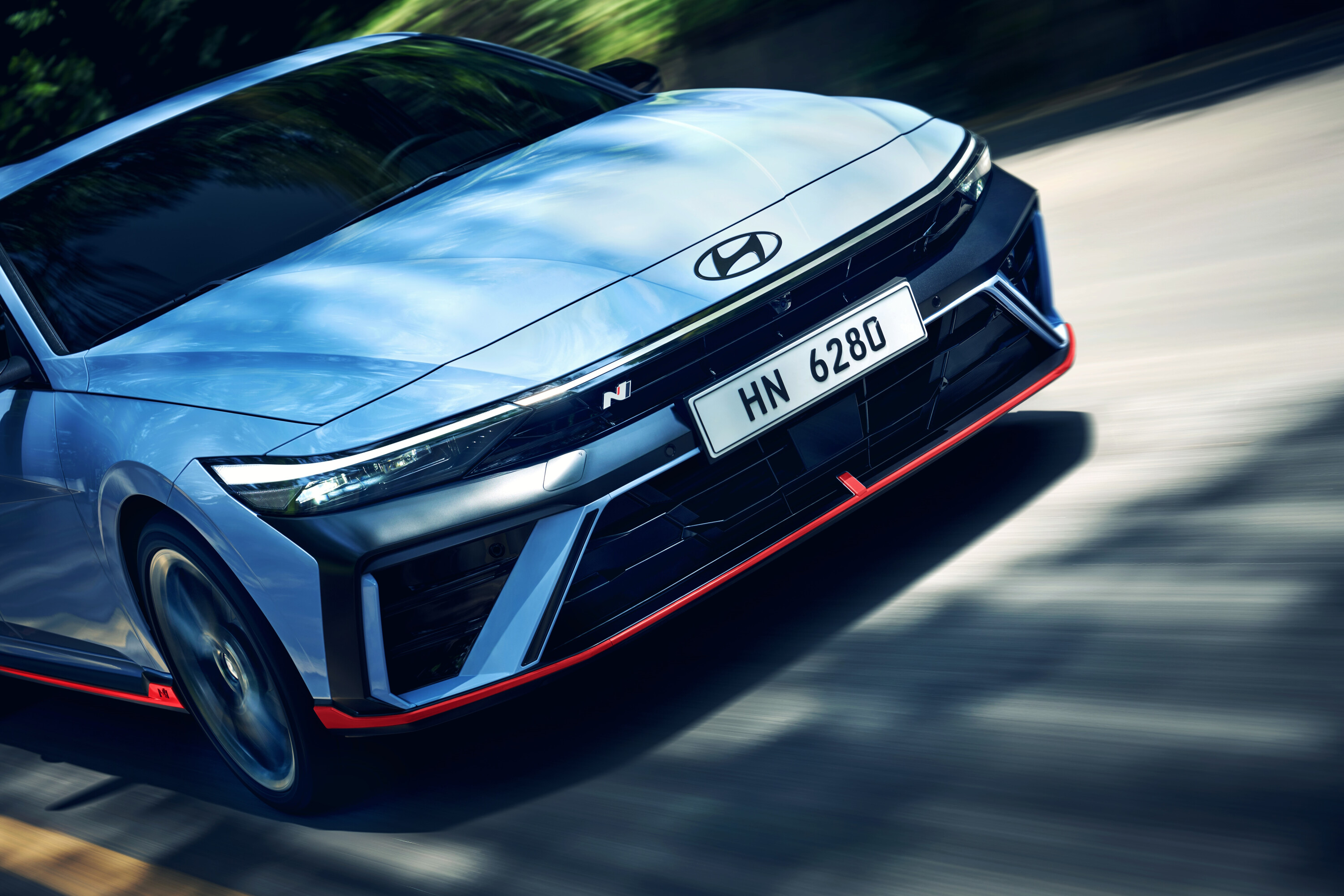
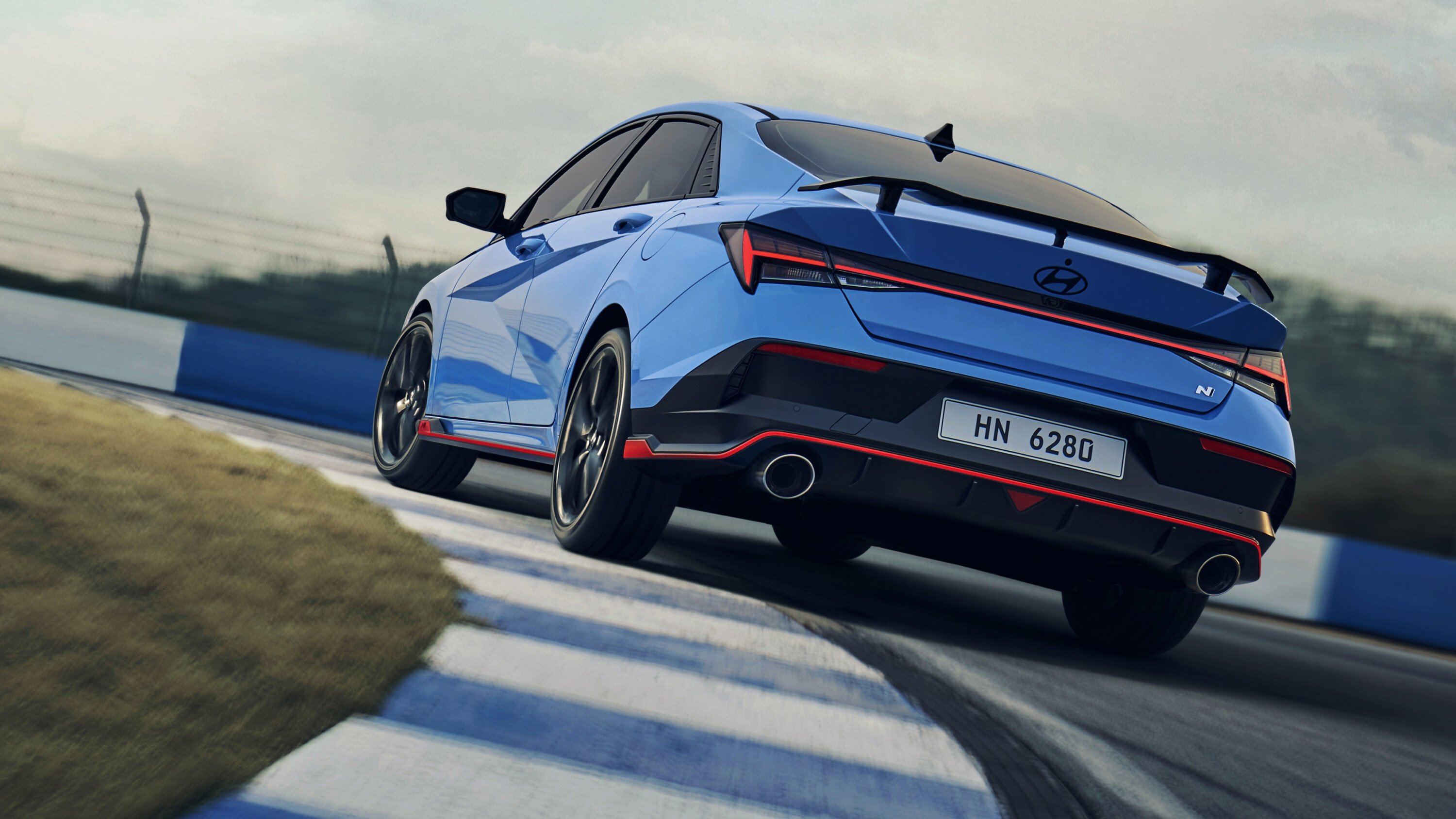
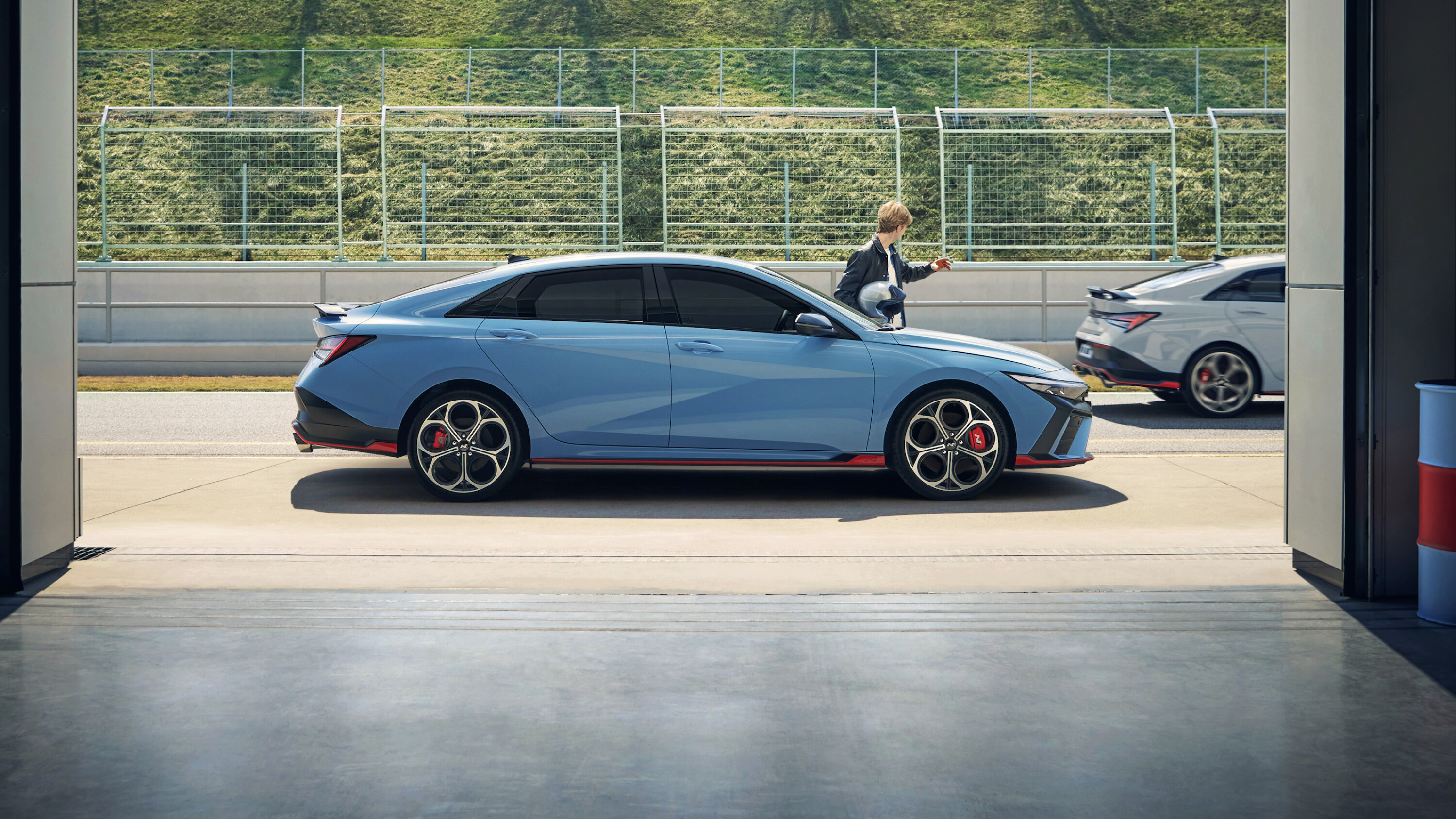
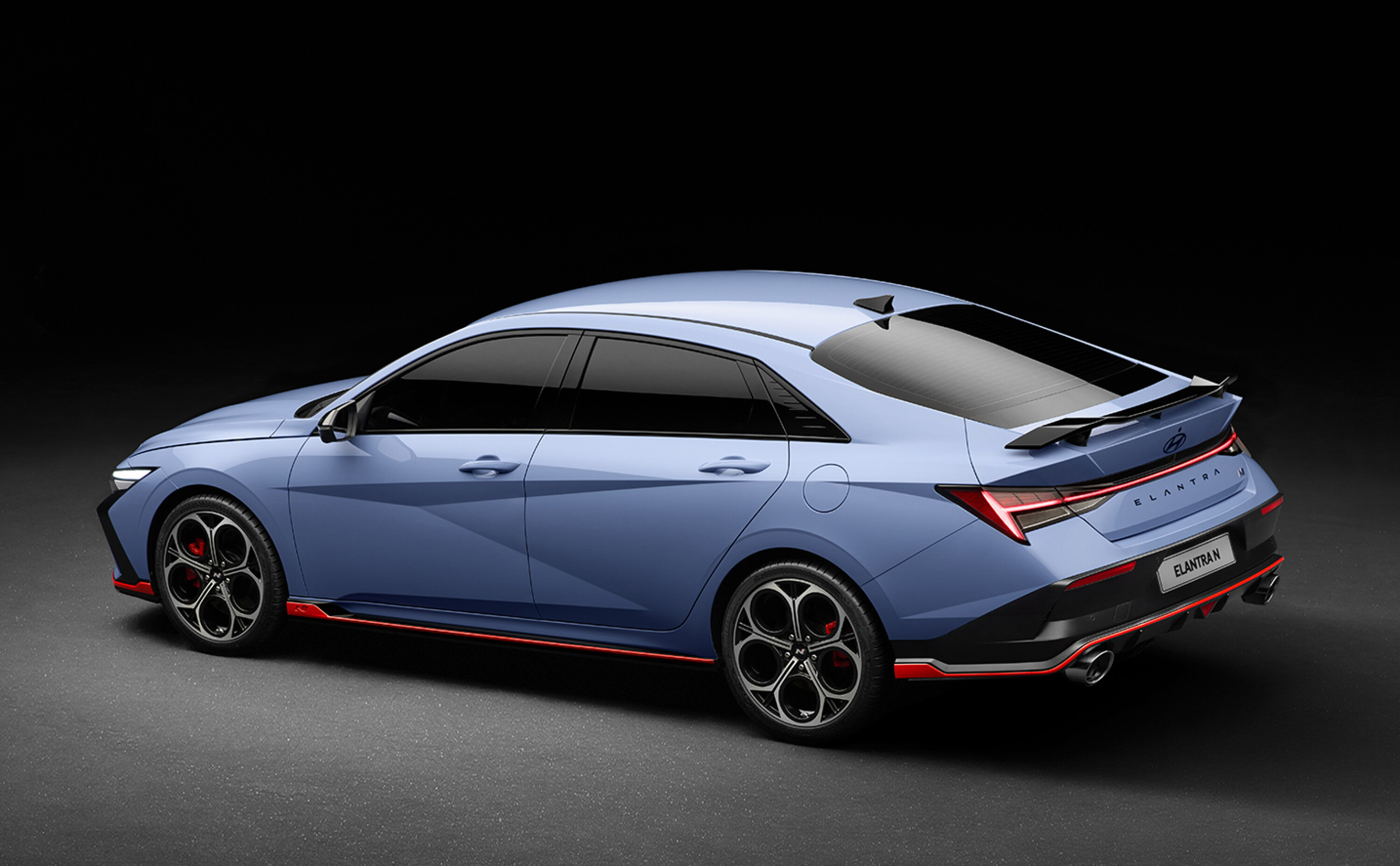
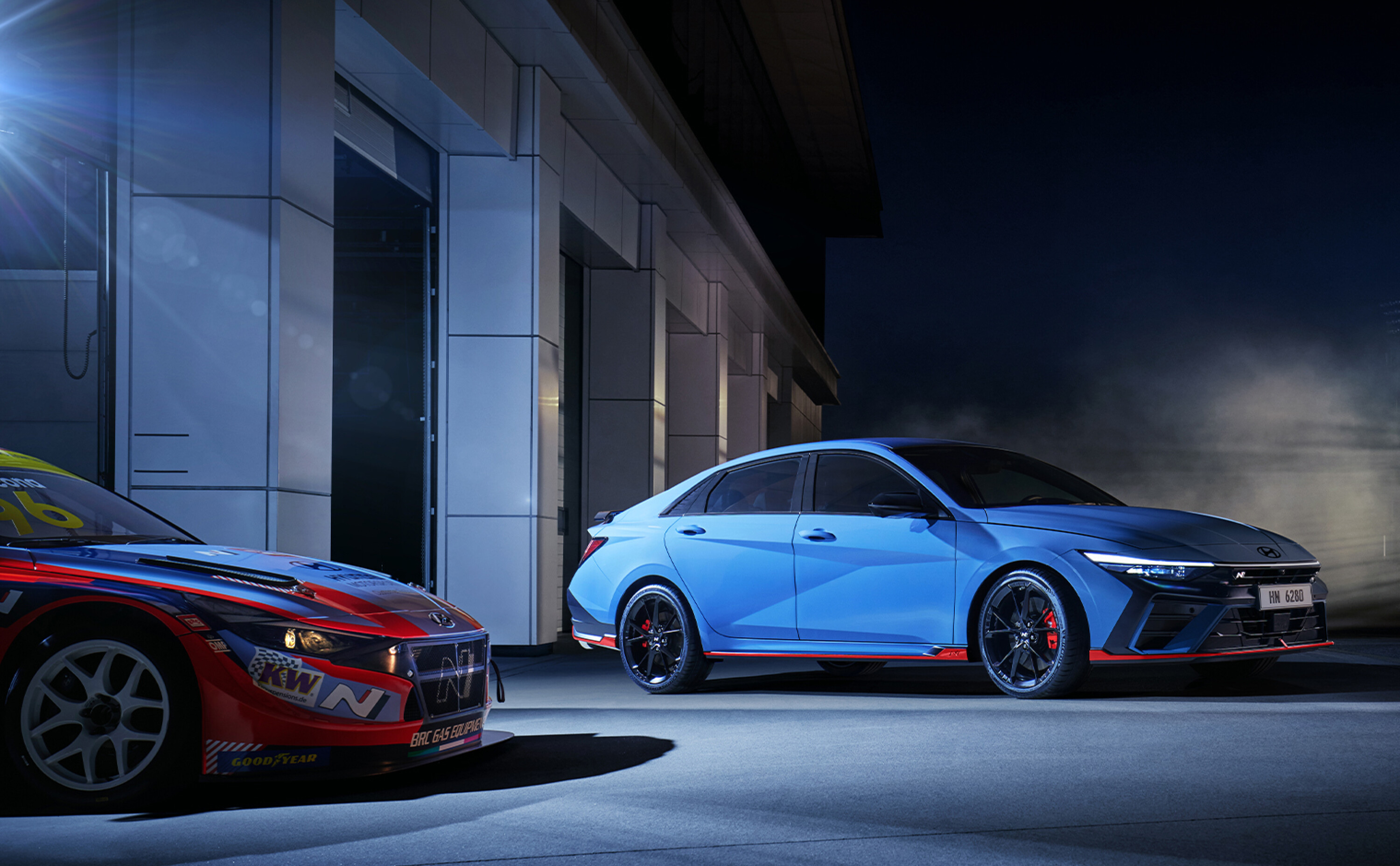
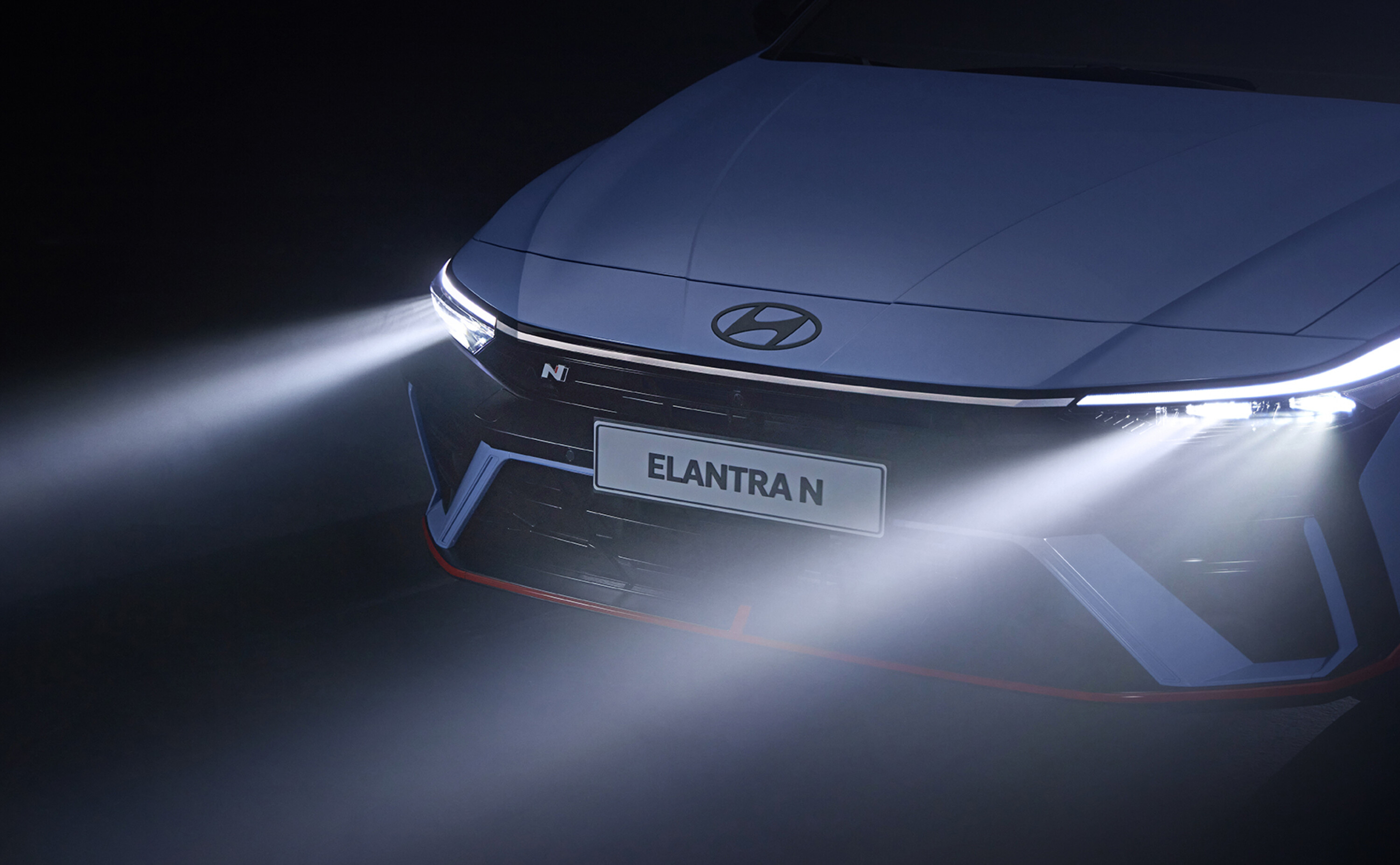
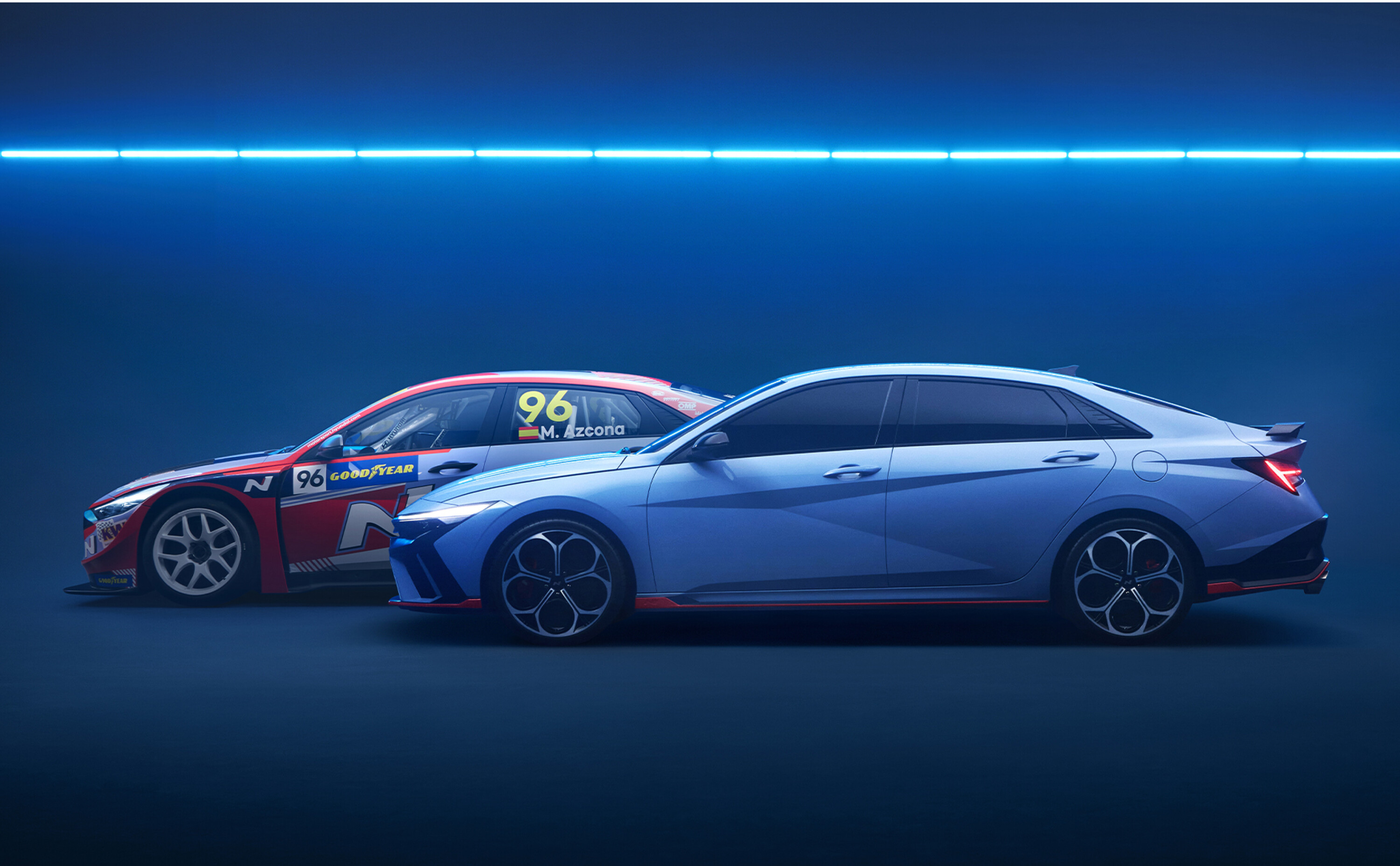
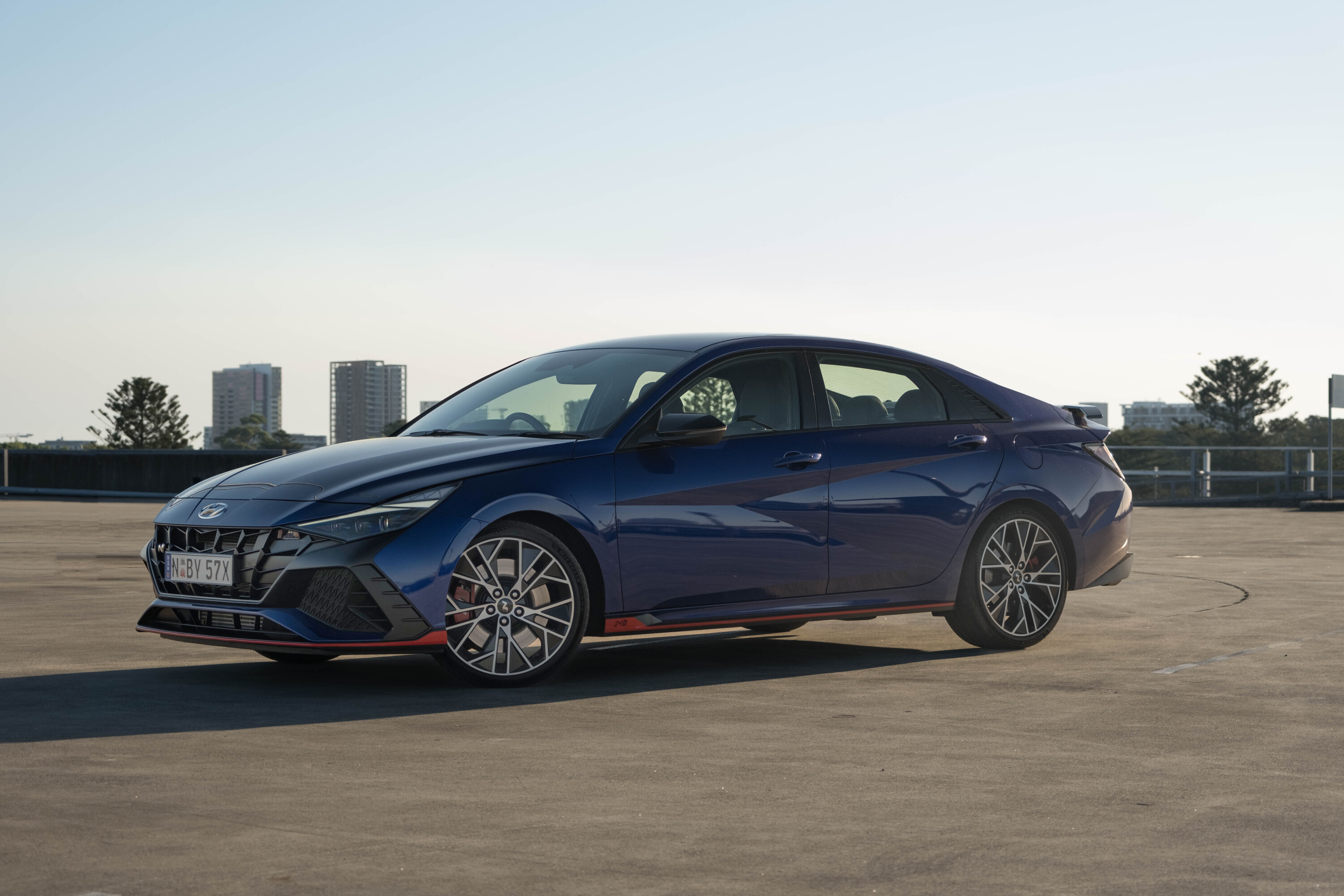
As detailed in April (see below), the facelifted i30 Sedan N – sold as the Avante N and Elantra N in other markets – has received an updated design focused on the front end, new 19-inch alloy wheels, and revisions to its N-specific body kit.
1
It also has a radar sensor allowing for adaptive cruise control and a more advanced autonomous emergency braking system with cyclist and junction detection for dual-clutch automatic variants.
Hyundai has now confirmed revisions applied under the i30 Sedan N’s skin, including a reinforced engine mount membrane and G-bushing, and a new rear suspension insulator made from urethane instead of rubber.
The changes are said to reduce vibration and improve yaw response, steering precision and damping. The electronically-controlled suspension hardware has also been improved “for enhanced body control”, with optimised software.
1
An improved gearbox yoke, low-friction universal joint, and revised power-steering software allow better steering feedback and precision. The front and rear tyre pressures have been adjusted to account for increased front axle load to maintain the ride and handling balance.
The updated bumper has a larger air duct to improve the braking system by sending air flow directly towards the brake to cool off when heated, while updated ESC software and a new thermal protector on the front brake hose allow for improved endurance.
Hyundai said that, due to customer feedback, the vehicle’s “software has been reprogrammed for optimal use of high-octane petrol to improve performance”.
1
There are no changes to the i30 Sedan N’s powertrain, with a 2.0-litre turbocharged four-cylinder petrol engine producing 206kW and 392Nm – rising to 213kW for a 20-second boost in N Grin Shift mode.
Power is exclusively sent to the front wheels through a six-speed manual or eight-speed dual-clutch automatic transmission.
When will the 2024 i30 Sedan N arrive in Australia?
1
The updated Hyundai i30 Sedan N is confirmed for an early 2024 launch in Australia, with local pricing, features and specific timing to be announced closer to its arrival.
However, as before, the hi-po i30 Sedan adopts an N-specific body kit with a new-look front bumper, alloy wheel designs, and a taller rear valance with red extensions.
The pictures – published on Hyundai’s social media pages – showcase two new 19-inch alloy wheel designs for the i30 Sedan N.
This includes an Alfa Romeo-like ‘phonedial’ design with five round holes, or a gloss black multi-spoke design shared with the i30 N hatch.
It is currently unknown which design will feature on local examples, with more information likely in the coming months, ahead of its expected launch towards the end of 2023.
1
The addition of a radar sensor in the updated front bumper suggests the i30 Sedan N will gain adaptive cruise control and a more-advanced autonomous emergency braking (AEB) system – at least for the automatic variant.
Adaptive cruise control and cyclist/junction-detecting AEB is available on automatic versions of the standard i30 Sedan, but it is omitted from the current N as it features a camera-only system.
Hyundai has yet to detail the updated i30 Sedan N’s technical specifications; however, no changes are expected for its 2.0-litre turbo-petrol powertrain.
Currently, the i30 Sedan produces 206kW and 392Nm – rising to 213kW in N Grin Shift mode – with power exclusively sent to the front wheels through a six-speed manual or eight-speed dual-clutch automatic transmission.
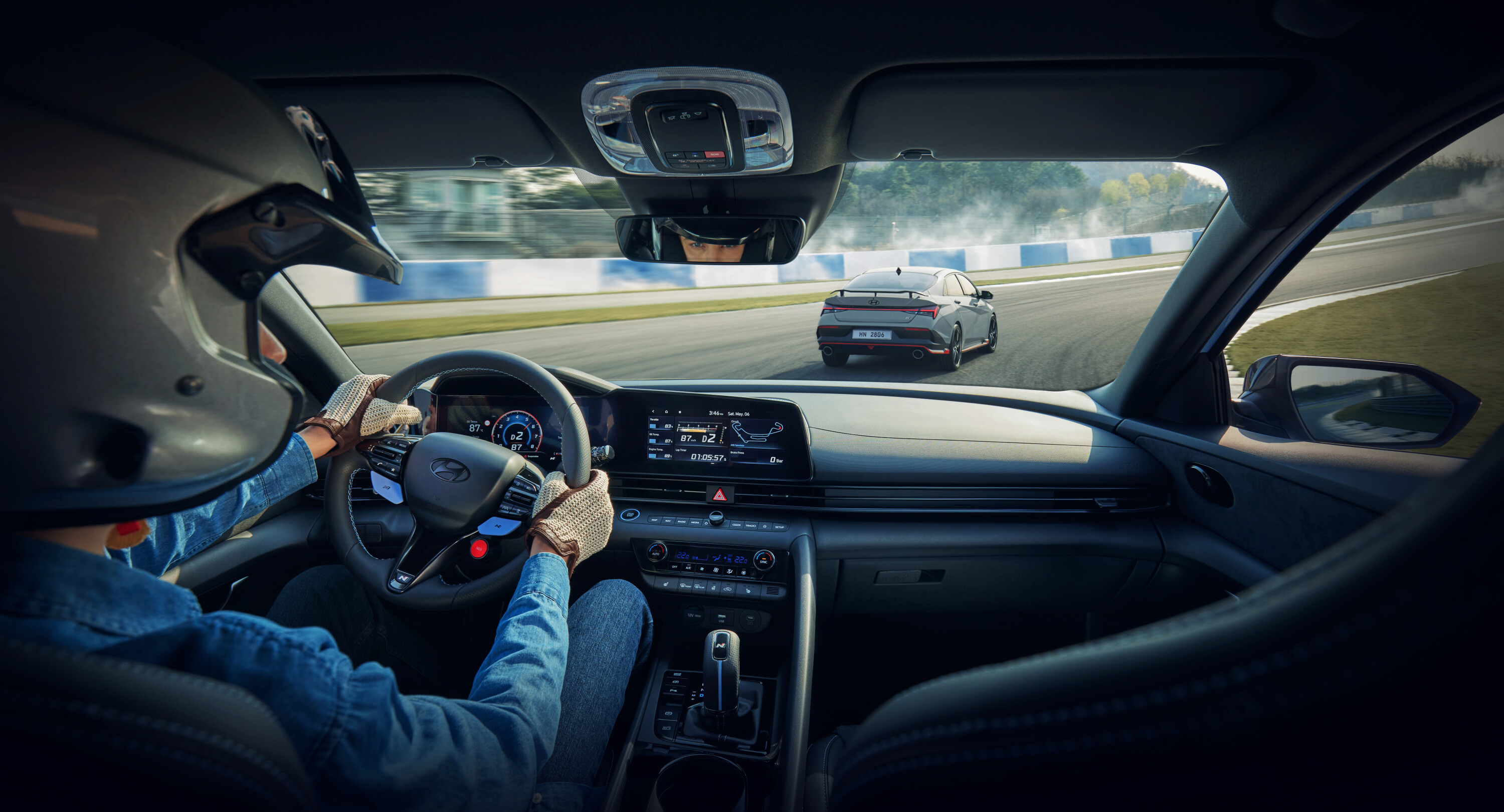
In addition, Hyundai has yet to reveal the 2024 i30 Sedan N interior, but it should mirror changes applied to the standard model overseas.
These include a blind-spot view monitor, a 360-degree camera system, USB-C charge ports, an optional built-in dashcam, an odour-reducing climate control system, and digital key functionality.
The facelifted 2024 Hyundai i30 Sedan N is expected to arrive in Australia in the second half of this year, with local pricing and features to be detailed closer to the time.
The pre-facelift i30 Sedan N is priced at $50,200 before on-road costs for the manual and automatic.
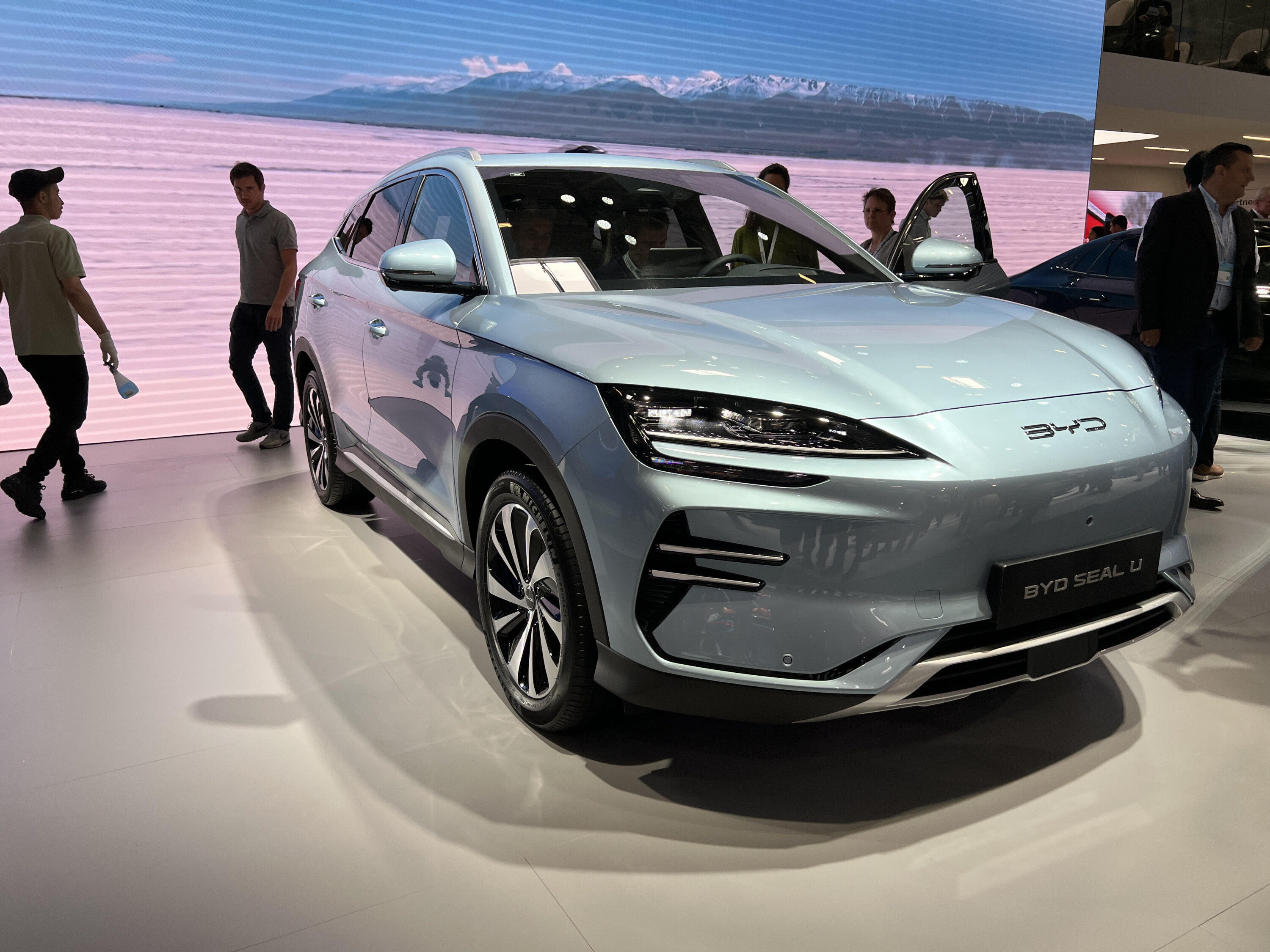
The BYD Seal U electric SUV is set to arrive in 2024 as a direct sales threat to the popular Tesla Model Y.
Snapshot
Seal U has been spied testing in Australia
SUV already confirmed for UK and Europe
Dimensions similar to Tesla Model Y
BYD is fast expanding its line-up in Australia, having debuted with the Atto 3 compact electric SUV in 2022 via importer EV Direct.
The Dolphin hatch and Seal sedan are due to go on sale in the last quarter of 2023, and EV Direct has now confirmed a larger SUV and a ute will make it five electric vehicles in the showroom before the end of next year.
1
The company is currently tight-lipped about naming the SUV in question but strongly hinted to Wheels that it is indeed the Seal U that has been spotted undergoing local testing in Australia.
“For 2024 we are bringing two vehicles into the country, the [new] ute and another SUV that is larger than the Atto 3,” said EV Direct CEO Luke Todd. “I can’t comment on which [SUV] that is as yet, but you’re right, there are sply shots [of the Seal U] floating around.”
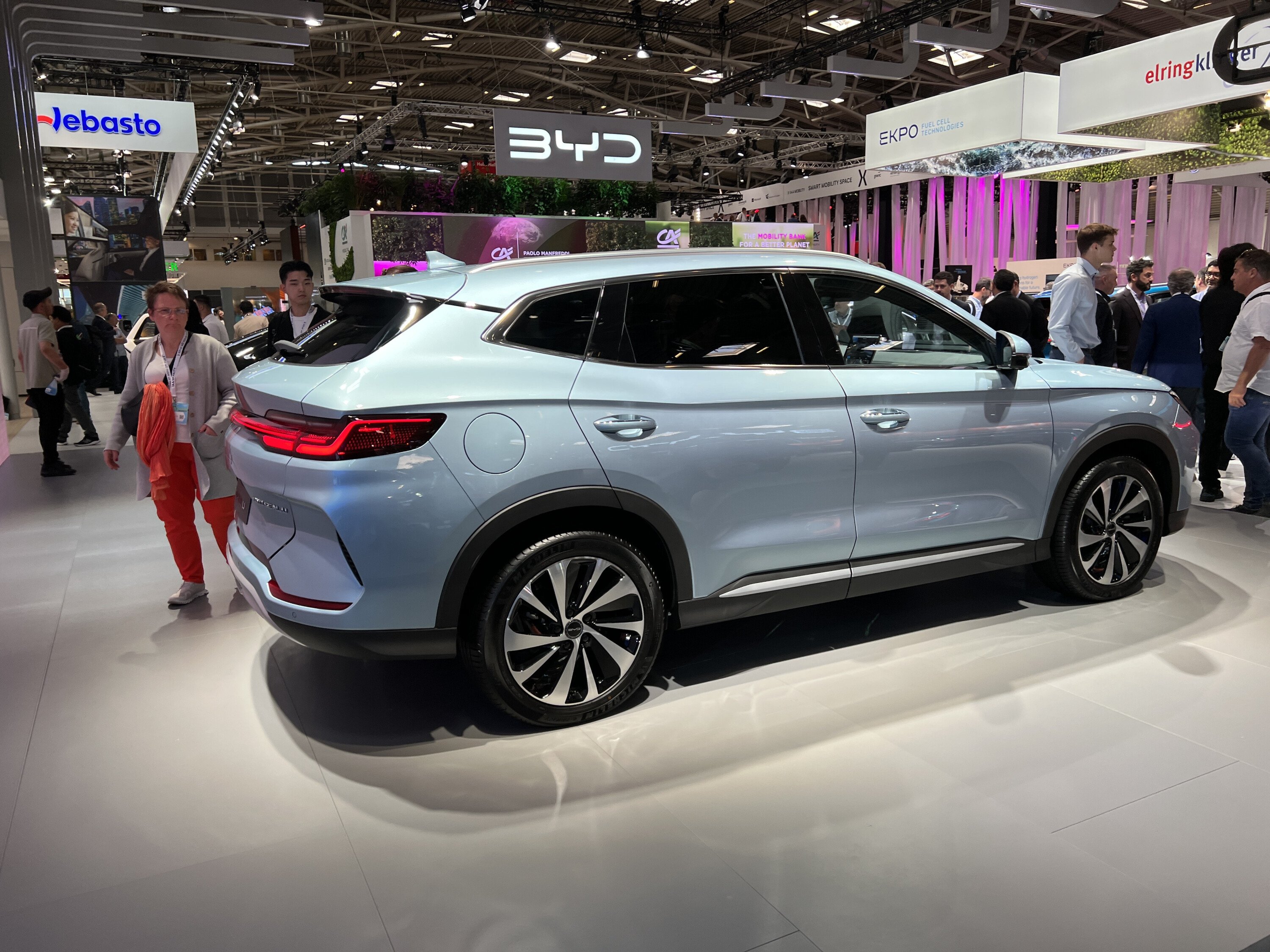
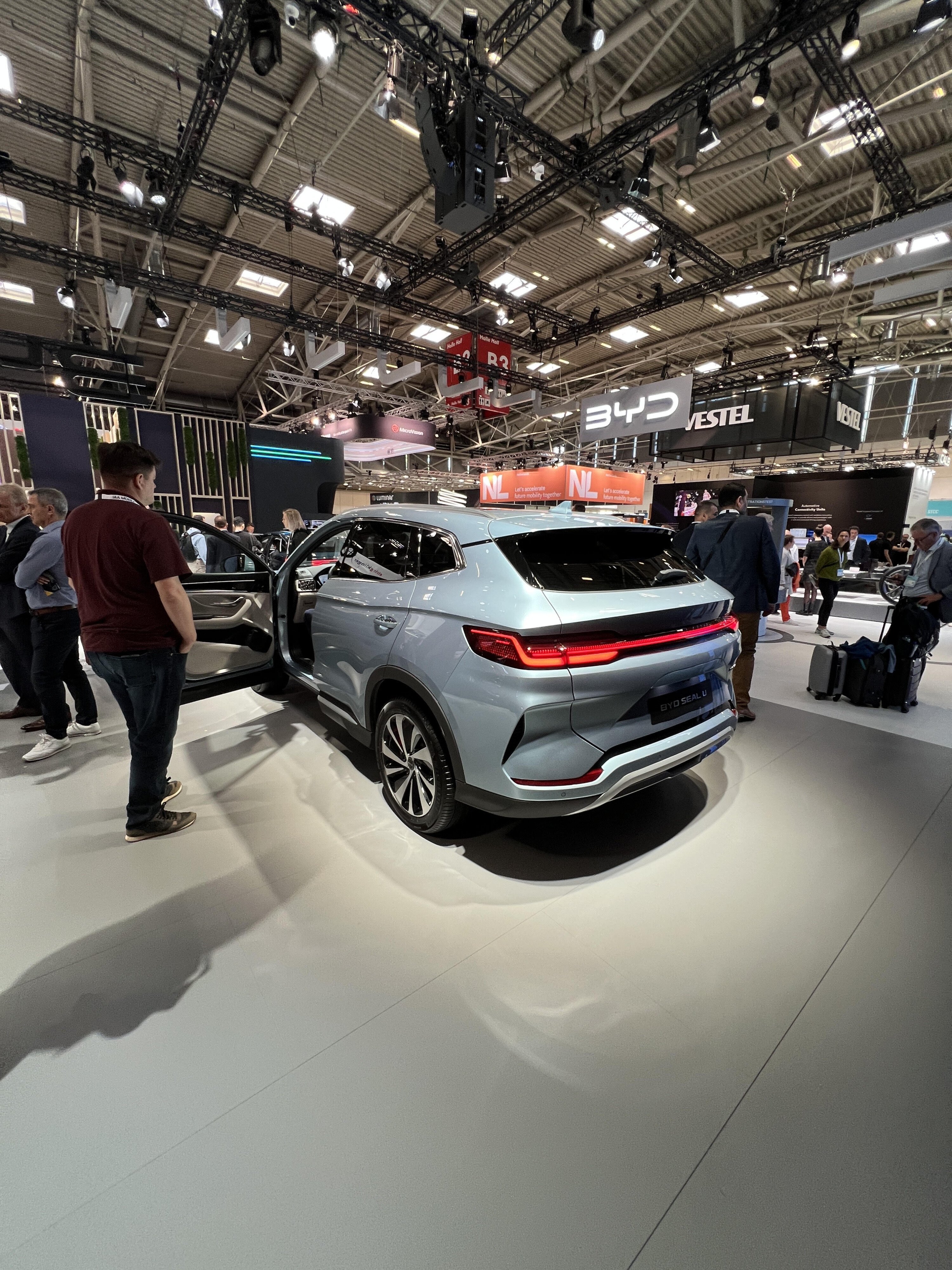
Details of the five-seater Seal U are limited despite the SUV being displayed at the recent IAA motor show in Germany (where we took the images featured in this article).
Two versions will reportedly be introduced in Europe – a Comfort model featuring a 72kWh battery and a Design model with a larger, 87kWh battery. The SUV has also been confirmed for the UK, another RHD market like Australia.
Each Seal U model is driven by a single electric motor – 150kW/310Nm for the Seal U Comfort or 160kW/330Nm for the Design. (The Seal sedan is more powerful and offers AWD – 230kW in RWD form or 390kW in AWD guise.)
BYD Europe has stated the Seal U offers a 420km WLTP driving range for the 72kWh Comfort model and 500km maximum for the 87kWh Design.
The Seal U is expected to share 150kW charging capability with the Seal sedan.
1
Car News China reports the following dimensions for the BYD Seal U, which is called the Song Plus EV in China: 4775mm long, 1890mm wide, 1670mm high, with a 2765mm wheelbase.
That puts the Seal U right in the ballpark of the 4750mm-long Model Y, though the Tesla has a longer wheelbase of 2890mm. The Atto 3 compact SUV is a touch short of 4.5 metres in length.
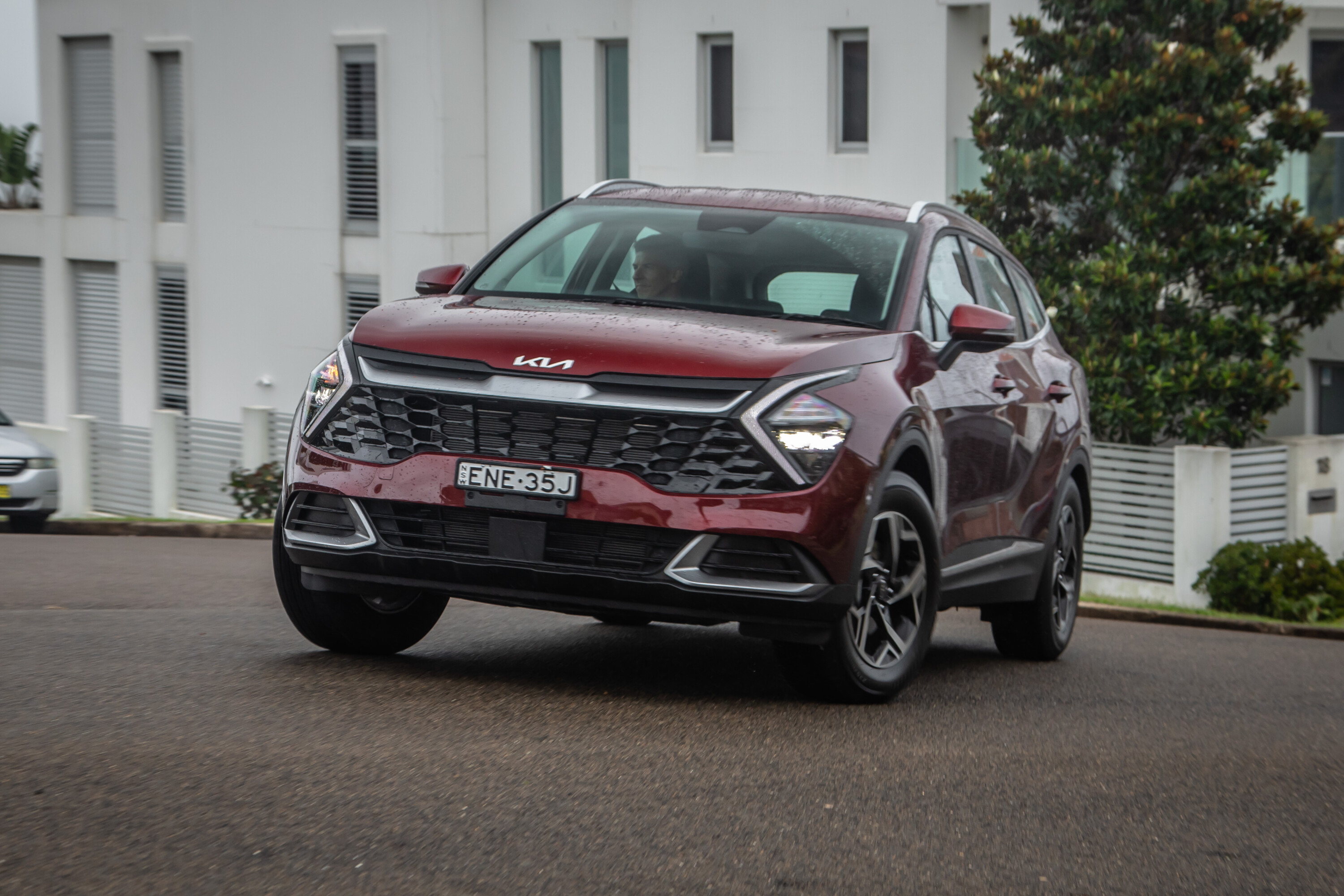
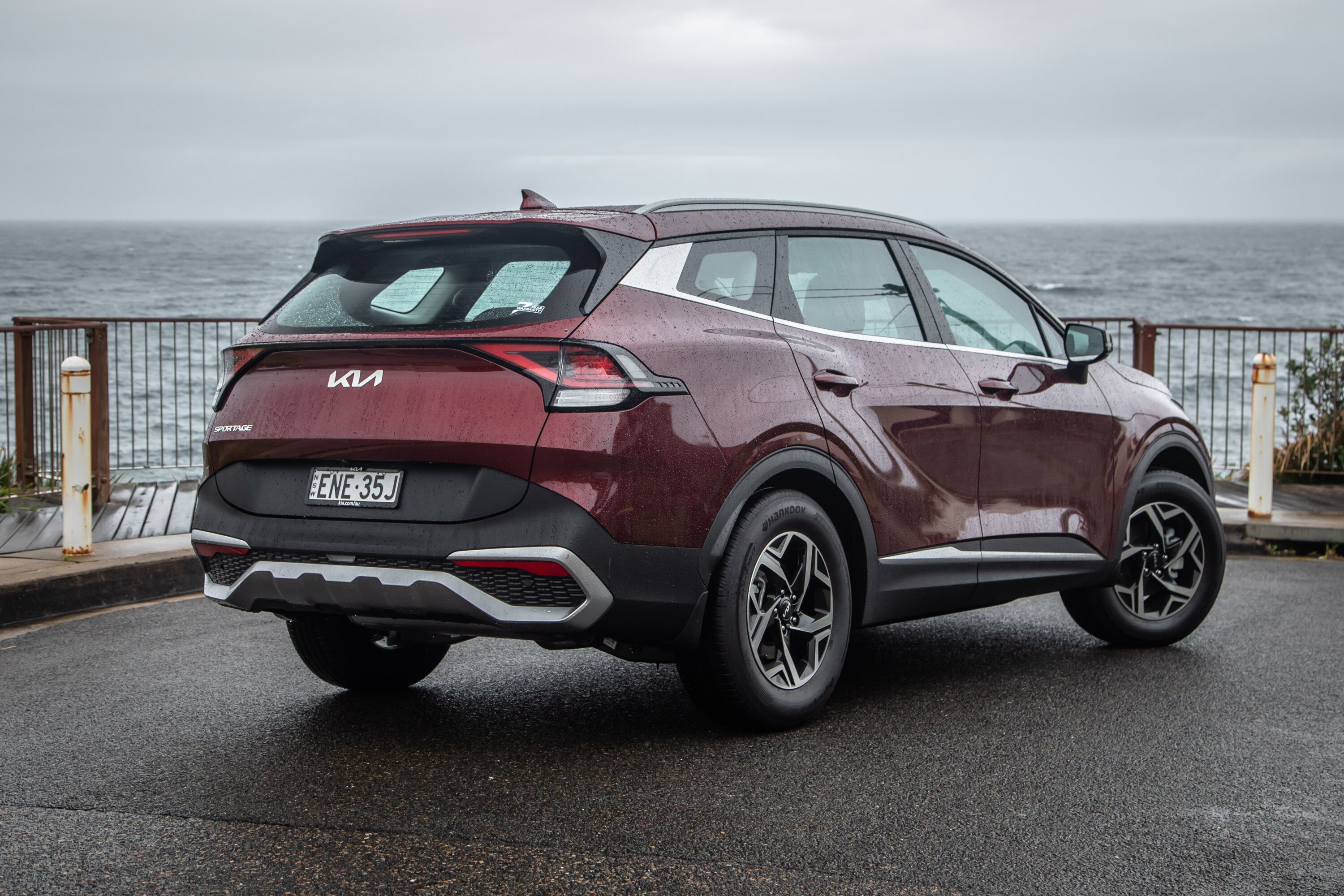
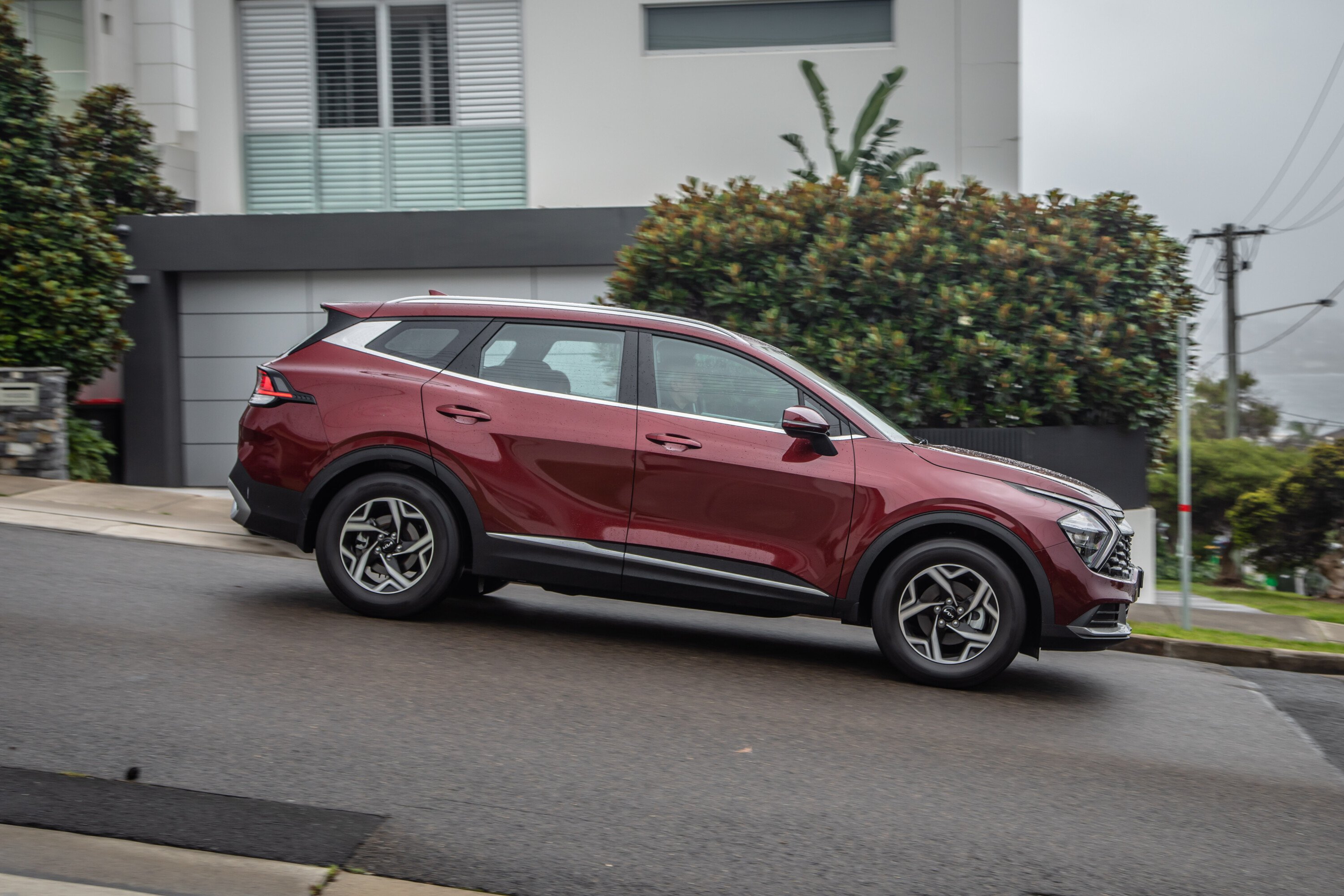
The fifth-generation Kia Sportage launched in 2021 with their entry-level and top-spec variants. The middle of the range, SX and SX+ however, were are delayed until early 2022.
Since having arrived on our shores they have proved vital in the Sportage range, filling the gap between the S and GT-Line grades.
A consistently popular model in the medium SUV category, the Kia Sportage offers versatility and comfort, in an eye-catching package.
1
Pricing and features
The SX variant– the second step in the Sportage lineup– starts from $35,350 before on-road costs for the manual transmission.
Opting for the automatic adds $2000. Both versions harness a 2.0-litre petrol engine, delivering 115kW and 192Nm. Essentially, you’re looking at high 30’s to early 40’s pricing for either choice.
A 2.0-litre diesel AWD variant is also available as automatic only for a pricier $42,750 before on-roads and creates 137kW and 416Nm. The diesel is much punchier and uses less fuel than its petrol counterparts.
The SX+ sits above starting at $41,850, and is available in the same 2.0-litre petrol 2WD and diesel AWD offerings.
A new option is available when jumping to the SX+ which is the 1.6-litre turbo engine with a dual clutch transmission increasing petrol power and torque to 132kW/265Nm.
Standard across the Sportage range you’ll get:
Adaptive Cruise control
Heated, power-adjusted side mirrors
Alloy wheels
LED daytime running lights
Android Auto and Apple CarPlay
Rear parking sensors
Auto-dimming rear-view mirror
Reversing camera
Automatic headlamps
Roof rails
Bluetooth connectivity
Second-row air vents
Climate control air-conditioning
Seven airbags
Colour touchscreen
Shark fin antenna
Front fog-lamps
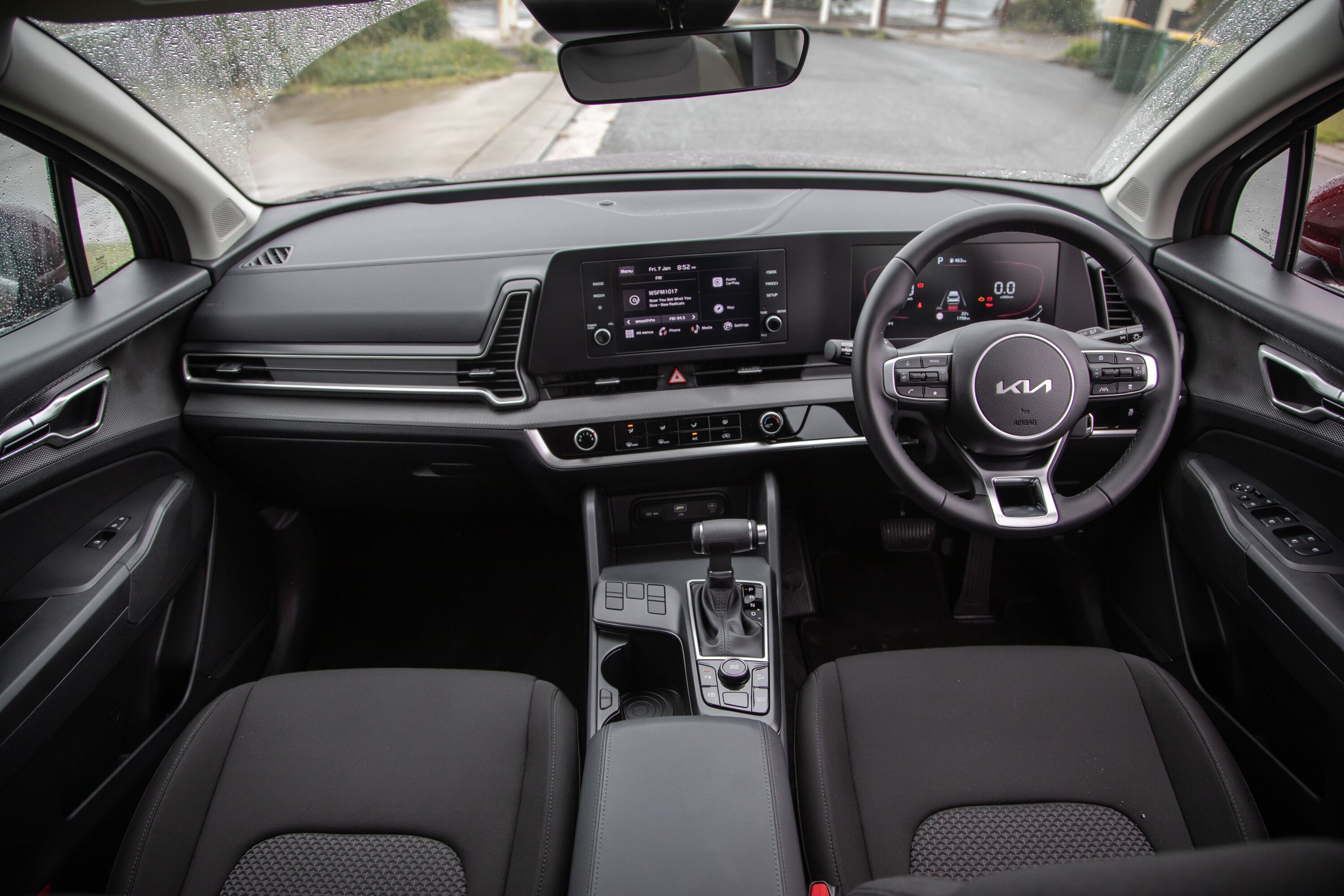
The SX loses wireless phone mirroring but adds:
17-inch alloy wheels
LED tail-lights (with indicator bulb)
4.2-inch digital instrument cluster
Power-adjustable, heated and auto-folding exterior mirrors
8-inch infotainment system
Rear air vents
Adaptive cruise control (automatic only)
Rear view camera
Apple CarPlay and Android Auto (wireless)
Single-zone climate control
Automatic headlights
Six-speaker audio system
Cloth upholstery
Six-way manually-adjustable driveru2019s seat
Leather-wrapped steering wheel
Two USB charging ports (1x USB-A, 1x USB-C)
LED daytime running lights
Tyre pressure monitoring.
LED headlights (reflector)
1
The SX+ gains further features, including:
19-inch alloy wheels
LED front fog lights
Auto-dimming rear-view mirror
Hands-free powered tailgate
Smart key remote and push-button start (petrol only)
Rear privacy glass
Synthetic leather seats with eight-way powered driveru2019s seat adjustment
Steering wheel paddle shifters
Heated front seats
Eight-speaker Harman Kardon premium sound system
1
Safety
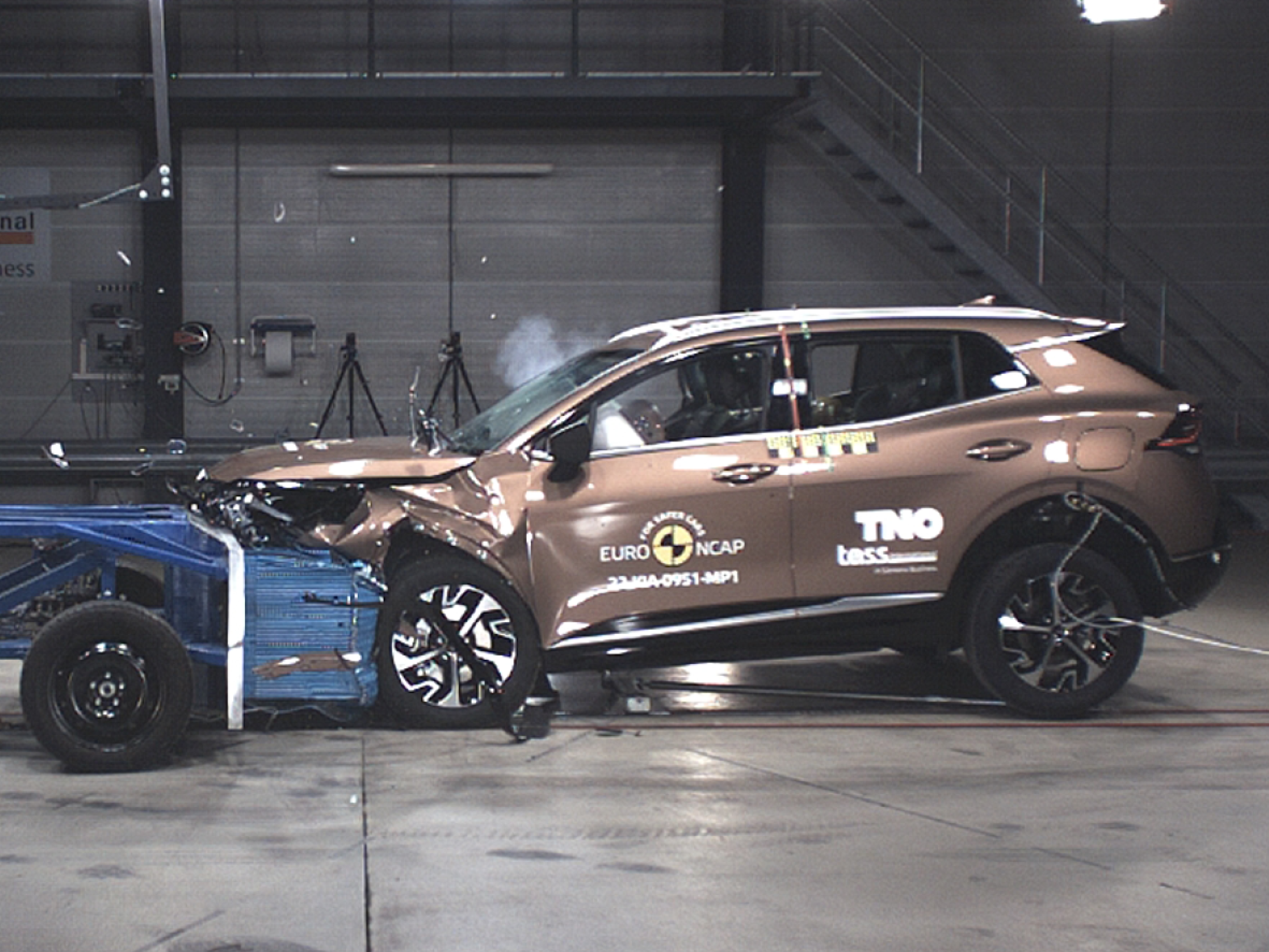
The entire Sportage range is covered by a 5-star ANCAP rating, based on its recent 2022 testing.
It achieved an 87% score for adult occupant protection, 87% for child occupant protection and 74% for its safety assist features such as lane keep assist and autonomous emergency braking.
1
The Sportage comes equipped with a comprehensive list of safety features such as rear cross traffic alert, safe exit assist, speed limit assist and lead vehicle departure alert.
In terms of servicing, both the 2.0-litre petrol and diesel variants require a visit to the dealership every 12 months or 15,000 kilometres, whichever occurs first.
The 1.6-litre turbo requires servicing at a shorter 12-month/10,000km interval.
1
Key rivals
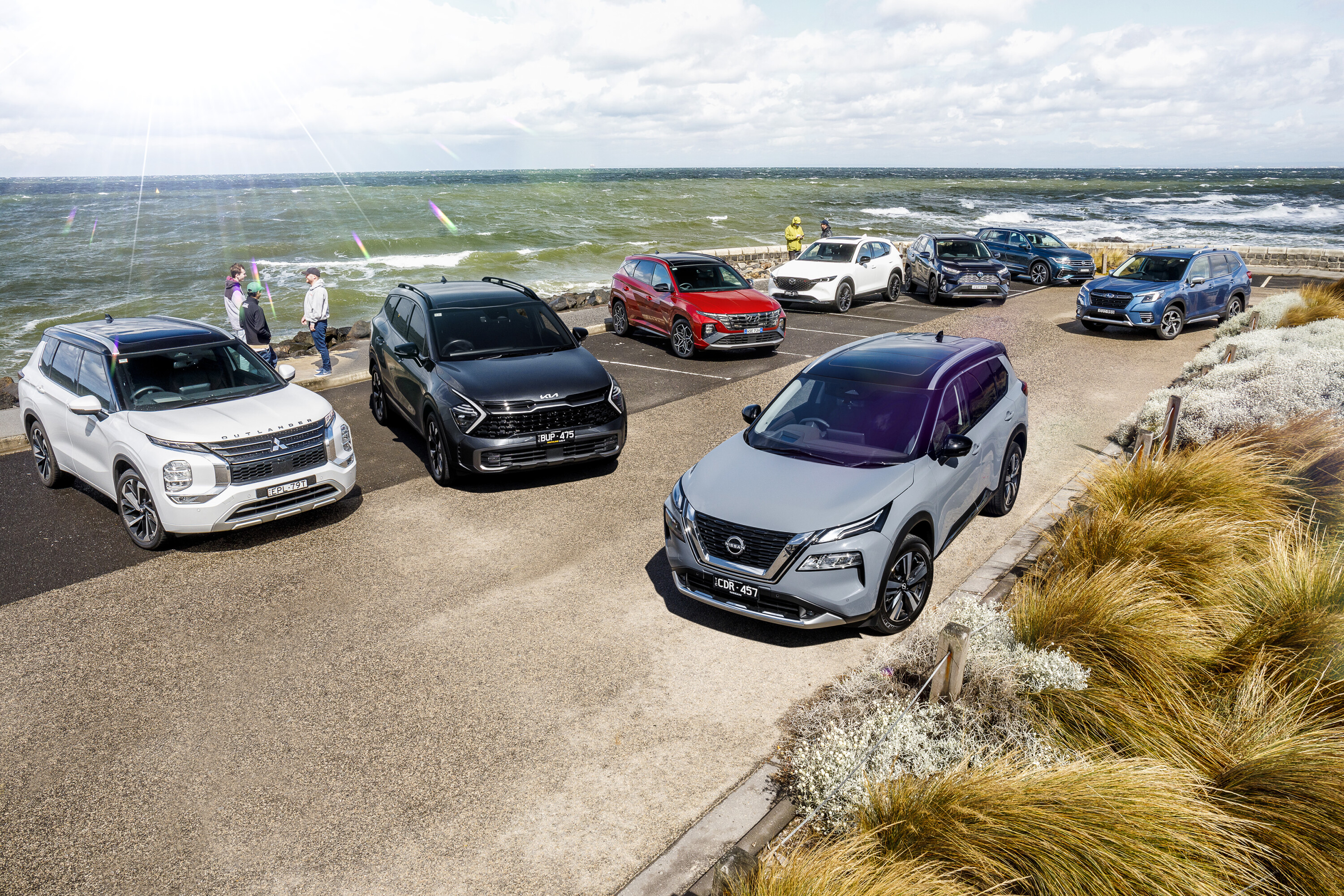
With 21 individual models in the mainstream medium SUV segment there are plenty of competitors to the Sportage. The most notable include:
Queensland startup Outbound has added its second residential property partner to set up another electric vehicle sharing hub on the Gold Coast – but it’ll need to wait at least three years to open.
Snapshot
Outbound adds fifth luxury property partner on the Gold Coast
Offers closed-off electric car sharing service
High-end apartment due to be constructed by 2026
That’s because the new luxury 51-storey Surfers Paradise high apartment, called 26 Vista, is expected to complete construction by 2026.
Outbound offers a closed-off car sharing service for property residents or working communities, where users can book to rent an EV when needed, which is parked within the building.
It aims to provide a more environmentally sustainable transport method, rather than owning a private vehicle – similar to the more public car sharing platforms, such as GoGet, Popcar and Turo.
The high-end Surfers Paradise apartment marks the company’s fifth property partnership, which includes Mantra’s Southport Sharks hotel on the Gold Coast, Merchant House commercial building, The Newlands residential dwelling and the Salesforce Tower in Sydney.
Currently, only two properties – the Mantra hotel and Salesforce Tower – offer Outbound, using Tesla Model 3 electric sedans. The other properties are still in construction, but are estimated to be completed in the next few years.
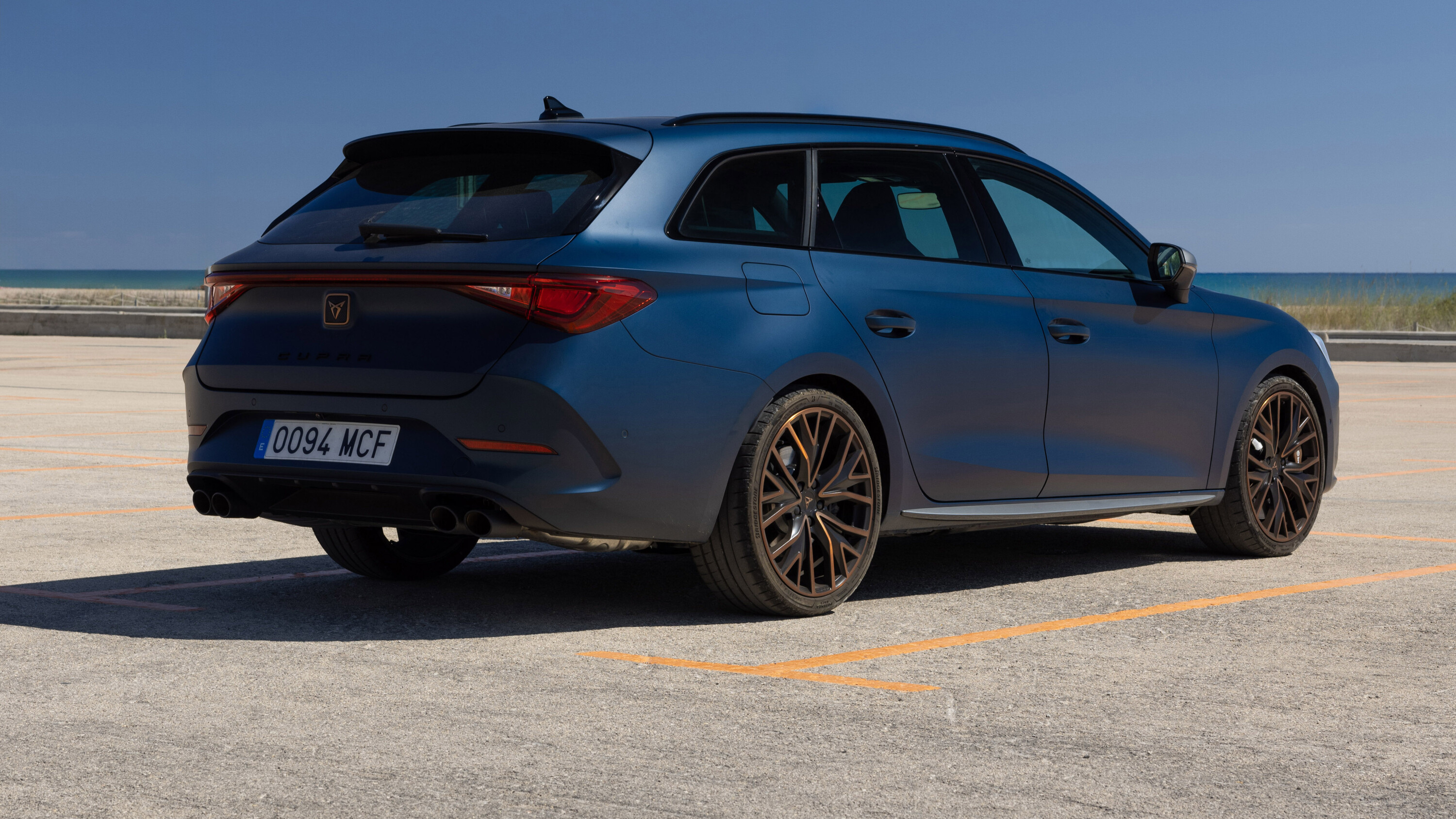
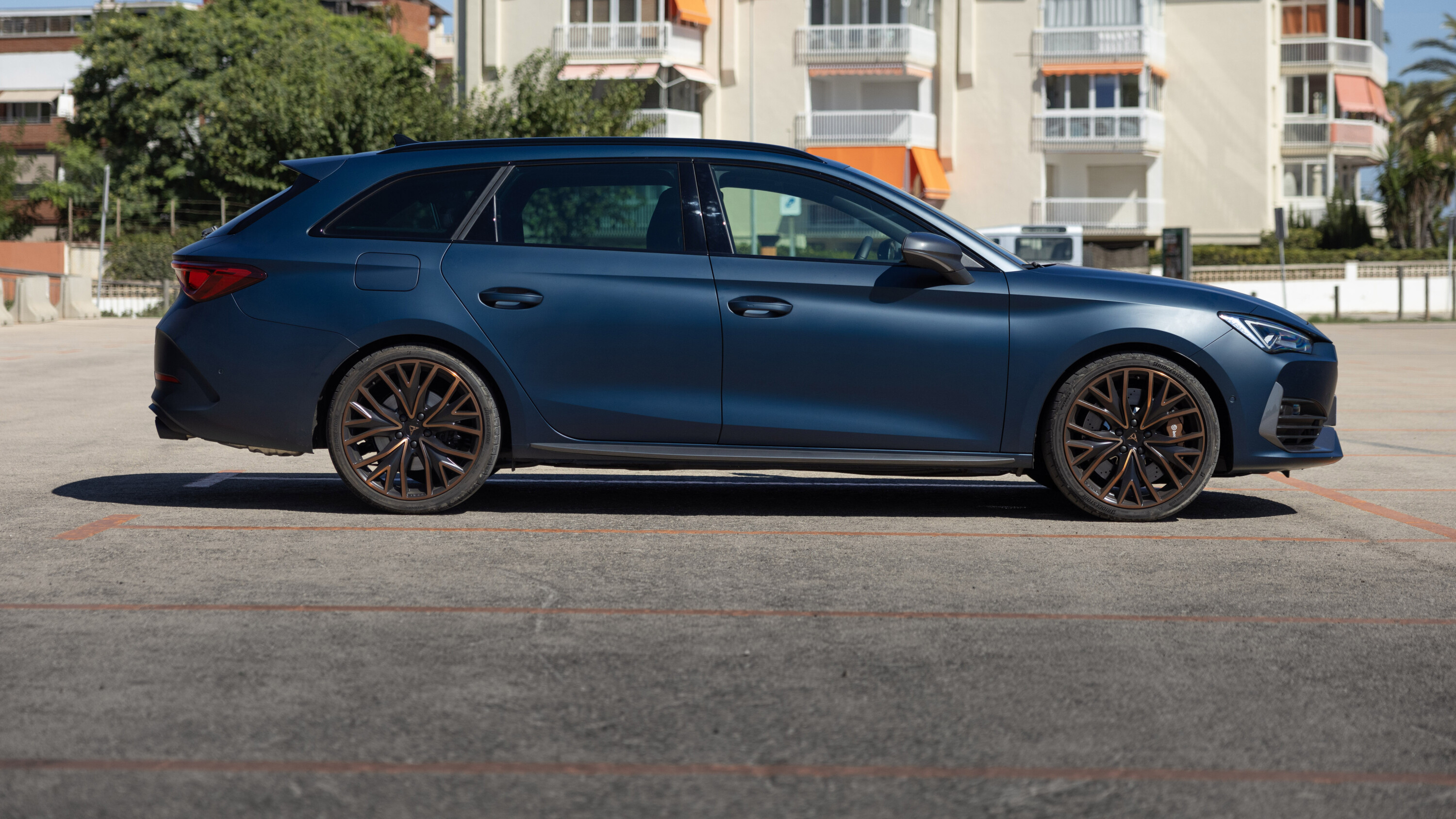
Following news that Volkswagen is ditching its Golf wagon – including the much-loved Golf R long-roof – it is possible that the VW Group will instead offer a fast and fun family truckster here in the form of the Cupra Leon Sportstourer.
It’s been on sale in Europe for a few years now, and if it does come to Australia, it’ll probably be the facelifted version that’ll be revealed soon.
The Leon Sportstourer would be a great gap-filler for the Aussie arm of the VW Group because this car could well be a better thing than the brilliant Golf R was.
Hard to say at this point, as the model is yet to get the green light for Australia.
But we can make some educated guesses, as the brand has the Leon VZx and VZe hatchback models here, both priced at $61,690 plus on-road costs. Logic suggests a price premium for the wagon, not to mention the fact the VZx Sportstourer has all-wheel drive, unlike the FWD hatch.
Bank on circa-$65K pricing – and if that’s the case it’ll be a decent discount on the old Golf R wagon, which went out at a historic high of $71,990 before on-road costs.
1
There’s a huge jump in cargo space from 270 litres in the VZe hatch to 470L in the Sportstourer
You’d be safe to assume the standard spec will be similar to the hatchback, meaning items like LED headlights and daytime running lights, 19-inch alloy wheels, heated sports bucket seats up front with leather trim, three-zone climate control, and a 12.0-inch touchscreen media system with Apple CarPlay, Android Auto, sat-nav and more, plus a digital driver info display, too.
A modest wheelbase increase (2689mm vs 2862mm) means you get more space inside than the hatch thanks and there’s a huge jump in cargo space from 270 litres in the VZe hatch to 470L in the Sportstourer, though still with no spare wheel on offer.
The petrol-only model increases from 380L to 620L, and still has a space-saver spare wheel available.
Just like the Leon hatch, the Sportstourer has an abundance of active safety technology and a five-star Euro NCAP rating (from 2020) to back it up.
If it comes, it’ll have all the fruit; autonomous emergency braking with pedestrian, cyclist and junction detection is standard, as are lane departure warning and lane-keep assist, blind-spot monitoring, rear cross-traffic alert, front and rear parking sensors and a reversing camera.
A surround-view camera isn’t available, but wouldn’t go astray.
I drove both the VZe and VZx, and unsurprisingly they have pretty different driving characteristics – and that’s A-OK if you ask me.
Want a quick-looking wagon with a more eco-conscious powertrain? The PHEV is a pretty convincing thing.
Combining a 1.4-litre turbo-petrol engine with an electric motor and a 12.8kWh battery pack, but using a six-speed dual-clutch auto driving the front wheels, it has a heap of punch on offer. In all-singing-all-dancing go-fast mode, there’s an apparent combined 180kW and 400Nm, which is a lot channelled only through the front axle.
1
But if you’re driving it like a PHEV driver would, you’ll enjoy the smooth transition between EV driving and petrol mode, and the DSG is quick thinking and smooth shifting, too. There’s regenerative braking and a touchy pedal response.
Dynamically the VZe is a bit more of a comfy thing, with a spongier suspension and a bit more weight, which is evident in the bends and over bumps. But the steering is light and feels fun enough, if not nearly as enticing to punt as the VZx.
Yep, this one is the hero here, with more snot than a toddler at daycare. There are two versions in Europe – a 221kW/400Nm job and the quicker 228kW unit, which does 0-100km/h in a claimed 4.9 seconds. Sheesh.
1
It feels quick, and sounds it in Cupra mode, too. There’s a raspy warble that is enabled in the sportiest drive setting, though not quite as racy as the Golf R.
Adaptive dampers make for rigidity when it’s wanted and decent comfort in city situations, the steering feels more meaty, and the traction of the AWD system adds some slingshot effect in the bends, too.
Note, it is MQB-based, so there is some annoying road noise intrusion on rougher road surfaces. The infotainment also caused some headaches, with fiddly controls and smartphone mirroring issues evident on test.
Want a wagon with go-fast intent? The best alternative could be the Subaru WRX Sportswagon (from $50,990 excluding on-road costs), though it isn’t quite the manic machine of years gone by.
Want a different Euro badge? Check out the Peugeot 308 GT wagon, which kicks off at $50,990 (before on-road costs). Not quite a performance item, but it is stylish and spacious. And if money is less of an object, there’s also the gorgeous Peugeot 508 GT plug-in hybrid at $82,915 (plus on-road costs).
And there’s always the Skoda Octavia, which in RS guise is a practical and price-friendly option, and the $53,090 (excluding on-road costs) sticker is plenty appealing.
Final testing for third-gen Panamera happening in Spain
Official reveal happening in November
A new plug-in hybrid to join the range following strong demand
There were some who expected the all-electric Taycan, which launched in 2019, to effectively replace the Panamera for good but Stuttgart says there’s enough demand to support what it’s calling a whole new generation – even if the new five-door lightback doesn’t look all that different.
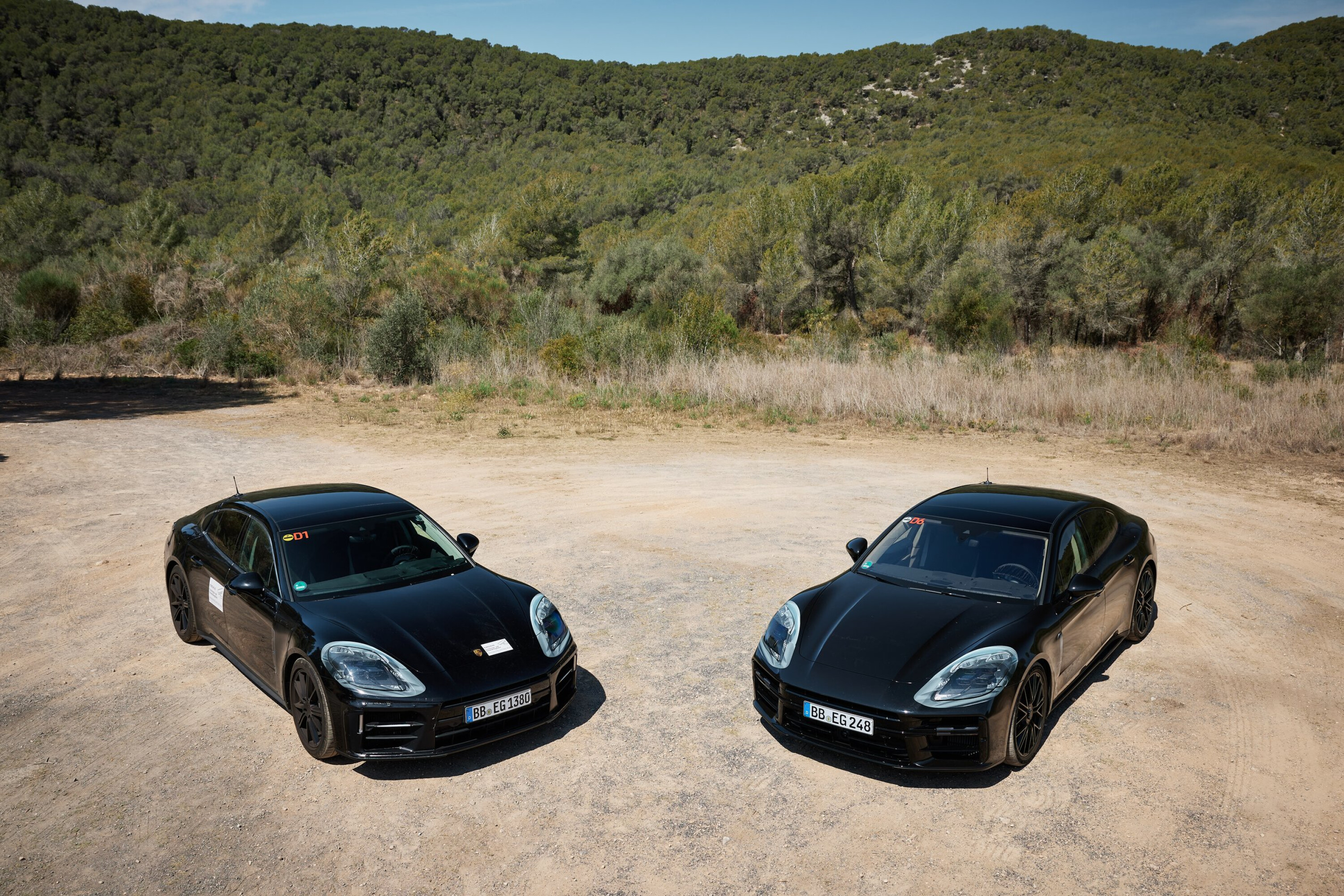
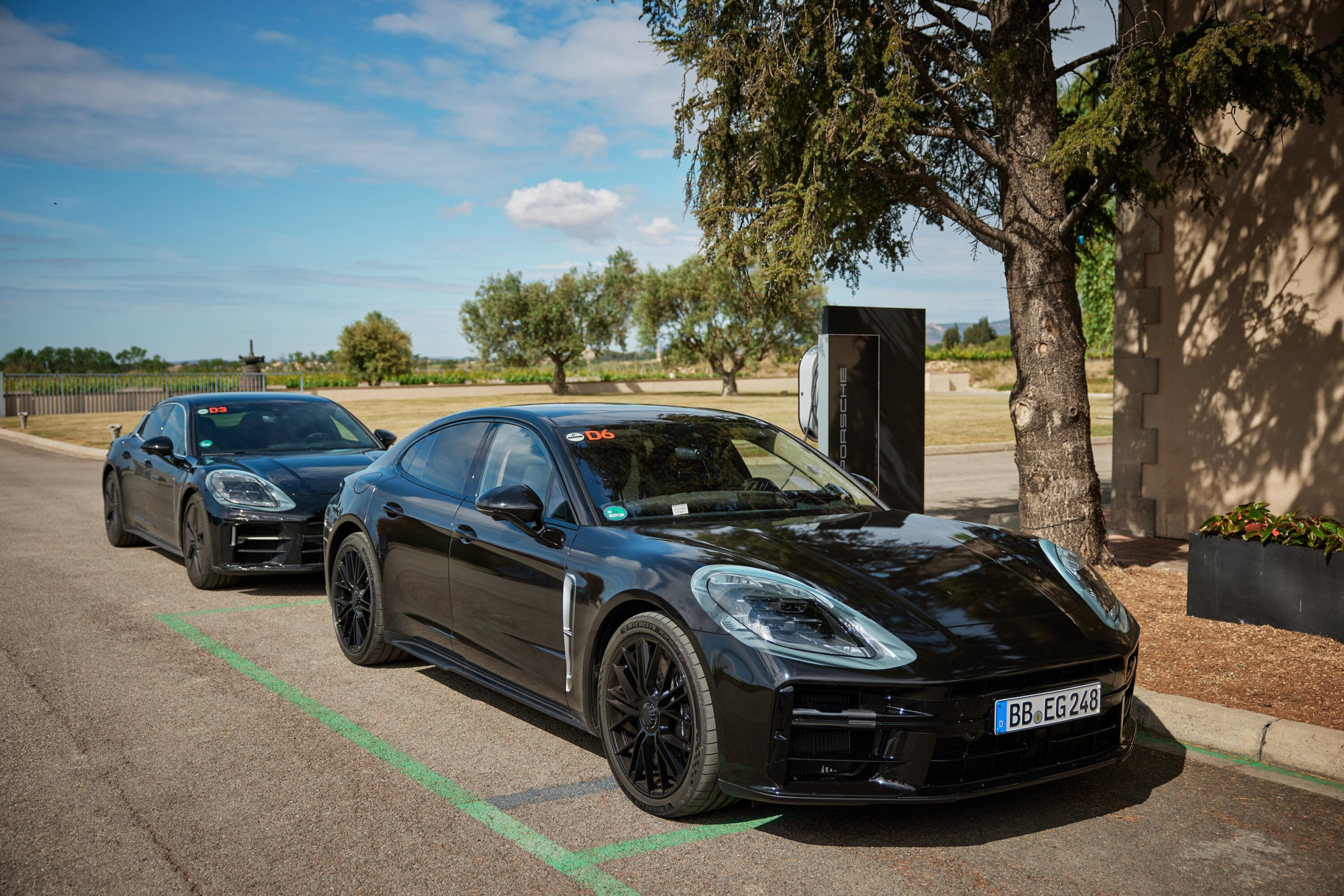
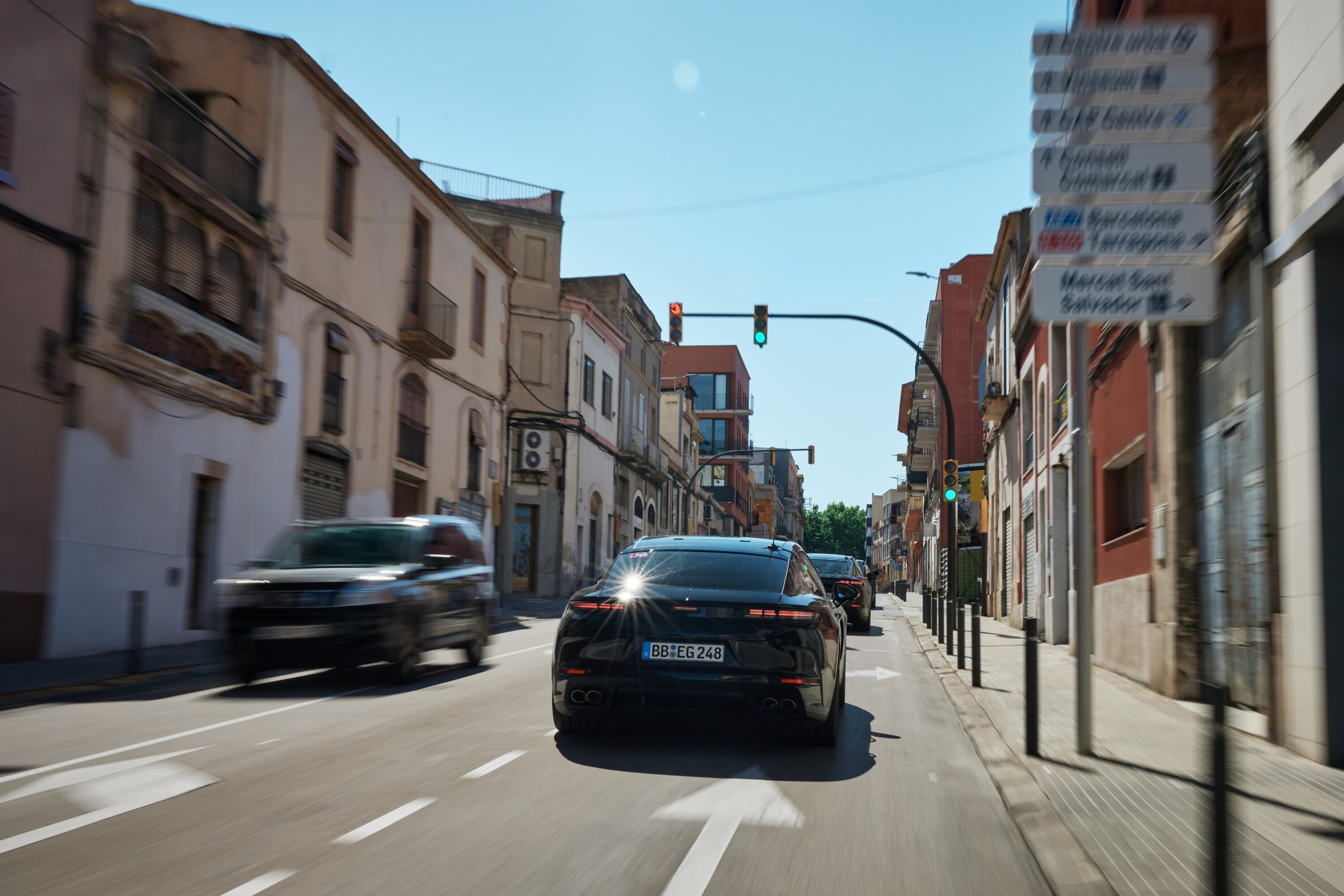
In fact, pictured here in black with little-to-no camouflage it’s almost impossible to differentiate this Panamera from the current car aside from some tweaks to the front lower valance. Even the headlights are near-identical.
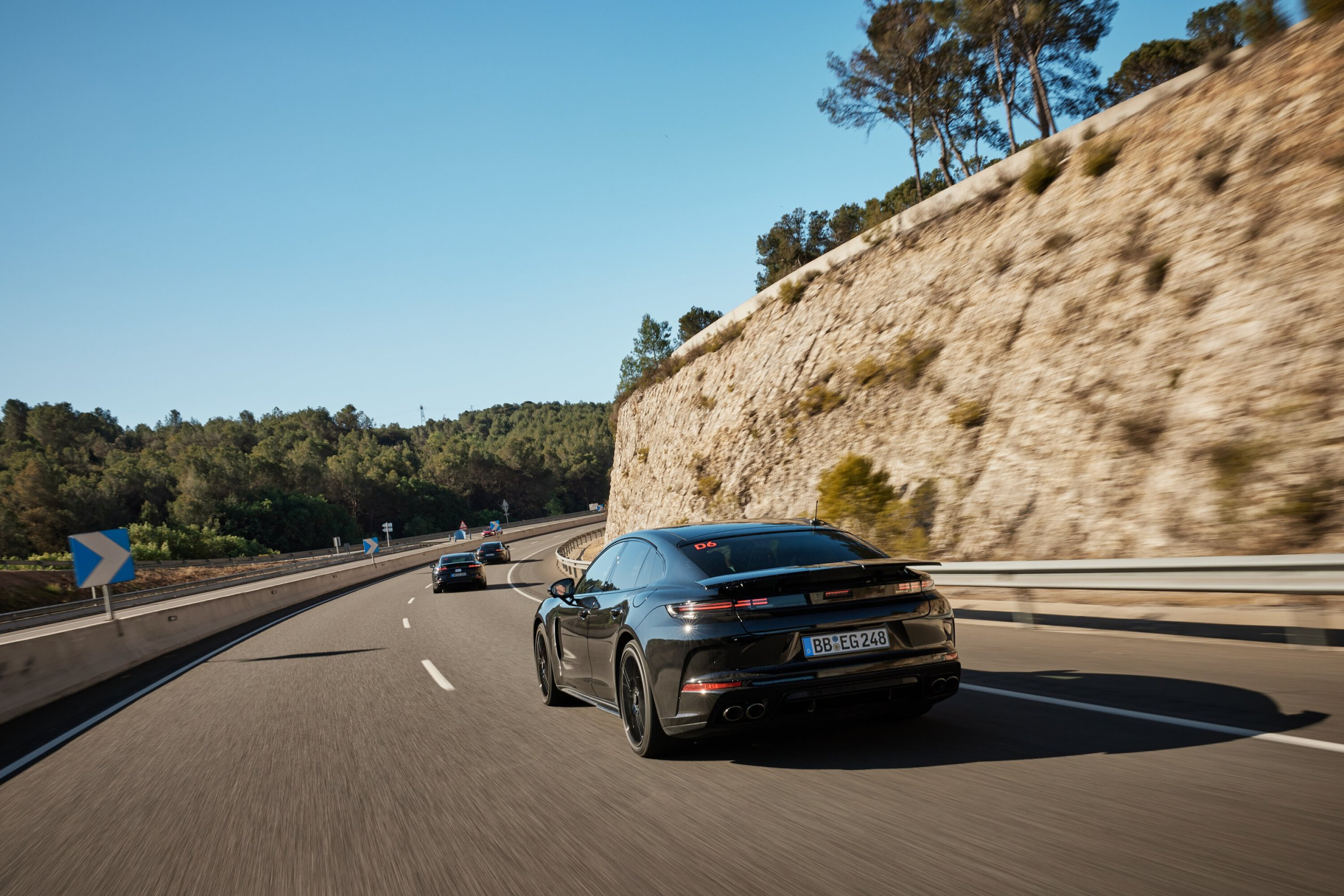
The rear of the new Panamera shows a few more changes. For example the LED lighting signature, a slightly different window profile and more aggressive rear bumper details.
Underneath, though, Porsche says the model teased here has undergone some big changes. Its MSB architecture has been reworked with new dual-chamber air springs paired with twin-valve adaptive dampers from the Cayenne large SUV.
1
Final details will be confirmed in November, though we expect the new car will ride on a longer wheelbase and feature larger doors to ease ingress.
Porsche has also developed a new plug-in hybrid powertrain for the Panamera bringing the count to four PHEVS, with petrol-only V6 and V8 turbocharged models also living on. The electric motor is paired with a new PDK gearbox and is integrated into the rear of the transmission housing for a more compact and powerful setup.
1
Giving power to the e-motor is a larger 25.9kWh lithium-ion battery. It’s the same size as the new Cayenne, which is said to be capable of around 60km electric driving range. We’d wager the more aerodynamic Panamera would push that number closer to 70km. It can be replenished at 11kW (AC), improving charge times for the new car.
Displaying the lengths Porsche goes to when testing, the new Panameras have been all across the world. Of course they’ve been spied durability testing at the Nordschleife, but also in America for heat, Scandinavia for cold, South Africa for broken tarmac (and dirt), at elevation in Asia, and now in Spain for final calibration (and presumably a bit of pleasant sunshine for the engineers).
1
“We test every new car intensively in order to meet our demands, and of course those of our customers all over the world… the standard we set is always the development targets defined in the specifications. The new Panamera must excel here and now, in particular in terms of performance, comfort and acoustics”, said development manager Marcel Hönemann.
Further details including weight, dimensions, outputs and cabin features will be disclosed on November 24 at the Panamera’s global launch. Expect Australian deliveries to follow in mid-late 2024.