
There’s something exhilarating and elusive about McLaren’s headquarters in Woking, England. Everything appears silver, serene and spy-like — although more thrilling “baddie” than prosaic “goodie”; a little more Blofeld than Bond, if you were. The long driveway arches around a man-made lake to reveal a curved, futuristic lair reminiscent of McLaren’s sleek swoosh emblem.
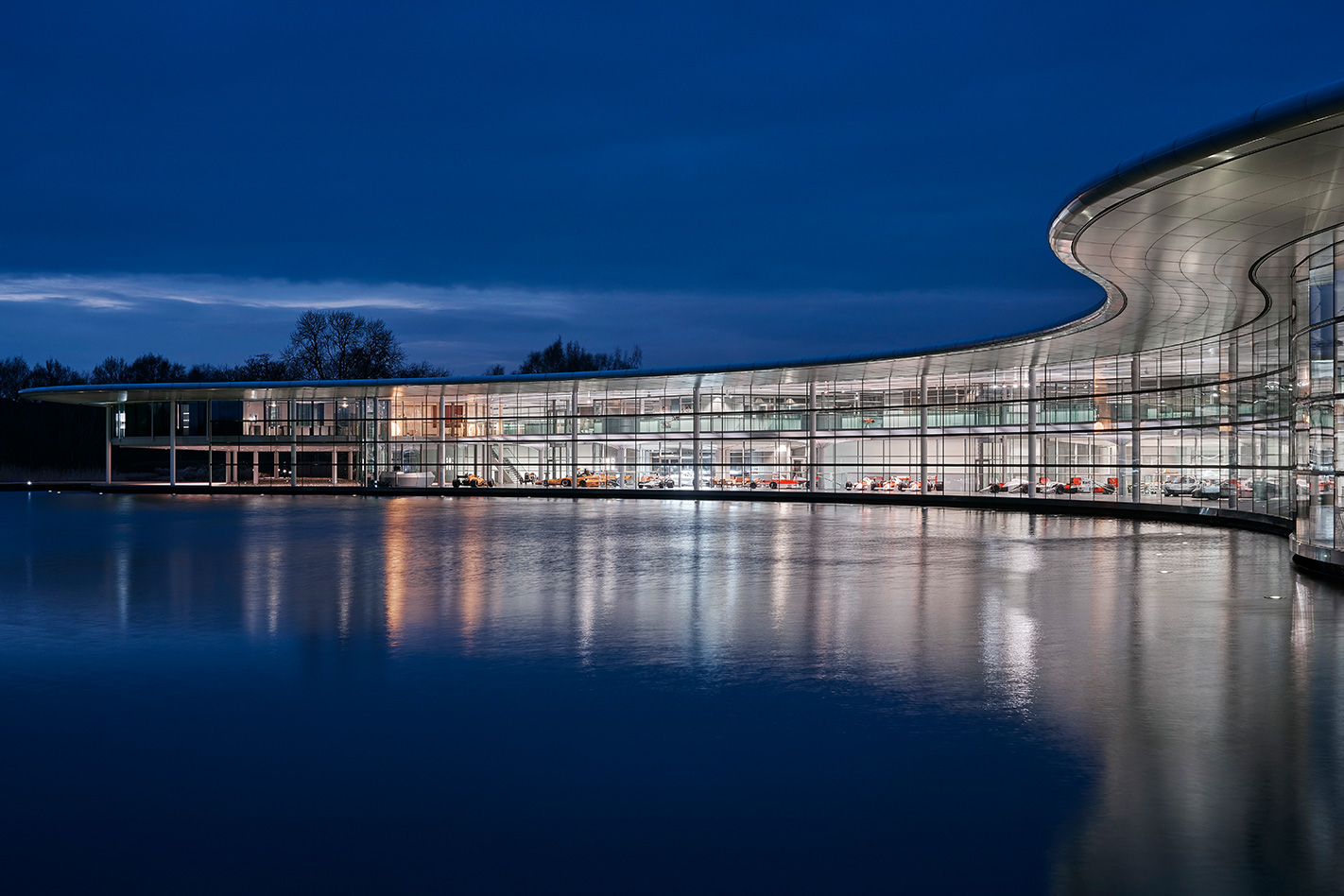
Massive doors mysteriously slide open exposing a façade of glass stretching the entirety of the building. Water from the lake is fed through heat exchangers to keep the building’s internal temperature at a static 21 degrees. I’m met by an impeccably dressed and impossibly polite tour guide, one of about 3,000 staff members who are employed in the multi-million-dollar workplace.
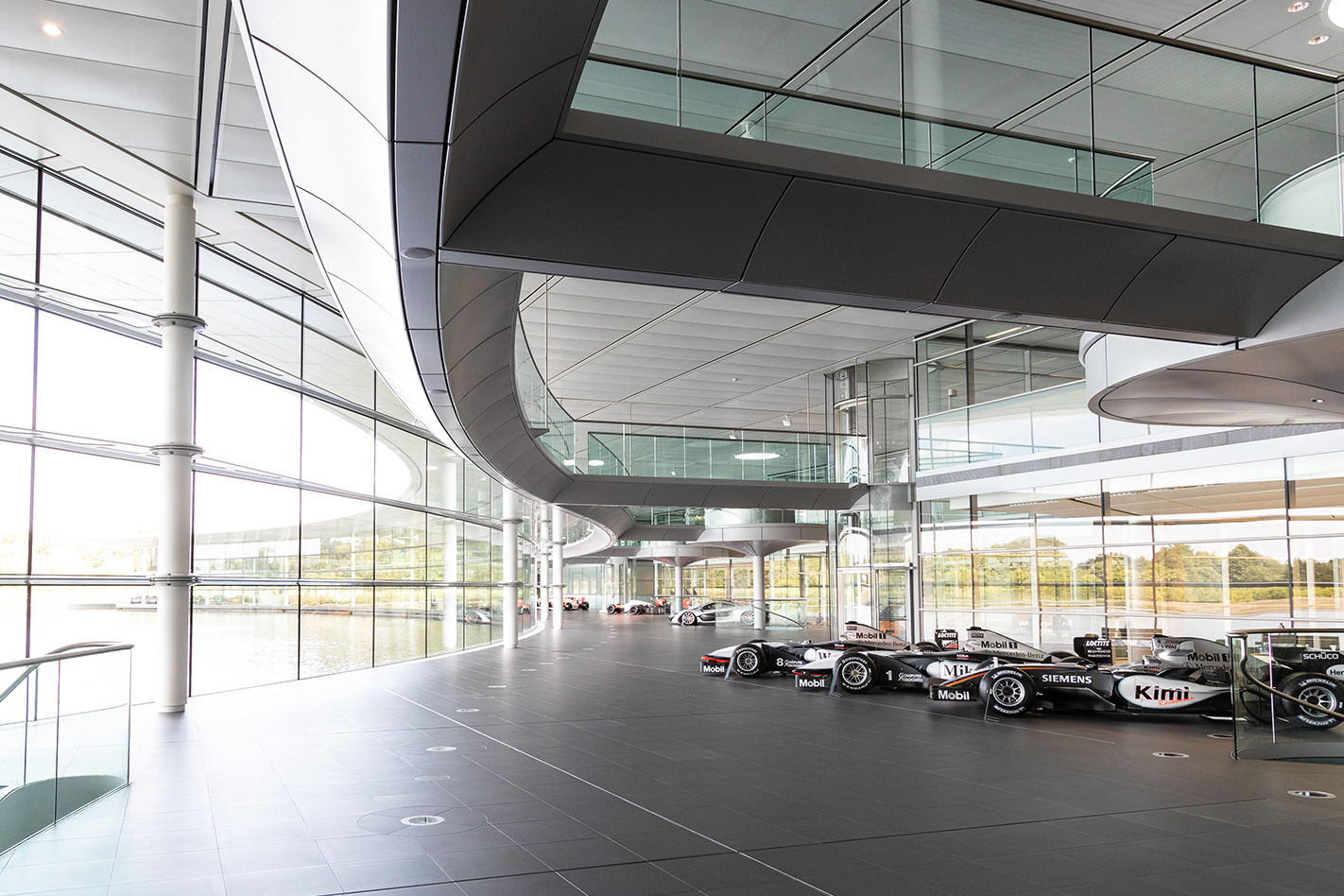
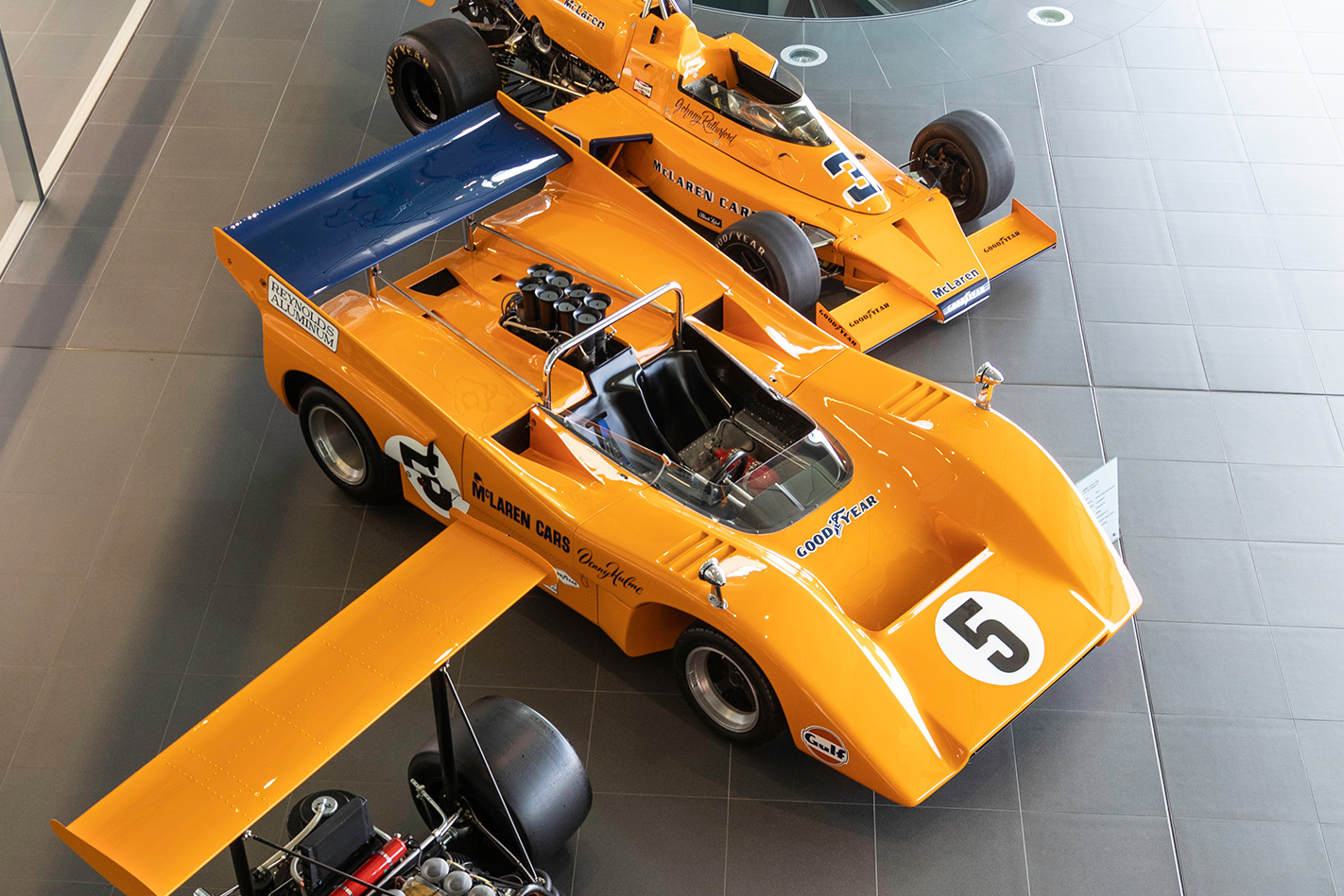
Winter sunlight floods the boulevard, which can only be described as a magnificent museum of motoring. Along this corridor are parked some of the most historically impressive vehicles in the company’s fleet, from Bruce McLaren’s Formula 1 racing car, the M7C, to Mika Häkkinen’s title-winning, historic MP4-13. It’s enough to send any revhead’s pulse racing.
Some of the many highlights include the most successful Formula 1 vehicle of all time — the MP4-4 driven by none other than Ayrton Senna. When my guide turns around I lightly touch the vehicle hoping I don’t set off some interloper alarm. I am not sure why I do this. Perhaps I’m hoping a fraction of the car’s greatness may rub off.
Another highlight is the 1993 deep green F1 XP5 test car — the fastest, naturally aspirated V12 ever. Its top speed? A blistering 386km/h.
An early P1, the first plug-in hybrid sports car to roll off the McLaren production line, is parked in front of the glass-fronted paint shop. Here you can view vehicles like the Senna, a limited-edition mid-engine sports car, receiving a coat. I spy some panels being painted the British supercar maker’s signature orange. Why this hue? It’s reported that in 1967 Bruce McLaren (the Kiwi racing driver after whom the company is named) wanted his cars to stand out from the pack and show up like beacons on colour TV. The shade stuck. In fact, McLaren’s latest Longtail release, the 765LT, was launched in Nardo Orange — a lobster pinky-orange version of the company’s favourite shade.
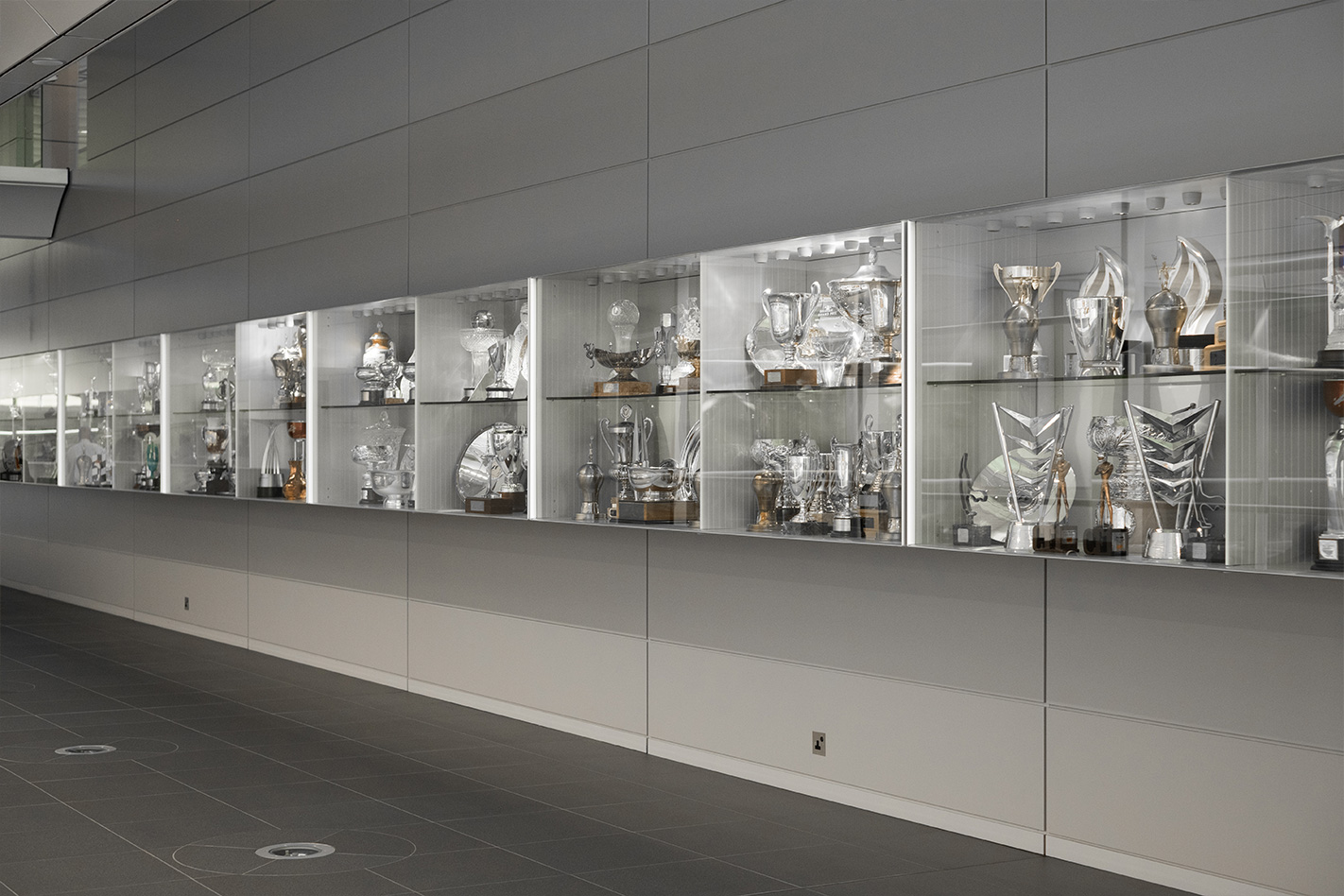
The boulevard narrows and I’m quickly ushered past the wind tunnel, which is used to help test aerodynamics and airflow. No filming allowed here. I’m then led through the trophy corridor. Reckon you have an impressive pool room stuffed with relics of your past victories? You ain’t seen nothing! The MTC boasts the biggest private collection of motor-racing trophies in the world. Interestingly, winning drivers don’t get to take home the silverware. Success is considered a team effort and, as such, all the bling belongs to McLaren.
After being blinded by all those spoils I reach a display for the “kidults” — as my daughter refers to kids trapped in adult bodies. Here sits a full-scale McLaren Senna made of Lego! Thirty workers toiled for more than 2700 hours to build the incredibly detailed model which features working sounds and lights.
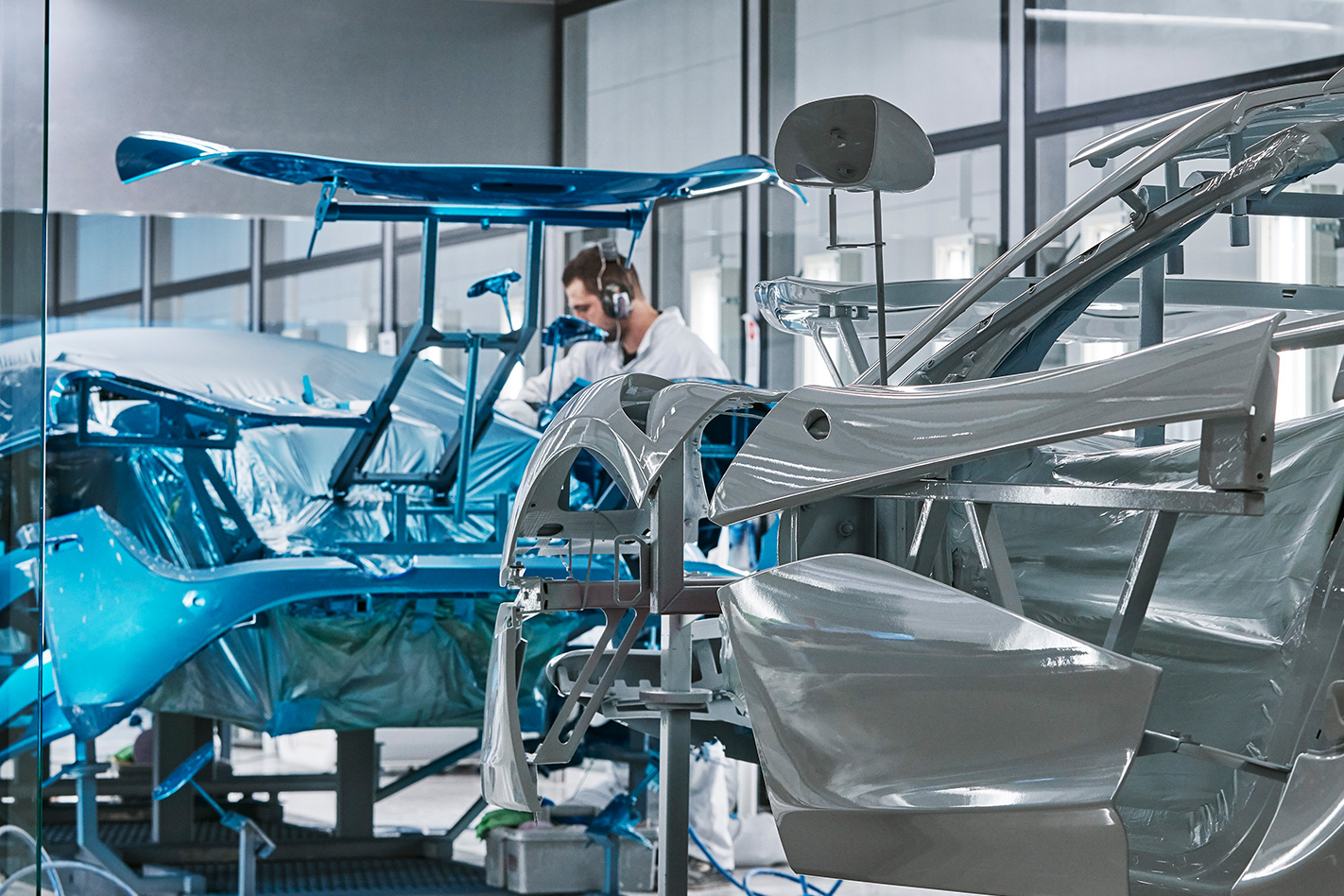
From this point, the corridor takes a sharp left down to where the actual McLaren factory is located. Building on its racing nous, McLaren has produced high-performance sports cars since the early ‘90s. Here, in the facility’s heart, one is struck by the sound of silence. Neither robot nor production line is apparent, as on this bright, pristine factory floor, vehicles are painstakingly and lovingly hand-built. Each car is bespoke, composed and crafted for its customer like a work of art.
At the conclusion of my tour I’m handed the keys to a 2020 GT, McLaren’s first dedicated Grand Tourer, to test drive. I open the Burnished Copper dihedral door with a new-found respect, knowing these cars have been constructed with precision and passion. I may be driving a Grand Tourer — a car built, as the name suggests, for long cruises — but I feel every bit the bad-ass Bond Villainess. And it feels oh-so good.
Well, that escalated quickly… the speed that the COVID-19 coronavirus is circling the globe is astonishing, and it’s claimed a pretty big scalp in the form of the Australian Grand Prix.
And the way the cancellation of the event itself played out was, in my opinion, pretty damn poor.
Between 8.00am and 12.00pm, I must have updated our rolling news story 20 times, as information and misinformation tripped over each other, while hapless ticket holders, race teams and up to 12,000 part-time workers at the event wondered what the hell was going on.
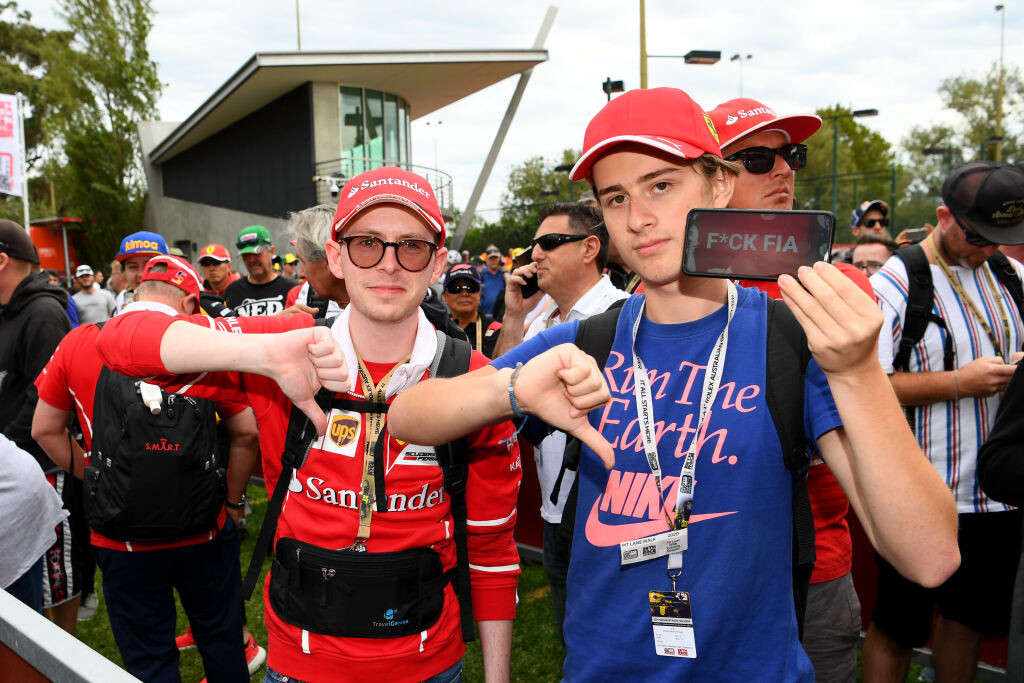
Eventually, the news filtered down that the race was off, followed not long afterwards by news that more team members had been isolated and quarantined.
There’s no doubt that F1 has given itself a fair old black eye over its handling of this whole sorry mess. It doesn’t matter which side of the coronavirus line you’re standing on… the fact remains that if a decisive call had been made early in the week, then planeloads of people wouldn’t have flown 12,000km to the other side of the world, exacerbating the risk of catching this very nasty bug not just for themselves, but for everyone they encounter on their journey.
And why oh why did AGP organisers to send a text out to everyone to go to Albert Park, then not open the gates to the venue? Why did the governing bodies of the sport not call the event off even 12 hours earlier? What an absolute farce… our best wishes and commiserations to everyone touched by this crazy episode. It’s a Friday 13th for the ages, that’s for sure.
Elsewhere across our network, it’s been business as usual across our brands. We covered the new Chevrolet Silverado 1500, theorised whether petrol would drop below a dollar a litre, examined a potential lifeline for Holden workers and checked out Ford’s new baby ute.
We also sat down with the new boss of FCA in Australia, Kevin Flynn, who told us about his new ‘flying doctor’ techs and why the new Gladiator isn’t a ute.
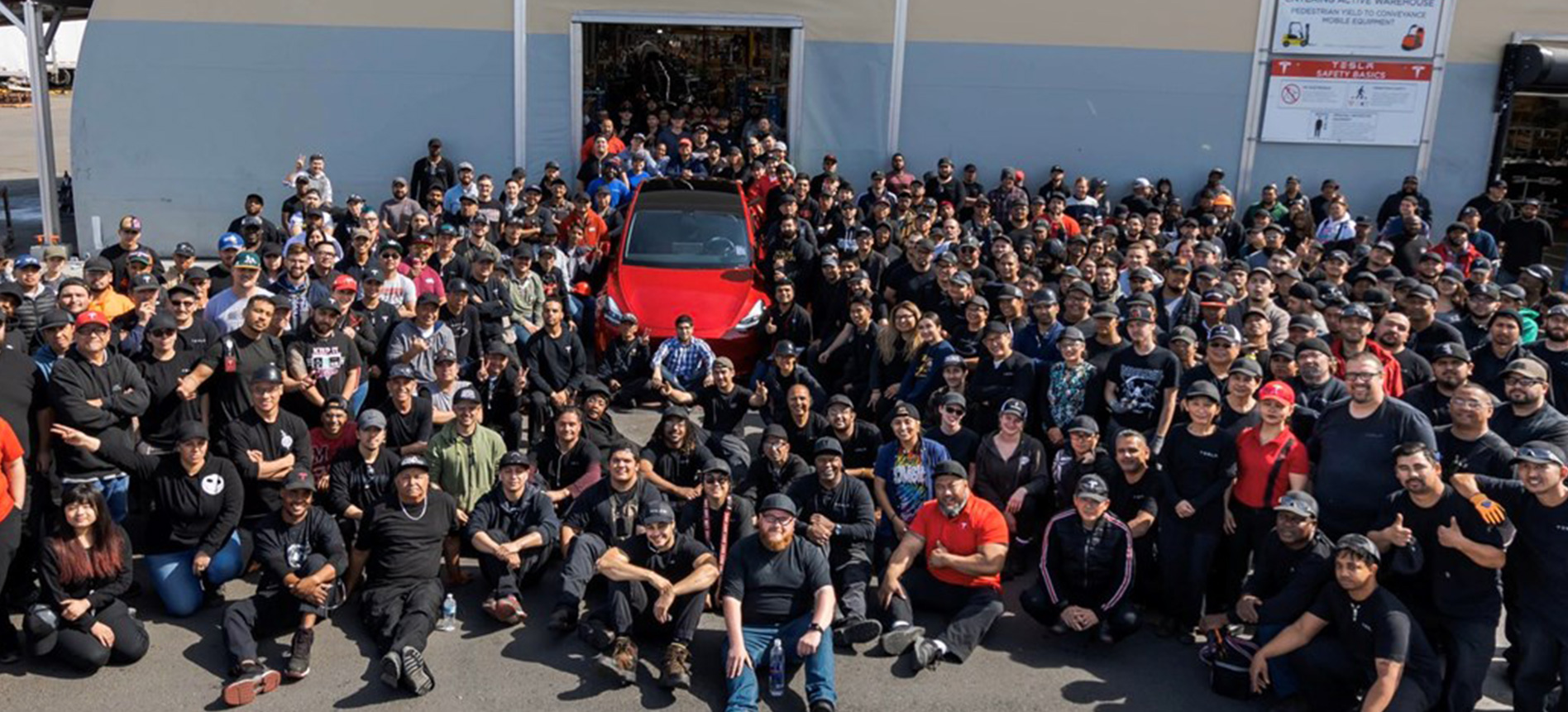
Elsewhere, Tesla showed off its one millionth car (below) while BMW confirms it will kill its hybrid i8, we learned how much Ford’s new baby UV, the Puma, will cost and rolled out lots of great advice as well.
WhichCar TV should be back on the box this Sunday at 3.30pm on Channel Ten because there’s no Grand Prix on telly any more – and on Prime in New Zealand too – and our reams of social media feeds are pumping out all the good gear 24/7.
Now that we’ve all got our weekends back, make sure you all have a great one.
It was almost a bit spooky. After I left the office on the Monday night, about 9.30pm, I jumped on Melbourne’s Monash Freeway as per usual and up ahead, I spotted the small, faint rear tail-lights of an undeniably much older car. As I got closer, I recognised it was a Holden 48-215.
Squinting through tired eyes, I convoyed beside the almost ghostly apparition for a good five minutes before I gave a toot, the shadowy driver a thumbs up, and continued on.
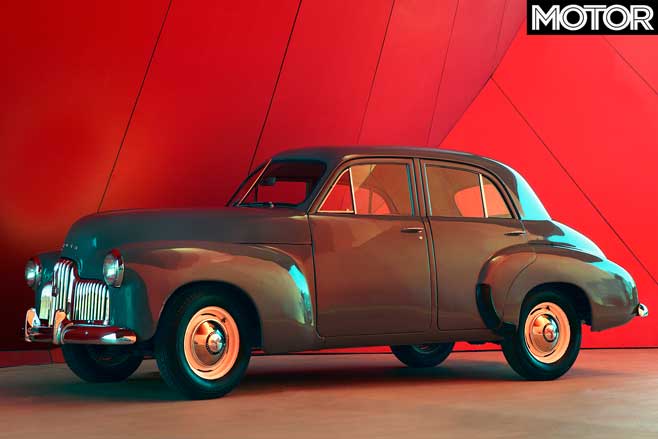
It was a surreal way to end a surreal day: the day it was announced Holden would end. Not sold, not changed, not relocated or anything else – as if worthless, it would be basically unceremoniously killed.
Since then, about a week later as I write this, I’ve felt mostly angry. Which surprises me, because Holden, for me, ended in October 2017 – and after that, it was just an idea. The flame had gone out, the one that fired the Lion brand, the Red Army, memories of plastic bags stuck in the Mark Skaife’s VX HRT Commodore’s lower intake at Bathurst in 2002 (not sure why that comes to mind) but it was strangely nice to know Holden was still around. Like at least a pilot light remained. Unlike other pundits, I could never wish death on the Holden brand no matter what sorry state it was in. I think I’d rather it remain as an importer of questionable vehicles than not around at all.
And now even that’s gone.
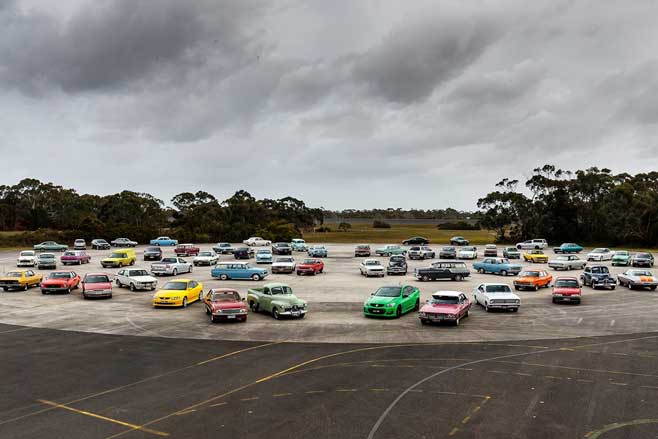
Now, before I continue I want to say that forget Holden, forget General Motors (GM), I am – MOTOR is – tremendously sad and sorry for the people who will, at some future point, have no job because of this.
More than 600 people, we hear, will be impacted; that’s potentially up to 600 Aussie families affected. It’s another blow after the tragedies and tremendous losses of the Campbellfield and Geelong, Victoria, factory closures in 2016; and that of Altona, Victoria, and Elizabeth, South Australia, in 2017. Not to mention the countless suppliers who have quietly disappeared or scaled down. We can only hope those displaced are able to land on their feet as painlessly as possible.
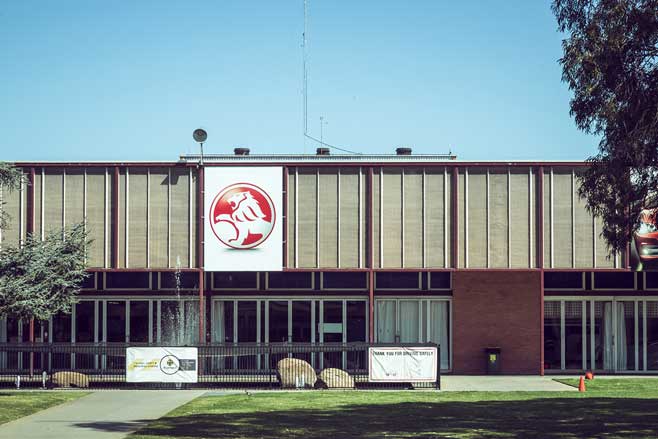
Obviously no single person can bear responsibility for Holden’s very final end. If you go to the top of The Mountain at the Bathurst 1000 these days you’re far more likely to see a Toyota HiLux than you are any new vehicle with a Holden badge on the front of it. It’s not the punters’ fault the Colorado isn’t competitive enough a vehicle, but it is someone’s. Ministers, executives, unions – the media – all have fingerprints on the final murder weapon, too.
But to my mind there is one certifiable thing – shame on GM for closing its Australian engineering and design departments. I accept in the world of business tough decisions must be made, but this seems an enormous, short-sighted waste. In terms of shaping the future of mobility for GM, Australia had an enormous amount of talent and experience to contribute. This is GM’s loss – and possibly the gain of Ford, which continues to invest in Australia. Ford knows what’s up.
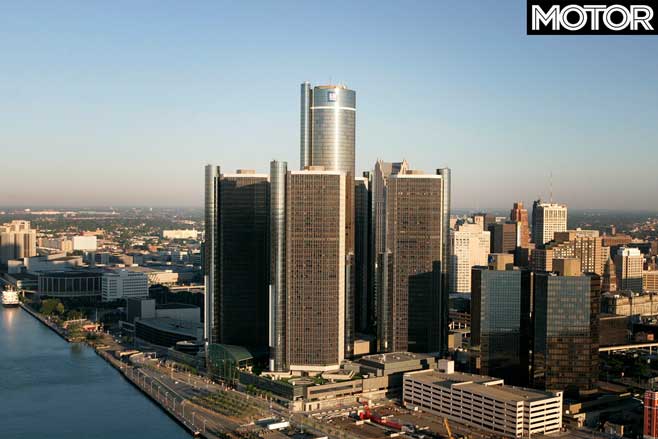
And now, we are left to just deal with it, as many entities are (as you’ll read in our Holden “What Happens now?” story). And after the dust has settled, we will simply be less without the Holden brand. The old Ford versus Holden rivalry now seems so petty when you think one day you will have to explain to someone what a Holden was. And for context, it’s not too dramatic to say you will also have to explain what Australia was.
Live coverage of the Australian Grand Prix closure
1530hrs – if you’re stuck for something to watch today, here’s the press conference that was held outside the Albert Park venue yesterday morning, which included F1 boss Chase Carey and AGP chief Andrew Westacott.
Saturday 1300hrs
So what the hell happened to the Australian Grand Prix?
Lots of people are asking the question this morning; why was the cancellation of the Australian Grand Prix so poorly handled? The clumsy way messages were issued, the fact that the impending crisis seemed such a surprise to all involved, and the mass miscommunication around the cancellation itself are all under scrutiny.
Minds far wiser than mine suggest that the whole sorry mess came about because of the lack of a singular figure to take the reins and make a captain’s call.
Equipment had been in place in Australia for a month, sure, but the bulk of the paddock and its parts had only left Europe five days previous, and in plenty of time to see the impending carnage of the coronavirus on countries like Italy.
In fact, most teams had to spend big bucks to re-route team members and equipment down under to avoid traditional Middle East transit points, which would have meant instant quarantine once Australia was reached.
Once the first COVID-19 case was confirmed within McLaren on Thursday, though, the gig was up. Senior drivers – including Max Verstappen as it turns out – were halfway home by the time Friday morning dawned, while Mercedes had written (a pointedly old-fashioned device) to the FIA to say it was folding its tent and going home along with McLaren, no matter what the call.
And it was Zak Brown’s captain call to take his team – well, all but around 15 of them who are remaining in Australia under quarantine – out of the event that should have been the trigger for Chase Carey and Ross Brawn to cancel the event late Thursday night, thereby giving fans and workers plenty of notice.
But as Thursday night morphed into Friday morning at the Crown and teams and officials reportedly argued the toss til 4.00am, the only noise coming from Albert Park at 9.00am were the sounds of denial and confusion, in the form of the Minardi two-seat ride cars streaking around the circuit.
News services were running wild, with some declaring the race cancelled, even though the AGP sent texts to staff and punters to say that the gates were opening and the event was on.
Social media, too, was running hot, with airline manifests revealing the departure of Kimi Raikkonen and Sebastian Vettel on Thursday night.
Marshalls were in place around the track, while Supercar teams went through pre-qualifying procedures behind locked gates. Skeleton crews stood around F1 garages, while Renault didn’t even show up at all.
8.45am came and went, and the irony of large crowds gathering in close proximity wasn’t lost on anyone. Finally, the news came at about 10.20am that the F1 race, and the entire event, had been canned.
It will cost lots of people tens of millions of dollars in lost revenues, orders, wages and services, and it will not be the work of a moment to refund thousands of ticket holders. It’s disappointed a lot of fans, and it’s unnecessarily exposed more people to COVID-19 than needed to be.
The F1 circus has done itself a huge disservice, and it’s a damn shame. 2019 was – in most respects at least – a breakthrough year for a sport that had too long ignored the rapidly changing world around it. It started to engage a younger audience via an actual focus on social media, while keeping more rusted-on fans in the loop.
This sorry episode, though, revives the ghost of a racing series that lived too far up its own importance for far too long, and where money is put before the wellbeing of its own people./Tim Robson
Saturday 1000hrs – The F1 season may not start until June, if the coronavirus pandemic affects Europe in the next couple of months.
F1 has formally announced the postponement of Bahrain, Vietnam and Shanghai, with the earliest possible start to the season now being May 3 in Zandvoort in The Netherlands. But even that isn’t guaranteed.
And other racing series have also announced delayed starts to the 2020 season. Looks like I picked the wrong week to renew Kayo…
1845hrs – For our last post on this crazy Friday, info about refunds has been released.
From the AGP site. Don’t expect a refund for your Thursday ticket, though…
If you purchased tickets online through the Formula 1 Australian Grand Prix’s official ticketing agent, Ticketmaster, you will receive a refund back to the original credit card you used.
If you purchased tickets from a Ticketmaster outlet using cash or EFTPOS, you will need to visit a Ticketmaster outlet when advised with the EFTPOS card used (if applicable) to refund the booking. Ticketmaster outlet staff will assist with your refund.
If you purchased tickets through a travel agent or on-seller, please contact them directly to process your refund.
If you have purchased Hospitality tickets through Ticketmaster, you will receive a refund back to the original credit card you used.
Please note, for patrons who purchased single-day tickets for Thursday, and/or any upgrade packages for Thursday, no refunds will be made, as the event was operational on Thursday 12 March 2020.
1800hrs – F1 has released a video explaining its decision behind cancelling the AGP today.
1600hrs – One-time F1 driver and Mercedes-Benz ambassador David Coulthard says the F1 needs to be transparent with its angry fans when explaining the reasons behind today’s decision to cancel the event.
1530hrs – we’ve pulled together a gallery of shotsfrom this morning’s amazing vents at Albert Park.
1400hrs – Supercars has released a statement, suggesting that it can reschedule this weekend’s cancelled event.
“Supercars will continue to adhere to government health advice and act to ensure the health and safety of our fans and our people remains our primary focus,” read the statement.
“Given the cancellation of this weekend’s event, we will look to reschedule another event later in the year.”
The Supercars series dropped Phillip Island and Queensland Raceway from this year’s calendar, making way for the return of a night race at Sydney Motorsport Park. Supercars is confident it can make up the difference by returning the series to one of these two venues.
“We are fortunate that this year’s calendar enables us to do so,” continues the statement.
“Supercars will continue to closely monitor the situation in line with guidance provided by government agencies.”
1300hrs – McLaren has released a statement that 14 more of its team members have been placed in isolation in the wake of one team member being diagnosed with COVID-19.
“Overnight, 14 members of the team, in addition to the one confirmed case, were placed in quarantine at the team hotel for 14 days, in accordance with local health authority directives,” a statement from the team read. “These are individuals who had been in close contact with the team member who tested positive for coronavirus.
“These individuals are being supported by senior team personnel, who will stay behind with them during the quarantine period.”
1230hrs – social media reactions are flowing in en masse…
1200hrs – Supercars says it will look at adding back the championship round it’s missed at Albert Park. Both Phillip Island and Queensland Raceway have been dropped for the 2020 season, but insiders scoff at the notion of another round being added for 2020. “We’ve torn up so much money coming here for nothing,” said one. “Will Queensland teams want to travel to Melbourne for another round or vice versa? Don’t think so.”
“What a disappointment it is. We were all really excited to race at the Australian Grand Prix but respect for the Australian Grand Prix Corporation for following the advice of the FIA and the government’s health authorities,” said Charlie Schwerkolt, owner of Team 18.
1020hrs – that’s it. The Australian Grand Prix for 2020 has been officially cancelled.
However, there are still thousands of people at the venue, and it appears that the support categories including Supercars, TCR cars and F5000 are cancelled as well.
Organisers have assured fans that full refunds will be offered.
OPINION – Well, what an absolute farce this has turned out to be. Thousands of people have flocked to Albert Park today in good faith after repeated assurances from the event organisers that the show would go on.
However, it was clear as day that the event should have been cancelled a week ago, and that the F1 community has done nothing but assist the spread of the COVID-19 virus in Melbourne.
Drivers were disgusted and angry at both the FIA and F1, while reports are emerging that the FIA, the ultimate ruler of world motorsport, is singularly unprepared for the tsunami of chaos about to be unleashed as the world reels from the lightning-fast spread of the virus that has caused the cancellation of hundreds of events involving hundreds of thousands of people.
The people who will suffer most for AGP’s dithering this week will be the thousands of casual workers who filled bay marines, served drinks, worked at concession stands, scanned tickets and guided patrons to public transport, who will all lose a solid week’s earnings while the sport’s elite jet out of the country in business class plane seats.
We won’t even have a racing event at the Albert Park precinct at all, with Supercars, TCR and the other support categories all cancelled./Tim Robson
Statement from AGP
Following the confirmation that a member of the McLaren Racing Team has tested positive for COVID-19 and the team’s decision to withdraw from the Australian Grand Prix, the FIA and Formula 1 convened a meeting of the other nine team principals on Thursday evening. Those discussions concluded with a majority view of the teams that the race should not go ahead. The FIA and Formula 1, with the full support of the Australian Grand Prix Corporation (AGPC) have therefore taken the decision that all Formula 1 activity for the Australian Grand Prix is cancelled.
We appreciate this is very disappointing news for the thousands of fans due to attend the race and all ticket holders will receive a full refund and a further announcement will be communicated in due course.
All parties took into consideration the huge efforts of the AGPC, Motorsport Australia, staff and volunteers to stage the opening round of the 2020 FIA Formula One World Championship in Melbourne, however concluded that the safety of all members of the Formula 1 family and the wider community, as well as the fairness of the competition take priority.
1010hrs – could this be the first confirmation that the race is over?
0950hrs – An image has emerged of a boarding manifest for an Emirates flight departing Melbourne this morning with Sebastien Vettel’s name on it. Requests by WhichCar to confirm whether Kimi Raikkonen is still in Australia have also gone unanswered.
0920hrs – Reports are emerging that crowds will be banned from the AGP this weekend. “At the very least there will be no fans at the Grand Prix this weekend,” said Premier Dan Andrews at a press conference in Sydney.
0830hrs – Despite widespread reports, the Australian Grand Prix appears to be going ahead as usual. Racegoers, officials and media have received texts saying that “the event is continuing and the gates will open as normal.”
It comes as pressure mounts on F1 to cancel the race, with McLaren withdrawing from the weekend after one of its team members tested positive to COVID-19.
It’s being suggested that F1 teams may choose to simply sit in their garages when the first practice session starts at 12pm, while reports are emerging that some drivers including Kimi Raikkonen and Sebastian Vettel have actually left the country.
Esteban Ocon wearing a mask as he arrives on Thursday
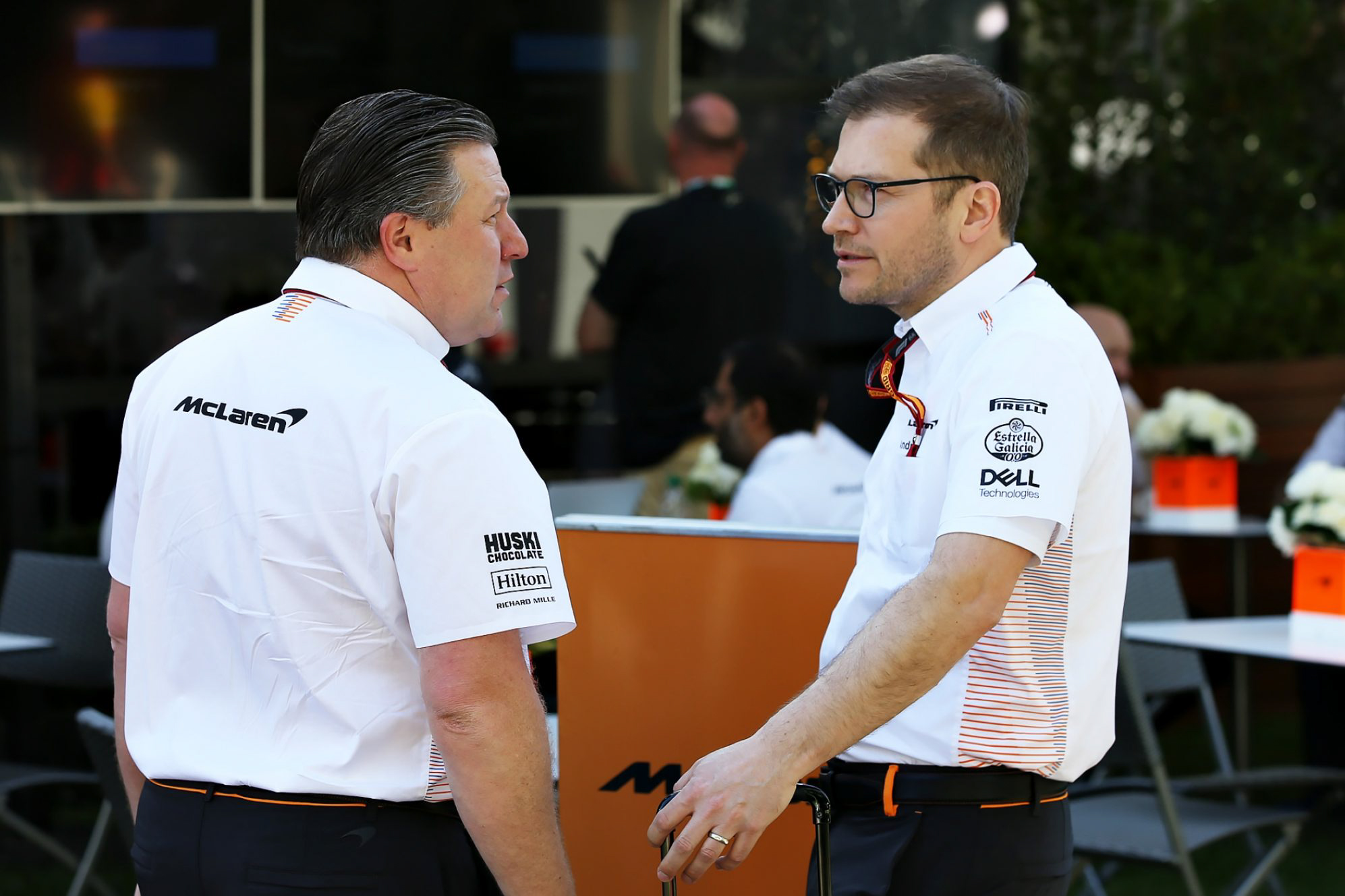
McLaren boss Zak Brown (left)
Defending F1 world champion Lewis Hamilton launched an extraordinary attack on the sport, accusing the organisers and the series itself of focusing on financial gains over the safety of drivers and fans.
“Cash is king,” said the Mercedes driver when asked why he thought the race was still on.
“For me, it’s shocking that we’re all sitting in this room. So many fans here already today and it seems like the rest of the world is reacting – probably a little bit late.”
Hamilton showed concern for older members of the F1 fraternity, such as Sir Jackie Stewart, as well as slamming the need to travel to the event.
“I just urge everyone to be as careful as you can be – touching doors; I hope everyone has hand sanitiser,” he said.
“I saw all the fans going on like it was a normal day, but I don’t think it is. I really hope we go through the weekend and don’t see any fatalities.”
Meanwhile, McLaren released a statement yesterday announcing that it, and drivers Carlos Sainz and Lando Norris, would not take part in the event.
The statement read: “McLaren Racing has confirmed this evening in Melbourne that it has withdrawn from the 2020 Formula 1 Australian Grand Prix, following the positive test of a team member for the coronavirus. The team member was tested and self-isolated as soon as they started to show symptoms and will now be treated by local healthcare authorities.”
Stay tuned to this page for rolling updates.
Ferrari Australia has launched its newest model, the Ferrari F8 Spider, on the eve of the Australian Formula 1 Grand Prix’s cancellation.
At an event attended by Scuderia Ferrari driver Charles LeClerc and team principal Mattia Binotto, Ferrari Australia rolled out the new convertible twin-turbo V8-powered sports car, itself a development of the Ferrari 488.
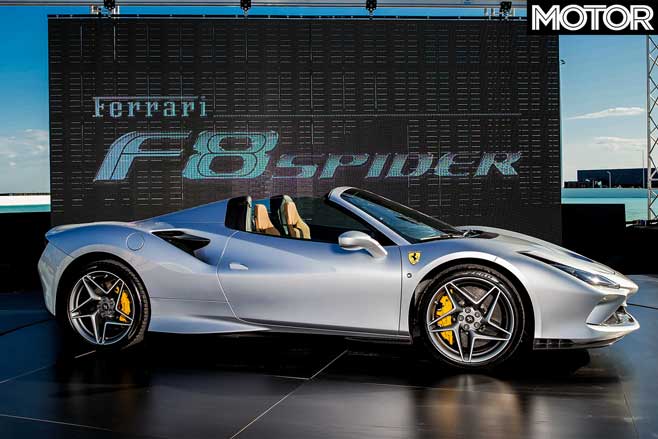
The topless twin of the F8 Tributo (itself launched in Australia quite recently) is set to cost buyers from $536,888 before on-roads, $52,000 more than the coupe.
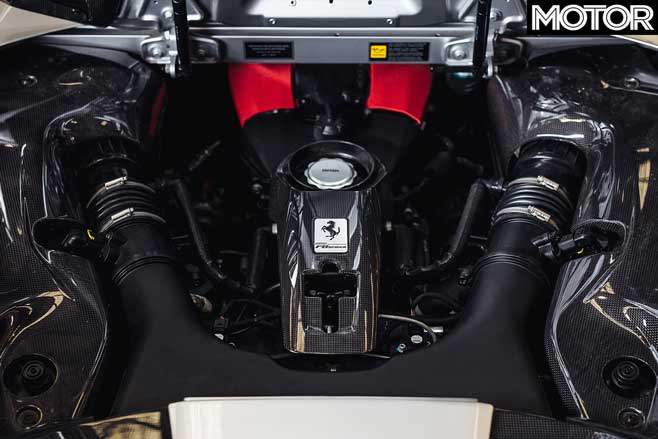
With the same 3.9-litre twin-turbo V8 as the Tributo, the Spider makes 530kW at 7000rpm and 770Nm at 3250rpm, with Ferrari claiming the convertible will not be any slower to 100km/h. That means 2.9 seconds is the benchmark according to the Maranello brand.
To the next major milestone, 200km/h, Ferrari claims the Spider takes 0.4sec longer than the coupe. The claim is still an impressive 8.2sec, while its top speed remains the same 340km/h as the Tributo.
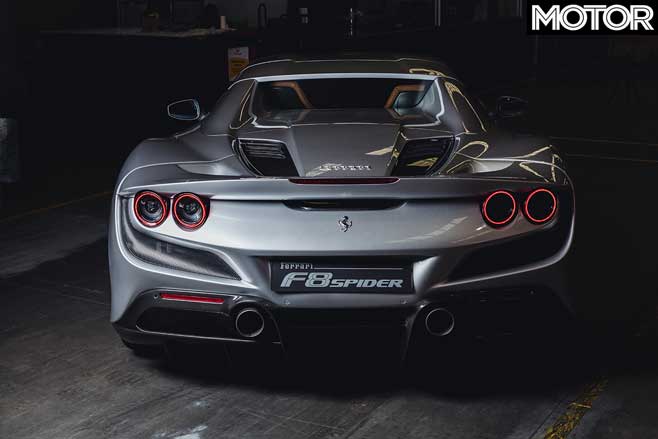
Up to a maximum 45km/h, the F8’s retractable hardtop can be raised or lowered in 14 seconds.
Ferrari is understandably busy managing the fallout of the cancellation of the Australian GP, but says it will supply MOTOR with additional information and imagery when it is able.
Its launch in Melbourne for the Spider was not only attended by two members of the Scuderia Ferrari F1 team, but also by an Italian professional surfer, a plethora of Ferrari’s customers, and Australian disco-electronica act Sneaky Sound System as a post-reveal performance.
Stay tuned for more updated on local F8 Spider details, including availability.
THIRTEEN-TIME Grand Prix winner David Coulthard has called for ‘transparency’ to quell rising anger and confusion among racing fans following this morning’s decision to cancel the Australian Grand Prix.
The last-minute decision to cancel the event, which came just hours before cars were scheduled to hit the track for the season opener, left thousands of fans with nowhere to go as gates to the event weren’t opened to the public.
“I think everyone has tried their hardest to make it happen and by delaying the decision as long as possible shows a desire to put this race on,” Coulthard told Wheels. “But pressure from the teams, media, politicians … pressure from everybody has meant the decision has been taken.

“What is slightly bizarre is we’re all still here living our lives. It’s not like we’re all isolating…”
Calls to cancel the event have been circulating for over a week, with health experts and key pundits all voicing concerns around the COVID-19 virus.
High profile drivers had also publicly voiced their fears, with six-time world champion Lewis Hamilton last night saying it was ‘shocking’ that the race was still going ahead.
Earlier this week eight members of the Haas F1 team had been quarantined over fears they had the virus, and last night McLaren became the first team to withdraw from the event.
With the race now cancelled, scrutiny has turned on why it took organisers so long to make the decision.

“I think it’s a valid question, but the answer is there was never going to be an early enough decision to satisfy everybody and therefore you can’t make a decision based on satisfying individuals,” said Coulthard.
“You’ve got to make a decision based on the advice of your chief medical officer and state government and if all of those things are telling you what you have to do, then that’s the right decision.
“A lot of the British media have been giving them a hard time, and I get that. But equally, it’s easy to stand on the sidelines and say “you should have done this, you should do that” when you don’t have any of the pressure to make the decision”.
While a desire to run the Melbourne GP as planned is understandable, Formula 1 was in the minority as other global sporting codes made the decision to cancel their events much sooner.
The three main tennis federations have cancelled events for up to six weeks, while in the US, the major basketball, baseball, soccer and hockey seasons have all been delayed.
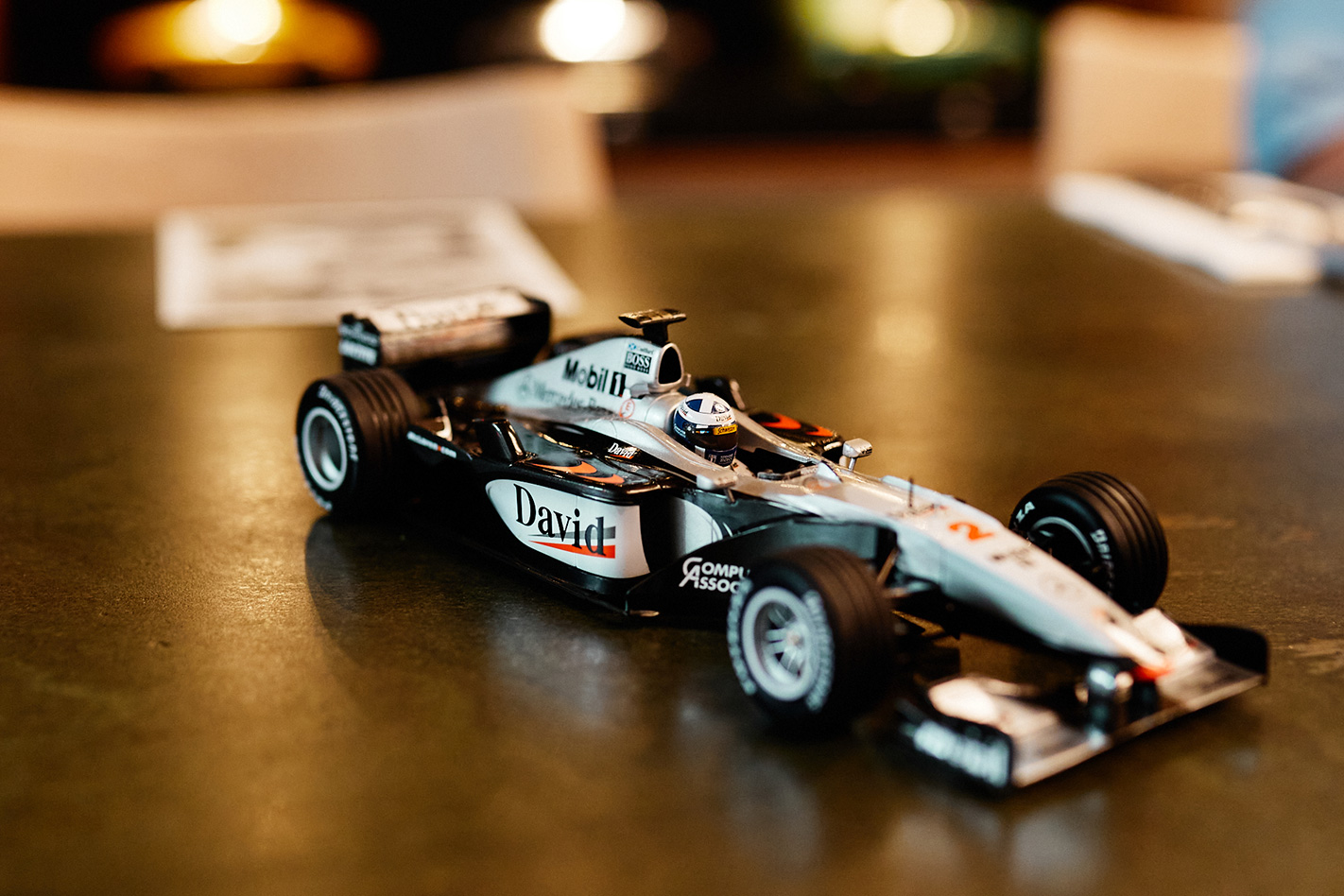
“What I think would be valid, if there is anger and frustration, would be to expose the timeline of when the information became available and when the decision was made,” said Coulthard.
“Then you will satisfy people. If you’re transparent it’s very difficult for people to be angry any more. They might not like it, but if you hide things, people can still fuel their own anger.”
This year’s Australian Grand Prix was to be the 25th anniversary of holding the race in Melbourne, with a crowd of more than 300,000 expected to attend.
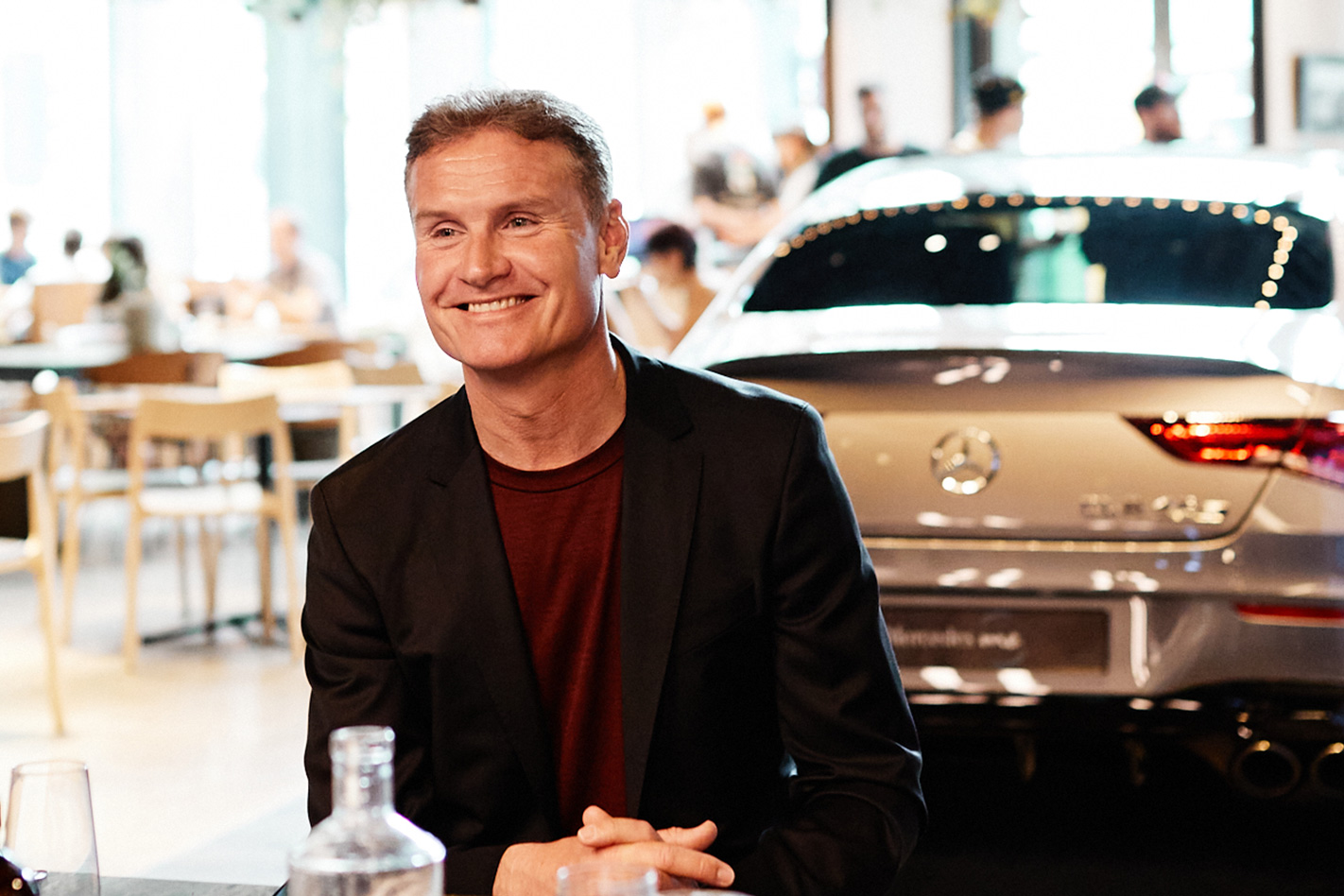
Aussie F1 star Daniel Ricciardo took to Twitter to express his sadness at this morning’s news.
“I’m devastated I can’t compete at my home GP here in Melbourne and get the season started,” he said. “Ultimately though the right decision has been made and I think everyone can understand this is something we’ve never seen before. Sorry to all the fans who came out for the support. Much love.”
Performance is still at the very core of HSV’s business. It’s just how it’s delivered that’s constantly evolving.
Part of that new world order is the emergence of US-sourced pick-ups, with HSV having to work on brutes like the Chevrolet Silverado in the same way it used to hone and develop Holden Commodores.
Speaking at the Chevrolet Silverado 1500’s local launch, HSV boss Tim Jackson said that with the SportsCat’s imminent departure, HSV will assess the possibility of turning its hand to upgrading the performance of pick-ups it already converts to right-hand drive.
“I wouldn’t rule it in or out,” Jackson said.
“I think performance is a space we’ll continue to look to operate in. And so if an opportunity comes up that we think will make sense, then we’ll have a look at it,” Jackson said.
HSV is already offering upgrades to the Silverado, with a cat-back dual-exit exhaust system and a performance cold-air intake increasing the 1500 LTZ’s power and torque figures by 9kW and 10Nm respectively.
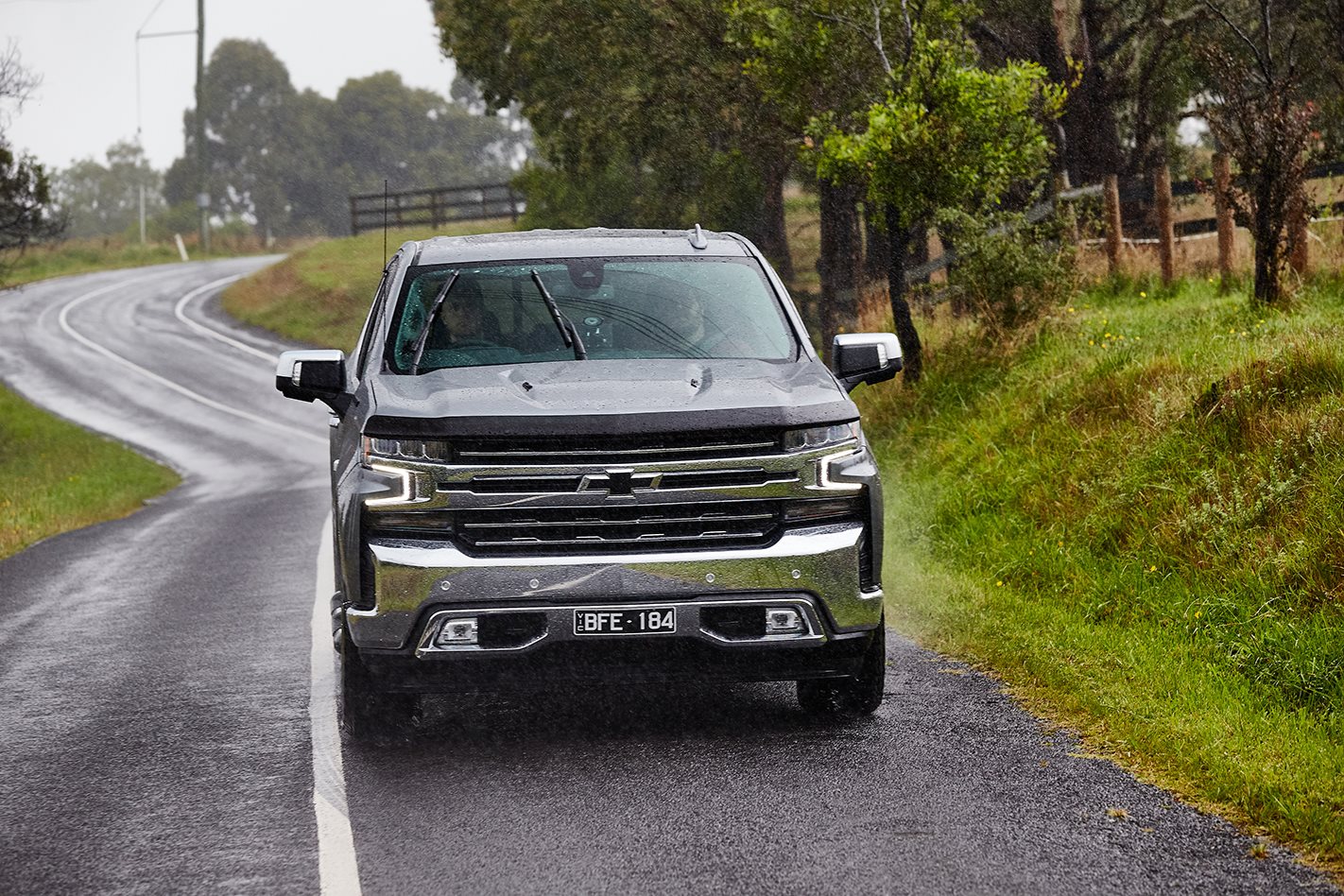
Taking things a step further, HSV has also turned its hand to developing the suspension for the US-sourced Silverado, but the package is yet to be signed off and approved for sale.
However, clearly the passion for fettling and tuning cars still courses through HSV after losing the ability to create go-fast Commodores and the company wants to do more than merely offer bolt-on mods.
“We like making cars better … or, better on certain performance parameters, let’s put it that way … It’s a lot of fun,” Jackson said.
Although expecting anything in the immediate future is a little too premature, with economic and engineering requirements needing to be met in the wake of GM’s decision to pull Holden from the Aussie market.
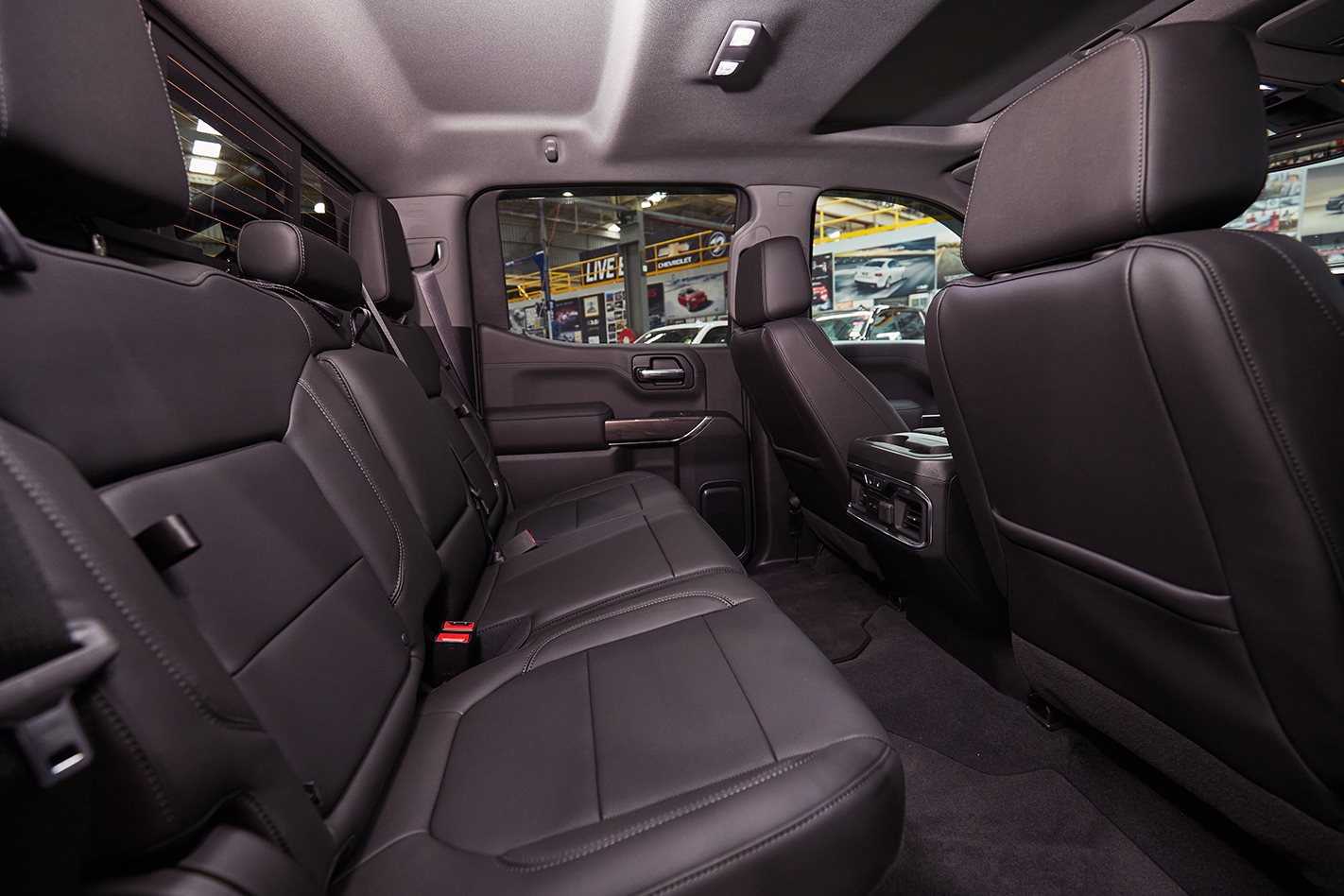
“With any project we look at, the economics need to make sense,” Jackson said.
“Following on from the GM announcements that there’ll be no right-hand-drive product for us to pick up, it’s going to have to evolve from a left-to-right conversion – the economics change when you do that,” he added.
With a projected maximum annual production rate of 10,000 units per annum currently, there’s scope for HSV to explore other avenues, however, Jackson remained tight-lipped on future product and the possibility of a name change for the company.
“We’ve always taken the view that if we do a great job, the opportunities will come to us,” Jackson said.
As the unprecedented events around the cancellation of the 2020 Australian Grand Prix rumble on, check out our gallery of the images that will no doubt haunt F1 for some time to come.
Why was the Australian Grand Prix cancelled?
The governing body of world motorsport, the FIA, along with the Australian Grand Prix Corporation and F1, fronted the media on Friday morning to announce the race would be cancelled.
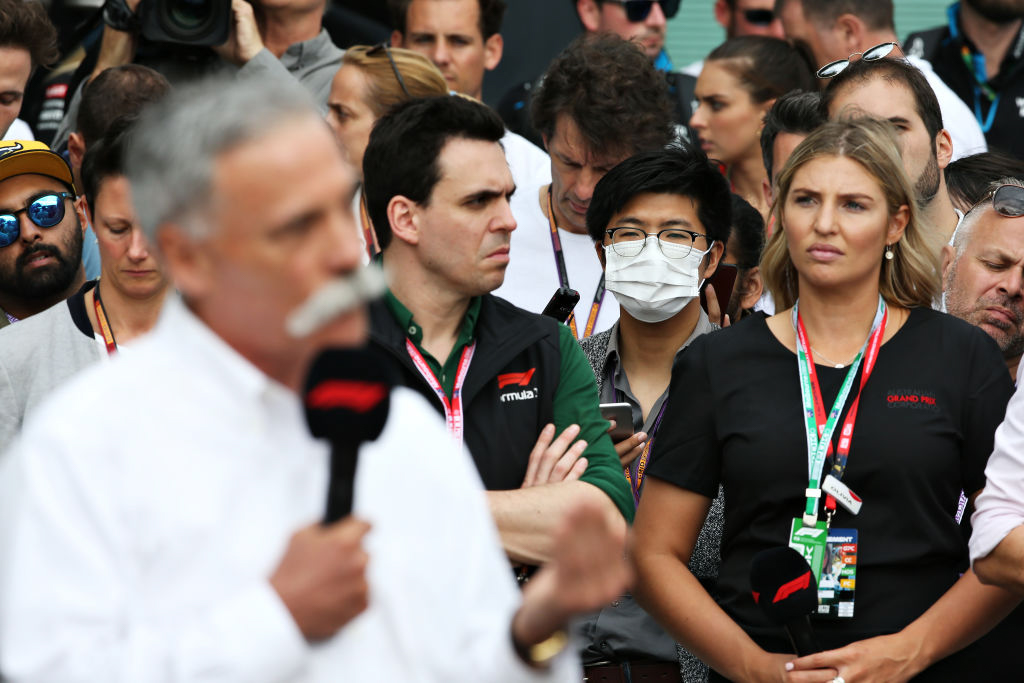
The main reason for the cancellation is the fact that none of the teams wanted to race after the revelation that a McLaren team member was diagnosed with COVID-19.
Why did it take so long to cancel the Australian Grand Prix?
Rumblings around the potential for a cancellation started earlier in the week, despite repeated denials from organisers.
When eight F1 crew members from various teams were isolated with suspected COVID-19, it appears that teams started to take matters into their own hands, with at least two drivers – Sebastian Vettel and Kimi Raikkonen – making plans to depart ahead of the event.
As the world reels from the impact of the rapidly spreading virus, the decision was largely taken out of FIA and F1 hands when the Victorian premier said if the race went ahead there would be no spectators.
F1 head Chase Carey admitted that the rapidly escalating nature of the pandemic had caught them unawares.
“There were events that evolved, situations that changed, we made [a] decision which given the lead time to come here, [to] hold the event at a point in time where major events were being held here,” he told assembled media outside the paddock at Albert Park.
“It was a different situation in the world. As the situation changed day to day and in some ways hour to hour in some ways we continued to evaluate that and made the appropriate decision going forward.
“I do think we were trying to digest a lot of different information and make the right decision at the right time and I think we did that.”
What happens now for the Australian Grand Prix?
Tickets will be fully refunded, according to organisers, but 12,000 casual workers at the venue will lose out, as will the 600-odd suppliers of catering and other services to the event.
MORE Eerie gallery from the cancelled Geneva Motor Show
As well, patrons who booked accommodation and flights will be left to make their own arrangements with travel agencies and insurers.
Can I get a refund for my Australian Grand Prix ticket?
Info courtesy of grandprix.com.au
Ticket purchasers are advised of the following information to help get your money back to you as soon as possible.
If you purchased tickets online through the Formula 1® Australian Grand Prix’s official ticketing agent, Ticketmaster, you will receive a refund back to the original credit card you used.
If you purchased tickets from a Ticketmaster outlet using cash or EFTPOS, you will need to visit a Ticketmaster outlet when advised with the EFTPOS card used (if applicable) to refund the booking. Ticketmaster outlet staff will assist with your refund.
If you purchased tickets through a travel agent or on-seller, please contact them directly to process your refund.
If you have purchased Hospitality tickets through Ticketmaster, you will receive a refund back to the original credit card you used.
Please note, for patrons who purchased single-day tickets for Thursday, and/or any upgrade packages for Thursday, no refunds will be made, as the event was operational on Thursday 12 March 2020.
Will the Australian Grand Prix run in 2020?
While the organisers have left the door open for a race this year, it’s highly unlikely that the temporary structure in Albert Park will be rebuilt again during the year.
The 2020 AGP joins the Shanghai and Vietnamese GPs on the sidelines for 2020… and the season hasn’t even started.
CLICK THROUGH THE AUSTRALIAN GRAND PRIX GALLERY AT THE TOP OF THE PAGE
IN A BID TO retain their landing slots at UK airports, British airlines have been flying empty jets on routes with no demand due to the coronavirus outbreak.
This ‘use it or lose it’ rule was operating all of last week, adhering to what’s known as the “80/20 rule,” whereby airlines have to operate 80 percent of their allocated airport slots or a competitor can potentially claim them.
“Passenger demand for air travel has dramatically fallen due to Covid-19 and in some instances we are being forced to fly almost empty planes or lose our valuable slots”, said Shai Weiss, chief executive of Virgin Atlantic.
So we did the math and figured out what an empty Boeing 777 flying from London Heathrow to New York JFK would emit in terms of carbon dioxide. Here are the assumptions, based on what seem to be accepted figures. A 777-300 with 299 seats available, emitting 102g/km per seat and flying 5541km from London to the Big Apple would chug out nigh-on 169 tonnes of carbon dioxide.
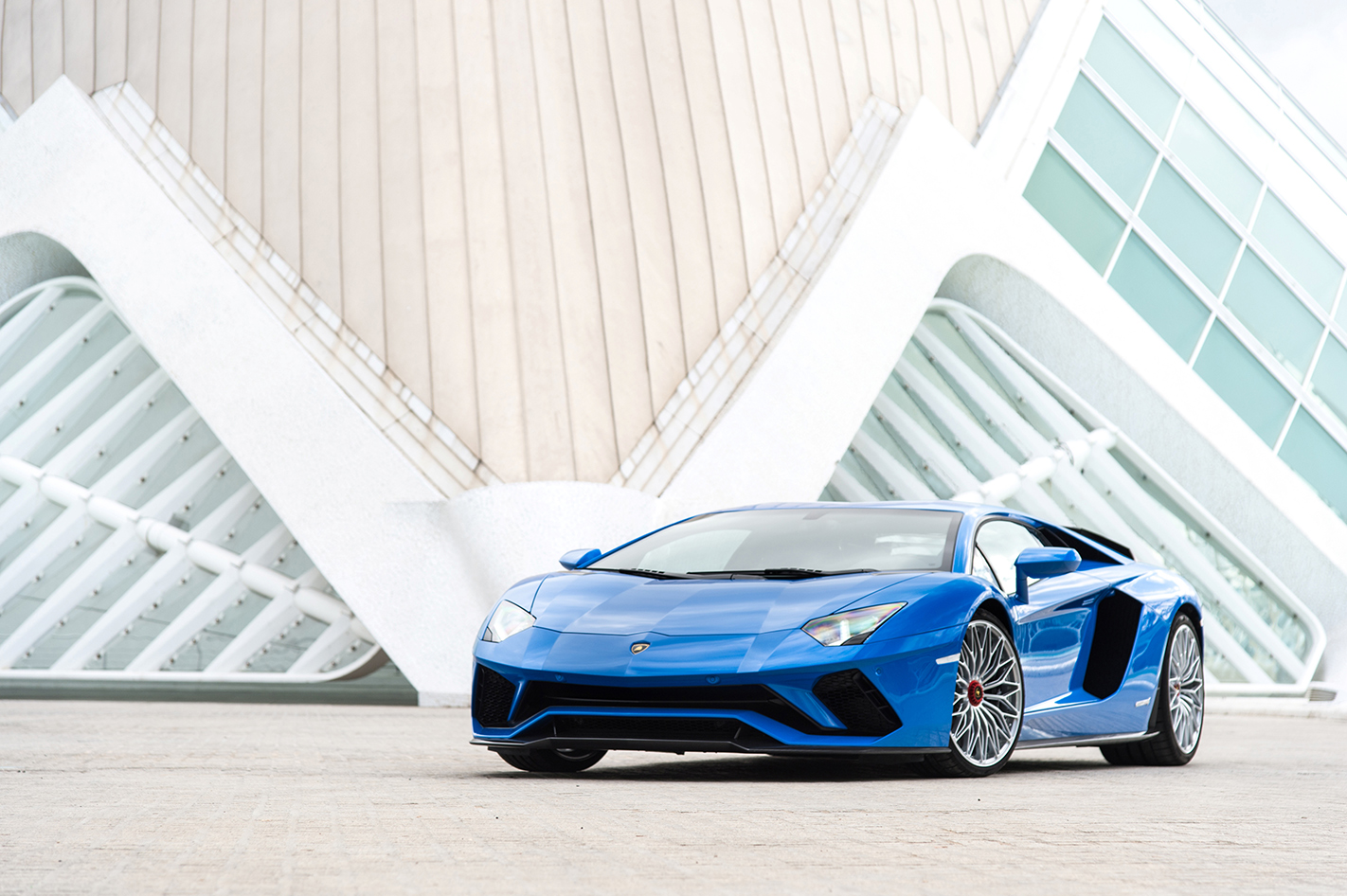
A Lamborghini Aventador S Roadster emits 370g/km. You’d need to drive it 456,728km in order to equal one empty transatlantic flight. Given that the average yearly mileage of an Aventador hovers around 3500km, that’s 130 years of ownership. Or, if you factor in the return leg, 260 years.
Watch how a father and son 3D-print a Lamborghini Aventador in their own garage
To put it another way, it’s 160 people driving 15,000km per year in a Prius. And that’s for one flight. Thankfully the requirement to operate the flights to retain slots was temporarily lifted yesterday, but by that point hundreds of empty flights had departed UK airports.
With fewer than 4000 Aventadors in existence, even using a worst use-case scenario, the total global fleet of Aventadors will not have covered more than 126 million km. That’s average kilometres for every Aventador, for every year of its production (2011-2020).
So by that reckoning, you’d only need to run return transatlantic ghost flights on one route (Heathrow to JFK ) for less than five days to equal the carbon footprint of every Aventador ever built. And that could potentially have been avoided by the single stroke of a bureaucrat’s pen.
Maybe a sharper statistician than myself could figure out whether two weeks of ghost flights on all routes out of the UK have delivered more carbon dioxide than every kilometre driven by every Lamborghini ever built. Over to you.
We’re living in the ’20s, and Rolls-Royce is using that fact as the launching point for its newest collection car.
Dubbed the Rolls-Royce Dawn Silver Bullet Collection, the new series of 50 Dawns will be created as an homage to the “spirit of the roaring twenties,” with styling inspired by the roadsters of the 1920s.
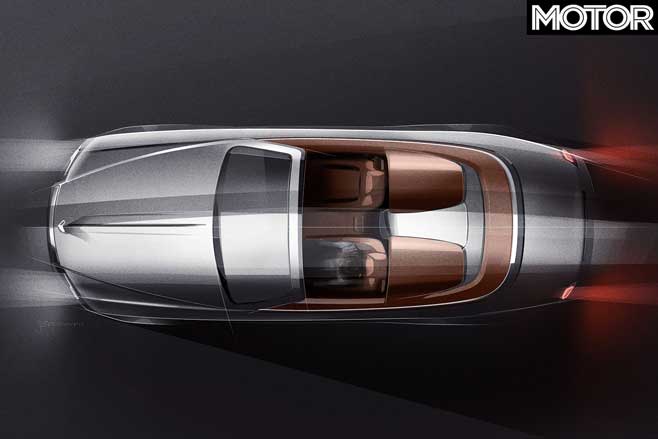
Rolls-Royce points specifically to details such as the cowling behind the cabin, with a windbreak and a ‘silver spine’ which continue the silver theme of the bodywork into the cabin.
The announcement from Rolls-Royce doesn’t mention the car’s mechanicals, but it’s understood the Silver Bullets will retain the Dawn’s standard 6.6-litre twin-turbo V12, producing 420kW and 780Nm of torque.
“Drawing inspiration from the fabled roadsters of the 1920’s – rare, glamorous machines forever associated with bright young things and rakish Hollywood rebels, the Dawn Silver Bullet Collection captures the carefree attitude of those far-off days in a bold, contemporary expression designed for today’s non-conformists and pleasure-seekers.
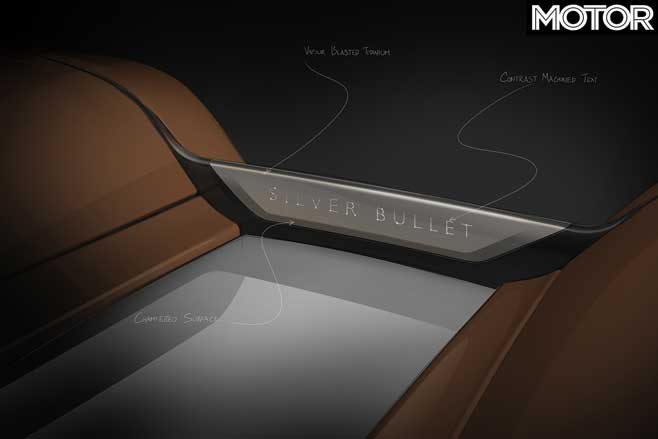
“Seductive and effortlessly cool, this Collection is limited to just 50 cars world-wide. The Dawn Silver Bullet Collection is a powerful, artfully tailored addition to the Rolls-Royce Collection Car ensemble.”
RR says once production for the Silver Bullets is well under way, it will announce details of a series of road trips called ‘Silver Bullet Drives’ for its customers to participate in around the world. It says the Dawn is “the perfect platform from which to experience the very best journeys around the world.”
