
Laurissa Mirabelli spent the last two decades convincing media on the merits of the various car brands she’s represented.
Now that she’s free of brand loyalties, we’ve let her loose to say what she really thinks about the latest models – uncensored, without fear or prejudice. You’ll find her testing cars near her home in regional Victoria, using her three young children as guinea pigs to help evaluate the ‘family-friendly’ aspects of each vehicle.
What is the Peugeot 308 GT?
If there’s one thing Europeans know how to do well, it’s a stylish, fast hatch. There are the usual suspects that come to mind including Volkswagen and Renault but there was a time when Peugeot had some serious skin in the game.
Peugeot may have lost ground to its competitors in recent years, but the introduction of a raft of new models in 2019 is bringing sexy back to one of the world’s oldest car brands. Enter the updated 308 GT.
Like its 308 sibling, which was crowned 2014 European Car of the Year, the top-spec 308 GT is beautifully designed inside and out and offers an impressive list of standard features, including a full suite of active safety, the latest in connective technology, genuine sports handling characteristics and excellent environmental credentials.
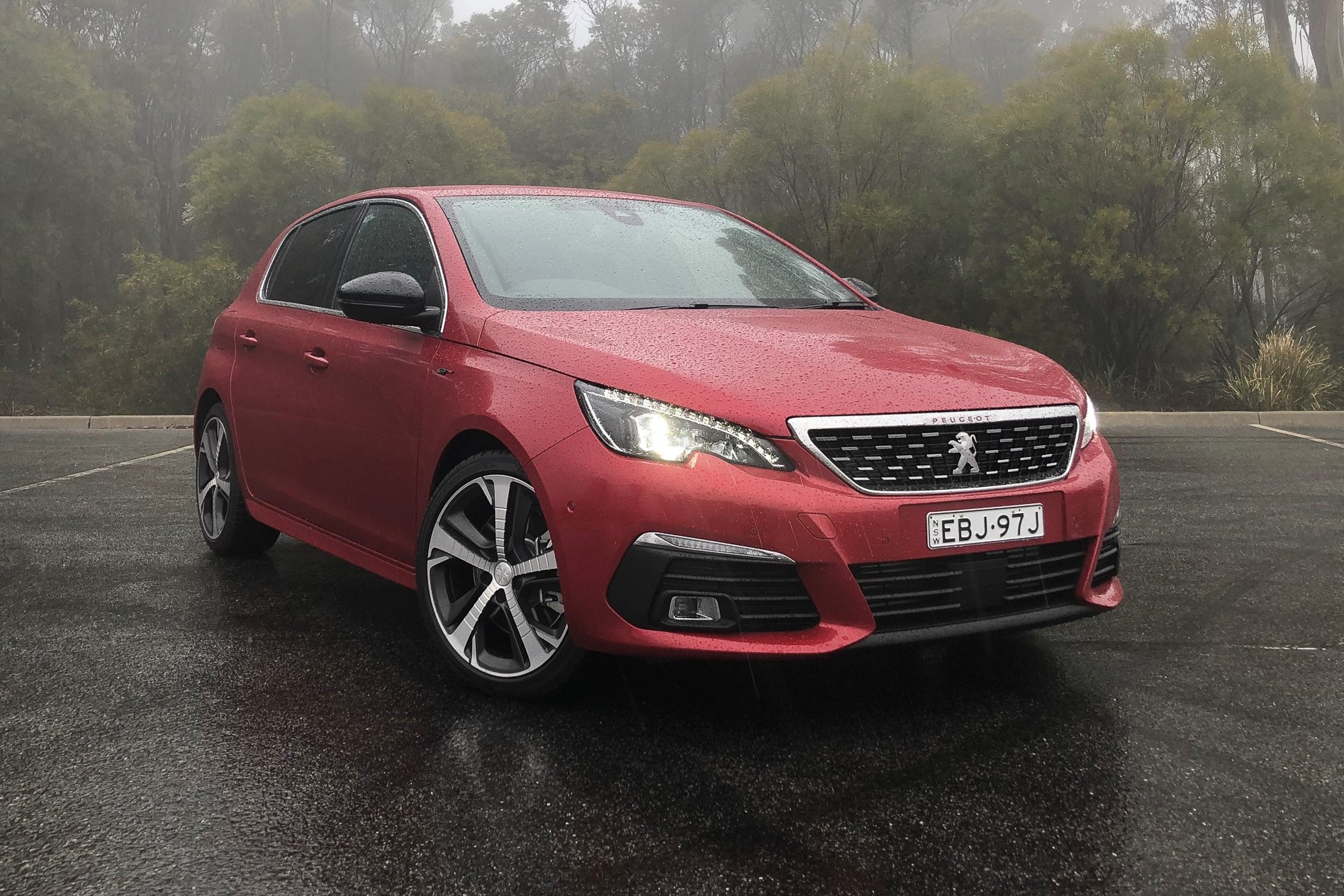
2019 Peugeot 308 GT
But it’s the 1.6L turbocharged petrol engine and superb eight-speed automatic gearbox that sets this model apart from the rest.
More GTI-lite than ‘hot’ hatch, there are just 140 examples of the 308 GT available to Australian buyers, priced at $39,990 plus on-road costs.
Peugeot has pitched this model as a ‘bold’ show-stopper, which will be aiming to win the hearts and minds of savvy inner-city dwellers who enjoy a spirited drive of a weekend.
If my test drive is anything to go by, they are well and truly on the money. And Peugeot’s competitors (which include the likes of the Volkswagen Golf Highline, Mazda 3 G25 Astina, and even the Hyundai i30 N-Line) should be taking note. Right about now…
What’s the Peugeot 308 GT like to drive?
The 308 GT is good.Really good.
It’s everything you would expect given the external design cues – quick, nimble and perfectly poised. The kind of car you want to keep driving, and not just because someone else has paid for your tank of fuel!
The gear changes were silky smooth thanks to its Aisin eight-speed auto gearbox, the first of its kind in Australia.The 308 GT performed exceedingly well on Victoria’s average B-roads (and A-roads for that matter); it was happy cruising along the freeway or start-stopping its way through bumper-to-bumper traffic, but it really came to life on the bends.
I found myself thoroughly entertained by the standard Driver Sport Pack, which offers the ability to change the driving mode to Eco or Sport at the flick of a switch.Difficult intersection? Sport mode.Overtaking manoeuvre? Sport mode. Just want to hear the engine note again?Yep, let’s just keep it in Sport mode!
Despite my penchant for the Sport button, it returned a respectable 8.4 l/100km against a claimed combined cycle of 6.0 l/100km.The 308 GT also features Australia’s first petrol particulate filter, too, which gives owners access to one of the cleanest petrol engines on the market.
And did I mention it’s actually a lovely place to be? The clean lines of the exterior continue through to the interior with its European heritage delivering all the hallmarks of a luxury hatch.The sleek, minimalist dash houses a large 9.7” touchscreen that includes features such as Apple Car Play/Android Auto connectivity, 3D navigation and DAB radio.
There’s also a ‘head-up display’ unit in the instrument panel to deliver real-time information to the driver such as navigation directions. And while I found all the tech that formed part of Peugeot’s i-Cockpit quite intuitive, I would have liked a slightly better sound system.
What’s the Peugeot 308 GT like to live with?
Before I even start the car I peg the supportive seats in the 308 GT and the surprising amount of headroom – even in the back.Rear leg and foot room is a little more compact thanks to one of the most generous boots in the segment, but perfectly adequate for tall friends and family as long as you’re not doing a trans-continental drive.
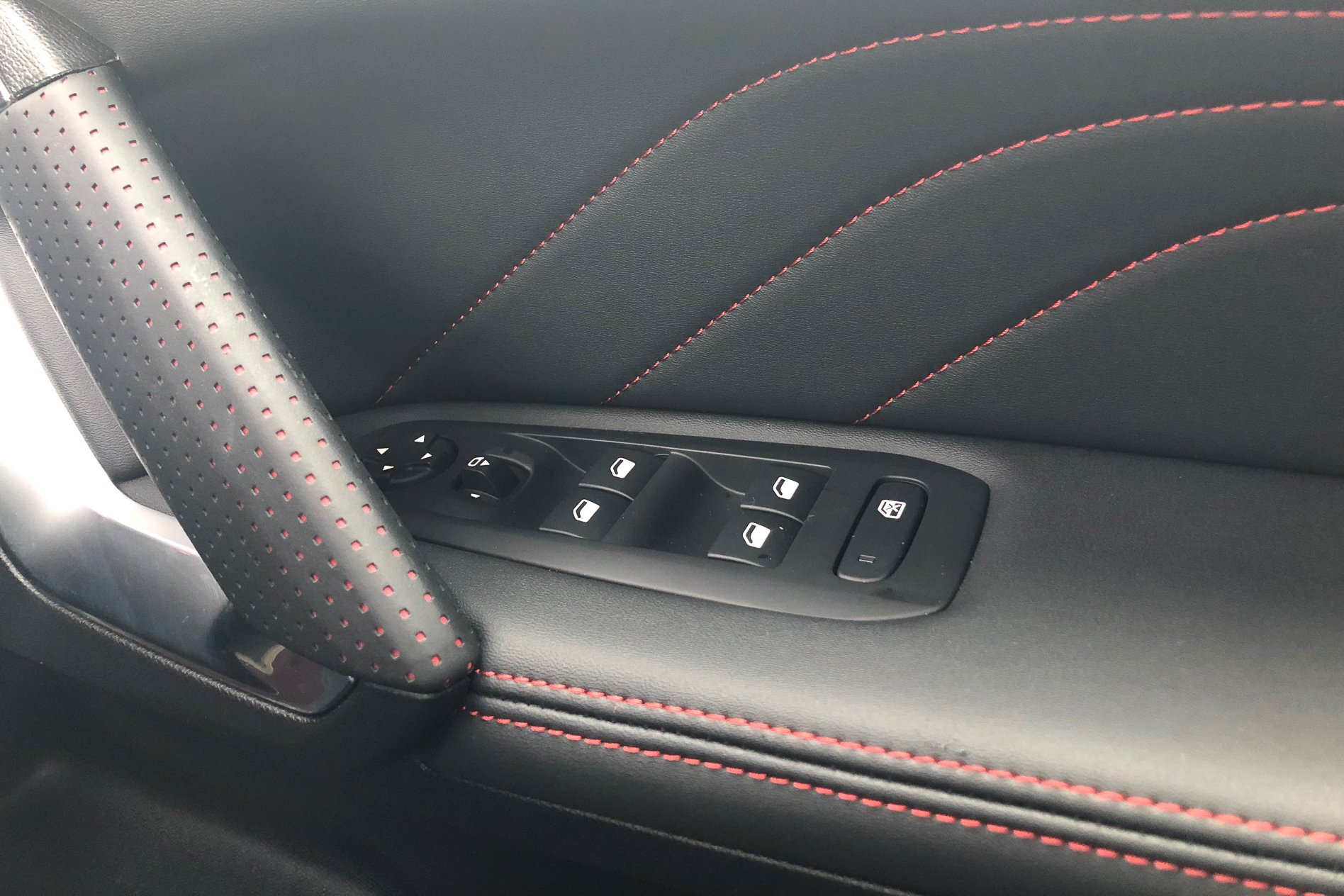
The obligatory black-and-red colour palette in any ‘go-faster’ model is there but not over the top; in fact, the red highlights are all class.
In Europe this car is pitched at small families, but I did manage to fit two child seats and still have room for Master Eight (below) in the middle – just!Obviously there’s not a lot of boot space for prams, port-a-cots and playmats but the 308 GT could quite easily take on the role of the second family car.

I found the blind-spot detection helpful given the generous proportions of the C-pillars, and the adaptive cruise control system worked well too.
In what may seem an unusual observation, I was impressed by the range and functionality of the keyless remote.Too many remote keys are like Goldilocks – you can’t be too close, or too far, you need to find that sweet spot for them to work, by which time I’ve given up.
And I love an extended five-year warranty and roadside assist deal.Sign me up!
Is the Peugeot 308 GT worth the money?
The 308 GT is totally on-song for its target audience, who won’t think twice about the sub $40k price tag for a beautifully executed, equipped and engineered Euro hatch.
If there’s one thing I love it’s an underdog, and this Pug has my vote.
Pros: Fantastic drive; high levels of standard equipment
Cons: Rear legroom for adults; lack of storage
Rating: 4/5
Porsche is celebrating a decade of the Panamera by releasing a special edition of the four-door model: the Porsche Panamera 10 Years Edition.
Available in Australia in both standard 243kW (from a 3.0-litre turbo V6) Panamera spec and as the Panamera 4 E-Hybrid with a 340kW drivetrain featuring a 2.9-litre twin-turbo V6, the 10 Years has been given “extensive standard equipment in the areas of comfort and the chassis.”
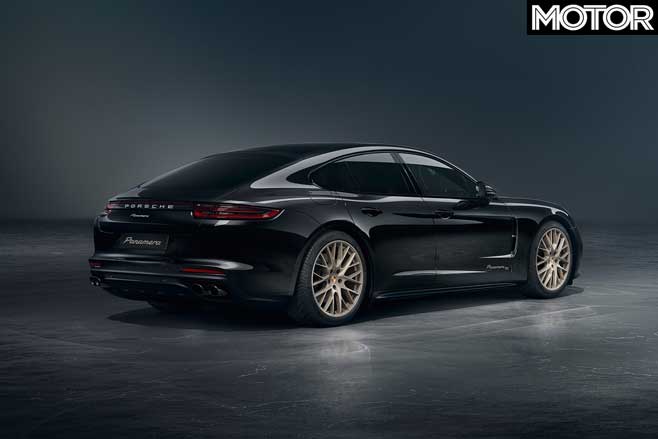
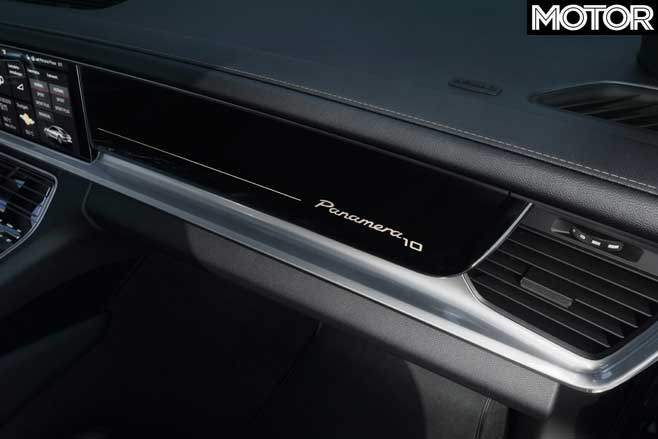
Most notable about the 10 Years Edition is the set of 21-inch White Gold Metallic wheels, as well as the ‘Panamera10’ logo which are also available in White Gold Metallic on the front doors.
Also standard is Porsche’s adaptive three-chamber air suspension, Porsche Active Suspension Management (PASM), and Power Steering Plus.
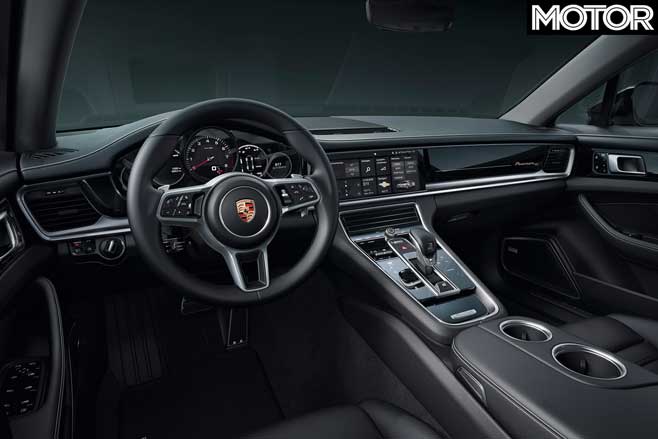
Inside, black partial leather is plentiful, stitched with white gold and featuring a couple more anniversary logos in the cabin.
Locally, the Panamera 10 Years Edition is priced from $236,000 before on-road and dealer delivery charges, while the Panamera 4 E-Hybrid 10 Years Edition starts at $266,100.
Since its Premiere in 2009, the Panamera has sold more than a quarter-million units, now available with multiple engines, body styles, and even with electrification.
Thomas Friemuth, the Panamera product line VP, says the Panamera has been one of the defining factors of Porsche’s progress through the last decade.
“As a sports car and a luxury saloon in one, as well as a technology carried for ground-breaking innovations, the Panamera has decisively shaped the past ten years of the Porsche brand. We celebrate this with a special model, extensively equipped and refined with attention to detail.”
Local Hyundai bosses have poured cold water on the notion of a Veloster N joining the Australian roster any time soon – if at all.
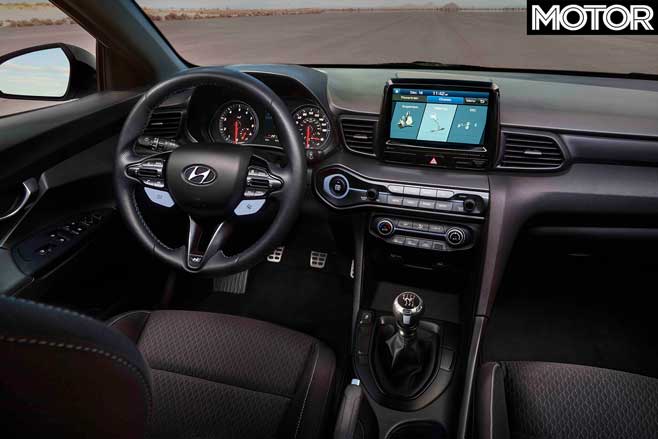
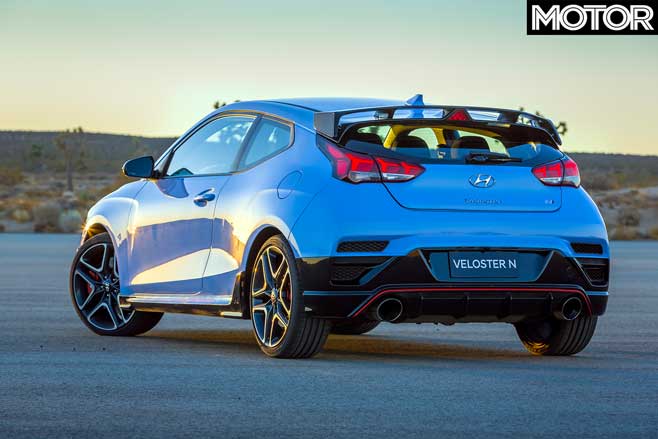
The Veloster N is sold in the US with the same 2.0-litre turbocharged powertrain as the i30N and i30 Fastback N, but it’s arguably a quicker thing thanks to its lower weight and more slippery shape.
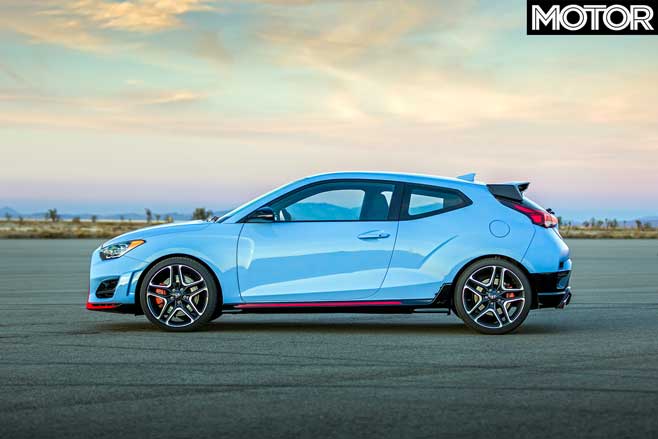
Americans, however, don’t get the i30 N in any form.
Despite its stated intentions to grow the N brand locally by sourcing more hotted up variants – including an i20 N and a Sonata – new CEO John Kett said that adding a Veloster N to its local roster wasn’t currently on the cards.
It’s an interesting call, given that Australia is the only right-hand-drive market in the world to run the second-generation Veloster, but Kett said there are other, more important cars in the queue ahead of the Veloster N.
“We’re no different to other brands,” said Kett. “In the context of the four cars we’re launching next year, the Veloster N, while incredibly important, is just at the back end of the priority.”
There is an appetite for the car even within the local office, according to Kett. “These guys [Hyundai product team] moan about it every single day!” he laughed “Without fail, a product planning meeting doesn’t end without someone asking about Veloster N!”
Hyundai’s product planning manager, Andrew Tuatahi, agreed with his boss.
“Right now, a Veloster N is extremely unlikely for Australia, but that doesn’t mean that we aren’t lucky enough to have a lot of other N prodiucts coming,” he said.
“That said, we’ll continue to pursue a Veloster N and there are maybe one or two opportunities in the near future that will assist us in reopening those negotiations.”
The complexities of modern manufacturing means that it’s a lot harder for a company like Hyundai to find a space in a production queue – which is often programmed months or years in advance – to build a relative handful of one-off cars.
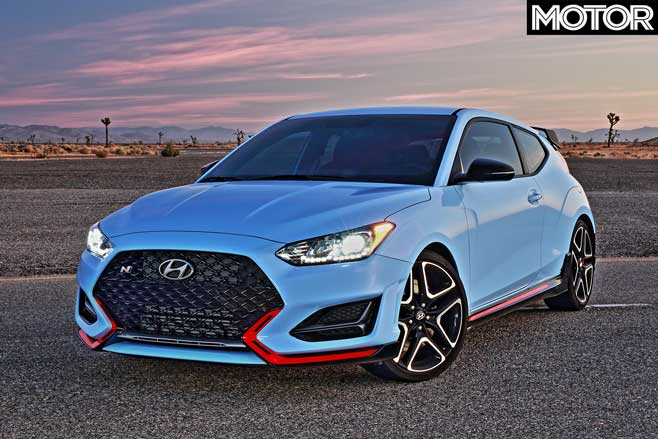
“We’re talking about a niche car,” said Tuatahi, “and then you’re talking about N being a niche within a niche, so you’re thinking about very small parts and complexities that need to be carried at a factory as stock and also managed around feeding it into a production line at very, very small volumes.
“It’s something that’s very hard for us and our manufacturing facilities to manage at this stage at the kinds of volumes we’re talking about.”
Adding to the problem is the fact that the N versions of the Veloster and i30 aren’t sold anywhere side by side. “When we had to make that choice [between i30 and Veloster B] it was a no-brainer for us, because of its volume in our market. It doesn’t mean we’re not interested, though, and we’ll keep trying,” said Aselia Fernando, the assistant manager of product planning.
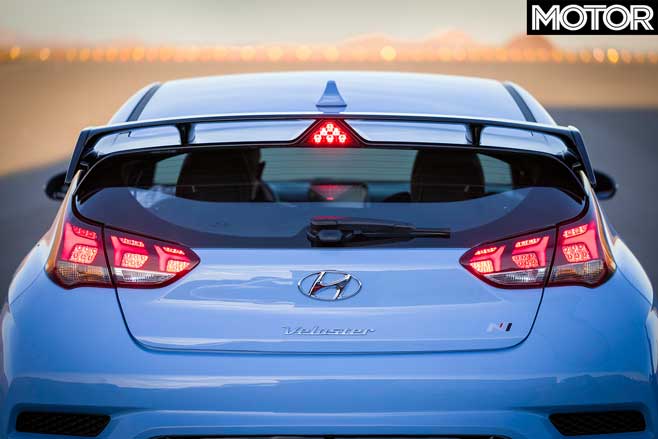
Meanwhile, the promised dual-clutch transmission inches closer for the i30 N, with Tuatahi suggesting that the long-awaited eight-speed self-shifter will be added to the i30 N range at its mid-life facelift.
The hatch was updated this year, with its suspension tune upgraded to match that in the i30 N Fastback, but Tuatahi suggested that both cars will be facelifted at the same time, rather than staggering them by age. Expect to see that roll out late in 2020.
Daniel Ricciardo: Is the guy overrated in Formula 1? The reason I ask comes via a fairly innocuous tweet from F1 journalist Byron Young. It was pretty straightforward and he’s a gent whose opinion carries some clout. “Personally I’d like to see @danielricciardo at Ferrari. The guy will win a world title. The only question is: who with?”
That tweet rankled with me. I composed an answer and then deleted it. Wrote another one, posted it and then deleted it again. After a while, I asked myself what was my issue with Young’s opinion and it dawned on me that, for a deputy editor at Wheels, I held the noxious opinion that Daniel Ricciardo wasn’t good enough to be considered in the very top tier of Formula 1 drivers.
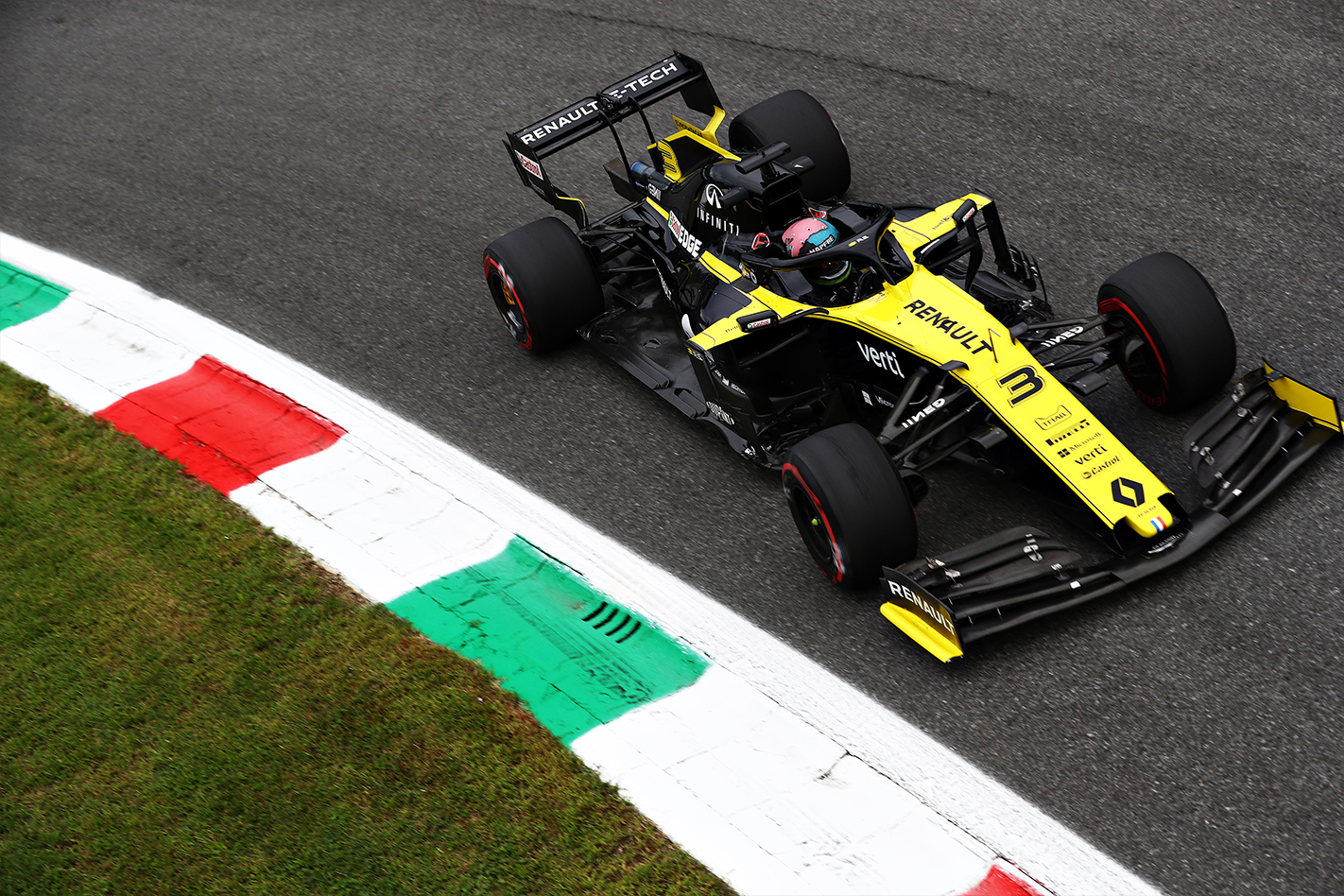
Cameron Kirby, our resident motorsports walking brain, disagrees with me. Over to you, Cam.

Cameron Kirby
Staff Journalist
Firstly, how dare you besmirch the good name of our lord and saviour Danny Ric. Secondly, I think if anything, Ricciardo is underrated.
Glenn Freeman, the video content editor for motorsport bible Autosport, keeps track of what has become known as the ‘Class B championship’ in F1. Essentially, it removes the Big Three teams from the equation, and looks at what F1 would look like if it was mid-field teams fighting for the championship.
Following the Russian Grand Prix, Ricciardo sits fourth in the Class B championship, on 144 points. Hulkenberg is fifth on 143.
That doesn’t tell the whole story, though. Reliability issues have continued to plague him, even after switching to Renault. He has also been the innocent victim in a number of mid-field scraps which have hurt his races. Despite this, Ricciardo has ‘won’ three races in the Class B championship, while his teammate Nico Hulkenberg has a big fat zero against his name.
Ricciardo is unmatched when it comes to making daring passing manoeuvres. His ability to scrap and battle wheel-to-wheel, without simply pushing his opponents off the track, is second to none. Helping this is his clear superiority under brakes over the rest of the field.
Yes, he spent time in one of the Big Three teams while at Red Bull, earning him seven race wins, but the squad was far from a consistent race-winning threat. Put Ricciardo into a Ferrari or Mercedes-AMG and I think that tally would be much, much higher.
Max Verstappen arrived at Red Bull after Ricciardo had already put in two years of development under the new hybrid regulations, and was vaulted into number one status to the Aussie’s detriment by team management. Christian Horner and Helmut Marko can claim they didn’t have favourites as much as they like, but it’s clear to anyone that Verstappen was given favourable tactical treatment during races.
Now, to temper all that with some realism; I’m not a one-eyed fan and can admit there are chinks in Ricciardo’s armour. He is prone to mid- or late-season slumps, which a future champion simply cannot succumb to. In 2019, his Renault teammate has scored 58 Class B points following the summer break, compared to Ricciardo’s 32. Not good.
He is also being currently overpaid. A legal battle with a former manager has revealed the Perth-born driver brings home near-enough $41 million a year, which would undoubtedly be eating into Renault’s R&D budget at a time when it needs it most.
So Ricciardo isn’t perfect or the best driver on the grid right now, and would need to clean his act up to beat the likes of Hamilton over a full season. But overrated? Not a chance. Back to you, Enright.
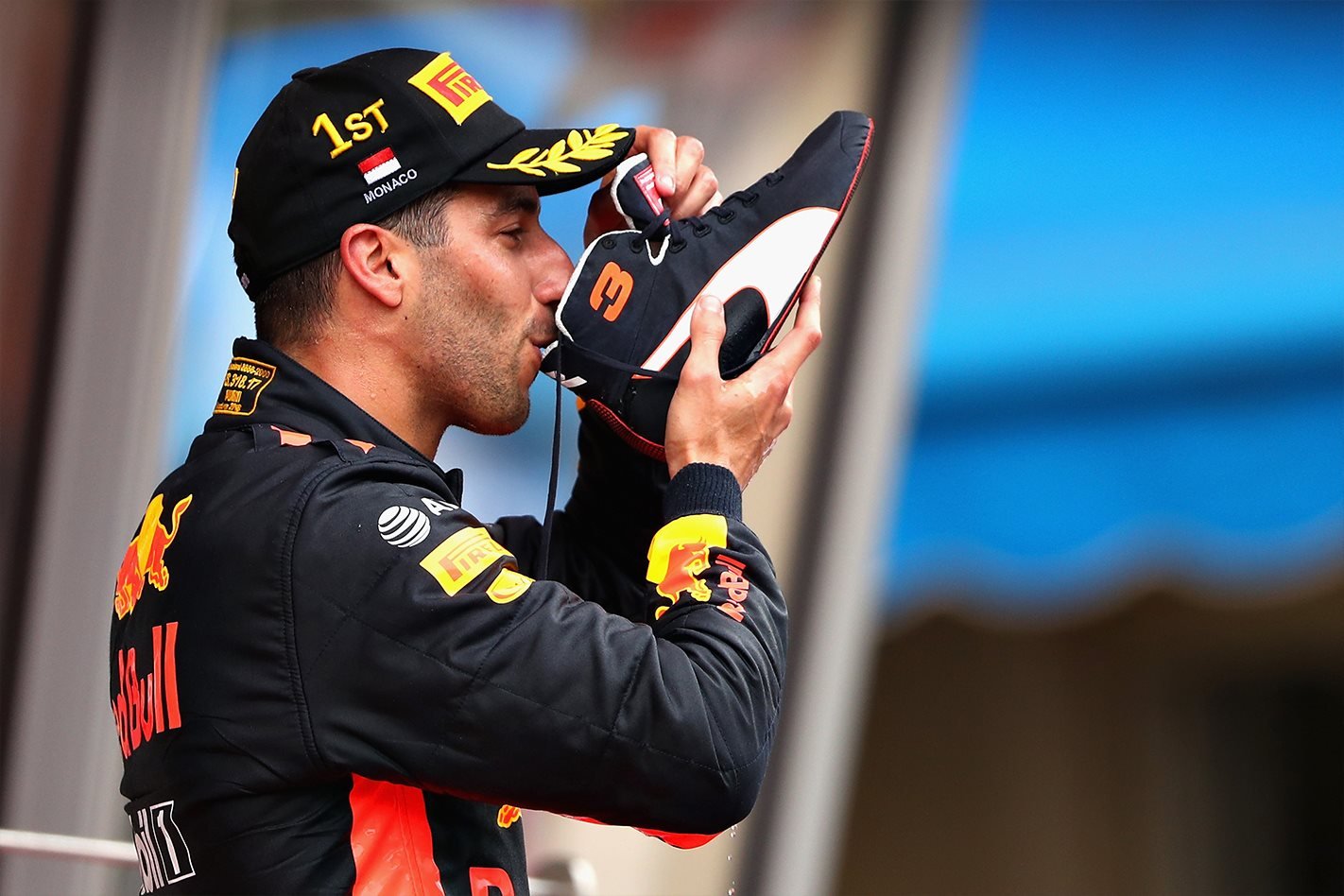
Daniel Ricciardo has won seven races. That’s less than one per year across his F1 career. Five of those years were spent with one of the Big Three teams, Red Bull. True, those five years coincided with the dominance of Mercedes, but in the last four years Max Verstappen has coaxed the Red Bull to seven wins and his formline is on the rise.
By contrast, Ricciardo, who was thrashed 247pts to 170 by Verstappen in the Red Bulls last year, now finds himself in the mid-field Renault, level on points after 16 races with his teammate Nico Hulkenberg. Remember that Hulkenberg is a driver who has never won an F1 race in 172 starts and was schooled in 2015 and 2016 by teammate Sergio Perez. Yet Ricciardo seems to be having a tough time establishing dominance here.
Those who point to Ricciardo’s retirements as the reason for his modest points tallies aren’t really dealing with facts either. His retirement rate stands at 19.28 percent, a little lower than Verstappen’s 20.62 percent and Hulkenberg’s 22.09 percent.
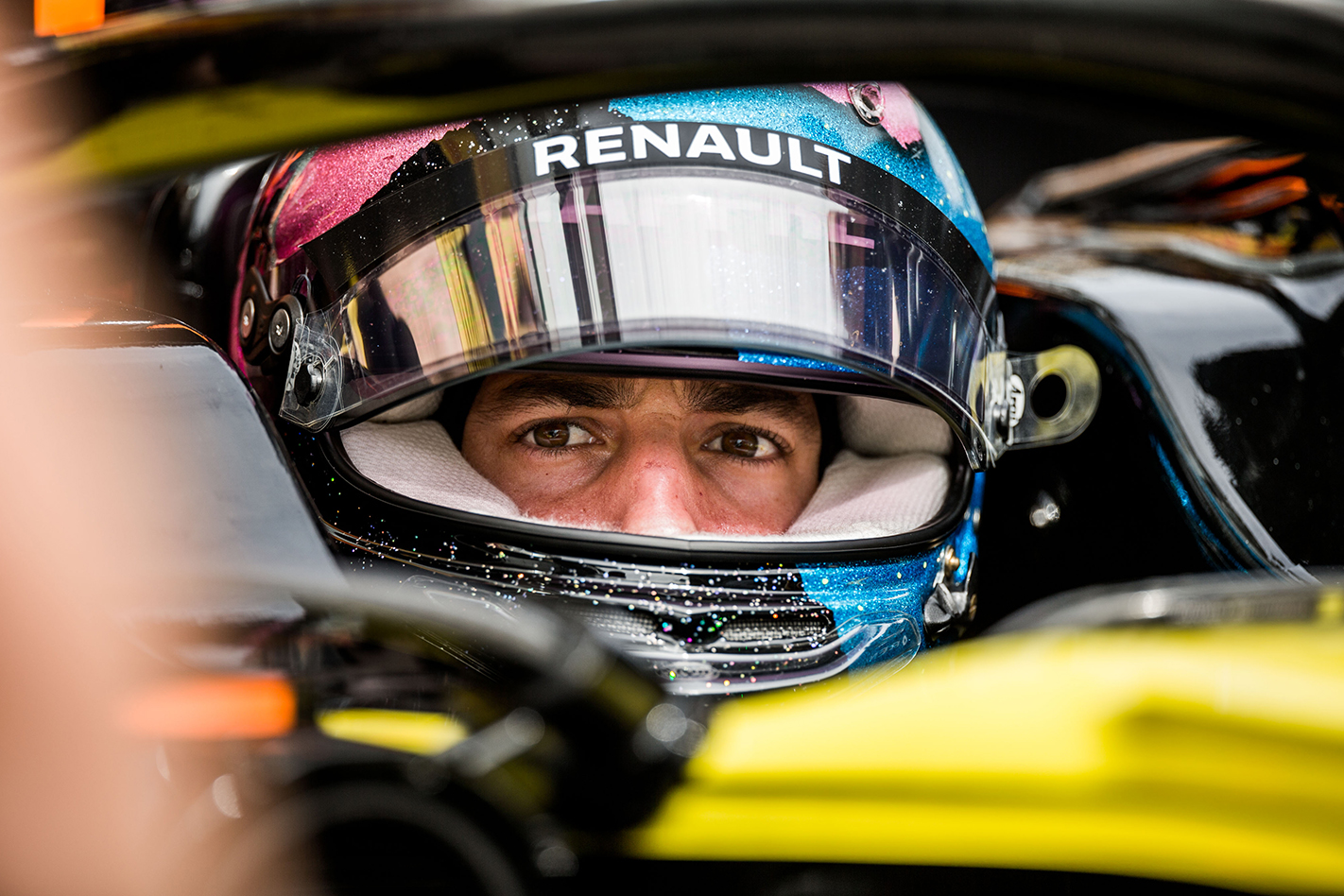
Getting back to Byron Young’s point, I have to wonder how he sees that world title materialising. The way I see it, there are three ways that Ricciardo could win a world title and you’d stake your house on none of ‘em. The first is in the event that one of the mid-field teams makes a massive progression, possibly due to better interpretations of the 2021 rules. Or a new engine supplier. More on that later.
The second is that he signs with Ferrari as a Leclerc understudy, Maranello produce a dominant car and Leclerc is unable to compete for one reason or another. Remember the 1999 season when Michael Schumacher broke his leg at Silverstone, gifting the title to Eddie Irvine? Except that Irvine blew it with a string of mediocre results in by far the quickest car of the season, but you get the point. Again, not something you’d count on.
The third is that Lewis Hamilton equals Schumi’s seven titles and calls it a day, opening up a berth at Mercedes. That presupposes that Mercedes is still an F1 team after 2020, that it rates Ricciardo as its best option, that Ricciardo can outperform his putative teammate at Merc and, given his current salary at Renault, he’s perceived as good value. That’s quite a combo of stars that all need to align.
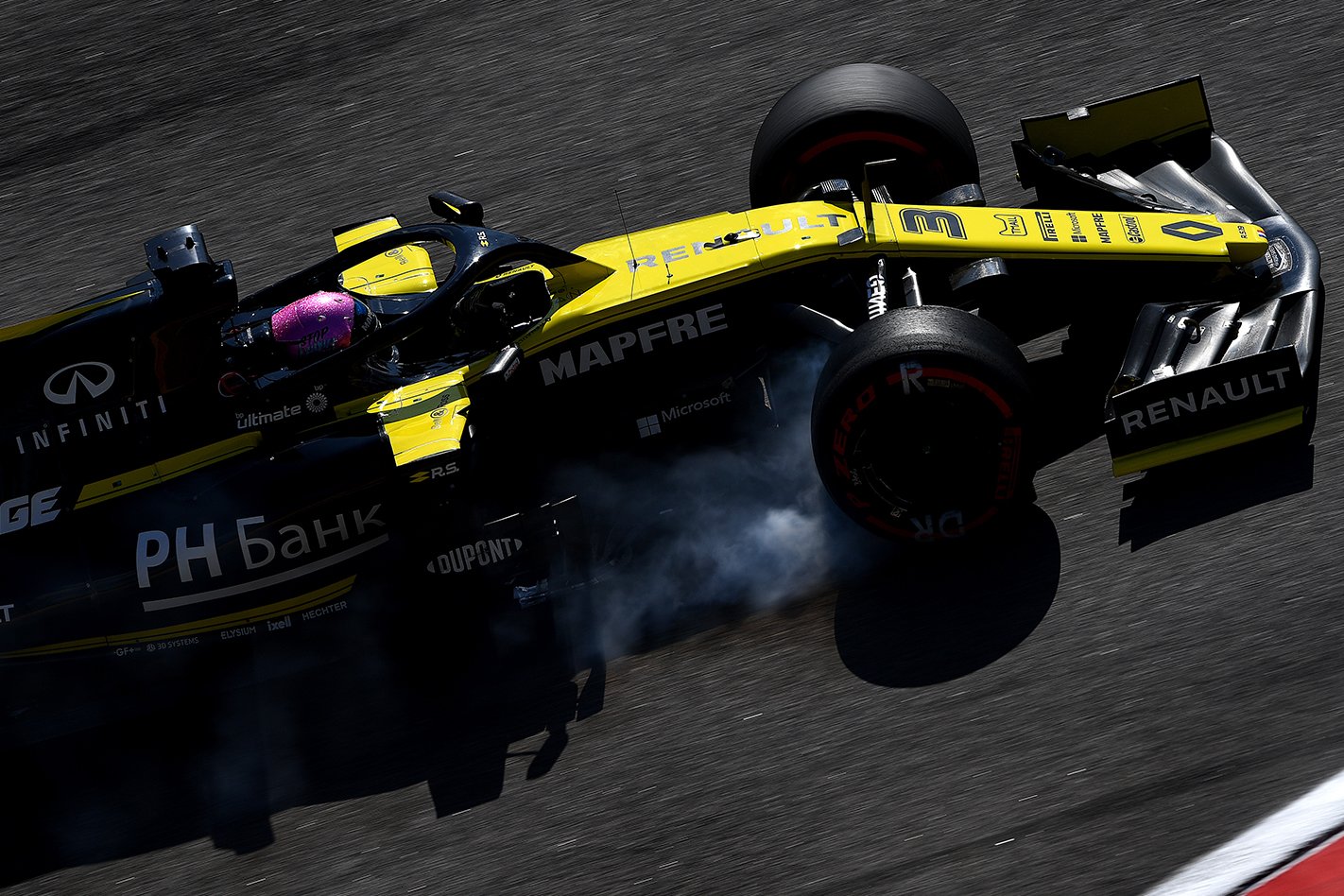
Dan’s a likeable chap and a bloody good pedaller. I just don’t think he’s in the top drawer of current drivers alongside Hamilton, Verstappen and Leclerc. He’d be a #2 at any of the top teams at the moment, and with good reason. Likewise, I don’t believe he’d outperform Sainz at McLaren, given that the Spaniard has virtually doubled Ricciardo’s points haul this season with a customer version of the same Renault powertrain.
McLaren represents that one team that – with Mercedes power from 2021 – has the greatest potential to leap from the mid-field. This is key because a resurgent McLaren could be the smart pick for anyone with an eye to the long game. And yet why would McLaren spend the big bucks on the Aussie who is currently being outpointed by rookie Lando Norris? What’s more, he’d be 32 years old in 2021, which isn’t ideal when switching to a new team for a world title assault. The last driver older than that to switch to a new team and then claim a world title was Damon Hill a quarter of a century previously. There’s too much to learn, both from a procedural and cultural regard, to manage that today. Look at Ricciardo’s struggle to get the best from his new team this season after all those years in the Red Bull bubble.
So, yes, I’m still utterly convinced that Ricciardo’s overrated. He’s drawing a champ’s salary while bumbling around in the lower mid-field. If he ever wins a world title, Cam Kirby can choose the hat that I’ll happily eat.
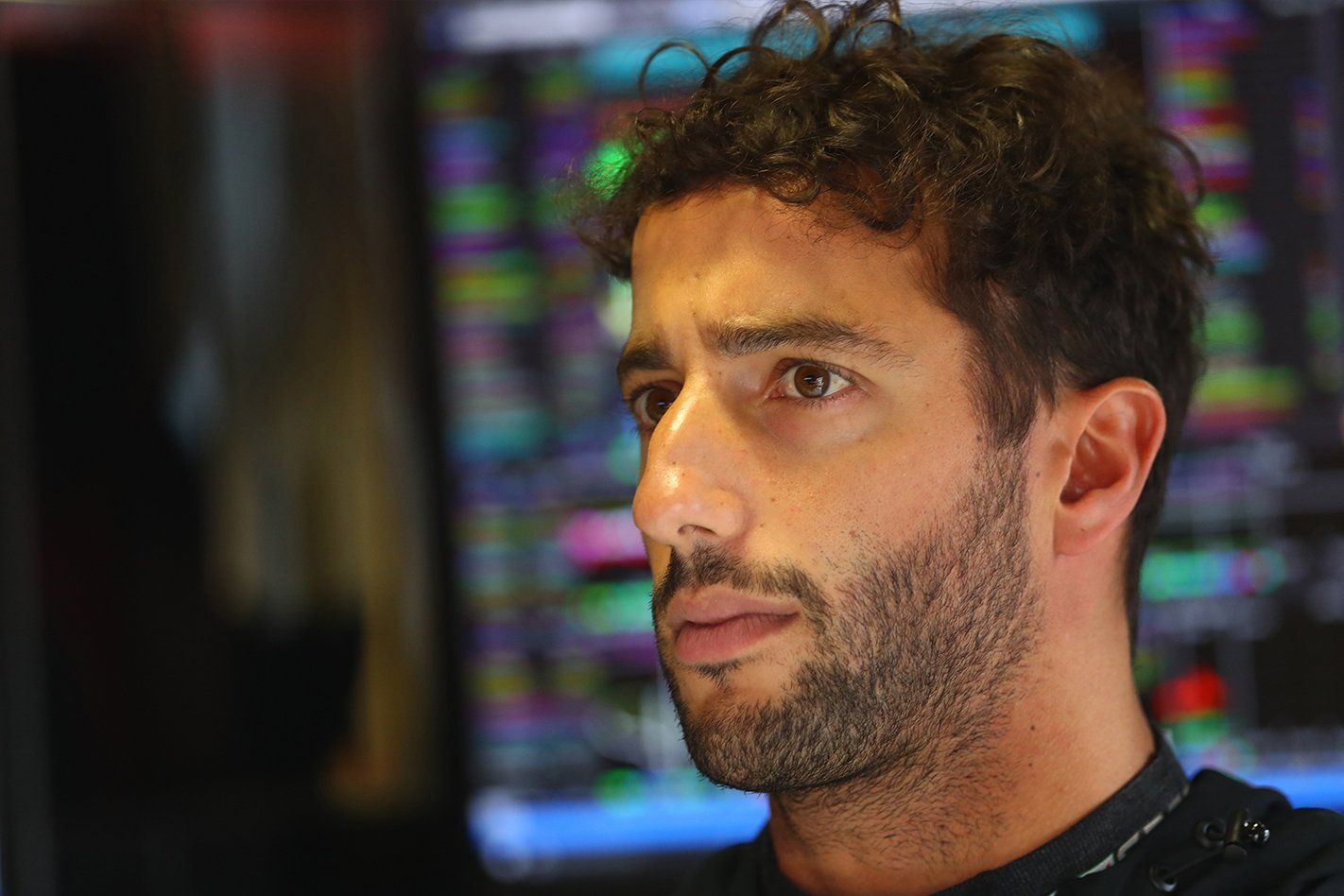
Who are you backing on this one, Kirby or Enright? Hit up the comments and let’s get this settled once and for all!
Porsche will still sell you a car with a third pedal in the esteemed 911 and Cayman, but it says you shouldn’t need a manual gearbox to get the best out of its performance coupes.
According to Porsche, “the advantages of the dual-clutch transmission (PDK) are too great to ignore”. Pause for the uproar.
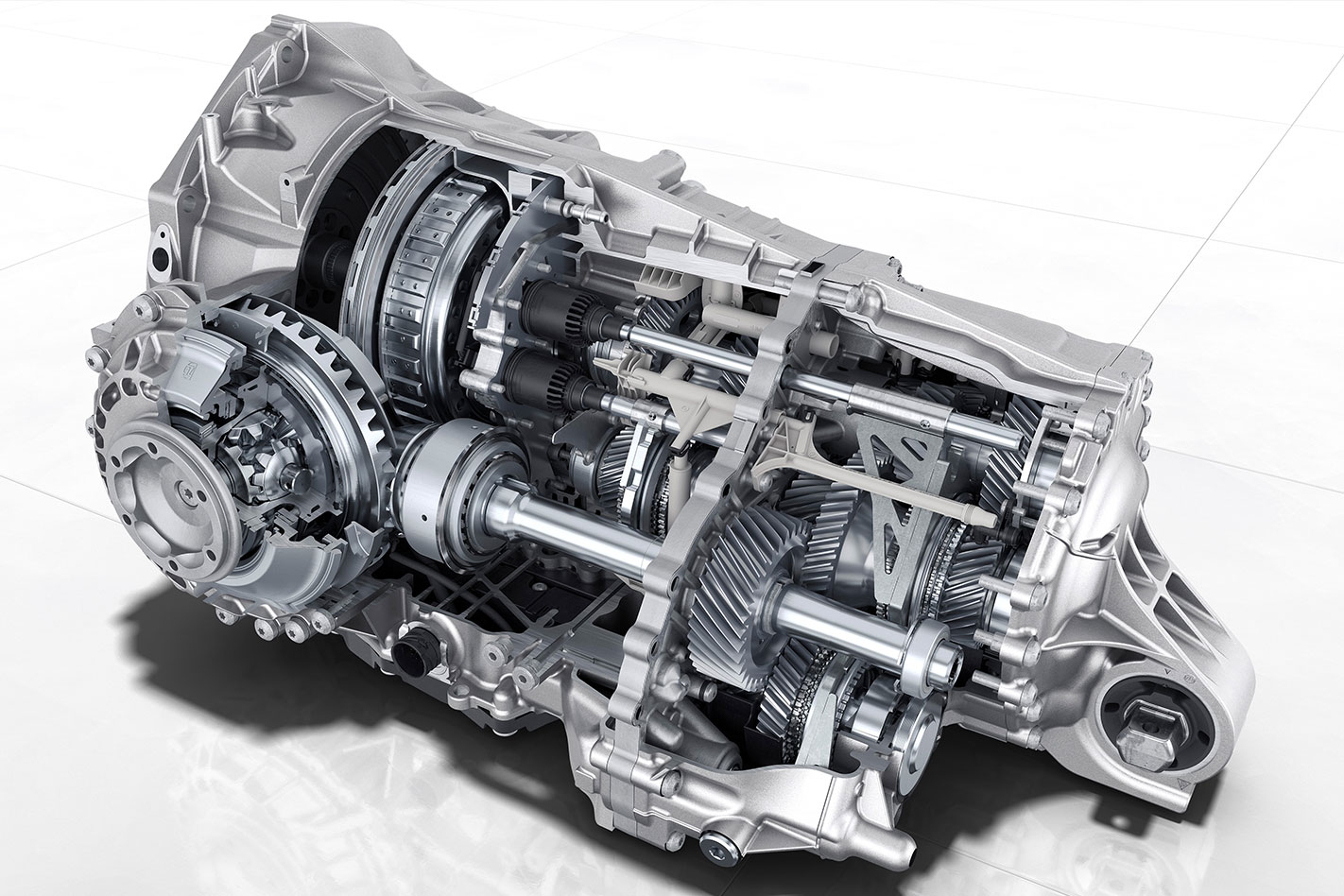
Does this mean the days of a “true Porsche” coming with a manual are coming to an end?
Well, not quite. Head of Porsche’s GT department, Andreas Preuninger, told Wheels that it’s a mistake to eradicate manual gearboxes as its cars aren’t solely an “A-to-B means of transportation”.
However, Porsche states that modern dual-clutch transmissions now have a clear advantage in terms of efficiency. But it adds that an extra level of comfort can be attained without losing any inherent sportiness – in fact an element of performance can be added over and above the do-it-yourself shifting method.
The efficiency, comfort and performance mix is one the manual gearbox “simply can’t achieve”. That’s a bold statement from a marque which prides itself in offering a high level of driver involvement.
The famed German car maker’s point hinges on the fact that the current crop of dual-clutch gearboxes has moved the game forward demonstrably.
Porsche references the fact that even the original production-ready PDK ’box enables faster gearchanges than the conventional, torque-converter Tiptronic S auto of the time – and it was also 10kg lighter.
First offered in the 2008 Carrera and Carrera S, it afforded shifts occurring 60 percent faster than the conventional automatic as well as unimpeded delivery of traction.
Hence, a 2008 vintage seven-speed PDK-equipped Carrera 4, in Sport Plus mode, reaches 100km/h in 4.6 seconds – which is 0.4sec faster than the manual-equipped equivalent.
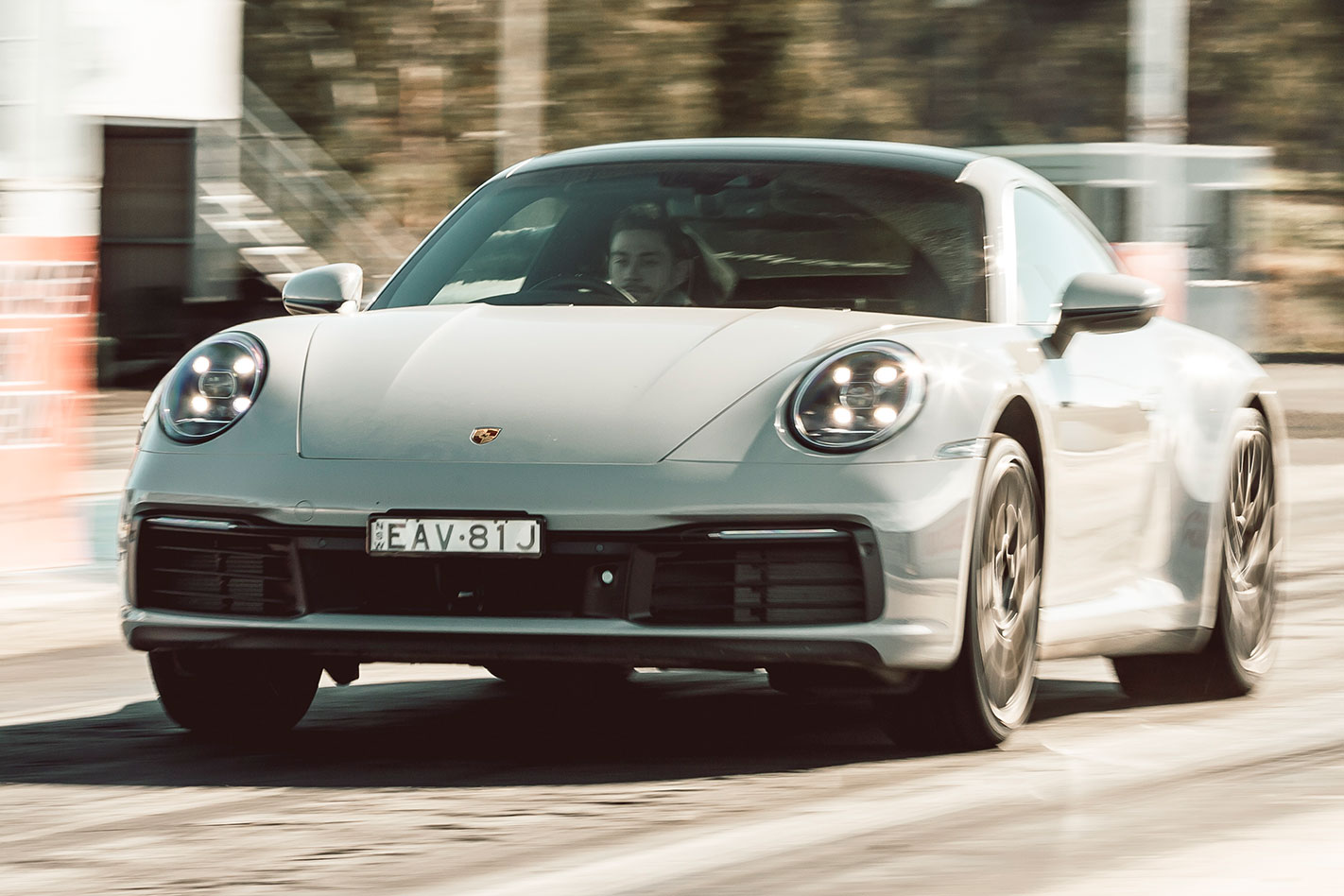
Translate that to a current context and the 992 Carrera 4S claims a 0-100km/h time of 3.6sec, or 3.4sec with the Sport Chrono Package fitted.
Those launch-control-assisted figures would be near impossible to achieve using three pedals and a shifter. However, the PDK-equipped 4S we tested hit its number of 3.4sec repeatedly with ease.
Some Wheels staffers on that test even mentioned that you’d struggle to extract all the ‘goodness’ in the 992 911 Carrera 4S if it was a manual given how fast everything happens in that car.
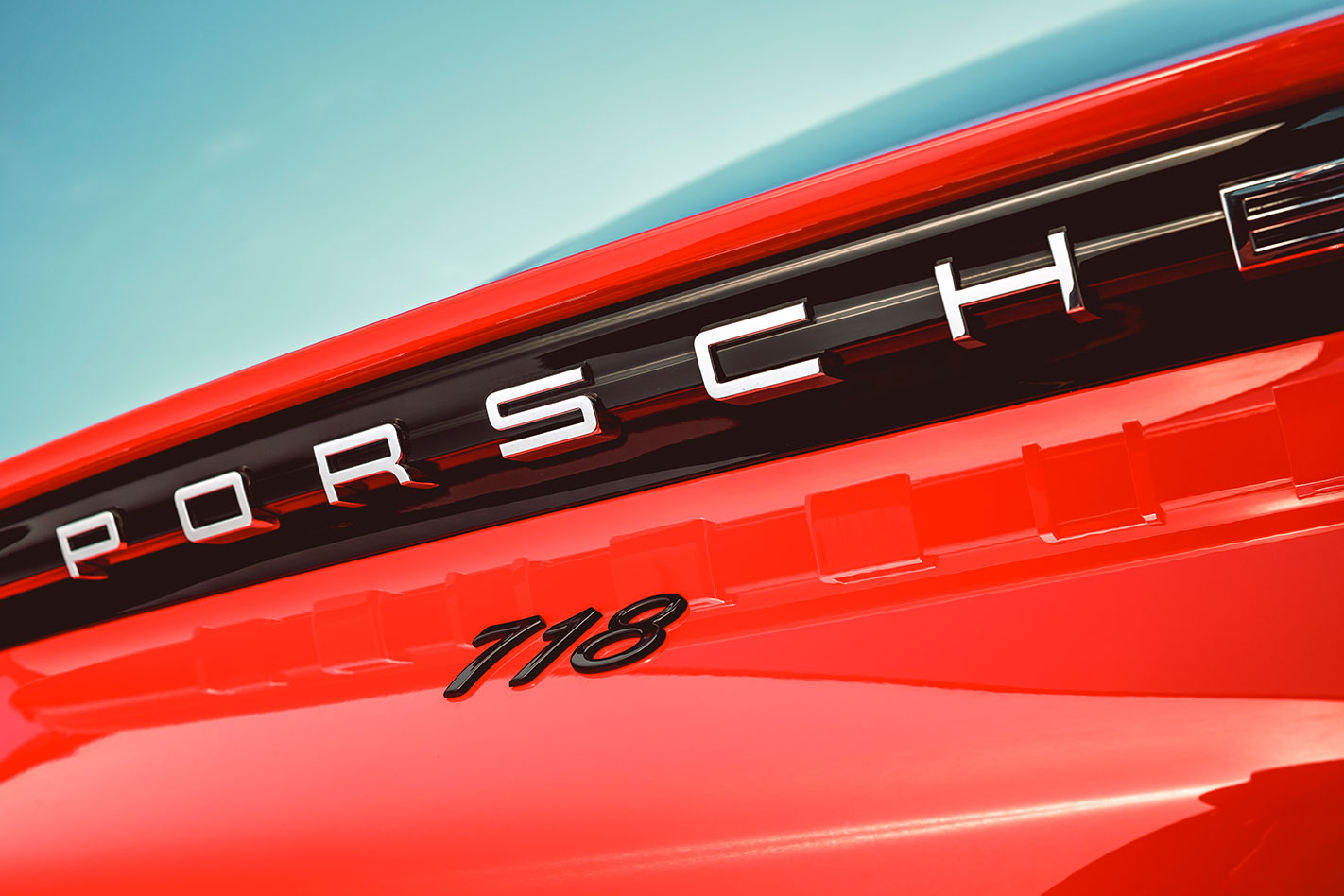
According to Porsche, “more than three-quarters of all delivered Porsche 718 and 911 models today are equipped with a PDK system”.
Porschefiles and enthusiasts can “still get what they’re after” with both the Cayman and 911, including the manual-only Speedster, offering manual gearboxes.
What do you think? Would you buy your 911 or Cayman with a manual or PDK ’box?
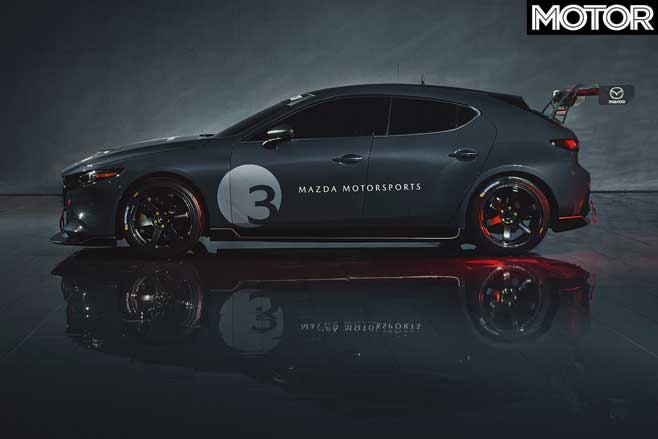
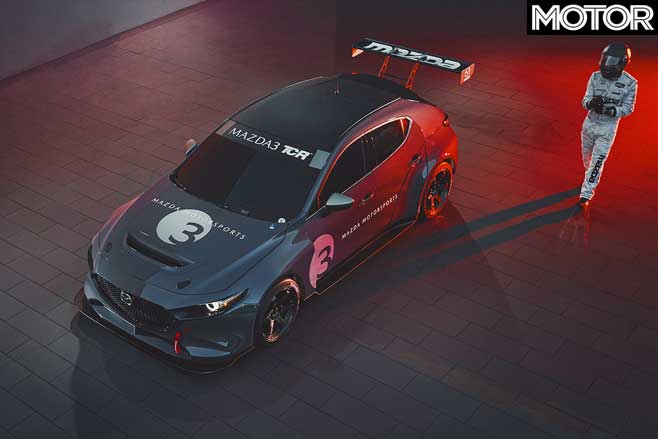
Mazda Motorsports has revealed its newest race car, the Mazda3 TCR.
Already confirmed for entry into the 2020 IMSA Michelin Pilot Challenge in the US, the car is homologated to race in any TCR-sanctioned championships around the world – including the local TCR Australia series.
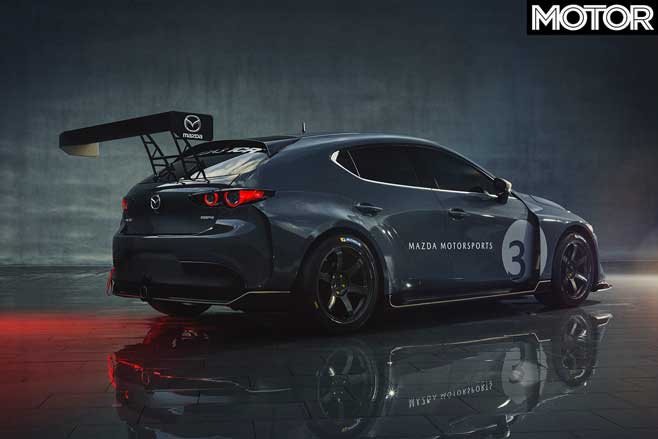
Thus, it’s a 2.0-litre turbocharged front-driver good for about 260kW, fitting with the required underpinnings of the TCR rules.
The Mazda3 TCR is also available for anyone keen on running a privateer entry (or just owning a race car) to buy, with a starting price of USD$175,000 in the States.
Mazda North America’s CEO and chair, Masahiro Moro, says the Mazda3 is a good way to offer customers “another avenue to race Mazda vehicles.”
“Some of our most important successes in IMSA and SRO TC Americas have been thanks to dedicated customers who chose to race with Mazda, and we hope the next generation of Mazda racers see the same potential in the Mazda3 TCR.”
Mazda Motorsport boss John Doonan also hopes to see the Mazda3 TCR hitting tracks around the world.
“We have looked forward to returning to the IMSA Michelin Pilot Challenge for several seasons, and everyone at Mazda is very excited that we will do just that in 2020. We are eagerly anticipating success for the Mazda3 TCR in IMSA, SRO Americas, and in TCR championships around the world.”
Mazda’s involvement in the local TCR Australia series is yet to be determined, but it wouldn’t be a surprise given TCR Australia’s acknowledgement of the Mazda3 racer on social media, posting an image of the car with “would you like to see this car in TCR Australia?” as the caption.
Hyundai is to become the first factory manufacturer to enter the World Time Attack Challenge (WTAC) with a 2019 entry in the form of a modified Hyundai i30 Fastback N.
Set to compete in the Clubsprint class during the weekend of 18-19 October, the Fastback N has been modified by Hyundai Australia’s Product Development team, with assistance from the brand’s High Performance Team in Korea.
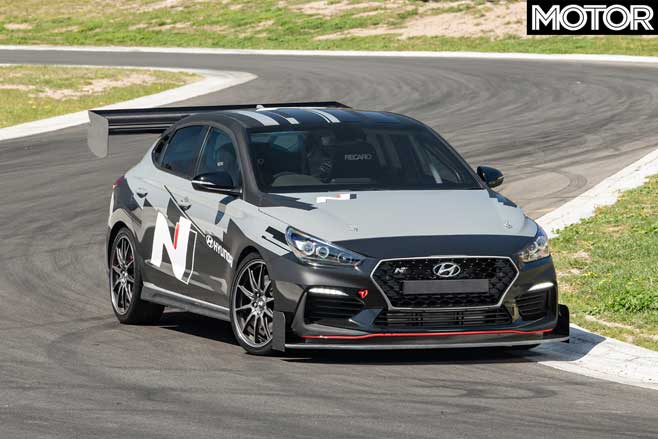
The Hyundai WTAC car also cops a couple of parts from the i30 N Project C, including a carbon fibre bonnet and lighter OZ Racing forged alloy wheels.
The engine has been fettled by Hyundai’s Korean R&D team, who bestowed upon it an upgraded turbocharger and intercooler, with an ECU tune. The engine’s internals remain stock.
Inside, there’s not much left that isn’t needed, with as much weight removed from the interior as possible. Pretty much all that’s left inside are the dashboard, door trim, a racing seat, and the harness. The roll-cage is required too, obviously.
The car has also been given an aerodynamic package developed by Dr Sammy Diasinos, an Australian former F1 aerodynamicist. Diasinos also designed the aero for the 2018 outright WTAC winner, the RP968 Porsche.
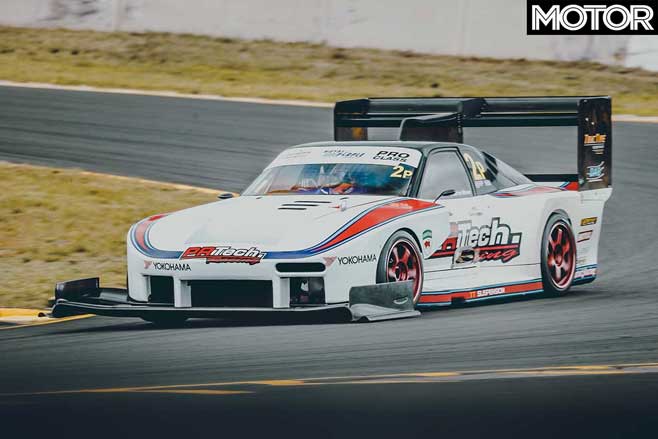
“The great challenge with the Clubsprint class is we’re quite restricted with the aerodynamic changes we can make to the car,” Diasinos says.
“But with the front splitter and wing package we have developed there should be a significant increase in the downforce and cornering ability of the i30 Fastback N.”
He says the front splitter provides 250kg of downforce at 200km/h, at which point the massive rear wing is producing 450kg.
“This whole project is about showing what the standard car is capable of doing, so the aero is the only major change because that’s what is required to be competitive at World Time Attack.
“The car will be up against some highly modified cars even in Clubsprint.”
In the driver’s seat will not be a racing driver, but a member of Hyundai’s product development team. The Clubsport class doesn’t allow professional racing drivers to enter.
“…to aid with the testing of the new parts, Hyundai Australia product planning and development specialist Tim Rodgers will handle the driving duties at Sydney Motorsport Park,” Hyundai said in a statement.
“Mr Rodgers in an integral part of Hyundai’s localisation programme, and performs the majority of test driving duties.”
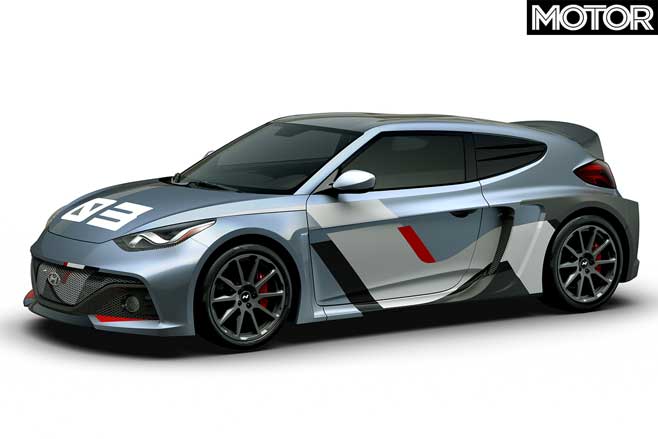
Hyundai will also display its RM16 concept car for the first time in Australia at WTAC, alongside the brand’s Targa Tasmania i30 N as piloted by Brendan Reeves and Rhianon Gelsomino, with Will Brown’s TCR Australia-winning i30 N TCR.
In August 2018, at Pebble Beach, John Hennessey said the twin-turbo V8 engine built for the Hennessey Venom F5 hypercar would have more than 1193kW.
That turned out to be rather an understatement.
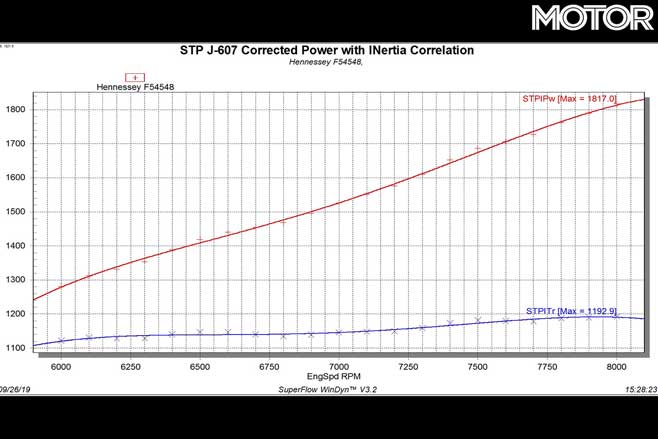
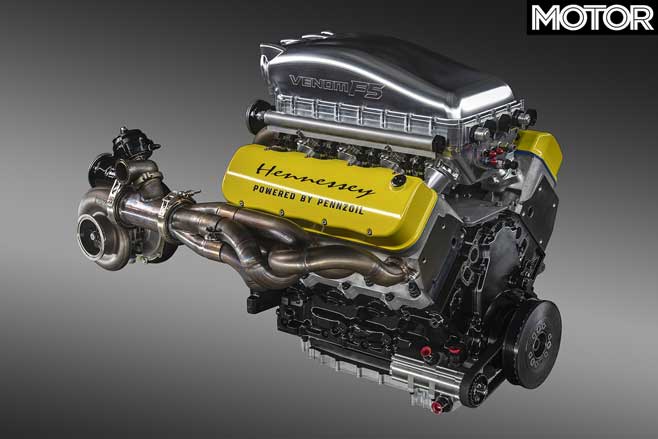
Announced after some teasing, the 6.6-litre twin-turbo engine’s specs are a little beyond Hennessey’s expectations.
With a whopping 1355kW, coupled with 1617Nm of torque (admittedly lower than the 1763Nm originally floated), the Hennessey engine has changed since its announcement in more aspects than just its outputs.
For example, the engine was originally to be 7.6-litres, and is now a litre smaller, based on a GM LS engine.
“We exceeded our target horsepower number. Actually, we blew our target number out of the water by delivering over 1,800 horsepower,” John Hennessey says.
“The F5 engine has a very broad power band with over 1000lb-ft (1356Nm) of torque available from 2000 to 8000rpm.
“Give it the full throttle and it’s the most furious engine that we have ever built. Thus, we gave our F5 engine a special name: Fury.”
Fury revs out to 8200rpm, by the way.
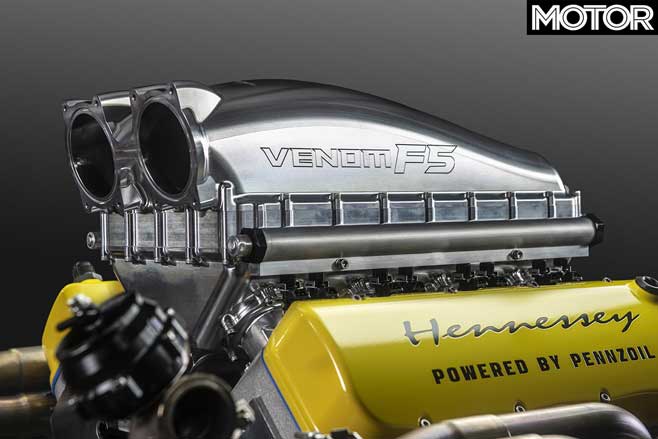
Though GM’s LS design formed the basis for the engine, Hennessey has done a lot of work optimising Fury for use in the F5. Billet aluminium and billet steel abounds, with everything labelled either ‘high-flow’ or ‘extreme duty’.
The former includes cylinder heads, turbo wastegates, injectors, and headers, while the ‘extreme duty’ category is where the billet steel camshaft fits in, with lifters, pushrods, and forged con-rods.
There’s also to be a 3.5-inch titanium exhaust for a proper V8 bark, helped by high-flow cats and 3.0-inch turbo downpipes.

Hennessey says confirming the engine’s outputs is a huge step forward for the F5’s development.
“With over 1800bhp and a curb weight of less than 3000lbs (1361kg), the Venom F5 will offer the best power to weight ratio on the market. We plan to begin testing our first car later this year.”
Have Bugatti and Koenigsegg been put on notice? We’re yet to see, but the battle to be the world’s fastest carmaker shows no sign of slowing down.
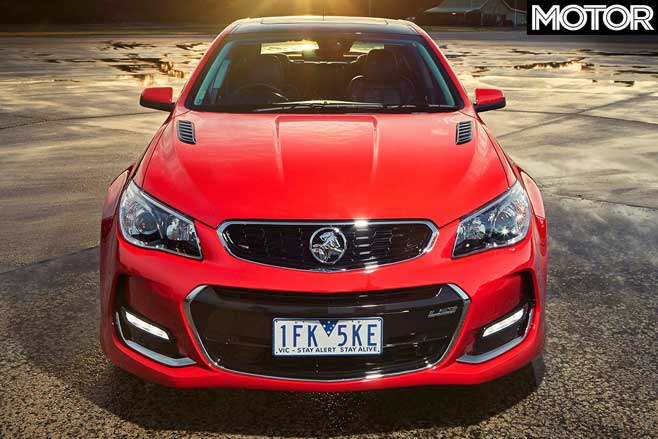
Trust a politician to take a lay-up and fumble the ball into the cheap seats. Mark Butler, a Labor pollie from Adelaide, was trying to mock the Coalition’s curmudgeonly dislike of electric vehicles when he said: “In 10 years’ time we’ll be like Cuba, just doing up our 2017 Commodores because the rest of the world isn’t making petrol and diesel cars anymore.”
The truth is, we have a little more time than that before fossil-fuel cars go extinct. But was Mr Butler trying to scare us? Mission not accomplished! To put it another way, Mark Butler is suggesting Australia will go from being MOTOR to Street Machine, which doesn’t sound all that scary. And what’s so bad about being like Cuba? Cuba’s car culture is awesome, and the 2017 Commodore is pretty awesome as well.
Mark Butler should have said we’d be like Ukraine, just trying to fix our ZAZ Forza with Soviet stockpile duct tape – that would have put the fear of god into everyone. But if we’re not supposed to aspire to be like Cuba, which country should we be like?
It would be pretty great to be like Germany: autobahns, good drivers, and even the taxis are Mercedeses (what is the plural of Mercedes? Mercedii?). On the other hand, Germany’s not the place if you like modifying cars. All cars in Germany have to meet stringent standards, and if the polizei see any mods – especially, God forbid, a stanced car – they might just impound it on the spot. Would we really want to become a country devoid of stretched sidewalls, paddock-bashers and crappy DIY oversized spoilers? Where’s the fun in that?
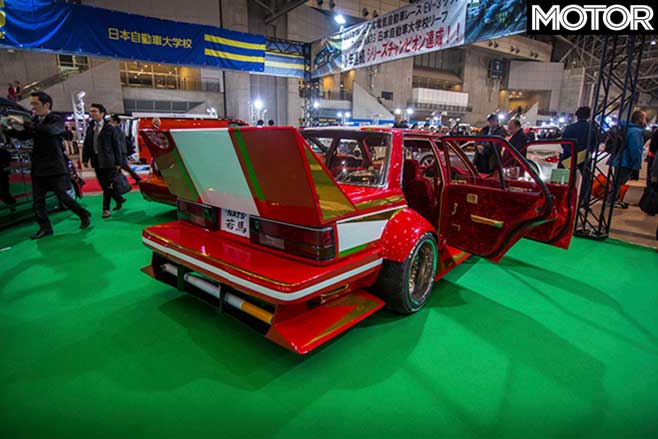
How about Japan? In your mind, if you lived in Japan you’d be driving a perma-sideways AE86, or a wild bosozoku car while wearing those sunglasses that look like venetian blinds. But the truth is, more and more Japanese are opting not to own car; meanwhile, police are trying to convince the growing demographic of doddering oldies to give up their licences, since they keep smashing into things. So in reality you’d probably either be shoe-horned into a kei-car doing 25 behind a grandma who might ram you into a pachinko parlour, or on the train. Shudder.
What about the US? Australian car buyers are basically turning into Americans anyway, opting for the biggest thing they can find that will still fit in a drive-thru. But, despite Americans grumbling about petrol prices, the fact is the average petrol price in America right now is 68 cents per litre. You want to drive like an American at Australian petrol prices? Better take out a second mortgage.
Okay, then, how about Italy? Italy is la bella vita if you’re piloting a rosso corsa sex-mobile through the hills above Maranello. On the other hand, attempting Rome’s GRA ring road is la vita punch-in-the-balls, and you’ll develop carpal tunnel syndrome in your horn hand.
What about the UK? The UK might seem familiar to Australian drivers, being blanketed with both speed cameras and car-hating politicians who love congestion charges. But Australian and British drivers are clearly unrelated species, as Aussies keep supersizing into bigger utes and SUVs, while the Poms keep downsizing – currently all British carheads drive a Polo GTI, but in 10 years’ time they’ll all be wearing a single rocket-powered rollerskate.
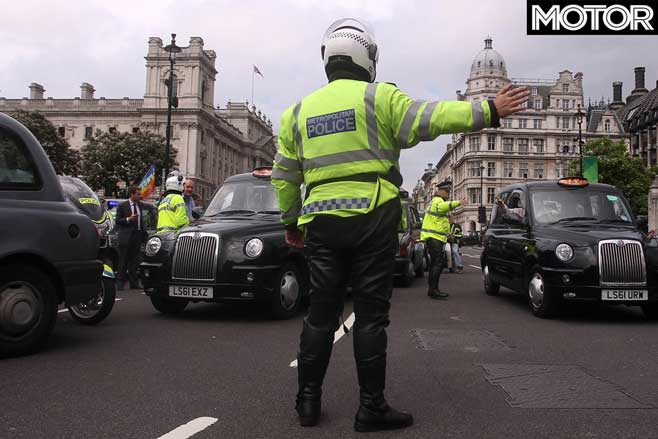
You’ve probably heard the old joke that heaven is where the police are British, the cooks are French, the mechanics are German, the lovers are Italian and it’s all organised by the Swiss; hell is where the cooks are British, the mechanics are French, the lovers are Swiss, the police are German and it’s all organised by the Italians.
The way it’s going, Australia is going to be where the car sizes are American, the traffic is Italian, the police are German, and the speed limits are British. Suddenly it doesn’t sound so bad to be Cuba.
The Toyota C-HR small SUV is the latest model in the automotive giant’s range to gain a hybrid powertrain.
The hybrid option comes as part of the two-year-old C-HR’s first upgrade that includes a subtle facelift, and the addition of Apple CarPlay and Android Auto displayed on a larger 8.0-inch touchscreen.
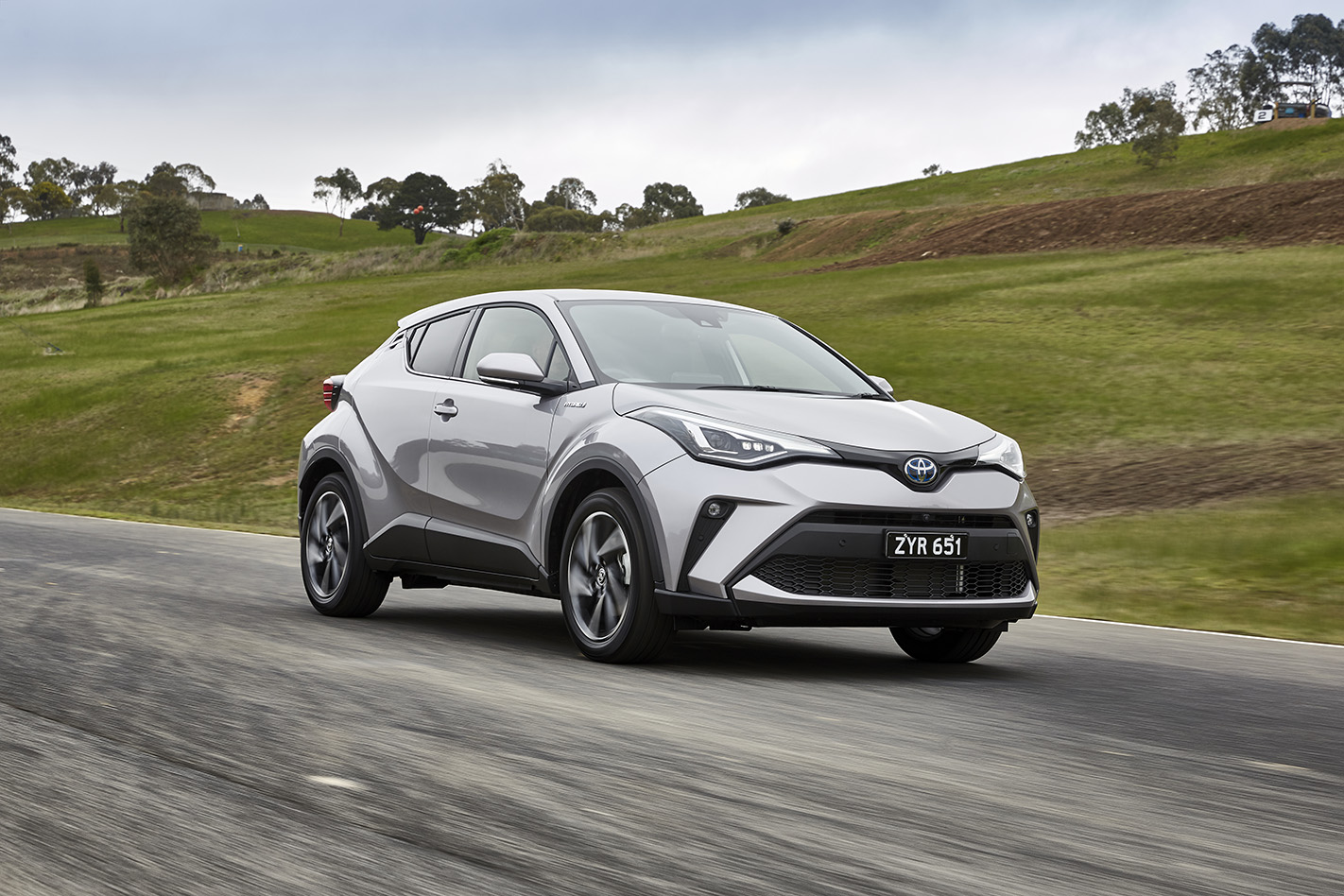
Revealed yesterday in Europe, the 2020 Toyota C-HR is slated to arrive in Australia in December with the new 1.8-litre hybrid powertrain taken from the Corolla hybrid.
This will initially be offered in only in the 2WD C-HR Koba spec, which currently accounts for more than half of all local C-HR sales.
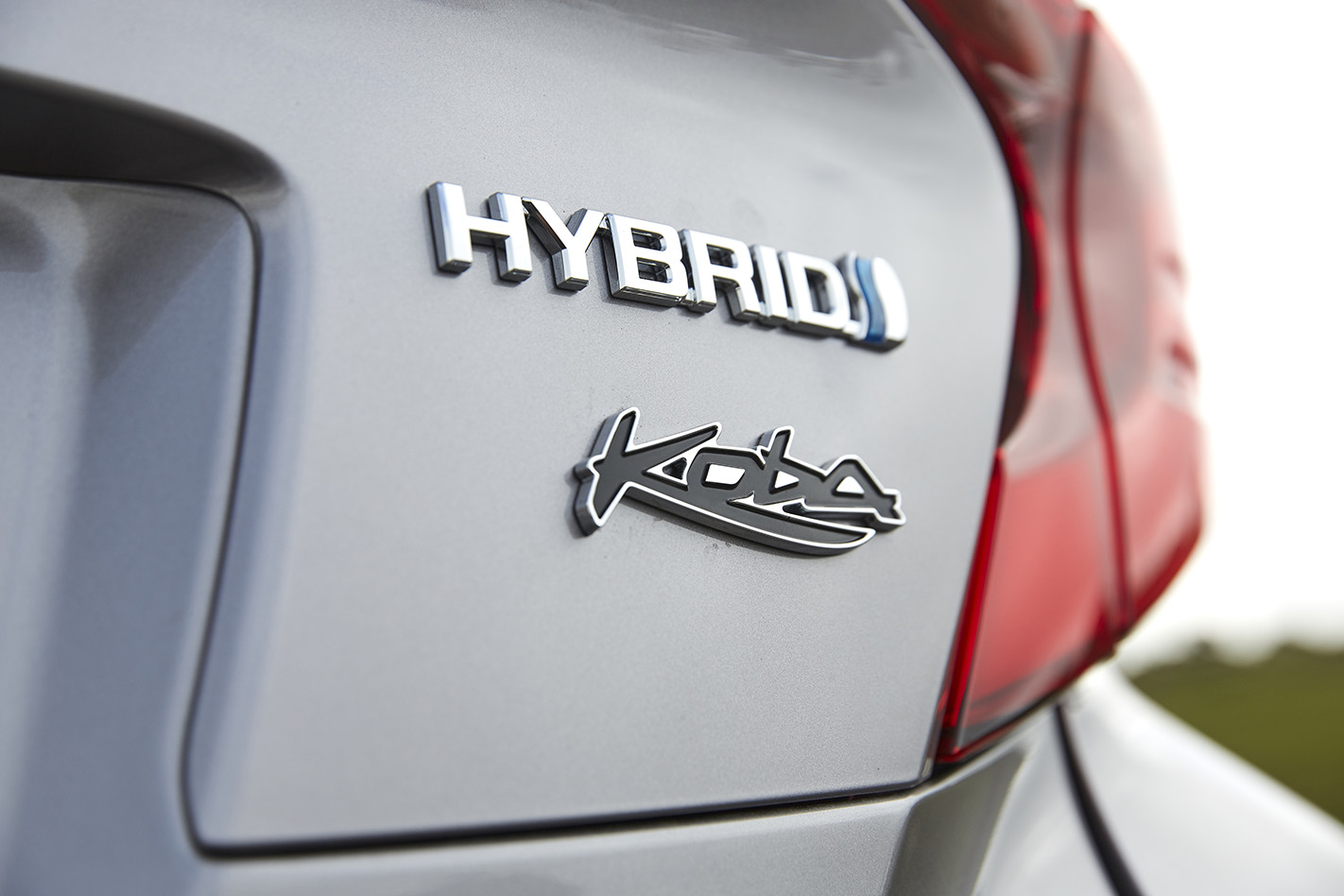
That spec will still be available with the 1.2-litre turbocharged petrol engine that will also continue to power the rest of the C-HR range.
Toyota claims the 2WD C-HR Koba hybrid delivers a combined-cycle fuel consumption of just 4.3L/100km, compared the petrol version’s 6.4L/100km.
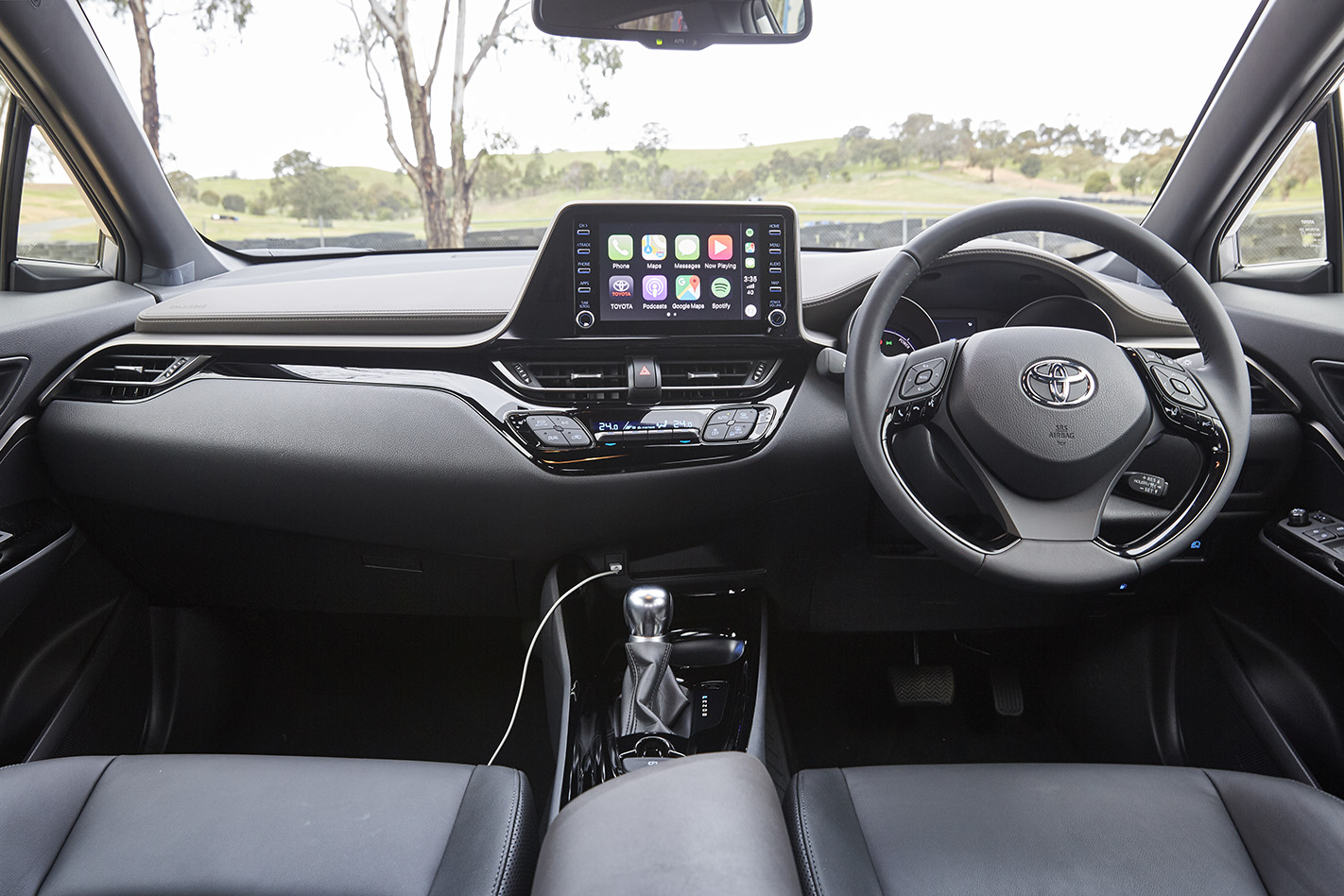
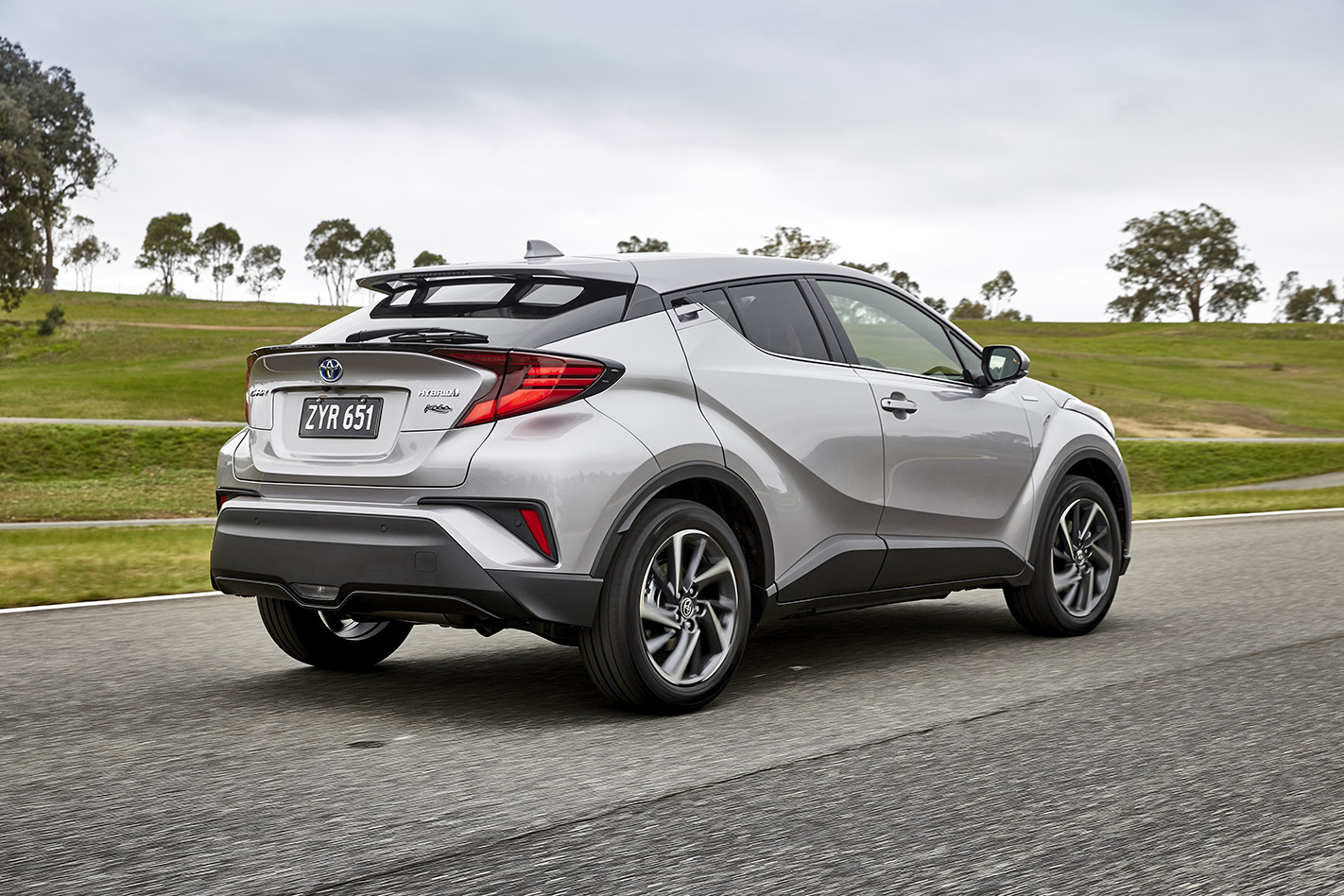
Along with the new powertrain option, the upgraded C-HR features a range of exterior design enhancements including a revised bumper treatment, new LED headlights and taillights and fresh alloy wheel designs.
Toyota Australia Vice President Sales and Marketing Sean Hanley said Toyota was committed to increasing the availability of its advanced hybrid drivetrain across a broader range of cars, to give as many customers as possible the option of a refined and fuel-efficient petrol-electric powertrain.
“We now offer hybrid power in some of our most popular models including Camry, Corolla hatch, Prius and RAV4, and its addition to C-HR will further broaden its appeal,” Hanley said.
“And clearly it’s something our customers appreciate with hybrid accounting for nearly 45 per cent of Camry sales, 40 per cent of Corolla hatch sales and nearly 40 per cent of new RAV4 sales over the past three months.”
