
The Volkswagen Group’s recent review of Australia’s climate classification is paving the way for the company’s most potent and powerful models to head Down Under, whilst driving down the cost of more mainstream offerings.
Sister brand Skoda wasted no time exploiting the change of climate category from ‘hot and dusty’ to ‘moderately hot’, with the previously outlawed Kodiaq RS now slated for Australian launch this year, and it’s likely to be followed by more hot hardware from all the VW Group brands.
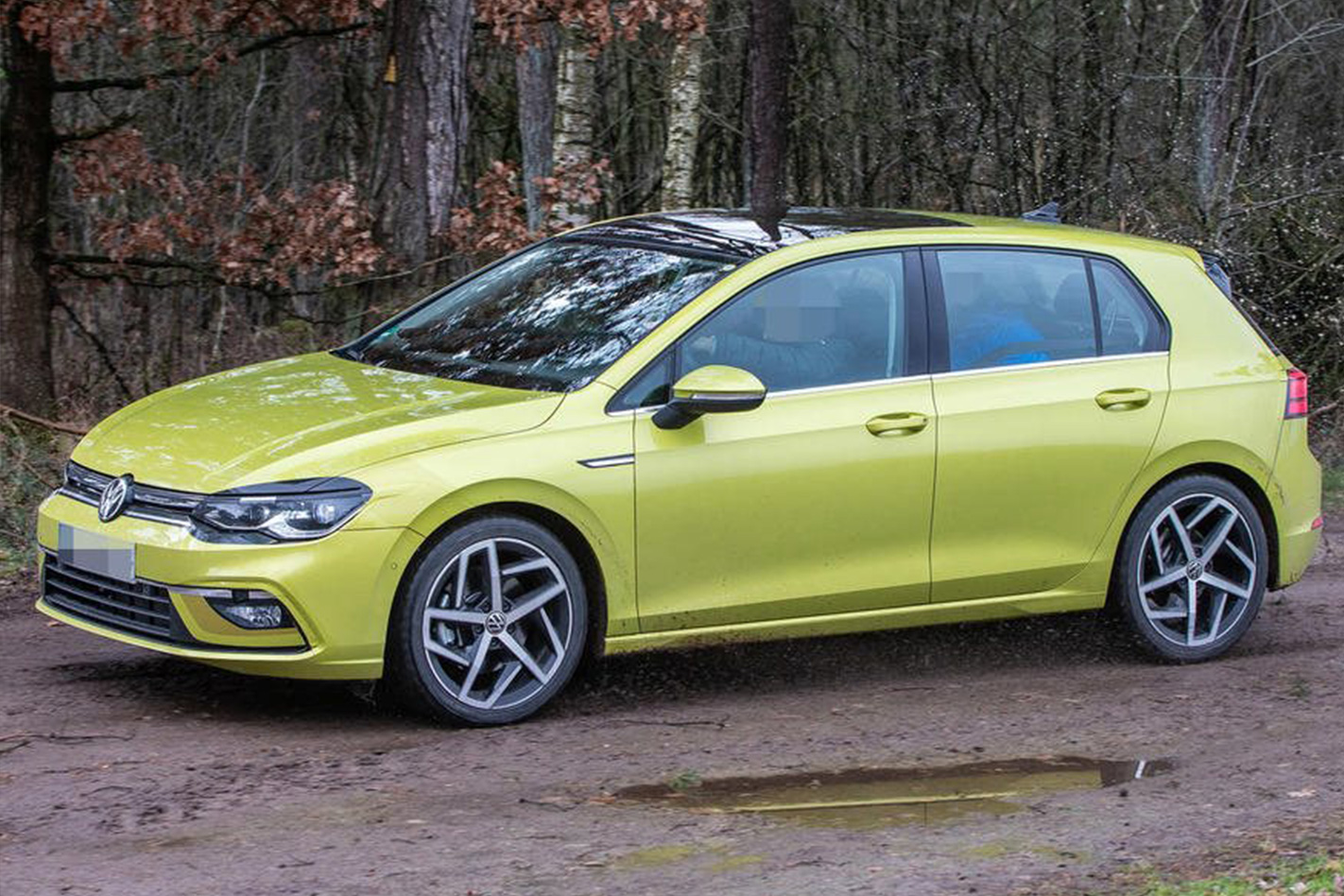
Talking to WhichCar in a decidedly chilly New Zealand environment, Volkswagen Group Australia product marketing manager Jeff Shafer said that the climate rating downgrade “will open up possibilities for us”.
“That’s a change that has been made across the brands for the Australian market which is great,” he said.
“Skoda’s been very quick of the mark. For us, whilst it will open some doors for us in the future, it won’t be as immediate.”
It’s too early to detail exactly what those possibilities will look like at this stage, said Shafer, but an undiluted version of the current Golf R is unlikely – the previous climate rating robbed 15kW from the Australian version compared with the R sold in Europe.
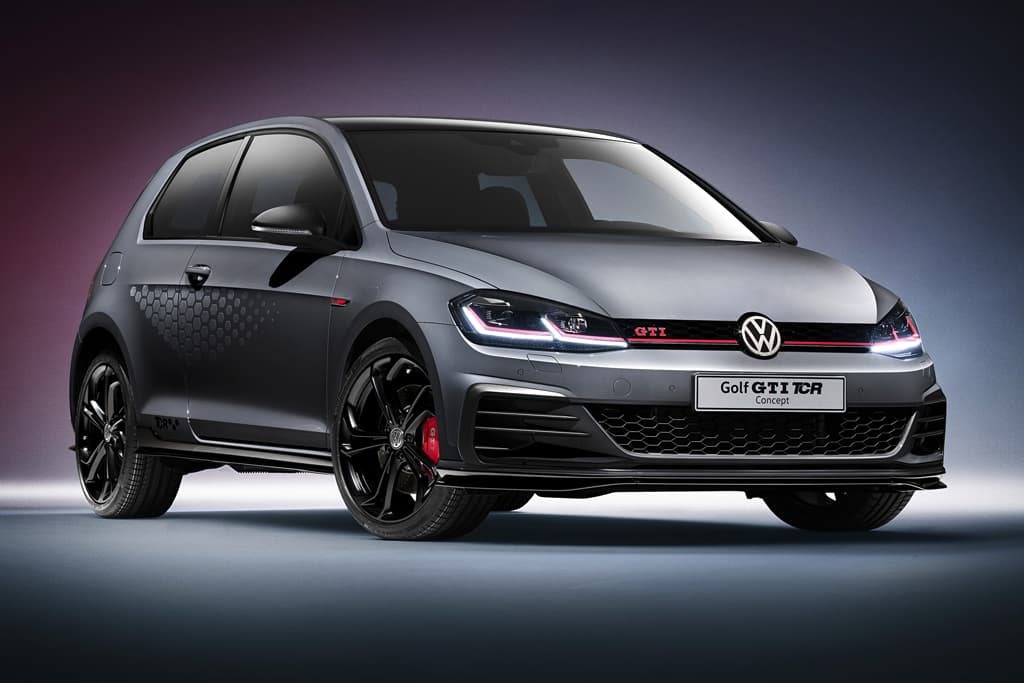
More likely, said Shafer, was an unfettered eighth-generation Golf R, which will roll into local showrooms next year.
“I wouldn’t expect a change in this generation, but in Golf 8 R we are in a good position to be asking for the same engine (as Europe),” he said.
The German car maker is yet to reveal specifications for the new R and GTI hot Golf pair, but recent testing of a five-cylinder mule, which borrows the Audi RS3 engine is confirmation at least, that VW is serious about the Golf’s potency in the next generation.
Not only will the repositioning of Australia’s climate in the eyes of VW allow the most powerful models to be sold here, but Shafer also explained that there are cost benefits to be passed on, as well.
In some cases, models are given special engineering attention to cope with intense Australian heat, but that additional expense will no longer be required for many models. That means more VW choice and at a more affordable price.
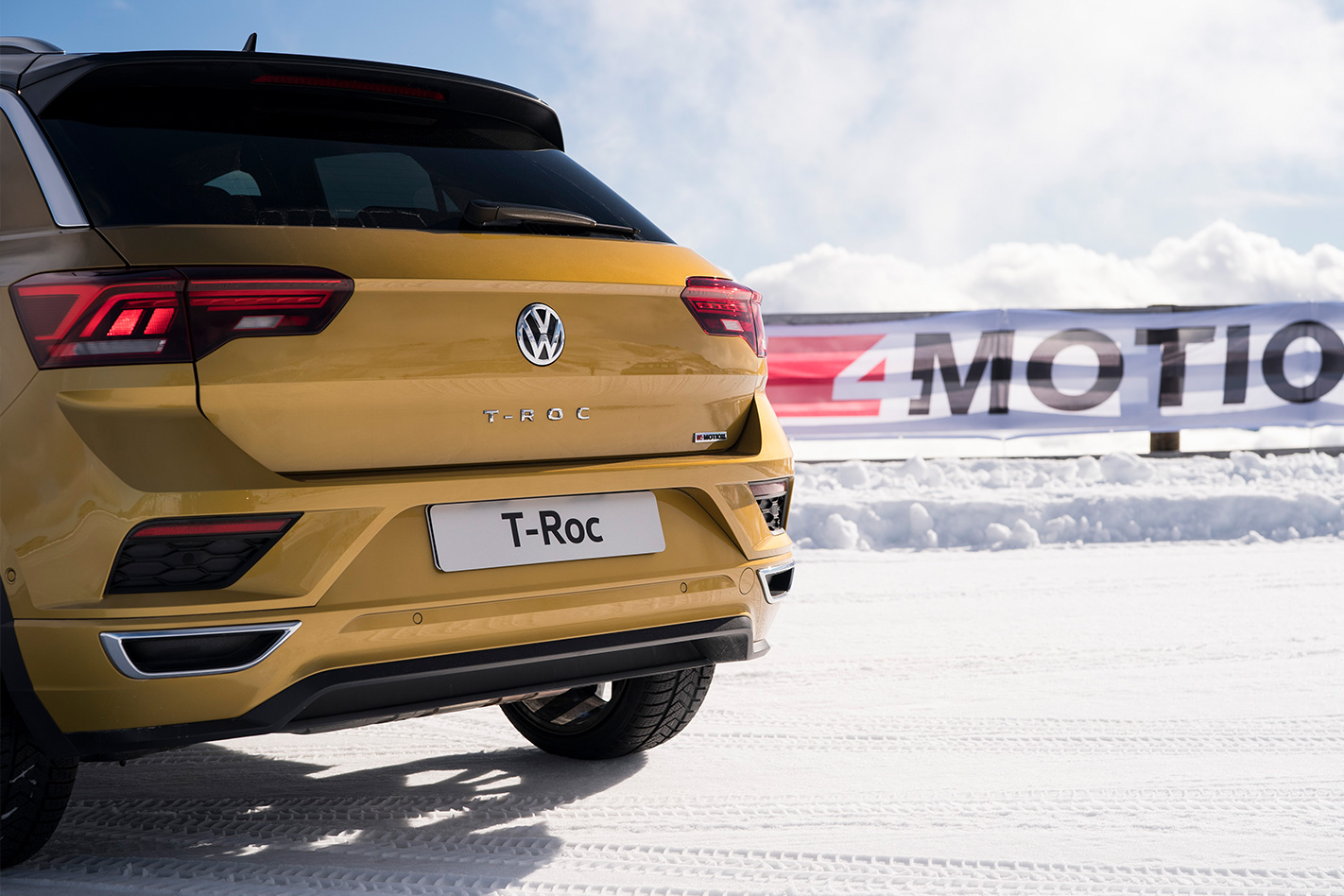
“The more commonality you have between a bigger market like Europe and our market, the less additional work is required and the lower the bar for a business case,” he explained. “It’s a lot more straightforward to get our hands on these products.”
According to Shafer, almost anything is possible but the cost has to be justified. Creating a 228kW version of the Golf R that can cope with the now-unnecessary heat and dust classification was possible, but it came at an unfeasible cost.
“It isn’t that we couldn’t do it, it’s simply that there is a higher bar to jump over and … potentially an additional cost to the consumer. The more we can harmonise, the easier it is,” he said.
The change to a different climate class does not mean Volkswagen vehicles will struggle on Australia’s hottest days, however, and Shafer explained that the process to reclassify our environmental conditions was simply a matter of providing new evidence to VW’s head office.
“We’ve been lobbying and working very hard to educate our colleagues back in head office about the actual conditions: Where do people live, where do people drive, what are the average temperatures,” he said.
After reviewing the information, which included heat maps provided by the Bureau of Meteorology, overlayed with population, roads and dealership locations, as well as actual vehicle service history, the decision was made to downgrade the requirements.
“It’s a good thing and it removes one of the barriers that we face”, Shafer declared.
Watch out for more high-performance models hitting Australian showrooms in the coming years.
A new motorsport event is coming to Australia’s most iconic racetrack, Mount Panorama, and a battle is brewing over who will host and promote it.
Since Mount Panorama is a public road, racing events are limited and controlled by the Bathurst Regional Council, with just four multi-day full-course closures permitted each year. A fifth slot has been opened up, with the council currently taking submissions from interesting parties.
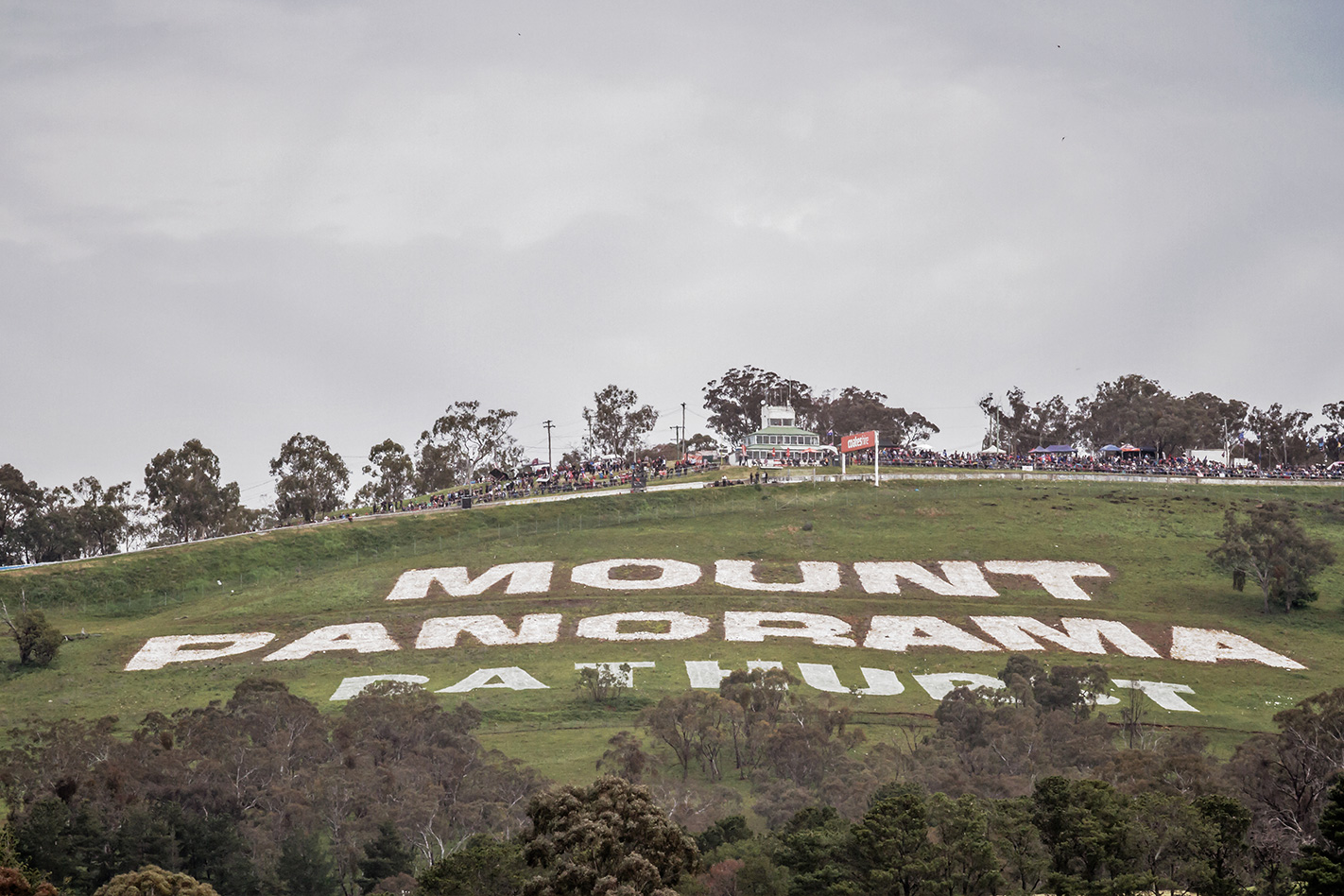
Bathurst Regional Council received six expressions of interest when it opened the tender process in March, one of which included an international 24-hour race.
However, just three were shortlisted, with Supercars, Australian Racing Group (ARG), and Mountain Motorsports, being asked by the council to send representatives to meet with the council to provide more details of their plans.
Mountain motorsport then dropped out of contention, leaving just ARG and Supercars in a two-horse race.
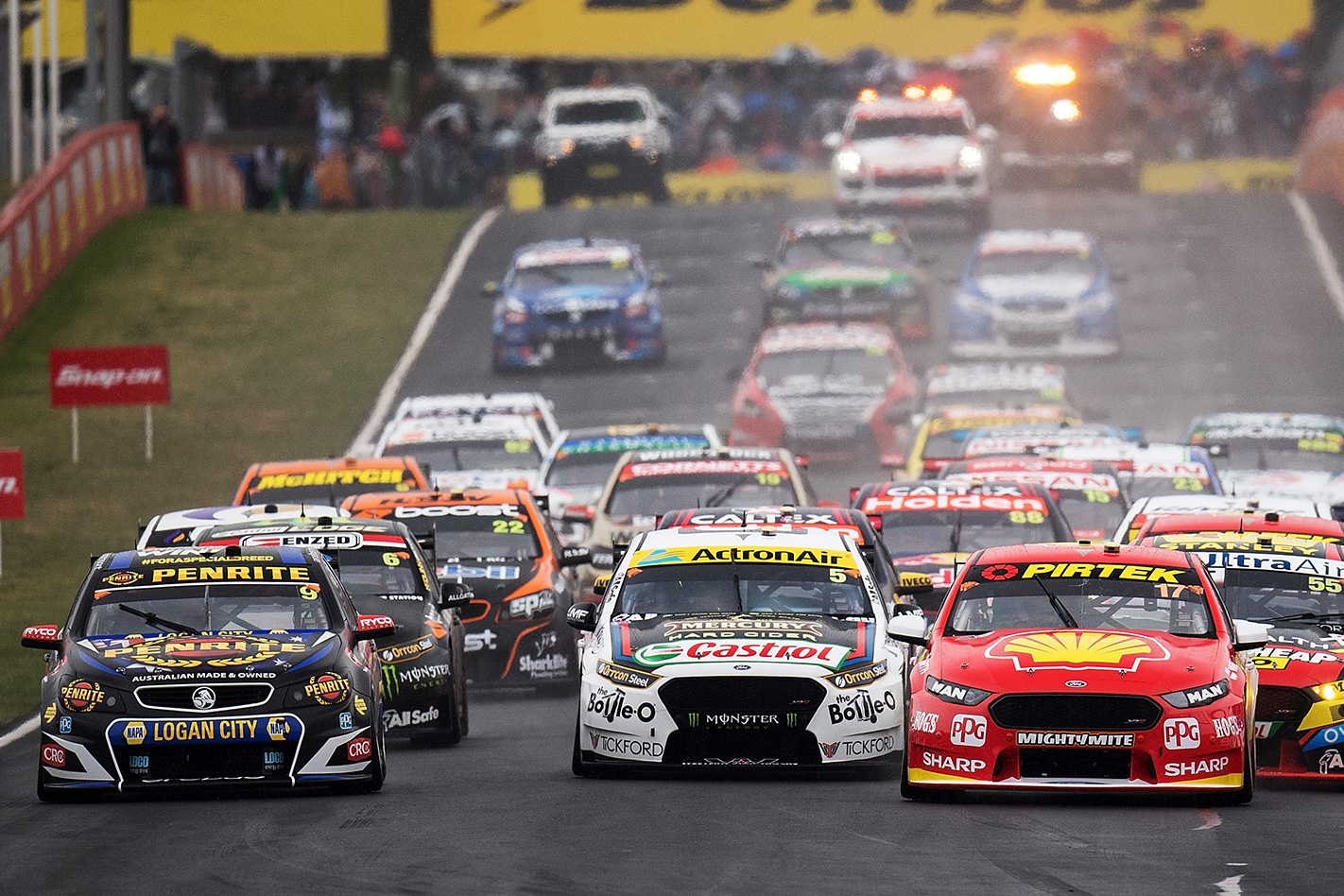
“Council is currently finalising the tender specification and we expect the two companies invited to take part in that process will receive those documents before the end of the month,” Bathurst mayor Graeme Hanger said, according to Autosport.
“We anticipate Council will consider these tenders in September.”
Supercars CEO Sean Seamer has publically stated that the proposal from Supercars would not be another round of the Supercars championship, rumoured to be the return of sprint racing to The Mountain.
In fact, he stated it wouldn’t even be a ‘traditional’ motorsport event, describing it as “something completely different”.
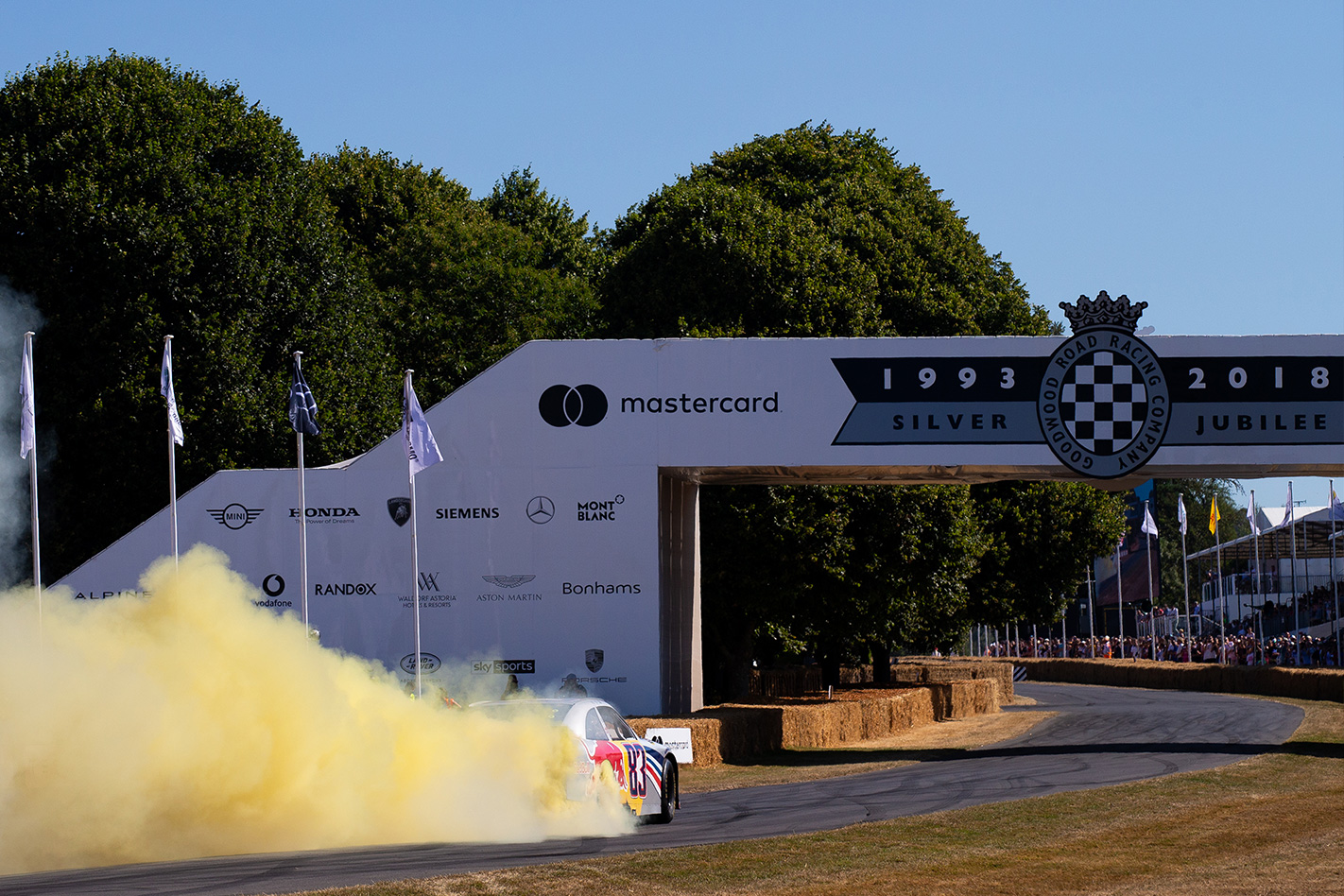
It’s understood that this is a Goodwood Festival of Speed style event celebrating significant races and cars from around the world, and could include a hillclimb to the summit of the Mountain.
Supercars currently runs half of the current Bathurst events, and the largest on the four-event calendar – the Bathurst 1000 and Bathurst 12 Hour endurance events held in October and February respectively. The other two annual full-course events at Mount Panorama are the Bathurst 6 Hour production car race held at Easter, and the Challenge Bathurst time attack in November. It is unclear where the fifth event would be placed on the calendar.
Competing against Supercars is ARG, which runs the new-for-2019 national TCR championship.
Along with TCR, ARG is the category manager for the retro-styled S5000 series which will make its debut later in the year. The new group, which is managed by Matt Braid, who was formerly managing director of Volvo Cars Australia and of Supercars, recently took over category management rights for the Touring Car Masters championship. Former Supercars CEO James Warburton joined ARG earlier this year as a non-executive director, adding extra clout to its stance as a powerhouse within the local industry.
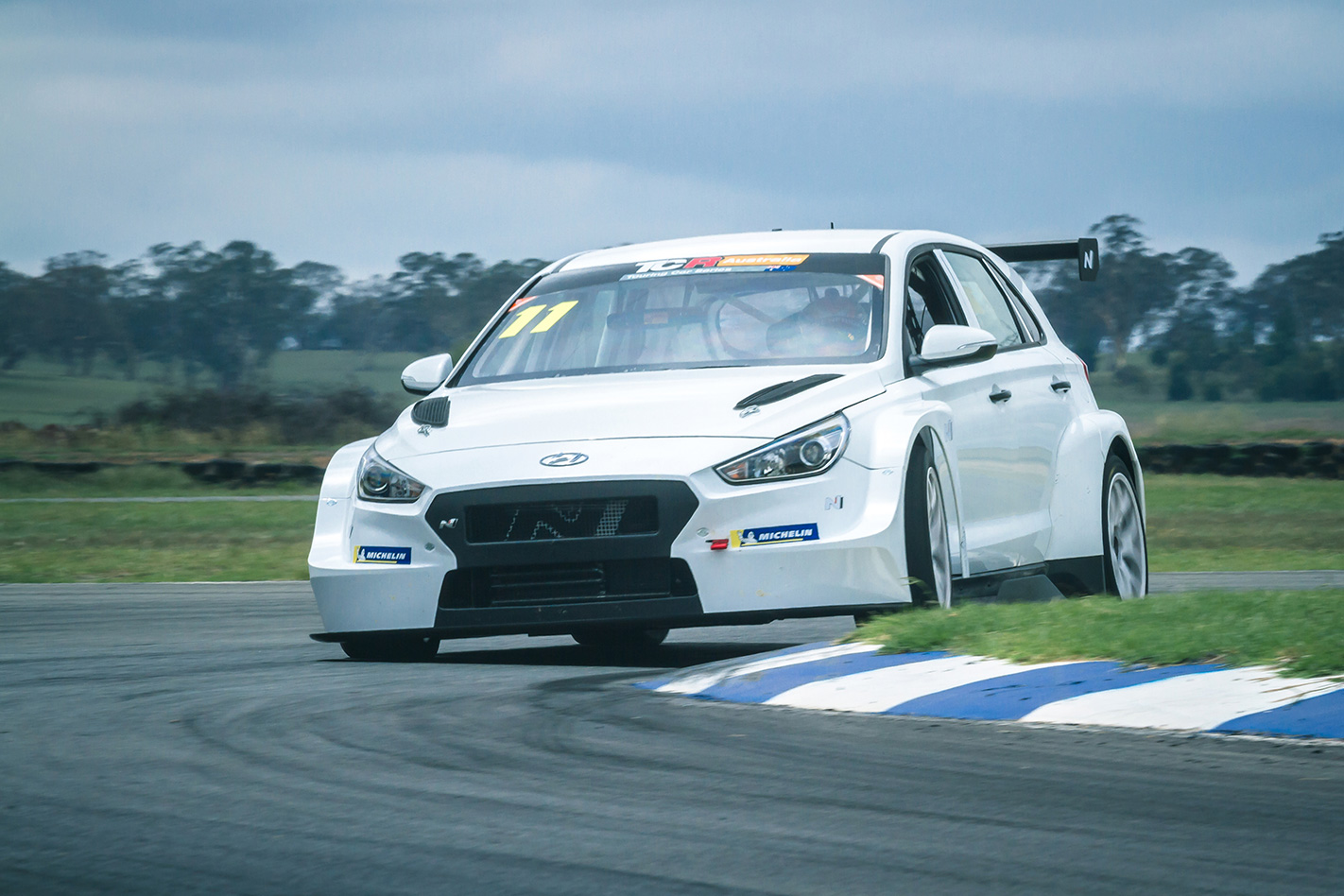
Autosport reports that the ARG proposal includes a 500-kilometre international TCR race, with a vision to be part of the WTCR championship in the future.
ARG’s decision to have a 500-kilometre endurance race avoids a repeat of the Touring Car Wars of the ’90s, when rival Bathurst 1000 races were hosted by promoters for the Super Tourer and ATCC championships. It was the ATCC which eventually won that war, paving the way for what we now know as Supercars to dominate the local motorsport landscape.
The Confederation of Australian Motorsport (CAMS) has thrown its weight behind ARG’s proposal, and is keen to see a round of the World TCR Cup (WTCR) hosted at Mount Panorama.
Motorsport New Zealand has recently acquired the rights to set up a national TCR series, and CAMS has publically stated it is interested in developing a trans-Tasman relationship for the burgeoning touring car championship. Asia also has its own regional TCR championship.
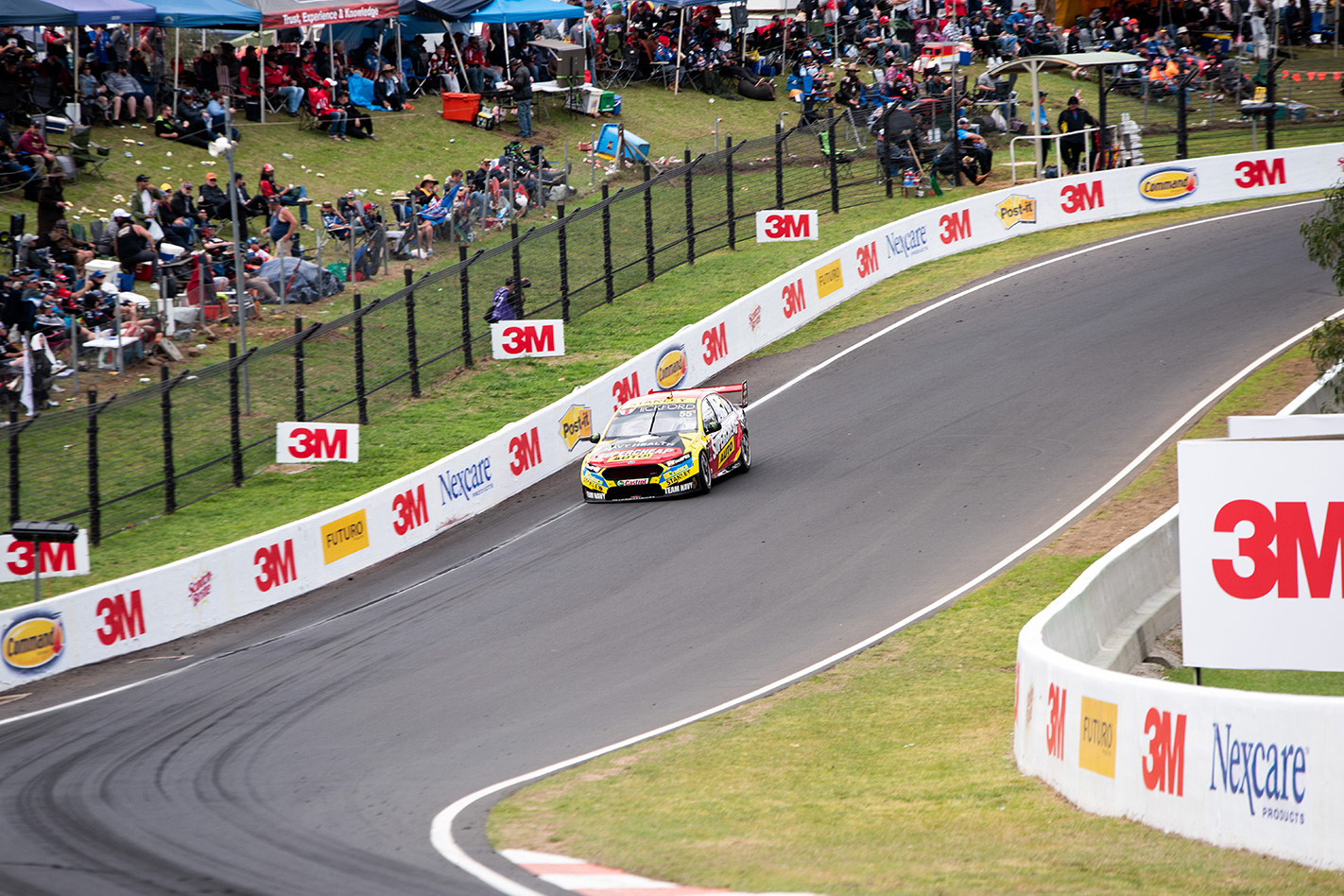
This opens the door for Australian, New Zealand, and International teams to compete in a showpiece WTCR event at Bathurst.
Ultimately, the decision for which proposal wins the lucrative fifth Mount Panorama slot comes down to the Bathurst Regional Council, which will now spend several months comparing the rival proposals.
The showdown between Supercars and ARG is the latest in a series of slow escalations since TCR entered Australia. It began with behind-the-scenes political manoeuvres such as Supercars putting pressure on star drivers to steer clear of the new championship. It has gone public in recent weeks with TCR being blacklisted as a support category at the Supercars season opener in Adelaide, which is promoted by the South Australian state government.
A small sticker inside the fuel flap of the Chevrolet Camaro ZL1 reads, in quite a nondescript, functional font, ‘HSV recommends 98RON’ or words to that effect.
Presumably this is required for the monstrous 477kW supercharged ZL1 to meet Australian Design Rules. But it’s a curiosity to me that Holden Special Vehicles continues to make recommendations to owners of what is very proudly a Chevrolet, rather than just something like ‘Chevrolet Australia’ or even Walkinshaw Automotive Group.
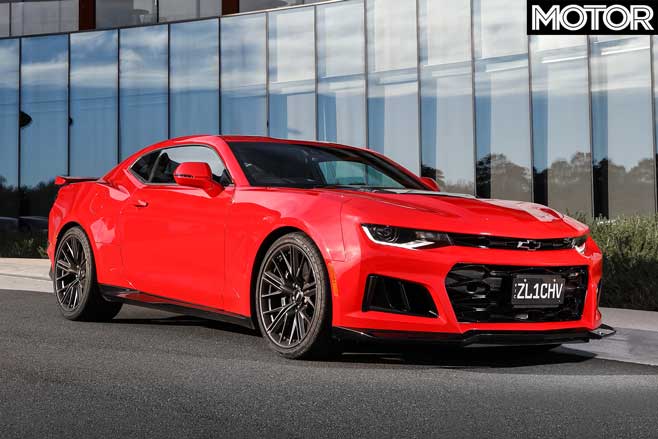
I almost expected the Holden Special Vehicles brand to be shelved after December 29, 2017, when the last Commodore-based vehicle rolled off HSV’s Clayton production line. It had no reason to continue, and with the superb W1 it could have gone out on a real high.
Sure, for the business of HSV, there was an existing customer base, branded dealer network and brand equity, but short of throwing business principles to the dogs and offering a $200K LSA-powered rear-drive ZB Commodore, nothing in Holden’s range seemed worthy of the HSV treatment. And that was always HSV – take something from the Holden range and make it into a Special Vehicle.
Walkinshaw Automotive Group has done well to diversify with an entrepreneurial zeal that would make Richard Branson proud. It didn’t really have a choice. Yet it decided to keep the HSV brand around when Chevrolet and Camaro are well-known even in Australia and Walkinshaw could have converted HSV customers into Chevy ones without the confusion of the HSV brand selling Chevrolet products.
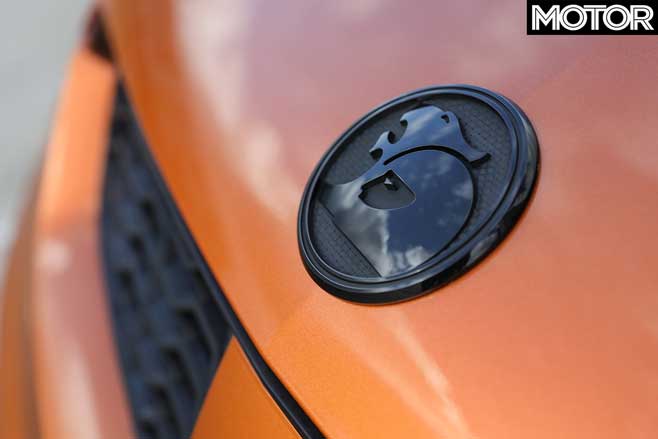
I’m not wishing for the HSV brand to disappear. The world is changing rapidly and we’re all trying to figure it out, but I think it is a bit confusing reconciling memories of the Aussie-built cars – and having to come to a sense of personal closure after the end of local manufacturing – to Silverados and Camaros. And I do wonder how long it makes sense for the HSV brand to continue.
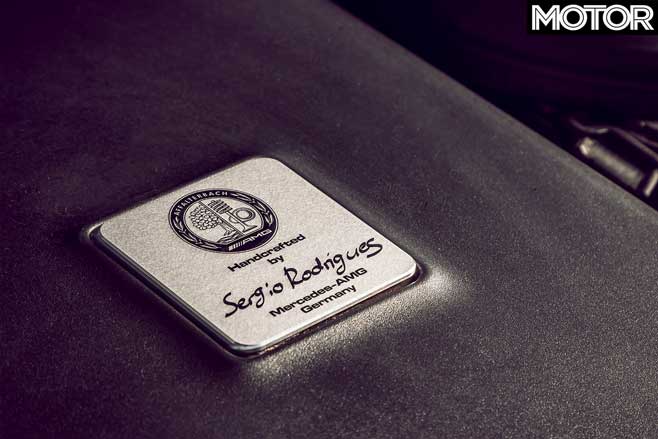
Of course, I get the pride thing. Applying HSV logos to a Chevrolet that’s had a fair amount of re-engineering and re-manufacturing done to it – by the same people who used to make Australia’s best homegrown performance cars – reminds me of those plaques fitted to the engines of Nissan GT-Rs and Mercedes-AMGs. The ones with the name of the person who built it. Putting a few small HSV logos on a Camaro bespeaks a pride that we just can’t let go of, and nor should we. Once we made cars, and now we don’t. But we haven’t forgotten how.
Kudos is in order, too. Sure, while the ZL1 is an utterly addictive muscle car (as you’ll read in our August 2019 issue) HSV can really only take credit for the fact that, some centre console-related quirks aside, you’d never have any idea it had been converted to right-hand drive.
This car has come down two production lines, worlds apart, one in Lansing, Michigan, USA, the other, Clayton, Victoria, Australia, yet it could have been one for all you’d know. And probably it’s a better car for it.
Separate to the innocuous fuel flap sticker, there’s a more obvious, proper HSV decal on the ZL1’s rear window bearing the famed helmet-and-lion motif. It’s not very big, and it’s applied despite there being nothing Holden about the ZL1, nor is it really ‘special’ in the way Clayton-modified, Aussie-built Commodores were special. Yet you’d never pull this sticker off. And probably that says it all.
Having burst on to the scene in the midst of 2014, the Honda Jazz is beginning to age, albeit gracefully thanks to a mid-life update in Q3 of 2017.
It remains a plucky and likeable city car with versatility delivered in spades thanks to ingenious interior packaging, and its petite agile stature.
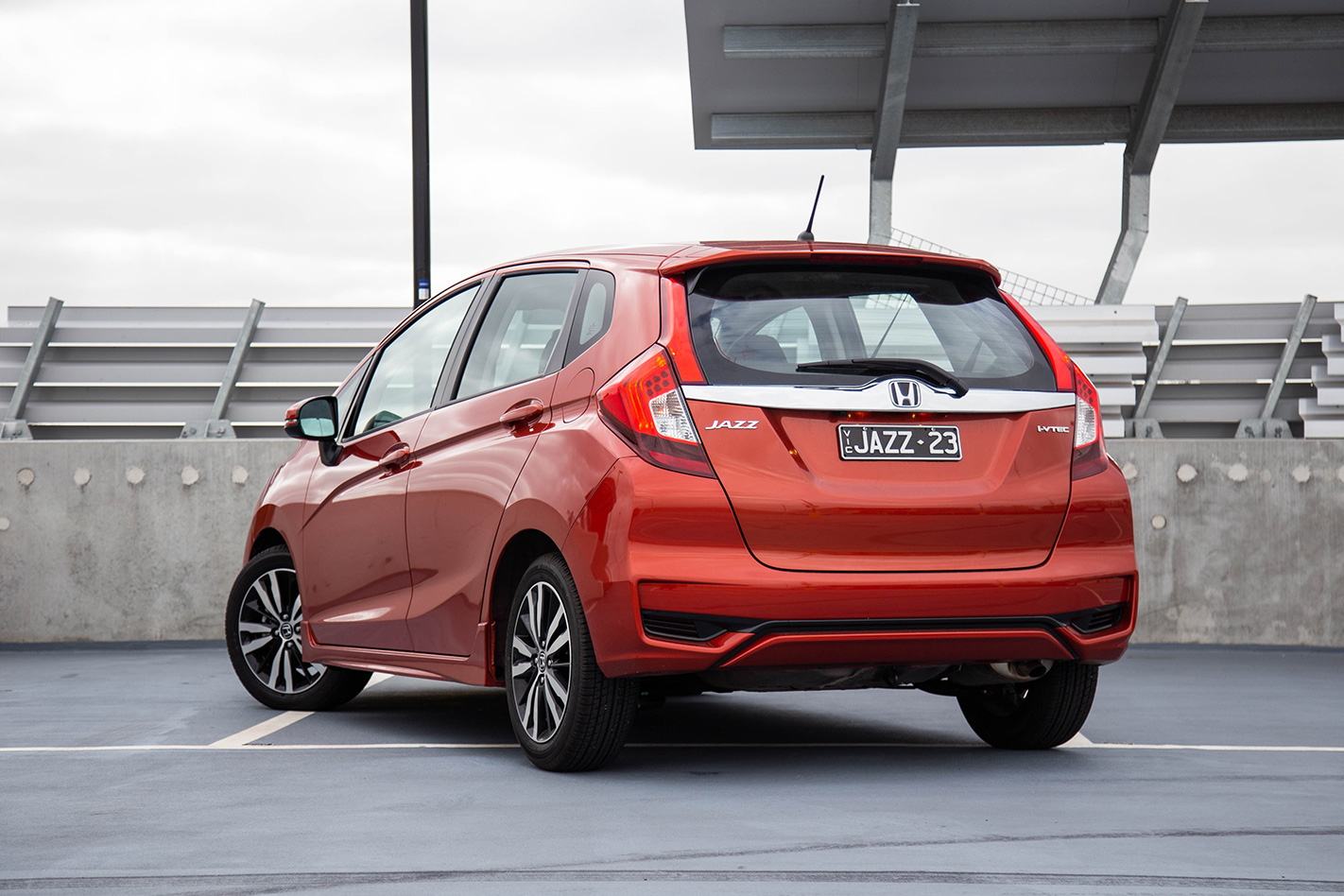
If Porsche is the Rolex of cars, the Honda Jazz might be likened to a trusty Seiko diver. It just works, in certain ways unlike any of its competitors. Nothing on or in the car is superfluous; and while it mightn’t be awe-inspiring, as a tool to aid the daily hustle and bustle of city living – it certainly fits the bill nicely, especially at its keen price point.
What is it?
The Jazz is Honda’s smallest offering on the Australian market and is a no-frills urban-dweller whose Swiss army knife-like versatility manifests in an odd companion-like charm that’s all its own.
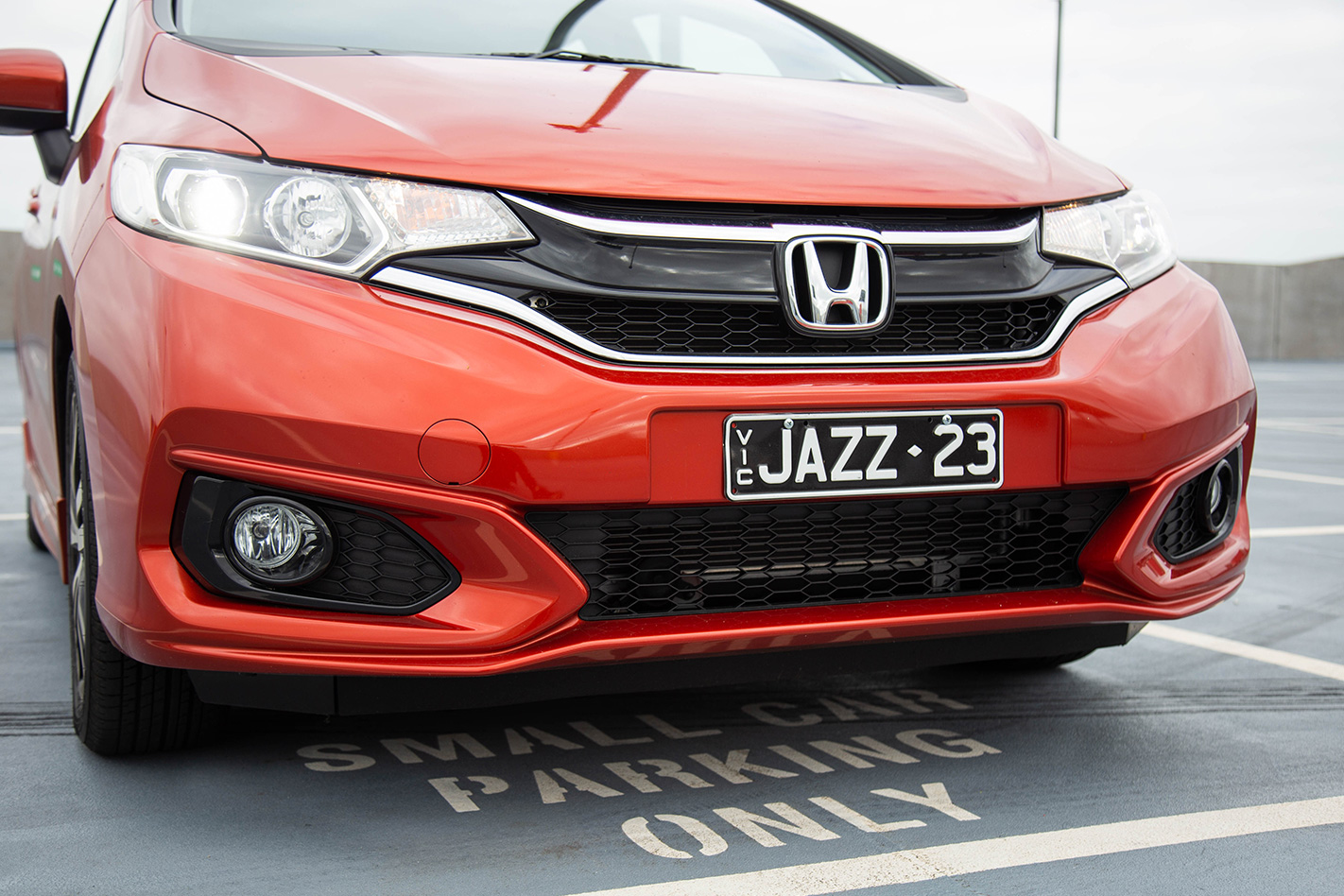
The VTi-S occupies the mid-tier of the Jazz range, sitting above the bare-boned VTi (starting at $14,990), and below the up-spec VTi-L (starting at $22,490).
There’s no shortage of rivals for the Tokyo brand’s pint-sized offering. You’d likely be cross-shopping with the Mazda2 (Maxx), Toyota Yaris (SX) and Kia Rio (S).
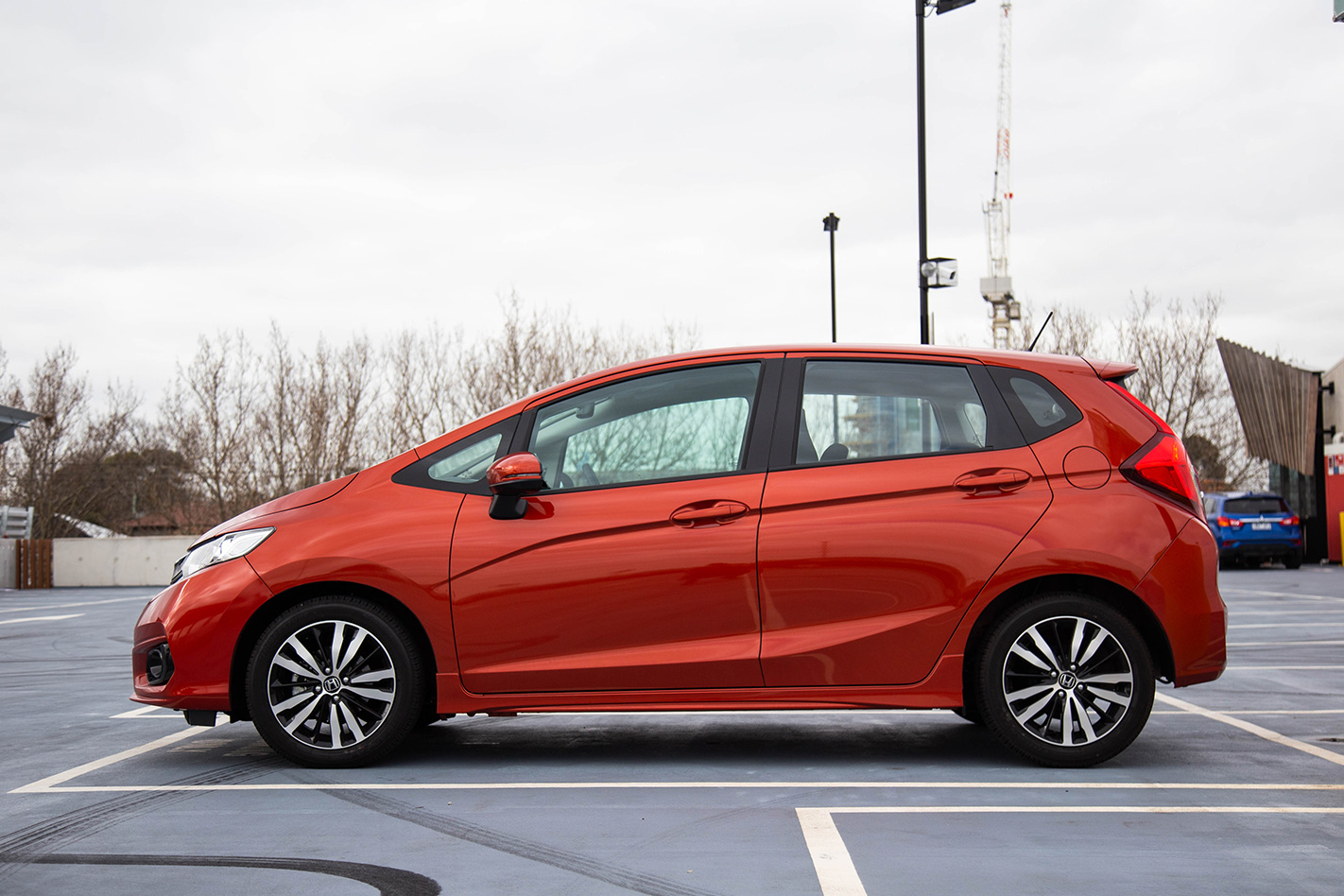
It’s been critiqued for its busy styling, but it’s aged quite gracefully in the face of its even busier Civic sibling.
How much is the Honda Jazz VTi-S?
The VTi-S nips under $20,000 with a list price of $19,990. The only thing you’ll find on the options list is metallic paint at $495 – which you’ll be ticking unless you like Rallye Red, which is the only standard colour.
The Jazz VTi-S also comes with a five-speed automatic as standard, something you’d have to pay extra for on the base-model VTi. You also get long-lived LED low beam headlights, side skirts, a small spoiler and fog lights, as well as 16-inch alloy wheels.
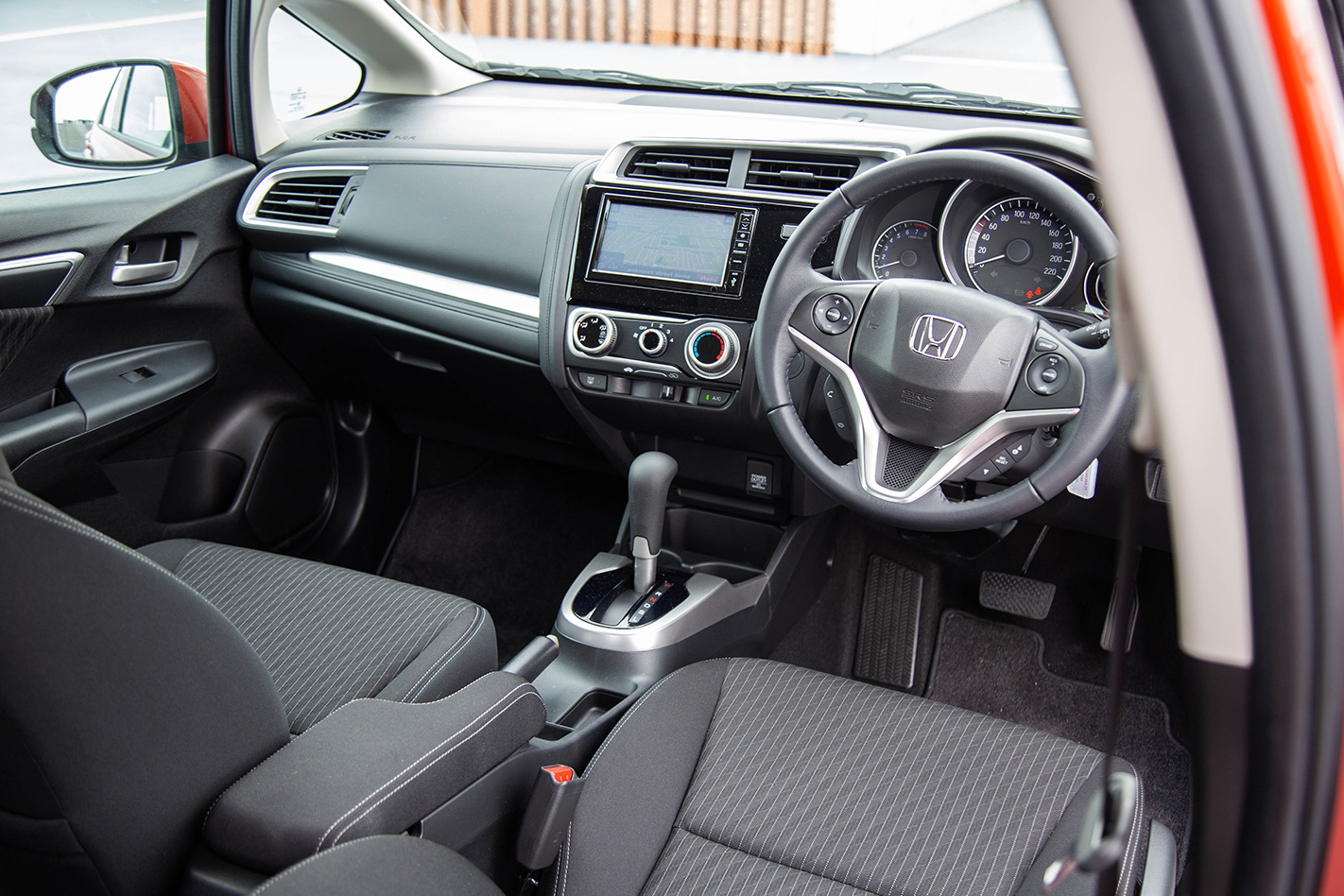
Inside, there’s a leather-trimmed steering wheel, fold-away mirrors and a 7.0-inch colour touch screen with sat-nav and Bluetooth as well as USB and HDMI ports.
It also comes with a five-year warranty, rolled out by Honda across its entire range in July of 2017. However, the Jazz’s biannual service intervals might be a strike against it compared to some rivals that only need to visit the dealership once a year.
Who is it for?
The Jazz is best suited for anyone frequently forced to navigate the urban jungle, but would also make a capable first car for the bushy bright-eyed young driver.
Its emphasis on cabin versatility should especially endear it to couples and small families who only have the space or budget for one car. By easily morphing from a five-seater hatch to a two-seater cargo box, the Jazz is able to adapt to a wide range of uses better than many other vehicles in its class.
Is the Honda Jazz VTi-S easy to live with?
Thanks to its smart packaging and effortless inputs required to get it to move, the Jazz is tremendously easy to live with.
The glasshouse is taller and its girth is slimmer overall than any of the mentioned rivals, which makes the most of gaps in traffic as well as offering great visibility. It’s also shorter than the Mazda2 and Kia Rio.
The interior is very minimal, with pure function at the forefront. It might lack the visual interest of the Mazda2, but it’s a clean and uncluttered presentation that should prove appealing to most eyes.
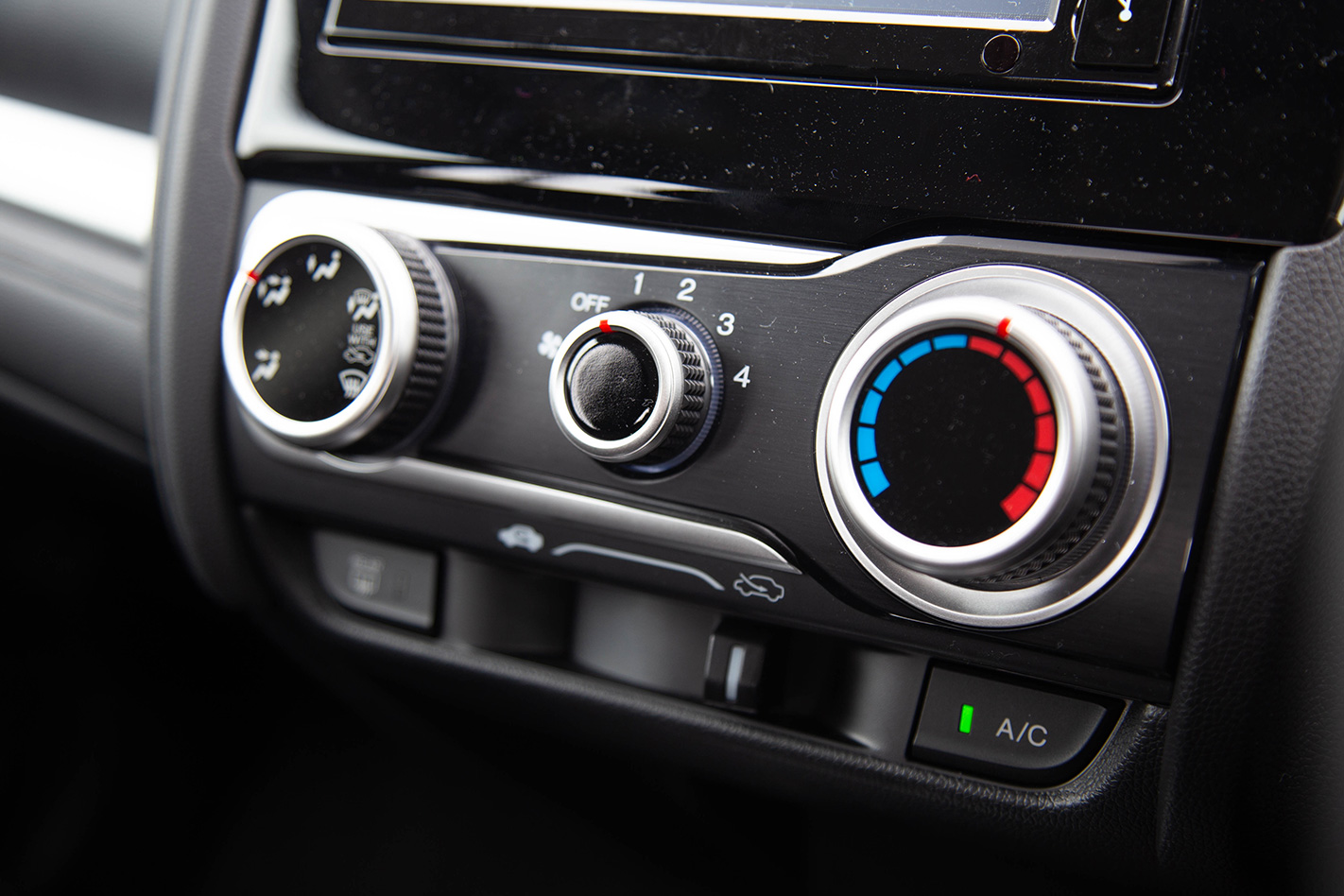
Climate controls are easy to use with just six simple touchpoints. The buttons on the 7.0-inch touchscreen may be small and hard to use while driving, though the steering wheel controls largely provide a solution.
There’s also a 12v plug located in the storage bin under the centre stack, and a USB and auxiliary audio port to the side of the infotainment screen.
Hard plastics are the norm in this sector, but in the Jazz they don’t have the cheap and nasty feel of some competitors. A leather-wrapped steering wheel and cloth panels on the door cards help introduce a warmer feel to the cabin as well.
Moving to the back seats is where the real magic happens. Generous amounts of headroom can be attributed to the Jazz’s tall turret, and legroom is great for its class.
The hump in the floor pan beneath the front seats that accommodates the fuel tank also doubles as a comfy quasi footrest for those in the back.
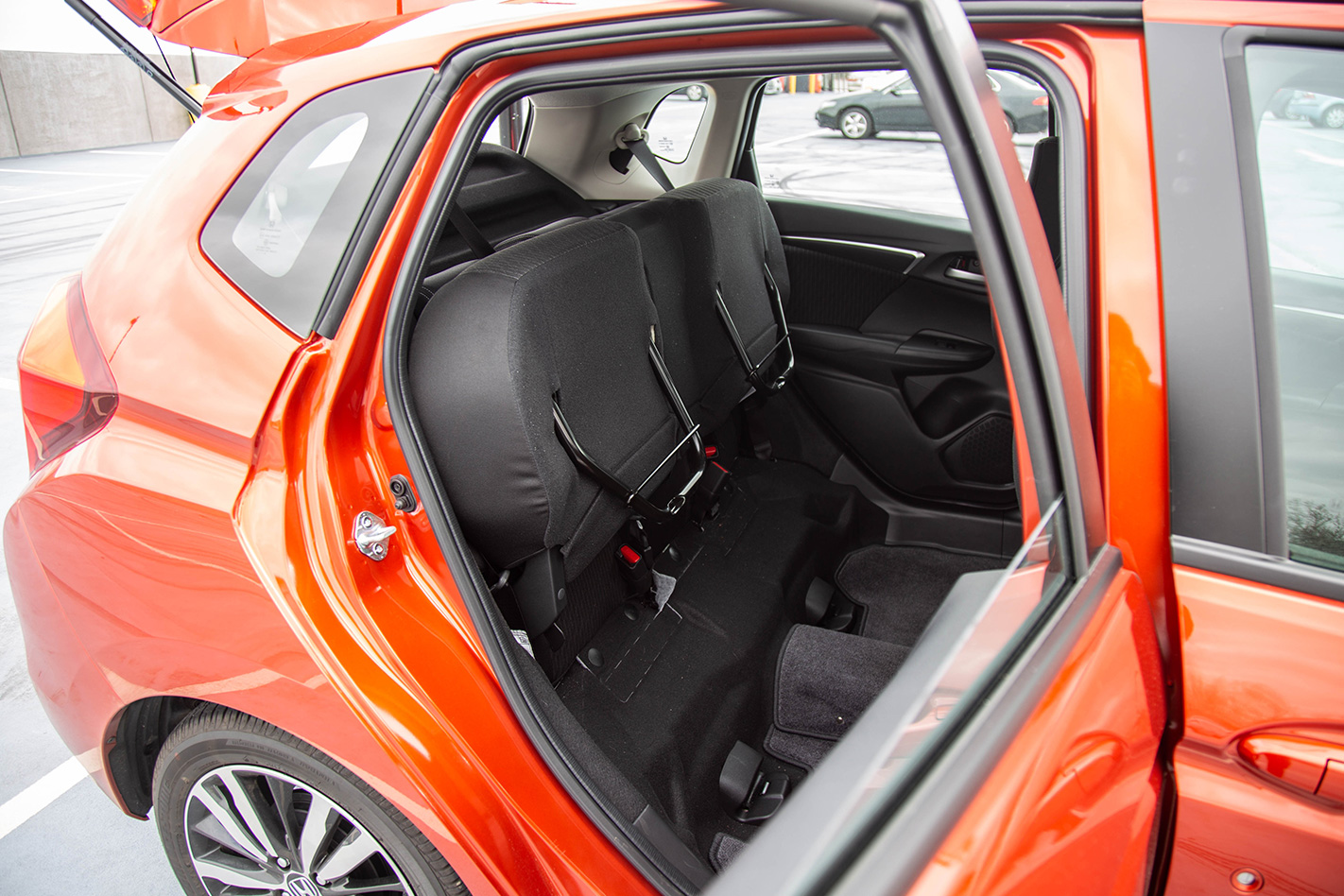
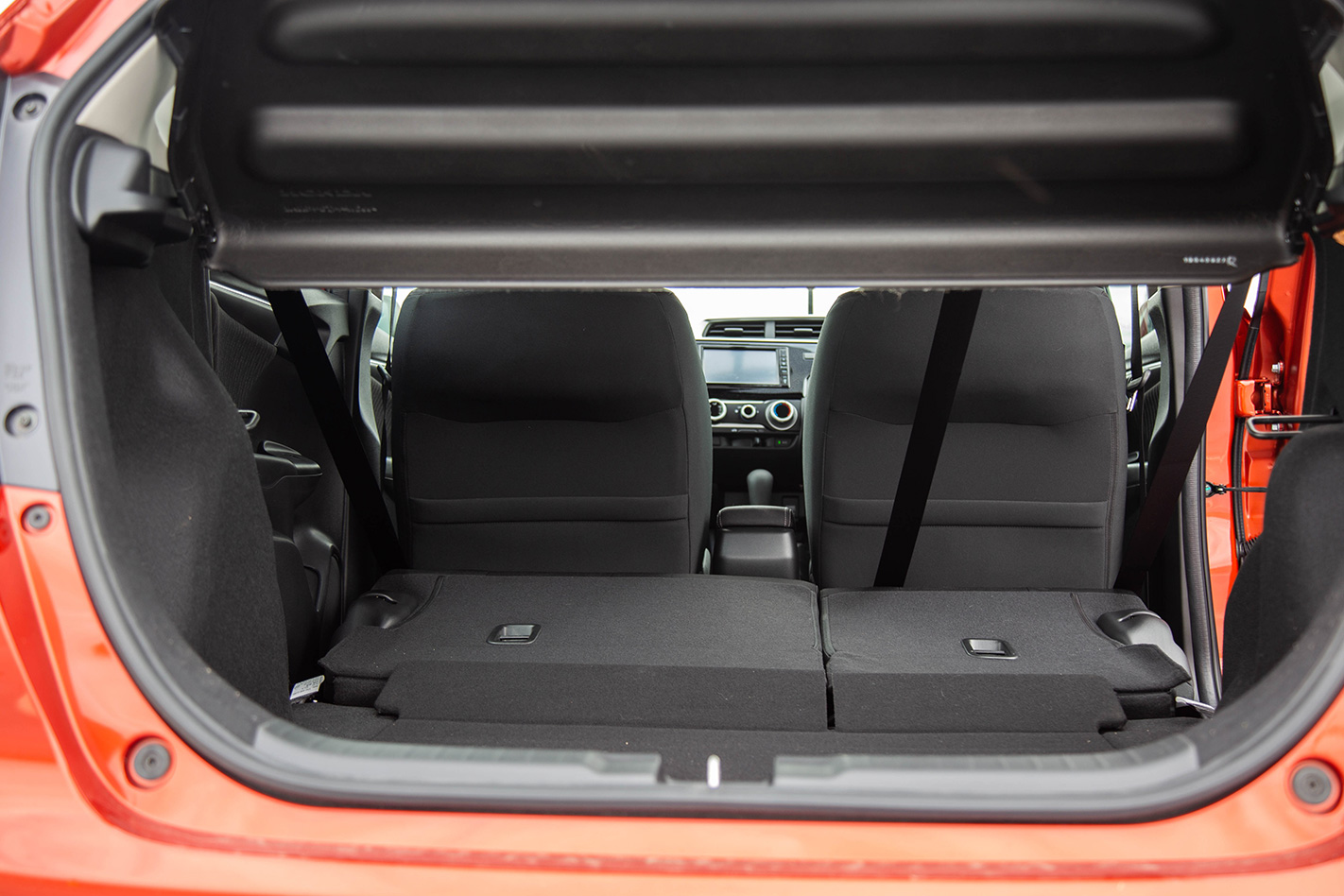
Honda calls the Jazz’s rear bench ‘Magic seats’, and to be fair that’s an apt descriptor. They fold flat and flush with the very low boot floor, delivering a sizable 1314-litre capacity and offering the ability to turn your Jazz into a cute micro van – but the seat bases also fold up for occasions when you might need to use the car’s full cabin height, like for a TV or large pot plant. See? Magic!
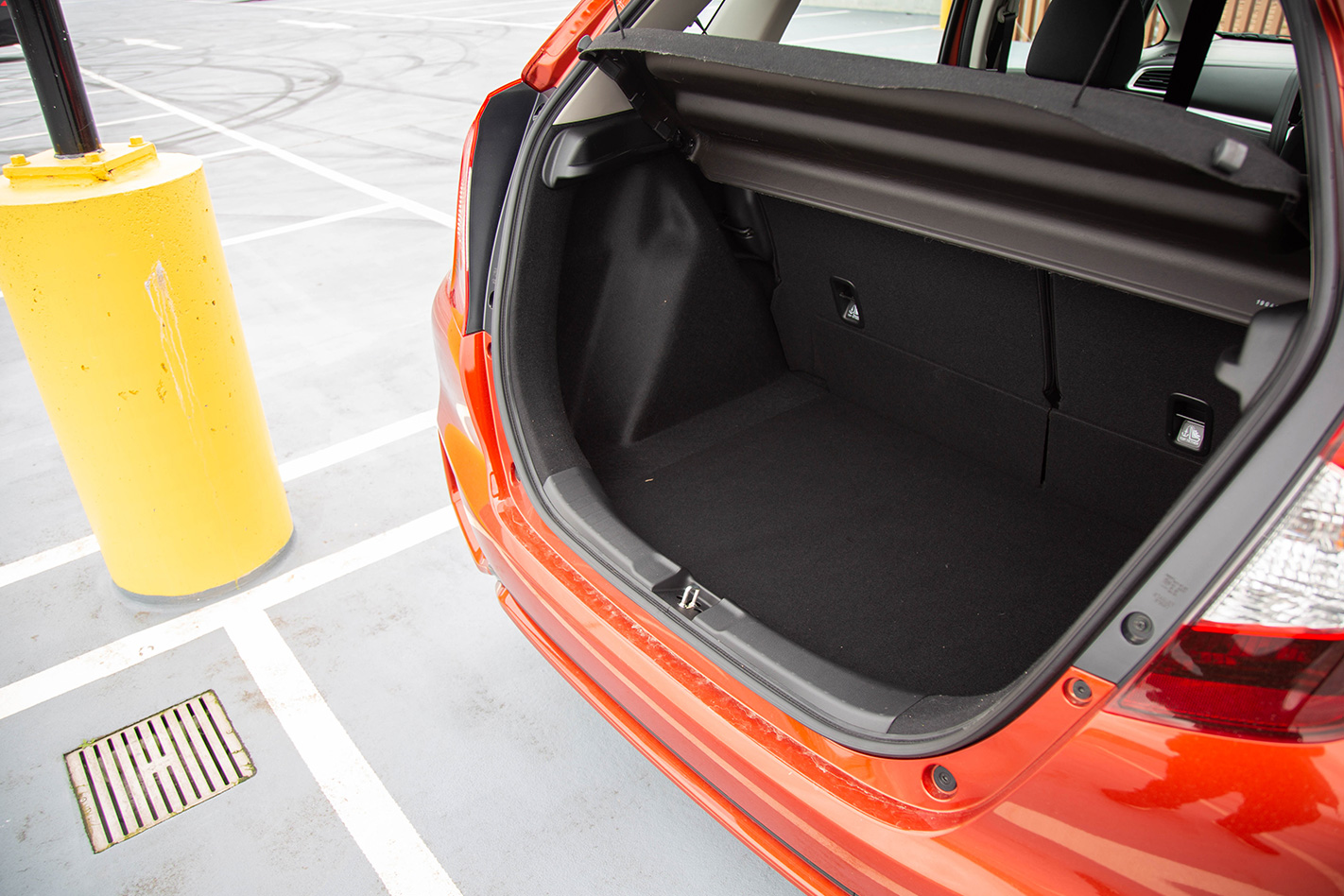
Even with the rear seats in place, the Jazz can carry a load of stuff thanks to its 354-litre boot volume, which is bigger than some cars from the size class above!
How well does the Honda Jazz VTi-S drive?
How well the Jazz drives largely depends on where you drive it. As we said, the car shines as an inner-city car. It’s effortless to drive with very light steering that, for the most part, is fairly direct at lower speeds.
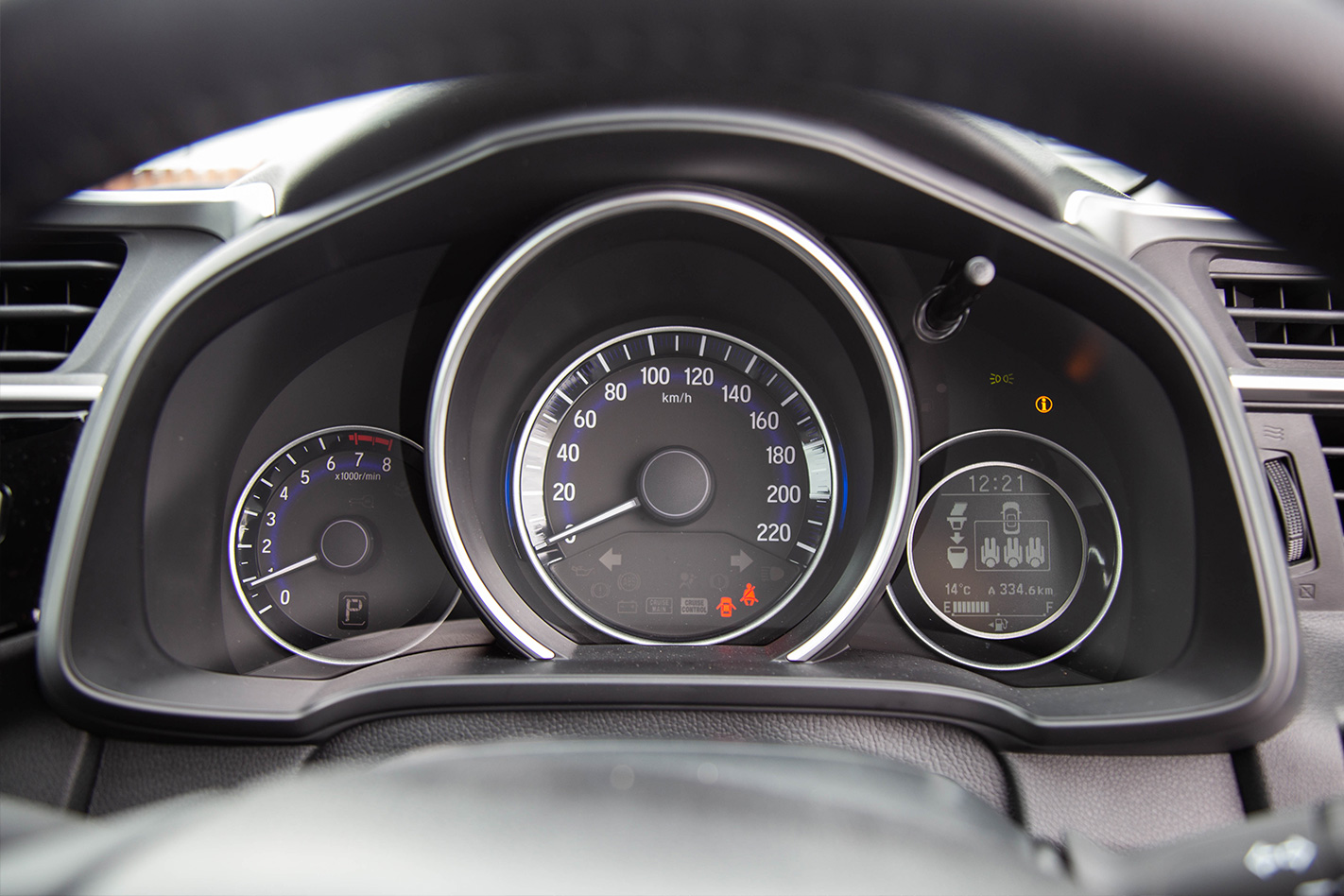
The accelerator lacks low-speed response, and is likely calibrated with a lazy pedal mash in mind. It keeps up with traffic perfectly well, though, and the fact that the entire thing weighs just 1095kg (at times it feels lighter), means it doesn’t take much thrust to get to speed.
The CVT auto does its job, but isn’t the most refined unit at lower speeds or in stop-start traffic.
About town, suspension comfort is perfectly adequate. It soaks up speed bumps and smooths out most of the little undulations in many of Australia’s pockmarked urban roads.
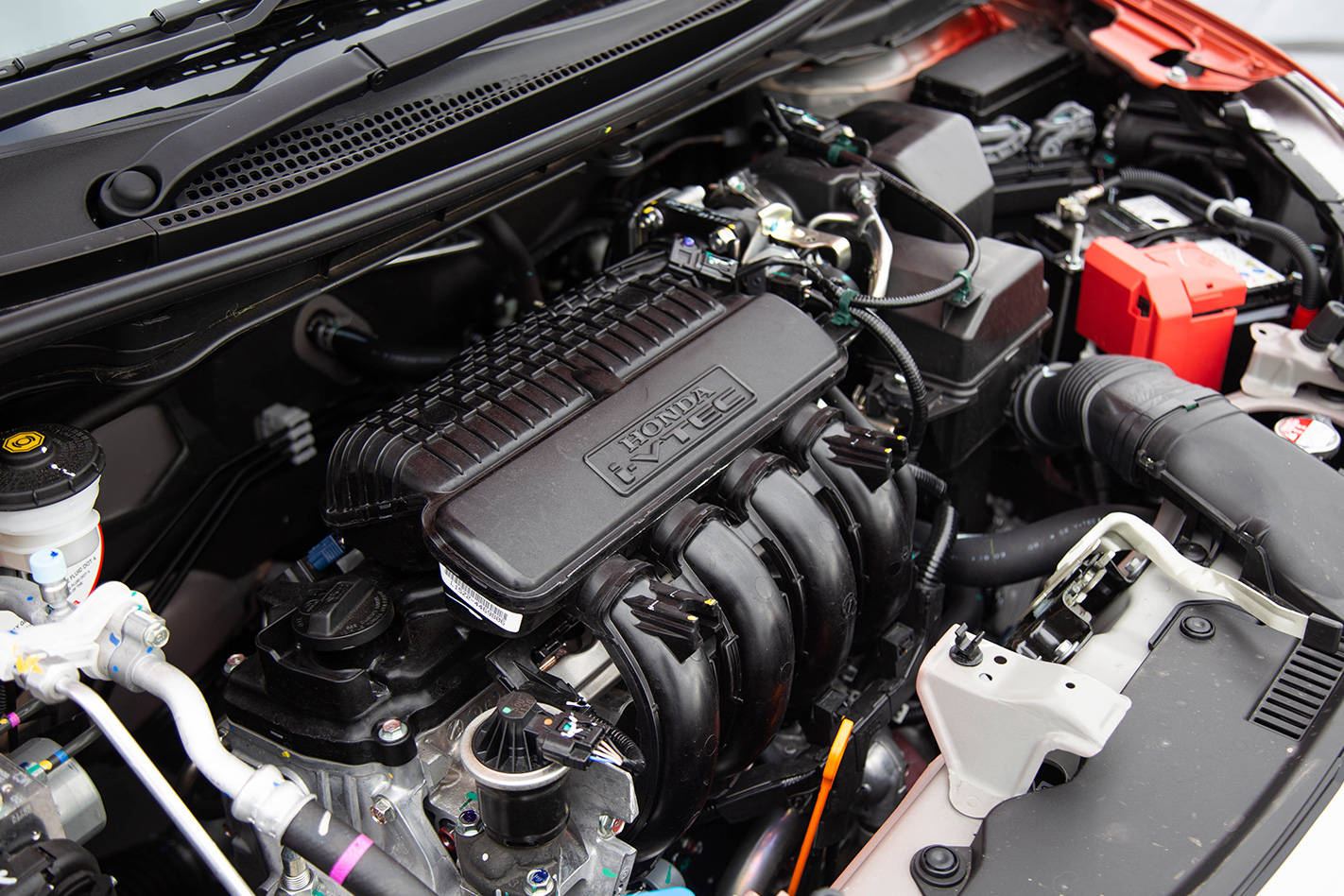
In the city, it’s quite fun to drive. Thanks to its lithe dimensions, light kerb weight and throaty little naturally-aspirated 1.4-litre four-cylinder: you can boot it around with the sense of dynamism in many cases without even breaking the speed limit.
However, it all starts to come undone once you leave town for more free-flowing country roads. You’ll find that everything that makes it a tremendous city car becomes a detractor in its open road mannerisms.
The effortlessly light steering that’s a nicety in the grind of inner-city traffic quickly hampers the experience once intersections and roundabouts turn into longer, faster sweepers.
The suspension, too, can become unsettled when faced with off-camber bumps, but that’s something most city slickers won’t ever really need to worry about.
The Verdict
While it might be nearing the end of its lifecycle, the Honda Jazz remains a utilitarian charmer.
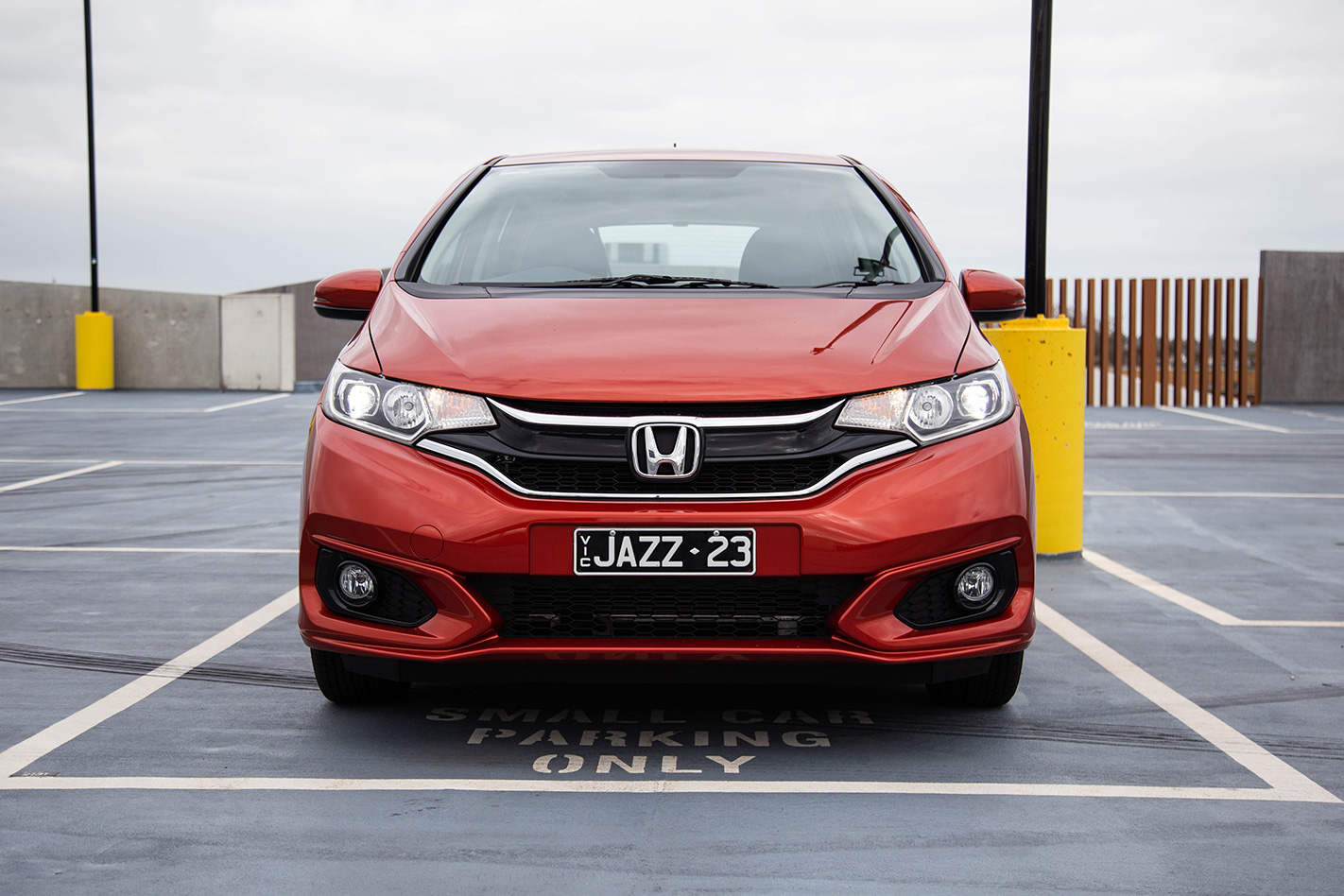
It’s an honest little trooper of a car that does everything you ask of it. Some competitors might offer more theatre, but the Jazz puts function over form.
With its smart packaging and effortless driving characteristics about town, the Jazz is a capable urban accessory. Some people buy cars that change their perceived identity. The Jazz won’t. It simply helps you to do you.
The iconic Audi R8 coupe will keep its spot on the Audi Sport roster, but expect a big shakeup in its makeup.
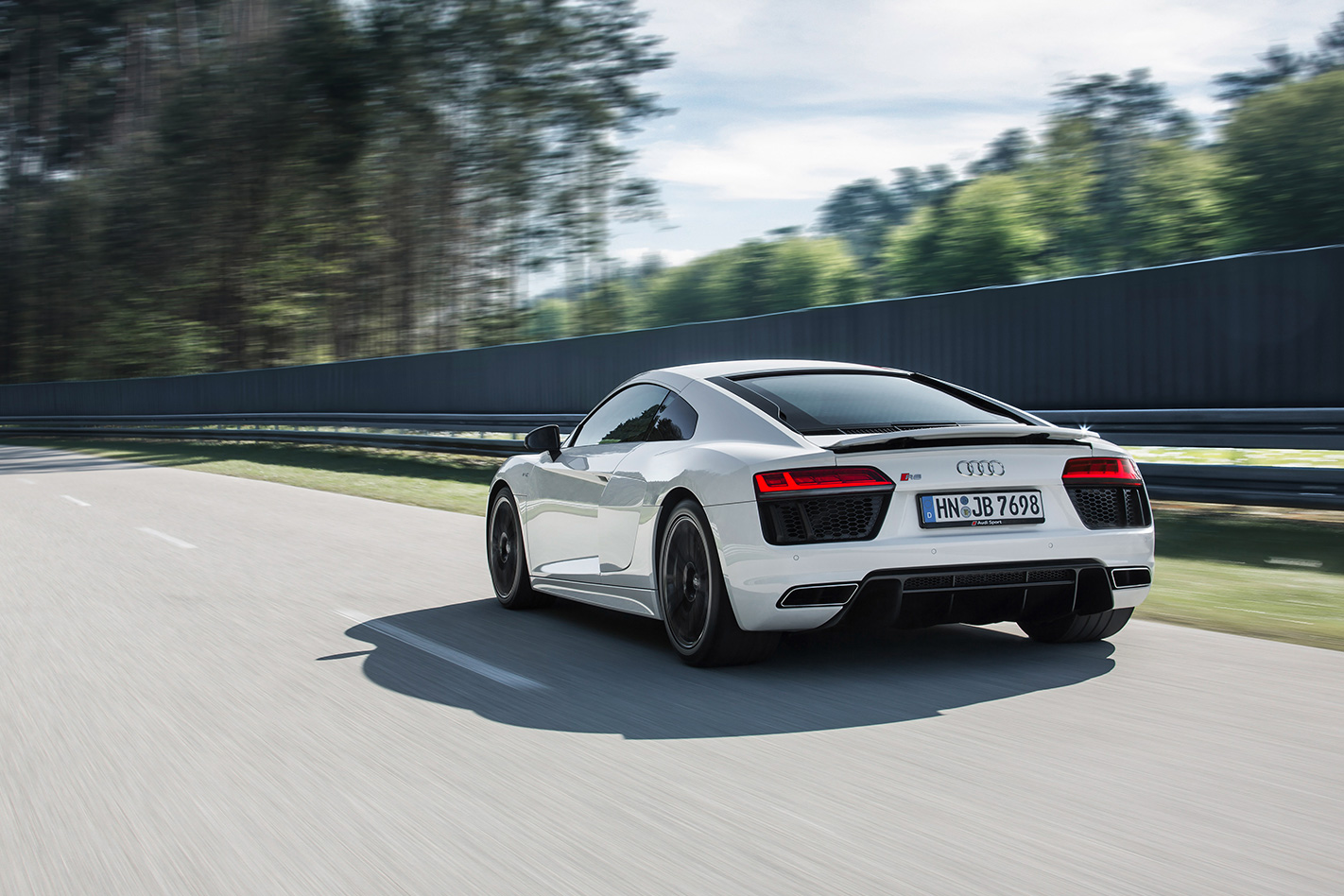
The second-generation Audi R8, which debuted in 2015, will be sold until 2023, after which its 5.2-litre naturally aspirated V10 petrol engine will be retired.
The head of Audi Sport, Oliver Hoffmann, told WhichCar that the R8 nameplate would live on, but it would morph into a “super sports” car that uses a hybrid drivetrain.
“We are working on concepts with electrification and there’s no decision yet which kind of power train we implement in our next super sport car,” he said. “There’s no decision yet.”
He did confirm, though, that the V10 – shared with fellow VW Group brand Lamborghini – won’t be carried over.
“I don’t think that we will develop a successor of the current model with just a fully initial aspirated engine or with a, let me say, normal combustion engine,” he said. “We will have electrification for the R8 in the future, but which kind of electrification, there is no decision yet.
“We are working very hard on the concept. We are in contact with our board, but there is no decision yet regarding the concept of the next R8.”
Hoffmann also confirmed that the Audi Sport division has been given the green light to chase down its main rivals, BMW’s M and Mercedes-AMG, in terms of sales.
The Audi Sport line-up is set to almost double over the next twelve months, with Hoffmann confirming revised versions of old favourites as well as alluding to new additions to the portfolio.
“In volume terms, we will have the biggest model launch ever in our history in the next year, so that means we will refresh the beginning of next year as RS4 and RS6,” he said.
“We will launch new models, RS6, RS7, and we will enter a completely new segment, the ‘power SUV’ segment in the model line. That means we will increase our sales numbers in the next years.”
Those SUVs are likely to include an RS Q3, as well as a hotted-up version of the largest SUV in the Audi fleet, the Q8.
Interestingly, Hoffmann said that the company’s most popular car, the mid-sized Q5 SUV, was not in line for an RS makeover.
“There’s no decision regarding an RS Q5,” he said.
With a relatively new CEO at the helm, Hoffmann confirmed that he has been tasked to go after his across-town rivals, but with one eye firmly on the purse strings.
“For sure, at this time we are number three in terms of volume behind M and AMG, but we will close the gap in the next years, not only with new models for our icons, like the RS4, like the RS6, we will go in very, very new segments,” he said.
“We will launch our e-tron GT, a full electric car, end of 2020, and we will electrify all our models in the next years. I’m really looking forward to closing this gap in terms of volume and also the market share for M and AMG.
He confirmed, though, that the current R8, which was updated at the beginning of 2019, will not go quietly into the night.
“We will surprise you, for sure, with some special models of the R8 in the current life cycle,” he said.
Poor 2019 Ford Mustang EcoBoost. This is a car written off by too many, too early, for being some inferior creation, blotted out by the large, hulking shadow of its V8 bigger brother.
This track review was carried out in conjunction with MOTOR’s Bang For Your Bucks 2019
But only the close-minded would think having half the cylinders gives the irritatingly-named EcoBoost (something that should be nothing more than a badge saved for the bootlids of Mondeos) half the appeal. Certainly that’d be true if not for an exhaust-driven air pump attached to the side of the engine.
It’s very easy to imagine standing around with mates eyeballing a Mustang and someone jokingly wondering what it would be like with a 224kW/441Nm Focus RS engine between the front strut towers, a much lighter engine with a much better specific power output than the V8 (97kW/litre vs 68kW/litre). Would you not be excited to see what it’s like?
And it’s in this vein that, personally, I can appreciate the EcoBoost for what it is, not what it isn’t. (And probably this is why I’ve got it down in sixth place where all the other judges do not – they’re wrong.)
This is a car that, yes, looks like it should have a V8 but makes an odd, thrummy, hissing turbocharged noise complete with blow-off valve when you’re up it. To the point that, if you’d never heard the V8, you’d at least think the EcoBoost sounds enthusiastic.
With decent acceleration (a 14.38sec quarter from another test isn’t terrible), it’s more the handling that gets your attention in the EcoBoost when driving back to back with the V8. Manual and auto, the EcoBoost weighs an average of 66kg less than the V8.
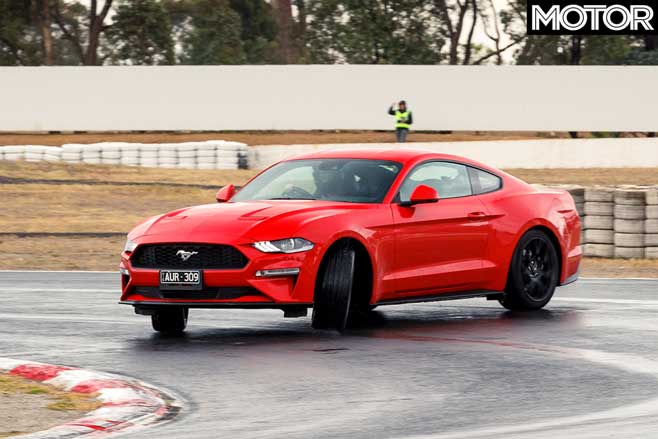
And because of this, there’s a much more eager front end, with a lot more life to it, making the V8 feel to have a 60/40 weight distribution. And so on a track, it’s refreshing to find a more agile handler in the EcoBoost, and a car that’s slightly easier to drive fast. Indeed, this is a better handling Mustang. Particularly in wet conditions.
You’ll still get smoked by the V8 down the straights, of course, but you can imagine the EcoBoost attracting a very different customer. And both people loving their cars equally (even if they’d never fraternise).
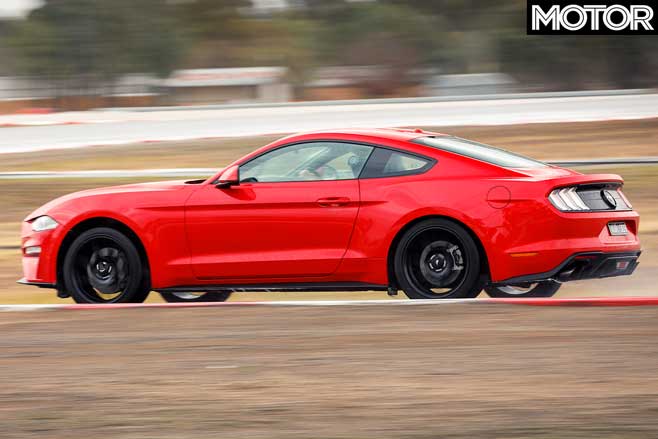
Where this turbo ponycar doesn’t fully pass muster is its price. Yeah, $49,990 in manual guise is a good $13K cheaper than a manual Mustang GT, and this is more or less why it finishes 10th and the GT 11th. But the 5.0-litre Coyote V8 in the GT gets the blood flowing such that one thumb of the starter button and you’ll be thinking about how to make that $13K work.
While it might have a lot more than half the appeal of the GT, objectively it’s still a less exciting proposition, and to balance this it really needs to cost more like $45K. Something with which this year’s extra-subjective BFYB formula seems to agree.
Ford Mustang Ecoboost BFYB 2019 Results – 10th place
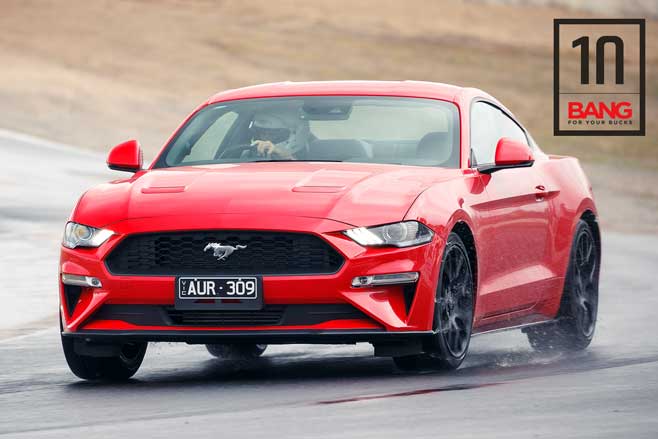
0-100km/h: 6.23sec 0-400m: 14.38sec @ 151.85km/h Price: $49,990 Bang Index: 61.5 Bucks Index: 104.3 BFYB Index: 82.9
Bang For Your Bucks 2019 Judges’ Comments
Campbell – 6th “Net it all out and it could be the ‘better’ sports car than the V8.”
Cordony – =10th “It goes alright, and some will get it, but not me.”
Morley – 8th “Like watching a car chase with a fart-joke soundtrack.”
Scott Newman – 10th “Added character welcome, but not quick enough to back up its looks.”
Luffy – 8th “The biggest difference between the EcoBoost and the GT is the lower weight over the nose with the turbo-four. Also, the damping is better to allow more pitched roll on entry to load the tyre. The engine feels unrefined through the rev-range but it was really good on change of direction through all the tight stuff.It’s probably easier to drive on the limit than the Mustang GT.”
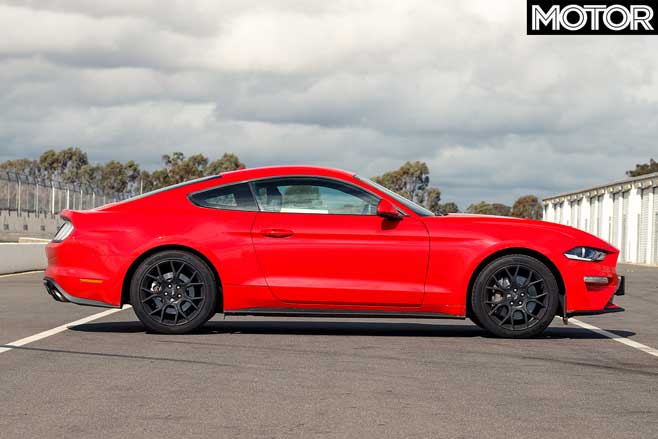
FAST FACTS 2019 FORD MUSTANG ECOBOOST SPECS BODY: 2-door, 4-seat coupe DRIVE: rear-wheel ENGINE: 2261cc inline-4, DOHC, 16v, turbo BORE/STROKE: 87.6 x 94mm COMPRESSION RATIO: 9.5:1 POWER: 224kW @ 5700rpm TORQUE: 441Nm @ 3000rpm WEIGHT: 1705kg POWER-TO-WEIGHT: 131kW/tonne TRANSMISSION: 6-speed manual SUSPENSION: struts, coil springs, dampers, anti-roll bar (f); links, coil springs, dampers, anti-roll bar (r) BRAKES: 352mm ventilated discs, 4-piston calipers (f); 330mm ventilated discs, single-piston calipers (r) WHEELS: 19.0 x 9.0-inch (f/r) TYRES: Pirelli P Zero, 255/40 ZR19 (f/r) PRICE: $49,990
Bang For Your Bucks 2019
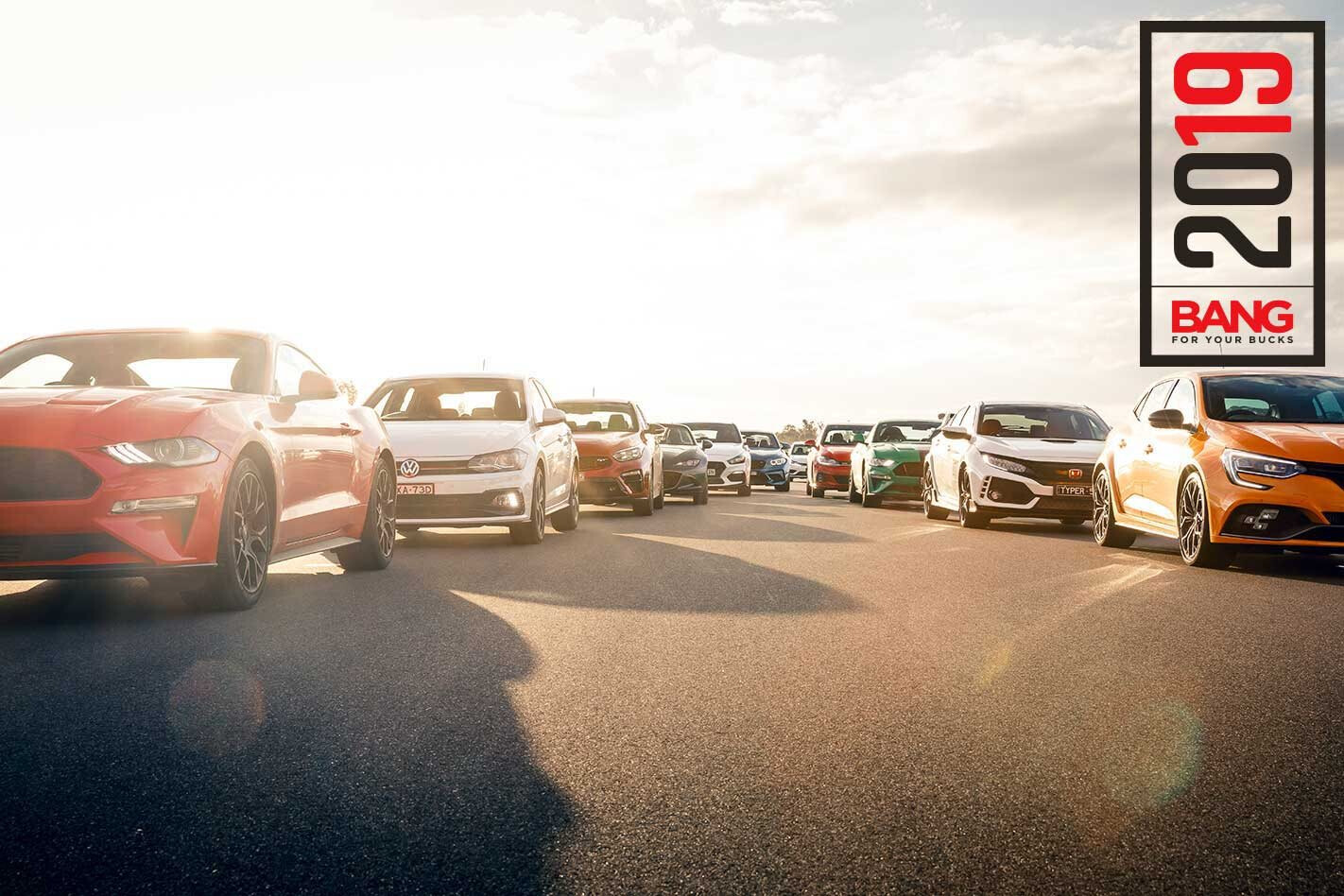 The Contenders, Judges & Criteria
11 of the hottest new fast cars under $100K roll up to take on our famous value-for-money formula. Which will be number 1?
What’s in the garage?
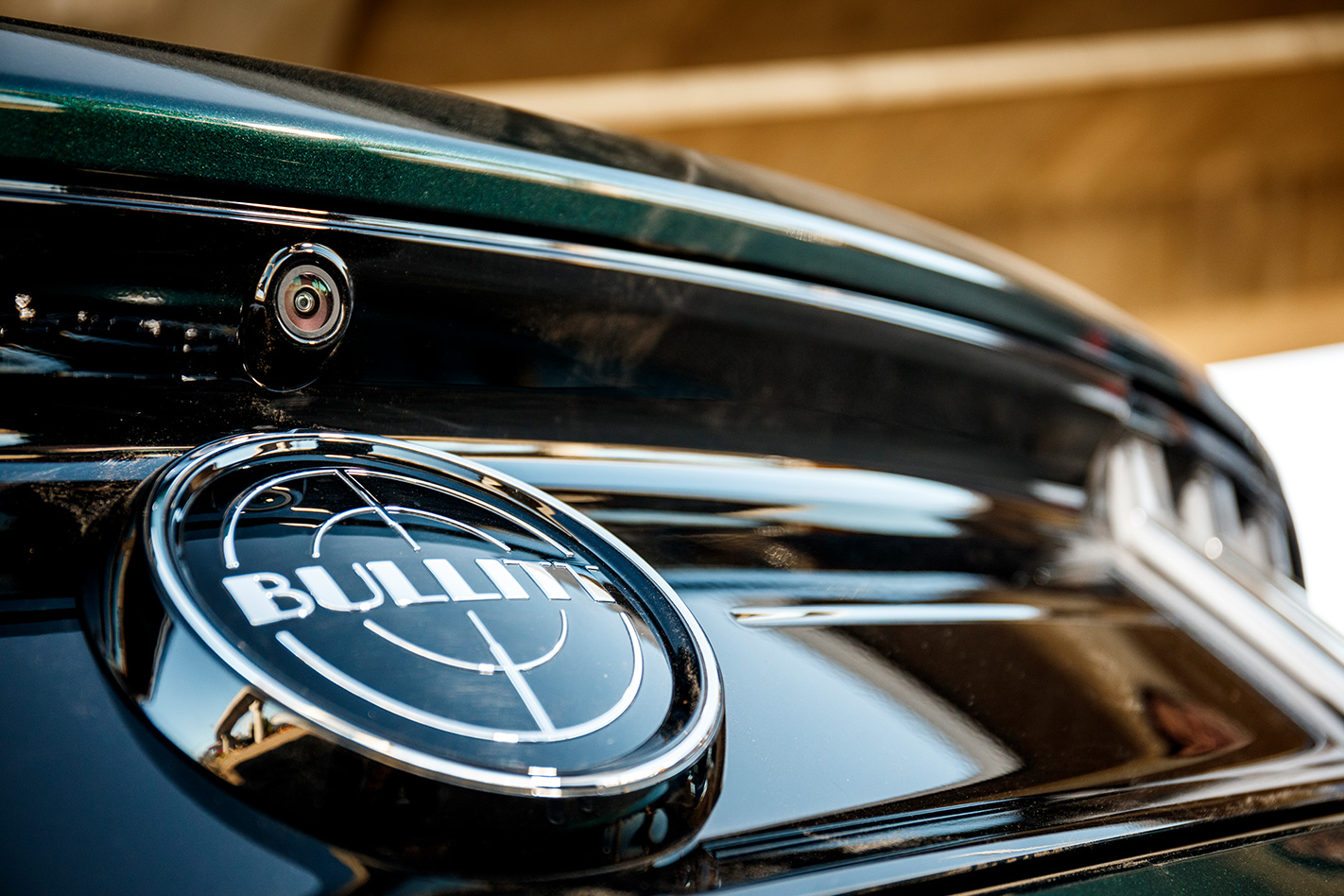
The Ford Mustang is already an icon. Matching it with a movie-star past is a recipe for even more success. As a throwback to a famous film with a more than 10-minute long car chase, the $73,688 Bullitt is a worthy end product. That figure is almost an $11K price premium over the Mustang GT, but for the outlay you receive Dark Highland Green paint, 19-inch Torq-Thrust wheels, a deletion of the pony badge within the grille and a bullseye Bullitt motif on its rump.
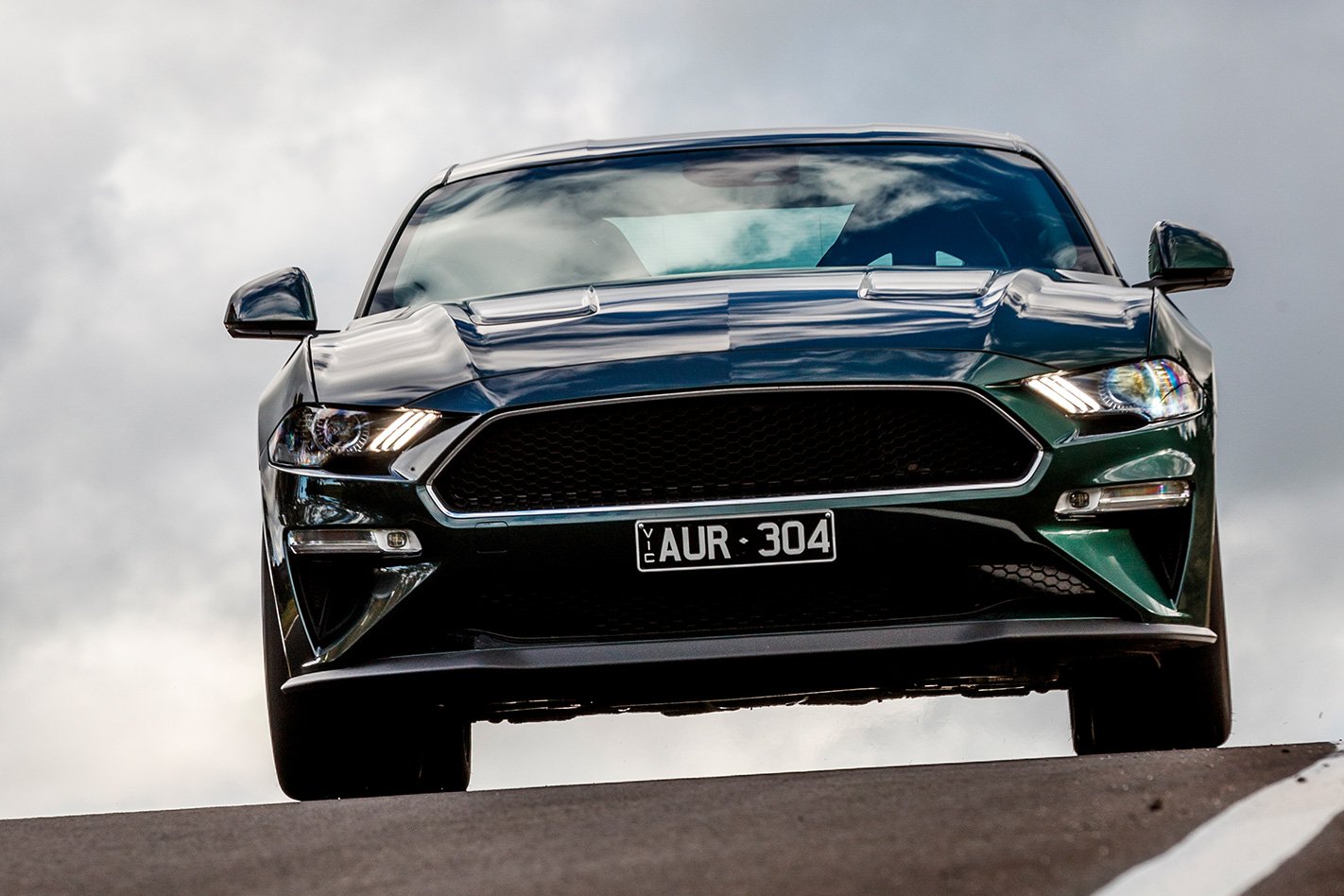
Inside the blacked-out cabin you’ll find green detailing, including stitching and lighting, as well as a Bullitt plaque, cue-ball shifter and body-hugging Recaro bucket seats. Under the bonnet six extra ponies have been liberated from the atmo 5.0-litre V8 and the exhaust has been amped-up to match the overall menace.
What we reckon

Trent Giunco
Staff Journalist
It’s hard not to feel good when cruising in a V8 Mustang. There’s something right about the experience. It’s all about that sound and that classic two-door silhouette. The Bullitt treatment improves on an already satisfying formula with the Torq-Thrust wheels and special green hue. Gripes centre around the numb steering and overtly tall gearing, while the six-speed manual is also the better choice over the hyped 10-speed auto. However, the gearing isn’t as much of an issue when you’re relaxing into the 556Nm of torque and cruising down a coastal road. The Bullitt is American muscle at its best.

Cameron Kirby
Staff Journalist
This is the Mustang for the discerning/fanatical Ford fan. The price premium over a regular manual GT fastback might not make complete sense to most consumers, but for the blue-blooded, this is the best ‘Stang you can buy in Australia. The cue-ball shifter is a delight to handle for every gear change – which arrive at serious speed even in lower ratios when taking the needle to redline – and the exterior styling has lovely retro styling touches. One of the best perks over a regular ‘Stang is the new exhaust modifications, which has one of the best V8 notes around.

Alex Inwood
Editor
Funny how your environment and frame of reference can influence your thinking about a car. I first drove the Bullitt Mustang at Haunted Hills, which is tight, twisty and technical, and I jumped into it having spent the morning in significantly sharper (and exxier) machinery. Needless to say the Mustang felt … soft. ‘Boaty’ is too unfair a descriptor, though it was obvious the Bullitt is more of a cruiser than apex hunter. It fared better on the public road, where its comfy ride and charismatic engine clawed back some points, and that green hue and the cue-ball gear shifter add a welcome dose of retro cool.
Review
Power and performance:
Slapping a Bullitt badge on the Mustang equates to an extra 6kW, while torque remains the same at 556Nm. The power gains are thanks to an intake manifold from the GT350 with an 87mm throttle body, cold-air intake with a better air filter and a recalibrated ECU.

Anyone would be hard-pressed to feel the extra oomph, but there’s now a distinct induction noise and an angrier soundtrack thanks to the revised exhaust system. Aural nirvana is but a thumb press away, with the steering wheel-mounted pony button allowing you to change between numerous exhaust modes – including quiet so you don’t annoy your neighbours.
The tall gearing (you can reach 134km/h in second gear!) fools you into thinking the Bullitt is slower than it is, but search for the 7500rpm crescendo and the 345kW ’Stang has more than enough urge to shift the 1732kg along nicely. It’s properly quick when you find a road long enough to exploit its wares. Conversely, when you want to turn down the wick, the Bullitt fulfils a GT-cruiser vibe with the 5.0-litre burbling around, hardly raising a sweat.

Ride and handling:
For what it is, a relatively heavy American muscle coupe, the Mustang can hold its head high in terms of driving dynamics and enjoyment. Just don’t plan on going to a race track. A winding coastal road where the tempo lurks below seven tenths is where the pony finds its ideal stride. There’s a natural rear-drive sensation that’s pleasing.
Frustratingly, the light, vague steering continues – the long bonnet seemingly exacerbates the feeling of disconnect from the front axle. And it’s a shame because the Bullitt turns in nicely and grips faithfully on corner entry if you trust it. The other bugbear is the ultra-sensitive brake pedal. You don’t doubt the firepower of the Brembo package, but some extra modulation from the pedal would be nice. As it is, it’s like a light switch – on or off.

MagneRide adaptive dampers are standard on the Bullitt, resulting in a duality of compliance and composure. The Michelin Pilot Sport 4S tyres also generate ample traction and roadholding; however, there can be some unsettling pitch from the rear depending on the road and how hard you’re pushing. Still, keep the pony within defined guidelines and it shines.
Interior and Comfort:
The retro vibe continues inside – although Ford has upped the ante. Interior quality increased with the updated Mustang and the Bullitt benefits from that, too. The centre console can no longer be moved side-to-side with your hands, while the level of fit and finish has noticeably improved. The Bullitt gains a commemorative plaque, green stitching and lighting as well as the cue-ball gear shifter – which, pleasingly, ticks both form and function.
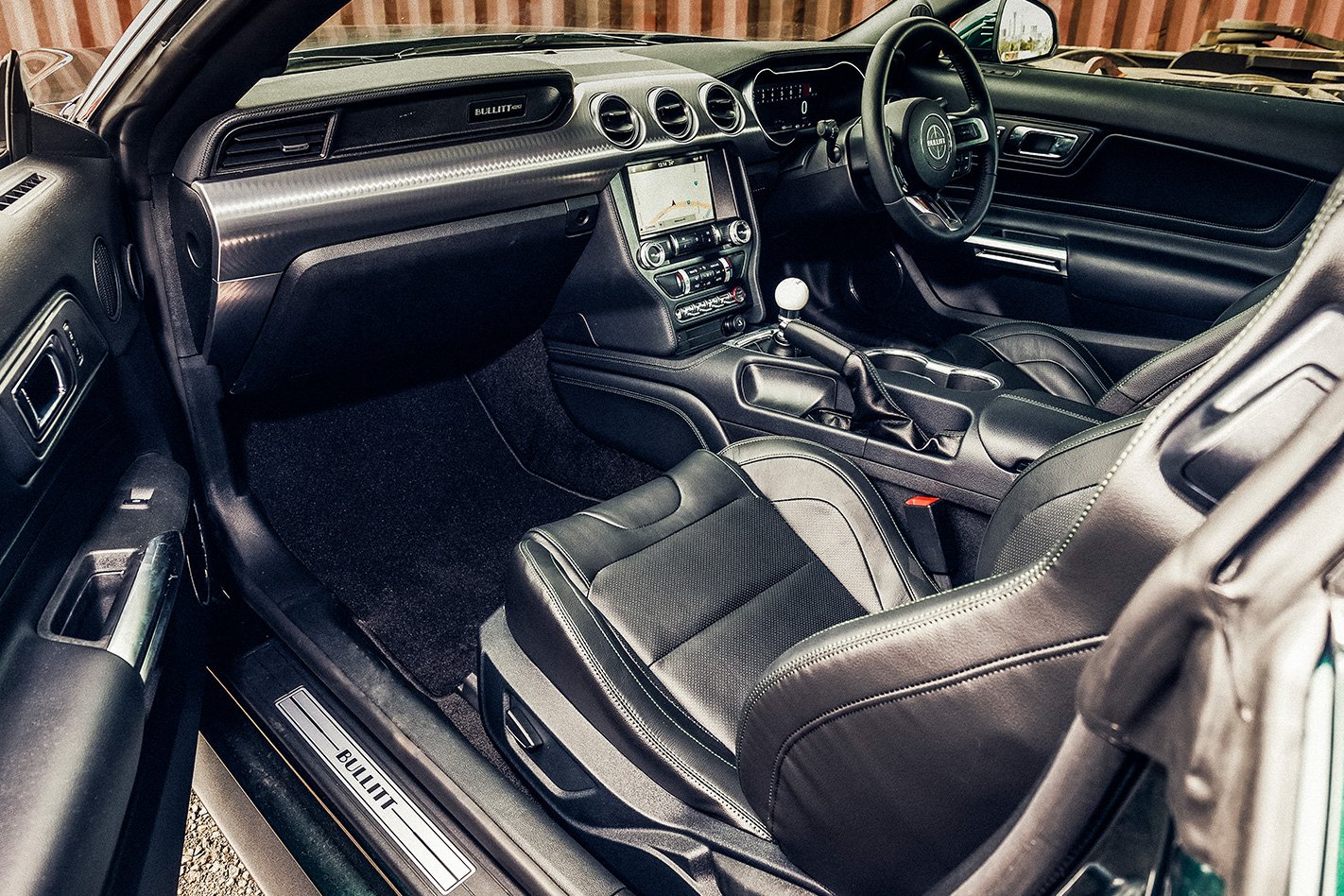
While there’s little in the way of rear-seat leg and headroom, the boot is useful at 408 litres. The floor is also flat and the opening is generous enough for large items. Road noise is okay, but not brilliant, while the Recaros are both supportive and comfortable.
Verdict
There’s so much to love about the Bullitt. For the price, you’d be hard-pressed to find anything that generates as many smiles per mile as the sonorous ’Stang – even when factoring in the more expensive Chevrolet Camaro 2SS. Flaws are contained within the package, but there’s more than enough charm, performance and competency to silence them. It’s an endearing proposition. We doubt you’ll be disappointed.

FORD MUSTANG BULLITT SPECS
Model: Ford Mustang Bullitt Engine: 5038cc V8, dohc, 32v Max power: 345kW @ 6000rpm Max torque: 556Nm @ 4800rpm Transmission: 6-speed manual Weight: 1732kg 0-100km/h: 4.6sec (claimed) Economy: 13.0L/100km Price: $73,688 On sale: Now
If you could quickly and cheaply turn your car into one that sips barely any fuel in day-to-day driving, yet still retains all of its mechanical thrust – with a little bit extra on top for days when there’s no traffic in front – you’d take that option, right?
Continental reckons the world’s carmakers certainly would, and the German company has revealed a high-powered 48-volt hybrid system – which some might regard as a ‘mild hybrid’ – that it says could be easily adapted to existing powertrains to turn regular combustion-powered models into something more eco-friendly.
Why is ‘mild hybrid‘ in inverted commas? Because with the amount of electrification that Continental’s system offers, its effect on a car’s fuel consumption is anything but mild. In fact, the company claims it’s good for a 20 percent improvement in economy, without the associated cost and complexity of a regular hybrid system.
Continental might be known more for its tyres, but the German company – one of the oldest in the automotive industry at 148 years old – actually does more business in things that run on electrons than things that run on rubber.
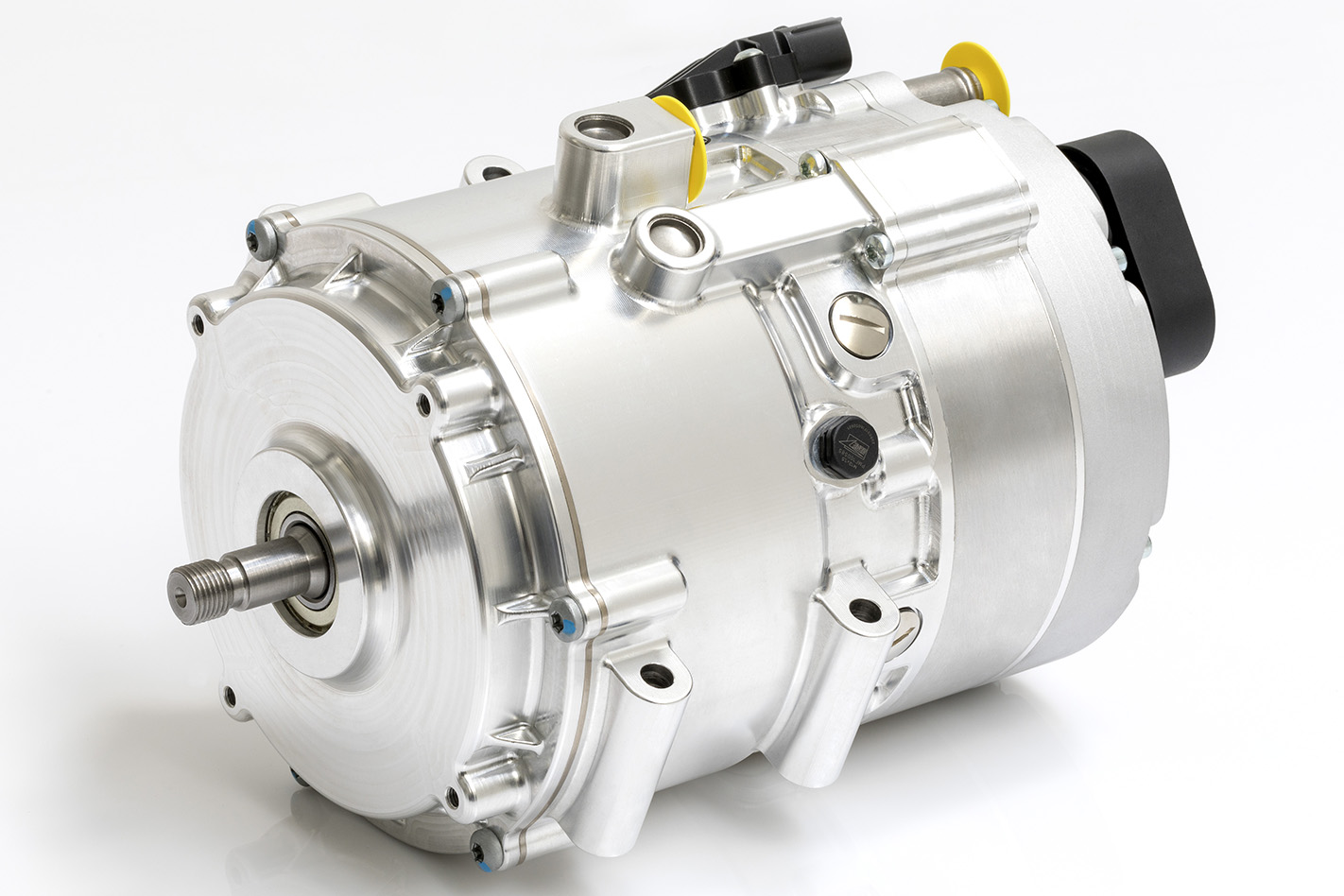
Electronic components like sensor modules and controllers are the $50 billion company’s bread and butter, and it is already a key supplier of parts for electric and hybrid vehicles for a number of manufacturers.
Its latest addition to its component catalogue, announced at the 2019 Continental Tech Show, is a 48-volt electric motor and associated control electronics that are designed to deliver drive directly to the transmission via a rubber belt.
It’s a further development of a previous system that could supply a little over 14kW of electric power to the transmission. The new system roughly doubles that, delivering a far more useful 30kW of power – enough to easily accelerate and maintain forward motion at urban speeds – and promises a reduction in overall fuel consumption of 20 percent.
That’s all from an electric motor which is only marginally bigger than a modern alternator or airconditioner compressor – think of a large tin of Milo, and you’d be close.
In fact, on the demo vehicle Continental had on display, you couldn’t even see the motor when the bonnet was up. The only tell-tale is its integrated control electronics housing, the thing with all the green wires in the photo below.
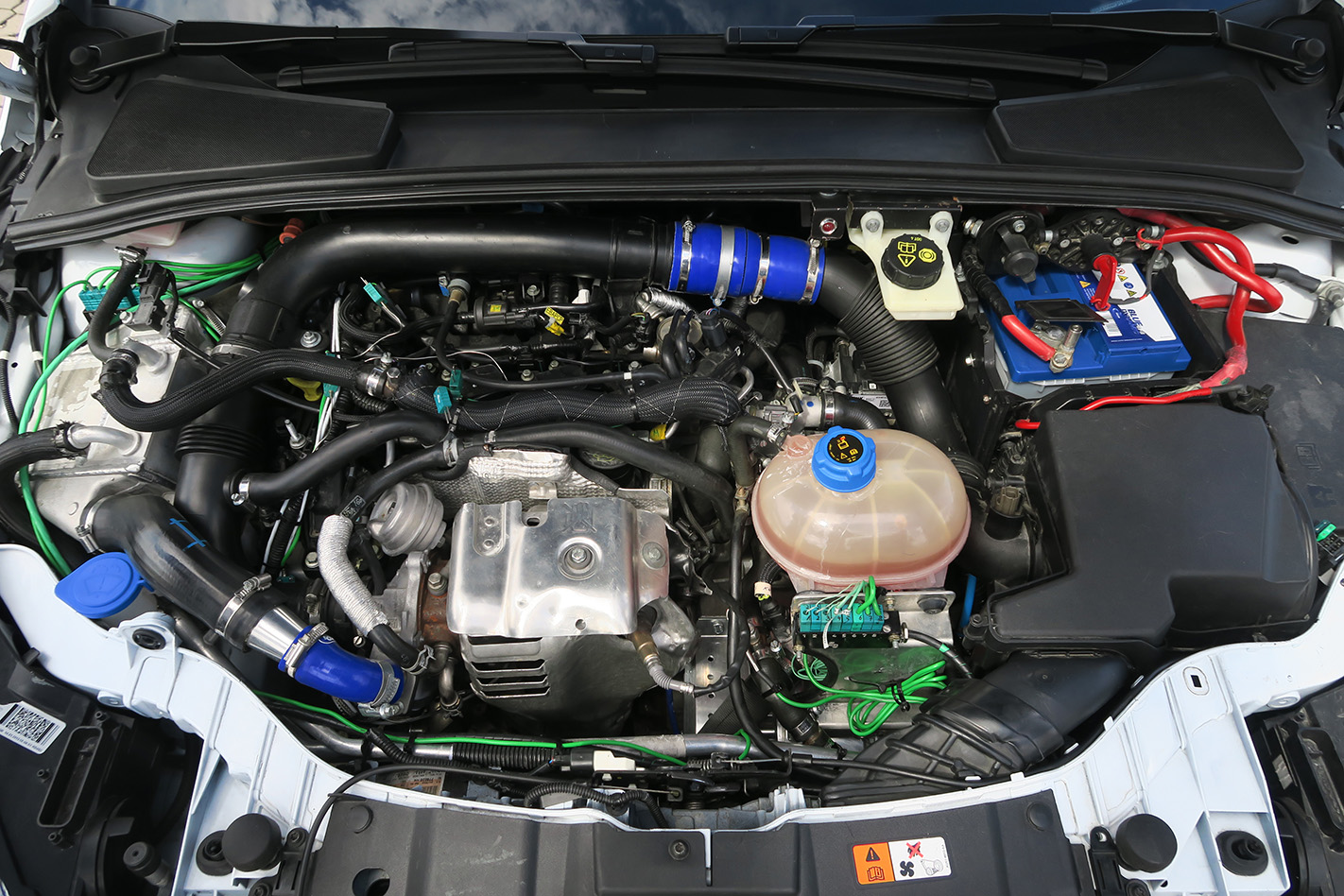
To date, most mild hybrid systems have been little more than repurposed alternator setups and an extension of the engine start-stop feature.
By using the alternator – the part of the car which generates electricity when the engine is running – to work as a motor when re-starting the engine, these kinds of mild hybrid systems mainly achieve fuel savings through the start-stop feature shutting down the engine when the car is stationary at traffic lights, by brake energy recuperation, and by reducing alternator output (and thus fuel-wasting mechanical drag) when the battery doesn’t need charging.
They’re not typically capable of delivering any meaningful electric drive to the wheels, though some have a modest ‘boosting’ effect. Continental’s system, however, is able to deliver far more grunt to the wheels in a purely electric mode (its key point of difference), without requiring the rest of the car to be designed around a dedicated hybrid powertrain.
These systems typically use ultra-high voltages in the order of hundreds of volts for its drive motor. They also add weight, cost, packaging difficulties and safety issues to a car build.
We drove a Ford Focus prototype equipped with the 48-volt High-Power hybrid system, and while there were plenty of rough edges involved in retrofitting the electric motor to a car never designed for one, its driveability was impressive.
The amount of thrust it was able to deliver was plentiful for low-to-medium speed city driving, and Continental says that even though there’s just 30kW on tap (a number that’s limited largely by the physical size of the motor), it’s good for a top speed of 80-90km/h, depending on application.
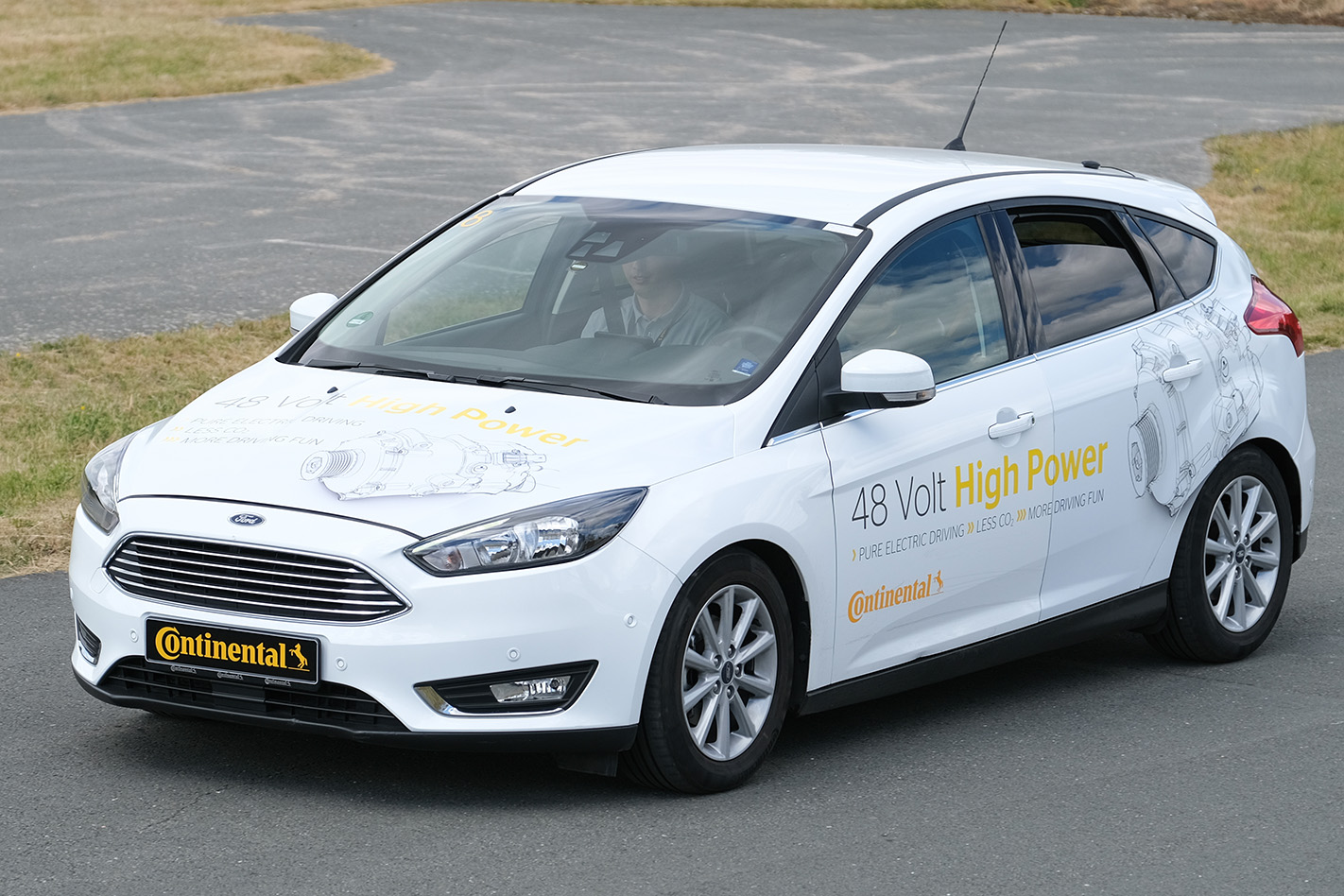
Its claim of delivering a 20 percent boost to efficiency is believable, too. Continental makes no claims around how much range can be squeezed out of the 5.5 watt-hour battery, but with the demo vehicle showing an average electricity consumption of between 200-300Wh, some basic maths reveals there’s enough juice for between 1 and 1.5 minutes of purely electric driving before the combustion engine needs to kick in again.
That’s not bad for a battery pack that’s roughly the size of a suitcase. Don’t forget that batteries are the main reason why EVs and plug-in hybrids cost so much more than a conventional car – if you reduce the need for a big battery, you reduce the cost of the overall machine.
And unlike many 48-volt mild hybrid systems out there, Continental’s strategy of having the electric drive feed directly into the gearbox is a far more intelligent alternative to simply replacing the alternator on the front of the engine with an electric motor.
It means the motor can turn the wheels completely independently of the engine, so energy isn’t wasted in rotating a big, heavy lump of metal when there’s no fuel being burned.
It also enables the full gearing range of the transmission to be used to increase the road speeds possible in electric-only mode. Clever. Conventional 48-volt mild hybrid systems typically claim an efficiency gain of just 4 percent, yet Continental’s delivers an advantage that’s five times that.
Continental says the High-Power hybrid system is now ready to enter series production, however we’ve yet to see which manufacturers will be the first to integrate it with their own vehicles. It’s certainly not something that private individuals can apply to their own cars as a retrofit – it may be billed as much simpler and cheaper than other hybrid options, but there’s still a lot of engineering required to make it work on a road car.
But once it does hit the market, its ability to put a genuine hybrid option into huge range of vehicles at minimal cost to the manufacturer – and thus the consumer – could be the catalyst to sizable emissions reductions in the long term.
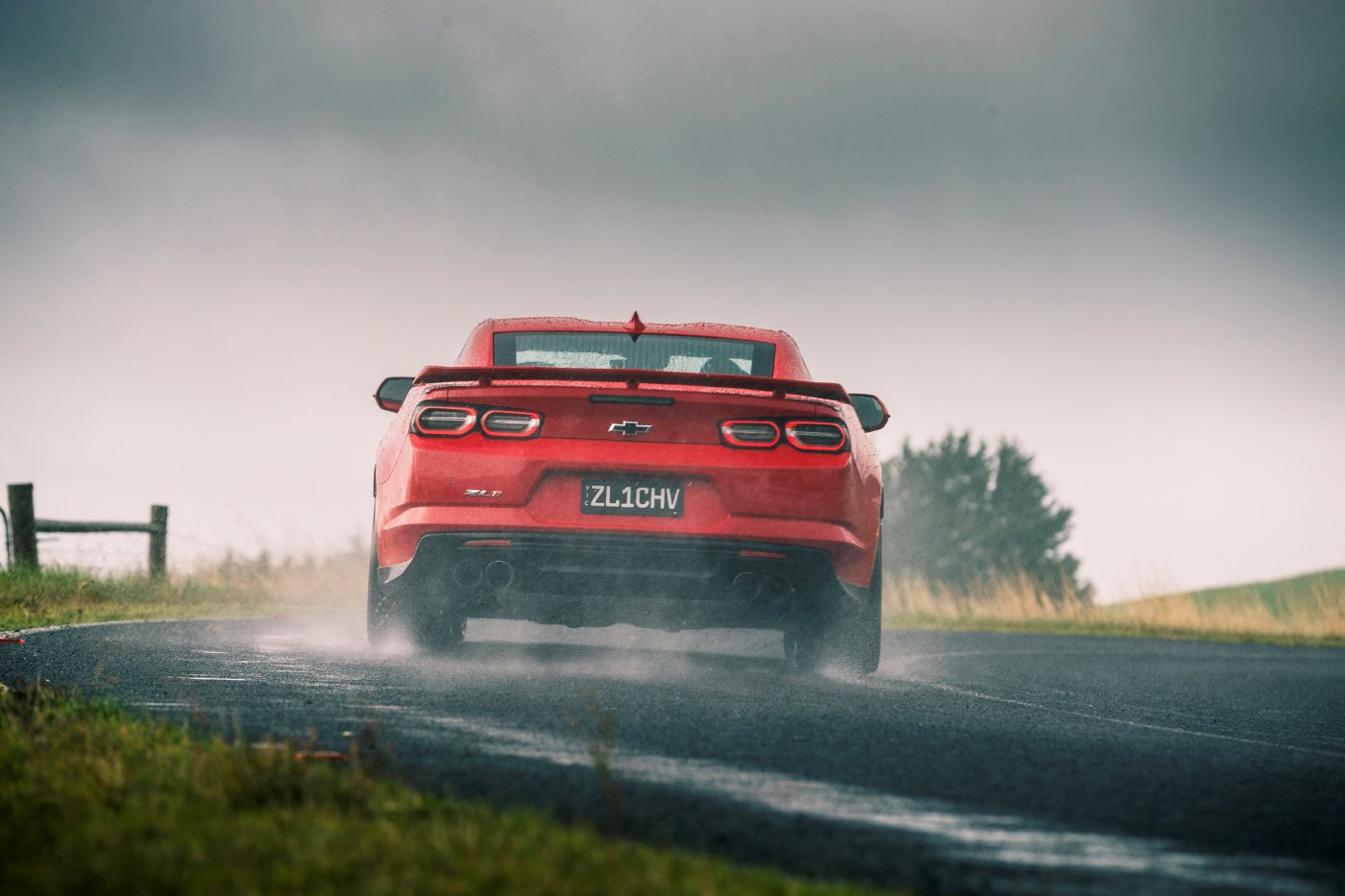
THE Chevrolet Camaro ZL1 sounds otherworldly. Fitted with a supercharged 6.2-litre LT4 V8, the ZL1 burbles like molten lava at idle, before erupting into a volcanic display of raw power and noise.
Well, at least in its native North America it does. Australian ZL1s have been muted by our restrictive regulations.
The quietening of the ZL1 is all to do with meeting Australian Design Rule (ADR) regulations. That’s not to say the Australian converted ZL1 sounds bad – quite the opposite – but it certainly doesn’t have the sharp edge and baritone bellow we were expecting.
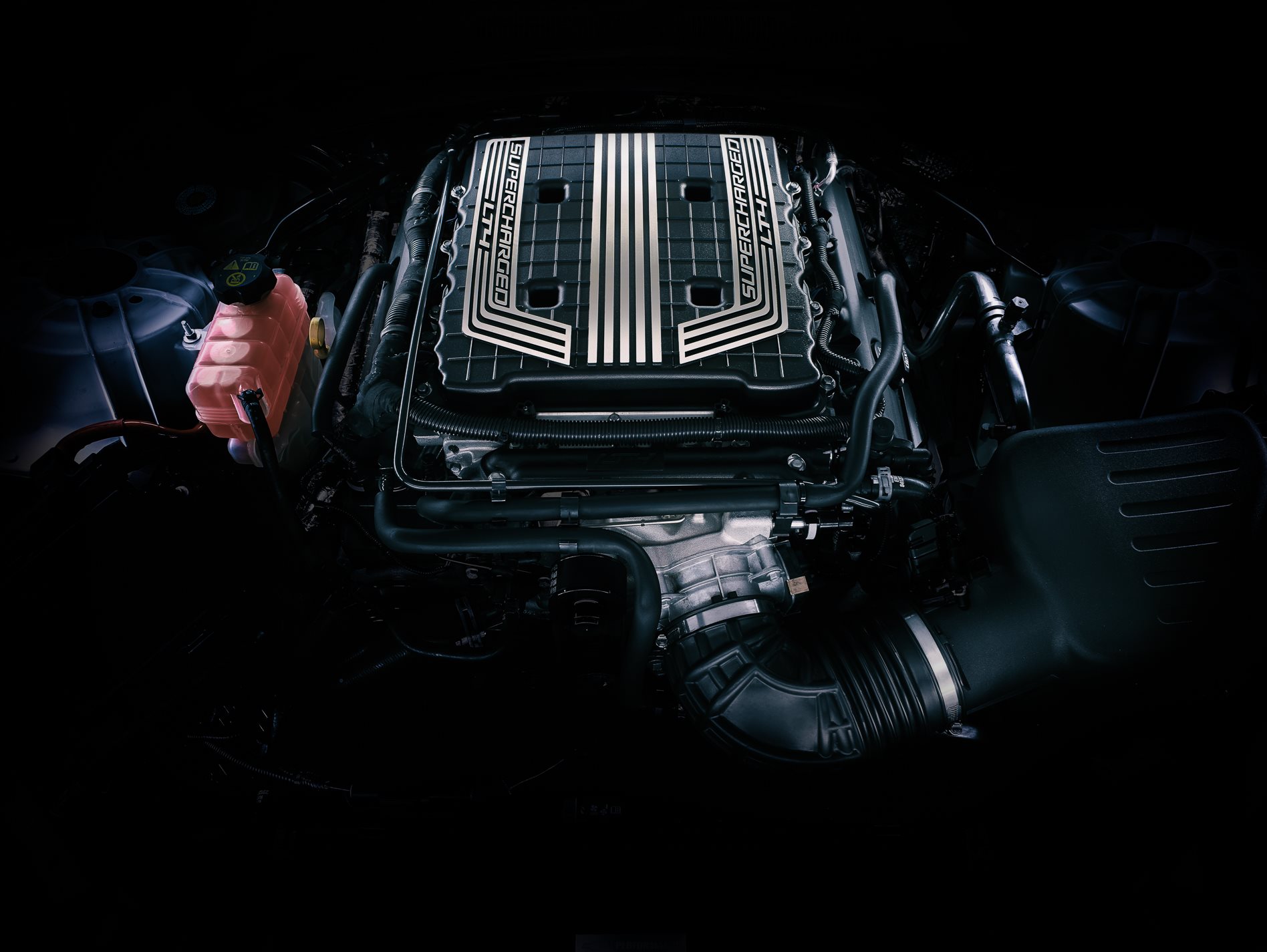
A HSV spokesperson confirmed to Wheels that in order to meet the ADR relating to “drive-by noise” (specifically ADR 28/01) extra resonators were added to the ZL1’s exhaust system.
ADR 28/10 limits drive-by noise to 74dB and 75dB for automatic and manual transmission respectively.
For automatic ZL1’s HSV fitted a pair of resonators to the rear of the system, while manual models were fitted with four resonators – two in the front of the system and two in the rear.
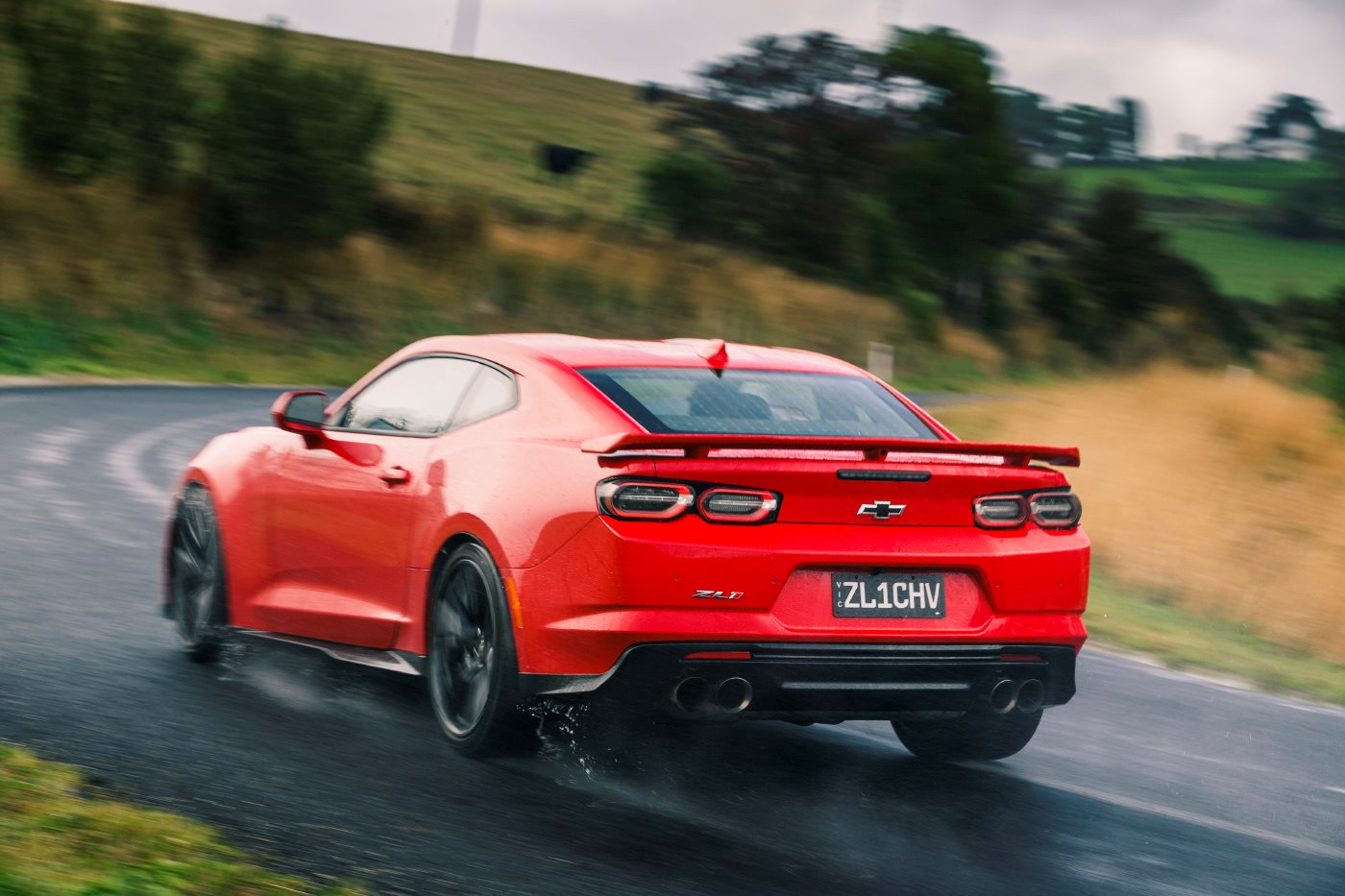
It’s these extra mufflers which allowed the ZL1 to be ADR compliant, but also remove the hardened edge our American friends enjoy from the LT4.
ADR 28/01 is a complicated challenge, involving a series of fly-by passes at full throttle.
To pass ADR 28/10, at least two sound measurements must be made on each side of the vehicle, at a distance of 7.5 metres, while it conducts a 20 metre full-throttle pass.
The vehicle must approach the measuring devices at a steady speed, then go full throttle 10 metres before and after passing the recorders.
Manual cars approach at 50km/h, and are required to make successful passes in both second and third gear, with the average value of the two taken as the final result.
As the automatic 10-speed ZL1 can still select its gear ratios manually, the approach to the test is also conducted at 50km/h. However, if during the test, the ZL1 downshifts to first gear, HSV has the option of increasing the approach speed to a maximum of 60km/h.
It’s a seriously tough test, and not the only ADR compliance that required some clever thinking from HSV.
The ZL1’s standard Goodyear Eagle F1 Supercar 3 rubber had to be replaced with Continental ContiSportContact 5ps in order to pass ADR 31/04 test 5.3.4, or the ‘split-mu’ test.
We seem to know everything about the new eighth-generation Chevrolet Corvette, except how it drives.
Although, one point that made us stop and think is the fact that Chevy will debut E-boost brakes, essentially GM-speak for brake-by-wire.
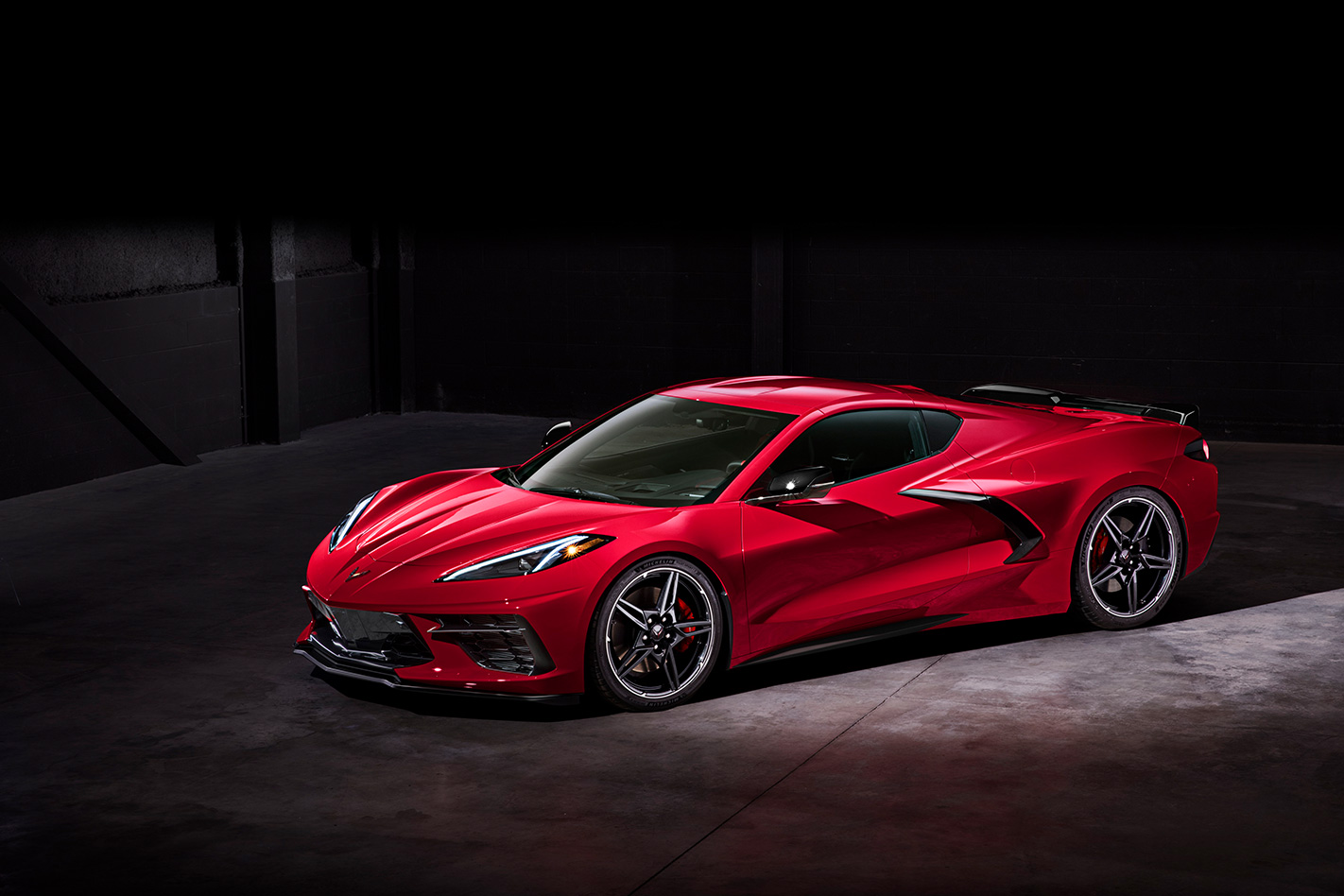
The aim of the E-boost system is to give the driver behind the twin-spoke steering wheel consistent feel and the ability to tailor pedal response depending on the drive mode selected. General Motors says that E-boost provides a “more precise and tuneable” experience.
As reported by Autoblog, each of the modes will correspond with a specific driving dynamic. Tour is aimed at comfort and daily use, Sport offers a more aggressive feel, while Track focuses on smoothness and pedal progression at the limit with extra modulation for trail braking on corner entry.
Brake-by-wire technology isn’t revolutionary; it has been used before in myriad hybrid applications, however, it is quite unique for a performance car. As opposed to throttle-by-wire, the traditional mechanical and hydraulic systems are replaced with electromechanical actuators and sensors. In layman’s terms, when you push the brake pedal a computer deals with the signal, which in turn translates how much pressure is to be transferred to the calipers using old-fashioned brake fluid.
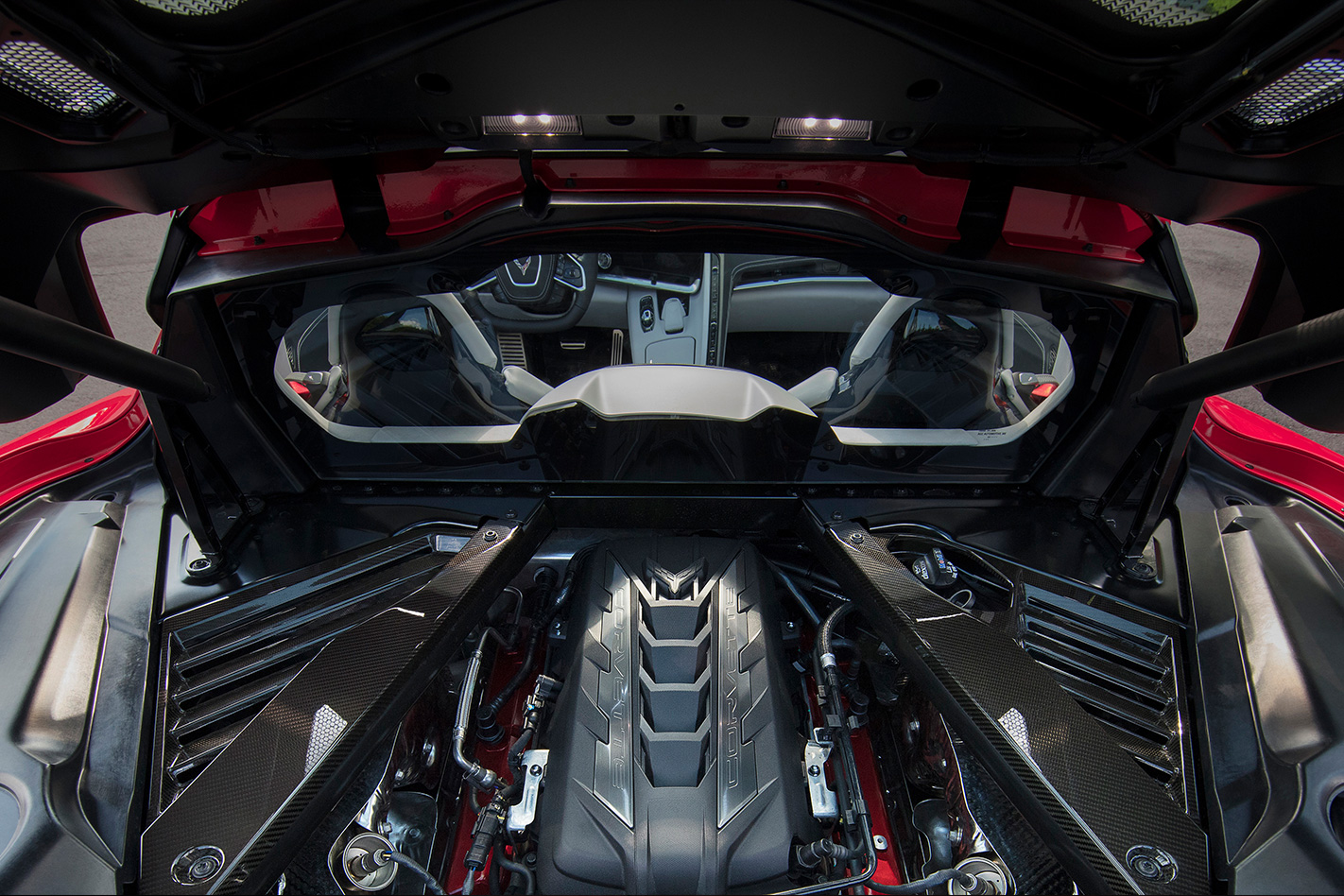
According to Autoblog, the system is more compact and saves weight over the well-used throttle-by-wire system. It does this by combining the vacuum booster and pump, master cylinder and the electronic brake control module into the one unit.
The fact brake-by-wire has been used on hybrids points to the fact the GM might have other ideas for the Stingray in the future. However, Alfa Romeo has been using brake-by-wire for its hot Q versions of the Giulia and Stelvio. Mercedes-Benz is one of the pioneers of the tech with its Sensotronic Brake Control (SBC) featuring in the R230 SL-Class in 2001.
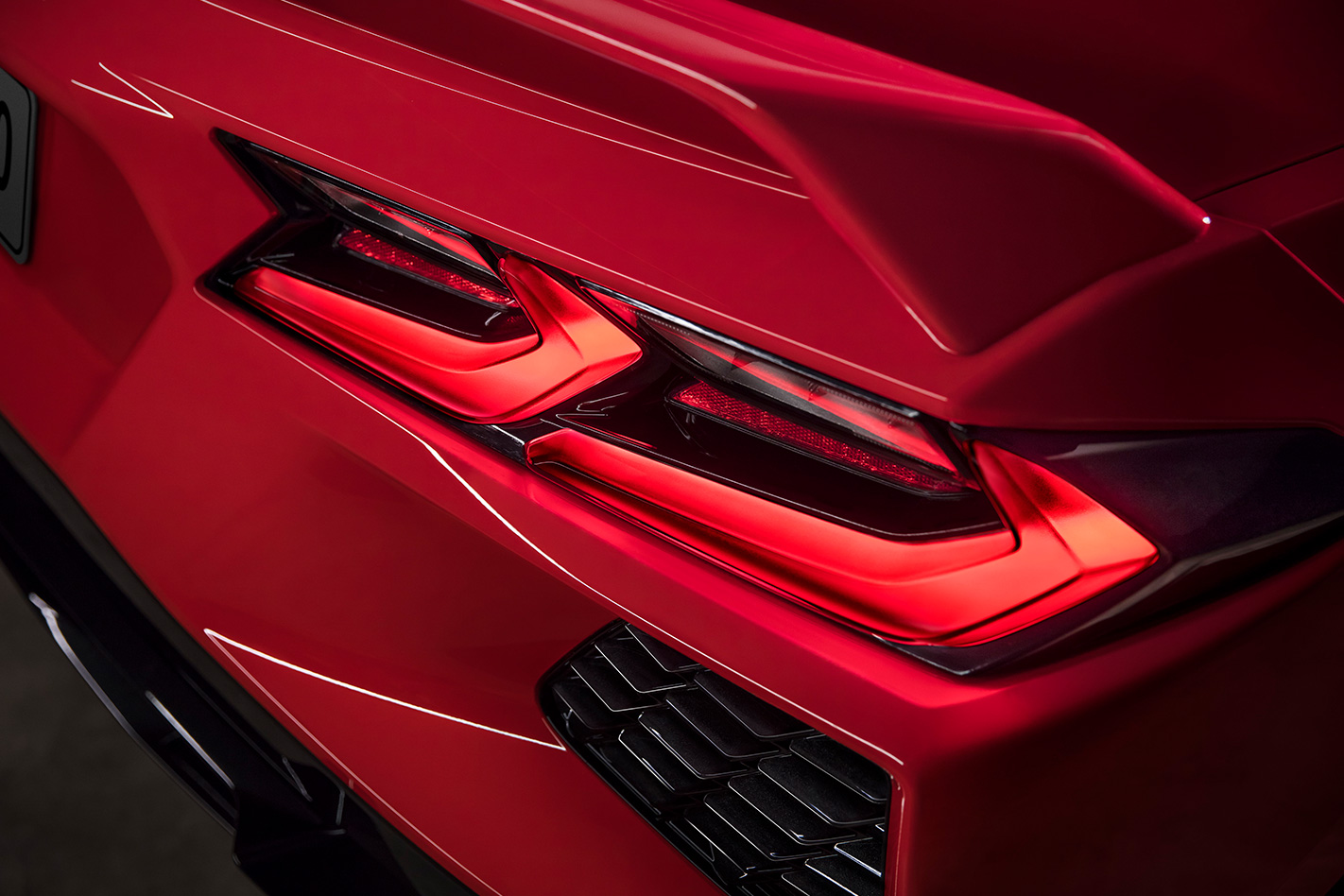
The actual Corvette brakes themselves include the E-boost-assisted discs (321mm front, 339mm rear) with Brembo four-piston/two-piece front calipers and four-piston/monobloc rear calipers. Step up to the Z51 Performance Package and the discs increase to 345mm and 350mm front to rear with Brembo four-piston monobloc calipers all-round.
Adding to the stopping power are grippy Michelin Pilot Sport tyres – the Z51 pack ups the ante to Michelin Pilot Sport 4S hoops – in 245/35 ZR19 (front) and 305/30 ZR20 (rear) sizes.
It will be interesting to see how natural the electronic system work in reality – particularly in Track mode where sensing brake fade is crucial. Overall feel has been one of GM’s key objectives with the switch to brake-by-wire.
