
McLaren’s Grand Tourer, which is yet to receive its official name, has had its bulky camouflage removed to reveal its true silhouette… albeit still with a camouflaged wrap.
The Woking carmaker hasn’t revealed much about the car yet, only that it will ‘break the rules’ of traditional grand tourers. And, of course, that it will house a mid-mounted twin-turbo V8 engine. It’s a McLaren after all.
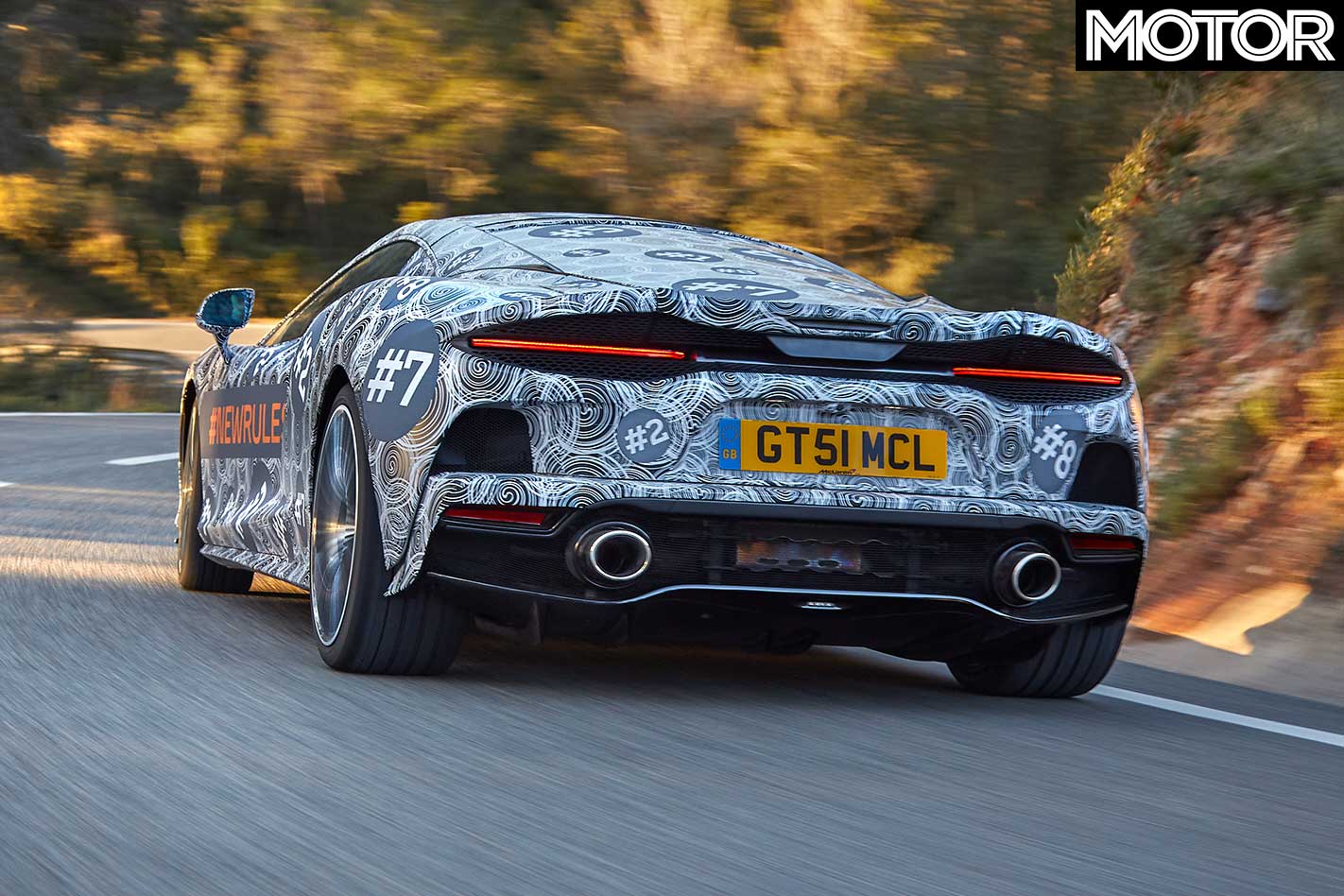
“The application of the shrink-wrap will also enable the development team to enter the closing stages of the car’s extensive evaluation programme, which has already encompassed thousands of miles in hot and cold climates across the globe,” McLaren says.
“The ‘Grand Tourer’ has proven its ability to cover long distances in supreme comfort, but always with extra shape-changing and noise-inducing panels applied.”
McLaren says the camo-free Grand Tourer will now depart on a 1600km test around Europe, starting at McLaren’s Spain-based development facility, and finishing back at McLaren HQ in Woking.
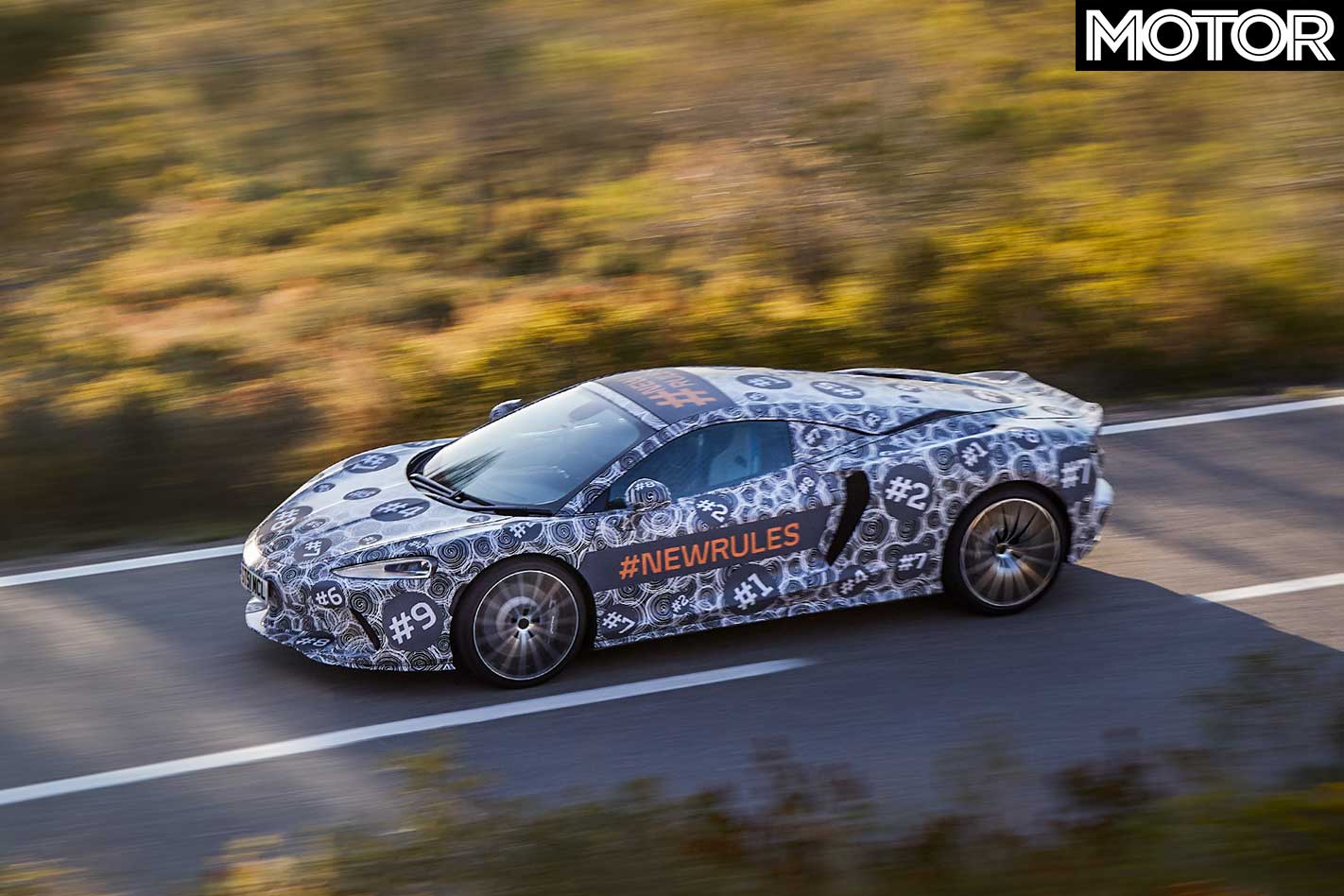
“To be completed in one stint with two occupants and a full complement of luggage, this is one of many long-distance drives that will help the team to confirm the new model is both comfortable and refined over the long distances a grand tourer is expected to consume, one rule that McLaren won’t be breaking.”
Set to be separate from McLaren’s groupings of ‘Sports Series’ or ‘Ultimate Series’, the Grand Tourer was originally revealed at the 2019 Geneva Motor Show, during an announcement by CEO Mike Flewitt, who said the car will share DNA with the McLaren Speedtail.
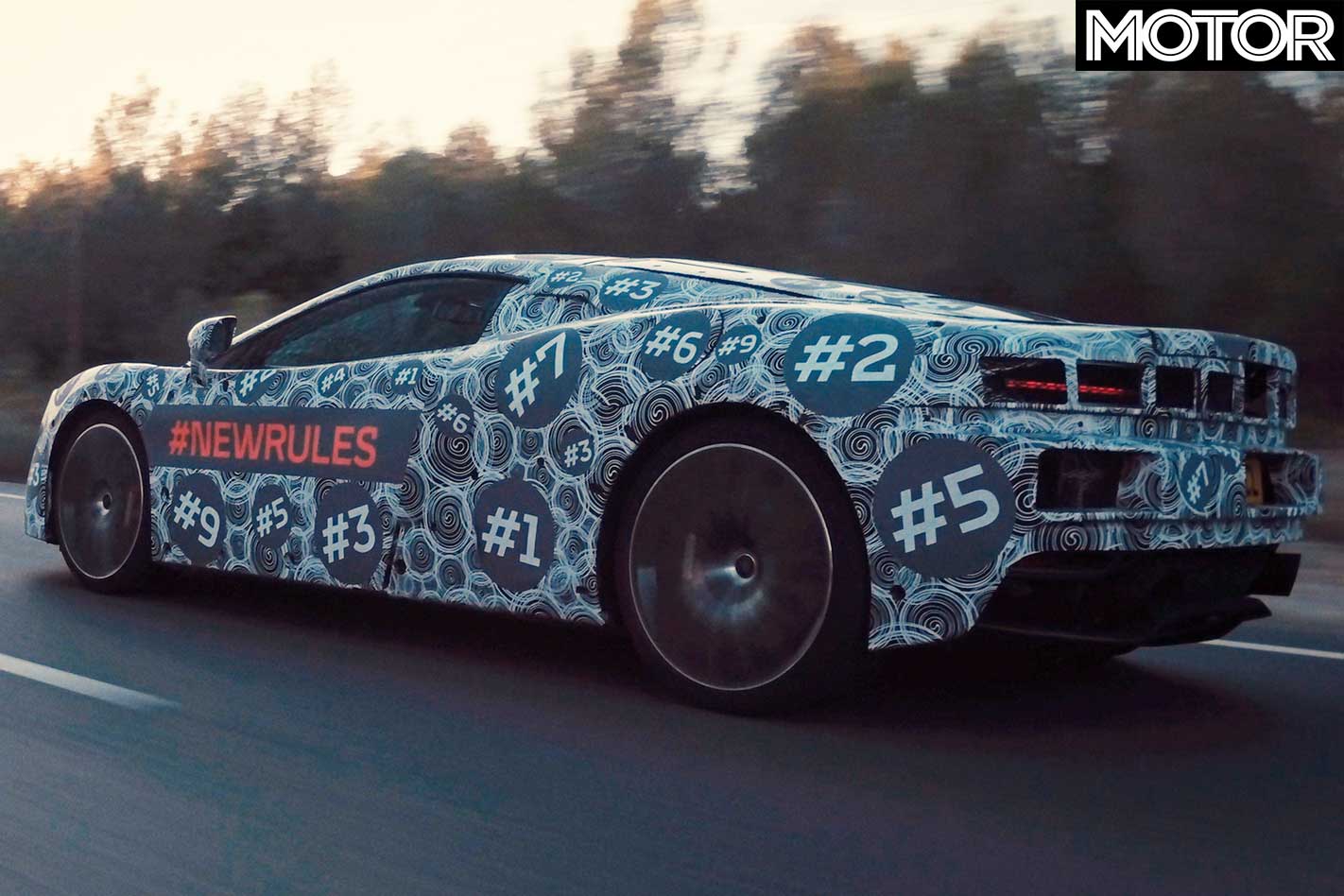
“It’s a car that has been designed for distance and one that will also provide the comfort and space expected of a Grand Tourer, but with a level of agility never experienced before in this segment.
“It will be the lightest of grand tourers and, by having the best power-to-weight ratio, I promise it will be one of the quickest.”
The Grand Tourer is to lose its wrap next month. Watch this space.
First presented at the 1999 Geneva Motor Show, The Pagani Zonda has endured the past two decades to become the millennial generation’s bedroom wall poster car.
Such was its popularity, that even after its successor Huayra arrived on scene in 2011, customers still yearned for the manufacturer to build more Zondas, resulting in a number of ‘one-off’ editions right up until 2018. (Even now, they’ll still likely produce a car if you provide them with an old Zonda chassis and enough money.)
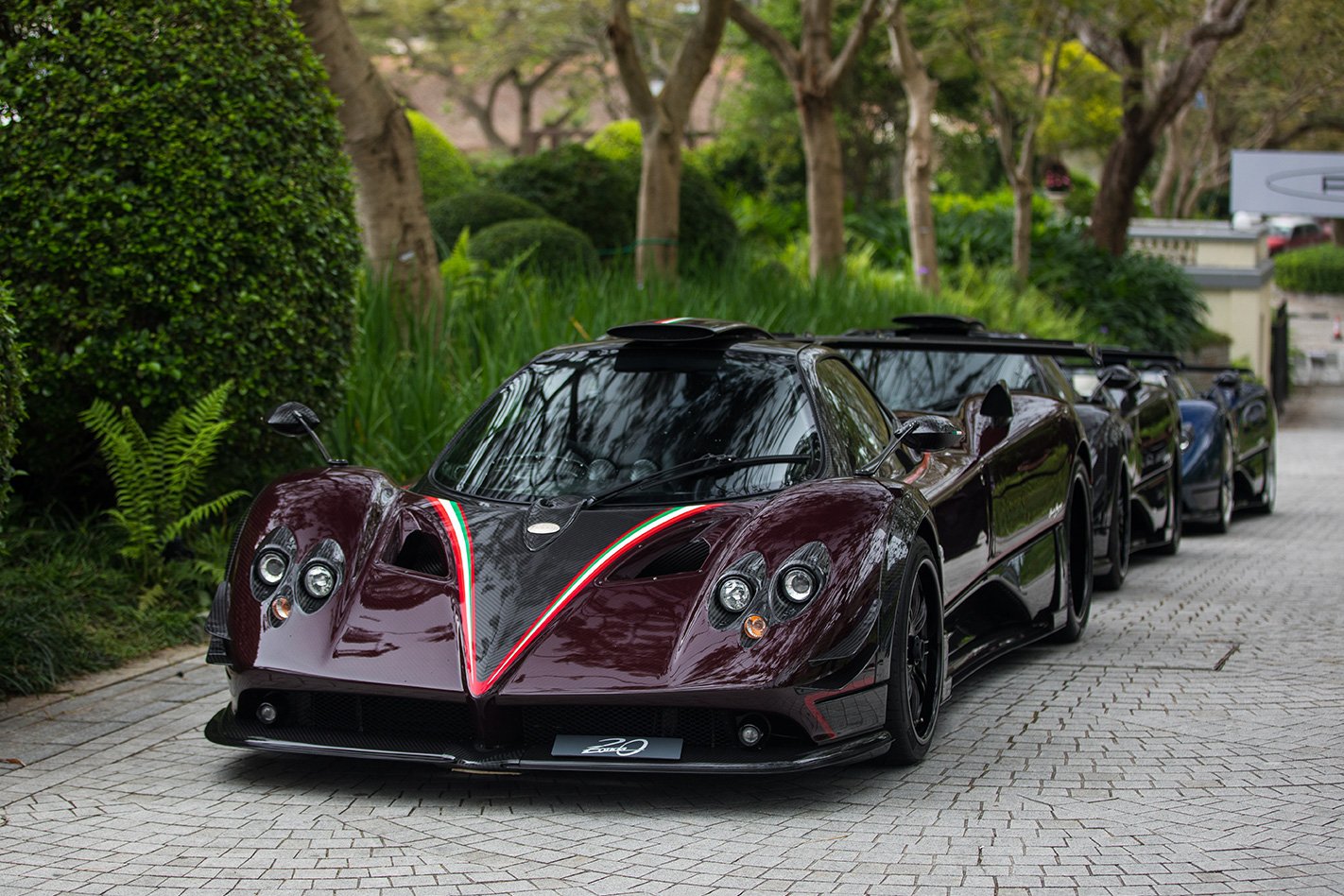
So what does Horacio Pagani, founder of the bespoke Italian manufacturer do when the car he owes all his success to turns 20 years old? Throw it a supercar shindig of course. A full 12 month-long party.
No other place in the world is home to as many Pagani Zondas as Hong Kong, with almost 20 cars calling the tiny city home.
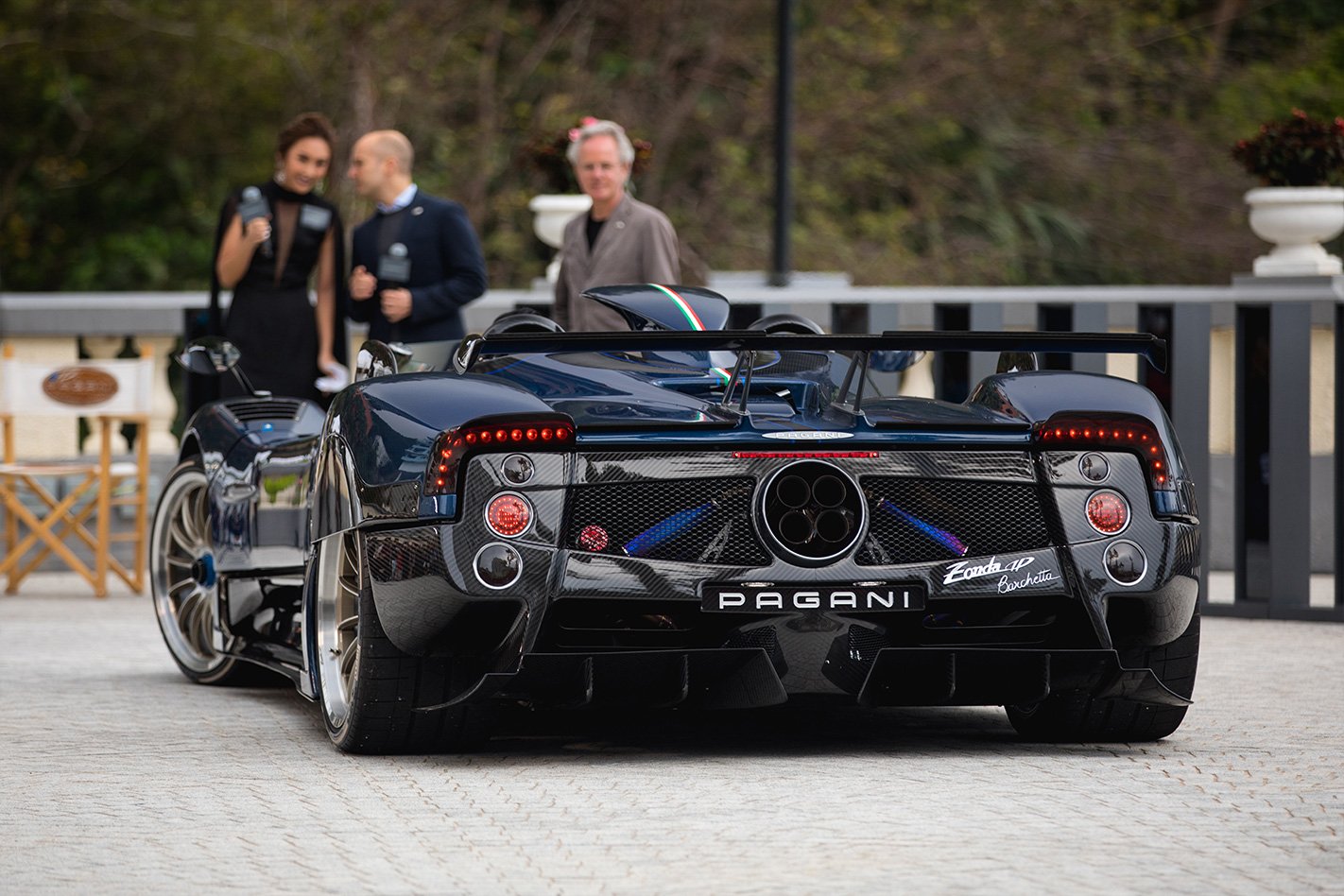
To headline a year’s worth of Zonda celebrations that will hit a number of automotive events on the 2019 calendar like Goodwood Festival of Speed, Monterey Car Week and Villa d’Este Concours d’Elegance, Pagani hosted a number of owners and media in Repulse Bay, Hong Kong.
A total of 17 Paganis attended the gathering at The Repulse Bay Hotel, with a vast majority (12) being rare and one-off versions of the Zonda including the recently unveiled Zonda HP Barchetta, Zonda Uno, Zonda Tricolore and Zonda 760RS Fantasma Evo.
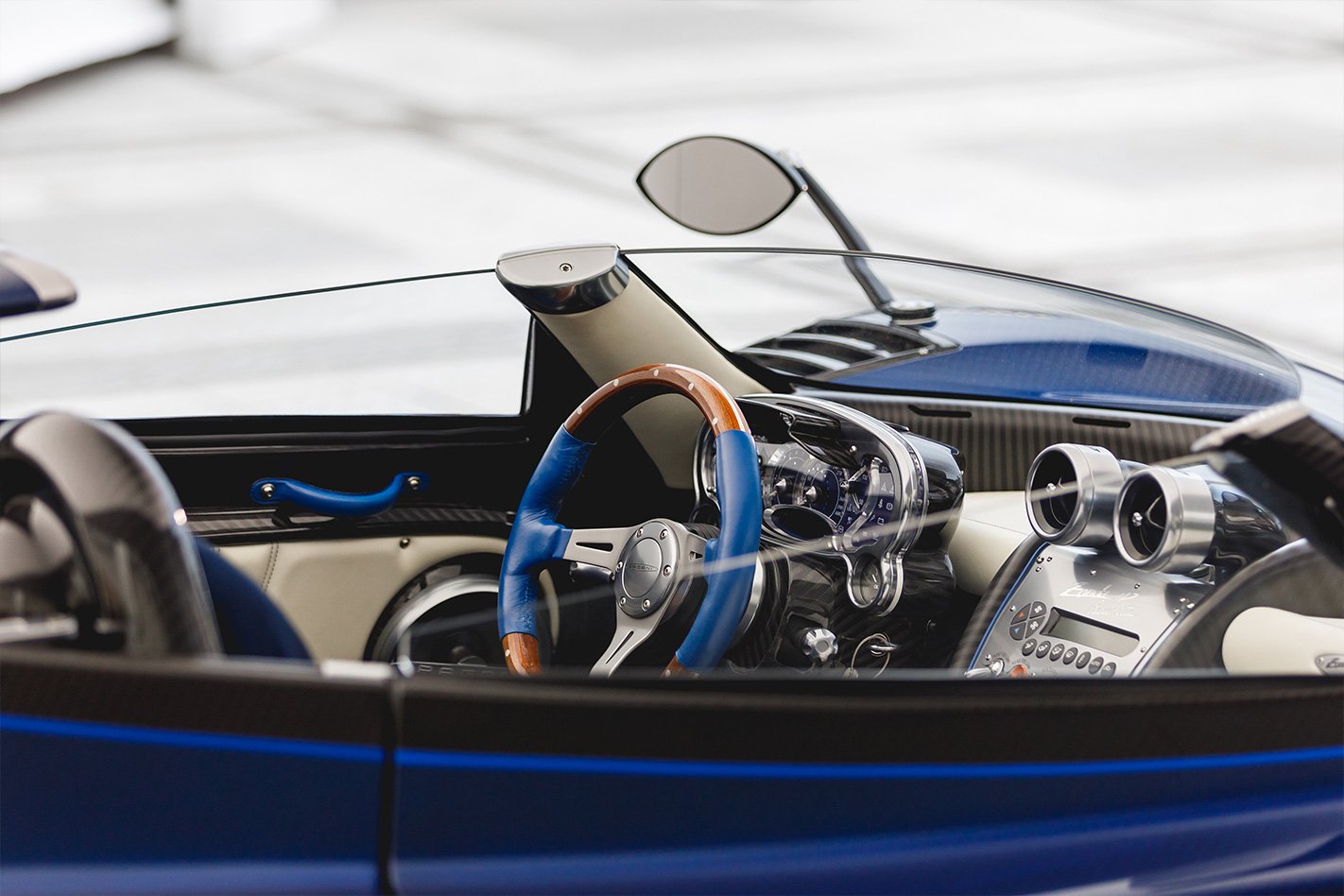
Cars were strewn about the hotel courtyard before being driven up – runway style – to a waiting Horacio Pagani who spoke some brief words about each and every iteration of the Zonda in attendance.
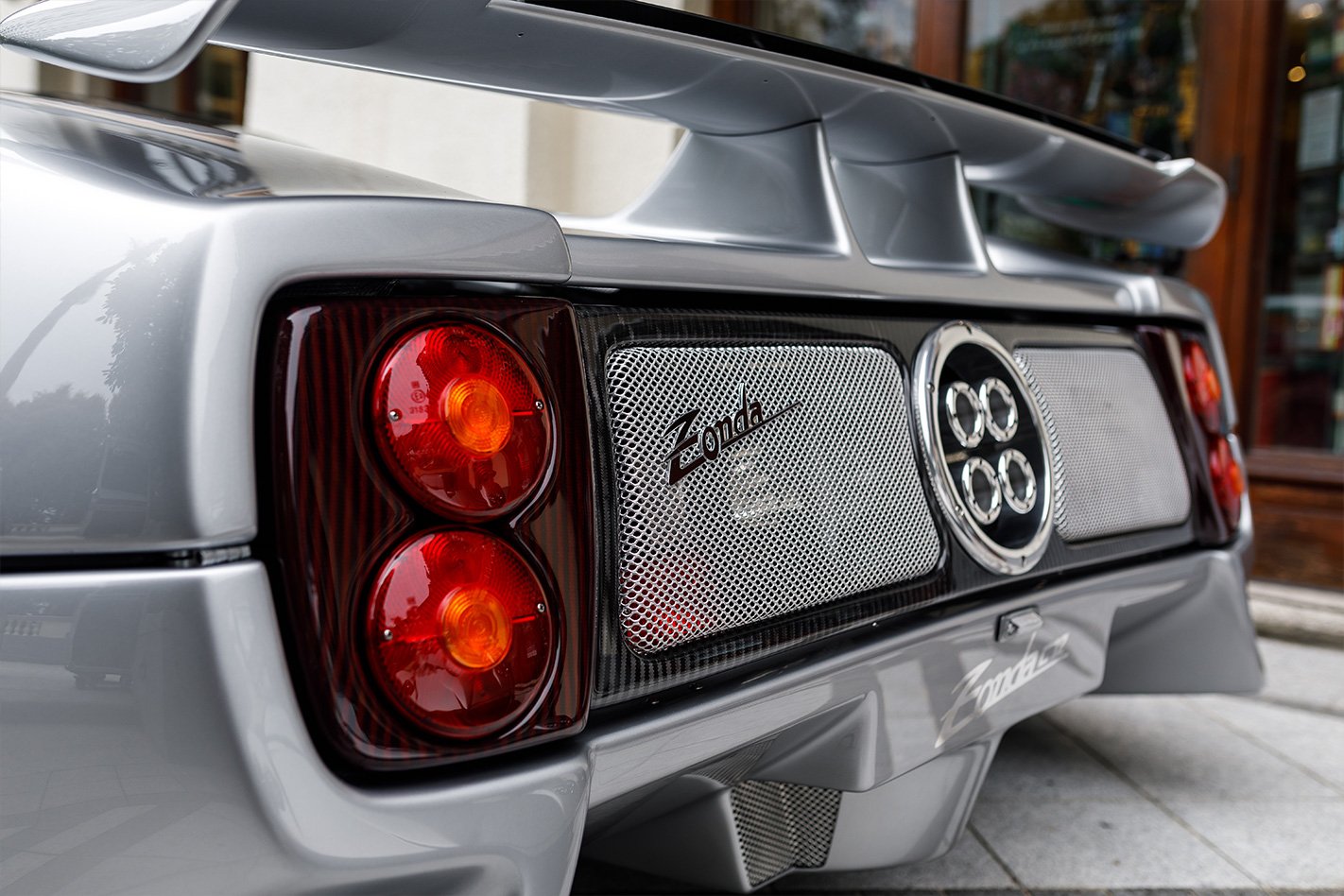
Of humble beginnings, the success and support enjoyed by Pagani over the past 20 years is a credit to the man who followed his dreams. It seems like the only way is up for the small car manufacturer of Modena, Italy, and we can’t wait to see what’s next.
Check out the gallery at the top of this article to view the full suite of images, and stay tuned for more Pagani celebrations later this year.
While it might not be sold in Australia, it appears the 2020 Ford Bronco will have some True Blue DNA, with a pair of test mules spotted locally.
An eagle-eyed Wheels reader sent through an image that shows two camouflaged vehicles, which appear to be Bronco mules, testing around the Mount Gambier area in South Australia.
Interestingly, while one of the pair has the ‘space cab’ body that has appeared on other test mules, the second looks to have just a single set of doors. This is potentially the first time a two-door Bronco mule has been spotted in the wild.
The Bronco nameplate’s return was first announced at the 2017 Detroit Motor Show, with only a single teaser image released since then.
It’s expected the Bronco will be built atop an evolution of the T6 platform, which underpins the current Ranger and Everest, and was developed in Australia.
While the mules feature cobbled-together bodywork, the reborn Bronco is likely to pay homage to the iconic shape of the ‘60s icon, and will differ stylistically to the Everest SUV which is built atop the same platform. The mules are rolling on the same BFG rubber as the Ranger Raptor, but appear to have the shorter wheelbase of the Ford Everest.
It’s likely that the Bronco will share the same powertrain as US-delivered Ford Rangers, which have the 2.3-litre turbocharged four-cylinder petrol EcoBoost engine under the bonnet, mated to a 10-speed automatic transmission.
The rear bodywork is cleverly styled to hide suspension components, which are expected to be of the multi-link coil variety. Meanwhile, the axles are also cleverly covered, with US media speculating the Bronco will sport a Dana 33 up front, and Dana 44 in the rear.
Ford revealed to dealers earlier this year that the 2020 Bronco will spawn a family of vehicles, including three-door short wheelbase, and five-door long wheelbase variants. It’s likely the former which appears in our spy shots.
A ’baby’ Bronco to rival the Jeep Renegade is also expected to be in the pipeline, featuring a monocoque chassis which could also spawn a light duty ute.
It’s likely the Bronco will feature removable bodywork, much like Jeep’s venerable Wrangler, with the roof and doors able to be stowed in the cargo space.
Photos of the Bronco mules in Australia give credence to unconfirmed reports earlier in the year that Ford engineers from the US were spotted driving a pair of left-hand-drive Jeep Wranglers ‘extremely hard’ near Melbourne for benchmarking.
Broncos are expected to roll off Ford’s Michigan Assembly Plant alongside US Rangers before the end of the year. Ford Australia chief Kay Hart told local media last year there was no decision on the Bronco coming Down Under as the Ranger and Everest were doing well here already.
Ford Australia declined to comment on the photos.
This issue of MOTOR is a bit of a special one. Just look at the cover!
We’ve got two of Australia’s rarest icons on the front of the mag this month in a celebration of the Lion and the Blue Oval.
You can find our gorgeous mags at retailers around Australia. Or you can subscribe and save yourself some cash, there’s even a digital subscription.
Subscribers often receive their mags earlier, so you’ll get to see what MOTOR has to offer before anyone else.
Follow us on Facebook, Twitter, and Instagram to interact with us, give us feedback, and get a peek behind the scenes.
WAR AND PEACE – HSV Maloo W1 ‘vs’ Ford Falcon GT-HO Phase III
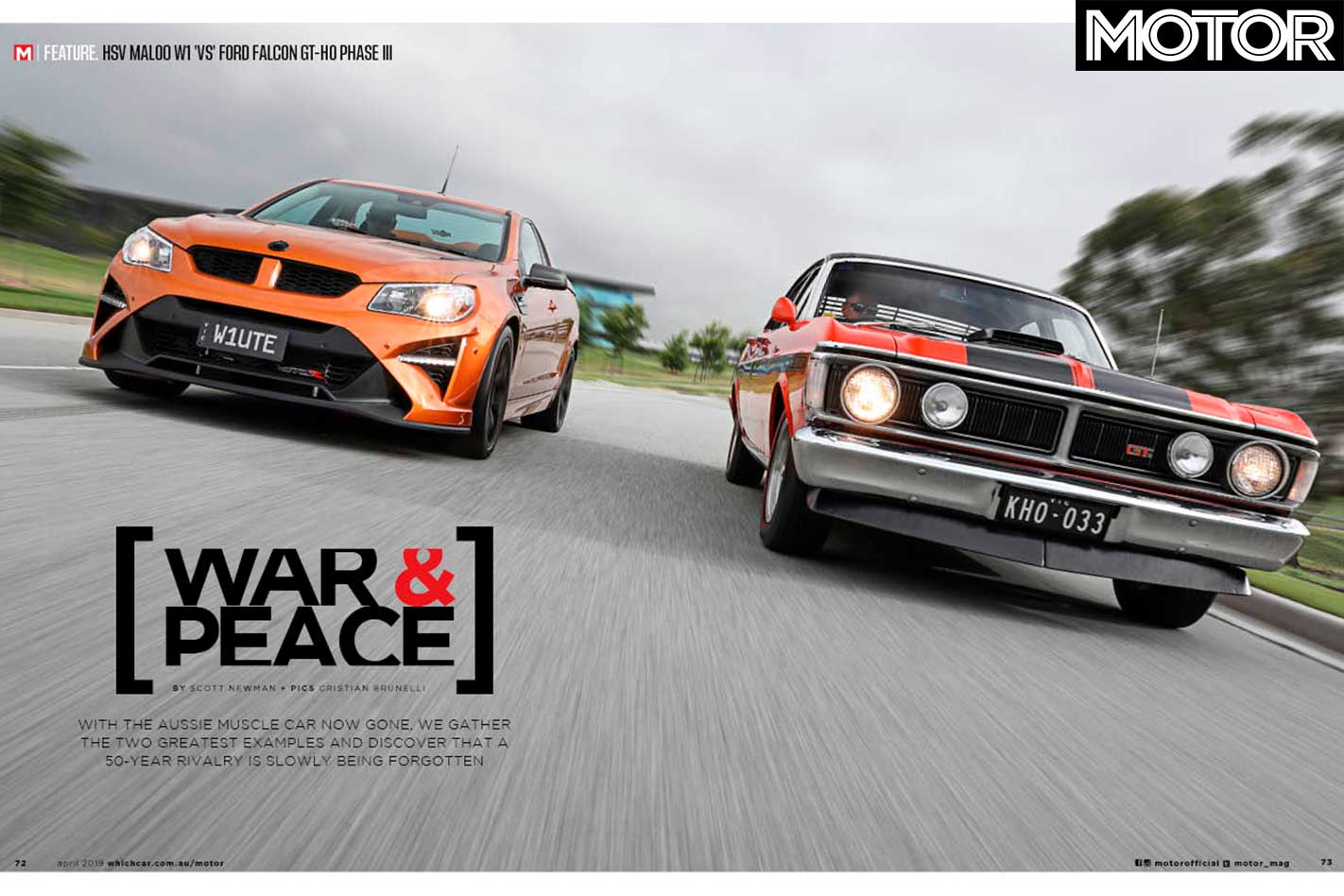
With the Aussie muscle car now gone, we gather the two greatest examples and discover that a 50-year rivalry is slowly being forgotten.
GUN SHOW – Chrysler 300 SRT vs Ford Mustang Bullitt
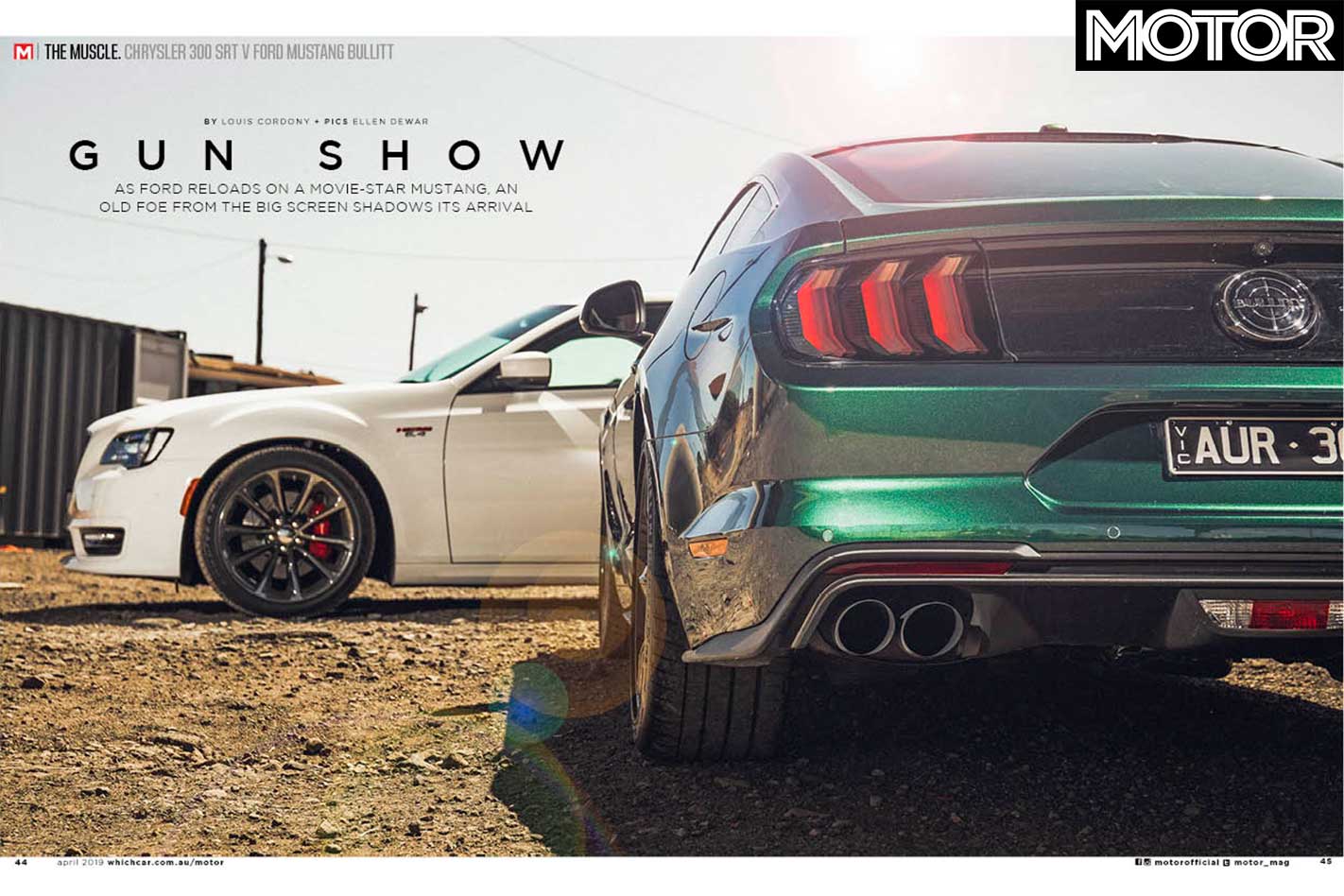
As Ford reloads on a movie star mustang, an old foe from the big screen shadows its arrival.
RAW APPEAL – McLaren 600LT vs Lamborghini Huracán Performante vs Porsche 911 GT3 RS
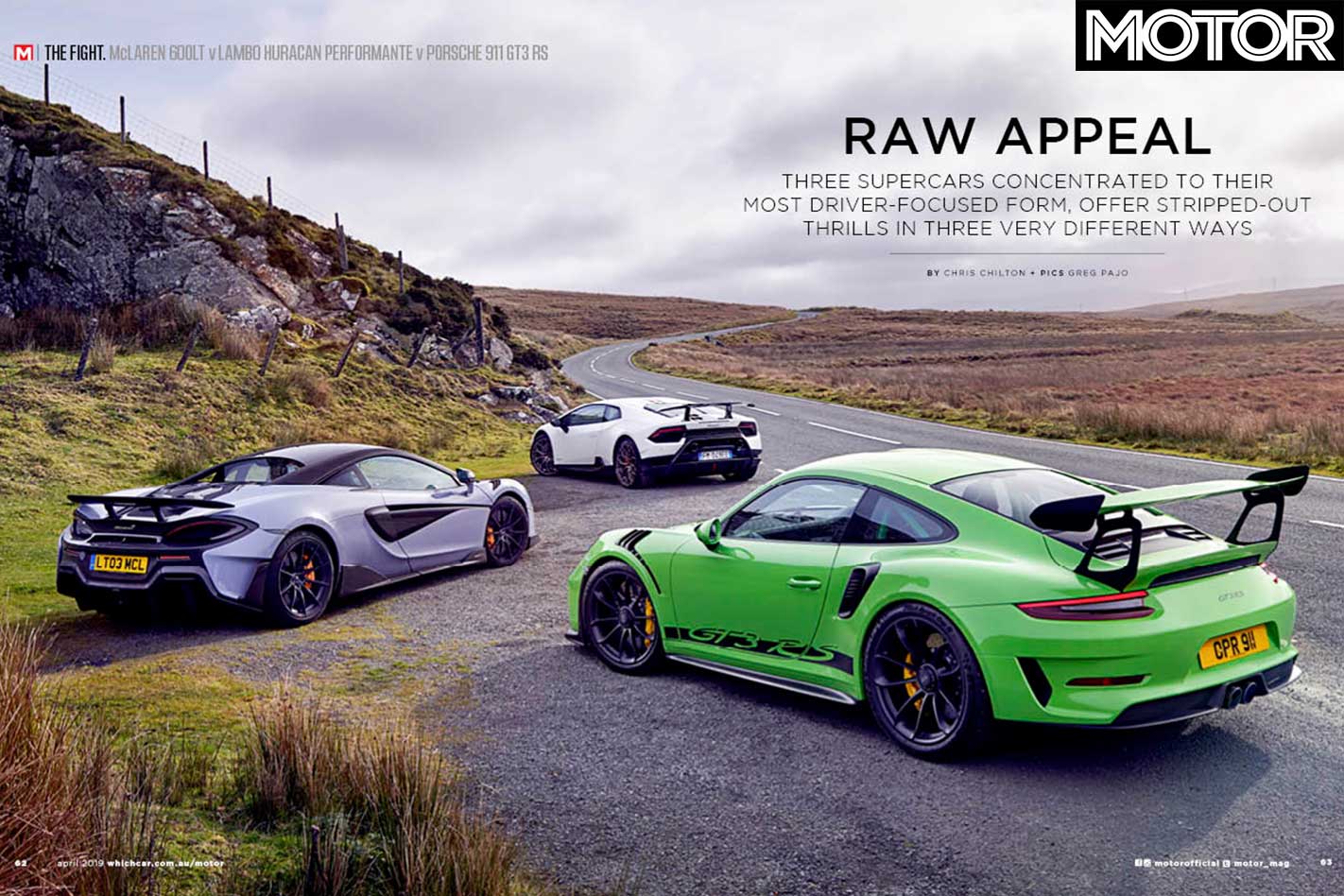
Three supercars concentrated to their most driver-focused from offer stripped-out thrills in three very different ways.
ZED’s NOT DEAD – Nissan 370Z N-Sport review
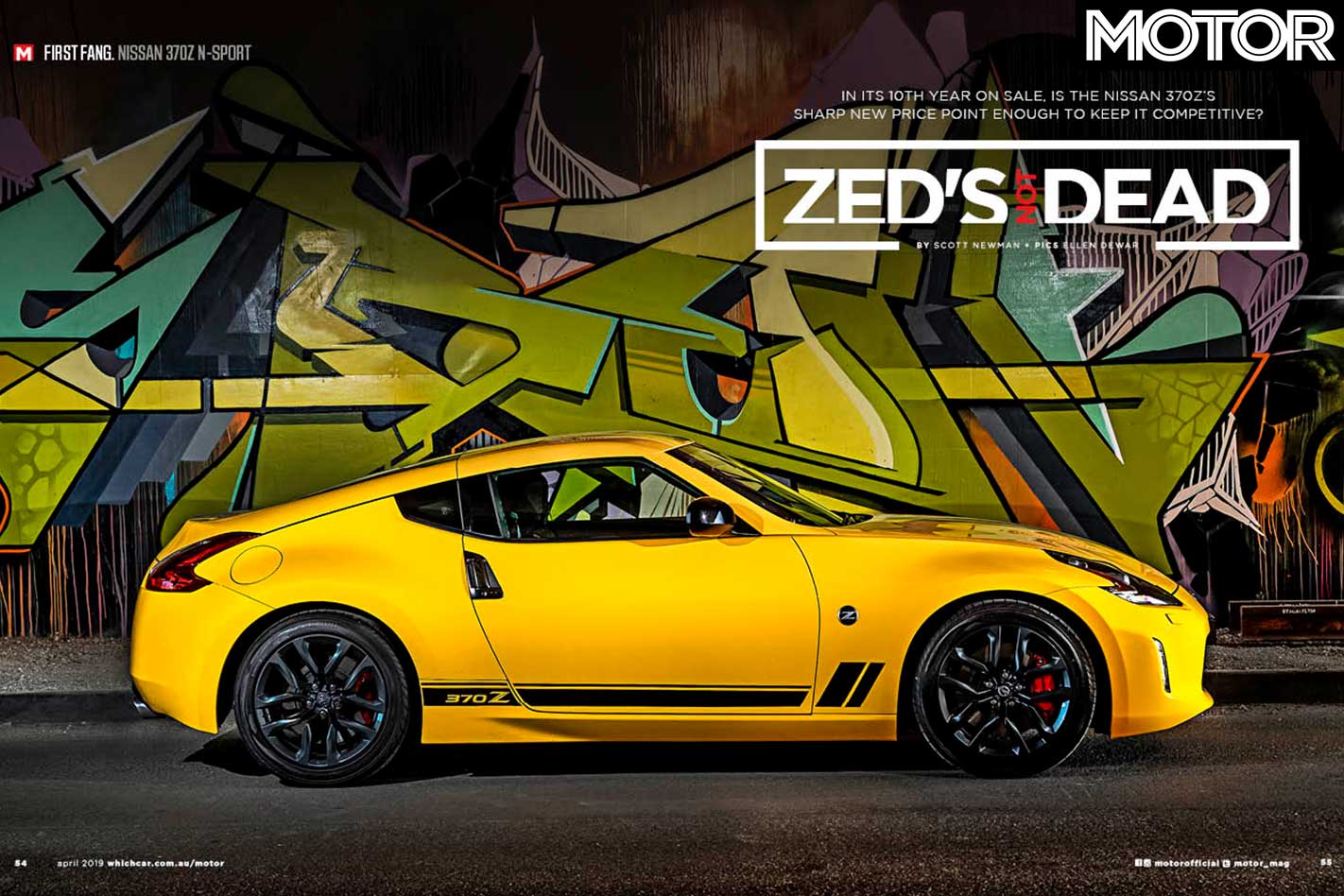
In its 10th year on sale, is the Nissan 370Z’s sharp new price point enough to keep it competitive?
BLUNT FORCE – Lamborghini Urus vs Range Rover Autobiography vs Mercedes-AMG G63
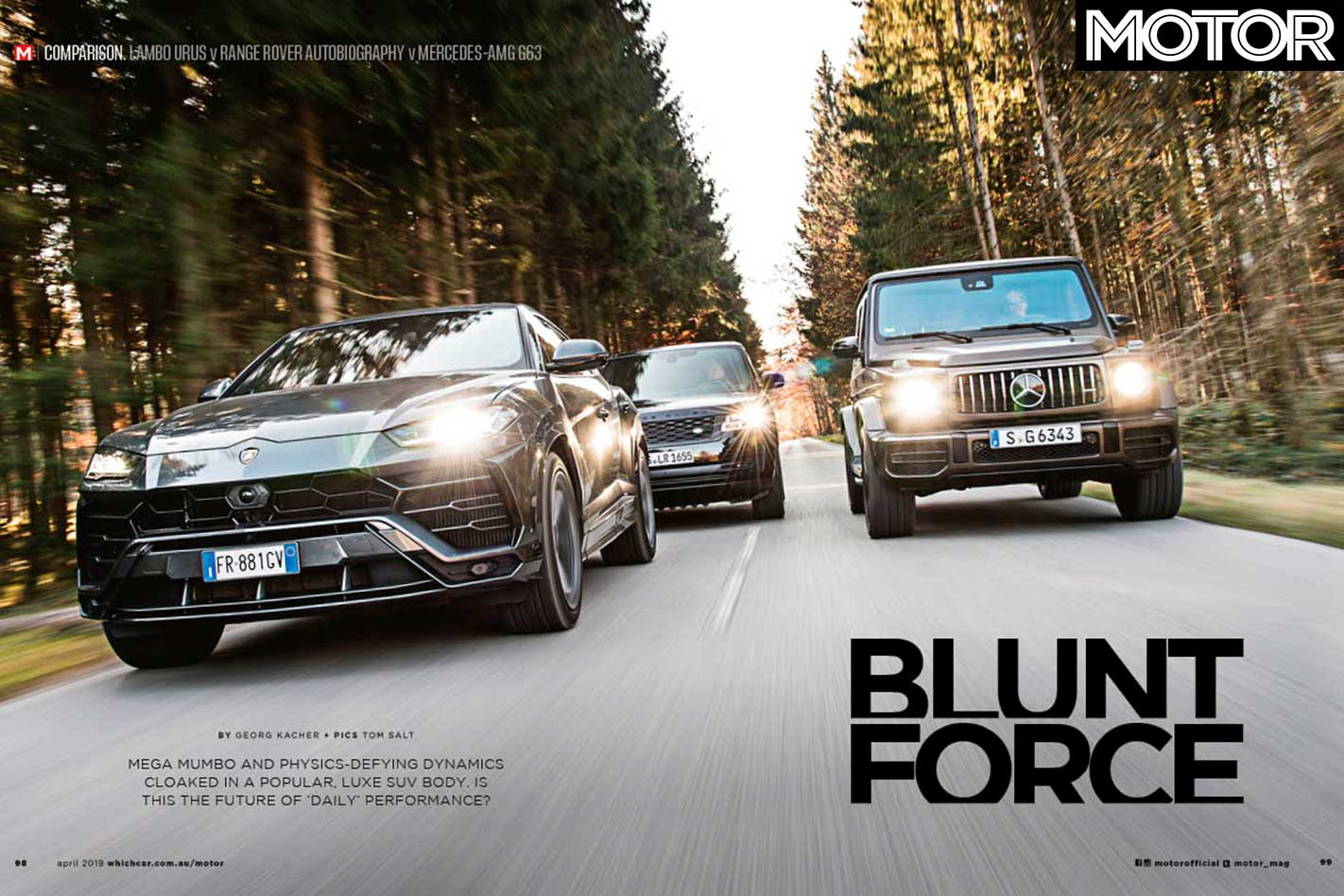
Mega mumbo and physics-defying dynamics cloaked in a popular, luxe SUV body. Is this the future of daily performance?
ROCKET SCIENCE – MG Metro 6R4 Group B rally car
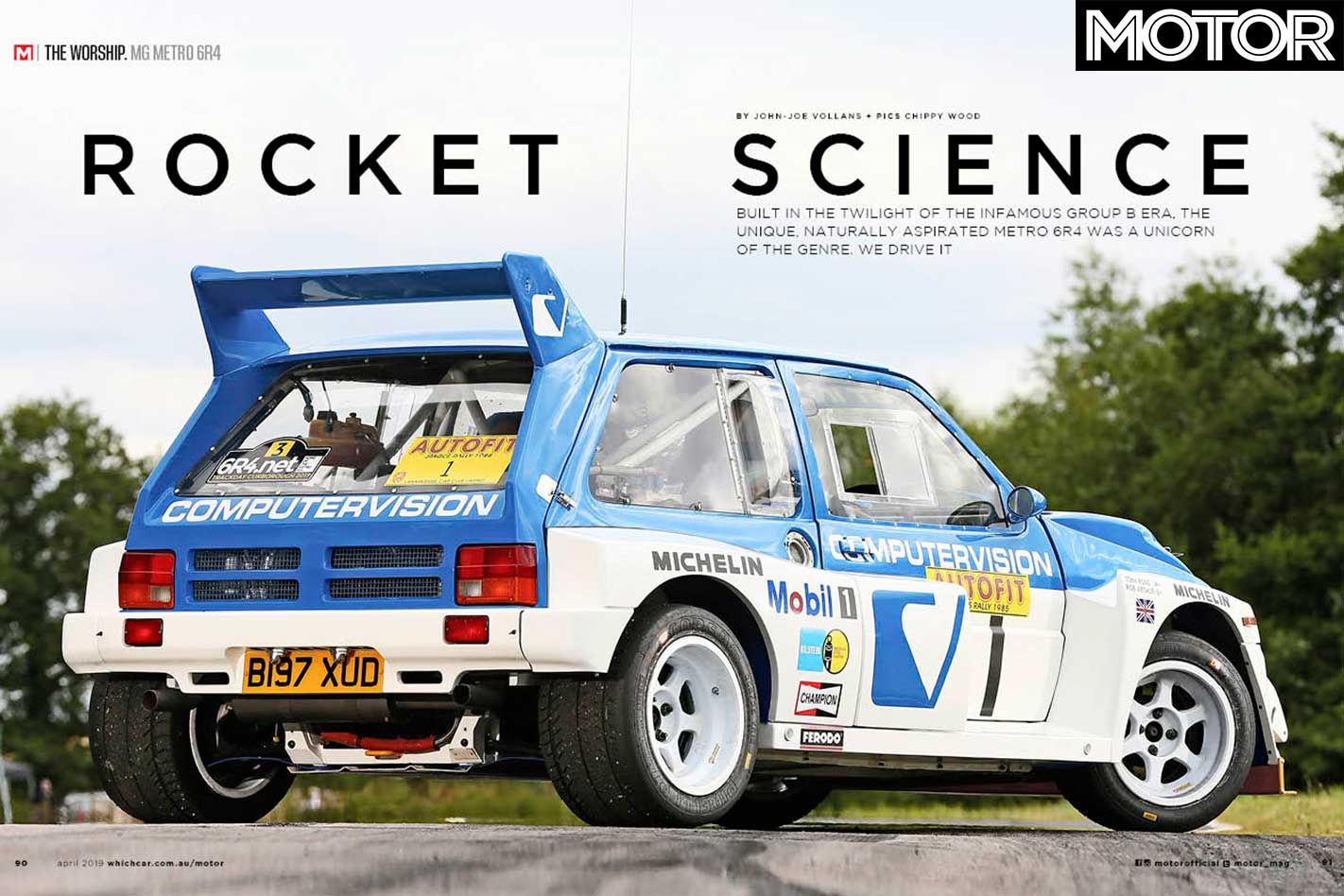
Built in the twilight of the infamous Group B era, the unique, naturally aspirated Metro 6R4 was a unicorn of the genre. We drive it.
GHOST HUNT – Rolls-Royce Wraith Black Badge in Japan
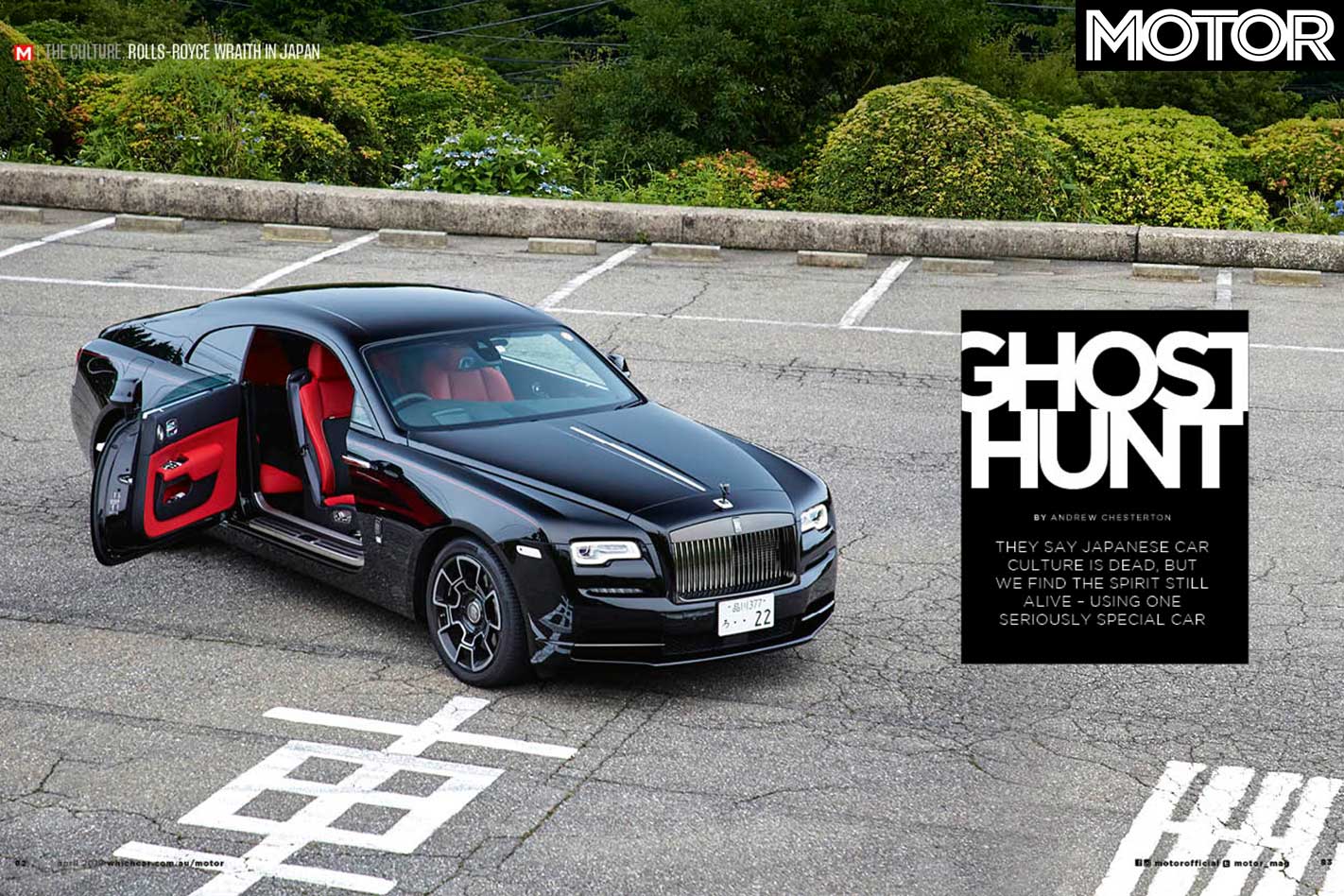
They say Japanese car culture is dead, but we find the spirit still alive – using one very special car.
BUYER’s GUIDE – JAGUAR S-TYPE R
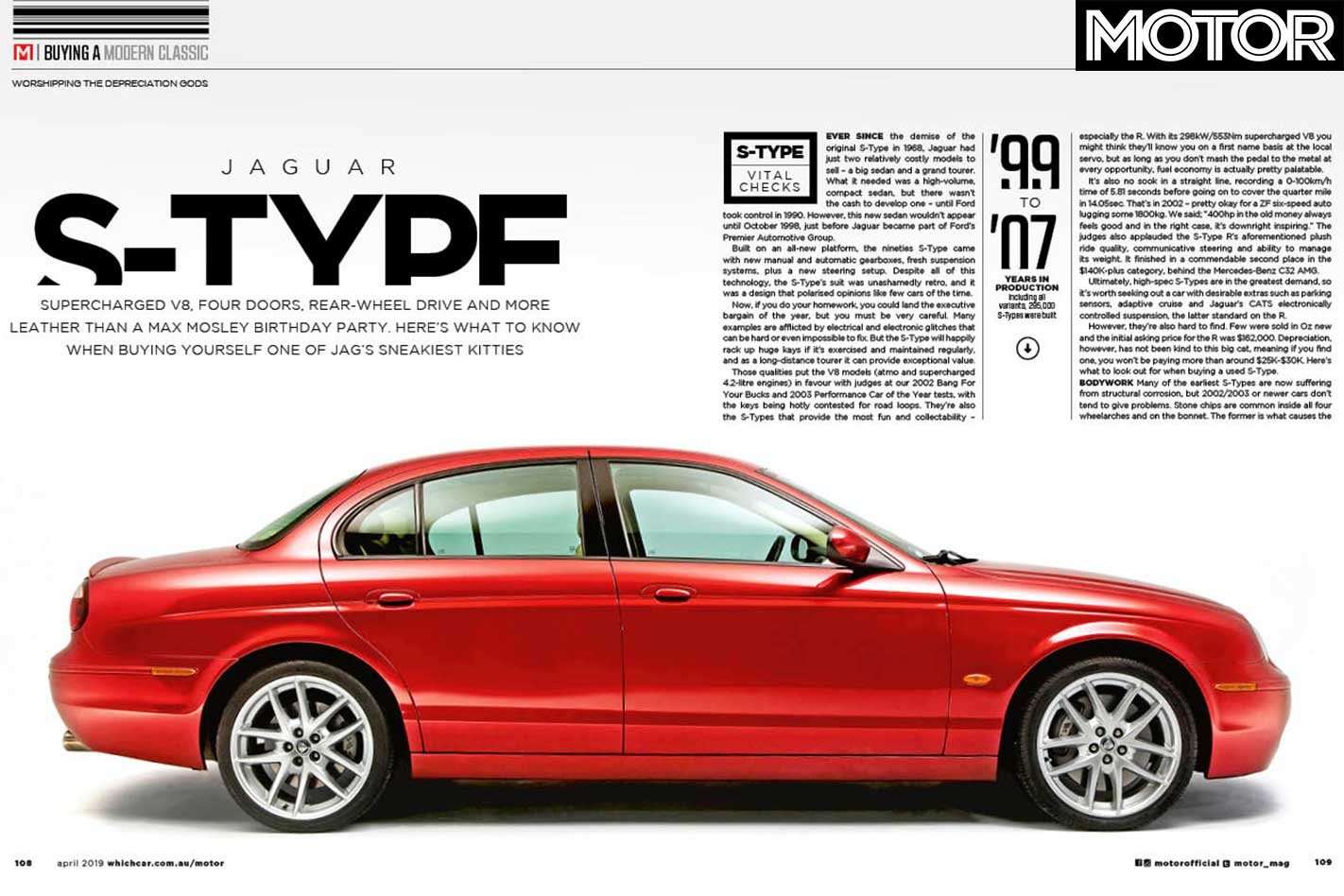
Supercharged V8, four doors, rear-wheel drive and more leather than a Max Mosely birthday party. Here’s what to know when buying yourself one of Jaguar’s sneakiest kitties.
FIRST FANGS
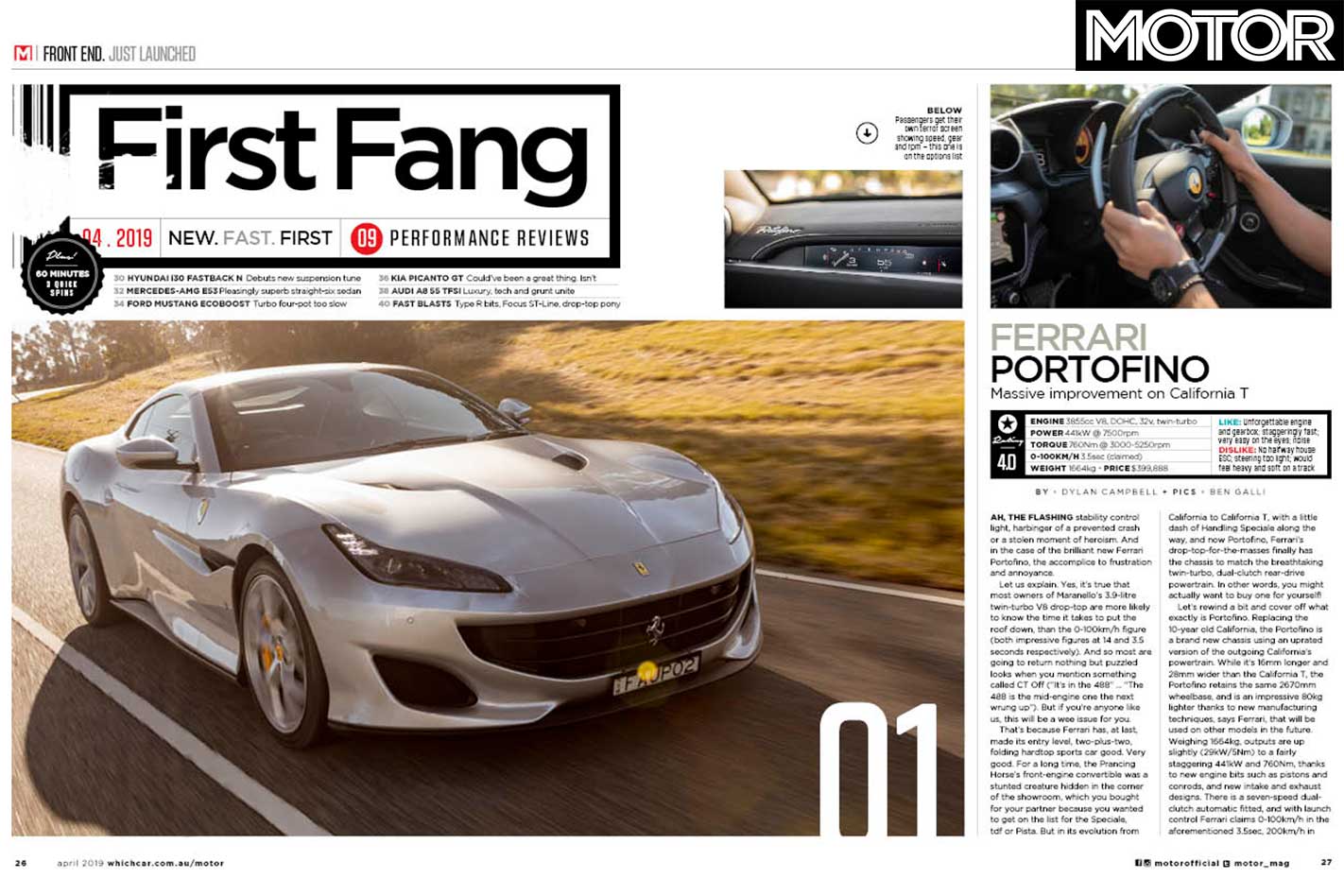
Ferrari Portofino, Hyundai i30 Fastback N, Mercedes-AMG E53 sedan, and more!
PLUS NEWS, OPINIONS, and all the regulars!
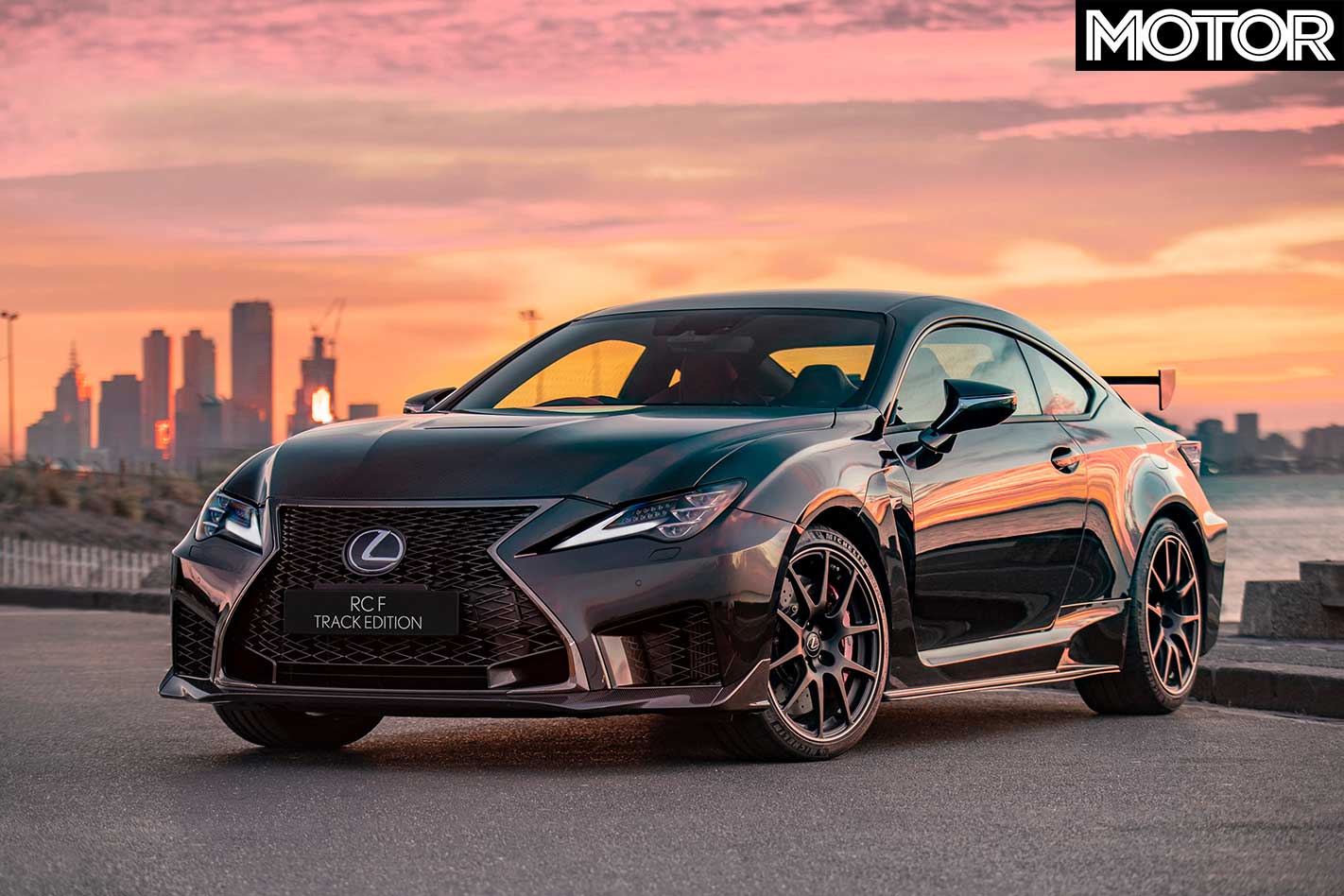
The updated 2019 Lexus RC F and the sharper Lexus RC F Track Edition are set to launch in Australia with new pricing revealed today.
The new Track Edition starts at $165,690, which sits in the middle of the price range for rival BMW’s M3 and M4 Competition and CS models.
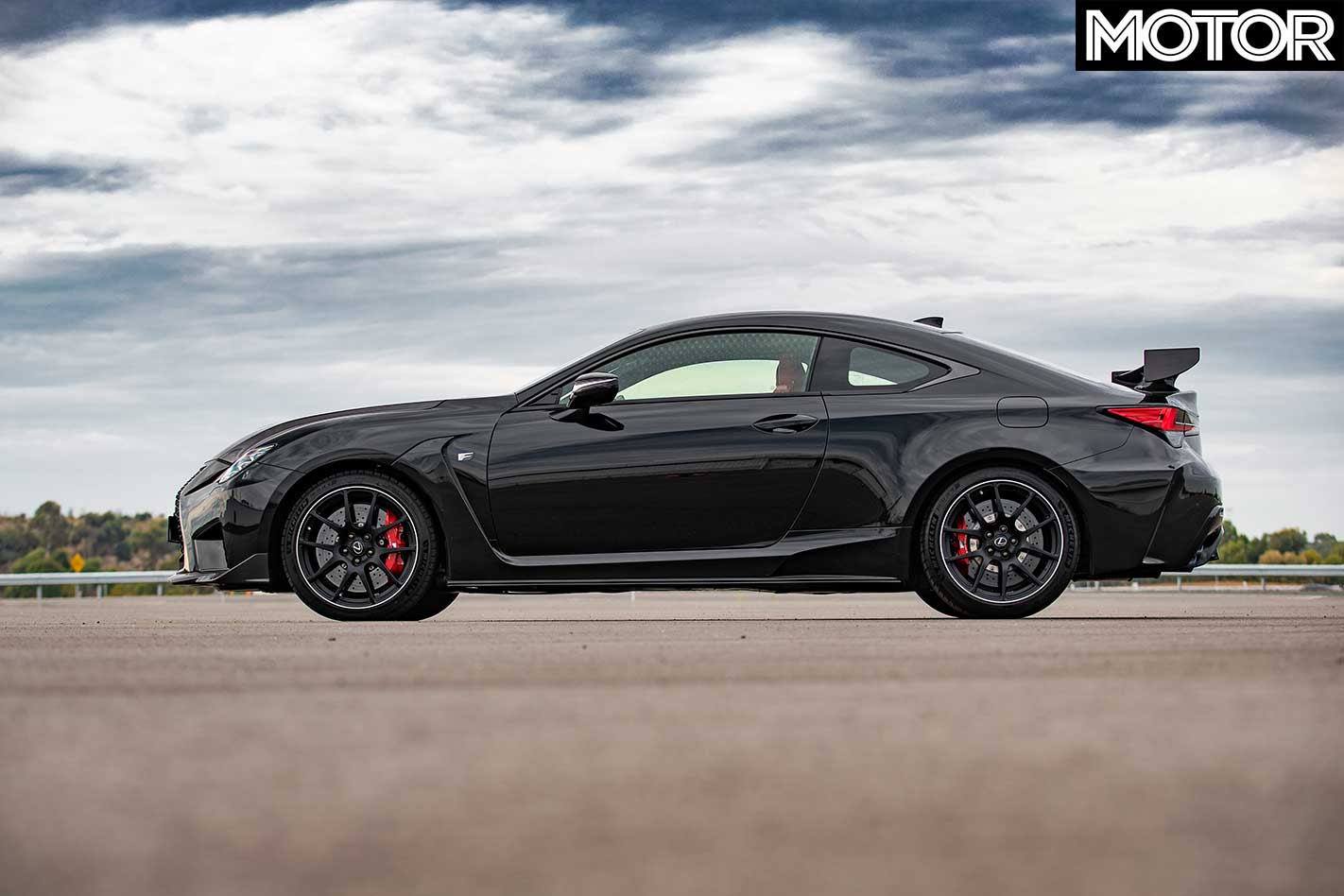
It scores Brembo carbon-ceramic 380mm disc brakes all-round behind 19-inch BBS alloys, with a lighter titanium exhaust, and a healthy serving of CFRP across the bonnet, roof, rear diffuser, lower rocker panel, front spoiler, and rear wing.
This all equals a kerb weight below 1715kg, significantly lighter than the standard RC F.
Lexus says it’s the fastest car from the brand since the LFA.
Moving on, at $134,129, the standard RC F has copped a price drop from $137,739 despite receiving new features and slightly updated styling.
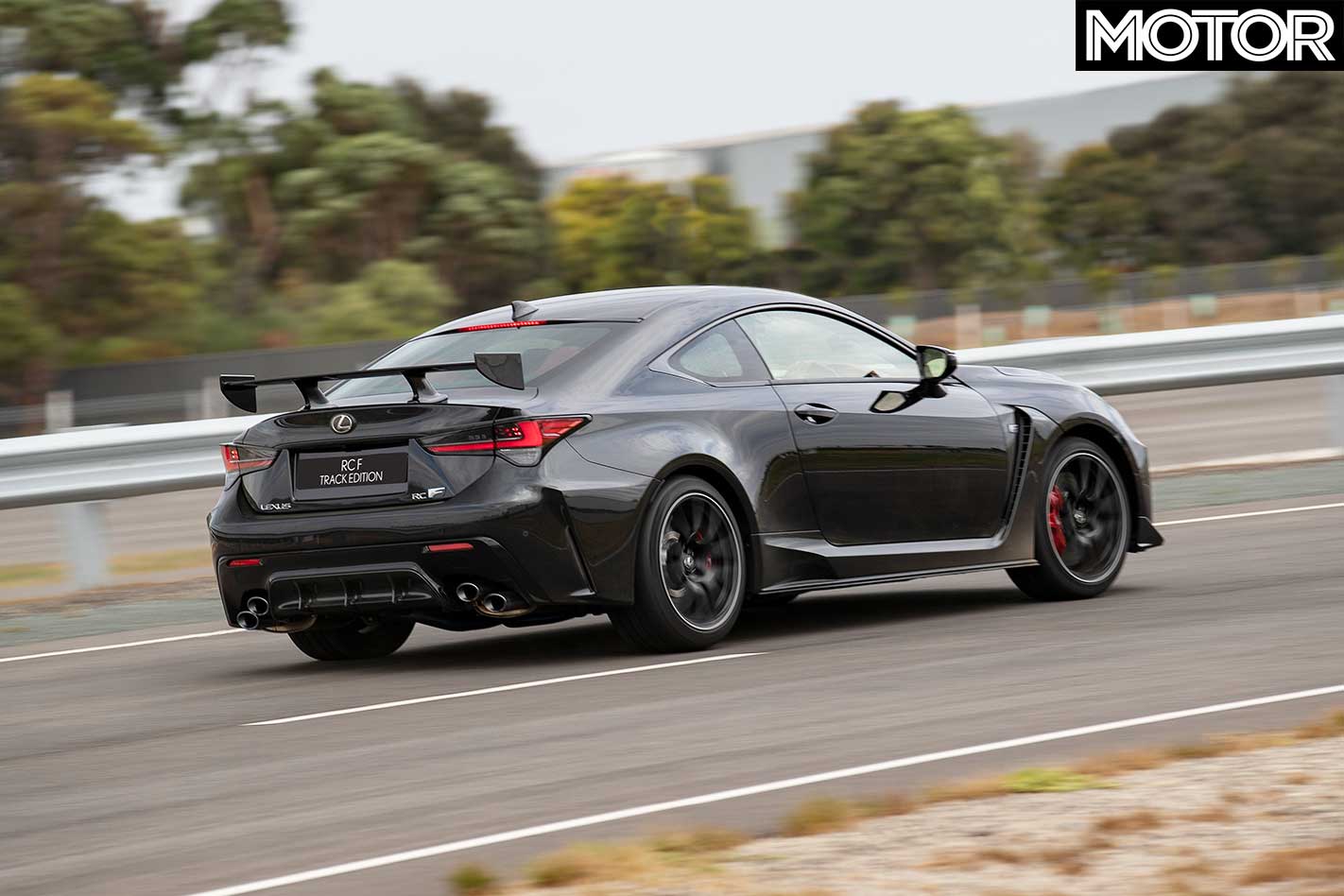
Launch control, a revised engine intake and some light-weighting (down 15kg overall, though Lexus hasn’t specified a figure) are said to allow a quicker 0-100km/h run at ‘just over four seconds,’ down from 4.5sec.
Stiffer engine mounts, rear suspension bushings, and steering rack mounts, along with a new set of Michelin Pilot Sport 4Ss aim to improve the dynamic qualities of the still-1800kg-plus V8 coupe, which Lexus says should result in lower lap times at track days.
But for the ultimate in Lexus track performance, the Track Edition is the pick.
Lexus chief executive Scott Thompson says the two variants of RC F are well positioned as a “formidable pair” in the local market.
“Offering a more aggressively priced RC F and a more aggressively dynamic RC F Track Edition is an ideal twin-strategy in this performance-loving Australian market,” Thompson says.
“These highly sophisticated, proudly unique normally aspirated V8-powered coupes have never been better represented than after such comprehensive upgrades.”
The new RC F range is available in dealerships from May 2019.
It was an ordinary Monday night, just a quick trip to the supermarket in a 2019 Ford Mustang EcoBoost before heading home. Ahead of me as I walked to the car park was a family. Mother and father were reluctantly squabbling in public as their young son walked within earshot, unaware of the escalating feud.
He was transfixed on the Mustang – ‘my’ Mustang. “Dad look, it’s a Mustang”, said the boy, grabbing his father’s arm for attention. Literally pulled out of his confrontation, the response was short, but cutting. “Mate, it’s not even a V8.” Despite the authoritative response from his elder and a two-door coupe sans 5.0 badging, it didn’t stop the beguiled boy watching wide-eyed as I drove away.
That’s the visual appeal of the iconic ponycar. The current design (with updates in line with the GT) is such a successful throwback to the past while still being bang-on in a modern context. Yet unlike America, where the fuel crisis meant four-cylinder Mustangs have been a thing since the ’70s, we’re yet to fully grasp the notion of a ’Stang with only “half an engine”.
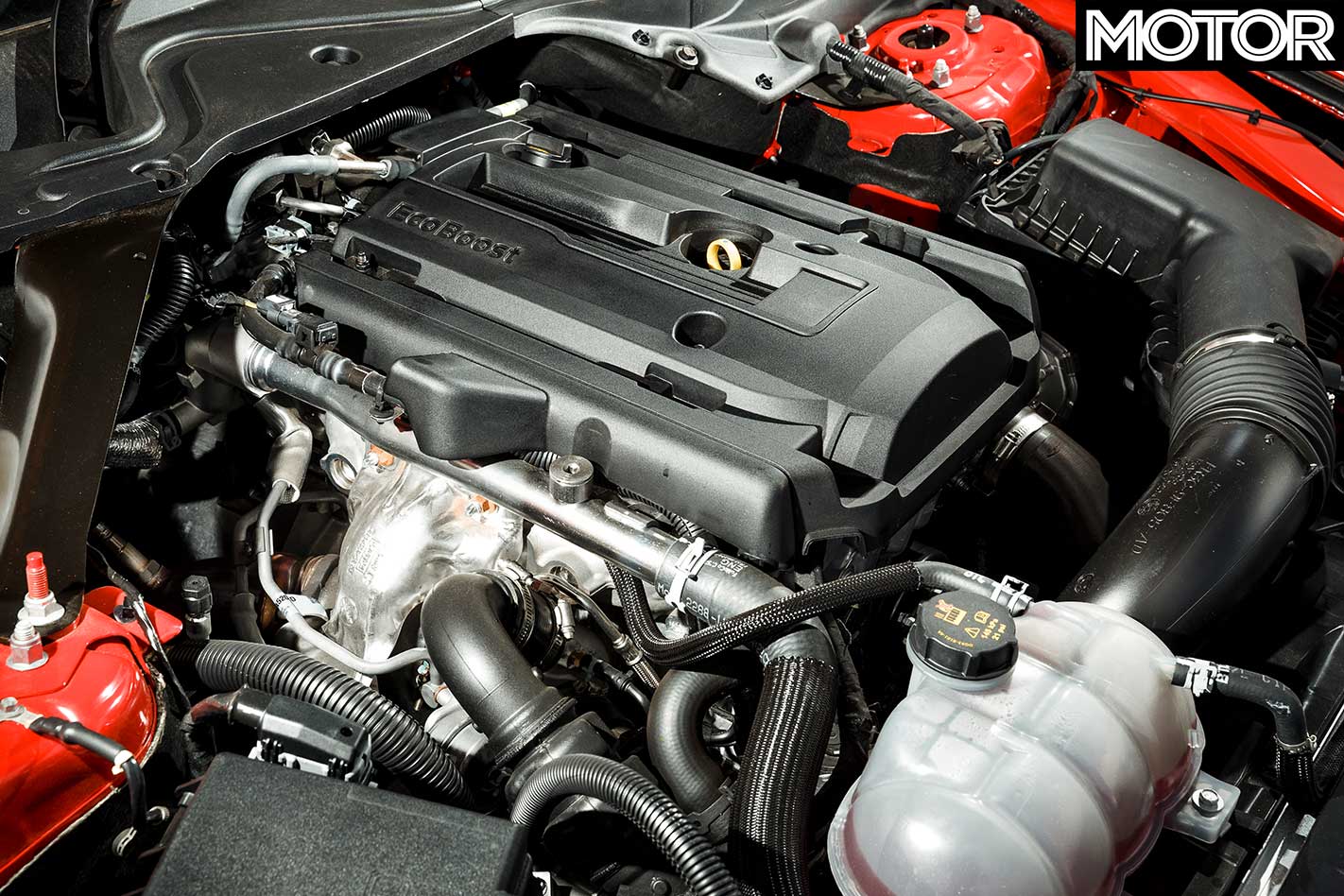
However, maybe it should be viewed as a Focus RS-powered Mustang – just in a milder tune, with that grunt sent to the rear 255-section P Zeros and not all fours. And with 224kW and 441Nm from its alloy, 2.3-litre four-cylinder turbo, that’s exactly what the Fastback is – it’s also $13K cheaper than the GT. You can select a reworked six-speed manual or the hyped 10-speed auto in either Fastback or Convertible guises.
Just don’t expect the same levels of straight-line prowess as either of its Blue Oval siblings. Down the drag strip, a 6.23 second 0-100km/h time was all she wrote, that’s combined with a quarter-mile in 14.38sec at 151.85km/h.
It isn’t blisteringly fast and it’s a stark reminder that the boosted four-pot still weighs 1705kg. A careful management of wheelspin off the line is required with precisely timed shifts as second gear tops out at 104km/h. Although it does sound a lot better while doing it with the quad-tipped exhaust offering a far louder and tuneful bark than before.
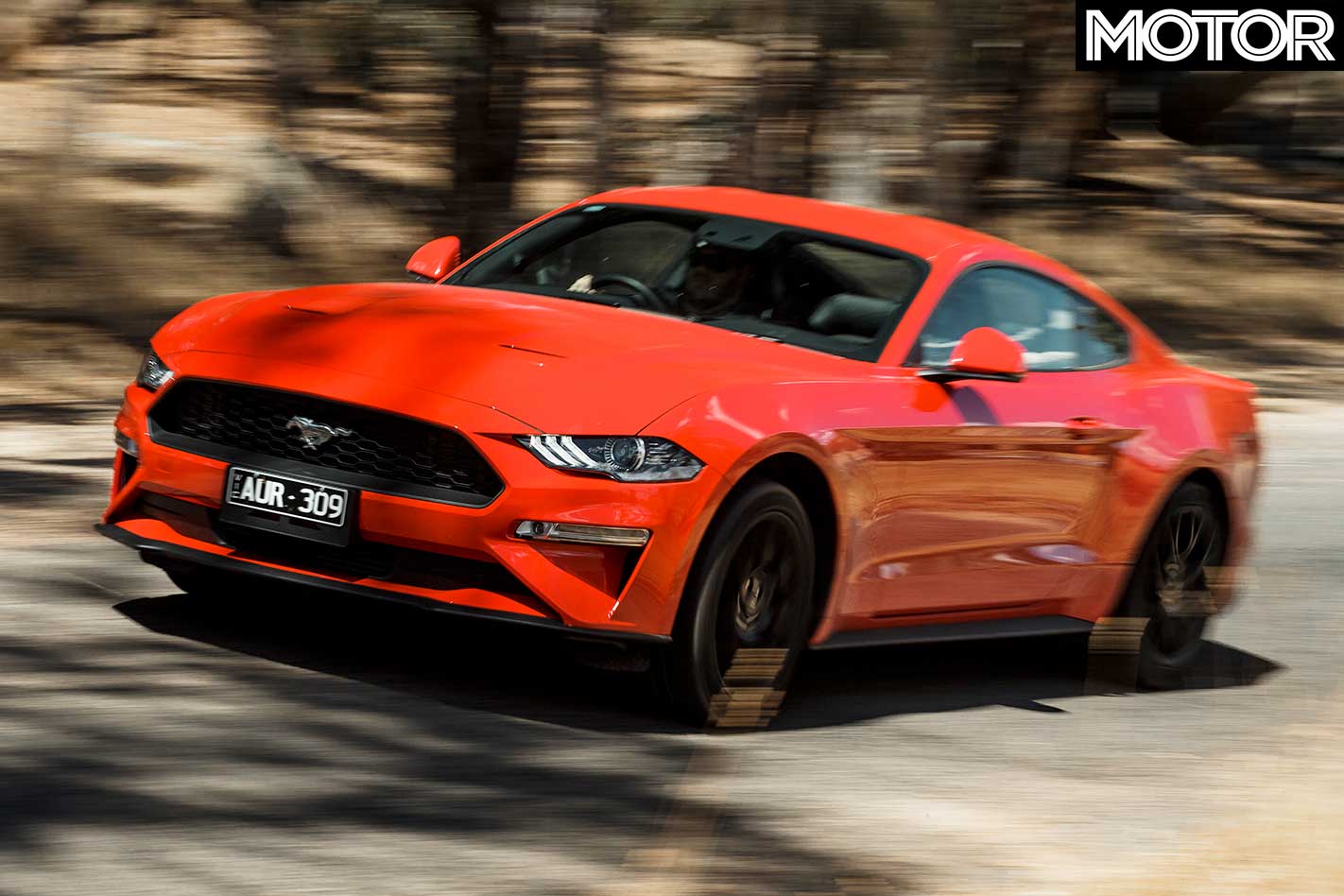
Away from straight lines, it’s out in the real world where the EcoBoost comes alive and makes more sense. It feels faster on the run with dollops of torque to relax into while holding onto taller gears.
Speaking of, the shorter ratios used for the manual should be fitted to the brawny GT. Given it’s a $3K premium, the hyped 10-speed auto isn’t a better pick as the manual provides a superior user experience.
Point to point, the EcoBoost ’Stang strides with the kind of dynamic verve that would match a GT caught in its lower rev range. It’s competent and composed, but the optional MagneRide is $2750 well spent. Sans adaptive dampers, the ride quality lacks the ultimate duality of comfort and control.
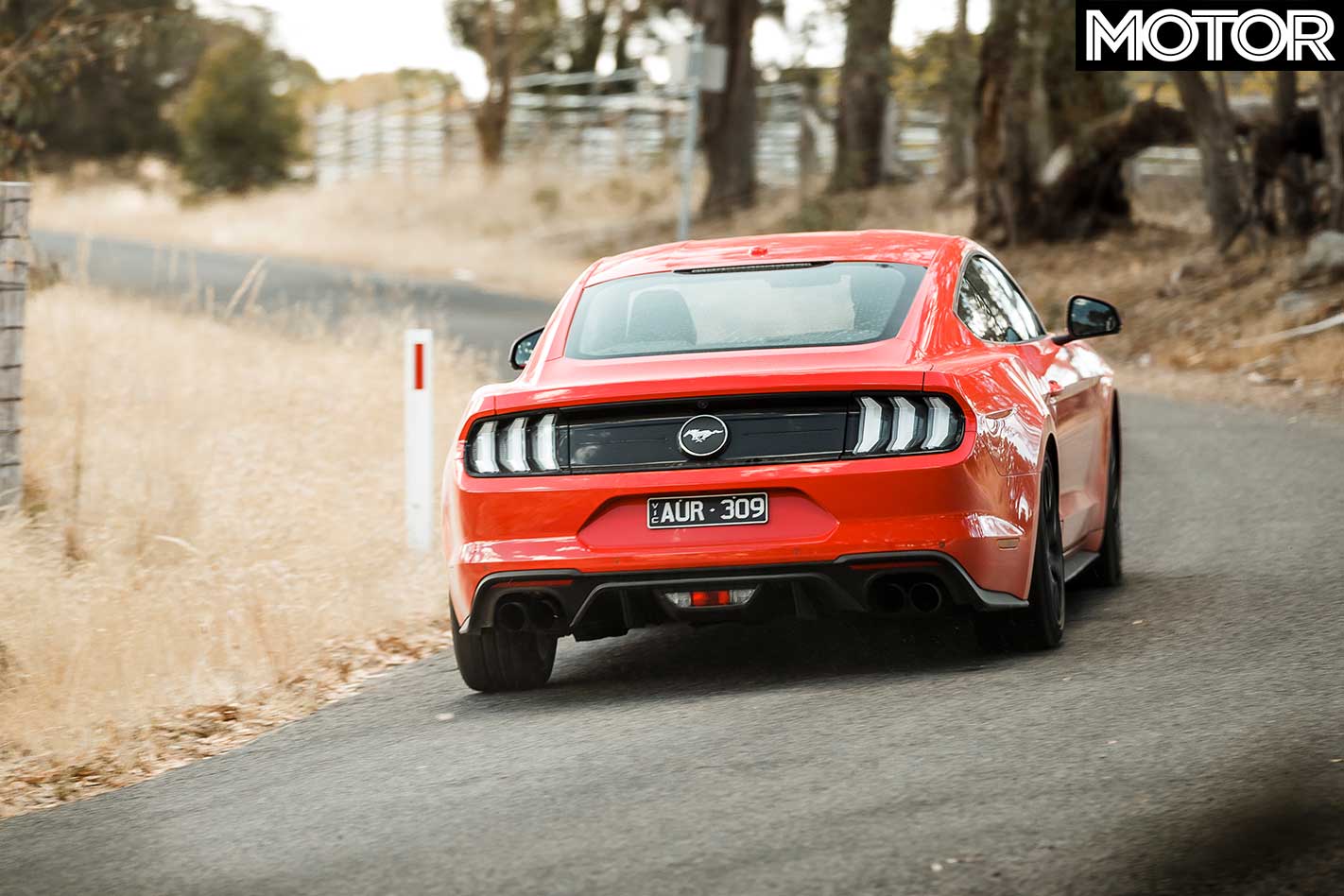
While the lighter front-end is tangibly keener on turn-in, the steering isn’t tactile enough and it’s a bit dead straight-on. Toggling through the modes doesn’t really help as it simply adds artificial weight. The long nose seemingly exacerbates the feeling of disconnection from the front axle.
While being spirited, there’s never quite enough grunt to overpower the rear axle, meaning once you’ve got past the neutral mid-point of the corner, exciting the rear-end for a bit of fun on corner exit is difficult – even with a limited-slip differential.
The initial travel in the brake pedal is sharp and the touchy nature it returns isn’t for everyone. Acclimatise to it and the Brembo stoppers are excellent.
Despite upping the fit-and-finish game as well as adding better materials, like the exterior, the cabin remains a retro homage with varying degrees of success. It’s an apt interior for the exterior in terms of presence.
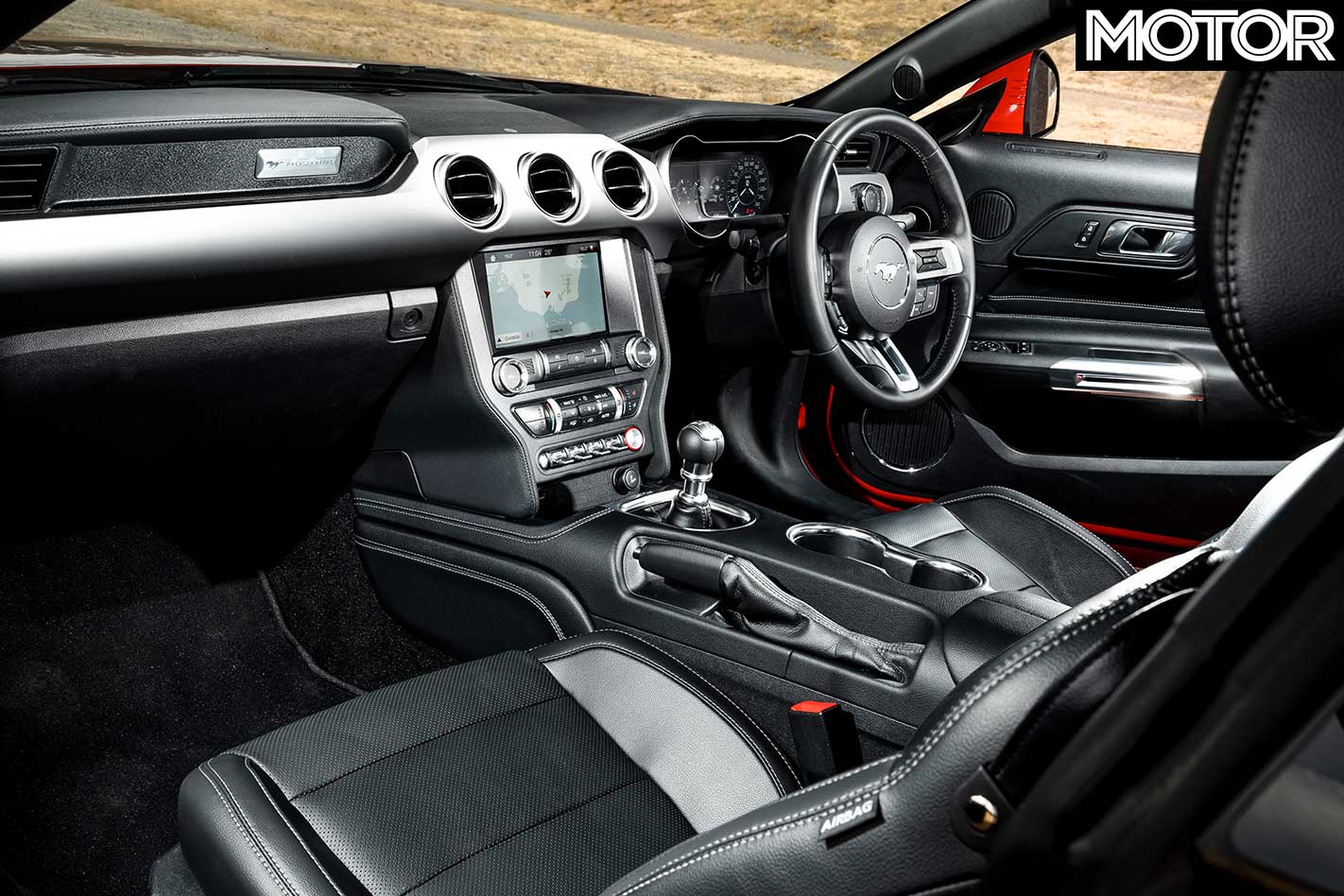
SYNC3 infotainment (with a large 8.0-inch screen) and a 12.4-inch digital instrument cluster are highlights, while all 2019 EcoBoosts come with an, ahem, banging B&O sound system and Autonomous Emergency Braking.
It’s hard not to look at Mustangs with the same lust as the aforementioned boy – and that’s not via rose-coloured glasses. There’s something about American muscle that just works. However, it’s tied to a V8 narrative; one made even more resolute with the death of Aussie, rear-drive V8s.
Be in no doubt, the EcoBoost Mustang Fastback is a talented, rear-drive performance coupe that, at $49,990, makes a strong case. But it’s not a V8. And that’s what really counts.
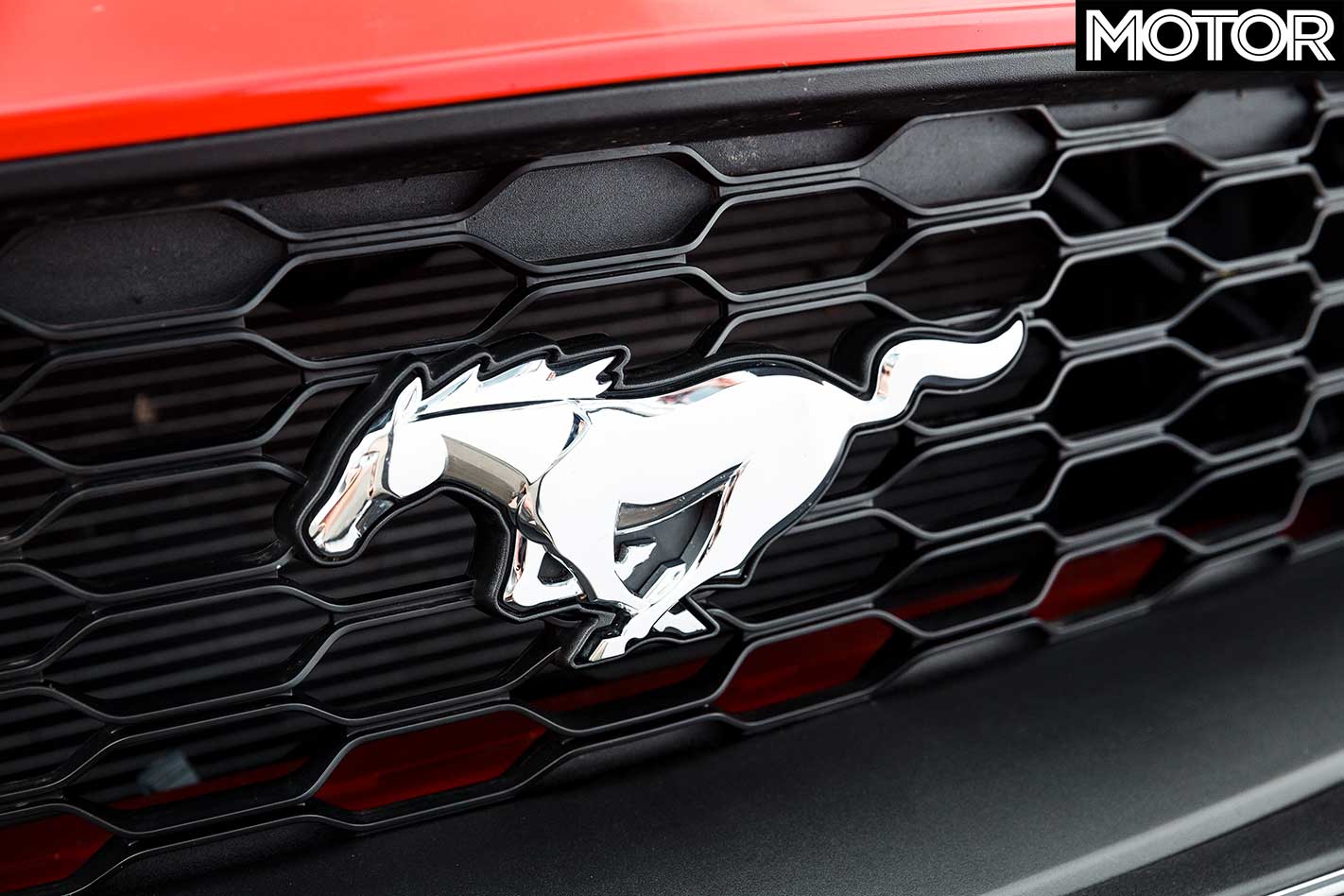
2019 FORD MUSTANG ECOBOOST SPECS Engine: 2261cc inline-4, DOHC, 16v, turbo Power: 224kW @ 5700rpm Torque: 441Nm @ 3000rpm Weight: 1705kg 0-100km/h: 5.8sec (claimed) Price: $49,990
Like: Point-to-point pace; overall dynamic balance; involving manual; styling Dislike: It’s not a V8 and will never stack up acoustically; heavy, not overly fast; steering
Rating: 3.5 out of 5 stars
Ford has added yet another SUV to its burgeoning crossover line, announcing that the Puma will debut in Europe before the end of 2019.
Designed to sit in between the unloved EcoSport and the Escape/Kuga, the Puma is built on top of Ford’s older Fiesta platform, rather than the new C2 platform that sits underneath the just-announced fourth-generation Escape and the new Focus.
Teased at a Ford event in Europe, few details about the five-seat, five-door Puma – which, at 4200mm long, will rival cars like the Renault Captur, Mazda CX-3 and others – have been revealed, but it’s been designed to provide more luggage space than others in the small SUV category.
It will, for example, carry two sets of golf clubs standing upright (seems like a lot of people still play golf, right?), with a maximum of 456 litres of space behind the second row of seats when the movable boot floor is in its lowest position.
This means that the shape of the Puma is more bulbous than bold, but practicality has taken precedence.
Ford revealed little about drivetrains and specs, but did announce that the Puma would use the same 48-volt hybrid system that will be used in the Focus and the European spec Fiesta, which has been discontinued here in Australia.
The system, which uses braking energy to charge a lithium-ion battery pack to feed a small supplementary electric motor, will be teamed with a 1.0-litre three-cylinder turbocharged petrol engine that will power the Puma’s front wheels.
The Puma name is not new to Ford; it was used on a Europe-only sports coupe (below) between 1997 and 2002.
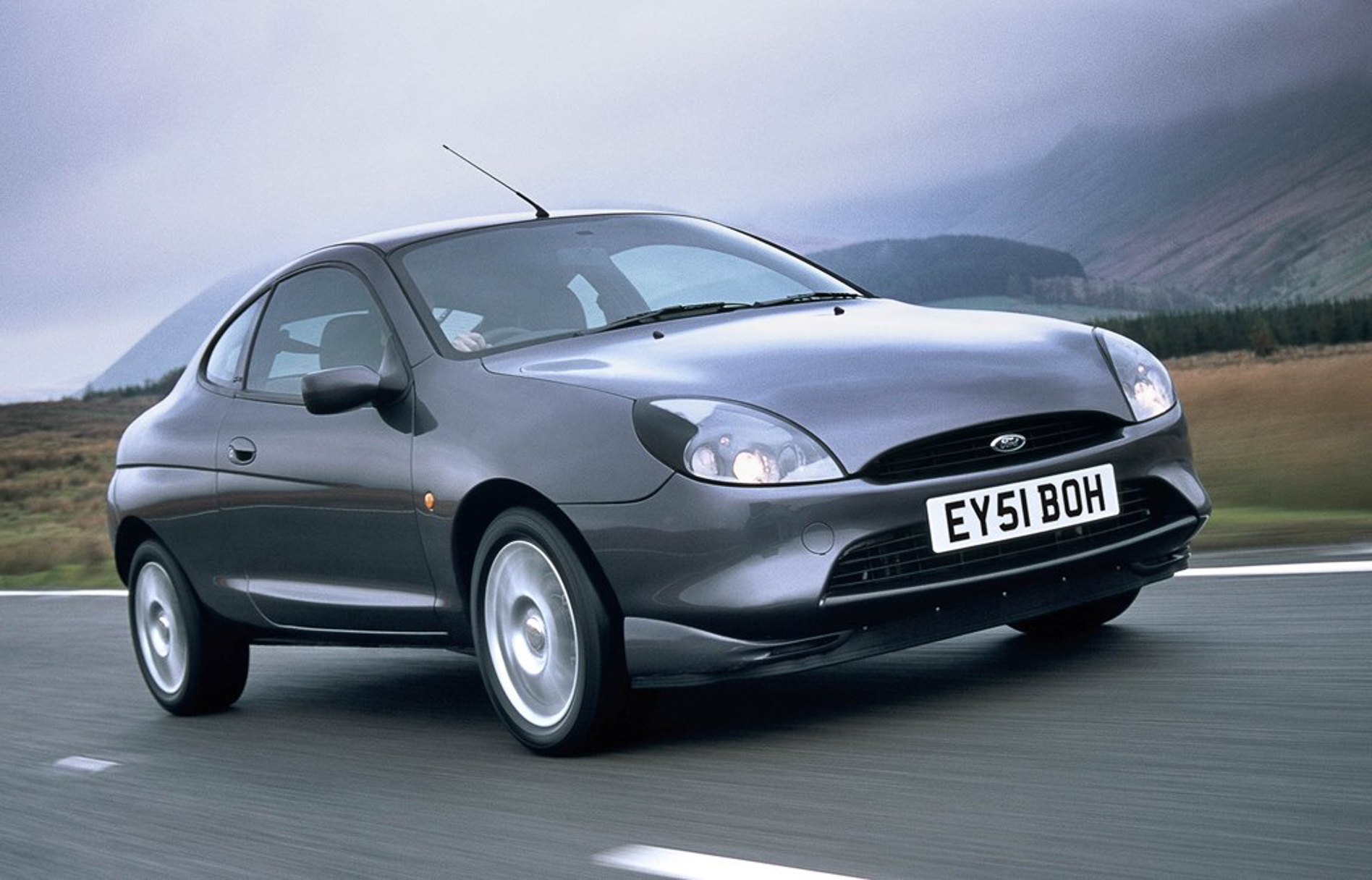
The 1990s Puma was based on the Fiesta
Locally, Ford Australia said that the Puma “looks great”, and it was “excited” for the announcement, but had nothing else to share.
If the Puma does make it down under, it will join Ford Australia’s burgeoning SUV fleet that consists of the small EcoSport, medium Endura and Escape as well as the large Everest… which may well mean the Puma might have to change its name.
The Wheels Verdict: The new Range Rover Evoque is an impressive leap forward and is now a real rival in all areas to the more popular Europeans.
WHAT IS THE RANGE ROVER EVOQUE?
The Evoque is the compact SUV baby of the Range Rover range, sitting below the Velar mid-sizer, the Sport and the just call me Range Rover big SUV. It was first launched in 2011, and came with all the prestige and off-road skills synonymous with the Range Rover label, but was held back by less refined Ford engines initially (they were replaced with new Ingenium engines in 2015), too-tight interior and fussy styling. Even so, Land Rover sold more than 800,000 Evoques worldwide in the nine years to now, one-third of Range Rover’s total sales.
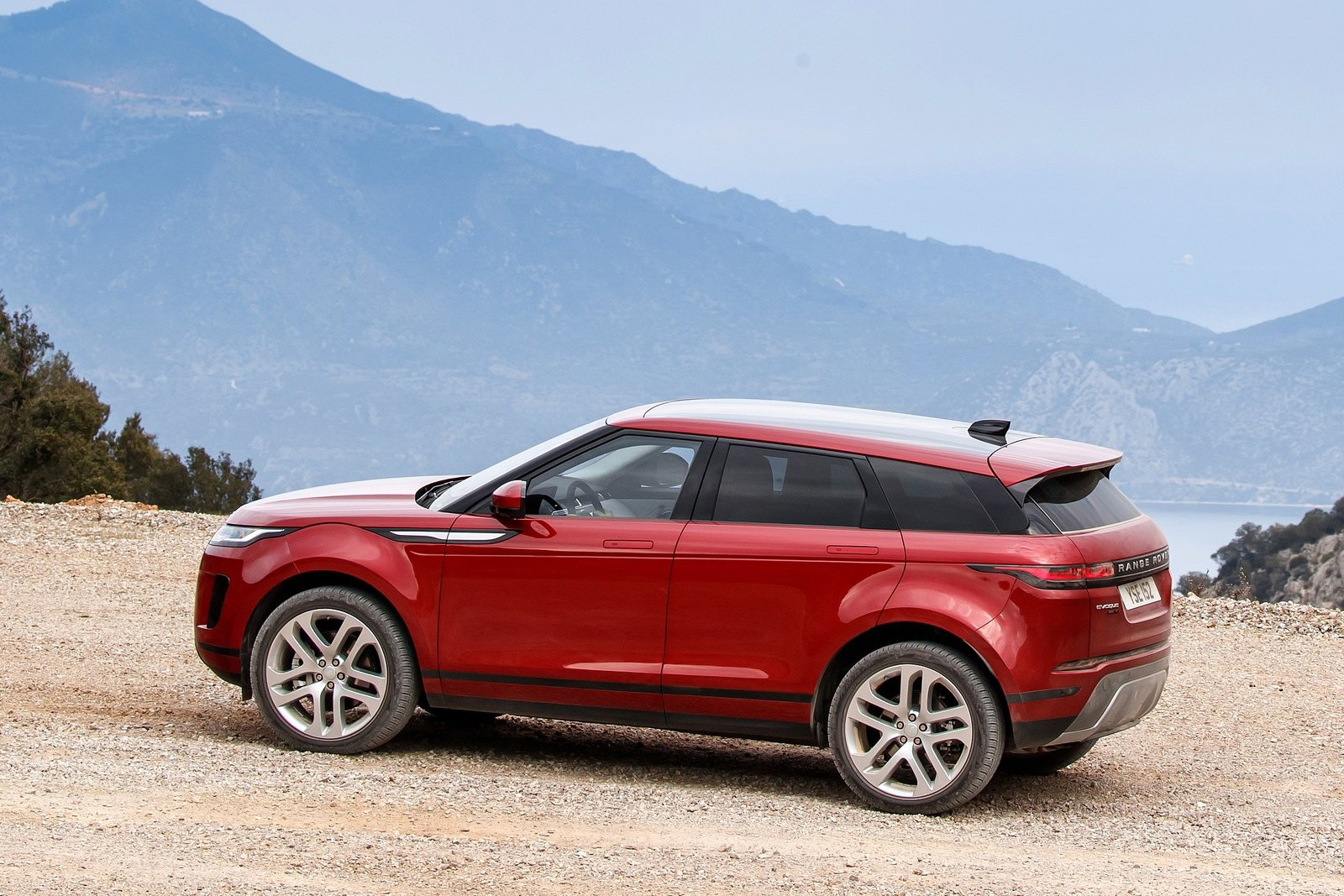
This 2019 model is the second-generation Evoque. It’s a five-door only (no more three-door or convertible), and is priced from $62,670 in P200 S spec up to $96,090 for the D240 R-Dynamic HSE. That entry point is $4000 higher than last year, but Range Rover claims the new Evoque has more than enough new features and capabilities to make up the difference.
WHY WE’RE TESTING IT
Don’t be fooled by the similar skin; the all-new 2019 Evoque is an almost complete do-over. Engines are carried over from the outgoing 2018 model, but everything else is new (bar the door hinges). The 2019 Evoque is more refined, more capable, more spacious and has groundbreaking technology to boot. We’re keen to know if Range Rover’s baby has grown up enough to battle on even terms with more popular premium compact SUVs from Volvo, Audi, BMW and Mercedes-Benz.
RANGE ROVER EVOQUE REVIEW
There’s a lot to talk about with the second-generation Range Rover Evoque, launched in Greece last month. Plug-in hybrids, new driver-assist technologies, dynamic and practicality improvements, and more mature styling are the most obvious. But the biggest talking point could well be something we can’t see.
The 2019 Range Rover Evoque sits on an all-new platform – called ‘Premium Transverse Architecture’ by JLR – which will underpin the next Jaguar E-Pace and Land Rover Discovery Sport. And while this new platform is plug-in hybrid ready, it has not been developed for full electrification, surely a mandatory base to cover in this age. PTA has also resulted in a heavier car (up to 66kg on some models), despite being no bigger physically, and is going to have an unusually short lifespan.

“We’re hoping for eight to 10 years,” says Range Rover Evoque chief engineer Pete Simkin when we caught up at the global launch in the Hellenic Republic. “Beyond that, it’s just too hard to predict, what with all the revolutions going on.”
For a company like Jaguar Land Rover, which lost GBP3.4 billion in 2018 and is in the process of shedding 4500 jobs in the UK, the shortening lifespan (and lack of future-proofing) of platforms is an expense it would rather avoid. Or is Range Rover betting that mainstream electrification is still more than a decade in the future?
That question aside, if the new Range Rover Evoque’s real-world abilities are any indication, the next eight to 10 years will be good ones. Range Rover’s baby model has grown up; it has matured in all tangible areas and is now a well-rounded rival to the likes of Volvo XC60, BMW X3, Mercedes-Benz GLC and Audi Q5.
Australians will choose from 26 variants when sales commence in May, yet none of those will be three-door or convertible – both were dropped due to poor sales.

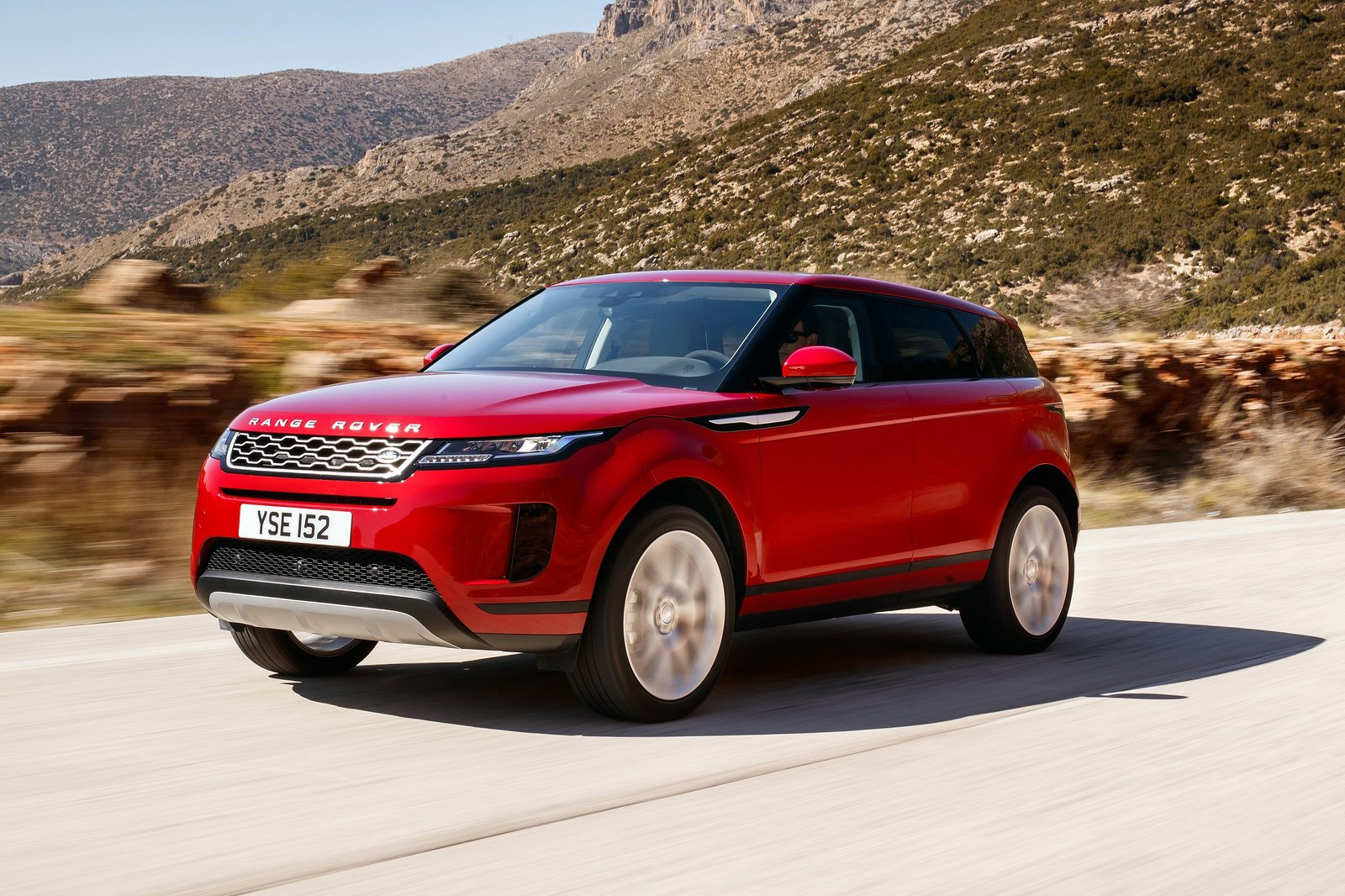
The new Evoque five-door’s styling is sympathetic to the 2011 original yet cleaner, less fussy. The trademark falling roofline, rising beltline and long wheelbase continue, but the adoption of the Velar’s front graphic, a more rounded rear (for aerodynamic reasons) and cleaner sides (including Range Rover’s hide-n-seek door handles) are genuine improvements.
The new Evoque is not much bigger externally than the old one; 1mm longer, 4mm wider and 11mm lower doesn’t help explain the increase in useable space inside. Clever design does. There’s now 2cm more rear legroom, the boot is 10 percent bigger, and there are more storage options throughout.
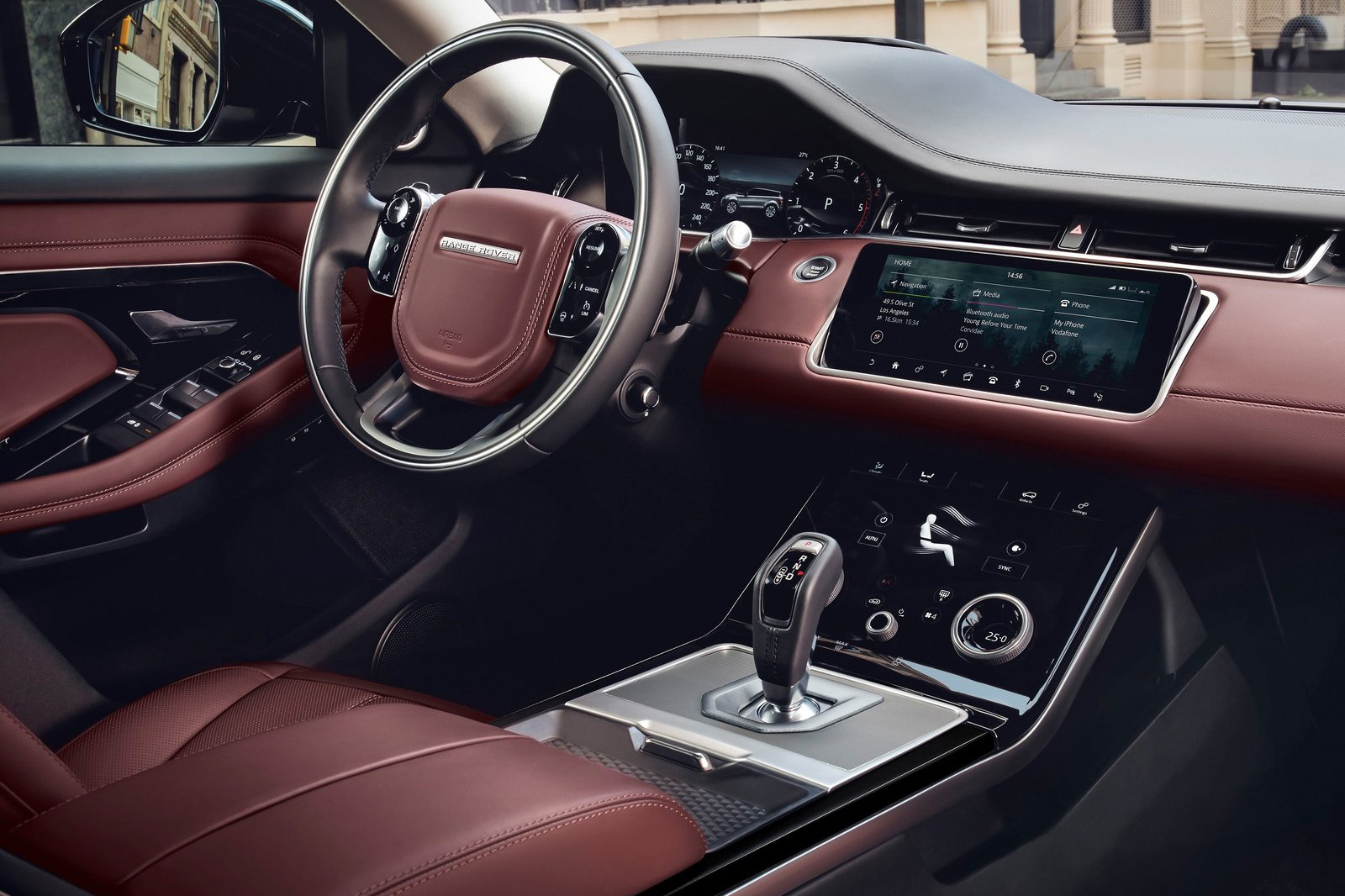
The cabin has also benefited from Velar hand-me-downs, most notably the new steering wheel with embedded thumbpad controls, 12.3inch fully digital instrument binnacle (standard on all but the base) and double-stacked multimedia screens. Thanks to the latter, there’s a definite reduction in buttons which contributes to the cabin’s calmer, more premium feel.
Motive duties still fall to two basic Ingenium engines: a turbocharged petrol and turbodiesel, both displacing two litres and paired exclusively with a nine-speed automatic transmission. Both engines come in three states of tune, ranging from 110kW/380Nm to 177kW/500Nm in the diesel and 147kW/320Nm to 221kW/400Nm in the petrol. Only the mid-spec 183kW/365Nm petrol and top-spec D240 diesel were available to test at the launch.
Both drivetrains are smooth and quiet and offer commendable performance in a compact premium SUV. But it’s the diesel that surprises the most. This engine has the mid-range you’d expect, but it’s the energetic acceleration off the mark, and responsiveness that really surprises. The reason: the D240 we drove, as per all diesel models, has Land Rover’s 48-Volt mild hybrid (MHEV) system, which captures braking energy in an 11.3kW/h lithium-ion battery and uses it via an 80kW electric motor at the rear axle to tangibly enhance initial acceleration, and also to add pep under full throttle.
Apart from the real-world driving improvements, Range Rover says this results in a six percent fuel saving.
Due to Australia’s poor fuel quality, Range Rover Australia has kept the mild-hybrid system off all petrol tunes bar the most expensive, which presumably is better able to accommodate the additional cost of a particulate filter into its retail price.
One model not available anywhere right now is a 1.5-litre turbo triple with plug-in capabilities due in 2020.
Dynamically, the Evoque takes another impressive step forward, even on monstrous 21-inch Pirelli Scorpion Zero tyres fitted to our test car in Greece. Add the Adaptive Dynamic suspension ($1950) and the Evoque’s quickish 2.3-turns lock-to-lock steering, and it’s an agile combo that controls the body admirably and rides with real comfort. At no time did we find ride lacking or wish for smaller boots with bigger sidewalls, not even offroad.
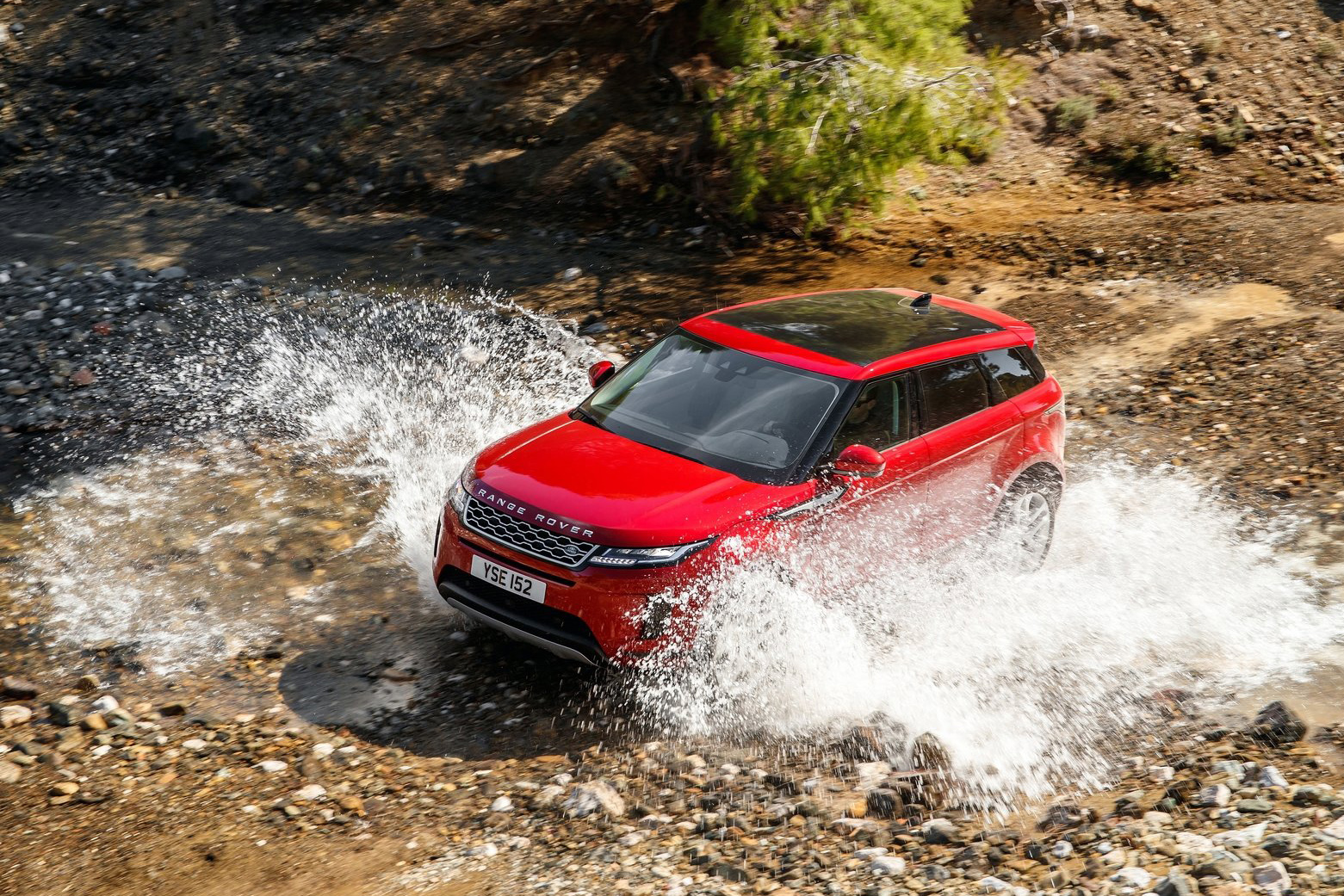
No surprises that the Evoque’s offroad capabilities leave its rivals in the dust, literally. Range Rover has invested heavily in finessing that aspect of the new Evoque – even though it’s an area few owners will actually explore, let alone experience to the full.
The Evoque’s Terrain Response and associated systems are now even more surefooted in tricky conditions, as we experienced on the launch. They’re also complemented by some new technologies like ClearSight Ground View which employs cameras mounted under the car (behind the front wheels) to project the road beneath onto the Evoque’s new centre console multimedia screen so you can see exactly where your wheels are. That’s great for offroad, but also a safety boon when avoiding kids toys, gutters and other dangerous obstacles.
Another technology first on Evoque is the ClearSight rearview mirror, which on first impression looks and acts just like a conventional mirror. Flick the dimmer switch, however, and it becomes a high definition TV screen broadcasting wider rearward vision from a camera mounted in the rooftop sharkfin. This means rear seat passengers or big luggage loads no longer compromise rearward vision.
All Evoque models are respectably well-equipped with dual zone climate control, leather trim, satnav, 10-way electric seats, active cruise, and other niceties. As usual with Land Rover and Range Rover models, the Evoque doesn’t mount a class-winning argument on value, especially because many of the new features are buried in the options list (digital IC, Adaptive suspension, ClearSight rear mirror, DAB radio, TouchPro Duo screens), particularly at the entry level. The Evoque represents great value if rugged off-roading is something you prize, but it’s midfield if we compare it purely for on-road capabilities, equipment and practicality.
RANGE ROVER EVOQUE VS RIVALS
Audi Q5, BMW X3, Mercedes-Benz GLC, Volvo XC60
RANGE ROVER EVOQUE PRICE AND SPECS AUSTRALIA
- Model: Range Rover Evoque D240 R-Dynamic HSE
- Engine: 2.0-litre turbocharged 4-cyl, MHEV
- Max power: 177kW @ 2400rpm
- Max torque: 500Nm @ 1500-2500rpm
- Transmission: 9-speed automatic
- Weight: 1955kg
- 0-100km/h: 7.7sec (claimed)
- Economy: 6.2L/100km
- Price: $96,090
- On sale: May 2019
The grey-white smoke drapes the night like a fog, swirling in the headlights of 80 cars competing at the twilight tarmac rally at Sydney Dragway, near Eastern Creek. And there’s so much of it…
A Hyundai Kona EV – one of just two in the country – silently glides out of the fog, and only then does it become apparent just what the smoke is.
“Umm, I think I’ve worked out how to turn off the traction control,” Hyundai’s product planning coordinator Tim Rodgers calls out sheepishly… This is no ordinary electric Kona.
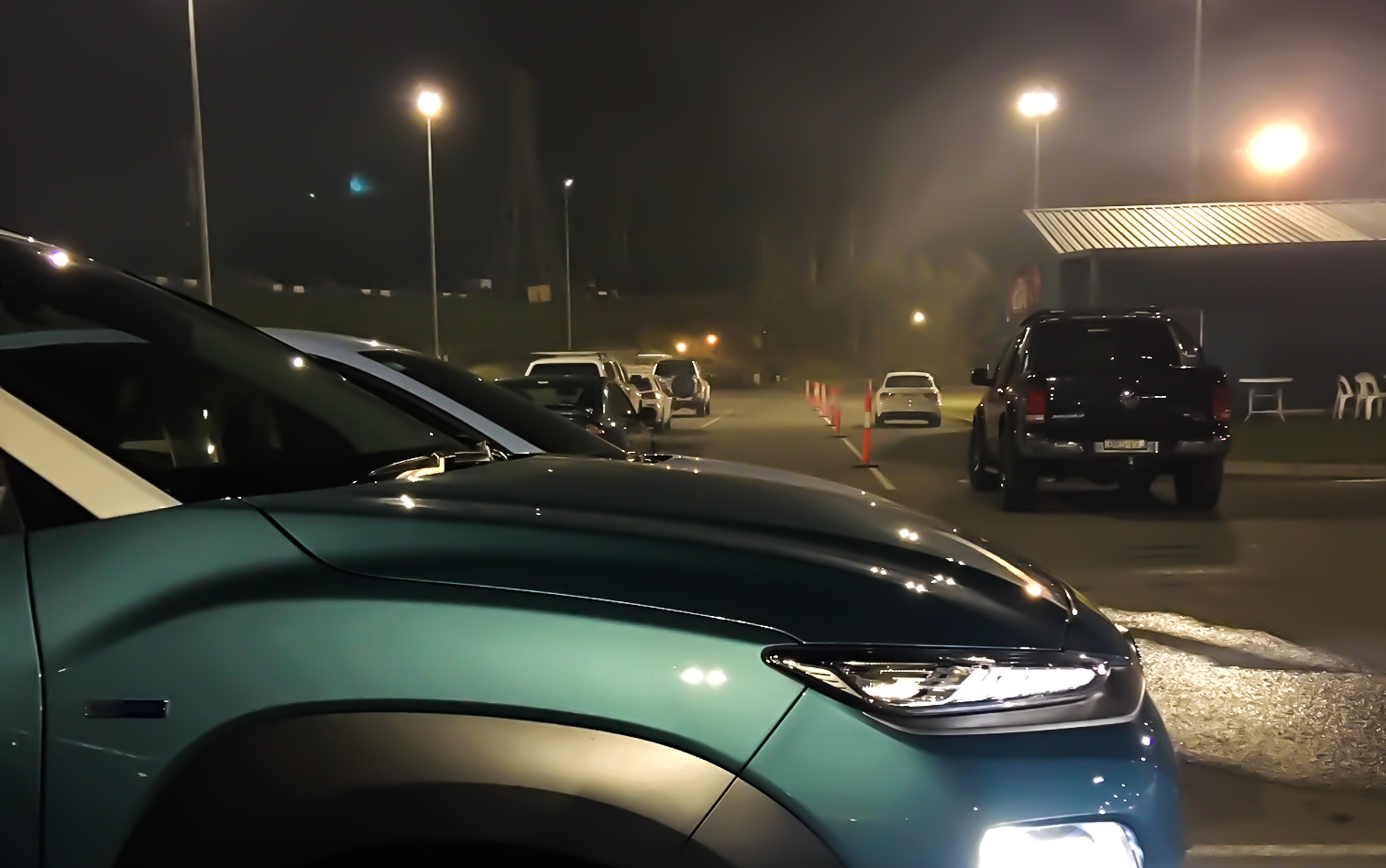
The Kona EV in question is one of two evaluation cars on site at Hyundai’s Sydney HQ, and it’s been prepped to play. The stock wheels and tyres were replaced with 18-inch OZ Racing and Michelin Pilot Sport Cup 2 items from the i30 N spares pile, along with drilled front brake rotors, i30 N calipers and pads.
A pair of light bars have also been swiped from an i30 N that ran at the last sprint, mounted high on a single roof bar and wired together with liberal amounts of duct tape.

The Hyundai crew is also doing some testing with its recently announced Targa Tasmania factory driver and part-time MOTOR steerer Brendon Reeves, but it’s the teal green Kona that’s getting all the attention. I’m sworn to secrecy until the Kona is released; “it’s not what you would call an ‘official’ test,” smiles Hyundai’s head PR honcho Guido Schenken.
And the Whiteline Twilight Tarmac Rally is a perfect place to have a play, as it turns out. “It’s a bit hard to get deep into the systems to work out how to turn traction control and the like all the way off,” confesses Tim, who tells me the car is a “blast” to drive, despite its weight.
“The brakes and tyres really help,” he grins, before gliding silently into the queue for his next run, between a snorting MkII Escort and a menacing Evo X on steroids.

And it’s obvious that the Kona, despite looking more out of place than a schnitzel sandwich at a spin class, has some snot despite its 1700-plus kilogram heft. Every one of its 395Nm is instantly available through the front tyres, and that huge 64kWh battery pack is slung low in the car for better weight distribution.
No one was keen to let me see how much range was being burned with the sub two-minute runs, but with a claimed range of 400km, there was little danger of needing to find a three-phase plug to get it home.
MORE: Hyundai Kona Range Review MORE: Hyundai Kona Specs, Range & Price
GM has reregistered its Cavalier nameplate, a badge that once sat on the rear of a small, boxy compact four-door sedan and two-door coupe through the 1980s and ‘90s.
Though the model was pulled from US showrooms in 2005, Chevrolet seems to be mulling a comeback.
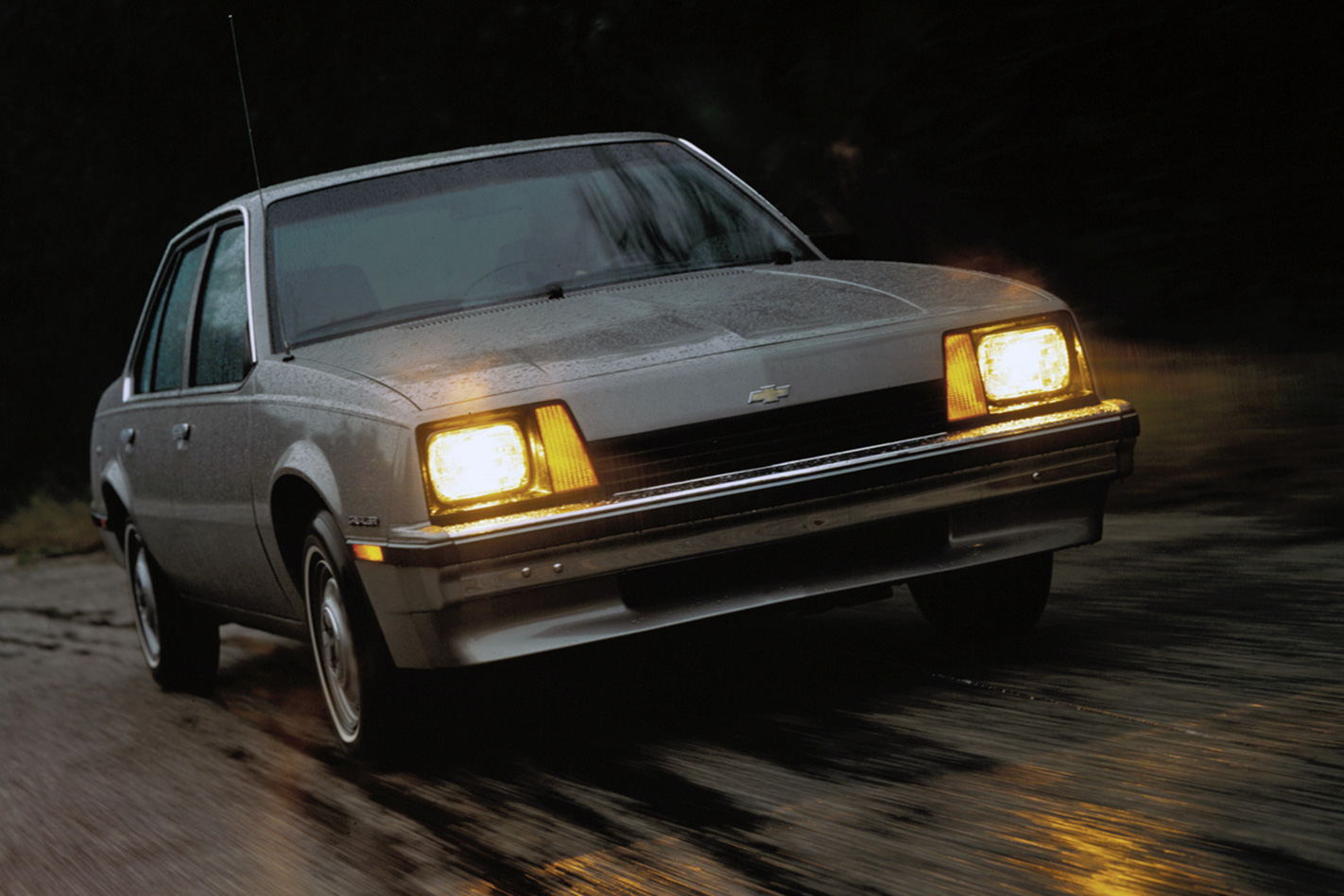
It’s not an entirely unusual move, given it has kept the name going in China, where the Cavalier sells as a slightly smaller equivalent to the Chevrolet Cruze that it also exports to Mexico. However, with GM idling its Lordstown, Ohio and Oshawa, Ontario production plants in the US to help save billions by 2020, the Cruze (and Impala) is no longer in production, leaving space in the line-up for a potential replacement.
While the Chinese Cavalier is currently built on a left-hand drive-only Delta II platform, the architecture is due to be updated to GM’s global D2XX platform that underpins imported GM product such as the Holden Equinox and Astra. The latter has a huge question mark over its future in the lion brand’s line-up, as the Astra sedan has quietly stopped production with the closure of GM’s Gunsan, South Korea plant and the Opel-sourced Astra hatch is rumoured to eventually be imported by automotive distributor Inchcape, from its new European owner Groupe PSA.
The potential reshuffle would leave GM with a hole in Holden’s line-up. Despite focusing on SUVs and its light commercial range, small cars remain a hot segment that Holden suffers to succeed in as it continues to slide down the sales ladder. Perhaps Holden will also look to its past, reviving the short-lived Camira nameplate that shared a modified version of the J-car platform with GM’s Cavalier during the ‘80s.
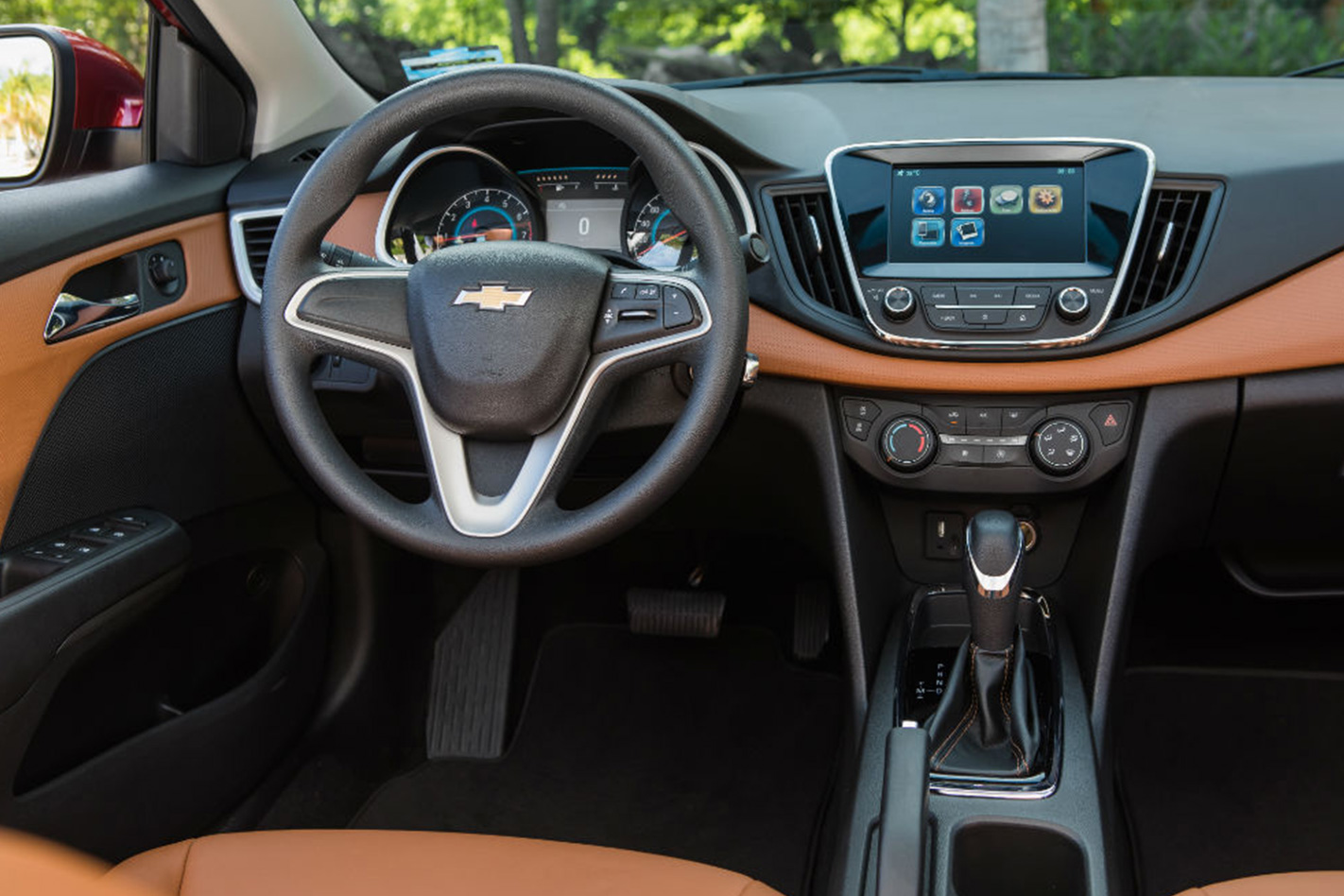
Problems with the current Cavalier revolve around its 83kW/140Nm drivetrain that’s underpowered for either the US or Australia, though a D2XX platform update could prop up the Astra Sedan’s 1.4-litre turbo engine that produces a mightier 110kW and 240Nm.
Speaking to Wheels, Holden said that it continues to offer the current Astra sedan as part of its folio – at least until stocks last.
“The Astra sedan continues as part of Holden’s portfolio and we have no further announcements to make at this time,” said product PR manager, Daniel Cotterill.
