
WHAT IS IT?
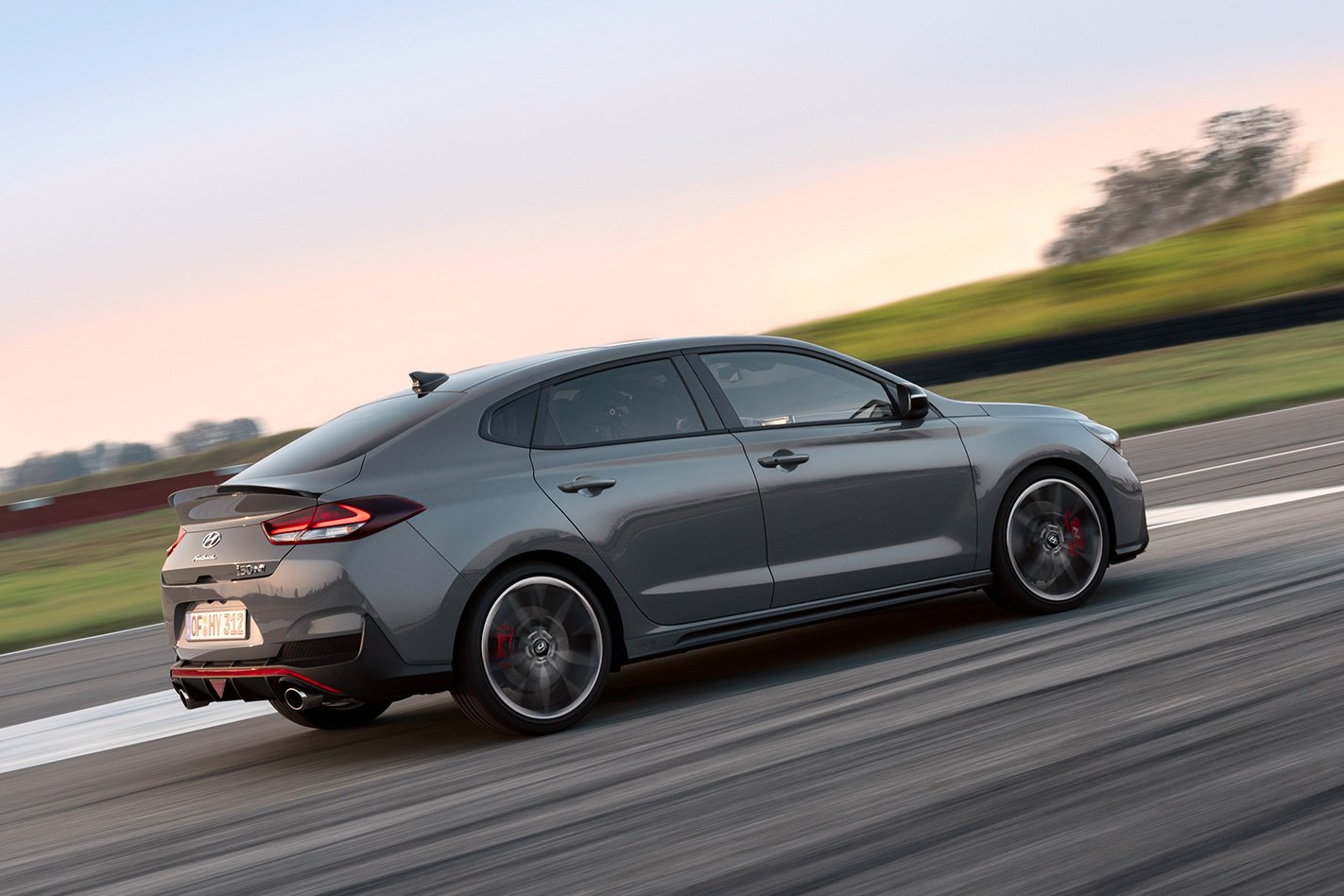
Hyundai’s brilliant i30 N hot hatch repackaged in a more sophisticated body.

WHY ARE WE DRIVING IT?
The i30 N saw off the Renaultsport Megane in our twin-test last year. Can that dynamic fairy dust transfer to the larger, more grown-up Fastback?
MAIN RIVALS
Renault Megane RS, Golf GTI, Mercedes-AMG CLA 45
THE WHEELS REVIEW
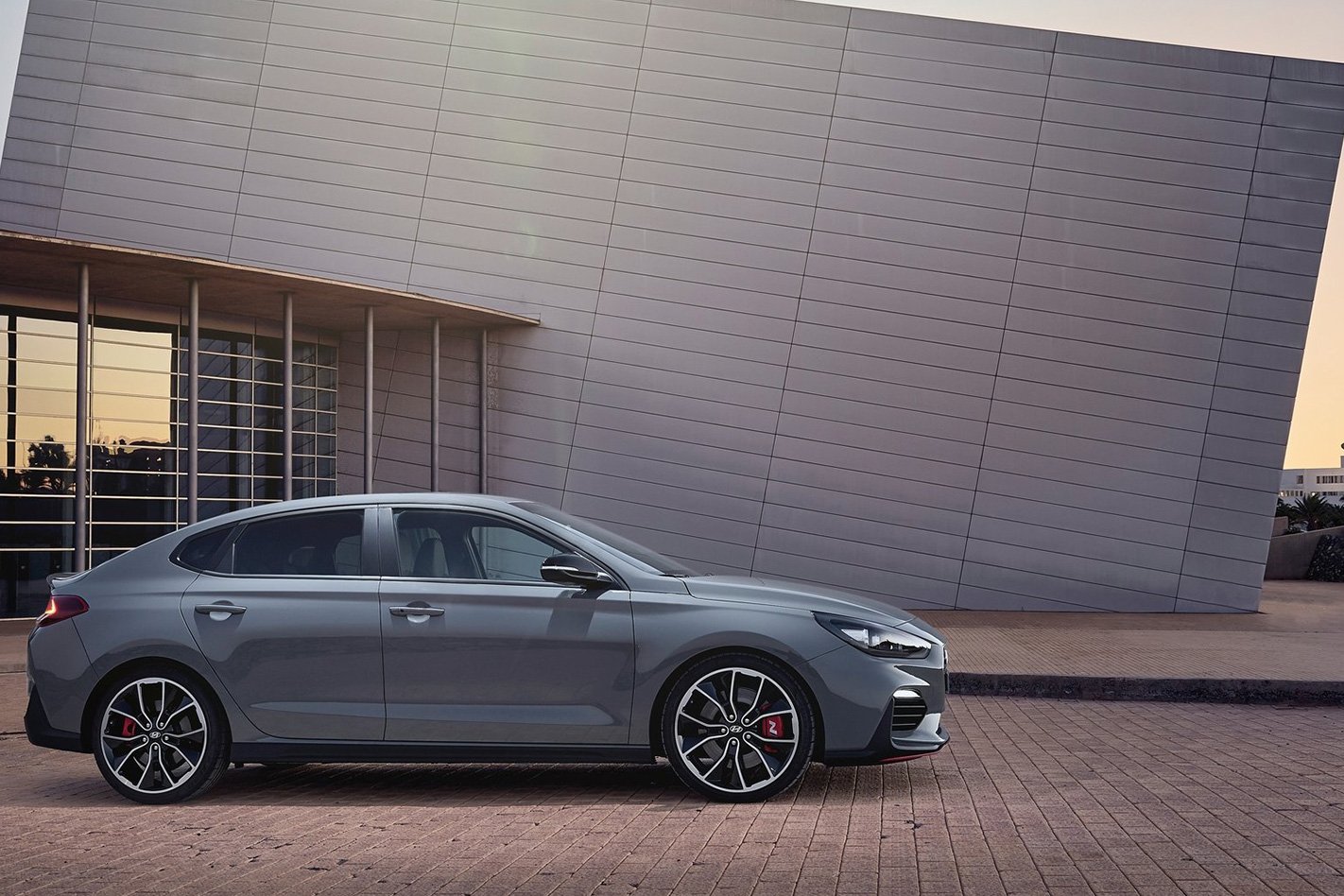
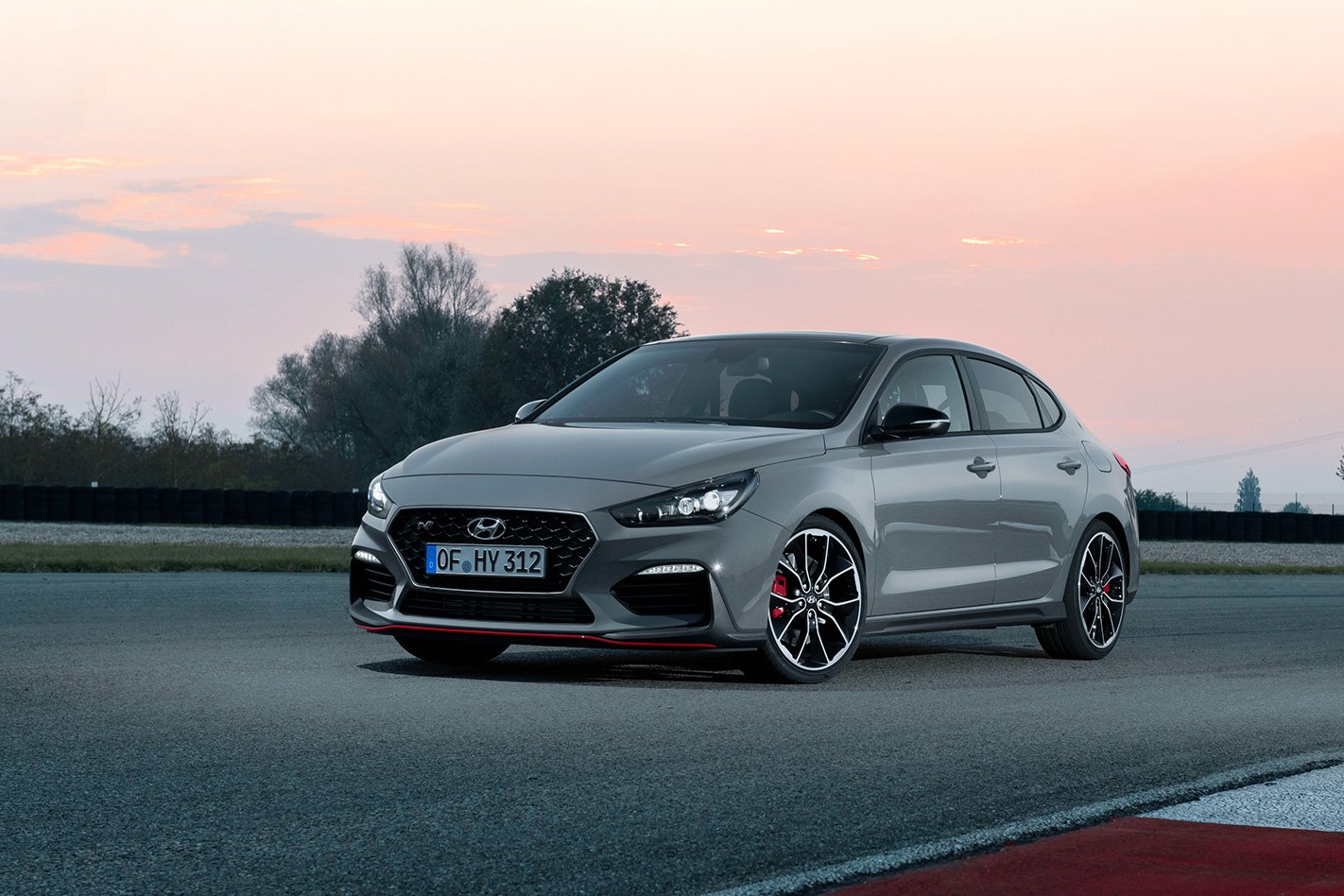
LATE last year, Wheels gave the Hyundai i30 N the nod over the benchmark Megane RS. Not bad for the Koreans’ first proper hot hatch. Now comes the follow-up: the i30 Fastback N. Essentially it takes the hatchback, drops the roof 21mm and flows it into a tail some 120mm longer. It’s like the relationship between the Mercedes-AMG CLA 45 and A45 hatch, only the Fastback is much cheaper and still a hatch. Aussie pricing is tbc, but European pricelists suggest it’ll be under 2 per cent more expensive the hatch, probably a shade under $41k.
The Fastback might look more sensible, but it hasn’t lost its puckish fun because the important stuff remains much the same, namely a 202kW 2.0-litre turbo engine, slick-shifting manual gearbox and a front-drive platform with multi-link rear suspension. There is 12kg extra over the rear wheels, and minor tinkering to chassis settings, namely 5% softer front springs, slightly less aggressive bump stops, 0.8mm thinner front anti-roll bar, and a new rear camber-control bar. Don’t think this positions the Fastback as a softer kind of proposition, though, because the changes will soon carry over to the hatchback.
Perhaps the steering feels a tad lighter (it’s still weighty), the suspension slightly less gnarly (it’s still firm), but fundamentally this remains an excellent steer. On a road that tumbles next to the Atlantic on the Gran Canarian press launch, the Fastback is in its element. Chunkily precise steering, keen brake feel and front tyres that suck themselves to the road surface give you confidence to attack corners hard, but while it /is/ stable, you’ve also got options to lift the throttle and move the rear end around in corners – it feels fluid and engaging on asphalt like this.
Plentiful power means you can exploit the balance, and the 2.0-litre’s delivery always feels juicy and willing, whether it’s boosting from 2000rpm or revving past 6000rpm. More power wouldn’t hurt, except there’s already some torque steer and scrabble under heavy throttle from hairpins.
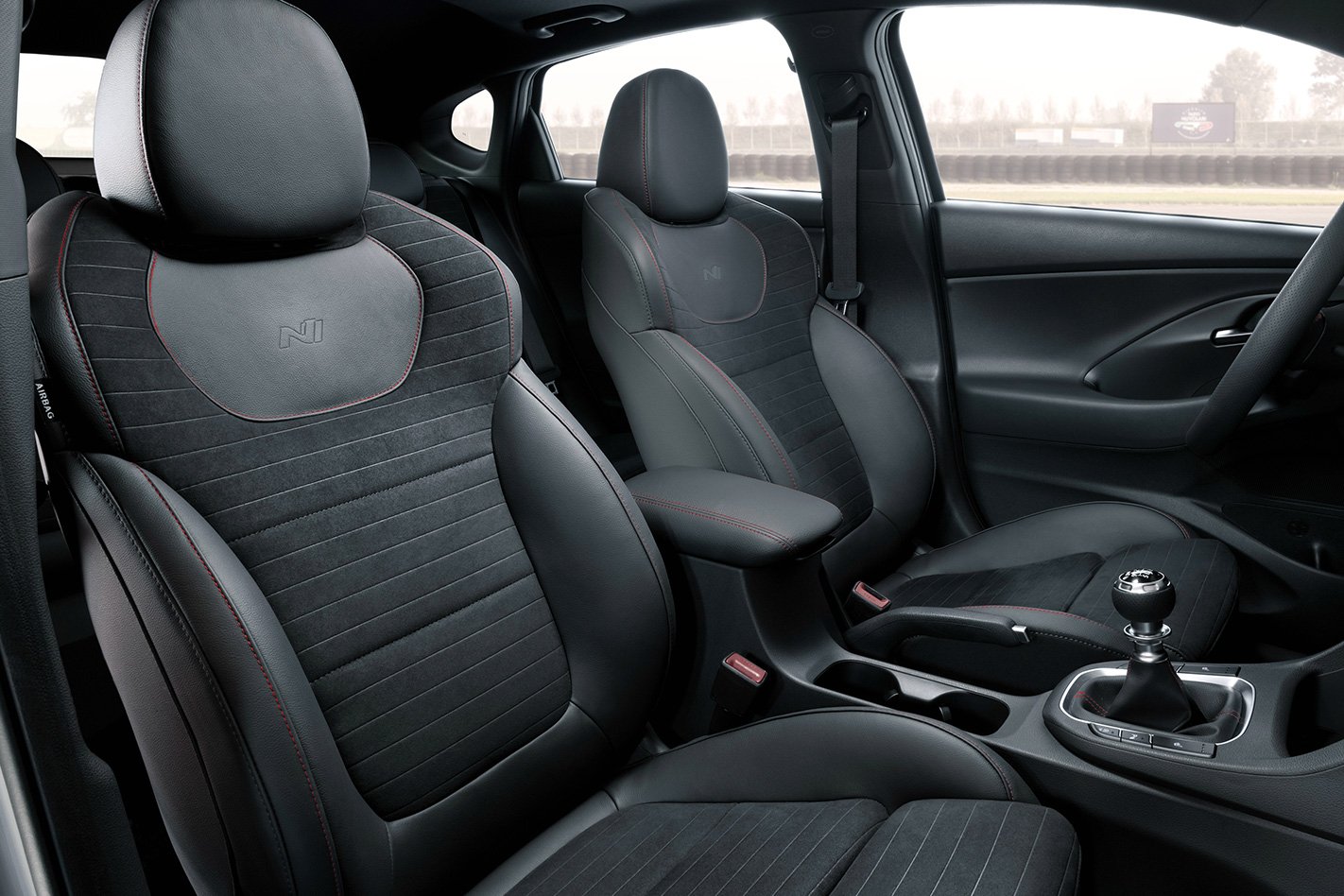
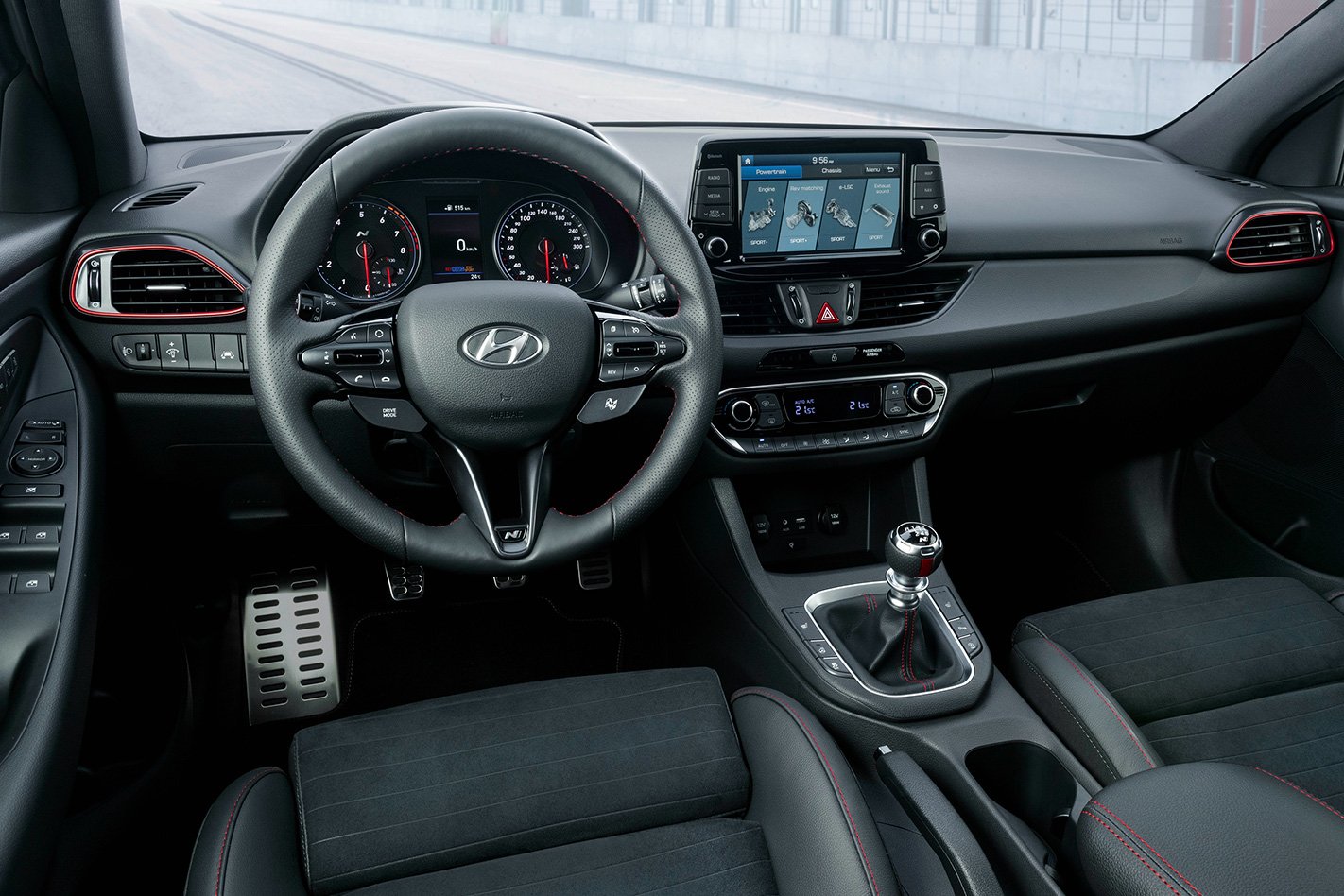
Other de-merits include – nicely comfortable and supportive – sports seats that perch you up like a toddler at mealtime, and wide brake and throttle spacing to stop grandma confusing the pedals rather than encourage heel-and-toe.
You might choose the Fastback because it offers 55 litres extra luggage capacity and looks more mature than the hatch, or not because following traffic is less easily seen through the steeply raked rear screen, and those over six feet might grumble about rear headroom. Otherwise, choosing between i30Ns is really down to personal preference rather than one being markedly superior. For us, it’s the hatchback body that best bottles the i30N’s youthful energy.
THE WHEELS VERDICT
Hyundai’s Fastback body broadens the i30 N’s appeal to a more mature market for very little extra outlay, but does nothing to diminish its driving appeal – this is still a high-performance car to give the Megane RS a wobble, and with attitude to make a Golf GTI seem bland. Slightly reduced rear visibility and less headroom for really tall rear-seat passengers are the only negatives of the curvier body style, and neither should prove deal-breakers in this segment.
PLUS: Precise steering, responsive turbo engine, body control, strong front-grip, throttle-adjustable balance, brake feel MINUS: Chasm between throttle and brake pedals, command driving position, cheap plastics, rear visibility

SPECS
Model: Hyundai i30 Fastback N Engine: 1998cc 4-cyl turbo, dohc, 16v Max power: 202kW @ 6000rpm Max torque: 353Nm @ 1500rpm Transmission: 6-speed manual, front-wheel drive Weight: From 1429kg 0-100km/h: 6.1 sec Economy: 6.9/100km Price: Sub $41,000 (est) On sale: 2019
The Australian-built Brabham BT62 supercar has reset the outright lap record at Mount Panorama, Bathurst, with a sensational 1:58.69 lap – and Brabham says it could have gone more than two seconds faster.
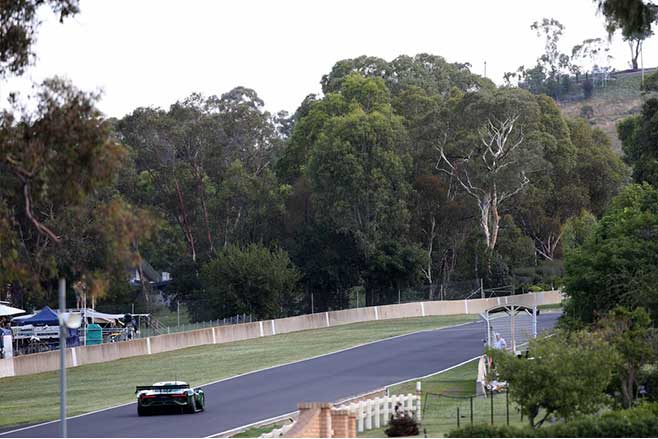
Driven by Supercars veteran Luke Youlden during demonstration laps at the Bathurst 12 Hour, the beastly Brabham beat the previous 1:59.3 lap record set by Christopher Mies in an Audi R8 at the 2018 Challenge Bathurst event.

On Friday, Youlden set a 1:59.36 lap, just 0.06sec off the lap record and signalling Brabham’s intent to pinch Mies’ and the R8’s spot in the record books. And then on Saturday, Youlden bettered the lap by 0.67sec to take the record.
The Brabham BT62 utilises a chromoly spaceframe chassis with a heavily modified, naturally aspirated 5.4-litre ‘Coyote’ Ford V8, producing approximately 522kW and 677Nm. Rear-wheel drive, the BT62 weighs just 972kg dry. Its huge wings produce more than 1200kg of downforce. Brabham intends to build 70 cars in South Australia at a cost of AUD$1.8m each, some of them road legal.
In a roundtable interview, Brabham Automotive Commercial Director Dan Marks told MOTOR the BT62 could have gone significantly faster than it did.
“If you speak to Luke, he said if you give him enough time in the car – he’s only had 12 laps – it would do a 1:56,” said Marks.
“Coming here, we weren’t 100 per cent sure but the simulations told us that we’d be quick. It’s been all about collecting data, Luke getting a feel for it; it’s a lot of pressure very quickly too, for a driver and a team, for that short space of time.”
David Brabham said it’s a very special moment for the fledgling South Australian company.
“All the people involved in the whole project, this is what we have worked towards,” he said. “It’s only now I can sit back and go, wow, and absorb it a lot better. The response we’ve had here, because it looks great, sounds great, and is Aussie made, people just go nuts down there for us.”
In 2011 Jenson Button set a 1:48.88 around the 6.213km Bathurst circuit in a McLaren MP4-23 Formula One car, however as it was not during a sanctioned motorsport event, the lap time was unofficial.
Yeah, it’s an eight-kay track, but two scungy laps? I’ve got to get to grips with this awesome collection of on-paper specs in just two laps of the road course at Alfa Romeo’s Balocco proving ground. Two laps?
This feature was originally published in MOTOR’s May 2005 issue
Maserati works driver Fabrizio de Simone advises that for the sake of expediency, I should upwardly revise by about 30 percent any turn-in speed I had in mind, then guarantees the MC12 won’t bite. Sure a titanium-conrodded, fully stressed 465kW V12 race car won’t bite, even if this is one of the 50 Maserati’s built for the road. No, fair dinkum.
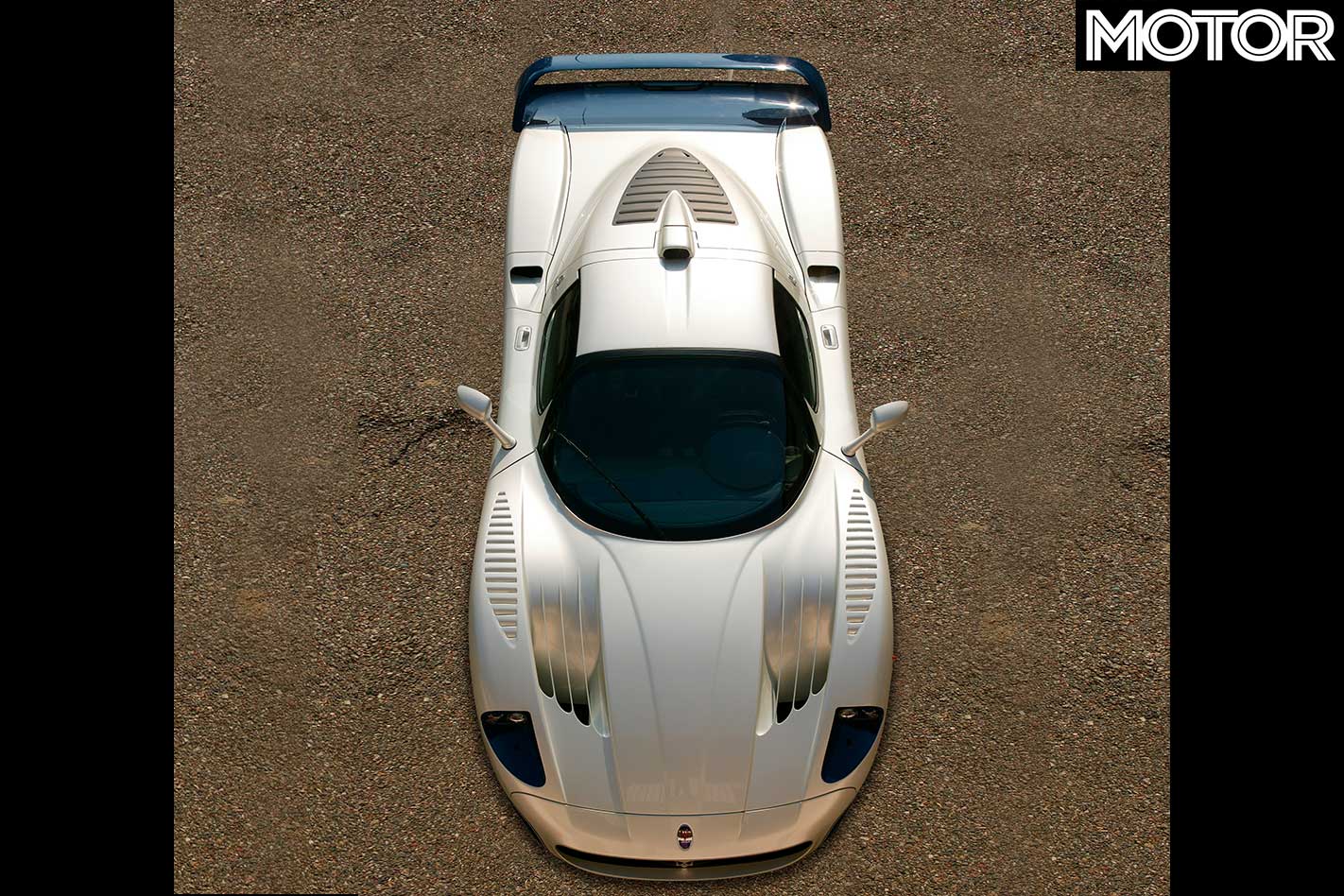
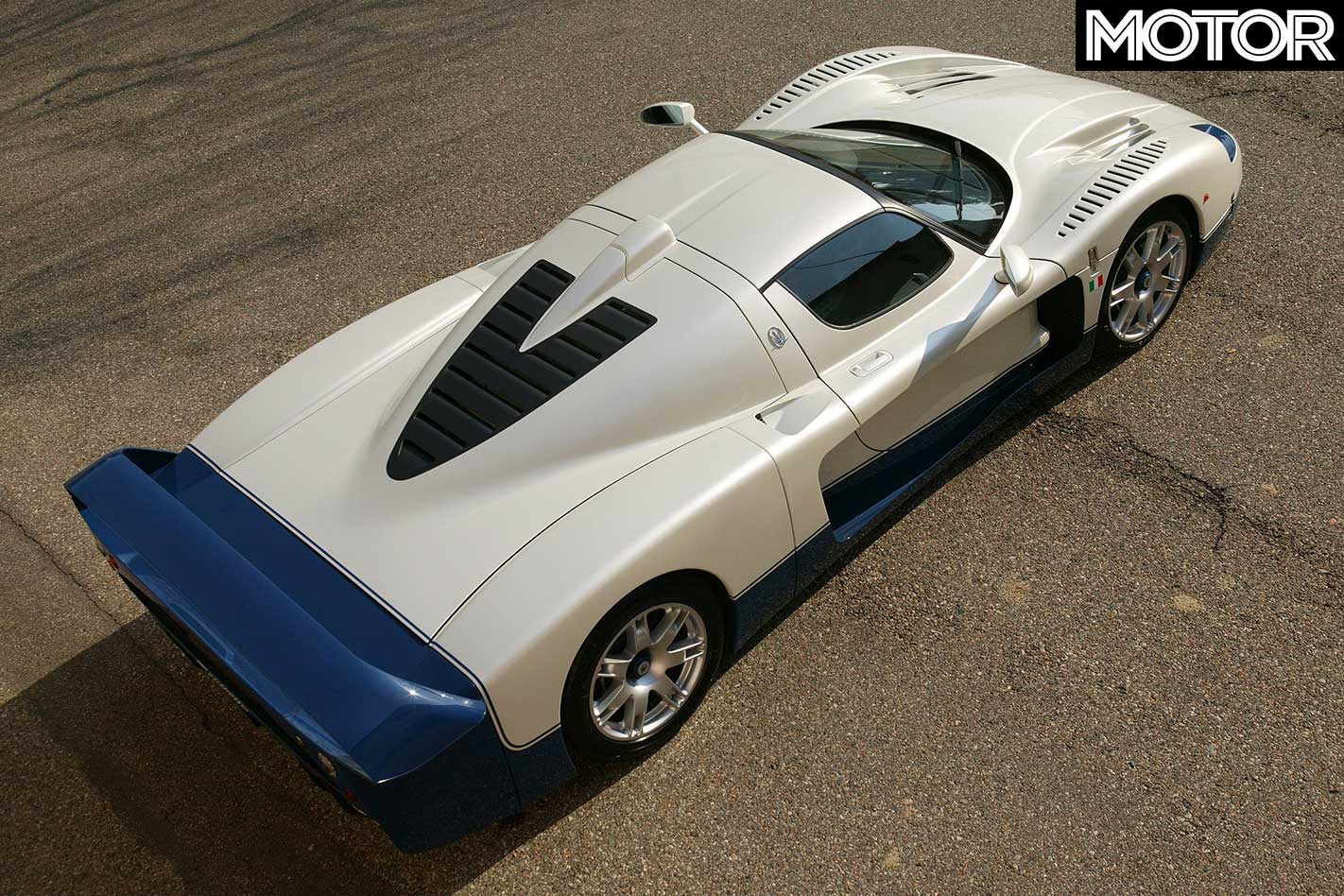
Yes, they short-cutted the MC12’s development by designing it off the Enzo, but it has come a long way from the Ferrari donor. From its simple, classy interior, to its straked-bonnet air outlets, it’s like an Enzo, yes, but it’s more mature.
The speedo runs to 360km/h, though Maserati admits the car’s top speed is closer to 330km/h. But that’s not the gauge that gets your attention. No, that’s captured by the enormous white-faced tacho sitting proudly in line with the steering column. The aluminium-faced console is similarly simple, too. A big blue start button, then lesser buttons for the hydraulic nose lifter (40mm), traction control and race mode for the gearshift.
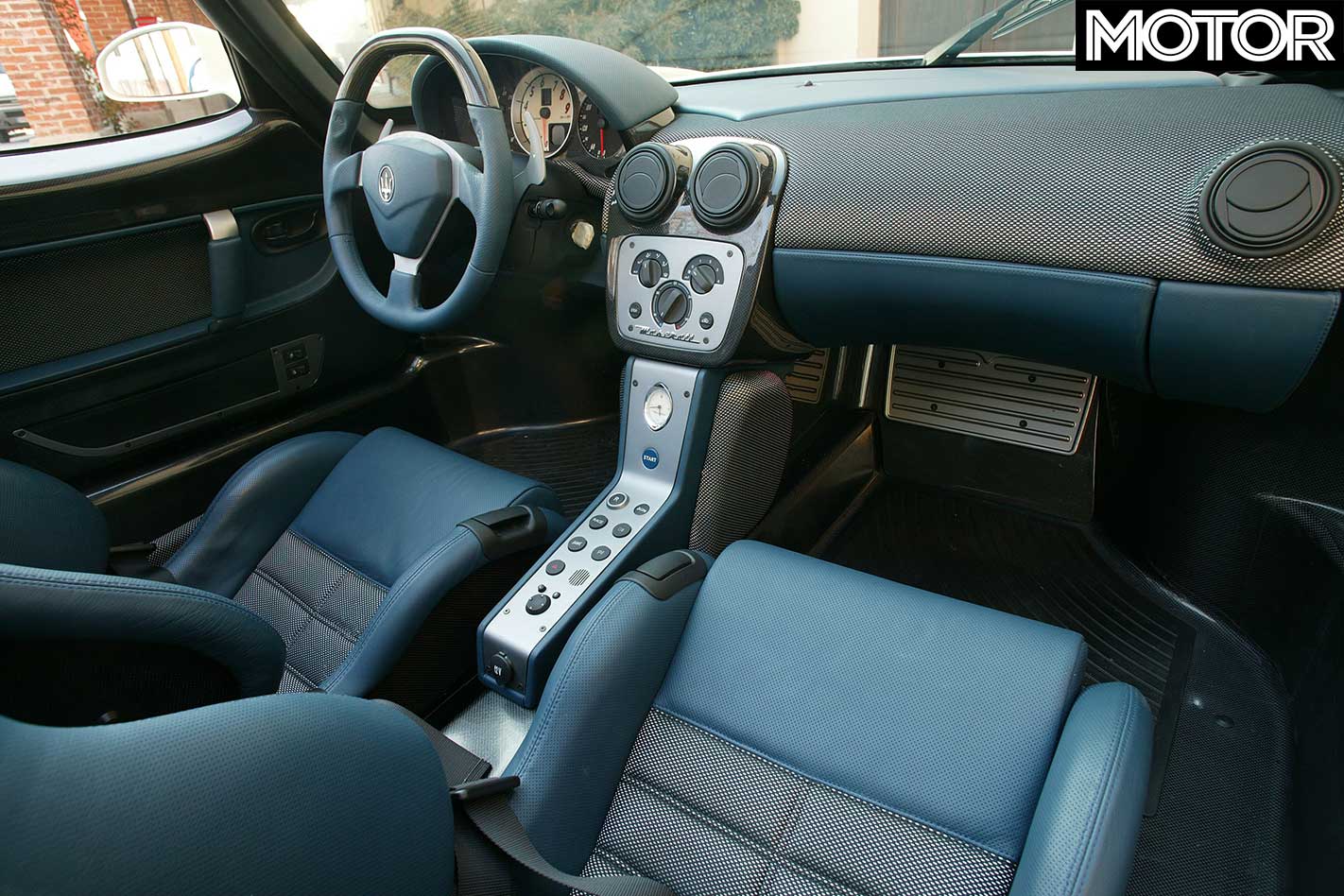
This is not a garden-variety sports car, then. This is top shelf, and it reminds you of it, for your own safety, at every nut and every bolt. It has gone beyond the supercar strata to become a genuine balls-to-the-wall Le Mans racer for the road.
Even when you’re priming the engine before you fire it, you can feel the whir of the fuel pumps and the rush of the fluid out of the 115-litre tank and into the injectors. You feel everything. Every pump, every hiss of fluid down braided lines, and every twitch of an electronically opened throttle body fizzes throughout your entire body.
The vibrations start then, deep and noisy, at anything more than an idling throttle. The timbre picks up a harder edge and then the snarling starts, deep from within the V12’s heart.
There are no bushes censoring the V12’s NVH. The engine bolts directly to the carbon fibre/Nomex honeycomb tub in which you sit, the six-speed gearbox bolts directly to the engine, one step further back. As does the subframe to the gearbox. And the suspension to the subframe. And there’s not a single gooey bush or rubbery mounting in sight.
And yet, for all of that engineering intensity, it trickles out of the pitlane like a pussy cat. Bark the engine into life, gruff and deep, then flick first-gear on the Cambiocorsa paddle-shift and it’s happy to meander about at idle, with no slipping of the computer-controlled clutch, while you get your bearings. Nice. But then, 652Nm of torque at 5500rpm, will do that.
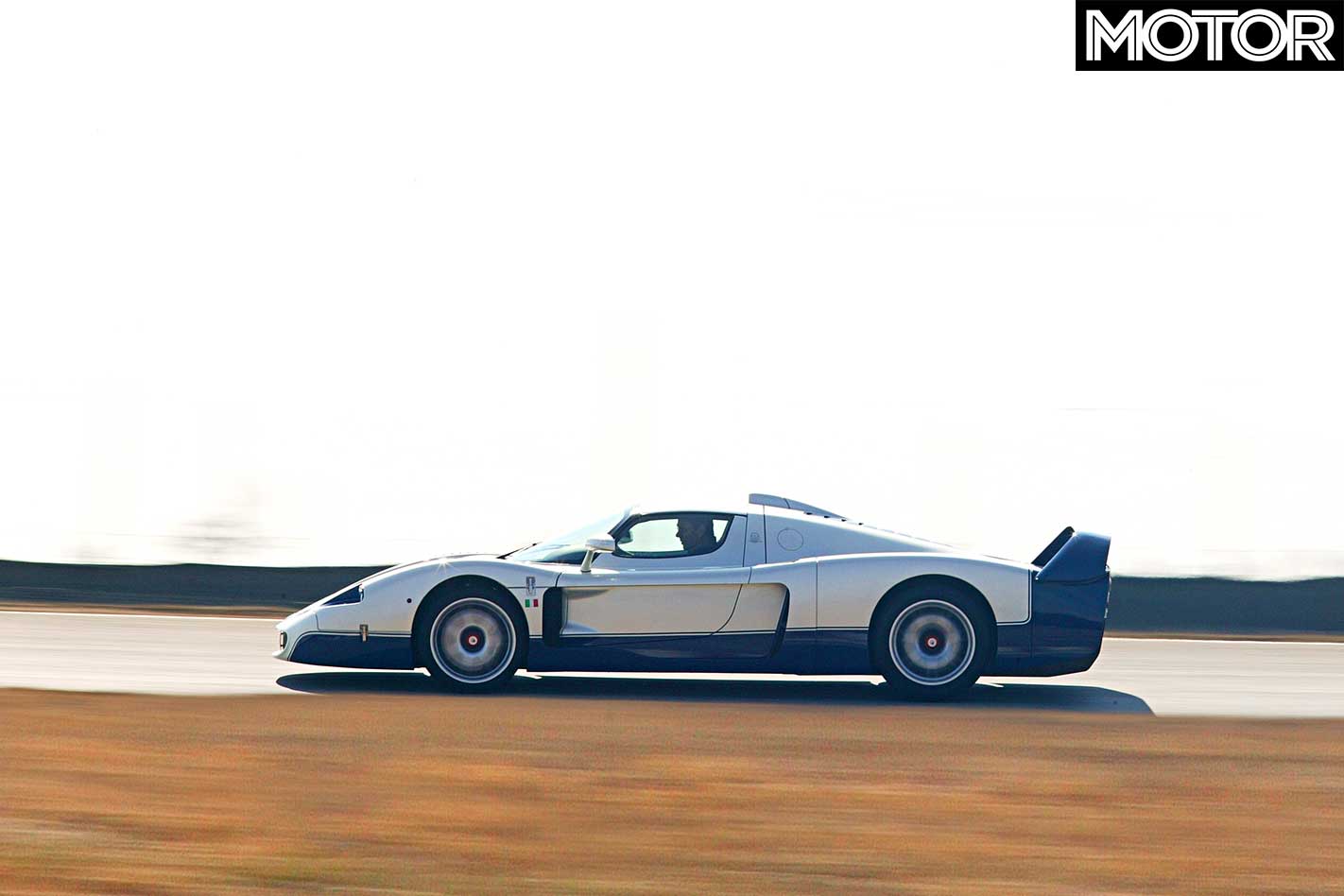
Dawdle out onto the track and ease some pressure onto the floor-hinged accelerator pedal, and the sensation of being in the middle of the machine’s doings becomes overwhelming.
The first leap of faith is a long, tight hairpin and, yep, if you keep pushing, you can overcome its mechanical grip, encouraging it to push gently at the nose. Ease off the throttle, though, and, waddya know, there’s no snap oversteer.
There’s no body roll either – it corners so unbelievably flat. It just tucks in and awaits further instruction. And it seems to have done it all before you’ve finished thinking about it. Hmm.
Then Balocco straightens up and there’s a penetrating, scraping chirp as the butterflies snap open on full throttle, a deep induction bwoart as the air screams in protest at being crammed into the intake just above your head. By then, there’s just too much going on. Too quickly. Limiter at 7800rpm, limiter, limiter and limiter again. About that fast.
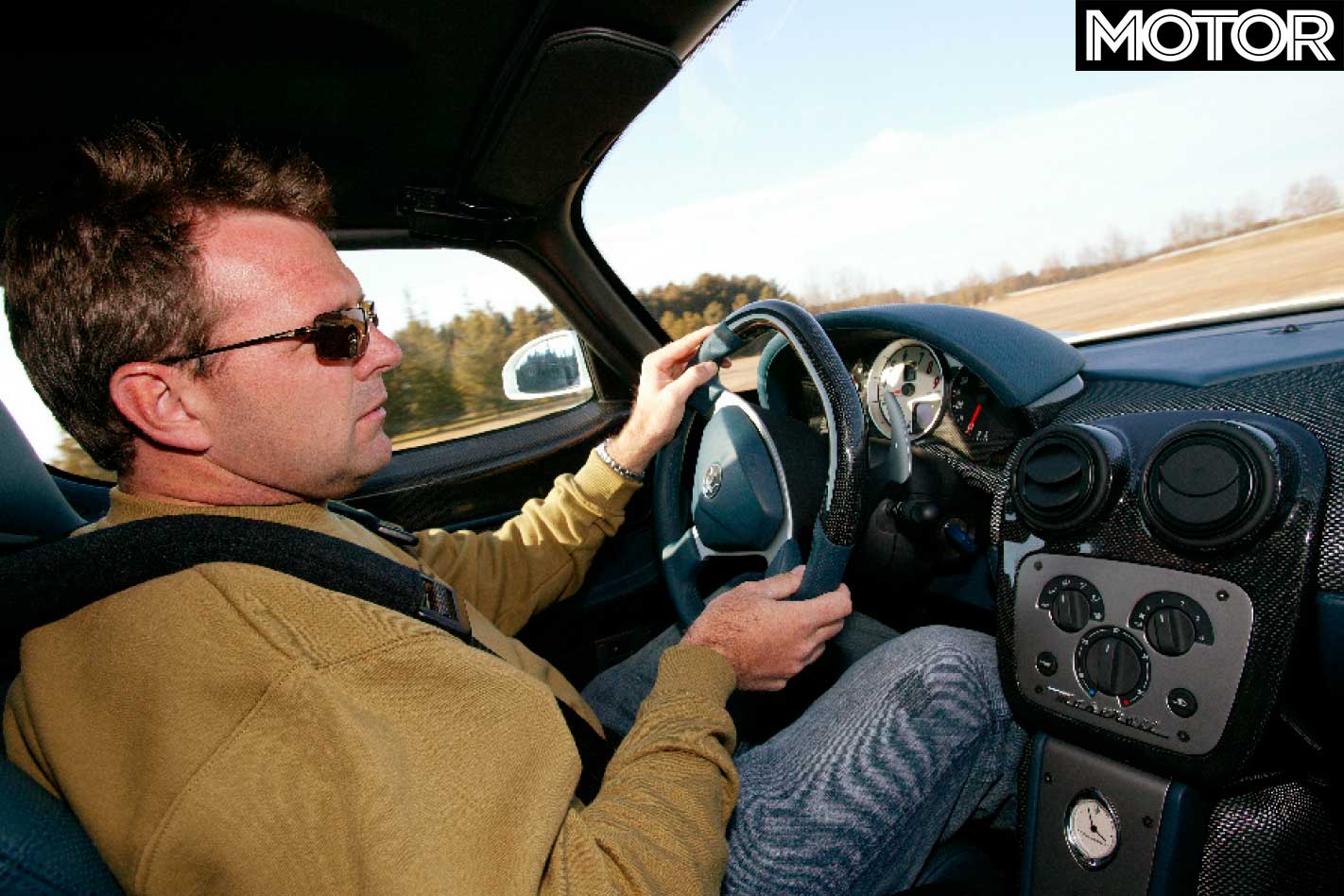
And it becomes clear that none of this astonishing specification is affectation. The standing 100km/h sprint takes 3.8secs, the quarter-mile just 11.3secs and the standing kay in 20 dead. And, impressive though they are, those numbers seem to do it no justice whatsoever.
Its best work arrives beyond 150 kays, and it screams from 100km/h to 200km/h in 6.1secs – or roughly what an SS Commodore can manage from 0-100km/h… And 200 to 300 is still under 13.
First gear is only a fleeting, brutal experience. Second gear, too, both of them done with within four seconds. Flap the paddle for a 250 millisecond, clanging flat-shift and third lasts bugger all longer. This short, narrow straight, no longer than the start-finish at Winton, sees 240km/h in fifth.
But the power and the speed aren’t the dominant parts of the big Maser. It’s incredibly quick in a straight line – but it bloody well ought to be at 1335kg for 600 old-fashioned horses.
The strange part of its engine performance is that it’s almost unfulfilling. The engine bwaps its way to the limiter with so much liberty and so much ease that it feels like it’s robbing you of at least 2000 revs. It’s an engine dominated by its torque curve like no other I’ve ever driven.
It’s got a power band, for sure, but it’s not that critical to the car’s character. That job’s taken by the torque wave that never stops, and is still the overwhelming power delivery characteristic even at the rev limiter.
It simply does not, ever, drop off the torque curve, and with no force-feeding in the 6.0-litre V12 (and despite its incredibly short stroke), its response is always synapsed.
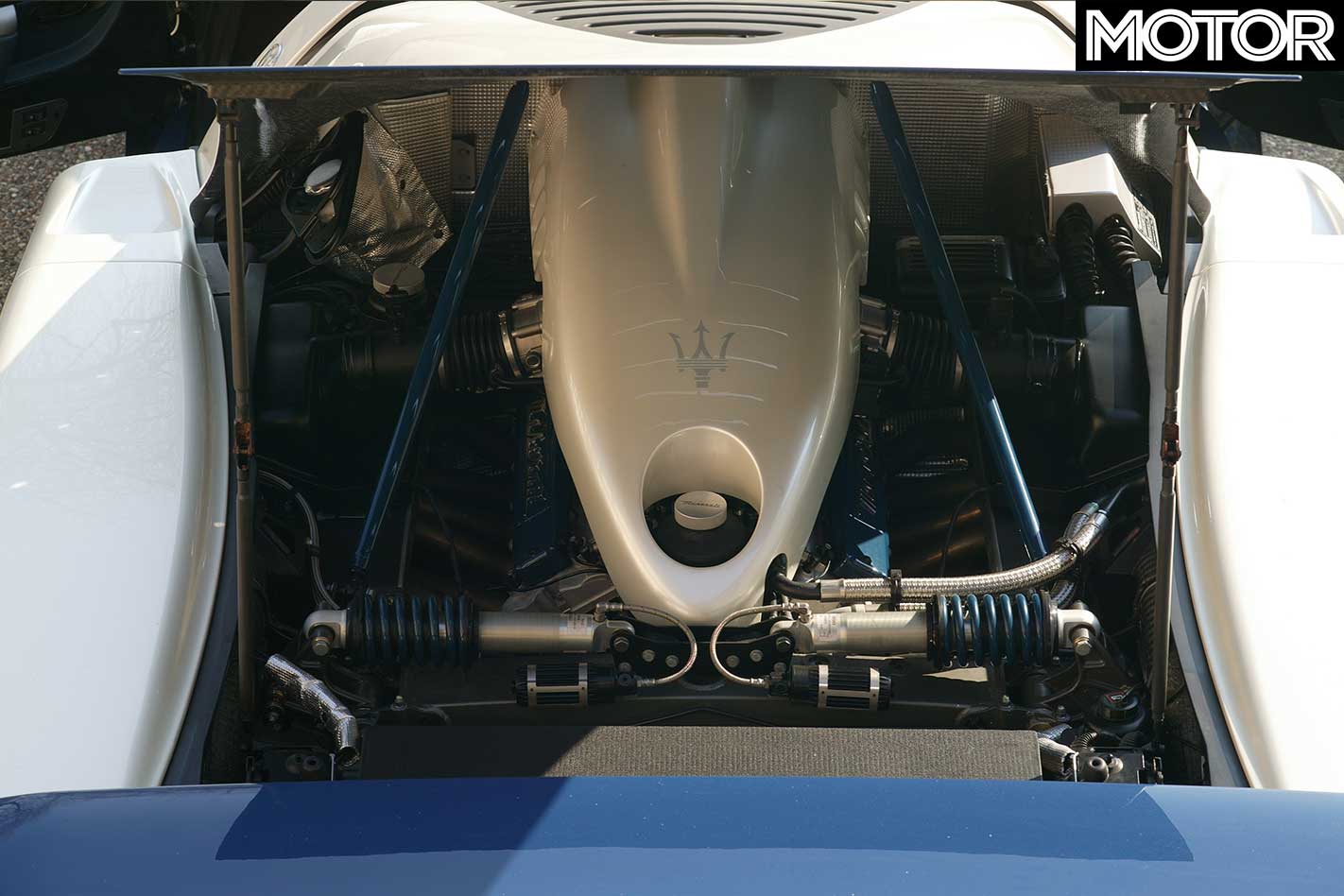
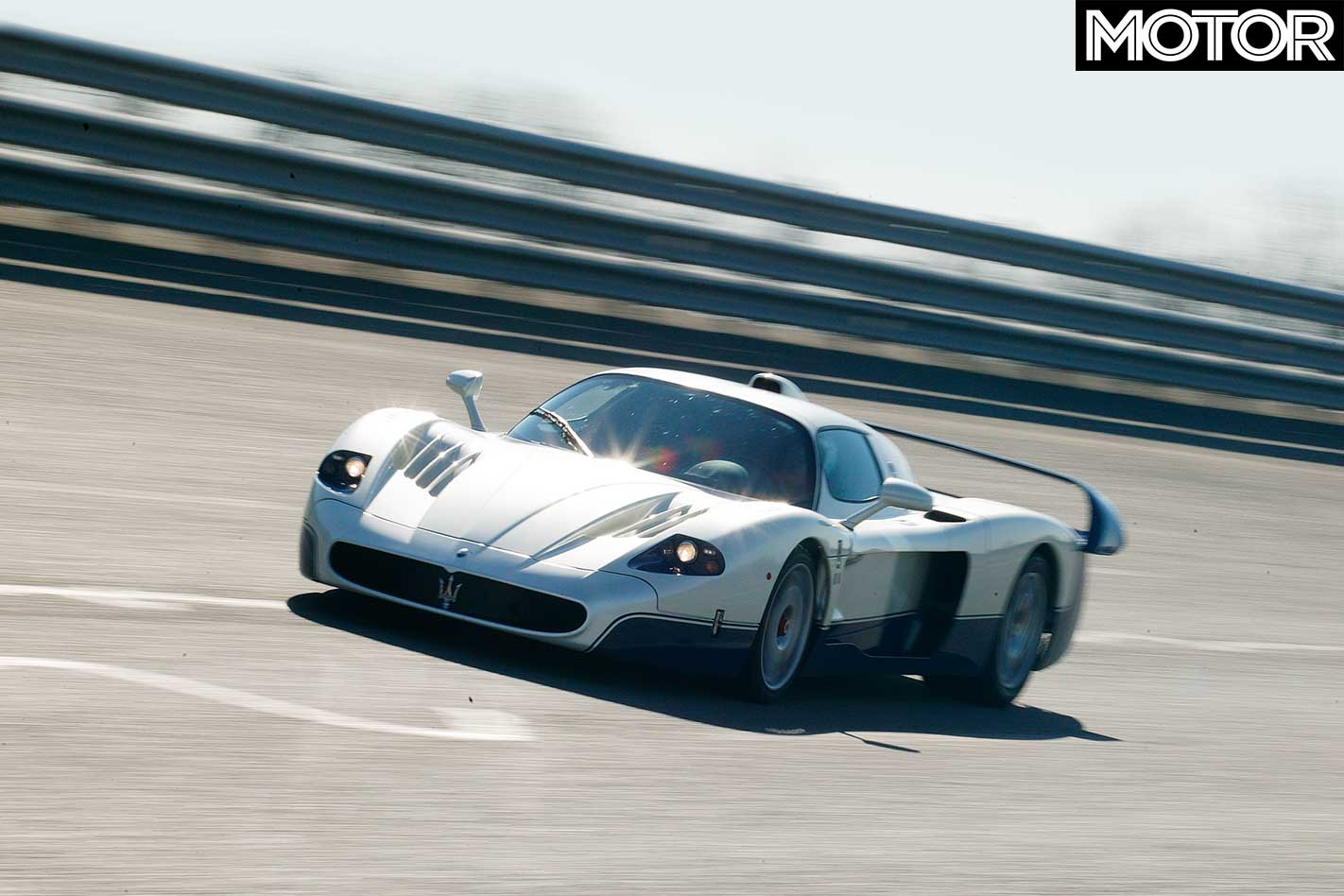
A couple of chicanes later and there’s a banked, very fast looking left hander. On the gun’s advice, it’s taken about 30km/h faster on turn-in than you would attempt in anything else. So, that’ll be 200km/h in fourth. And it does it so easily you find yourself standing on the floor-hinged throttle and then snapping fifth – at 215km/h – halfway through, without a wobble or a whinge.
Just as it is at low speed, the steering is fast and precise, though it wants badly for weight and feedback. For this style of car, it’s so light it feels almost insignificant and not in balance with the intensity of purpose that surrounds the rest of the car.
But that chassis just instils so much confidence, has so much grip that you pin it to the boards, almost involuntarily, just to see what’ll happen.
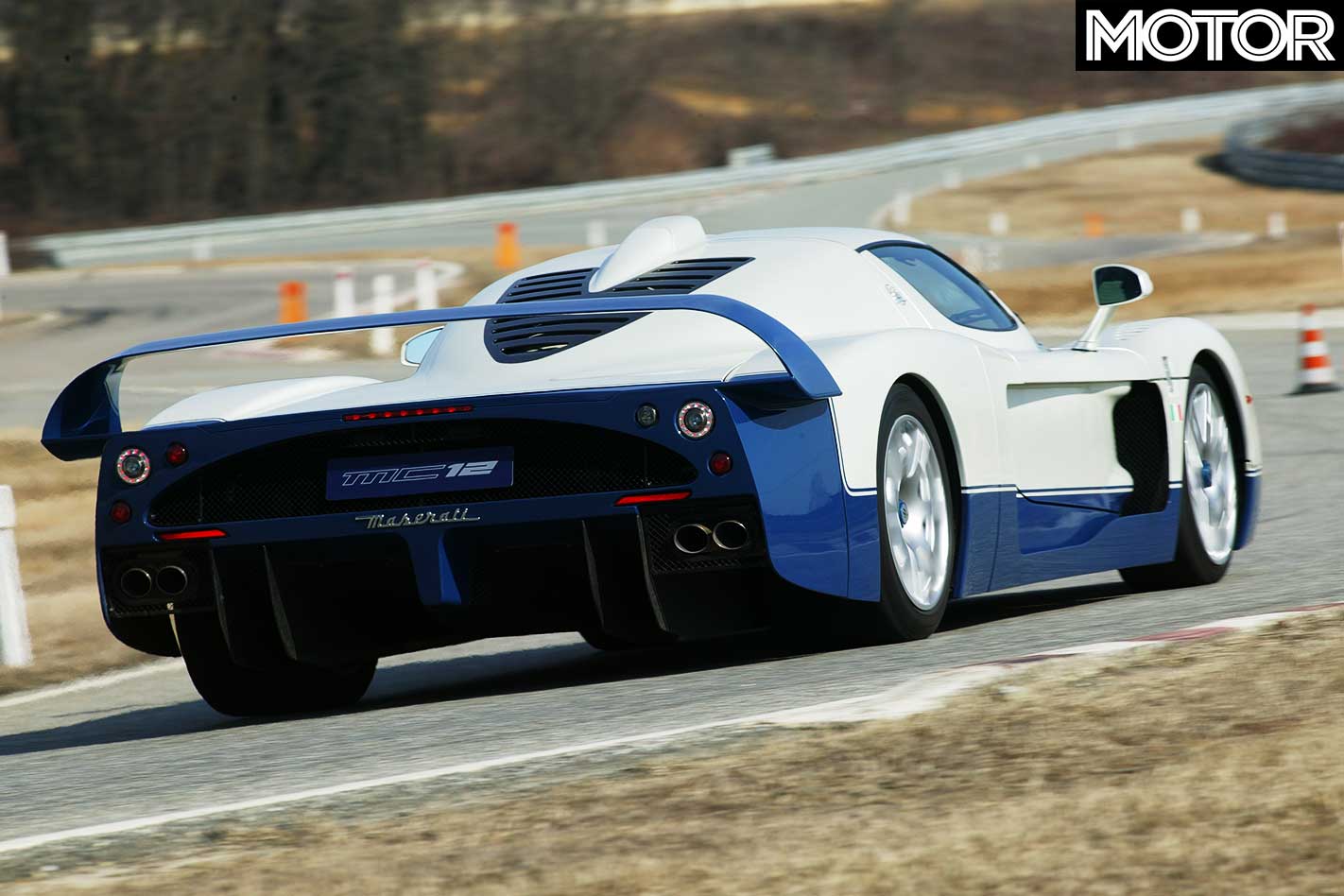
Aerodynamics is what’ll happen. There’s so much downforce, from the body, from the wing, from the enormous (and banned for racing) front and rear overhanging undertrays that you can feel it compressing the springs, especially at the back, and it wouldn’t matter what you did with the throttle, it ain’t going anywhere. Where the rear gets 59 percent of the car’s mass to cope with, at 200km/h it gets 66 percent of the downforce, just to ensure you get no nasty surprises at high speed.
Crack the throttle wide open, and it’s so stable the best you’ll get is a flicker from the ASR (traction control) light as it gives a bit of assistance. Doesn’t waver the engine note, mind you, and it walks away the instant its job is done.
So instead of being nasty, it falls, eventually and with the softest of transitions, into another gentle understeer, though this aero-bred understeer sings a completely different tune to its lower-speed mechanical counterpart.
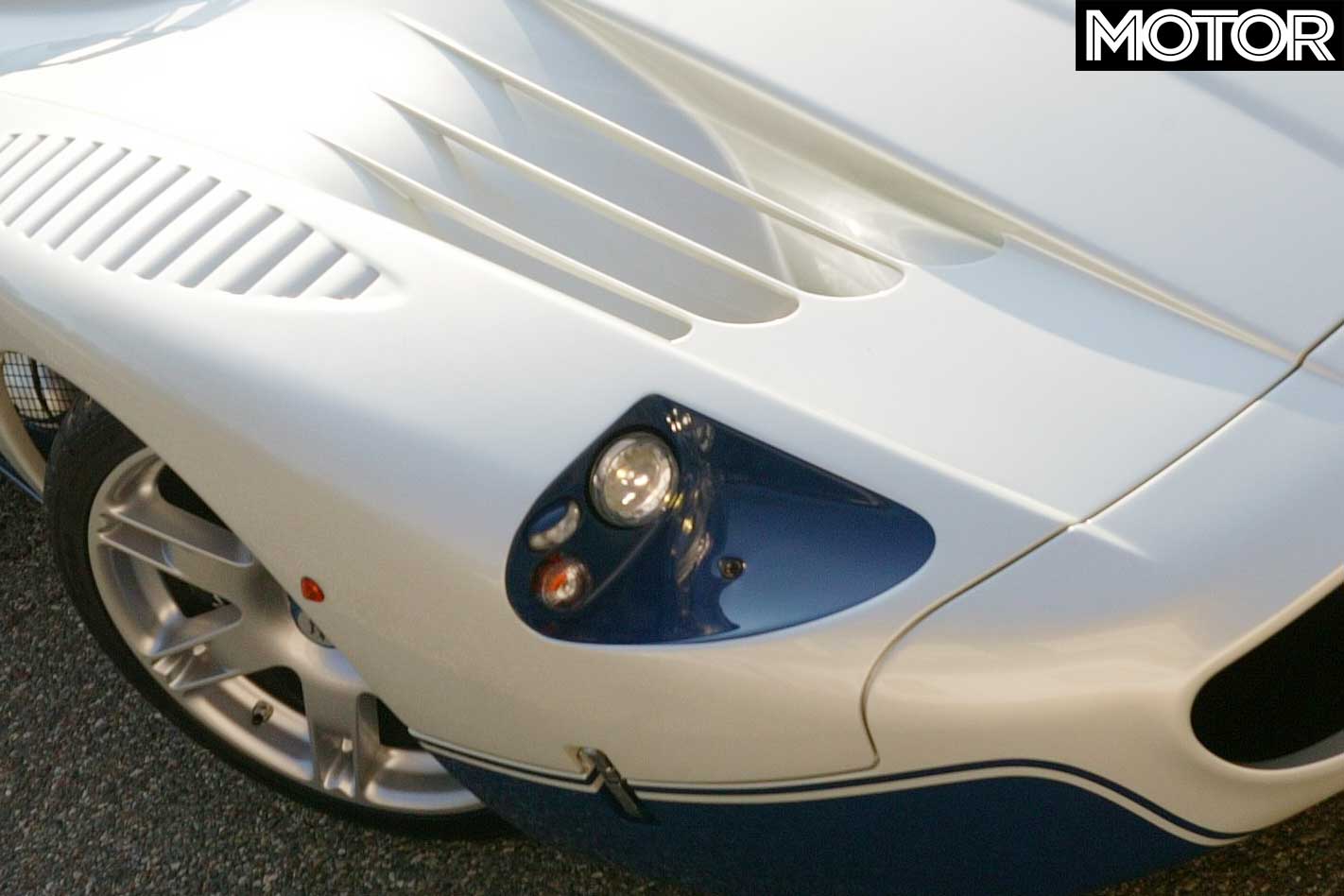
See, there’s a minor lightening of the steering and a fair bit of block squirm that characterises the front end’s low-speed behaviour. This time, at this speed, the tread pattern is being crushed into the marbly tarmac, the blocks feel more solid and there’s a far sharper reduction in its steering weight.
The thing is poised to the point of being ridiculous, and its suspension set-up is just exquisite, to the point that it rides bumps better than you imagine possible.
On sharp mid-corner hits it gives a little kickback in the steering and the tail gives a dull thud. Even at high speed, it just has a little rock on the progressive rate springs at the back.
Its only two significant shortcomings are its tyres and its brake pads, which faded significantly on what was essentially a race track exercise. In both instances, though, they are almost the only road-bred components of a pure, accurate, race-bred package and, as such, are bound to be the fuse points.
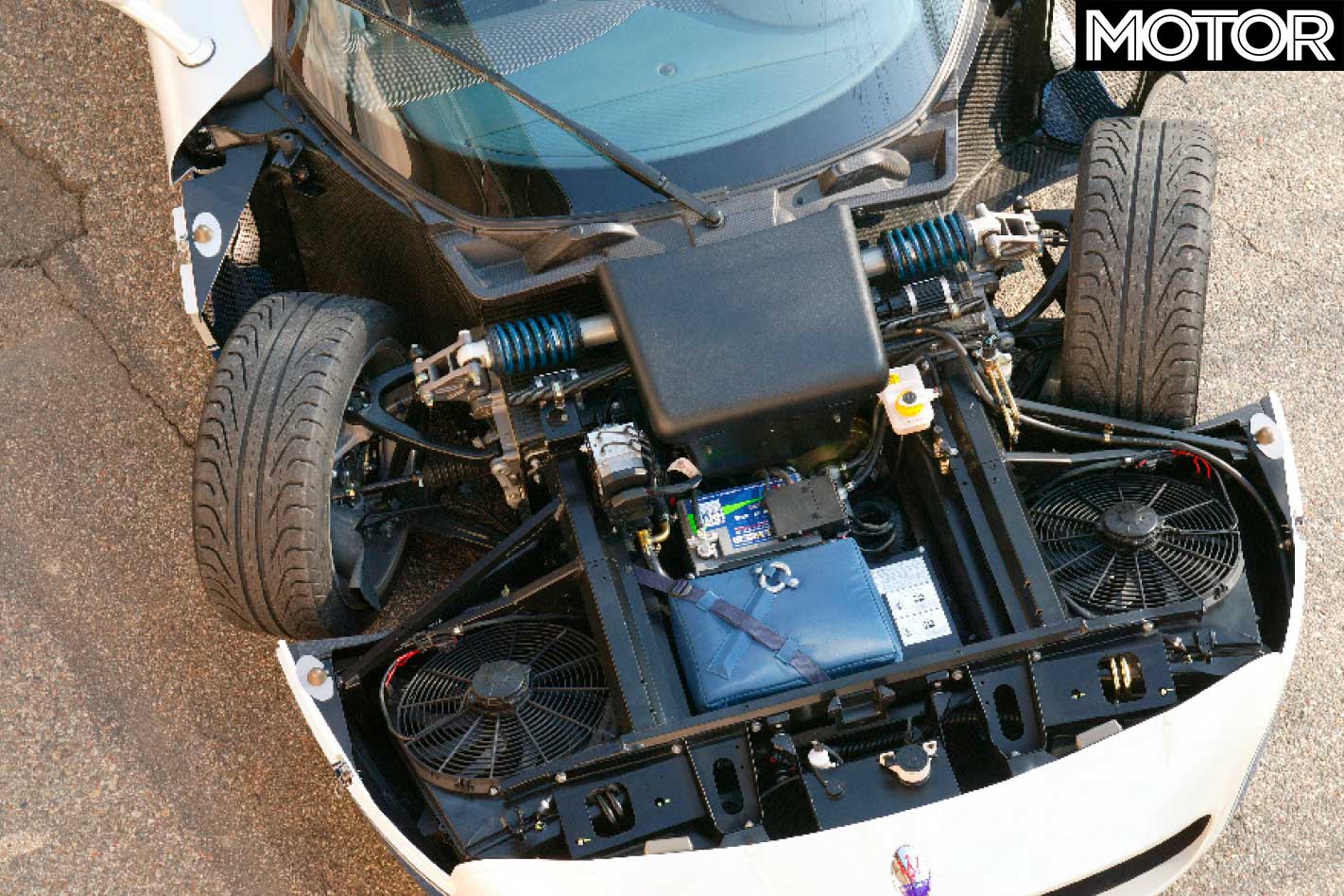
Stability is the key, whether it’s changing direction in a hurry for a chicane, working its arse hard over mid-corner (flat bit of the speed bowl) undulations at 260km/h, or sliding it in second gear for the camera.
No car has a right to be this blistering, this easily, and certainly not a road car. Not a race car either.
Is it too fast for the road? More than likely, to be honest, especially since the faster you drive it, the more it shines and the more it distances itself from almost anything else out there.
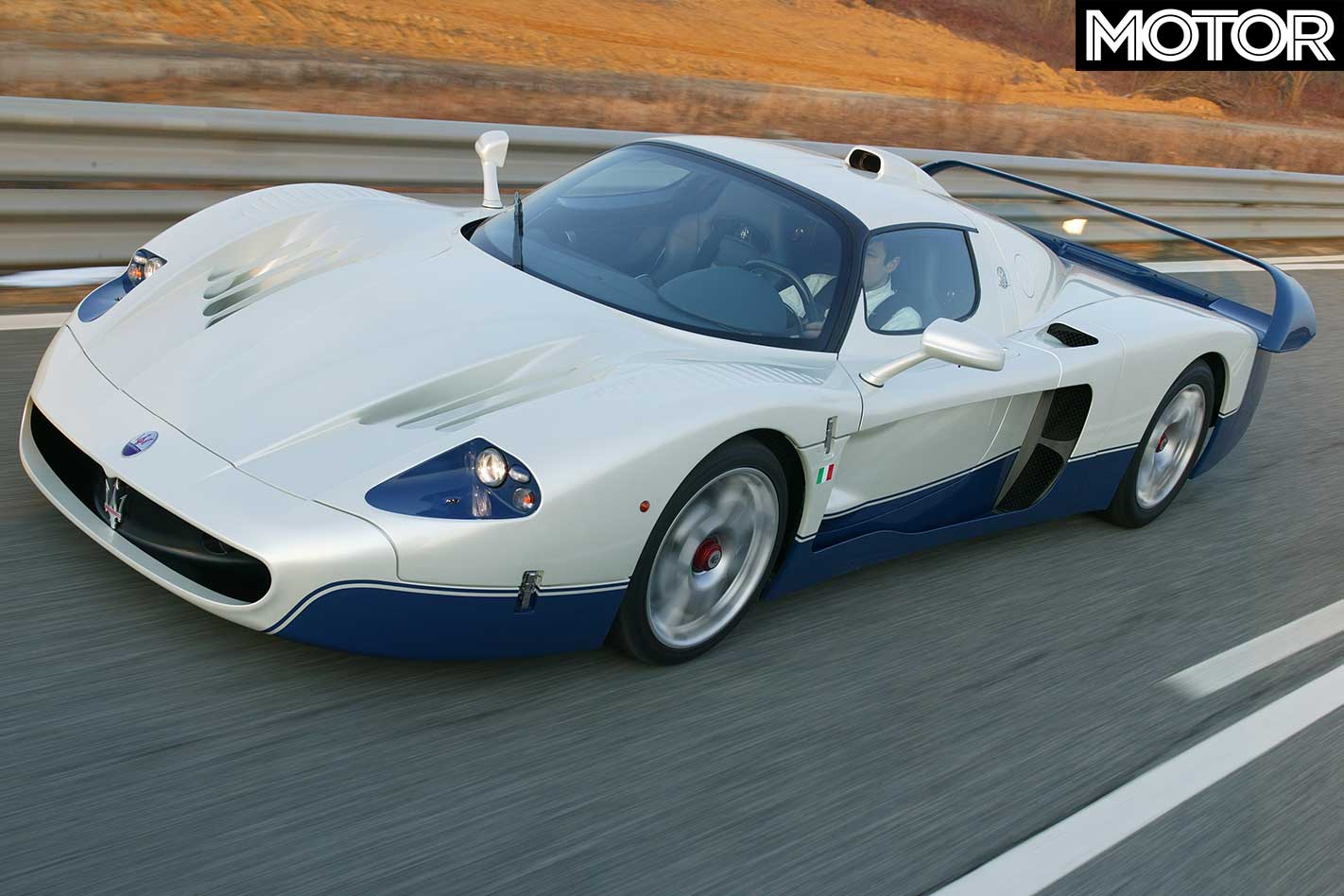
FAST FACTS 2005 Maserati MC12
BODY: 2-door, 2-seat coupe DRIVE: rear-wheel ENGINE: 6-litre, V12 DOHC 48v BORE/STROKE: 92mm x 75.2mm POWER: 465kW @ 7500rpm TORQUE: 652Nm @ 5500rpm WEIGHT: 1335kg POWER-TO-WEIGHT: 348kW/tonne TRANSMISSION: Six-speed sequential 0-100KM/H: 3.8sec 0-200KM/H: 9.9sec 0-400M: 11.3sec 0-1000M: 20.1sec SUSPENSION: double wishbones, pushrods, progressive rate horizontal dampers, coaxial coils (f & r) L/W/h: 5143/2096/1205mm WHEELBASE: 2800mm TRACK: 1660mm (f), 1650mm (r) BRAKES (f): 380mm x 34mm cross-drilled & ventilated rotors, six-piston calipers BRAKES (r): 335mm x 32mm cross-drilled & ventilated rotors, four-piston calipers WHEELS: 19 x 9.0-inch (f), 19 x 13-inch (r) TYRES: Pirelli PZero Corsa; 245/35 ZR19 (f), 345/35 ZR19 (r) PRICE: $1.8 million
WITH the XC40’s victory in the 56th running of Wheels Car of the Year, Volvo has gone from a winless streak of over half a century to becoming one of just six brands to win back-to-back gongs (and the only luxury brand to do so).
To celebrate, we’ve collated the best images of the XC40 from this year’s COTY testing, which took place over 7 days.
If you want to read why the XC40 won, make sure to read our winner feature.
Deputy Editor Andy Enright has also given insight into how the judges decided the Volvo was the worthy winner when applying the COTY criteria.
There was some tough competition taking on the Volvo for the 2019 Car of the Year title.
Toughest was the Subaru Forester, which was a COTY darkhorse that turned into a worthy runner-up.
Jaguar’s I-Pace was a favourite following two days at the proving ground, and a worthy finalist which has propelled the almost century old British manufacturer straight to the front of the electric revolution.
Meanwhile Alpine’s delightful A110 had the judges clamouring for the keys during testing, with the team praising its dynamic prowess.
For the budget conscious, Volkswagen’s Polo hatch was lauded for its value for money.
Want to take things offline? Read 67 pages of COTY coverage in our relaunched magazine, which is on sale now.
But in the meantime, enjoy the gallery above!
The thunderous 2019 Mercedes-AMG GT63 S will slot between E63 S and S63 for price, with the first cars hitting Australian roads from June.
At $349,900 the GT63 S 4-Door is more than $100,000 costlier than the slower (but still outrageously fast) $239,611 E63 S; and about $25,000 less than the luxurious, larger rear-drive S63 L.
Read our international AMG GT63 S review!
With a 4.0-litre twin-turbo V8 producing an innards-compressing 470kW and 900Nm, the all-wheel drive GT63 S is capable of 0-100km/h in just 3.2 seconds – super impressive for a car that weighs 2045kg.
The first GT63 S in Australia was revealed in pit-lane at Mount Panorama yesterday.
The GT63 S is loaded to the hilt with standard equipment such as air suspension, rear-wheel steering, 21-inch wheels, carbon-fibre roof and myriad other goodies.
Early deliveries of the GT63 S will also be available with a special Edition 1 treatment, including rear wing, stripes and unique colour/trim combinations.
The lesser-spec, lower power GT63 non-S will not be offered in Australia.
Meanwhile the German powerhouse has released pricing for its more junior 2019 Mercedes-AMG GT53. At $249,900 the GT53 is $100,000 cheaper than the V8 model, but still a rapid beast. With a mild hybrid 3.0-litre turbocharged inline-six producing 320kW and 520Nm, the all-wheel drive GT53 can hit 100km/h in 4.5 seconds.
2019 Mercedes-AMG GT53 4-Door price – $249,900
2019 Mercedes-AMG GT63 S 4-Door price – $349,900
*Manufacturer’s list price; excludes on-road costs.
2019 Mercedes-AMG GT53 4-Door options – highlights
AMG Exterior Chrome Package, $2500: Front splitter and rear apron strip in chrome.
AMG Exterior Carbon-fibre Package, $9500: Front splitter, rear apron strip, side sills and other front trim in carbon-fibre.
AMG Night Package, $2500: Front splitter, mirrors, side sills, tailpipe surrounds, other exterior elements all in black.
Luxury Rear Package, $5300: Turns the car from a five seater to a four-seater with more features for rear passengers, including heated seats, touchscreens, USB ports, wireless charging and temperature-controlled cup holders.
Rear-axle steering, $4400: Enhances low-speed agility and high-speed stability by steering the rear wheels a few degrees.
Carbon-fibre fixed roof, $5900
Burmester 1450w stereo, $10,400: 5 speakers and 25 amplifiers. Only available if you get the glass sunroof.
AMG high-performance ceramic composite braking system, $17,900: Bigger 402mm front discs, 360mm rear. Carbon ceramic discs reduce unsprung weight, give greater resistance to heat during track work and have an incredibly long service life. Different brake calipers.
AMG Carbon-fibre Engine Cover, $2000
2019 Mercedes-AMG GT63 S 4-Door options – highlights
Edition 1, $5900: Makes a case for itself on value alone – includes Aerodynamics Package, special paint and unique decal pack.
AMG Aerodynamics Package, $7300: Bigger front splitter, front canards and fixed rear wing for an additional 30kg rear downforce at 300km/h – and, interestingly, all for less drag than without the package.
AMG Carbon Package II, $11,600: Basically the Aerodynamics Package but with a carbon-fibre fixed rear wing and carbon-fibre side mirrors.
Burmester 1450w stereo, $10,400
AMG high-performance ceramic composite braking system, $17,900: Same as available above for GT53.
AMG Carbon-fibre Engine Cover, $2000
*All pricing correct as of February 2019.
2019 Mercedes-AMG GT53 specifications
Engine: 2999cc inline-6, turbocharger, DOHC, 24v; electric motor
Drivetrain: nine-speed automatic, torque converter; all-wheel drive
Power: 320kW @ 6100rpm
Maximum electric motor boost: additional 16kW
Torque: 520Nm @ 1800-5800rpm
Maximum electric motor boost: additional 250Nm
Weight: 1970kg
0-100km/h: 4.5sec (claimed)
Top speed: 285km/h (claimed)
Fuel consumption: 9.4L/100km (claimed, combined)
Price: $249,900
2019 Mercedes-AMG GT63 S specifications
Engine: 3982cc V8, twin-turbocharged, DOHC, 32v
Drivetrain: nine-speed automatic, wet clutch; all-wheel drive
Power: 470kW @ 5500-6500rpm
Torque: 900Nm @ 2500-4500rpm
Weight: 2045kg
0-100km/h: 3.2sec (claimed)
Top speed: 315km/h (claimed)
Fuel consumption: 11.3L/100km (claimed, combined)
Price: $349,900
If you’re into muscle of the four-wheel kind, and you find the Ford Mustang too common, where do you turn to? The first obvious answer is HSV. It has positioned the Chevrolet Camaro 2SS at the exclusive end of the sub-$100K coupe market, partly because it has to. Rebuilding each one in right-hand drive after it arrives in Clayton, from America, sends its price upwards to $85,990.
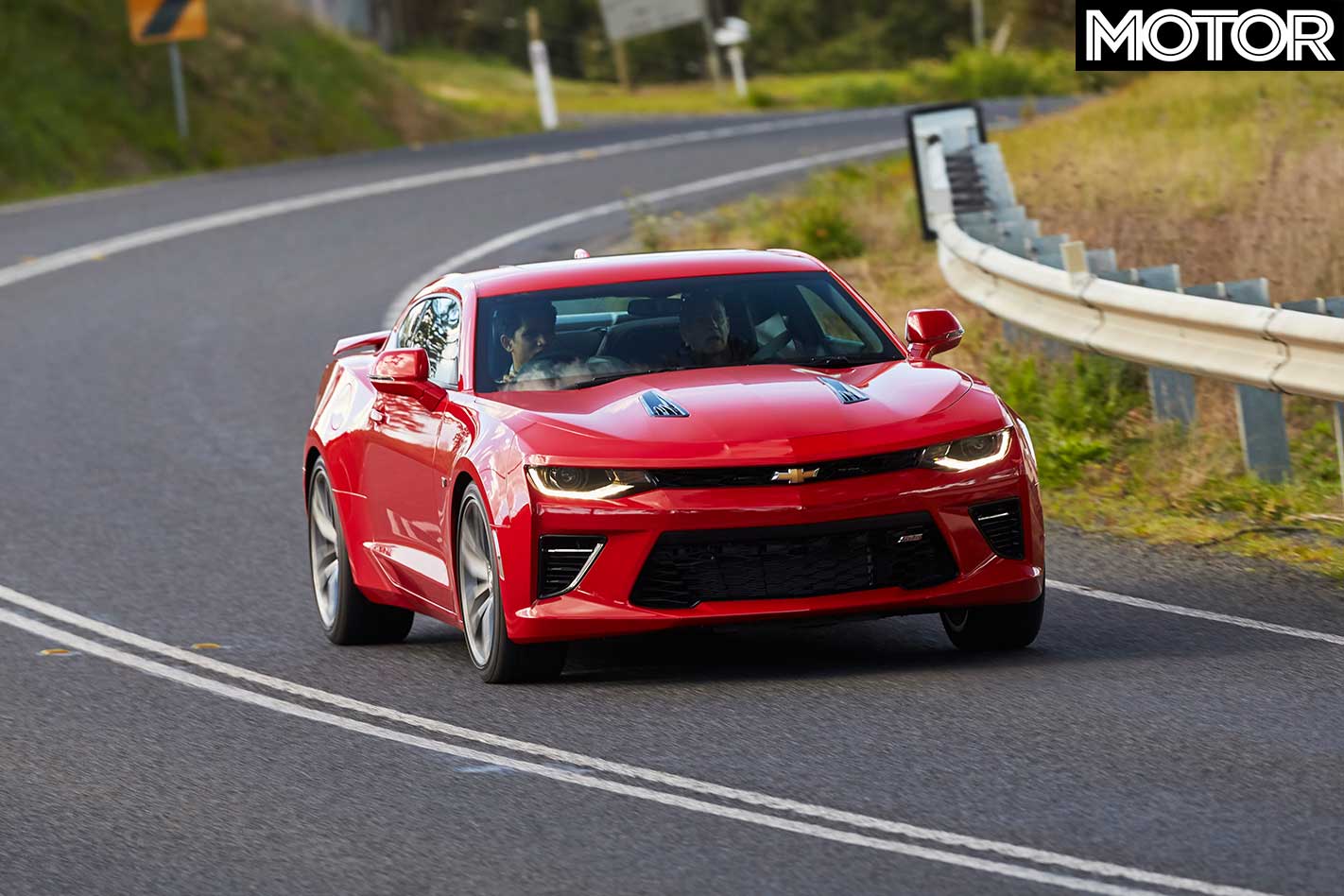
You won’t be short-changed on performance, though. Its beefy 6.2-litre pushrod V8 is all torque. In most conditions and at the hands of most drivers the Camaro is a sub-5.0sec car to 100km/h from rest, easy. But it’s not a one-trick pony, either.
It has a chassis to match, delivering solid rear-drive dynamics with only some iffy steering and a stiff ride to blot its report card. But its price also invites competition from a more exotic contender.
Lexus’s RC F is an aggressive two-door that packs a V8. And now that it’s been four years since it arrived, its $133K price tag when new has tumbled. In fact, there are plenty around the $70K mark. It weighs much more than a Camaro, but it’s also more sophisticated – like a fine cut of wagyu.
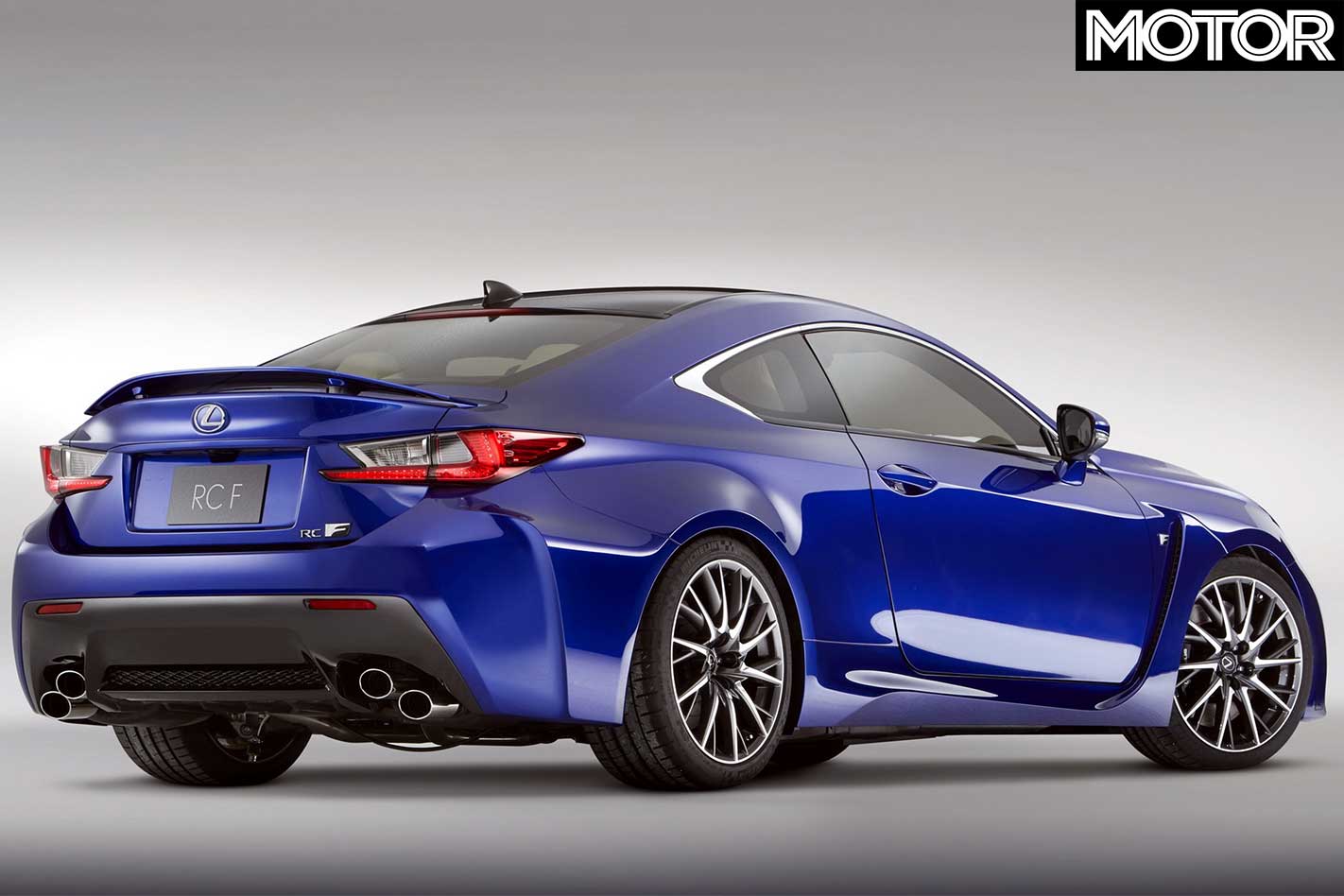
It gets adaptive dampers, a 7100rpm cut-out, and its Samurai-tough looks can fly under the radar. That said, it’s not the most involving car to drive on a twisting road, and it lacks the emotional appeal of the Camaro. But a set of straight pipes could fix that.
Either way, Camaro or RC F, you’re getting a lot for your money.
| 2019 Chevrolet Camaro 2SS | vs | 2015 Lexus RC F |
| 6162cc V8, OHV, 16v | ENGINE | 4969cc V8, DOHC, 32v |
| 339kW @ 5700rpm | POWER | 351kW @ 7100rpm |
| 617Nm @ 4600rpm | TORQUE | 530Nm @ 4800-5600rpm |
| 1710kg | WEIGHT | 1820kg |
| 4.68sec (tested) | 0-100KM/H | 5.11sec (tested) |
| $85,990 | PRICE | $70,000-$120,000 (used) |
Classies Watch
Modern classic tempters we found on tradeuniquecars.com.au
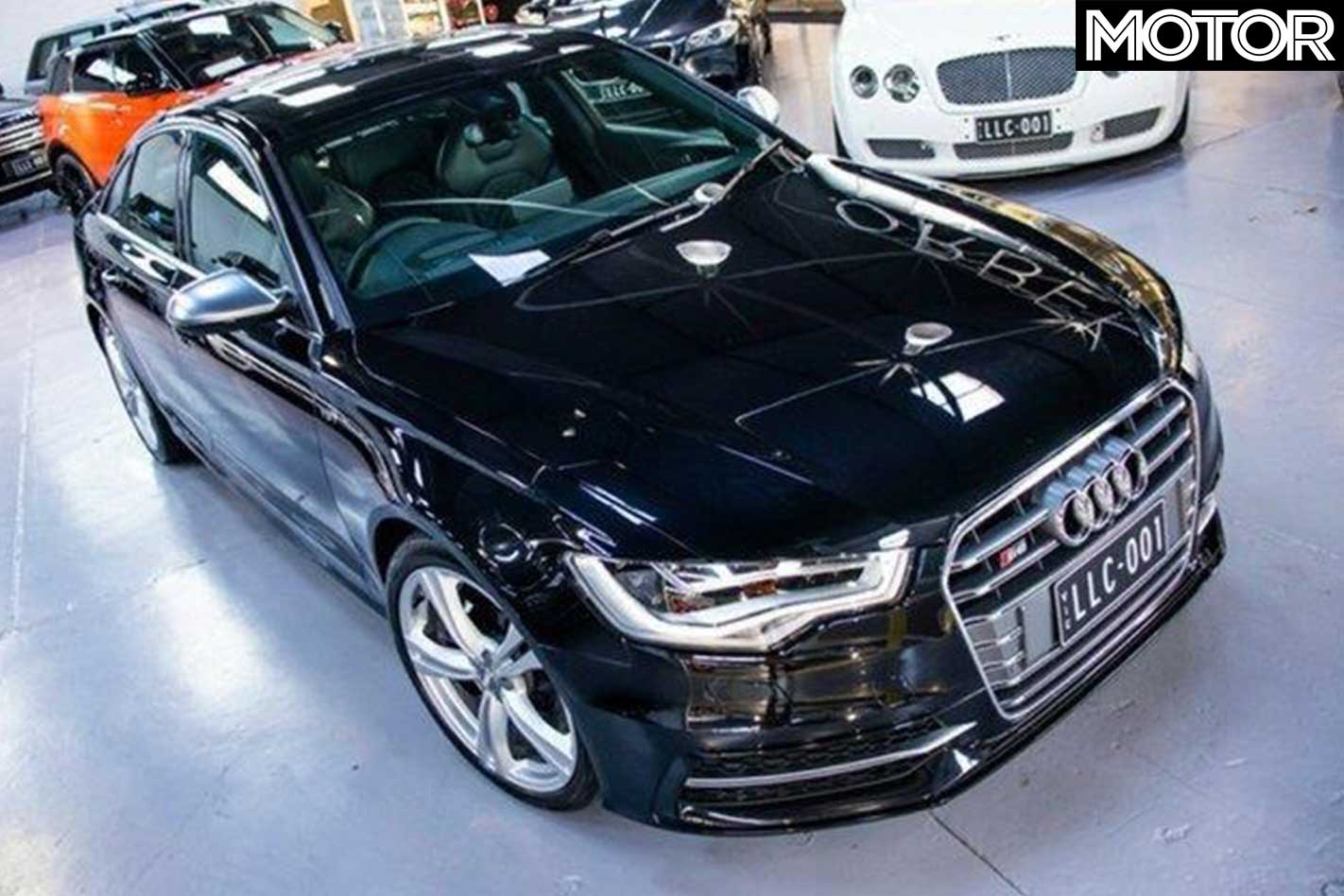
2012 AUDI S6 – $57,880 4.0L V8TT, 309kW/550Nm, 82,547km, Melbourne, Vic Twin-turbo V8 wrapped in an Armani suit. A great fast-lane chariot.
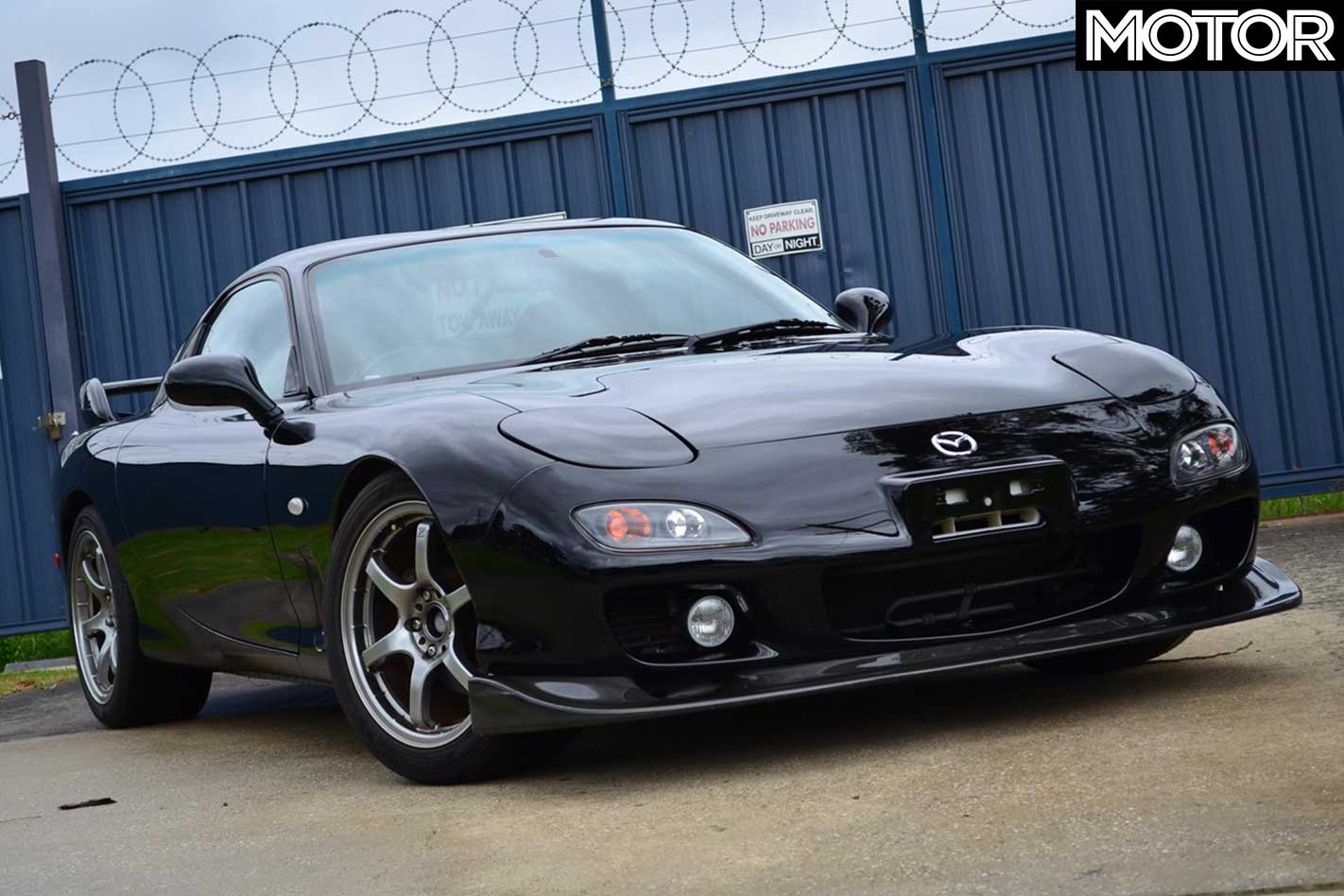
2002 MAZDA RX-7 BATHURST R – $48,990 1.3L R2T, 206kW/304Nm, 83,113km, Bayswater, Vic JDM-only Type R Bathurst R was the ultimate pick of the RX-7 bunch.
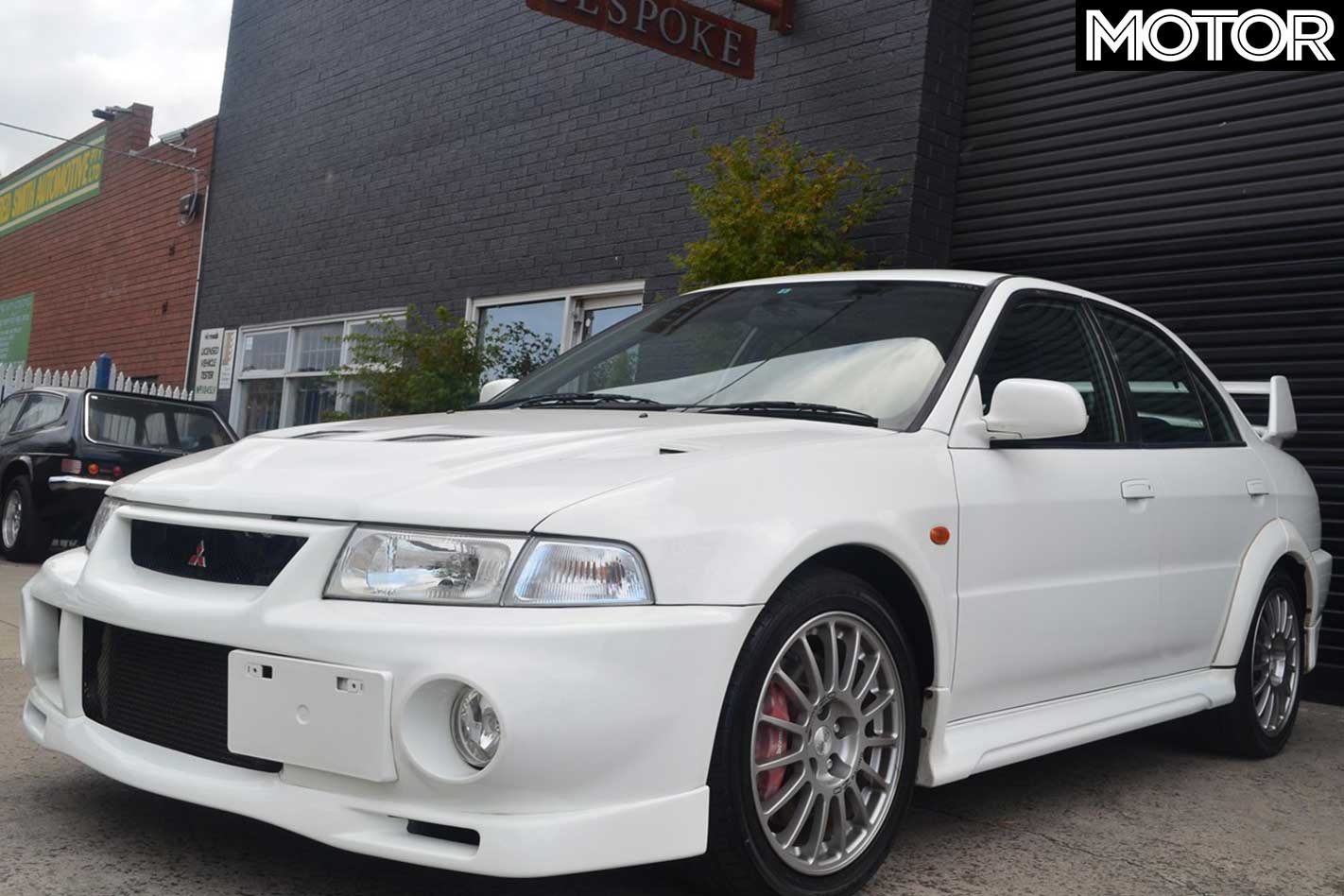
1999 MITSUBISHI LANCER EVOLUTION VI – $27,980 2.0L I4T, 206kW/373Nm, 124,733km, Bayswater, Vic WRC-bred weaponry packed into a four-door Lancer shell. Legendary.
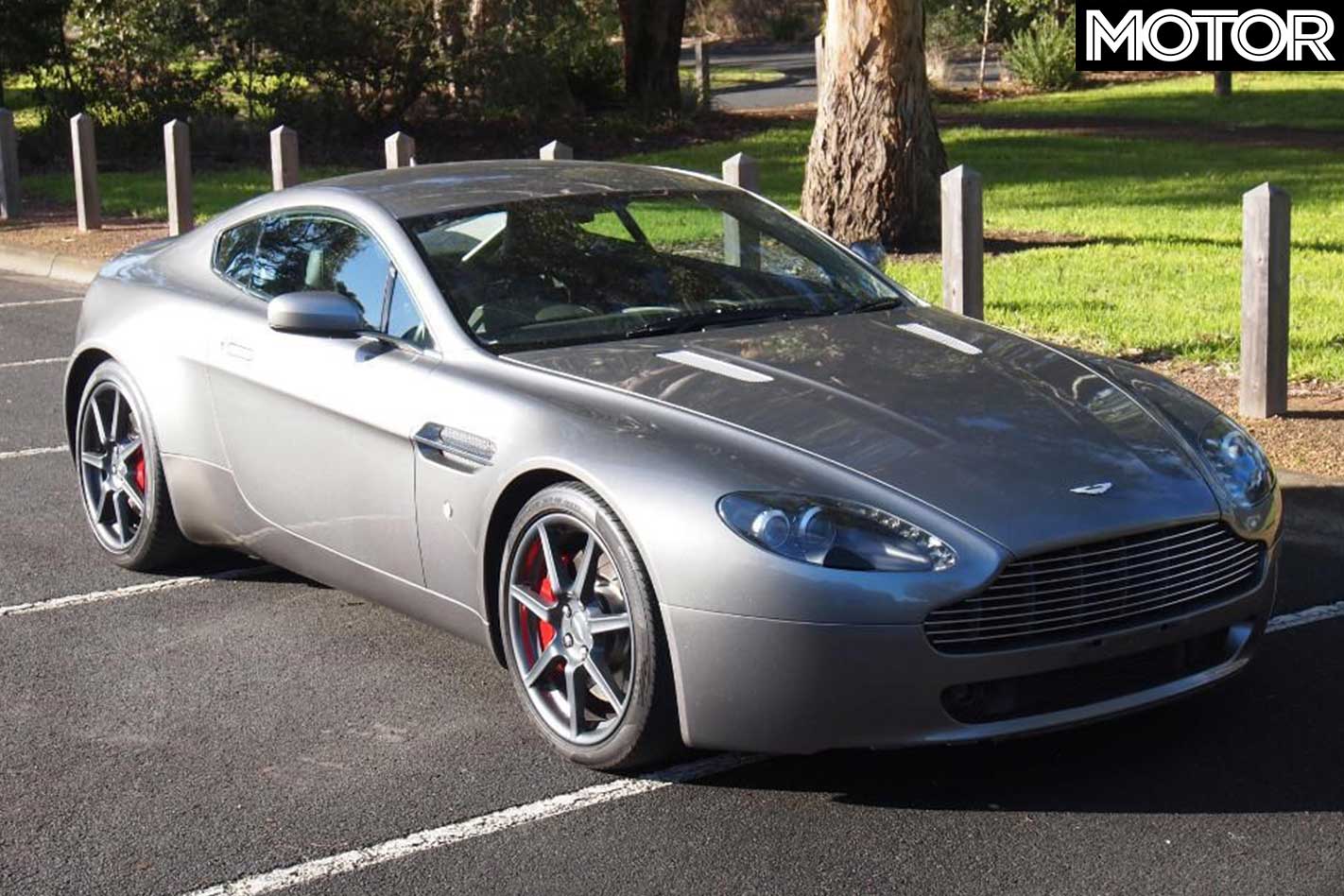
2007 ASTON MARTIN VANTAGE V8 – $89,000 4.3L V8, 283kW/410Nm, 126,398km, Mitcham, Vic Not the burliest V8, but still looks like it belongs in a new-car showroom.
HEREu2019S the hypothetical scenario: choose one vehicle from the current Jaguar/Land Rover line-up. Feel free to add options, but donu2019t exceed around $120,000 before on-roads. What do you choose? We can pause if you need to dive into the Showroom section, but in simple terms, it means you only have to exclude the XJ limo-sedan (which no-one buys anyway) and the Range Rover. Everything else, from mid-size XE, to the E-Pace, F-Pace, F-Type, Velar, Evoque, Disco and Rangie Sport, is up for grabs.Which do you pick? Sales evidence suggests it’s unlikely you’d have jumped the direction in which I did: into an Jaguar XF Sportbrake. I’m also tipping many of you SUV-lovers are throwing down this magazine in disgust and declaring me a royal arse-clown. But hear me out, even if it is a familiar refrain: I have no need for a vehicle capable of going off-road. If that scenario does arise, I’ll beg, borrow, barter or hire a vehicle that can. I’m not anti-SUV, but for my needs, off-road ability feels a bit like doing a tarmac fun-run in hiking boots. What I do need is a generous load space, a reasonably well-endowed engine and keen, rewarding dynamics.
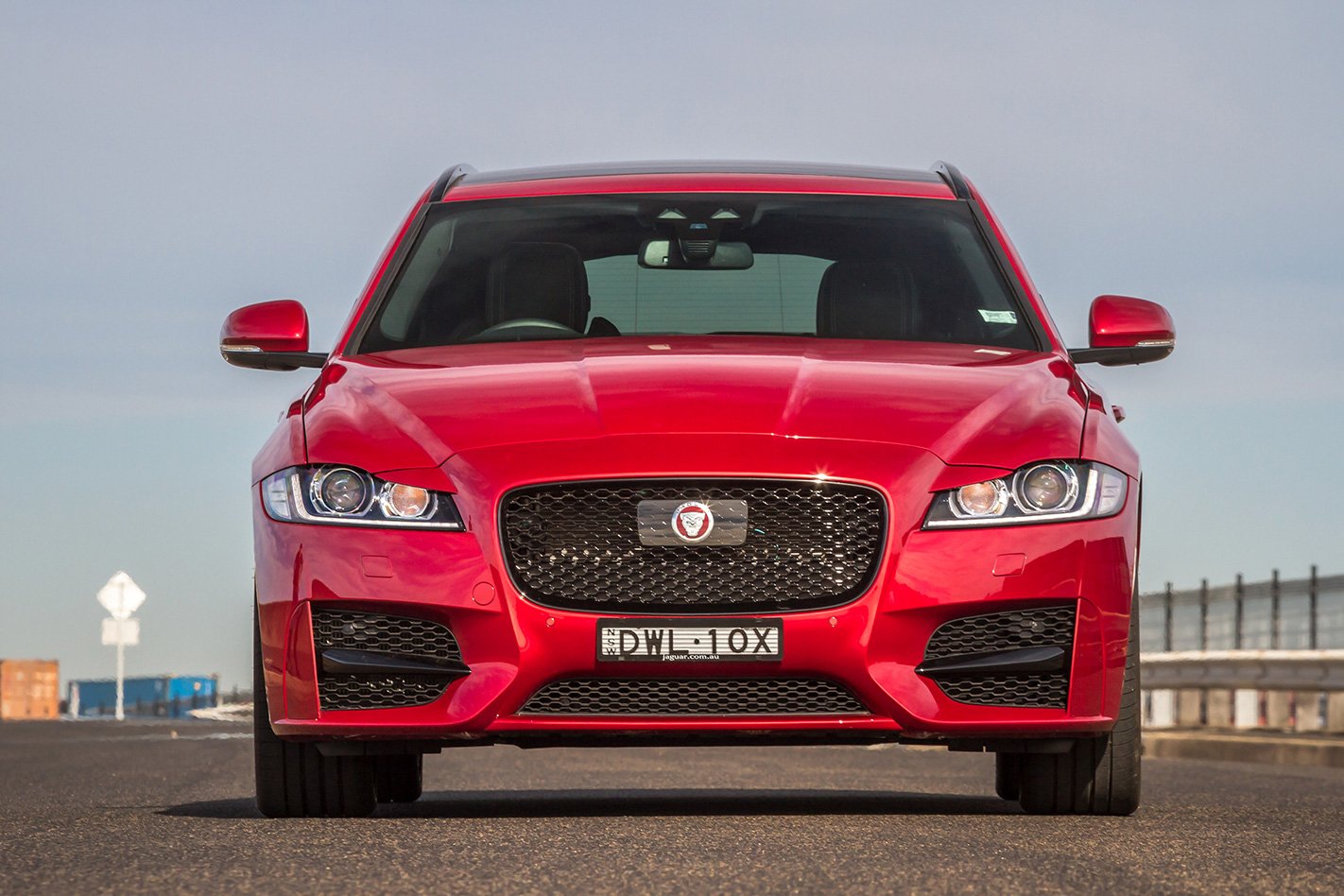
Now go back to the JLR line-up and you’ll see that an XF Sportbrake is not just a logical choice, it’s the only choice (the smaller XE would serve me fine, but is not produced as a wagon).
My petrol XF sits smack between the other two engine choices in the three-strong Sportbrake range: the entry-level 2.0-litre diesel (132kW/430Nm) and the 30d S, running a 3.0-litre V6 oiler good for 221kW/700Nm. The latter was tempting, but over budget at $123,450 before options.
So again, I go from seemingly in the land of over-choice to the choice really being made for me. At this first-impression stage I’m quite happy – the Ingenium 2.0-litre may only be in mid-strength spec here with 184kW/365Nm (it’s offered in the XF sedan as a Lite, with 147kW/320Nm, or a Stout, with 221kW/400Nm) but so far it seems ample, tied to the excellent ZF eight-speed auto, even if the Sportbrake weighs in at a pudgy 1705kg. Okay, this engine tune does seem a bit thin on character – there’s not much by way of rorty exhaust note to involve you – but it is smooth and lag-free.
I’ll go into more powertrain detail in the coming months, but before that we need to cover how this car lists at $91,400, but leaps $28,600 to $120,000 via some exuberant box-ticking. Not all of it is my fault, I swear.
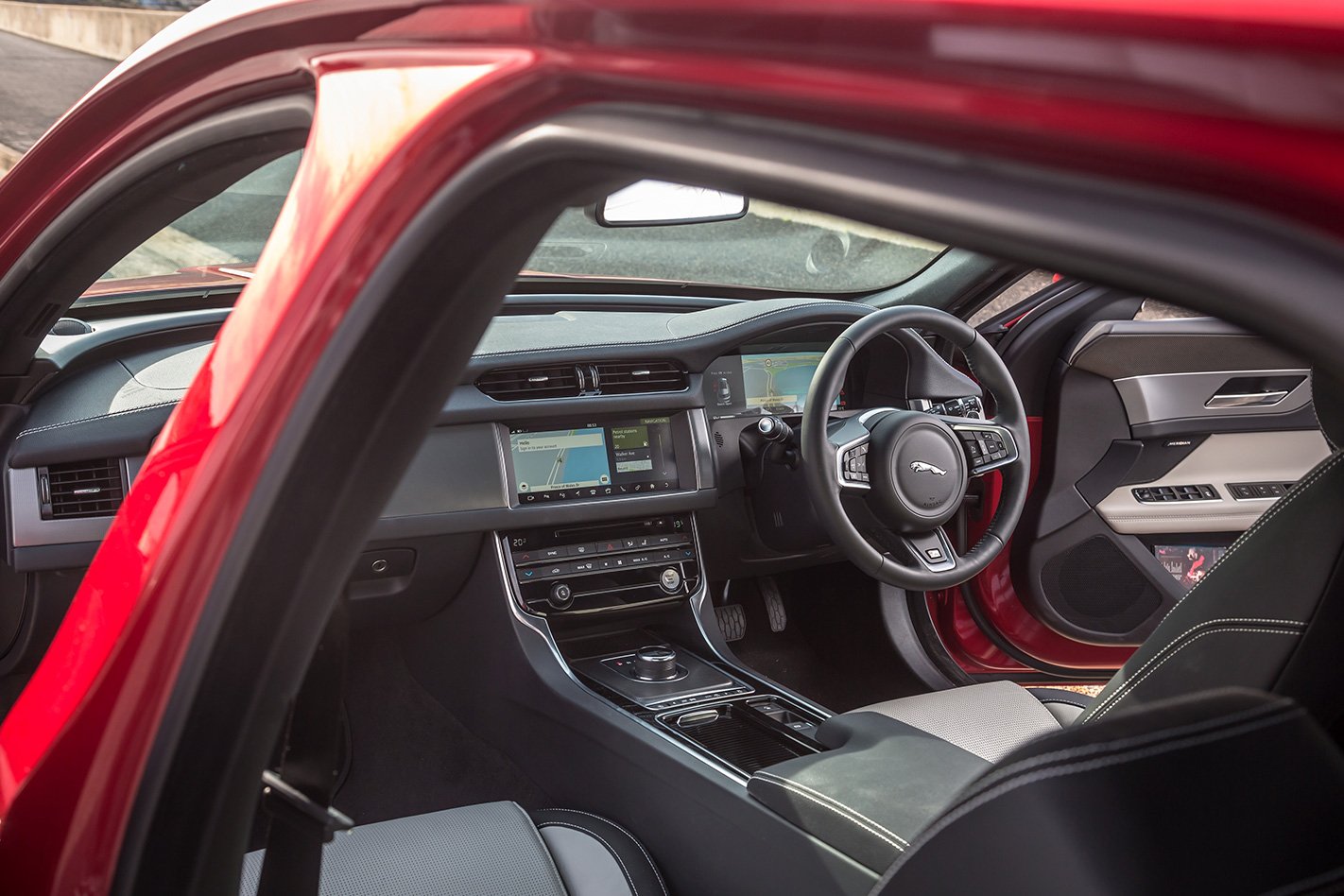
Most expensive is the $4360 Active Safety Pack, which includes blind-spot monitor, rear cross-traffic alert, lane-keep assist, adaptive cruise control, and driver condition monitor. Yep, you could argue that this stuff should be standard; we’ll look at how the Jag’s spec compares with German rivals at a later date. The glass roof and gesture control (see sidebar above) is the next costliest addition at $5000 combined.
Then there are the matte-finished carbonfibre interior trim inlays, which are rich indeed at $3470. Better value is the pro navigation pack and sound system from Brit specialist Meridian, which adds $2690. The red metallic paint, as well as the black-pack finish on the grille and side vents, plus the 19-inch wheels, combine to soak up $4860. Another dozen or so items relating to comfort (heated seats, privacy glass, etc), convenience (360-degree parking aid) and storage (rails in the cargo compartment) quickly account for another $7000.
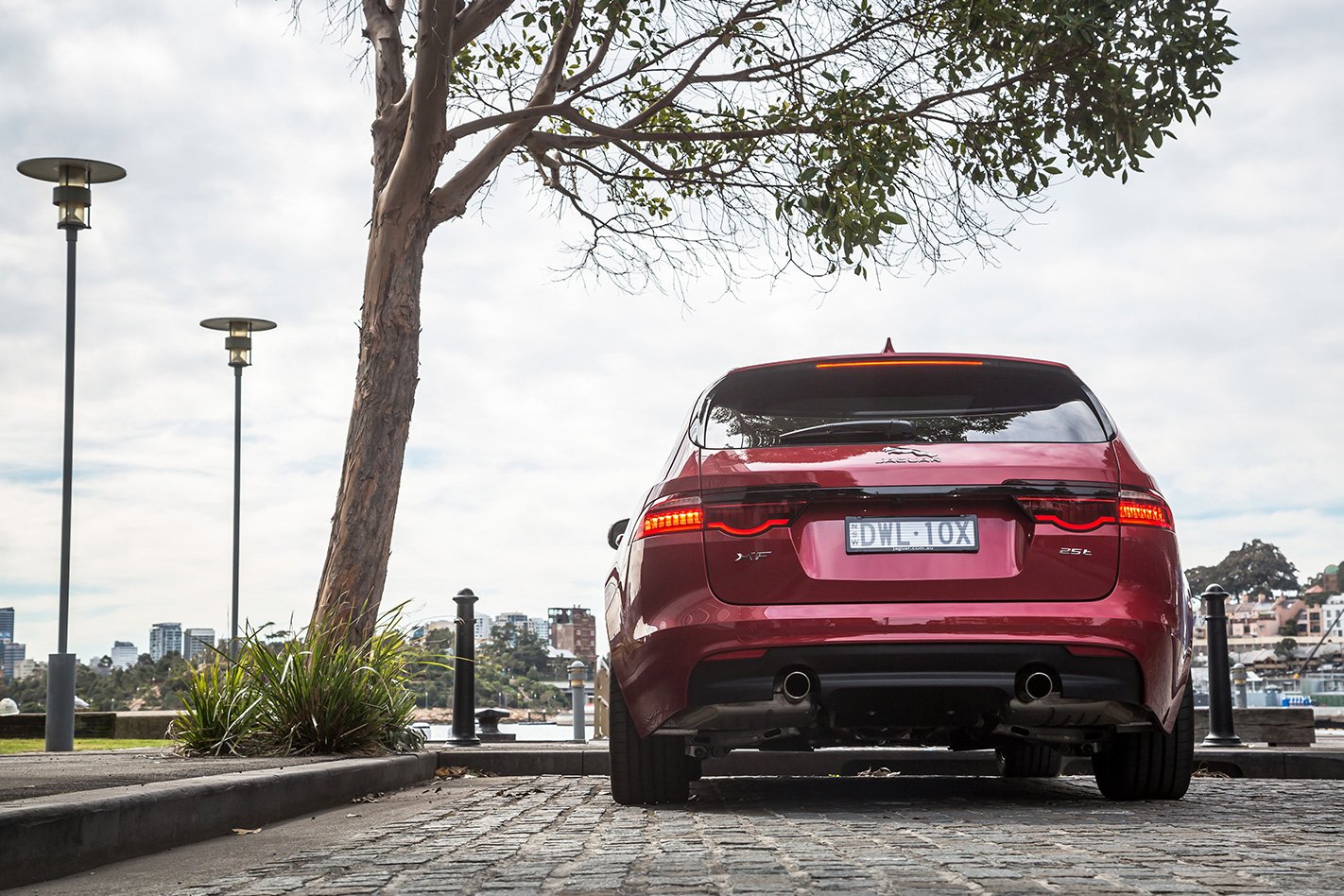
You’d think that with that lot, there’d be precisely nothing missing, right? But dude, where’s my head-up display? Er, still on the options list, apparently, along with the climate control for rear-seat occupants.
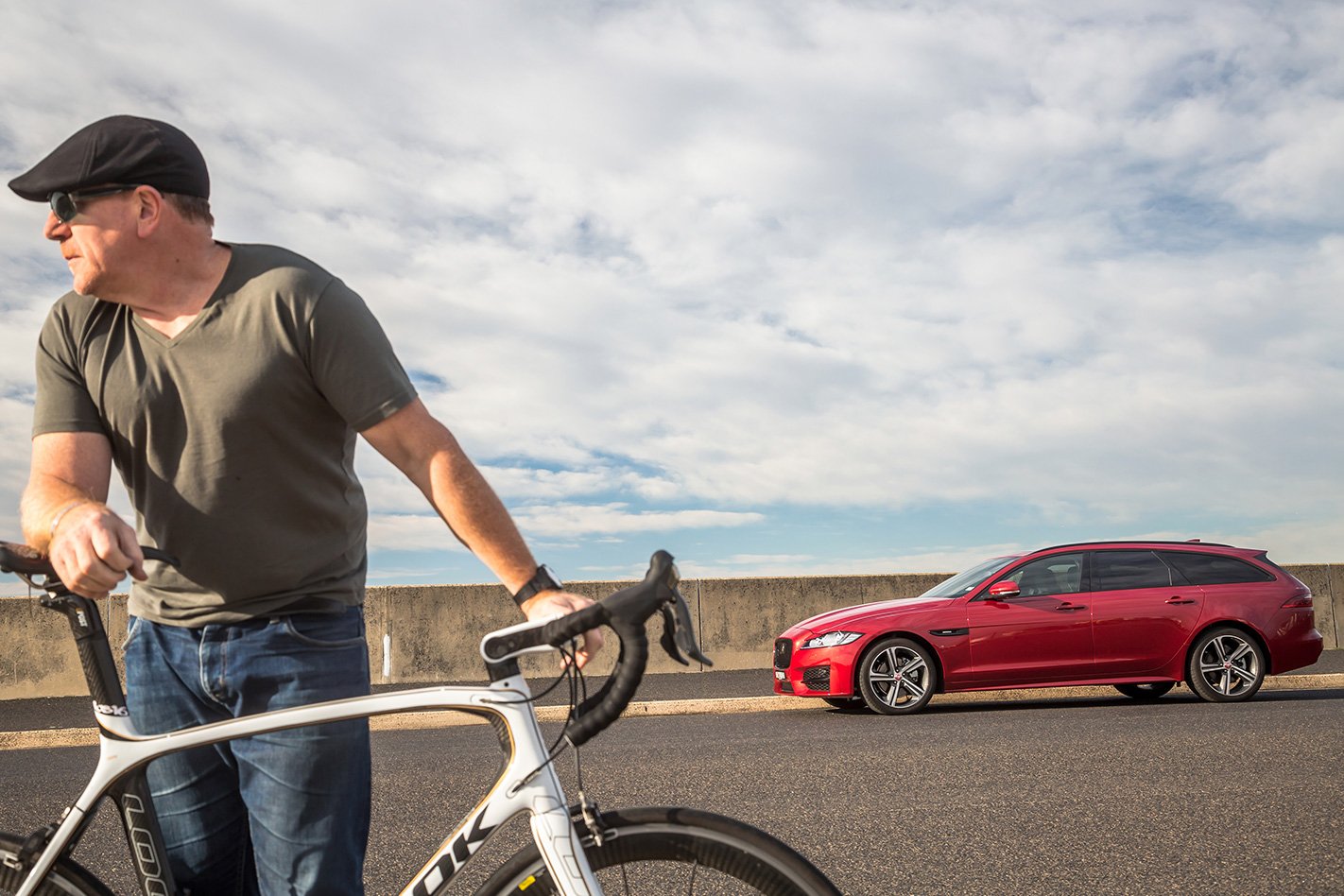
Yes, shopping in this large-executive segment is not for the faint-hearted or thin-walleted. But look at it: isn’t it a proud, purposeful bit of gear? It looks confident and able, ready to be loaded to the gunwales with all my crap and go on adventures. Okay, not muddy, rocky, off-road adventures, but that’s what I have a mountain bike for. We’ll stay on piste and have a blast, I’m sure.
Update #2
MORE God-fearing men than myself may be well-advised to follow the ninth commandment; the one that decrees thou shall not covet thy neighbour’s wife. But what about coveting the interior of thy car’s cousin? Surely that’s not off limits?
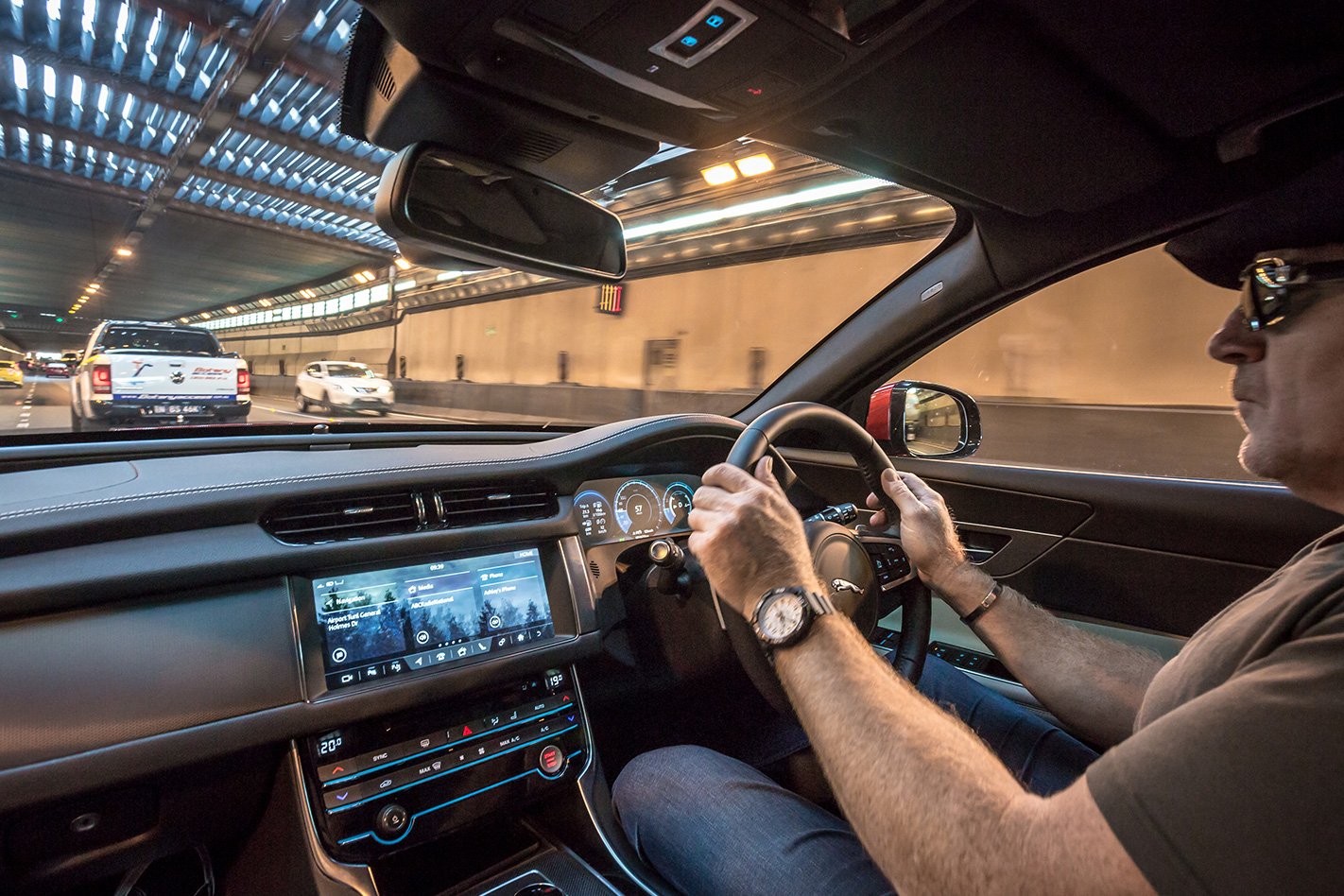
See, I recently fell under the spell of the stunning, game-changing interior of the Land Rover Velar, with its dual-screen lushness and high-end touch points. As I sat there making lame little cooing sounds, it brought into sharp relief the generational gap between it and the perfectly adequate, but rather less-stunning interior of my XF. I admit to a few improper thoughts, Lord; those of the lustful kind.
Yes, different brands, and models from different eras. The reality is that interior design and in-cabin technology is one area of the automotive world that’s been on a sharp upswing in recent years, so it’s inevitable that design and features considered seductive and cutting edge in 2015 may appear a little passé as 2019 looms.
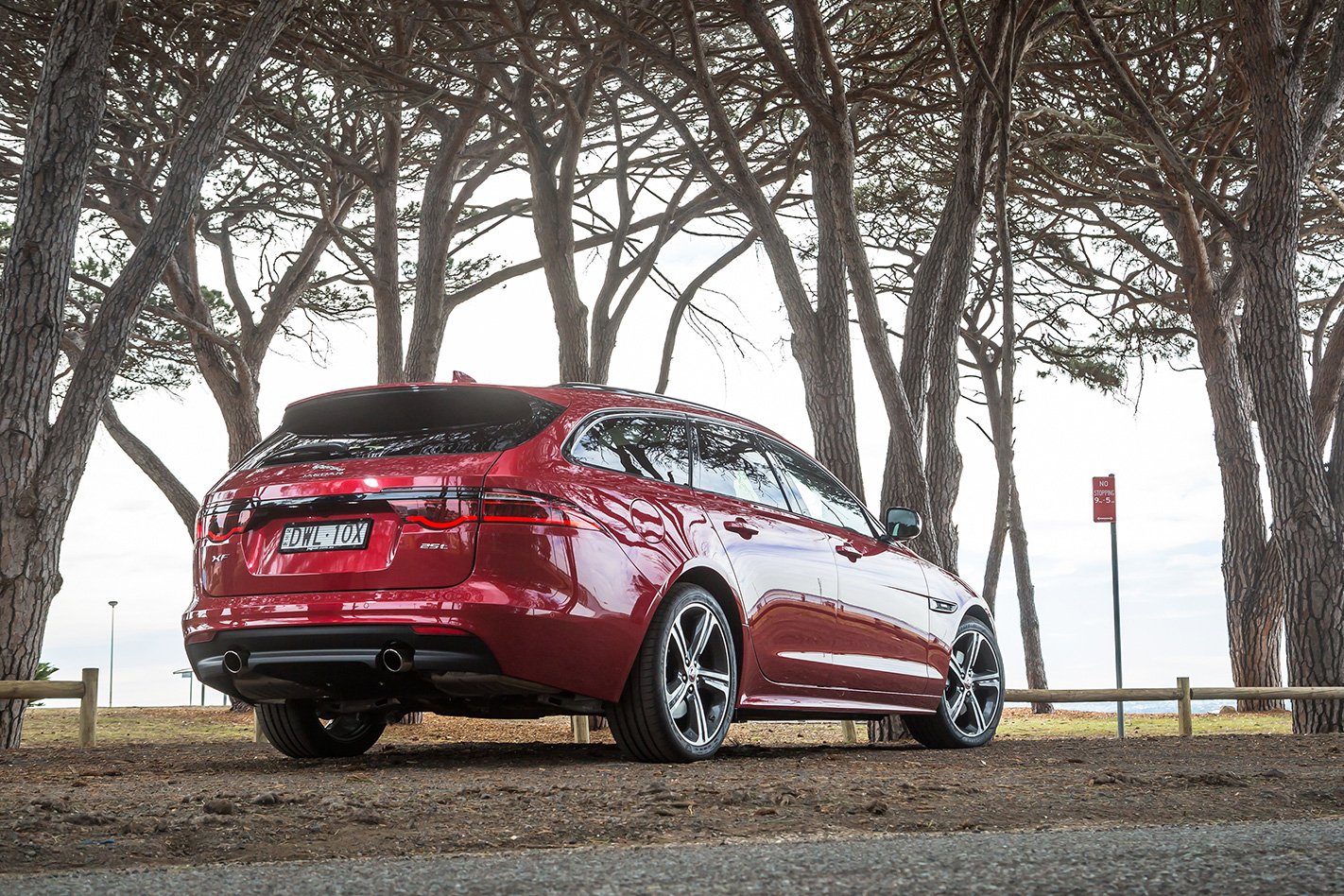
Specifics? The pop-up rotary gear selector in the XF – which actually debuted in the first-gen XF (X240) from 2007 – never feels as intuitive nor as satisfying to use as a conventional lever. And the air vents that rotate into the open position as the ignition is switched on – another carry-over from the X240 – now feel a little gimmicky.
But I’ve been diligently noting more practical shortfalls, such as the front door bins that aren’t designed to take a water bottle, or the fact that there’s nowhere to store the key if the cupholders are in use. Then there’s the USB ports mounted high in the rear of the lidded centre console, meaning that the cables’ plugs block you from either placing or retrieving anything from within the box.
But I’ll stop my first-world whinging right there because while the XF stumbles on a few details, it nails the fundamentals comprehensively. The front seats strike a sweet balance between pliant comfort and essential support, the electric column adjustment allows the wheel to glide into an ideal position, and I’m not missing an SUV’s ‘command’ driving position at all.
But what is delivering the most day-to day satisfaction is the dynamic polish. The steering is slick, ideally weighted, and has real nuance either side of centre without ever feeling over-reactive. On this measure alone, the Jag easily beats the multi-mode rack fitted to BMW’s 5 Series. Likewise the ride, which is mostly calm and absorbent, thanks in part to the rear air-springs and adaptive dampers. It’s not what you’d call plush – it’s too disciplined for that – but it dispatches Sydney’s battle-scarred bitumen with just a muted thudding from the 19-inch Goodyears that rarely jars.
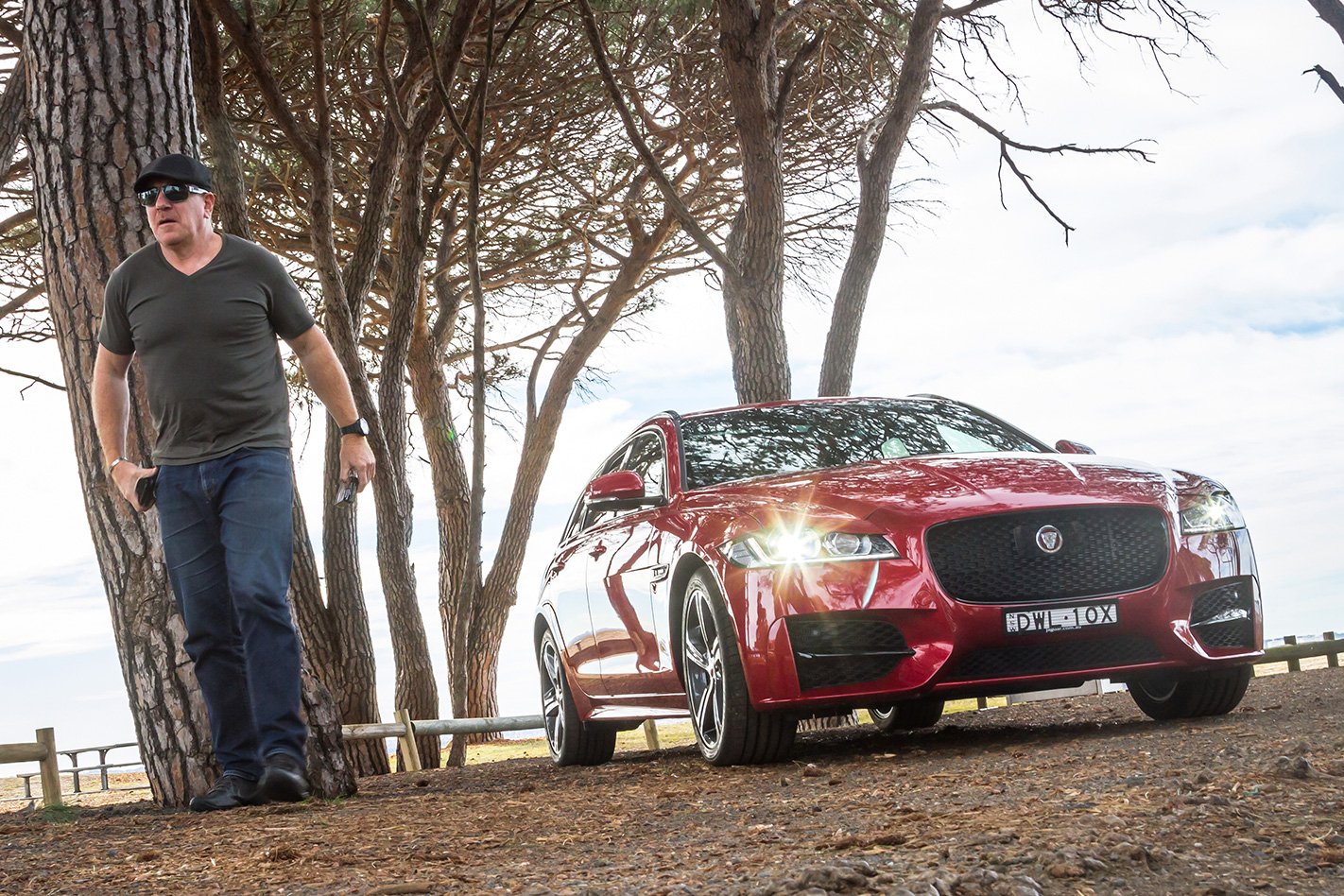
Then there’s its enthusiasm for corners, which is constantly leading me into temptation, especially in the eyes of the law, if not the Lord.
Update #3
IT WAS a line I heard recently from poker-playing heavyweight and professional hedonist Dan Bilzerian that made me stop and think for a second. The big ‘Blitz’ documents his life on Instagram, which seems to mostly involve private-jetting his GI-Joe beard to exotic locations with bikini babes, handguns, and the occasional alligator. His house parties have become legendary in their bacchanalian debauchery, all of which may have given rise to his observation: “The only issue with living this kind of lifestyle is that it takes quite a lot to get me genuinely fired up. It used to be a lot easier to get excited…”
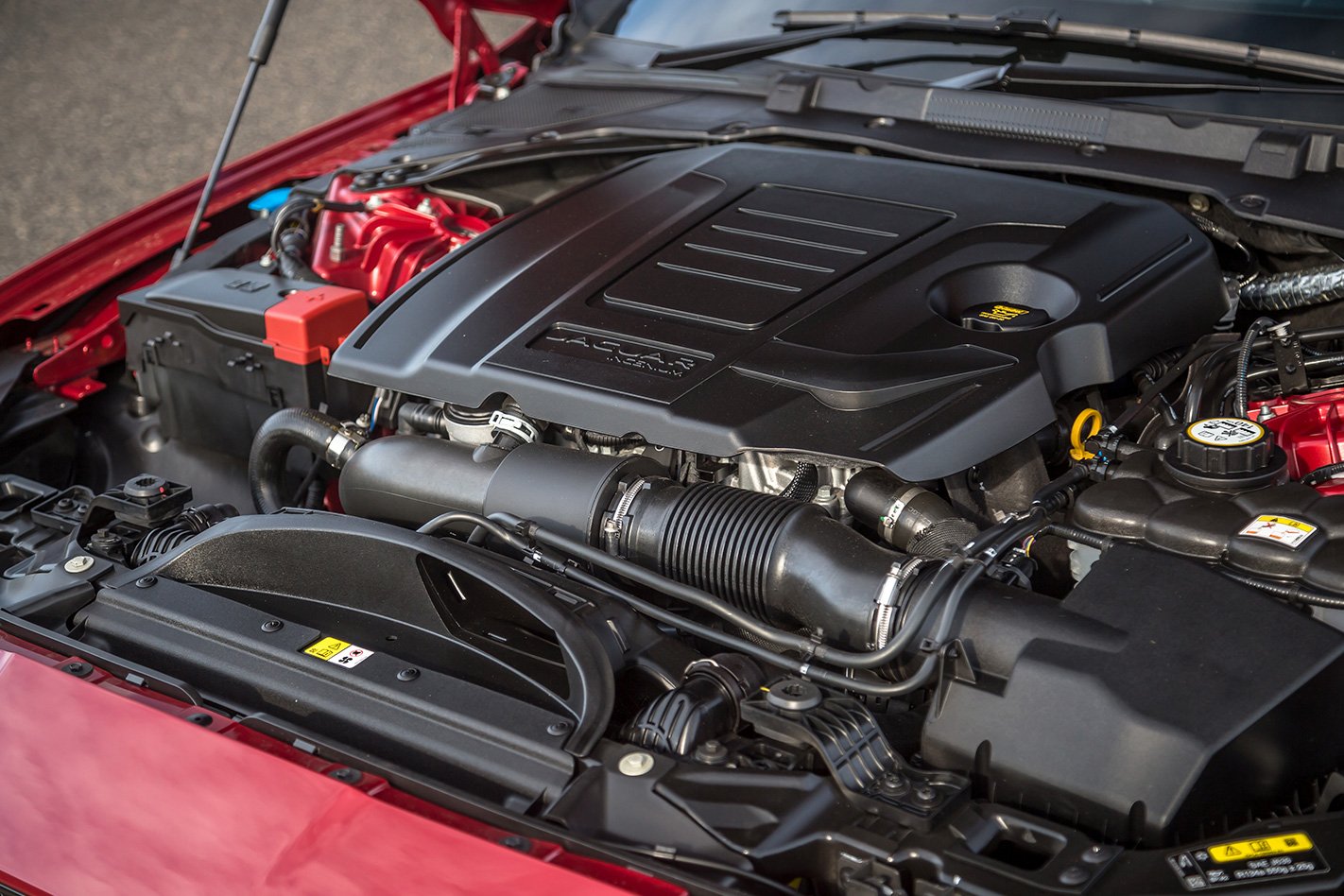
I feel your pain, Dan, I really do. Because by any measure, the AJ200 four-cylinder turbo- petrol in my XF is an excellent unit, but – and you may have sniffed this coming – it’s just a little lacking in aural involvement and redline-chasing thrills.
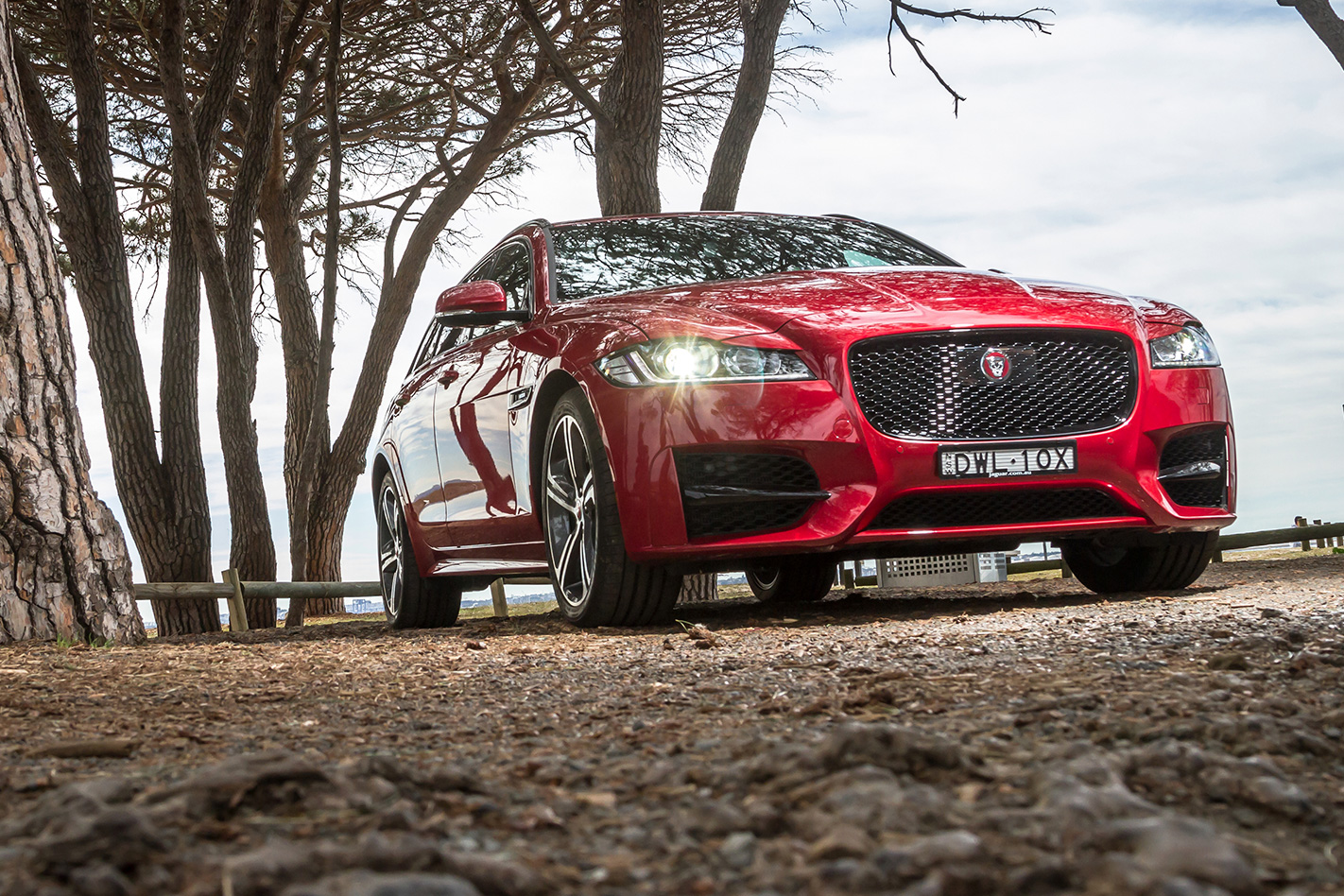
Don’t for a second think this stems from a lack of technical sophistication; quite the opposite. As part of the Ingenium family it’s an all-aluminium construction featuring a twin-scroll, variable-geometry turbocharger that spools up incredibly quickly, helping deliver peak twist of 365Nm at an astonishing 1200rpm – barely faster than idle speed – and maintaining that until 4500rpm. The inlet side of the electro-hydraulic valvetrain is fed by direct fuel injection, while an ECU-controlled oil pump matches the flow rate according to engine speed, load and temperature, so the switchable cooling jets only spray oil onto the underside of the piston crowns when required. That reduces parasitic losses, and the mere mention of the word ‘parasitic’ makes me feel as though I’m in my own warm oil bath.
Yes, all the requisite tech is in place, to the point this engine landed a spot in the Wards Auto (USA) 10 Best Engines for 2018.
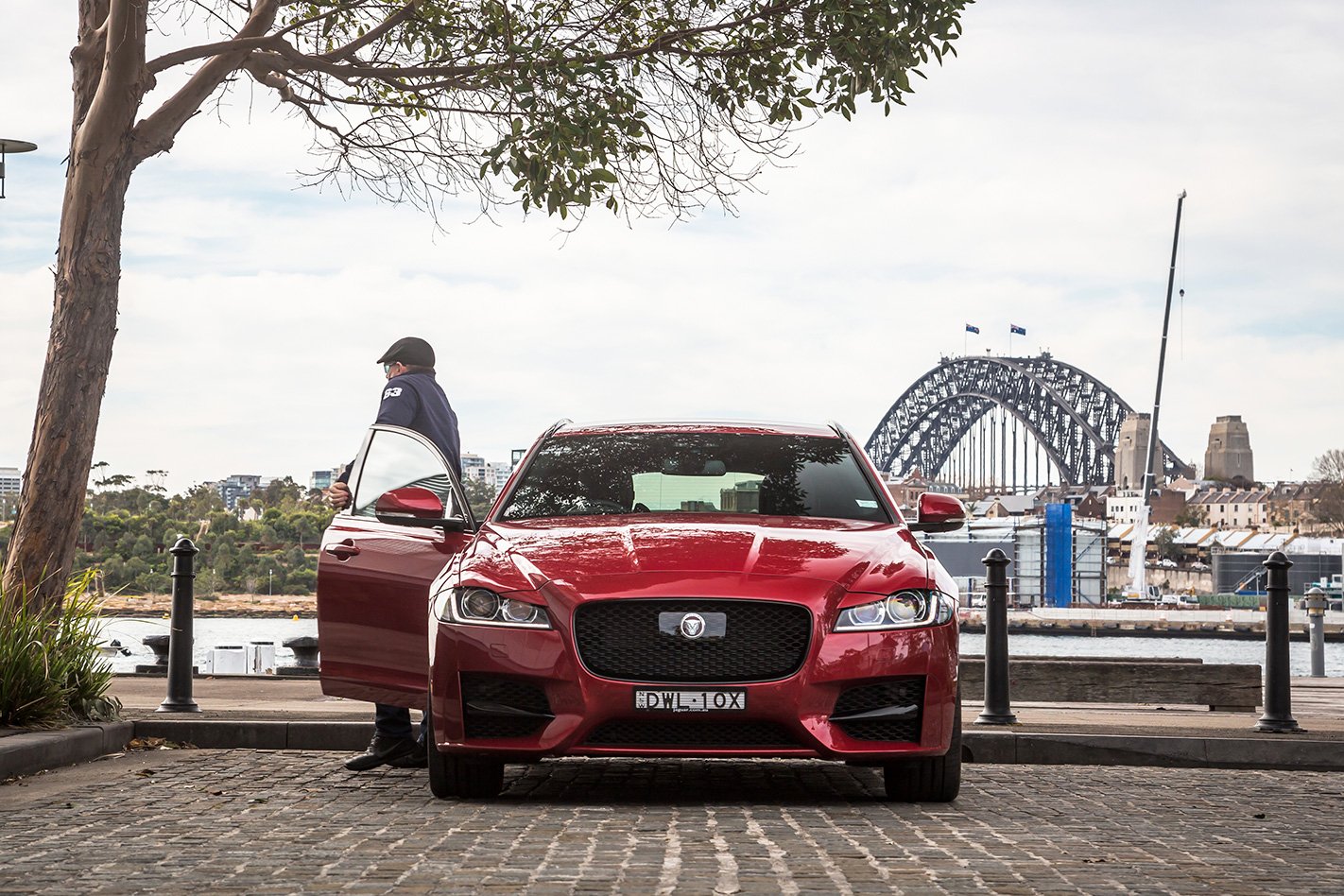
So while it’s possible I’m just suffering from a bit of Bilzerian syndrome – and the engine is smooth and lag-free, no question – I don’t think it sounds especially exciting, which seems at odds with other engines in the Jaguar line-up. In this engine’s higher-output guise when fitted to the F-Type sports car (221kW and 400Nm), it rasps, crackles, and drops a cheeky volley of low-frequency pops on overrun.
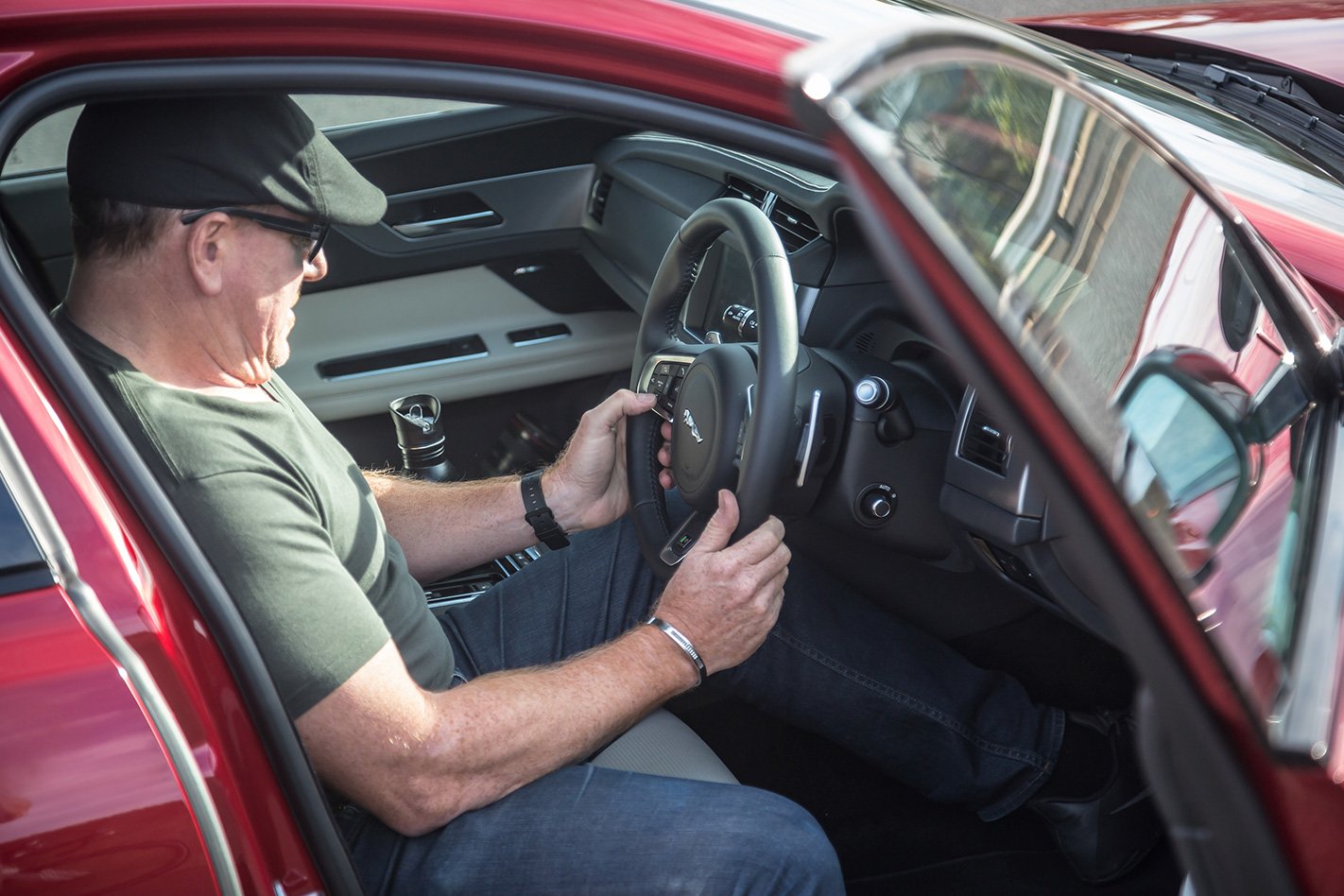
Sure, I understand those characteristics may not be an ultra-high priority for XF wagon buyers, but when specced as an R-Sport, as this car is, it seems a slight miss to not at least include a switchable exhaust to allow owners a richer, more involving soundtrack when having a pedal. Jaguar aims to position itself as a more daring, edgy alternative to its German rivals, so it needs to grab opportunities to actually deliver on this.
Then there’s the idle, which (I’m being very picky here) is just a fraction more chuntery and audible than you may expect from a car in this class. A friend recently jumped in, and, at the first set of lights, as we sat idling and a song ended, he perked up with, “Is it a diesel?”
Then again, he’s half a clown who really should be locked in a small room with Dan’s alligator.
Update #4
When I really drill down into the whole ‘weekend away’ thing, it’s possible that I enjoy the journey more than the destination. Sure, there’s plenty about camping that I do really like – a crackling campfire, being able to delight my camp-mates with a delicious meal made from just three ingredients, then horrifying them when I eat it like that feral kid from Mad Max 2. And how great is it to have a semi-legitimate excuse to abandon all personal hygiene for a few days?
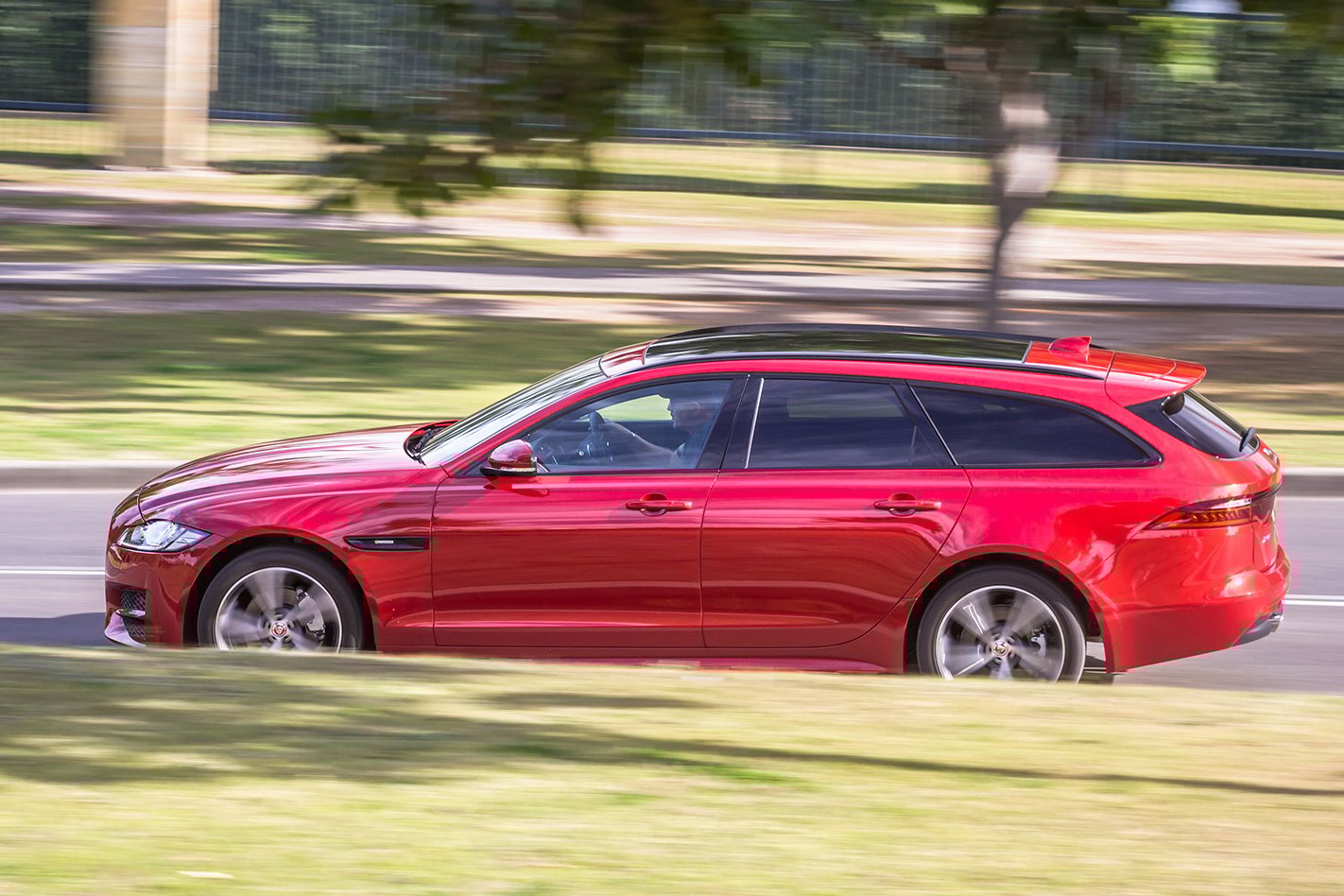
Ah, but then … eventually the reality of ants, flies, the lack of a comfortable lounge and Netflix documentaries can conspire to make me feel like an Akubra-wearing fraud.
However, with the Jag cleaned and fuelled, I was at least confident that the journey part would be great. But before a wheel is turned, there’s pleasure to be had in loading the thing – pop the electric tailgate, use the remote tabs to auto-fold the rear seats, then shovel in every conceivable bit of gear like you’re feeding the boilers on the Titanic. The claimed seats-down cargo capacity is 1700 litres, so I don’t even bother looking to see if we are starting to run out of space – I just make a bunch of clicking and whistling noises, like a fleshy upright dolphin, and when the echo goes a bit flat, that’s it, we’re chockers and ready to roll.
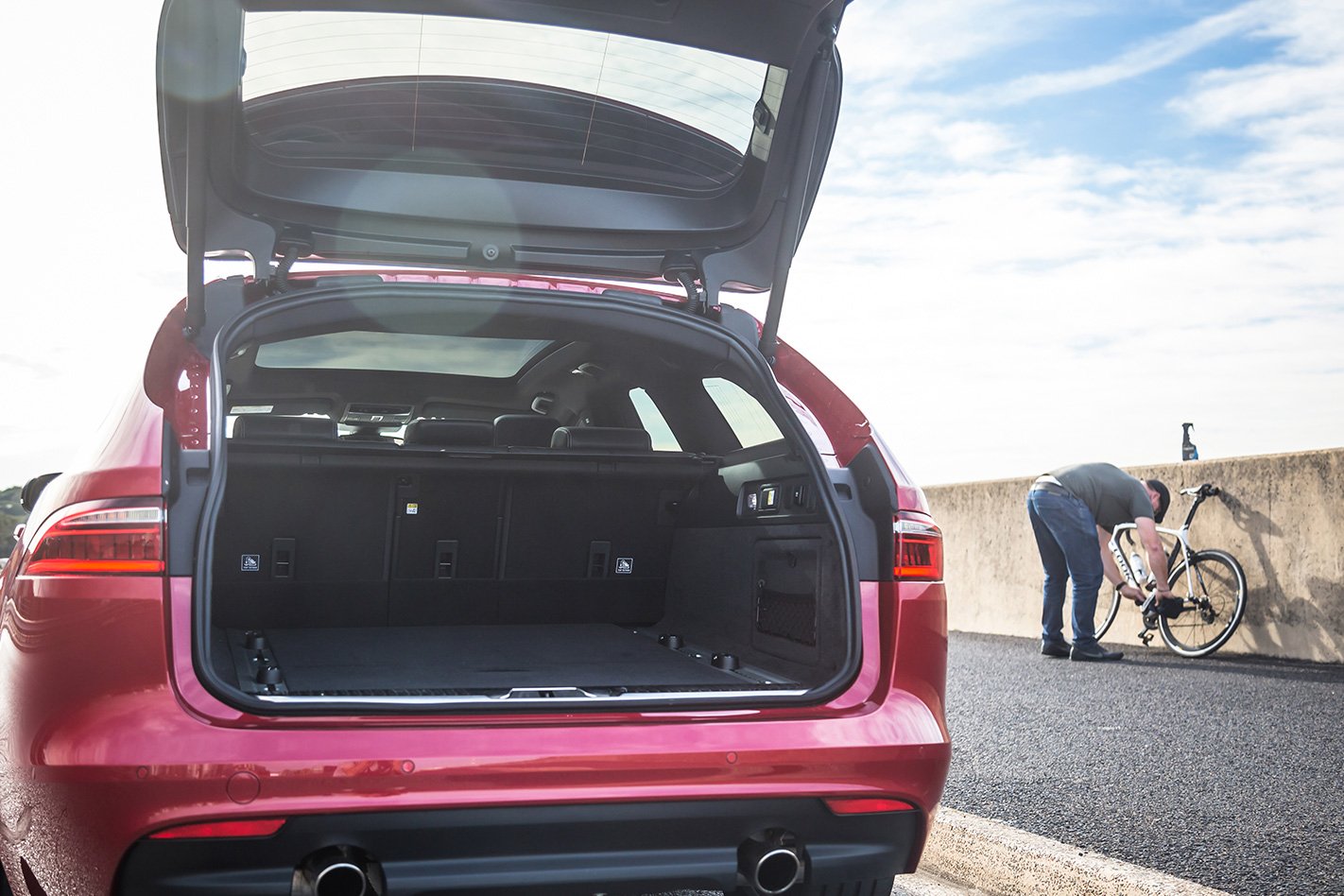
It was especially gratifying to finally use the big wagon in the role for which it was born. Sure, I’ve been enjoying schlepping around the suburbs in it, and it does help soothe the traffic-snarled commute into the office, but fact is, loaded up for a road trip is where the XF Sportbrake feels most deeply entrenched in its sweet spot.
We took the brilliant Old Pacific Highway out of northern Sydney rather than the motorway, which gave me the opportunity to have a hustle and test the strength of my partner’s stomach versus inner-ear function. There’s a natural fluidity to the Jag’s dynamics that make it such an enjoyable thing to drive quickly. I rate the steering as near-flawless for this class, and the car’s containment of roll, the progressiveness of its responses and clearly telegraphed limits of grip are superb. There were no visible signs of terror from the passenger’s seat, and no projectile vomiting, so that rates as a win.
By the time we did rejoin the motorway before Gosford, the fast-fang itch had been scratched, at least temporarily, and I was okay to drop into a 115km/h cruise and appreciate the measured suspension compliance, excellent muting of road noise, leggy gearing, and the power and clarity of the Meridian audio. The British hi-fi specialist manufactures properly high-end home audio, and that expertise translates seamlessly into the car. Vocals are precisely staged across the dash area, highs are shimmering and detailed, and the bass is superb; the subwoofer delivers serious visceral slam without ever getting boomy or overbearing.
Parked at our lakeside spot, and used as a 1705kg, 380-watt Bluetooth speaker, the XF sure helped soothe some of the harsh realities of the great outdoors, and made me a (mostly) happy camper. The big cat really is becoming nicely integrated into the family.
Farewell
Allow me to share a few things that were not said from the driver’s seat of the Jag wagon during my five-month tenure. The first: “Hey honey, there’s a muddy, rocky, rutted trail that surely leads to somewhere magical – what a shame we can’t explore it because we’re not in a SUV.”
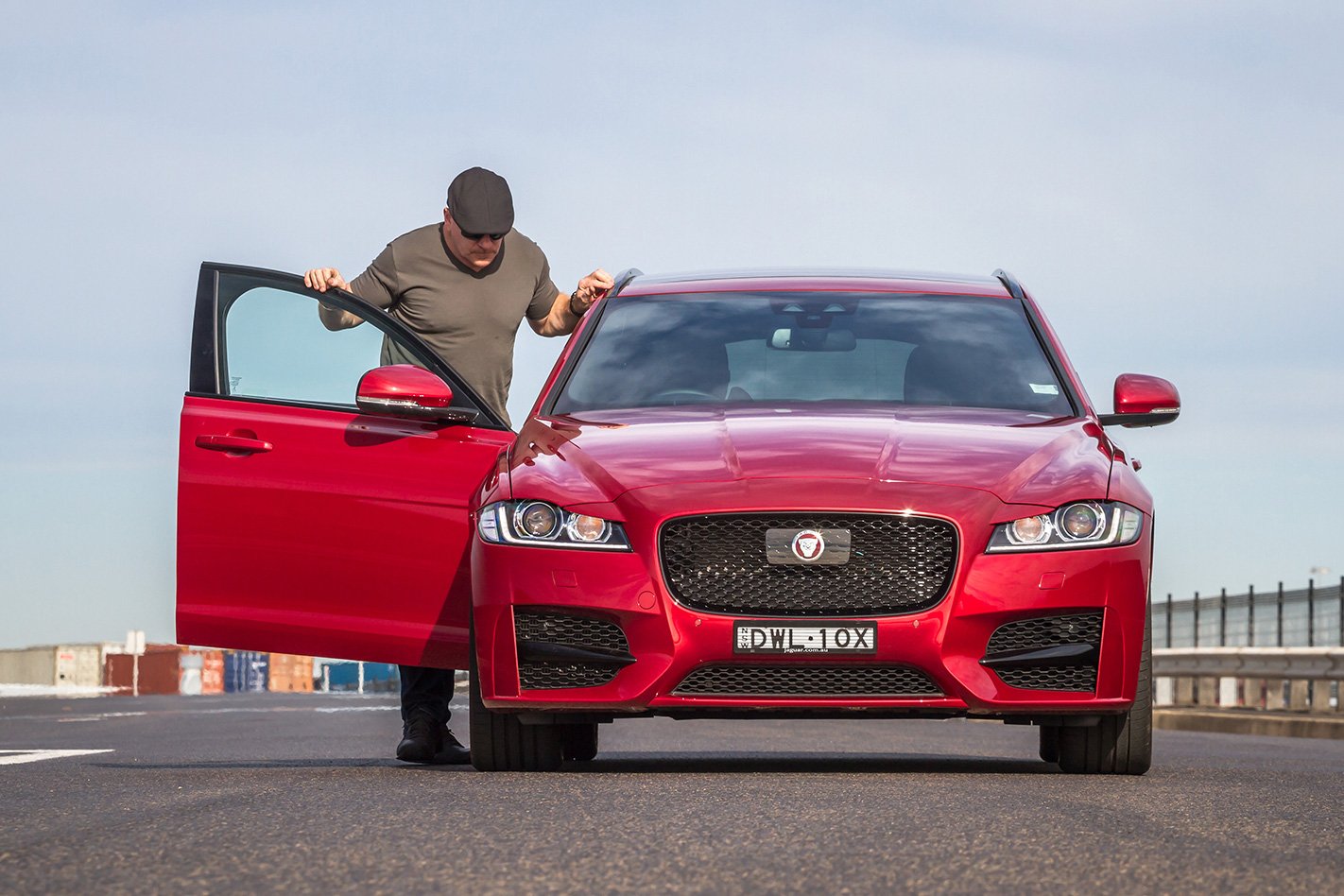
Nor was this ever heard: “If only I was in a more elevated driving position, I’d have a much better view of this wretched Sydney traffic.”
You get the gist. I know I’m way out of step with a big percentage of Aussie cars buyers, and JLR’s own sales of the Velar and F-Pace SUVs in the year to date (see sidebar, above) are indicators of just how strong the tide is.
But my time with the big Sportbrake proved to me why large family wagons were such a staple of Aussie motoring life for so long. For me, it’s about fitness for purpose. Put simply, the Sportbrake delivered everything I want and need in a daily driver: a generous load area, room for long-wheelbase teenagers in the back, healthy torque to overcome the inevitable weight, a resolved, comfortable ride, tactile, accurate steering, and a quiet cabin. The fact that the XF laps up a spirited punt so eagerly is almost a bonus, but the core dynamic goodness is something I enjoyed every time I drove it, and underpinned the affection I developed for the car.
Here’s another telling fact: after a week in Victoria testing the 47-strong COTY field, there was a not a single car from that event that I wished was occupying my parking space instead of the Jag. And that includes the brand’s own I-Pace, the mega-dollar Bentley Conti, and the seductive, beautifully resolved Alpine A110. All have plenty of virtues, of course, but none could slot into my life and deliver the crucial daily usability I need.
And let’s not overlook the fact that in the time I had it, and the near-6000km I travelled, the XF didn’t develop a single rattle or software glitch, let alone anything more serious. Jaguar has consistently ranked highly in JD Power customer satisfaction ratings, and my (albeit brief) time as an ‘owner’ aligned with this.
The judging role during COTY week does make you something of an ‘against-the-criteria’ data-crunching machine, though, and if I put the Sportbrake under the Value spotlight, it does start to expose some shortcomings – especially a close look at the $28K of options fitted to this car. The one I find most objectionable is the $4360 active safety pack, which bundles rear cross-traffic alert with blind-spot monitoring and a few other functions. Cross-traffic alert is, I reckon, an absolute essential on any car, let alone one that measures 4955mm in length. Imagine declining this pack due to the expense, only for you (or your loved one) to be T-boned while reversing out of an unsighted driveway. Doesn’t bear thinking about, so it’s hardly an option.
Then there was a matt carbonfibre interior trim, which didn’t look like $3470 worth no matter how hard I stared at it. The fixed panoramic roof, the other big-ticket item (at $4910 with gesture control) was nice to have, but I really only opened the retractable blind at night or on heavily overcast days, as sunshine brought too many reflections on the screens.
Against the efficiency criteria? Not brilliant at around 11.0L/100km overall, but that’s Sydney traffic for you. Less bumper-to-bummer driving and more 80-100km/h cruising, and it’s a low-9s car.
The bigger challenge facing not just Jaguar, but all of the premium brands, is the gulf between their prices and those of the Japanese and Koreans, when the real-world gap in performance, presentation, safety, and equipment continues to shrink. The Mazda 6 wagon being run by art director Felipe is a prime example of this.
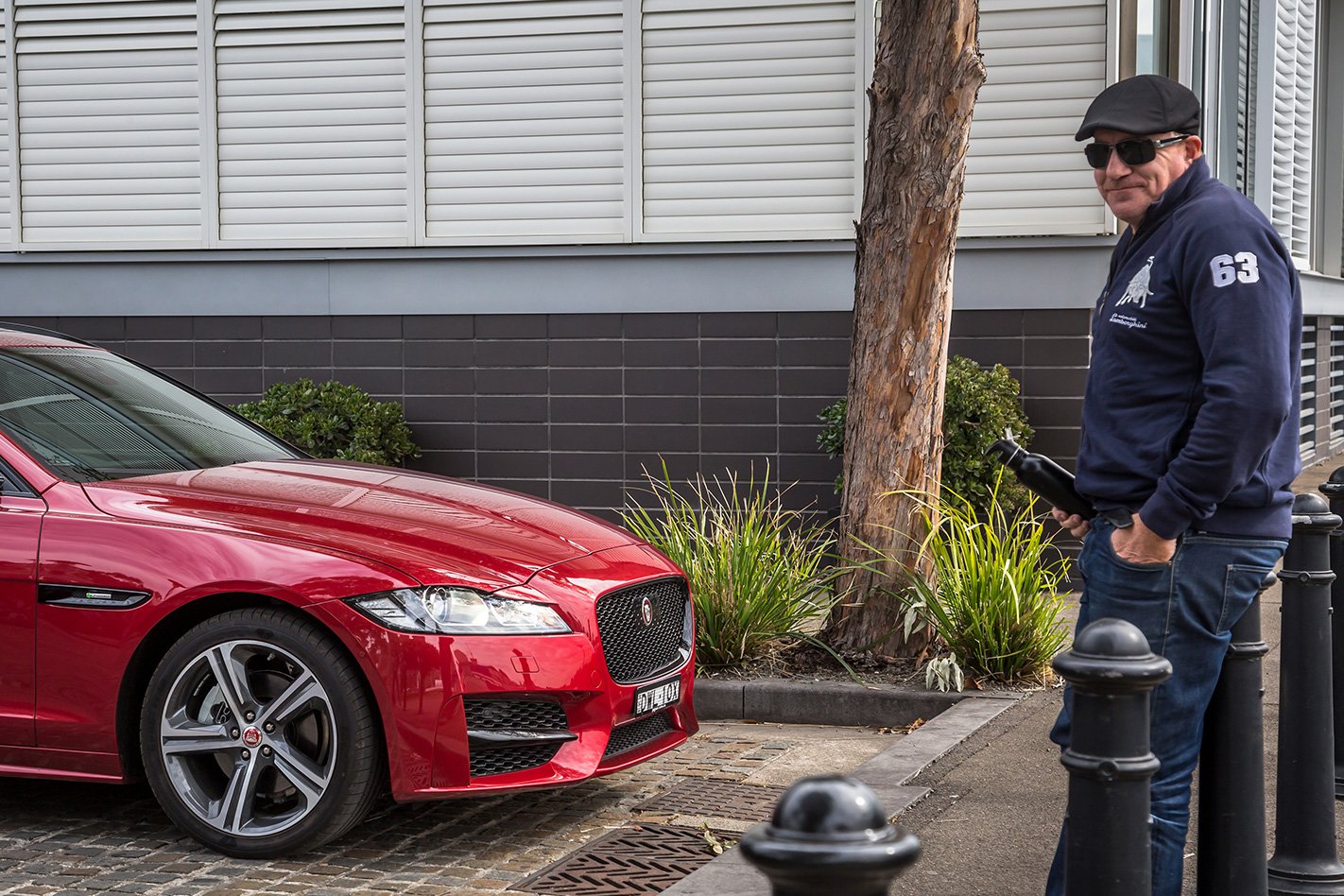
Yet the Jaguar does have a degree of presence and a feel-good factor that made it a lovely thing to slide into each day, despite me pointing out a few areas that could use some additional attention (partly because that’s my job, and partly because I’m a champion whinger). But those criticisms – the lack of a more overtly sporting engine character, or the fact the interior design feels less than cutting edge – well, they weren’t enough to dull the experience.
I’ve revelled in my time with this car, and I’ll miss it hugely. I’ve always been a dog man, but this was proof I can definitely grow to love a cat.
The SUV boom has had a significant impact on passenger car sales, however hatchbacks are still big business in Australia, not least because of sexy hot-hatch variants and their lesser-powered mid-strength siblings that invoke the more powerful cars’ athletic styling and sporty dynamics without the performance or circa-$40k price tag.
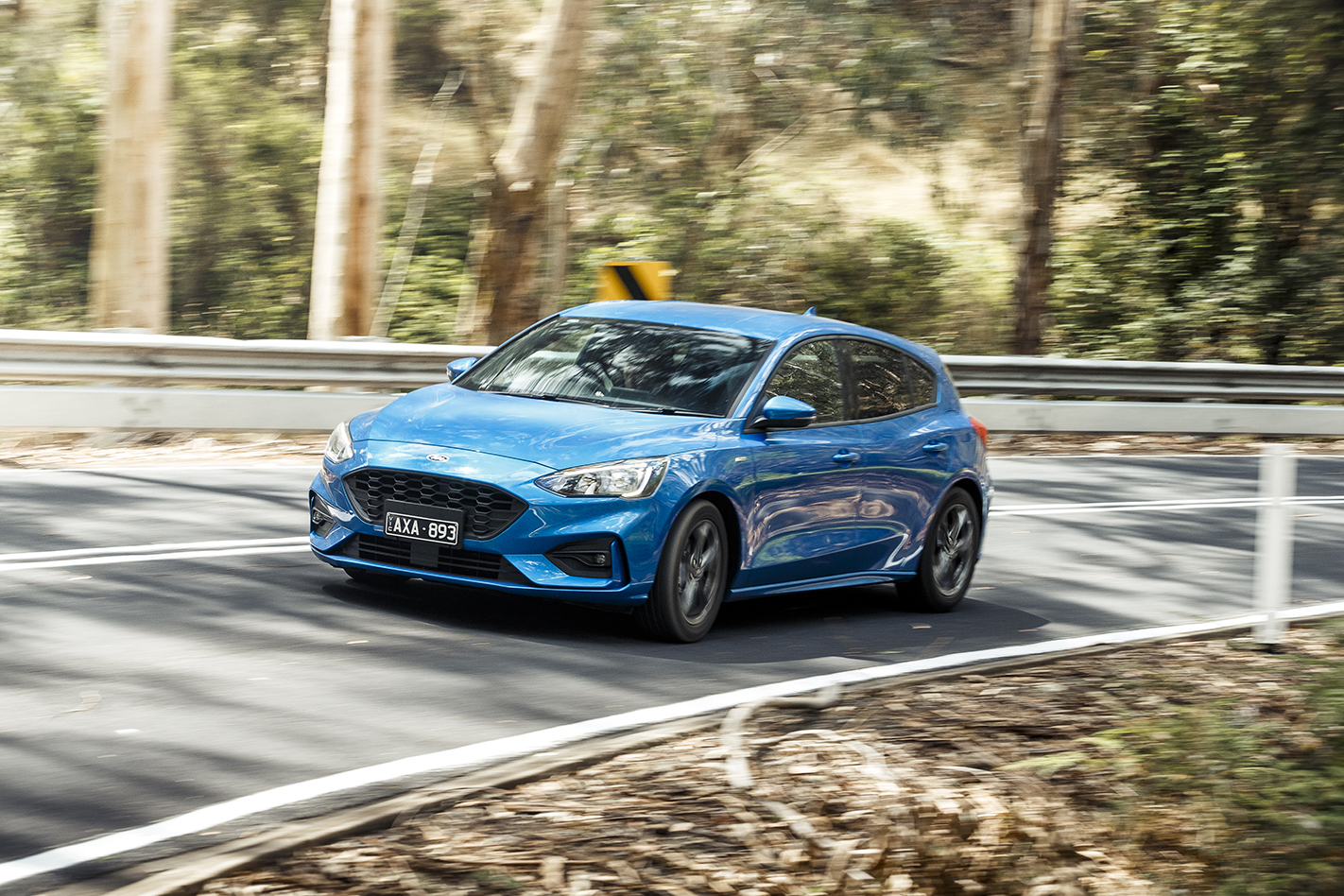
The latest warm hatch to enter the Australian market is the Ford Focus ST-Line that, as its name suggests, is to the yet-to-be-released Focus ST what the Hyundai i30 N-Line is to the ballsy i30 N.
VALUE
The fourth-generation Ford Focus arrived in Australia at the end of 2018 with five variants, including a wagon version.
The range starts with the Focus Trend hatch that retails for $25,990, with the ST-Line adding desirable extras including sports body kit, flat-bottom steering wheel, and keyless start for just $3000 extra.
An ST-Line wagon is also available for $30,990, and for $34,990 you can get the luxury-focused Focus Titanium.
Our test vehicle included a $1250 Driver Assistance Pack and Desert Island Blue premium paint ($650) which took its $28,990 retail price to $30,890, which still compares favourably to rivals such as the Toyota Corolla ZR ($31,920) and Kia Cerato GT ($31,990).
The Focus ST-Line’s official fuel consumption is 6.4L/100km combined, with our testing taking that up to a still-respectable 7.5L/100km.
The Ford Focus ST-Line is covered by Ford’s five-year, unlimited kilometre warranty.
STANDARD FEATURES
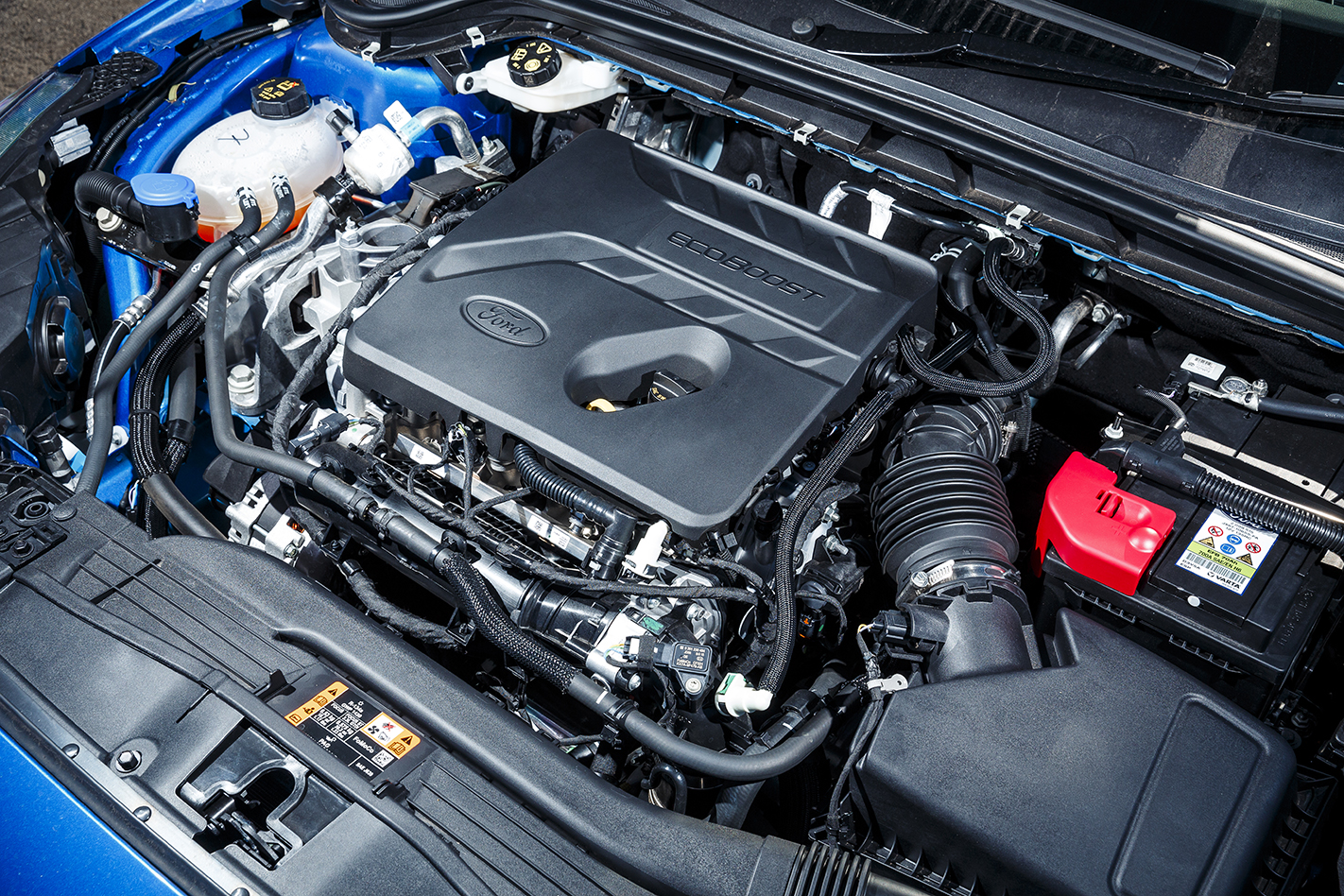
All fourth-generation Focus variants in Australia are powered by a three-cylinder 1.5-litre ‘EcoBoost’ turbo petrol engine coupled with an eight-speed automatic transmission.
Autonomous emergency braking is standard across the range, as is an eight-inch touchscreen with 180-degree view parking camera, Ford’s Sync3 infotainment system with in-built-satellite navigation, digital radio and Apple CarPlay/Android Auto.
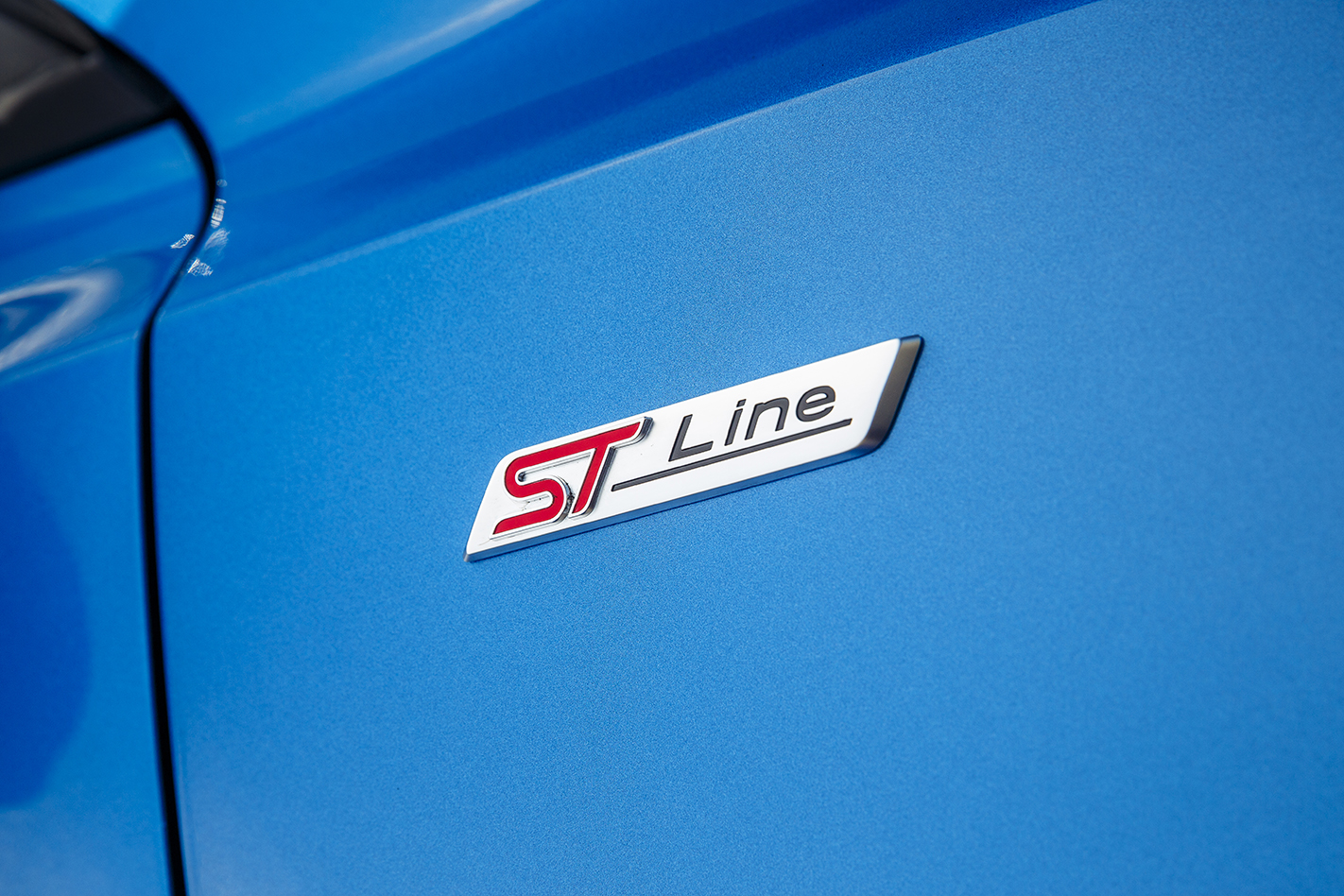
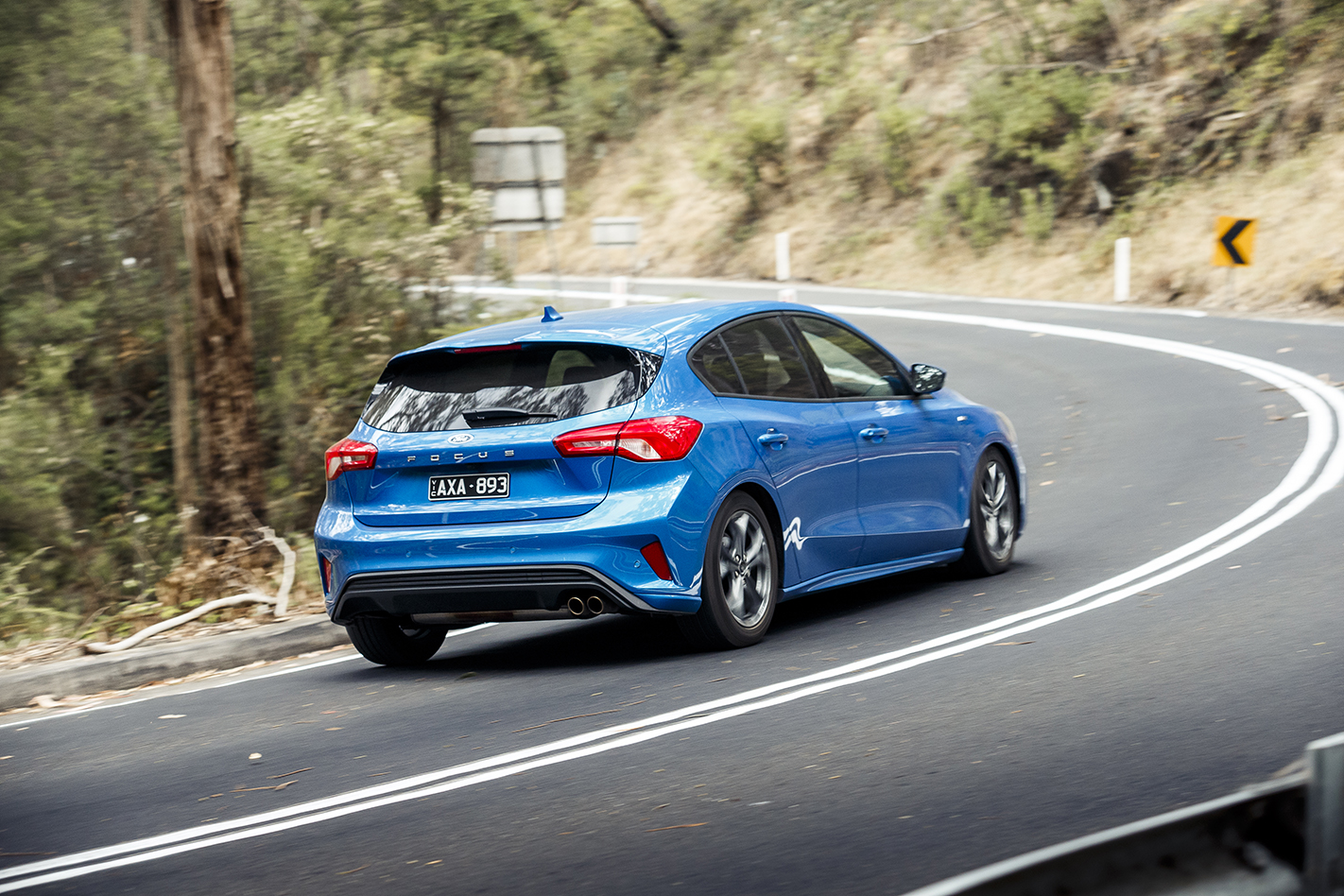
The Focus ST-Line adds larger 17-inch wheels over the Trend’s 16s, a 10mm lower ride height, more athletic-looking ST-Line body kit, LED fog and tail lights, tinted windows, and folding door mirrors with puddle lights.
Interior extras include a black roof-lining, alloy pedals, flat-bottom sports steering wheel, keyless engine start, tyre pressure monitoring, and wireless phone charging pad.
SIZE
At 4.38 metres long, the fourth-generation Focus is 18mm longer and has a 53mm lengthier wheelbase (2.70 metres), than its predecessor. This adds to interior space, but low overhangs at each end give a more compact, svelte appearance.
This, and the fact it’s 88kg lighter than the previous model, makes it feel more nimble, making it great for driving around town and parking in tight spots.
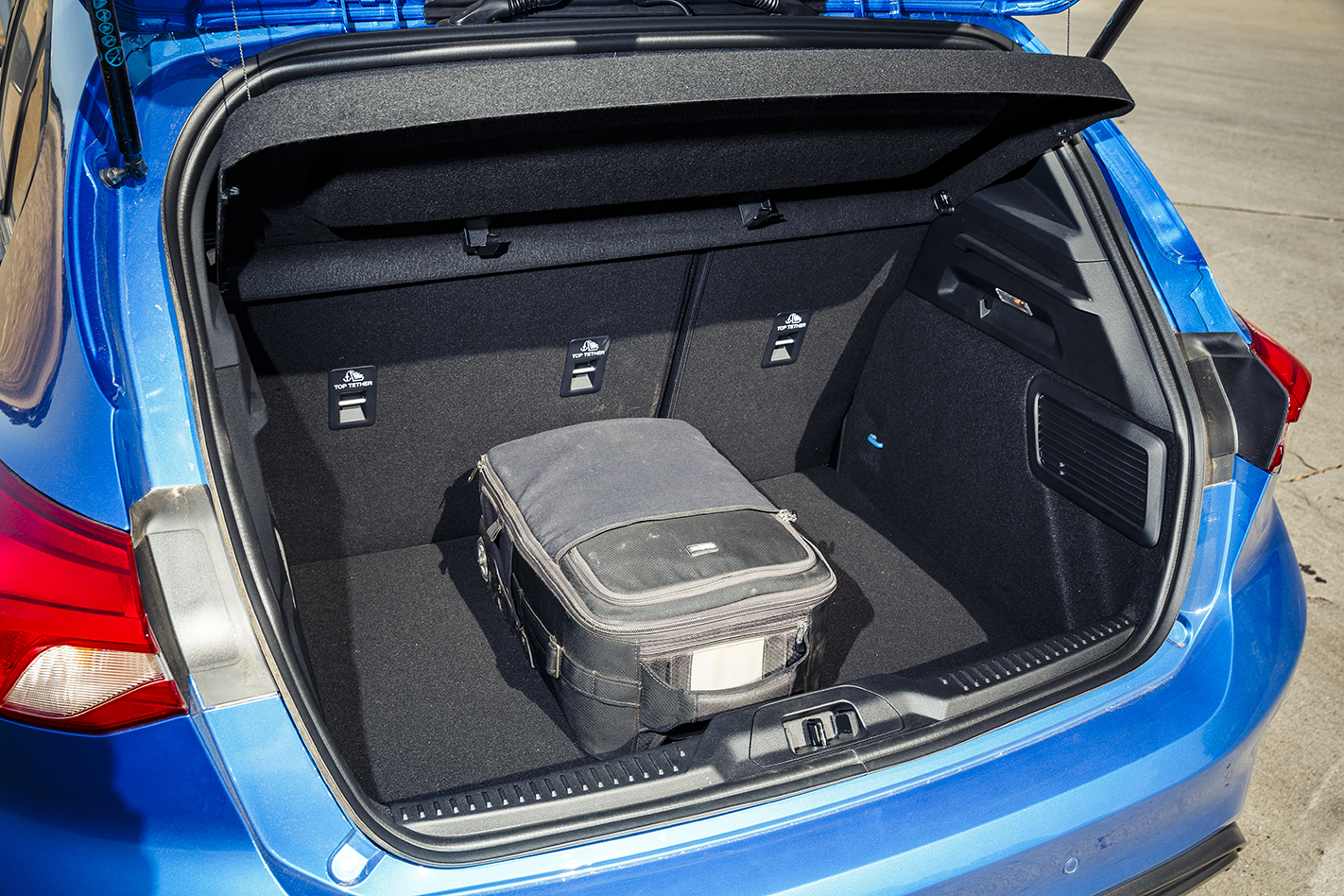
A more compact dashboard design adds an additional 100mm to the cabin, resulting in more rear legroom than before even with the front seats pushed back to accommodate tall occupants.
The boot space is measures 373 litres, which is about average for the small hatchback class.
SAFETY
The Ford Focus ST-Line comes standard with autonomous emergency braking with pedestrian and cyclist protection, and lane-keeping assist. It also has post-impact braking that applies the anchors after impact so the car doesn’t roll away.
An extra $1250 brings a Driver Assistance pack that brings additional safety features such as rear-cross traffic alert, blind-spot monitoring, and adaptive cruise control with ‘Stop & Go’, which is great in traffic jams.
All Focus variants are equipped with six airbags, front and rear side curtains, and ISOFIX child seat anchors in the rear seats.
The 2019 Ford Focus range was awarded a 5-Star ANCAP rating in December 2018.
COMFORT
The roomy interior design is much more refined than the previous model, however it seems downmarket compared to rivals such as the Toyota Corolla ZR, Renault Megane GT-Line and the relatively older Hyundai i30 N-Line (formerly i30 SR).
The interior doesn’t reflect the ST (if the previous model is anything to go by) with the flat-bottom steering wheel and some red stitching on the standard cloth seats the only things providing any kind of sporty aesthetic.
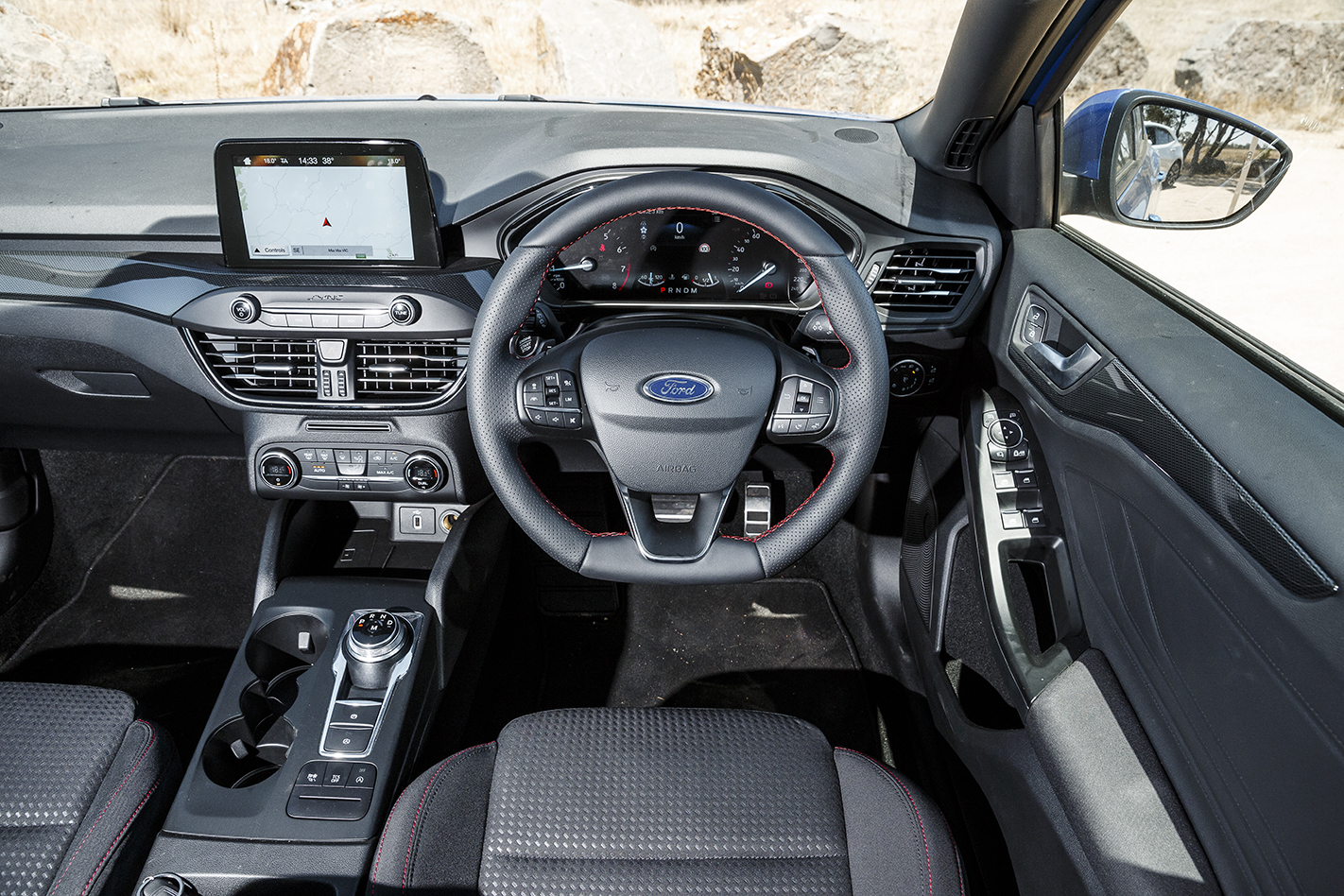
The front seats are comfortable with good back support, but lack decent side bolstering as found in other warm hatches such as the i30 N-Line. The rear seats feel good too, but lack a centre armrest and their own air vents or USB sockets, though there is a 12v socket.
The dashboard design is a big improvement over the previous model, with the bulky central head unit replaced by a floating touchscreen. This also lacks the sporty flair you’d expect from a warm hatch though, not helped by a rotary gear selector shared with the Endura SUV and bland gauge cluster.
On the plus side the ride is comfortable. The decision to give the ST-Line relatively small 17-inch wheels instead of the 18s that most of its rivals roll on pays off here with a smooth and quiet ride.
Unlike the ST-Line wagon, which has an advanced multi-link rear suspension, the hatch has a regular torsion beam set up that’s remarkably capable and rides over imperfections well.
ON THE ROAD
The 2019 Ford Focus’ 1.5-litre three-cylinder turbo is full of life and is rarely found wanting. There’s little turbo-lag when you put the foot down and the eight-speed auto does a nice job shifting through the cogs, with Sport mode holding the revs more.
Using the paddle shifters adds to driver involvement, though there is a pronounced delay between paddle input and shifts that takes some getting used to.
Where Focus ST-Line really invokes some hot-hatch spirit is with its ride and handling. The steering is light but crisp so there’s good engagement between your hands and the front wheels, which inspires confidence when pushing it into corners.
The ride on the lowered suspension also feels controlled. The torsion beam rear suspension isn’t as advanced as the multi-link set-ups on rivals like the Toyota Corolla ZR or Hyundai i30 N-Line, but it steadies the ship really well and even feels better than the Korean hatch on rougher roads.
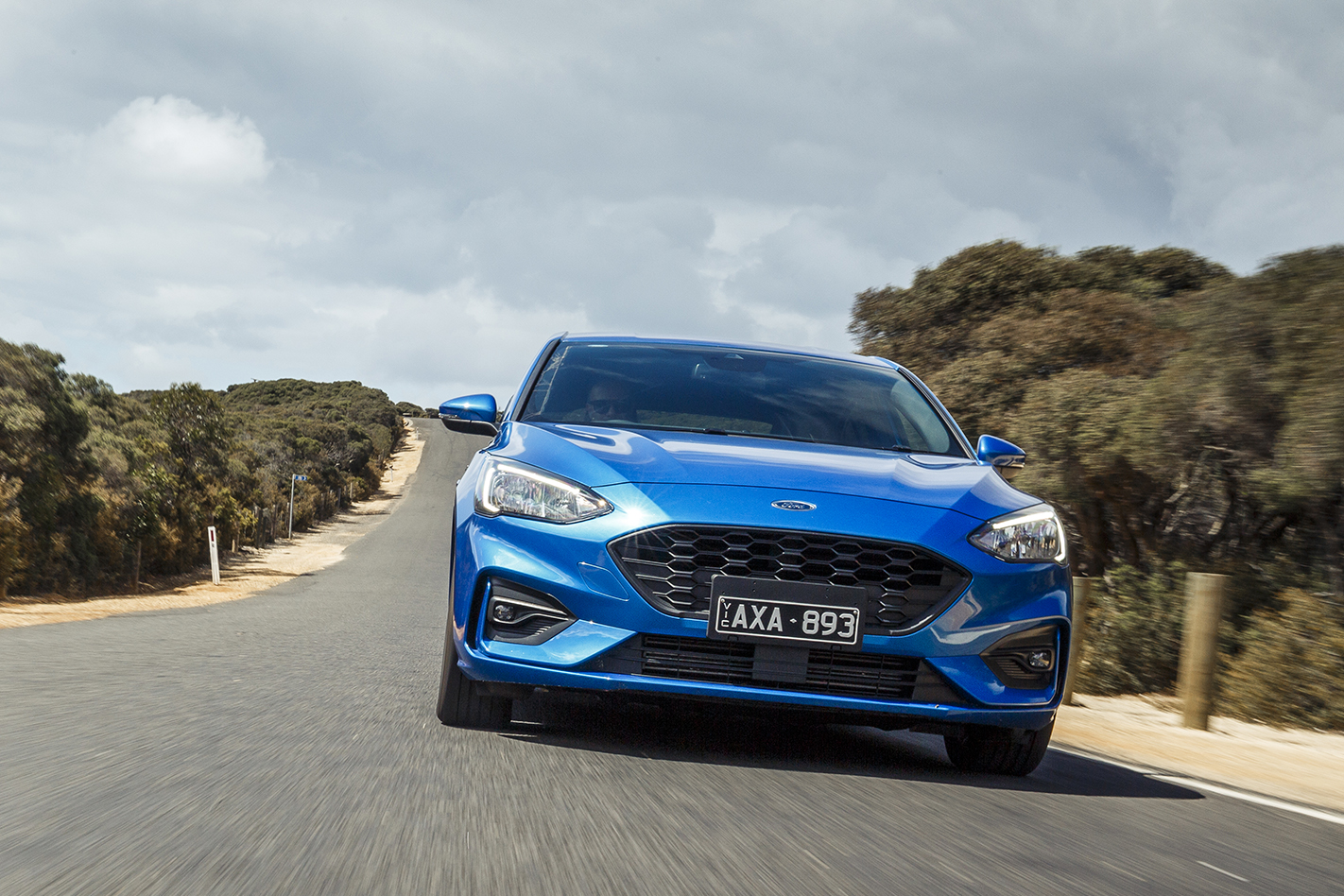
The ST-Line hatch is set to gain multi-link suspension that’s already fitted in the wagon version toward the end of the year, but you’re not missing out too much with the current set up.
The sporty ride and handling doesn’t come at the expense of comfort around town or on the highway, which makes this a nice all-rounder that should make it a very popular variant for those wanting a few extra features over the Focus Trend.
THE VERDICT
The Ford Focus has always been an excellent hatchback and this fourth-generation model doesn’t let its lineage down.
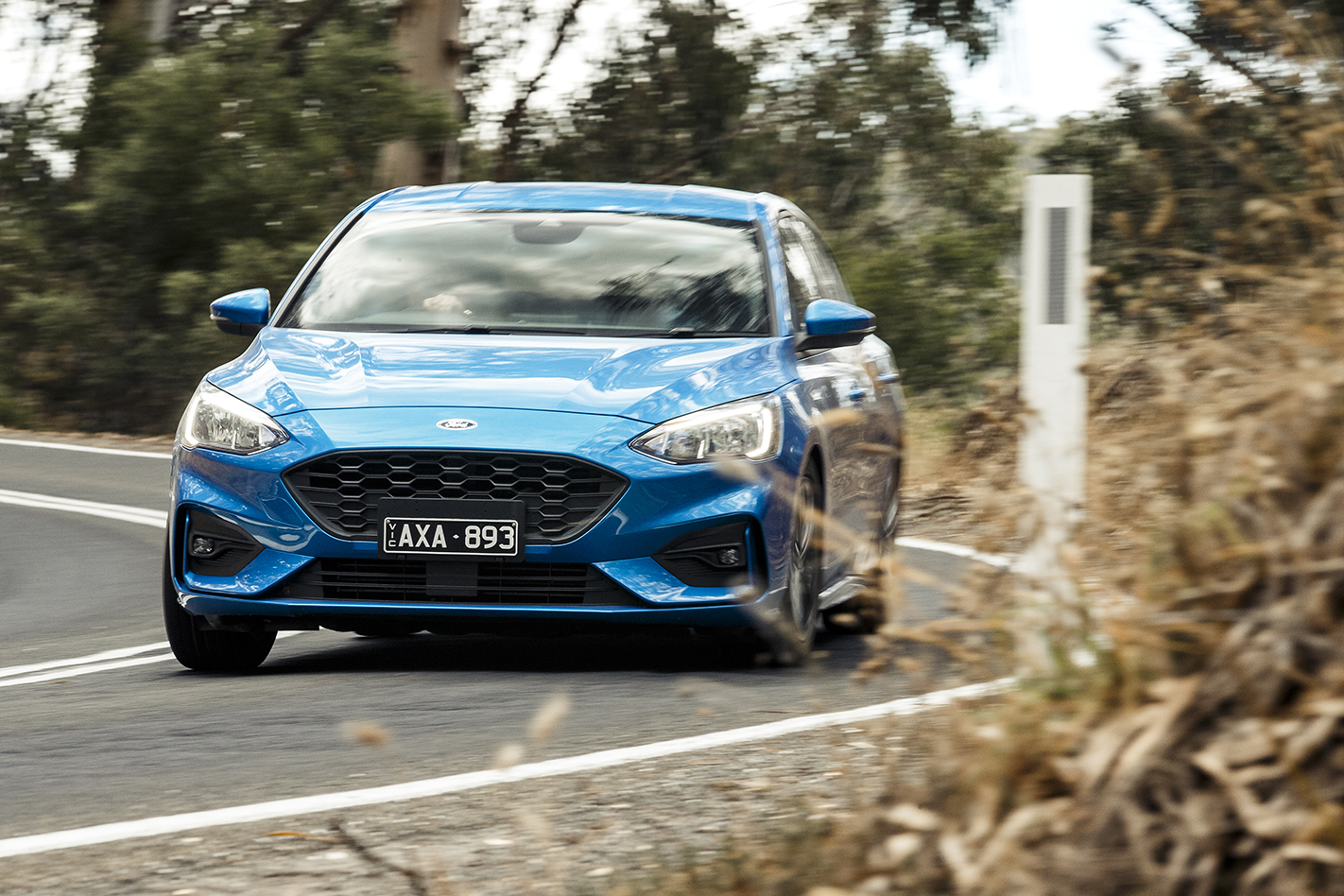
The ST-Line spec is a welcome addition in the Aussie line-up, and while its excellent ride and handling and punchy three-cylinder turbo provide bags of cheap thrills, Ford has missed an opportunity to properly cash in on the enduring popularity of its Focus ST and RS hot hatches by not decking out the ST-Line accordingly.
The lack of sports seats and instrumentation, even as an extra-cost option, robs this of much needed showroom appeal, which it will need to take on its new-generation hatchback rivals.
That said if you like the Focus and are looking at the entry-level trend, paying an additional $3000 for all the extra features and ride and handling that the ST-Line offers is, in itself, a bit of a bargain.
Mercedes-Benz has updated its successful V-Class van line for 2019, bringing the five-year-old passenger van up to speed with more safety tech and a new diesel-powered variant.
Competing with the likes of the Volkswagen Transporter and Hyundai iMax, the rear-wheel-drive V-Class currently consists of two variants; the V220d at $76,300 and the V250d at $88,880.
The range is set to expand with the addition of a V300d variant that’s powered by Mercedes’ new 2.0-litre four-cylinder turbocharged diesel engine, and teamed with a segment-first nine-speed automatic transmission.
The V300 will make a class-leading 176kW and 500Nm, with a claimed combined fuel economy figure of 6.3 litres per 100km. Mercedes-Benz says there’s an extra 30Nm of torque available in the V300’s acceleration phase, as well.
The V-Class vans score a redesigned front bumper with the option of a trendier AMG Line version, along with new alloys and the choice of four new paint colours.
The interior has been lightly done over as well, with Mercedes-Benz adding fully reclinable leather seats as an option.
Mercedes-Benz has also added AEB to the V-Class, along with automatic high-beam dipping.
“The V-Class is for families with an active lifestyle who need space and comfort, but don’t want to forgo luxury and safety,” says the managing director of Mercedes-Benz Vans Australia, Diane Tarr.
Electric future for Merc vans
Meanwhile, Mercedes-Benz says it will soon offer fully electric van for what it terms as private use. It already offers an electric version of the smaller Vito van, while the eSprinter is set to launch in the second half of 2019.
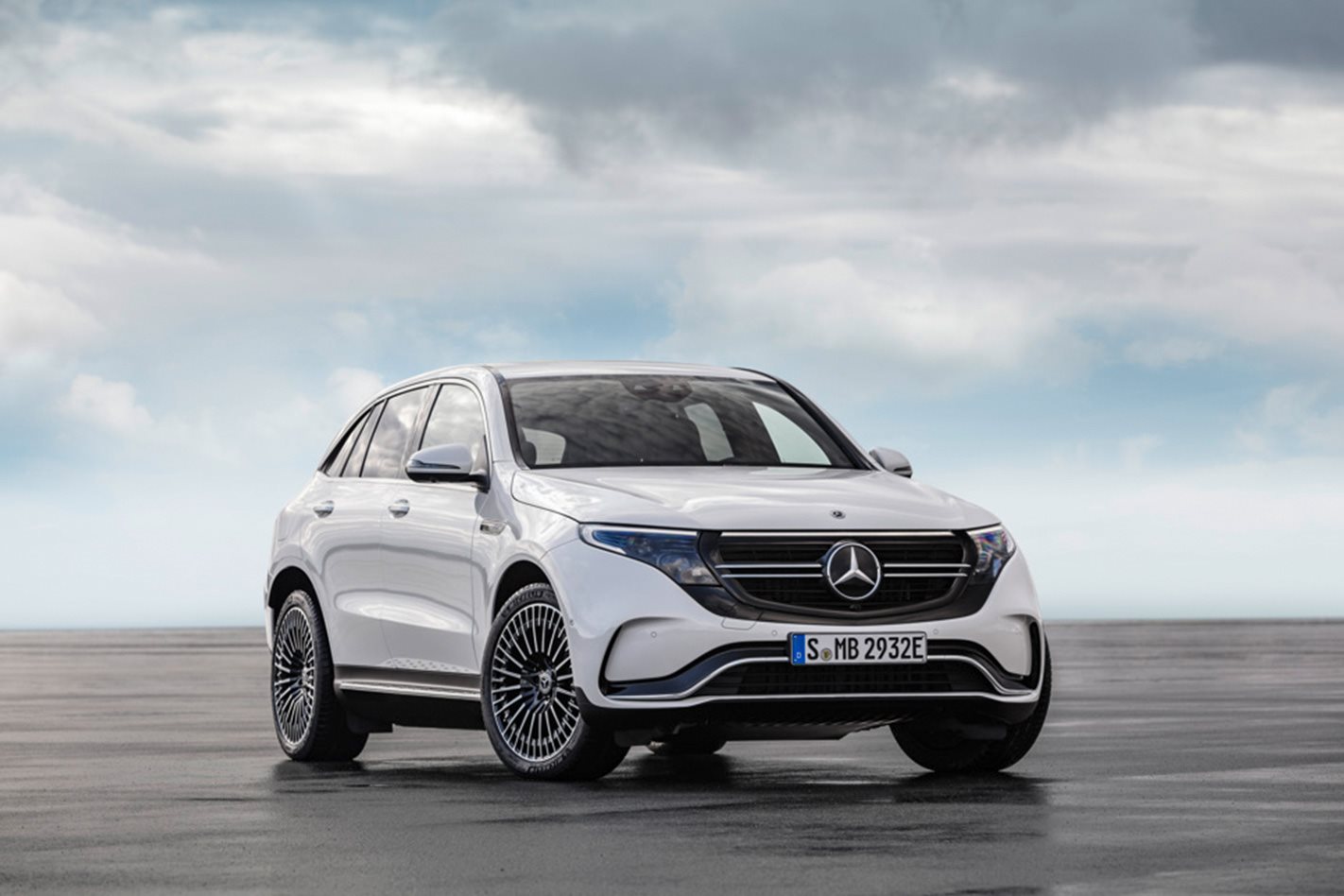
We’ll get a first look at what Mercedes-Benz is offering in the electric passenger van space next month at the Geneva motor show, along with the next stage of its GLC-based EQC electric SUV (below).
Suzuki Australia has refreshed its mainstay SUV model the Vitara with the launch of the Series II mid-life update, bringing much-needed improvements in safety equipment and interior quality, along with modest price rises.
The range now begins at $22,490 for the base model 88kW/156Nm 1.6-litre manual, now simply called ‘Vitara’ as the RT-S nomenclature of the outgoing range gets retired. That represents a $500 price jump over its predecessor, while the six-speed automatic option continues to be offered at a $2000 premium.
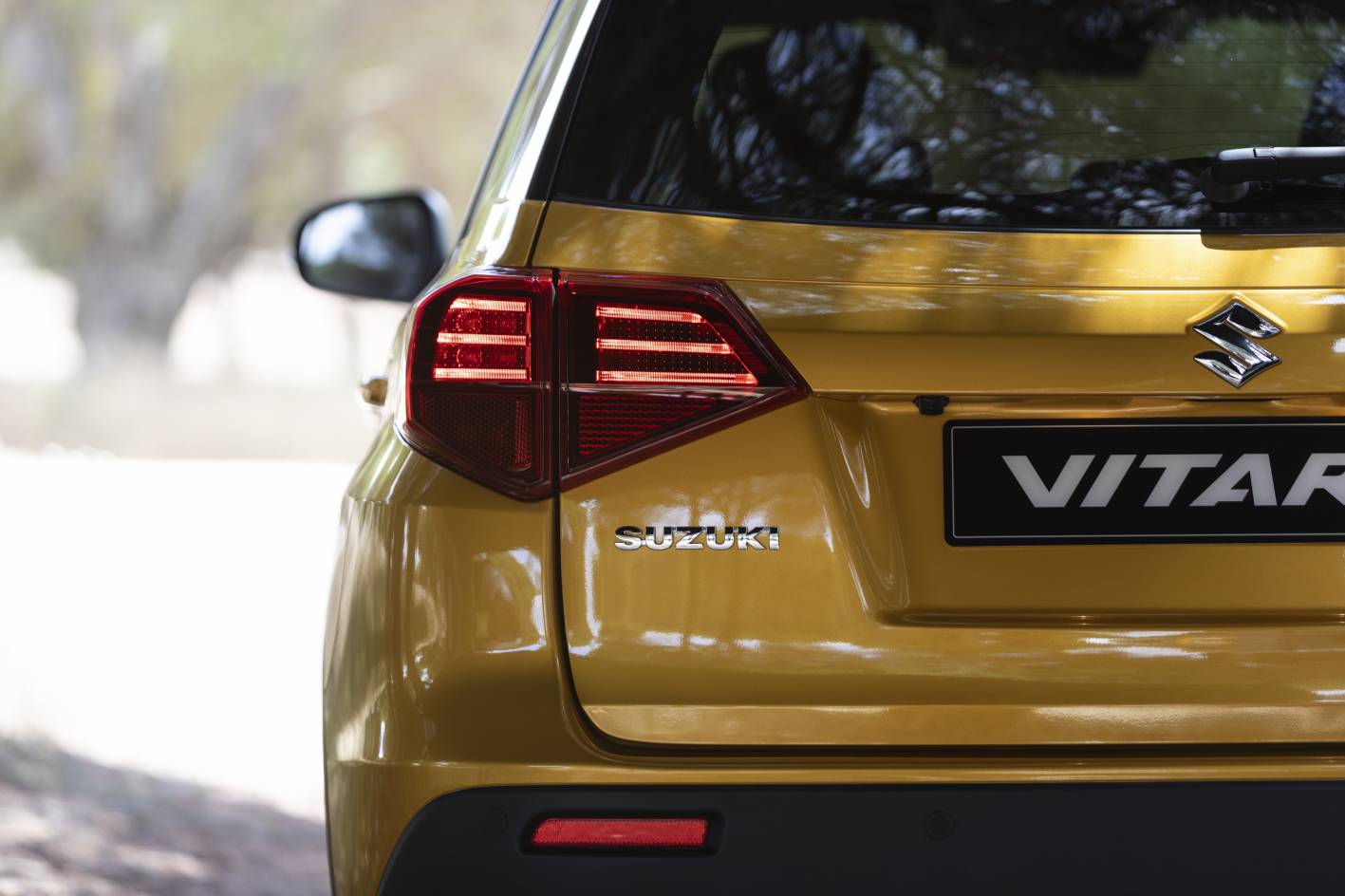
Above the entry-level Vitara dwells the Vitara Turbo and Vitara Turbo Allgrip, which replace the pre-update Vitara S-Turbo and Vitara S-Turbo AWD. Retailing for $29,990 and $33,990 respectively, both models are powered by 103kW/220Nm 1.4-litre turbo petrol and equipped with a six-speed automatic only, and jump in price by $1000.
A two-tone exterior colour option has also been made available at an additional cost of $1250, with premium paint in a single colour attracting an extra charge of $500.
Mechanical changes are non-existent, save for fact that the diesel engine option that was available earlier in the Vitara’s life cycle has been deleted for good. Rather, the most notable differences lie on the equipment sheet, with all cars now receiving a soft-touch dash to replace the rock-hard item of ‘series one’ Vitaras, along with a sliding centre console armrest and a 4.2-inch colour trip computer display.
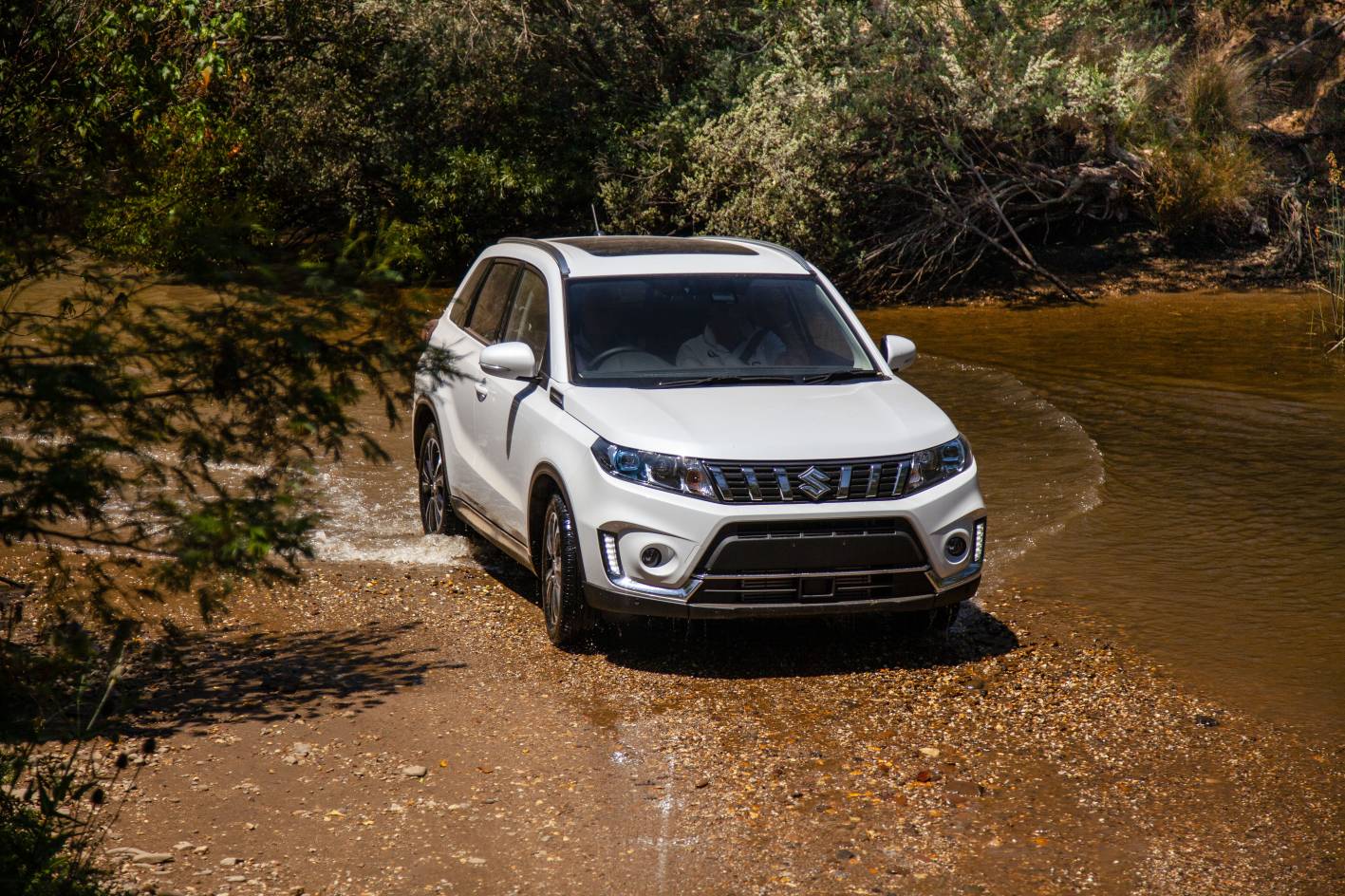
For the Turbo models, the equipment list is slightly fatter thanks to the standard inclusion of autonomous emergency braking, lane departure warning, weaving alert, adaptive cruise control, blind spot monitoring and rear cross traffic alert. “Premium suede” upholstery is another Turbo model exclusive, and the range-topping Vitara Turbo AllGrip features a panoramic glass sunroof as standard.
Unfortunately, non-turbo Vitaras don’t receive the same safety upgrade due to the technology simply not being calibrated for that 1.6-litre powertrain. Suzuki Australia investigated replacing it with a 1.0-litre turbo model, which is available in European markets with the same level of safety gear as the 1.6 turbo, however it was deemed to not be powerful enough for Australian tastes.
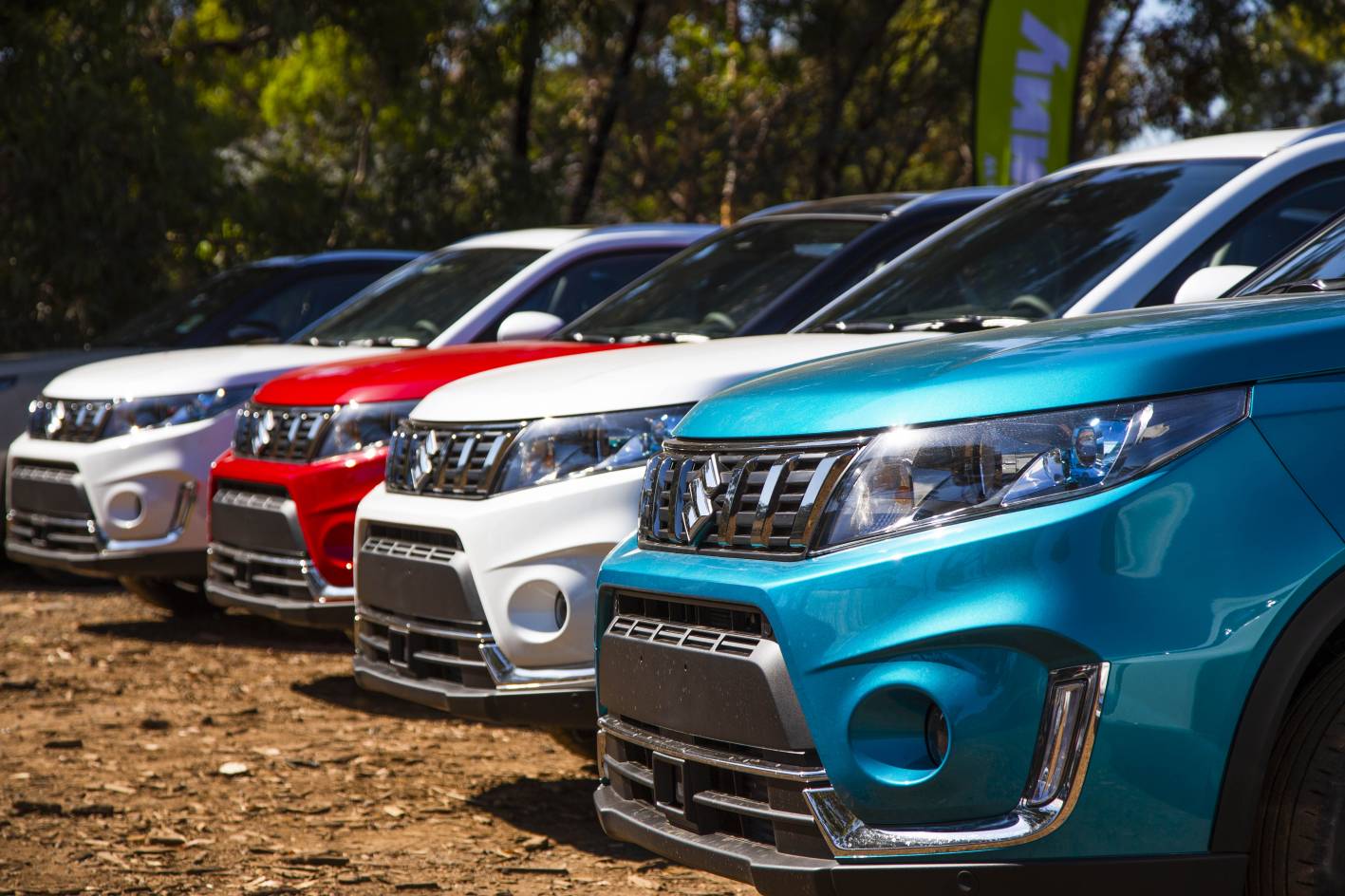
PRICING
- Suzuki Vitara manual – $22,490
- Suzuki Vitara automatic – $24,490
- Suzuki Vitara Turbo automatic – $29,990
- Suzuki Vitara Turbo AllGrip automatic – $33,990
