
The newly-introduced 2019 Mercedes-AMG A35 has been revealed to the world after a couple of teasers were posted over the weekend.
The hot hatch is set to bridge the gap between the Mercedes-Benz A250 and the AMG A45, with 225kW and 400Nm coming from its turbocharged 2.0-litre four-cylinder engine. Power is sent to the wheels via a 7-speed AMG ‘Speedshift’ dual-clutch, with the 4Matic all-wheel drive system distributing torque from between 100:0 (full front-drive) and 50:50 ratios.
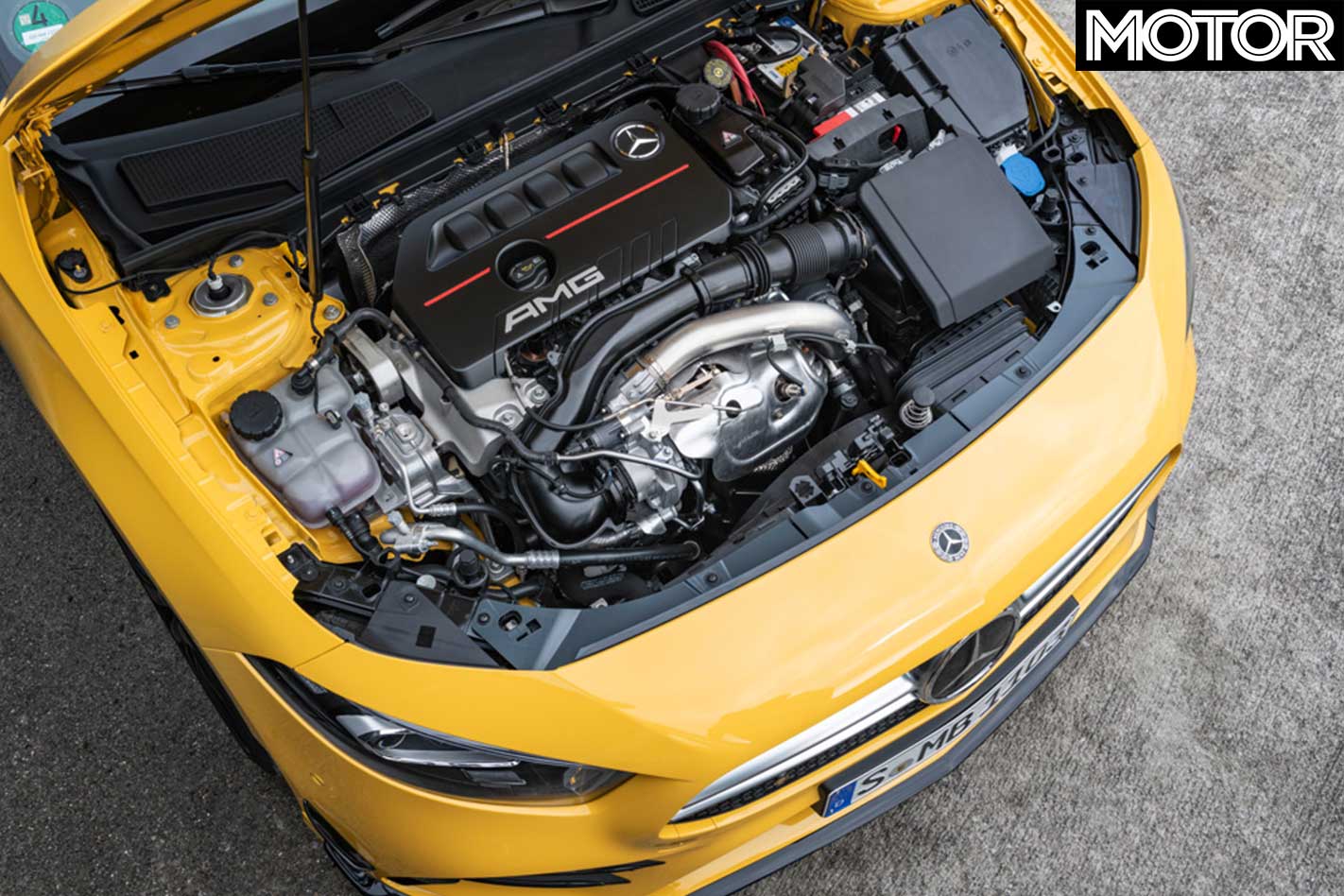
This puts it at 55kW and 75Nm short of the A45’s outputs, though not slack by any means. The AMG A35’s peak power arrives from 5800rpm up to 6100rpm, with torque peaking between 3000 and 4000rpm.
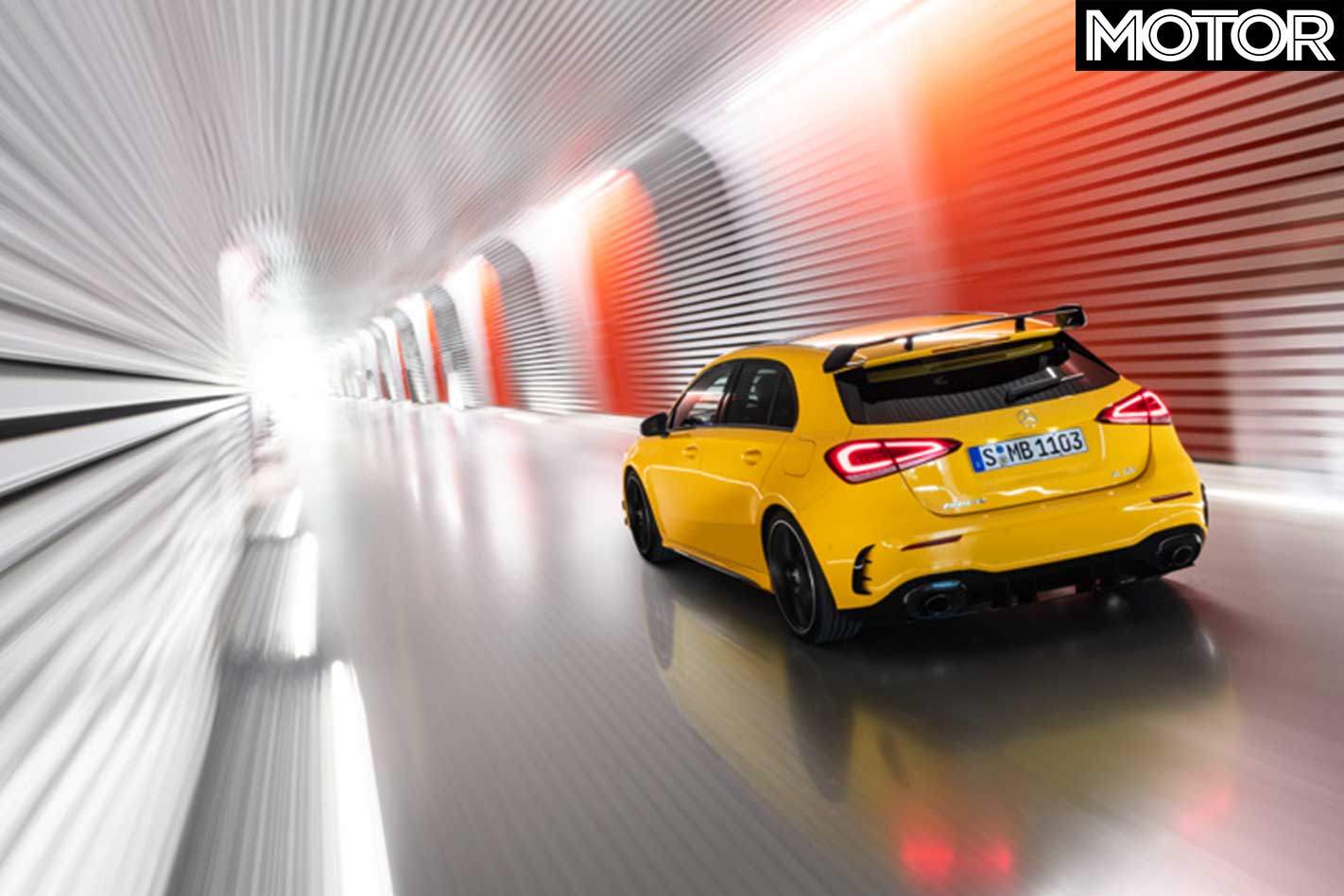
Mercedes-AMG says the A35 will hit 100km/h from a standstill in just 4.7 seconds, making this a close (but very likely more expensive) competitor to the Volkswagen Golf R, which makes a 4.8 second claim. The AMG A35 has an electronically limited limited top speed of 250km/h.
From within its own variation of the fresh new A-Class interior, the AMG A35 also features a higher degree of control over electronic assist systems than previous AMG models, with the AMG Dynamics system seen in the updated AMG C63 S.
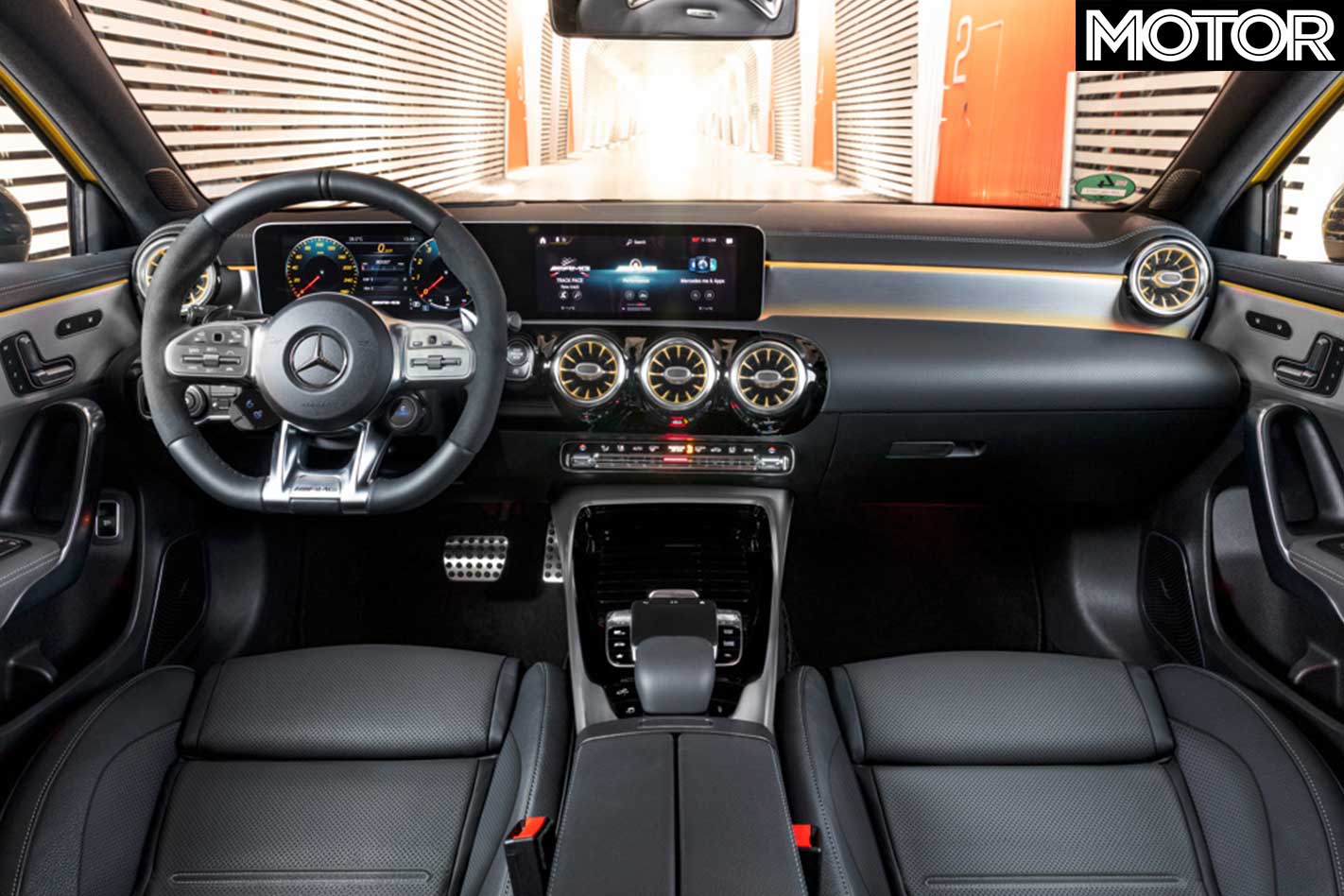
It allows drivers to, according to AMG, “agilise interventions according to the driver’s wishes,” which essentially means it uses torque vectoring through braking, allowing for more precise steering.
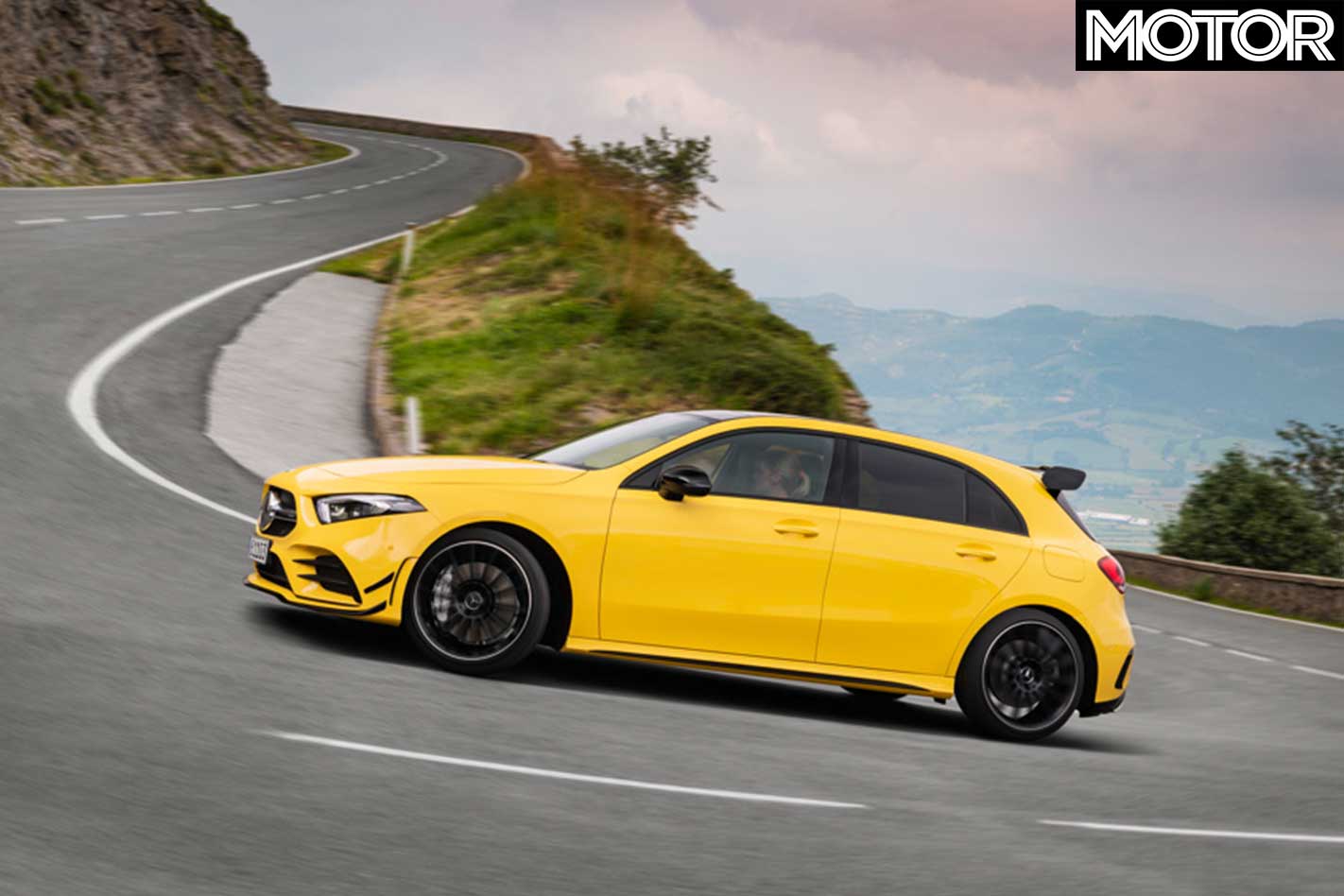
The A35’s adaptive dampers have three modes, spread between comfort and firmer for hard driving. Brakes are four-piston monoblocks at the front on 350mm discs, while the rears are single-pot sliding callipers on 330mm discs.
And AMG is sure to point out that its active exhaust has the potential to be “powerfully” rorty, in true AMG fashion.
AMG CEO Tobias Moers says the success of the A45 was a strong indication that there was scope to slot another hot hatch into the AMG line-up.
“With the introduction of the A45 in 2012, we presented a real benchmark in the compact segment. The demand for our compact models has developed very dynamically in recent years,” says Moers.
“This success has encouraged us to further expand our portfolio and place it on a broader footing. With the new A35, we are fulfilling our brand promise of driving performance in every detail and offering thrilling lateral dynamics at the level of today’s A45.”
A Mercedes-Benz Australia spokesperson says the A35 is expected to arrive during the second half of 2019, but wasn’t yet able to disclose pricing or Australian-specific details of the AMG A35.
WHEN you look at the raw numbers on a spec sheet, it’s easy to consider Nissan’s 370Z Nismo as being not a whole lot more than a regular ol’ Zed with a fancy bodykit and some very light performance modificatons.
The power figures certainly suggest that’s the case. With 253kW of peak power the Nismo has just 8kW more than the standard model, and it’s not like it trades big power gains for masses of torque either: its 371Nm maximum is also just 8Nm above a regular 370Z. A louder exhaust adds decibels, but otherwise there’s not a whole lot to report from the engine room.
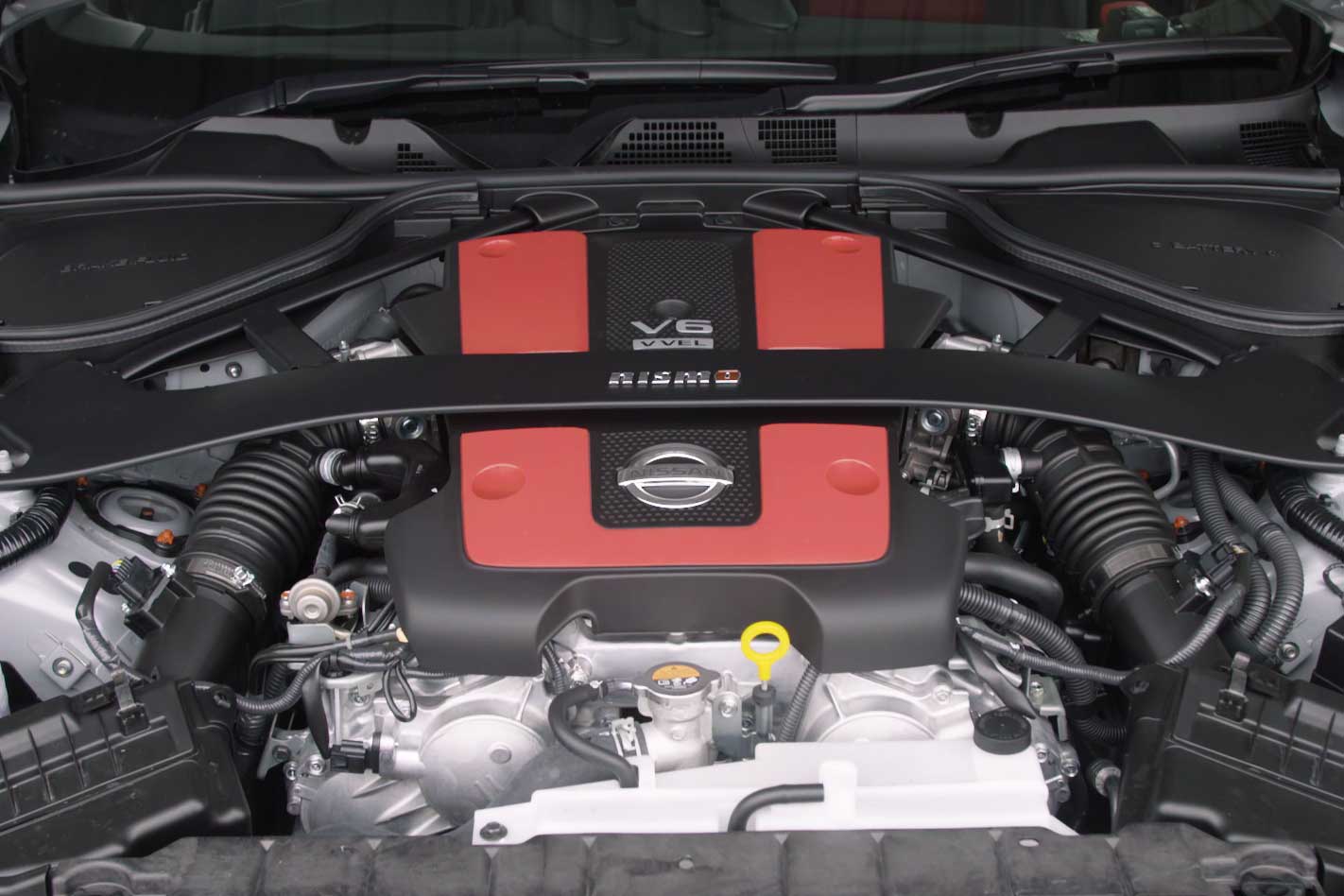
Both Nismo and standard 370Z have a viscous LSD, carbon-fibre driveshaft and the same beefy Akebono brake calipers (only the brake hoses and fluid differ on the Nismo), which leaves the Nismo’s body-hugging Recaro seats, its firmer suspension, its wider wheels and grippier Dunlops as the main points of difference.
But what does that all add up to? We wanted to quantify just how much extra performance the Nismo offers and whether that’s worth its $11,500 premium over the garden-variety 370Z Coupe it’s based upon, and the only sensible course of action was to take both of them to the racetrack and bring along some timing gear. Is the Nismo faster? If so, by how much?
To find out, watch our head-to-head video above. We won’t ruin the surprise, but as it turns out power definitely isn’t everything.
MITSUBISHI has released a shadowy image that appears to confirm the company’s Dynamic Shield signature design will be applied to the updated Triton, ahead of an anticipated full reveal later this year.
First appearing on a trio of concept vehicles at the 2013 Tokyo motor show, the company’s design language broke production ground on the face of the 2016 Outlander and has since proliferated across almost all other models in the Mitsubishi line-up – except its pick-up.
Little detail is clear in the single dark image, but a boost of light levels brings a handful of other features to the surface.
Backlighting outlines an unmistakable profile, confirming the model in question is a ute, while large wheels and chunky tyres housed in deep wheel arches hint at off-road ability associated with the model – as do the pillar-mounted ‘panic handles’ for both front and rear passengers.
And if that didn’t make it obvious enough, a single sentence accompanying the image simply reads: “the future of the pickup will soon be revealed”.
The current Triton was introduced in 2015, which brought a new diesel engine and the discontinuation of the petrol in response to Australia’s overwhelming lean towards diesel power in light commercial vehicles.
Mitsubishi has not revealed any details regarding the mysterious vehicle teased today, including local timing and specification, however with the current model presently in run-out it’s possible that we’ll be seeing a fresh-faced replacement arrive in showrooms sooner rather than later.
The Triton shares major mechanicals with the more recently introduced Pajero Sport and an updated Triton is likely to be treated to upgrades in alignment with its SUV sibling, including the latest information and entertainment hardware and its eight-speed auto.
MORE: Mitsubishi Triton Range Review MORE: Mitsubishi Triton Specs, Range & Price
The Le Mans-winning Ford GT is set to make its debut down under, running exhibition laps at Mt Panorama during the Bathurst 1000 with Aussie racer Ryan Briscoe at the wheel.
Sydney-born Briscoe, who’s raced in Supercars briefly and overseas in IndyCar and now in the IMSA GTLM class, says he’s excited to show off the race version of Ford’s supercar in his home state.
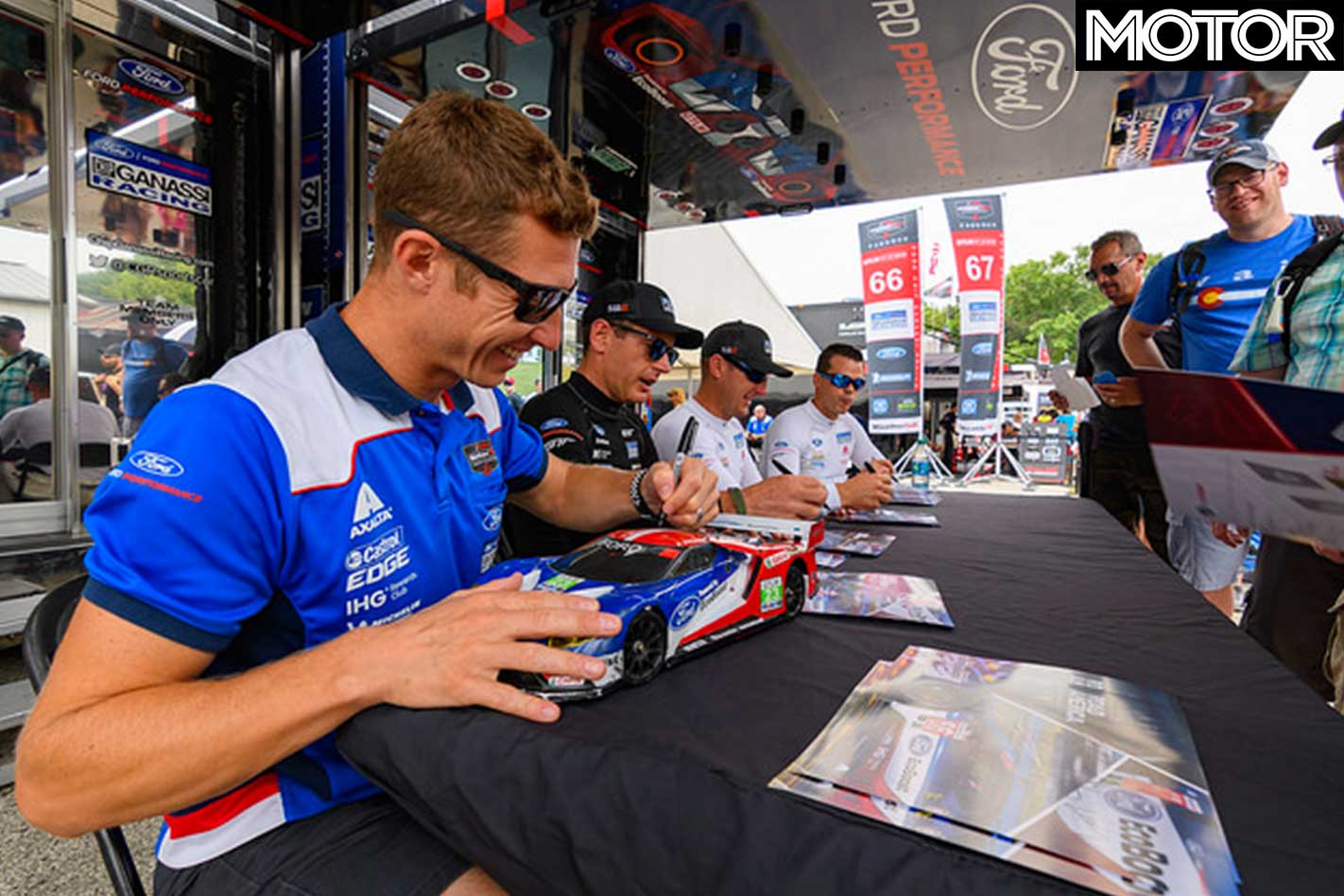
“For me, Bathurst is one of the best, if not the best racing circuit in the world.”
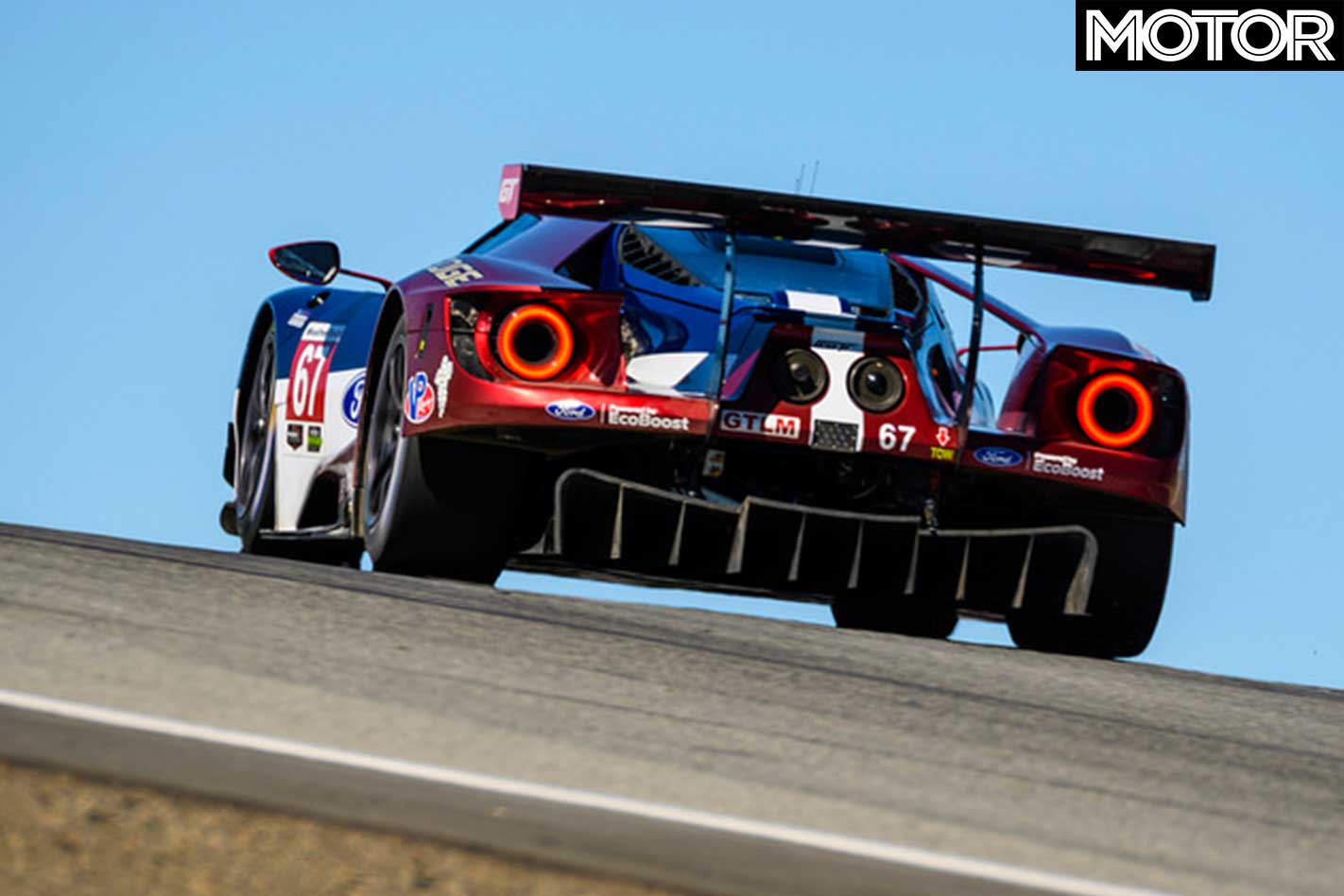
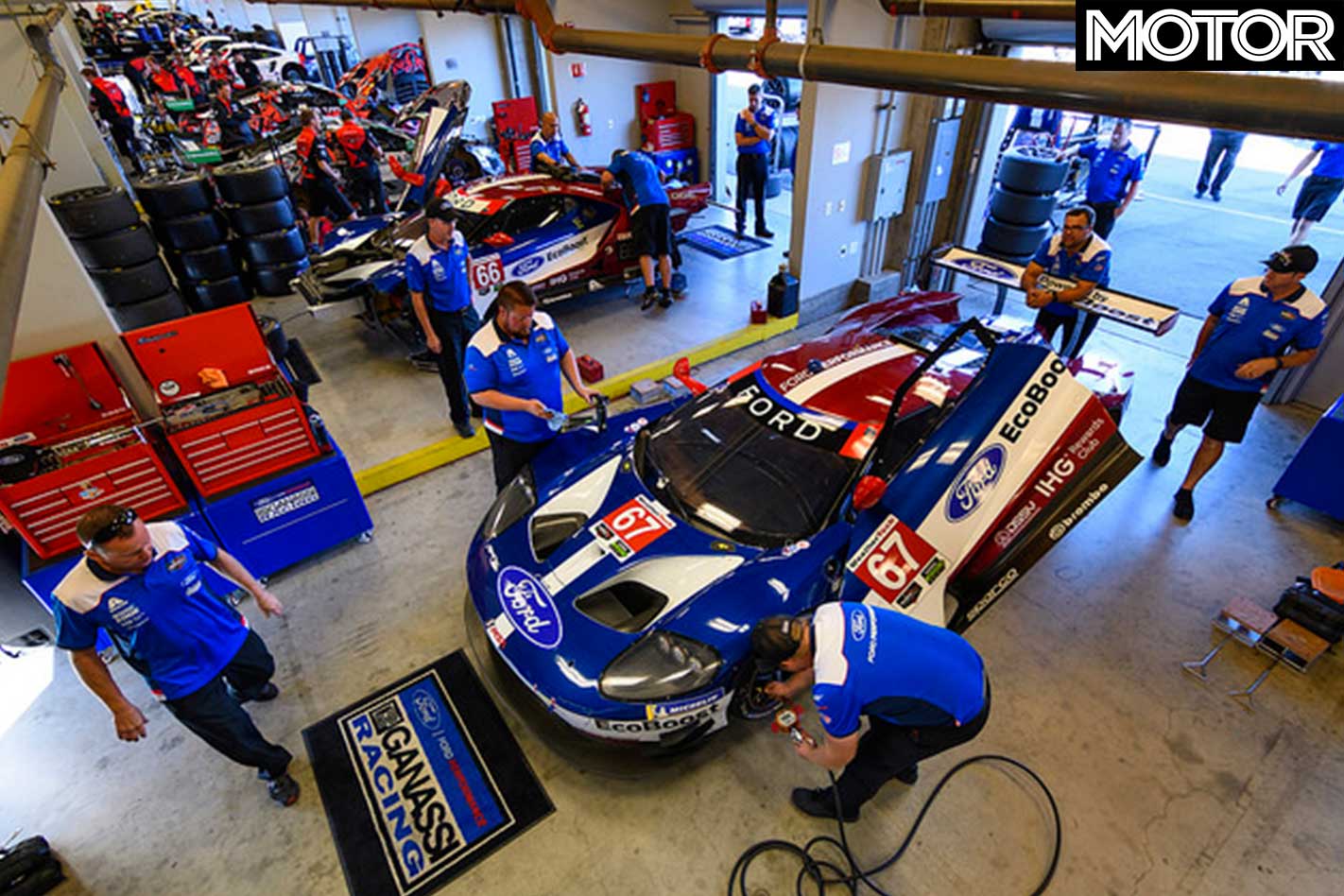
Specifically, the car hitting the track will be Briscoe’s Ford GT IMSA GT #67, which he’s driven to several podiums.
On top of this, Briscoe also races a WEC-spec Ford GT in endurance races through the year, notably being partly responsible for Ford’s GTLM class victory in the most recent 24 Hours of Daytona.
It seems Ford’s primary reason for bringing the GT to Bathurst is to strengthen the link between Australia (and Supercars) before the introduction of the Ford Mustang to the Supercars grid, expected to take place next year.
Supercars CEO Sean Seamer says the draw of Bathurst was too strong for Ford Performance to resist, as it provided the perfect platform to show off the car.
“To have such an iconic vehicle in the Ford GT here – a car with strong success in some of the world’s greatest races – is something Australian fans will love, and it shows how highly regarded Bathurst is globally, and by Ford and Ford Performance.
“To have Ryan, an Aussie who has driven with us many times at Bathurst, Sandown and on the Gold Coast, is the icing on the cake.”
Mercedes-AMG has announced a new model to join its new ‘4-door GT coupe’ line-up, with the 2019 Mercedes-AMG GT43 to join the AMG GT53 on its international sales launch.
Powered by Mercedes’ new 3.0-litre turbo inline six, the AMG GT43 ‘4Matic+’ produces 270kW (between 5500 and 6100rpm) and 500Nm (1800-4500rpm), with an additional 16kW and 250Nm available under ‘EQ Boost’ – Mercedes’ mild hybrid electric system.
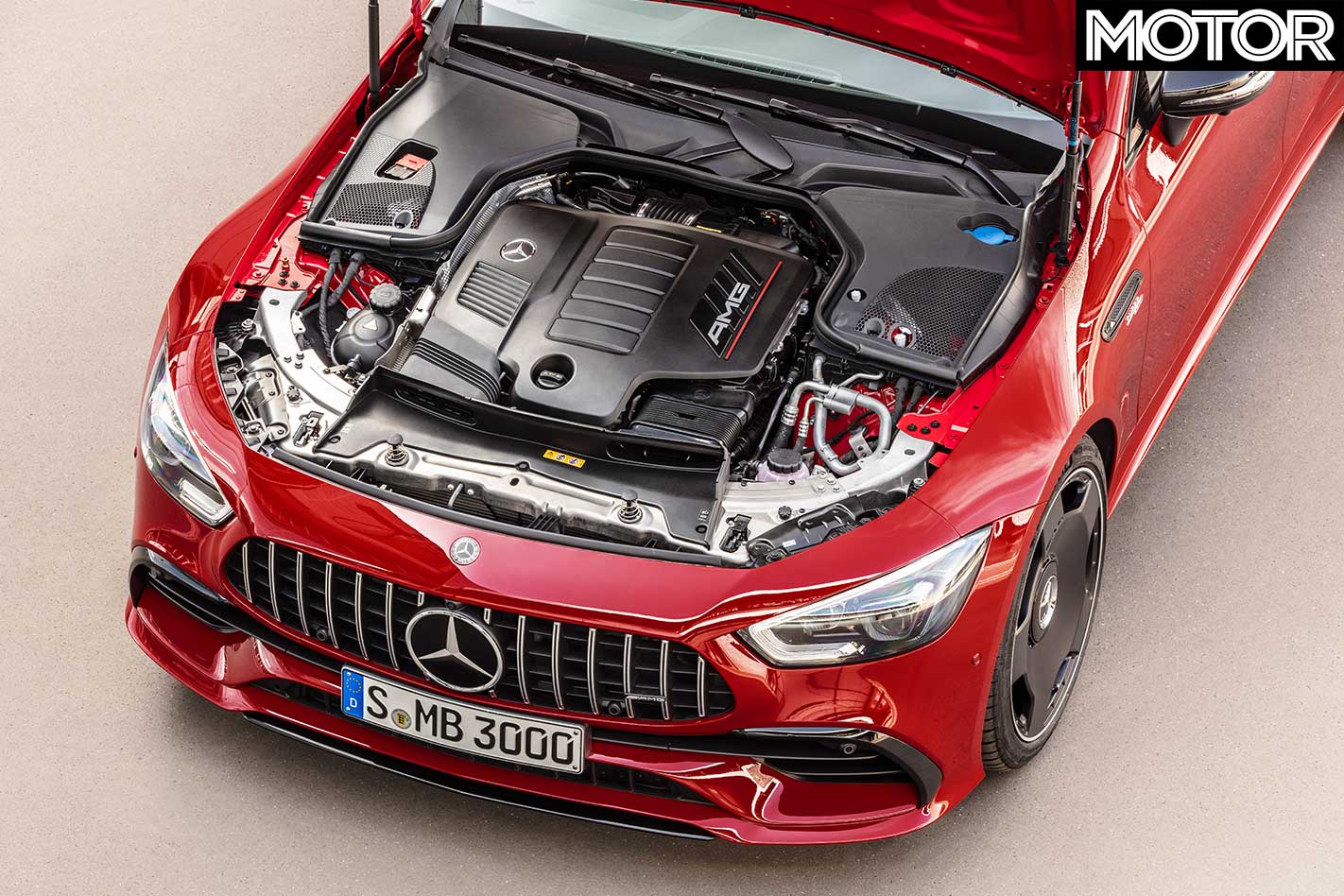
“[EQ Boost] combines the starter and alternator in one electric motor, is integrated between the engine and transmission and feeds the 48V on-board electrical system,” Mercedes-AMG explains.
“This innovative feature, as well as the intelligent two-stage turbocharging with additional electrical compressor and exhaust gas turbocharger, combines hallmark AMG Driving Performance with low fuel consumption.”
Compared with the 320kW/520Nm AMG GT53 (which gains the same extra heft from EQ Boost), the GT43 is a few tenths slower to 100km/h with its claimed 4.9 second sprint – the AMG GT53 will get up to speed in 4.5 seconds.
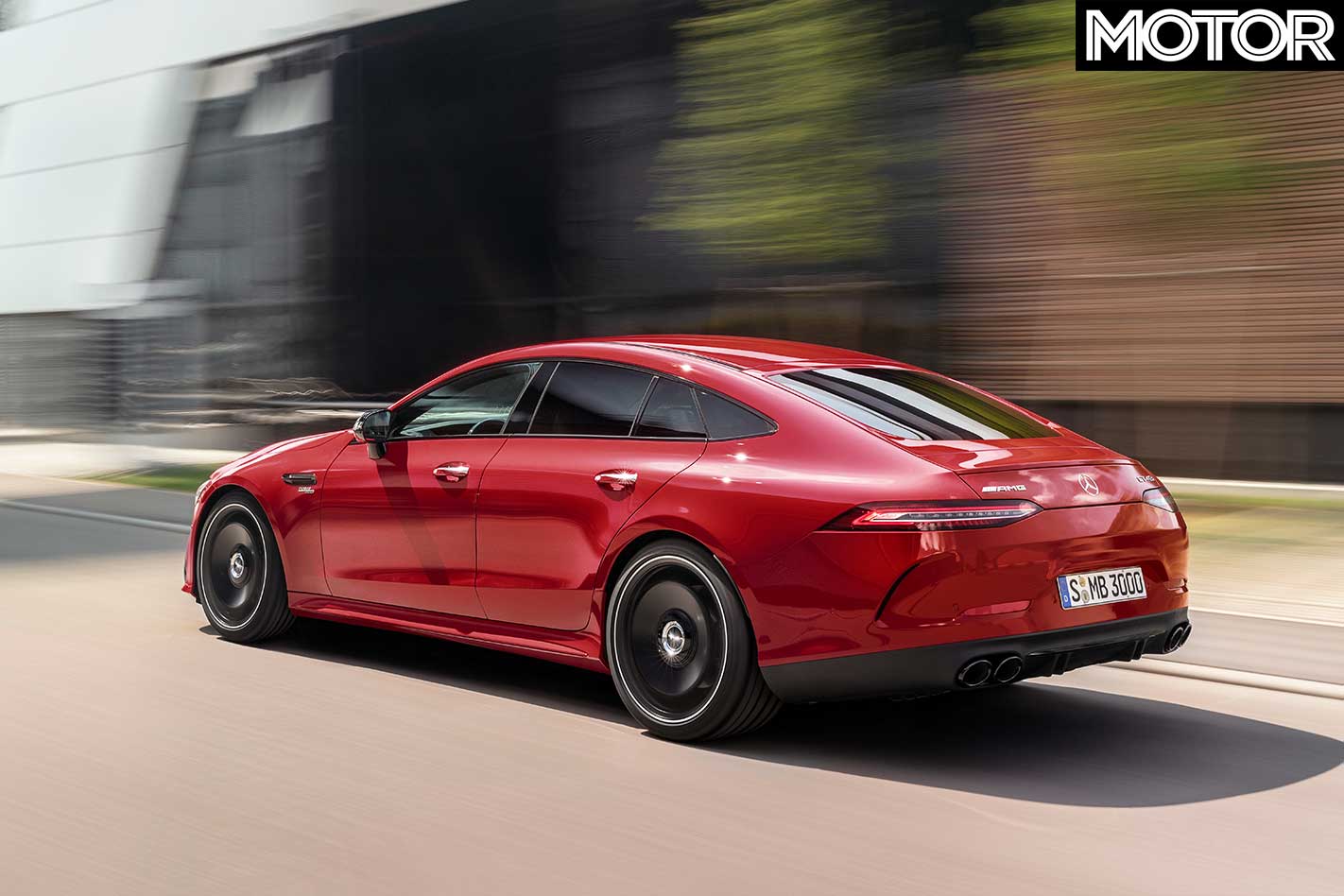
Both models feature 4Matic+ all-wheel drive, with fully variable torque distribution, with torque transmitted to the wheels via a 9-speed AMG ‘Speedshift TCT’ transmission.
The AMG GT43 will reach a top speed of 270km/h, 15km/h under the GT53’s speed ceiling.
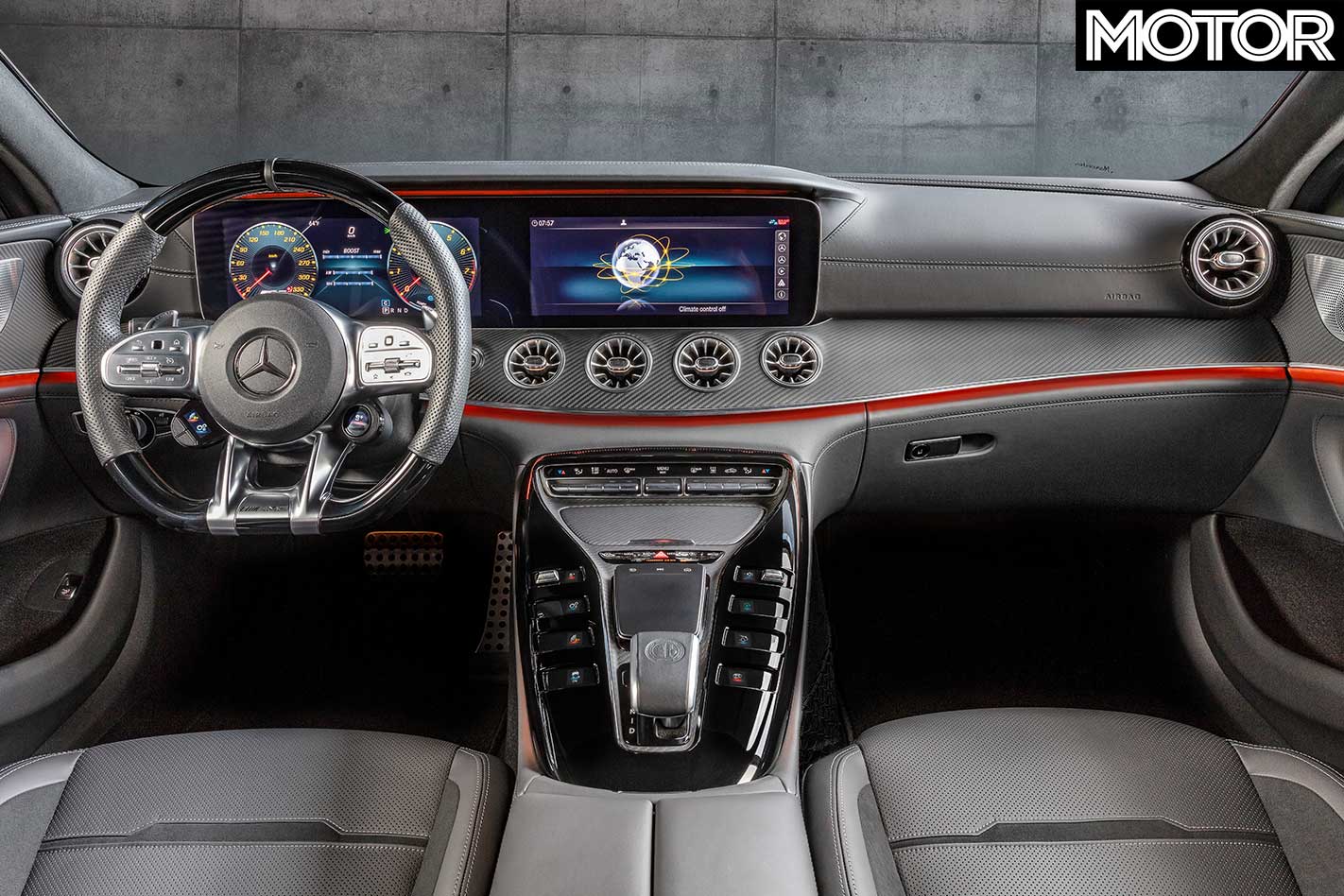
A spokesperson for Mercedes-Benz Australia tells MOTOR the AMG GT43 (with the rest of the AMG GT 4 door coupes) will arrive in Australia during the second quarter of 2019, though pricing and spec hasn’t been confirmed as of yet.
As well as the six-powered AMG GT 4 door coupes, GT63 S and GT63 models are inbound, both powered by AMG’s 4.0-litre twin-turbo V8 and producing 470kW/900Nm and 430kW/800Nm respectively.
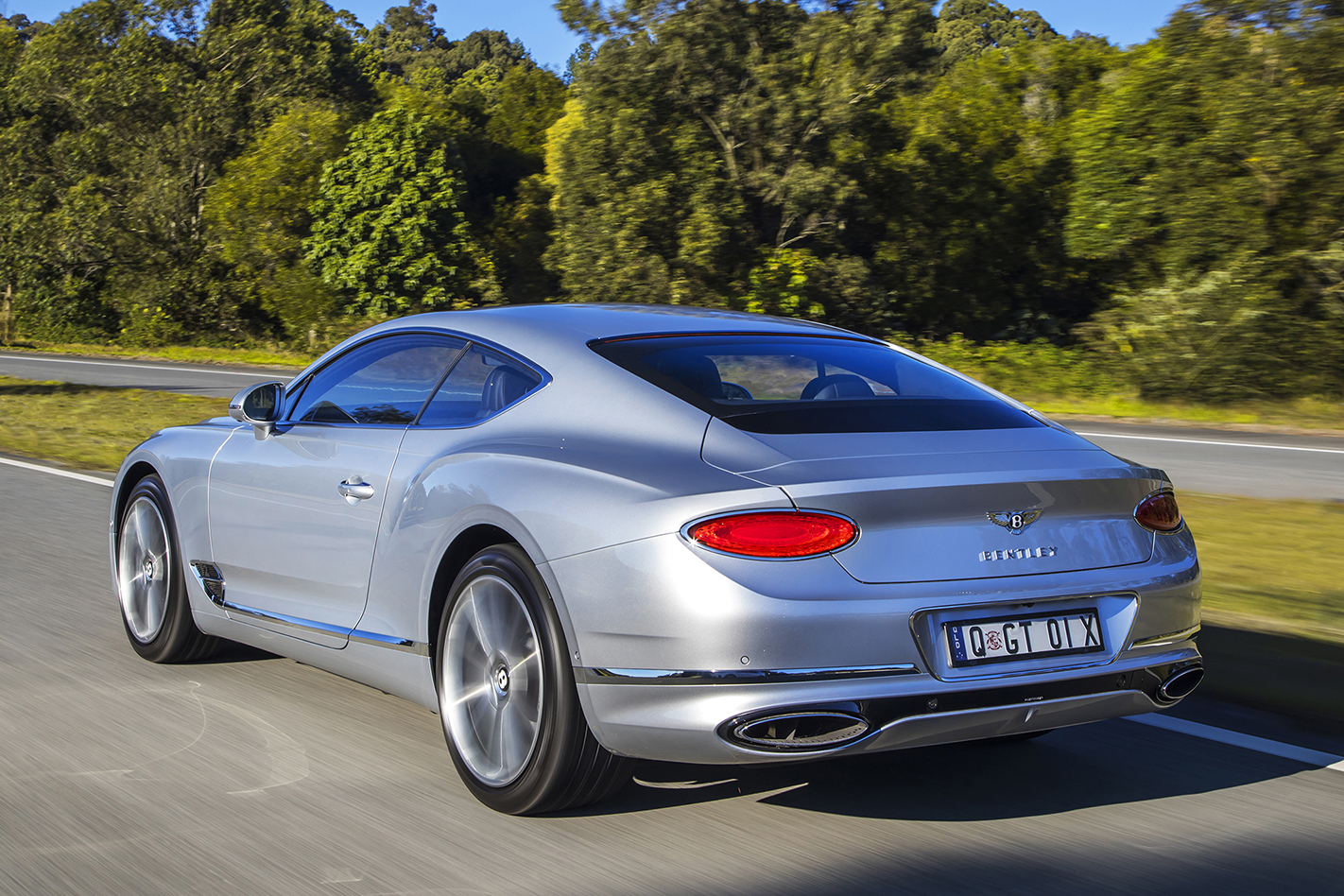
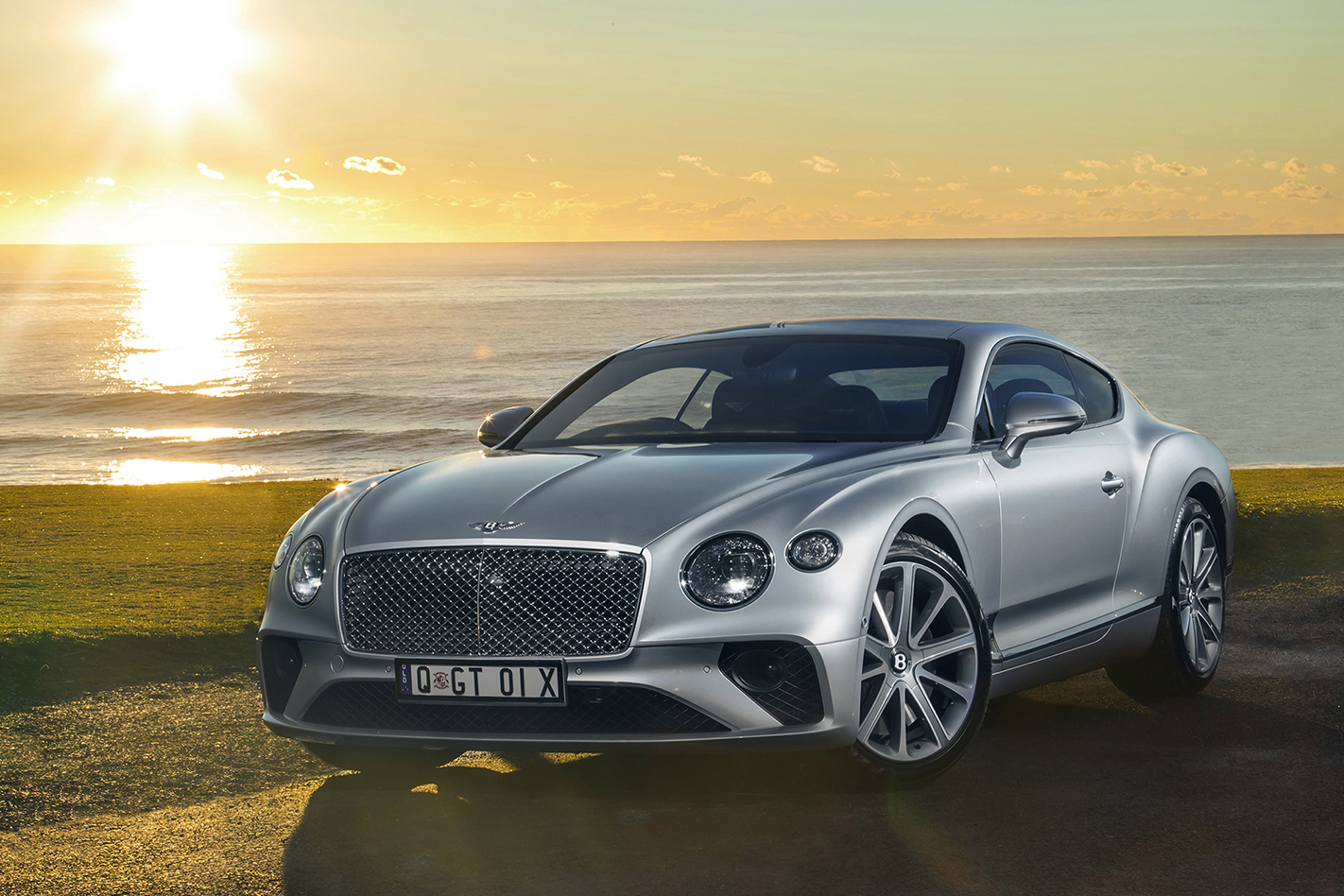
Big, brutish and beautifully built, the Bentley Continental GT has shifted 70,000 units in its fifteen years on sale. This third-generation car moves the game on significantly, with a new chassis, additional driver tech and sleeker styling. Its brief is as simple as it is ambitious: Bentley has set out to build the finest Grand Touring car in the world.
WHAT IS IT
The Continental GT fills a very specific niche as an everyday plaything for plutocrats. If funds permit, there’s not a lot better at covering big distances in style and luxury. Previous generation cars have majored on bluff presence over elegance, but this latest version is a drop-dead head-turner.
WHY WE’RE TESTING IT
Australia is one of Bentley’s most valuable markets, with a top-heavy mix of W12-engined Continental GTs to date. The latest version should be no exception, with cashed-up Aussies looking to ladle some serious wedge in the direction of the Conti’s options list. We wanted to see whether that represented a decent return on investment.
MAIN RIVALS
Aston Martin DB11; Maserati GranTurismo; Mercedes-AMG S65 Coupe; Porsche Panamera Turbo
PLUS: Sleeker styling; effortless waftability; attention to detail; additional driver tech MINUS: Dual clutch transmission an oddity; terrifying option prices; driver tech still not class-leading
THE WHEELS REVIEW
CAN we talk about good decisions? The success of the third and latest generation Bentley Continental GT hinges on just one. Surprisingly, it’s a decision that so many Grand Touring class cars get wrong and if – as Bentley is – you’re intent on defining the best grand tourer in the world, it’s the fundamental building block of the car. That single attribute you need to nail is ride quality. Simple as that.
All too often, the temptation is to chase dynamics, to differentiate your multi-cylinder, continent-crushing bolide on its ability to carve a corner as if its two tonnes of implacable physics were mere bagatelle. But that’s a fool’s errand, as the net result of this fruitless quest is a car that’s neither fish nor fowl – too uncomfortable to nail the GT brief convincingly and too heavy to cut it in the corners. In short, you end up with a car like an Aston Martin DB11 or a Maserati GranTurismo; a trophy wife of a car.
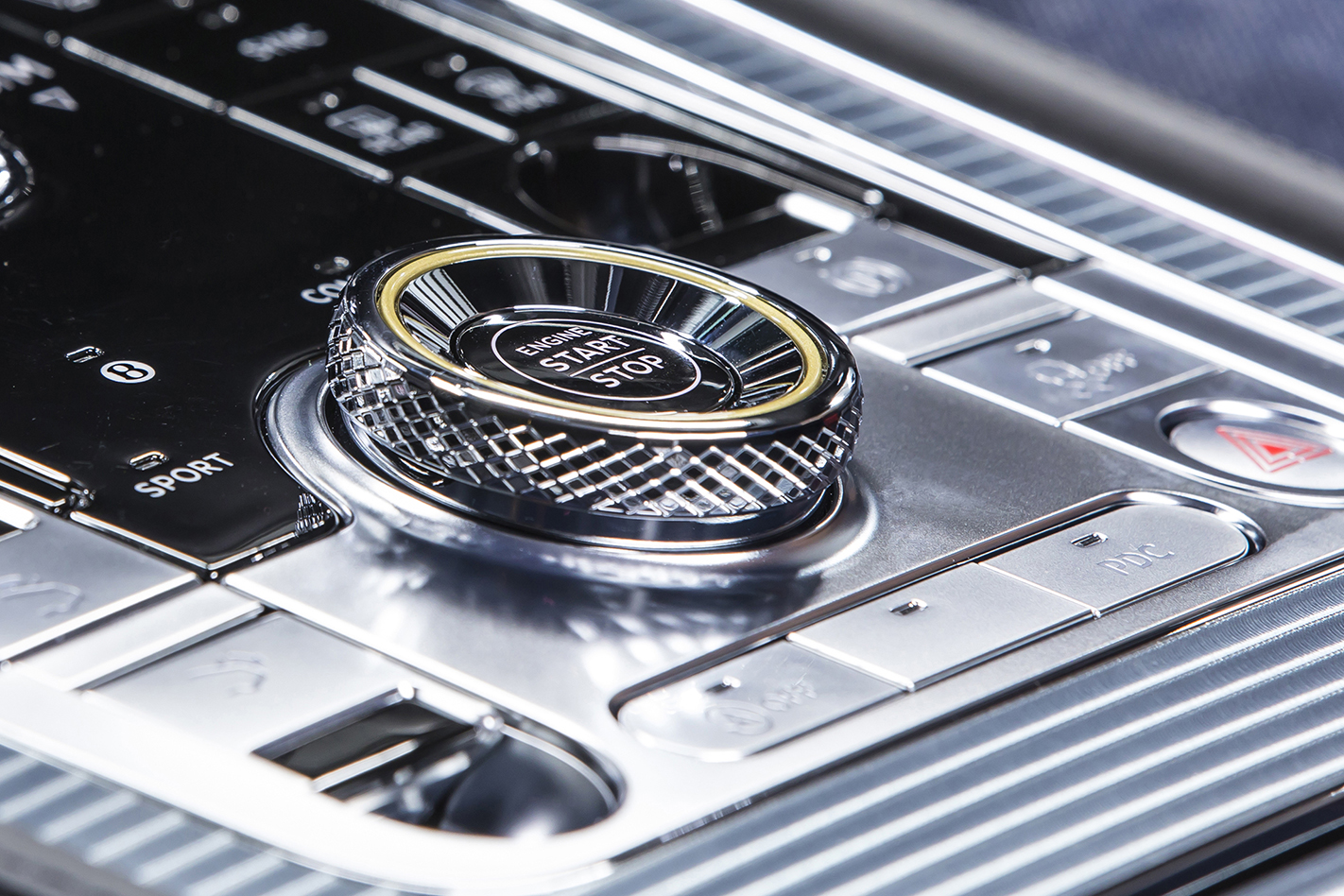
The Continental GT’s trump card is the polar opposite of a sub-eight Nurburgring lap time. Dial the diamond-knurled drive selector switch into Comfort and it rides better than any Continental GT before it. The reason for that is the new three-chamber air spring design that delivers 60 percent more air volume and a wider range of stiffness controls. You’ll feel it on city streets, where the Continental now has a properly sybaritic waftability that’s so well-honed that you’re going to spend most of your time in this mode.
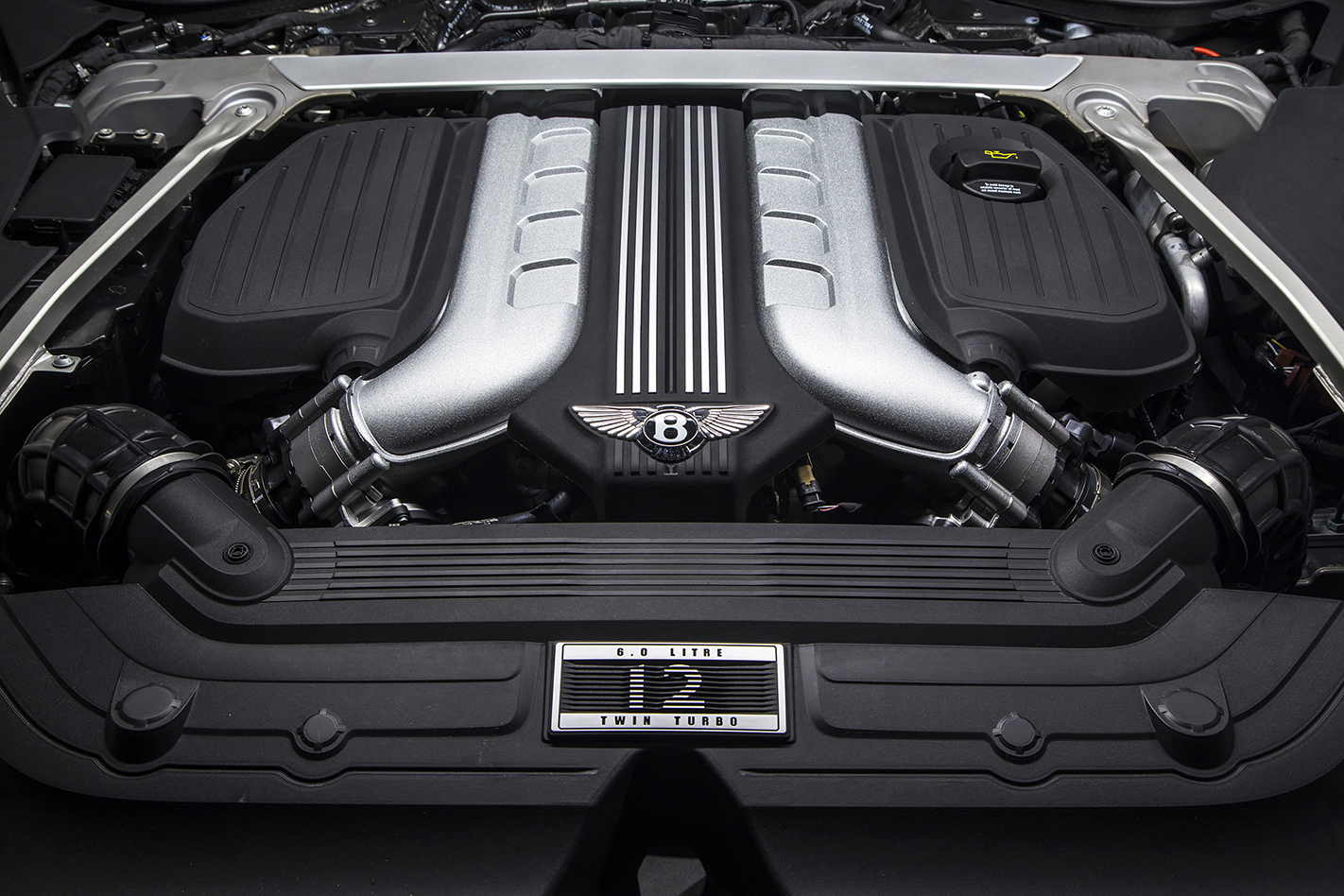
Point the lower and wider nose at a twistier road and switch the Conti into Sport and it does a fairly convincing impression of a sports car driving at seven-tenths. Go harder than that and the suspension starts to run out of travel as 2252kg of car starts to hammer into compressions and massive unsprung weights contend with mid-corner bumps. The car leans on torque vectoring by braking, the biggest iron discs on any production car (420mm up front, clamped by 10-pot calipers), getting a workout while the 48v active roll control prevents the car lapsing into the sort of roll-oversteer that would tax any stability control calibration. Drive goes to all four wheels, but there’s a clear rear bias. In Comfort, a maximum of 38 percent of the 900Nm of torque can go to the front tyres, while in Sport, that’s dialled back still further to 17 percent.
All of which makes it a bit of strange decision to buck another industry trend and fit an 8-speed ZF-sourced dual-clutch transmission to this car. Just when most manufacturers are re-embracing increasingly sharp-witted torque-converter automatics, Bentley has instead decided to go the other way. Yes, that’ll pay dividends at flat chat, but when requesting a bit of acceleration when otherwise cruising, it can introduce a jolt. The entire launch of the car was delayed while Bentley finessed ZF’s standard transmission software to get it to the standard that Continental GT owners would demand and while Bentley has done a good job, we remain unconvinced that, at low speeds at least, a dual-clutch – even with a dual-mass flywheel – can slur between shifts quite as smoothly as a torque converter auto.
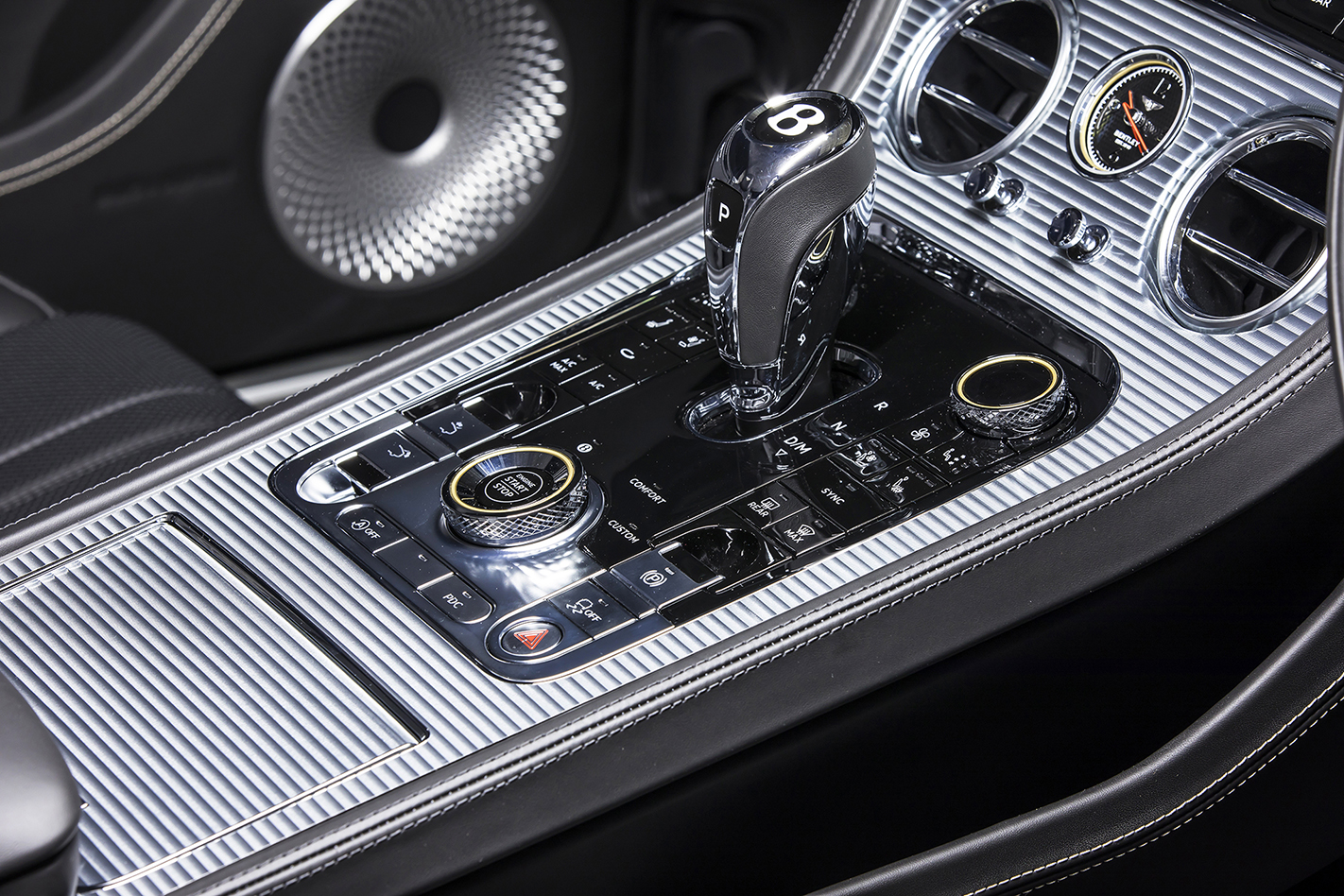
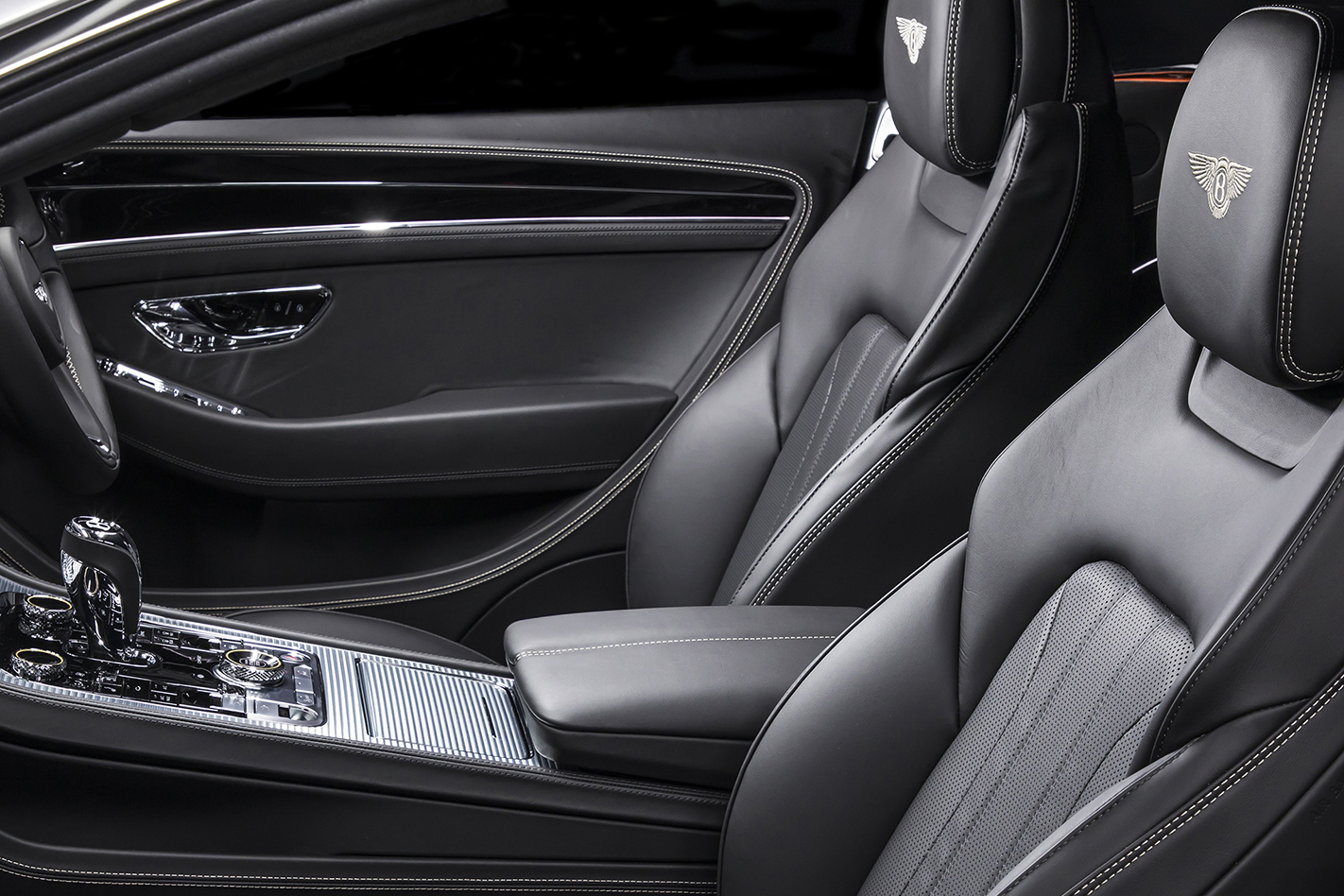
Unfortunately, many of the items that really should be standard on this car are expensive options. Like the diamond knurling at $3854. You will want the diamond-stitched seats, which move the quilting up to the shoulder area for better visibility from outside the car and to aid heating and cooling in the cushion and squab.
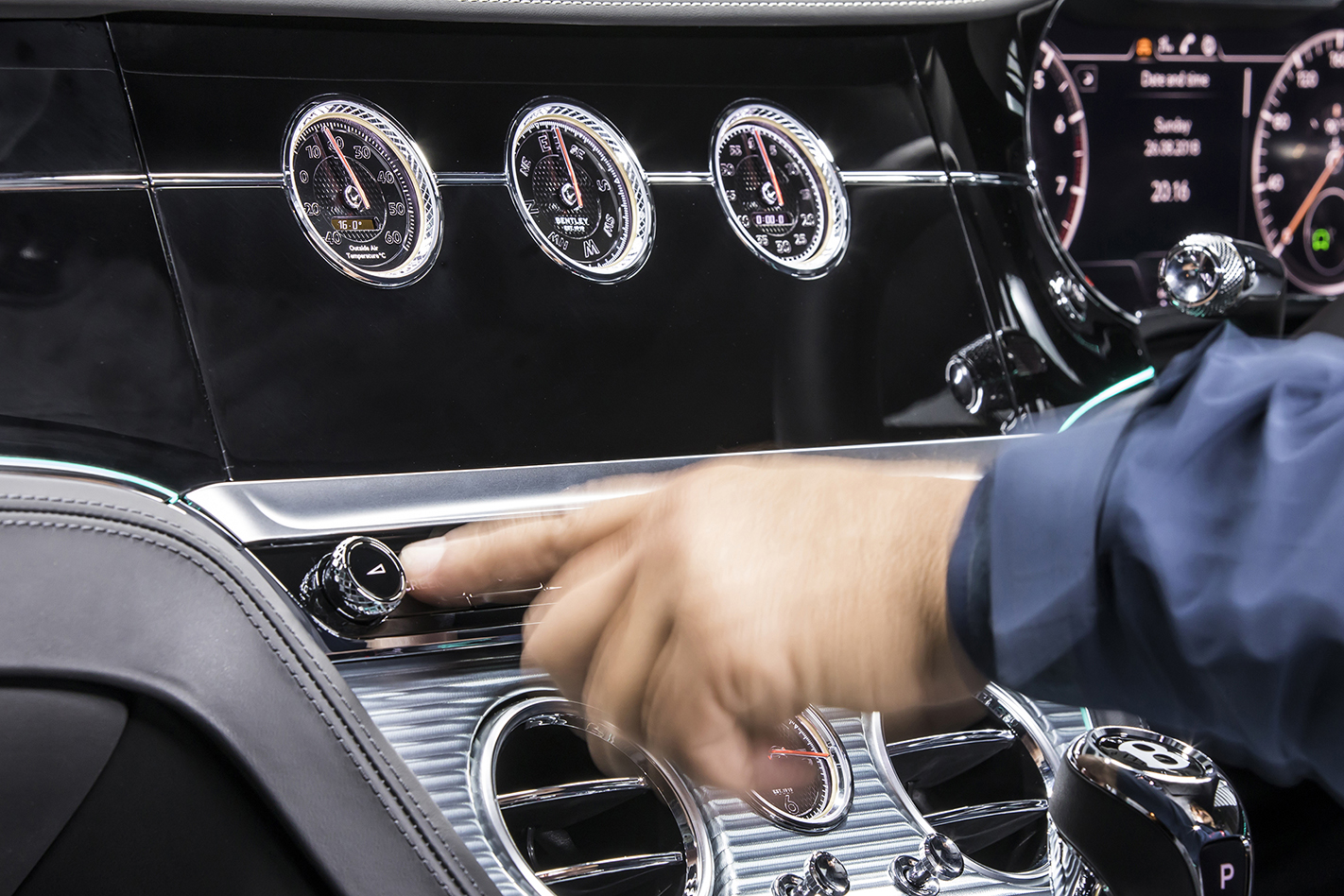
Likewise, the rotating digital screen ($12319) is a real showstopper, flipping the central 12.3-inch screen around to display a trio of analogue dials displaying engine temperature, compass and chronograph. Bentley calls the switch to the analogue dials a ‘digital detox’. Take up on that option will be almost 100 percent.
By now, you’ve probably figured out that price before on-roads of most Conti GT W12s is going to start with a 5 rather than a 4, and most buyers will also purchase the optional City and Touring specification packs. The former removes some of the worry about maneuvering this car with decidedly limited three-quarter visibility by adding a suite of cameras and sensors as well as auto-dimming door mirrors.
Touring specification nets you adaptive cruise, a head-up display, lane-keep assist, night vision and AEB. It seems a bit rich to charge extra for features you’d find on a Kia, but the two packs are $10,382 and $16,245 respectively.
Were money little object, you could go hilariously nuts with the options, adding a $13k 1500w Bang and Olufsen stereo or, if that seems a little inadequate, a $17k 2200w Naim by Bentley system that features 18-speakers and shakers in the seat bases. Dual colour veneer finishes? That’ll be $4719. Or you could go for the First Edition model that tacks $91k onto the asking price which gives you pretty much all of the main tempters bar the stereo.
So, Bentley has pretty much nailed the brief on this car. It’s a delight of a GT car, with a useable 358-litre boot, a 900km range and a 333km/h top speed that ensures you’ll always have plenty in reserve. It’s a half-million dollar plus proposition in typical trim, but what price do you put on the best grand tourer in the world? The Continental GT might just have the talent to claim that crown. Even with this sort of financial commitment, some decisions are easier than others.
THE WHEELS VERDICT
The third generation Bentley Continental GT offers greater bandwidth than ever before, making it a better GT car and a better sports coupe at the same time. Interior finish and driver tech has stepped up a couple of levels, but you’ll need to pay for the privilege. Some tech that should be standard carries eye-watering prices on the options list and the fitment of a ZF dual-clutch transmission seems a curious choice. Nothing changes the fact that the Conti GT has become the GT benchmark by which everything else will be judged.
SPECS
Model: Bentley Continental GT coupe Engine: 5950cc W12, 48v, dohc, twin-turbo Max power: 467kW @ 6000rpm Max torque: 900Nm @ 1350-4500rpm Transmission: 8-speed dual-clutch Weight: 2252kg (as tested) 0-100km/h: 3.7 sec (claimed) Economy: 12.2L/100km Price: $422,600 On sale: Now
Over the course of nearly five decades, Range Rover has become synonymous with an elite set who like to get outdoors and take their homely comforts with them.
Since the very first model began its association with the well-heeled, famous and even the royal family, other more accessible models have added new monikers to the range such as Evoque and Velar, but it’s the original that continues to represent the pinnacle of off-road luxury.
No model name required. This is simply the Range Rover.
VALUE
If you simply wanted to put a Range Rover on your driveway the line-up kicks off from $183,300 for a V6 diesel-powered Vogue. However, you can keep adding equipment, power and even a longer wheelbase to stretch the pricetag all the way up to $373,611, where you’ll find the supercharged V8 SVA Autobiography.
But roughly in the middle of the range you’ll find a V8 diesel powered version that brings the same imposing on-road presence, a generous amount of equipment and a mighty powerplant that doesn’t drink as much as the petrol-powered flagships.
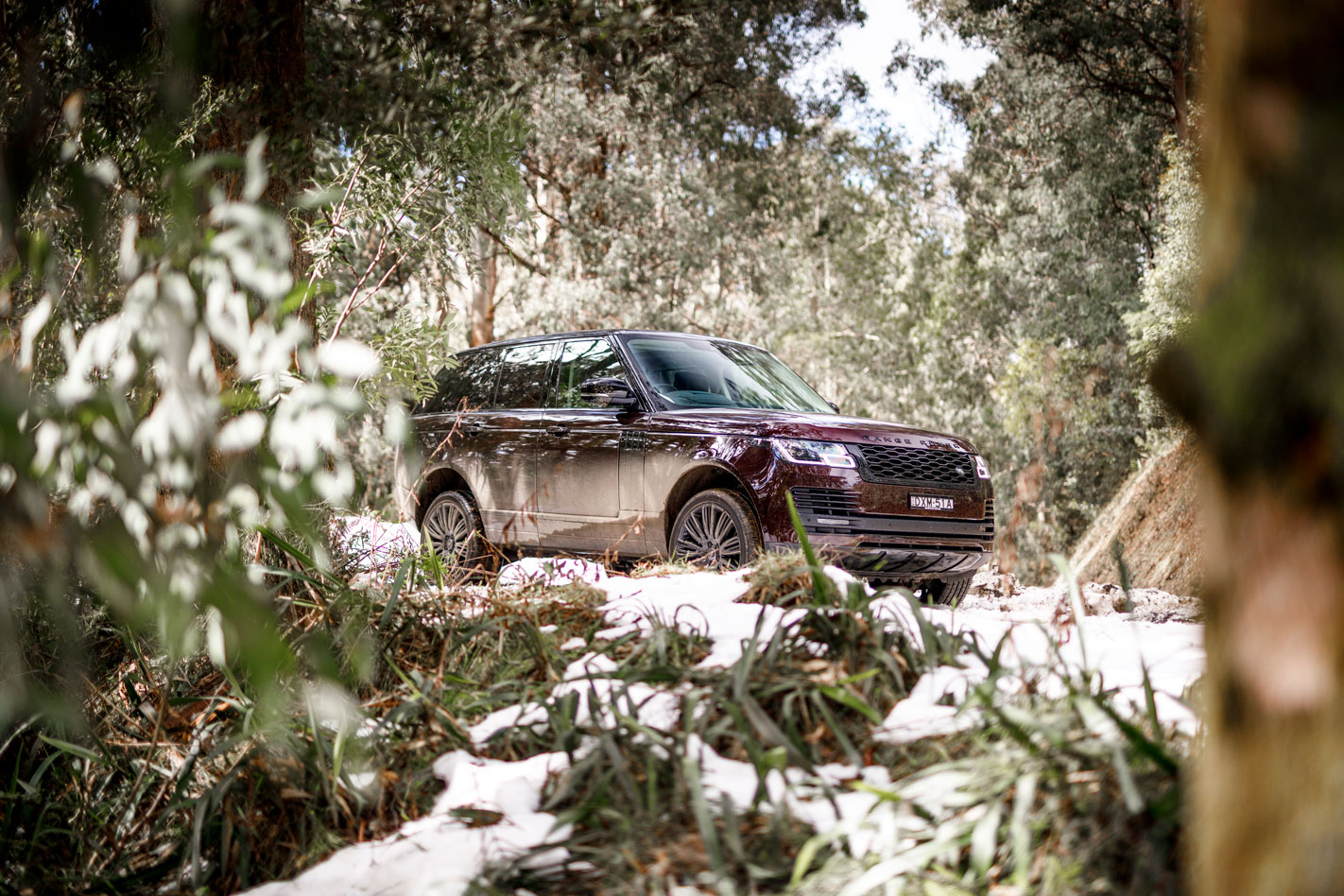
Priced from $256,000, the SDV8 Autobiography appears to offer a good balance of the power, practicality and the luxury that continues to draw people to the brand. While Range Rover claims the supercharged petrol V8 uses up to nearly 14.0L/100km on average, during our time with the diesel-drinking SDV8 it used under 10.0L/100km.
Ours had a few extras thrown at it including a panoramic sunroof, Pixel-Laser LED headlights and massive 22-inch wheels that replace the 21-inch standard items, pushing the bottom line to $269,820 before on-road costs.
You could spend a lot less on an upper-large off-roader, but besides the iconic brand and luxury features, Range Rover has also built a reputation for class-leading off-road ability, and that narrows the field of rivals considerably.
STANDARD FEATURES
Customers expecting to get a decent amount of kit for their cash won’t be disappointed with the mid-range Rangie. Included in the price are an eight-speed automatic transmission, air suspension, and a number of electronic programs for the four-wheel drive system to boost off and on-road ability.
Cabin luxury is courtesy of semi-aniline leather seats with 24-way electric adjustment, heating, cooling and massage for the front row, while the rear seats were upgraded to Executive which brings electric adjustment and heating. Ambient lighting, an electrically-adjustable steering column and even a refrigerated compartment in the front centre console are other luxurious highlights of the feature list.
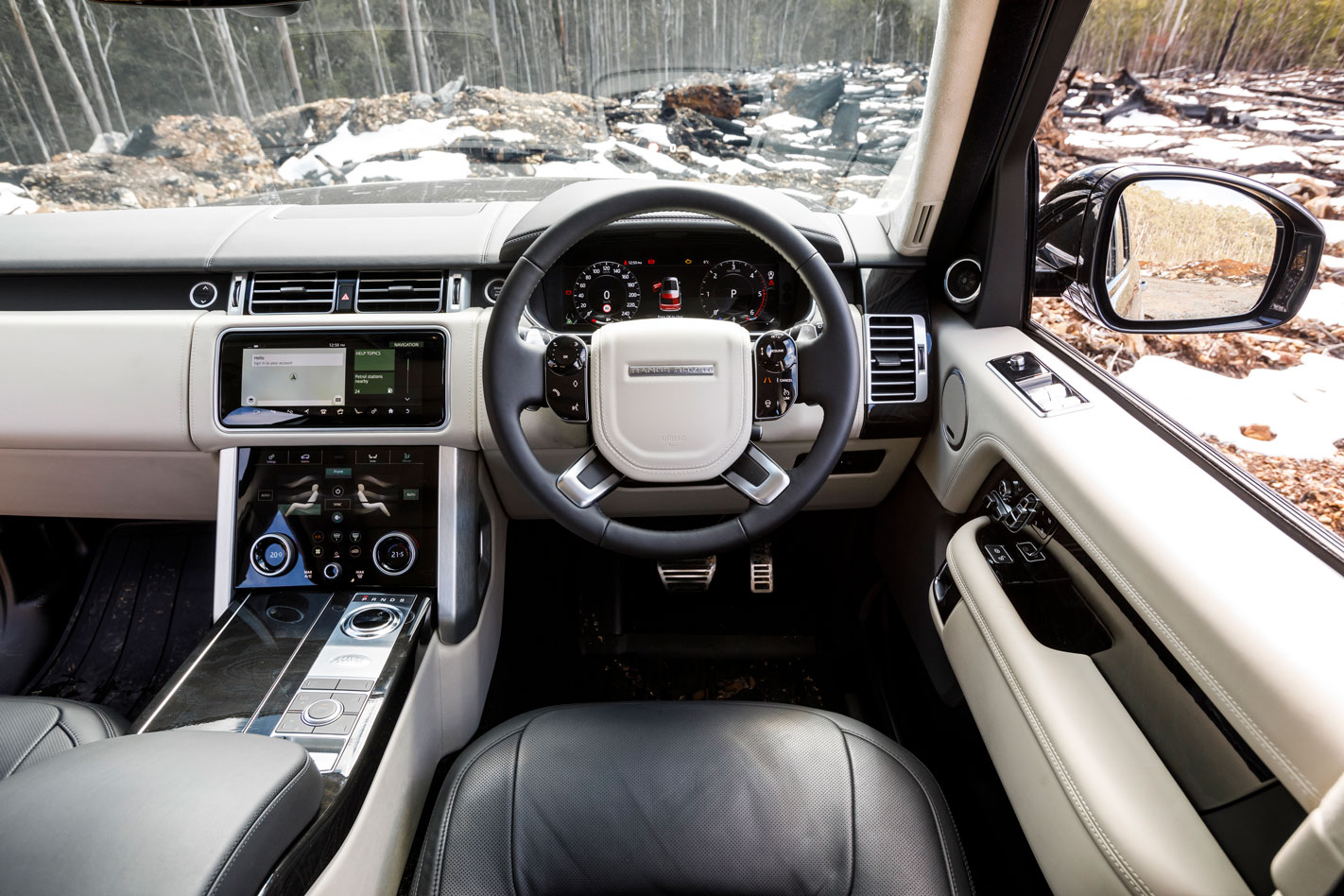
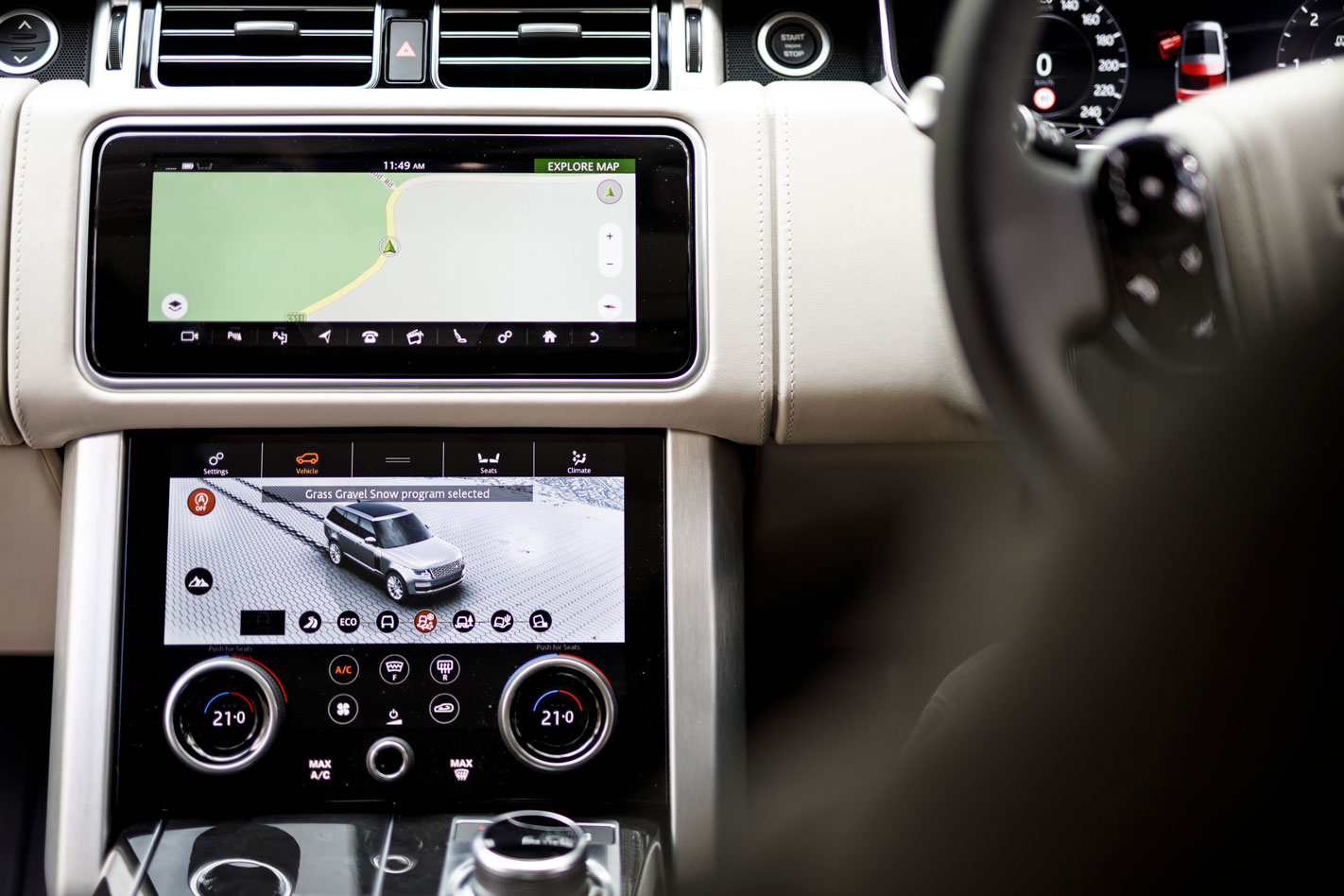
A large 10-inch central touchscreen is the hub for interacting with all of this technology, and sits atop an equally expansive multi-function touchscreen panel that controls audio, climate and vehicle settings. Satellite navigation is included, naturally.
Other neat features include a large optional sunroof that can be opened with hand gestures, soft closing doors, digital TV, top-shelf Meridian sound system and a fully digital driver’s instrument cluster.
Range Rover’s optional Activity Key is unique and allows the conventional key to be locked inside the car using a waterproof wrist band. Instead of hiding the actual keyfob outside the vehicle or risk damaging or losing it, participants of outdoors activities can simply hold the wrist band close to a sensor in the bootlid to lock or gain access to the car.
SIZE
The Range Rover is firmly at the large end of the SUV segment, measuring 5.0 metres in length, 2.0 metres wide and standing 1.9 metres tall.
Grand exterior dimensions do not translate to a cavernous luggage area. In the name of luxury, the range Rover donates space for people and not things. The boot is still a respectable 479 litres but, by sacrificing the second row of folding seats, it can be expanded out to nearly 2000 litres.
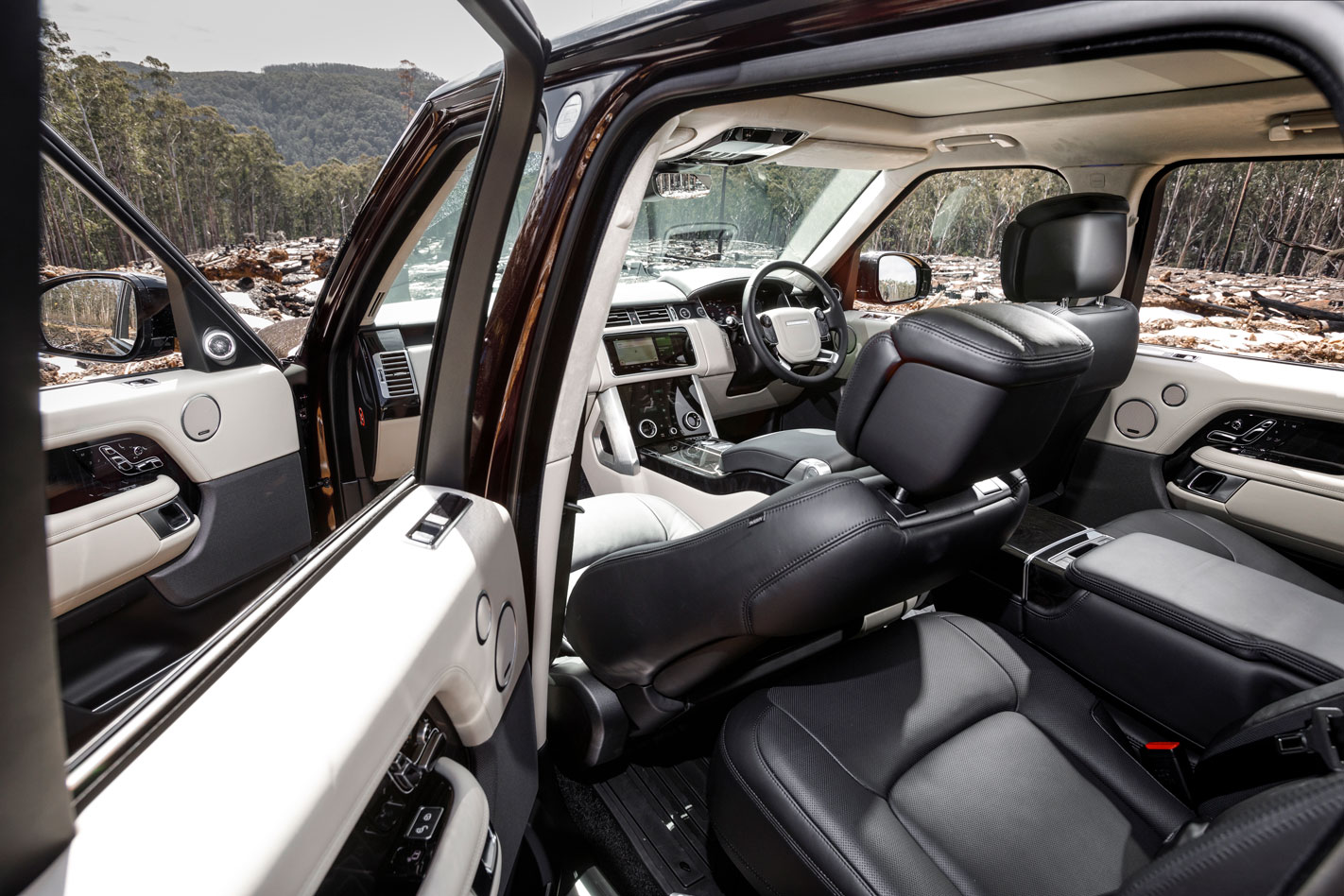
For the same reason the Range Rover is not offered as a seven seater, but four out of the five seats that are provided are class-leading for their space and comfort. The central seat in the second row does not offer the same features as the outboard positions, such as heating or power adjustment, and converts into a generous central arm rest when not in use.
The Executive Class rear seats fold electrically, which seems somewhat of an unnecessary indulgence until you discover they can be operated remotely using a smartphone application, which is useful when returning to the car with large items.
SAFETY
Range Rover has packed in as much safety equipment as it has luxury features, with autonomous emergency braking (AEB), adaptive cruise control, ISOFIX child seat anchors in the back seats, tyre pressure monitoring, 360-degree camera with front and rear parking sensors and curtain airbags.
Our car had also been optioned with an $820 Drive Pack which added blind spot monitoring and a driver condition monitoring feature which warns the driver if they are becoming fatigued or drowsy.
ANCAP has not yet awarded the new Range Rover a safety rating.
COMFORT
Comfort is what the Range Rover is all about and the sublime ride is one of the first qualities that strikes you on any journey. In all four main seats, support is exemplary with top-quality materials and highly adjustable seats. Even the rear seats have heating and electrical adjustment.
After a day touring the Victorian high country, it took just minutes for occupants in the front and rear seats to fall asleep, thanks in part to the silky ride and whisper quiet cabin. Both front occupants particularly appreciated the massage function too.
A vast panoramic roof keeps the cabin light and airy and the large glass area makes visibility of surroundings excellent for all aboard. When the sun sets, multicolour ambient lighting bathes the interior in customisable colour schemes and imparts a deep sense of class.
At the end of a long day, an intuitive and logical information and entertainment system was a welcome feature, allowing a navigation destination to be easily entered without requiring much concentration from a tired mind although, unlike many rival luxury brands, destinations cannot be entered using voice control. After that, it was simply about loading a play list and relaxing.
ON THE ROAD
With swathes of torque from the Range Rover’s turbocharged V8, the three-ton off-roader is capable of surprising pace and its maker says it can accelerate to 100km/h from standstill in less than 7.0 seconds. It also has a raft of clever air suspension and chassis tricks to control the hefty body if you insist on pushing it through corners.
When prodded, the big diesel sounds great and produces enormous pulling power without having to rev high, and its eight-speed automatic transmission is notable for its subtlety.
But, even though the Range Rover has the potential to go fast, it rarely makes you want to. Such is its ability to cosset and calm occupants, we found elegantly gliding around was the preference over blasting other cars off the road.
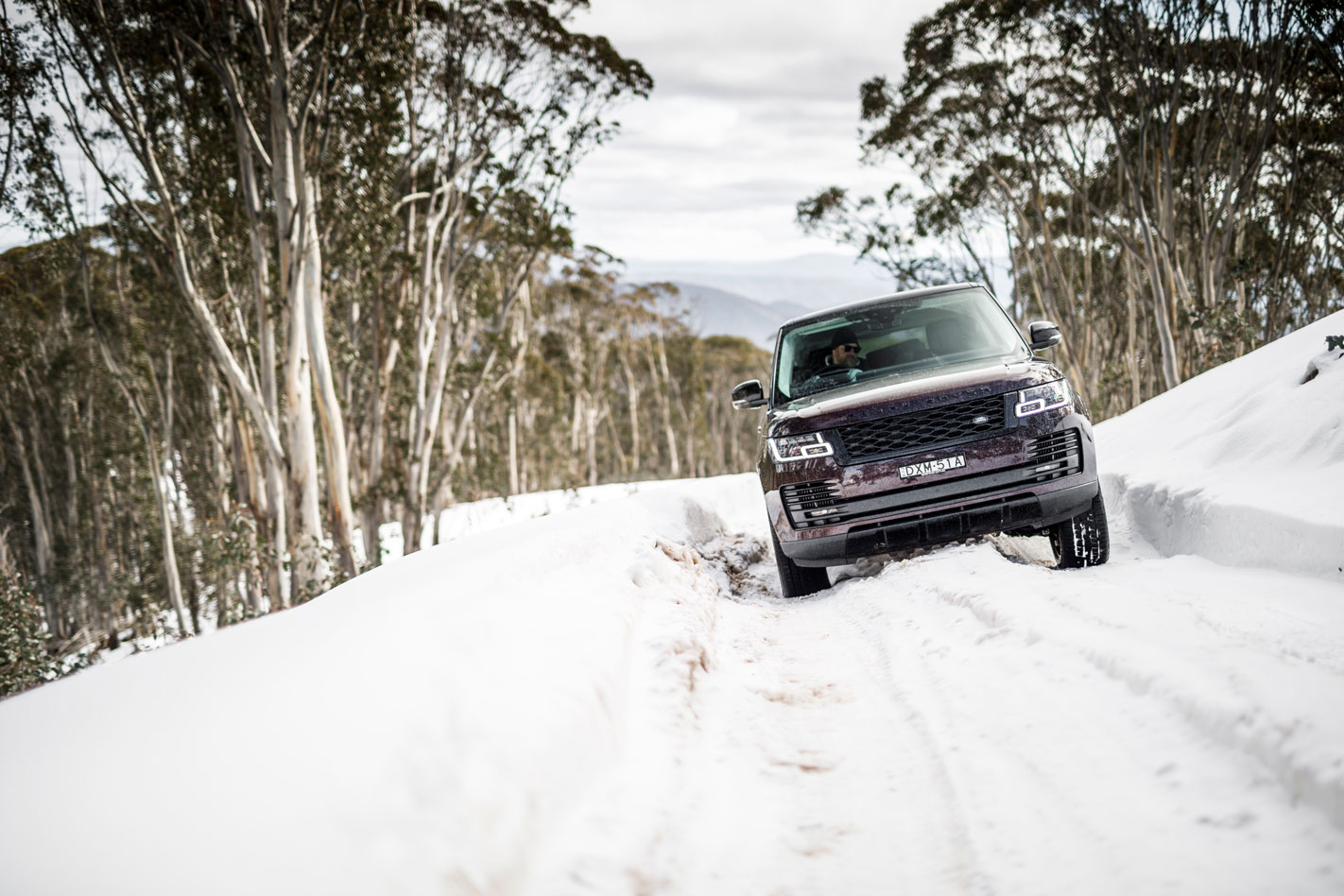
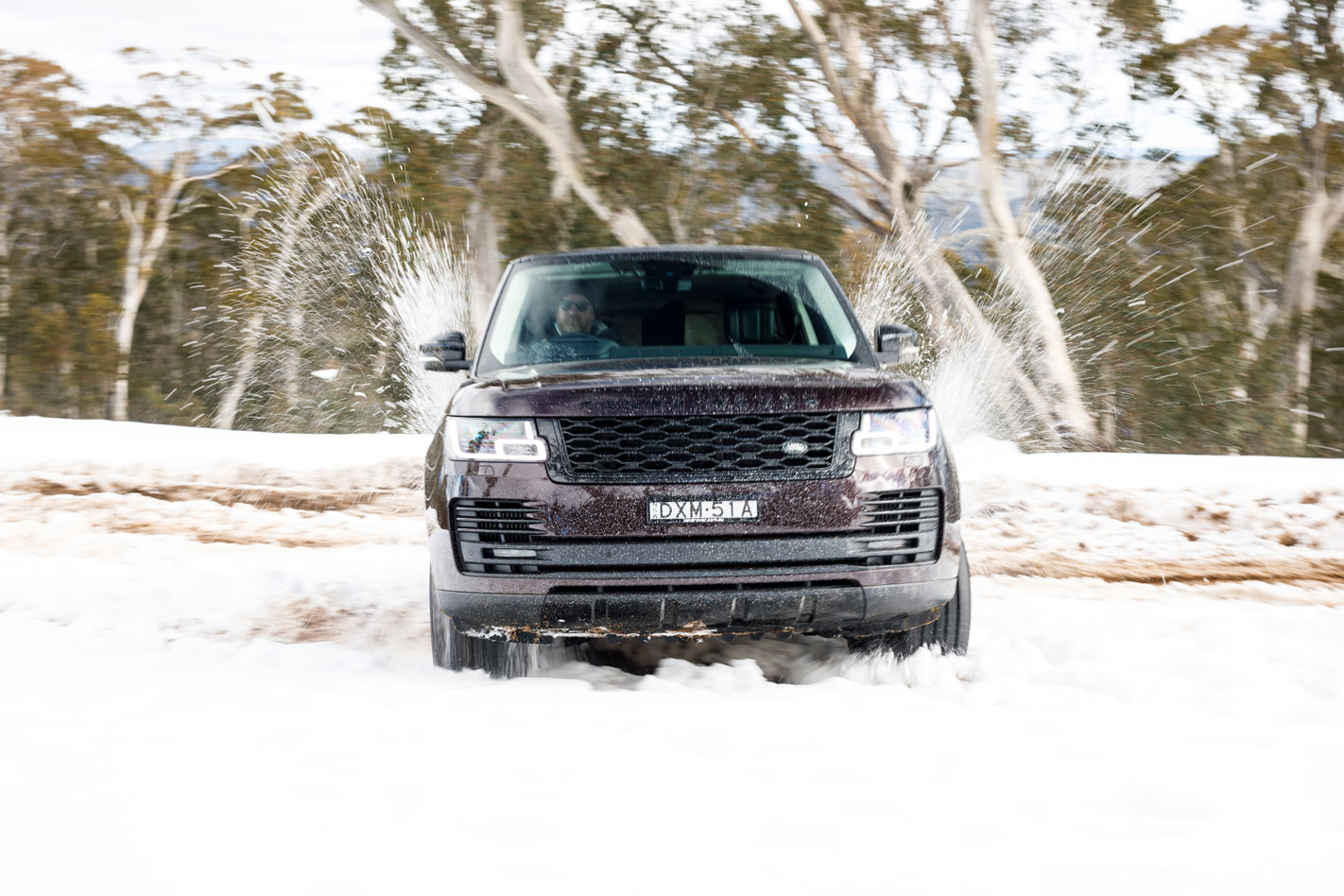
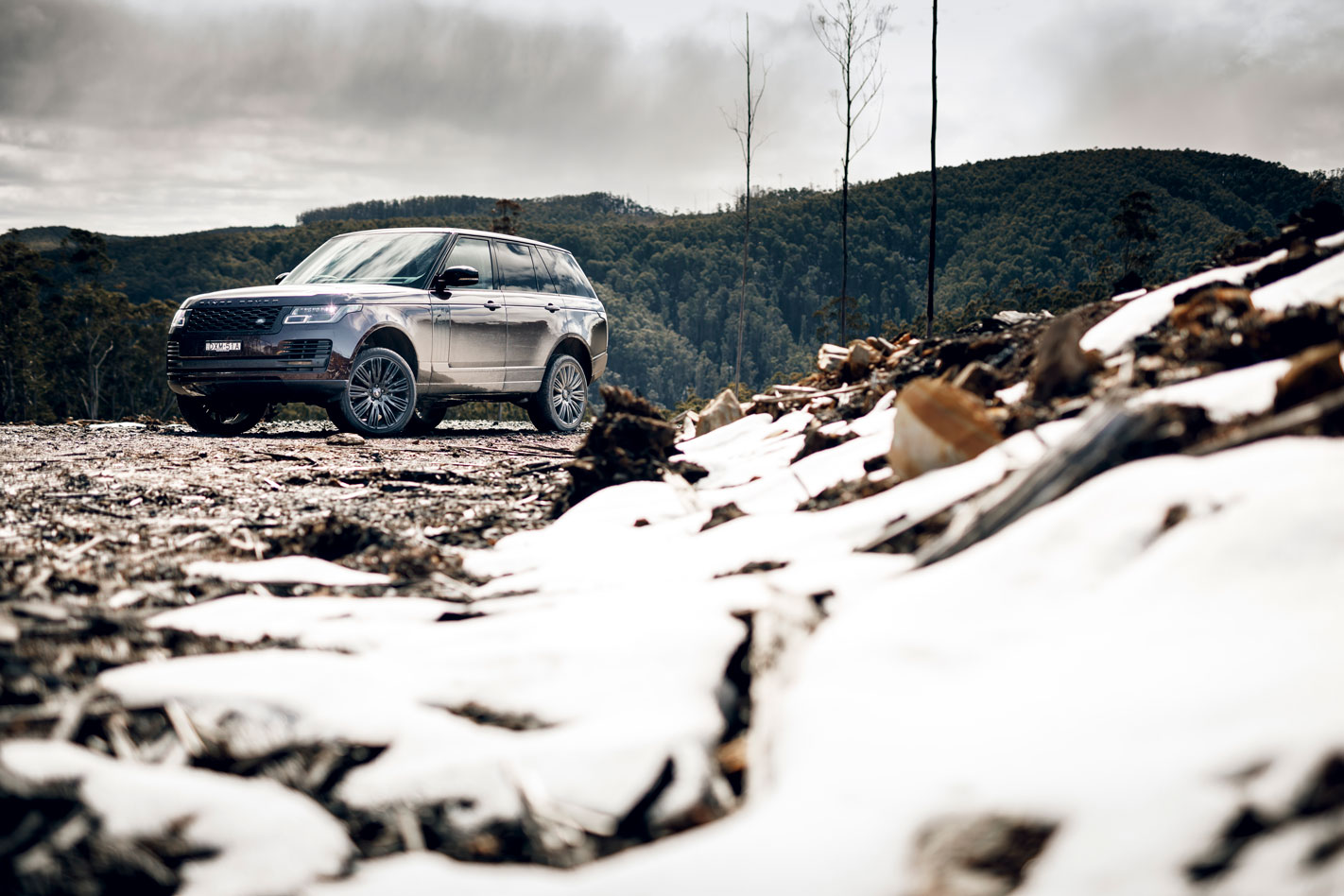
But this is a Range Rover and a trip above the snow line tested all its clever traction trickery to the very limit. On standard mud and snow tyres wrapped around optional 22-inch wheels, the big SUV is incredible in its ability to deal with surfaces that have almost no bite.
We found a patch of untouched snow somewhere on Mount Stirling and revelled in the SDV8’s ability to progressively lock differentials and vector torque from one wheel to another, with seemingly little intervention from the driver. Despite the relatively soft snow and minimal grip, we avoided getting stuck and the embarrassing scenario of asking someone with a Japanese pick-up to help out.
VERDICT
With the rise in popularity of dual cab utes, it’s clear Australians love the idea of a family car that can venture far from the beaten track, and with the arrival of six-cylinder diesel one-tonners from Volkswagen and Mercedes-Benz, there is a growing high-performance and premium audience too.
Take several giant leaps in the same direction and you’ll arrive at the Range Rover – a vehicle that ups comfort and refinement to 11 without compromising all-terrain ability.
There are other large four-wheel drives that offer extensive luxury features and powerful drivetrains including Audi’s SQ7 or perhaps the new Porsche Cayenne, but the Range Rover bundles in a traction management system that borders on wizardry.
And if you’re after a rival that can rain on the Range Rover’s party with a similar balance of opulence and off-road nous, you’ll need to fork out about an extra $429,000 for a Rolls Royce Cullinan.
WhichCar TV is on its way to your TV set, with the first episode of Australia’s newest motoring show set to kick off on January 13, 2019. Each episode will be packed with inspirational new car adventures and engaging reviews, and provide fascinating glimpses into car culture through the eyes of Australia’s biggest multi-platform new car website, WhichCar.com.au.
WhichCar TV will showcase the top-class storytelling skills of Australia’s most passionate car journalists from Wheels, Motor, 4X4 Australia, Unique Cars and Street Machine, combined with insightful and inspiring new car content from the consumer-focused experts at WhichCar.
“We are thrilled to be working with Network Ten to bring Australians a show highlighting the incredible variety of new cars in Australia today,” Williams-King said. “We are also proud to have the support of our major sponsor Continental Tyres on this exciting journey with us.”
“Bauer’s great motoring brands – from WhichCar to Wheels, 4X4 to Unique Cars – have already established themselves as leaders in video storytelling via the WhichCar.com.au website,” he continued.
“Bringing those skills to a wider television audience is a natural next step.”
For a glimpse of what’s in store for the first season of WhichCar TV, set aside 47 seconds of your day and watch our teaser video at top.
This is a car Ferrari would prefer you didn’t see, at least not yet.
We recently reported Ferrari was working on a topless version of its hardcore 488 as well as a limited-edition variant of the 812. The 488 Pista Spider was revealed at Monterey Car Week and now images and footage of the ‘Monza’ has leaked online.
https://www.instagram.com/p/Bn16L83B4uW/?utm_source=ig_embed_loading
Ferrari held a private event at Maranello for potential customers today, providing a sneak peek at this wild new model, said to be inspired by the 1957 250 Testa Rossa.
The engine and chassis are lifted from the 812 Superfast, meaning a 588kW/718Nm 6.5-litre V12, seven-speed dual-clutch gearbox and rear-wheel drive, but the bodywork and interior is radically altered.
The Monza is available in two configurations: the single-seat SP1 or two-seat SP2, but the driver is solely the focus in each, with most controls being relocated to the centre console and a carbonfibre beam separating the two seats. SP1 variants cover the passenger area.
https://www.instagram.com/p/Bn2DyDjhGYY/?utm_source=ig_embed_loading
Sadly, no overall exterior images have yet leaked, but detail shots reveal a slimline, full-width taillight, Testa Rossa-style roll hoop (one for the SP1, two for the SP2), revised headlights and the elimination of the 812’s aero bridge bodywork at the front end.
https://www.instagram.com/p/Bn2DPxqBIbs/?utm_source=ig_embed_loading
Pricing and build numbers have not been officially confirmed, but numbers of US$2m each and a build run of 200 are the most common estimates. It’s believed that the cars have not yet been allocated to customers, but only Ferrari’s best clients will be in the running.
We’ll bring you more details when the Monza is officially revealed.
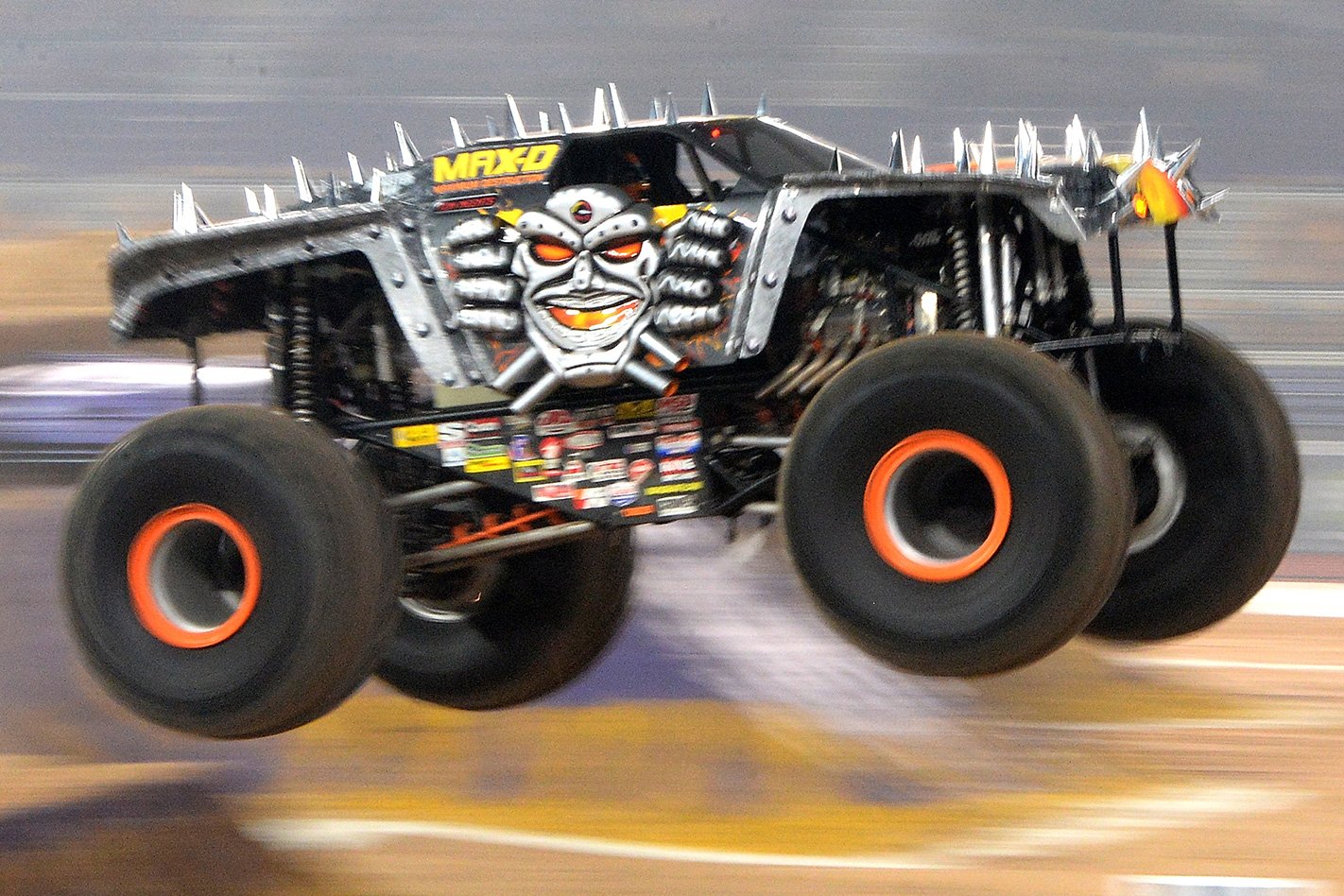
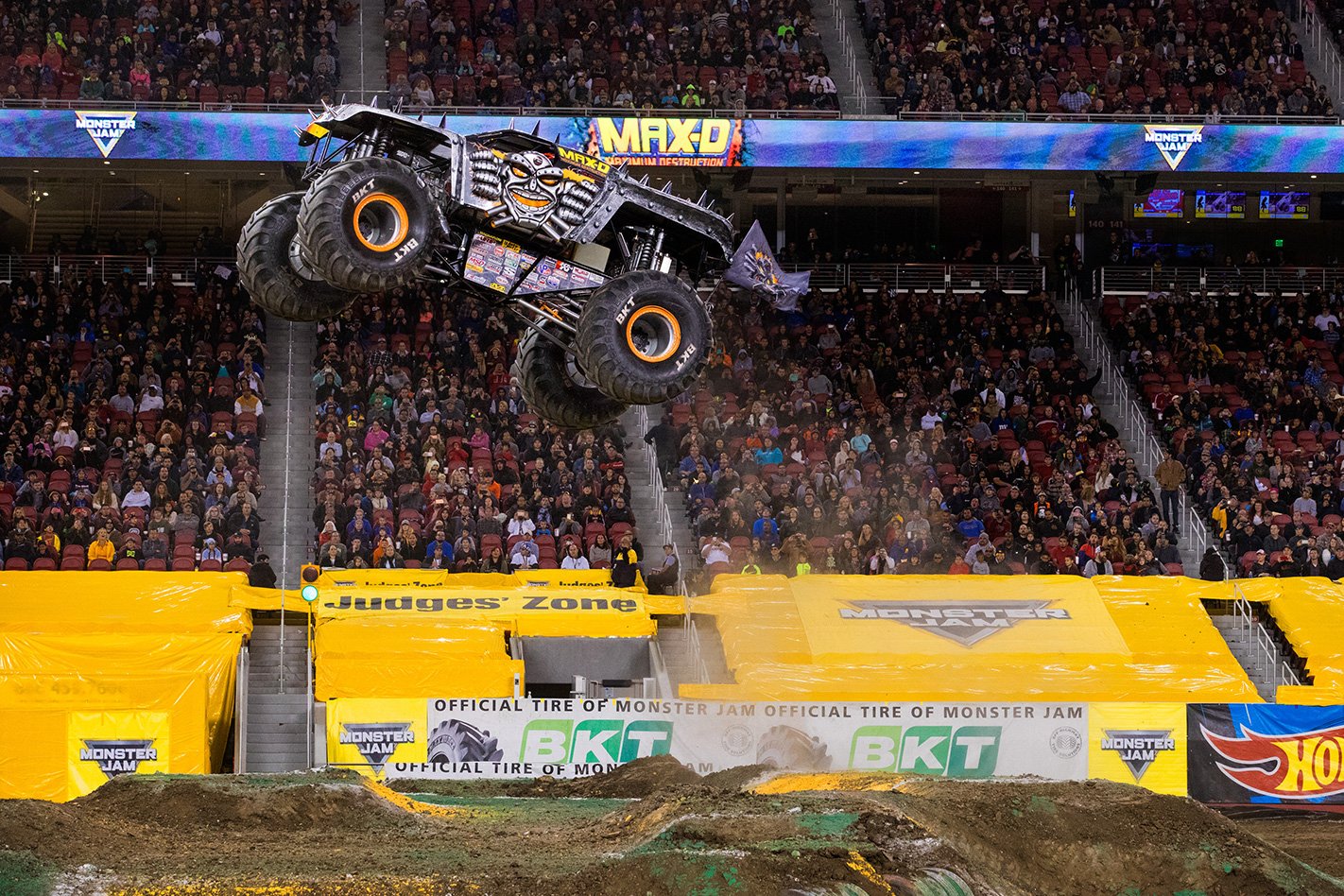
PERCHED three and a half metres in the air, with 1118kW of screaming supercharged V8 under his foot, and strapped into the ominously named Maximum Destruction, Tom Meents is in his element – aimed directly at a shipping container.
The veteran Monster Truck driver is renowned for his ability to backflip the 4.5 tonne beast and, staggeringly, he does so not while looking out the windscreen, but by gazing through a polycarbonate firewall.
It’s just one of many monster truck quirks, which despite their outlandishly simple exterior (big body, big tyres), have a remarkable amount of engineering under the skin.
Maximum Destruction (often shortened to Max-D) is one of the most iconic monster trucks in the world, and Meents is the truck’s owner and driver, with the 51-year-old racking up 11 world championship titles (six in racing, five in freestyle). We chatted to Meents and his number one mechanic, Dan Evans, to better understand the anatomy of a Monster Truck.

Before we dive into the technical element, there are two basic monster truck disciplines to be aware of. The first is racing, which is similar to drag racing in that a pair of trucks face-off in a quick-fire elimination format, competing to be the first across the line on two parallel circuits.
The second is freestyle, where each rig is unleashed onto the floor of a stadium which is littered with obstacles for between 90 seconds and two minutes, the sole goal is to put on the most entertaining show possible with gravity defying jumps, and bus-crushing manoeuvres.
Most trucks stand at almost four-metres tall, and are draped in custom designed fibreglass bodies.
Underneath the skin lies a 540ci (8.8-litre) supercharged V8 heart, which guzzles alcohol at such a rate it’d put Charlie Sheen to shame. Trucks are designed with either a mid-front or mid-rear engine placement, depending on driver preference.
On a typical two minute freestyle run, with the driver feathering the throttle constantly between 6500-8500rpm without respite, the engine will empty a 40-litre tank of methanol.
With a similar design to a Top Fuel dragster, the V8 is fitted with an 8/71 supercharger, which allows up to 1118kW to be sent to the wheels.
“The thing we look for isn’t power,” Evans says. “We need these engines to live. Unlike a top fuel dragster that makes one pass down the track before a rebuild, we don’t do that. We will get 27 to 30 hours out of one of our engines.”
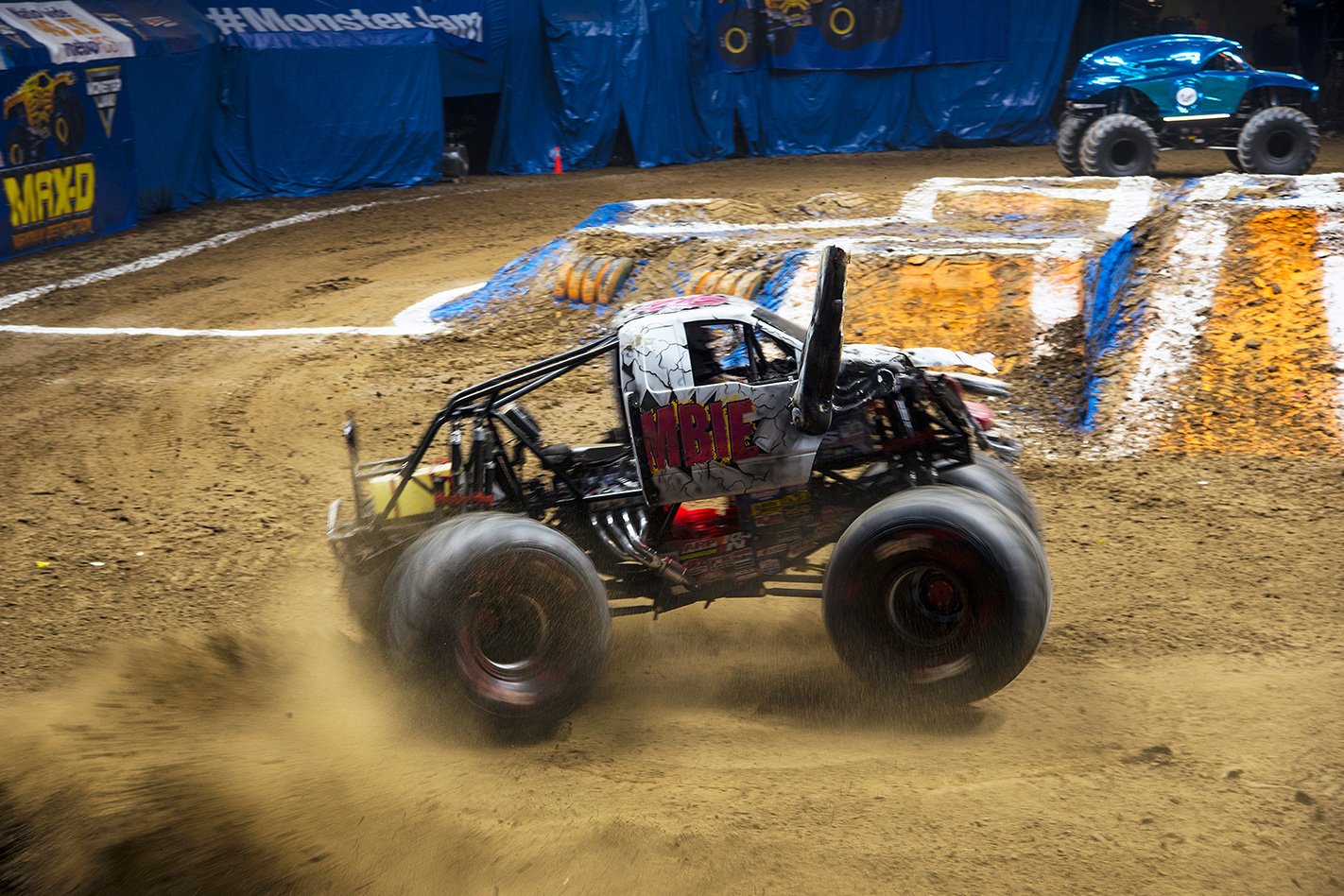
Despite the relatively long shelf life for such a hard working engine, Evans says the combination can be wrung out to Porsche 911 GT3 trouncing revs.
“I have run the engines up to 11,000rpm,” he states. “But the thing is, you really aren’t making much more horsepower after about 9000rpm.”
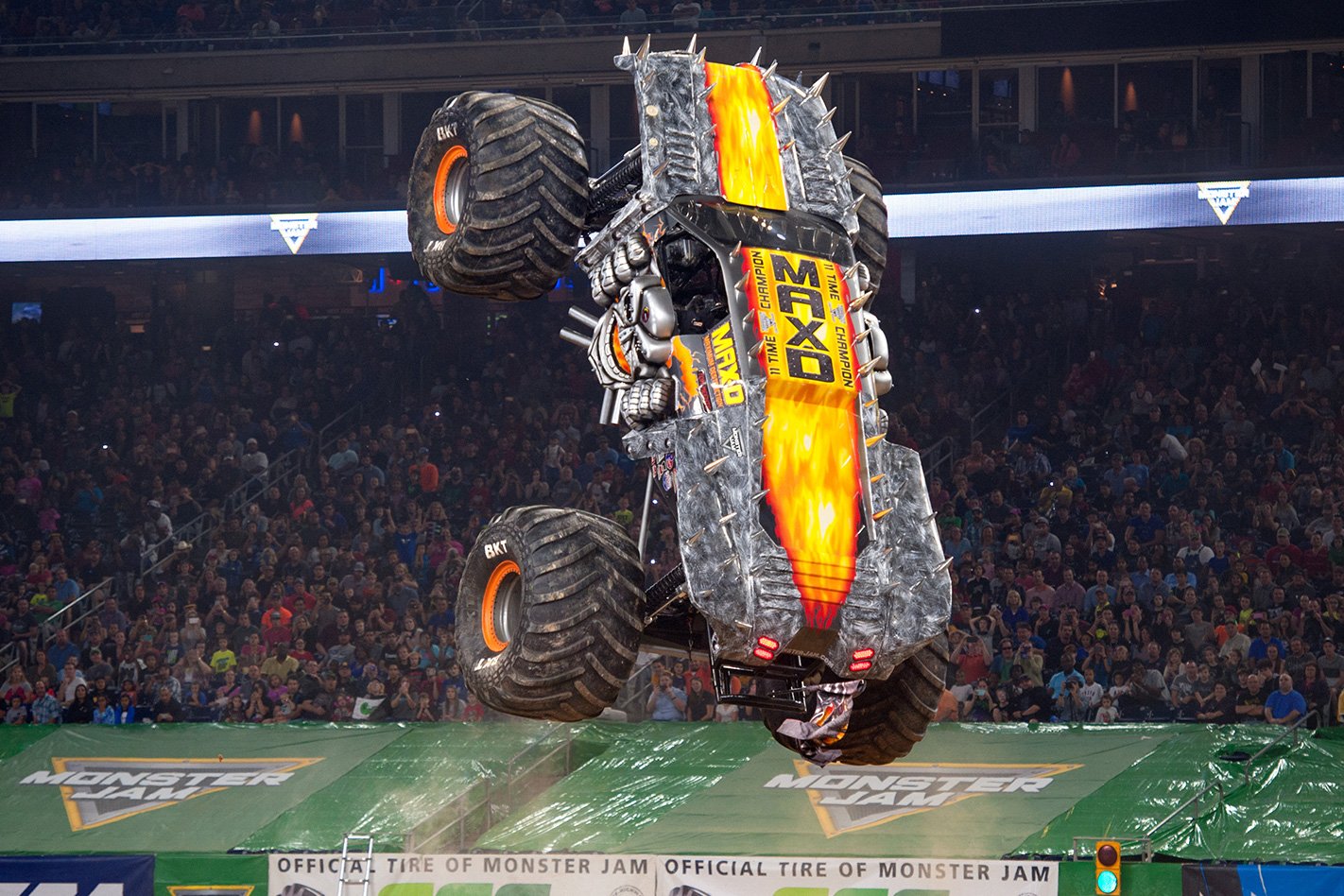
The latest trick du jour in Monster Jam is the backflip, in which trucks complete airborne full rotations. The 2017 freestyle champion landed the first ever monster truck front flip during competition, while Meents himself has been trying to perfect a double rotation.
Evans says there are a number of systems built into the engines to prevent them seizing when bouncing off the redline upside down.
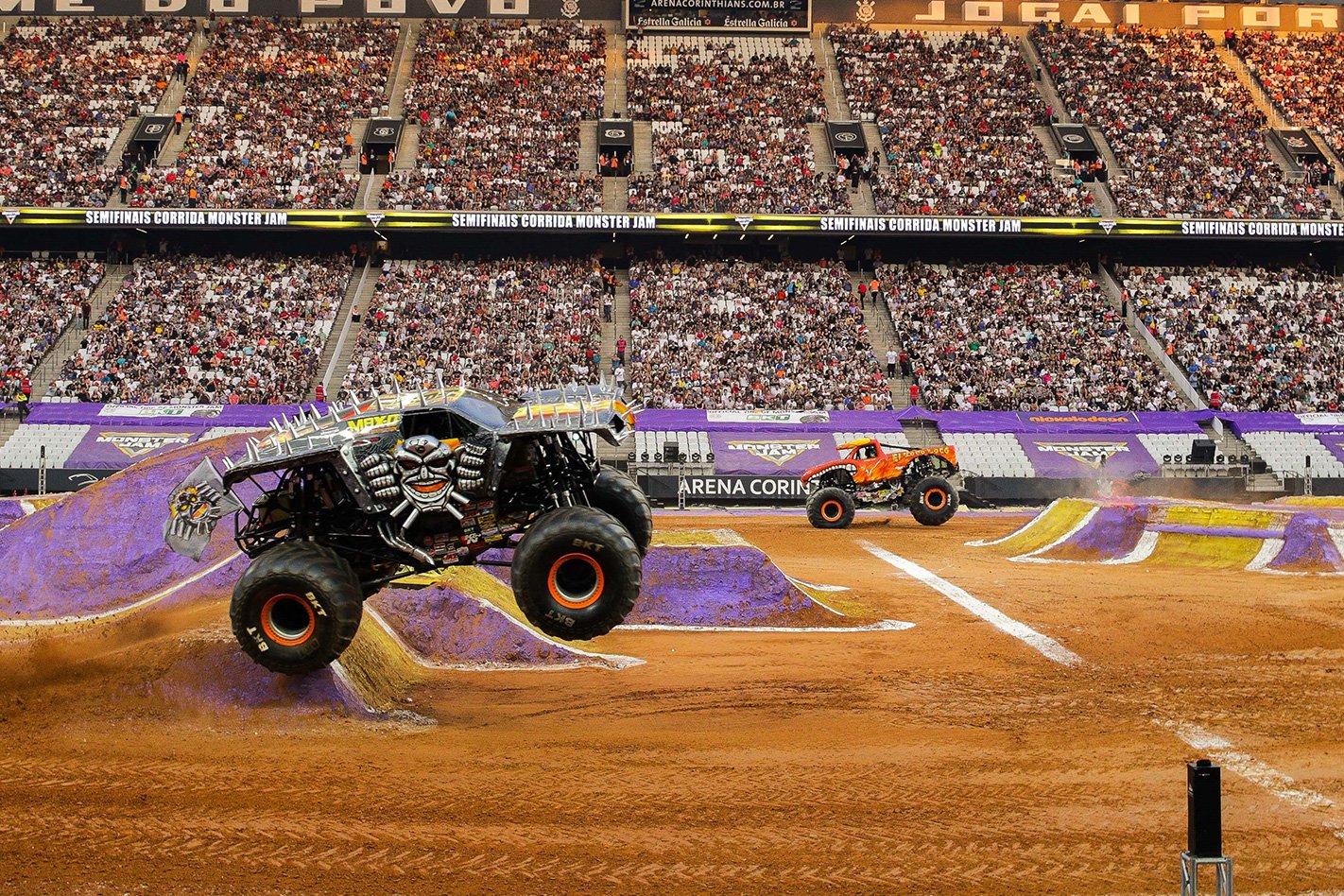
“The sub pump is custom designed,” he explains. “Instead of being at the front of the motor, it is at the back of the motor.
“Now we also have what we call an accumulator on there, which holds three quarts of oil [2.8-litres].
“As soon as the pump system starts to fail because it is upside down, you get three quarts of oil go through the accumulator which has about 80psi to it, and that can make the engine live for about 30 seconds. You are never going to be in a bad flip for more than 30 seconds”
The fuel system has also been uprated, with Max-D running a “110-gallon-per-minute direct injection” system according to Evans.
“It doesn’t really care [about being upside down], it’ll still pump the fuel to the engine,” he explains.
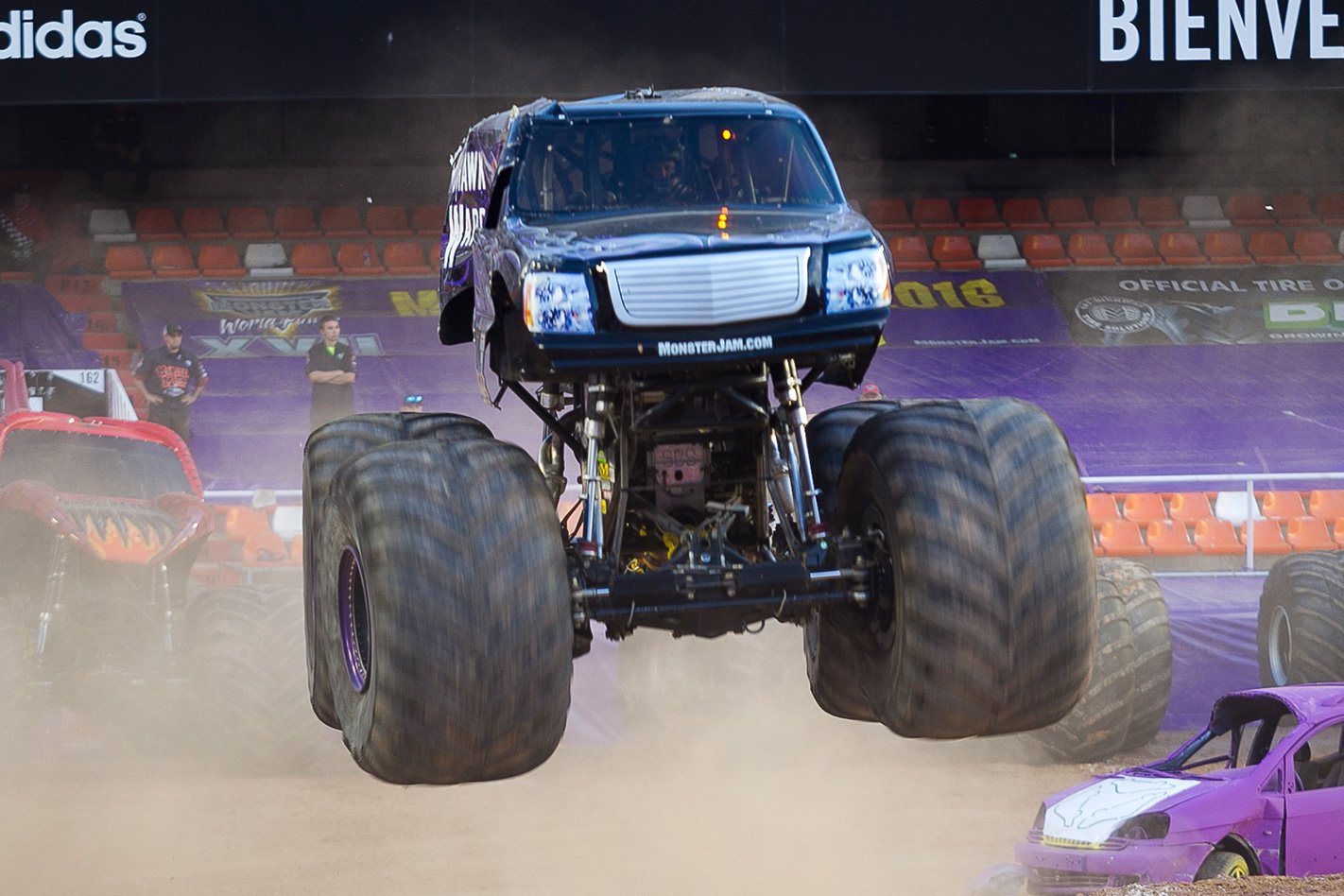
Monster Jam trucks are fitted with four-wheel-steering, with the driver able to operate the front and rear axles independently. As Meents explains, this can make things rather complicated inside the cramped cabins.
“There are so many things going on,” he says. “You have to steer the front wheels with your left hand, the rear wheels with your right hand, while working the throttle with your right foot, and brakes with your left, and then you’ve still got to shift gears. You’re out of appendages, and you have so many things to think about at the same time. They are very difficult to drive, and yet the most fun thing to drive at the same time too.”
Putting the engines’ power to the ground requires a sturdy transmission. Drivers are so busy behind the wheel of a Monster Jam truck that there is no point having a three-pedal manual, while intricate multiple-ratio automatics would be too fragile to survive the bus-crushing forces involved in a freestyle run.
Instead, each truck runs a two-speed automatic powerglide transmission, which can take the punishment, while remaining simple enough for drivers who are already multi-tasking like a brick laying octopus.
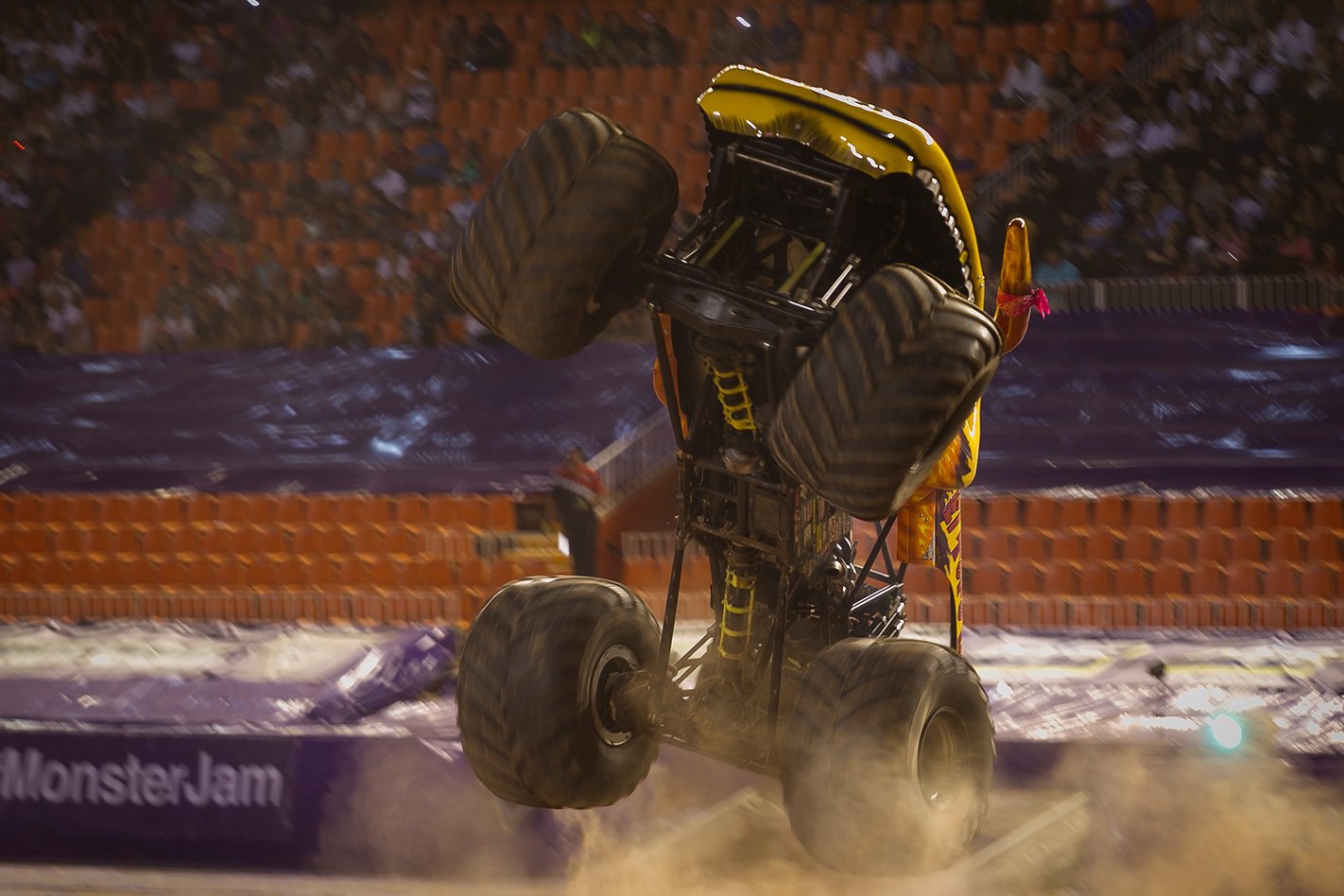
“The amount of time from when you go into first gear and then going to full throttle, you are pushing into second at the same time, you will hit the rev limiter immediately in first gear,” Evans explains.
“Our top speed on them is going to be about 120-130km/h, but it is instantaneous.”
The brutal turn of speed allows the trucks to hit obstacles with eye-watering force, catapulting into the air multiple stories high.
When Meents moved house in 2005 he famously dragged his old abode into the middle of a field, set up a dirt ramp, and then cleared the structure while at the wheel of Max-D, before promptly looping around, and driving the 4.5-tonne mechanical monster through the living room window.
While there aren’t any houses in a Monster Jam arena, there are plenty of large dirt ramps the height of shipping containers designed to launch the trucks into low orbit, and drivers will happily oblige. Many send themselves and their truck high enough to be at eye-level with punters in the nose-bleed section of some of America’s largest stadiums.
But it’s once gravity puts an end to the hijinks that things really start to get brutal, with drivers ending their leaps with full flat landings – there are no cushioning down-ramps here.
In order to stop the driver’s spine being turned into a fine mist, and the chassis pile-driving the earth, modern Monster Jam trucks are fitted with custom heavy-duty shock absorbers, with a pair per corner.
“Basically, we run 26-inch shocks on the front, and 30-inch on the rear,” Evans explains. “That’ll give you a drop-out travel of about 30-inches.”
The hydraulic-over-nitrogen system is able to be valved to the preferences of each driver, with an option of AW32, AW46, or AW64 fluids depending on ambient temperatures.
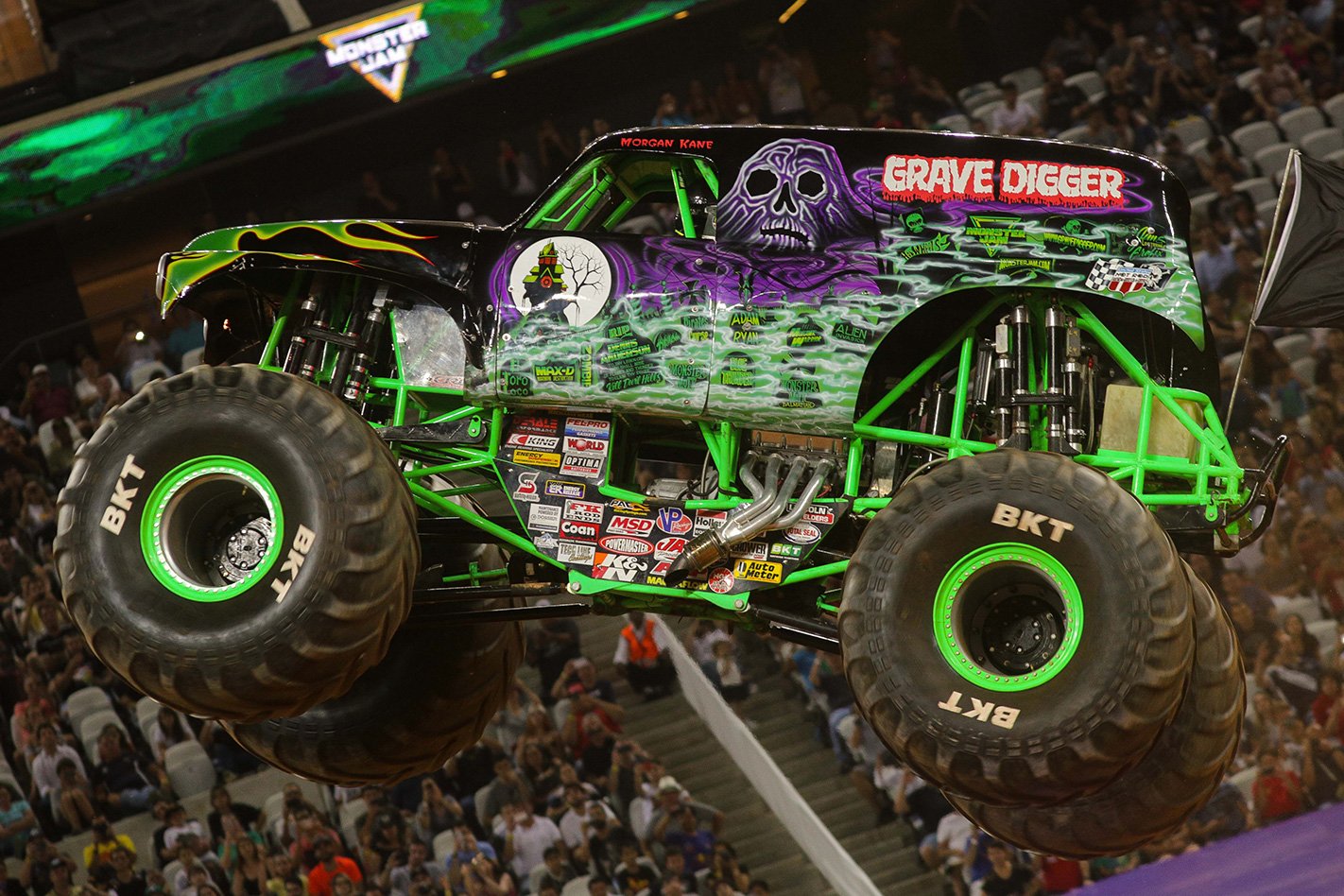
The tyres, which measure 167cm tall and 109cm wide, also play an important role in coping with the punishing landings. Custom-built for Monster Jam by BKT Tyres, the huge treads take 50 hours each to build, and Max-D will chew through about eight per year.
Evans explains that tyre pressures often depend on track conditions: “If it is a real sticky track, I want to get it boosted up so we crown the tyre a little bit, so I may run as high as 32psi. On a clay or sand track we will probably run around a 25 to 28psi.”
The entire chassis of a truck is custom-built from chrome moly tubing, which is a labour-intensive process. According to Meents, it takes “two to three guys a good three months to lay one out and get it how you want it.” Cost? Once everything is put together, you would be looking down the barrel of a A$350,000 invoice.
Despite the time and money, Meents isn’t shy about tearing up his equipment, with Max-D often shedding bodywork and wheels during the raucous freestyle performances.
When the team visits Australia later in the year for a multi-show tour with Monster Jam, they will send two shipping containers. The first with a truck and assorted pieces of equipment, and the second filled to the brim with spare parts, along with four complete fibreglass bodies.
The truck will be accompanied by a chief technician, and two mechanics, and the trio will be under the pump to perform repairs rapidly.
“An engine [swap] will usually take an hour and fifteen minutes, to an hour and a half,” Evans explains.
“So your two major components that break that would take the most time to repair would be an engine or breaking an axle housing in half. There is so much attached to a rear-end housing between all the safety equipment and running gear that it is time consuming to repair. Transmissions take 10-12 minutes, maybe 15 on a bad day.”
Evans has witnessed the engineering on Monster Jam trucks advance over the past two decades he has been involved in the sport.
“The biggest change, design-wise, is the shocks, and the hardening of the parts,” he explains. “We are actually making all of our own hub assemblies now. We are making our own housings. Pretty much everything is custom made.
“If you go back several years, we were taking planetaries and rear ends out of military heavy equipment and customising them to fit, and then finding out that wouldn’t hold up.
“Through the evolution of the sport, now we are building our own billet parts, we are finding our failure rate is nil compared to what it used to be.”
Safety has also been a major focus for Monster Jam, both for the drivers and the spectators.
“It seems like every couple of months we are adding another safety feature,” Evans explains.
“I would say keeping the drivetrain with the truck is one of our main concerns. The tether system on the wheels, so the tyres don’t go bouncing across the floor if it breaks, is another significant advancement.
“If a driveshaft breaks we have safety loops and safety blankets. Rotator cuffs covering every u-joint. Tethers on all the sway bars, all the shocks are tethered and clamped together. Everything is designed now to stay with the truck, we don’t want anything leaving the truck.”
If you want to see these physics-defying engineering marvels at work, Monster Jam is touring Adelaide, Sydney and Melbourne in October, where Meents and co will be up to their usual truck-destroying antics.
