
Supercars are addictive. Drive a proper one and it will completely scramble your definition of performance. The problem, though, is unless you have $400K lying around, you won’t get that chance, which is where the two above machines come in.
While we’re not saying an Alfa Romeo 4C is a substitute for a Ferrari 488, cars like it, and the supercharged V6 Lotus Exige, promise to deliver half the experience for a third the price.
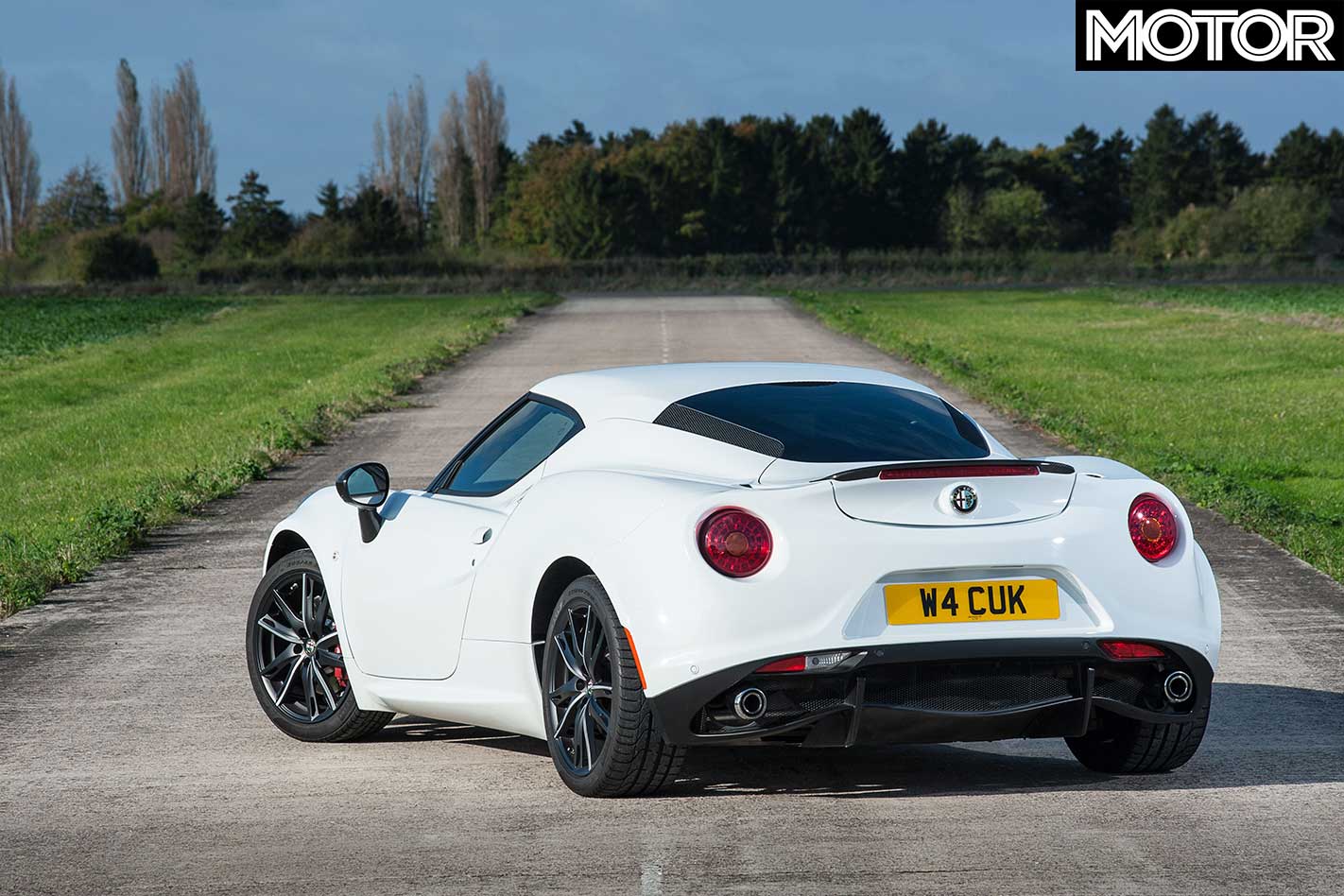
At the 4C’s core, there’s a stiff-as-anything carbon-fibre tub, into which goes a turbo inline-4 and dual-clutch transmission. Sure, the fastest all-wheel drive hatches would pip it in a straight line, as that turbo 1.75-litre Giulietta engine pushes it to 100km/h in 4.5 seconds. But the 4C is more about the uncorrupted, unassisted steering, rapid gear changes and exotic construction. And not being a Porsche Cayman.
In the “used” corner, Lotus has been creating small exotics since seemingly forever. Its Exige has an aluminium-based chassis and a supercharged Toyota 3.5-litre V6 churning out 258kW and 400Nm in S spec. That’s not going to frighten a McLaren, but when it’s pushing 1125kg you’re in for serious performance. Triple figures arrive on your dash in 3.9sec and it’ll keep most 911s honest anywhere twisty.
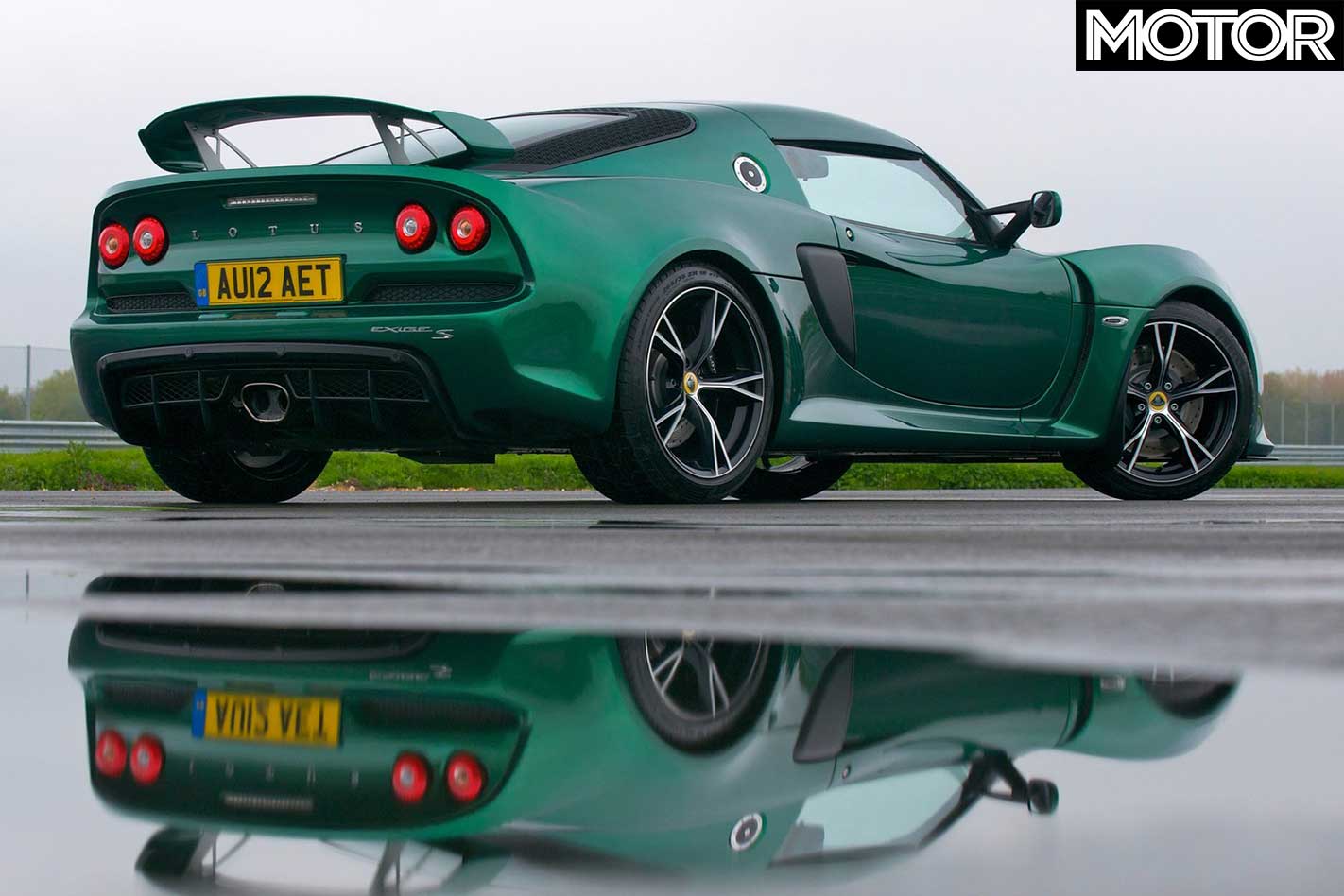
If you’re willing accept one in used condition, you can find an example for the same amount the 4C asks. We dare say the Lotus will have you pining for the next drive more than the Alfa.
| 2018u00a0Alfa Romeo 4C | vs | 2012 Lotus Exige S |
| 1750cc inline-4, DOHC, 16v, turbo | ENGINE | 3456cc V6, DOHC, 24v, supercharged |
| 177kW @ 6000rpm | POWER | 258kW @ 7000rpm |
| 350Nm @ 2200rpm | TORQUE | 400Nm @ 4600rpm |
| 1025kg | WEIGHT | 1125kg |
| 4.5sec (claimed) | 0-100KM/H | 3.9sec (claimed) |
| $89,000 | PRICE | $90,000-$110,000 (used) |
Classies Watch
Modern classic tempters we found on tradeuniquecars.com.au
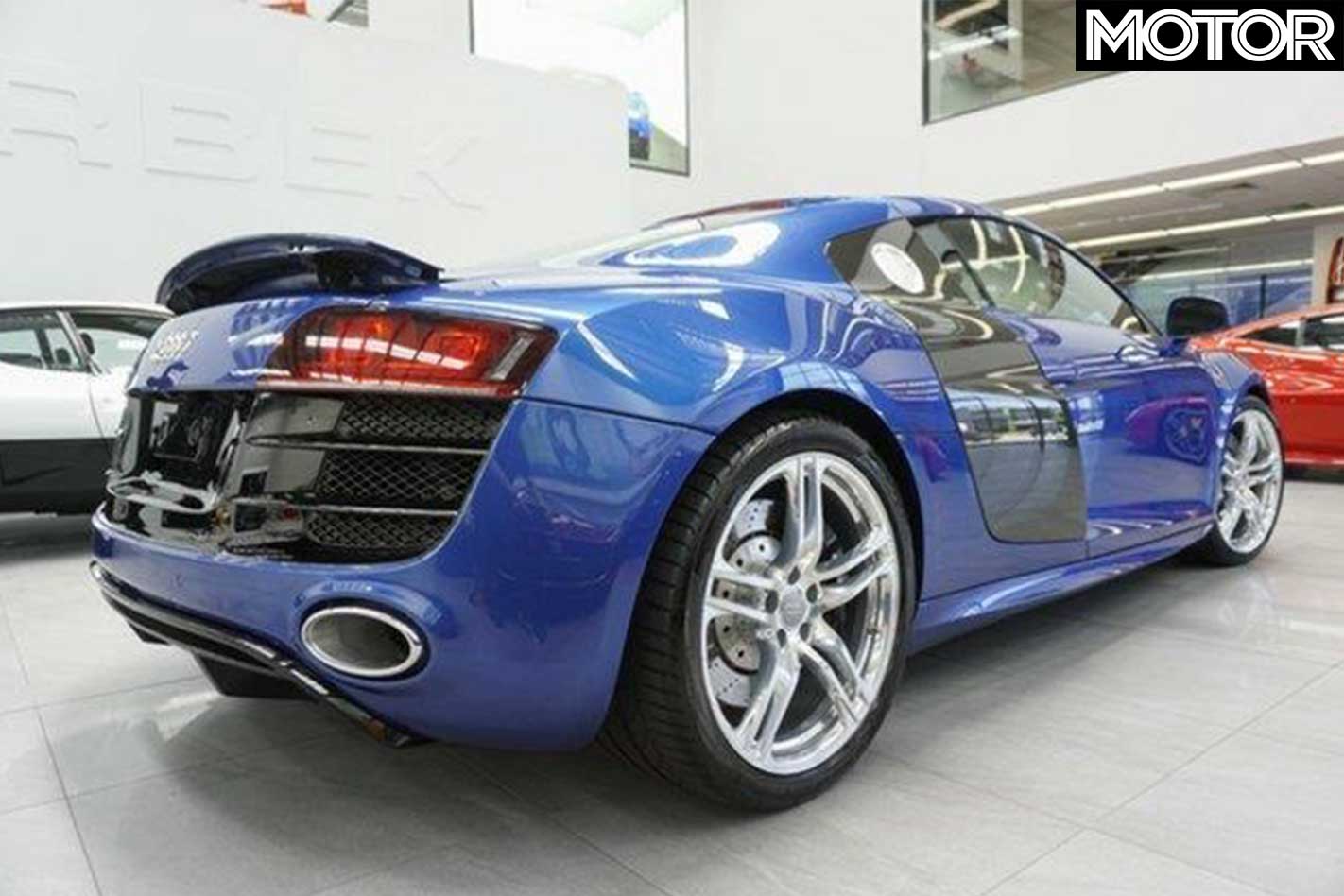
2011 AUDI R8 – $179,000 5.2L V10, 386kW/530Nm, 13,954km, Melbourne, VIC Proper V10 power matched to a sure-footed all-wheel drive chassis. Almost cheap.
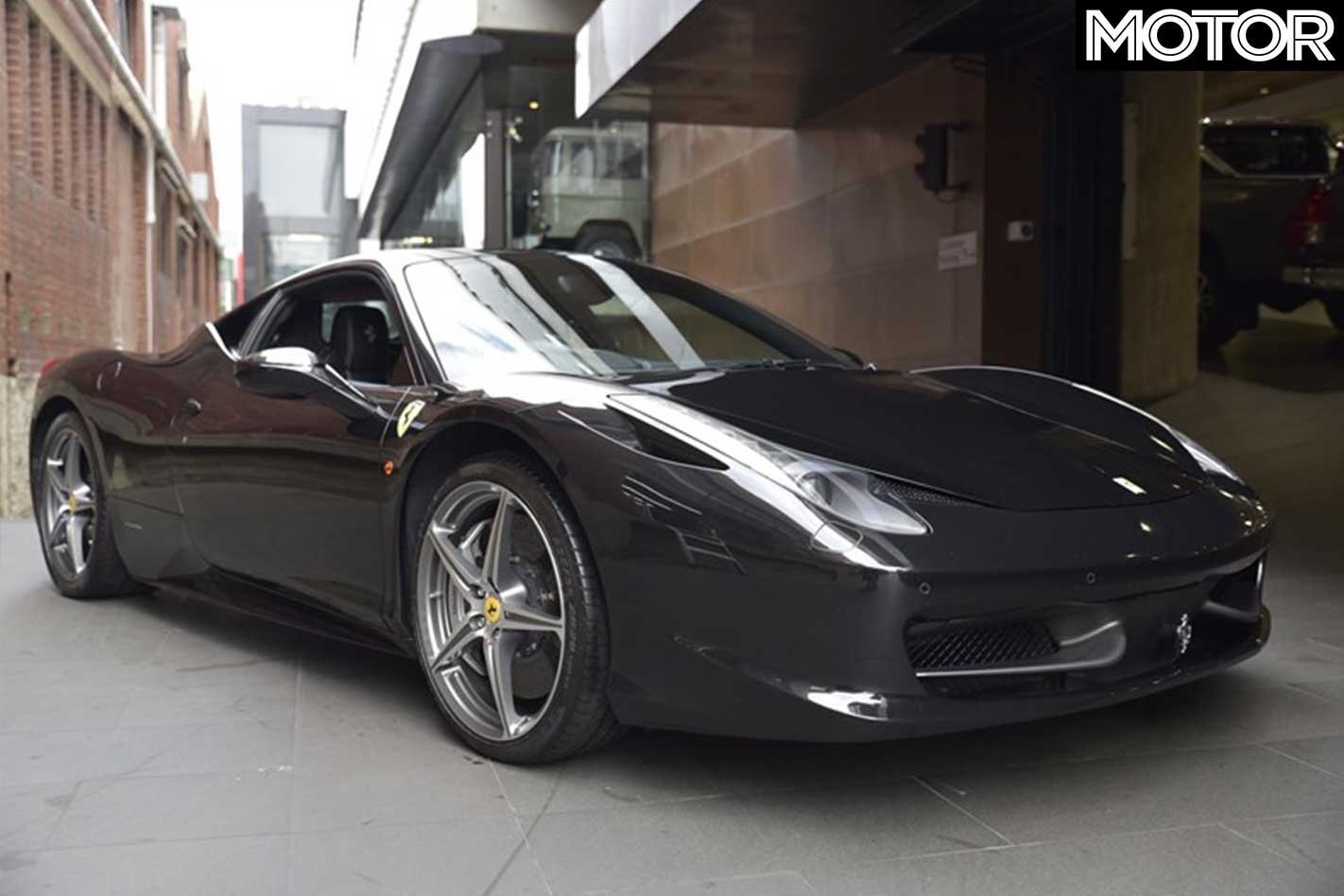
2012 FERRARI 458 ITALIA – $389,900 4.5L V8, 425kW/540Nm, 28,800km, Richmond, VIC Ferrari wrapped its last atmo V8 in a gorgeous body and capable chassis.
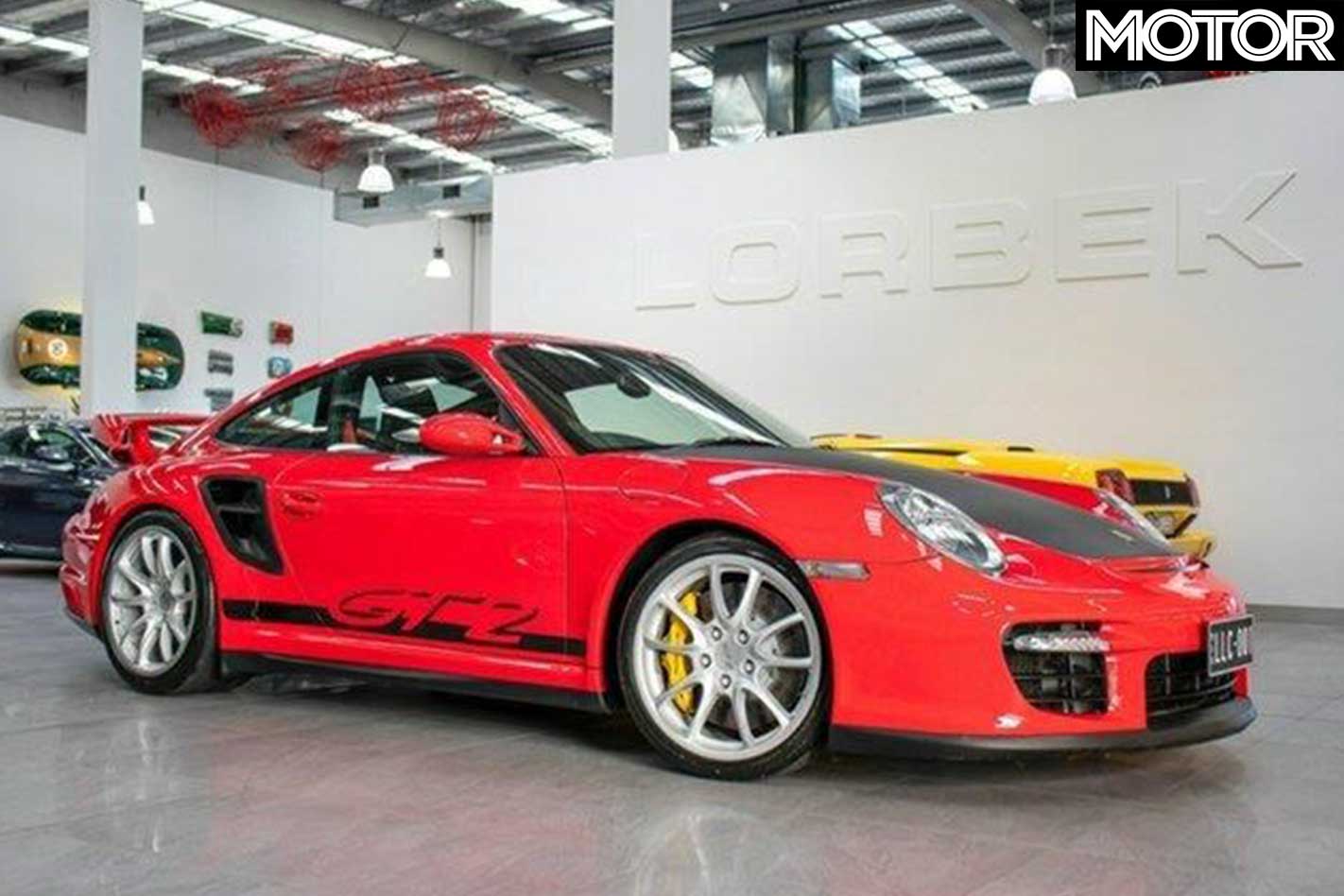
2008 PORSCHE 911 GT2 – $489,900 3.8L F6TT, 390kW/680Nm, 26,754km, Melbourne, VIC Much more grown-up than the GT2 before it. Still demands respect.
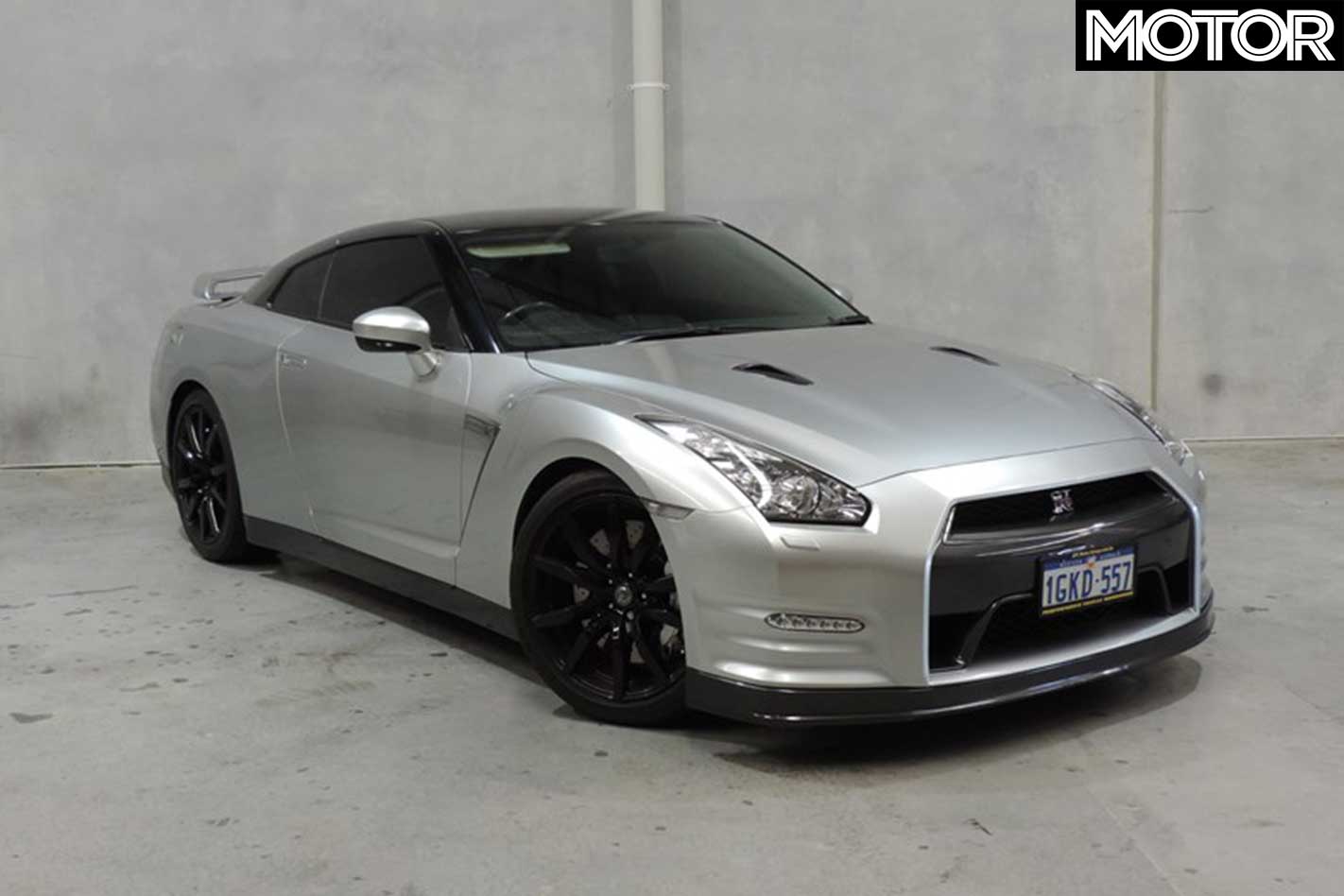
2013 NISSAN GT-R – $112,888 3.8L V6TT, 404kW/628Nm, 14,899km, Cockburn, WA A sports car with supercar-eating pace. Still just as fast today.
The Mitsubishi Eclipse Cross is the Japanese automaker’s newest product, and one that bolsters the company’s presence in the increasingly-popular and commercially-crucial small SUV segment. Priced to sit between the ASX and the Outlander, it’s a ‘tweener’ model that’s aimed at small SUV shoppers who want something that’s more modern-looking, better-equipped and more premium-feeling than the ASX – but not necessarily much bigger – and the flagship Exceed grade certainly adopts a premium posture. But does it hit the mark?
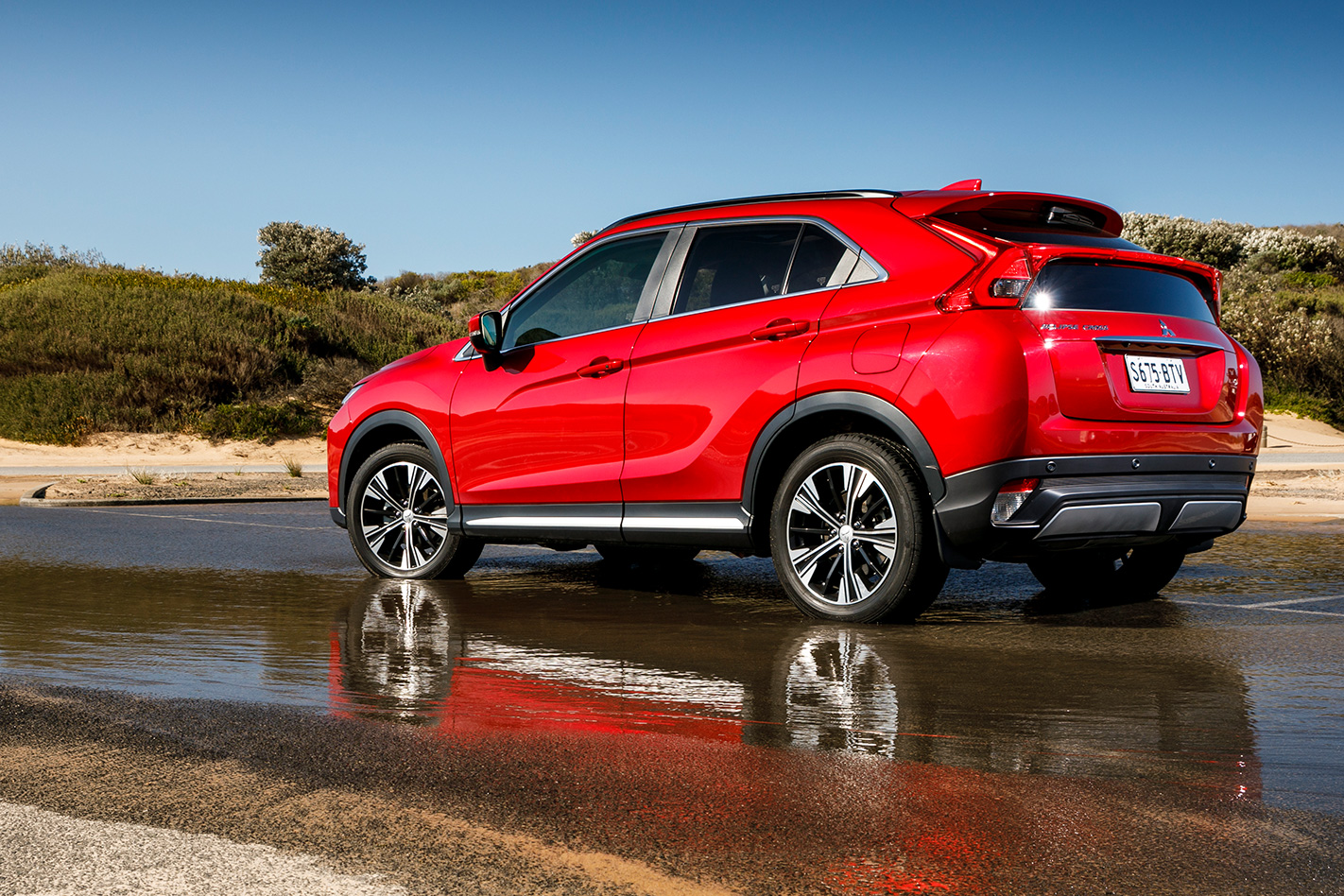
VALUE
At $36,000 before on-road costs, the Eclipse Cross Exceed seems like it’s at something of a price disadvantage. That pricetag propels the Eclipse Cross, a small SUV, deep into medium SUV territory, where the competition is fierce and there’s no shortage of excellent cars to choose from.
However Mitsubishi’s strategy for its range-topping Eclipse Cross is to pack it full of equipment to help justify its cost. It’s certainly feature-rich, we’ll give it that, however there’s no additional value-adds in the form of different powertrains or mechanical improvements over the base model. An AWD option is available, but it costs $2500 more than the front-wheel drive model we’re testing here.
It is at least easy on fuel, with a manufacturer fuel consumption claim of 7.3 L/100km and the ability to run on 91 octane petrol (despite being turbocharged) helping keep running costs reasonable. There’s capped-price servicing too, with intervals set for 12 months or 15,000km and prices fixed at $300 for the first service and $400 for the next two services.
STANDARD FEATURES
Seemingly everywhere you look in the Mitsubishi Eclipse Cross Exceed, there are buttons. Dozens of them – certainly more than the average SUV – and it’s all because the Exceed grade is absolutely packed to its metal gills with equipment.
Standout features include a head-up display, panoramic glass sunroof, a 360-degree camera view, active cruise control, a touchscreen infotainment system, a trackpad controller for said infotainment, dual-zone climate control, smartphone mirroring, digital radio tuner, heated front seats and two USB ports – and the list doesn’t end there.
However, while the list of gear is impressively lengthy, there are some holes. The primary one is the lack of integrated satellite-navigation – fairly unforgiveable for a $36,000 car in this age, though you can at least use smartphone mirroring options like Apple CarPlay and Android Auto to get around that shortfall.
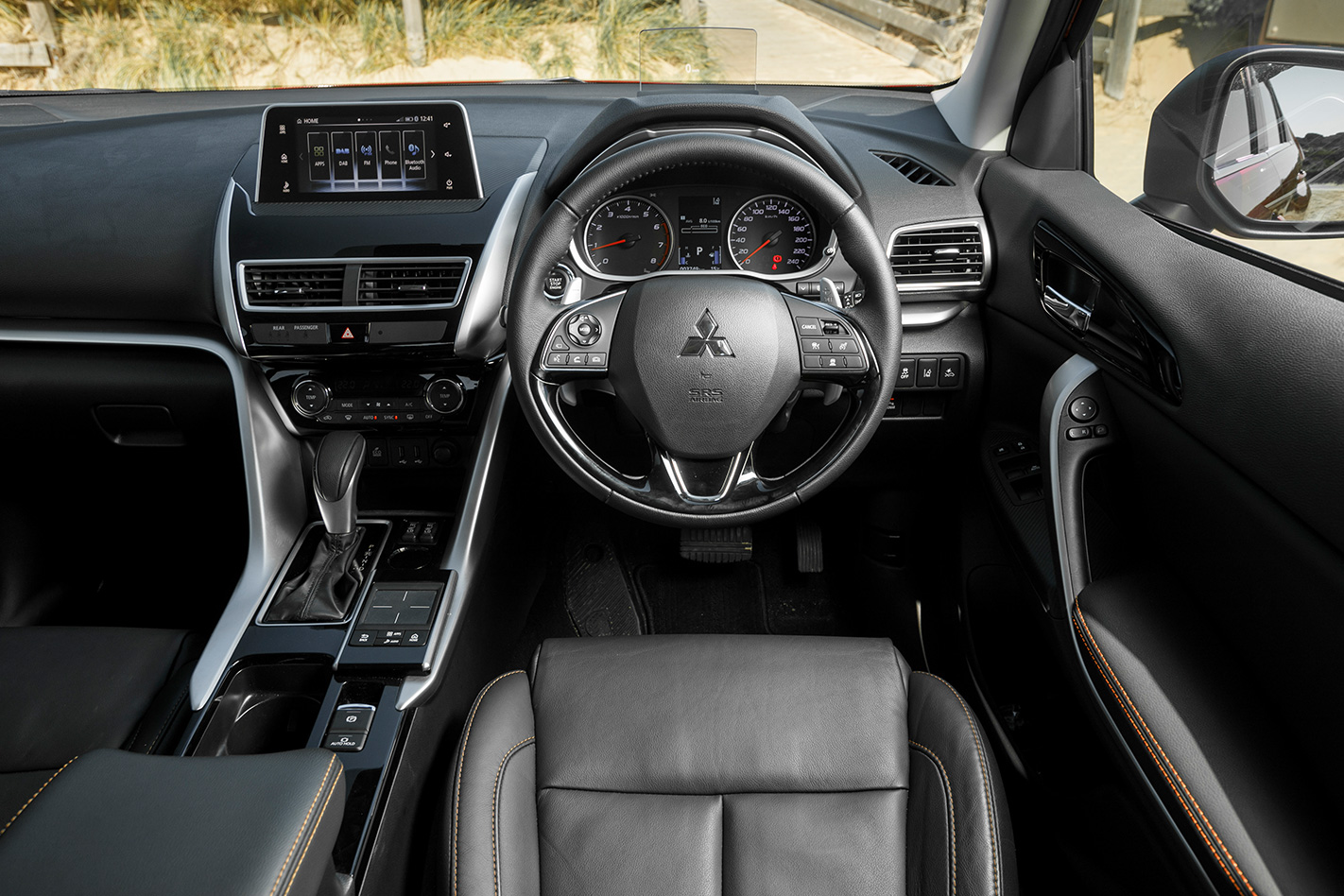
The infotainment system itself, however, is far from the best in segment for usability. The graphics already look dated, the screen is slow to respond and the touchpad controller feels like it was lifted from an old laptop. The interface is clunky, and with infotainment systems fast becoming a key selling point for new cars, the Mitsubishi’s under-done electronics hold it back.
SIZE
Confused about where the Eclipse Cross sits in the Mitsubishi hierarchy? We forgive you, for the differences between the Eclipse Cross and the Mitusbishi ASX, which is also classed as a five-seat small SUV, are marginal when it comes to physical size.
The distance between the front and rear axles measures an identical 2670mm for both ASX and Eclipse Cross and there’s only 5mm difference in overall width between the two (the ASX being slightly wider. The only major dimensional disparity is in total length – the Eclipse is 4.41m long whereas the ASX is a mere 4.0cm shorter at 4.37m.
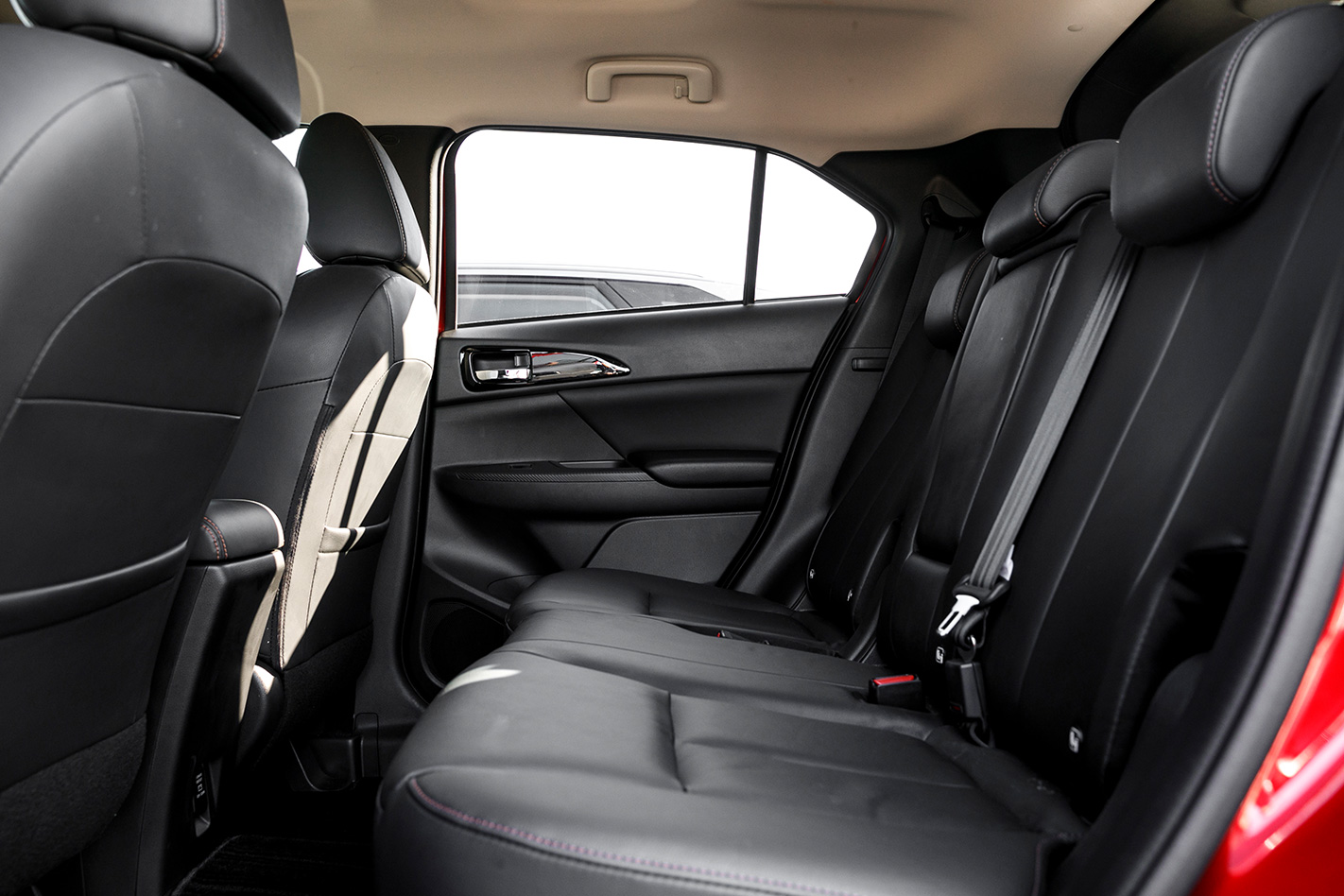
It’s a different story on the inside though, with the ASX able to tote up to 395 litres of luggage and the Eclipse Cross offering just 341 litres. Slide the rear seats forward and you can boost that to 448 litres, but that comes at the cost of legroom. Don’t have passengers to worry about? Drop the rear seats and unlock 1122L of storage – however that number is also on the small size for this segment.
SAFETY
The Eclipse Cross is well-equipped for safety, with seven airbags, ISOFIX child seat mountings on the outboard rear seats, autonomous emergency braking, anti-lock brakes, brake assist, traction control, and stability control.
The Eclipse Cross has been assessed by ANCAP and awarded five stars for crash safety.
COMFORT
The Eclipse Cross has a fairly unique feature for a small SUV in that its second row can slide fore and aft, liberating legroom when you’ve got passengers to carry or freeing up some extra cargo space if you have a fair load of non-human cargo.
But that’s unfortunately about the only cabin comfort advantage it has. There’s leather upholstery for a dash of luxe, but a persistent rattle from a rear door trim in our test vehicle took the gloss off the Exceed’s semi-premium presentation.
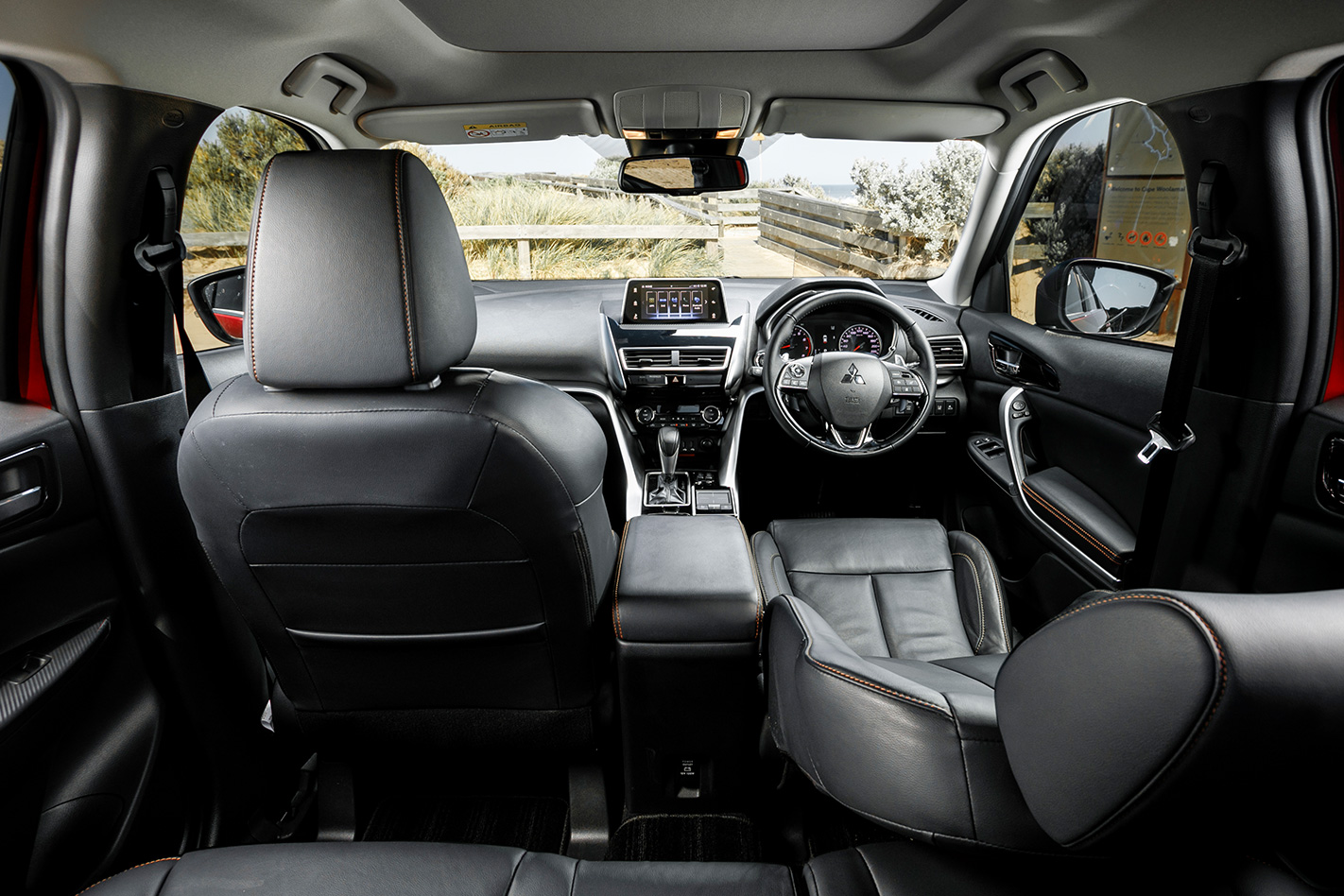
But more troublingly, the Eclipse Cross Exceed simply lacks comfort. ‘Stadium’ seating that elevates the rear seats above the front row provides backseaters with a decent view forward, but they’re hemmed in by limited headroom (both from the panoramic glass roof and the shape of the C-pillar, which cuts close to your noggin), the rear door armrests have no padding, there are no rear face-level air vents and the seat cushions are flat and unsupportive.
On top of that, there’s plenty of road noise in the back half of the car that drowns out voices and makes it difficult to hold conversations with those in the front – and it’s not like the front-seat occupants are much better off. There are definitely more soft-touch surfaces up front to keep elbows unbruised, but the seat base cushions provide poor under-thigh support.
ON THE ROAD
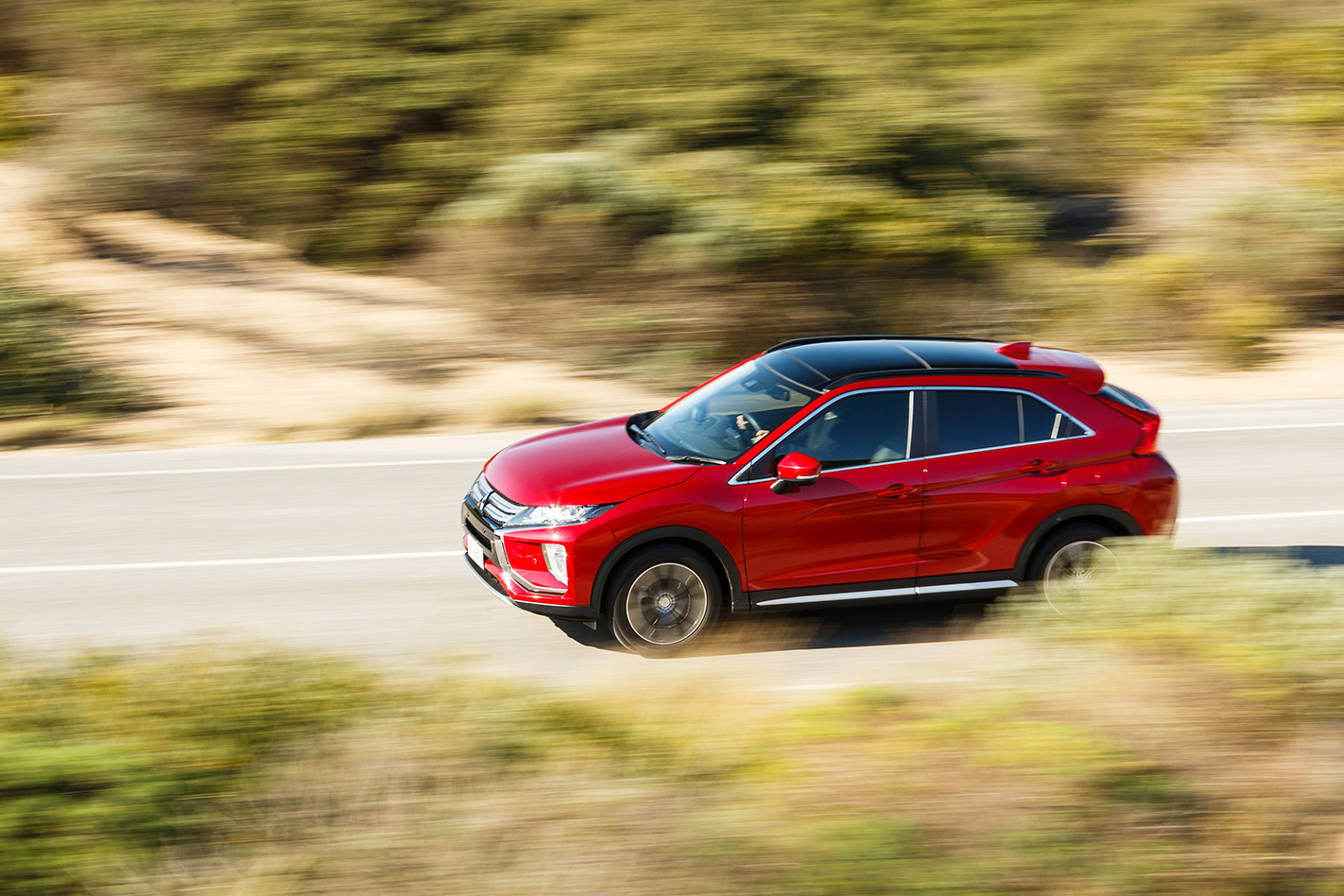
First, the good news. Though there’s no element of choice in the Eclipse Cross’ engine department, with all models powered by the same 1.5-litre turbocharged engine, that engine happens to be a strong, willing engine with plenty of torque (250Nm for those that are counting) for everyday driving. Connected to a continuously-variable automatic, it proves to be perfectly suited to around-town motoring with decent thrust to deal with the occasional bursts of acceleration, while also being smooth and reasonably refined.
It’s a shame the steering and suspension don’t have the same level of competence or polish. The steering is over-assisted to the point that it’s too sensitive to minor inputs, which can lead to a ‘wandering nose’ when highway cruising, while it also transmits noticeable torque steer when accelerating hard.
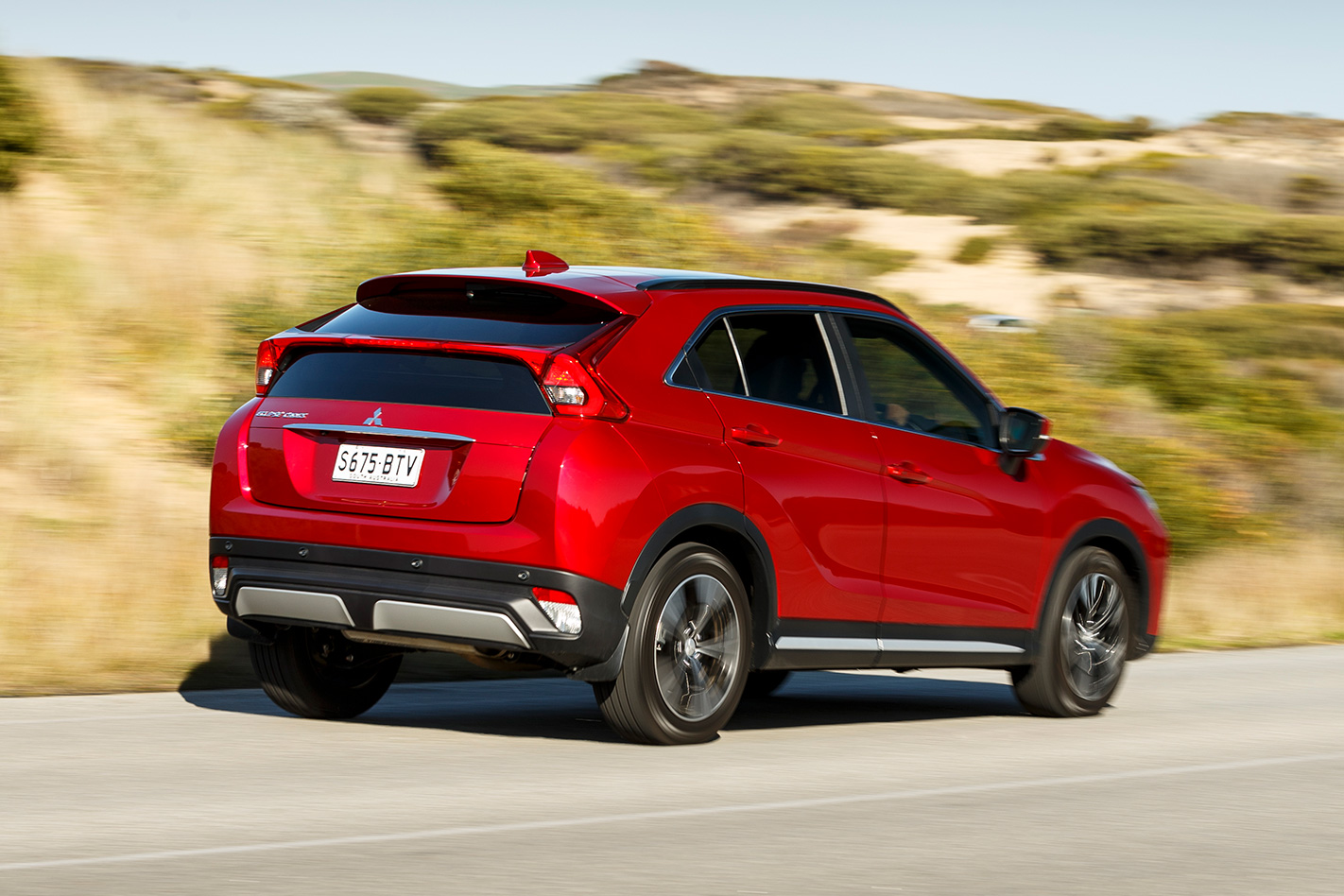
The suspension meanwhile pitches and rolls a lot on typically lumpy country roads, and tends to be upset by road imperfections that wouldn’t bother many of its rivals. Like most new cars, it’s fine at suburban speeds but venturing onto a highway – especially one that is less than smooth – quickly reveals the Eclipse Cross’ dynamic shortcomings and poor ride comfort.
VERDICT
Are you the kind of consumer who aims to get the most features-per-dollar that you can find? If so, then the Mitsubishi Eclipse Cross Exceed may hold some appeal. If, however, you simply want a well-sorted SUV that’s comfortable and easy to drive, there are better ways to spend $36,000.
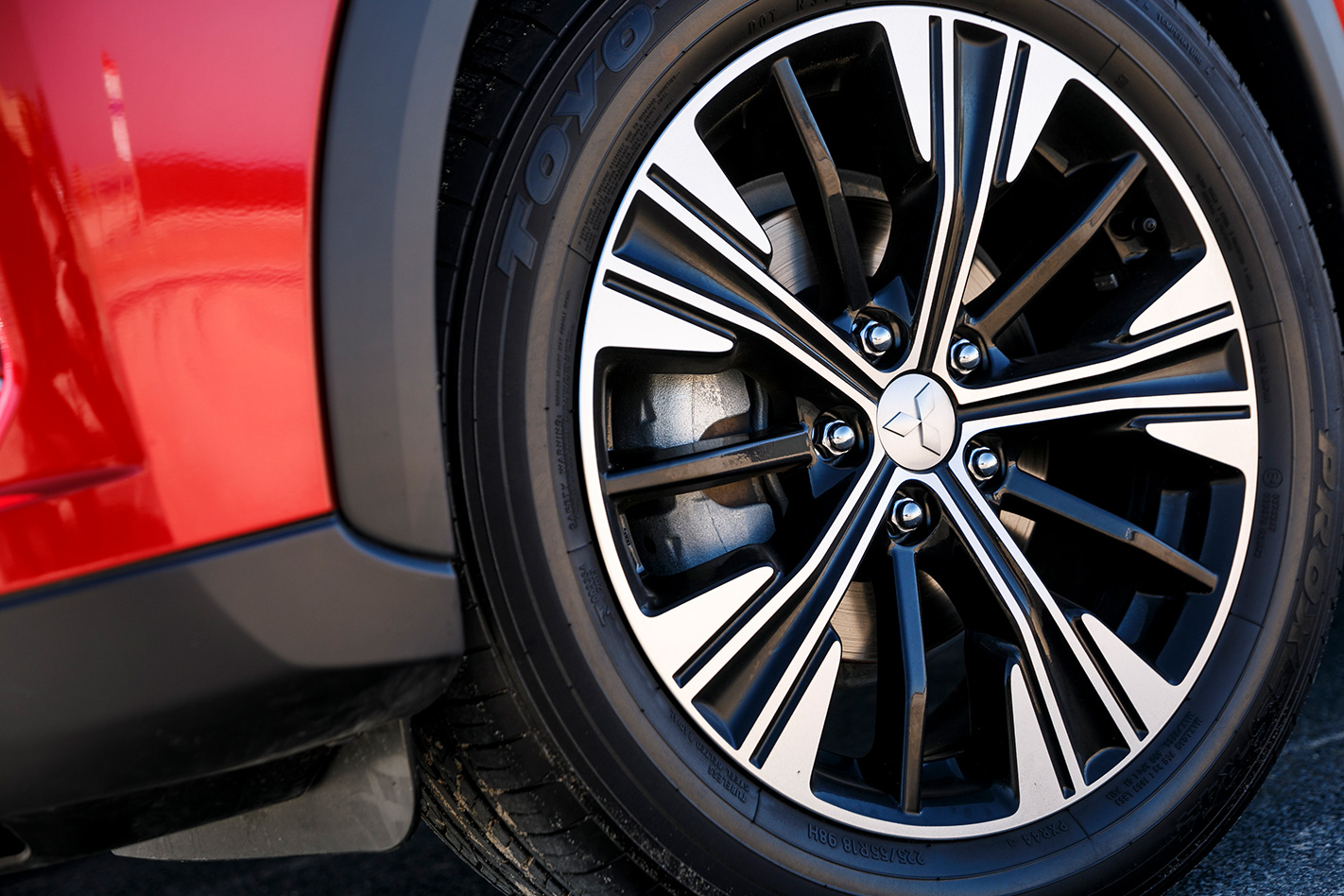
The Exceed grade is stacked with features, but they don’t necessarily work as well as they should. Even then, the fact this car has both a panoramic glass roof and a head-up display, but doesn’t have rear air vents or integrated satellite navigation shows that there are still some boxes that should have been ticked that were instead left blank.
The Eclipse Cross is a vehicle that makes more sense at the lower end of its price scale, where its shortcomings are more easily forgiven. However, as a $36,000 proposition the Eclipse Cross Exceed falls short of its premium promise.
SERIOUSLY, after all this time, you’d think there’d be no more barn finds left to find. With the classic car market frothing like champagne in a blender, surely there isn’t an unopened shed left in the world. Everyone’s dream is to lift a rusty garage door and discover your elderly aunt has been hiding a long-lost Facel Vega, once owned by Elvis. In 2018, aren’t we at least a decade too late for all that?
Well, the stories keep coming: in 2016 a Lamborghini Miura was dragged out of a tiny back-street garage in the US, covered in dust, after nearly 20 years in hibernation. In 2017, Steve McQueen’s Bullitt Mustang, no less, turned up in a Mexican scrapyard after being lost for nearly 50 years.
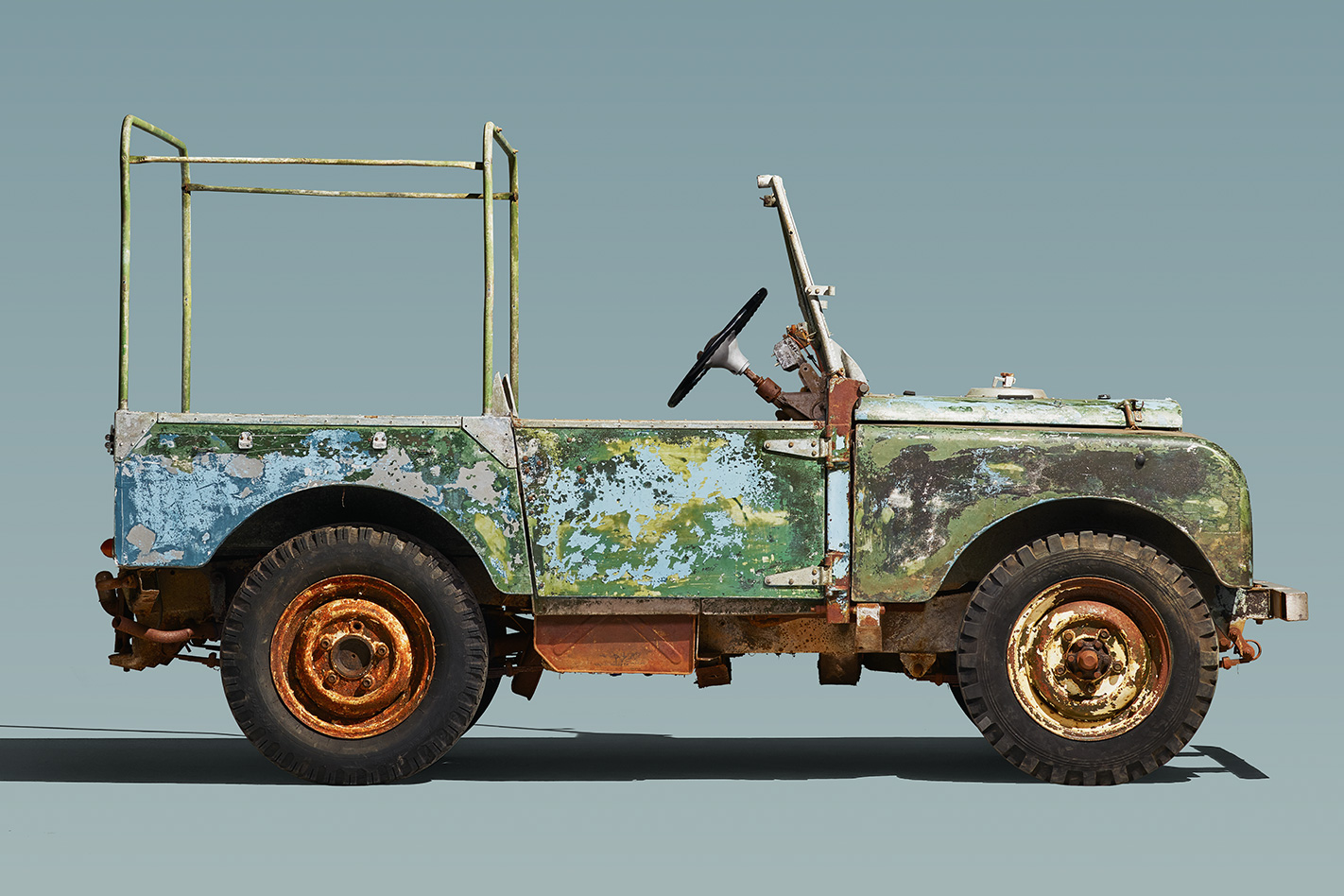
And now this car. Not just any old Land Rover. Not just one of a handful of super-collectable pre-production cars. This is the actual launch car from the 1948 Amsterdam motor show, where the Land Rover was first revealed to the world, 70 years ago. An incredibly important car that until recently was abandoned in a back garden about five kays from where it was built in Solihull, England.
In some ways this story is even more remarkable than those of barn-find Lamborghinis and long-lost Ferraris. Not because of value but because Land Rovers are for nerds, obsessives and trainspotters. The early Series 1s have got to be among the most energetically researched and documented cars of all time: chassis numbers are catalogued, archives are trawled, former engineers are tracked down, dragged out of old people’s homes and pumped for information. No one escapes the Series 1 Inquisition! So how could the Amsterdam show car disappear for so long?
To answer that, we need to go back to the beginning – and if you’ve heard this story a thousand times, feel free to skip a couple of paragraphs…
The Land Rover story begins in 1947 in Anglesey. Maurice Wilks, the technical director of Rover, owns a farm there, where he uses a demobbed army Jeep as a farm hack. Raw materials are scarce in post-war Britain, and the government is only supporting firms that can export the nation out of its knee-high financial manure. Wilks knows that, as a luxury car maker, Rover isn’t going to be building luxury cars any time soon, so he has an idea: how about an agricultural vehicle, a lightweight car-tractor? A British Jeep, in other words, that improves on his old farm hack?
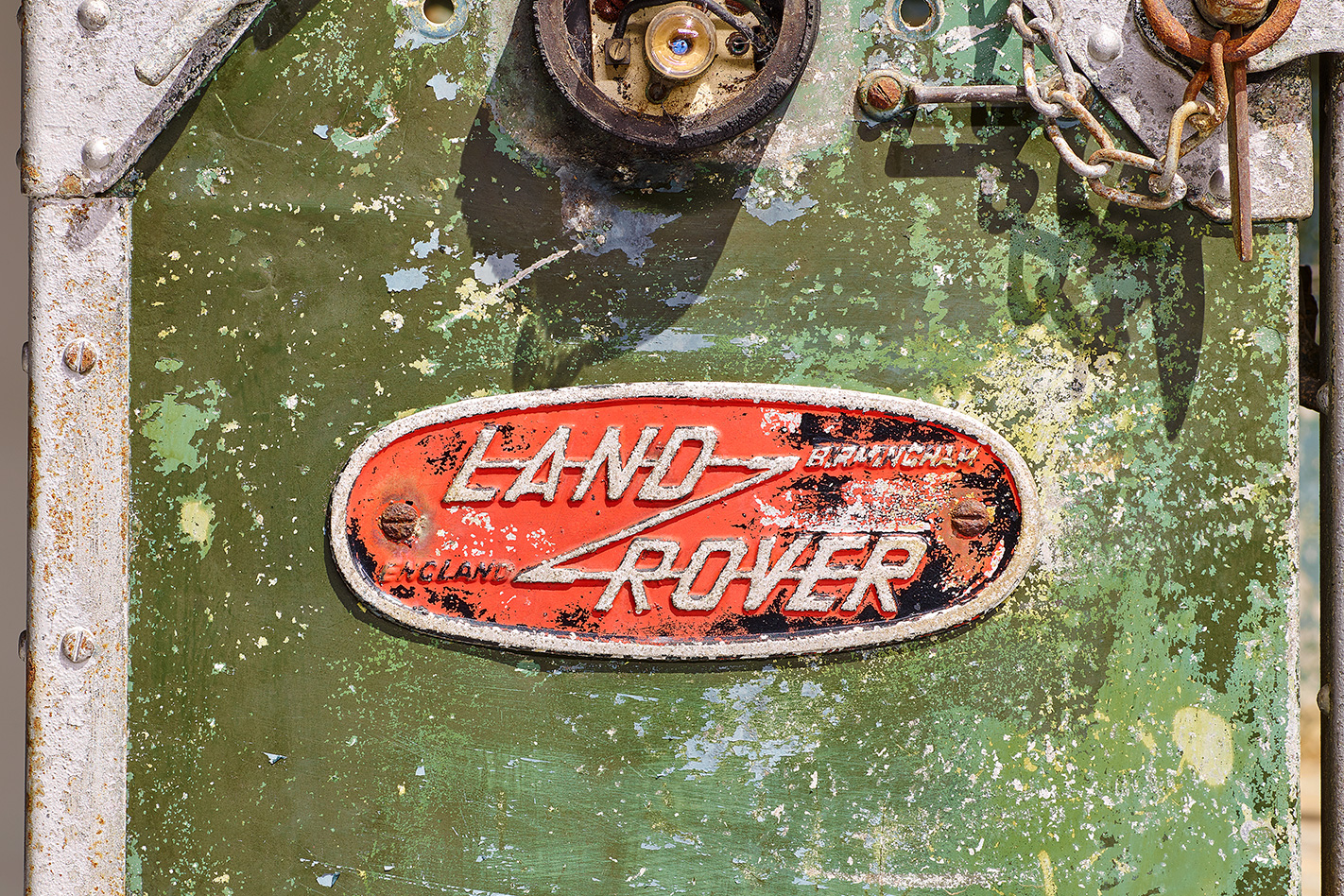
So, using another ex-army Jeep as a guinea pig, Wilks develops a single, crude prototype with a Rover P3 engine and gearbox, three seats and a steering wheel in the middle (which at the time seemed like a good idea for exports, but proved to be a terrible idea for legroom).
Moving with suitable we’re-all-about-to-go-bust post-war haste, Rover quickly progresses from that single proof-of-concept to the pre-production stage: 50 chassis, of which 48 are built up into completed cars, all numbered 01, 02, 03 etc, prefixed with either an R or an L depending on whether it was right-hand or left-hand drive (the centre-steer idea was dropped as soon as someone tried to drive it).
The remains of those 48 pre-prod cars are now holy relics to the Land Rover fraternity. Mike Bishop, Land Rover Classic’s Series 1 expert, tells me around 20 pre-prod cars have survived. “There are a couple where literally a buff logbook is all that’s left,” he says, “but at least we know when their lives finished. Of the complete cars, they rarely come up for sale – R12 sold about eight years ago, but it wasn’t really public. They tend to sell from one collector to another.”
I ask him how much they go for. “I’m probably not the best person to answer that, because I own R16!” Bishop admits. “But it’s easy to speculate it would be in six figures nowadays for a pre-production Land Rover.”
The most famous of the early cars is the first, chassis R01, known as ‘Huey’ after its number plate, HUE 166. Huey’s a celebrity – the final, limited-edition Defender Heritage models in 2015 all had HUE graphics. Huey was built in March 1948, and he was saved for posterity by Maurice Wilks himself. “In 1949, Huey was put to use on a farm near the Wilks’ home near Kenilworth,” explains Bishop. “It was there until 1955, when Wilks rescued it and put it in the Birmingham Science Museum. It was used for Land Rover’s 10th birthday celebrations in 1958, when it was placed on a massive cake. It’s now owned by the British Motor Museum.”
Just six chassis after Huey, Rover built the car you’re looking at now. Susan Tonks takes up the story – Susan’s an engineer who has been with Jaguar Land Rover for 18 years, the last six months of which has been with Land Rover Classic, and she’s now this car’s restoration project leader. “It was originally left-hand drive, so the chassis was stamped L07,” she explains. “It left the factory on 27 April 1948, and was driven to Amsterdam in time for the car’s official unveiling on the 30th.”
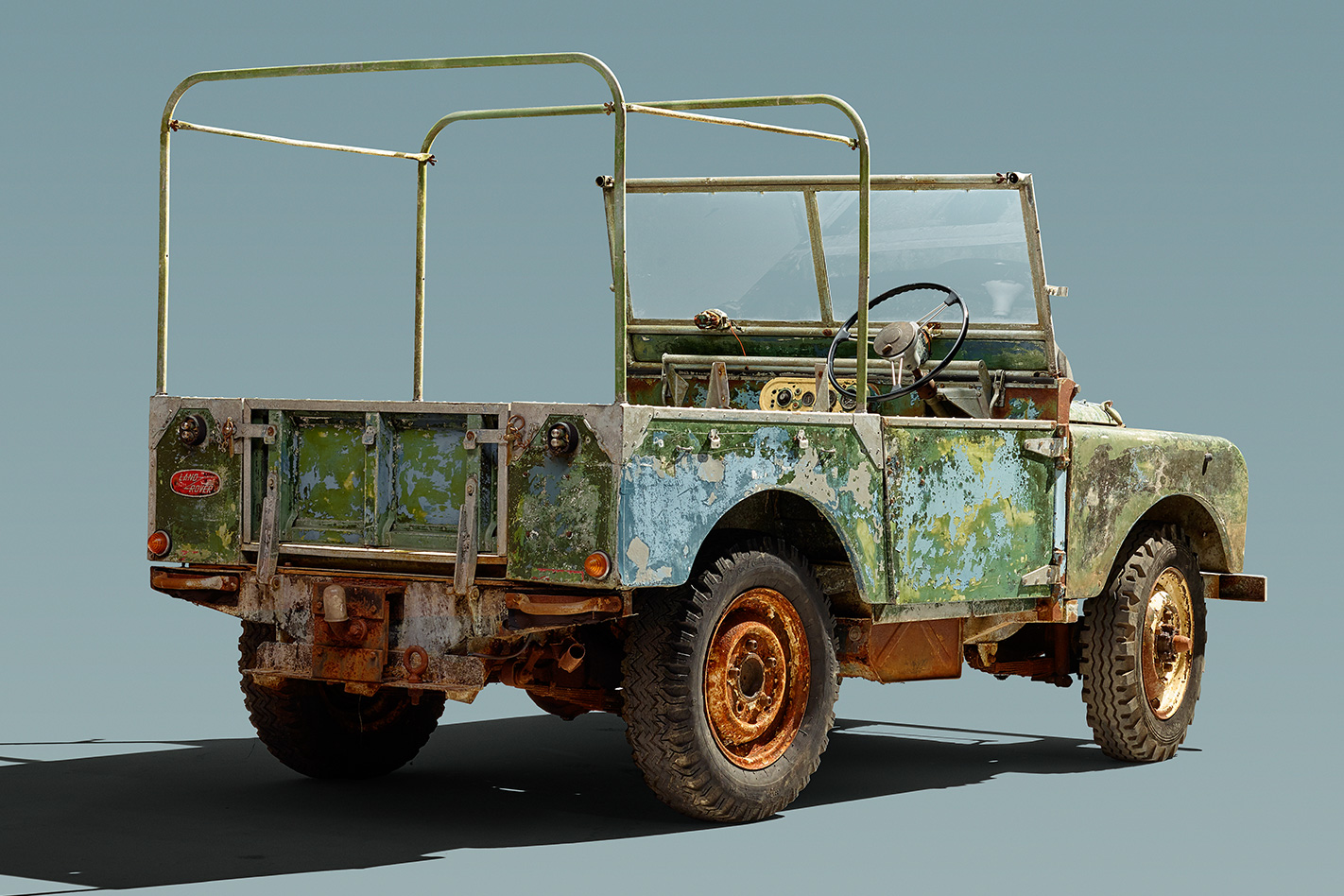
Ha! Anyone who’s driven a Series 1 Land Rover for three kays will guffaw at the idea of this car, canvas flapping and gearbox droning, driving nearly 500km to the Netherlands.
“They put chassis L05 on the stand, inside the show itself,’ continues Tonks. “This car was the driving demonstrator, used outside by the press.”
Of course, we know how well the show went – Rover’s post-war, stop-gap model became a gigantic success, and a global brand in its own right. But between the launch in April and the first cars going into production in July, there was still a lot of work to do. “After the launch, L07 went to Rover’s engine department, where parts were changed, tested and upgraded to production spec,” Tonks explains. “We believe this is when it was converted to right-hand drive, and you can see on the chassis where they stamped an R over the L to make it R07.”
It stayed at Solihull until June 1955, when it was sold to its first private owner, but here’s where its importance as the 1948 show car begins to get lost in the fog. On the dispatch note it’s recorded as E07, presumably because it was the Experimental Department that built the pre-prod cars. Also, its first registration number – SNX 910 – never showed up in Rover’s own records, because it was registered by its new owner the day after he’d bought it.
So, like a rare Roman coin slipped into your pocket, R07 disappeared into all that loose change on Britain’s roads, and was lost. The original logbook (which miraculously still exists) shows the car was sold on to new owners in Sutton Coldfield, then Stratford-upon-Avon, before ending up in Wales in 1968. It was parked in a field and used as a static power source for 20 years, its power take-off running a farmer’s wood saw. Twenty years of sitting out in the rain and the frost, overgrown by nettles and inhabited by wildlife, until eventually the engine seized and its working life was over.
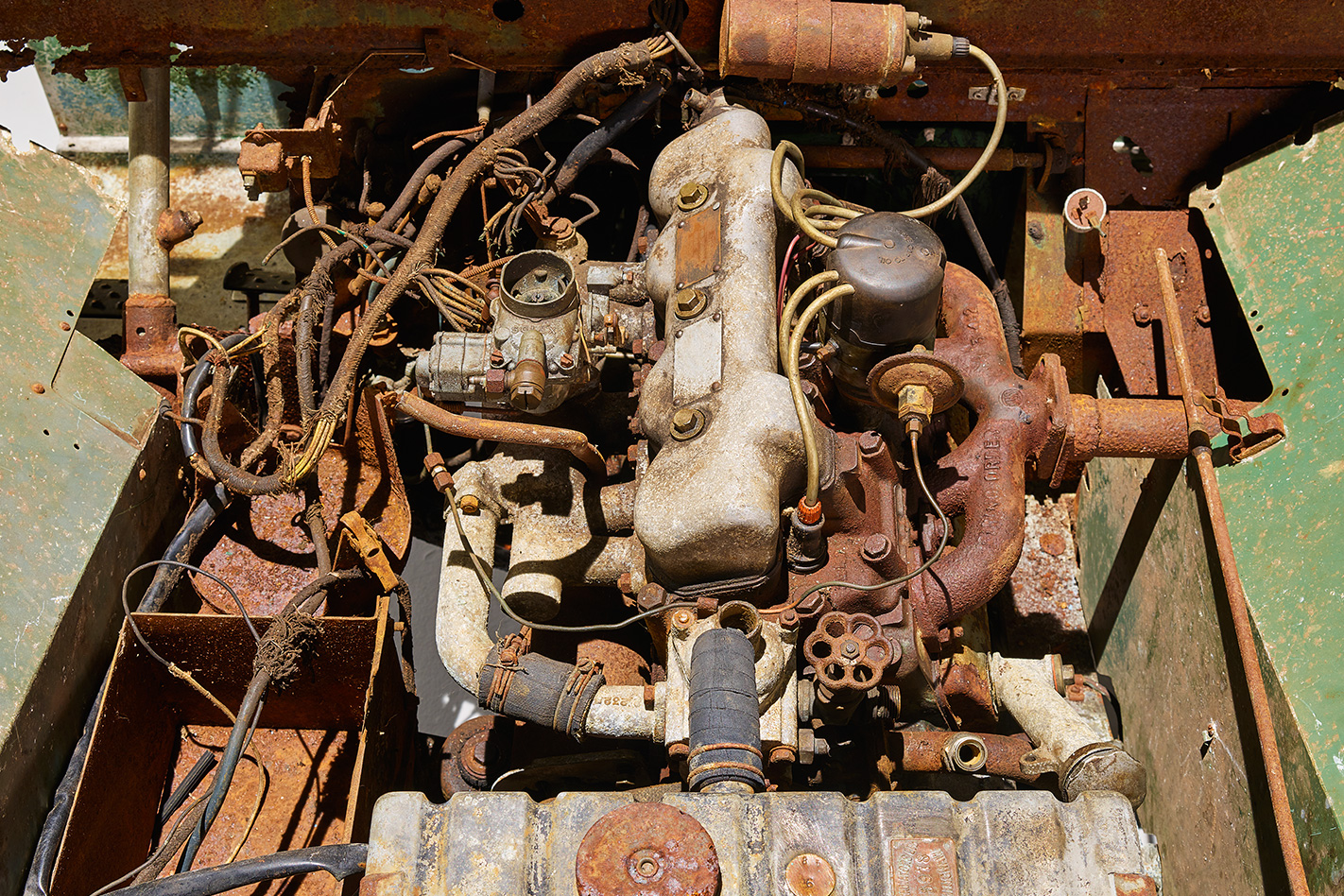
In 1988 it was sold to a collector of early Land Rovers who – ironically – lived just five kilometres from the Land Rover factory, back in Solihull. This enthusiast knew the car was special, possibly a prototype, but didn’t realise its full significance. So the car stayed in his garden, awaiting a restoration that never came, until 2016, when he decided to clear it out. By then the car was up to its axles in mud, and it had to be jacked up before it could be hauled out of its shallow grave. Through a network of tip-offs, news of the car reached Land Rover Classic, who bought it for an undisclosed sum.
It’s worth noting Mike Bishop already knew the significance of the car before it was found: “From documentation and photographs, we knew the only cars that were built and available to go to Amsterdam were chassis 01 to 08, and we knew they were left-hand drive, which means they were odd numbers [apart from Huey, right-hand-drive chassis were evens]. By a process of elimination, we knew the missing L07 was one of them.
“Other early cars had been traced though old MOT records, that kind of thing,” explains Bishop. “But 7 was one of the few pre-prod cars we didn’t have the registration for, so we had no knowledge of what had happened to it. For it then to just appear, out of the woodwork, was fantastic. I was at home late one evening and a friend of mine who’s a Land Rover historian rang up and said, “You’re never going to believe this, I’ve got someone who’s got chassis number 7!” He sent me a photo and as soon as I saw it, I knew; I could tell by the pre-production features. I went to have a look at it about a week later, and confirmed it – we’d found the missing number 7.”
Hand on heart, I cannot claim that an audience with the 1948 Amsterdam show Land Rover is like being in the presence of a Mille Miglia-winning Maserati or an ex-Senna McLaren. If you didn’t know any better, you’d think you were looking at scrap.
But if I could get poetic for a moment (cue rousing music) there’s something beautiful in the scars and scrapes, a nobility in its flaking paint and sagging suspension, the hallmarks of a life lived to the full. It’s called patina and it’s worth a fortune. The paint is like some kind of Jackson Pollock, a random mosaic of three distinct colours, with an alloy base-layer beneath. “The light green is the original paint from the Amsterdam show,” explains Susan Tonks. “It was then painted dark green, and at some point in its life it was painted blue.”
Most of the panels are original, and just by tapping you can hear the thicker alloy in the outer wings and the one, surviving pre-prod door. “The curves on the front guards are slightly different too – they were obviously trying things out on the pre-production cars,” says Tonks.
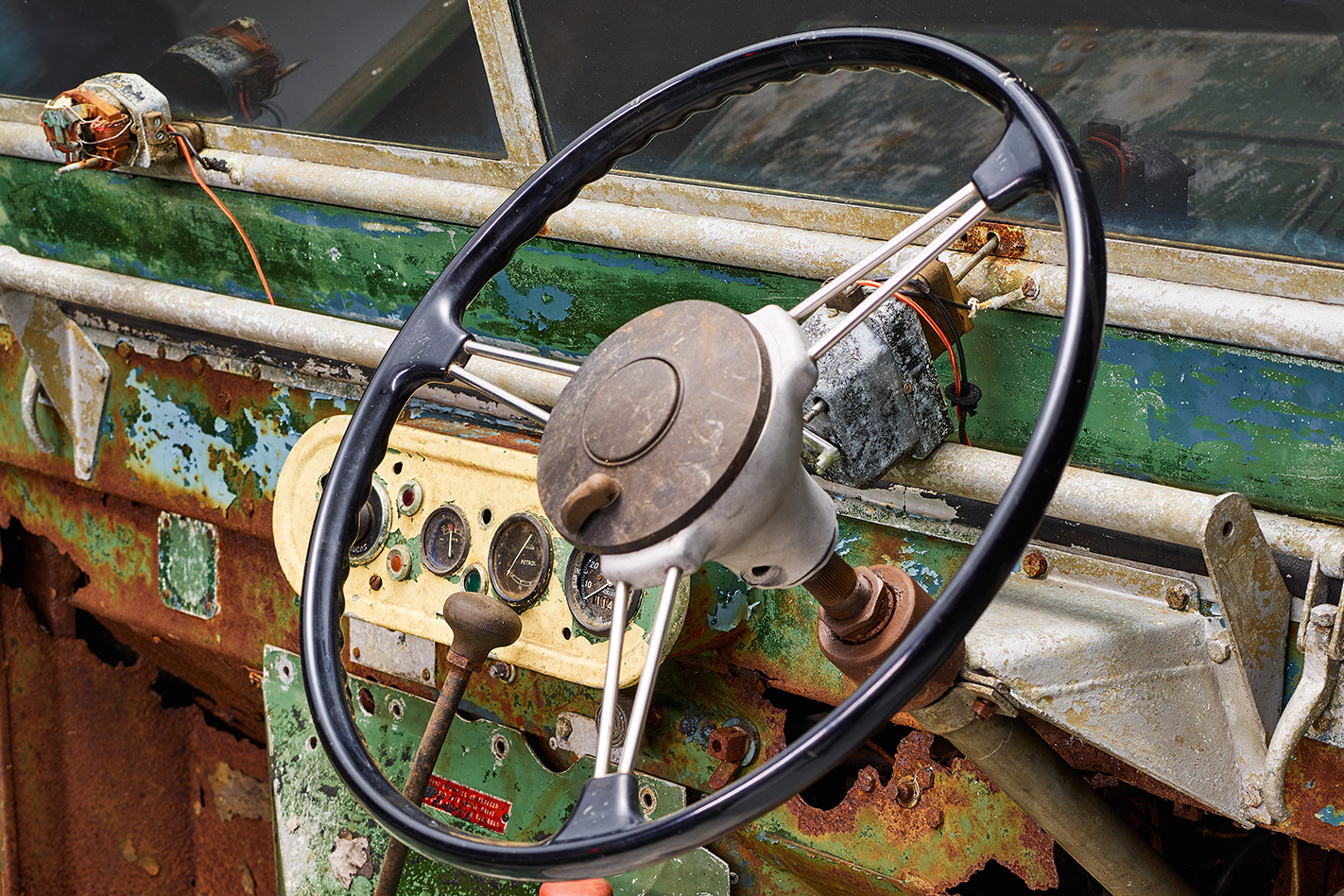
The rear tub is also prototype, though the rear lights are later additions; the tailgate is pre-production with a lot more reinforcement than the final spec. The bonnet, windscreen and axles are all original. The engine is seized, but it too is original, stamped number 6. The brakes were an experimental Lockheed system, later converted to production-spec Girling. The plan is to re-make the Lockheed system from scratch using archived drawings. Amazingly, the steering wheel is original too, its Bakelite proudly polished up by the Classic team. How on earth did that brittle plastic survive 70 years of neglect and hardship? There are so many details that make you shake your head in wonder. “It’s undoubtedly the most original survivor of all the pre-production cars,” says Tonks.
Most amazing of all, though, is the condition of the steel chassis. Hand-made back in 1948, it was galvanised, unlike the later production cars that were painted (galvanising was dropped for mass production because of the finishing required, drilling the zinc out of all the blocked-up bolt holes). Climbing under the car for a closer look, the chassis is amazingly solid given it spent the best part of four decades planted in the ground like a carrot: here and there you can still see the silvery galvanised finish; elsewhere there’s a white, salty looking crust, but no rust and no ragged holes.
That can’t be said of the bulkhead, the vertical steel wall between the engine bay and the cabin. This is the weak spot of all Series 1s, so much so they’re re-manufactured and galvanised nowadays, for restorers. This car wasn’t so lucky – again, it’s clearly handmade and crudely formed compared to later production cars, and it was painted. The weather has ravaged the steel, and there are big holes in the footwells.
Of course, it can be fixed – cut out the rust and weld in the new – but the bulkhead question goes straight to the heart of the challenge facing the Land Rover Classic team: how far should they go to restore this car? Should it be rebuilt at all? And if so, to which spec? Left-hand-drive Amsterdam? Or Welsh farmer sawmill? The bulkhead is key: there are lots of early Series 1s coming over from Australia these days with a lovely patina. But it looks really odd if the faded panels are left but the rusting bulkhead is restored to a glossy, greeny newness. Patina is as fragile as a snowflake – touch it and it melts away.
“It definitely won’t be a Reborn car,” says Tonks, referring to Land Rover Classic’s factory-fresh Series 1 program. “The idea is to preserve the patina – though to return it to a proper, functioning condition we do need to decide, what do we replace or repair? Do we repair then ‘age’ the bulkhead, so it looks in keeping with the rest of the car?”
Whichever way the team decides to go, the plan is for the car to take centre stage in Land Rover’s 70th anniversary celebrations this spring, and then it’ll be painstakingly dismantled, documented to death and rebuilt within 12 months (somehow).
But if you think that’s the last one, don’t worry. The other car at the Amsterdam show in 1948, chassis L05, has also never been found – it might still be out there, sitting in a field or a garden, up to its axles. Even more intriguingly, the whereabouts of the original centre-steer prototype has never been conclusively pinned down either. Was it torn apart, or turned back into a Jeep and sold, or did Maurice Wilks save it and park it somewhere?
I’ve decided to go to Anglesey this weekend, to start opening barn doors.
What does the tyre pressure warning light actually mean?
It looks like a horseshoe with an exclamation mark in it. What does it indicate and what should you do when it lights up or flashes?
Anyone who owns a car should know the importance of correct tyre inflation. Under-inflated tyres are a serious safety hazard that can cause unpredictable handling, or, worse, a blow-out at speed.
This is why many new cars are equipped with a tyre pressure monitoring system (TPMS) that’s designed to keep track of the air-pressure inside your tyres.
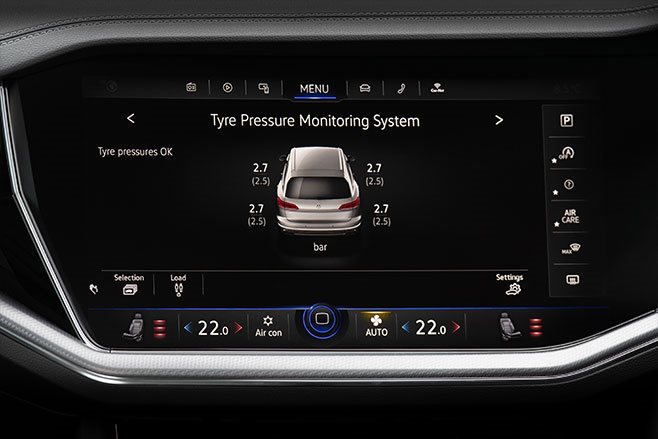
There are two kinds of TPMS, indirect and direct. Indirect TPMS doesn’t actually measure the air pressure in the tyre; instead it works out when pressure is low by using external signs such as individual wheel rotational speeds.
Direct TPMS uses pressure sensors on each wheel, either internal or external to measure tyre pressure.
By alerting you to low tyre pressure, either TPMS can help avoid excessive tyre wear, save fuel and prevent an accident. It does this via a dashboard light, which looks like an exclamation mark inside a horseshoe, or dashboard monitor display.
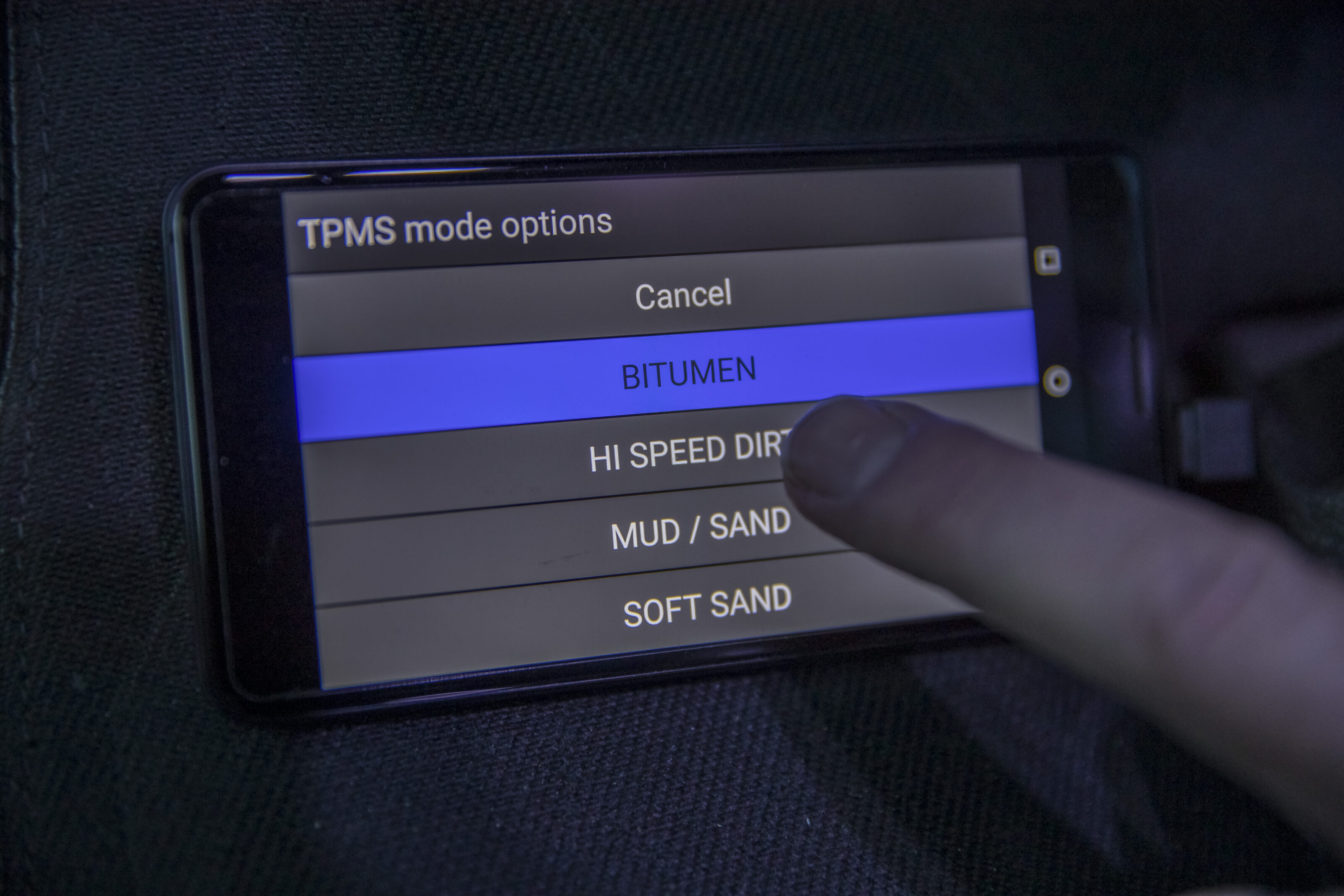
That said, you should regularly check your tyre pressure, as the TPMS only comes on when the pressure is too low, meaning the tyre may have already suffered adverse effects.
You can find the correct pressure from your tyre placard, which can be found inside the door jamb, behind the fuel filler cap or in the owner’s manual. While you’re at it make sure all the tyres are inflated correctly.
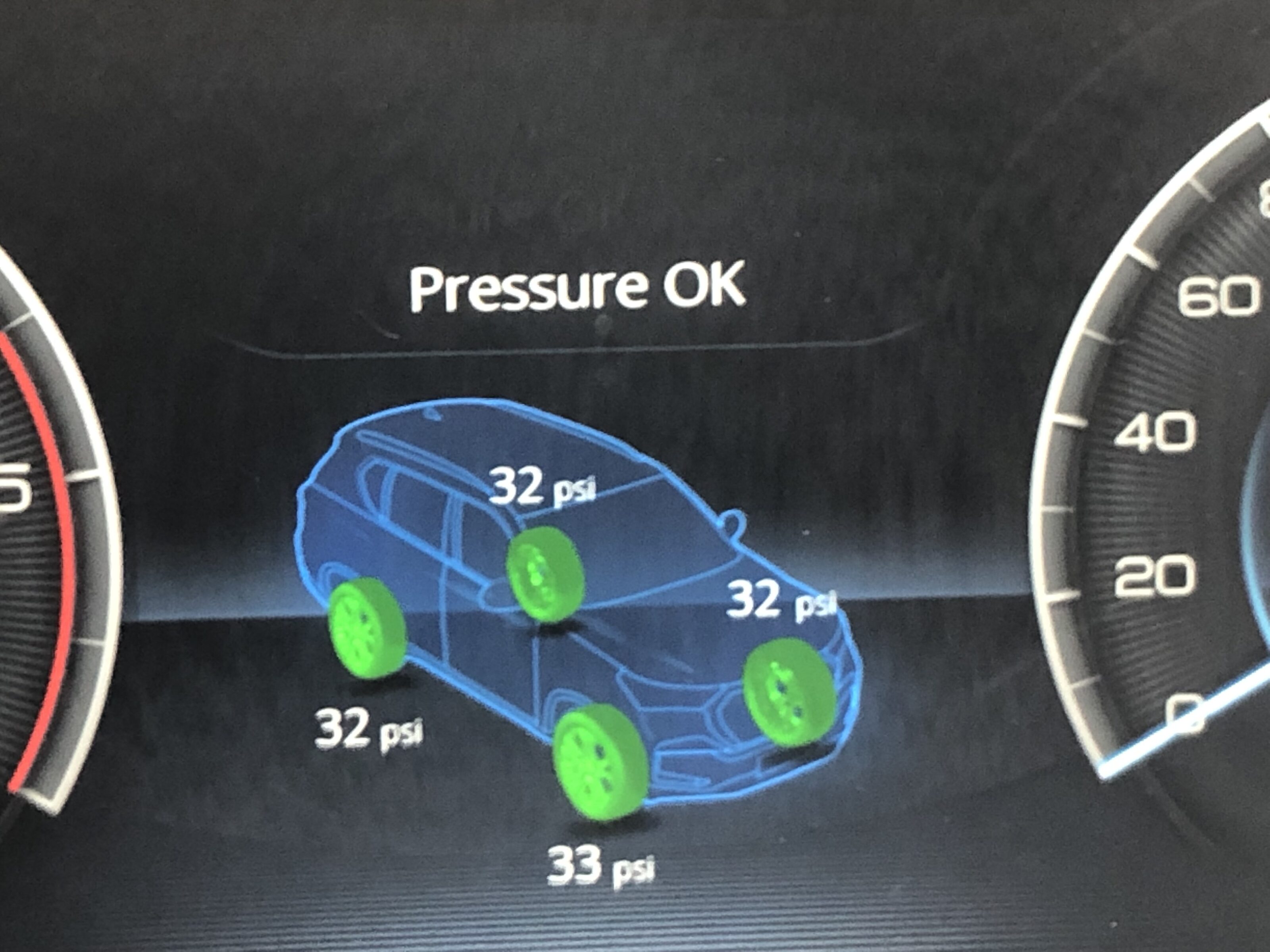
What to do when TPMS detects low pressure
Your TPMS has various illumination patterns that mean different things.
- If the light illuminates and stays on, the TPMS is telling you that at least one of your tyres is at a low pressure level. Check your tyres pressures soon as possible. The tyre in question may not appear flatter than the others so check the pressure of all the tyres with an accurate gauge. Once you identify which tyre is flatter try to work out the reason for the pressure loss. If there’s no apparent cause and no rapid air loss it might just have been a gradual air loss. See how you go, but if it goes flat again take it to a tyre store for further investigation. If the tyre looks very flat it probably means you have a puncture meaning you’ll have to change it.
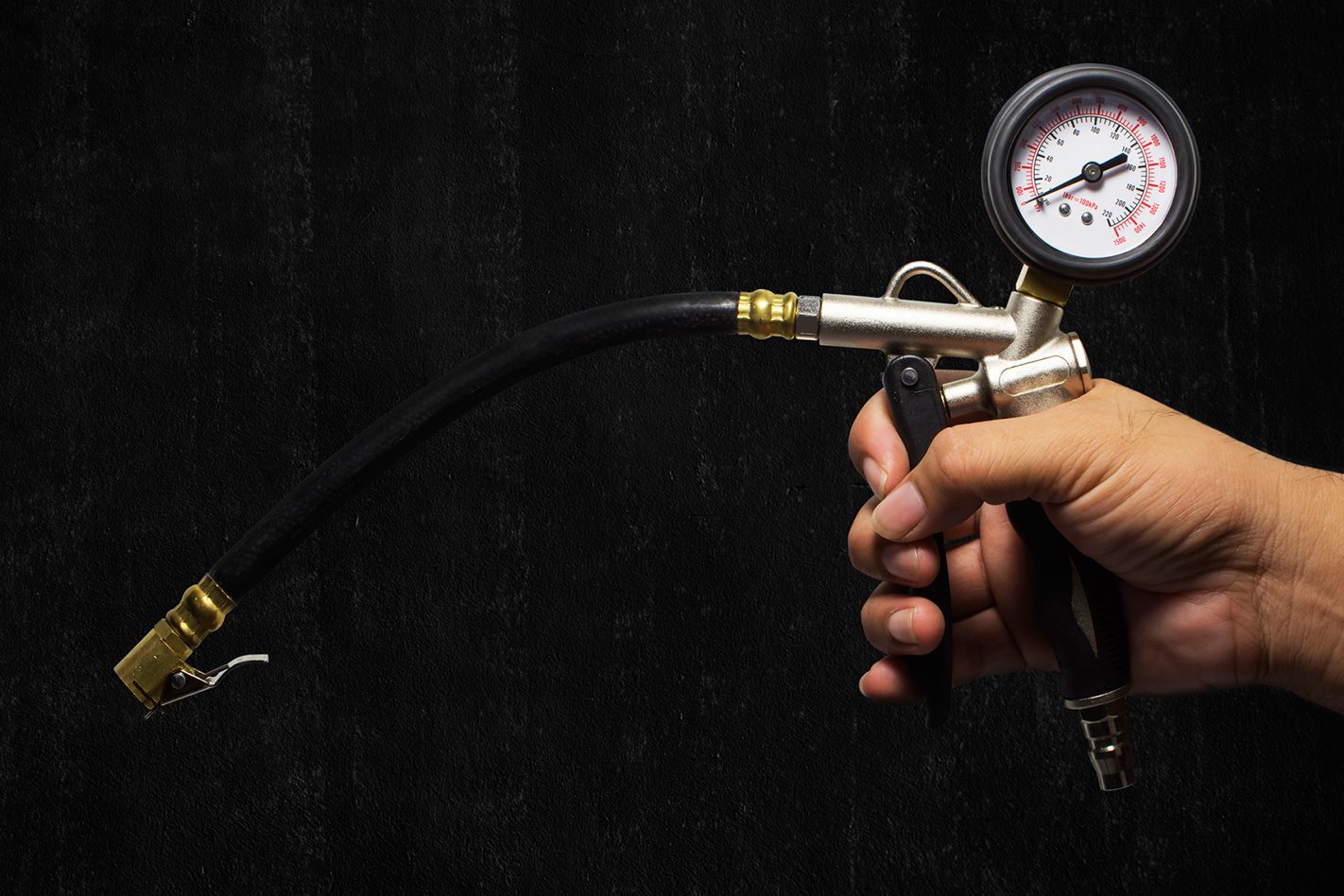
- If the light goes on and off again, it’s likely due to changing tyre temperatures. As the air in the tyre heats up and expands, the pressure increases. This means the pressure might be low when you start the car, causing the light to go on, but then the tyre gets to the correct level as it heats up with friction. Treat this as an early warning sign and try to check your tyre pressures before they get too warm.
- If the light flashes for about a minute when you start your car and remains on, this means the TPMS sensor has a fault. You’ll need to get this checked by your service centre or mechanic. If your next service isn’t too far away it could wait till then, just be sure to regularly check your tyres in the meantime.
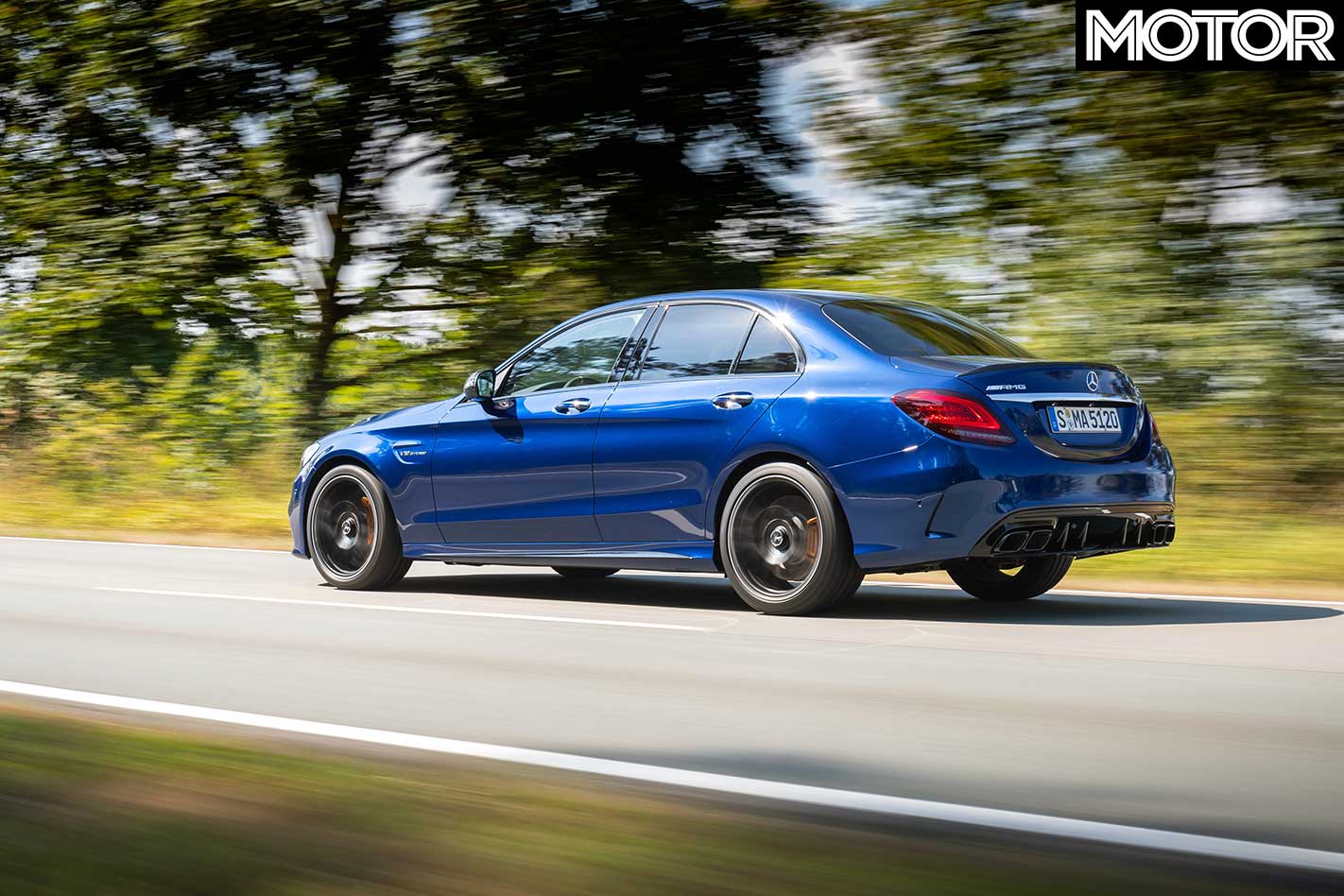
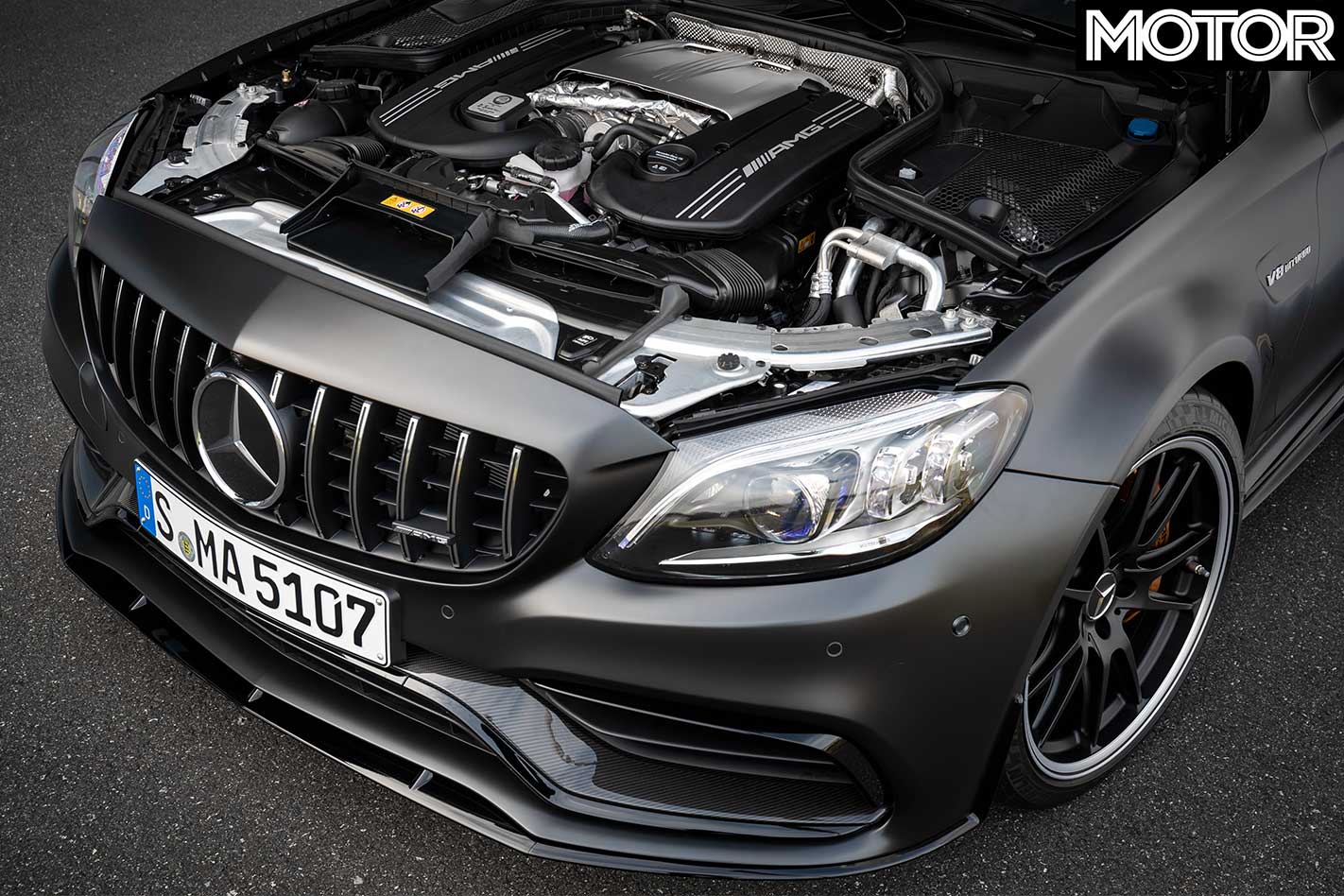
The new Mercedes-AMG C63 S comes with nine-stage traction control, a curious gadget pinched from the AMG GT3 racer and first seen, on a road car, in the AMG GT R.
Sitting in the car at the launch in Germany this month, we ogled the black rotary controller, mounted on the steering wheel and with its own little colour LCD screen.
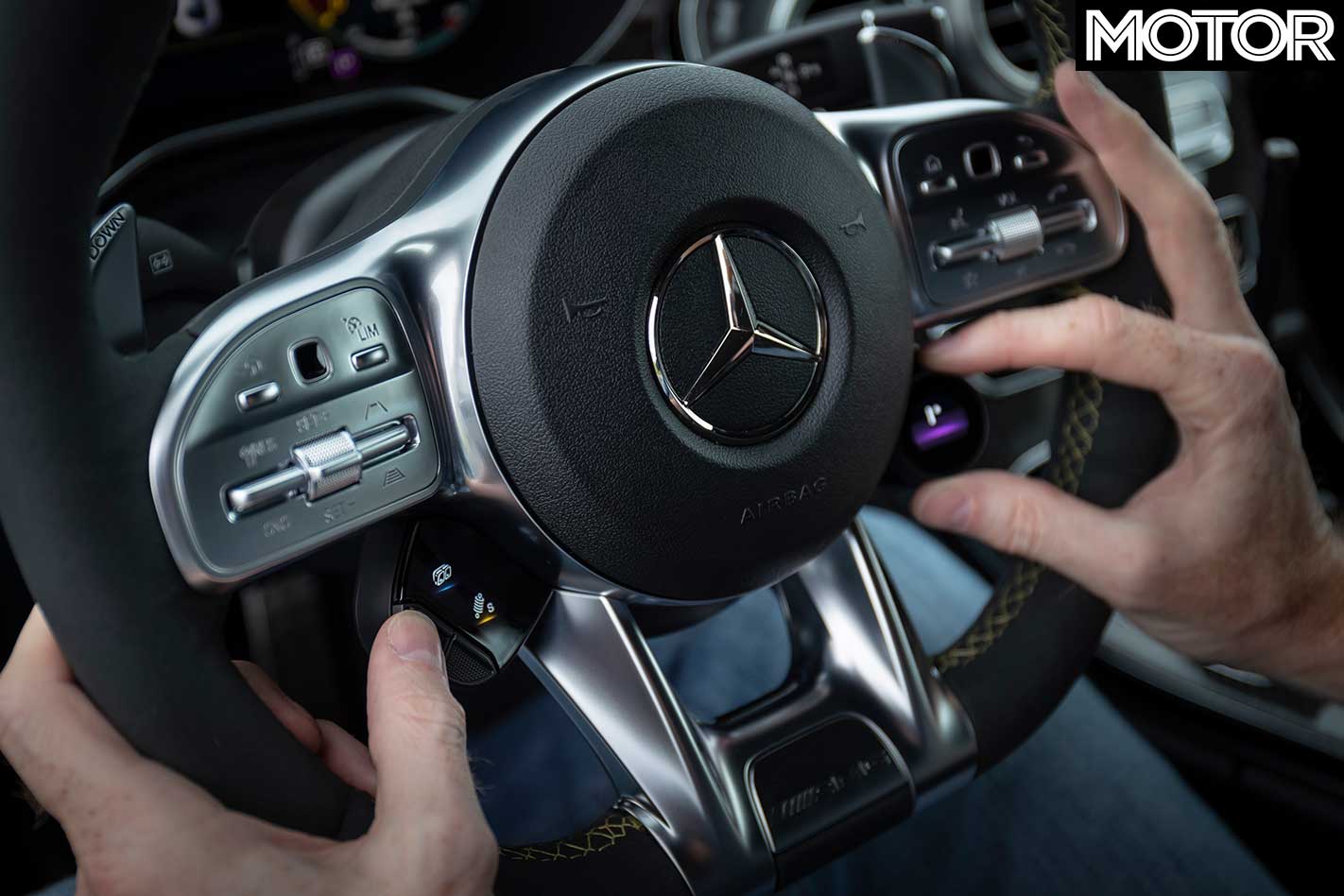
When you turn the ESP all the way off, a number illuminates in this display denoting the TC setting. And with every click towards nine, more of the C63 S’s 375 twin-turbocharged V8 kilowatts are ceded to your right foot. You can read more about how it works in our feature drive of the C63 S facelift in the September issue of MOTOR, but we can say it is pure glee playing with this toy, like Santa Claus himself was consulted by AMG prior to updating this car.
There’s nothing more annoying than an obtrusive ESP system. But it made us think, if you can’t turn these systems off – ESP in particular – and not crash, is it really wise to be peeling them back on the road? Because people will.
Anybody who buys a C63 S, or any new performance model with cutting-edge ESP/TC that can be semi-deactivated, should be able to have a big dig on a racetrack with these systems fully off before they start touching them on the road.
The best systems are like oversteer training wheels – if you’re on a racetrack. On the road, they are best treated like a pair of hands hovering over your hips as you balance on a tightrope. But you’ve got to be able to balance on your own, and anyone who can walk a tightrope will tell you that a lot of practice is required, very near to the ground – and a lot of falling off.
This is as good as any excuse to get yourself to the track, replacing perhaps a blinking ESP light with a driving instructor in the passenger seat. And the interesting thing about doing skids on a track, or a skidpan – whether it be vaporising rear tyres in a car like a C63 S, or going max pucker in some flighty front-driver – is that you don’t miss oversteer back on the road. Or you shouldn’t.
Once you are very familiar with what oversteer feels like and how exciting it is, when you’re back on a remote, twisty road, you are likely to find more than enough enjoyment in driving cleanly and accurately, enjoying the rush of scenery past the windows and the excitement of high engine speeds, the thrill of acceleration, perhaps a little nudge of understeer here or a fraction of open steering leaving a corner there – but always with a fat, juicy safety margin built in.
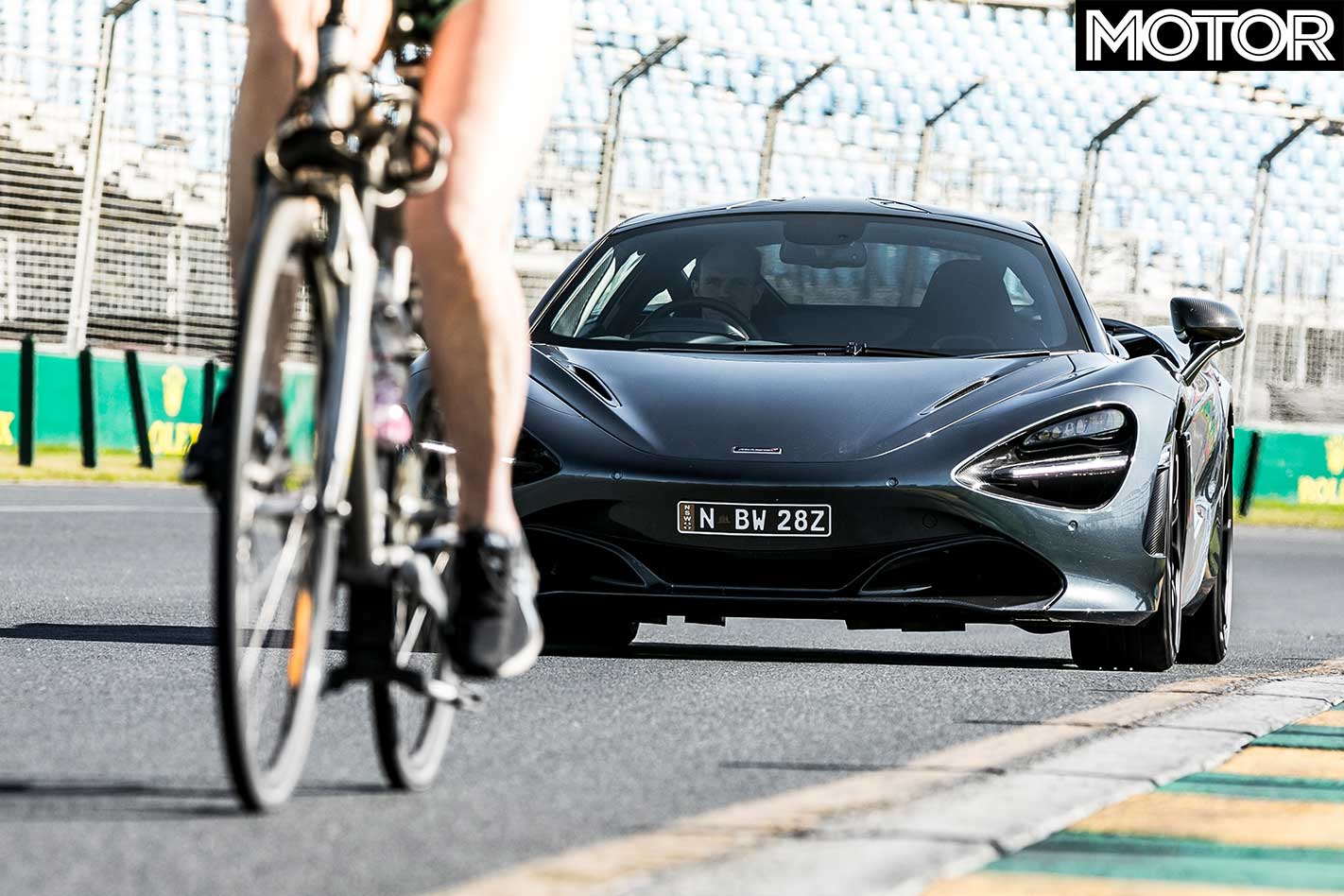
You never know when you’ll round a corner to find a cyclist in the middle of the road. Or a wombat. Or that a tipper has spilled gravel all over a fast corner since you last drove it. The ESP becomes a back-up.
Of course, all this applies less to those who’ve been having a go since before ESP (or ABS…), having already habituated a margin of error when going for a drive on the road, and will likely appreciate the extra safety net of a Sport ESP setting.
But if you’ve just bought a fast car and it’s all a bit new, head to a track, wind those fancy electronics back from fully on to fully off during multiple sessions or even days, and in the process, learn how to drive fast without crashing, and then learn how to try to extricate yourself from a bad situation. Then ESP becomes those hovering hands. Know your arithmetic before using a calculator.
Hire karting can be useful as well; it’s relatively cheap and the physics are the same, just downsized. Whatever your method, make ESP/TC your servant, but never your master.
ONCE upon a time there was a Japanese car company that earned a loyal fan base by building appealing, accessible cars with the kind of spirit people didn’t normally associate with vehicles of their price or format. That brand was called Toyota.
Maybe you remember it? For a long time, ‘Fun To Drive’ was the tagline of its Japanese advertising. Cars such as Corolla sat at the affordable end of its model line-up yet still had verve engineered into them. We didn’t know how good we had it until it was gone.
Economic conservatism brought about years of moderated blandness. Showrooms leveraged a reputation built in the better times to pedal ageing, monotone products with a decreasing amount of merit. But now, there’s something in the water again at Toyota City. The Big T is beginning to scale the foothills of a long overdue comeback, and the sparks of its TNGA-based revival are rekindling memories of what made it great in the past.
Toyota New Global Architecture (TNGA) is the platform that so far underpins Prius, C-HR, Camry and this 12th-generation Corolla. Its modular design is allowing Toyota to revamp its once-splintered approach toward developing cars for different markets. Investment dollars are going further, and the holistic step-change for Australia’s most popular passenger car is a dramatic one.
Boldness is what this all-new Corolla brings, stemming directly from the rediscovered confidence at Toyota, based in no small part on the success of TNGA. Torsional stiffness improves by a massive 60 percent, the wheels have been pushed out toward the corners of the body, opening up cabin space, and independent rear suspension ticks a key ingredient off the list of driving experience desirables. This sophisticated platform also brings a lower centre of gravity, something the designers have reflected in its self-assured styling.
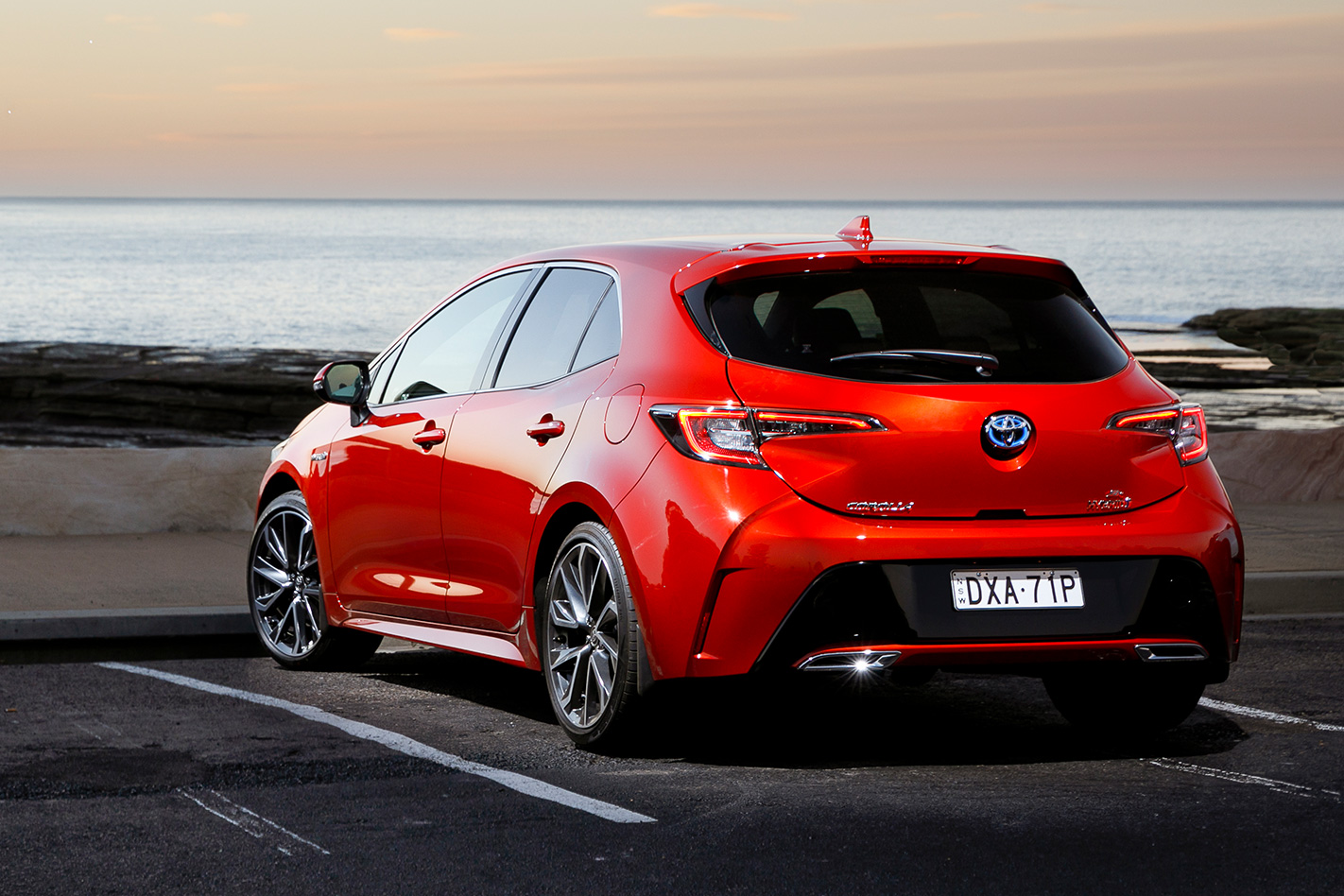
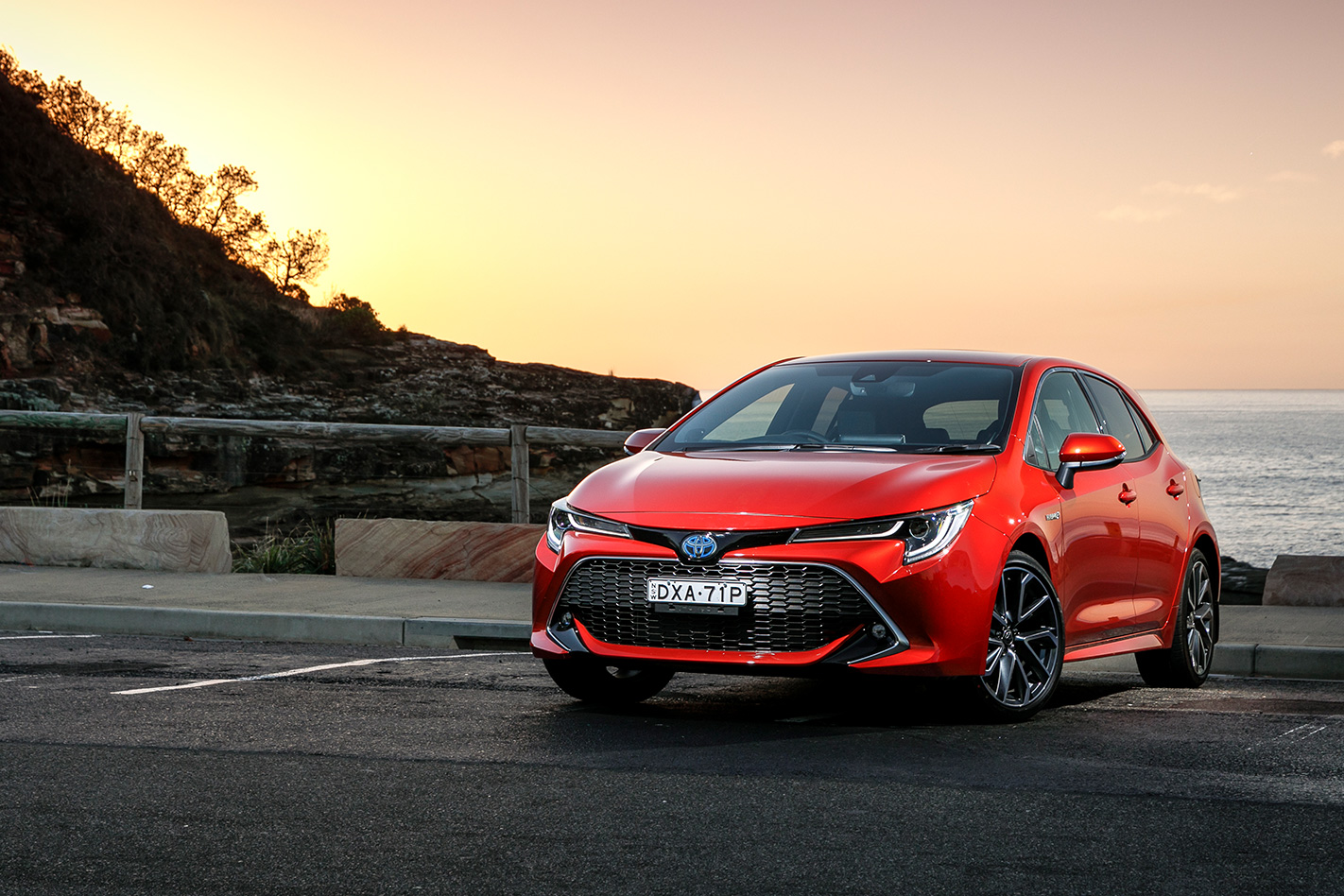
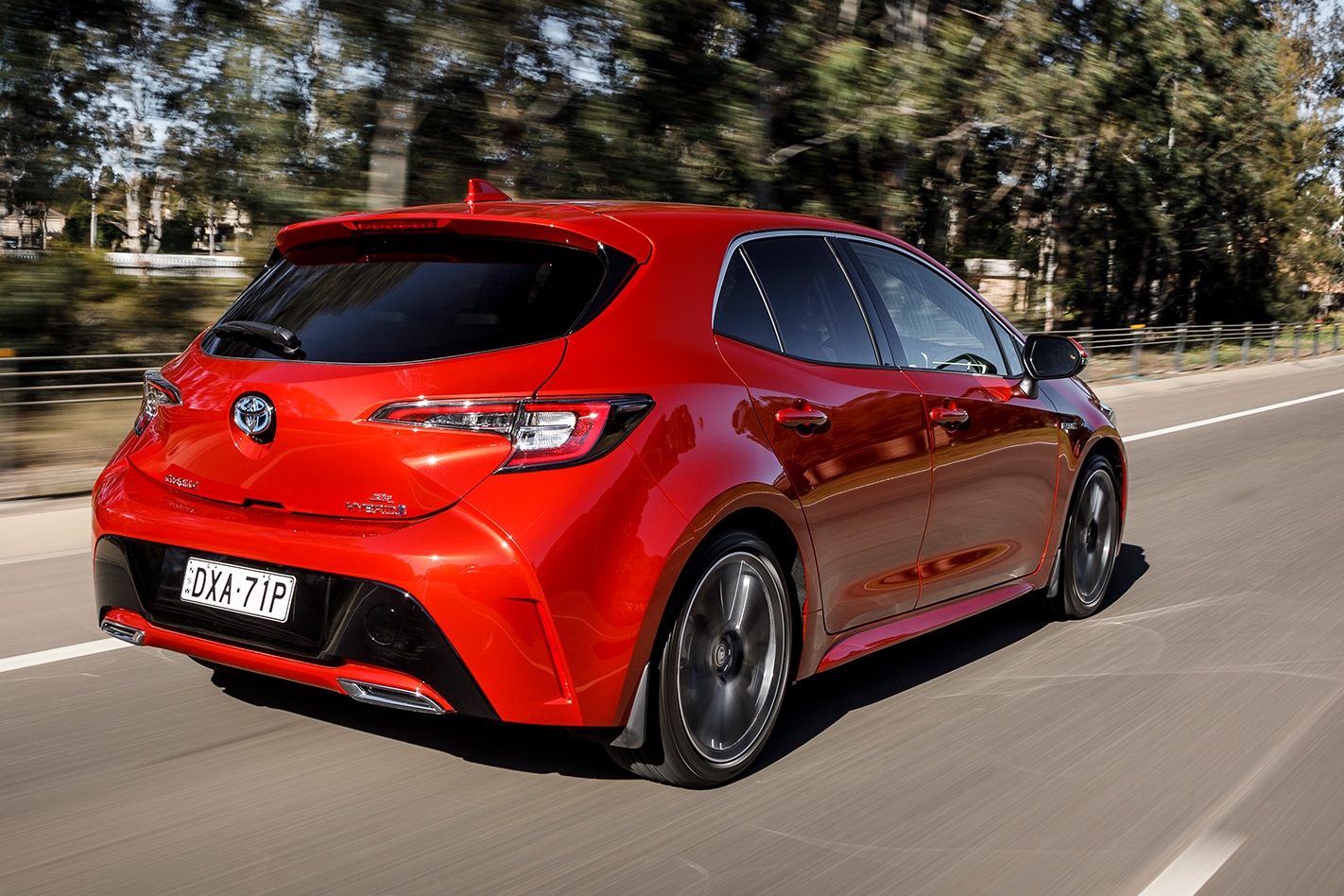
Proportionally, Corolla seems broader than before, especially on attractive 18s fitted to the range-topping ZR variant driven here. The body hunkers down over them, with the bulk of its visual mass sitting lower. Thinner pillars up top increase the surface area of glass, and neat details include the complex, two-piece shoulder lines that repel each other at the rear door handles.
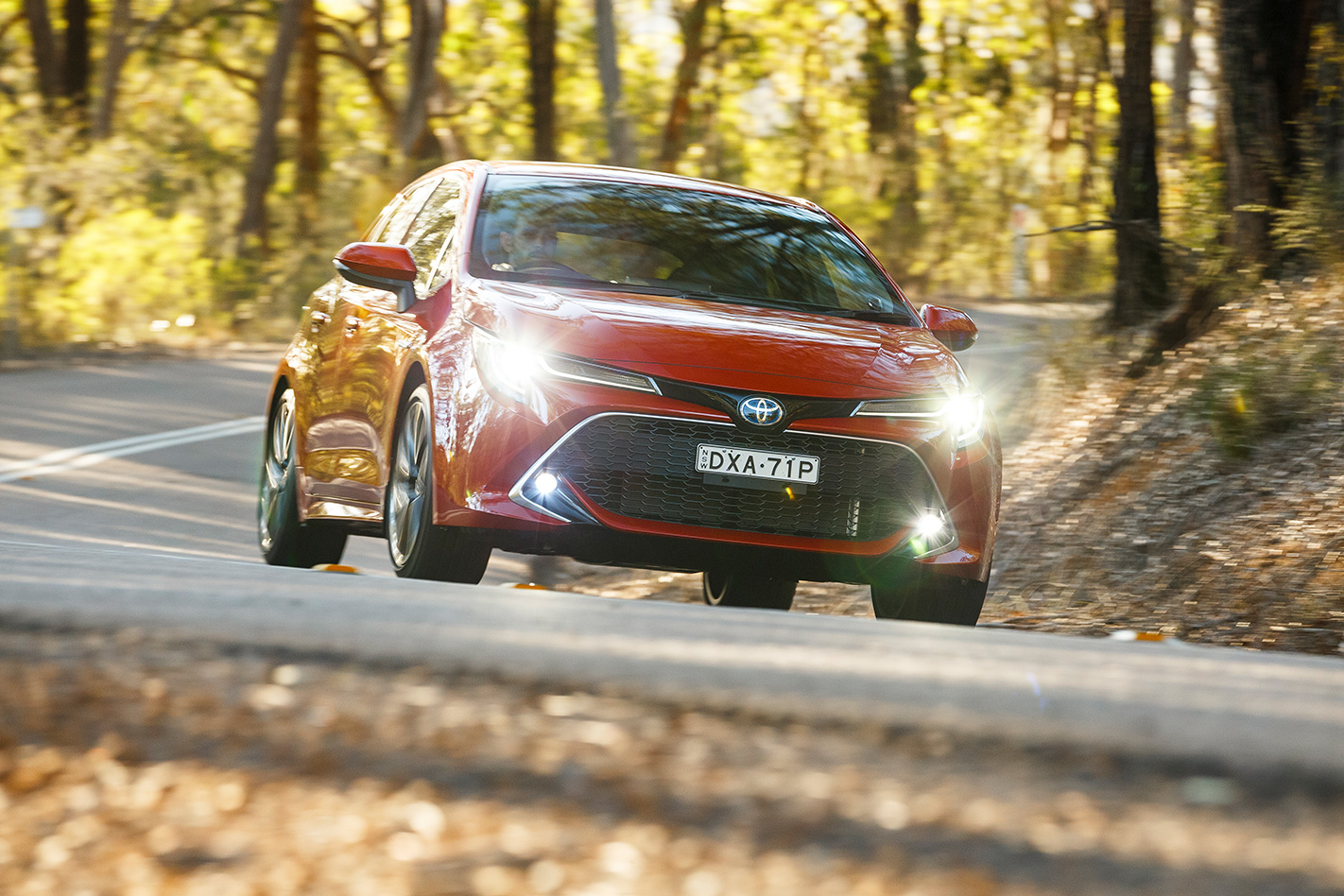
Combine intriguing sheet metal with distinctive LED strips and headlights that mimic Gene Simmons’ stage makeup, and Corolla now has road presence that’s in stark contrast to its predecessor. The old car’s pointy front appeared relatively modern, but the rest became increasingly boring the further back you looked.
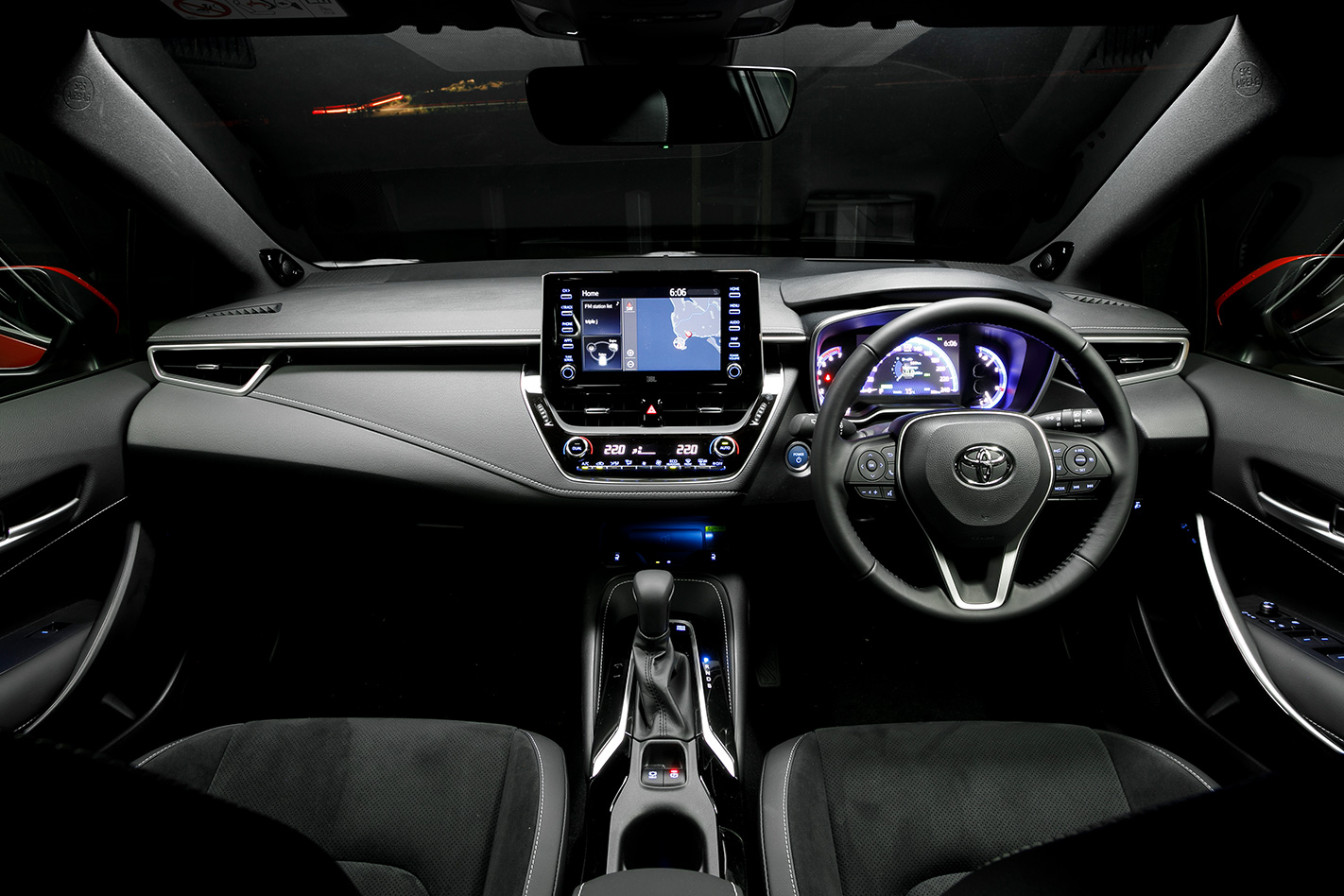
The renovations inside are similarly interesting. No attempt has been made to emulate the homogenous minimalism of its European rivals. It’s unashamedly Japanese with numerous finishes, but all executed to a higher standard than before with more soft-touch surfaces capped off by real French seams rather than the fake, moulded stitching it used to have.
Gone too is the old dashboard, which was so slab-faced and intrusive that, sitting inside the car, it felt like somebody had already crashed it. And if there’s ever been a sign that Toyota has really changed – there is no separate digital clock. It’s just a shame the infotainment interface is yet to go through a similar metamorphosis.
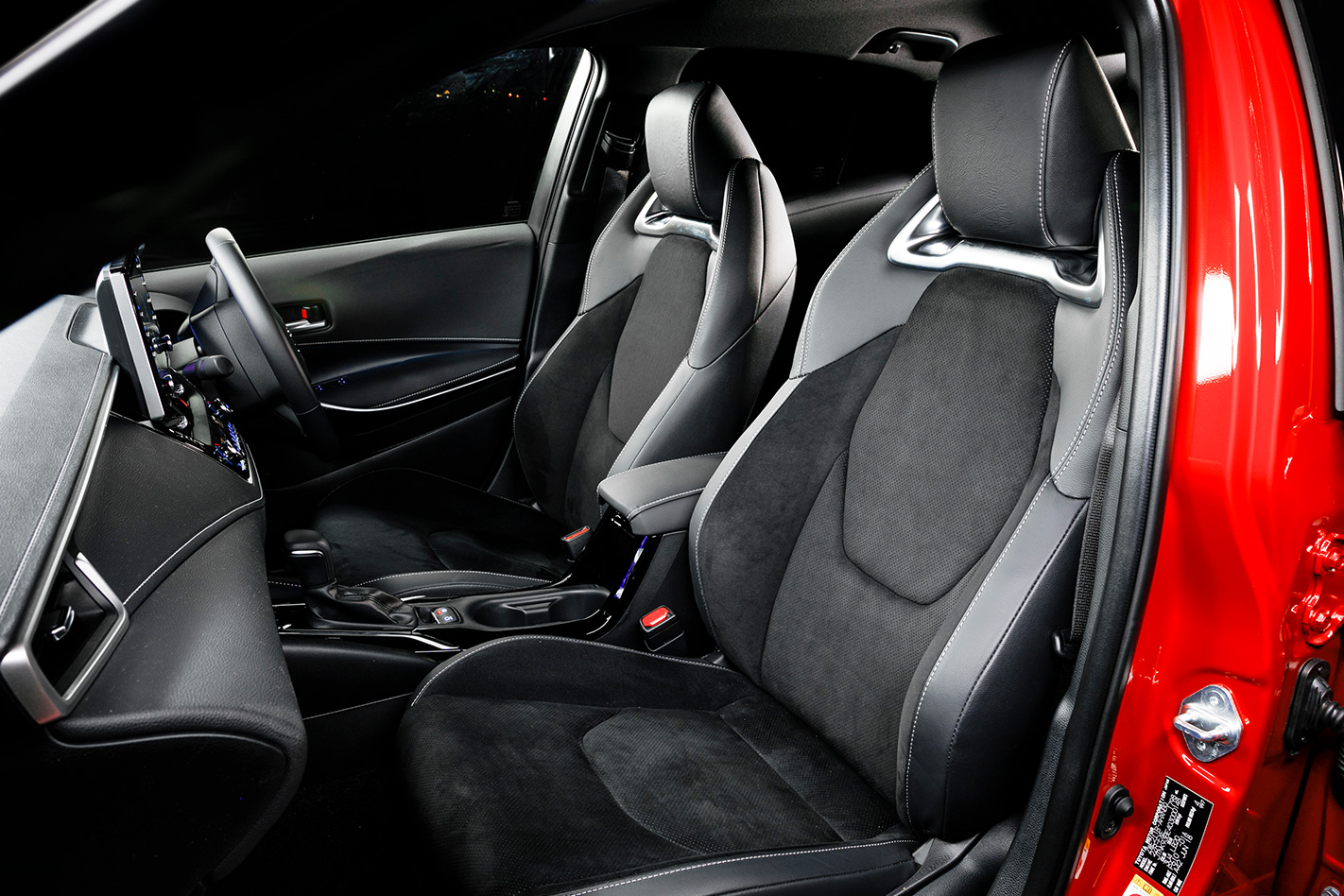
Best of all are the sporty, microfibre-trimmed seats, which provide a nicely contoured and widely adjustable base to build your ideal driving position around.
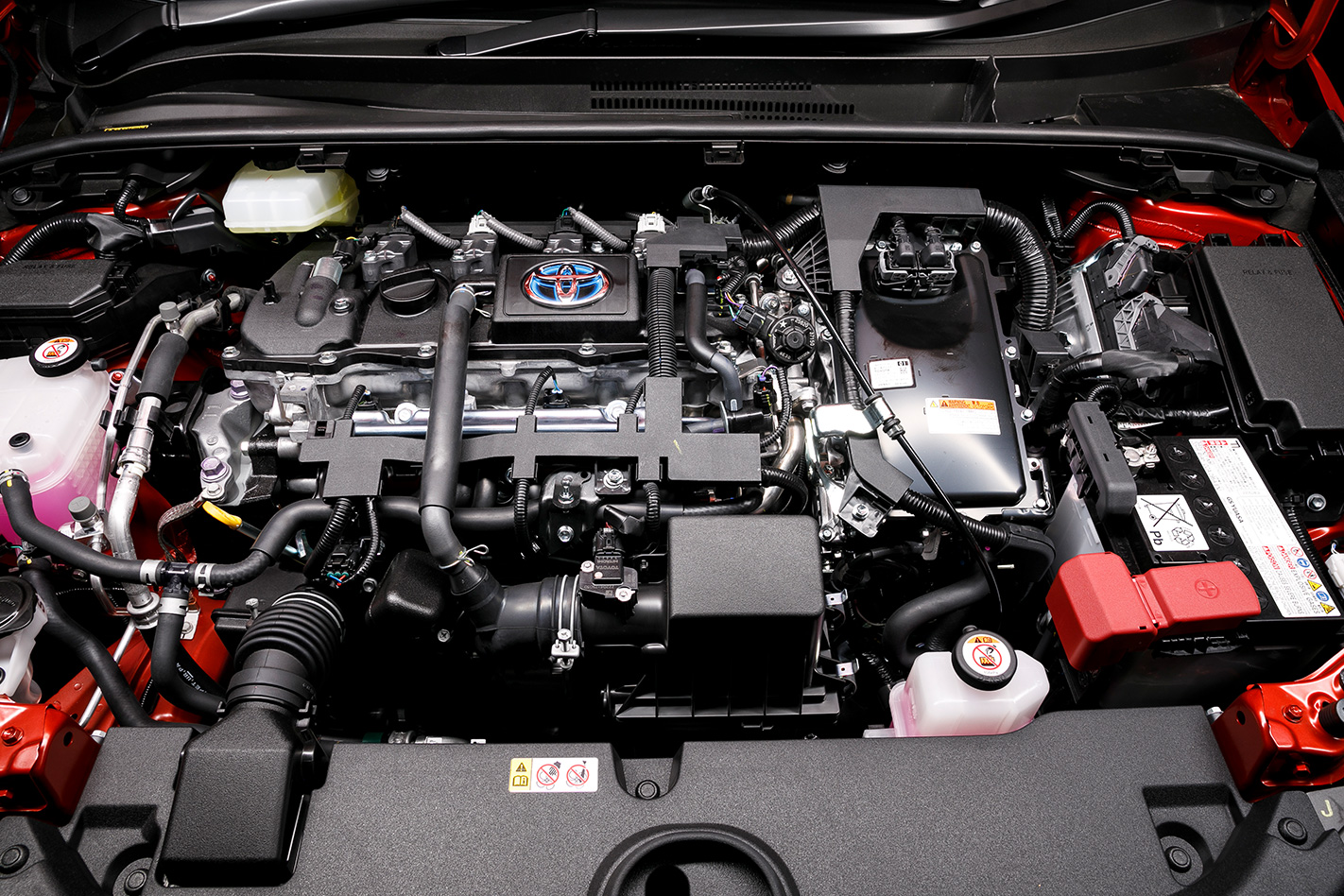
A choice of two four-cylinder drivetrains splits the Corolla range; 2.0-litre petrol, or 1.8-litre petrol/electric hybrid, the latter identifiable by exterior badging with a subtle blue glow.
Pricing for the 125kW/200Nm 2.0-litre variants starts at $22,870 for the Ascent Sport with a manual gearbox, or $24,370 with a CVT. Fancier SX and ZR variants with the 2.0 are CVT only, and cost $26,870 and $30,370 respectively.
On the electrified side, the hybrid drivetrain is available across all trim grades for the first time. They start at $25,870 for an Ascent Sport, and top out with the flagship ZR, tested here, at $31,870. The 1.8-litre combustion engine makes just 72kW and 142Nm, with the battery pack and electric motors kicking in up to 53kW and 163Nm, but peak combined output is a modest 90kW.
It’s effectively the same drivetrain as the current Prius, though its control systems have been tweaked for better responsiveness. Around town at low speed much of its trundling is done in near silence under electric power alone. Sensitive ears will pick-up a high-pitched electrical hum, but for the most part it is satisfyingly serene.
Full EV mode is available below 60km/h for those with featherlight control of the throttle pedal. Prod it beyond about 30 percent and the combustion engine triggers, but the vibration-free transition to hybrid motivation is virtually impossible to perceive with anything other than your hearing.
That’s also a reflection on the hushed cabin, which keeps wind and tyre noise to a respectable minimum. The engine is the only thing to disturb the ambience when going for a gap in traffic or making a quick getaway. Performance is languid down low, but it peps up once past an initial pause for breath. The engine note loses some of its coarseness and the Jetsons whine fades a little as the complex e-CVT holds the drivetrain’s peak torque at almost 4000rpm.
With a maximum of 90kW this hybrid Corolla isn’t going to win many touge battles, but the TNGA platform counters with its inherent strength and rigidity meaning softer dampers can be used for better bump absorption without hefty dynamic compromise, and the ride is brilliant. Driven with reasonable intent, it’s easy to develop a flow and carry speed.
The steering is light and a little too steer-by-wire in its lack of feel, but the off-centre immediacy is spot on. Point the tiller at an apex and the front hooks, the rear pivots and the whole thing glides around. It just needs an engine to match.
Down by the shifter there’s a button for ‘PWR’ mode, which shortens the throttle travel and feeds in more electrical assistance, but does nothing for gearbox performance. This hybrid Corolla doesn’t really cater for an overly spirited pilot as it omits artificial steps in its transmission calibration and foregoes paddle shifters. A little more manual control would be welcome, because the chassis is there to be exploited.
It’s brilliant, this TNGA platform, and with the added grunt of 2.0-litre variants, and especially with a manual ’box, Corolla should have the dynamic range to make existing warm hatches raise an eyebrow. As it is I had to remind myself that this isn’t trying to be one, but what a good one it could make – Gazoo, if you’re listening…
Of course, the real strength of the hybrid is its fuel economy, which didn’t deviate from the mid-5L/100km zone according to the dash display, even under the stress of my lead foot. Claimed combined efficiency is 4.2L/100km. Theoretically, this car could go 1000km on a single 43-litre tank of unleaded.
Toyota’s crusade toward driver enthusiasm has been slowly building momentum with the roll-out of current-gen vehicles, and Corolla looks like the strongest string yet in its TNGA bow. It adds to the optimism, and even excitement about the future of one of the world’s biggest automakers. And when is the last time a Corolla did that?
MORE: Toyota Corolla Range Review MORE: Toyota Corolla Specs, Range & Price
IN MARCH this year, a customer took delivery of a blue, $5.5m Pagani Huayra Roadster, the first official Pagani to be sold in Australia. The one person more excited than the customer was Bobby Zagame – because, as the Australian importer of Pagani, he gets to order another one, and another one…
Zagame, 52, has never lost his childhood passion for cars. It still takes him longer to leave the office than it should; with his Richmond emporium being the Victorian dealer for Ferrari, Lamborghini, Aston Martin, McLaren, Rolls-Royce, Maserati and Lotus, there are too many distractions.
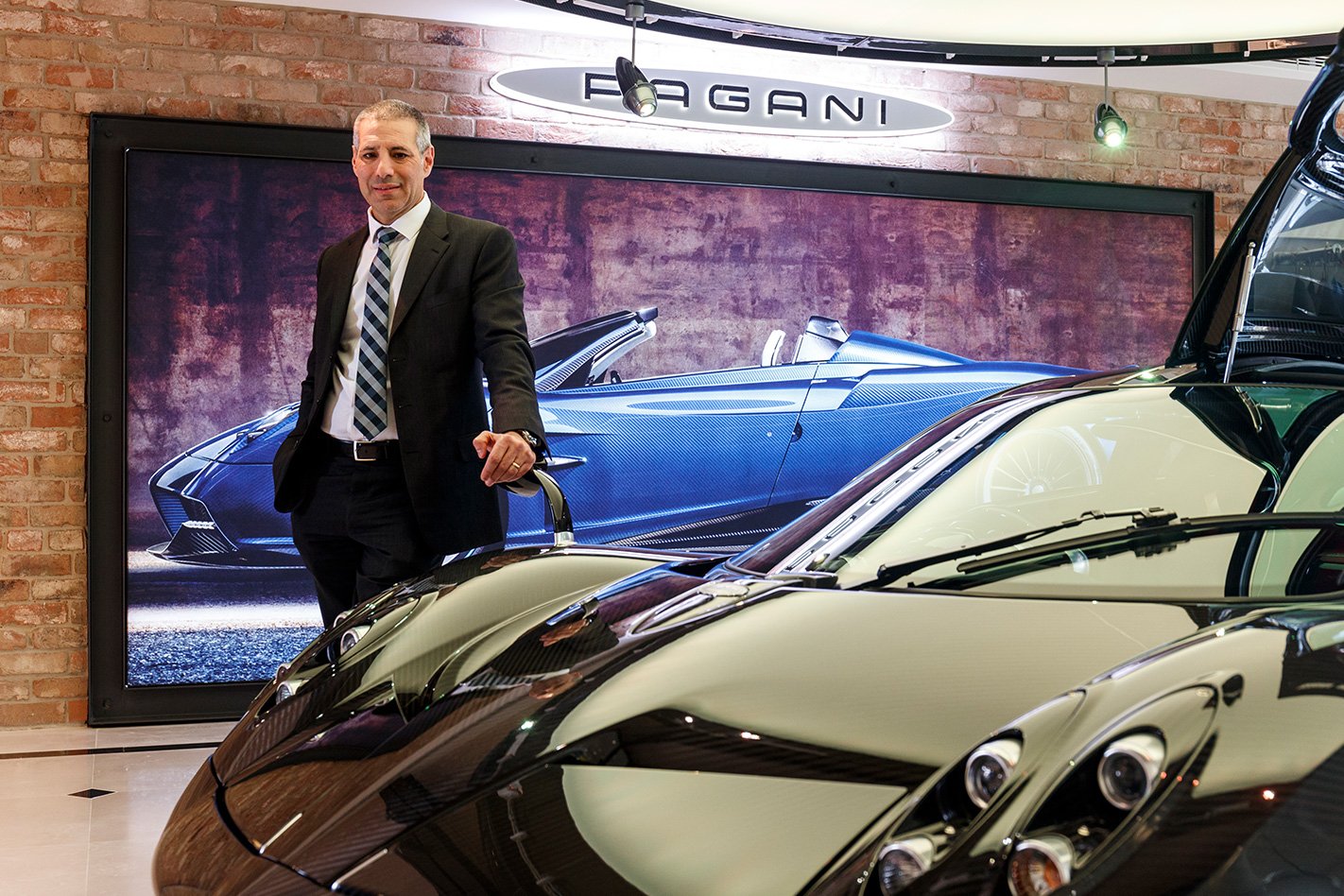
“I do turn back and look,” he says. “So nothing’s changed! Even though I sit in an environment of supercars, every one of them I just love looking at.”
Quietly spoken Zagame, the oldest of five kids, didn’t grow up in a car family. “But I just found a passion for cars at a very young age. I was just fascinated by, I think, the evolution of cars – they don’t ever stop with technology.”
He went from the HSC into the family’s hotel and restaurant business, which took off in the ’80s with landmarks like the Matthew Flinders Hotel in Chadstone.
“I was the youngest licensee in Victoria, if not Australia – I think I was 19,” he says. “I could pour a beer at six, used to hand it to the barman, he’d put it on top of the bar because I couldn’t reach … I was always going to work with my Dad, I just loved everything about hospitality.”
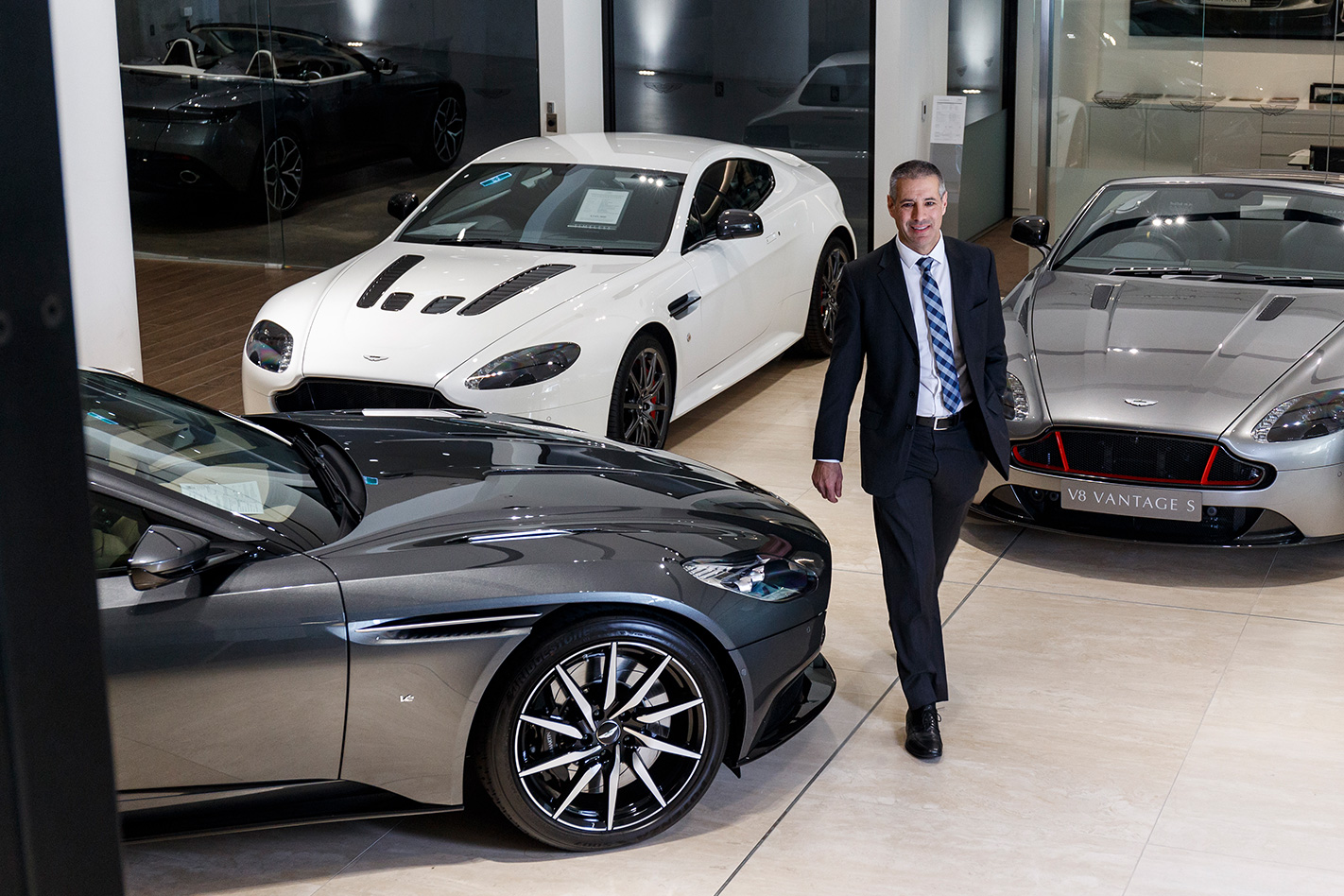
Oddly, given his background, Ferrari wasn’t central on his radar. “My ultimate was always a Porsche 911 Turbo, but I had a Toyota Supra 2.8; I stayed with Supras for years, up to my late-20s when I started on BMWs – I loved my E36 M3.”
In 1999, a BMW sales contact mentioned that a group was looking to open a car dealership with a restaurant inside; at the time, a pioneering concept.
“They had the brands Lamborghini, Aston Martin and Lotus – so I said, ‘Where do I sign?’” Auto Cavalli opened in trendy Fitzroy Street, St Kilda. “The restaurant went fantastic – but the car side of it fell to shit within 11 months. In that time, I’d bought the property, so we did a deal: I ended up running the restaurant and I kept the Lotus brand and the Ducati brand.
“Lotus is not an easy product to sell, but I found that my hospitality background was an asset. I’d always had good relationships with suppliers like CUB and Coca-Cola. I just tried to build good relationships with the manufacturers and distributors.”
Zagame soon added MG Rover and, after the brand’s 2005 closure, Citroen. His volume successes would bring an offer from Citroen importer Neville Crichton, who by then had Ferrari in his stable.
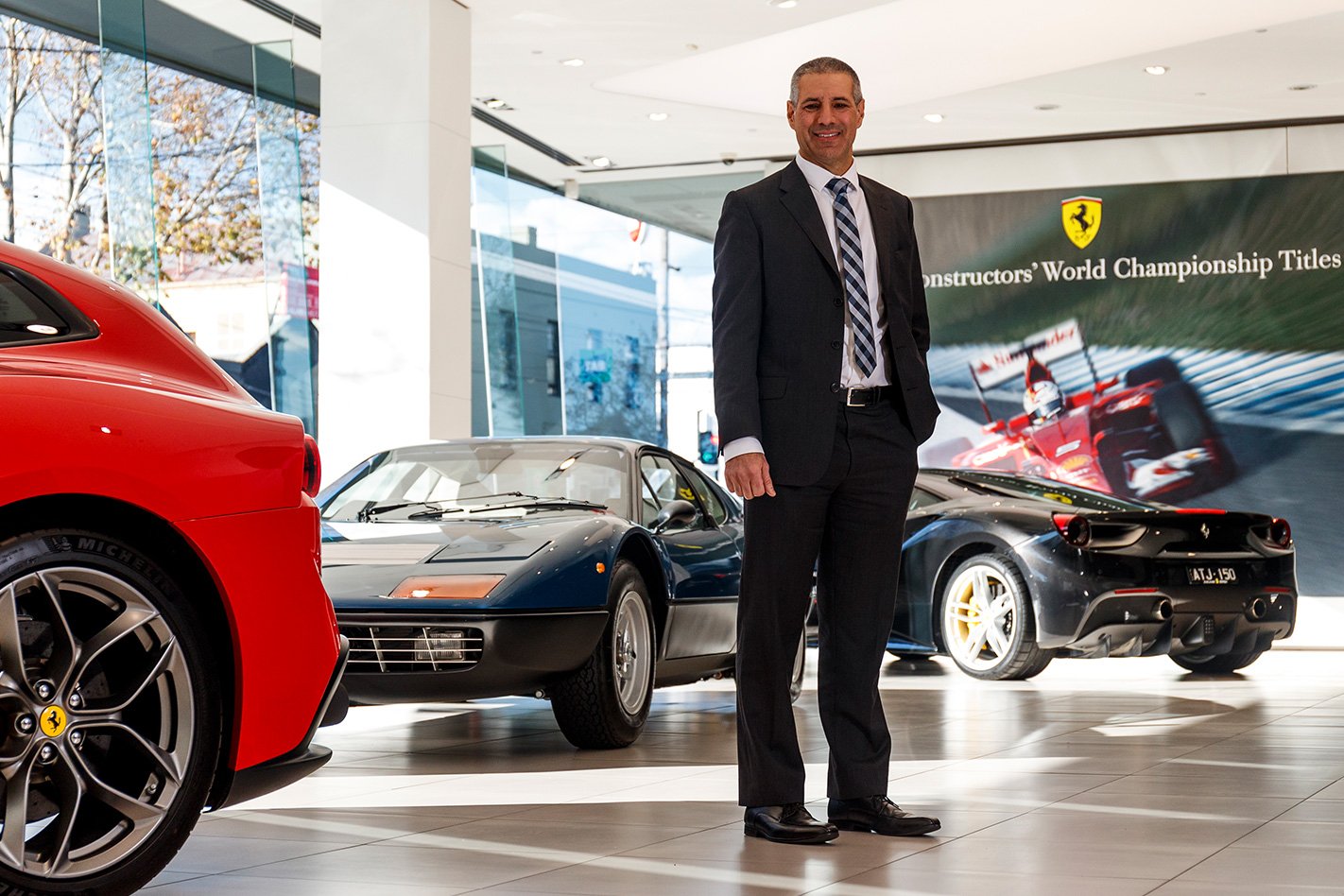
“I looked at it and thought, ‘Well, how many Ferraris are you going to sell in a year – 10, 15?’ And [Crichton] wanted me to build this Taj Mahal … I just couldn’t understand how I could make it work. So I knocked it back.
“Then my wife, who is not a car person, said to me, ‘You’re mad. The last bloke’s had it for 28 years. This is a chance of a lifetime, you’ll get one crack at this.’ A couple of weeks later, I hit myself in the head and said, ‘Yeah, she’s bloody right.’ So by the end of 2005, I was a Ferrari dealer.
“That was probably the turning point for us in the car business. Doing a really good job of that became a linchpin for other brands being keen to get on board with us as well.”
So what’s the difference between selling an $18,000 Fiat 500 and a $5.5m Pagani? “The same principles apply. It’s all relative – to the person buying a Fiat, it’s a big deal to them, and the same applies to the person buying a Rolls-Royce. I think that’s the hospitality aspect still with me; you treat everyone equally.”
OH AMERICA, you bunch of glorious, freedom-loving nutters. The land of the bald eagle has gone and upped the ante in the official ‘cool police vehicle’ stakes, with cops around the nation now able to order bulletproof all-wheel-drive 527kW Dodge Charger Hellcats that make the Italian police force’s Lamborghini Huracan look tame.
Check out Armormax’s video of the police-spec Hellcat here
Built by armoured car specialists Armormax in Utah, the bulletproof Charger is one wicked bit of kit. Along with its stonking supercharged 6.2-litre V8 under the bonnet, the police version can be optioned to send its power to all four wheels, rather than the Hellcat’s standard rear-wheel drive set-up.
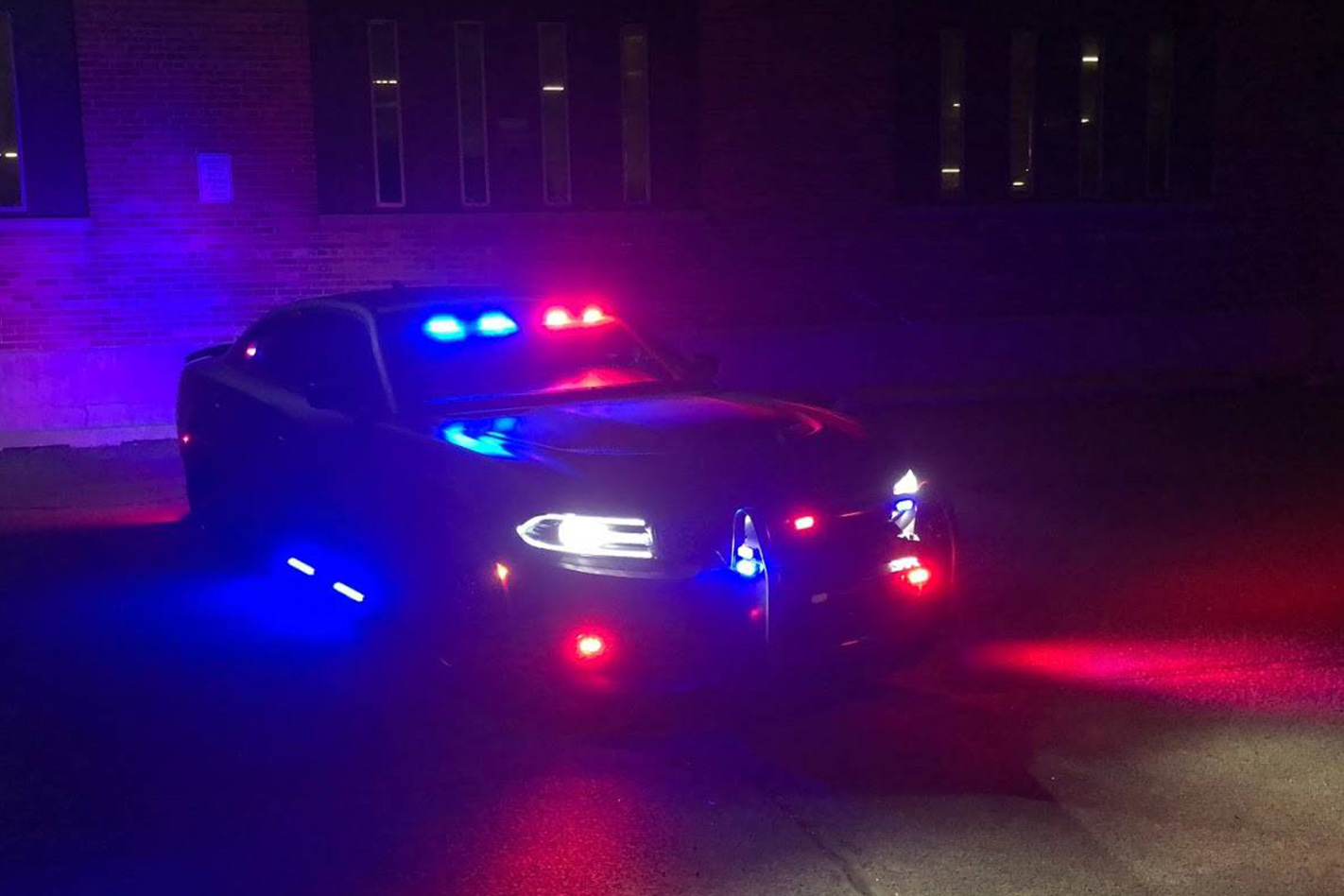
Armormax says the Charger can be specified up to a ‘B7’ level of protection, which is armoured-car-speak for a vehicle capable of withstanding armour-piercing rounds from high-powered rifles and anything below.
The passenger compartment is lined with light synthetic-fibre laminates and air hardened, heat treated ballistic alloys, while the layered windows are made up of glass, acrylic and polycarbonate laminates in order to stop high-velocity bullets.
Weight is the obvious drawback to the reinforcements, and though Armormax doesn’t state how much extra mass has been added, with all-paw traction and a 527kW V8 it’s unlikely the cops rolling in this beast will lose sight of any baddies.

There have been mechanical changes to cope with the extra heft including uprated suspension and tough, run-flat tyres. Armormax has also fitted protection for the battery, radiator, fuel tank and ECU. A number of extra accessories are offered, including bomb blankets, for those discerning (and paranoid) sheriffs with money to burn.
Meanwhile in Australia, whichever politician has survived the latest Canberra knife fight will be rolling around in the Prime Minister’s armoured BMW 7 Series, which has doors so serious they are technically classified as weapons.
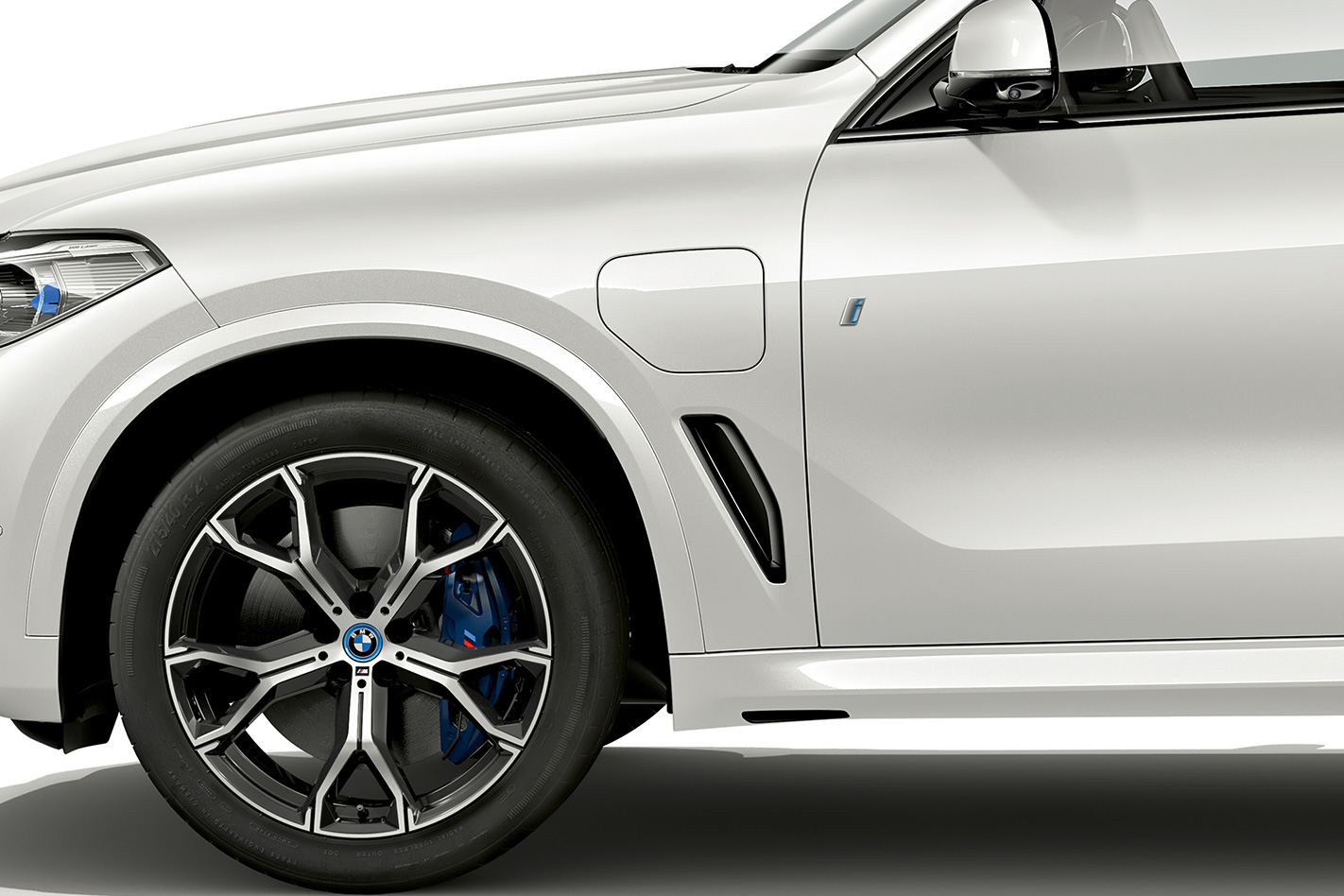
BMW has confirmed that it will produce a plug-in hybrid version of the new BMW X5 large SUV that’s due in Australia in the fourth quarter of 2018.
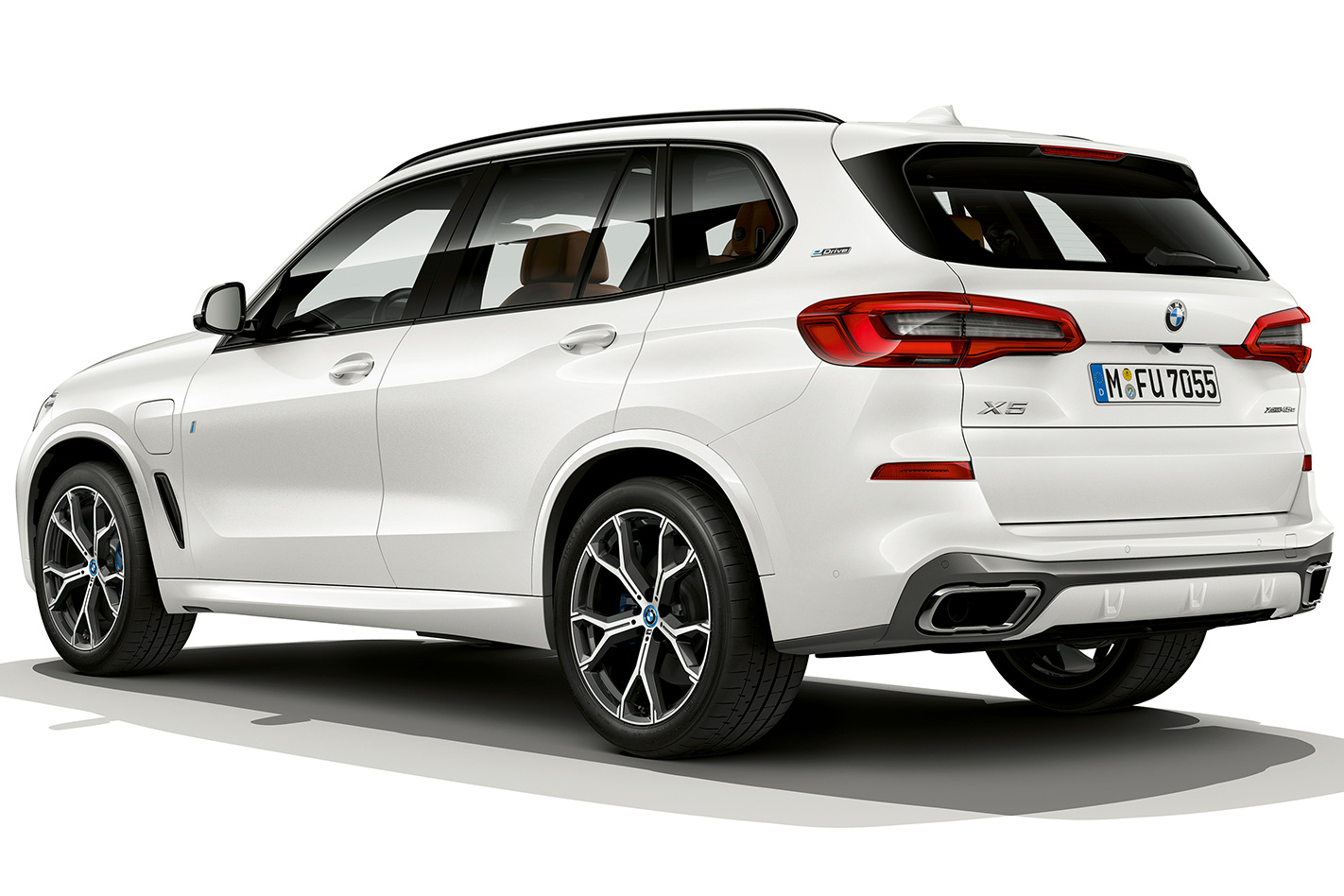
The new BMW X5 xDrive45e iPerformance replaces the xDrive40e and – if it comes to Australia — would give BMW a hybrid alternative to the likes of the Audi Q7 TDi, Range Rover Vogue, Mercedes-Benz GLE500e, Porsche Cayenne eHybrid, Tesla Model X and Volvo XC90 T8.
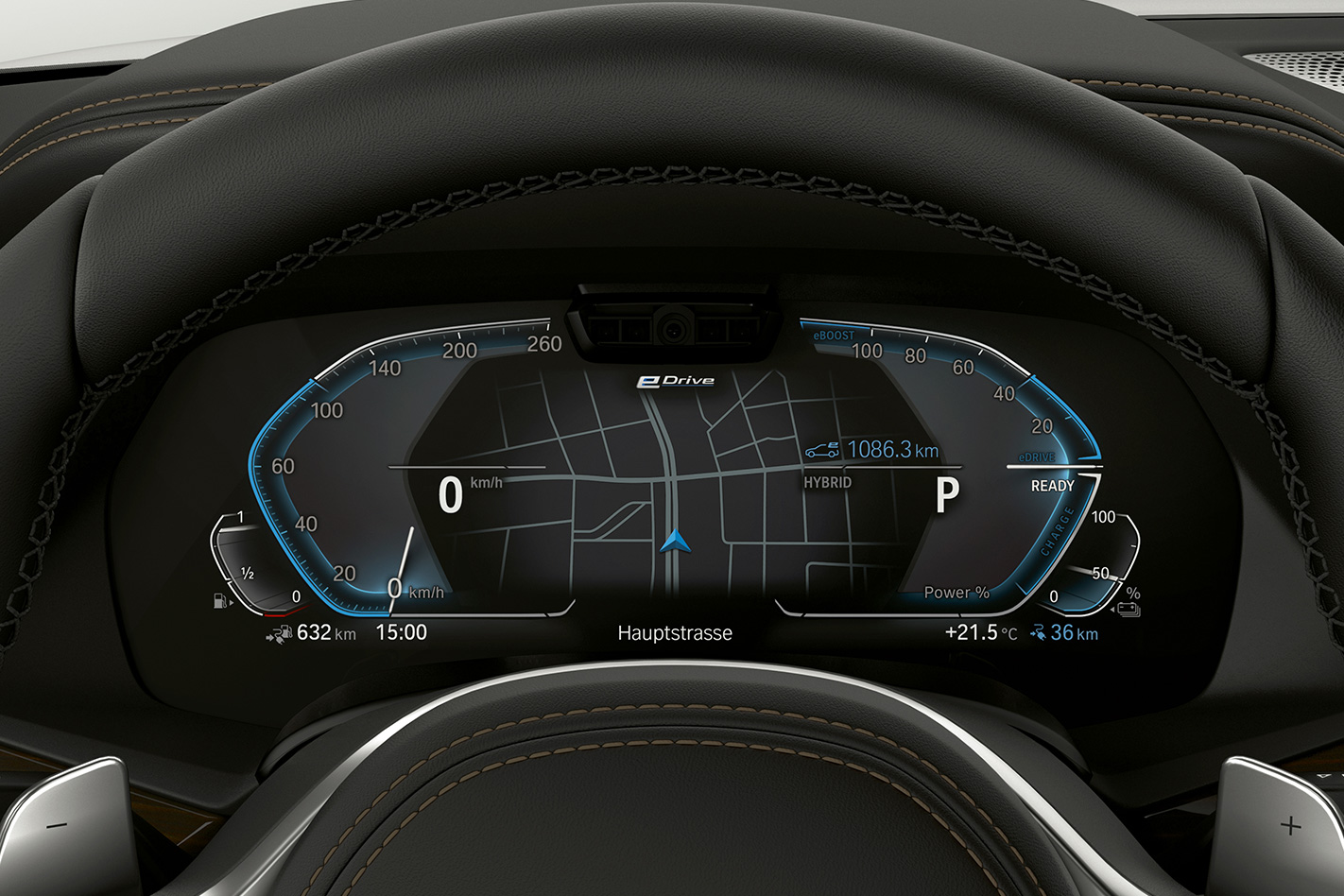
BMW claims the new X5 plug-in hybrid, which combines electric motors and a turbocharged 3.0-litre six-cylinder petrol engine, can drive for up to 80km on battery power alone, almost three times the electric-only range of its predecessor. When using both its electric motors and petrol engine, the X5 xDrive45e can accelerate from 0-100km/h in a sportscar-like 5.6 seconds.
The new-generation BMW X5 large SUV was revealed globally (https://www.whichcar.com.au/car-news/2019-bmw-x5-revealed) in June 2018 with external styling changes best described as evolutionary rather than revolutionary. The vehicle is slightly bigger than the previous model, but also lighter, which should benefit fuel consumption.
Width and height increases are claimed to deliver additional legroom for second and third row occupants, and increased cargo capacity.
Inside, the headline changes include a new “Digital Key” which uses your smartphone to unlock and lock doors, and a new 12.3-inch infotainment screen featuring BMW’s latest iDrive 7.0 infotainment system, Apple Carplay and Android Auto.
Safety equipment on the X5 range includes city-speed emergency braking, pedestrian and cyclist detection, and emergency stop assistant.
The BMW X5 plug-in hybrid is likely to slot into the new range between the X5 xDrive30i and the high performance X5 xDrive50i, with a price of around the current model’s $124,200.
Prince Charles has built a reputation as the British Royal Family’s very own environmentalist, previously waging a war on plastics in the palace and even installing sovereign solar panels.
Now he’s taking delivery of an emissions-free electric car.
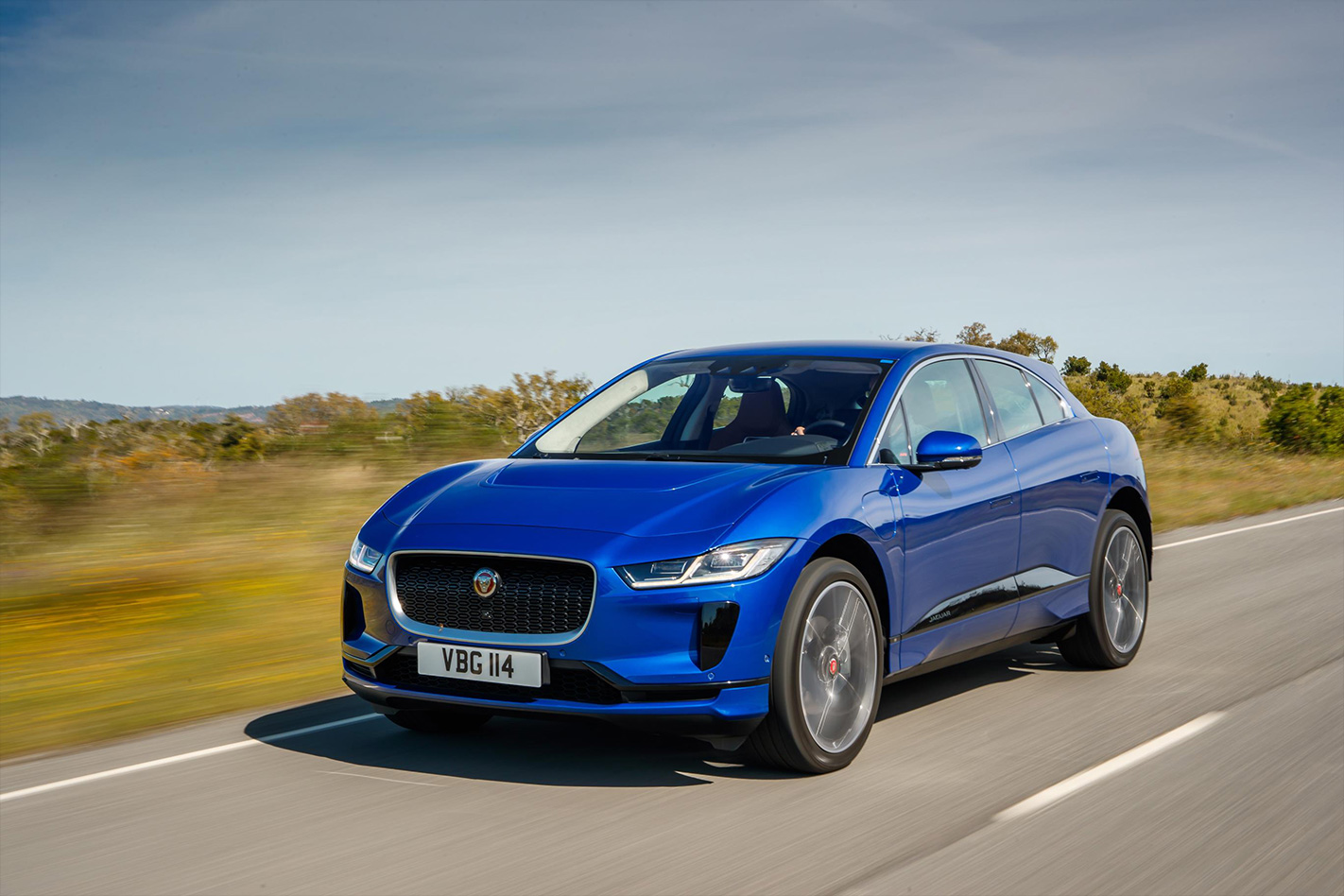
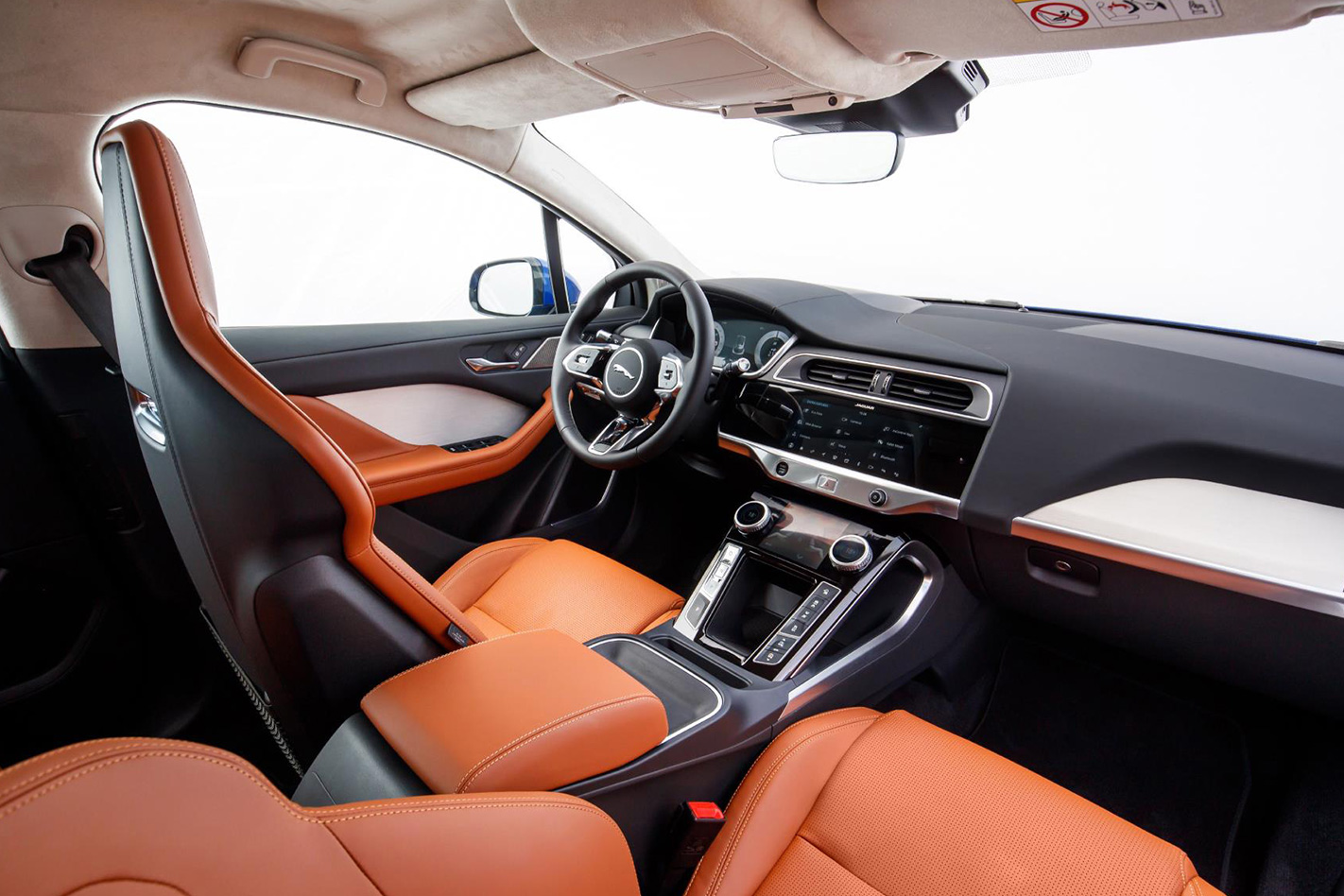
The heir to the throne of the British Empire has ponied up £60,000 (A$107,700) of his own money on an example of the new Jaguar I-Pace. The I-Pace is the first all-electric car from the iconic British marque, and is due to arrive in Australia in October priced from $119,000.
But Jaguar Australia won’t sell you a version identical to Prince Charles’s because the bonnie Prince has ticked quite a few options boxes, including a couple exclusively for him.
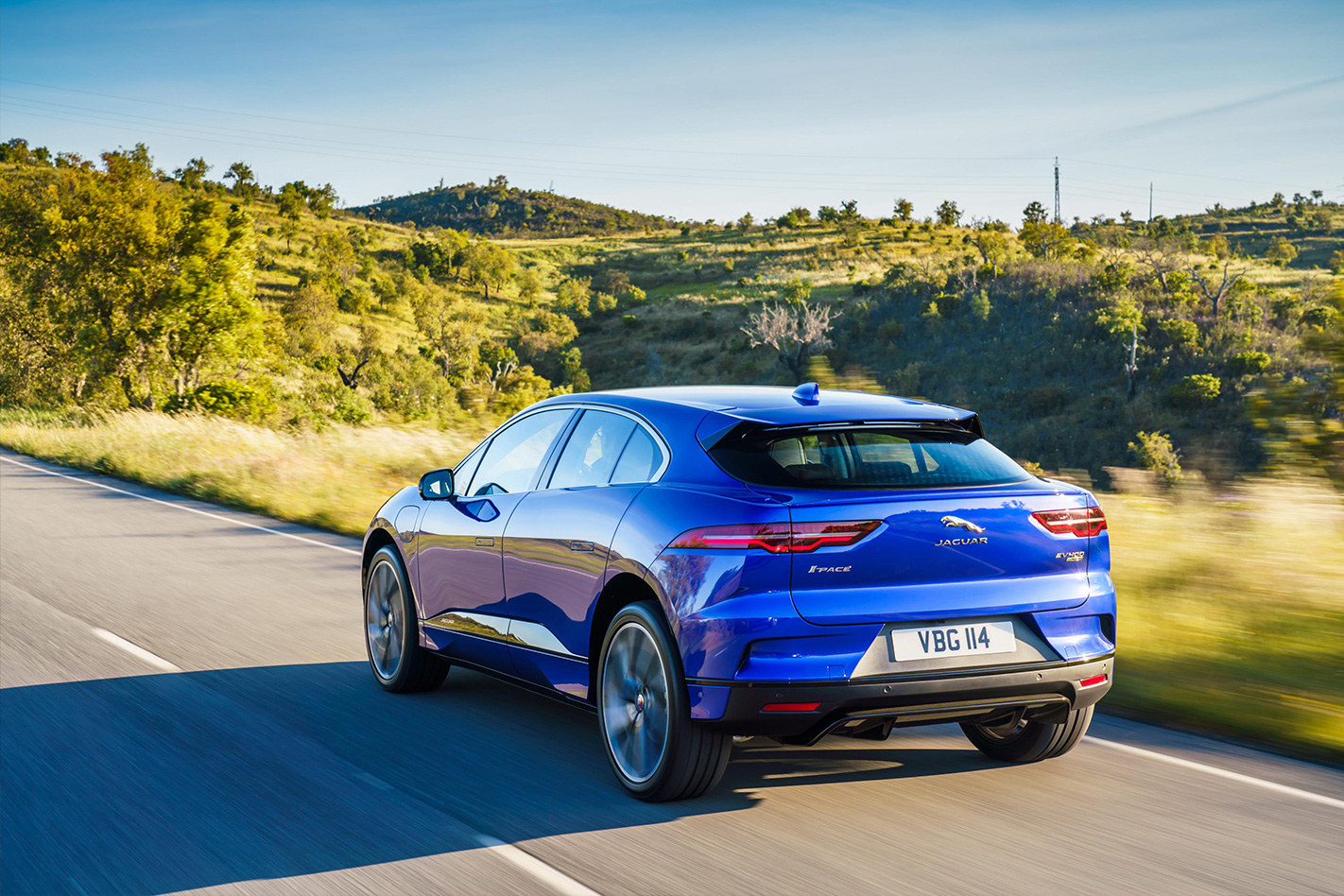
To avoid the automotive equivalent of turning up to a party in the same dress as another guest, the Prince has ordered his Jaguar I-Pace SUV in a unique Loire Blue paint colour. Personally we prefer the dazzling Caesium Blue from the standard palette, but who are we to argue with a bona fide blue blood?
Interestingly, Prince Charles recently described his newest ride as “silent but deadly” which probably sent Jaguar’s marketing team into damage control. We assume he meant the I-Pace is almost completely noise free from the outside yet devastatingly quick. That’s exactly what we found when we drove the car in June.
The Jaguar I-Pace is not quite the first electric Jaguar to feature a Royal at the wheel. In May, Prince Harry drove his new bride Meghan Markle from their wedding in a 1960s E-Type that had been modified to run on an electric motor.
It should come as no surprise that the Royals are fans of environmentally friendly motoring. Charles’ new Jaguar will have to battle for attention with a beloved Aston Martin DB6 which has been converted to run on bio-ethanol.
And his father, the Duke of Edinburgh, was known in years past to ferry himself about town in a London black cab fuelled by LPG.
The Jaguar I-Pace is the first serious rival to the popular Tesla Model X, which sells in Australia for a coincidental $119,000. But a future king of England paired up with an American just wouldn’t be cricket. Or would it?
