
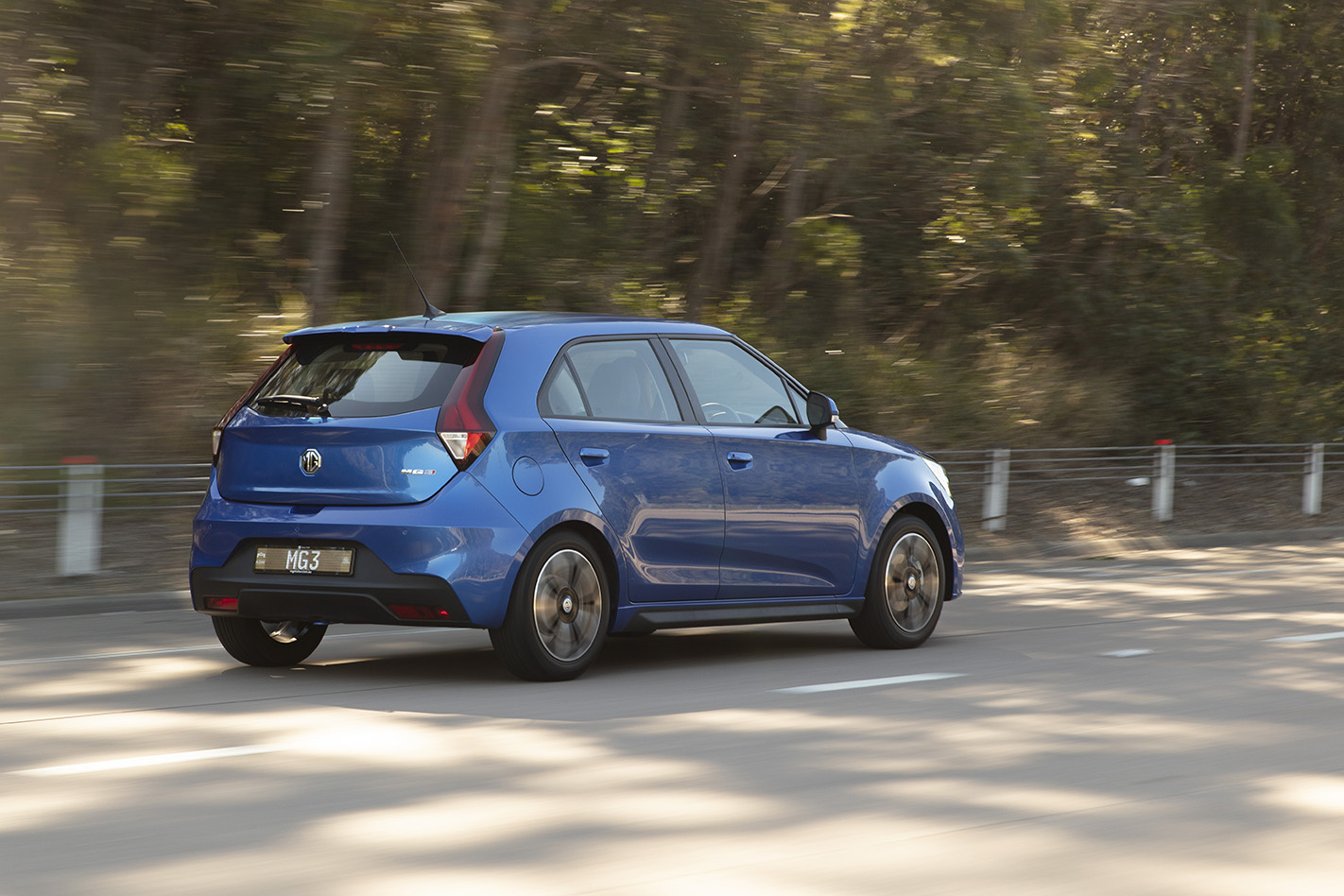
MG has enlisted another troop in its battle to garner attention from Australia’s discerning automotive fraternity, with a significantly updated version of its MG3 small hatchback, which is now available for the first time with an automatic transmission.
Two versions lead the update, with an entry-level Core touching down from $15,990 driveway and the more generously equipped Excite, which replaces the outgoing Soul and Essence, from $17,490 – also driveway. For now, there is no third variant to equal the pre-update trio.
The new pricing represents an increase of $2000 over the previous manual-only MG3, but the previous asking price was before on-road costs and did not include the deal-sweetening four-speed automatic transmission that will doubtless appeal more to local tastes.
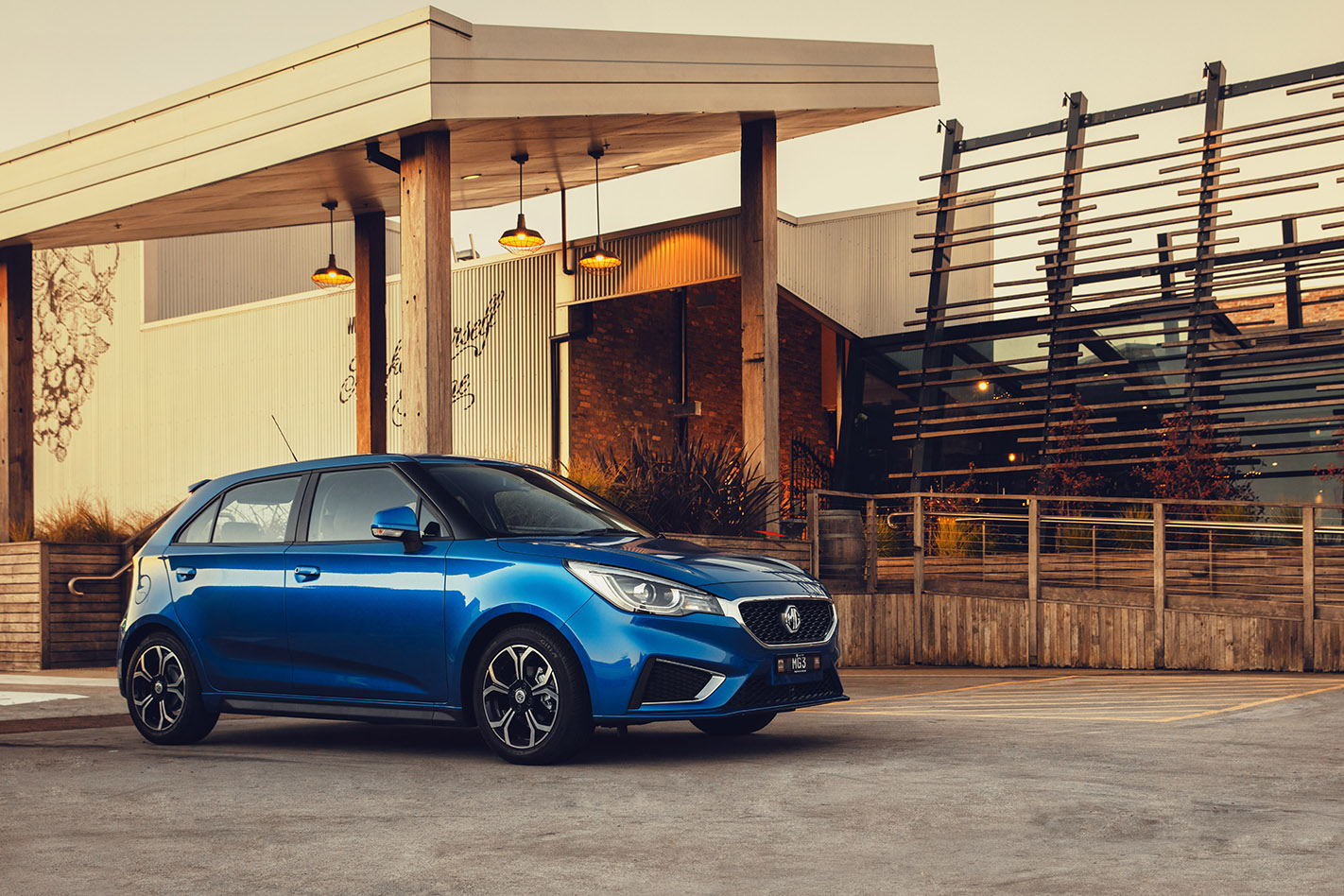
Beyond the new auto, the refreshed model introduces a significant facelift, which ditches the outdated front end in favour of a more grown up look in line with the company’s ZS mid-sized SUV.
There’s also new chrome-look exterior embellishments and LED daytime running lights.
The MG3’s 1.5-litre naturally aspirated petrol engine carries over to the updated model, but gains a modest power upgrade from 78kW/137Nm to 82kW/150Nm, although fuel consumption has crept up from 5.8L/100km to 6.7L/100km combined with the swap from more efficient manual-only gearboxes.
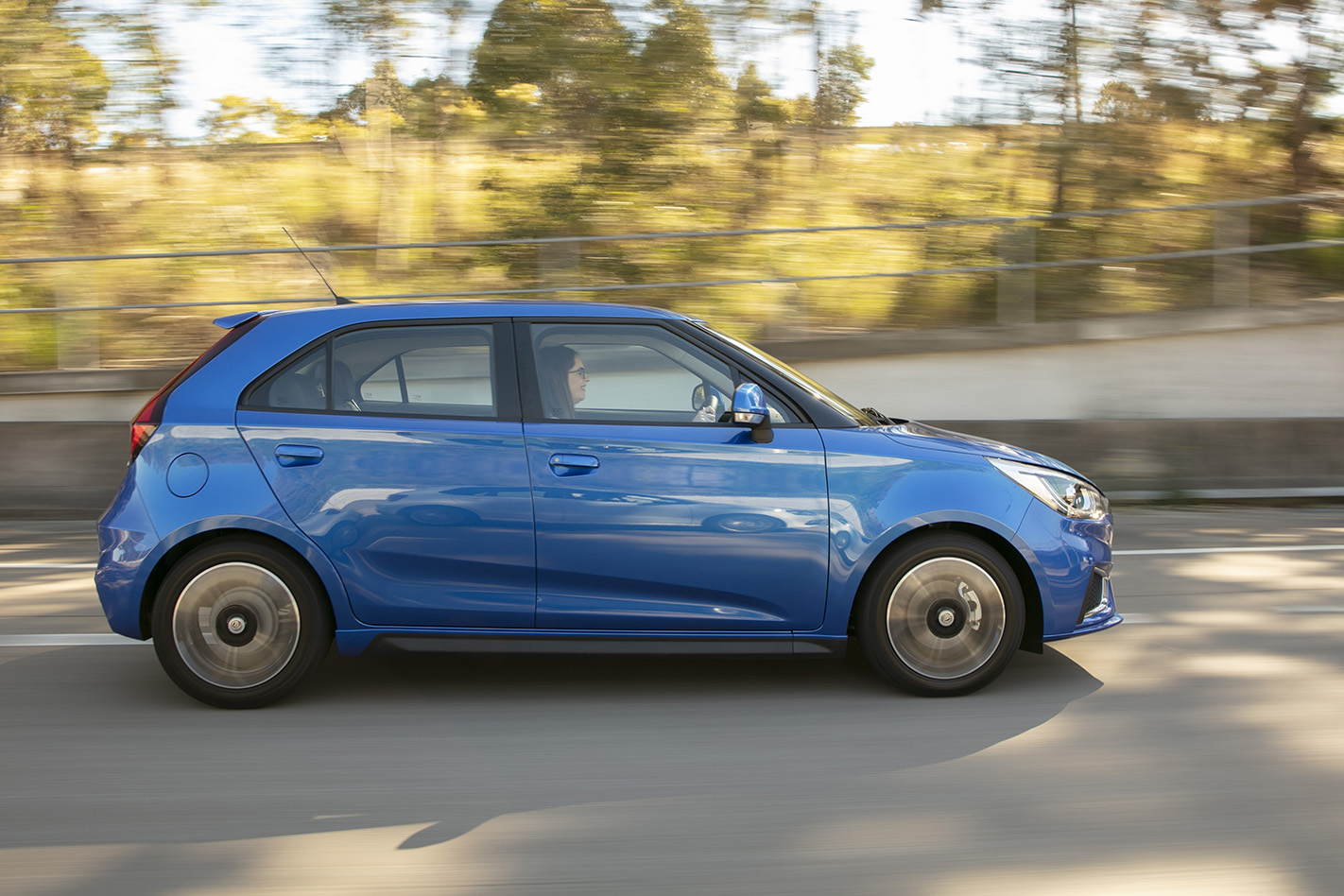
The MG3 also gets an interior makeover, with a range of new materials including carbon-look dash and centre console finishes, tartan pattern dash trims to match seat cloth, leather upholstery for the steering wheel and gear selector, and a an eight-inch touchscreen as the centrepiece.
With a more youthful target audience, MG has packed the information and entertainment system with connectivity features including sharp graphics, Bluetooth, Apple CarPlay/Android Auto, a host of built in applications, and a Yamaha audio system.
MG does not yet offer autonomous emergency braking for the MG3, but six airbags, rear parking sensors, a reversing camera, cruise control and emergency braking assistance are on the standard safety features list along with the required electronic assistance systems.
Opt for the more kit-packed Excite and equipment highlights include upholstery that combines synthetic leather with cloth. The four-speaker sound system grows to six-speakers with Yamaha 3D Surround Field, and it gains climate control over manual air-con. The exterior gains a boot spoiler, and the 15-inch alloy wheels are upgraded to 16-inch machined rims.
At the back, a 307-litre boot expands to 1018 litres with the 60/40-split rear seats folded down. There’s also a full-sized steel spare wheel.
Both versions are covered by MG’s seven-year unlimited-kilometre warranty and roadside assistance, which is only matched in the mainstream manufacturers by Kia.
Five colours are on offer with two solid shades and three metallic. But as another lure to potentially younger buyers, MG is offering a range of customisation options which include exterior decals created by local artists.
With the introduction of the updated auto, MG Motor Australia marketing director Danny Lenartic said the company’s smallest model now had the ability to pique more customers’ attention.
“Now with automatic transmission, increased horsepower, great new features, and customisable decals to add that touch of personality, the new MG3 Auto is the perfect urban runaround for our Australian customers,” he said.
It won’t be hard for the MG3 to improve on its sales performance to date, with just 72 registered to the end of July this year, but that meagre performance is hardly surprising in Australia’s auto-centric landscape.
The arrival of the new version gives the small hatchback a fighting chance of catching up to its better performing siblings which, in the case of the ZS, has found nearly 800 local homes in the same period.
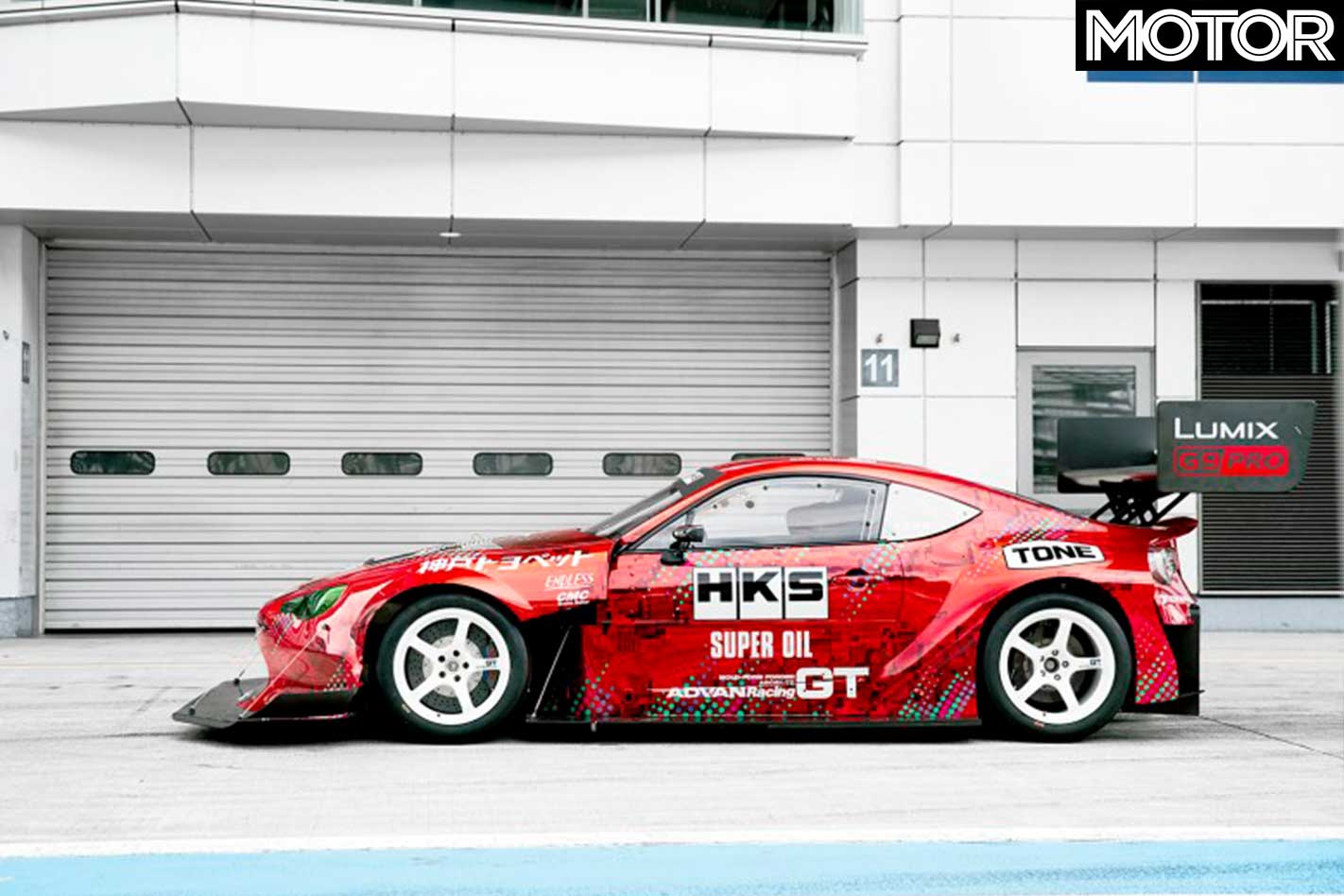
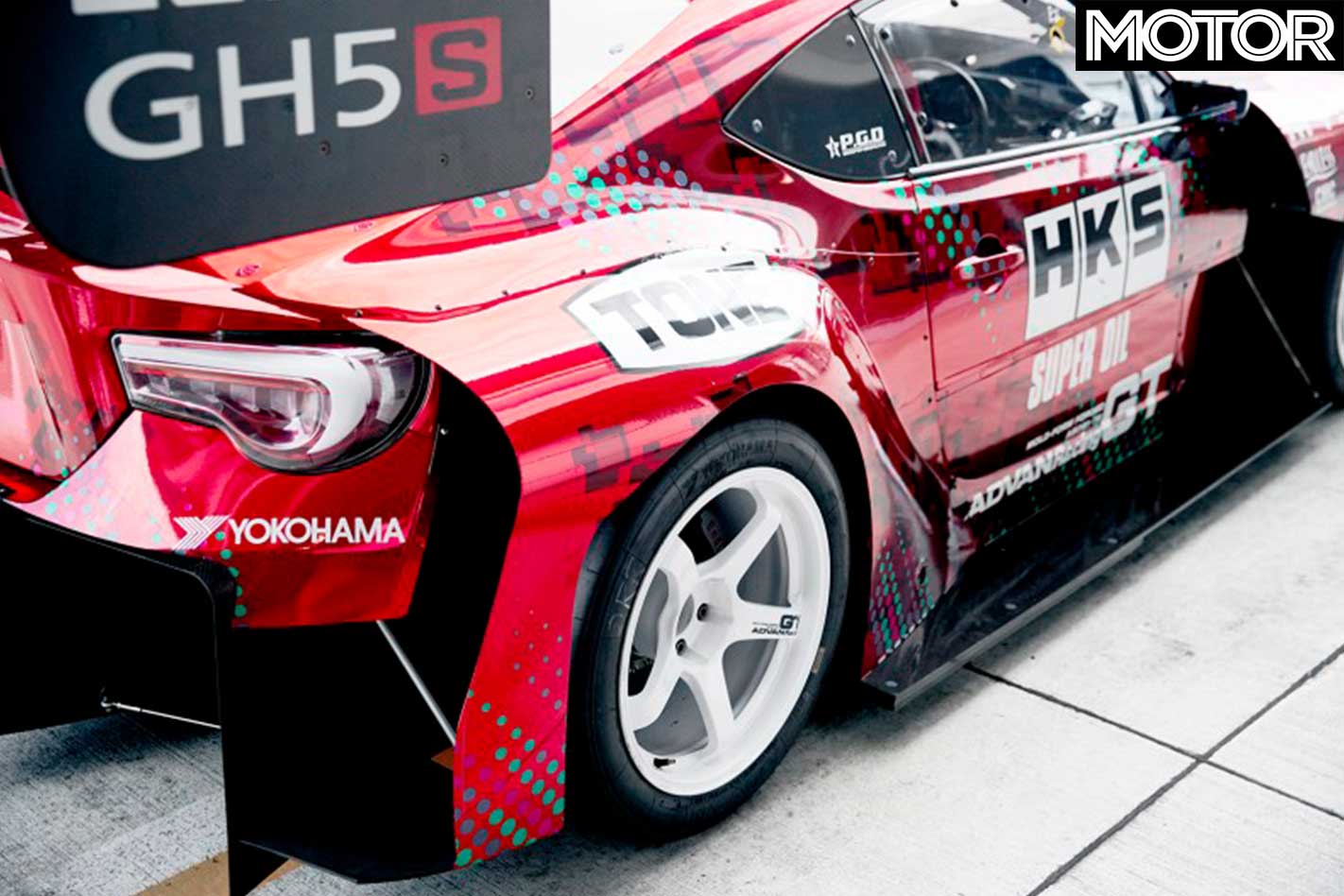
HKS is bringing its Tsukuba record-breaking TRB-01 Toyota 86 to Australia to tackle Eastern Creek at the 2018 World Time Attack Challenge.
Earlier this year, the HKS car lapped Tsukuba Circuit in Japan in less than 50 seconds (59.44), considered by some to be a new record despite controversy over its use of racing slicks rather than semi-slicks for the lap.
Under Suzuki still holds the record for a lap using semi-slicks, with a run of 50.1 seconds.
Similarly to its Tsukuba run, the HKS TRB-03 won’t be eligible to compete in any of the classes set up at WTAC, so it’ll be appearing as a show car to run laps and ‘compare’ with the Pro Cars.
Under the hood is a Subaru boxer engine, supercharged and stroked to 2.5-litres, putting out around 735kW.
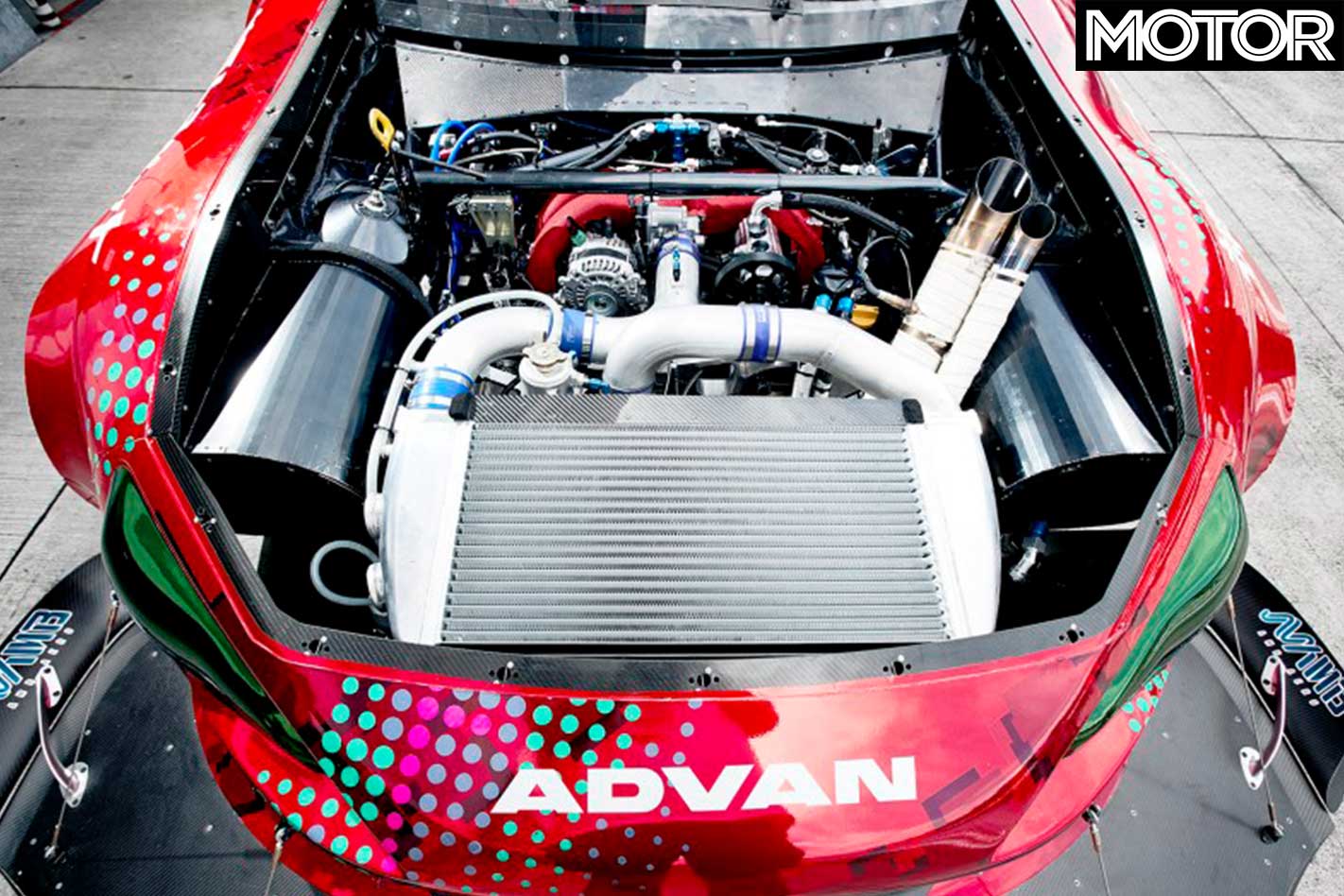
Racer and drifter Nobuteru Taniguchi will pilot TRB-03 at WTAC, his link to HSK being that he drove for the team in the D1 (drift) Grand Prix series.
“Seeing this car run in full flight will certainly be one of the highlights of WTAC 2018,” says Superlap CEO and WTAC runner Ian Baker.
“It is more than likely the one and only chance you will ever get to see this car run as the project was actually finished before we discussed bringing it to Australia.
“It was built to do the Tsukuba record and with that out of the way would more than likely have been retired to show duties.”
Speaking with MOTOR before news of the TRB-03 coming to WTAC broke, Baker said there’s plenty more big news to be announced, especially in the near future.
However, the TRB-03 is one of the biggest features of WTAC 2018.
“It will be interesting to see how it performs as Sydney Motorsport Park is a very different animal to the tight and technical Tsukuba circuit.
“It will also be on display on the Yokohama Tyre stand over the weekend giving fans a chance to check out this insane build up close and personal.
“It is really just another piece of the puzzle all pointing to one hell of a show this year.”
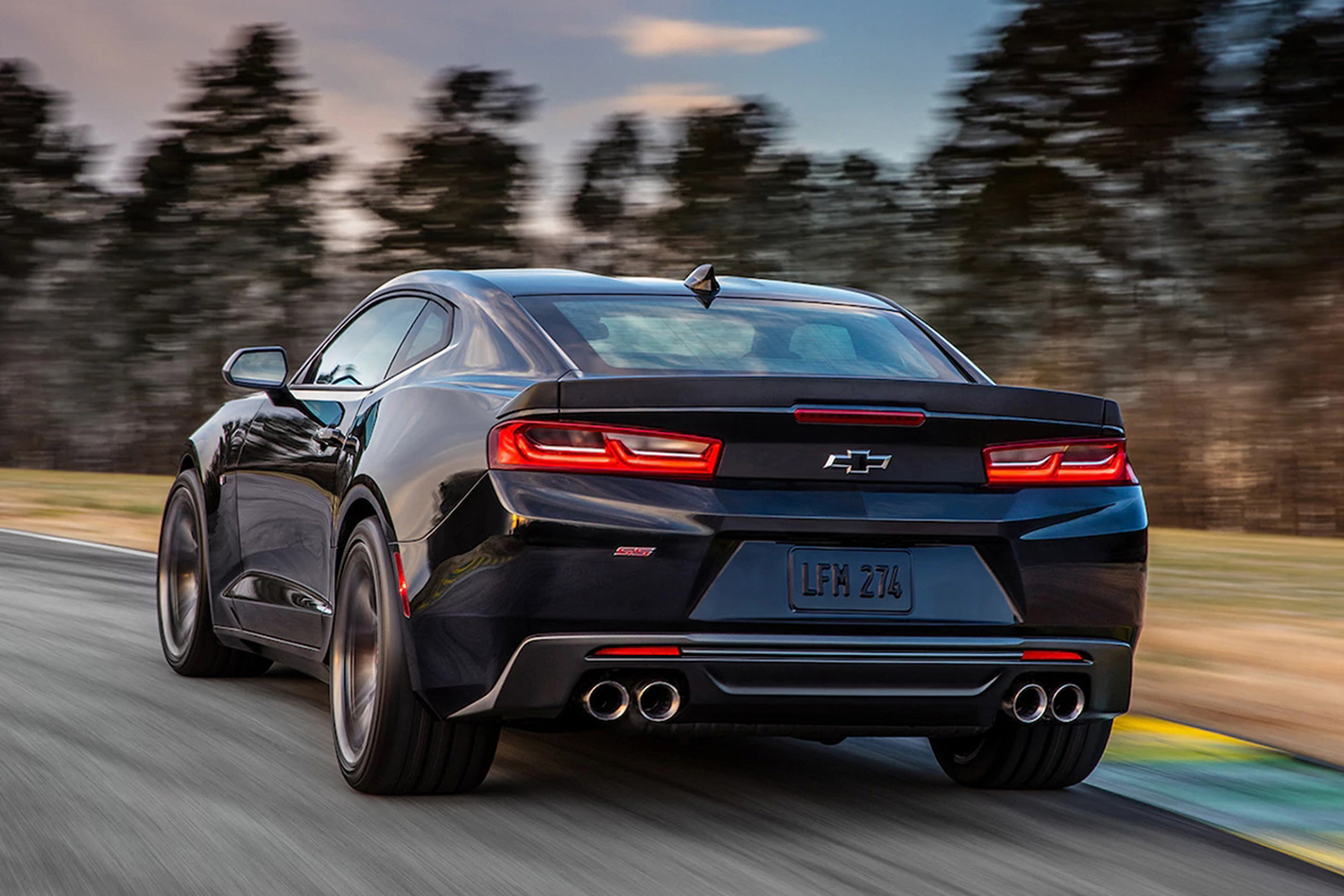
AUSTRALIANS have been eagerly anticipating the arrival of the Chevrolet Camaro to local showrooms and roads for eight months, following HSV’s announcement in December last year that it will convert the American V8 muscle car to right-hand-drive.
The wait is almost over, production commencing at HSV’s Clayton factory later this month. Despite this, details about the Aussie Camaros remain thin on the ground, but we’ve garnered a few details by pressing our sources and probing HSV for more info.
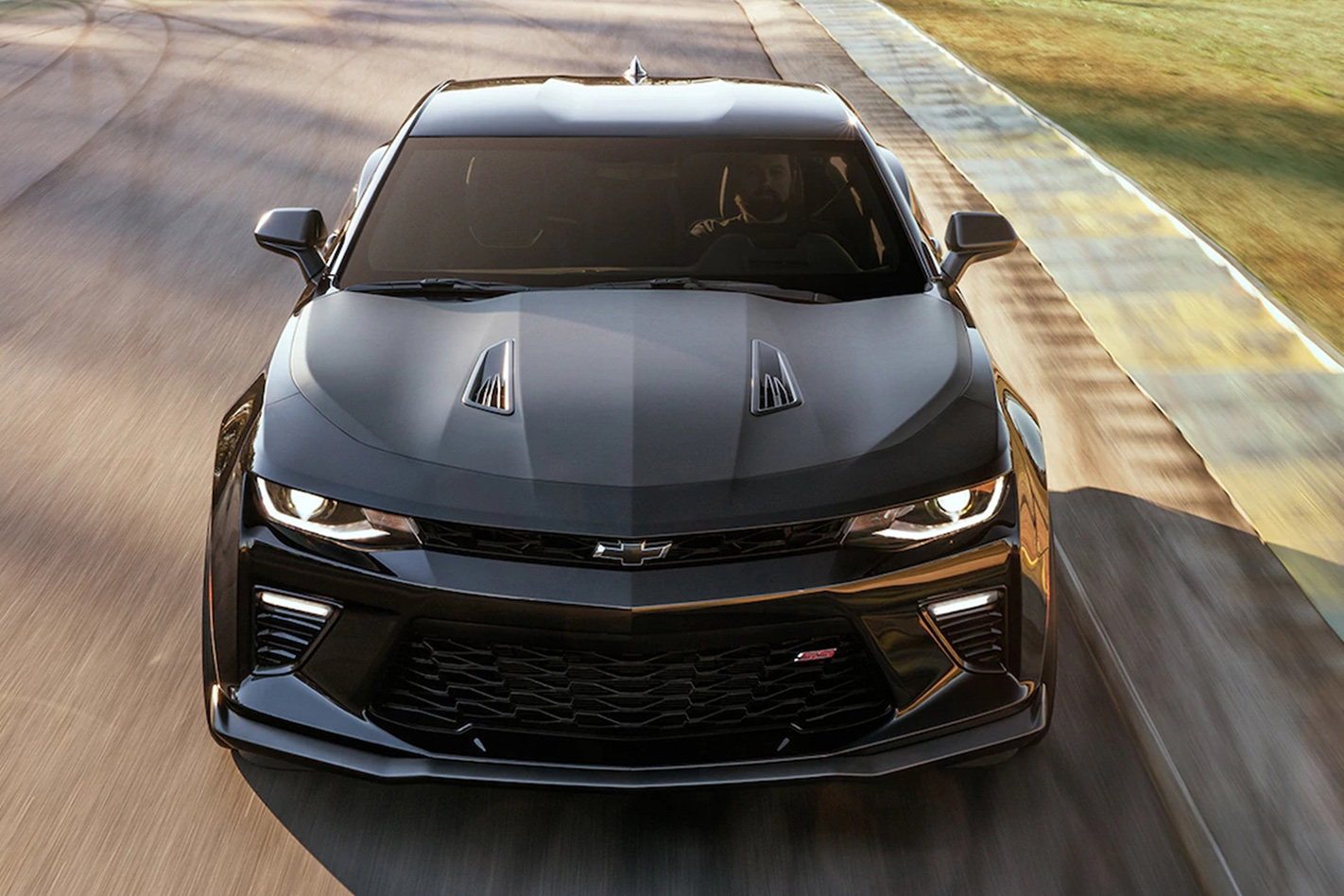
As we revealed yesterday, HSV has finally confirmed ADR compliant power figures, with the Camaro’s 6.2-litre naturally-aspirated LT1 V8 engine producing 339kW and 617Nm, sent to the rear wheels.
How that power is delivered is seemingly a point of contention within HSV, but is likely ultimately dictated by supply from GM globally.
In its original announcement, HSV stated the Camaro would be sold with both the eight-speed automatic transmission, and six-speed manual, in Australia. By May this year, we were told that just self-shifting units would be available, but HSV backflipped a month later, with manual versions to become available in 2019.
Two months on HSV spokesman Damon Paull confirmed to Wheels this is still the plan, with automatic Camaros the first to arrive in Australia, while a three-pedal option is being evaluated.
“An 8-speed automatic with paddle-shifters will be the standard transmission at launch,” Paull said.
“We are investigating the potential to add a manual transmission option (if successful, likely later in 2019).”
Local performance fans and enthusiasts have been baying for the arrival of GM’s eight-cylinder coupe for more than a decade, their desire strengthened by Ford Australia’s decision to import the iconic Mustang, which has proved a smashing sales success.
Despite doing the conversion, HSV’s badging on the Camaros will be restricted to an identifier on the build plate, with all Aussie Camaros badged with Chev bow ties as per original OE specifications.
Just a single specification will be available in Australia (2SS) based on that sold in Europe, which will roll on 20-inch, five-spoke machined-face alloys, wrapped in 245/40ZR20 Goodyear Eagle rubber at the front and 275/35ZR20s out back. Stopping duties will be taken care of by four-piston Brembo brakes front and rear, with fixed calipers.
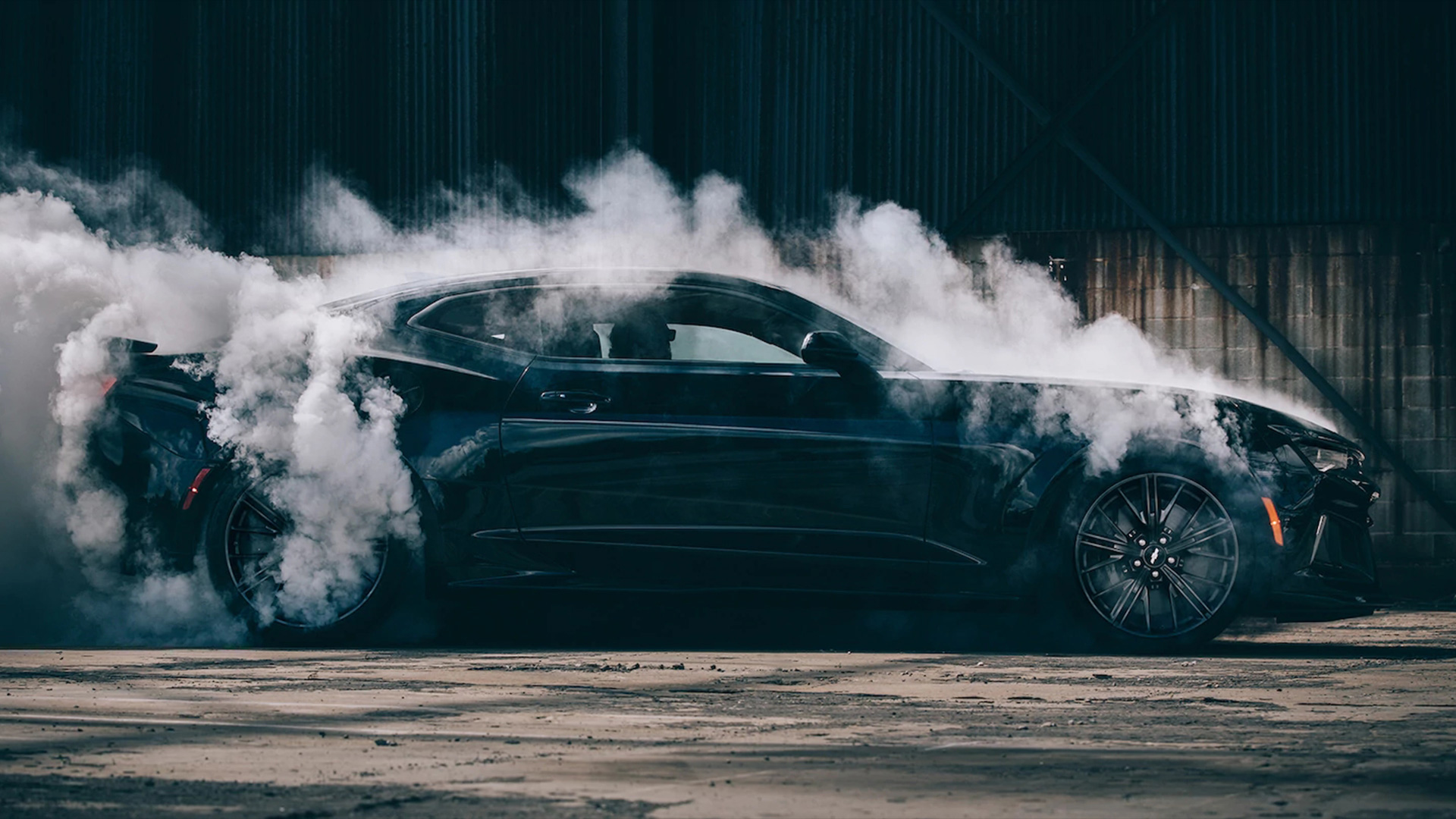
A bi-modal exhaust system will be finished with dual-outlet tips, while the rear of the Camaro will also feature a stanchion spoiler.
Inside, the 2SS will feature power-adjustable heated and ventilated leather-trimmed bucket seats, a leather-wrapped, flat-bottom steering wheel, nine-speaker Bose premium audio system, and dual-zone climate control.
HSV told wheels that supply will be “very limited” for 2018, with pre-sales already accounting for 30 percent of this year’s availability.
The Clayton company remains tight-lipped on pricing, and says it expects the Camaro “will sit somewhere between $85-90,000”, equating to an almost $30,000 premium over V8 GT Fastback Mustangs.
While more hardcore Camaros in the US, such as the supercharged ZL1, are fitted with burnout and drag mode driver settings, the 2SS will be sold with a system familiar to Australian customers.
“The vehicle is fitted with a Driver Mode Selector that changes the software calibration of various sub-systems (not dissimilar to our MY17 Driver Preference Modes),” Paull said.
Swedish carmaker Volvo has announced a software upgrade from its performance ‘arm’ brand Polestar to provide more drive to the rear wheels in some of its cars.
The quasi-drift mode will “increase the amount and frequency of torque distributed to the rear wheels” which will enable more turn-in control and for cornering, as well as making for a more engaging drive.
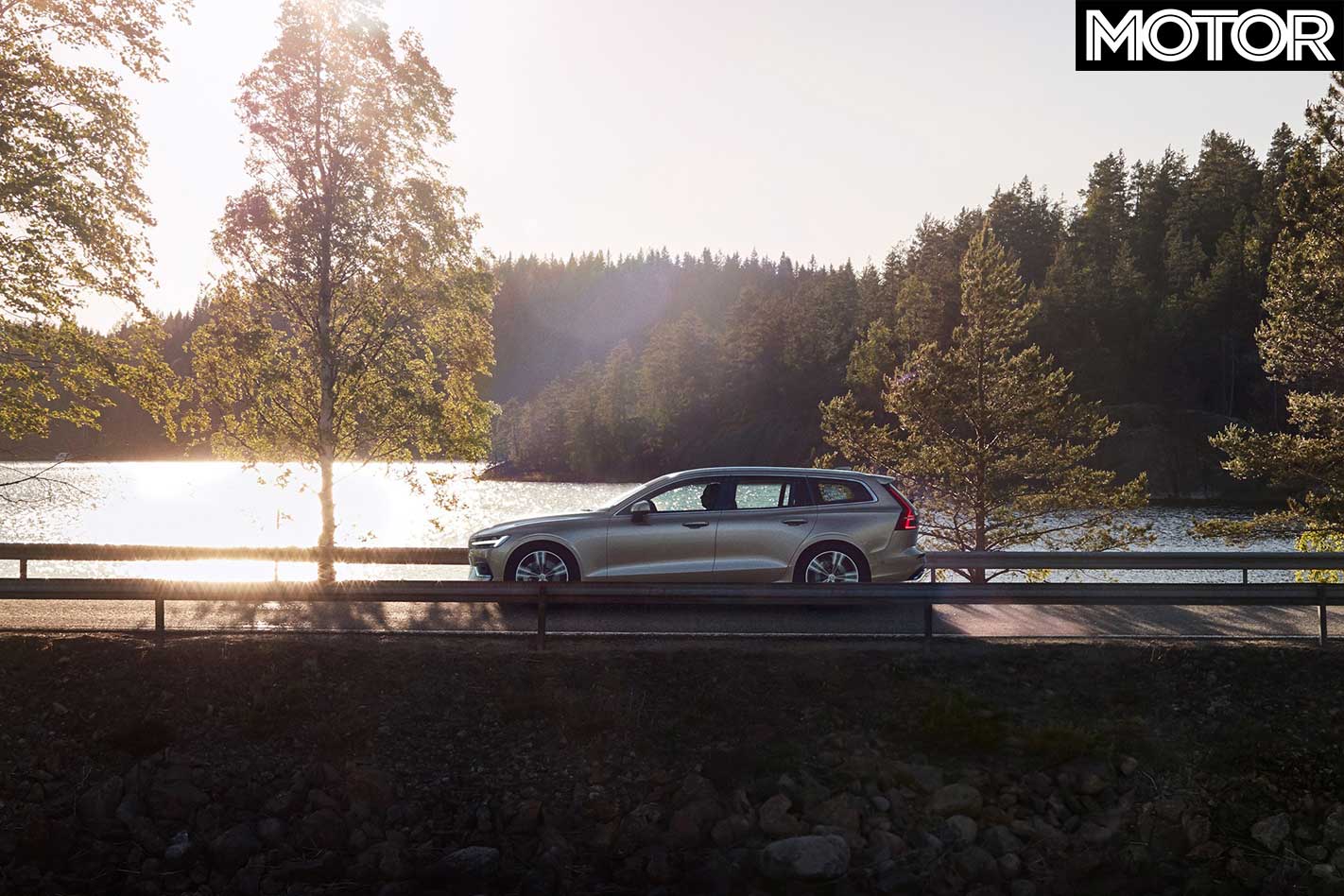
Volvo says AWD optimisation kicks-in when Dynamic drive mode is selected, or when ESC is switched off.
The upgrade is also included as part of the Polestar Engineered upgrade, which also includes sharper throttle response, faster off-throttle response, quicker gear changes, optimised gearshift points and in-corner gear holding, as well as increased engine output.
The Polestar Engineered upgrade was first announced for the release of the new 2018 Volvo S60, so it’s unclear which of these features are applicable to existing models.
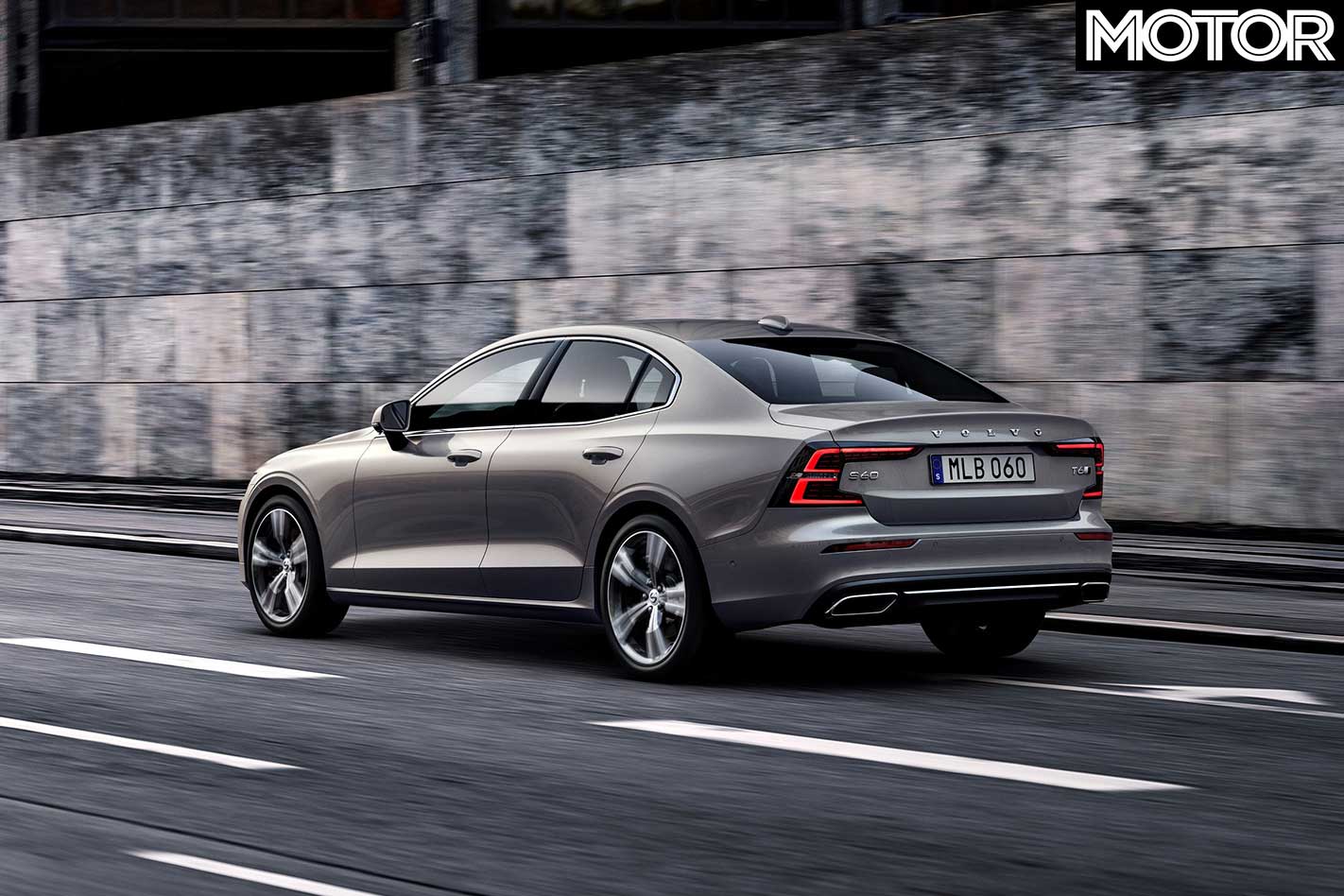
Senior VP of R&D at Volvo Henrik Green says the upgrade comes with the intention of bringing a little more driving fun to the Swedish cars.
“We are always fine-tuning the driving experience of Volvo cars and this upgrade makes the all-wheel drive both smoother and more dynamic.”
In terms of its plug-in models, including T8 and T6 twin-engine cars, Volvo says the electric rear axle drive already provides a rear-drive bias and “do not require further AWD optimisation.”
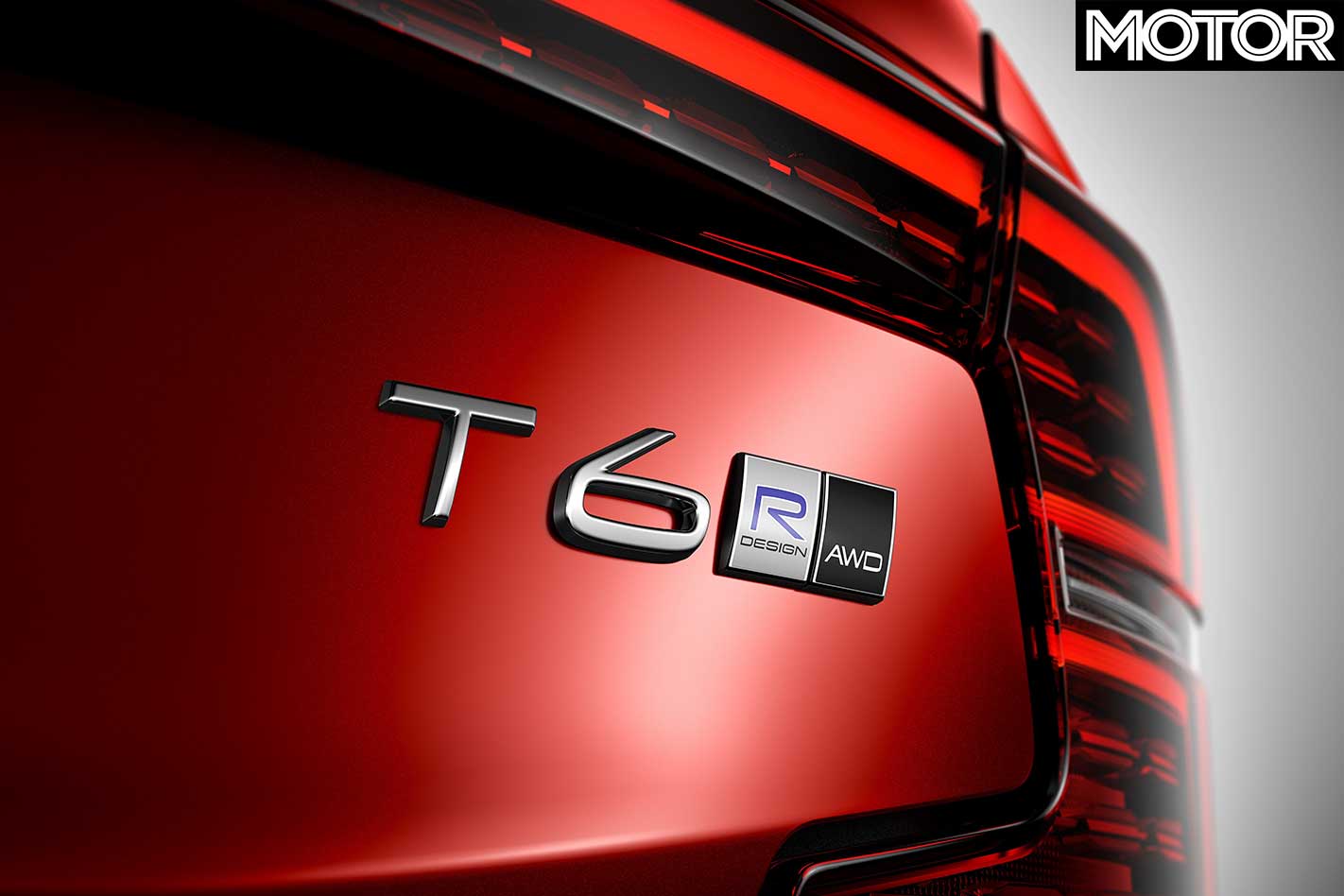
MOTOR has contacted Volvo Car Australia regarding local information about the Polestar upgrade, and is currently awaiting a response.
WHAT IS IT?
A prototype of BMW’s all-new G20 3 Series, which is due to be revealed in production trim at the Paris motor show in October. It’s an icon for the brand, a car that has long traded on being the dynamic benchmark in its class but also one that has lost some of its driver appeal in recent times.
WHY ARE WE DRIVING IT?
To see if that dynamic magic is back. This is our first real chance to sample the all-new 3 Series with our drive taking in laps of the infamous Nurburgring circuit and time on the surrounding roads.
THE WHEELS VERDICT
We’ll have to wait until 2019 to drive the finished product, but this first taste shows BMW’s once-brilliant mid-sizer is on-track to reclaim its driver’s car crown. Bigger, roomier and lighter, its dynamic step forward is also aided by wider tracks and a lower centre of gravity.

THE WHEELS REVIEW
WITH dwindling global sales and its reputation as the dynamic leader in the class among its junior premium executive saloon rivals no longer insurmountable BMW’s 3 Series replacement, codenamed G20, can’t come quickly enough. We’ll see it officially at the Paris Motor Show, but we’ve spent some time in a 3 Series prototype in advance of its October unveiling.
Utilising BMW’s CLAR (Cluster Architecture) rear-wheel-drive platform, the next generation 3 Series will grow in dimensions, offer a range of revised engines, and improved info and entertainment systems inside a larger, more upmarket interior. There’ll be a slight increase in the wheelbase length for that more spacious cabin, but it’s the 30mm in track width that the engineers are most excited about.
Clearly stung by criticism that the existing 3 Series has been surpassed, or at least equalled on the road, that 30mm track width is instrumental, as well as a 10mm drop in the centre of gravity – in re-asserting the 3 Series at the top of the class. In addition the 3 Series features new dampers with hydraulic bump stops for improvements not just in agility and precision, but also ride comfort. The new dampers will be standard on all BMW 3 Series models, from the lowliest entry-level 318i to the 340i M Performance models, these additionally gaining 10 mm lower M Sport suspension with the option of an electronically controlled limited-slip differential.
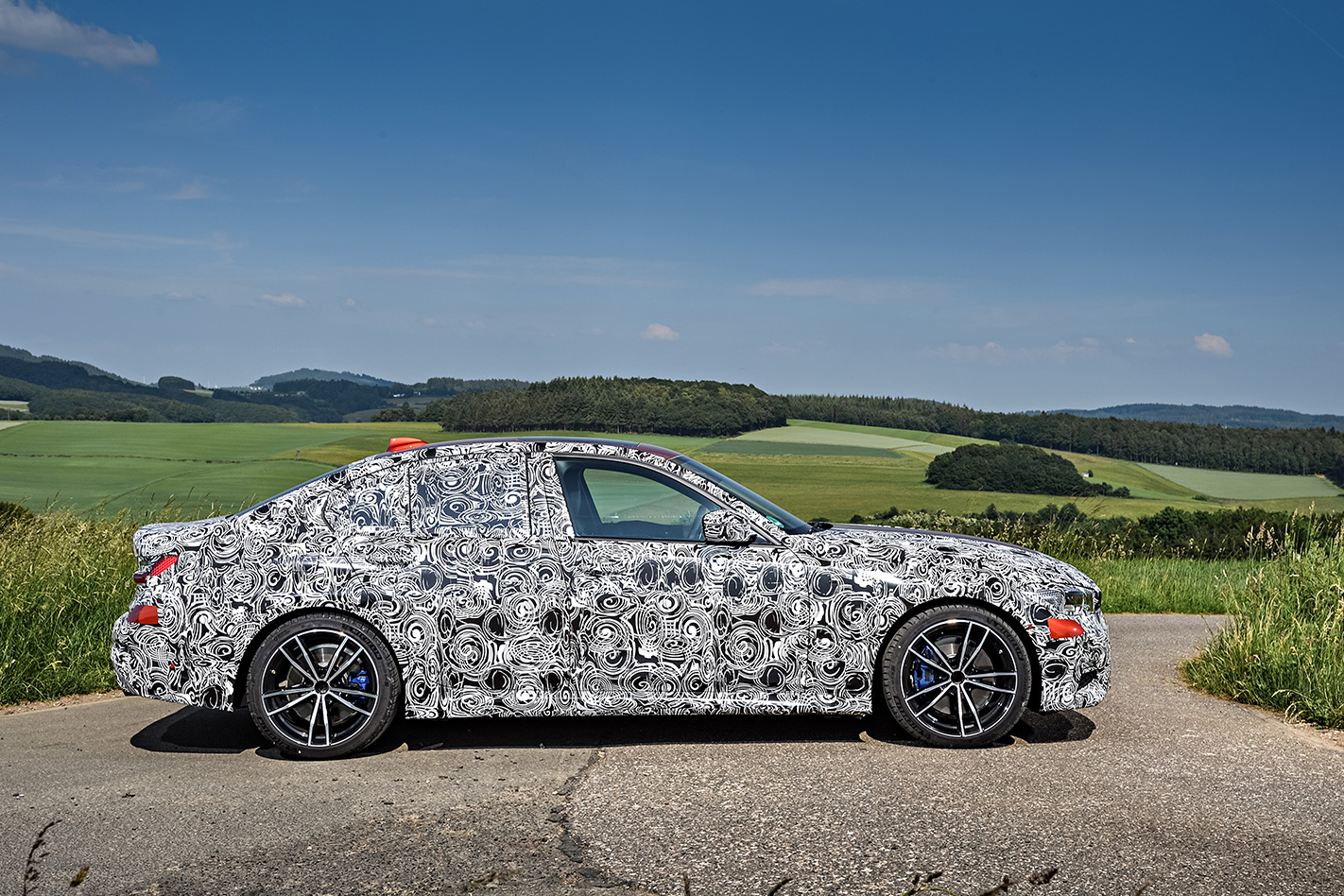
With the suspension working off a platform that’s some 50 percent stiffer than its predecessor, our early drive of the 3 Series, on road and track, underlines BMW’s assertions that it’ll take class honours dynamically. The 330i we sampled did benefit from riding on the optional M Sport suspension, as well as featuring the optional electronic limited slip differential, variable sport steering and BMW M Sport brakes; the engineers admitting so equipped the 3 Series is at its very best. It’s unlikely to represent the biggest seller, though.
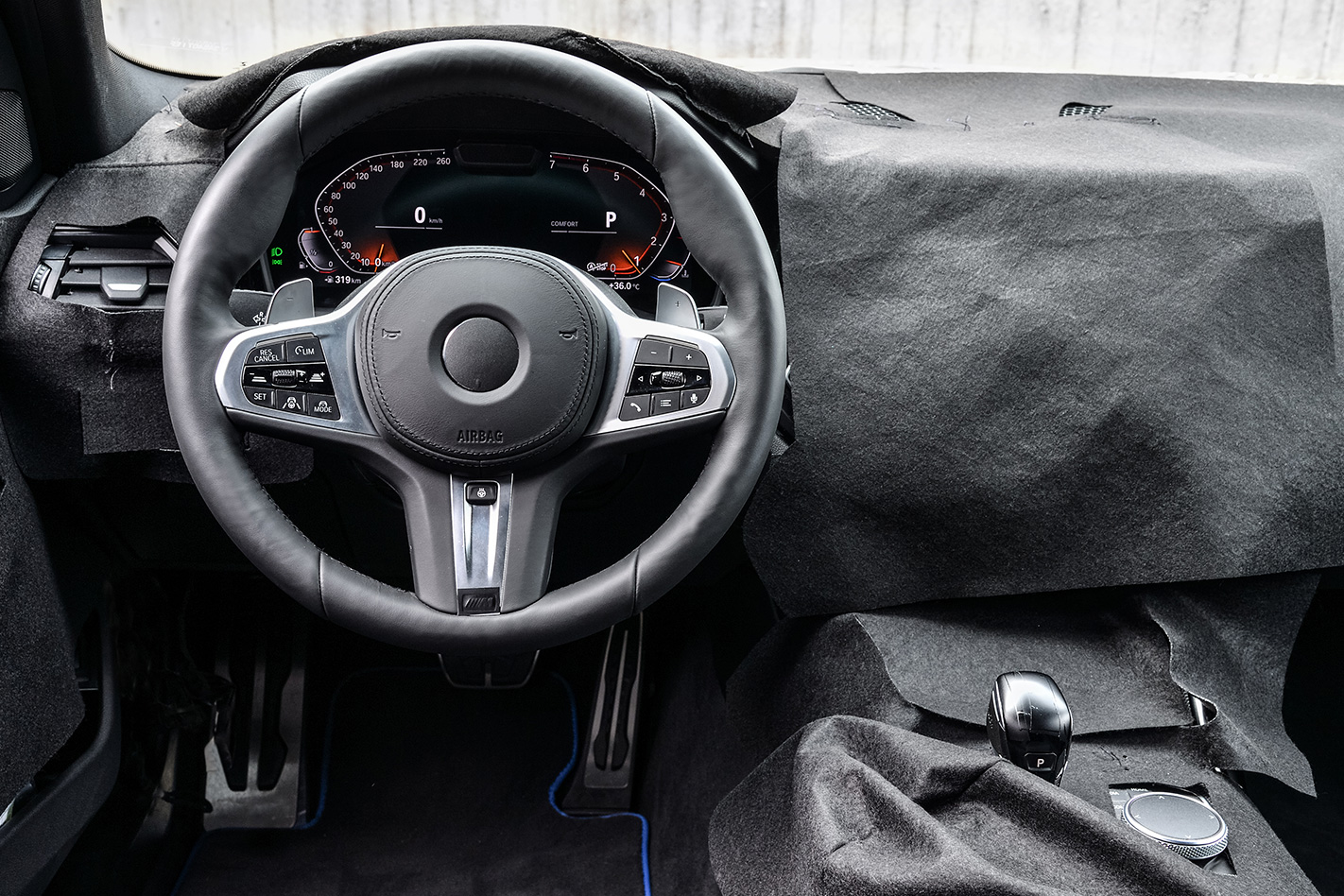
What is undeniable is the 3 Series feels appreciably bigger inside, while even these late pre-production cars had an interior that’s a big step on in terms of quality feel, as well as visually. That, say BMW insiders, was a key development goal, as the 3’s interior lacks both the quality feel and look of its key Mercedes-Benz C-Class and Audi A4 competition. The instrumentation, in this upper-level 330i model is all digital, lesser models likely to feature a mix of analogue and digital displays, the iDrive system a development of BMW’s latest seventh generation system.
With a 50/50 weight distribution, a reduction in overall weight by around 55kg over the outgoing model agility has been improved significantly. That’s been achieved without impacting ride comfort, those new dampers allowing a fine balance of both control and a smooth ride – even on the less than perfect roads around the Nurburgring.
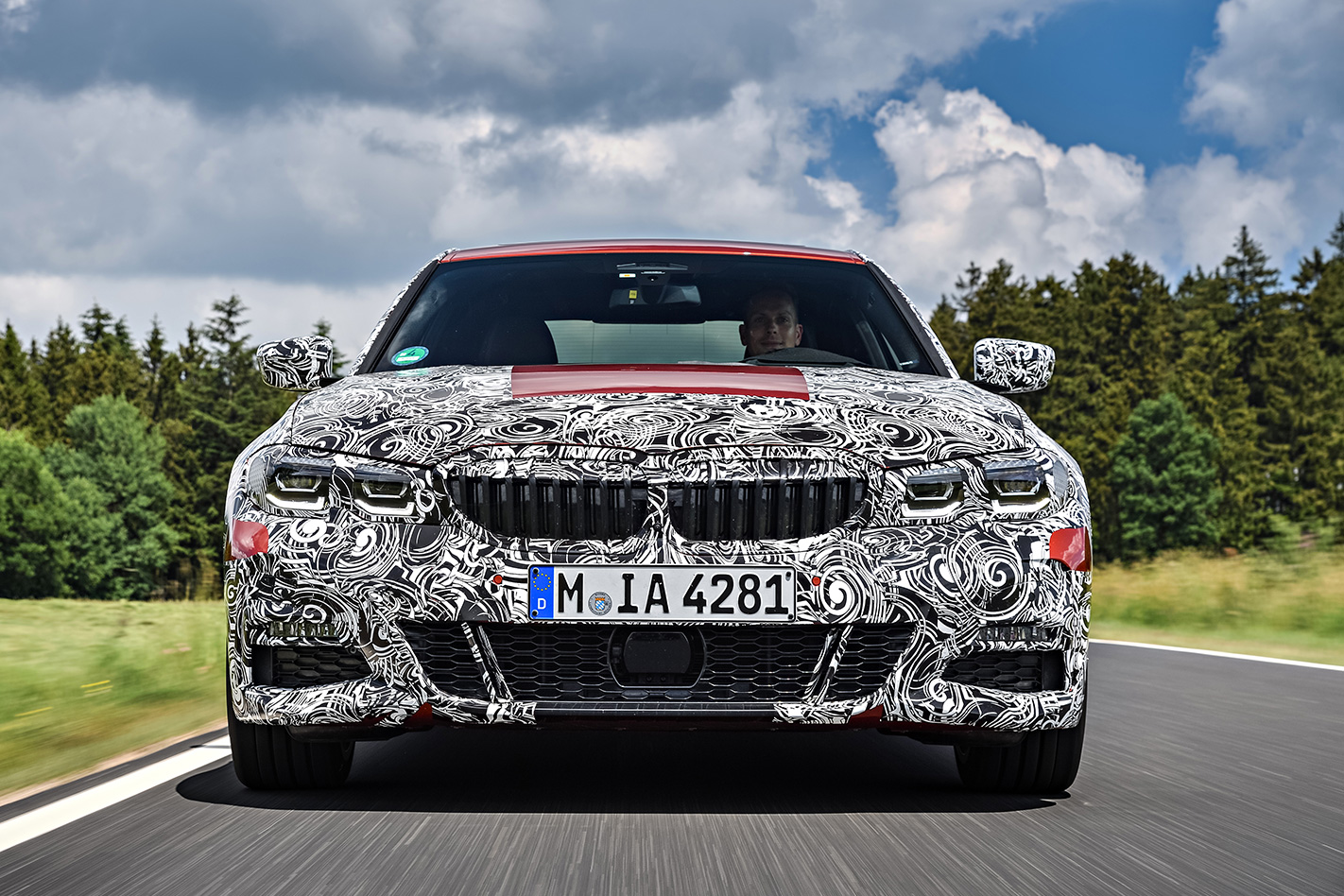
On track, at higher speeds, the 3 Series exhibits that fine 50/50 weight distribution, the wider track aiding stability, the turn-in sharp, the steering being light, quick and precise with fine weighting – and what passes for feel these days. The chassis engineers admit there’s still about 10 percent of finishing work to be done, the tuning of the electric power steering being a key area of development.
The engine line-up will largely follow the current range, the 330i we sampled gaining around 5kW, for an output of 190kW, torque increasing by as much as 50Nm for a 400Nm maximum. Those improvements come with a five percent gain in economy, the outgoing car consuming 5.8l/100km. Getting the new 3 Series ready for the latest WLTP standards mandated by the EU will see the new 3 fitted with a particulate filter in the exhaust for both petrol and diesel models.
Want more? 2015 BMW 3 Series Video Review
At the entry-point in the range the 3 Series will be powered by a 1.5-litre 3-cylinder turbo engine borrowed from BMW’s Mini. It should produce around 105kW, and will be badged 318i. Above that BMW’s turbocharged 2.0-litre four-cylinder will take the bulk of global sales, it offered in various states of tune from around 135kW in the 320i, to 190kW in the 330i.
Above that the 340i will be the only petrol 3 Series in six-cylinder guise, it expected to have around 272kW. Diesel choices will be retained, with the 2.0-litre four-cylinder turbodiesel badged 316d, 318d and 320d, with a six-cylinder 3.0-litre turbodiesel in both 330d and 335d guises.
In line with the current zeitgeist a pair of plug-in hybrid models will be offered. They will use both the 1.5-litre three-cylinder engine and the 2.0-litre petrol turbo engines boosted by electric motors of differing outputs. Likely to be badged 320e and 330e, the electric-only range will be in the region of 30-50 miles.

Like the existing range of 3 Series there will be the option of xDrive four-wheel drive, as well as M Performance models to take on Audi’s S and Mercedes-AMG’s 43-badged competition. The M Performance models will be introduced shortly after the 3’s introduction in Paris and early 2019 on-sale date, giving BMW some wiggle room before it replaces the M3, which isn’t expected until 2020.
Earlier this week we brought you some leaked pictures of the new BMW Z4. They weren’t too bad and gave you a look at a badly-lit car’s front, rear and profile.
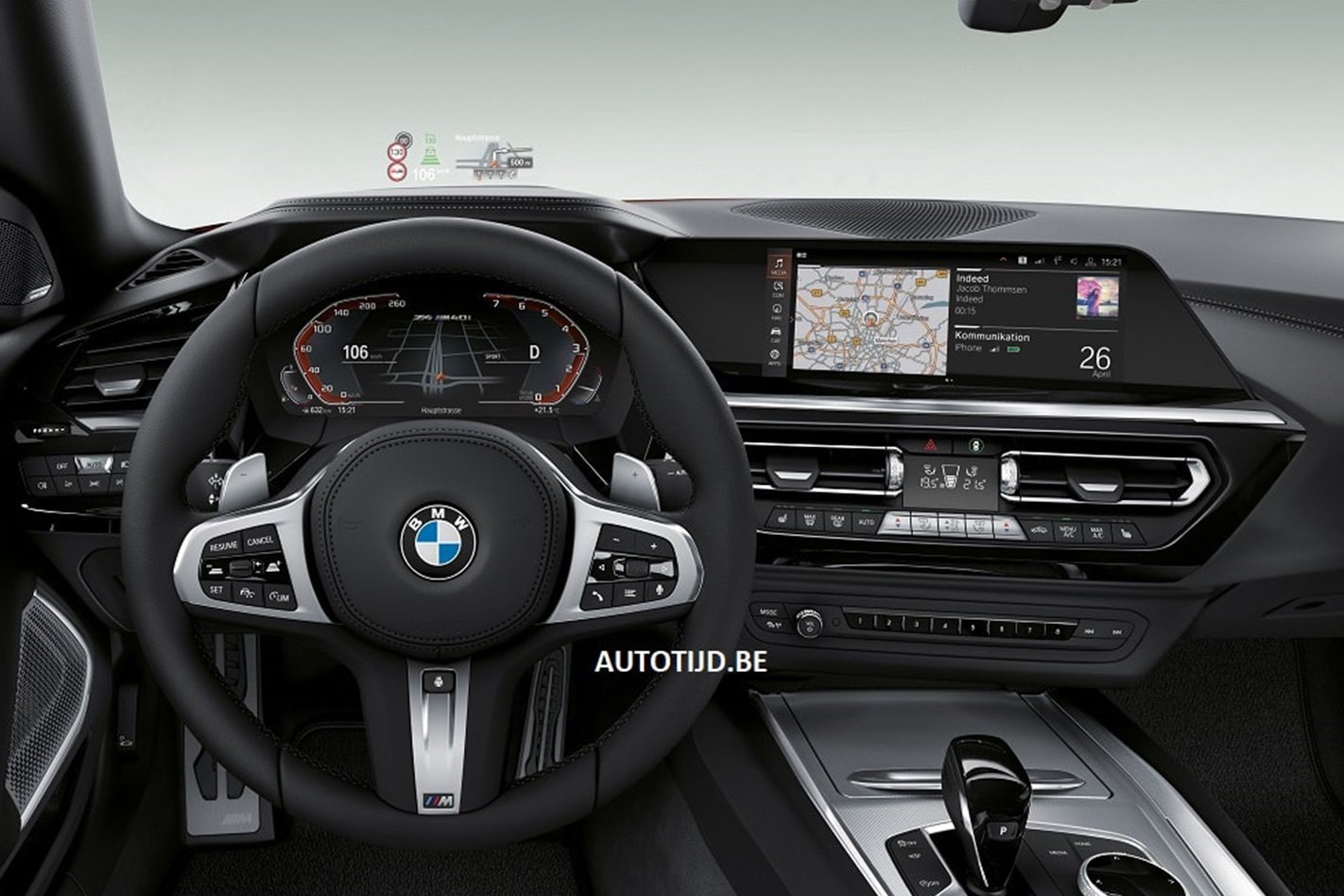
We’re guessing that in a bit of crisis management, BMW has decided that these images shouldn’t form most people’s critical first impression of their big-budget new roadster, and press shots of the new car have miraculously appeared online at Belgium’s autotijd.be site ahead of the car’s Pebble Beach unveil on August 23rd.
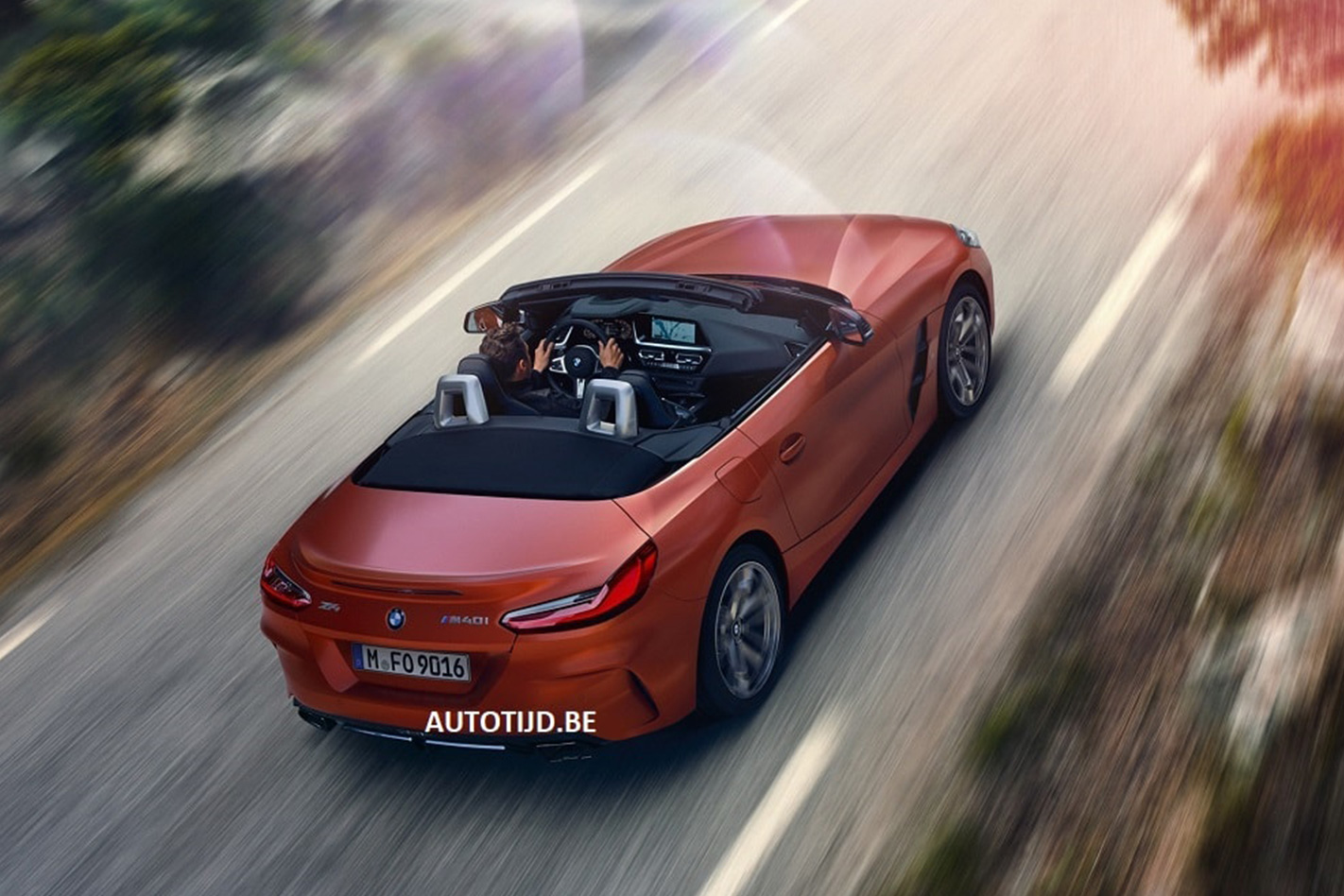
The pictures show a good deal more detail, including the design of the fascia, the revised gear lever and iDrive controller, a new alloy wheel design for the roadster and a different silver treatment for the squared-off rollover hoops, contrasting with the piano black finish in the earlier shots. The press shots also highlight a striking swage line that runs from the front wheel arch straight up onto the flank above the rear wheel, giving the fuselage a taut, wedgy impression.

As before, the car pictured is the M40i, which gets much the same 3.0-litre twin-turbo lump found in the M240i. With 500Nm and up to 285kW (dependent on market), it also gets adaptive dampers and an electronic limited-slip differential as standard. An eight-speed automatic is the sole transmission choice.
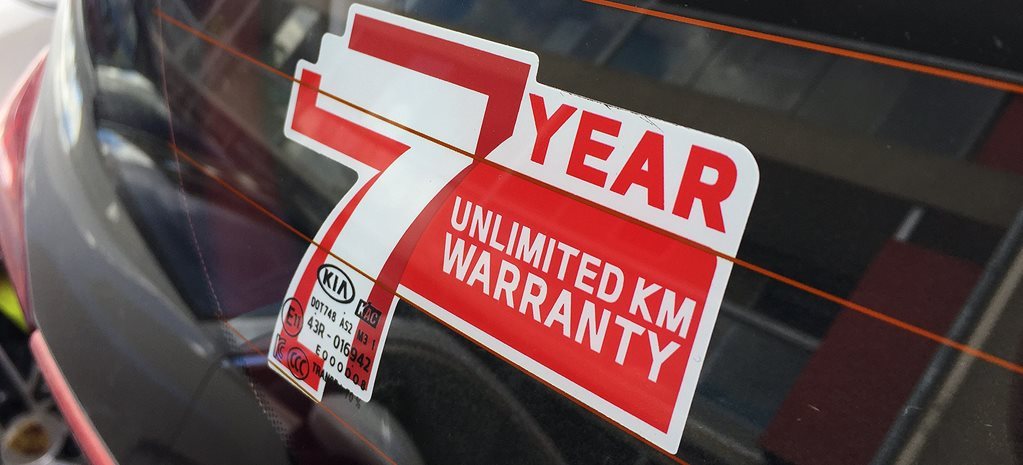
HYUNDAI is considering bolting another two years to its five-year new car warranty, bringing its offering into line with sister brand Kia and putting air between it and key rivals.
With five-year warranties becoming increasingly commonplace among mainstream brands, the South Korean manufacturer is looking for ways to boost its appeal, including more enticing after-sales care as well as improving product performance.
Speaking to journalists, Hyundai Motor Company Australia (HMCA) CEO JW Lee said a longer warranty was just one strategy the company was considering to keep its value proposition ahead of the game.
“Mazda already announced its five years and nowadays, five-year warranty is not that unique or appealing for the customer so maybe you need to consider how we can differentiate ourselves,” he said.
“So we are starting on that but there are many things we need to take into consideration. Our products – whether to focus on better products and better performance or reallocate our resources to a seven-year warranty.”
Lee explained that a longer warranty was not simply a matter of changing the small-print and “every warranty is not for free”. While he wouldn’t elaborate on the exact capital cost, the sub-text is that extending the factory warranty further could put pressure on pricing.
Lee replied “why not?” to the question of whether Hyundai’s warranty could even extend beyond Kia’s current industry-best seven year term, but that seems unlikely given the cost of honouring such an agreement.
The company does offer a ten-year warranty in North America, but compared with Australia’s comprehensive full-vehicle coverage the American warranty is significantly limited.
“In the case of the US market and ten-year warranty – that warranty is only for first owners and specifically for powertrain,” he said. “A ten-year warranty requires a huge amount of investment… as of now it seems very difficult for us hope for a ten-year warranty”.
Following on from Holden and Ford, Mazda Australia recently announced its move to a five-year warranty, which covers all vehicles (including commercials). While a majority of luxury brands continue on with three-year warranties, mainstream brands with less than five years of cover are becoming the minority in the industry.
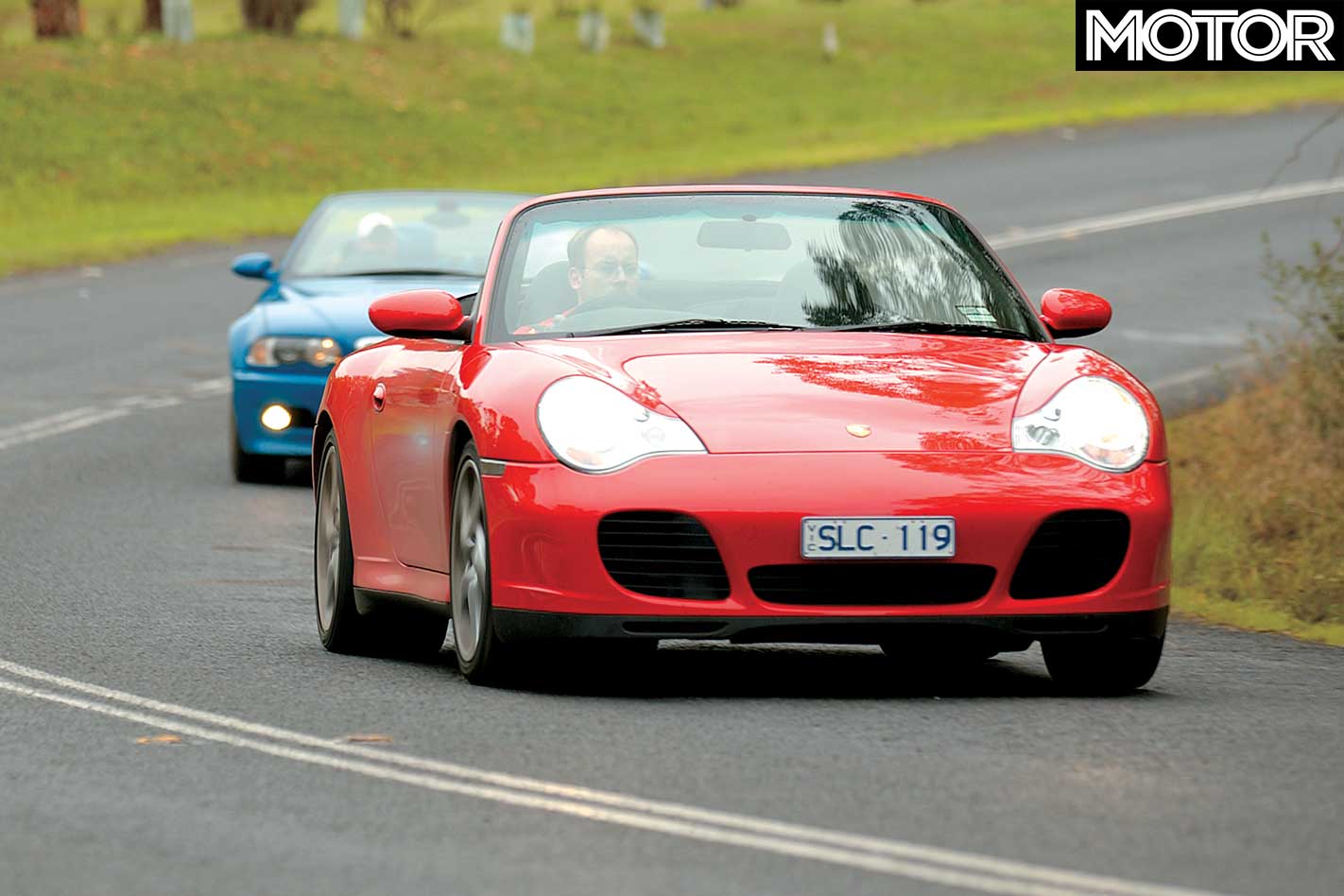
Today is going to be one of those good days. Outside sits a redder than red Porsche 911 Carrera 4S Cabriolet. As soon as I gulp down my pre-dawn coffee I’ll be off to the local BP to top up with 98 RON premium and meet Marcus and BMW’s M3 convertible.
This feature was originally published in MOTOR’s March 2004 issue
We’re not setting out to compare these two as direct rivals; for starters there’s a hundred grand jump from the $158,000 M3 to the $259k Tiptronic 911. The Porsche is also all-wheel drive and strictly a two-seater (despite what the press kit claims), where the Bimmer is happy enough to carry four and has drive going to just the rear treads. We’re here mainly to see how convertible versions of our favourite coupes stack up when the tops are down.
A quick call to the snapper and the decision is made to push on with the shoot. Besides, we’re going to be covering some serious kays to the south-west of Sydney, so maybe we’ll find some sunshine.
A hundred kays later I’m singing Crowded House’s Weather With You. The top of Macquarie Pass is cloaked in Hounds of the Baskervilles fog, visibility is down to a couple of car lengths and Robertson’s famous pie shop has disappeared. Oh well, at least we’ll find out if they leak.
Even on the gentle run down the coastal freeway, it’s easy to pick the chassis strength of the Porsche. Expansion joints are shrugged off in the 911 but really slap and shudder through the open-top M3. But for all its solidity, the Carrera is the lighter of the two: 1620kg to the BMW’s 1655kg.
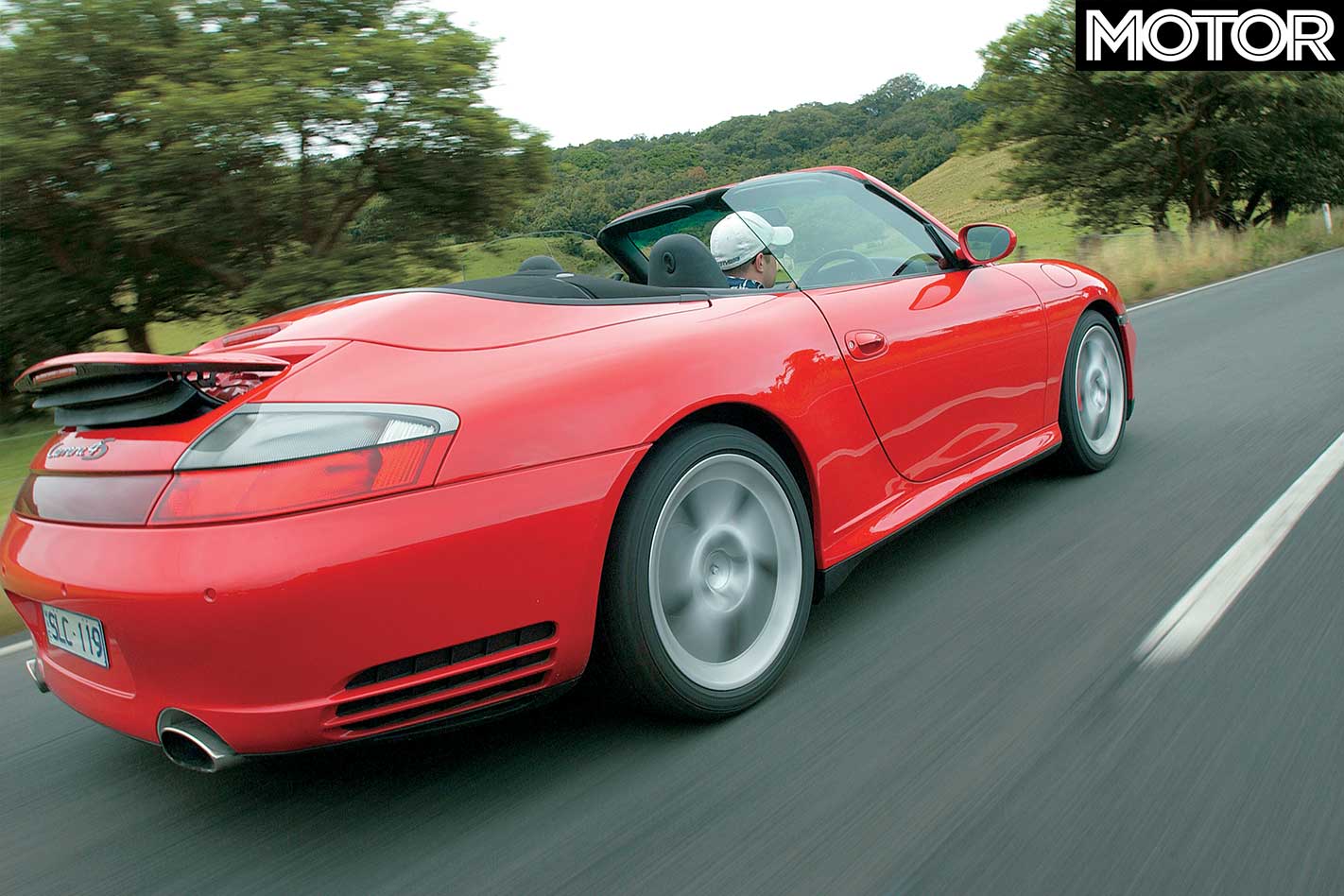
The M3 is up 160kg on the M3 coupe thanks to a combination of electronic folding soft-top and chassis bracing, including a front strut tower brace.
Impossibly grippy M3 CSL aside, Porsches always have the wood on BMWs when it comes to steering feel and front-end bite. And this is doubly true when the gas axe is applied to both.
The missing rigidity does the M3 no favours in the handling stakes. Corner entry understeer is masked by steering column movement and the transition to big-time oversteer happens in the pucker of a sphincter. A lot of the blame must be shouldered by the conditions, of course, but there’s a sneaking suspicion that the optional 19-inch rims aren’t exactly helping.
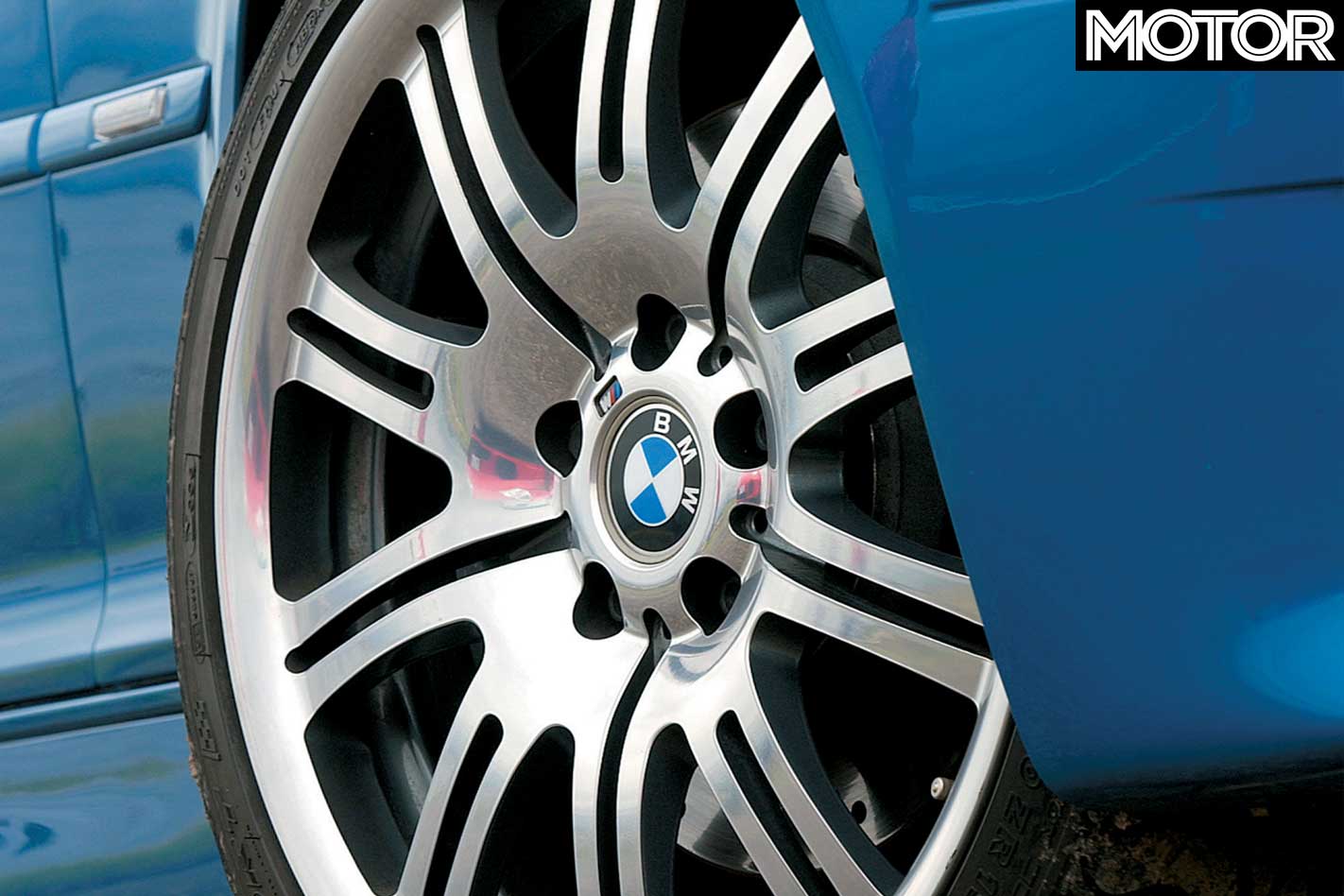
This is the first time we’ve driven an M3 (coupe or drop-top) with the bigger rolling stock, and while the Michelin Pilot Sport tyres aren’t any wider than the standard 18-inch hoops, they are marginally lower in profile – 225/40 R19 up front and 255/35 R19 rear.
They don’t shatter the ride quality as expected, but the rubber fails to key into the surface like the standard 225/45 R18 and 255/40 R18 Pilots. And especially so on the glistening, coarse-chip tarmac we’re playing on today.
The Porsche, on the other hand, simply refuses to relinquish its leach-like hold on the slippery tarmac. Turn-in grip is broadcast loud and early from the 225/40 ZR18 Bridgestone Potenzas, despite the often numbing effect an all-wheel drive set-up can have on steering feel.
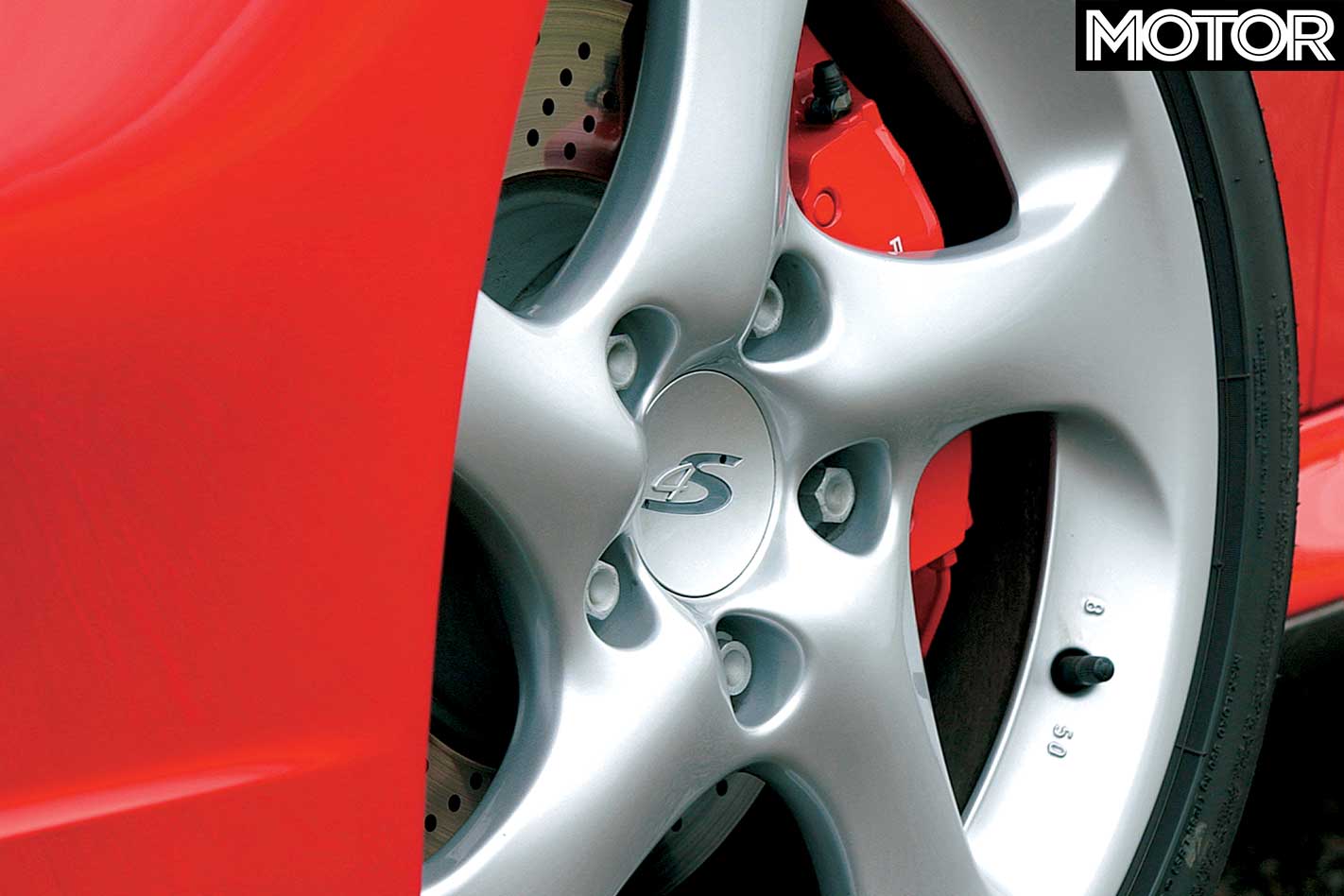
As soon as the corner starts to open, the fat bastard rear rubber (295/30 ZR18) is begging for more power; remember that in normal driving conditions 95 percent of available torque is rearward bound. And all of this with barely a flicker of interest from the Porsche Stability Management warning light on the dash.
Rush into a tight corner and the front end will pitter-patter wide of your chosen line. Same thing if you pick up the throttle too early or too hard. Try too hard and really overcook the chips and the front-mounted viscous coupling transmits up to 40 percent of drive to the front wheels. Still not getting the hint? As a final party trick, the PSM system, in conjunction with the engine management, will cut torque and apply appropriate braking force to any and all corners.
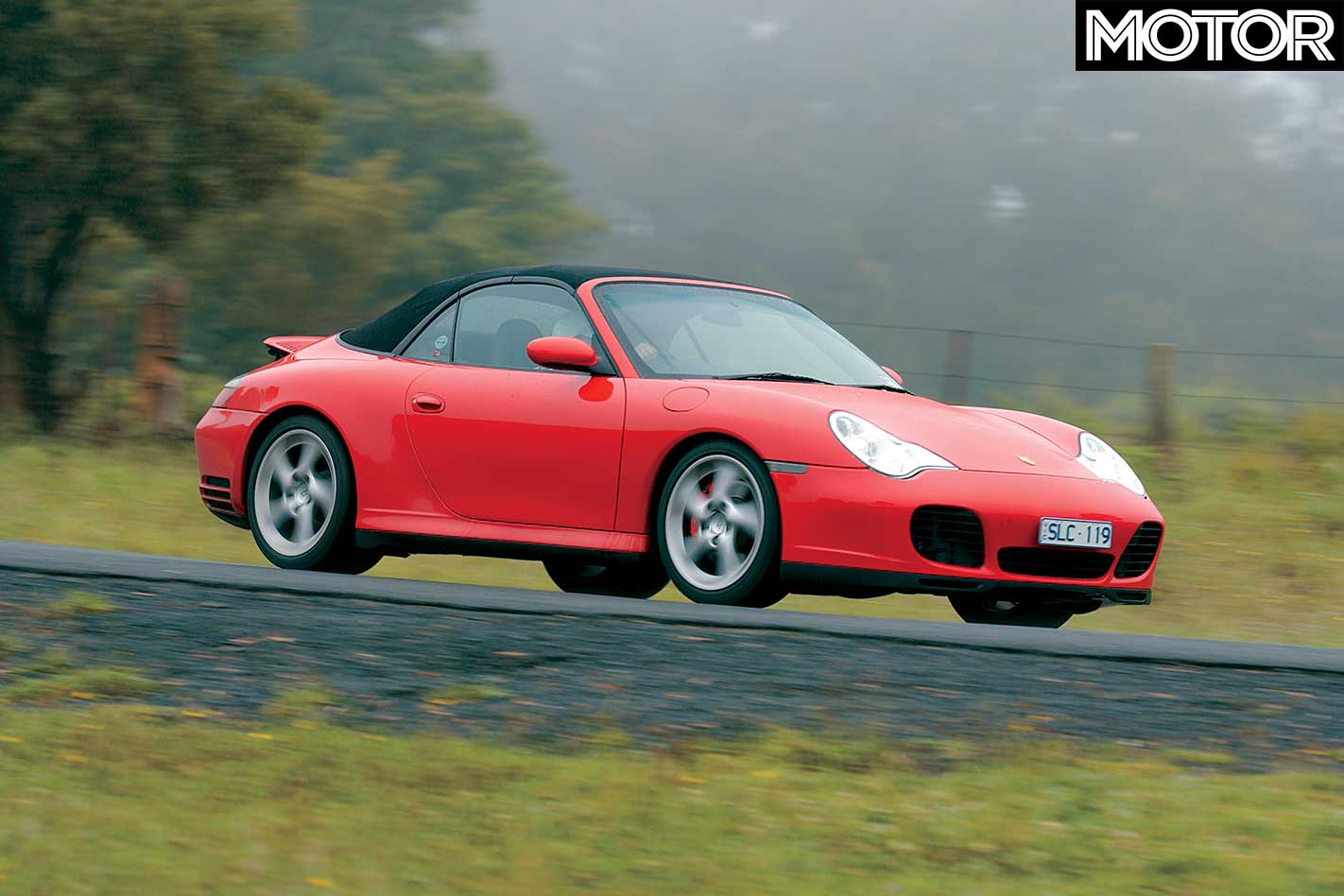
Oversteer? Only for the really committed or people who should be committed. And only after you’ve cut the electronic safety net.
The 911 also gets the gong when it comes to brakes. No real surprise when you remember the Carrera 4S uses the cross-drilled and ventilated discs and four-piston Brembo calipers pinched from the 309kW 911 Turbo. Like the steering, there’s plenty of feel and just the right amount of resistance. Fade? You’re kidding, right?
The Bimmer’s anchors are a carryover from the M3 coupe – cross-drilled and ventilated rotors with single-piston sliding calipers. In isolation they lack for almost nothing, but they can’t match the 911’s picks for the final five percent of pedal feel or bite.
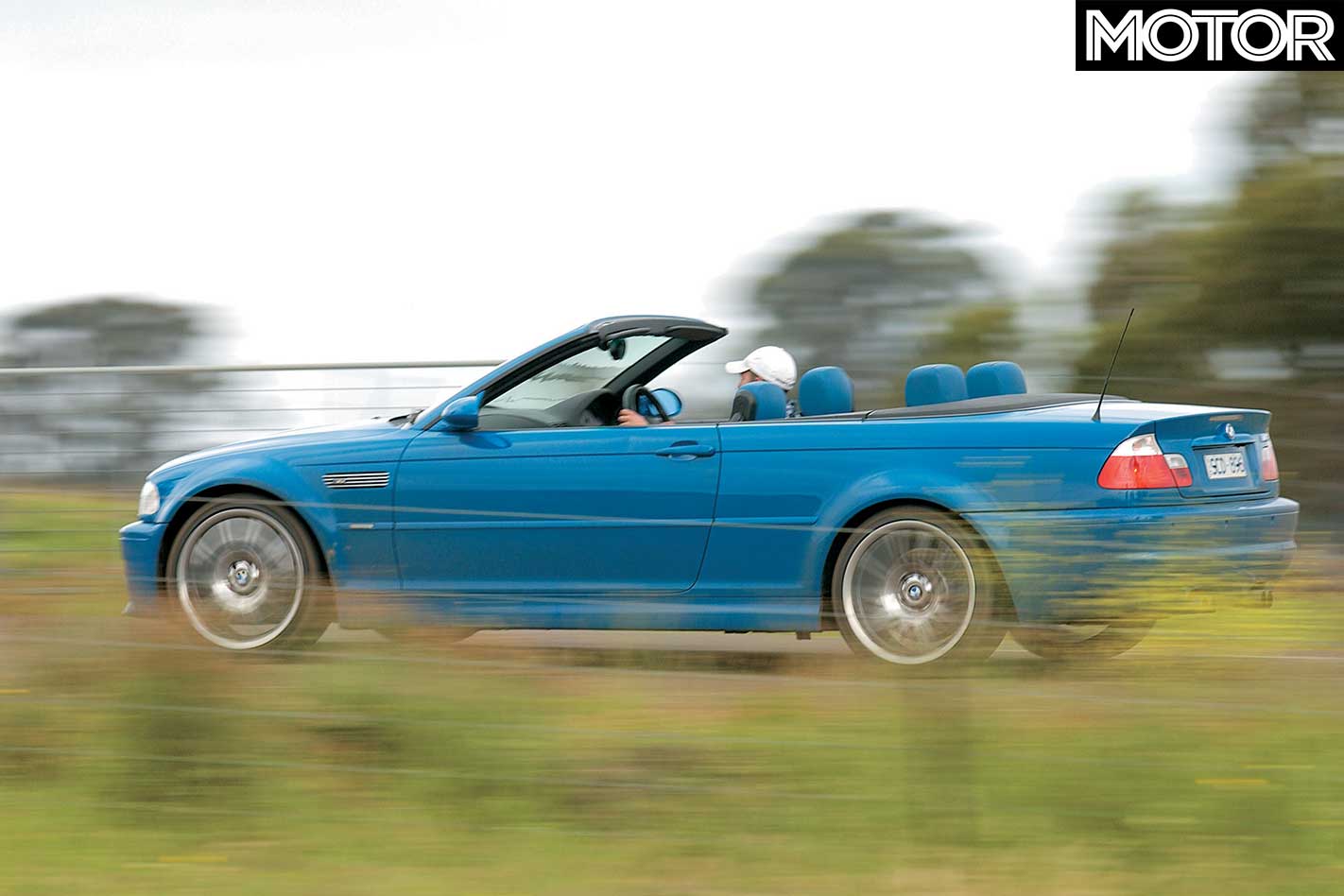
All this means that the Porsche can maintain a pace in all weather and road conditions that would have you second-guessing yourself in the BMW. Until today, I’d always thought the all-paw Carrera 4S, particularly in softer Cabriolet form, was overkill. Now I can understand why there’s such a high take-up rate when rich coves come to order their 911s.
This isn’t to say the M3 is not an absolutely cracking drive, especially on dry, smooth roads. The M3’s whip-crack engine response and faster-shifting SMG II sequential gearbox keep it in the hunt with the grippier Porsche.
Coupe or convertible, the M3’s heart and soul is the big nugget of precious metal between the strut towers. It gives away 400cc to the Porsche’s flat six, but the M3s 3.2-litre straight six belts out more power, is lineball on torque production and has a greater rev range. And if you think a relatively small- capacity engine with a max power stat line of 252kW at a reach-for-the-stars 7900rpm is going to be peaky, think again.
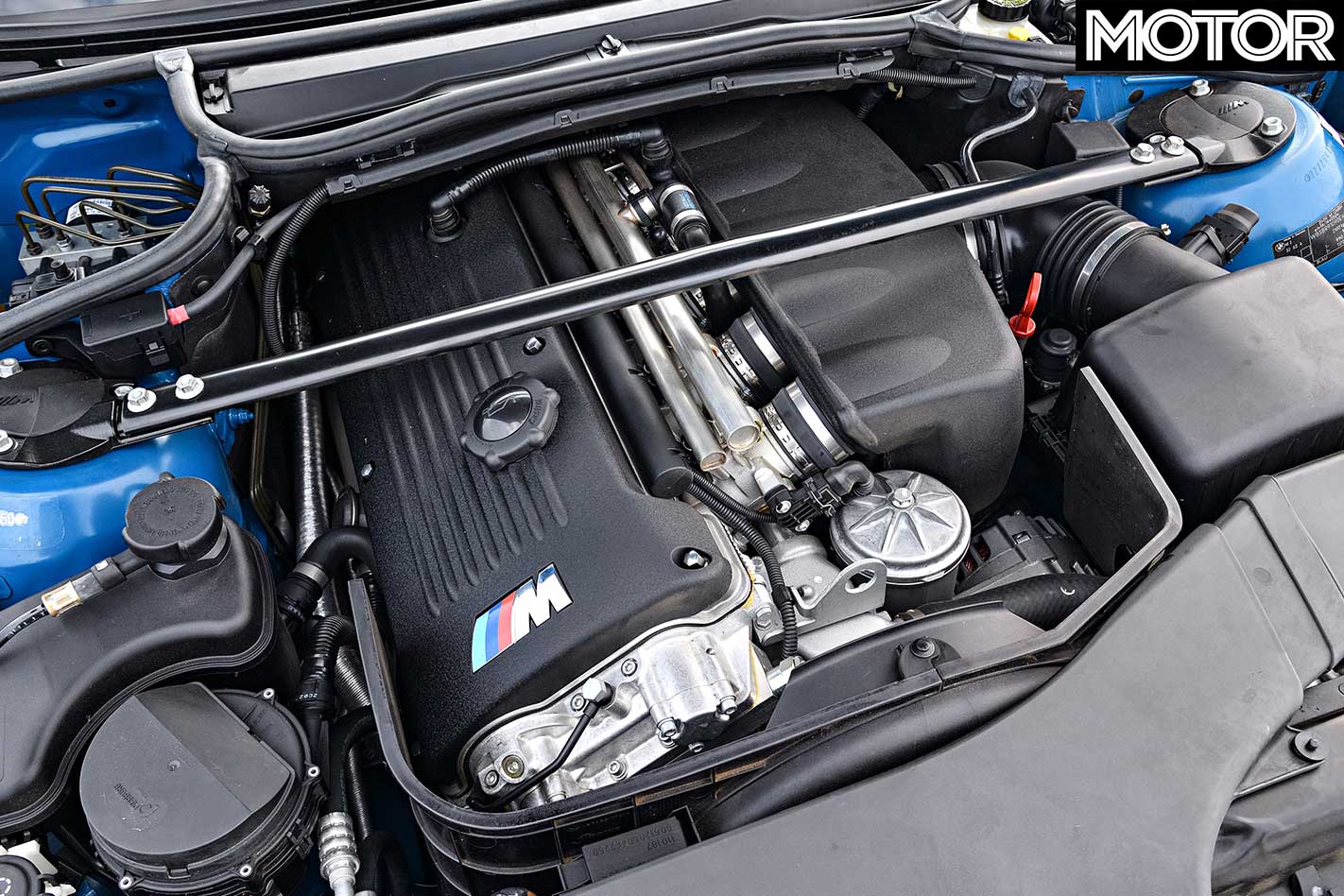
Eighty percent of torque is on tap from just 2000rpm, rising to 365Nm at 4900rpm. And an 11.5:1 static compression ratio, six throttle bodies and variable-length intake runners mean there’s always something available under your right foot.
Not everyone in the MOTOR office agrees on the value of sequential manual gearboxes. Morley reckons they’re the devil’s spawn, but most of us see them as an option to regular autos rather than a replacement for the good old stick shift. BMW’s SMG II (along with Lamborghini’s E-gear option for the Gallardo) pretty much represents the pinnacle of the two-pedal manuals.
There’s a passable full auto mode for when you’re being lazy or stuck in traffic, and variable shift speeds in the manual mode. To upshift, tug back on the stubby alloy lever or pull the paddle on the right of the fat-rimmed steering wheel. Downshift? Simply the opposite: push the lever or flick the left-hand paddle.
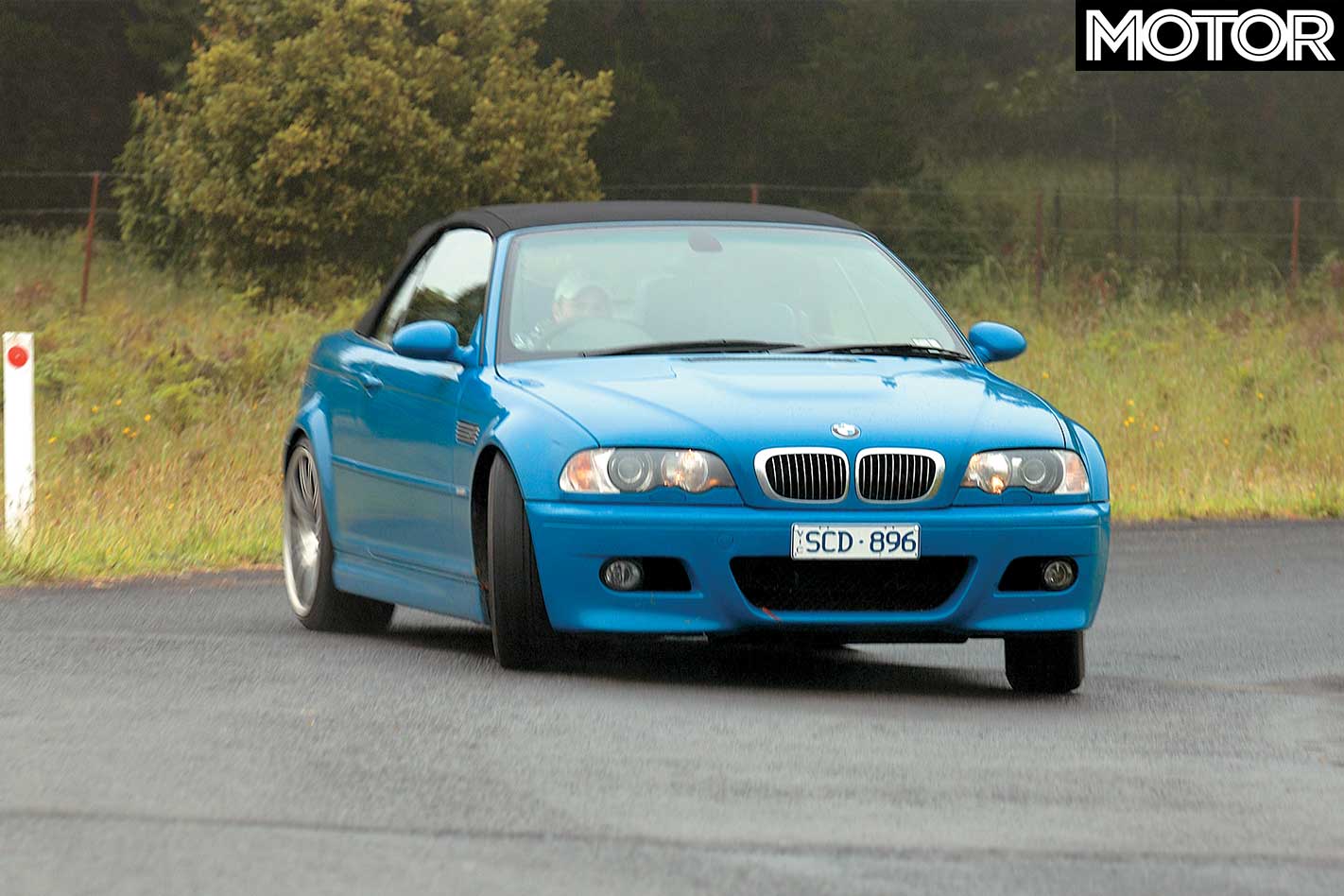
With the Sport button depressed for shorter, sharper throttle response and the adjustable shift speed of the SMG wound up to full hard, the M3 delivers off-the-scale thrills. With the top down, there’s access all areas to the howl from the straight six. Drive one of these puppies for more than five minutes and you start looking for tunnels to wail through at full noise just to hear the hammer of six pistons and 24 valves.
The note from the 911 couldn’t be more different but is no less inviting. On start-up the Carrera’s got that typically gruff boxer bark, settling to a throbby idle. By the time all 370Nm is partying at 4250rpm, the engine is yodelling away behind you. Keep the foot in and 235kW show up at 6800rpm, and you’ve still got another 500rpm before the limiter steps in and the Tiptronic ’box starts the song all over again with an upshift.
It’s important to remember the SMG is a manual ’box with an auto function and the Tiptronic is auto first, with manual control second. Left in D, it’ll use the torque of the flat six and move off in second and skip-shift through to top until it learns your driving style.
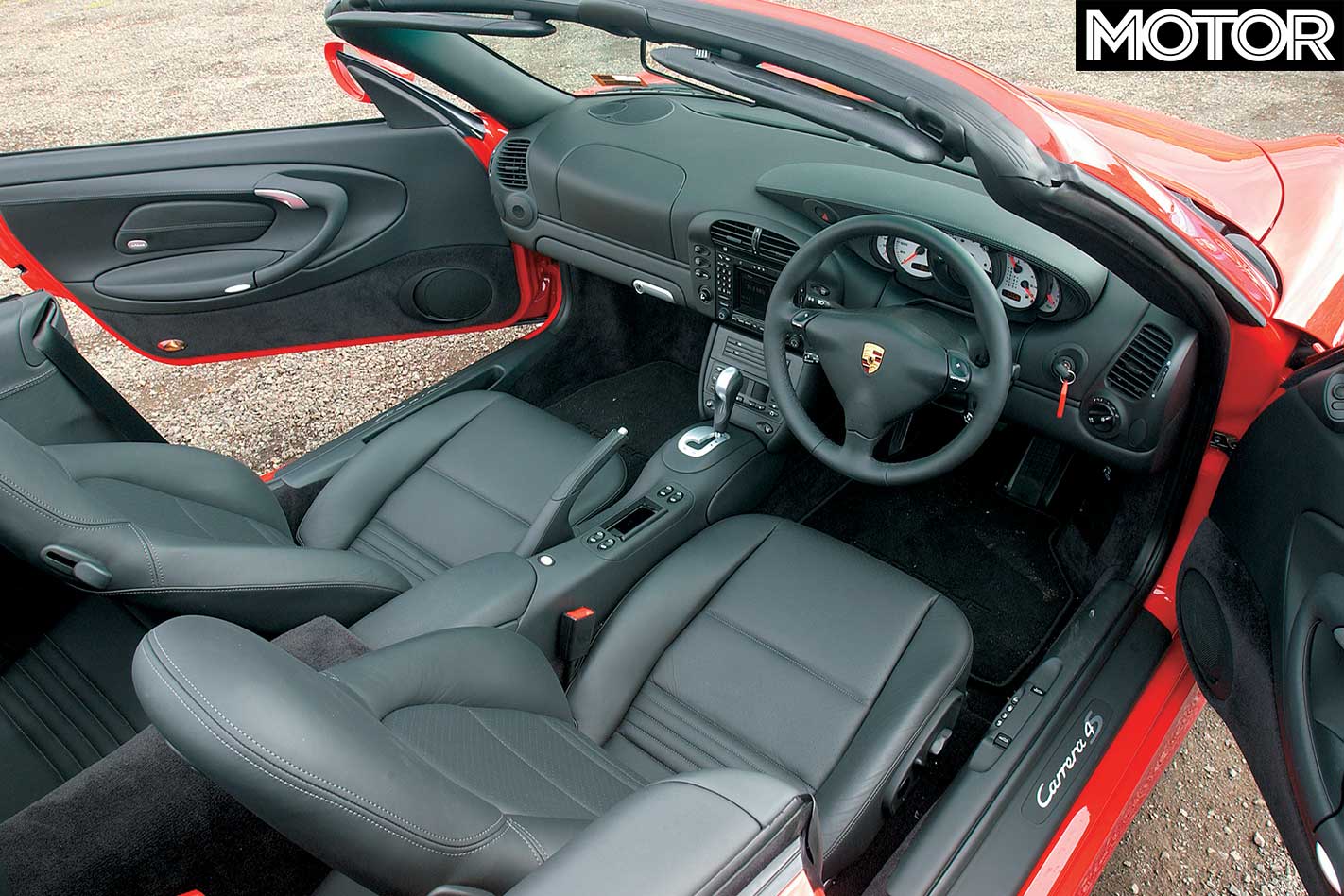
You can manually override at any time, even in drive, using the steering wheel-mounted switches, which is handy given Tiptronic’s reluctance to kick down on part-throttle openings. There’s actually nothing wrong with the Tiptronic ’box, but if you can drive stick, don’t deny yourself the tactile pleasure of a Porsche six-speed manual. You’ll save yourself the best part of 10 grand, too.
It’s pretty pointless to compare the two on price, and that was never our intention. After all, there’s a 100 grand gap through which you could drive a BMW 330Ci convertible. Put another way, you could fill your garage with a lidded M3 and a Boxster for the ask of the Carrera 4S.
Surprisingly, given the price chasm, the cheaper M3 is the more luxurious. Both offer heated seats, but the M3’s are more inviting and the interior makes you feel a bit more special. Of course, the Porsche badge on the 911’s wheel hub goes a long way to making your day. The fabric tops are remarkably quiet, even at high speeds, and wind noise and turbulence are well suppressed when they’re folded away.
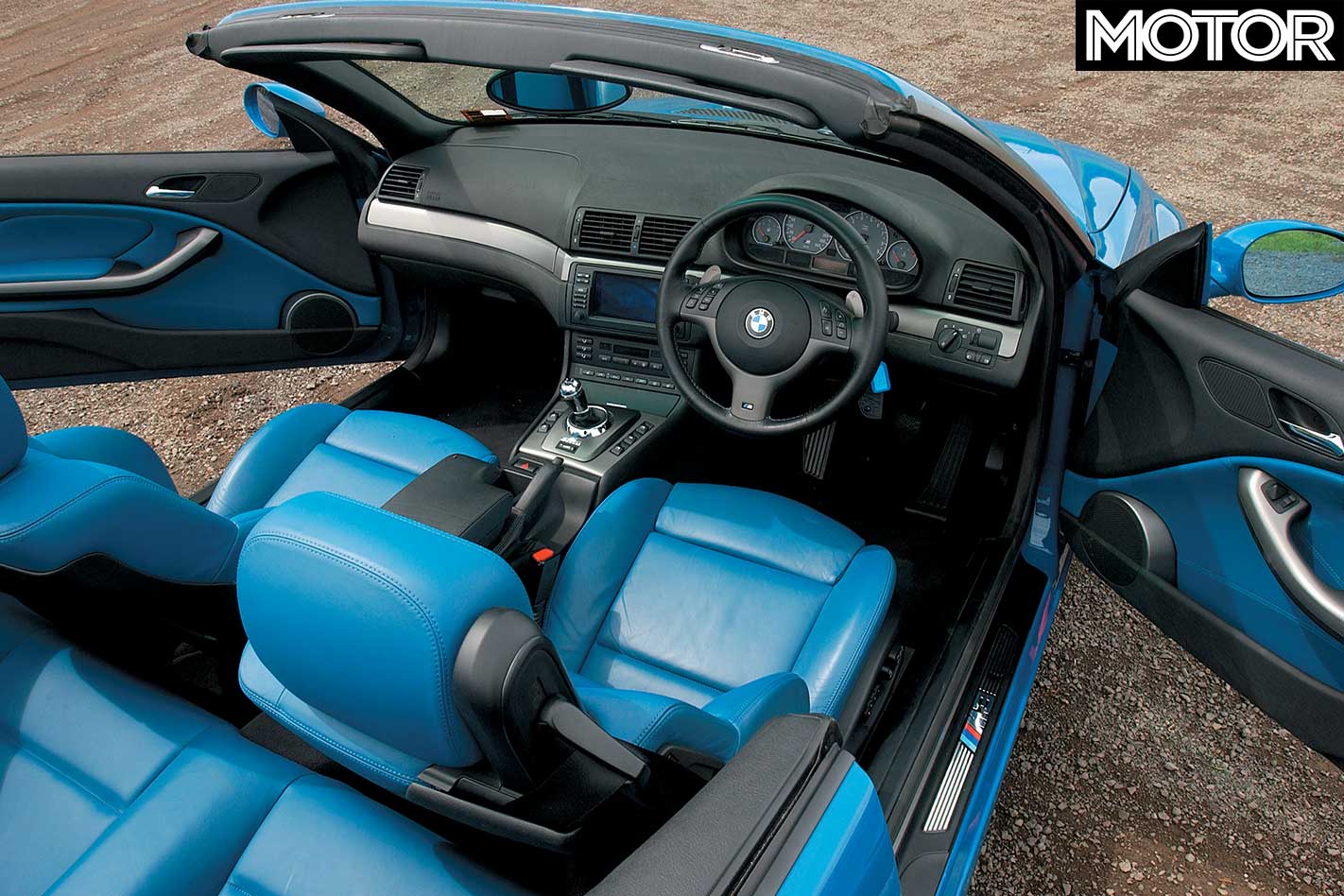
Neither is Falcon practical, but both have enough passenger and luggage space for a weekend away.
So are they as good as their tin-lid brothers? Yes and no. They’ll cost you a bomb more wedge and they don’t offer the handling prowess or outright performance set by the benchmark coupes. But they do let you drop the top, catch some rays and be one of the beautiful people.
Fast Facts
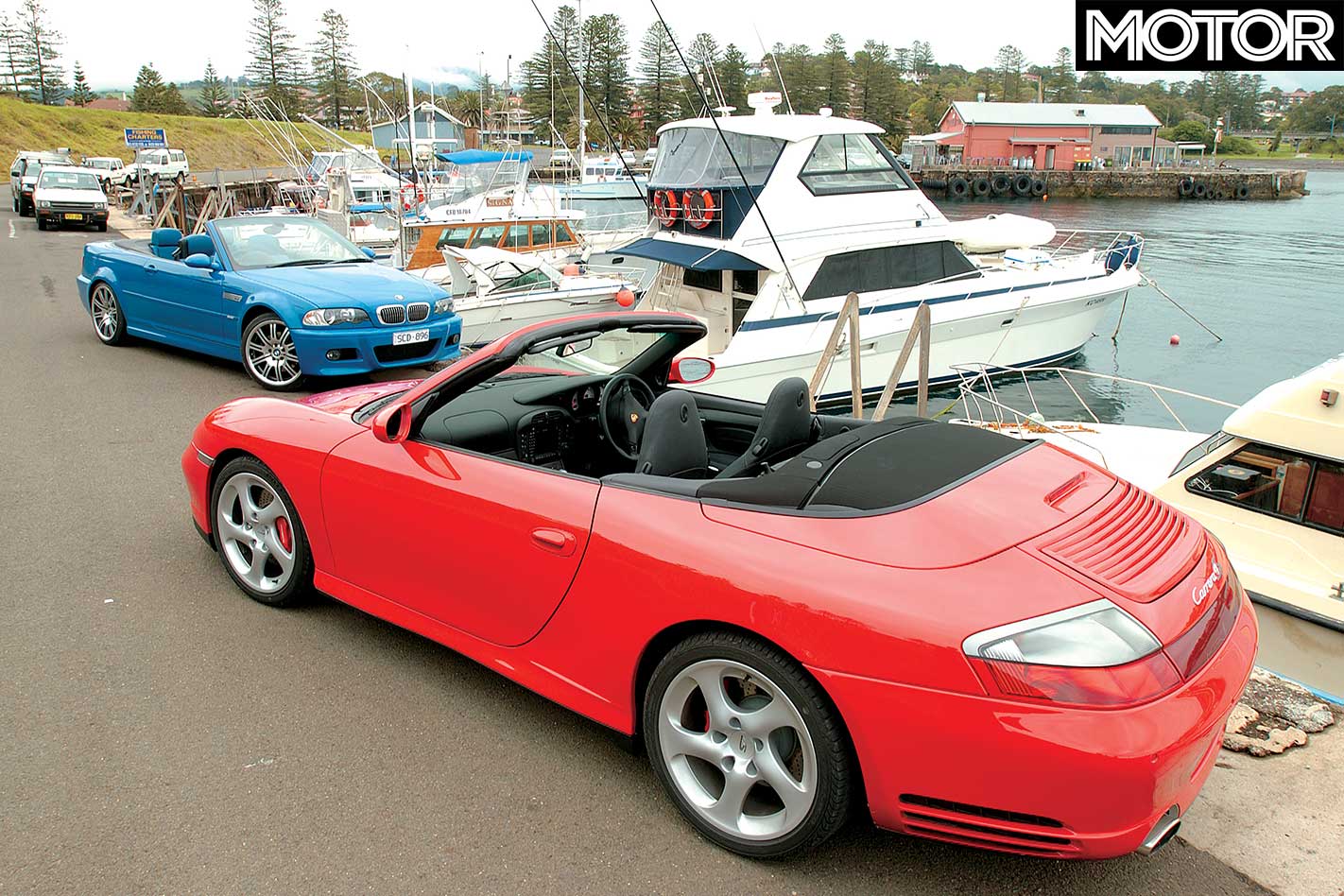
| u00a0 | 2004 Porsche 911 Carrera 4S Cabriolet | 2004 BMW M3 Convertible |
| BODY | two-door convertible | two-door convertibleu00a0 |
| DRIVE | all-wheel | rear-wheelu00a0 |
| ENGINE | rear-mounted 3.6-litre DOHC 24-valve flat-six | front-mounted 3.2-litre DOHC 24-valve inline-sixu00a0 |
| BORE/STROKE | 100.0mm x 76.4mm | u00a087.0mm x 91.0mm |
| COMPRESSION | 11.3:1 | u00a011.5:1 |
| POWER | 235kW @ 6800rpm | u00a0252kW @ 7900rpm |
| TORQUE | 370Nm @ 4250rpm | u00a0365Nm @ 4900rpm |
| WEIGHT | 1620kg | 1665kgu00a0 |
| POWER/WEIGHT | 145kW/tonne | 151kW/tonneu00a0 |
| TRANSMISSION | six-speed automatic | six-speed sequential manualu00a0 |
| SUSPENSION (f) | MacPherson struts, coil springs, anti-roll bar | u00a0MacPherson struts, coil springs, anti-roll bar |
| SUSPENSION (r) | multi-link, coil springs, anti-roll bar | u00a0multi-link, coil springs, anti-roll bar |
| L/W/h | 4435/1830/1295mm | u00a04492/1780/1370mm |
| WHEELBASE | 2350mm | u00a02731mm |
| TRACK | 1472mm (f); 1528mm (r) | u00a01508mm (f); 1525mm (r) |
| BRAKES (f) | 330mm ventilated discs, four-piston calipers | 325mm ventilated discs, single-piston calipersu00a0 |
| BRAKES (r) | 300mm ventilated discs, two-piston calipers | 328mm ventilated discs, single-piston calipersu00a0 |
| WHEELS | 18 x 8.0-inch (f); 18 x 11.0-inch (r), alloy | u00a019 x 8.0-inch (f); 19 x 9.5-inch (r) alloy |
| TYRES | Bridgestone Potenza S-03, 225/40 ZR18 (f); 295/30 ZR18 (r) | Michelin Pilot Sport, 225/40 ZR19 (f); 255/35 ZR19 (r) |
| FUEL | 64 litres, 98 RON PULP | u00a063 litres, PULP |
| PRICE | $259,200 | $158,000u00a0 |
Family Tree
Most punters know the current E46 BMW M3 is the third generation of the breed, but did you know there’s been at least nine different M3 models and countless variants over the years?
It started with the 2.3-litre E30 coupe, followed by the 2.5-litre four. And there was a very rare E30 M3 convertible. BMW also knocked up plenty of special editions, including the Johnny Cecotto model. The E36 started as a 3.0-litre six in coupe form. The 1996 update brought capacity to 3.2 litres. There were also sedan and convertible versions of the E36.
Capacity sneaked up 40cc for the 252kW E46 M3 coupe and convertible.
Five M3 Moments – Top down, third gear, through a tunnel. Heaven! – SMG is actually a good match for manic straight six – Matching blue leather interior might be a bit much, but everyone will notice – It’s a two-door convertible but it’s still practical enough to be your only car – Playful oversteer on wet tarmac demands quick reactions
Five Porsche dos and don’ts – Do… find your favourite bit of blacktop. It’ll be better than you ever imagined. – Don’t… try to sneak a few minutes in a handicapped parking space. MT! – Do… drive through Macca’s with the top down. You’ve always wanted to. – Don’t… get the Tiptronic. The manual is perfection. – Do… buy a bright colour. It rocks in Guards Red
Four Play
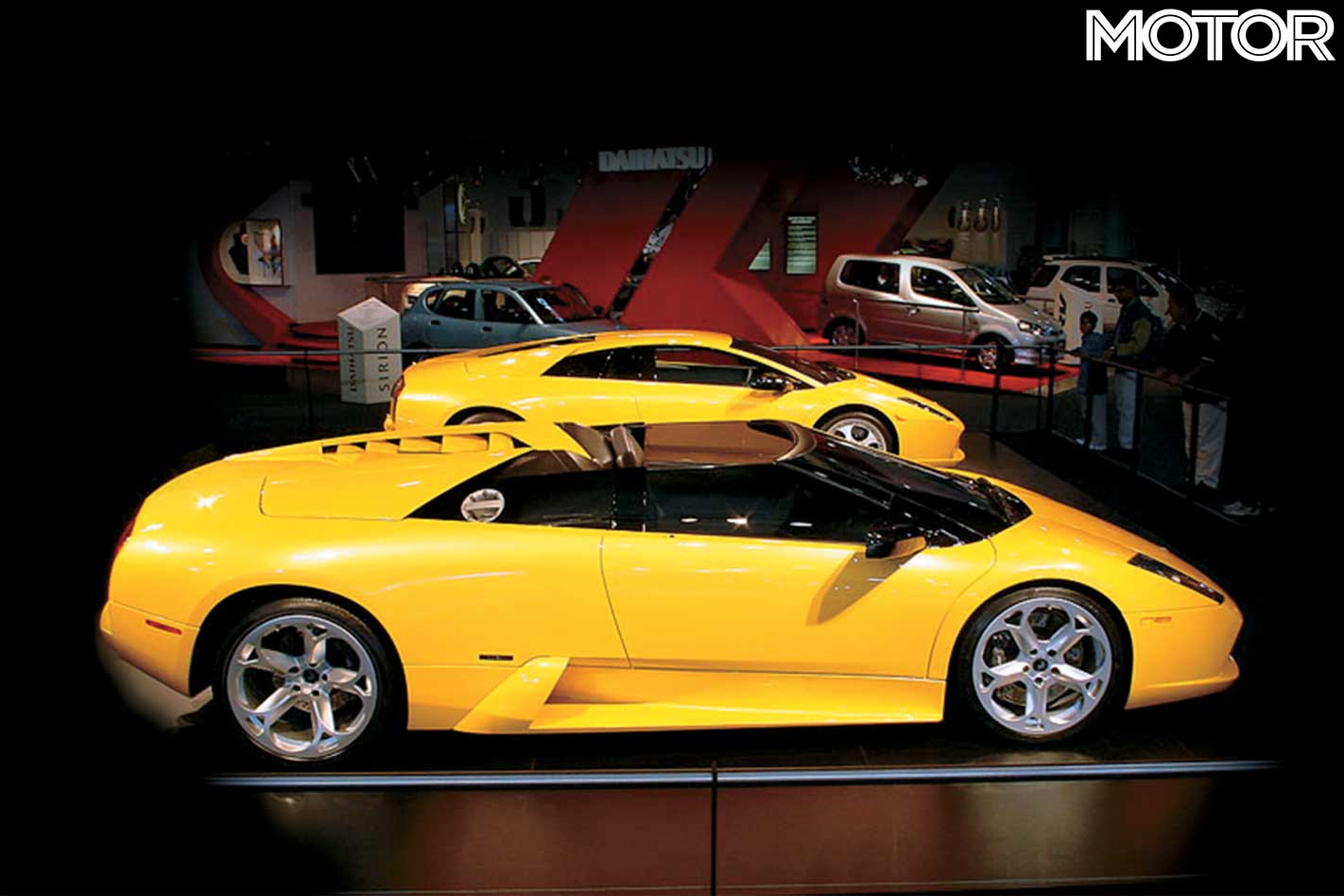
There are just four all-wheel-drive open-top sports cars in the world. Porsche has two with the Carrera 4S Cabrio and Turbo Cabrio, Audi has one with the TT roadster quattro and Lamborghini’s upcoming Murciélago Barchetta will be the fourth.
Shown in concept form at the 2003 Detroit motor show, the Murciélago roadster will share the coupe’s 426kW 6.2-litre V12, six-speed manual and all-wheel drive system, giving 300km/h-plus potential. Expect to see it in production by year’s end. The open-top Murciélago will be joined by a 5.0-litre V10 Gallardo Barchetta in 2006.
HYUNDAI will wade into the growing Australian EV pool as early as this year, with the pure electric version of its Kona small SUV confirmed for local showrooms.
Earlier this year the South Korean manufacturer revealed a brace of zero-emissions Kona variants to bolster its alternative energy fleet, which is also made up of the hydrogen-powered Nexo and hybrid and pure-electric Ioniqs. Of the latter, the longest-range version is now confirmed for sale in Australia.
Speaking to Wheels, Hyundai Motor Company Australia (HMCA) CEO JW Lee would not mark a specific month in the calendar, but said the “Kona electric vehicle (would be) available within this year” with sales to follow “soon”.
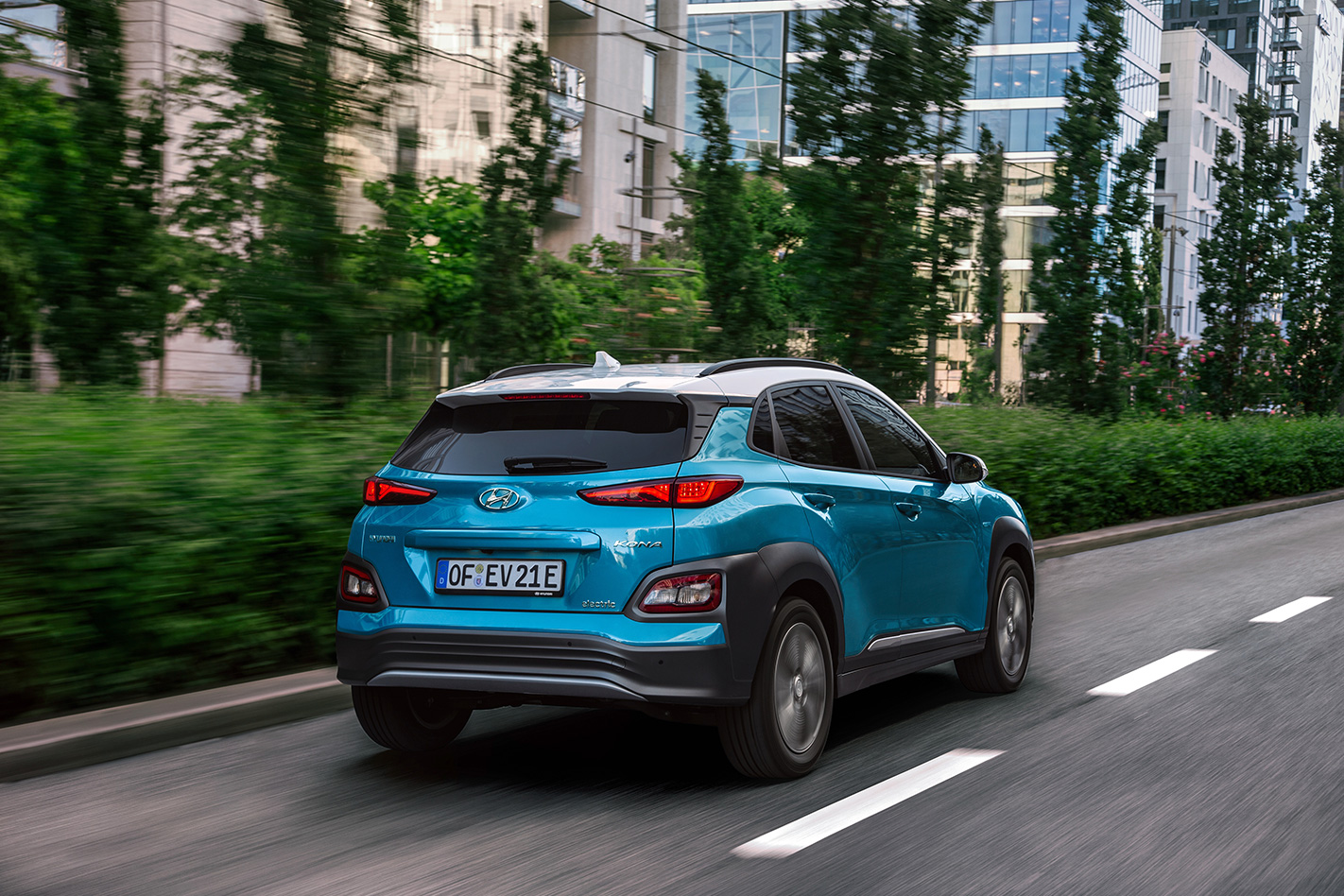
As an apparent statement of intent, a pre-production prototype is already on red dirt and, like all Hyundai models, the Kona Electric chassis is being tuned for local tastes. “Recently, we finished suspension tuning for this vehicle,” said Lee.
In February two versions of the Kona Electric were revealed including a basic variant which has a 39kWh battery good for 300km, but Lee said its high-performance sibling would be the Australian debutant, with a 64kWh powerpack and a range of nearly 500km – far more appealing to Australian motorists who have relatively long commutes, said Lee.
“In the case of Kona, the range is roughly 480km based on the European calculation. It is quite sufficient to use for their commute.”
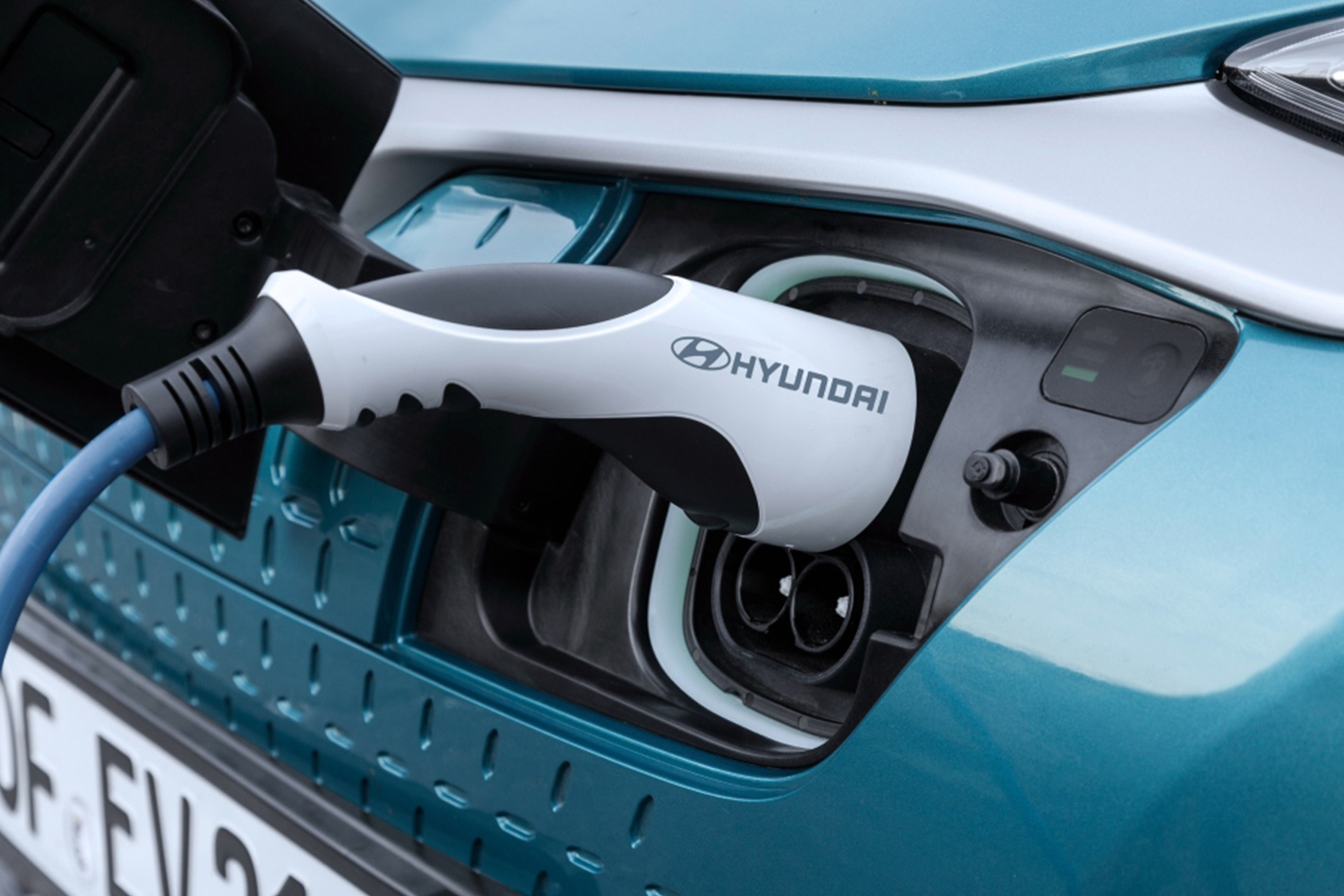
Unlike the Nexo which depends on a supply of hydrogen, Lee explained that the Kona Electric was a simpler solution for Aussie drivers who want to own a zero-emissions vehicle.
“This person has to purchase a small charging station that can be installed in their house. There are some solutions for this electric vehicle. It’s not so hard.”
When it arrives, the pure EV Kona will line up alongside a choice of three Ioniq variants, which offer Hyundai customers a choice of mild hybrid, plug-in hybrid or pure battery power.
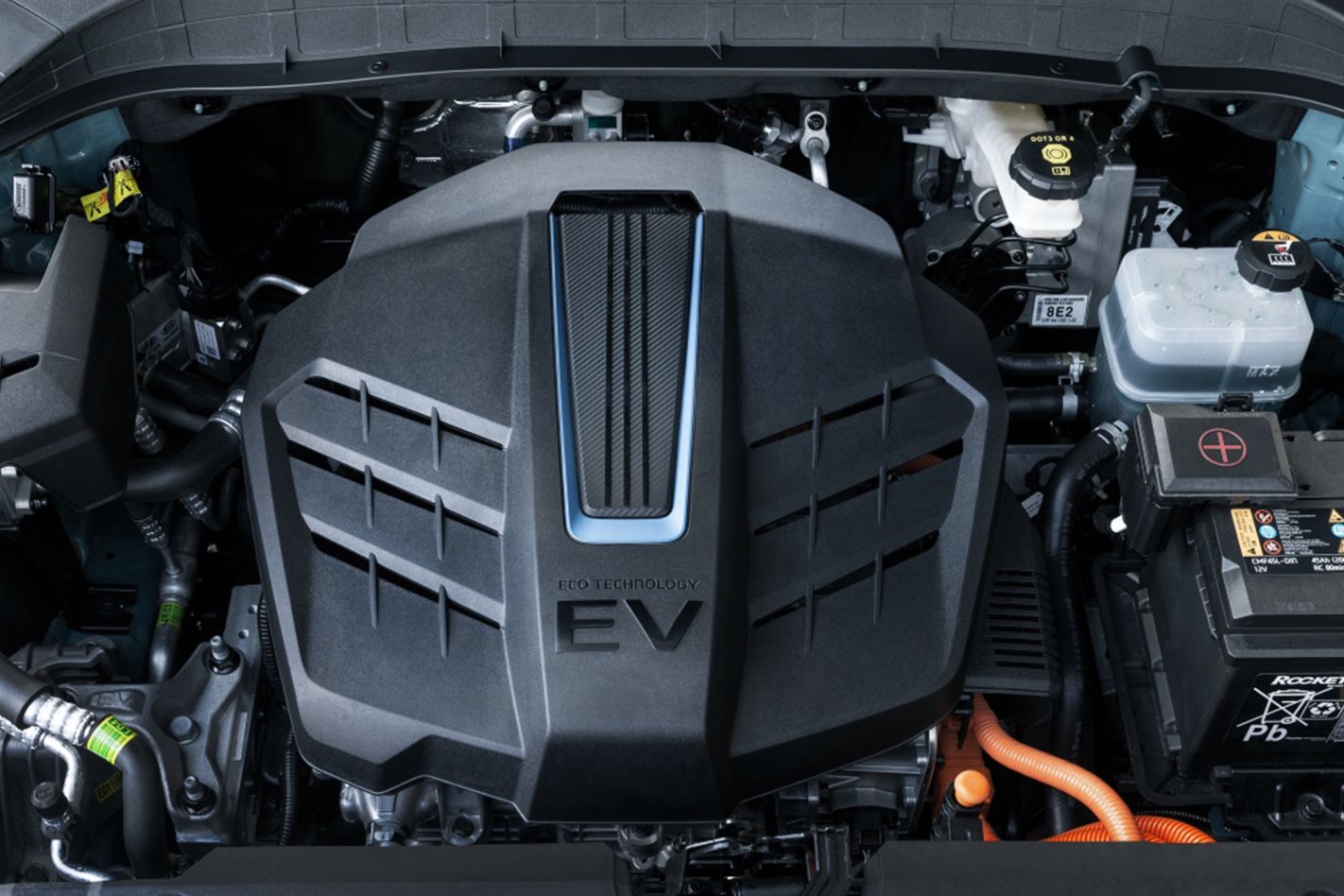
The newcomer to Hyundai’s ranks will also broaden the selection of EVs on offer from all local brands, adding to a battery-powered fleet that, by this time next year, will include the new Nissan Leaf, BMW i3, Jaguar’s I-Pace and the existing Tesla Model S and Model X.
When asked if the Kona Electric would offer an alternative to Tesla’s attention-getting products, including the yet-to-arrive Model 3, Lee explained the “target customer is a bit different” suggesting Hyundai’s offering could be one of Australia’s more affordable EVs.
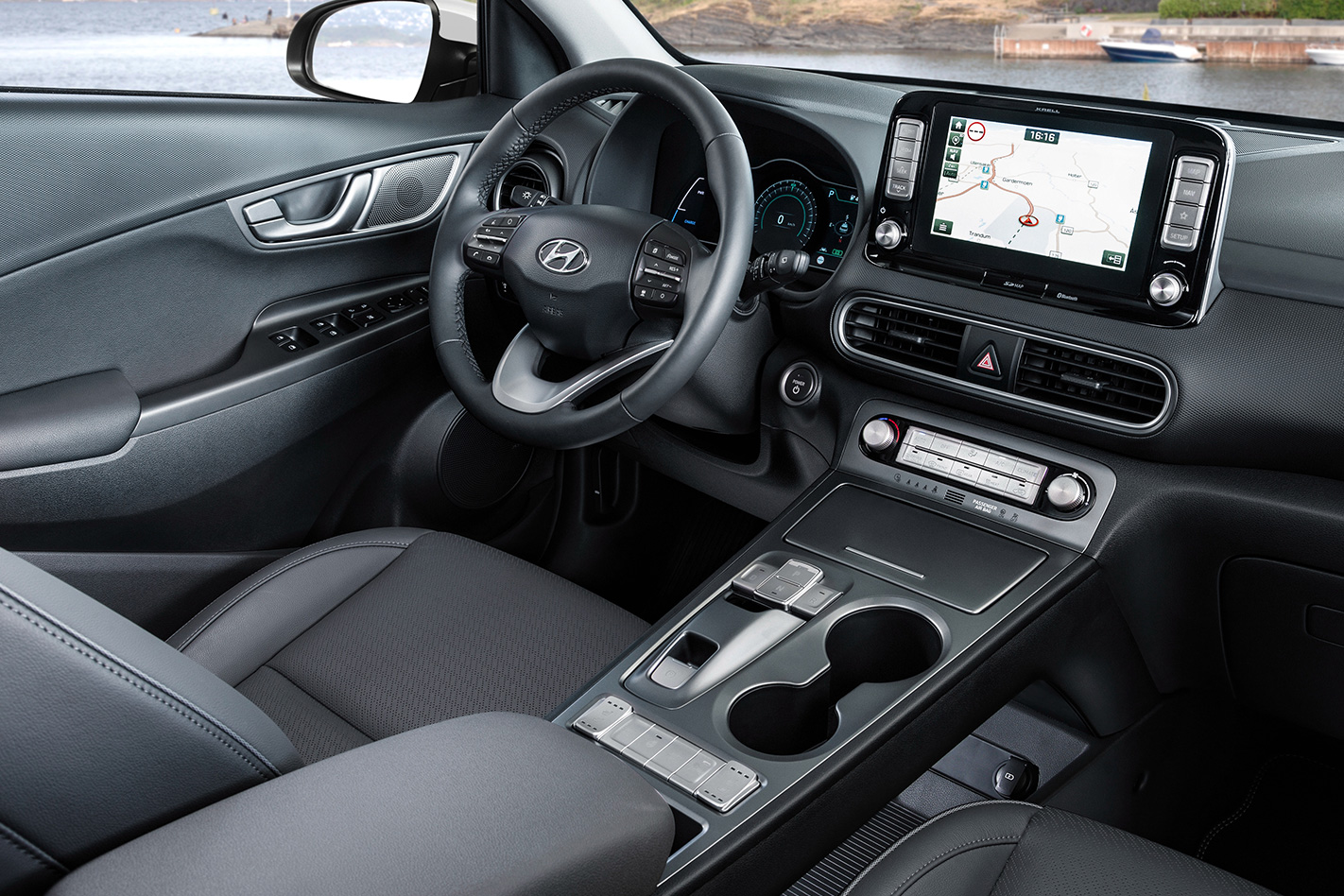
Sales volumes are not expected to be high in Australia, given low demand for EVs and , but Lee said the model would serve as a brand ambassador, showcasing the future profile of the brand and its technological capability.
“Once the electric Kona is here I think it is good Hyundai brand exposure to our customers”.
UNTIL the arrival of the X-Class this year, the 4×4 ute segment was a mostly classless zone; a safe space free of badge-cred posturing. Owners displayed their affluence via a higher model grade, or perhaps some flash aftermarket equipment.
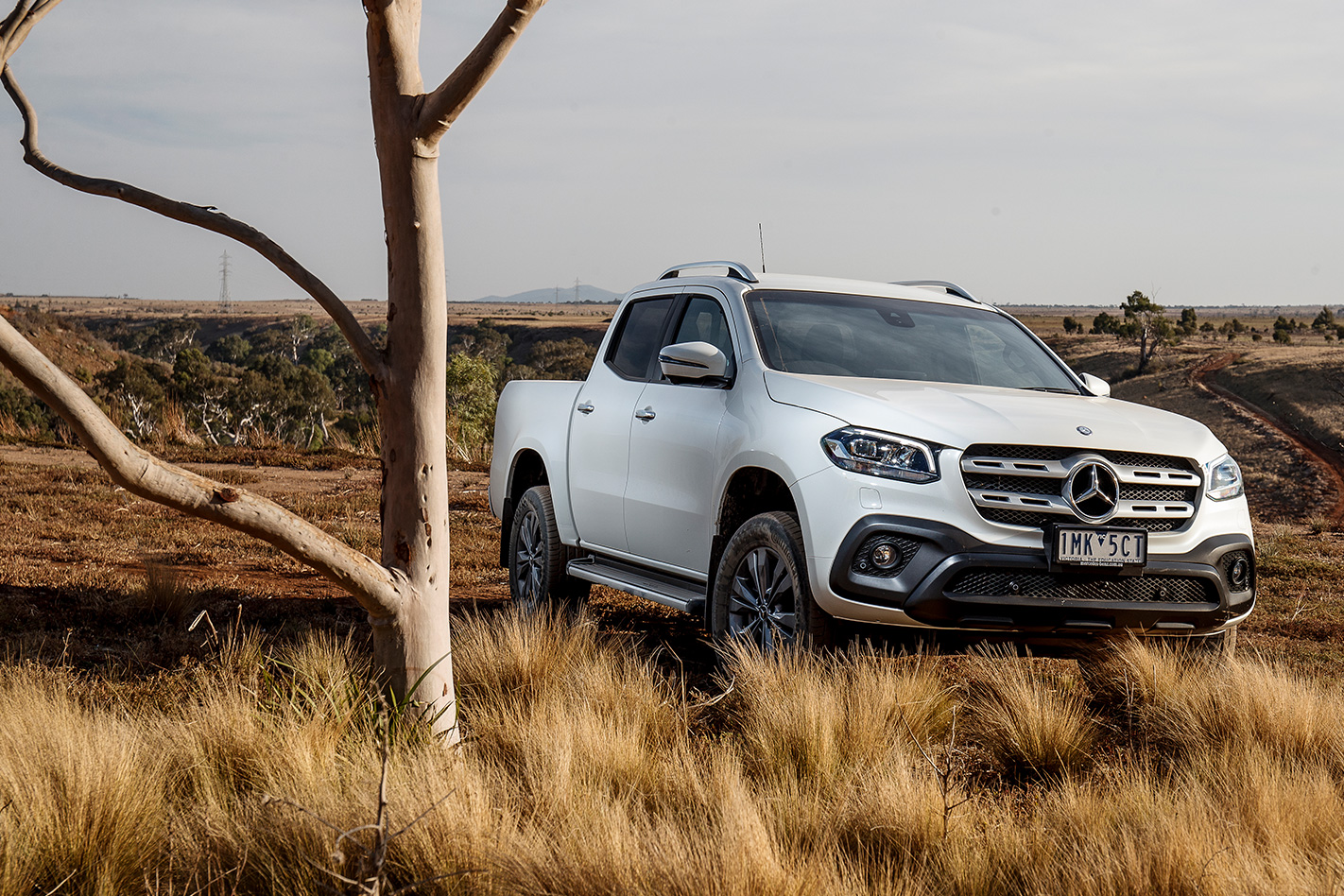
Now, with Mercedes’ three-pointed star sitting Frisbee-sized on the bluff snout of the Spanish-built X-Class, all that has changed, and on a construction site, at least, it threatens to be as divisive as a baked cheese tart whipped out amongst the pies at morning smoko.
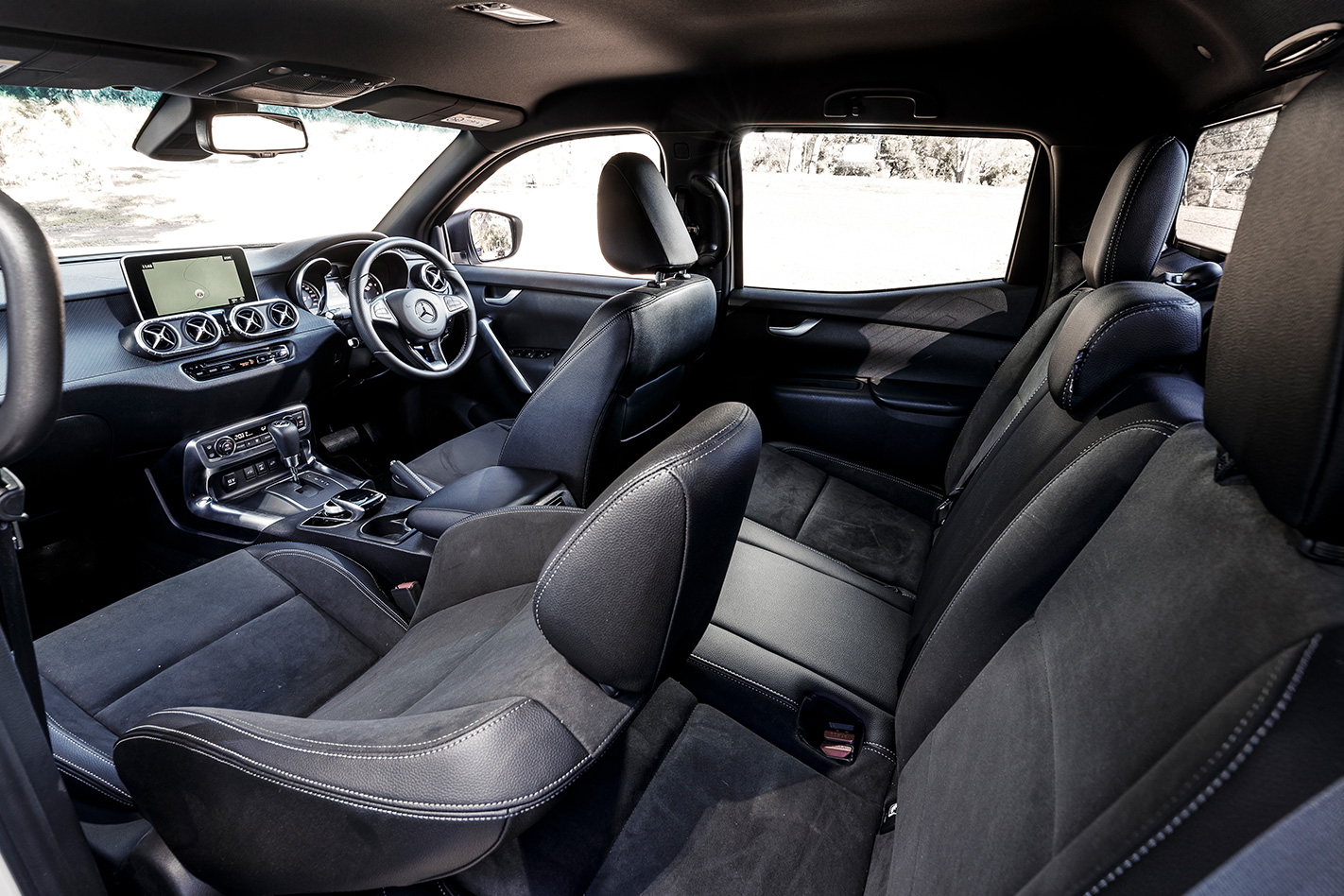
Yet on plenty of levels the X-Class feels well overdue, given the mostly average standard of dynamics, presentation and safety that’s pervaded this class. The moment you open the door, the Mercedes aims to seduce with its classy, leather-bound wheel, 7.0-inch multimedia screen, and the bling-ish ventilation outlets lifted from the previous-gen A-Class. Front seats (both electrically adjustable in this Progressive spec) are more deeply bolstered than those in the Navara.
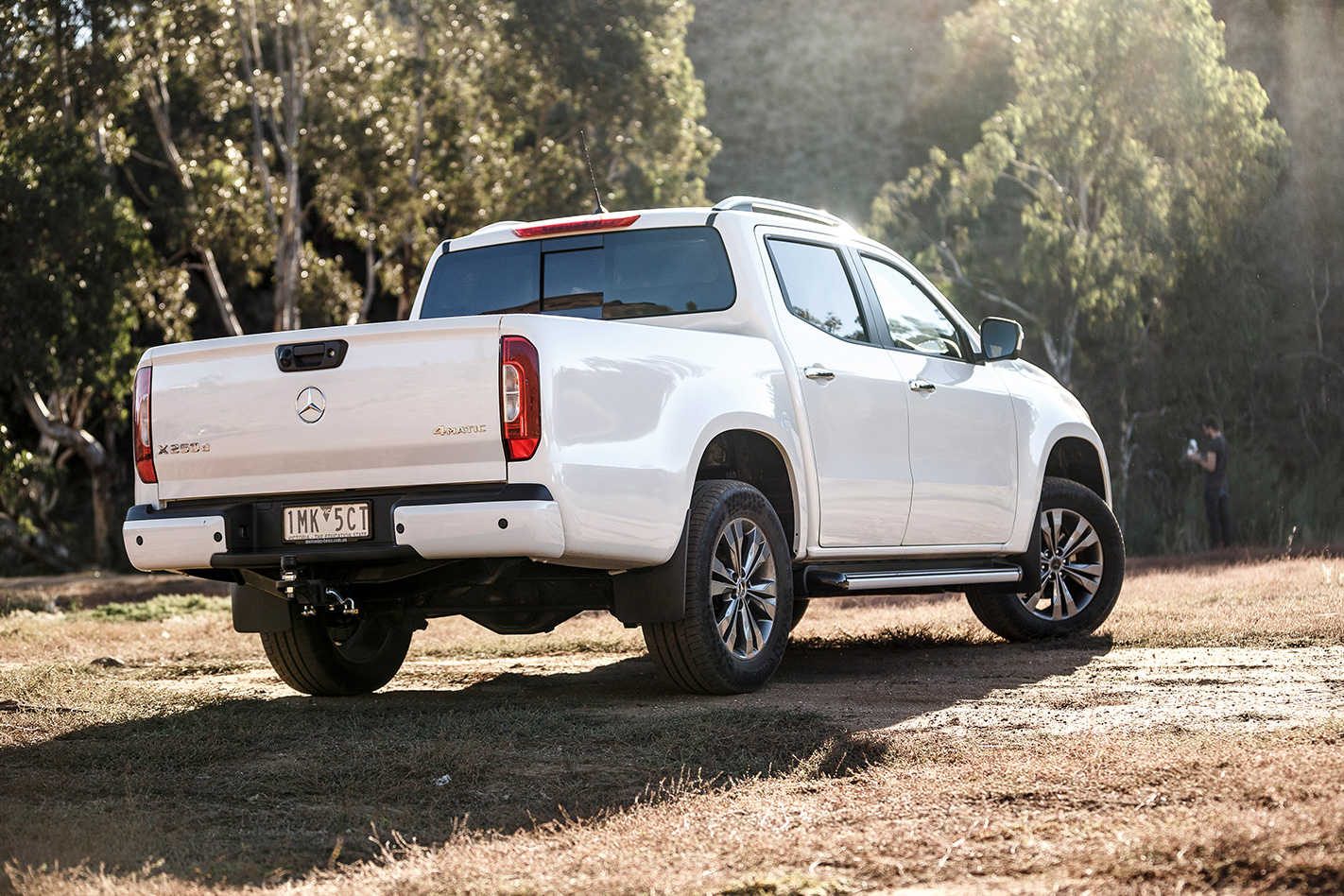
Speaking of which, a closer look reveals the HVAC unit is lifted from the Nissan, creating a mismatch, and, by the time you realise there’s less storage space, it’s easy to question if there’s a style-over-substance issue here. Yet the consensus among the test team, even before driving, was, yes, the $57,800 tag did feel like $3300 well spent over the dowdy Nissan.
Even the rear seat, while no more spacious when three up, is among the more comfortable of the bunch. There are rear air vents, a 12-volt socket, map pockets, and an opening centre rear window. The X-Class is also a better thing to crash in than the rest of the field: it’s the only one which lands five stars under current test and evaluation criteria, thanks in part to AEB.
Fire up the 2.3-litre twin-turbo four pot (with the same outputs as its Navara counterpart) and it’s instantly clear that better installation gives it a clear NVH advantage over the Nissan. It idles with a more distant tick-over, and remains more muted under gentle acceleration around town. Those positive characteristics don’t desert the X-Class when you whip it harder. In terms of perceived smoothness, quietness and general ability to get on with the job unobtrusively, this engine installation is behind only the Amarok. The transmission, too, shows deft calibration. But it’s far from the strongest powertrain.
The Amarok, Ranger and Colorado all feel appreciably more grunty, as borne out by the acceleration numbers. At 10 seconds from 0-100km/h, the Merc is very much a mid-fielder, trounced by the VW and really only usefully ahead of the Mazda and the cellar-dweller Hilux. Perhaps more relevant, though, is its 80-120km/h performance, which, at 7.1sec, is closer to the pointy end of the field, presumably due in part to its seven ratios.
Like the Navara, the Merc has a technically superior coil-sprung rear end, but we struggled to find clear evidence of its benefits compared with the better leaf-sprung models here. Yes, there is a general sheen of dynamic superiority above the Nissan, but driven with vigour on a bumpy back road, there’s still evidence of the dreaded lateral wobbles. At least the ride is on the more supple side for this class.
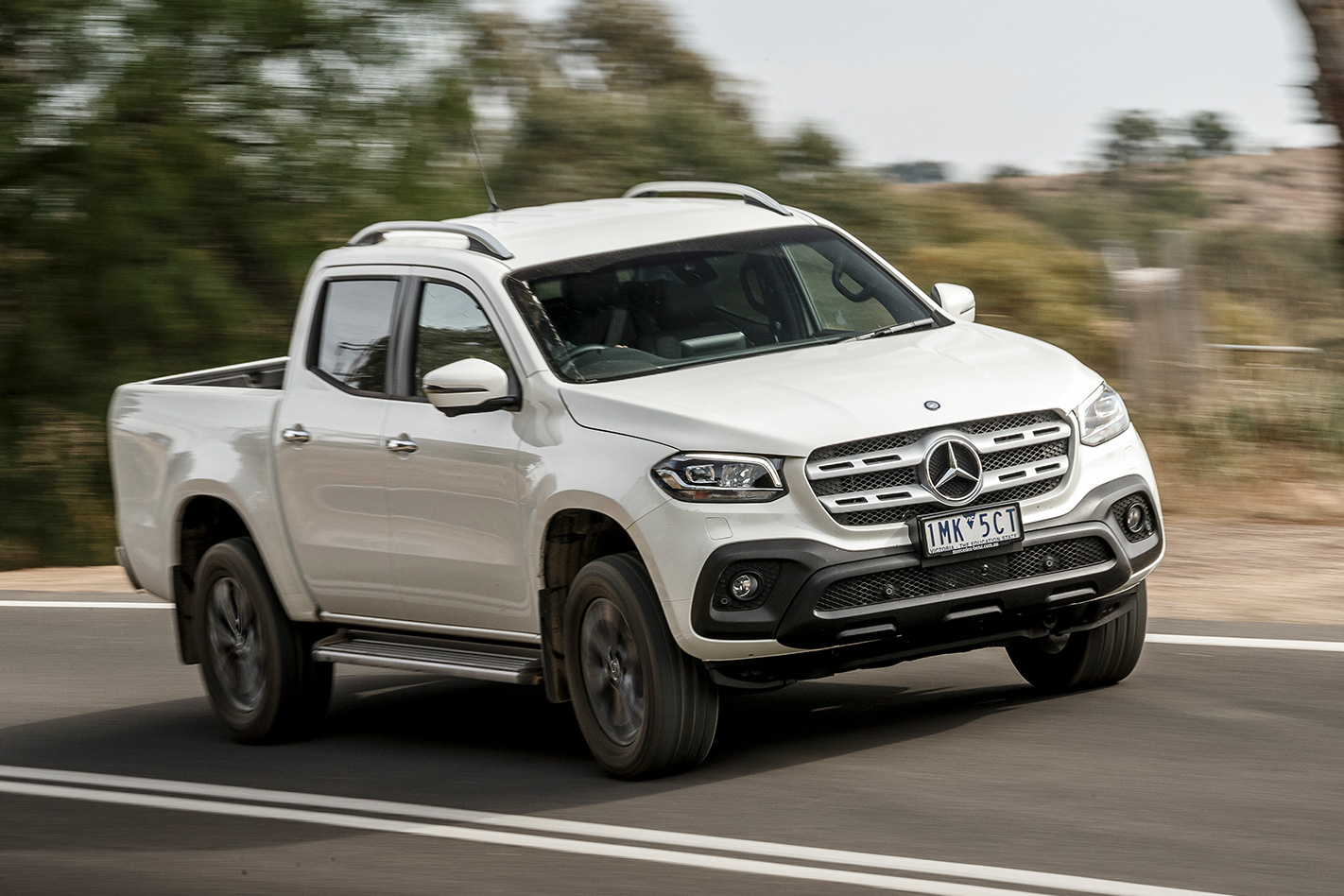
Yet the test team agreed that the local tuning of both Colorado and Ranger put them ahead of the X-Class for ride/handling. The Merc’s steering, too, lacks the crisp incisiveness of the Ranger. In its favour, the Merc does hang on well when hustled, thanks to the Conti Sport Contact 6 rubber, and its ESC calibration doesn’t intrude too early. Further, it and the Amarok are the only rigs in the group with rear disc brakes, which the Merc put to good use by delivering the shortest stopping distance from 100km/h (39.2m).
In the end, the X-Class left us with a bit of a dichotomy. On one level, Merc’s engineers have done a super-impressive job, given their starting point was the lacklustre Navara. But more pointedly, X-Class’s premium pricing doesn’t deliver clear superiority against the class best. But if buyers can see value in the equipment and refinement, then there’ll be no scoffing from us. Not with our baked cheese tarts in hand.
SPECS
Price $57,800 Engine 2298cc 4cyl, dohc, 16v, TTD Power 140kW @ 3750rpm Torque 450Nm @ 1500-2500rpm Transmission 7-speed automatic Dimensions (L/W/H/W-B) 5340/1920/1819/3150mm Weight 2137kg Tray capacity 1113kg Braked towing capacity 3500kg Unbraked towing capacity 750kg Ground clearance 228mm Tyres Continental Sport Contact 6 255/60R18 108H Test fuel average 10.4L/100km 0-100km/h 10.0sec 80-120km/h 7.1sec 100km/h-0 39.2m
Need more info?
Read the Wheels Dual-Cab Ute Megatest Introduction
The Contenders
# 9 Isuzu D-Max LS-T
Rough ’n’ ready appeal pales when polished rivals are better at going bush too
#8 Nissan Navara ST-X
Tough and reliable aren’t enough as Navara wilts on price, spec and comfort
#7 Toyota Hilux SR+
Unbreakable? Possibly. Unloveable? Sadly, yes, as mediocrity is allowed to prevail
#6 Mazda BT-50 GT
Still in the fight, but ultimately overshadowed by its high-flying fraternal twin
#5 Mitsubishi Triton Exceed
A strong and likeable mid-fielder where consistency and value are king
#4 Holden Colorado LTZ
Colorado raises its game right when Holden needs a hero
#3 Mercedes-Benz X250d
Arrives carrying great expectations; delivers only a modest load
#2 Ford Ranger XLT
Continuous improvements make the only truly Australian-conceived ute world class
#1 Volkswagen Amarok V6 Sportline
Quiet achiever doesn’t have youth on its side, but still shows how it should be done
