
THE NAMES, and even the brands, may have changed over time, but there have been Datsun or Nissan small trucks produced almost continuously since 1934.
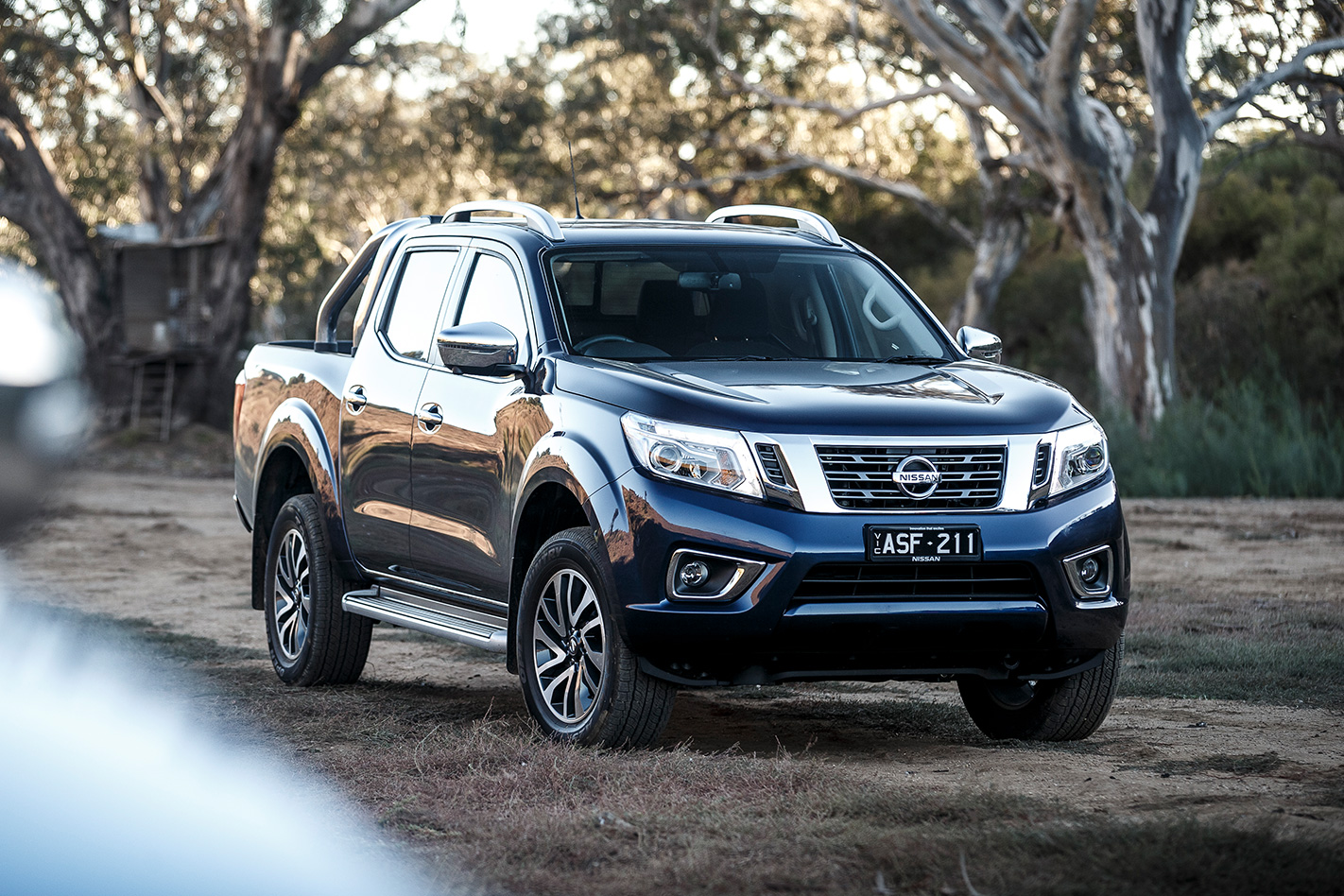
That’s the same year Ford Australia released the world’s first coupe-utility, by the way, highlighting a breadth of experience that has moulded Nissan’s reputation for outstanding reliability and durability.
Nothing has changed with Navara, Nissan’s 12th generation ute, and donor vehicle for the Mercedes X-Class and (imminent) Renault Alaskan. That said, today’s D23 (released in 2015) has failed to capitalise on the critical and commercial success that its chunkier D40 predecessor enjoyed, prompting a worried Nissan to fettle the steering and suspension (yet again) for the 2018 Series III.
With all this in mind, for anybody seeking peace of mind in a strong, sturdy, spacious and inviting on-road dual-cab that’s also a competent and capable off-roader, the STX 4×4 should soar.
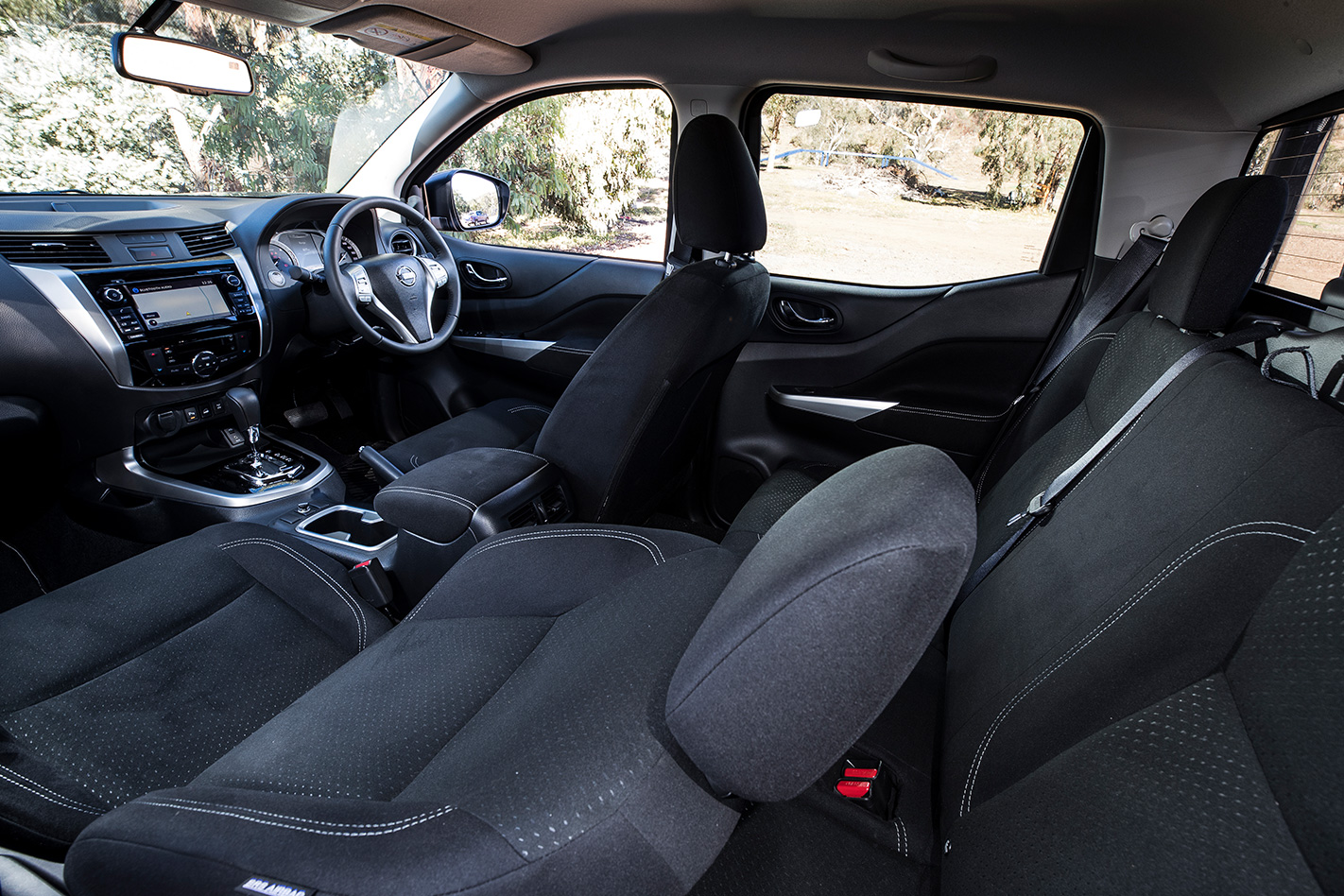
From the showroom floor, things certainly do look up, beginning with the still-handsome design. The doors open wide for easy access, revealing a roomy and very car-like cabin with attractive instruments (and a digital speedo from June onwards), an intuitive central touchscreen bringing an excellent bird’s-eye-view camera, simple and effective climate controls, and a decent driving position; all could be out of an X-Trail.
Yet Nissan’s SUV know-how is also obvious in the sheer practicality of the thing, be it the plentiful storage, pull-out cupholders, rear-seat air vent fitment, hardy (yet not cheapo) upholstery and a powered sliding pane in the rear screen.
Plus, the continuing 140kW/450Nm 2.3-litre four-cylinder twin-turbo diesel is more than up to the job. Reasonably quiet, it steps off strongly (aided by the optional, slick, seven-speed torque-converter auto) and revs freely, proving surprisingly responsive on the fly – its 9.7sec 0-100km/h and 7.0sec from 80-120km/h results are top-three here, embarrassing the larger-donked Ranger and Hilux, while returning similar (though middling at best) fuel consumption figures. Additionally, the Nissan feels agreeably light around town, backed up by a comfy ride.
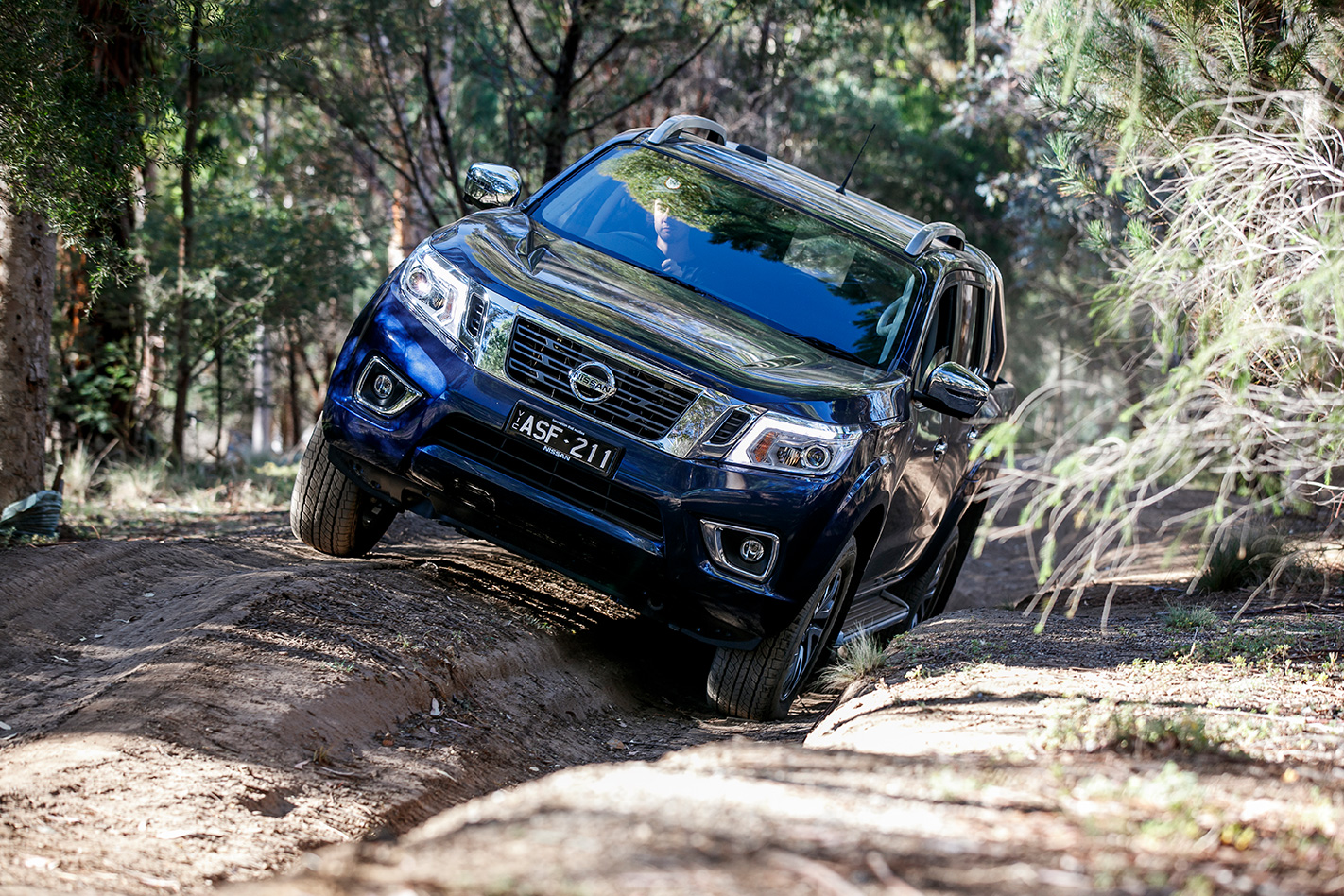
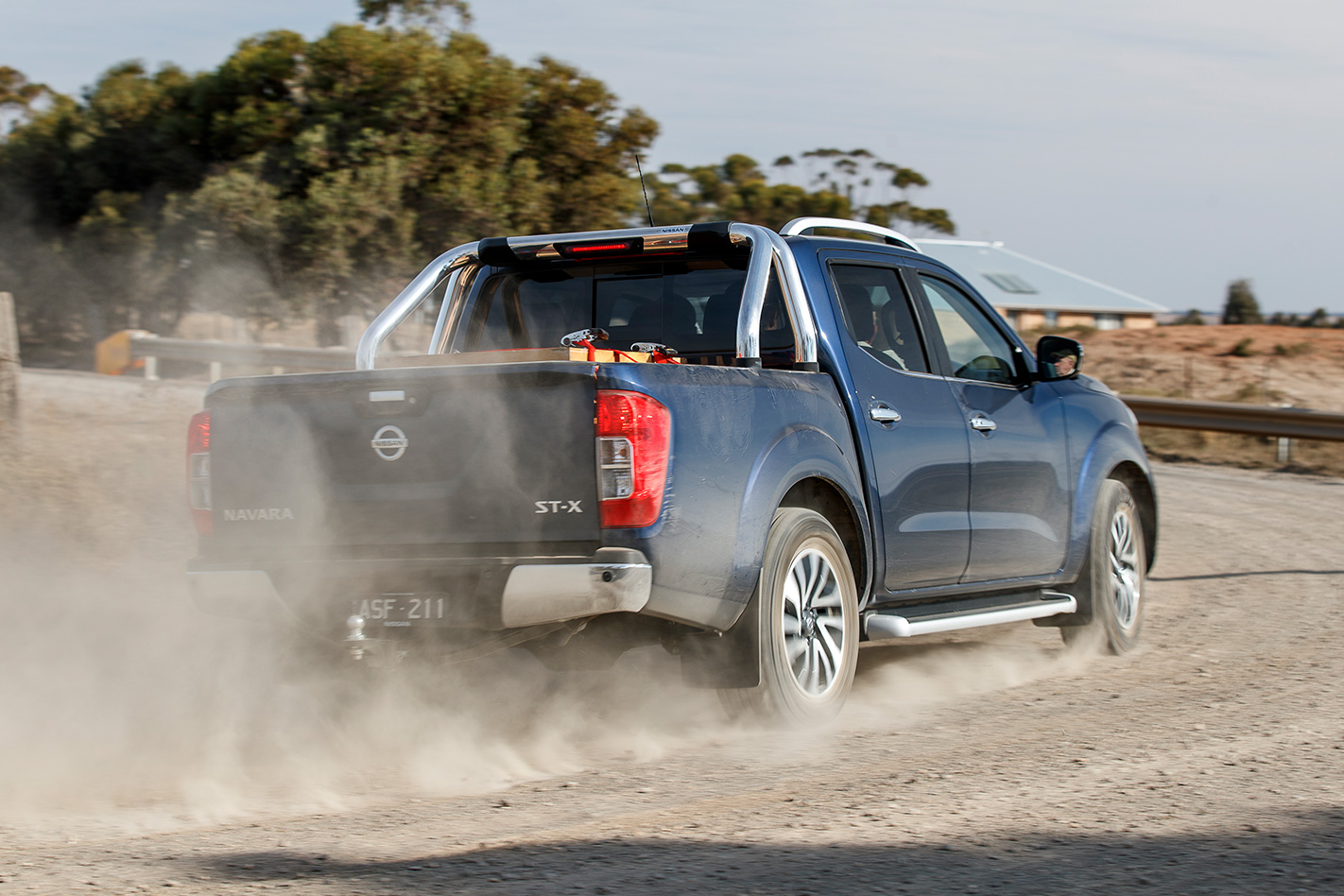
Spend more time in the Navara, however, and the initial gloss fades. Disappointingly, much of that has to do with the suspension, despite Nissan’s latest mods. While pleasingly soft (and hushed) at low speeds or on smooth roads, the ride quickly deteriorates on lumpy surfaces, transmitting bumps and thumps with depressing consistency.
This in turn promotes a tiresome lateral body movement and even occasional chassis shimmying, which, in concert with the vertical pitching, makes for one of the worst-riding utes of the group. If we didn’t know there were coils out back we’d have assumed the Navara was just another rudimentary leaf-sprung pick-up.
Exacerbating this are flat and shapeless seats, providing less support than you need in a vehicle with excessive body movement, and steering that feels lifeless at speed. The rear-seat backrest, meanwhile, is fixed and there is no second-row centre armrest, USB/charge outlets or beverage holders.
Which leads to a vexing value equation. Against the Mercedes, the Navara ST-X may be $3300 cheaper, but it lacks the German’s AEB and rear disc brakes, as well as its far more settled ride and quieter cabin. The price gap is way too close for comfort. At $55K, the Nissan ain’t cheap.
Like all current-gen Navara iterations, the Series III fails to deliver on its promising spec, with much of the competition now forging ahead. After 85 years of ups and downs, Nissan’s venerable offering is currently treading water. A big rethink is in order.
SPECS
Price $54,490 Engine 2298cc 4cyl, dohc, 16v, TTD Power 140kW @ 3750rpm Torque 450Nm @ 1500-2500rpm Transmission 7-speed automatic Dimensions (L/W/H/W-B) 5255/1850/1855/3150mm Weight 1979kg Tray capacity 931kg Braked towing capacity 3500kg Unbraked towing capacity 750kg Ground clearance 228mm Tyres Toyo A25 Open Country 255/60R18 108H Test fuel average 11.0L/100km 0-100km/h 9.7sec 80-120km/h 7.0sec 100km/h-0m 48.7m
Need more info?
Read the Wheels Dual-Cab Ute Megatest Introduction
The Contenders
# 9 Isuzu D-Max LS-T
Rough ’n’ ready appeal pales when polished rivals are better at going bush too
#8 Nissan Navara ST-X
Tough and reliable aren’t enough as Navara wilts on price, spec and comfort
#7 Toyota Hilux SR+
Unbreakable? Possibly. Unloveable? Sadly, yes, as mediocrity is allowed to prevail
#6 Mazda BT-50 GT
Still in the fight, but ultimately overshadowed by its high-flying fraternal twin
#5 Mitsubishi Triton Exceed
A strong and likeable mid-fielder where consistency and value are king
#4 Holden Colorado LTZ
Colorado raises its game right when Holden needs a hero
#3 Mercedes-Benz X250d
Arrives carrying great expectations; delivers only a modest load
#2 Ford Ranger XLT
Continuous improvements make the only truly Australian-conceived ute world class
#1 Volkswagen Amarok V6 Sportline
Quiet achiever doesn’t have youth on its side, but still shows how it should be done
FORD has resurrected the Territory nameplate, almost two years since the final Aussie-built model rolled off the Broadmeadows production line.
But while the new SUV will be built with input from Ford’s Aussie research and development team in Melbourne, the nameplate isn’t for our market. Instead, only Chinese motorists will be able to park a 2019 Territory in their garages.
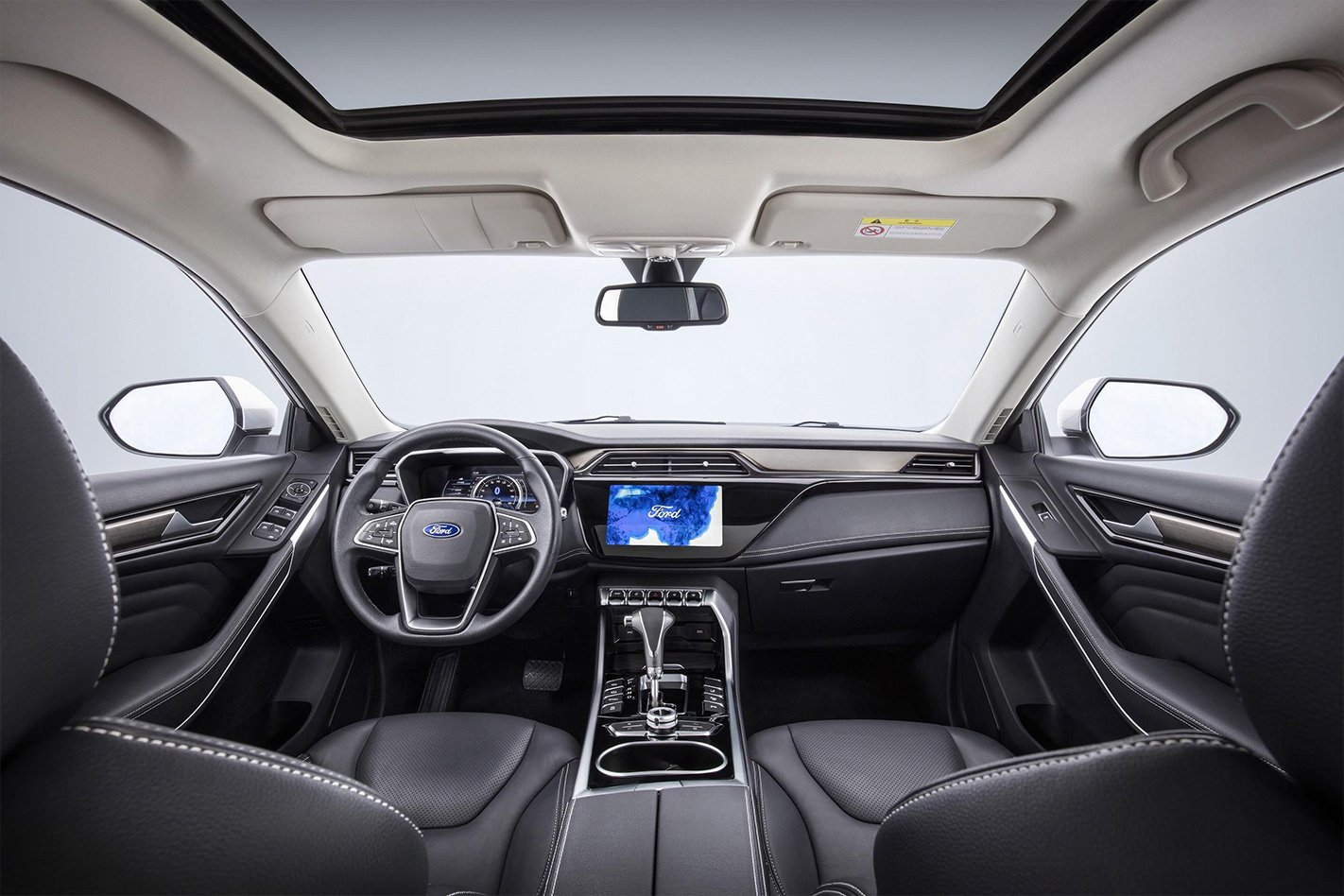
Co-developed with Chinese carmaker JMC, the 2019 Territory is a very different beast to the beloved Falcon-based family hauler, which became the first SUV to win Wheels Car of the Year and is arguably a bigger loss to the Australian market than the Falcon.
The new Territory is part of Ford’s plans to completely boost its presence in China with a revamped range that will mostly be electrified by 2025.
Based on JMC’s Yusheng S330 crossover it’s smaller than the Aussie version, slotting in between the EcoSport and Kuga (called Escape here) and will apparently be offered with three powertrains including a small-capacity petrol, a 48-volt mild hybrid, and a plug-in hybrid.
However, its design bears enough of a resemblance to the original Territory to ponder what could have been if it were allowed to stray beyond China’s borders.
Which begs the question: would Australians take to a new full-sized SUV called the Territory, or would Ford be wise to learn from the backlash Holden has suffered for bringing in a foreign-built imposter bearing the same name as a beloved local?
You may have seen us write about HDT’s one-off VF Commodore built to resemble a VL Group A Plus Pack, but while HDT head Peter Champion was giving us the details of that car, we stumbled into talking about another project he’d worked on.
A customer had commissioned a VE Holden Commodore SS to be turned into a tribute car to mark the 30th anniversary of Peter Brock’s VL Group A racer.
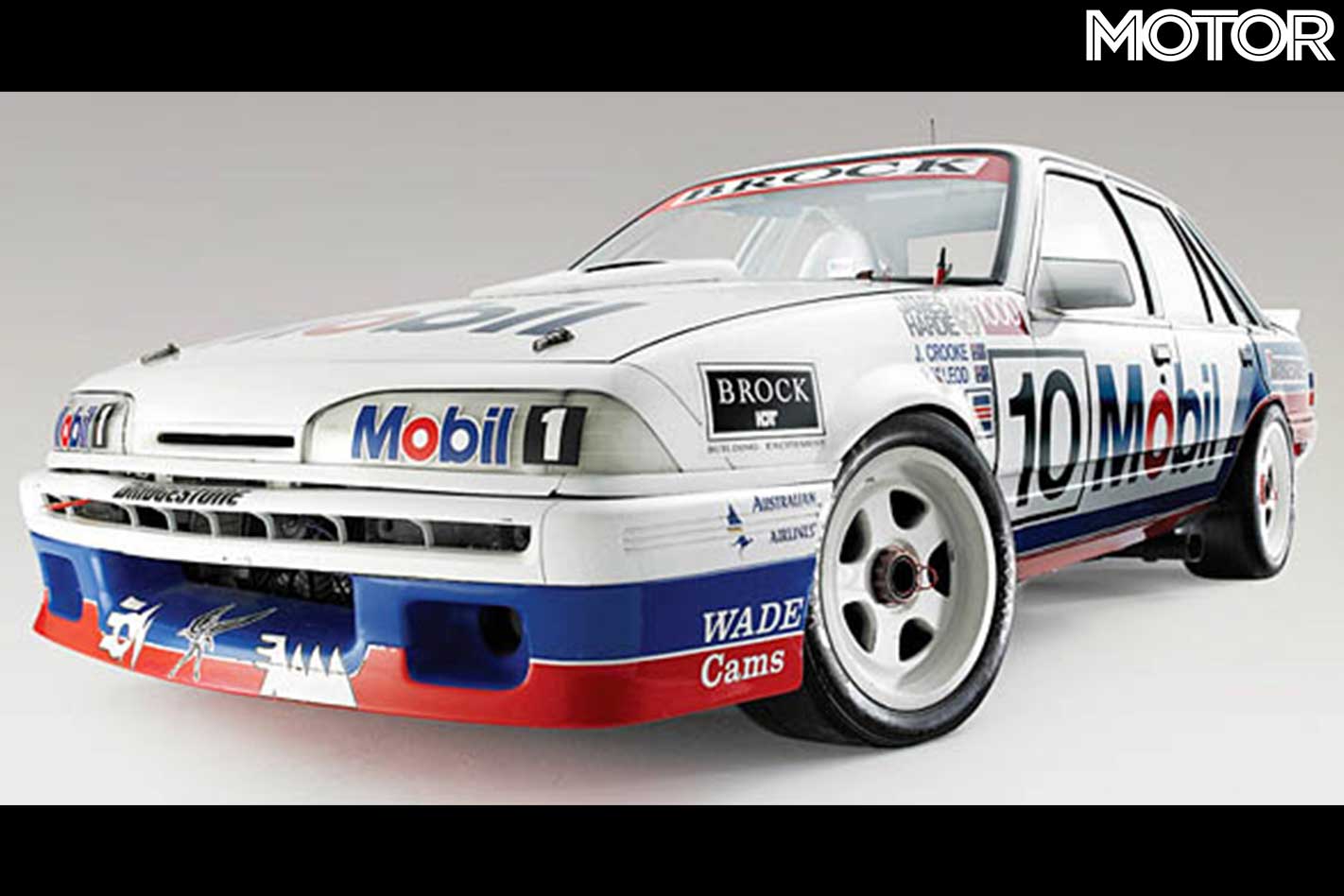
“That’s [for] a good customer on the Gold Coast who has bought a few cars from us in the new generation. He lives and breathes HDT and bleeds that sort of blood.
“He’s a massive Peter Brock fan, so anything we do related to that, he buys two of them. One he wears, and one he puts away. When he approached me to build him a race car, we thought ‘why not?’”
“He wanted to build a 30th anniversary version of the VL Group A race car, so we did.
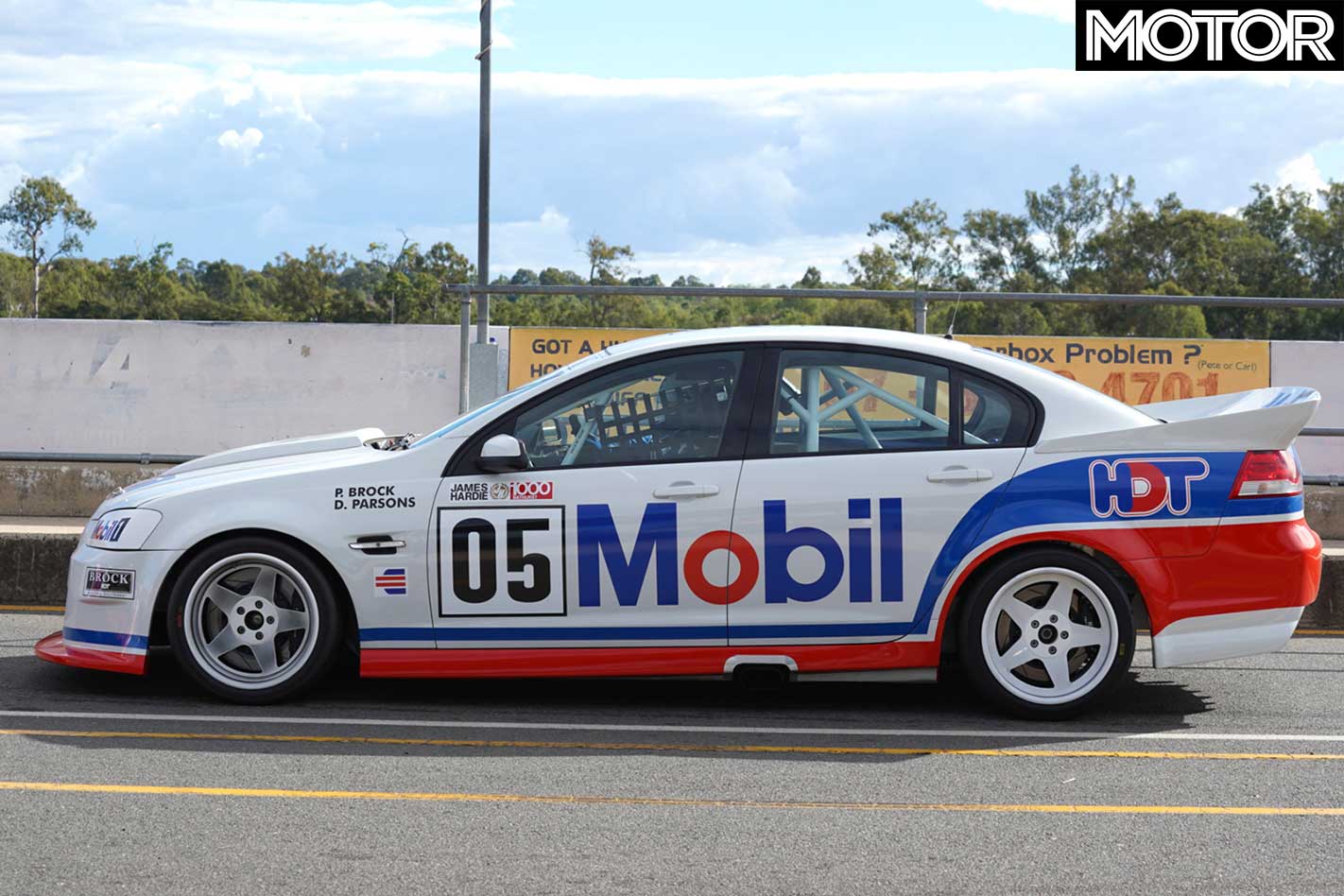
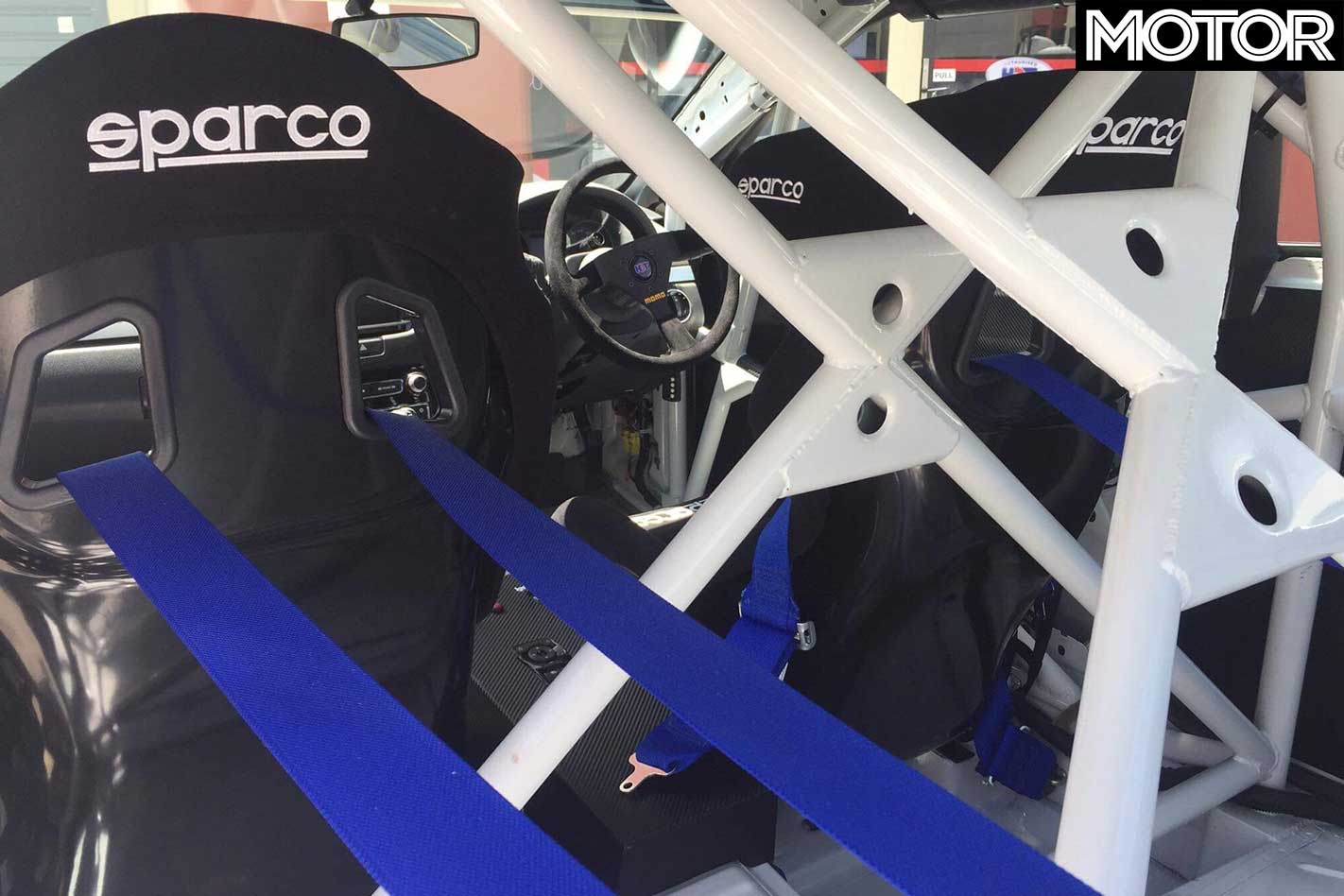
Pictures of the car show that it’s fully kitted-out for track days and racing, the wheels and exhaust are even custom, though Champion says one creature comfort was left intact.
“When we built it for him, he said ‘make sure you leave the air-conditioner in there, I don’t want to run a cool-suit’. He sacrificed a few horses to be able to hop out nice and cool.
“He took it to Queensland Raceway and there we 60 cars that day. Out of the 60 cars in his first run he put it on P2, and I think the car that beat him was a WRX.
“Not a bad effort for just a 6.0-litre with a cam package.”
Brabus has done it again, but this time it’s not an unhinged Merc limo or and AMG E63 S with tyre-frying outputs. It’s a Smart Fortwo Cabrio, known as the Brabus 125R.
Where the tiny turbocharged 898cc three-pot used to make 66kW and 135Nm, Brabus has upped the game to 92kW and 200Nm.
If you think that’s not enough to have fun with, remember that the original MX-5 only had 85kW and 135Nm, not that we think either are particularly fast.

But a sprint time like that is irrelevant in a car like this, a miniature rear-drive hatch should focus on its composure, so Brabus has sport springs which lower the ride by 30 millimetres, tailored specifically to the wheel and tyre dimensions.
Brabus’ 577kW ‘800 GT’ four-door coupe!
Furthering the Brabus 125R’s appeal is the stainless-steel active sport exhaust system, which features three central tailpipes, as well as Brabus’ aggressive visual styling – a large departure from the mostly unremarkable Fortwo.

Brabus’ eagerness to portray this car as ‘sporty’ might have gone a step too far however, as in the press material sent to outlset, it describes the dual-clutch gearbox as being able to shift “either automatically or manually like in Formula 1 racing.”
We’d struggle to compare a Smart Fortwo to an F1 car, but that’s just us.
The Brabus 125R is unavailable in Australia, and sell for an RRP of €39,900.
There have been so many false dawns at Hethel that it’s easy to take the news that Lotus is about to be revitalised by a huge cash injection with a certain cynicism. Yet if Bloomberg’s report(which cites an unnamed source) is correct, then the Zhejiang Geely Holding Group Co., which also controls Volvo Car Group, is set to invest a massive A$2.6bn into the hallowed sports car marque.
In addition to the cash injection, Geely is also looking to bolster its 51% holding in the company, with Malaysian partner Etika Automotive holding the remainder of stock.
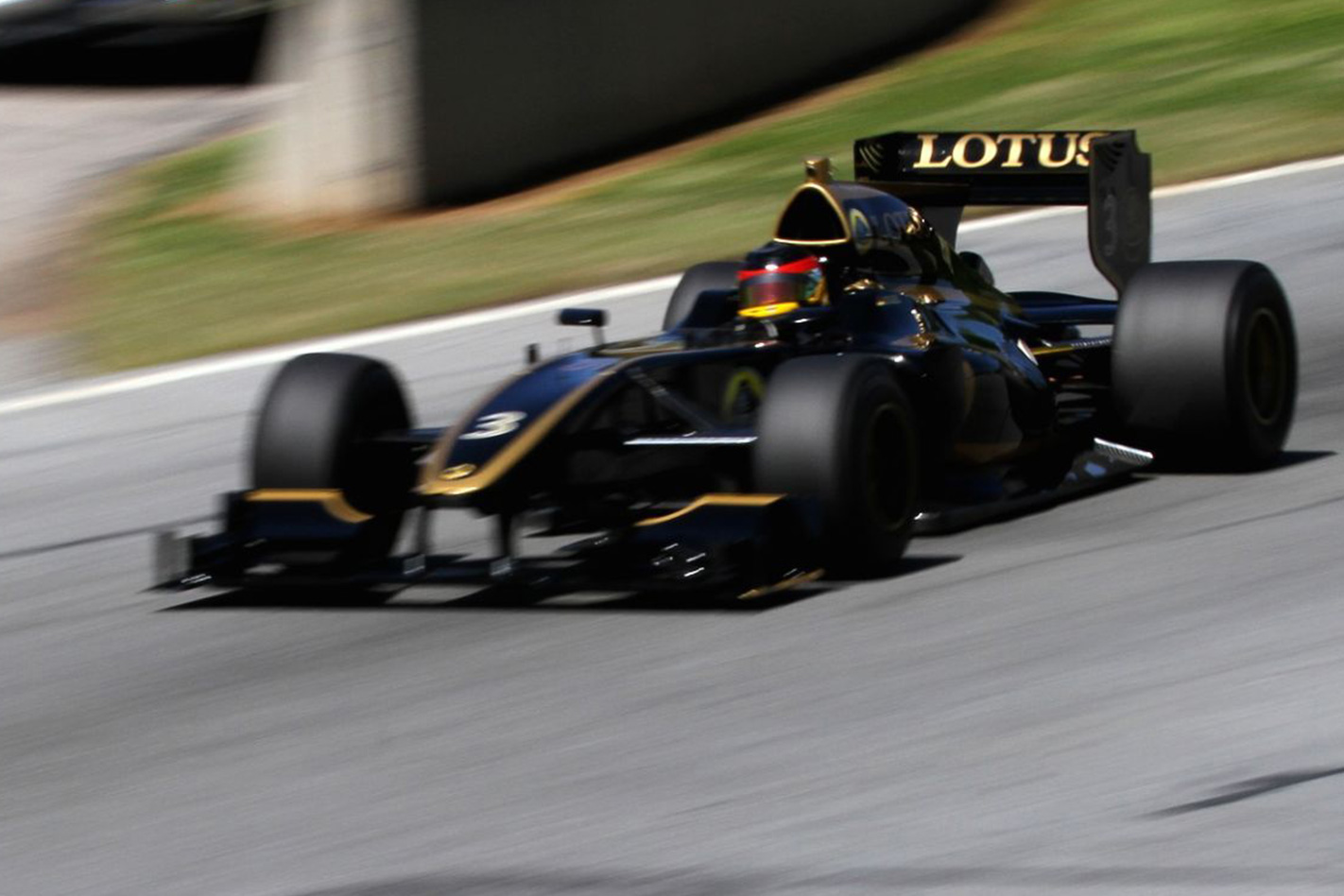
The money has allegedly been earmarked for 200 engineering hires, a second plant in the West Midlands of the UK, an expansion of the existing Hethel facility and a new design and innovation centre, probably in Coventry.
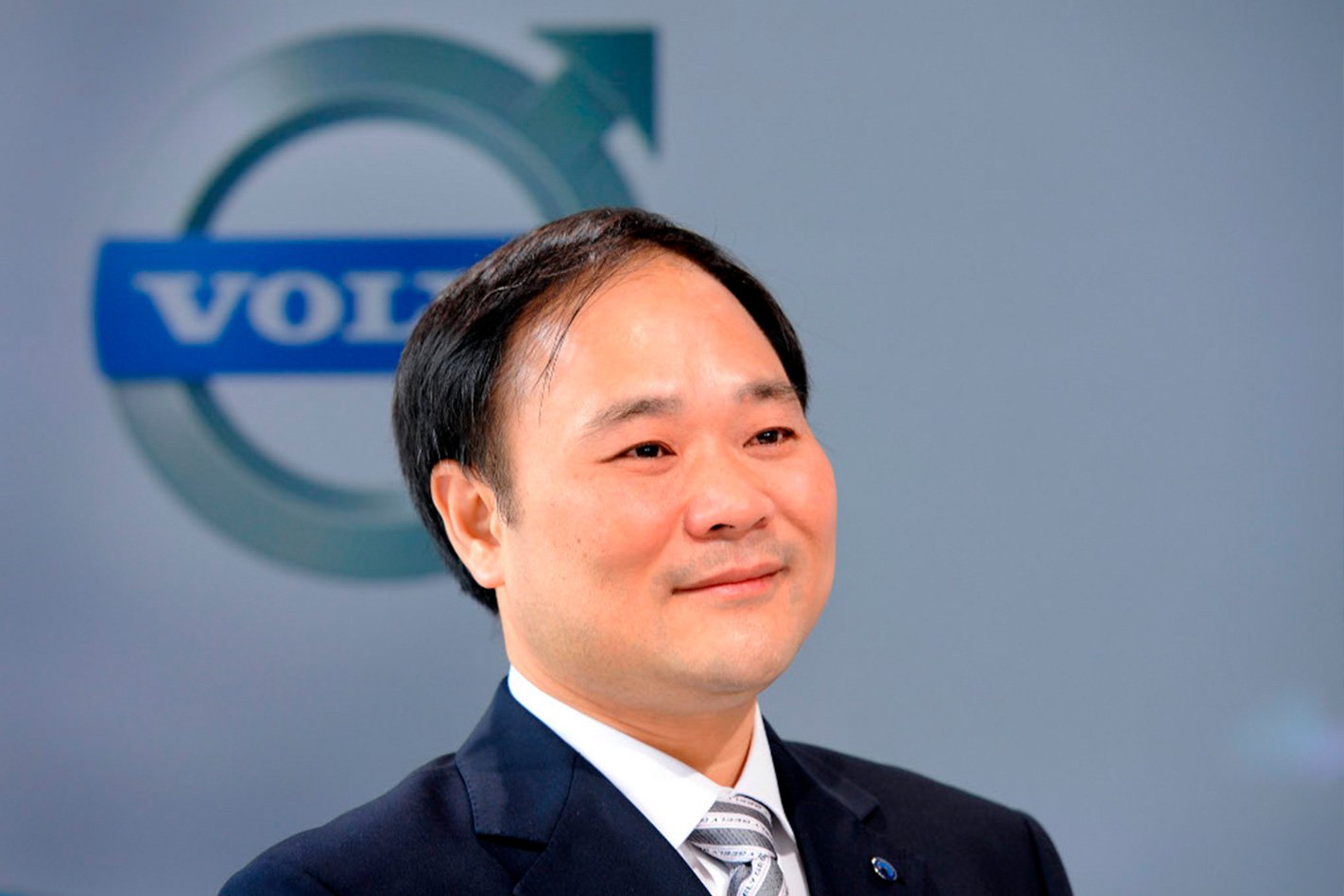
Geely has form here, pumping A$15bn into Volvo since its acquisition in 2010. Geely’s billionaire boss Li Shufu is also the single biggest shareholder in Daimler AG. In a statement, the company said “Geely is fully committed to restoring Lotus into being a leading global luxury brand,” but declined to elaborate further on its investment plans.
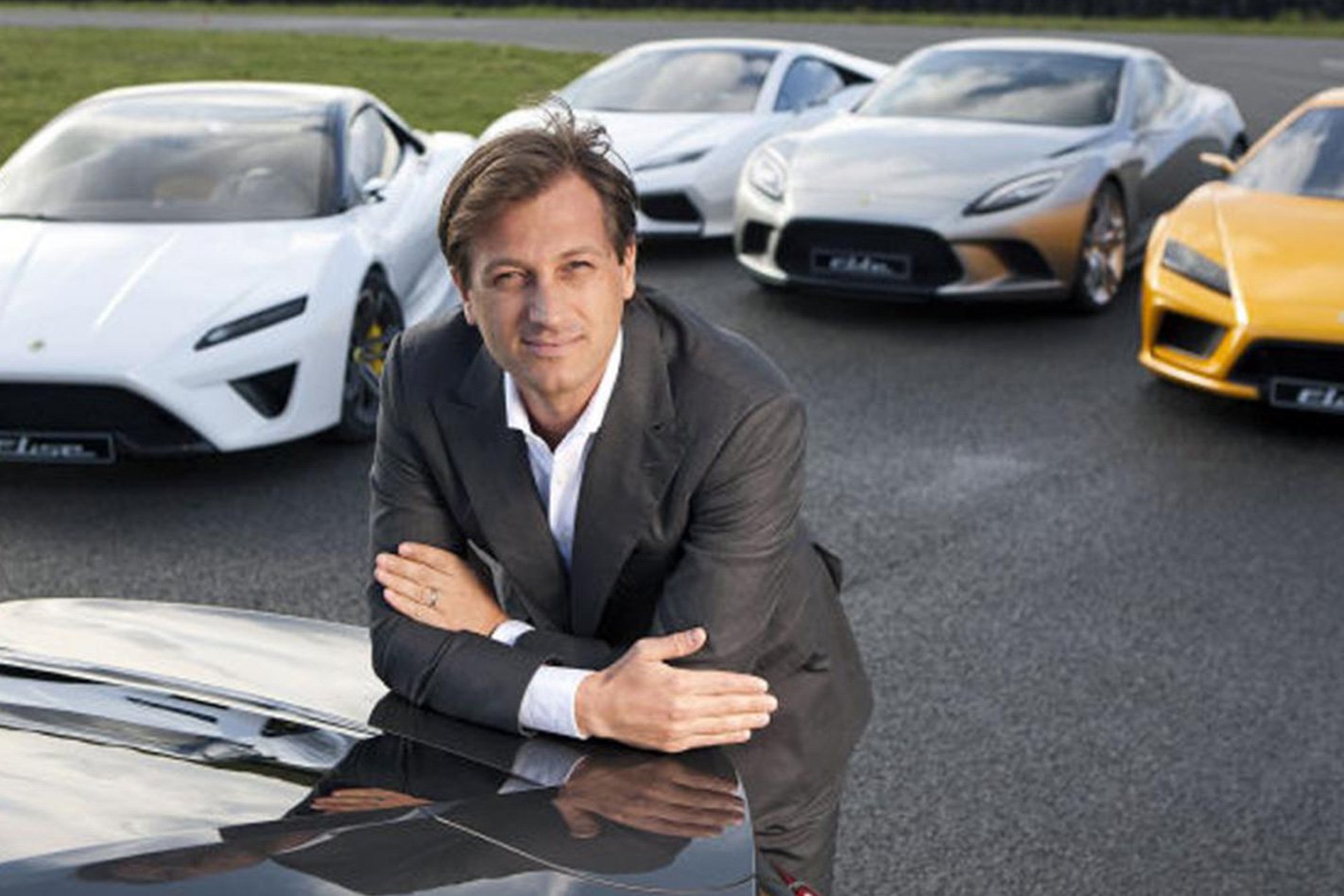
It doesn’t take a historian’s perspective to recall then-CEO Dany Bahar’s masterplan to transform Lotus into a Ferrari-rival. His product assault at the 2010 Paris Show included five fully worked-up show cars: Esprit, Elite GT, Elan, Elise and City Car Concept.Most bore the imprimatur of stylist Donato Coco, a man with the Ferrari 458 Italia on his resume. Therefore most took it seriously before realising that Bahar’s planning involved recruiting celebs like music producer Swizz Beatz to become company vice presidents and flying Russian gangsters on private jets to the Louvre to see the Lotus T125, a barely watered down F1 car that never reached a single customer.
It was all a tissue of smoke and bullshit, predicated on two critical failings. Coming from Red Bull Racing and Ferrari’s licensing division, Bahar had no experience of either managing a tight budget or producing a road car. Seems a bit of an oversight now.
Zhejiang Geely clearly has a lot more substance than Dany Bahar. Its turnaround of Volvo is a case study in artful brand management. Can it do the same at Lotus? With the resource and the right people in charge it’s hard to see why not, but until we see concrete evidence of Lotus’ recovery, permit us a little skepticism.
AN AUSTRALIAN innovation could overcome one of the biggest hurdles facing hydrogen-powered vehicles, following a CSIRO demonstration that refuelled a pair of fuel-cell cars with locally made high-purity fuel.
For the demo, Toyota provided a Mirai while Hyundai came to the zero emissions party with an example of its Nexo, which the science agency then topped up with hydrogen produced in its breakthrough process.
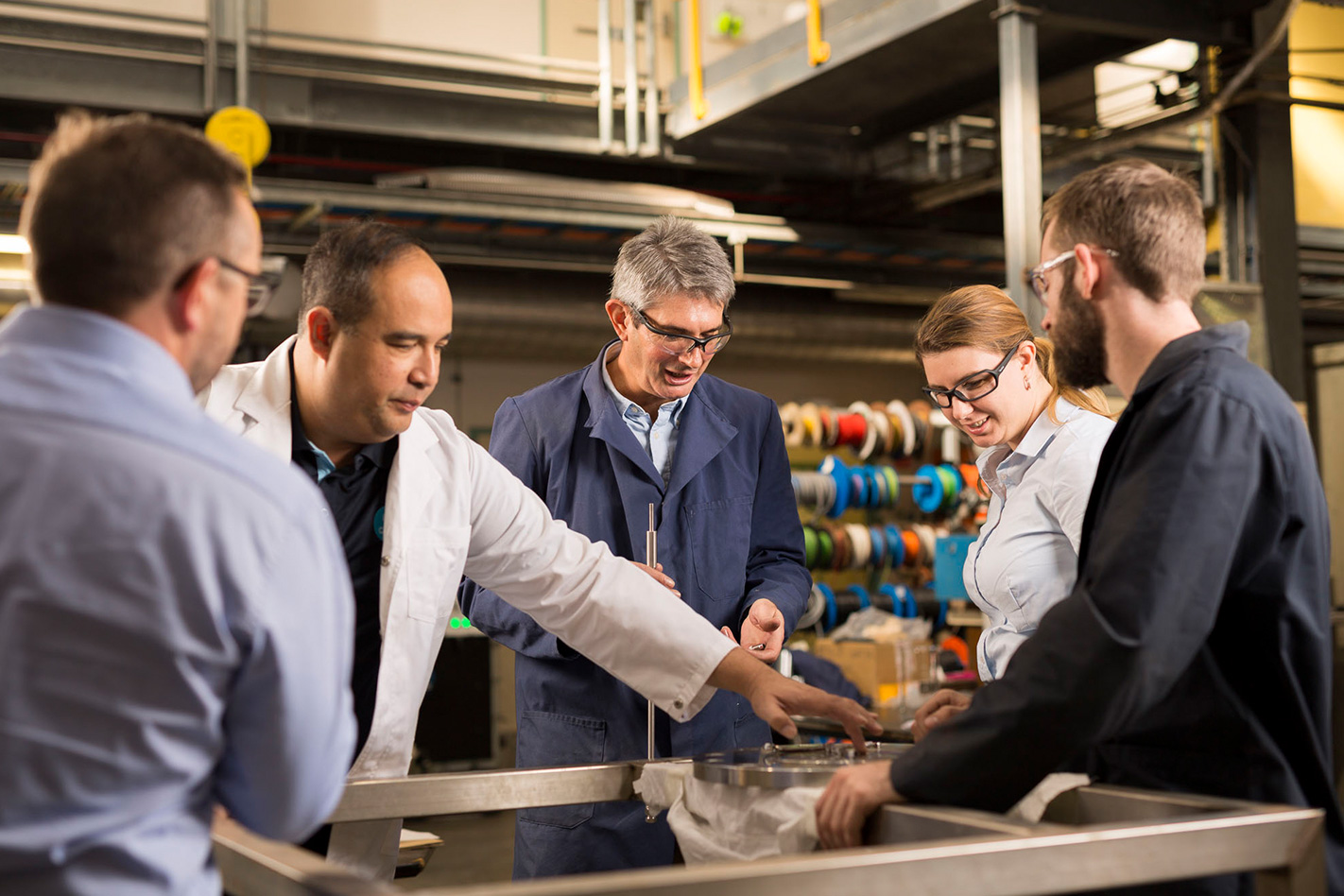
While fuel-cell technology is already proving itself as a viable form of vehicle propulsion thanks largely to the Hyundai and Toyota models, transporting and storing large volumes of hydrogen is a stumbling block.
Liquid hydrogen must be contained at incredibly high pressure or maintained at very low temperatures by complex cryogenic systems. But the CSIRO has developed a process that allows the gas to be converted into more stable liquid ammonia for transportation and then reconverted back to hydrogen once it has reached its destination or point of use.
The CSIRO is keeping exact details of the membrane process a closely guarded secret, but says it is simple enough to complete using a modular unit that could travel with the liquid ammonia, or by equipment built into refuelling stations.
According to the science and technology authority, the highly specialised membrane separates the ‘ultra-high purity hydrogen’ from ammonia by blocking all other gasses, and turns expensive and complex bulk hydrogen shipping into an economical and efficient process.
The demonstration is a bittersweet irony given Australia trails the rest of the developed world in hydrogen infrastructure, with minimal government incentives or funding for the emerging alternative energy.
However, the Australian breakthrough removes a significant technical challenge in the global proliferation of hydrogen-powered cars, that is likely to boost the feasibility on home turf.
Australia already produces large amounts of hydrogen for industrial uses and the CSIRO technology could be the key to unlocking a large part of that stock of vehicle use.
The CSIRO points out that, while large scale industrial production requires massive amounts of electricity produced by mostly unrenewable sources, “recent advances in solar and electrochemical technologies mean renewable hydrogen production is expected to become competitive with fossil fuel-based production”.
The initial concept-proving process will now be scaled up for larger demonstrations by the CSIRO both in Australia and overseas.
IT’S a question that’s on every auto journo’s lips right now, and one that Yasushi Ueda, chief engineer of the 12th-generation Toyota Corolla, is probably sick to death of by now: is there a performance version of the new Corolla in the works?
The official answer is still elusive, and Ueda certainly isn’t spilling the beans just yet, but reading between the lines it’s clear that bringing a proper C-segment hot hatch to market is a high priority at Toyota’s head office.
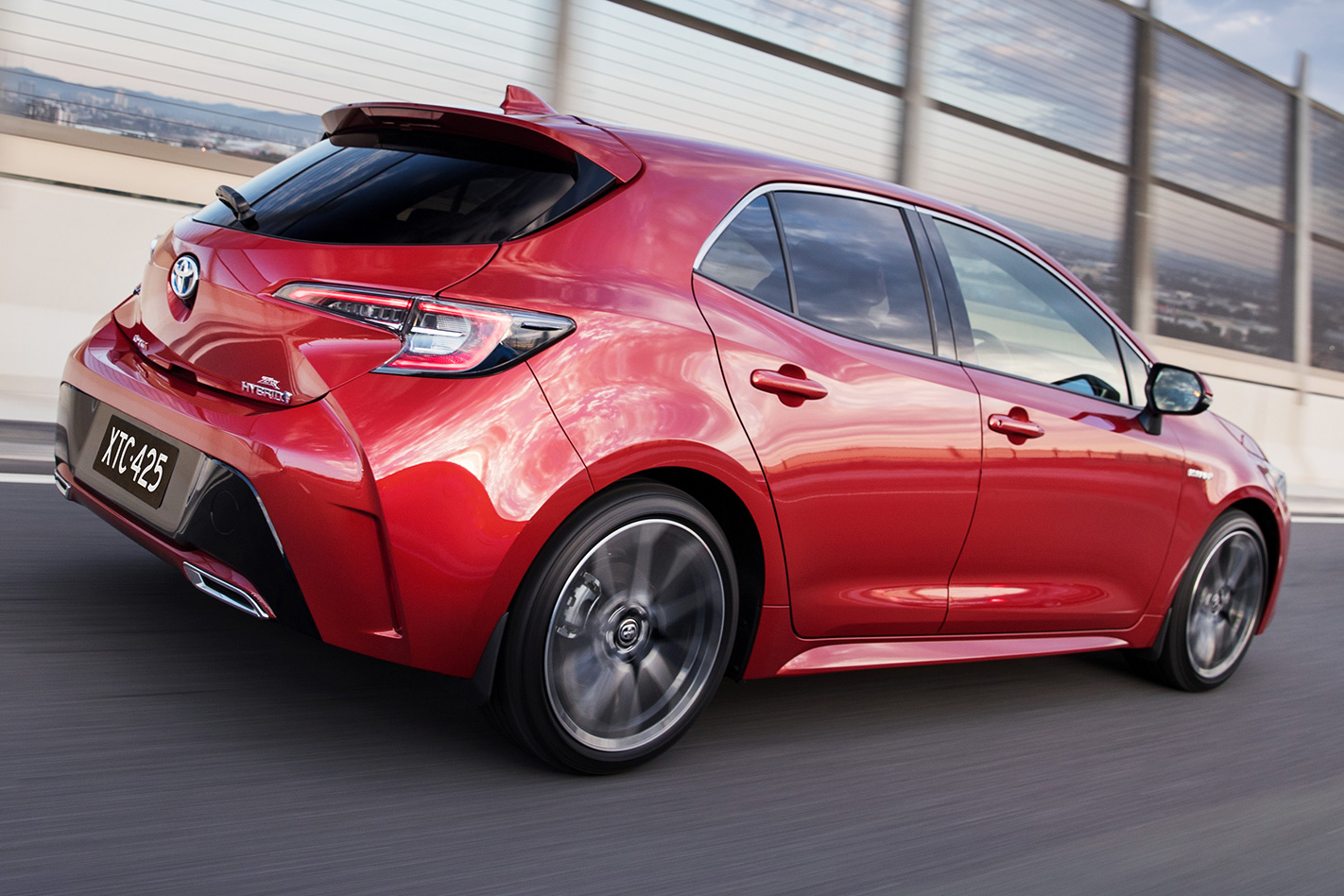
Asked whether he’d like to expand the Corolla family to incorporate a bona-fide performance derivative, Ueda was forthright with his own personal opinion.
“Personally, strongly, I would prefer to have one,” he said, laughing. “Unfortunately, at launch timing, there is nothing I can talk about.”
But it’s clear that Ueda is keen on the idea of a hopped-up Corolla. His first car was a sporty AE92 Corolla two-door, so he’s no stranger to the idea of hatchbacks that are fun to drive fast.
Does the AE92 ring a bell? Of course it does – they spent plenty of time orbiting a certain mountain in regional NSW in the early 1990s, and were surprisingly rapid for the time.
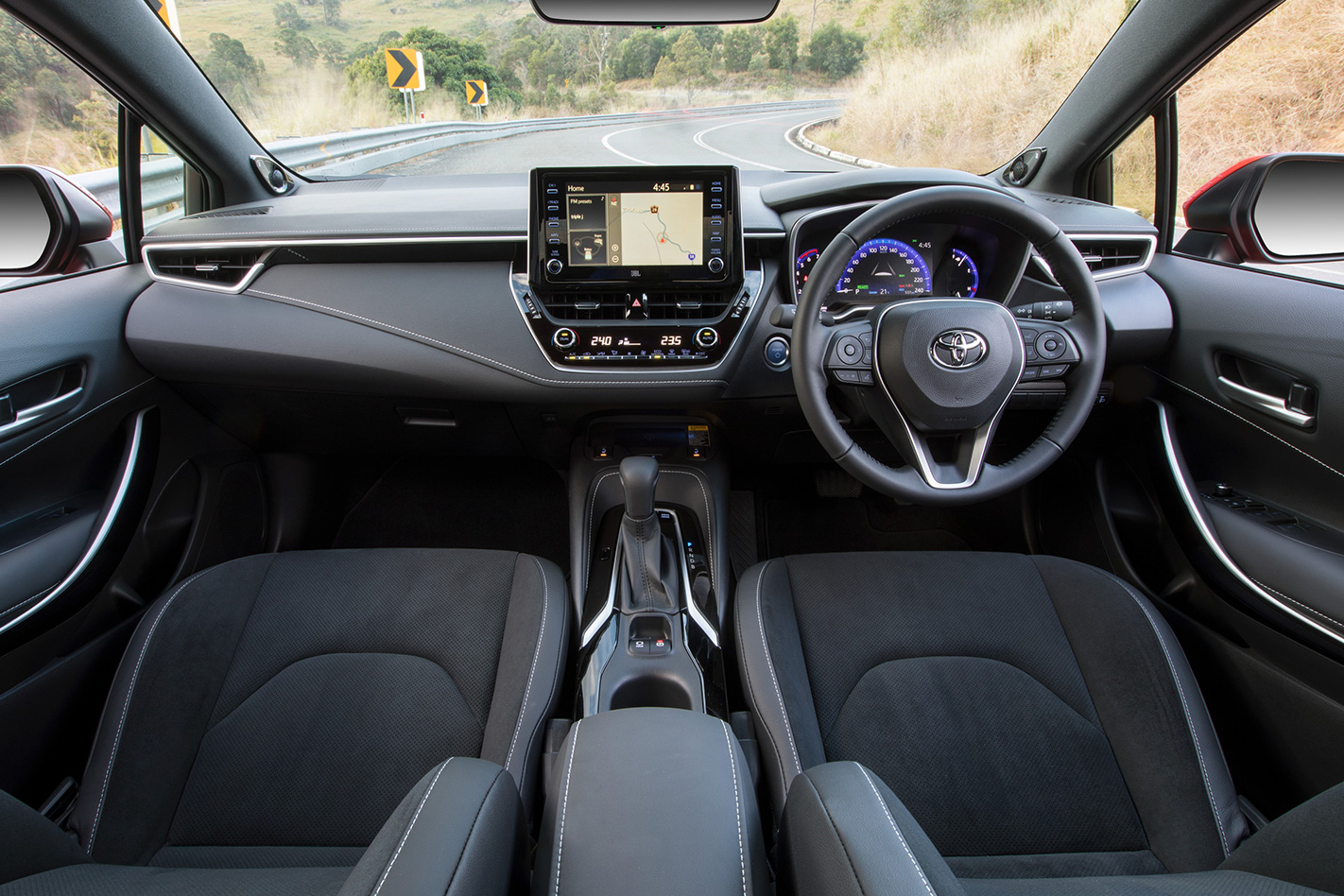
The burning question is, what will power a future hot Corolla? The entire hot hatch field moved to turbocharged powertrains years ago, but in this country the Corolla remains staunchly naturally-aspirated, with a 1.8-litre hybrid or 2.0 litre petrol the only engines on offer.
A 1.2-litre turbo petrol is available with the new model in some overseas markets, but it’s a low-emissions motor more than anything else, an engine designed to sip fuel to avoid the taxman. Its 85kW output tells you all you need to know about its intent.
There are rumours that another hybrid option is being considered for a Corolla performer, but the most obvious solution would be a development of the 12th-gen Corolla’s fresh new “Dynamic Force” 2.0-litre. Built on an all-alloy block architecture and boasting direct injection and variable valve timing on both intake and exhaust cams, the engine already makes a healthy 125kW/200Nm without the aid of a turbocharger – or even high-octane petrol. Its thermal efficiency (the amount of energy it’s able to extract from a given quantity of 91RON), is a world-leading 40 percent.
The hardware story is off to a good start, then. Asked by Wheels whether the Dynamic Force 2.0L could be adapted to forced induction, Ueda indicated that Toyota’s vast engineering department could certainly find a way.
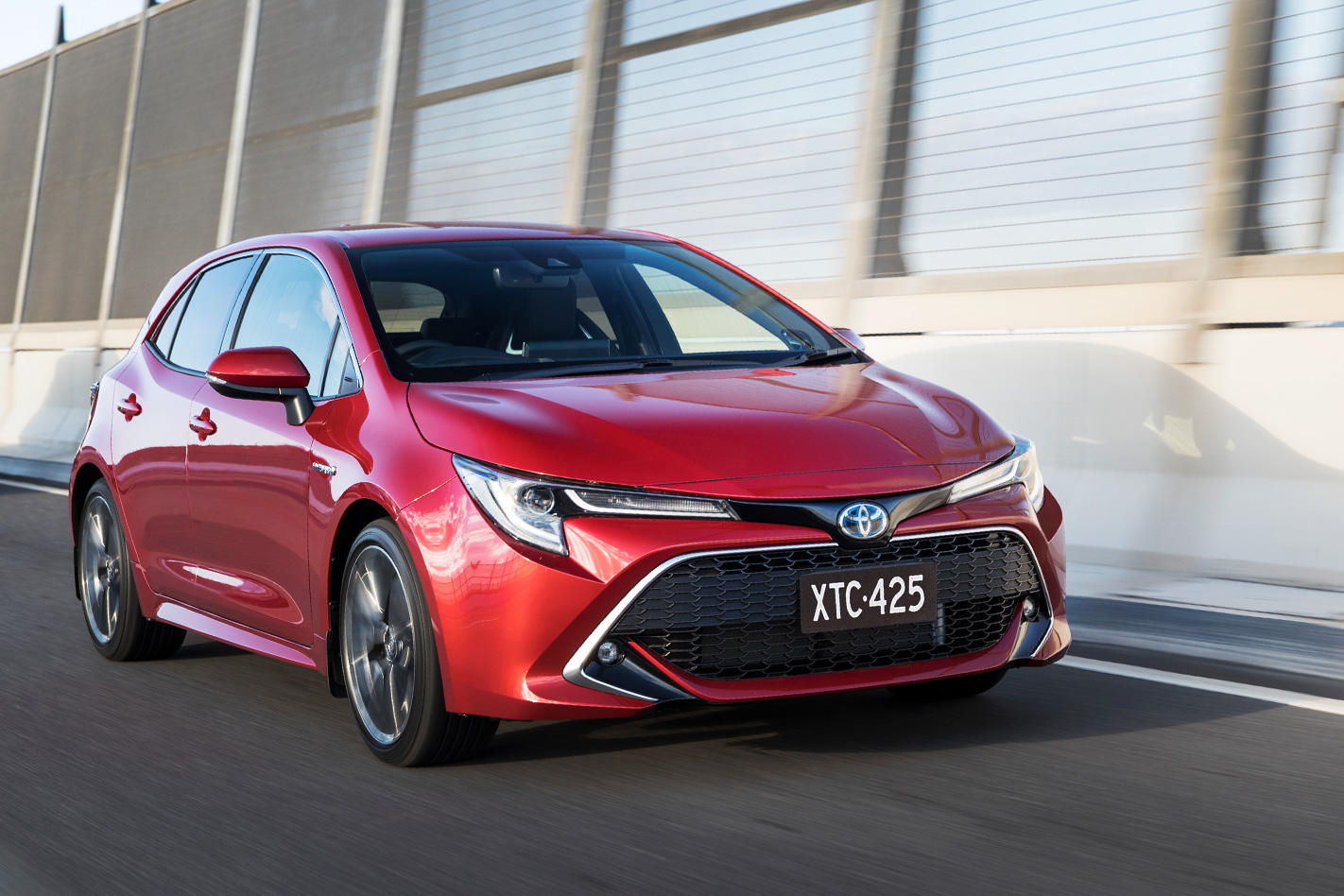
“It can be turbocharged, technically yes,” Ueda said. “But other investigation is required. At this stage I can’t say if it would be okay or not okay”.
Delving deeper into technical details, it was made clear that the ultra-high 13.0:1 compression ratio and undersquare bore-and-stroke dimensions of the Dynamic Force 2.0L would need to be addressed if it was going to be adapted into a performance car powertrain.
The good news is the chassis would require far less work. Having now driven the Corolla on local roads (read our first drive review here), it’s obvious that the Corolla’s brand-new underpinnings can take a lot more than the 2.0 atmo’s 125kW.
The move to make a multi-link rear suspension was largely driven by a desire to inject the Corolla with a more fun-to-drive persona, and it’s worked. Meanwhile the rejigged MacPherson strut front end offers geometry that enhances cornering competence, and is augmented by brake torque vectoring that actively cancels out understeer. Meanwhile the bodyshell, built on Toyota’s still-fresh TNGA platform, is a whopping 60 percent more torsionally rigid than the previous generation – another performance-enhancing trait.
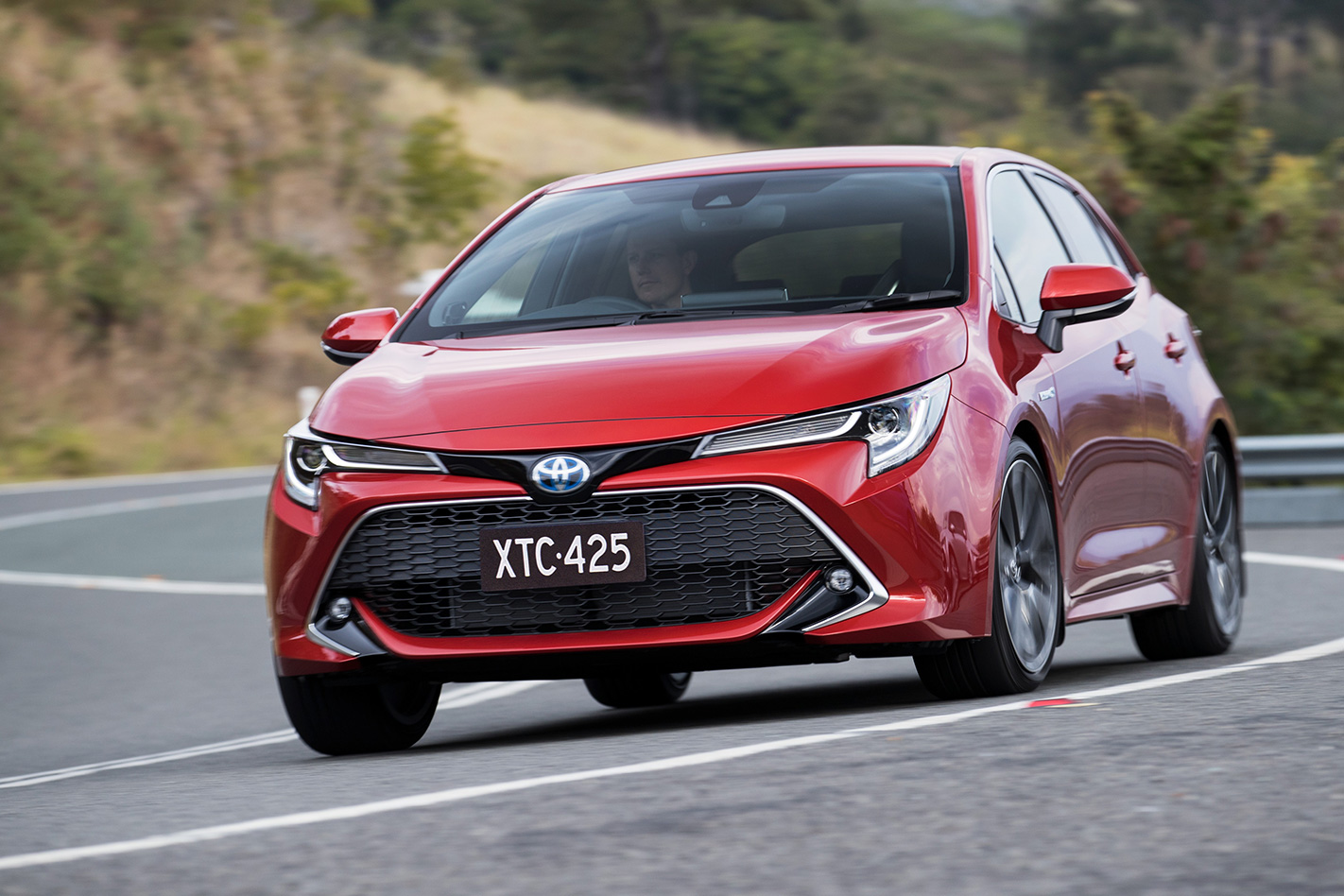
Note that we’re talking about attributes that are baked into every single Corolla sold here, not sports-tuned variants sitting on big wheels and sticky rubber. Expect more tricks to be applied to a Corolla that’s actually intended to be driven like a hooligan.
This is no accident. Ueda spent four years in Toyota’s European engineering centre as a chassis engineer, where he became intimately familiar with the dynamic virtues of vehicles from Volkswagen, BMW, and others. When benchmarking rivals for the Corolla, Ueda zeroed in on the Golf, Civic and Mazda 3 – all cars lauded for their on-road handling.
“Mainly for the dynamic performance we benchmarked Golf, Civic and Mazda 3. Sometimes better handling cars are not good riding cars, and good riding cars don’t’ have good handling. But we want to have both of them – the best performance balance between ride and handling.”
The idea of a Corolla-based performance car is one that Toyota’s local boss, Sean Hanley, finds supremely appealing. Asked if he was keen on one for the Australian market, his response was emphatic.
“Yeah, of course! I mean, who wouldn’t. I think there’s a real appetite in Australia for performance cars, and if we can successfully bring Supra to market – and we’re yet to confirm that – but if we could then that’s important to our future, and exciting.”
When asked if he’d relayed that enthusiasm to Toyota’s top brass, Hanley hinted that many in Toyota’s head office felt the same way.
“I wouldn’t say that I’ve put the hard word on anyone,” Hanley said, grinning, “but I think our TMC colleagues have the same desires as we all do, and that’s to bring exciting, fun to drive cars to market.”
MORE: Toyota Corolla Range Review MORE: Toyota Corolla Specs, Range & Price
Ford has announced the Ford Mustang will compete in the 2019 NASCAR Cup Series, only a day after the 10-millionth Mustang was revealed to the world.
It marks the first time in the Mustang’s 54-year history that the pony car will compete in NASCAR’s top tier, a series that has run since 1949.
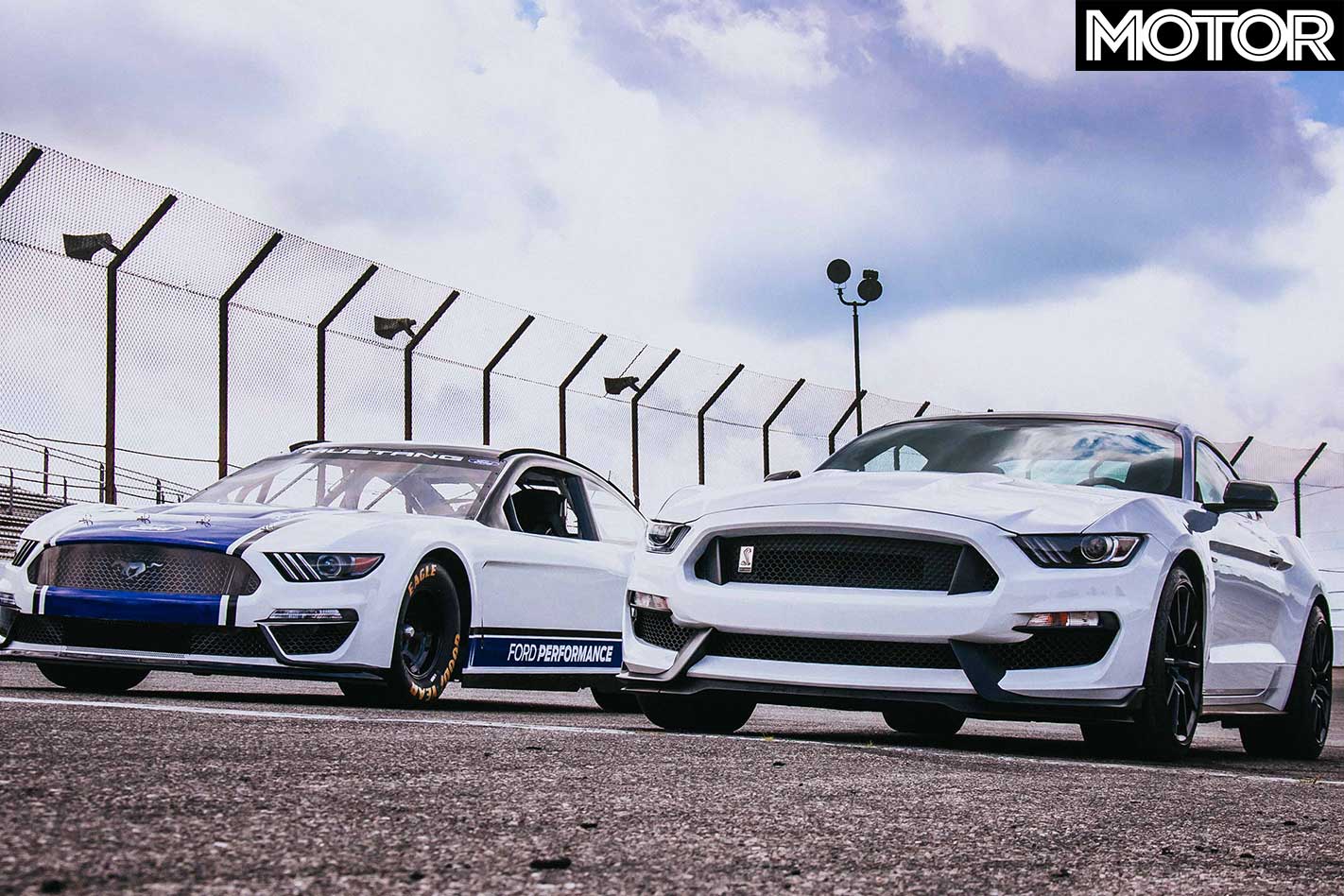
This also comes after the announcement from Toyota that its entry for 2019 (in the XFINITY series, a tier below the Cup Series) will be its new Supra, though with the regulation 5.8-litre pushrod V8 instead of its own 6-cylinder engine.
Ford’s executive vice president of product development, Hau Thai-Tang, was at the unveiling of the first Mustang NASCAR racer, along with all 13 Ford drivers currently competing in the series.
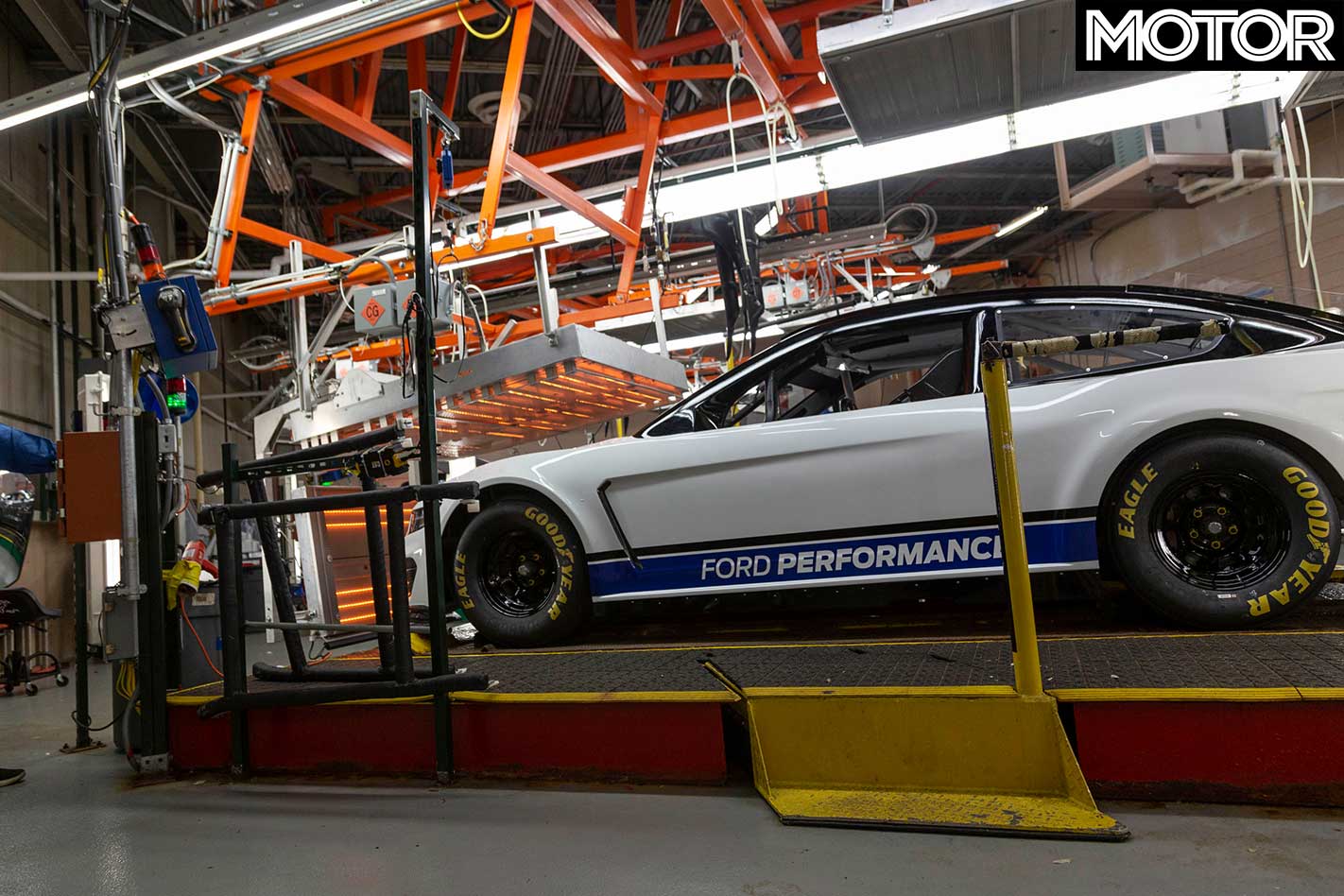
“Mustang has raced since it was first sold in 1964,” Thai-Tang said.
“After more than a half-century, it feels great to finally let Mustang run in the top echelon of America’s most popular stock car racing series.”
Joining him was Ford Performance Motorsports director Mark Rushbrook, who added that he’s please Ford is finally able to reveal the car it promised back in April.
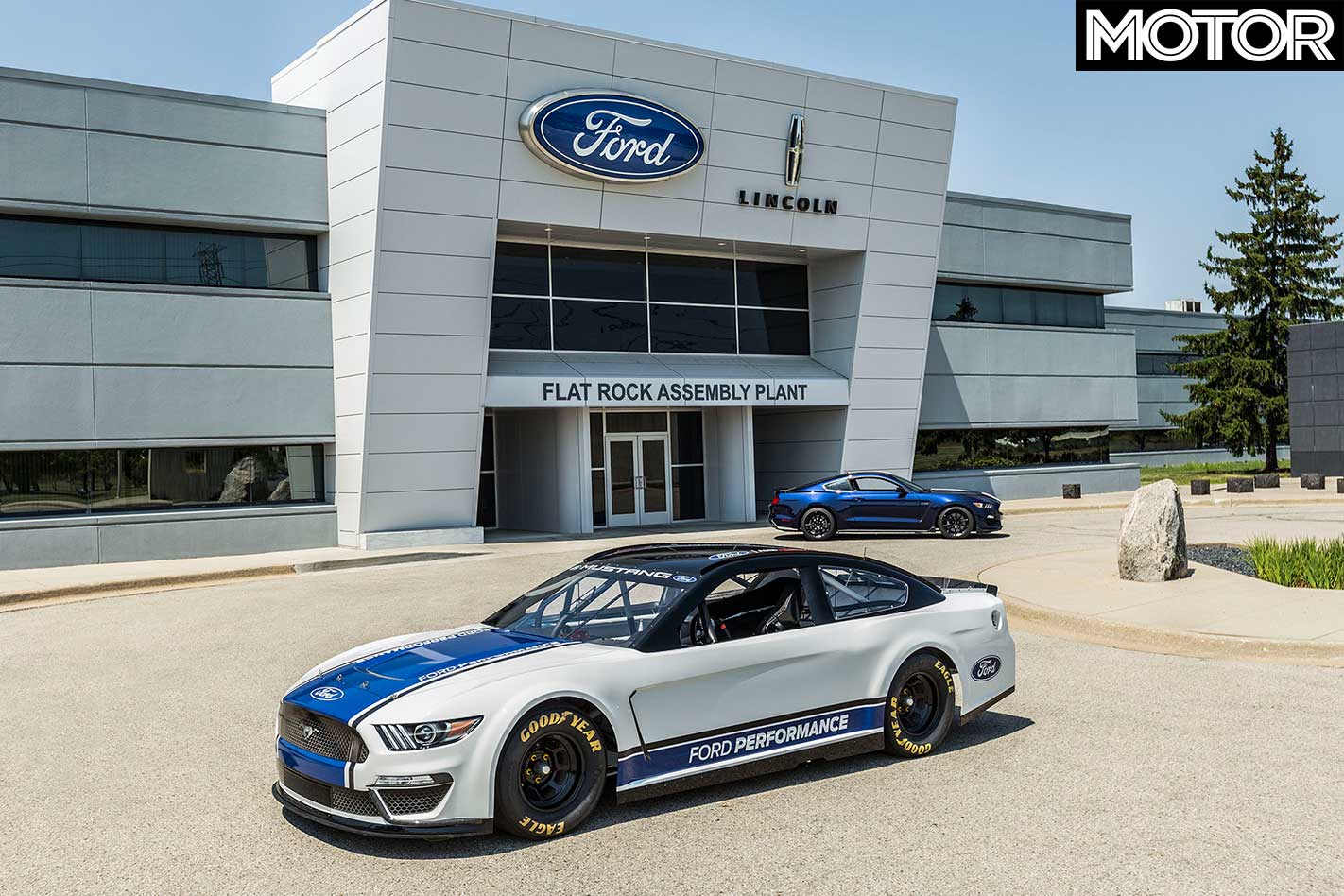
“Ever since we announced in April that Mustang would be going to the Cup level in 2019, we’ve heard nothing but positive feedback,” he said.
“Our Ford Performance team has worked hard with the Ford Design team to create a Mustang that will be competitive on the track while remaining true to its proud heritage. We can’t wait to see it winning races in the NASCAR Cup Series next year.”
The Mustang will first race in the Monster Energy NASCAR Cup Series at the 2019 Daytona 500 on February 17.
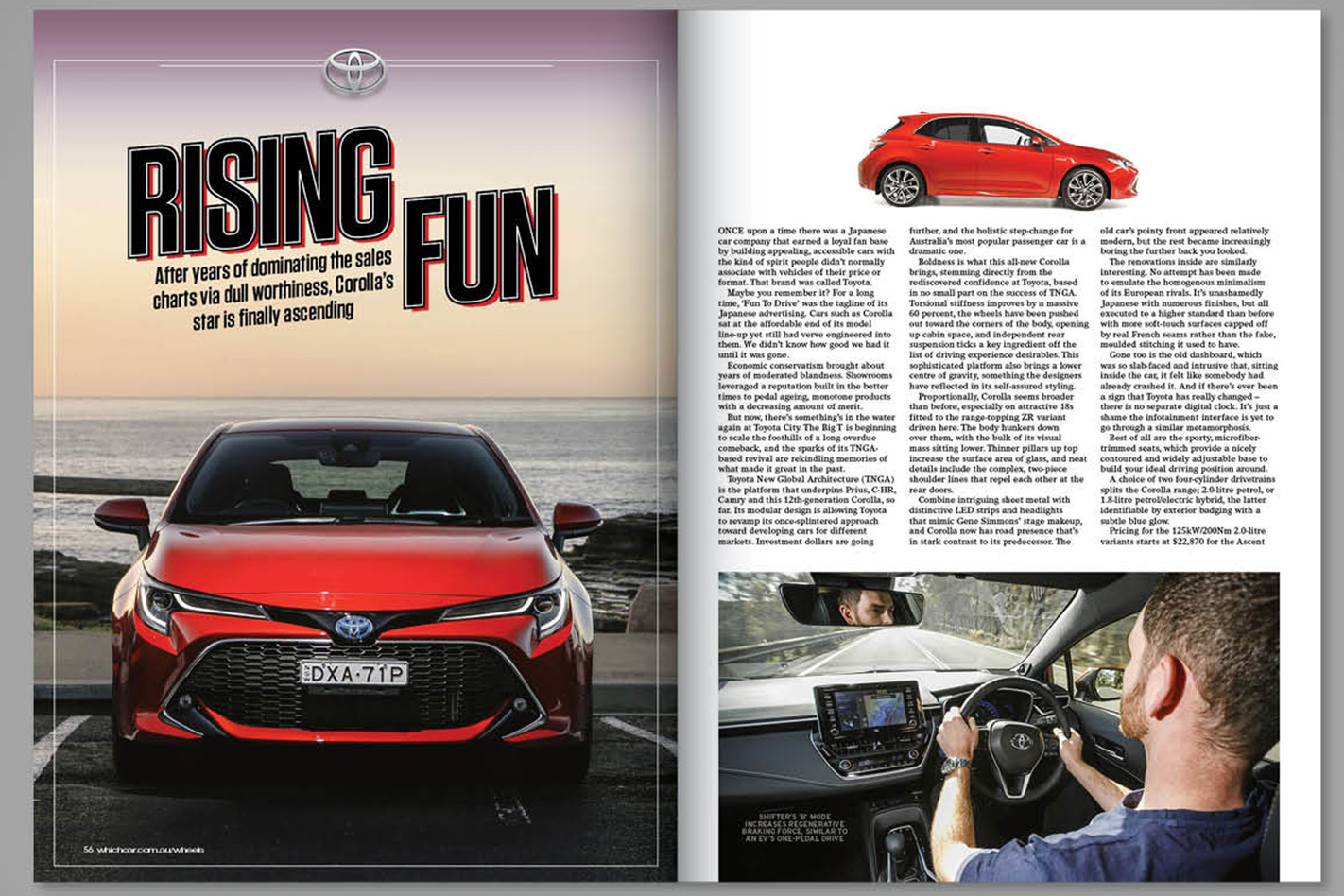
A CRACKING Corolla, sizzling Supra and a sensational supercar will be the trifecta that will put the passion back into Toyota’s conservative showroom. In this month’s Wheels magazine we look at the three-pronged attack that will awaken the sleeping dragon and inject some spice back into one of Australia’s favourite brands.
A first drive in the new Corolla reveals the once benign car now has plenty of driver appeal to offer, while we also spend some time with the new Supra and chat to the man that created it to unearth some mouth-watering details ahead of its 2019 arrival. Meanwhile, a Le Mans racer-derived road car could rekindle a heat not felt since the Lexus LFA.
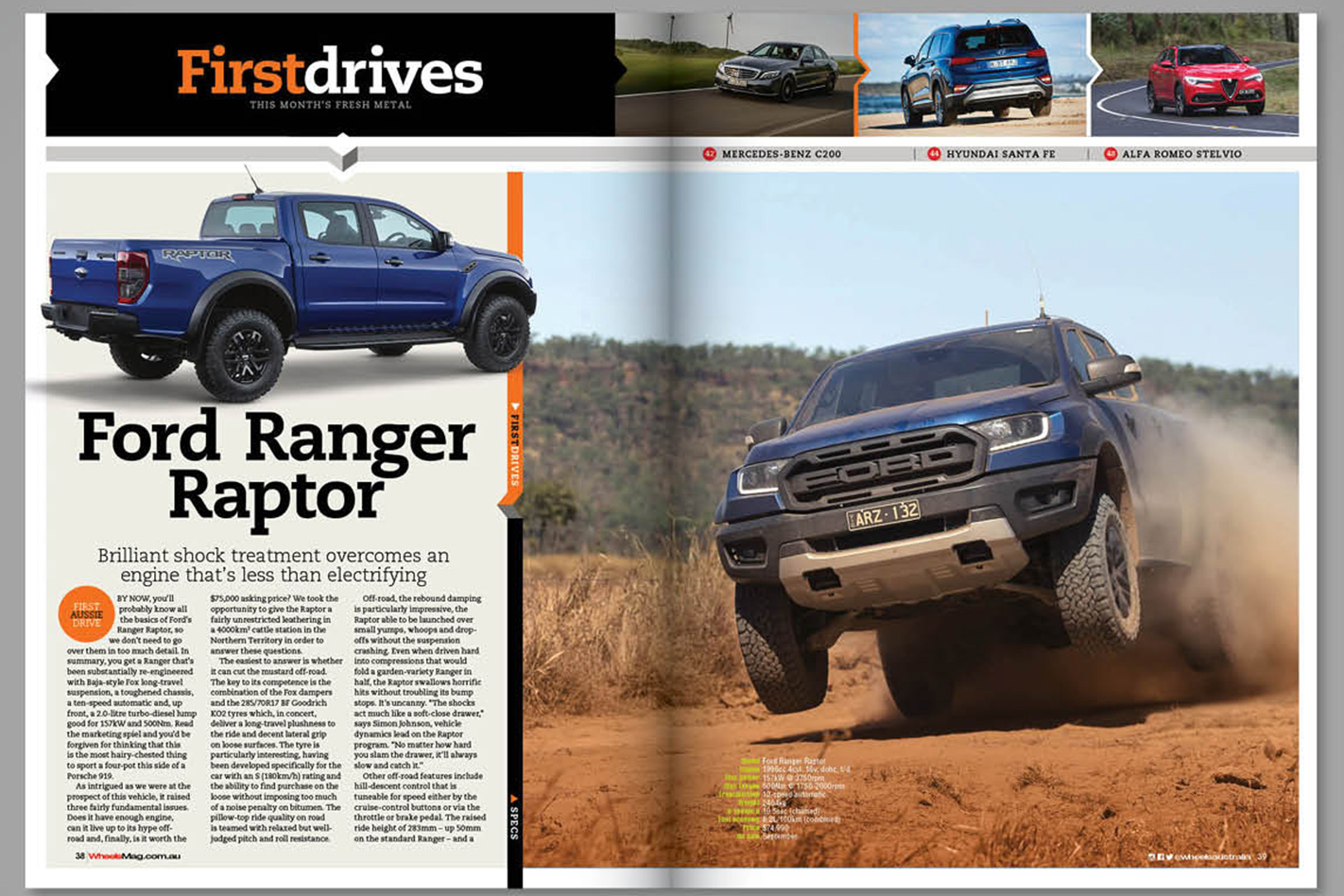
Deputy editor Enright gets behind the wheel of the eagerly anticipated Ford Ranger Raptor and manages to put some air between its rubber and red dirt, while Andrew Frankel heads to the Nurburgring to watch the mental Porsche 919 Evo smash the outright lap record. Unlike Enright, Timo Bernhard kept his car firmly in contact with the earth.
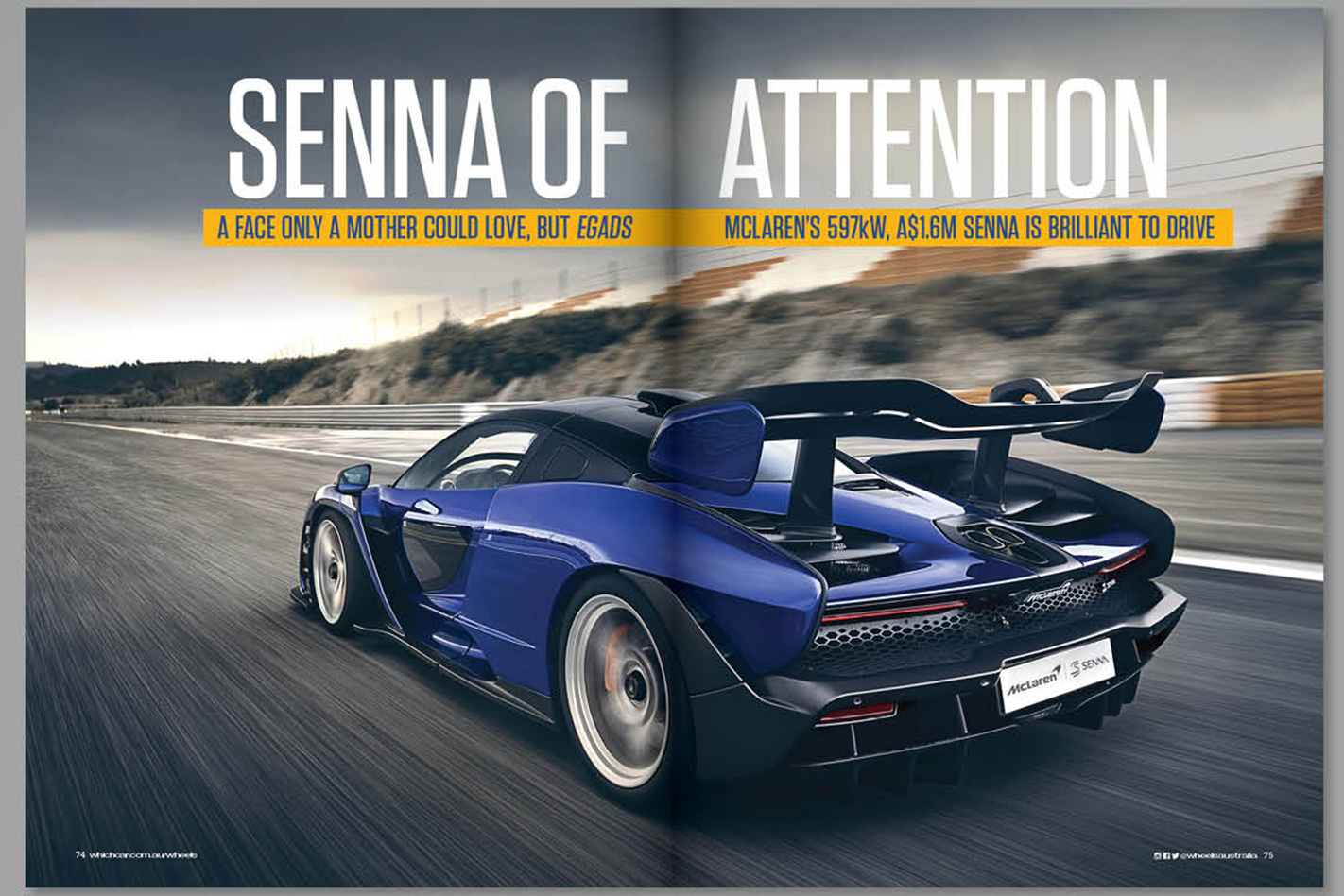
As if that wasn’t enough downforce, Editor Inwood hopped on the bomber to Estoril for a first blast in McLarens hyperbolic Senna – and returns a changed man.
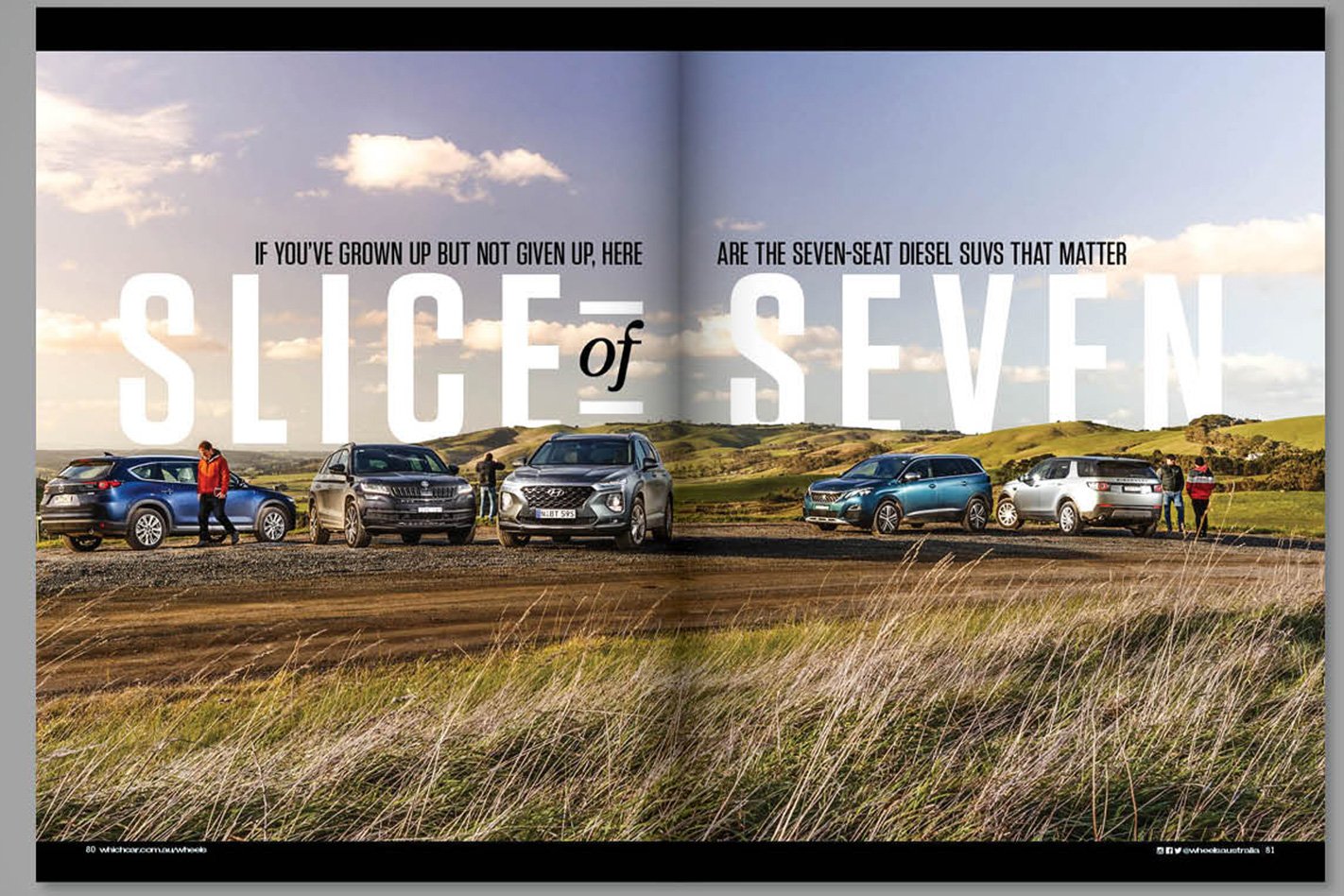
Too much octane? Are you all V-maxed out or do you just yearn for something a little more attainable? We’ve got you covered with a seven-seat large SUV comparison, where we put five under the microscope to find that you don’t necessarily need to sacrifice the joy of driving just because you’ve decided to procreate.
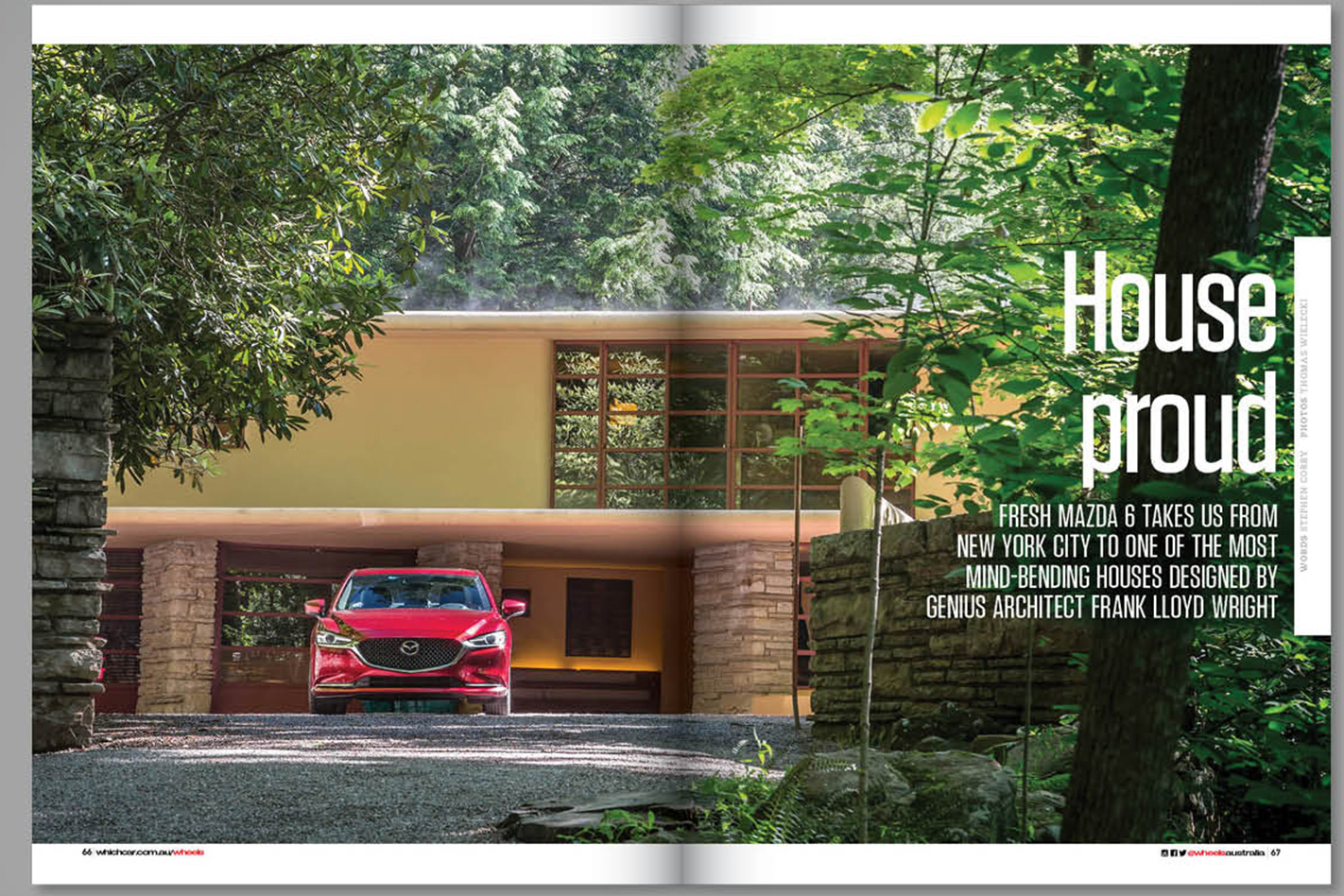
Back overseas, Stephen Corby connects the Big Apple to one of Frank Lloyd Wright’s most incredible houses with a Mazda6, for a road trip that takes him from bustling metropolis to Arcadian bliss. Along the way he manages to fit in Intercourse and meets a man open-carrying a gun with a big truck. Because America.
Closing the mag this month (before the comprehensive Showroom and our Garage regulars, of course) is the annual Wheels tyre test. This year, 11 boots are pitched against each other in a gruelling test of safety, performance and value for a result that might surprise you.
If you haven’t grabbed your August copy of Wheels keep an eye out for the Japanese-inspired cover on sale now, and if you’re a subscriber, you should already have the super-cool Manga-tribute special edition in your letterbox.
If you don’t want to miss out on future subscriber’s covers, get online and order 13 editions for under $100. And as if that wasn’t irresistible enough, you’ll also be in with a chance of winning an HSV Colorado Sportscat!
REPUTATION is king in the truck world, especially when you’re supplying other manufacturers with their vehicles.
Build ’em tough, make ’em last. It’s something Isuzu has traded on since the stylish KB20 kicked off in the 1970s, providing generations of pick-ups wearing Chevrolet LUV, Bedford KB, Holden Rodeo/Colorado and – in the not-too-distant future with the next-gen version – Mazda BT-50 badges.
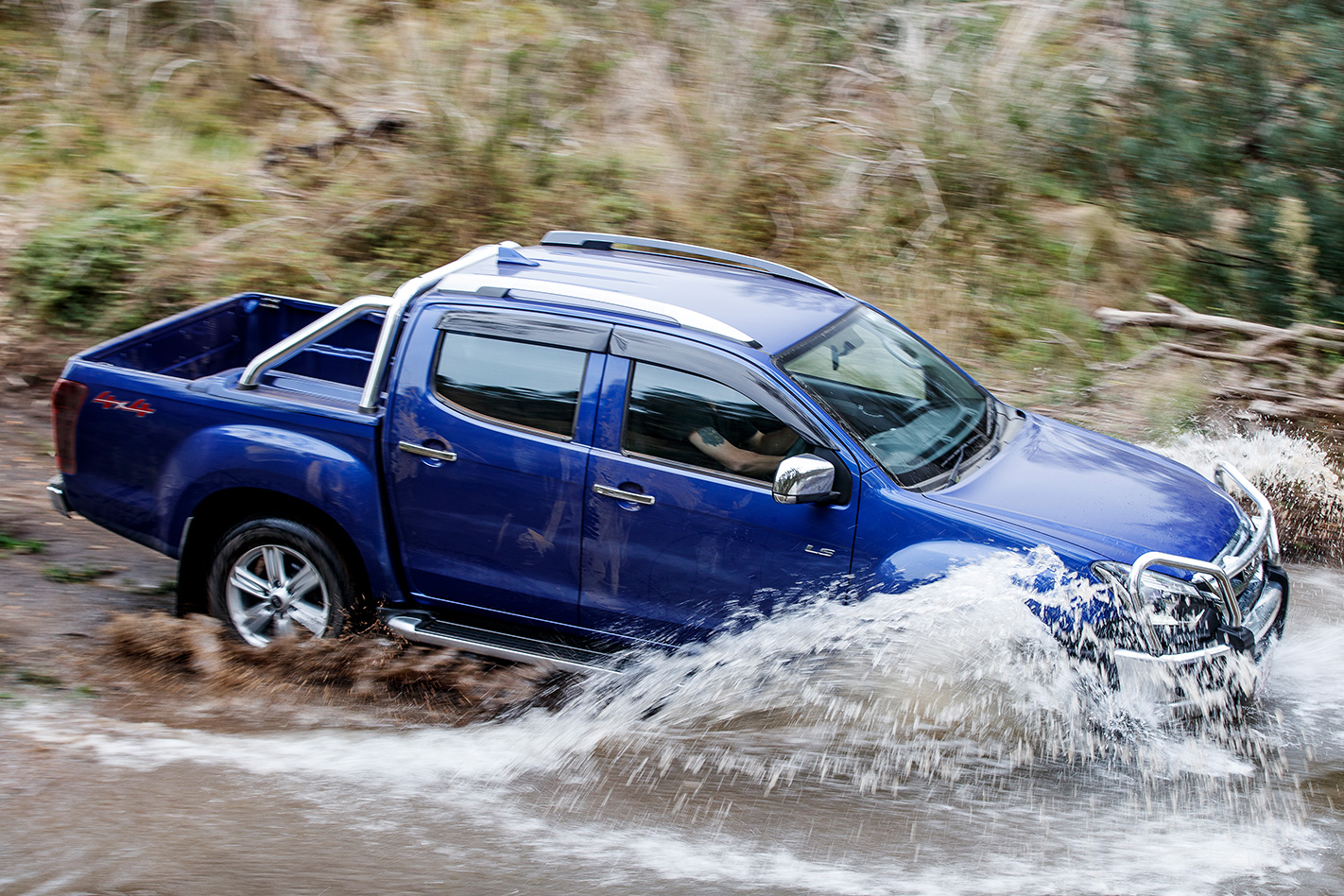
So how has today’s D-Max finished last while the related Colorado has clawed its way up the rankings? Are toughness and reliability no longer enough?
The Thai-made pick-up received a thorough makeover only last year, with a fresh face, extra gear, a stronger yet more efficient powertrain, a quieter interior and extended service intervals backed up by capped-price servicing. Most of that has come as a result of feedback from Australian customers of the previous version launched back in 2012.
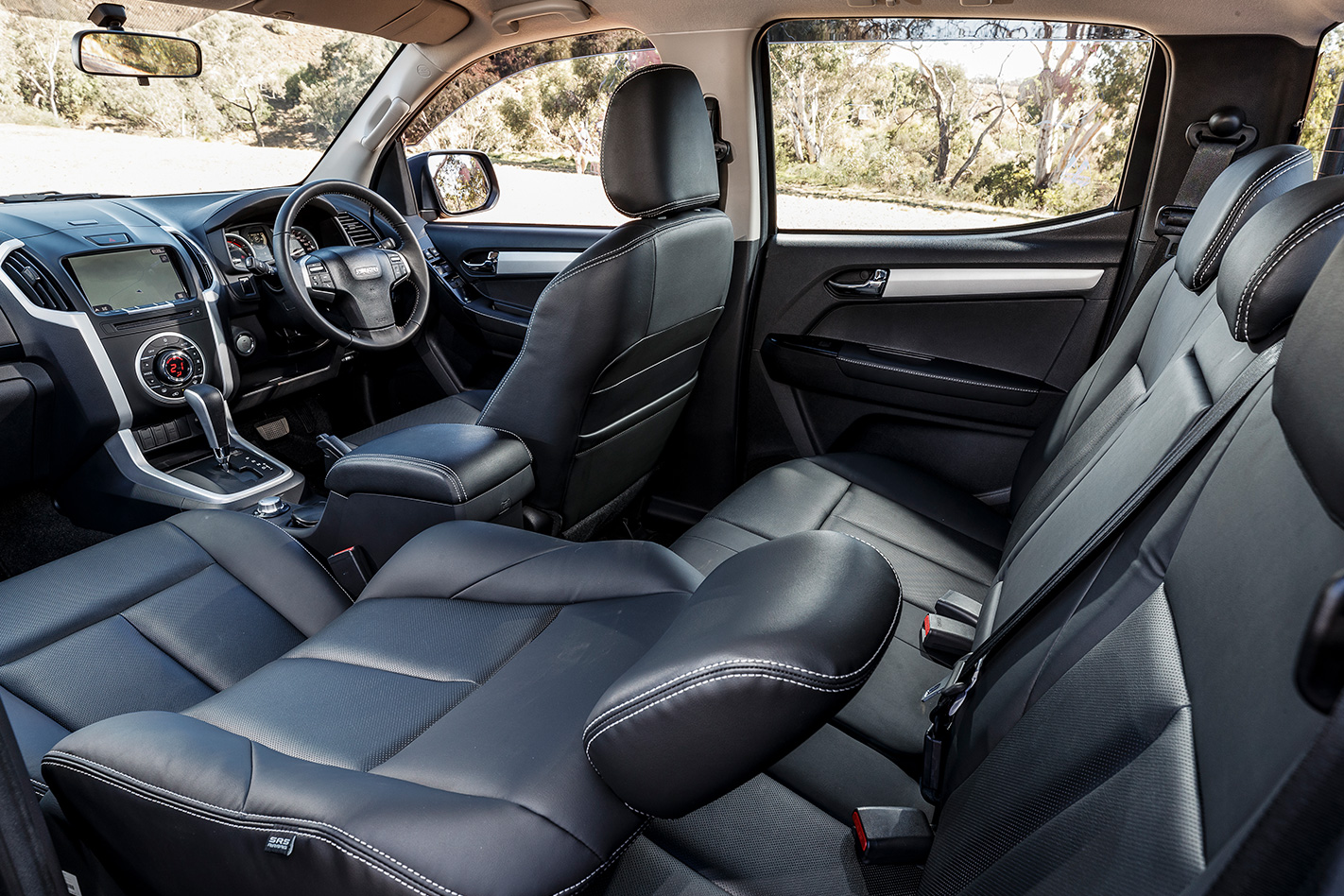
Throw in a spacious and well-screwed-together cabin offering decent seating front and rear, a contemporary dash design and, in top-level LS-Terrain guise, useful mod-cons from a rear camera and climate control to keyless entry/start and navigation, and it’s easy to understand why sales are up 20 percent this year.
Still, if there’s one model here to remind us that we are still very much in the light commercial vehicle world, it’s the D-Max. Take the updated interior – a step up but only within Isuzu’s own ecosystem. Leather boosts the ambience a degree but this is dragged back down again by plastics that remind you of their budget quality in both feel and odour. And what’s with the strange and space-wasting circular centre console switch layout?
The no-frills theme continues to excessive noise/vibration/harshness issues, prompting us to dub the D-Max the din max. Speaking of which, the loud and clattery 3.0-litre turbo-diesel does feel muscular in isolation, with a decent amount of forward thrust, but is actually near the bottom for acceleration and dead-last for mid-range response. The D-Max also needed the most room to stop from 100km/h (just pipping the Navara), though at least it proved the best by far in the fuel economy stakes.
The lack of refinement continues through to the Isuzu’s disappointing road manners, with a chassis that feels half-baked due to steering with too much play and not enough weight or feel – have the company’s engineers driven a Ford Ranger lately? Push the D-Max through some corners and bumps provoke rack rattle and kickback. The ride seems to never settle, and the suspension takes longer to gather itself after big undulations than any ute tested. There’s also more tyre roar than you need put up with in a modern dual-cab. Tradies have sensitive ears too. We hope Isuzu management is taking notes.
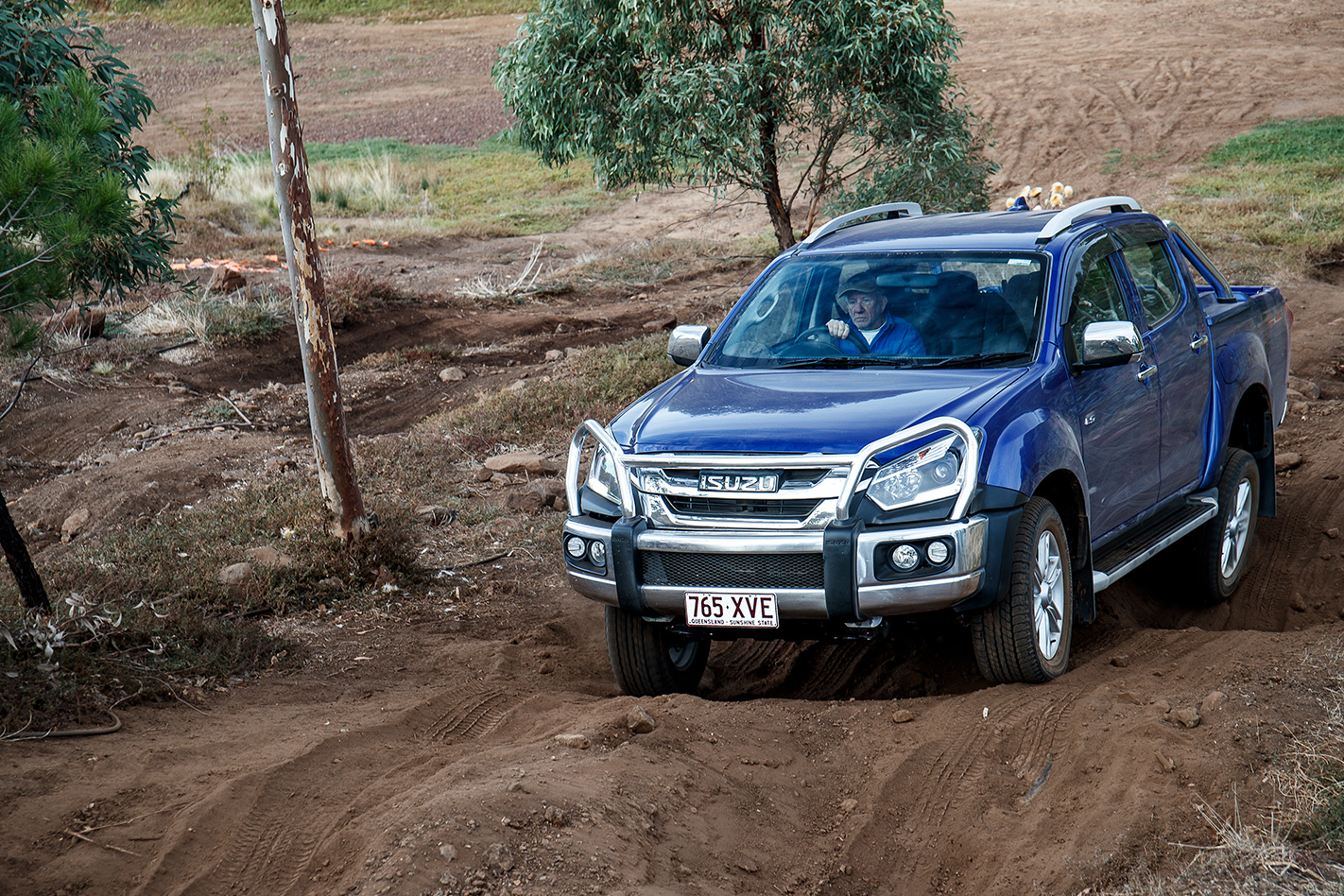
Unfortunately, things aren’t great off the beaten track either. In the off-road, loaded and towing tests, the 18-inch-wheeled LS-Terrain would have benefited from a locking rear diff, a better traction-control calibration, greater suspension travel and more grunt.
Ultimately, the D-Max remains a tough and reliable truck with decades of workhorse experience behind it and probably many years of faithful service ahead. The five-year warranty is better than some, and for a flagship model, the sub-$55K pricing is a bonus. There is definitely a place for a no-nonsense dual-cab that does exactly what it says on the tin.
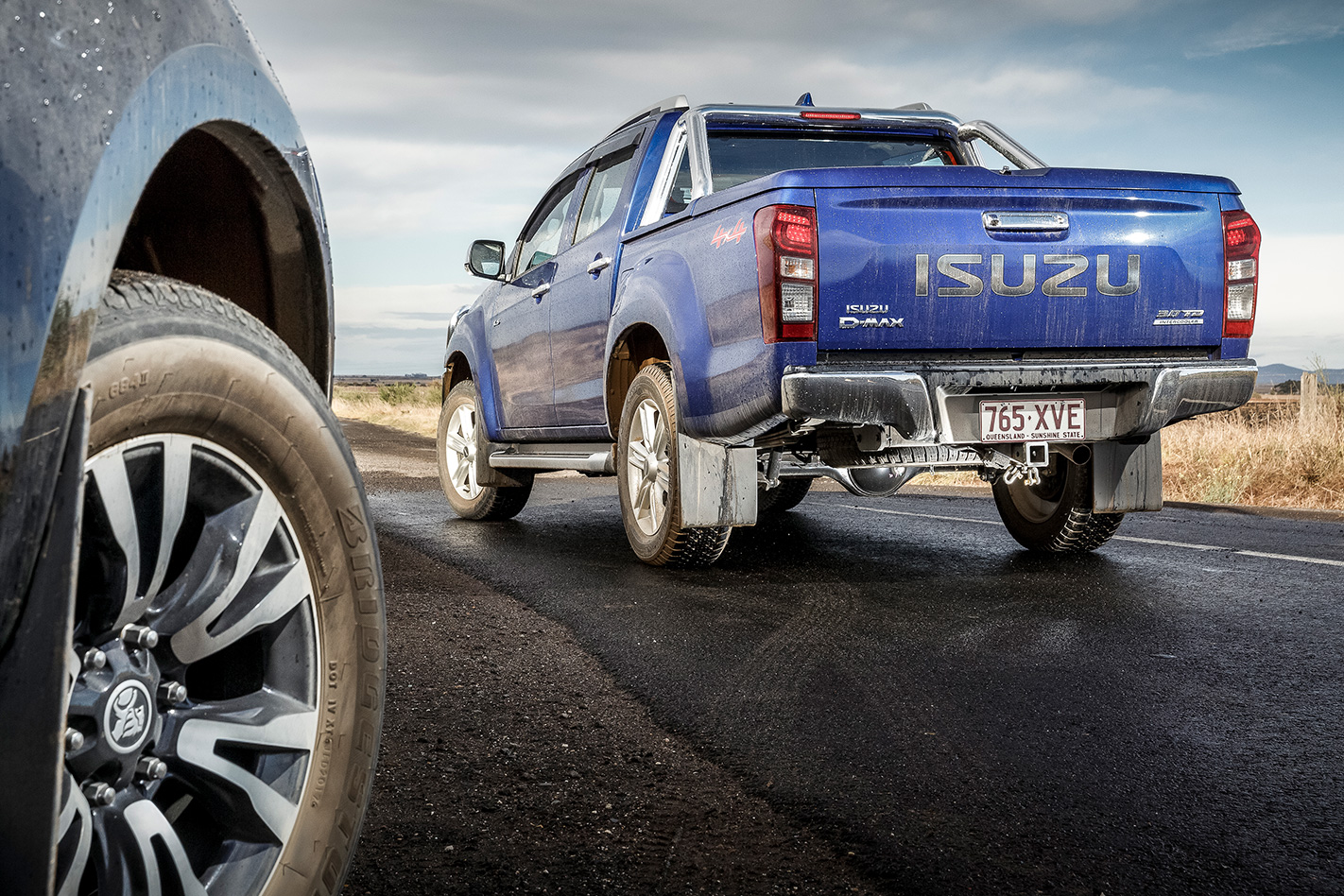
However, the ute is evolving, slowly but surely, and in its current form Isuzu’s latest truck seems to be leaning too heavily on past reputations.
SPECS
Price $54,200 Engine 2999cc 4cyl, dohc, 16v, TD Power 130kW @ 3600rpm Torque 430Nm @ 2000-2200rpm Transmission 6-speed automatic Dimensions (L/W/H/W-B) 5295/1860/1855/3095mm Weight 2026kg Tray capacity 1005kg Braked towing capacity 3500kg Unbraked towing capacity 750kg Ground clearance 235mm Tyres Toyo Open Country A33A 255/60R18 Test fuel average 9.3L/100km 0-100km/h 10.9sec 80-120km/h 7.9sec 100km/h-0 49.0m
Need more info?
Read the Wheels Dual-Cab Ute Megatest Introduction
The Contenders
# 9 Isuzu D-Max LS-T
Rough ’n’ ready appeal pales when polished rivals are better at going bush too
#8 Nissan Navara ST-X
Tough and reliable aren’t enough as Navara wilts on price, spec and comfort
#7 Toyota Hilux SR+
Unbreakable? Possibly. Unloveable? Sadly, yes, as mediocrity is allowed to prevail
#6 Mazda BT-50 GT
Still in the fight, but ultimately overshadowed by its high-flying fraternal twin
#5 Mitsubishi Triton Exceed
A strong and likeable mid-fielder where consistency and value are king
#4 Holden Colorado LTZ
Colorado raises its game right when Holden needs a hero
#3 Mercedes-Benz X250d
Arrives carrying great expectations; delivers only a modest load
#2 Ford Ranger XLT
Continuous improvements make the only truly Australian-conceived ute world class
#1 Volkswagen Amarok V6 Sportline
Quiet achiever doesn’t have youth on its side, but still shows how it should be done
