
I dunno what those guys from Mercedes are on, but I want some of it now. Let’s face it, every time you look around they’ve managed to come up with something new and exciting. If they can bung a blower on it and you’ve got the wedge there’s probably something fast enough for anybody in the land of the three-pointed star.
This review was originally published in MOTOR’s May 2003 issue
A case in point regarding (a) bang and (b) bucks is the facelifted version of the S-Class. It has received a general freshen up with slightly different front and rear ends and revised switchgear in the interior, and the “base” model is now the S350 powered by a larger 3.7-litre V6.
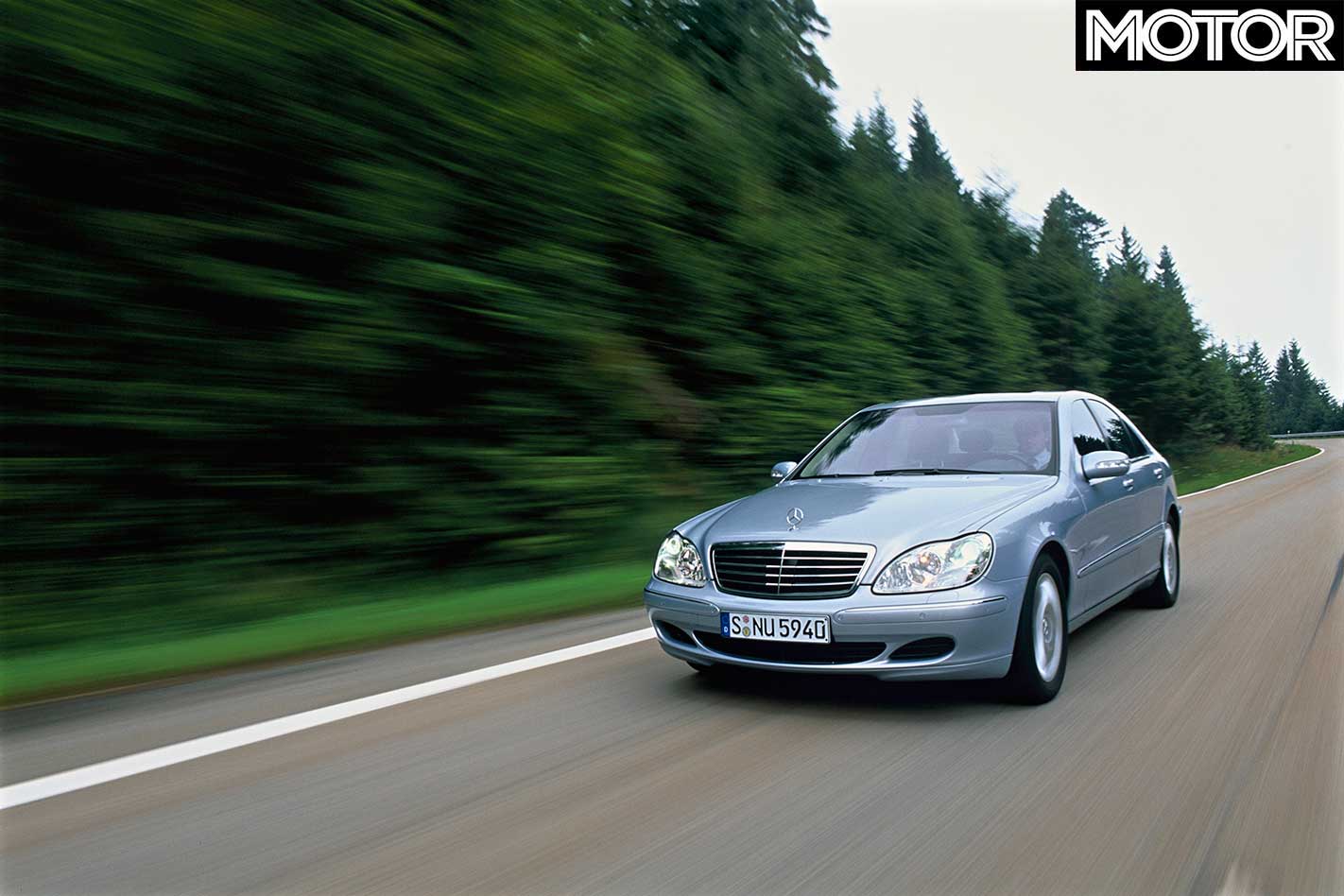
But it’s at the upper end of the scale where things get interesting. There are two new models, starting with the S55 AMG, which unsurprisingly perhaps, comes with the same 5.4-litre, humongously powerful supercharged V8 as found in the SL and CLK55 versions. Bald figures are 368 kW, 0-100 km/h in 4.8 seconds and a price tag of $349,900.
And that’s just how it goes as well. Strange to have a two-tonne limo charge into corners with this sort of aggression, but that’s what the S55 AMG is all about. And, just like it is in the other Benzes fitted with this motor, the noise is unbelievable. Listening to this at full noise should be on the must-do lists of every car lover.
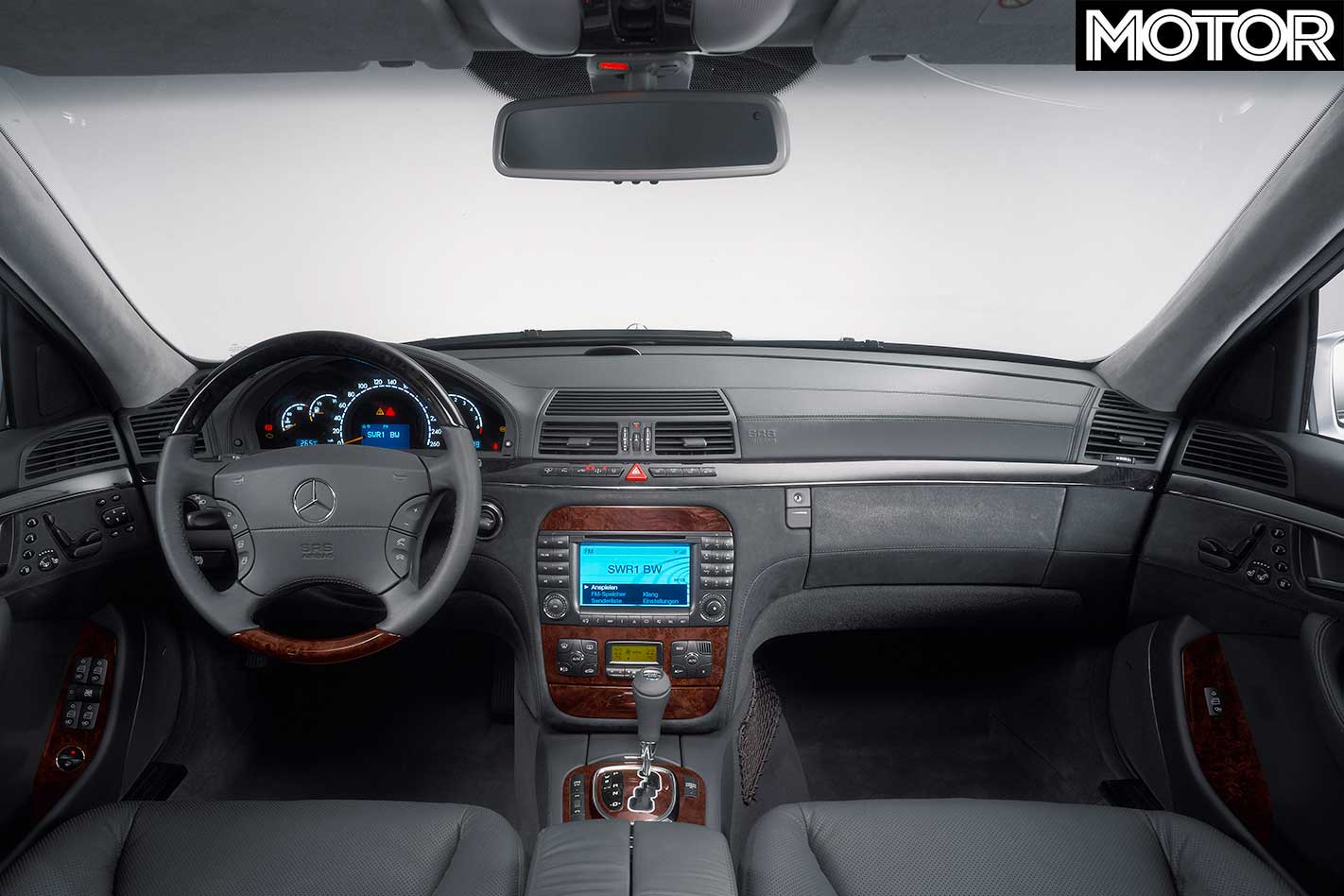
Still, for all its awesome pace, it is lighter, firmer and somehow less assured in its on-road feel than its big brother, the S600L.
The S600L has a longer wheelbase version of the S55’s body, fitted with a 5.5-litre V12. Sounds like one for the chauffeur and not the self-steerer, but that’s not the end of the story. In their wisdom, the Mercedes boffins have bolted on a couple of turbos with the results, on paper at least, looking very similar to the S55. That is, there’s 368 kW, zero to 100 km/h in 4.8 seconds and a $349,900 sticker.
What gives? To establish why Mercedes has chosen two different routes for similar results, you have to look at the torque figures. With 700 Nm on tap at 2750 rpm the S55 ain’t exactly peaky, but does start to look like a screamer against the S600L’s maximum grunt output of 800 Nm from just 1800 rpm.
The V12 is, in fact, a slightly detuned version of the engine used in the much heavier Maybach limo, so at about a third the price of Stuttgart’s Rolls Royce wrangler you could almost make a case for the S600L being a bargain.
There has probably never been a car that has managed to combine sheer effortless refinement with absolute and bloody-minded grunt in such enormous quantities. There’s the temptation with only light throttle openings to wonder what the fuss is all about, because the S600L is so quiet and so smooth that while it wafts along like a good limousine, you suddenly realise its actually “wafting” at a pretty rapid rate.
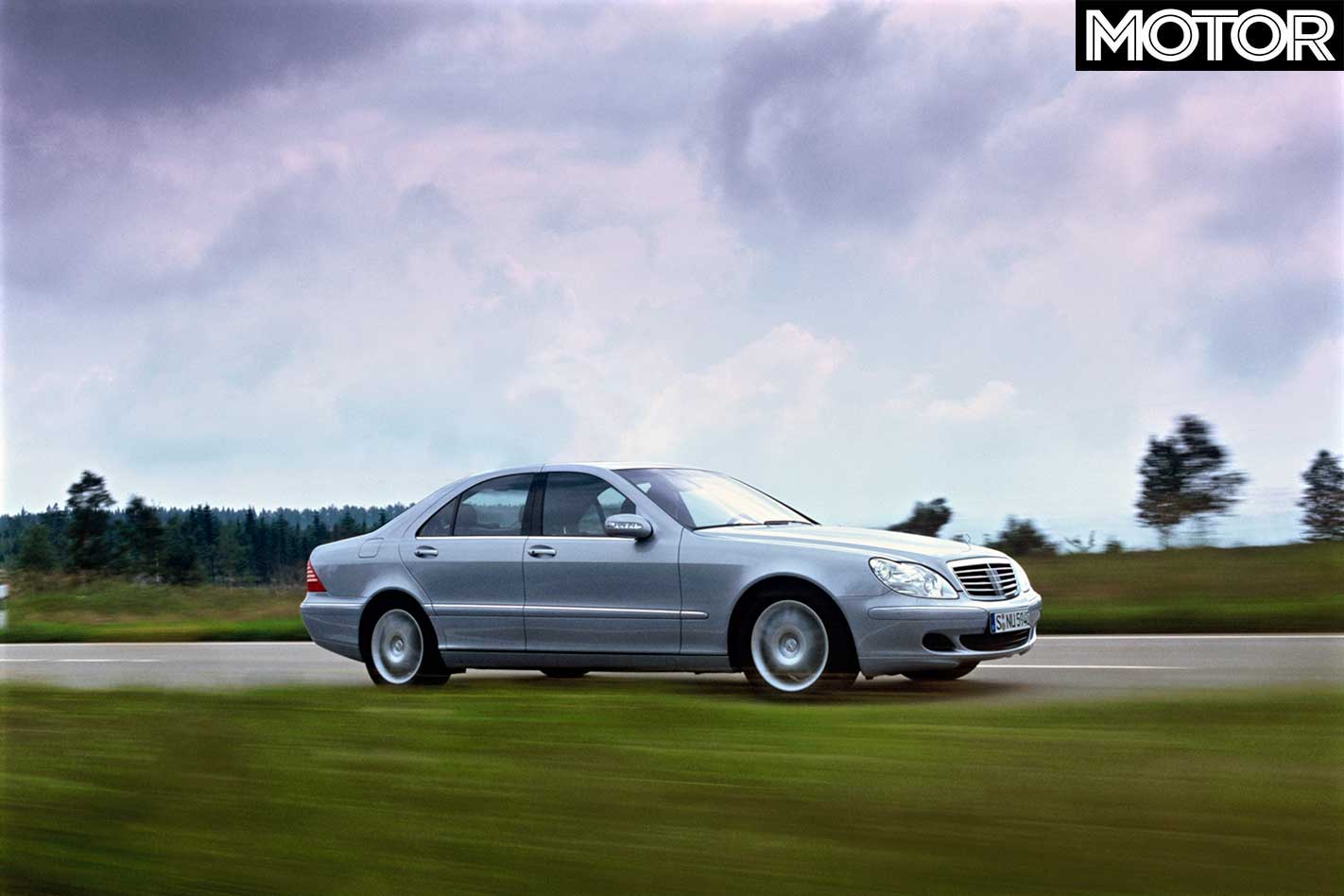
It’s all delivered with so little fuss – no clunking rear ends, no beeping rev-counters and no manual gearshifts – that it makes any other so-called muscle car look pretty crude and stupid. The S600 is so heavy and so planted on the road it’s not fazed by cross-gales, but switch off the ESP, boot the throttle, apply a little lock and it will smoke rubber like the hottest of HSVs.
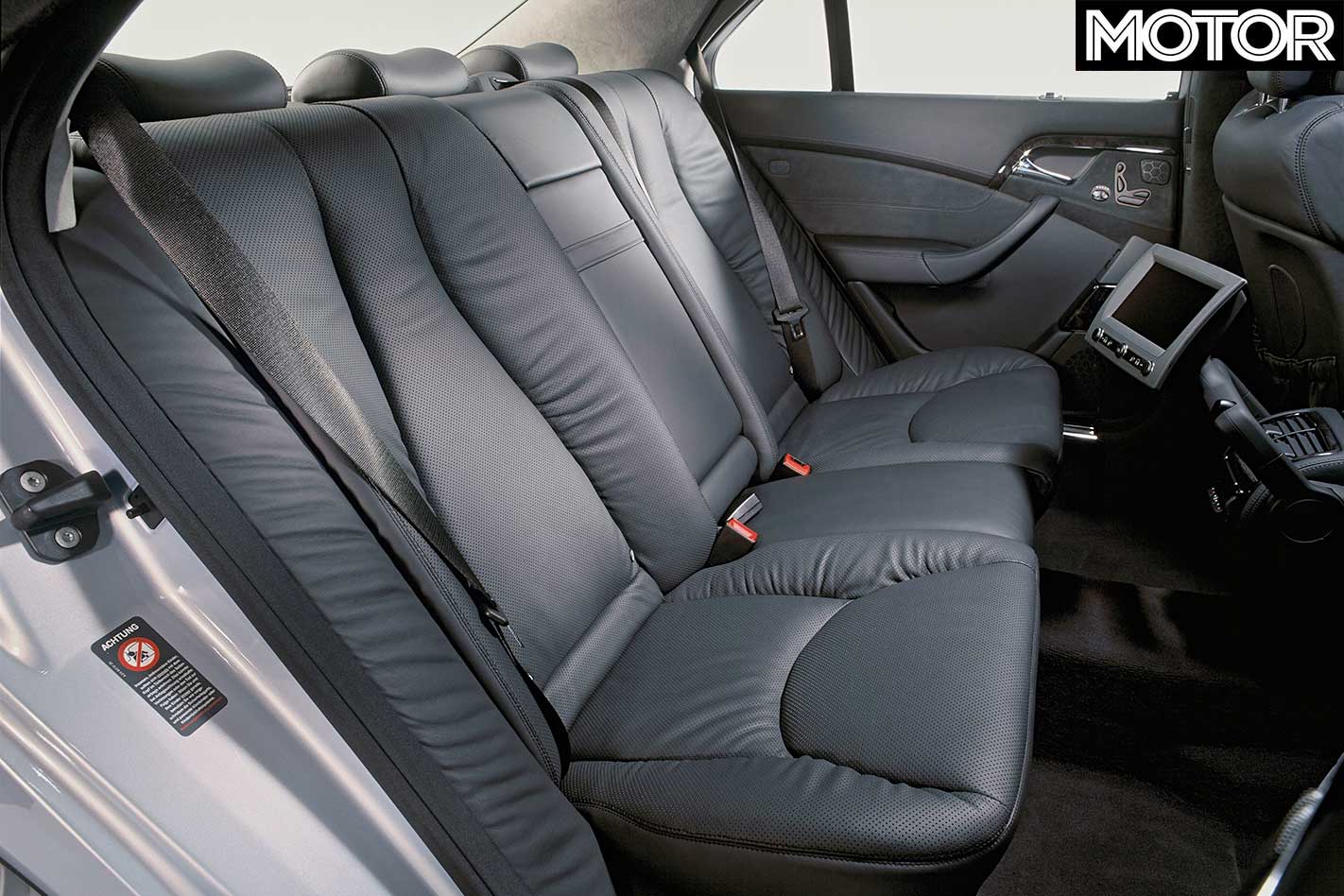
But it is a limo, with sprawling space in the rear, and every gadget from sat-nav to keyless-go. You just kind of want to imagine that its owner will spend his weekdays being carted around in the back seat as a Captain of Industry, then spend Saturday nights blowing away WRXs and HSVs at the traffic lights. Watch out for ’em.
FAST FACTS Mercedes-Benz S600 L
DRIVE: rear-wheel ENGINE: 5.5-litre, 36-valve, twin turbo V12 POWER-TO-WEIGHT: 368 kW/2135 kg PRICE: $349,900
FOOTAGE of Toyota’s much-anticipated Supra at the recent Goodwood Festival of Speed may still offer only tantalising hints at the car’s true shape, given that retina-shredding disruptive camouflage, but it does at least tell us one key thing – the new version will certainly sound like a sports car should.
Powered by a 3.0-litre turbocharged inline six borrowed from joint venture partner BMW (which will build the next Z4 off the same platform), the Supra is rapidly nearing its global unveiling in full-fledged road-going trim. Toyota fans who’ve long bemoaned the Toyota 86’s lack of power will no doubt be salivating, as the new Supra is expected to boast a hefty 250kW and 500Nm in a package that virtually the same size as the 86.
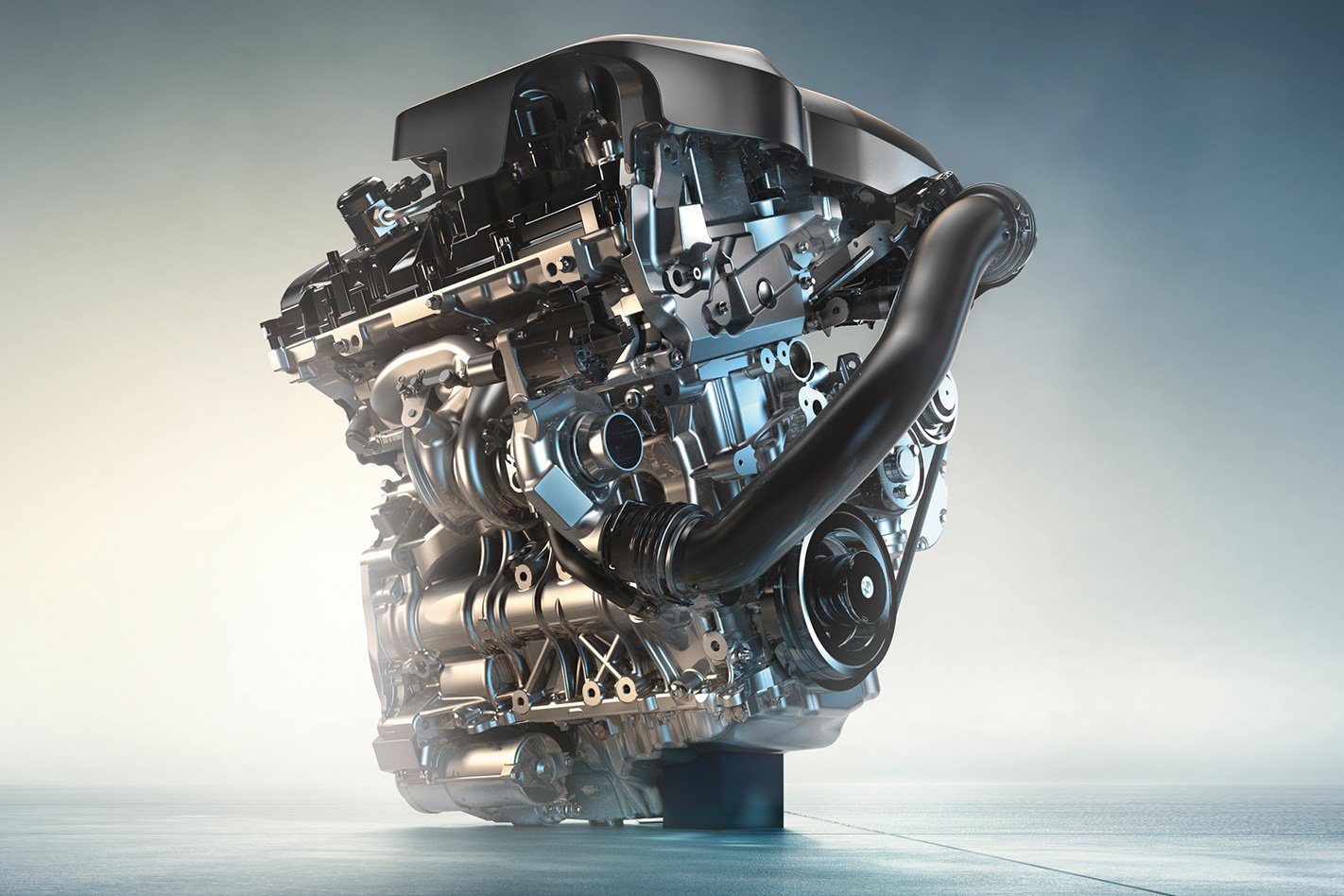
And that unmistakable straight-six howl will be music to the ears of previous-gen Supra fans. Toyota has clearly spent many hours honing the new Supra’s sonics, and the result is a guttural, high-decibel tribute to the much-loved 2JZ-GTE that powered the last car to wear the Supra badge – the JZA80 that was in production from 1993 to 2002. Curiously, it arguably sounds better than any straight-six BMW currently on the market.
It bodes well for the enthusiasts who have been waiting over a decade and a half for the Supra’s return. We spoke to Tetsuya Tada, chief engineer of the new ‘A90’ Supra (read our profile story in next month’s edition of Wheels magazine), and the Toyota veteran told us the new Supra will engage drivers in similar way to the 86, though the thrill will be somewhat different with speed and grip being the Supra’s calling card rather than the 86’s laughably accessible oversteer.
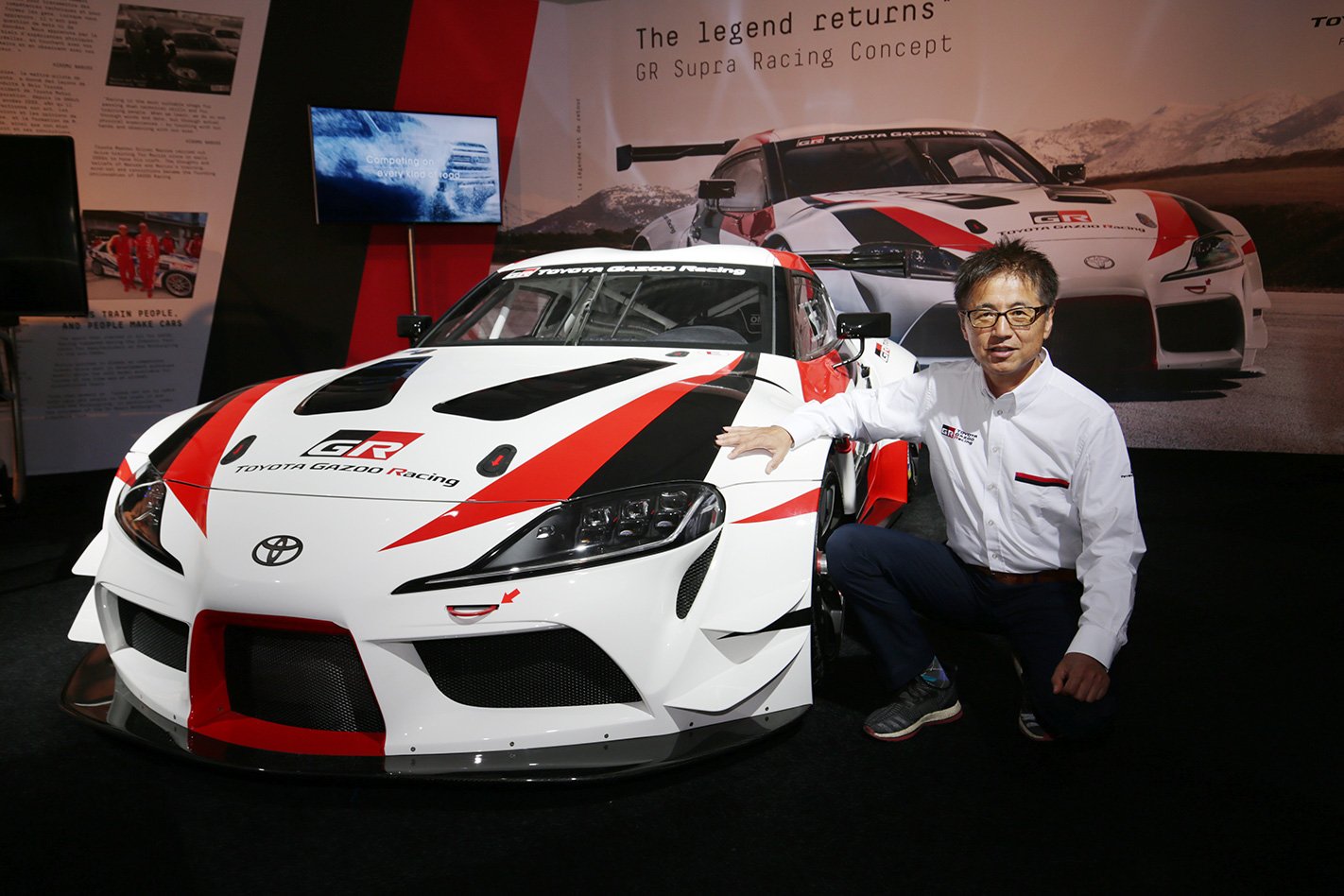
“You’ll really need to drive it,” Tada told Wheels. “It’s hard to express in words, but I’d like everyone to hold the steering wheel as soon as possible. On a circuit, or on the autobahn at over 200km/h, you’ll be able to enjoy it.”
And it appears that those wanting a sports car experience without the sheer muscle – or cost – of the six-cylinder Supra will have an option. A document from transmission supplier ZF has been unearthed by US mag Road and Track, revealing that the German company won’t just be supplying an eight-speed automatic for the 250kW six-cylinder Supra, but it also has a contract to deliver the same transmission for a 195kW derivative powered by BMW’s B48 2.0-litre turbo inline four.
Both powertrains fall under the “Supra” model heading, but two codes are listed: GT86 and J29. Is it a clue that the four-cylinder Supra variant, long-rumoured but now apparently locked-in for production, might be sold under a different name as a successor to the rapidly aging 86?
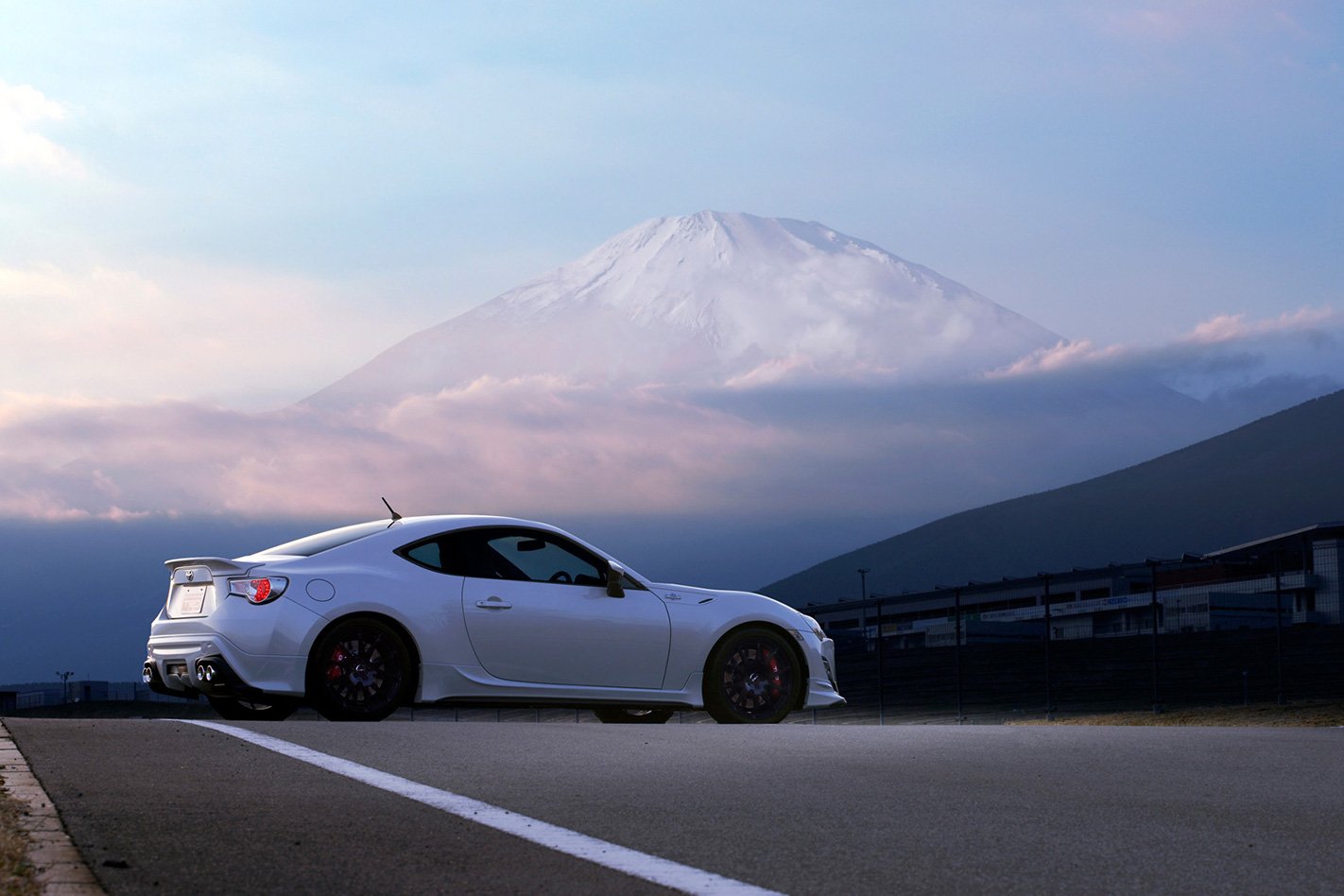
The strategy makes sense, especially as Tada has stated that one of the non-negotiables for the Supra’s successor was the presence of an inline-six engine. A four-pot wouldn’t cut it for the Supra faithful.
“When we thought about what kind of car we’d like to create after the GT86 we were hearing a lot of voices and requests from fans that they wanted Supra to be revived,” Tada said at the Geneva Motor Show earlier this year, where he unwrapped the stunning GR Supra Racing Concept.
“Hearing these different requests, I understood that there were two elements that are essential that we needed to keep in the new Supra. Throughout Supra’s life there’s been one consistency – a straight-six engine. This is a very important element for the Supra.”
Putting a turbo four-pot into the new Supra’s chassis and adding some cosmetic differentiation would do three things: deliver greater economies of scale to the BMW factory that will assemble the new Supra and Z4, while also providing a suitable entry-level sports car to replace the 86 and keeping the Supra nameplate ‘pure’ as a six-cylinder offering.
ZF’s document suggests the ‘86’ moniker will be recycled, but could a four-pot Supra spinoff see the return of the Celica? Don’t forget, the Supra originally started life as a longer-nosed, six-cylinder derivative of the third-generation Supra.
Small SUVs are proving to be increasingly popular with Aussie buyers, with the segment standing out the fastest growing in Australia, half-year sales figures reveal.
Data from June 2018’s VFACTS new-car sales report reveals some segments are attracting large numbers of new car buyers, while others are struggling.
The small SUV segment is without rival in terms of growth in 2018. Year-to-date, and compared with the same six-month period last year, the segment is up by 30.4 percent, the data shows. That compares with just 1.0 percent growth across the entire new-car market.
That increase is due to the 16,837 extra new small SUVs registered. Most impressive about the rise is the size of the category, which ranks fourth in outright numbers behind the big 4×4 trade utes, medium SUVs, and small passenger cars.
Most small SUV sales occur in the less than $40,000 bracket (63,763 YTD) – where car such as the Mitsubishi ASX, the Mazda CX-3 and the Subaru XV dominate – compared with those costing more than $40,000 (8506), such as the soon to be replaced Mercedes-Benz GLA-Class, the Audi Q2 and the BMW X1 and X2 siblings. However, both compact SUV segments have shared similar booms with 30.7 percent and 28.0 percent growth respectively.
Second in terms of growth is the micro passenger car segment – dominated by the Kia Picanto and with the Mitsubishi Mirage, recently discontinued Holden Spark and the Fiat 500 – with an 18.9 percent increase in registrations year-to-date. They have bucked the passenger vehicle trend of shrinking their slice of the sales pie, with every other traditional car segment registering a downturn.
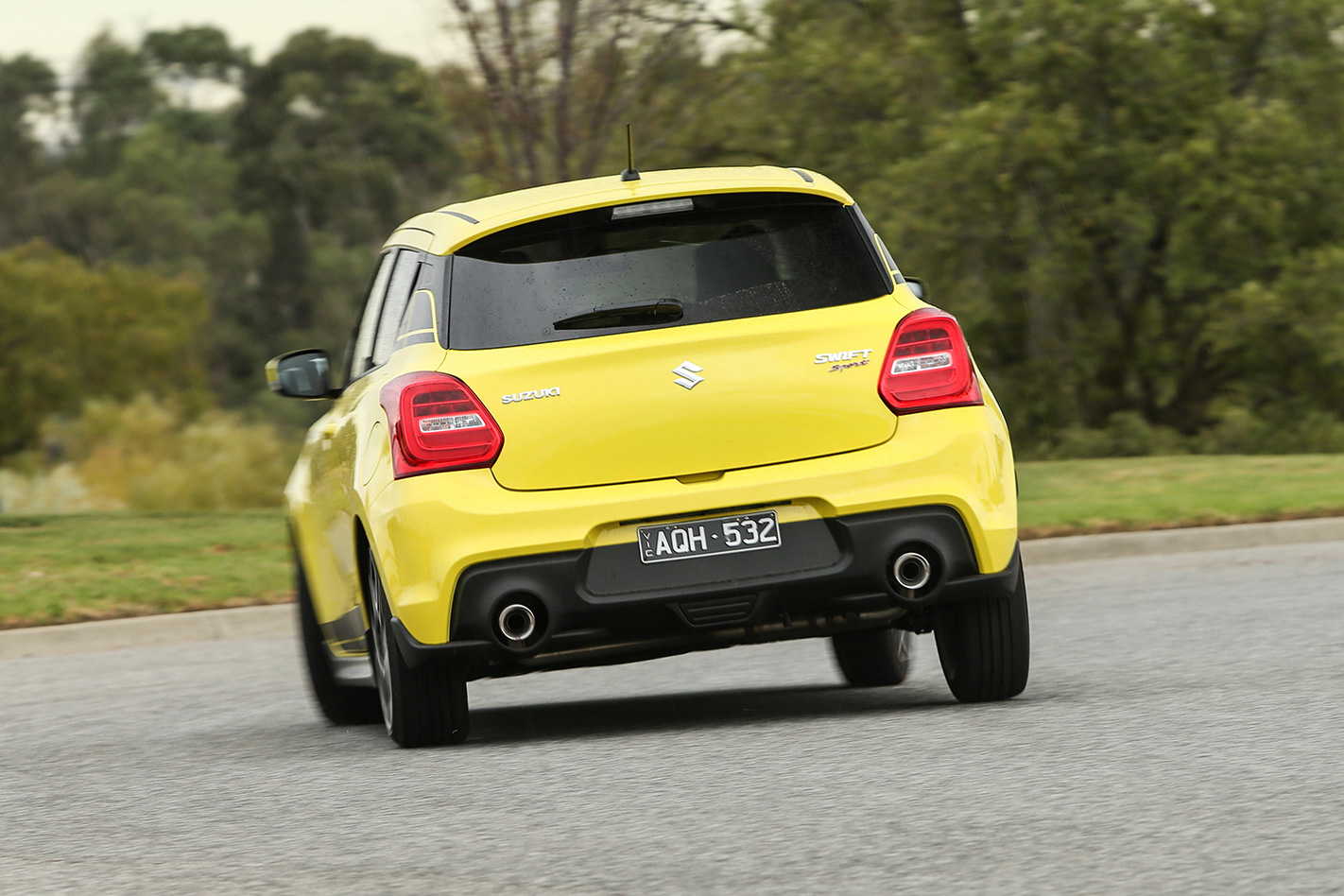
SUVs for the most part continue to increase in popularity with Australian buyers, with the upper large (Mercedes-Benz GLS Class, Nissan Patrol and Toyota LandCruiser) and medium (Hyundai Tucson, Mazda CX-5, Nissan X-Trail and Toyota RAV4) segments growing 11.6 and 11.3 percent respectively.
The only other segment to experience growth is 4×4 utes, which includes both dual-cab and crew-cab variants. Top-selling vehicles such as the Toyota Hilux and Ford Ranger have helped the segment increase 7.1 percent so far this year.
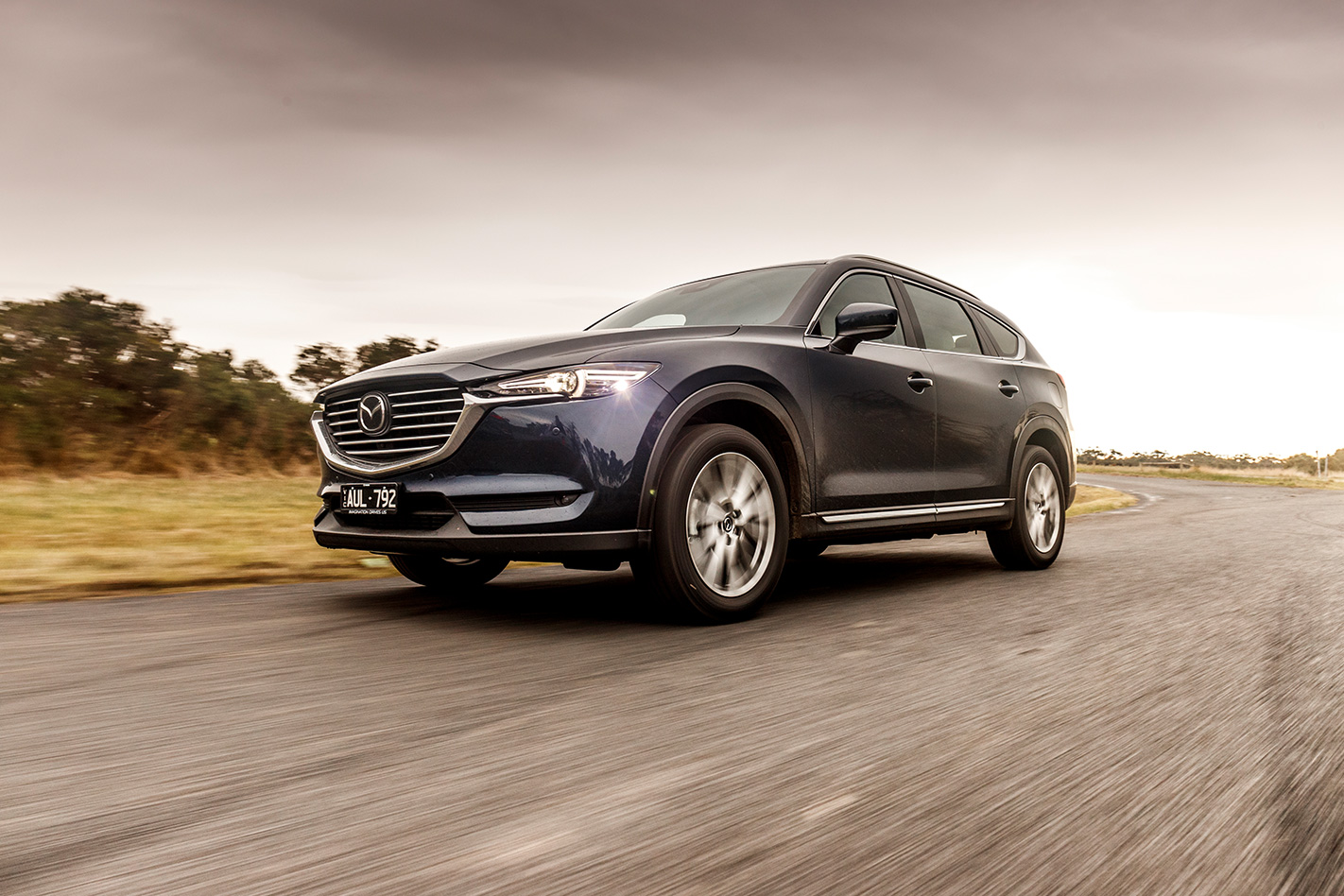
Large SUVs (Subaru Outback, Mazda CX-9, Toyota Kluger and Prado) were the only high-riders to experience a downturn, with a 5.4 percent decrease in segment size compared with the same period last year.
Sports cars (dominated by the Ford Mustang) were one of the fastest growing segments in the first six months of 2017, recording a 13.2 percent increase year-to-date. However, enthusiast registrations in 2018 have slowed to the point where sports cars have contracted 34 percent.
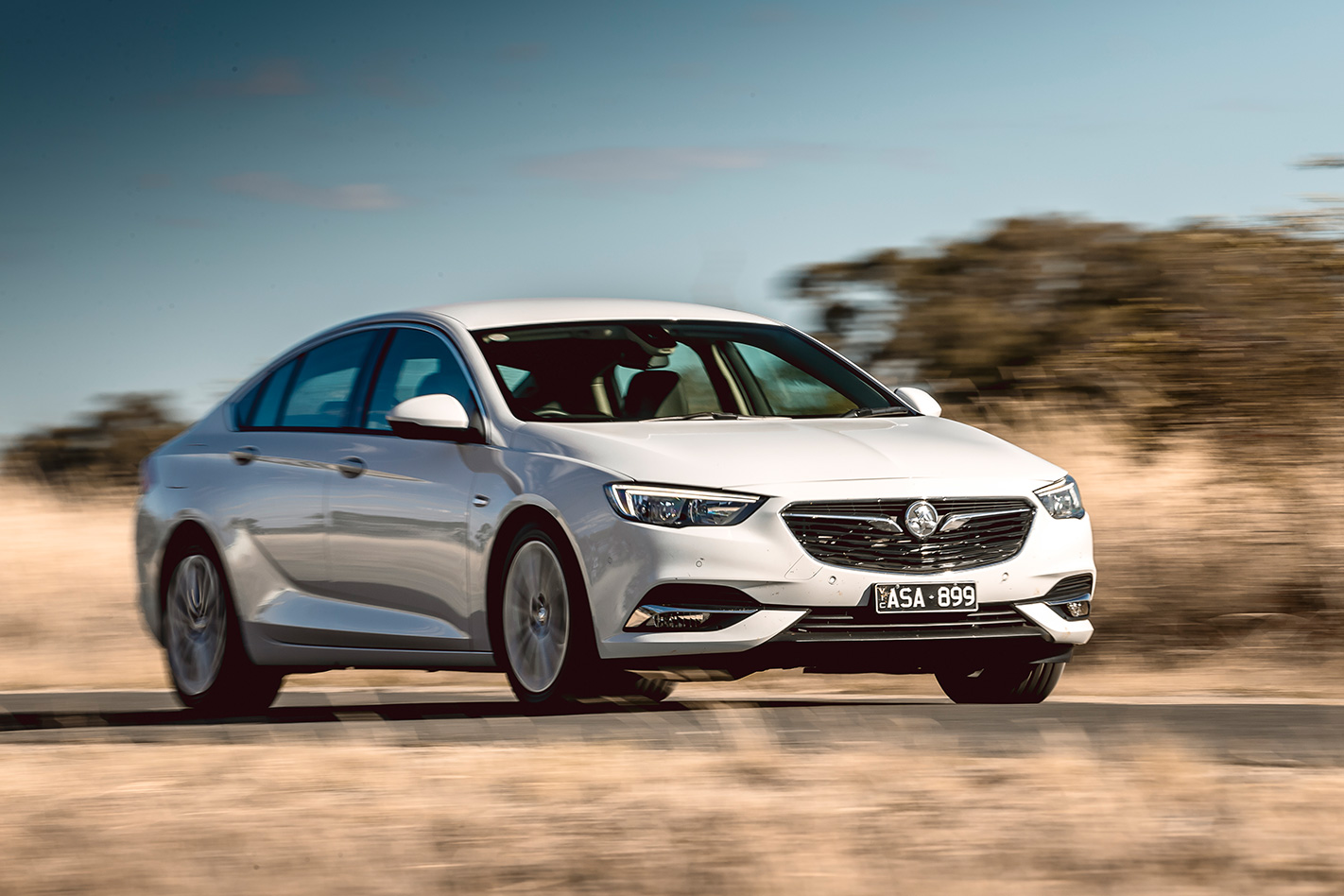
That isn’t the most dramatic downturn. Large passenger cars (where the now imported Holden Commodore fights for sales) have continued to fall off a cliff, enduring a 44.6 percent decrease in segment registrations.
If you widen the net to only segment sales by passenger and SUV vehicles, the difference in growth is brought into stark illustration.
While SUVs have grown by 10.7 percent in year-to-date sales, passenger cars have shrunk by 11.3 percent.
The data shows clearly Australian new-car buyers appear to have turned their back on traditional passenger vehicles, preferring their higher-riding siblings, and now the manufacturers are answering the call with a wider selection of SUV choices.
MY, HOW WE’VE GROWN
Changes in new-car sales segments over the first six months of 2018
- Small SUVs: +30.4%
- Micro passenger cars: +18.9%
- Upper large SUVs: +11.6%
- Medium SUVs: +11.3%
- 4×4 utes: +7.1%
- People movers: -1.8%
- Small passenger cars: -3.8%
- Light passenger cars: -4.5%
- 4×2 utes: -4.7%
- Large SUVs: -5.4%
- Upper large passenger cars: -10.9%
- Medium passenger cars: -24.2%
- Sports cars: -34%
- Large passenger cars: -44.6%
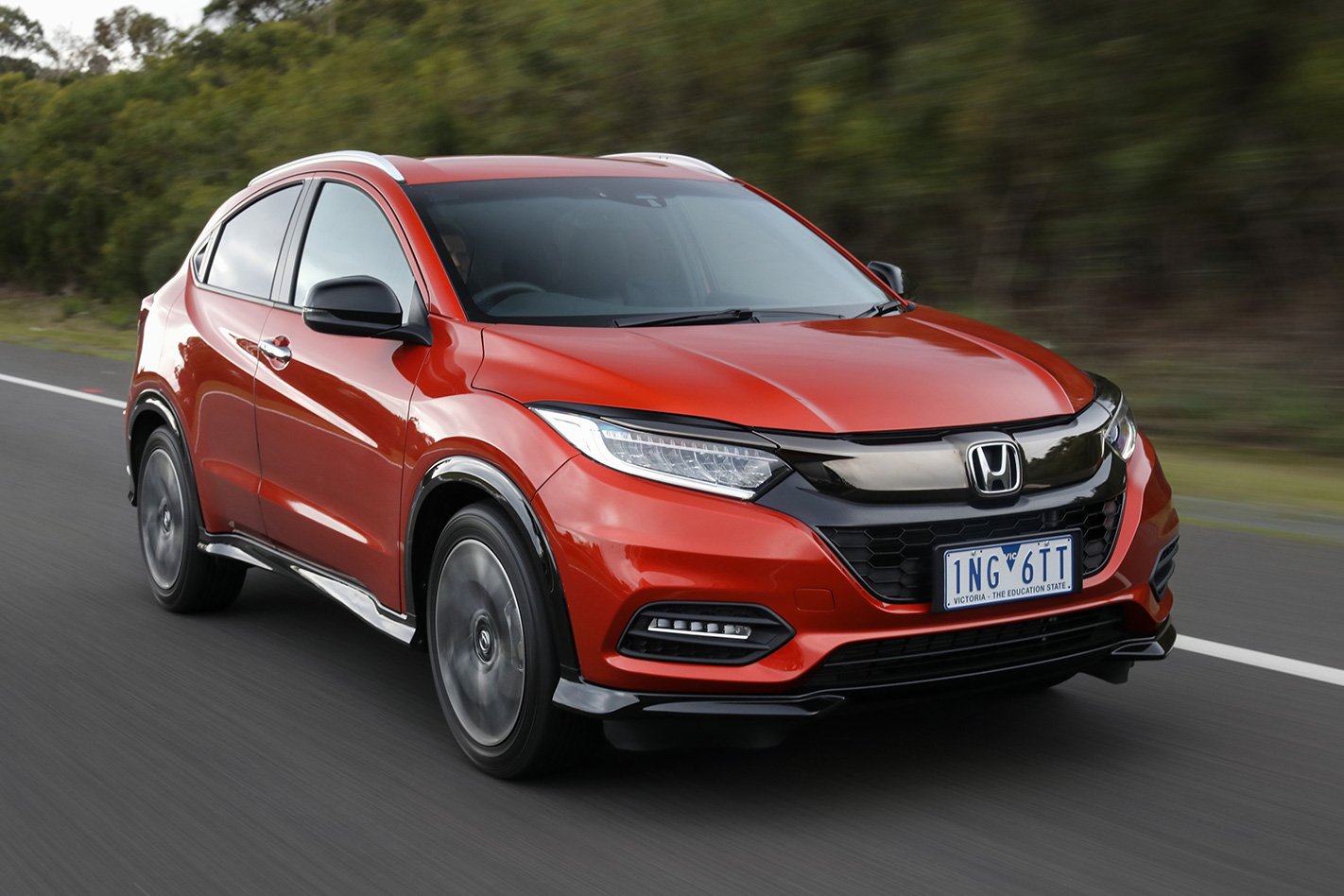
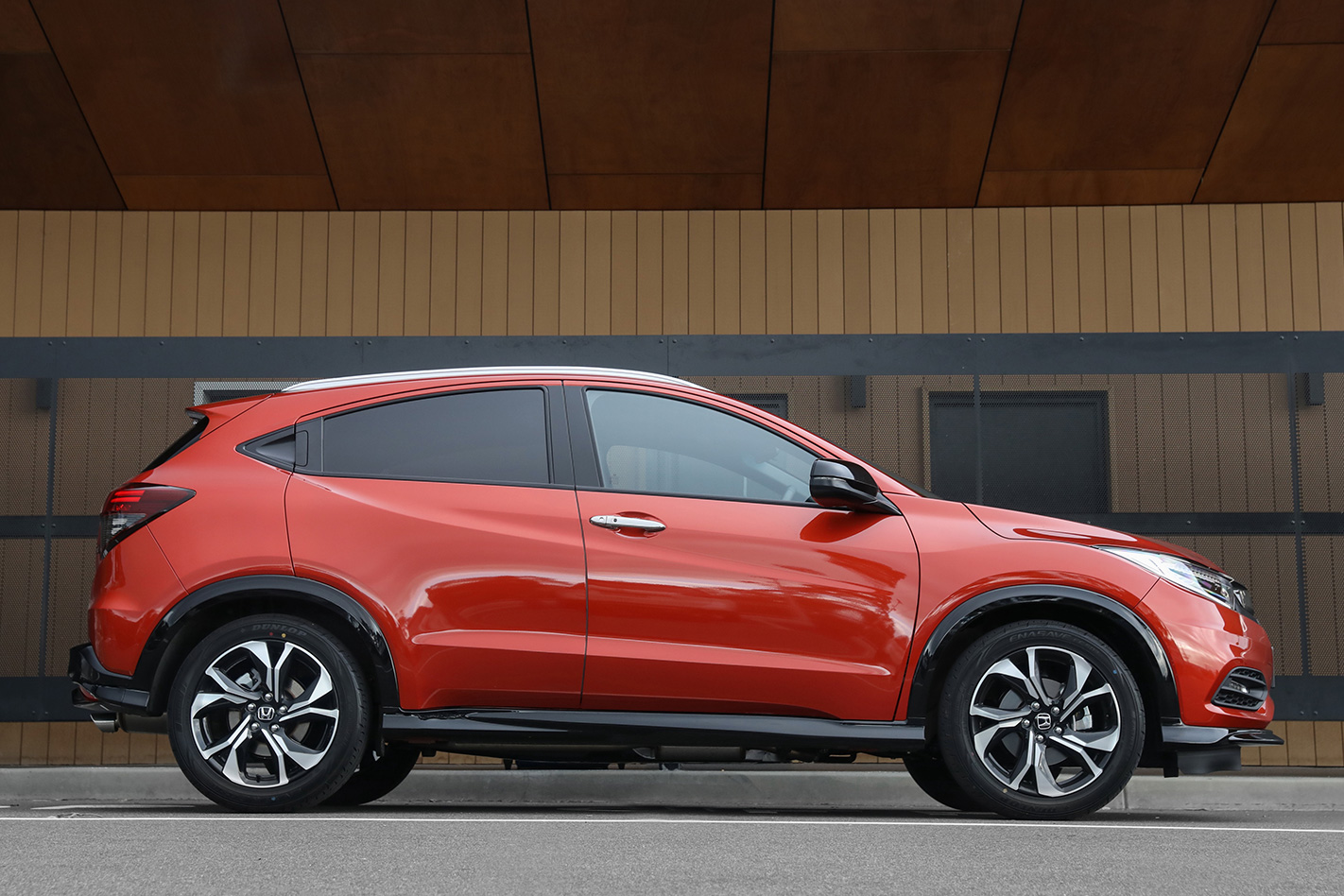
Honda has freshened up its HR-V small SUV by adding autonomous emergency braking as standard across the range. The lineup also expands to four distinct grades, with a sporty RS variant and high-spec VTi-LX joining the existing VTi, VTi-S. With the arrival of the RS and VTi-LX at the top end of the HR-V totem pole, the VTi-L badge has been retired.
As the entry-level variant, the $24,990 VTi has LED daytime running lights, remote keyless entry, single-zone climate control, emergency stop signal, customisable speed alarm, electric parking brake with hill hold and a steering column that adjusts for reach and rake.
Starting at $27,990, the VTi-S adds 17-inch alloy wheels, roof rails, rear parking sensors, LED front fog lights, LED headlights with auto on/off functionality, chrome interior finishes, smart entry with push button start and a leather-wrapped steering wheel and leather gear knob. All of the features of the VTi and VTi-S are carry-over, however, with no new equipment additions for the 2018 model year for those two models.
The new RS model grade replaces the VTi-L, and has a revised steering ratio for a more dynamic feel. Retailing at $31,990 it boasts 18-inch alloy sports wheels, a unique front grille finished in dark chrome, black mirror caps, dark chrome door handles, honeycomb front lower grille and foglamp garnish, a piano black body kit, privacy glass on the rear doors and the RS badge, along with leather seats for all passengers, heated front seats, a leather steering wheel, and sports pedals.
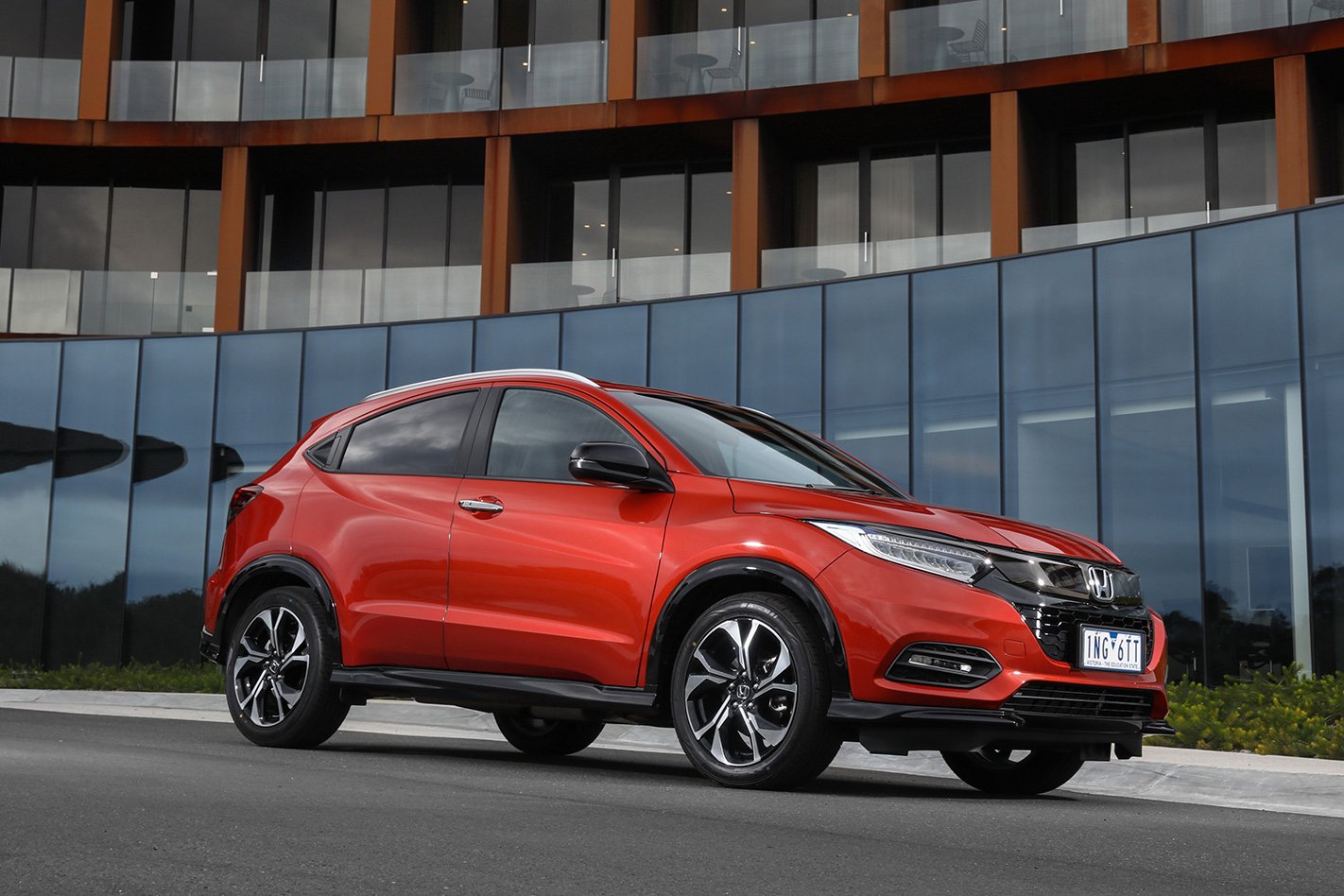
As the flagship, the VTi-LX adds chrome door handles and a panoramic sunroof on top of the RS’ specification and is priced at $34,590.
All variants feature the same seven-inch colour infotainment touchscreen, which includes sat-nav and Bluetooth connectivity as standard. Honda’s automatic emergency braking system, dubbed Honda City-Brake Active System, is also now standard across the range.
The safety system provides audio and visual warnings to the driver when it detects a potential collision, before applying the brakes. Forward collision warning, high-beam support, and lane departure warning are also standard safety additions for all models, significantly expanding the HR-V’s suite of satefy technology.
Each HR-V features Honda’s unique ‘magic seats’ feature which can be configured into 18 different combinations, which can be used to produce a maximum luggage capacity of 1533-litres with a completely flat (and low) boot floor, or flip the rear seat base vertically to allow tall items to be carried upright.
There’s nothing new to see under the bonnet, however. All HR-Vs continue to be powered by a 1.8-litre naturally-aspirated four-cylinder petrol engine, producing 105kW and 172Nm. A CVT automatic remains the sole transmission on offer, and sends power to the front wheels exclusively. Unlike some compact SUVs, the HR-V lacks an AWD option. All models record a 6.9L/100km combined fuel consumption figure.
PRICING
The sticker price for the HR-V is for non-metallic paint. Opting for premium paints attract a $665 charge on all bar the RS variant, which features metallic colours as standard.
- HR-V VTi: $24,990
- HR-V VTi-S: $27,990
- HR-V RS: $31,990
- HR-V VTi-LX: $34,590
A sneak peek at Audi’s updated TT sports coupe has leaked onto Instagram as the German luxury car maker builds up hype ahead of the facelifted second-generation model’s official reveal.
The official-looking, but low-resolution images posted on @tts_fruende.de show a facelifted TT S sporting a more aggressive-looking front splitter.
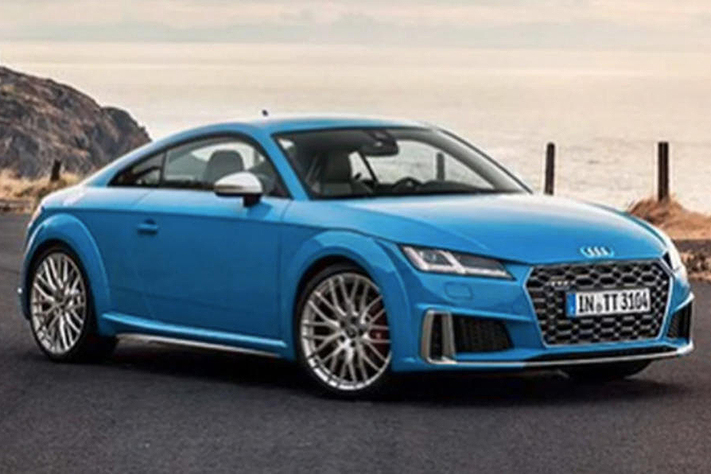
The side sills and rear diffuser are also more pronounced, and the rear end has sprouted ducts below the exhaust pipe that possibly serve an aerodynamic function, while certainly doing no harm to the TT’s aesthetics.
The rear vent is also revealed in an official teaser image released on Audi’s Facebook page, accompanied by a couple of blurred shots of an unspecified TT variant being driven around the Isle of Man TT circuit, after which it’s named.
As usual there’s little information, beyond a promise that “Twenty years after the series debut of the Ur-TT, we’re raising the ante …”.
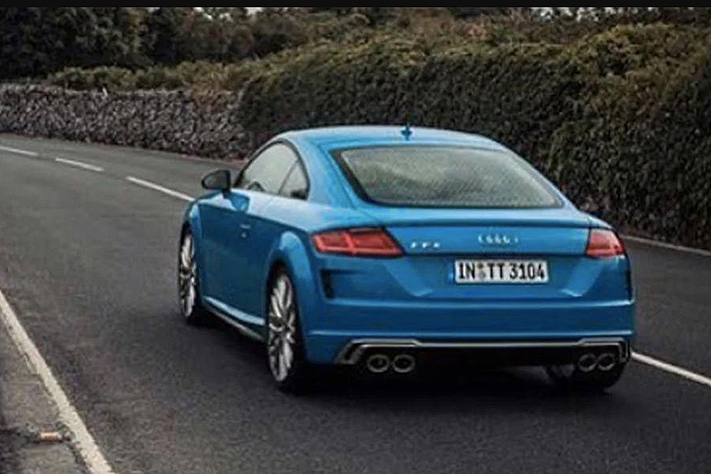
Audi also posed the question: “Do you think the round fuel cap will stay the same in the all-new Audi TT?” For what it’s worth, the answer seems to be yes if the leaked images are anything to go by.
No powertrain details were announced, either by Audi or the leakers, but it’s widely thought that the engines – including the 2.0-litre four-cylinder turbos and the TT RS’s devilish 298kW/480Nm five-pot available here – will carry over, possibly with a few more kilowatts squeezed out of them.
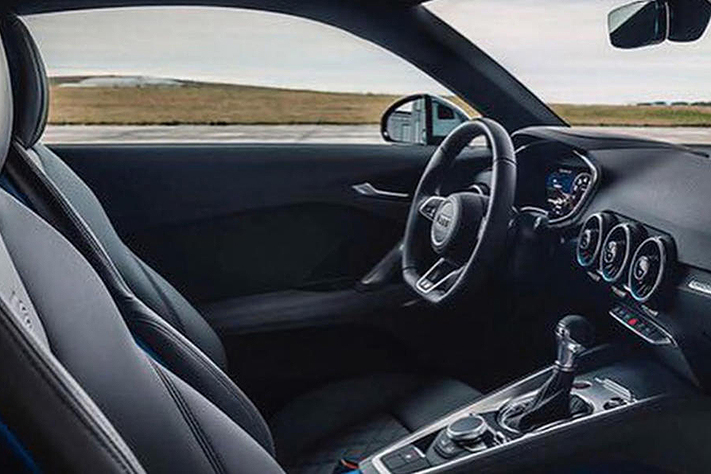
Audi hasn’t announced when it will officially reveal the new model, but it should drop soon – albeit after a few more teasers.
It takes a certain kind of person to buy a convertible. The convertible buyer isn’t necessarily an extrovert, but they certainly don’t mind (and welcome) the right kind of attention.
So it makes sense that one of the most attention-grabbing cars on the road would be available as a convertible. Sales illustrate that it’s not attention-grabbing because it’s unique, but the 2018 GT’s trick exhaust demands full attention from any red-blooded V8 fan’s ears.
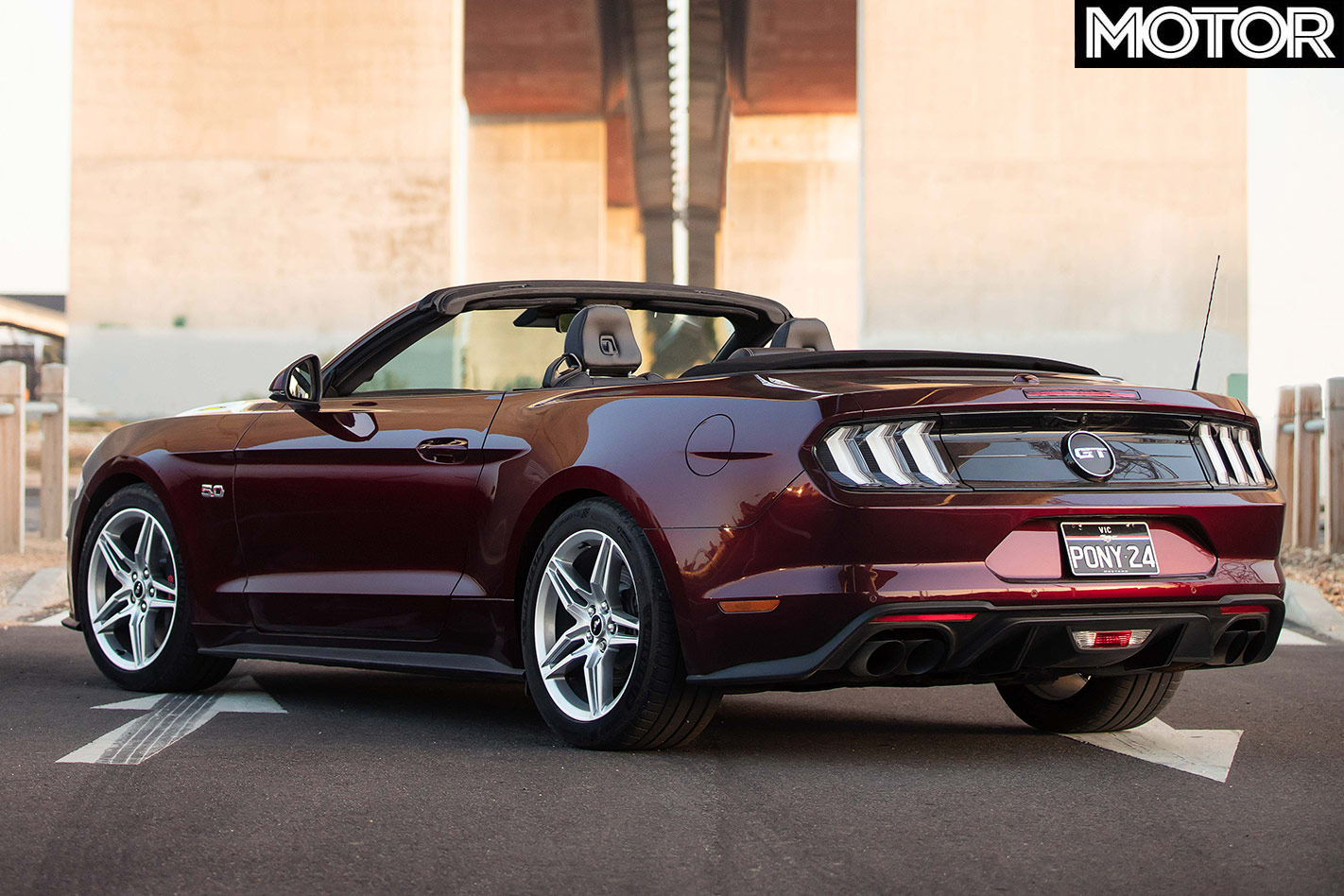
Without the roof up, the new Mustang is quite a looker, but most who’ve weighed in think the Coupe is still more handsome.
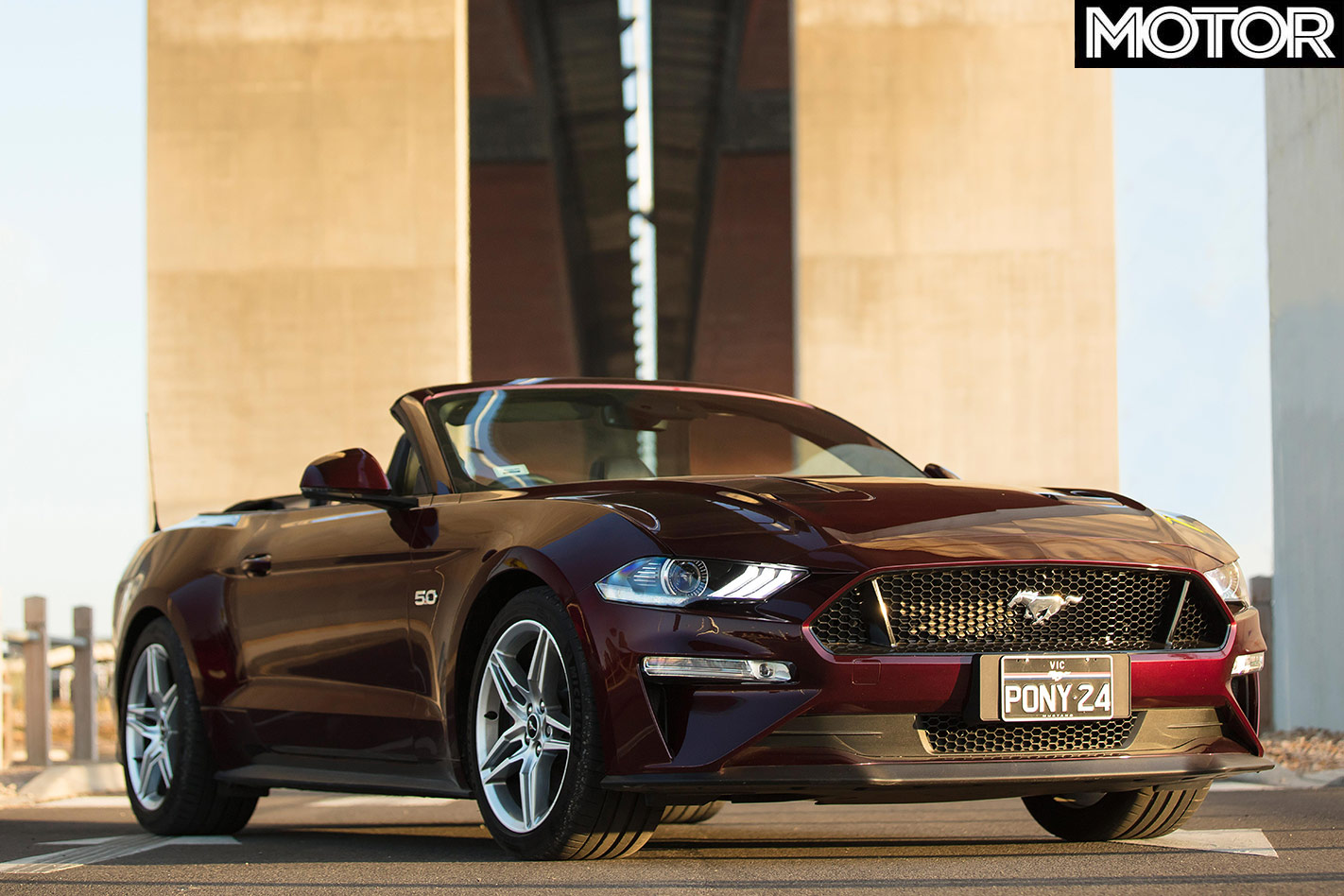
But if the weather’s good, you’ll want the roof down. Something the Coupe doesn’t allow you is the full brunt of the new four-mode exhaust fitted to the Mustang GT.
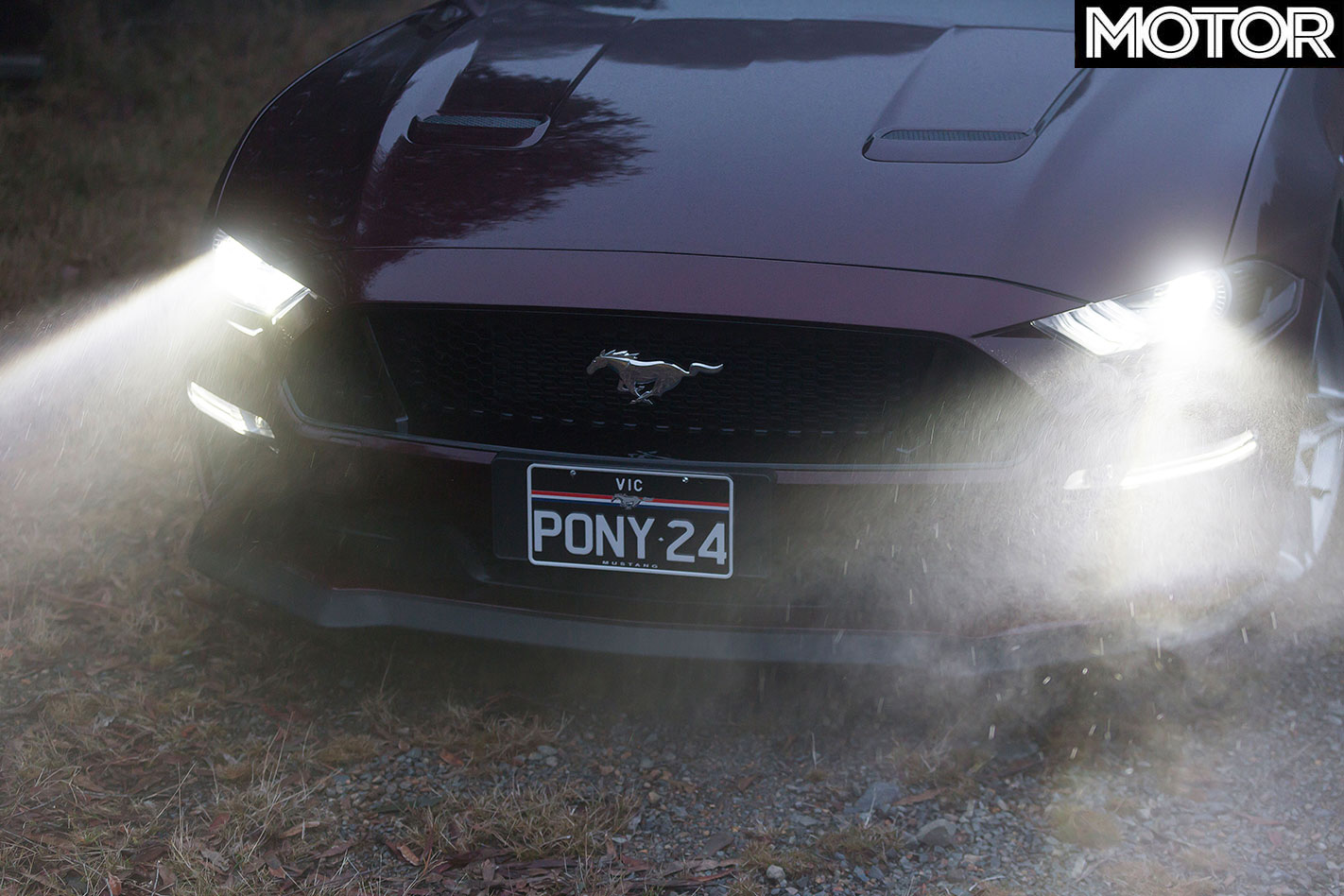
Unless you drive one back to back with a coupe in the same place, you’ll likely not notice any blaring differences between the driving dynamics, aside from where the Convertible’s extra weight comes into play.
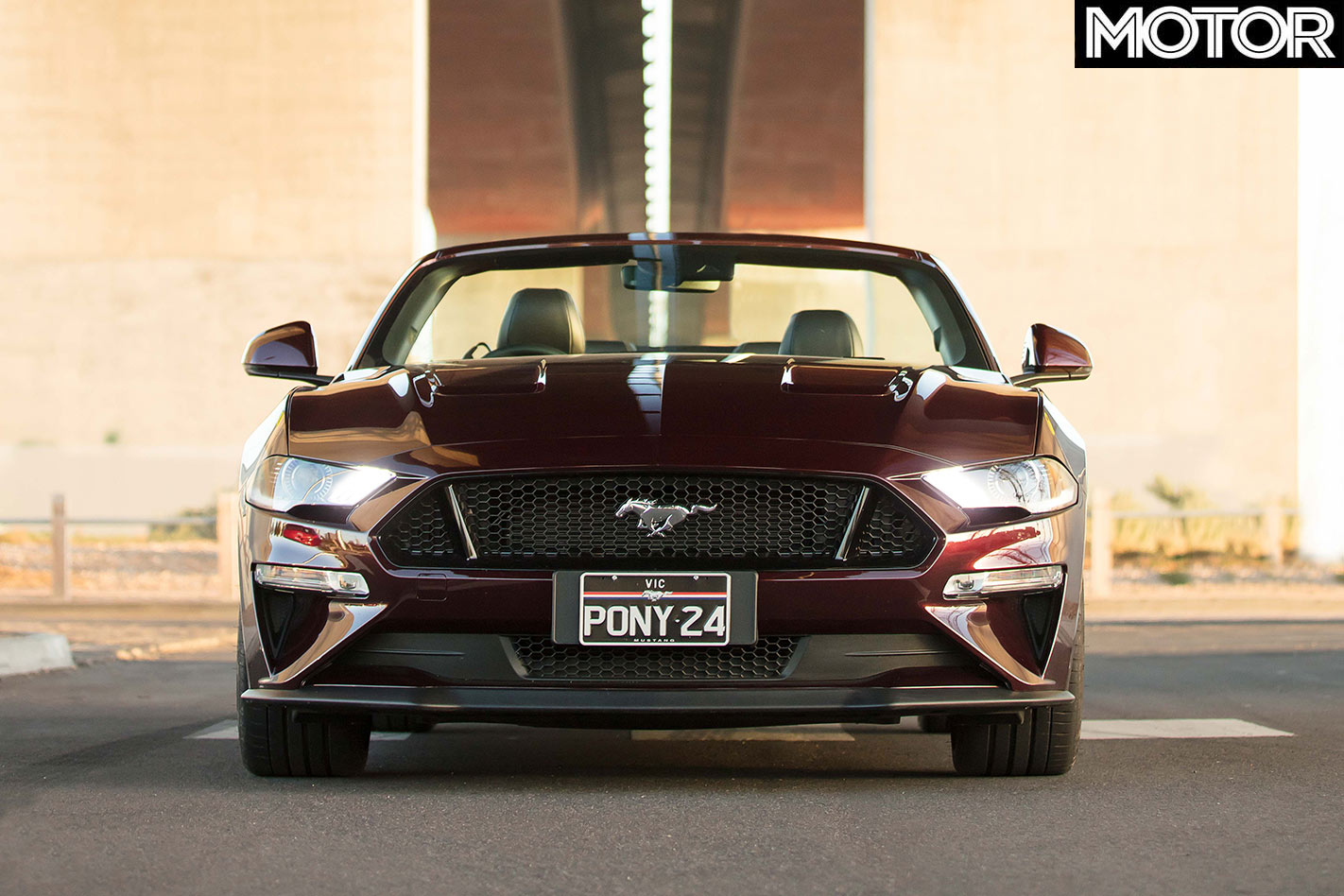
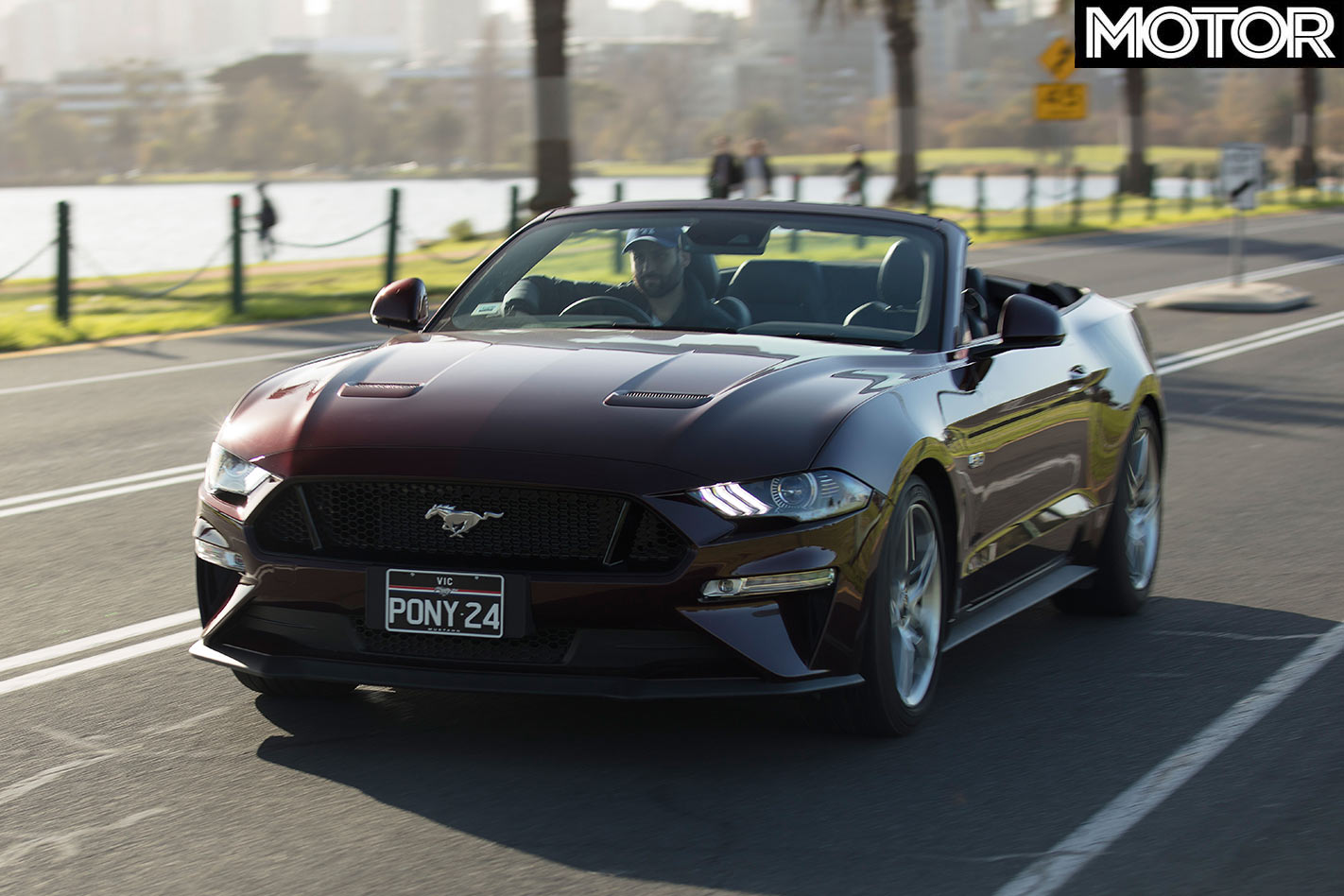
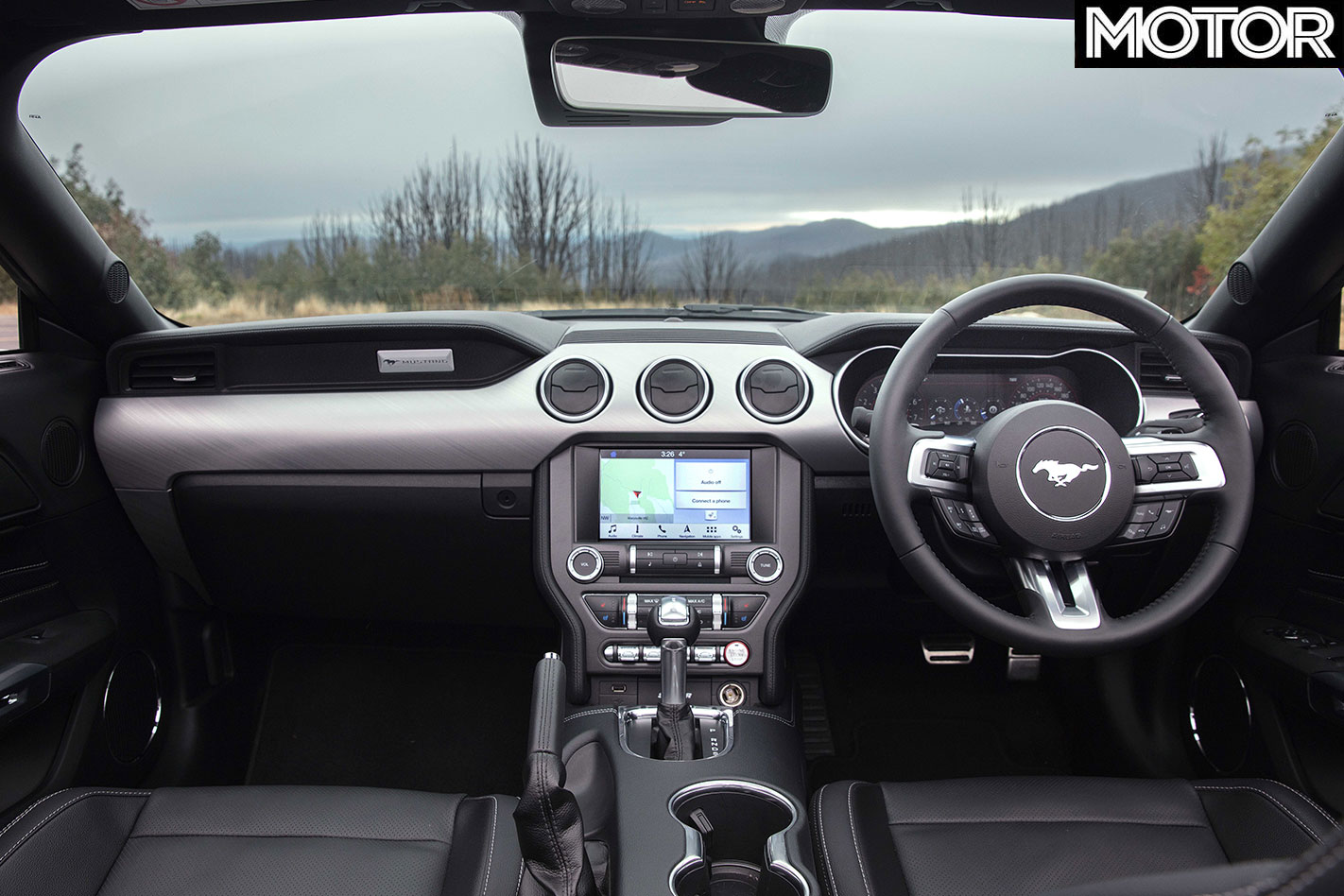
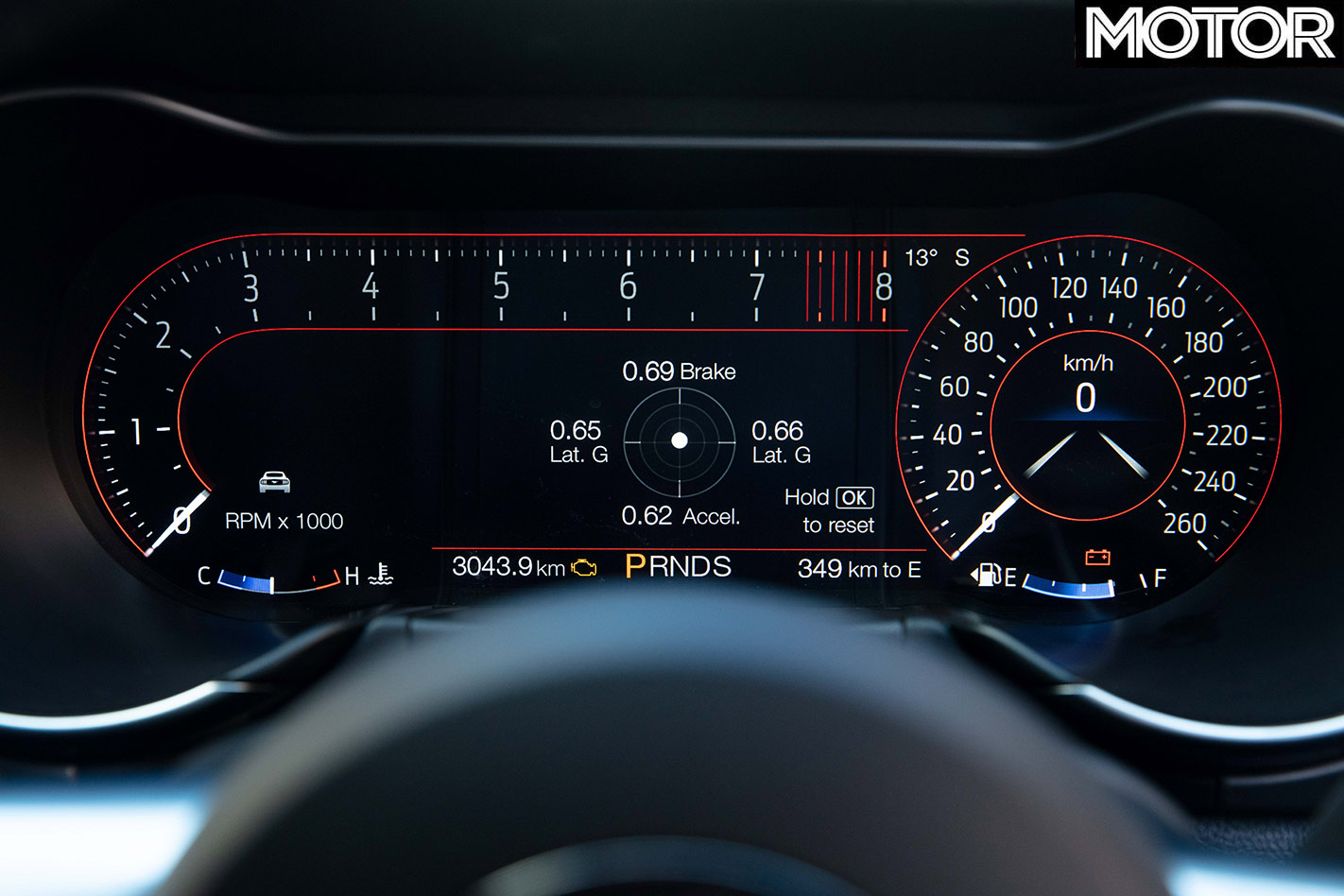
2018 FORD MUSTANG GT CONVERTIBLE SPECS
Body 2-door, 4-seat convertible Drive rear-wheel Engine 5038cc V8, DOHC, 32v Bore/StrokeE 93.0 x 92.7mm Compression 12.0:1 Power 339kW @ 7000rpm Torque 556Nm @ 4600rpm Power/WeightT 193-196kW/tonne Transmission 10-speed automatic Weight 1732-1756kg Suspension struts, coil springs, adaptive dampers, anti-roll bar (f); multi-links, coil springs, adaptive dampers, anti-roll bar (r) L/W/H 4789/1916/1396mm Wheelbase 2720mm Tracks 1642mm (f/r) Steering electrically-assisted rack-and-pinion Brakes 380mm ventilated discs, 6-piston calipers (f); 330mm ventilated discs, single-piston calipers (r) Wheels 19.0 x 9.0-inch (f); 19.0 x 9.5-inch (r) Tyre sizes 255/40 ZR19 (f); 275/40 ZR19 (r) Tyre Michelin Pilot Sport 4S Price $74,709 Pros Access to the soundtrack; eager ‘box; easy roof Cons No manual; not as handsome as coupe; pricey! Star rating 3.5 stars
DAVE Buttner’s appointment is only the second time since 1990 that GM has sourced someone from outside the global car making giant’s doors to head up Holden’s Australian operations.
Here’s how Holden’s modern-era leadership has shaped up over the last two decades.
Peter Hanenberger
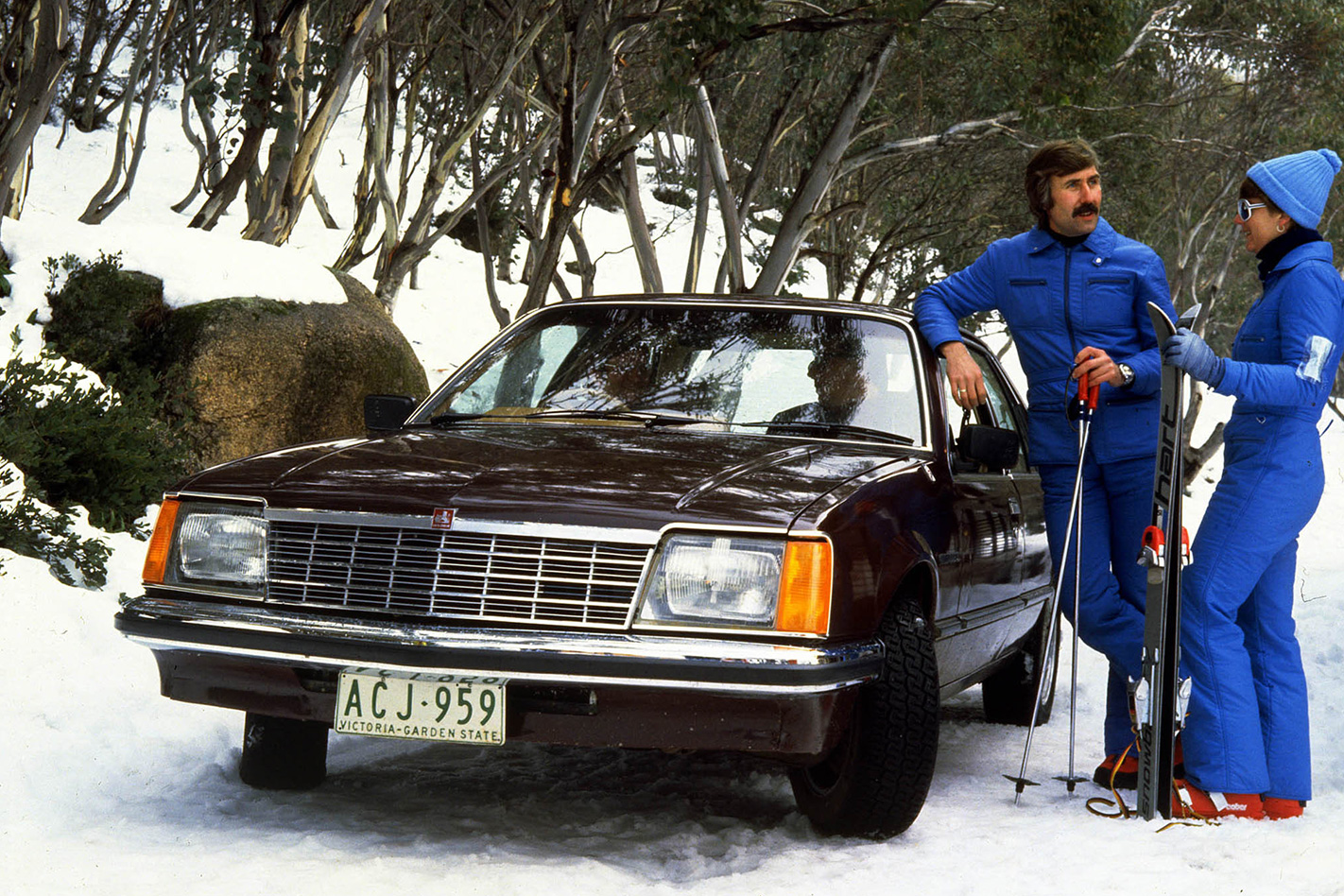
1999-2003 Described by colleagues as a passionate man who wanted what he thought was the right thing for the brand. Brought many ideas to the company – most of them good – including a 10-year plan to open up export markets.
Denny Mooney
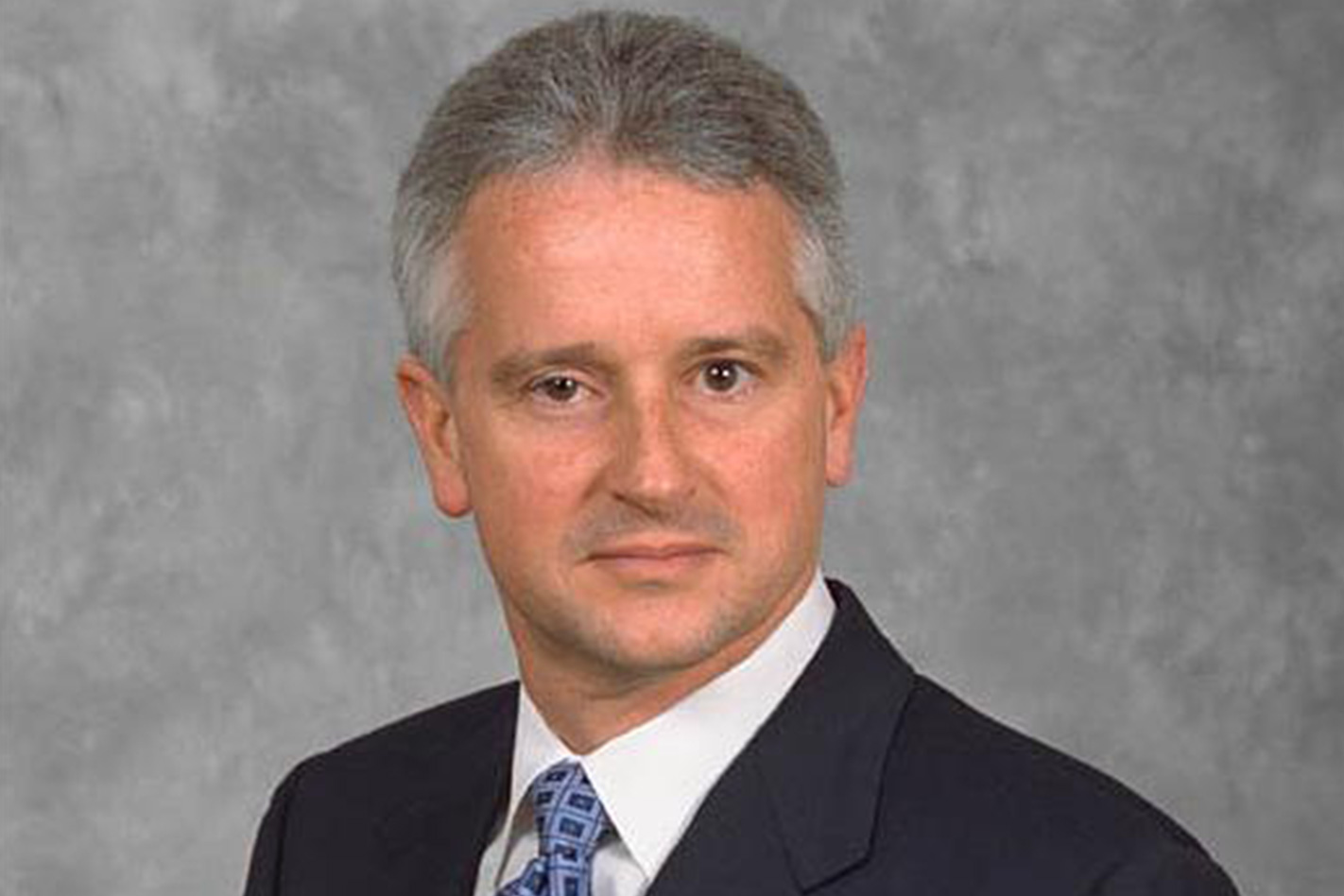
2004-2007 Detroit’s choice to succeed Hanenberger. He implemented Holden’s Daewoo-sourced products push, and introduced the VE Commodore-based Pontiac G8 to the US. Was said to be constantly worried about exchange rates.
Mark Reuss
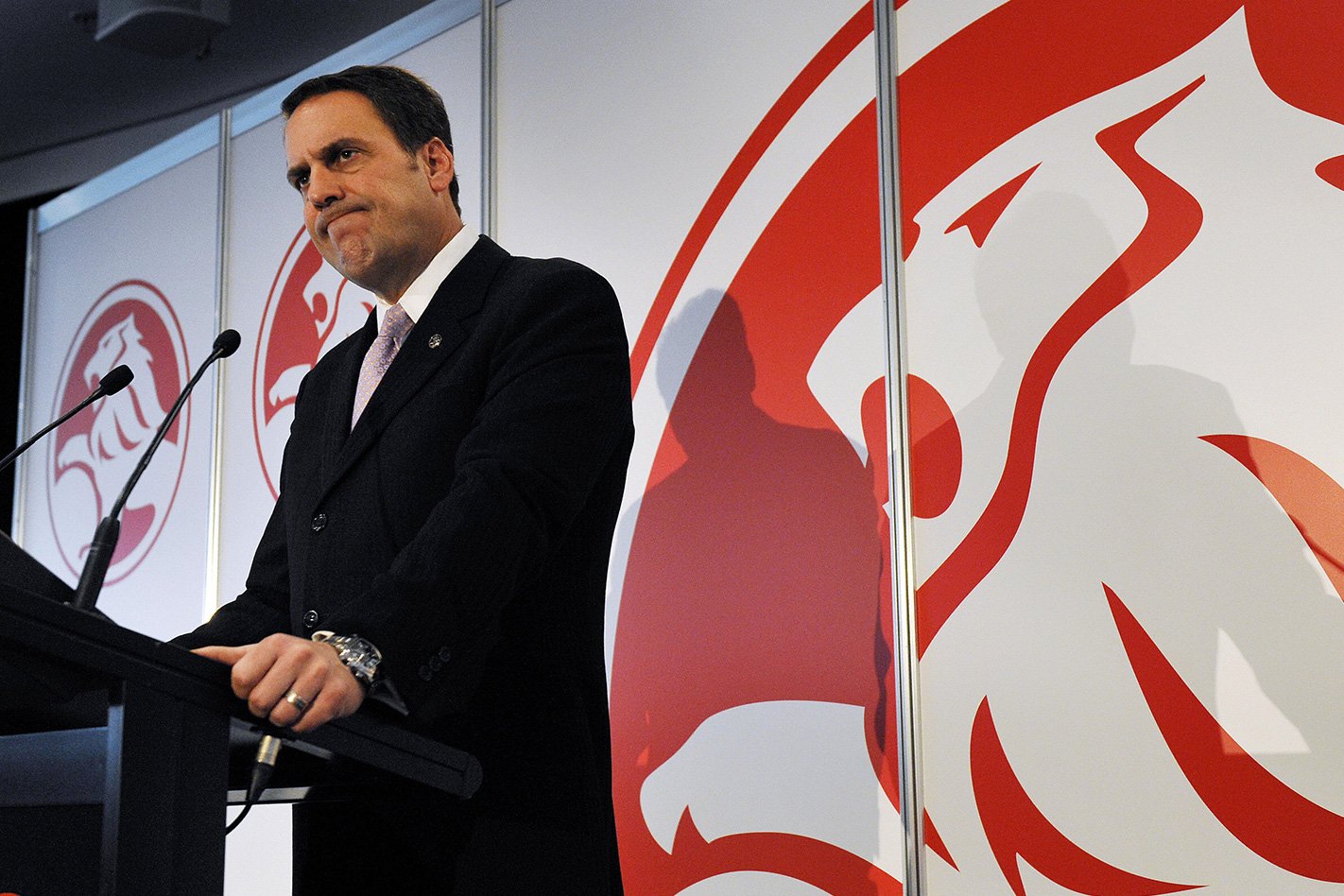
2008-2009 Steered Holden through the global credit crunch, and is credited with talking a cash-strapped GM out of abandoning its far-flung Aussie outpost. Believed to have been the main driving force behind saving the Lang Lang proving ground from closure.
Mike Devereux
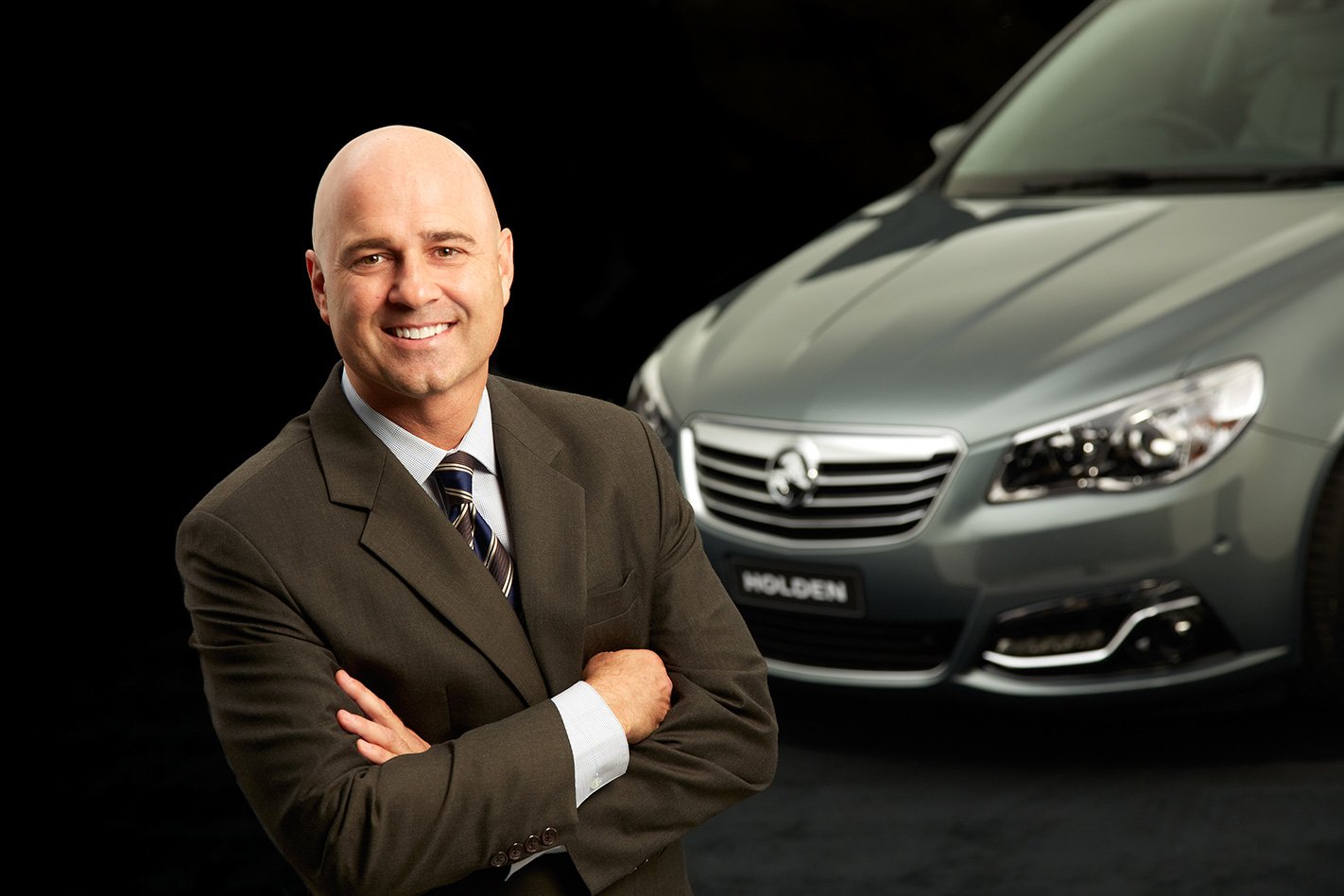
2010-2013 Secured Cruze production for Australia to help build volume after announcing his brief was to “ensure the Australian company survived and thrived as one of only seven GM sites capable of designing, building and selling its own products”.
Gerry Dorizas
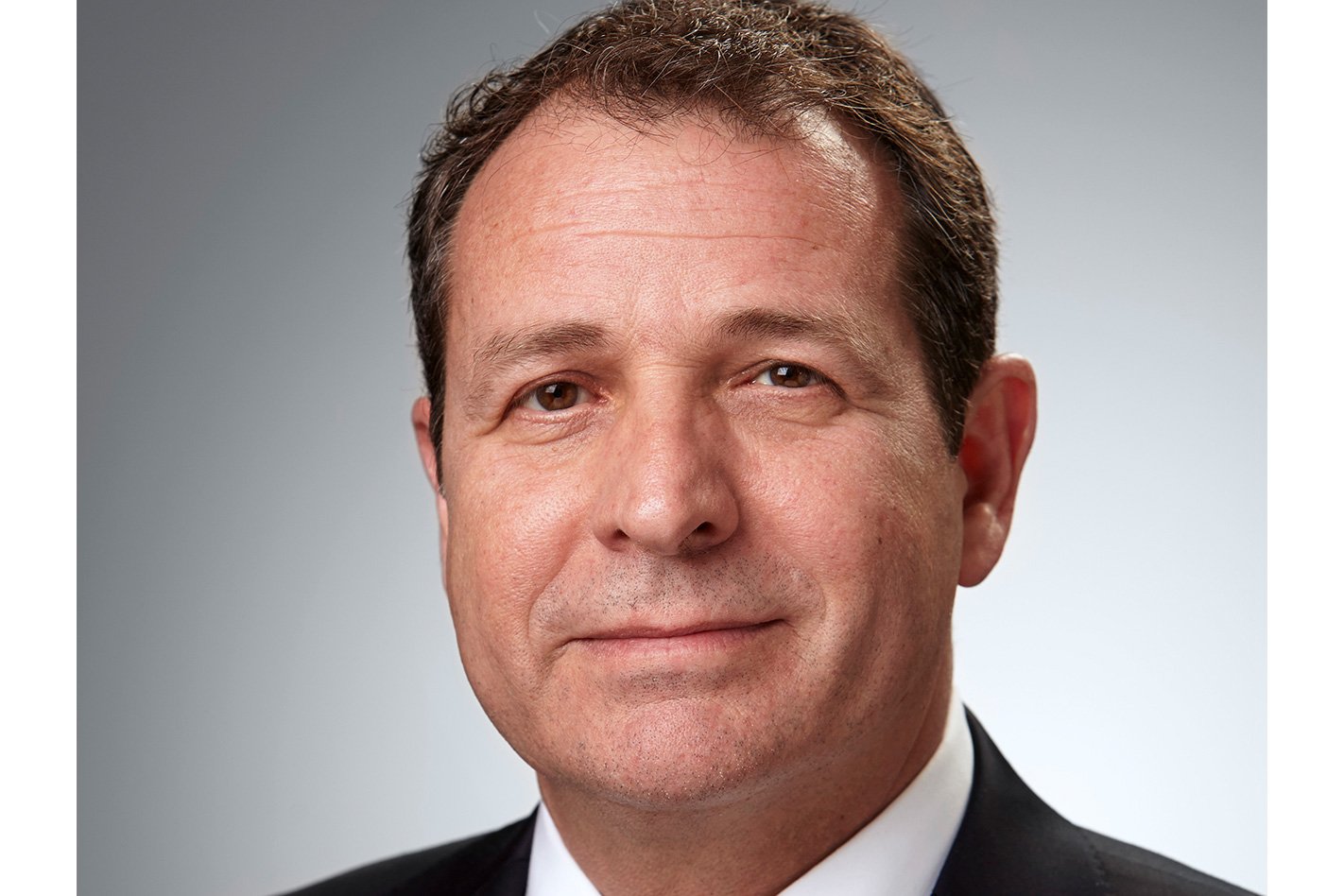
2013-2014
In a surprise move, Dorizas was appointed to head up Holden after he was headhunted from Volkswagen to inject what GM believed would be a fresh approach for the car maker. His tenure, though, was brief; after launching the VF Commodore and boasting the brand could overtake market giant Toyota by 2020, he left after just six months in the job.
Mark Bernhard
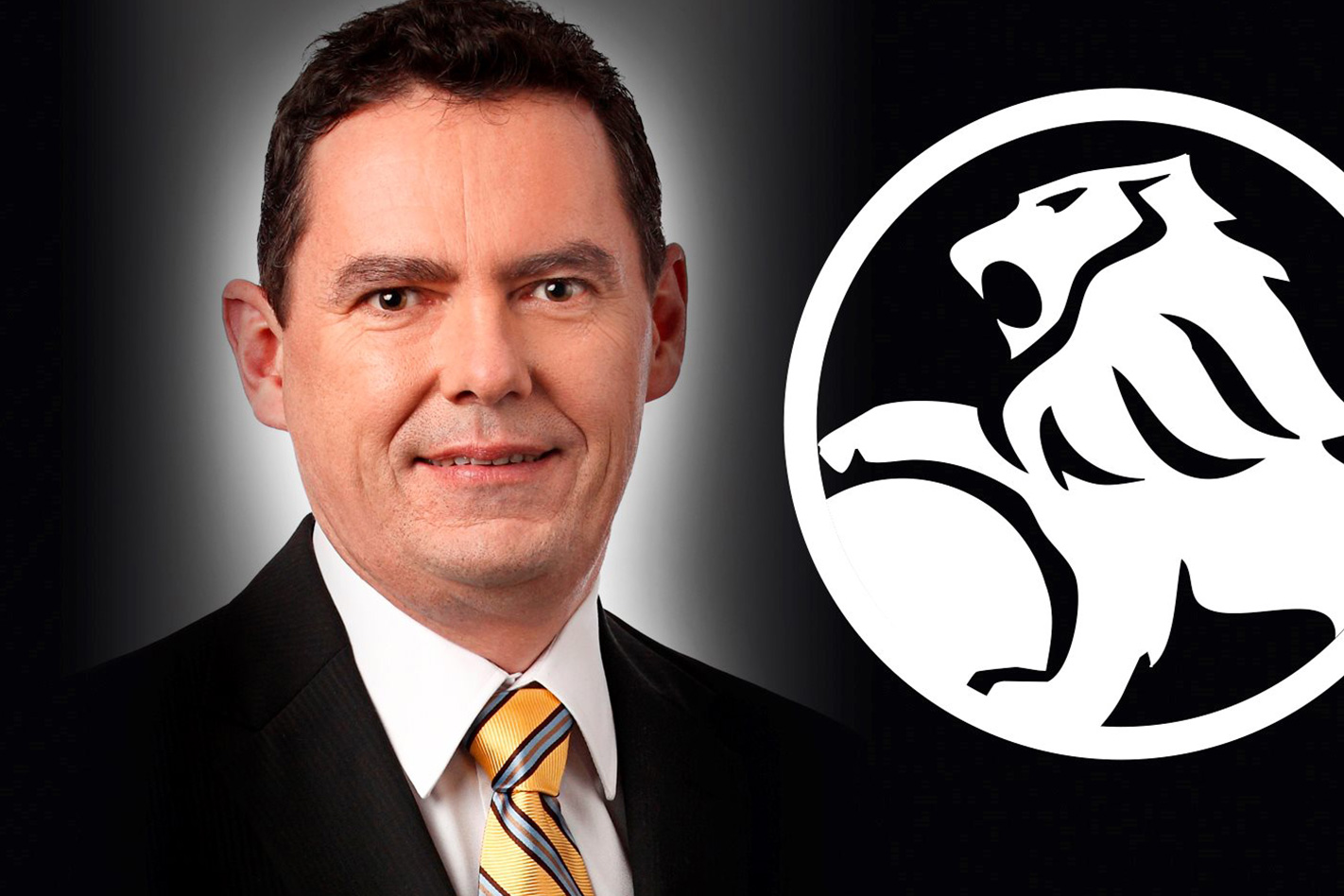
2015-2018
After the job lay in limbo for several months after Dorizas’s departure, Bernhard was announced as the man who would steer Holden through its manufacturing shutdown. Jumped from GM Shanghai to oversee the Australian operations – the first time an Aussie had headed up the brand since 1990.
Dave Buttner
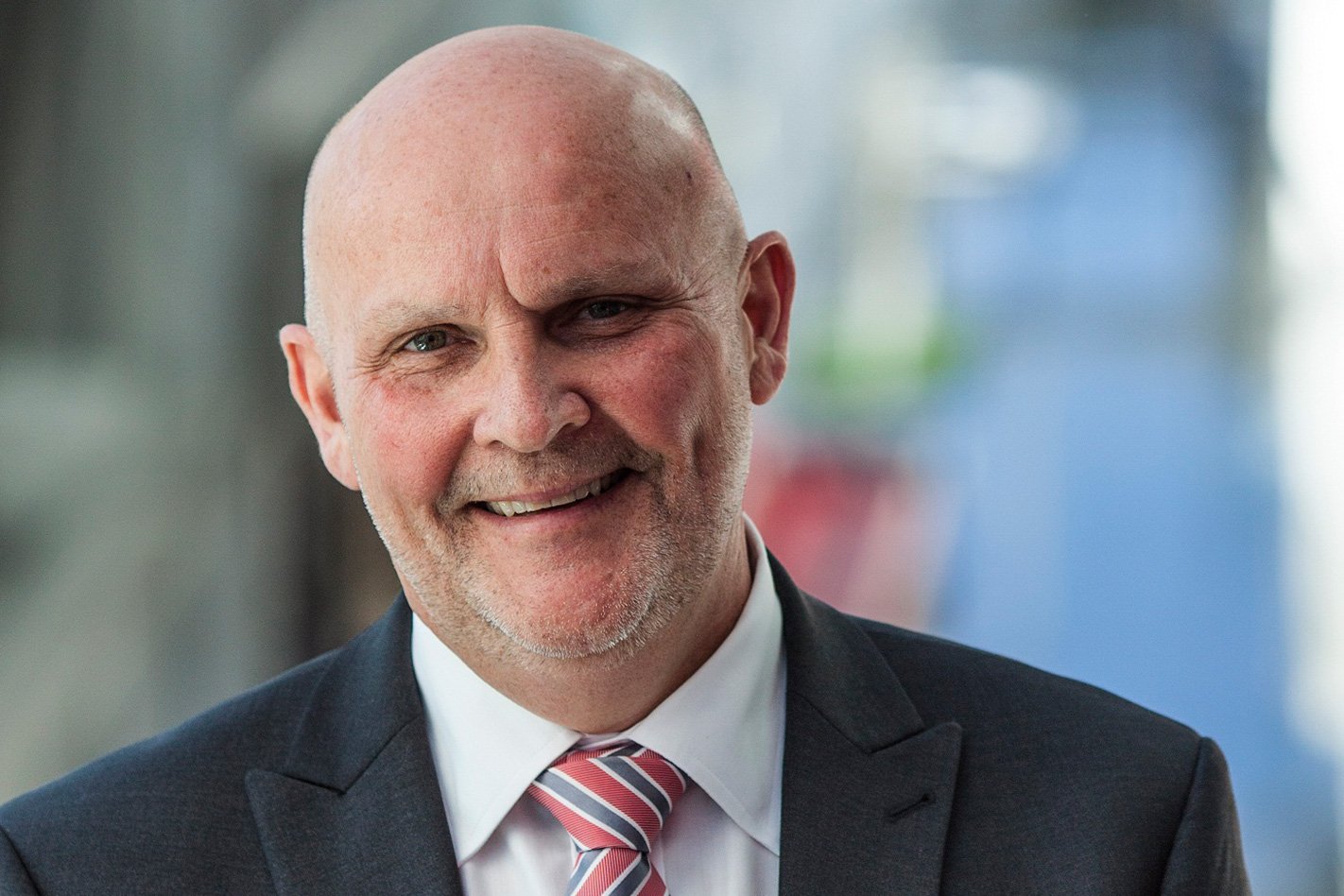
2018-
After guiding Toyota Australia through the closure of its Australian Camry manufacturing, Buttner set the course for the Japanese brand to hold on to its market share – a transition Holden has struggled to make.
With the outright Pikes Peak record well and truly in its pocket, Volkswagen set its sights on a much smaller hill to conquer this past weekend.
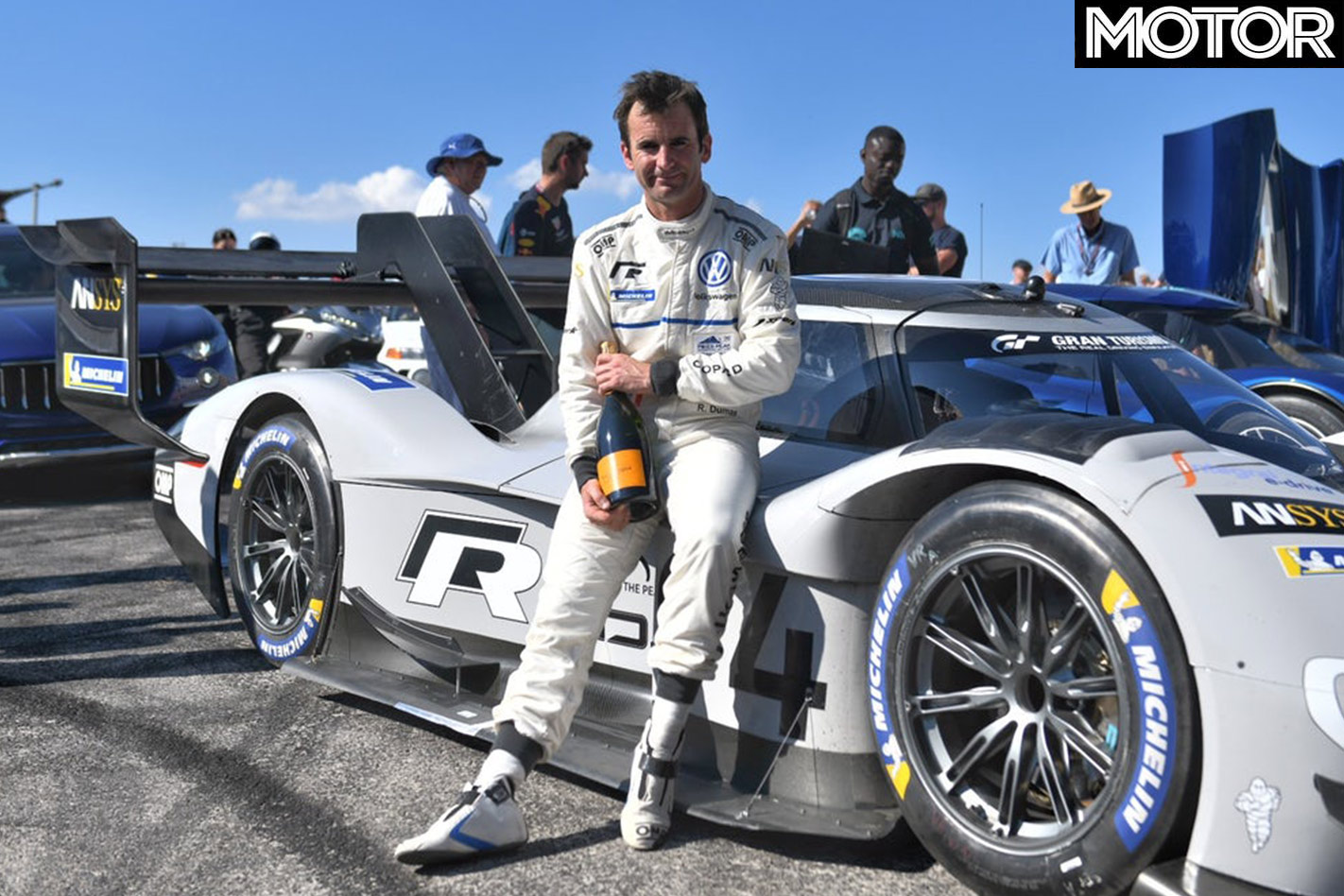
Competing in the Goodwood Festival of Speed hillclimb with its insane ID R time attack machine, the bewinged monster topped the timesheets by nailing a 43.86sec run up Lord March’s famous driveway. Romain Dumas, former Le Mans 24 Hour champ, was the pilot.
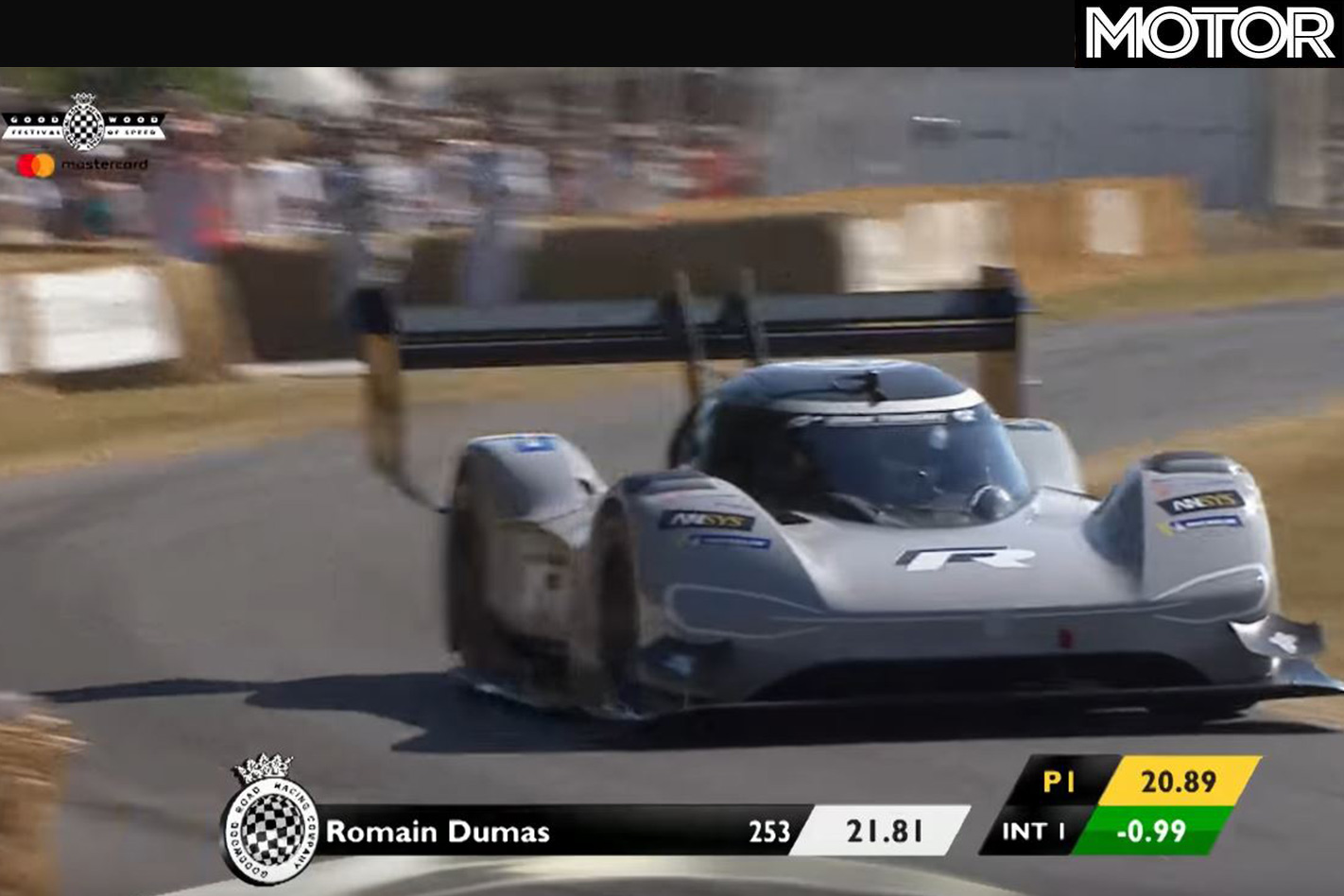
By doing so, he and the I.D. R dispatched a 1993 Penske Indycar (46.78sec), Jaguar XJR 12D IMSA (46.66sec), Rod Millen’s Pikes Peak Toyota Celica (48.5sec), and an F3 car (48.31sec) along the 1.77km course this year.
Perhaps more importantly for Volkswagen, it elbowed out NIO’s EP9 supercar, which followed closely with a time of 44.32sec. Both cars, of course, are completely electric, with the I.D. R claiming rights as the fastest non-emissions vehicle ever on the hillclimb. The time to beat before was 47.34sec.
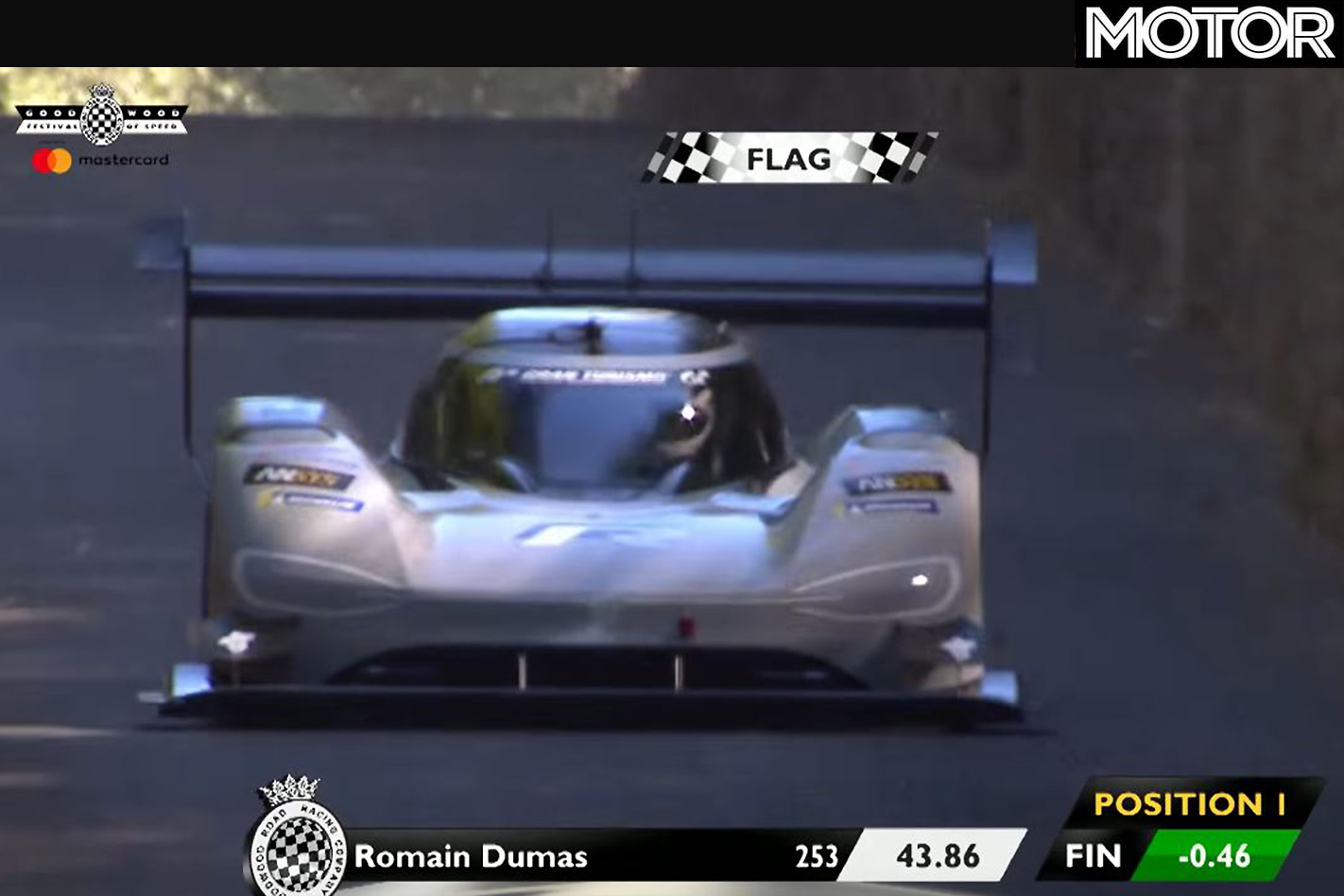
Only Graeme Wright Jnr. in a Gould GR51 open wheeler (42.90sec) and Nick Heidfeld in the McLaren MP4/13 Formula One machine (41.60sec) stand ahead of it. It came even closer to these times in a previous session to the shootout, setting an unofficial 43.05sec pass.
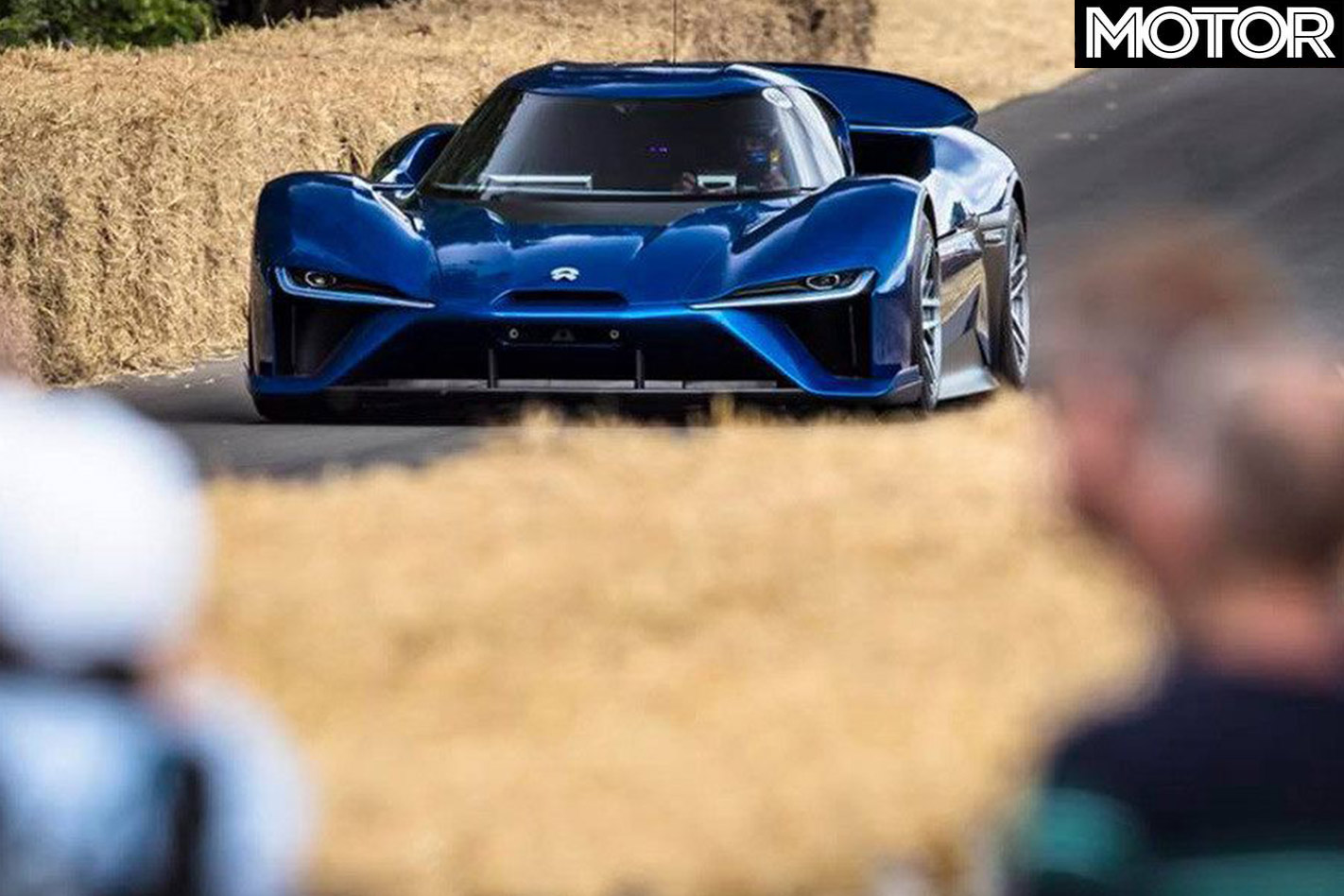
He frightened crowds after almost losing the 650Nm racer near the bridge on an earlier practice run before he gathered it up safely.
Despite its size, Dumas expressed his respect for the course after taking the win. “The hill climb track is short but often dirty and therefore you should definitely not underestimate it,” he said.
DAVE Buttner, the former president of Toyota Australia charged with the job of closing down its Altona-based Camry manufacturing operations, will head up Holden from the end of this month, the company has announced.
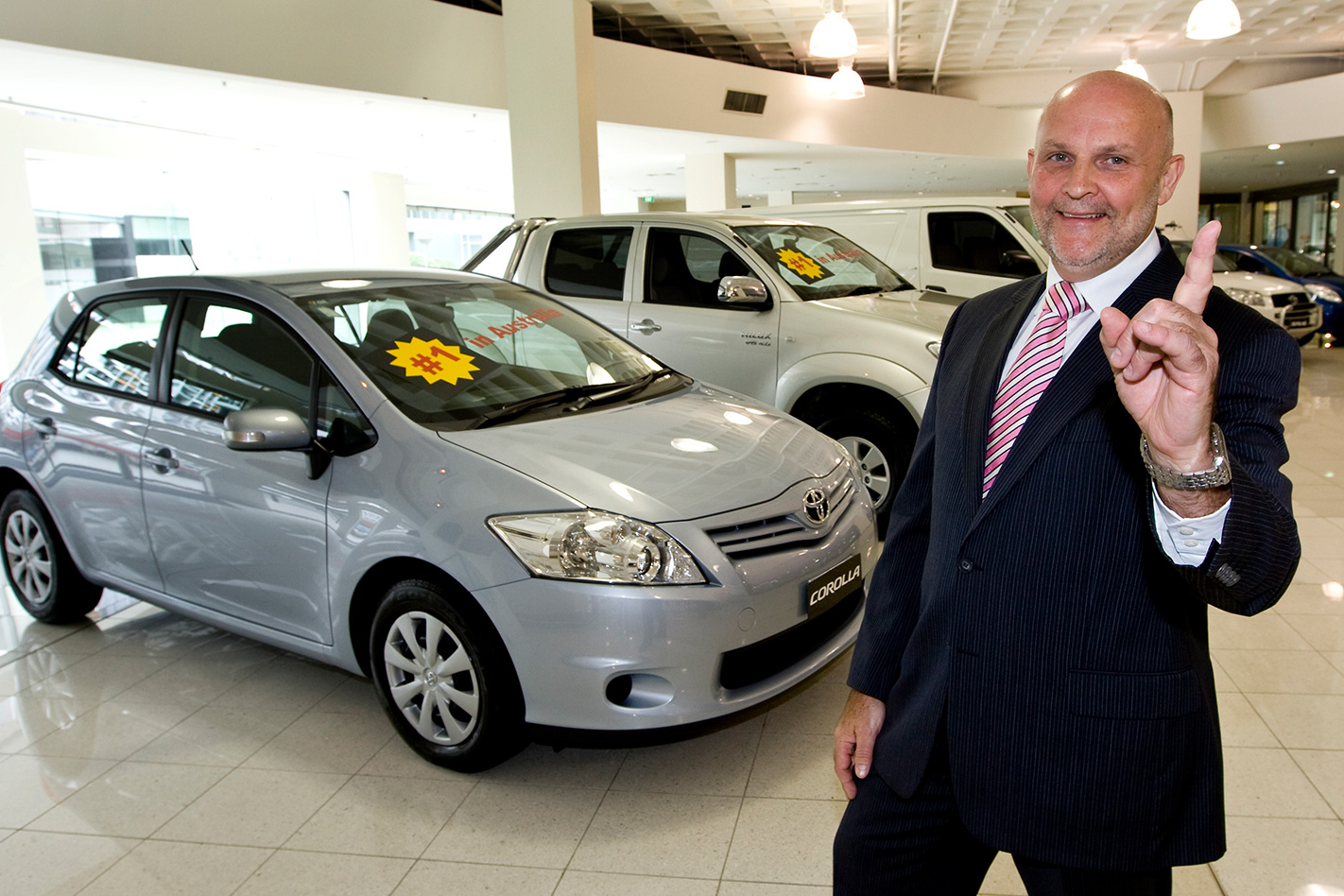
Meanwhile, Mark Bernhard, a long serving General Motors employee who was appointed to oversee the closure of Holden’s manufacturing operations, will depart GM, the company has announced.
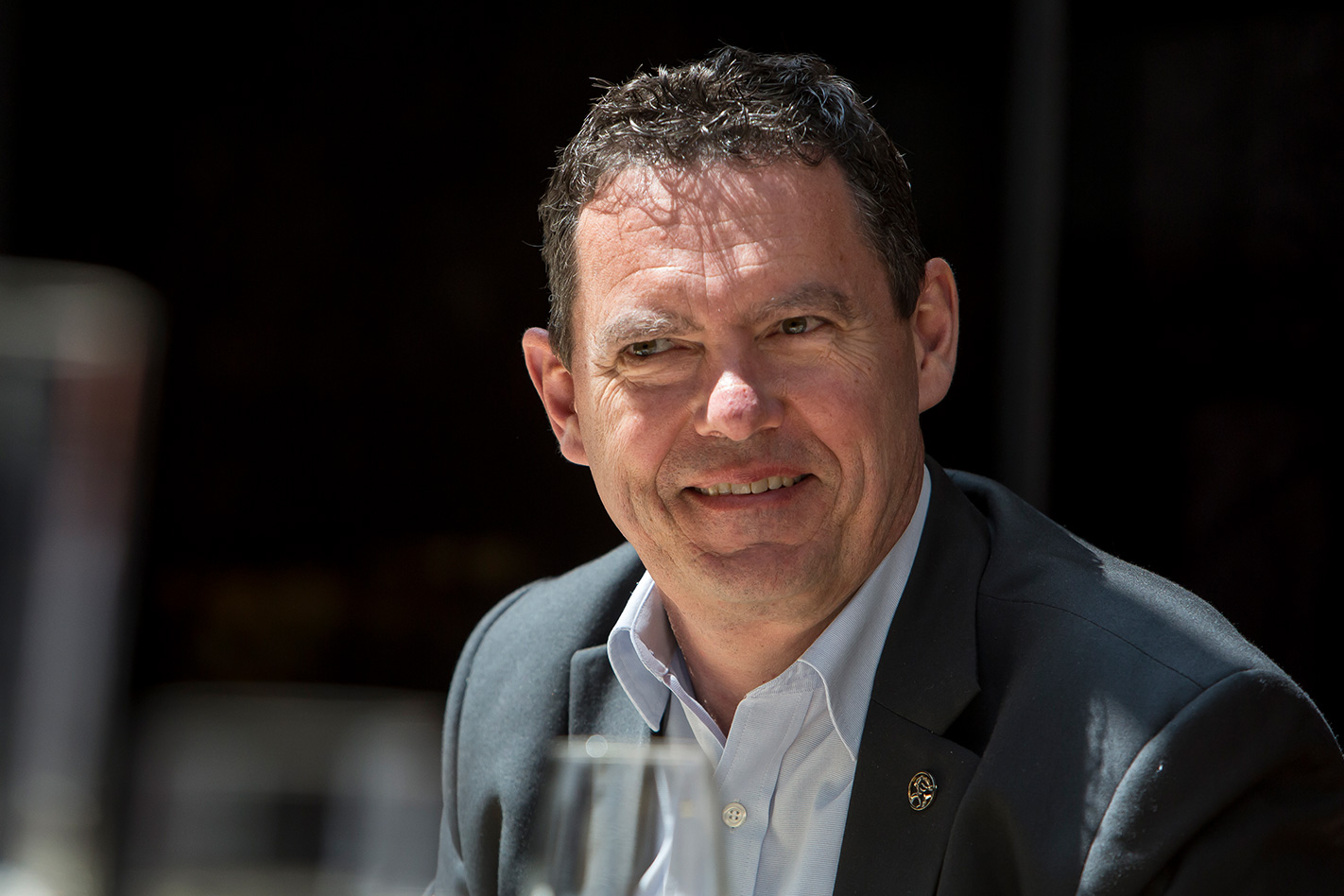
Holden said Buttner’s appointment to the role “comes at an important time for the Holden business, as it seeks to leverage its strongest ever vehicle portfolio to win more customers, grow sales and strengthen GM Holden for the future”.
Buttner, an experienced executive in Australia’s automotive landscape comes to the role after a marathon 39-year tenure at Toyota, joining the company in 1987. Before that Buttner held positions at Ford for 11 years.
The industry stalwart also held the position of Federal Chamber of Automotive Industries (FCAI) president from May 2015 until May this year when Mercedes-Benz chief Horst von Sanden took over.
Buttner steered Toyota through its transition from longstanding Australian car manufacturer to full line importer in 2017, fronting the painful questions surrounding the restructure, job-losses and rehabilitation.
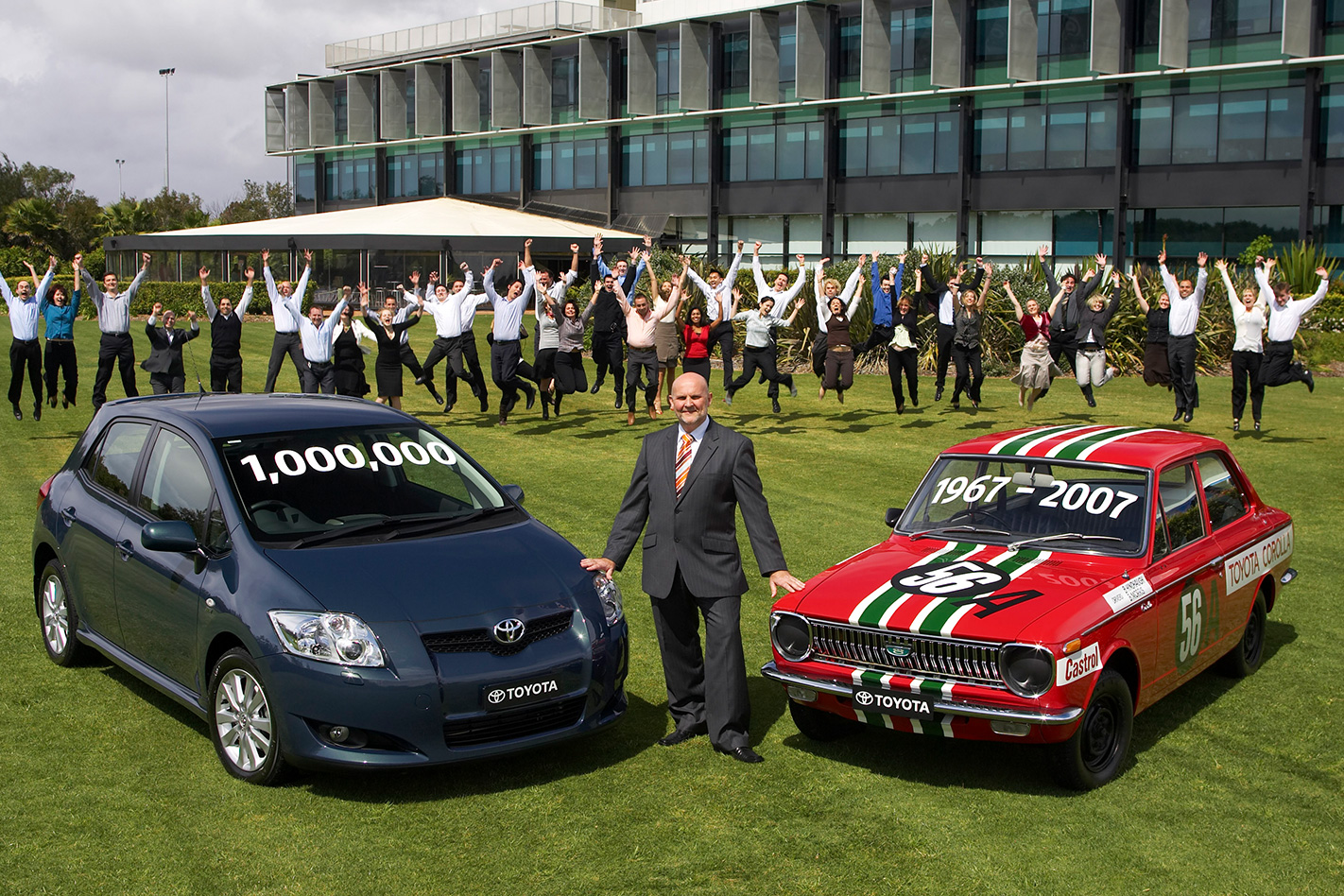
In his new role, Buttner will be all too familiar with the raw wounds at Holden, following its local manufacturing exit the same year and will be charged with the task of reversing the company’s sliding sales.
To the end of last month, year-to-date Holden registrations were down 22.6 per cent with the new imported Commodore struggling to recover the drop off in sales of the Aussie-made version.
Bernhard kicked off his career with Holden in 1986. “Holden is where it all started for me. It has been an honour to lead Holden as we laid the foundation for a new future of this iconic Australian company,” he said in a statement. “Holden was born here and has a special place in our hearts. I wish Dave and his team every success for the future.”
Buttner will start as chairman and managing director of GM Holden on August 1, 2018.
With its fancy new, understeer-nixing active Driver’s Control Centre Differential, the Subaru WRX STI recorded 0-100km/h in 5.53 seconds and 0-400m in 13.71sec at 159.7km/h. Its blistering turbocharged pace, in a straight line and around Wakefield Park, won it Bang For Your Bucks, coming out on top of a monster 25-car field. That was 2005.
This track review was carried out in conjunction with MOTOR’s Bang For Your Bucks 2018
Thirteen years later, the WRX STI is doing 5.29sec to 100km/h and 13.51 second quarters. Time has stood still for Subaru’s much-loved rally rocket, while the game, and its rivals, have bolted off into the distance in the full embrace of progress.
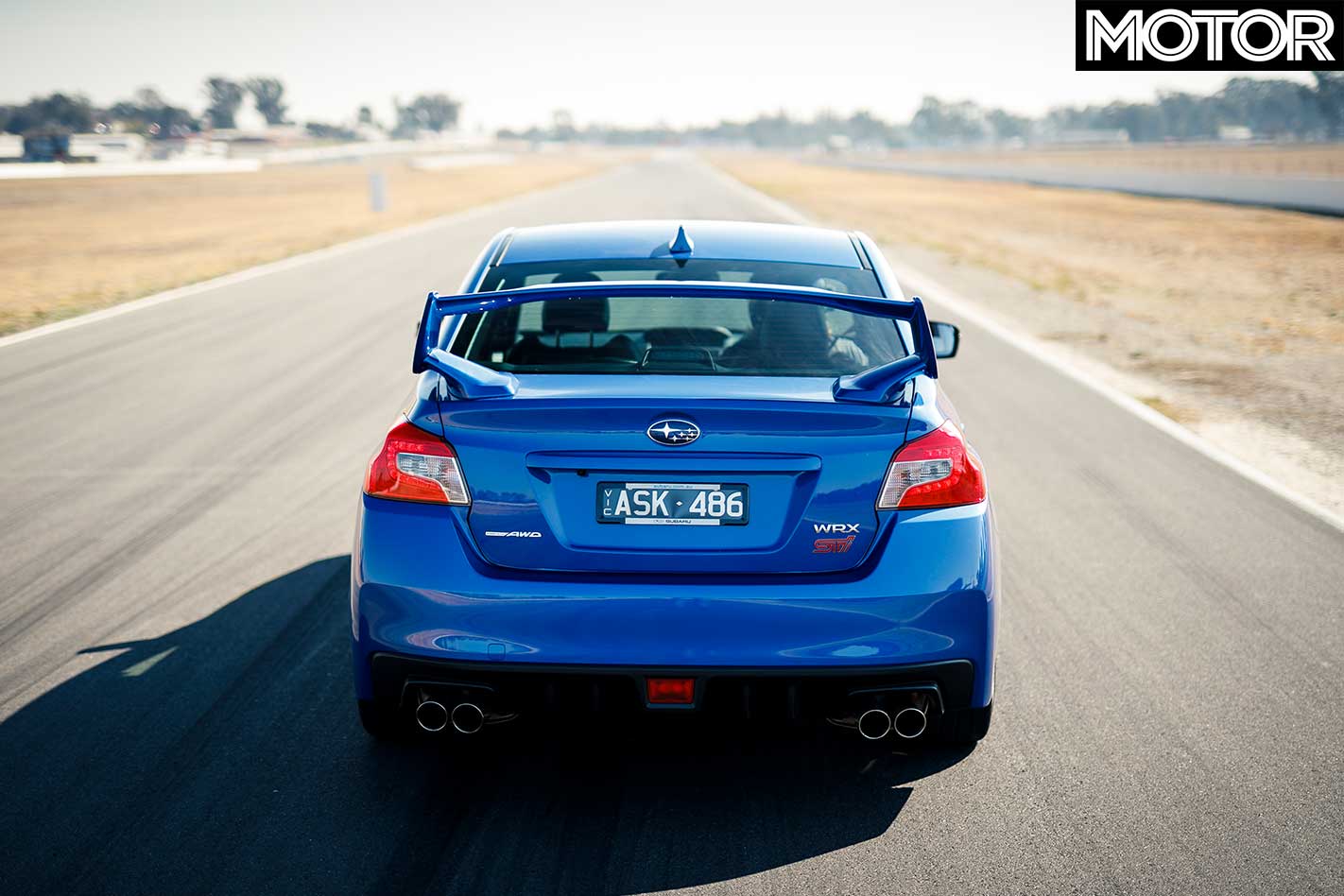
While you can launch, say, a twin-clutch VW Golf R all day long if you so wished, we can’t imagine many owners redline clutch-dumping their WRX STI very often, somewhat affecting the relevancy of its straight-line numbers.
That aside, the fact remains that the STI is still a right weapon and continues to wow and entertain in equal measure on a racetrack with its relentless turbocharged acceleration, tenacious traction and lateral grip. That its fundamental hardware still feels rock solid from a performance perspective, even though it’s a bit of a classic driving experience, says a lot about the enduring appeal of the STI formula.
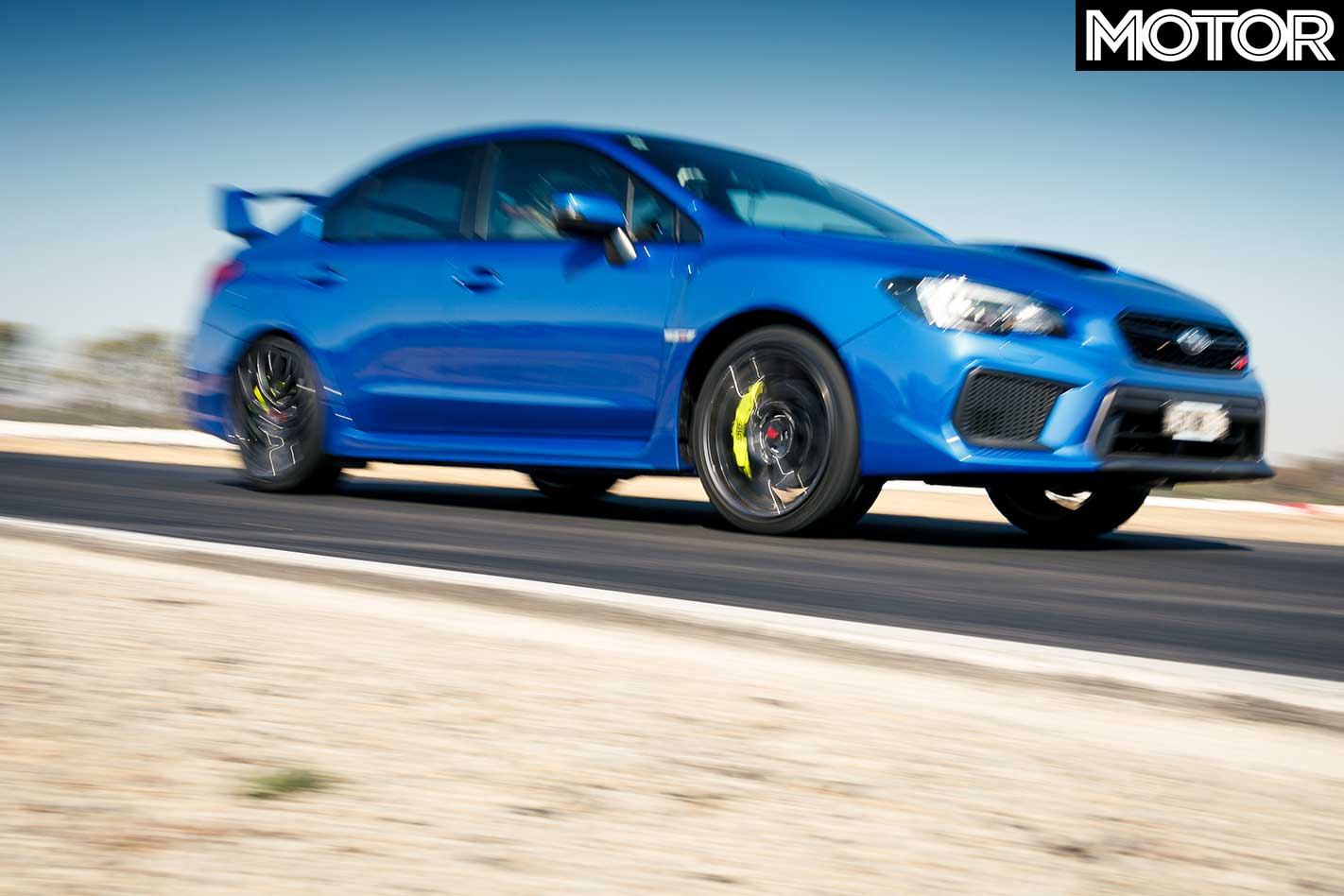
It’s not perfect, of course. The peaky, laggy, boosty turbocharged power delivery is a bit 2010. The hydraulic steering sounds all sorts of pure on paper, but we’d replace it with the BRZ’s EPAS system in a nanosecond. The brake pedal also gets a little disconcertingly long and the engine temps disconcertingly high. With its 1:40.4 lap time, it was also getting beaten by cars like the less powerful, front-drive i30 N.
But it’s still fun. It’s an experience, the STI, with its raw turbocharged rush and the spooky ability to tighten your line as you pick up the throttle. It’s also cheap – the STI in 2005 was $56,630, or about $75K in today’s money. In a sense, you can get the same Japanese all-wheel rocket driving experience, brand new, for $25K less in 2018.
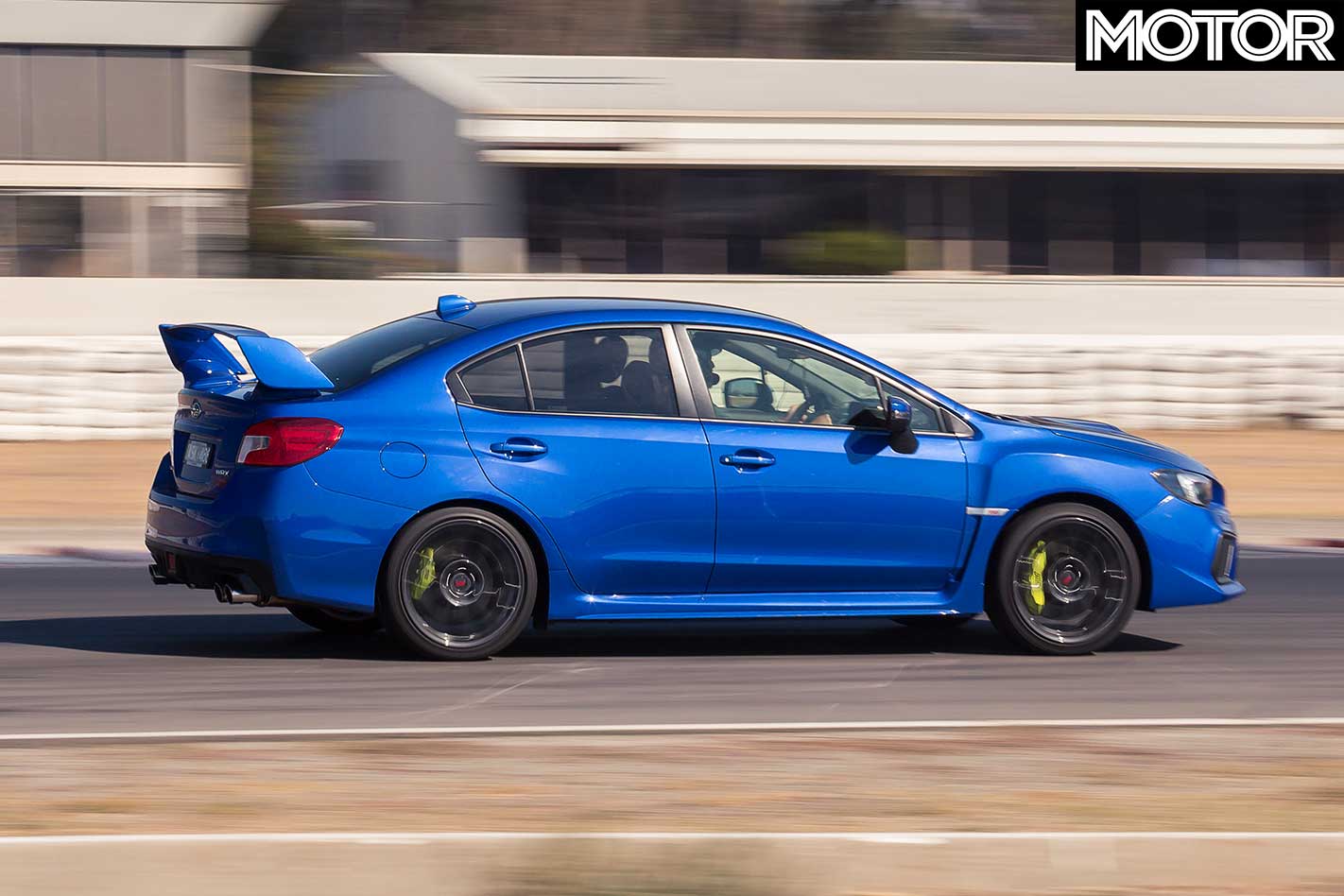
Why you’d want to, we’re not sure. Buy a used one. Or wait until the next STI comes out in the next few years, supposedly sporting a brand new hybrid powertrain. We can only hope it not only catches the STI up to its rivals, but puts it back on top as the cut-price performance technology king.
Subaru WRX STI BFYB 2018 Results – 11th place
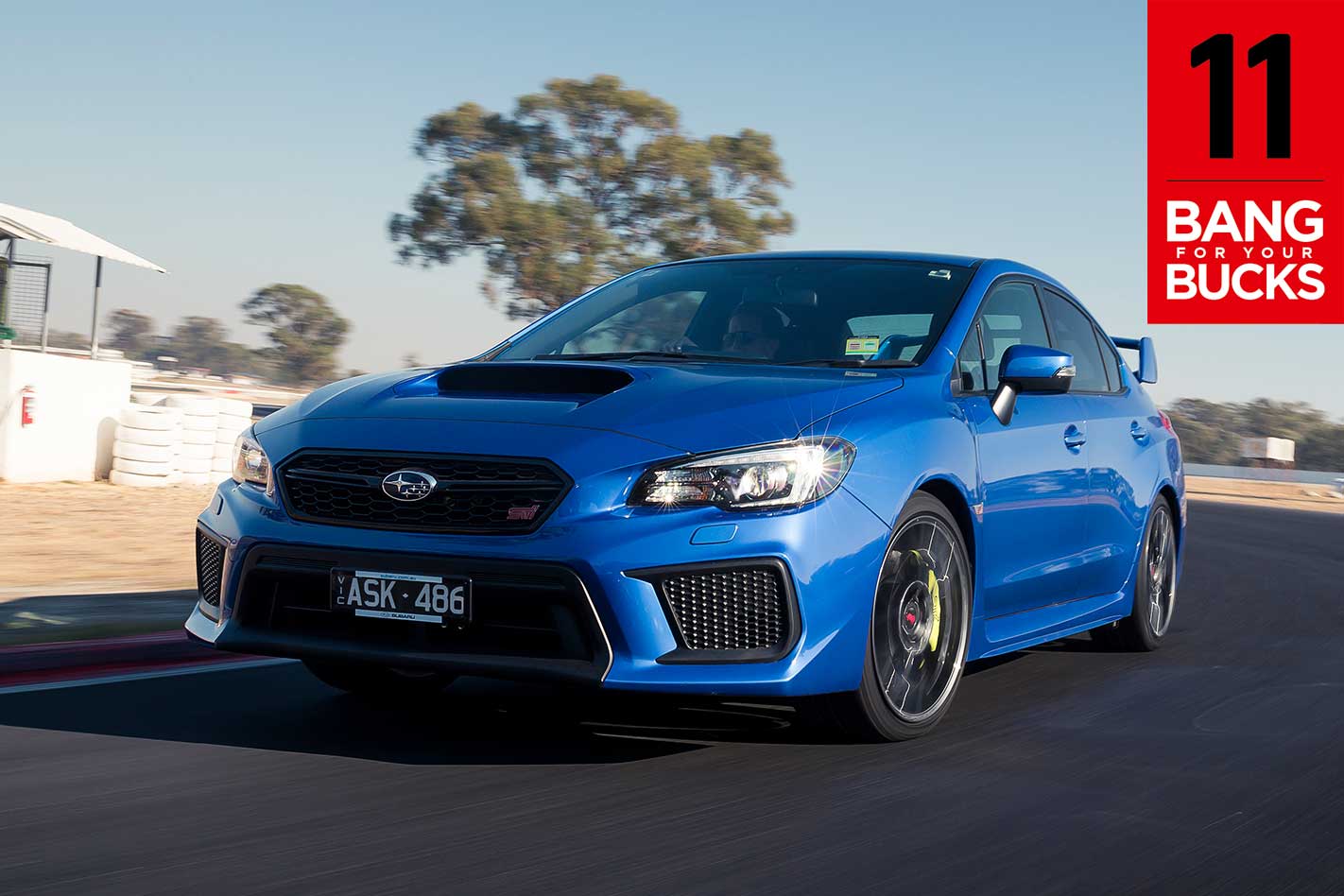
0-100km/h: 5.29sec (5th) 0-400m: 13.51sec @ 165.81km/h (5th) Lap Time: 1:40.40sec (9th) Price: $50,890 Bang Index: 128.3 Bucks Index: 98.7 BFYB Index: 115.0
Judges’ Comments
Warren Luff – 12th “The STI is really good. It’s got a great chassis that really gives a lot of driver feedback. Probably its biggest downfall is the ergonomics inside. You feel like you’re sitting on a park bench as there’s no support from the seats in either the back or in the base. And that’s probably the biggest downside of it. Chassis-wise it’s really strong. The brakes, a usual Achilles heel of the STI, started to give away a little bit, but overall it’s a fun car.”
David Morley – 12th “Why do I still like it when it beats me up so?”
Dylan Campbell – 14th “It’s a blast from the past – as in, 2009”
Scott Newman – 14th “Has been passed by its rivals, literally and metaphorically”
Louis Cordony – 14th “As hot hatches get better to drive each year, this gets worse”
FAST FACTS 2018 Subaru WRX STI
BODY: 4-door, 5-seat sedan DRIVE: all-wheel ENGINE: 2457cc boxer-4, DOHC, 16v, turbo BORE/STROKE: 99.5mm x 79.0mm COMPRESSION RATIO: 8.2:1 POWER: 221kW @ 6400rpm TORQUE: 407Nm @ 4000rpm WEIGHT: 1572kg POWER-TO-WEIGHT: 141kW/tonne TRANSMISSION: 6-speed manual SUSPENSION: struts, coil springs, dampers (f); A-arms, coil springs, dampers, anti-roll bar (r) BRAKES: 340mm ventilated discs, 6-piston calipers (f); 326mm ventilated discs, 2-piston calipers (r) WHEELS: 19.0 x 8.5-inch (f/r) TYRES: Yokohama Advan Sport V105 245/35 R19 89W (f/r) PRICE: $50,890
Bang For Your Bucks 2018
 The Contenders, Judges & Criteria
15 of the hottest new fast cars under $100K roll up to take on our famous formula. Which will be number 1?
