TODAY’S luxury 4WD market is dominated by diesel-powered wagons, but you’re still in luck if you want the outright grunt and aural qualities supplied by a V8 petrol engine, as well as genuine off-road capability.
These vehicles are based on large 4WD wagons from their respective parent companies – Toyota’s Land Cruiser 200 and Nissan’s Patrol – but with oodles more bling and tech thrown in. For buyers wary of the complexity of new-tech diesel engines, the more straightforward engineering of a naturally aspirated engine will appeal, as does the more direct performance response both on- and off-road. They sound awesome, too.
PRICE AND EQUIPMENT
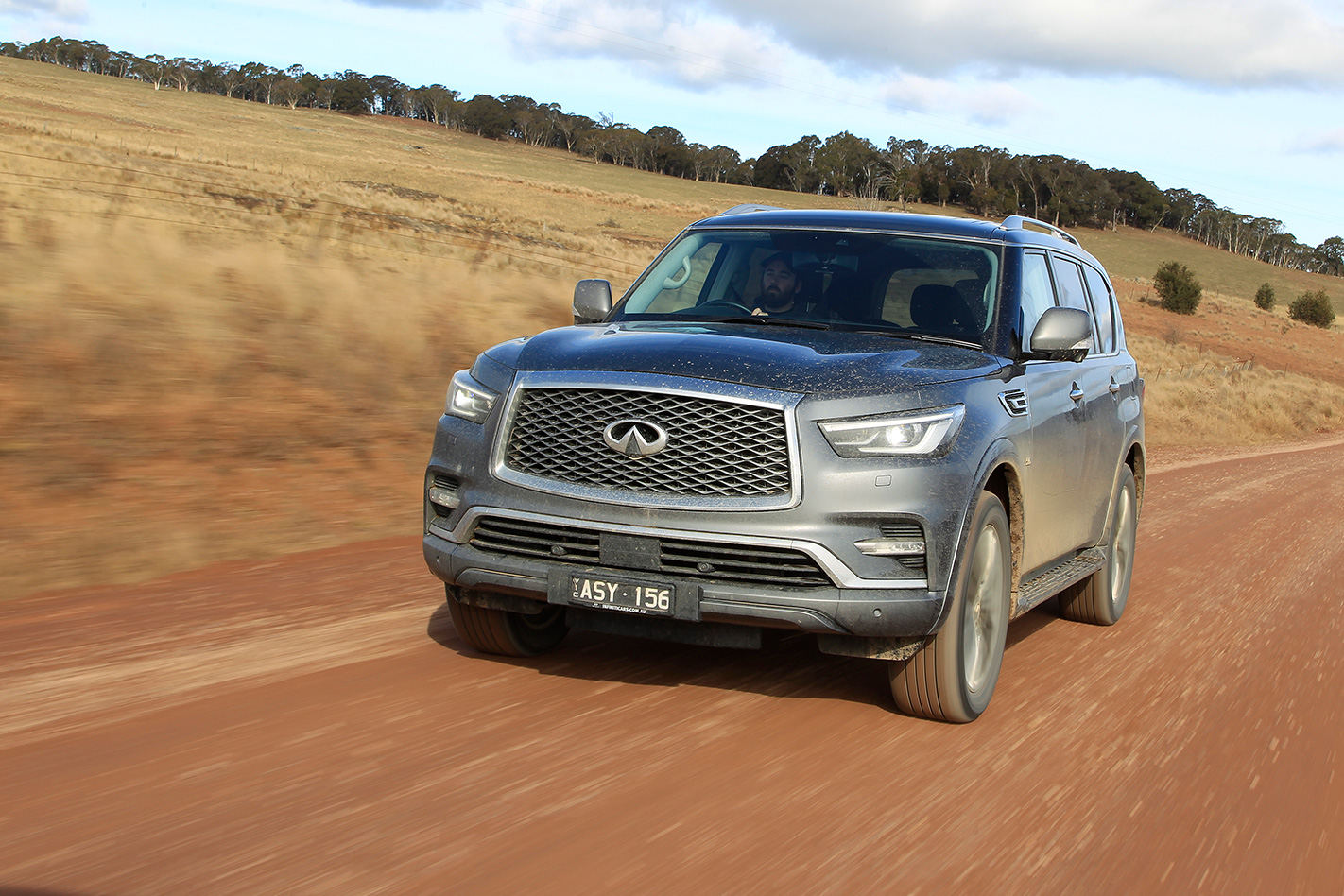
THE Infiniti QX80, at $110,900, is very well priced for a luxury 4WD wagon, while the Lexus LX570 asks a fair chunk more change, at $142,789. The Infiniti QX80 is powered by Nissan’s high-tech 298kW/560Nm 5.6-litre V8, backed by a seven-speed automatic gearbox; the Lexus LX570 makes do with a slightly less grunty 270kW/530Nm V8, but it gains an additional ratio with its eight-speed auto.
As tested, the Lexus included additional accessories, with the Enhancement Pack ($16,500 for 21-inch alloy wheels, heated steering wheel, front seat and second row seat ventilation and second row seat heating) and Premium paint (Sonic quartz, at $1500) lifting the overall price to $160,789.
Both vehicles are packed with an extensive list of safety features. The QX80 includes ABS, BA (Brake Assist), HDC (Hill Descent Control), EBD (Electronic Brakeforce Distribution), VDC (Vehicle Dynamic Control) incorporated into the TCS (Traction Control System), as well as more modern safety tech such as BCI (Backup Collision Intervention), DCA (Distance Control Assist) and PFCW (Predictive Forward Collision Warning). DCA works in conjunction with IBA (Intelligent Brake Assist) to warn the driver of a possible front collision and, if the driver does not respond, it automatically applies the brakes. Add in BSW (Blind Spot Warning), intelligent parking system with BSI (Blind Spot Intervention) and a tyre pressure monitor system.
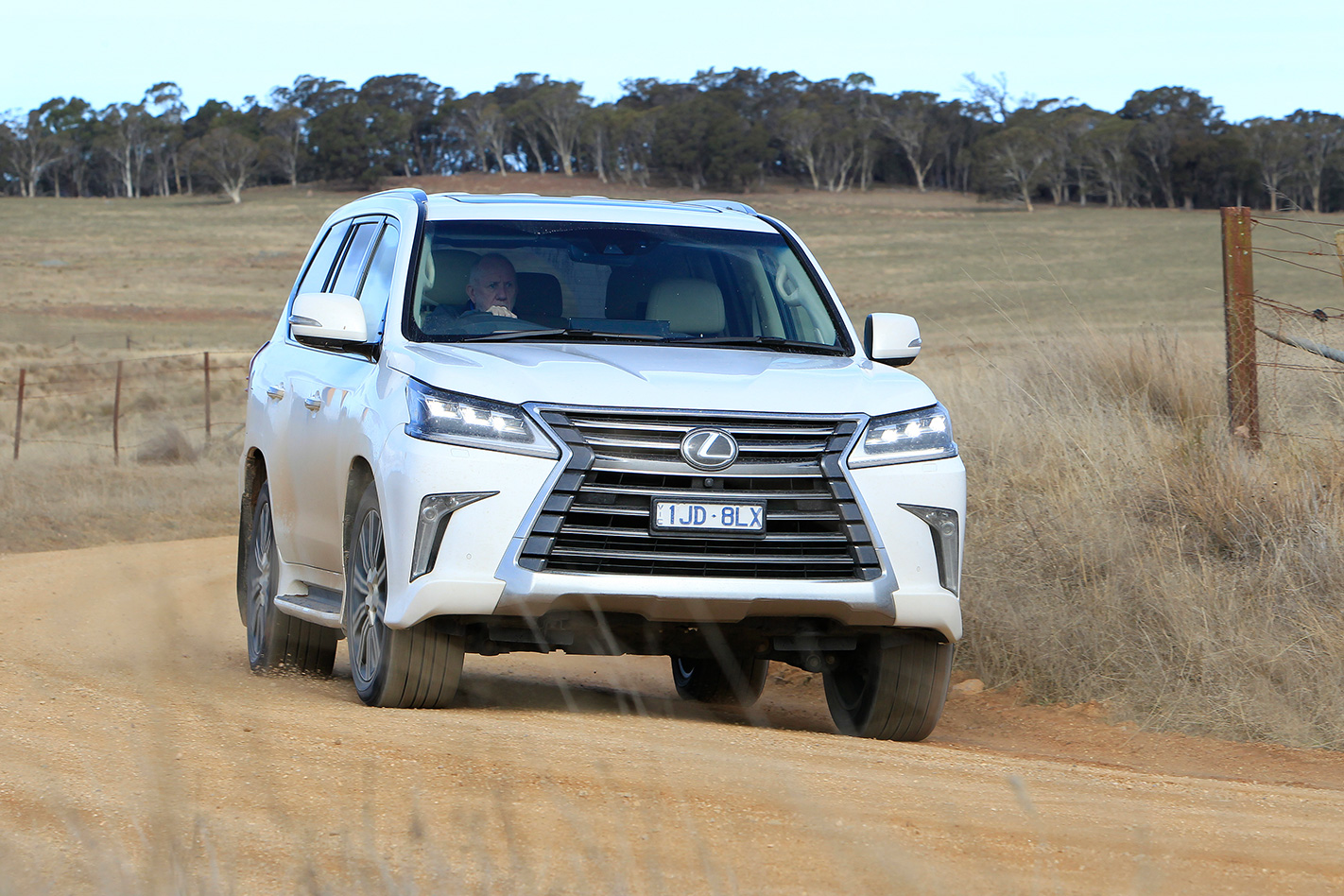
The Lexus LX570 offers an equivalent list of acronyms denoting the same high levels of safety tech, with ABS, BA, HDC and EBD all included, as well as VSC (Vehicle Stability Control). An additional piece of welcome safety tech is RCTA (Rear Cross Traffic Alert), which works in conjunction with the vehicle’s BSM (Blind Spot Monitor). This uses what Lexus describes as “quasi-millimetre wave radar” to detect vehicles approaching from the side of you, i.e. when you’re reversing out of a parking space and cannot see approaching traffic. There’s also the Wide View Front and Side Monitor system that offers vision from grille- and passenger side mirror-mounted cameras for when off-roading, to ensure ample vision for the driver.
WINNER: Infiniti QX80
INTERIOR AND CONNECTIVITY
THESE are premium luxury vehicles and their respective well-finished interiors reflect this. The LX570’s all-leather seating is subtle in style but big on support, with the pronounced side-bolstering very effective. Leather also covers the dash, door panels and arm rests. The QX80’s ‘quilted’ leather seats are more garish and fussy in style, and they’re also firmer, quite flat and lack supportive side sections, which leads to unwelcome sliding around during cornering.
There is excellent outward vision from both when driving, with the QX80’s larger glass areas giving it a slight edge here; the revised bonnet for this latest incarnation is taller and more bulbous than the previous-gen, inhibiting close-quarter vision. The LX570’s bonnet is no smaller and just as hard to see over. On-road this isn’t a huge deal, but off-road it is.
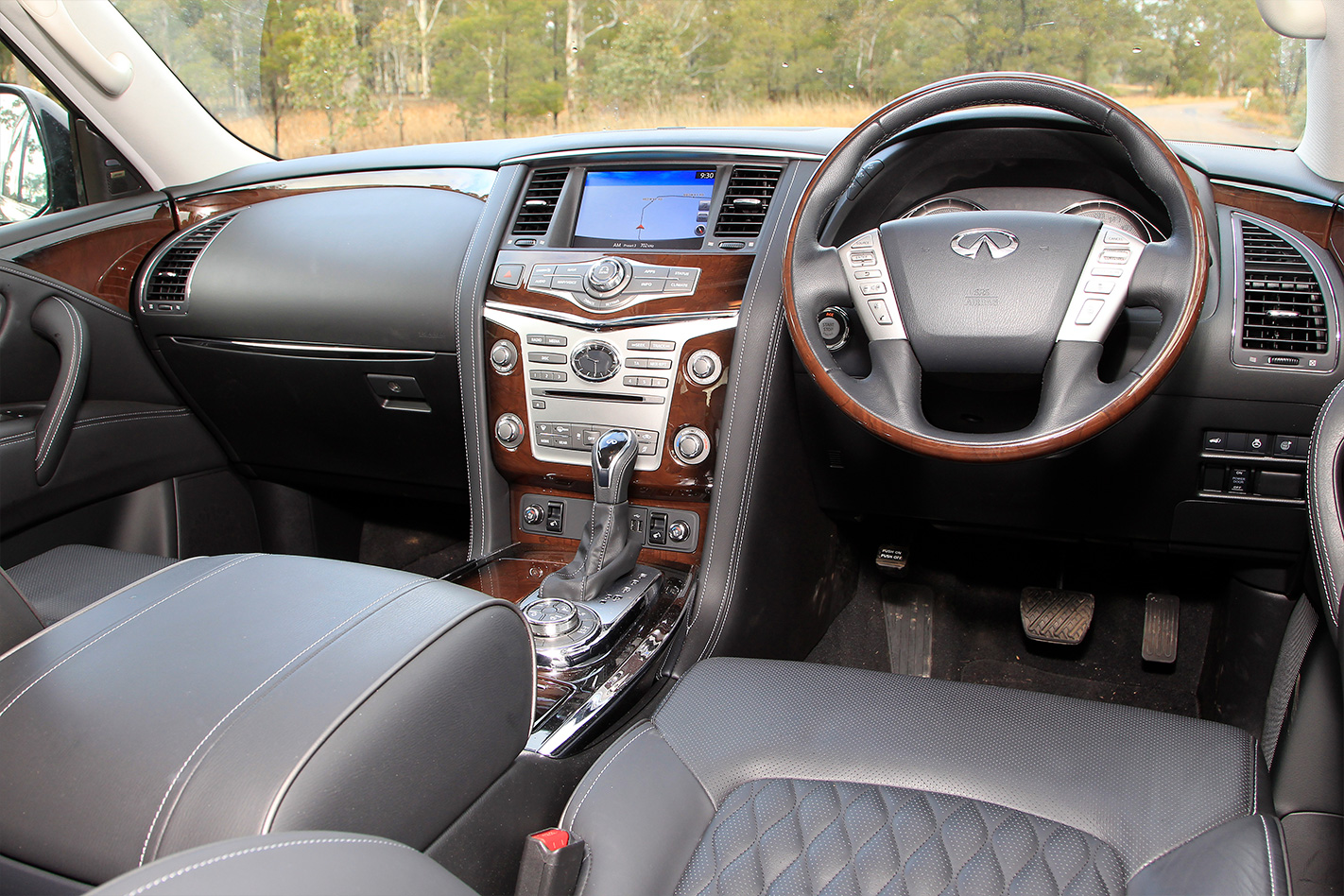
The steering wheel on both vehicles is reach/tilt power adjust, allowing for that ideal position. The dash and console area in each is wide, with the QX80 winning the faux-chrome award but also winning the ease-of-use gong; all switchgear is close to hand, as are the controls for air-con, heating and the sound system. The LX570 relies on a ‘remote touch interface’, which is basically a computer-mouse-like controller that sits flat on the dash and is operated by an overly sensitive toggle handle, to operate the massive 12.3-inch multimedia screen and also to select drive modes. Other than that, everything else is easy to use, with the various control switches lit up with backlights for excellent legibility. There’s also the bonus of an inbuilt cooler in the centre console.
They’re both massive, but the QX80 is the larger and longer (5340mm versus 5080mm), and its spacious interior reflects this. Three burly blokes can sit beside each other in the second row quite comfortably, with ample head and shoulder room. The QX80’s power-operated third-row seats are stored in the floor of the cargo area but are relatively easy to access and pleasant to spend time in; although, it’s for two adults only, or three little ones. Impressively, even with the third row up there’s still usable cargo space behind it; with the third row down you’ll never fill the voluminous rear cargo area.
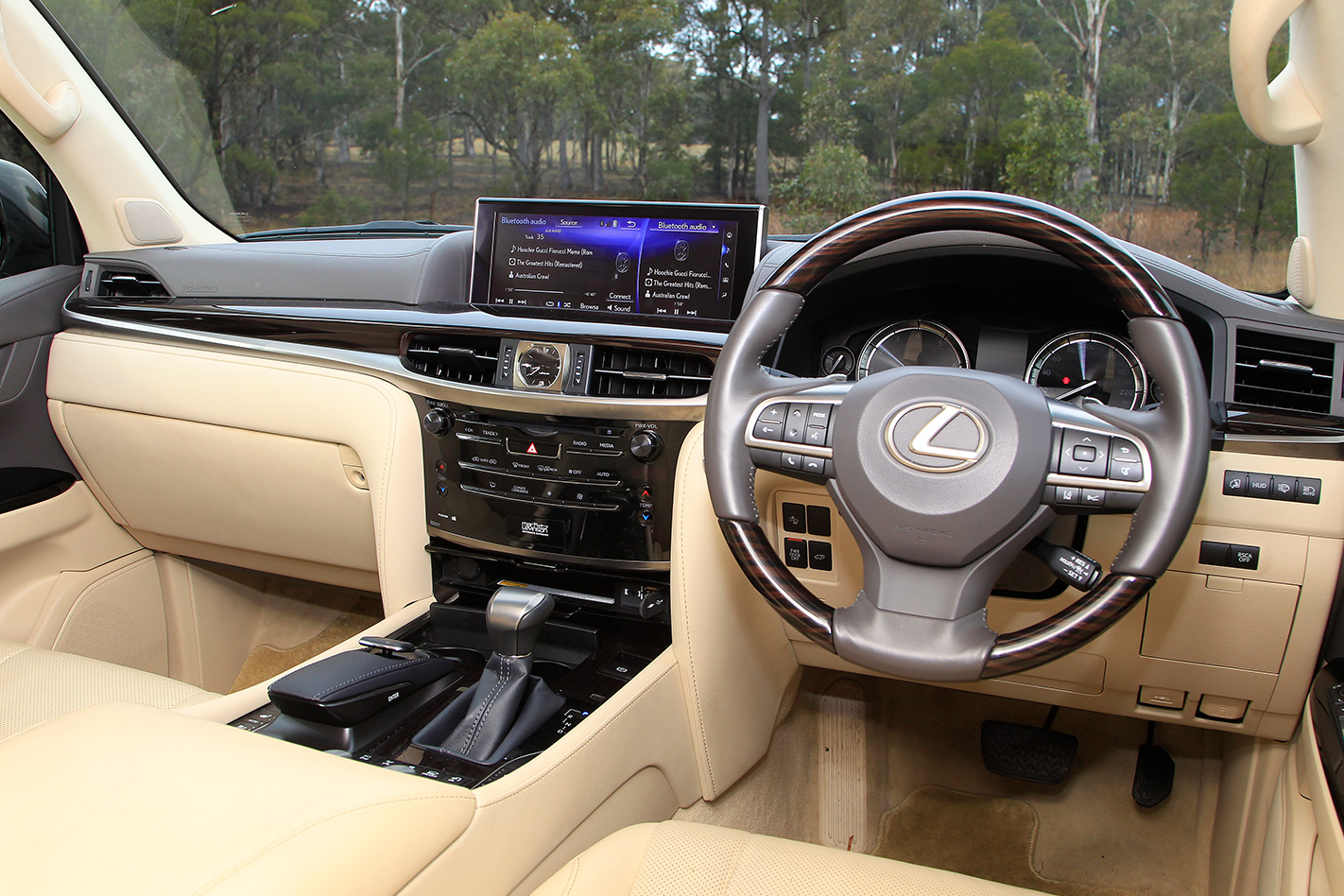
The LX570 is still spacious, just not as much in this company; three adults will find the second-row seating noticeably tighter in width. The third-row seats (a combo of power-operated and manual) are smaller, less comfortable and access is more awkward, with less legroom than the QX80. Plus, the seats eat up valuable cargo space as they fold up vertically to the side of the vehicle’s cargo area, rather than into the floor.
Thanks to its 11.6-inch high-definition screens affixed to the back of each front seat – and the ease of connectivity (HDMI, volume controls, and headphone and phone ports located in the rear of the centre console) – the LX570 keeps passengers entertained. The QX80 sticks with eight-inch in-seat screens, with connectivity via a HDMI auxiliary port and USB port at the rear of the centre console (there’s also aux-in audio jacks for headphones). Besides this, each vehicle has a plethora of USB ports dotted around the cabins.
The LX570’s sound system is a Mark Levinson Reference Surround Sound system, with 19 speakers and 16-channel, 450W output DSP amps, with the speaker system a three-way setup. The QX80’s InTouch infotainment system is easier to use and is not short on aural grunt thanks to its 15-speaker Bose Cabin Surround sound system.
WINNER: Lexus LX570
ON-ROAD RIDE AND HANDLING
FOR wide, tall and very heavy wagons – the QX80 weighs 2660kg; the LX570 2740kg – both offer surprisingly decent on-road ride and handling. The Infiniti runs on massive 22-inch alloy wheels shod with Bridgestone Dueler H/T 275/50R22 tyres, while the LX570 has 21-inch alloys wrapped in Dunlop GrandTrek PT3A 275/50R21 rubber. Both vehicles carry full-size spares.
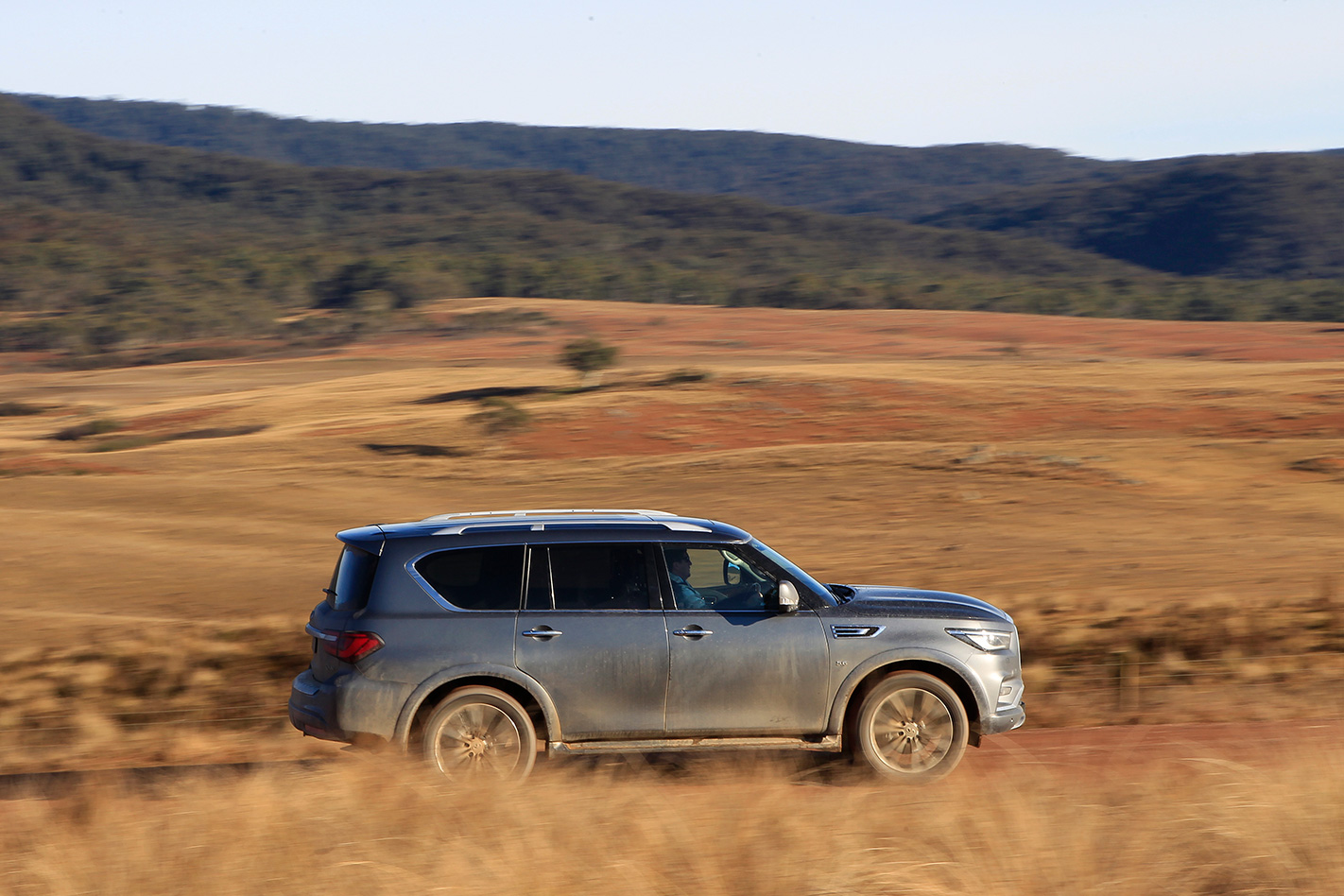
The QX80 sits atop a traditional separate steel chassis and features all-independent suspension that includes Nissan/Infiniti’s trick Hydraulic Body Motion Control (HBMC). The LX570, also a separate-chassis vehicle, offers an independent front end but uses a five-link solid beam axle setup for the rear, with Adaptive Variable Suspension (AVS) and an all-hydraulic Active Height Control (AHC) system instead of coil springs.
The QX80 drives through an on-demand 4WD system that defaults to rear-wheel drive, but it can apportion power to the front wheels if a loss of traction at the rear is detected. On-road, the big Infiniti resembles an oversized go-kart with its sharp, direct handling, going against all the laws of physics as it delivers a flat-cornering, responsive and enjoyable on-road experience. This is due to the HBMC that, put simply, replaces shock absorbers with four interlinked hydraulic rams. As the vehicle leans, hydraulic fluid pumps to the other side of the vehicle to retain a flat cornering stance, and it works exceptionally well. Combine this with sharp, light steering and this huge vehicle does a good job of impersonating something far smaller and more nimble, albeit with noticeable road vibration coming through the steering and chassis.
In terms of outright performance, the Infiniti V8 is a stonker; planting the foot is accompanied by a low growl that builds along with rapid speed. Impressively, the QX80 brakes are well up to the task of stopping the behemoth.
The LX570 is not as sporty in its handling; there is more body roll and the steering, while speed-sensitive, is more heavily weighted. The live-axle rear also causes the vehicle to move around a bit more on-road, requiring noticeable arm-work to keep it in line. The ride itself, though, is noticeably smoother than the QX80, and you can tweak the throttle response, steering response, and how the transmission reacts via its Drive Mode Select system. There are five modes – Normal, Eco, Comfort, Sport S and Sport S+ – in this system, all of which change how the vehicle performs. For optimum performance there’s also a Customise feature (available in on-road and off-road), which allows further tweaking by the driver. It’s a bit fiddly to access the menu, but is time well spent to extract the best performance.
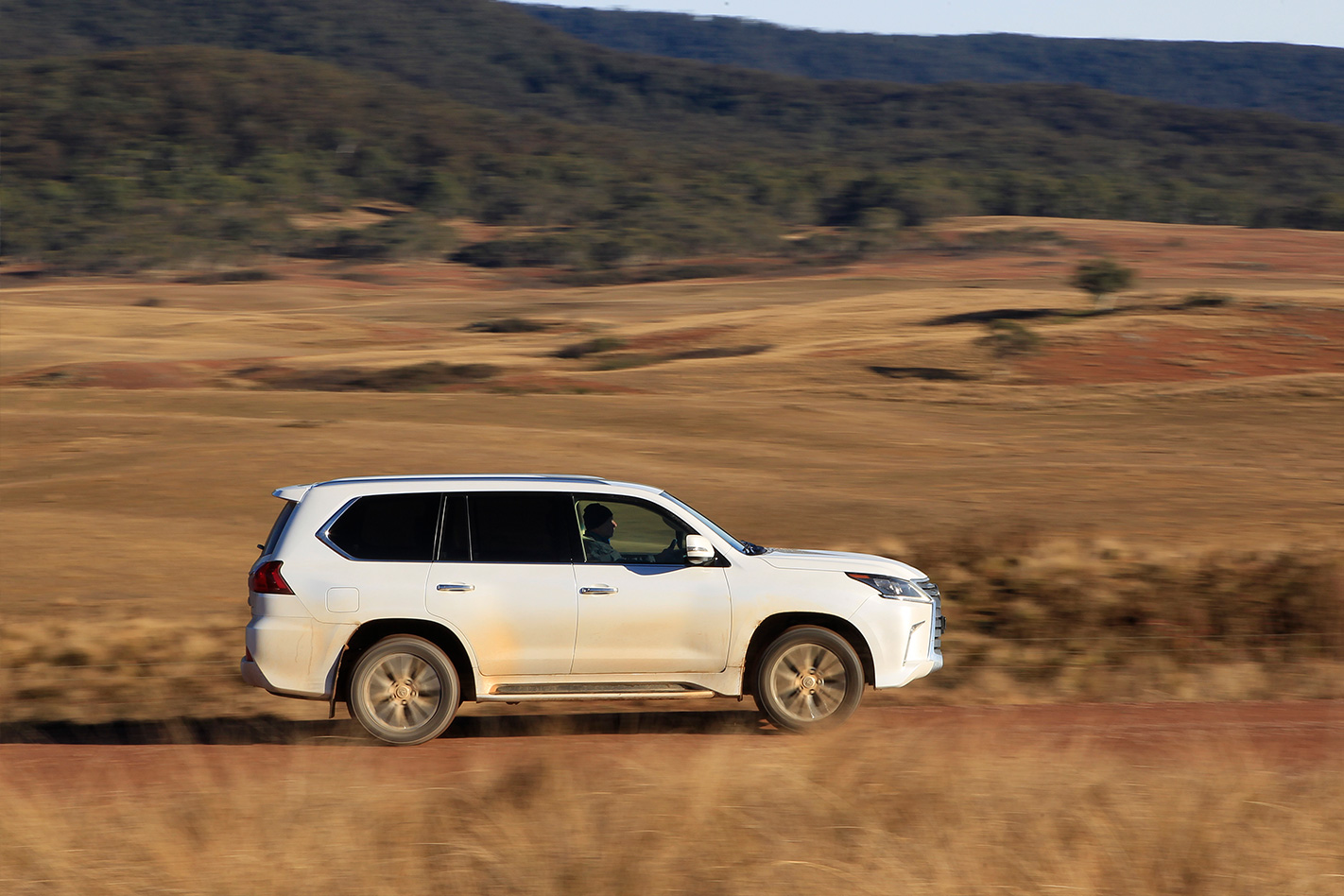
The LX570 engine is a bit lazier in its delivery of performance, but the eight-speed gearbox is very smooth in operation; plus, you’re far more removed from road noise inside the cabin. The LX570’s build quality is a notch above the Infiniti – it feels a lot tighter – and NVH levels reflect this, with the big Lexus’s cabin a much less frenetic place to be when driving hard.
The negative for either of these vehicles – especially the QX80 – is their thirst. The LX570 at least has a decent-sized fuel tank at 138 litres, giving it an okay touring range when you take into account its 14.4L/100km combined fuel consumption figure; the QX80 claims a near-identical fuel consumption figure (14.5L/100km), but its touring range is vastly limited by its 100-litre tank.
WINNER: Infiniti QX80
OFF-ROAD
The LX570’s Land Cruiser origins come to the fore off-road, with its combination of a live-axle rear, adjustable-height suspension and Multi Terrain System (MTS) making short work of any off-road track. In fact, the rougher the track gets, the more the LX570 feels at home, with the V8 petrol engine easily propelling the Lexus up and over obstacles. If there’s one noticeable negative it is on fast, corrugated dirt roads, where the live axle’s inherent bump-steer overtly affects where the front end wants to go, making the driver work a bit harder to keep it all going in the right direction.
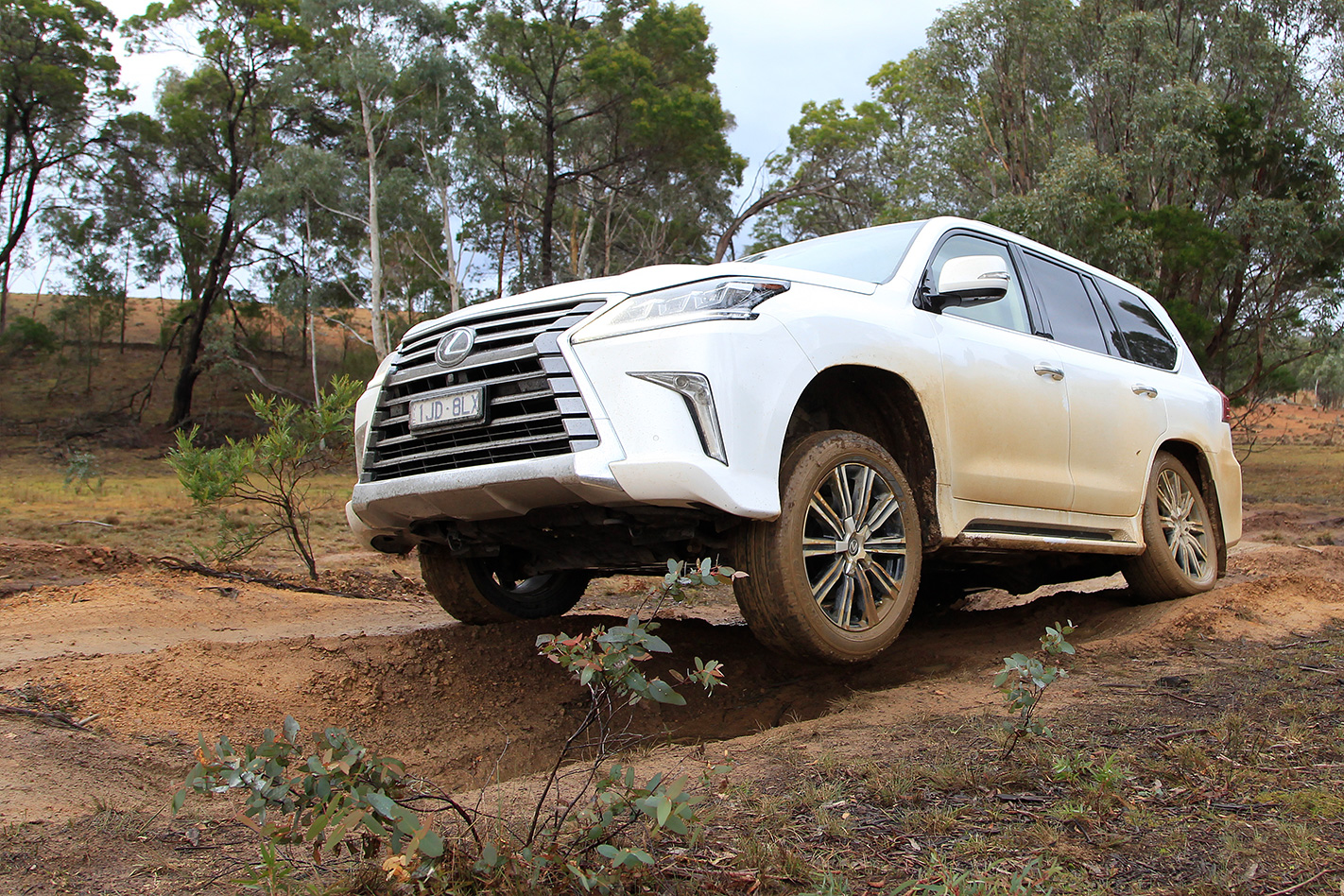
For what may be perceived as a gimmick, the Wide View Front and Side Monitor system’s four cameras are brilliant on tight tracks where obstacles are obscured from the driver’s seat. A slight bugbear is the MTS is convoluted in use, requiring more than a few steps to get the right mode selected. The 21-inch tyres are slightly more sensible than those on the QX80, but if we were considering this vehicle for touring duties we’d opt for the standard 20-inch wheels, as there are more off-road-biased tyre options in this size.
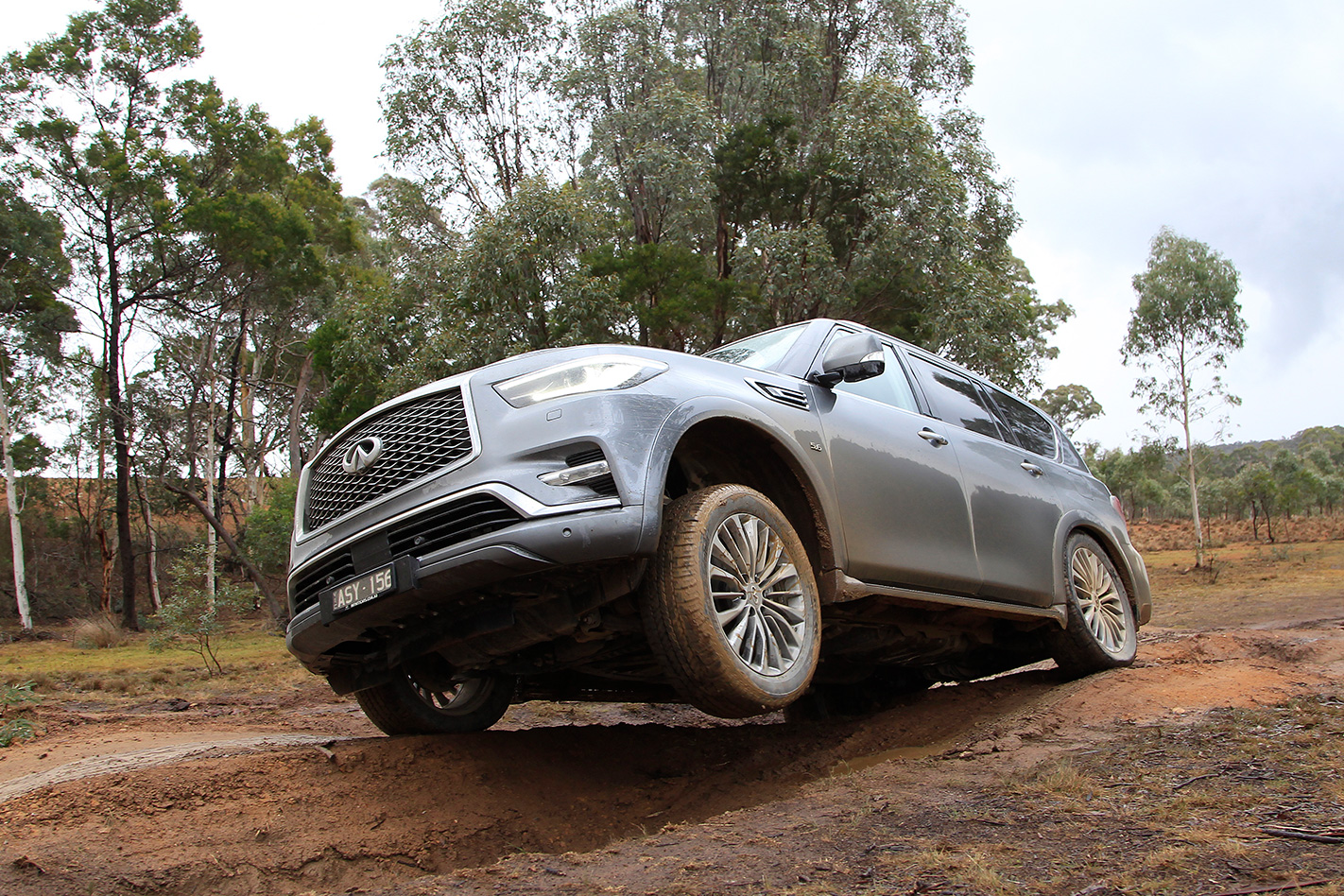
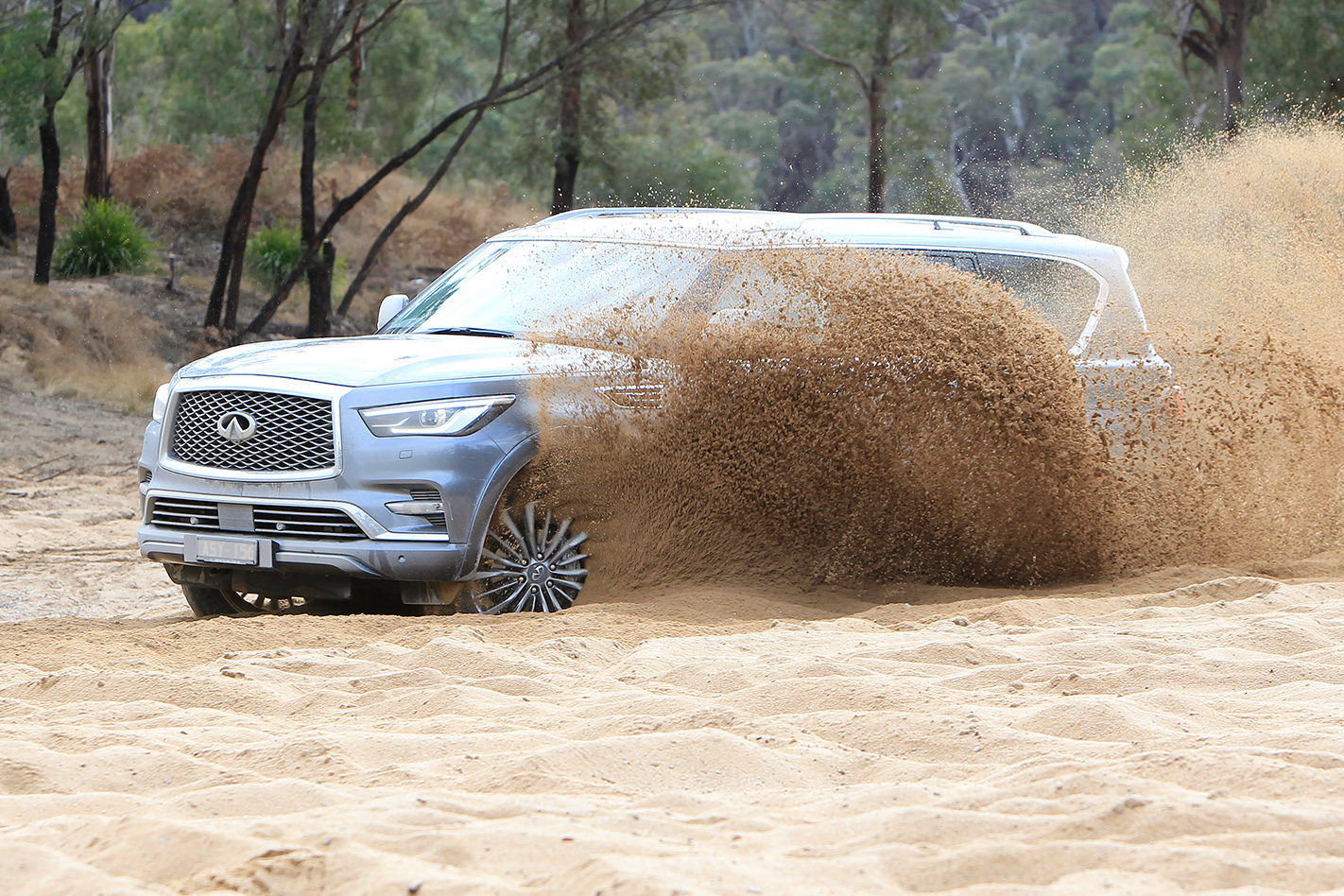
For an all-independent-suspension vehicle with a long wheelbase, less ground clearance and not much wheel travel, the QX80 is a surprise package off-road. The clever traction control system works brilliantly to keep the Infiniti moving forward, even when wheels are high off the ground; you rarely need to utilise the manually-activated rear locking differential. Again, as with the LX570, outward vision is not a strong point for the QX80 when off-road – and it is wider and longer – but its slab-sided exterior panels offer a more accurate perception of where the vehicle extremities are, allowing you to squeeze through narrow sections of track. A negative with the QX80 is the road-biased 22-inch tyres, as rubber in this size is a scarcity outside city limits.
In terms of towing, both vehicles are well sorted thanks to their 3500kg braked towing capacities. In terms of off-road touring range, the LX570’s larger fuel tank will be a boon.
WINNER: Lexus LX570
WARRANTY AND SERVICING
THE Lexus LX570 comes with a four-year/100,000km warranty, with the six-month/10,000km service complimentary. It has free roadside assist for four years. The Infiniti QX80 has a four-year/100,000km warranty and four years roadside assistance.
WINNER: Tie
VERDICT
THESE two wagons are at the top of the tree when it comes to seriously capable off-road vehicles that combine luxury, comfort and performance with the latest in driving technology and safety. The appeal is their versatility; whether you’re trundling around town, dropping the kids off at school, towing a boat or caravan, or heading off-road for a camping trip, both of these will do so with ease.
The argument against them is the slightly frightening fuel consumption from their V8 petrol engines, but this is probably a non-issue for the cashed-up buyer. The LX570 offsets that consumption fear slightly with its much larger fuel tank, but you pay a considerable amount more for the privilege – the money saved buying the Infiniti pays for a hell of a lot of fuel.
You can’t really go wrong with either of these big wagons. The LX570 is the classic all-rounder, albeit one that is slightly compromised on-road. It turns this around off-road, and it has the advantage of a more appropriately-sized fuel tank, but it is starting to show its age in terms of the overall design (the Land Cruiser 200 Series was launched in 2007). Offsetting this, however, is the more comfortable ride, excellent build quality, and sterling reputation for reliability it garners from Toyota.
The Infiniti QX80’s more sporty on-road handling and performance, plus its impressive off-road capability, all appeal, but it is the significantly lower purchase price (with no sacrifice in terms of tech or spec levels), the larger interior and more cargo space that sees the Infiniti squeak across the line.
Growing up in Australia means certain things will be hardwired into your DNA from a very young age. A high tolerance and strange attachment to salt-infused yeast spreads, for example. And a blase attitude towards highly venomous snakes and spiders. Another is a deep, and sometimes irrational, rivalry with ‘The Motherland’, England.
For many, ‘rivalry’ is too weak a word, especially if you have a keen interest in sport. Beating the wretched Poms is one of life’s sweetest pleasures, while losing, particularly in rugby or cricket (as we are right now) almost verges on unbearable.
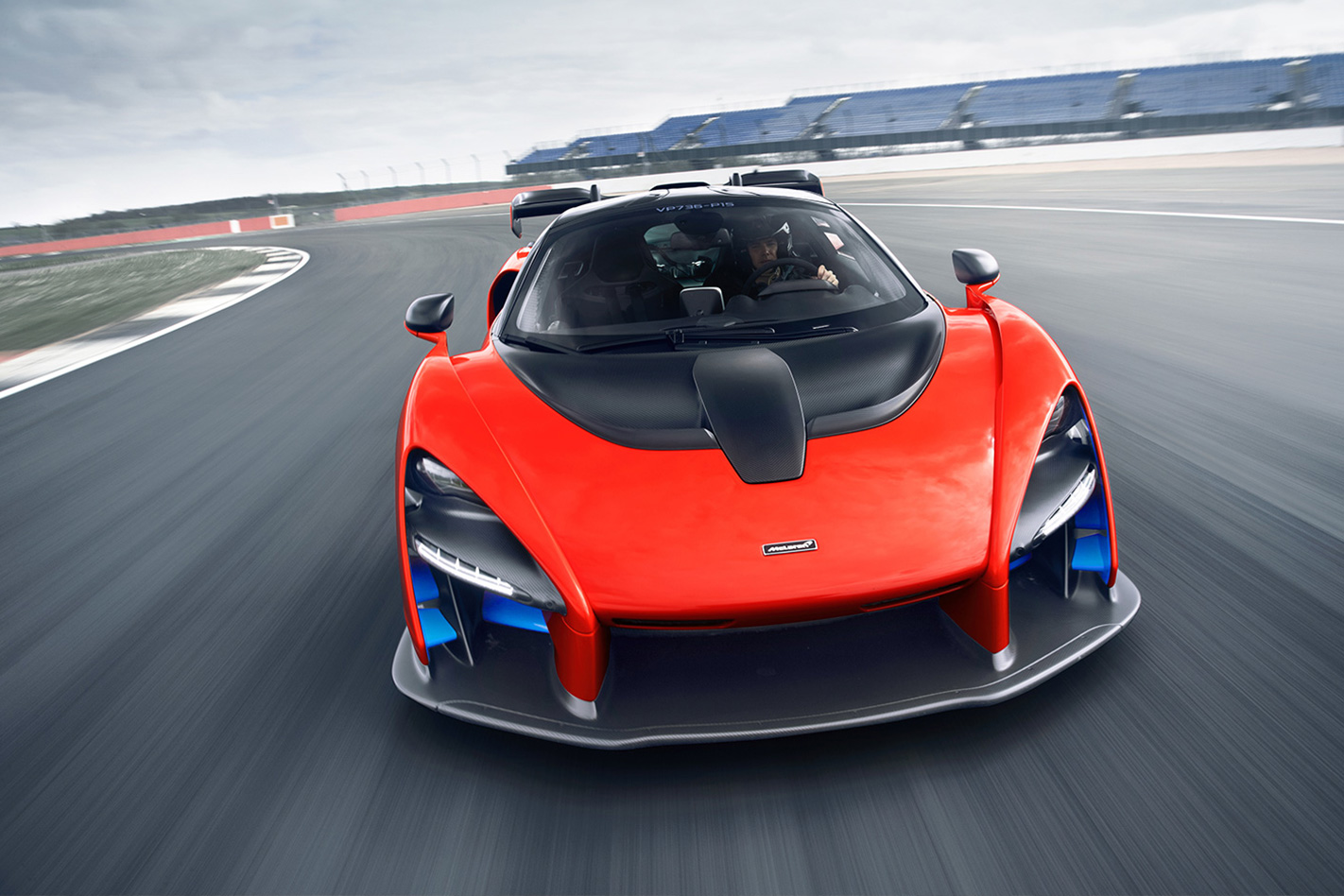
Imagine my surprise then, at feeling a strange pang of jealousy for the Brits at a recent launch in Portugal. I was there to drive the McLaren Senna, and the pitlane was swarming with clipped accents and stiff upper lips. Nearly every staff member was marching about with a puffed-out chest, and rightly so. The Senna, despite looking like a 720S that has been stung by a prehistoric wasp and hit with an axe while having an enormous ironing board stuck across its bottom, is a gobsmackingly accomplished piece of engineering.
And then there’s the confidence that comes from working for a company that has achieved astonishing success in an incredibly short period of time. Just seven years since launching the strangely named MP4-12C, McLaren now has the credibility and the product to rival Ferrari and Porsche – iconic brands that have been continuously building cars for 10 times as long.
Demand is at fever pitch. McLaren sales doubled in 2016 to 3286 units, with 5000-6000 the goal by 2020, and customer hunger for models like the A$1.6m Senna is so savage that they sell out instantly, even before the car has turned a wheel. Jokingly, I asked one McLaren exec if there’s a price they could charge that customers wouldn’t pay and he didn’t even blink before answering “nope”.
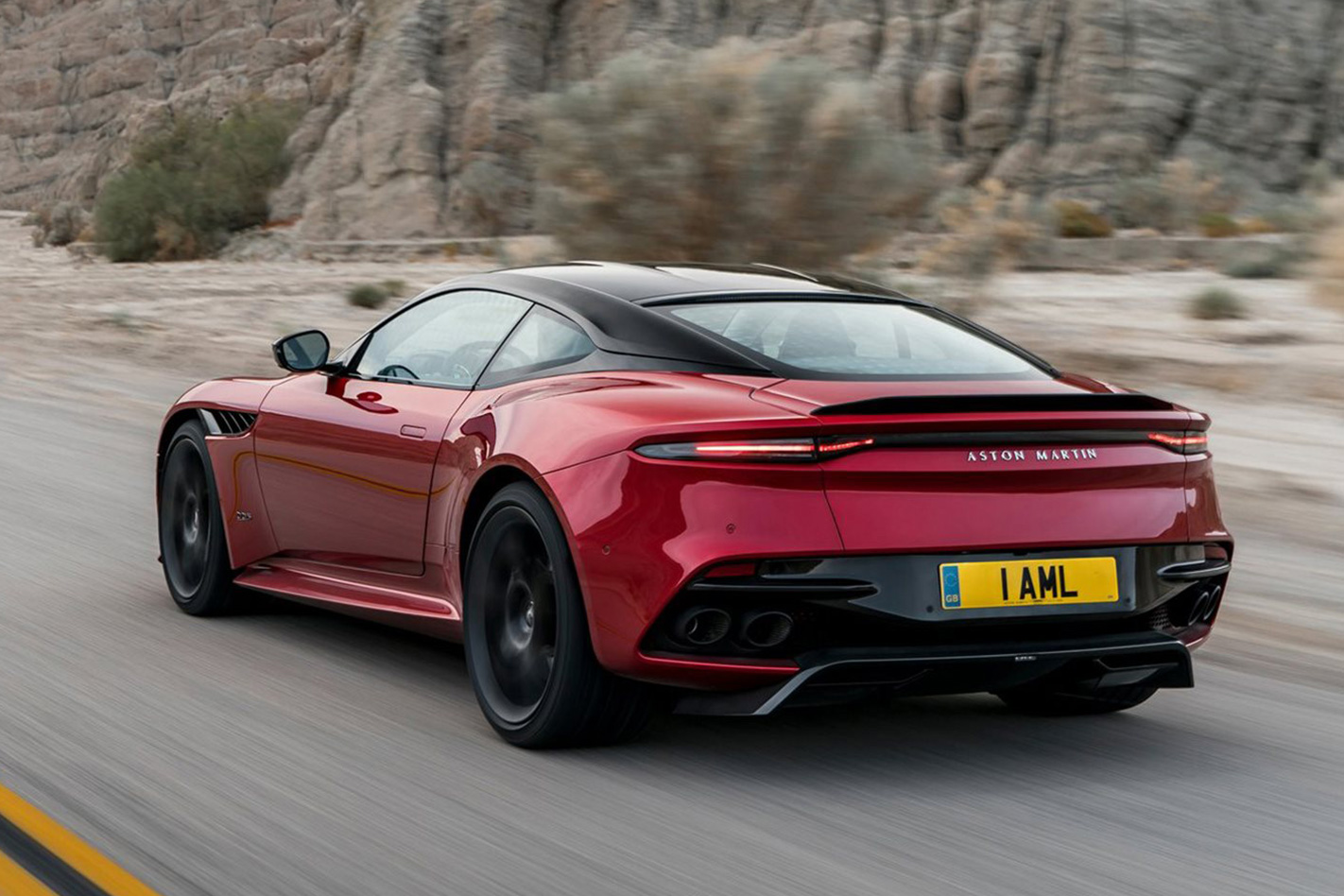
McLaren isn’t the only Brit enjoying a purple patch. Aston Martin has embarked on a similar model boom and is reaping the rewards of its broadest ever line-up (sales were up 58 percent year-on-year in 2017; manufacturing was at a nine-year high), and that’s before it adds its DBX SUV and the F1-rivalling, Adrian Newey-designed Valkyrie hypercar.
There’s plenty of mainstream success too. Nissan, Toyota, Honda, Mini and Jaguar Land Rover all build cars in the UK (total volume is around 1.6 million vehicles), with Britain’s automotive industry estimated to employ more than 800,000 people. Admittedly, the whole Brexit thing has thrown a spanner in the works, with investment down and jobs lost, but seen through the dismal context of our own extinct industry, it’s hard not to be envious.
There are also some potentially encouraging parallels. Back in the 1980s, the British car industry was on its knees, with production numbers cut in half. More recently, the GFC hit hard, knocking confidence and volumes to new lows. And yet, from those brinks, the UK is now responsible for some of the world’s leading brands.
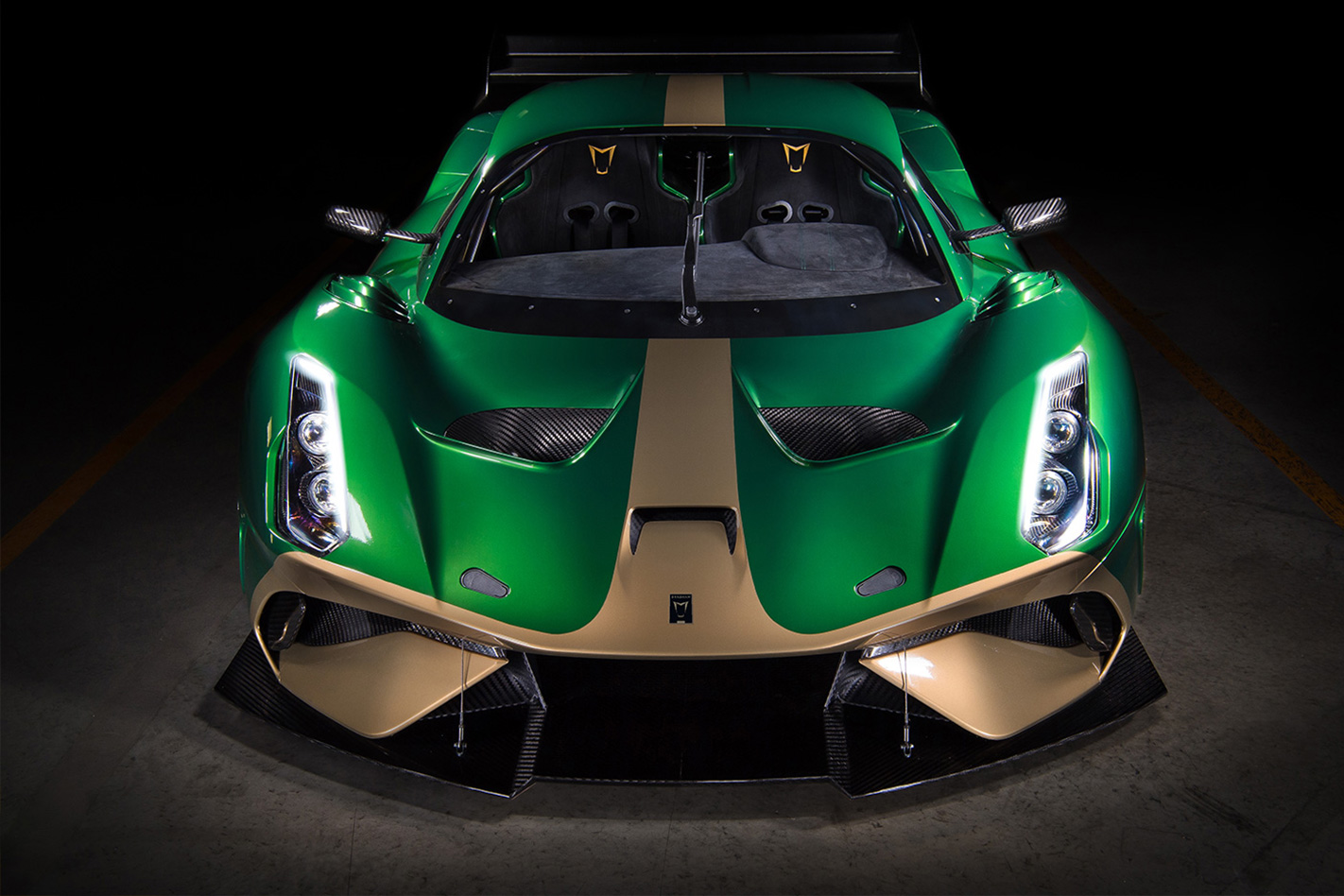
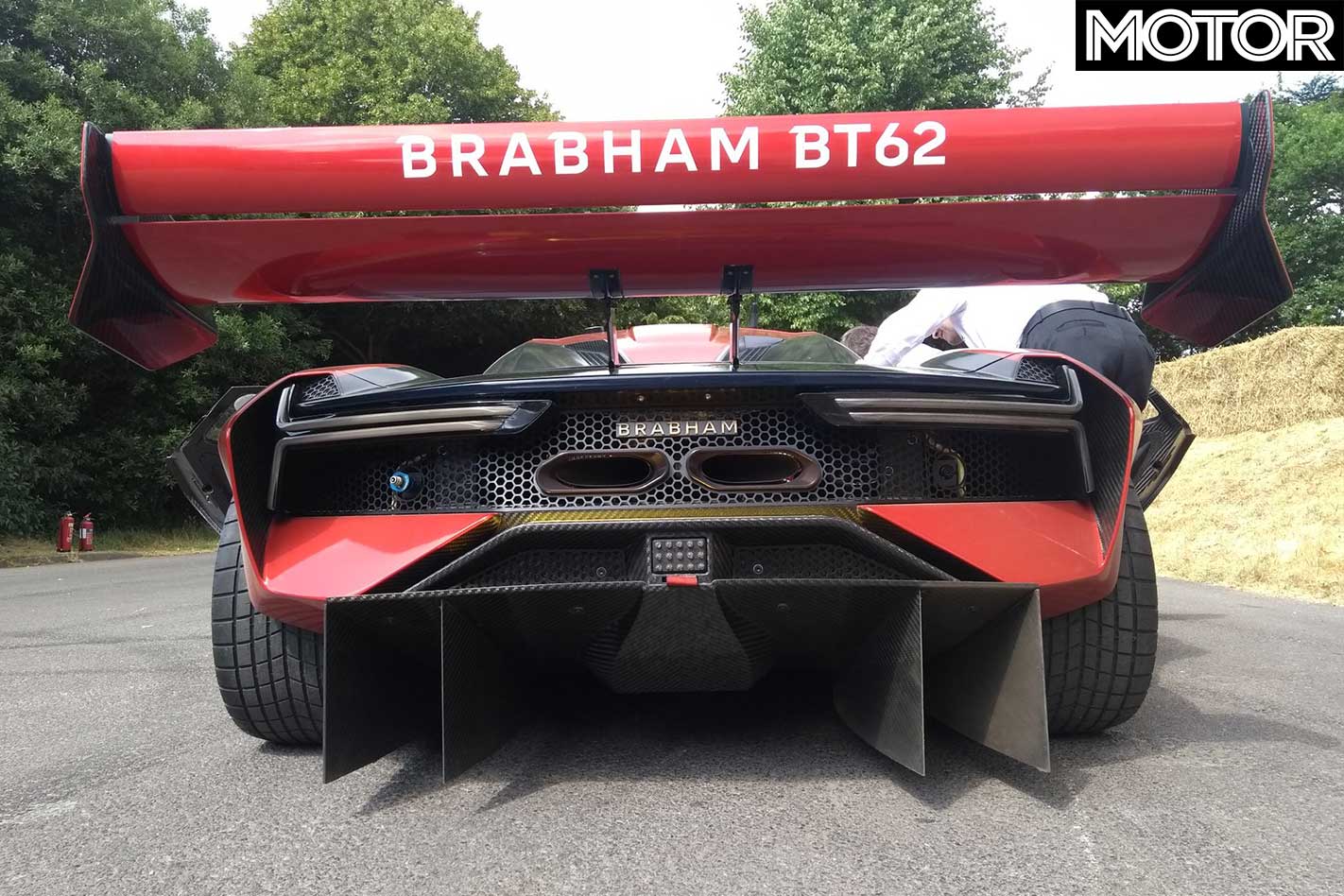
Yes, it’s folly to draw a direct comparison with Australia, but the recent, and unexpected, announcement that Brabham is building all 70 of its BT62 track cars in Adelaide shows a revival of sorts isn’t impossible. After all, our expertise at building world-class cars hasn’t disappeared. And if the Brits can do it, why can’t we?
Kia Australia has confirmed the plus-sized Telluride SUV that’s destined for US showrooms is not a vehicle of interest locally – because it’s not tough enough.
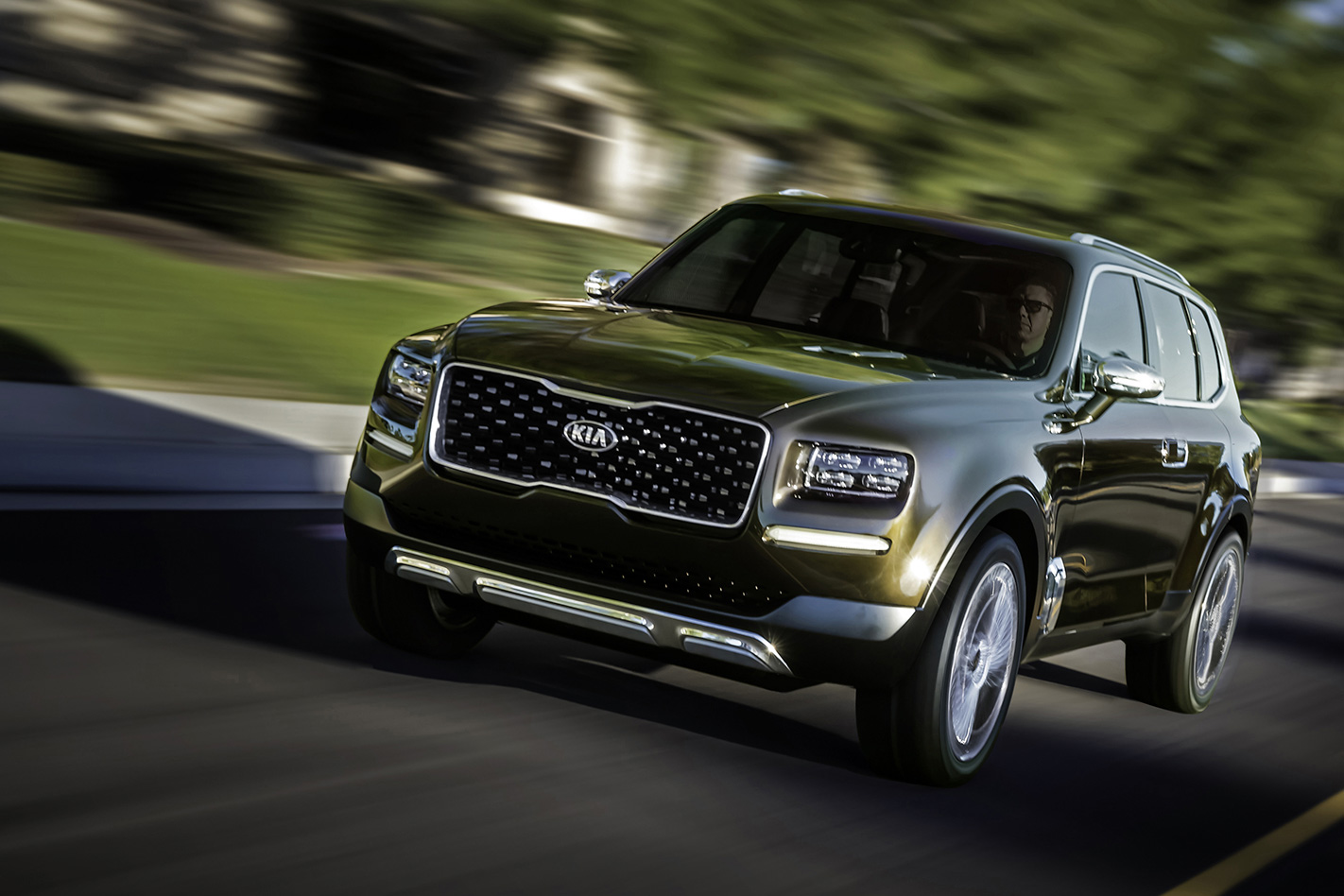
Speaking to the media at this week’s launch of the revamped Sportage, Kia Australia chief operating officer Damien Meredith said there were two major factors standing in the way of an Aussie future for the Telluride:
“There are a couple of things that count against it: it hasn’t been developed in RHD, and my understanding is that it’s monocoque,” Meredith said.
The latter appears to be the bigger stumbling block. With the three-row Telluride built around a transverse-engined adaptation of the Sorento’s platform, it doesn’t offer enough in the way of differentiators to Kia’s existing large SUV.
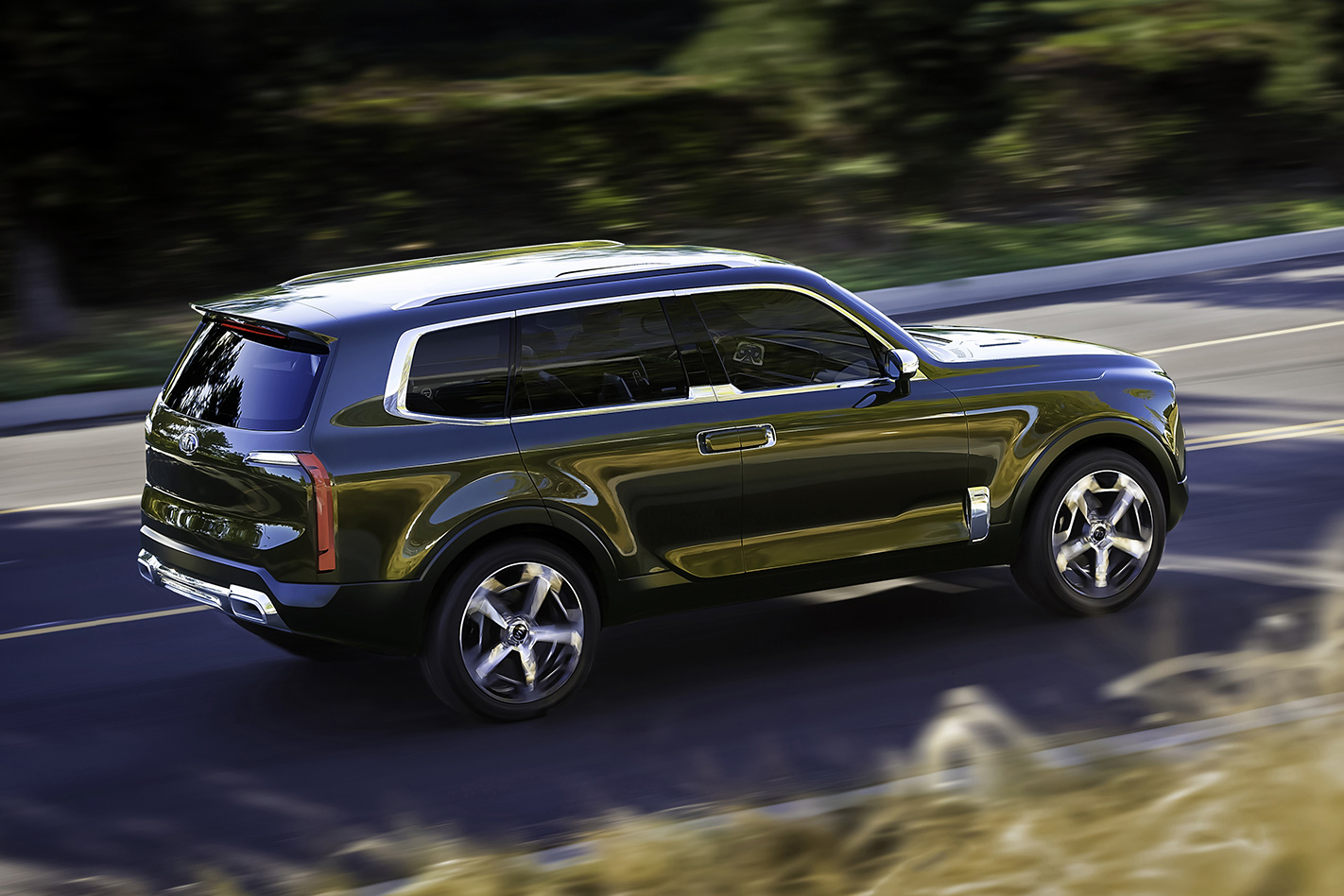
Simply put, Kia wants a tough truck built on a burly ladder frame.
“If you look at large SUVs in general you could bundle them into two areas, one being a soft monocoque that spends most of its life on the road on the school run, but there’s also a substantial number that exist as a more rugged-type large SUV that may have the underpinnings of a ute,” said Kia Australia product planning chief Roland Rivero.
“[The latter] has got off-road capability, it’s got towing capacity and opens up a whole host of parts and accessories as well.
“It’s a huge market, and if you’re in product planning you look at all the areas where you’ve got a gap, and [that large SUV] is a gap. It’s not only a volume gap, but a revenue gap, and it’s a gap that other competitors are fulfilling within the top-ten [top-selling manufacturers].”
“There are many who’ve bought a Sorento who wish they could tow more, have a higher downball rating etc.”
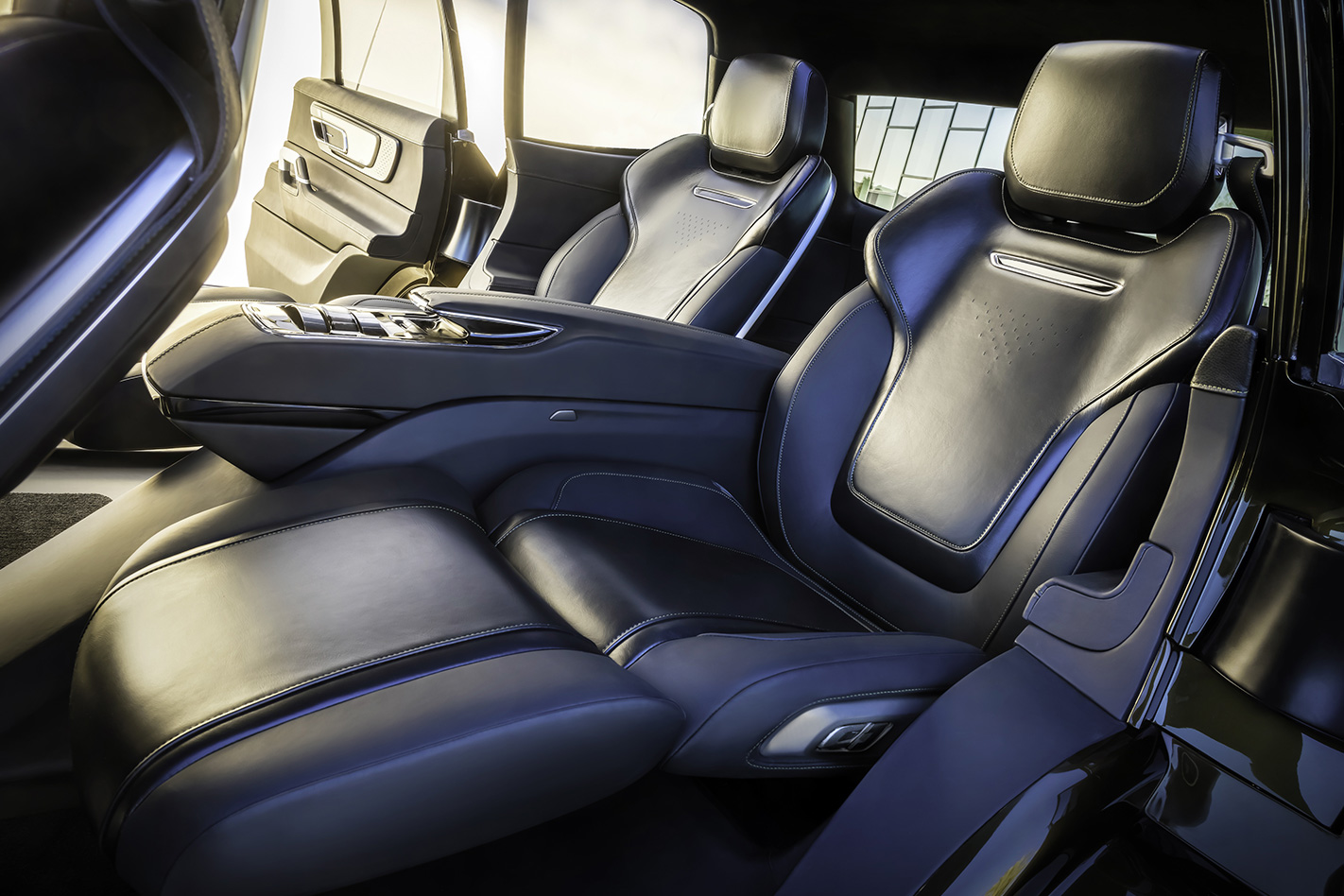
While something the size of Toyota’s 200-series Landcruiser would be certainly welcomed by Kia Australia, the company is setting its sights on something that might provide greater commercial opportunity – a ute-based offroad wagon in the same vein as Ford’s Everest, Toyota’s Fortuner and Mitsubishi’s Pajero Sport.
Adding a ute to its portfolio is mission critical for Kia right now, and while one has yet to be announced Kia’s local operation is lobbying fiercely for a high-riding light commercial utility. Adapting a wagon-style ‘top-hat’ to a ute’s ladder frame would be a technologically simpler exercise that engineering a bespoke platform for a Landcruiser rival.
“You have to think about manufacturing complexity as well,” Rivero continued.
“If there is a future direction to build a light commercial range on a ladder-frame platform, we would think that would be shared between a ute and a large SUV.
“The first priority would be the small SUV – and there’s light at the end of that tunnel, but beyond that we’ve got to keep making sure KMC is well aware of the market opportunities in Australia.”
If Kia Australia can secure all three – a compact SUV to sit below the Sportage, a work-grade commercial ute and an off-road capable three-row large SUV, Rivero reckons the company’s sales totals – and position in the sales chart – would be propelled to new heights.
“Pretty much everyone above us in that top six other than Hyundai has a light-commercial ute, and at least Hyundai has the iLoad as a light commercial,” Rivero said.
“I think we’d be well-entrenched in the top five, close to 100,000 [sales]. It would open us up a little bit, particularly in the rural areas, if we had a light commercial. If we had all three – small SUV, ute and large ladder-frame SUV – we’d be well into the 100,000-unit territory.”
For the right price, you can have pretty much anything you want. Rolls Royce’s Bespoke service is proof of this, with a CV ranging from yacht-inspired Wraiths to Ghosts built for golf.
Let’s not beat around the bush, Rolls Royces aren’t cheap, and their customers are all probably feeling pretty good about their finances.
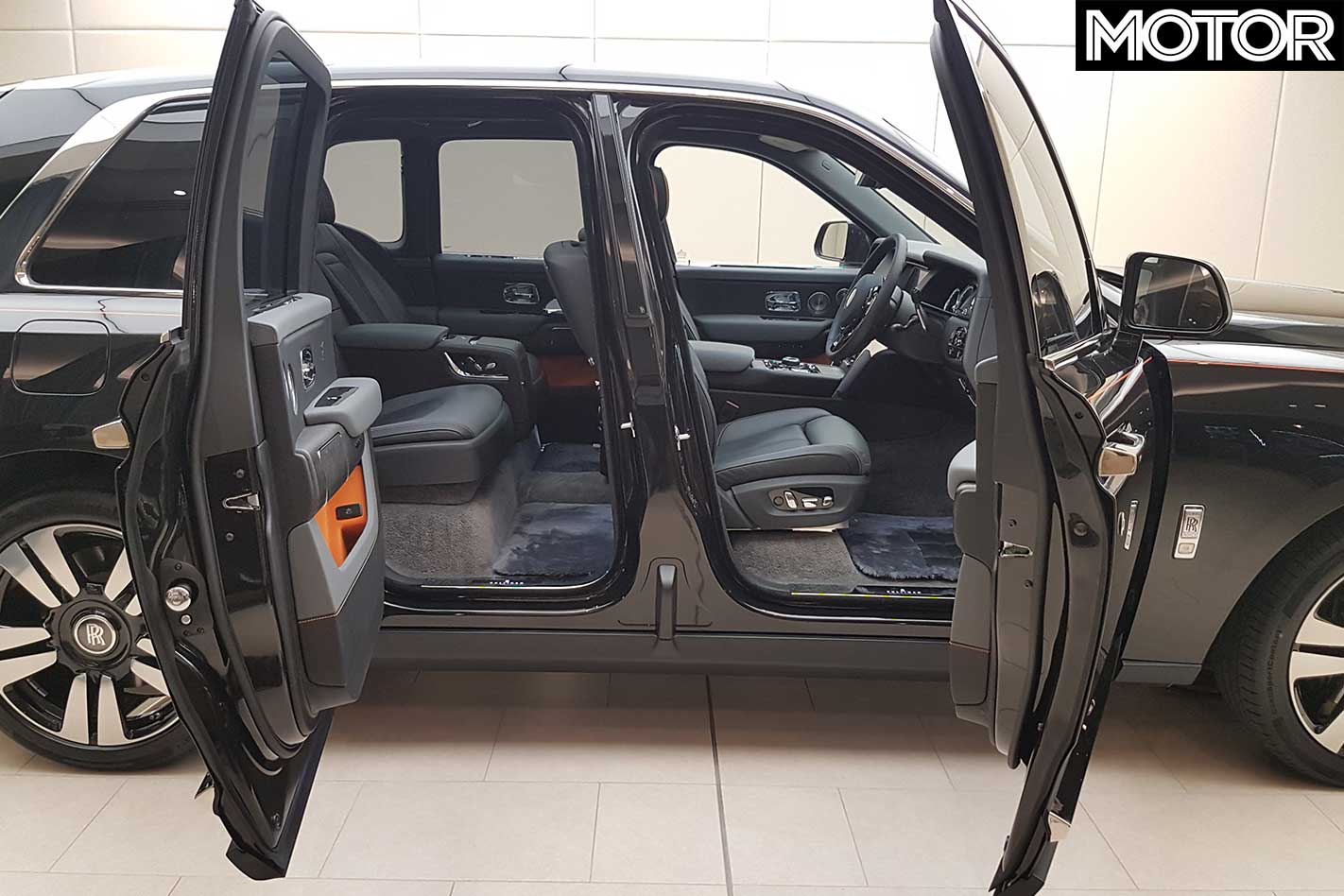
“We say the limit is your own imagination. These people dream,” Rolls Royce Asia-Pacific sales manager Ian Grant told us at a private viewing of the Cullinan.
He said given Bespoke’s history of altering cars to owner’s desires, the Cullinan provides an even better base for the types of things customers might want.
He said previous requests have included “diamond encrusted badges, gold put into vehicles, and one customer who had their car sprayed with crushed diamonds inside the paint. It looked like a party on wheels.”
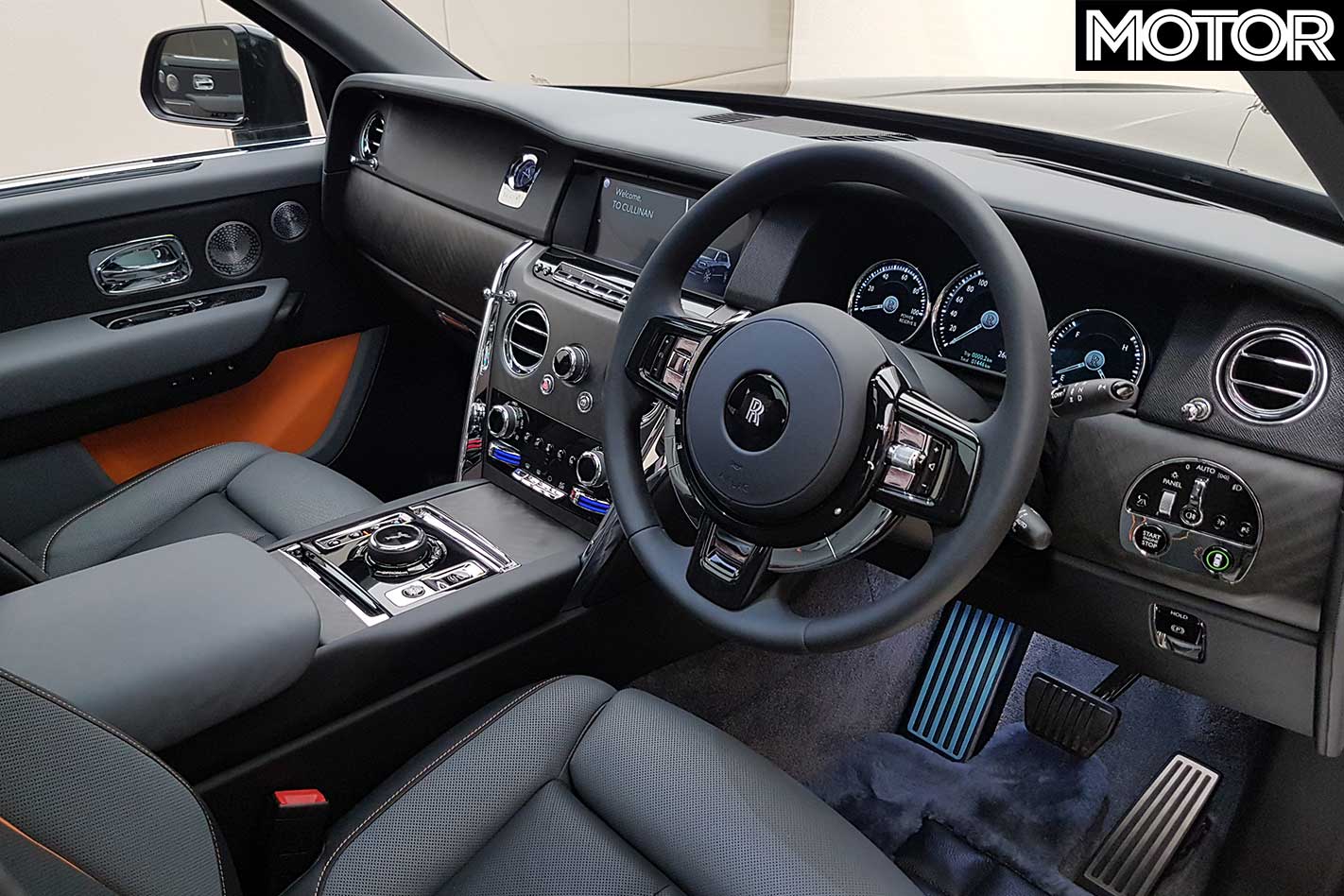
“I think it’s the recreation module which is particularly going to take people’s design minds and challenge our engineers.”
There was even a mention of one customer who wished to have the Cullinan’s rear luggage compartment turned into a sealed storage area for their collection of rocks.
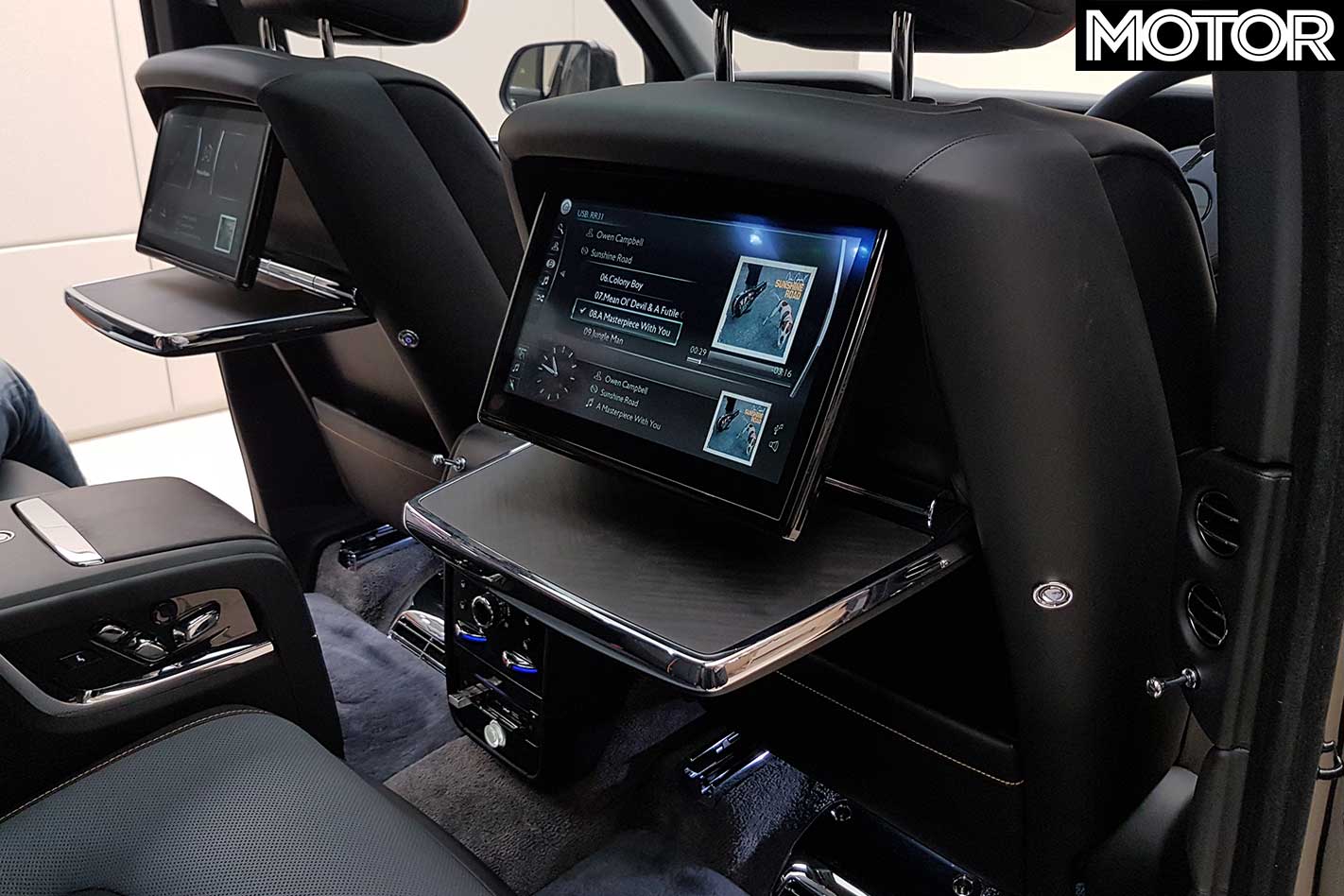
“The conversations that the Cullinan is allowing us to have are amazing because you really find out the personal side of these customers.”
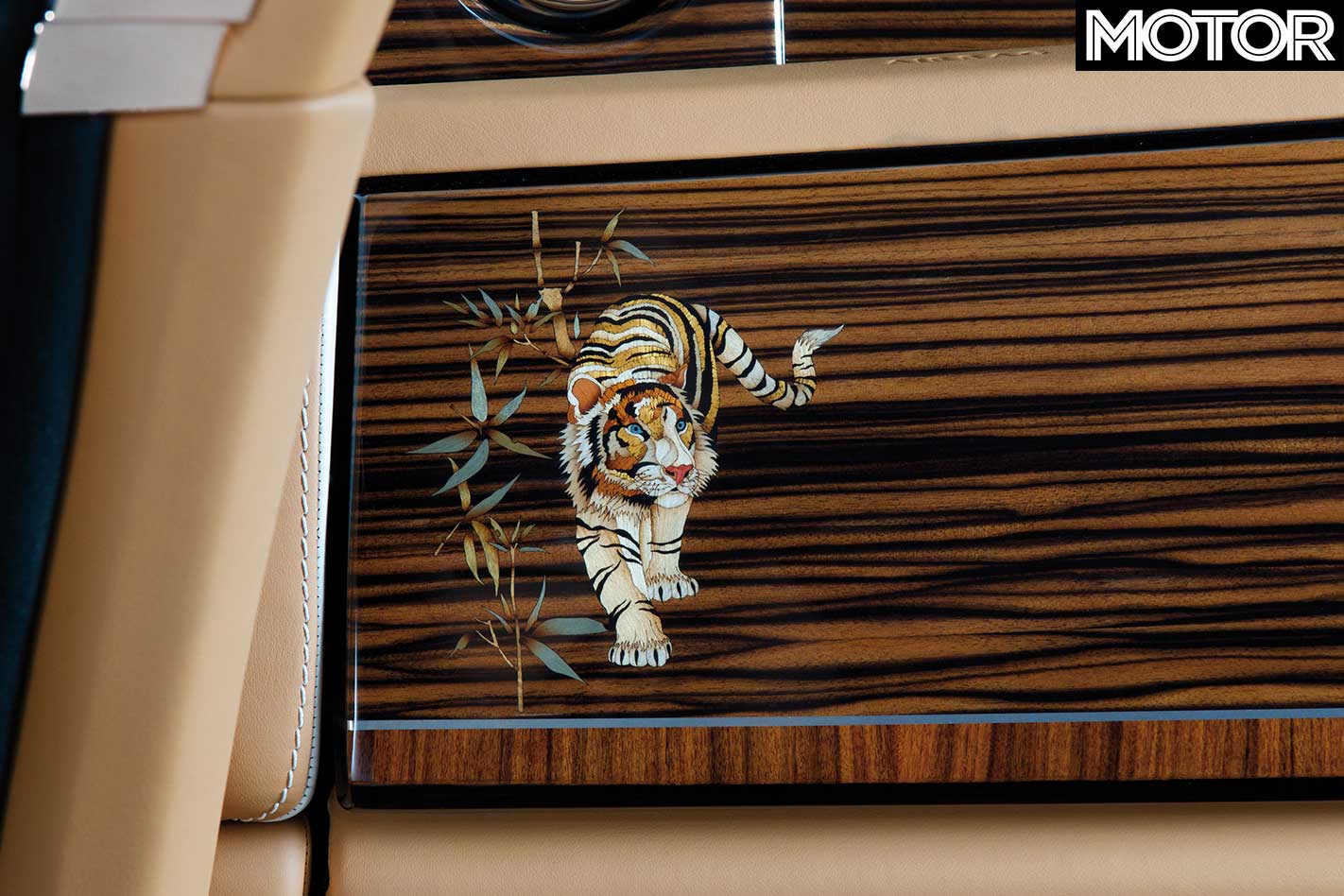
Throughout the pages of Bespoke’s CV are the likes of a custom Phantom which was named the Maharaja Tiger, and was orange and tan with interior artworks that utilised seven different types of wood in a process called ‘sand shading’.
A Ghost with diamonds across the dash is also getting around somewhere in the world thanks to Bespoke, while The Gold Coast’s Palazzo Versace is home to a pair of Phantoms which can be spotted ferrying guests of the hotel around the lively city.
If you want to spend upwards of $685,000 (the starting drive-away price in Australia) on a V12 SUV, you might as well treat yo’ self.
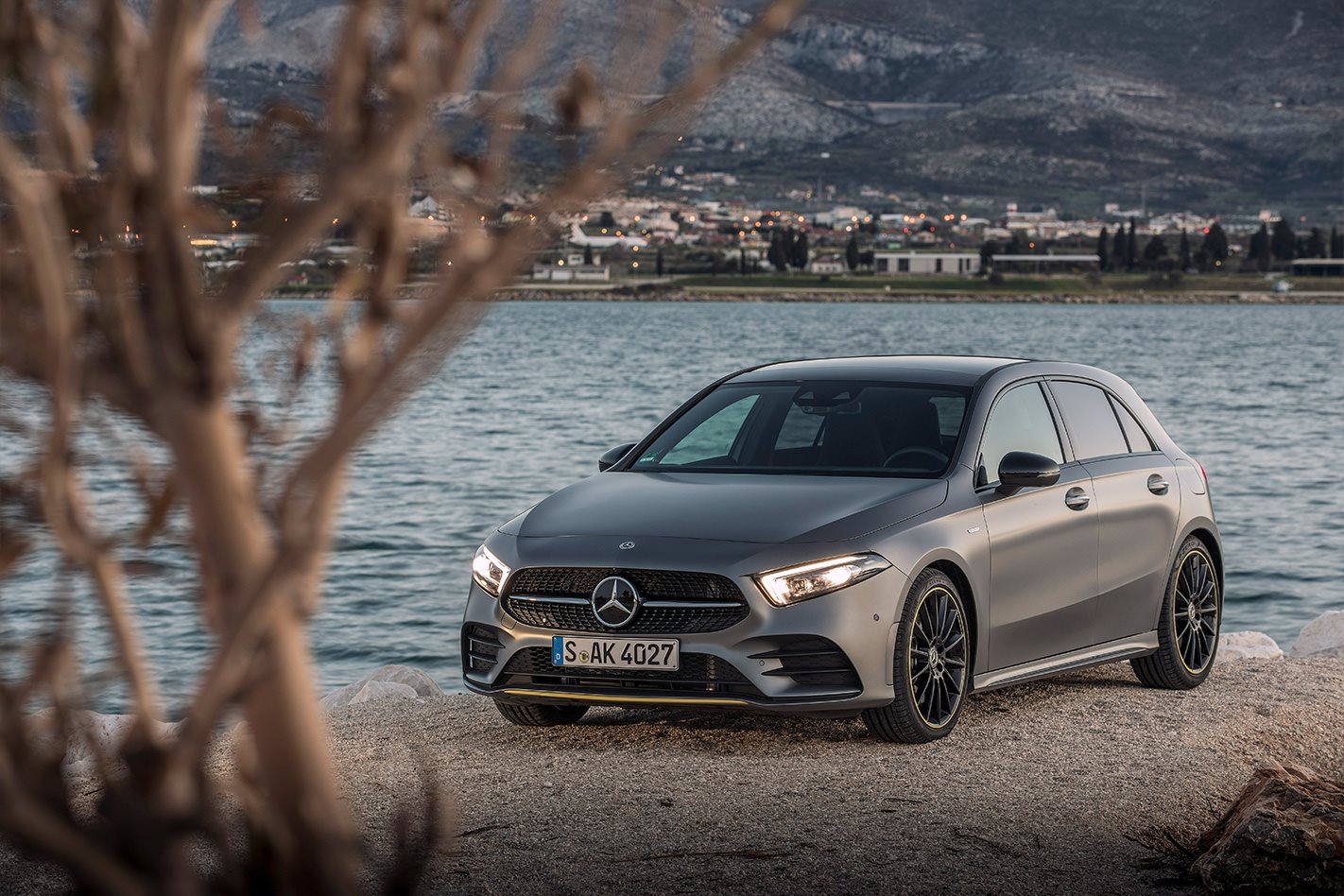
The 2018 Mercedes-Benz A-Class will go on sale in Australia next month with a slightly increased price over the previous generation.
Mercedes-Benz Australia has confirmed a $47,200 sticker price for the high-tech luxury hatch, which will be available for customers Down Under from August 10.
Just a single variant will be available initially, the A200. WhichCar understands the A250 is expected to land before the end of the year, while the A180 is pencilled in for an arrival early next year.
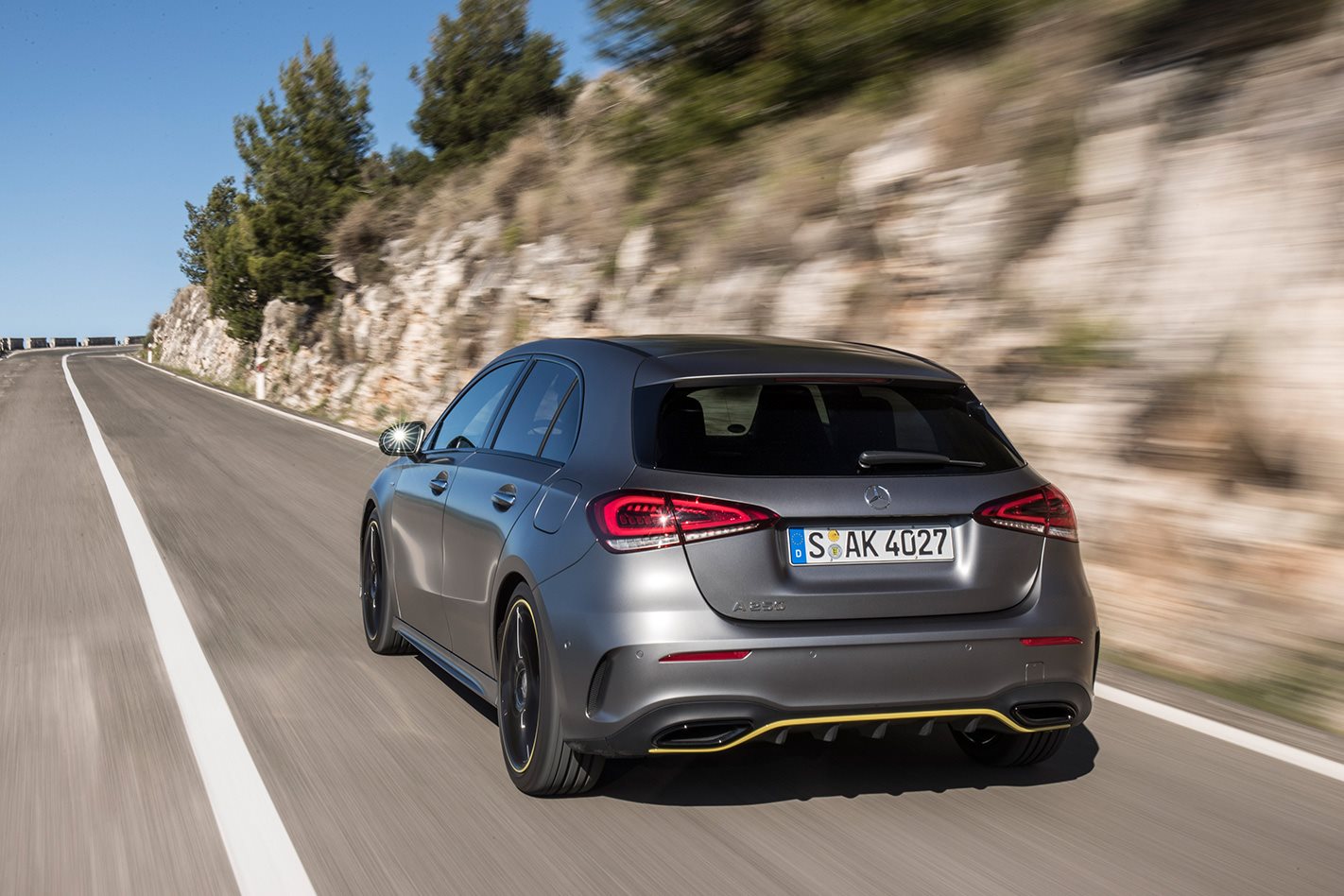
The previous-generation A200 wore a $44,300 pricetag, with a Mercedes-Benz spokesperson telling WhichCar the $2900 price bump is reflected in the new generation A-Class’s “huge step up in features”.
“The jump in price is outweighed by what is included,” Jerry Stamoulis, public relations and product communications manager for Mercedes-Benz Australia said.
“There is an increase in what we have added into the A-Class, including the MBUX multimedia system and standard safety equipment.”
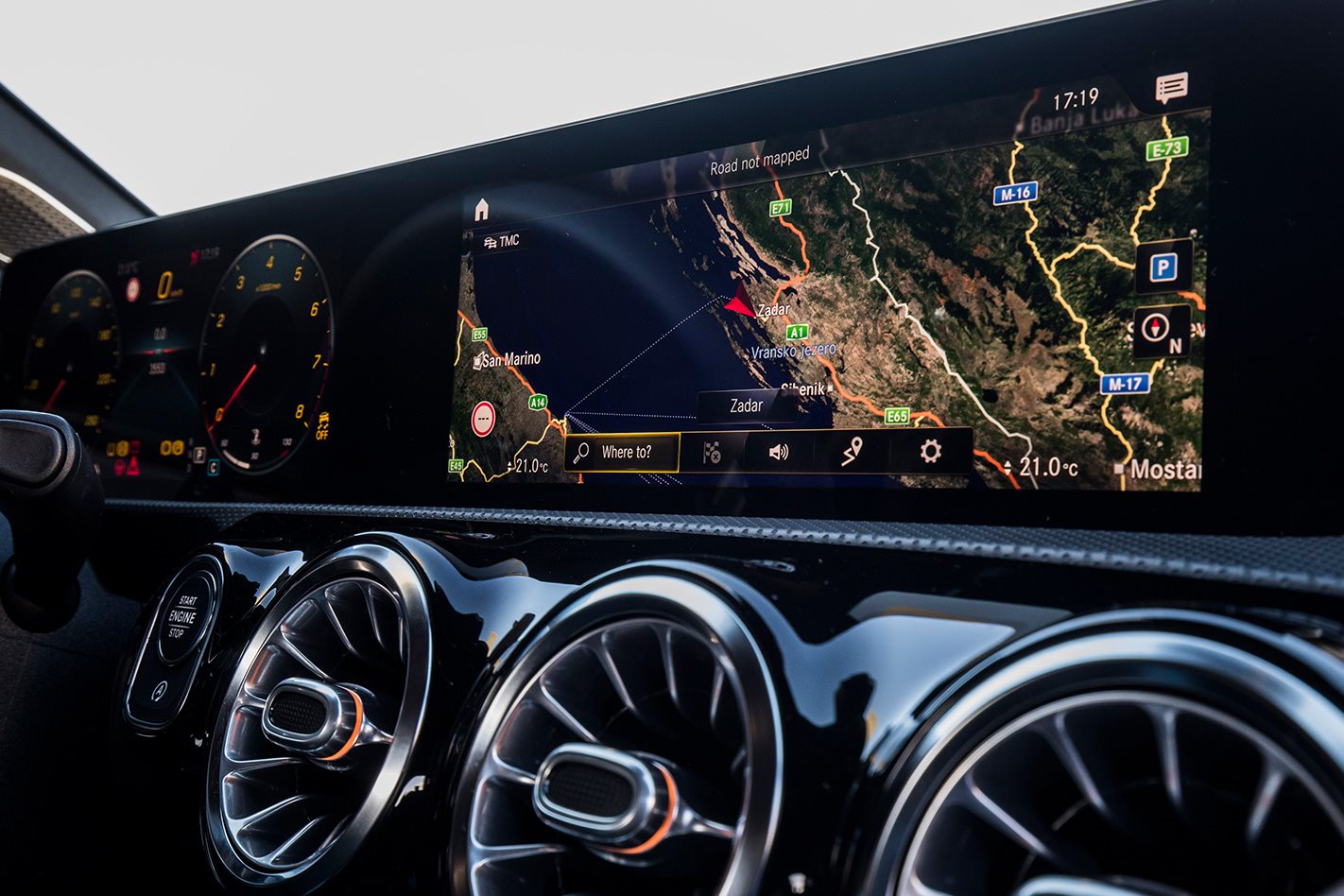
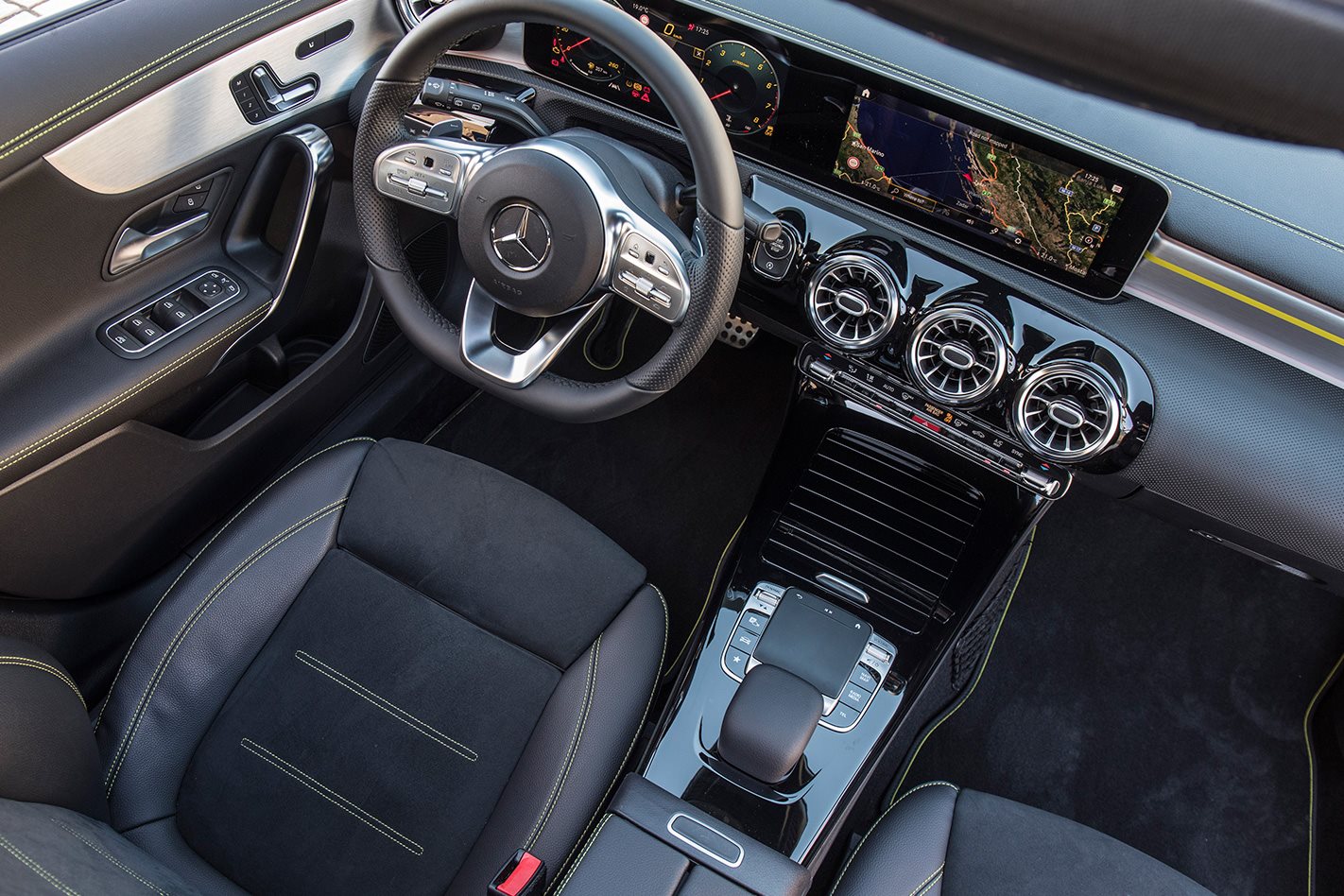
The A200’s major party trick is the aforementioned MBUX infotainment system, which is a groundbreaking system positioned as more of a digital personal assistant than a traditional multimedia interface.
Mercedes-Benz claims the MBUX system is capable of learning and adapting to the user, offering tailor-made suggestions for navigation and entertainment.
MBUX is controlled through a central 10.25-inch screen, which sits flush alongside an identical unit which acts as a customisable instrument cluster.
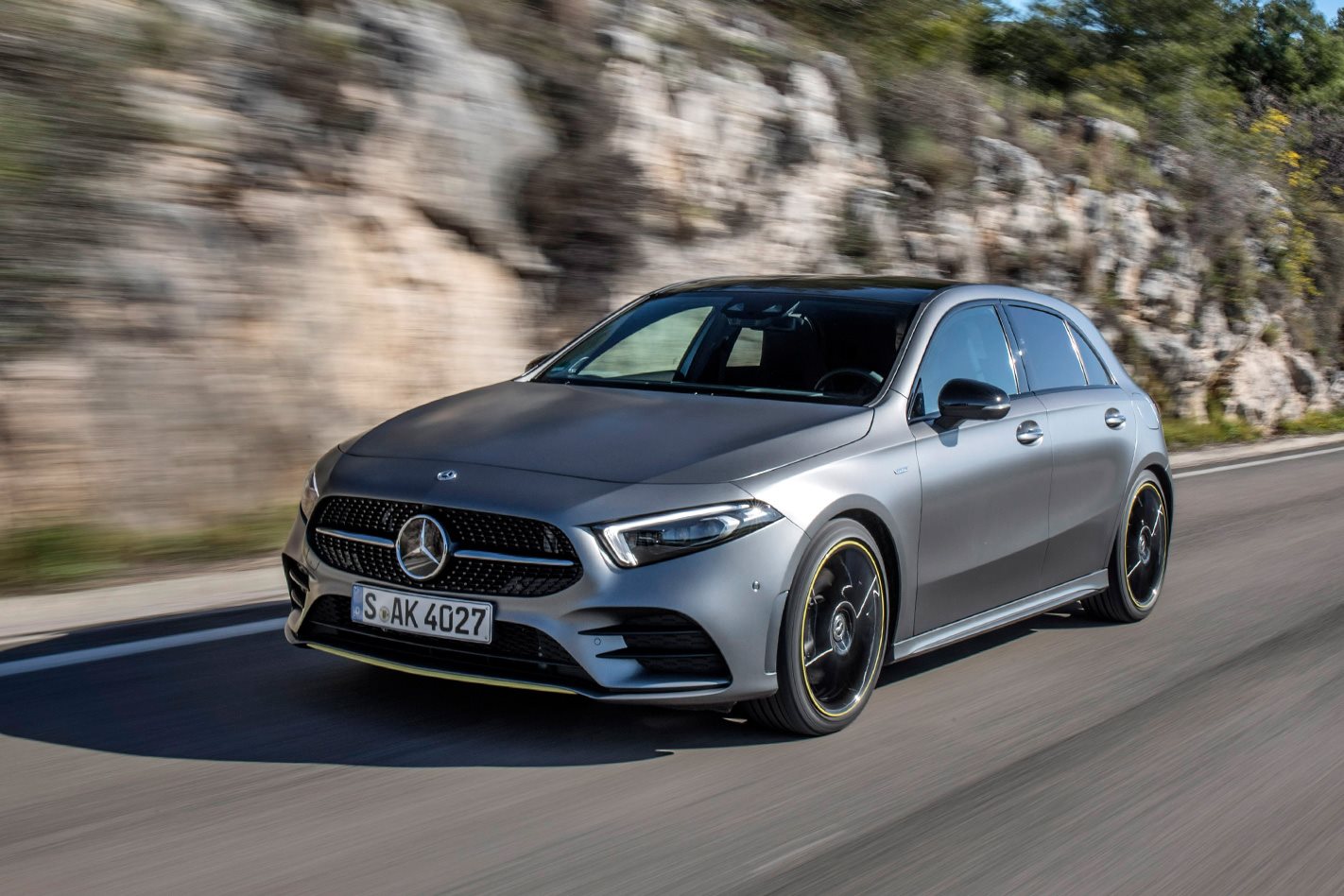
Australian A200s will be powered by a new 1.3-litre four-cylinder engine producing 120kW and 250Nm, with a claimed combined fuel economy of 5.7L/100km. Drive is sent to the front wheels, via a seven-speed dual-clutch automatic transmission.
The new A-Class is bigger than the model it replaces, with more shoulder room, elbow room, and headroom for occupants, while also being easier to enter and exit thanks to redesigned door apertures.
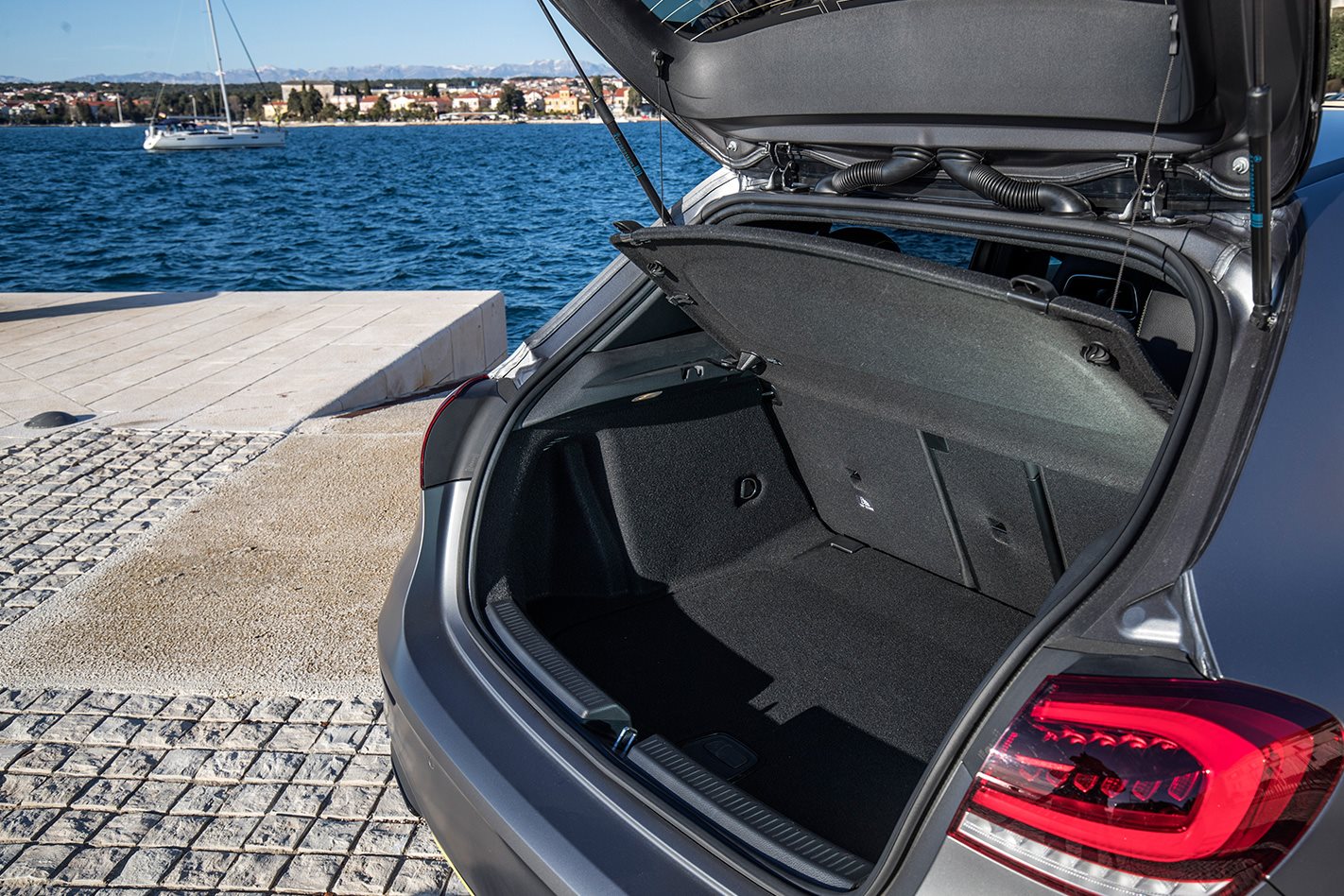
Boot size has also been boosted by 29 litres to 370L with the rear seats in an upright position.
Extensive safety features are included as standard, such as nine air bags, active brake assist with semi-autonomous braking function, active parking assist, active lane keep assist, blind spot assist, traffic sign assist, and a reversing camera.
“With the specification that we have, and design inside and out, [the new A-Class] will be the most talked about vehicle in the segment,” Stamoulis added.
Mercedes-Benz remained tight-lipped on predicting which of the incoming A-Class models would be most popular with buyers.
“It is hard to say at this stage, but traditionally the A200 over the life of the vehicle has been very strong. But there was a point in the last generation where the A250 was the best-selling A-Class, so it is hard to say [which will be the volume seller],” Stamoulis said.
“We believe there will a shift in who will be buying the vehicle, and the badge on the back probably isn’t as important as it used to be.”
Driving can be one of life’s most liberating and empowering joys, but for those that feel anxious about getting behind the wheel personal mobility can be a nightmare.
Anxiety affects people in different ways and for various reasons, and while many Australians perform their daily commute on virtual auto pilot, for some it is a nerve-wracking experience.
Clinical psychologist Catherine Madigan, who runs a specialised anxiety clinic based in Melbourne called Anxiety Australia, says it’s important to find the root cause of the anxiety before trying to find possible solutions.
“Some people are just worried about having a panic attack in a car. They don’t want to be trapped on the West Gate Bridge, or don’t like driving through tunnels, or being at intersections. They have a trapped feeling so become scared of suffering a panic attack more than actually being scared of driving,” she explains.
“But some people are very worried about the actual driving, that they are going to have an accident.”
Whether it’s because of lingering side-effects after a crash that left your cage rattled, or a general nervous feeling about being behind the wheel, there are a number of ways to get over driving anxiety.
Madigan recommends gradual exposure to driving and to do it in situations that are less anxiety inducing, such as with a trusted and helpful instructor or in very light traffic rather than rush hour, and increasing the difficulty from there as confidence grows.
“There are particular things that make things anxious, like hook turns, merging, or just going at high speeds on the highway for example,” she adds.
“Some people may benefit from having extra brush-up driving lessons with someone who is good with anxious drivers.
“People need to do what we call progressive or graded exposure with driving. If they lack confidence in certain driving scenarios they need to practice it.
“If you are anxious about driving it would make sense to drive at times when the road isn’t as crowded.”
Core to banishing driving anxiety is building up confidence in measured and controlled environments. Defensive driving course are great for this.
All drivers are encouraged to take part in a defensive driving course, but those dealing with driving anxiety will particularly benefit from the opportunity to develop their skills safely and away from traffic with a trained professional.
However, Madigan acknowledges that having an instructor in the passenger seat could add pressure for some anxious drivers.
“It is important to find out what is helpful for the anxious driver, and discovering what makes them feel more secure,” she said.
“Generally, for people that are anxious about driving, I would say to confront a situation that you don’t like, to make it as easy on yourself as possible.”
So, if you are suffering from driving anxiety, it’s important to identify the root cause, and then slowly build up your skills and confidence in a way you feel most comfortable with.
Speaking to a psychologist, or making use of organisation such as BeyondBlue and The Anxiety Recovery Centre is also highly encouraged.
The Aston Martin Cygnet is perhaps the least liked Aston of them all.
The ugly duckling of the Brit brand’s line up was an attempt to appeal to a new market and lower overall fleet emissions to offset the continued use of the V12.
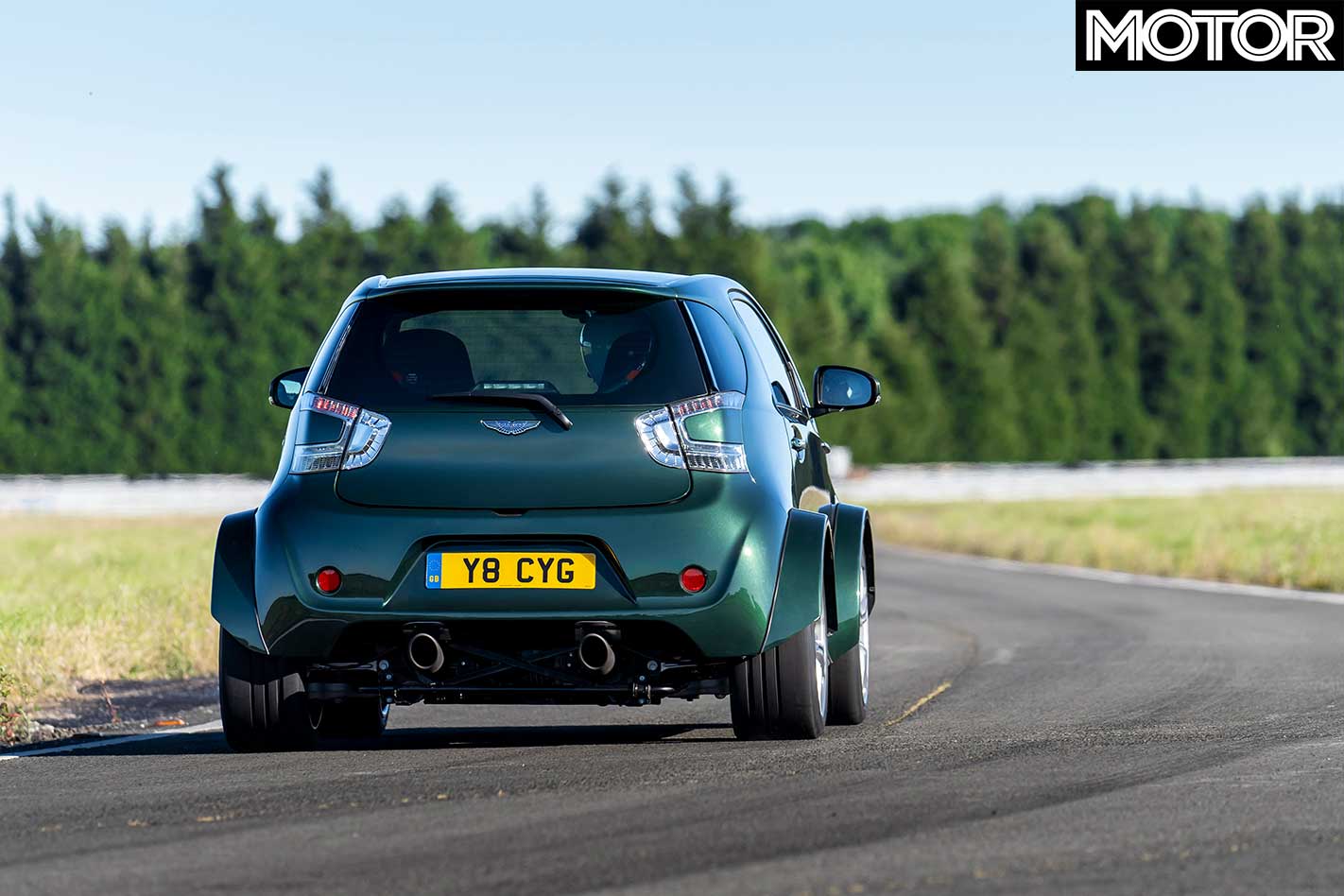
With 320kW and 490Nm, the 1375kg V8 Cygnet has its engine mounted in the front, with a power-to-weight ratio of 233kW per tonne. It’s also rear-drive, and has a limited-slip differential.
It’s sporting 380mm brake discs with 6-pot calipers at the front, and 330mm discs are paired with 4-pots at the rear. It’ll need them too, as it is capable of a sprint to 100km/h in about 4.3 seconds. Aston martin says it’ll go on to top 274km/h.
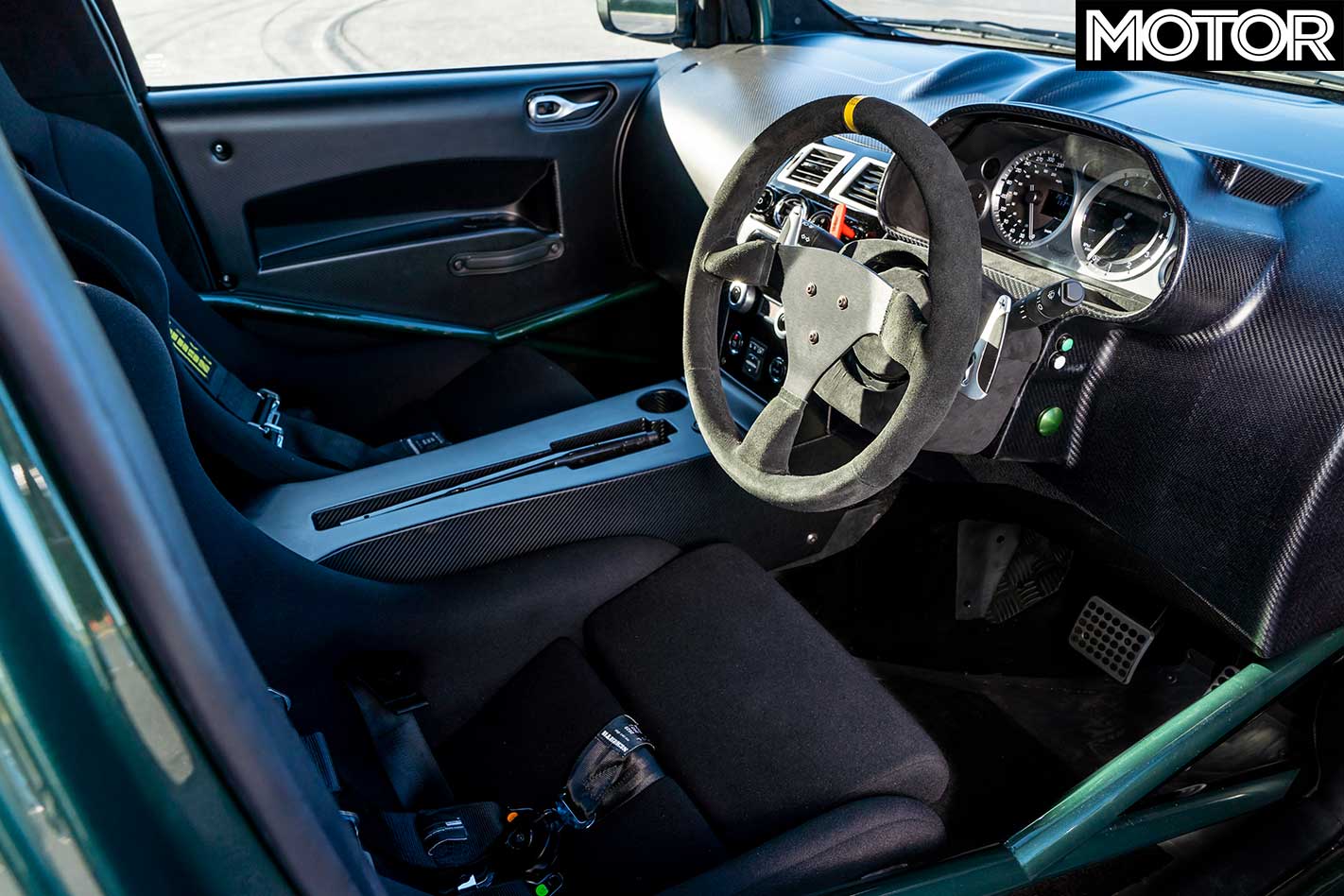
Even better is that someone bought this car, as it was ordered through Aston Martin’s Q division.
Aston VP and head of special ops David King says the Cygnet was a chance for Aston to show it doesn’t need to take itself too seriously all the time.
“The V8 Cygnet shows the fun side of both Aston Martin and its customers.
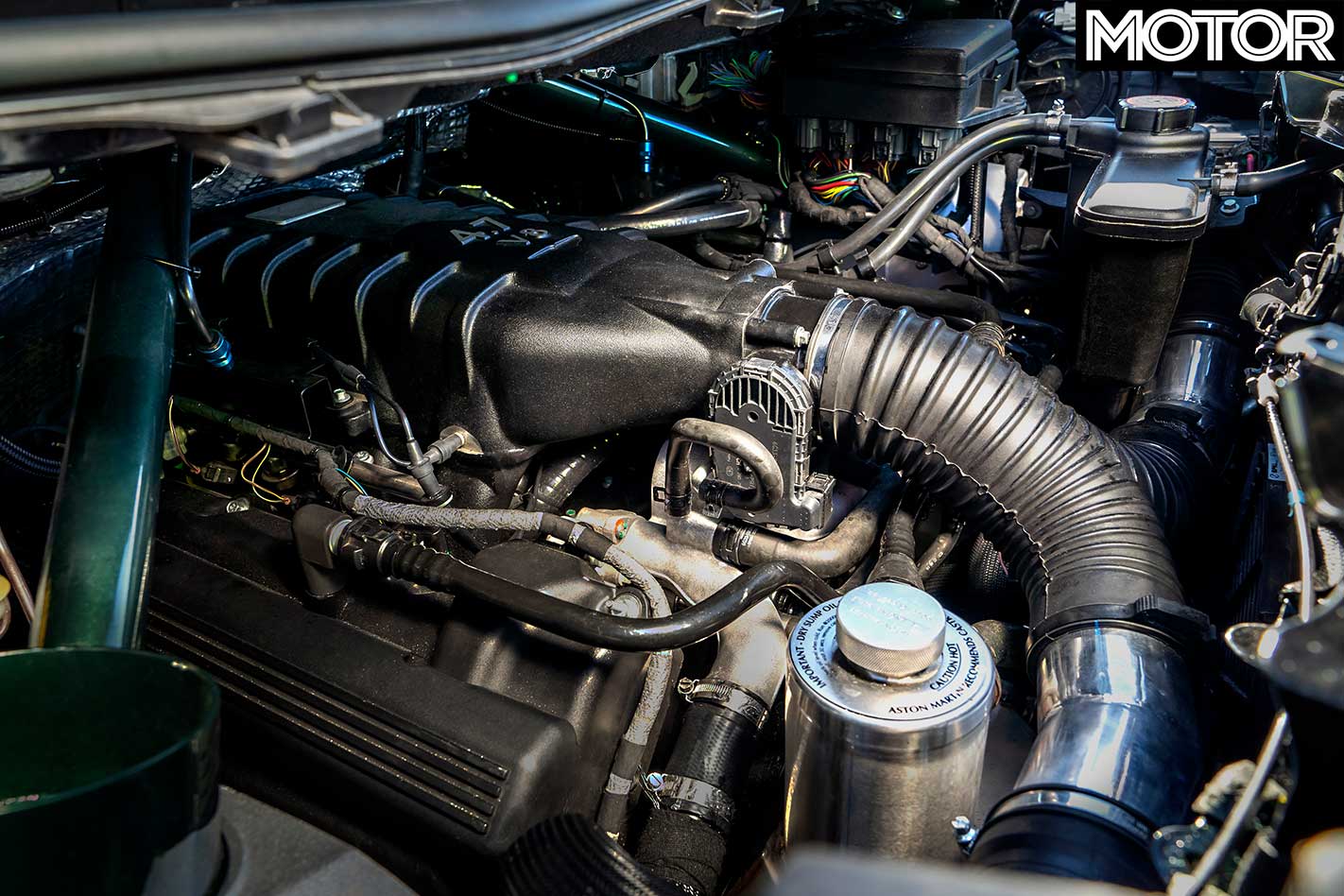
“It is also a fine example of the engineering talent within the company as it’s no small achievement to fit the Vantage’s V8 engine so harmoniously into the Cygnet’s compact body.
“I am sure that it will amaze and thrill people when they see and hear it on the hill at the Festival of Speed.”
You can see it head up the hillclimb at Goodwood in the video below at 2:15, though the whole thing is really worth watching.
AFTER what seems like an eternity of speculation, Nissan Australia has at last confirmed that the Nismo variant of its Juke compact crossover will arrive in local showrooms, rounding out a performance-focused range already headed by the 370Z Nismo and the mighty GT-R Nismo.
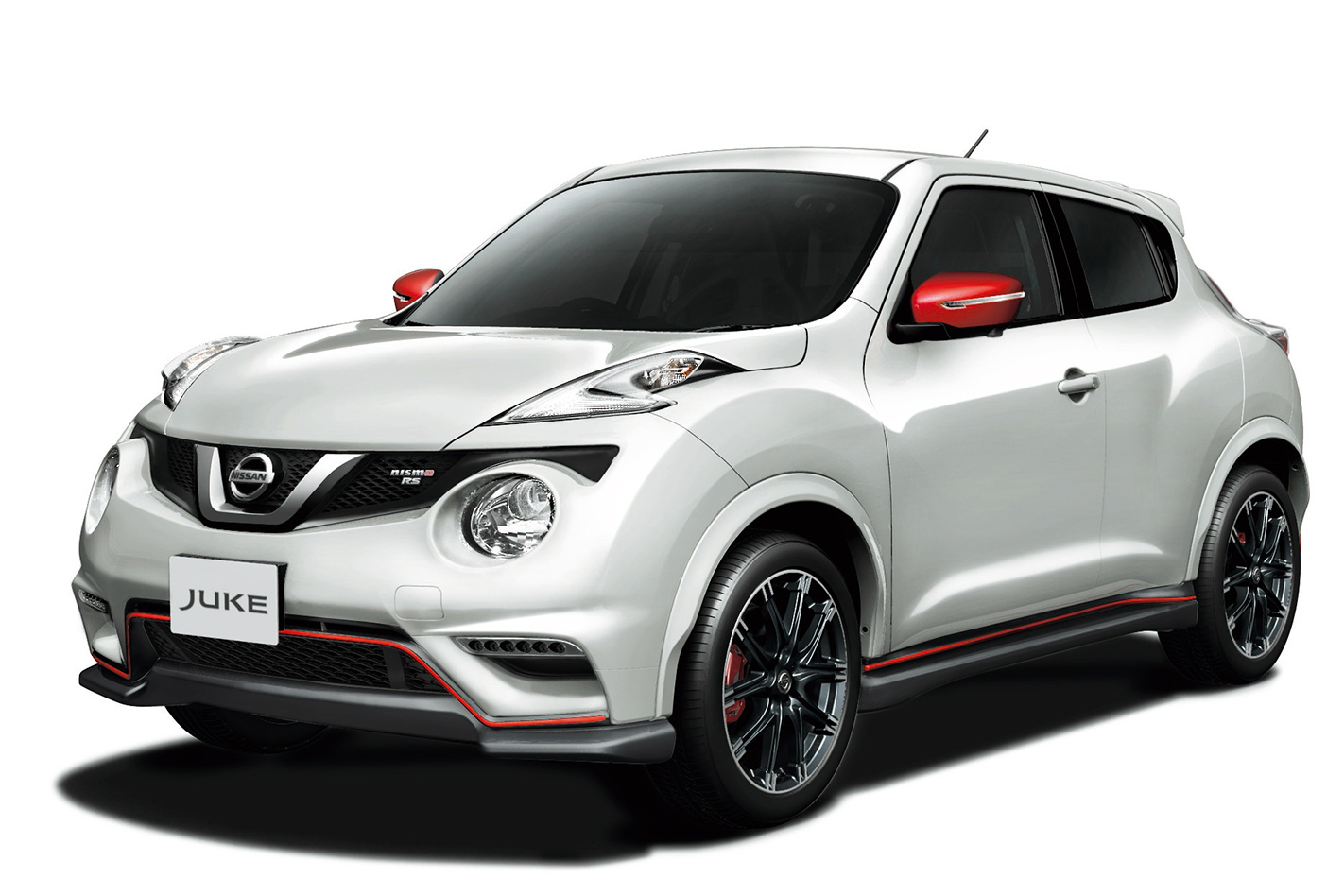
And true to Nissan Australia’s promise that locally-delivered Nismo vehicles would be about more than just wheels and bodykits, the Juke Nismo will feature genuine lifts in performance relative to its garden-variety siblings.
Set to launch in October, the Juke Nismo will be offered in both manual and automatic forms, with the former taking power to the front wheels exclusively and the latter offering all-paw traction. Power will top out at 160kW in manual form or 157kW with the CVT auto, and both powerplants will generate a total of 280Nm of torque from their 1.6-litre turbocharged inline fours.
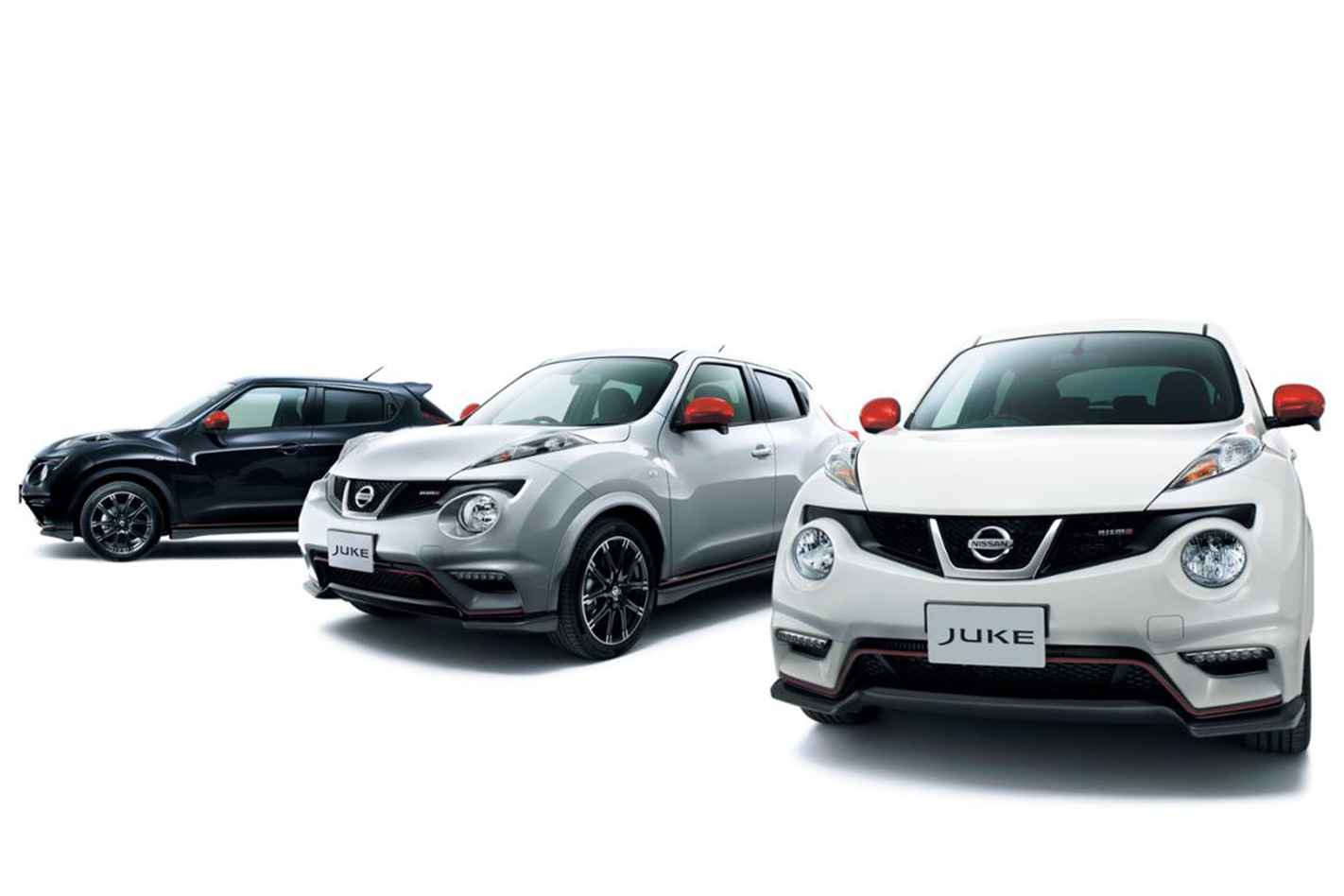
Those are handy increases over the current Juke Ti-S, which uses a lower-output version of the same MR16DDT engine to make just 140kW and 240Nm. In fact, the Juke Nismo’s 20kW advantage over the Ti-S grade equates to a 14.2 percent bump in power, easily eclipsing the GT-R Nismo’s 5.2 percent (22kW) and 370Z Nismo’s 3.2 percent (8kW) performance boosts.
It also makes it Nissan’s most powerful non-coupe performance car in a long time. The long-departed Pulsar SSS only made 140kW and 240Nm, and Nissan hasn’t had a fast-mover below the $49,990 370Z since.
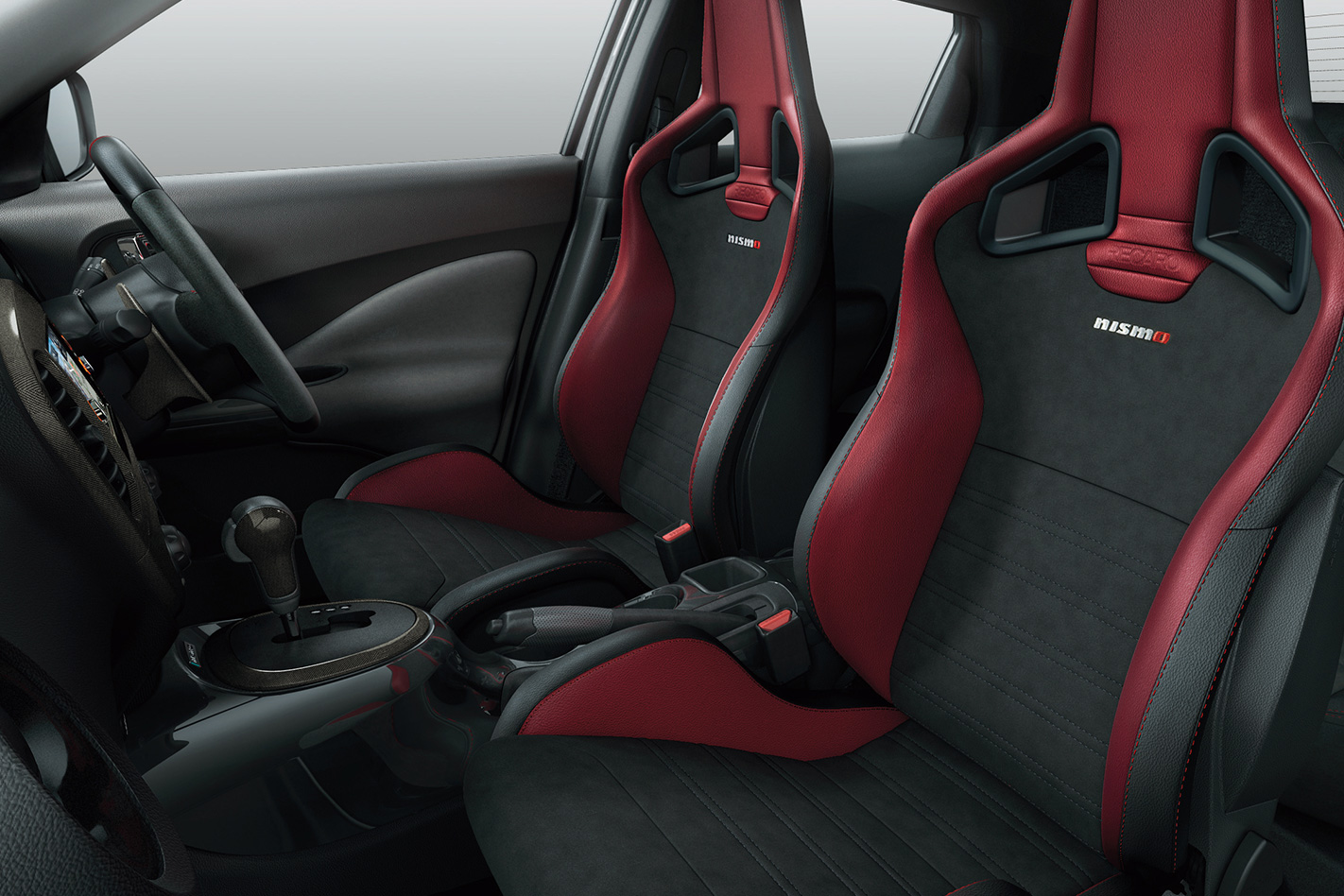
The Juke Nismo will also feature significant styling differences to set it apart from the rest of the Juke range, with a 10mm lower suspension, unique 18-inch alloys and a Nismo bodykit gifting it a sportier stance. It will also wear bigger brakes on the front, with 320mm rotors bringing more stopping power.
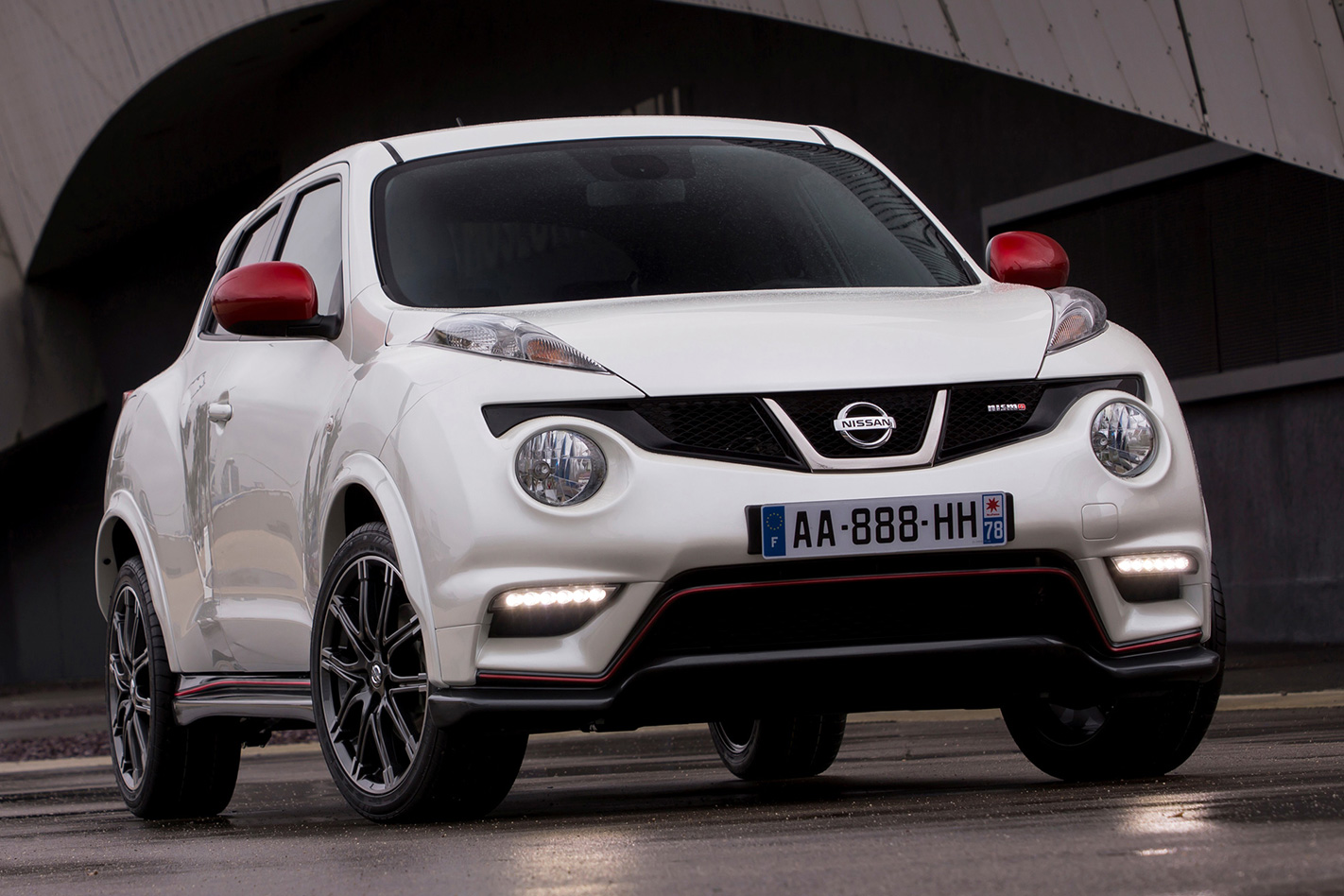
If overseas versions of the Juke Nismo are any clue, we can also expect body-hugging front bucket seats and plenty of Alcantara trim on the inside of Nissan’s fast n’ funky crossover.
Pricing and precise specifications have yet to be announced, though expect the Nismo to start somewhere in the low-to-mid $30K region, giving it plenty of clearance to the current Ti-S variant that tops out at $33,490 in automatic form.
THE world’s favourite moving car show has kicked off with a bang at the 2018 Goodwood Festival of Speed, with a bevy of high-profile cars making their way up Lord March’s famous driveway on the first day.
Every year there’s a signature theme, and for this year’s Festival of Speed the spotlight is shining brightly on Porsche’s 70th anniversary. To commemorate seven decades of Stuttgart, an enormous star-shaped sculpture featuring some of the company’s most iconic models has been erected in front of Goodwood House, overlooking the festival.
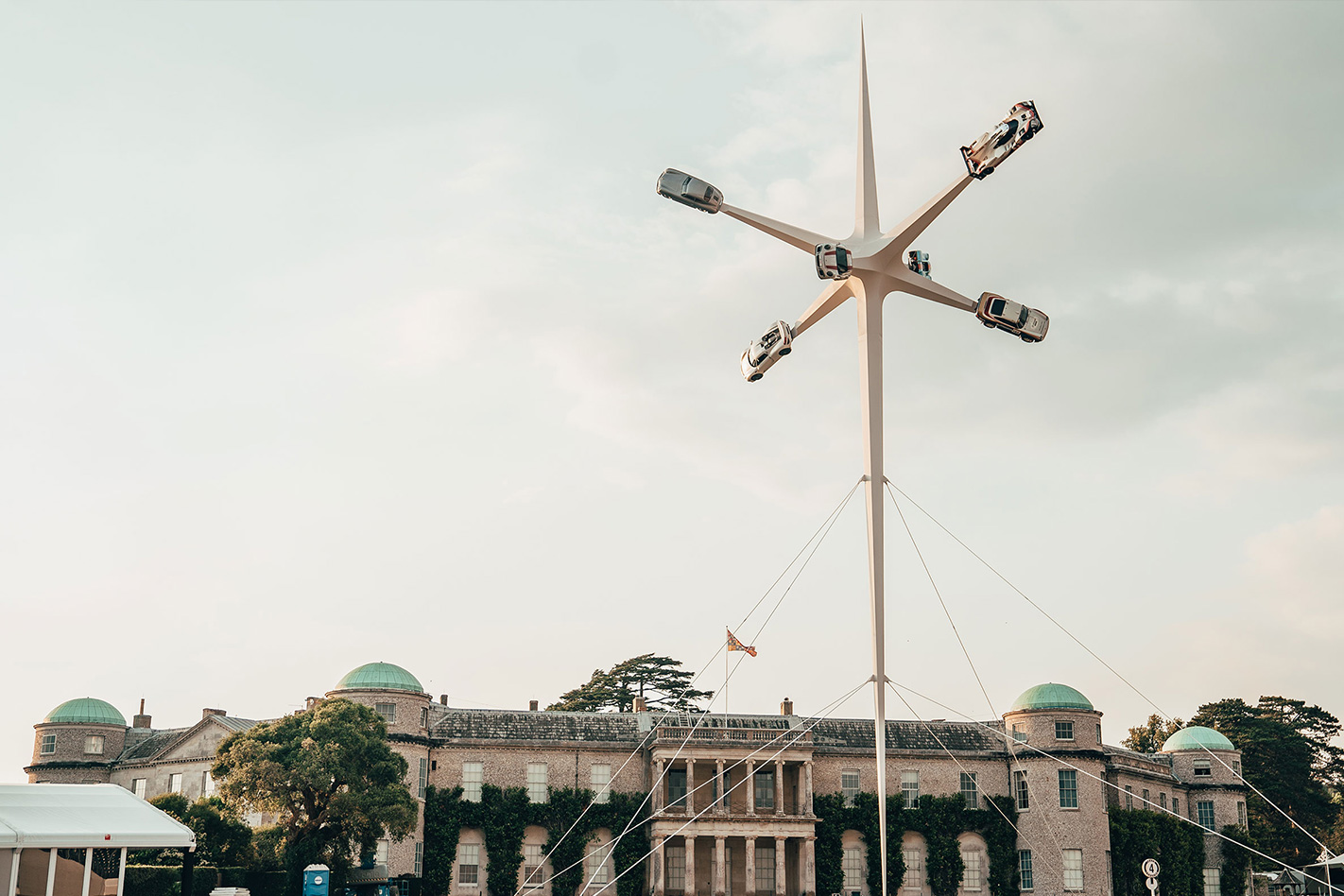
Porsche certainly doesn’t have a monopoly on the proceedings though. Elsewhere, the first public debuts of much-hyped cars like the Brabham BT62 and Toyota Supra took place, with both making their way up the Goodwood hillclimb in their first public displays.
To ensure you don’t miss any of the action, we’ve collated the highlights from day one of this year’s Festival of Speed.
Singer DLS 911
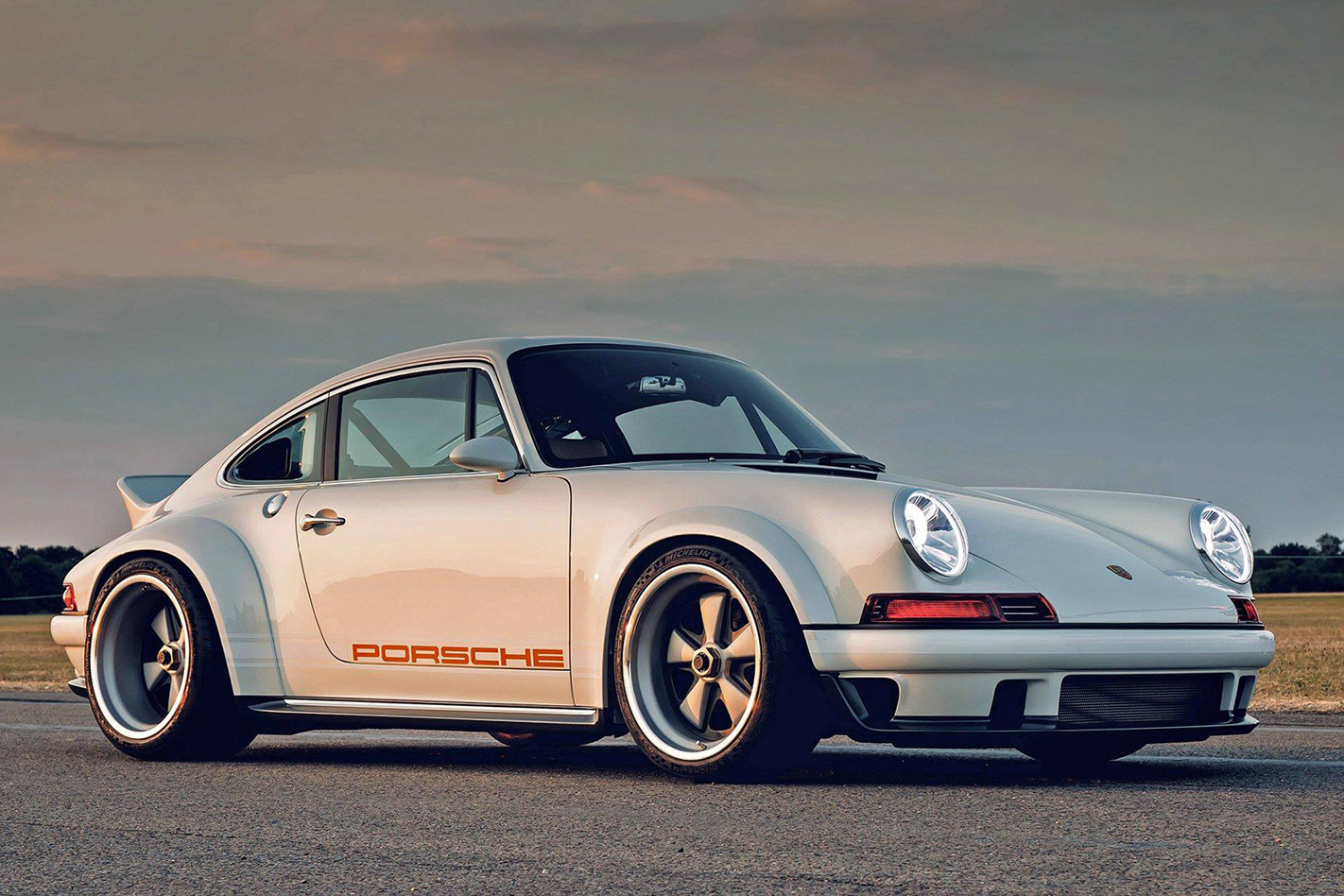
Furthering the relationship from their previous collaboration on the absinthe-green 964 that debuted late last year, Singer has again teamed up with Williams Advanced Engineering to unveil a customer-commissioned Dynamics and Lightweighting Study (DLS) 911.
The result is a stunning example in white, featuring an F1-inspired 370kW aircooled engine which revs to over 9000rpm, encased in an aerodynamic body that weighs less than 1000kg.
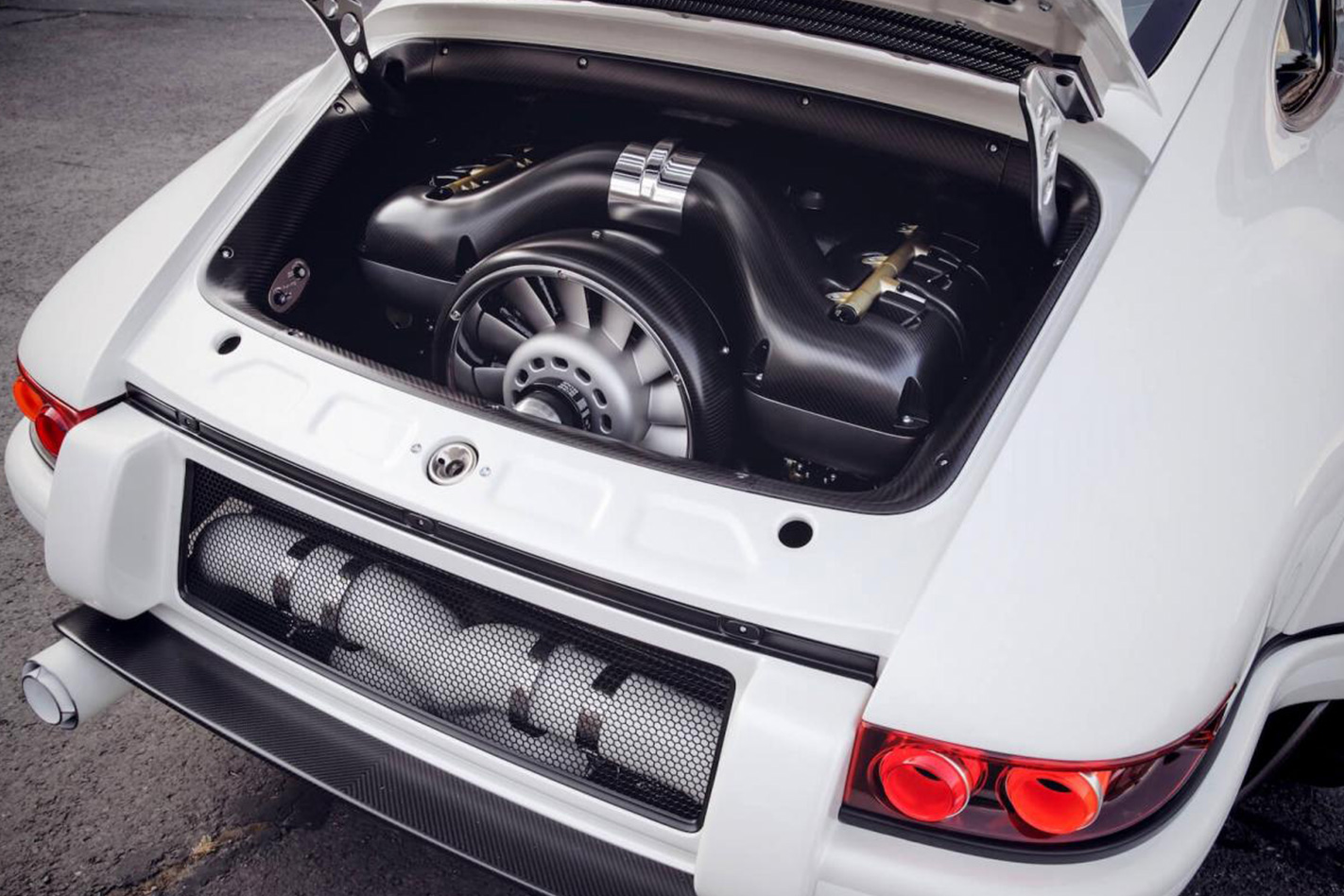
You certainly don’t have to be a 911 fan to enjoy this masterpiece. Want one? Singer will build it, but at an eye-watering cost of US$1.8million.
Brabham BT62
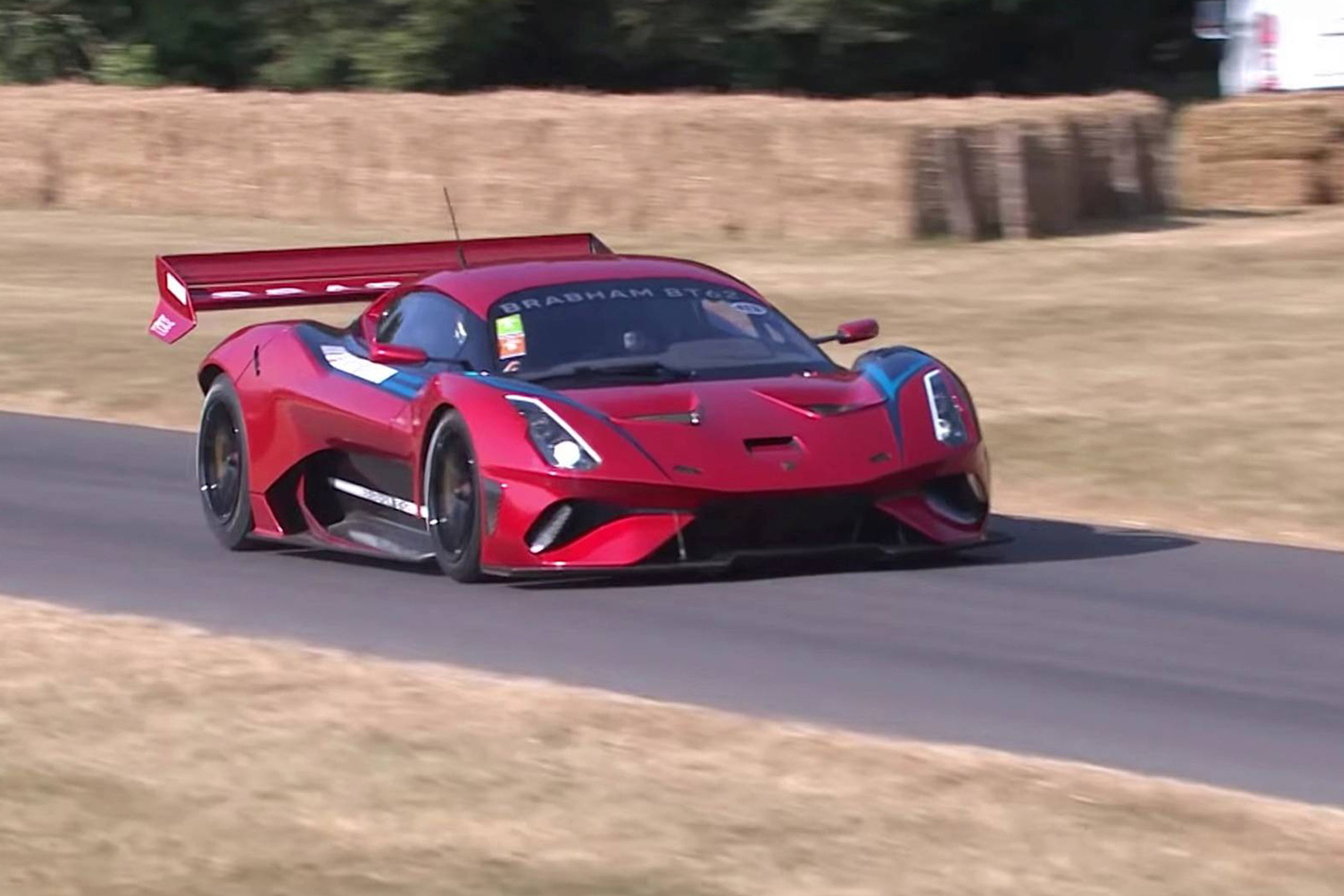
We’ve been following the return of Brabham closer than anyone, and the BT62’s debut at the Festival of Speed was as exciting as expected with the Australian-made hypercar howling up the hillclimb for its dynamic debut. Piloted by none other than David Brabham, the track-only BT62 was right at home on the closed stage – though clearly being driven with restraint.
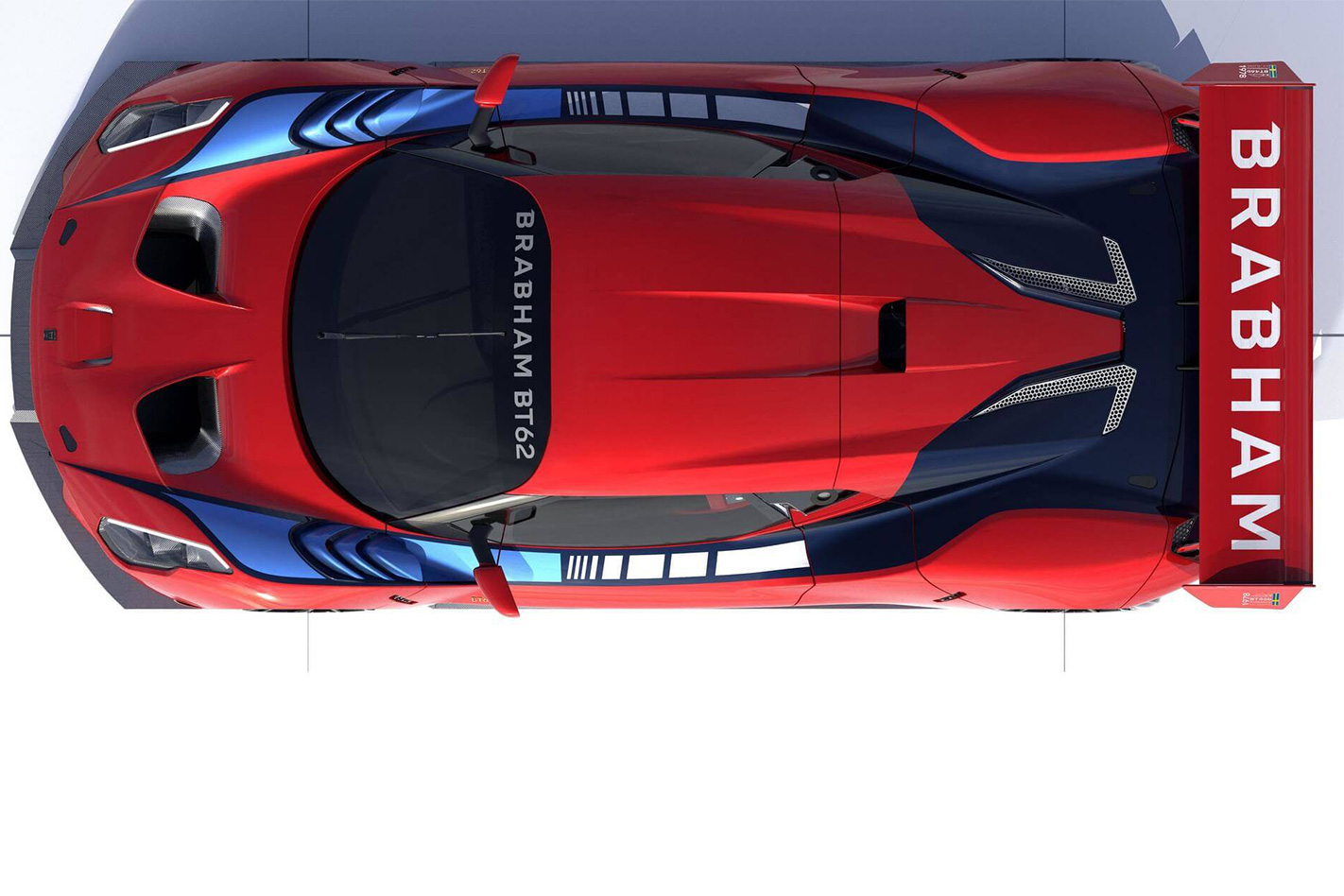
Furthermore, Wheels even had a man in the passenger seat of the Adelaide-built hypercar (who you’ll hear from soon).
Maserati Levante GTS
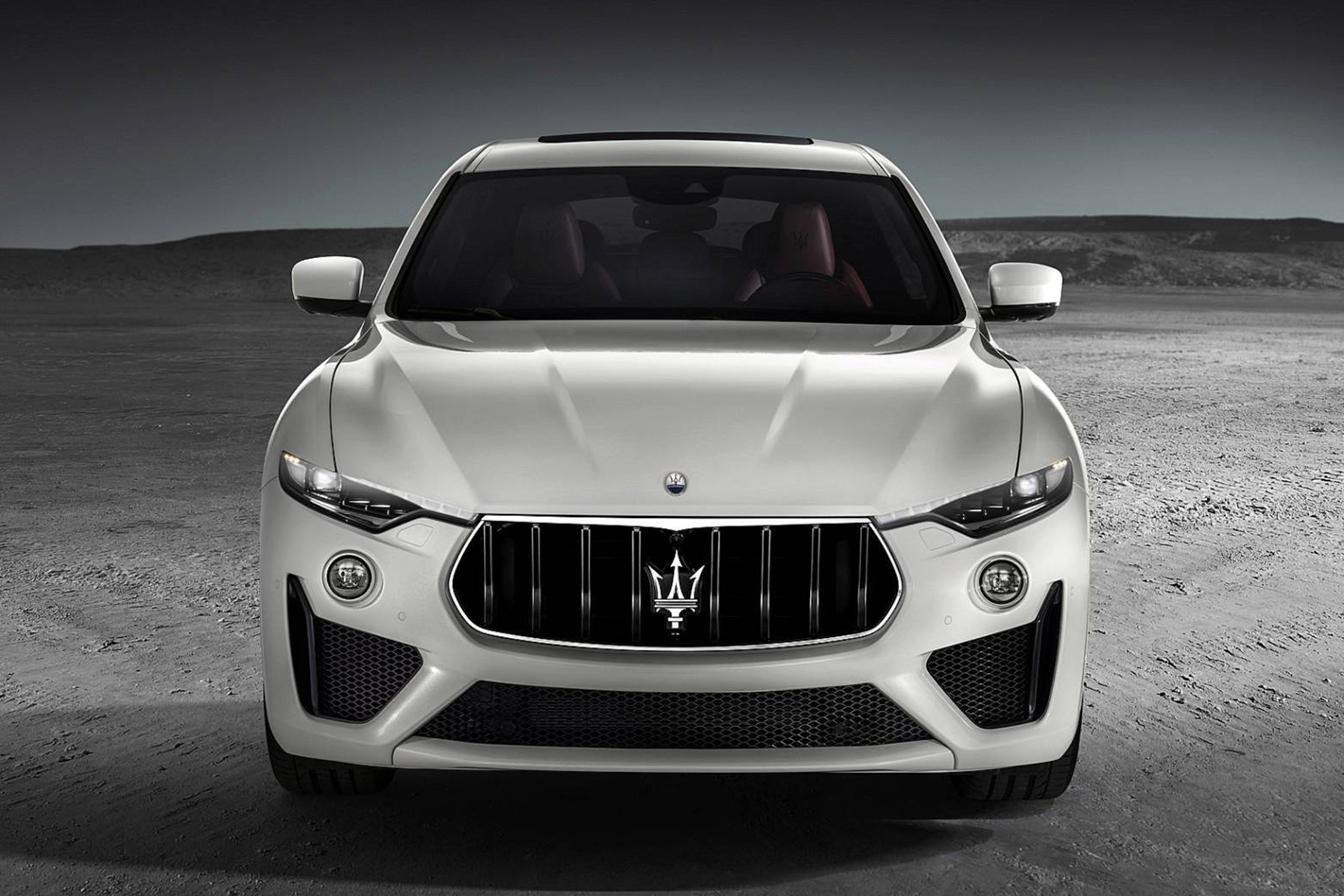
We heard whispers that Maserati was planning on fitting a Ferrari-derived V8 into its Levante SUV, but its debut at Goodwood was somewhat of a surprise as the Italian manufacturer unleashed its latest super-SUV in front of the Goodwood crowd.
Developing 410kW of power and 730Nm of torque from its 3.8-litre twin-turbo V8, the Levante GTS will haul itself from 0-100km/h in a brisk 4.2 seconds thanks to the grip of its Q4 all-wheel drive system.
McLaren 600LT
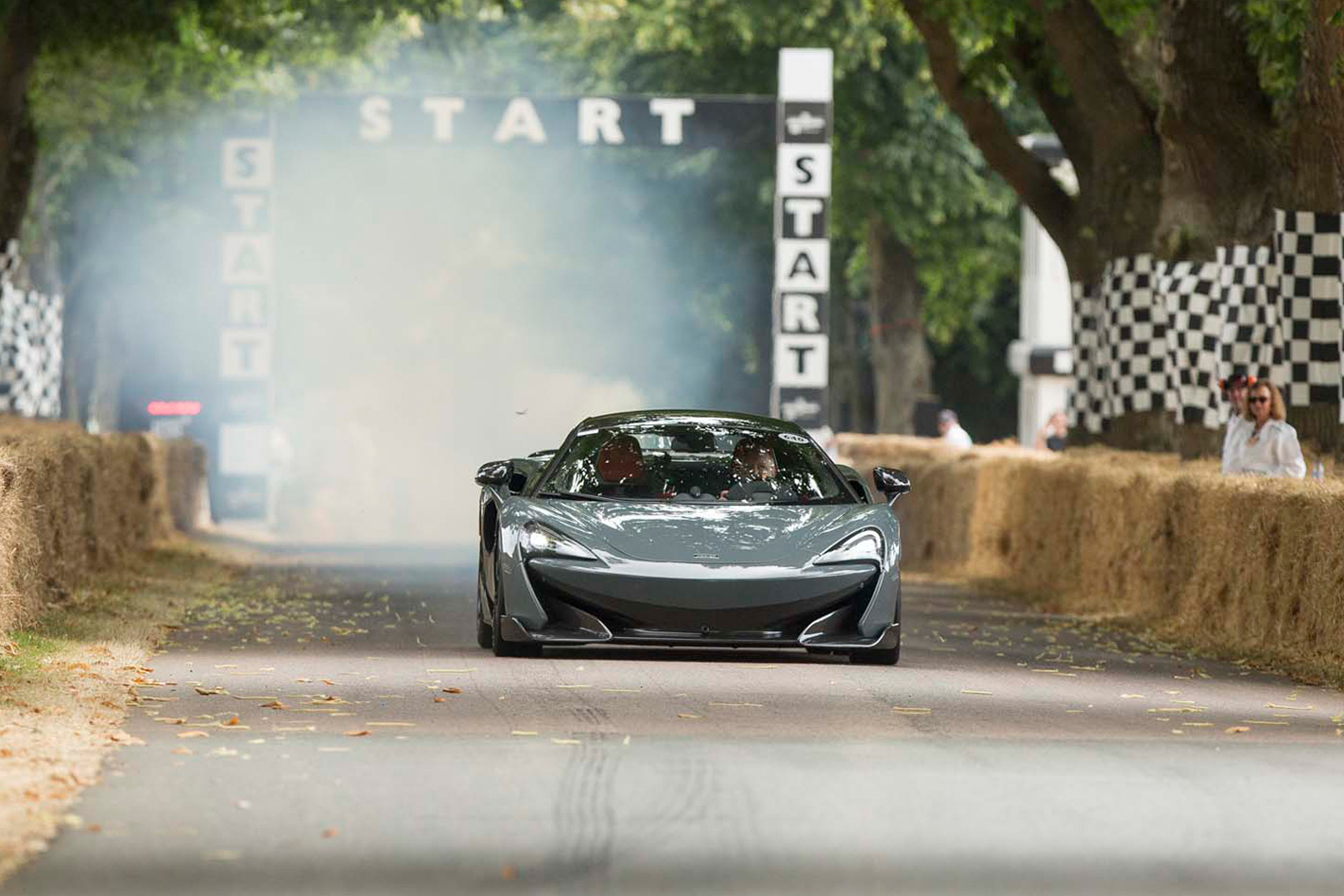
McLaren’s longtail version of the 570S took to the hillclimb in a spectacular display. The 600LT was caught on camera shredding its tyres off the start line before being whipping into donut-frenzy in front of Goodwood House on the main straight.
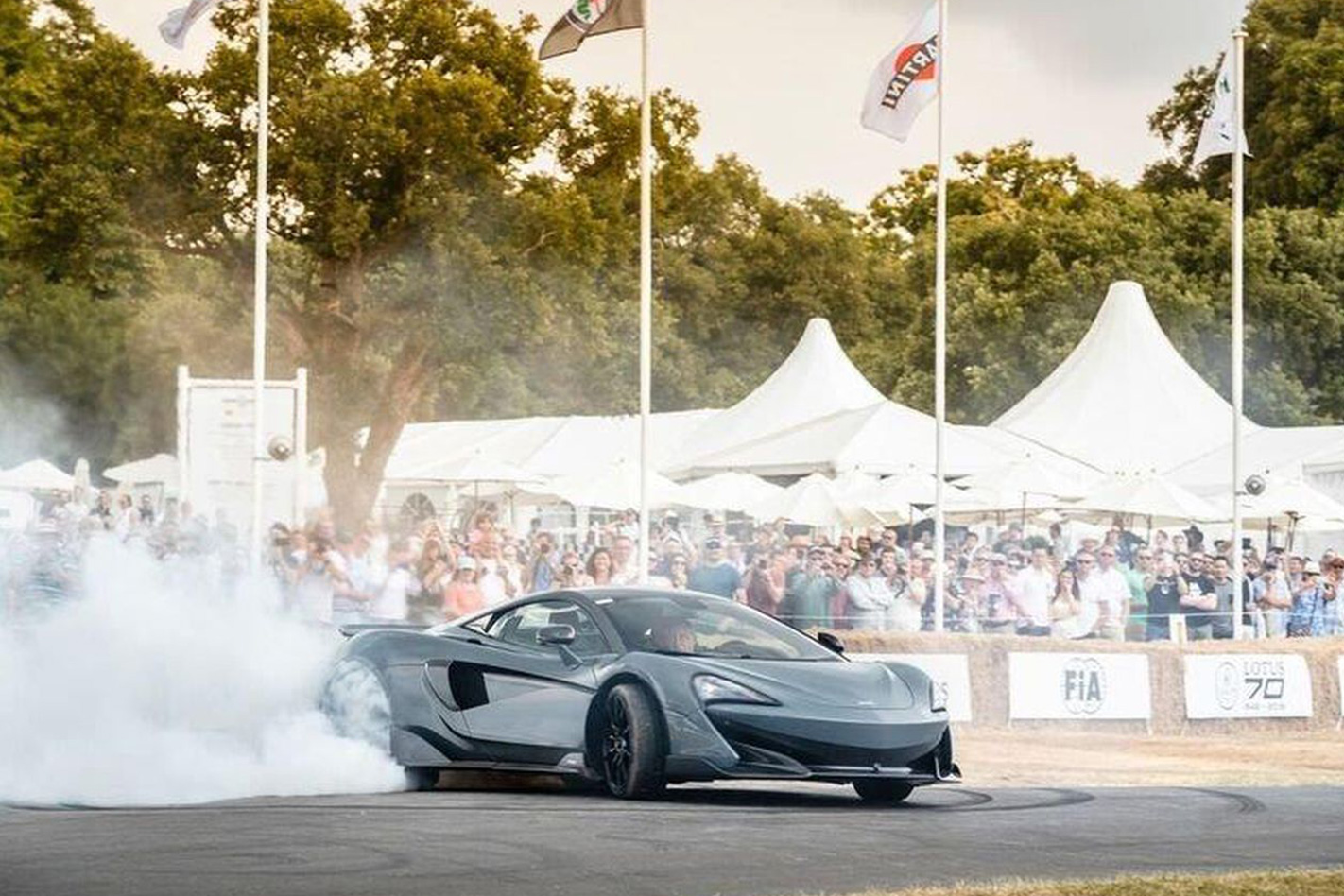
Said to be as fast as the 675LT from which it draws inspiration, this track-ready supercar will almost certainly have its competitors covered. We can’t wait to get behind the wheel ourselves.
Toyota Supra
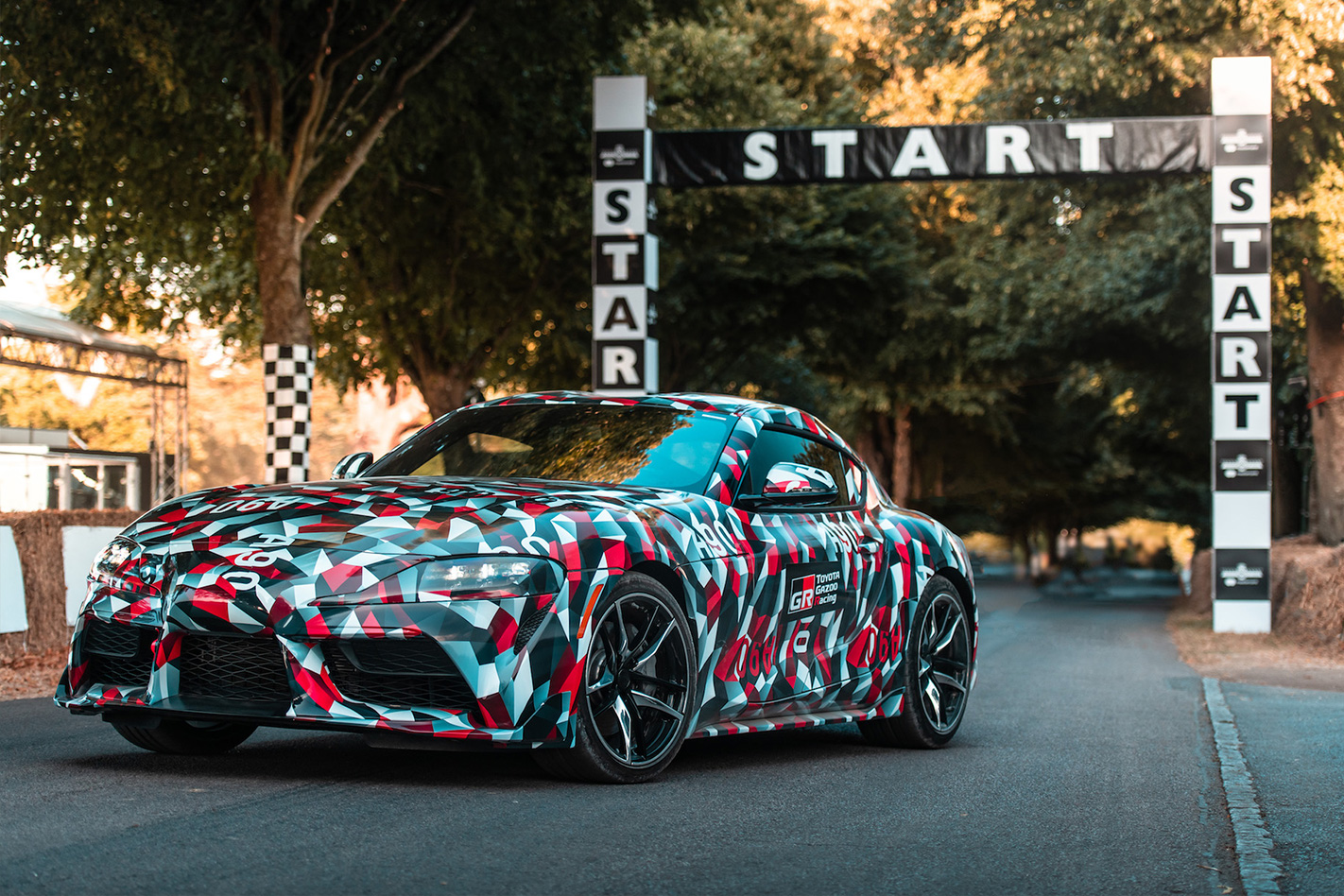
The new generation Toyota Supra was shown to the world for the first time as it ran up the driveway in the Moving Motor Show, however camouflage continues to obscure its form. Toyota can only string enthusiasts along for a limited time, but a full reveal is expected sometime before the fourth quarter of this year.
Aston Martin V8 Cygnet
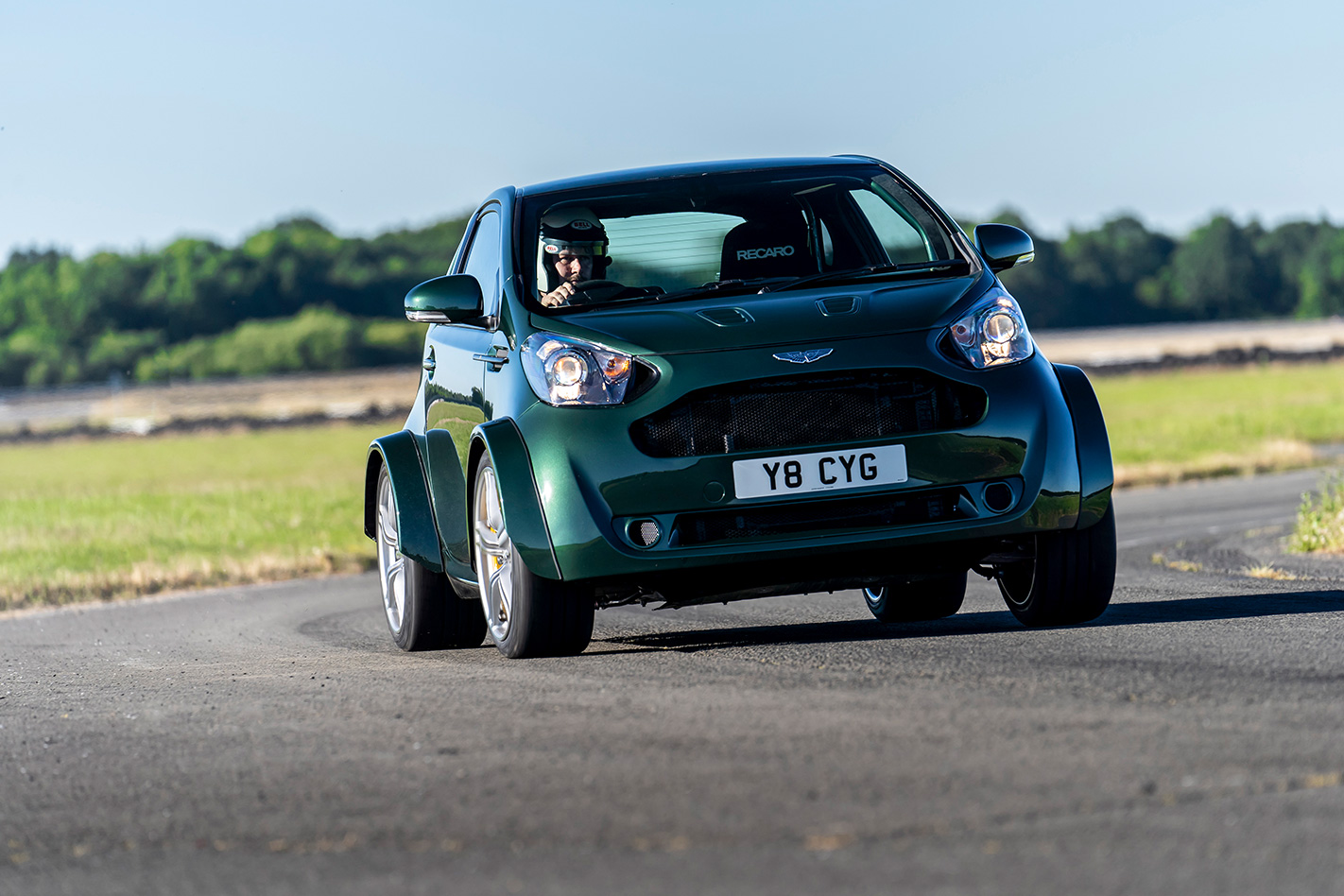
Thanks to a legendary customer who commissioned ‘Q by Aston Martin’ – the bespoke operations group of the British marque – to add some more pep to their Cygnet, there now exists a Toyota-based luxury hatchback equipped with the 4.7-litre naturally aspirated V8 from the previous-generation Vantage. Goodwood seems like the natural environment to stretch the legs of such a hybrid.
If you still weren’t convinced that a naturally aspirated V8 engine is one of the best sounds in the world, let the Brabham BT62 change your mind.
In its first public ‘drive’, the BT62 charges (although relatively casually, it seems) up Lord March’s driveway for the Goodwood Festival of Speed hill climb.
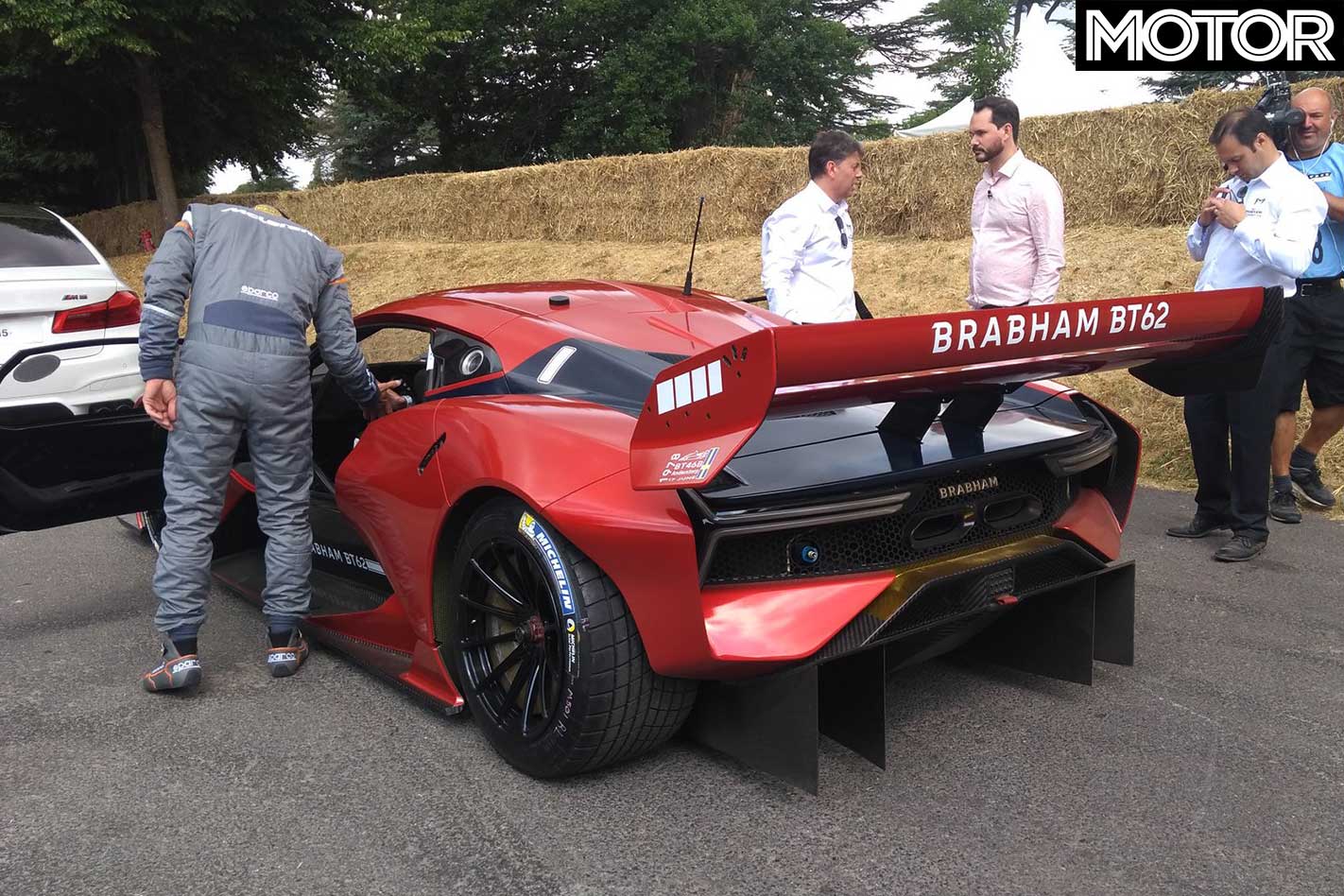
With a 5.4-litre dry-sump engine making 522kW/667Nm, and a dry weight of just 972kg thanks to its carbon fibre body, the BT62 is capable of extremely rapid acceleration.
But it appears to be taking a calmer approach at Goodwood, with Brabham Automotive managing director David Brabham at the wheel.
“Giving the BT62 its dynamic public debut and returning the Brabham name, with all of its historical significance and racing pedigree, to Goodwood will be an experience I’ll never forget,” he said prior to the event.
“My father attended the Festival himself many times, and it’s great to continue the tradition of a Brabham driving a Brabham up the hill.”
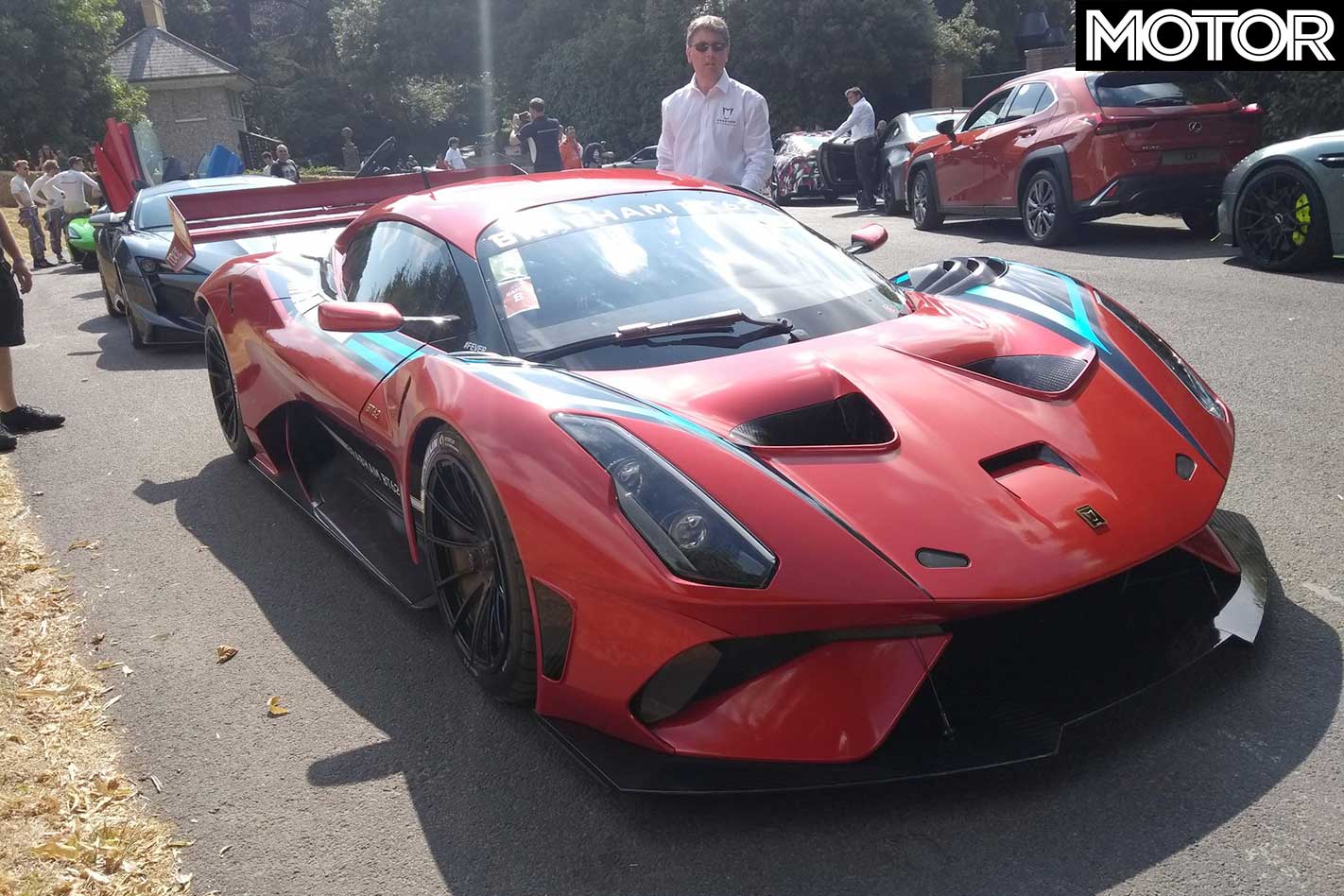
The particular livery adorning the car at Goodwood might also look familiar to trainspotters, it’s the same as the one which the infamous BT46B ‘fan car’ wore.
Driven by Niki Lauda, John Watson, and Nelson Piquet, the Alfa Romeo flat 12-powered BT46B helped Lauda achieve 4th place in the 1978 Formula One championship with two race wins up his sleeves.