
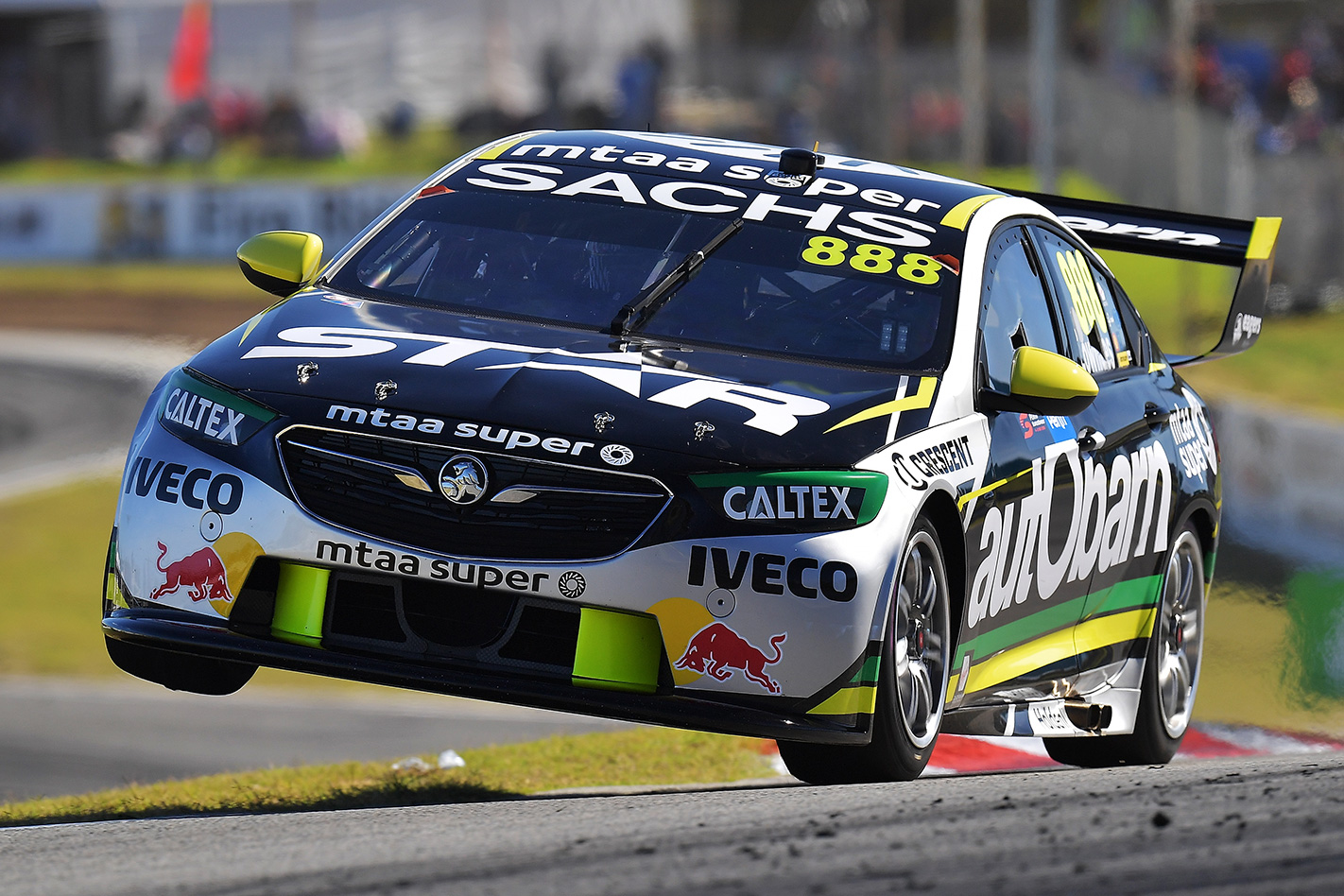
CRAIG Lowndes, one of the icons of Australian motorsport, has announced he will retire at the end of the 2018 season.
The three-time drivers’ championship winner will continue to co-drive for Autobarn Racing Team and Triple Eight Race Engineering, the team he has been with since 2005, even though his contract runs until the end of 2019.
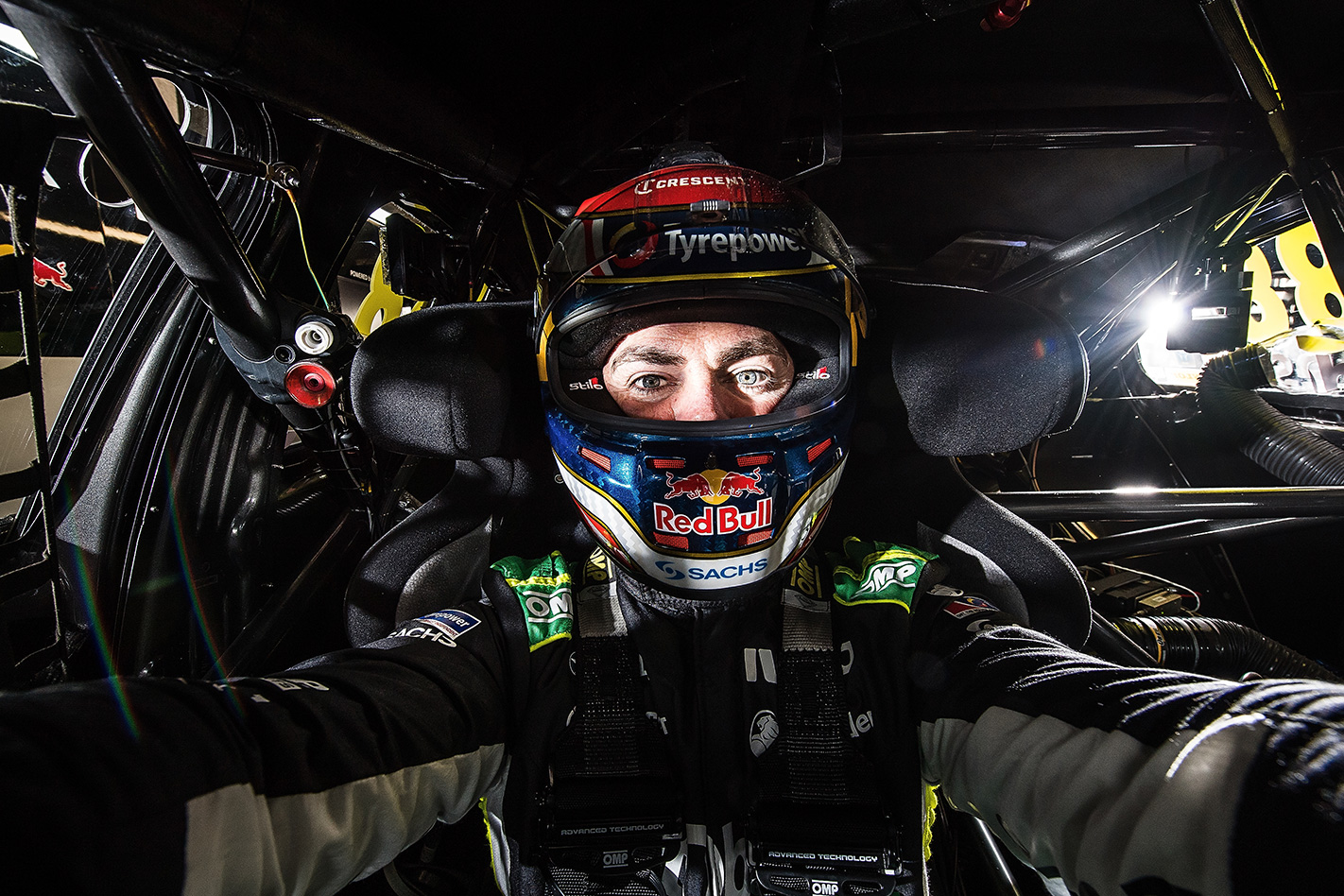
“I’ve always said there are two key factors keeping me racing and those are my motivation to keep getting up and doing what I love and my competitiveness, and for me, nothing has changed,” Lowndes said in a statement posted on his website.
“But at the same time I want to make sure I finish my last full-time season with some strong results in the bag and after this year’s results so far Roland [Dane] and I came to the decision between us that this will be my last full season behind the wheel.
“I feel extremely lucky to have been able to keep doing what I love at a competitive level for such a long time.
“I have to thank my family and friends, the whole team at Triple Eight and KRE, Supercars, my personal and team sponsors and of course the fans for supporting me throughout.
“Ultimately, the fans are the backbone of our great sport and the reason I’ve pulled my helmet on every race weekend, so to them, thank you.”
Lowndes made the announcement on the first day of practice for the Townsville 400. He is currently sitting on fourth place on the drivers’ championship points table.
Supercars Australia said Lowndes was a role model and hero of the sport. “In the relatively short time that I’ve known him, Craig has proved himself to be the same genuine, friendly bloke in person that you see on camera, as well as one of the most tenacious drivers in the series,” Supercars chief executive Sean Seamer said.
“He’s a true legend of Australian sport. As an enduro driver, I have no doubt Craig will continue to be a regular visitor to the podium. As an ambassador to the sport, in whatever capacity he chooses, Craig will be a fundamental part of the Supercars family for many years to come and the entire Australian sporting landscape will be saddened to see him hang his helmet up after the last race of the year.”
The Confederation of Australian Motor Sport congratulated Lowndes on his “stellar” career. “As a sport, we’ve been very fortunate that Craig has given so much joy to our fans over the years,” CAMS chief executive Eugene Arocca said. “Not many athletes can compete at such a high level for some three decades, but Craig, being the professional he is, has done so with enormous success.
“He is a big part of our sport, and an icon of Australian sporting culture generally. We’re glad he’s sticking around to do some driving, and that his trademark smile will continue to be on our television screens.”
That latter reference is to the news that Lowndes will join Supercars broadcasts as a commentator from next year.
Triple Eight Race Engineering managing director Roland Dane said Sunday’s race, where Lowndes would compete for the last time as a full-time driver, would be an emotional one for the team. “He’s a massive part of the team here and has played a huge role in making Triple Eight what it is today,” Dane said. “We don’t know yet who Craig’s going to be co-driving with for the enduros – that depends on the structure of the team – but he’s undoubtedly got a few more Bathurst wins in him.”
One of the clues to where Lowndes will take the next step in his driving career came via his personal website. “I’ve also always said I’d love to go and do more racing overseas and in different categories,” he said. “Le Mans is definitely on the bucket list and hopefully this will enable me to go and do that, which Roland and the team will be supportive of.”
WHAT IS IT?
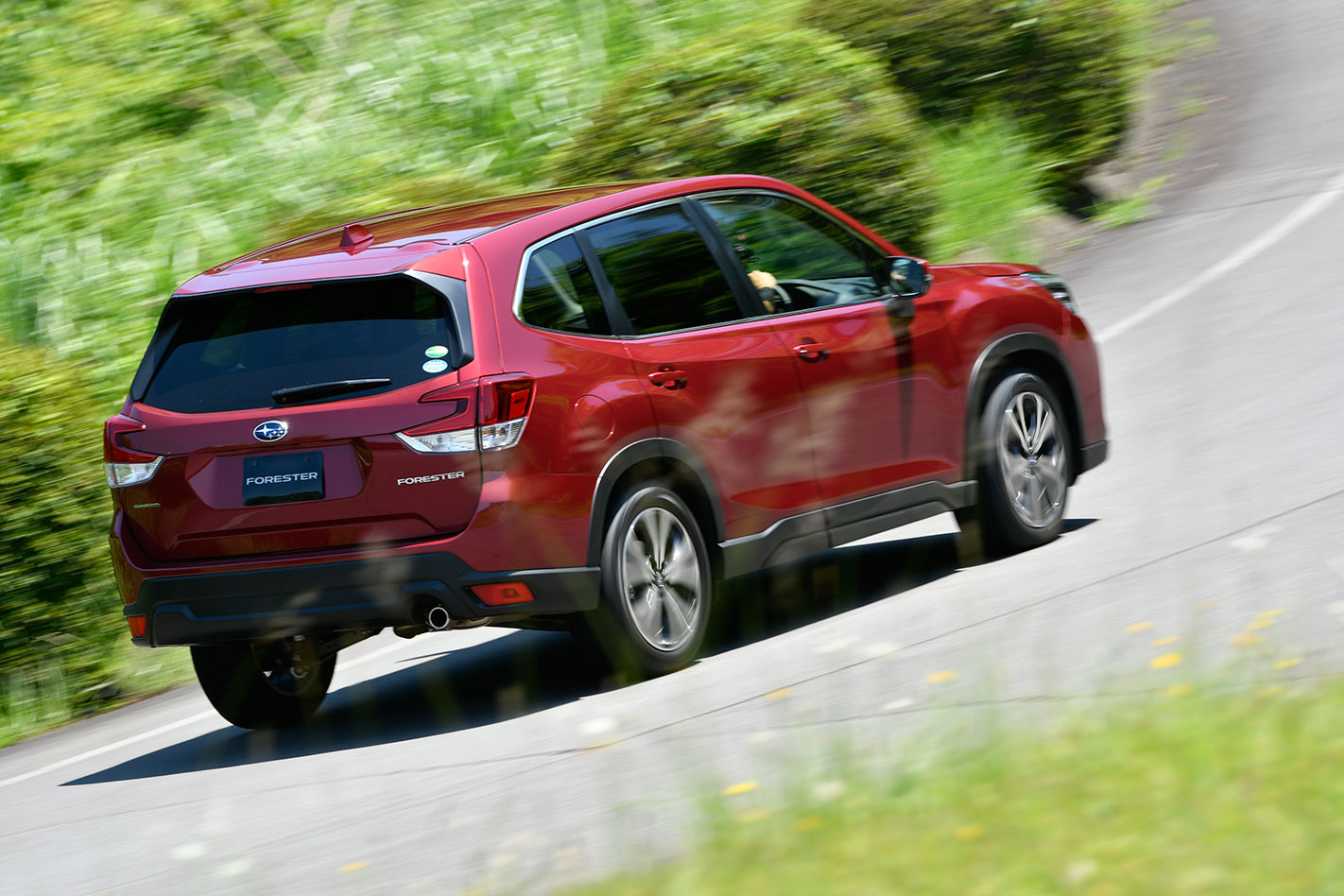
This is an all-new version of Subaru’s most popular model globally. Forester was an originator of the mid-size SUV segment when it launched almost 20 years ago, and this overhauled fifth-gen model aims to maintain its distinctive points of difference in what is now a hugely popular category, while bringing chassis, engine and infotainment tech up to par with fresher competitors.
WHY WE’RE TESTING IT
The outgoing fourth-gen Forester has been a consistently competitive feature of Wheels mid-size SUV comparison tests, even in its advancing years, only falling off the pace noticeably in recent times. This all-new model – revealed at the New York motor show earlier in the year – should push the formula forward, and a preview drive on a test track in Japan is our first chance to find out whether the generational leap has maintained its best assets or squandered them.
MAIN RIVALS
Mazda CX-5, Ford Escape, Volkswagen Tiguan, Kia Sportage, Hyundai Tucson, Toyota RAV4, Mitsubishi Outlander, Haval H6, Nissan X-Trail, Honda CR-V.
THE WHEELS VERDICT
Dozens of incremental improvements to a proven format make the new Forester more useful and thoughtful without offending Subaru’s loyal buyers. It may be all-new, but there’s a likeable familiarity about this Forester.
PLUS: Robust and attractive interior; practical consideration; big glass airiness and visibility MINUS: Transmission whine; no turbo, diesel or manual available
THE WHEELS REVIEW
NOTHING says ‘this car is a big deal for us’ like the 22 pages of technical drawings and graphs I have just been presented with at a Forester preview drive in Japan. This highly detailed breakdown and another six pages of press release information outline dozens of advances made by Subaru in the step from fourth- to fifth-gen Forester. There is a lot to digest here.
In Australia and around the world, no Subaru model sells better than the Forester. Legions of rusted-on buyers drive their beloved soft-roaders into the ground and then go back to Subaru for the new one. It’s the kind of loyalty most other brands only dream of.
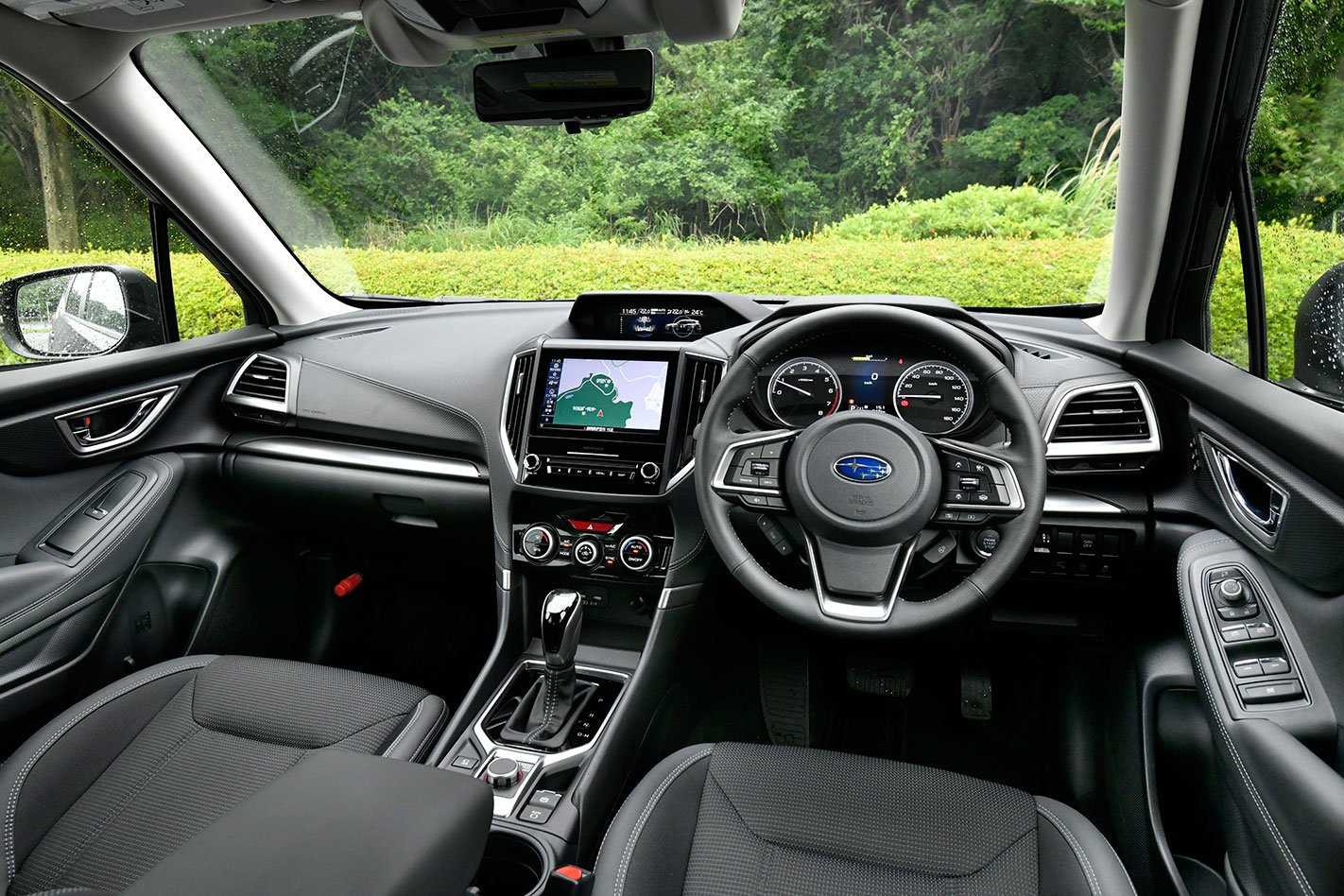
With that in mind, the way this all-new model looks and behaves makes a lot more sense. It may ride on a completely new platform and boast an almost entirely new engine, but it feels like a fine-tuning of Subaru’s successful formula rather than a transformation. Dozens of thoughtful, incremental improvements make it a better Forester, without losing its distinctiveness or alienating its many devotees.
And there’s nothing fundamentally wrong with that approach – just ask VW. The outgoing fourth-gen Forester has been held in high esteem here at Wheels. Its class-leading visibility – particularly from the second row – gave it a likeable point of difference compared to other claustrophobic mid-sizers, making it one of the best choices for families with kids.
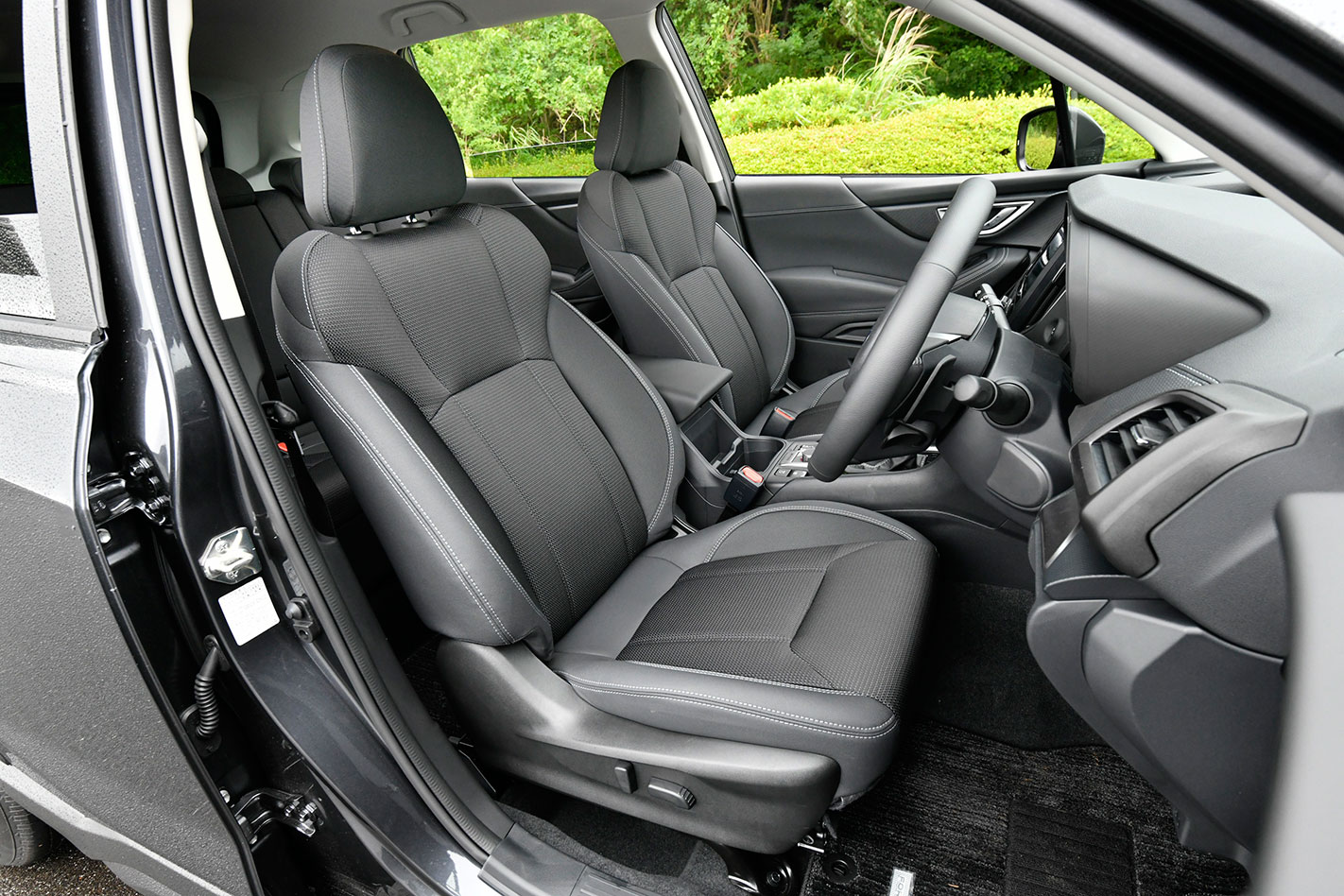
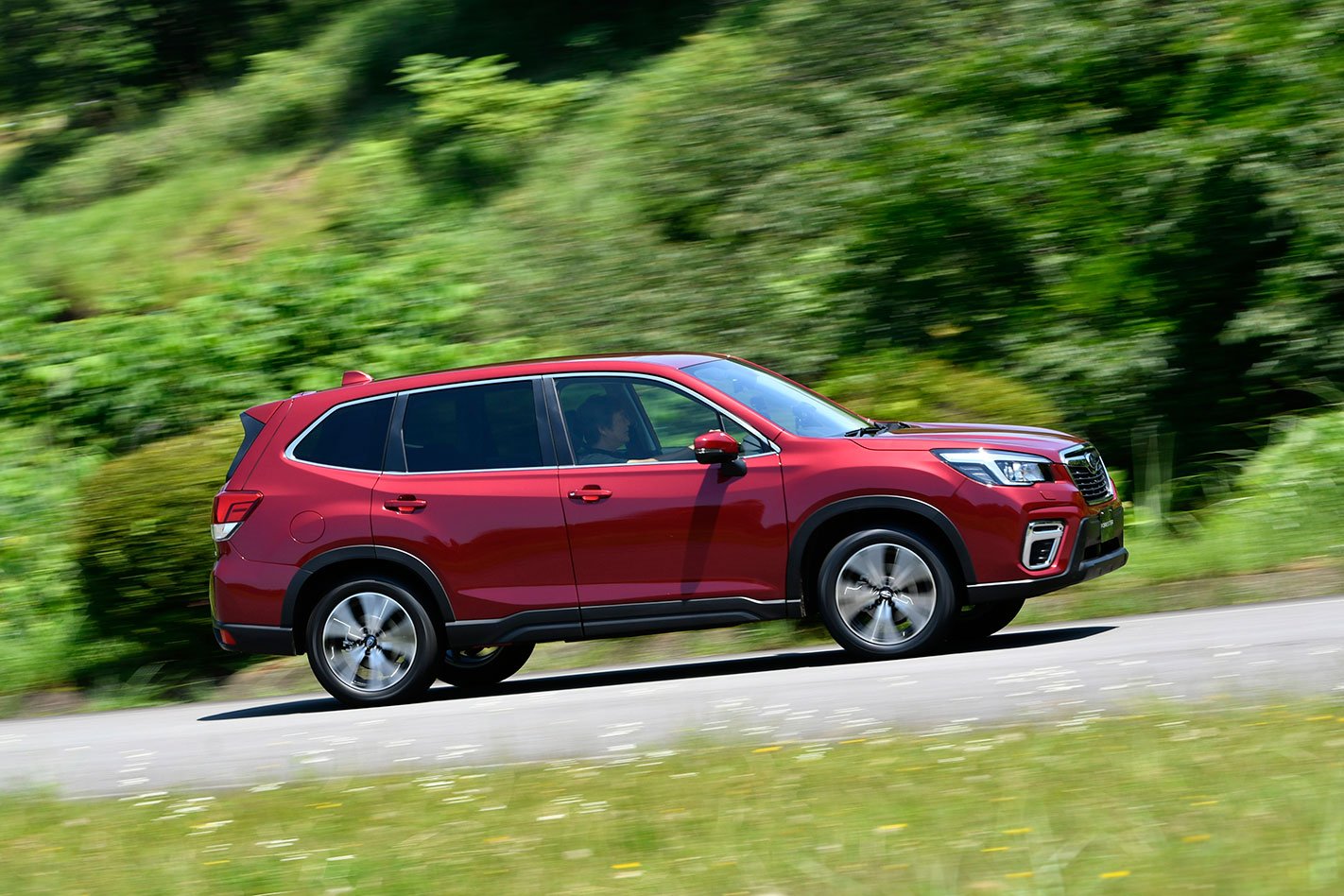
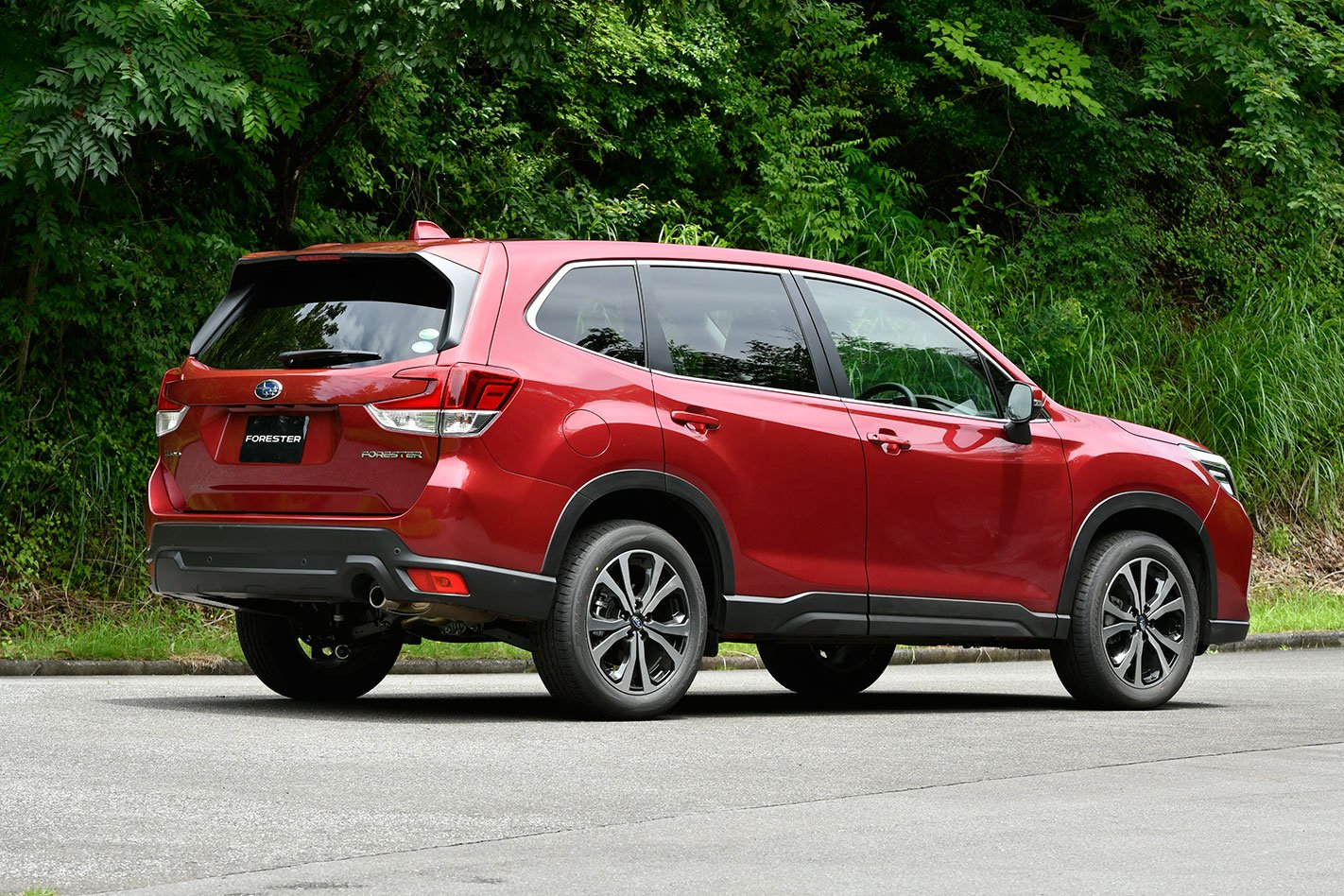
That high roofline and low beltline have been retained for the new model, with tall glass and narrow pillars to keep an airy feeling. Inside is where the biggest changes have occurred. Hard plastics have been minimised and touchpoints are now notably plusher. Textural new materials elevate its appearance while preserving a hard-wearing feel, and there’s more room inside to boot.
Forester now rides on a version of the Subaru Global Platform that already underpins Impreza and XV, with a 30mm longer wheelbase than before. Torsional rigidity rises by 40 percent, which should be good news for both crash safety and suspension performance. Overall dimensions of the body are slightly larger; 20mm wider, and 15mm longer, though the roof is 5mm lower. Weight increases by between 15 and 25kg, depending on spec, though some body panels are now aluminium to mitigate the growth.
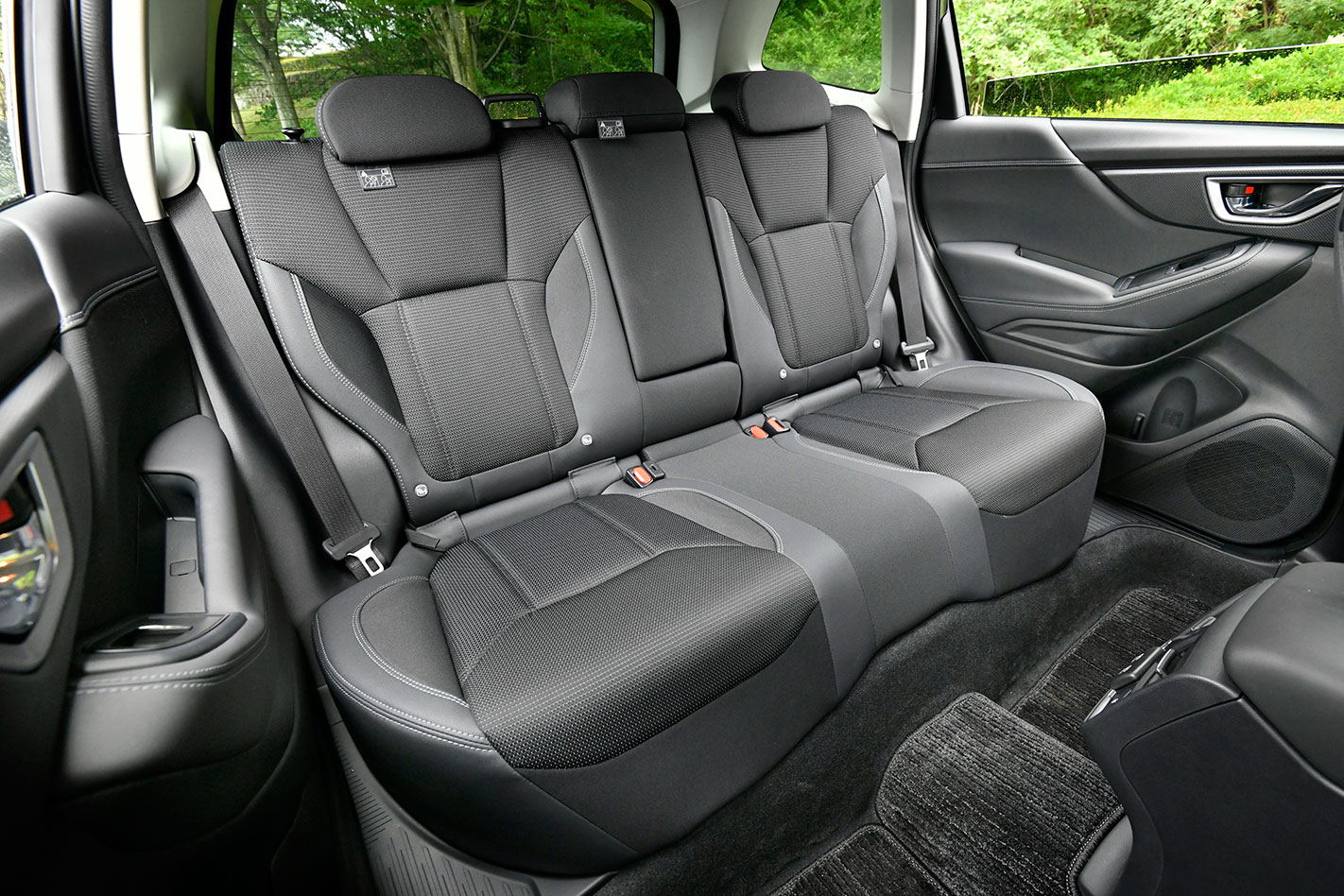
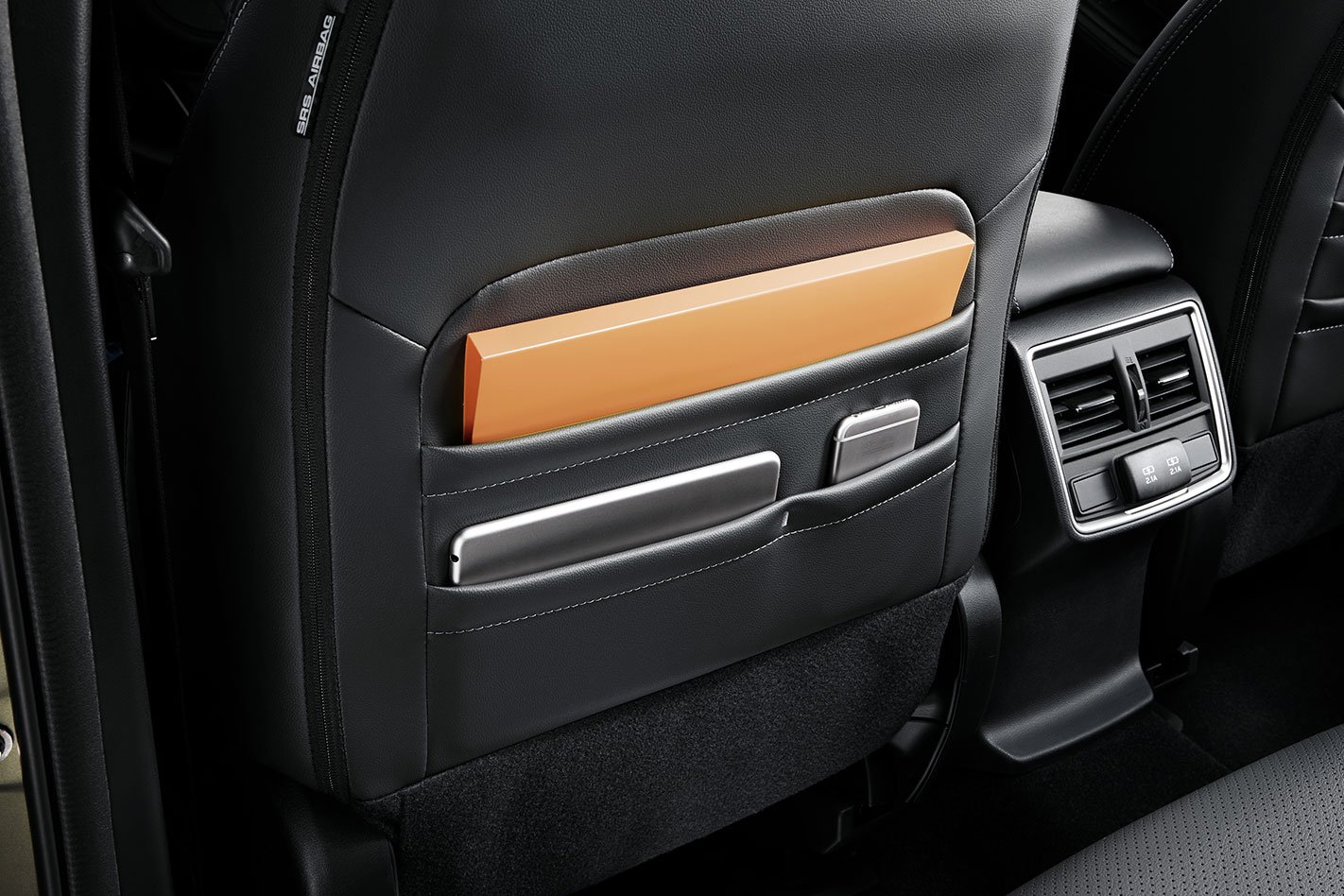
Enlarging the cabin has put an additional 20mm between the shoulders of front occupants and, though the old model wasn’t lacking, there’s 33mm more legroom in the back. Rear occupants also get three-zone map pockets for storing multiple devices, rear vents and a pair of 2.1amp USB charging ports.
A hefty rationalising of the Forester range means only a single, naturally aspirated petrol engine will be offered in Australia. No more XT turbo and no more diesel, though a mild hybrid version is expected to join late next year. Until then, the current Aussie line-up of seven variants will likely reduce to just three, all powered by a 2.5-litre flat-four that produces 136kW and 239Nm.
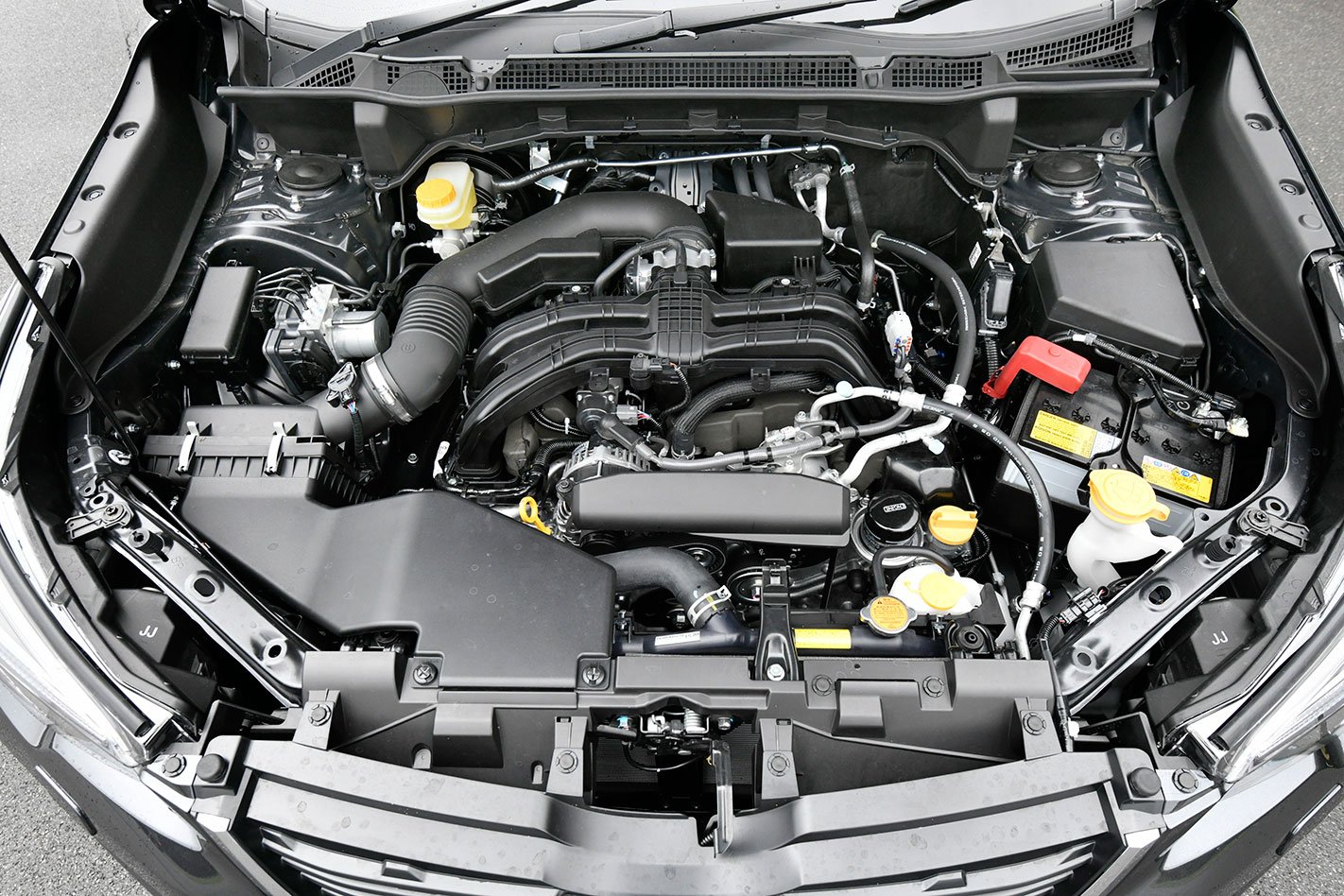
Those metrics are up 10kW and 4Nm over the old 2.5, but the boxer still needs revs to reach those numbers. Peak power doesn’t arrive until 5800rpm, while maximum torque sits at 4400rpm, and driving at those upper reaches brings out a lot of unwanted chain whine from the CVT, despite claimed improvements in that department. Subaru has widened the range of the CVT coupled to the new 2.5, effectively giving it seven ratios that can be selected with paddle shifters. It’s an adequate drivetrain for pottering about at low speeds, but there are bound to be those who will long for the torque of the old oiler and boosted XT.
Subaru says that 90 percent of the engine’s components have been revised to make the new 2.5-litre more efficient, which includes the introduction of direct injection. A Subaru-first thermo control valve was engineered for this engine to help it reach a thermally efficient operating temperature more quickly, and lots of other small changes should net a mild economy improvement overall. Relevant testing is yet to give us a comparative number for the old car’s 8.1L/100km claim.
In terms of dynamics, a variable ratio steering rack has been introduced for better straight-line stability and more immediate off-centre response. Beyond a quarter turn of lock its weighting is heavy, and though variable racks aren’t always desirable, our limited testing opportunity suggests the new model hasn’t lost the old car’s dynamic competency. The Global Platform that performs well beneath Impreza is equally interactive here with reasonable front-end grip. Ride quality was harder to judge on the only surface available to drive on, which was snooker-table smooth, but Subaru’s claims of reduced body roll and vibration weren’t at odds with what we felt. Thankfully, a proper local test isn’t too far away.
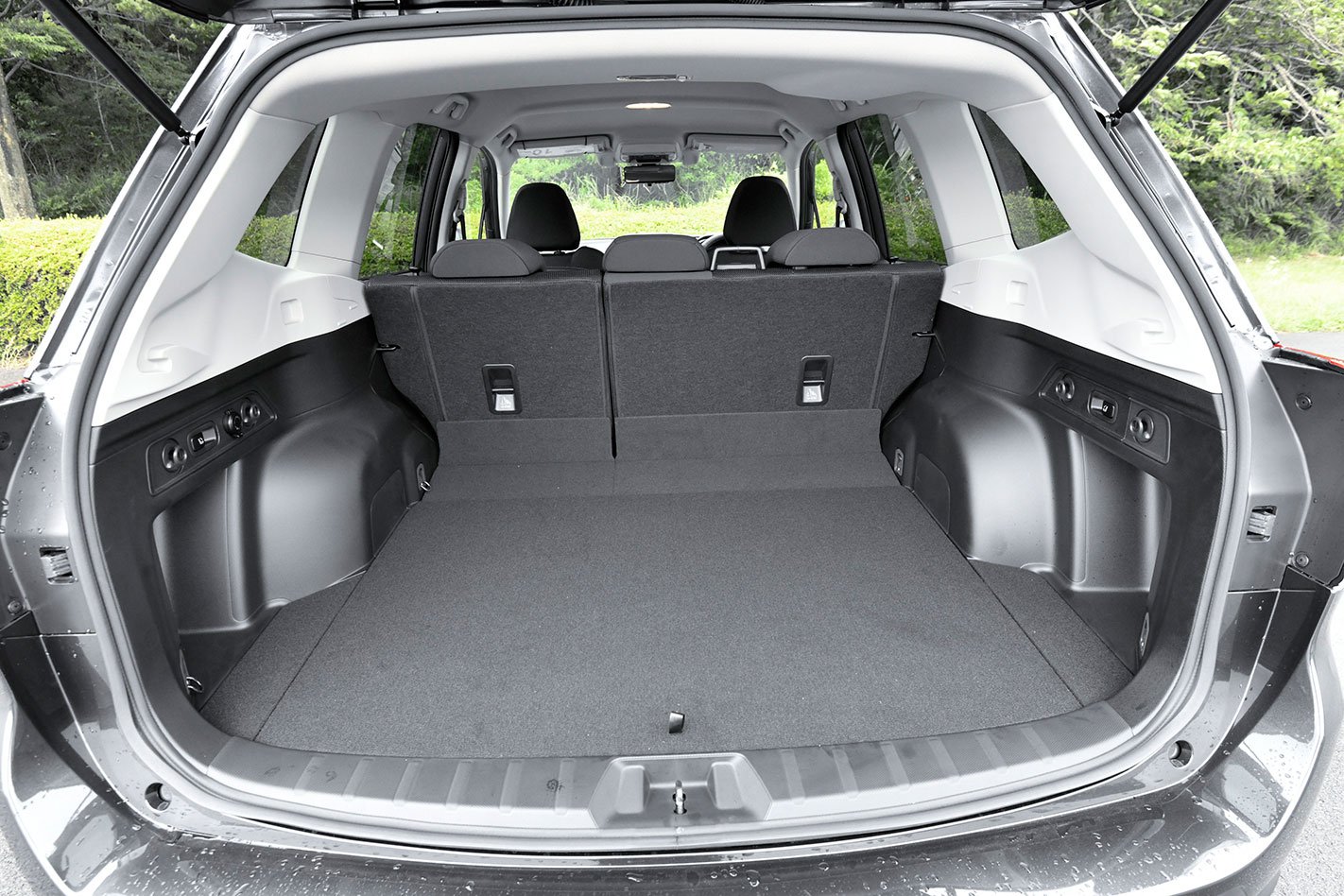
Tangible improvements were easier to find in areas of practicality. The boot aperture has been widened to a generous 1300mm, and the electric tailgate mechanism has been sped up to address any frustration the slug-like actuation may have caused previously. There are bag hooks, a 12v socket and rear seatback releases in the wider and longer cargo area that now measures 520L, and still houses a full-size spare wheel.
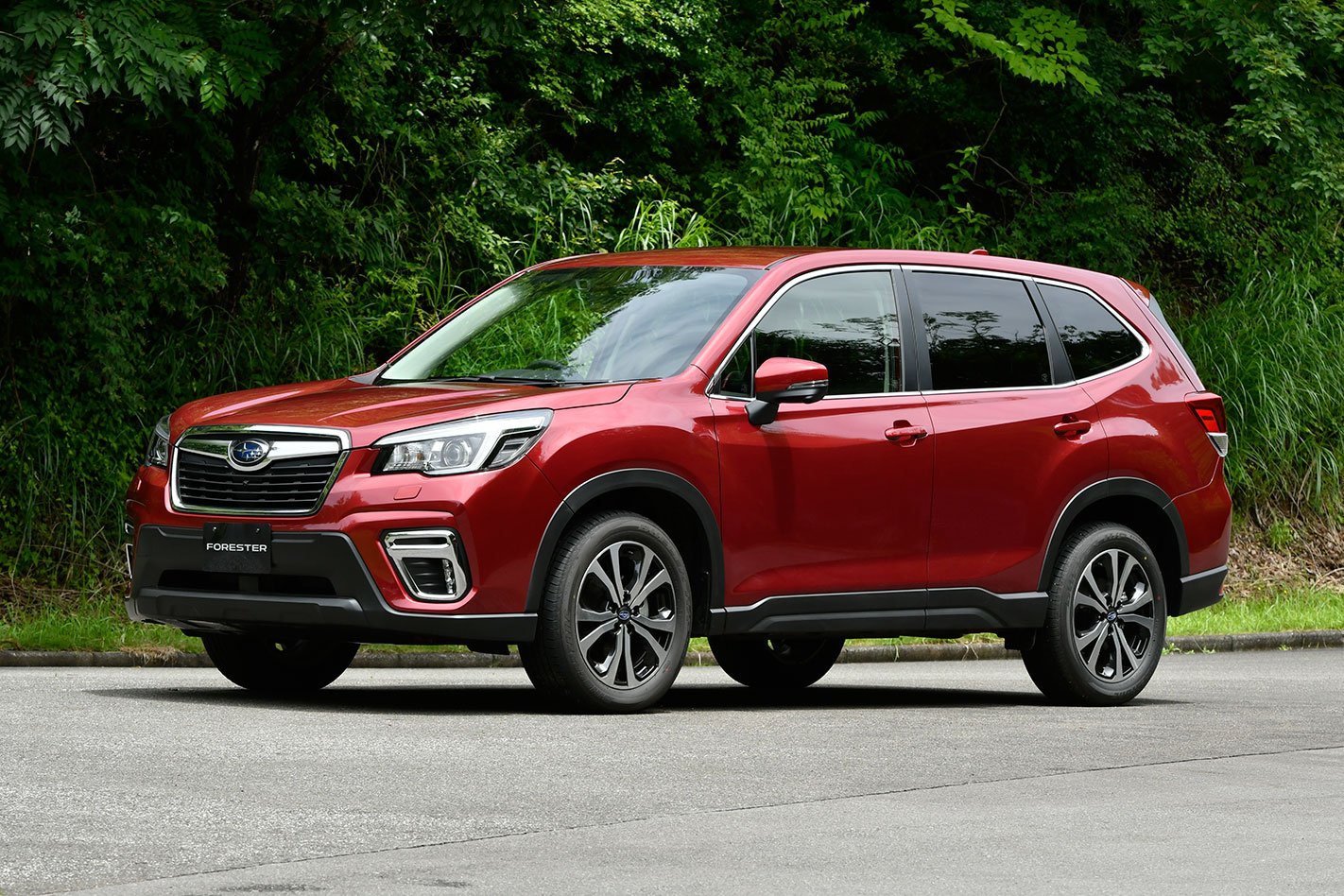
Changes to the rear doors allow them to open to almost 90 degrees, making it easier to step up onto the sill and gain access to the roof. A large section of anti-slip plastic for standing on has been added to the lower door opening here.
From the driver’s seat the chunky steering wheel is still busy to look at, though the myriad buttons will be second nature for serial Subaru purchasers. A main central screen is 8.0-inch in size, with built-in sat-nav and smartphone integration. A supplementary screen installed high on the centre console is now full colour, and shows climate control settings as well as vehicle info related to economy and off-roading.
A new mud and snow setting for Forester’s X-Mode system ups its respectable off-road ability, which includes hill descent control. Though Subaru is famous for its permanent, symmetrical all-wheel drive, X-Mode’s integrated control of the engine, transmission, centre diff and brakes, can vary the torque split up to 60:40. And with 220mm of ground clearance, Forester rivals most dual-cab utes.
Also new is Subaru’s Driver Monitoring System. A small camera, hidden in the dashboard, links to a program that can recognise the faces of up to five drivers and automatically adjust seat and mirror positions, climate control settings and preferred display configurations based on stored preferences. And it works impressively quickly when a new driver gets into the car. It can also watch for signs of drowsiness or distraction and alert the driver to attention.

Details around the specification of the local line-up will be confirmed ahead of the Forester’s September 1 on sale date, but expect Subaru’s EyeSight active safety systems to be standard across the range, including adaptive cruise control, blind spot monitoring, automated braking in forward and reverse, and adaptive headlights. A choice between 17- and 18-inch wheels is also expected for Australian variants, which will be fitted with seven airbags.
Forester has built a solid following based on its principles of safety, all-weather dependability, and thoughtful, practical packaging. Subaru hasn’t reinvented the genre the original model helped create, but this fifth-gen Forester delivers meaningful improvements to a vehicle that already has its niche carved out. For those faithful fans, that’s exactly what was needed.
SPECS
Model: 2019 Subaru Forester Engine: 2498cc, flat-four, dohc, 16v Max power: 136kW @ 5800rpm Max torque: 239kW @ 4400rpm Transmission: CVT Weight: 1590kg (est.) 0-100km/h: 9.9sec (est.) Fuel economy: 7.8L/100km (est.) Price: From $33,000 (est.) On sale: September
MORE: Subaru Forester Range Review MORE: Subaru Forester Specs, Range & Price
Volkswagen Australia is eagerly anticipating the arrival of a new baby SUV next year, called T-Cross, which was teased in a design sketch earlier this week giving us a few clues about the small high-rider’s looks.
T-Cross will join existing Volkswagen SUVs Touareg, Tiguan and T-Roc, sitting below the latter in terms of size.
An official debut of the finished product is slated for between September and November this year, suggesting the Paris motor show is a likely venue. Until then, this design sketch hints at aggressively flared arches, a distinctive rear taillight treatment that stretches across the boot, robust plastic cladding on the lower part of the body, and a rear bumper with a stylised bash-plate design.
Pricing in this competitive segment is critical, and while a specific figured will have to wait until closer to its local launch, VW Australia has told WhichCar the new SUV will carry ‘very sharp’ pricing in Australia, suggesting the German marque will go after the current segment leaders on a cost vs features basis.
Rivals for the T-Cross will include the Nissan Juke, Mazda CX-3, Holden Trax, Peugeot 2008 and Ford EcoSport.
As it stands, the Mazda CX-3 is priced from $20,490 to $37,890, the Peugeot 2008 covers a narrower band from $25,490 to $31,500, while the Juke starts at $23,490, and stretches to $33,490.
“As is the case with all our Volkswagens, [T-Cross] will come with a whole bunch of technology and infotainment systems as standard,” said Volkswagen Australia spokesman Kurt McGuiness.
Volkswagen has previously stated that T-Cross will be just 4107mm long (58mm shorter than a Hyundai Kona), and offered in front-wheel-drive only.
“[T-Cross] is definitely of interest, and we would look to hopefully get it onto our shores in 2019,” he said.
“We have always said one of our biggest targets is to increase our SUV range, and our customer base is certainly calling for that.
“We have got Tiguan on the market, which had one of its strongest months ever in sales last month, and we have the Tiguan Allspace on market now.”
McGuiness refrained from making predictions on the potential sales success of T-Cross in Australia, but noted its placement in a growing and popular segment.
“We are seeing a real move toward SUVs, and that is not a surprise for anyone,” he explained.
“To put it plainly, SUVs are a big part of our strategy going forward and we would love to get any applicable SUV models that we can.”
Queensland Police and Kia Australia have announced that the 2018 Kia Stinger 330 will replace Holden Commodore and Ford Falcon pursuit cars going forward.
The 272kW/510Nm twin-turbo V6 sedans will be seen more frequently from now on, with a total of 50 Stinger to join the force between now and December.
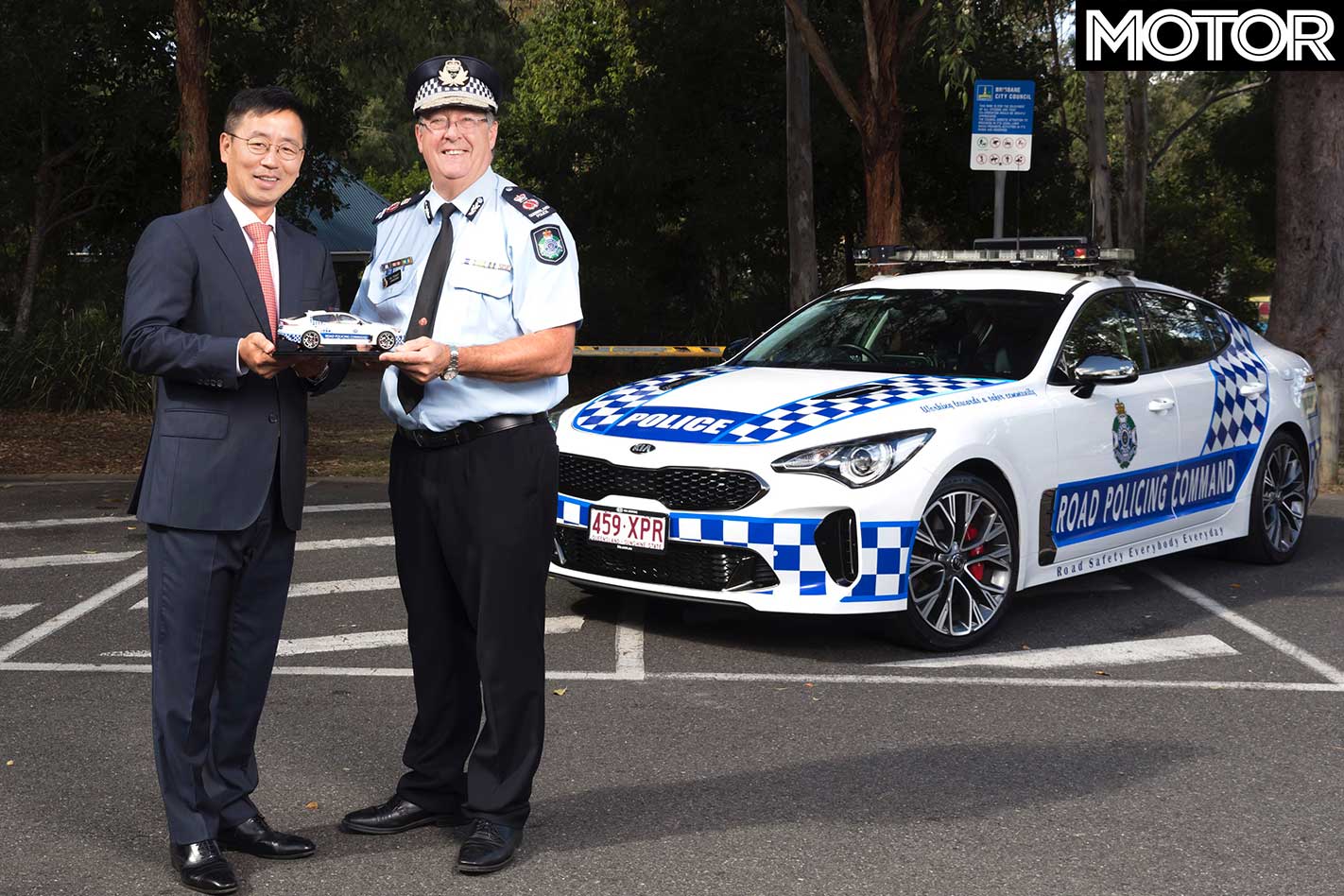
Assistant commissioner of road policing Mike Keating says factors such as costs and reliability, as well as performance, were taken into account during the testing process.
“It started with the desktop evaluation, then a track performance evaluation and then the operational evaluation conducted in real-world conditions.
“The final overall evaluation and review included the very important aspect of maintenance and cost.
“The Stinger performed very well in all areas and we had nothing but top reports from all the field officers.
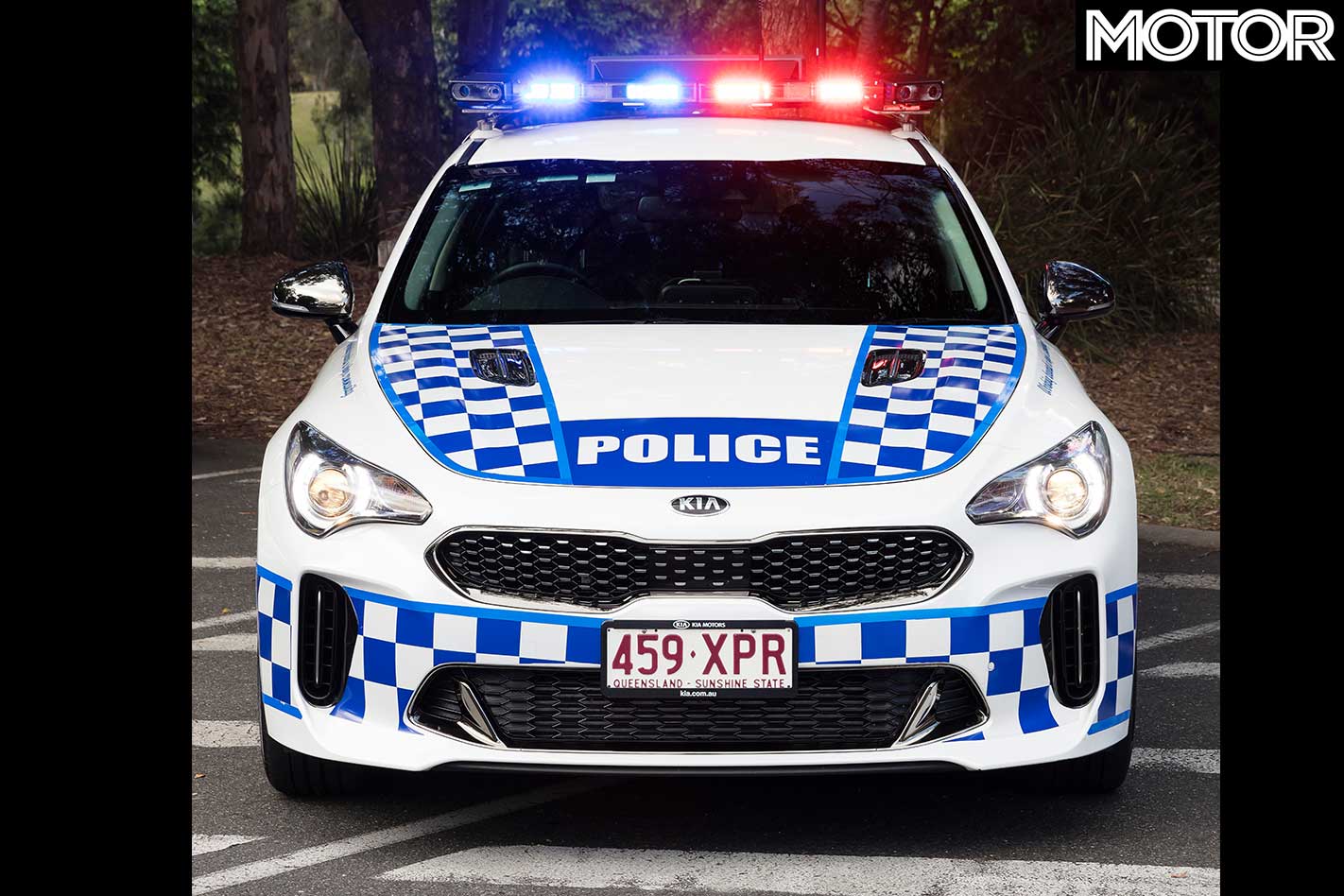
“The result is a road policing first for us, the first foreign car to perform these duties.”
Queensland police minister Mark Ryan says it was an easy decision for QLD Police to make, given the similarities between its performance and power and those of the cars it will replace.
“It was not a big step at all once we had begun the investigation process,” Ryan says.
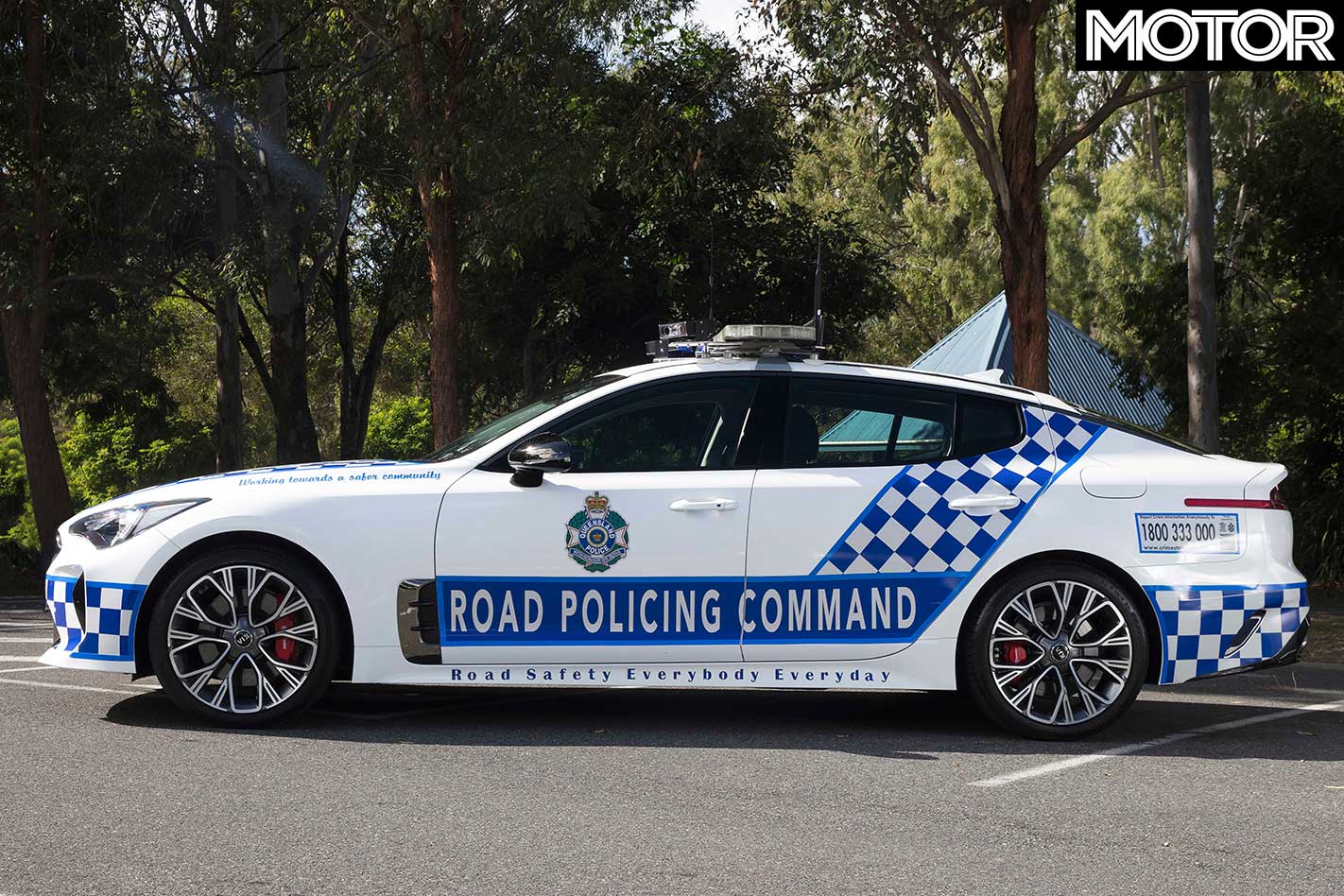
“Reading what the experts had to say, and seeing how efficiently the Stinger was changing minds and perceptions once people had been exposed to it … it was not a difficult decision.
“You often hear police ministers talking about providing the best equipment for those at the coal face. In this case I truly believe we have been able to do that.”
Bridgestone’s new flagship performance product will now be available to the public, offering an enhanced update on outgoing models such as the RE050A tyre.
“The Potenza range plays a significant role in Bridgestone’s history and products like the S007A are designed to showcase the capabilities that make sports cars such a thrill to drive: high speed cornering and braking performance,” says local Bridgestone boss Andrew Moffatt.
“It’s always exciting to introduce a new product to our extensive line up, but the addition of a new flagship performance tyre, the Potenza S007A, brings even more anticipation to this launch.”
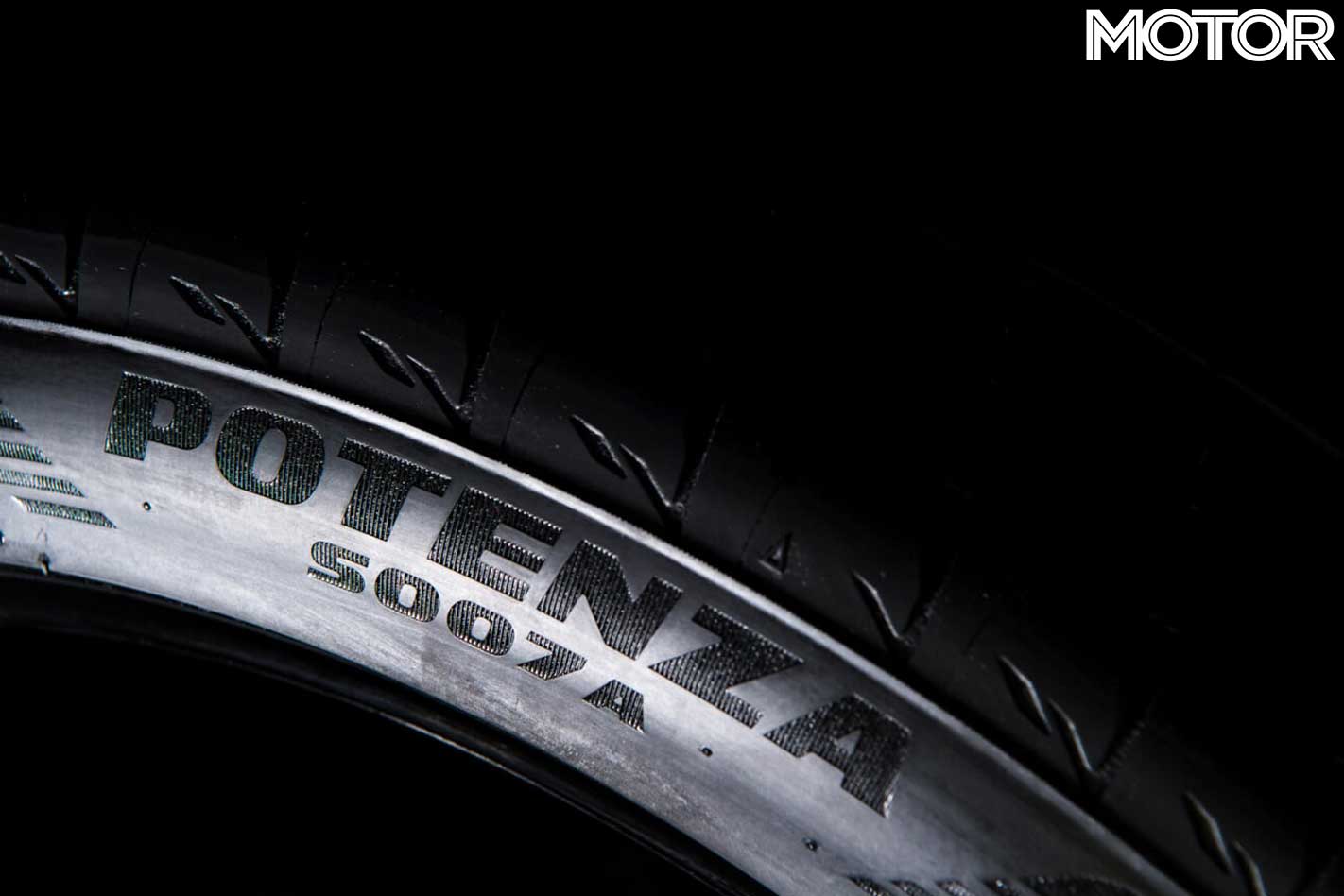
Bridgestone will release 42 sizes of the S007A tyre, which should cater for the majority of performance cars currently on market. This will ensure performance brands such as Ferrari, Porsche, Mercedes-AMG and BMW will be accommodated for this tyre.
Tyres will range in size from 235/50R17 right through to the bigger sizes such as the 305/30R20. The S007A tyre features several important technologies including three-dimensional ‘M’ shaped sipes which reinforce the tread blocks.
This ensures the tyre maintains proper contact and pressure with the road to maximise lifespan.
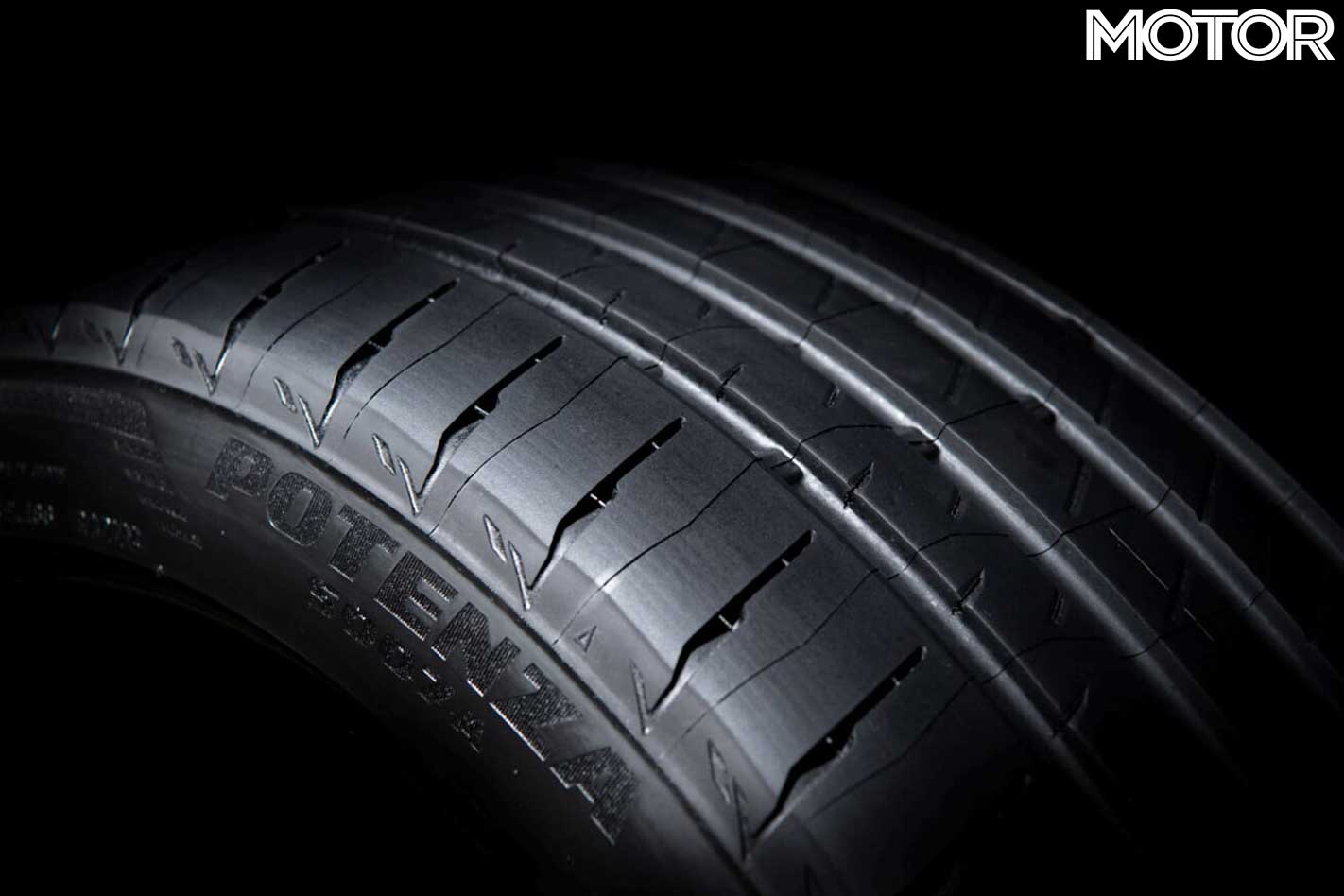
The S007A also features rounded tread blocks which allows for enhanced grip levels during braking, specifically in wet weather conditions.
The central rib of the tyre has been stiffened overall offer better control during cornering.
Some sizes also feature a Kevlar flipper on the sidewall of the tyre to increase rigidity and prevent excessive amounts of movement for grip during high-speed cornering.
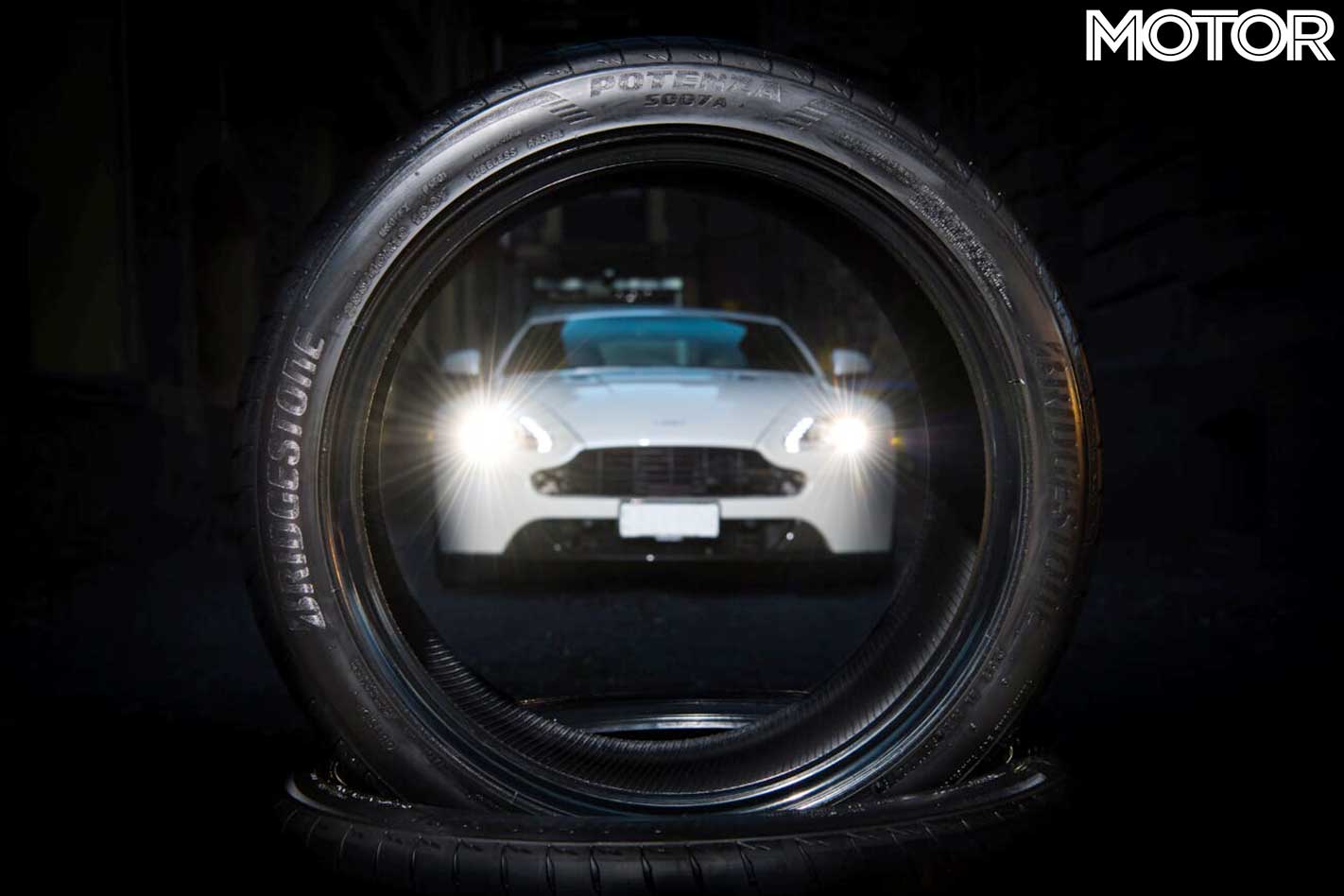
MOTOR first saw the Potenza S007 in person on the Aston Martin DB11 but we expect to see the S007A replacement (which was developed alongside the S007 for performance) used on a wide array of luxury sports cars.
We’ve found some poster-worthy cars on the Trade Unique Cars website to interest you.
If you happen to have a pile of cash sitting in the bank waiting to be spent, perhaps one of these five examples will help inspire a future purchase.
1972 E-Type Jaguar Roadster Series 3 – $195,000
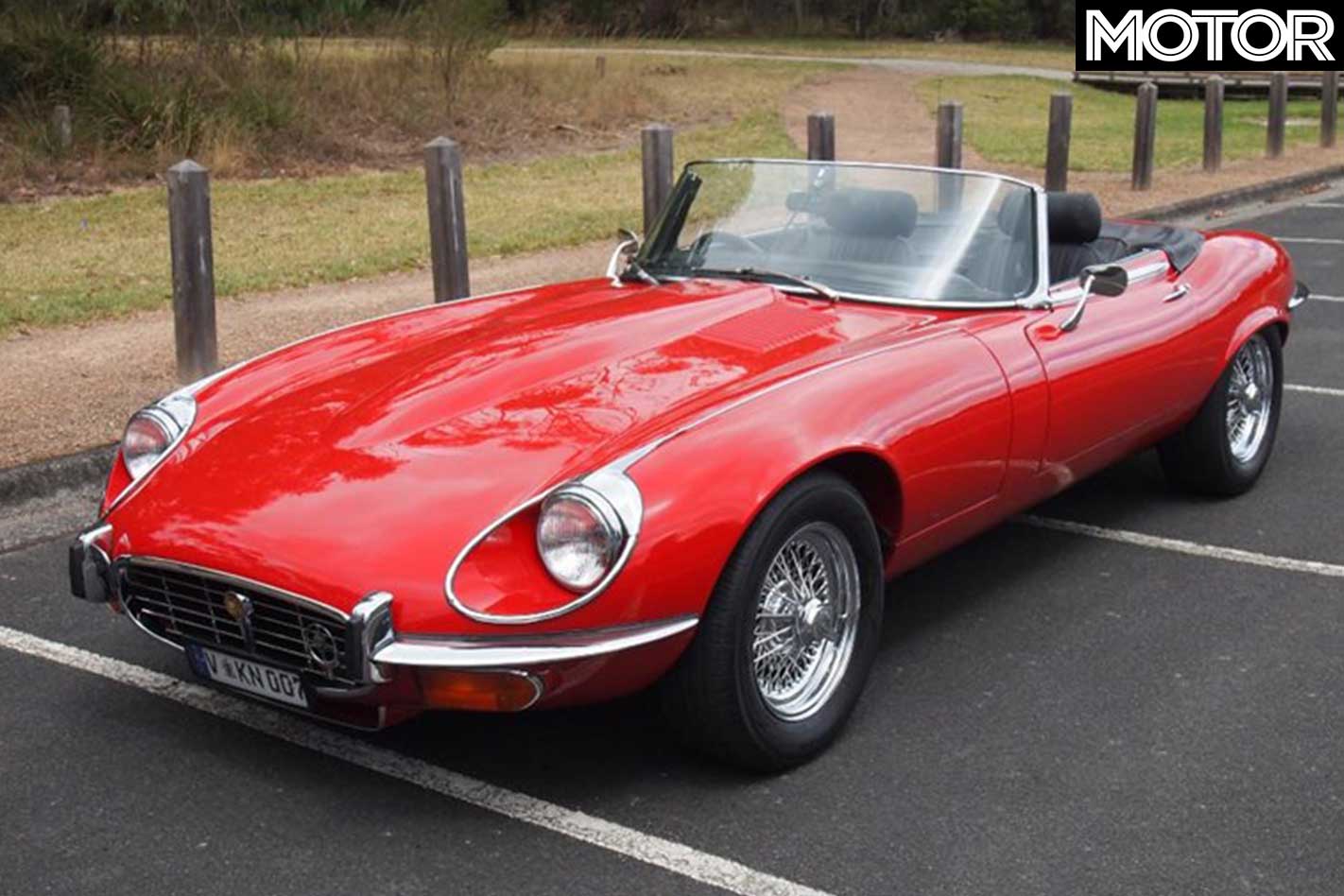
This particular example seems ‘not a bad deal’ at $195,000, considering many on the market ask for a price around $300k or more.
This car sports a 5-speed manual gearbox, a lovely V12 engine and painted in bright red. Perfect.
2012 Mercedes-Benz C63 AMG Black Series – $169,990
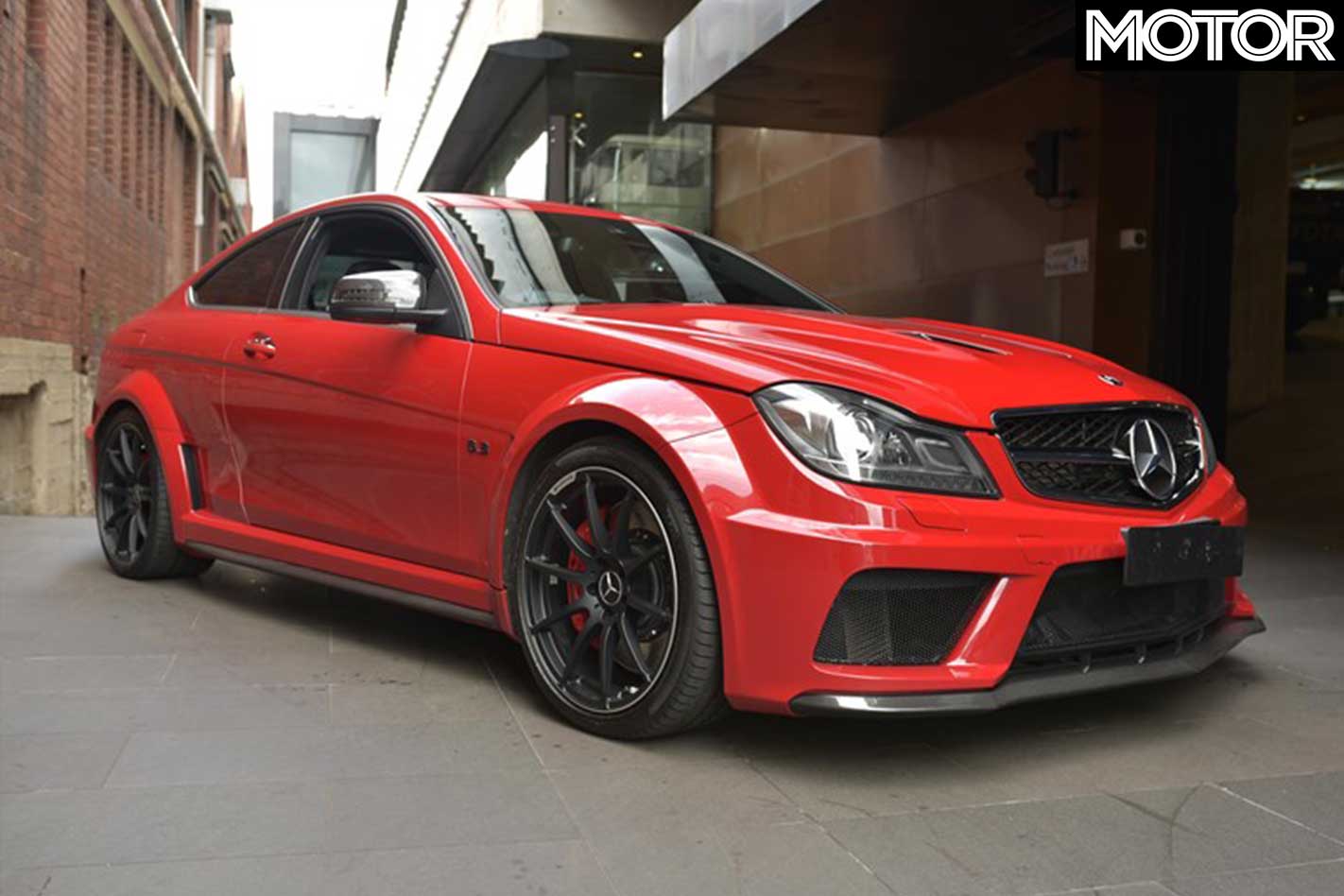
Featuring the glorious 6.2-litre atmo V8 that we all know and love, this Barolo Red C63 is up for grabs for a still-significant amount of $169,990.
The Black Series featured a more powerful 380kW/620Nm engine, AMG sport suspension, a black rear diffuser, AMG performance steering wheel and red seat belts.
This 2 door, automatic coupe is now a much sought-after car as the new C63 no longer features a naturally aspirated V8.
1973 Lotus Super Seven – $20,000
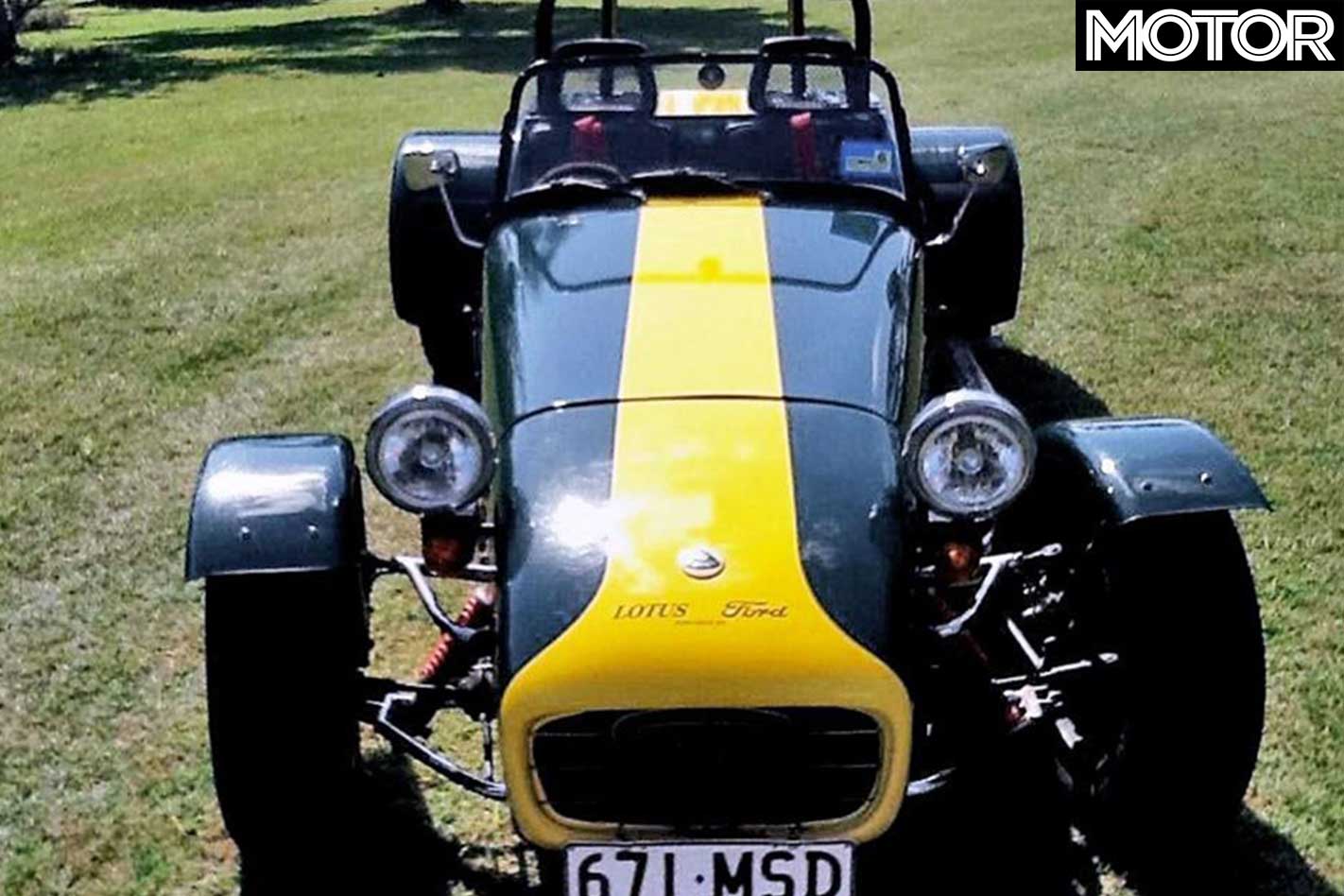
This car would be so much fun for $20,000. This British ‘go-kart’ is fitted with a 1600cc Kent 4-cylinder engine.
The Lotus Seven range features several different engines and power outputs, but this version is probably the cheapest way to experience the thrill of an open-wheeled sportscar.
It’d likely be a great car for a Sunday cruise or a thrash on a local racetrack.
2015 Maserati Gran Turismo S – $178,990
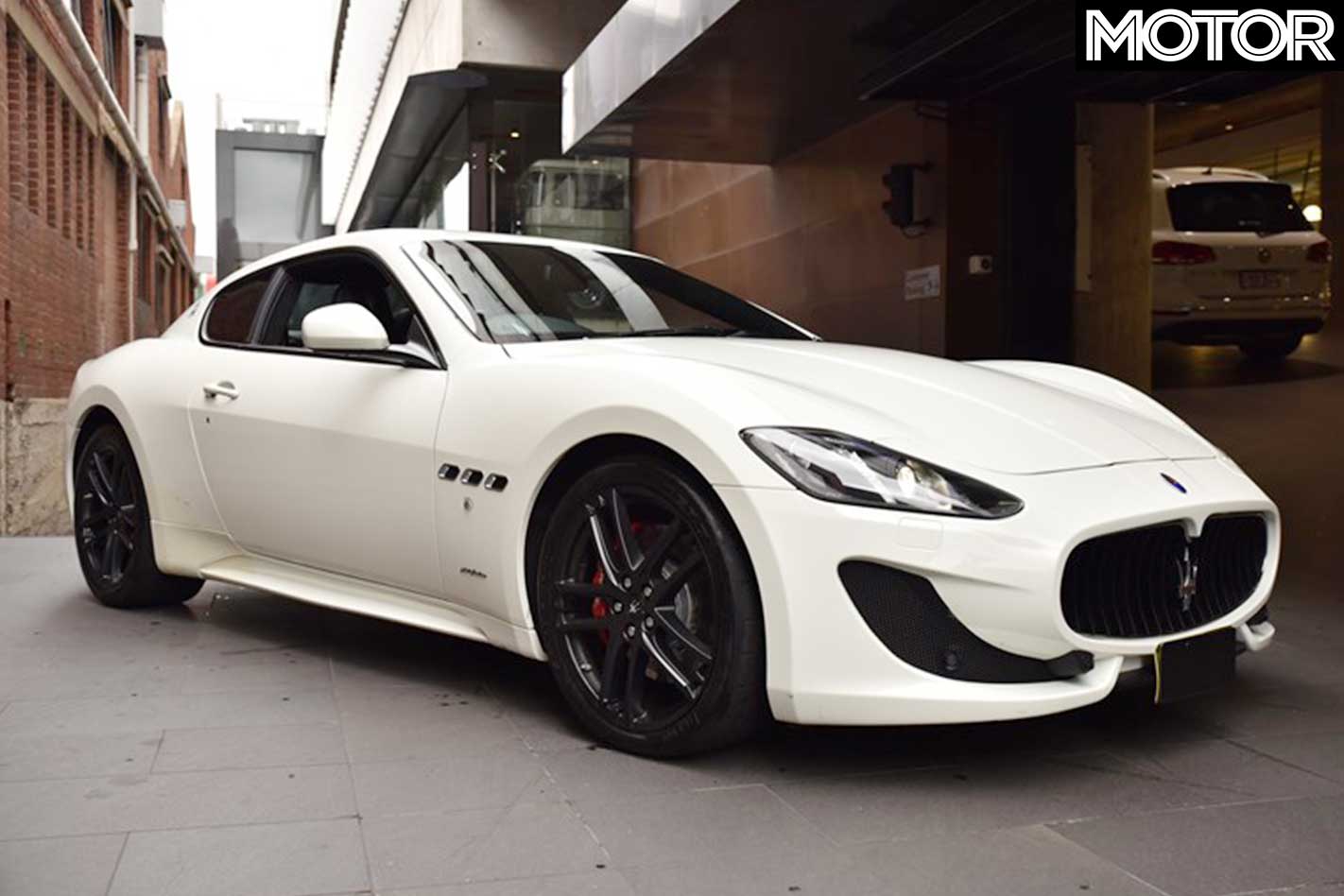
Who doesn’t love a naturally-aspirated Ferrari V8? This Maserati features a heart sourced from Maranello, a glorious 4.7-litre V8.
With an addictive soundtrack and all the creature comforts you won’t find in a Ferrari, the Gran Turismo S would be a fantastic Italian daily if well cared-for.
1970 Ford Mustang Mach 1 – $98,000
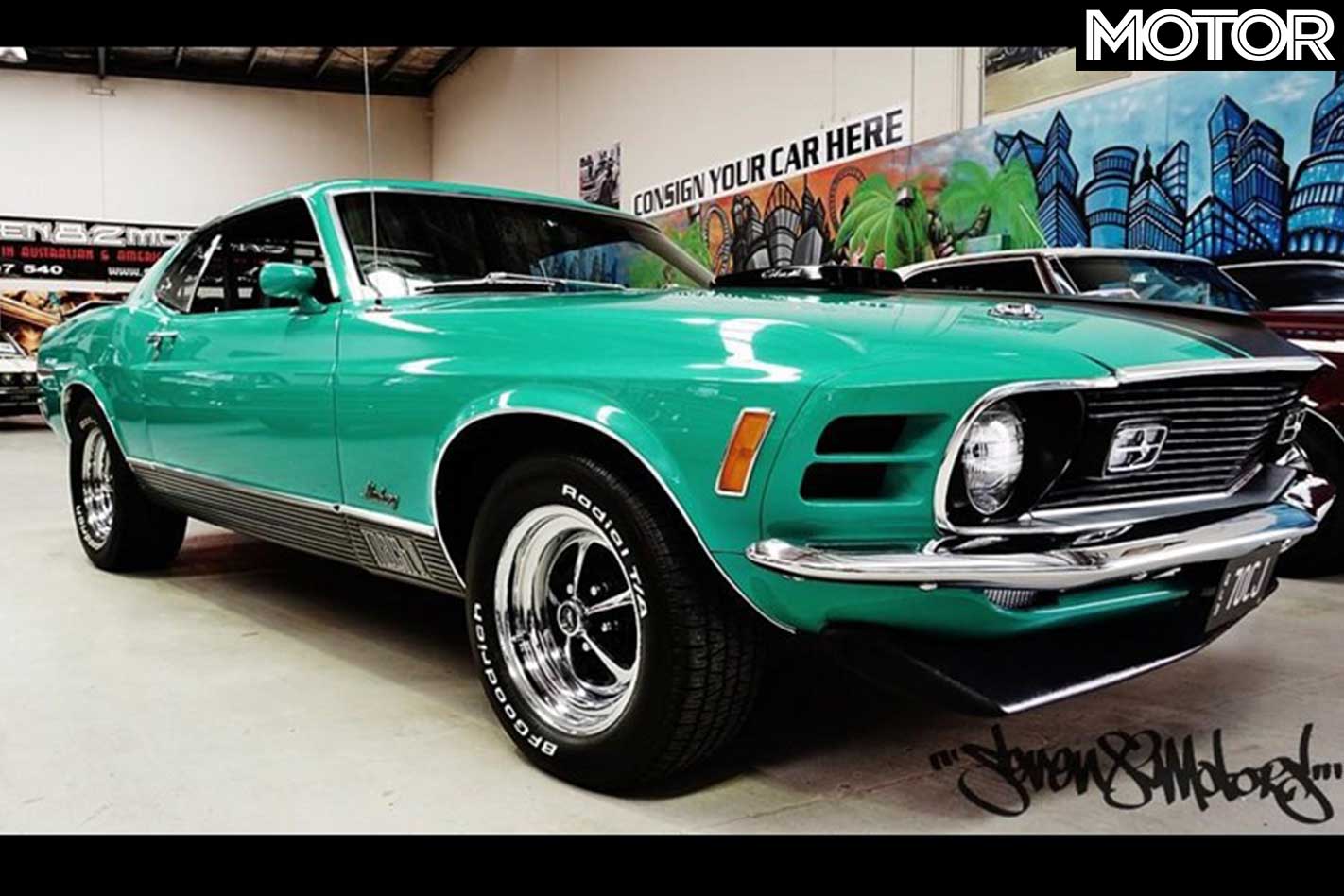
If you want the quintessential American muscle car, the Ford Mustang Mach 1 is a good place to start.
This ‘Grabber Green’ example has been lovingly restored and now features a big-cam 7-litre V8, a twin-plate clutch and a 4-speed manual transmission – the ultimate cruise machine?
“HIS legacy and contribution to the automotive industry cannot be understated, the Australian Automotive industry has lost a great friend”. So reads the final line in an obituary notice for Robert James McEniry, posted by GM Holden today.
McEniry, a veteran senior executive of Holden, then Mitsubishi, played a vital role in the development of Australia’s car-making industry.
Having cut his product planning teeth on the VN Commodore as Program Manager, at Holden McEniry was instrumental in keeping the Commodore rear-driven at a time when General Motors was transitioning heavily to transverse-engined underpinnings.
He also laid the foundations for the Commodore’s first – and last – truly indigenous architecture, the Zeta platform.
His impact on rear-drive cars from The General went beyond our borders too – the development of GM’s Sigma platform, which sat underneath Cadillac’s sportier offerings like the CTS, fell under his purview when he was a GM Vehicle Line Executive in the late 1990s.
Back then Holden was still in rude health, with a hefty share of the local market. Nevertheless, McEniry could see the writing was on the wall – future survival lay in adopting a global approach.
In 1998 he told Wheels that “Holden has to become more international. It can’t rely totally on the domestic market for its future volume base… we need to be bigger and planning internationally.”
Sadly, meaty export programs for the Zeta-platformed Commodores never materialised – relative handfuls of exports to the Middle East and the USA weren’t enough to boost production volumes and profits, and the rest is history.
In 2005, McEniry made the move from Holden to Mitsubishi Australia, where he presided over another local manufacturing operation on the hunt for export success. Again, despite pitching the locally-assembled 380 sedan to Mitsubishi’s global network, factors outside of McEniry’s control saw the export potential of that car evaporate. He then had the unenviable task of shutting down the Japanese company’s local plant in Tonsley Park, SA.
Throughout his career McEniry had a reputation for being not only an astute problem-solver, but was also well-liked by colleagues and the media – qualities not universally enjoyed by executive-level staff. He will be missed.
The new Renault Mégane RS is on its way to Australia, priced from $44,990 in 6-speed manual guise or $47,490 with Renault’s 6-speed ‘efficient dual-clutch’ (EDC).
But what’s probably on most prospective buyers’ minds is the question of what’s actually new about this Mégane RS?
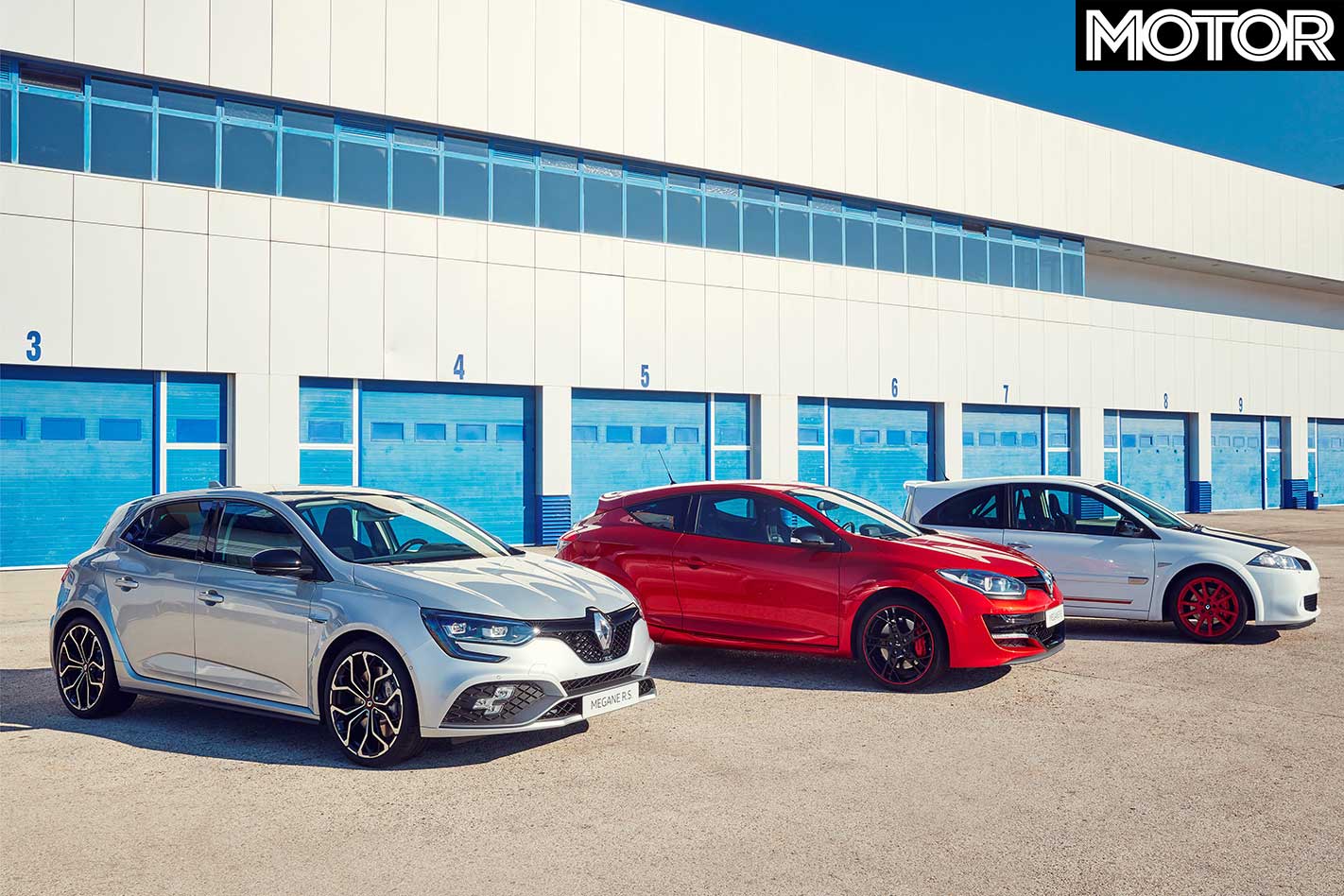
Given the previous generation has been described in the pages MOTOR Magazine as the class benchmark for pure driving fun in the hot hatch segment, you’d want to be sure it’s worth upgrading to the new version.
So, here’s the highlights reel of the 2018 Mégane RS’s new bits.
The 205kW/390Nm Mégane will, as has been the case previously, be available with a Sport or Cup chassis, the latter being the sharper (but firmer) of the two and only available with a manual ‘box.
Its EDC (dual-clutch) gearbox is, itself, a first for the Mégane RS, though it won’t come with the manual handbrake that the manual version gets.
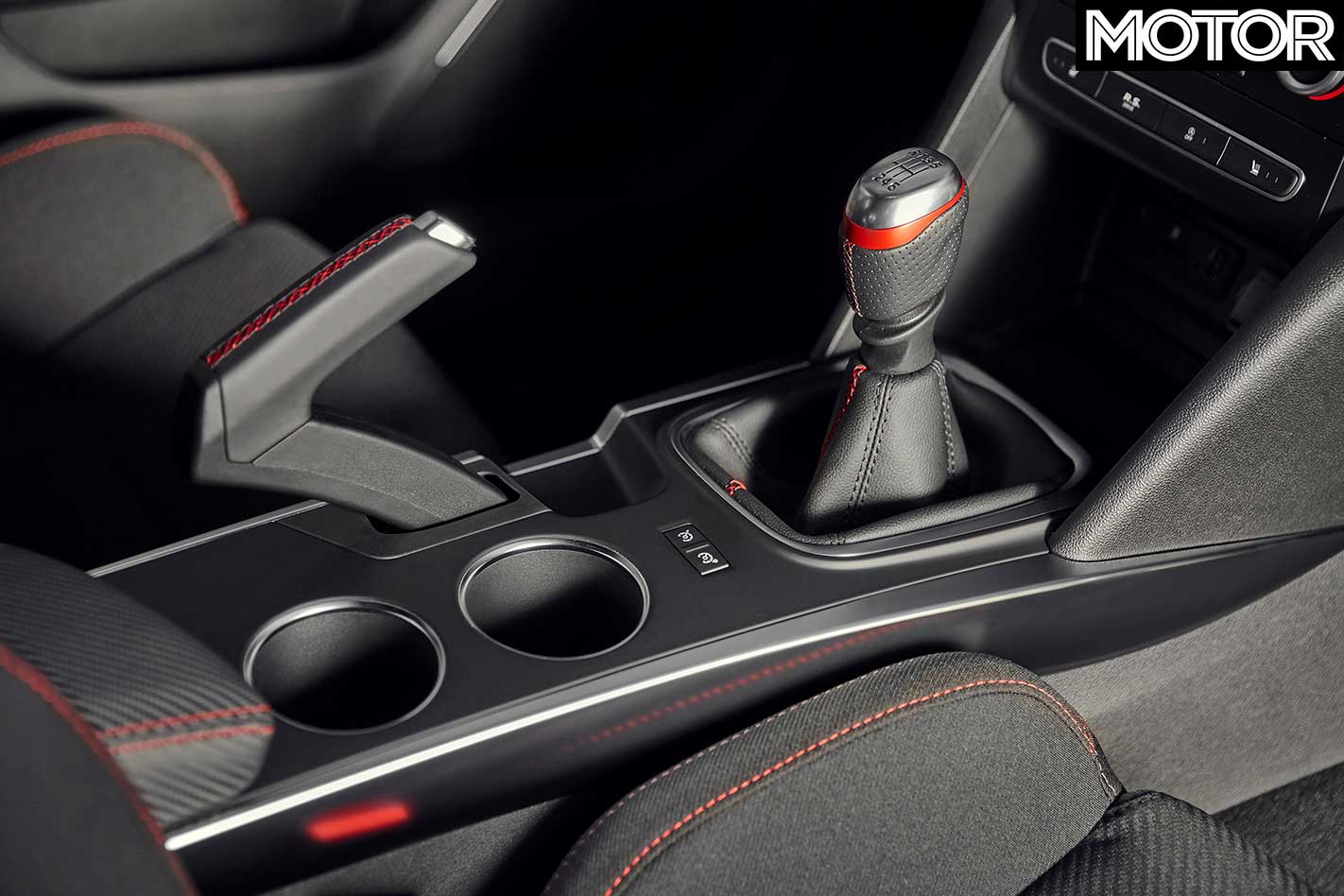
Its 1.8-litre turbo four is the same as is found in the new Alpine A110, and powers the front wheels only – though Renault did consider all-wheel drive, deciding its in-house system wasn’t yet ready for a sports car.
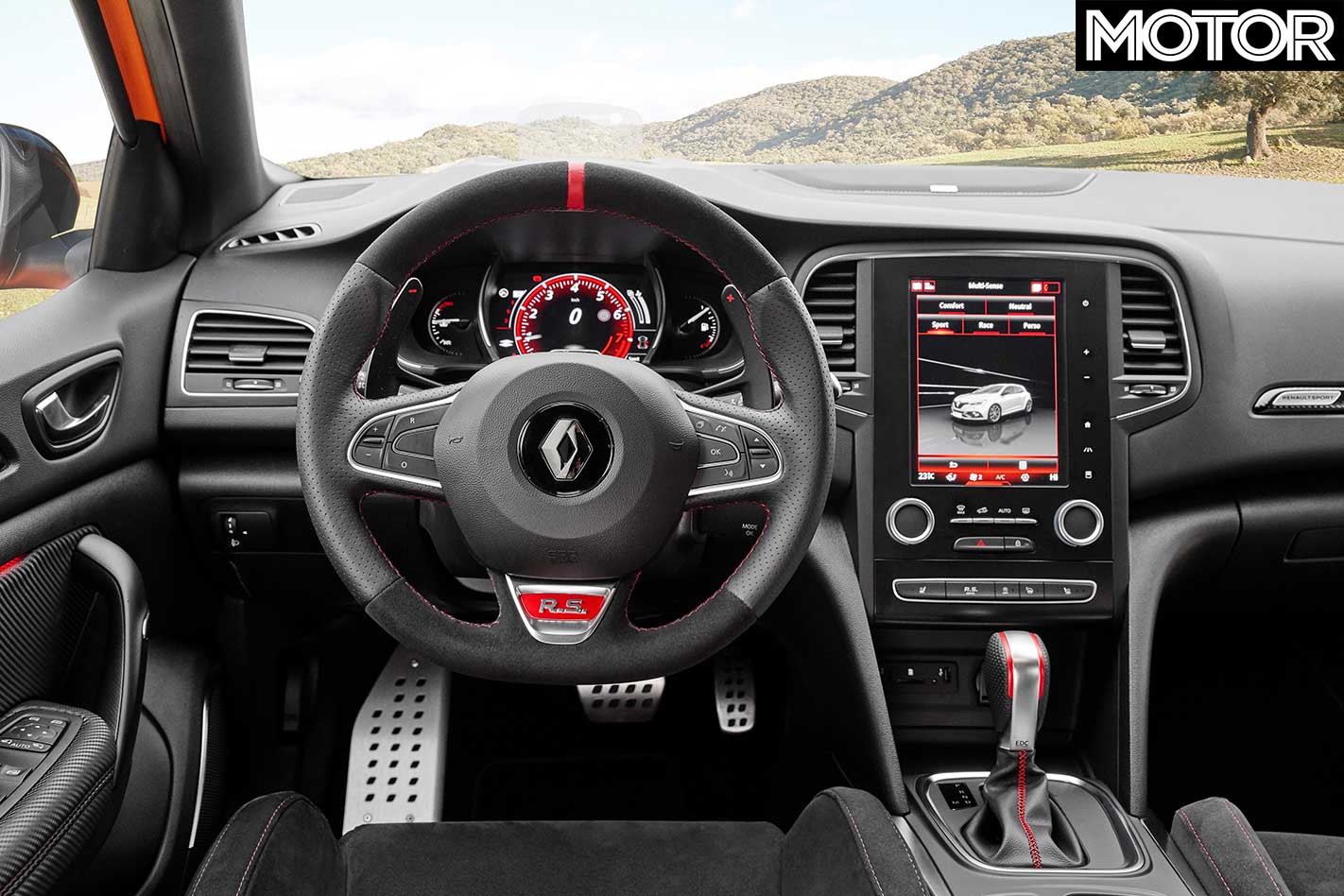
The biggest dynamic change to the new Mégane, however, is arguably the addition of rear-wheel steering. At speeds below 60km/h or 100km/h in race mode, the rear wheels turn in the opposite direction to the fronts. Above those speeds, the wheels turn in the same direction – but only marginally each way.
Another addition, the ‘multiple shift’ which allows drivers to hold paddles to ‘row’ through the gears seamlessly while in Sport is a new feature for the Mégane RS – a ‘side-effect’ or added bonus of the new EDC gearbox.
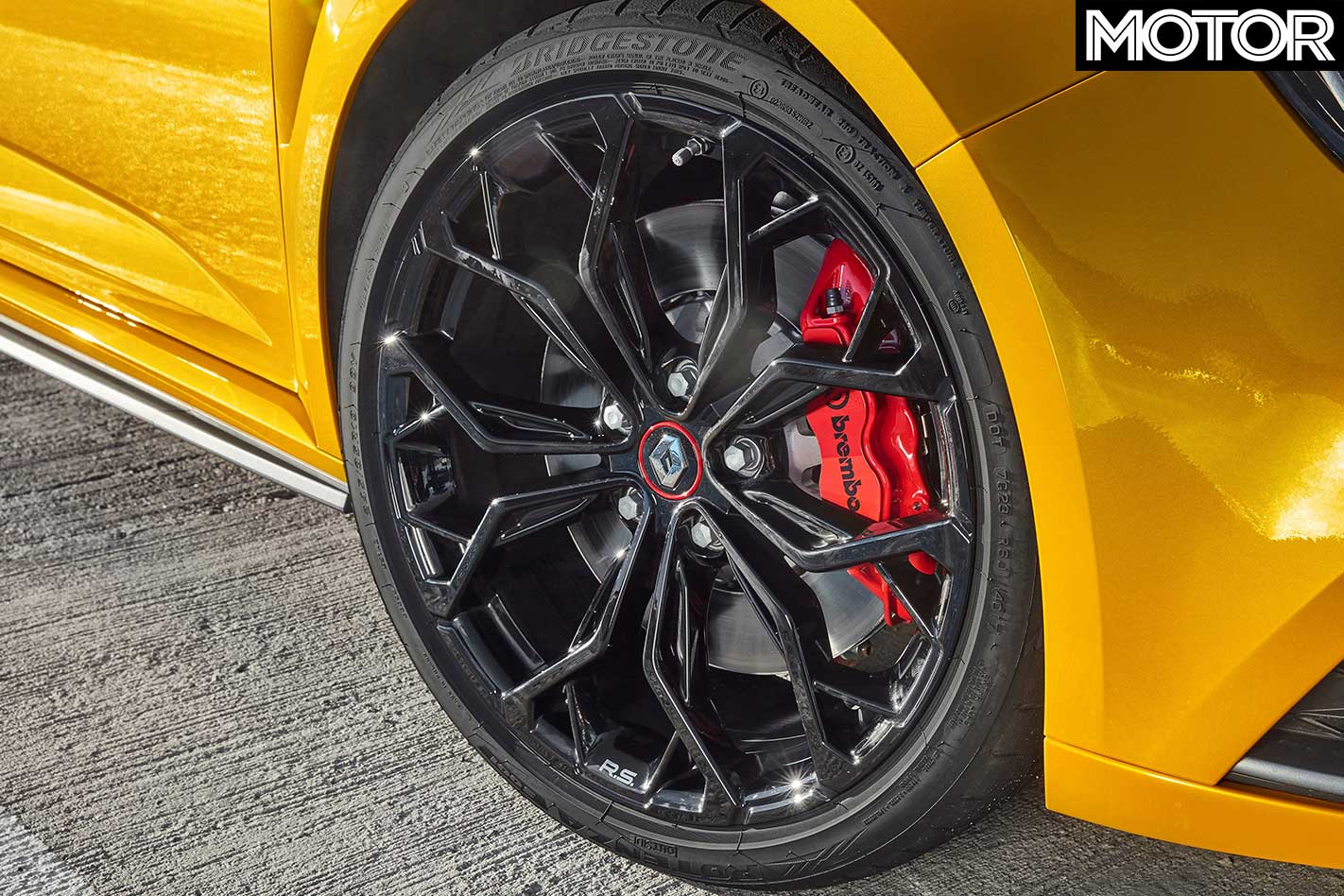
Renault also says its use of hydraulic bump-stops is not only a first for the Mégane RS, but for the hot hatch segment worldwide.
“As the end of travel approaches, a secondary piston dampens the movement of the wheel before the bump stop,” Renault says.
Something that Renault won’t be adding – unlike its rivals – to the new Mégane RS is rev-matching, with a Renault engineer stating that ‘RS’ customers prefer to heel-and-toe in a more involving fashion.
Stay tuned to read MOTOR’s local review of the new Mégane RS, likely in September or October as the first test vehicles arrive in Oz. Deliveries for customer cars should commence in November.
Skoda has topped the latest Roy Morgan customer satisfaction survey, which canvassed the opinions of more than 50,000 consumers.
The research, which covers the 12 months to April 2018, shows that overall satisfaction with car manufacturers in Australia was at 92.6 percent, up from 92.4 percent during the same period a year prior.
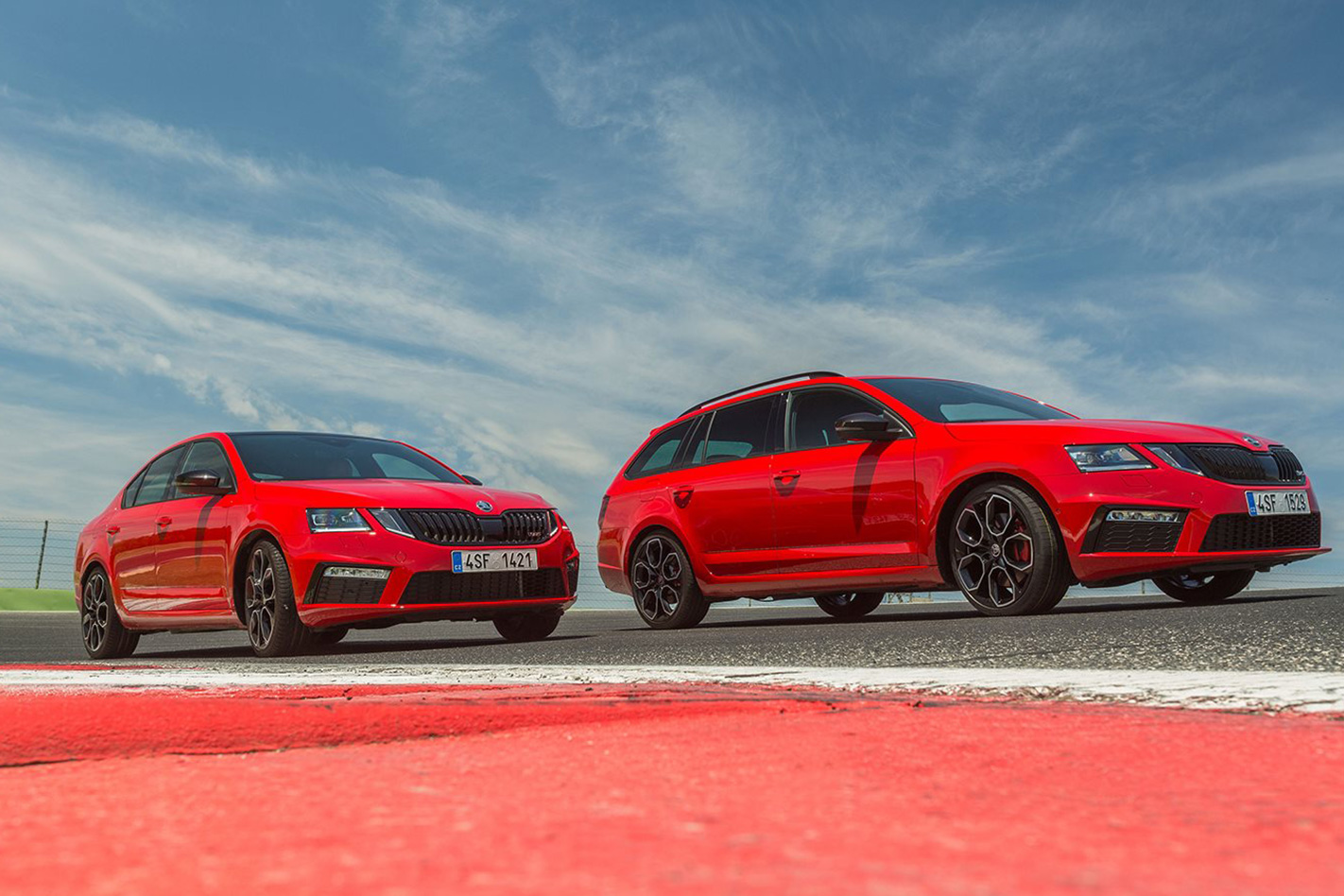
Czech manufacturer Skoda – which is part of the Volkswagen Group – rated the highest with new buyers, with a customer satisfaction rating of 97.5 percent, up a significant 5 percent over its score last year.
In second was Isuzu Ute, with 96.4 percent, ahead of Suzuki (95.3 percent), Mazda (95.2 percent), and Subaru (95.1 percent).
Skoda was the most-improved manufacturer, while Kia saw the biggest drop of the top 15 brands, falling to 11th in the rankings at 93.0 percent (down 0.6 percent).
Lexus, Mercedes-Benz, Toyota, Hyundai, Honda, Kia, Nissan, Land Rover, Volkswagen, and Audi all had a customer satisfaction rating above the industry average.
Roy Morgan’s findings come from the company’s ‘Single Source’ survey of more than 50,000 consumers, which include “in-depth personal interviews” with more than 40,000 car owners.
Norman Morris, Industry Communications Director at Roy Morgan says customer satisfaction for new car owners is no longer tied to the price of the vehicle.
“In this very competitive industry where all car manufacturers are endeavouring to improve their satisfaction rating, there is very little now between the major competitors, with only 4.8 percentage points separating the top fifteen performers,” he explained.
“Satisfaction in this market is not directly correlated with price but appears to be linked more to perceived value and expectations. This is illustrated by the fact that the top five performers are in lower price brackets compared to the prestige brands such as Lexus, Mercedes-Benz, Audi and BMW and yet they have higher satisfaction.”
Of all 32 industries that Roy Morgan measures customer satisfaction in, car manufacturers rate the highest.
I’m not exactly sure what Falcon GT buyers will think of Ford’s decision to sling the storming 290 kW mill into the BA Ute. At least the Broady Boys have resisted the urge to call it a GT Ute, but even the Pursuit badges can’t hide the fact that the thing is every bit as musclebound as the pukka GT.
This review was originally published in MOTOR’s May 2003 issue
“So doesn’t the full-welly ute devalue the GT a bit?” I asked a Ford insider. “Hope not,” he said. Hmmmm.
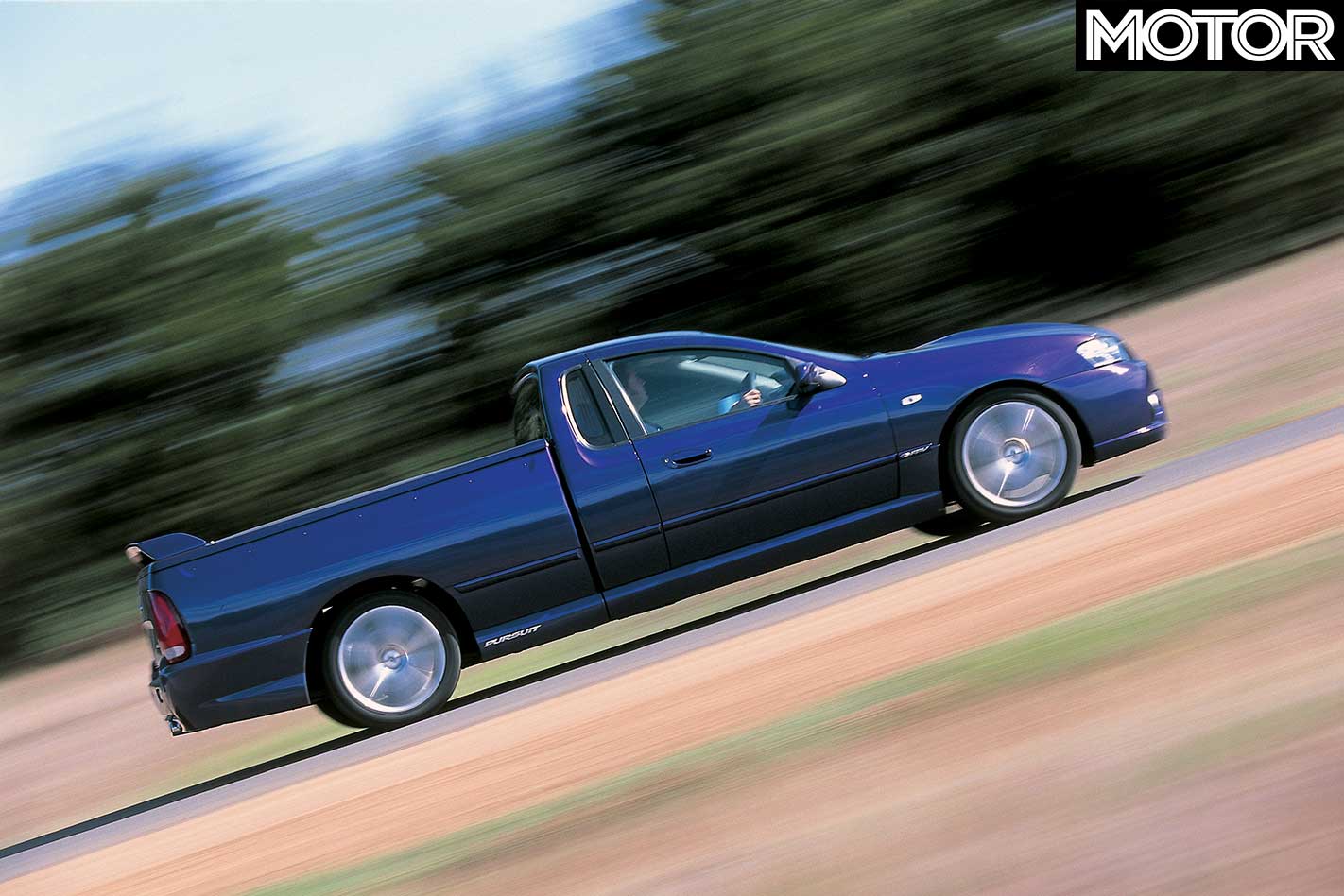
But even if you ignore the marketing stuff (and I’m happy to see that happen) doesn’t the idea of a 290 kW Falcon Ute seem just a bit off-putting?
Depends how you look at it, probably, because on one hand there’s the knowledge that the engine punches out about 390 horsepower in the old money and shuffles it back to a leaf-sprung live axle. Now, slippery diffs and sticky tyres notwithstanding, that’s a big ask of a rear end that featured heavily on Noah’s first boat trailer. On the other, less up-itself hand, you can never have too much grunt.
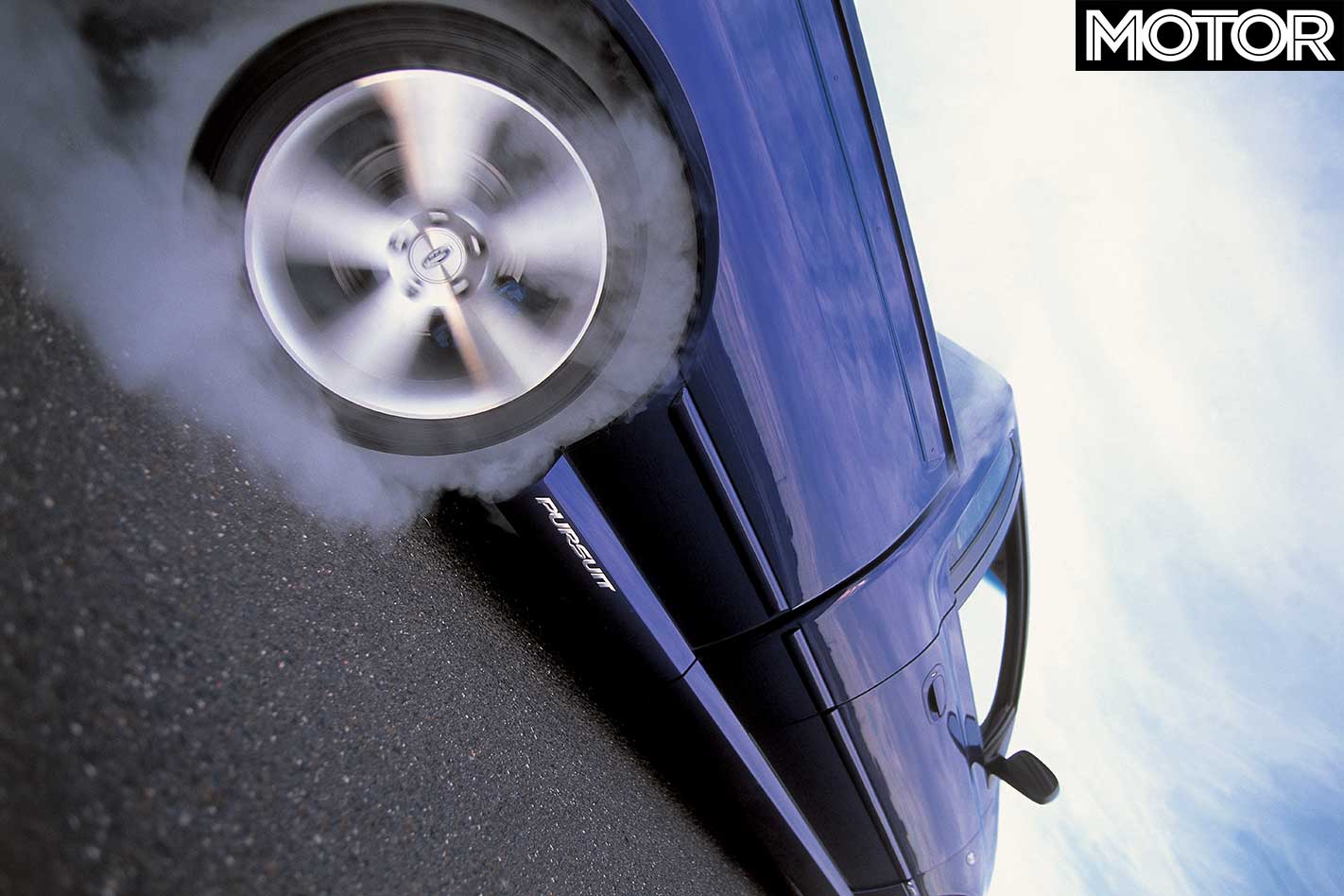
The truth of that theory goes up in smoke – literally – the first time you try to launch the Pursuit for a quick 400m time. Even with less than 2000 rpm showing on the tach, treating the clutch with anything less than total respect will have the bags howling and the rear slewing sideways. And the clock ticking. Best we could do with plenty of runs was a 14.4 which seems a bit off the pace on face value, but is more explainable when you look at the Ute’s weighbridge ticket.
Let’s not beat around the bush, the BA is a Fatty Boom-Sticks. It gives about 200 kg away to the equivalent Holden (or HSV) sled and, as anybody will tell you, even 100 kg is worth about half a second, maybe more. Frankly, I reckon you can put down the glasses now: Until Ford checks Barra into Jenny Craig, you can forget a sub-14 quarter.
But what those figures don’t tell you is just how good the GT mill feels on the road. And it starts from the moment you fire up the big, DOHC Henry. Assuming you can, that is. See, firing the Pursuit up is not easy the first time. In fact, it’s damn impossible until you figure out that the little button on the dashboard hiding behind the steering wheel is actually the starter button. Arrrgh.
I asked a different FPV insider who’s dickhead idea that was. “The boss’s, actually.” “Oh.” “Yes, apparently Mr Flint has always wanted to build a car with a starter button. It’s something to do with his time at Aston Martin, we think.”
Flinty, mate… stop it at once. A Falcon ute (for that is what it is) needs a starter button like James Bond needs a blue singlet and a girlfriend called Shazza.
Anyway, once you get her idling (the Falc’, not Shazza) you soon find that there’s enough torque down low to be convincing and a real smoothness (crap idle aside) that lasts all the way to 6000 rpm.
The big trick up the Pursuit’s sleeve, however (over the XR8, anyway) is the bullet up the bum at about 3650 rpm. While it feels strong up to that point, it suddenly comes over all raunchy and starts making deeper, gruffer noises as well as winding in the scenery with an authority that most of us red-blooded types will find entirely addictive.
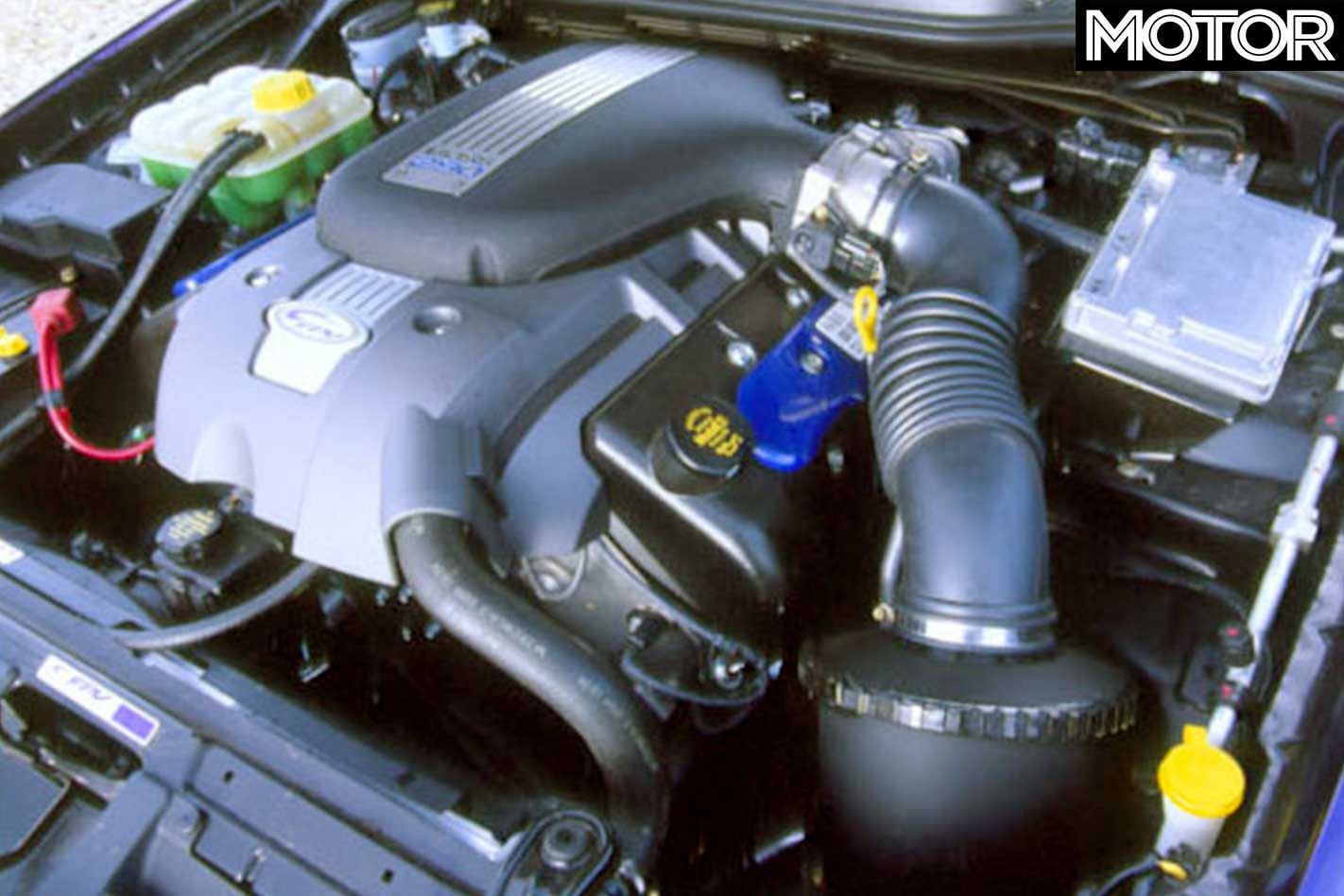
It lasts, too, all the way to the cut-out and for the nearly two-and-a-half thousand rpm where it’s really hauling, it’s as good as you’ll find this side of $200,000.
Less brilliant is the gearshift which, while better than the T5 in the XR6, still falls way short of slick. It can be hammered home quickly, but it feels brutal to do so and even then, the two-three shift takes a relative eon.
Plenty has been written about the loss of steering feel in the transition from AU to BA, and the Pursuit is no different. Yeah, the newie’s tiller has more weight than the AU’s ever had, but the quantity and quality of info coming back through the MOMO is seriously diminished.
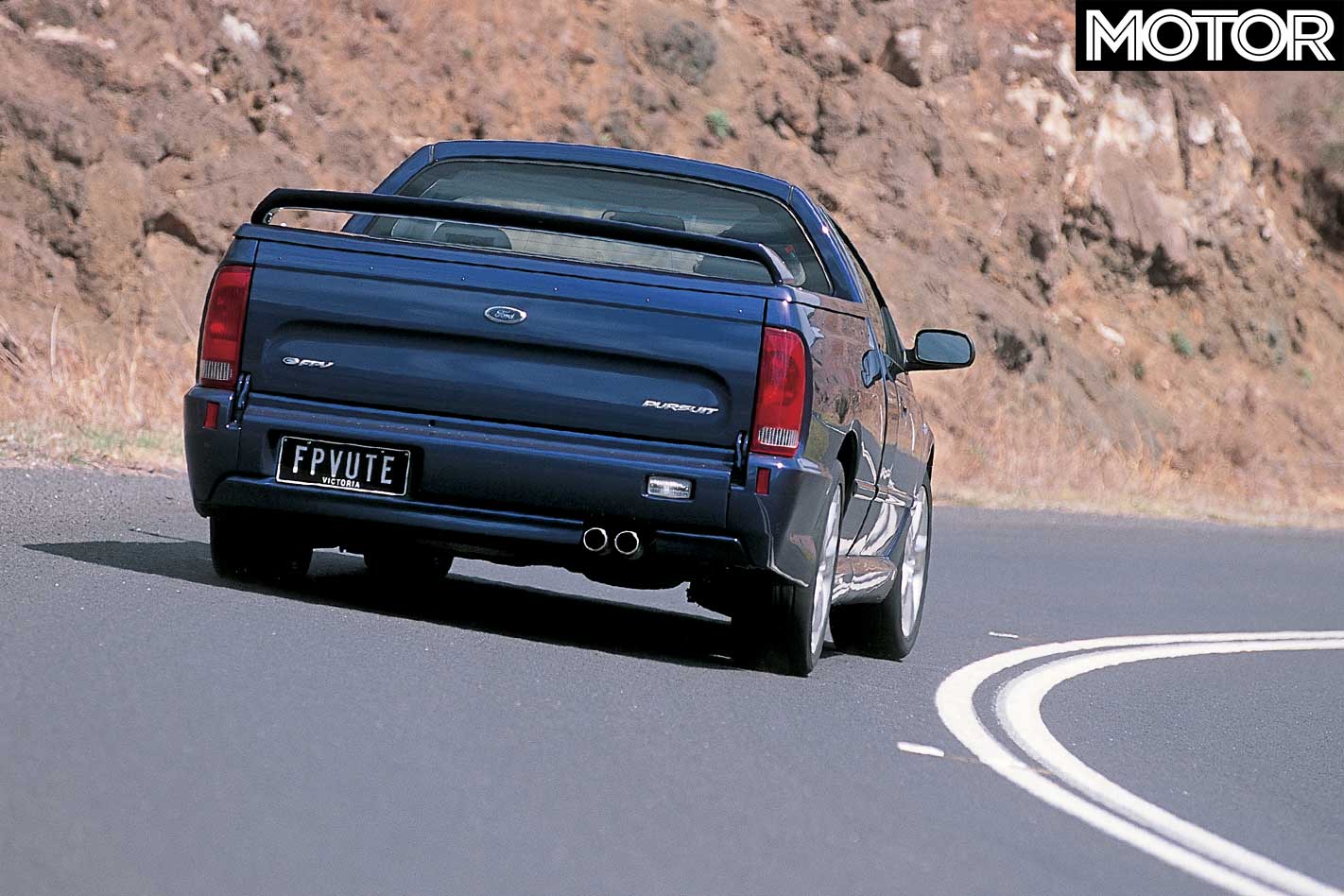
It remains, however, and despite the bulk mumbo, pretty hard to get out of shape on a smooth surface, and that’s mainly due to the wheelbase measured in furlongs. You’ll need a tight-ish corner and loads of right clog to get it sliding and even when it does, you can pretty much hold it out there long enough to send a few postcards from the edge.
Bumpy roads, on the other hand, dredge up a whole new personality. Not sure whether the front end is a bit prone to bump-steer or just some simple tramlining, but the nose will wander over bumps and follow contours, especially under brakes.
The axle under the tray, meanwhile is even more recalcitrant and the combination of its being tied down tighter than it might be and the relative crudity of the technology means it simply doesn’t cope too well when things hot up.
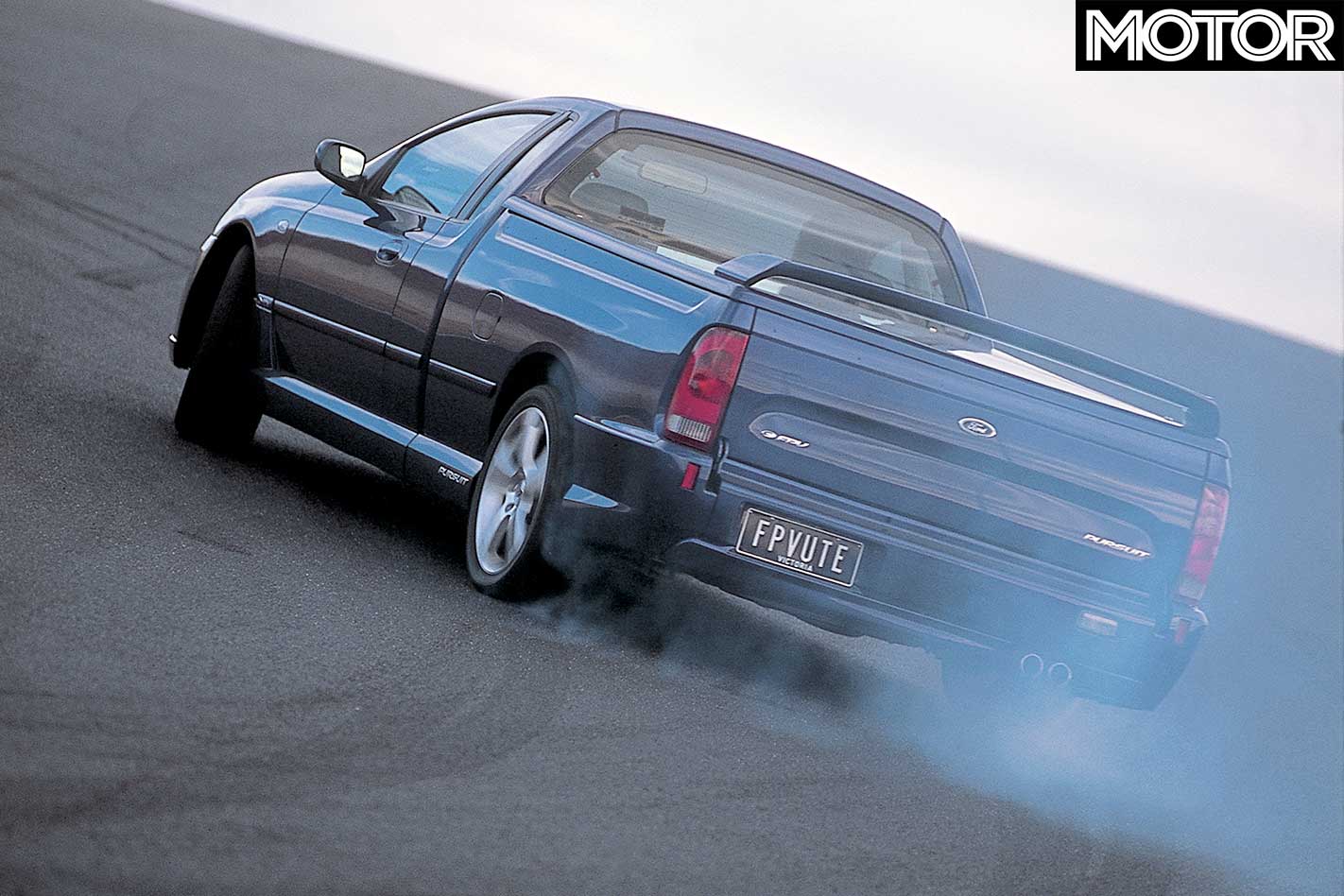
Downhill, off-camber bumps really test the rear and under those conditions it starts to hop about and shuffle its feet a bit. You get the feeling that it’s only the grippy (and wide) Dunlops that save the day. Turn the trip around and tackle the same off-camber bumps uphill and the Pursuit projects a less threatening persona, but still can’t match a BA sedan’s squat-and-squirt behaviour.
The big surprise is that the ride is vastly better than it should be given the spring rates and technology. Maybe it’s all that wheelbase (again) but the Pursuit rides like about 50 per cent better than you expect it to. Which means about 100 per cent better than the AU range of Ford hotties.
So, while it doesn’t have the outright unflappability of the GT sedan, for the majority of the time you’d never know it and, thanks to the ride quality, you mightn’t even miss it.
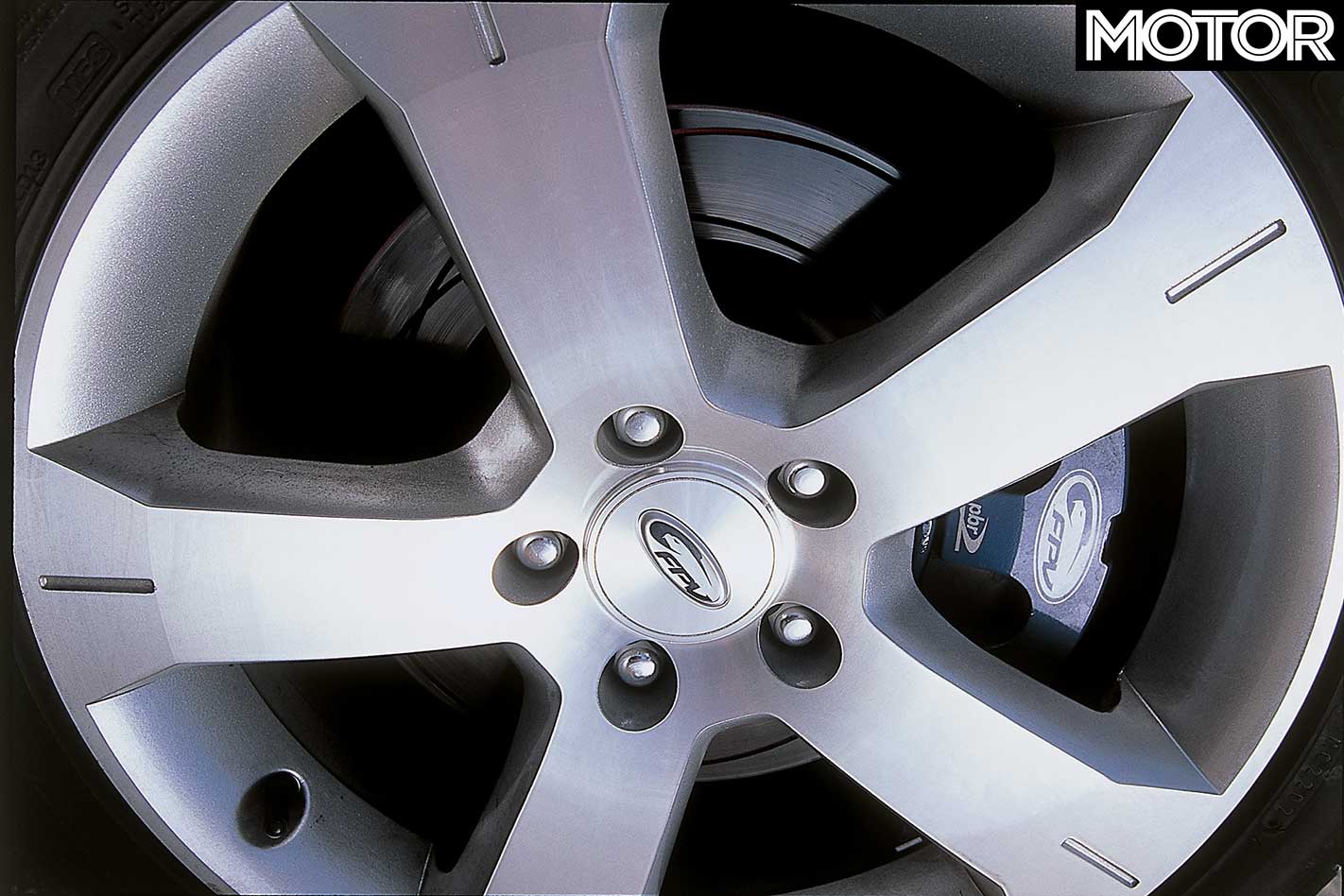
Standard brakes on the Pursuit are Ford’s Premium package with 325 mm rotors and twin-spots up front with 303 mm solid discs and single-spots out back. They seem to have that nice knack of giving you just the retardation you think you’ve dialled in with good pedal feel all the way. And if our dragstrip experience is representative, fade isn’t something you’re going to be worried about. All of which makes the optional Brembo package marginal for most buyers.
Inside, there’s a bit of leather and swanky suede trim, although exactly how a suede armrest will cope with a year’s worth of brickie’s sweat is anybody’s guess.
The rest is straight GT, and on the outside, the bodykit is amazingly easy to live with in terms of clearance and approach angles. What it isn’t is subtle and the rather fussy front end treatment is matched by a rear apron that looks heavy and overdone. Throw in the bonnet bulge and the Pursuit looks to be trying a bit too hard from some angles. It is, however, impossible to ignore.
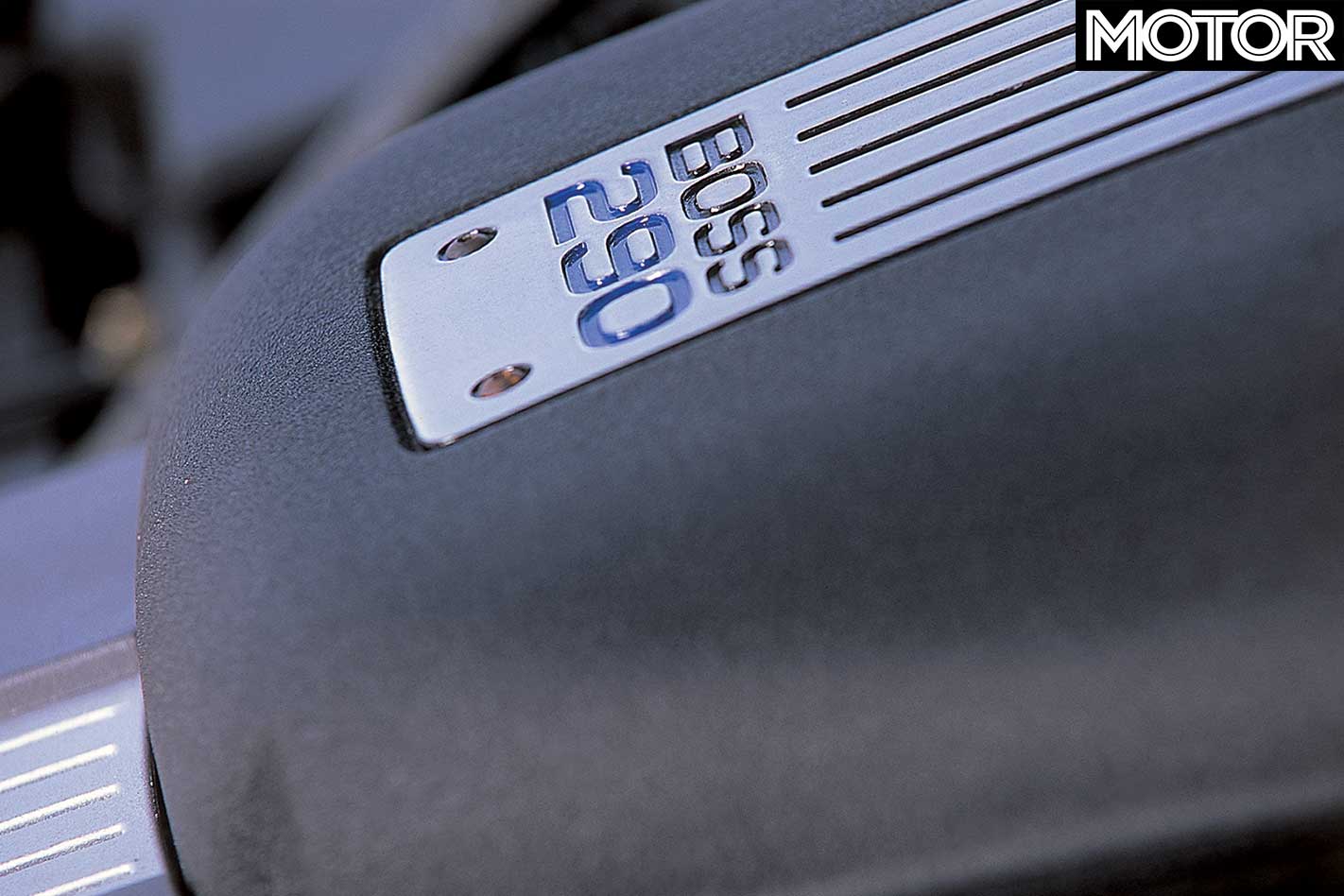
Annoying aspects include the hard tonneau which restricts carrying anything deeper than the tray sides (okay, the tonneau is removable) but more than that needs to be locked twice with a fiddly, cranky key (once on each side). And a spoiler on a ute? Nah, don’t think so.
I’m also affronted by the placement of the starter button (and its existence in the first place) that makes starting a two-handed affair.
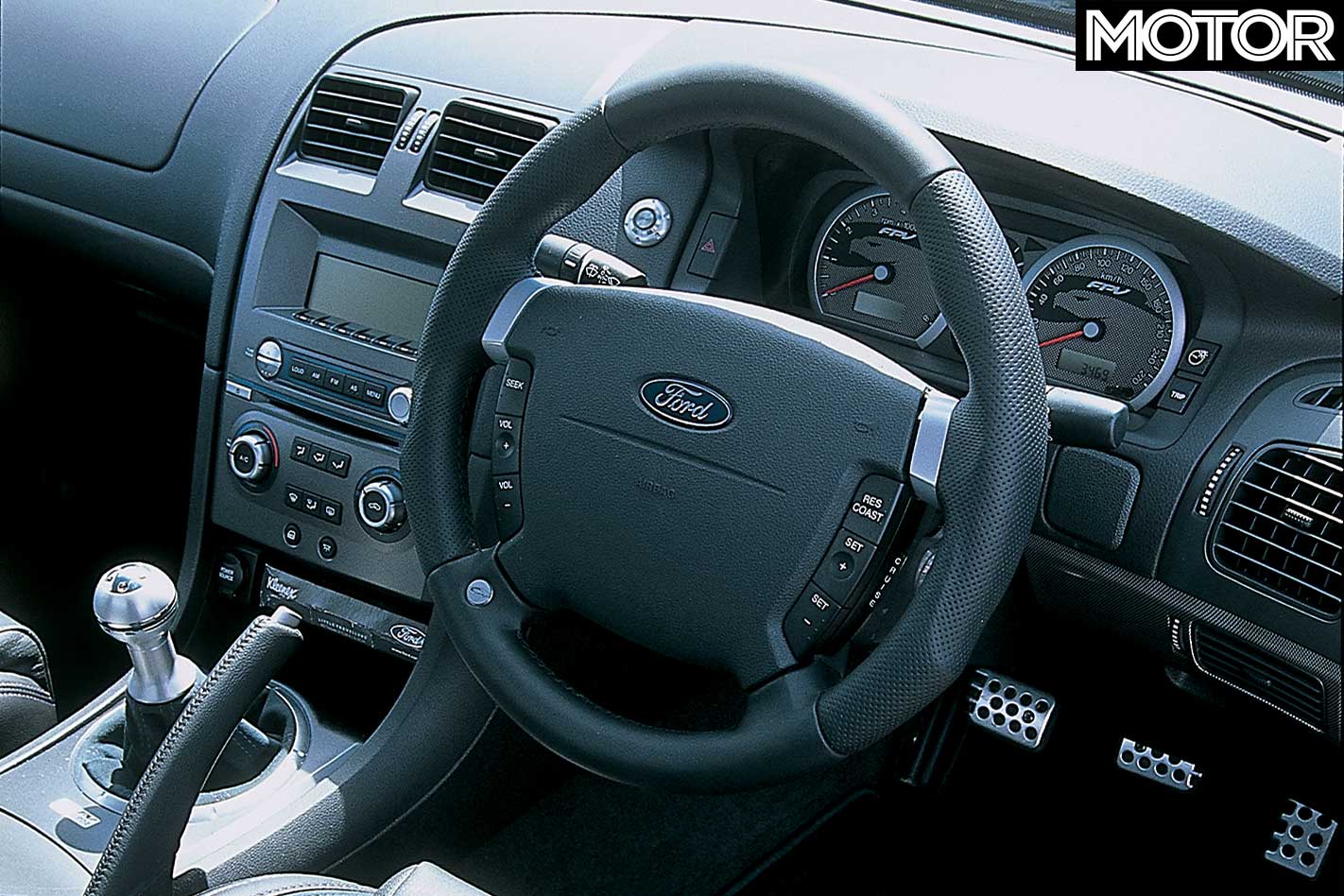
And while we’re at it, can we please have a bit more travel on the throttle-by-wire gas pedal? As it is, it feels like there’s about an inch between idle and flat-chat. It imposes no practical problems, but it feels strangely unsatisfying.
The Pursuit’s biggest problem is that it’s no longer as good (or better in some ways) as a Falcon sedan. Of course, that’s mainly because the sedan has evolved such a long way over the AU, while the ute, 290 kW notwithstanding, has simply not come as far in the transition from AU to BA. This, however, is unlikely to bother the self-made blerks who are likely to throw $55-large at a light commercial. And good on ’em.
The Beginning
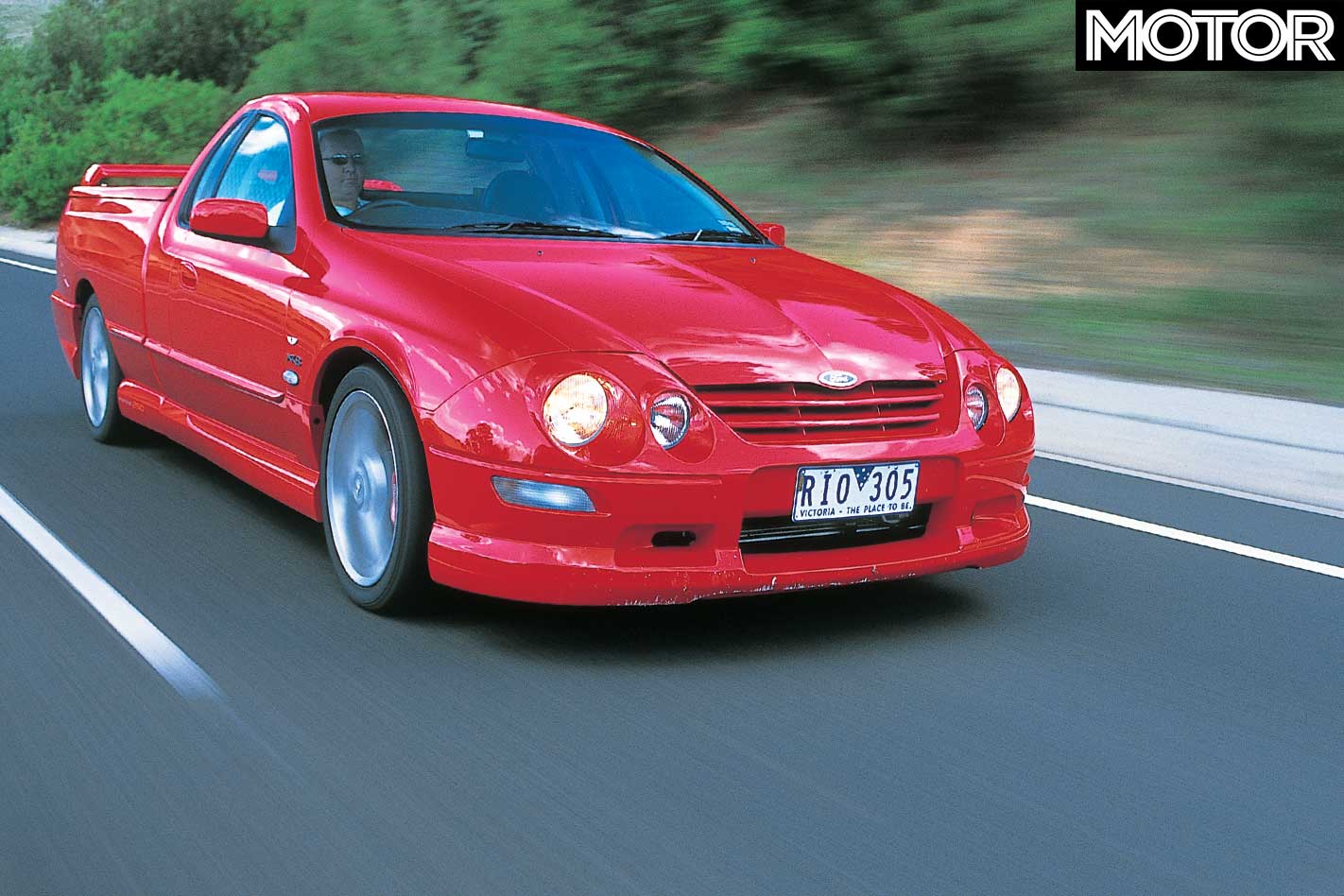
While Ford finally woke up to itself in 1992 and dusted off the old Windsor five-litre V8 for the sedan range, it took another age before the ’umble Falcon Ute was eventually fitted with the bent-eight.
It first reappeared in 1997 in XH Ute form a few years after Ford had re-engineered the whole vehicle’s front end to accept the overhead camshaft six of the sedan.
Of course, Ford might have given buyers the chance to tick the ‘V8’ box, it hadn’t actually spent squat on making the motor any more exciting than the boat anchor it most assuredly was. We wound up with the ridiculous situation of having the standard six-potter Ute making 148 kW and the V8 capable of just 17 more for a grand total of 165 kW.
Even the torque wasn’t significantly hiked over the six, and a lot of people just couldn’t see the point, especially when the Ute itself was still heavily based on the XD model of 1979.
But there was some better news. And that was the XR8 Ute.
With 185 kW and 402 Nm it still wasn’t the engine it might have been (the Windsor was eventually stretched to 5.6 litres and 250 kW for the last of the AU sedans and hay haulers) it did put a rocket up the bum of the relative lightweight XH Ute bodyshell.
Significantly, it was enough of an advance over the six to be worth the bother and with the quad-headlight styling and other XR8 bits, it set Ford on the path that has led it to this point and the Pursuit. Nice one, Grandad.
FAST FACTS FPV Pursuit 290
BODY: 2-door ute DRIVE: rear-wheel ENGINE: 5.4-litre, DOHC, 32-valve V8 BORE/STROKE: 90.2 mm x 105.8 mm COMPRESSION RATIO: 10.5:1 POWER: 290 kW @ 5500 rpm TORQUE: 520Nm @ 4500 rpm WEIGHT: 1870 kg POWER-TO-WEIGHT: 155kW/tonne TRANSMISSION: five-speed manual SUSPENSION: double wishbone, coil springs (f); live axle, leaf springs (r) L/W/H: 5123/2141/1435 mm WHEELBASE: 3095 mm TRACKS: 1560 mm (f); 1575 mm (r) BRAKES: 325 mm grooved, ventilated discs, two-piston calipers (f); 303 mm grooved, solid discs, single-piston calipers (r) WHEELS: 18 x 8-inch (f & r), alloy TYRES: Dunlop SP Sport 9000, 235/45 R18 (f&r) FUEL: 68 litres PULP PRICE: $54,850FAST FIGURES
0-100km/h: 6.02sec 0-160km/h: 14.31sec 0-400m: 14.43sec @ 162.5km/h
