
There are some cars which, through their appearance on screen, have become icons and legends.
Max Rockatansky’s XB Falcon GT Coupe, The evil Plymouth Fury named Christine, or Bond’s gorgeous DB5, the list goes on.
So we’ve picked out a few used cars which we think are better off for having been stars.
1999 E38 BMW 750IL – $17,000
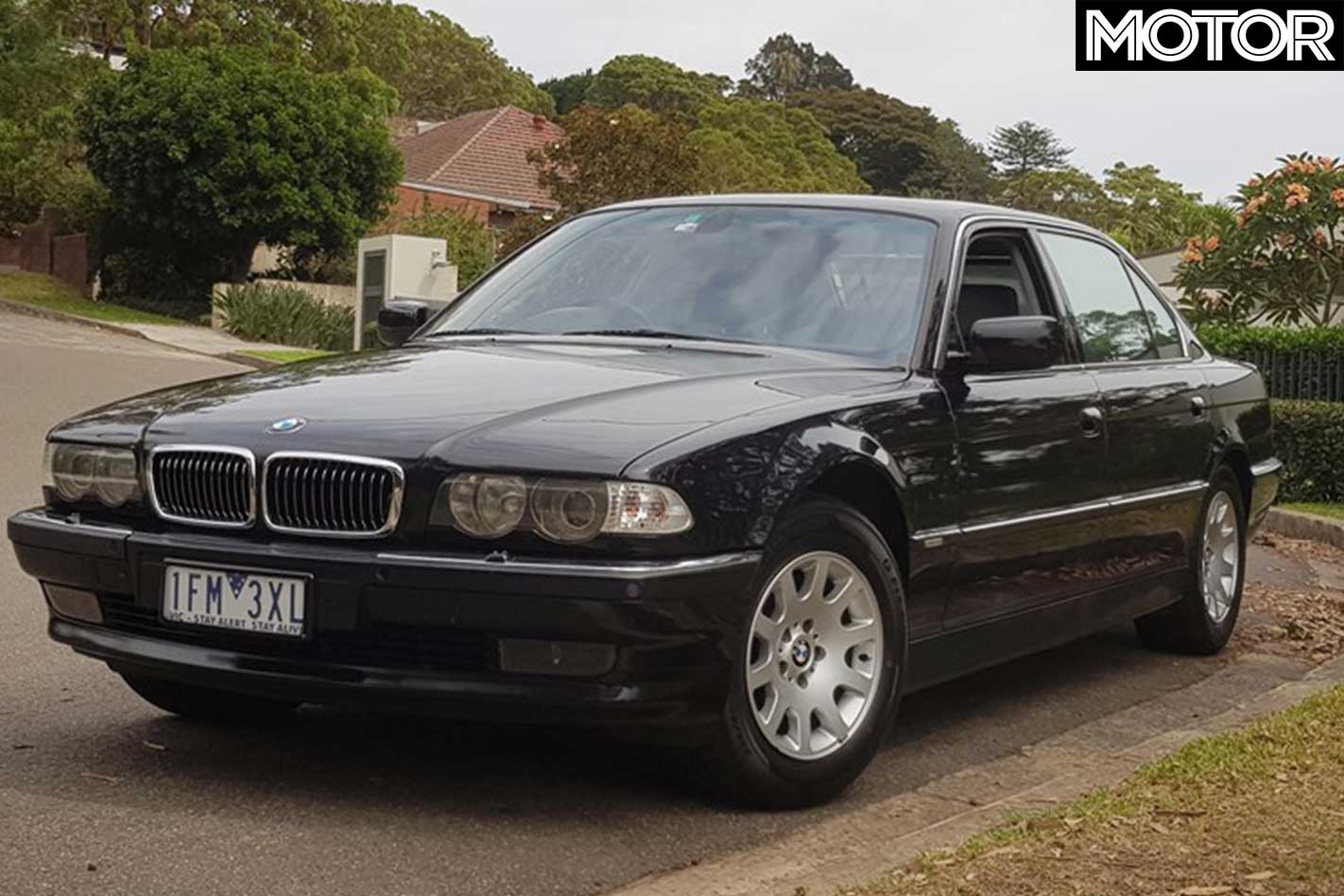
There’s also a behind-the-scenes reason for us to choose the 750iL over the 735i which the movie referred to. While it’s referred to as a 735i, it’s actually the V12-powered halo 7 Series.
The one for sale is an auto, and has a few kays on the clock… 197,000km isn’t unheard of for a two-decade-old car though. The seller is asking $17,000, which is fair if it’s in good condition and doesn’t need mechanical attention.
1981 DeLorean DMC-12 – est. $69,000
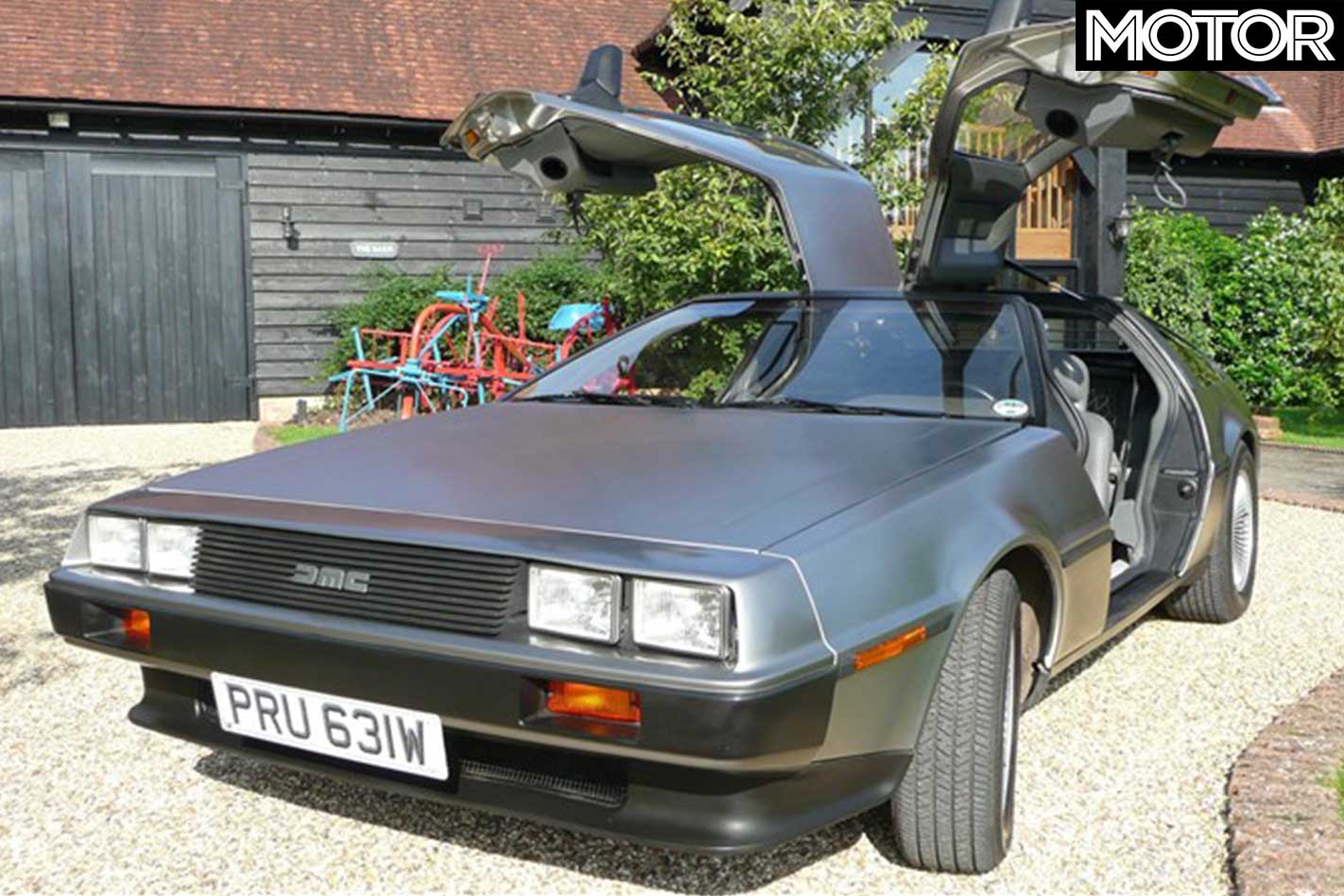
But it’s not fast, with only 96kW being drawn from its atmo V6. As friend-of-MOTOR (and our sister title Unique Cars) John Bowe said after driving one for UC:
“It was pleasant to drive, but was obviously tuned for the US market, which favours ride comfort and smoothness over road feel and handling. If it had double the power and stiffer suspension, it would have been wonderful.”
This one’s actually located in the UK as there aren’t many around in Australia, and only 9000-or-so worldwide. It’s got low kays, just 11,241km, and the £37,500 ($69,180) asking price isn’t horrendous considering the iconic nature and rarity of these stainless aluminium wonders.
1999 Nissan Skyline R34 GT-R – $85,990
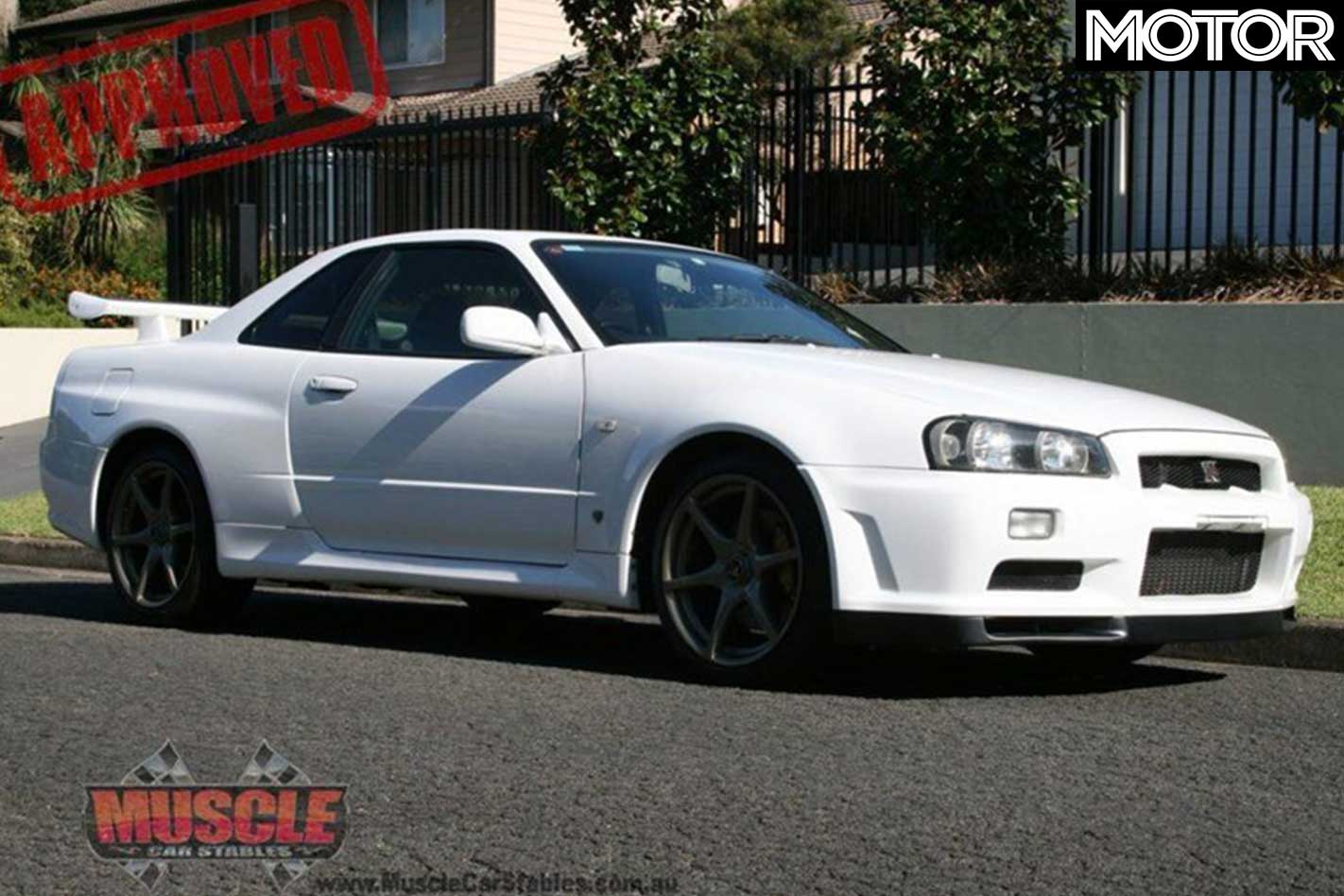
You know, before they became a military operation and started driving tanks.
This one’s white, rather than silver and blue, and doesn’t feature under-body neons. But it does have a RWC, and doesn’t look like it’s been jumped, which is a plus.
1970 Dodge Charger R/T – $57,000
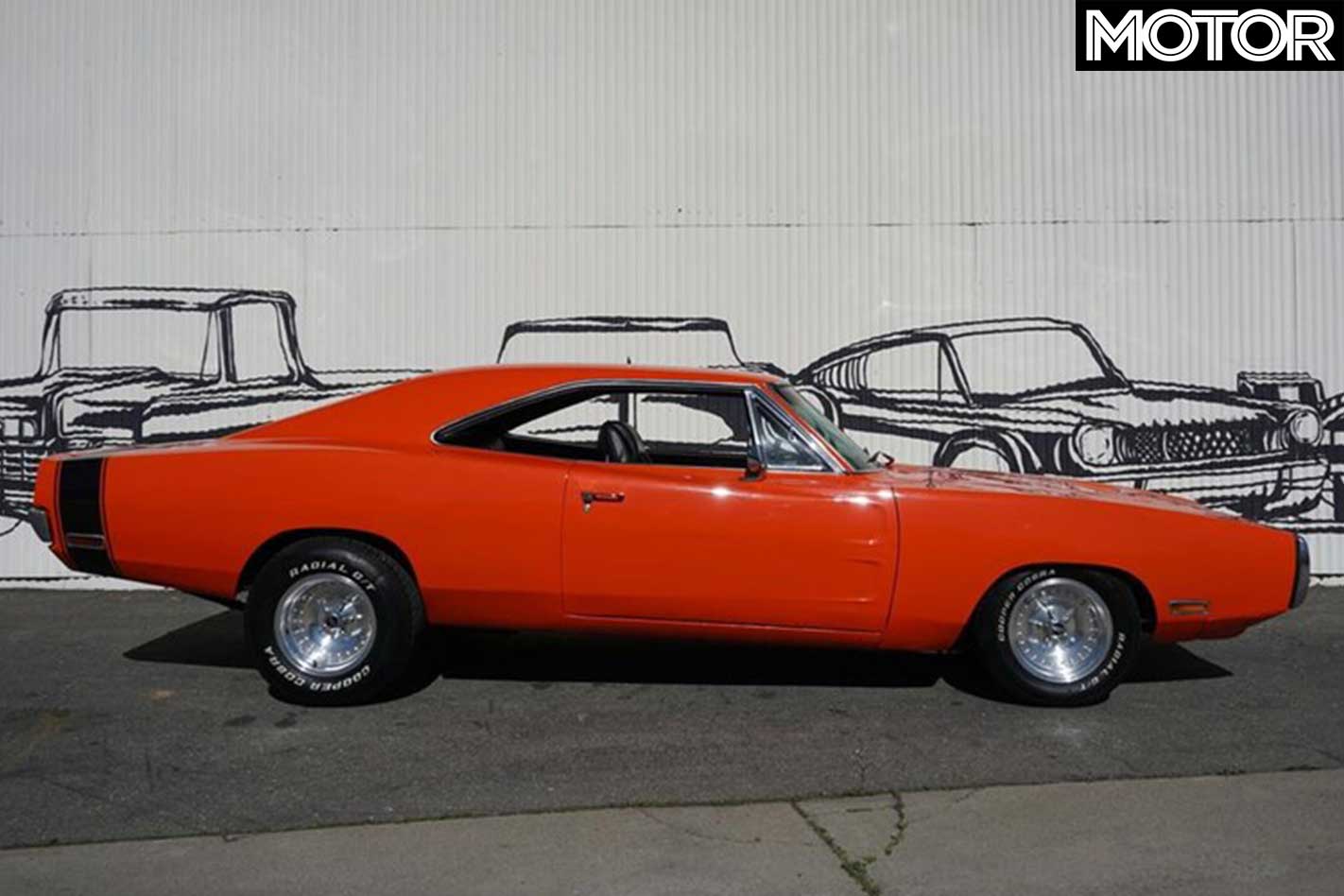
…or Dukes of Hazzard, if you like. The Dodge Charger has many connections to the screen, both small and big, but this one fulfils two. It’s the correct year and spec to somewhat mimic (sans blower and a few horses, that is) the Charger R/T driven by Dom Torretto in the FnF films.
But it’s also the same colour as the General Lee from Dukes of Hazzard, minus the questionable flag on the roof.
Sure, the Fast Charger is black, and the Duke boys drive a ’69, but this one’s going for $57K…. but it’s in California. Send us a postcard?
1971 Ford XY Falcon GT HO Phase III (Replica) – $118,000
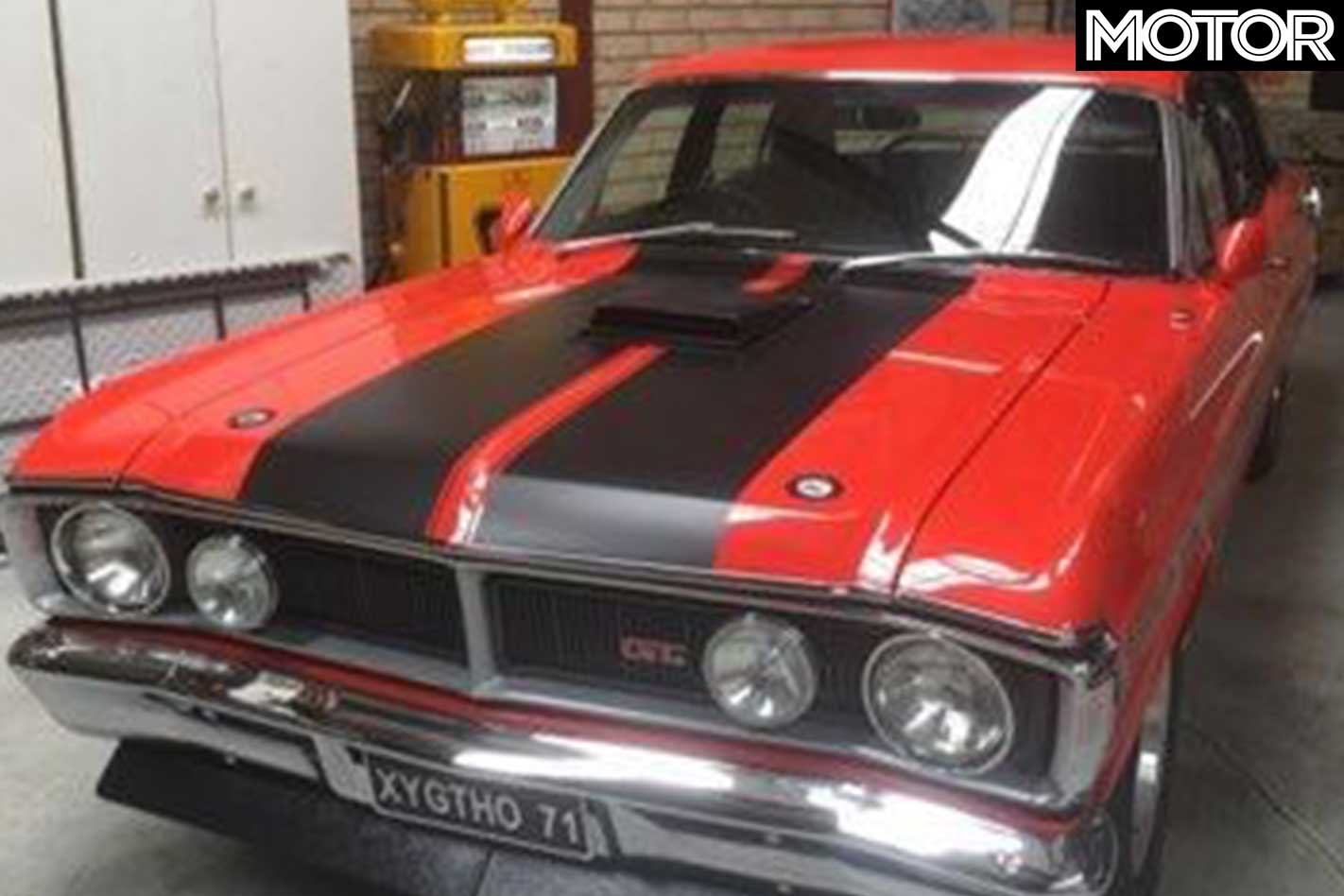
As with most old locally-made flicks, it’s not perfect, but there are plenty of cars to keep it worth watching, and the action scenes make up for the acting.
The protagonist wants to become a great street racer from behind the wheel of his Phase III, a good choice on his part, though given the state the car finds itself in, a replica might have been a better financial investment.
This one’s up for sale for $118,000, but is it worth six figures if it’s not the real deal?
Bonus: Replica MFP Pursuit car – $20,000
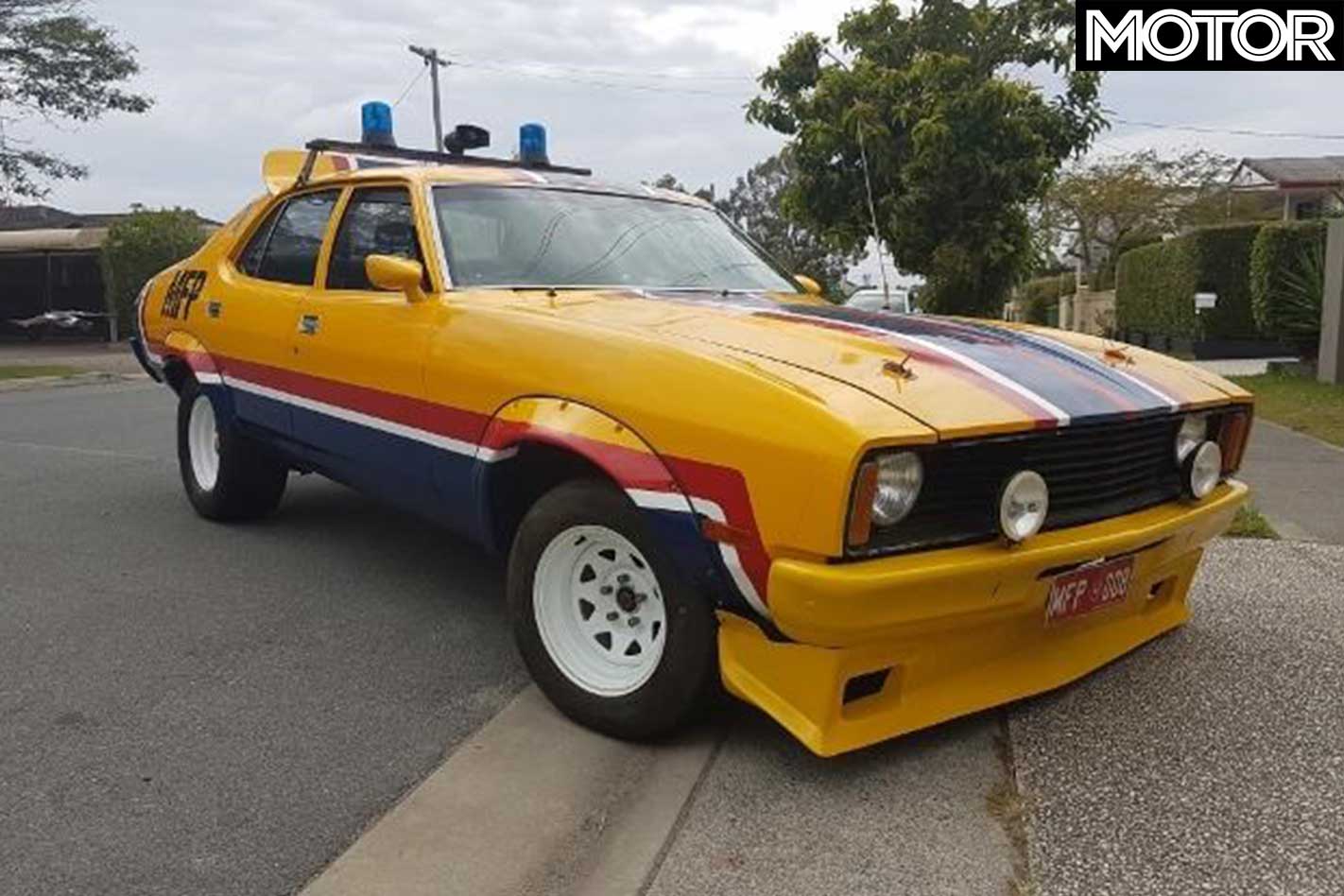
It’s not a 100% spot-on copy, but it’s close. The original was actually an XB, much like Max’s Interceptor, but who cares?
And the seller is no Goose for keeping the price to a reasonable $20,000, even if it’s got no RWC.
FORMER Holden-supported stunt driver, Robin Bolger, has been sentenced to six years’ jail for his part in the theft of hundreds of engines and transmissions.
More than 200 engines and gearboxes were stolen from Holden’s South Australian Elizabeth plant in 2010 and 2011 by a group of seven men, including at least one Holden employee.
The group loaded the parts into a courier van with the help of the Holden employee under the guise of the driver’s normal work, however, Judge Steven Millsteed said it was possible other GM employees could have aided the plot.
It was alleged the stolen engines and gearboxes were then transported to an Adelaide suburb for storage until Bolger could find a buyer.
During the trial the court was told Bolger sold most of the parts to CAPA Performance, along with some items being bought by VCM Suite.
The Judge estimated each engine was worth more than $5500, and each gearbox $3000, with the total worth of the stolen goods topping $780,000. Bolger was said to have profited more than $330,000 from the racket.
An order was made by the judge for the money to be recovered under proceeds of crime laws.
Bolger was well known in Australian motoring and racing scenes, and was one of the pioneers of drifting in Australia, famous for sliding his Holden Monaro at V8 Supercar rounds during the mid-2000s.
“You were well-respected in the racing industry until your offending was discovered,” the judge said of Bolger.
“The offences you committed were serious, sustained, well-organised and greed-driven.”
Bolger maintained he didn’t know the engines and gearboxes were stolen throughout the trail, however, he later admitted his part in the plan after being found guilty by a jury.
The 46-year-old’s contrition was slammed by the Judge, who stated “I expect it was nothing more than an attempt to gain leniency”.
The stunt-car driver was sentenced to six years and three months in jail for 11 counts of property laundering, relating to the sale of the parts, and 54 counts of money laundering for depositing the proceeds in bank accounts – he will be eligible for parole in July 2021.
Former Holden worker Jason Paul Walton was jailed for six years in 2014 for his part, while two others were given suspended sentences for laundering money and storing the parts.
TOYOTA has used the unveiling of a plug-in hybrid version of the Corolla small car to announce that the C-HR compact SUV has also lined up for range-extended electrification.
The Japanese carmaker used the Beijing Motor Show to announce that both cars would be on sale in China in 2019, and be capable of driving up to 50 kilometres on battery power alone.
Toyota plans to launch 10 new electrified vehicles in China by 2020, using local resources to build the electric motors, batteries, inverters and other core technologies that the vehicles will need. China will become the first country outside of Japan to build plug-in electric vehicles for the brand.
Both vehicles are built on top of the Toyota New Global Architecture, a drivetrain-agnostic platform that’s ready to accept everything from conventional petrol drivetrains to battery-electric or even hydrogen-fed fuel cell ones.
In an indication of how many plug-in versions of its cars Toyota plans to sell in China, it announced that by 2020, battery production was expected to rise to 220,000 units by 2020. Last year, Toyota sold 140,000 hybrid-engined versions of the Corolla, which is also sold in China as the Levin.
Toyota has sold a plug-in hybrid version of the Toyota Prius on global markets, but the technology has always been ruled out for the Australian market because of its expense. The current-generation Prius PHV, sold in Japan, Europe and in the US as the Prius Prime, has an electric range of about 40km.
A new generation of the Corolla featuring a more powerful 2.0-litre engine for some variants, and a more efficient 1.8-litre version for others, arrives in Australia in August
BMW has teased details of the 8 Series variant that will soon sit just underneath the most powerful M-badged car that money can buy.
The M850i xDrive, which taps the resources of BMW’s M-Performance division, will sit beneath the M8 in the grand tourer’s hierarchy. International media has already had its first taste of the 390kW/750Nm “regular” 8 Series range-topper, with the accompanying press material exposing some of the secrets of its depth and breadth of ability for the first time.
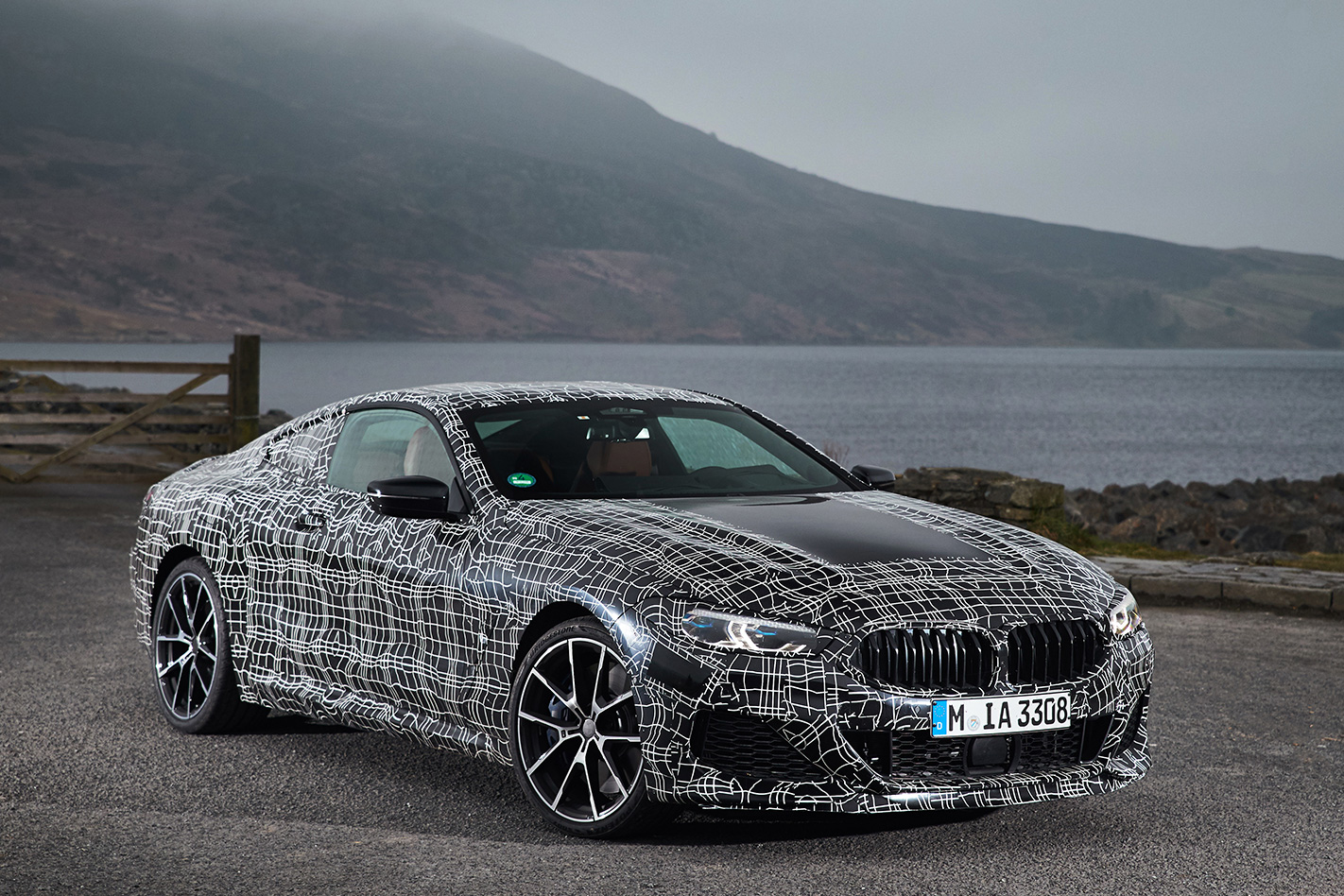
BMW is planning to reveal the 8 Series in June, before it goes on sale later this year, with the M850i being the first model offered.
Powering the M850i-badged version of the 8 Series is a development of the ‘old’ 4.4-litre V8, but with plenty of new work done – BMW’s engineers have lifted performance to 390kW and 750Nm.
For context, the M5 produces 441kW and 750Nm from its twin-turbo 4.4-litre V8 and until the arrival of the M8 will stand as the most potent M car available – expect the M8 to trump those figures, along with usurping the M5’s claimed 3.4-second 0-100km/h time.
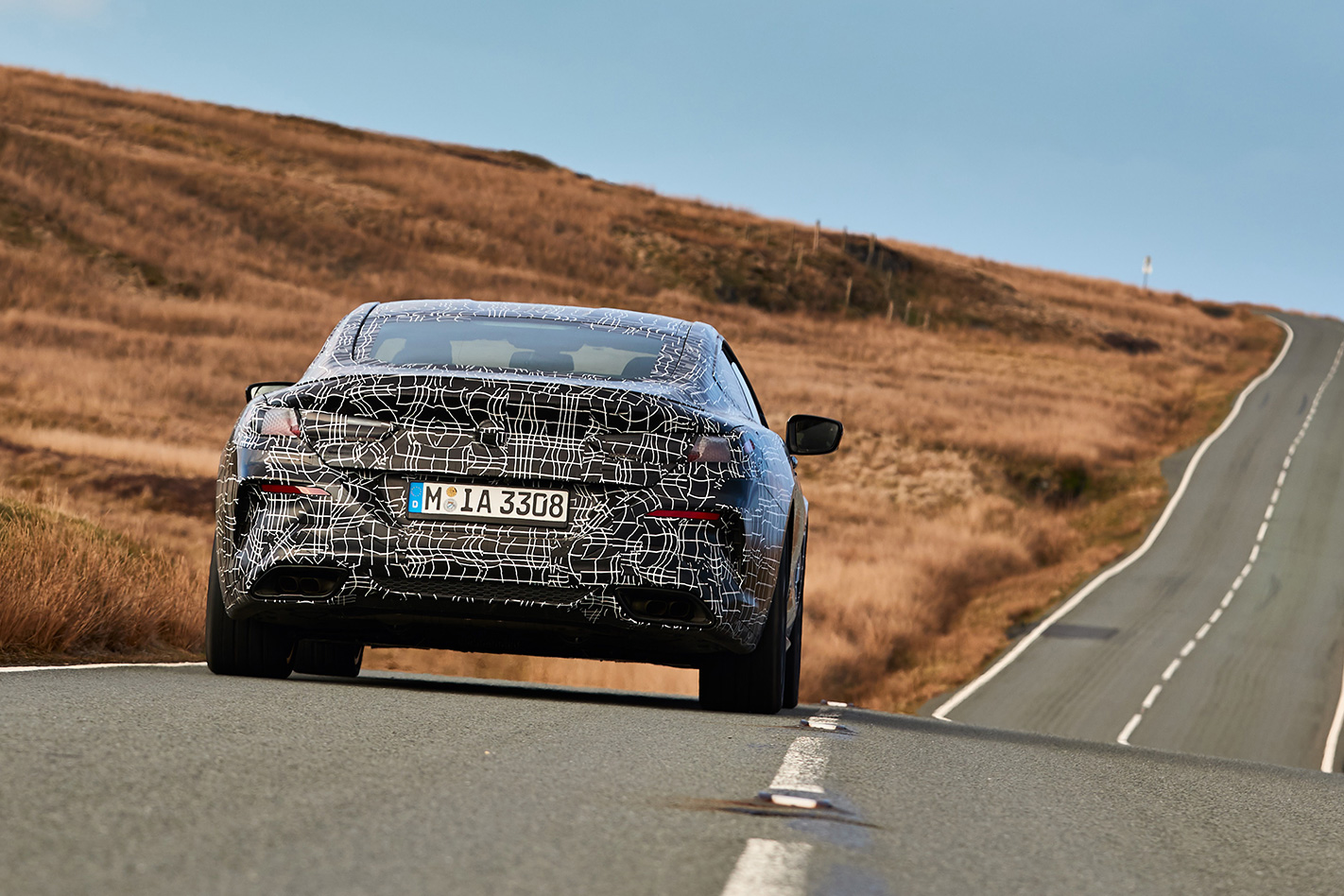
BMW also confirmed the 8 Series is shorter than the outgoing 6 Series, both in terms of overall length and wheelbase, but is slightly wider.
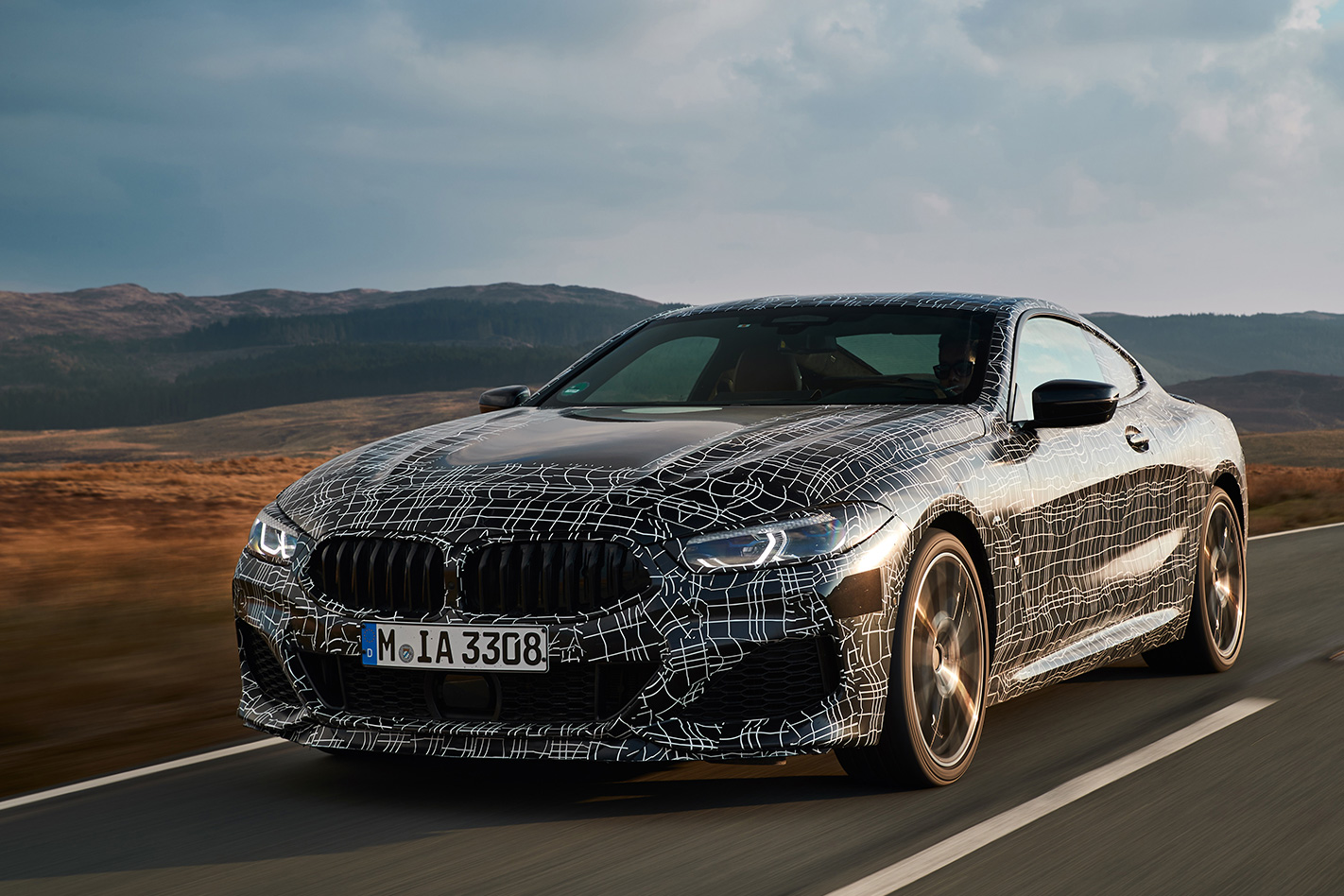
BMW is believed to be saving the 8 Series for a global debut at June’s 24 Hours of Le Mans WEC endurance race.
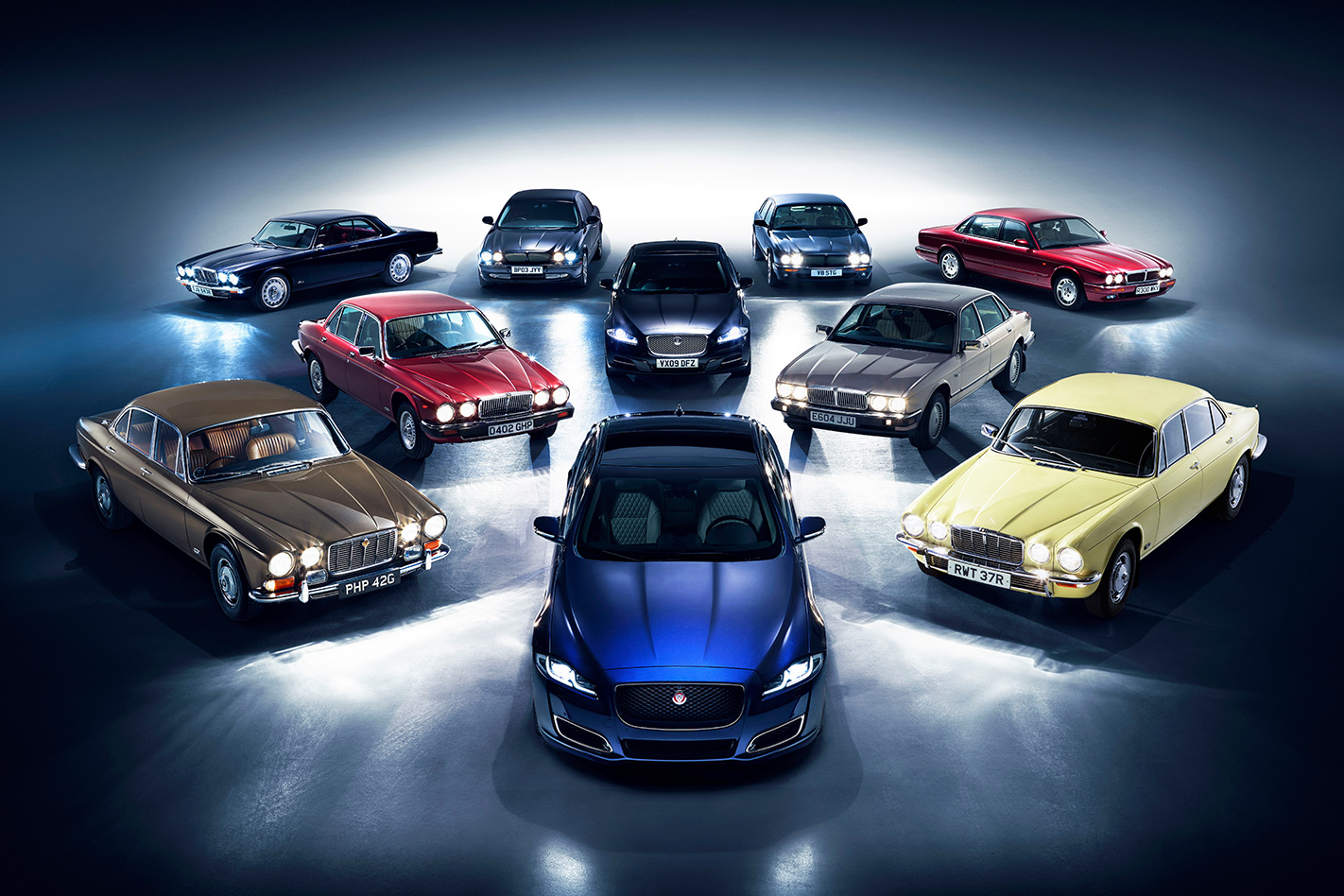
Should a regular Jaguar XJ be lacking the sort of exclusivity you desire, the iconic British brand has you covered with a new special edition of its luxury sedan, called the XJ50.
Unveiled at the 2018 Beijing Motor Show, the Jaguar XJ50 commemorates the XJ limo’s 50th anniversary. It is identifiable by unique Autobiography-style front and rear bumpers, a blacked out grille and 20-inch alloy wheels of a new ‘Venom’ design. Distinctive XJ50 badging on the rear and side vents further sets the limited vehicle apart from the rest of the range.
Available in either standard or long wheelbase form, the XJ50 has a choice of two existing V6 powertrains; a 221kW 3.0-litre twin-turbo diesel, or a 250kW 3.0-litre supercharged petrol engine. Four colour options are available, including Fuji White, Santorini Black, Loire Blue and Rosello Red.
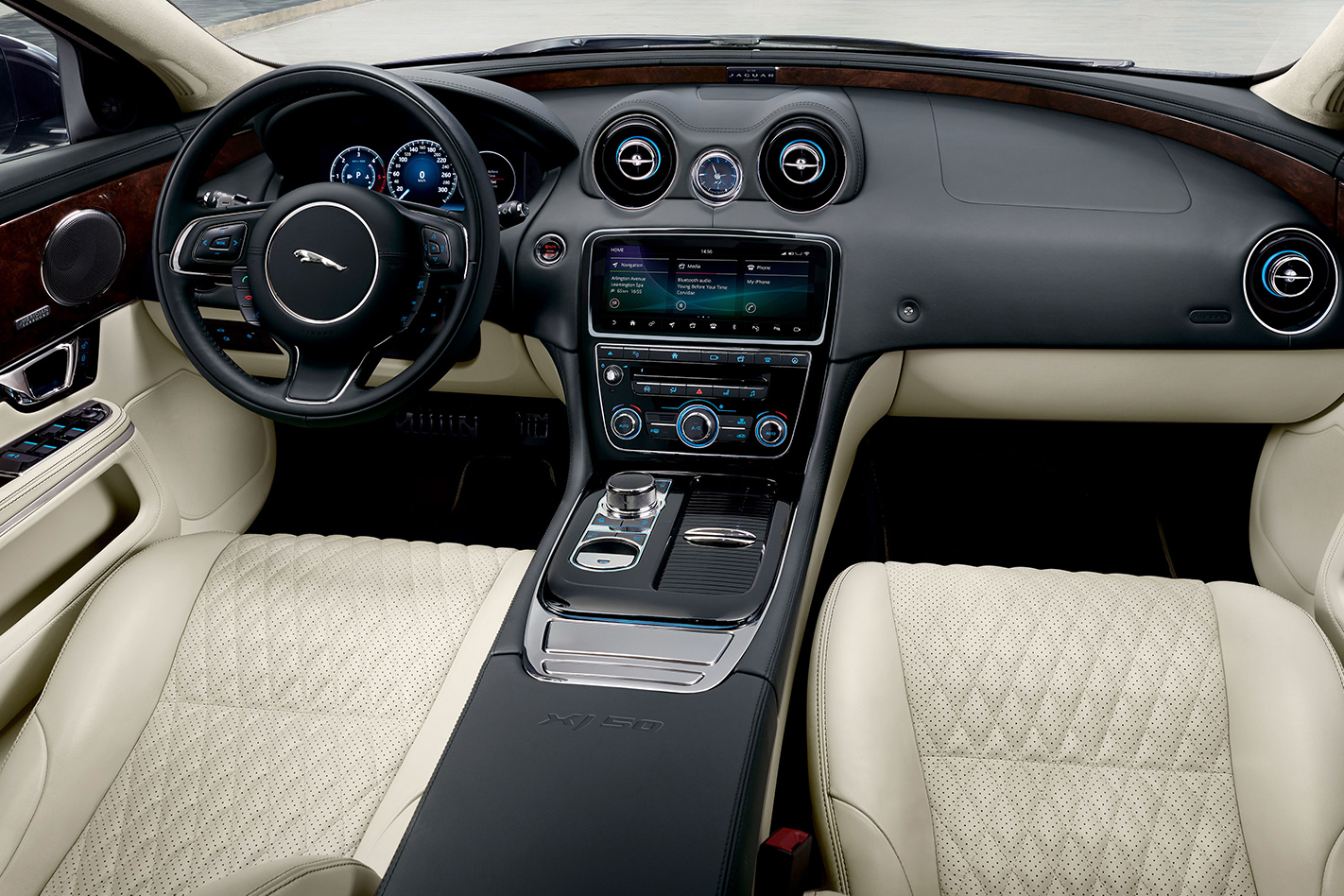
The interior is decked out in diamond-quilted leather. The seats feature an embossed Jaguar leaper on the headrests, and there’s an XJ50 logo on the centre armrest. In addition to the illuminated XJ50-branded door sills, anodised gearshift paddles and bright metal pedals round-out the changes on the inside.
“This is a car worth celebrating and the XJ50 pays homage to a giant within the Jaguar brand that we believe is one of the world’s most stylish sporting saloons” said Jaguar’s director of design, Ian Callum.
Now in its eighth generation, the Jaguar XJ is five decades old having debuted in 1968. XJs have frequently been the vehicle of choice for transporting the British royal family and the British Prime Minister, even up until recently.
Jaguar’s local arm will introduce the XJ50 to Australia later this year as part of a wider overhaul to the XJ range for the 2019 model year. Pricing will be announced closer to that time.
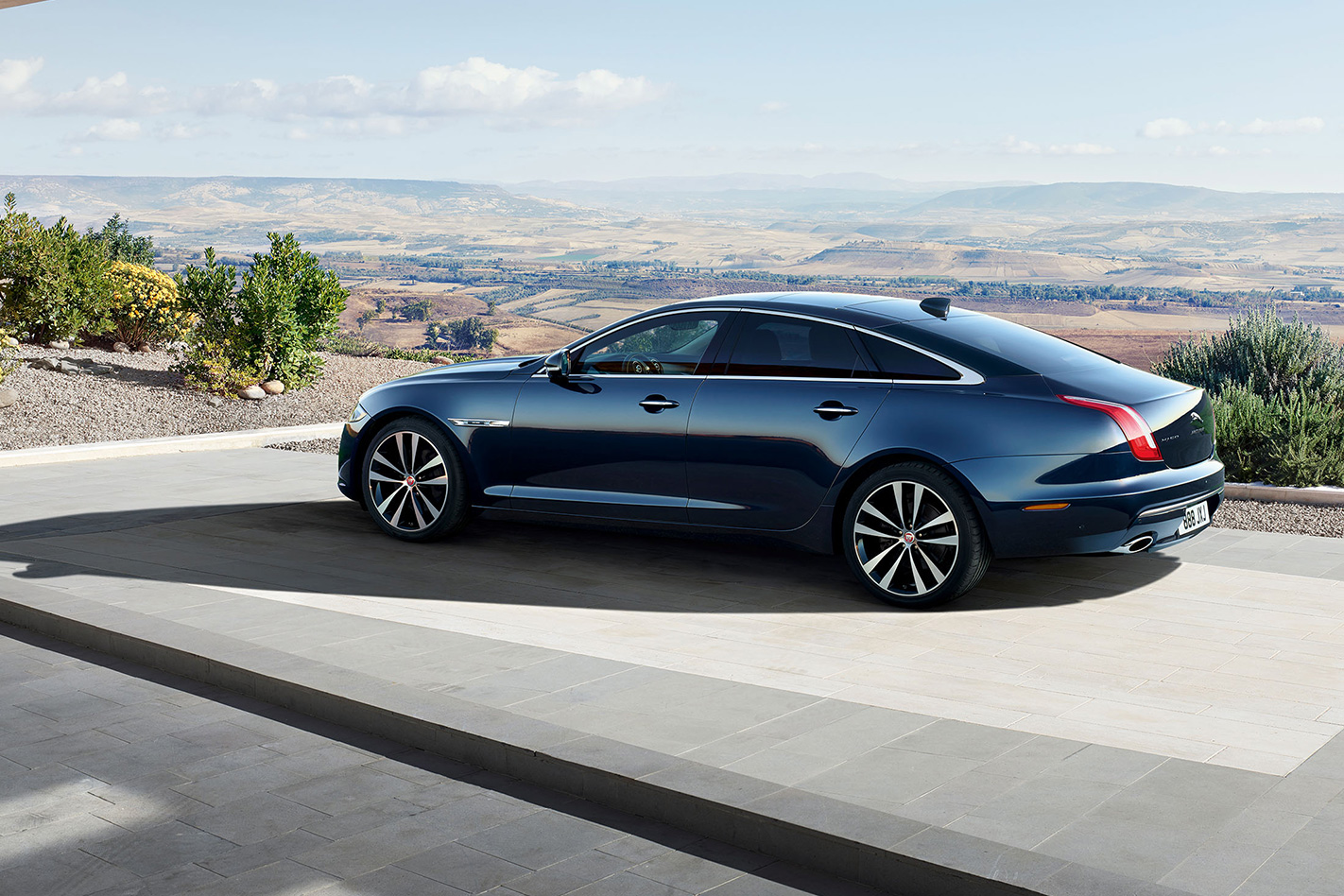
The current-generation XJ – X351 – has been around for almost a decade (introduced in 2009) and received multiple facelifts and upgrades over that time.
Mercedes-Maybach has revealed its latest Vision design concept, called the ‘Ultimate Luxury’, and the 2018 Beijing Motor Show.
The extravagant design takes the ‘three-box’ concept of sedan design and applies it to the traditional shape of an SUV.
And the result? Something we’re not sure will catch on.
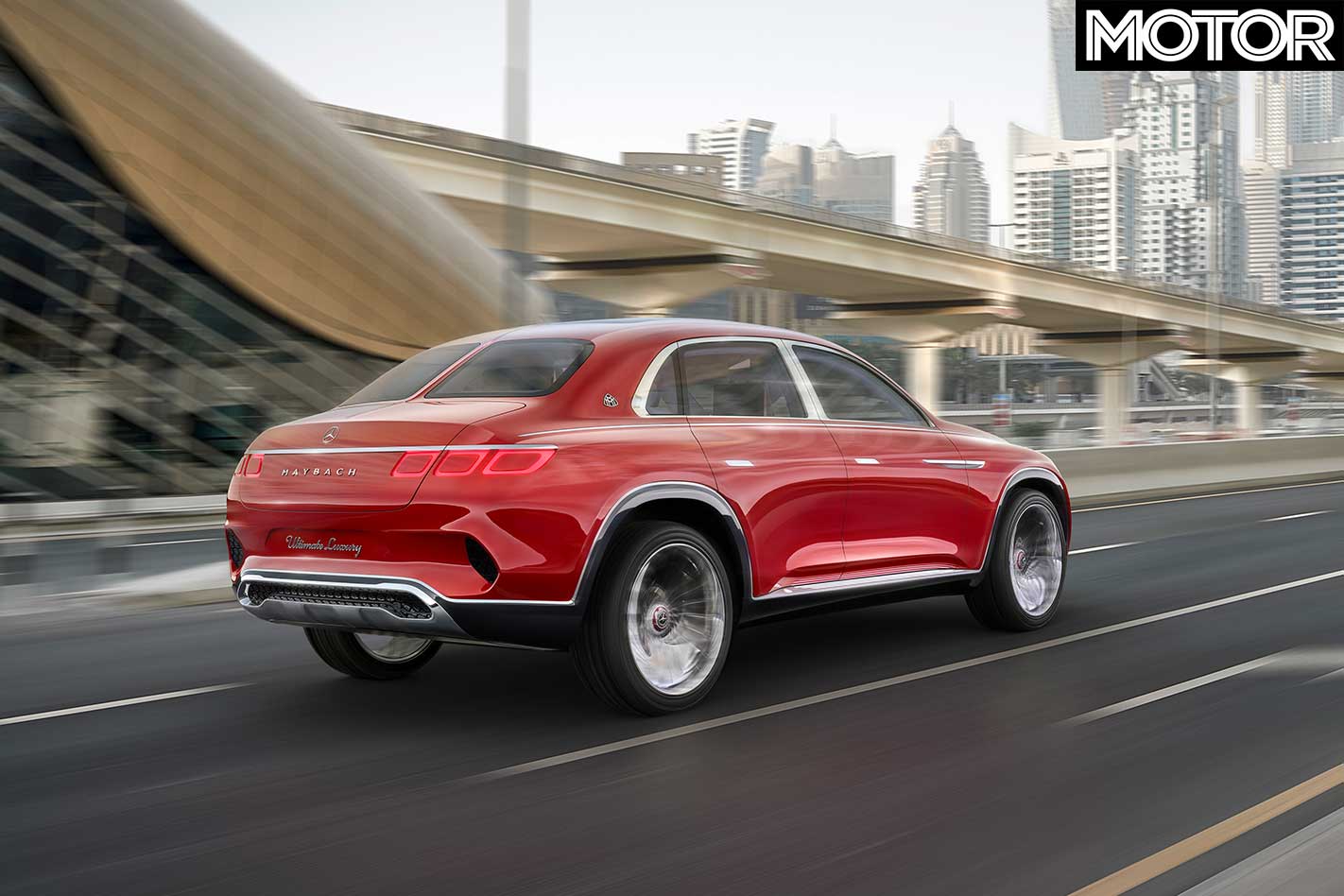
“The Vision Mercedes-Maybach Ultimate Luxury is a totally new archetype of a kind never seen before,” says Daimler design boss Gorden Wagener.
“Our concept combines the DNA of an SUV with that of a saloon to produce an ultra-modern SUV of three-box design.
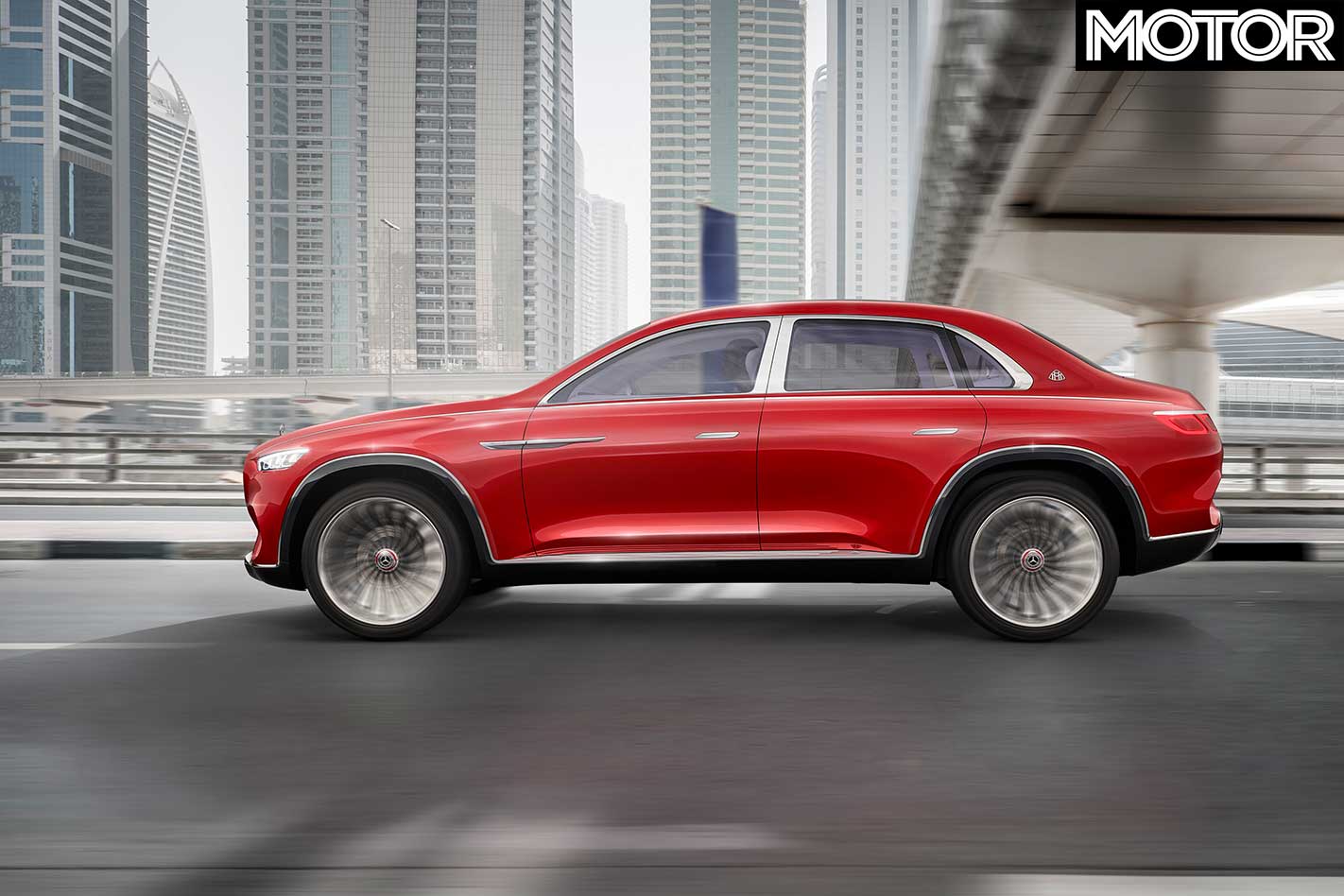
Its drivetrain consists of four electric motors, which allow variable AWD and total a power output of 550kW, with a 250km/h top speed.
The ‘Ultimate Luxury’ was designed to appeal to the Chinese market, in alignment with its reveal at China’s auto show.
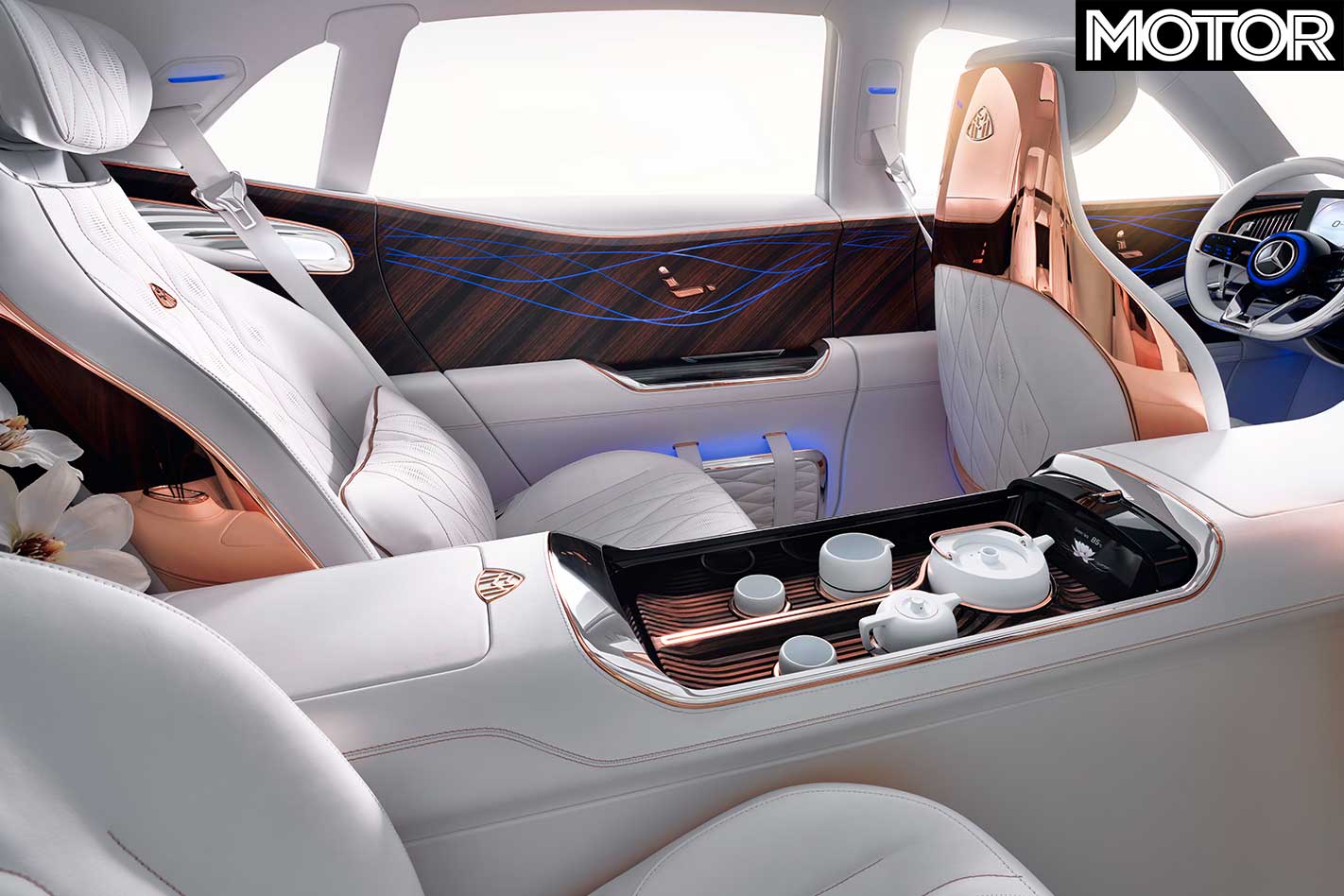
“For instance, use is made of “Magic Wood”, ebony, which is traditional in Chinese furniture design.
“The same motif is also underlined by the combination of SUV and notchback saloon, which are the most successful body styles not only internationally, but especially on the Chinese market.”
Is it taking the ‘crossover’ segment too far? We’ll leave that up to you to decide.
HAVAL says a renewed focus on engine technology, connectivity features for a more youthful market, and hybridisation will one day help it steal a greater share of the world’s burgeoning SUV sales.
The Chinese brand is the most popular SUV maker in its native market with an astonishing 600,000 sales a year. However, the rest of the world presents a much bigger challenge.
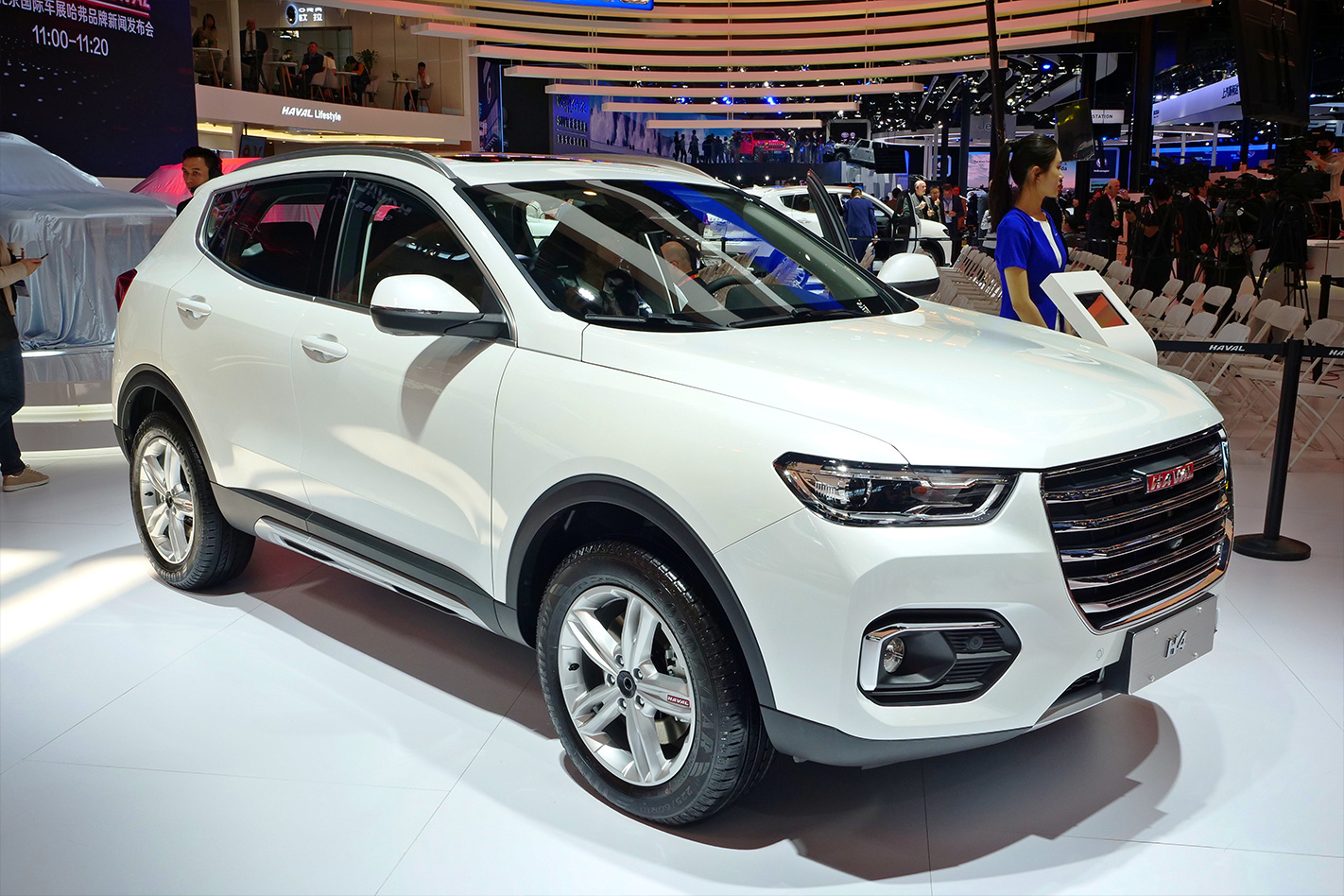
Driving that expansion will include more connectivity and internet-based technologies in Haval models to capture a younger market, along with vehicle safety standards that align with European, and not just Chinese, standards. “GWM has already noticed the new global trend of millennials, that is, paying more focus on new technology like AI and connectivity, and that’s where we have confidence with China as the biggest technology innovation country,” Wang said. “We will capture those younger audiences with safety, connectivity and smart technologies. The Chinese market is growing up quickly and catching up with European regulations and we are making our standards more strict and catching up with the EU, and including the Australian market as well.”
Asked if the brand could one day rise to prominence in a similar manner to South Korean brands Hyundai and Kia, Wang said it was possible but it could not be done the same way. “We are very confident we will succeed in Australian markets but not by simply repeating what has been done by the South Korean brands, but by being more innovative,” she said. “We understand the Korean brands are doing a lot of volume in the Australian market but we believe the consumers always want more technology, better value for money and better styling.”
As well as the greater levels of interior kit and connectivity, GWM Group product planning vice-president Sam Chen said drivetrains were another area under intensive development. A new eight-speed dual-clutch automatic transmission is in the works, and will join Haval’s driveline options alongside its in-house developed seven-speed version. Haval said the company’s new eight-speed torque converter auto had also received praise from the Australian market. “The biggest upgrade for us, and we’re hearing a lot of good feedback from our friends in Australia, is the eight-speed automatic transmission, because that’s been very well received,” Chen said. “With that we’re changing our positioning of the product. The Australian market is a very important market for us.”
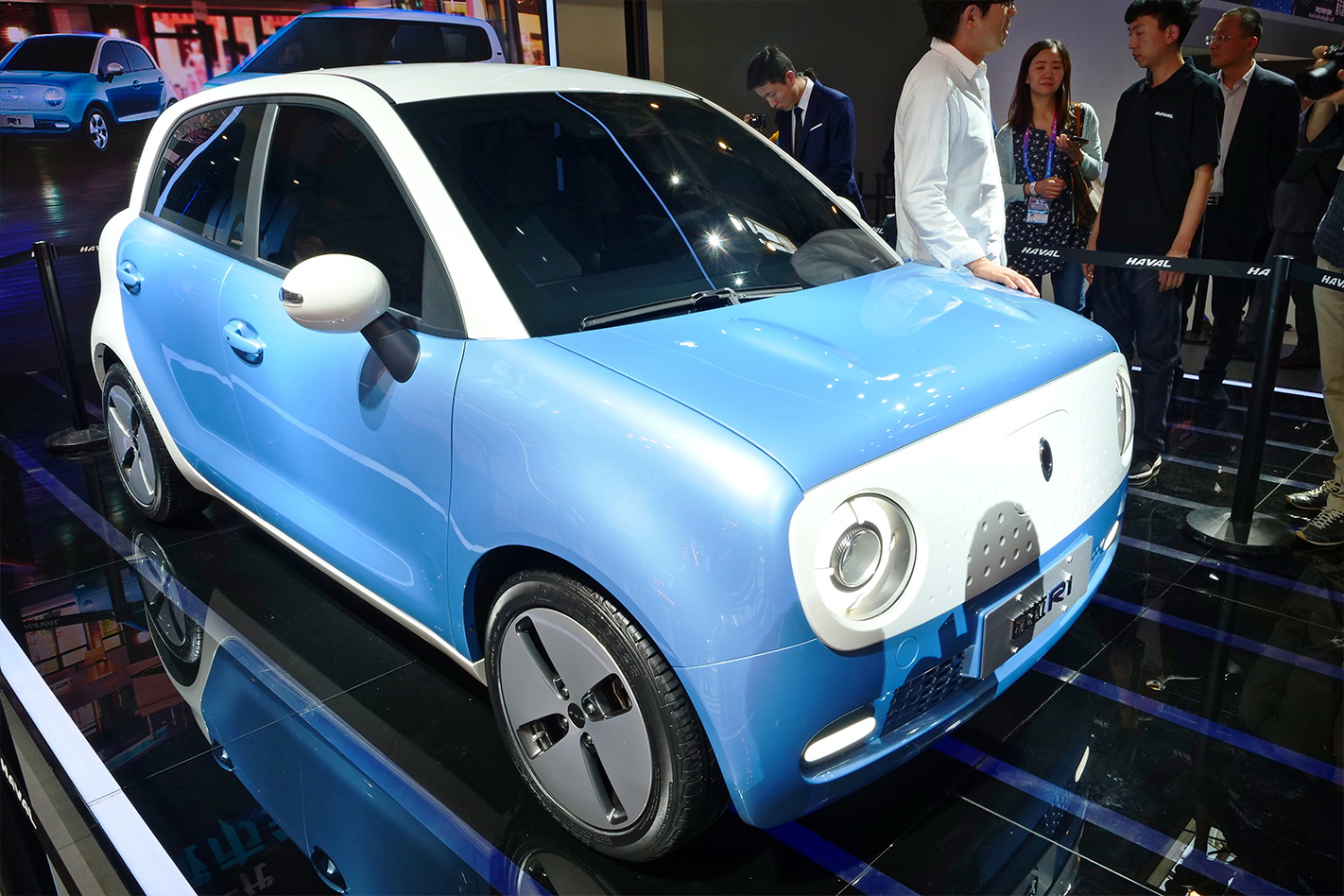
However, for now, Haval will use internal combusion engines. Great Wall Motor (GWM) group chief powertrain engineer Koen Kramer said Haval could add a plug-in hybrid model — Haval’s sister brand, Wey, has already developed a plug-in system for its P8 – could also make the leap into export models but mild hybrid systems are “not so far away” and would arrive first. “I think two years we will do it,” he said. Haval’s internal combustion engine technology was also under constant development and optimisation, Kramer said, with the focus to open up the company’s products to more potential markets. “We are thinking further afield yes,” he said. “We are currently developing engines for all over the world. I think India is coming. We are looking to Europe and the US.
The Mazda BT-50 has gained a locally designed grille and front bumper as part of running changes to keep it looking fresh in the eyes of buyers.
It’s the most significant change to the Mazda-badged workhorse since this generation of the trade ute was introduced to the Australian market in 2011, and the first model tweak since minor changes were made to the headlights and grille late in 2015.
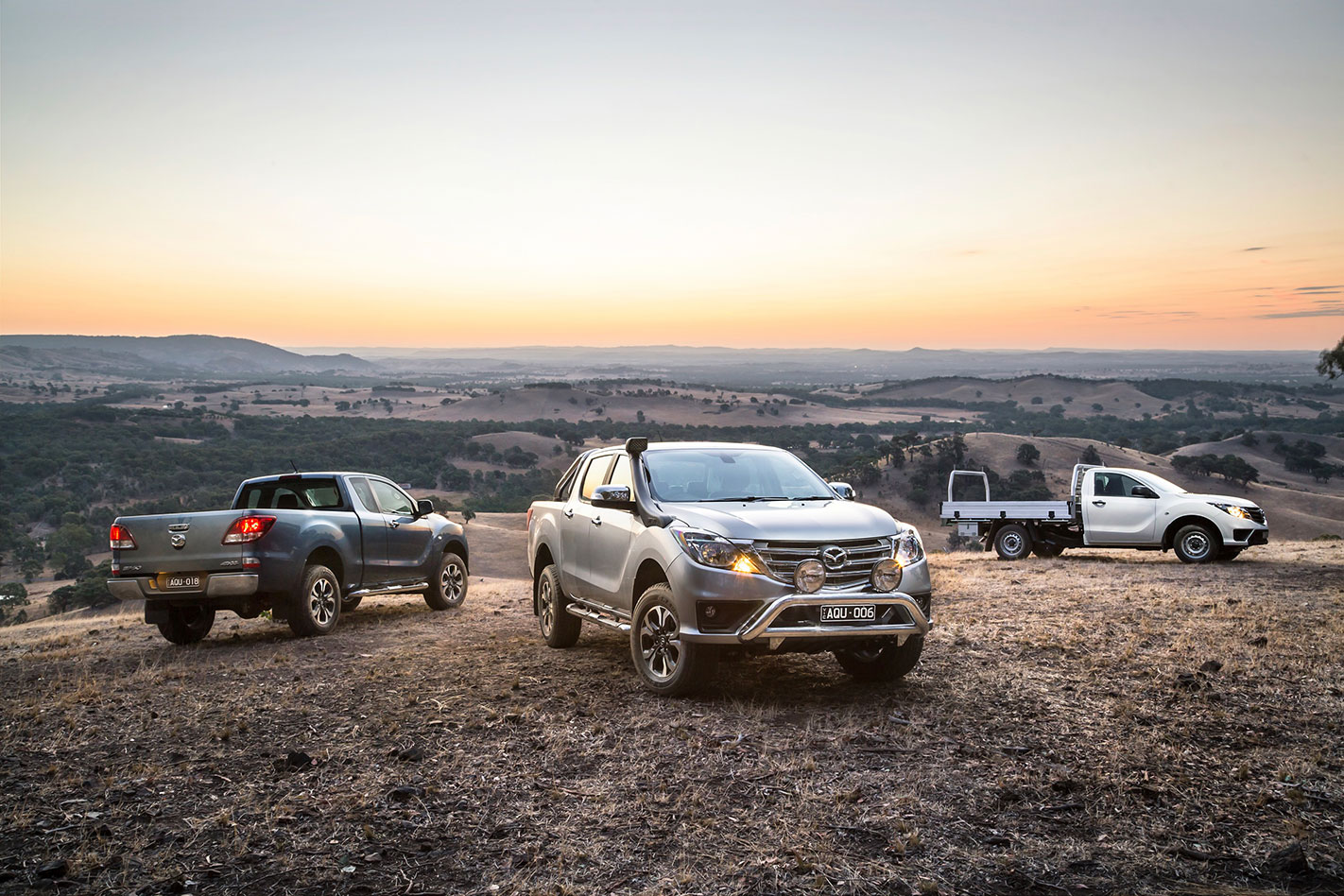
Mazda said the outer edges of the sharper bumper “have been squared off to give the ute a lower visual centre of gravity and a more solid bearing on the road”.
“Strong, straight lines are carried through to new fog light surrounds and a large trapezoid lower air intake with skid plate, accented with mesh texture and a three-dimensional insert for greater contrast,” it said. “Further impressing a wide stance, the grille has also adopted horizontal lines, punctuated by a prominent Mazda badge. XTR and GT grades will have premium chrome grille fins, paired with a dark grey lower bumper insert, while XT will have satin black grille fins and black bumper insert.”
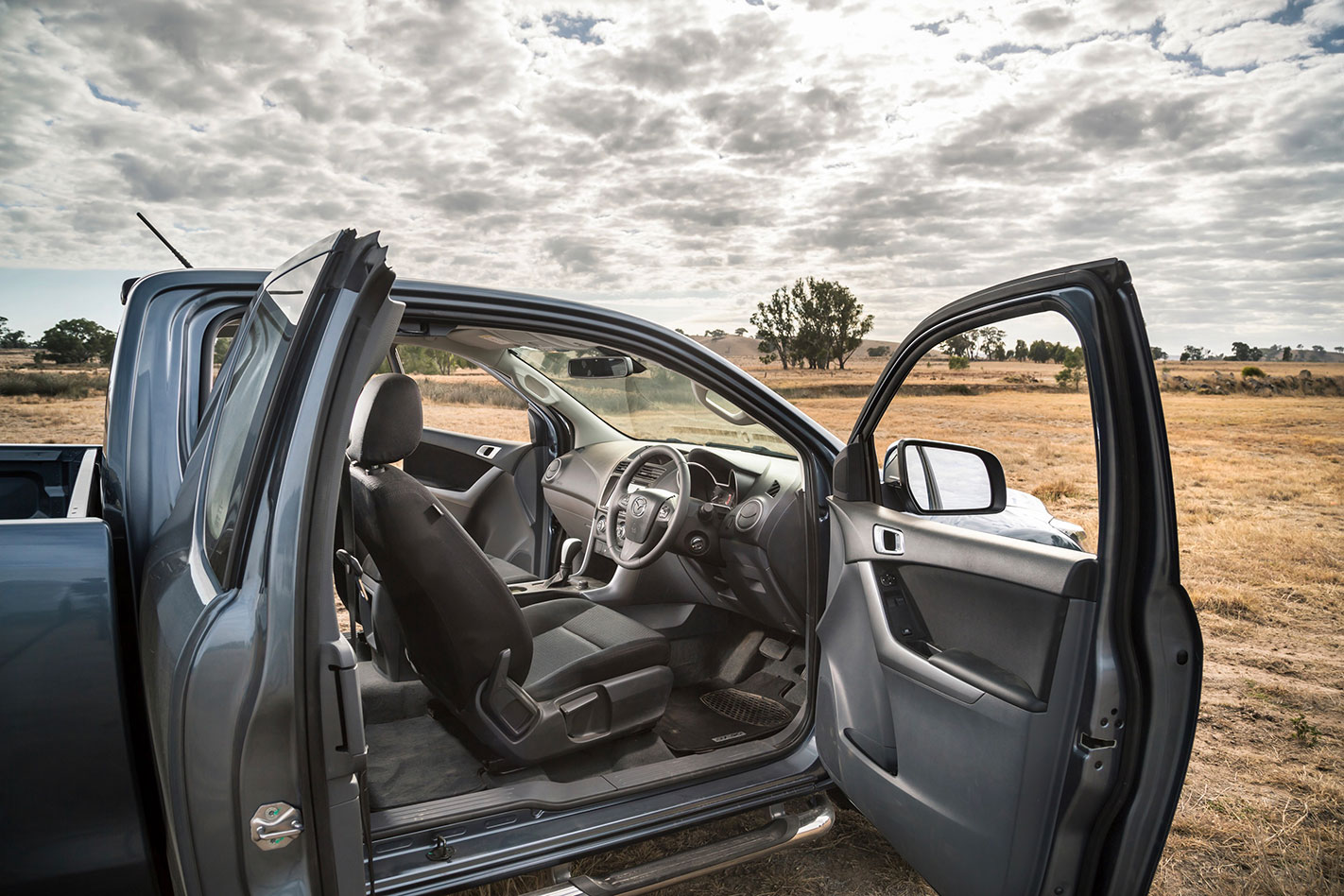
Mazda’s flagship BT-50 GT adds a tub-mounted chrome sports bar with integrated high-mount LED stop light, a heavy-duty tub liner that extends to the tailgate, tailgate central locking to safely secure gear in the tray – a feature believed to be in store for the upcoming Ranger facelift – and a 12 volt power socket and light for the tub.
The entry-level XT grade adds a reversing camera as standard and a 7.0-inch multimedia screen as part of the smartphone connectivity roll-out.
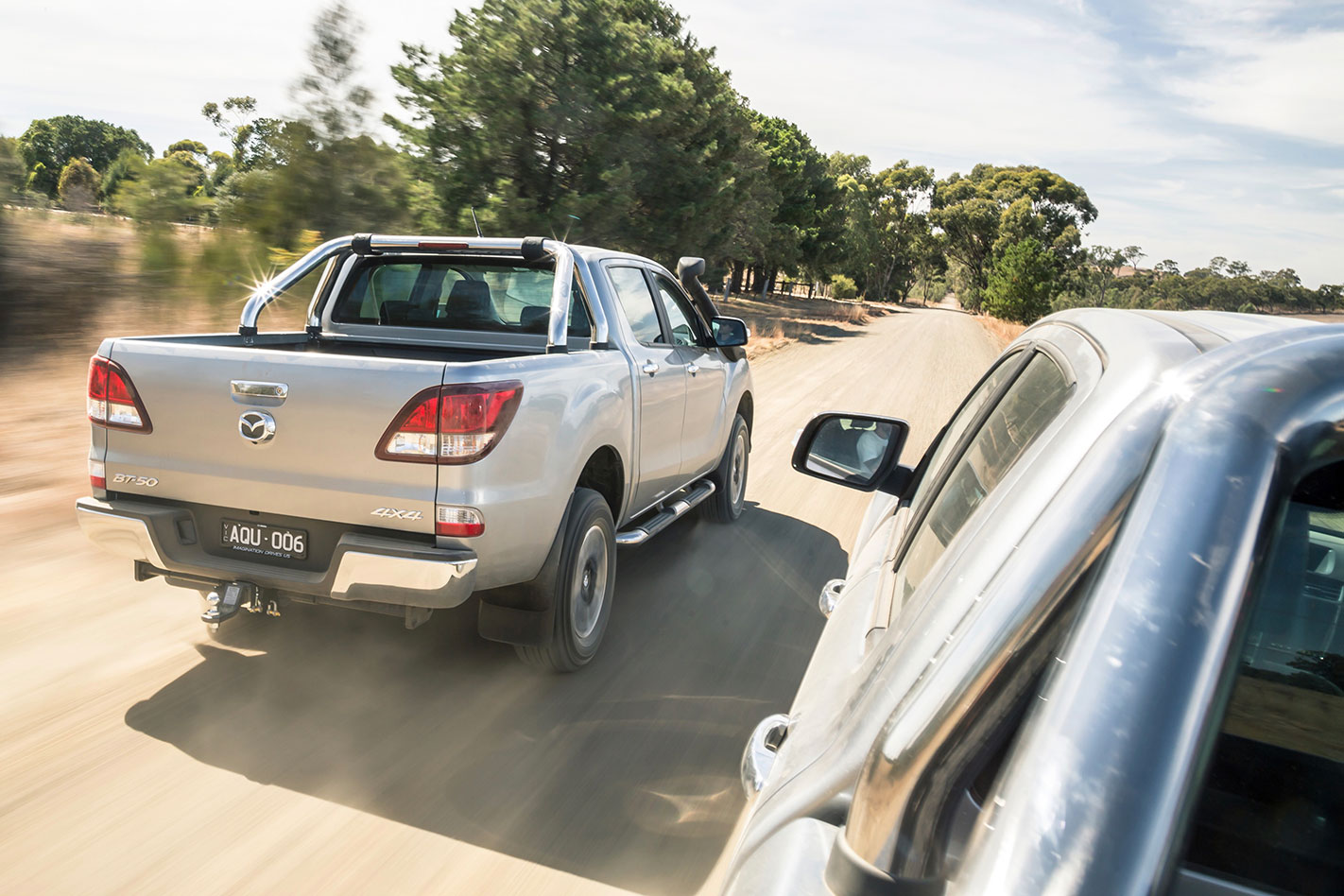
The refreshed Mazda BT-50 goes on sale in May.
2018 Mazda BT-50 pricing
4×2 | u00a0 |
Model | Driveaway price |
6M 2.2L SINGLE C/CH XT 4X2 | $28,990 |
6A 2.2L SINGLE C/CH XT 4X2 | $32,205 |
6M 3.2L SINGLE C/CH XT 4X2 | $32,205 |
6M 3.2L FREESTYLE C/CH XT 4X2 | $34,490 |
6A 3.2L FREESTYLE C/CH XT 4X2 | $36,490 |
6M 3.2L DUAL C/CH XT 4X2 | $36,198 |
6M 3.2L DUAL CAB UTILITY XT 4X2 | $35,990 |
6A 3.2L DUAL CAB UTILITY XT 4X2 | $37,990 |
6M 3.2L DUAL CAB UTILITY XTR 4X2 | $39,990 |
6A 3.2L DUAL CAB UTILITY XTR 4X2 | $41,990 |
4×4 | u00a0 |
Model | Driveaway price |
6M 3.2L SINGLE C/CH XT 4X4 | $37,990 |
6A 3.2L SINGLE C/CH XT 4X4 | $39,990 |
6M 3.2L FREESTYLE C/CH XT 4X4 | $40,490 |
6A 3.2L FREESTYLE C/CH XT 4X4 | $43,490 |
6M 3.2L FREESTYLE CAB UTILITY XTR 4X4 | $45,990 |
6A 3.2L FREESTYLE CAB UTILITY XTR 4X4 | $47,990 |
6M 3.2L DUAL C/CH XT 4X4 | $41,198 |
6M 3.2L DUAL CAB UTILITY XT 4X4 | $40,990 |
6A 3.2L DUAL CAB UTILITY XT 4X4 | $42,990 |
6M 3.2L DUAL CAB UTILITY XTR 4X4 | $46,990 |
6A 3.2L DUAL CAB UTILITY XTR 4X4 | $48,990 |
6M 3.2L DUAL CAB UTILITY GT 4X4 | $49,990 |
6A 3.2L DUAL CAB UTILITY GT 4X4 | $51,990 |
With as much safety tech as an S-Class and greater connectivity smarts than any of its stablemates, the new-generation Mercedes-Benz A-Class aims for the stars
WHAT IS IT?
The fourth generation in an A-Class lineage spanning 21 years and two distinct schools of thought in design terms – tall, innovatively packaged and utility focused (first and second gen); conventional but classy and more socially acceptable (generations three and four). Needless to say, the lower, sportier A-Class ethos has not only proven far more successful in sales terms but has also brought youthfulness to Mercedes-Benz’s buyer profile.
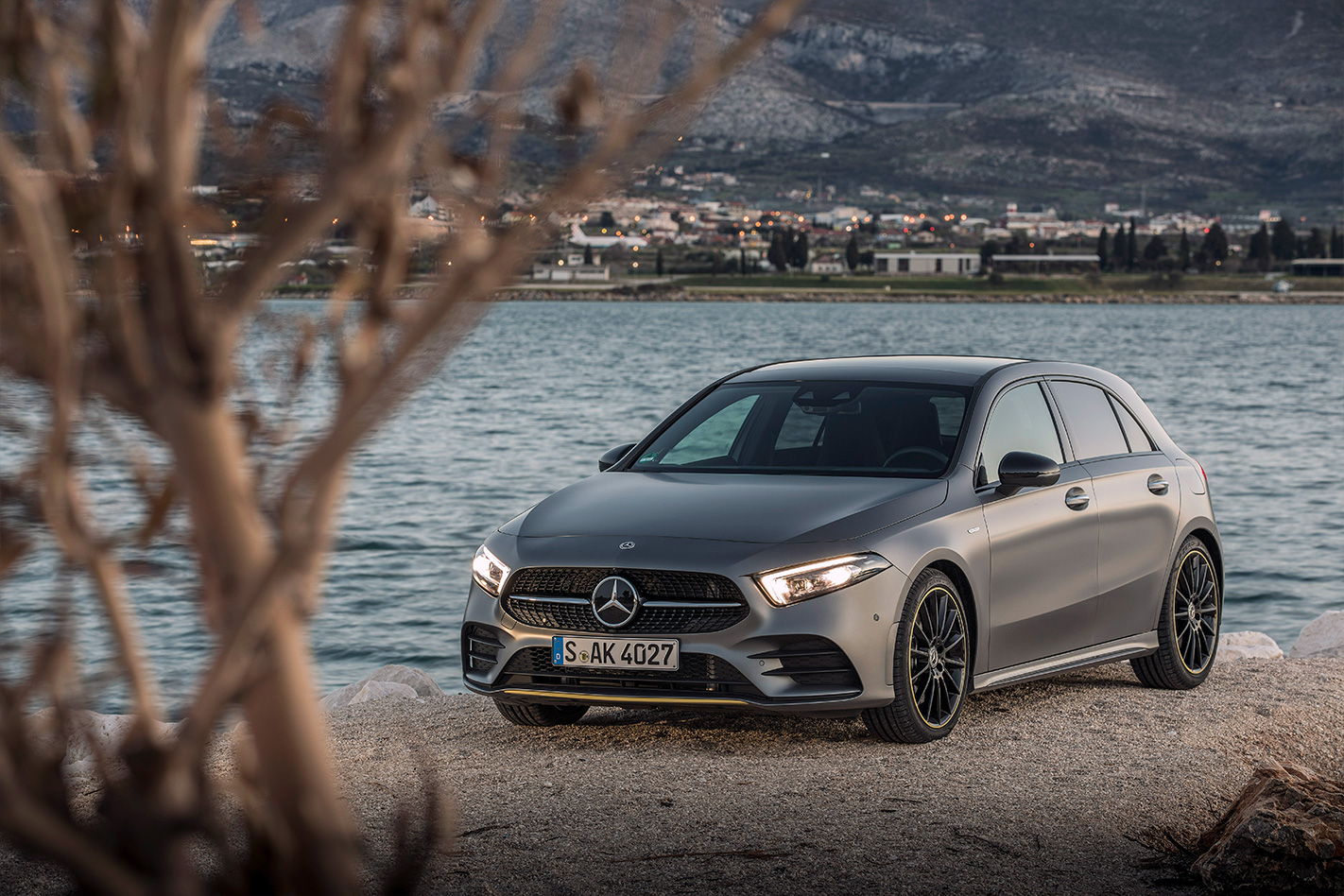
The new A-Class is the very definition of Mercedes-Benz’s contemporary approach to introducing fresh technology. Long gone is the trickle-down approach from generations past. These days, even the smallest three-pointed-star hatchback gets a chance to boast equipment, features and even engines all set to appear in larger models further down the track.
MAIN RIVALS
Audi A3, BMW 1 Series, Infiniti Q30, Lexus CT200h, Volkswagen Golf, Volvo V40 and, when a plug-in hybrid version appears, Toyota Prius and Tesla Model 3.
THE WHEELS VERDICT
More refined and more accommodating, while offering more hatch for the money than its predecessor, the fourth-gen A-Class is all about its high-glam cabin with dominating widescreen display. It’s a good car – especially the fizzy A250 with forthcoming 4matic all-wheel-drive traction – that possesses a breadth of talent lacking in the old W176 generation. It may have lost some styling character and proportion, and its cornering bite isn’t as sharp, but that won’t stop it from being the coolest premium hatch on the block. For now.
PLUS: Cutting-edge cabin technology and useability; Ginza-inspired interior glitz; improved space, storage and vision; A250’s performance; dual-clutch transmissions’ smoothness MINUS: Lack of front-end bite; aloof steering feel; no standard-setter for ride quality, even on adaptive dampers; A200 lacks mechanical character
THE WHEELS REVIEW
MORE THAN 20 years since the infamous ‘moose test’ threatened to completely derail the original W168 Mercedes-Benz A-Class, we’re back for round four – a new generation of A-Class that has traded some of its predecessor’s sporting flourish for a more well-rounded, more technology- and safety-driven hatch destined to knock its competitors for six with a single feature. Its interior.
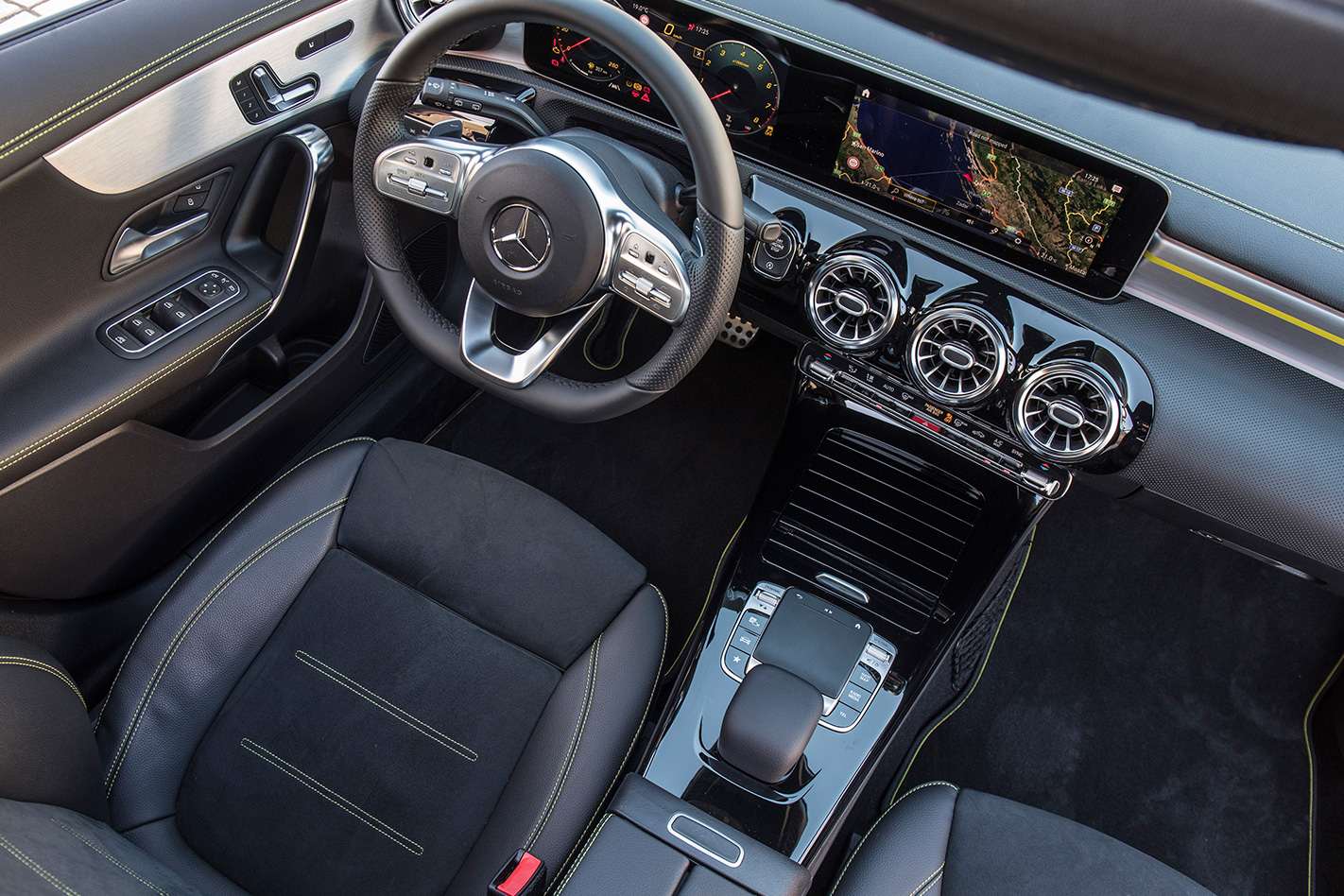
Under development since late 2015, MBUX (for Mercedes-Benz User Experience) appears more daunting than a reacquaintance with calculus, but it’s a stunningly simple and intuitive system. Based around a series of interconnected touch interfaces – the left and right wheel-spoke buttons, the central touchscreen and a centre-console-mounted touchpad – all of which offer general control of the same functions, with specific specialities, it’s a system inspired by the touch concept from smartphones. Three-dimensional control allows you to swipe or press applications, even on the steering wheel, yet there’s a commonality to the positioning of key controls (like the cog-shaped ‘set-up’ icon) and their action that links everything together seamlessly.
It’s also updatable (even over the air) and intelligent, with voice control based around natural speech recognition, activated either by a tradition button or by calling out “Hey Mercedes”. Dubbed ‘Linguatronic’, you can ask the system Siri-like questions such as “will it be sunny in Vladivostok tomorrow?” or utter statements like “I am cold”, resulting in a toasty 24 degrees on the climate control. Benz claims it needs two to five “utterances” to properly start learning your voice.
Riding on the coat tails of MBUX is a newfound level of solidity and maturity that permeates the new A-Class. Gone are the rattles and trim squeaks of the old W176, along with its short-cushioned, hemmed-in rear seat and abrasive ride, in lieu of a far more effective four seater with significantly lower levels of wind and road noise, and much-improved fields of vision (by a claimed 10 percent). Indeed, when we asked Frank Weinert, Overall Vehicle Development Engineer for Compact Cars, what his favourite part of the new A-Class is, he replied “its vision”. Not the class-best aerodynamics (0.25Cd for a base-spec A180d on 16s, though 0.32 on a big-wheeled AMG-Line car), or the slight weight reduction (by up to 40kg), or even the comprehensive overhaul of the MFA platform’s suspension.
And therein lies the first hint of the essence of the new-gen A. No longer is the A-Class a complete rejection of its nerdy, sandwich-floored, innovatively packaged ancestors like the previous W176 (2012-18) was. That car simply tried to be cool. This time, the A is all about being more effective, more efficient and a better foundation to build on in the future.
Unfortunately, the turbo-petrol 1.3 lacks the raspy crispness of the M270 1.6 it replaces. It’s all about reduced consumption and CO2 reduction – enhanced by (imperceptible) cylinder deactivation and ‘Nanoslide’ graphite coating of the cylinder walls for optimised friction and high-wear resistance – though the new A200 donk does have its good points. Decent performance (0-100km/h in 8.0sec, 225km/h top speed), a slightly rorty induction flavour around the 3000rpm mark, and amply tractable torque help this engine transcend its modest capacity and 6300rpm rev limit. This is an admirable workhorse of an engine, in time-honoured Daimler-Benz tradition, rather than something to savour. A sweeter top-end would definitely be welcome.
The 1991cc M260 engine in the A250 is much stronger, punching out 165kW/350Nm. While this is a honed version of the former A250’s 2.0-litre turbo-petrol, tied to Mercedes’ own seven-speed 7G-DCT dual-clutch ’box, its overall transmission response is much improved, and feels remarkably similar to the operational smoothness of the A200’s drivetrain.
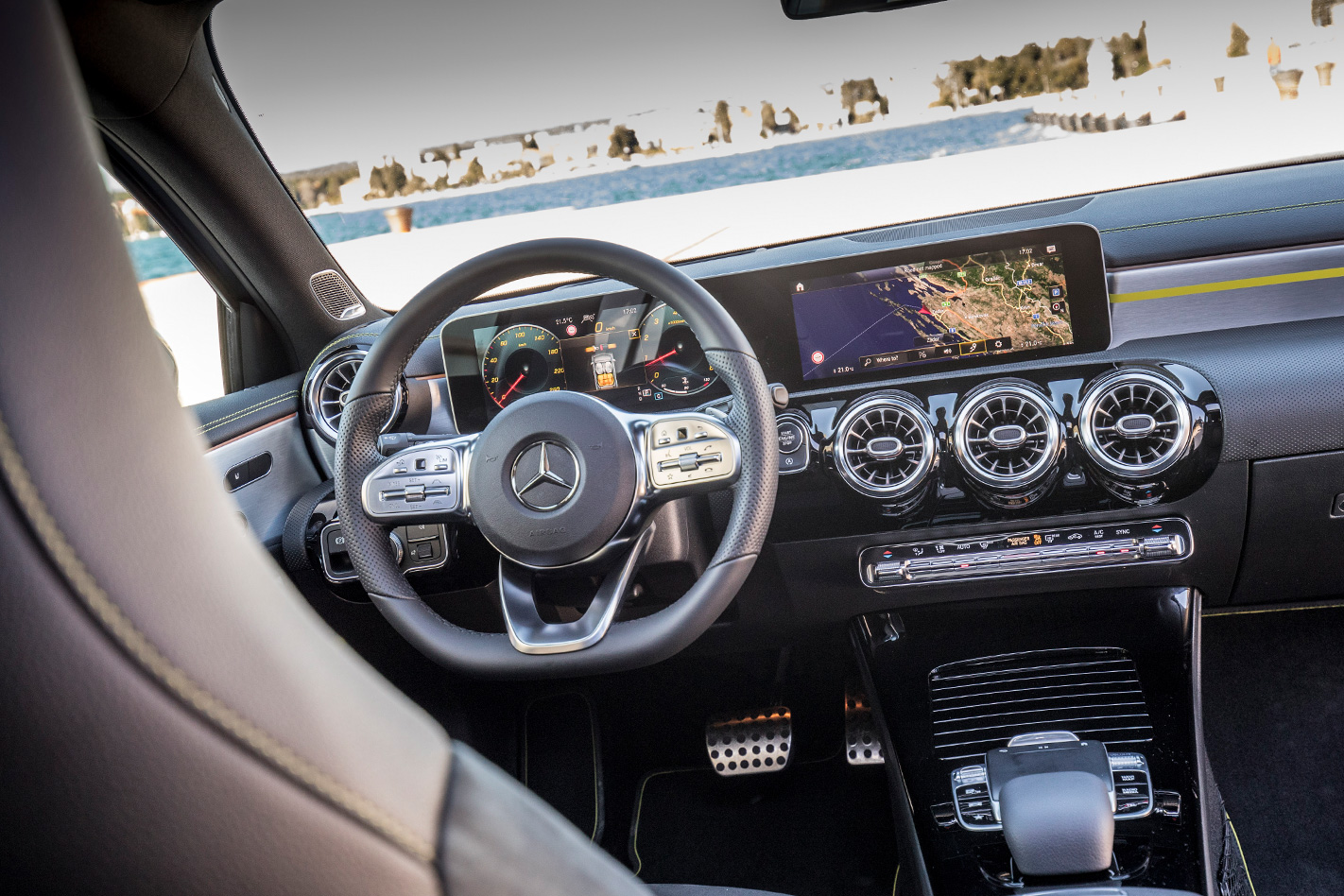
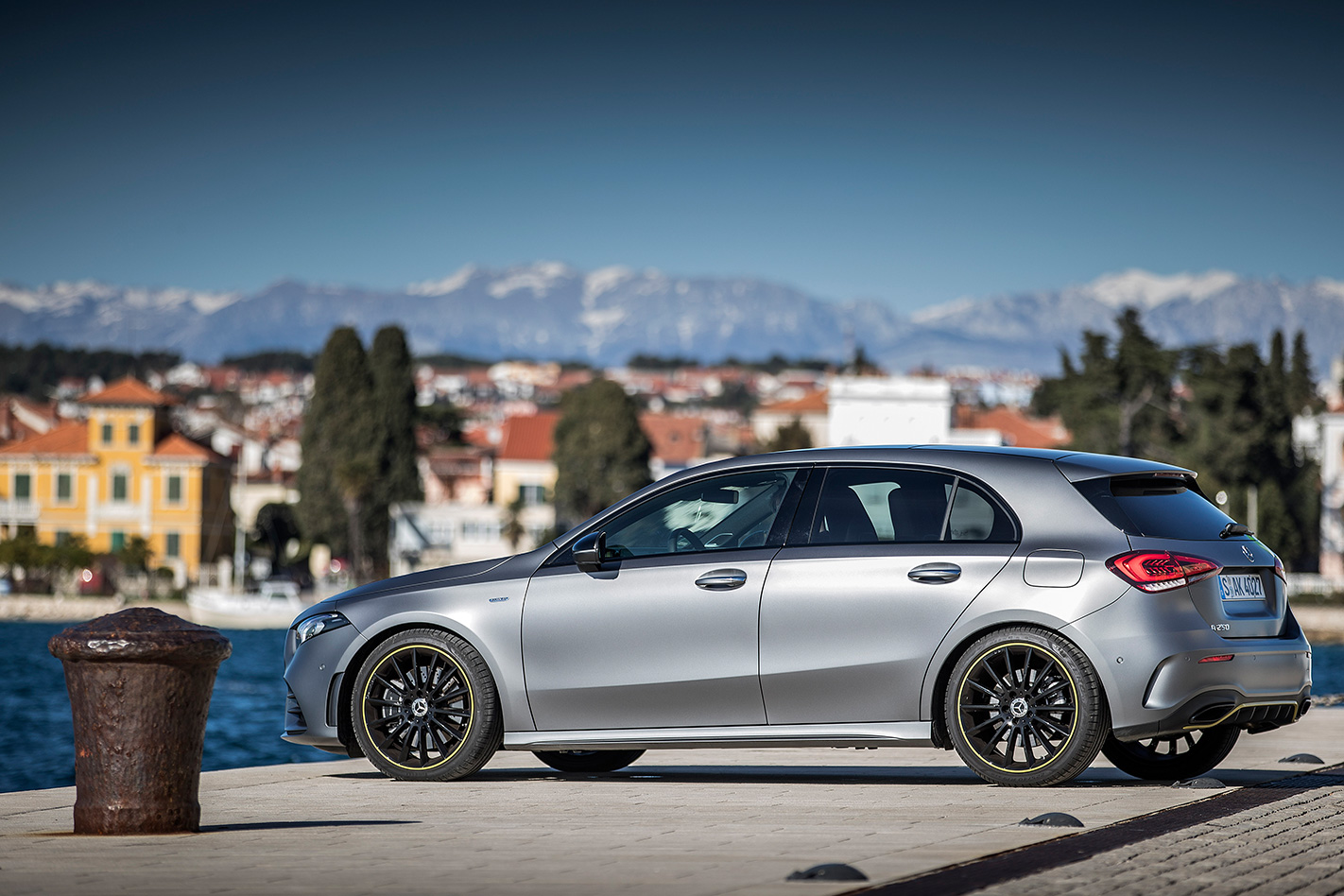
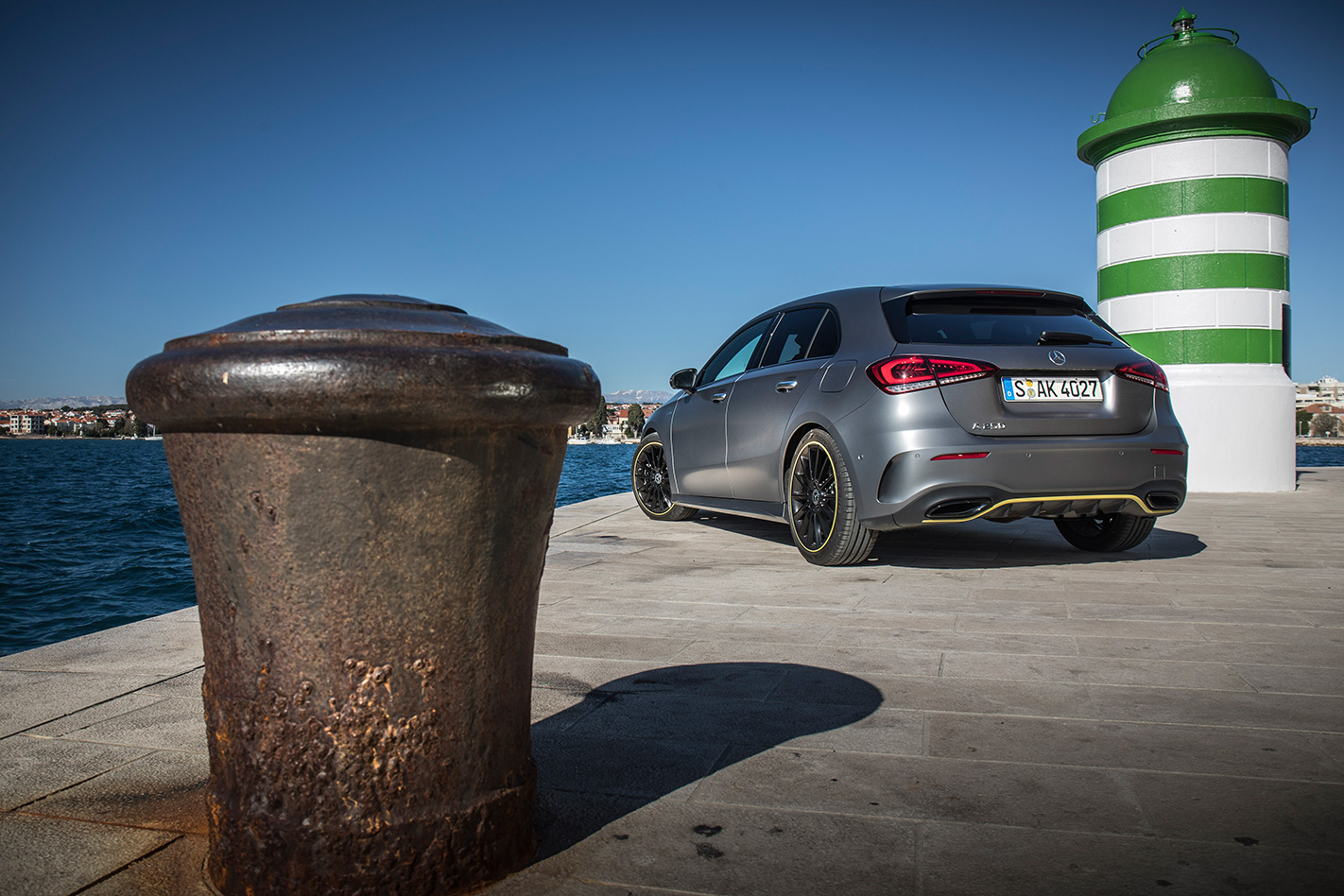
Clad in ‘Edition 1’ warpaint, the A250 is by far the sexiest new-gen A-Class. Not only does it sound muscular – even with a synthesised induction note amplified through its stereo speakers when ‘Drive Select’ is in Sport – it also scores the premium chassis set-up (adaptive dampers and a multi-link rear axle, now mounted on a subframe with rubber bushings to improve refinement).
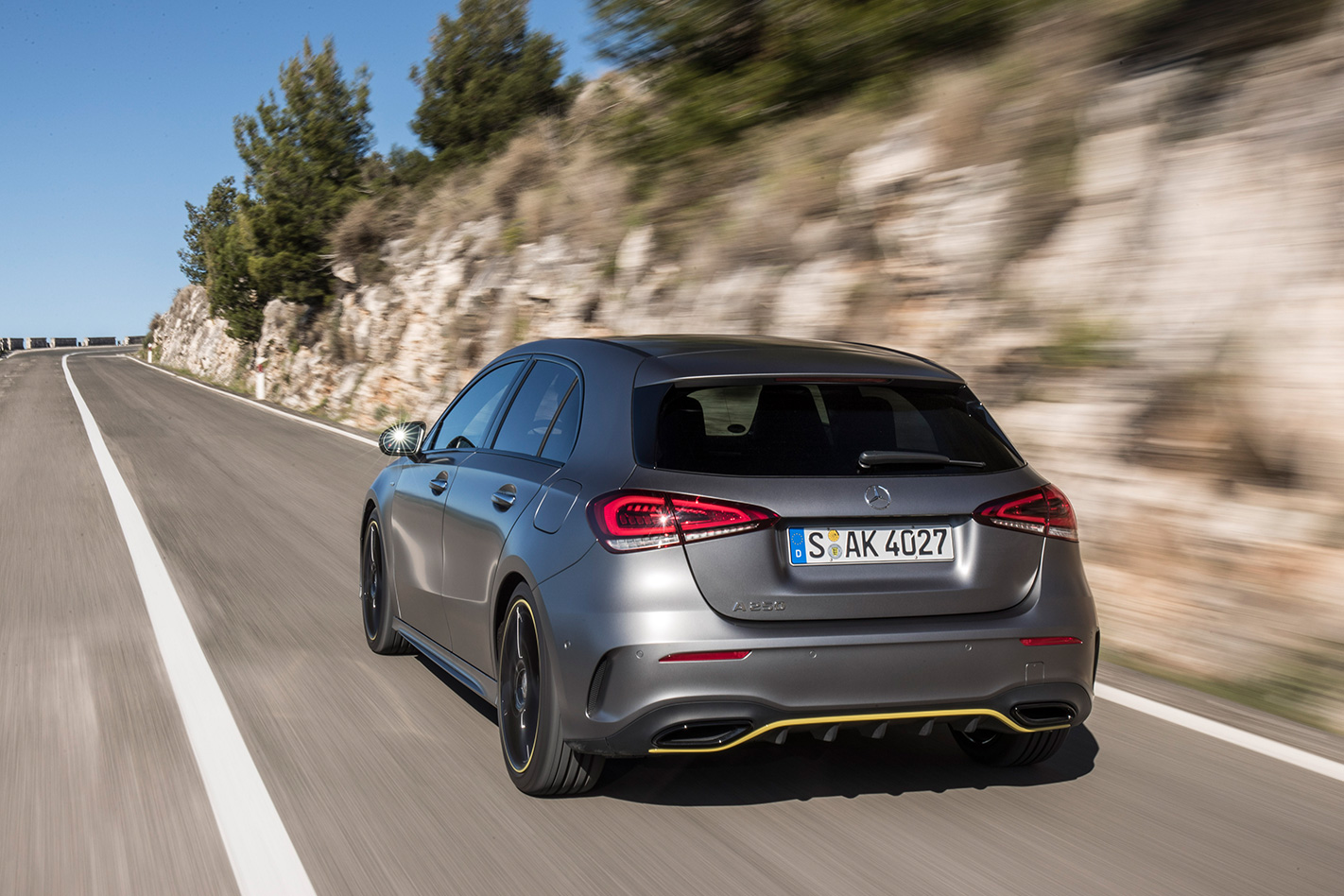
While the W177 A-Class shares its MFA platform and fundamental suspension arrangement with its predecessor, something unexpected has occurred at the back end. On entry-level models there’s now a torsion beam, for weight, cost and packaging reasons. According to Frank Weinert, “agility is better than its predecessor with multi-link”, adding that Mercedes benchmarked “not the VW/Audi product” but an unnamed torsion-beam hatchback we’re almost certain is the Peugeot 308 (like Mazda for its next-generation 3). Cleverly, the torsion-beam A-Class shares the same mounting points as the multi-link version’s trailing arms, as well as its rear damper position, and assists with packaging the batteries for the rumoured (and almost certain) plug-in hybrid A-Class. Disappointingly, no torsion-beam cars were at the launch.
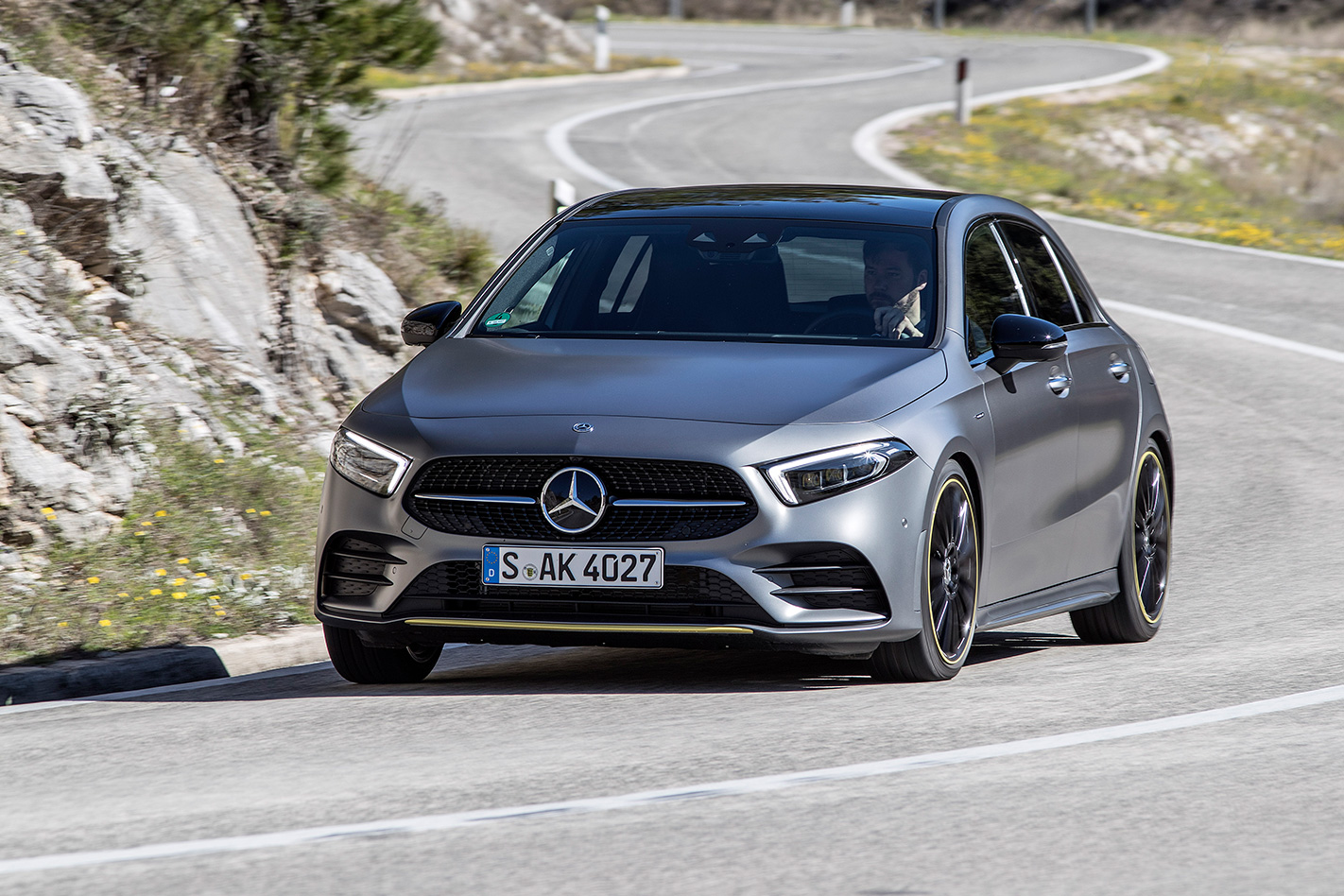
Unlike blank-canvas Euro cars, Oz-bound A-Class variants will arrive highly specced. Our base level will include the full MBUX works burger and widescreen goodness, as well as a nine-speaker 225-watt stereo with subwoofer, nine airbags, LED headlights, keyless start, sat-nav, a rear camera and quite funky aero-enhanced 18-inch alloys wearing 225/45R18 Michelin Pilot Sport 4 rubber.
A Driver Assistance pack including adaptive cruise will standard on A250, optional on others, though what won’t be negotiable is the abruptness of the lane-keep assist. You stray onto a dividing line and it’ll scold you in a very Germanic fashion, clamping the brakes quickly while nudging the car back into line. Subtle it isn’t.
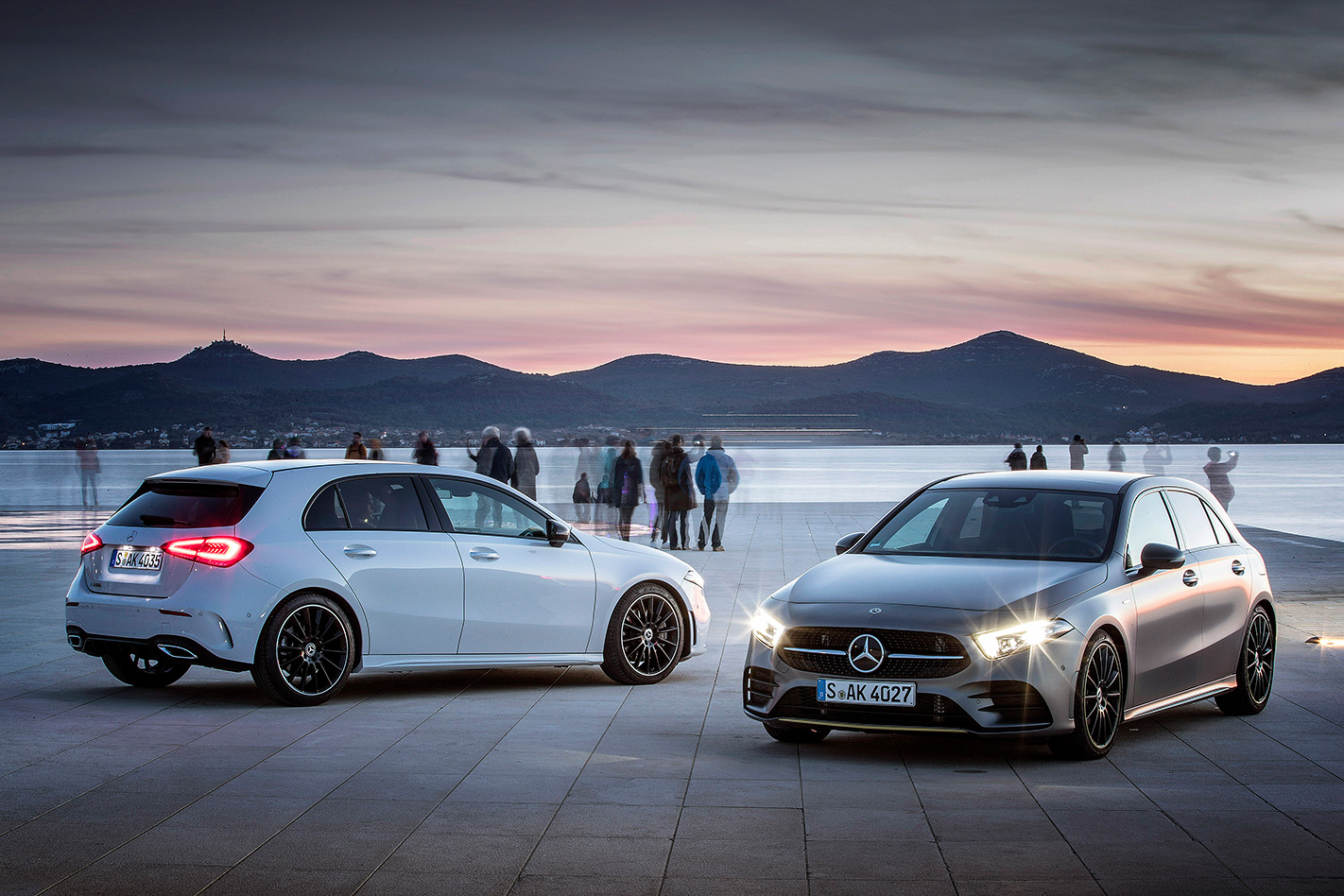
SPECS
Model: Mercedes-Benz A250 Engine: 1991cc 4cyl, dohc, 16v, turbo Max power: 165kW @ 5500rpm Max torque: 350Nm @ 1800rpm Transmission: 7-speed dual-clutch L/W/H: 4419/1796/1445mm Wheelbase: 2729mm Weight: 1380kg 0-100km/h: 6.2sec (claimed) Economy: 6.5L/100km (EU) Price: $55,000 (estimated, 4matic) On sale: December
YOU’VE heard its naturally-aspirated V8 burble, you’ve seen a shadowy photo of its rear, now Brabham has revealed the badge its BT62 supercar will wear, and how much it’ll cost to own one.
Brabham Automotive will reveal its BT62 supercar in full next week, but has tonight teased the badge its cars will wear on their nose, along with revealing an eye-watering price tag.
The company, named after Australia’s first Formula 1 world champion Jack Brabham and run by his son David, says it is now taking orders for the BT62. Sir Jack went on to win a trio of Formula 1 World Drivers’ Championship (1959, 1960 1966), while the Brabham team claimed two Constructors’ Championships in 1966 and ’67.
Just 70 BT62s will be built, each “capable of setting blistering lap times” and costing the equivalent of $A1.84 million – and that’s before applying any local taxes or option-ticking. The limited build number was chosen to celebrate the 70th anniversary of Sir Jack’s competition debut in 1948.
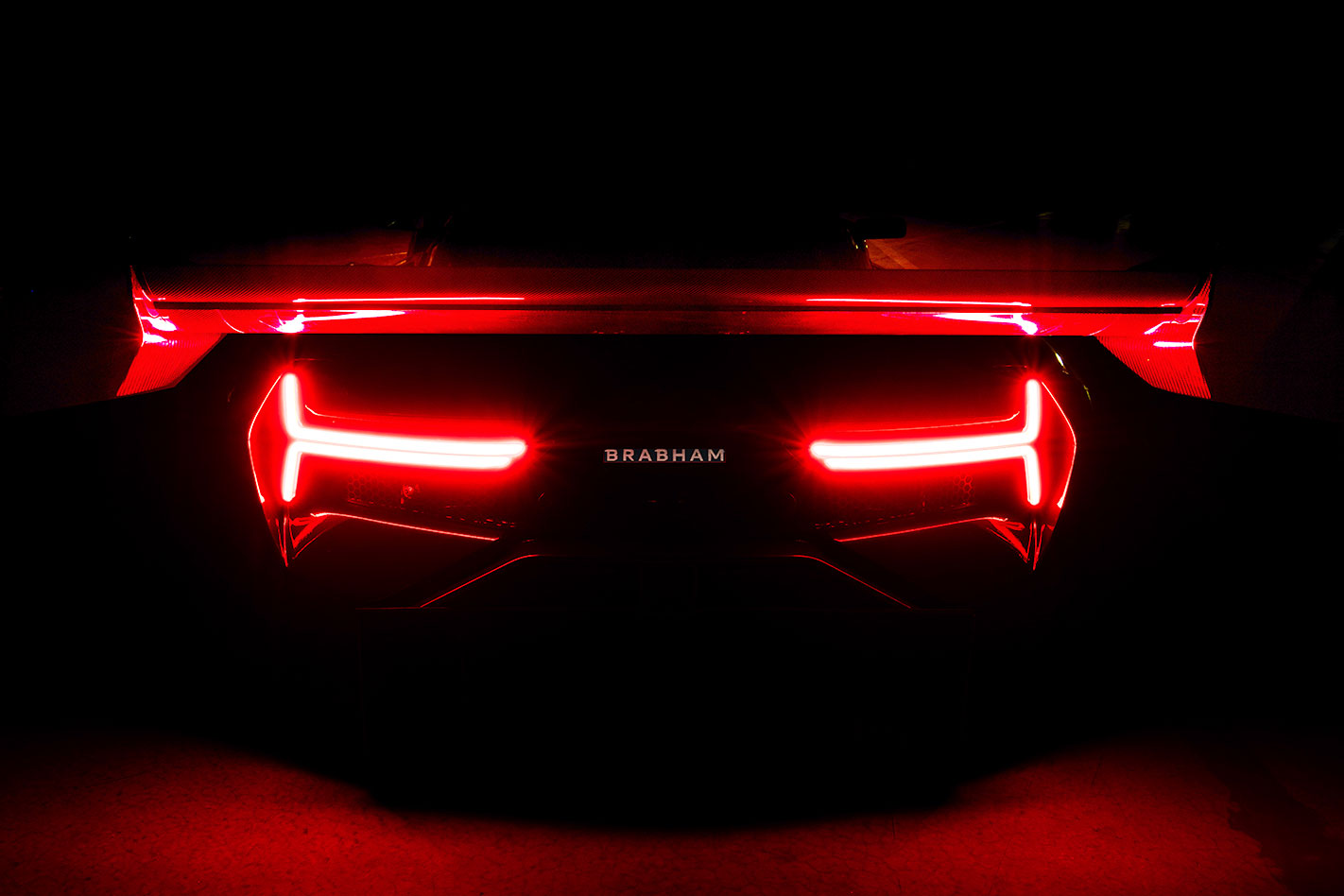
Brabham Automotive has also revealed the badge that will adorn the BT62 – mirroring the logo that first appeared weeks ago on the newly announced carmaker’s website.
Last week the company confirmed the BT62 will weigh just 972kg dry, and produce about 522kW from its naturally aspirated 5.4-litre V8.
The first deliveries of the BT62 are expected late this year.
David Brabham, a multiple Le Mans 24 Hour winner, and son of Jack, said the BT62 was designed to thrill. “Having driven, raced and won in a host of world-class cars during my 35-year racing career, I knew exactly what I wanted from the BT62,” he said.
“A car like this should inspire, challenge and reward its driver in equal measures, and I’m delighted with what we have achieved.”
Surprisingly, Brabham Automotive has developed and tested the BT62 in complete secrecy, with nary a skerrick of information slipping out so far. Not even a test mule has been spotted in the wild.
The Brabham BT52 will have its official reveal on Wednesday, May2
