
THE MEANING OF ‘CLK’ gives a clue to why Mercedes’ ultimate AMG fettled version made a standout driver’s machine in the mid noughties.
The German ‘Coupé Leicht Kompakt’ translates to coupe, lightweight short – as in wheelbase.
With a blown 428kW, you needed to be sharp to handle the CLK DTM AMG, which made it the runabout of choice for many F1 stars of the era. However, there is more to the CLK DTM AMG’s would-be legend status.
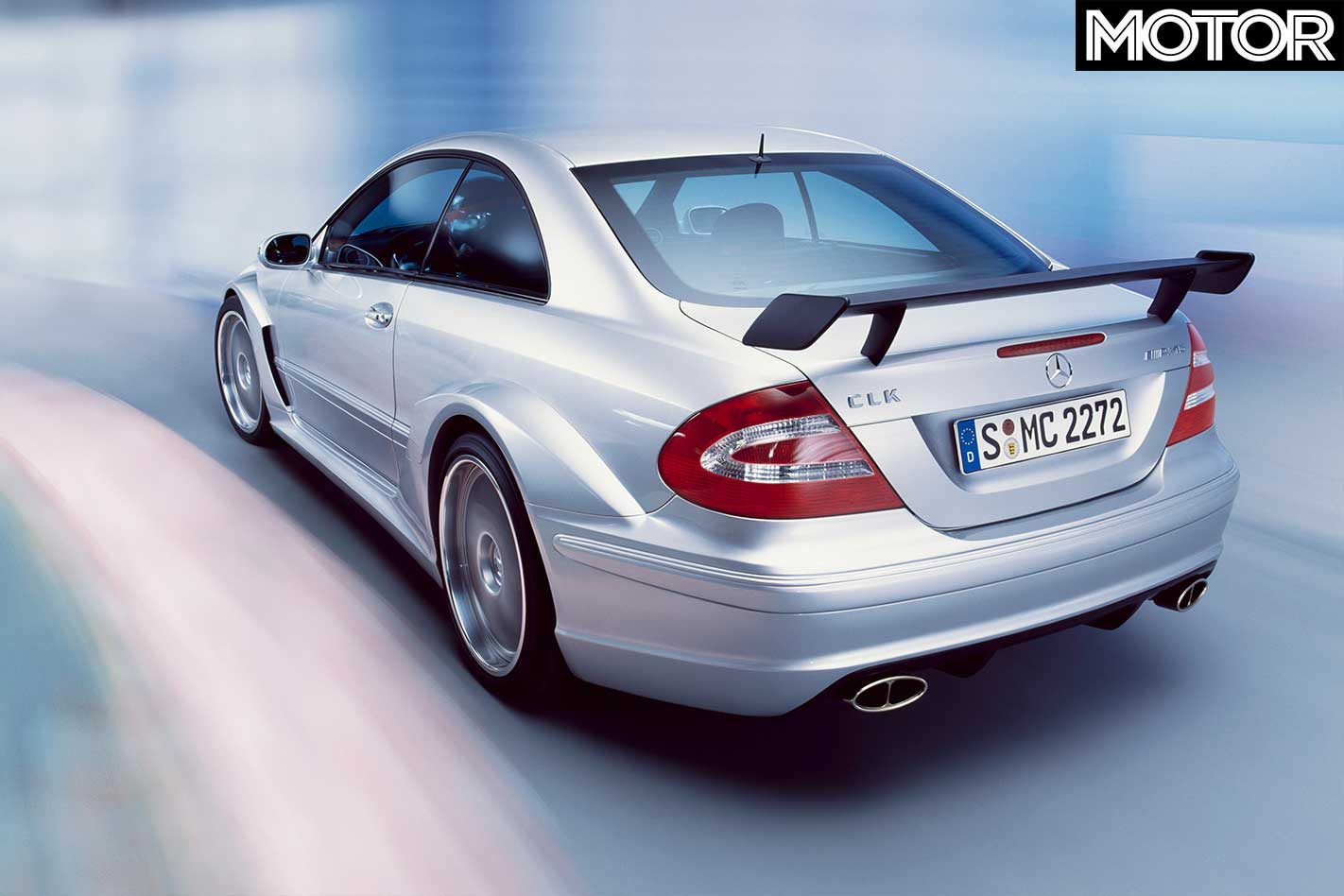
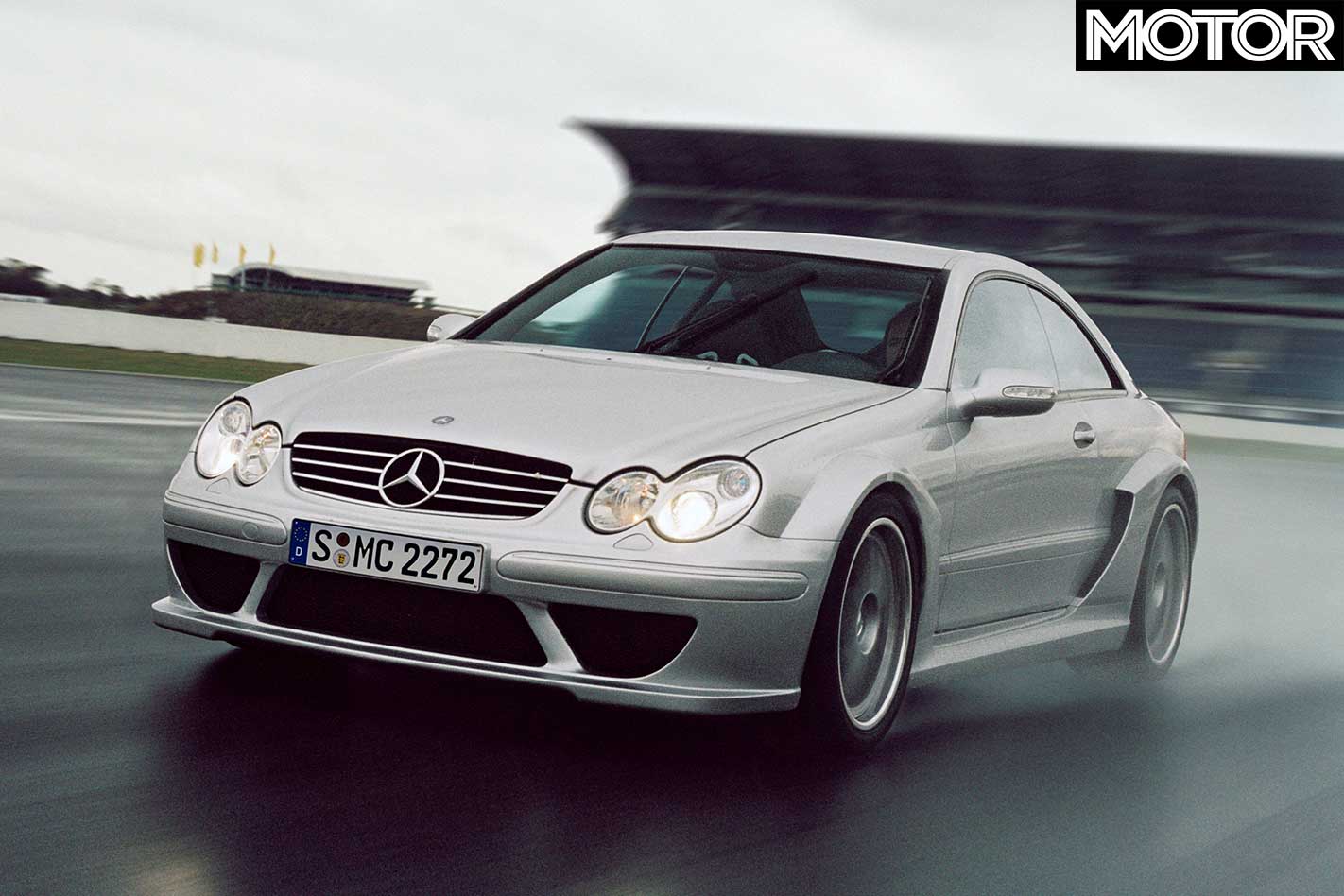
The hottest of the CLKs, perched above the Black Series, was conceived to celebrate the brand’s third victory in the Deutsche Tourenwagen Masters and AMG didn’t hold back in giving the CLK DTM an attitude that reflected its namesake. This was evident even standing still, the CLK form being treated to flared arches, a large single-plane rear wing, diffuser and larger front intakes.
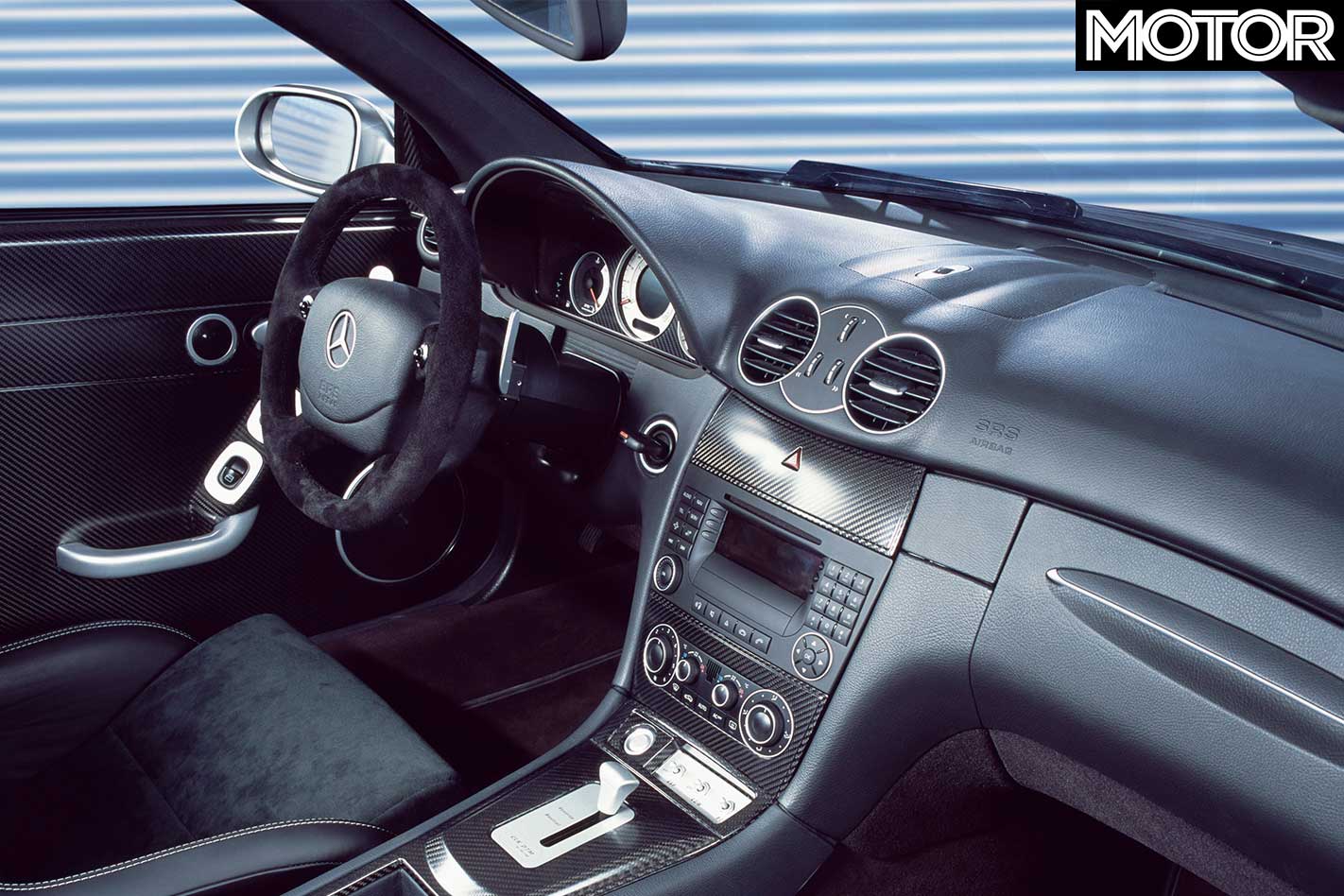
The track focus spilled into the cabin with a suede wheel, shift paddles for the Speedshift 5G-tronic automatic, carbon-fibre fixed back front seats. The 322km/h top speed signposts the relentless performance. This was where the bent eight banged the speed limiter, rather than the point it ran out of steam.
Only two tenths slower than a 2018 GT R too, at 3.8sec from 0-100km/h, which says more about the entertainment value inherent in deploying the grunt in this crazy, potent, mechanical LSD-equipped SWB rear-drive coupe than it does any shortage of urgency.
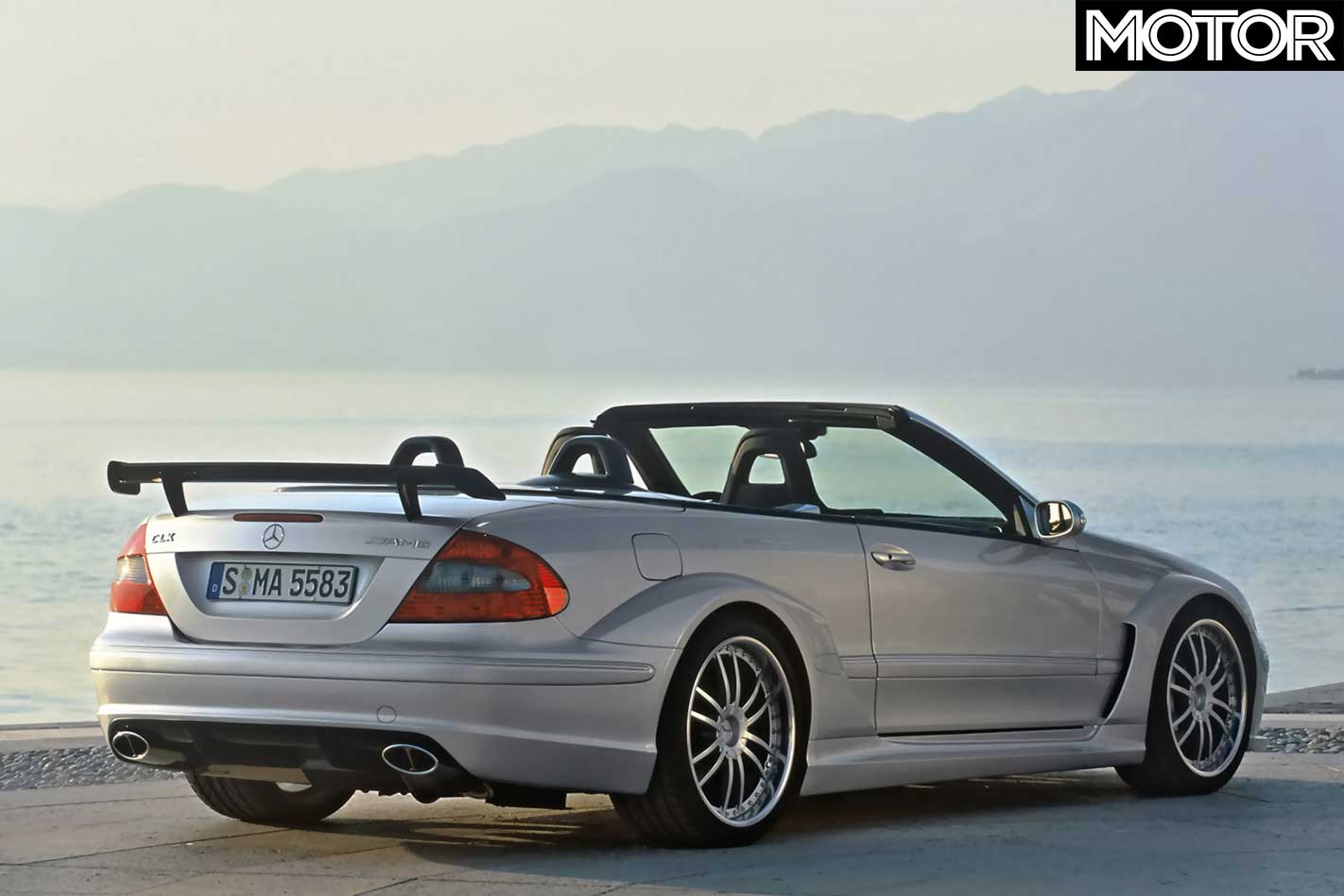
Drop-Top In 2006 Mercedes produced a further run of 80 CLK DTM AMGs, this time in convertible form. Though two tenths slower than the coupe at 4.0sec 0-100km/h, with a lower limited top speed of 300km/h, Merc claimed it was the world’s fastest drop-top top four-seater.
AN AMPED-UP version of the Volkswagen Amarok will pump out up to 200kW on overboost and 580Nm to make it the most powerful version of the trade ute yet – and the most grunt of any of the worksite workhorses on sale in Australia.
Revealed overnight, the more powerful, Euro 6-rated version of the V6-engined Amarok easily trumps the 165kW (180kW on overboost) and 550Nm of the current model, and almost matches the output of the Volkswaqen Group’s flagship Audi Q7 3.0 TDI. It will be more powerful even than the V6-engined Mercedes-Benz X-Class, which will produce 190kW/550Nm when it arrives here late this year.
It also means buyers keen to snare an amped-up ride that will be the pride of the worksite on weekdays, and impress the neighbours on weekends will have a tough choice to make: the off-road tough but comparatively underpowered Ford Ranger Raptor, the classy and much more premium Mercedes-Benz X350d, and the significantly more muscular Amarok. The Volkswagen’s extra serve of performance comes via a kicking down the accelerator.
The full serve of torque arrives on the more powerful V6 between 1400-3000rpm, while peak power is a more heady 3250-4000rpm, Volkswagen said. European versions of the power player will come with VW’s 4Motion permanent all-wheel-drive and an eight-speed automatic transmission.
The high-end Amarok also features a number of unique touches; the roof liner, pillar trim and other roof elements in the range-topping Amarok Aventura are in titanium black, the seats feature black Nappa leather, and it rides on 20-inch “Talca” wheels in Dark Graphite with a high-gloss surface. In Europe, you can even order the Aventura in Peacock Green. Matte grey and blue colour schemes also remain available. The engine will be offered across Highline and Aventura trim levels.
Volkswagen Australia has flagged it will soon add the new V6 to the Amarok Ultimate edition to showrooms at a “slight premium” over the price of the $68,490 version. The more powerful V6 will not be available to European markets until mid-June.
“As we’ve promised before, we have no intention of giving up the mantle of the most powerful ute in its class and are looking to offer the upgraded 190kW Amarok V6 later in the year,” Volkswagen Group Australia commercial vehicles director Carlos Santos said. “Amarok continues to be a huge success story for Volkswagen in Australia, winning fans in Birdsville and boardrooms alike.
“Our current V6 Amarok with 180kW on overboost is no lightweight; proven by the 1:57 and 2:57 laps around Eastern Creek and Mount Panorama set in our apprentice built race car running a standard driveline,” he said.
Volkswagen Australia has flagged there will be even more additions to the Amarok line-up later this year.
BMW Australia has confirmed the (well-grounded) rumour that a BMW M2 Competition is on the way, and that it will be coming to Australia.
With a twin-turbo 3.0-litre straight-six based on that of the M3 and M4, the M2 Competition will generate 302kW and 550Nm – a torque figure to match the M4 Competition.
The cooling system has also been borrowed from the M4 Competition, with two side radiators and an oil cooler assisting the main radiator.
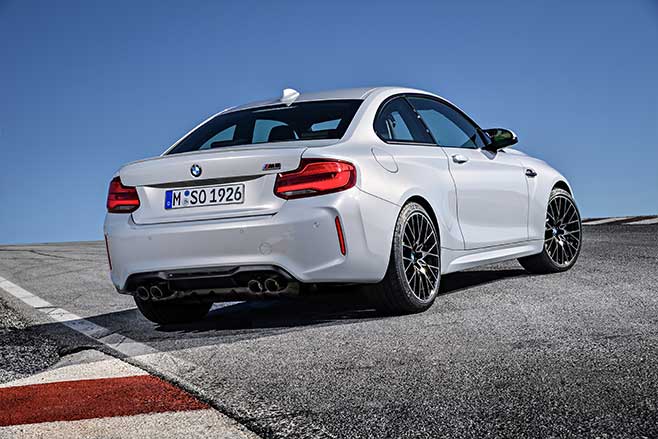
As a no-cost option, a six-speed manual – with rev-match that can be disengaged – is still available in Australia.
In the engine bay, the most notable feature besides the engine is the carbon fibre reinforced plastic strut brace, which weighs only 1.5kg and was also borrowed from the M3 and M4.
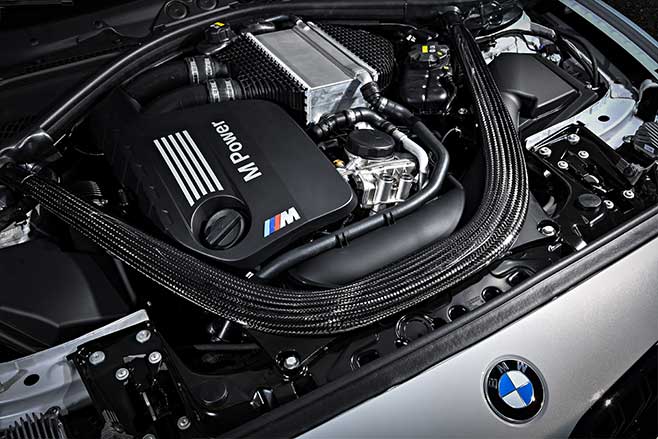
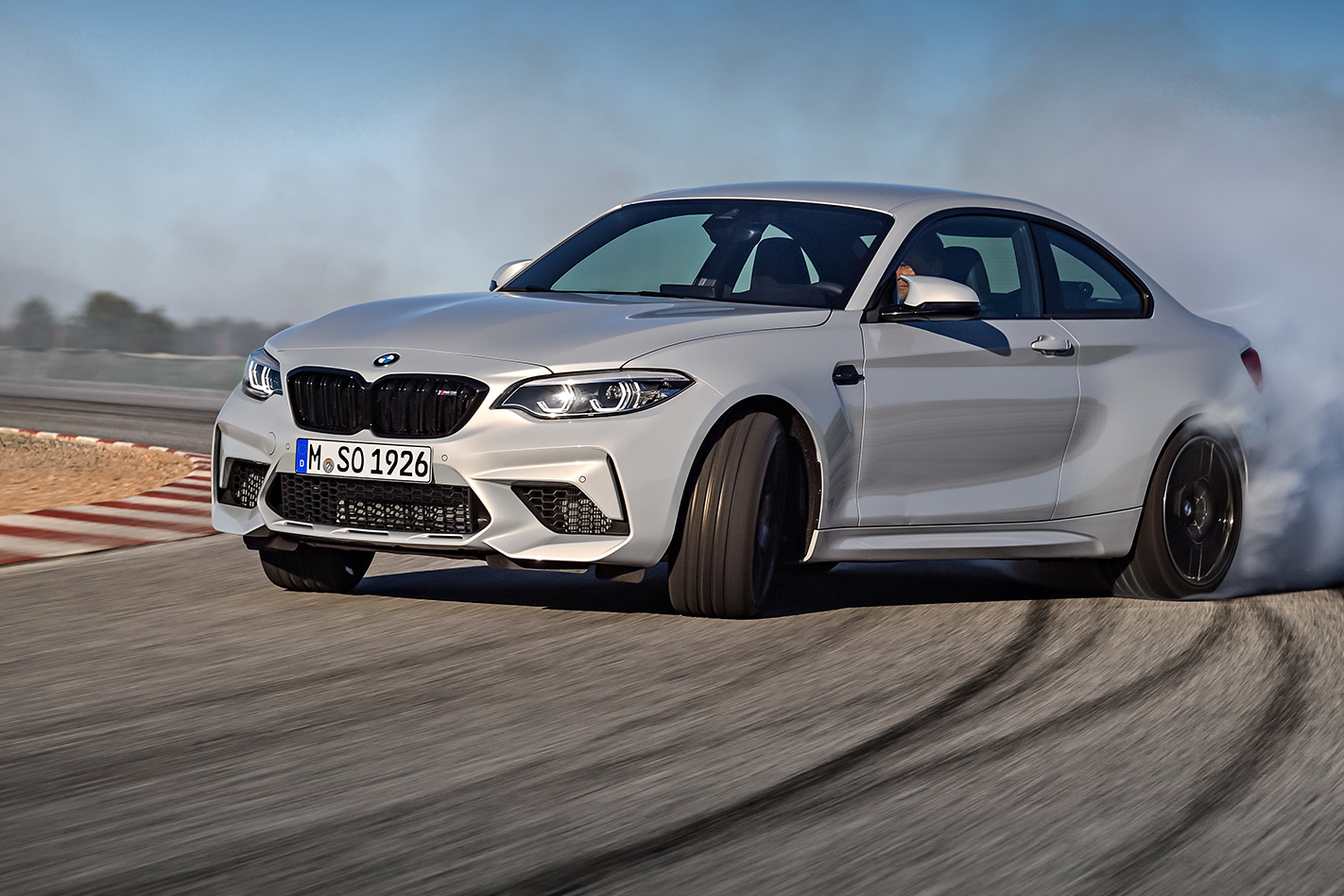
Not far away, BMW’s Active M Differential has been re-calibrated to allow more controlled driving, or drifting.
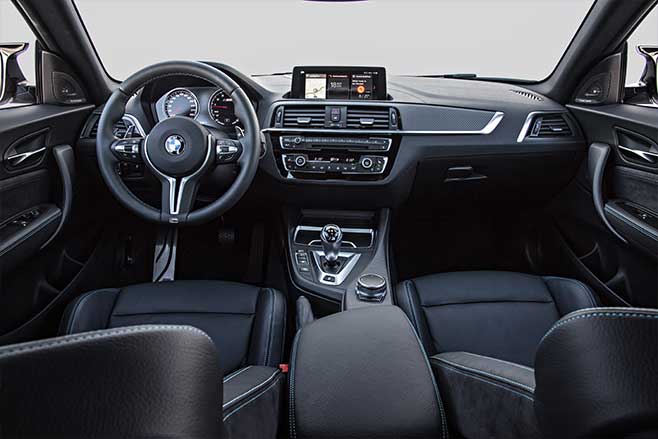
The new M1 and M2 buttons on the steering wheel are a fast way to select customised vehicle settings.
“Each button is capable of recalling the driver’s specific preference of stability control setting, throttle sensitivity, steering response and transmission mode with M DCT.”
BMW Australia CEO Marc Werner says previous demand for the BMW M2 is a sign that the M2 Competition will prove popular.
“With the great success the current M2 has enjoyed in Australia, we simply cannot wait for the M2 Competition to arrive.”
Pricing, availability, and a specific launch date will be announced later in the year. Stay tuned.
FOLLOWING an unofficial early glimpse at a new more potent addition to the M2 line-up, BMW has confirmed its acclaimed baby of the M range will be joined by an even more powerful version dubbed the M2 Competition that gains an extra turbo and makes 302kW.
With its uprated engine, the Competition has more in common with the larger M3 and M4 twins and, while it can’t quite match the peak power of 317kW, it matches the pair for torque with a massive 550Nm.
Those figures represent an increase of 30kW and a beefy 85Nm over the standard M2, enough to chop a tenth from the M2’s zero to 100km/h acceleration for a new figure of 4.2 seconds when the dual-clutch automatic is bolted in. As with the M2, the Competition is available with a purist’s six-speed manual.
The manual includes rev-matching for seamless power delivery, although deft drivers can heel-toe with the feature deactivated when DSC is switched off.
If specified with the seven-speed M DCT auto, the M2 Competition gets steering-wheel paddles and three drive modes to alter shifting characteristics including aggressiveness and speed.

The cooling system with three radiators and additional anti-surge sump is also lifted from the M4 Competition for extra longevity under hard driving conditions.
At the tail end, a standard Active M Differential has been recalibrated for the extra power and torque, with its locking effect infinitely variable between 100 percent and zero lock, according to the drive mode and surface conditions.

For a little extra exclusivity, the Competition can be optioned with a new forged 19-inch aluminium wheel package, which wears wider 245/35 rubber at the front and 265/35 tyres at the back.
Pinched from the executive big daddy of the M-family, the M2 Competition gains the pair of M1 and M2 hot-key switches from the M5’s steering wheel for quick access to pre-programmed vehicle DSC settings.
The Competition modifications are rounded out on the outside by a comprehensive exterior redesign including more aggressive front bumper with extra cooling capacity, smoked grille and ‘side gills’, double arm door mirrors and quad exhaust in black, which has a new active operation for a less apologetic sound when required.
On the inside, the Competition retains the same general layout of the M2 but adds to the sense of occasion with a choice of blue or orange perforated segments of the black leather and Alcantara seats, which incorporate an integrated headrest.
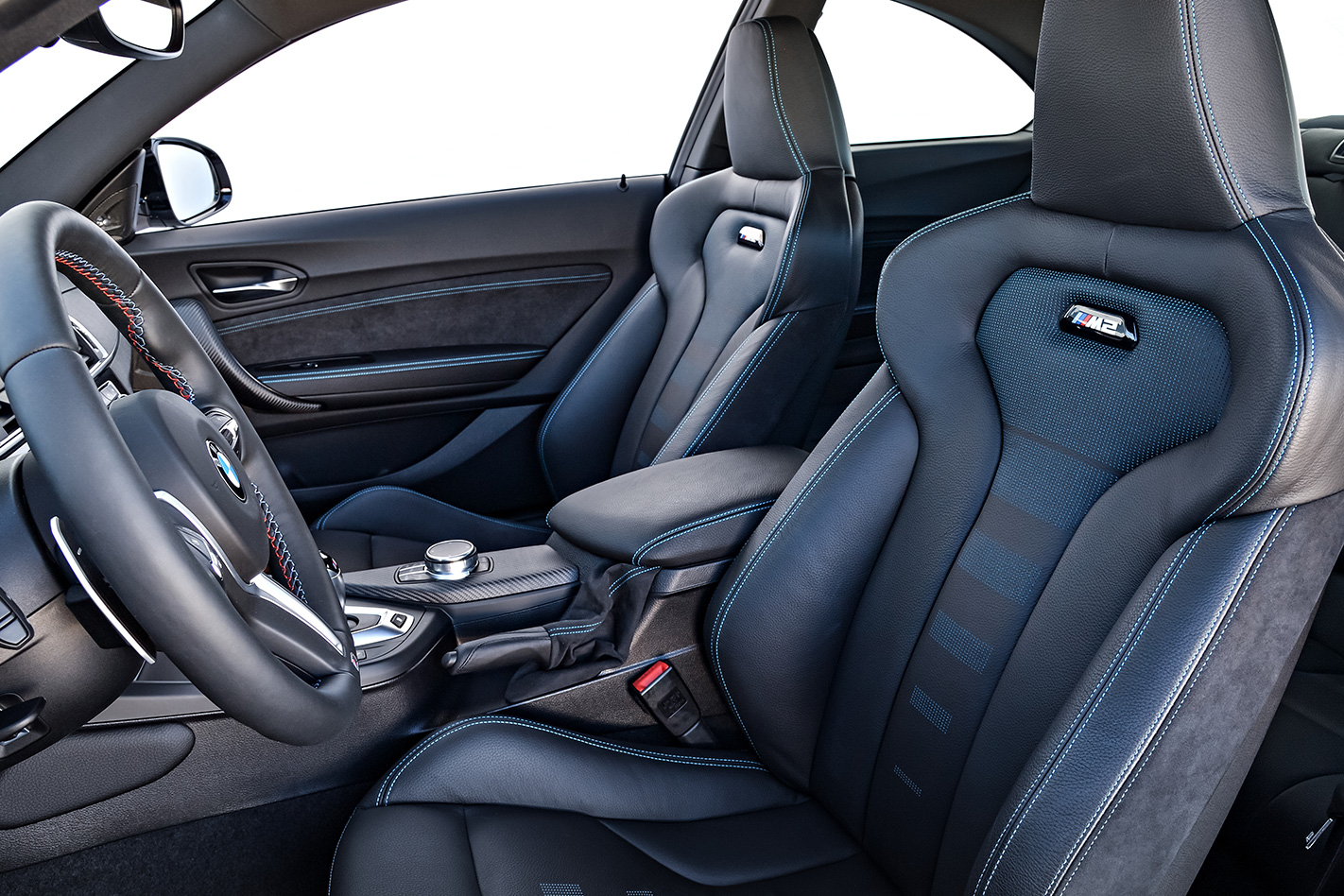
Demand for the new addition is expected to be high, and BMW Australia is yet to release local allocation numbers, timing or how much hardcore M fans will be asked to pay over the cost of a $99,900 ‘regular’ M2. Expect those details to be announced shortly.
FORMULA 1 could one day sound as it should: noisy as hell. That’s possible if changes to the regulations proposed for 2021’s F1 season come into force.
Under the proposed change, the FIA will bin the MGU-H hybrid system, the oft-criticised and high-cost energy recovery system sandwiched in between the turbine and the compressor in the turbocharger that converts wasted energy into electricity. That power is then fed into the compressor to all-but eliminate turbo lag.
“The FIA Technical Department will now meet with current and potential power unit manufacturers to discuss the proposals in more detail, with a view to finalising the 2021 regulations by the end of May,” the FIA said.
The proposed change doesn’t signal that teams will move away from the turbocharged 1.6-litre V6 hybrid format used today. Unlike the MGU-H, the brake-fed MGU-K system is expected to remain part of the regulations.
The announcement regarding long-term power unit changes for 2021 onwards came as the sport’s ruling body laid out its planned short-term changes for the 2019 season.
These include a weight increase for the fuel allowance, up from 105kg per race to 110kg. The FIA says this will allow drivers to spend more time at full power rather than strategically backing off to conserve fuel.
As well, drivers will be required to wear what the FIA calls “biometric” gloves, which it says will increase safety and facilitate medical rescues. The Bluetooth-equipped gloves can measure a driver’s stress via blood oxygen levels and heart rates. It is believed the 2019 mandate will extend monitoring to also cover temperature and breathing rates.
And in a move that would have helped the big-boned Mark Webber, the FIA proposes to consider the driver’s weight separately to that of the race car, meaning the porkier drivers – sorry, Mark – won’t be penalised like they effectively are under the current system.
The FIA said it was still in talks with teams about potential aerodynamic changes for next season, with a decision expected by the end of this month, once the FIA-led research had finished.
The proposed rule changes are all subject to the approval of the FIA’s World Motor Sport Council.
Click Here to hear what F1 cars without MGU-H could sound like.
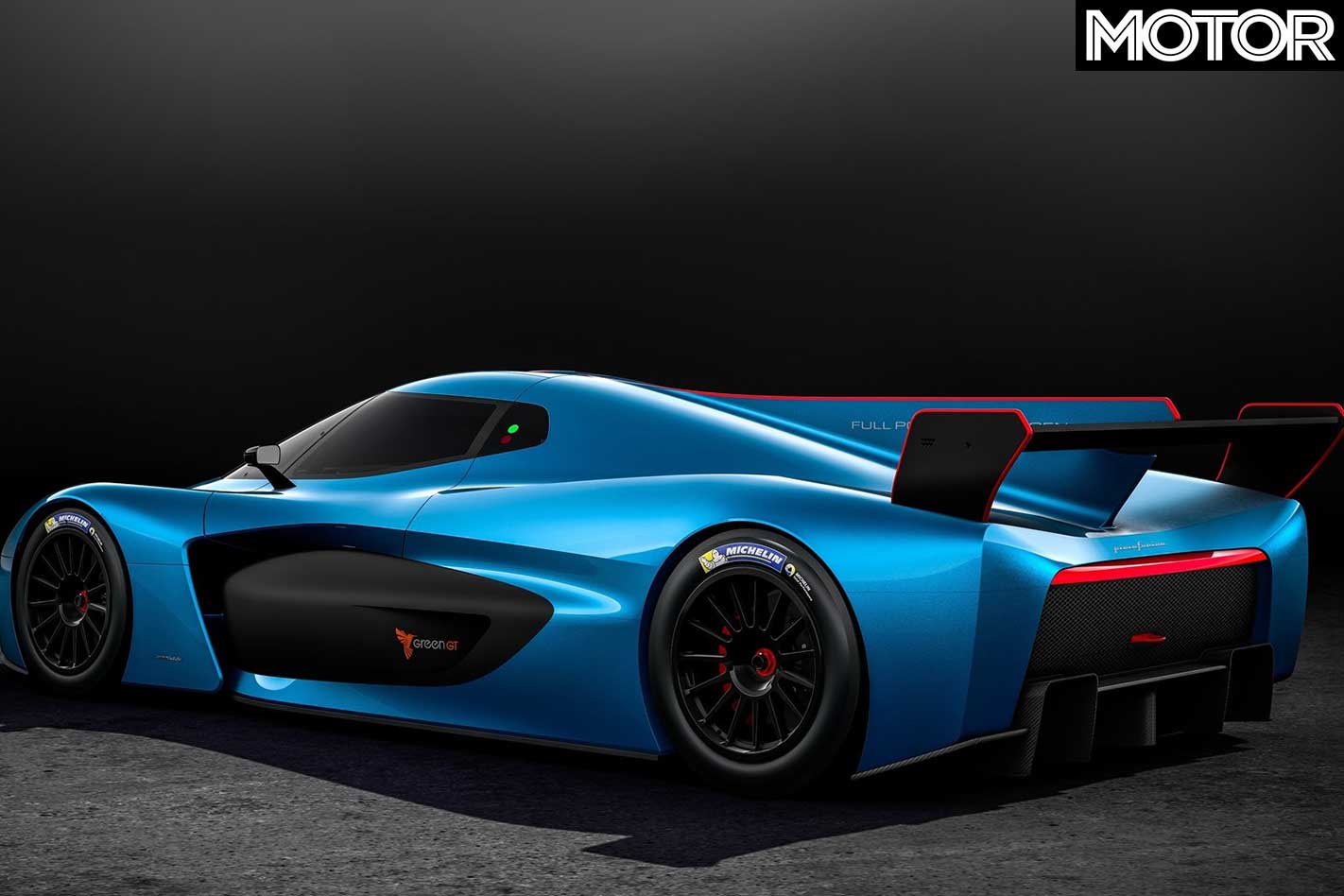
Pininfarina has long designed some of the most gorgeous cars in the world for other brands, but now it’s setting out to create its own cars. Electric cars, that is.
The premium brand will be known as Automobili Pininfarina, with its own badge to appear on cars.
In fact, it already has a couple of recent concepts to work from as a starting point.
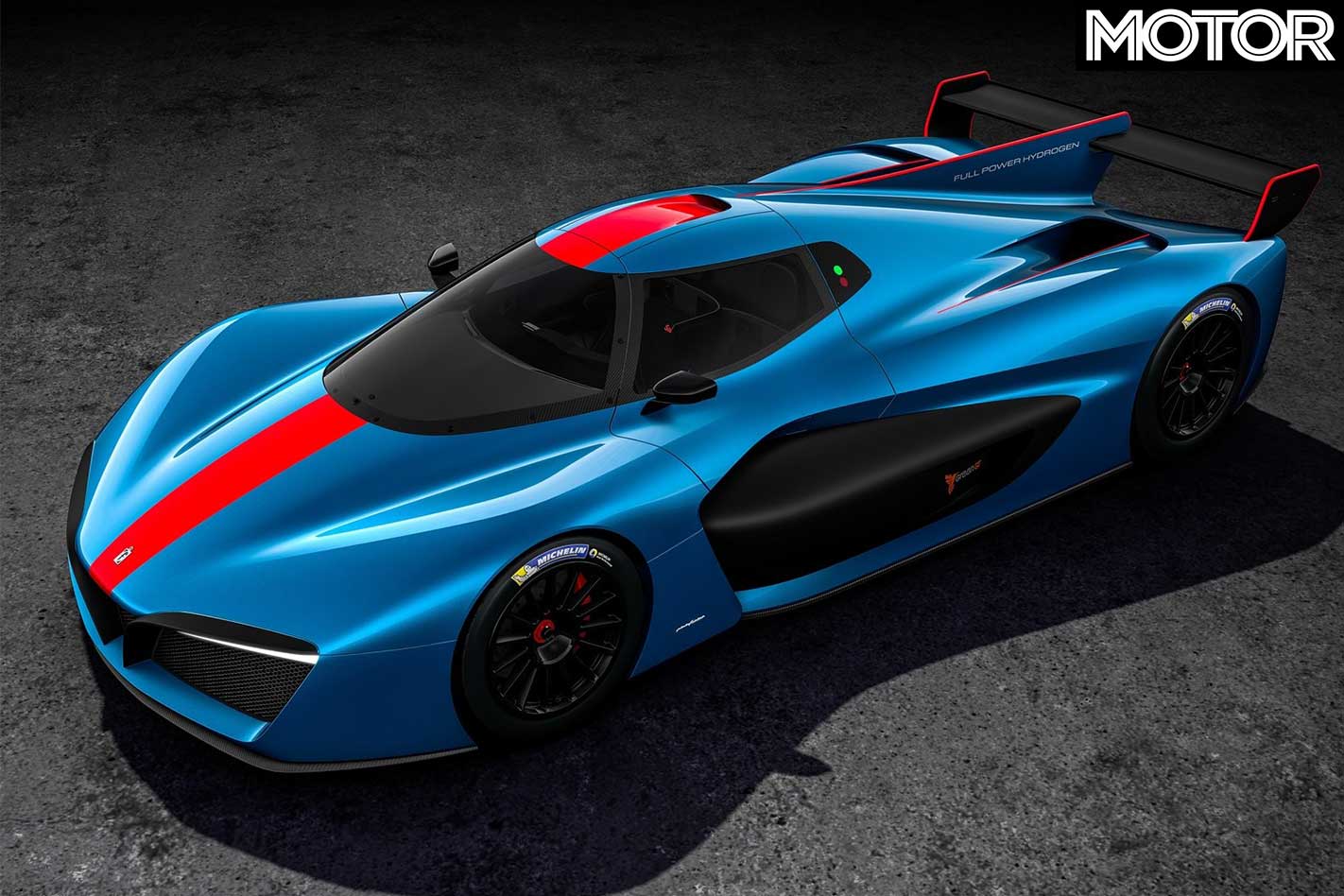
But Automobili Pininfarina hints at another big project, an electric hypercar due in 2020 with performance rumoured to rival that of a Bugatti Chiron.
Automobili Pininfarina will be headed up by former Audi global sales strategy director Michael Perschke.
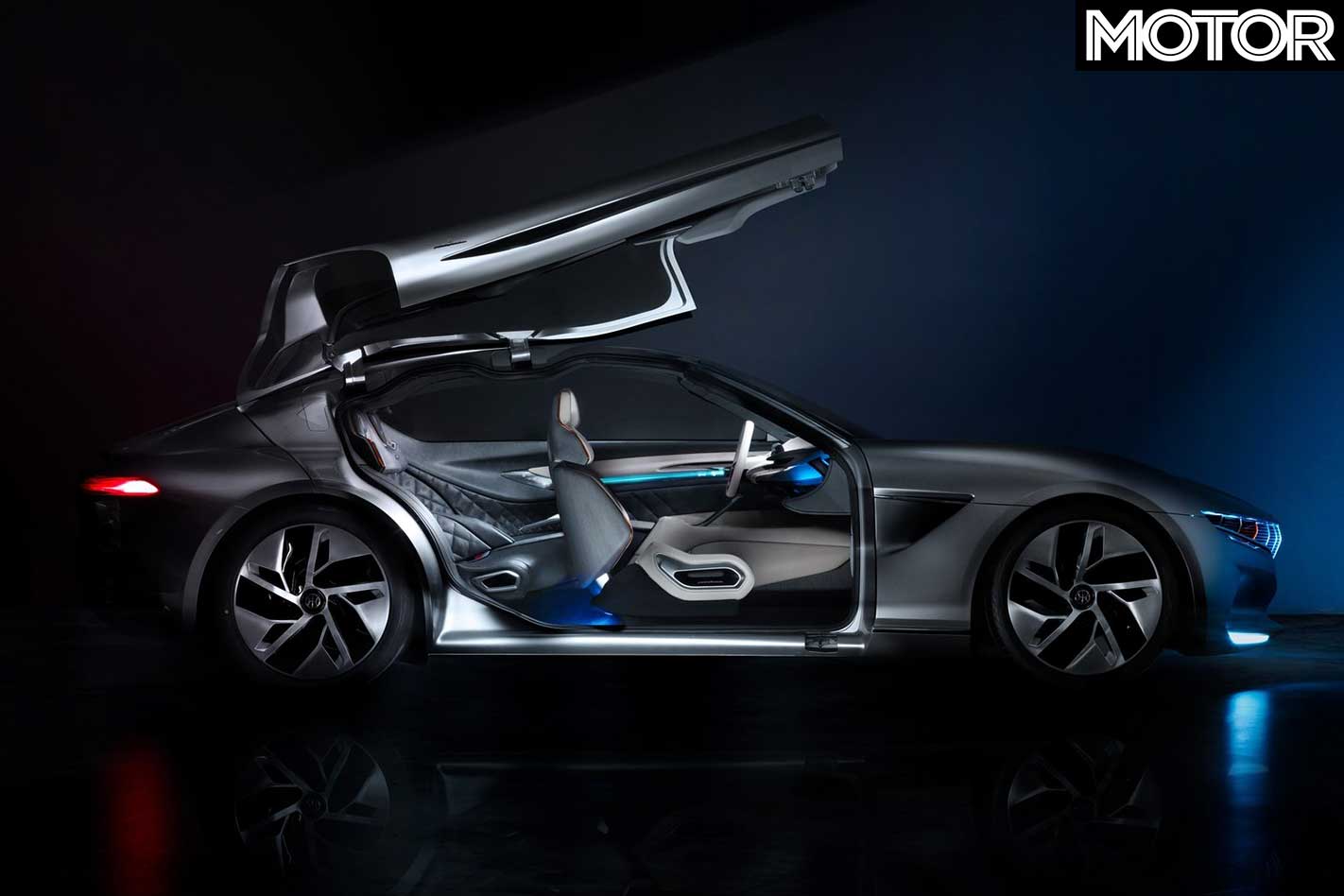
“Establishing Automobili Pininfarina as a leading sustainable luxury brand is our strategic vision and will be a dream come true,” Perschke says.
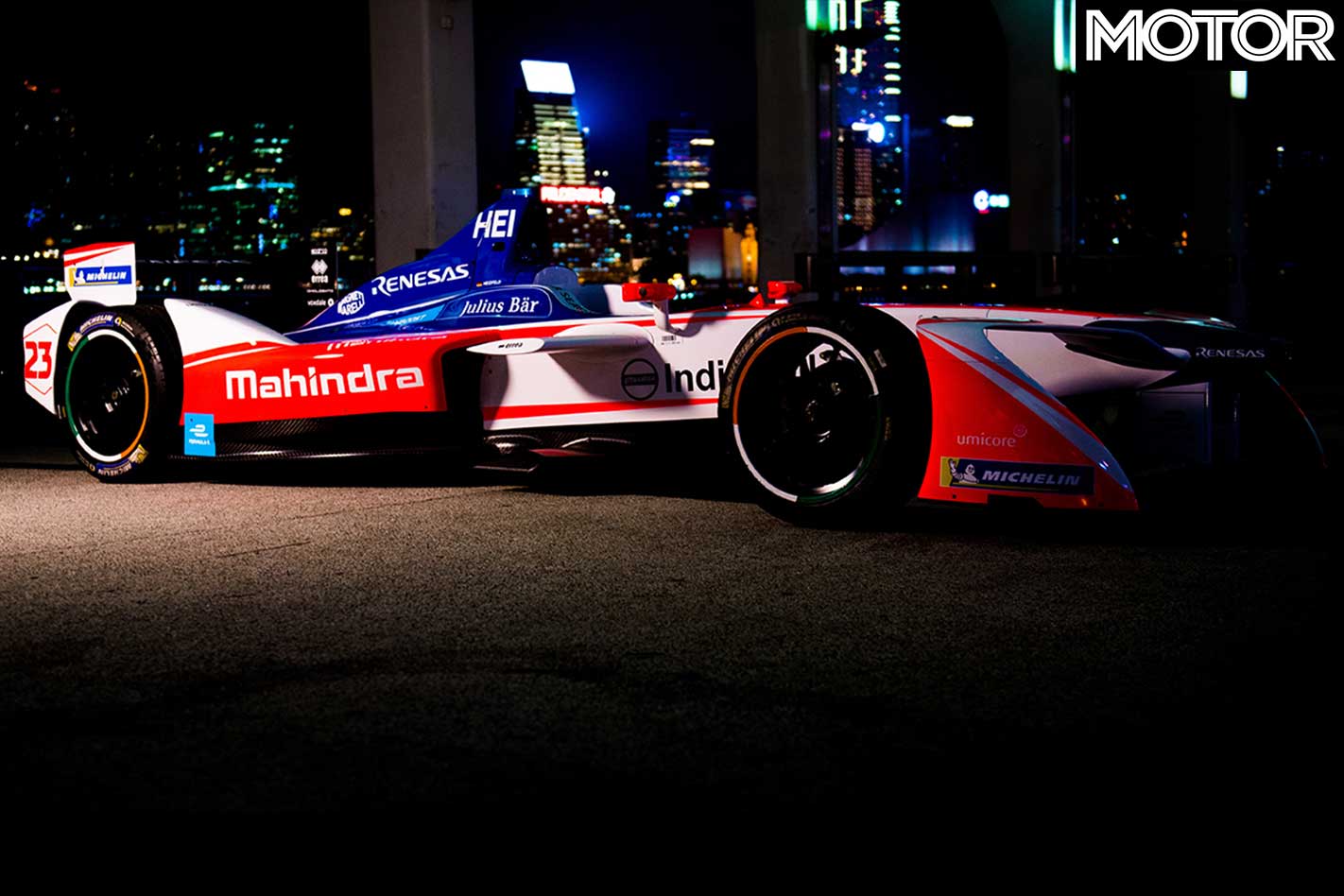
“It will combine 88 years of iconic design heritage with leading edge electric vehicle competence of the Mahindra Group and Mahindra Formula E racing.
“It’s a powerful combination. I am honoured to lead Automobili Pininfarina and our ambition is to make it a respected and desirable brand recognized by connoisseurs who value design heritage, substance and sustainable high performance EV technology.”
“We are pleased to welcome the new company, Automobili Pininfarina which represents an additional client for Pininfarina SpA, joining the list of the many prestigious car makers for which we will be designing cars in the future.
“This project helps me and my family to realize my grandfather’s dream of seeing outstanding innovative cars solely branded Pininfarina on the roads”
“They are the future, and when power, beauty and high end EV technology come together in one car — that will be the perfect luxury vehicle, that will give car lovers the freedom to roam without impacting the planet adversely.”
The current-generation Mazda2 has been around since 2014 and is one of the few models in the light car segment that doesn’t compromise between price, quality and driver enjoyment. Mazda has continued tweaking the 2 over time, improving road noise levels, adding G-Vectoring Control for improved handling, and rolling out automatic emergency braking as standard across the range.
The range-topping GT variant is the ultimate Mazda2 that brings all these improvements together with a classy interior, and nifty additions such as a head-up display.
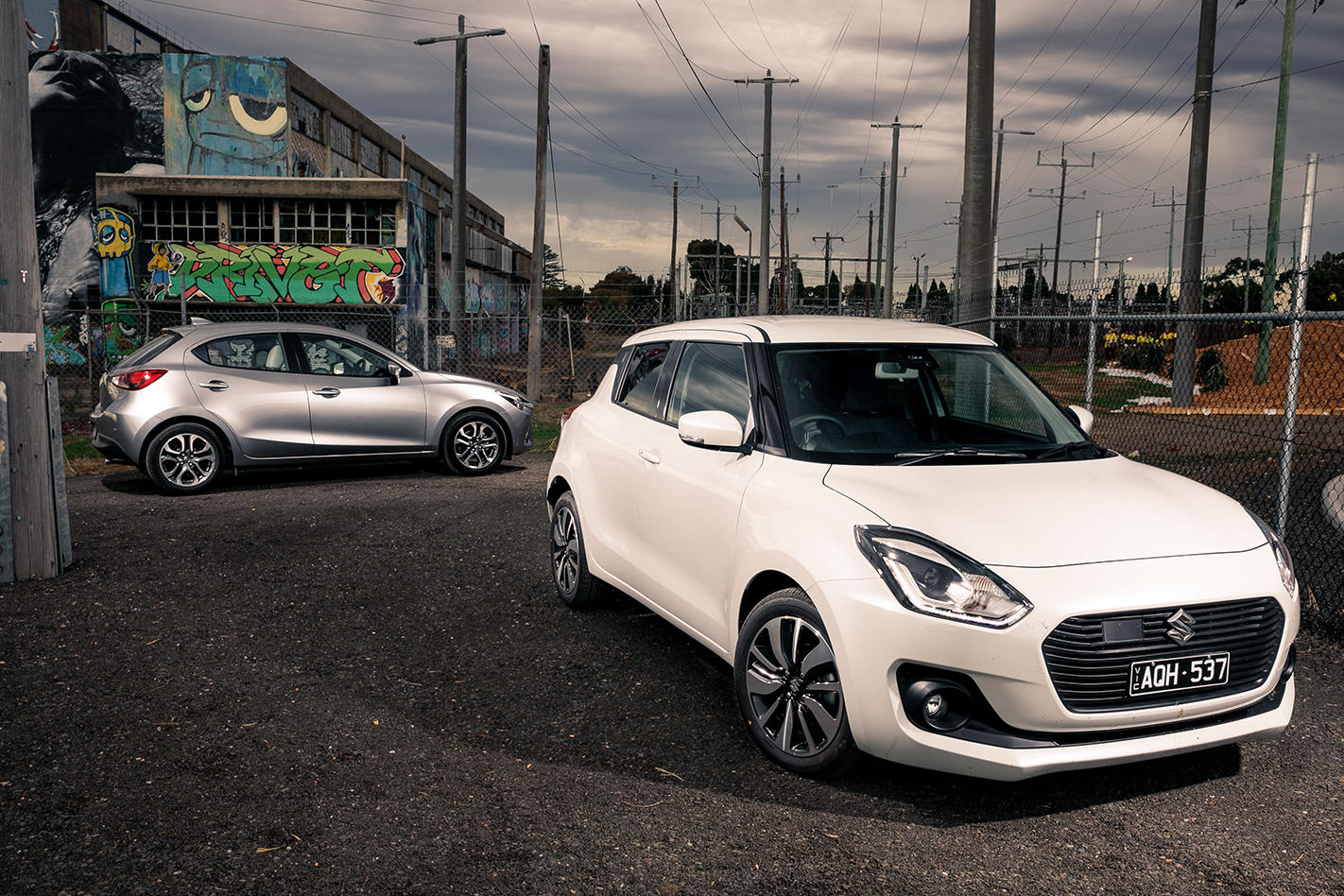
In the red corner, the fourth-generation Suzuki Swift is one of the newer kids on the light hatch block. It is completely redesigned and re-engineered compared with the previous model, growing in size, performance, efficiency, safety and value. Its deceptively spacious interior and generous equipment levels has thrust the Swift in the super mini class alongside the likes of the Mazda2, Volkswagen Polo, Skoda Fabia, Citroen C3 and Renault Clio.
The GLX Turbo is most expensive and best performing Swift before graduating to the Swift Sport hot hatch. Its gutsy 1.0-litre three-cylinder turbo will bring a smile to the face of anyone who enjoys their driving.
Price and Equipment – Winner: Suzuki Swift GLX Turbo
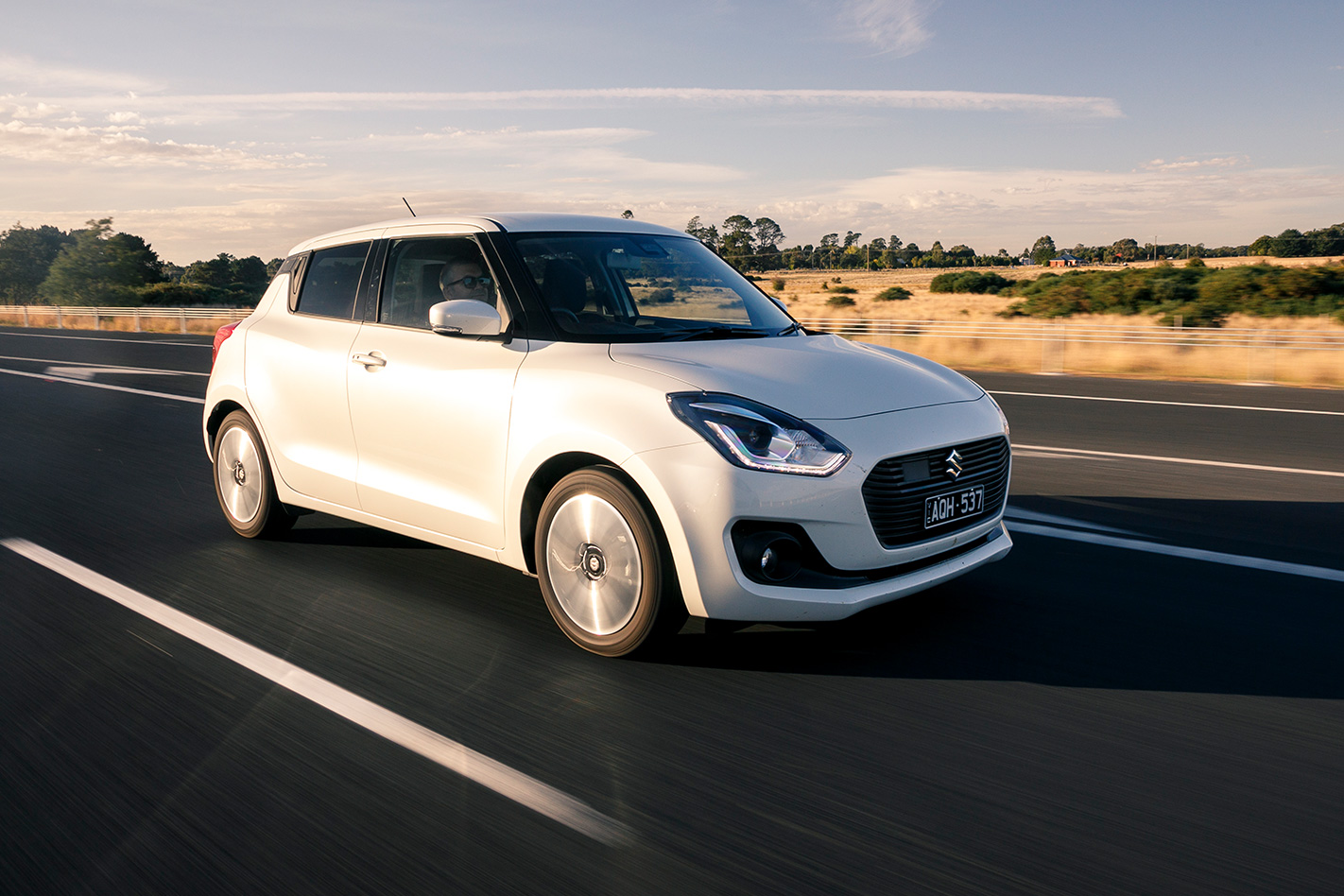
The version of the Mazda 2 GT hatch we tested was equipped with a six-speed automatic transmission, which retails for $23,680. The Suzuki Swift GLX Turbo is also equipped with a six-speed auto with a drive-away price of $22,990. Each is covered by a three-year warranty, with Mazda offering unlimited kilometres and Suzuki capping them at 100,000km.
Both cars are similarly equipped.
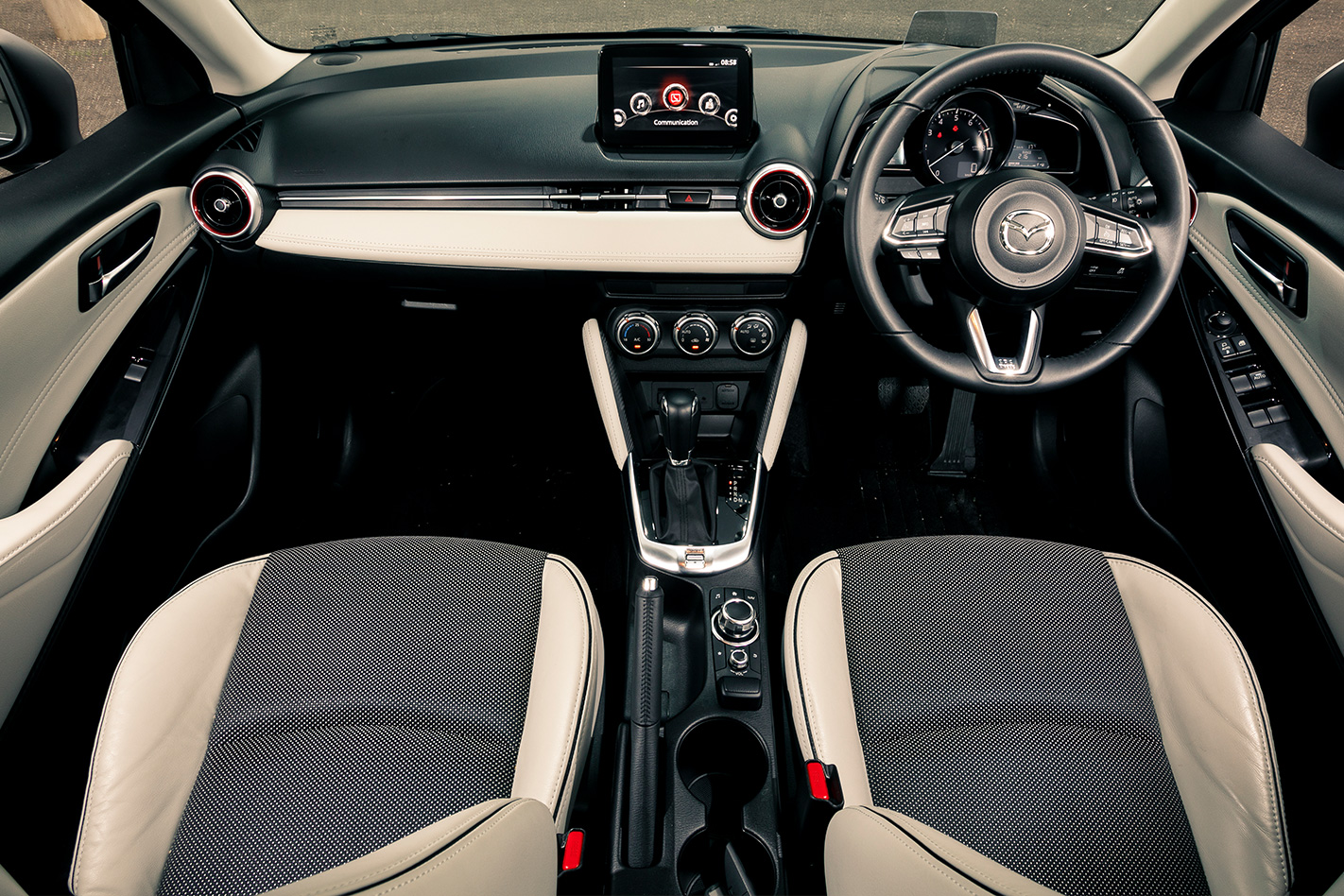
The GT is generously equipped with a head-up display, cruise control, rear parking sensors, 7.0-inch touchscreen, digital radio, satellite navigation, LED headlights with LED daytime running lights, climate controlled air-conditioning, digital speedo, 16-inch alloy wheels, push button start and auto-folding door mirrors. Active safety in the Mazda 2 GT includes low-speed automatic emergency braking, rear-cross traffic alert and blind-spot monitoring.
The Suzuki Swift GXL Turbo brings a 7.0-inch touchscreen, infotainment with Apple CarPlay/Android Auto connectivity, 16-inch alloy wheels, LED headlights with LED daytime running lights, climate control air-conditioning, adaptive cruise control, push button start and paddle shifters. Active safety includes automatic emergency braking, lane departure warning and a weaving alert.
The Mazda’s head-up display is a nice feature that makes driving easier, while the Suzuki doesn’t even have a digital speedo. The Swift does win points for its infotainment system, though, largely down to its smartphone pairing that Mazda stubbornly refuses to install.
If prices were the same you’d lean to the Mazda, but the Swift’s driveway pricing makes it a better all-round package in terms of value.
INTERIOR AND VERSATILITY – Winner: Mazda 2 GT
The Mazda 2 GT is attractively presented with two-tone leather upholstery and soft-touch materials along the dashboard and door trims. The seats are comfortable and there’s enough room in the back to seat two adults comfortably, though headroom is a little tight for taller passengers. Smaller people will have trouble looking out because of the rising window line.
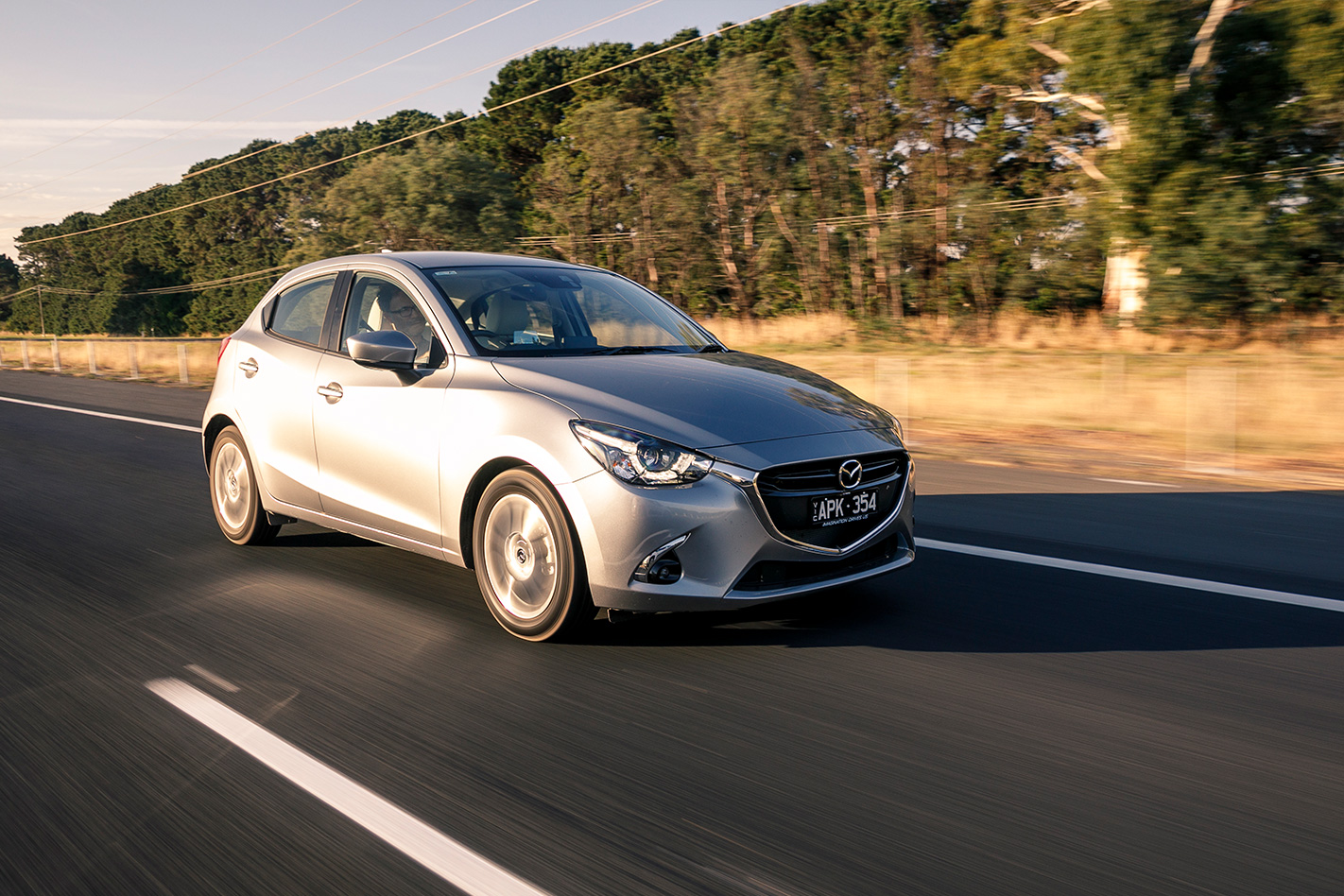
Storage is okay for a car this small – the glovebox is a fair size and there are two cup holders between the front seats and a couple of small tubs in which to put things such as phones and keys. The back seats benefit from a pocket behind the passenger’s seat, though there are no door bins.
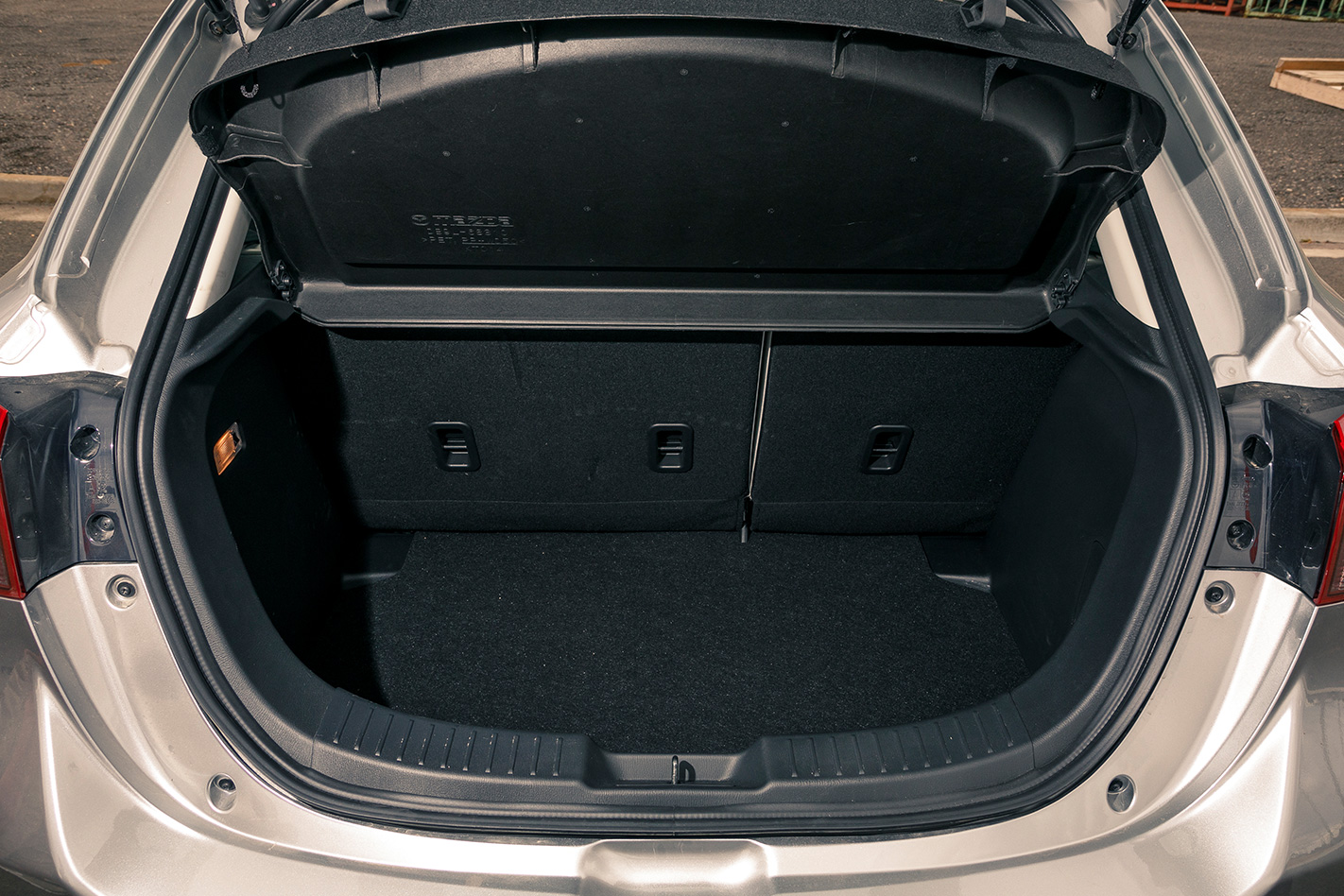
The Mazda’s boot space is 250 litres, which is a little below average for a light hatch. The back seats fold down in a 60:40 split to carry bigger loads.
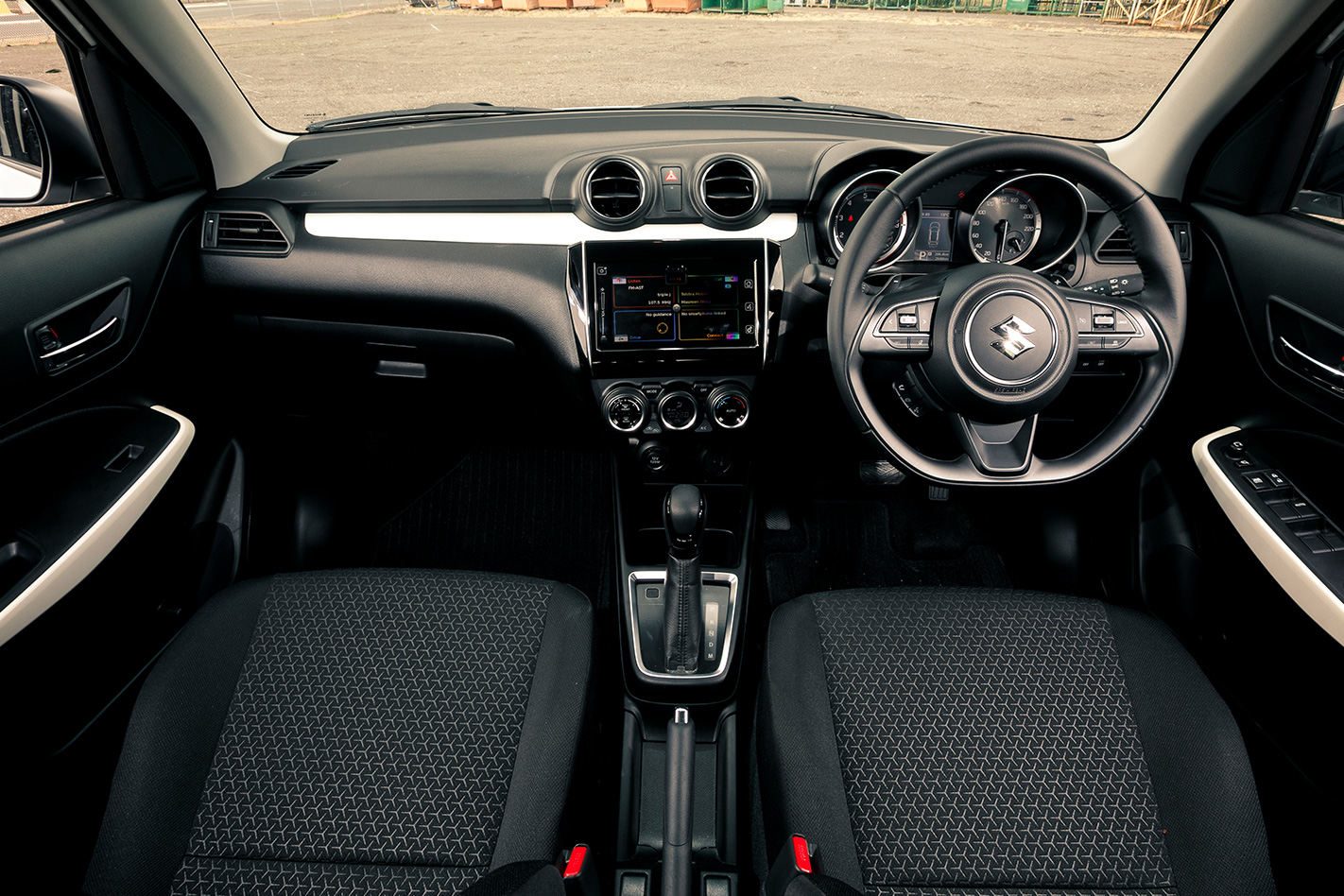
The Suzuki has a spacious interior thanks to the upright windscreen. It’s well put together but harder plastic surfaces are more evident. Cabin storage is similar to the Mazda’s, while the back seats offer class-leading legroom with taller passengers less likely to bump their heads.
The 240-litre boot space is even less than the Mazda’s, though the rear seats also fold down 60:40 to carry more cargo.
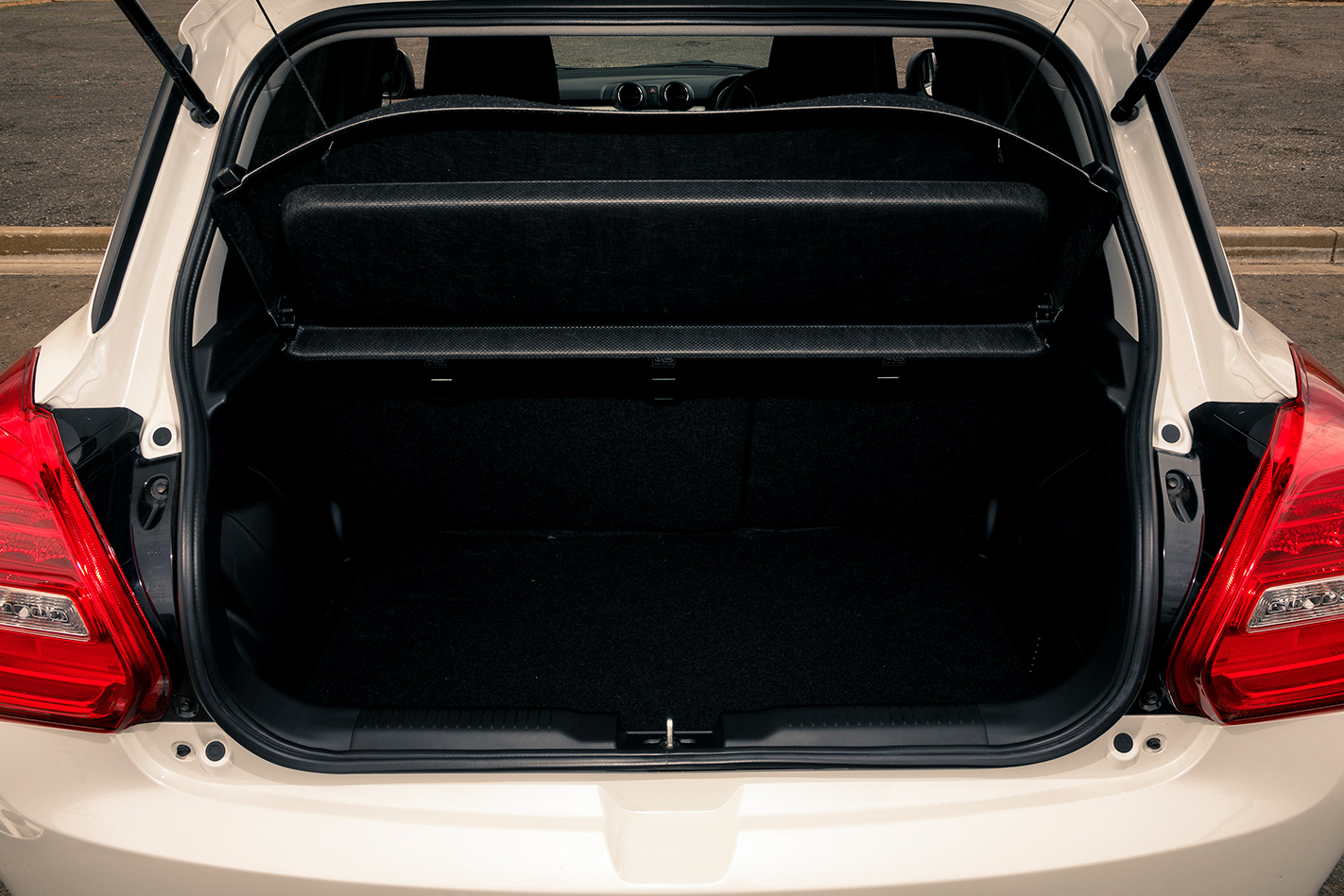
Again there’s not much separating the two cars, and while the Suzuki has a little more interior space, the Mazda’s bright and classy trim gives it a certain wow factor.
ON THE ROAD – Winner: Suzuki Swift GLX Turbo
This is where the Mazda2 shows its age. Despite improvements to noise levels via a recent upgrade, there’s still quite a bit of road and wind noise at higher speeds. And while it’s an excellent little city car, the comfort levels do start slipping on longer drives.
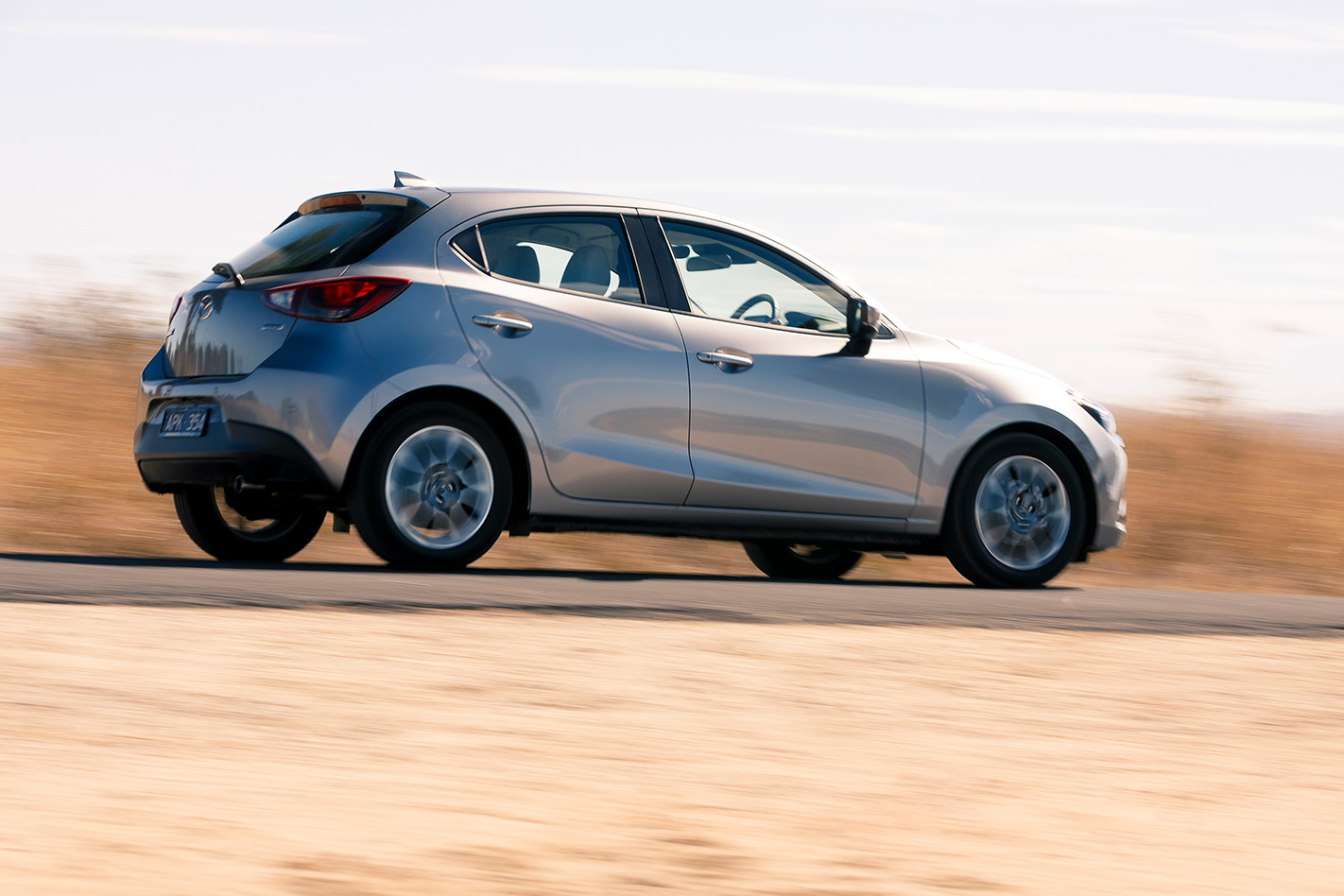
The hard-working 81kW/141kW 1.5-litre engine is a great unit with the manual gearbox and does well with the six-speed auto, though it is a little sluggish from a standing start in normal drive mode. Sport mode sends revs to redline, although sometimes you need to double tap on the accelerator for it to gear down again. The normal drive mode does a much better job of holding engine torque once you get going.
The ride quality is good and it handles well in all but the tightest of corners thanks to Mazda’s G-Vectoring Control, which manipulates the engine when you turn the steering wheel – transferring weight to the front tyres in a way that is said to improve feel and response from the steering.
The Swift’s ride is not quite as refined as the Mazda’s. Lateral movement is more pronounced and it’s more prone to bottom out over bumps, especially with back-seat passengers in tow. Nevertheless, this is a car that makes you want to drive, with more engaging steering than the Mazda.
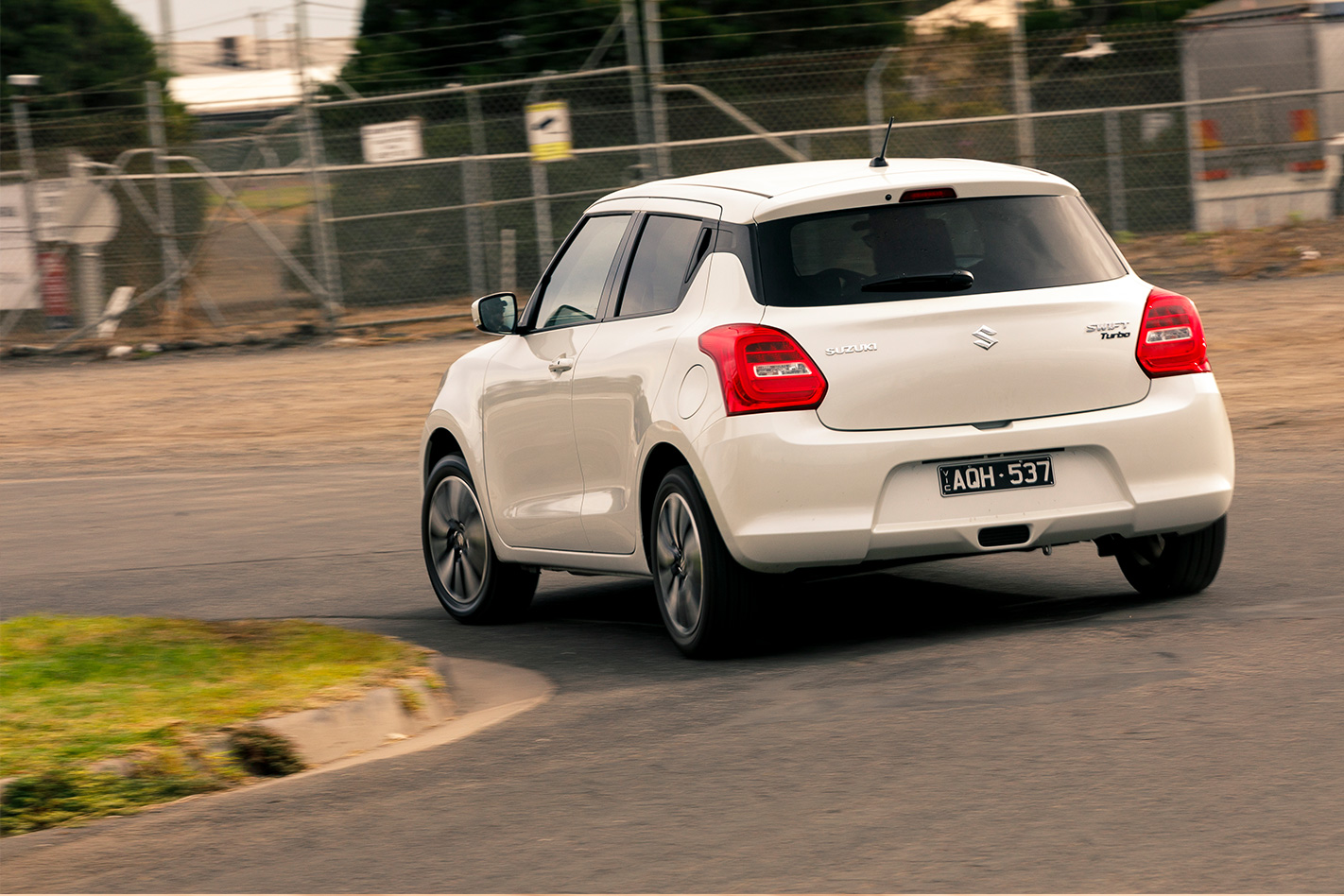
Despite being 30 percent smaller than the Mazda’s engine and missing a cylinder, the Suzuki’s 1.0-litre three-cylinder turbo is more powerful, pushing out 82kW and 160Nm, with the extra torque providing more than enough shove for the spunky little hatch to eat up hills.
The only downside is the so-called manual mode, which should make driving even more fun via the paddle shifters. However it limits revs to around 5000rpm, well before redline, which makes you wonder why they bothered. That said, the automatic gearbox does its job nicely so you’re never wanting for torque.
VERDICT – Winner: Suzuki Swift GLX Turbo
If we compared any of the lower-spec variants of these two models it’s likely the Mazda2 would come out on top. But the GT badge and the similar price to the well-equipped and fleet-footed Swift GLX Turbo meant driveability was always going to be big factor.
Both cars represent excellent value, and the while the Mazda is nicely presented its ageing powertrain and underpinnings are shown up against the Swift’s fresher and tauter platform designed with driving dynamics in mind.
While the Swift’s interior isn’t as classy as the Mazda’s, it’s still a nice place to be and the upright windscreen has an original Mini Cooper feel about it that’s matched by its playful exterior design.
Shannons has a treat for Skyline fans at its upcoming Autumn Classic auction in Melbourne, on Monday April 30.
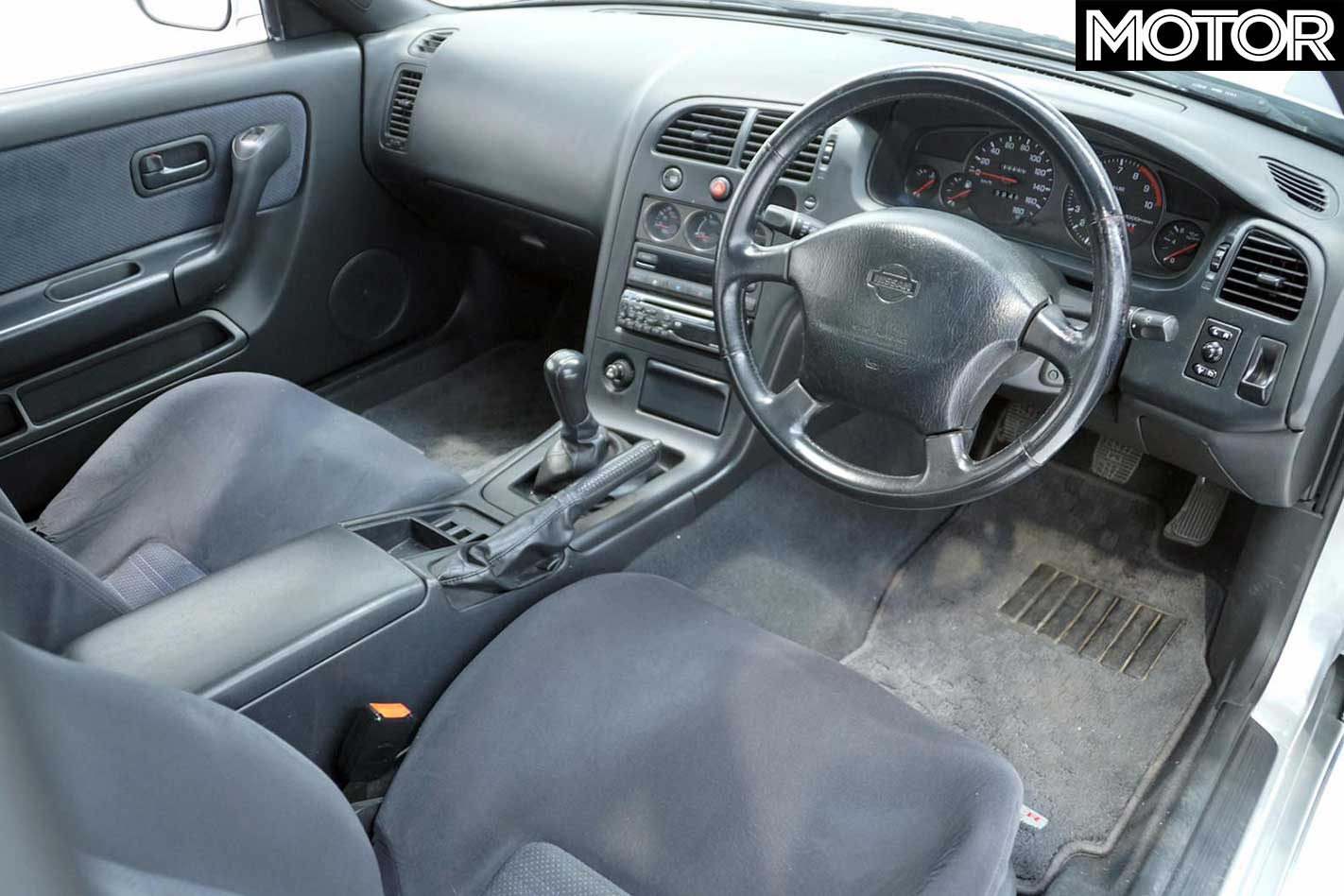
Two Nissan Skyline GT-R V-Specs are due to cross the block, one an R33 and one R34, and both with low kilometres in almost original condition.
While one is likely to reach six-figures in the bidding, the other is a more realistic purchase for most.

“Otherwise, where many contemporary Skylines are highly modified, this is an unmolested factory-standard vehicle that has been in the care of a mature enthusiast owner for the past six years.”
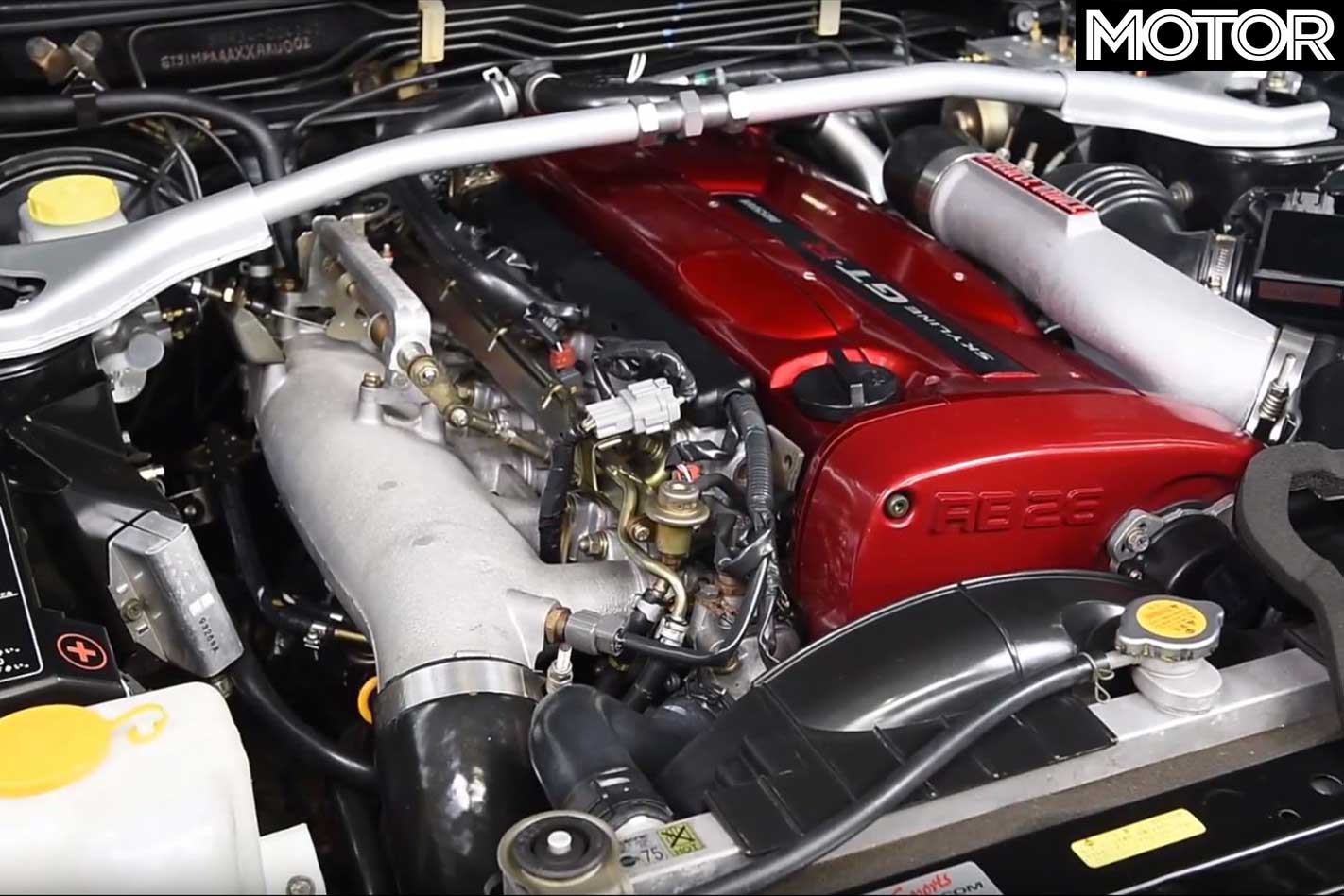
The R33, however, comes much cheaper than its younger brother. With only 60,000 km on the odometer, the ’95 Spec-V is expected to pick up somewhere between $35,000 and $40,000.
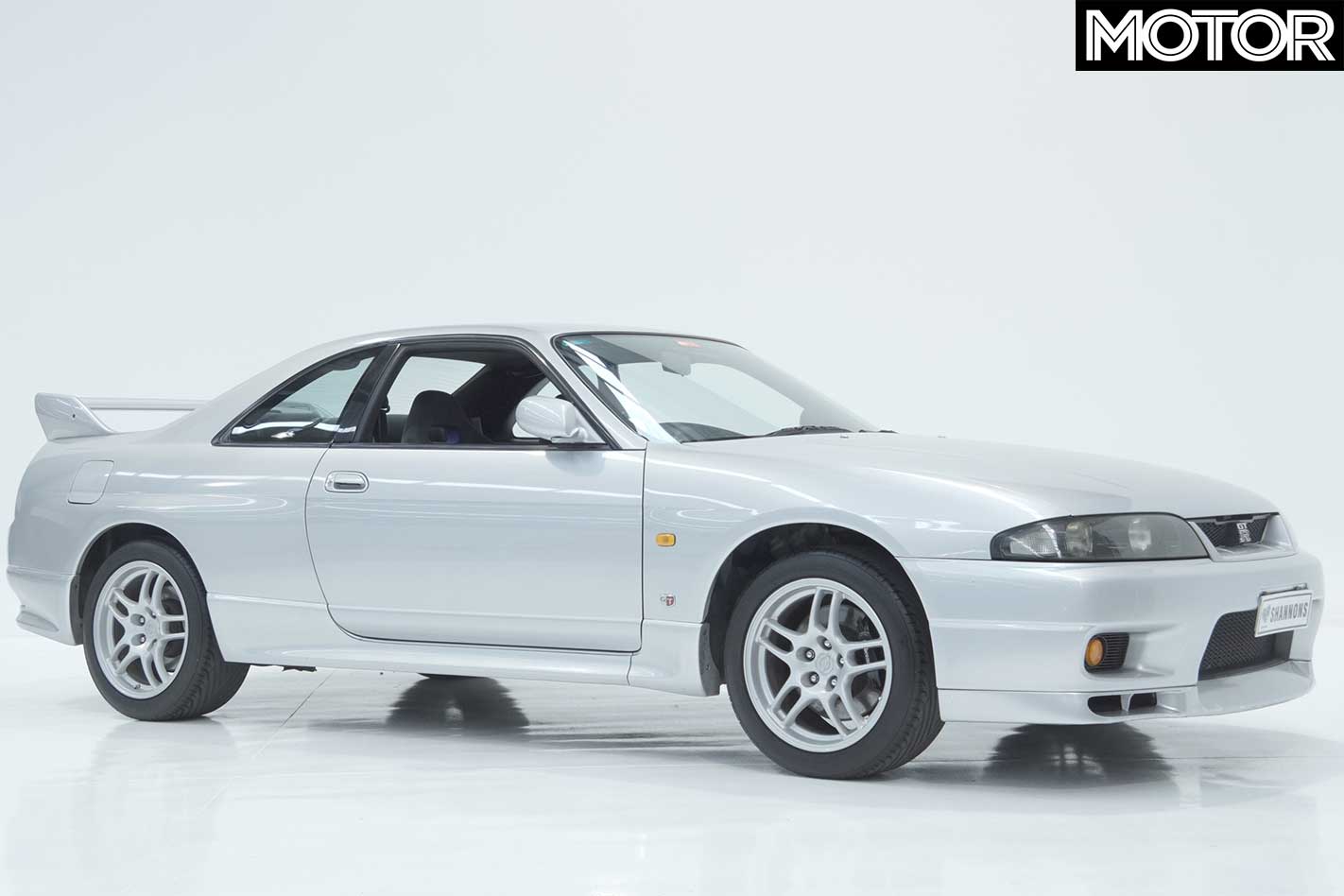
“Its condition reflects even less distance and age [than it’s been through], because the factory silver paint is in very good condition and the black cloth interior shows little sign of wear.”
Both cars are selling unregistered with no reserve at Shannons’ next auction in Melbourne, on April 30.
Ford Australia CEO Graeme Whickman today confirmed what had been rumoured for some time. The Fiesta range will be discontinued in Australia this year with the sole exception of the range-topping ST sports model, a car which currently accounts for around 15 percent of Fiesta sales.
Speaking at a media engagement promoting the launch of the Ford Performance brand and the return of the Blue Oval to Supercars with its forthcoming Mustang challenger, Whickman also drew down the curtain on the Fiesta.
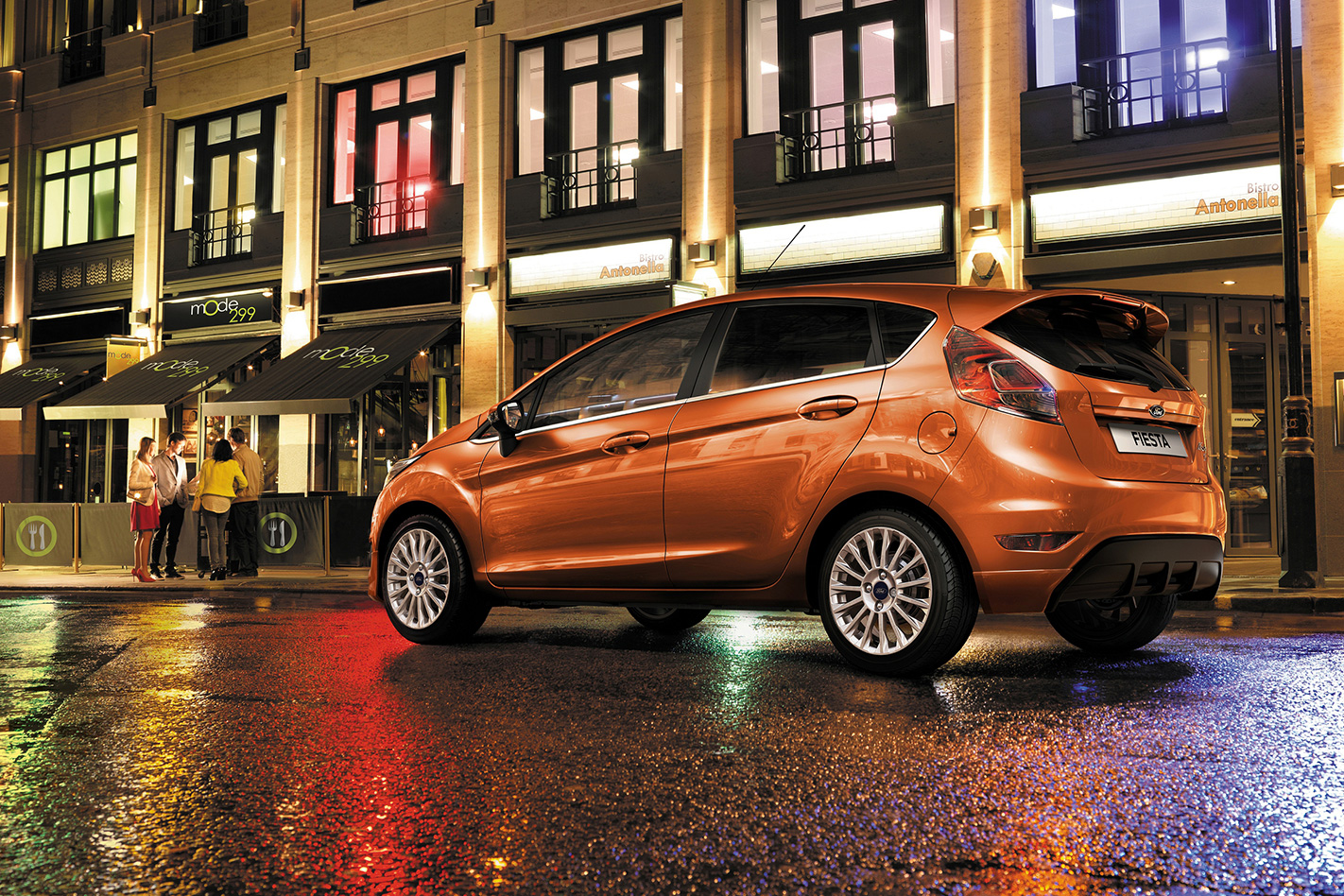
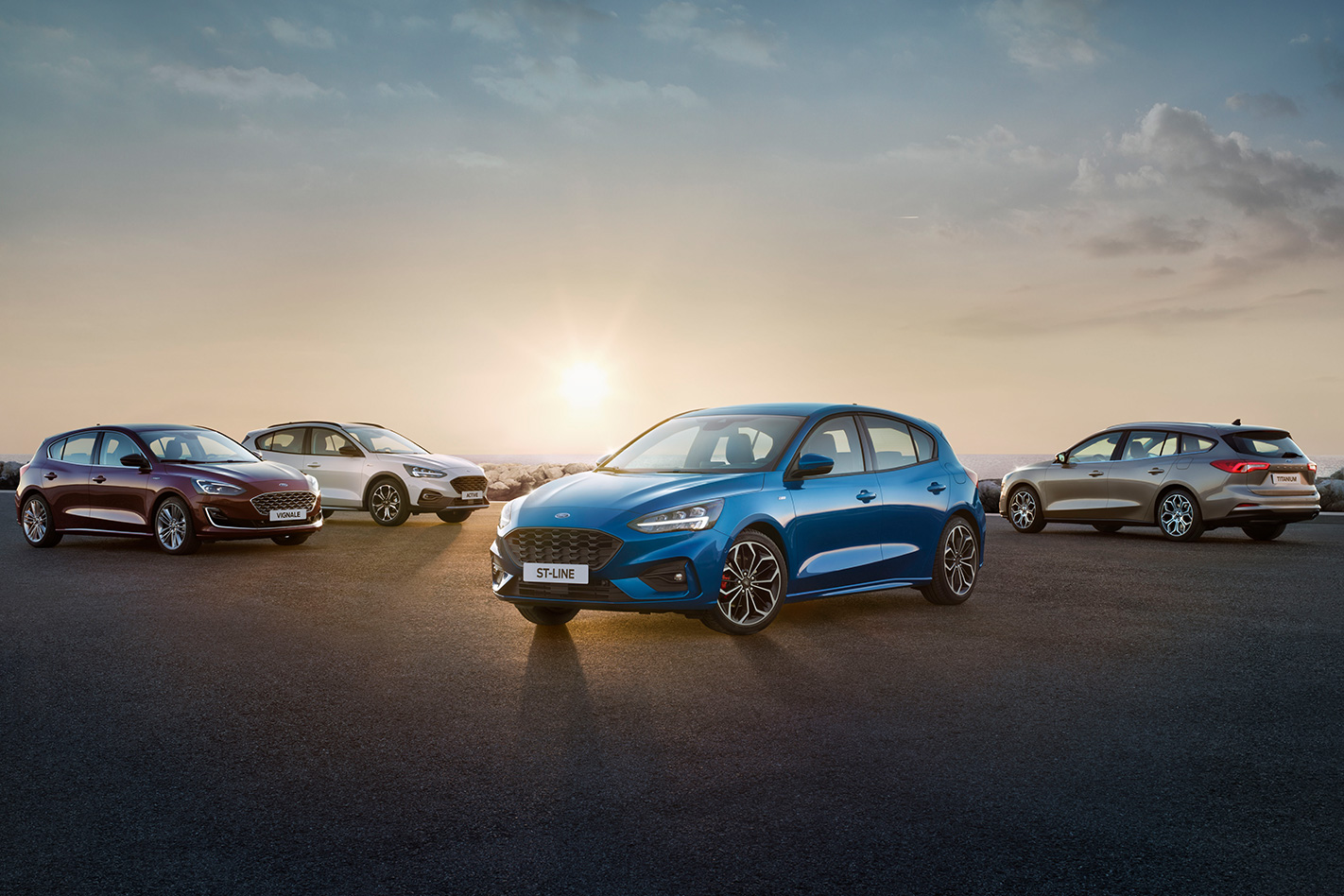
“We will finish with the rest of Fiesta at some point this year,” he said. “It comes at a point when we launch global Focus. The market is changing towards SUVs and pickups. It’s a reflection on what’s happening in the market and what we have to offer from a global perspective.”
With the 147kW next-gen Fiesta ST not arriving until quarter two of next year, that will leave a small hole in the model line-up that Whickman hopes will be filled by customers trading up to the larger Focus.
“The difference between a Fiesta offering and a Focus offering is that one [Fiesta] plays in anywhere between six and seven percent of the industry and the other [Focus] plays in anywhere between 17 and 19 percent of the industry,” Whickman admitted.
“If you actually take out the vehicles that are sold as demos and as rental units, that Fiesta-sized market is pretty small and getting smaller.
“People in a B-class car see the utility of getting into the Focus range. It’s very affordable and it’s got a broad range, which we’ll talk about later,” he said. When pressed as to whether broad actually meant broader than that which had gone before, he was unequivocal. “I’ll give you broader,” he said.
Ford’s all-new fourth-gen Focus was unveiled in Europe last week in a variety of body styles including a conventional hatchback, a sedan, a wagon and a crossover ‘Active’ hatch variant that rides on suspension that is 30mm taller than the standard Focus. Details of the local Focus line-up are yet to be confirmed.
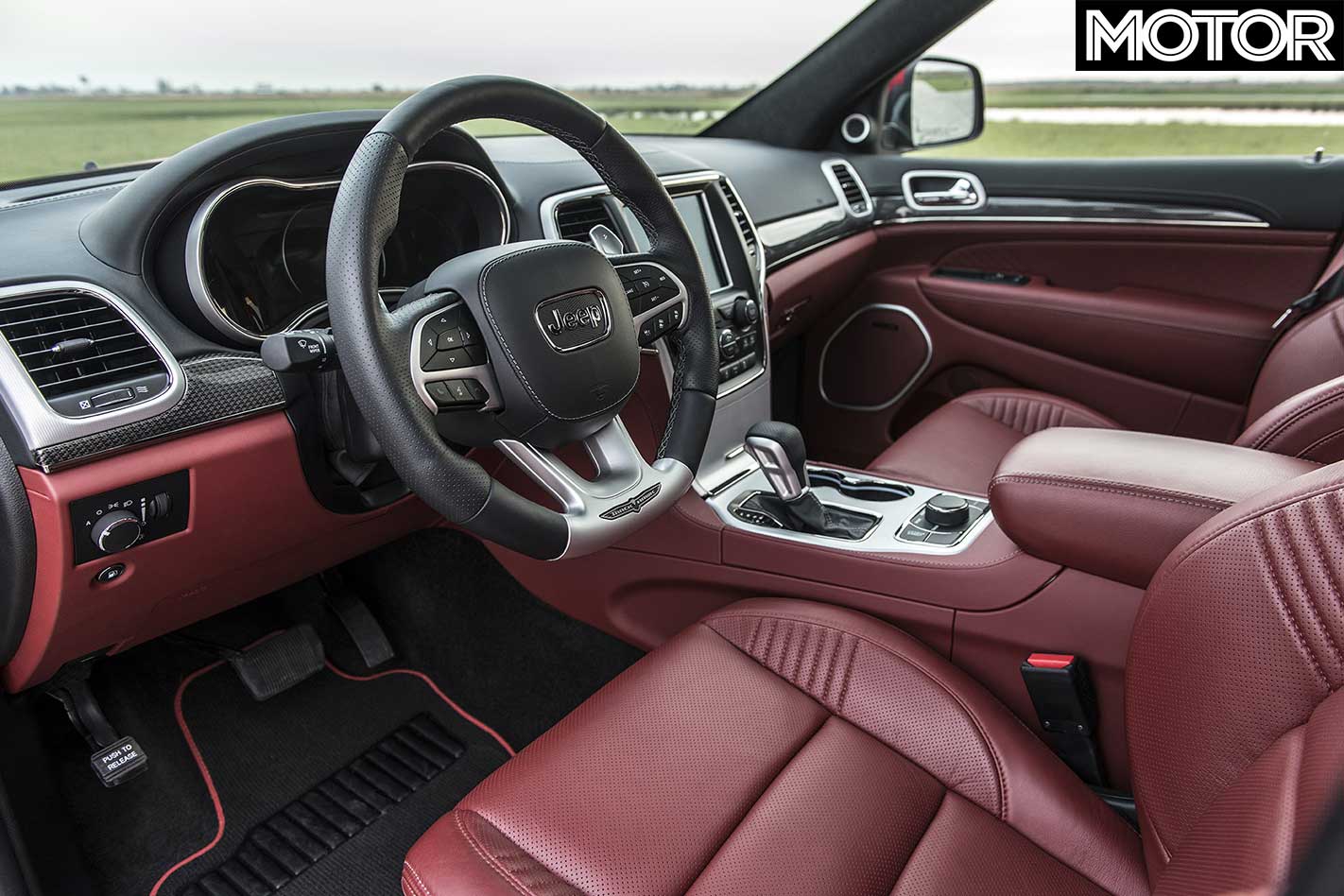
The Jeep Grand Cherokee Trackhawk is, as metal band Pantera might put it, a vulgar display of power.
An astonishingly fast brute, the Trackhawk will hit 100km/h in a claimed 3.7 seconds, thanks to 522kW/868Nm from its 6.2-litre supercharged V8. It also weighs 2399kg.
But what usually happens when an American muscle car is fresh onto the market? That’s right, John Hennessey gets a hold of it and turns it up to 11. Or, in the case of the Trackhawk, 10.5. Seconds.
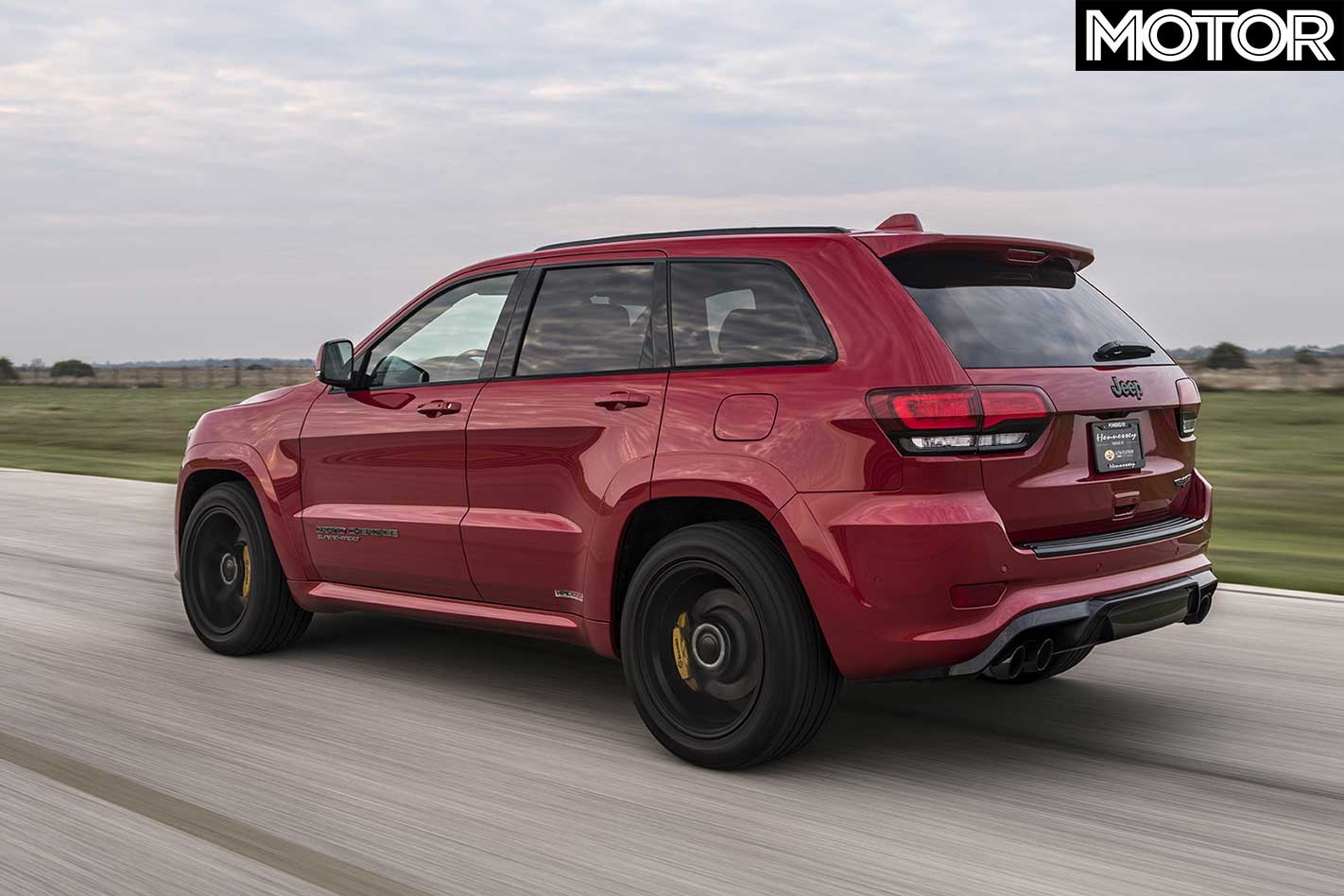
It’ll also hit 100km/h in just under 3 seconds, which rivals the sprint claimed by the Porsche 911 GT2 RS.
How, you ask? 746kW for a start, and a torque figure with four digits, 1314Nm.
It produces 14psi, and is helped along by a few other peripheral parts in the engine bay.
High-flow injectors, induction, and fuel pump mean everything the engine needs to go fast is… well, flowing. An engine management re-tune keeps it all in check, while some dyno testing and calibration ensures it worked.
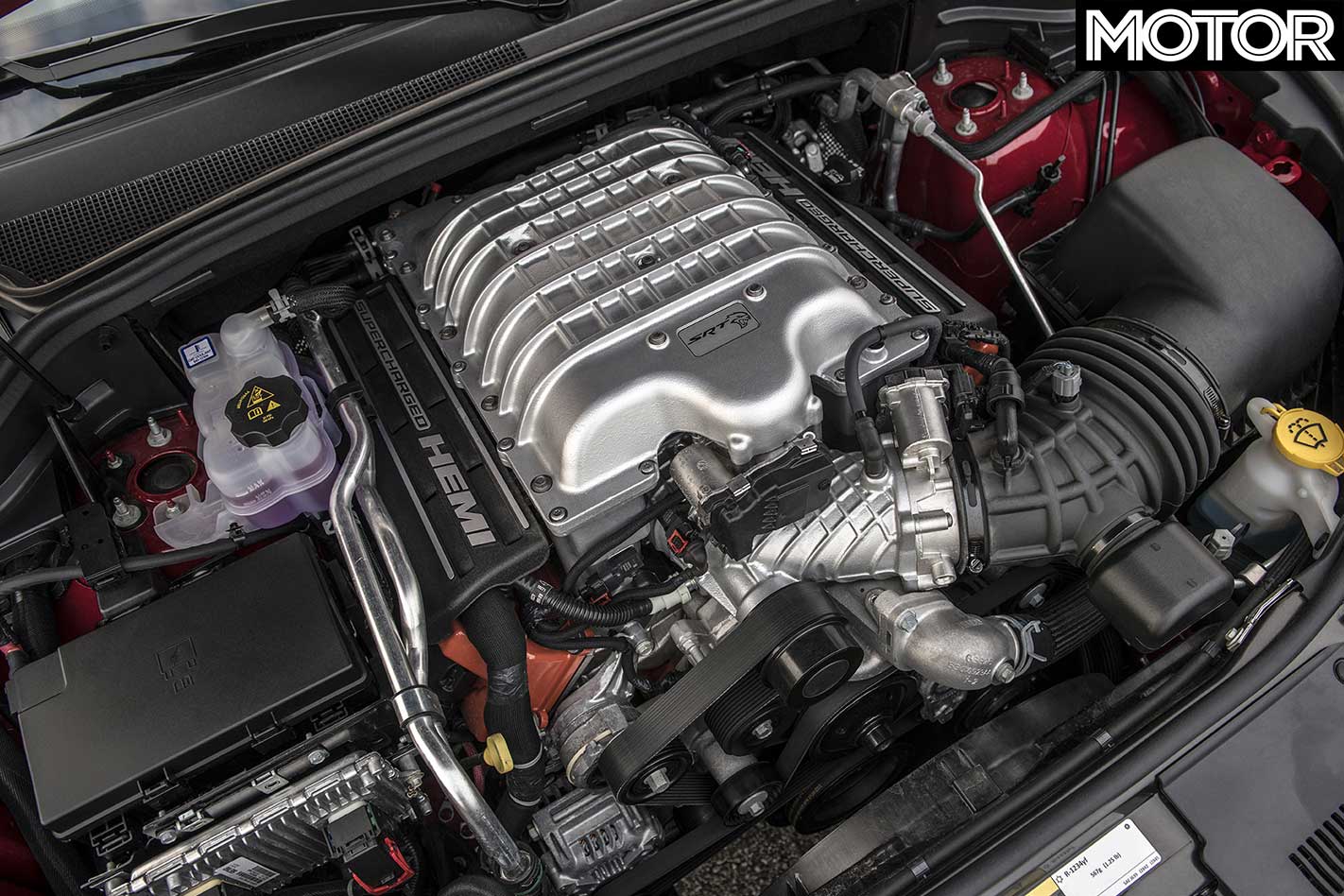
Sadly, Hennessey being US-based means this kit probably won’t see Aussie roads, but do let us know if you manage 1000hp from your own Trackhawk. We’d be very interested to know.
