
The new Audi A6 Avant has been revealed, just over a month after the sedan version broke cover.
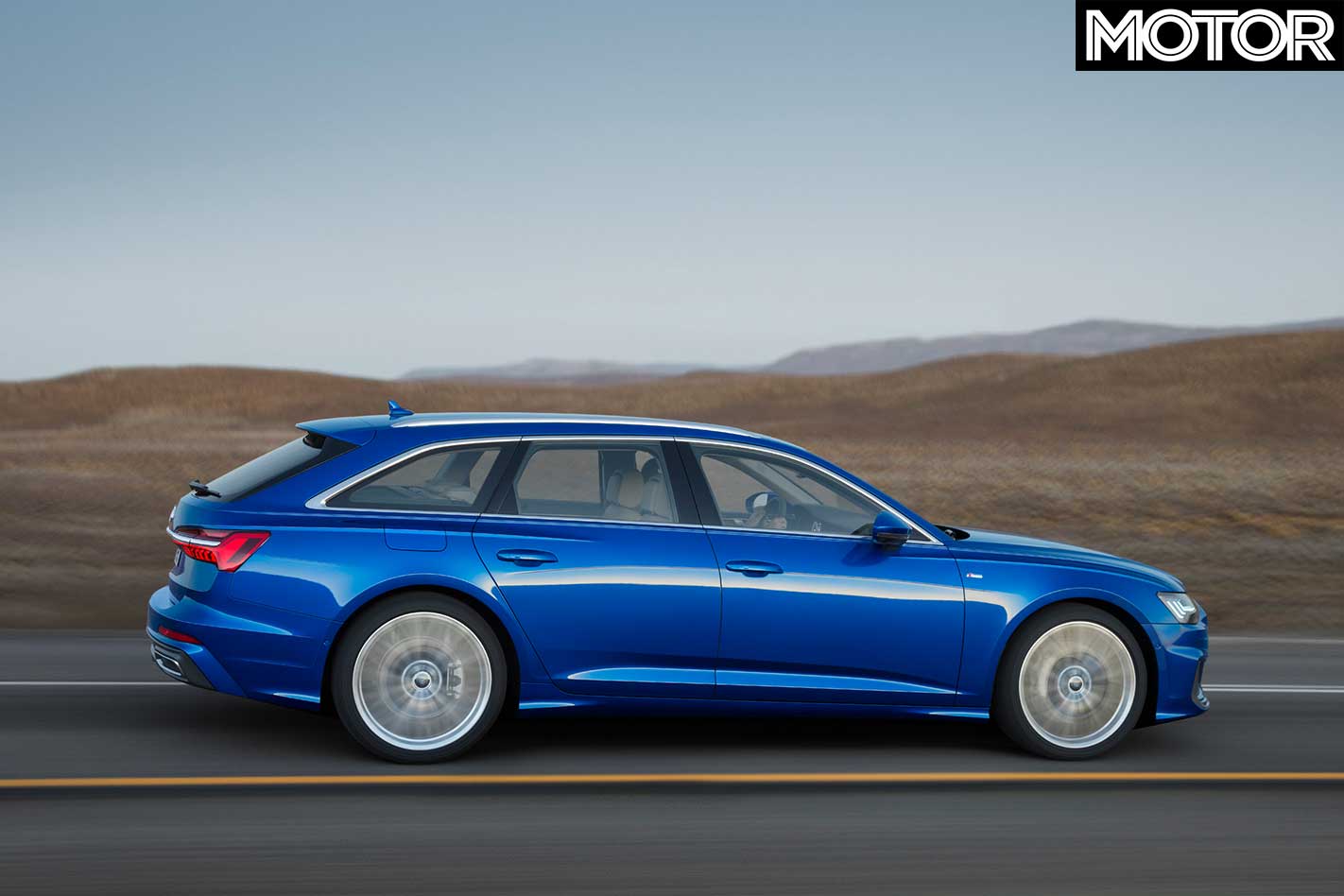
But the new Avant’s design is less wagon, and more ‘liftback’, with a sleek sloping roofline that is arguably more attractive than the sedan.
The A6 Avant will likely come with the same V6 engines as the sedan – a 250kW/500Nm3.0-litre turbo petrol V6, or a 3.0-litre twin-turbo diesel V6 which has 210kW/620Nm.
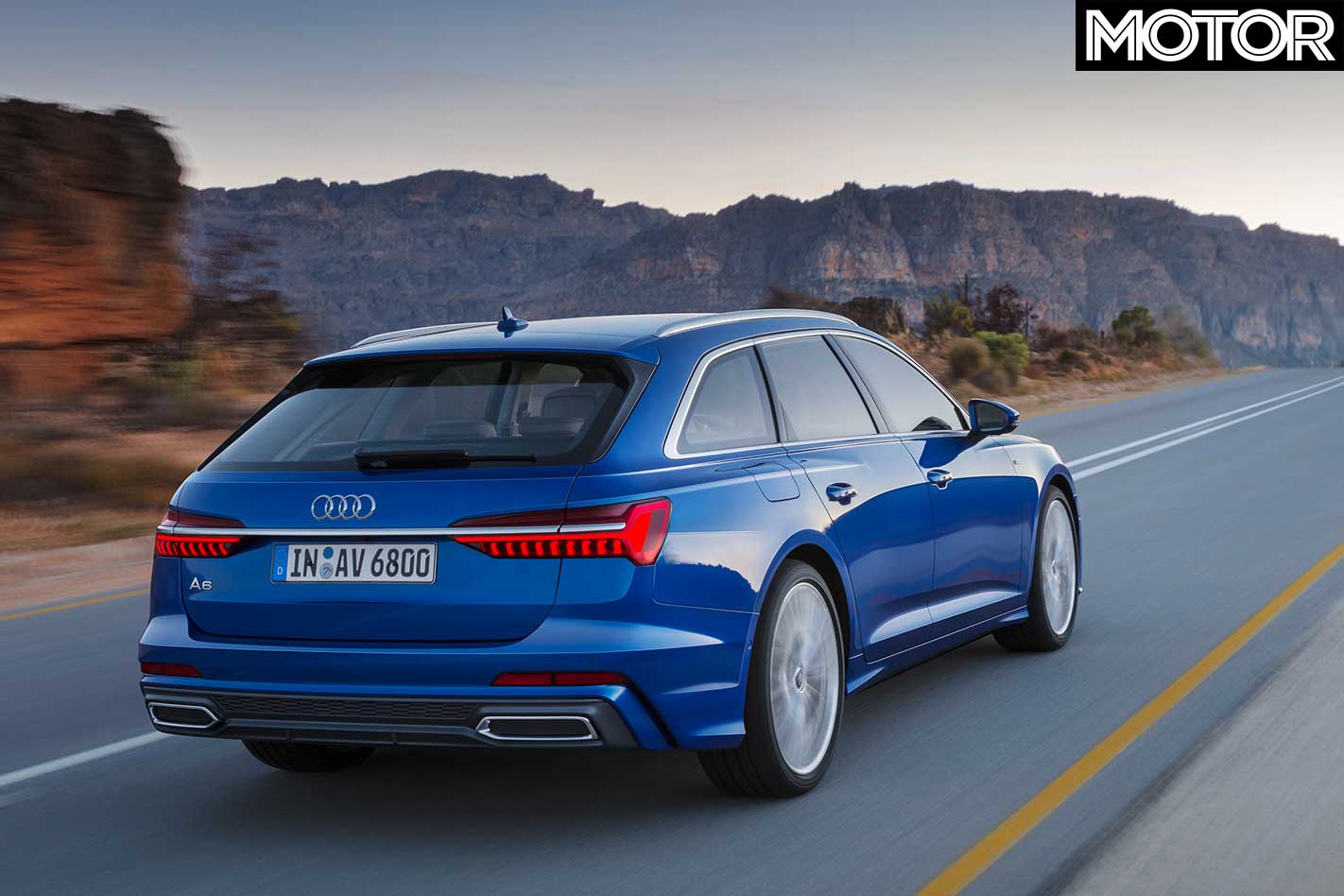
The design of the new A6 Avant is a slight departure from the previous models as its roofline drops towards the rear of the car, making it look more sporting.
But Audi says event though its roof is lower at the rear, “the new A6 Avant retains the spacious luggage compartment capacity of its predecessor.”
Audi designer and man responsible for the A6 Avant’s exterior Helmut Jung said in an interview with Autocar: “We had two choices: to try to hide them, which would not have been entirely possible, or to make a feature of them.
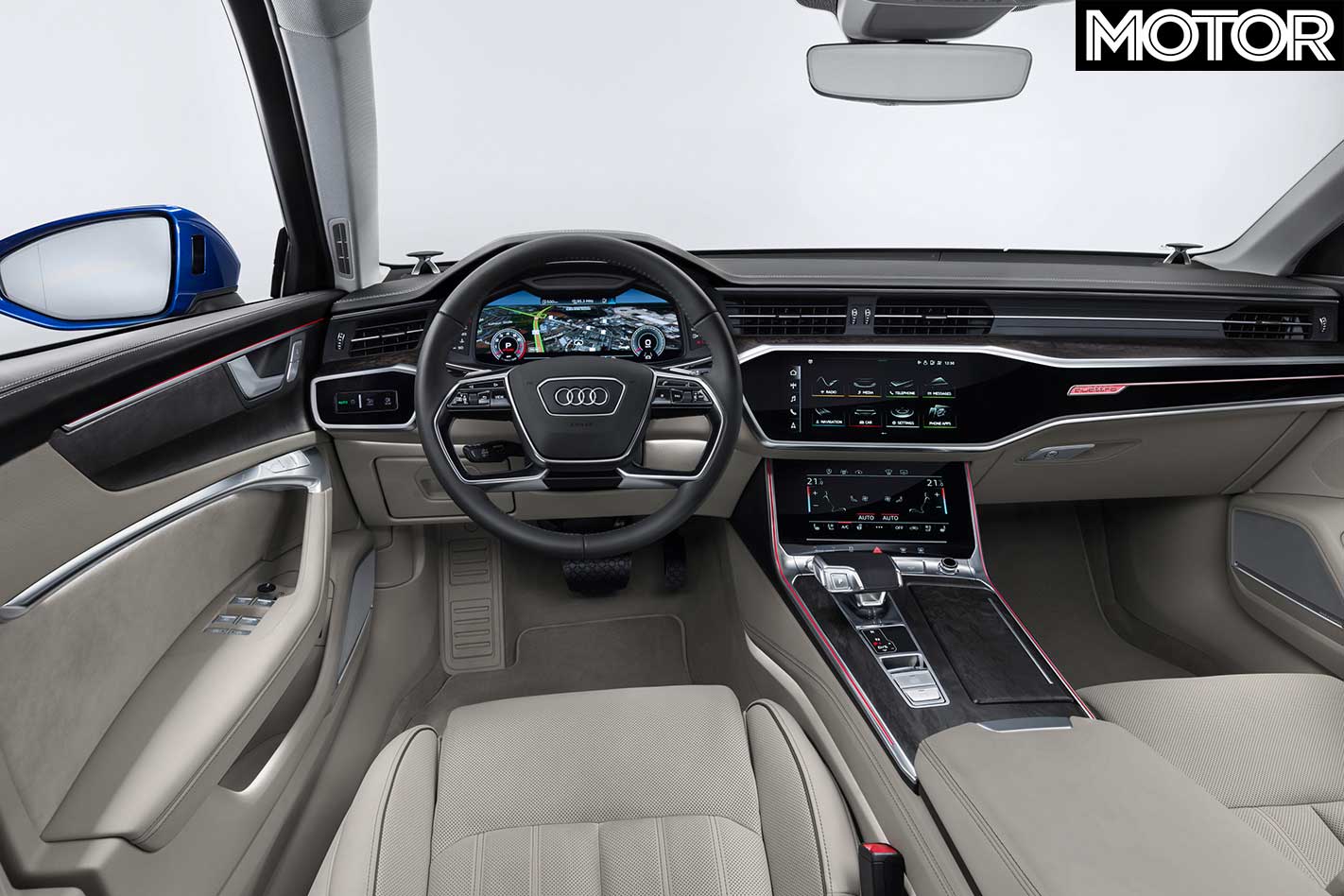
While the new A6 sedan is due to be available in Germany in June, arrival for the Avant is yet unannounced.
In Australia, Audi’s local arm says: “The new Audi A6 Avant is being evaluated for its opportunity in the Australian market.”
IF ARNOLD Schwarzenegger challenged Sylvester Stallone to a mid-1990s Venice Beach flex-off, there still wouldn’t have been as much rippling muscle as when we pitched the 2018 Ford Mustang GT against the Chevrolet Camaro SS in Los Angeles last January.
The mission was to get an early glimpse at how the battle might play out when the iconic pair bump gloves in Australia for the first time later this year and, boy, was it a close fight.
In the Blue corner, the Ford’s incredibly strong and sophisticated 5.0-litre V8 and relative everyday practicality stacked up a convincing case for the pony car, while the Camaro fought back from the Red corner with a razor-sharp chassis and looks that can make babies cry.
We crawled through LA traffic as it set like concrete, snaked through Hollywood’s gilded laneways and blasted out into the surrounding canyons before winding up the two day 16-cylinder muscle festival at a quintessential American diner.
For a taste of the stunning scenery, balmy Californian climate and, of course, a pair of thoroughbred tyre-destroying machines, here’s a handful of the pictures that we couldn’t quite slot into the cover story. For the full experience, presented in print, pick up the March edition of Wheels that’s on shelves for another week.
And if these shots of a Camaro and Mustang fighting it out on American blacktop gets you excited, then you’re in for a treat when the brace of bruisers get into the ring for a round-two rematch Down Under in July this year.
The BMW M3 CS has been confirmed for Australia, with pricing set at $179,900 before on-road costs.
The announcement from BMW Australia means the CS will be the highest-spec M3 available in Australia upon its launch, priced at $33K more than the M3 Competition, and $50,000 more than the M3 Pure.
So what does the extra cash get you? A little more power and torque for a start.
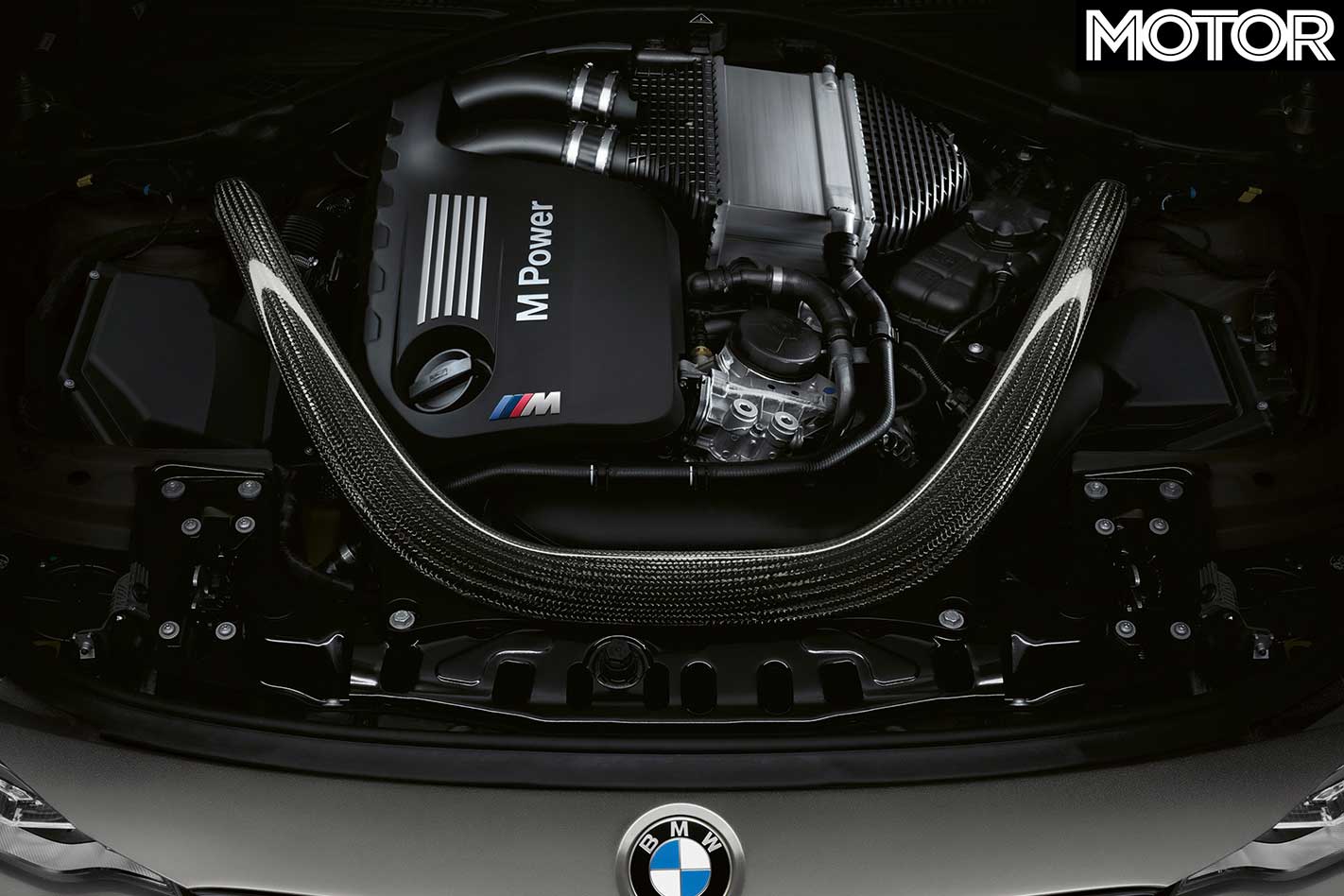
It’s a little heavier at 1585kg, up from 1520 in the Pure and Competition, but the bodywork (roof, bonnet, front splitter, rear diffuser and rear gurney flap) is full of carbon fibre and carbon fibre reinforced plastic (CFRP).
Even the prop shaft is made from CFRP.
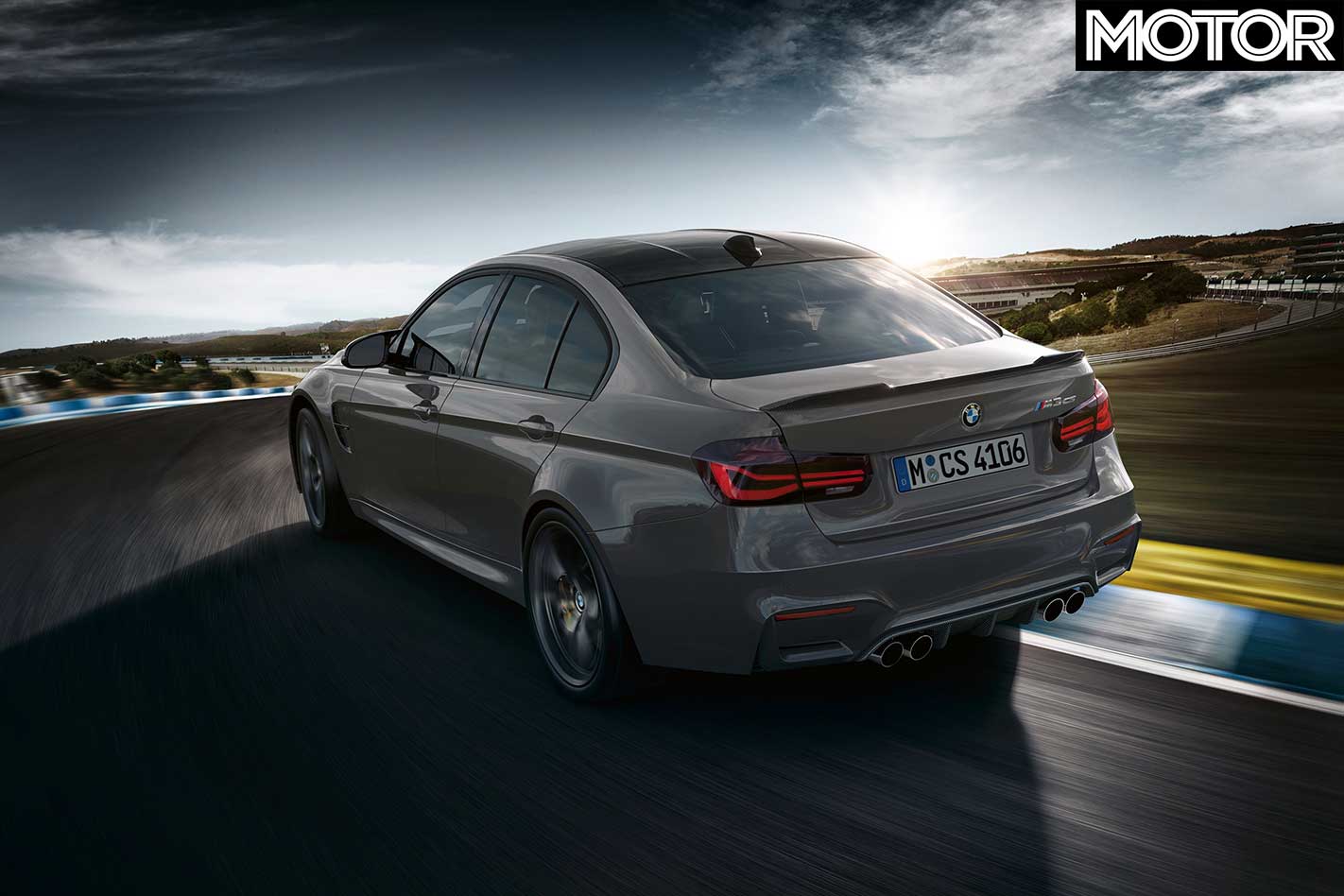
Top speed is limited to an increased 280km/h. Three tenths are shaved off the 0-100km/h time, bringing it down to 3.9s according to BMW.
BMW Australia CEO Marc Werner says the CS should prove a popular product given its ability and exclusivity.
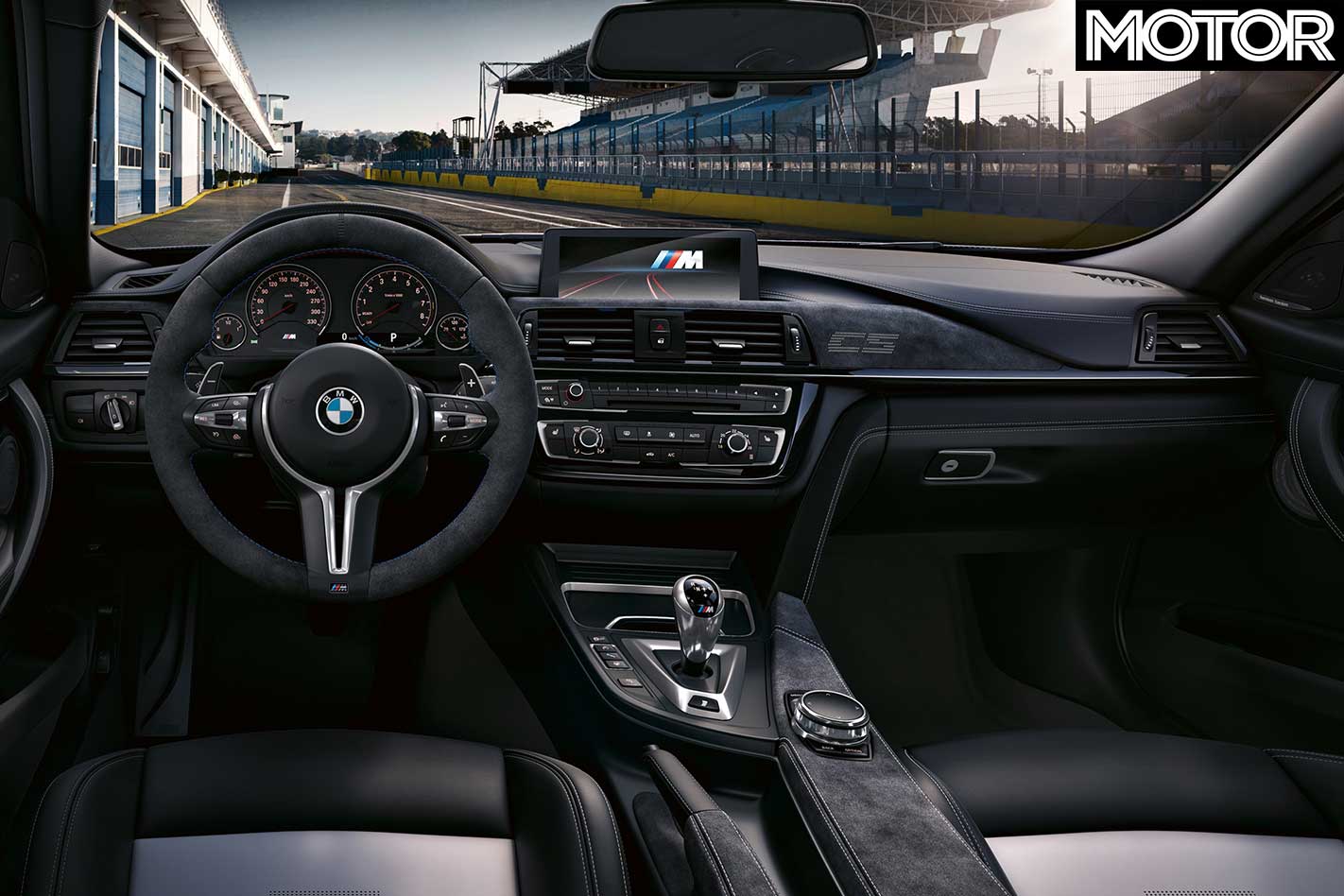
“Even better, we’ve been able to follow up from the M4 CS’s strong price position.
“The 338kW M3 CS will be available from June.”
Keep an eye on MOTOR when it drops to find out if the BMW M3 CS is worth your extra hard-earned.
WE GET our first fast blast in the all-new Vantage that highlights some serious steps up for Aston Martin.
WHAT IS IT?
The replacement for Astons cash cow. Despite a $60,000 price increase over the previous Vantage, the 2018 model is still the company’s most affordable car but it has to appeal to potential customers with a lot more than just a dollar sticker.
For the next generation, the Vantage brings a turbo V8 in place of atmo bent eight power courtesy of Mercedes-AMG and just about the only thing it has in common with its predecessor is the name and that winged badge on the bonnet.
WHY WE’RE TESTING IT
Aston Martin is unlikely to ever offer a ‘volume’ seller but the previous Vantage sold 25,000 units over its lifecycle making it easily the most popular model. The new one will need to earn its keep and maintain strong sales if the company is to fund its planned expansion into new territory, including the DBX SUV.
The new Vantage shares some of the mechanicals of the Mercedes-AMG GT and a first blast in Portugal should reveal if the Brit is significantly different from its German cousin to enjoy enough breathing space in the high-end sportscar world.

Mercedes-AMG GT; Porsche 911 GTS; Jaguar F-Type SVR
THE WHEELS VERDICT
No high-end sportscar review would be comprehensive without a direct comparison to the consistently unbeatable Porsche 911 and, in the case of Aston Martin’s latest metal, the German still reigns supreme, but only just. The Brit can’t quite match the 911’s lightness and deft approach to demolishing B-roads, but the Vantage does bring a significant skill set to the party.
Its German DNA is a massive shot in the arm for both the Vantage model and entire Aston brand. A monstrous V8 that sounds as vicious as its performance and hugely enjoyable road manners that reward track and road driving will doubtless attract new faces to the showrooms as well as existing fans.
Handing back a complete Vantage with all its parts still attached and functioning is also a virtue the brand has not always been able to brag, especially after a full day of punishment.
PLUS: Responsive steering and chassis; classic Aston exhaust note; unique interior and exterior design MINUS: Some cheap interior materials; freeway road noise; abrupt vertical suspension movement

NOT long ago, Aston Martin was placing different badges on two different cars created shortly after God invented the wheel. Thankfully boss Andy Palmer has given the place a kick up the backside during three years in charge: lately we’ve had the DB11, DB4 GT Continuation, the introduction of V8 AMG power, and there’s a DBX crossover, an all-electric Lagonda, Newey’s Valkyrie hypercar, and two other mid-engined supercars coming too.
The new Vantage is arguably the most important. It replaces Aston’s most affordable, biggest-selling sports car, a model that shifted 25,000 units in its previous incarnation. We’ve got a day to get under the Brit’s skin, first on Portuguese mountain roads, then the epic Portimao race circuit.
The Vantage is an all-new car versus its predecessor, but its pricing represents a more fundamental shift: the old car was comparable to 911 Carrera S money, where the new one jumps $60K to cost $299,950 – slightly pricier than even the Carrera GTS. Performance with the latter is lineball: the Vantage produces 375kW, hits 100km/h in 3.6 seconds, and goes on to 314km/h.
Despite the Vantage’s newness, its steel bodywork looks familiar – the long-nose/sawn-off-tail proportions are true-to-template, and the one-off, Vantage-based DB10 driven by Bond in Spectre laid the groundwork. It’s a properly seductive thing to behold, with a steel body stretched taut over 20-inch alloys – cast as standard, forged as an option to save 10kg – like a tight T-shirt with ironed-in creases.

The Vantage rides on an evolution of the bonded aluminium chassis introduced with DB11, although Aston says there’s only 30 percent commonality. There’s carryover double-wishbone front and multi-link rear suspension, the same track widths, though naturally the tuning of springs and adaptive dampers is different, plus there’s a solidly mounted rear subframe where the DB11 gets comfort-focused bushings. The Vantage is also the first Aston with an electronically controlled LSD.
The low-slung nose – “like it’s sniffing out the scent, closing on the car ahead,” enthuses designer Miles Nurnberger (“like an MX-5,” says the internet) makes it clear that the engine is front-mid-mounted. The 4.0-litre twin-turbo V8 comes from Mercedes-AMG, makes 375kW and 685Nm, and clears its throat with a roar that’d empty the Savannah. The optional sports exhaust needs solitary confinement at the zoo, though thankfully there is a don’t-wake-the-neighbours button.
Mercedes uses a multi-clutch automatic transmission in the highly comparable AMG GT, but Aston has gone for a conventional torque-convertor eight-speed auto located as a transaxle between the rear wheels. All this helps to deliver weight distribution said to be 50/50.

Only pro-basketball players would grumble about the room offered – it’s ample for the rest of us – and mostly it’s a suitably exciting, nicely furnished environment, with Mercedes infotainment meaning you no longer punch your fist through the dash in frustration. Shame the air-con controls and paddle-shifters that are fixed to the column look cheap, especially when finished in silver – the darker graphite looks better – and the buttons are sprayed a little randomly.
The best sports cars immediately put you at ease and at the centre of the action, even at low speeds, and so it is with the Vantage. The low, bang-between-the-axles seating position is key, so too steering that has a chunky-yet-friendly heft, and is defined by less free-play than a juvenile detention centre.
String together a few mountain bends and the Vantage comes alive, with a turn-in response that’s rare in its energy for a front-engined car. That’s complemented by the ability to carry huge lateral G with only the occasional whiff of understeer, progressive and extremely well-controlled bodyroll, and reassuringly meaty brakes.

Performance feels much stronger than the DB11, not only because the Vantage is 129kg fleeter, but because the final-drive ratio drops from 2.7:1 to 2.9:1. It pulls like James Bond in a casino from low revs, bounds forward with huge enthusiasm given even the lightest toe-twitch, and runs so hard for 7000rpm that drag barely registers.
Like the engine, the gearbox is a big step on from the old nodding-dog automated manual. It does the about-town stuff with the loungey ease you’d expect of a torque converter, but punches in changes with more authority than the DB11, especially in Track mode – which perhaps goes too far in proving that point. Some might prefer paddles fixed to the wheel, but boldly claim you prefer them on the steering column because you need to know where the paddle is when you’re opposite-locking and need fourth gear. Then invite any doubters for a passenger lap at Portimao.
This circuit might only be a decade old, but it’s already renowned as one of Europe’s best, with rollercoaster dips, blind crests and braking zones to pop your eyes out. The Vantage feels right at home.

That V8 still feels quick too, even on a track this relentless. We tested cast-iron stoppers on the road, which worked well, but the track cars’ optional carbon-ceramic brakes combine strong pedal feel with the ability to compress braking distances into a space to baffle Neil deGrasse Tyson.
There is a lateral bobbing about on the rear axle when you’re fully loaded up through a fast corner, and you have to be quick with the steering and confident with the throttle if you’re intentionally sliding about, but drive it fast and hard and the Vantage feels nicely balanced and easily adjustable. There’s one particular turn at Portimao where it really shines, the fast downhill turn eight – as you tip it in it takes on just a bit of oversteer and drifts right through – not lairy, just very sweetly balanced and intuitive.
Aston let us pound that car for 20 minutes with an instructor, then 20 minutes on our own, equivalent to quali and a race in many championships. The brakes stayed firm, the warning lights stayed off, and as confidence grew we pushed harder and harder, running the track limits as close as we dared.
The Vantage was always ready to step up with us, and only the tyres wilted under the punishment. And when they put more on we found an excuse to sneak out for more. Not perfect this new Vantage, but it’s damn good.
SPECS
Model: Aston Martin Vantage Engine: 3982cc V8, dohc, 32v, twin-turbo Max power: 375kW @ 6000rpm Max torque: 685Nm @ 2000-5000rpm Transmission: 8-speed automatic Weight: 1630kg 0-100km/h: 3.6sec (claimed) Economy: 10.5L/100km Price: $299,950 On sale: June
Jaguar’s scaled-down premium SUV brings the design sensibilities of its trendsetting sibling to a new part of the market.
WHAT IS IT?
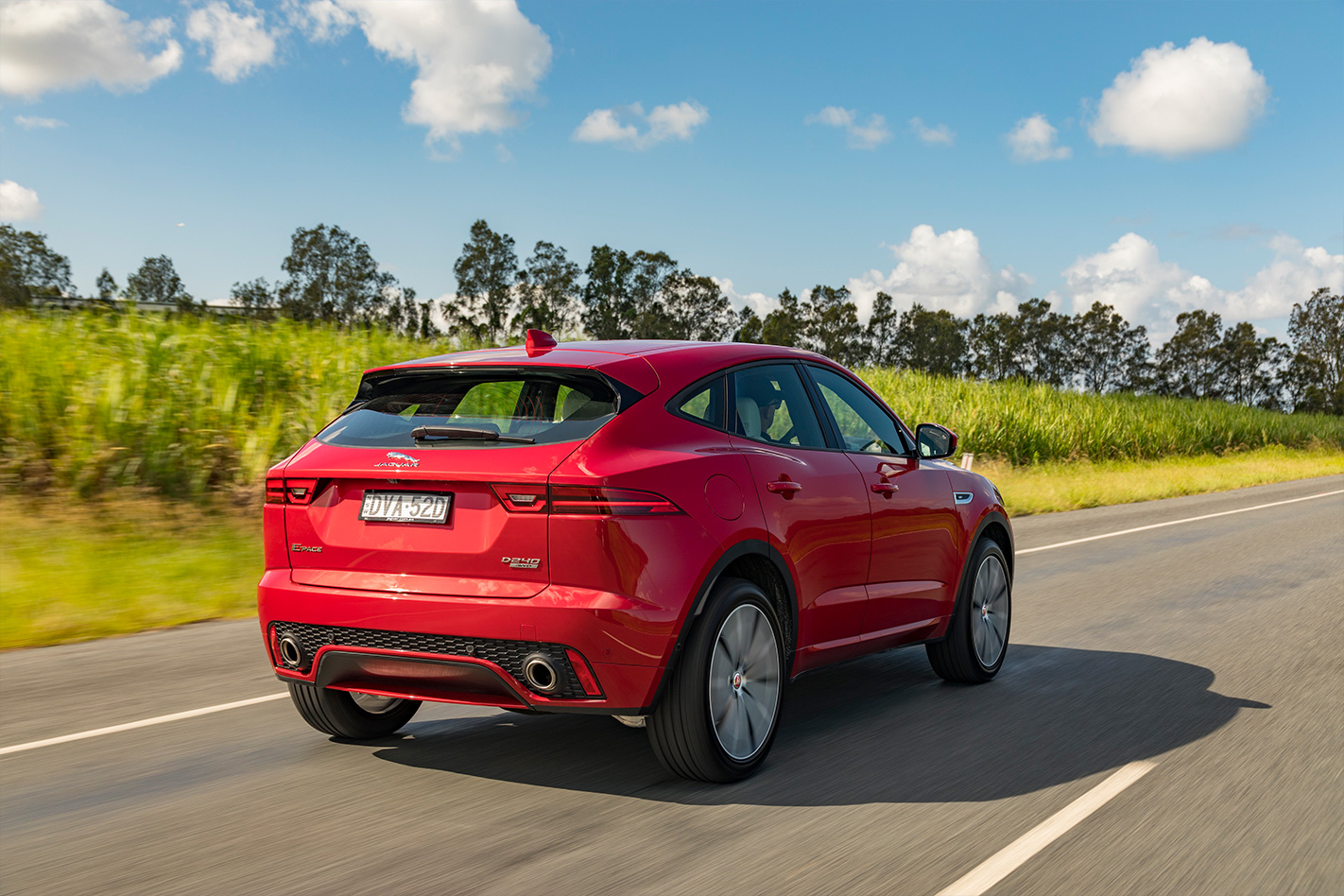
E-Pace is Jaguar’s stylish compact SUV that follows in the footsteps of the British brand’s breakthrough high-rider, the F-Pace.
WHY WE’RE TESTING IT
This is our first chance to drive E-Pace in Australia and explore the local line-up, which covers a huge amount of ground across 38 variants.
BMW X1, X2, X3 and X4, Audi Q2 and Q3, Mercedes-Benz GLA-Class and GLC-Class, Range Rover Evoque
THE WHEELS VERDICT
E-Pace is a uniquely individual alternative to the go-to premium options from Jaguar’s German counterparts. Its heavyset underpinnings blunt its performance potential to a degree, but there’s still a lot for drivers to enjoy and a level of personalisation on offer – for a price – that no rival can match.
PLUS: Spritely dynamics, generous cargo space, enormous model choice MINUS: Bloated kerb weight, patchy standard spec, enormous options list
THE WHEELS REVIEW
TAKE a deep breath, because the next few paragraphs are going to be dense. The Jaguar E-Pace has arrived in Australia with a model range so broad the British company says its one compact SUV will compete with the BMW X1, X2, X3 and X4, and the small to mid-size SUVs from Audi and Mercedes-Benz to boot.
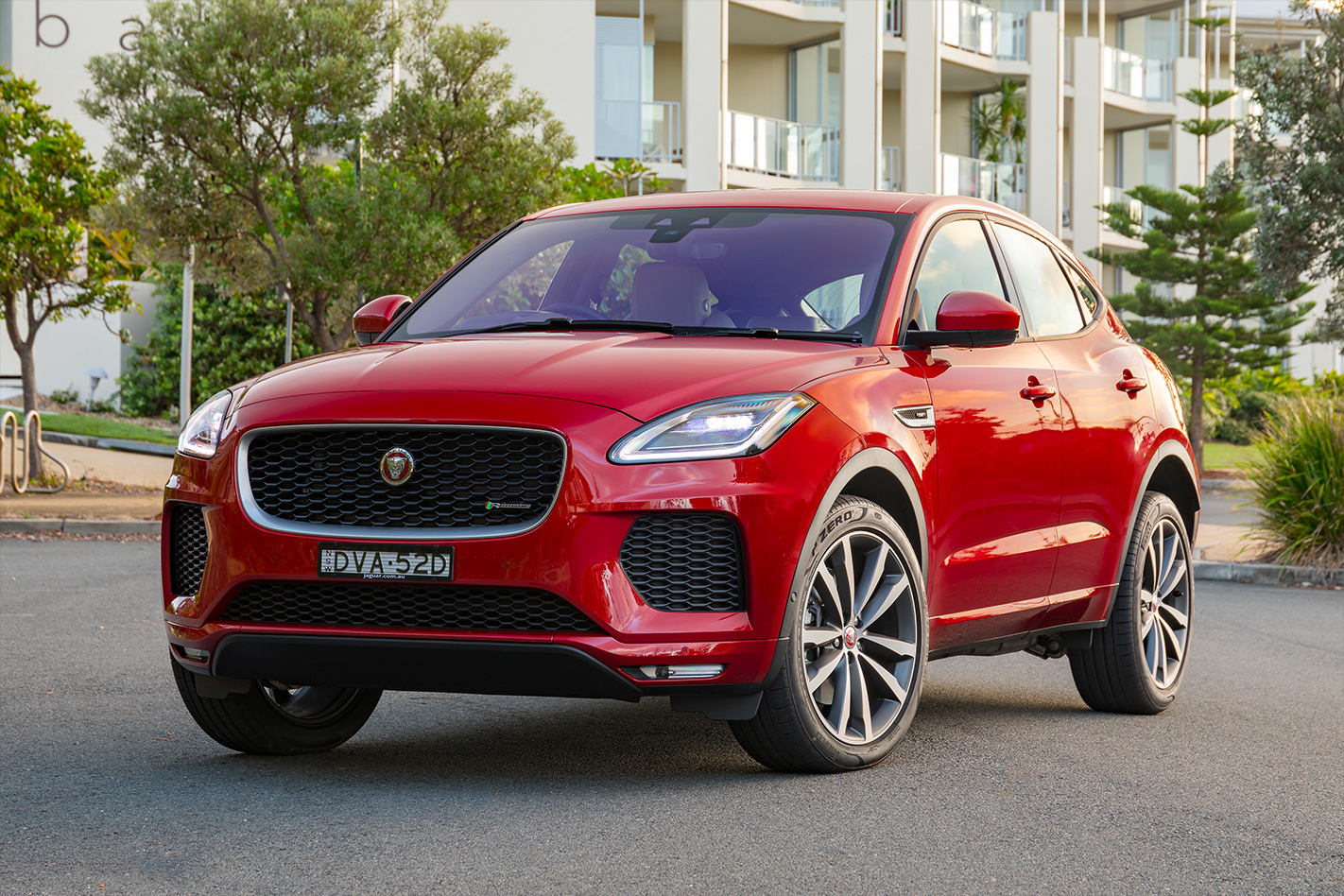
All engines are 2.0-litre four-cylinder Ingenium units. The walk-up of outputs (and cost) starts with the oil-burners, from the D150 (110kW/380Nm) to the D180 (132kW/430Nm) to the twin-turbo D240 (177kW/500Nm). Going petrol nets either 183kW/365Nm from the P250 or 221kW/400Nm from the P300 range-topper.
Picking a sweet spot in the matrix of models isn’t easy. Jaguar says the $50-$70K bracket is where it will conquest most buyers from other brands, and identifies the D180 SE at $62,430 as its likely volume seller.
Diesel certainly makes sense from a day-to-day drivability perspective. The D180 and D240 offer strong, economical low-end torque that more easily shifts the E-Pace’s heft, and that’s important, because dense is a good descriptor for the E-Pace itself.
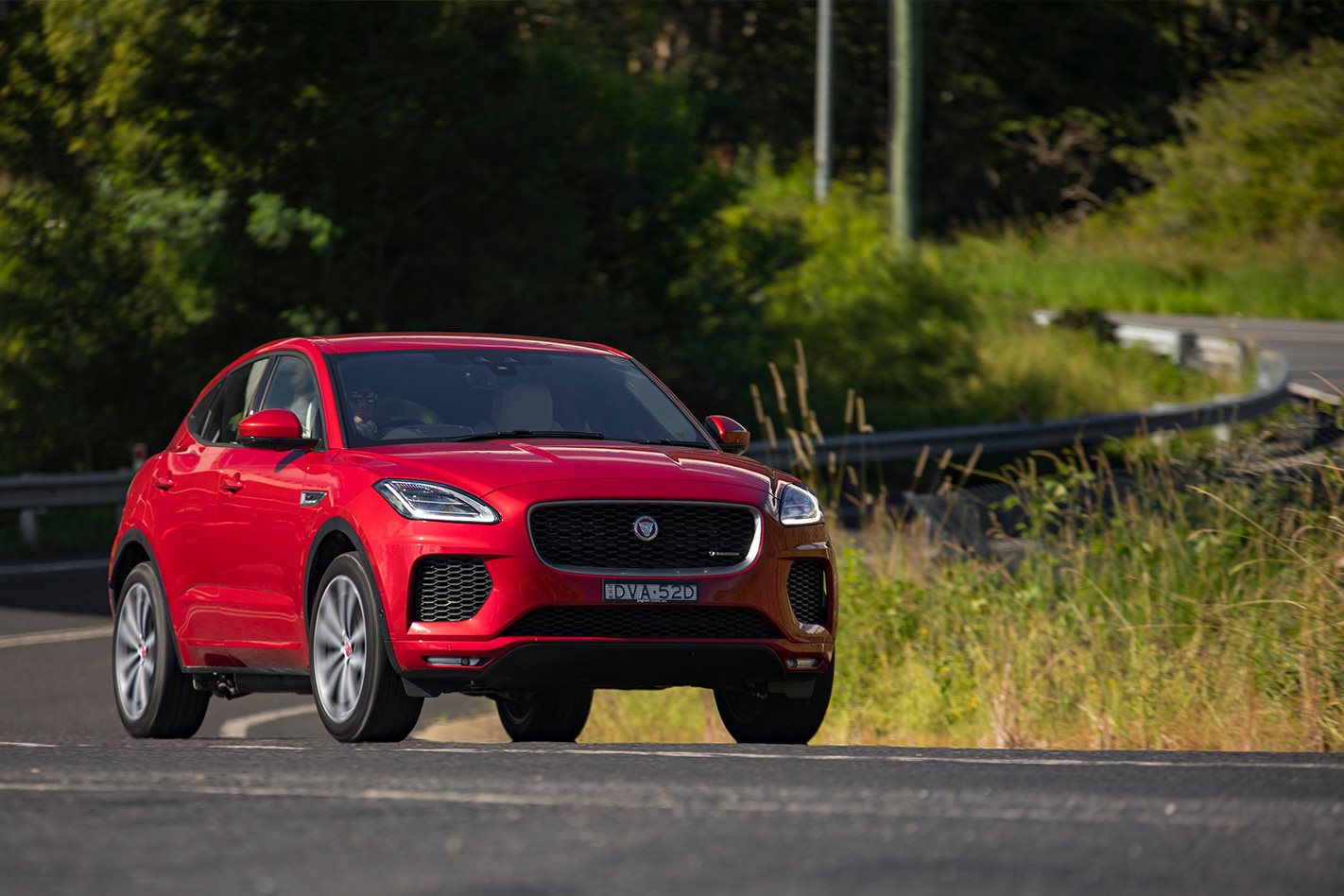
In its lightest Australian-delivered form in basic trim E-Pace weighs 1832kg (P250), and swells to 1926kg (D240). All-wheel drive hardware lugged by every model takes a toll, though Jaguar says its first application of JLR’s ageing D8 architecture puts a greater focus on dynamics than others, and from the driver’s seat that promise holds water.
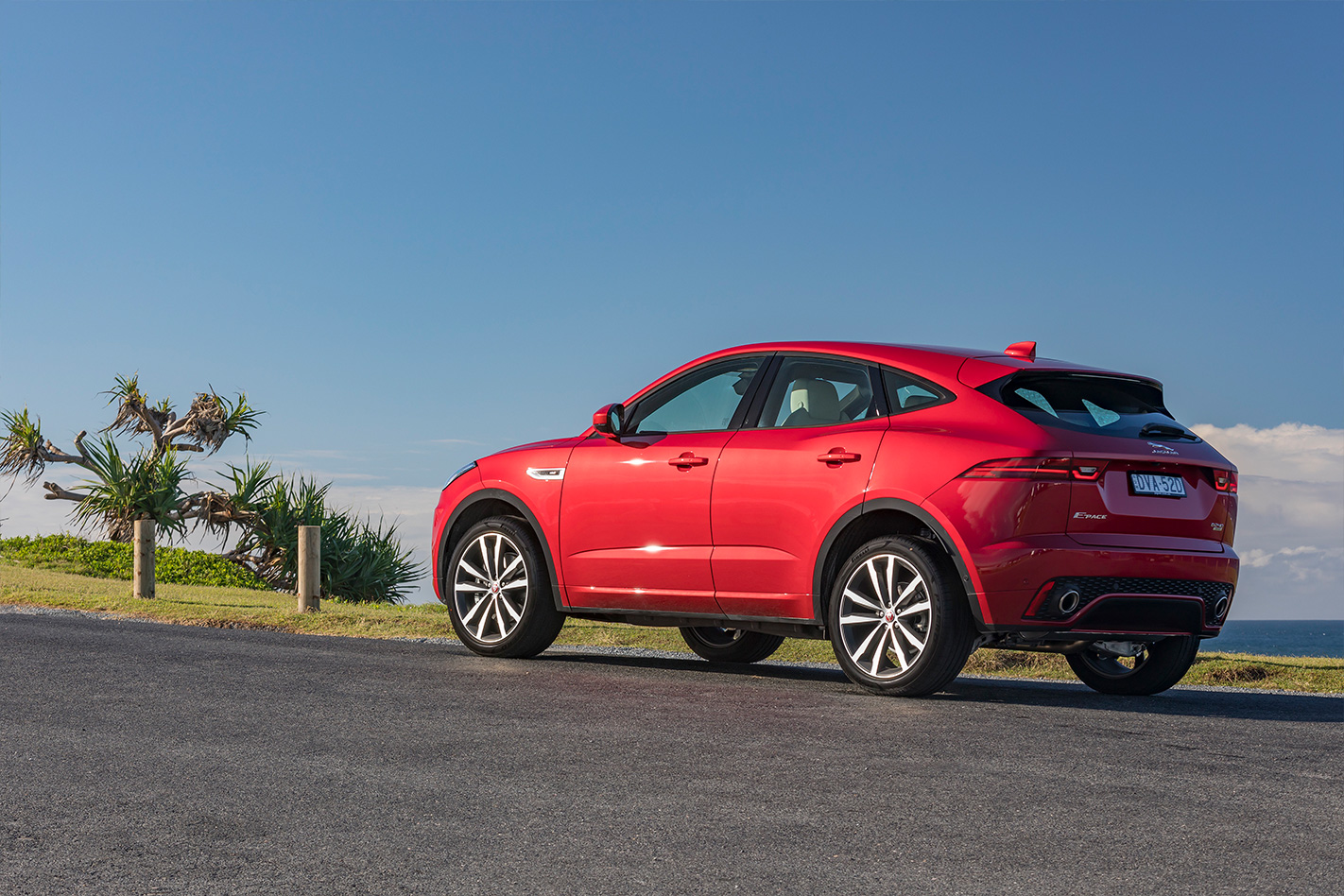
E-Pace responds enthusiastically to speed. It takes careful management of its weight transfer to extract the sweetness of its dynamics, but factor that in and there’s tasty mid-corner poise and traction for the driver to relish in.
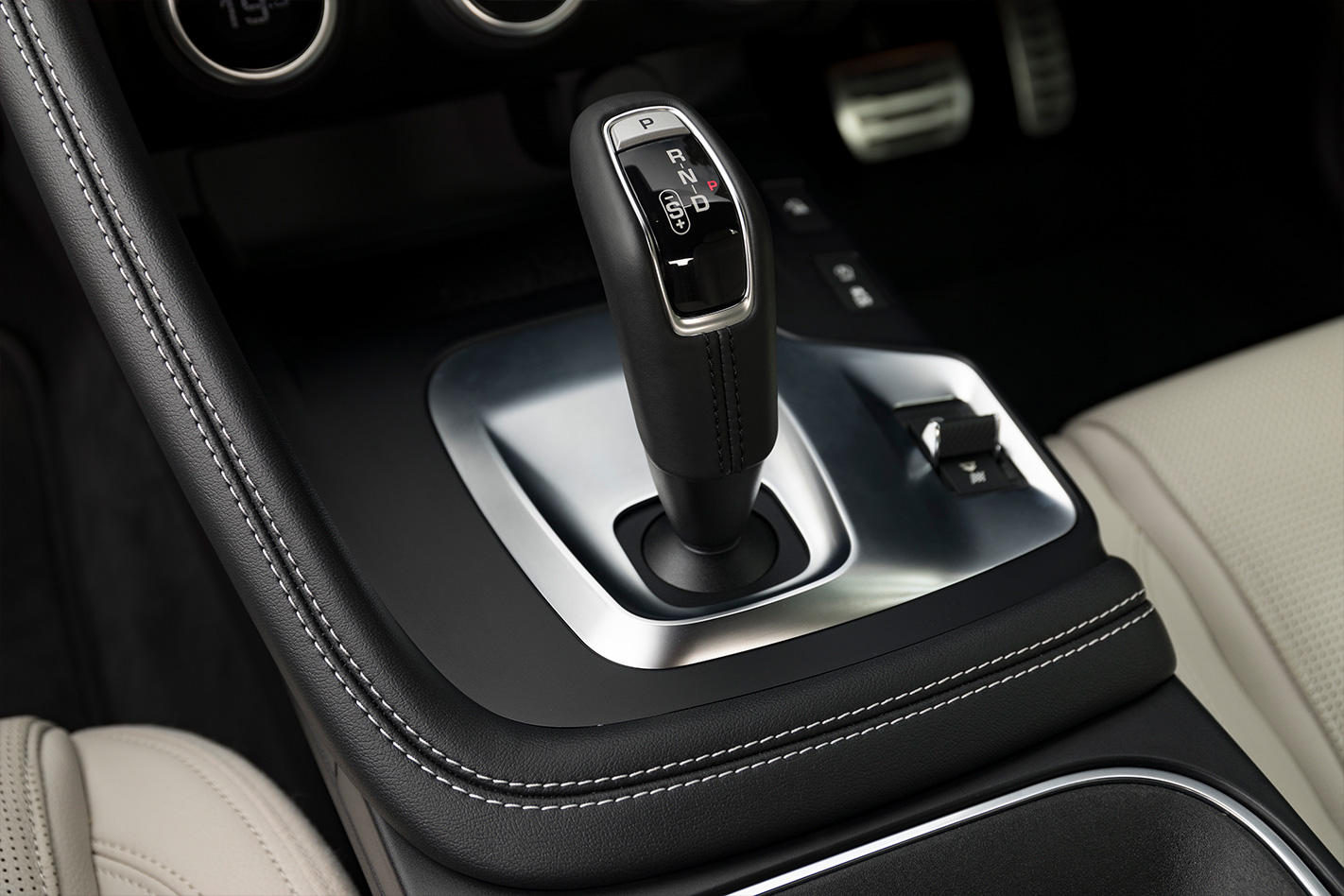
Models without the R-Dynamic pack have no paddle shifters for managing the smooth 9-speed automatic fitted to all E-Paces. Its eco-minded tune favours low rpm upshifts, and combating that means reaching for the trigger lever on the console that takes the place of the rotary dial found in other Jaguars. Sport mode holds gears for longer, but is occasionally slow to kick down.
Striking looks are one of the E-Pace’s assets. Its stumpy proportions precisely ape the trendsetting F-Pace, yet hide a generous rear seat with broad shoulder room and a sizeable cargo area. Its coupe-inspired roofline compromises the hatch opening to a small extent, but doesn’t impinge on rear occupant comfort. Practically, the E-Pace’s clever F-Type-inspired cabin layout and handy storage have family car cred.
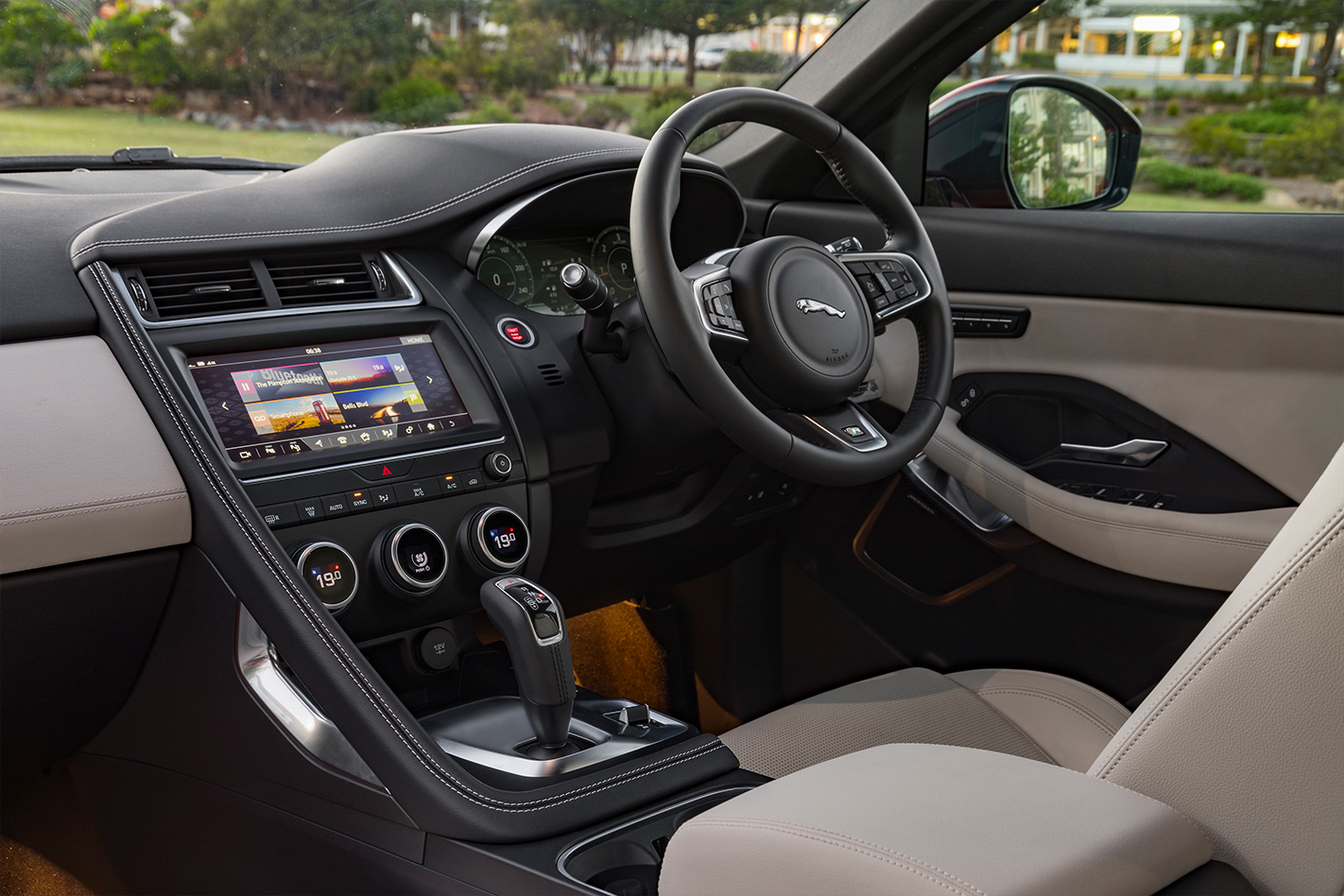
While bang for buck isn’t an E-Pace strength, it is a uniquely compelling alternative to popular premium offerings from Germany when prudently specified, particularly for those with a penchant for backroad tomfoolery. There are rivals with more performance for the price, but the E-Pace’s high-street flair and customisation should find favour in a market that demands the personal touch.
SPECS Model: Jaguar E-Pace D240 SE Engine: 1999cc four-cylinder, 16v, dohc, turbo diesel Max power: 177kW @ 4000rpm Max torque: 500Nm @ 1500rpm Transmission: 9-speed automatic Weight: 1926kg 0-100km/h: 7.4s Economy: 6.2L/100km (claimed) Price: $68,850 On sale: Now
Liberty Walk has revealed its latest work, a body kit for the Toyota 86 and Subaru BRZ.
The kit comes in a couple of different versions, but there seems to be nothing different between them aside from the swap between a tall wing or lip spoiler.
The kit itself appears to have been influenced by the likes of Kei Miura, creator of the well-known Rocket Bunny style kits, particularly when it comes to the front bar.
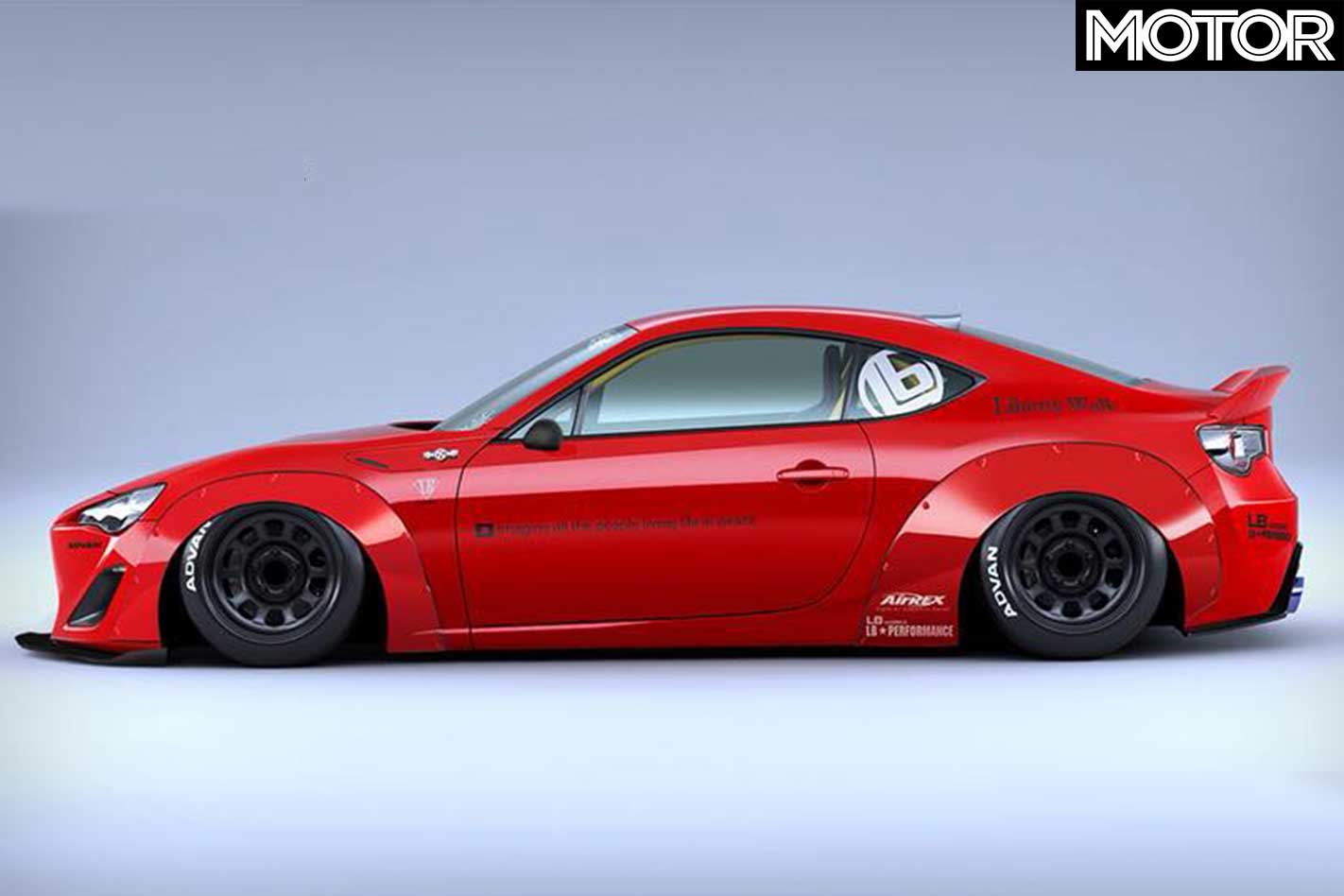
The kit from Lib Walk comes with a front diffuser and bumper, a new rear diffuser, wide-arch ‘fenders’ and a choice between the tall wing or a boot lip.
In USD, the kit costs $5340 with the tall wing (AUD$6900), or USD$4470 with the lip (AUD$5800).
There’s also an optional roof spoiler, priced at USD$540 (AUD$670), visible in the images just above the rear window.
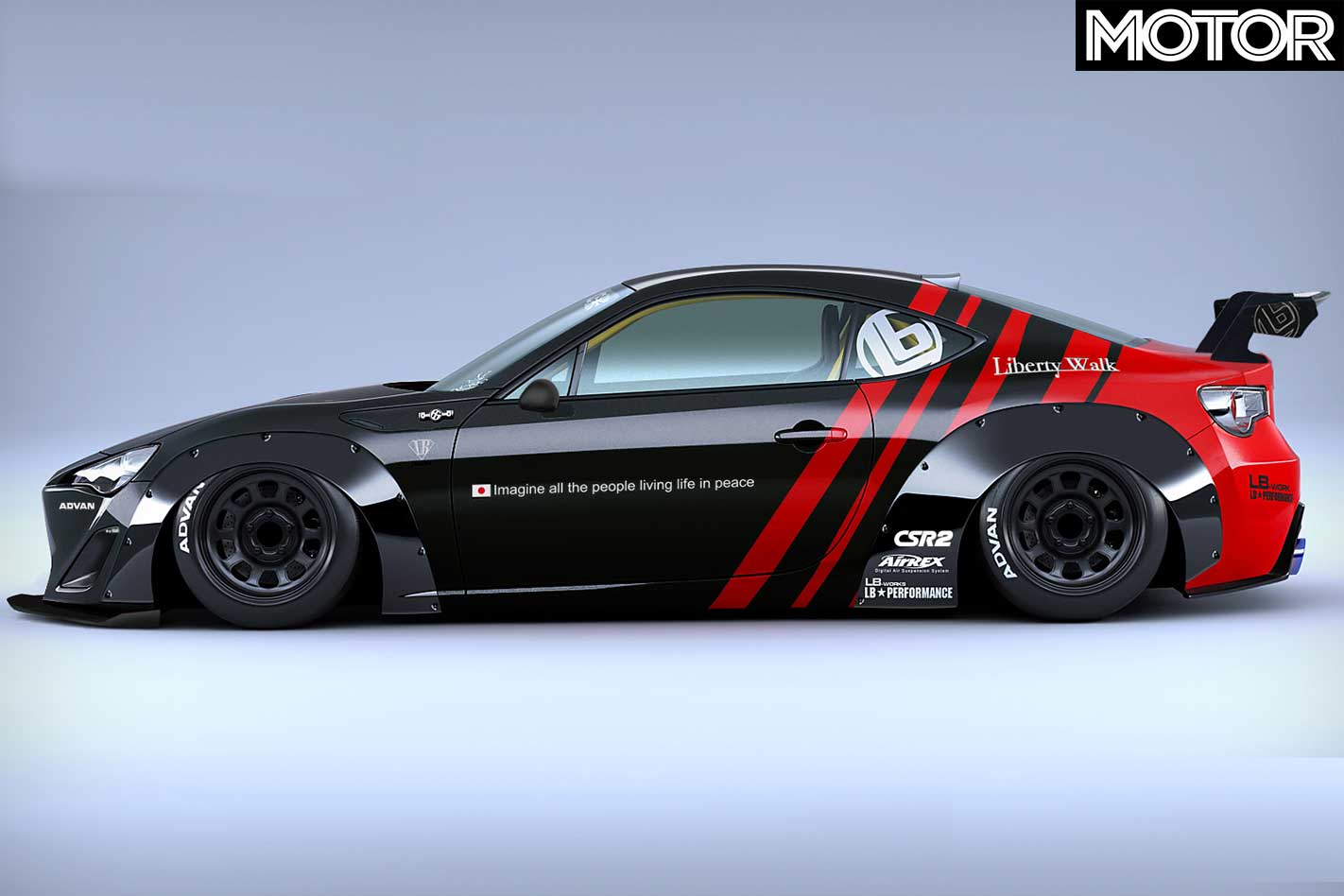
As those prices are for the US market, it’s likely those prices aren’t going to translate exactly for the Aussie market, so it’s best to use them just as a guide.
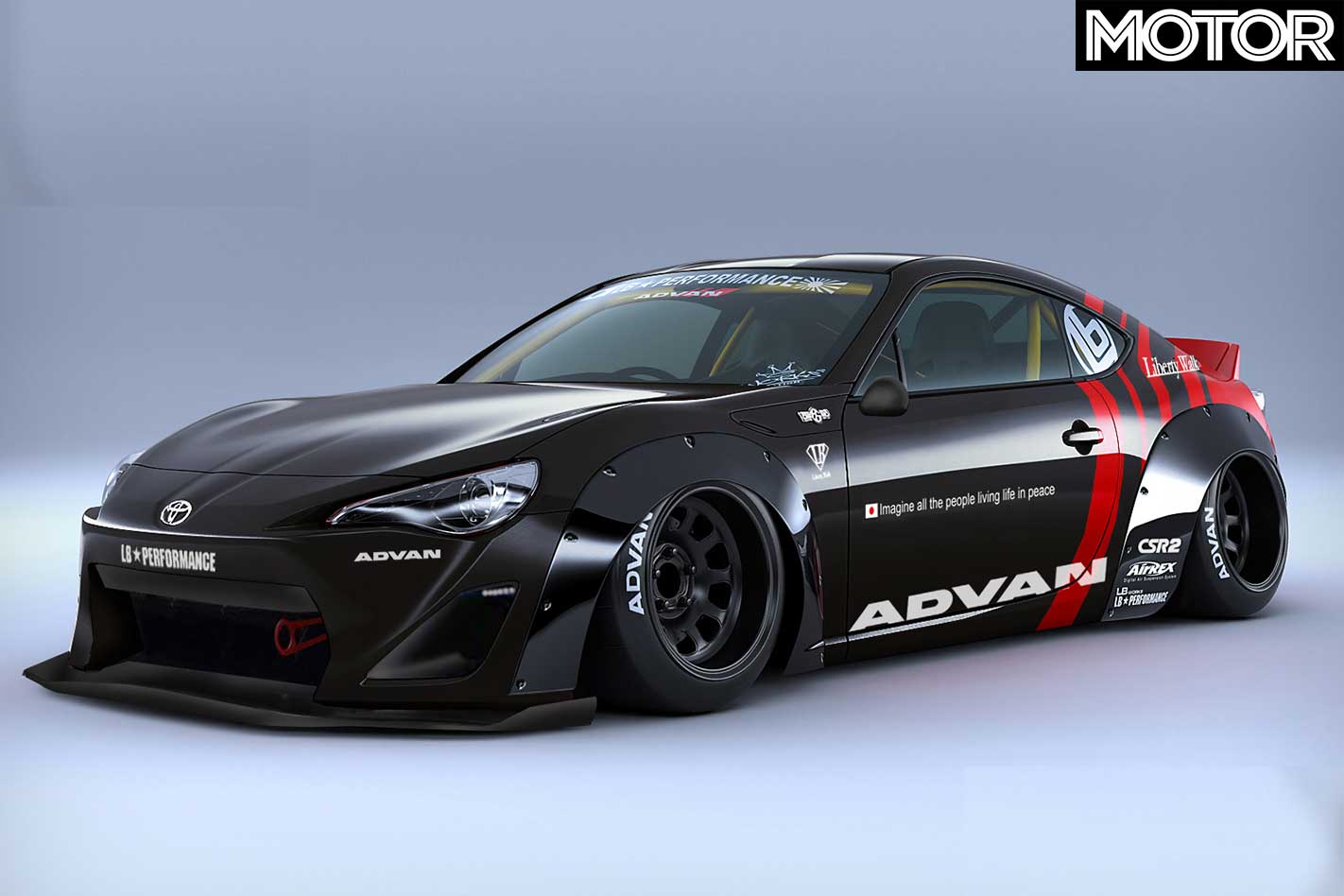
And if you don’t like it, that’s okay by Liberty Walk. The company itself says that although there’s a historical aspect to the style (Kaido/Bosozoku/Zokusha), it’s not for everyone.
“This is the roots of old-school, traditional Japanese custom car culture.
“This culture is loved by some, yet hated by others.”
Welcome to the latest episode of the Performance Car Podcast, with our senior photographer Ellen Dewar.
Ellen has been snapping cars for 20 years, and is the head of Bauer Trader Media’s (MOTOR’s publisher) photography department.
Ellen also shoots for our sister titles like Unique Cars and Street Machine, as well as Wheels and 4X4 Australia.
As her office is just next to ours, we asked her to come out for a drive.
Our chariot of choice is a car Ellen herself recently shot for us, the new Suzuki Swift Sport.
We have a quick chat about her background and how she started out (0:40) and she tells us what has changed in the industry since then (2:00).
With the digitalisation of media over her career, Ellen gives us an insight into new attitudes to photography, and the tendency for some photographers to now rely more heavily on Photoshop, rather than get it right with the camera (3:55).
On that note, we hear her top tips (4:50) and common mistakes (7:30) for photography, find out who helped Ellen become as good a snapper as she is today (10:35), and discover the things she wished she’d known when starting out (11:20).
As well as telling you herself what it’s like to work with us (13:00), Ellen recalls some of the most memorable shoots she’s embarked on, including a 24-hour stint at Le Mans (15:25).
This episode also happens to be chockers with advice for new photographers, particularly towards the end (18:15).
So take Ellen’s advice and give it a crack, then send us your car photos by email, on Facebook, Twitter, or tag us on Instagram.
Our monthly picks of the most awesome automotive-related gear we found in March…
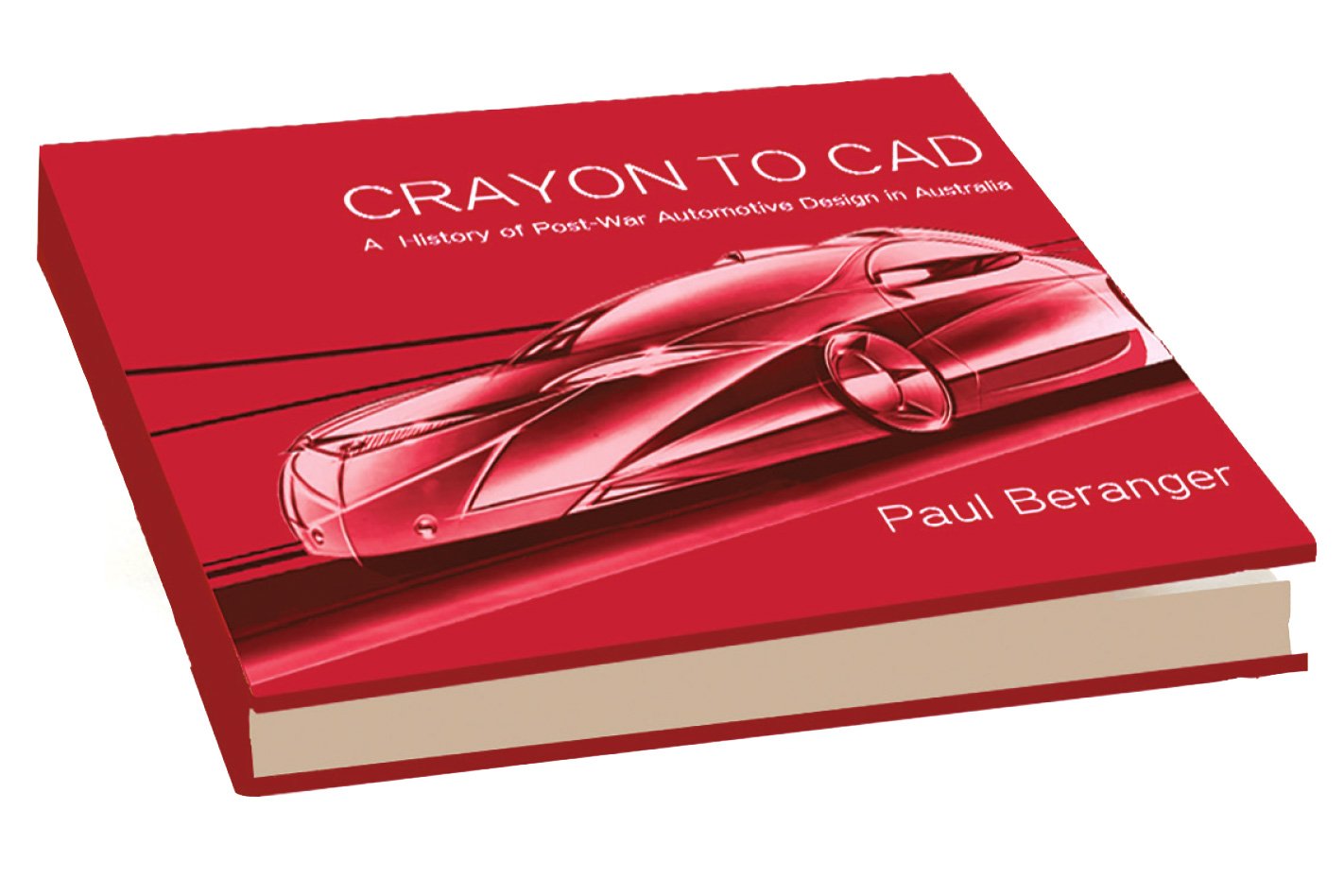
Crayon to CAD by Paul Beranger, $120
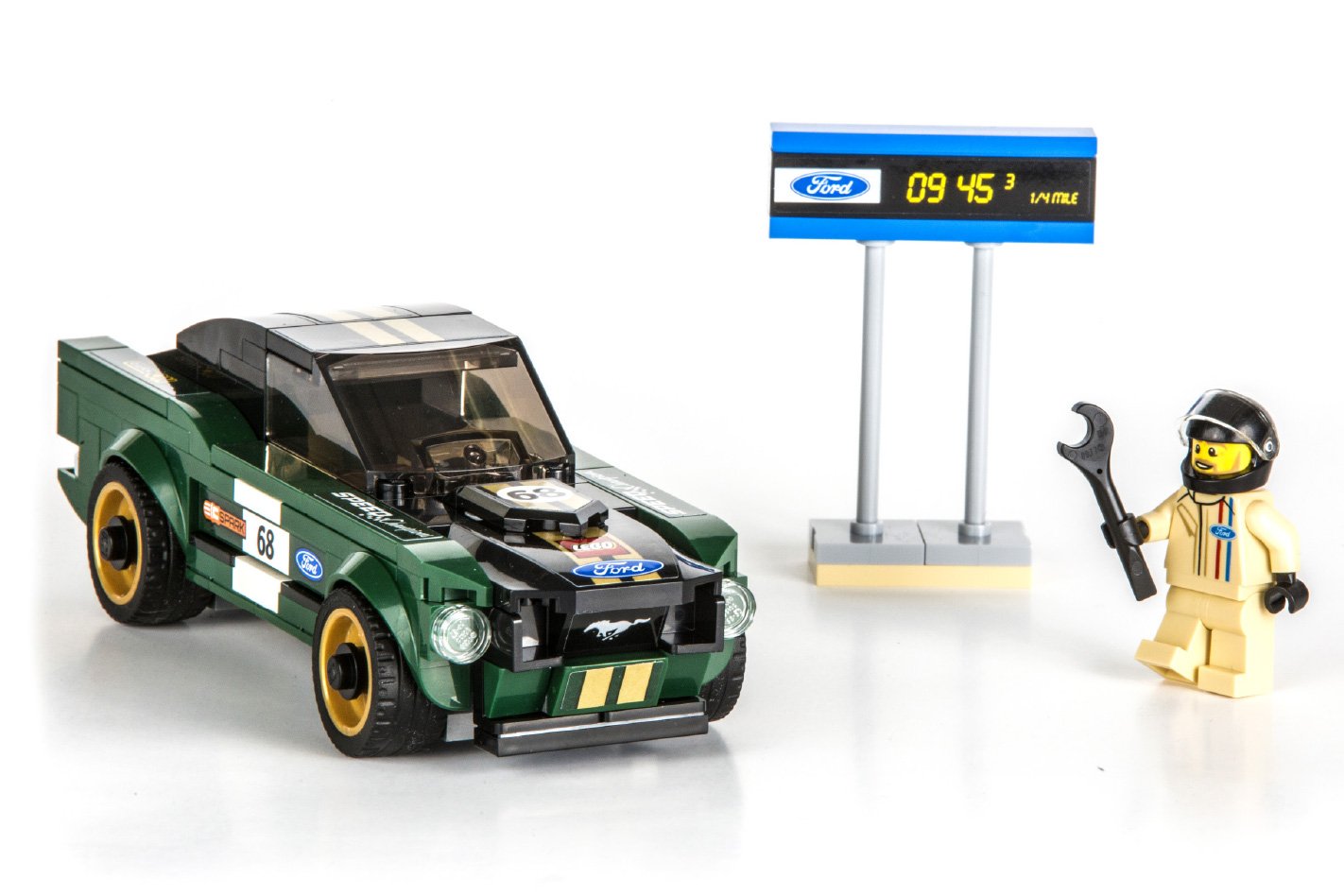
Lego Speed Champions 1968 Ford Mustang, $22.99
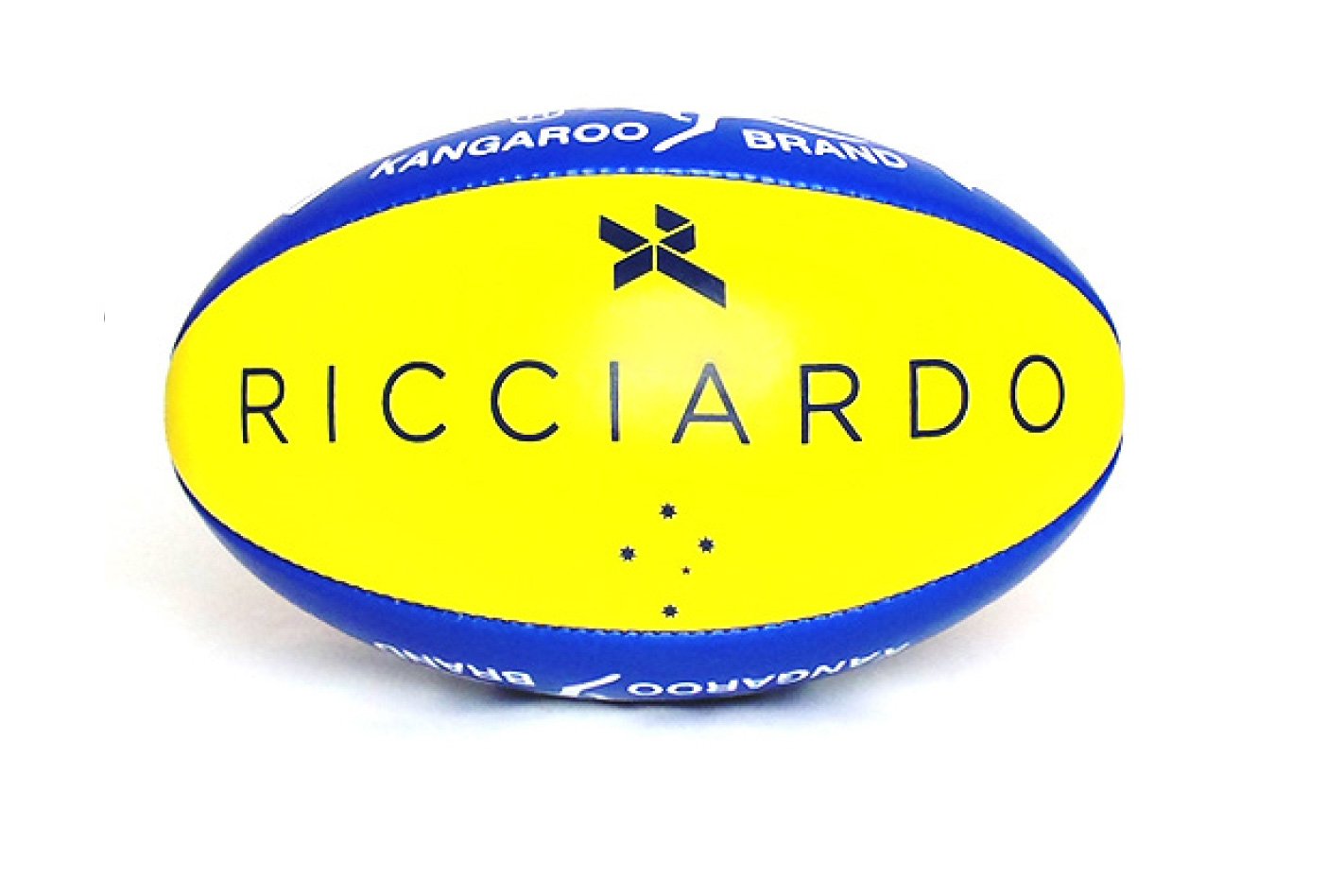
Ricciardo Sherrin Football, $35
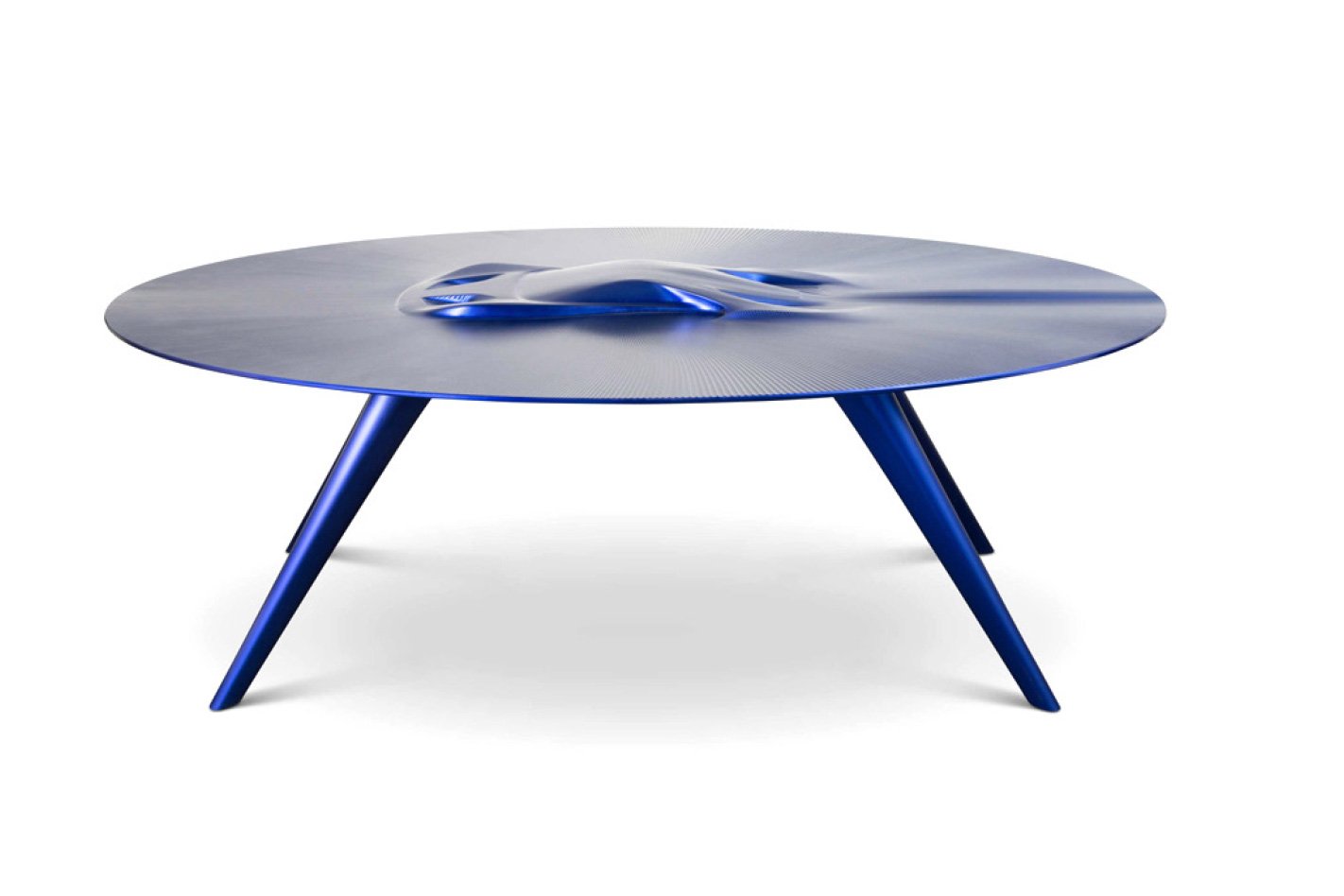
Discommon coffee table, from $25,000
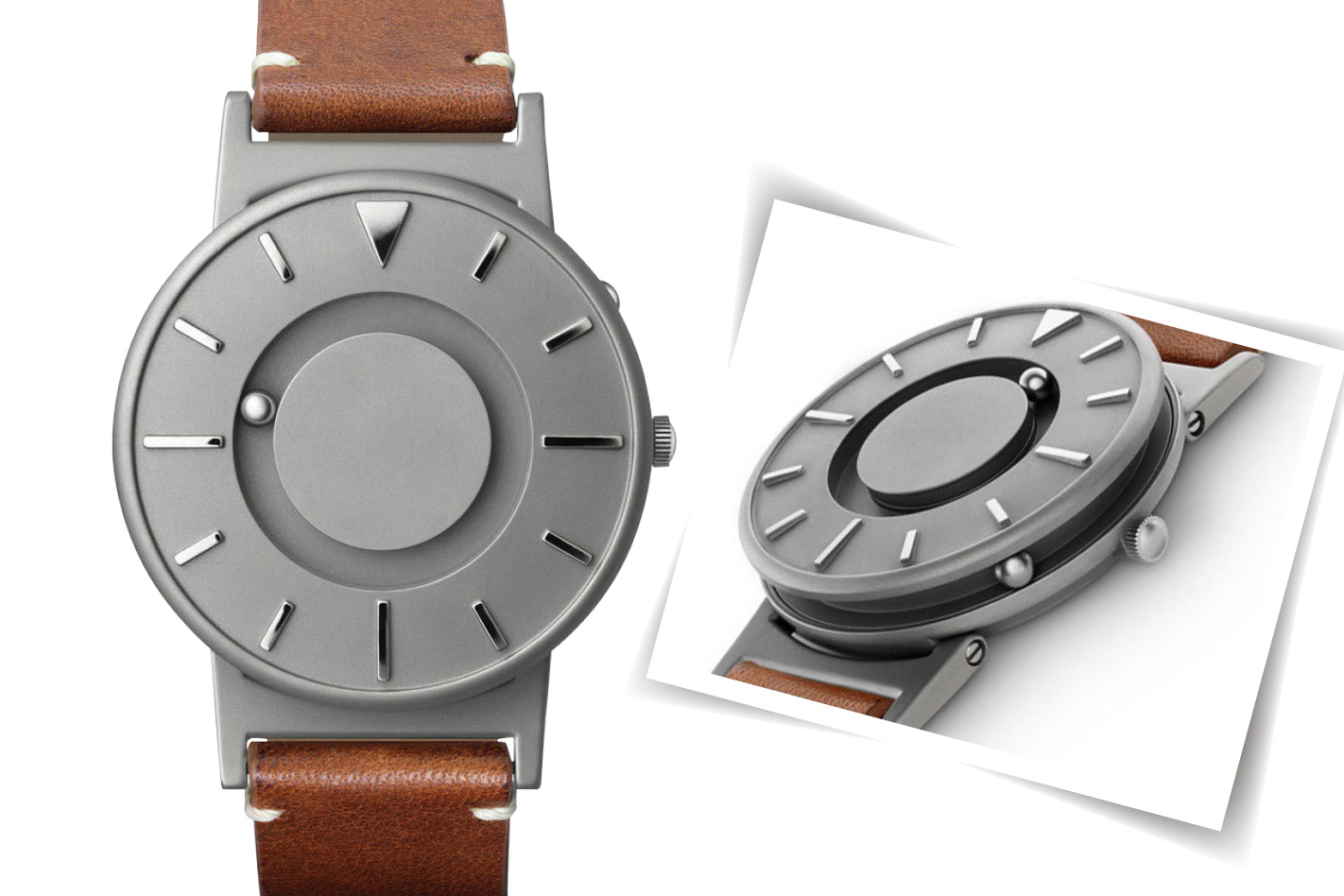
Watches
Eone Bradley Classic Cognac, $365
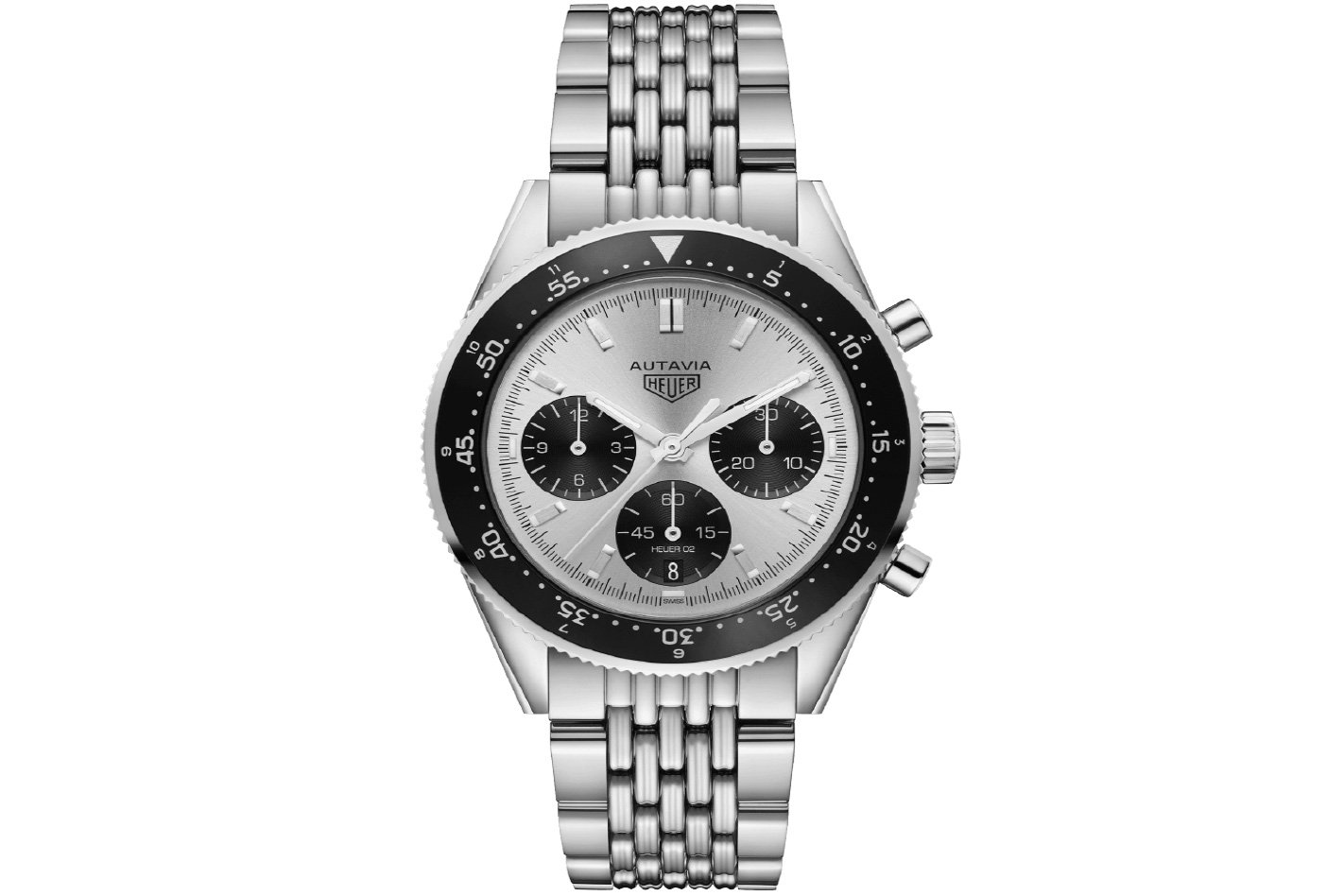
Heuer Heritage Autavia Calibre Heuer-02, $7500
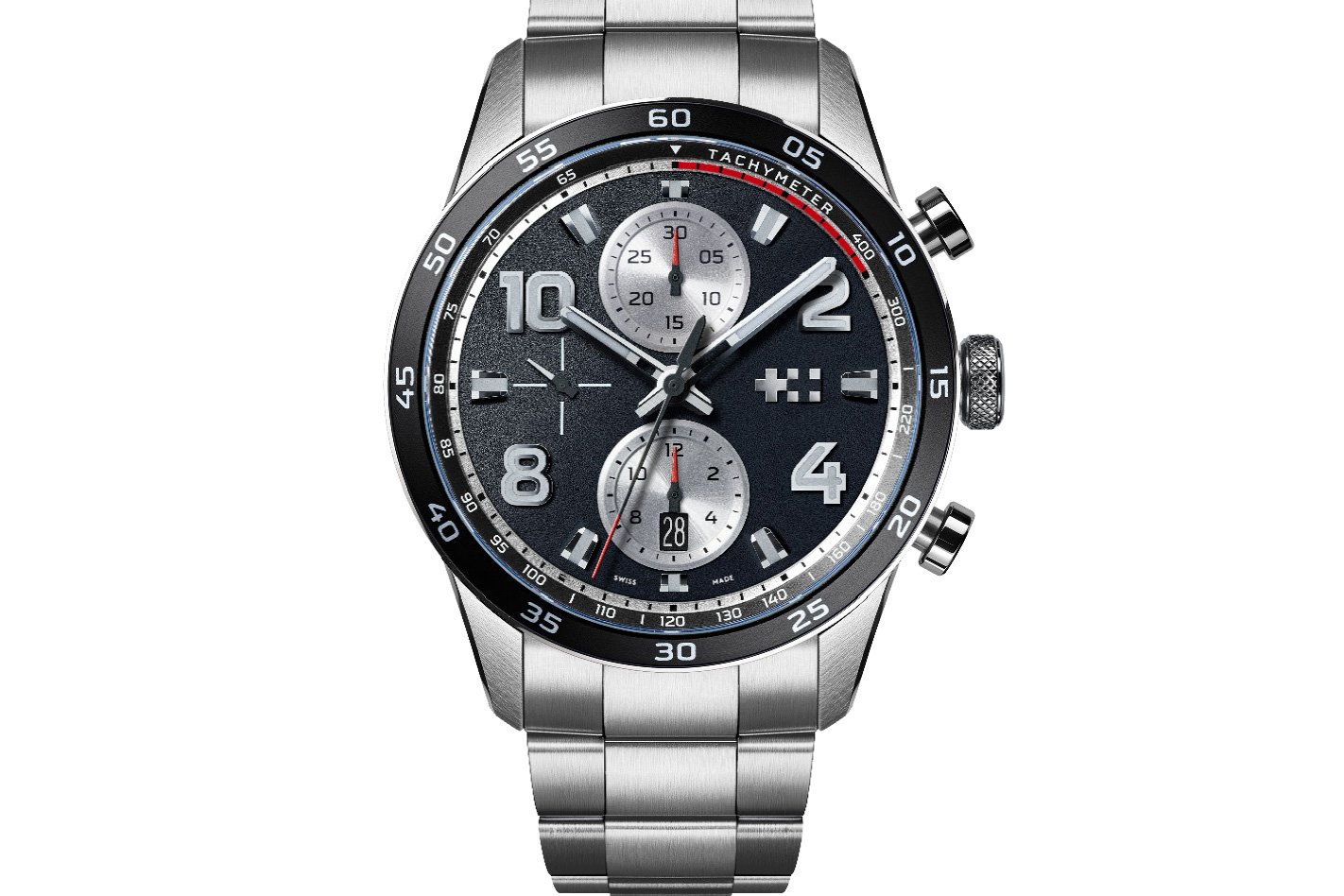
Christopher Ward C7 Rapide Chronograph Automatic, $2780
HOW fast could a regulated race car go if you just tore up the rule book? Porsche has found out, sending its semi-retired 919 Hybrid LMP1 endurance racer around Spa for one last, unrestricted lap.
The result? The three-times Le Mans winner is faster around the 7.004-kilometre circuit than a Formula 1 car. So fast, in fact, it has claimed the record; a 1:41.770 minute lap of the Teutonic Gods, at an average speed of 245.61km/h and a vmax of 359km/h.
Have a listen as Porsche works driver Neel Jani sets the lap record at Spa.
The lap has etched Porsche works driver Neel Jani’s name in history, ousting the previous lap record set last year by Mercedes driver Lewis Hamilton behind the wheel of his F1-hardened W07 Hybrid. The difference: a mere 0.783sec. Hamilton’s time, remember, was set in qualifying trim during the battle for front-row honours on the Spa Francorchamps grid ahead of teammate Valtteri Bottas and Ferrari rival Sebastian Vettel.
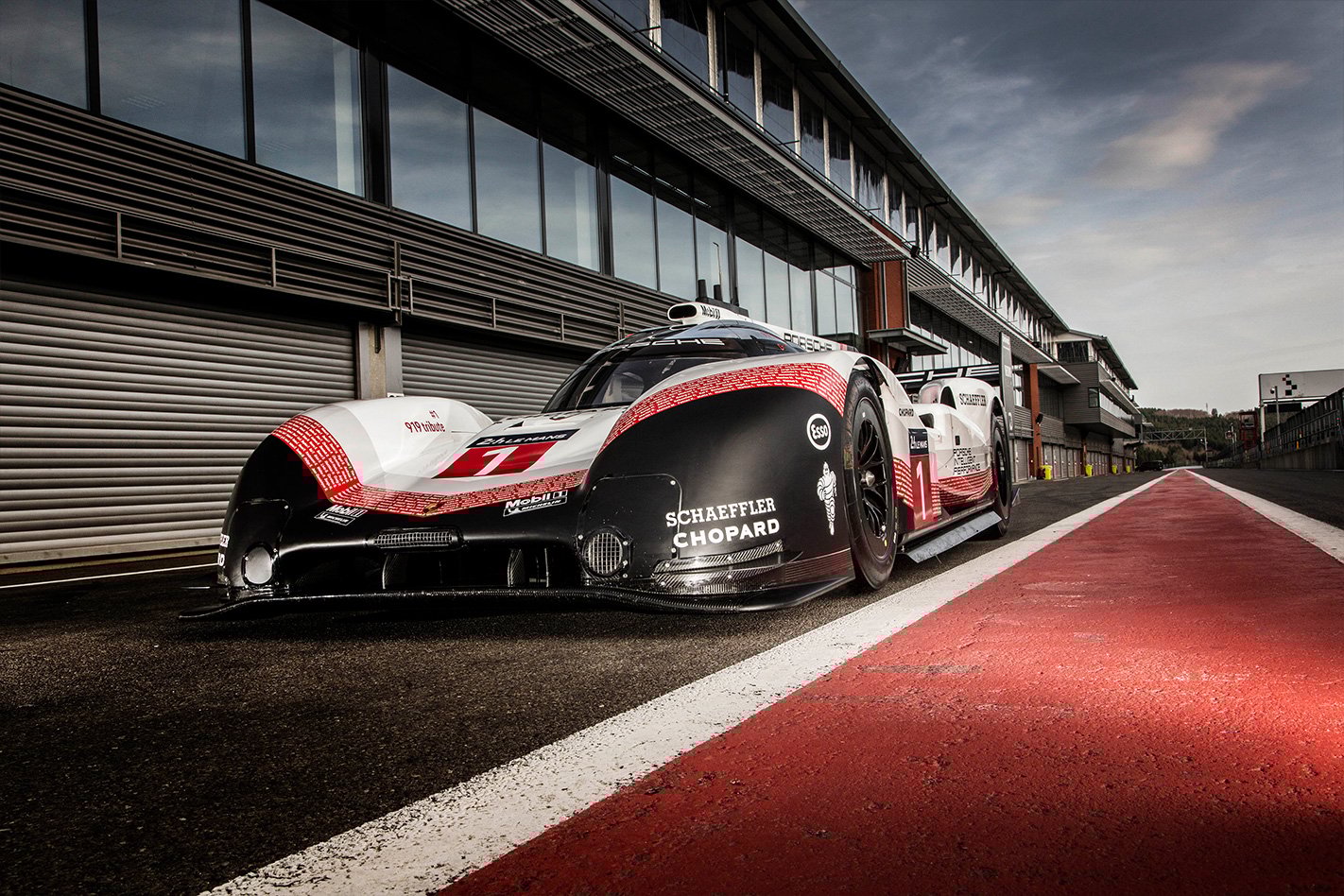
“The hydraulically operated systems trim the trailing edge of the front diffuser and opens up the slot between the rear wing main plane and the flap respectively in order to increase the aerodynamic efficiency of the Evo,” Porsche said. “Underneath the Evo the turning vanes and floor have been optimised with fixed height side skirts to increase the aerodynamic performance again as efficiently as possible. In total the aero modifications resulted in 53 percent higher downforce and an increase in efficiency by 66 percent compared to the 2017 Spa WEC qualifying.”
No mechanical changes were made to the 2.0-litre V4 hybrid drivetrain, but removing the WEC-mandated fuel flow cap, set at 2.464 litres per lap, upped power from 373kW to 537kW. The amount of energy the 919’s hybrid system could scrape from braking and feed to the front-mounted electric motor was upped from 6.37 megajoules to 8.49 megajoules, giving the front axle a performance bump from 298kW to 328kW.
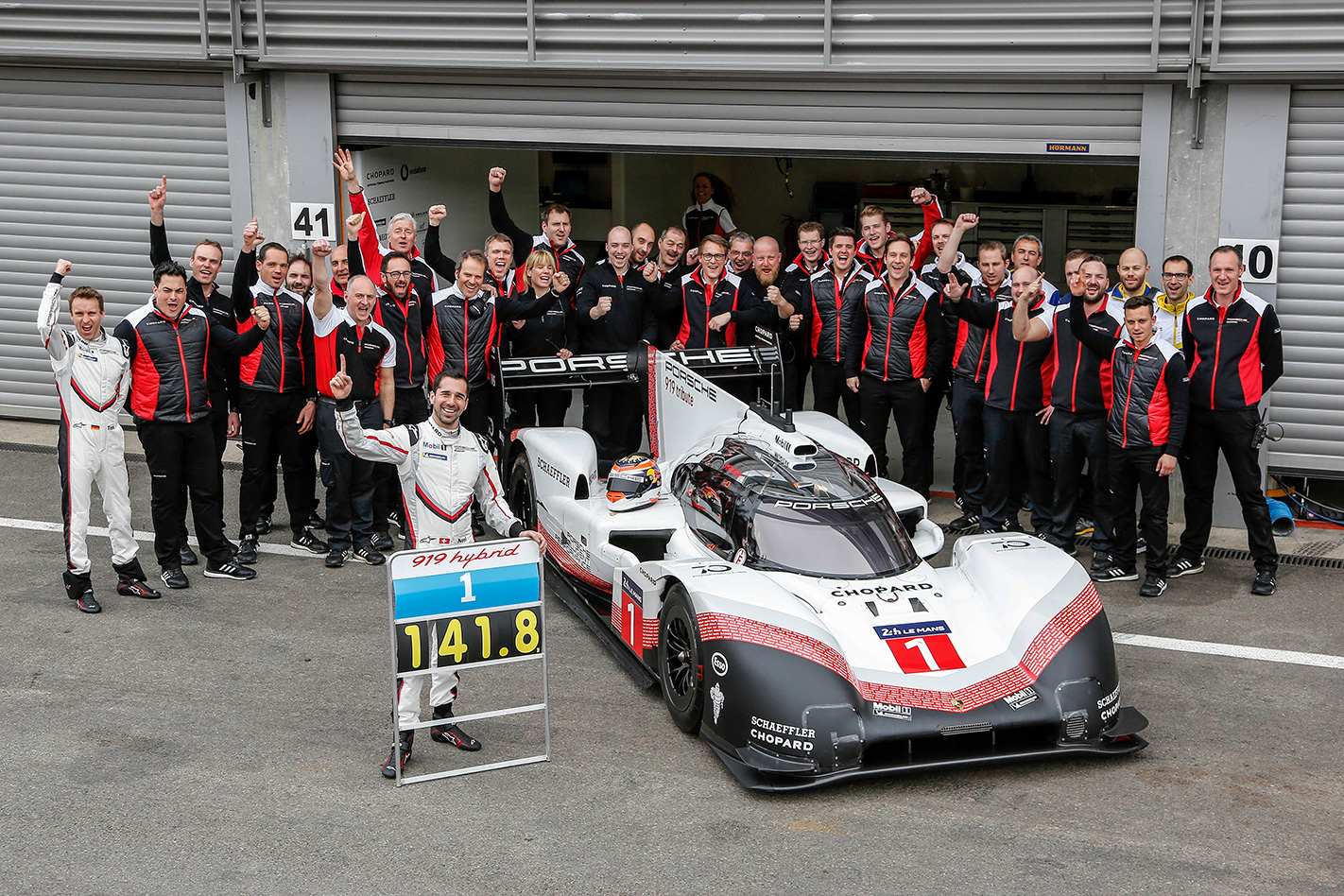
“It was kind of an engineer’s dream come true for us”, Stephen Mitas, the 919’s chief engineer – and an Aussie – said. “Having developed, improved and raced the car for four years, the guys had a very close relationship to it. We all knew, no matter how successful the 919 Hybrid was, it could never show its full abilities,” he said.

Will more track records fall? The Spa Francorchamps time attack was the first stop in what Porsche describes as a “919 Tribute Tour” that will have the race car hit the 24 Hours of Nurburgring track, the Earl of March’s driveway at Goodwood, and the circuits at Brands Hatch and Laguna Seca before it is parked up as a living museum piece. We’ll have to wait and see.
THE Mazda BT-50 will gain a number of significant updates unique to the Australian market, including styling tweaks developed right here, when a facelifted version goes on sale from May.
The “bold new” look is only the second running change made to the Thai-built competitor for the Toyota Hilux, Ford Ranger and Holden Colorado, but includes what Mazda calls the most comprehensive update to the one-tonne trade ute since it launched in 2011.
The updates are the result of a partnership between Mazda and local aftermarket accessory maker EGR Group. Of note, the redesigned BT-50 – which shares its underpinnings with the Ford Ranger – will adopt a more squared bumper that Mazda says lowers the visual centre of gravity of the trade ute, and add “bolder contrasting fog light surrounds … along with a large trapezoidal lower air intake with a skid plate”.
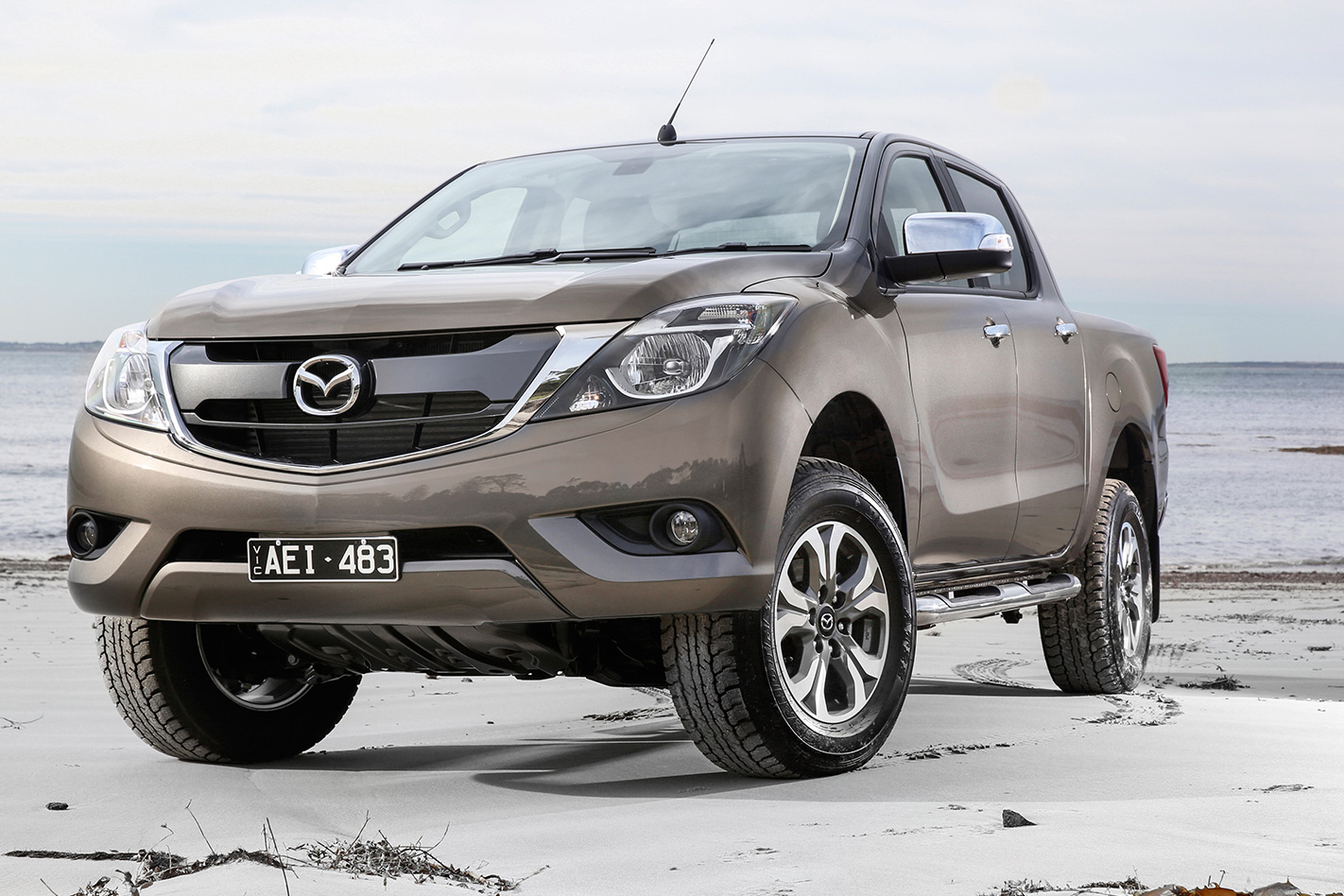
“Further bolstering its tougher outlook, the grille has adopted strong horizontal lines to straighten out the front of the car, giving the ute a wider and more solid bearing,” it said. However, we’re forced to wait to see what it looks like; Mazda has supplied only a single teaser image that gives no clues as to how the upcoming BT-50 carries its new face.
The BT-50 is also expected to gain a number of other equipment enhancements that will roll out across the closely related Ranger line-up when a facelifted version of Australia’s best-selling 4×4 ute arrives later this year. This includes features such as keyless start and entry, satellite navigation across more variants, and an electronic tailgate lock. Mazda said it would confirm the specifications closer to the refreshed BT-50’s May arrival.
Mazda’s trade ute is one of the slower selling models on the Australian market, ranking well below the market leaders including the Hilux and Ranger, the ageing Mitsubishi Triton, the Isuzu D-Max, and the Nissan Navara.
Trade utes are one of the strongest-performing sectors of the Australian new-car market, with sales of the 4×4 variants, which include the dual-cab utes that private buyers favour, growing 14 percent over the first three months of this year compared with the same time last year. By the end of March the segment was already 5000 sales ahead of where it was last year.
The light commercial sector, where trade ute sales are counted, currently account for one in five new-car sales. Australia is one of the few markets outside Asia and South America to include the BT-50 in showrooms, giving it a unique place in the Mazda world – and some licence to do its own thing.
