
A NEW York-based Chevrolet Corvette department manager attending a Vegas-based dealer function has fuelled the mid-engined fire, posting on social media that he’d caught a glimpse of the next-gen coupe that looks “very mid-engined”.
“Caught a glimpse of the next gen Corvette at Chevy’s Find New Roads dealer conference,” Van Bortel Chevrolet employee Nate Chandler posted on Facebook. “It is coming, it looks very mid-engined! The teaser was part of the General Session where phones and recording devices were not permitted. I can’t wait to find out more!”
Not happy with spilling his guts on social media, Chandler posted more details to a Corvette enthusiast blog. “I just left the General Session presentation by GM/Chevy at the “Find New Roads” Dealer’s Conference at Mandalay Bay, Las Vegas,” he wrote. “We got a glimpse of the C8 Corvette. It is coming. GM called it a super car. The 2 pictures we saw showed very little, but I’m thrilled to share I caught a glimpse of the production car. It definitely looked mid-engined. The front hood reminded me of a Lotus. Front bumper cover reminded me of the 2019 ZR1. Time to go party at the reception. If I bump into Brian Sweeny, US VP of Chevy, or other GM Execs, I will ask some questions and report back!”
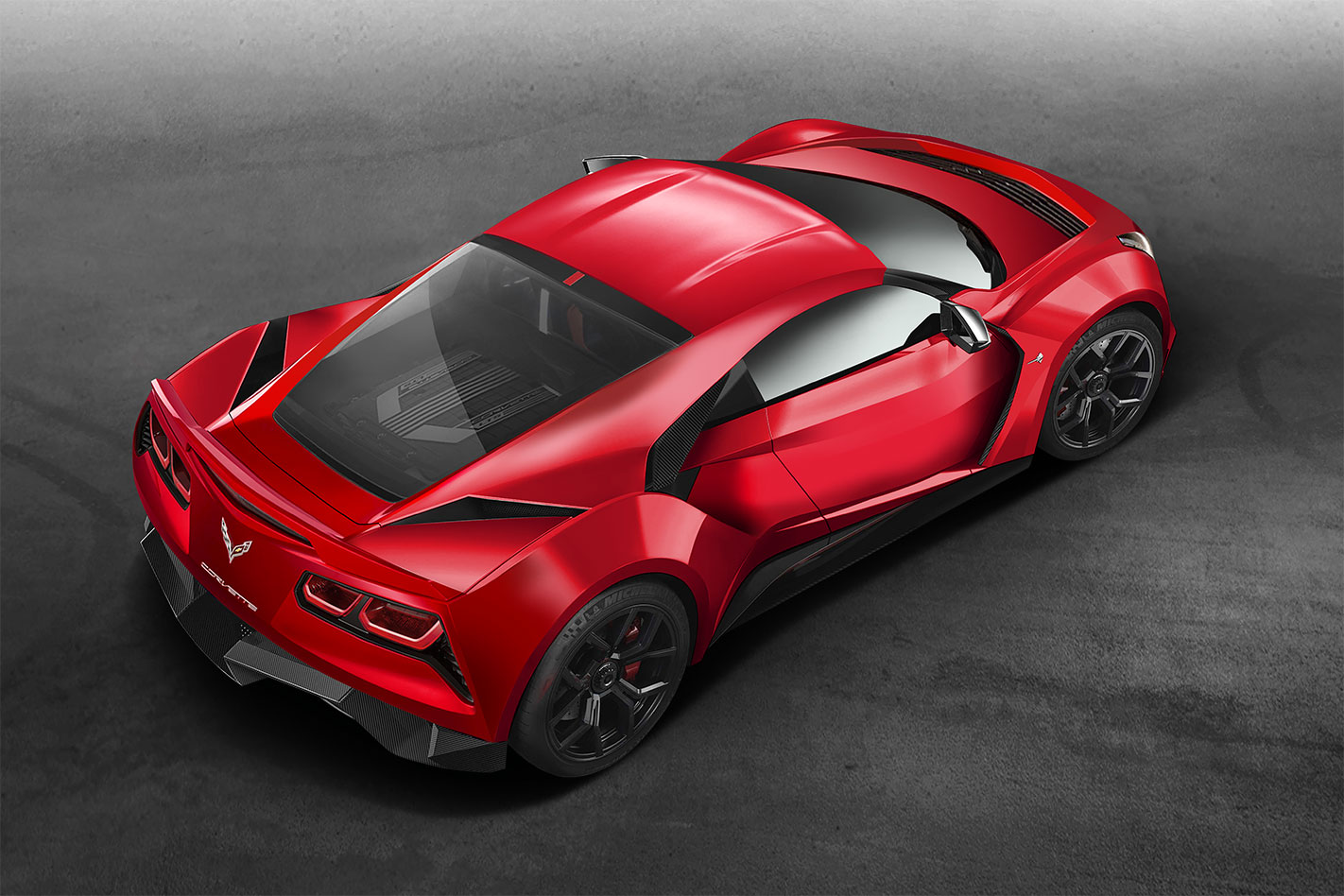
The supporting evidence hinting at the performance-oriented layout is all there, too. GM has trademarked “Zora”, a direct reference to Zora Arkus-Duntov, who shaped the Corvette into a highly desirable performance coupe and made no secret of his wish to create a mid-engined version of it. And CAD drawings that found their way online showed what was said to be the Corvette’s rear subframe, engine, and suspension system.
Adding weight that it will be a global product – including right-hand-drive markets – GM has fought hard in Australia to trademark the Corvette’s twin-flag logo, which was deemed to have ran afoul of the Geneva Convention after assessors said the Chevrolet bowtie one of the flags wore too closely resembled the heavily protected Red Cross symbol.
The Corvette is tipped to be Holden’s long-promised V8-engined, rear-drive hero, offered to the brand’s rusted-on fans in the wake of the loss of the V8-engined Commodore.
There’s also last week’s global launch of a new 4.2-litre twin-turbo small-block V8, which will be built inside the same Bowling Green factory as the next-generation Corvette. The V8’s New York Motor Show reveal wrapped the 410kW-plus/850Nm dohc powerplant in a rear-drive Cadillac CT6 body, and GM attempted to create a diversion by saying the engine was earmarked exclusively for its luxo sub-brand.
Corvette fans with way too much time on their hands have noticed GM has been very busy expanding its Bowling Green facility about the same time as order books for the last of the current C7 Corvettes closed. Satellite images taken over time show a major expansion of the site’s “paint shop” facilities.
The move to the mid-engined layout gives Chevrolet more wriggle room to ensure the Corvette builds on performance. The car’s chief engineer is on record saying the current C7-based, track-ready Z06, with its 485kW/881Nm supercharged 6.2-litre LT1 V8, is about as far as the front big block-engined, rear-wheel tyre frying concept can be stretched.
Chevrolet is yet to say when it will launch the new Corvette, which is likely to hit showrooms in 2019. The performance coupe has missed both the Detroit and New York motor shows, meaning the earliest we could see it revealed on US home turf is November’s Los Angeles Motor Show. A January 2019 Detroit Motor Show appearance seems more likely.
Mitsubishi has surprised the Australian car industry by taking third spot on the sales ladder from Hyundai after a strong March, with the ASX small-SUV leaping from 902 registrations in February to 2337.
It was thought the ASX’s drop in sales last month was due to the arrival of the newer, similarly sized Mitsubishi Eclipse Cross, but the latter managed only 534 sales in March compared to 644 in February.
The Mitsubishi Triton (3109) also sold well enough to be the fourth most popular vehicle after the Toyota HiLux (4348), Ford Ranger (4064) and Toyota Corolla (3218).
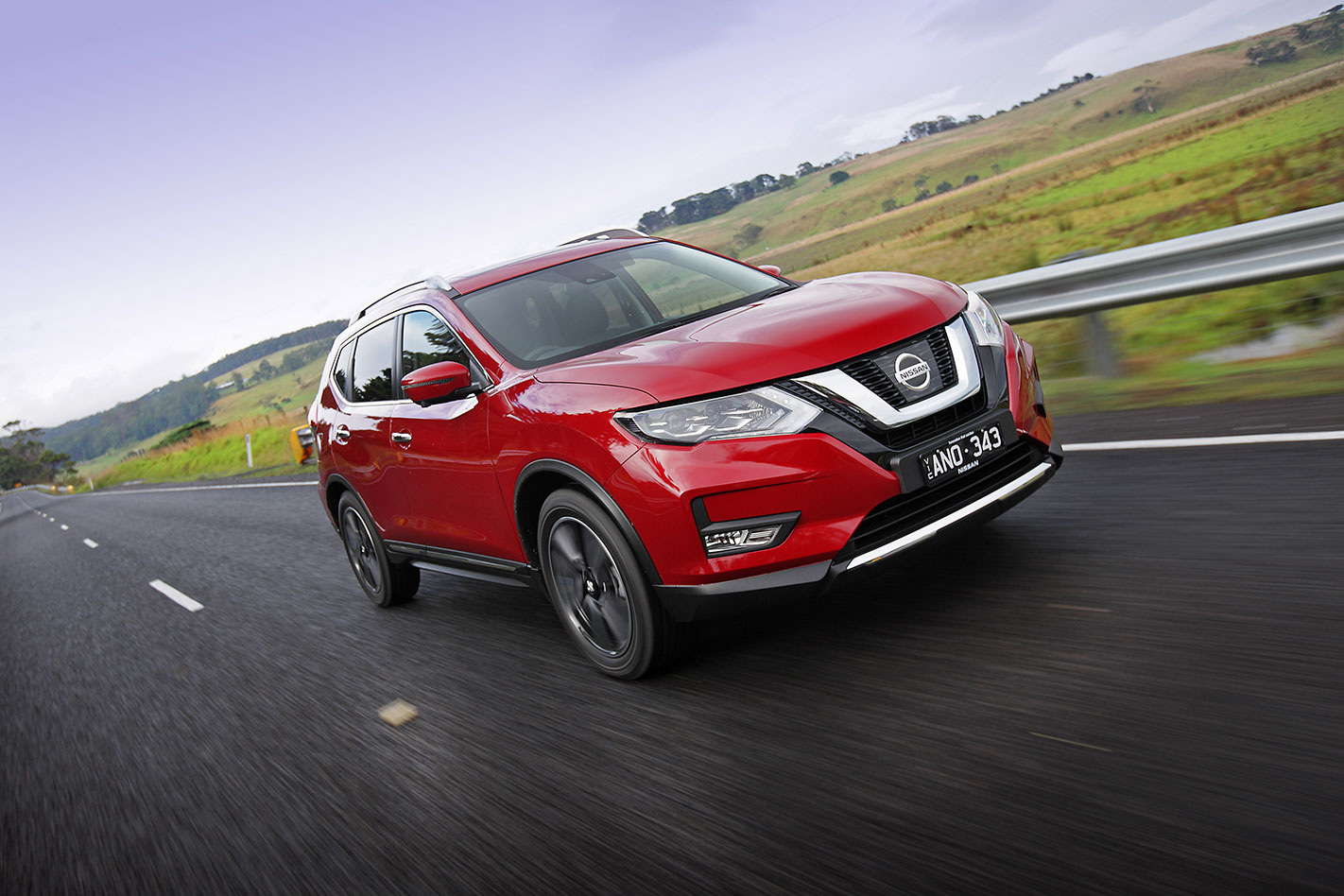
It was also a good month for Nissan, whose X-Trail became the biggest-selling SUV with 2504 sales, up from 1622 in February, knocking off the seemingly invincible Mazda CX-5 (2261).
The spike in Nissan and Mitsubishi sales could be due to March 31 being the end of the Japanese financial year, prompting those companies to ship more stock, whose registrations here, even as demo models, count towards sales figures.
Holden may be wishing it had more Japanese-built cars in its line-up, with its first full-month of new ZB Commodore sales netting mixed results. GM’s Aussie arm moved 5116 cars, but was overtaken by Subaru (5195) and Volkswagen (5173) to leave Holden squeezed into last spot of the top-10 narrowly ahead of Kia, which had 5084 vehicles registered.
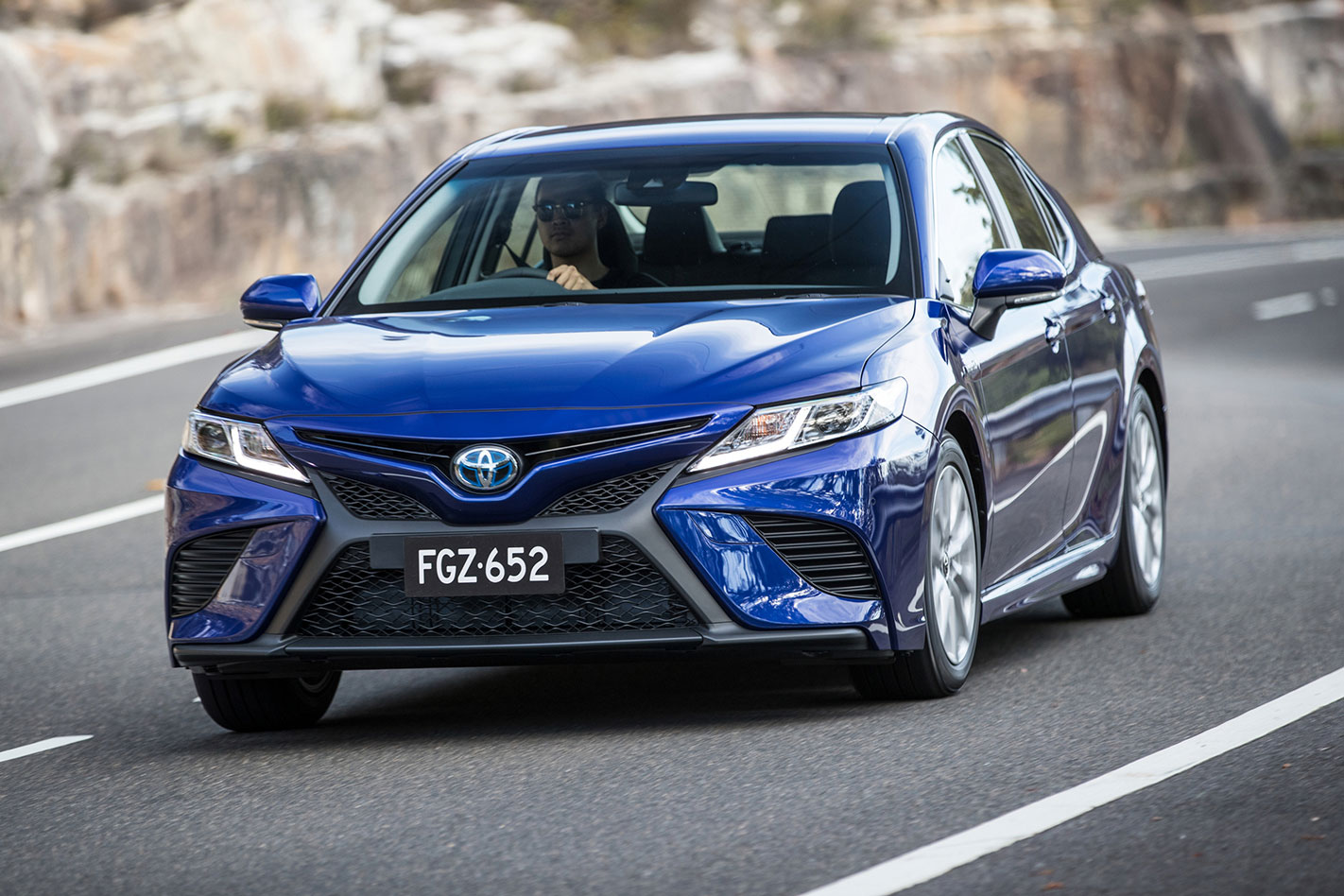
Things were a bit more positive for the Commodore nameplate. March represented the ZB’s first full month on sales, and it accounted for more than half of the 990 Commodore sales (the rest being VF’s in runout), easily making it the biggest-selling large car. It also outsold its medium-sized competitors with the exception of the Toyota Camry (1416).
All-in-all, Australia’s new vehicle market grew in March with 291,538 total sales, a jump of 1.5 percent compared with the same month last year, thanks to notable sales gains in compact and mid-size SUVs.
Compact SUVs climbed 32.8 per cent compared with March 2017, while medium SUVs increased sales by 10.1 per cent.
Top -10 manufacturers, March 2018
- Toyota 18,878
- Mazda 9723
- Mitsubishi 8810
- Hyundai 8443
- Ford 6687
- Nissan 6191
- Honda 5586
- Subaru 5195
- Volkswagen 5137
- Holden 5116
- Toyota Corolla 3218
- Mazda3 2780
- Hyundai i30 2719
- Nissan X-Trail 2504
- Mazda CX-5 2261
- Mitsubishi ASX 2337
- Toyota RAV4 1952
- Volkswagen Golf 1713
- Honda CR-V 1683
- Toyota Prado 1677
- Kia Cerato 1659
- Hyundai Tucson 1601
- Hyundai Accent 1551
- Nissan Qashqai 1497
- Honda Civic 1464
- Mitsubishi Outlander 1433
- Subaru XV 1416
- Toyota Camry 1416
- Mazda CX-3 1356
- Honda HR-V 1207
- Kia Picanto 484
- Holden Spark 67
- Fiat 500/Abarth 595 66
- Mitsubishi Mirage 50
- Hyundai Accent 1551
- Mazda 2 947
- Honda Jazz 907
- Suzuki Swift 816
- Toyota Yaris 748
- Toyota Corolla 3218
- Mazda 3 2780
- Hyundai i30 2719
- Volkswagen Golf 1713
- Kia Cerato 1659
- Toyota Camry 1416
- Mercedes-Benz C-Class 610
- Mercedes-Benz CLA-Class 399
- Mazda 6 306
- BMW 3 Series 275
- Holden Commodore 990
- Kia Stinger 184
- BMW 5-Series 115
- Mercedes-Benz E-Class 99
- Skoda Superb 69
- Mitsubishi ASX 2337
- Nissan Qashqai 1497
- Subaru XV 1416
- Mazda CX-3 1356
- Honda HR-V 1207
- Nissan X-Trail 2504
- Mazda CX-5 2261
- Toyota RAV4 1952
- Honda CR-V 1683
- Hyundai Tucson 1601
- Toyota Prado 1677
- Toyota Kluger 1144
- Subaru Outback 1107
- Isuzu MU-X 833
- Mazda CX-9 805
- Kia Carnival 506
- Honda Odyssey 230
- Volkswagen Multivan 101
- LDV G10 Wagon 83
- Toyota Tarago 70
- Ford Mustang 705
- Merc-Benz C-Class coupe/conv 186
- BMW 2 Series coupe/conv 159
- Hyundai Veloster 105
- Toyota 86 102
- Toyota Hilux 4384 (3224 4×4)
- Ford Ranger 4064 (3467 4×4)
- Mitsubishi Triton 3109 (2778 4×4)
- Nissan Navara 1535 (1260 4×4)
- Isuzu D-Max 1747 (1233 4×4)
MERCEDES-AMG and Ford Performance are readying their next-generation pocket rockets – the A45 and Focus RS – to lock horns with the Audi RS3 in a high-powered hot hatch arms race.
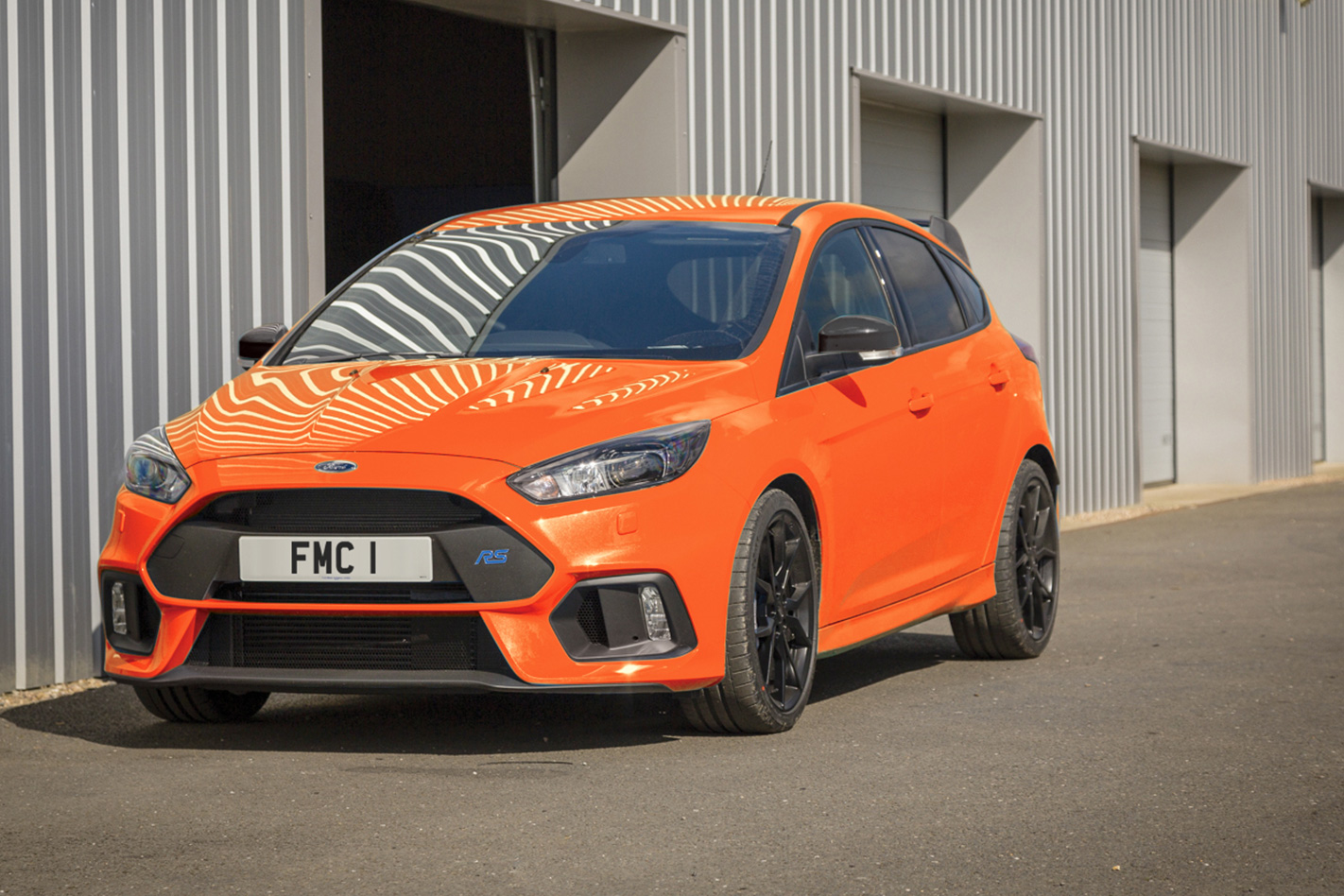
Outputs of more than 300kW are on order, with news from British outlet Autocar claiming Ford will employ 48-volt mild-hybrid electrification to boost the 2020 Focus RS’ 2.3-litre turbo four-cylinder beyond the current car’s 257kW/440Nm outputs – while also making it more fuel efficient.
Performance enhancements by aftermarket tuners Mountune were officially adopted for the outgoing Focus RS by Ford in the UK, taking peak power and torque up to 275kW/510Nm for the Heritage Edition (which sadly never came to our shores). Adding a 48-volt integrated starter/generator to bolster the low range with around 20kW/90Nm would provide better take-off acceleration and provide a “torque fill” capability to combat turbo lag – thus enabling a larger turbo to enhance top-end power.
Such upgrades would put the Focus RS toe-to-toe with rivals from the premium end of town, potentially trimming its 0-100km/h sprint time from 4.6sec down into the low 4.0-second bracket, where the current 280kW/475Nm Mercedes-AMG A45 lurks with a 4.2sec claim.
“The A45 which is coming is going to be the next benchmark for the segment,” claims Moers. “This is for us the task. For performance, power output, everything.
“What we’re doing for [the] next generation is developing a brand-new 2.0-litre four-cylinder engine. This is [the] key for 400-plus horsepower [more than 294kW]. There is going to be 400-plus. But that output only makes sense with driving dynamics which are equal. I’m not a fan of over-powered cars.”
The current A45 launched in 2013 with 4Matic all-wheel drive. AMG engineers have since developed a fully variable system for cars on the bigger MRA platform, such as the E63 S, called 4Matic+. Some of the smarts within that system will contribute to the A45’s evolved all-wheel drive.
“We haven’t finalised the name for that,” says Moers, confirming the new system’s technology advance. Torque-vectoring differentials will be the key, “but not the same” as found in the existing 280kW A45.
So is a Focus RS-style drift mode on the cards? “Ah! I don’t know,” says Moers, with a look that suggests this isn’t the first time the idea has come up.
It is understood an even fiercer A45 S is slated for further down the track, rumoured to have an additional 22kW (30PS) and with a high likelihood of electrical assistance for its turbocharger.
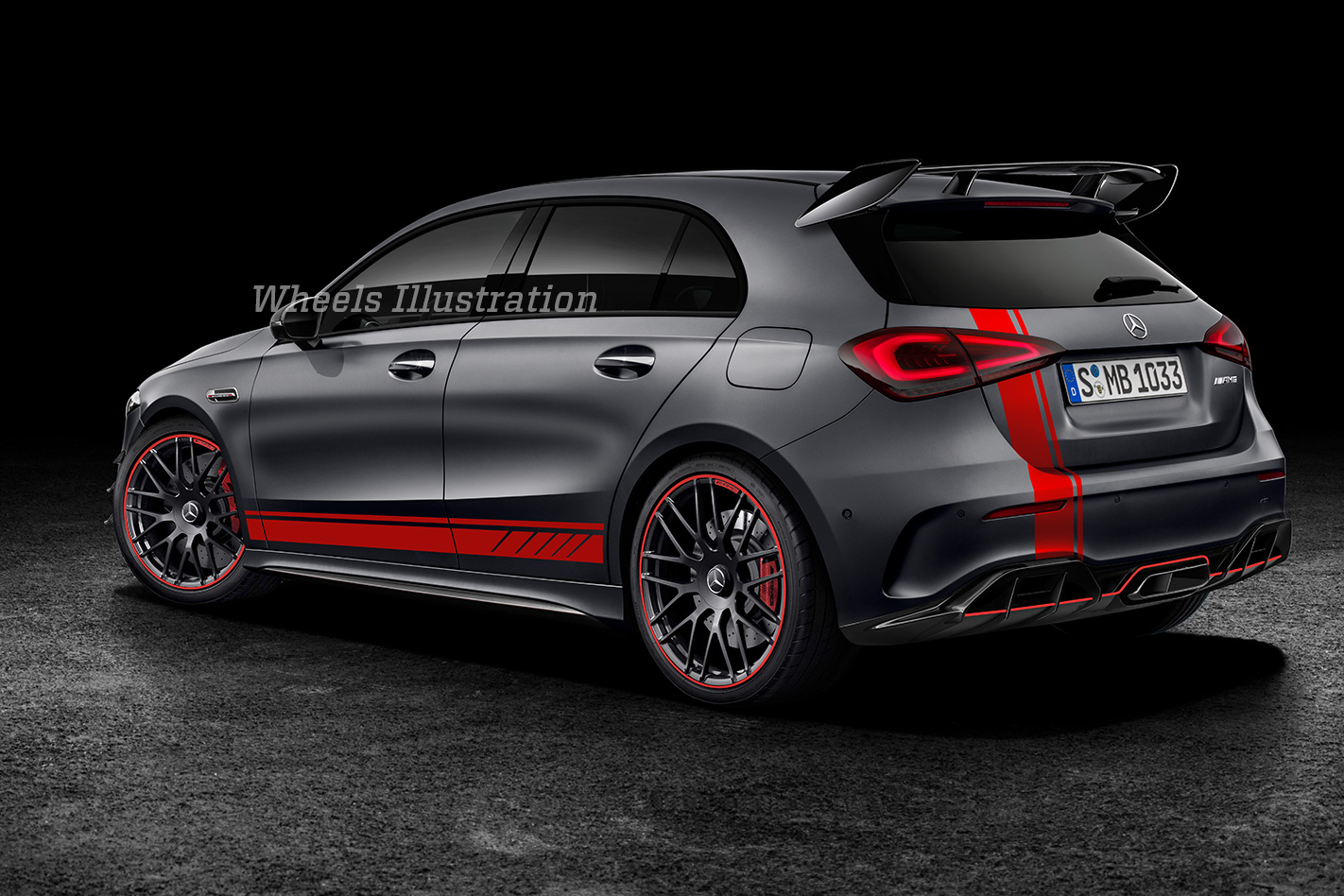
AMG’s cheaper, entry-level A35 performance hatch will also feature 48-volt mild-hybrid technology for its tilt against the Audi S3 and VW Golf R, though Moers says the A45’s bespoke engine will not have electrical assistance.
Diversifying AMG’s small car offering into two model lines allows the mad folk at Affalterbach to go slightly mental with the A45, while the A35 covers off the majority of volume hot-hatch rivals.
Moers confirmed as many as 14 small AMGs are on the cards, with 35 and 45 variants of seven of the eight new MFA2 vehicles (everything but B-Class) in his crosshairs.
“Not necessarily in every perspective regarding the 35 and the 45 but yeah, we’re going to cover the portfolio. Seven multiplied with 35s and 45s.”
That means AMG A-Class hatches and sedans, CLA-Class and CLA Shooting Brake, GLA-Class, GLB-Class, and a yet-to-be-confirmed seventh body style.
Mercedes’ next-gen A-Class will launch in Australia later this year, though the next A45 is unlikely to be revealed until the Geneva show in 2019.
Ford’s next-gen Focus will be revealed next week, though a new RS is not expected to join the line-up until 2020.
Audi’s new Rallycross beast has broken cover, and it looks wicked.
It’s the Audi S1 EKS RX quattro, and it’s received a lot of love from engineers to make it faster and more driveable.
Rallycross driver Mattias Ekström noted the car has “noticeably more engine power than ever before,” with a 426kW maximum output and more than 700Nm of torque. The car’s minimum weight is just 1300 kg.
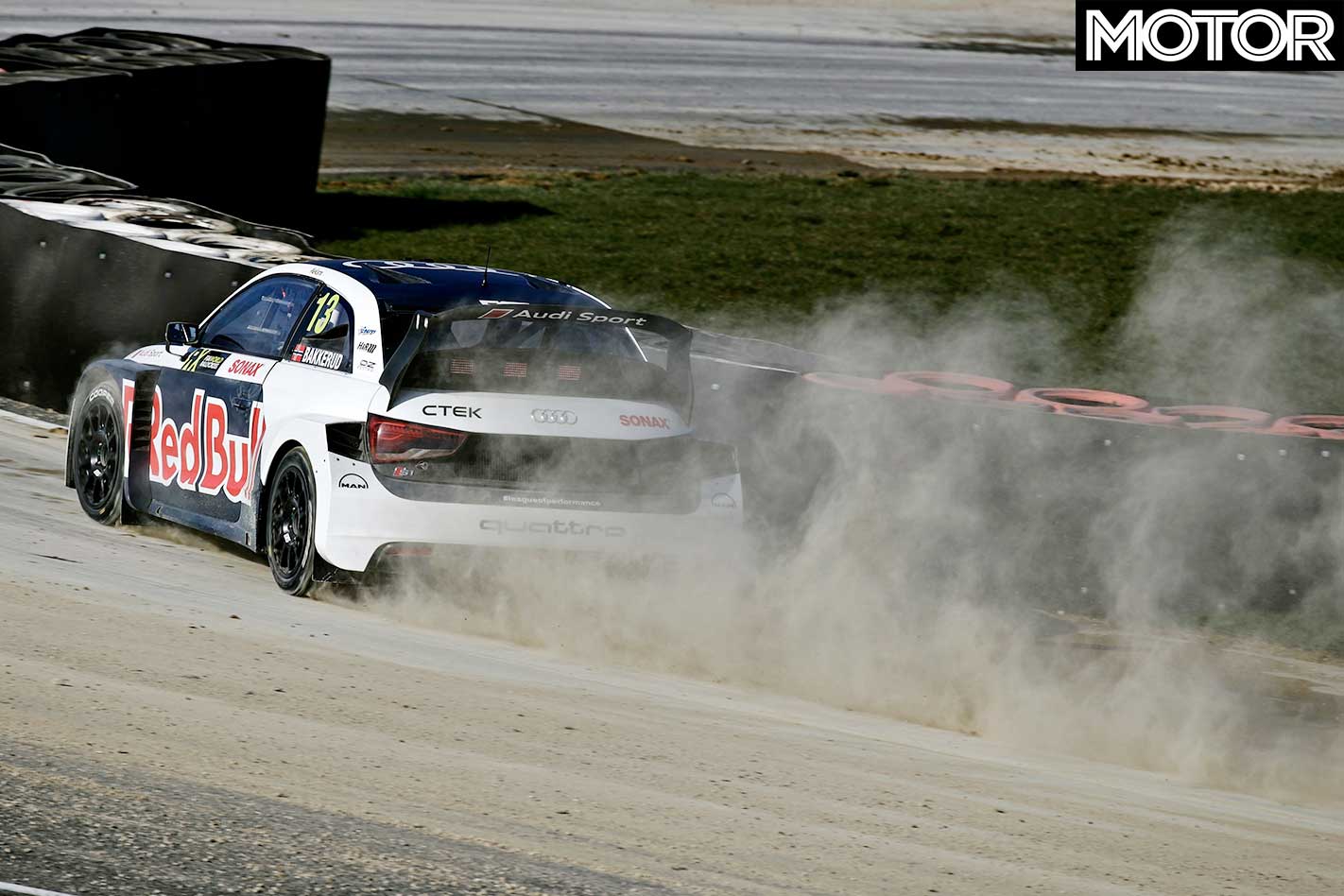
Although it’s only a 2.0-litre VW Group engine, the wet-sump R4 engine’s turbocharger is fitted with an anti-lag system for the first time, meaning that power is more linear and easier to manage.
Boost pressure is, according to Audi, now better optimised during partial engine load and on the overrun.
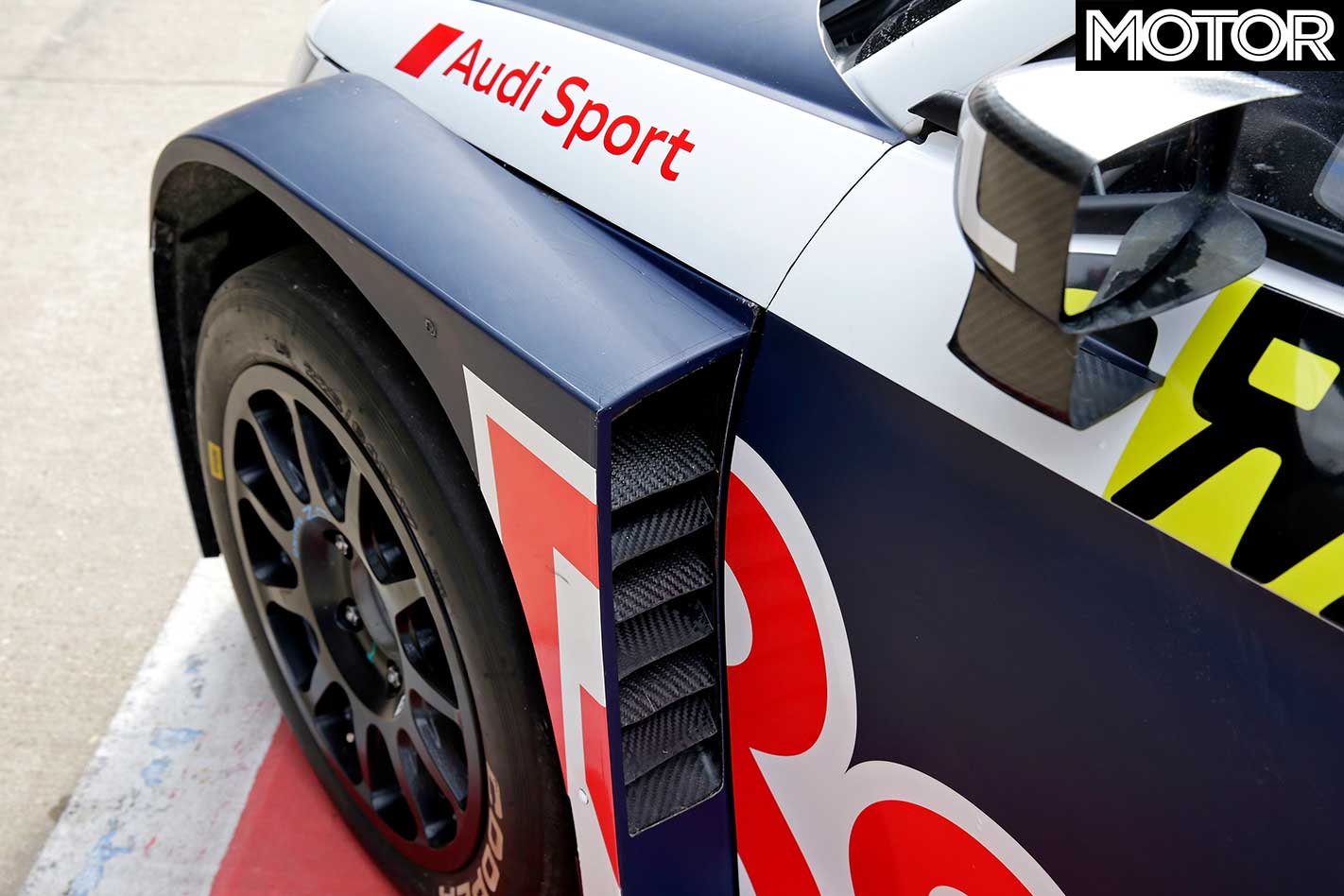
Multi-disc differential locks found on both front and rear axles are adjustable, and the rear-axle’s drive can be ‘decoupled’ by the driver through the handbrake.
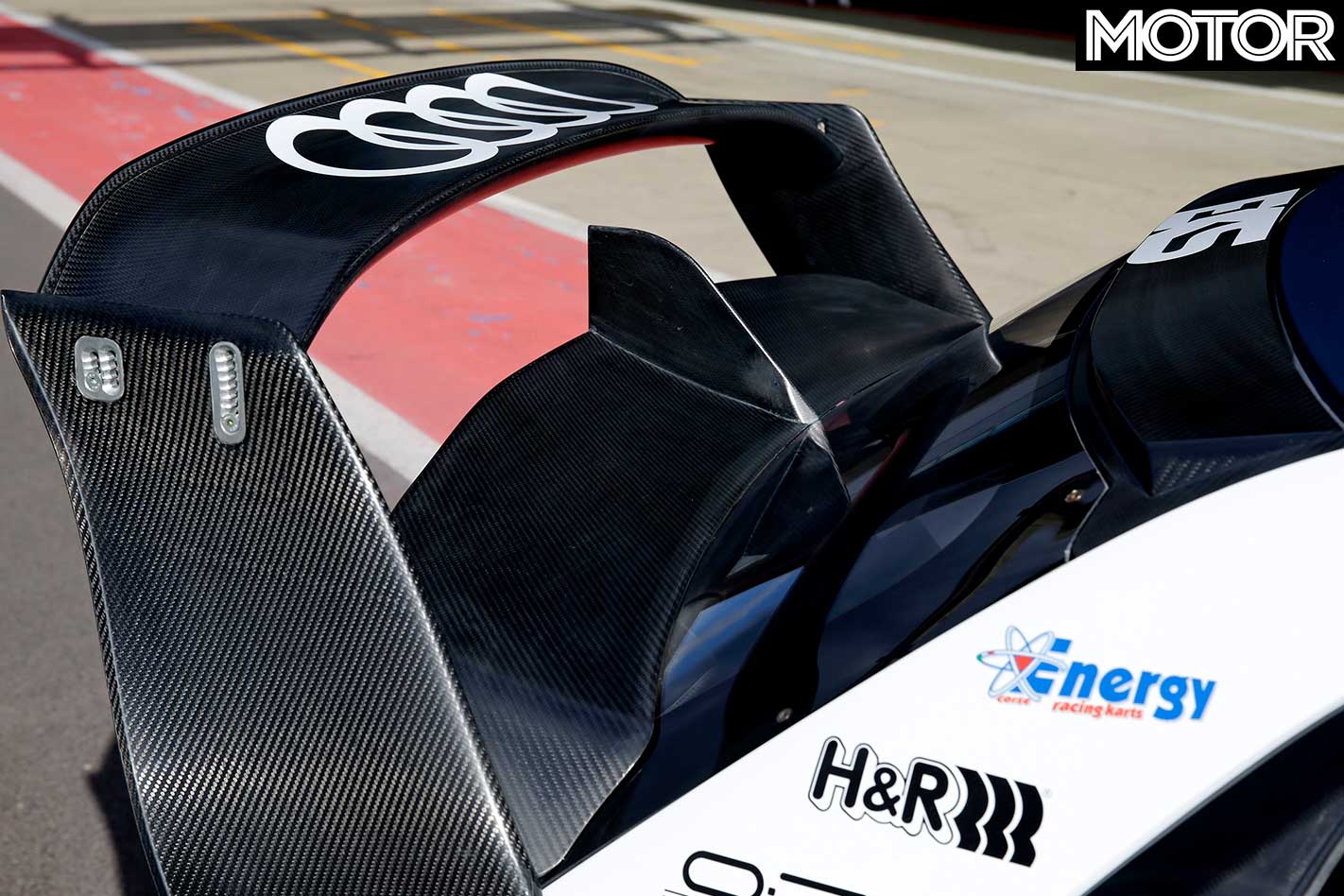
But Audi is sure that the crowning achievement on the new car is its downforce, achieved through a new rear wing.
As a joint project between Audi’s motorsport department and the EKS Audi Sport team, the wing “generates more downforce while concurrently reducing aerodynamic drag.”
The two-time DTM Champion (’04 and ‘07) and 2016 World Rallycross Champion says he’s looking forward to proving it on April 14-15 when the season kicks off in Barcelona.
“I’m very happy with the work that has been done and hope it’ll be enough to celebrate victories and finish on podium regularly again.
“At the same time we have very strong competitors who haven’t slept either. We’re only going to see where we stand at Barcelona.”
BMW is the latest car company to launch a subscription service, with Nashville, Tennessee as the first location to gain access.
The service, which is actually called Access by BMW, currently offers two tiers of subscription, and each has benefits for rev-heads.
The first is a USD$2000 per month plan, which allows access to a 530e, 540i, X5 35i, 440i coupe or convertible, and even an M2.
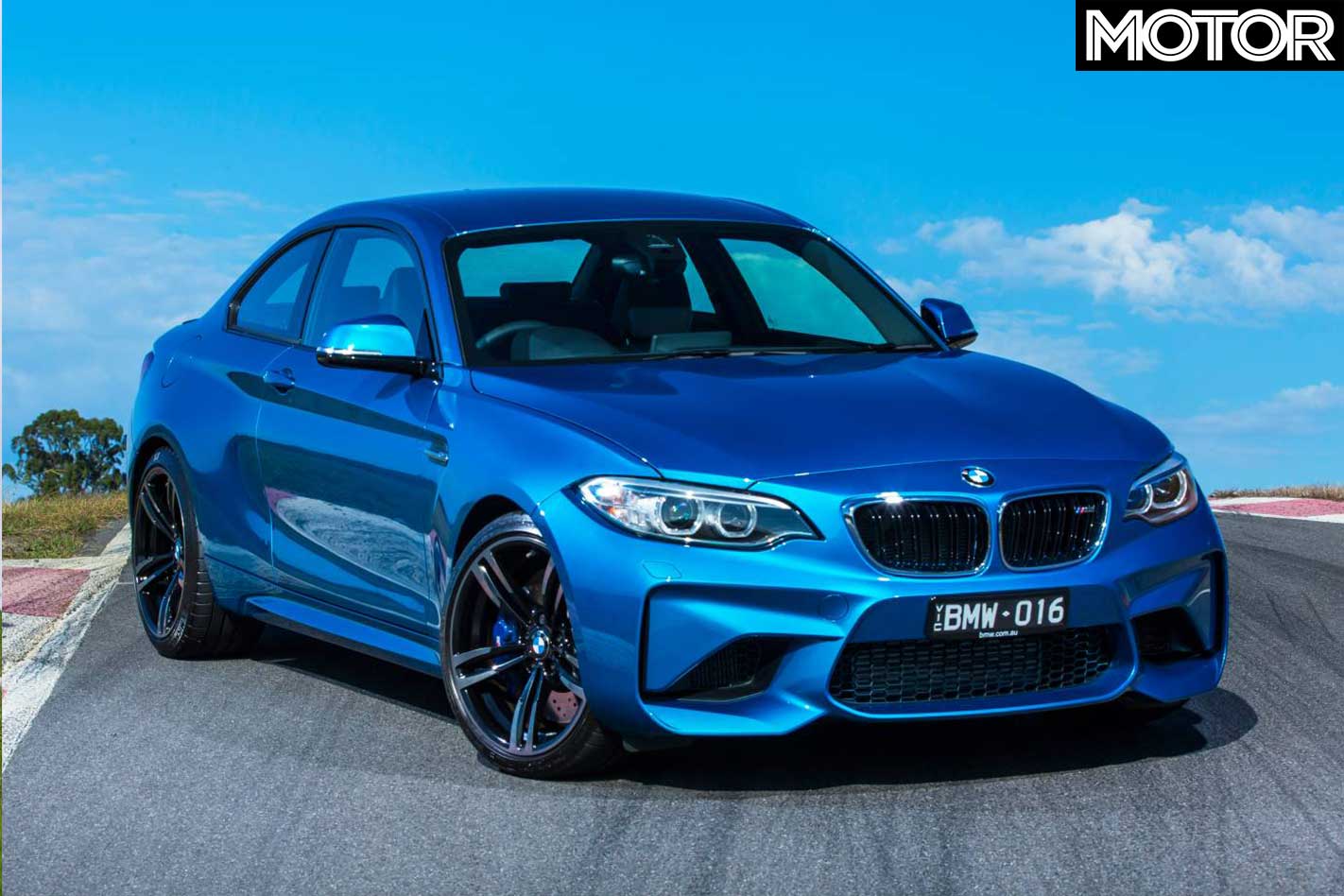
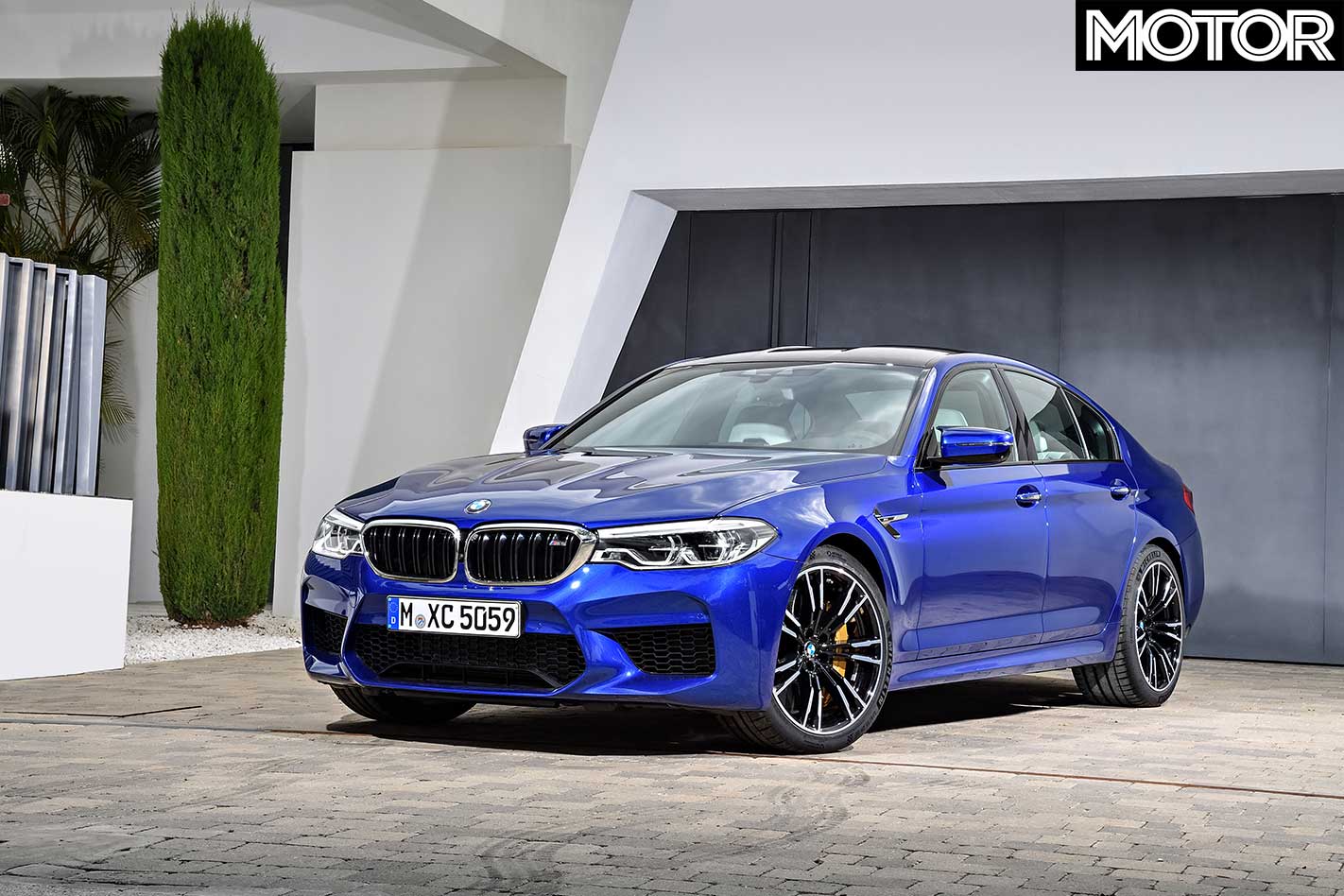
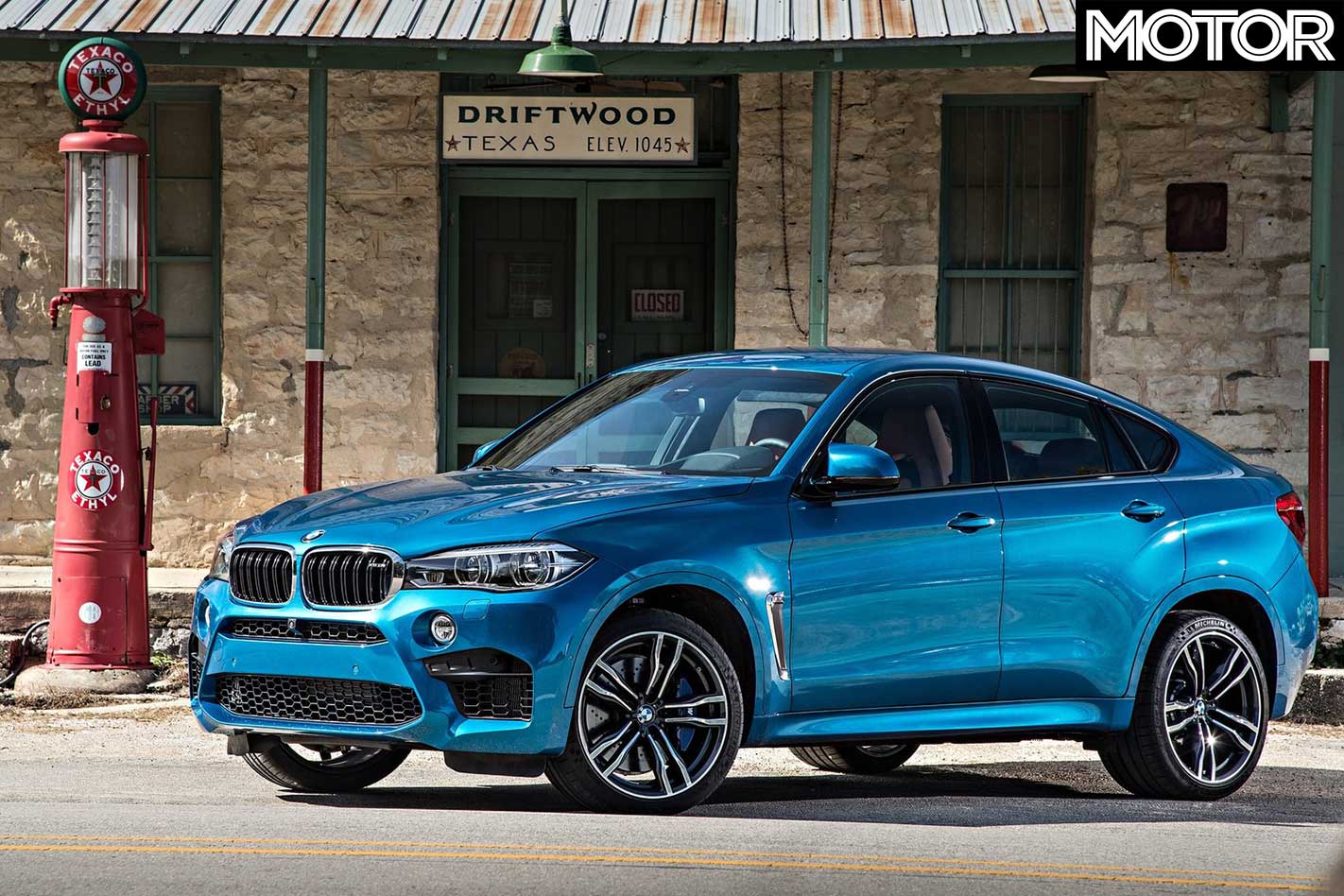
BMW M includes access to an X5M, X6M, M4 convertible, or an M5. It does cost almost twice as much, though, at USD$3700 per month.
Both plans include things like maintenance, insurance up to USD$1 million, and roadside assistance. In addition, BMW says it’ll waive the joining fee – USD$575 – for the first 50 people to join.
BMW also says “all vehicles are the current or prior model year,” meaning chances of driving a new M5 in the M tier is a good bet.
Finally, vehicles are limited to 3218km (2000 miles) per month, though unused mileage rolls over to be used the next month.
US CEO of BMW Financial Services Ian Smith says the market has shown a desire for these services, and BMW is delivering.
“With Access by BMW, our members will enjoy the freedom of personal mobility with access across a broad range of our highly emotional vehicles.
“Subscription-based services are of emerging interest for our customers, and we’re excited to be offering a mobility service to meet their individual and evolving needs.”
THE rocky marriage between Japanese rivals Toyota and Subaru that spawned the Wheels Car of the Year-winning 86 and BRZ pairing may be about to get a second chance.
The internet lit up today after a Japanese media outlet, talking to unnamed and unquoted sources, reported the Toybaru partnership had renewed its vows, and was working on a new version of the beer-budget front-engined, rear-drive coupe with “improved performance”.
Key to that performance boost, the Japan Times claimed, was a shift to the 2.4-litre engine developed for the US-market Ascent people-mover – a replacement for the slow selling and unloved Tribeca – which also packs a turbocharged punch.
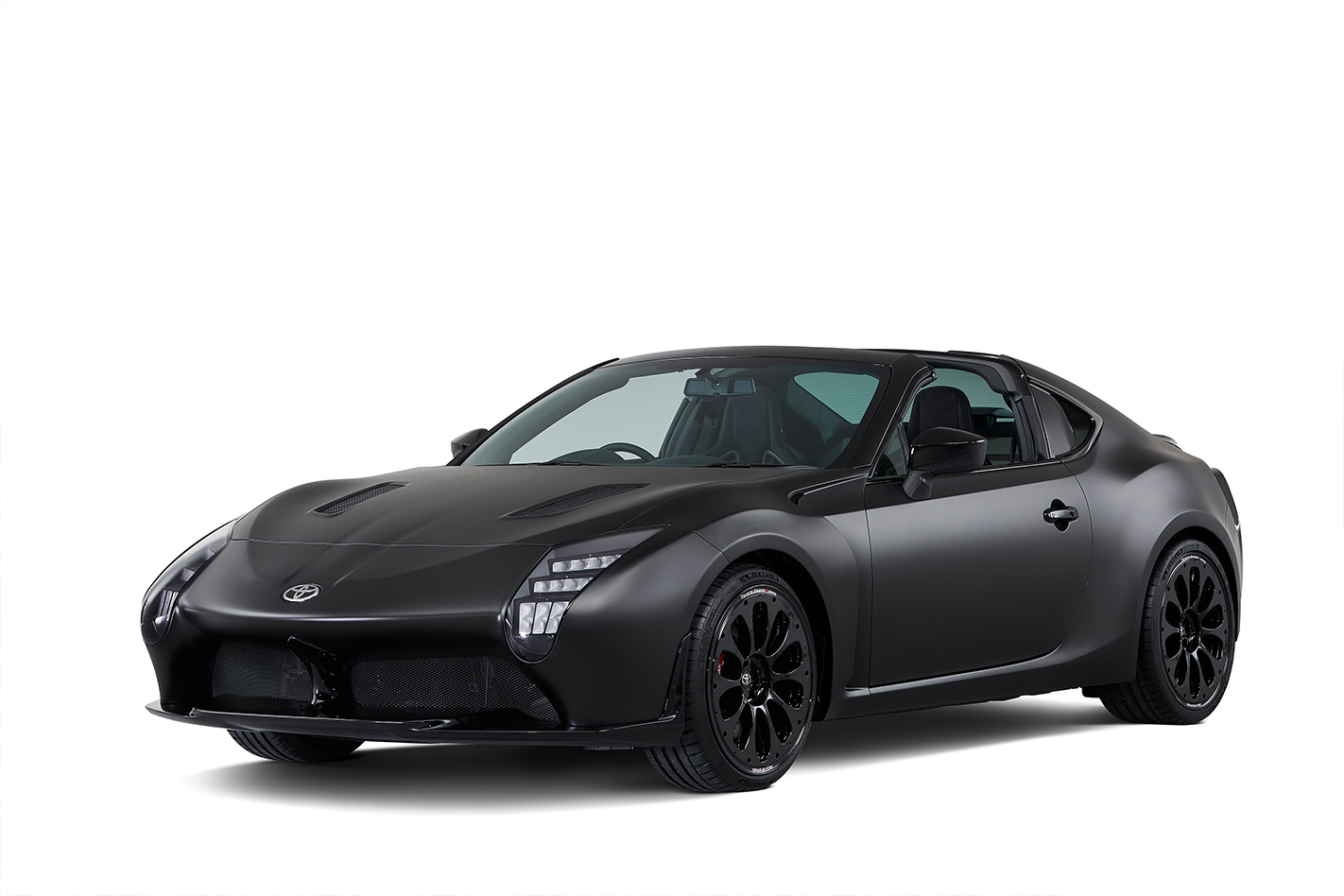
However, news of the development program flies in the face of what Toyota 86 chief engineer Tetsuya Tada told Wheels at last month’s Geneva-based reveal of a track-spec, tin-top Supra that teased Toyota’s long-awaited fifth-generation Supra sports coupe: “No, we are thinking and discussing about the possibility of coming up with a new version of GT86, but it’s not decided yet,” he said.
Tetsuya pointed to Toyota’s front-engined, rear-drive S-FR concept – which appeared near production-ready and was widely tipped as a potential baby-brother to the 86 – as an example of how quickly business cases could change.
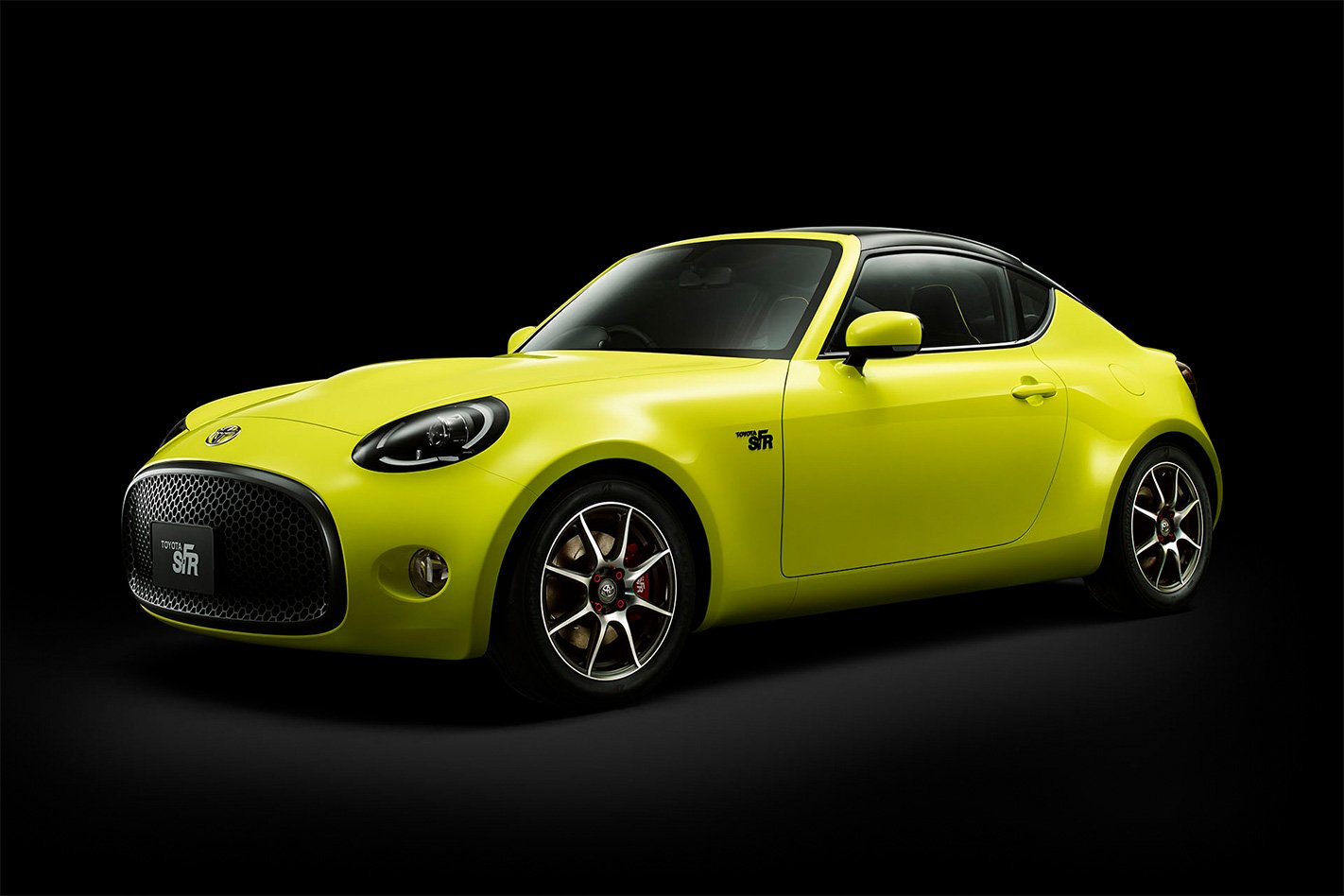
“Even if it’s quite close to production, it doesn’t mean that it gets to production. There are various reasons why sports car production might not succeed, and that’s how difficult this business is.”
Part of the problem facing the partnership is working out who will donate the new 86’s platform. A hint may lie in Tetsuya’s response to a follow-up question on whether the Japanese car maker planned to ever fit the Supra with a four-cylinder engine.
“We’re working on and looking into the research and development of all sorts of [Toyota Supra] variants, but it hasn’t been decided which one will finally go to production and I think we still have time and opportunity to decide what will be the best option to take before the [Supra’s] launch,” he said.
That sort of opens the door for Toyota to develop a four-cylinder spin-off of the BMW-shared Supra/Z4 platform, a car that would be capable of replacing the 86 as an entry-level sports car. It would most likely use BMW’s 2.0-litre B48 engine, and permit greater economies of scale for the shared platform.
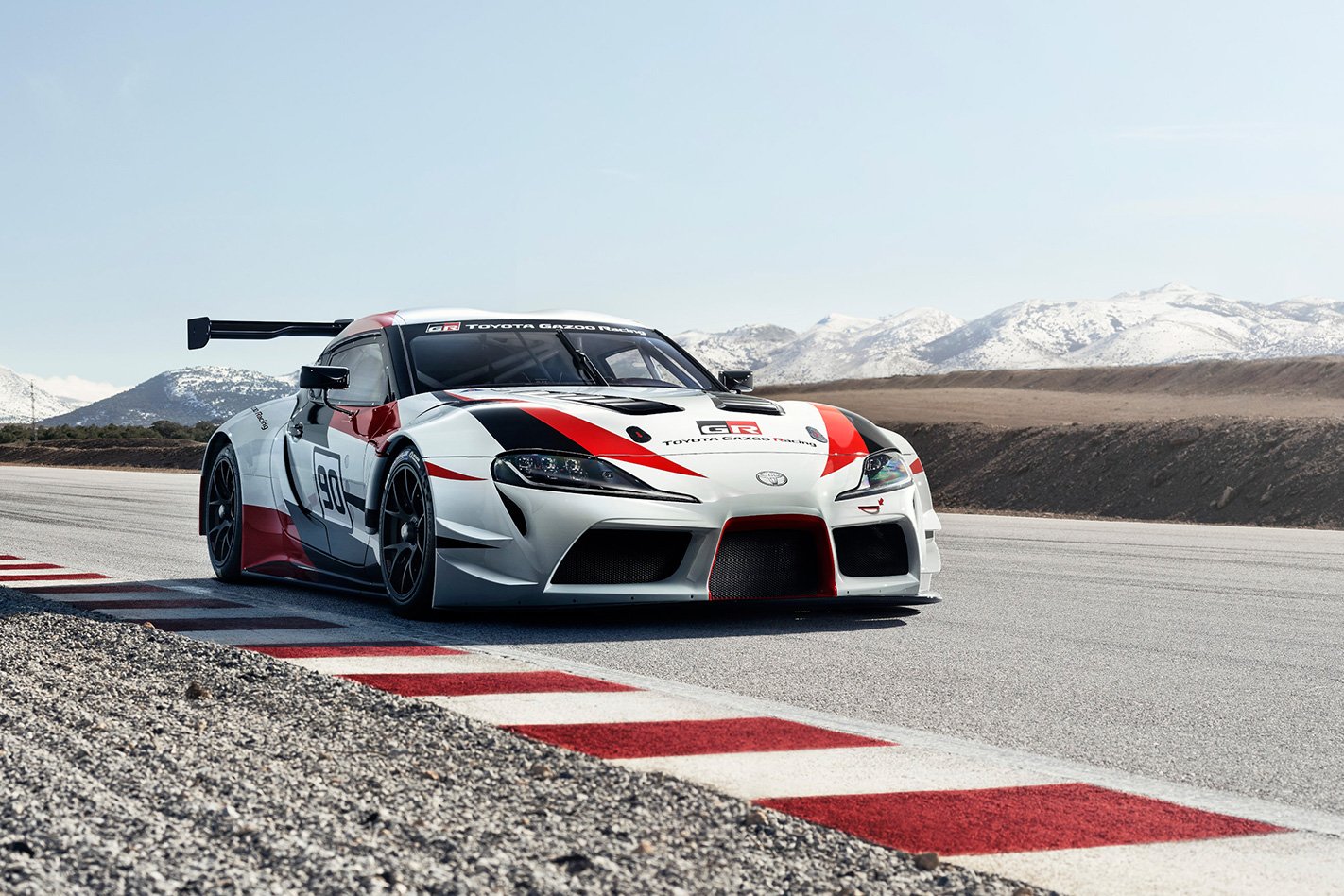
The Toyota New Generation Architecture, which sits under a new generation of front-driving Toyota-badged products but is also engineered to spawn Lexus-badged rear-drive models, could conceivably also accommodate a compact RWD coupe.
Complicating all that is the understanding that the only engine in Subaru’s line-up that matches the speculated larger-capacity requirement is the new-generation 2.4-litre direct injection four-cylinder boxer engine that powers the US-market Ascent people-mover. Subaru has talked it up as providing V6-like performance via its twin-scroll turbocharged induction, an idea that’s not new in its class; Mazda has moved to a similar format for its SUV-styled, Wheels Car of the Year-winning CX-9 seven-seater, developing a turbocharged 2.5-litre unit that will soon also make a lip-smacking appearance here under the bonnet of the Mazda 6 mid-size sedan.
But jumping to the turbo engine will mean the borderline underpowered 86/BRZ pair is likely to experience a big, mindset-altering jump in performance; up from 152kW/212Nm in six-speed manual versions (auto versions with the same gear count are limited to 147kW/205Nm) up to the 2.4’s estimated 190kW and 375Nm. No specifications are given for a normally aspirated version of that engine – the one that would better suit the original 86’s original skinny tyred, borderline-underpowered ethos.
Toyota has been thinking about what it will do next with the 86 – the GR HV Sports Concept unveiled at last year’s Tokyo motor show, but looking more like a late-life, Gazoo Racing-inspired makeover of the current product, clearly shows that. However, unlike the Japan Times story, the future for the 86 isn’t yet written.
FORD’S eagerly awaited super-ute, the Ranger Raptor, has had a $1.7m Baht price tag slapped on it in Thailand, its country of manufacture and market of initial release. That translates to almost $71,000 Aussie dollars but the price here could well blow out to almost $85,000.
Much of that is down to simple economics rather than any particular avarice on the part of Ford Australia. Model for model, Aussie Rangers are, on average, 20 percent pricier here than in Thailand, which takes into account shipping, import taxation, competition pricing and, to a certain extent, the headroom in pricing for trade utes exempt from LCT.
Compared to the Ranger Wildtrak 3.2, the Thai market Raptor is almost 42 percent dearer, which would put its Aussie pricing at $84,450 before on-roads, which would make it Australia’s priciest trade ute, at least until V6 versions of Mercedes’ X-Class arrive next year.
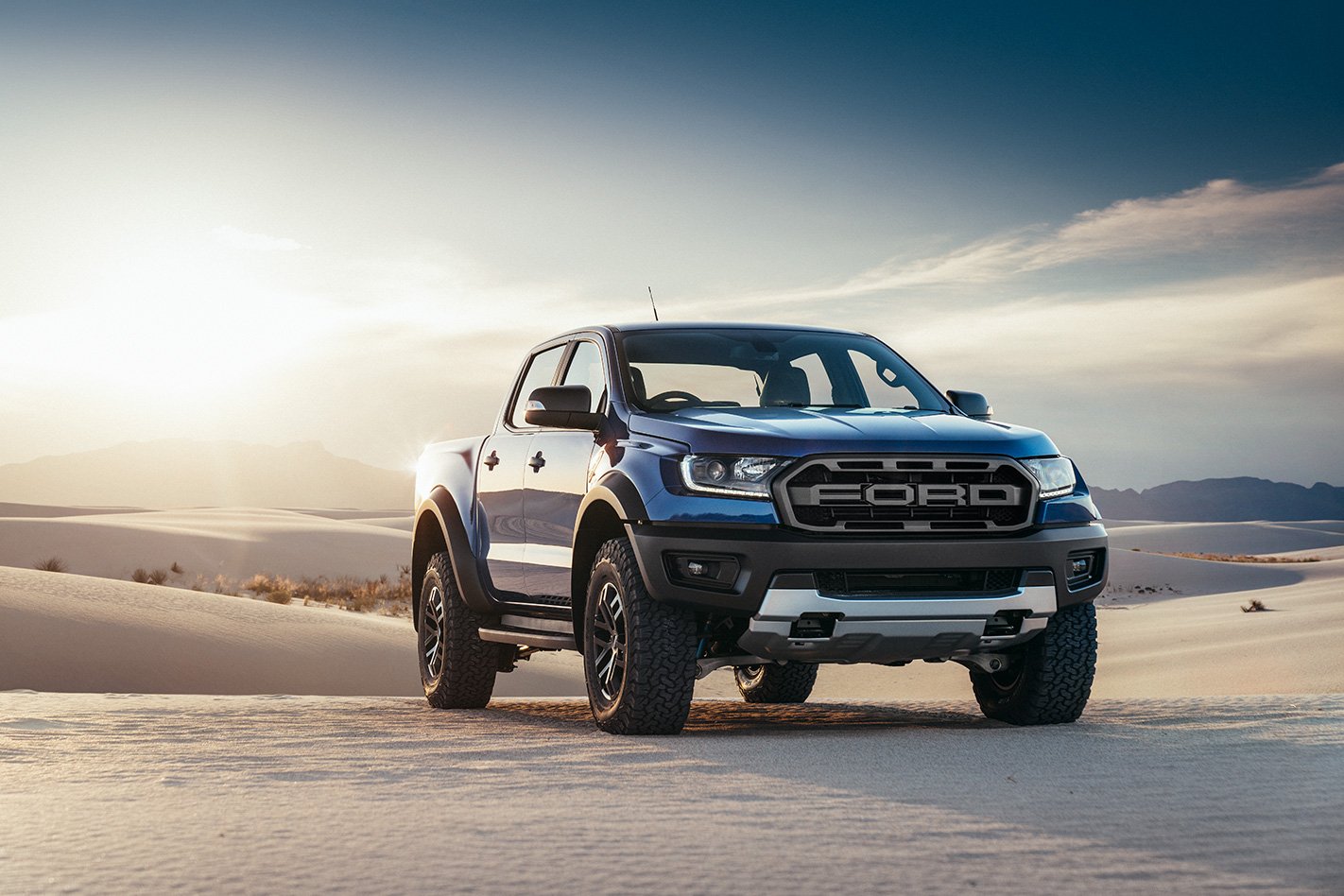
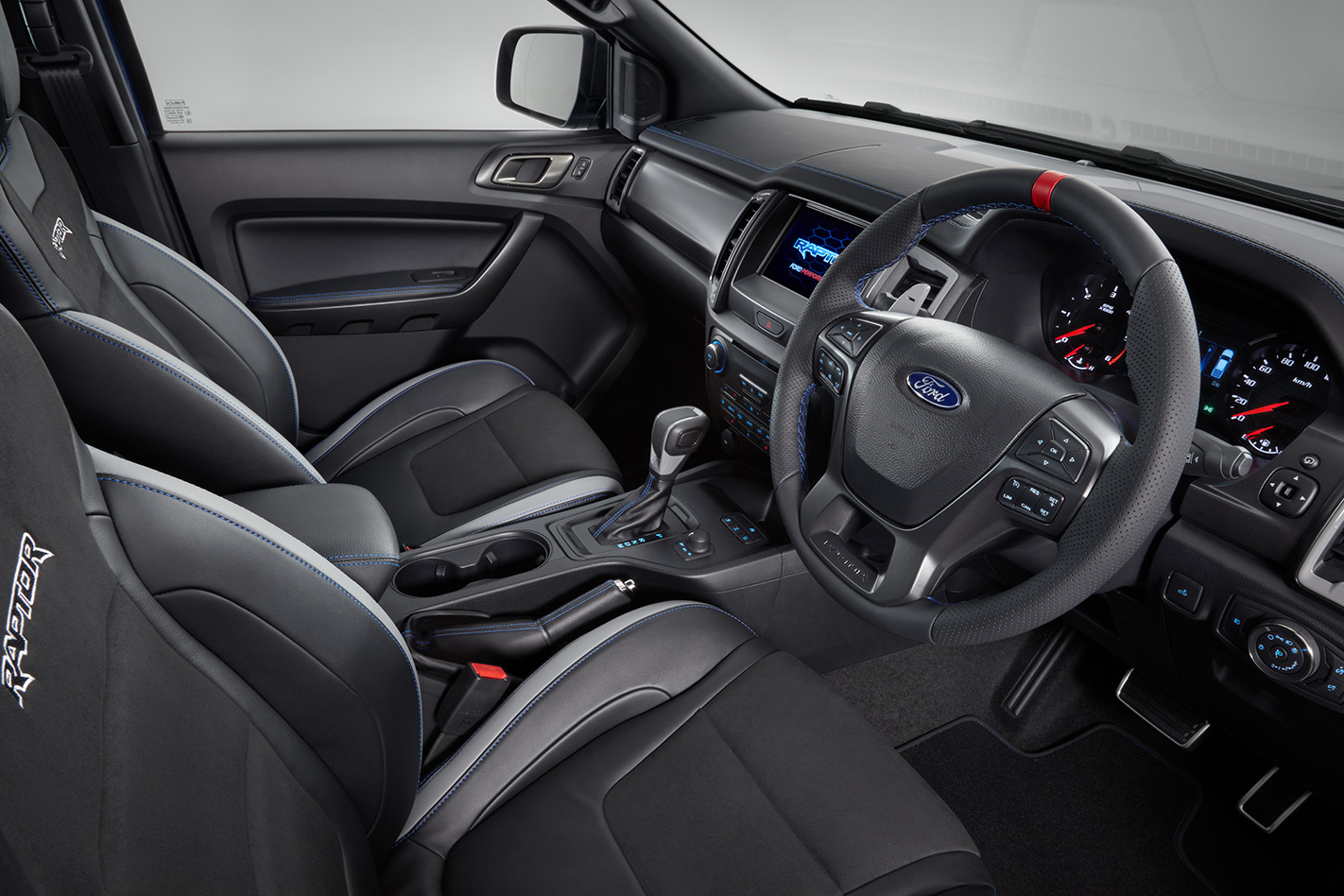
Equipped with specialist – and hugely expensive – Fox Racing Shox dampers, a completely redesigned rear end, a beefier track width and elevated ride height, the Raptor also includes 4.5-tonne recovery hooks, a 2.3mm-thick bash plate, 332mm front disc brakes and hefty 285/70-section 17-inch BF Goodrich A/T rubber.
A Ford Australia spokesman was reluctant to talk specific prices, but claimed that a decision on Aussie pricing is due early next week.
Welcome to the new-look MOTOR.
You can buy a copy at MagShop, digitally at Zinio, and find mags at retailers around Australia. Or you can subscribe and save yourself some cash.
Or, if you want to give us feedback and see behind the scenes, you can follow us on Facebook, Twitter, and Instagram.
But if you’re already an avid reader, you’re probably wondering what you’re in for. I’ll leave it to MOTOR’s Editor, Dylan Campbell, to explain:
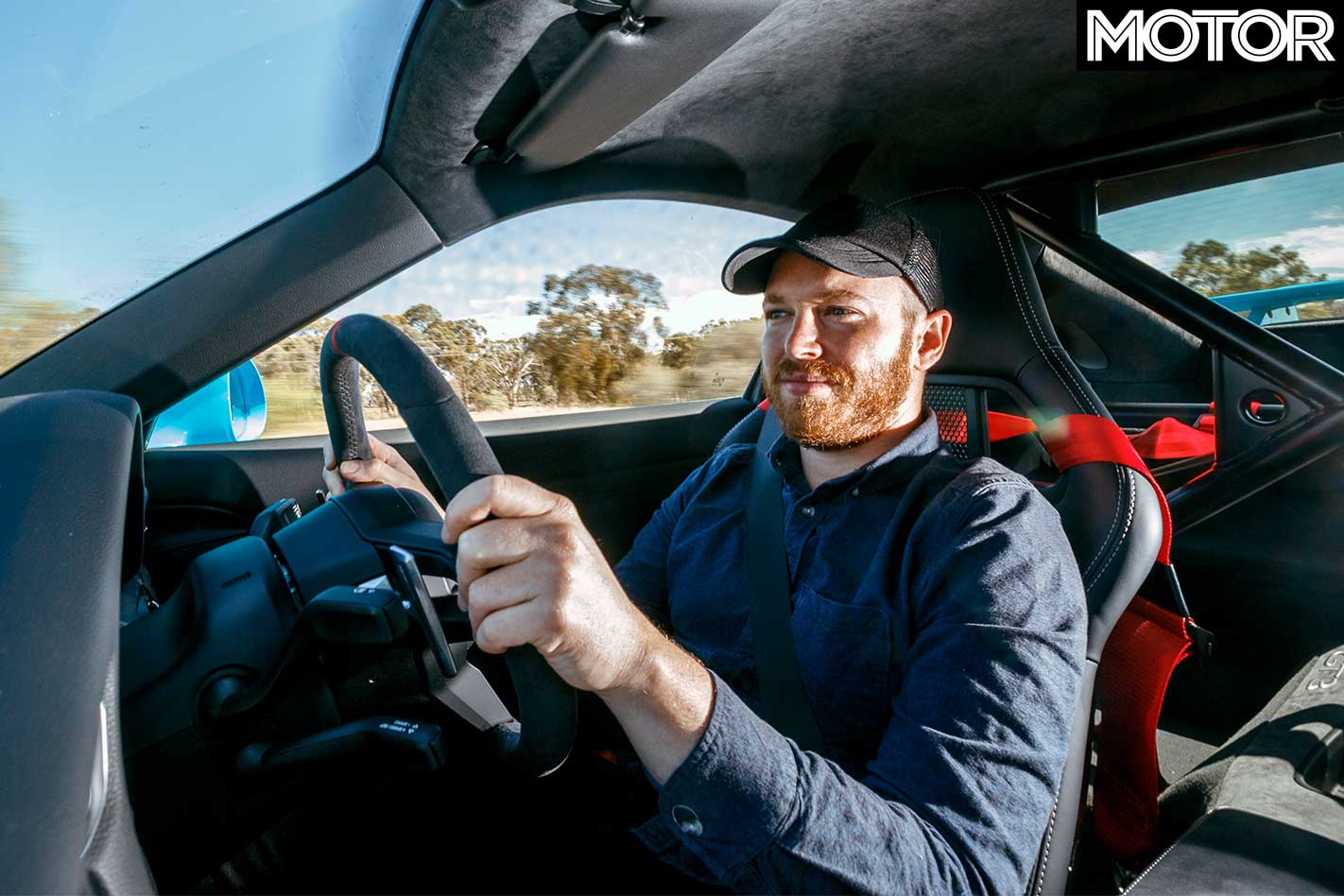
In 2018, MOTOR is adapting yet again to take advantage of incoming opportunities presented by the digital age – with the magazine, perhaps unexpectedly, sat at the head of the table.
So that’s the direction we’ve taken your favourite car magazine, the current team of which is the same that’s been around since 2013 – and we’ve been readers of MOTOR ourselves for a long, long time.
We know MOTOR’s DNA. Our new slogan, Power, Performance, Passion, will be familiar to long-time readers. That’s deliberate.
We can’t live without the buzz of driving fast, and we know that’s true for you, too. We live to serve your addiction. And our goal is to give you your fix better than anyone else.” – DC
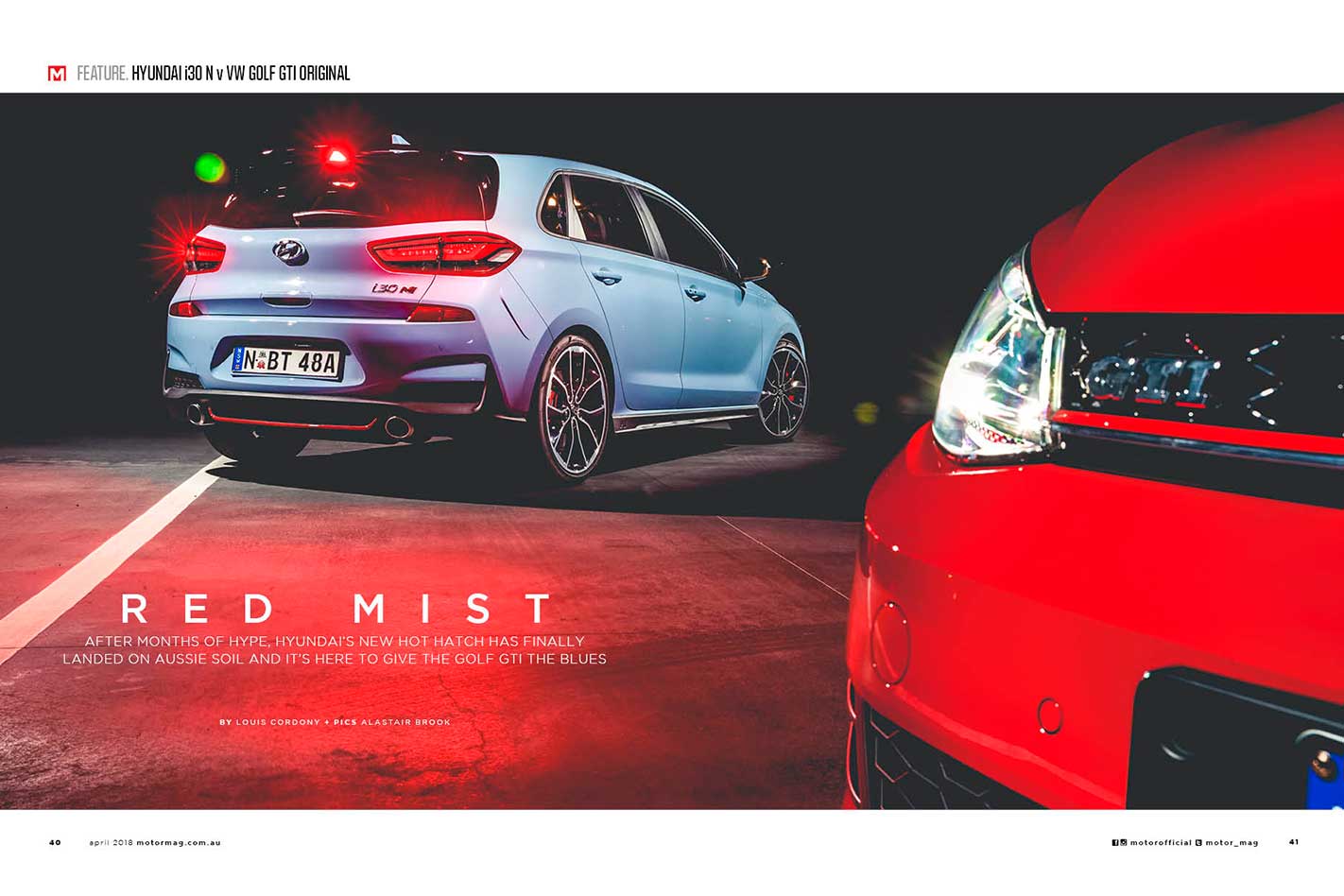
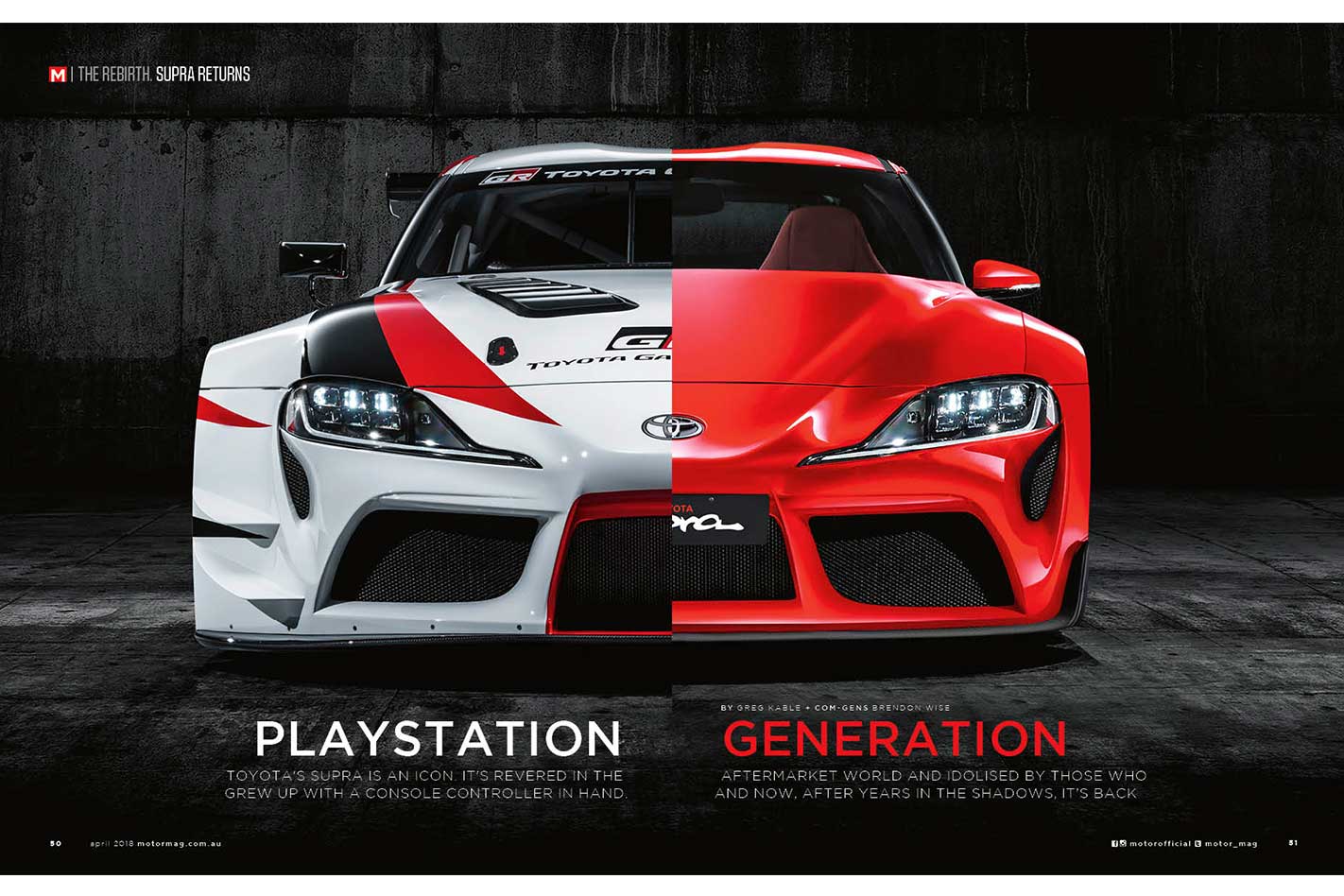
See below for a peek at what’s in store, and enjoy.
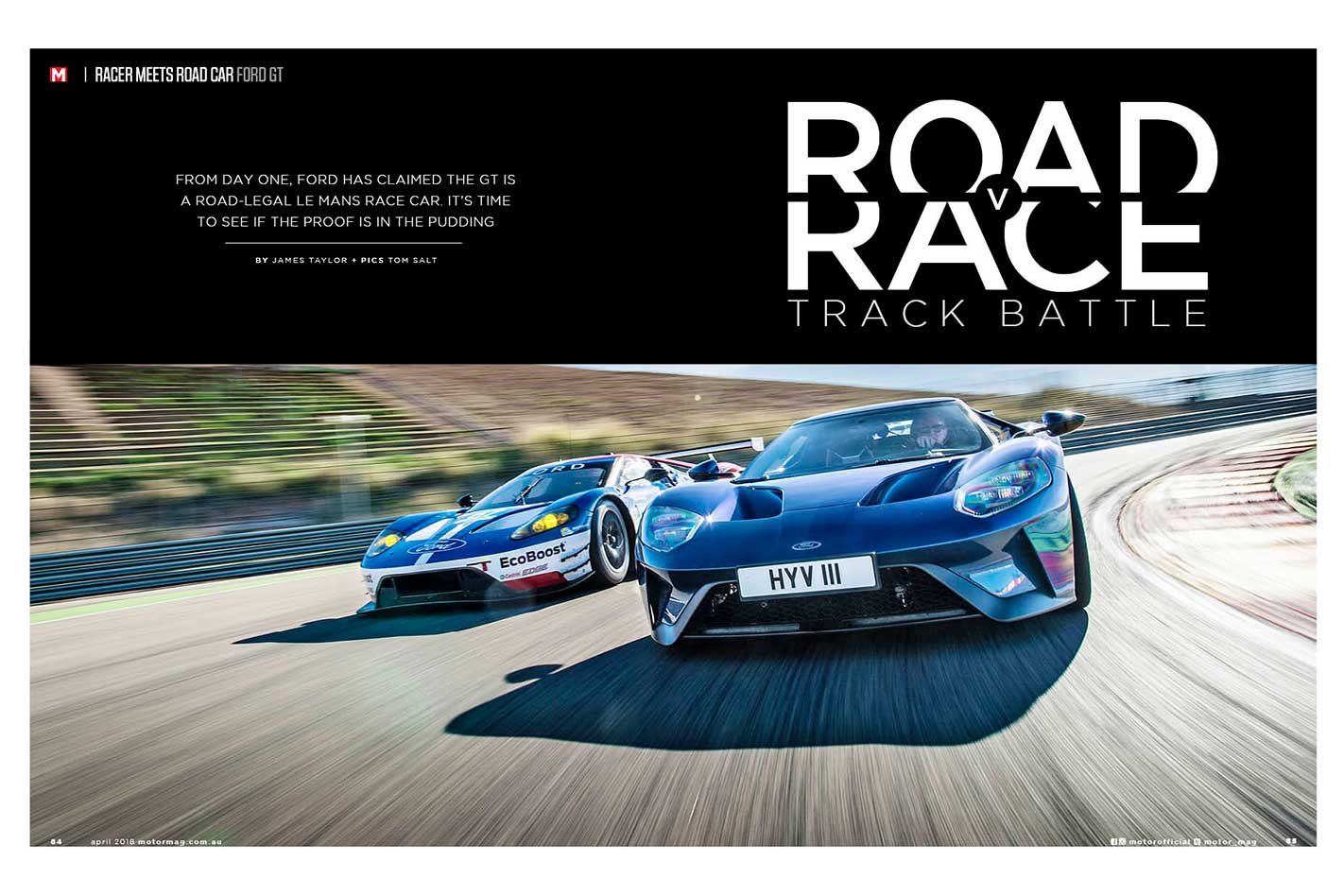
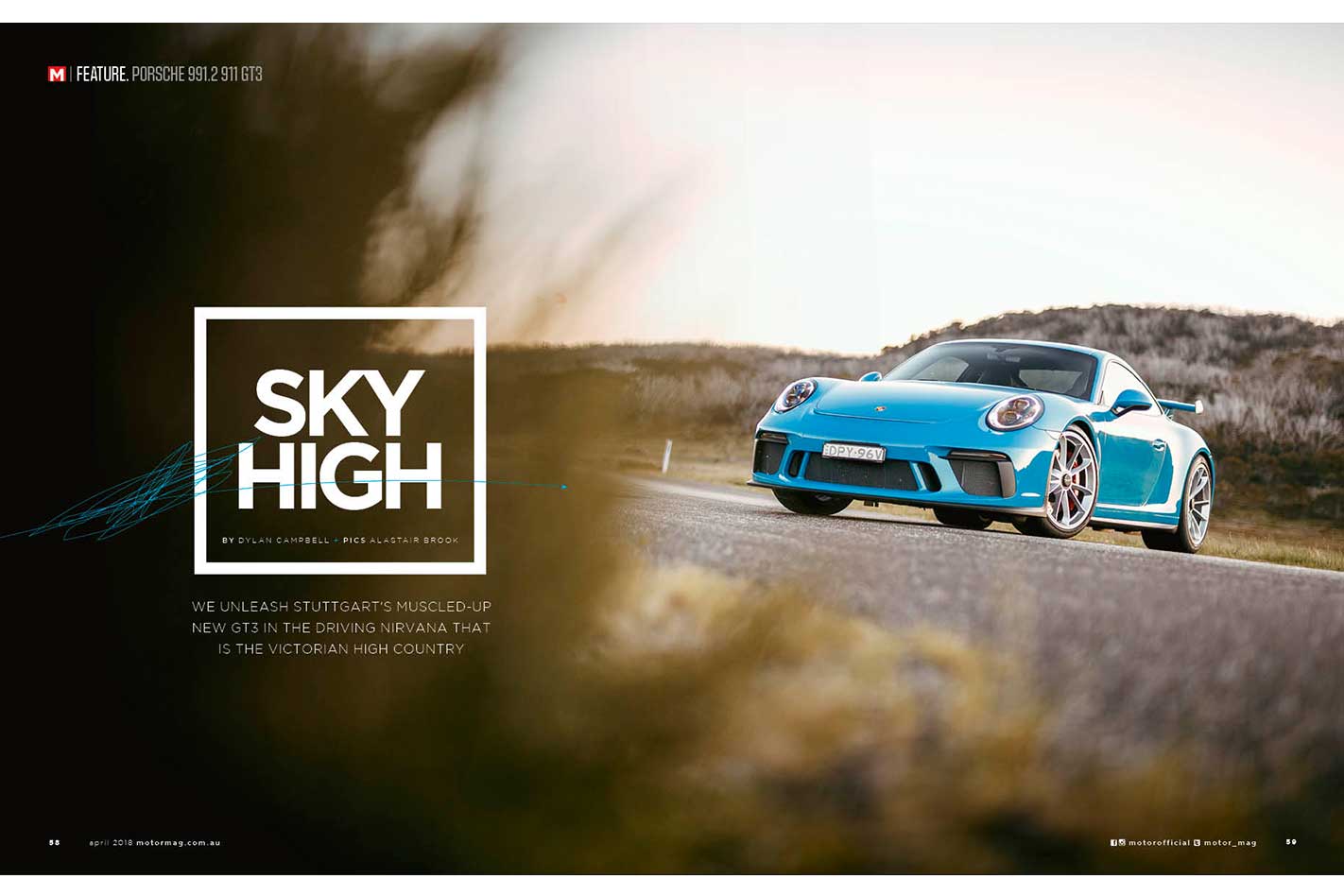
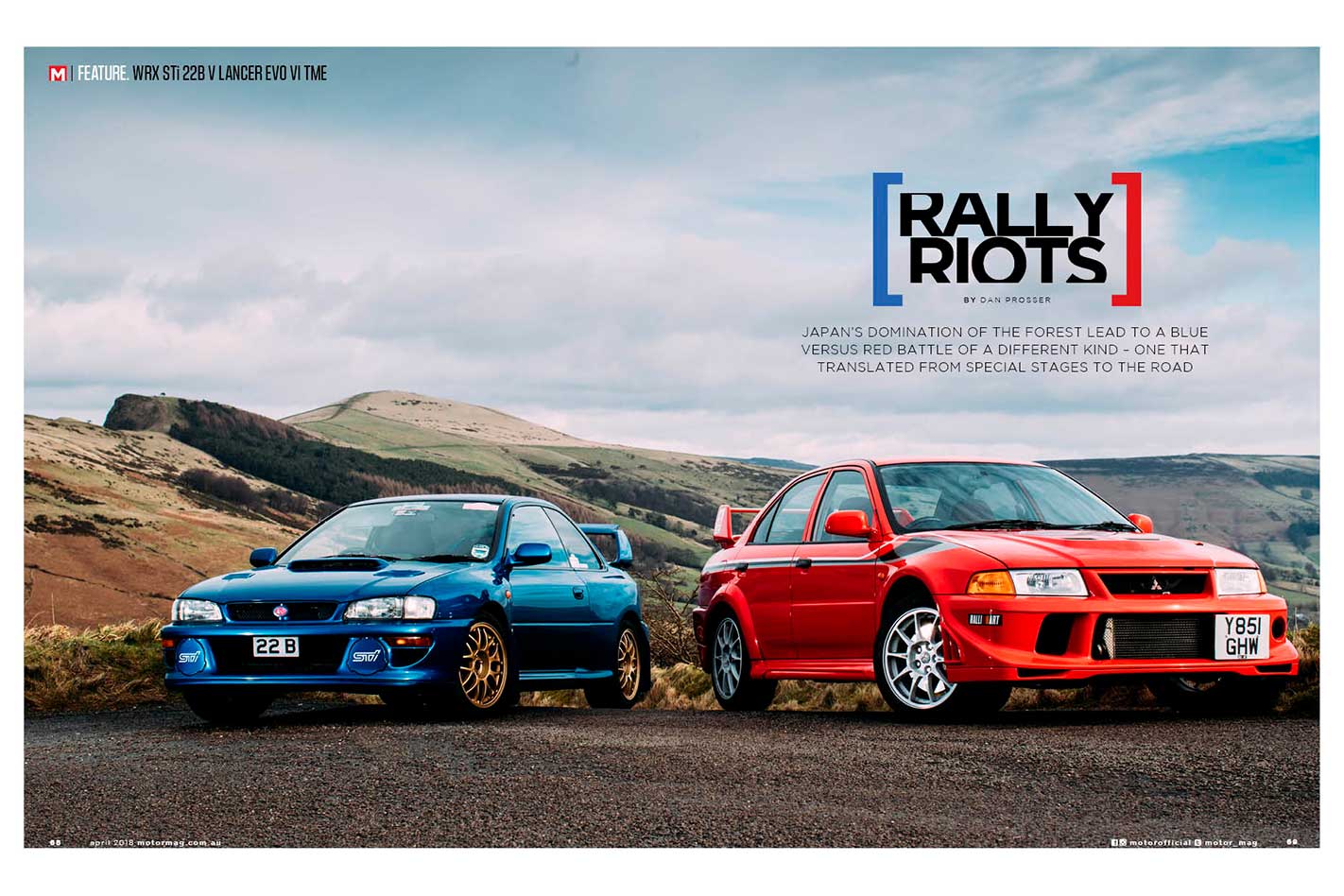
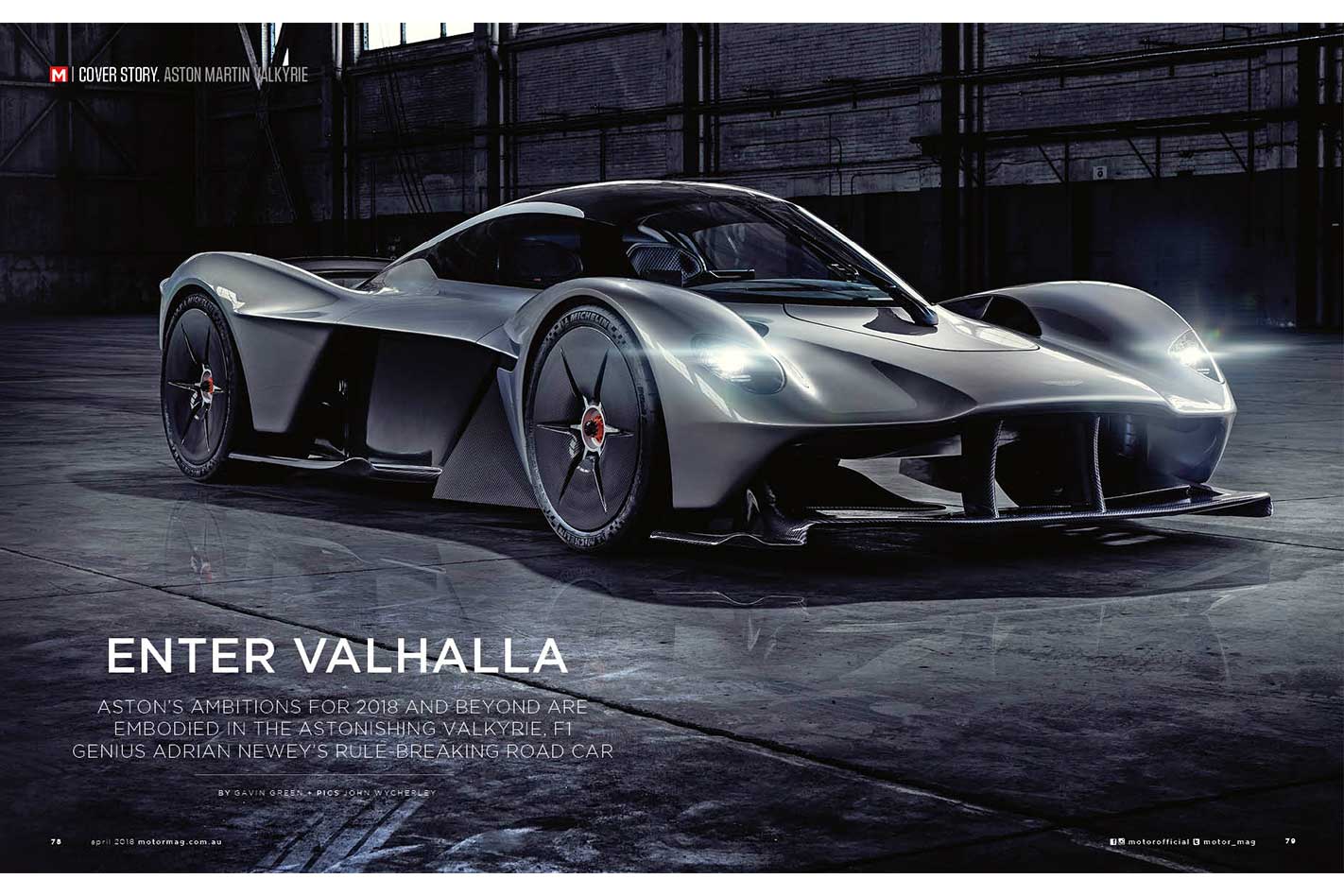
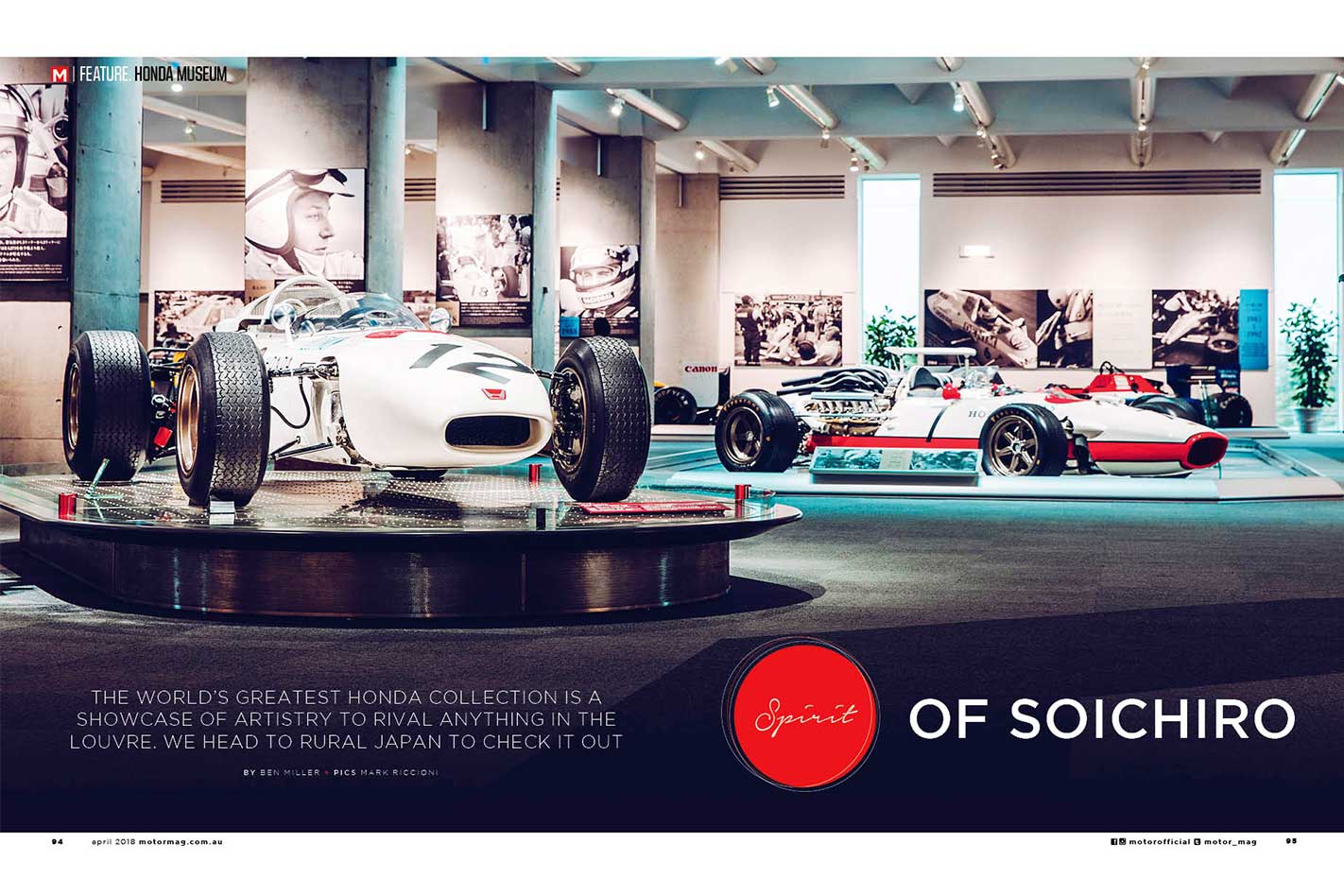
FORD GT: RACE vs ROAD Ford claims the GT is a road-going LeMans winner. We put that claim to the test.
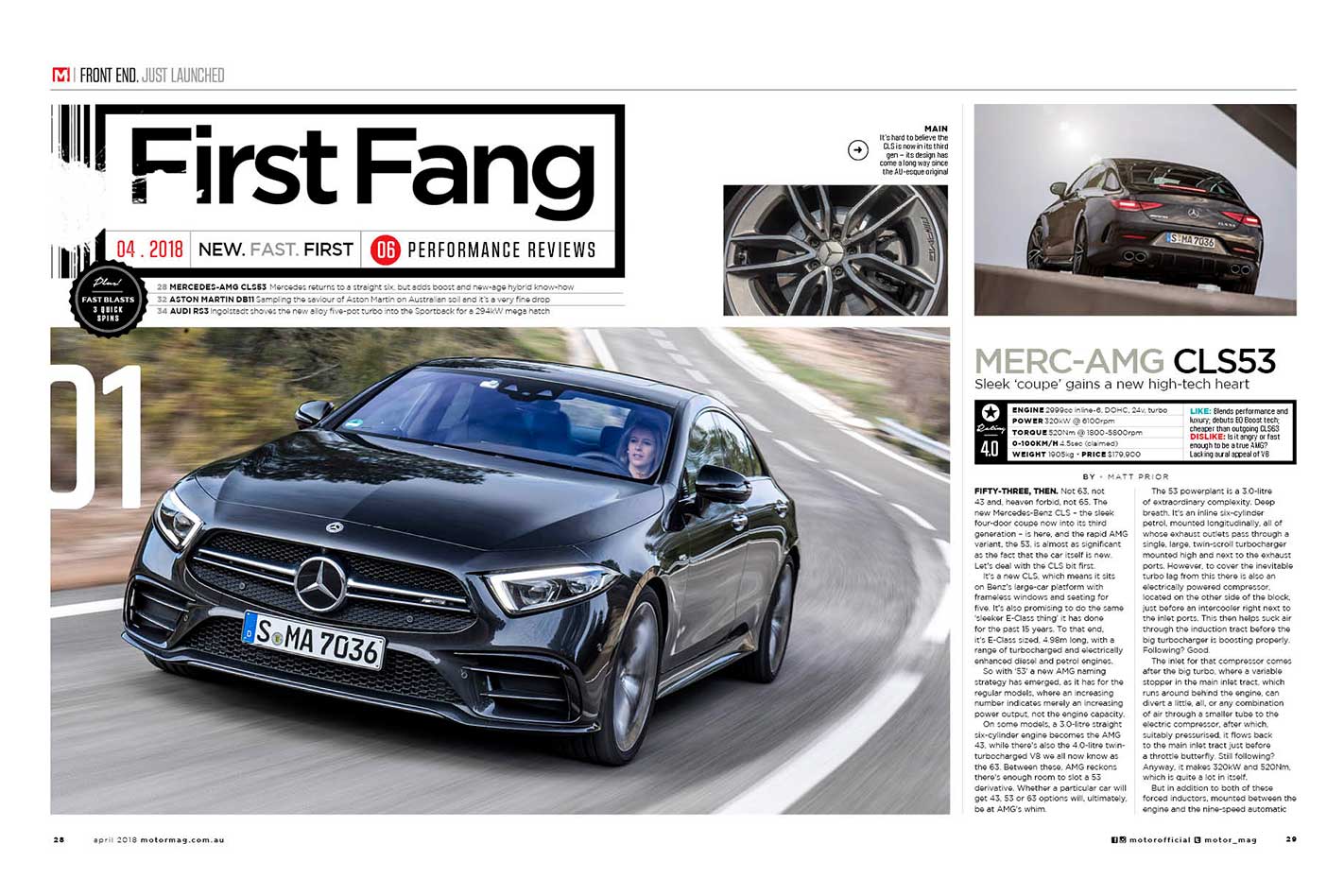
Nissan and Infiniti will replace the ageing FM rear-wheel-drive platform, underpinning the current 370Z and Q60, with brand new all-wheel-drive underpinnings set to harness a confirmed 300kW electric-hybrid sports car powertrain set to hit the market from 2021.
Recent reports – as published by MOTOR – have indicated that Nissan will replace its dated 2009-vintage 370Z with a brand new generation model using the next-generation Q60’s twin-turbo V6 petrol engine, however it could instead be an electrified, all-paw model.
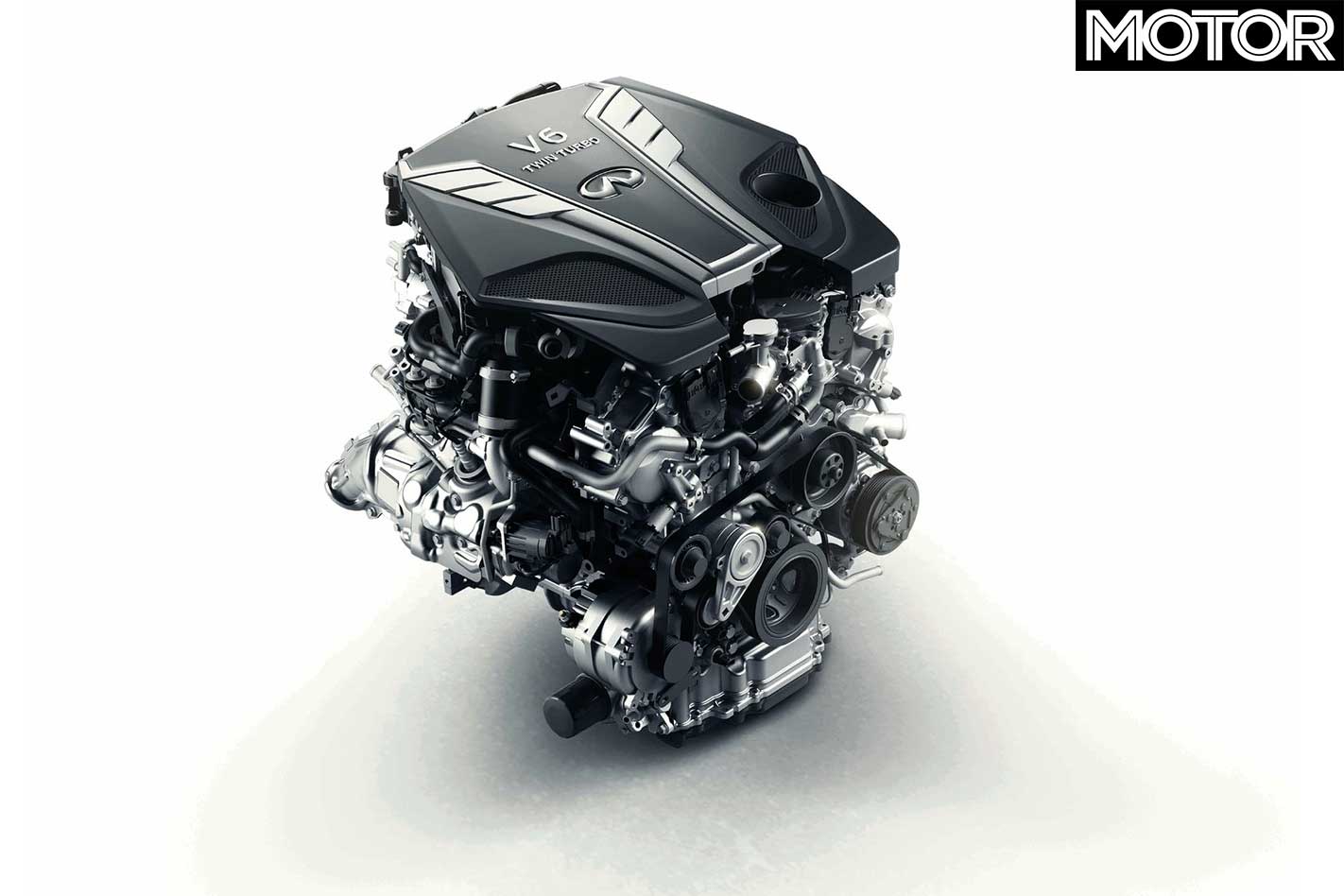
One of the reasons Bancon cited for needing to ditch the rear-drive FM platform was because it was suited to a V6 petrol engine application, something he sees little future in. Instead, what the product planning vice-president has committed to is an electric-hybrid powertrain set to deliver around 300kW and sub-5.0-second 0-100km/h performance.
“We are going to have to change, this [FM] platform is a V6 platform, it is a rear-wheel drive V6 platform,” he said of the 370Z/Q60 underpinnings.
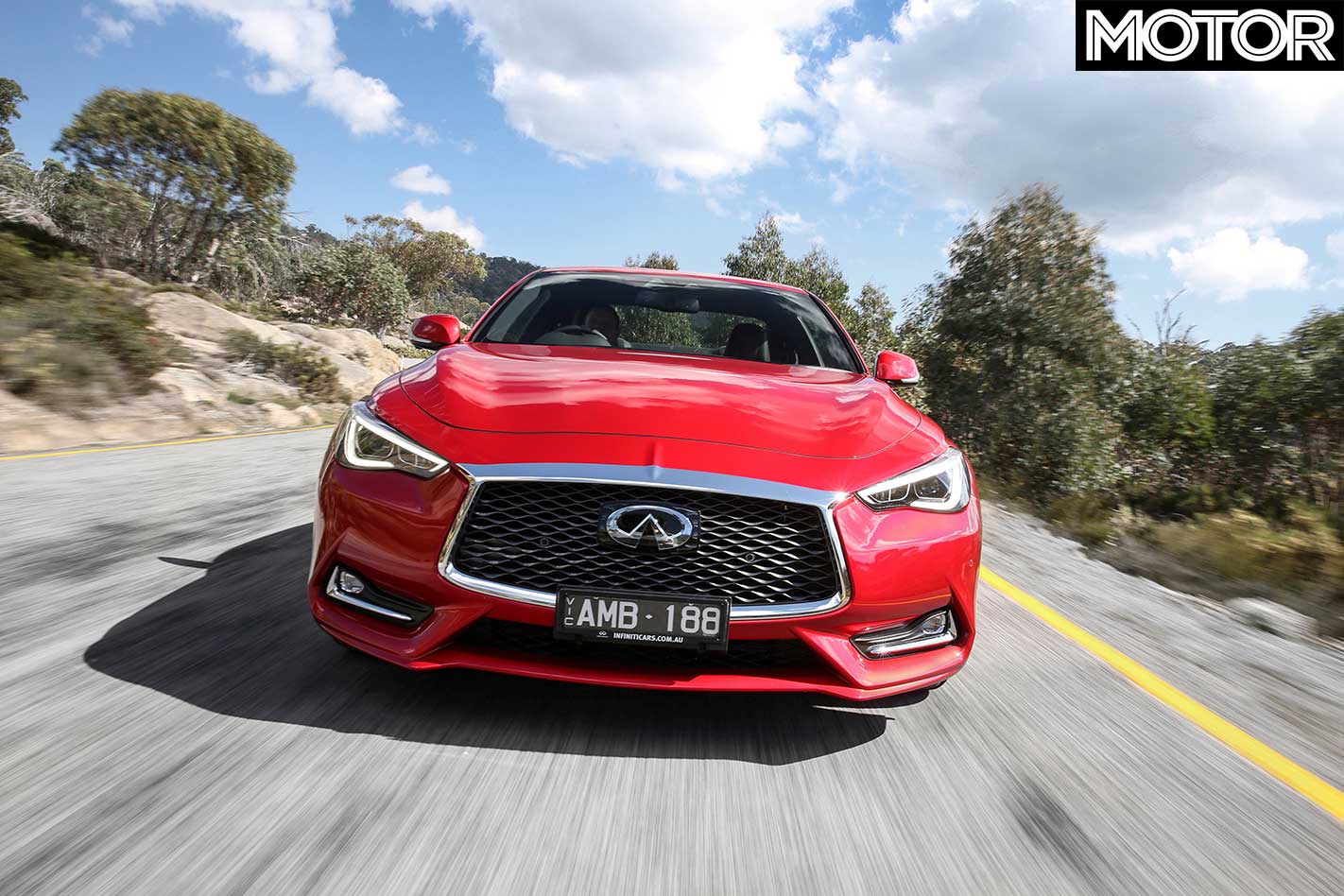
Bancon added that the Q60 will “probably not” be available in rear-wheel drive, but its all-wheel drive system will offer “distribution more 50:50 than the 60:40 we have today, so probably a little more rear distribution than we have today.”
“Since you shift electric you have a motor in the front and in the back, rear-wheel drive does not make sense anymore,” he explained.
“You can be rear-wheel drive, you just decide, it’s not anymore structural change when you have powertrain at the front and the rear-wheel drive push. So with the new generation electrified platform … it’s a little bit like Audi and it’s 4×4.”
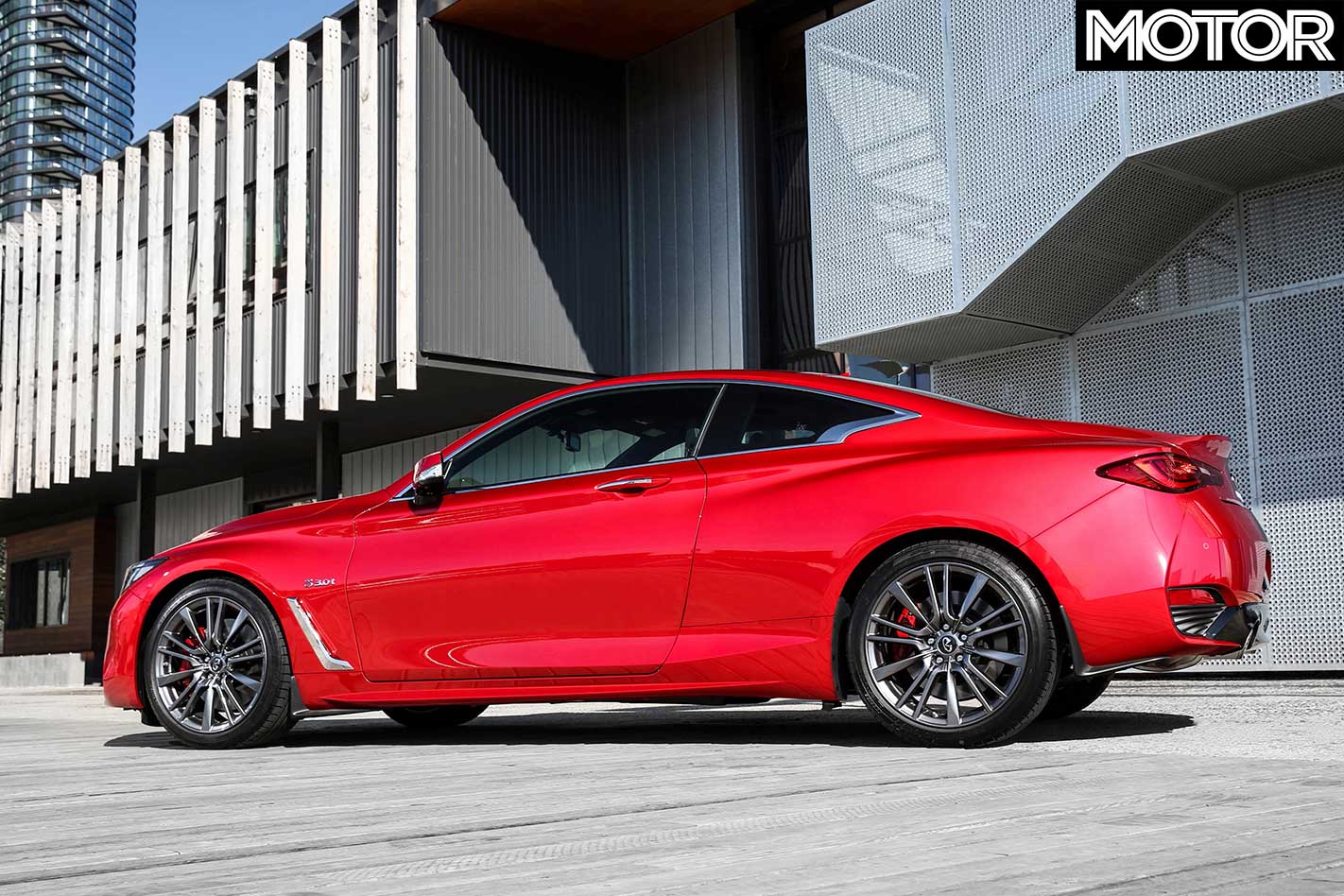
From 2021, a next Q60 – the styling of which was recently previewed by the pictured Infiniti Q Inspiration Concept – will be available with a 300kW electric motor and battery pack, with a smaller ICE charging the batteries. Unlike rivals, there won’t even be the opportunity to plug the vehicle into a powerpoint.
“Today you have a V6 twin-turbo with 400 horsepower [298kW], this is what people are used to and this is what the point is to deliver, so this is our target,” he continued.

“A series hybrid is an electric car where you use this ICE, a smaller ICE, to charge the battery only. But the transmission is only electric. The difference is you don’t need to plug. The ICE charges the battery, [efficiency] is quite good, I don’t know the number because we are still finalising, but it is good. When the internal combustion engine doesn’t run the car, you can decide the function, say decide on constant 3000rpm, so the powertrain is super-efficient.”
And could a next Q60 share its all-paw electrified platform with, say, a next 370Z? While not mentioning any specific models, Bancon confirmed, “the big idea is to share with Nissan.”

“It’s not about, well, you keep the platform but replace [body styling]. When you change everything, including the manufacturing system, it is not a small change.”
HOLDEN has plummeted to number 10 on the list of Australia’s best-selling brands in March, its worst result ever, the latest VFACTS data shows.
The brand (5116 sales) was outsold by rivals keen to pull in big numbers as they headed into the last month of the Japanese financial year, including Honda (5586), Nissan (6191) and Subaru (5195) – and even lost out to German premium brand Volkswagen (5137). Yep, pick up your jaw.
The monthly sales results, released today, show Toyota cornered 18,887 sales representing a 17.6 percent share to once again dominate a market that still has plenty of fizz in it. March’s combined sales totalled 106,988 units, a 1.5 percent gain on the same month last year. The strong result has helped push the overall market up by 4.4 percent compared with the first three months of 2017.
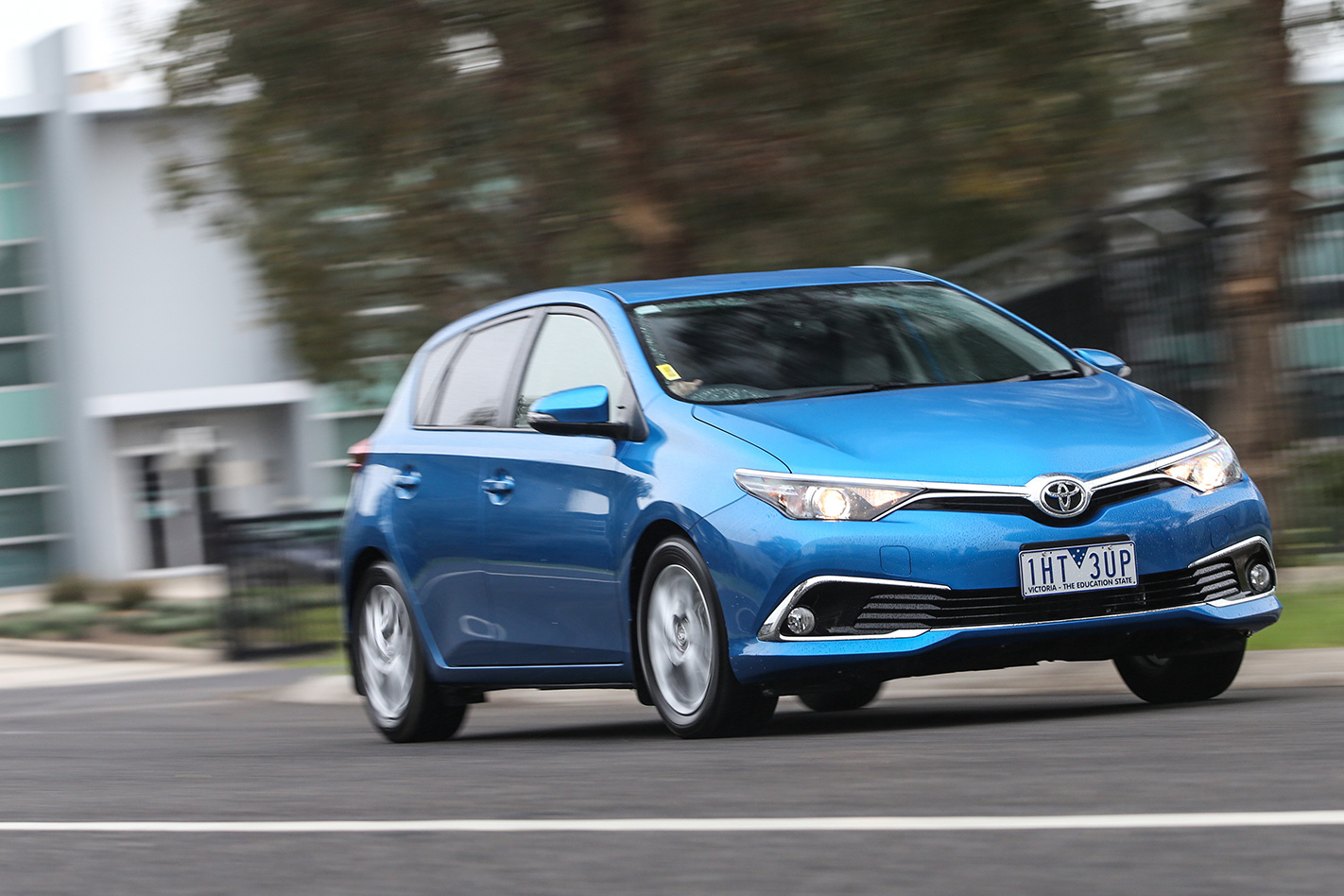
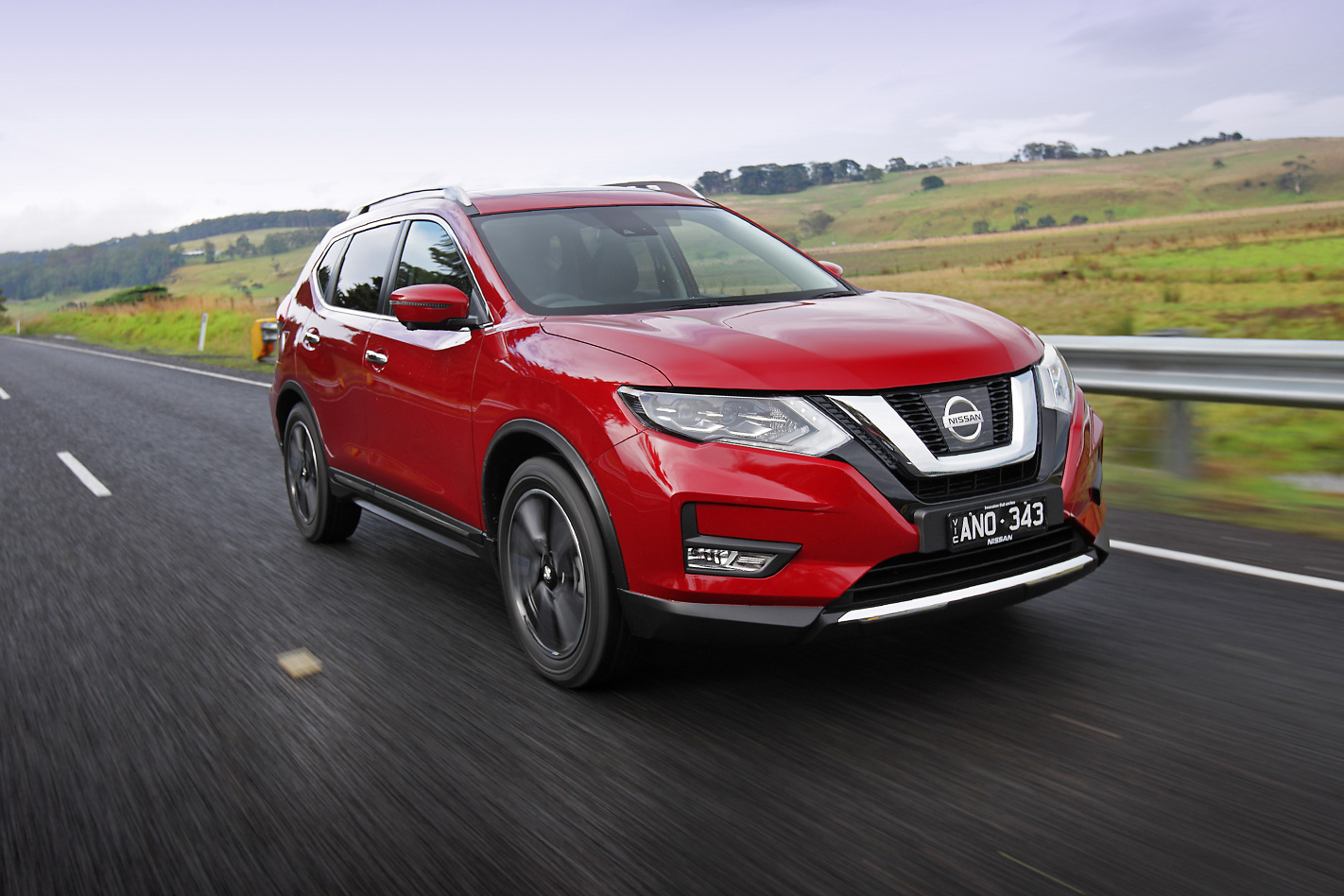
Chasing the Corolla, which swaps over to an all-new hatchback in August, were the Mazda 3 (2780, and a much truer representation of private buyers’ tastes) and the Hyundai i30 (2719) that displaces last month’s No.3-ranked Mazda CX-5 (2261). Another SUV, the Nissan X-Trail (2504), rocketed up the charts to claim the fifth position.
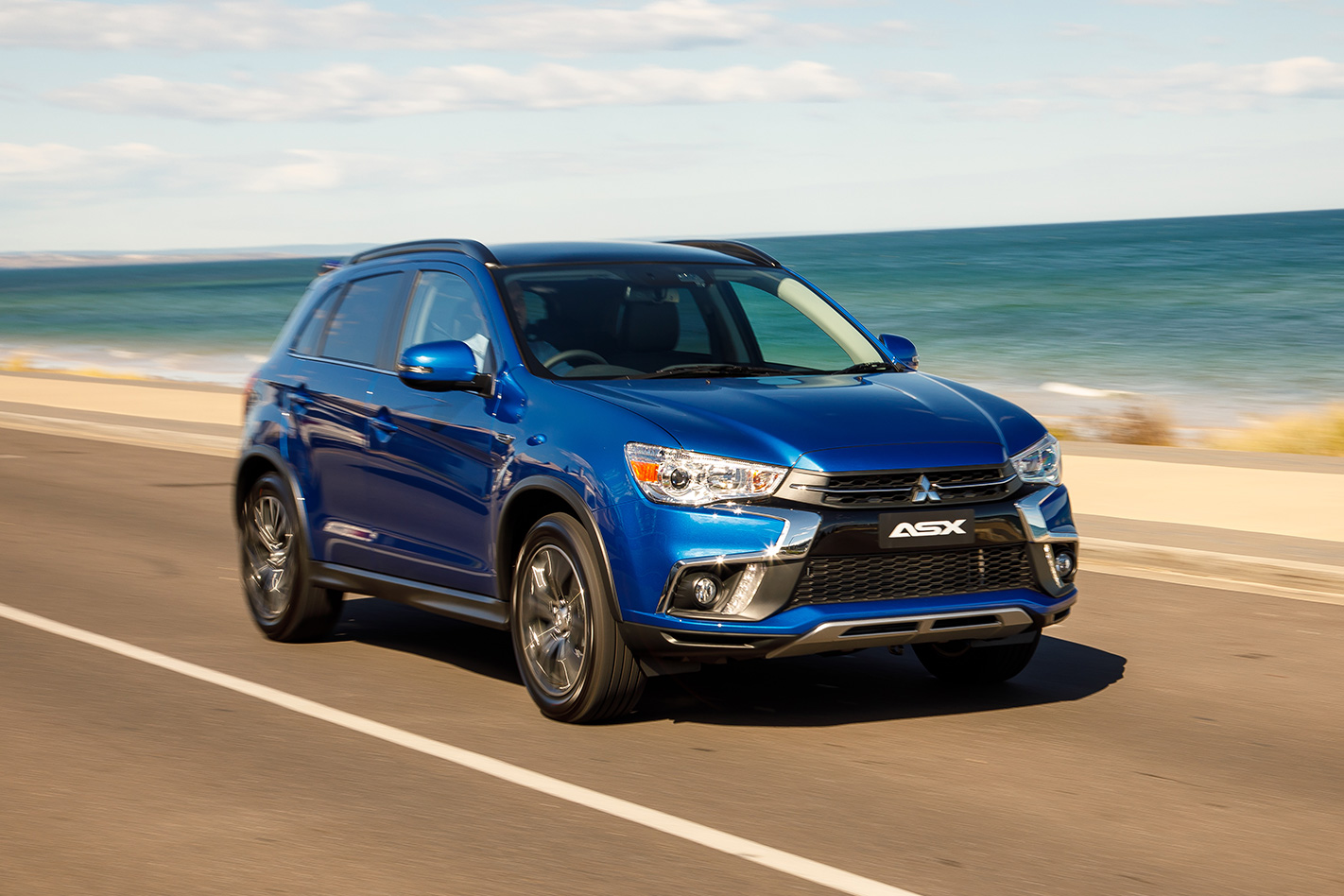
Ducking back to the brands for a moment, Ford looks like it is settling in to the No.5 slot as sales of the Mustang (705) kick up a gear again to dominate the affordable end of the sportscars segment. It also just about doubled sales of the EcoSport compact SUV (137). The ASX’s strong result helped Mitsubishi (8810) claim third spot ahead of Hyundai (8443), which failed to capitalise on the market’s strong SUV-flavoured undercurrent.
In the battle of the premium German brands, Mercedes-Benz (3340 sales) is prospering with the A-Class (605), GLA-Class (401) and GLC-Class (431) to comfortably outstrip Audi’s (1860) heavy lifters including the A3 (338), Q5 (438) and Q7 (205), and BMW’s (2229) 1 Series (254), 3 Series (275), X1 (109), X3 (626) and X5 (242). They all easily thumped Lexus (863 sales), with it relying on the IS (129), NX (321) and RX (229) to pull in the numbers. Infiniti? It logged only 43 sales for the month, which were dominated by the Q30/QX30 pair (13) and the Q50 (18).
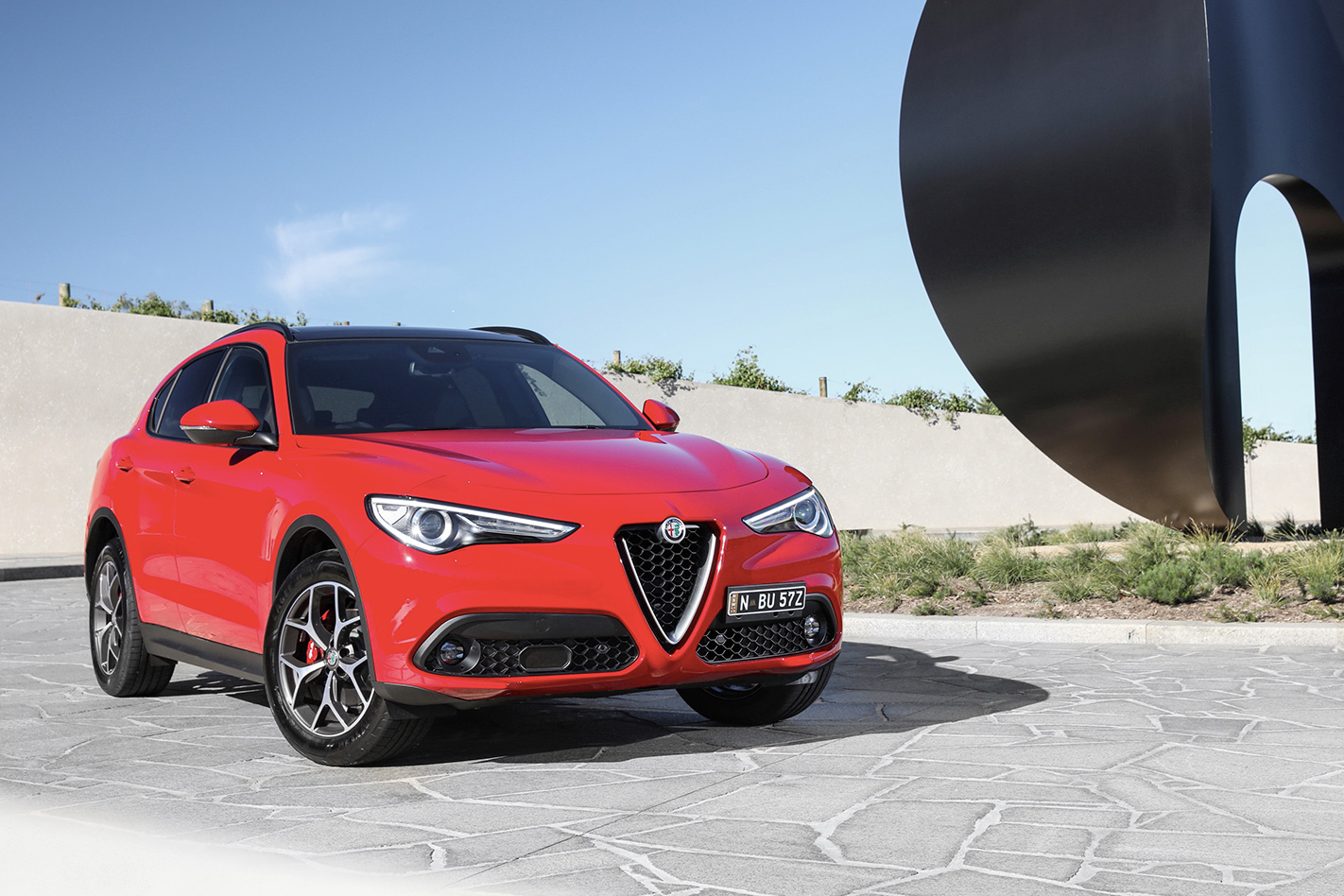
There were some significant wins among the more recent arrivals in March. Alfa Romeo’s Stelvio – its first SUV – has given the premium Italian brand a huge lift, adding 51 sales to its 133-sales tally for the month, and helping to push the brand 50 percent higher than where it was at the same time last year.
BMW also experienced a bump via its new X2 (81 sales), making it the most successful of the coupe-profiled SUVs scattered throughout the German luxury car maker’s showroom. Jaguar’s pioneering E-Pace found 101 buyers, almost doubling the Brit’s monthly sales, while reborn Chinese brand MG found 99 customers willing to jump behind the wheel of the ZS small SUV.
And in a surprise result, Honda squared off its 2017-18 books by selling off two of its $420,000 hybrid-engined NSX supercars, making our count of the number sold here since its launch to … four. That’s a 100 percent gain.
RANKBRAND Mar ‘18 Mar ‘17
- Toyota 18,878 19,652
- Mazda 9723 10,472
- Mitsubishi 8810 7583
- Hyundai 8443 8700
- Ford 6687 6852
- Nissan 6191 5620
- Honda 5586 3106
- Subaru 5195 5006
- Volkswagen 5137 5122
- Holden 5116 7211
RANKMODEL Mar ‘18 Mar ‘17
- Toyota Corolla 3218 3574
- Mazda 3 2780 3039
- Hyundai i30 2719 2383
- Mazda CX-5 2261 2116
- Nissan X-Trail 2504 1780
- Mitsubishi ASX 2337 1384
- Toyota RAV4 1952 1865
- Volkswagen Golf 1713 1504
- Honda CR-V 1683 493
- Toyota Prado 1677 1383
- Toyota Hilux 4384 (3224 4×4) 4245 (3115 4×4)
- Ford Ranger 4064 (3467) 3845 (3304)
- Mitsubishi Triton 3109 (2778) 2670 (2350)
- Isuzu D-Max 1747 (1233) 1424 (1132)
- Nissan Navara 1535 (1260) 1784 (1409)
