
After years of internal work, over a month of public testing, and then even more internal iteration, the biggest update in the history of World of Tanks is upon us!
World of Tanks 1.0 elevates the game to 2018 standards in graphics and sound with the switch to a completely new graphics engine, Core, and features 29 maps fully reworked in HD and new adaptive music.

For more information visit: www.tastetruepower.com/asia

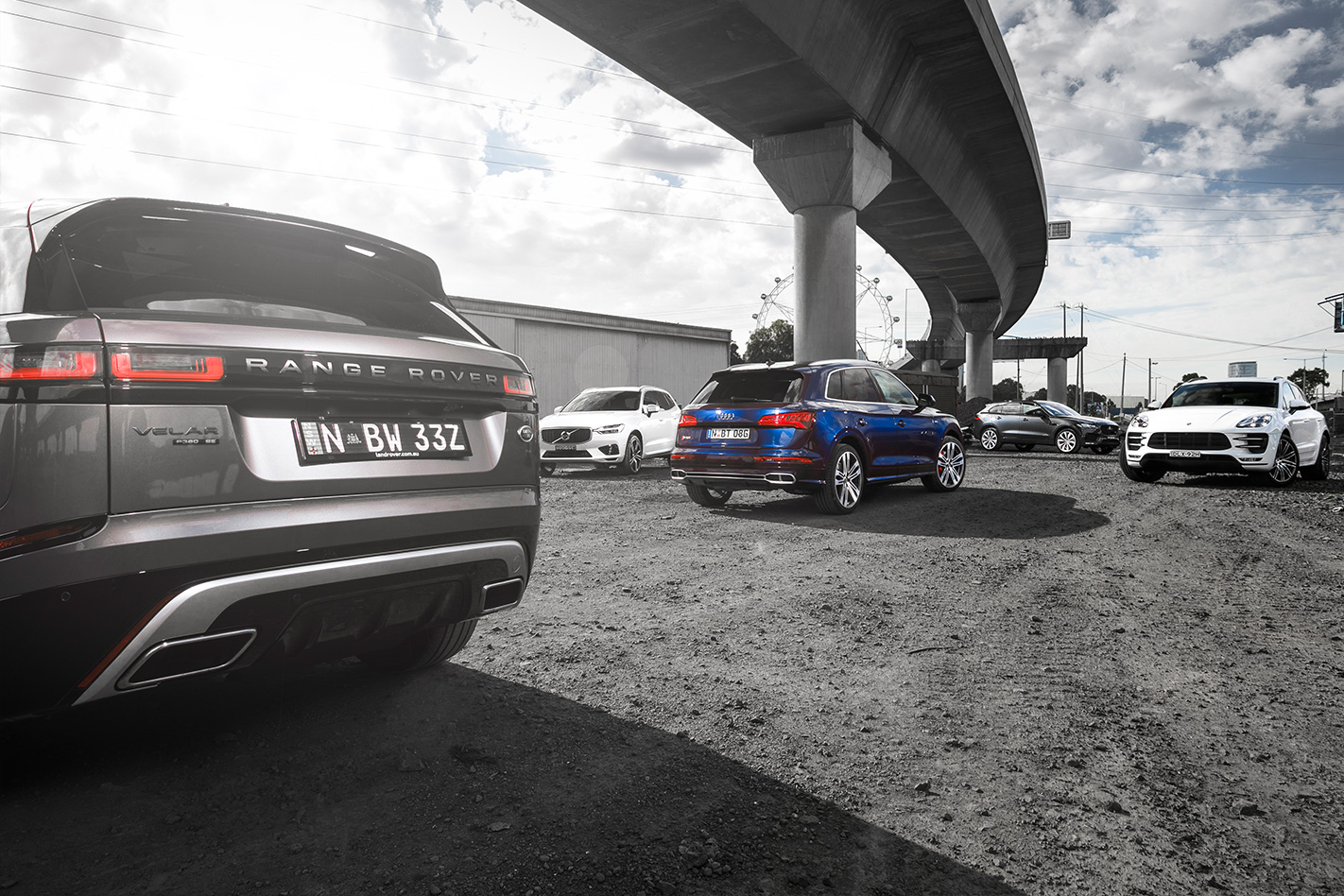
COMPARISONS are odious. Whoever coined that phrase many years ago probably didn’t have five of the finest performance SUVs available and a deserted road to play on. Then they’re anything but.
Fun, however, wasn’t always on the agenda with fast four-wheel drives. As a marker of how rapidly this sub-genre has progressed, it’s not too long ago that such vehicles were all firepower and no finesse. Yet it’s hard to argue against the fact that the current crop of contenders has more bandwidth than any other vehicle class.They’re the decathletes of the automotive world, their ascendancy coming from virtually nowhere.
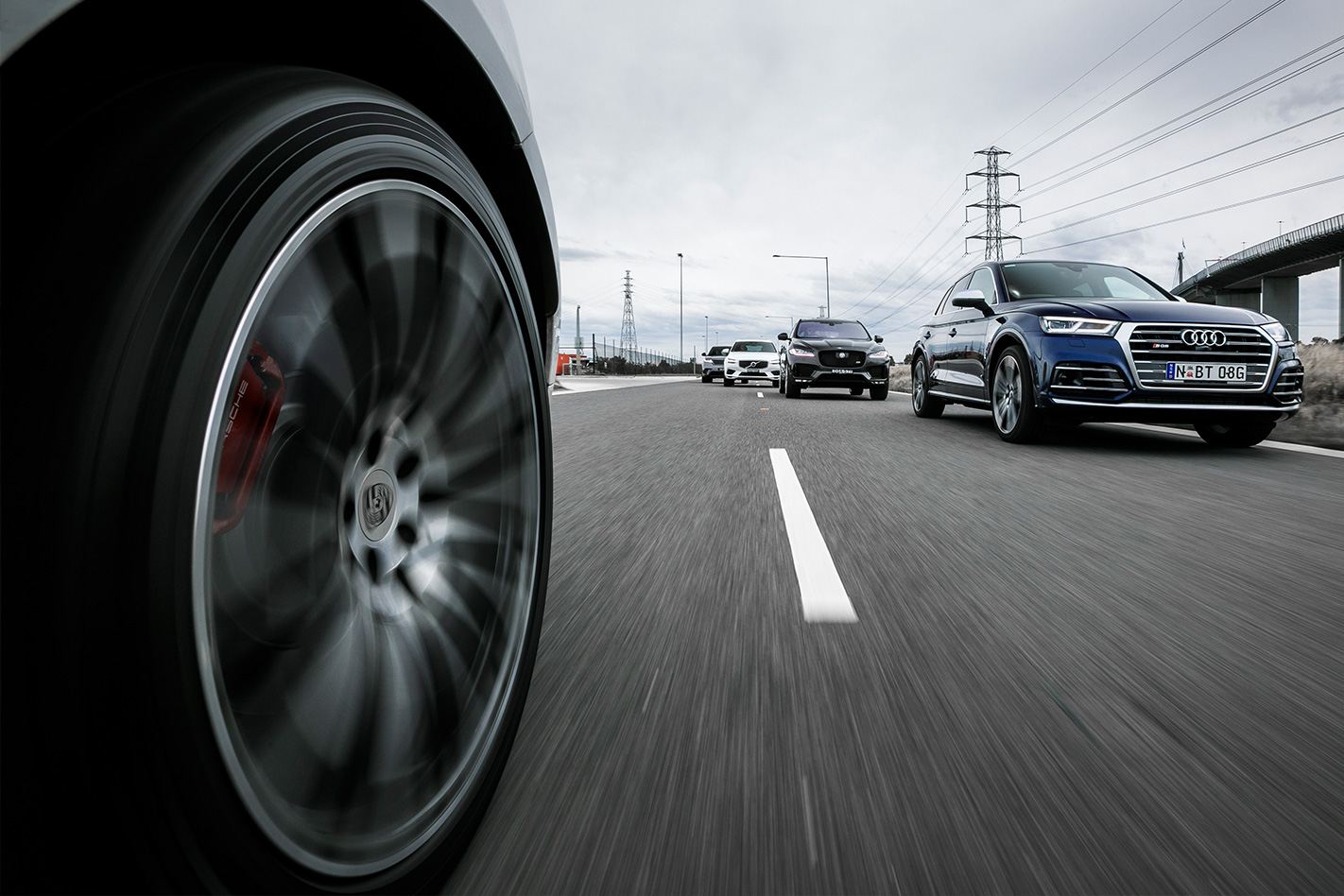
The idea behind this match-up was formed when whittling down the long list for Wheels Car of the Year. We had to have the Range Rover Velar at COTY. Volvo’s all-new XC60 was also a given. The Audi SQ5 shone during testing but ended up taking the fall for the shortcomings of its less talented Q5 siblings. That was the core trio. For this test, Porsche’s Macan Turbo represented the class dynamic benchmark (in lieu of the unavailable Macan GTS) and Jaguar’s F-Pace S – based on the Velar’s underpinnings – looked as though it could have a winning blend of talents.
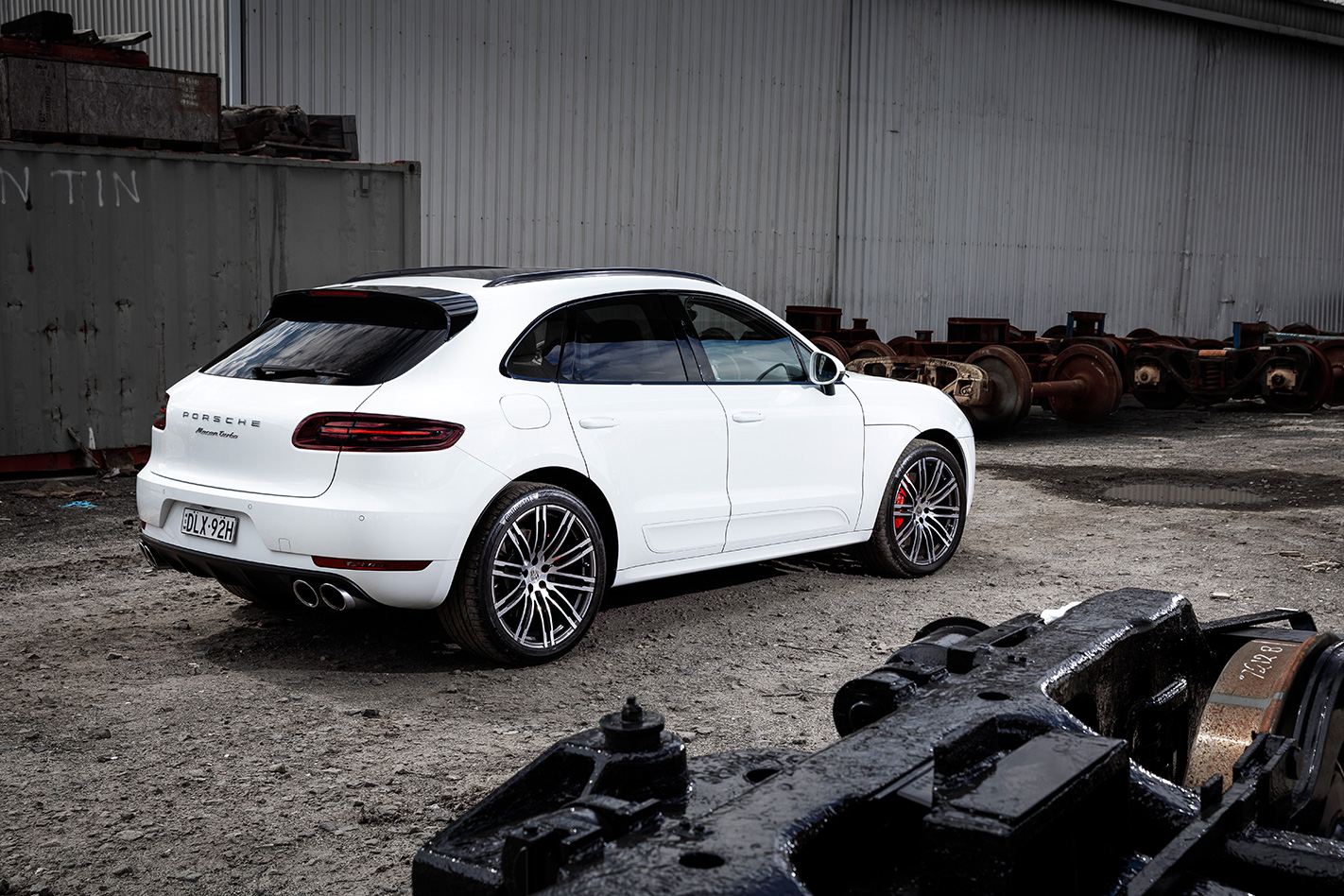
Eight minutes and fifteen seconds. That’s what you won’t get near in a Porsche Macan Turbo. Back in 2014 Porsche’s baby SUV became quicker than a Cayman S.
Actually, the car we have here would go even quicker around the hallowed/hackneyed (take your pick) loop of German blacktop as it’s the Macan Turbo Performance Package. This raises power by 30kW to 324kW, while torque from the 3.6-litre twin-turbocharged V6 engine steps up by 50Nm to 600Nm. A hefty $10K more than the standard Macan Turbo, the range-topper gets a switchable sports exhaust, a Sport Chrono pack with launch control, a 15mm-lower ride height, bigger brakes and a few cursory licks of carbonfibre under the bonnet. There will be temptingly tickable boxes on the configurator too, and this car adds 21-inch 911 Turbo design wheels and a host of nice-to-haves, bumping the price from $143,500 naked up to a hefty $158,900.
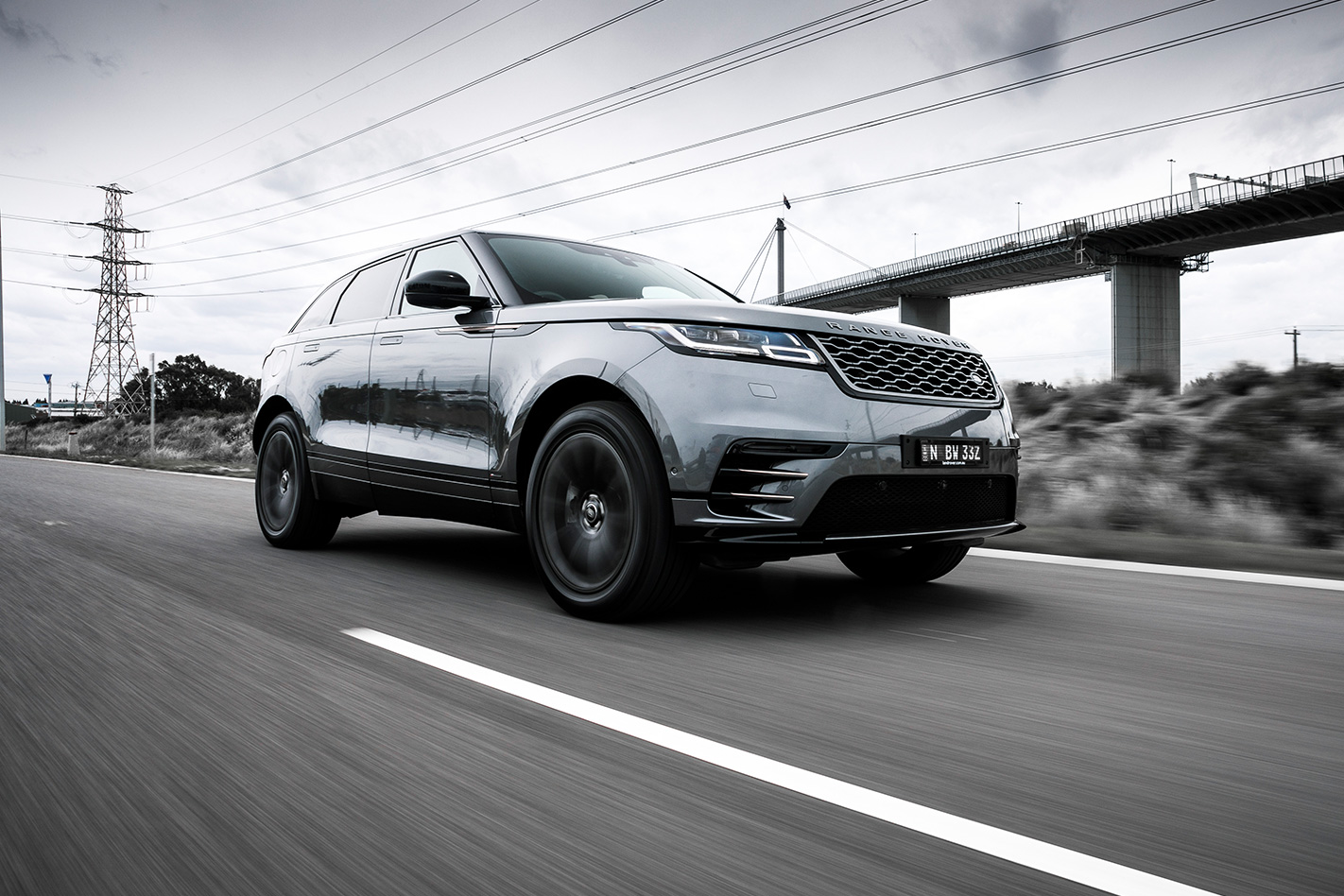
The Velar also comes fitted with Pirelli Scorpion Verde mud and snow tyres. Coupled with a whole host of smart off-road tech, it’s undoubtedly the most capable of this quintet where the bitumen runs out. But would you? Look at the thing. It’s supermodel slinky with 20-inch satin-chrome alloys, leather and suedecloth upholstery, plus ‘Ebony Morzine’ headlining. We don’t even know what that is, but it’s a fair shout that beating bulldust out of it would be wholly abhorrent. At $119,462 list and $130,902 as-tested, does the Velar’s largely superfluous off-road skillset compromise it in this company?
There’s no such quandary for the Audi SQ5. Now packing a 3.0-litre twin-turbocharged petrol V6 rather than the old oiler of the same configuration, the flagship Q5 is unapologetically road biased. It also emerged as the dark horse at the outset of this test, its $99,611 list and 260kW/500Nm output combination only being slightly tempered by the addition of a few options. The quattro sport differential is a no-brainer at $2950 if you want the best from an SQ5, while it’s hard to see too many prospective buyers turning down the $5600 Technik Package, which comprises matrix LED headlights, 755W Bang & Olufsen audio and a colour head-up display. In total, the as-tested weighed in at a not unreasonable – in this rarefied air at least – $111,507.
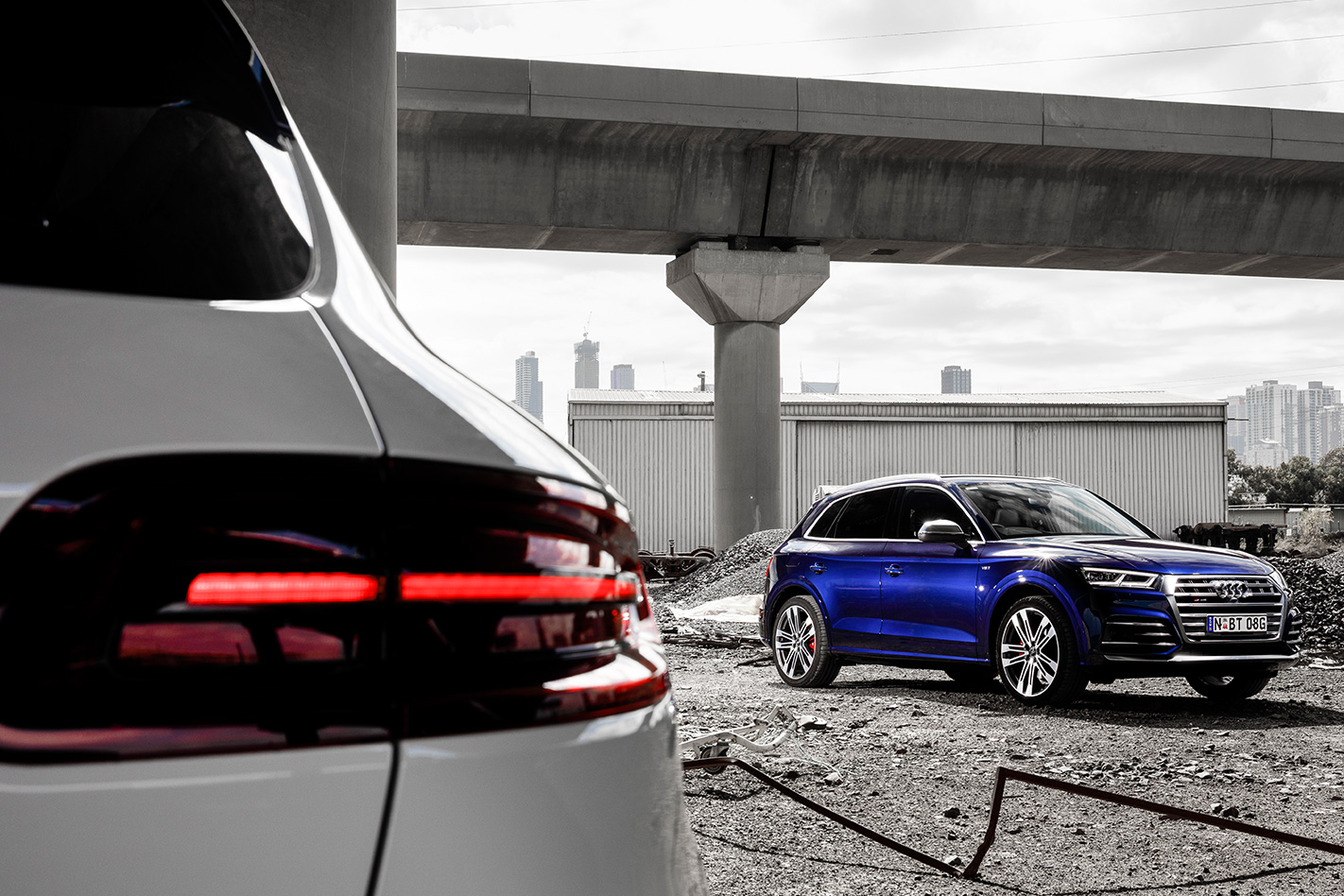
IF YOU were so inclined, you could divide this test into a lazy kind of rubric. The XC60 and the Velar are the new and the complex; entities that take time to figure out. The Macan and the SQ5 wear their hearts on their sleeves; you know what you’re going to get from these Volkswagen Group distant cousins. Then there’s the F-Pace. Despite sharing so much with the Velar, it feels utterly different; an outlier in this gathering. This two-year old vehicle almost feels old-school. Opinions were divided over how successfully it inveigles an SUV’s design language into Jaguar’s portfolio. Some felt the shape generic, while others claimed that this low-key approach is exactly the way to blood a conservative clientele without driving them to the debauchery of a 6pm dessert wine.
If the aesthetic execution of the F-Pace is low key, the same can’t be said for its manners. While modern turbo engines can suffer from a loss of character and flintiness, wind the Jag past 5000rpm and it develops a complex timbre. The exhaust sound you feel in the pit of your guts, overlaid with breathy induction and the shrill keening of the supercharger. And it’s loud, all laced with testosterone and top notes of hot oil tang.
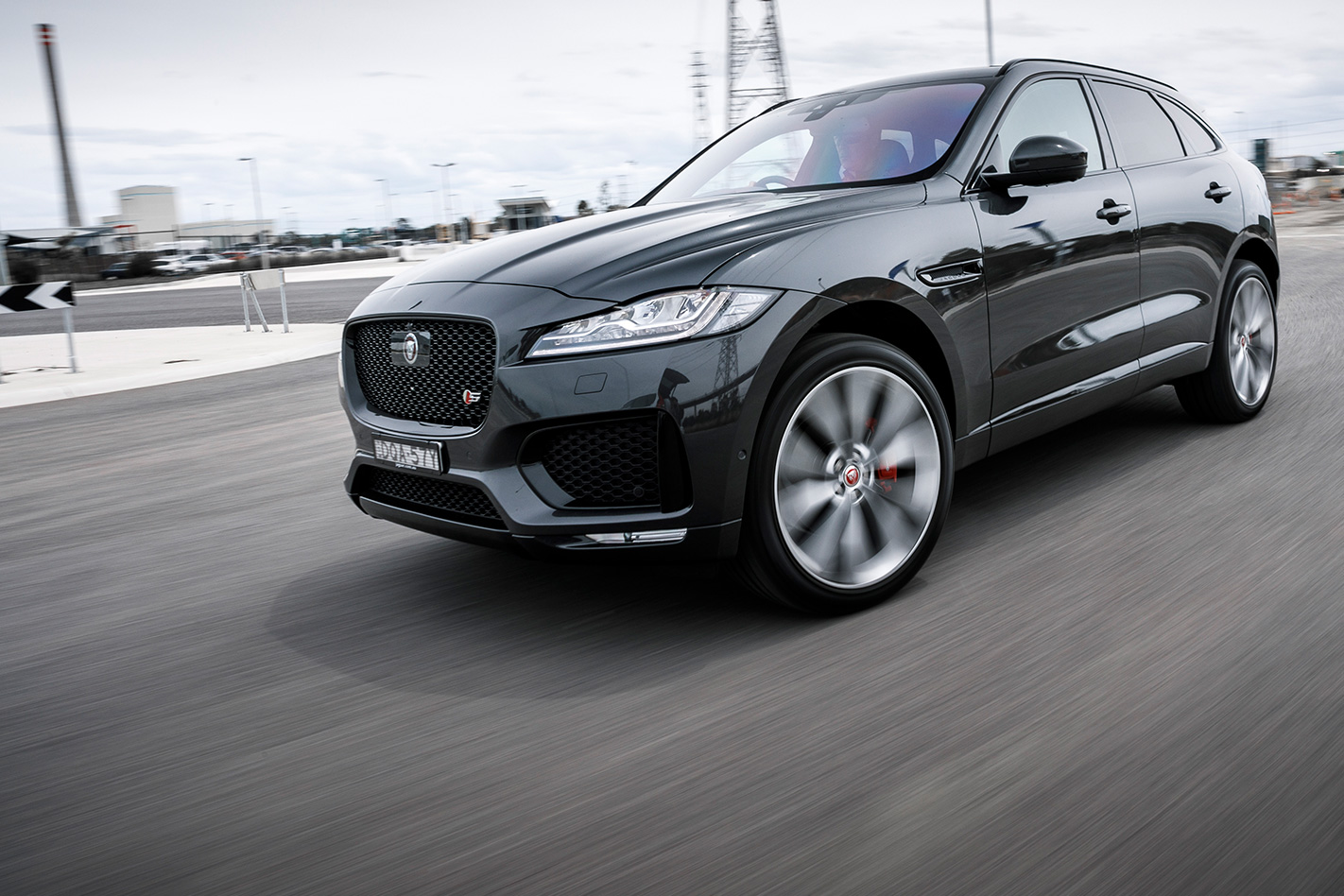
It has no business riding as well as it does on steel springs and 22-inch Straight Outta Compton-spec alloys, the F-Pace extracting full value from the length of its damper stroke. The brakes aren’t quite so clever, being the first to tire during a spirited fang through a series of downhill hairpins. The simple three-spoke wheel feels great in your hands and the calibration of the eight-speed automatic is the best of the bunch.
By contrast, the Velar sometimes feels a handful. Much of that has to do with its tyres, which have little chance of keeping pace with SUVs shod with P Zeros and ContiSportContact 5Ps. The slouching treadblocks of the 20-inch Pirelli Scorpion Verdes make the front feel a little mute through corners, and the heftier sidewall hysteresis never feels fully compatible with the Velar’s air suspension, becoming overly jarring in Dynamic. Keeping the suspension in Comfort and switching the transmission to Sport seems the most acceptable compromise on Australian roads. The ZF 8HP70 is a wonderful transmission, but the fine tuning of this installation never feels quite as finessed as the Jaguar’s.
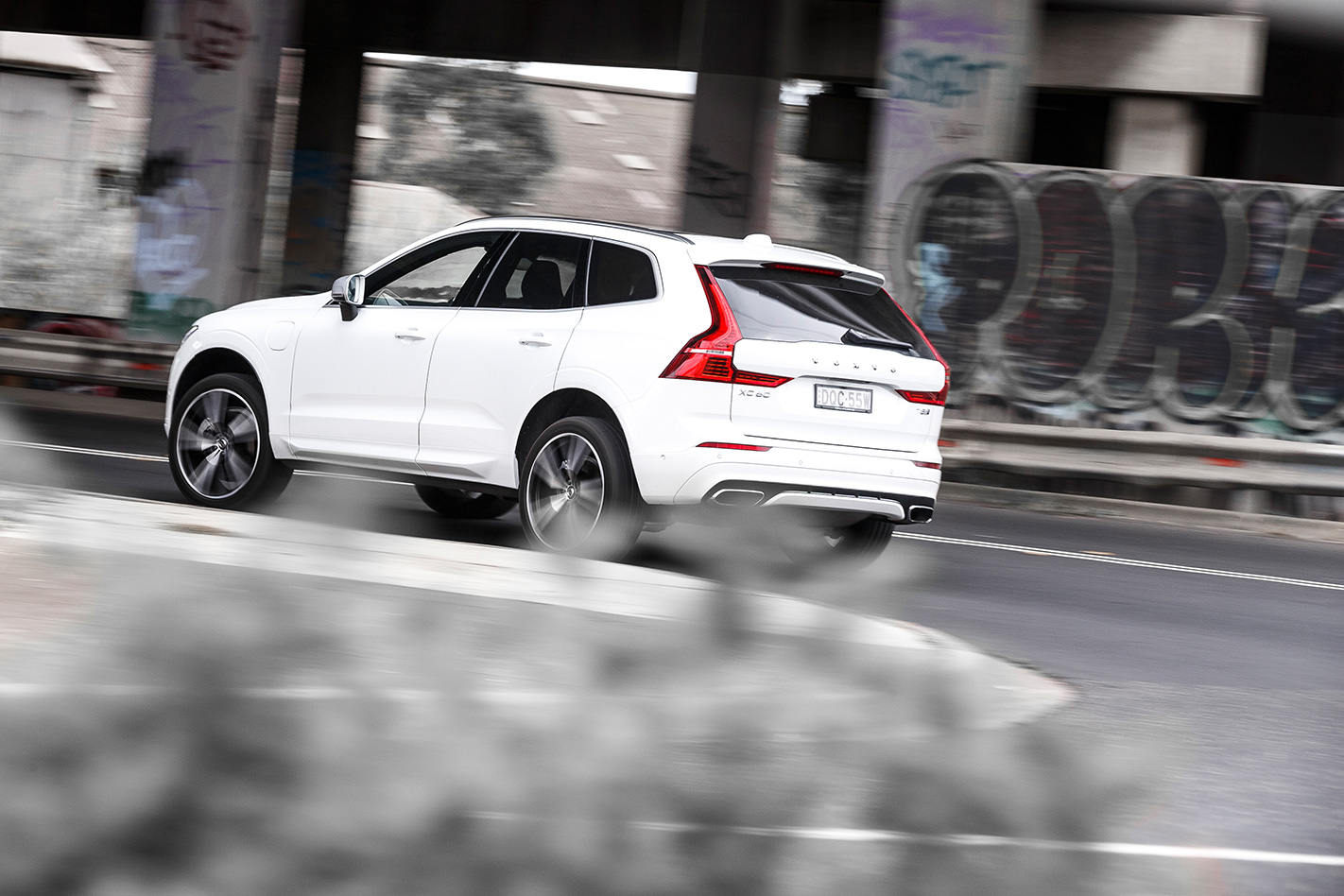
The Volvo has so many personalities that it’s hard to pin down its true nature. It can be a pure EV, for a modest 40km at least; it can team electric motor and petrol engine for rip-snorting urge; it can noodle around like an oversized Prius in town, surfing lazily on hybrid power; and, when the battery depletes fully – as it will – it can feel like a Volvo XC60 T6 with a few bags of cement in the footwells. You can set the engine to charge the batteries or hold charge until later. One thing you can’t do – and we did try – was to set the car up in rear-drive-only electric mode with the stability control switched off. No dice. It might be hugely clever, but it’s still a Volvo.
It does have a fun side though. Set into maximum attack mode, it’s a hoot. Deploying 640Nm of torque almost instantaneously out of corners gives the XC60 T8 the sort of punch that only the Macan can approach, and it streaks lengths clear of any of the others on any road that’s determinedly point-and-squirty. Its weight means that it’s never quite as agile as the best of this crop on a series of bends that demand more subtlety, and that hefty kerb weight means that you’ll need to manage your front tyres if they’re not to wilt under heavy demand. The regenerative braking needs a sensitive foot and, if you’re really determined to fling the car into a bend, you’ll find a very slickly calibrated ESC and the only car in this group with a hint of body flex. Steering is accurate without being overly garrulous.
If the Volvo has its idiosyncrasies, the Audi SQ5 displays little in the way of quirkiness. It clinically dissects any road you care to choose. We knew that already. What we didn’t appreciate was that with the quattro sport diff fitted, the SQ5 is even more throttle-adjustable than the Macan. Okay, so you’re never going to be mistaken for Ken Block taking the scenic route back from the school run, but provoke the Audi and you can create the subjective impression of yaw. With the narrowest tyres of the lot, the SQ5 can be induced to have a shimmy when the ESC is switched into its more relaxed Sport mode. The engine feels unburstable, if slightly two-dimensional, and the brakes mighty, though the ride always seems a bit too angsty to settle. It doesn’t require much in the way of remedial action by the driver, though. The SQ5 just grips, goes.
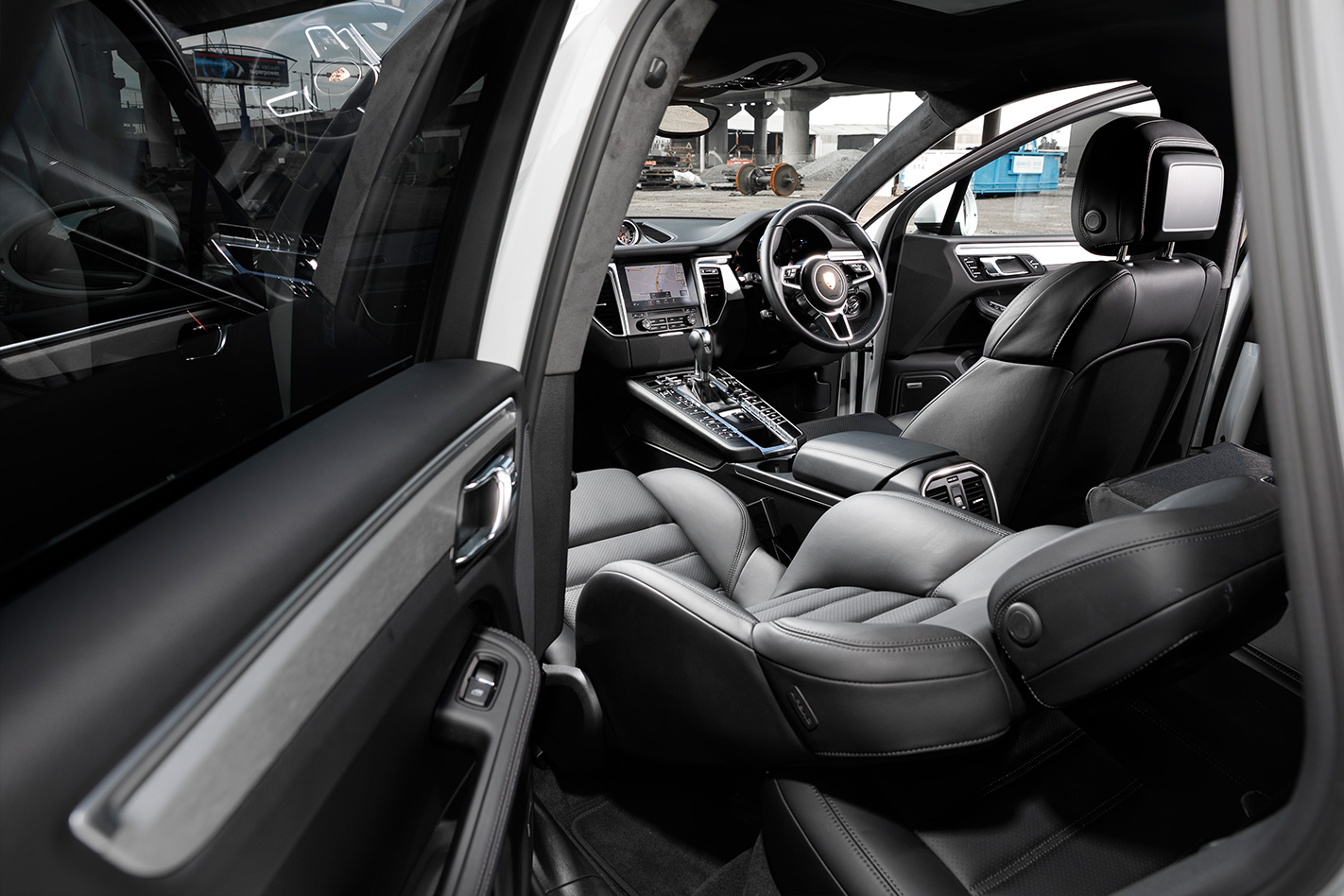
It goes from top of the class to flat last in terms of interior ambience though. Leaving aside the fact that this is the oldest and most anonymous shape here, the cabin feels cramped and dated. From the driver’s seat we stopped counting at 90 buttons, rear legroom is easily the worst, and while the infotainment system is laudably easy to operate, it’s limited in scope and features compared to every other car here. When price is weighed into the equation, the flagship Macan (as opposed to the better-value GTS) becomes a hard proposition to justify.
The Jaguar is a tougher call in that regard. To make the interior feel in any way special, you need to throw thousands of dollars’ worth of options at it, which condemns it in this company. There are elements of style over substance inside, like the gimmicky and occasionally obstructive rotary gear shifter. There are also some clunky ergonomics such as the tiny driving mode switches, which are almost as bad as Audi’s drive select buttons which clearly haven’t been converted for right-hand drive. But the F-Pace wins a lot of credit for the way it drives, offering a lovely facsimile of old-school analogue whilst retaining low-key digital smarts. And therein lies its appeal. It’s a great choice if you want modern convenience but don’t actually like modern cars, which probably encompasses a greater slice of the motoring spectrum than many car manufacturers would care to countenance.
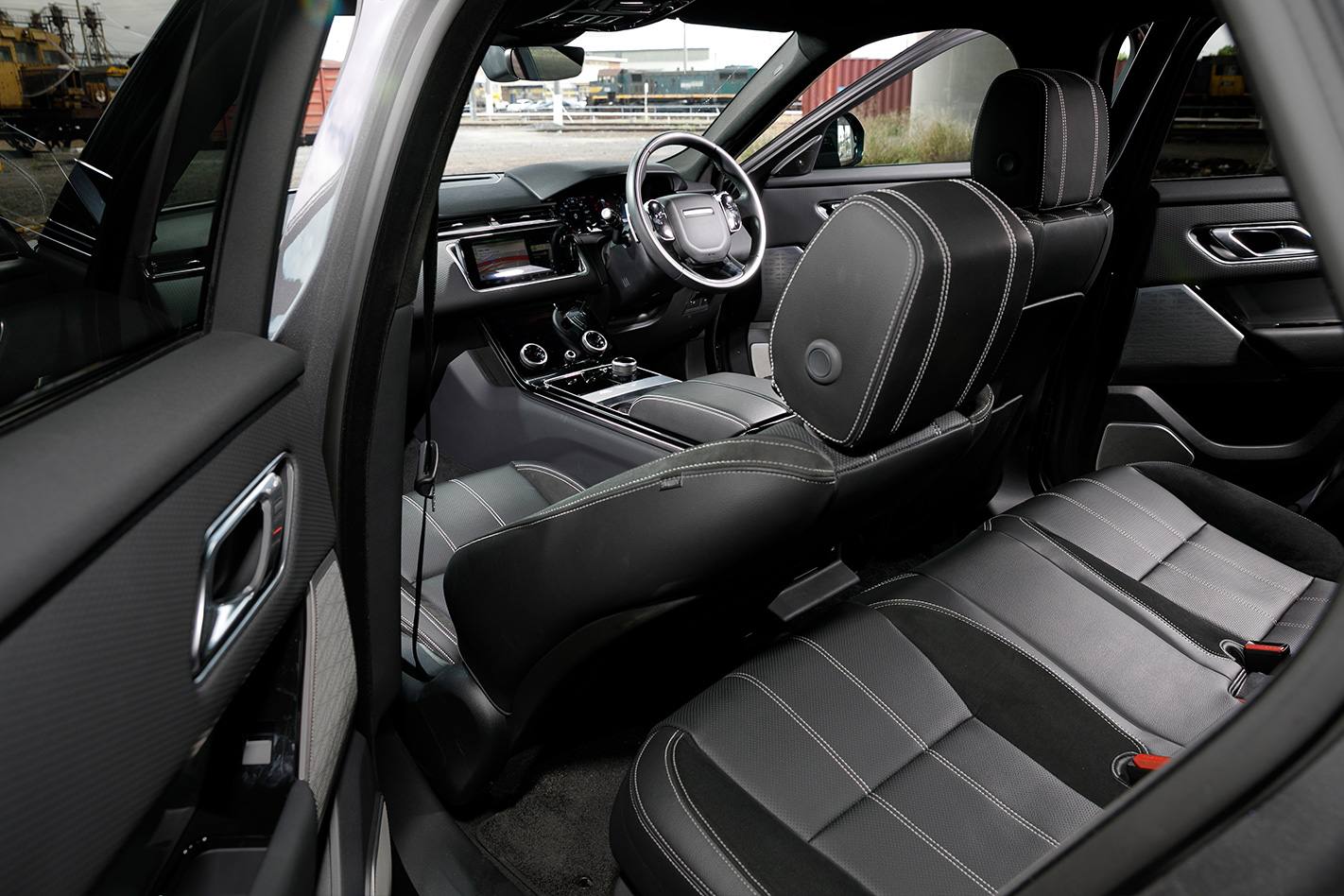
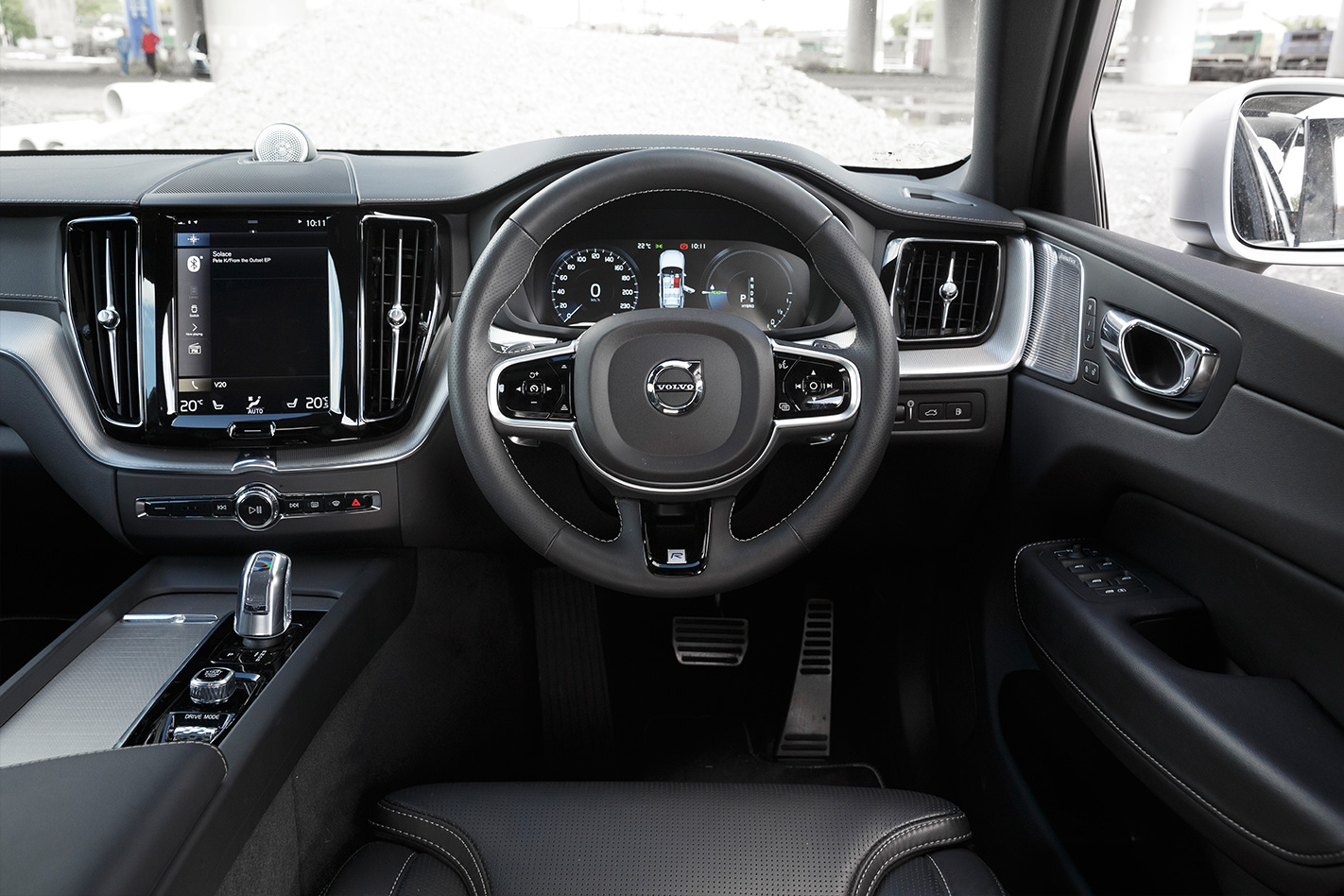
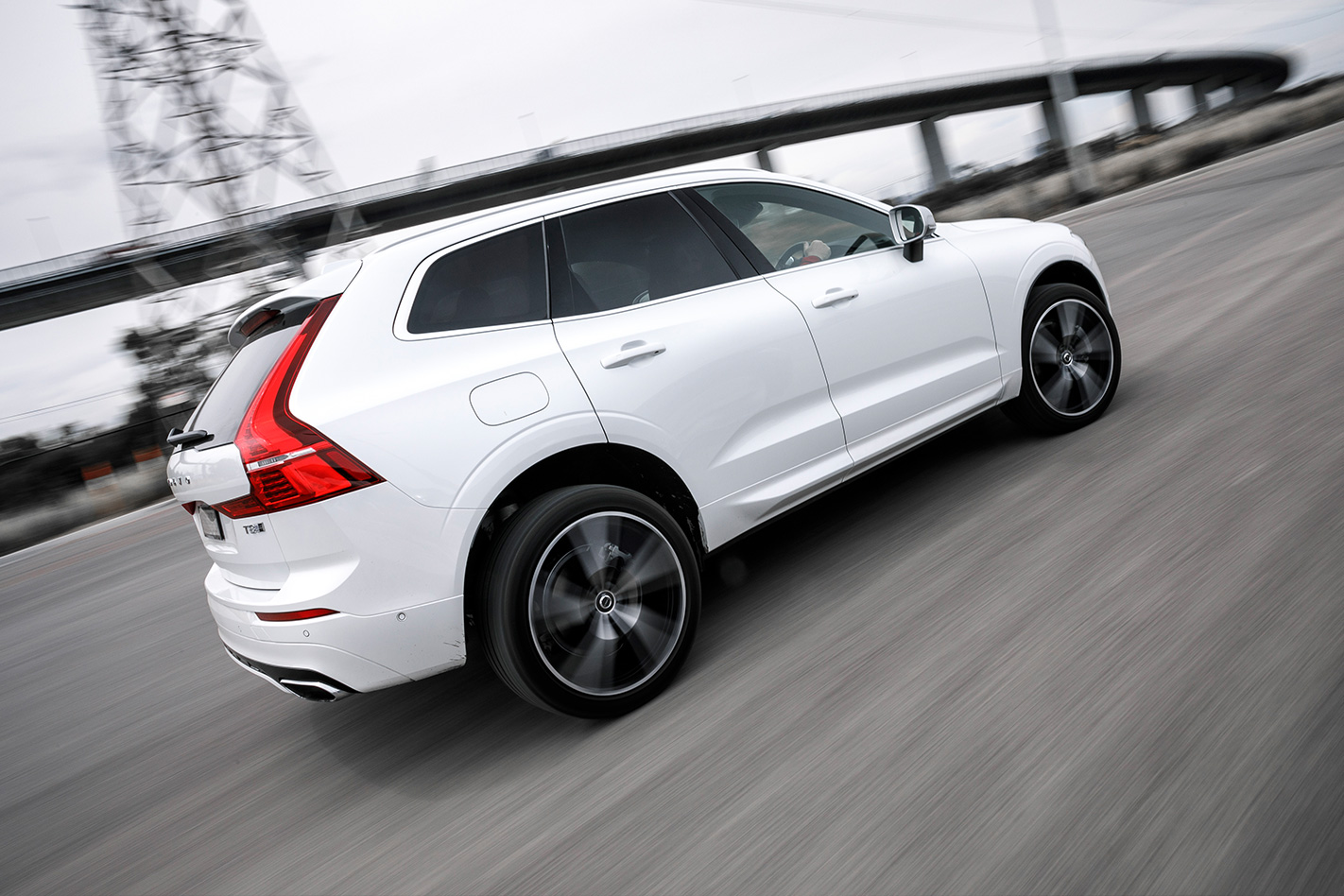
Well, almost all of the others. The Volvo XC60 T8 – the entrant we thought might struggle here – has its own ace card in the form of its hybrid powertrain that can combine tailpipe-emission-free city driving with an addictively overclocked torque response when required. Factor in the most practical cabin with the best rear accommodation, the cleanest interior execution, by far the best seats, the best economy, lowest emissions, the most generous standard equipment list, and manifestly the least obnoxious image of our set of otherwise anti-social social climbers and it’s a surprisingly clear-cut win for the XC60.
So much for being outside your comfort zone. Perhaps Volvo ought to do it more often.
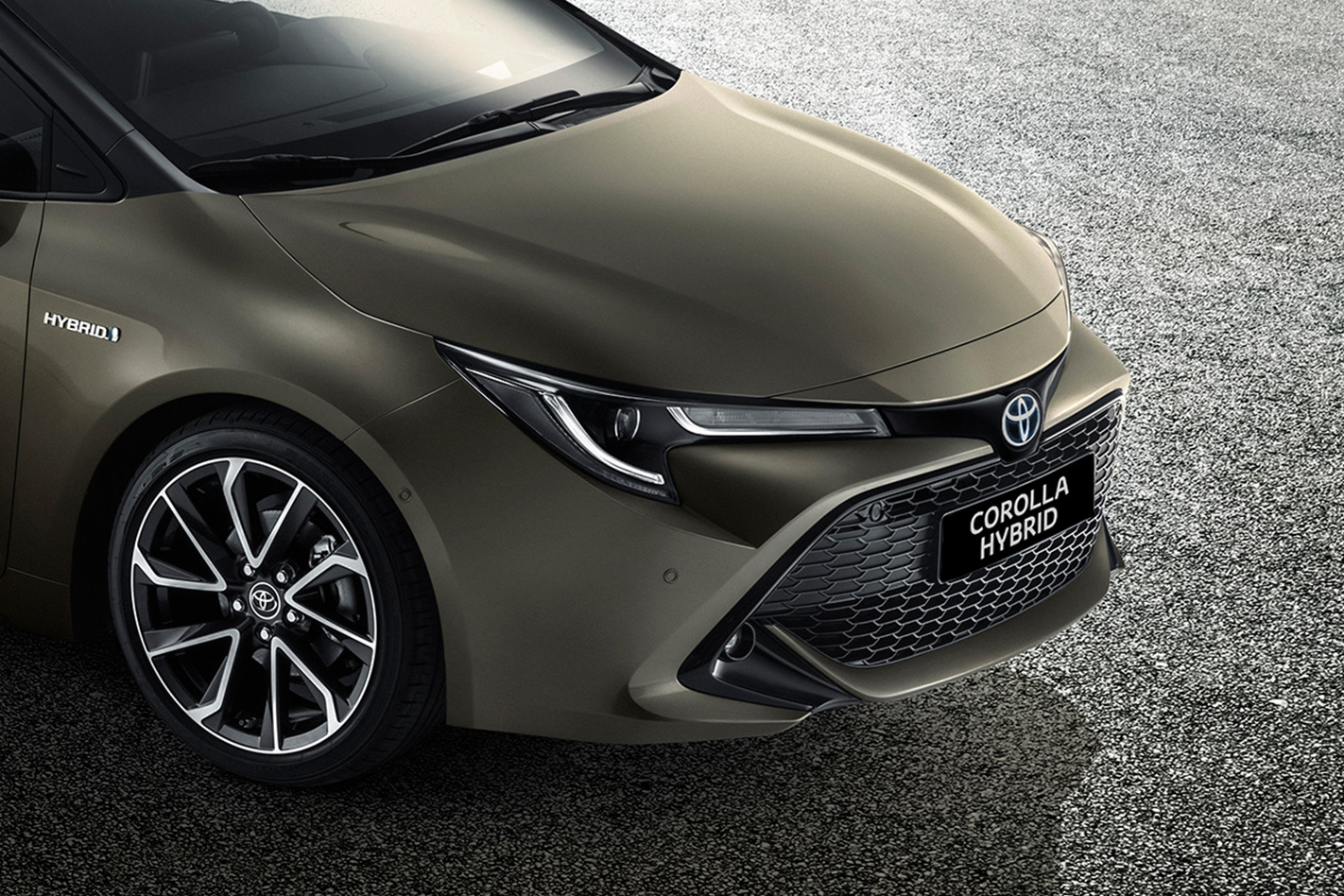
THE 2018 Toyota Corolla will add LED headlights to more models across its range as the once cutting-edge technology once reserved for high-end luxury cars trickles down to cheaper ones.
The only version of Australia’s best-selling passenger car to date to feature the LED headlights has been the petrol-electric Toyota Corolla Hybrid. However, Toyota has hinted the technology will trickle down to a non-hybrid, 2.0-litre petrol-engined version of the Corolla when it arrives in August to fight against the likes of the Hyundai i30, the Mazda 3 and the Holden Astra.
And in a first for Corolla, the lightweight hatchback will be made from the same material as used in Lego bricks.
“The new frontal styling with a rounded nose and trapezoidal-shaped under grille is flanked by slim bi-LED headlamps that wrap deep into the front fenders,” Toyota said in a release outlining how the new Corolla would be equipped globally – Aussie specifications are expected a bit closer to its launch here.
“All models feature an electronic parking brake and two front USB outlets while sound systems include an available JBL premium audio with Clari-Fi technology that analyses, rebuilds and restores audio signals that were lost in the digital compression process,” it said.
“Grade-dependent features include single-zone manual air-conditioning or dual-zone automatic climate control, paddle shifters and 4.2-inch or 7.0-inch thin-film transistor multi-information displays.”
The new Corolla, which sits lower, wider and longer than the model it replaces, will include a larger 2.0-litre engine that Toyota claims will save fuel over the current 103kW/173Nm 1.8-litre four-cylinder unit by offering more torque across a wider range of revs. It means the new engine won’t have to work as hard as the one it displaces.
It will also introduce a clever update to the continuously variable transmission that adds what the car maker calls a “launch” gear that acts like a conventional manual gearbox when launching the Corolla from a standing start – the place where CVTs are traditionally lacking performance.
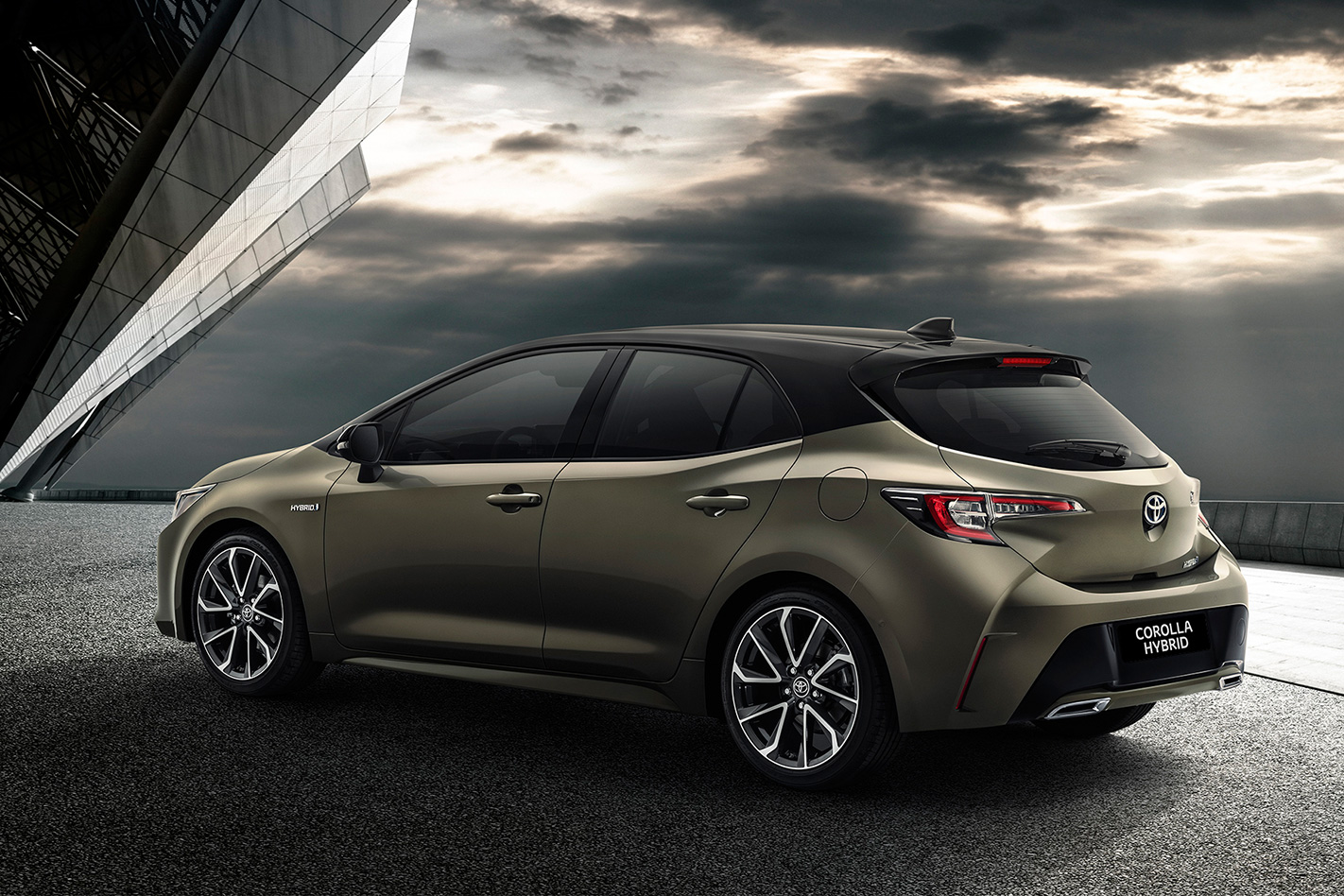
The new 2.0-litre engine is smaller and lighter than the 1.8 that powers the current Corolla, while the CVT uses smaller pulleys and a more angled vee belt to improve its responsiveness. A six-speed manual gearbox – yet to be confirmed for the Corolla – is also smaller and lighter than the current unit, and includes a rev-matching feature adapted from the Hilux trade ute that smooths out downshifts, such as when you’re slowing down for a set of traffic lights.
The 1.8-litre engine will be offered alongside the 2.0-litre version.
The 2018 Corolla shifts across to a new platform called the Toyota New Global Architecture that it will share with the petrol-electric Prius, the fully imported Camry, and the C-HR compact SUV. The platform will also soon sit underneath the next-generation RAV4 midsize SUV.
TNGA’s benefit is that it is likely to make the Corolla much more fun to drive than previous versions of the small hatchback, introducing an element of fun that it has largely lacked of late.
The 2018 Toyota Corolla will be revealed in full at this week’s New York Motor Show.
ITALIAN sports car manufacturer Pagani has revealed it is developing an all-electric powertrain for its next generation hypercar, despite company founder Horacio Pagani admitting he’s yet to be convinced about EVs’ environmental benefits.
Speaking at the Aussie launch of the $5.5 million Pagani Huayra Roadster in Melbourne, Pagani said his eponymous company will separately develop an EV model alongside its next generation multi-million dollar fuel-burner.
Pagani said through an interpreter he’s hedging his bets so the company isn’t caught on the back foot, if or when only one of the technologies is left standing.
The Argentinian-born automobile designer believes the pollution produced when making EVs cancels out a lot of their clean-driving benefits and insists we’d all be better off installing more efficient heating systems in our homes. But he conceded it was wrong to base future plans on current technology.
“This is a bit of an uncharted territory for us still. We’re talking about not just the Tesla level of car, but the hypercar level,” he explained.
“But for Pagani it’s something that we cannot be blind to. One or the other would have a future so to that extent we are committed to this project.
“But another question is how many clients would be ready to pay such a big cheque for a full electric hypercar?”
On the bright size, Pagani says it will be much easier to design a car around an electric powertrain (which he compares to a washing machine) than a brutish mid-mounted engine, such as the bespoke 562kW/1000Nm Mercedes-AMG 6.0-litre twin-turbo V12 in the Huayra Roadster.
Not that he intends to stop penning lines around the latter anytime soon, with Pagani and Mercedes-AMG “in discussion for a project after 2025”.
JAGUAR’S first SUV will soon cram the F-Type’s 5.0-litre supercharged V8 under its bonnet to create the first-ever SVR-badged version.
The British luxury brand has announced the Jaguar F-Pace SVR will have its global unveil at this week’s New York Motor Show, and is expected to come packing a 423kW/700Nm punch.
Few details of Jag’s Porsche Macan-rivalling SUV are available at this stage, but we can also expect the fastest F-Pace to date should get the same eight-speed automatic transmission as the SVR-badged F-Type, and send its drive to all four wheels.
Similar to its rivals, which will also include the upcoming Alfa Romeo Stelvio Quadrifoglio, the F-Pace SVR is expected to sport quad exhaust pipes and sit on low-profile rubber, most likely wrapped around 22-inch alloys. Jag’s Special Vehicle Operations, which fettled the F-Type SVR that is donating its drivetrain to its higher-riding cousin, is also likely to give the V8 F-Pace a more serious aerodynamic package, including a front air dam that will gulp in cooling air at a much higher rate than its more boulevard-focussed showroom siblings.
The fastest F-Pace to date is the S, powered by a supercharged 3.0-litre V6 that produces 280kW and 450Nm, which completes the 0-100km/h sprint in 5.5 seconds. The F-Type SVR’s kerb weight is expected to jump by about 60kg over its V6-engined version, meaning it will weigh more than 1900kg, but it should still be able to make the same run in around 4.0 seconds.
The range-topping $133K, 294kW/550Nm 3.6-litre twin-turbo V6 Porsche Macan Turbo has had the compact performance SUV market all to itself for the last few years as the Macan has risen to become the brand’s best-selling model.
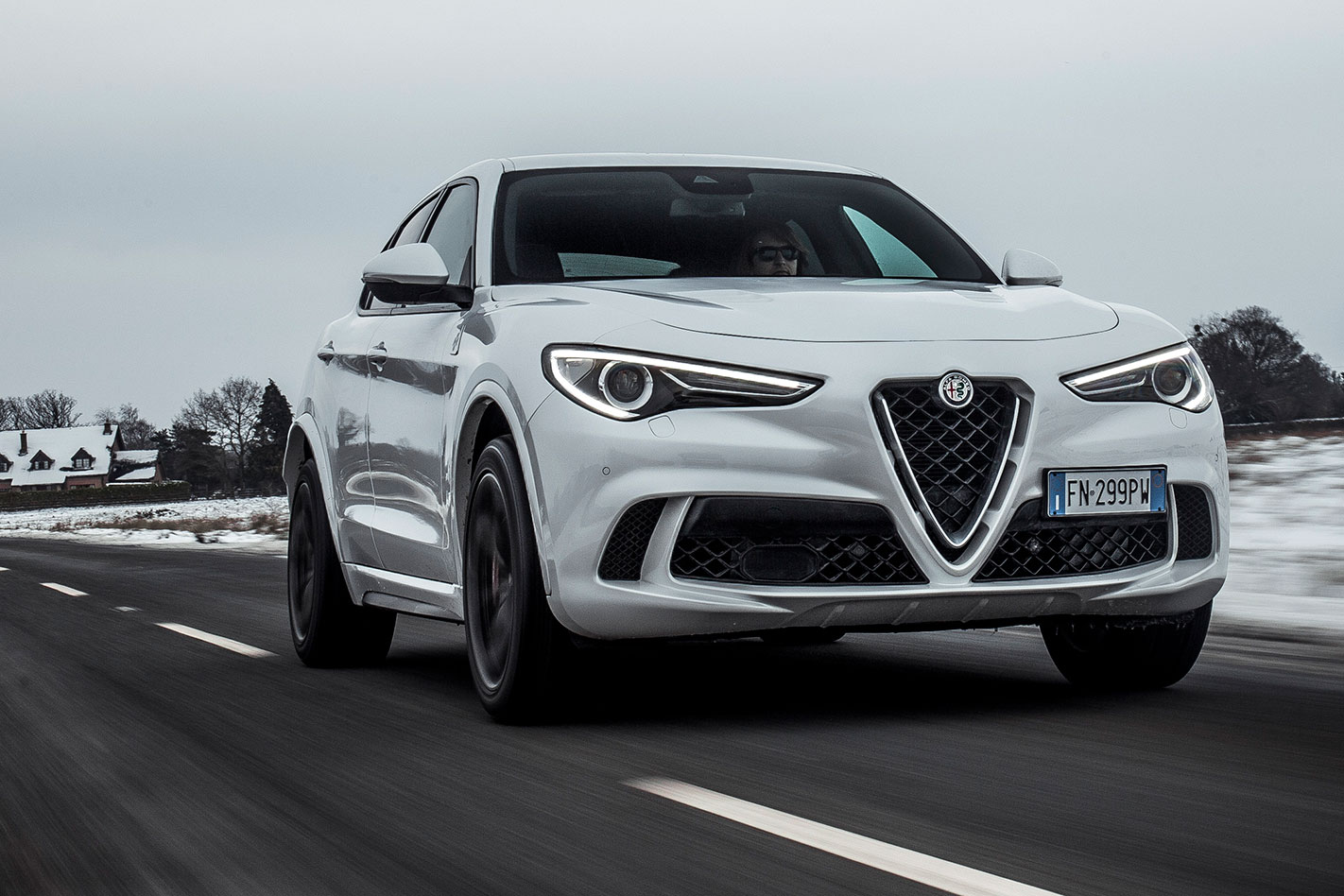
However, the arrival of the F-Pace SVR, and the upcoming, sub-4.0sec 375kW/600Nm 2.9-litre twin turbo V6-engined Alfa Romeo Stelvio QV should have performance SUV buyers browsing several showrooms before making a choice.
The 2018 New York Motor Show starts this week.
Suzuki’s timing is somewhat insensitive. At a time when many are suffering the waistband-stretching after effects of another festive season of gluttonous over-consumption, the all-new Swift Sport lands boldly boasting of an 80kg diet.
Weighing in at just 970kg in manual guise, putting aside British featherweights from Lotus and Caterham, Suzuki’s baby hottie is the lightest performance model on-sale in Australia.
Mazda was rightly lauded for its ND MX-5 scraping in around the one-tonne mark (1009kg in its lightest form), but for Suzuki to deliver a five-door turbocharged hatchback with a five-star safety rating carrying such a paucity of pounds is deeply impressive.
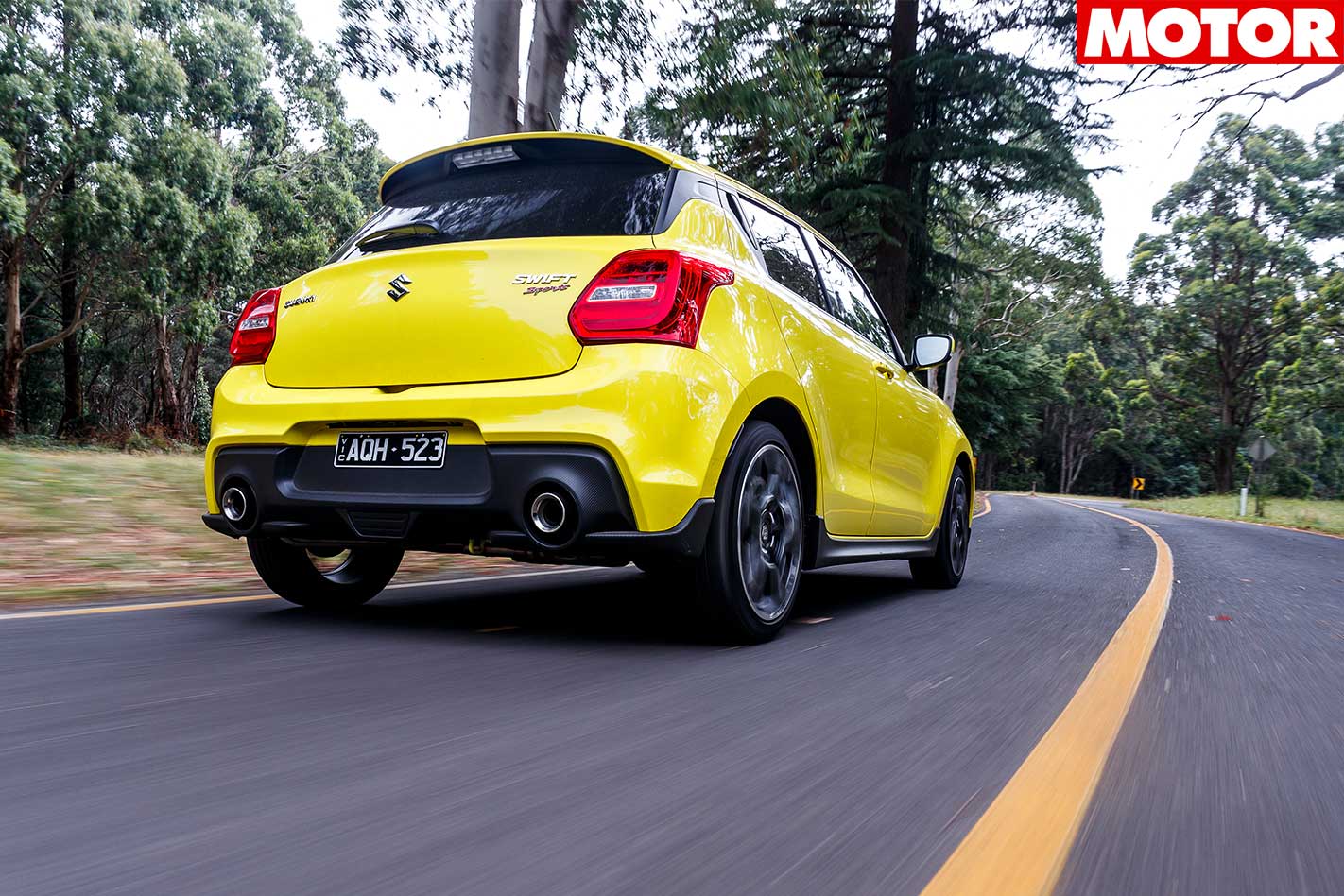
Light weight is the holy grail of car engineering; according to the likes of Gordon Murray and Adrian Newey, anyway, both of whom I’m inclined to believe. The Swift Sport’s lack of mass certainly pays dividends in a number of crucial areas, but let’s cover off the negatives first.
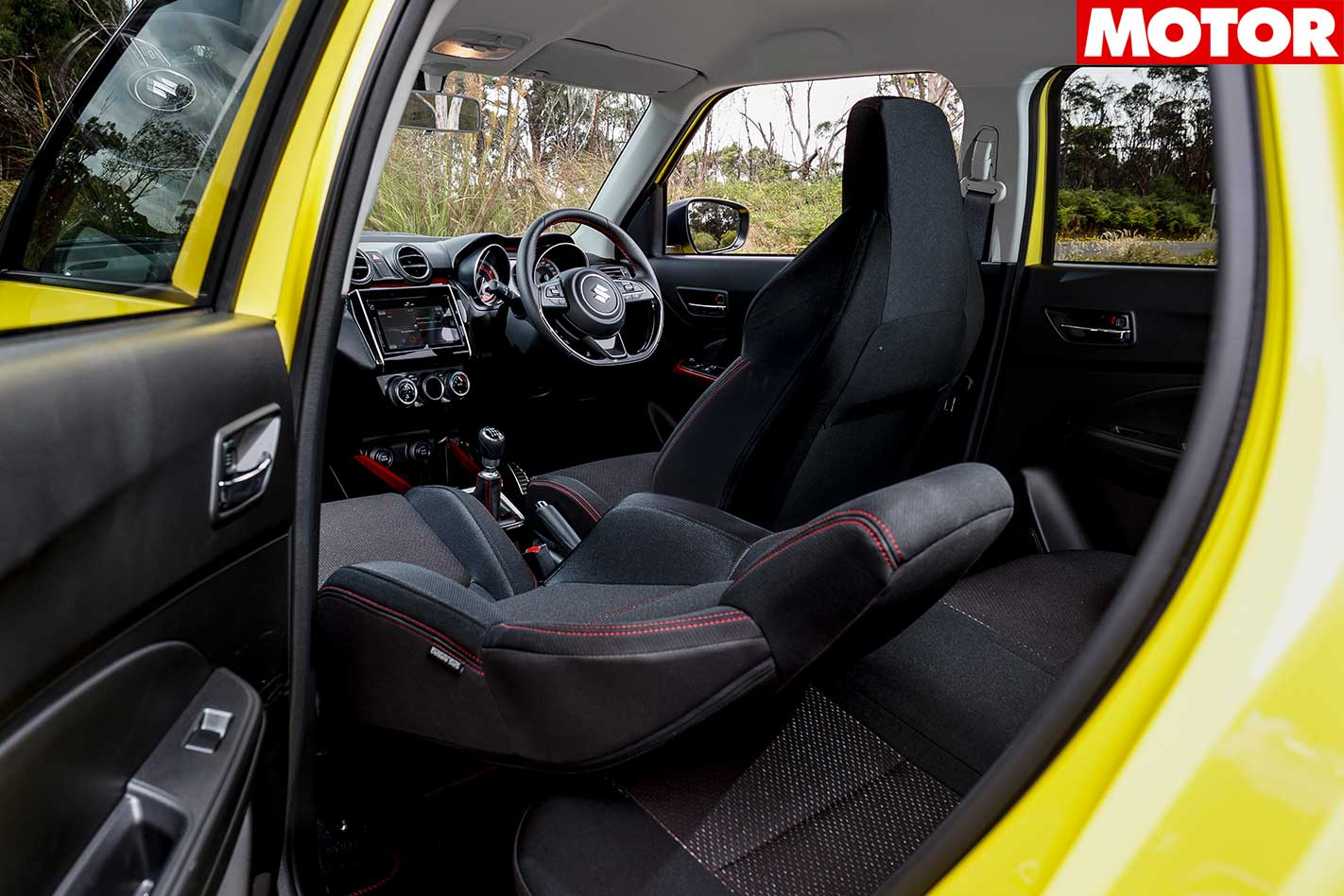
Nevertheless, the essentials are right. The seating position is elevated but the relationship between the wheel, pedals and gearshift is a harmonious one, helped by tilt and telescopic adjustment for the steering column.
Great front seats, too. Despite its diminutive dimensions there’s ample space front and rear – adults in the back are no problem – and while the 265L boot isn’t enormous, you can always fold the back seats down for larger objects.

But enough of the boring consumer stuff, what’s the Swift Sport like to drive? Fast Swifts have a cult following in Australia – funnily enough, earlier generations were known as a Cultis in Japan – primarily due to rev-hungry engines (and a popular one-make race series) in the early-’90s and polished, entertaining dynamics in more recent iterations.
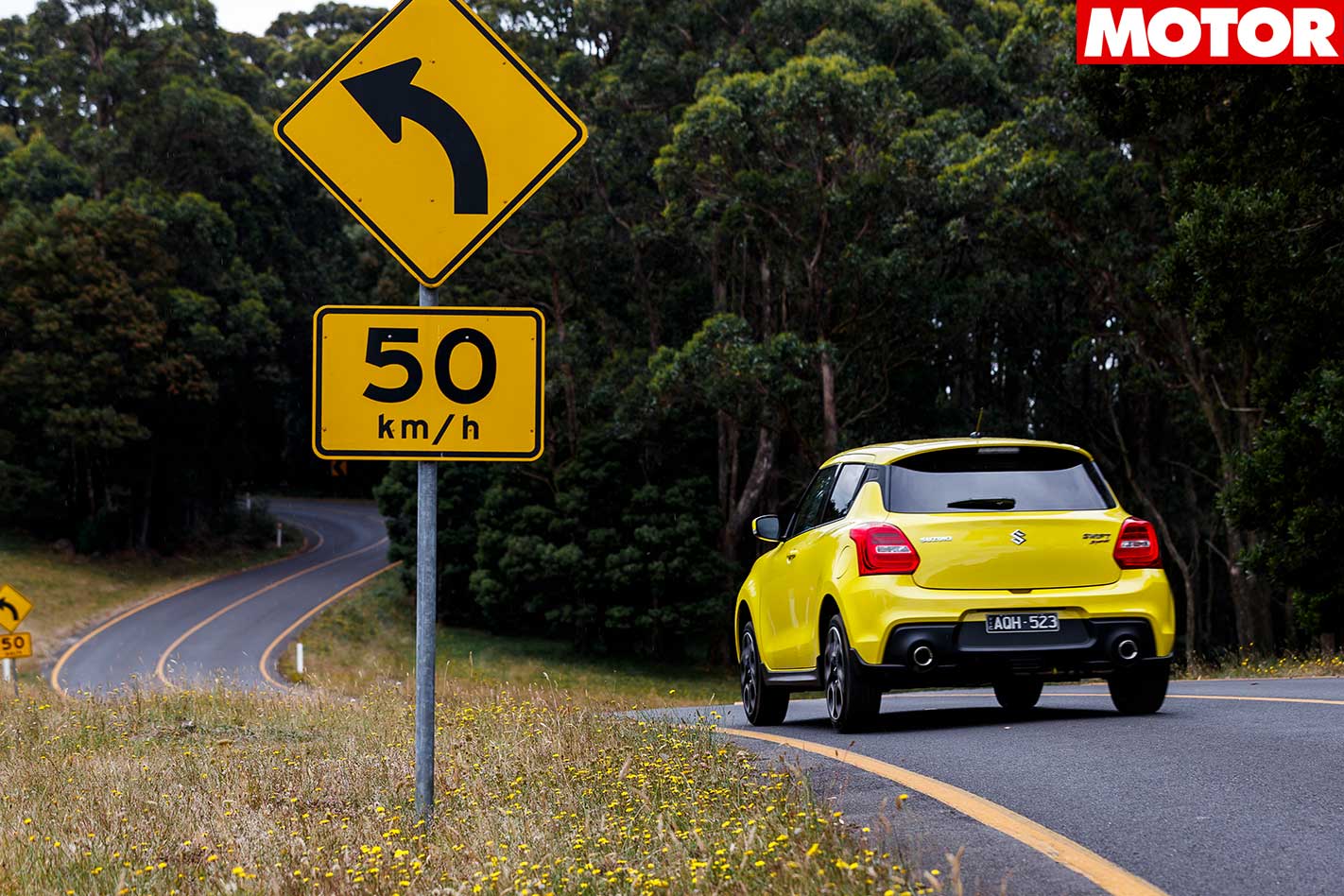
Suzuki doesn’t claim a 0-100km/h time (its 6.1L/100km fuel figure is deemed of greater value at this price point) and sadly we could not run straight-line numbers this occasion, but 7.5sec feels about right.
Of greater importance is how the engine feels and here the 1.4 ‘BoosterJet’ delivers in spades. Its teeny-tiny turbo spools up quickly to eradicate lag, yet a linear spread of power continues all the way to the 6000rpm cutout, which is oddly set 300rpm before the redline.
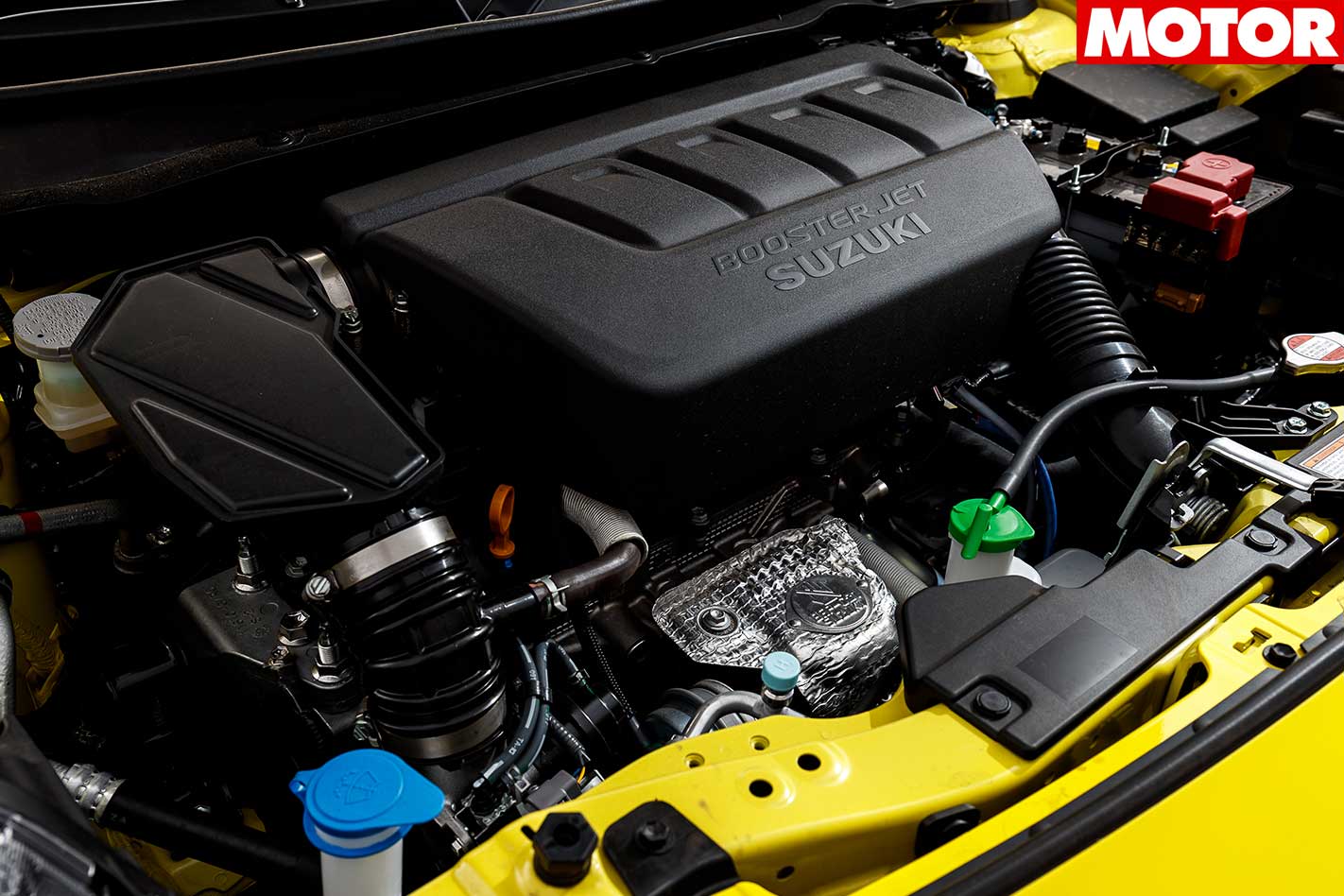
The grunty engine delivers tremendous flexibility – full throttle in sixth gear at 50km/h results in instant response and useful acceleration – aided by super-short gearing. First is done at 50km/h, second runs out at 88km/h and third stretches to a mere 118km/h; opportunities for cog-swapping are frequent, so it’s just as well the six-speed ’box encourages snappy changes, while the pedals are placed nicely for heel-toe downshifting.
We wouldn’t buy the six-speed auto, but plenty will and they’ll still find plenty to enjoy. The ratio spread is a little wider but it doesn’t cost the car any pace and the ’box itself works very well, with quick shifts and great response to throttle inputs. Only a frustrating reluctance to accept seemingly reasonable downshift requests spoils the fun. And fun is what the Swift Sport delivers in spades.
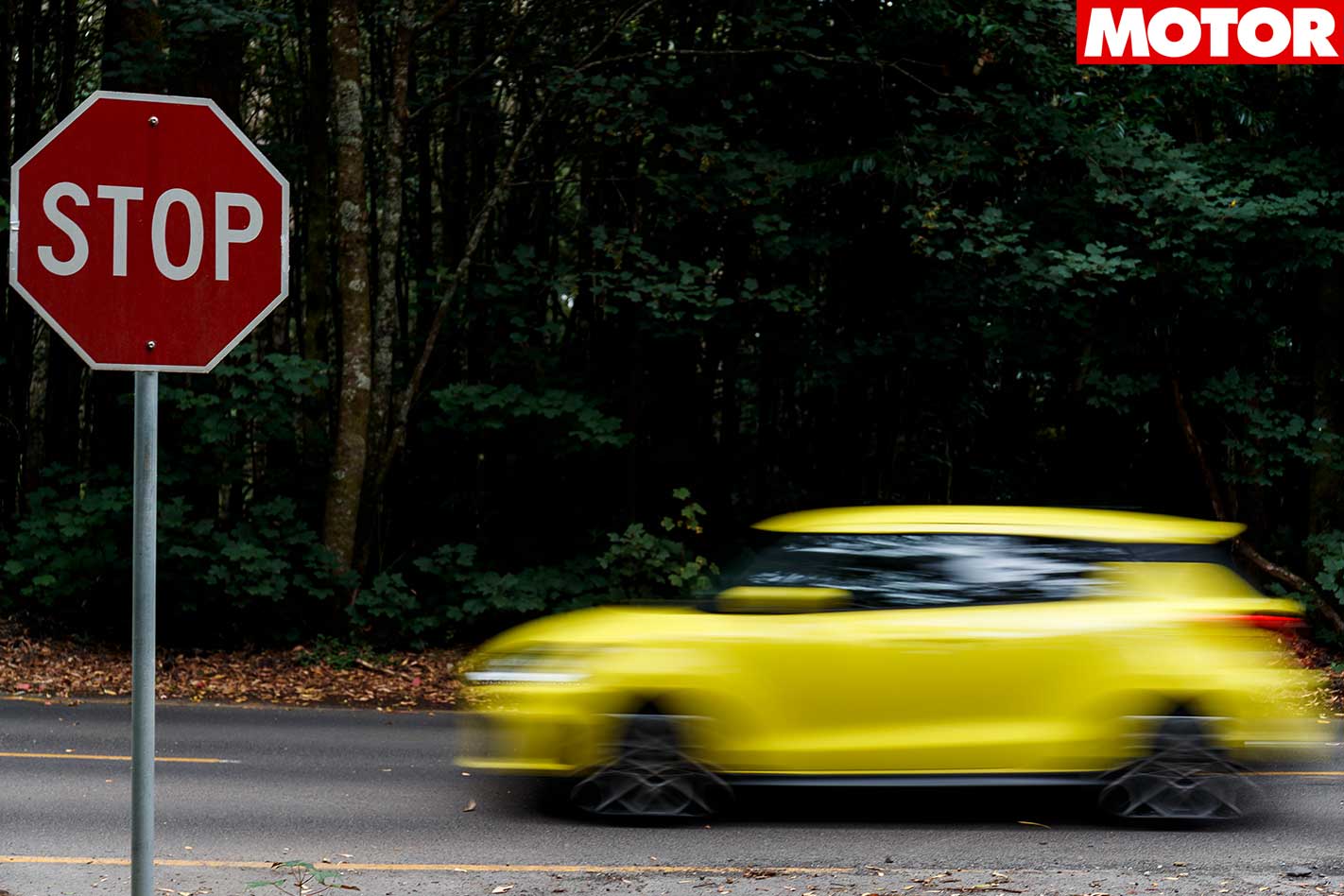
Outright grip levels aren’t high, but unlike a Toyota 86, which achieves this through rubbish tyres, the Swift Sport uses decent rubber – Continental ContiSportContact5 in this case – in a narrow 195/50 size.
They provide j-u-s-t enough traction to avoid inside wheelspin being an issue while gamely hanging on laterally before progressively releasing their purchase on the tarmac. The soft-ish setup results in plenty of pitch and roll – though nothing like the comedy levels of the MX-5 – allowing the driver to have a profound influence on the attitude of the car.
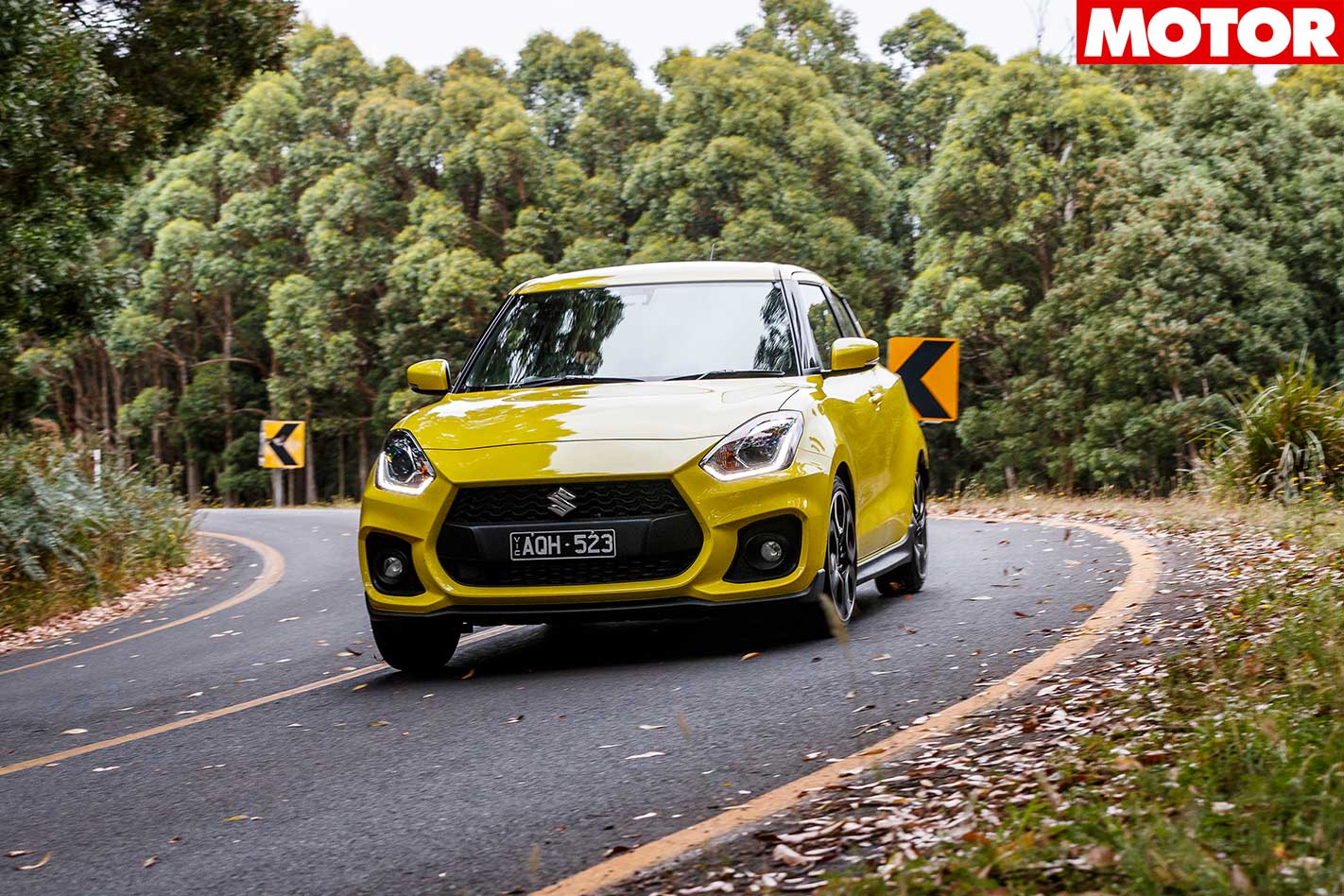
The previous-gen Swift Sport had its similarly playful handling balance stifled by electronics, but the new car’s ESP allows plenty of latitude, only intervening when things get seriously out of shape. Even driven in a neat and tidy fashion the Swift entertains, bouncing along a bumpy road like a hot hatch of yesteryear; there doesn’t feel to be a whole lot of nuance or sophistication to the Monroe dampers but Suzuki’s team has done an excellent job with the tune, offering enough body control to avoid feeling unruly.
The other fortunate side effect of the Swift Sport’s setup is a ride quality rarely found in the warm-to-hot hatch segment – certainly the likes of the Ford Fiesta ST and Renault Sport Clio RS feel jittery and uncompromising by comparison.
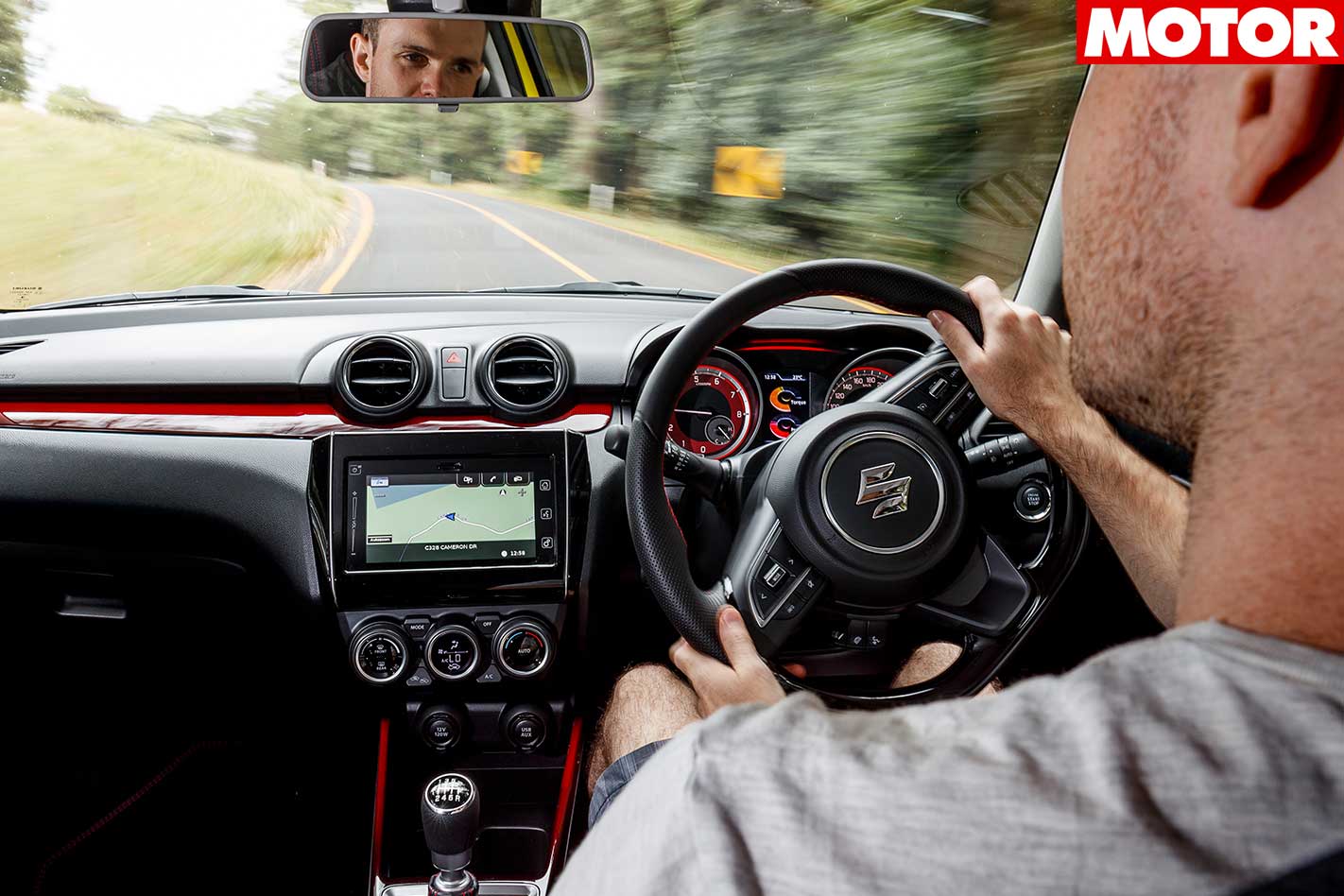
Objectively, a manual Polo is possibly the smarter buy, possessing a quality feel and outright performance the Suzuki can’t match, but the more mature VW lacks the Swift Sport’s up-for-it infectiousness.
Regardless, Suzuki should be congratulated for using clever engineering to revive the cheap and cheerful sub-tonne warm hatch. All that’s left is for the driver to do their bit – where’s that gym membership?
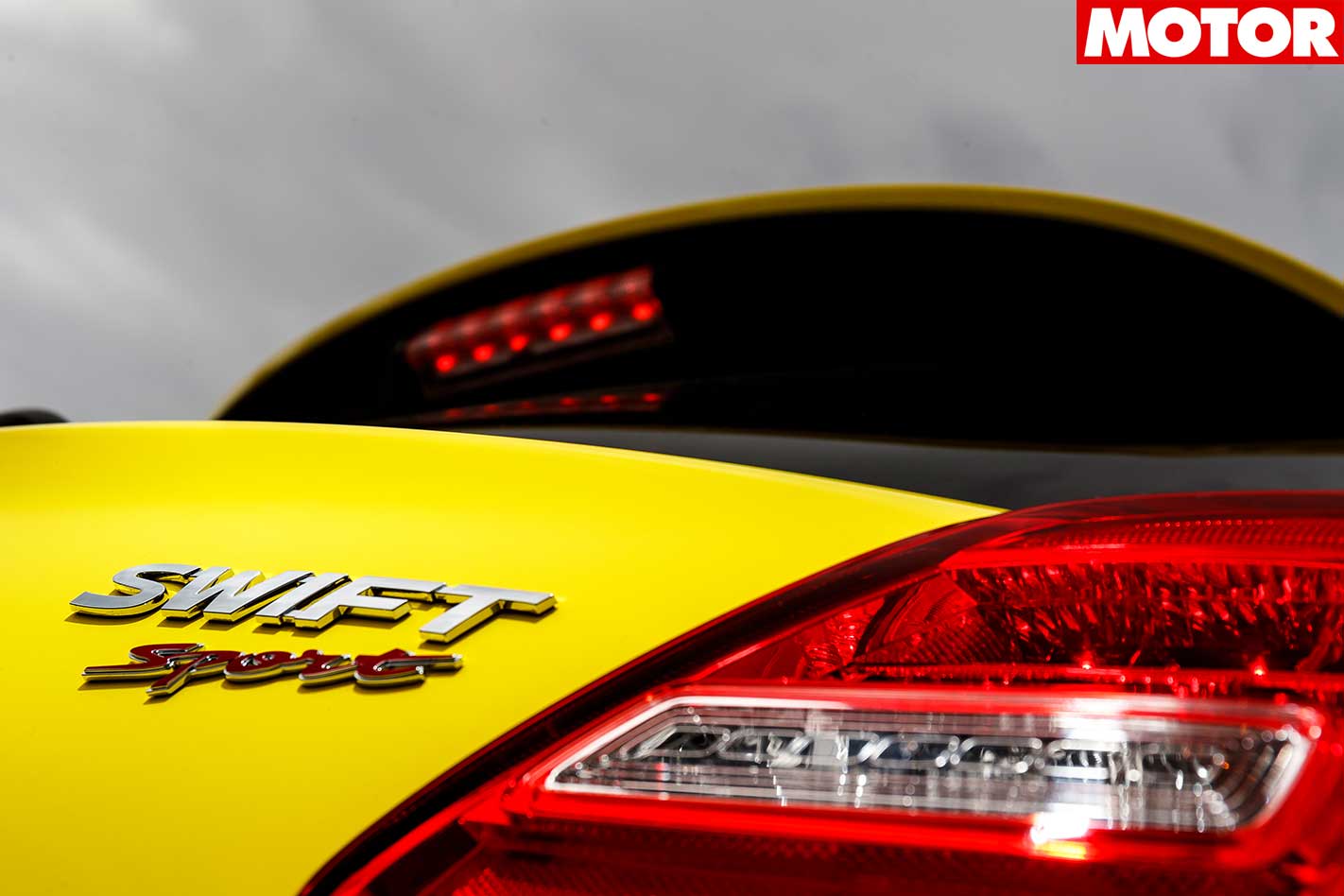
Likes: Perky engine; playful handling; ride; gearshift Dislikes: Cheap plastics; unkillable ESP; road noise Rating: 4 out of 5 stars
THE Chevrolet Corvette ZR1, the biggest, baddest ’Vette to be released before it transforms into a mid-engined (and potentially hybrid) supercar slayer, will tap the 0-100km/h sprint in less than three seconds.
Corvette product manager Harlan Charles Harlan let slip to corvetteblogger.com the ZR1’s yet-unreleased performance figures during a presentation with the new car at last week’s 12 Hours of Sebring race in Florida.
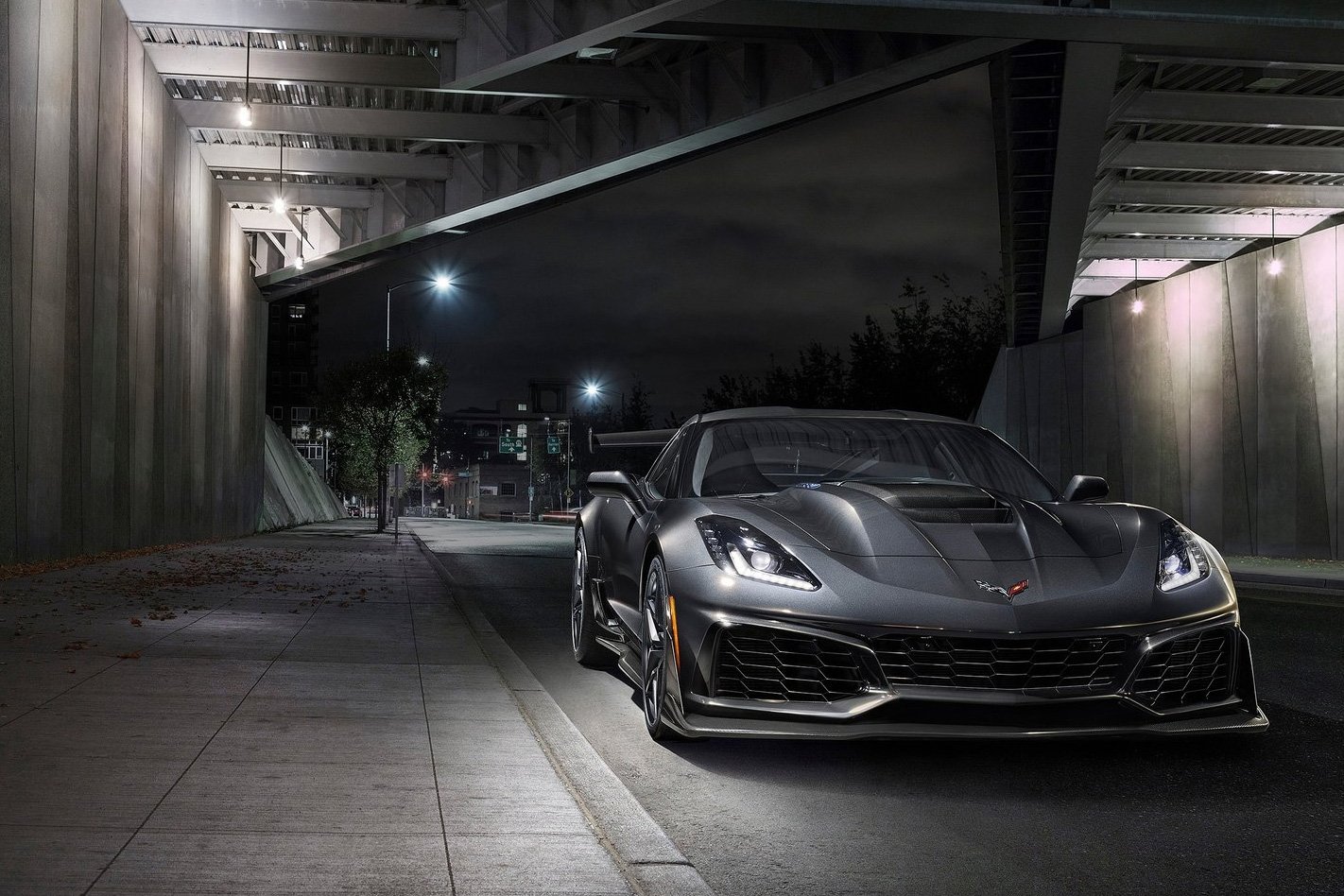
The ZR1 will become the most powerful ’Vette yet, with 563kW and 969Nm sent to the rear wheels from the supercharged 6.2-litre LT5 V8 that lurks under the bonnet. Owners can spec their ZR1 with either a seven-speed manual gearbox or eight-speed automatic transmission.
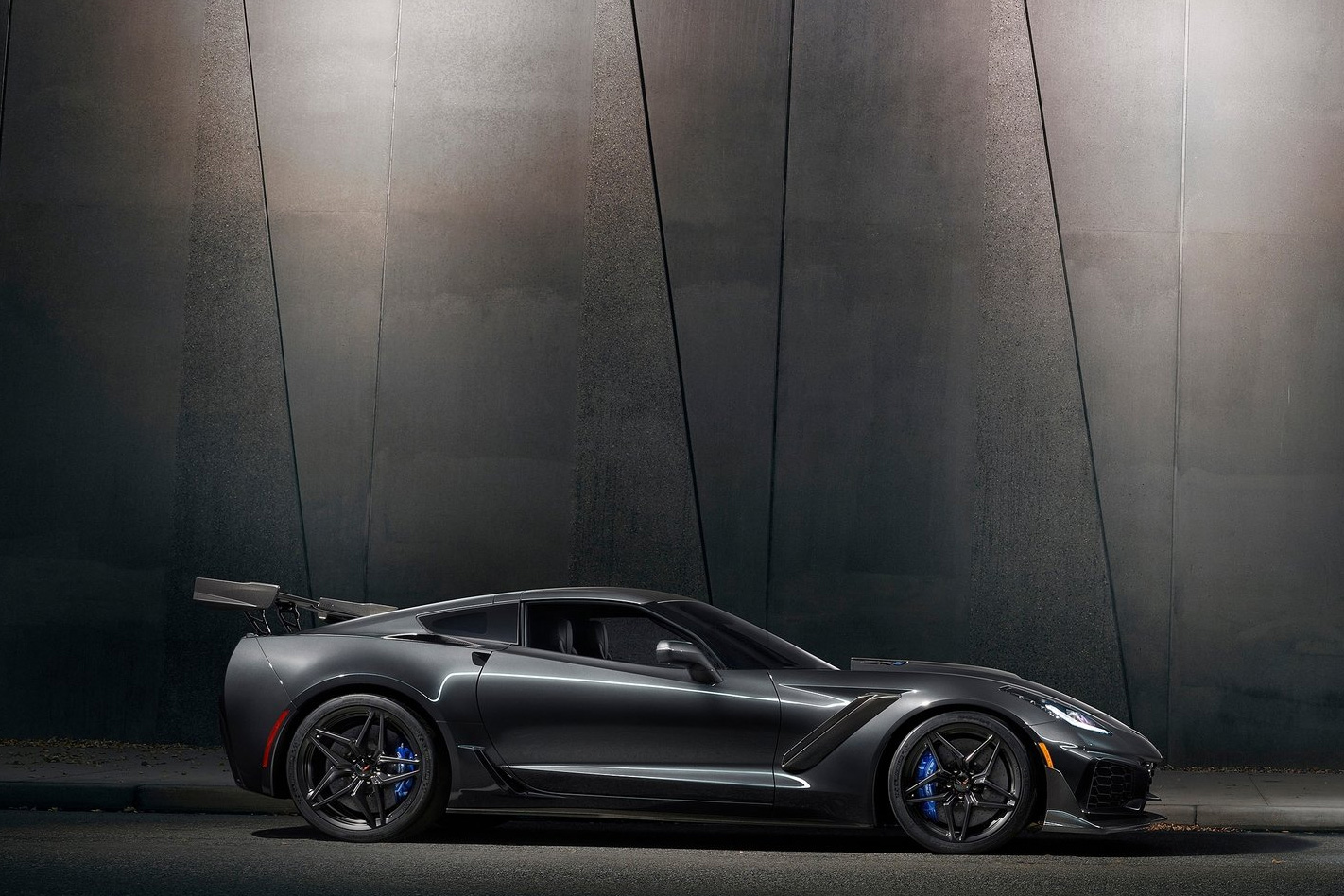
While the aggressive bodywork adds drag, the ZTK Performance Pack also brings with it sticky Michelin Pilot Sport Cup 2 tyres, and a special chassis and suspension tune. The ZR1’s rubber measures in at 285/30 R19 up front, while 335/25 R20 treads have the unenviable job of putting all that power to the road.
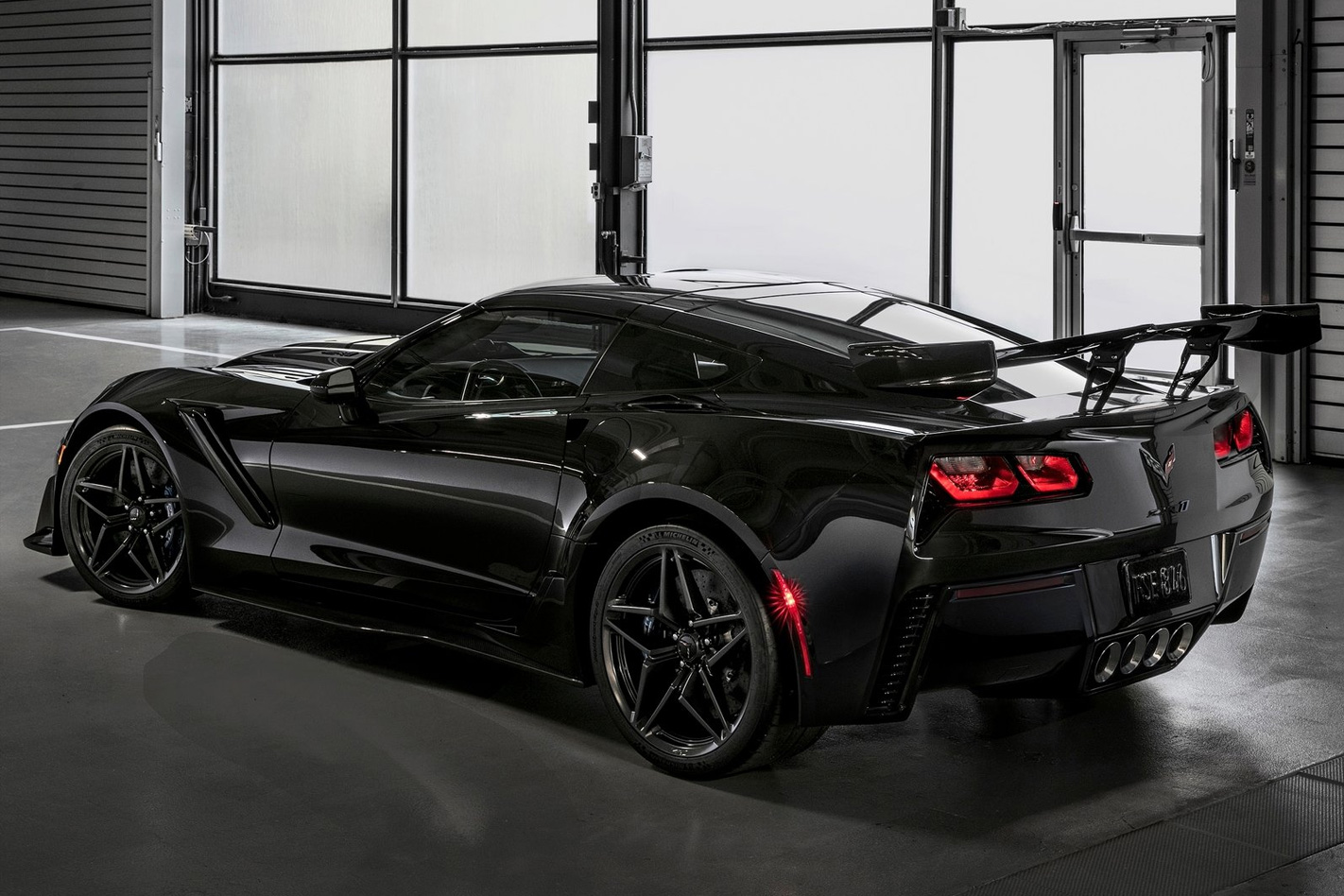
While this generation ZR1 won’t be coming to Australia, its replacement could well make the trek. The next-generation C8 Corvette will ditch the traditional front-mounted supercharged V8 engine layout for a mid-mounted, possibly twin-turbo V8. Expect it to bring even more impressive supercar slaying performance when it lands circa 2020.
Aston Martin is known for its CEO Andy Palmer being quite open during media engagements.
But Aston vice president and chief creative officer Marek Reichman is keeping details of the marque’s upcoming mid-engine supercar close to his chest.

However, he did spill some beans during a chat with MOTOR recently, most notably about what we should expect when the car arrives in 2020.
He says with Andy Palmer’s ‘Second Century Plan’ in place, and the long term nature of its current trajectory, the mid-engine ball has been rolling for a while.
“The vision and the jigsaw puzzle, when you fit it all together, there’s a reason we entered into F1 originally, there’s a reason we now have title sponsorship, Valkyrie sits as a very important part of that, the track-going Valkyrie, all of that lineage feeds down into the road-going car.”
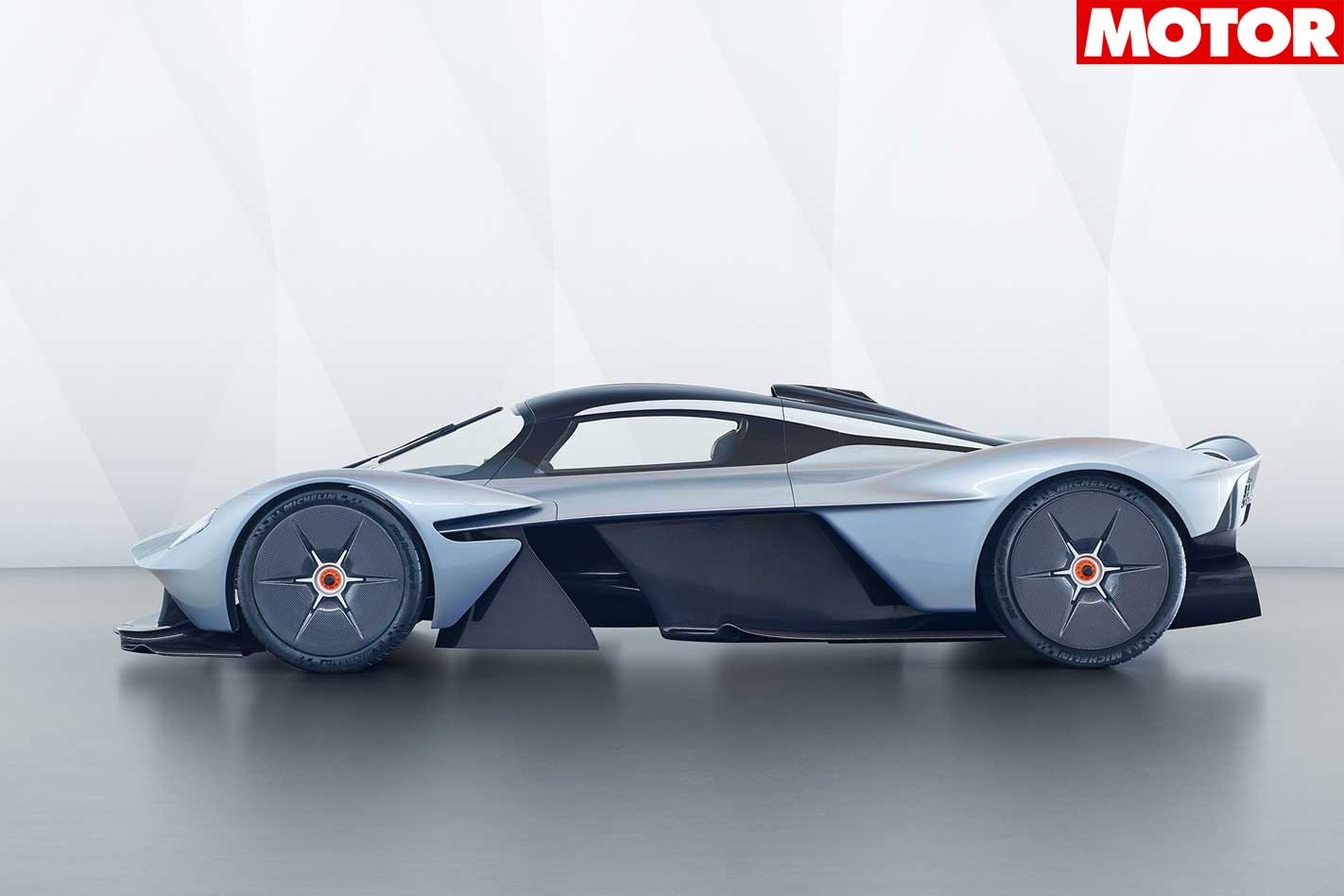
What I can tell you is that, in terms of its performance capability it will be a true competitor to the market set at the time – whatever the 488 is, whatever the McLaren 720S is, wherever Lamborghini is, and we’re bringing in the expertise from The Company That Makes Red Cars.
Those red cars, or Ferraris, were the work of former head of innovation Max Szwaj and engine boss Joerg Ross (who most recently held the same role at Maserati).

Szwaj is now chief technical officer at Aston, while Ross holds a similar role as at Ferrari.
Also recently joining the team are dynamics veteran Simone Rizzuto (nabbed from Maserati, previously Alfa Romeo), head engineer Matt Becker (formerly of Lotus), and former McLaren test driver Chris Goodwin.
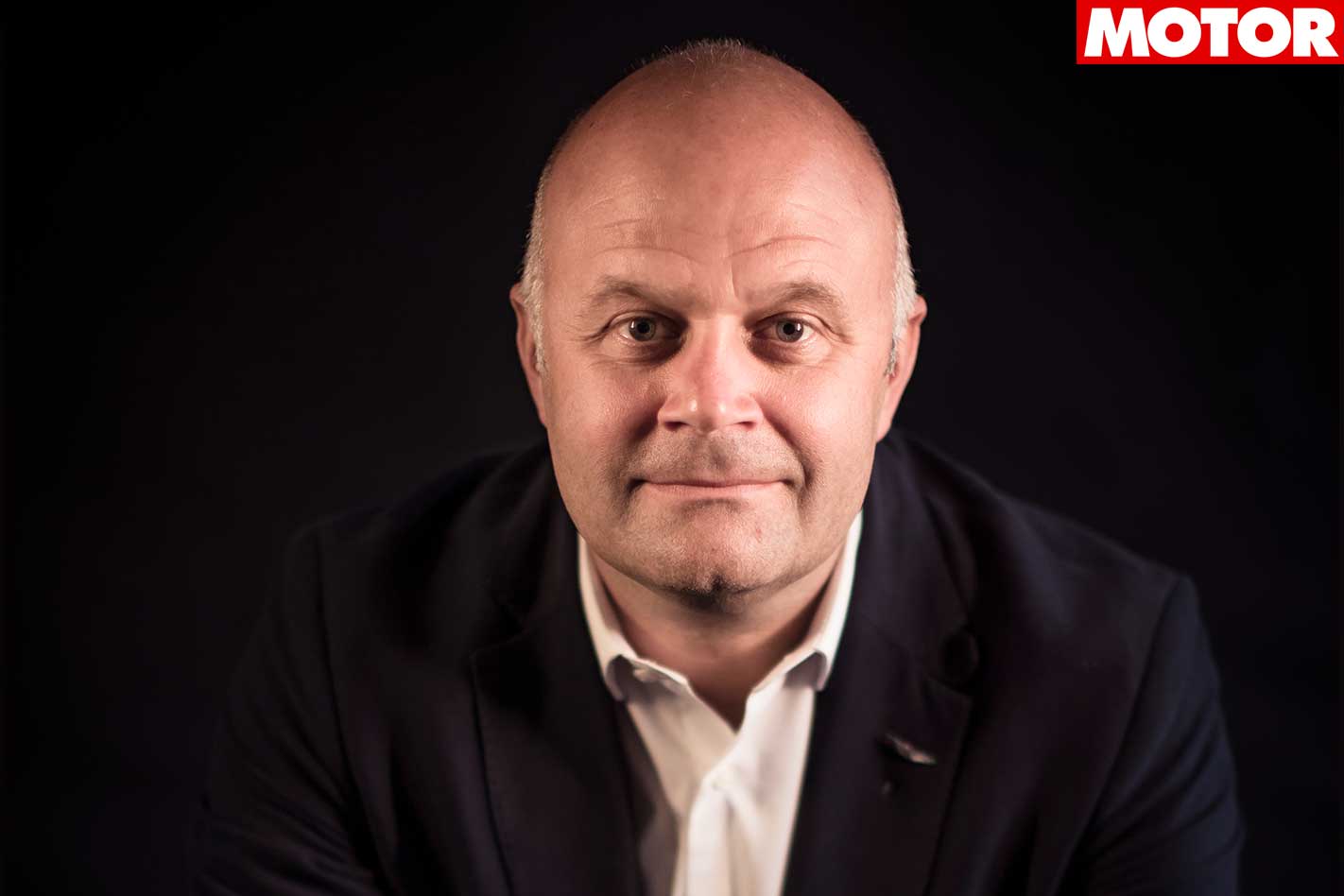
“We’re almost assembling a dream team to create this product,” Reichman said.
“So if you put that team together with beautiful design and the DNA of a Valkyrie, although a little bit further down the tree, then that’s the product you end up with.
“Something very innovative, something very beautiful, and with great handling characteristics.”
Roll on 2020.
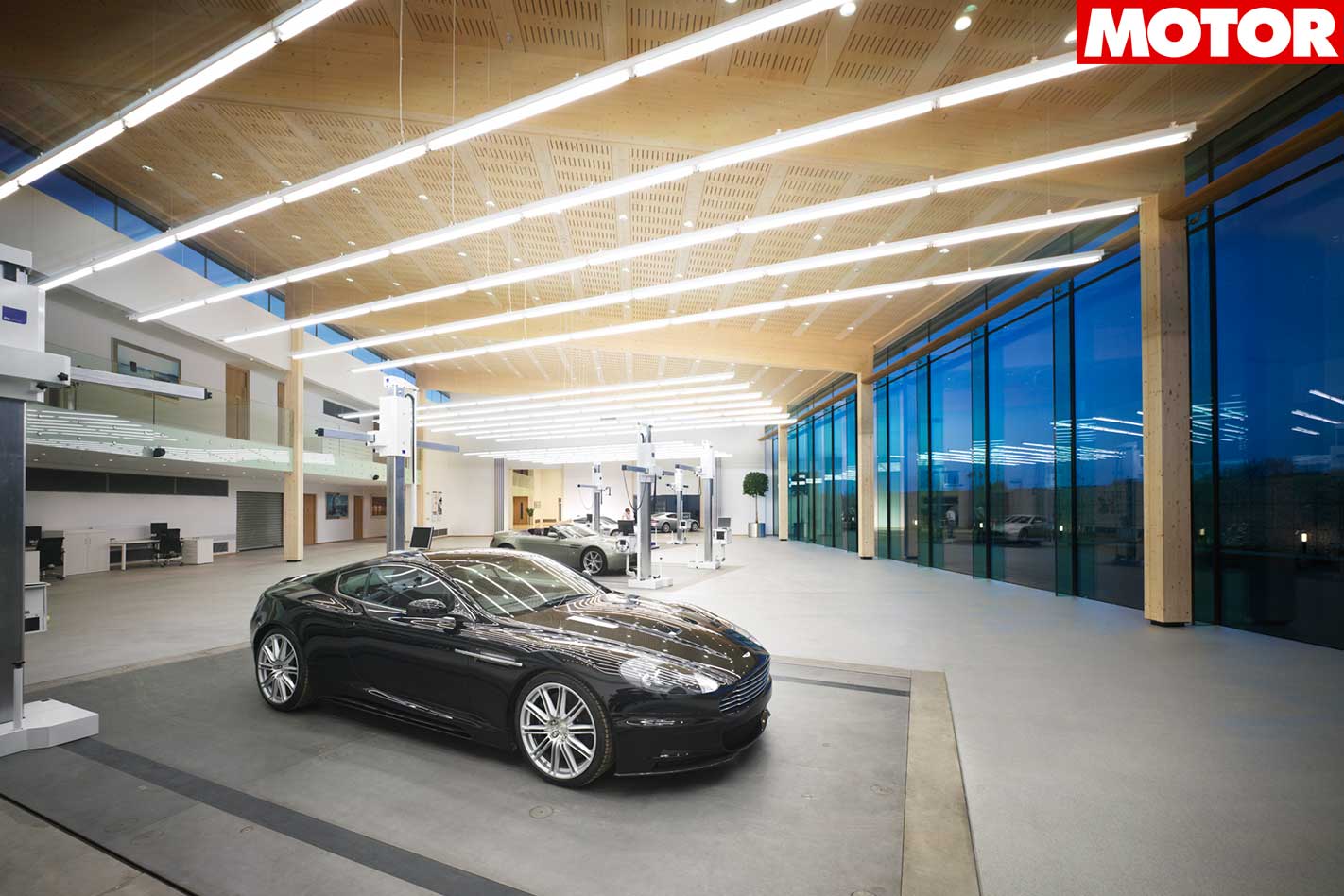
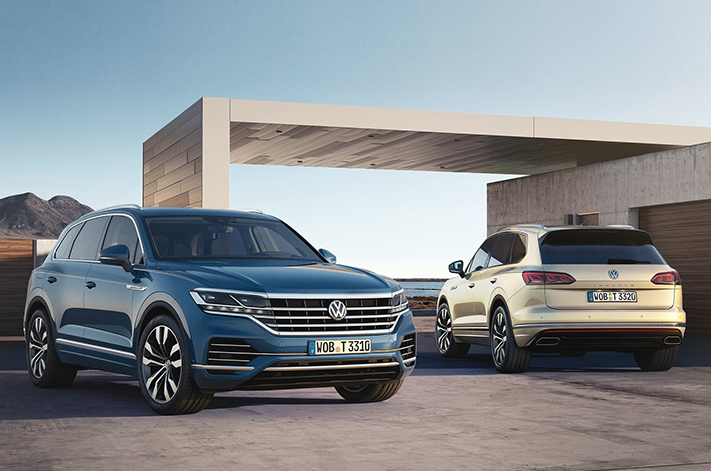
The third-generation Volkswagen Touareg will be the most technologically advanced model the German car maker has ever produced.
Built on the Volkswagen Group’s MLB platform, which also underpins the Audi Q7 and Bentley Bentayga, the big five-seat SUV will remain a more affordable than the other two. But it’s not exactly a budget offering, with pricing expected to start from about $90,000 and an options list that may take the price tag well into six figures.
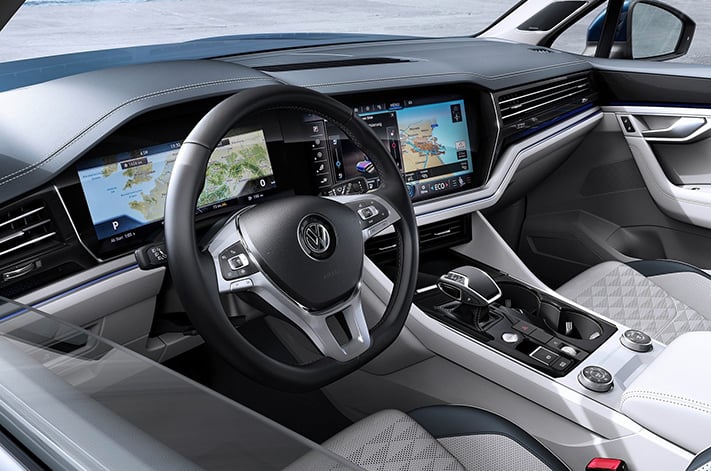
The Touareg’s completely redesigned interior will introduce Volkswagen’s fully digitalised ‘Innovision Cockpit’ featuring a 12-inch digital instrument cluster and 15-inch infotainment screen (and complemented by a head-up display).
The two screens blend to create a customizable interface with menus and displays that can be tailored to suit individual tastes. It’s also used to control all of the car’s major functions, which does away with most of the physical buttons and results in an elegant and clutter-free dashboard.
Other innovations include Night Vision, which can detect people and animals on the road ahead via a thermal imaging camera; Roadwork Lane Assist (semi-automated steering and lane keeping, accelerating and braking up to 60 km/h) and Front Cross Traffic Assist, which reacts to traffic approaching from each side.
The all-new Touareg is 44mm longer and 77mm wider than the current model but 106kg lighter, resulting in what VW claims will be sharper handling. Roadholding will be enhanced by active all-wheel steering, and roll stabilisation with electro-mechanically controlled anti-roll bars. Air suspension, replacing the conventional steel springs, will also be available.
The bigger dimensions mean more interior room and boot space, with the latter increasing from 697 litres to a cavernous 810L.
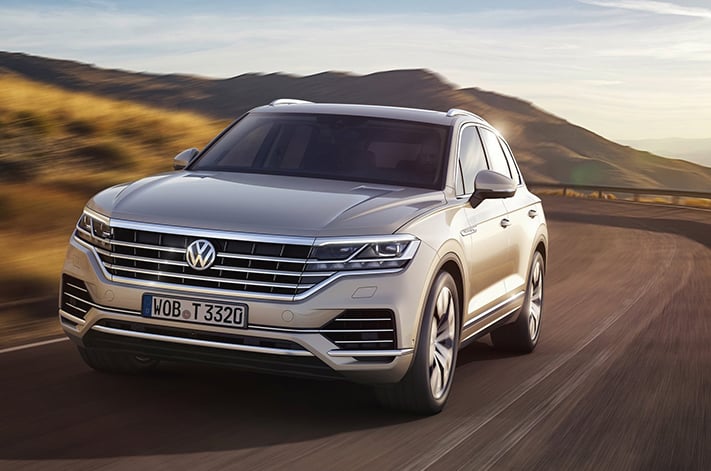
The Touareg will initially arrive with a choice two V6 turbo diesel engines, producing 170kW/500Nm and 210kW/600Nm. Following these are a 250kW/450Nm turbo petrol V6 and eventually a flagship 310kW/900Nm V8 turbo diesel. There is also a 270kW plug-in hybrid powertrain that’s so far only slated for the Chinese market.
Each engine will be coupled to an eight-speed automatic gearbox and 4MOTION all-wheel-drive system with Eco, Comfort, Normal, Sport and Individual on-road drive modes, and off-road settings including Snow, Off-road Auto, Sand, Gravel and customisable Off-Road Expert.
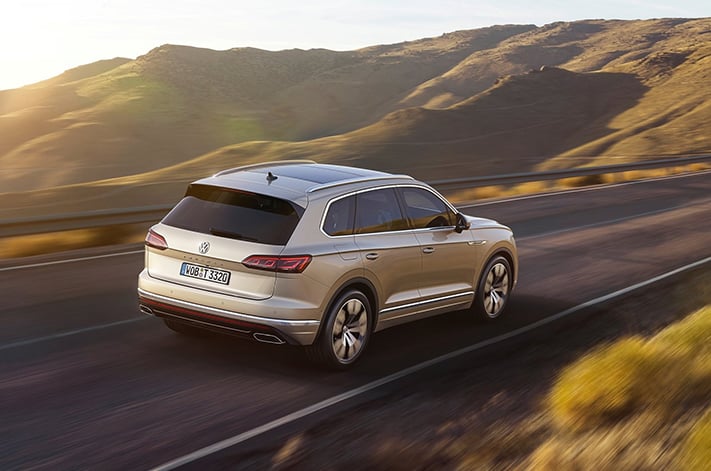
An optional off-road pack will beef up the Touareg for dirt road touring, with an underbody protection system including radiator, fuel tank and 12-volt battery guards, rugged aerodynamic underbody fairing and stone impact protection. Two towing eyes and increased fuel capacity, from 75 to 90 litres, are also included. All Touaregs will have a decent 3.5-tonne maximum braked towing capacity.
The next-generation Touareg comes in three spec levels: Atmosphere, Elegance and R-Line. The Atmosphere spec features wood trim and natural colours, while Elegance is more tech-inspired with metal and related colours. As per other VW models, R-Line has a more athletic feel that extends outside with spoilers and side sills.
Standard inclusions across the range are:
- LED matrix headlights
- LED tail-lights
- LED daytime running lights
- Cooled glovebox with LED lighting
- Leather steering wheel with paddle shifters
- Sliding rear seats with tilt-adjustable backrests
- Auto-dimming rear vision mirror
- Electric folding and heated door mirrors
- Automatic differential lock
- Hill Start Assist and Hill Descent Assist
- 4MOTION Active Control
- Speed-dependent power steering control
- Standard ‘Discover Pro’ 9.2-inch infotainment system with navigation
- Apple CarPlay/Android Auto support
- Rain-sensing windscreen wipers
- Push-button start
- Dual-zone climate control
- Lane Keeping Assist
- Driver Alert System
- Automatic Post-Collision Braking System
- Traffic sign detection
A MANUAL gearbox that can match revs for smooth downshifts is “highly likely” for the 2018 Toyota Corolla hatchback that’s due here in August.
The new Toyota Corolla will likely pair the smaller, lighter six-speed manual gearbox with its all-new 2.0-litre four-cylinder engine.
The Japanese car maker says the 2.0-litre engine lined up for the Hyundai i30 fighter delivers more torque over a wider band than the current larger and heavier 1.8-litre version that will be retained for what it describes as Prius-rivalling hybrid versions of the Corolla that will be sold here.
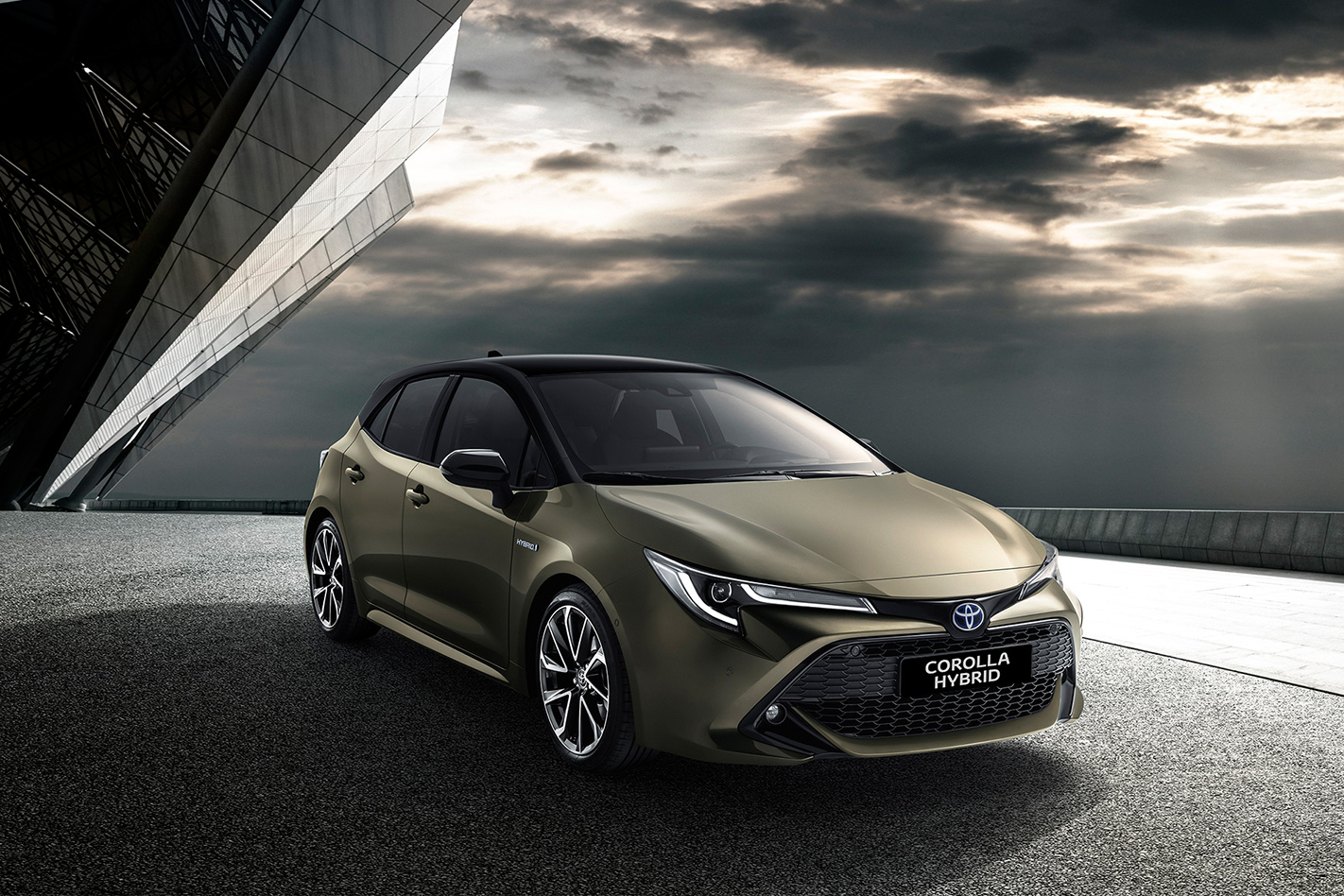
If the Corolla doesn’t gain the manual option, the only gearbox available with the M20A-FKS “Dynamic Force” engine will be a new generation of Toyota’s continuously variable transmission. It includes a launch gear, a single-ratio toothed gear that will help the Corolla with step-off acceleration – a common weakness of CVTs. This gearbox will have 10 sequential steps programmed into it, controlled via paddle shifters, and a sport mode.
The good-looking Corolla also looks good on paper. Built on the Toyota New Generation Architecture that’s shared with the Prius hybrid, Camry and the C-HR compact SUV, the Corolla sits 25mm lower than the car it replaces, and is 30mm wider and 40mm longer.
More importantly in terms of handling, it is on a wider track and 40mm longer wheelbase. The bonnet is a significant 50mm lower.
Up front, the Corolla features MacPherson struts with revised spring rates and damping forces, plus reduced friction in sliding parts.
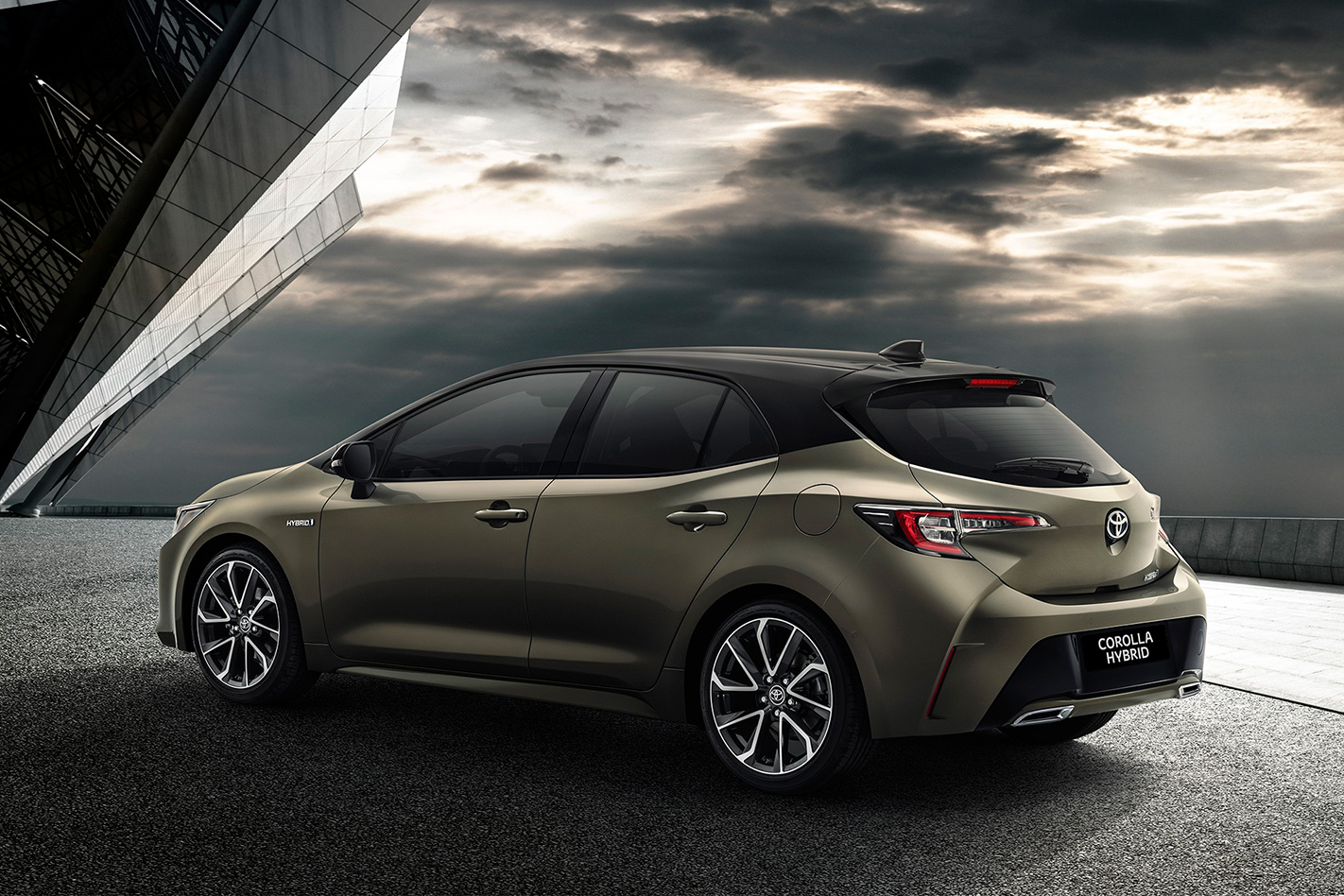
“Overall, front and rear suspension friction has been reduced by 40 per cent, and its centre of gravity is cut by a substantial 20mm.”
The new 2.0-litre direct injection engine uses electronic variable valve timing on the intake side, and oil pressure-based variable timing on the exhaust ports. It has a longer 97.6mm stroke and uses a higher 13.0:1 compression, with reduced friction and a lighter timing chain. Performance figures have not yet been released
The new-gen Corolla should also weigh in much lighter than the previous generation, with the tailgate made from a combination of acrylonitrile butadiene styrene – the same stuff used in Lego bricks – and olefin – the same material that hatchback parcel shelves are often made from.
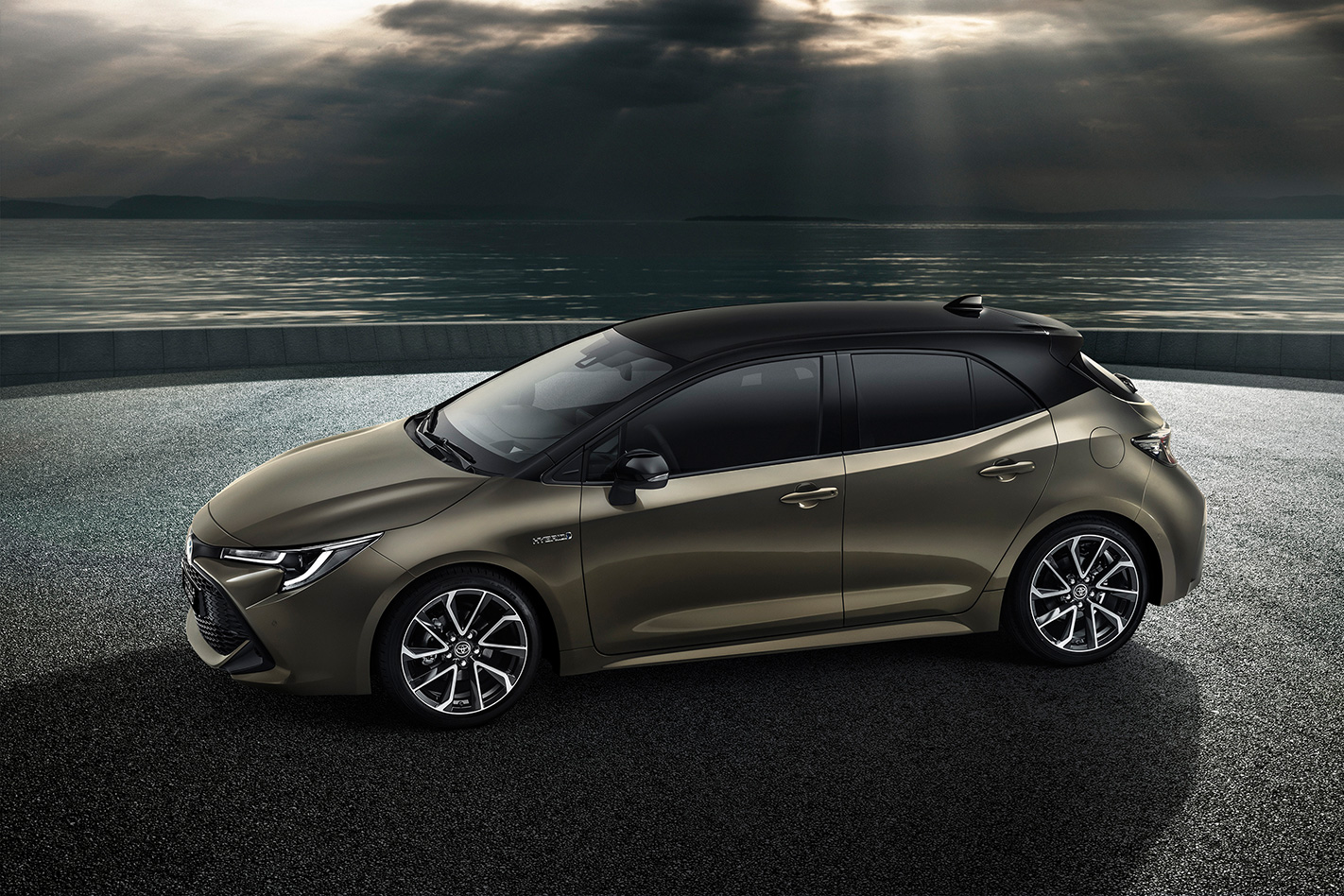
Grade-dependent features include single-zone manual air-conditioning or dual-zone automatic climate control, paddle shifters and 4.2-inch or 7.0-inch multimedia displays.
The manual Corolla’s rev-matching feature is a variation of the system introduced to self-shift six-speed versions of the Toyota Hilux in 2015.
The 2018 Toyota Corolla will be revealed in full at this week’s New York Motor Show, which starts on Friday.
