
Holden’s transition period from builder to all-importer suffered a significant, albeit expected, hiccup in February that saw it fall from fourth to eighth spot with just 4689 vehicles registered.
VFACTS figures for last month show Mitsubishi, Ford, Nissan and Honda all overtook the Aussie brand, which was around 30 sales from dropping out of the top 10 altogether, with Volkswagen and Kia hot on its heels.
As predicted Holden Commodore registrations were at an all-time low with just 733 sales, putting it well outside the top 20, caused by Aussie-built VF stocks running dry in January, and the new German-built ZB Commodore not going on sale until the well into the latter half of the month.
A Holden spokesman told WhichCar the company planned for a slower start to the year in terms of sales, adding that “our current market share is not where we want it to be”.
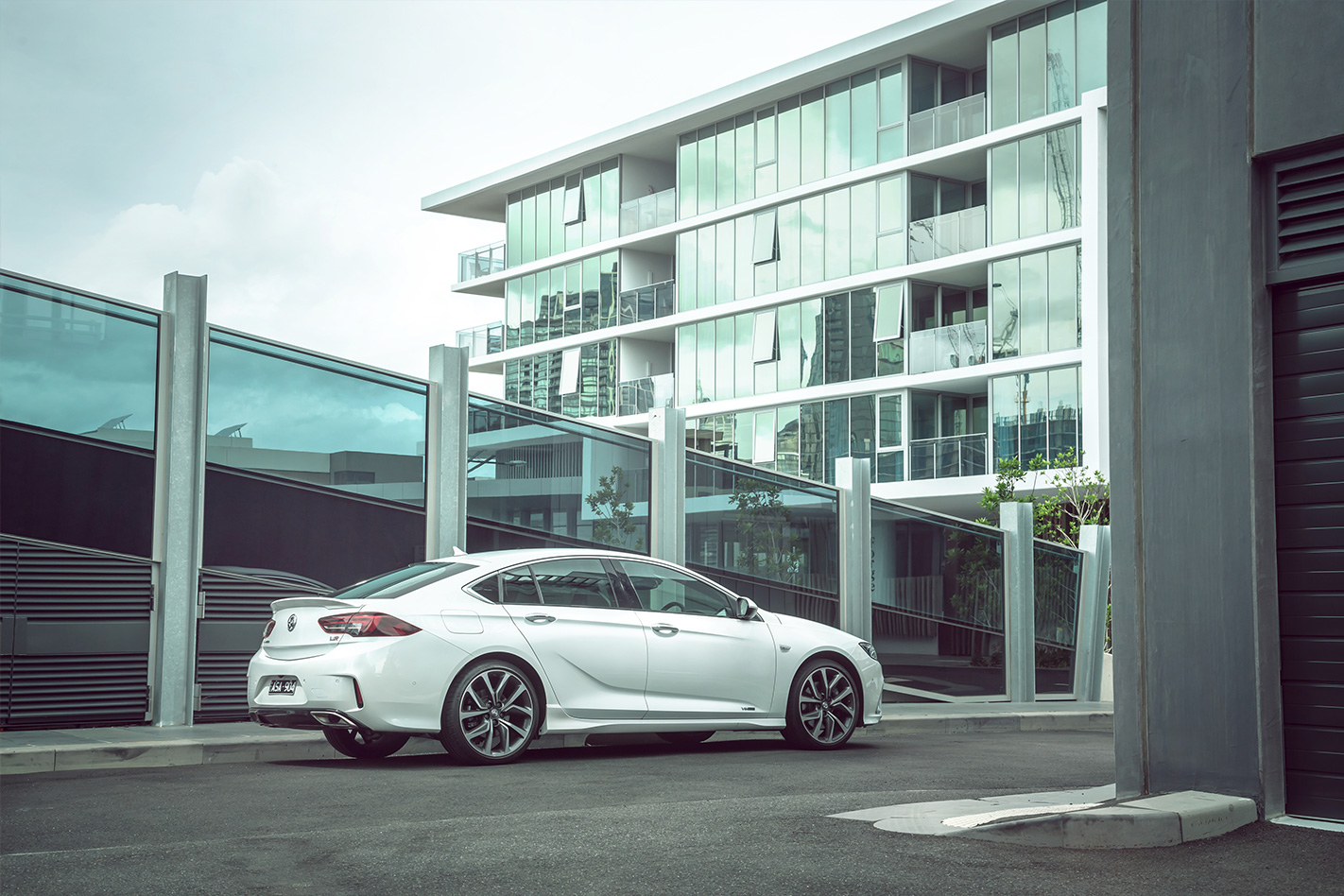
He said Holden is confident of a quick turnaround in the next couple months as the ZB Commodore settles into dealerships alongside the strong-selling Astra range, and a new diesel-powered Equinox which will start arriving from Mexico.
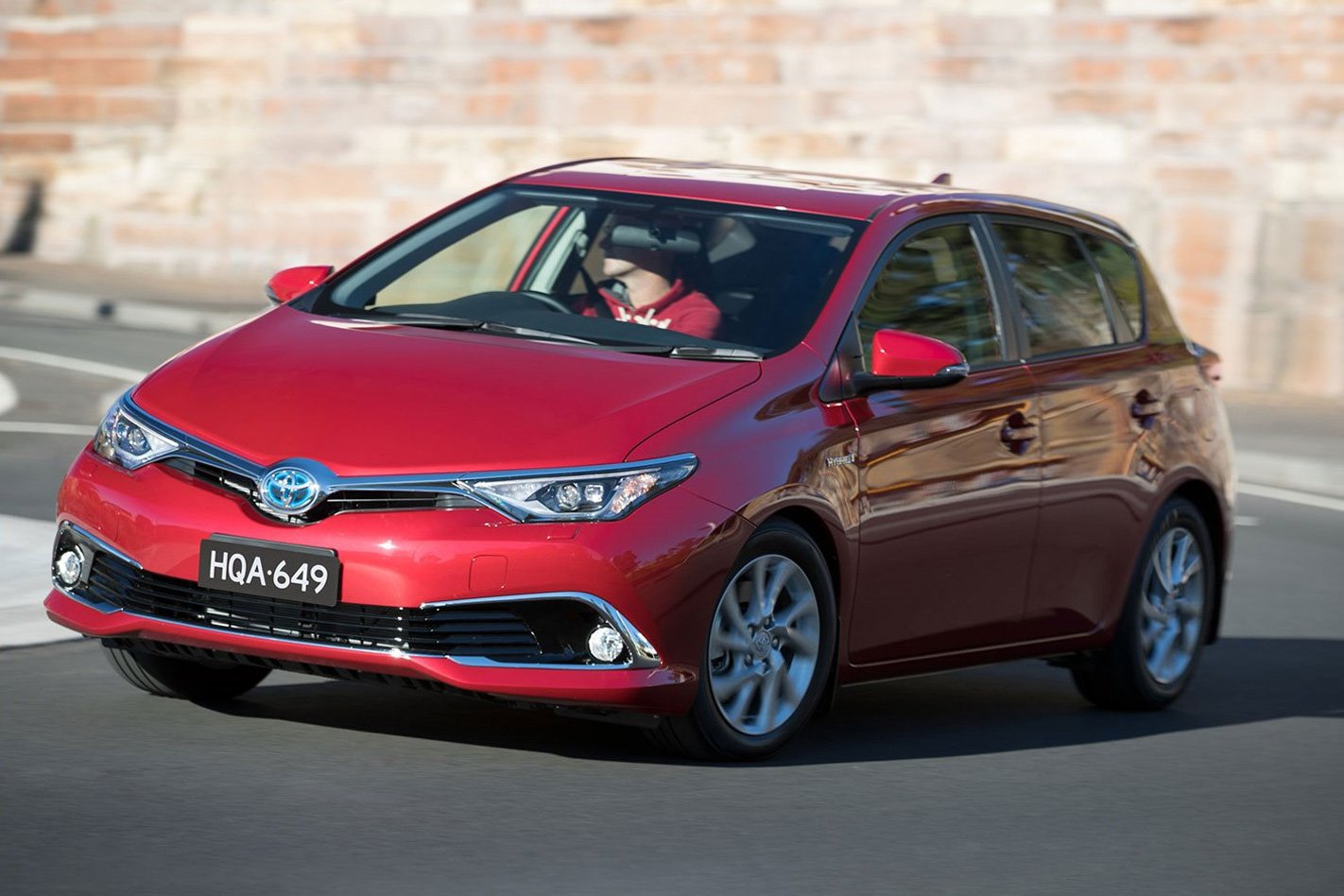
As usual Toyota has every reason to be optimistic after moving 18,281 vehicles in February, with Corolla (3270) again topping the passenger car list, and RAV4 (1841), Kluger (1420), Camry (1381) and Prado (1323) all making it into the top 20.
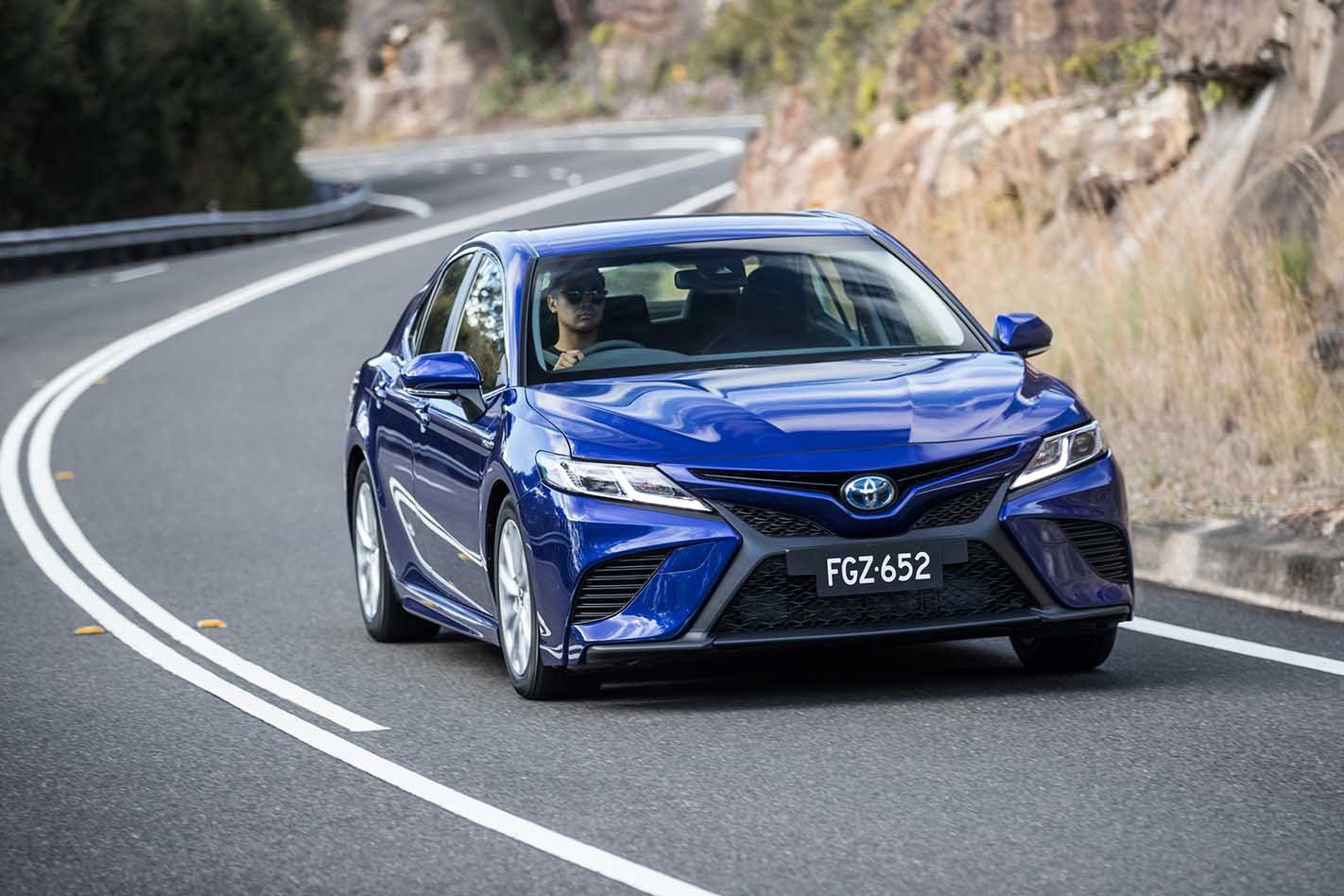
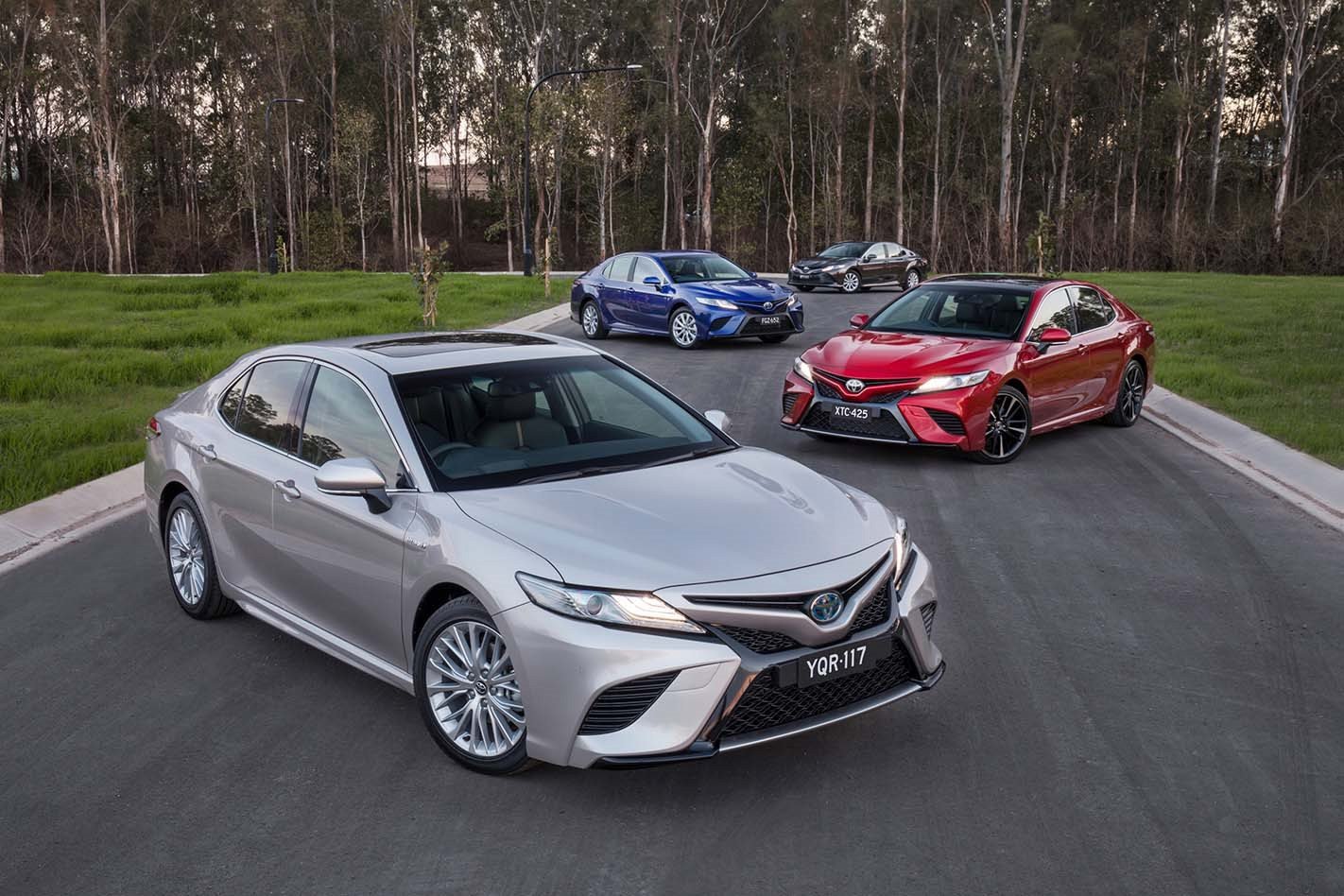
Camry sales have remained strong since production shifted from Australia to Japan, and while it’s down a little compared to February 2017, year to date sales (2135) are up over this time last year.
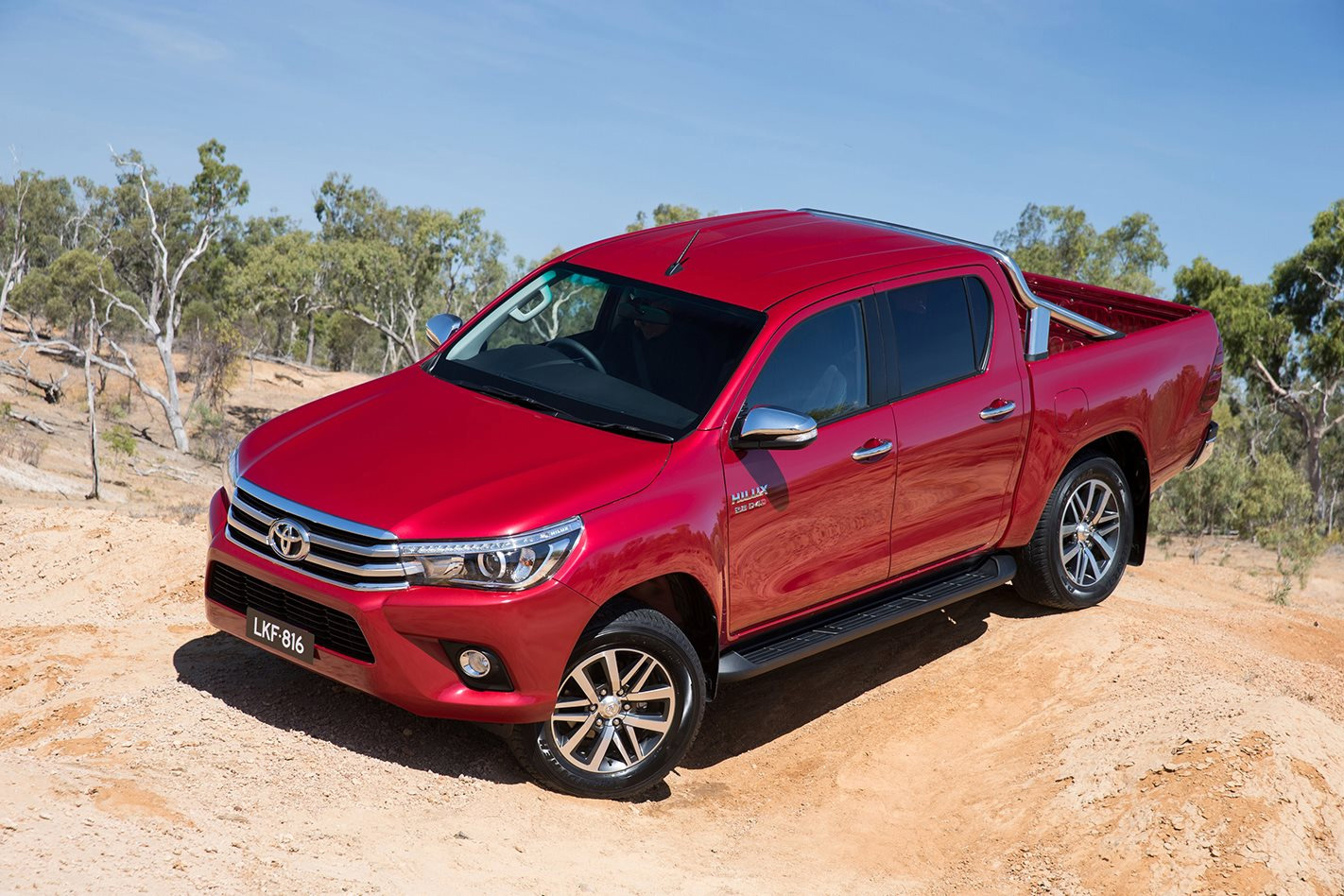
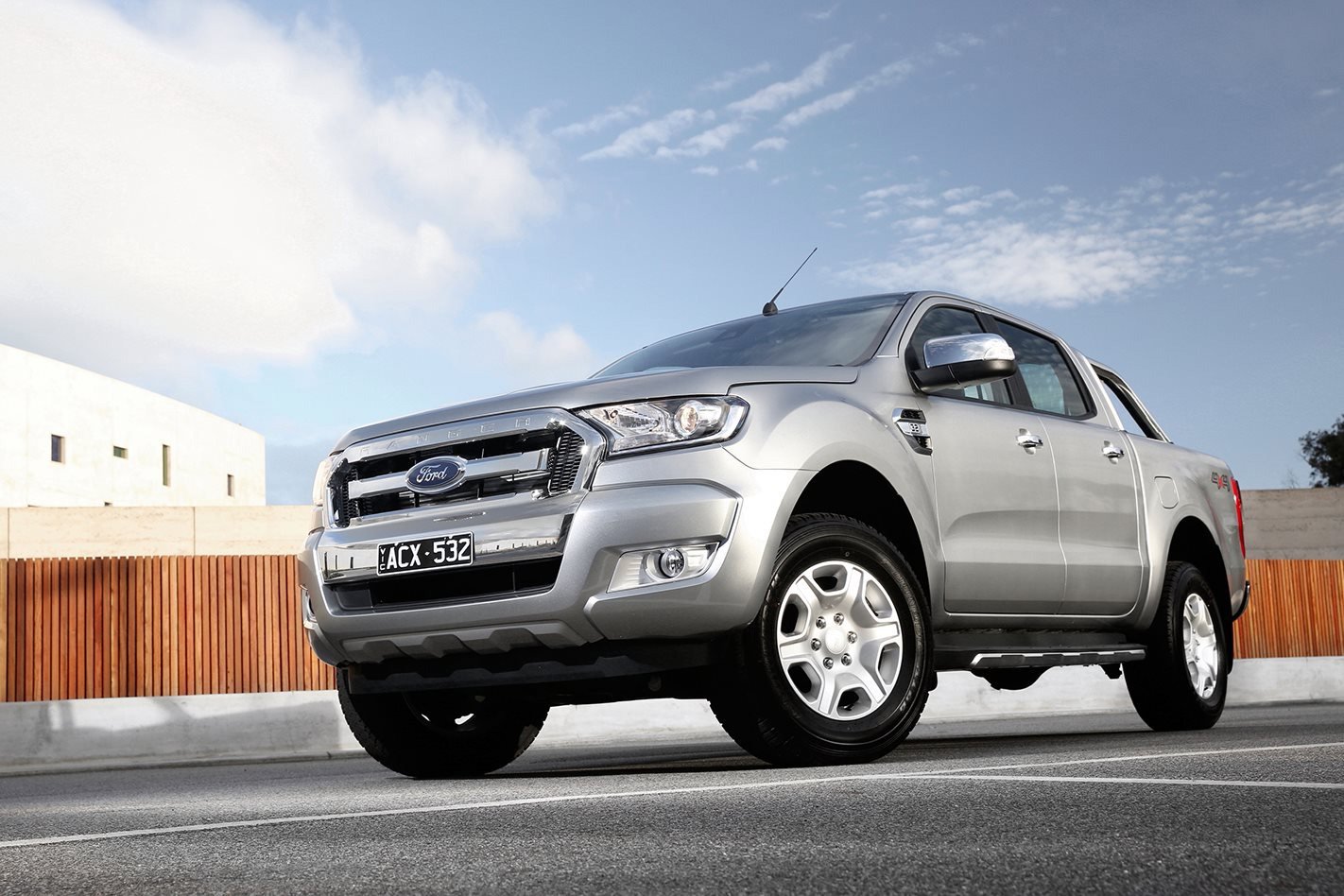
Toyota’s overall figure included HiLux light commercial, which was once again Australia’s biggest-selling vehicle with its myriad of 4×2 and 4×4 cab-chassis and pickup models totalling 4426 sales, closely followed by the Ford Ranger range (3544).
It was also a good month for Mitsubishi, which returned to the top-5 on the back of a spike in sales of its Pajero Sport, and recently facelifted Outlander (1611) and Lancer (938) thanks to plate clearance sales. ASX small SUV numbers were well down, to 902, though this seems mostly due to the new, and similarly sized, Eclipse Cross (644).
Top-10 manufacturers
Manufacturer Feb Year to date
- Toyota 18,281 33,587
- Mazda 9913 20,026
- Hyundai 8001 15,125
- Mitsubishi 7142 12,405
- Ford 6059 11704
- Honda 4962 9543
- Nissan 4863 9570
- Holden 4689 10,408
- Volkswagen 4671 8650
- Kia 4664 9195
Top-20 passenger vehicles (Feb)
- Toyota Corolla 3270
- Mazda3 2935
- Mazda CX-5 2191
- Hyundai i30 2182
- Toyota RAV4 1841
- Hyundai Accent 1782
- Volkswagen Golf 1649
- Nissan X-Trail 1622
- Mitsubishi Outlander 1611
- Hyundai Tucson 1604
- Mazda CX-3 1562
- Kia Cerato 1491
- Toyota Kluger 1420
- Honda Civic 1409
- Honda CR-V 1381
- Toyota Camry 1381
- Toyota Prado 1323
- Kia Sportage 1102
- Honda HR-V 1067
- Subaru XV 1045
Top-5 micro cars
- Kia Picanto 353
- Holden Spark 109
- Mitsubishi Mirage 103
- Fiat 500/Abarth 595 61
- Suzuki Celerio 1
Top-5 light cars
- Hyundai Accent 1782
- Mazda 2 959
- Honda Jazz 846
- Toyota Yaris 797
- Suzuki Swift 634
Top-5 small cars
- Toyota Corolla 3720
- Mazda 3 2935
- Hyundai i30 2182
- Volkswagen Golf 1649
- Kia Cerato 1494
Top-5 medium cars
- Toyota Camry 1381
- Mazda 6 233
- Ford Mondeo 196
- Skoda Octavia 150
- Volkswagen Passat 143
Top-5 medium cars, $60k+
- Mercedes-Benz C-Class 495
- Mercedes-Benz CLA 292
- BMW 3 Series 238
- Audi A4 112
- Lexus IS 94
Top-5 large cars
- Holden Commodore 737
- Kia Stinger 174
- Mercedes-Benz E-Class 93
- BMW 5 Series 73
- Skoda Superb 66
Top-5 small SUVs
- Mazda CX-3 1562
- Honda HR-V 1067
- Subaru XV 1045
- Hyundai Kona 910
- Mistubishi ASX 902
Top-5 medium SUVs
- Mazda CX-5 2191
- Toyota RAV4 1841
- Nissan X-Trail 1622
- Mitsubishi Outlander 1611
- Hyundai Tucson 1604
Top-5 large SUVs
- Toyota Kluger 1420
- Toyota Prado 1323
- Subaru Outback 821
- Mitsubishi Pajero Sport 766
- Mazda CX-9 707
Top-5 people movers
- Kia Carnival 501
- Honda Odyssey 174
- Volkswagen Multivan 109
- LDV G10 Wagon 62
- Toyota Tarago 54
Top-5 sports cars
- Ford Mustang 492
- BMW 2 Series* 175
- Merc-Benz C-Class* 134
- Mazda MX-5 123
- Toyota 86 88
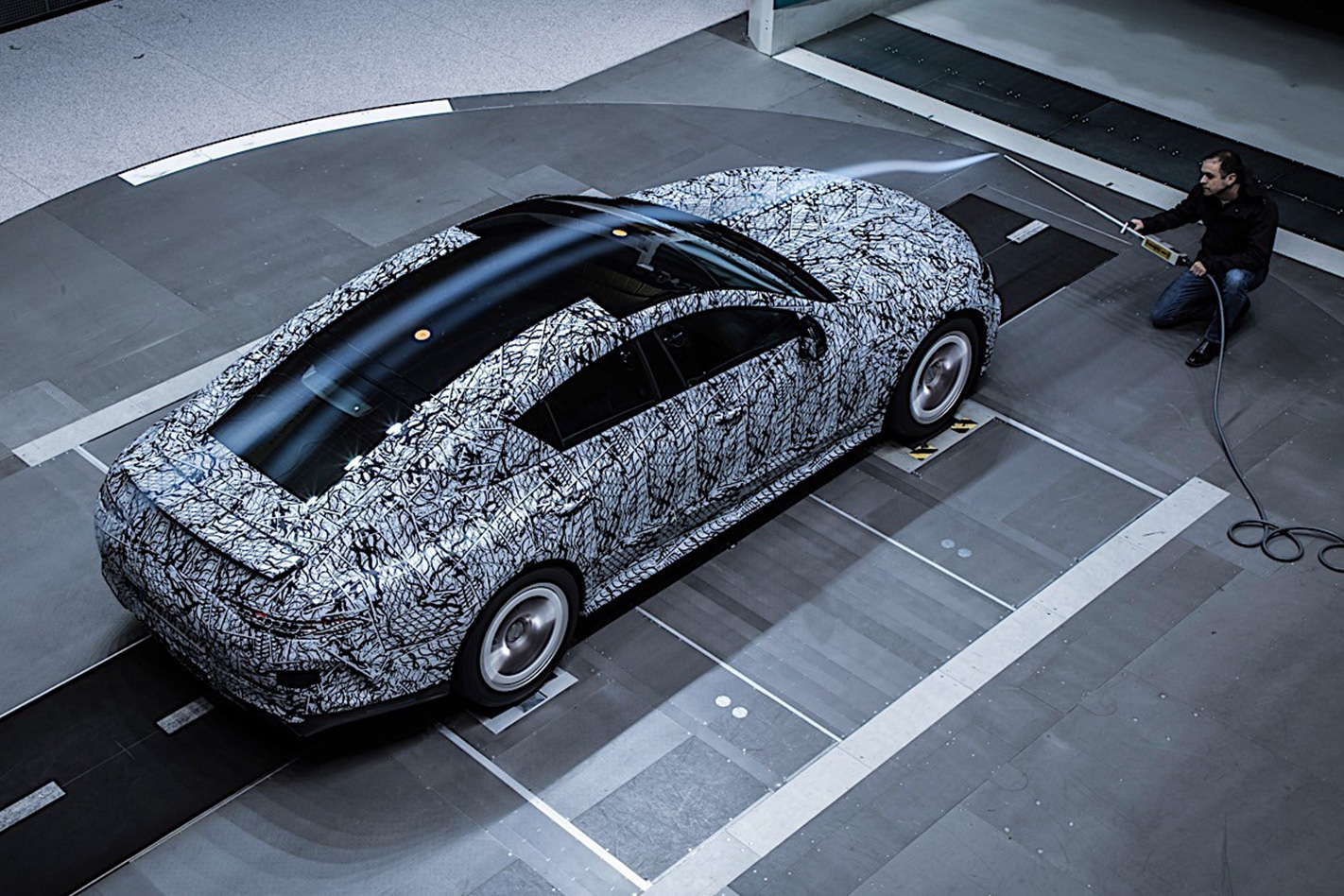
WHAT’S believed to be the production skin of the four-door Mercedes-AMG GT Coupe has leaked online ahead of its official Geneva motor show reveal this week.
The German car maker has extensively teased its Porsche Panamera rival in a number of releases in the lead-up to this week’s reveal, but this is the first time we’ve seen the car without its customary disguise.
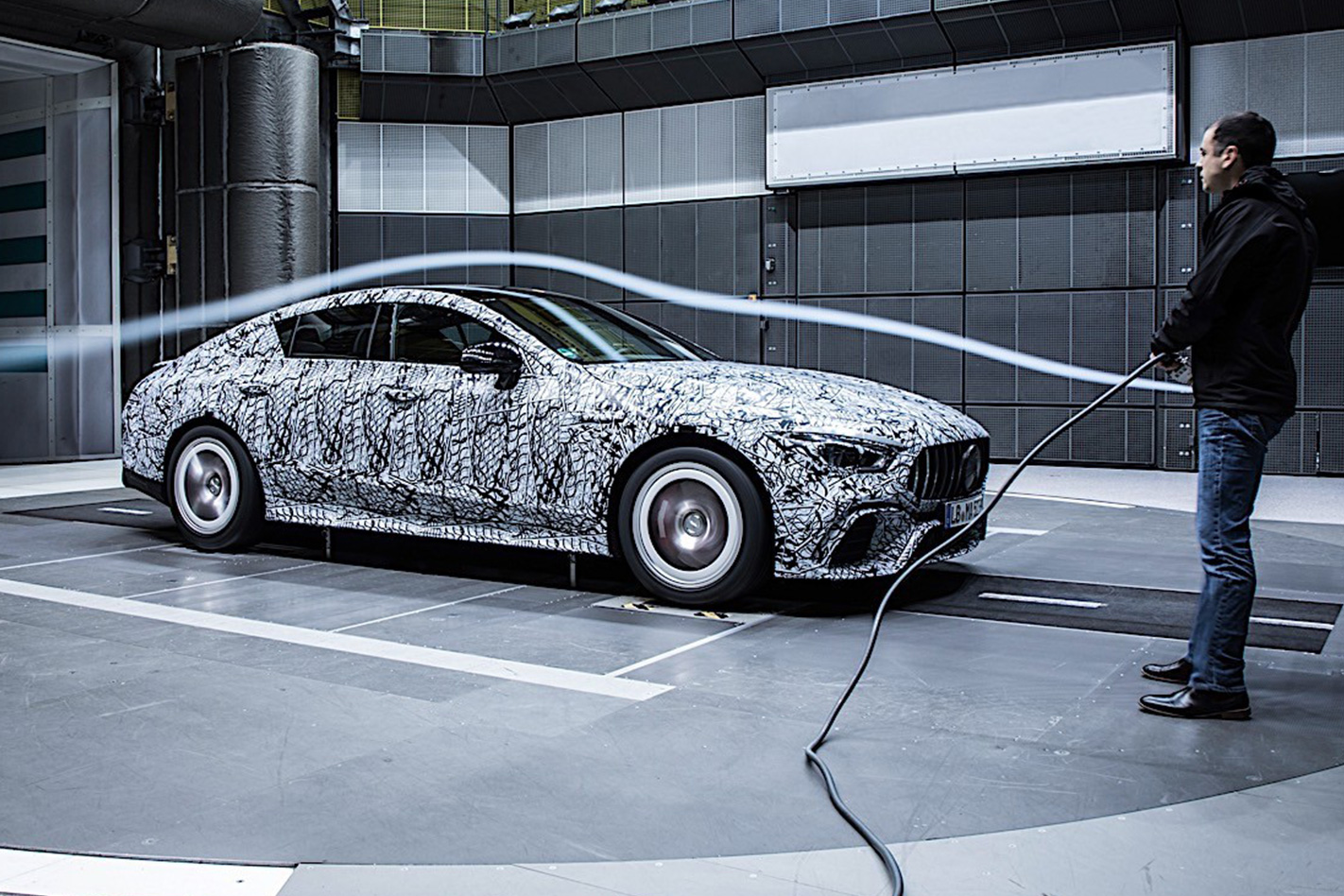
The as-yet unnamed GT four-door shares its underpinnings with the E-Class, so is likely to borrow its 450kW 4.0-litre V8. In hybrid form, this model could also introduce the badge of the brand’s electrified sub-brand, EQ. The production car should also vary from its two-door sibling by using a conventional nine-speed automatic transmission instead of the coupe’s transaxle, all in the interest of opening up rear-seat passenger space, and all-wheel drive.
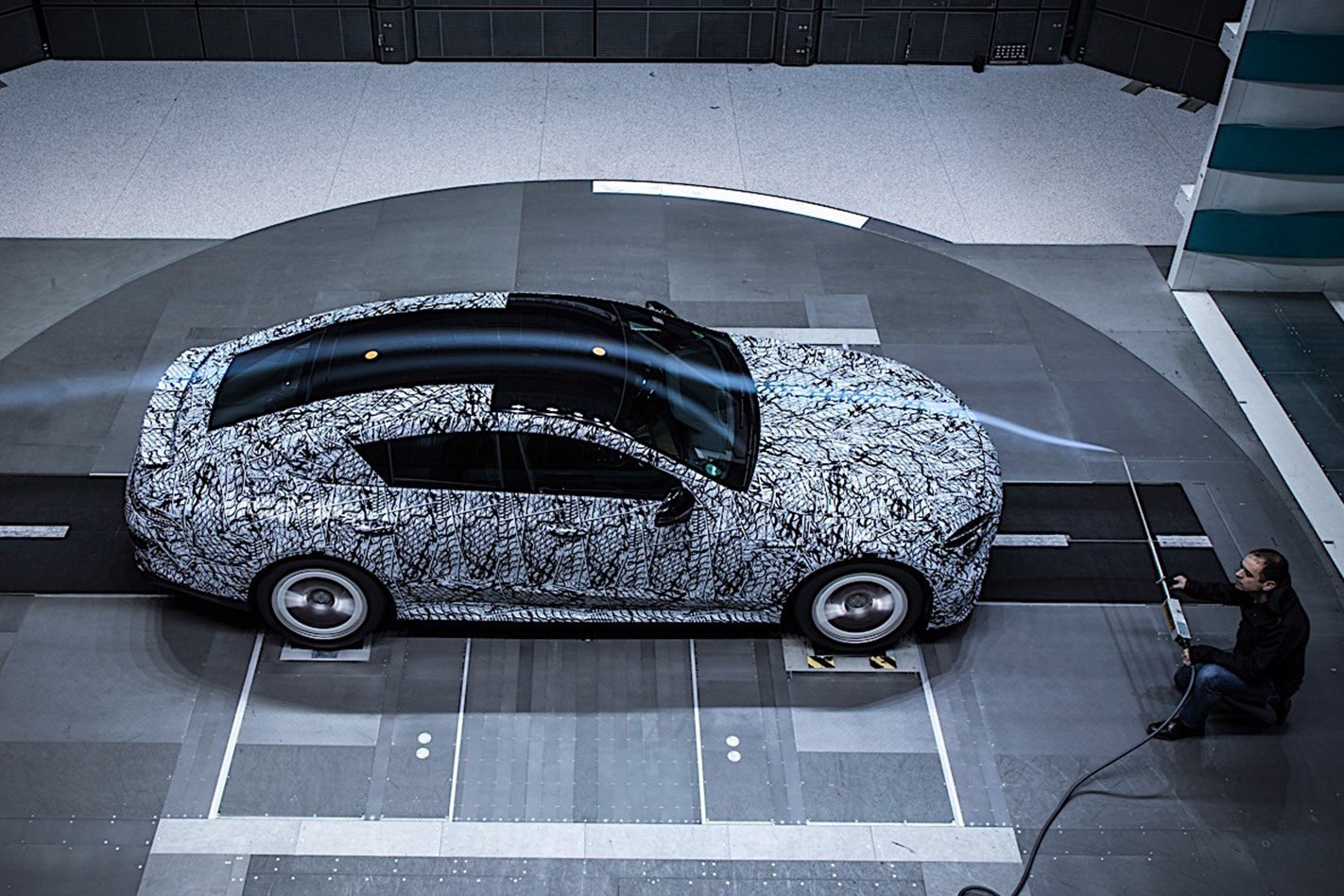
Believed to be based on a version of Benz’s MRA architecture rather than the AMG GT’s bespoke chassis (which puts the engine behind the front axle and the gearbox between the rear wheels), the production version of the GT Concept will face off against the Porsche Panamera and Tesla Model S when it arrives in overseas showrooms late this year.
The Mercedes-AMG GT four-door is expected to make its debut at the 2018 Geneva Motor Show, which starts on March 6.
THE last of the Aussie-built Ford Territory SUVs has left the brand’s showrooms.
The former local car maker recorded no sales for the Ford Territory in February, with a source confirming to Wheels that the last of the ground-breaking family cars had been sold.
Retro Review: 2004 Ford Territory – So you once vowed you’d never buy a crossover…
In contrast, it’s believed that only a very small number of Falcon sedans remain on the company’s books.
The last of the Ford Territory sales closes the door on almost 14 years of history for what would eventually become the replacement for the Falcon wagon.
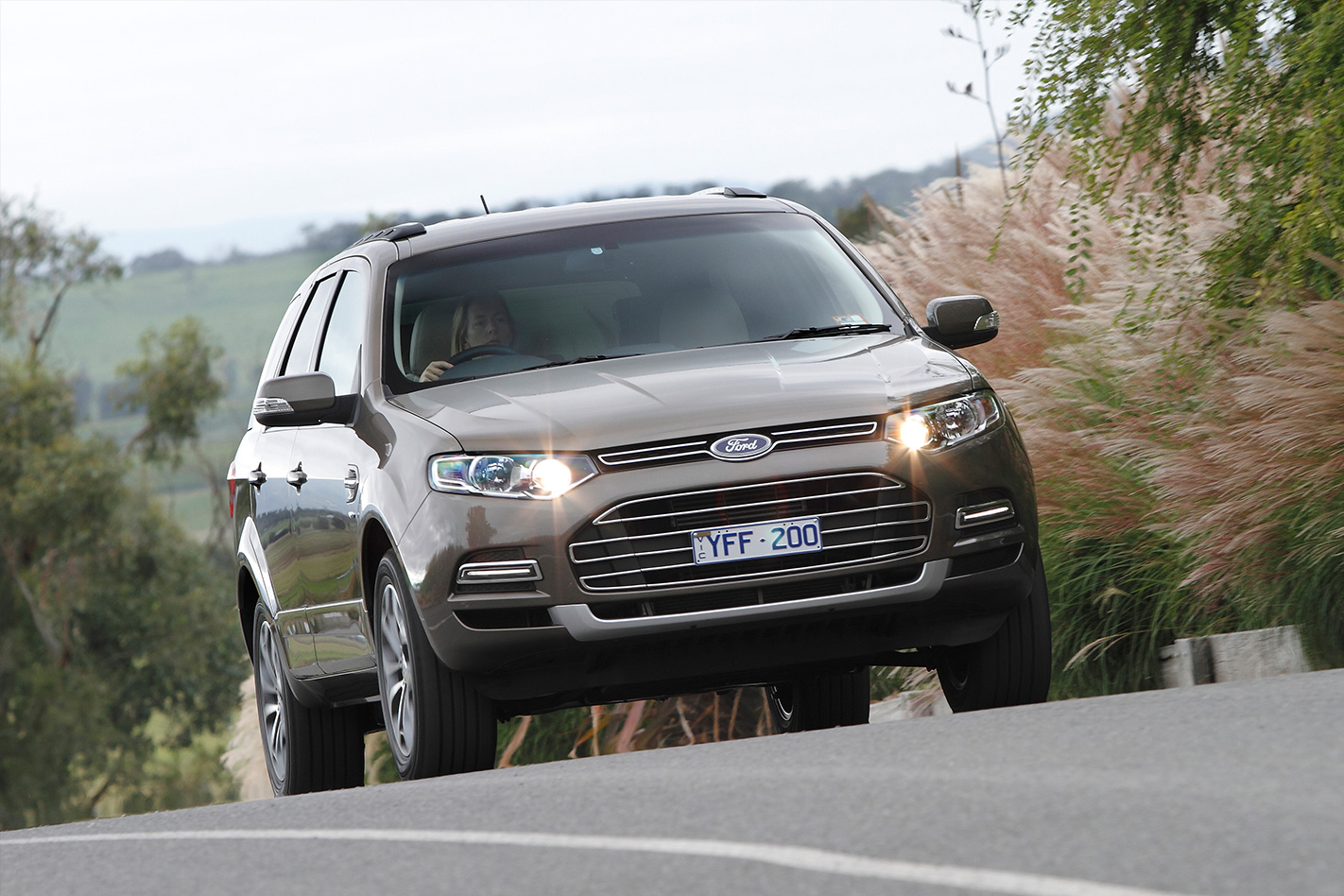
Work started on the idea of a locally brewed SUV back in 1998. After early development work including four scale models, then Ford Australia boss Geoff Polites pitched the idea to Detroit, and came back with a $500 million budget.
The company also needed to sell some of the land it owned at Broadmeadows to help fund the project.
We had our first look with the Territory, known as the E265, at the 2002 Melbourne Motor Show. Bearing a strong resemblance to the car that would soon roll off production lines, Ford already knew it was on a winner. By the next year, it will have unveiled a production version, again at Melbourne, as well as giving it the now iconic name: Territory. In late 2003, the interior – one of the most versatile and family-friendly ever developed in a vehicle – was revealed at the Sydney motor show.
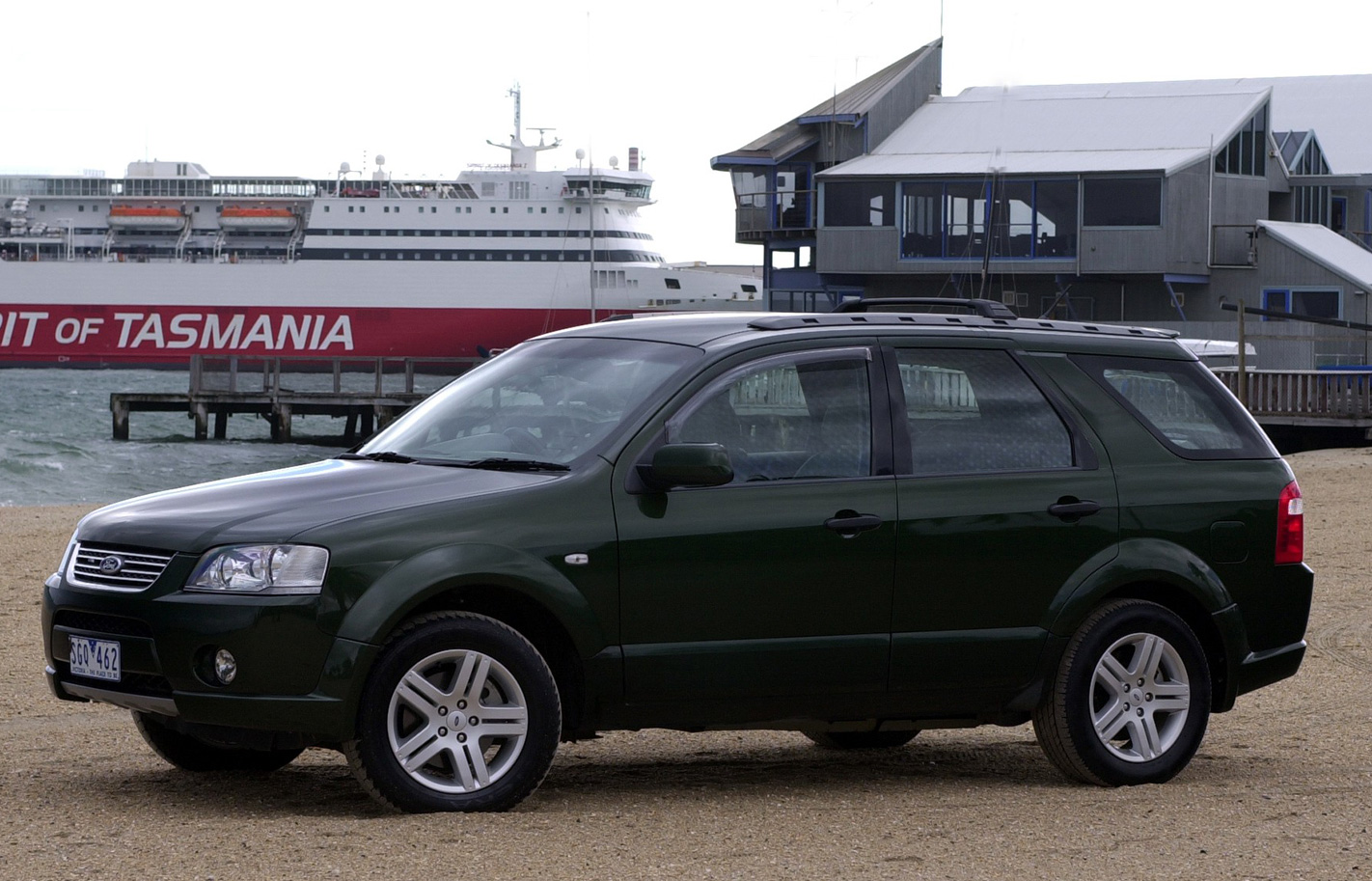
Controversially, Ford chose to launch the Territory in New Zealand, drawing huge criticism. Ford’s explanation was that it needed the right terrain to show off the SUV’s all-wheel-drive system.
The Territory launched in Australia with a base price of $38,990 – when the last one was built in October 2016, it was $500 cheaper but significantly improved.
Despite their family resemblance, the Territory was a very different beast to the Falcon. It only shared 76 of its 227 stampings, and the final drive was geared lower. It used a unique double ball joint lower arm, and the steering rack was mounted ahead of the wheels. The bigger kerb weight demanded beefier, larger diameter brakes.
The biggest accolade for the Territory came in 2004 when the Ford Territory became the first-ever SUV to win the coveted Wheels Car of the Year Award. In the years since, only two other SUVs – the Mazda CX-9 and Volvo XC60 – have joined it on the podium.
So you once vowed you’d never buy a crossover…
FORD may just be the company to change your mind.
Here is a landmark in the evolution of the Australian car industry, the departure point from the sedan-based ranges that have always been the lifeblood of the business . .
With practically identical rear-drive and all-wheel-drive versions, The Ford Territory blurs the lines between conventional wagon, 4WD, and MPV categories. Ford believes its formula has huge appeal. And now we’ve tested it, so do we…
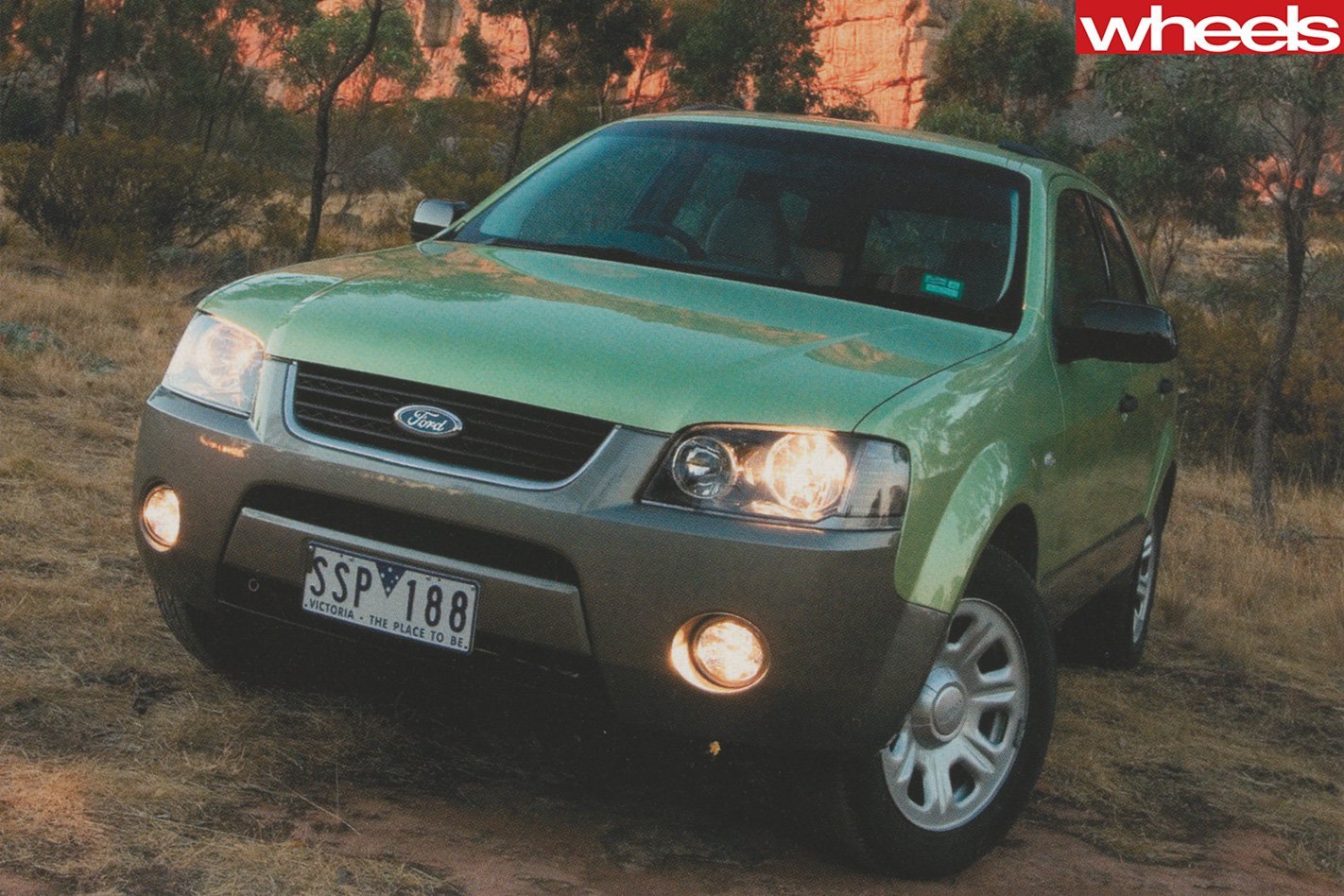
So you once vowed you’d never buy a crossover was first published in Wheels May 2004
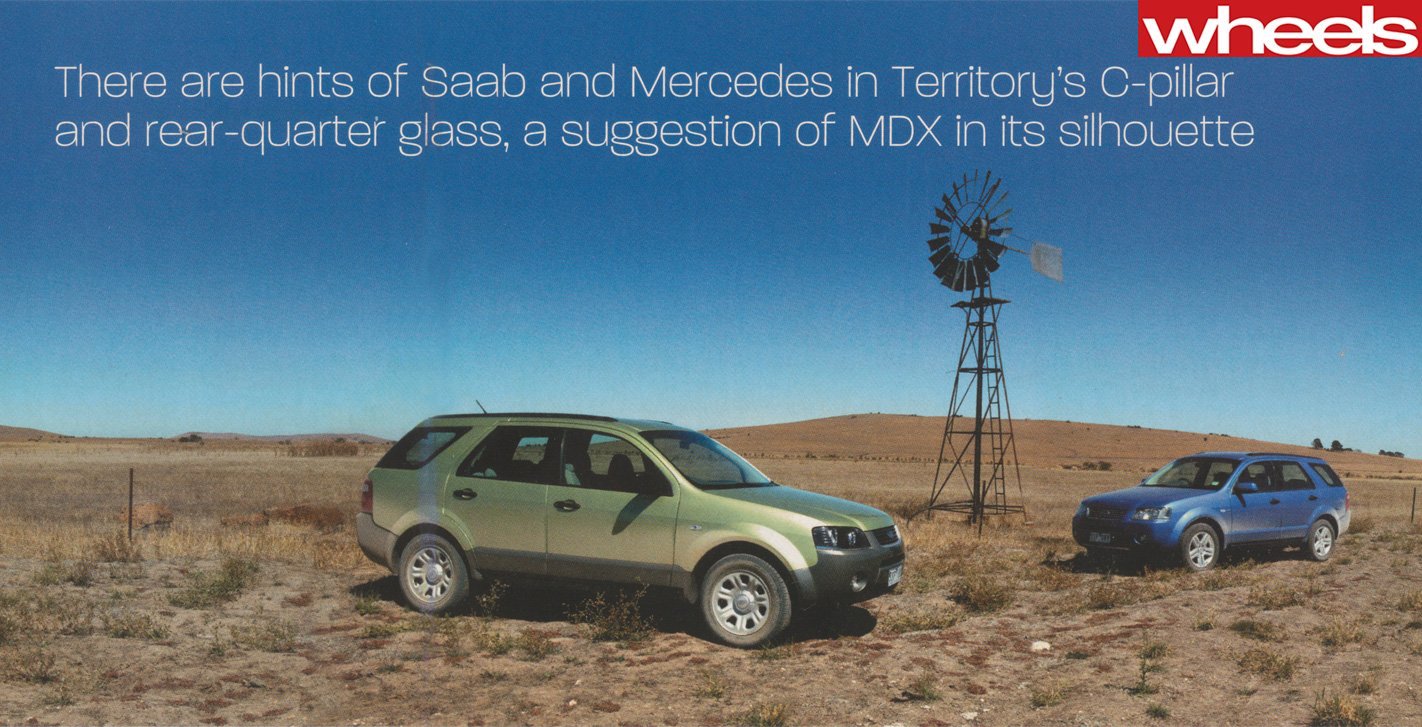
Most people, seeing it for the first time, automatically file it in a familiar, existing category of car. It’s a good-looking and slightly lower-than-usual 4WD wagon, right? A softroader, isn’t that what they’re called?
Wrong. The Territory RWD looks exactly like the AWD model – ground clearance, and wheel and tyre size are exactly the same – except that it doesn’t have a pair of discreet chrome badges stuck beside the indicator repeater lights on its front guards.
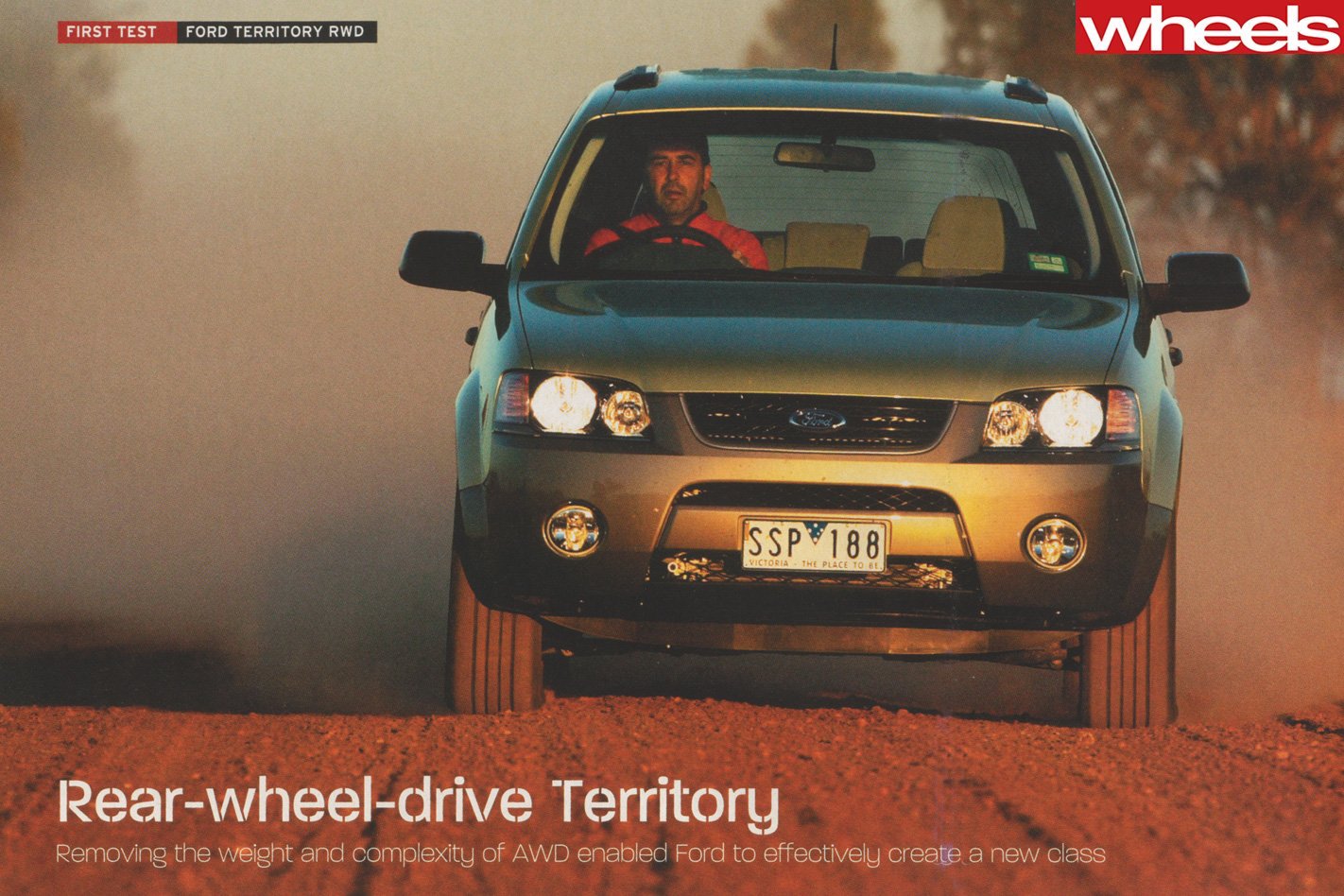
Its price – $38,990 before the addition of any options or accessories – means the Territory TX RWD costs around the same money as a top-spec Honda CR-V, Nissan X-Trail, or Toyota RAV4, all with four-cylinder engines and only five seats. The TX, like every other Territory model, is equipped with Ford’s well-developed 4.0-litre six-cylinder engine.
It’s larger, roomier, and performs better. For those who realise they don’t really need AWD or off-road ability, the rear-drive Ford must be considered an attractive alternative.
For a reasonable $1500, the customer can add the factory-fitted extra seat. This price, by the way, includes two three-point seatbelts for the rear-seat passengers and the otherwise optional fore-aft adjustment feature for both sections of the 60/40-split second-row seat.
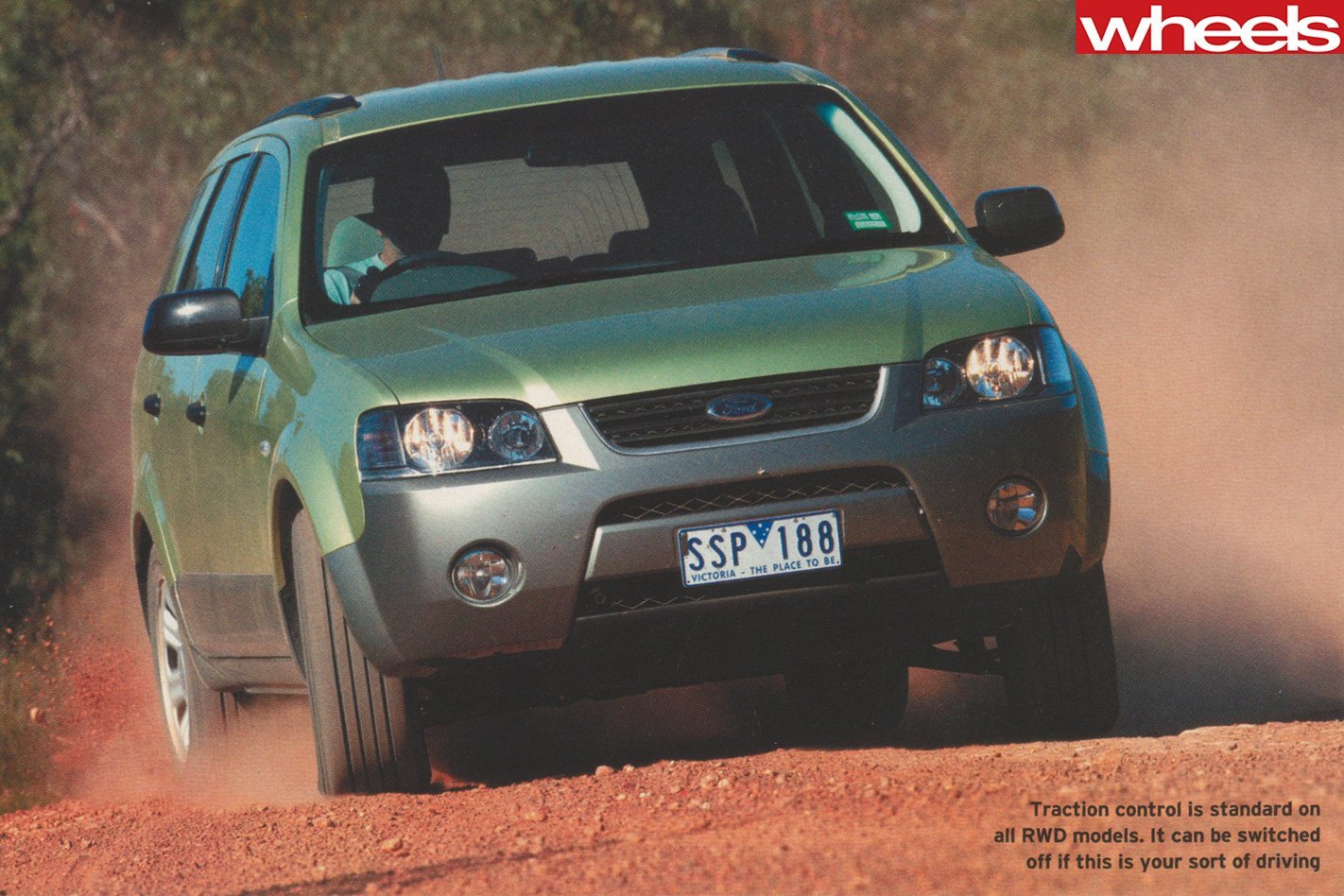
Oh, and there’s one more thing; the Territory TX is a much better car to drive than any of the above. Its steering, handling, and ride comfort are outstanding. Truly. Our wide-ranging test covered more than 100km. City lanes, freeways, suburban streets, major highways, country backroads, and a lashing of dirt for good measure. There’s no remotely comparable vehicle that approaches the TerritoryTX RWD’s dynamic ability. None.
The brand-new front suspension and front-mounted steering rack, designed and developed by Ford Australia specifically for the Territory, works brilliantly. It delivers a tight turning circle – better than some sedans we can think of (okay, the Mitsubishi Magna) –- and this helps make it very user-friendly in car parks and city lanes. The steering’s power assistance is not too light and the weighting remains admirably consistent. The Territory RWD’s steering is noticeably lighter than in the AWD, and there’s also more road feel.
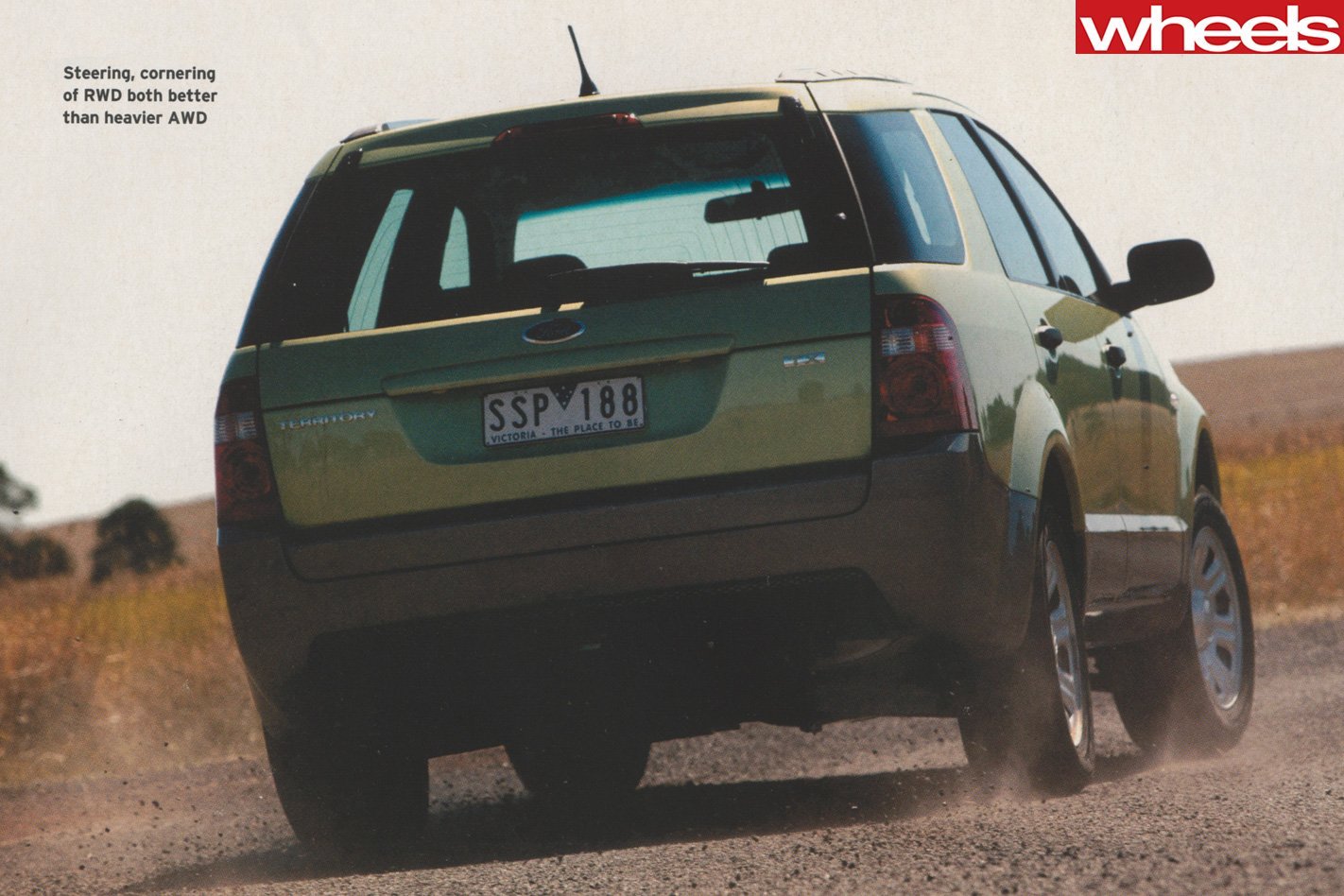
The handling is very, very good, too. There’s a wonderful balance and fluidity to the way the Territory deals with winding roads. It doesn’t lurch, or buck, or scrabble like other vehicles this large and heavy. Not only is it truly car-like, it’s like a bloody good car.
Compared with the AWD, the Territory RWD’s handling is noticeably more agile. It’s more nimble in changes of direction and prompter in its response to steering inputs. It will, when provoked, push wide in a corner. The understeer builds progressively, and the steering sends clear communication to the driver that the limit of front-end grip has been exceeded.
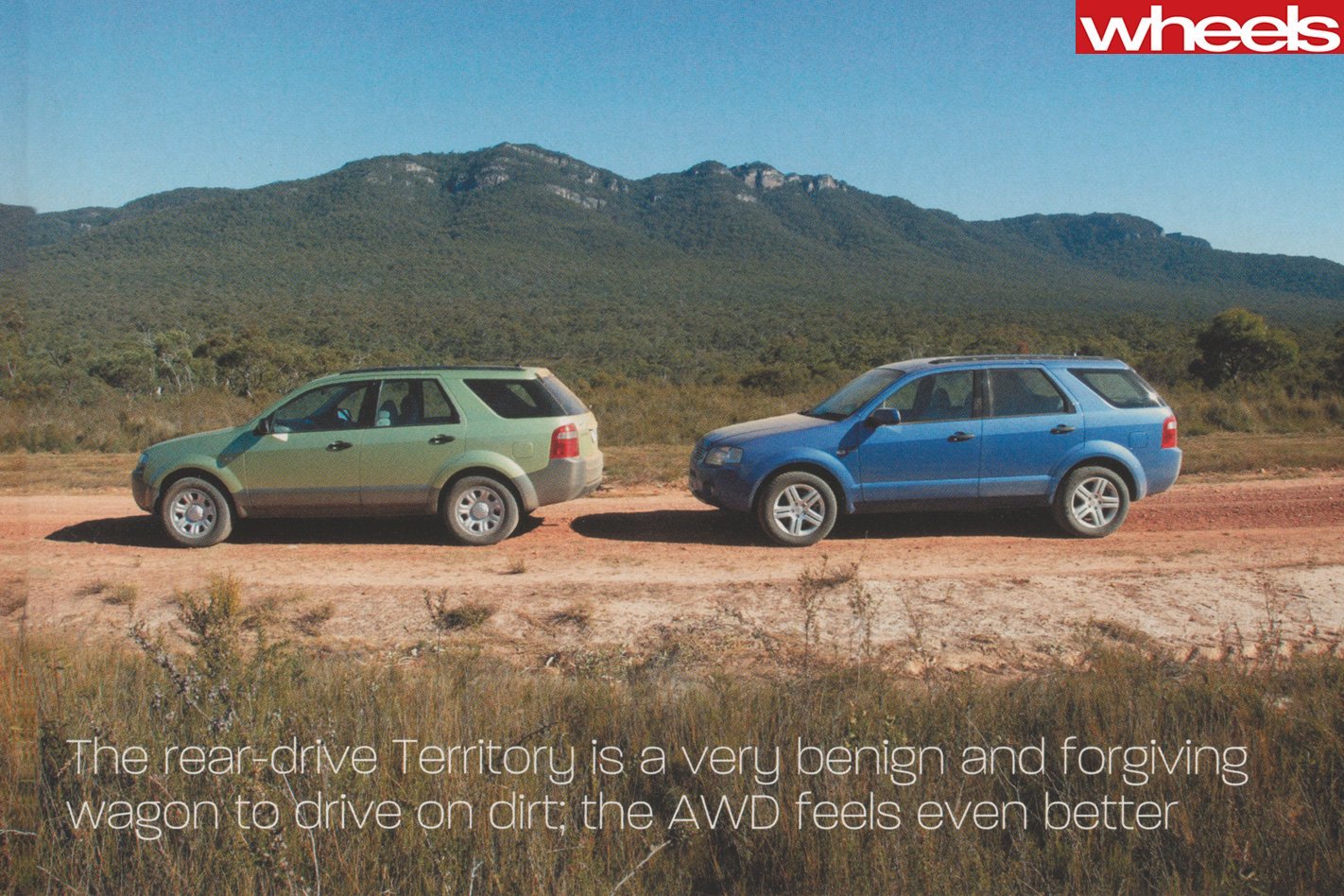
On dirt – or any other slippery surface, for that matter- the Territory AWD feels better. More stable both when driving in a straight line or around a bend. The rear-drive Territory is a very benign and forgiving wagon to drive on dirt, and its standard switchable traction control system is effective without being an annoying electronic nanny, but the AWD is better.
Braking? Pretty good. No sign of fade, even when repeatedly pressured during the handling section of the road test. Like the Territory AWD, the RWD is fitted with larger brakes than the lighter Falcon. All four Territory brake discs are 322mm diameter, although those at the front are 2mm thicker than the rears. At first, particularly at low speed, they give the impression that a little more initial bite would be welcome. It’s a feeling that doesn’t last long.
There’s no escaping the fact that the Territory is a heavy vehicle. The weight of the TX RWD, according to Ford, is 2005kg. Adding the optional third-row seat, as on the test vehicle, increases the figure by 32kg. This means the Territory AWD is lighter than a similarly equipped, traditional separate-chassis 4WD wagon such as the Toyota Prado, but not by as much as you might expect. The two are very close to the same length, and the slightly wider Ford’s weight advantage over the noticeably taller Toyota is around 75kg.
It takes about a second longer to accelerate from standstill to 100km/h.
Incidentally, with an even shorter 4.10:1 final drive, the Territory AWD’s performance is practically identical to the RWD. There are differences in fuel consumption, naturally. The official figures suggest the AWD uses three percent more than the RWD. Over the course of our test, however, the RWD averaged 13.7L/100km and the AWD consumed 11 percent more 91-octane unleaded on average.
Fuel economy may not be outstanding, but it’s tough to fault the drivetrain in any other way. An additional speed, or two, in the transmission would no doubt bring welcome incremental improvements in performance and fuel consumption. That said, the big engine is strong enough to cover the broad gaps between the four-speeder’s gears quite well. What’s most striking about the drivetrain is its high-level refinement. It might be the same engine as in Falcon, but installed in a Territory the six is perceptibly quieter and seems smoother.
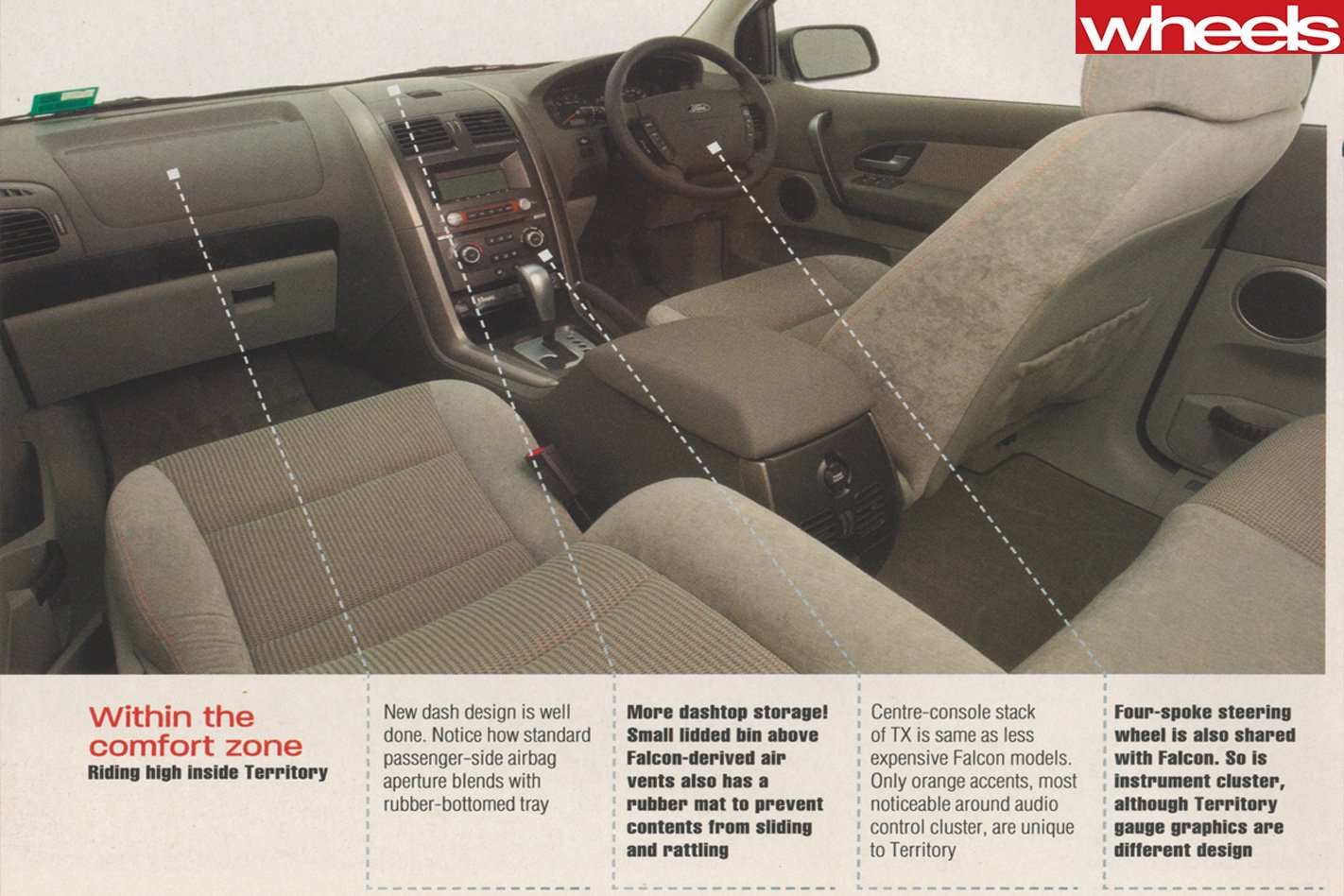
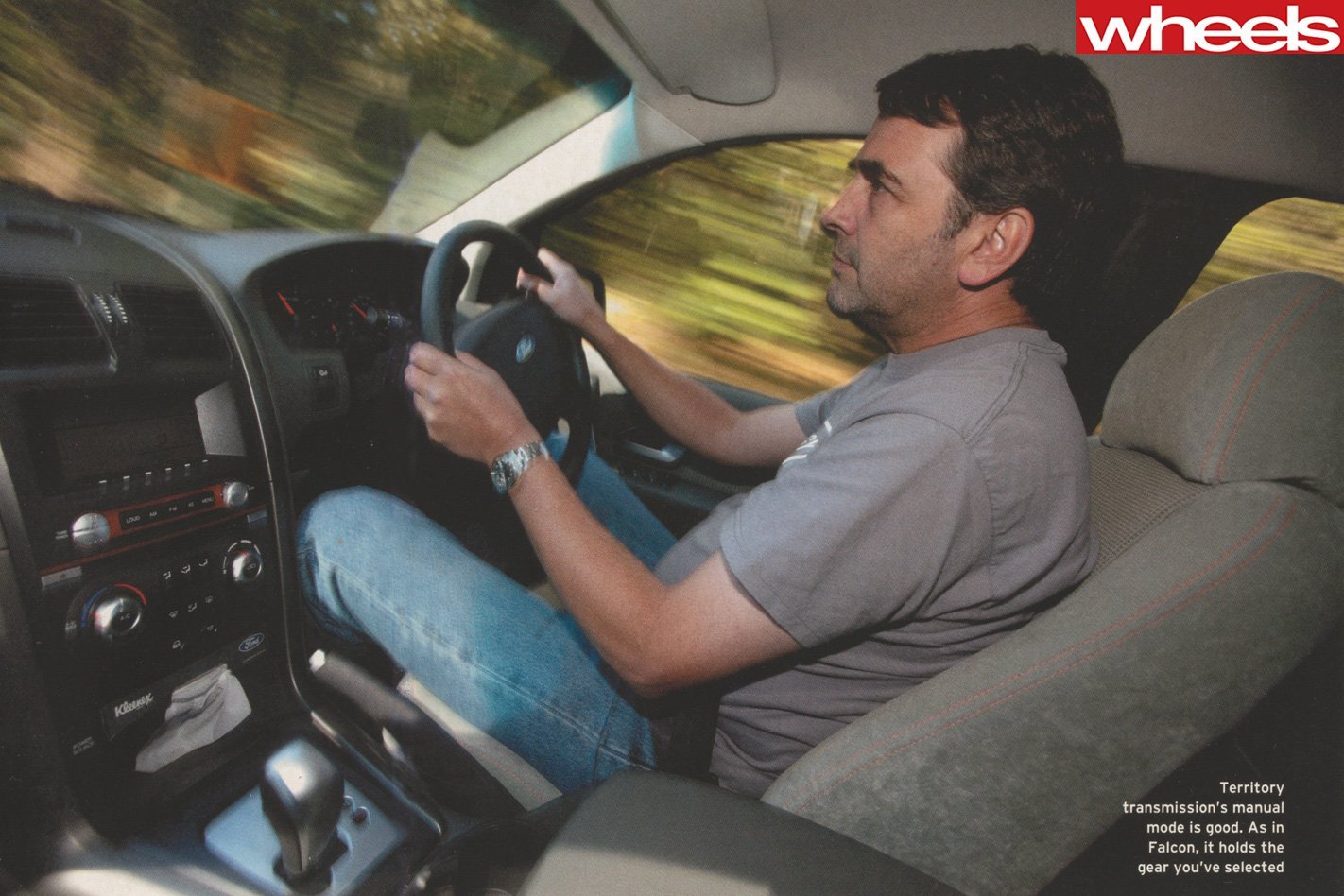
The ambience will be familiar to anyone who’s seen a recent Falcon. The instrument cluster, steering wheel, heating, ventilation and air-conditioning controls, and face-level vents are all borrowed from the BA Falcon, but the Territory’s dash is a new part.
Territory is wider inside and out than the Ford sedan, although 60mm shorter in length. The additional width isn’t so apparent from the very comfortable front seats, but it makes the car’s second-row seat remarkably roomy. There’s noticeably more shoulder room than in a Falcon, and vastly better headroom and legroom. This, too, is a comfortable seat, with well-angled cushion and backrest. There are three-point seatbelts for all three seating positions (the centre belt’s reel is inside the backrest).
The second-row seat is split 60/40. Each section can be folded down individually. As in the Mazda 6 hatchback and wagon, the folding mechanism is cleverly designed to lower the cushion as the backrest flops down. This refinement means the cargo-bay floor is perfectly flat when the seat is folded.
Deploying the optional third-row seat is quite easy. Move the kerb-side section of the second-row seat forward. Reach in and flip the third-row-seat backrest up, then tug the sliding seat cushion forward into position. The details are thoughtful. For instance, the third-row seat’s two headrests don’t have to be removed to fold the seat away again. Seatbelt guides are integrated in the backrest, meaning there’s no fiddly preparation required to ready the three-point belts for use.
It’s not a great seat for tall adults, but neither is it a kids-only affair. While there’s sufficient headroom for those up to 185cm tall, the seat’s cushion is low to the floor, dictating a knees-up position that’s certain to be hard on joints and bums on a long journey. Legroom is tight unless the second-row seat is shifted some way forward. Territory’s seating is well thought out, but just as much thought – perhaps more – was put into making the cabin useful and user-friendly. As well as all the expected storage spots, such as glovebox, lidded centre-console bin, and cupholders, there is a horde of additional options.
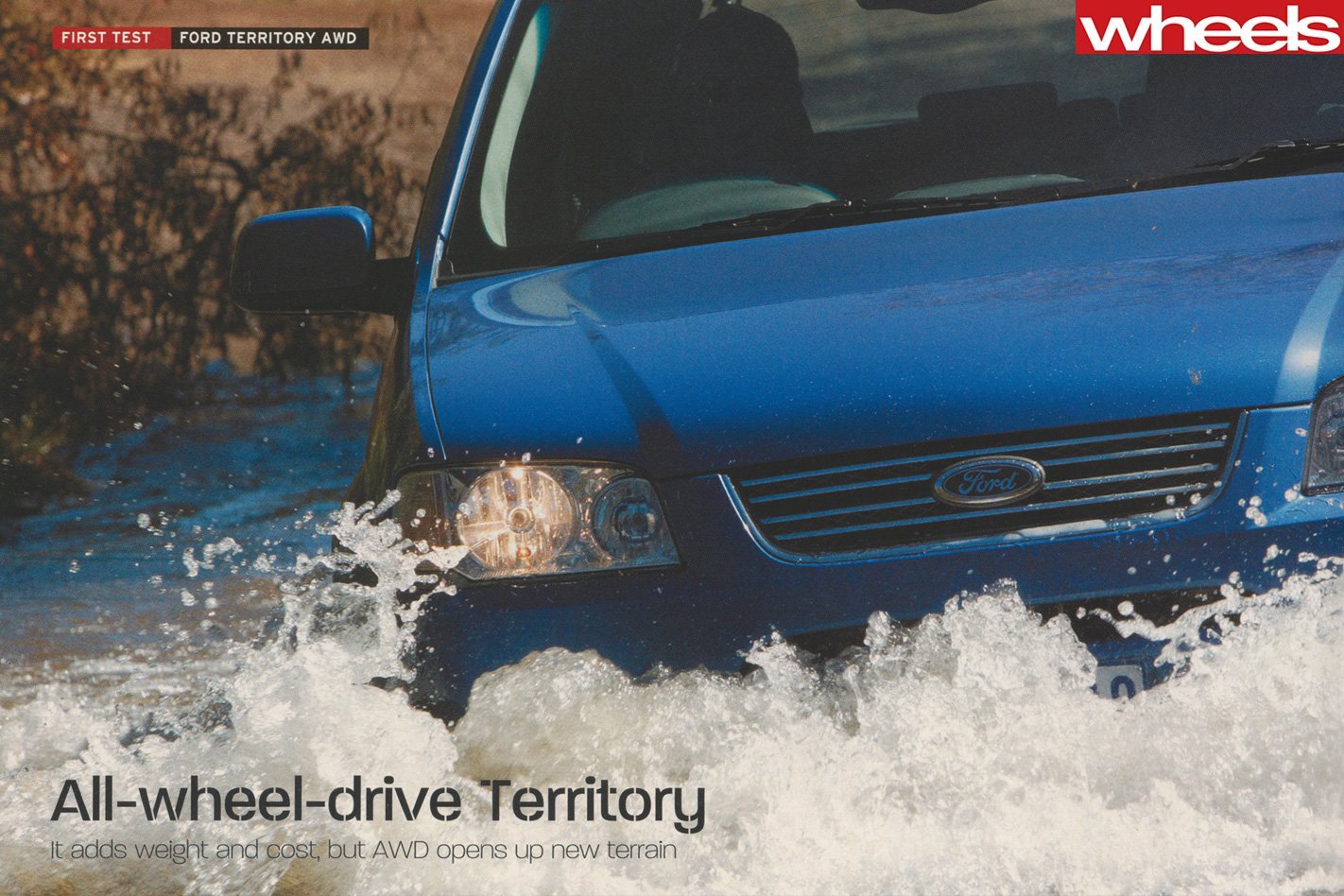
I’m seriously impressed with the Territory. Even in basic TX RWD form, the car has an interior that’s non-gimmicky and user-friendly. The exterior design is attractive, and its driving dynamics are simply brilliant. And, in Territory, Ford’s 4.0-litre six seems more civilised than ever before. The TX RWD is also great value.
Stealthily innovative, yet obviously excellent, the Territory is a great achievement by Ford Australia.
Electric racing is not going away, and if Seat’s new sub-brand Cupra has its way, it’s only going to get better.
Cupra’s lastest announcement, after being formed as a separate brand only a few weeks ago, is that it’s preparing to debut what it claims to be the world’s first all-electric touring race car.
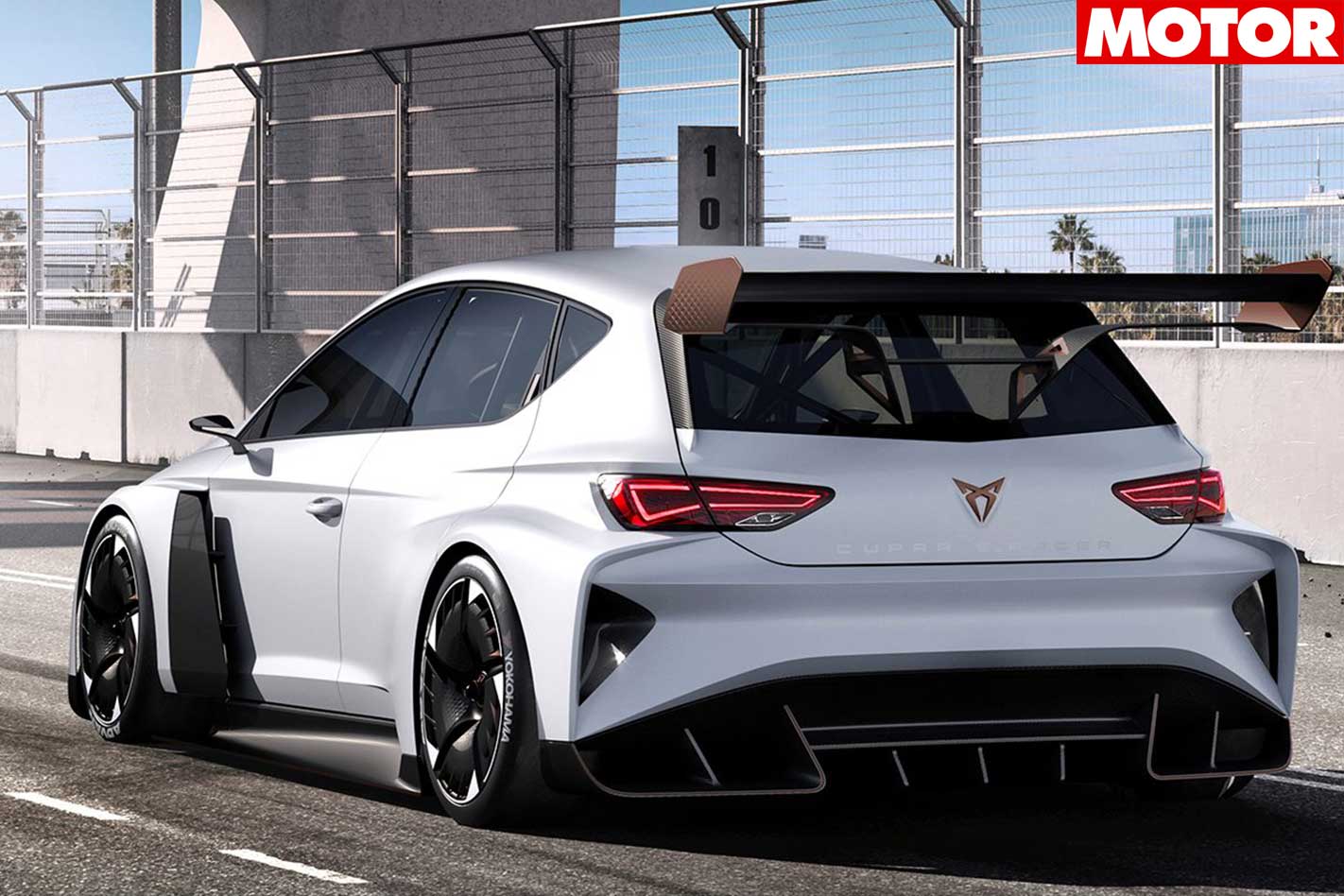
This short clip presented by Seat president Luca de Meo shows the e-Racer in the metal, from roughly the five minute mark.
“The Cupra team is supposed to be able to express the best of the best of what we are able to do here,” de Meo says.
“We want them not to look at the past, not to promise an unreachable future, but to deliver what the market is expecting today, in a more advanced expression.
“This is a true motorsports car… it is the first electric racing touring car in the world.
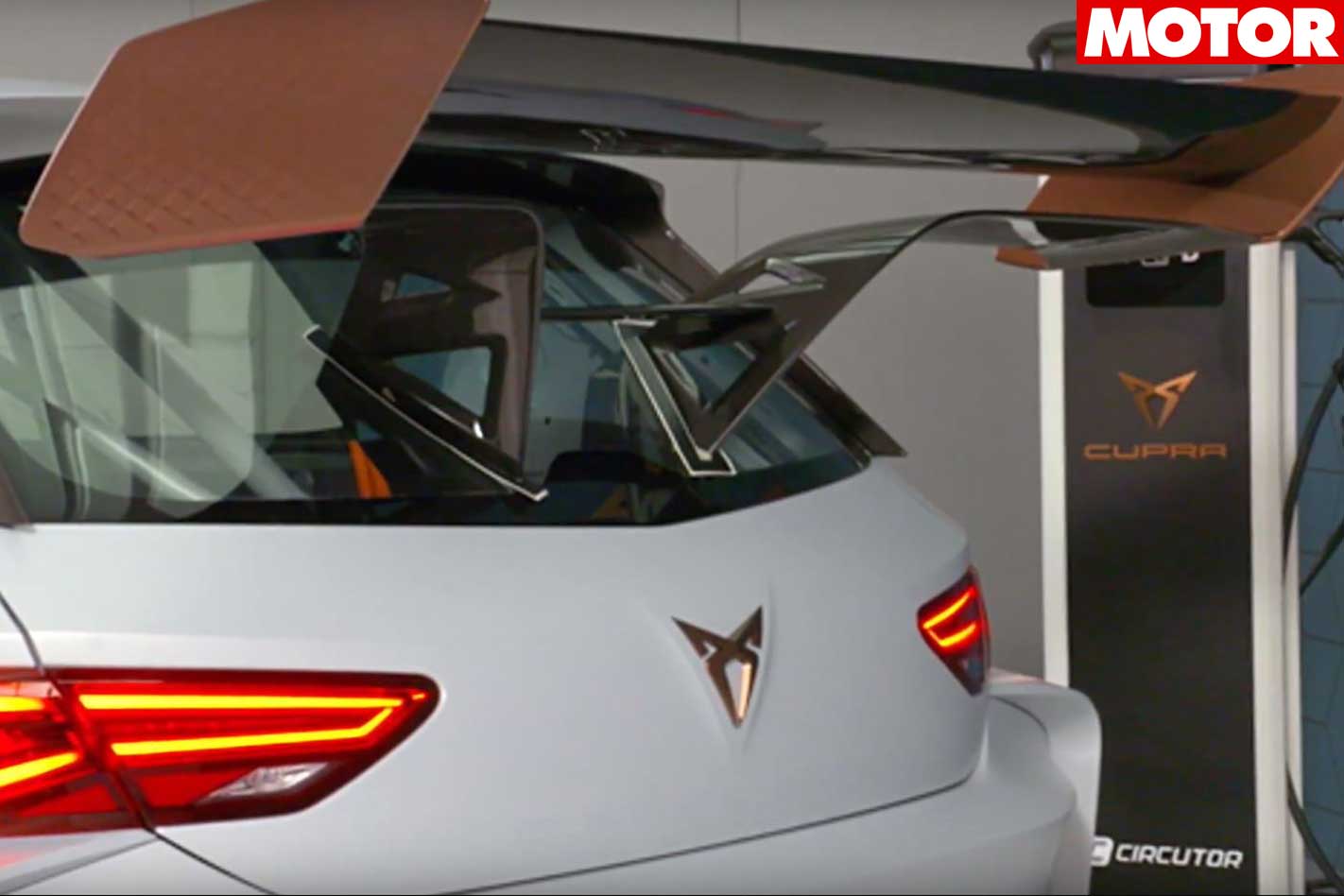
“It is possible, it is spectacular, and it is also a lot of fun.”
The Volkswagen-owned Cupra brand will reveal more details about the e-Racer, as well as its other plans, on March 6 during the first day of the Geneva Show.
A race-inspired set of graphics created by Ian Callum and the Jaguar design team have been revealed as an option for new F-Types.
And it comes at no extra cost.
Included in the pack are a contrast grille surround, mirror caps, and aero winglets. Additional decals with ‘575’, to denote the supercharged SVR’s V8 output in PS, are found on the bonnet and sills. Carbon bonnet louvres are also part of the pack.
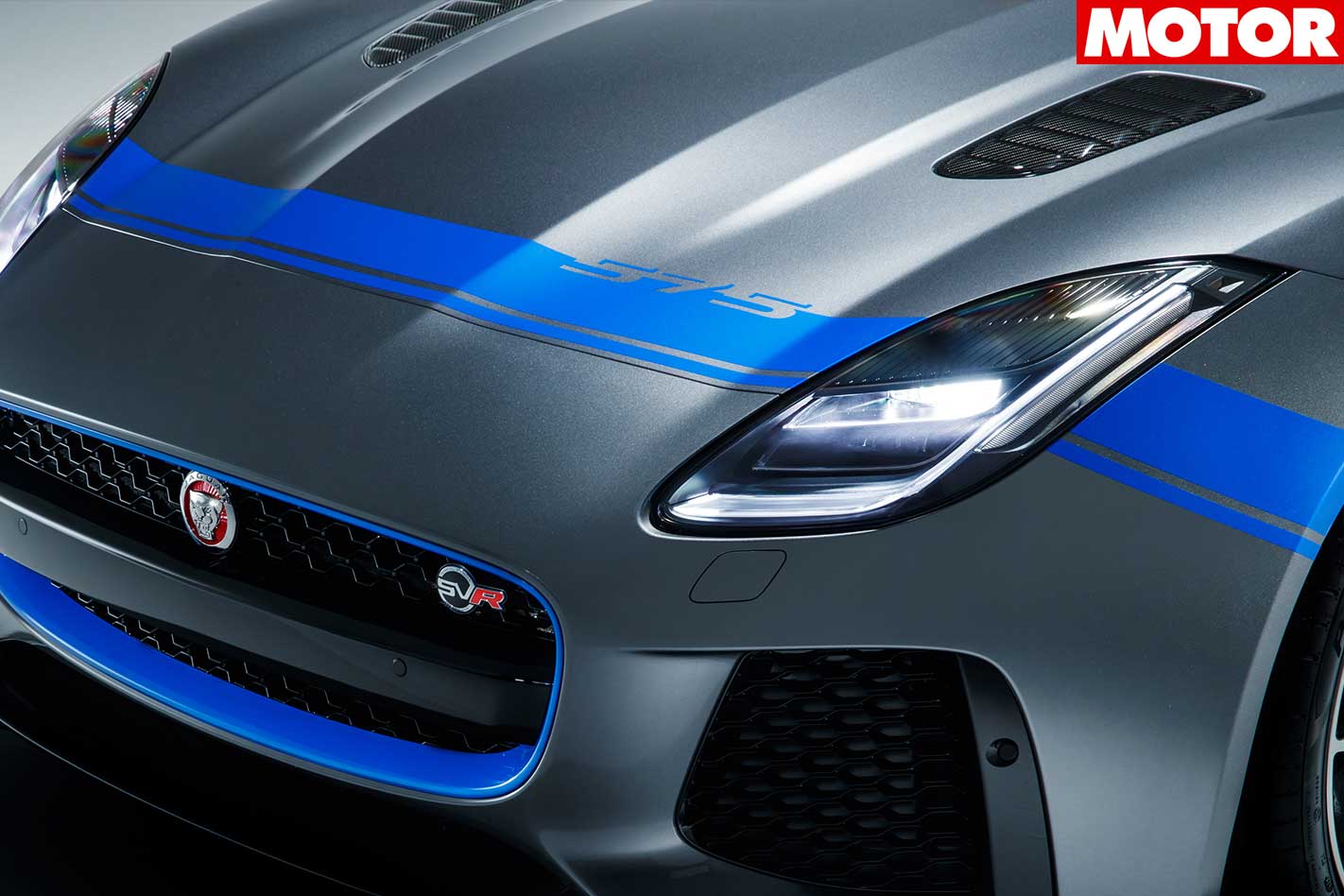
Tread plates bearing the numbers ‘575’, as well as a unique plaque specifically for cars with the design pack can be found in the cabin.

Renowned designer Ian Callum says the pack is a celebration of Jaguar’s heritage, as well as the F-Type’s success as a sports car.

The F-Type SVR with Graphics Pack will debut at the Geneva Motor Show from the 6th of March, after which new F-Types (priced at $295,950 in Australia before on-road costs) will be able to have the pack specified at no extra cost.
THE 2018 Geneva motor show is just days away with anticipation building for the selection of hardware that will roll out for the crowds from the world’s mainstream manufacturers and boutique builders alike.
The Swiss show is the venue for many production models to break cover each year, but in recent years the 113 year-old event has become the favourite to unveil wild and far-fetched concept cars.
Here’s a selection of the most memorable design studies, prototypes and one-offs to make their debut at Geneva since 1990.
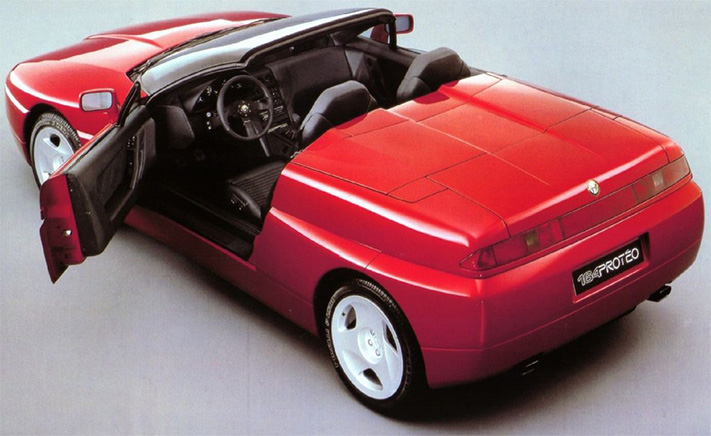
Alfa Romeo Proteo 1991
Even though the Geneva motor show had been running for 86 years, the venue didn’t establish itself as a favourite for concepts as we know them until 1991, when a couple of show cars made their first appearances.
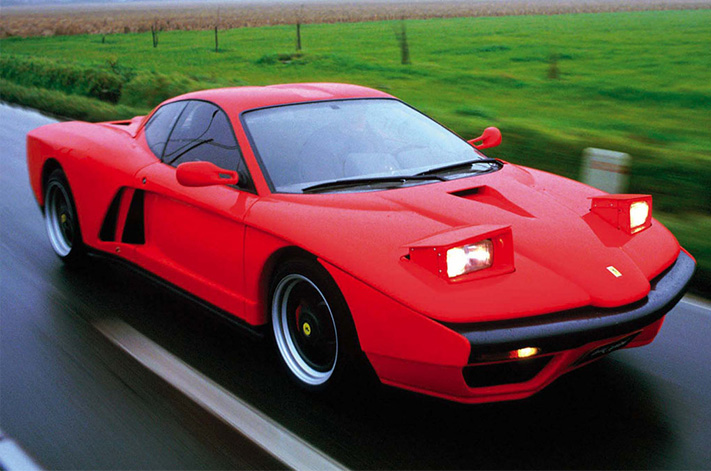
Ferrari FZ93 1993
Back when the prancing horse was producing cars like the 348, Ferrari unveiled a bizarre FZ93 concept. The prototype was based on the Testarossa platform but wore a new look unrecognisable from the production car.
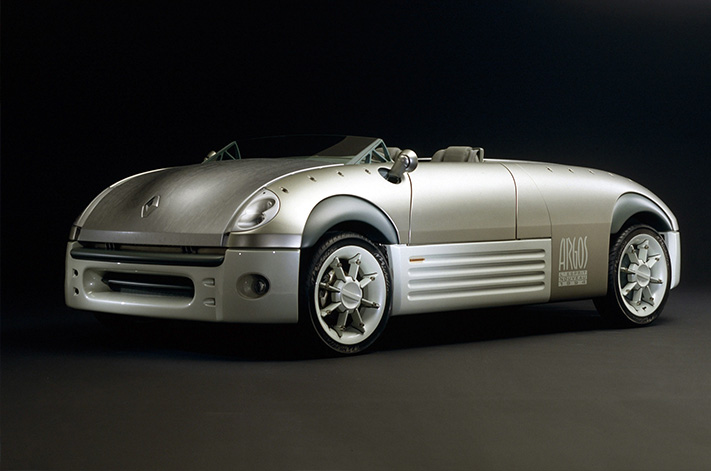
Renault Argos 1994
Unlike many concepts that evolve into production cars later down the line, the Renault Argos concept of 1994 was the stuff of pure fantasy.
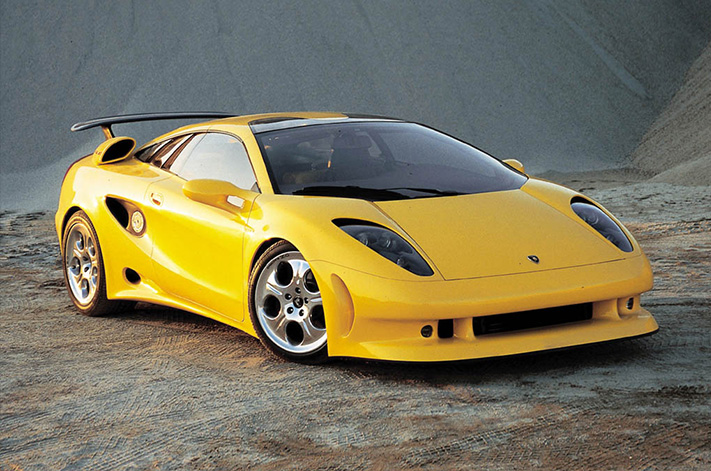
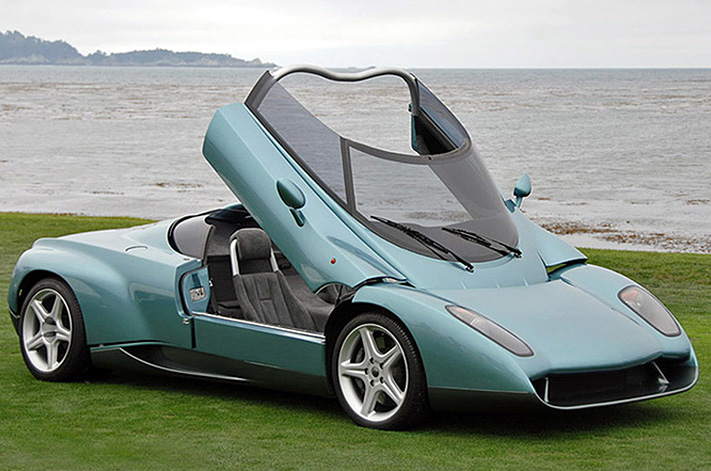
Lamborghini Cala 1995
This completely functional prototype broke cover in 1995 and was intended to fill the gap left by the departed Jalpa. It might have made production but when Lamborghini was sold to Volkswagen in 1998, the design was shelved in favour of the German giant’s own ideas.
Zagato Raptor 1996
With all eyes on Ford’s Ranger Raptor, many would not remember the time a very different kind of Raptor rolled out.
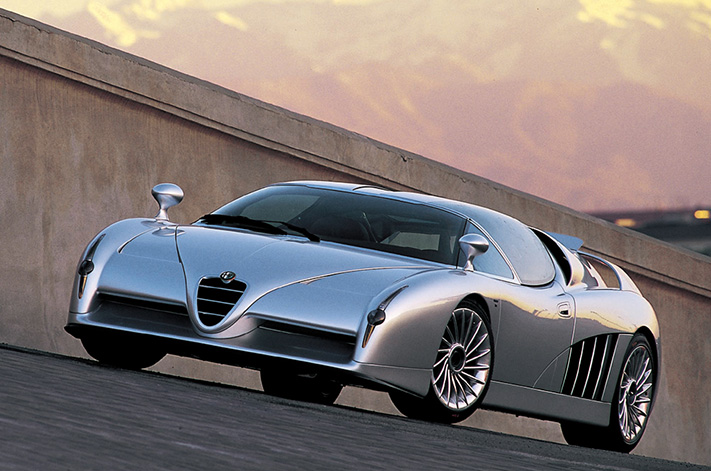
Italdesign Alfa Romeo Scighera 1997
A year later, the Scighera brought an amazingly futuristic super coupe design to the Alfa brand thanks to Italian design house Italdesign.
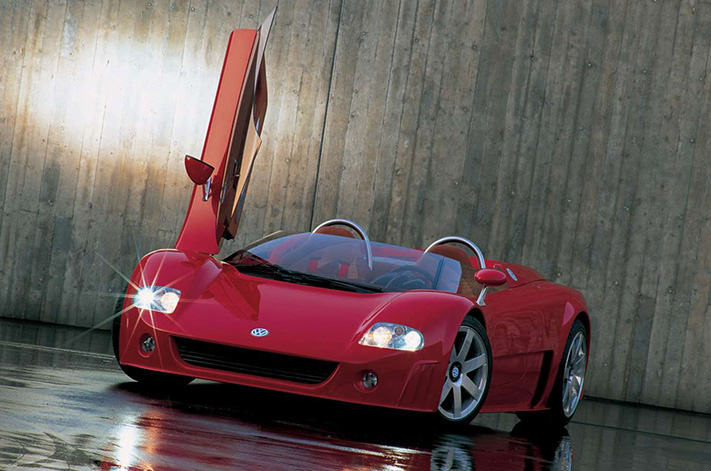
Volkswagen W12 Roadster 1998
This concept was an evolution of the W12 Synchro coupe of a year before, but forfeits of a roof.
BMW X5 Le Mans 2000
With so much choice for high-performance SUVs in today’s market, it’s hard to imagine just how outlandish the BMW X5 Le Mans was in 2000.
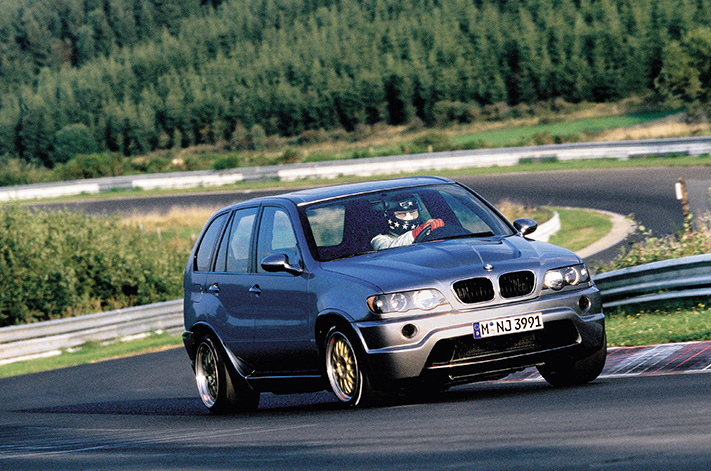
While standard X5s were busy doing the school run, this monster managed 309km/h on the Nurburgring, where it received some very surprised looks.
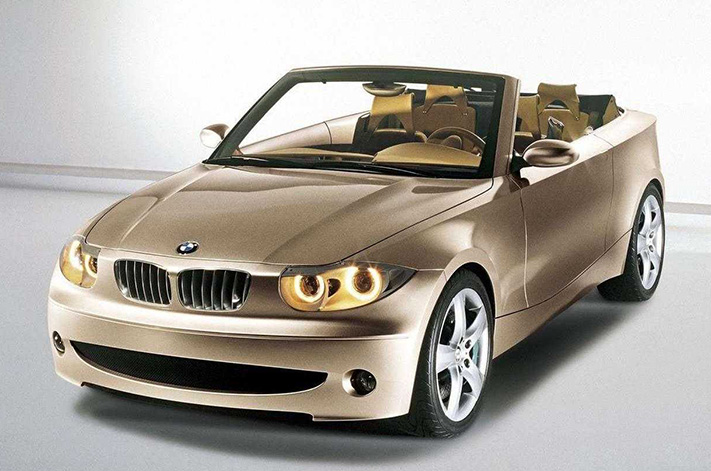
BMW CS1 2002
It’s not difficult to see the precursor to a production model in this BMW concept from 2002.
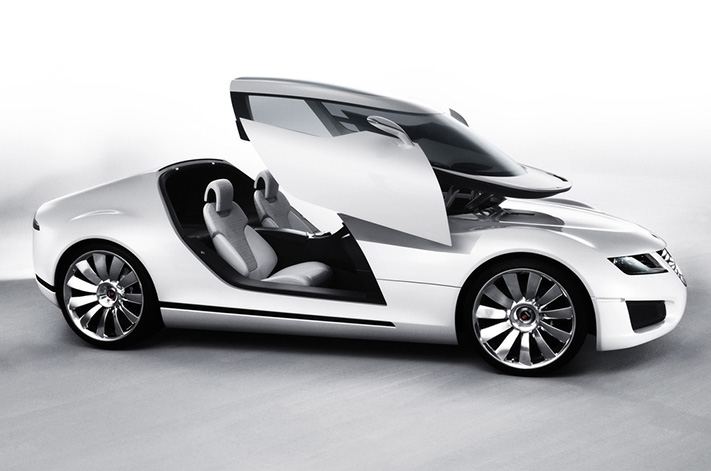
Saab Aero-X 2006
Saab is just a distant memory in the fickle automotive industry these days, but back when it was still relevant and fighting fit, the Swedish car-maker was making waves.
Toyota FT-86 II 2011
No prizes for guessing what this concept would go on to become.
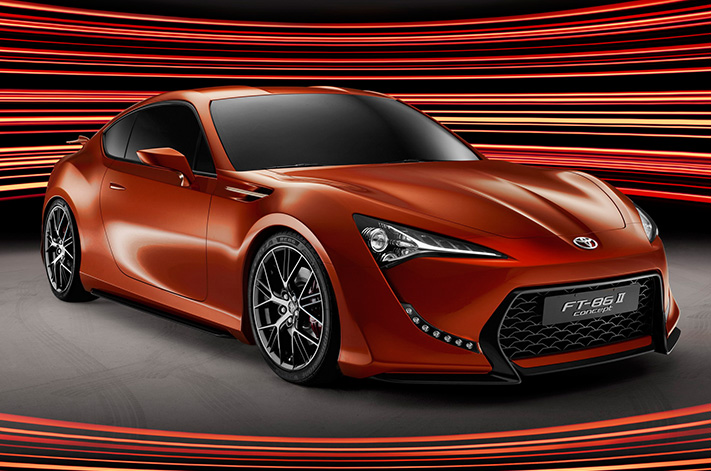
Not only did the Japanese brand come through with the production car, it navigated the transition from concept to showroom with surprisingly few major alterations.
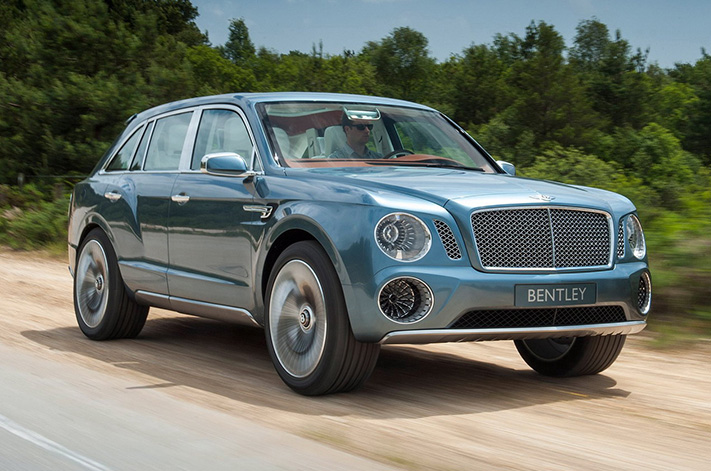
Bentley EXP 9 F 2012
Another historic car that is now widely known as the Bentayga but, at the time, seemed a leap too far for Bentley when the concept emerged in 2012.
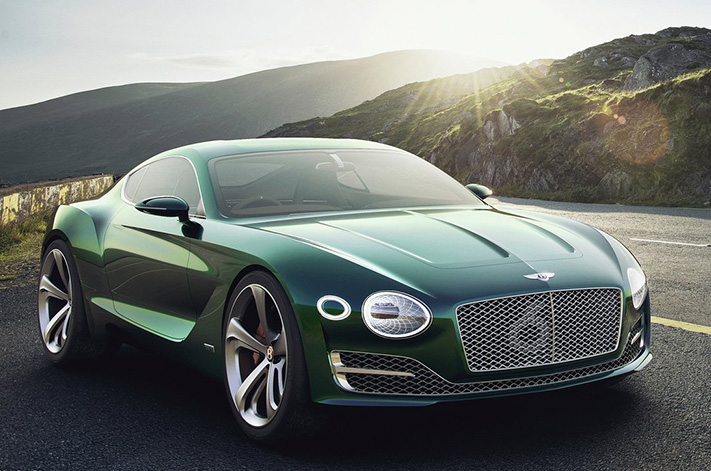
Bentley EXP 10 Speed 6 2015
Bentley got tongues wagging again in 2015 when its small sportscar concept was revealed, bringing a gorgeous two-seater model that could serve as a competitor to Porsche’s Boxster or 911 convertible.
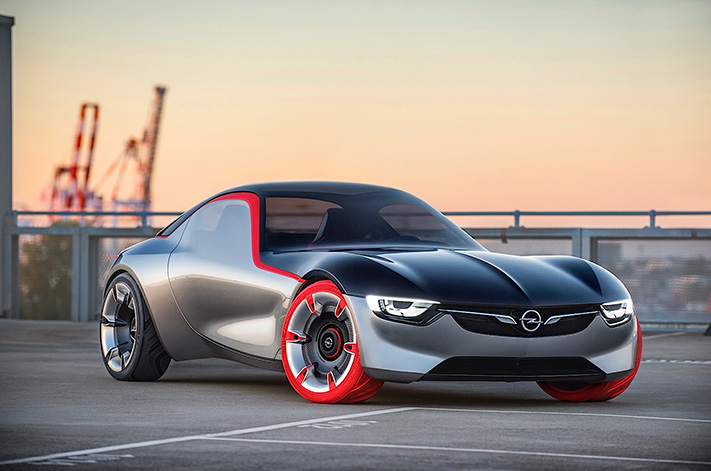
Opel GT 2016
Not only was this tiny two-seat rear-drive an absolute stunner with its seamless boy and garish red tyres, the global concept had added local significance.
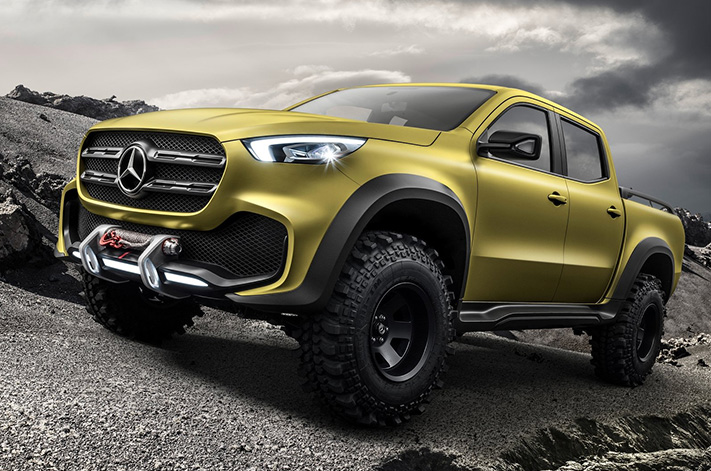
Mercedes-Benz Concept X-Class 2017
As a sign of the times, last year’s big Geneva show concept was Mercedes’ X-Class.
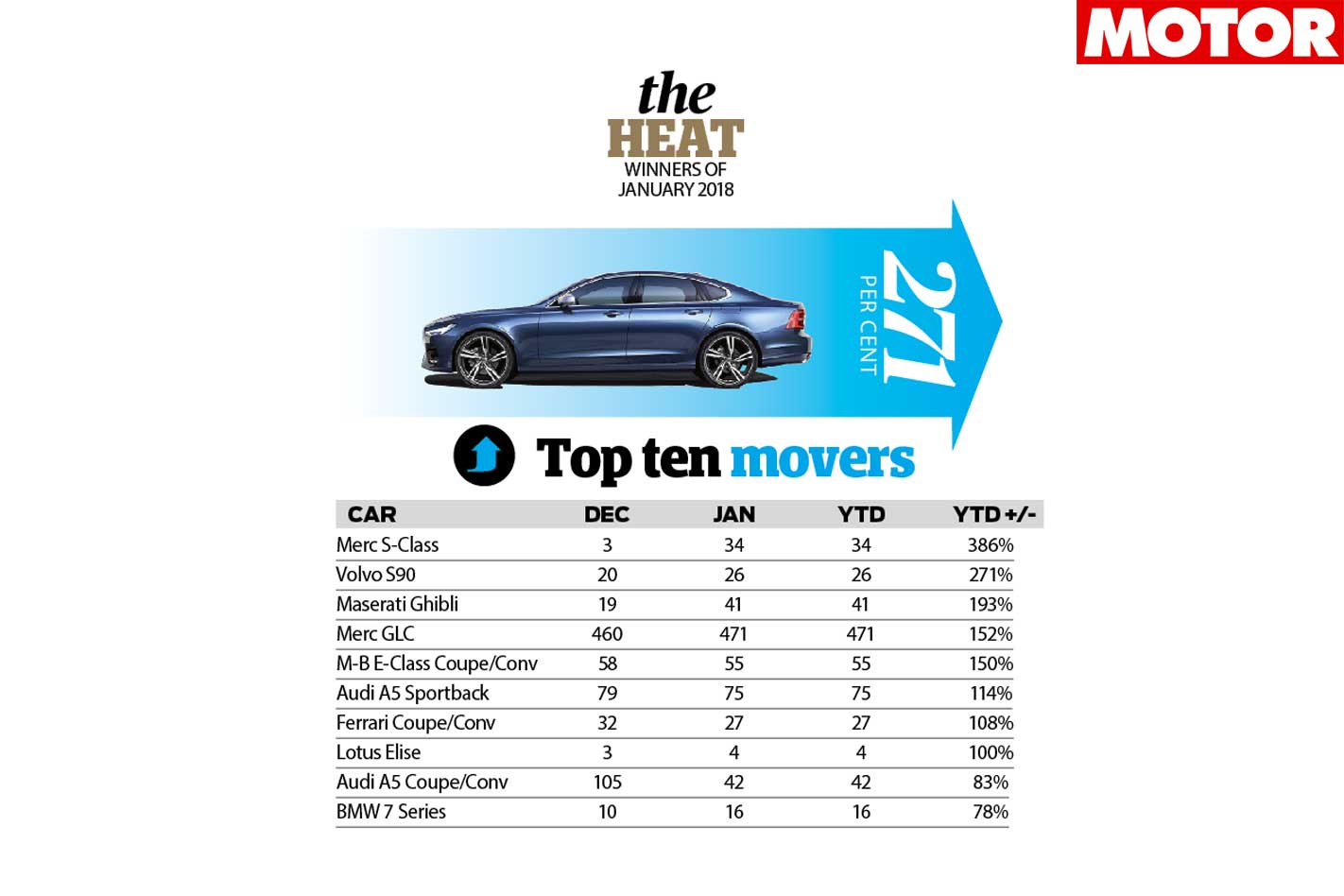
We recently summarised 2017 as being a year of minnows rising, but sales in January 2018 make that look understated.
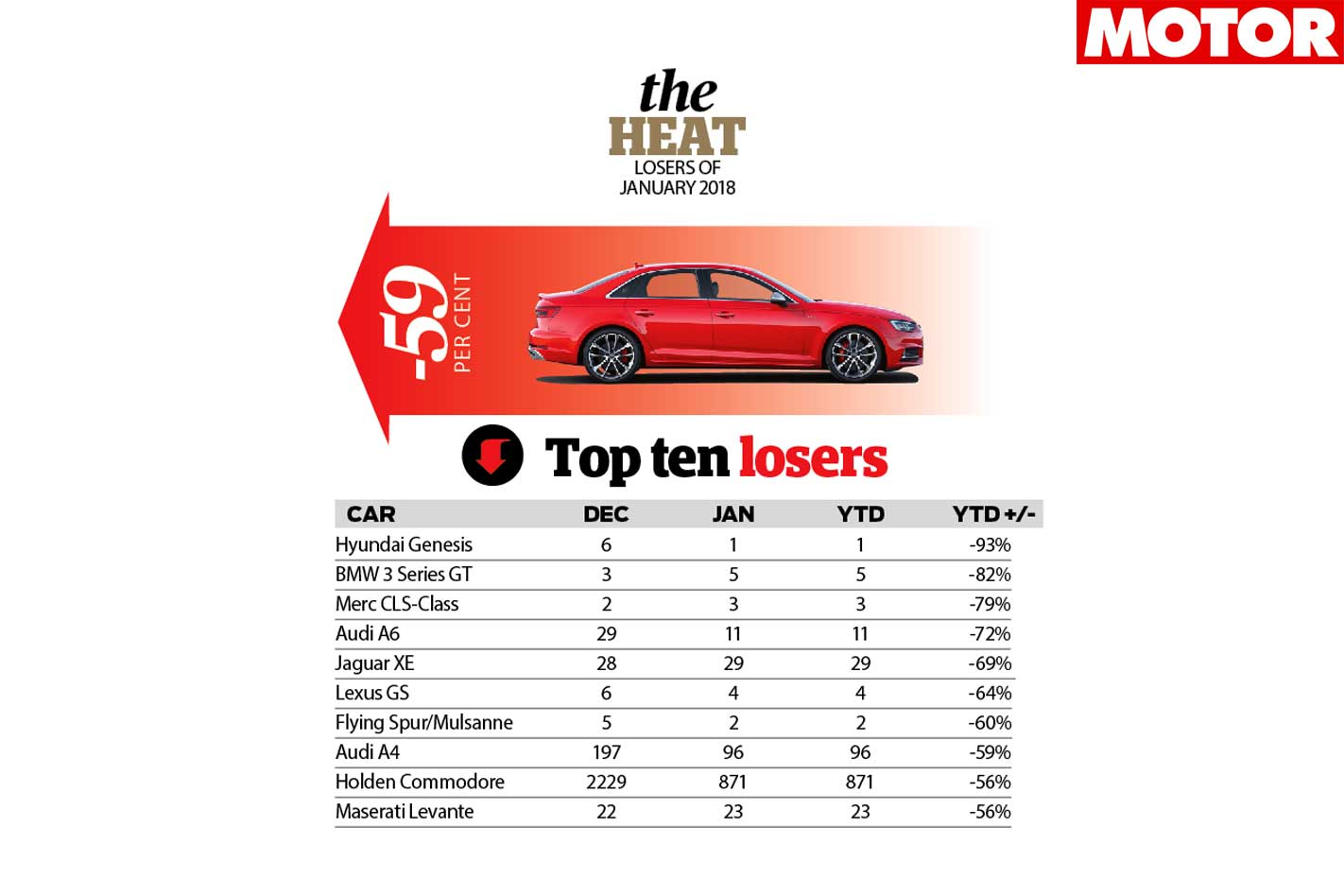
Holden’s Commodore was expected to drop as local VF Series II switches to the imported ZB, but December’s 2229 haul plunged to just 871 units for the first month of this year.
Seemingly without a saviour, the Lion fell 20.4 per cent versus the start of 2017, a year that was to become an all-time low for the brand. VFII even outsold Astra (813) if not the new top-seller in showrooms, the Colorado (1390). But the Blue Oval shifted more than twice as many (3260) Rangers.
Relative bambino, Alfa Romeo, tallied 47 sales of the Giulia to kick off the year, challenging the Audi A4’s 96 units despite a far smaller dealer network. In the large-sedan segment both Maserati Ghibli (41) and Volvo S90 (26) were up 193 per cent and 271 per cent respectively, that’s against a BMW 5 Series (46) that had been smashing it last year, yet in January tumbled by 42.5 per cent.
Speaking of proper coupes, it seems buyers aren’t lusting after Porsche’s 718 Cayman (26 units, falling 43.5 per cent) or even the Boxster (11 sales, down 38.9 per cent) – though perhaps summer was too warm for drop-tops, given Mazda’s MX-5 slumped 39.1 per cent to 70 sales.
HOLDEN has taken a dive to its worst sales performance in almost 20 years, the latest preliminary numbers for February’s new-car sales show.
It was a month in which SUVs continued their march ahead of traditional passenger cars, exactly a year after the high-riding vehicles overtook their showroom rivals for the first time.
Preliminary sales data for the month shows the market fell one sale short of 96,000, but almost 500 sales short of 2016’s record month. However, the market is still almost 10,000 sales ahead of last year’s record pace thanks to January’s strong numbers.
All the heat in the market came from either the SUV segment (39,800 sales) or the light commercial vehicle segment (18,707). Sales to businesses in all segments grew, with SUVs jumping by 22 percent and commercial vehicles by 19 percent.
Mazda performed strongly, with the 3 small hatch and sedan (2935) and CX-5 midsize SUV (2191) rounding out the top five.
Once again, the introduction of imported versions of what were once locally made cars sapped the market. The Toyota Camry (1381) and Holden Commodore (737) were both usually in the top 10 when made locally, but Camry only managed 20th when trade utes are pitched into the mix, and the Commodore 42nd.
That low number for the Commodore turned into a horrendous month for Holden with just 4689 sales. After finishing January in the number two spot, it slumped to eighth on the top 10 brands list, its worst result in the almost 20 years of VFACTS records.
Holden spokesman Mark Flintoft told Wheels the company planned for a slower start to the year in terms of sales, with VF Commodore stocks drying up before the new model began arriving in showrooms in late February.
“February’s result is unnatural in that new Commodore is only just reaching dealerships and while Equinox enquiry and test drives are growing, we are still establishing the nameplate,” he explained.
“We’re also waiting on the diesel Equinox which arrives at the end of the month. We’ve got our strongest product line-up ever, with more in the pipeline, so we expect to bounce back quickly.”
Toyota topped the manufacturers’ charts with a big jump to 18,281 sales in February, followed by Mazda (9913), Hyundai (8001), Mitsubishi (7142) and Holden’s longtime rival Ford (6059). Honda (4962) and Nissan (4863) also finished in front of Holden.
Saving Holden was the Colorado trade ute (1039) and Astra small car (1008), which between them accounted for almost half the brand’s February sales. Its newest entry to the Australian market, the Mexican-built Equinox, snared just 364 sales as it was outsold by the smaller Trax (438).
Ford, meanwhile, raised its numbers via the Ranger, which accounted for almost three out of every five of the marque’s sales, with the Mustang (492), the Everest (475) and the Escape (471) adding significant volume. Only two Falcons were sold for the month; very few are believed to remain on the car maker’s books. No sales of the once locally made Territory were recorded this month.
Alfa Romeo appears to be preparing for the launch of its first-ever SUV, the Stelvio, later this month. It has registered a single car. And despite having 40 dealers on its books, SsangYong recorded no sales for the month. Year to date sales for the brand are a single car, a Korando, sold in January.
TOP 10 BRANDS
RANK BRAND Feb 2018 Feb 2017
- Toyota 18,281 16,308
- Mazda 9913 9923
- Hyundai 8001 7001
- Mitsubishi 7142 5758
- Ford 6059 5669
- Honda 4962 3196
- Nissan 4863 4425
- Holden 4689 5724
- Volkswagen 4671 4618
- Kia 4664 4174
- Subaru 3901 3746
- Mercedes-Benz 2764 3059
- BMW 2010 2006
- Isuzu Ute 1822 1326
- Audi 1812 1711
- Suzuki 1487 1605
- Land Rover 973 1277
- Renault 759 804
- Lexus 724 758
- Jeep 643 639
TOP 20 PASSENGER CARS
RANK BRAND Feb 2018 Feb 2017
- Toyota Corolla 3270 3392
- Mazda3 2935 3143
- Mazda CX-5 2191 1933
- Hyundai i30 2182 2003
- Toyota RAV4 1841 1726
- Hyundai Accent 1782 1206
- Volkswagen Golf 1649 1306
- Nissan X-Trail 1622 1500
- Mitsubishi Outlander 1611 798
- Hyundai Tucson 1604 1596
- Mazda CX-3 1562 1468
- Kia Cerato 1491 1513
- Toyota Kluger 1420 680
- Honda Civic 1409 829
- Honda CR-V 1381 554
- Toyota Camry 1381 1473
- Toyota Prado 1323 1320
- Kia Sportage 1102 1127
- Honda HR-V 1067 982
- Subaru XV 1045 501
THE opening round of the Supercars Championship was billed as an opportunity for the wounds of last year’s dramatic finale to be forgotten.
Not so, with last year’s protagonists, the Red Bull Holden Racing Team, and DJR Team Penske, engaging in a war of words and rulebook bickering as soon as the weekend heat was on.
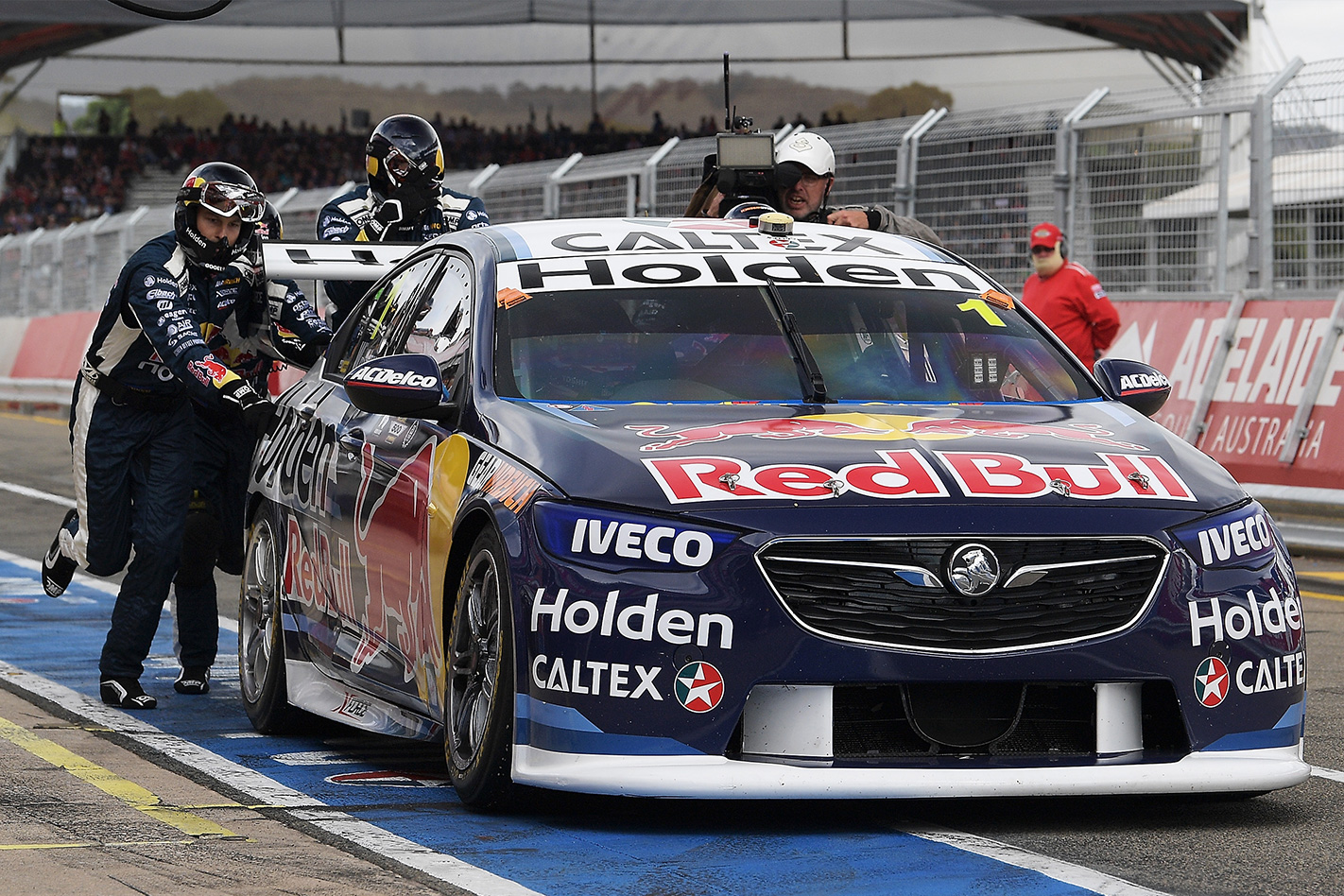
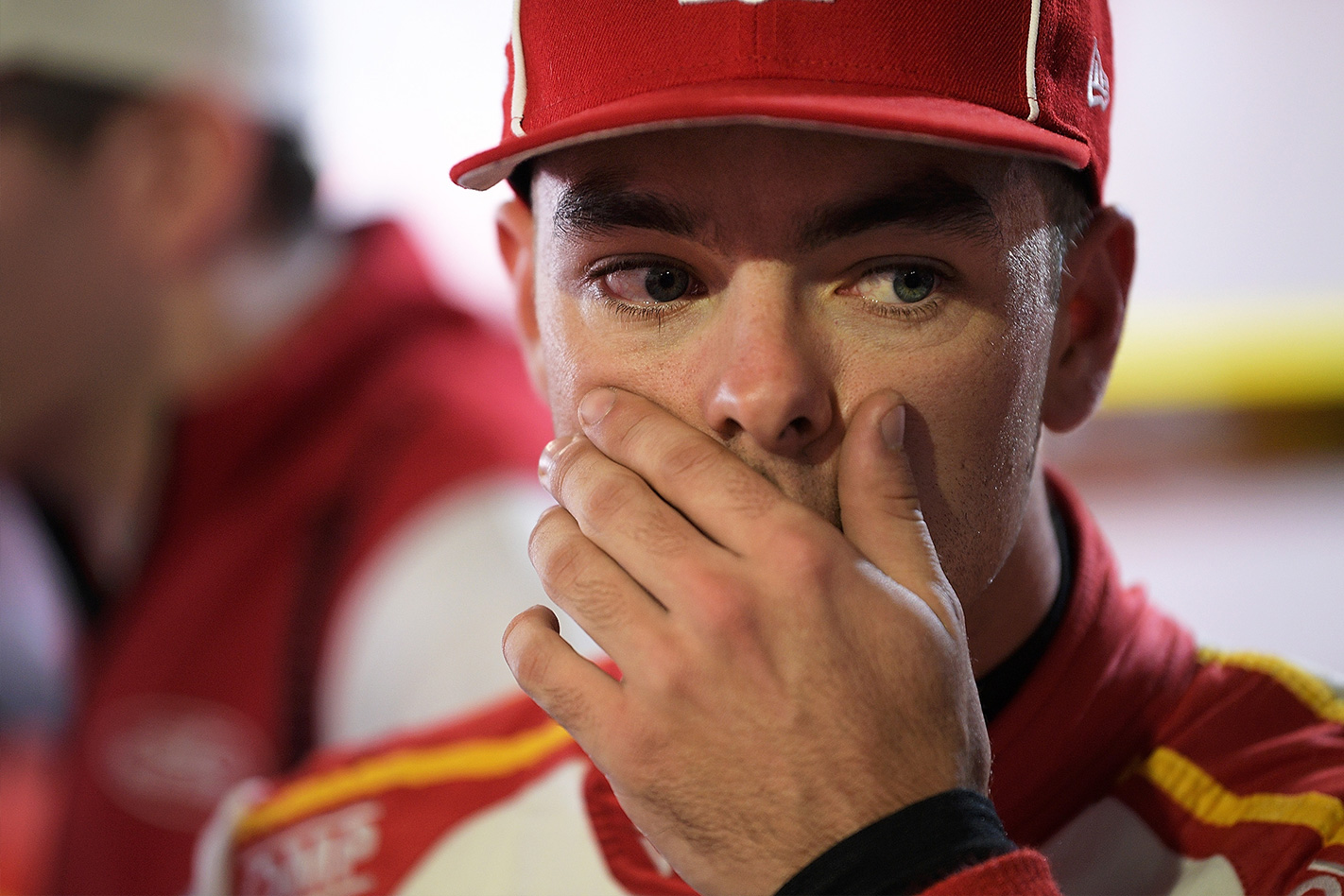
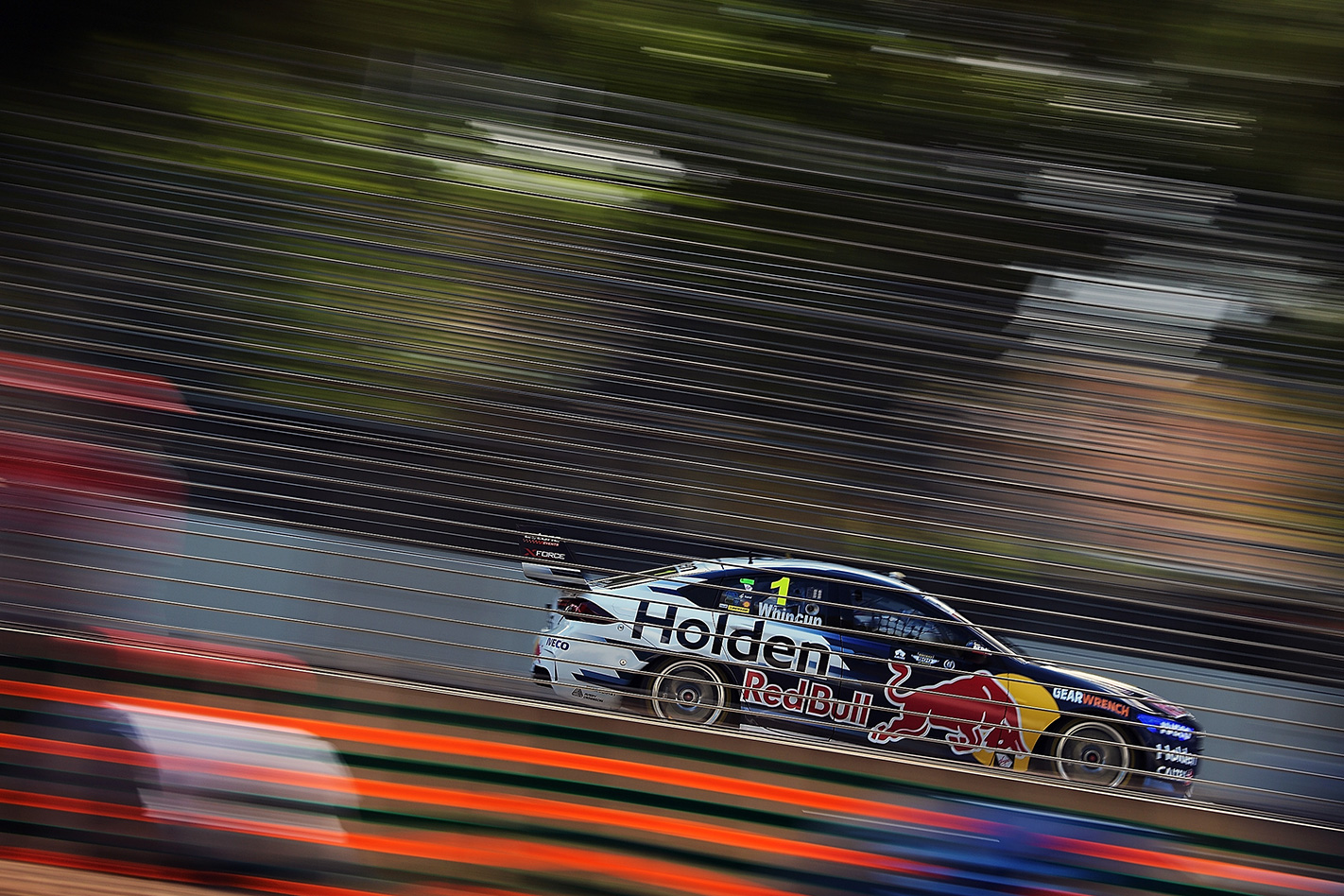
The fireworks began after the first Top 10 Shootout, when Shane van Gisbergan secured pole under controversial circumstances. DJR Team Penske’s Scott McLaughlin was second, four-tenths of a second slower than the Holden driver.
The 2016 Supercars champion put four tyres over a yellow line at the exit of Turn Seven, which some claimed was a breach of track limits.
“It’s just a bit like when you’re playing footy – if the ball goes out of bounds, they throw it in. It’s pretty straightforward.”
Red Bull’s team boss, Roland Dane was brief in his defensive retort.
“It sounds like the sore loser department to me,” he fired back.
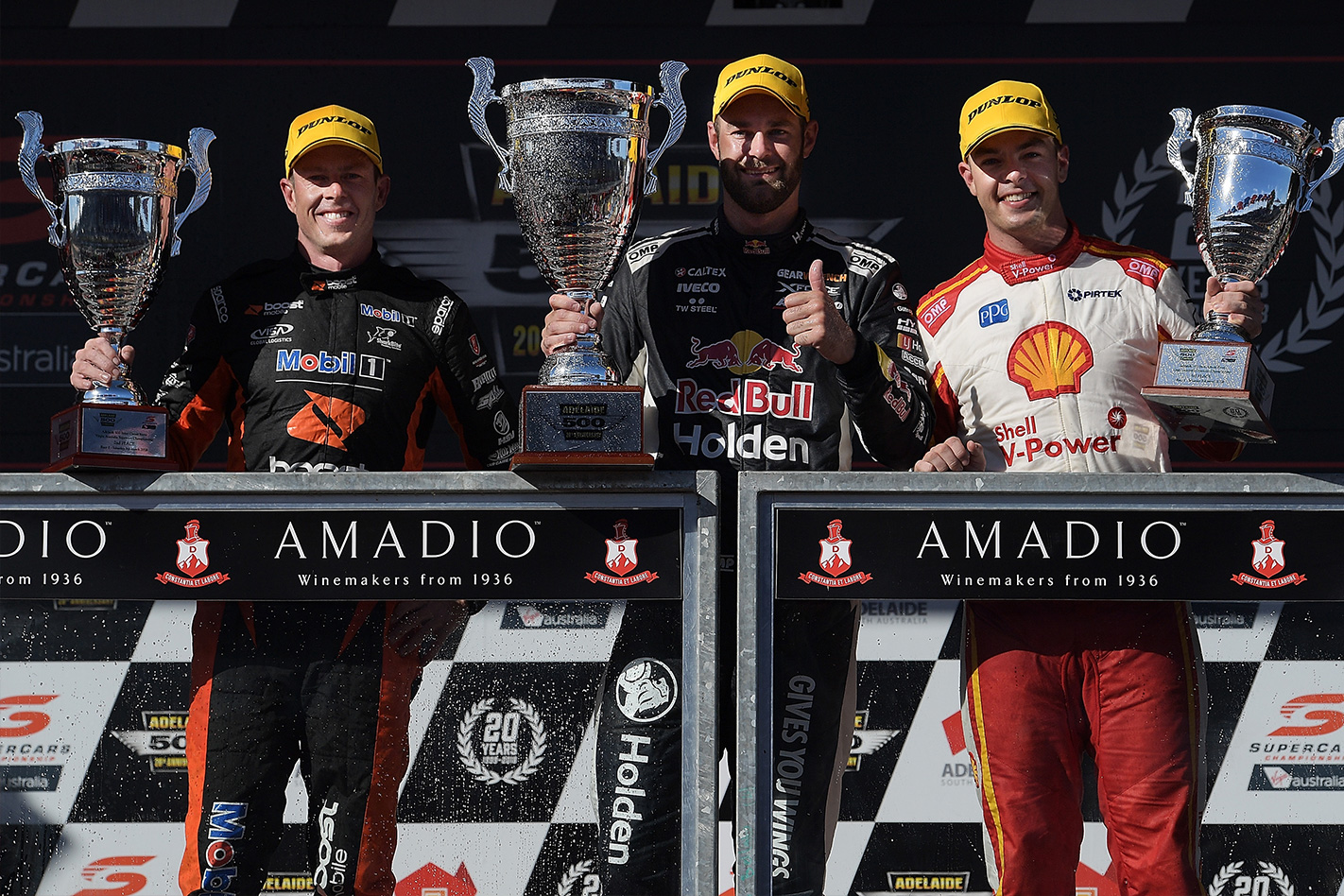
The Red Bull Holden Racing Team driver doubled-down on Sunday, again topping the shootout (this time without controversy), and going on to win the final 250km leg of the weekend.
Erebus Motorsport’s David Reynolds finished second, however the 2017 Bathurst 1000 champ was panned by commentators for appearing to give up the lead of the race without a significant fight.
Garth Tander finished third, while last year’s championship protagonists McLaughlin and Whincup both endured troubles.
During the opening race of the weekend Story began a debate around how Holden teams had gained an advantage with the new ZB Commodore.
Composite panels are not new in Supercars, but the new ZB Commodore utilises the lightweight materials to a larger extent than any previous generation car.
The ZB Commodore came in underneath the category’s minimum weight, meaning Holden teams can use lead ballast placed low down in the car to meet requirements, lowering the car’s centre of gravity.
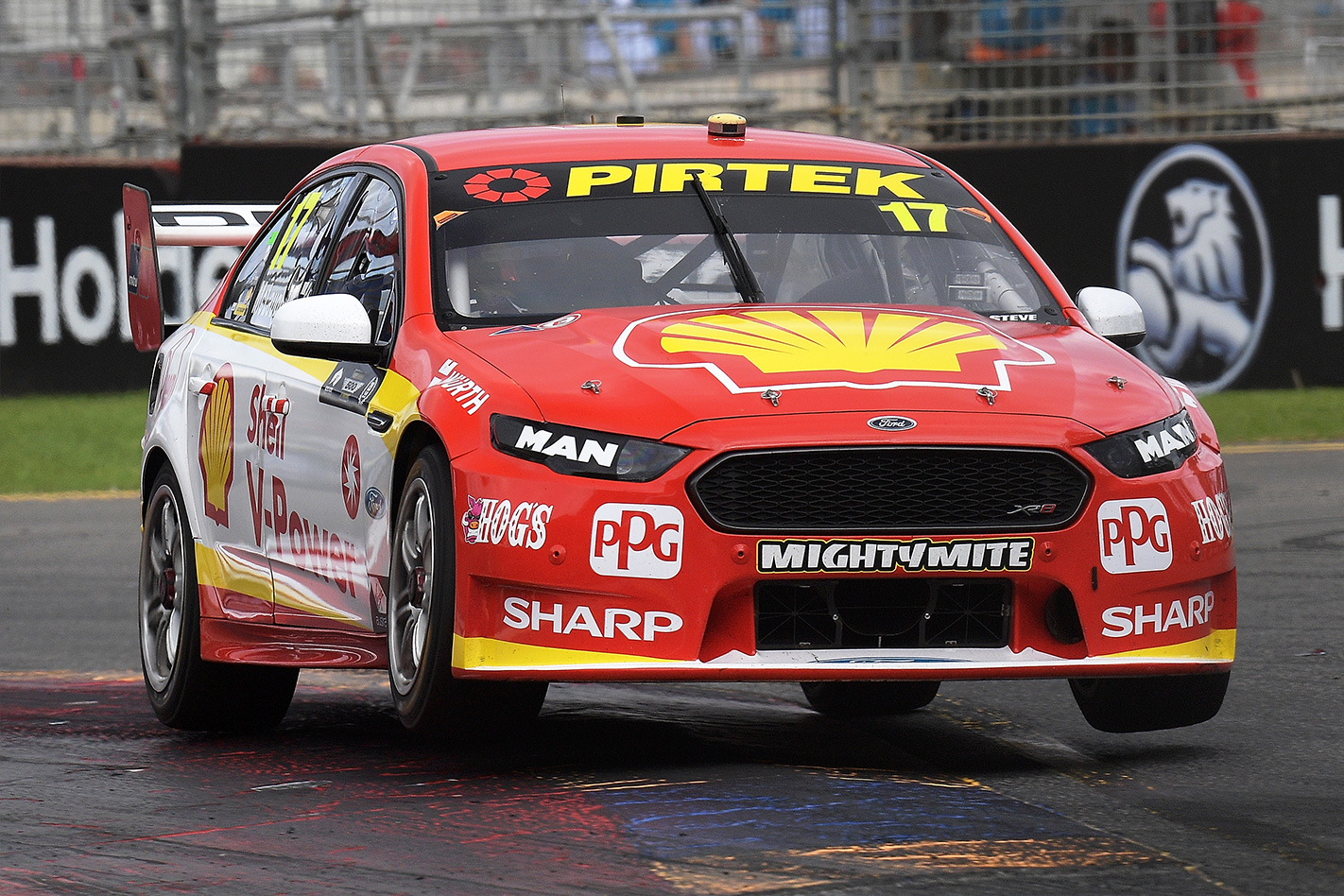
Former factory Ford team Tickford Racing is responsible for homologating the FG X Falcon, and works in conjunction with DJR Team Penske to petition Supercars for updates.
“I think a precedent’s been set with some of these panels, and if we’re going down the path of ensuring that we have parity, we just need to ensure that what’s good for the goose is good for the gander,” Storey told Supercars.com. “And the series knows that.”
Red Bull HRT manager Mark Dutton says the ZB’s composite panels were cleared by the Supercars technical team.
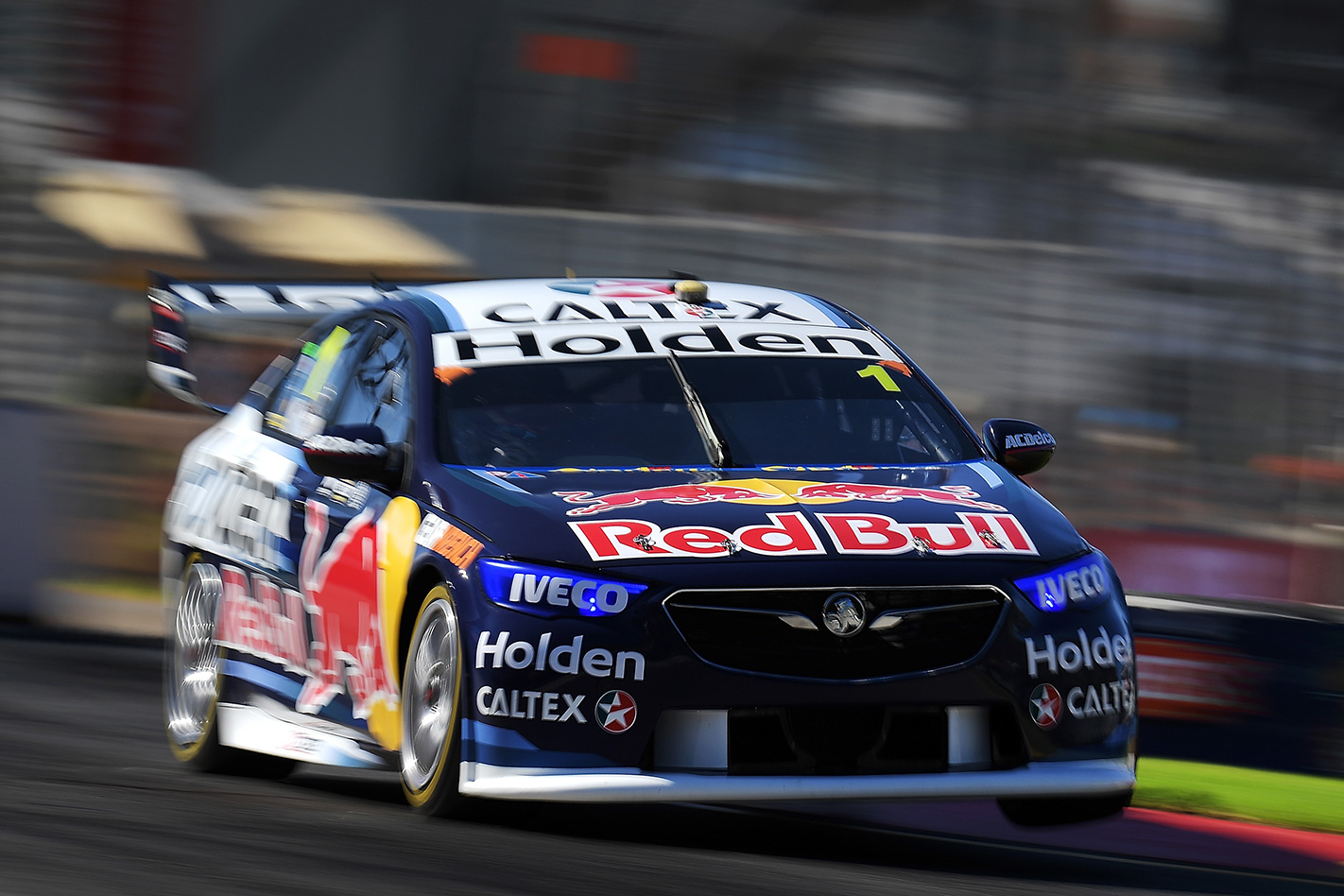
“So Supercars did a study, measured all the panel weights, spoke to the various teams and manufacturers and the ZB, from my understanding, isn’t the lightest.”
The issue is far from settled, with Tickford boss Tim Edwards adding “there’s certainly a few weight issues that we need to work through with Supercars”.
Expect the debate to continue well into the middle of the Supercars season.
Andre Heimgartner had his Top 10 Shootout time cancelled on Sunday after an electronic transponder determined he had breached track limits at the Turn 2 Senna Chicane. Viewers were quick to point out that television cameras showed Jamie Whincup, who had qualified second in the shootout, appeared to be in breach of track limits, but had not been penalised by his transponder.
Mark Winterbottom was served a pit-lane drive through penalty during Sunday’s race for excessive kerb hopping, which team boss Edwards described as “absolute bullshit”.
The next round of the Supercars championship will take place at the Australian Grand Prix at Albert Park in Melbourne.
