
Fast wagons are cool. That’s a fact.
But what is arguable is the question of which fast wagon is the best. Audi has spent the last couple of decades putting forward a pretty good argument in the form of the Audi RS2 and RS4 Avants.
The Volkswagen-chassis based wagons are 5, 6, or 8-cylinder heroes of the fast-and-convenient, with blistering speeds coming from cars that look set to pick up the kids and grab some groceries.
So, we’re looking back to see where the fast Avant started, and how it got where it is today.
Audi RS2 Avant: 1994-1995
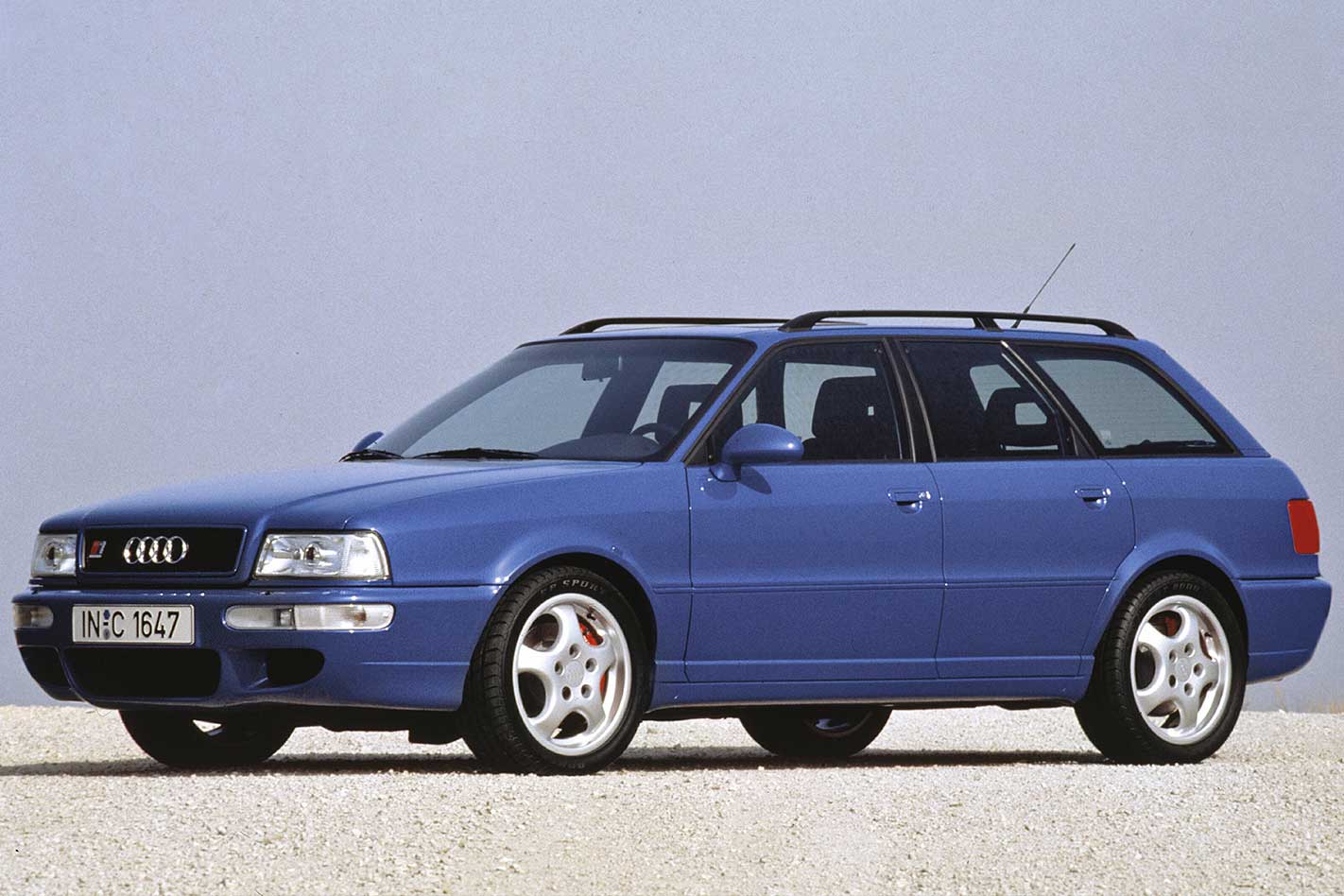
Powered by the iconic turbocharged Audi inline five-cylinder, in 2.2-litre form, the RS2 Avant was capable of a 0-100km/h sprint in just 4.8 seconds, thanks to all-wheel quattro grip and an output of 232kW.
Notably, the RS2 is quicker to 50km/h than a McLaren F1. Additionally, due to developmental assistance from Porsche, some parts of the RS2 (Mirrors, front indicators and foglights) were pinched from a 993 911.
Porsche also donated its 322mm Brembo brakes.
Even though 2881 were built, they were primarily sold in Europe, and seeing one in Australia is as rare as hen’s teeth.
The RS2 was also the car that kicked off the ‘RS’ line, with the wagon being the first to wear the ‘RennSport’ (or Racing Sport) RS badge.
Audi B5 RS4: 1999
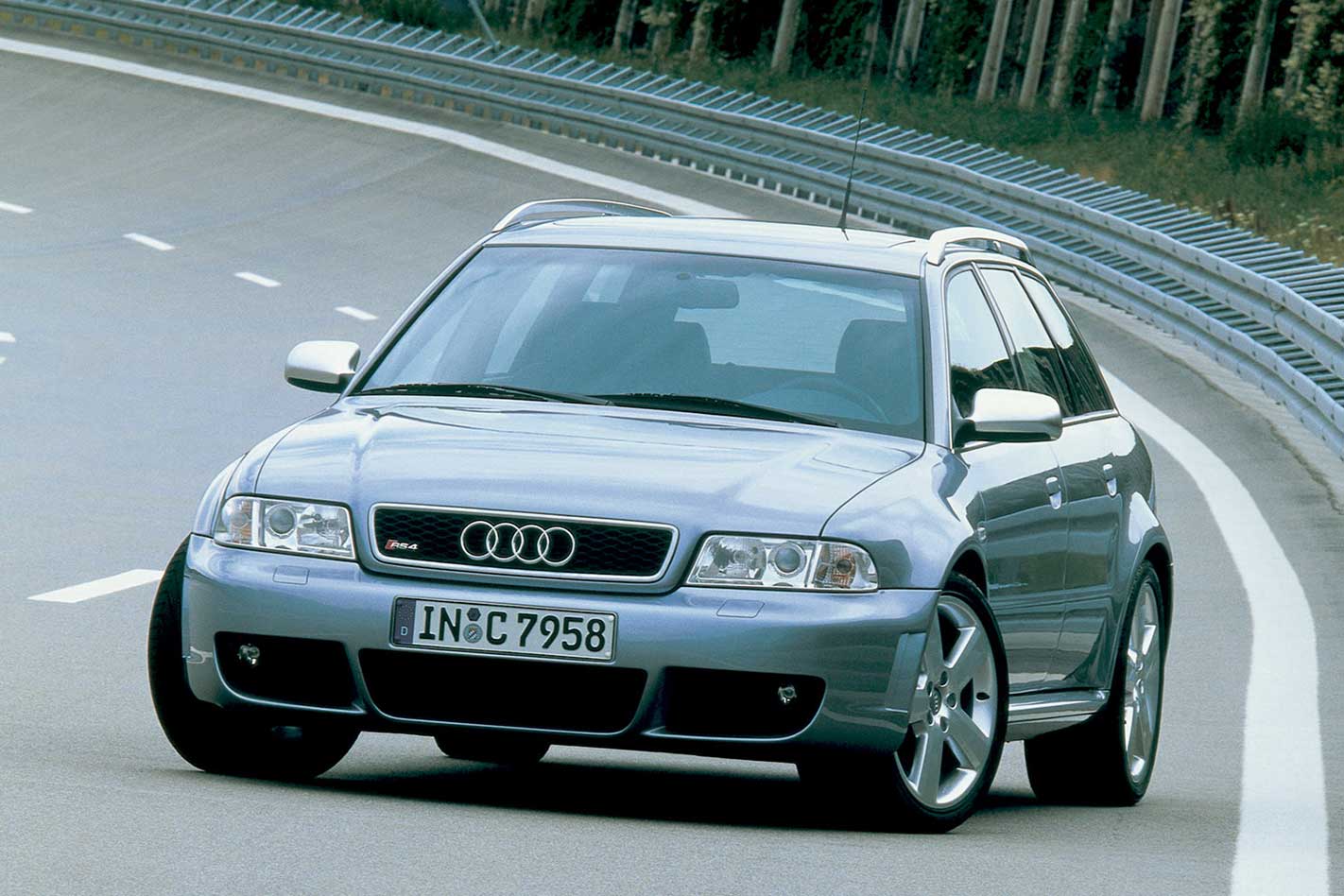
With the help of renowned engine experts Cosworth, the first RS4 pumped out 279kW, which allowed it to hit 100km/h in 4.9 seconds.
A little more than 6000 units of this RS4 were produced until 2001, by which point Audi had doubled its originally planned production count.
Audi B7 RS4: 2005
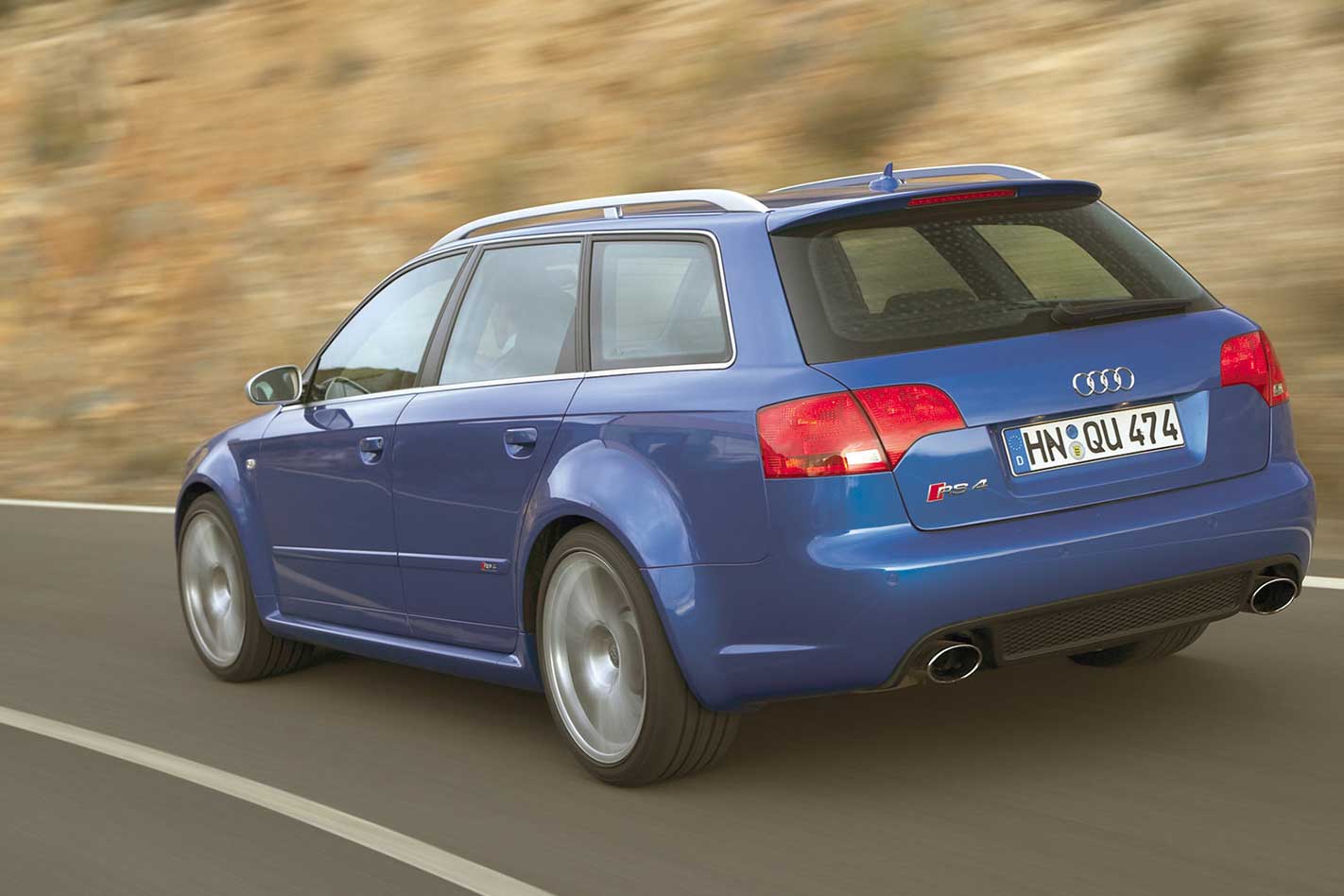
The more powerful V8 shaved a tenth off the RS4’s 100km/h sprint, and sounded better than the V6, but its other body styles were short lived. This was the only generation of RS4 which came as anything other than the iconic Avant.
This RS4 did, however, boast dynamic torque distribution which was able to direct twist to the wheel where it was most needed, and there was also an option for carbon ceramic brakes.
Audi B8 RS4: 2012
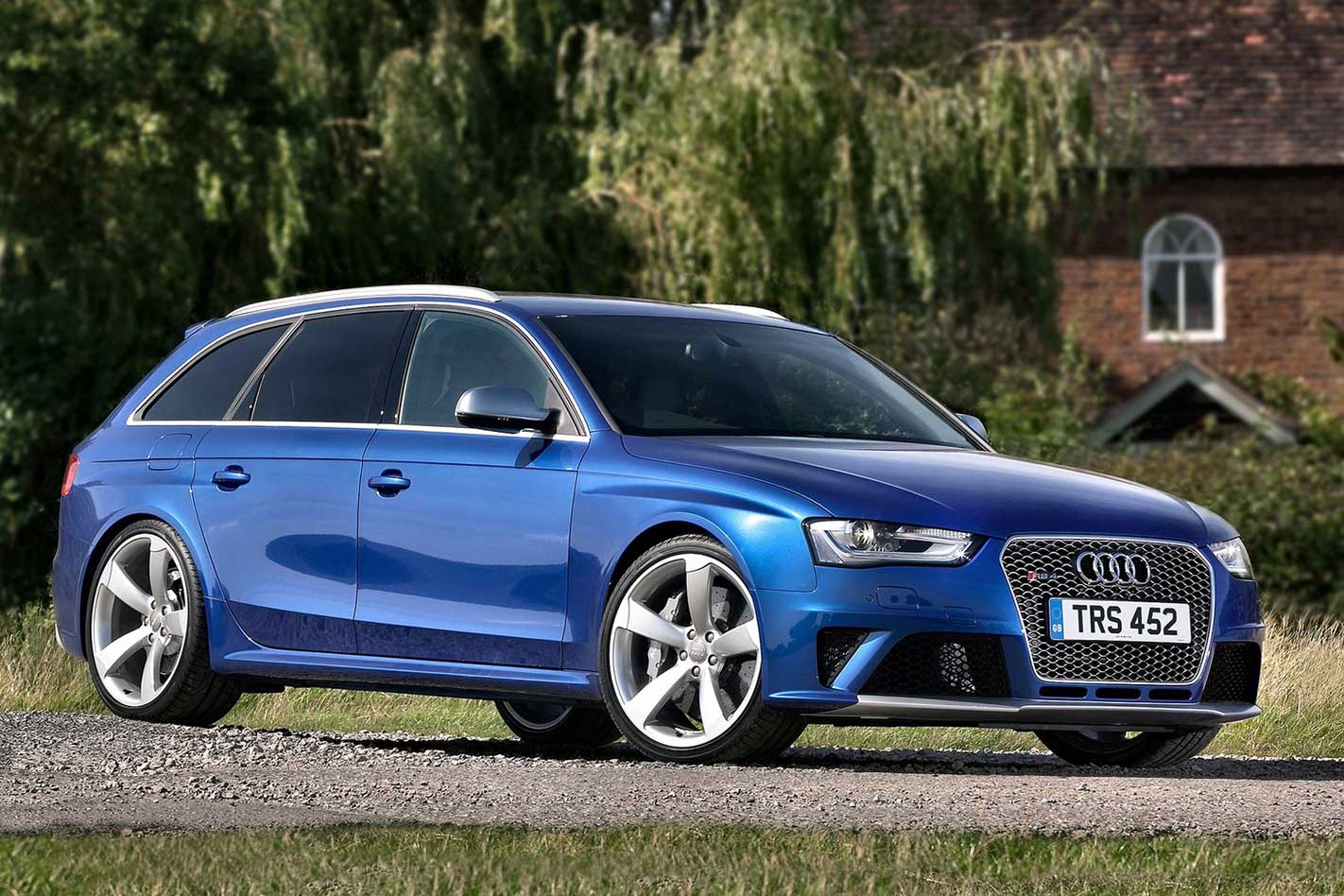
Audi claimed it’ll run a 100km/h sprint in just 4.7 seconds, which seems on the money – MOTOR once tested it in baking 35-degree plus Aussie heat and even then managed a 4.93.
Its top speed was 250km/h by limiter, though customers could request the limit to be raised to 280km/h.
An optional sports diff was also available to help tidy up understeer, with the weighty beast (a touch under 1800kg) needing a little help to sharpen its turning.
About 7000 units of the B8-based RS4 are said to have been produced.
Audi B9 RS4: 2018
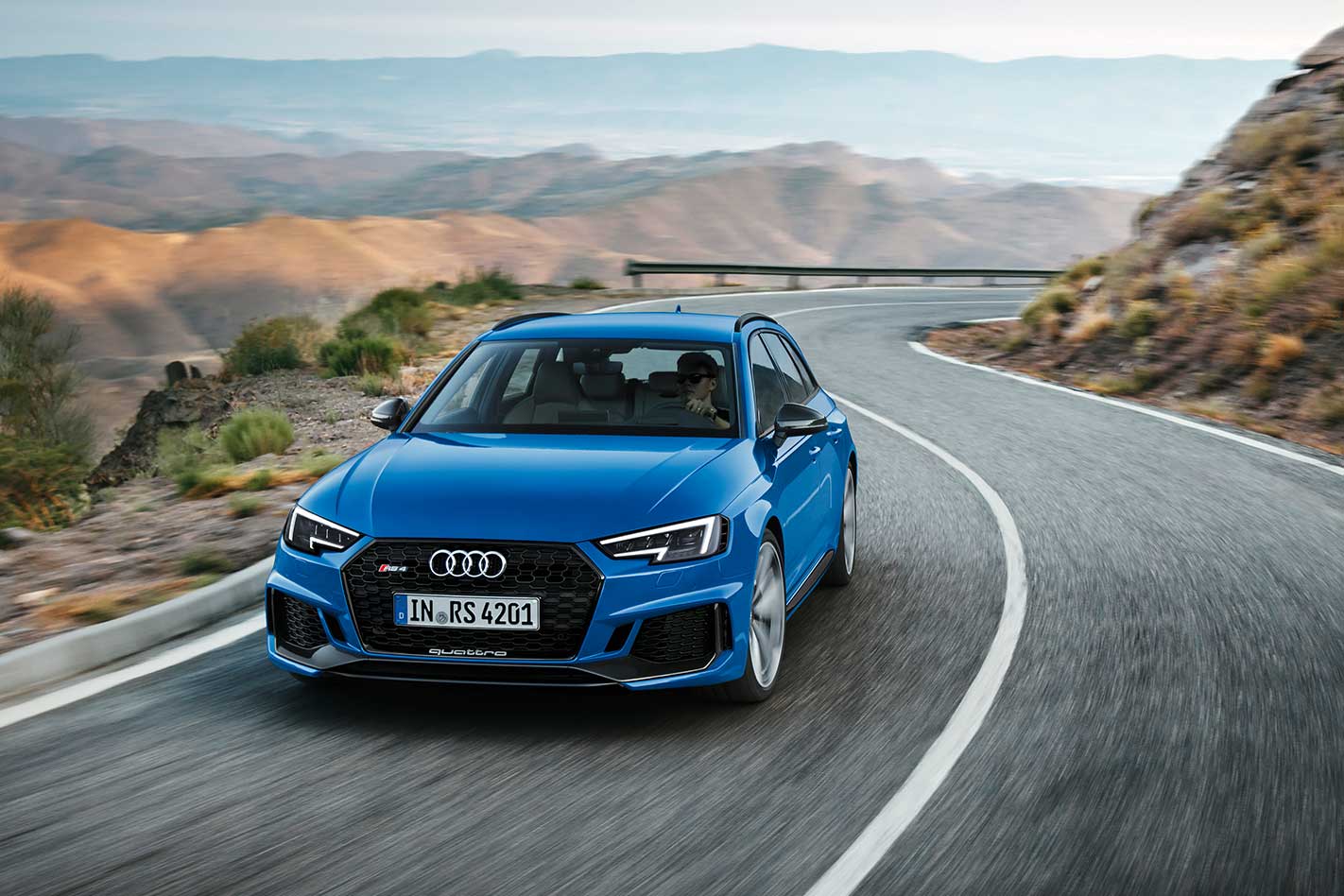
Now faster and with a heap more torque, the 2018 Audi RS4 Avant should manage a sprint to 100km/h in just 4.1 seconds.
This comes thanks to its 2.9-litre twin-turbo V6 developing 331kW/600Nm, and the fact it’s not any heavier than its predecessor.
Its eight-speed auto helps that power to, of course, all four wheels, and along to a top speed of 250km/h – or 280km/h when optioned with the RS dynamic package.
Though we haven’t yet seen one locally, pricing is expected to sit in the $150,000-or-so ballpark.
FORD Focus RS owners angry that they’re blowing head gaskets will have it — and potentially even the head — replaced for free, Ford Australia says.
The car maker said it would start “reaching out to Focus RS customers shortly regarding the fix for this issue”.
“In the meantime, customers experiencing white exhaust smoke and/or coolant consumption in 2016-17 Focus RS vehicles should visit their dealer for a free inspection and repair, if necessary, regardless of warranty or distance travelled,” it said.
“Ford dealers will test the cooling system, replace the cylinder head gasket and may replace the cylinder head, as required.”
The Australian fix follows a service notice sent to US dealerships this week spelling out that Ford has acknowledged a problem with the highly strung hatchback after some of its cars were fitted with what are believed to be either heads or head gaskets meant to be used for the 2.3-litre version of the Ford Mustang, and not the more durable version intended for the RS-badged Focus.
It is believed only one Focus RS in Australia had suffered from a blown head gasket, potentially related to the mix-up.
The service notice sent to US dealers says the cylinder head gasket “may develop a coolant leak into the engine combustion chamber”.
“A leaking cylinder head gasket may result in noticeable white smoke and/or low coolant without external leaks.
“In the interest of customer satisfaction, Ford Motor Company has authorised your dealer to pressure test the cooling system and replace the cylinder head gasket. Based on test results, some vehicles may require a new cylinder head assembly.
“Repairs will be completed free of charge (parts and labour) under the terms of this program.”
According to the service notice, the repairs could take a minimum of two days to complete.
US customers also get free use of a rental car, excluding fuel and other charges, while the repair is being made.
It is unclear if the same offer is being made to Australian customers.
Here at WhichCar we like the delightfully obscure names given to cars overseas, such as the Kia Granbird Mild Breeze, Nissan Lafesta Highway Star G-Supremo, and Geely Rural Nanny. So we were chuffed to see Toyota reveal a special variant of its legendary ute called the Hilux Invincible 50 Chrome Edition, in Europe.
While it’s not quite up there with Toyota Vellfire Modellista Hybrid Executive Lounge, it’s still quite a mouthful and part of an apparent move to finally give Hilux variants proper names, such as the new Rogue and Rugged due in Oz later this year.
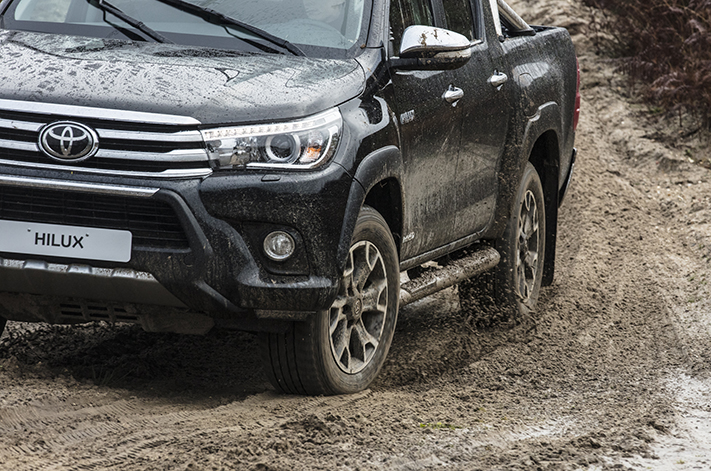
The Hilux Invincible 50 Chrome Edition celebrates the 50th anniversary of Toyota’s iconic hauler, which first appeared in March 1968 and has since become world’s biggest selling pick-up.
This model is essentially a blingy version of the Europe-only Hilux Invincible 50, revealed at last year’s Geneva Motor Show, that’s fitted with a range of bespoke shiny accessories including a chrome sports bar, side steps, grille and bash plate.
Black wheel arch protectors surround 18-inch alloy wheels with a machined-face finish, while a dedicated “Invincible 50” badge is positioned on the front doors.
Other features include a plastic bed liner and scuff plates.
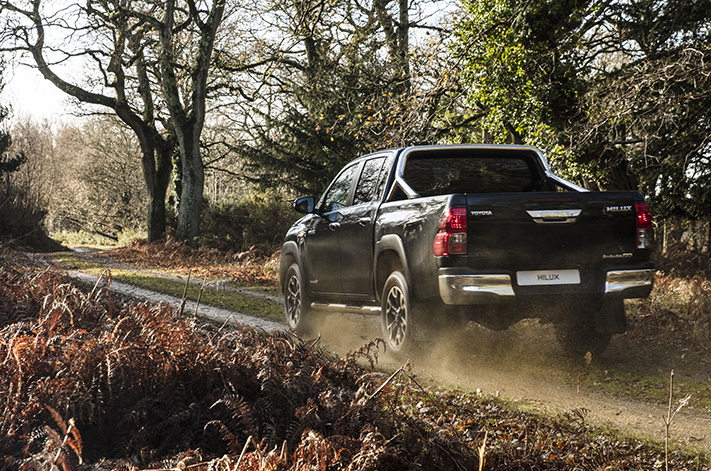
In Europe, the Invincible 50 Chrome Edition is powered by the 110kW/400Nm 2.4-litre turbo-diesel engine that’s found under the bonnet of the entry-level Workmate models here.
A Toyota Australia spokesman told WhichCar the Hilux Invincible 50 Chrome Edition won’t be coming Australia with the new Rugged and Rogue models, but there are plans to celebrate the venerable ute’s golden anniversary come March 21.
In just a matter of hours WhichCar will announce the winner of the 2018 Style Award, which recognises excellence in automotive design.
After much deliberation between the Style Award judging panel, including automotive design consultant Paul Beranger, Belle editor Tanya Buchanan, Elle beauty & lifestyle associate Amy Starr, Real Living editor Emma Vidgen and WhichCar’s Ryan Lewis, the 2018 Style Award victor will be revealed tonight at the Australian Motoring Awards in Melbourne.
During the night the winners of the Motor Performance Car of the Year, 4×4 of the Year and the coveted Wheels Car of the Year will also be announced.
Four finalists, voted for by you, went into battle for the WhichCar Style Award. They were the Alfa Romeo Giulia, Audi Q2, Hyundai Kona and the Mercedes-Benz E-Class Coupe, each one representing its own unique take on style for the modern era.
This is the third year the WhichCar Style Award has been run, with the previous winners being the Alfa Romeo 4C and Audi A4. Both of those brands were finalists again in 2018. Can either one back up its prior success with a second win tonight?
Tune in to WhichCar’s website and social media channels from 8PM this evening to see all of tonight’s Australian Motoring Award winners.
IF YOU want the world to notice your new bantamweight electric self-driving concept car, then forcing it to share the stage with one of the most eagerly anticipated and fastest cars the world has ever seen might not be the wisest strategy, but that’s exactly what Daimler did in Frankfurt last year.
Immediately after Smart presented its Vision EQ ForTwo through the medium of a Broadway style musical, Mercedes-AMG categorically stole the show with its sledgehammer Project One hyper-hybrid in a shameless display of brawn over batteries.
In the wake of a jaw-dropping 1000kW Formula 1-engined monster, piloted by none other than F1 ace Lewis Hamilton, how were we supposed to remember a diminutive, silent little buggy that didn’t have a driver at all?
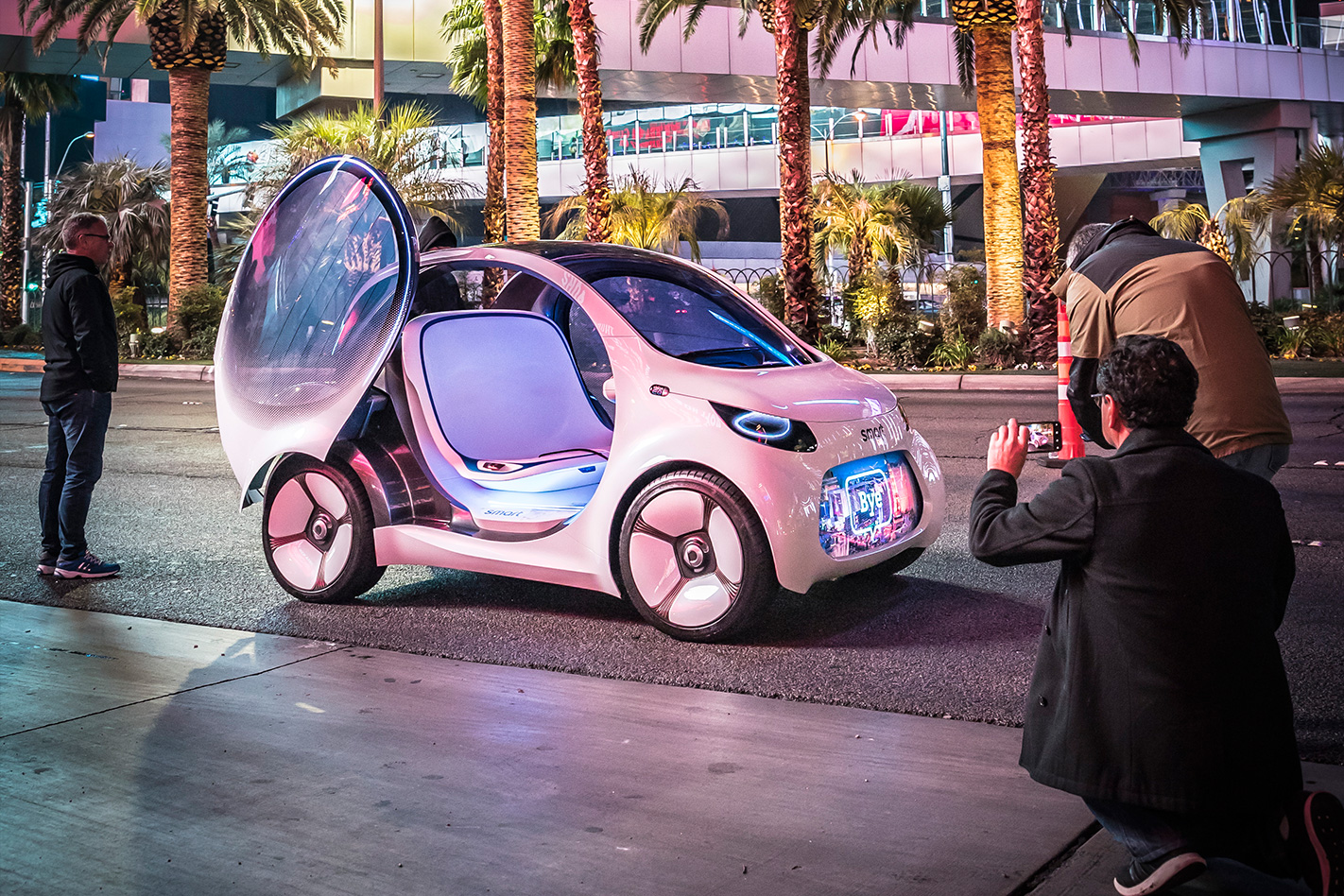
Generally speaking, if you accept an invitation to a darkened multistorey car park late one night in Las Vegas, it’s likely you are about to be involved in something that will ruin your chances of a career in politics, but if the invitation comes from Smart during the Consumer Electronics Show week, you’re a bit safer.
I was met by the grinning (and winking) face of the car I’d watched disappear in the shadow of the Project One just weeks before but, in a dimly lit parking lot, the Smart Vision EQ ForTwo’s brilliant white facade and immersive lighting dominated the space.
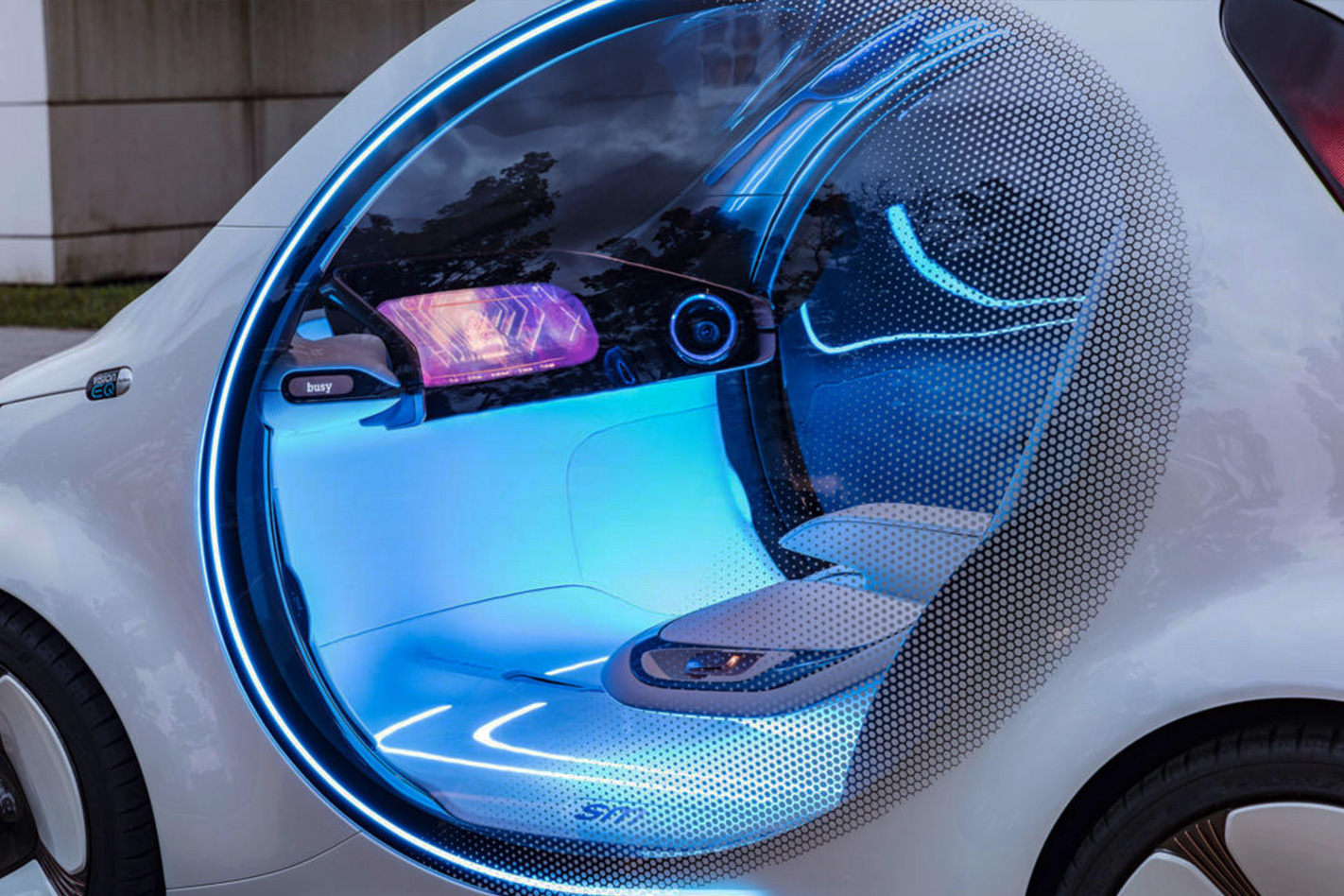
The idea behind Smart’s concept is that what the car doesn’t already know about your journey – pre-loaded by your smart device – is simply updated with conversational voice commands. Imagine an Uber minus the driver and free water.
But Smart’s vision of the future takes the concept further and coordinates with other users wanting to travel in your vicinity. The whole idealistic notion of sharing a car you don’t own with a person you’ve never met is a little hard to comprehend, especially when it wasn’t that long ago that taxi drivers were sealed into protective Perspex boxes, but the concept still has merit.
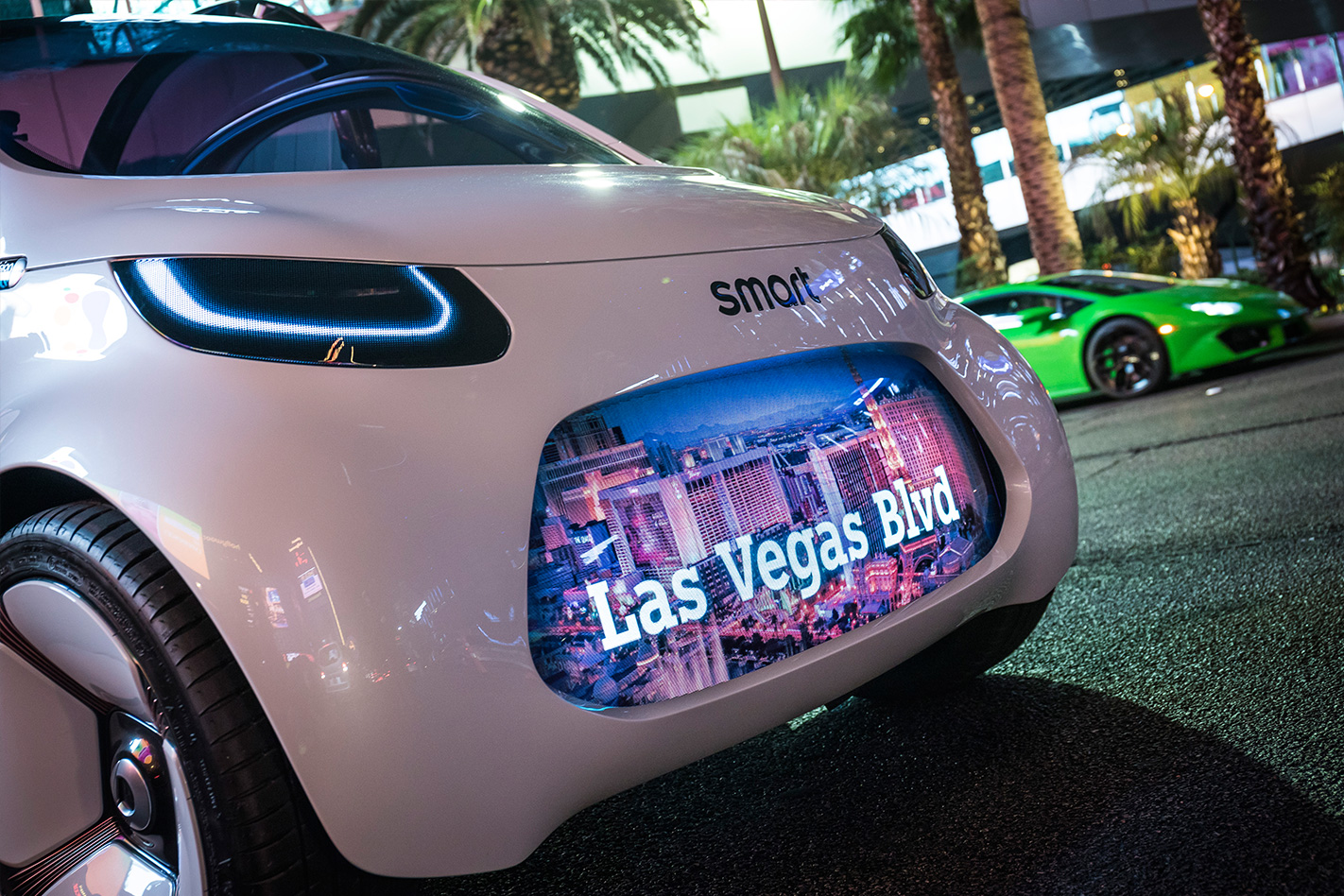
A short ride around a car park and then on to the permanently bustling streets of Las Vegas was a revelation on two counts.
Smartphones are rapidly becoming the only possession we need. Not only are they a multi-platform communication device, they are also a camera, computer, credit card, your house keys, personal organiser and fitness trainer, PA and entertainer. But they can’t yet physically take you anywhere.
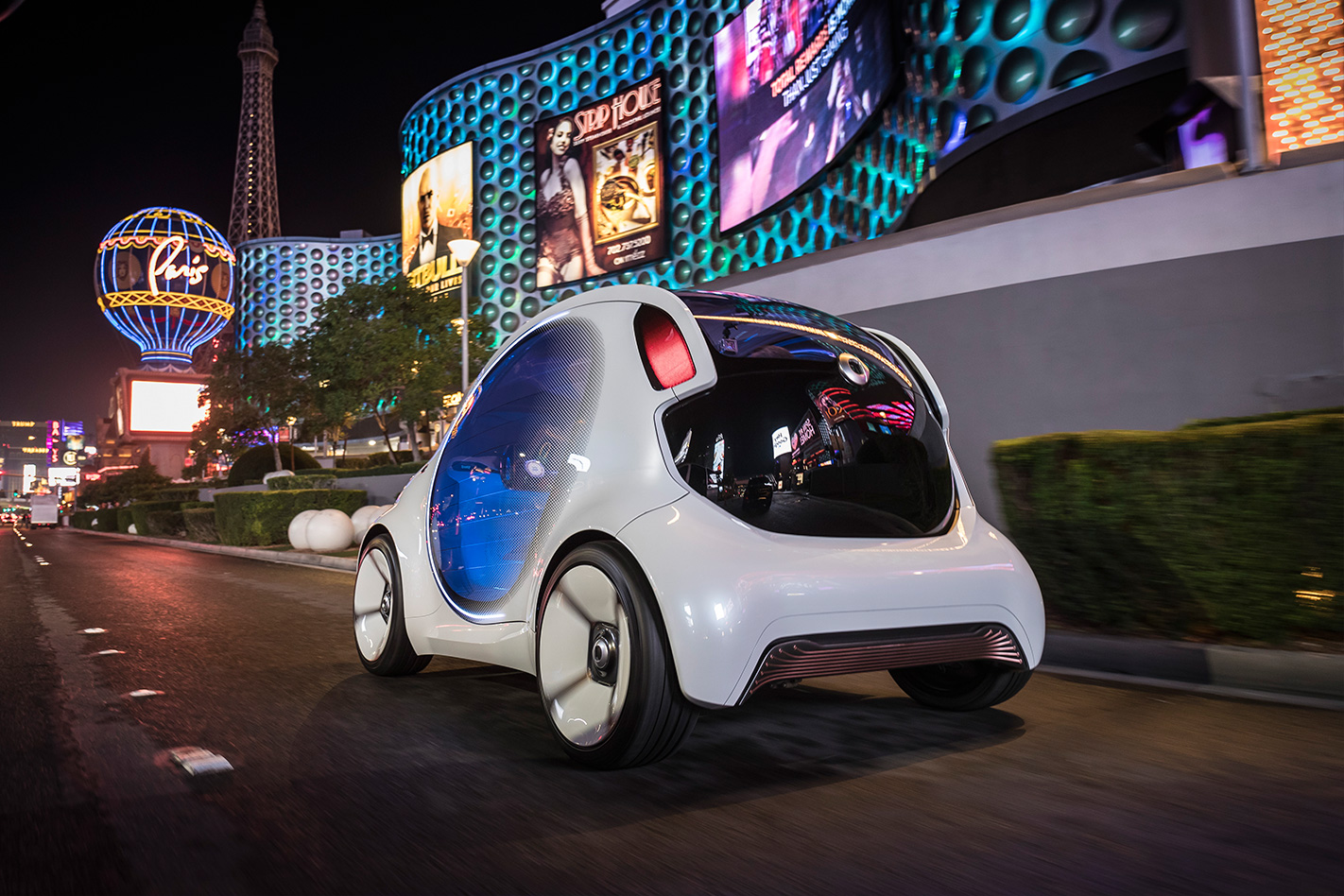
Secondly, our first ride aboard a self-driving Smart highlighted just how quickly the absence of a driver becomes normal.
Okay, it wasn’t hard to spot a man standing at the roadside doing his best to conceal a very complicated-looking radio controller, but the concept demonstrates how readily humans put their faith in a machine that is not being controlled by anyone on-board and, as autonomous technology advances, that trust will be increasingly warranted.
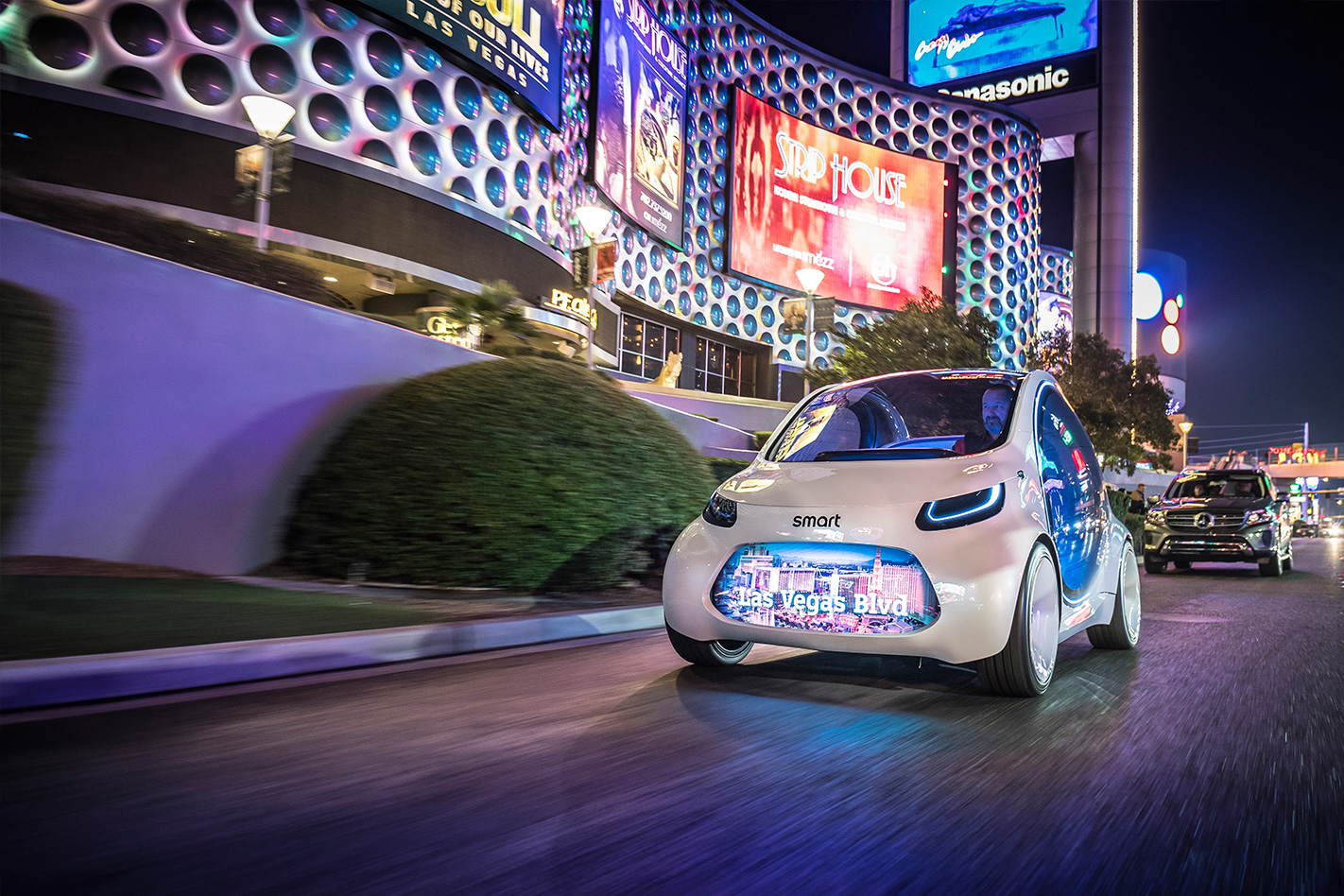
As the evening wore on, a wheeled Stormtrooper helmet with no-one driving drew quite a crowd. You could argue that Lewis Hamilton at the wheel of a multi-million dollar AMG might pull a bigger audience just as it had in Frankfurt, but the chances of realising that dream for yourself are slim at best.
Sharing an electric autonomous car with a stranger may also seem unimaginable at this stage, but thanks to Smart’s vision, a brilliant concept and a little magic, that reality is probably closer than you imagine.
Hyundai’s belated entry into the small-SUV market meant it had to make a bold entrance. It achieved just that with the all-new Kona.
While the other Style Award finalists impressed our judges with their subtle sophistication, the Kona’s brash, look-at-me, aesthetics also managed to appeal.
Real Living editor Emma Vidgen said she liked the way the extroverted Kona wasn’t like anything else in the room and that it seemed happy to stand out.
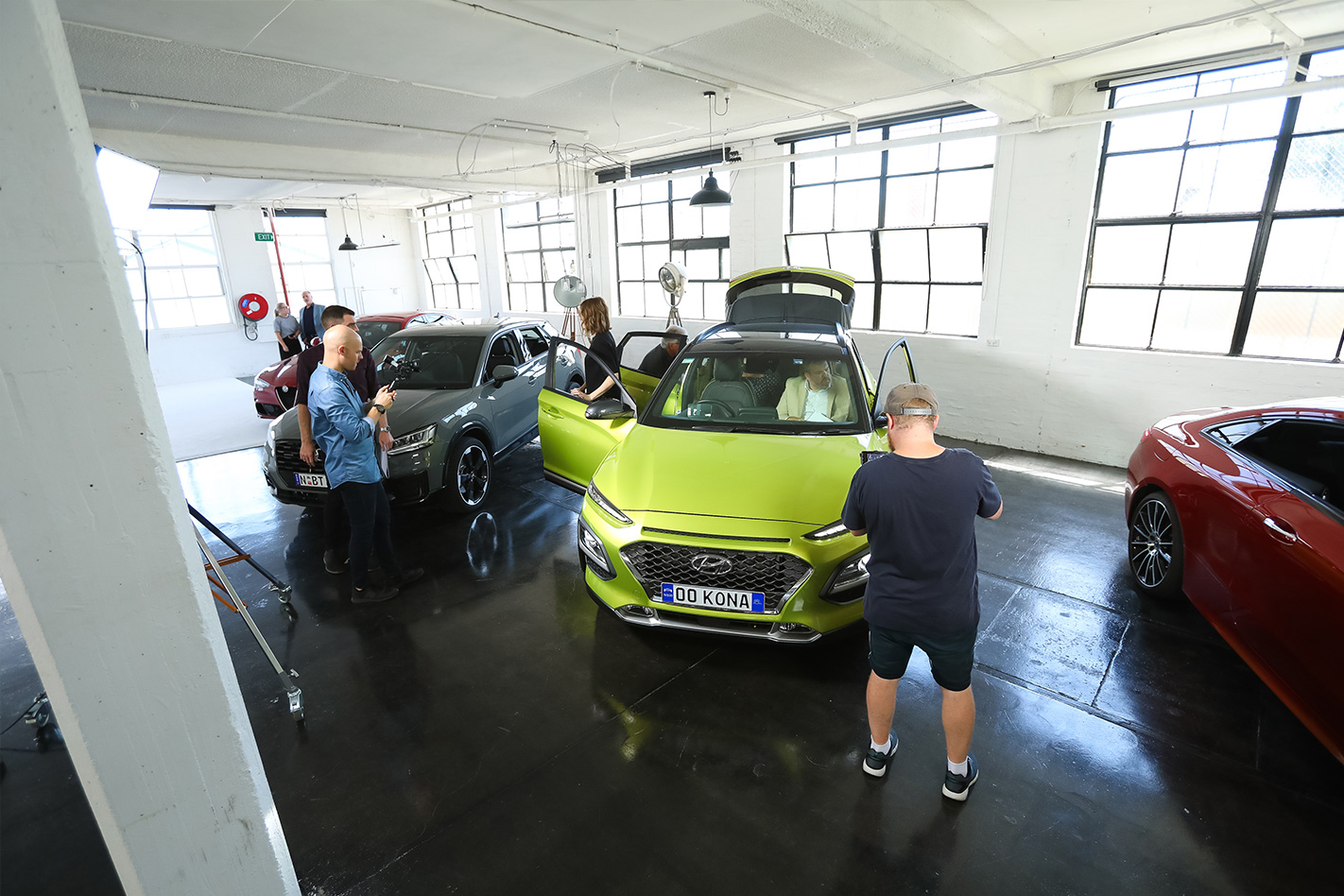
WhichCar’s Ryan Lewis was impressed with the more practical elements of the Kona’s design including its clever packaging with the wheels pushed out to the corners, giving it a longer wheelbase than the Mazda CX-3, despite shorter overall length, resulting in more interior and cargo space.
Automotive design consultant Paul Beranger said the Kona is an example of Hyundai’s growing self-confidence as a brand.
The integration of exterior and interior colours, although not a new idea, is really taken to a new level with this car.
The ability to customise the Kona’s interior trim also won plaudits.
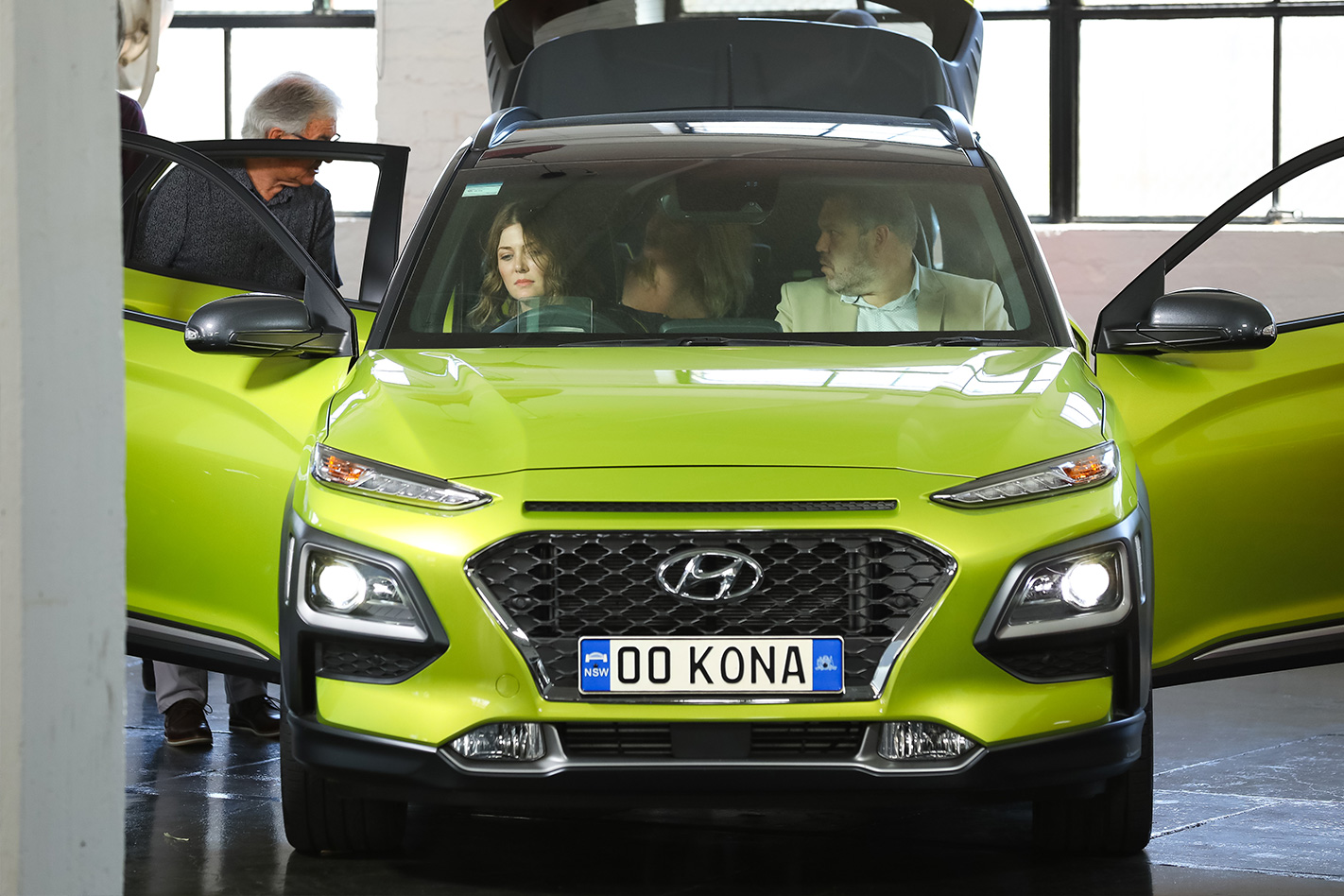
“This is people who have their name on their phone case, or their initials on their sneakers. This is for someone who wants to express themselves,” said Elle’s Amy Starr.
Belle editor Tanya Buchanan agreed. “The new luxury is all about customisation, bespoke tailoring and everybody wants a unique experience. Hyundai have offered people the chance to customise with colour choices,” she said.
The Kona’s quirky design elements and clever engineering give it an edge over many of its crossover rivals, but will they be enough to see off its Style Award rivals from Europe including the Alfa Romeo Giulia, Audi Q2 and Mercedes-Benz E-Class Coupe?
We’ll find out when the 2018 WhichCar Style Award winner is announced at the Australian Motoring Awards on January 24, along with the 2018 4×4 Australia 4×4 of the Year, 2018 Motor Performance Car of the Year, and the 2018 Wheels Car of the Year.
IT’S THAT time again! Tonight, the 2018 Wheels Car of the Year will be crowned.
More than 11,000km were driven to find the winner of the most illustrious motoring award in Australia, and in a matter of hours all will be revealed, right here.
It takes our panel of judges seven days of gruelling testing and deliberation to find a victor. Representatives from the motoring industry will gather this evening to see the hard-earned COTY trophy presented at the Australian Motoring Awards in Melbourne.

Wheels Car of the Year is the longest continuously-running motoring award in the world, having recognised the best new vehicle of the past 12 months every year since 1963.
More than 20 models took part in testing this year, with the field whittled down to just six finalists – the Alfa Romeo Giulia, Kia Stinger, Mazda CX-5, Skoda Kodiaq, Suzuki Swift and Volvo XC60.

There is a potential for a first-time victor tonight, with Volvo, Skoda, Alfa Romeo, Kia and Suzuki all yet to win the award. Mazda is coming into the finals off the back of two successive victories by the MX-5 in 2016, and CX-9 in 2017. The Japanese manufacturer has won Wheels Car of the Year a total of eight times.
Those who had their say in the COTY Readers’ Choice competition will find out who takes that accolade tomorrow. Before then, tune in to our website and social media channels at 10pm AEDT tonight to find out who wins the big one for 2018.
Mercedes-Benz was already onto a winner with the latest incarnation of the Mercedes-Benz E-Class sedan. It’s a sophisticated and elegant machine, even with its extra pair of doors. So when news of a new E-Class Coupe surfaced we knew it was bound to impress.
When the Coupe eventually launched last year it took the E-Class experience up a notch with its long, arching roofline, swooping body form and up-to-the-minute interior. And come Style Award time, it continued weaving its magic on our judges, too.
WhichCar’s Ryan Lewis said the E-Class Coupe nails the Style Award criteria.
“It has X-factor from the moment you look at it. It’s got an interior that breaks new ground and an exterior/interior look and feel that really harmonise with one another.
“This car is a really successful marriage of classically beautiful proportions and extremely modern technology.”
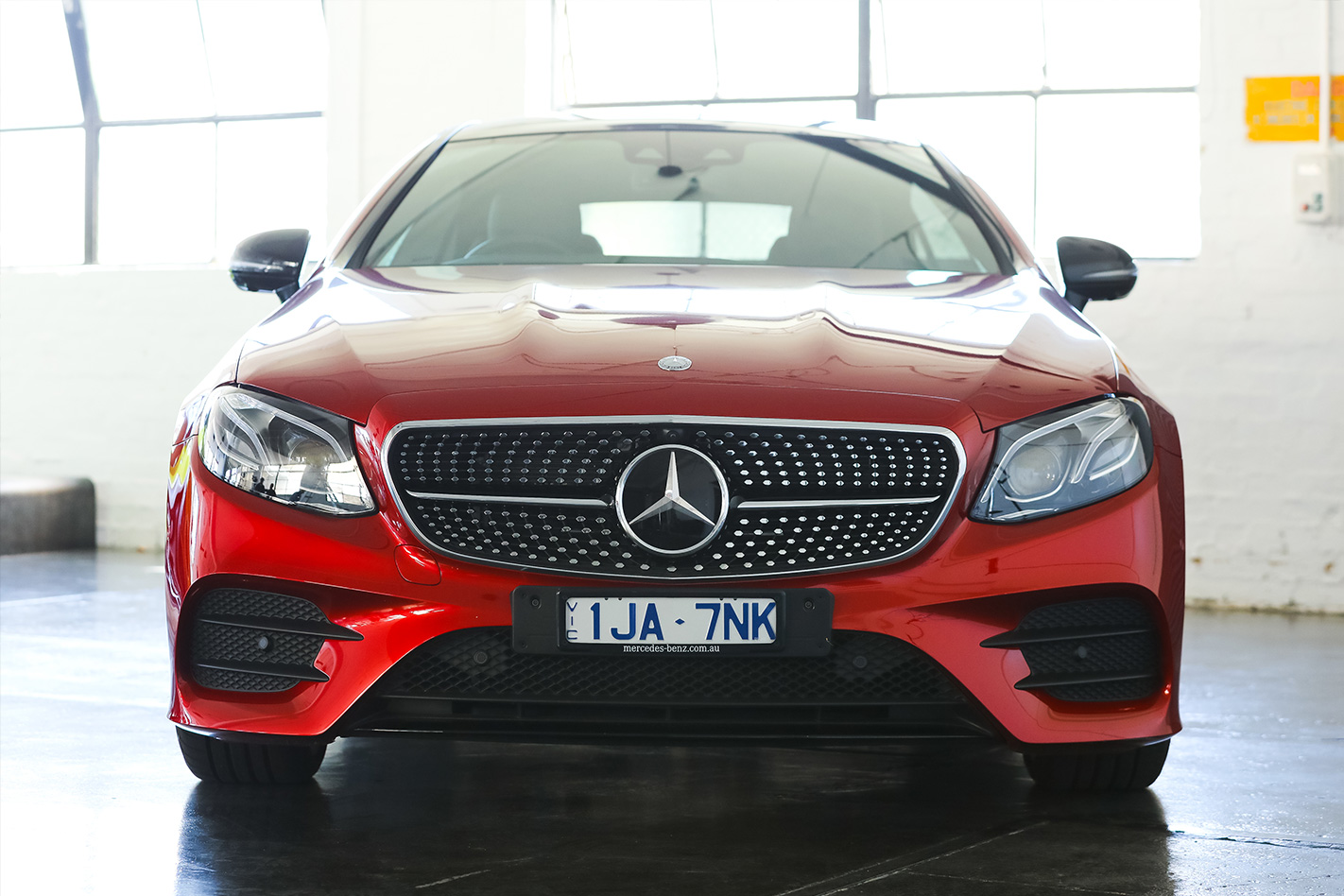
“I love the look of this Mercedes,” said Belle magazine editor Tanya Buchanan. “It embodies everything I know and feel about the brand.
Automotive design consultant Paul Beranger was impressed by the coupe’s stretched body, which is slightly longer than the E-Class sedan’s, resulting in ‘sublime’ proportions.
“The pillarless glass and the lack of sculpturing on the body-side – it really reflects maturity and self-confidence at the brand.”
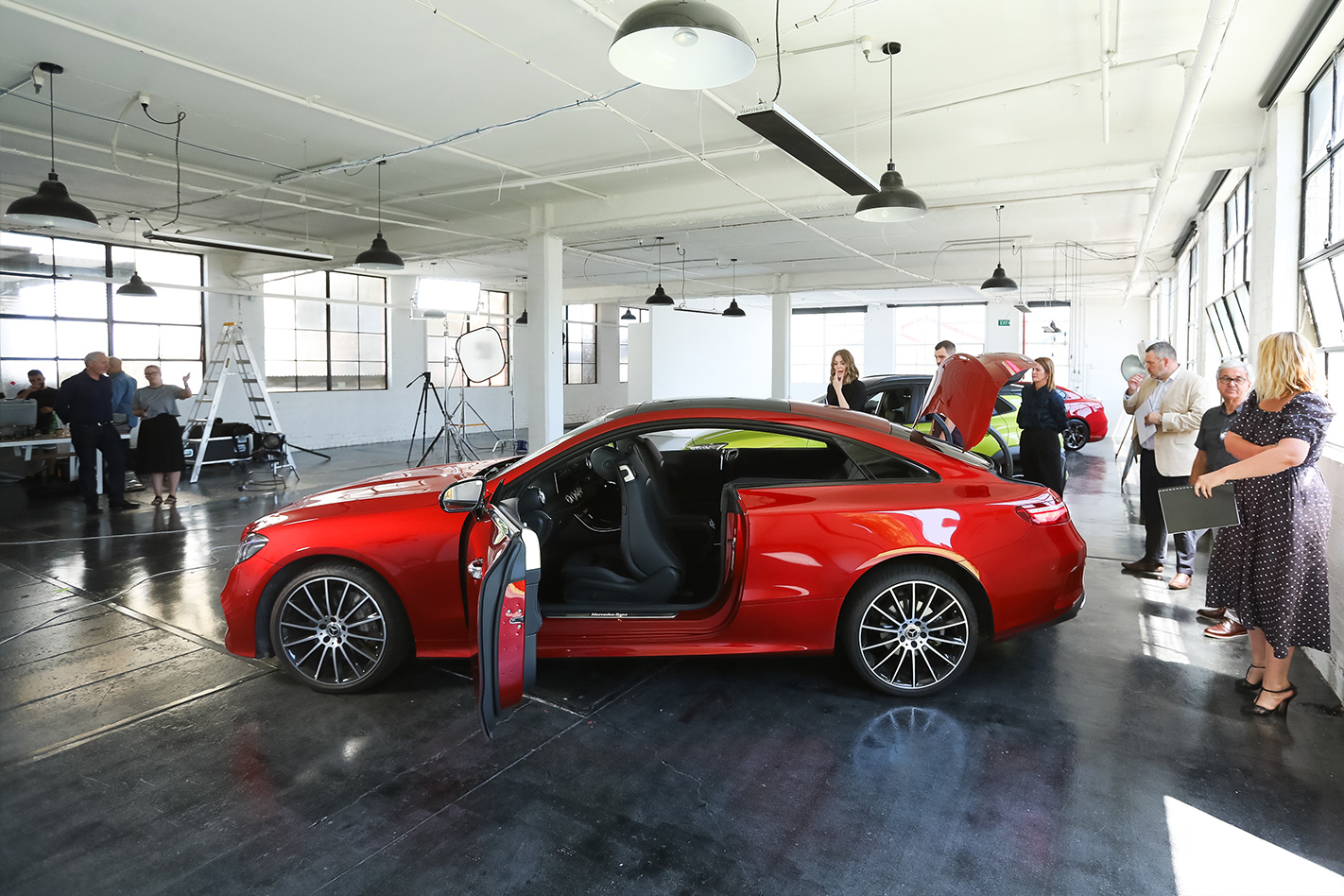
“The beautiful lines make it a really sophisticated vehicle,” added Elle’s Amy Starr. “The idea of those pillars being gone is not just beautiful from the outside but it makes for a beautiful driving experience on the inside.
“It is a hundred thousand dollar-plus car, but I think for anyone that’s design focused as well as safety focused … it’s a beautiful package.”
The E-Class Coupe’s classically-derived lines and proportions deliver the same emotive style that is often admired about Mercedes-Benz coupes and sports cars, but will it have enough to fend off more affordable, but equally unique opposition including the Alfa Romeo Giulia, the Hyundai Kona, and the Audi Q2?
We’ll find out when the 2018 WhichCar Style Award winner is announced at the Australian Motoring Awards on January 24, along with the 2018 4×4 Australia 4×4 of the Year, 2018 Motor Performance Car of the Year, and the 2018 Wheels Car of the Year.
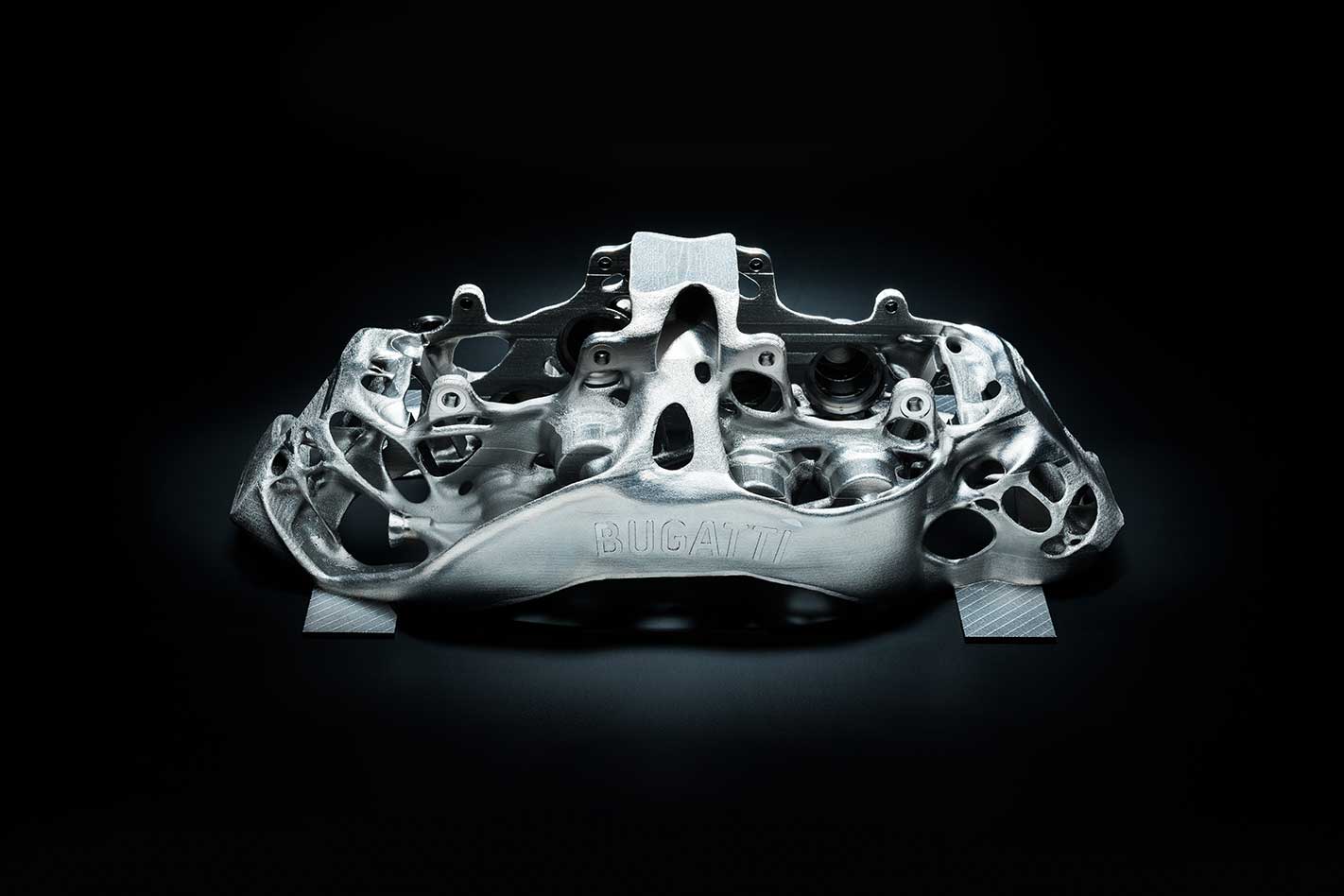
French hypercar builder Bugatti has created a titanium brake caliper using a 3D printer.
It claims to be the first manufacturer to have created one using printing technology.
The caliper is a functional size, measuring at 41cm long, 21cm wide and 13.6 high, but it only weighs 2.9kg.
The aluminium caliper Bugatti is currently using weighs 4.9kg, and its material isn’t as strong.
And since Bugatti isn’t known for rushing its build process, the 56 hours (45 to print, and 11 to machine the surfaces) it takes to create a caliper shouldn’t bother the line workers.
The width of the material walls on the component range between one and four millimetres.
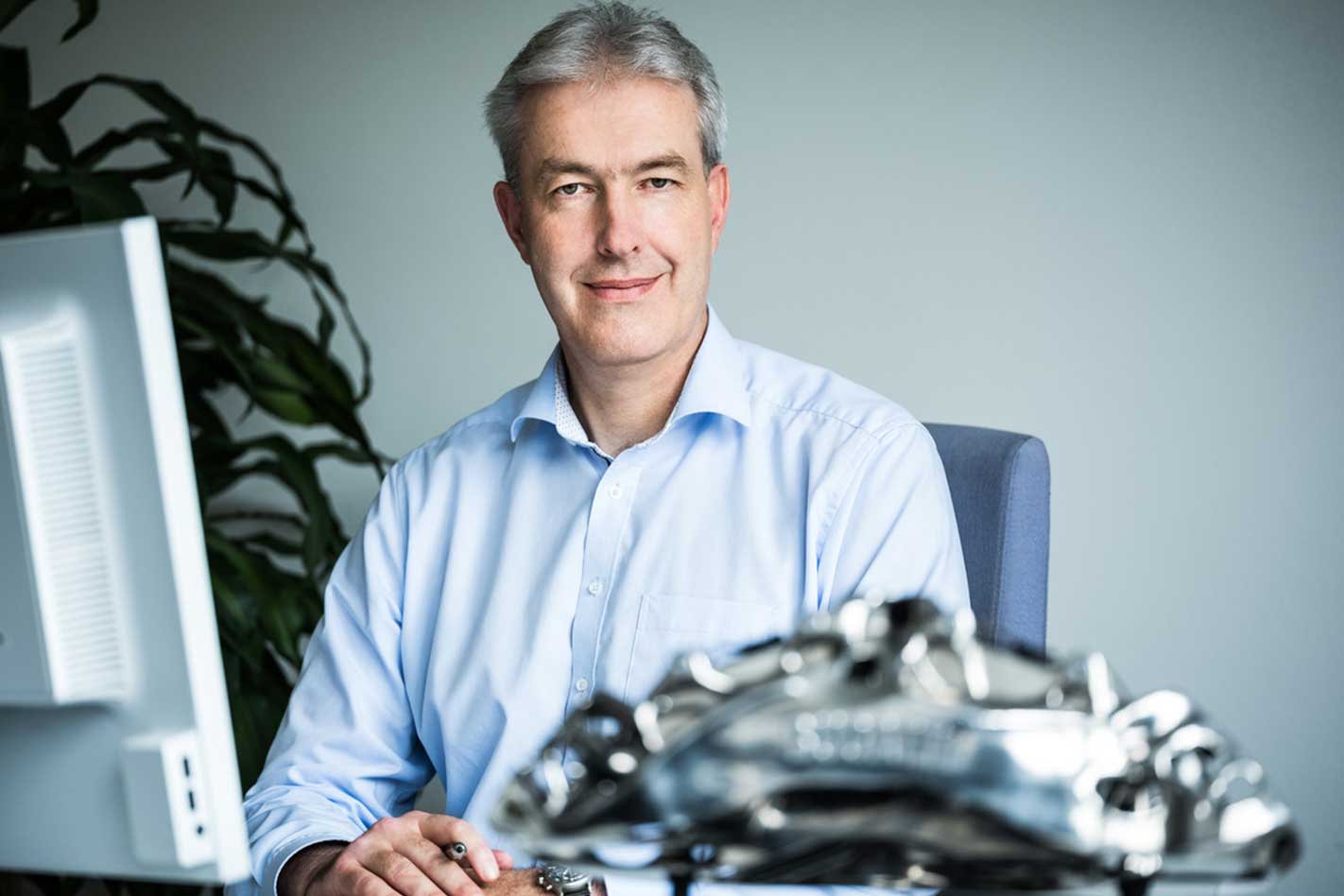
“It was a very moving moment for the team when we held our first titanium brake caliper from the 3D printer in our hands,” Götzke says.
“In terms of volume, this is the largest functional component produced from titanium by additive manufacturing methods.
“In 3D printing development, Bugatti is the leader in the Volkswagen group.
“Everyone can and should benefit from our projects. This is also part of Bugatti’s role as the Group laboratory for high-tech applications.”
“We have not only developed the world’s largest titanium component produced by additive manufacturing but also the longest aluminium component to date made by 3-D printing.”
In addition to the caliper, Götzke says Bugatti has also created a ‘lightweight aluminium windscreen wiper board’ using the printing process, and it weighs 400g, half the weight of a conventional wiper board.
SUBARU’S sole non-AWD product gets a late-life steroid injection courtesy of the company’s STI go-fast division. But does the Subaru BRZ‘s relative lack of muscle warrant the gym gear?
WHAT IS IT?
As the Subaru-badged brother to the Toyota 86, Subaru’s BRZ puts a slightly different spin on Toyota’s fun-and-frisky lightweight rear-drive formula. The BRZ is tuned to be a more mature choice, and one that focuses more on stability than tail-out hoonery. Still, its superb chassis balance is built-in, and we’ve been fans since the BRZ arrived in 2012.
WHY WE’RE DRIVING IT
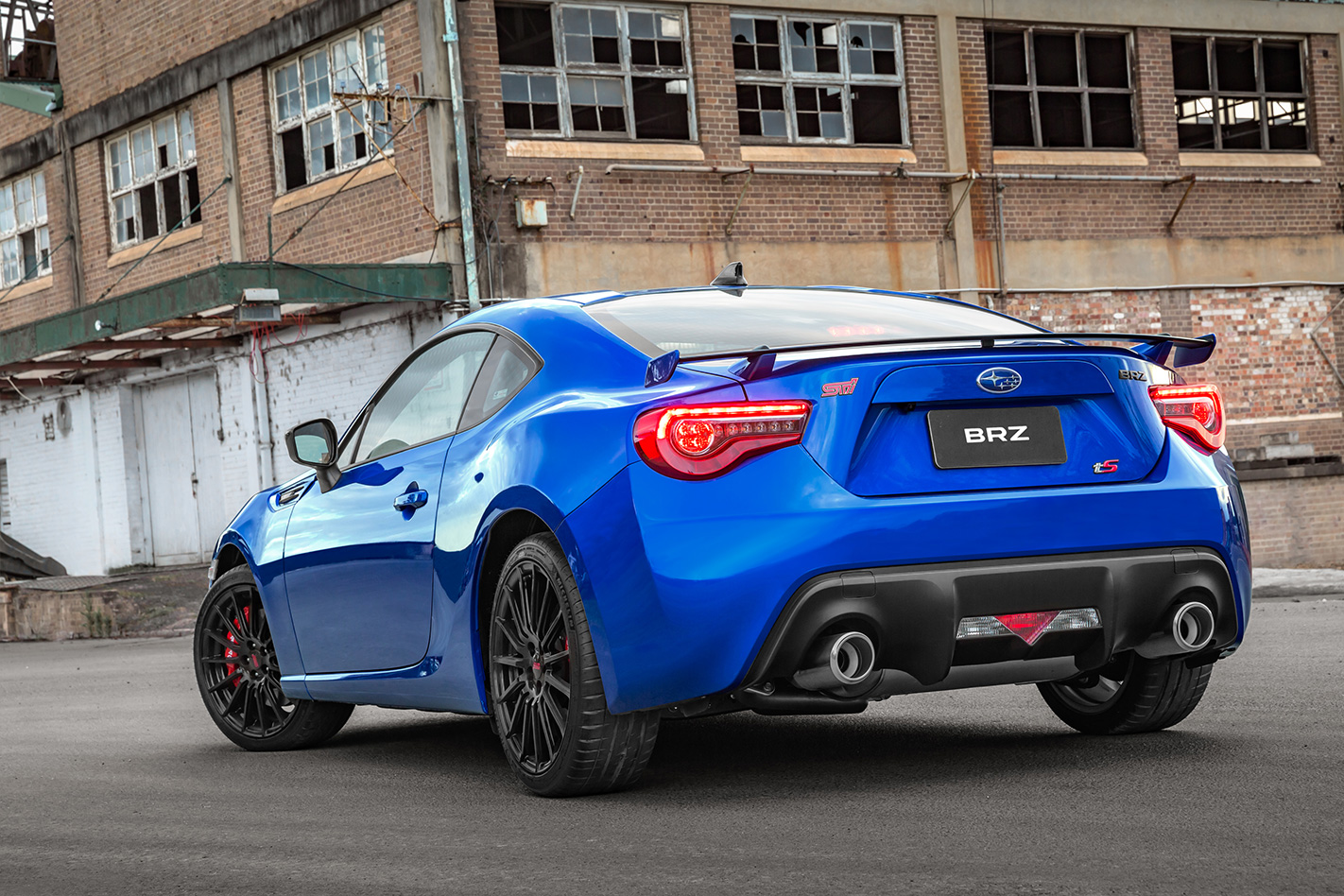
The BRZ tS is a new addition to Subaru Australia’s showrooms, and easily the most aggressively-equipped BRZ to go on sale in this country. Now endowed with a firmer suspension, stickier tyres, lightweight alloys, Brembo brakes and extra chassis reinforcement, the BRZ tS has the right gear for those who like to drive hard.
Toyota 86 GT, Mazda MX-5 GT, Abarth 124
THE WHEELS VERDICT
There’s more grip than ever before, but the absence of any meaningful improvements to what’s under the bonnet upsets what used to be an almost perfect balance between poke and poise. As a result, the BRZ tS is a car that feels properly keyed into the road surface, yet doesn’t have the grunt to exploit that newfound cornering capability.
You’d think the addition of bona-fide STI bits would improve the BRZ package and result in a properly rip-snorting sports coupe, but the actual result is somewhat disappointing – without more power, the BRZ tS actually feels kind of dull.
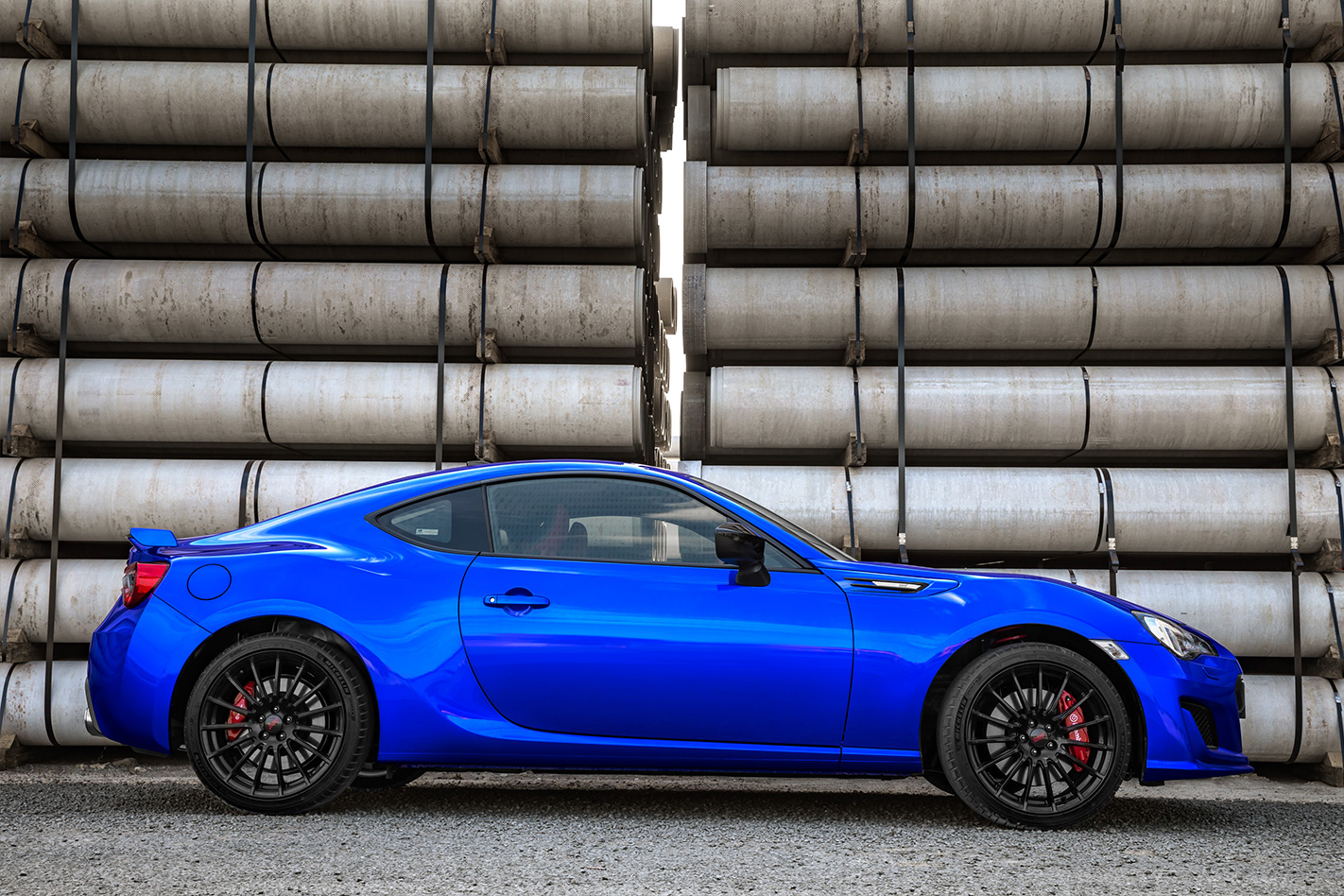
PLUS: Styling upgrades; pricing; brakes; CarPlay/Android Auto; improved ESC
MINUS: Extra grip makes car feel inert; midrange torque deficit; no AEB offered
THE WHEELS REVIEW
IT’S NO great spoiler to say that Subaru’s BRZ tS won’t net you any additional power. Sorry, but you probably knew this already.
Mewl and puke all you like about that one because Subaru isn’t budging and, aside from a cursory 4kW increase for the manual model when the BRZ was facelifted last year, hasn’t significantly moved on power since the car’s 2012 unveil.
Instead, Subaru now promises poise and precision from a car that was initially sold on quite the opposite. You bought a BRZ because you valued the throttle adjustability of its rear-drive chassis, helped in no small part by the modest grip of the Michelin Primacy tyres.
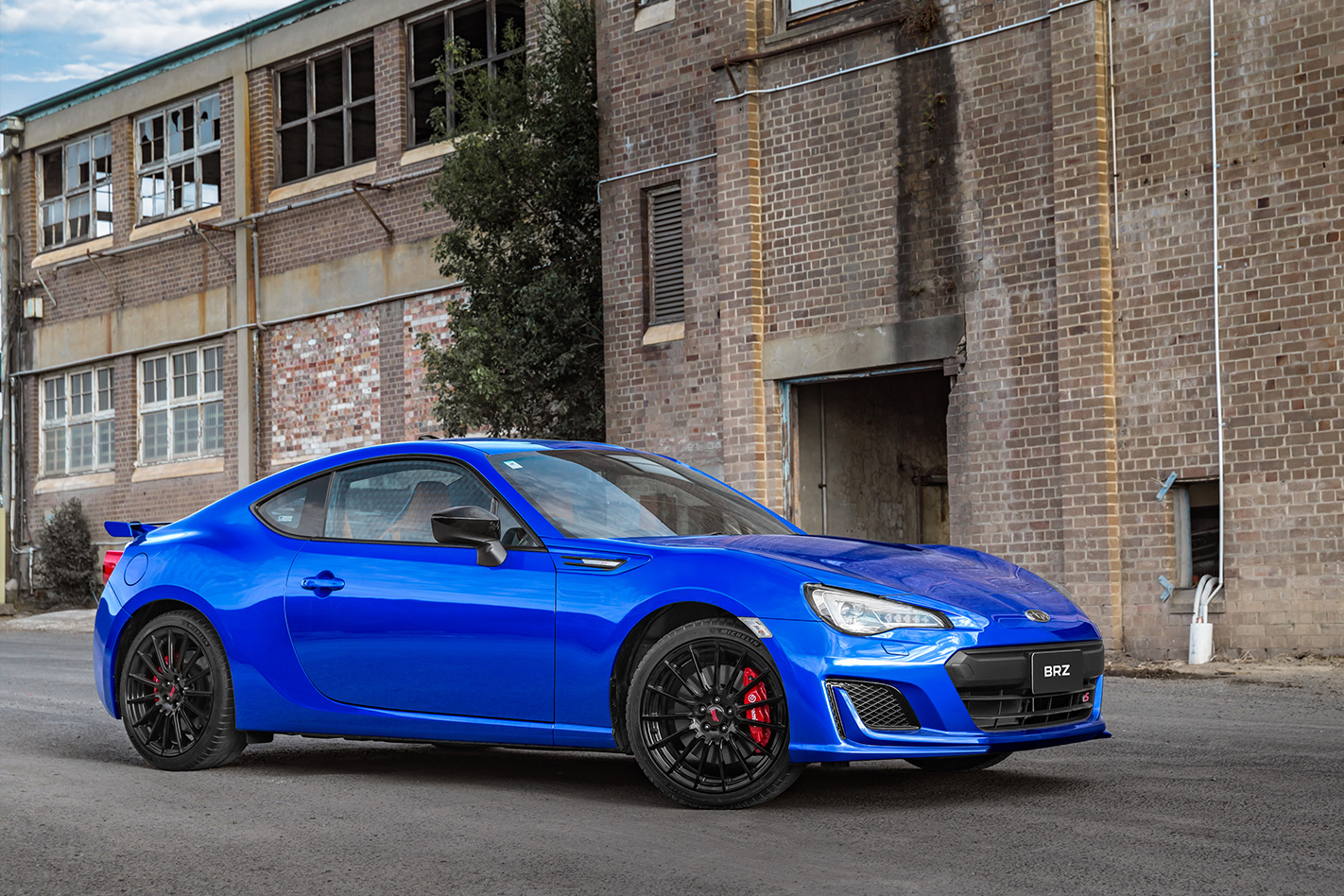
It’s such an intrinsic part of the car’s character that removing it neuters the proposition. Switch the much-improved two-stage stability control off and attempt to powerslide the BRZ tS and it just grips and goes, modestly.
If that’s your thing, you’ll probably have more fun in a decent hot hatch. That one vast shortcoming aside, the BRZ tS otherwise represents a worthwhile package of upgrades. The Brembo brakes, STi-tuned coil springs, aluminium wheels, Sachs dampers and additional chassis bracing all improve the BRZ’s point-to-point ability.
With a 38 percent greater swept area for the front pads, the vented-rotor brakes are particularly effective. The cabin gets red highlights, partial Alcantara seating, a smart STi steering wheel and a push-button starter that help punch up the sense of occasion.
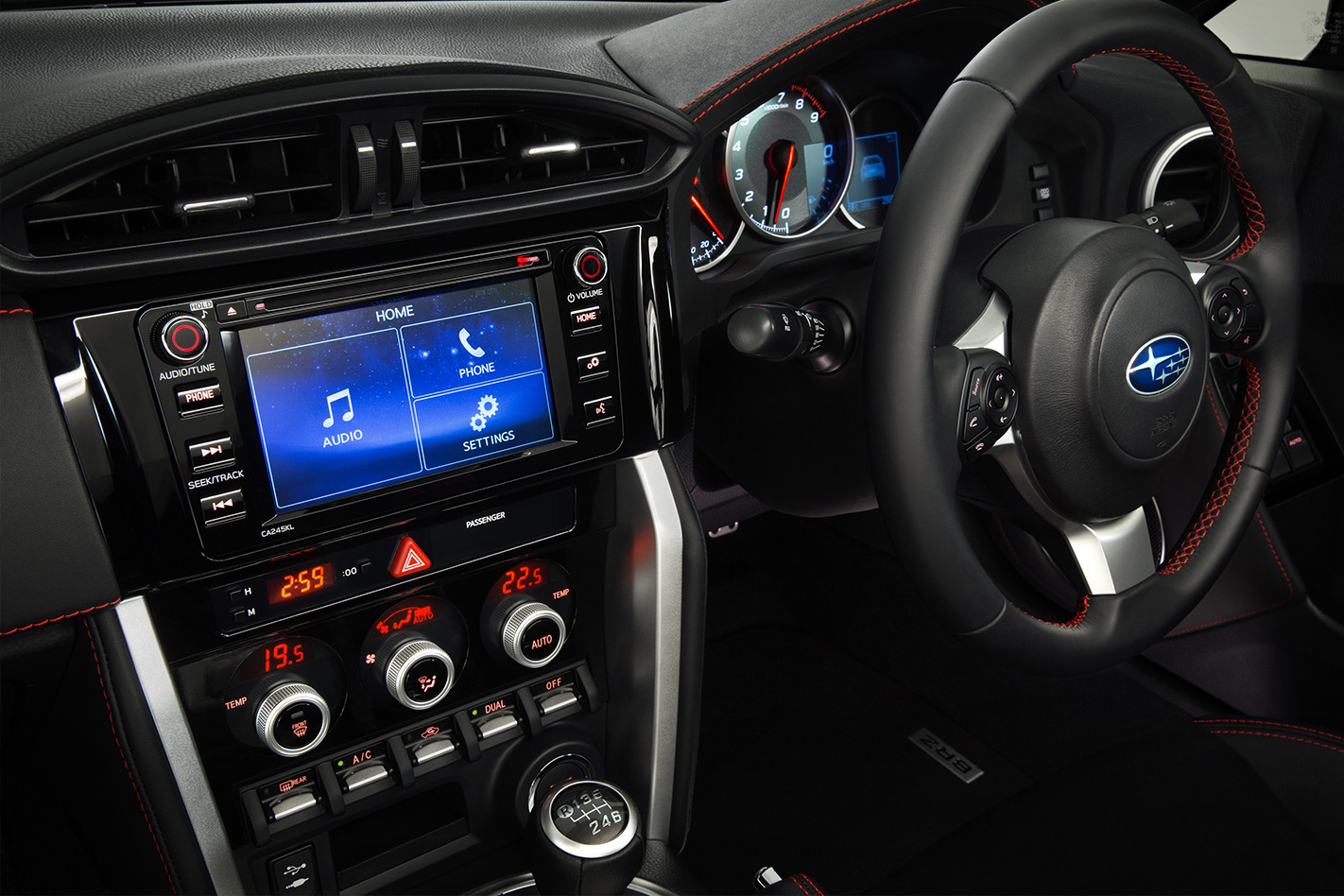
You notice the BRZ tS’s ability to carry more speed through a corner thanks to its newfound coefficient of friction at the contact patch, but it’s an esoteric, nerdy nod of appreciation. You lose so much of the BRZ’s mojo to gain this relatively commonplace ability that it doesn’t feel a lot like progress.
Fortunately a solution is at hand. Just source a set of 18” Primacy boots for the tS.
SPECS
Model: Subaru BRZ tS Engine: 1998cc flat 4cyl, dohc, 16v Max power: 152kw @ 7000rpm Max torque: 212Nm @ 6400-6800rpm Transmission: 6-speed manual Weight: 1255kg 0–100km/h: 7.6sec Economy: 8.4L/100km Price: $39,894 On sale: Now
