
A REVOLUTION is sweeping Sweden’s last remaining car maker.
A fresh cash injection from a new owner keen to tap its potential, and new platforms on which to build its products has rebuilt Volvo from the ground up. Just like Volvo has done to the XC60.
The previous generation of the premium midsize SUV was itself a darling of suburbia, standing out from the crowd with its strong lines and wagonesque looks, even if it was largely overlooked by people coveting a German badge. The new one has taken that formula and improved on it, creating something that’s as deeply impressive to drive as it is alluring to look at, and a truly desirable alternative to the Germans.
It’s something of a techno-masterpiece, too. Downsized engines deliver impressive fuel efficiency; the top-spec T8 masters an electric supercharger, a turbocharger, and a bank of lithium-ion batteries to deliver sports car levels of performance at a flex of the right foot; and a vertical screen graces the centre console, marking an end to the random button-fest that once plagued early Volvo models. There’s a characterful turbo-diesel version as well for anyone who scores long-leggedness with a high mark.
Yes, the steering lacks meat, the ride can have a bit of a rough edge to it and the throttle response lacks some finesse, but it’s the sum of the parts that makes the Volvo XC60 a worthy contender.
If the Volvo can take home the top title, it will be the first time the Swedish brand has had some Wheels silver to display in its trophy cabinet. Are Swede dreams made of these?
The 2018 Wheels Car of the Year Awards will be announced as part of the Australian Motoring Awards on January 24.
We’re now a day away from announcing the winner of this year’s WhichCar Style Award winner and, thanks to your votes, we’ve whittled down the list of hopefuls to four, including the Audi Q2.
The Q2 is the smallest SUV in the German luxury brand’s showroom. Audi’s designers started with a clean sheet resulting in a youthful look and a polygon-based design language that’s evident in the grille, headlights and even a chiselled section along the top of the doors.
Its fresh, but simple design won favour with our judges, including Belle magazine editor Tanya Buchanan, who liked how the Audi Q2 looked sophisticated without trying to be too flashy.
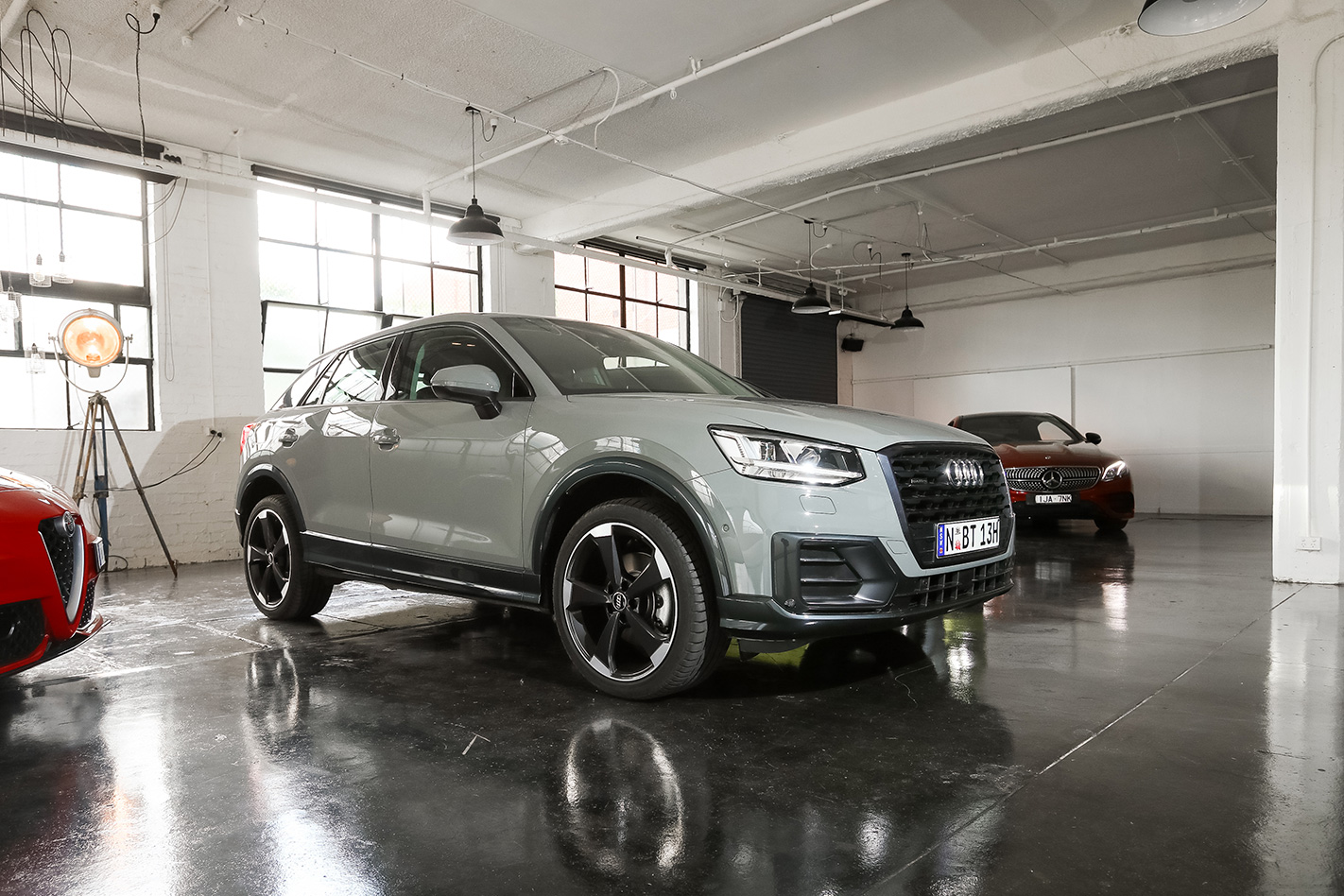
Meanwhile, Elle magazine’s Amy Starr said the angles felt really modern compared with many of its contemporaries’ curved and flowing lines.
And the Q2’s function impressed as much as its form.
“It felt like a really modern SUV that would be very comfortable zipping around the city, but also a great weekend car,” said Real Living editor Emma Vidgen.
“I do really like the whole package and I’d very happily drive that Audi around town,” Buchanan added.
The Audi Q2’s sharp but understated look manages to break away from the small SUV homogeny, but will that be enough to fend off its strong opposition in the 2018 WhichCar Style Award line-up? We’ll find out this week.
Other nominees in the running for this year’s award include the the Alfa Romeo Giulia, the Hyundai Kona, and the Mercedes-Benz E-Class Coupe.
The 2018 WhichCar Style Award winner will be announced at the Australian Motoring Awards on January 24, along with the 2018 4×4 Australia 4×4 of the Year, 2018 Motor Performance Car of the Year, and the 2018 Wheels Car of the Year.
We are just days away from announcing the winner of this year’s WhichCar Style Award with the list of hopeful contenders whittled down to a handful of four finalists by your votes, and the revenant Alfa Romeo Giulia is the first to make it in.
As an all-new model for the iconic Italian brand, the luxury mid-sized sedan has a lot of responsibility riding on its shoulders as it weighs into a battle with dominant and longstanding German contenders.
While strong performance, practicality and reliability are all essential if the Giulia is to succeed, an appealing design and attractive aesthetics to set the Alfa apart from its rivals were equally important.
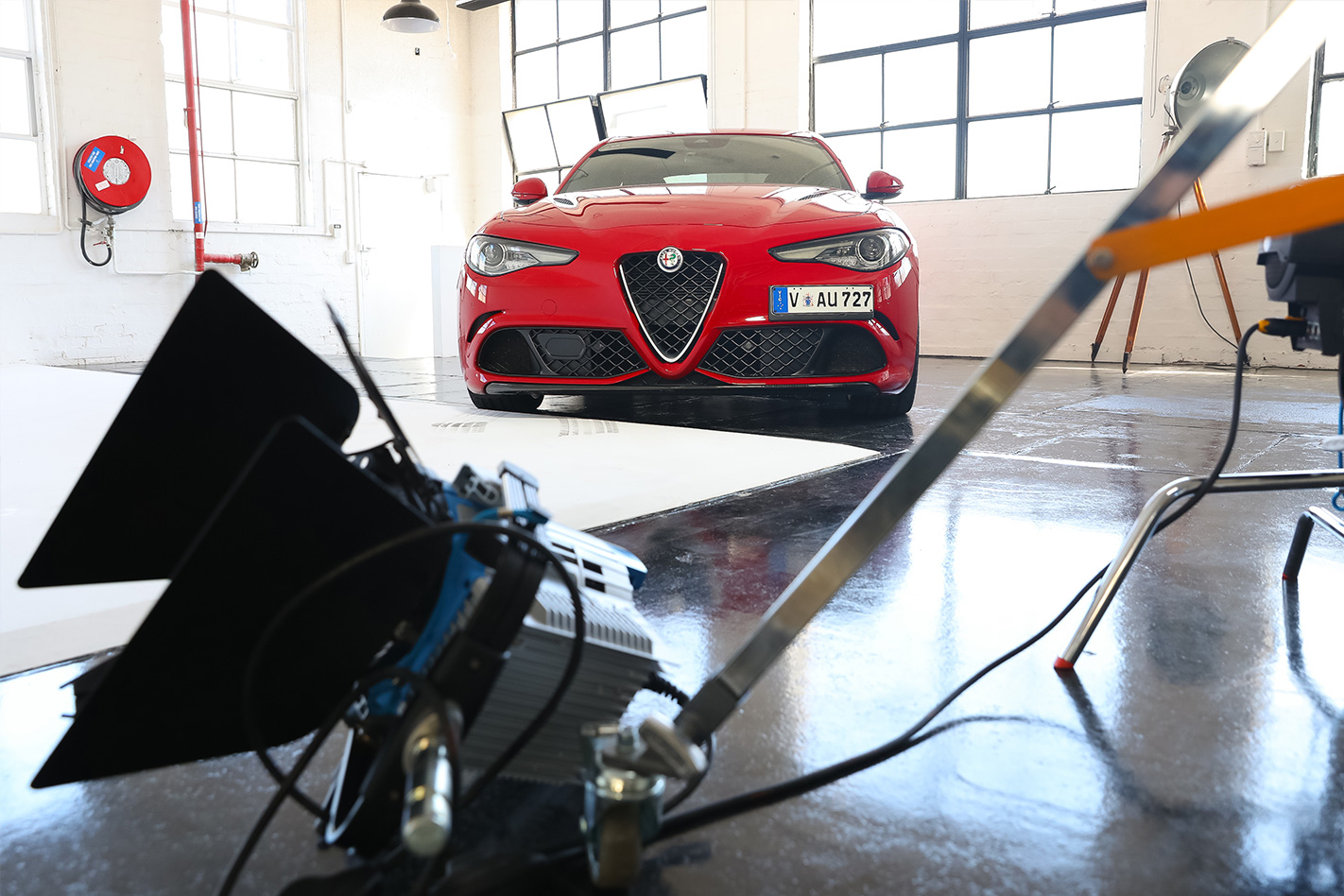
On the outside, the Alfa is unmistakable with its bold grille that necessitates the offset registration plate, curvaceous styling appears more as if it has evolved organically rather than being stamped from sheet steel, and large open-faced wheels imply its sporting intent while showing off its big brakes.
It’s a similar story on the inside, where a slim steering wheel inset with carbonfibre, classic separated gauges and sharp design throughout strikes a balance of luxury and high-performance promise.
The Giulia is a sports sedan that can’t be mistaken for any other, immediately recognisable design, classic Italian styling touches and an imposing presence on the road, but is that enough to fend off the strong and diverse competition in the 2018 Style Award line-up? We’ll find out this week.
The WhichCar Style Award are back! In 2018, WhichCar will once again crown Australia’s most aesthetically desirable new car.
We’re only a day away from announcing the winner at the Australian Motoring Awards in Melbourne, where one à la mode car will follow in the footsteps of the two previous winners – the Alfa Romeo 4C and the Audi A4 – but before then, here’s an introduction to the automotive style accolade for those unfamiliar with the process.
The WhichCar Style Award starts with a shortlist of the 12 most impressive new cars of the previous year, as selected by the motoring experts here at WhichCar. Those dozen contenders are then put to the readers in a public vote, which whittles the field down to a top four for the consideration of WhichCar’s panel of judges, who pick each one apart to find a winner. Here are this year’s four candidates, as voted by you…
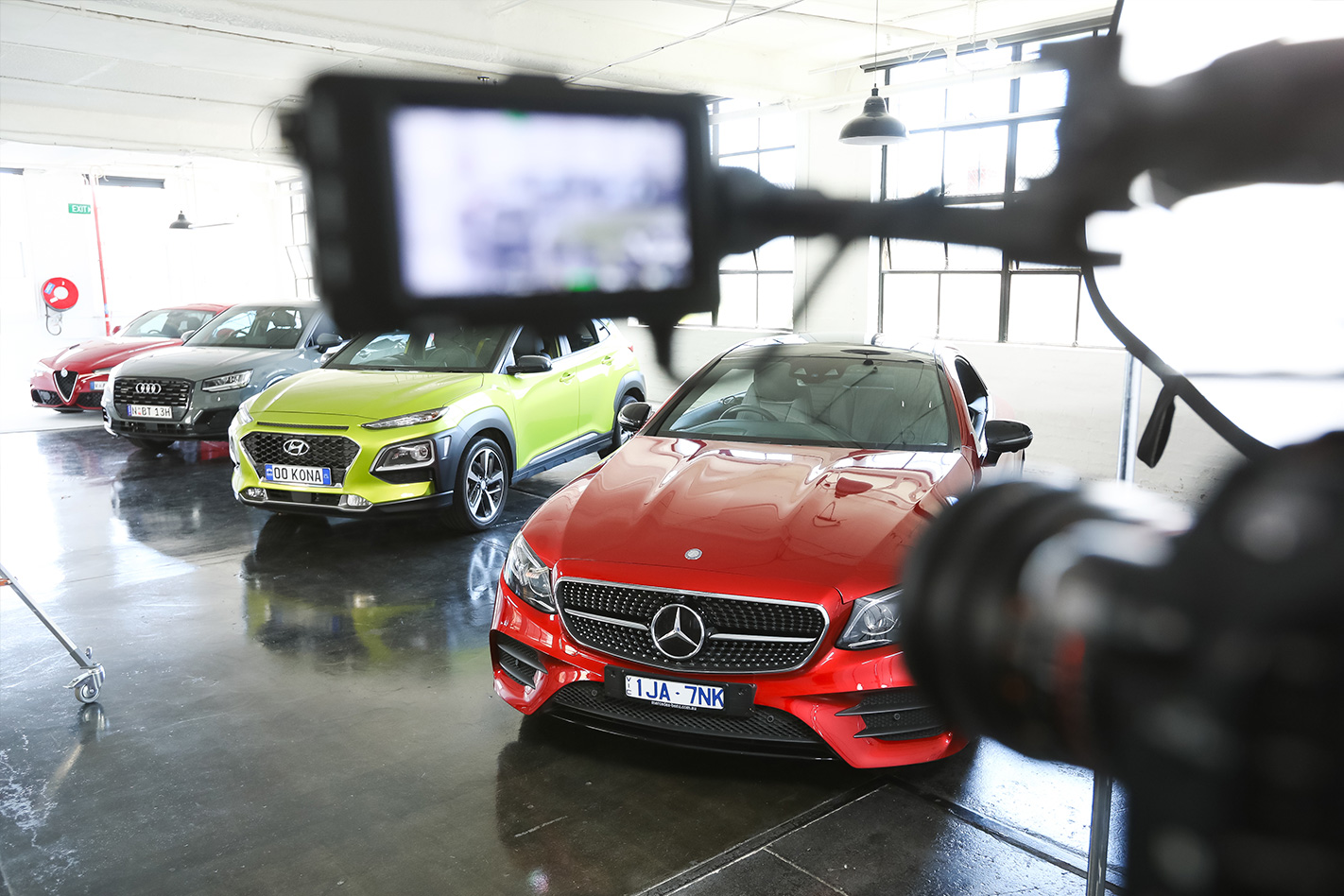
2018 WhichCar Style Award Finalists
Over the next few days we will take a closer look at each of the challengers, before the 2018 champion is announced on the evening of January 24. The winning car is the one that most comprehensively addressed the eight style award principles.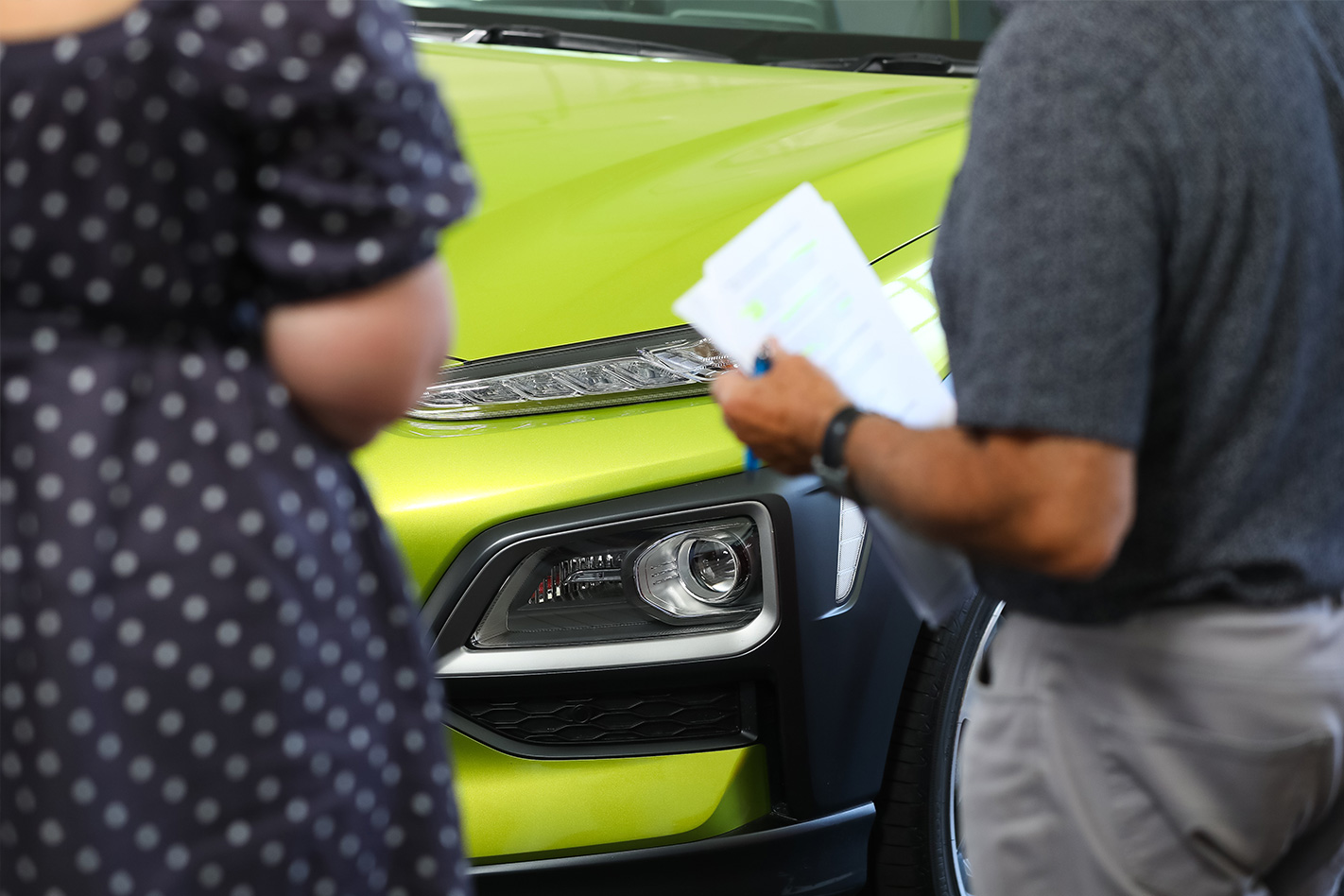
For 2018 the Style Award criteria was further refined in order to measure automotive style and design against the following benchmarks:
- X factor: Is the design trend-setting or simply following?
- Technology: Does the design introduce new features?
- Exterior: Does it break new ground in the segment?
- Interior: Does it break new ground in the segment?
- Cohesiveness: Do the exterior and interior elements harmonise?
- Quality: Does the use of colours, textures and materials create a sense of quality?
- Value: Does the vehicle represent good buying in the segment?
- Function: Is it fit for purpose and likely to meet expectations?
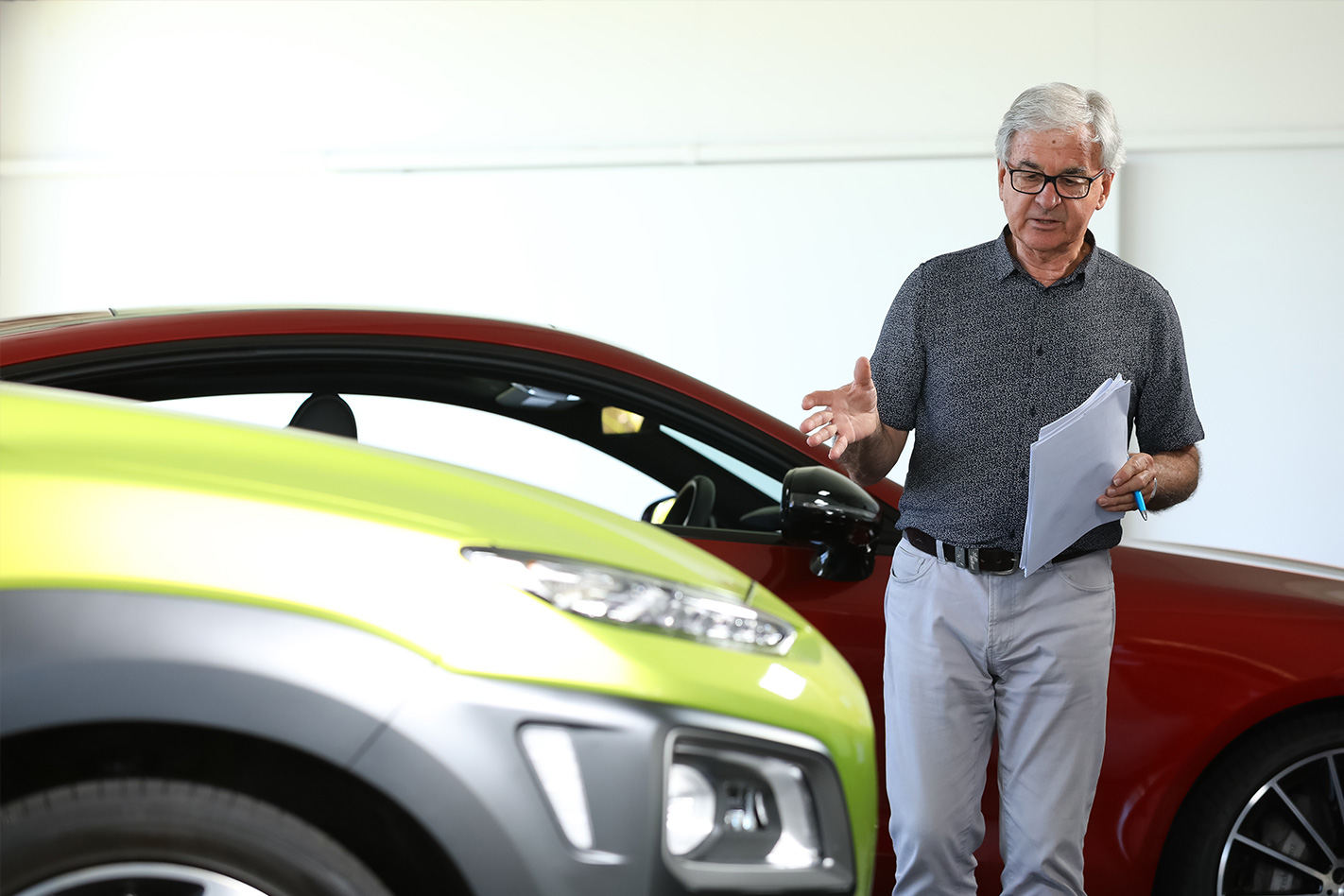
Paul Beranger: Automotive Design Consultant, former Head of Toyota Style Australia

Tanya Buchanan: Editor, Belle
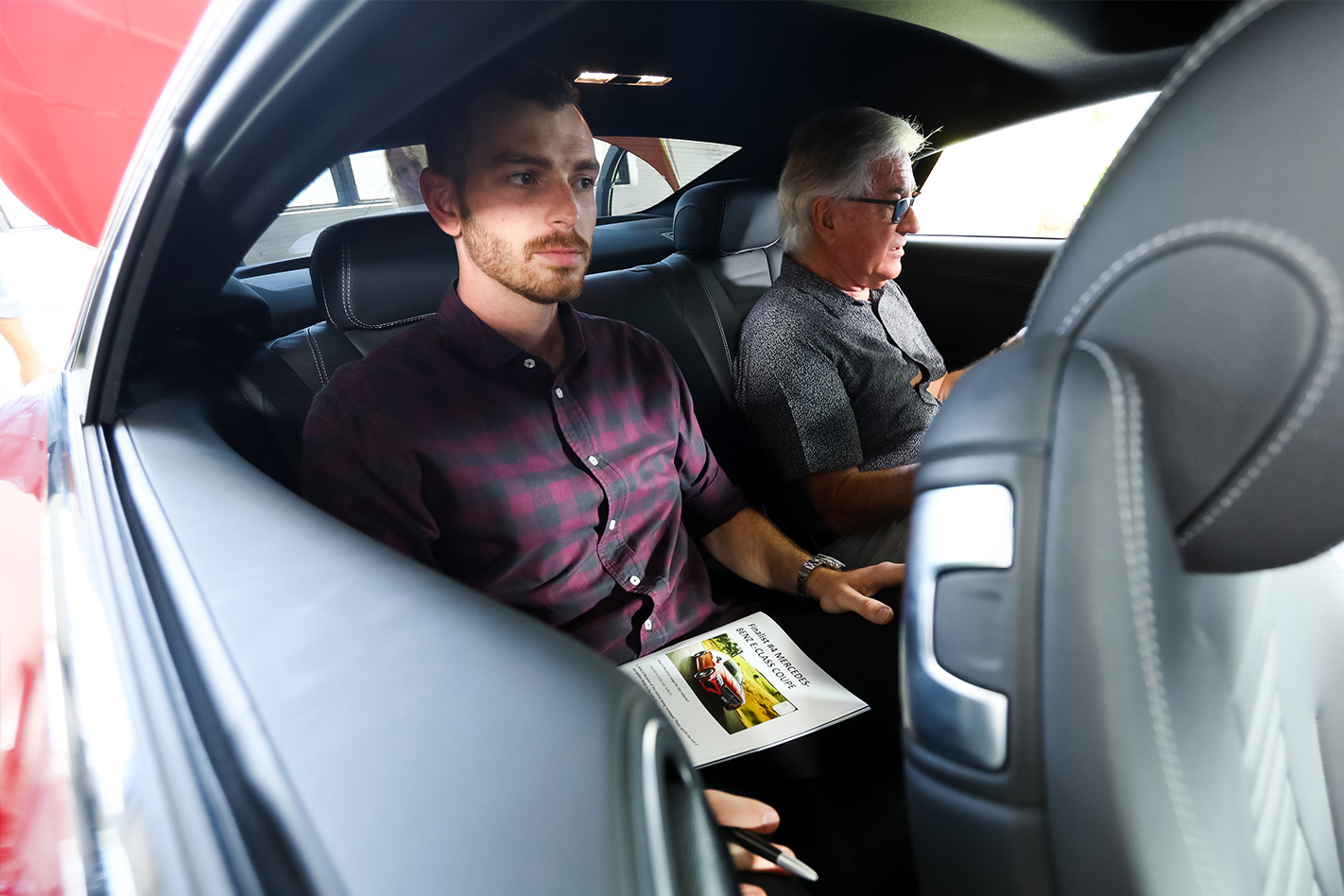
Ryan Lewis: Online editor, Wheels and WhichCar
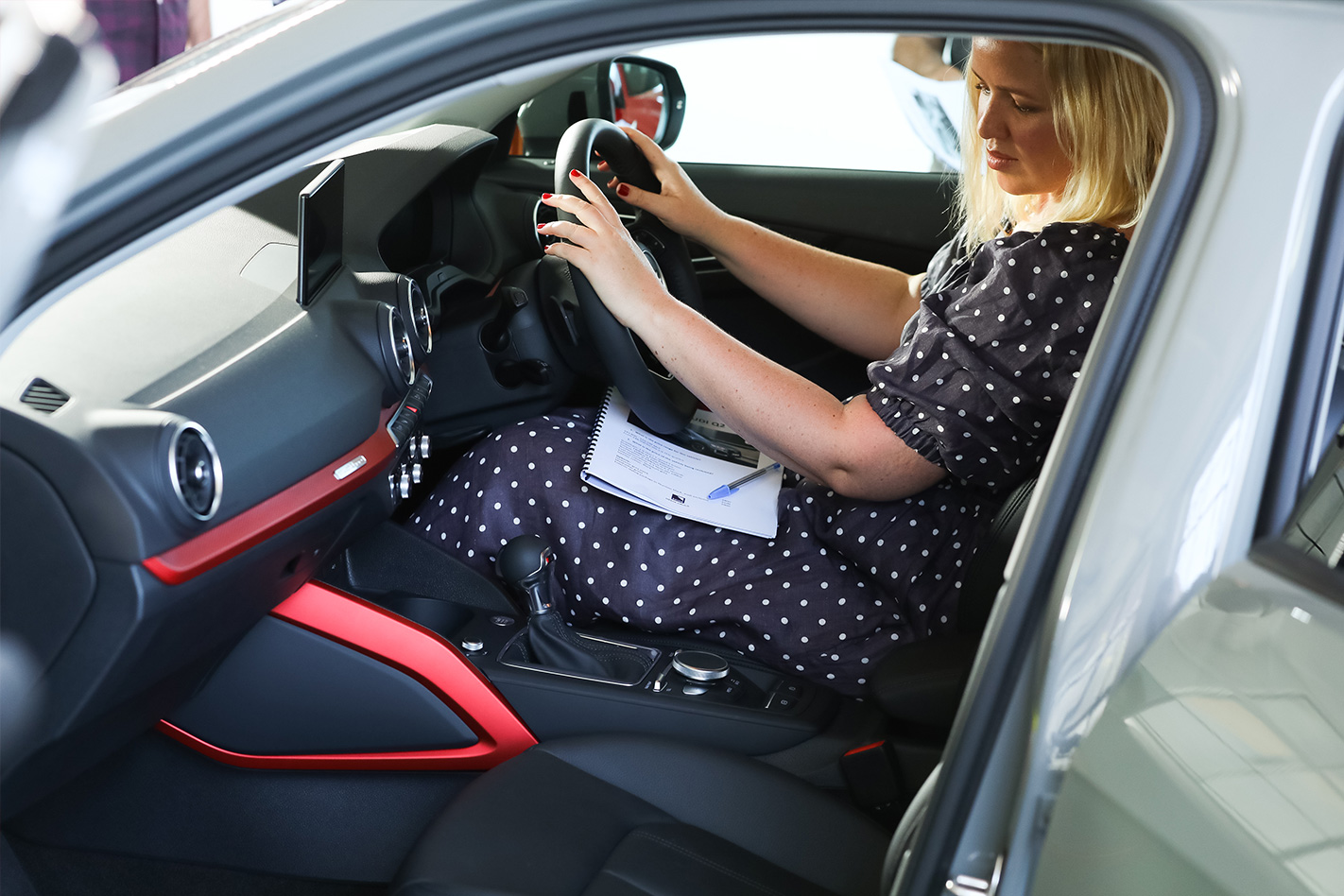
Amy Starr: Beauty and lifestyle associate, Elle
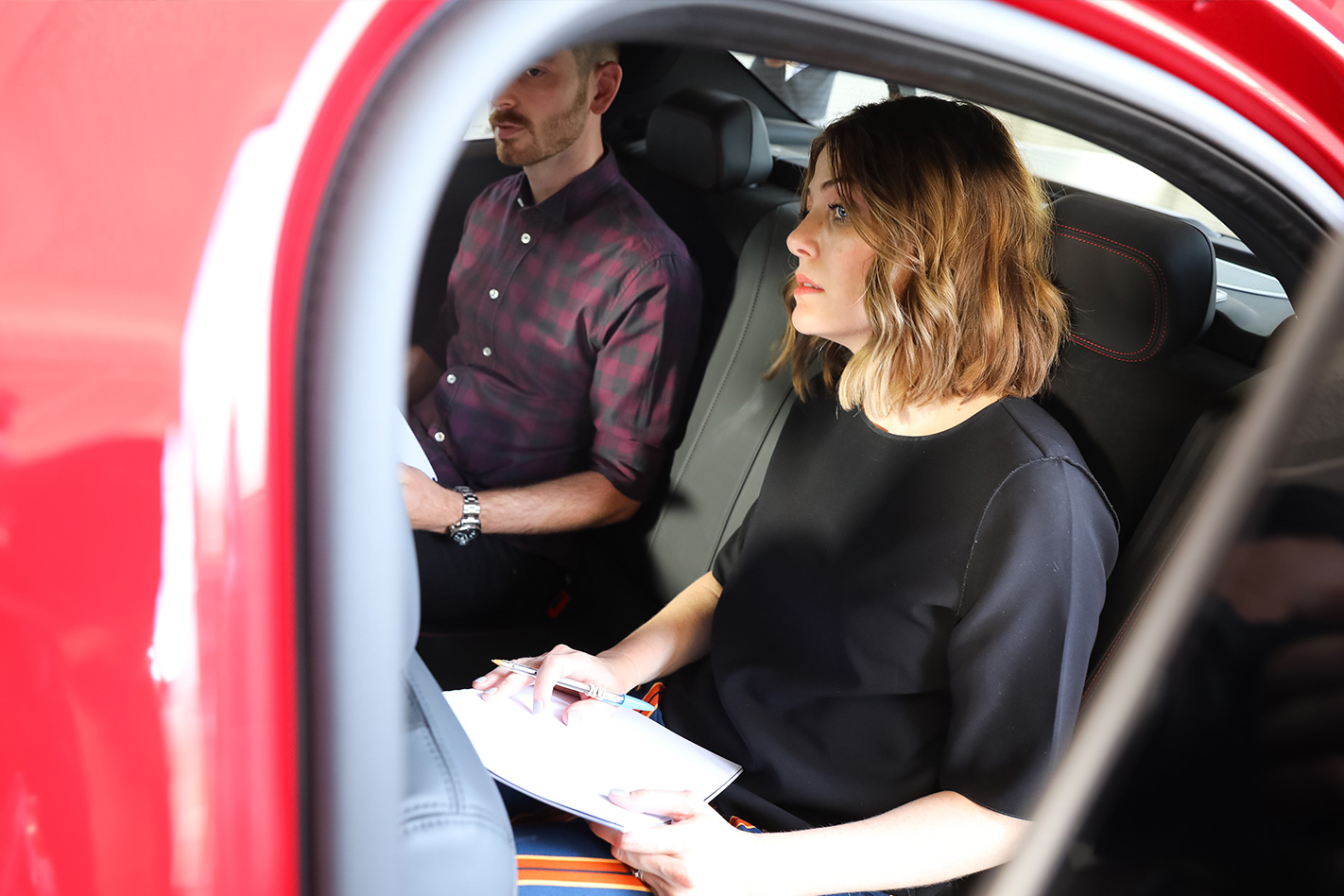
Emma Vidgen: Editor, Real Living
The 2018 WhichCar Style Award winner will be announced at the Australian Motoring Awards on January 25, along with the 2018 4×4 Australia 4×4 of the Year, 2018 Motor Performance Car of the Year, and the 2018 Wheels Car of the Year.
Check back at WhichCar.com.au on the evening of Wednesday, January 24 to find out which new car will be crowned the WhichCar Style Award winner for 2018.
LEXUS is following the lead of other high-end luxury car makers and working hard to expand its brand into a broader lifestyle arena, to take the L-badge beyond being a company that merely sells vehicles in showrooms.
A recent project to create the company’s first boat – the 42-foot Sport Yacht – was among the first strategic moves into other lifestyle realms, but it will be followed by more.
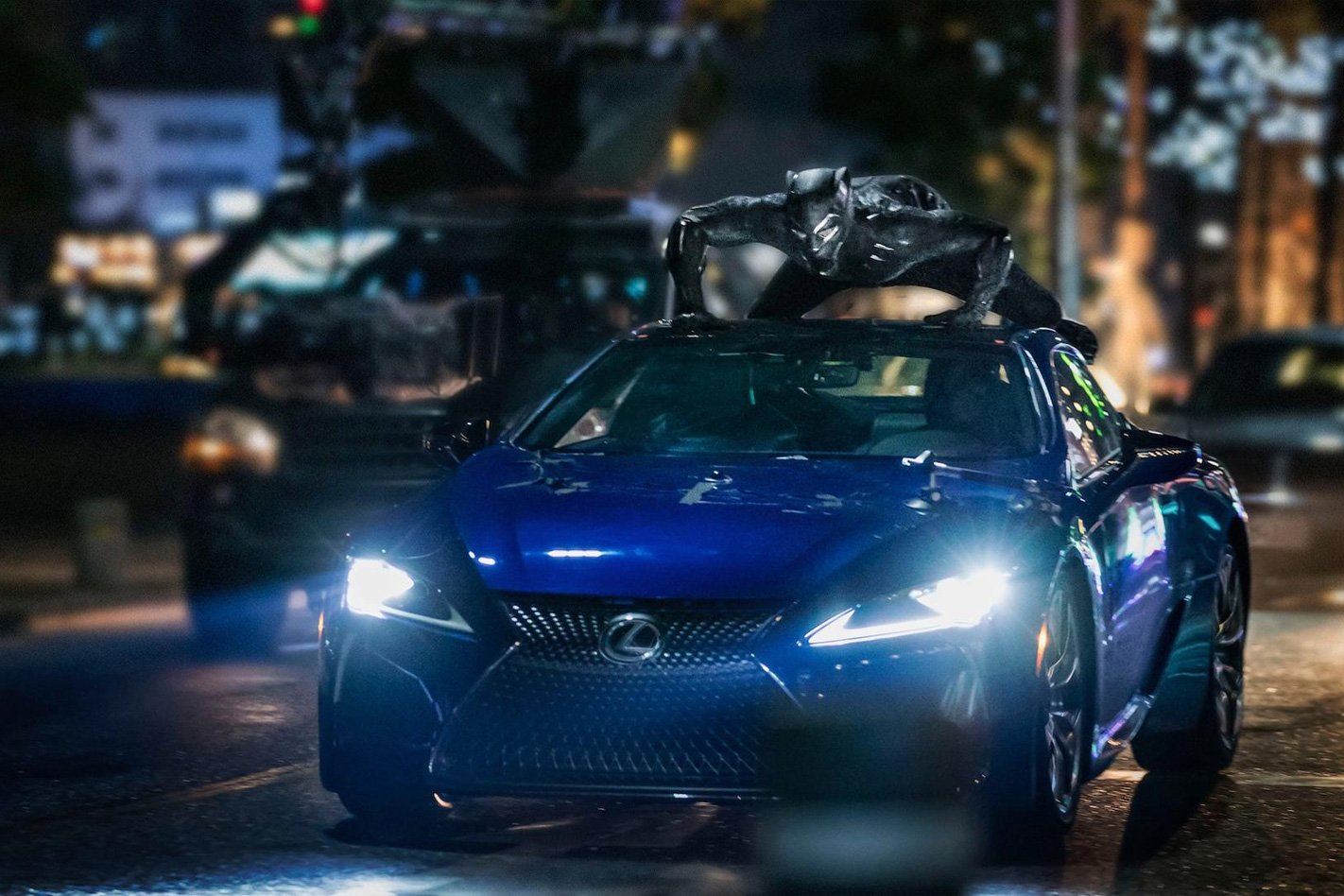
The recent sponsorship of Yoshihide Muroya helped the ace pilot secure the 2017 Red Bull Air Race championship and a more recent venture will see a Lexus LC500 feature in the new Black Panther feature film.
“That is based on our Lexus philosophy – creating better design, creating a better future, a better lifestyle. That is a way to create a better life together with people.”
The Japanese car maker has toiled for nearly 30 years to forge a reputation as a purveyor of respectable luxury cars but for the next chapter, it says it needs to tell a ‘story’ that customers can relate to.
“It is really important to create a story because a luxury lifestyle brand must have a background history otherwise people don’t appreciate it,” Sawa said. “It’s just a product.”
While other brands have long colourful histories of manufacturing and motorsport that extend back many decades, Lexus is a relative newcomer to the luxury automotive arena, but Sawa explained that there is still a story to tell despite its youth.
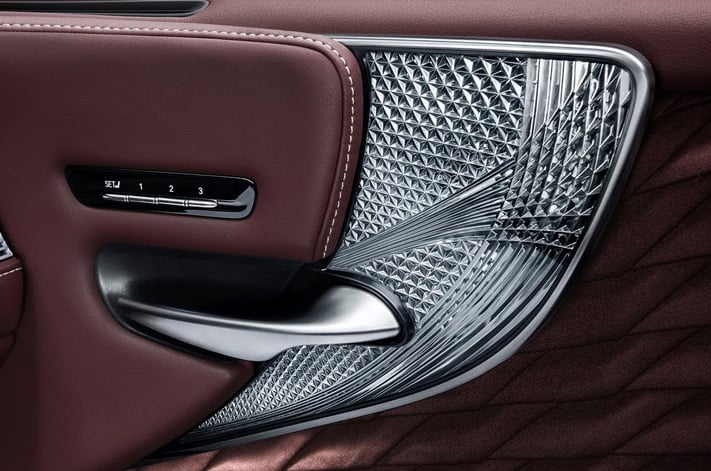
“We have a lot of professional craftsmen. They produce a lot of good things but we’ve built a car without any explanation. If we show something it’s going to be the story.”
Sawa explained that the most senior panel and paint quality assessors must make an origami paper sculpture with their least dominant hand each morning before work commences to maintain dexterity and sensitivity.

“They do the testing every morning and they cannot work if they fail,” said Sawa.
The result, says Sawa, is a greater understanding and appreciation for the finished article and a customer that admires the product more than ever.
“If we show the customer, the customer says ‘wow my car was created in such a fantastic way’.”
BUGATTI already has the most powerful braking system in the world fitted to its Chiron hypercar, but now the French company has gone a step further and started 3D printing enormous monobloc calipers.
The eight-piston caliper is claimed to be the largest functional car part that’s ever been 3D printed with titanium.
This achievement has seen Bugatti partner with Laser Zentrum Nord of Hamburg, and has seen Bugatti become the technical centre of excellence for 3D printing within the Volkswagen Group. Vehicle trials for the use of the caliper in series production are to start in the first half of the year.
“Vehicle development is a never-ending process. This is particularly true at Bugatti,” says Frank Götzke, Head of New Technologies in the Technical Development Department of Bugatti Automobiles S.A.S. “In our continuing development efforts, we are always considering how new materials and processes can be used to make our current model even better and how future vehicles of our brand could be designed.”

Whereas the current Chiron uses an aluminium alloy for its calipers with titanium pistons, these development items are printed using aerospace-grade Ti6AI4V titanium. This material is used in the undercarriage or wing components of aircraft and rocket engines. The reason? It’s so much stronger than aluminium that titanium has been a troublesome metal to work in a traditional milling process.
It’s lighter too. The caliper, which is 41cm long, 21cm wide and 13.6cm high, weighs only 2.9 kg, which compares to 4.9kg for the aluminium component. Increasing strength while reducing unsprung component weight by 40 percent at each corner is a technical achievement that has Molsheim’s development team very excited.
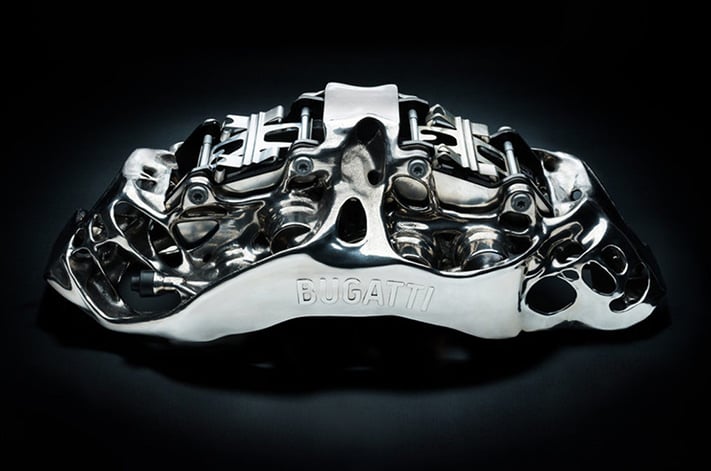
The final stage is to precision machine the functional surfaces on a five-axis milling machine which takes another 11 hours. At this point you probably understand why this process hasn’t been done before. Aside from the technological challenges, it’s incredibly labour-intensive and costly.
“It was a very moving moment for the team when we held our first titanium brake caliper from the 3D printer in our hands,” says Götzke. Bugatti isn’t stopping there though. “We have not only developed the world’s largest titanium component produced by additive manufacturing but also the longest aluminium component to date made by 3D printing,” Götzke explains, displaying a 63-centimetre-long lightweight aluminium windscreen wiper board. Tipping the scales at 0.4kg (half the weight of a die-cast item) it’s clear that Bugatti has only scratched the surface of what’s possible.
A LIST of the historic cars imported into Australia since 2000 has revealed the discerning tastes of local collectors – and others we’d rather forget.
The list, released by the Department of Infrastructure under Freedom of Information legislation last month, runs to more than 65,000 vehicles across more than 1800 pages.
It includes variants of vehicles that have attracted some of the highest prices paid at auction, including a 1958 Ferrari 250GT coupe, a reproduction Jaguar D-Type, various versions of the Aston Martin DB4, and a 1932 Bugatti Type 55. Collectors’ editions of some of these models have all sold for more than $US10 million.
The cars – and motorcycles if that’s where your interest also lies – cover everything from early electric cars, showing how our current obsession with battery-fuelled technology is history repeated, through to historic race cars, including one wearing the Brabham name. The list is not definitive – we know of many cars that aren’t on it, some of which we’ve imported ourselves – but as a subset of what’s come ashore, it makes for fascinating reading.
Here’s our pick of the cars on the list – the ones that have our pulses racing, and the ones that would have cost more to ship then they’d be worth.
If you’re a curious one, you can also read the full list here.
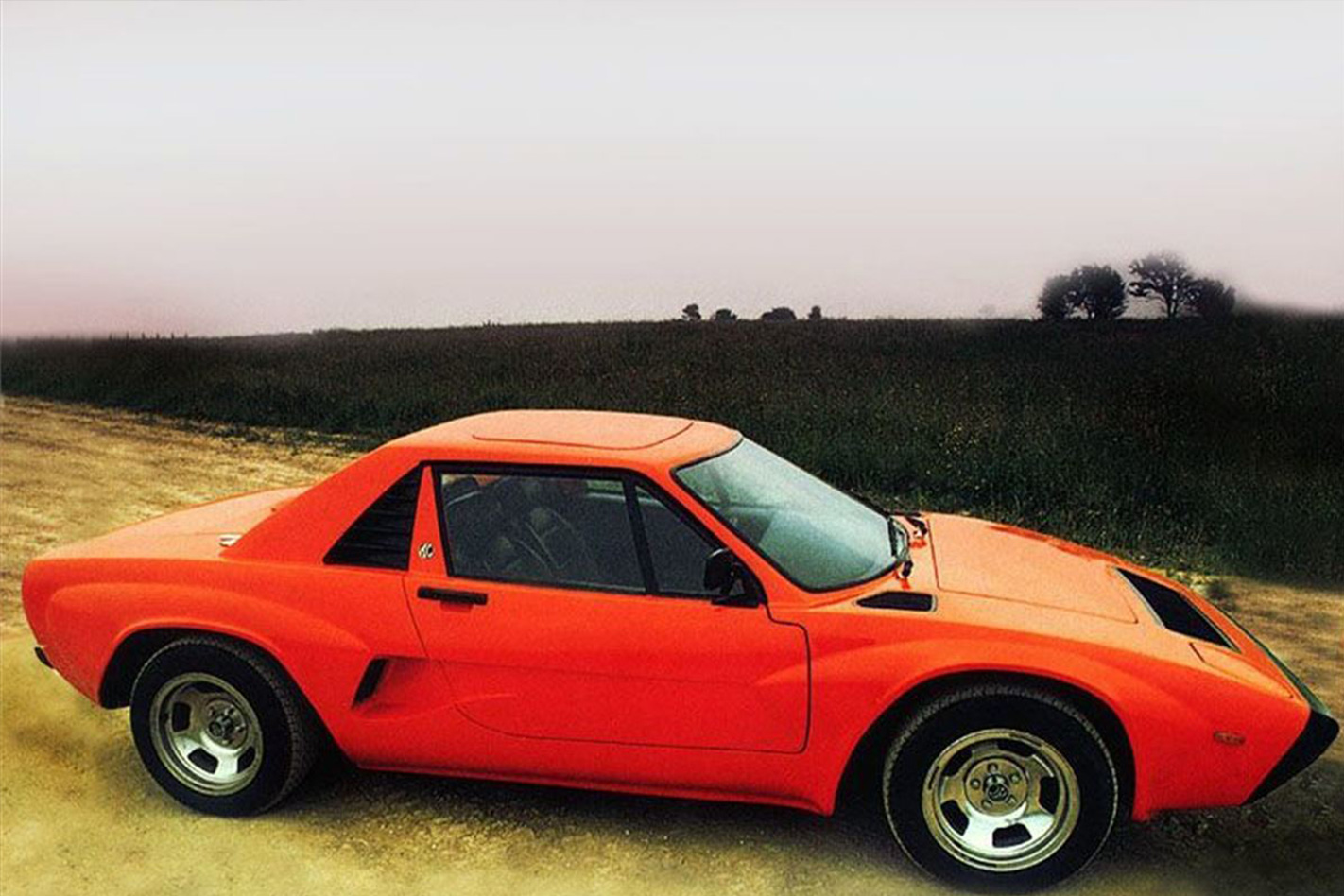
AC 3000ME
In the early 1970s, British boutique sports car maker AC decided it wanted a flagship mid-engined coupe. However, it would take another five years for the AC 3000ME, featuring a transverse-mounted Ford “Essex” 3.0-litre V6 paired with AC’s in-house developed five-speed manual gearbox, to prepare for sale. The Ghia-designed, English and then Scottish-built coupe was built in very small numbers for a handful of years – just over 100 were produced, as well as five prototypes – so to see one turn up here is like tripping over a mountain of rocking horse poo.
The Aussie car, designated a 1981 model year, is most likely a turbo version imported by Greg Smith and then campaigned in tarmac rallies – and one that Smith notes “shows the standard evidence of these models in having had a significant engine bay fire” as well as having been tipped on its roof “at least once”.
Estimated value to Wheels readers: $30,000
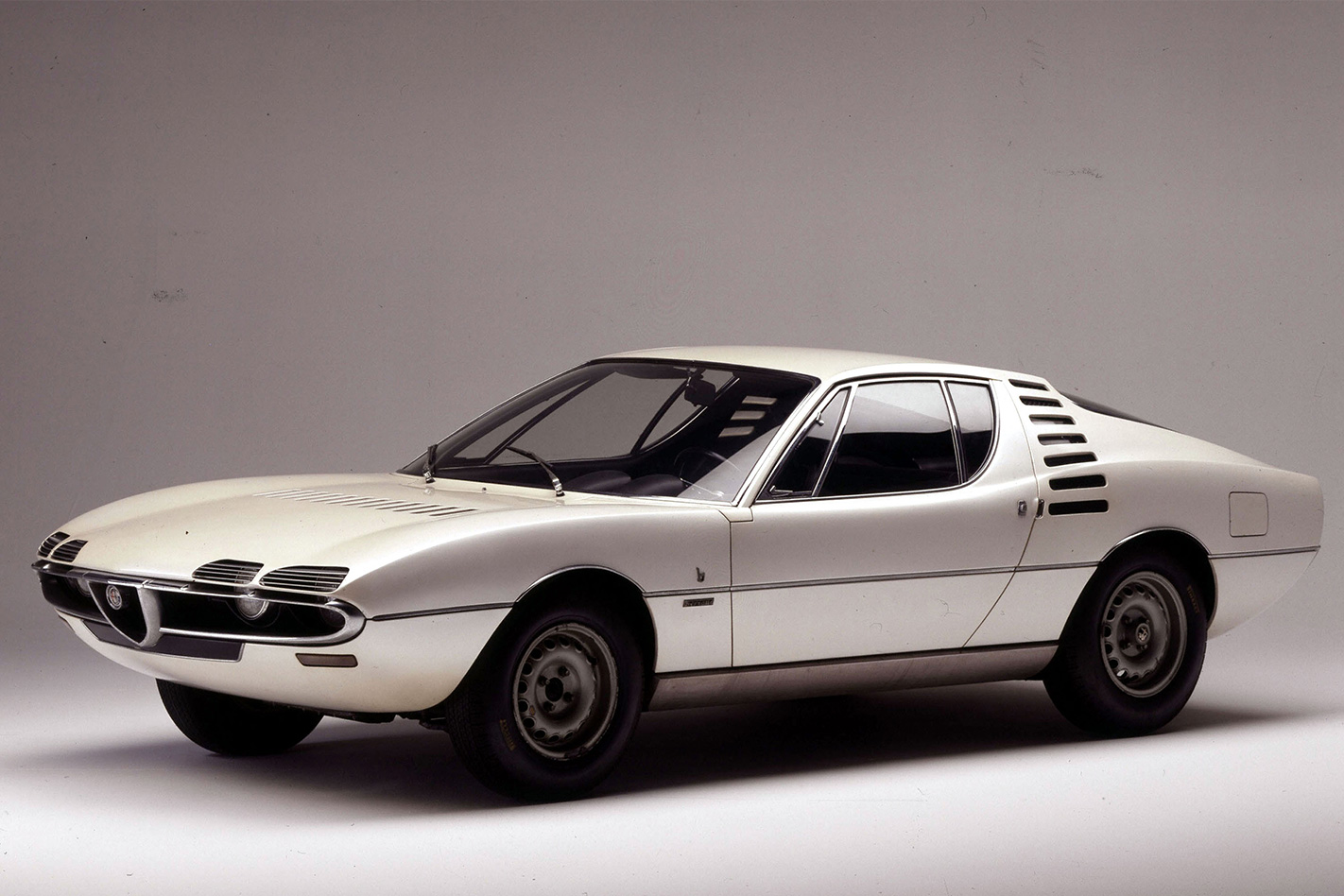
The Alfa Romeo Montreal came at a time when the Italian car maker was styling some of the most head-turning models in the marque’s history. Two were brought into Australia; a 1972 Tipo 105.64 similar to the black one that more recently featured in the movie Atomic Blonde, and a 1974 model. Powered by a mid-mounted, race-hardened, dry sumped 2.6-litre quad-cam V8 producing 147kW at a stratospheric 7000rpm, the Bertone-designed 2+2 sent its drive to the rear wheels via a five-speed manual gearbox.
As a styling exercise, Alfa threw everything it had at the Montreal. Vents, hard lines and distinctive fastback styling all featured prominently. But it also had the performance swagger to match; a 0-100km/h sprint of 7.1 seconds and a top speed of 230km/h. Some were sold in Australia; a result of Alfa’s right-hand drive program for the Montreal.
Until the 8C coupe arrived, the Montreal was the only V8 coupe to wear an Alfa Romeo badge.
Estimated value to Wheels readers: $120,000
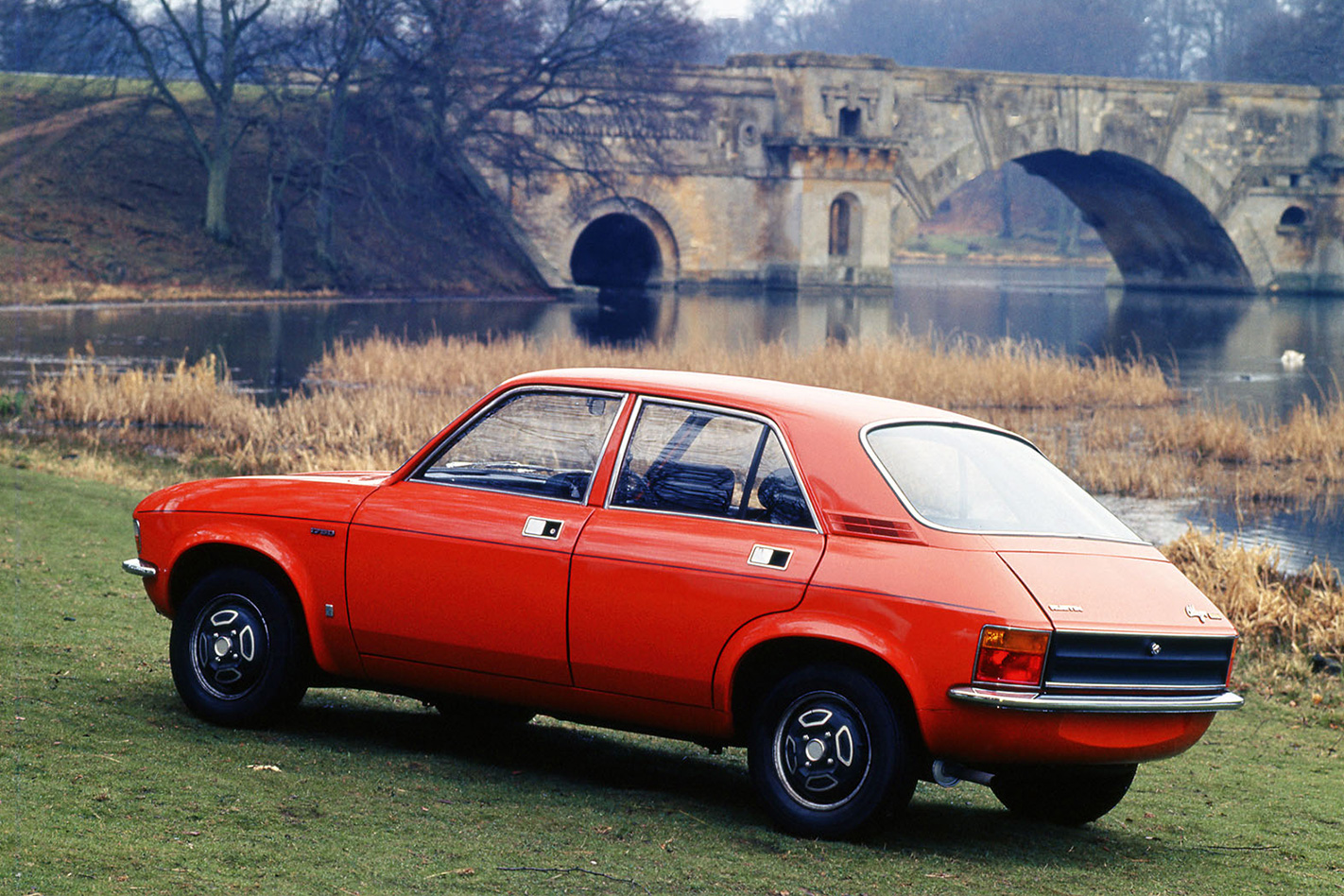
Nothing celebrates the ordinary like an Austin Allegro. Yet somehow five of them now call ’Straya home.
According to Wheels’ sister publication, Car magazine, the Austin Allegro represented everything that was wrong with its parent company, British Leyland. It fell well short of sales expectations, its reputation was lower than that of an actor pretending to be a politician, and if you thrived on misery, you drove one. Just as well British Leyland hadn’t bet the farm on its success. Oh …
Highlights of the front-wheel-drive Allegro include its rounded design that shucked off the edgy looks of the Austin 1100 and 1300 it was introduced to replace, a squared-off steering wheel that was later dumped (and which none of the Aussie imports feature), engines ranging from 1.0 litres all the way up to a 1.7, and a Vanden Plas luxury model. It was also rumoured to be more aerodynamically efficient in reverse than when travelling forwards.
In Australia, British Leyland’s demise would spawn the formation of Leyland Motor Corporation of Australia, and the Leyland P76. See? We’ve moved on already.
Estimated value to Wheels readers: Nil
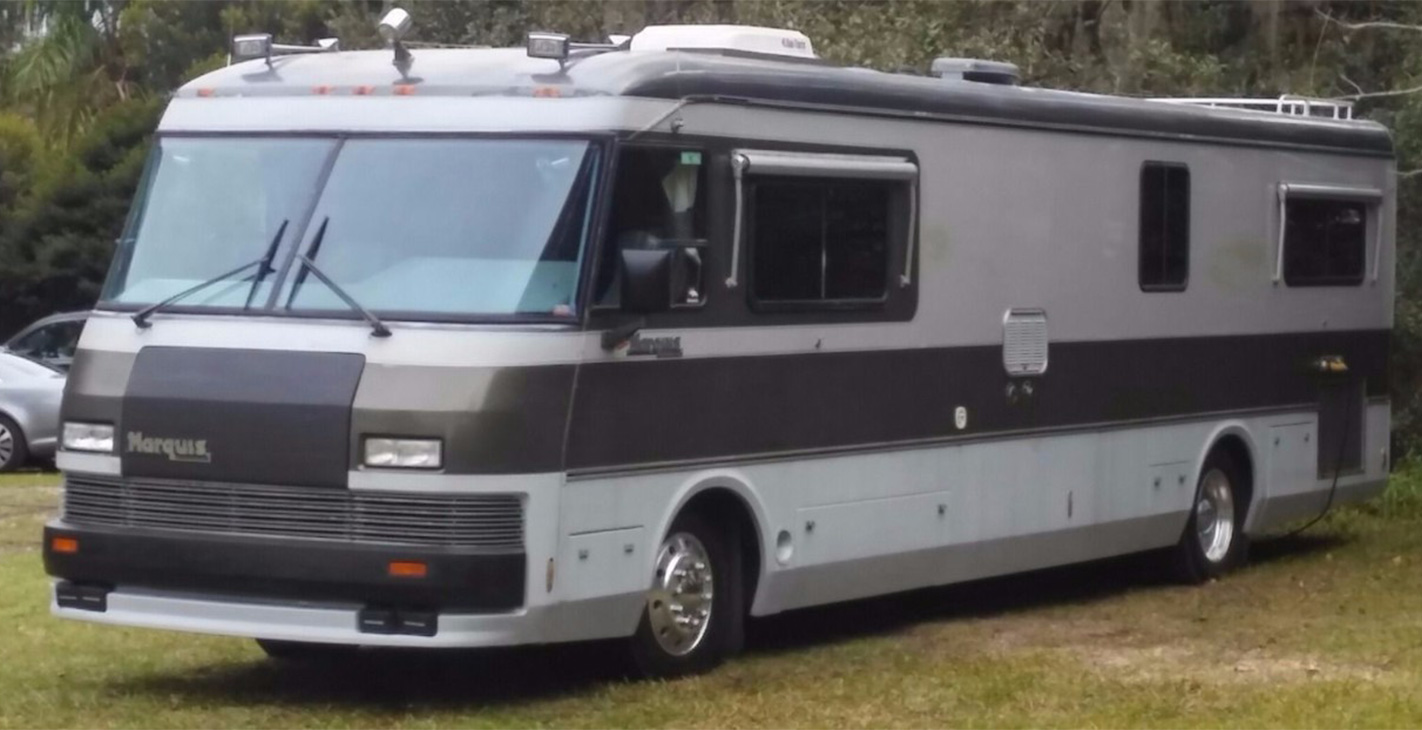
Stop snickering! Beaver was a US coach builder founded in the late 1960s that eventually went bankrupt four decades later. It made buses featuring rounded, European-style front ends rather than the squared-off looks of other coachmakers. It had an interesting sideline in kitting their products out as luxury mobile homes – something we reckon this 1986 import packs.
A distinctive feature of the Beaver brand is that the coaches were all painted brown.
Estimated value to Wheels readers: Nil
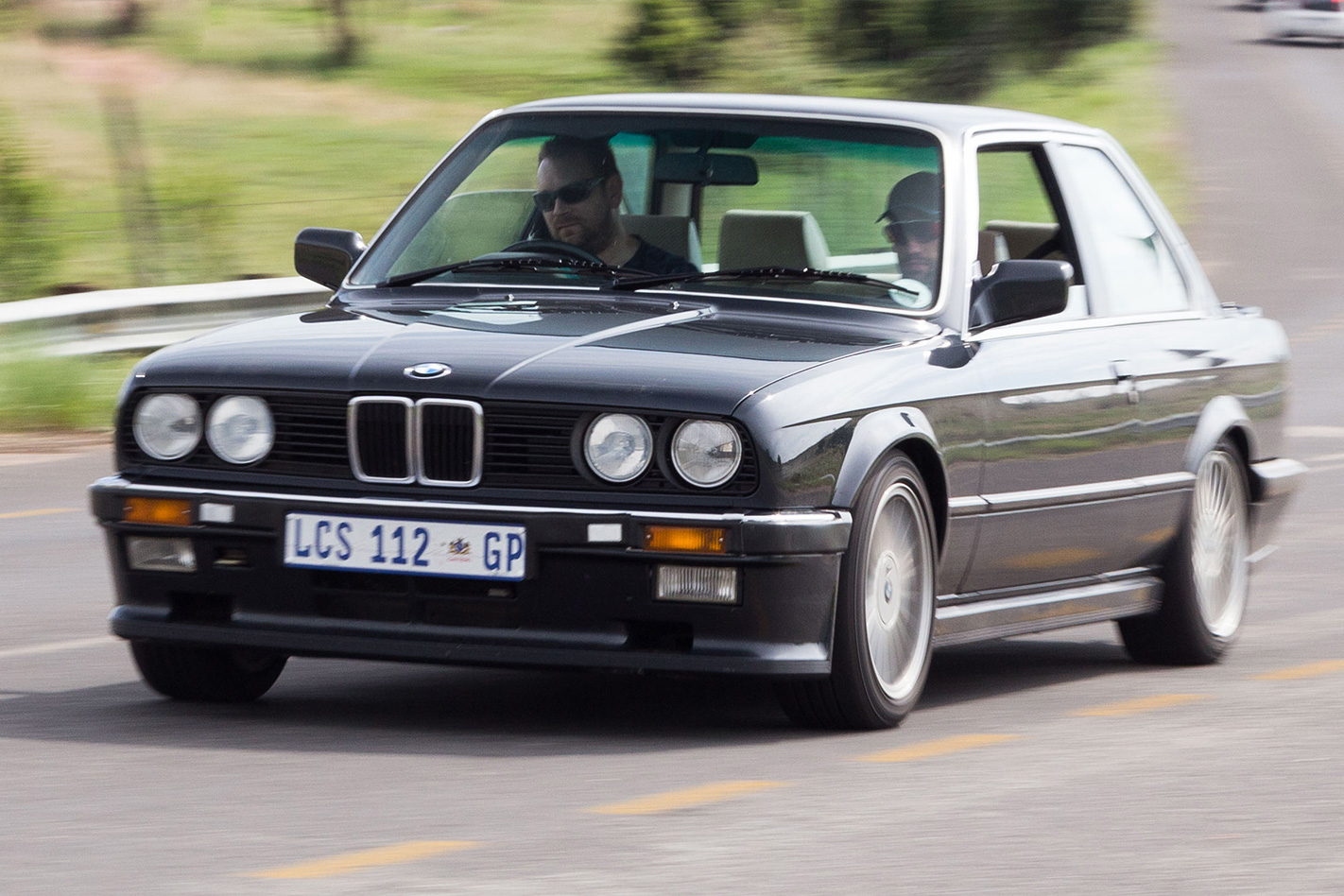
Ooh, here’s a good one. In the mid-1980s, BMW’s South African motorsport division was tired of waiting for an M-badged version of the E30 to arrive that could campaign the local saloon racing circuit. Its solution, with the help of BMW’s motorsport tuning house Alpina, was to take an ordinary 320i sedan and equip it with a 3.2-litre six-cylinder engine used in the 533i, 633CSi and 733i – the so-called “big motor” – to create the Triple Three.
It was a tight fit, with buyers having to choose between air-conditioning or power steering because there just wasn’t room in the engine bay for both to exist.
The engine made about 140kW and 285Nm, with a 0-100km/h sprint time of around 7.4 seconds. Just over 200 were built. One, a 1985 model year, is here in Australia, and featured in the .Issue 395 of sister title Unique Cars.
Estimated value to Wheels readers: $65,000
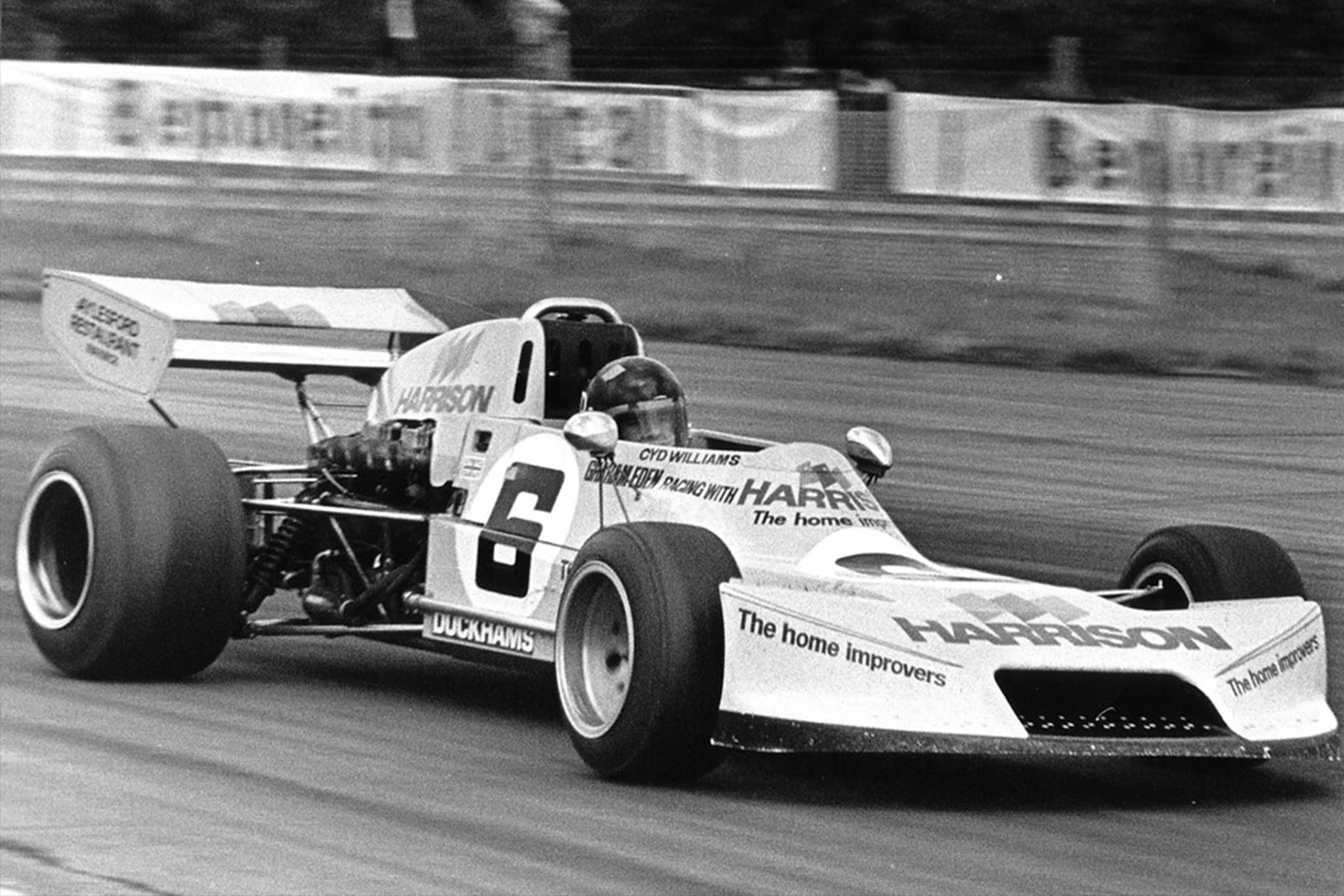
Grand Prix car maker Brabham used to raise funds on the side by building formula cars for discerning clients. The early 1980s-era BT40 developed for the Formula 2 development series, were among the last of them.
The Brabham name has strong links to Australia, where it remains the only Aussie manufacturer to win an F1 constructors’ title – with three-time drivers’ championship winner Jack Brabham behind the wheel. The cars were produced under the ownership of Motor Racing Developments – at one time it was the world’s largest maker of single-seat racecars worldwide.
Only 28 of the Geoff Ferris-designed, Cosworth BDA-engined fibreglass over tubular monocoque BT40s were built, making them pretty rare off the blocks.
Estimated value to Wheels readers: Priceless
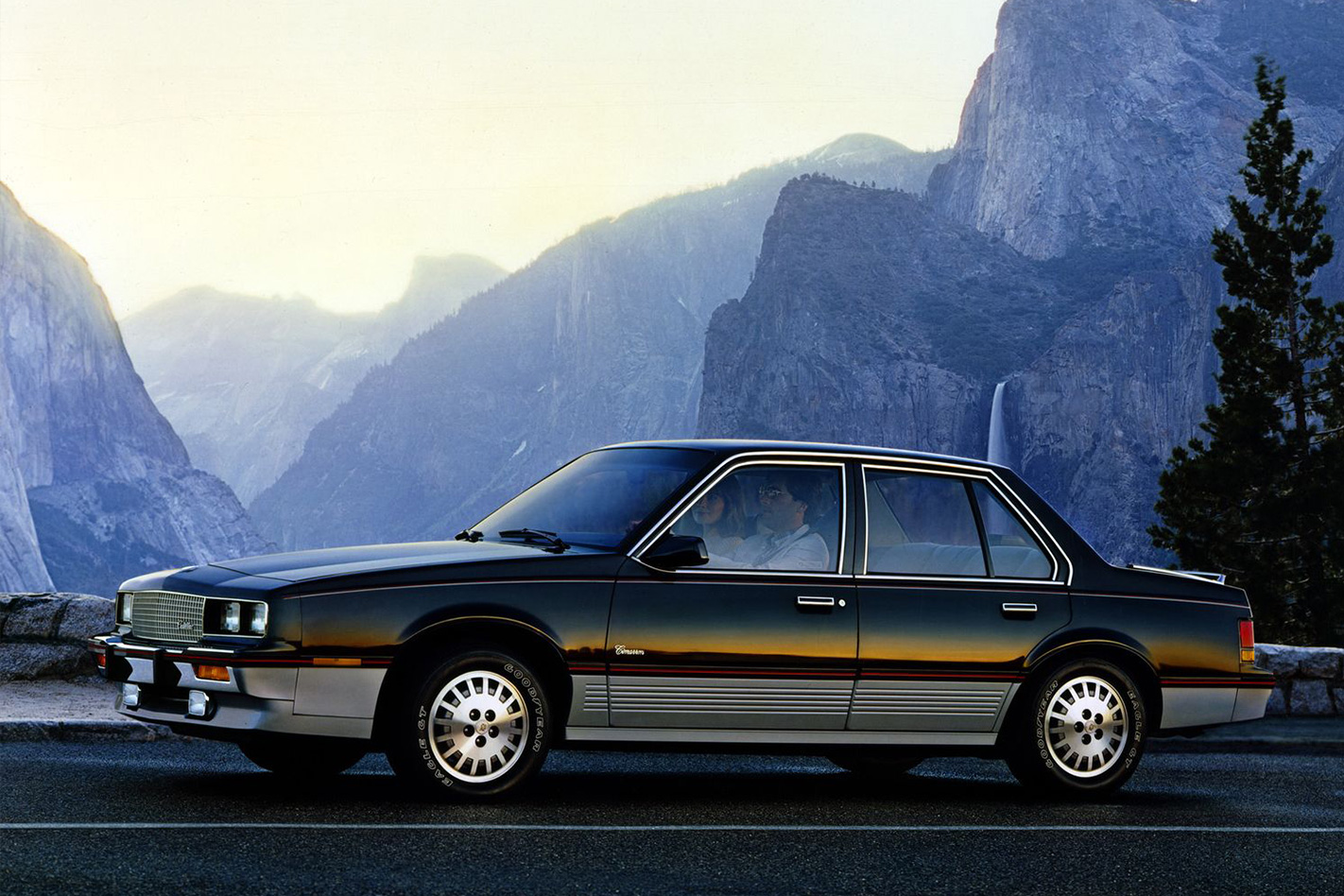
Oh God, no. Car makers often engage in a bit of badge engineering, but to do it in an act of desperation and with next to no budget?
Someone in Australia has a 1985 Cimarron by Cadillac in all its lightly disguised Chevrolet Cavalier glory. The car was a response to the threat imposed on Cadillac by German luxury brands making inroads to the US market, particularly those looking for downsized models. In desperation, Caddy’s marketing team decided the lacklustre 2.0-litre engined Cavalier was an ideal candidate to fill the gap, gave it the lightest of tweaks inside while kitting it out with every conceivable option, and doubled the price by an astonishing $US6000. The modern-day equivalent would be to whack a HSV badge on a trade ute …
We also note that some canny Aussie importers have turned their attention to 11 Cadillac hearses and a single dual purpose hearse/ambulance. What’s that joke about what you call an ambulance with the lights off?
Estimated value to Wheels readers: Nil
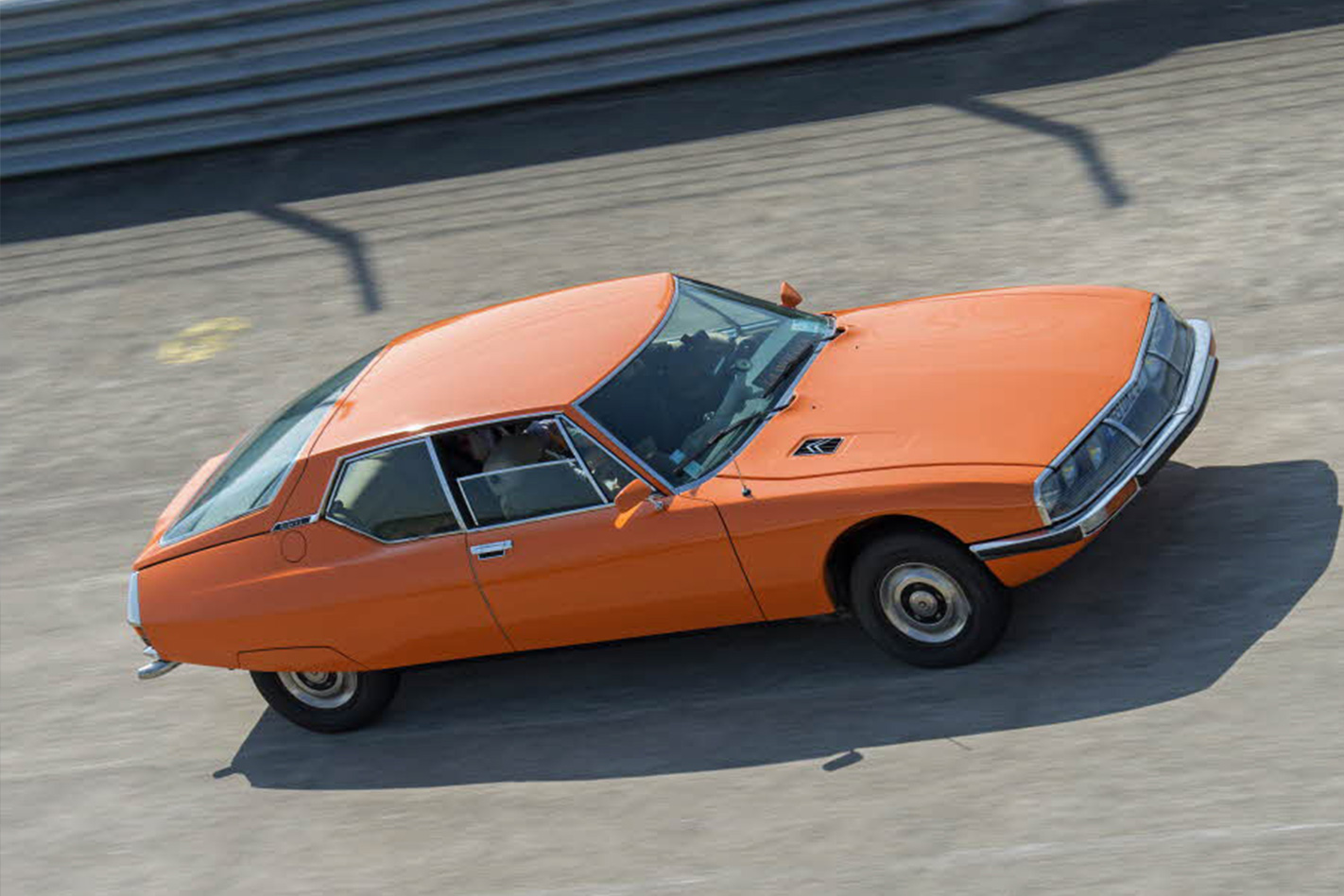
I’ve seen one of these. The long, shark-like form glided off the road into a shopping centre car park where it nosed into an empty space and settled on its haunches like a big cat hunkering down to await the passage of passing prey.
The 1970s-era, teardrop-shaped SM is one of the quirkiest combinations in the automotive world. On the outside, it’s a sharp-looking coupe. Under its skin, the Citroen SM is a front-mid mounted Maserati-sourced front-drive V6 sports coupe, that rides on hydraulic self-levelling suspension. The headlights swing in unison with the front wheels, it introduced power steering, and the front disc brakes are mounted inboard.
The SM was sold in Australia, although they needed to be converted to right-hand drive. They were available with either a five-speed manual that uses a chrome gate, or a three-speed automatic.
Estimated value to Wheels readers: $80,000
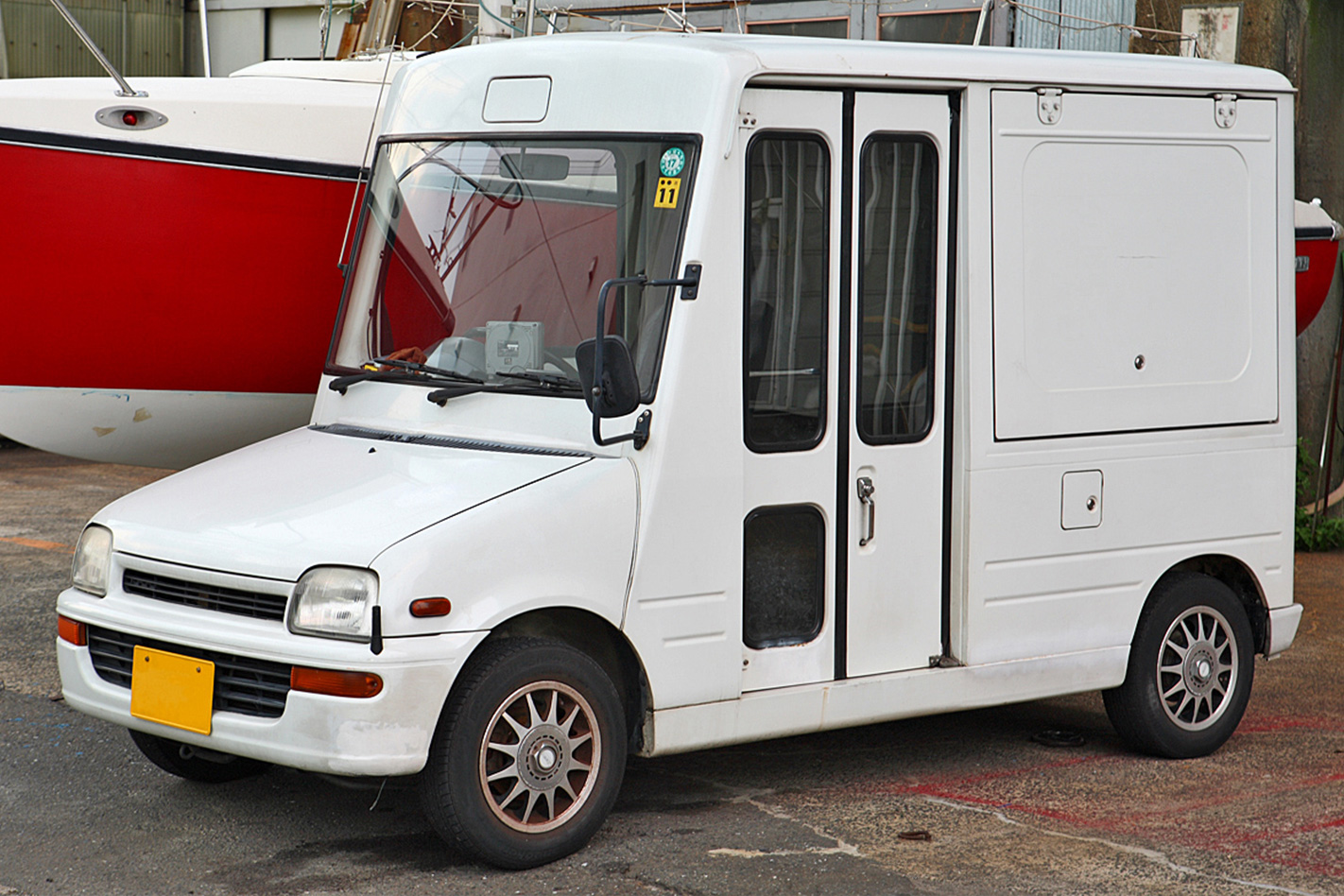
Imagine if a Daihatsu Mira hatchback was involved in a terrible crash. With a shipping container. In reverse. At so great a speed that it disappeared up to the trailing edge of the bonnet. That about sums up the cartoonish Walkthrough. You can just assume the entire hatchback was lopped off and replaced with a box big enough for a homunculus to stand tall in. Add a bifold door up front, a hatchback at the rear and more front glass than Myer, and you have an idea of what we’re looking at.
The JDM special stood two metres tall – the maximum allowable for the class of vehicle it was based on.
Estimated value to Wheels readers: One for the hardcore JDM cultists only
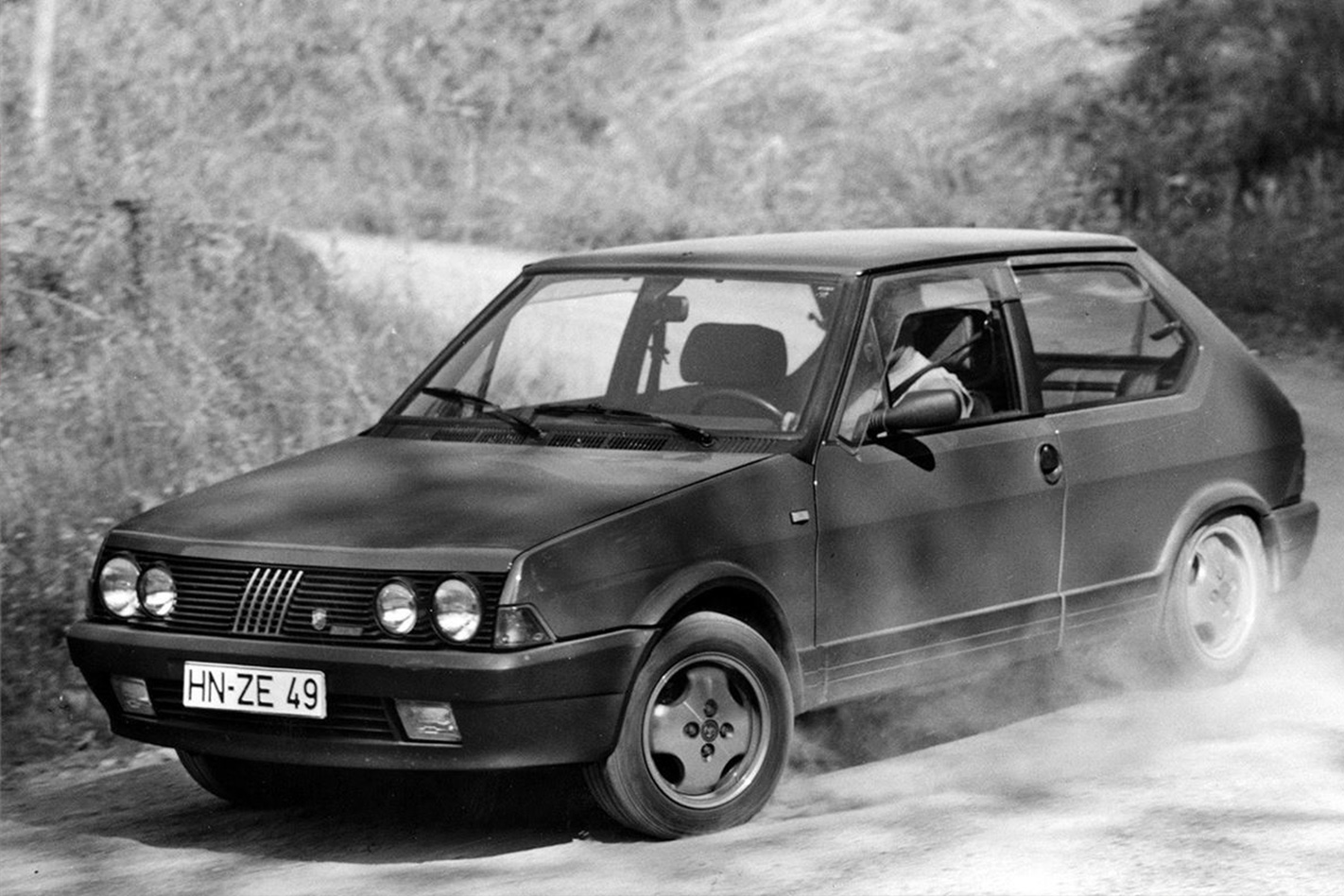
‘Designed with a computer, silenced by a laser, built by a robot’ crowed the advertising catchline for the Fiat Strada. Unfortunately, all that flash hardware was programmed and calibrated with pure 1970s Italian ineptitude, because the Strada was a bit of a catastrophe. It’s a shame, because the hot 130TC version could easily show its hot hatch contemporaries like the Golf GTi a clean pair of wonkily-mounted tail lights. Most succumbed to metal moth within a few years but we take our hat off to somebody who saw the long-term potential in shipping one to Australia.
Estimated value to Wheels readers: File this one under speciality interest
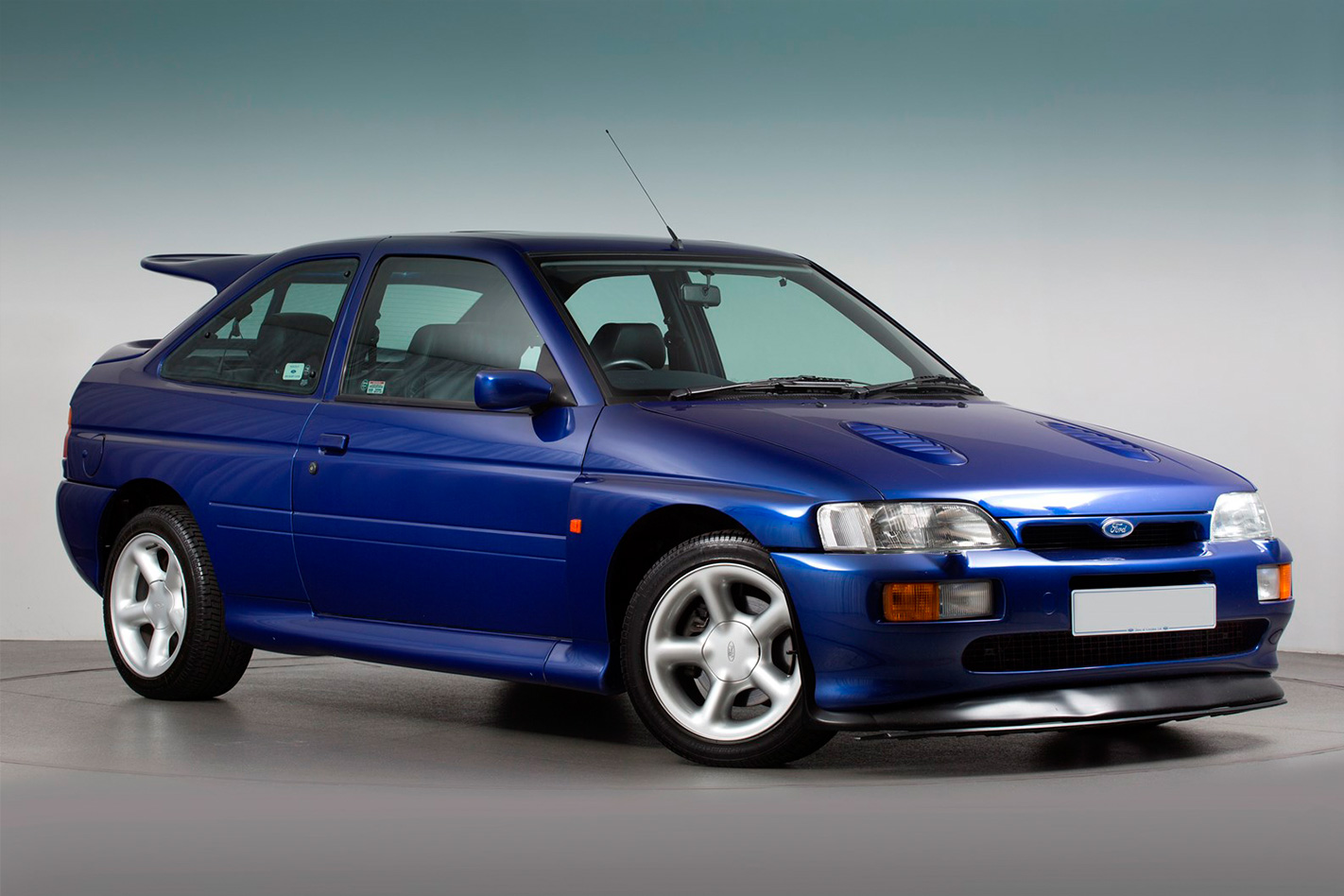
Two words: Homologation special. Intended as an entry into the World Rally Championships, it featured a distinctive whale tail down the back, and a Cosworth-fettled 169kW 2.0-litre engine fitted with an over-spec Garrett turbo to make it a performance tuner’s wet dream. The spoiler was one of ex-McLaren design boss Frank Stephenson’s first jobs. He originally wanted a three-plane rear wing like a WW1 Fokker triplane, but accountants decided that two decks would be cheaper to productionise. Stephenson has never forgiven them for that.
More than 7000 Escort Cossies were built at Karmann’s German production line, with a single 1985-build car imported here. Oh, and it never won the World Rally Championship.
Estimated value to Wheels readers: $40,000
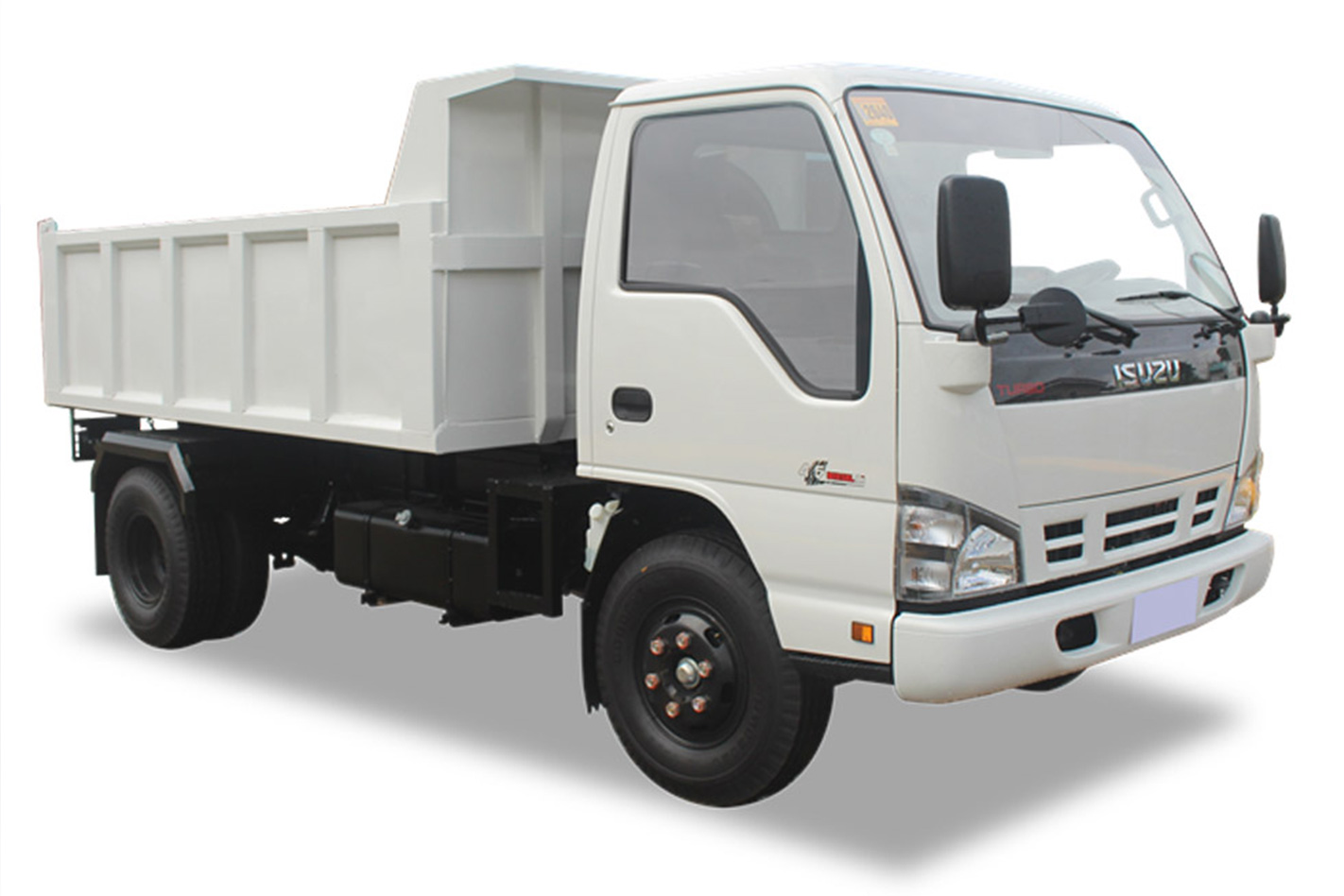
We’re not sure what we have here, but it’s either a Light Dump, or the Titan Dump. It’s a rebadged Mazda light tipper. We’re giving it the atomic dump.
Estimated value to Wheels readers: Oh look, a cat
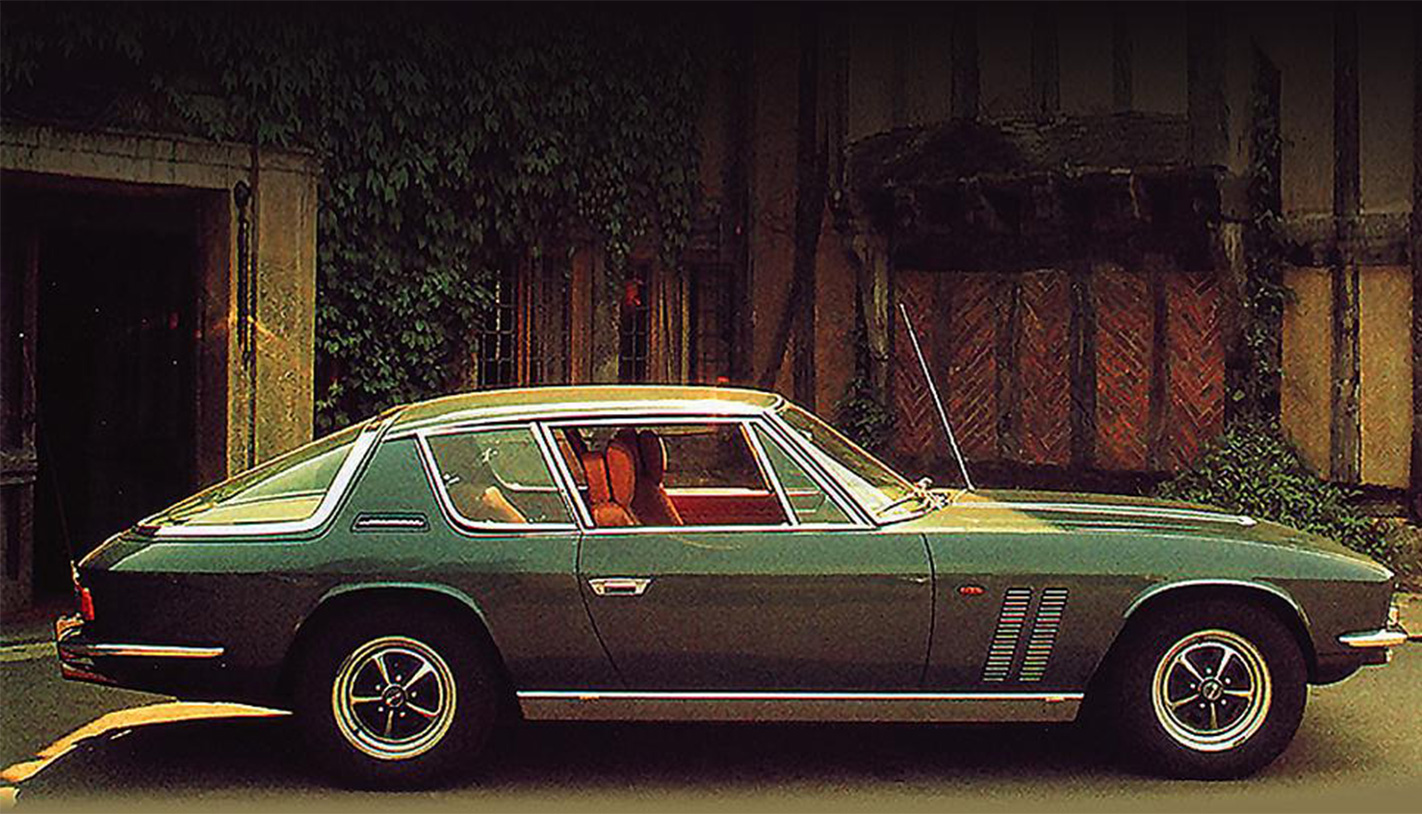
This British-built late 1970s-era grand tourer brought a couple of firsts to the automotive world: the first application of all-wheel-drive in a vehicle that wasn’t meant to stray off the bitumen, and the first vehicle to feature a mechanical anti-lock brake system.
The FF represented halcyon days for Jensen; basically a rebodied CV8, the FF was a luxury Interceptor-style tourer similar in some respects to the Volvo P1800 coupe.
Estimated value to Wheels readers: $70,000
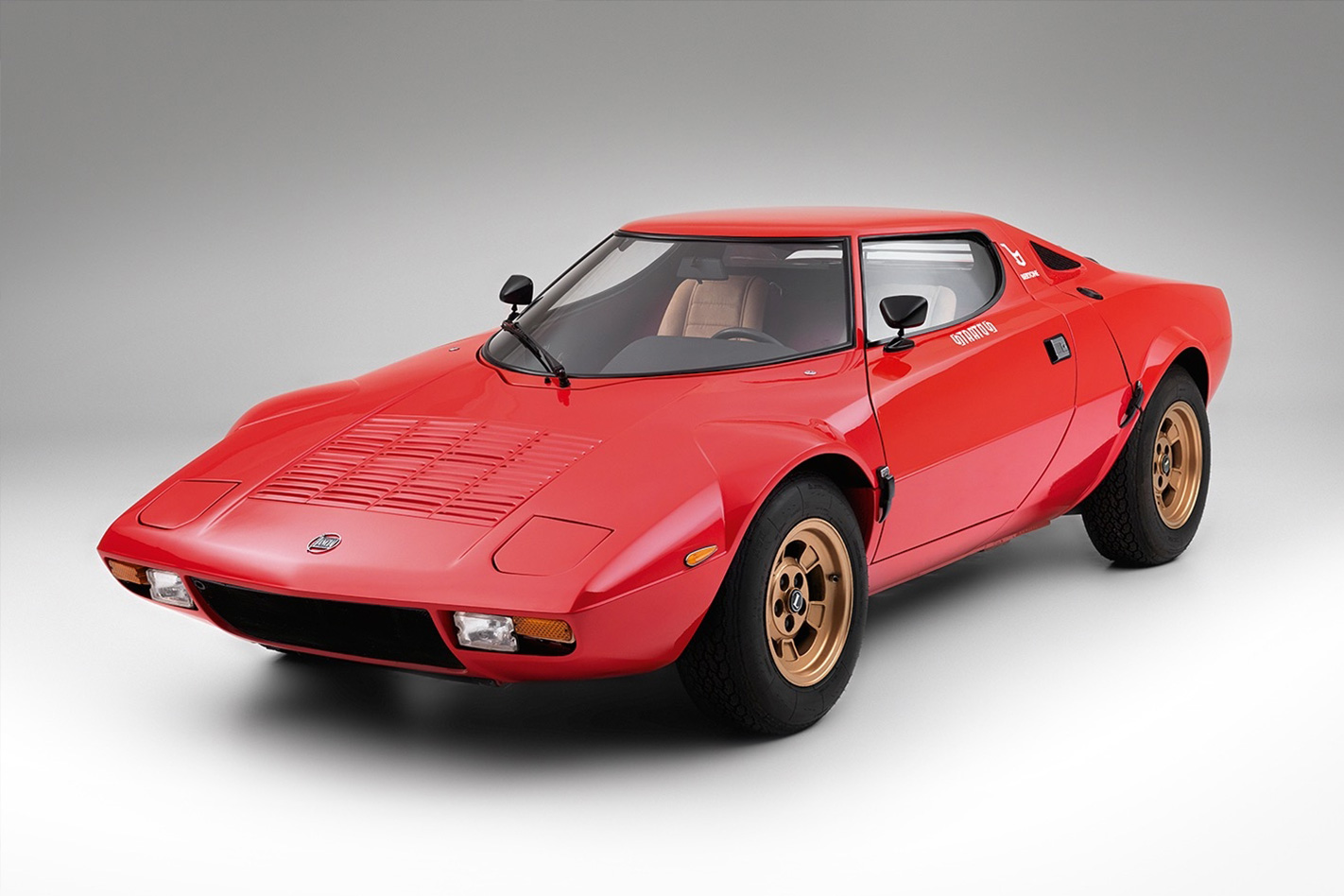
Before Group B in World Rally Championship was Group 4, the playground of the Lancia Stratos. Powered by a Ferrari Dino V6, it would go on to win three championships and even compete in the 24 Hours of Le Mans.
Estimated value to Wheels readers: $850,000
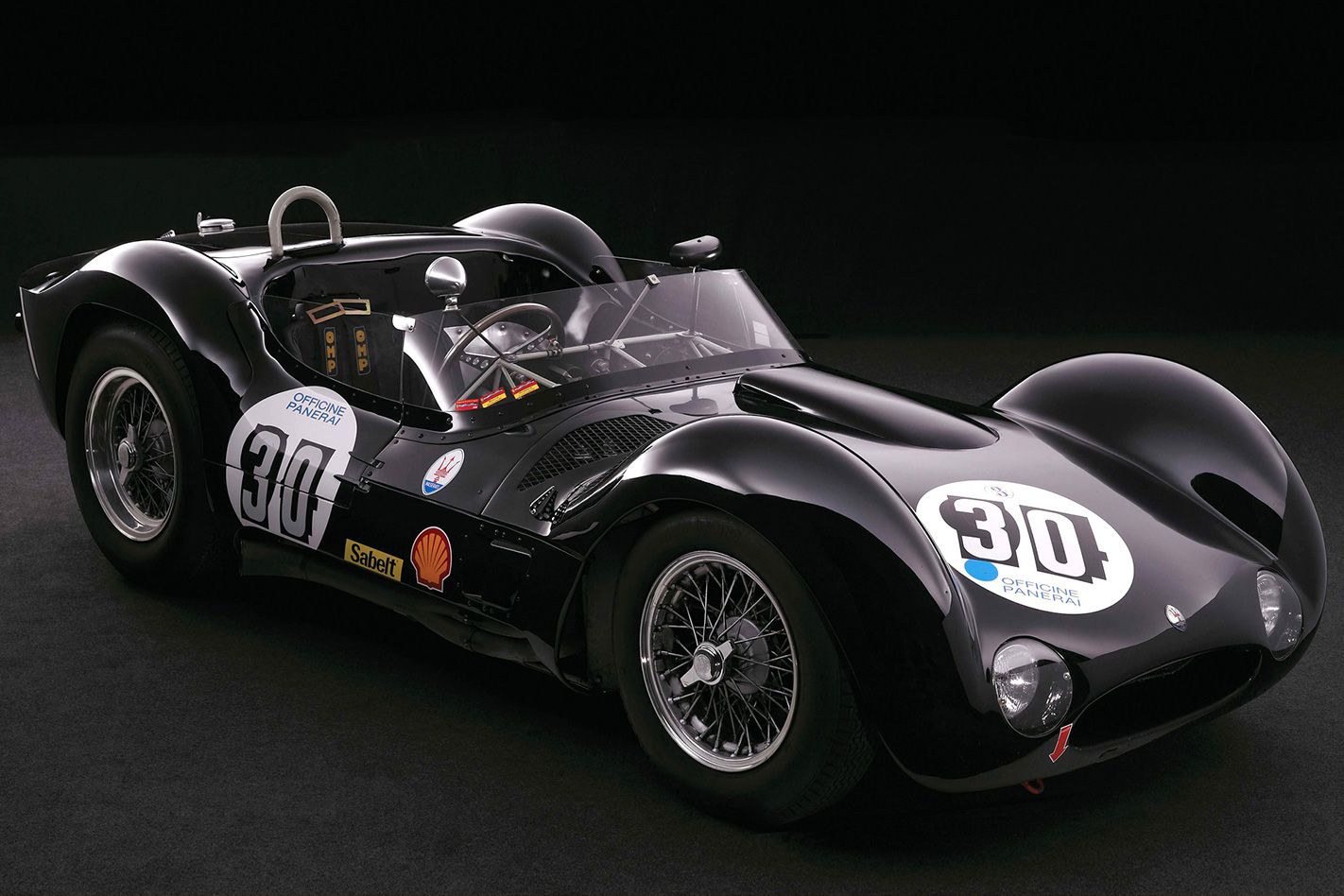
Built around an intricate tubular steel chassis, the Tipo 61 ushered in a new era of building race cars that vastly advanced on the traditional body on frame designs. The chassis, made up for more than 200 parts welded together to form the intricate frame, weighed just 36kg.
Estimated value to Wheels readers: $7 million
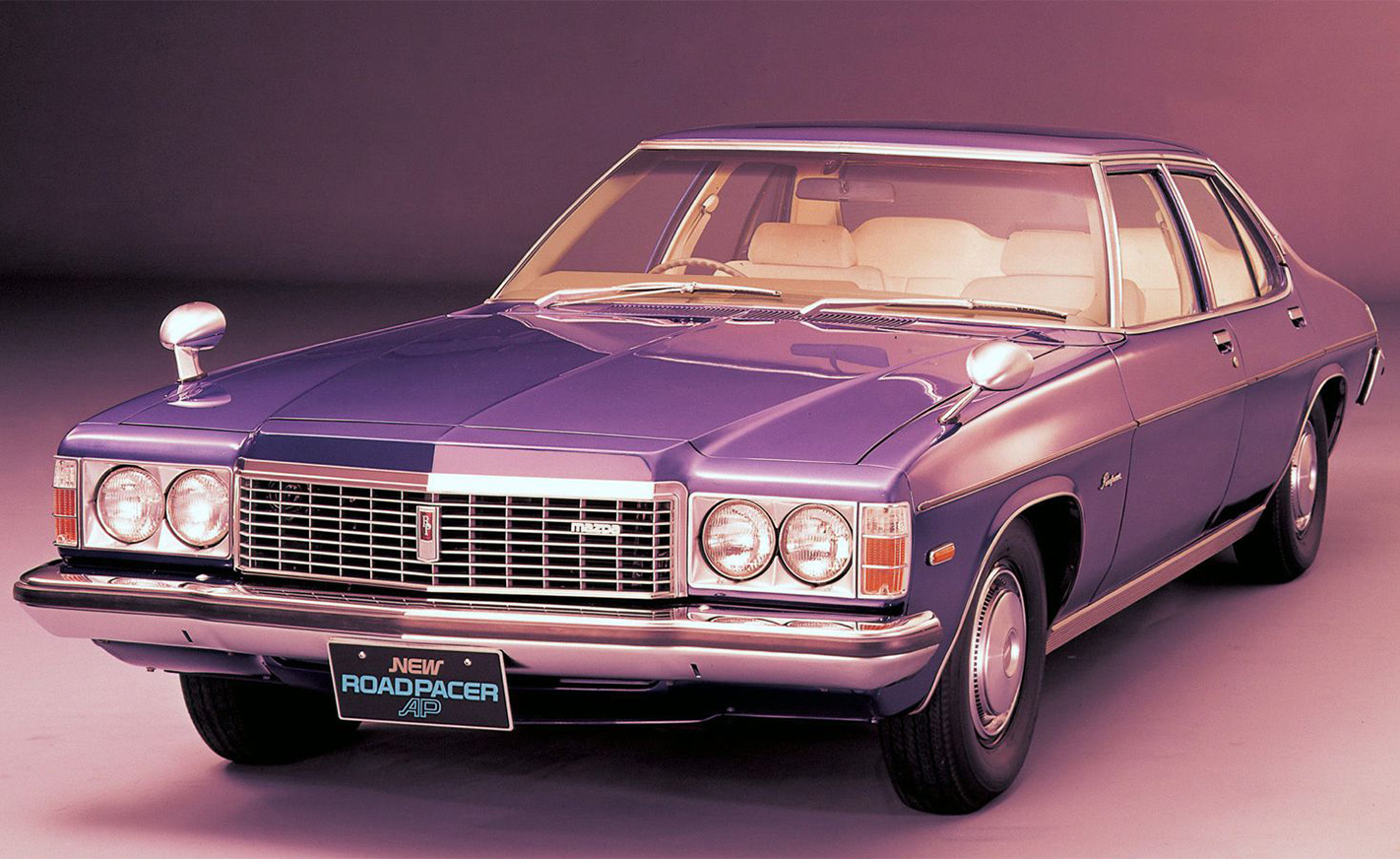
Someone at Mazda thought it was a good idea to source a Holden HJ/HX Premier and fit it with a twin-rotor 1.3-litre Wankel rotary engine before whacking it on sale in Japan for more yen than almost every other equivalent passenger car. The one brought in here is a 1976 model, with delays to shipping and re-engineering for the high-revving rotary making it a pretty sure bet this this one is a HJ.
Only about 800 of them ended up attracting buyers.
Estimated value to Wheels readers: Priceless
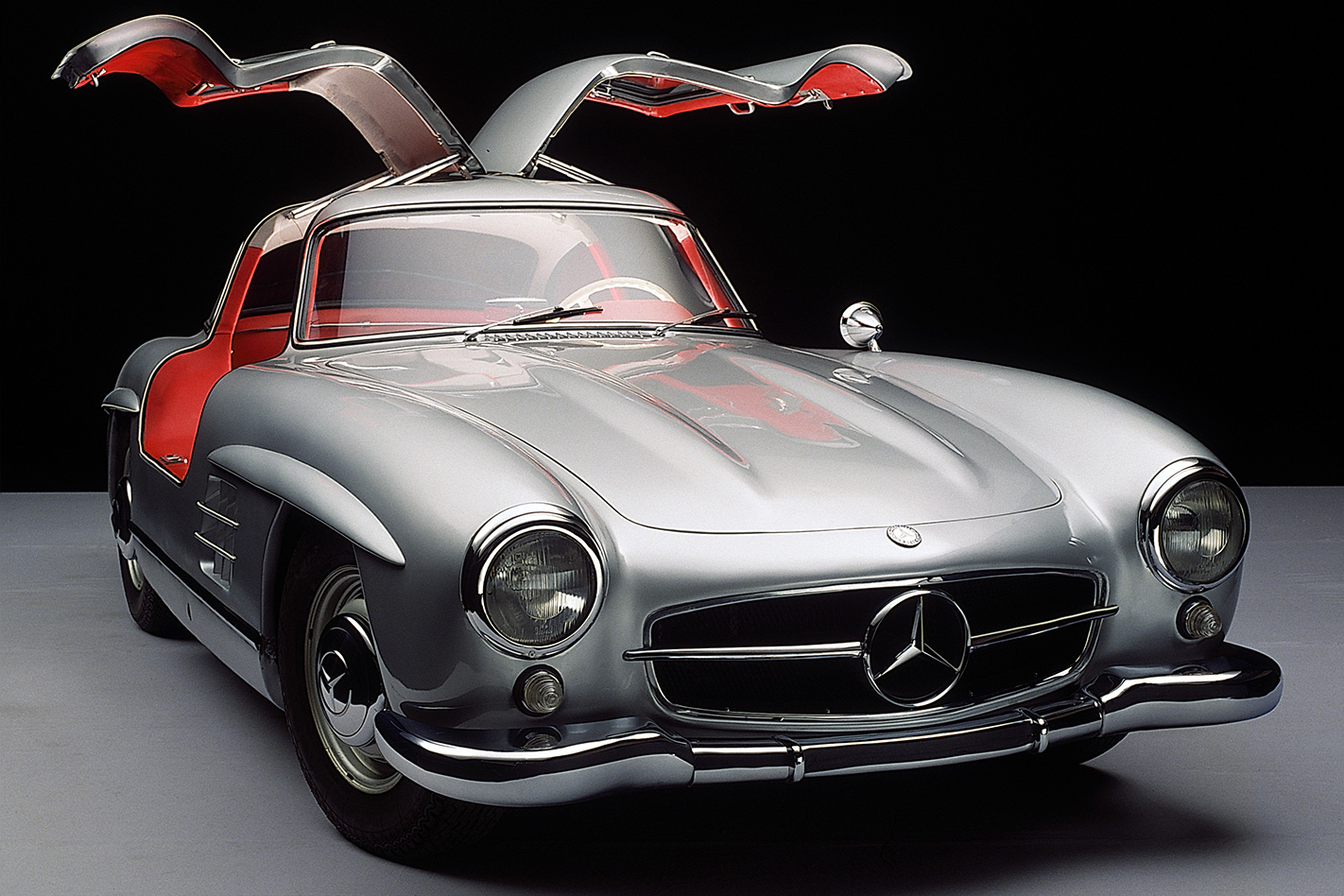
Merc’s spaceframe racer has become quite the collectors’ item. The document lists two 1950s-era “Gullwing” models, although there are several more anonymous “300SL” variants noted.
The early Merc held the distinction of being the fastest production car of its time, almost 260km/h.
Estimated value to Wheels readers: $2 million
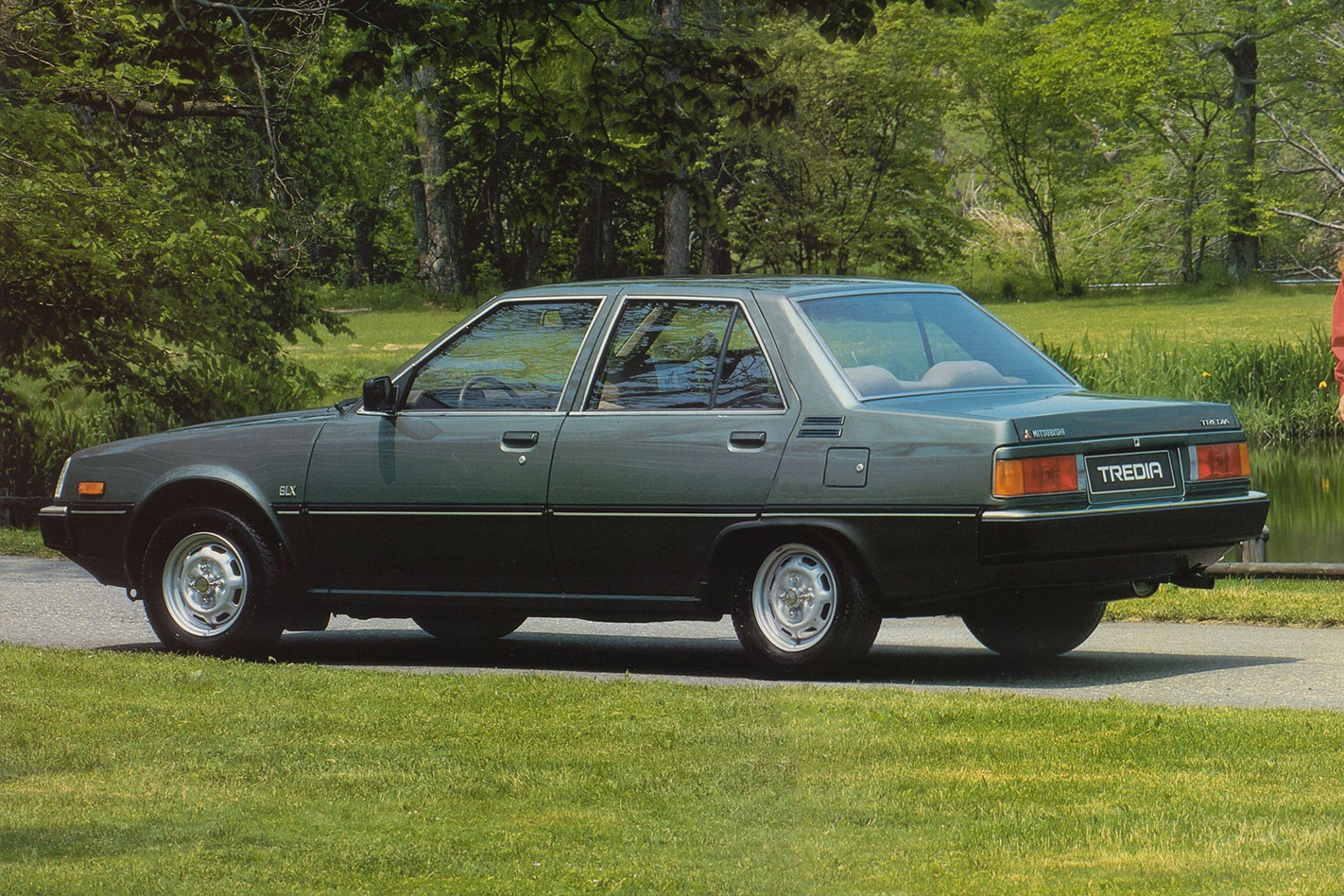
The same company that gave us the Starion Turbo could also have given us the full diffusion line of Cordia and Tredia. The sedan Tredia was sold in New Zealand in the early 1980s but not here, and it’s distinctive for its “Super Shift” gearbox that included a low-range transfer box that effectively made the default four-speed unit an eight-speeder. Now there’s one here. That’s enough.
Estimated value to Wheels readers: $500 with a roadworthy
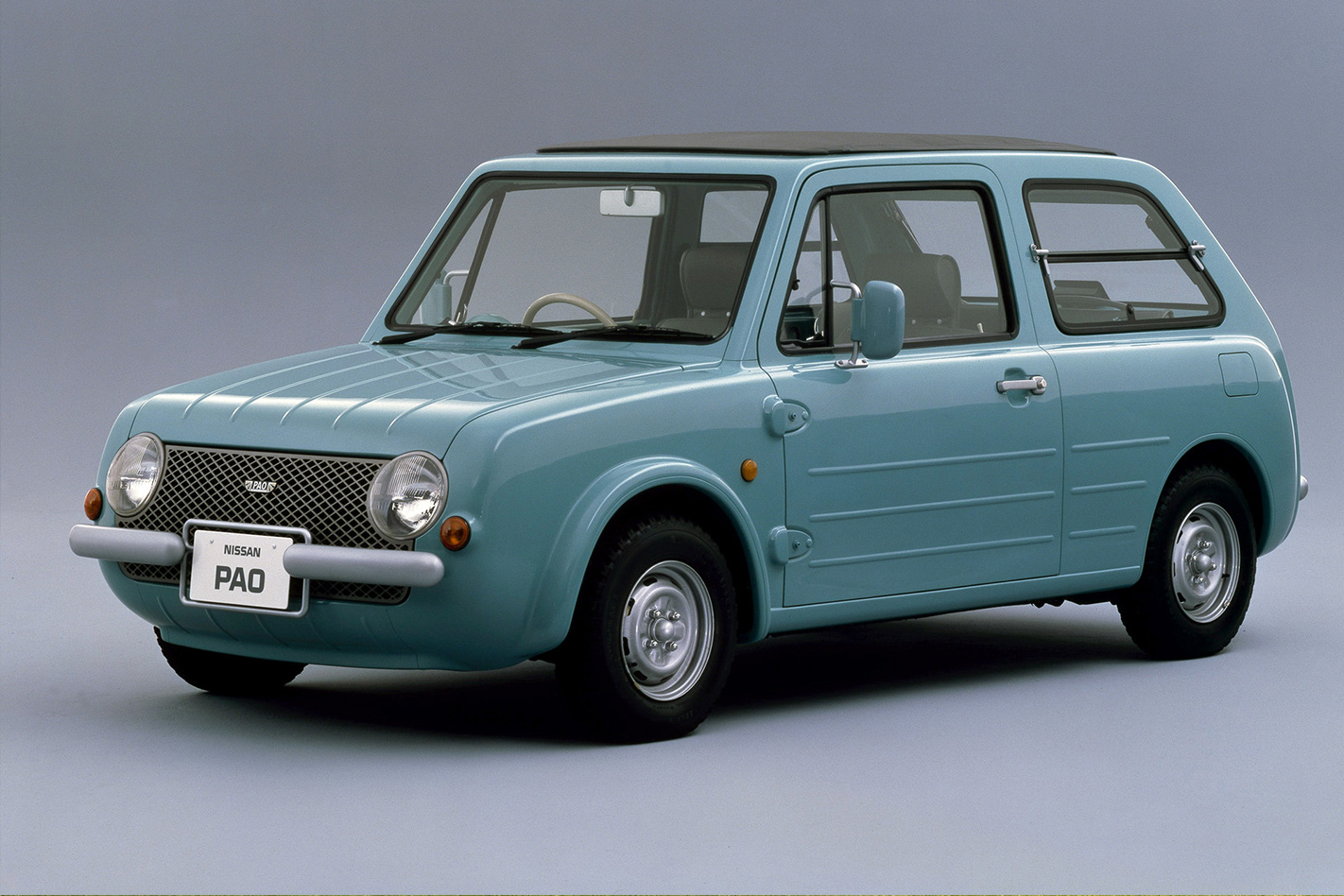
Retro cuteness meets pastel colour schemes for Nissan’s JDM-only 1990s experiment with nostalgia. The Pao featured a slanted cheesegrater grille, Mini-like exposed hinges and a split tailgate that allowed the glass to open upwards, and the metal to swing down.
Only 51,000 were made, and now three of these Micras in period costume reside in Australia.
Estimated value to Wheels readers: $5000
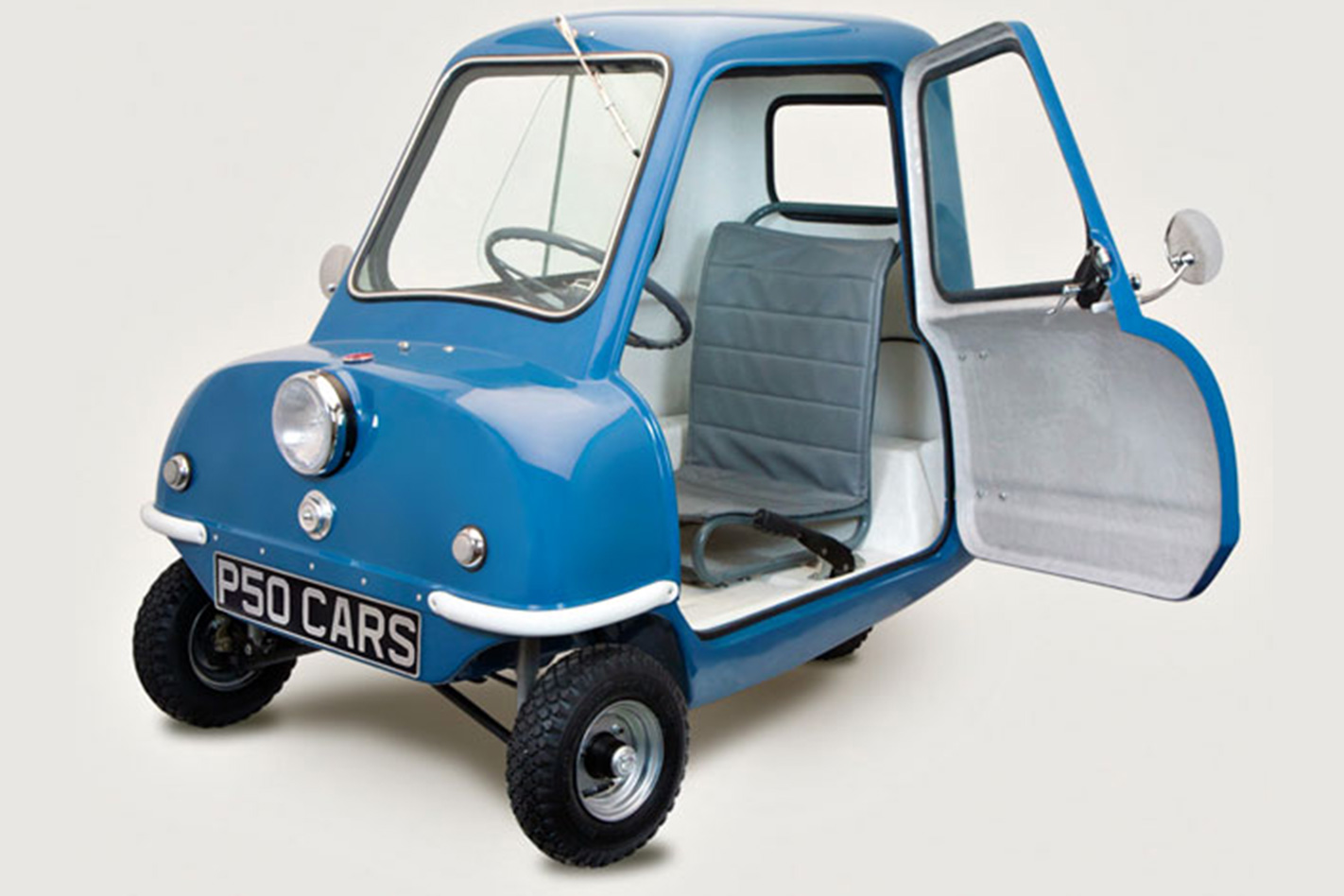
This was once recognised as the smallest production car in the world, and famously replicated in modern-day form by former Top Gear host Jeremy Clarkson. Basically a 1960s-era fibreglass bucket inverted over a three-wheeled go-kart, it’s about as close to the modern-day car as the tapeworm is to humans.
Estimated value to Wheels readers: Slab of warm beer
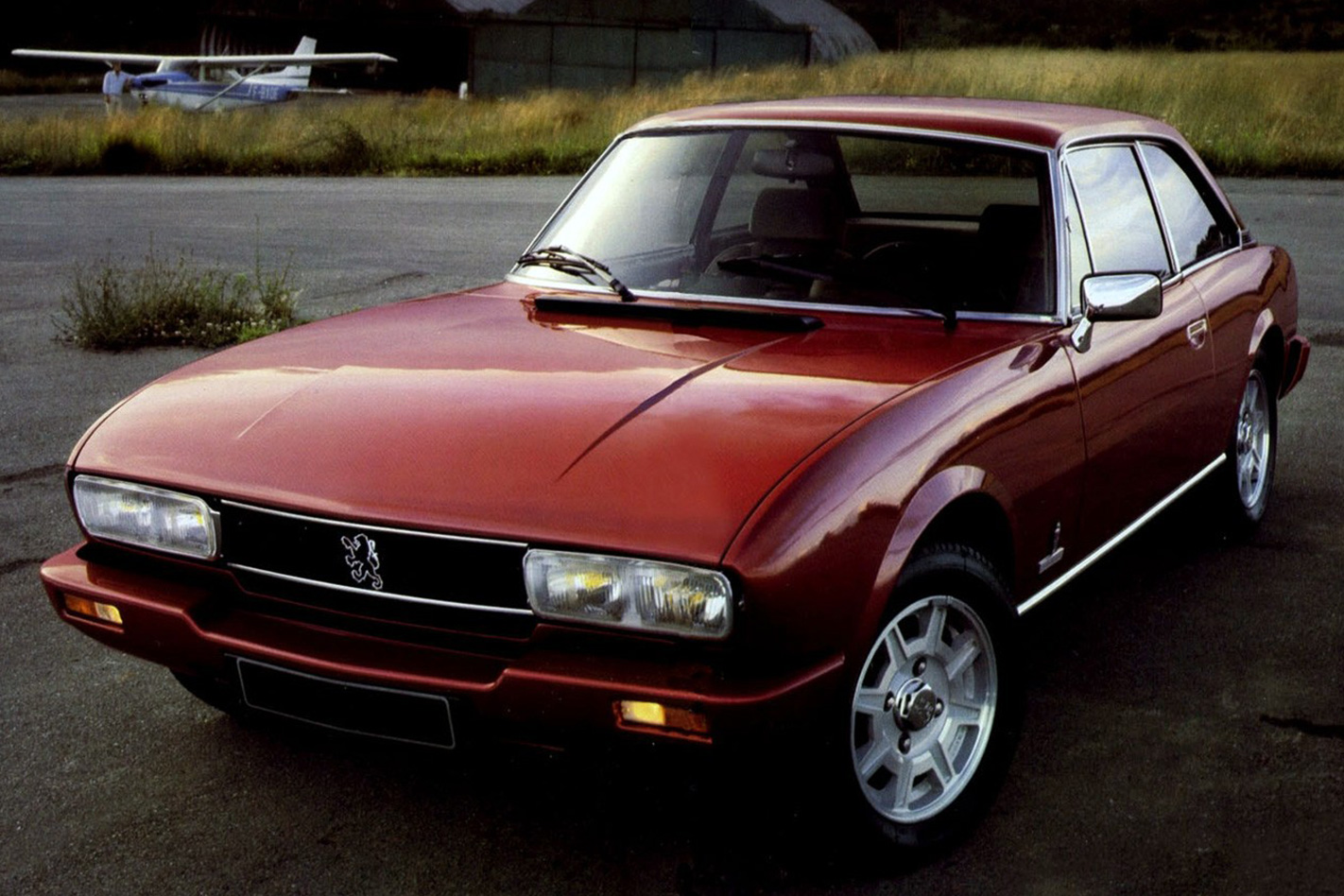
The 504 sedan was made in Australia, but its more svelte two-door form wasn’t. More stunning to look at, faster in a straight line, it complemented the sedan’s success as the World Car of the Year. We love ‘em.
Estimated value to Wheels readers: $30,000
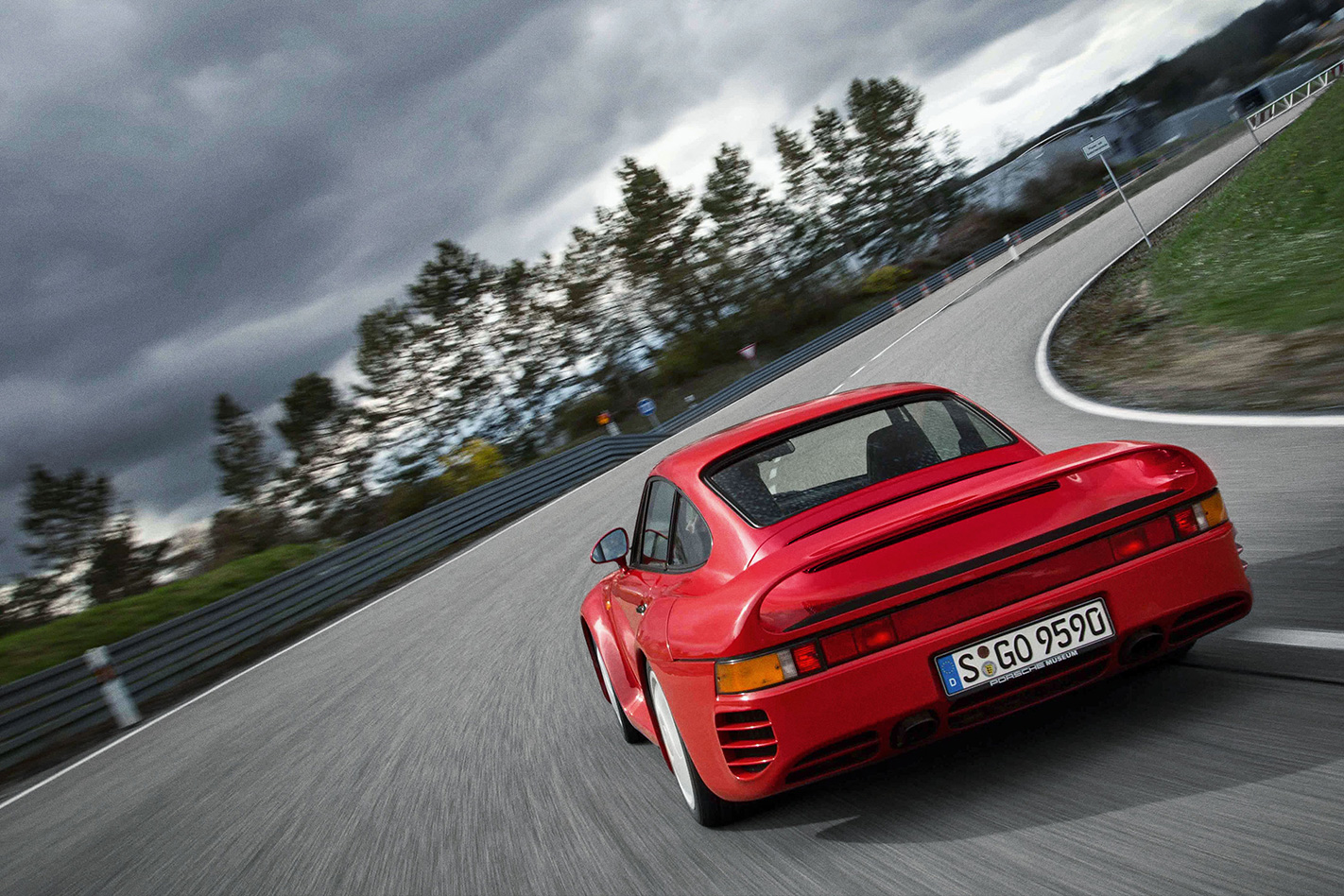
This is another notable to have held the speed record for a production car. Packing two turbochargers strapped to a Moby Dick-derived 331kW 2.8-litre flat six, it could hit 314km/h after dispatching the 0-100km/h sprint in about 3.7 seconds. The 959 was developed as a homologation special for Porsche’s Group B rallying ambitions, and featured “zero lift” aerodynamics that were necessary to keeping it stuck to the road. It even campaigned in the Paris Dakar and remains a technological landmark.
Estimated value to Wheels readers: $1.5 million
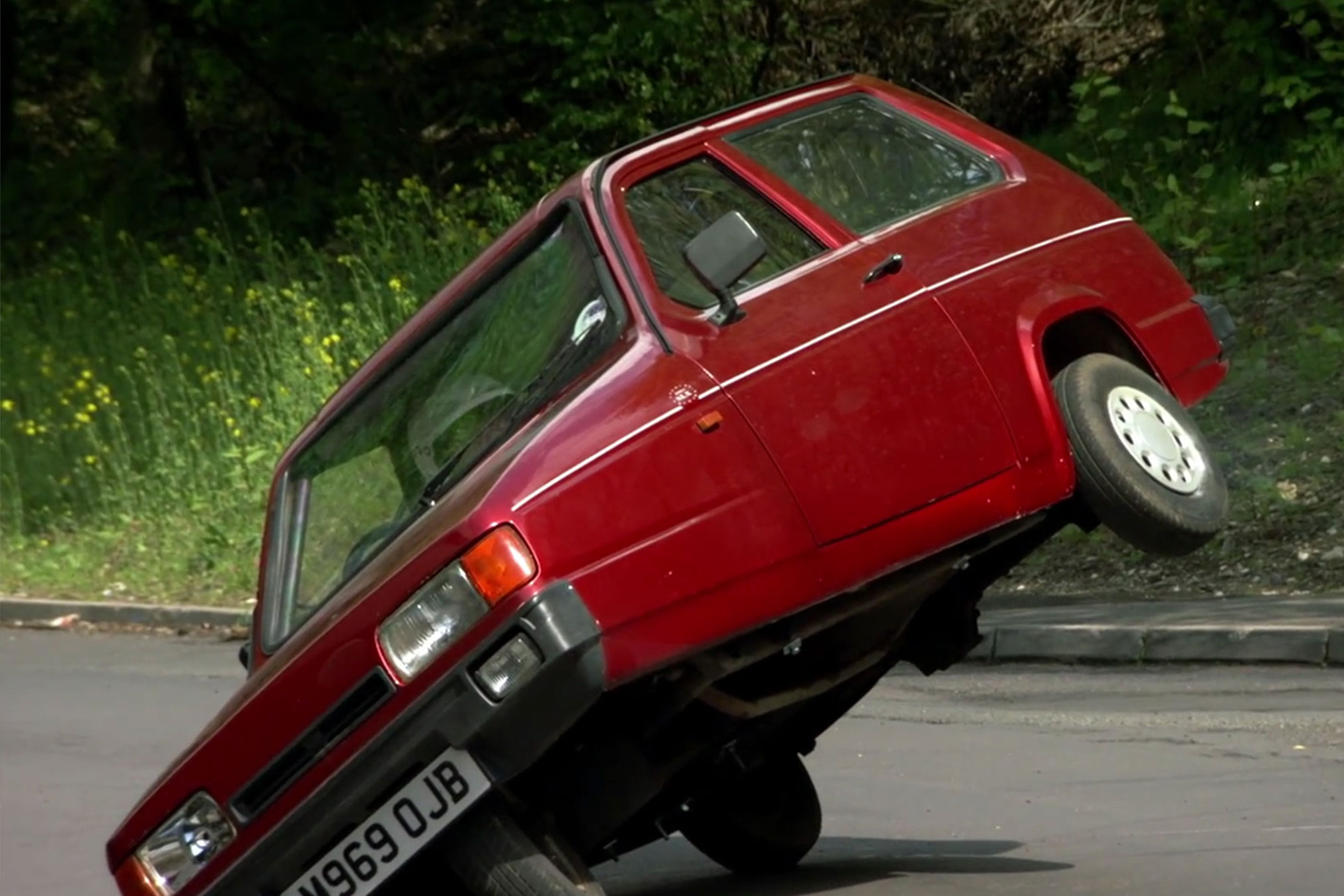
Reliant’s update for the ugly, three-wheeled Robin was the the ugly, three-wheeled Rialto. Sure, the bodywork squared up, you could fix the thing without having to remove the fibreglass shell, and the casing was thicker, but underneath it was the same old Reliant. Talk about lipstick on a pig. If you were worried about it falling over, you could always opt for a four-wheeled Kitten.
Estimated value to Wheels readers: Nil
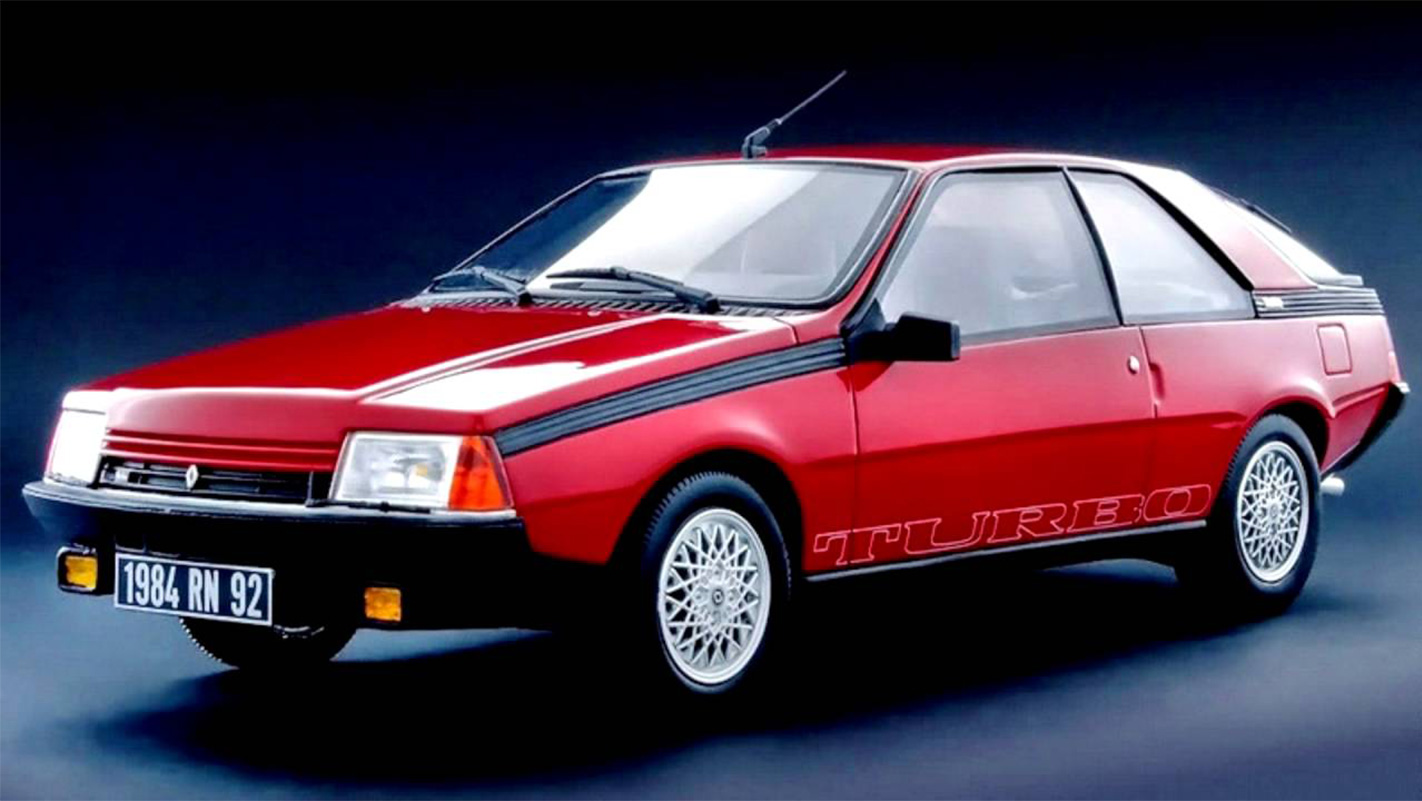
“Fuego” means “fire” in Spanish. But here, you’re talking only 1.6 litres of turbocharged French fire. The default Aussie version of the car came with an atmo 2.0-litre mill under its bonnet. The turbo helped the engine produce 180kW and 200Nm; the 2.0, 78kW and 158Nm.
The Fuego has several distinctions: it was the first design shaped in a wind tunnel, the first to feature central remote locking, and nominated the prettiest car you’d ever see broken down on the side of the road.
Estimated value to Wheels readers: A bag of snails
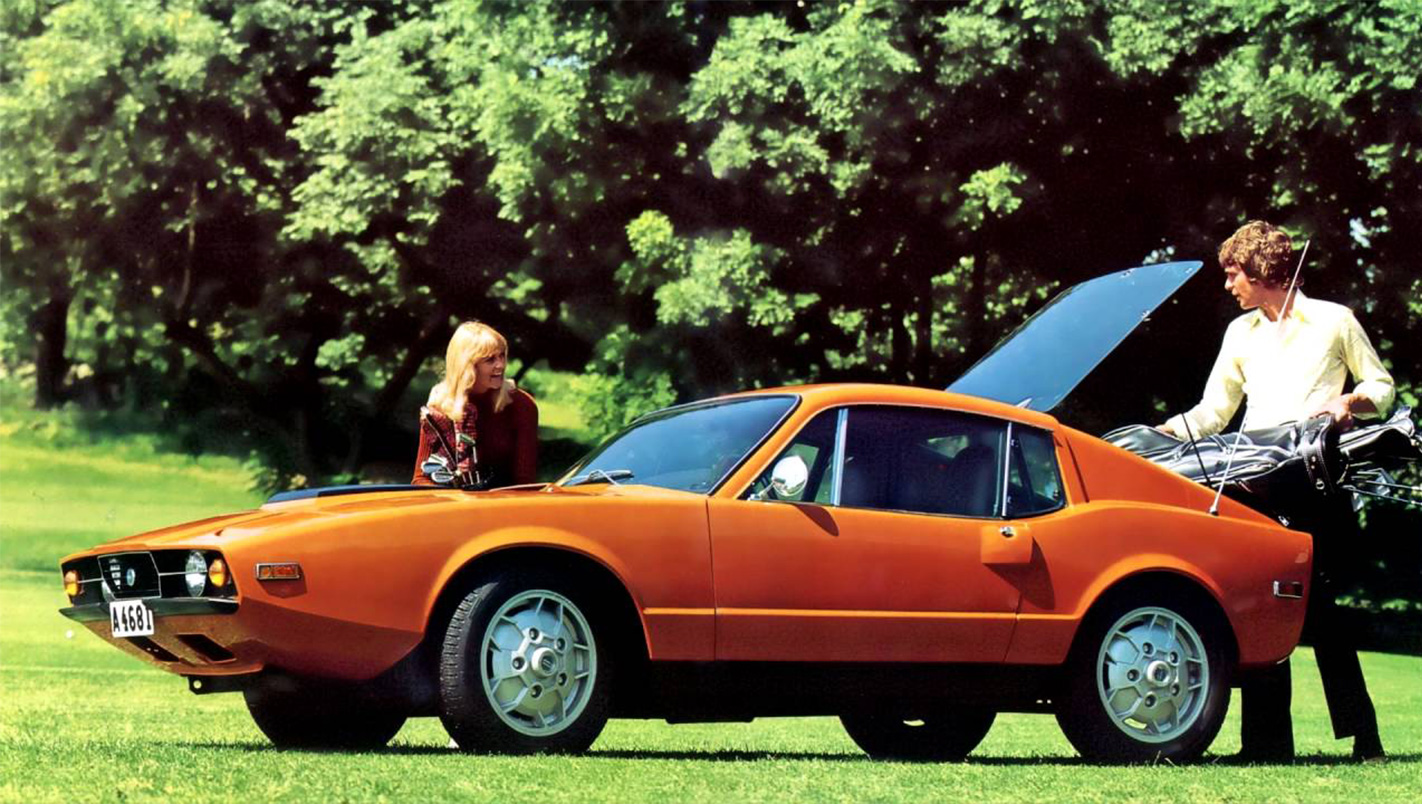
I had a Matchbox version of this svelte two-door coupe as a child. That “V4” at the end of the svelte Swede’s name isn’t just there for decoration; it actually used a 1.7-litre V4 engine originally developed for a mid-engined Ford Mustang, and spitting out almost 50kW. Earlier versions of the Sonett featured a two-stroke triple …
Estimated value to Wheels readers: $30,000
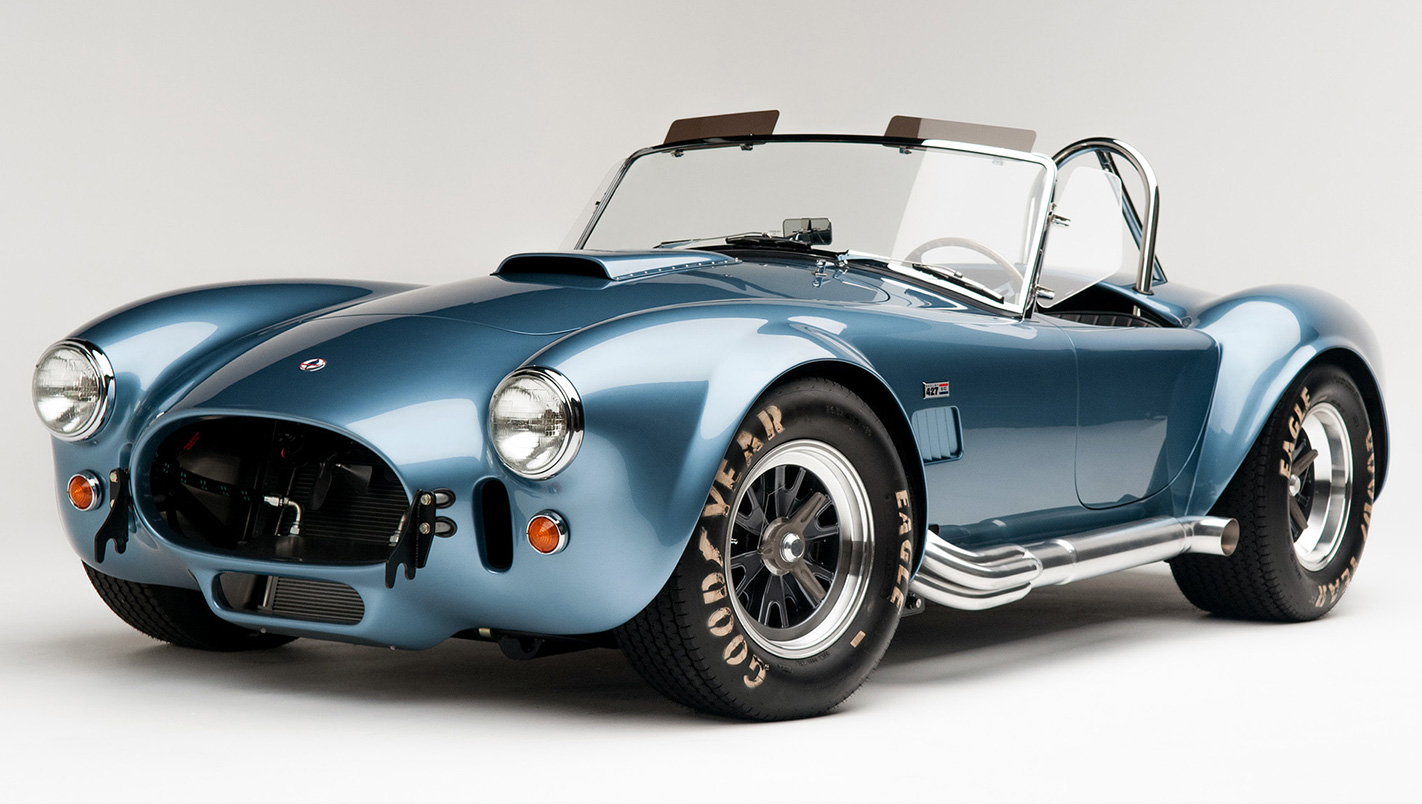
AC Cobras are desirable. But within that subset, there are Cobras that are worth a whole lot more than the others. This is one.
The 427 S/C – the bit at the end stands for “Semi/Competition” – is a lightly disguised race car. Legend has it that Shelby had ordered the big-block eights for competition after Ford made the 7.0-litre engine available to AC. In 1965, the rules said AC had to make 50 of them for homologation, but this was unexpectedly changed at short notice to make 100 the minimum build number. Orders were cancelled, and cars were quickly converted into road-going specification to get them out the door.
And someone here has one.
Estimated value to Wheels readers: $2 million
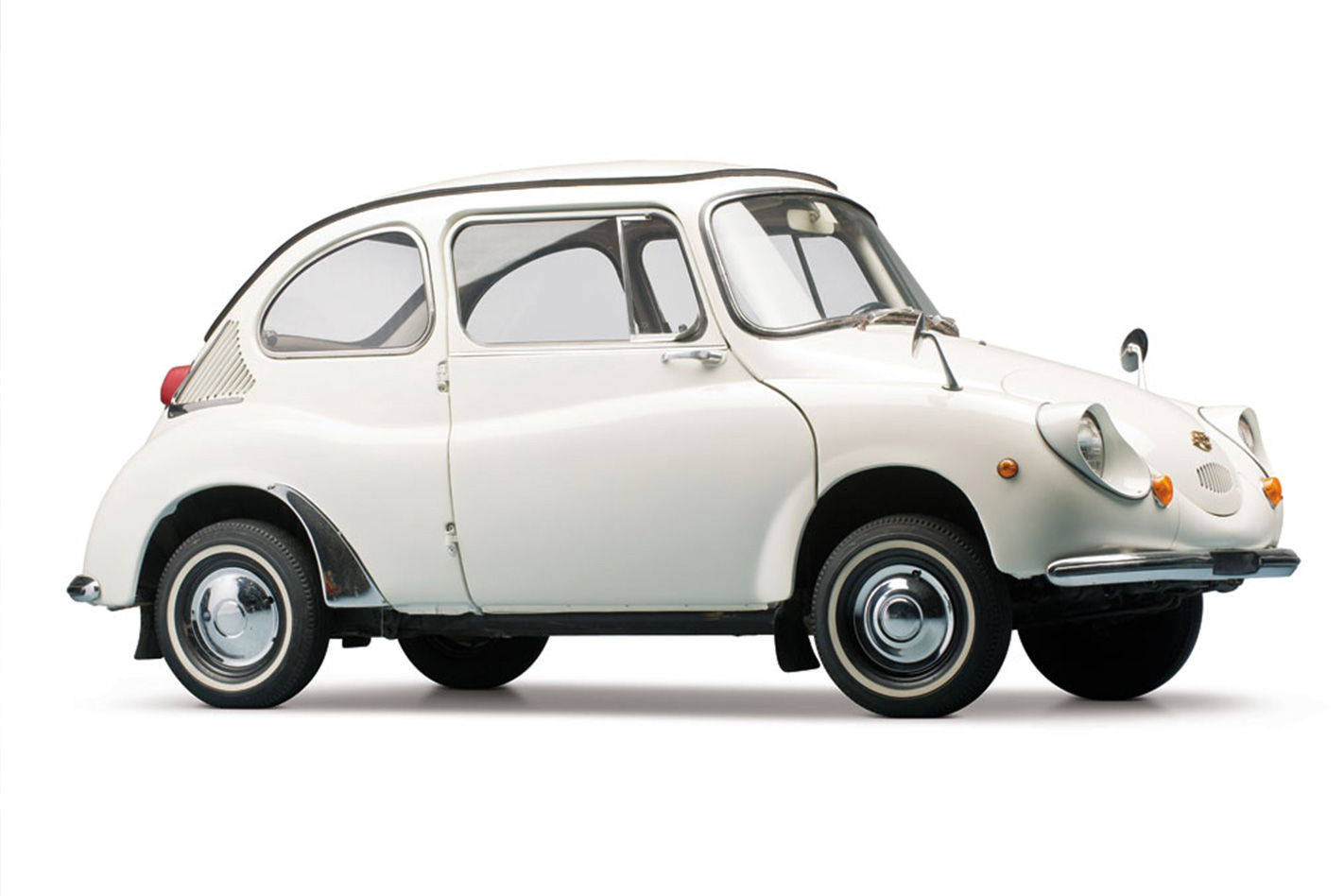
Little more than a four-wheeled motorcycle with suicide doors and a fibreglass roof. Powering it was 356cc of two-stroke air-cooled straight-twin engine hanging in between the rear wheels. It was quickly nicknamed the Ladybug; it was about as quick as one, the 0-100km/h time via the three-speed manual gearbox translates to around 40 seconds.
Estimated value to Wheels readers: Someone would overpay handsomely for one
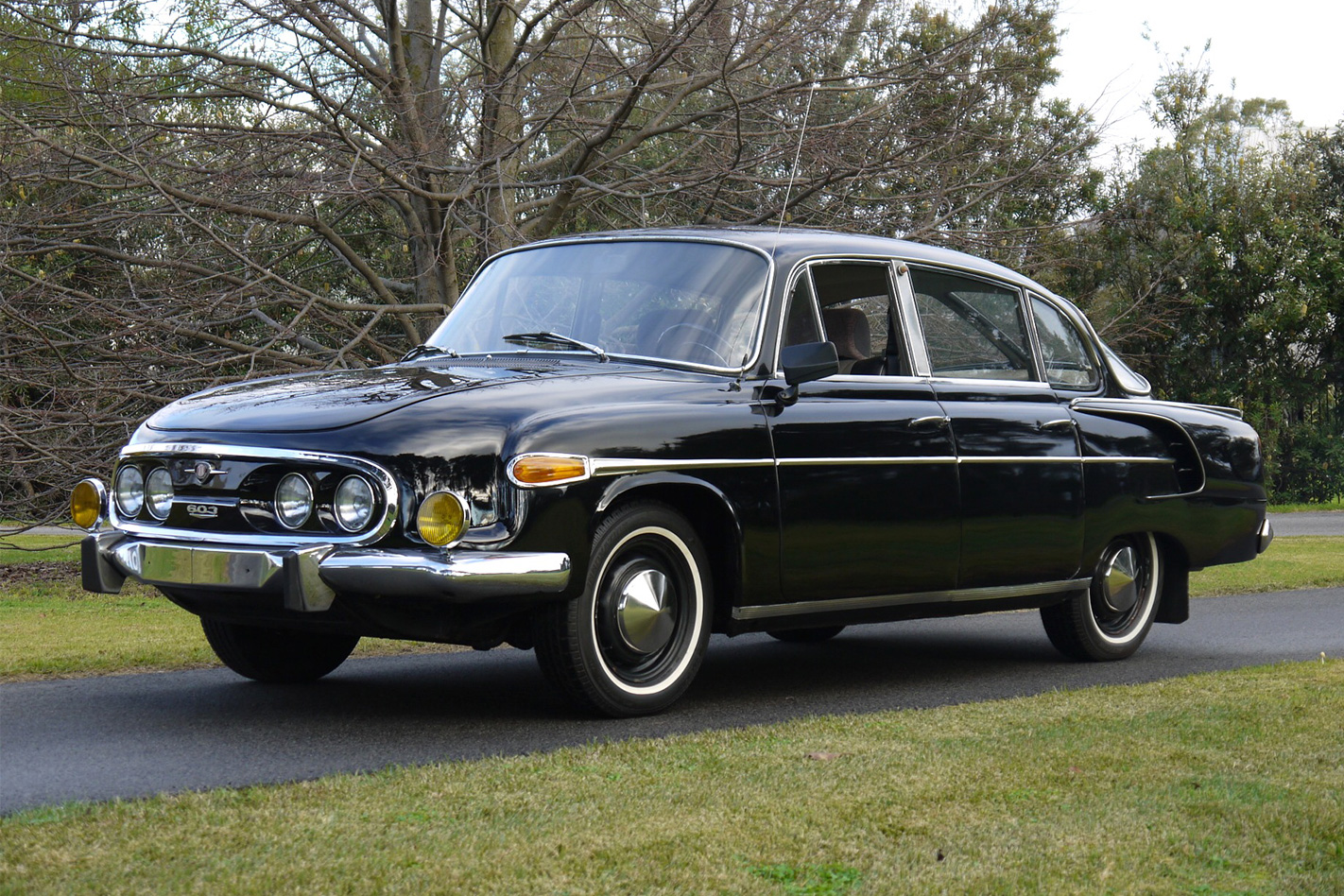
If you’ve seen Lemony Snickett’s A Series of Unfortunate Events, you’ve seen the Tatra 603. Cockroach-like in design, it was a rear-engined, air-cooled 2.5-litre V8 luxury car designed in secret and produced in the former Republic of Czechoslovakia so that the politburo could conspicuously go about their business of suppressing the republicans.
All up, there have been 14 of the 603 sedans brought in since 2000
Estimated value to Wheels readers: They’re cult faves amongst auto snobs
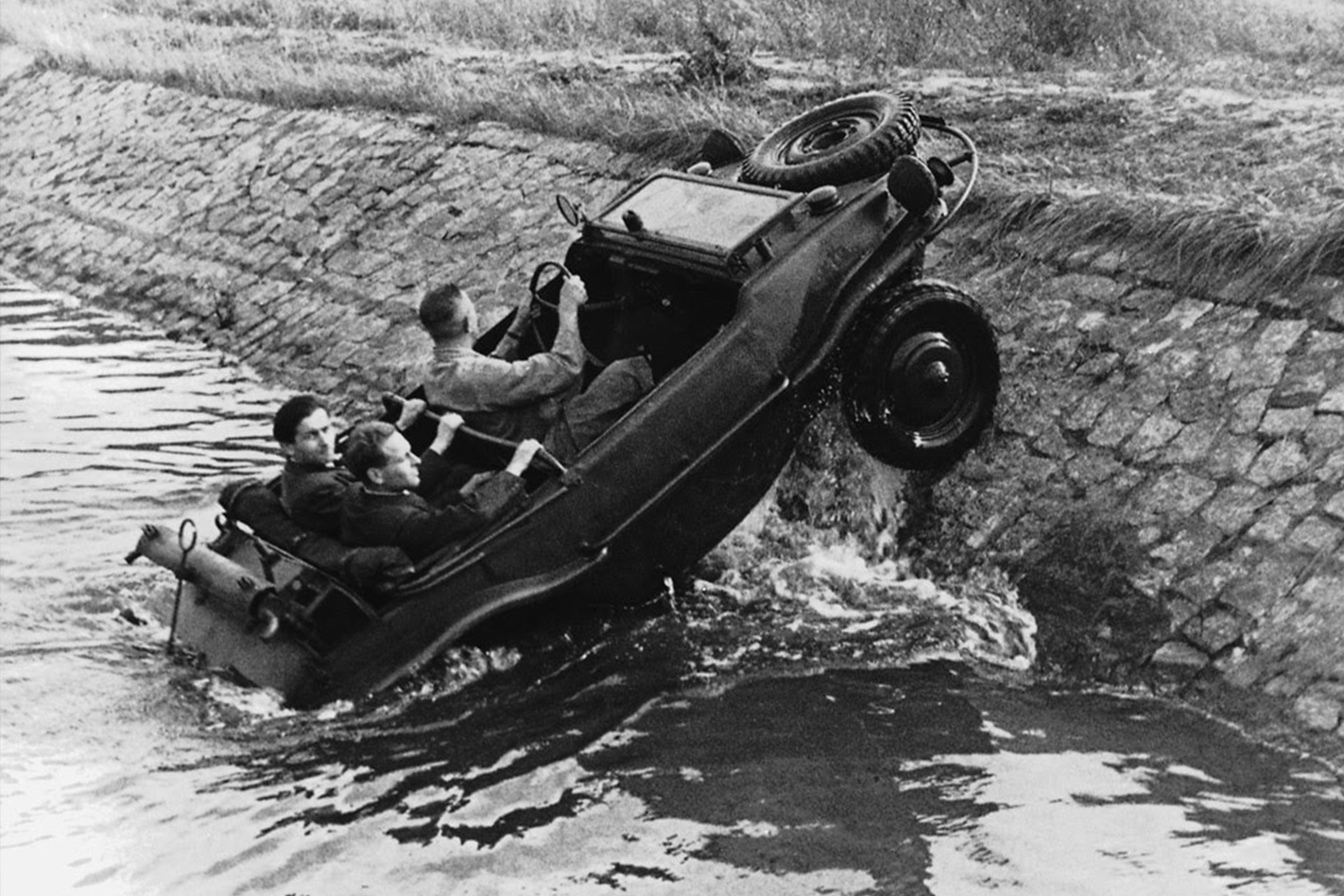
In a nutschell, this is an amphibious version of the Volkswagen Beetle. More than 15,000 were built as part of the German war machine, but few are known to remain today. If you’ve ever found it difficult choosing between a terrible boat and a terrible car, here’s your one-size-fits-all solution.
Estimated value to Wheels readers: $200,000 and a beachside house
AS easy as it is to sit back and judge modern track design (especially given the diminishing ‘risk factor’ as safety regulations take over), more science and technical thinking is involved in the process than ever. And creating a great circuit isn’t just about a few straights connected by a series of corners – far from it.
To be sanctioned by the FIA with a licence to accommodate a variety of international racing categories, the consistency of curve trajectory, braking zones and track-side impact protection all have to align with required standards. From the drawing stage through to the final inspection of the completed track, it all has to comply before being issued a licence and grade.
According to experts, in the design phase, a racetrack should never be just a corner, followed by a straight that leads into another corner. The best tracks are created when the intended racing line is the first priority, which is why street tracks don’t always produce the best result given the confines of a city landscape have to be worked around. How wide the track is at any certain point also greatly impacts the intended racing line, speed and passing opportunities.
However, a track’s ultimate design will largely be determined by the geography and nature of the land it’s being built on. Computer-generated simulators are also a vital part of the process and can showcase a virtual track before ground is broken on site.
Character and emotion plays a big part. You can have the best design on paper, but if it doesn’t have character, drivers won’t be enamoured with it – either will viewers. Tracks like Queensland Raceway and, to a lesser extent, Pukekohe in NZ, are defined by their bumps. Although famous layouts like the Nurburgring Nordschleife in Germany, Spa-Francorchamps in Belgium and Mount Panorama, Down Under, also create theatre via the element of risk – corners like the Dipper and Eau Rouge for example.
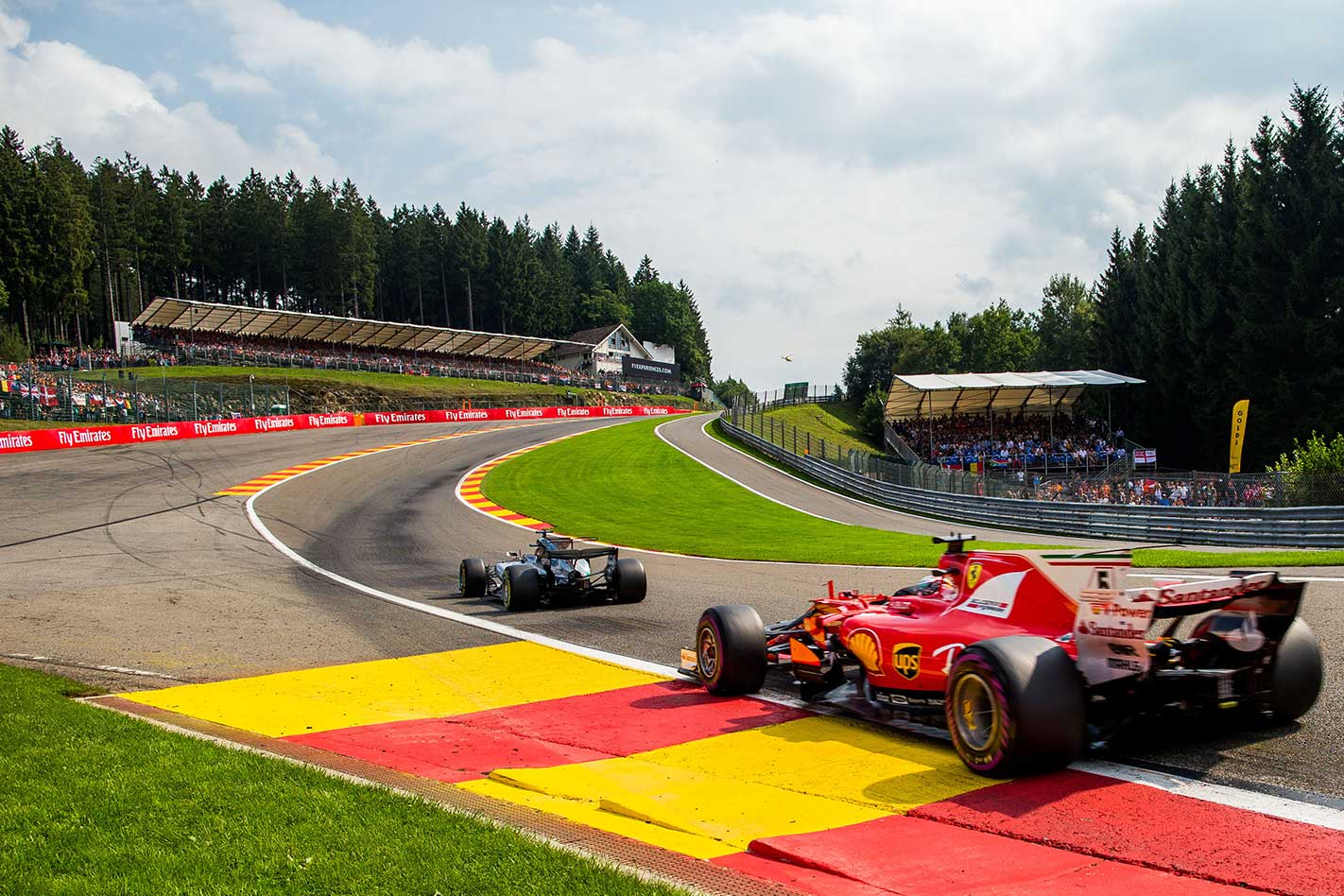
Image: Getty Images/Peter J Fox
A man famous (and somewhat infamous) for Formula 1 track design, Hermann Tilke, sums it up best. “For me a good track is when the road creates some emotion. It needs to have some g-forces through the corner, acceleration points and you have to have the ups and downs. This makes it really emotional. And then, also the surroundings have to be nice. Then it is a really perfect road.”
Racetracks have also become an integral part of new-car development, with companies setting up base camps at the ’Ring to hone driving dynamics. So much so that setting a benchmark time has become a marketing dream for performance-car variants.
Driver input is also a very helpful tool in creating memorable tracks, especially with the increased amount of city events.
Round the Bend – SA’s upcoming mega track
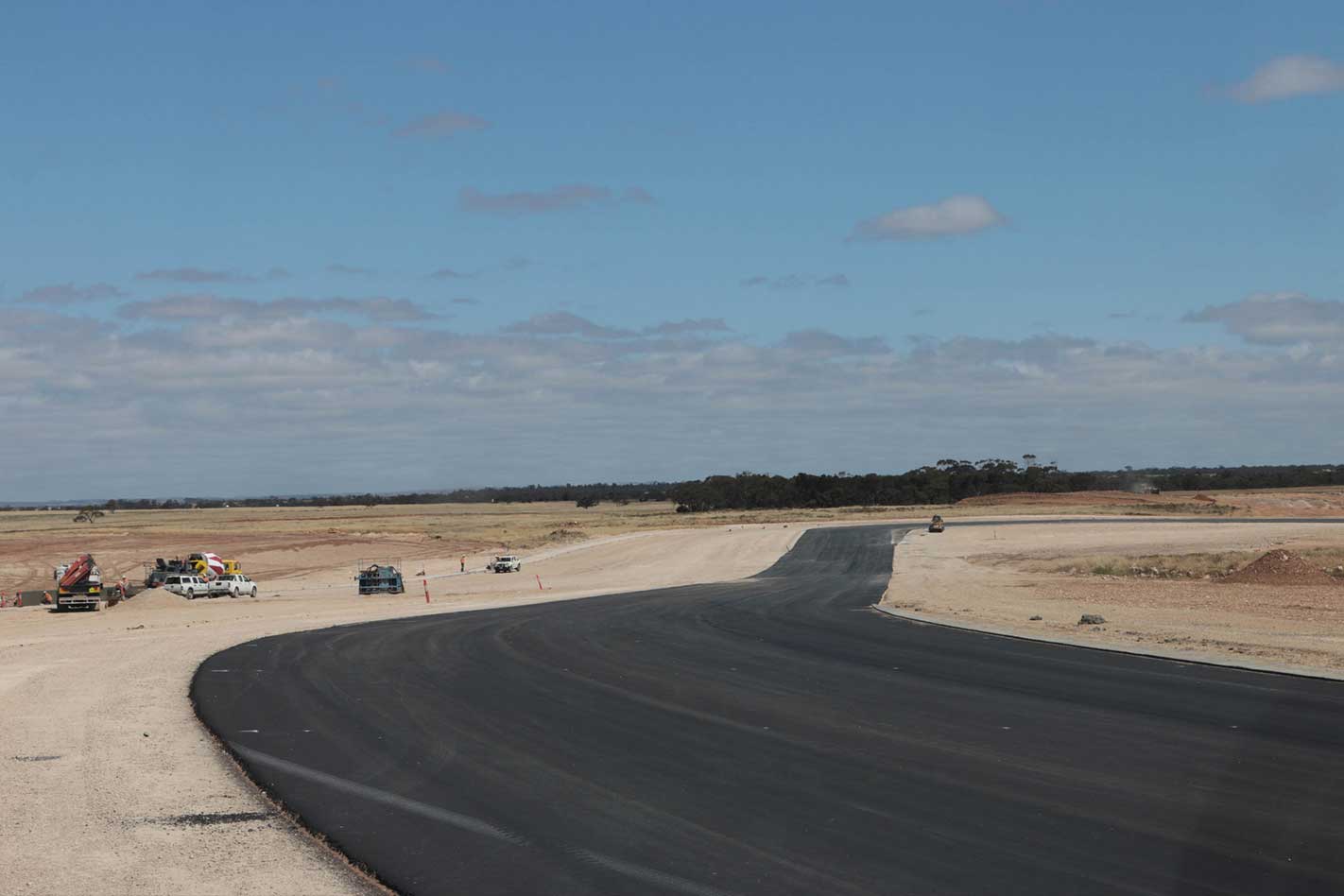
The crown jewel of the $110 million development is the 7.77km main GT circuit, which is being built to FIA Grade 2 and FIM Category A specifications. According to the developers, it will also be the world’s second longest permanent racetrack with a rise and fall of 85 metres and fast-flowing sections.
However, Supercars will use the shorter, 4.95km International circuit. A 3.4km West Circuit and a 3.9km East Circuit will also be incorporated into the overall layout (there are eight different configurations in total) for varied track events.
Around 125,000 square metres of asphalt has been laid, of which is all coming from a mobile unit at the track – one of only two units in the country.
The development also includes provisions for driver training, an off-road course, drag strip, go-karting, drifiting events and, interestingly, a 100-room, four-star Rydges Hotel will be incorporated.
Five Track Considerations
1 – Making the Grade Of the 41 FIA approved Grade 1 tracks from around the world, only Melbourne’s Albert Park is up to the correct standards in terms of Australian tracks. The Adelaide Parklands circuit is only rated at Grade 3. It’s no longer applicable to host F1 given it doesn’t attain Grade 1 status.
2 – Fighting Terrain At Bahrain, sand posed a significant problem given that the track is in the middle of the desert. So a sticky substance was sprayed onto the dunes to stop the sand blowing onto the track.
3 – Safety First The FIA decreed that no sanctioned track could have a straight longer than 2km – allowing the Döttinger Höhe at the ’Ring to remain. This was after fatal crashes on the 6km-long Mulsanne straight at Le Mans where Group C prototypes were reaching in excess of 400km/h. Chicanes were added from 1990 onwards. Mount Panorama also included the ‘Chase’ to meet FIA rules and break up Conrod Straight before the 1987 WTCC.
4 – Running Off Modern, Grade 1 tracks require masses of run-off area before all the usual gravel traps and tyre barriers (or SAFER barriers at high-speed ovals, which are designed to limit damage to the car). Long gone are the days of the famous Nurburgring Carousel.
5 – Draining Issue Dispersing water on a racetrack (to stop pooling and prevent cars from aquaplaning) is achieved by creating a slight (unnoticeable to your eye) crown in the road, directing water to drains.
ON PAPER, the Suzuki Swift entered Wheels Car of the Year testing with an instant disadvantage: priced from $16,000, it’s easily the cheapest car to fall under the judges’ scrutiny. But small and cheap doesn’t have to mean stingy. And so the delightful new Swift proved.
It all comes down to the realisation that Suzuki may have built an inexpensive car, but they haven’t made it cheap. Words such as “polished”, “roomy”, “suave” and “premium” all feature strongly in conversations about how the Swift drives. “This is the kind of car that doesn’t punish people for having a low-end budget,” said judge Noelle Faulkner.
Terrifically chuckable handling is underpinned by a commendable emphasis on lightweighting, with Suzuki removing as much unnecessary mass as possible to give Swift’s engines a leg-up in life. Both the naturally aspirated 1.2-litre four and turbocharged 1.0-litre triple feel bigger than they actually are.
About the only spanner in the works is for anyone wanting one of those old-school manual transmissions. If you like shifting gears yourself, you’ll also be flicking through a Gregorys or Melways (or looking at your smartphone when stopped!) because sat-nav is mutually exclusive. But if you don’t mind opting for Suzuki’s likeable CVT transmission, then a Swift GL with the multimedia works burger is all yours.
The same applies to Autonomous Emergency Braking (AEB) – reserved for the range-topping GLX – which also shirks potentially the most fun combination (a six-speed manual turbo triple) for the meantime in Australia, if not Europe.
But all that is outweighed by an extensive list of positives. The Suzuki Swift is at the pointy end of this year’s COTY field because it doesn’t feel, ride or drive like its meagre price-tag would have suggest. And that’s a really tough talent to master.
FIAT Chrysler Automobiles (FCA) will continue to offer diesel-powered vehicles in its diverse line-up of SUVs and passenger vehicles despite sliding global sales and controversy, but the car maker has forecast the beginning of the end for compression ignition in Europe.
Diesel power occupies a broad range of segments worldwide, including the United States where large pick-ups are popular with six and eight-cylinder diesels, while in Australia the popular one-tonne ute and large SUV markets account for the majority of diesel sales.
Europe has traditionally adopted diesel power in smaller vehicles however, according to FCA CEO Sergio Marchionne, diesel power will be forced out of Europe by increasingly strict emissions regulations.
Speaking at the North American International Auto Show (NAIAS), Marchionne said electrification would take the lead as new carbon emissions standards become impossible to achieve with combustion power alone.
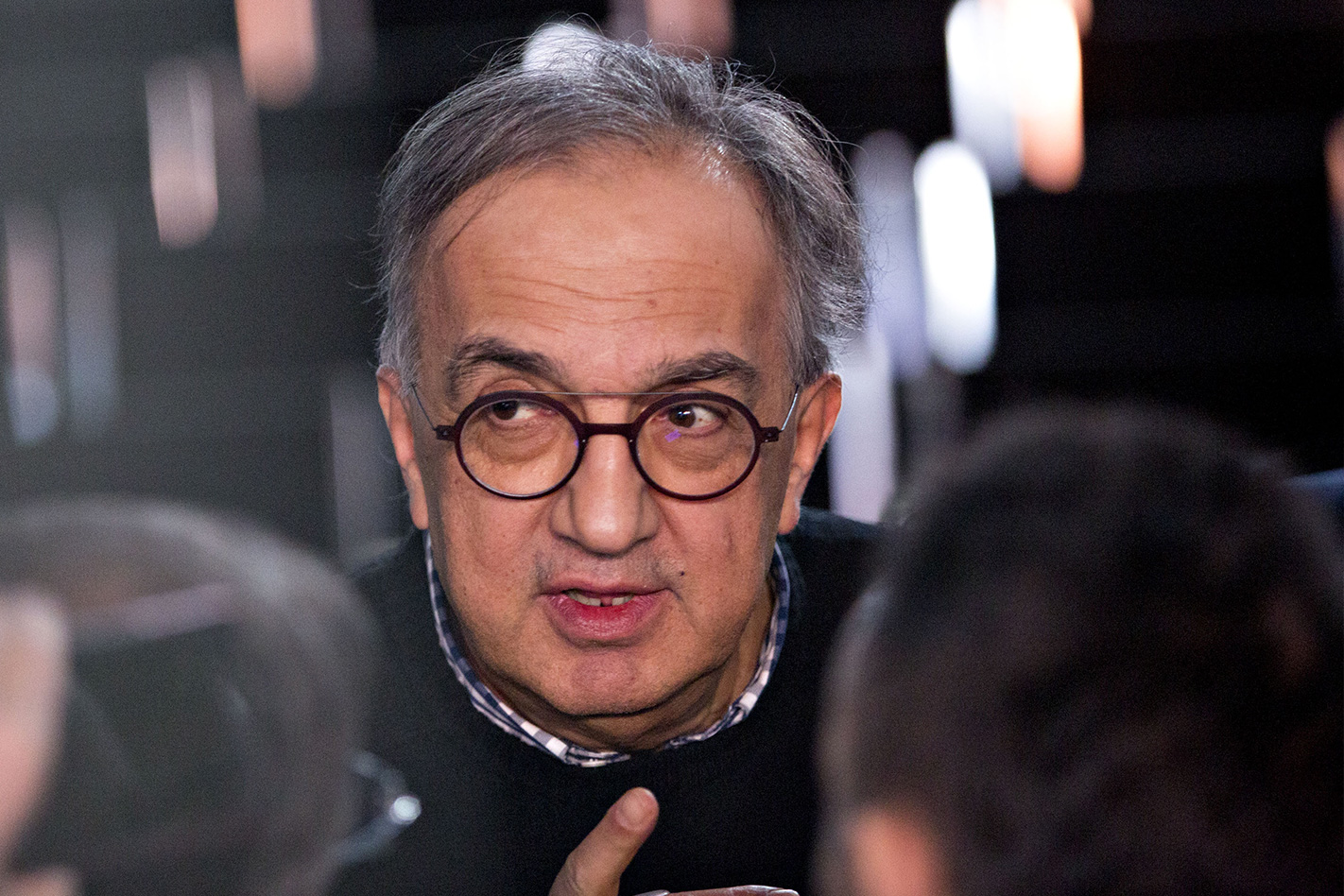
“I think it’s losing its significance in Europe because diesel was a large portion of small vehicle powertrain solutions, which given the technology requirements in Euro 6, becomes absolutely unpalatable from a cost standpoint.”
That switch to hybrid and pure EV power would be exponential said Marchionne as the unit cost of electrified vehicles was driven down by increasing popularity.
“So an alternative to diesel involves utilisation of gas (petrol) and some electrification to try and bridge us over. I think in that case we will see prices of the technology drop due to the technology requirements in Europe.”
The shockwaves from the Volkswagen diesel emissions scandal continue to be felt throughout the industry and are likely to influence consumer and manufacturer behavior for many years to come, and Marchionne said FCA was working hard to rebuild the reputation of diesel as a fuel.

Globally, diesel sales are in decline as the efficiency and torque characteristics of the latest petrol engines creep up on oil-burner performance, but Marchionne explained that the company would continue to back diesel power as long as there is a market, albeit smaller.
“It is my view that diesel continues to hold a place, maybe not the most significant place. I think it needs to be done with purpose and intent and it needs to be monitored carefully given its history now”.
