
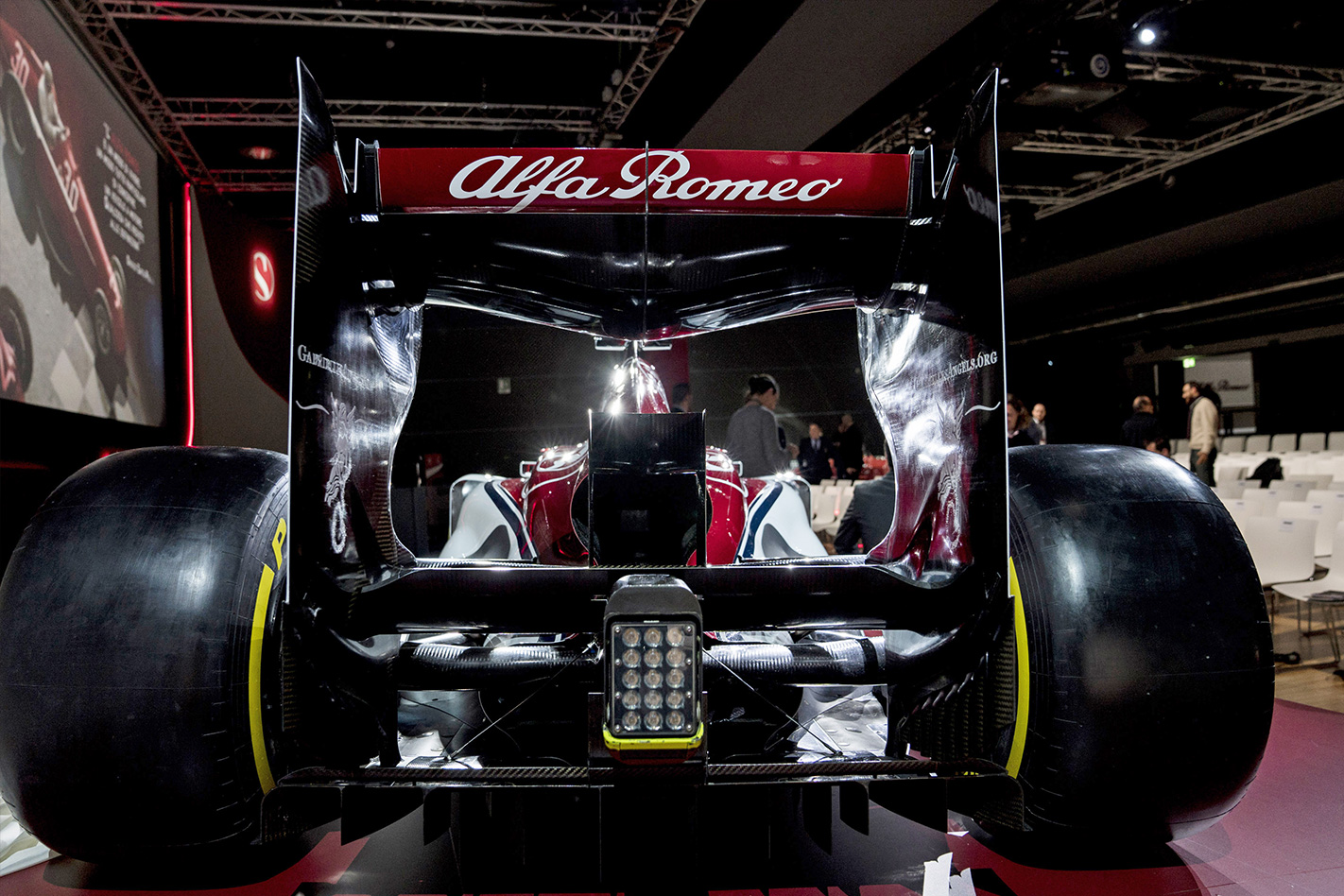
ICONIC Italian car maker Alfa Romeo has announced a shock return to the Formula 1 grid for next year.
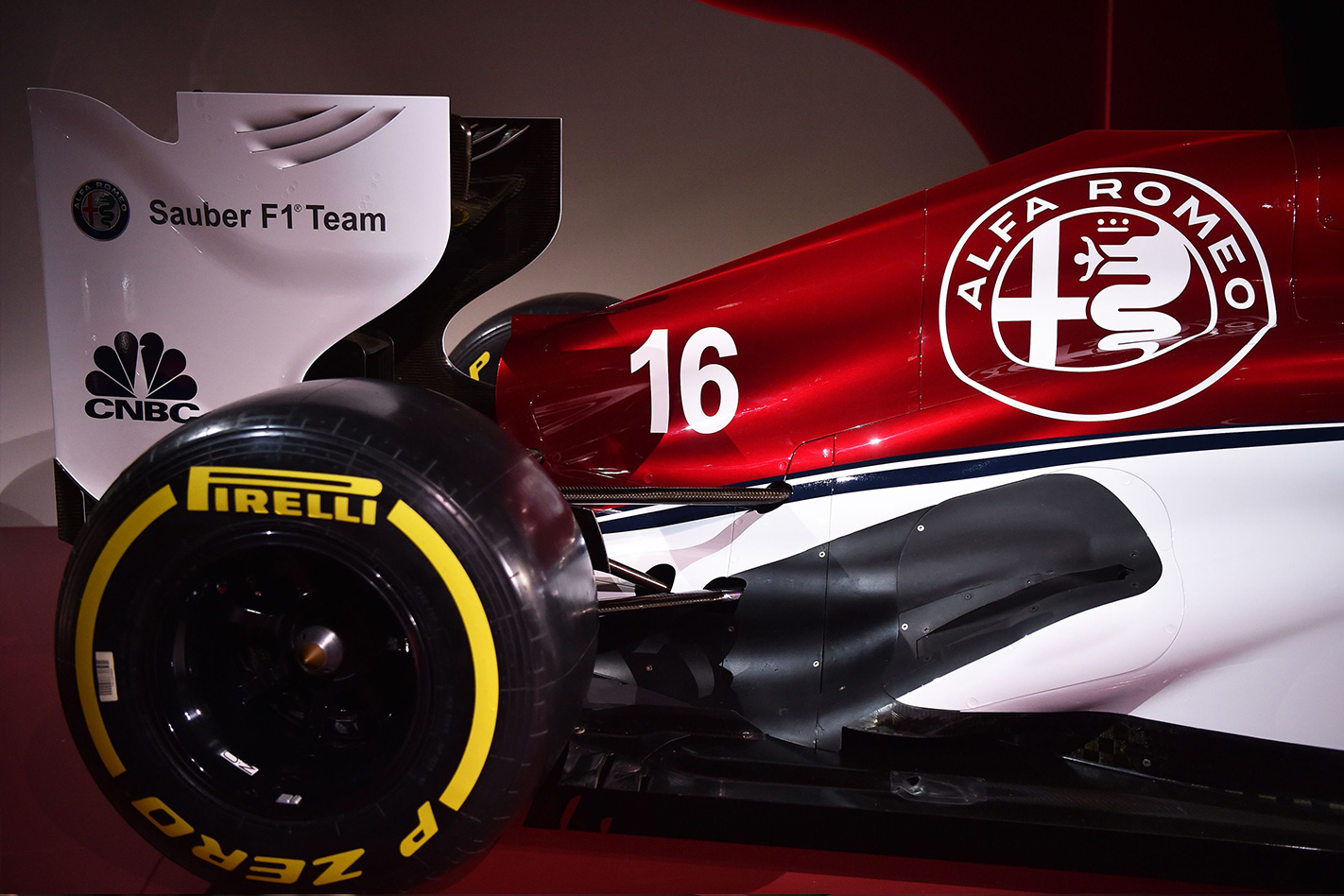
Alfa Romeo has signed a “multi-year technical and commercial partnership agreement” with the Swiss Sauber Formula 1 team, which will rebrand to become Alfa Romeo Sauber F1 Team for 2018.
It’s news that is sure to have F1 fans and followers of the marque clapping with glee, and comes just days after the conclusion of the 2017 season at Abu Dhabi.
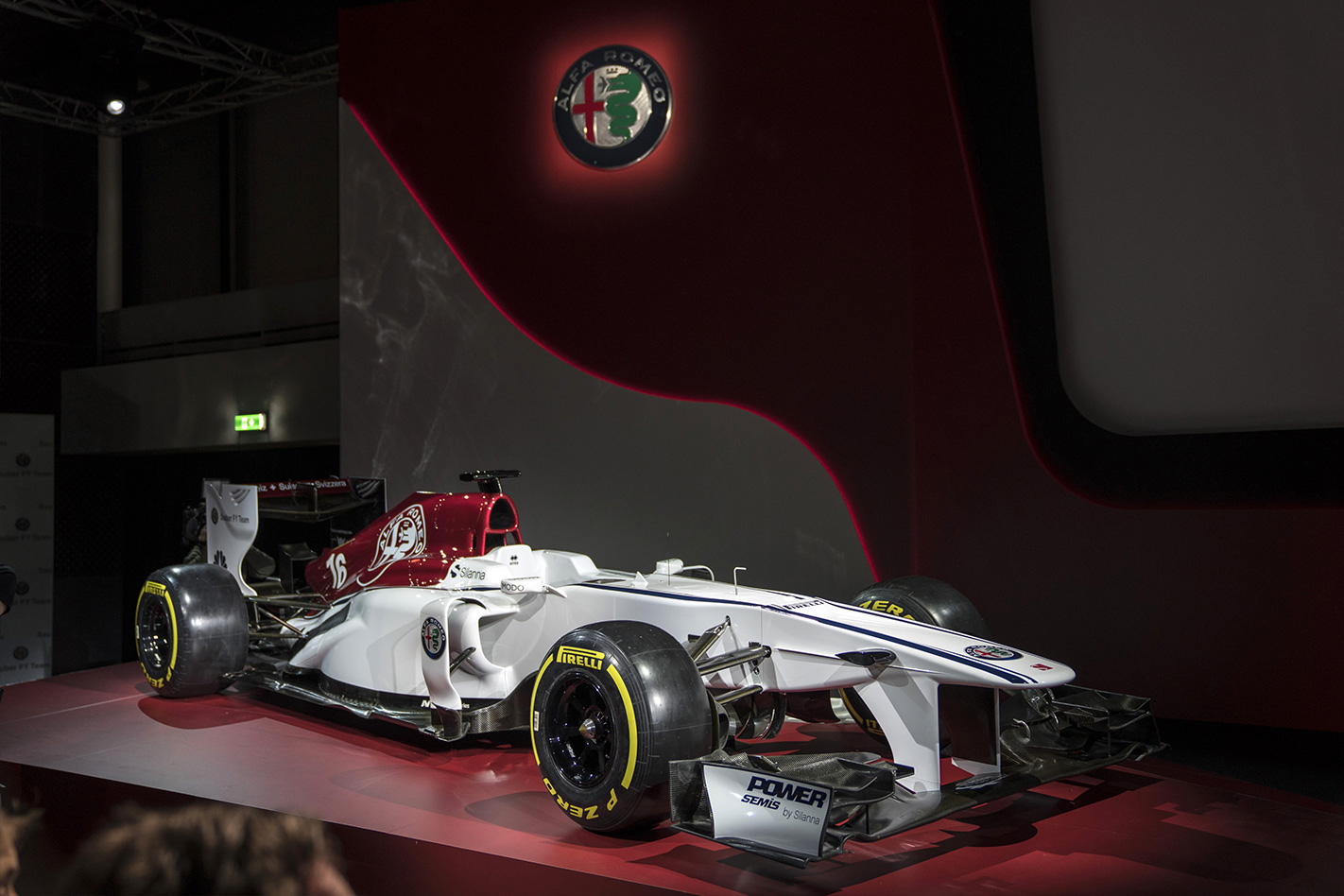
When the revitalised squad lines up on the Albert Park grid in Melbourne next March, its cars will “sport the distinctive colours and logo of Alfa Romeo” and be powered by 2018-spec Ferrari engines.
The driver line-up will consist of current Sauber recruit Marcus Ericsson, and Ferrari Junior Driver Charles Leclerc – who won the FIA Formula 2 championship this year.
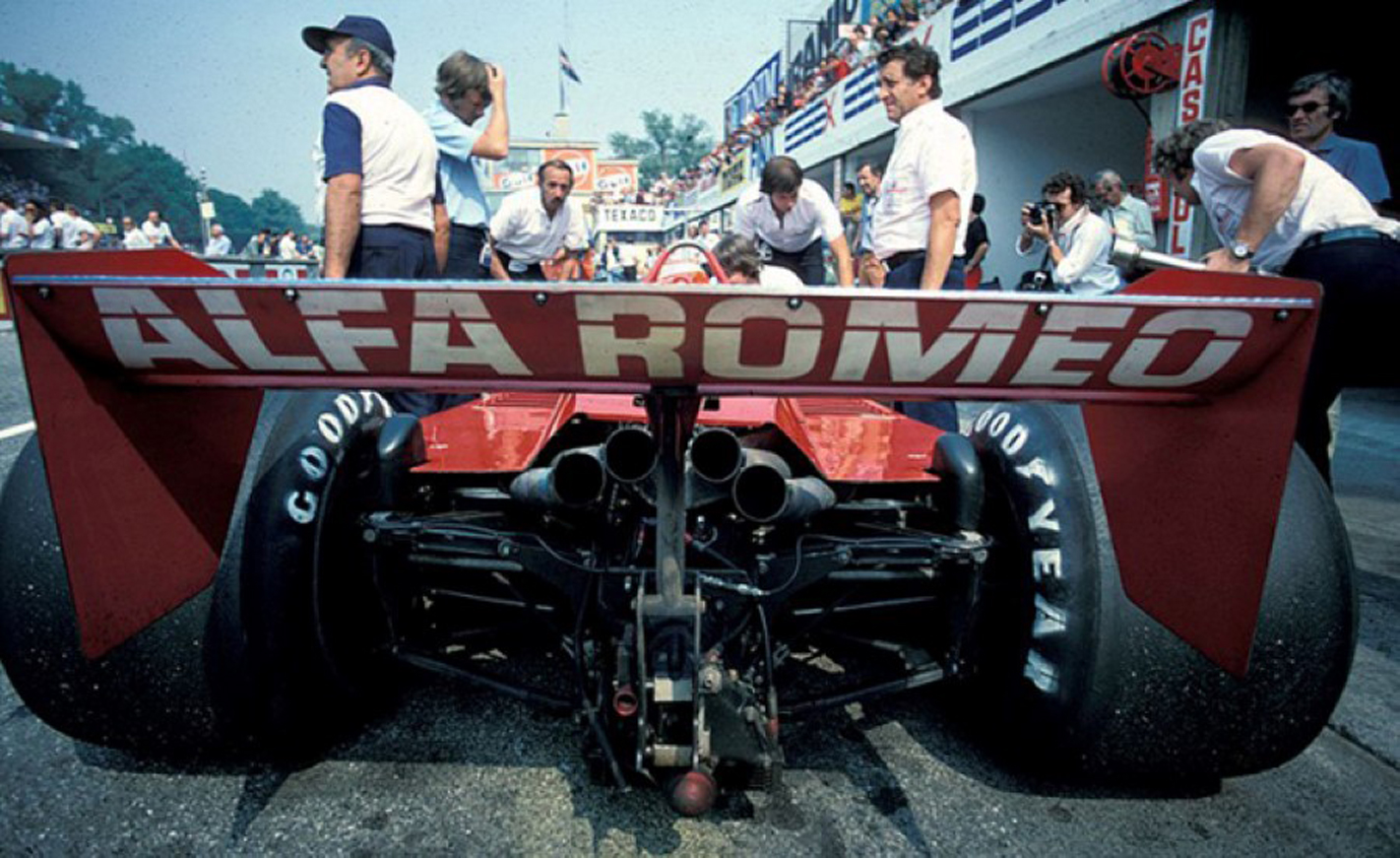
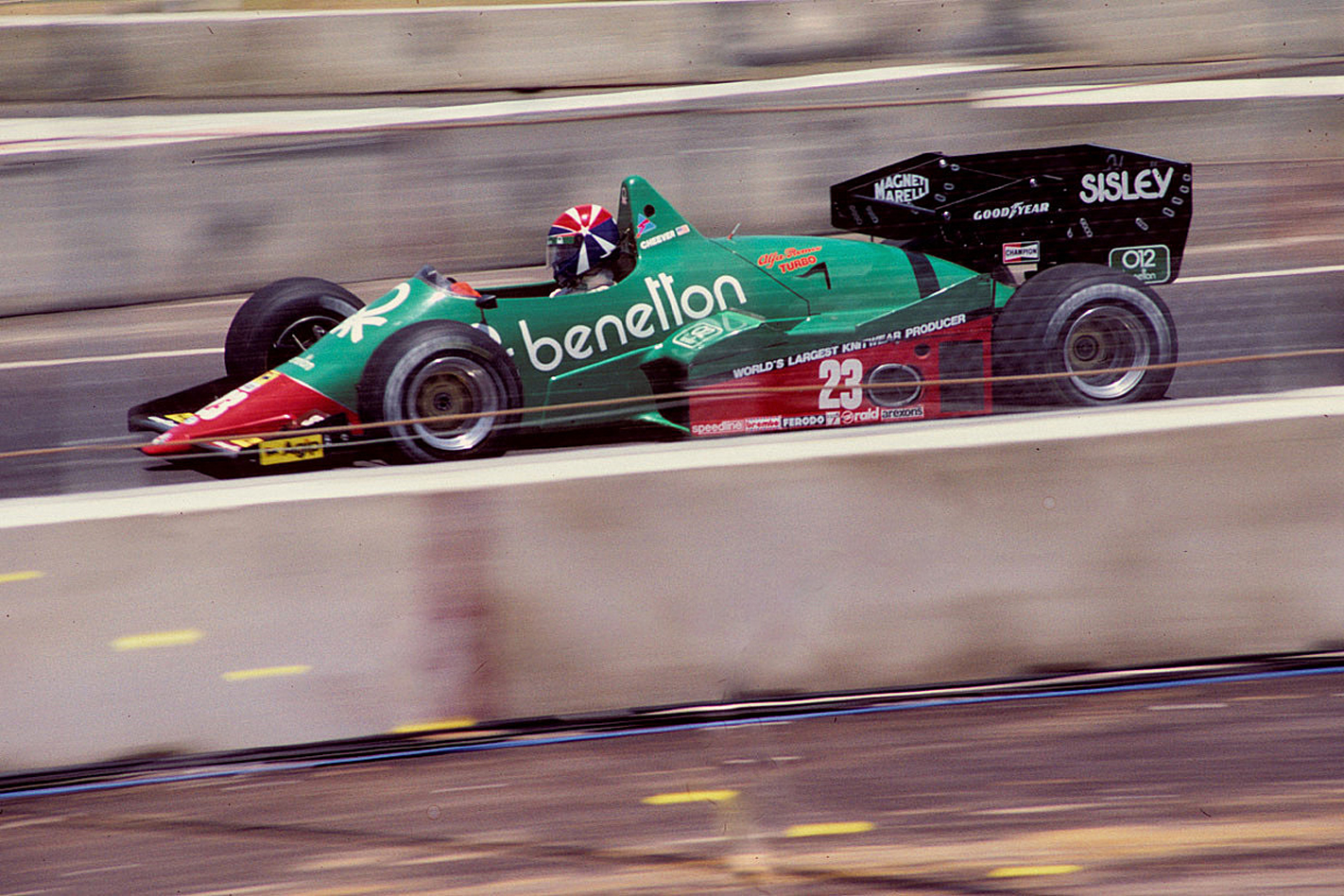
Alfa Romeo last competed in Formula 1 as a factory effort in 1985, before withdrawing as an engine supplier in 1988.
Its first two drivers’ world championships came in 1950 and 1951 at the hands of Nino Farina and Juan Manuel Fangio. Between 1961 and 1979 Alfa Romeo participated in F1 solely as an engine supplier, before returning as a constructor in 1979.
The famous 1978 Brabham BT46B ‘Fan Car’ was powered by an Alfa Romeo engine.
In the early pre-war era of Formula 1, the Italian brand was a dominant force, and rumours of a return have swirled in recent years. Alfa Romeo’s best ‘modern era’ result was a sixth place finish in the constructor’s championship in 1983.
Alfa Romeo engineers who worked on the Giulia and Stelvio road cars will work alongside the Sauber team next year, according to Fiat Chrysler Automobiles (Alfa Romeo’s parent) CEO, Sergio Marchionne.
“This agreement with the Sauber F1 Team is a significant step in the reshaping of the Alfa Romeo brand, which will return to Formula 1 after an absence of more than 30 years,” he said.
“Alfa Romeo fans will once again have the opportunity to support an automaker that is determined to begin writing an exciting new chapter in its unique, legendary sporting history.”
MERCEDES-BENZ has unveiled a prototype lighting unit that features a megapixel lighting pod capable of projecting animated or still images onto the road ahead.
The Stuttgart company’s current state of the art lighting system is the Multibeam LED light pod, which features 84 individual diodes, capable of forming a U-shape to keep other vehicles in a dimmed cone of light. But forget about all that. It’s become hopelessly obsolete at a stroke.
The new system is currently only in the testing phase, and would need to overcome a few legislative framework issues before it’s offered to customers, but, as spokesman Bernhard Weidemann explained, the possibilities are enormous.
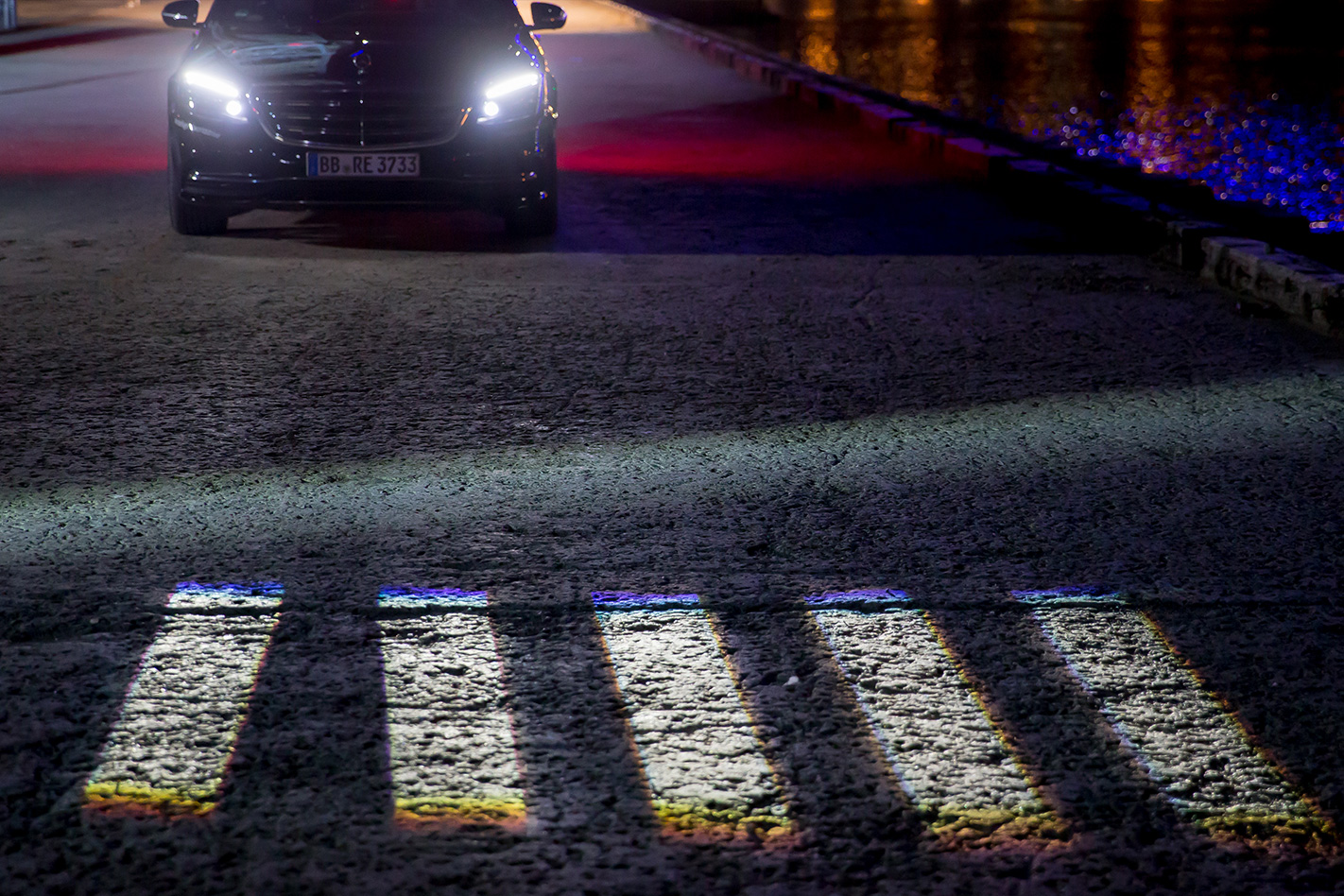
The system’s flexibility is such that it can potentially identify a number of targets and dim the beams at them simultaneously while otherwise maintaining full beam.
“We can only work in monochrome at the moment, because there are certain colours that are reserved. Blue lights for law enforcement, red for tail lights and so on, but we’re only really starting to understand the potential of these lights,” he admitted.

There’s no word on when these lights will appear in a production Benz, but by the time they do, the price should be a little more manageable. When asked how much the development units cost, Weidemann admitted they were the price of an entry-level Mercedes A-Class (around $38,000).
EVEN though we knew what it looked like, the Mercedes-Benz F 015 provided one the biggest “what the!?” moments of 2017 when it arrived at Wheels HQ earlier this week.
Delivered in secret, on the back of an enclosed truck to be photographed for our next magazine, the sleek silver concept looked more like a spaceship than a car when it finally rolled into our carpark.
Wedging it alongside our regular array of Mazdas, Toyotas and Fords only exacerbated the extra-terrestrial vibe: with its shining bodywork, girthy wheelbase and closed in glass-house the F 015 looked extraordinary.
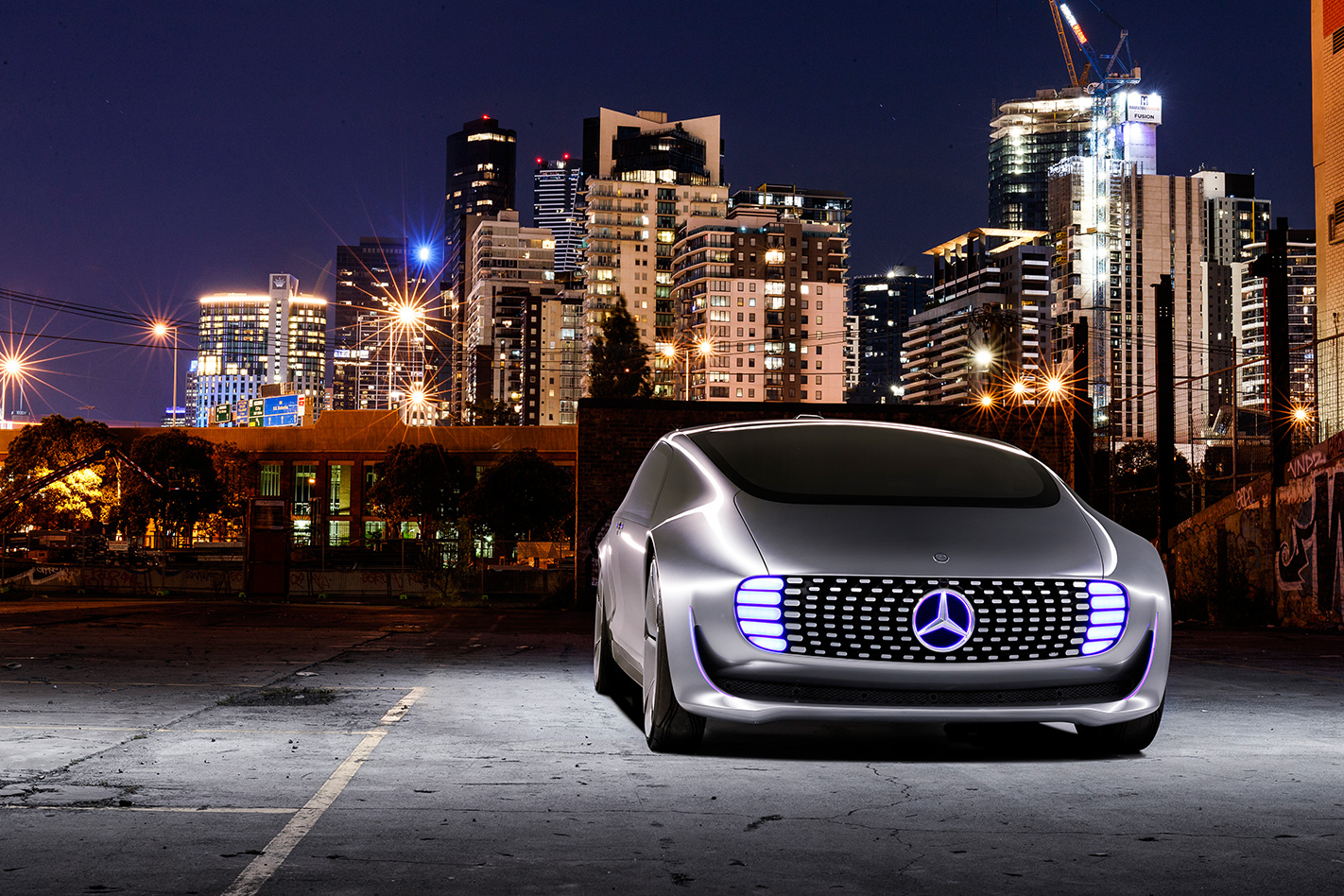
First revealed at the CES technology summit in Las Vegas, the F 015 represents Mercedes’ thoughts about what the luxury car will look like in 2030.
An important distinction to note; Benz says this is not a concept car, but rather a “research car”, so instead of previewing a future production model’s design, it’s more of a technology showcase.
Propulsion comes from a hydrogen fuel cell supported by two electric motors and, having ourselves manoeuvred it around, we can attest that it is indeed a runner.
Range is a claimed 1100km and it’s no slouch, with a 0-100km/h claim of 6.7sec and a theoretical top speed of 200km/h. These numbers are harder to believe.
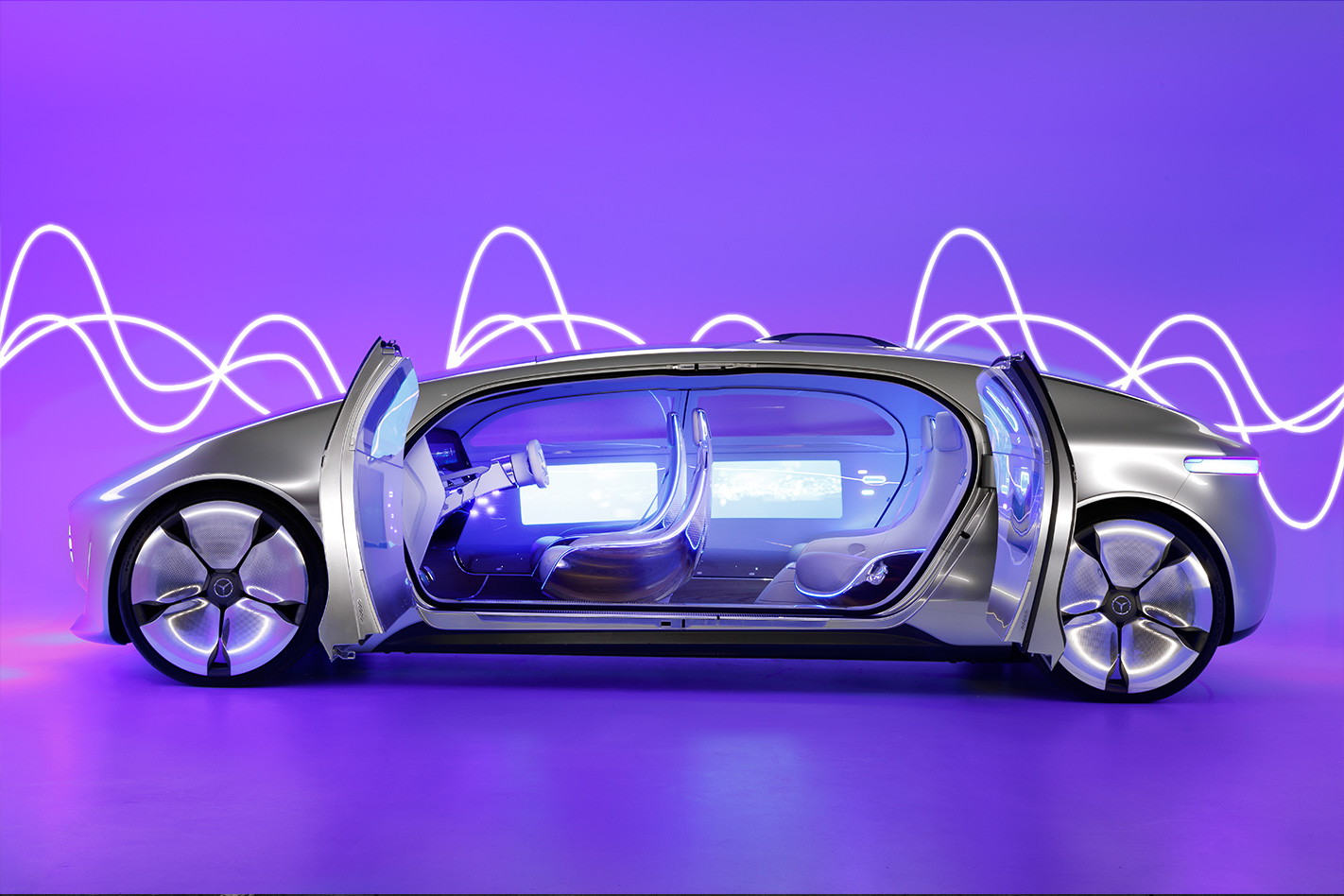
It’s a richly trimmed and suitably futuristic place to sit, but not exactly what you’d call quiet. Firing the F 015 into life requires the switch of a plug hidden under the rear bodywork and while the electric motors themselves are silent, the on-board systems require so much computing power that the roar of cooling fans fills the aural void usually occupied by an internal combustion engine.
It’s a rare opportunity to be able to poke, prod and play with such a rare and expensive concept, so watch the video for the full experience. And be sure to grab our next issue, which we’re calling the Future Edition, on December 14 to see what role the F 015 plays in Wheels’ forward vision of the roads and cars to come in 10, 20 and 30 years’ time.
WHAT IS IT?
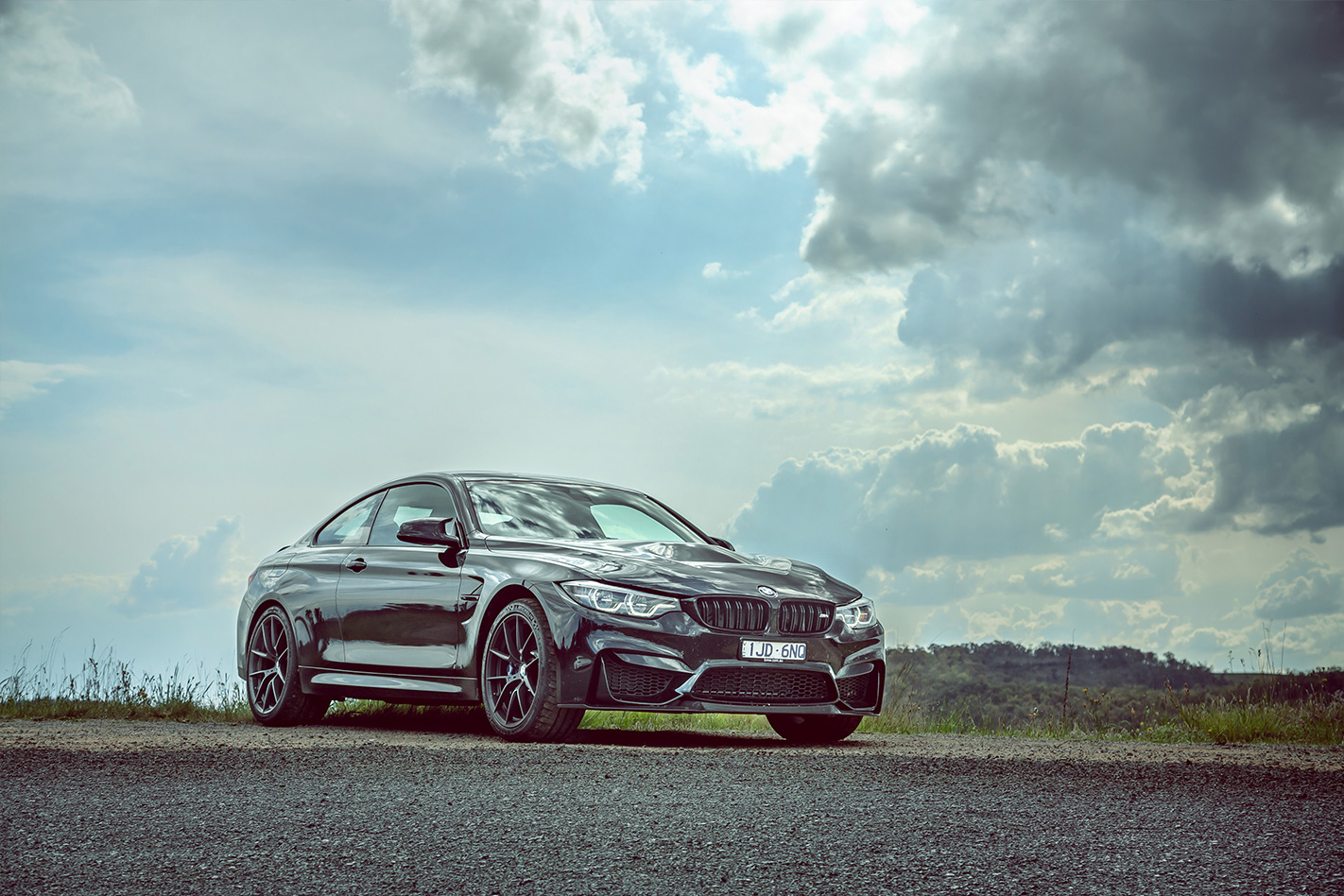
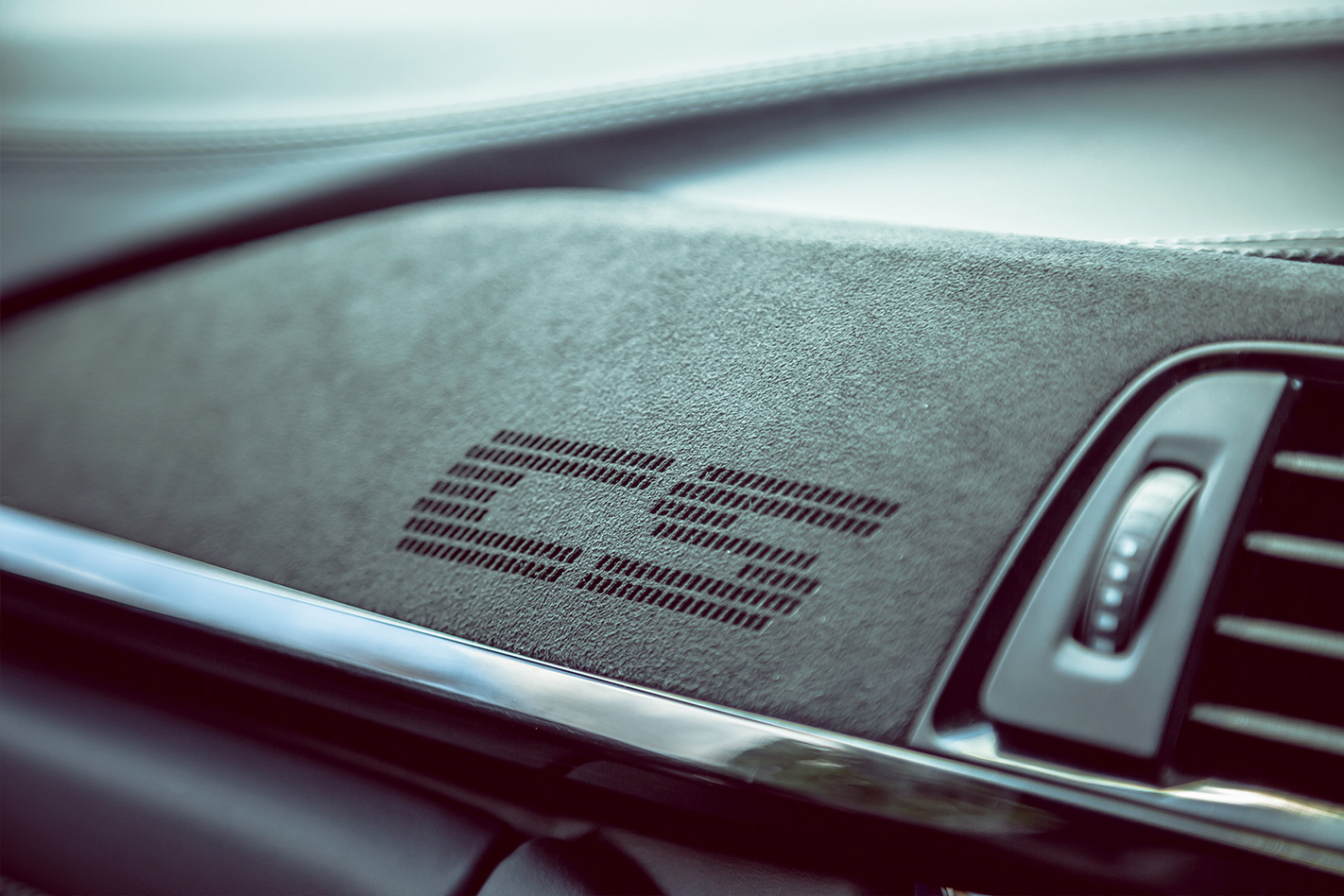
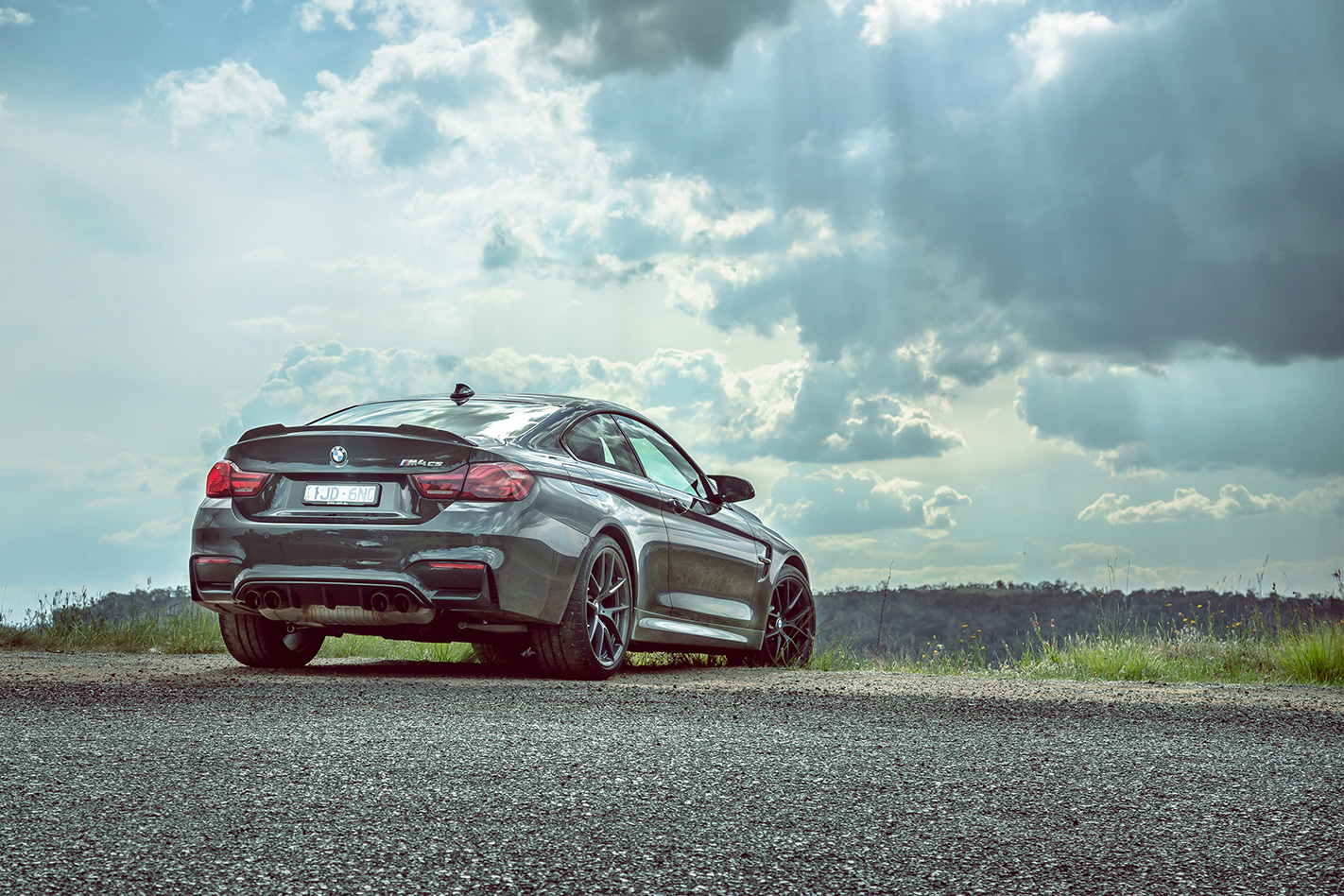
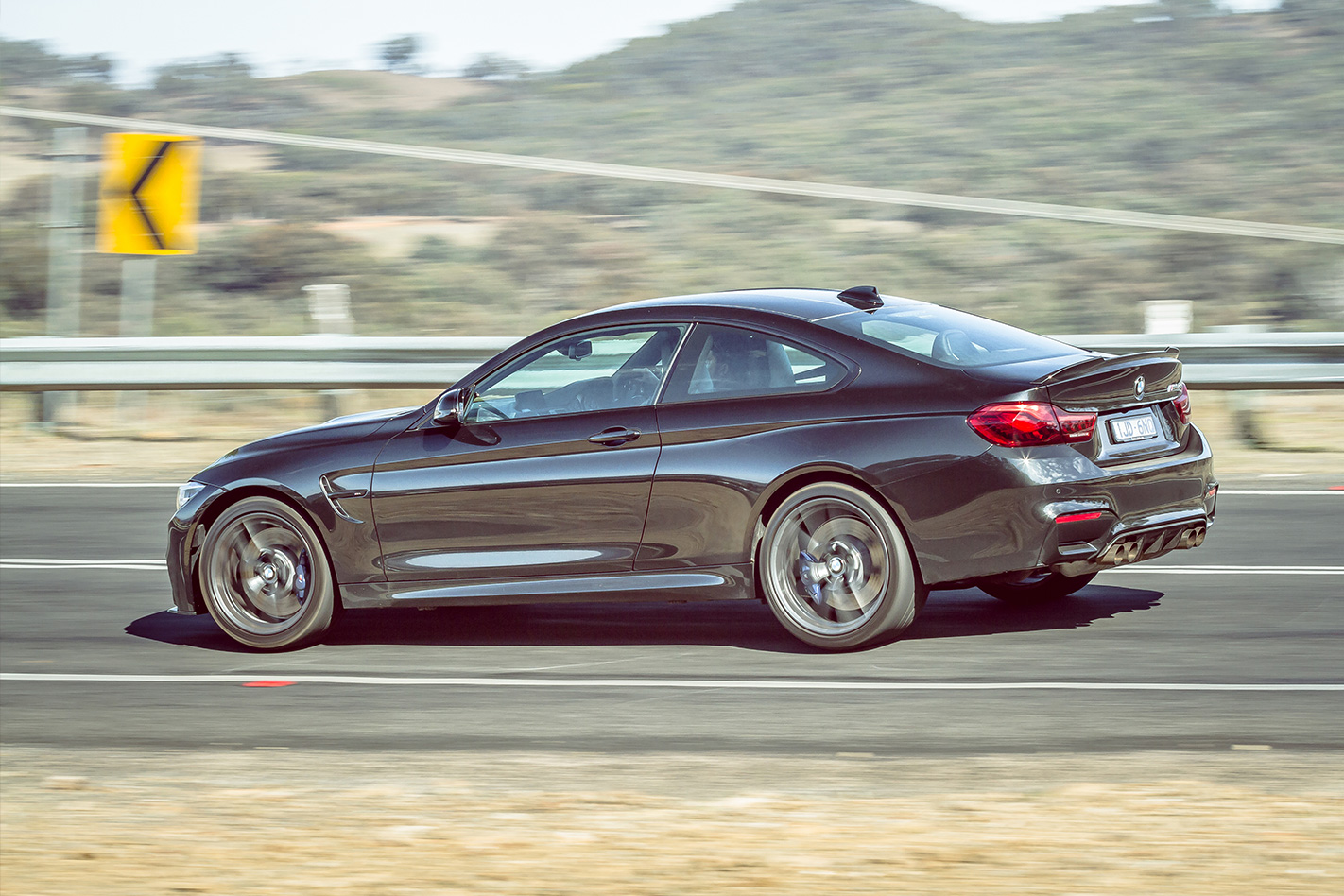
The BMW M4 CS looks to distil the lessons learned with M4, M4 Pure and M4 GTS into a highly focused road car that can be put to occasional track use. It’s big on drama and carries a commensurately hefty price tag.
WHY WE’RE TESTING IT
Can anyone really justify paying a premium of more than $70,000 above the entry-level M4 for the CS, a car that packs another 7kW? That’s one heck of an ask, and we needed to discover whether this was a marketing exercise to fleece the gullible or a worthy addition to BMW’s long history of magnificent M cars.
Audi RS5, Mercedes-AMG C63 S coupe, Jaguar F-Type V8 R coupe, Porsche 718 Cayman GT4
THE WHEELS VERDICT
It would be great if we could set the price of the M4 CS aside and just judge the car on its objective merits. But we can’t. Those merits have to be contextualised in some sort of frame of reference, and $211,610 is something that colours every judgment on this car. Play in that particular market segment and you’re subject to harsher scrutiny, and the BMW M4 CS withers somewhat under that gaze. It’s the best roadgoing M4 BMW has ever built, which, given the company’s track record with the car so far, wasn’t a particularly testing assignment. Nevertheless, BMW finally seems to have managed to civilise the M4’s power delivery and roadholding while amping up the overall excitement levels. From a dynamic perspective, it’s a major win. It’ll never attain hero status like the old E46 M3 CSL coupe though, which pulls that price tag back into the equation. We’d love this car at $160K. At $211K, we’re not quite sold.
MINUS: Opportunistic pricing, could sound a little rawer, still no carbon brakes as standard
THE WHEELS REVIEW
BEING largely rubbish at suspense, I’ll get straight to the point. BMW has fixed the M4. Mostly. As you’re probably aware, to date, the M4 hasn’t quite added up to the sum of its parts. It’s been adjudged too spiky, not vocal enough, a little old and bland in its execution and generally not polished enough to assume the position at the top of its class. Its obvious German rivals always seemed to have more about them, and seemed capable of swatting the M4 aside almost at will. Now that BMW has finally discovered the M4’s special sauce, that’s not going to be so easy from here on in.
There is a caveat though; 211,610 of them actually. That’s where BMW Australia has priced the M4 CS, and it’s a serious impost, especially when the M4 range opens at $139K. Mechanical differences are relatively modest given the big premium, the M4’s 338kW/600Nm turbo-six adding a mere 7kW and 50Nm. Or a tenth off your 0-100 if you prefer. So it’s hardly night and day quicker, but the refreshing thing about the CS is that it instead focuses on the things that matter to real drivers. BMW has clearly listened to feedback on the M4 and has set about fixing those issues one by one.
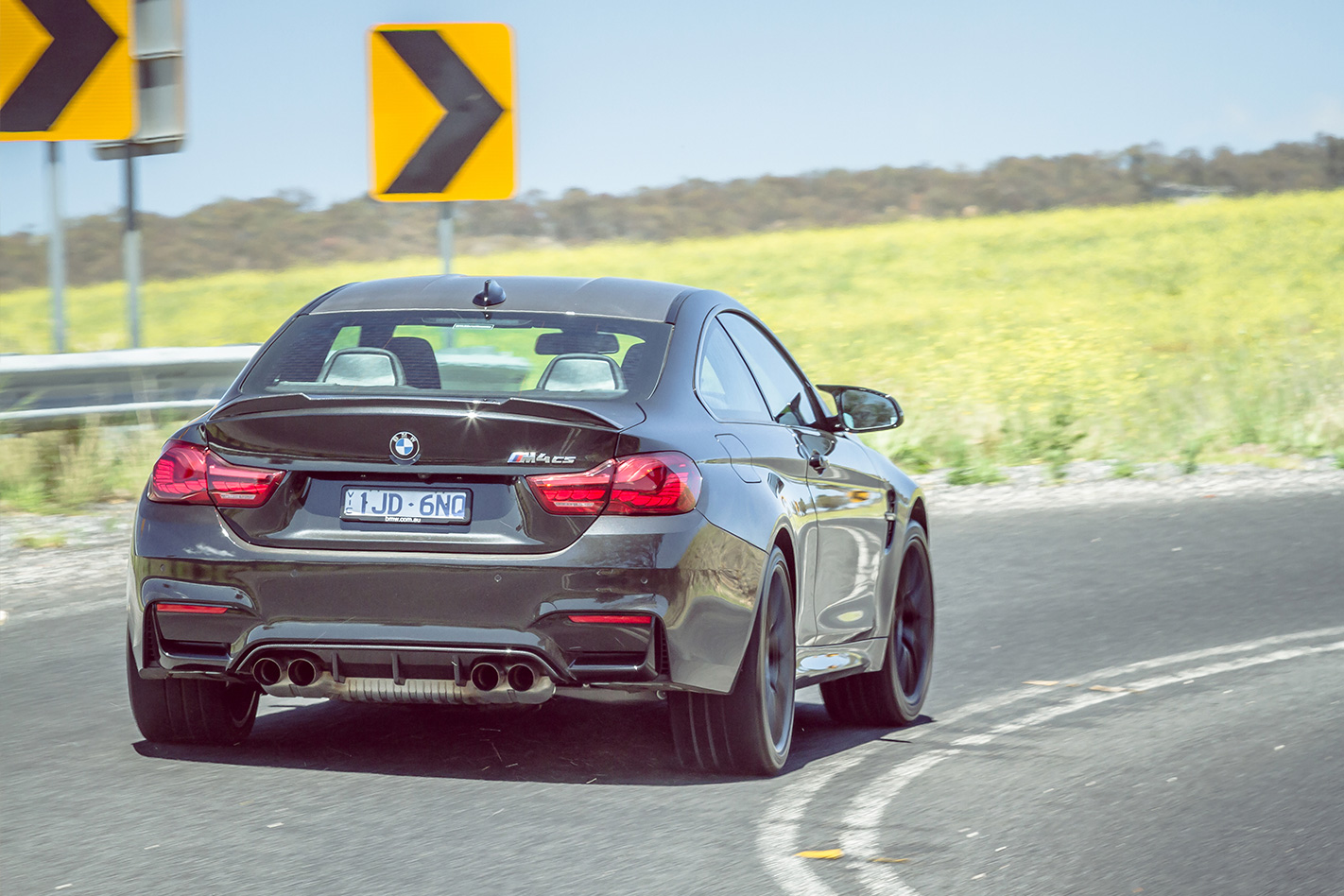
Without the nibble of tread shuffle and sidewall deflection you get in the cooking M4, the front of the CS initially feels a little aloof. Lean on it once the tyres are warmed through and confidence comes quickly, the fat Alcantara-trimmed wheel scribing perfect arcs through corners. You’re able to feed throttle in earlier and more decisively too, the rear end both grippier and less susceptible to the heart-in-mouth bucking and skipping of the standard car on typical Aussie country roads.
Quite how the Germans have the chutzpah to leave carbon ceramic brake discs on the options list for the M4 CS is open to debate, but the four-pot standard front stoppers are acceptable for most road driving. Get them on track and they’re likely to wilt fairly quickly, especially if you’re intent on extracting the maximum potential from the Cup tyres. The sole transmission choice is a DCT seven-speed, which makes sense. It’s a sharp unit that is well calibrated through the Comfort, Sport and Sport+ modes. Likewise, Munich’s done a great job finessing the stability control, with M Dynamic Mode allowing a satisfying ability to nudge the car into a few degrees of yaw before the system decides your papers are not in order.
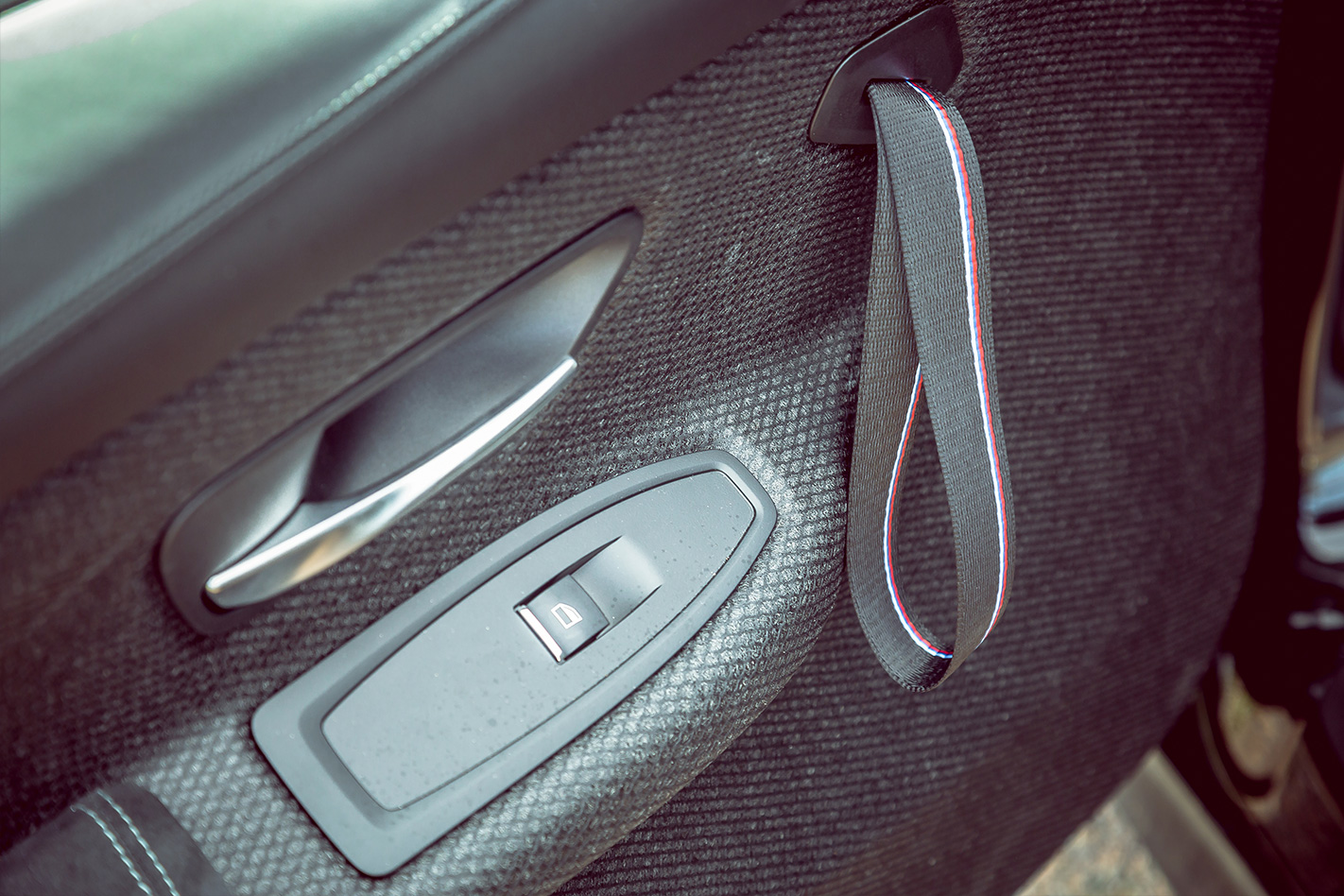
The interior is a more than a little OTT, with fabric door pulls and scratchy flat door cards, single zone air con and the same cut-down centre stack as the GTS, robbing you of virtually any oddments storage. The chubby wheel has the sort of girth that’s endlessly promised in your email spam box, while the roof lining consists of a flimsy-feeling moulding. The aim is clearly to give the CS a kind of club-racer, GT3-lite feel, but in truth it all feels a bit affected and a slightly disingenuous way of trying to justify the inflated asking price.
SPECS
Model: BMW M4 CS Engine: 2979cc 6cyl, dohc, 24v twin-turbo Max power: 338kW @ 6250rpm Max torque: 600Nm @ 4000-5380rpm Transmission: 7-speed twin-clutch Weight: 1580kg 0-100km/h: 3.9sec Economy: 8.4L/100km (claimed) Price: $211,610 On sale: Now
If saving money and getting the most value out of your new car is at the top of your priority list, then Wheels Magazine’s Gold Star Car awards are probably already pencilled into your diaries.
Every year our sister publication runs its Gold Star Car awards to discover the best value vehicle on sale in the country.
More than 2500 cars were put through the unwavering eye of our long and intimidating Excel formula, with one car named the winner in each of the 21 key categories on offer – every vehicle type and budget is catered for.
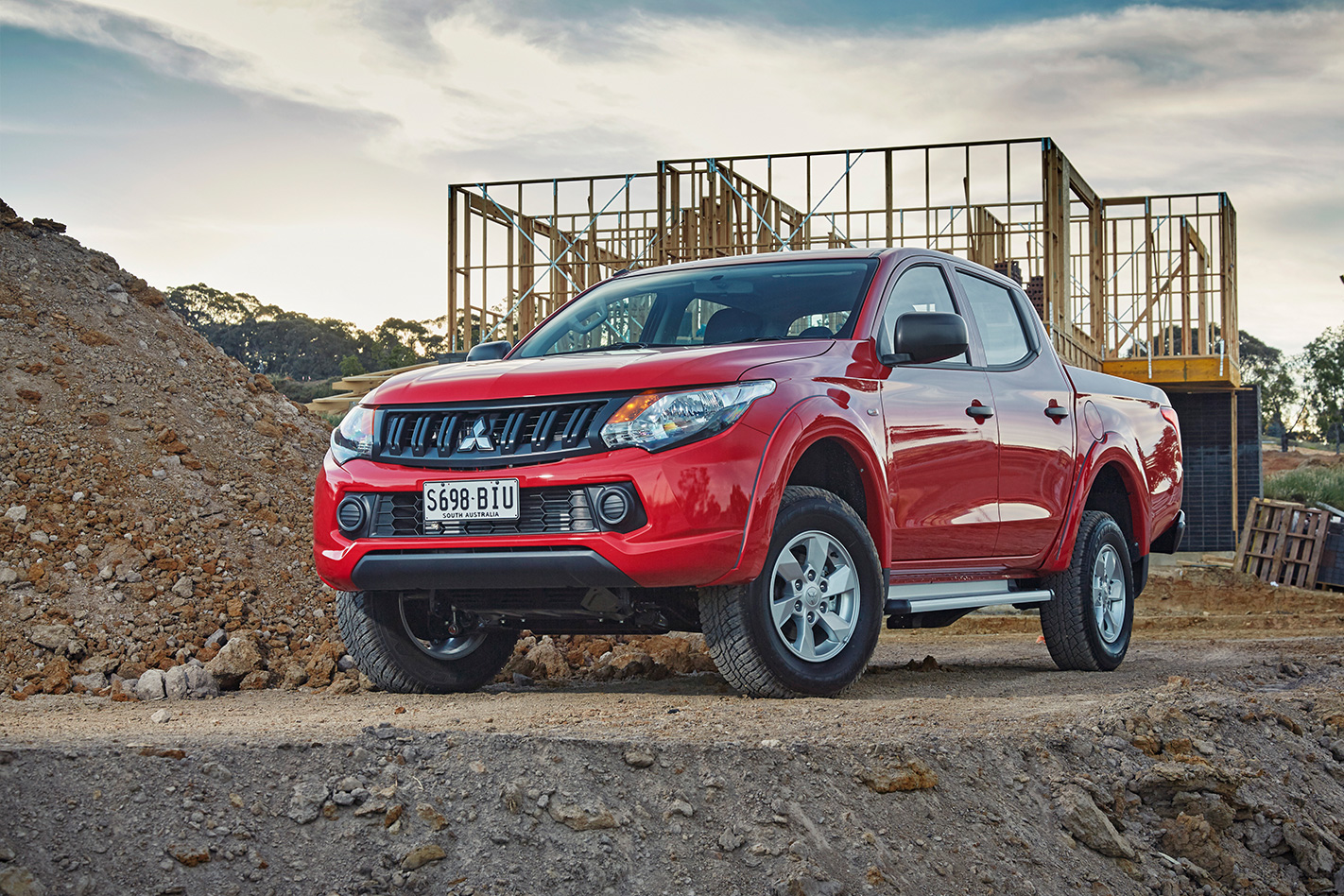
The winner is decided by taking into account various ‘real world’ factors such as fuel economy, insurance, retained value, servicing costs and warranties.
This year, the Kia Picanto was rated the best value car you can buy, scoring higher than any other vehicle on sale.
“If you’re intent on new-car ownership and want to do it at minimum cost, with a degree of driver appeal, then the Picanto is king,” reads the magazine.
“The model is offered in a single ‘S’ spec (for now) and opting for the five-speed manual saves you $1500 up front, and a further $120 each year at the bowser compared with the auto. The cost of depreciation here is about $2500/year, which is as good as it gets for a new car, and the Kia kicks goals with the brand’s generous warranty, a handy 12-month service interval and bargain annual insurance.”
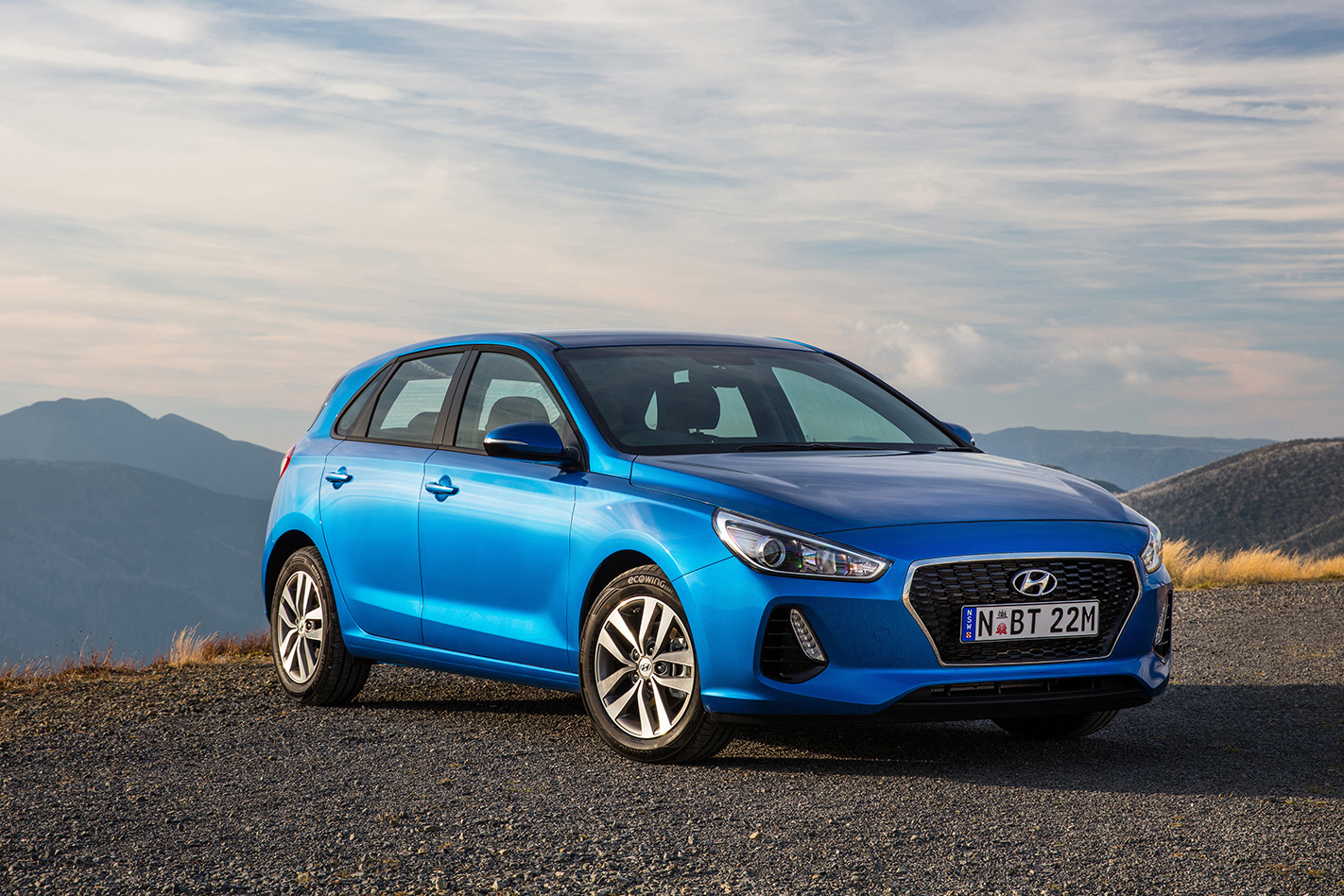
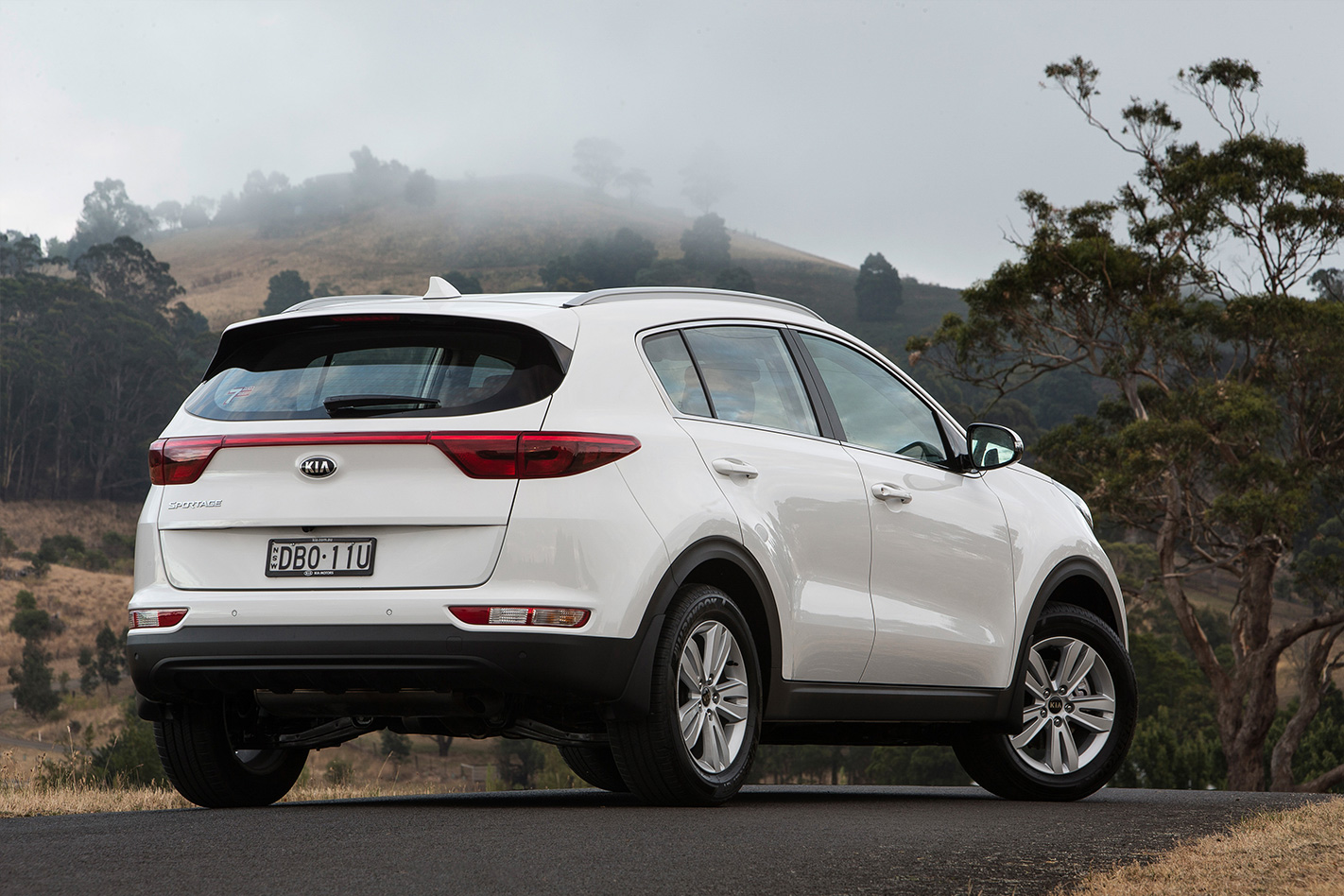
Other significant category winners include the Hyundai i30 Active CRDi DCT in the ‘Small Car over $24,000’ category, and Kia Sportage Si in the ‘Medium SUV under $45,000’ category.
Kia also scored the most category wins of any manufacturer (five), while Mazda came a close second by producing four category winners, and Hyundai rounded out the podium with an impressive three triumphs.
A big reason why the Gold Star Car awards have endured over a decade is that it’s been designed to reveal the hidden costs to owning your vehicle. Its true value is not what it cost you, or even what you can sell it for. Its real value needs to factor in what it costs you to ‘own and operate’.
“When you consider a car is one of the biggest single expenses in your life, and certainly the most complex product you’ll buy, it’s nice to know you’re at the head of the pack … and have made the smartest possible choice,” said Wheels editor, Alex Inwood.
“From small cars through to Utes and luxury sedans, the winners of these categories identify which motorists have achieved the greatest possible return on their investment.”
You can get the full rundown of each category, and winners here
QUEENSLAND’S newly elected government has drawn the ire of the Australian car industry by proposing its own version of the luxury car tax to help fill its coffers.
As part of its pre-election pledge to increase taxes on the rich, Labor Treasurer Curtis Pitt said the government would add $2 to the transfer duty cost of a new car costing more than $100,000, adding thousands to the cost of such cars and raising an extra $25 million a year for the state’s purse.
“If you can afford a $100,000 vehicle, you can afford to pay your way,” Pitt told the Brisbane Times.
The surprise move drew the ire of the Federal Chamber of Automotive Industries – the group that represents the interests of the Australian-based outposts of global manufacturers selling cars here.
“There was no consultation with the FCAI nor its members on the detail of this announcement,” FCAI president Tony Weber said. “Governments seem to think of motor vehicles as the golden goose.
“The fact is motor vehicles are already heavily taxed in Australia. The imposition of GST, stamp duties, registration fees and the ongoing related taxes including fuel excise, are all hitting consumers hard.”
The FCAI said government taxes now made up around 20 percent of a new car’s price.
The impact that the government’s proposal will have on a $100,000 car varies according to how many cylinders it has under the bonnet – and whether it also carries an electric motor.
Electric and hybrid cars currently attract a registration duty of $2 for every $100 of value, meaning the duty on a $248,500 petrol-electric V6 Porsche Panamera Hybrid under the new scheme will increase from $4970 to $9940. Likewise, for a $109,611 four-cylinder Mercedes-Benz E300 sedan, which attracts a $3 rego duty, the tax slug will jump from $3228 to $5481. Five- or six-cylinder cars will jump in duty from $3.50 per $100 of cost to $5.50.
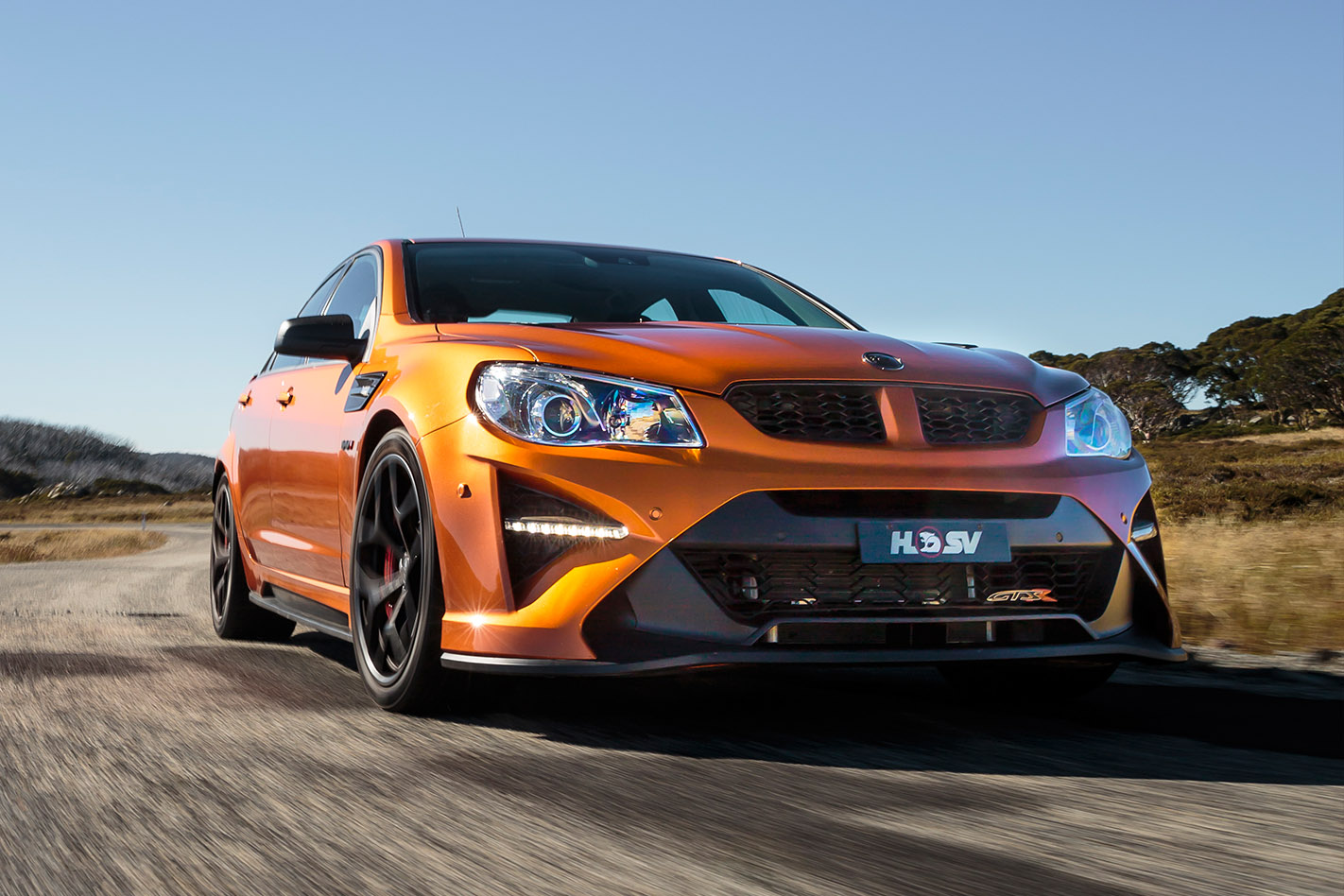
But it’s V8 buyers who will suffer the biggest hit. They currently pay $4 per $100 in duty, with the $290,512 cost of a Jaguar F-Type SVR shaping up to attract $17,431 in rego fees compared with a more modest pre-hike slug of just $11,620.
Like the GST, it’s not just the list price of the vehicle. Stack on a few choice optional extras, and the duty bill will soar even higher. It also means Queensland buyers shopping around under the $100,000 mark – say for a $99,900 M2 – would need to be careful that their keenness to personalise their ride won’t push the cost above the $100,000 ceiling.
Meanwhile, the Queensland government has announced it will not introduce new taxes for foreign property investors who buy a house in Queensland.
“In the lead-up to the election we made it very clear that we wanted to provide certainty to businesses and investors, and that we would not be changing the existing revenue policy settings this term of government,” Pitt said.
“Therefore, we’re ruling out any stamp duty surcharges for foreign investors who purchase a house in Queensland.
“We’re also ruling out any land tax surcharge for foreign investors in this state.”
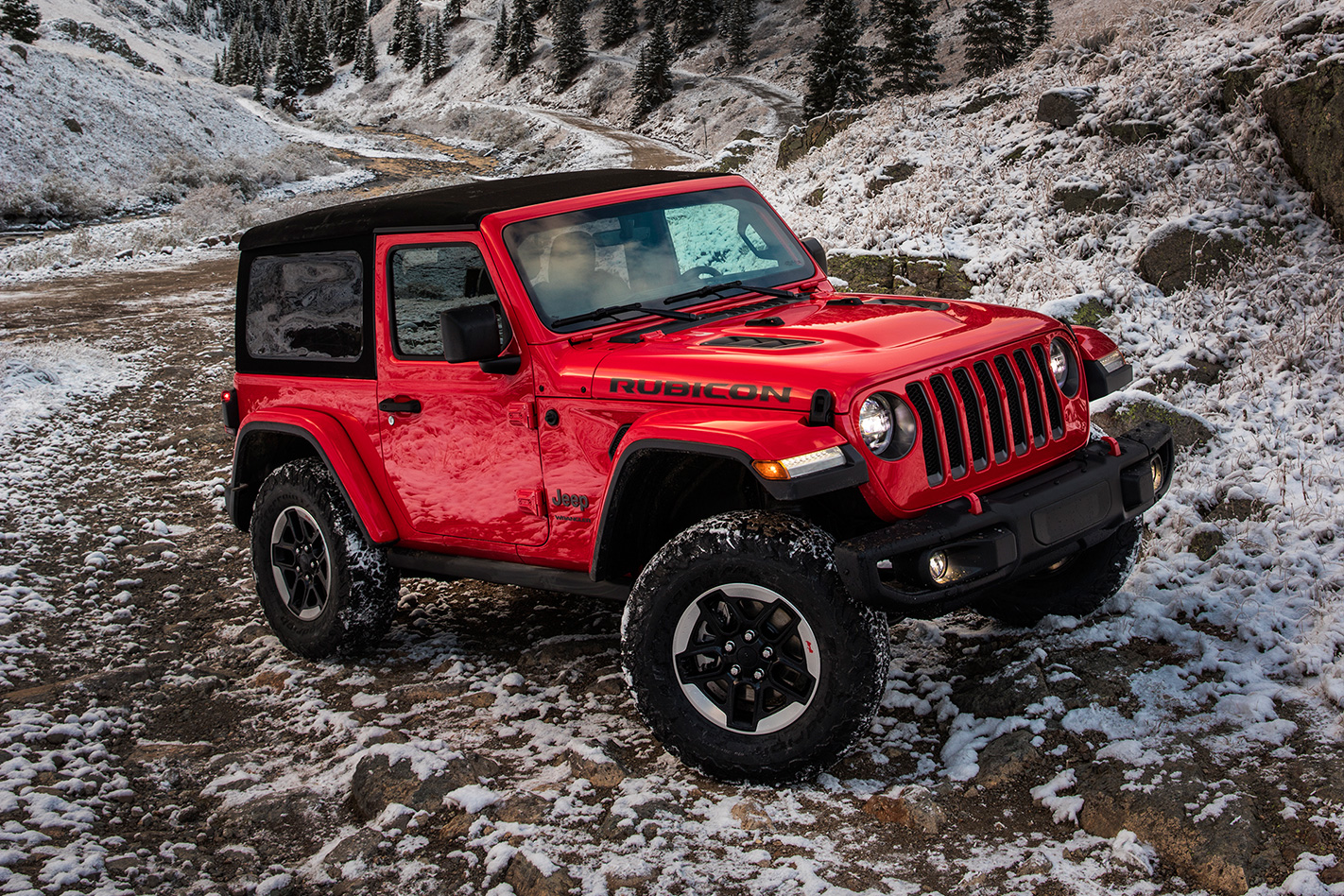
IF THERE’S one model in the Jeep line-up that best encapsulates the brand’s utilitarian off-road roots, tracing its origins right back to the ‘civilianised’ military vehicle of 1941, it’s surely the Wrangler.
This is the true rock-hopping, mud-crawling, go-anywhere vehicle for buyers not interested in the beaten path. The all-new 2018 Jeep Wrangler, due in Australia in the fourth quarter, retains the design cues of the original, but brings itself into the current age via lighter construction, a new 2.2-litre turbo-diesel engine, eight-speed auto, and a huge leap in interior presentation and equipment.
A next-gen 3.6-litre Pentastar petrol V6, effectively an update of the engine currently offered in both Wrangler and Grand Cherokee, will also be available, while other markets will be offered a 2.0-litre turbo-petrol. A 3.0-litre EcoDiesel V6 will join the global line-up in 2019, but is unlikely for Oz.
Jeep is touting even greater off-road ability, but with suspension retuning aimed at improving road manners and ride comfort.
As for outputs, the 2.2-litre turbo-diesel four makes 146kW and 450Nm, while the 3.6-litre V6 is rated at 212kW and 353Nm, small gains on the existing engine.
The eight-speed automatic, also found in the Grand Cherokee, demanded a packaging rethink: “We increased the wheelbase by 60mm, in part to accommodate the new transmission,” says Wrangler chief engineer Brian Leyes. “But it also gave us an extra couple of centimetres of space for rear-seat passengers, which is noticeable.”
The range opens with Sport, moves to mid-spec Overland (called Sahara in other markets) and then to top-spec Rubicon. The base- and mid-spec models are fitted with what Jeep refers to as the Command-Trac 4×4 system with a 2.72:1 crawl ratio.
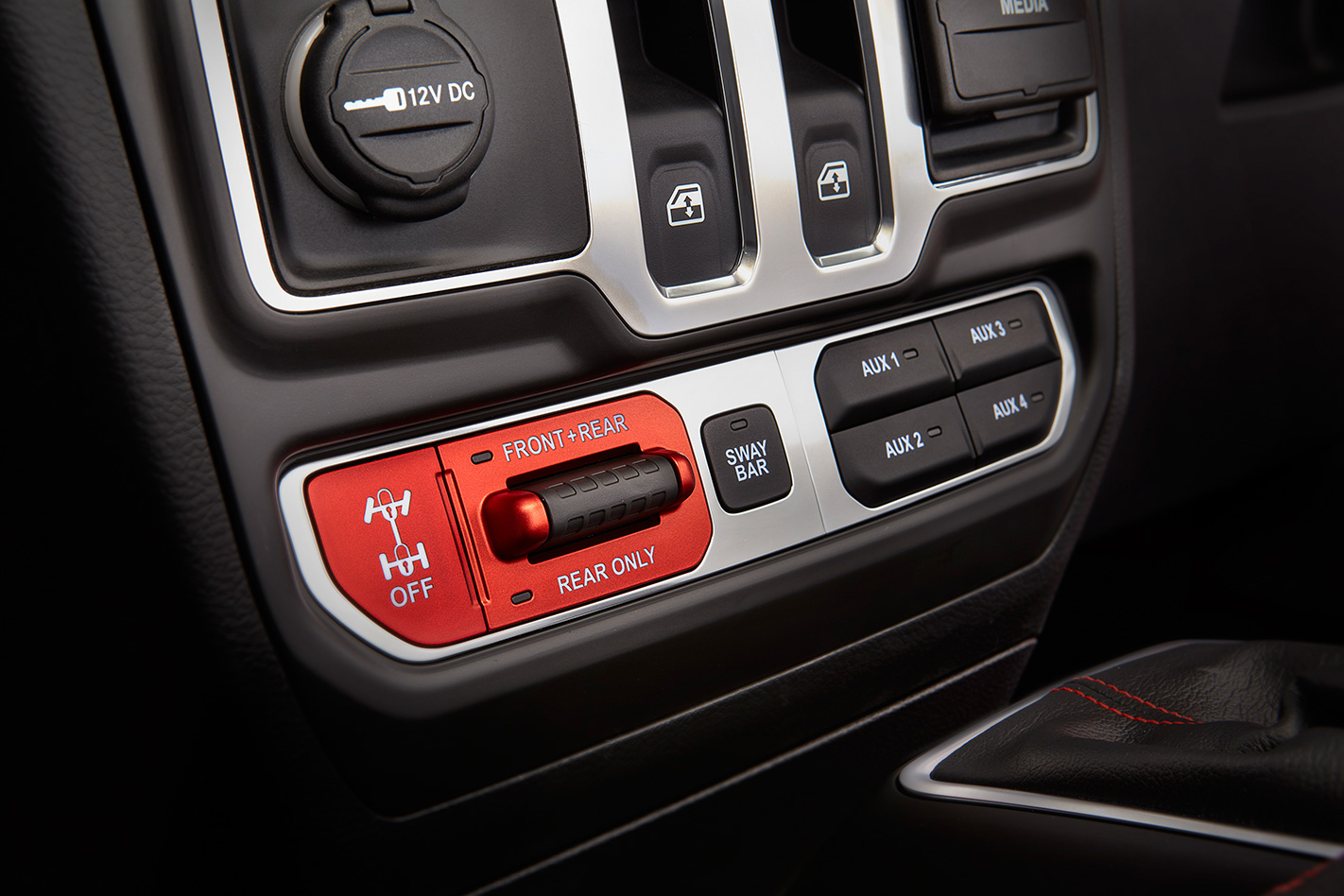
The even more hardcore Rubicon steps that up with its Rock-Trac 4×4 system featuring upgraded Dana 44 front and rear axles and Tru-Lok locking differentials.
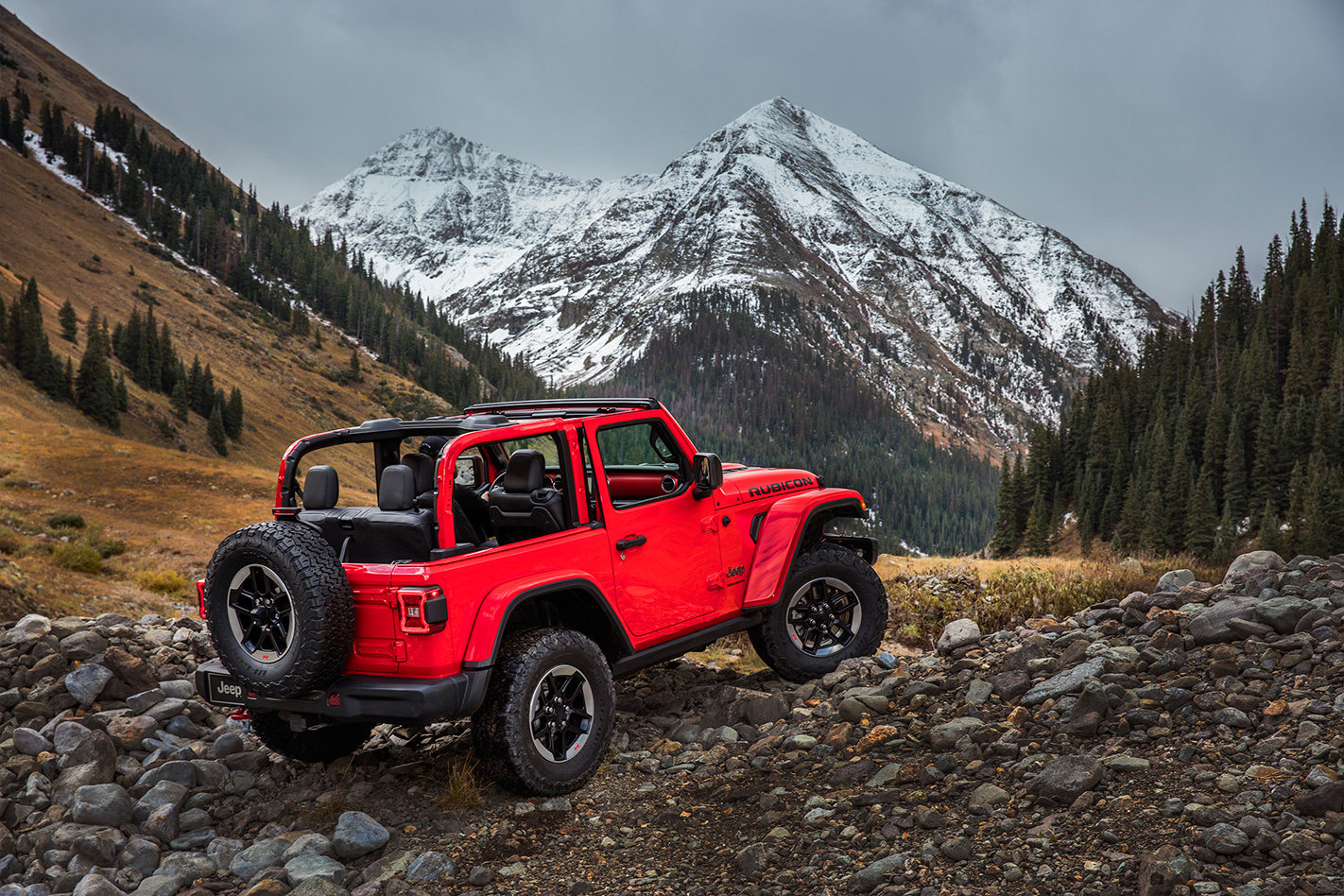
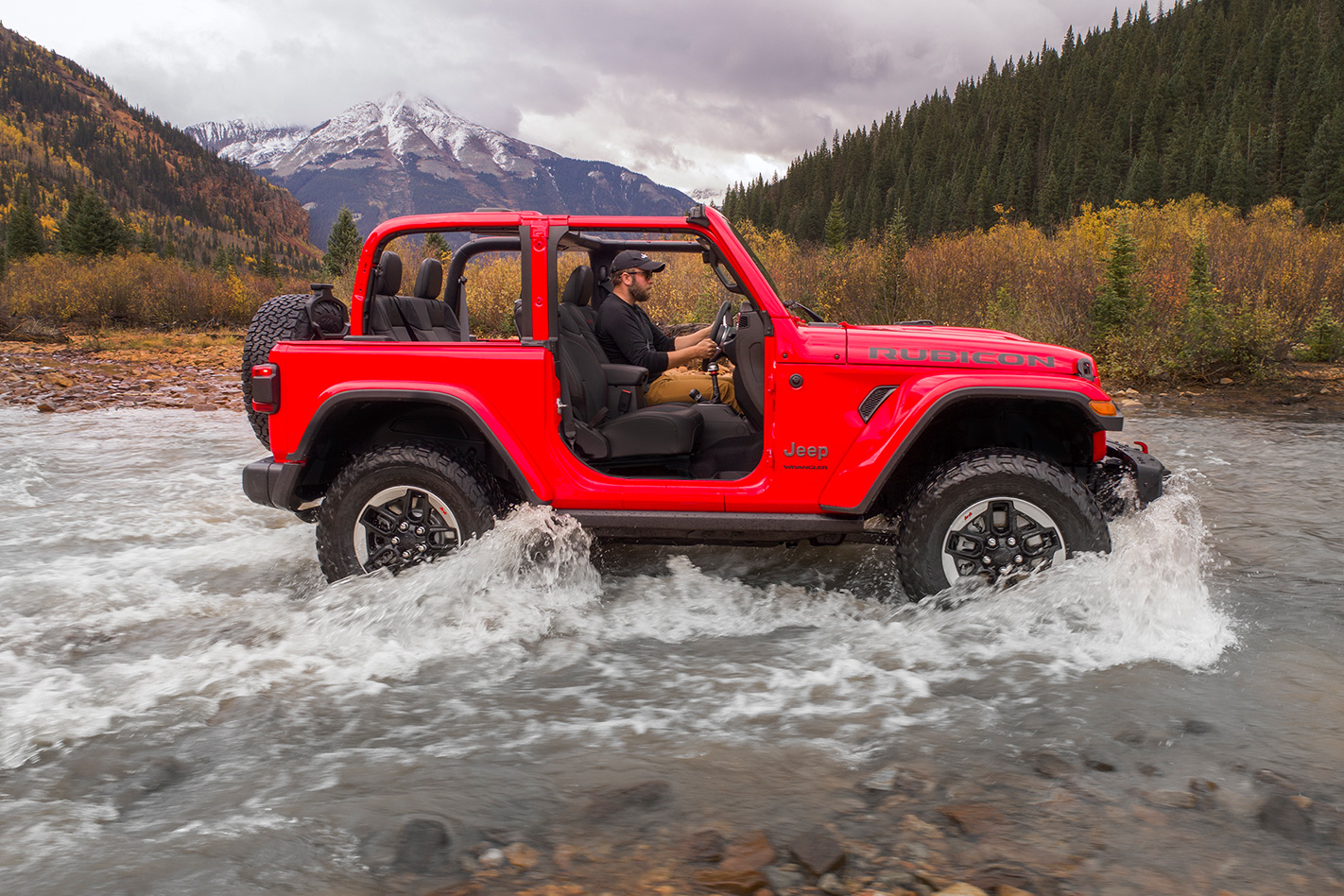
So here’s the stuff that serious off-roaders need to know: Wrangler’s approach angle is 44 degrees, break-over angle is 27.8 degrees, while departure angle is 37 degrees. Ground clearance is 276mm. “All these measurements are better than those of the outgoing car,” says Brian Leyes.
It’s also more manoeuvrable, with the turning circle reduced by a little over 15cm compared to the existing car. There’s also better underbody protection, all honed on the torturous Rubicon trail.
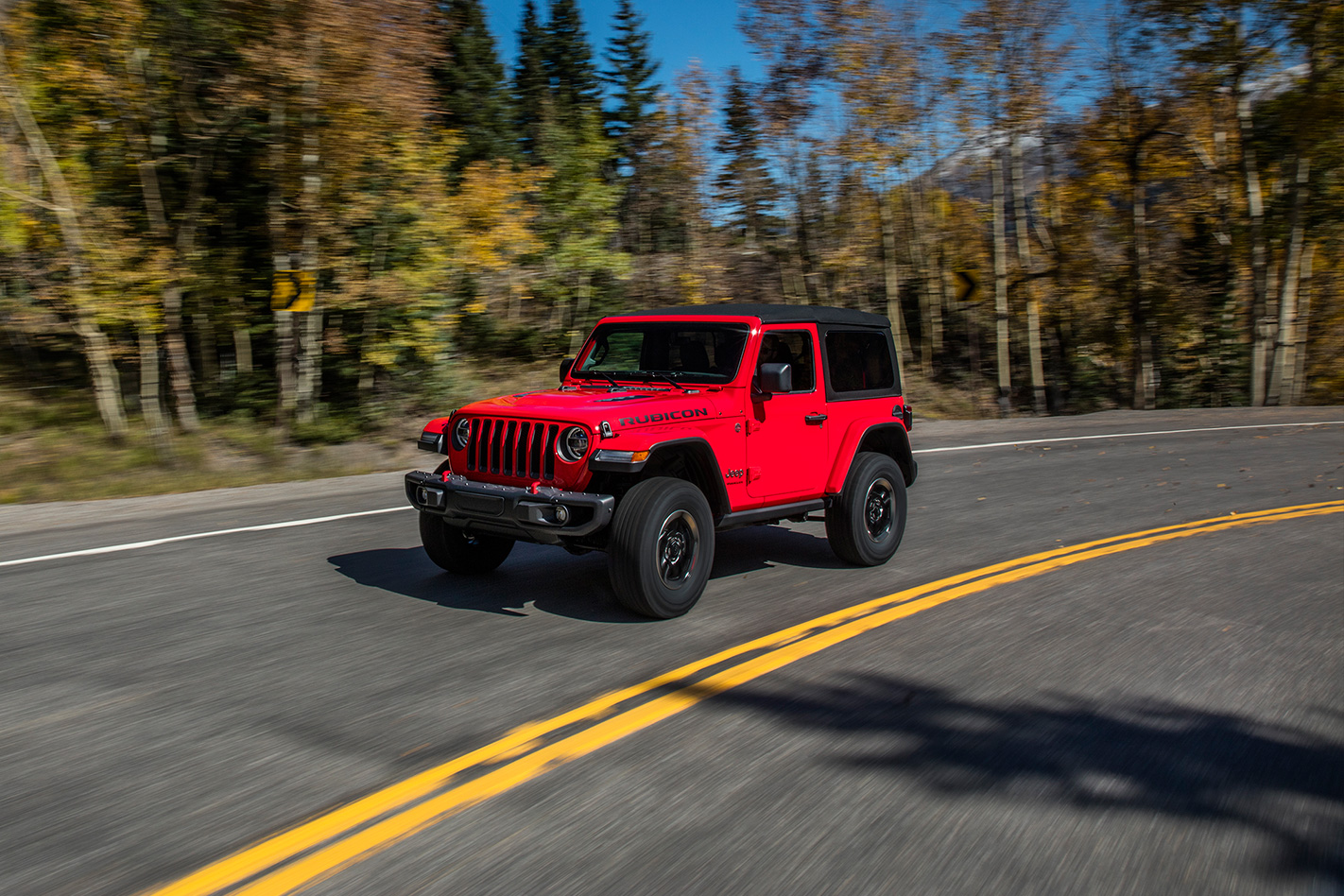
To make the folding screen a feature that customers will actually use, its release has been made much simpler via just four bolts accessed through the header rail and removed with the supplied tool. Crucially, the new header rail stays in place even when the windscreen is folded, allowing the rear-view mirror to remain in position when you’re chasing the full wind-in-the-face experience. The folded screen secures neatly on a pair of bonnet-mounted supports. “It’s awesome on a fine day at anything below 40km/h,” smiles Allen. “Above that, it’s awful.”
Interior presentation is the other area that takes a significant leap with 2018 Wrangler. The designers’ challenge was to retain the ultra-functional, almost hose-out qualities of the outgoing model, while raising the general sense of quality and feel-good factor.
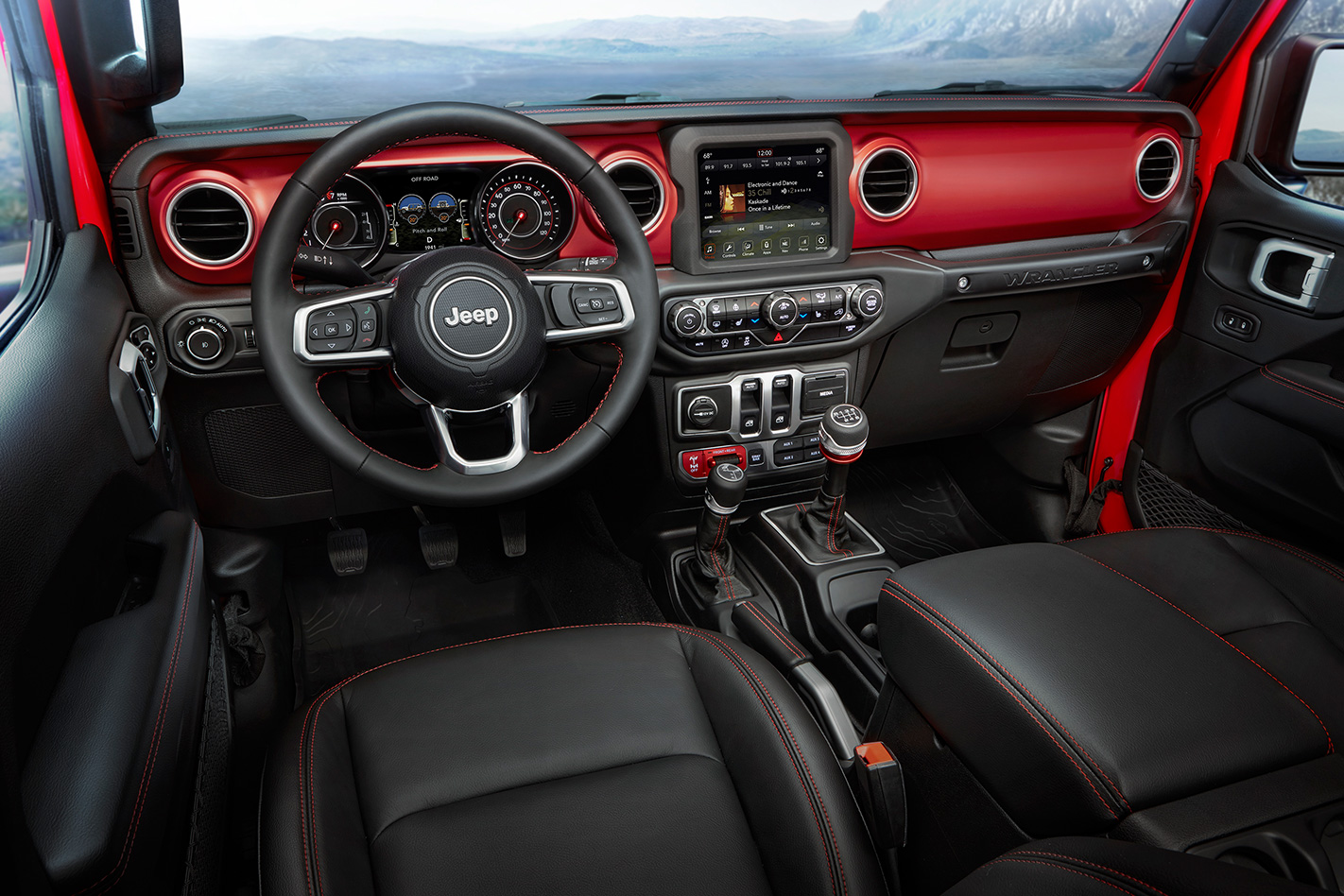
The rear-seat area has also been given a significant rethink, making it a far more habitable space, with flexible storage, dual USB ports and better ventilation.
Various interior packages are on offer, including ‘Heritage’, with aluminium and tan treatments, or ‘Redical’ with, you guessed it, red accents.
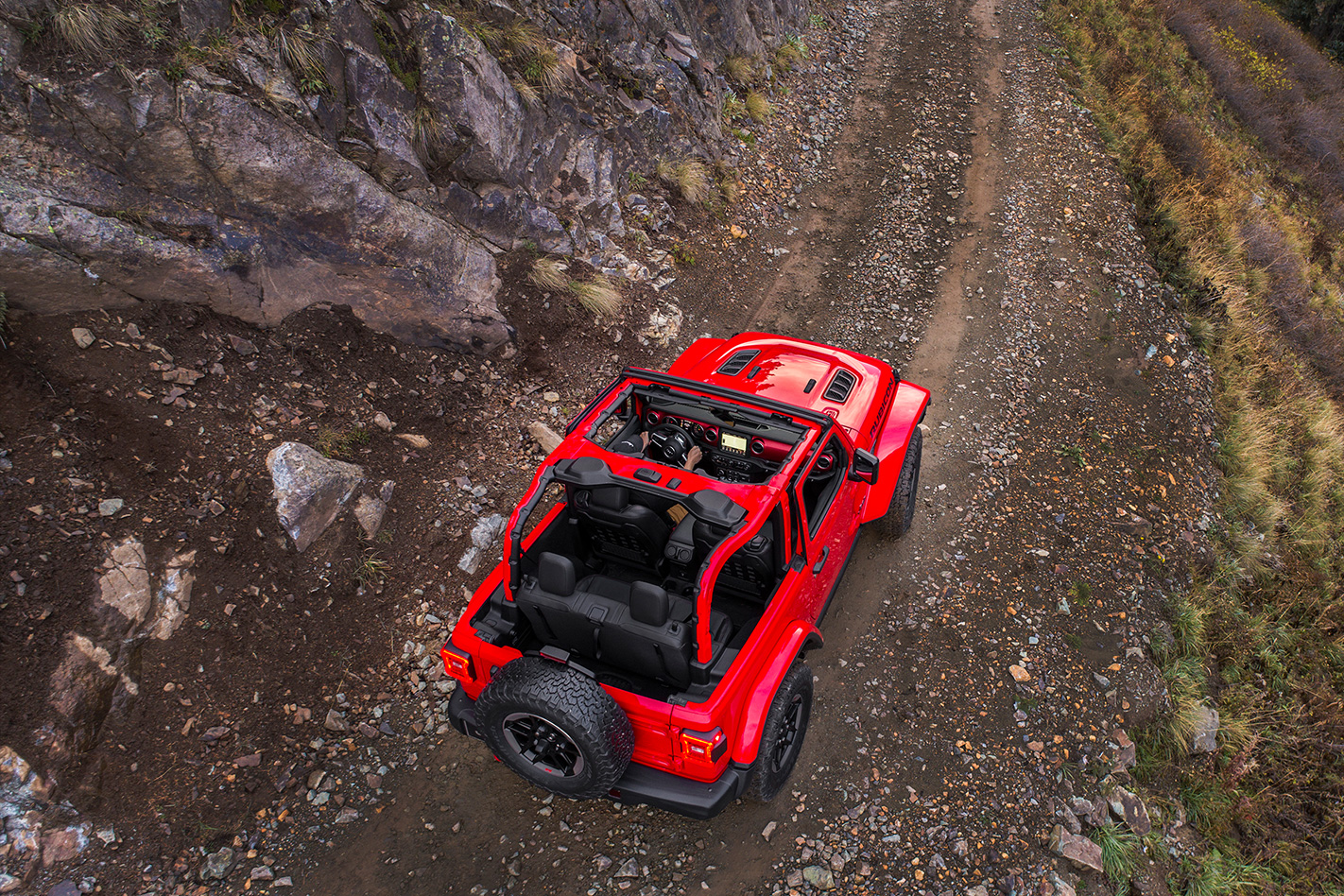
One unique aspect of Wrangler is the low number of customers interested in leaving them as delivered by the factory. “Wranglers are made to be modified,” says Todd Beddick, head of the company’s Mopar division. “Our customers spend an average US$1000 on each car, so we’ve developed around 200 components intended to improve capability, aesthetics, protection, or the general lifestyle factor.” Lift kits are huge business, while for the first time, Wrangler is designed to take roof racks, and can be fitted with a factory snorkel.
With a new Wrangler only appearing every ten or so years, a small but loyal band of bitumen-dodging devotees is no doubt keenly awaiting its arrival.
In just 7 minutes and 21.23 seconds, The Jaguar Project 8 lapped the Nürburgring.
It’s Jag’s limited edition answer to the likes of the AMG C63 Black or the M4 GTS, only it has four doors.
But there’s a catch – the car Jaguar used is a prototype which Jaguar says is the same specification as the production car will be.
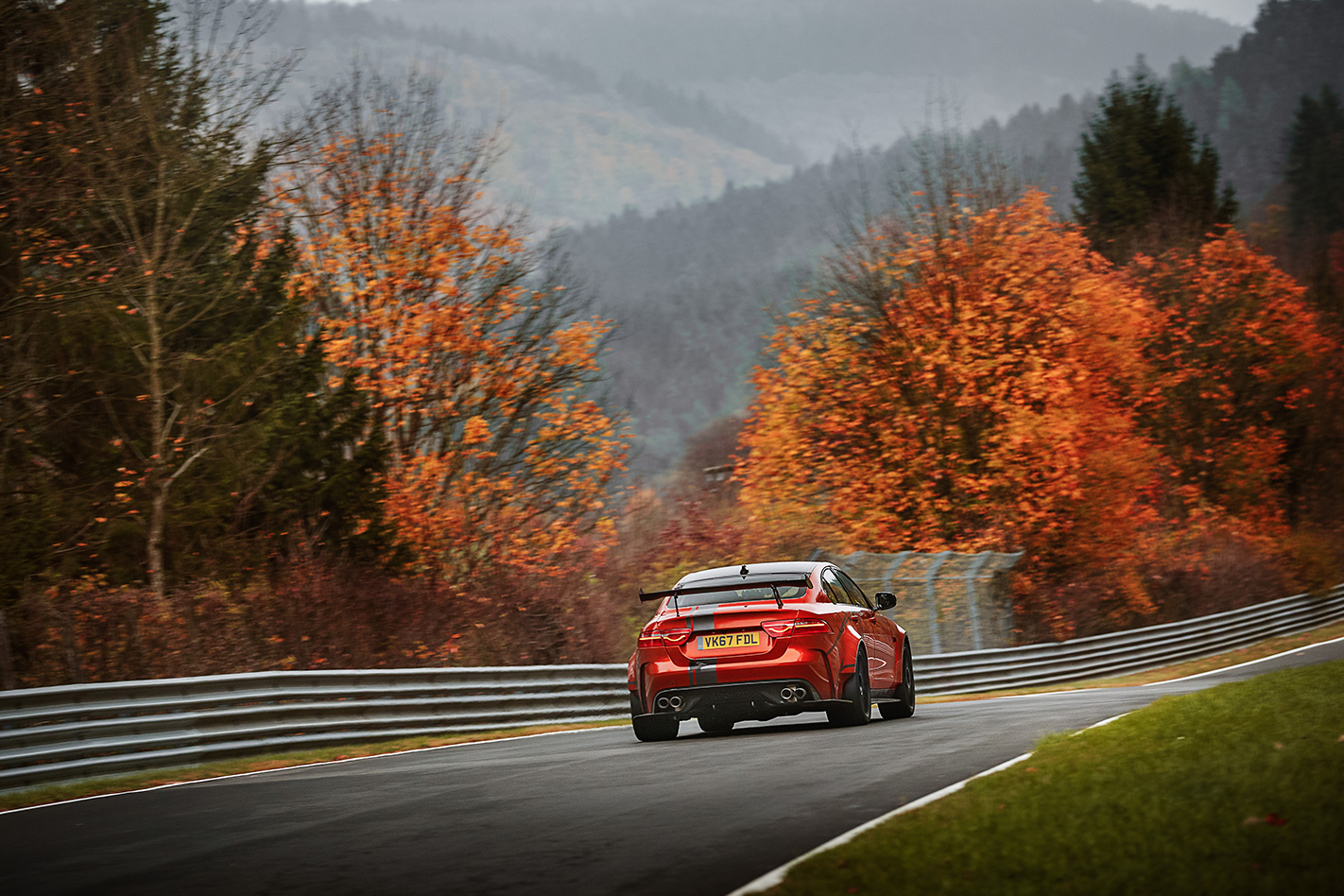
Still, this puts the Project 8 almost 11 seconds ahead of the Alfa Romeo Guilia QV’s 7.32 lap time, so even if the real production Project 8 loses a couple of seconds, it’s still got the title.
The special edition car, based from Jaguar’s XE, runs on 5.0-litre supercharged V8 power, with 441kW at its disposal, a 0-100km/h claim of 3.7s and a top speed of 322km/h.
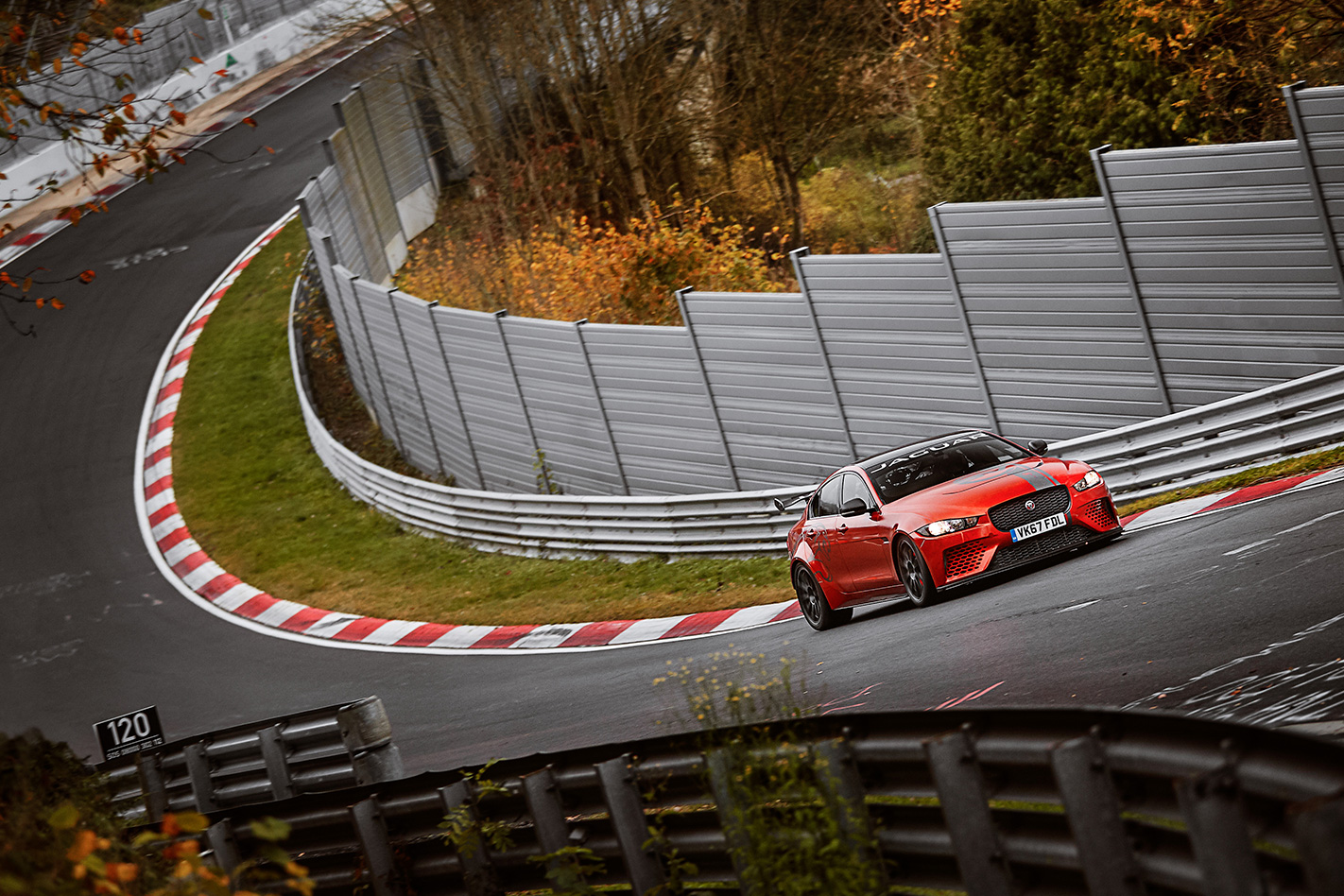
Jaguar SVO director Mark Stanton says building the Project 8 was an ambitious task, but the fact that Jaguar is claiming the record for fastest four-door around the ‘Ring makes it worth it.
“The SVO design and engineering team’s mission was to create the most track-focused road-legal Jaguar in history – not only the fastest, but also the most agile,” Stanton says.
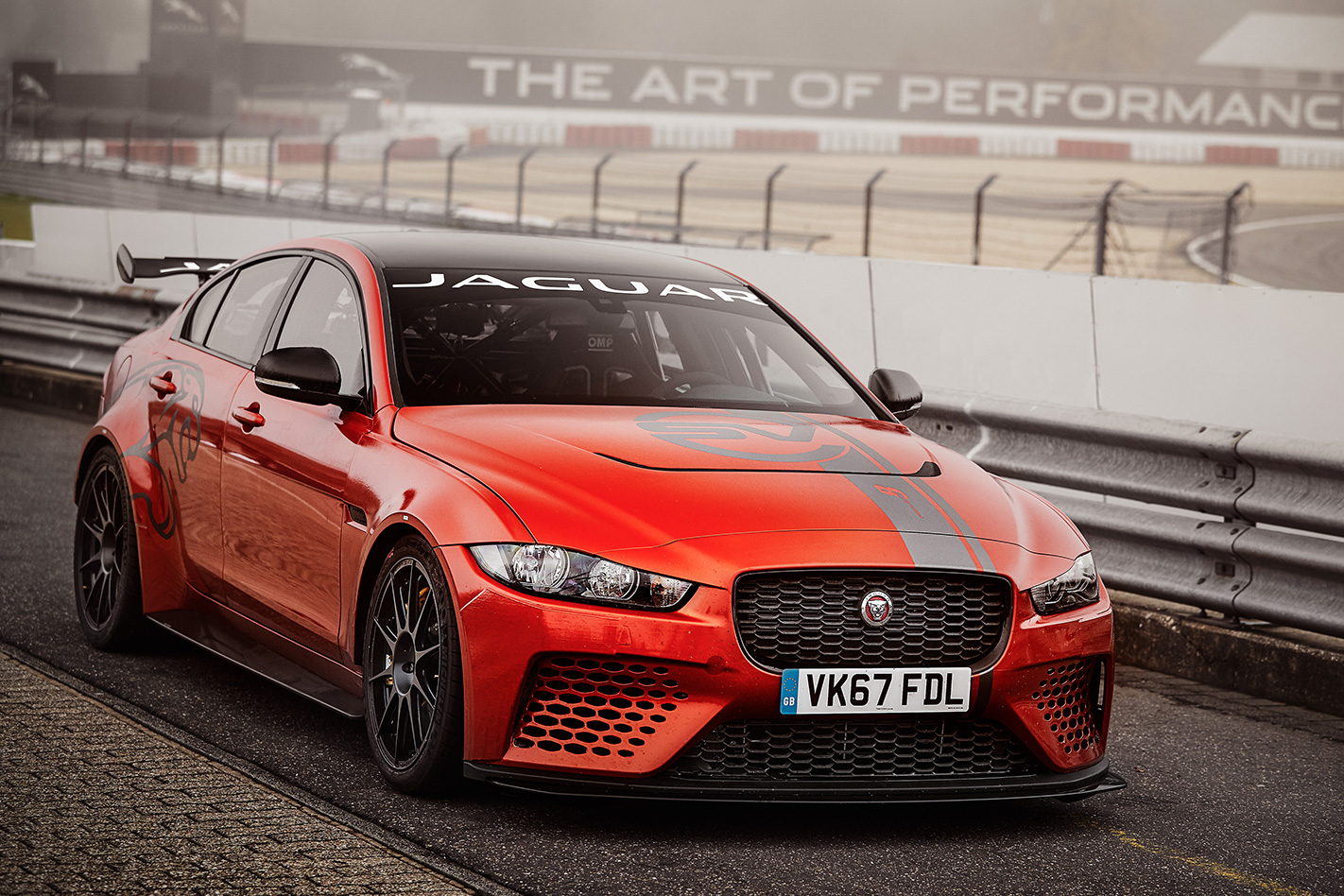
“This astonishing Nürburgring Nordschleife record validates the success of such extensive changes.”
Whether the road car can make it truly official is yet to be seen.
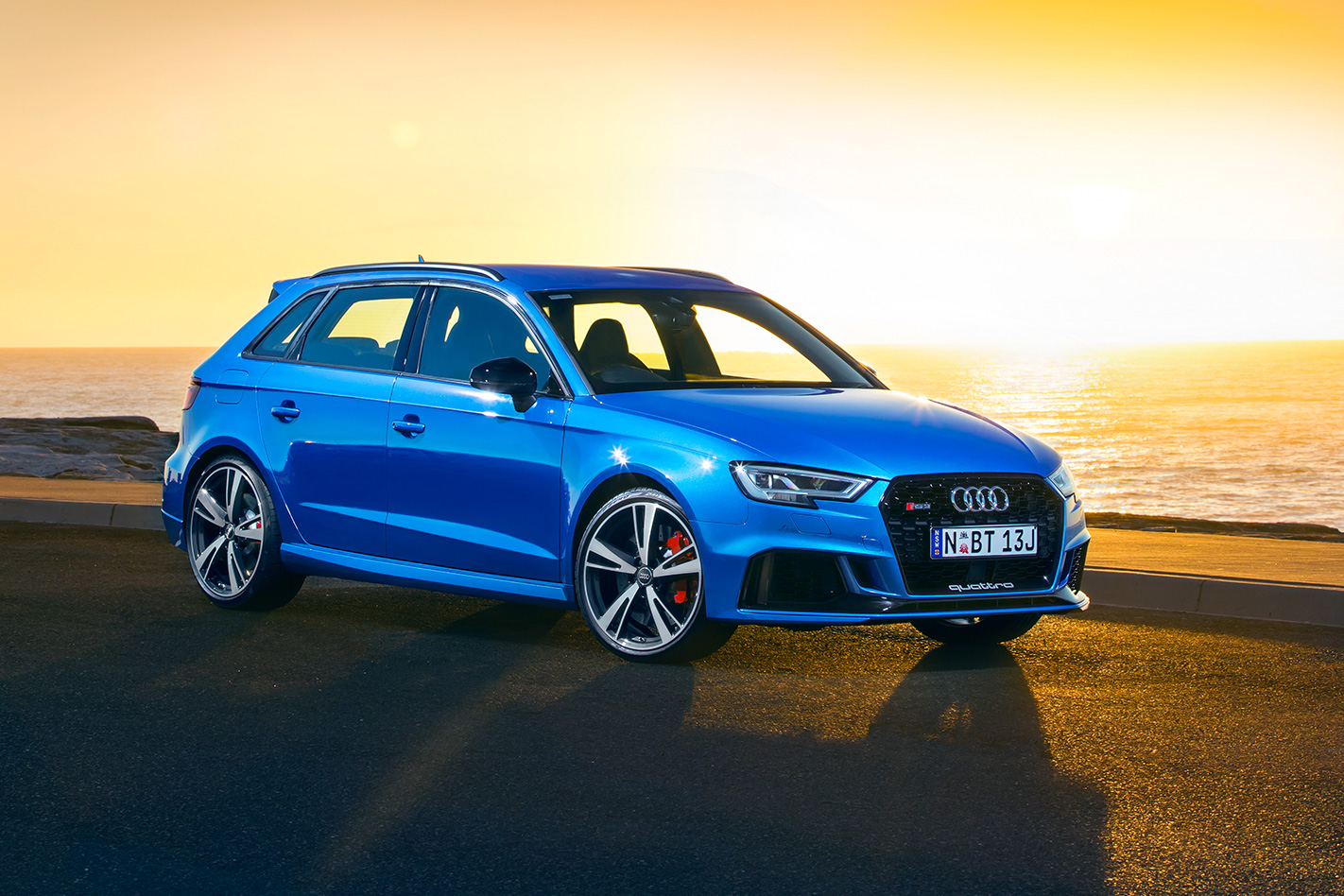
THE Audi RS3 Sportback has now joined its sedan sibling in Australia, bringing slightly sharper pricing for the same highly strung level of pocket rocket poke as the booted version.
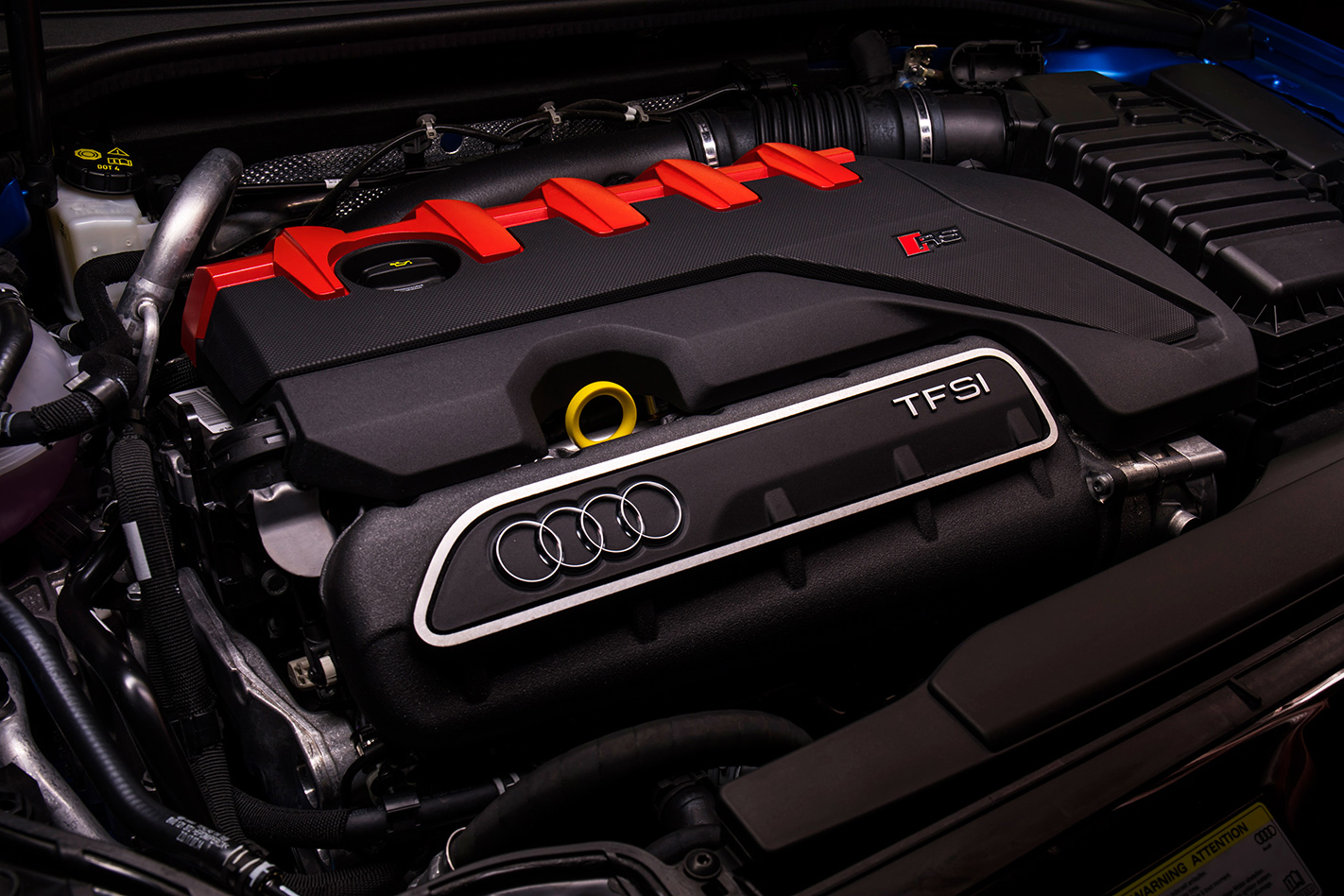
Both the hatch and sedan make 294kW and 480Nm from their shared 2.5-litre five-cylinder turbo engine, sending power to all four wheels via a seven-speed dual-clutch transmission.
With the first examples of the hatch now arriving in Australia, Audi has set an $80,900 price of membership for the RS3 Sportback club, a $4000 saving on the sedan version.
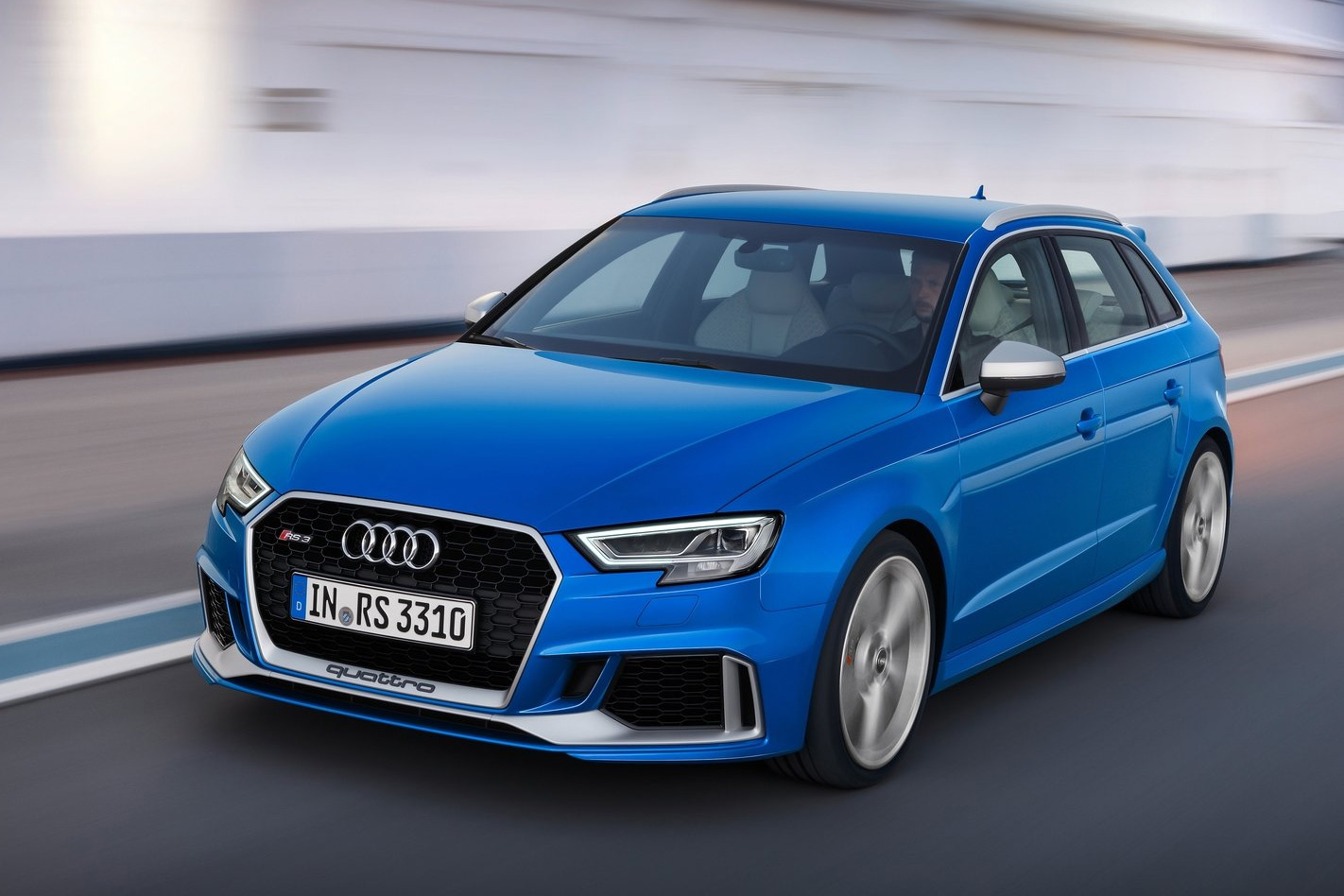
Eight-piston calipers up front take care of hauling the RS3 back to a standstill, grabbing 370mm ventilated rotors, with 310mm discs at the rear. The RS3 Sportback sits on 19-inch alloys wrapped in low-profile 235/35 tyres.
The iconic five-pot engine has the same 2480cc capacity as the one it replaces in the old RS-badged Sportback, but sheds 26kg mainly via an aluminium crank case. In terms of its added poke, dual injection, refined valves and a higher-pressure turbocharger lift performance by 24kW.
A number of optional packs are available for the RS3, including a $5900 RS Performance package that includes adaptive dampers, a 705-watt, 14-speaker Bang and Olufsen audio system, carbonfibre interior inlays, and a choice of four wheel designs.
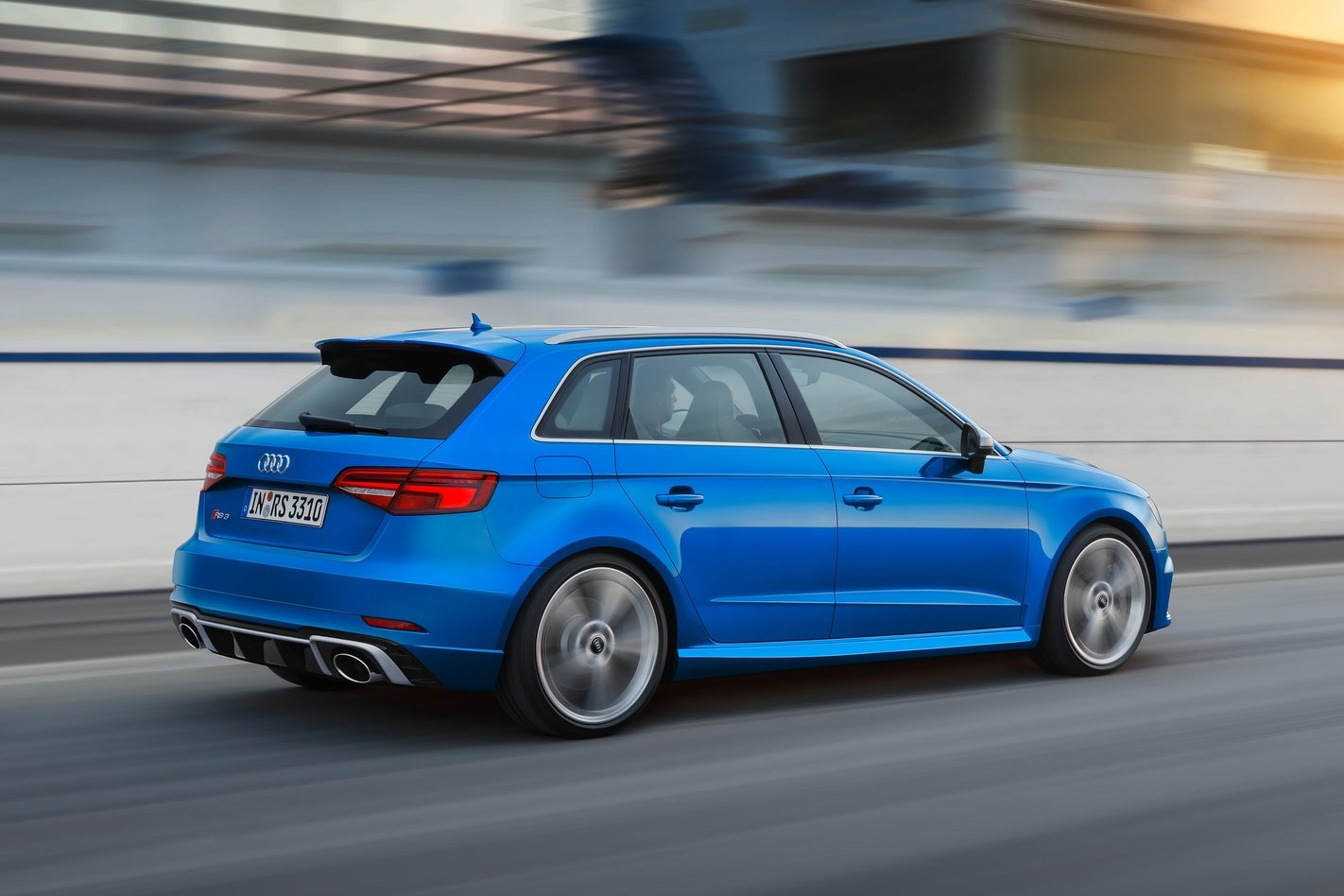
The RS3 also has Audi’s virtual cockpit system as standard, as are LED headlights, a 10-speaker 180-watt sound system with digital radio, a Wi-Fi hot-spot, front and rear parking sensors linked to a reversing camera, and a tyre pressure monitor.
The sedan has been available in Australia since June, but the Sportback version of the RS3 has only just arrived.
It’s a meaningless metric, but for a bit of fun we’ve compared the RS3 Sportback with its arch-nemesis, the Mercedes-AMG A45, on a price-per-kilowatt basis.
It’s the slightest win to the Audi: it costs $275 for each kilowatt, while the Merc will set you back $280 a kilowatt.
Audi Australia has announced local pricing and specification for the new Audi RS3 Sportback.
With the same 294kW/480Nm turbo five-pot as the sedan, the Sportback makes for a more affordable way to access that engine than the sedan.
The Sportback will cost Aussies $80,900, $4000 less than the RS3 sedan.
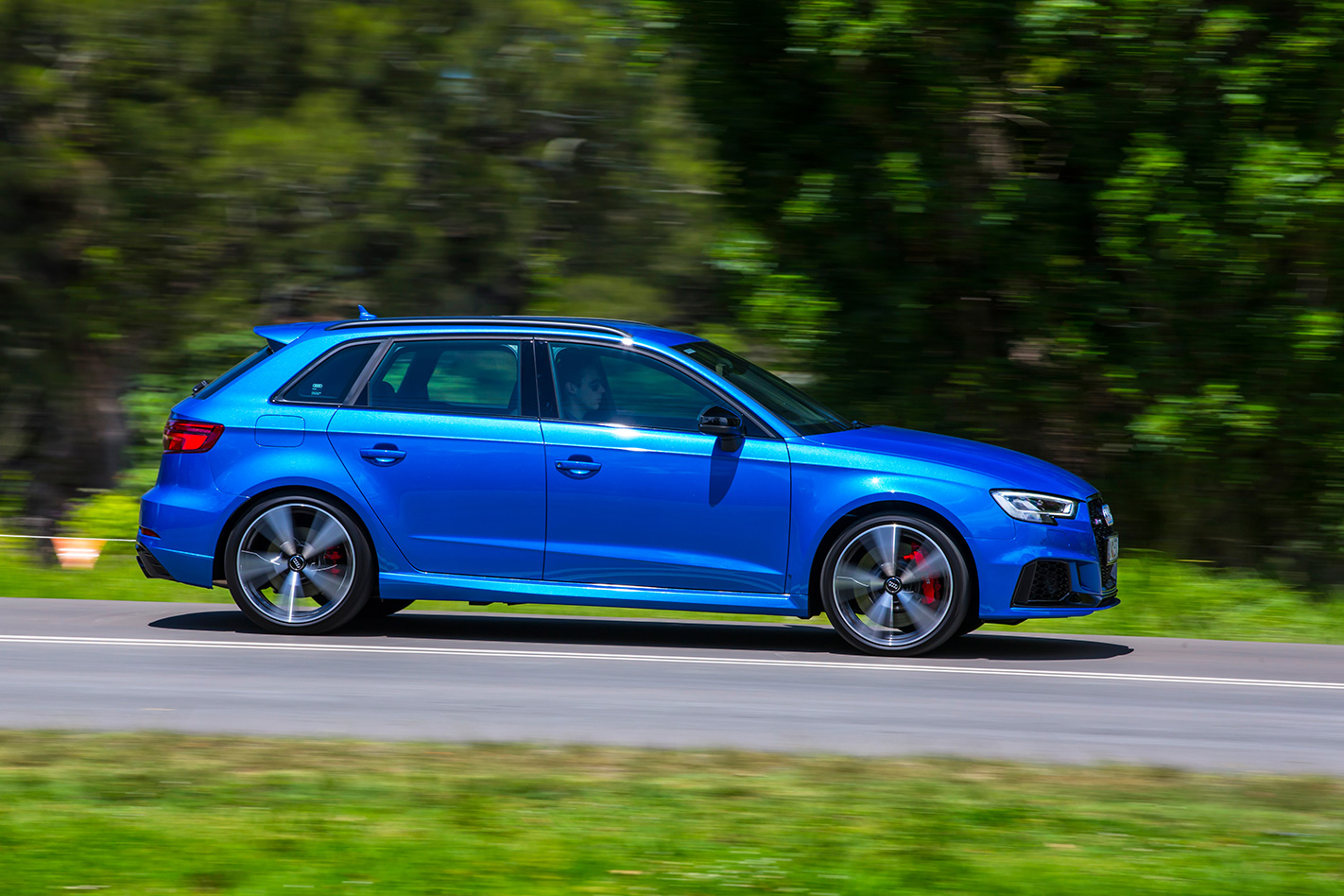
This is thanks to not only its engine being an impressive 26kg lighter, but also 24kW more powerful than its predecessor due to the addition of a high-pressure 19.6psi turbocharger.
Its 2.5-litre engine is mated to a new seven-speed dual clutch, which put through power to all four wheels via Audi’s AWD system, which is controlled to allow an electro-hydraulic multi-plate clutch to distribute torque. In ‘RS’ calibration, more torque is sent to the rears.
The RS3 also features active baffles in the rear muffler, which can be controlled to allow more flow (and noise) through the exhaust.
As standard, the RS3 comes with RS sport suspension, though Audi’s magnetic adaptive dampers are available in the RS performance optional package.
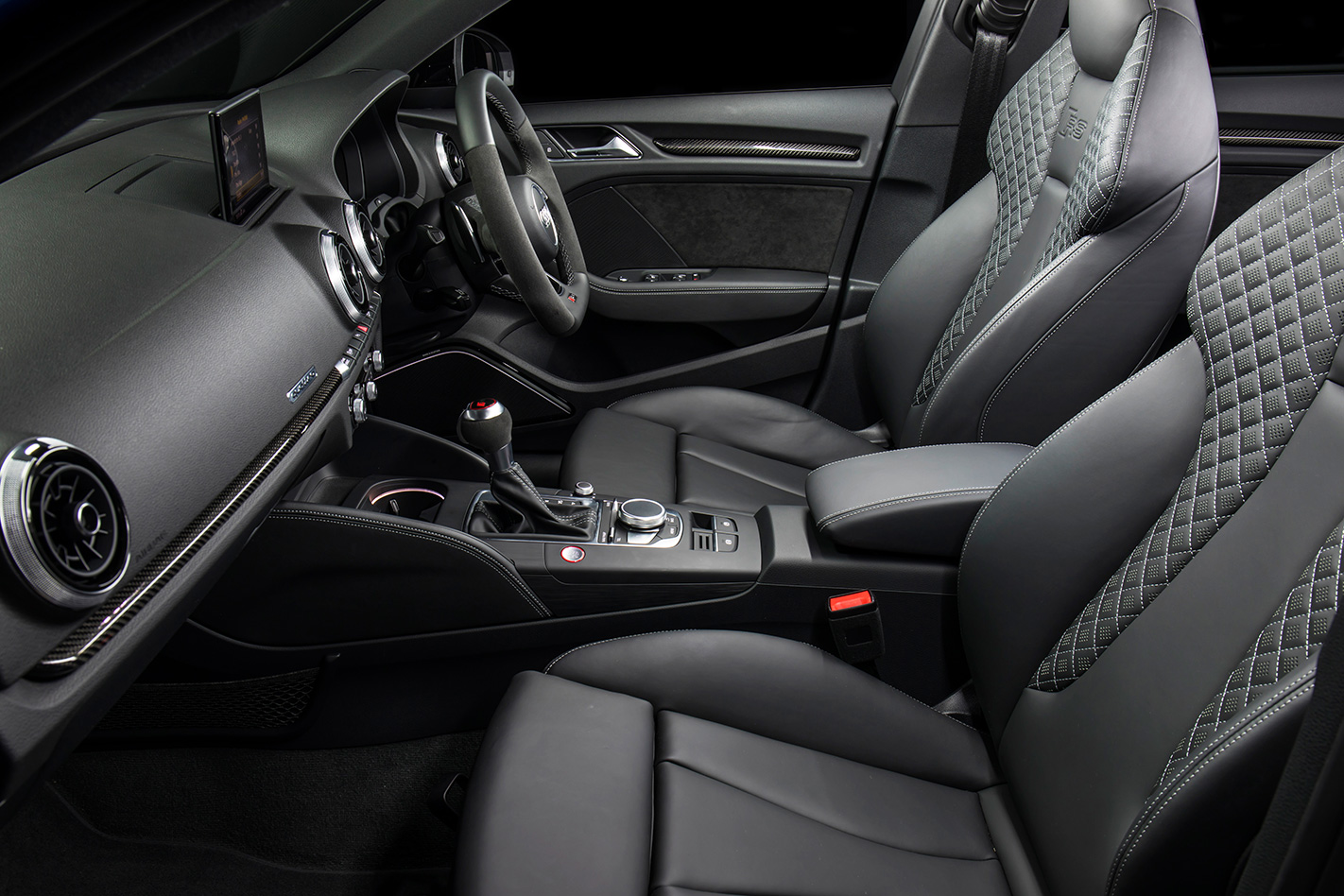
Included in the list of standard equipment, however, is the 12.3-inch digital display for Audi’s virtual cockpit, as well as Audi Connect and an in-car Wi-Fi hotspot, tyre pressure monitoring, and a driver assist pack.
The Audi RS3 Sportback is on sale in Australia immediately.
