
Audi, Mini and BMW complete the podium of small, stylish and economical luxury hatches.
1st: Audi A1 Sporrtback 1.0 TFSI
Just as downsizers stepping from big early-century homes in the suburbs are choosing flash inner-city apartments and townhouses, those stepping from medium and large cars are opting for designer babies such as the Audi A1 Sportback rather than pedestrian small hatches.
With a chirpy 1.0-litre turbo triple, Ingolstadt’s smallest model uses just 4.2L/100km which makes it the least costly to fuel of any Gold Star Value award recipient. The insurance cost is reasonable for a premium hatch at $776, while the 12-month service interval will save hassle and a few bucks.
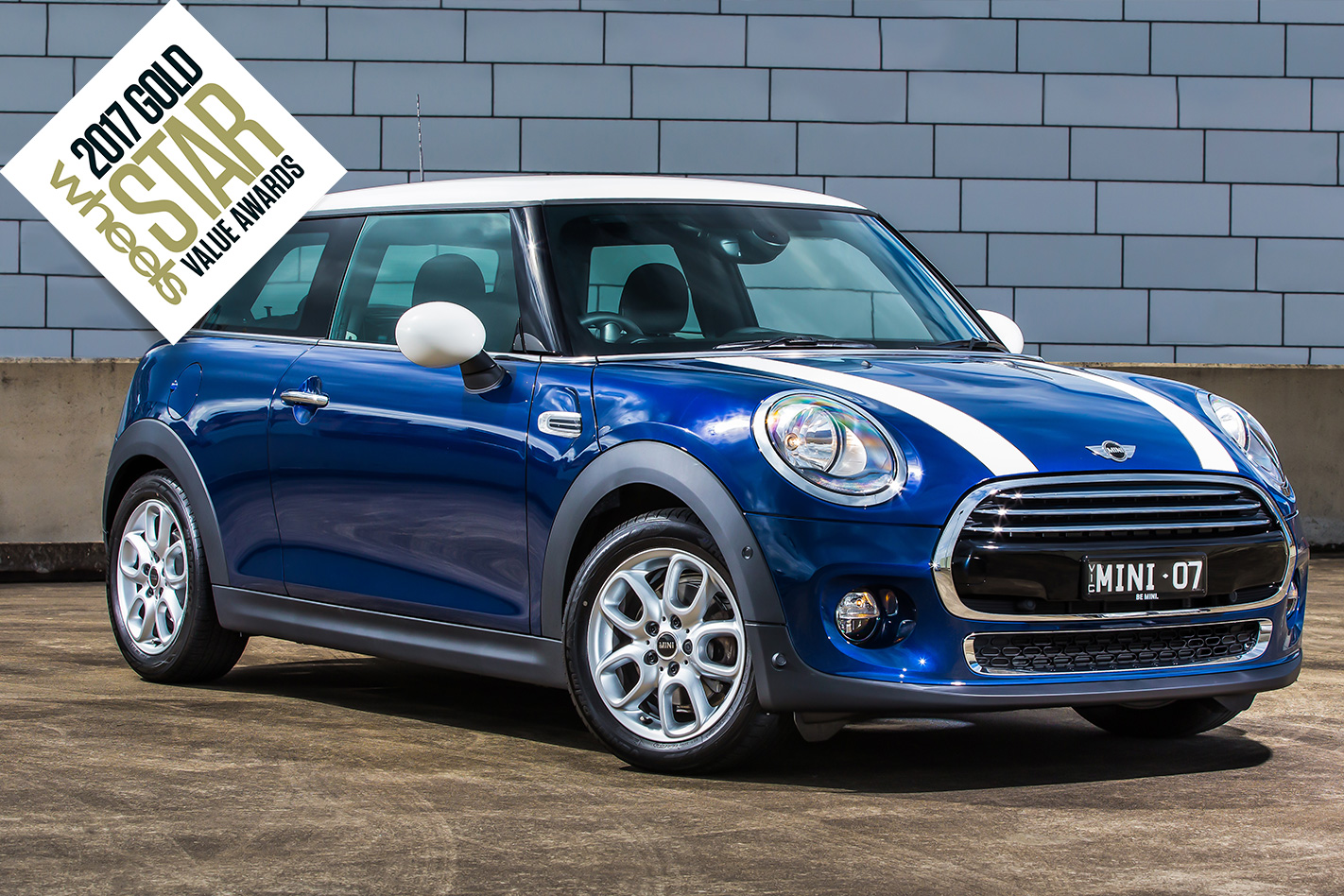
2nd: Mini Cooper
Condition-based servicing means the cheeky three-door Cooper will tell you when it needs a trip to see the spannerman, and it could go up to two years between visits, according to Mini.
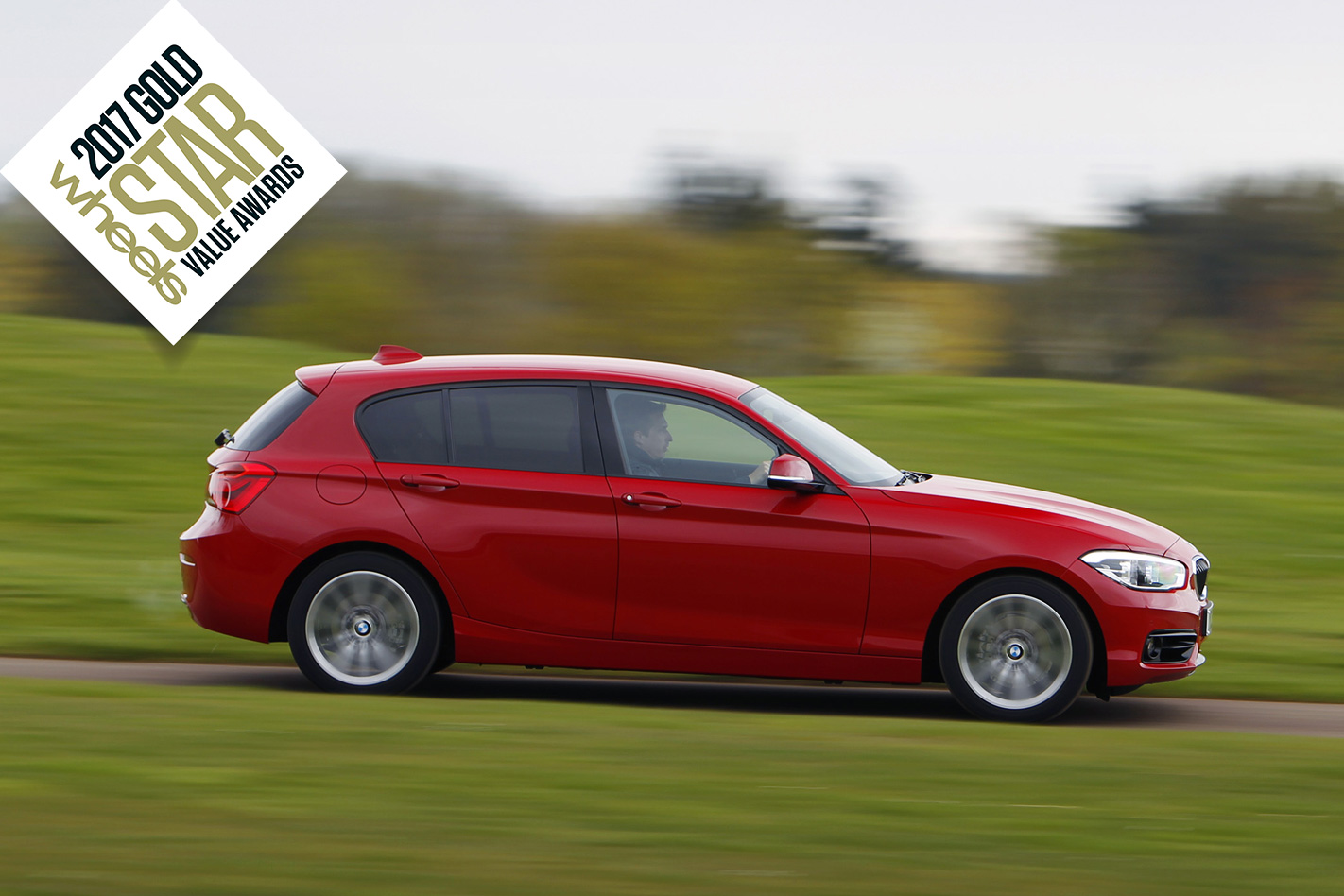
The $36,990 BMW 118i will hold 57 percent of its new value after three years, compared with 46 percent for the $9500-cheaper Mini Cooper – a depreciation difference of just $360/year.
MARK Webber must be getting a little bored in his racing retirement, as he’s been trying out for a new gig.
The Grand Tour – Jeremy Clarkson, James May, and Richard Hammond’s current show – recently fired the professional driver it employed in season one. With a vacancy to fill, the trio have been taking auditions to find a replacement.
Australia’s Best Chin of 2005 put his hand up, took a trip out to the English countryside, and cut some laps of the Eboladrome.
Voted ‘most likely to crash a Mercedes-Benz CLR into the French forest’, at his high school graduation, Webber is also one of Australia’s greatest motoring exports, having won the World Endurance Championship in 2015, and claimed victory at nine F1 Grands Prix from 215 starts.
Webber brought Porsche’s fearsome 911 GT2 RS along for his audition, and the guys from The Grand Tour handed over the keys to a Mercedes-AMG GT R for a lap.
While the boy from Queanbeyan has spent plenty of time behind the wheel of Porsches, evidently he hasn’t quite nailed the techniques needed for putting down a fast lap in another manufacturer’s car.
It might have something to do with his current side gig, where he works as a brand ambassador and test driver for Porsche.
But we might be reading too far into the situation…
UBER has placed an order 24,000 self-driving cars from Volvo as the taxi industry disruptor plans to one day disrupt the very people who have made the ride-share service what it is today.
The Chinese-owned Swedish car maker announced overnight it would work with Uber to “develop next generation autonomous driving cars”.“The two companies have signed an agreement to establish a joint project that will develop new base vehicles that will be able to incorporate the latest developments in AD [advanced driving] technologies, up to and including fully autonomous driverless cars,” Volvo said.
“The base vehicles will be manufactured by Volvo Cars and then purchased from Volvo by Uber. Volvo Cars and Uber are contributing a combined $US300 million ($A400 million) to the project.”
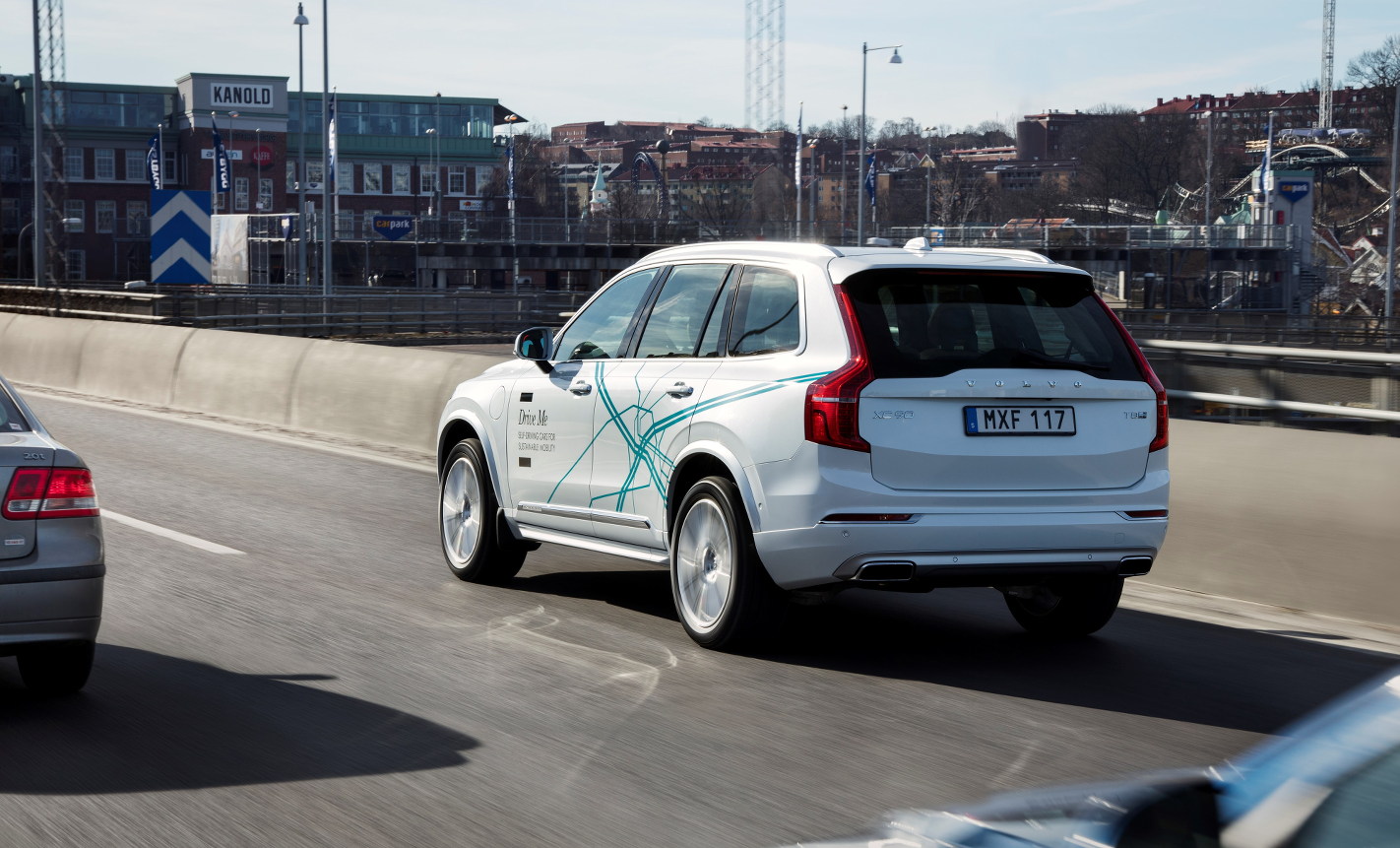
“Volvo is a world leader in the development of active safety and autonomous drive technology and possesses an unrivaled safety credibility,” Volvo chief executive Hakan Samuelsson said. “This alliance places Volvo at the heart of the current technological revolution in the automotive industry.”
Volvo said the new autonomous car would be based on its Scalable Product Architecture, the same one that sits underneath the Volvo XC90 large SUV and the S90/V90 large sedan and wagon. Its scale suggests the self-driving UberVolvo could one day morph into something more like a self-driving microbus optimised for transporting small groups of people similar to that already being trialled in Australia than its flagship XC90 SUV.
“SPA has been developed as part of Volvo Cars’ $US11 billion global industrial transformation program, which started in 2010, and has been prepared from the outset for the latest autonomous drive technologies as well as next generation electrification and connectivity developments,” Volvo said. “It is these capabilities that attracted Uber to Volvo.”Reuters reported the cars will be delivered between 2019 and 2021, with a Volvo spokesman confirming the order would be for up to 24,000 vehicles – more than enough to replace all the cabs in New York City.
Reuters said this is the largest order to date Uber has made for cars that it wanted to add to its service. Uber is currently burning through more than $US600 million a quarter; in 2016 alone it lost $US1.2 billion.
A NEWLY formed research centre will aim to establish Australia as a world authority on lightweight car technology.
The Australian Research Council announced today that it would fund the ARC Training Centre in Lightweight Automotive Structures, or ATLAS, that would research how to make future cars lighter and more fuel-efficient.
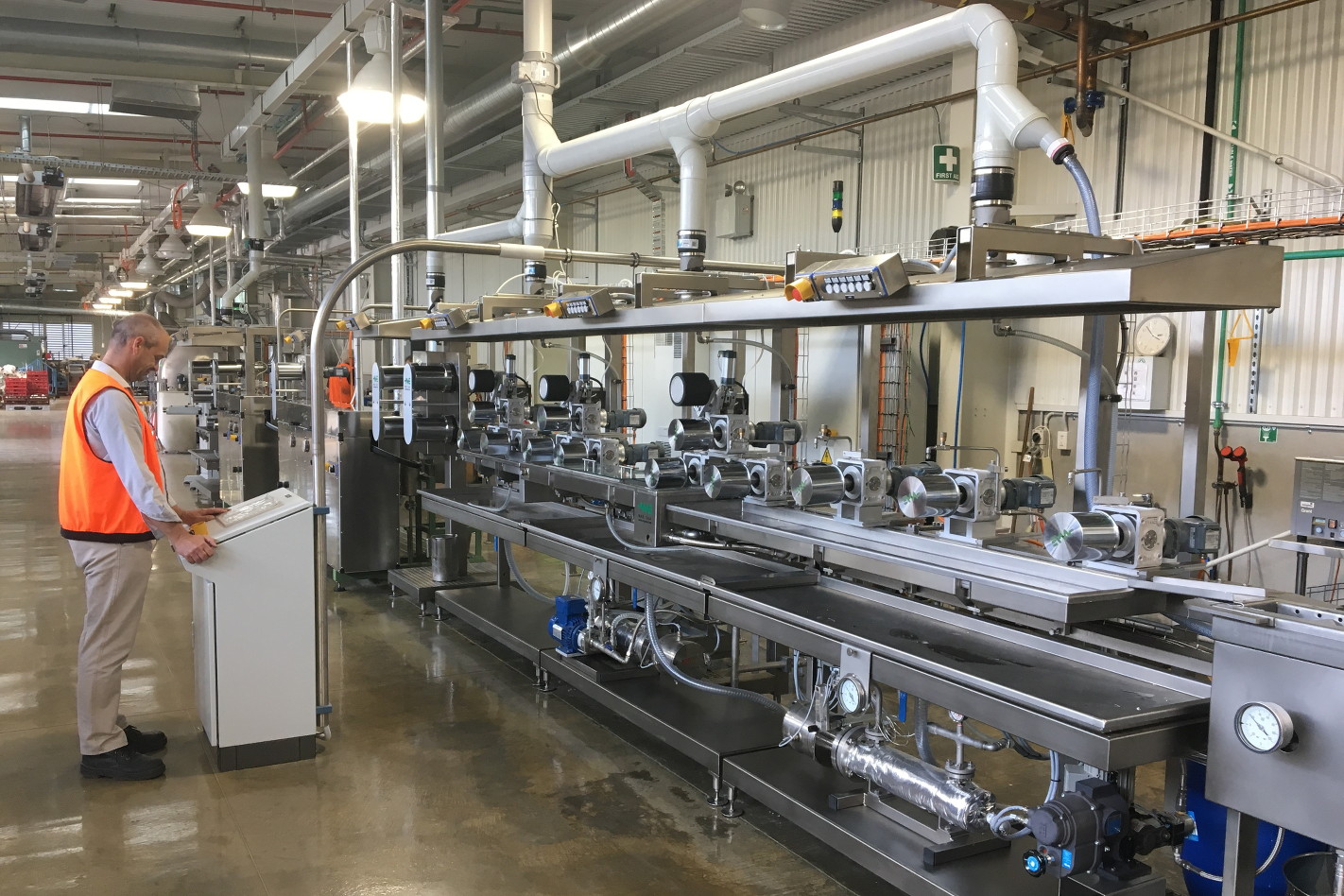
The ARC said the research would attempt to “accelerate the transformation of Australia’s automotive industry by commercialising new products and processes”.
Professor Calum Drummond, RMIT’s deputy vice-chancellor of research and innovation, said the centre would lead to Australia “exporting new lightweight automotive product designs, high-value lightweight components, and engineering services to the global automotive market segments”.
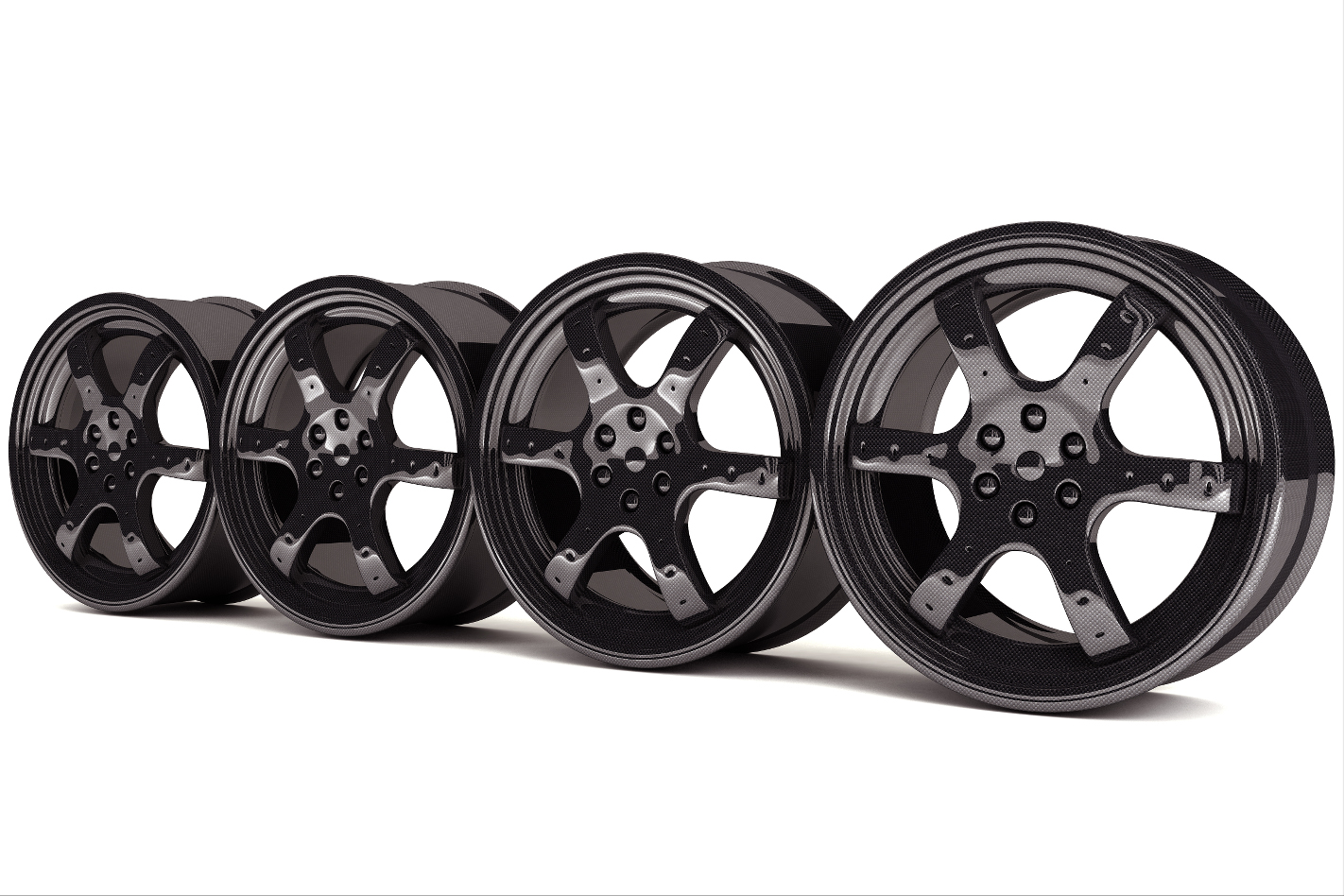
Australia has already started earning a reputation for lightweight technologies, with Geelong earmarked as a future “Carbon Valley”.. Geelong-based wheel maker Carbon Revolution is supplying Ford with single-piece carbonfibre wheels for the Shelby GT350R Mustang and Ford GT supercar. They’re expensive, but Carbon Revolution says it has cut about $4000 from the cost of its products as it has improved its forming process; a set of Porsche centre-lock wheels cost $13,850.
Car makers are continuing to struggle to make carbonfibre components on an industrial scale. Chinese-owned premium brand Volvo recently announced its Polestar 1 hybrid performance coupe would use carbonfibre reinforced plastic panels to save weight – but they would all be built by hand.
There are 21 high-performance cars lined up before me. Each has its keys in the ignition.
This article was first published in MOTOR magzine’s March 2005 issue.
And I’ve been told to drive ’em all, as hard as I want. It’s hard work, but someone has to do it. Welcome to a day in the life of MOTOR’s Lucky Bastard.
Besides shooting off my application to MOTOR, I’ve done plenty of preparation for PCOTY ’05: participated in track days with the Alfa and BMW Clubs; and even had the heaven-sent opportunity to fang an Avis-owned Porsche 911 C4S around the famed Nürburgring in Germany.
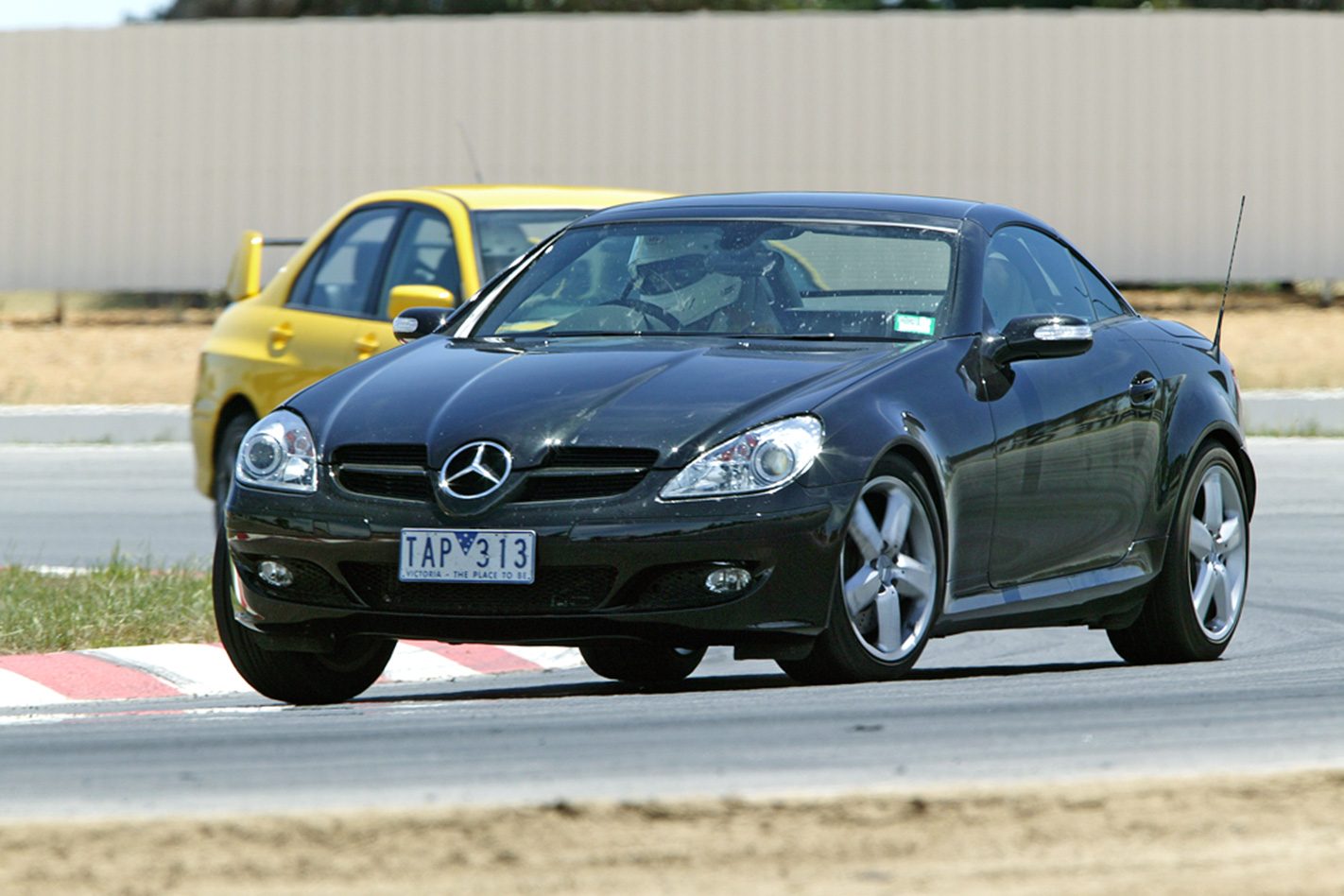
And on the short Albury runway, where the mercury is rising rapidly, the bi-turbo V12 hits its speed limiter (the CL65 AMG is speed limited to 250km/h) from a standing start just after the kilometre marker. When I try it on my own, I find the wave of torque overwhelming and at about 200km/h, I begin to laugh uncontrollably.
Singer’s 373kW air-cooled Porsche 964 911 is complete
When my hysteria subsides fear takes over as I realise I’ve overshot the braking marker and I’m still sitting on the speed limiter. I hit the brakes and look around for an anchor to help slow progress, in the rear vision mirror I see two thick plumes of white tyre smoke as the big Benz is reined in.
After my run in the CL65 the rest of the field seems tame, except for the Porsche. Its acceleration is brutal in its efficiency – it just keeps building speed. The day concludes with the laborious process of the photo shoot. There’s much waiting around and kicking of tyres, but the photographers that escort the PCOTY circus are now in charge.
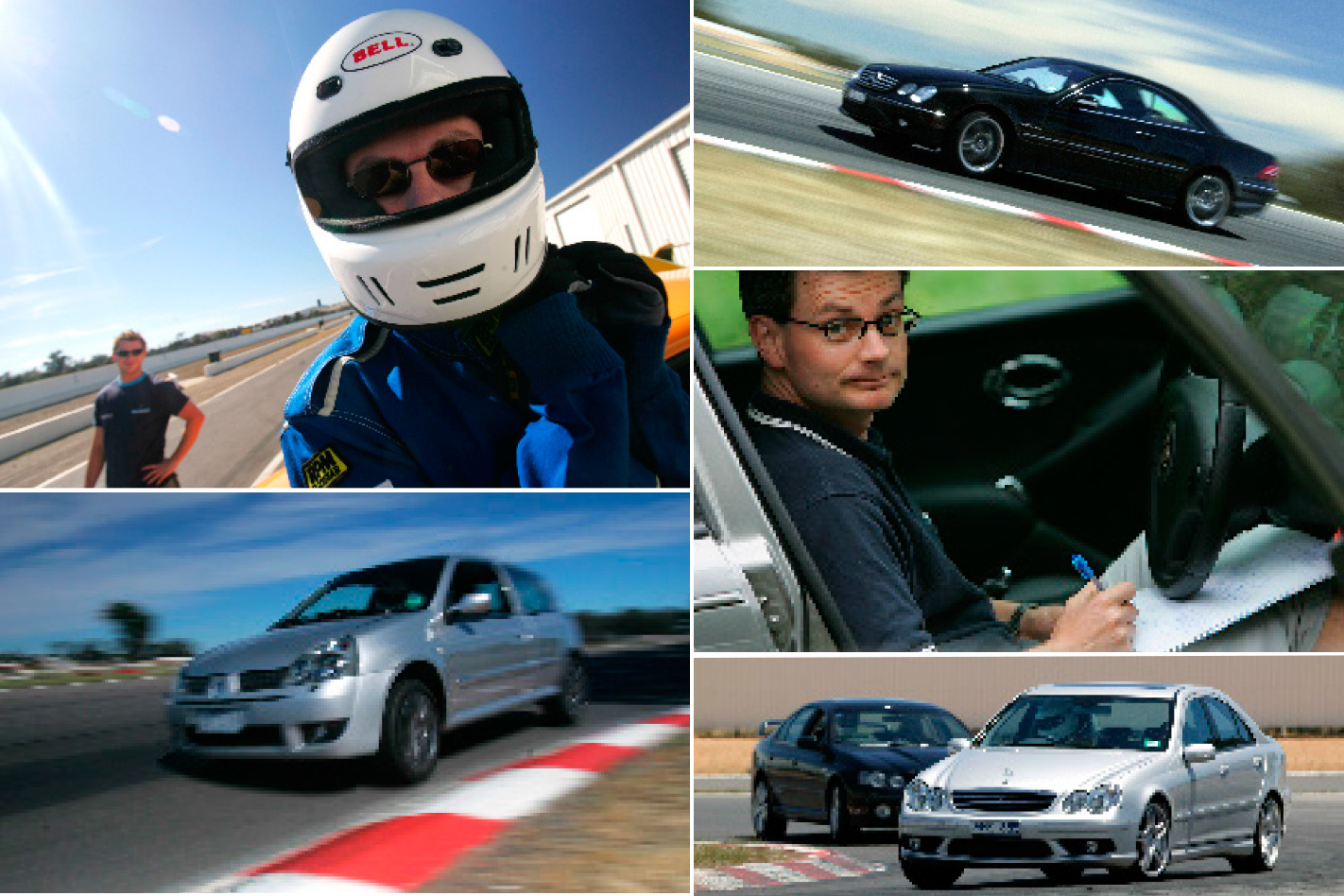
They’re working when the cars are being driven, they’re working when the cars are parked, when they’re being washed and at night they spend their time culling thousands of digital images. Day two, it’s another early start and the prospect of a hot breakfast and a dip in the pool to calm my nerves.
We’re off to Winton Motor Raceway in country Victoria you see. This is the most exciting, yet intimidating, part of PCOTY. I still have the picture in my mind of former Lucky Bastard Matt Cass spearing off into the sand at Winton’s Turn One in the CSV and I’m determined to avoid the same fate (at your pace? – ed).
Yet the chance to punt all of these cars around a race track isn’t going to happen again, so I want to make the most of it. I think I’m doing well until photographer Helmut Mueller yells at me as I puddle past: “You’re driving like a nanna, give us something to photograph.” I wave at him.
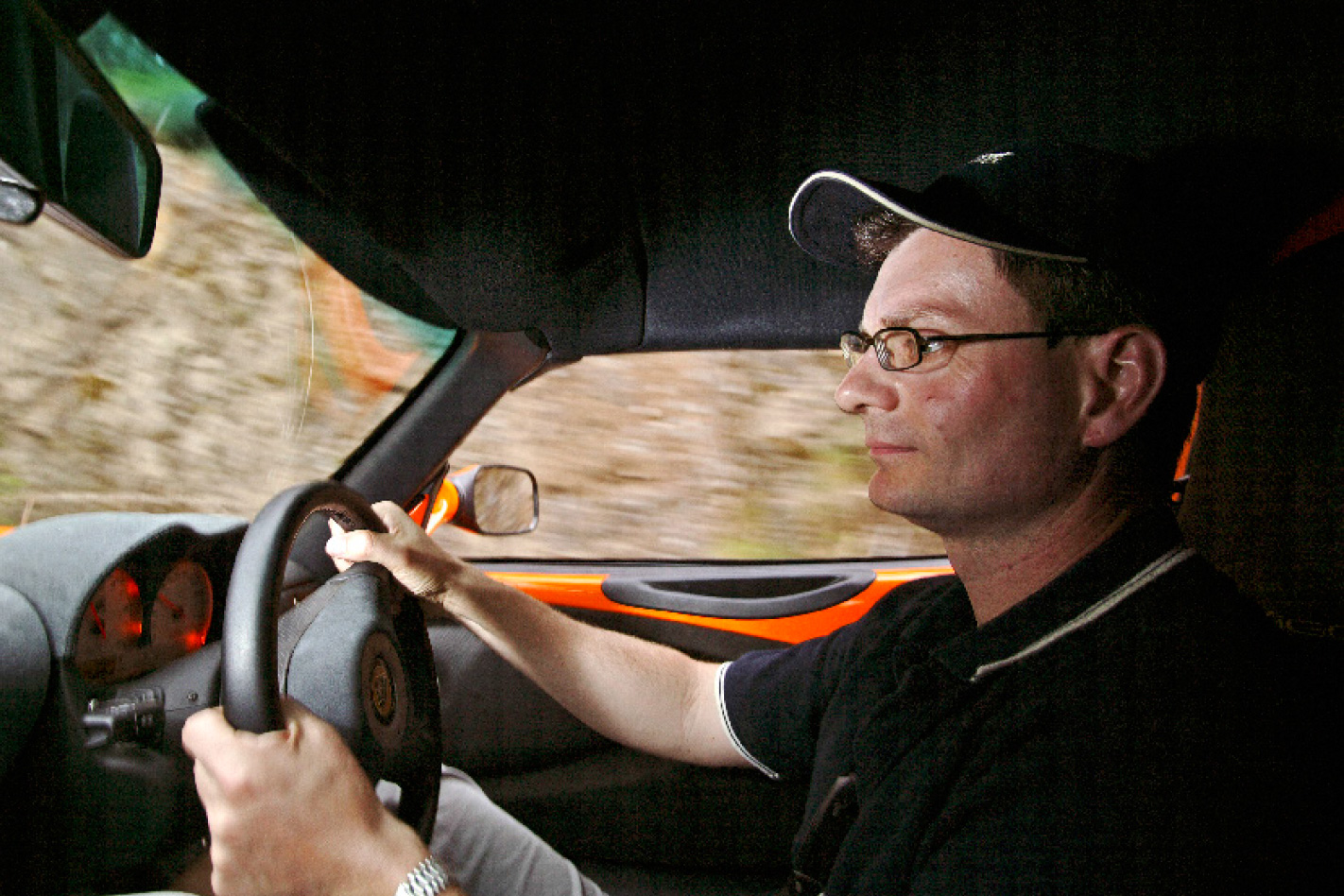
That is until I find out that Warren Luff went three seconds quicker in the Clio and a good 12 seconds quicker during his turn at the wheel of the Stuttgart stormer.
Moreover, after telling Morley I was going to kick his arse, I was disturbed to see him in my mirrors in the SS while I was in the Porsche – don’t worry, I didn’t let him past (it’s amazing how wide you can make a 911 – ed). My dear suffering wife might say I’m obsessed with cars, but compared with the MOTOR team and invited guests, it’s clear to me that I’m just a dilettante.
As I leave the track, my feelings are exhaustion, exhilaration and relief. It has been a special day, a very special day. Thankfully, I won’t be the subject of derision and mirth, well, not for spearing off the track, anyway. Day three is The Hillclimb.
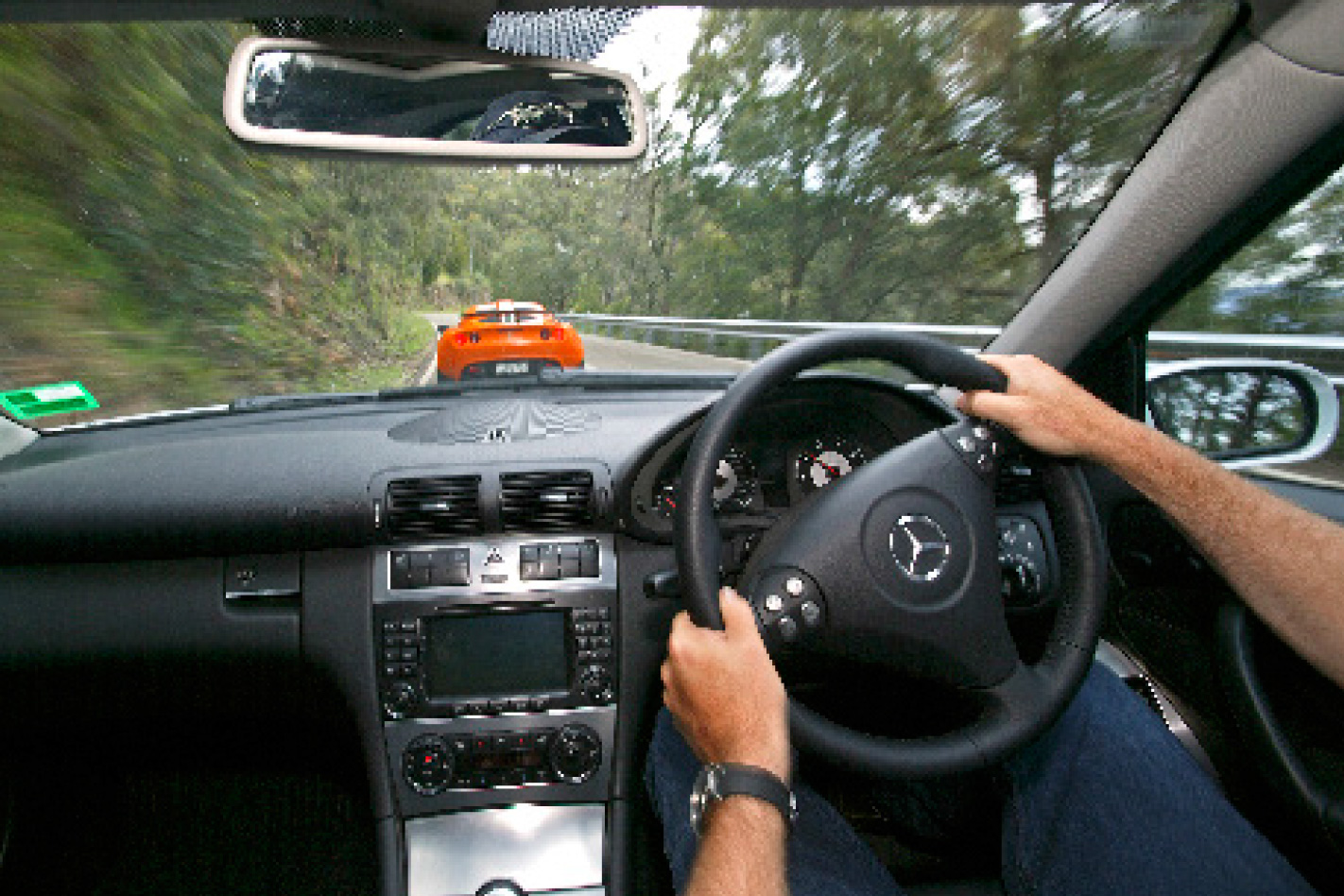
I know I’m in safe hands, but I can’t help but think “I’m going to die”. So much for my navigating career. After a while, the police arrive. It seems somebody has scared one of the natives. After a quick, ahem, sedate run in the Exige the local rozzer is satisfied that no undue liberties are being taken and the show goes on.
The Hillclimb turns out to be one of the most informative exercises in PCOTY. Cars that were competent on the track, turn out to be less than suitable as daily drivers. For example, having to carry a photographer in the Exige means that I had to leave the car in third.
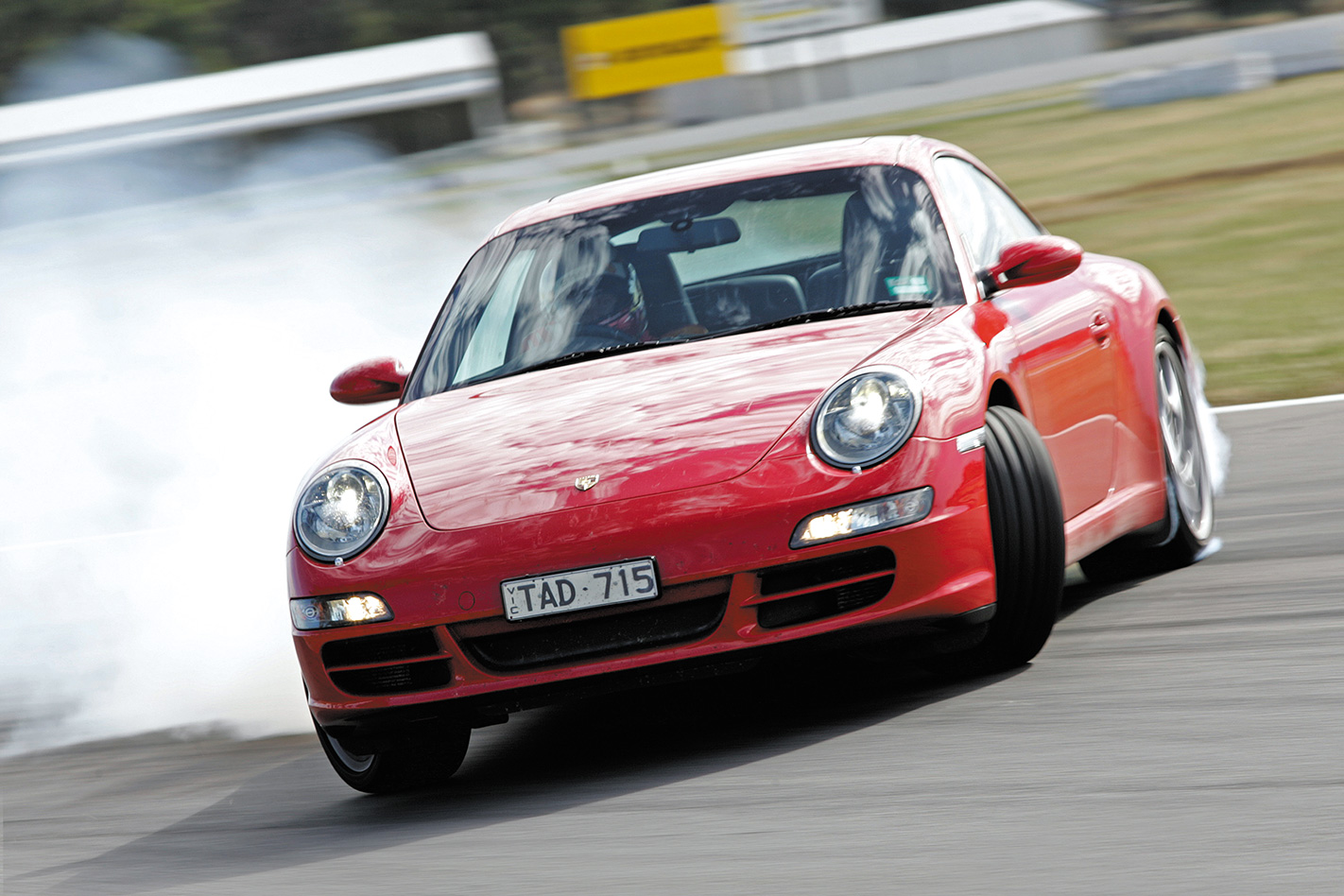
When I ask Cockburn (in all seriousness) how fast he was going when he hurtled past the speed camera, the colour drains from his face. All too soon, however, the dream is at an end and I’m back at my desk staring at a bunch of boring old law books.
Thinking of the week that was and pinching myself to see if it had all been a dream. But as much fun as I had, I can’t help but believe that the truly lucky bastards are those with a $220,000 cheque in their pocket made out to Porsche Cars Australia.
This weekend proved a challenge for rally drivers as the last event on the WRC calendar, Rally Australia, hit Coffs Harbour.
The ease with which punters can get right up in the action, and the unpredictable nature of… well, nature, means rallying tends to bring out some of the most intense moments in motorsport.
From crashes, mechanical struggles, to plain insanity, here are a handful of the most memorable happenings from the NSW coast.
Jari-Matti Latvala’s final stage crash
At a point where the only thing standing between him and his third consecutive Rally Australia win was a few seconds and one Thierry Neuville, Toyota Gazoo WRC driver Jari-Matti Latvala was looking a strong contender.
But one turn on the final stage – after a heavy downpour of rain meant the penultimate stage was cancelled – caused Latvala’s undoing.
Cutting slightly too close meant Latvala launched his car into the air and badly damaged his suspension, sending him veering off the track into a ditch.
Andreas Mikkelsen cops double puncture
It’s Saturday morning, day two of Rally Australia, and Andreas Mikelsen is in the lead overall. Driving for Hyundai Motorsport, he’s got team mate Thierry Neuville following on the board by about 15 seconds. During SS10, however, that changes.
Drivers are allowed two replacement tyres in the car with them. Most drivers bring one spare tyre with them to save weight. Mikkelsen is one of those drivers, and thus a double puncture rendered his chances of staying on top null.
Craig Breen’s multiple roll crash
During the second day of Rally Australia, Irish driver for Citroen Abu Dhabi managed to roll his car several times coming out of a reportedly tricky corner.
Australian Rally Championship (ARC) driver Harry Bates mentioned the incident while speaking with MOTOR and said the corner is one that has almost caught him out before, but added that if it can cross up a driver like Breen, it goes to show how unforgiving rallying can be.
Some spectators caught it on camera:
Spectators almost run-over by drivers
The majority of rallying relies on a thorough knowledge of the course well in advance of the actual stage running. However, pace notes can’t keep up with the ever-changing locations of rally spectators.
For this reason, two spectators who decided to lay on the side of the track were putting themselves at great risk. Onboard footage from Kris Meeke and Latvala’s cars show the two phone-wielding photographers laying less than a metre from the path of the cars, prompting plenty of criticism from just about everyone.
Kris Meeke hits a bridge
During SS12, or Welsh’s Creek, Kris Meeke had a hard run. While he was gunning for a podium spot at the time, he clipped a small bridge a few minutes into the stage and badly damaged his suspension, causing his team to call him in to retire for the day.
In the video below, Meeke clips the bridge just after the 3.50 mark. As a side note, more overzealous spectators can be spotted at 3.15.
Molly Taylor’s engine trouble
Champion of last year’s ARC Molly Taylor was in a strong position to defend her title, until a damaged engine spelled the end of her participation in the weekend’s competition.
It wasn’t all bad news for locals, however, as this gave Coffs Harbour resident Nathan Quinn his first ARC title.
https://www.instagram.com/p/Bbp2-W0gQ2G/
Mitsubishi Galant VR4 crashes into river
Ross Cox and co-driver Janet Binns found themselves in a terrifying situation when their Galant VR4 ended up in the drink during the long and challenging Nambucca stage on Saturday. Nearby spectators were able to roll the car upright and help Cox and Binns escape, but by that point their Rally Australia hopes were dashed.
Ott Tanak falls victim to M-Sport pranks
While not as dramatic as crashes and near-misses, Ott Tanak found himself in a couple of awkward situations thanks to his team. Estonian driver and soon-to-be Toyota Gazoo racer Tanak was sent-off by his M-Sport teammates with a couple of light-hearted jokes, one being his hotel room having been covered with Gazoo Racing flags and merchandise.
https://www.instagram.com/p/BbqsD2JFm8C/
The other, which Tanak still seemed to find the humour in, revolves around his car. He told the media after the event that the team had diverted the windscreen washers to spray water on his lap every time he selected third gear while travelling between stages. He reported that his “balls were nicely wet.”
Australia’s crash safety watchdog will this year complete its transition to basing tests on the same criteria as its European counterpart.
The Australiasian New Car Assessment Program (ANCAP) has taken seven years to align itself to the EuroNCAP. It hasn’t all been in the new car buyer’s best interests, though, as some car makers exploited loopholes in the transition process to earn higher scores for their vehicles than they would have under Australia’s superseded test regime.
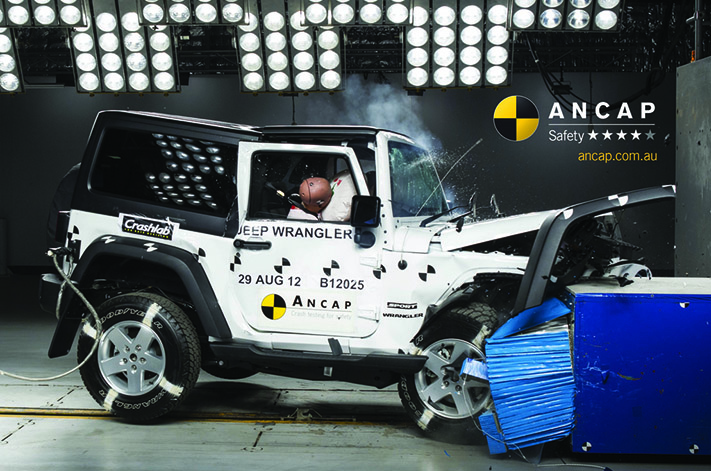
Over time, however, the ANCAP standards have forced car makers to show they’ve added more safety features to modern cars in order to maintain a top five-star rating for crashworthiness.
Back in 2011, when the transition process was first announced, carmakers only had to show that a car had electronic stability control, three-point seatbelts, and curtain airbags that covered at least the front seat occupants. As well, car makers did not have to meet any minimum standards for pedestrian protection – important if a pedestrian mistakenly steps out in front of a moving car – and whiplash protection.
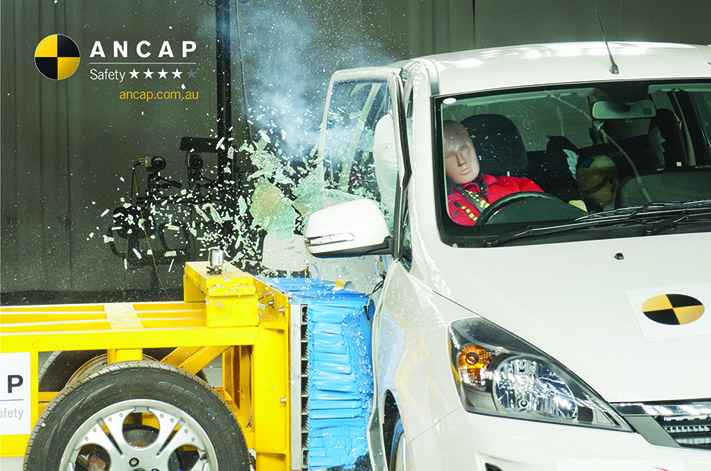
The first big change came in 2012 when a marginal pedestrian protection rating and an acceptable whiplash rating were introduced to help qualify for the top rating. But there was another more important, underlying change – for the first time cars were awarded extra points for including two of a number of extra safety assist technologies such as seatbelt reminders and speed limiters.
In 2013, the five-star rating was expanded to include seatbelt reminders for front-seat occupants, and emergency brake assist, a system that helps a driver apply enough brake pressure for an emergency stop. The minimum number of safety assist systems needed increased to three.
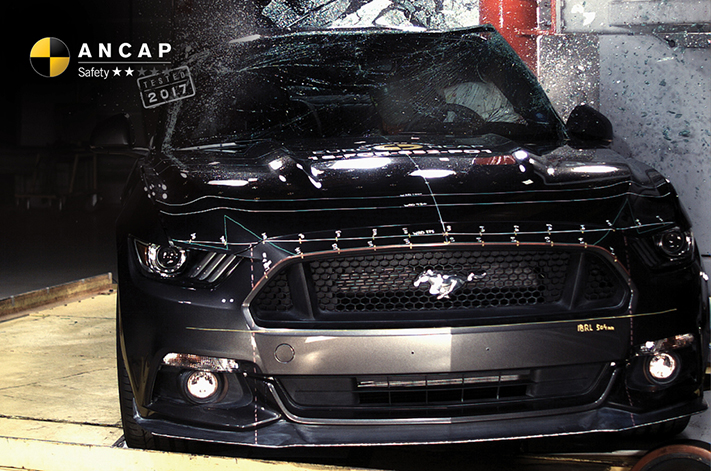
In 2014, ANCAP was looking out for pedestrians, too, increasing the minimum rating required for a top score. Car makers had to extend curtain airbags to the rear seats, and fit four safety assist systems to the passenger car. It also looked at factors including how the roof would perform in a rollover.
There was another important change in 2014. In late 2013 ANCAP had introduced a “good” rating as a minimum for whiplash protection, but it was dropped back down to “acceptable”, allowing more cars to gain the top rank rating.
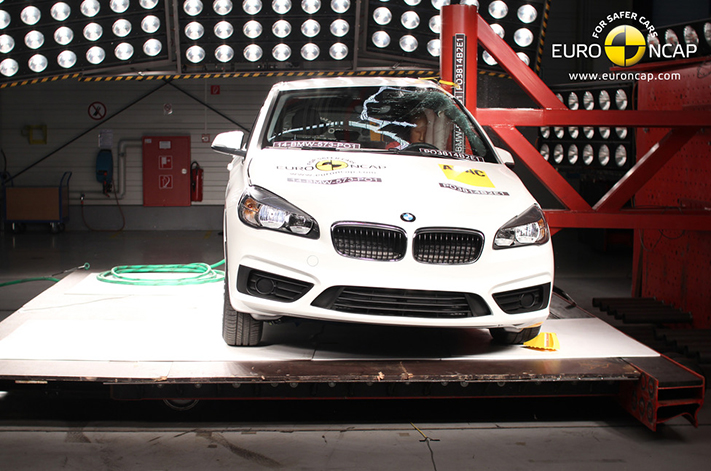
By the time 2015 rolled around, the task of earning a five-star rating was challenging car makers. The whiplash protection they offered now had to be rated as “good”, and seatbelt reminders had to flag the driver if any rear-seat passengers hadn’t clipped in. The number of safety assist technologies demanded for a top mark had also climbed to five.
In contrast, the only change to the scoring process over the last couple of years has been to increase the number of safety assist systems needed for a five-star rating to six, which now extended to things such as fatigue monitors, active cruise control and lane-keeping monitors.
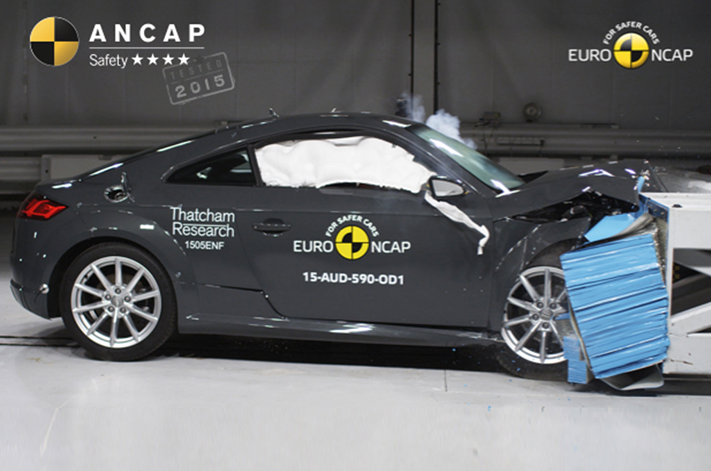
So what do you need for a car to score a lowly one-star rating today? At the minimum, it will need to have electronic stability control, three-point seatbelts for every seat, seatbelt reminders for just the front seats, and only two safety assist systems. That is it.
Things have come a long way over the last seven years, but the crash test regime is still evolving. ANCAP plans to soon start testing for how well some of the new technologies being added to vehicles perform.
As Wheels independent testing has shown, not all automatic emergency brake systems are created equal, with some performing much better than others when trying to avoid a crash with a car, or trade ute, in front of it. The differences do need highlighting.
A REAL gloom was cast over Australia’s automotive landscape this year, one that’s been a long time coming.
After almost seven decades of continual passenger car production, we now face a future where everything on our four-wheeled landscape is fully imported. Like Donald Trump’s early morning Tweets, every time we pass a Ford Falcon, Holden Commodore or a Toyota Camry it’s a bittersweet reminder that our world is out of balance.
But there is hope beyond the horizon, and nowhere is that clearer than the line-up for the 2018 Wheels Car of the Year awards. The field of contenders has been assembled, and while it’s not one of the biggest yet, it is potentially one of the best.
One thing stands out significantly this year; the number of SUVs up for contention significantly outweighs the number of traditional passenger cars in the race for the 2018 awards. Yes, the Mazda CX-9 – the second-only SUV after the Ford Territory to take the WCOTY title – won last year, but it was only one of six high-riding wagons lined up for the award. This year we have 11.
That’s reflected somewhat in this year’s official new-car sales data, where SUVs and SUV-styled crossovers now easily outsell their lower-riding rivals.
So what is worthy of consideration for the 2018 Wheels Car of the Year awards? This year has been notable for a number of potential game-changers that have launched, and there’s even a lingering last taste of Aussie spice sprinkled into it.
Here’s the list of cars that has made the cut.
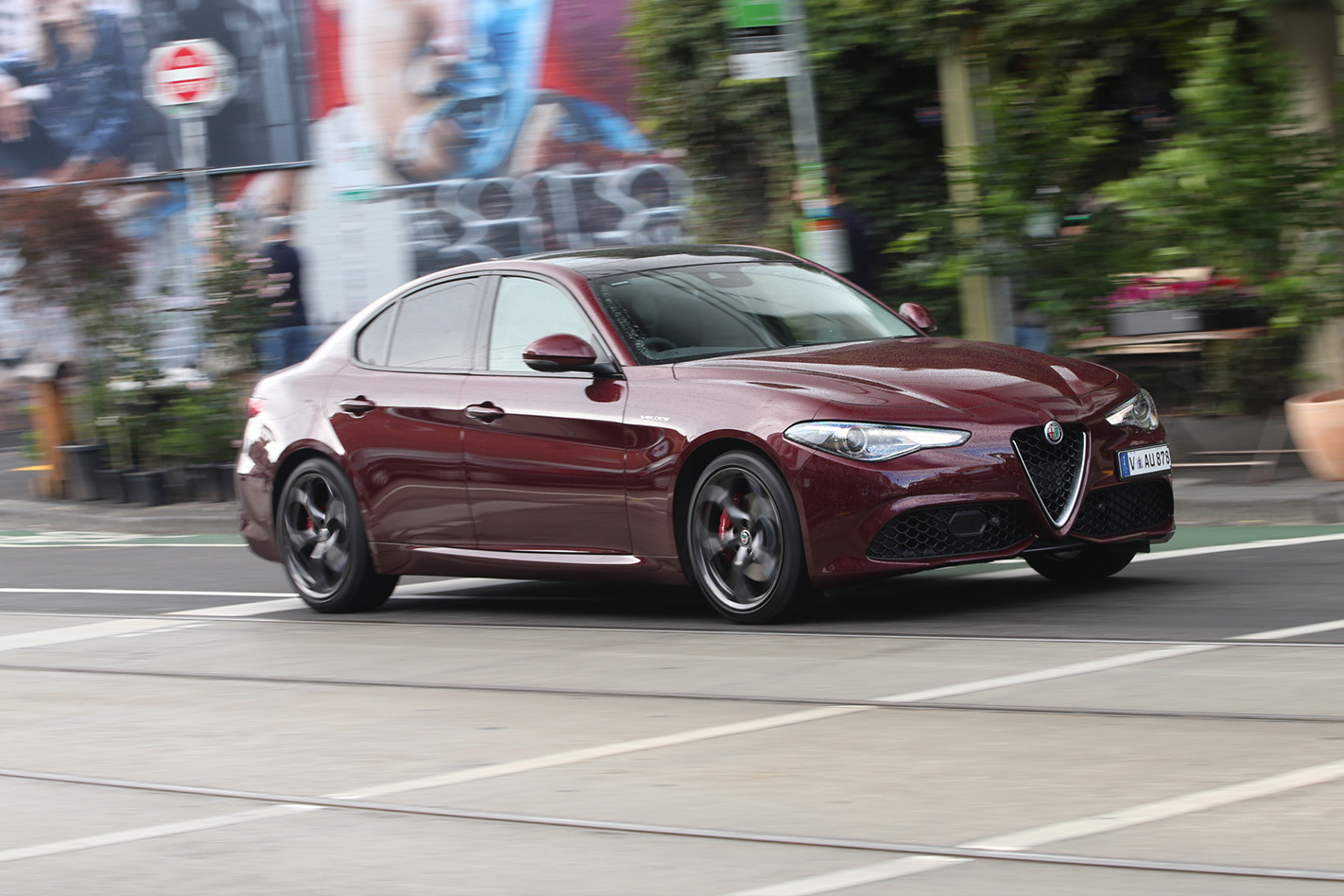
Alfa Romeo Giulia Alfa’s new large luxury offering has turned the high-priced luxury car norms on its head, producing a range of emotive and dynamically competent sedans that fire up the emotions, but don’t raid the bank account too severely.
Previous winners: None
Previous winners: None
BMW 5 Series The seventh generation of BMW’s all-new executive powerhaus lobbed early this year laden with the forefront of the German luxury car maker’s driver assist technologies. Our early taste shows the 5er’s under-bonnet brilliance isn’t immediately backed up by the strong dynamics the badge was renowned for, though.
Previous winners: BMW i3 (2014)
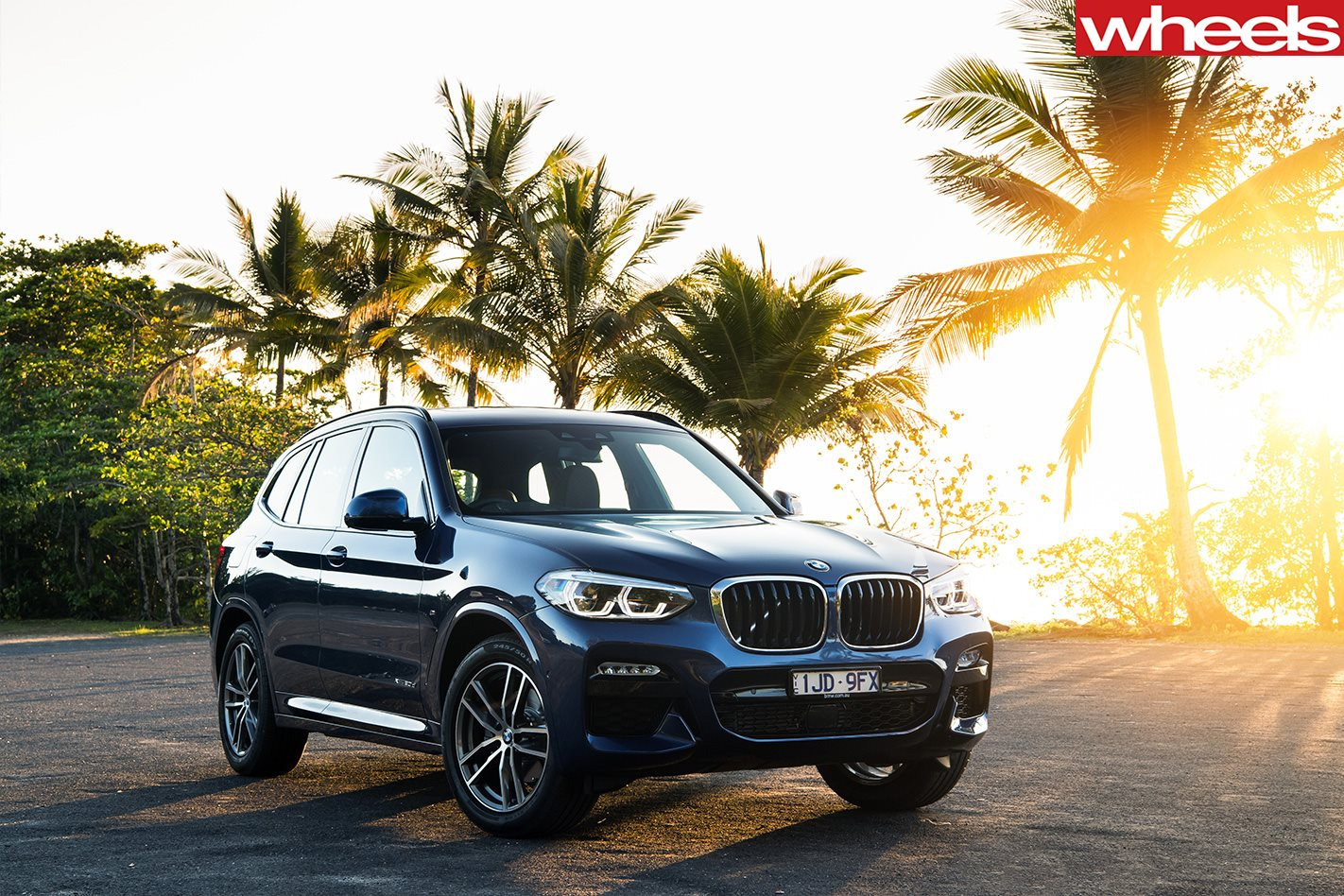
BMW X3 The former ugly duckling of BMW’s sharp-looking SUV line-up has finally evolved into a swan. The Audi A5-rivalling X3 has made huge advances over its predecessor, but it is yet to square up against rivals to see if the changes are enough to push it to the head of the field.
Previous winners: BMW i3 (2014)
Previous winners: HK Monaro (1968), LC Torana (1969), TX Gemini (1975), VB Commodore (1978), JB Camira (1982), VN Commodore (1988), VR Commodore (1983), VT Commodore (1997), XC Barina (2001), VE Commodore (2006)
Honda CR-V Continual improvement is the name of the game at Honda, and its fifth-generation midsize SUV doesn’t disappoint. It’s added a seven-seat version for the first time that adds even more family practicality, and a turbocharged petrol engine.
Previous winners: Prelude 4WS (1987), Odyssey (1995), CRZ (2011)
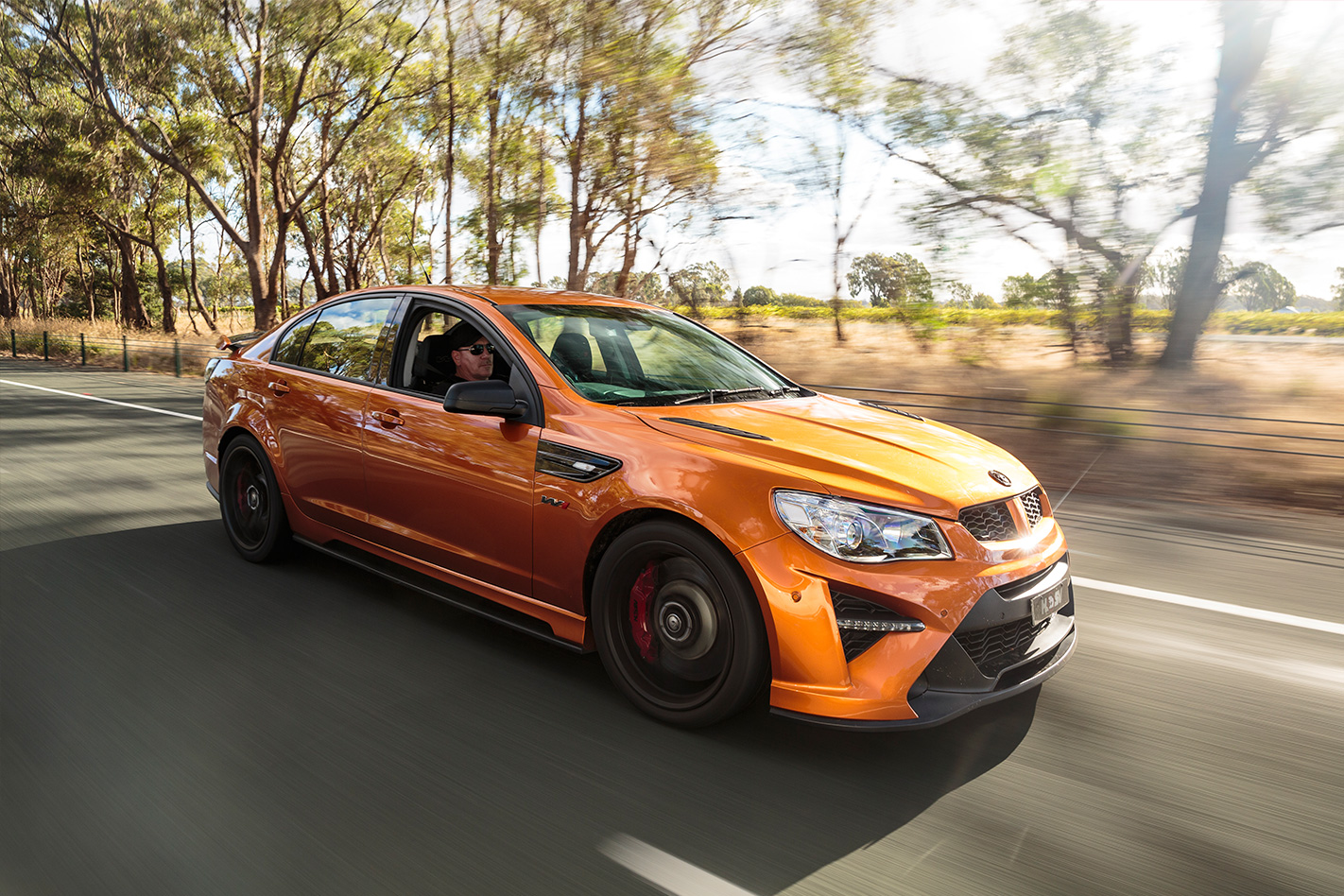
HSV GTS-R W1 The most potent sedan to ever wear a HSV badge rumbles into WCOTY contention as the last-ever representative of Australia’s proud car-making heritage. Is its earth-shaking 474kW serve of 6.2-litre V8, rear drive growl enough to stir the emotions of judges one final time?
Previous winners: None
Previous winners: None
Hyundai Kona Extroverted looks are wrapped around Hyundai’s new compact SUV as it enters one of the most competitive sandpits of the new-car market. Related to the i30 hatch, the Kona introduces the same sense of roominess in a segment that has sometimes sorely lacked it.
Previous winners: None
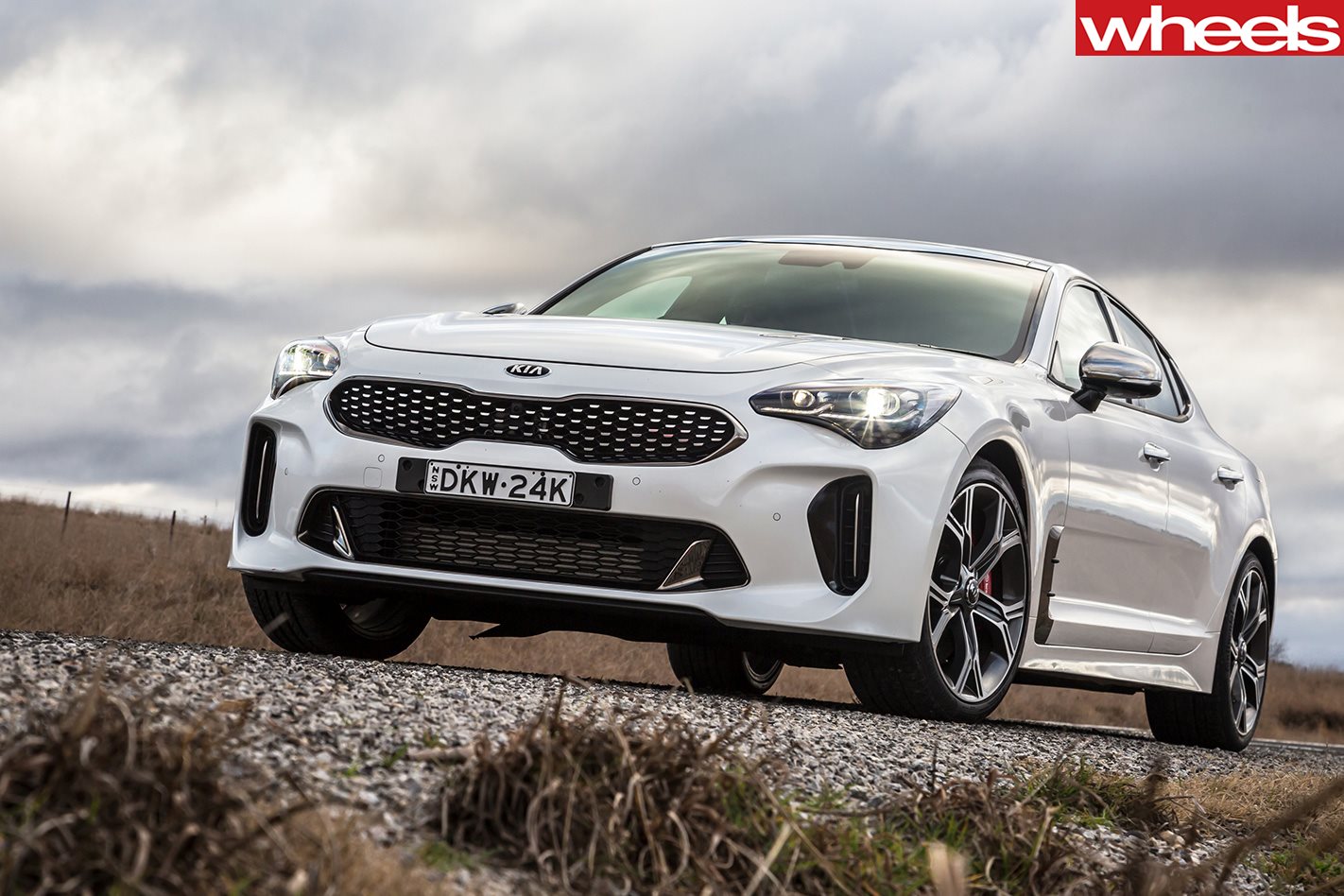
Kia Stinger The other Korean car maker could have taken the easy path with its new mid-size liftback sedan, fitting it out with front-wheel drive and an uninspired four-pot. Instead, we have a front-engined, stove-hot engined sports car that leaves everyone who drives it wondering how it will look in their driveway.
Previous winners: None
Previous winners: None
Lexus LC Science fiction hits the road in one of the most compelling packages we’ve seen at WCOTY in some time. Don’t like a low, long hybrid V6-engined coupe that serves V8-like performance for less pain at the pump? Then swap it out for a real 351kW/540Nm 5.0-litre V8 at no extra cost!
Previous winners: LS400 (1990)
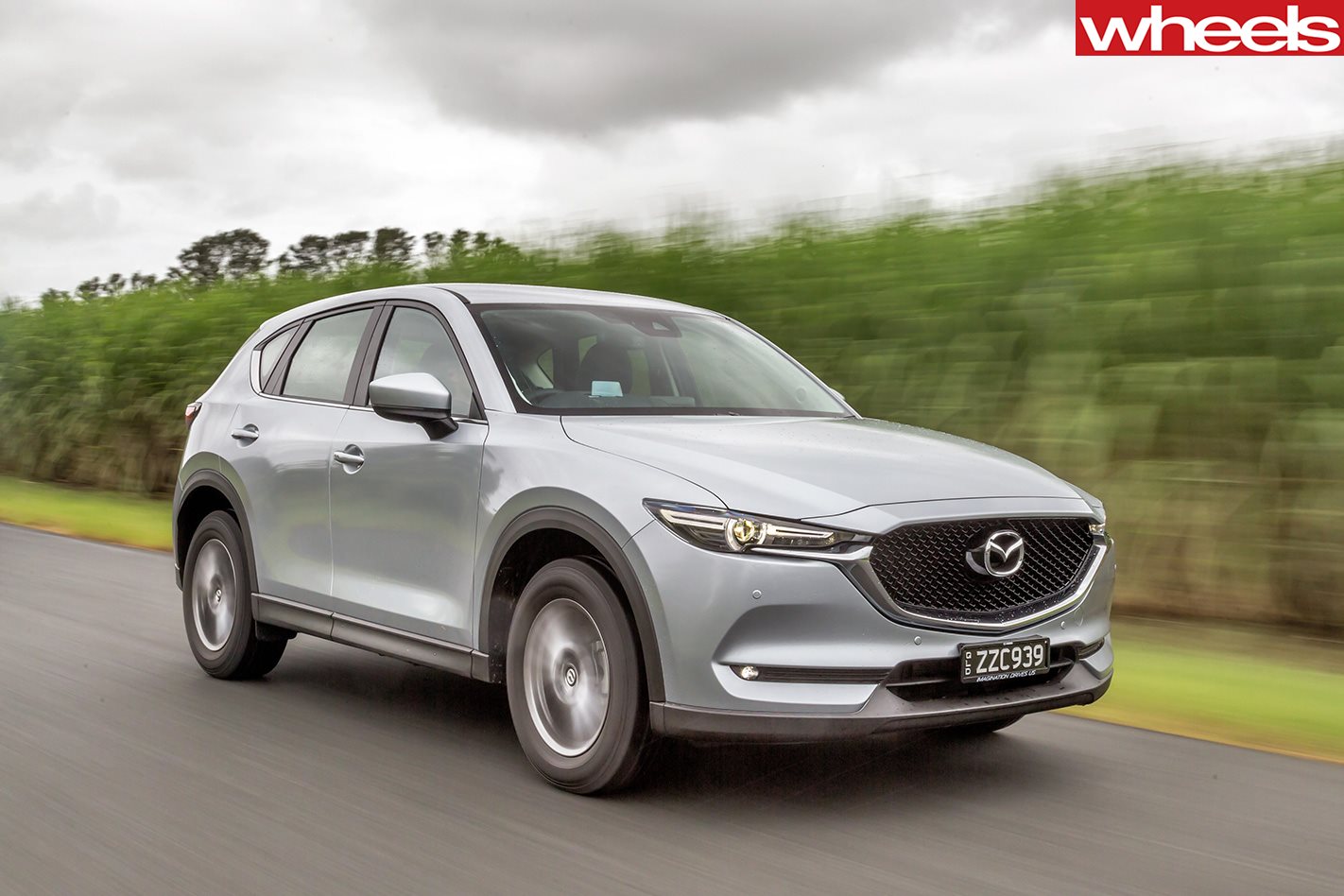
Mazda CX-5 Lower, longer and sharper to look at, Mazda has taken the formula that made the previous-generation midsize SUV one of Australia’s best-selling vehicles, and evolved it. If the CX-5 wins, it will be a three-peat for the brand following on last year’s success of the CX-9 and the year before that, the MX-5.
Previous winners: Mazda 323 (1980), Mazda 626 (with Ford Telstar, 1983), MX-5 NA (1989), Mazda 626 (with Ford Telstar, 1992), RX-8 (2003), MX-5 NC (2005), MX-5 ND (2016), CX-9 (2017)
Previous winners: None
Porsche Panamera The flagship front-engined coupe combining iconic Porsche styling with a more practical four-door design is back for a second generation, adding even more stunning performance to a generation of Panamera that, thankfully this time around, doesn’t look like a bloated 911.
Previous winners: None
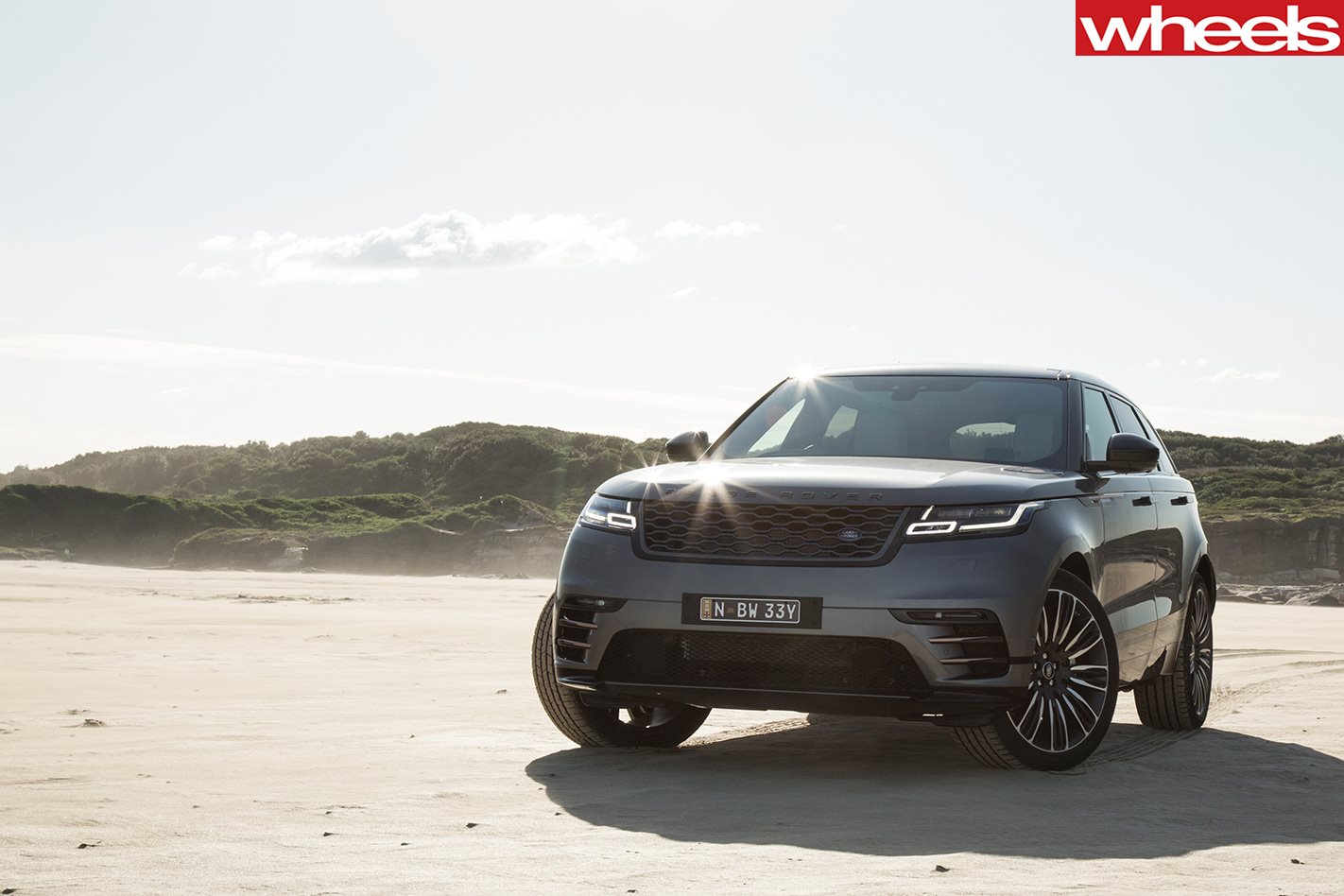
Range Rover Velar Move over, Range Rover Evoque. Land Rover’s newest luxury-focussed SUV eschews the sport-focussed vibe of the Evoque to deliver slightly more conservative, tech-driven looks with luxury packaging. And more range options than you would think possible.
Previous winners: None
Previous winners: None
Suzuki Swift The Suzuki Swift has the distinction of being the cheapest car at WCOTY. But it’s not that cheapness that has the Swift in front of the judges; instead, it’s the lightweight chassis, engaging dynamics and perky little engines complementing what has evolved into a roomy city runabout.
Previous winners: None
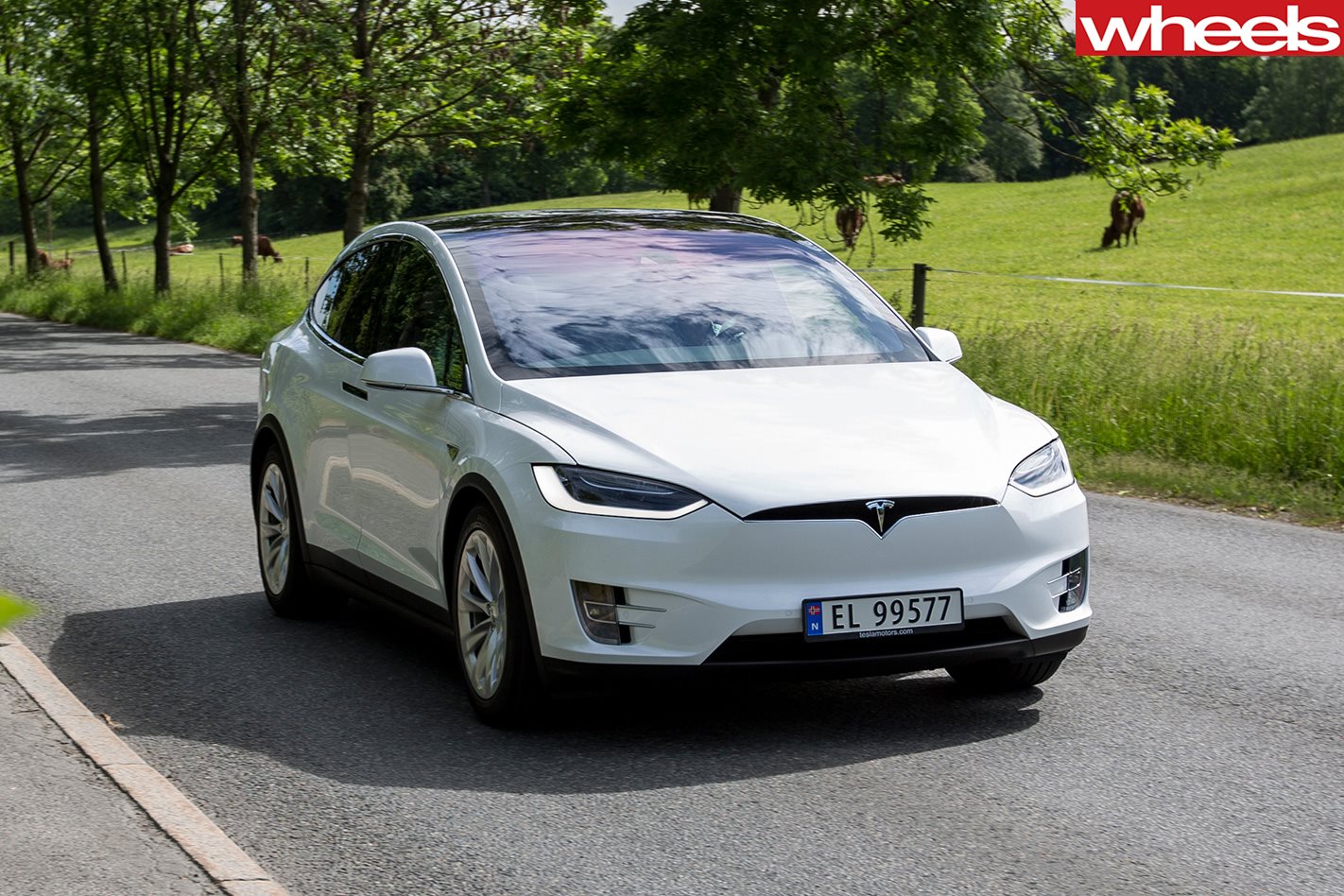
Tesla Model X The Californian car maker’s SUV-styled people mover with its vertical-lift doors and stonking straight-line performance is the cutting edge of battery-electric technology, with a price to match. But what’s the point?
Previous winners: None
Previous winners: 86 (with Subaru BRZ, 2012)
Volkswagen Arteon The flagship of Volkswagen’s Passat passenger car range arrives sporting a sharp new suit and a name to help it carry the premium it commands: the Arteon. It’s a single, standalone halo model for the German car maker that takes it up to the luxury car class establishment.
Previous winners: Passat (1974), Golf VI (2009), Polo (2010), Golf VII (2013)
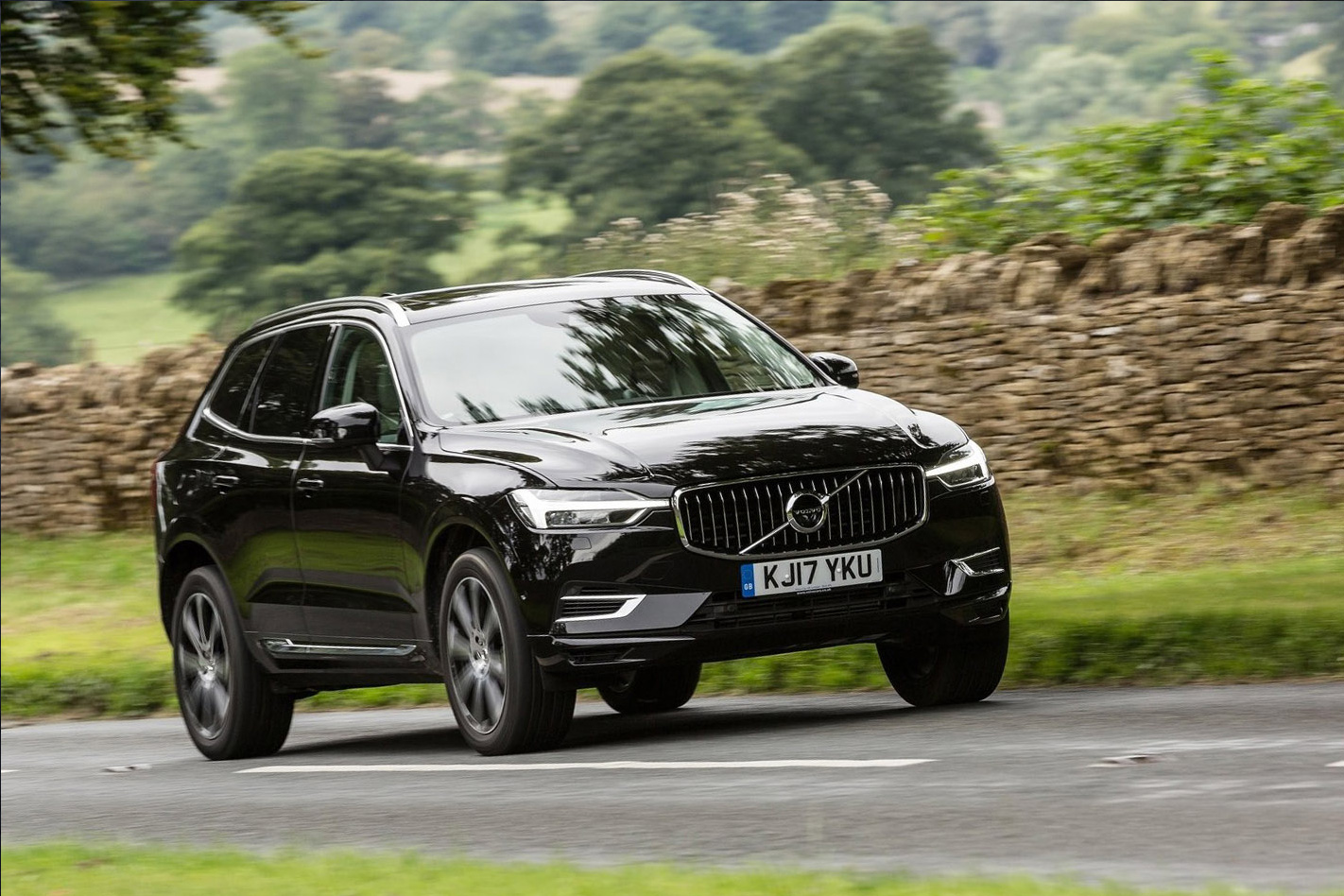
Volvo XC60 The now Chinese-owned Volvo has taken the formula that made the previous generation XC60 a bestseller for the brand, and lifted it to an even more premium level. The top-spec one has an intriguing drivetrain: a turbocharged, supercharged 2.0-litre hybrid.
Previous winners: None
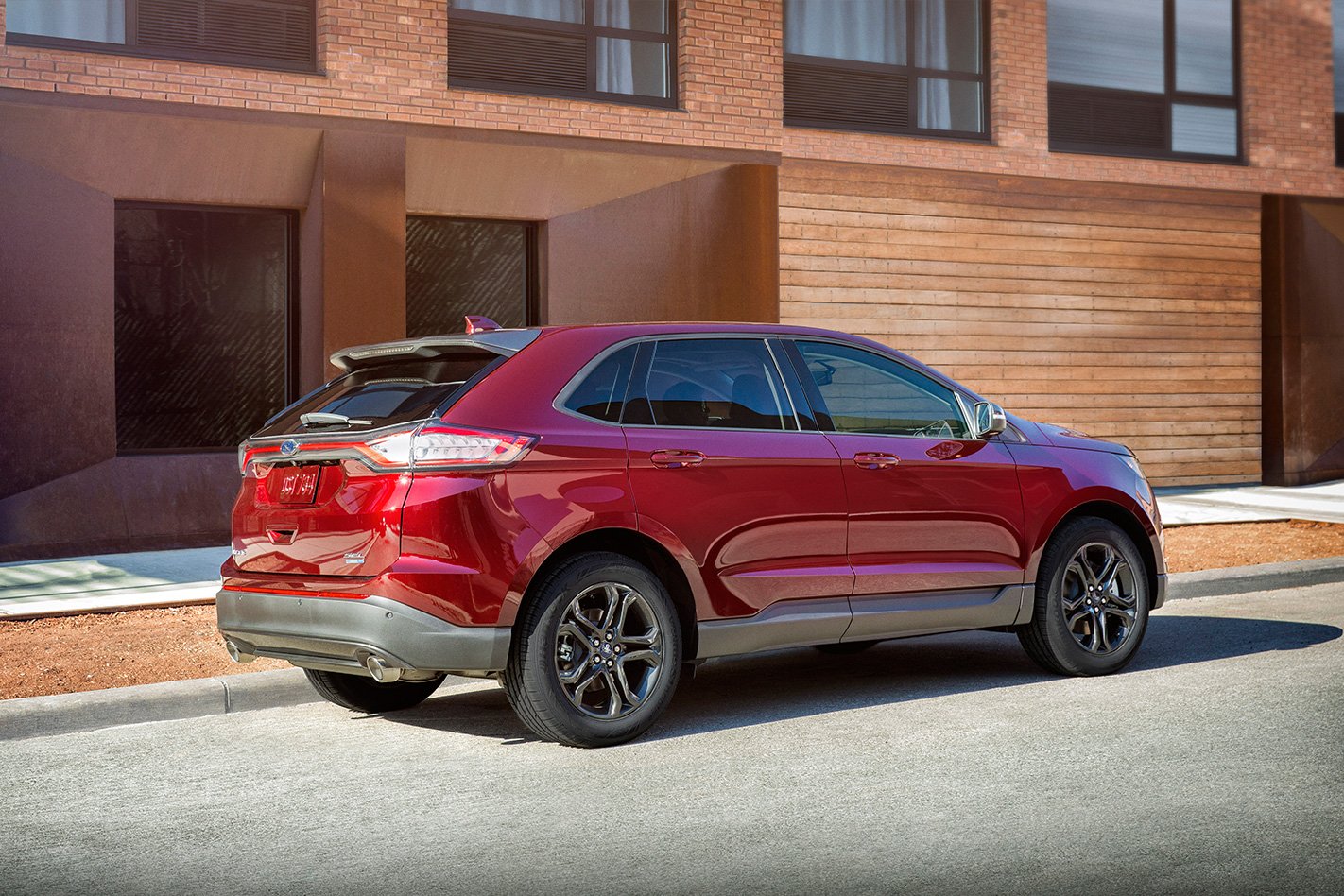
THE Ford Endura range is likely to include a performance-honed hero when the Ford Territory replacement joins the car maker’s Australian showrooms midway through next year.
The brand has announced it will launch the Ford Endura ST-Line in neighbouring New Zealand, adding weight to the idea – although it has declined to comment – that it will try and add a bit of buzz to the midsize Holden Equinox competitor.
Under the bonnet of the recently confirmed Endura ST-Line – the vehicle is called the Edge in other markets because Toyota Australia owns the Edge name in Australia and New Zealand – is a sequential twin-turbo diesel Duratorq engine producing 154kW and 450Nm that’s also likely to replace the ageing 2.2-litre single-turbo engine that powers the entry-level Ranger.
According to Ford, a smaller turbo helps with low-speed boost, while the larger turbo kicks in with a few revs on board, “like when overtaking a slow-moving vehicle”.
As well, the ST-Line gains a number of visual and performance enhancements. These range from 20-inch alloys featuring low-for-an-SUV-profile 255/45 rubber, unique body trim and a “sports” suspension tune.
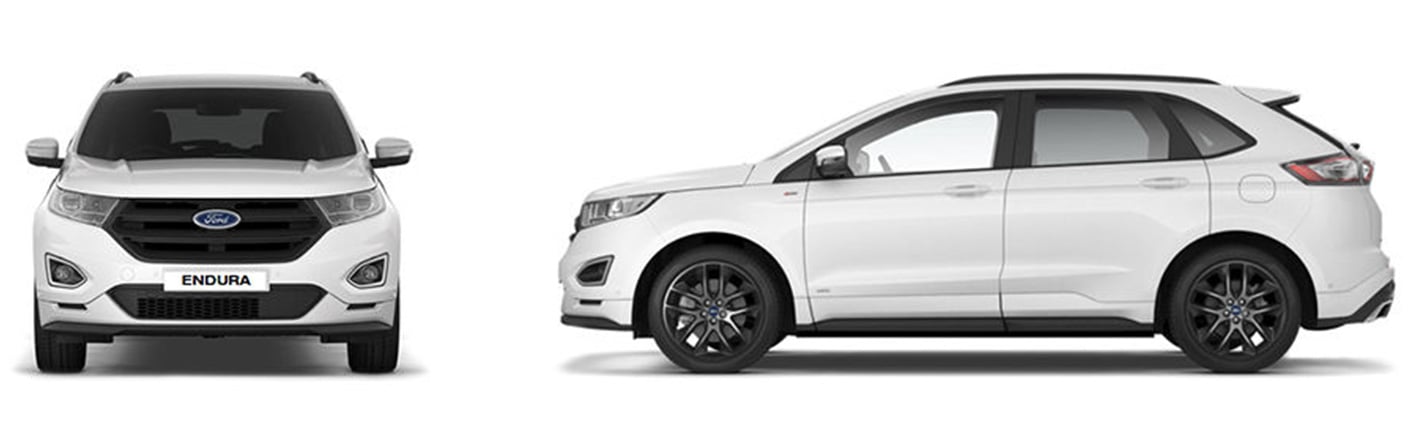
The Kiwi version of the ST-Line will also gain a full suite of safety features including automatic emergency braking, a reversing camera and seven airbags, with a driver’s knee airbag. As well, there’s a powered tailgate, LED rear lights, tinted windows and black roof rails.
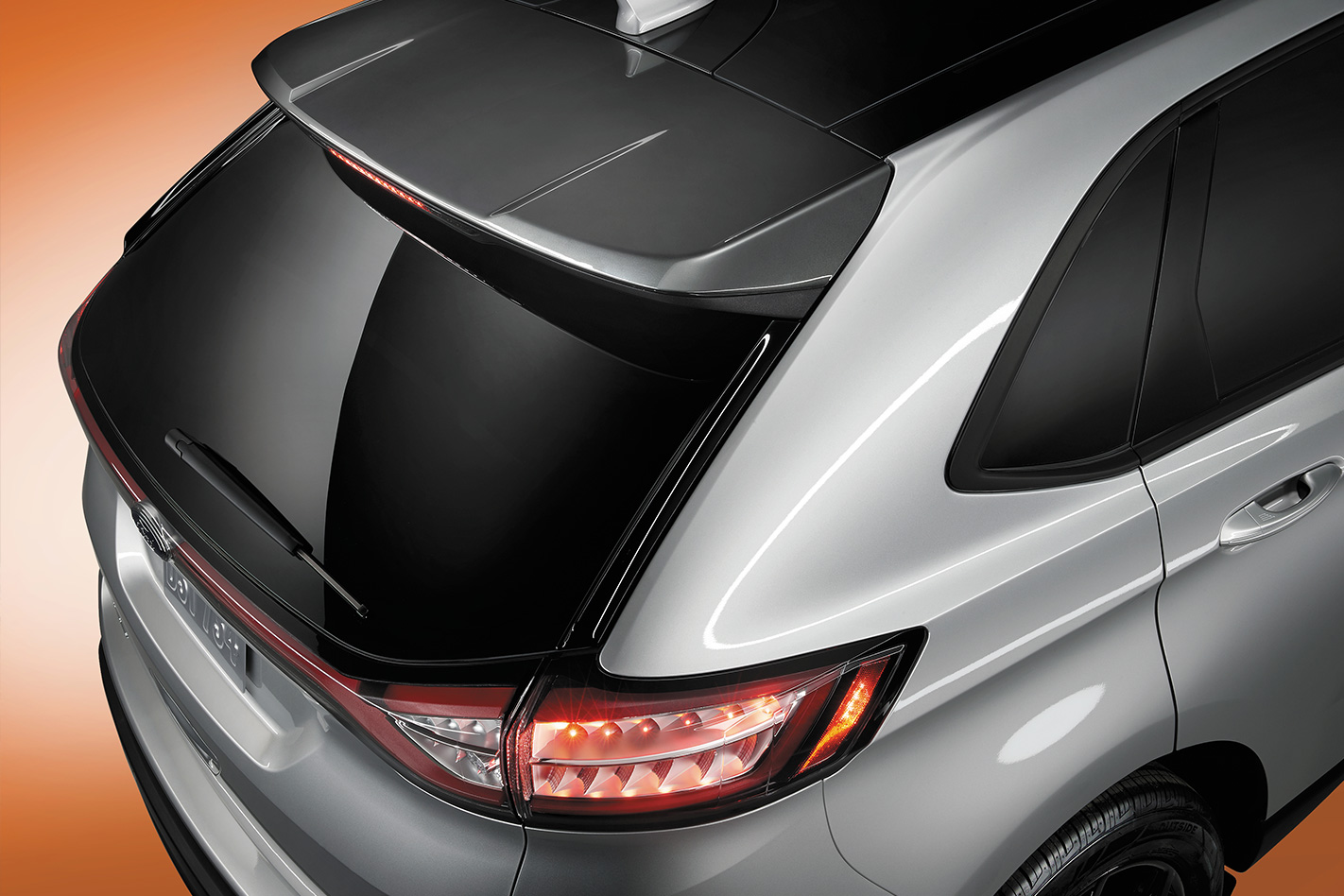
Ford’s ST-Line offers buyers a milder, more sharply priced version of its ST-badged cars that amp up the performance stakes for the brand. They rely on visual changes and mild suspension tweaks to offer buyers a hint of the performance lifestyle without the fuel costs normally associated with the higher-strung ST-badged products. Ford Australia is yet to confirm if the ST-Line is likely to be made available here – adding more weight to the thought that ST-Line cars will wear a different badge in Oz.
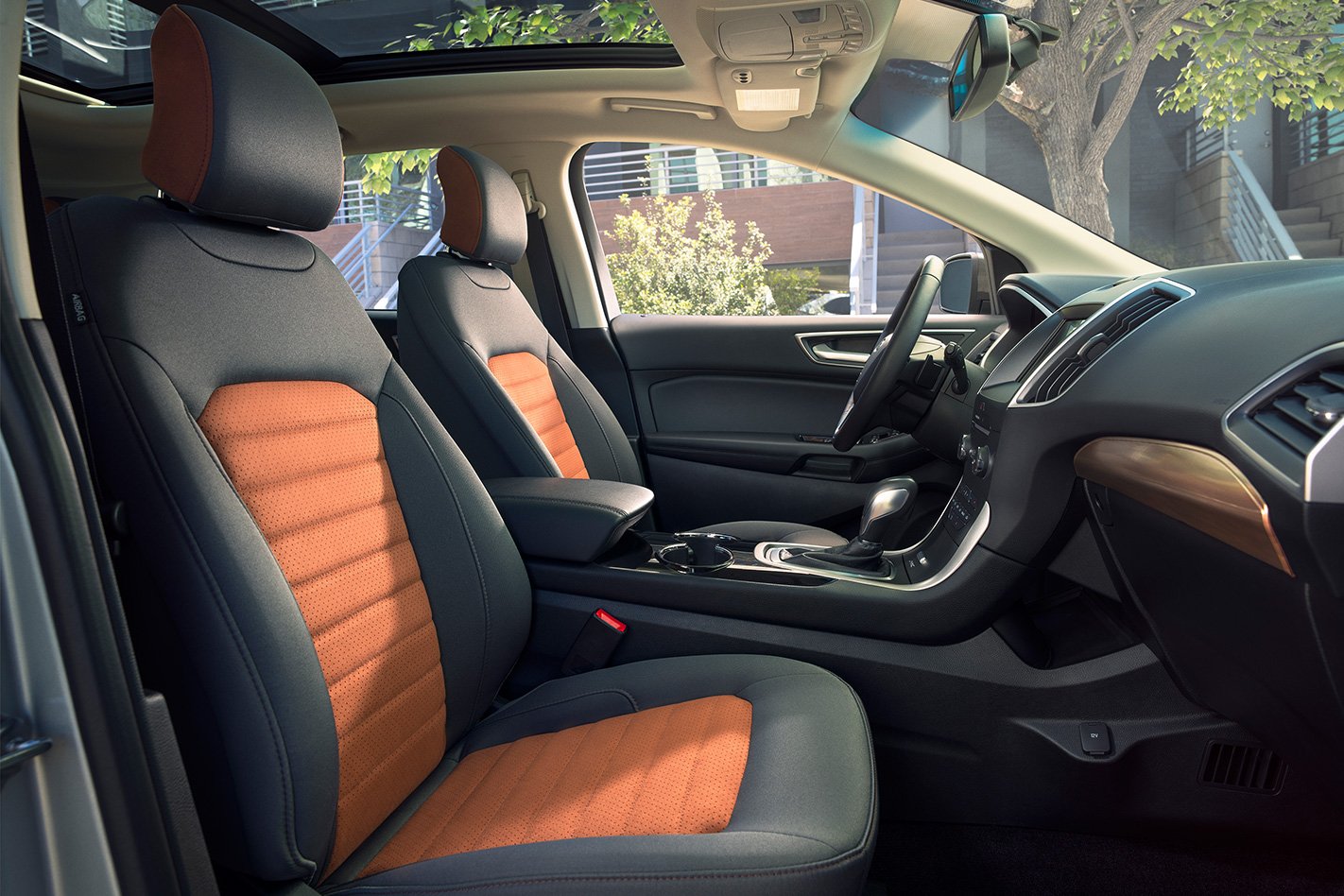
A go kart track isn’t the ideal venue in which to drive a new car, but when it’s the hotly anticipated Hyundai i30 N we’ll take every opportunity we can to get behind the wheel.
It helps that Raleigh Raceway in Coffs Harbour isn’t your typical go kart track; it’s tight, of course, but also undulating and there’s enough space to reach the very top of second gear and at least sample the limits of the i30 N’s chassis.
Two variants are on offer, the base 184kW/353Nm i30 N and the 202kW/353Nm Performance Pack (PP), which can also provide an extra 25Nm thanks to a 19-second overboost function. The 0-100km/h claim is 6.4sec for the base car, the PP 0.3sec quicker.
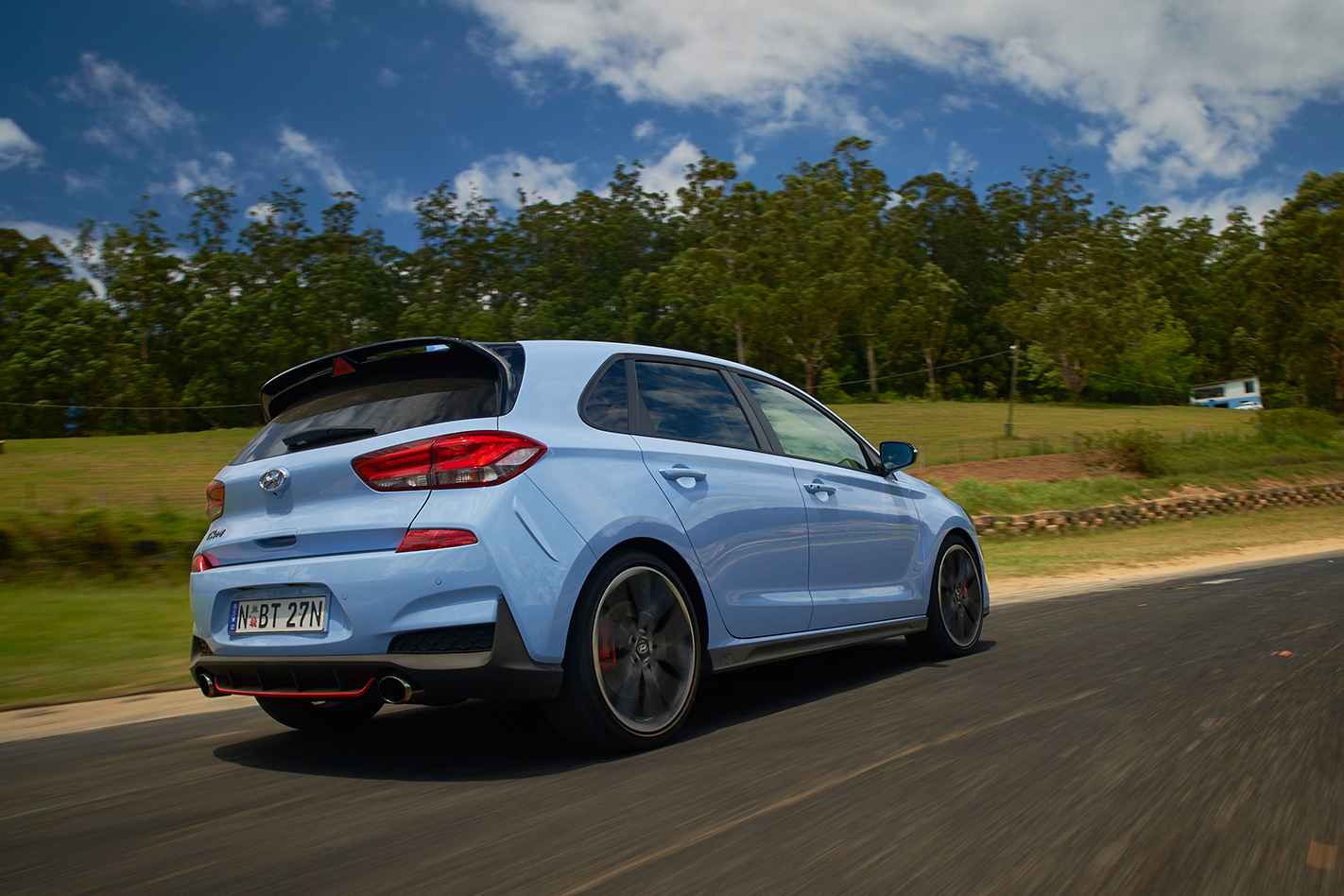
A six-speed manual is currently the only gearbox – an eight-speed dual-clutch will come in a couple of years’ time – which might limit sales but doesn’t limit its appeal, with a light, accurate shift and seemingly well-chosen ratios – for the first three gears at least.
The LSD-equipped PP has better traction than the open-diffed base model, which requires careful throttle application to prevent torching the inside tyre, but suffers from some torque steer, wandering under hard acceleration.
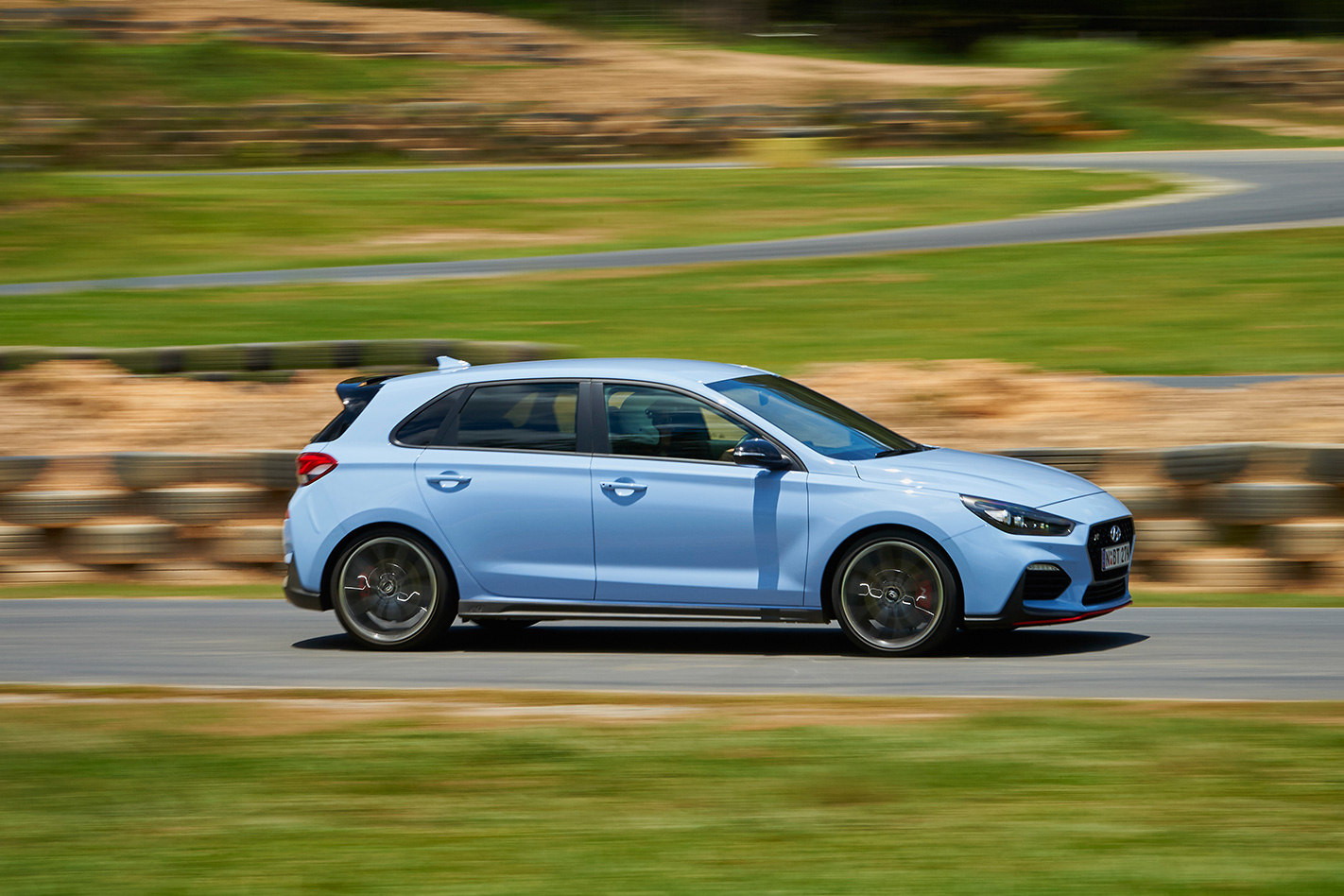
As you’d hope with a hot hatch, the chassis is a highlight. The steering doesn’t offer much feedback but is very nicely weighted and geared, the brakes – particularly the larger items on the PP – are strong and the grip levels high but it’s the adjustability that is most welcome.
Trail the brakes on corner entry and the front will either slide a little or a lot and while it’s still clearly front limited as a powerful front-driver, the chassis gives you options – we look forward to a longer turn on a faster track or road.
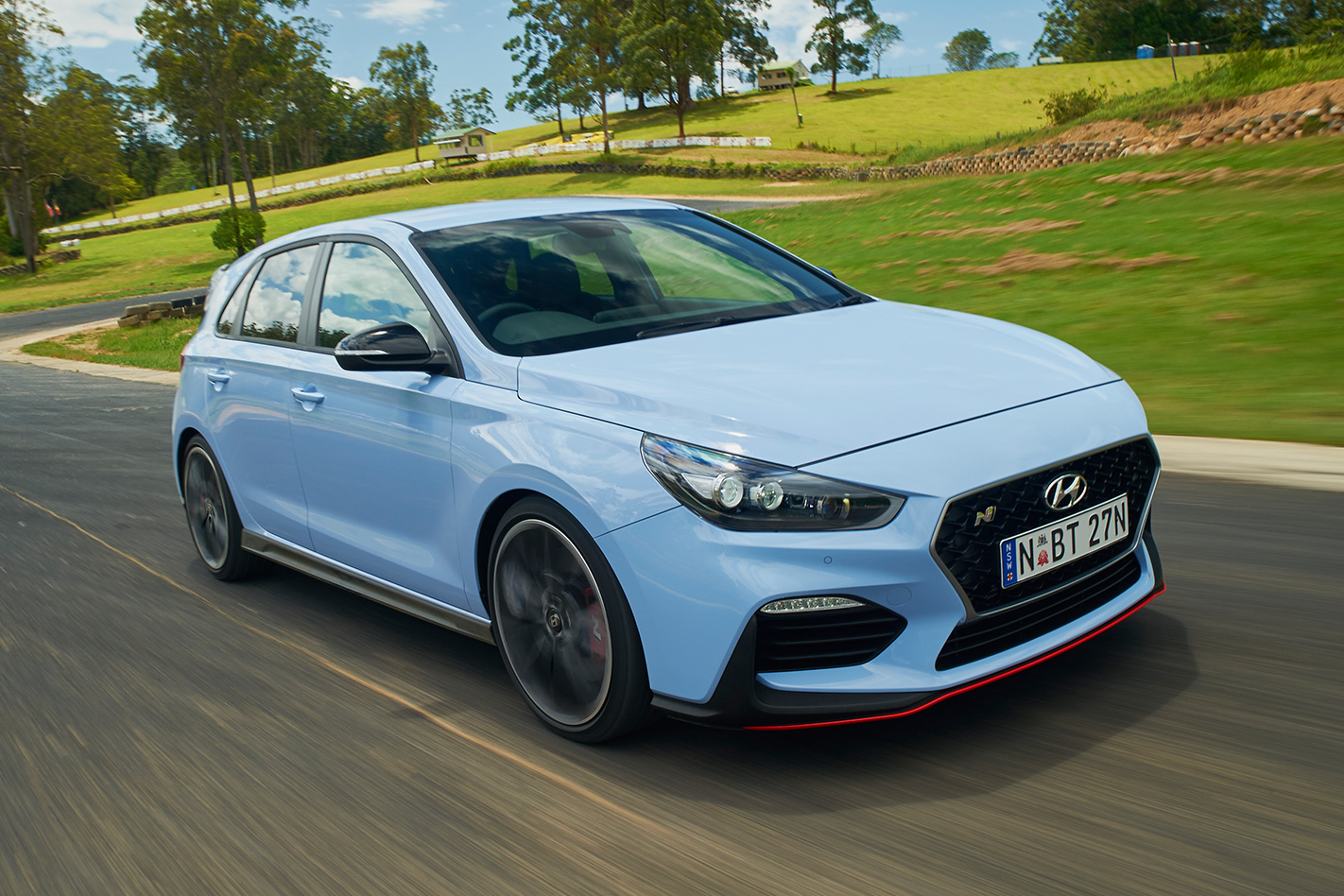
The base model is not yet confirmed – though hopefully it gets the tick, as it feels great – and neither is pricing beyond Hyundai saying it will “straddle” a Golf GTI, so expect around $40K for the base model (if it comes) and closer to $45K for the PP.
Obviously there are more questions to answer – some of which have been answered by our international first drive – but it appears the question is not whether the new i30 N is good or not, but rather how good is it? We’ll find out more in February 2018.
2018 Hyundai i30 N Specs (PP)
- Engine: 1998cc inline-4cyl, DOHC, 16v, turbo
- Power: 184kW @ 6000rpm (202kW @ 6000rpm)
- Torque: 353Nm @ 1450-4000rpm (353Nm @ 1450-4700rpm)
- Weight: 1400kg (1480kg)
- 0-100km/h: 6.4sec (6.1sec)
- Price: TBC
