
AS much as I appreciate the abilities and sheer speed of the current-model BMW M3, I, for one, will not miss it when it’s gone.
This feature article was first published in MOTOR magazine’s January 2013 issue.
There: I’ve said it. It’s not that I don’t like the M3, just that it doesn’t make me want to sell my family to own one. Shout me down if you want (and I’m sure some will) but the M3 lost me philosophically when it went from a howling straight-six to a V8. And yes, I am aware that it was a 309kW V8 and, yes, I know it revved to 8000rpm and beyond.
And yes I’ll admit it was faster than the old six-cylinder M3. But still it did not move me. I even acknowledge that the original M3 was, in fact, four-cylinder powered, but for mine, a true M3 will always have an inline six-banger with an ear-shredding soundtrack and a redline way up here. And according to that formula, the very last of the six-potter M3s, the E46, is the big kahuna.
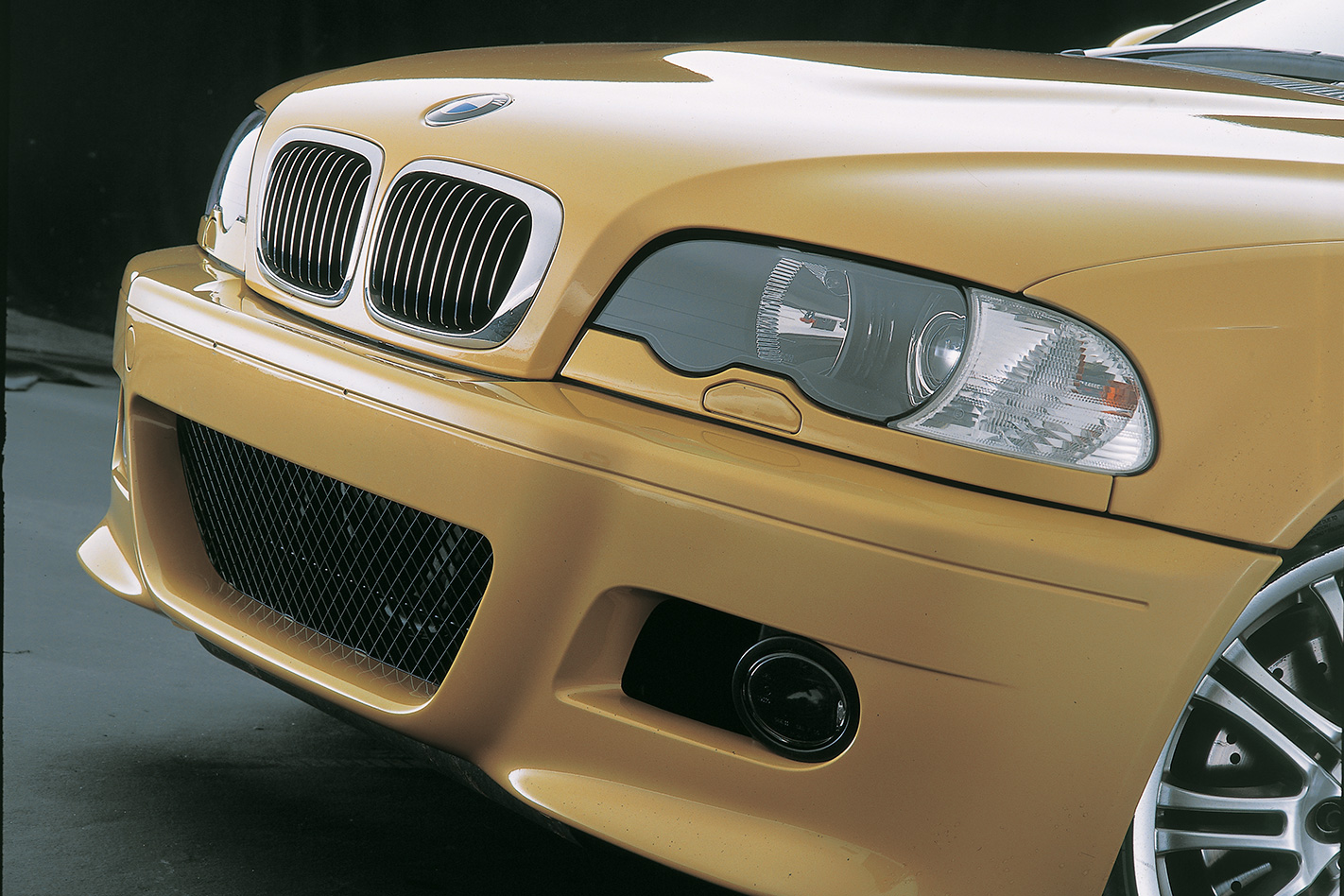
And when you consider that BMW knew then that it was to be the last of the six-cylinder M3s, maybe that’s exactly what happened. (And, yes, I know the next M3 will revert to six-pot power – see the bottom of this page – I’m speaking historically, okay.) Anyways, the E46 M3 was some kind of sweet ride.
The E46 bodyshell in two-door form looked bigger than the E36 in every direction, but it was also more muscular and better balanced. And for some reason, it didn’t date as quickly as the E36. It had that thing going on, too, where every panel looked stretched tight over the frame.

Inside, it was classic BMW restraint with enough clues to let you know you were snuggled up in something special. It was all business, though, and those precise, clear instruments and form-fitting seats were all about going quickly. So were the noisy bits.
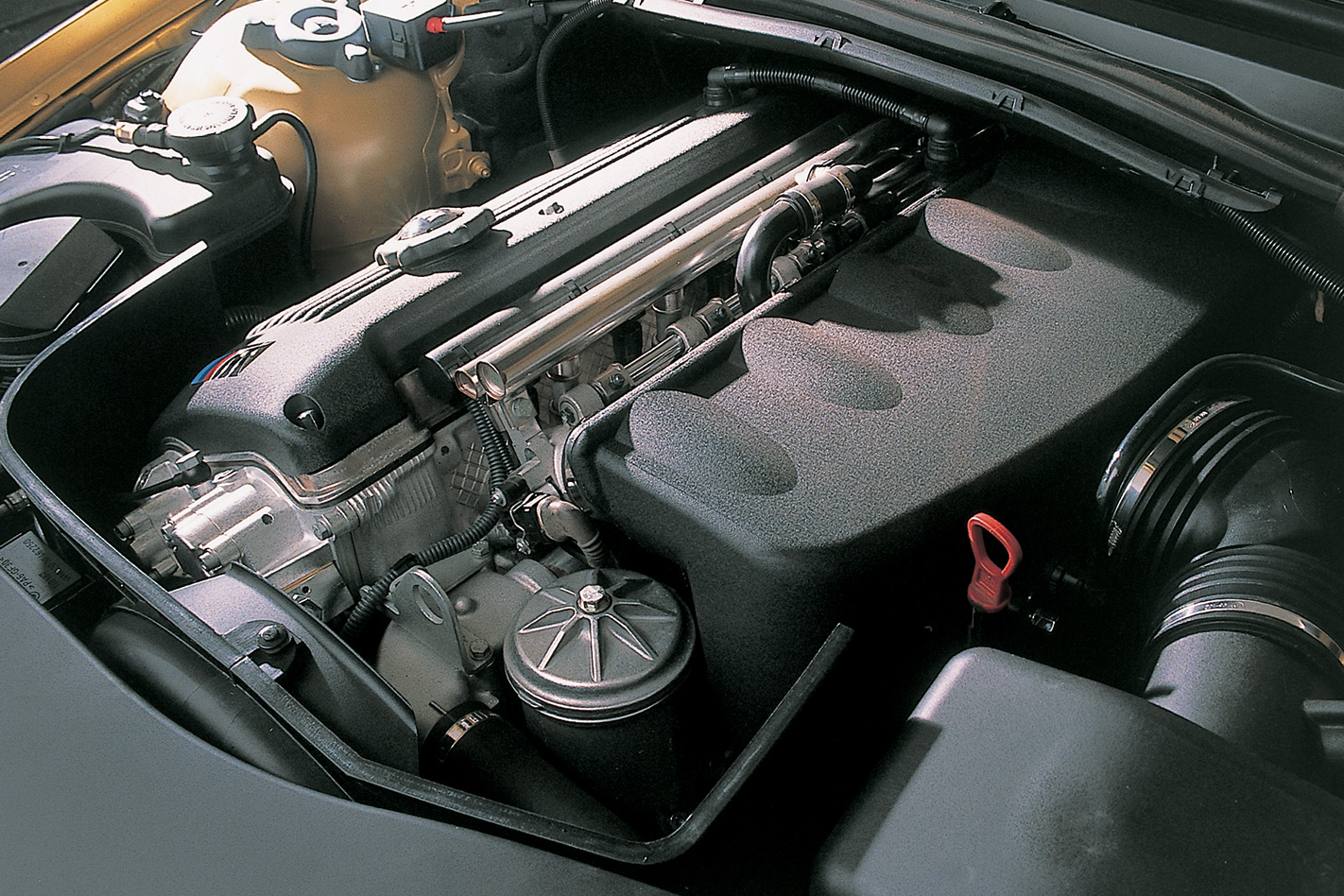
With 252kW from its 3.2 litres, the secret to it all looked to be the oversquare bore-stroke relationship (87mm x 91mm respectively) and the ability to rev to 8000rpm and more (power peaked at 7900rpm).
But that would be selling this firecracker way short, because as well as almost 77kW per litre (and remember that the Toyota 86/Subaru BRZ’s claim to fame is 74kW per litre a full decade later) the Beemer six stoked up another milestone; more than 100Nm per litre. Normally aspirated, that’s still a tough target to reach.

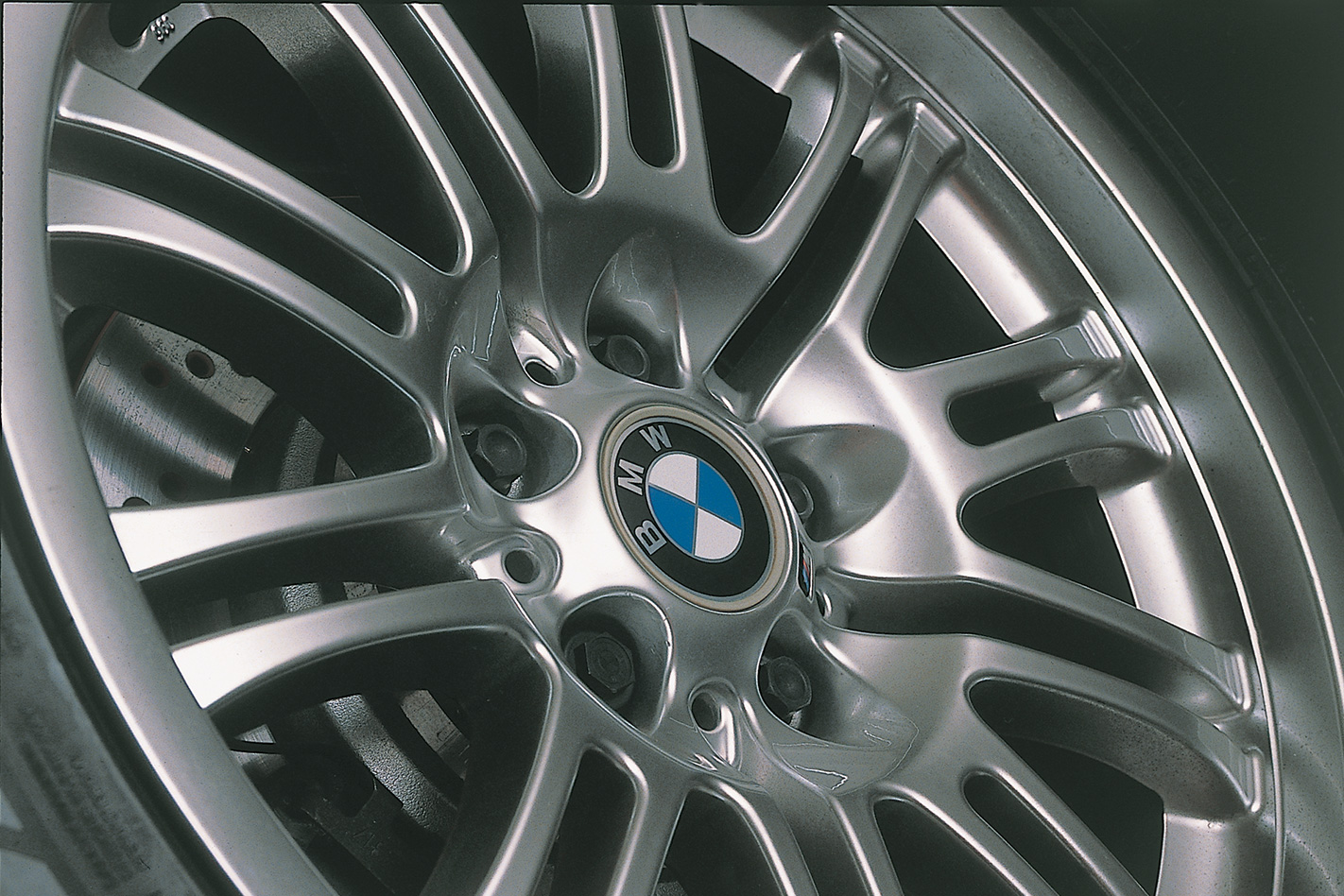
Firm suspension that still rode reasonable well was part of the deal, as were the huge 255/40 18 Michelins on the rear and the clever limited-slip differential. Awesome? Certainly was, and now that it’s a bit older, it’s achieved legend status. And that’s why you want one now.
Unlike a lot of collectible cars, however, you don’t need to don the kid gloves and the rose-tinted driving glasses in order to forgive the thing its weaknesses against modern stuff. No Siree: The M3 will still cut a swathe through the pretenders in modern gear and unless the bloke in even the newer V8-powered M3 knows his onions, a well-driven E46 will still clean him up.
Speaking of preventative maintenance, it’s critical with an M3. This is, after all, almost a race motor. Twenty years ago, it would have been a race motor. Anyway, that means tight tolerances and lots of fine, intricate oilways (especially for the VANOS mechanism).
In turn, that means that the M3 donk will absolutely not tolerate skipped oil changes. So that’s probably where to look first; the service handbook. Beyond a stamped, up-to-date handbook, the dipstick can give you a few clues, too. The oil on the stick should not only be between the full and low marks, it should also be a nice, clean, brown colour.

This may prompt a few sellers to warm the car up for you before you test drive it. Don’t fall for it. You want to start the car and listen to the engine from dead cold, so arrange to come back next morning (yes, before work if necessary) to start the thing from scratch.
The VANOS function can fail over time and this is a major expense to put right. If you’re in doubt, then an independent look-see by somebody in the know might be a good idea. Rust isn’t an issue with the E46 and if there’s any sign of corrosion anywhere on an M3, start asking tough questions.

As many high-performance cars get older, subsequent owners who bought them for the badge rather than the actual ownership experience might be tempted to replace tyres and brake pads and such with inferior quality items. Not only will this destroy the feel of the car, it’ll also diminish its outright performance.
Which is why you’re buying an M3 in the first place, right? Exactly. And for Pete’s sake buy a manual and not the six-speed SMG. The current BMW DCT is a great thing and the SMG fitted to the E46 was better than previous attempts, but, and let’s be honest, it still sucked the bag. Aside from a vastly inferior driving experience, the SMG gearbox will also see your M3-cred evaporate into thin air.
THE GOOD 1. SIX APPEAL: The last M3 with a straight six before the V8 era began. The 3.2-litre beauty sings all the way to 8000rpm 2. THE BODY BUILDER: It’s a proper Euro muscle car with looks that can’t be faked by mere mortals such as the regular 3-Series 3. STILL GOT IT: A brilliant performance car in its day and still very capable of annihilating many of today’s wannabes
THE BAD 1. HIGH MAINTENANCE: The E46’s six cylinder engine is sweet, but sophisticated and the needs preventative care. VANOS can fail, too 2. TRANNY TROUBLE: The SMG gearbox doesn’t cut it. You’ll get far more fun and satisfaction from the six-speed manual 3. LOSING FEELING: Owners previous to you may not have replaced parts with high quality ones. This will affect the E46’s famous feel
BACK TO THE FUTURE
There is talk… much talk, that the next M3 will return to the glory days of inline-six power. It isn’t, of course, that simple and the world has moved on. Which is why you can expect the next M3 to be not only a straight-six, but a turbocharged one, too. And if you’ve driven a 1M or the new M135i with their blown sixes, this can only be good news.
And given that BMW has recently cracked the concept of fitting no less than three snails to its latest six-cylinder diesel engines, don’t rule out multiples of turbochargers, either. Who’d have thought two turbos would one day be deemed insufficient?
Is that all? Nope, probably not and as well as the sedan version, there’s likely to be a coupe again, this time taking the M4 moniker in line with head office’s new naming policy that sees four-doors stick with odd numbers and coupes take an even number. Look out for it late this year as a 2014 model.
WHAT IS IT?
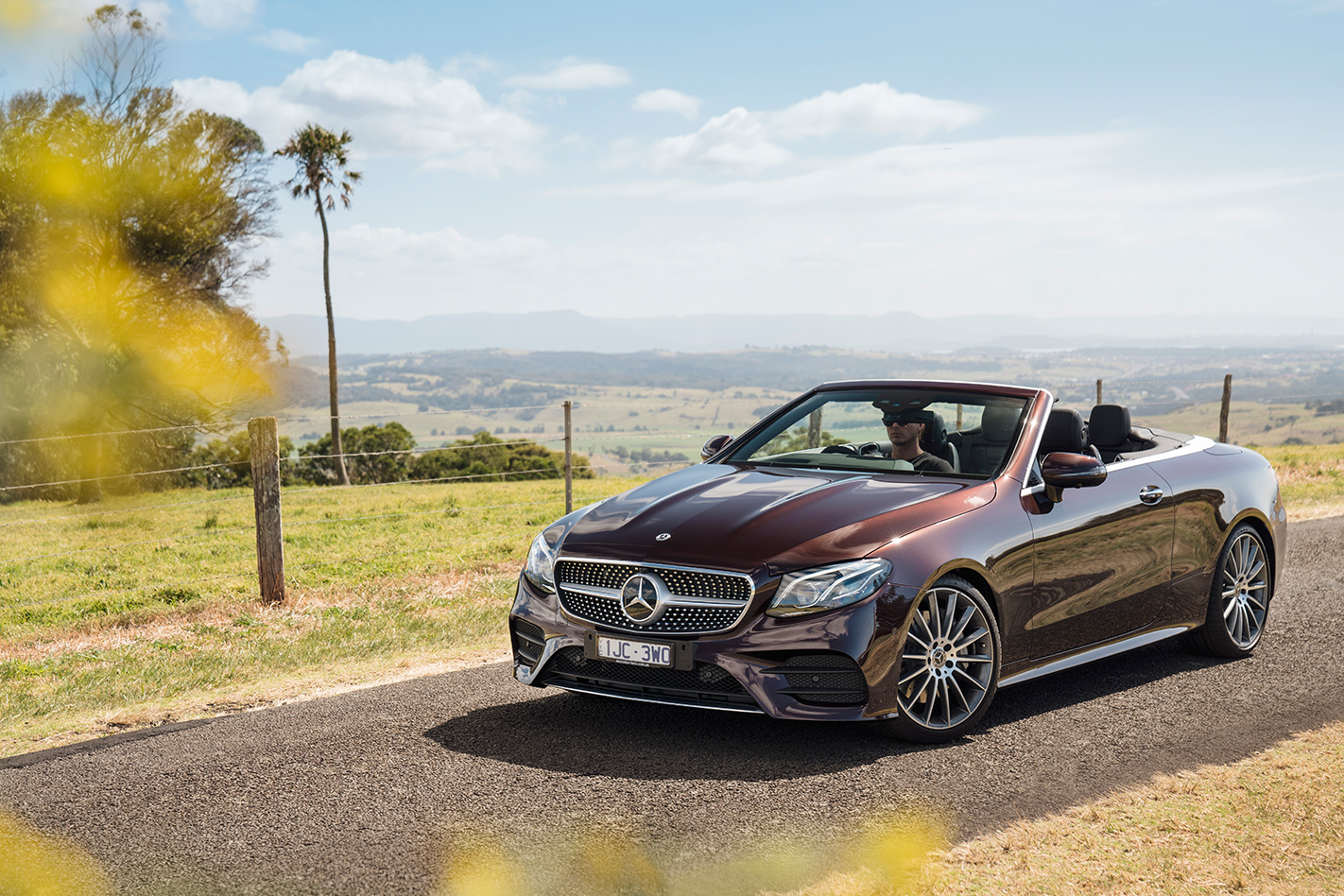
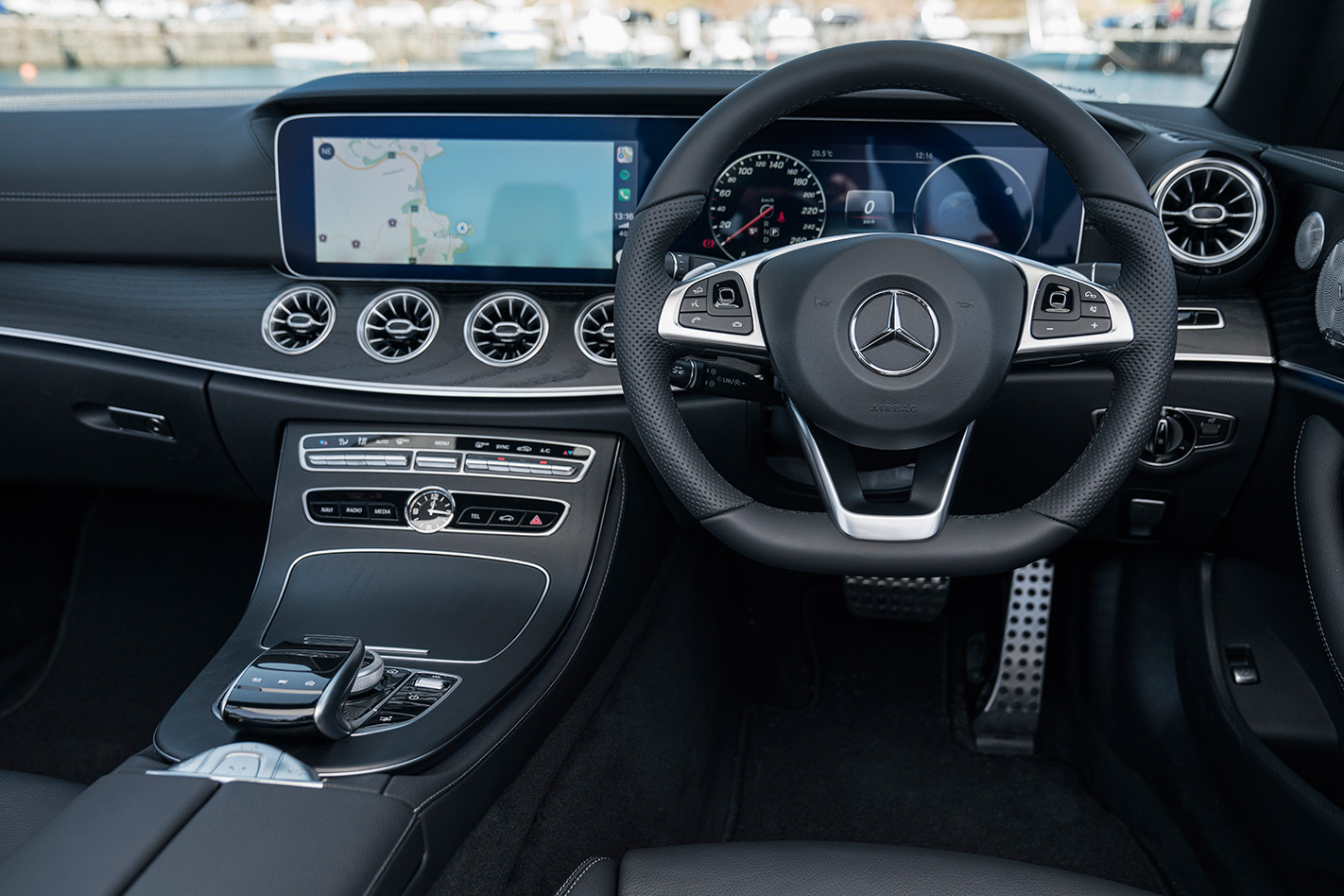
The fifth and final model to complete the Mercedes-Benz E-Class family alongside sedan, Estate, Coupe and All-Terrain. Just two variants will initially be on offer including the most affordable E300 and this; the E400 4Matic.
WHY WE’RE TESTING IT
Finding an Australian audience for convertible cars of any type has always proved a challenge regardless of the brand, but Mercedes has long held a principle that if it can offer its customers more choice then it will.
MAIN RIVALS
The BMW 640i convertible is a little more expensive but beyond that there are no clear competitors that match the Merc on price, performance and size.
It’s unlikely anyone is cross-shopping the Ford Mustang GT convertible with the Mercedes, and Maserati’s Gran Cabrio competes in another niche of a very different price bracket. If you’re after a four-seat convertible in this price range then you had better hope the E-Class convertible is a decent machine.
THE WHEELS VERDICT
As a coupe, the E-Class is an extremely strong performer despite clamoring for space and attention in a busy Australian luxury car market. But offering a convertible version has always posed a risk of losing the taught characteristics of a hard-topped sports car.
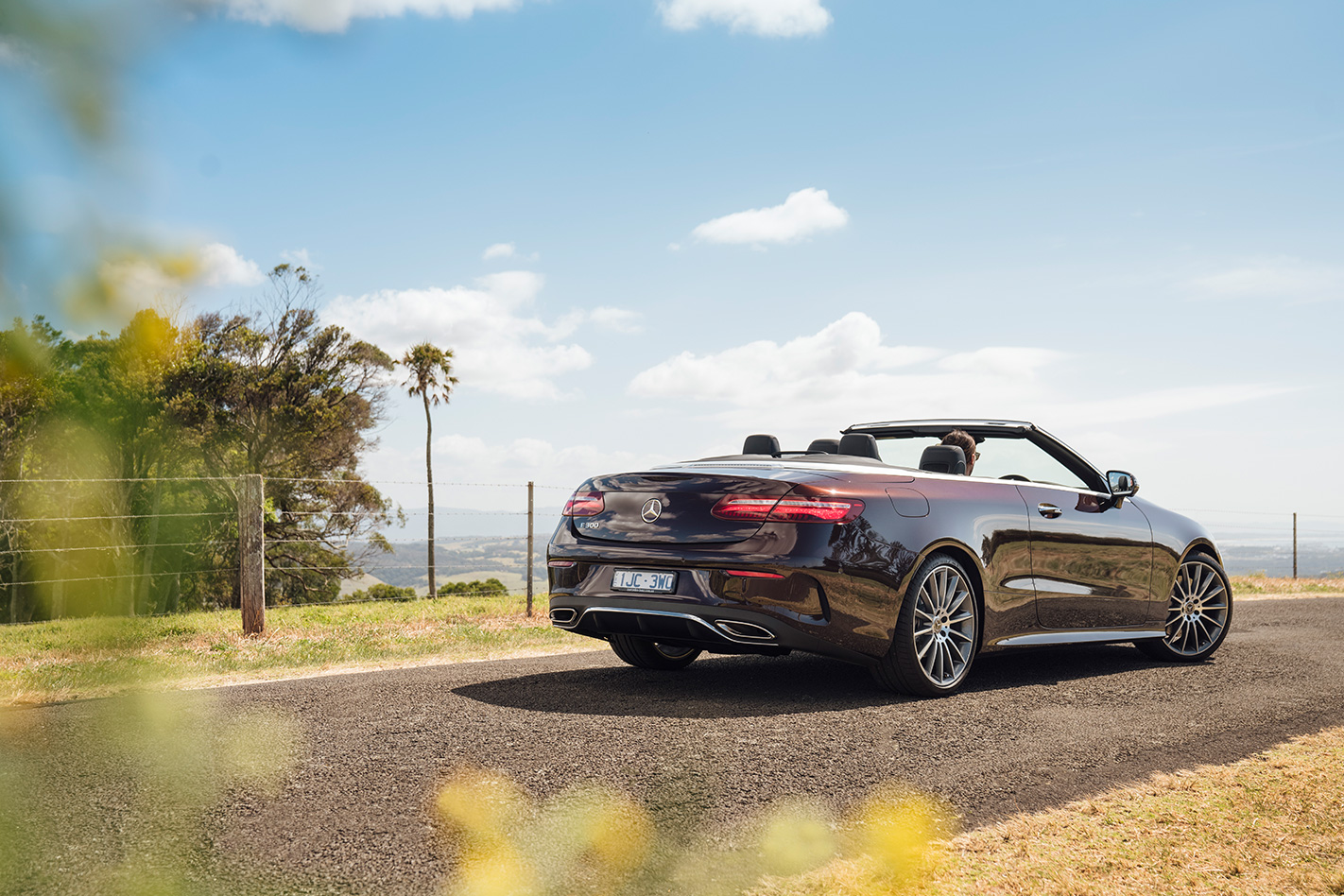
Not only does it lose little in the way of driving enjoyment, the recipe of silky six coupled to grippy all-paw traction makes more sense for a car in which tyre-squealing powerslides would appear uncouth to the neighbors.
THE WHEELS REVIEW
WITH top skinned in tin, the Mercedes-Benz E400 Coupe strikes an admirable balance of typical Benz everyday tractability and practicality for the day-to-day grind, and sporty effervescence when the B-road beckons, wrapped up in knee-weakening looks, but many an accomplished coupe has fallen foul when a can-opener has been taken to its roof.
Fortunately, that certainly isn’t the case with the new Mercedes E400 4Matic, which now joins the E-Class range alongside its sedan, Coupe, Estate (wagon) and All-Terrain brethren.
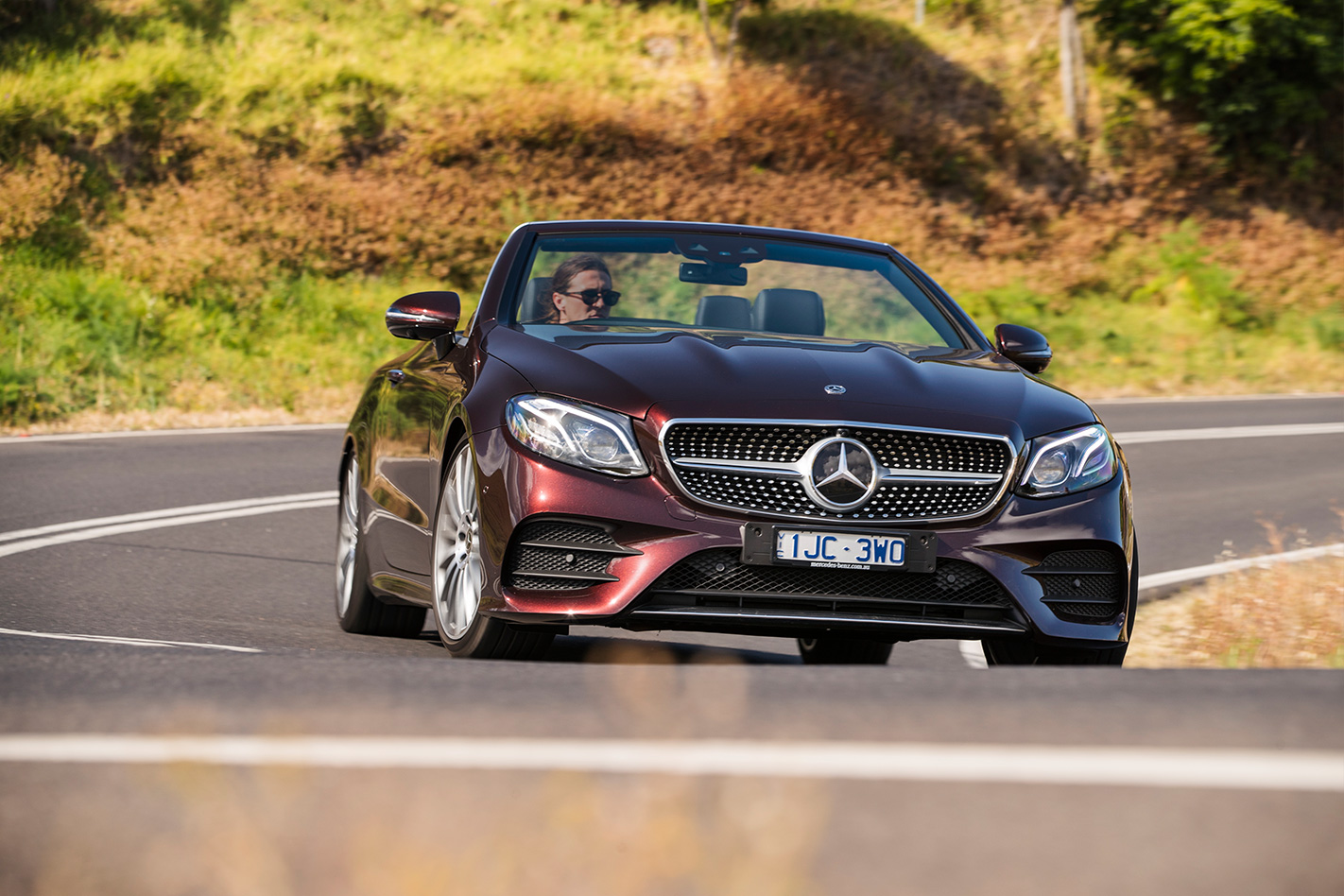
Its nine-speed automatic transmission predicts gear-changes with eerie intuitiveness, the reported zero to 100km/h dash of 5.5 seconds is entirely believable, its steering has lost nothing of the fluidity and precision of the coupe and the traction of four-wheel drive makes every one of its kilowatts accessible without breaking a sweat.
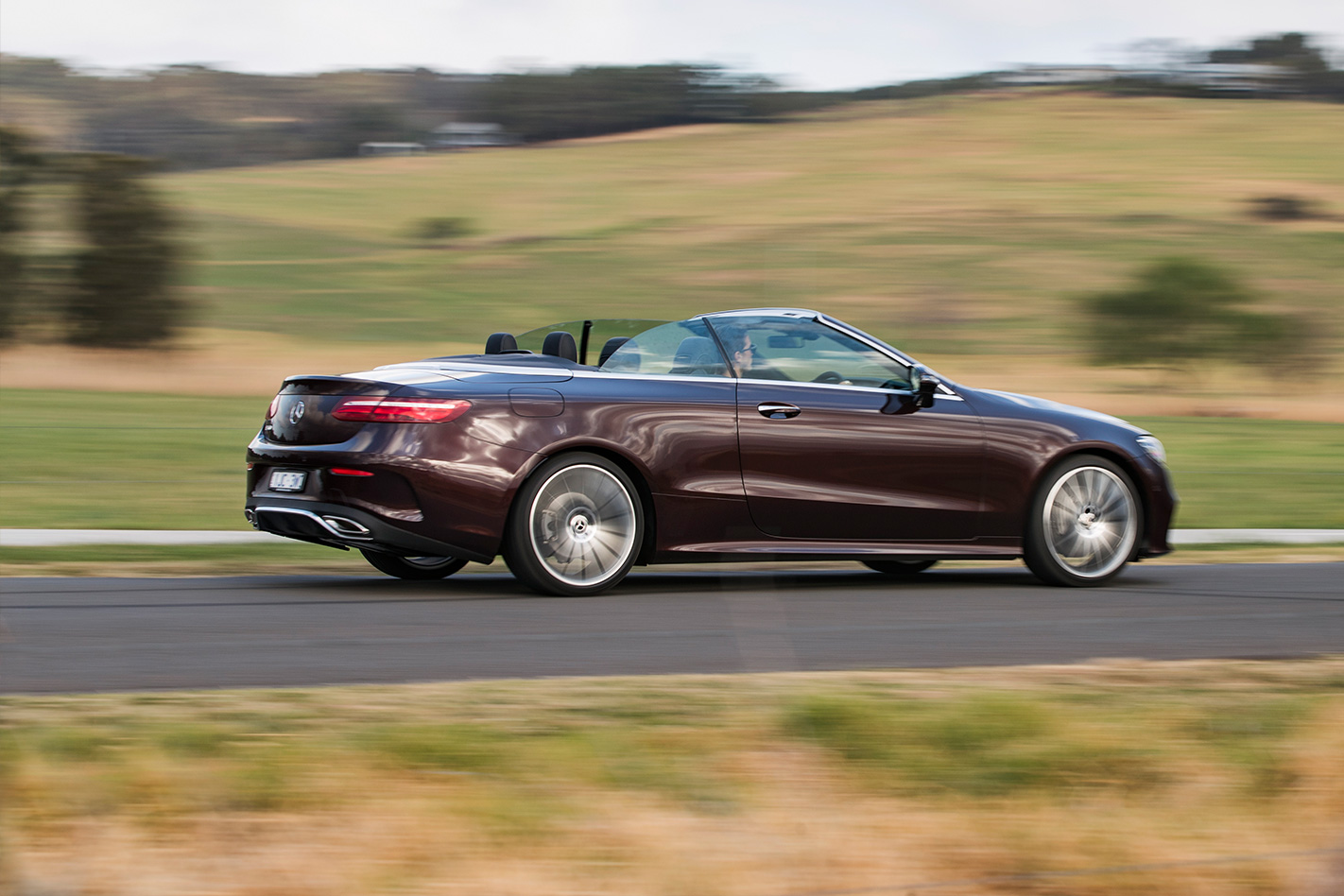
Occupant comfort scores highly as well with Mercedes’ Airscarf front passenger neck warmers that are as comforting as a hug, complemented by hardcore seat heaters that can actually sting on their most radiant setting.
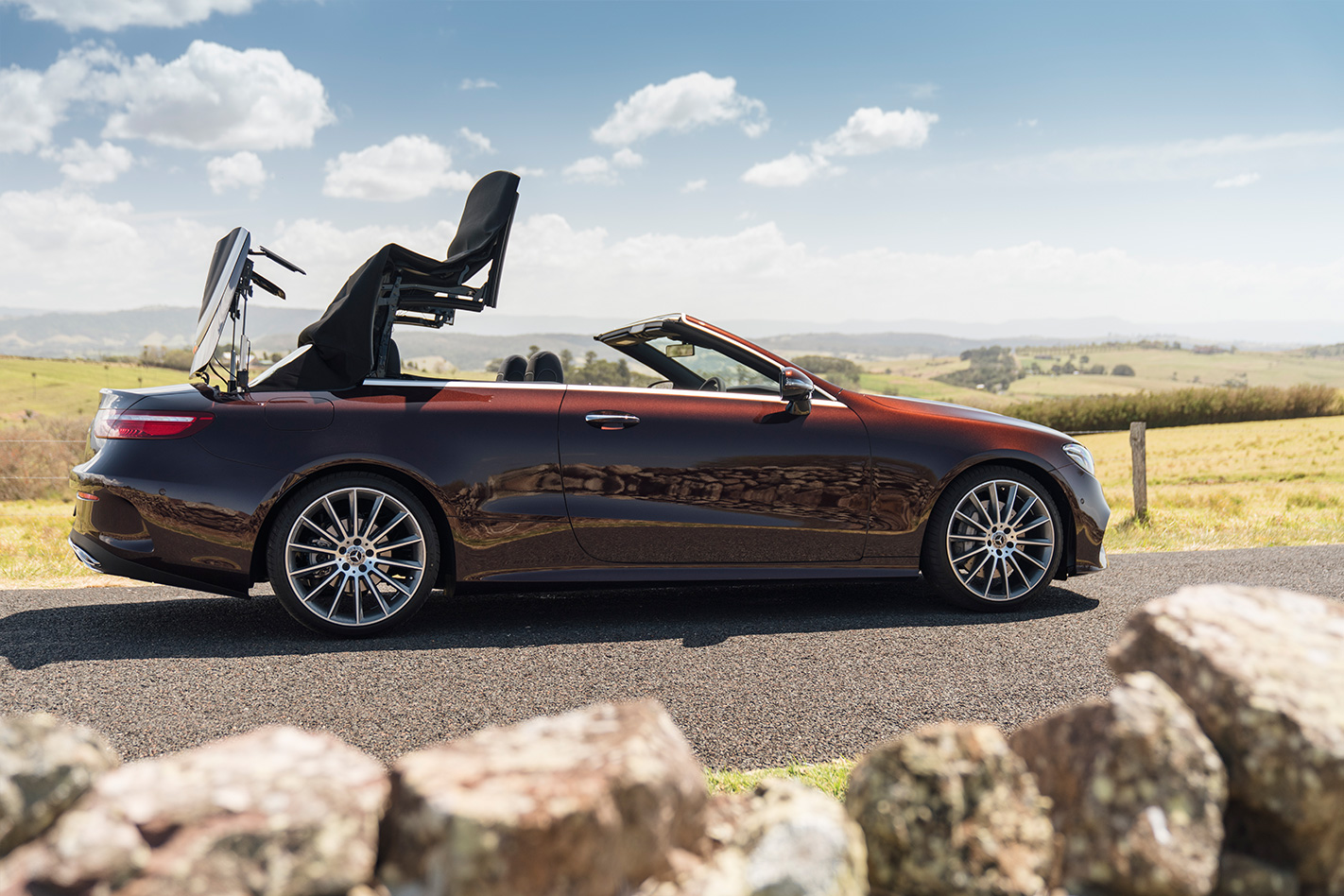
The extensive selection of comfort kit allows roof-down fun to continue even when the weather tries its hardest to intervene, but when the fabric top must be closed the cabin offers impressive noise and heat insulation from the elements and clever features such as rear seat interior lighting sewn into the roof remind you you’re in something premium. We also managed to get it to operate at nearly 70km/h which is high for any convertible, especially a parachute-topped fabric roof.
SPECS
Model: Mercedes-Benz E400 Cabriolet Engine: 2996cc V6, dohc, 32v turbo Max power: 245kW Max torque: 480Nm Transmission: 9-speed automatic Weight: 1935kg 0-100km/h: 5.5sec (claimed) Economy: 8.7L/100km Price: $157,500 On sale: now
What is it?
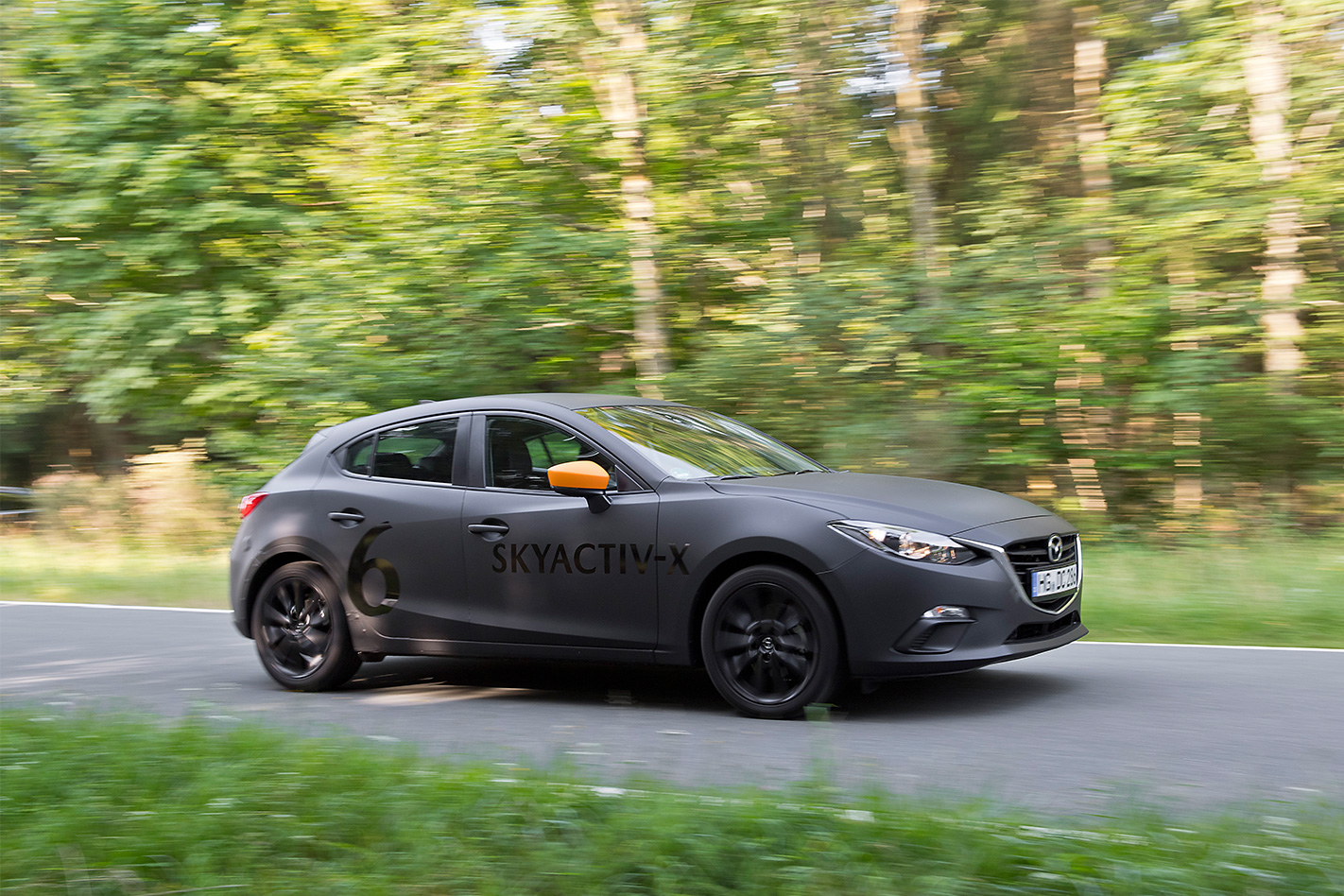
Mazda’s latest interpretation of the petrol engine, which adopts the compression-ignition principle of a diesel engine. Wearing a new SkyActiv-X brand, the family of engines will start appearing under the bonnets of production models within three years.
How does it work?
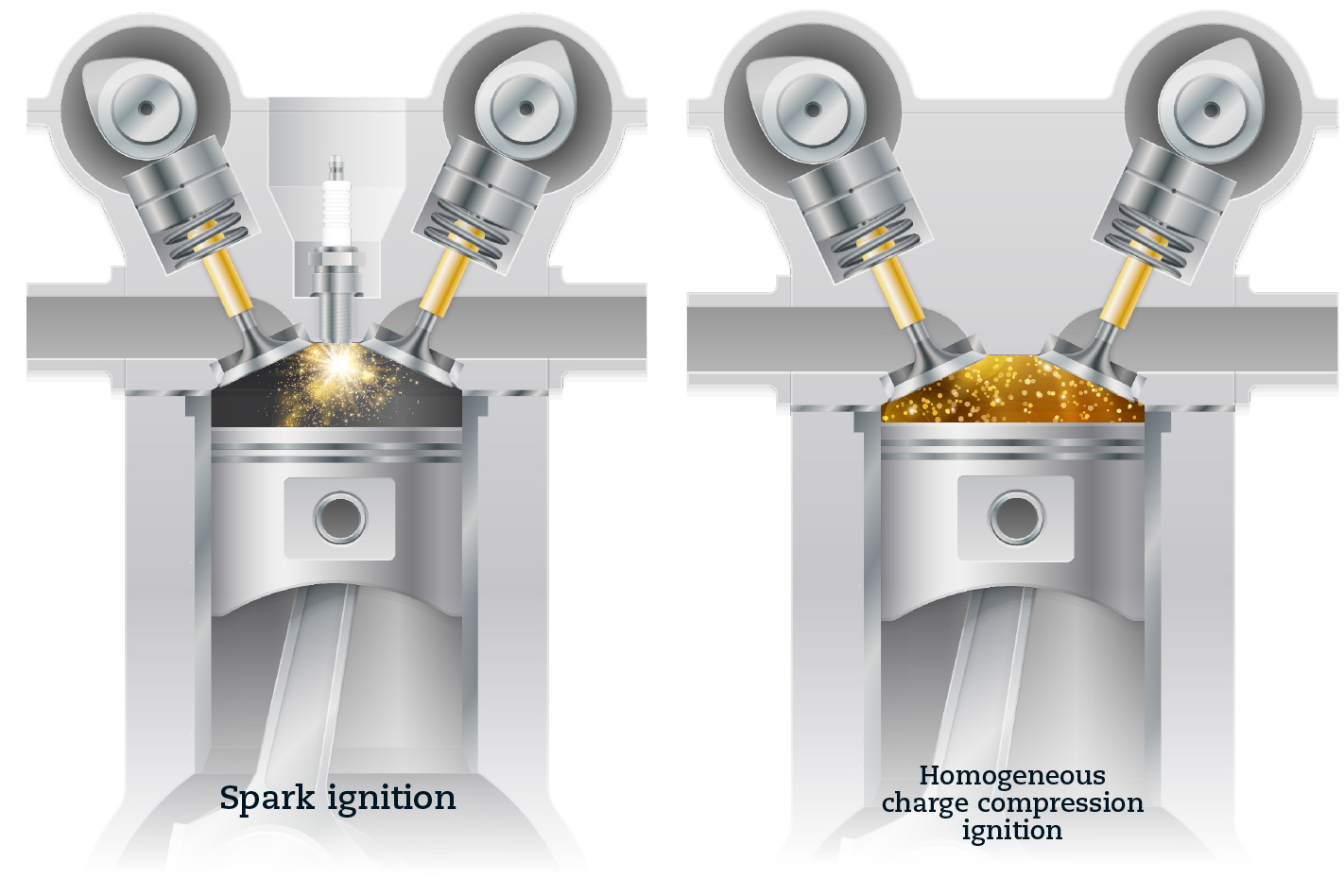
Like a conventional petrol engine, fuel and air is introduced to the cylinder before being compressed by the rising piston. But where spark-ignition petrols trigger the combustion process with a timed spark, a pure compression ignition system would allow the mixture to spontaneously ignite from the increase in density and heat generated by compression.
Many manufacturers have tried this and failed. Mazda’s innovation is to use the spark plug as a controller in the combustion process.
Why does it matter?
Until now, diesels have maintained an efficiency advantage over petrol engines thanks in part to their ability to burn very ‘lean’ mixtures of fuel (many parts more air to diesel), but Mazda says its SkyActiv-X engine will match a diesel’s efficiency, with a 30 percent improvement over spark petrols without compromising on petrol driving characteristics.
While the continual evolution of electric powertrains threaten to make the internal combustion engine redundant, Mazda’s technology could instead extend its relevance.
When there is sufficient air to completely burn all of the present fuel, the air/fuel ratio is termed stoichiometric.
In petrol engines this is about 14.7 parts of air to one part fuel, but Mazda’s compression ignition engine can run a far leaner ratio (up to 37:1) utilising a supercharger to pile in air at lower revs. Taking advantage of pre-detonation, it also gets better economy on 91 than 95RON fuel.
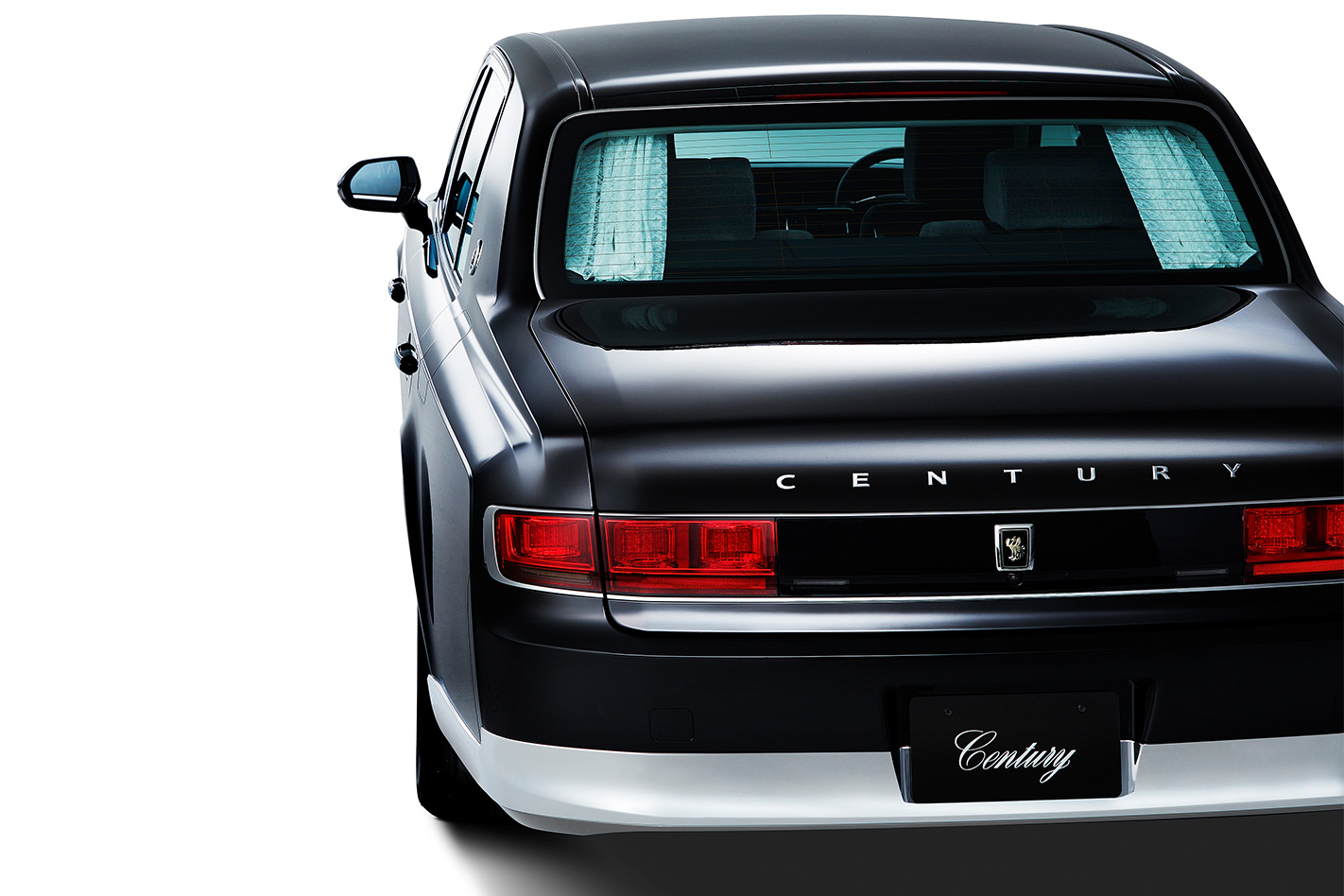
The third generation Toyota Century is doing away with four of its cylinders in favour of a hybrid V8 system.
The Japan-only limo has been the home of Japan’s only V12 engine for two decades, but Toyota has announced it will begin using the same drive system as the 2007 Lexus LF – a 5.0-litre V8 with a nickel hydride battery helping things along, and likely enabling a silent electric-only mode.
While it’s a shame there won’t be a 12-pot built in Japan anymore, it’s worth remembering that its production was very limited, as was its output.
Even when you consider that its actual output was estimated to be more like 230kW, it wasn’t exactly a performance mecca.
The new (it’s not, it’s been around since 2008) hybrid system should put out close to 330kW, though we don’t yet know just how heavy the new limo will be.
But we do know it’ll be big. Toyota says the incoming Century will be 5335mm long and 1930mm wide, with a 3090mm wheelbase.
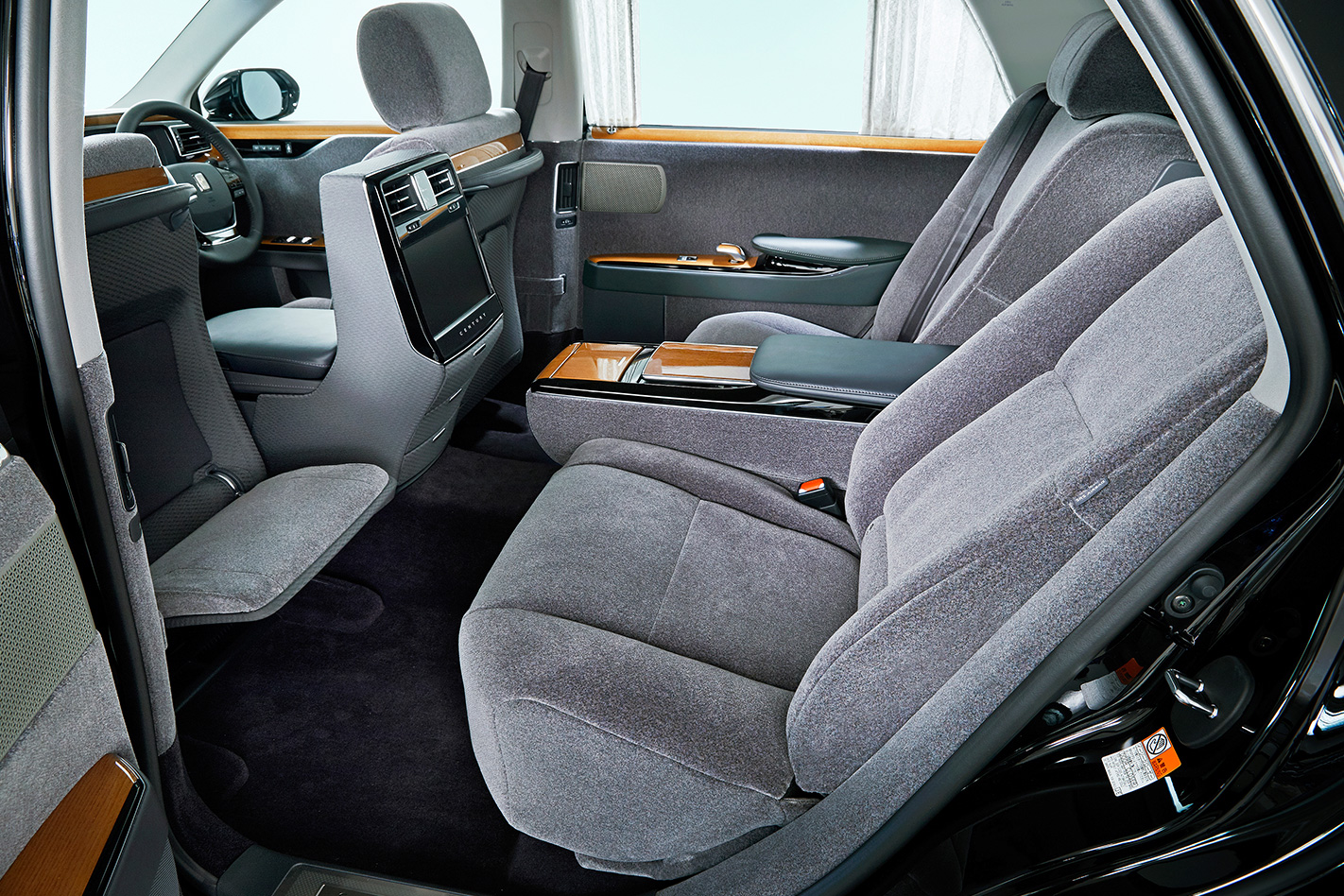
Fully adjustable seats with footrests and massage functions are surrounded by creature comforts and utilities such as a writing table (just like an AU Falcon!), an entertainment system, and a 20-speaker premium audio system.
Maybe that’ll help ease the pain of the 1GZ-FE’s demise.
The 2018 Jeep Wrangler has had its deepest secrets unceremoniously made public, thanks to the leaking of a US-market owner’s manual and user guide via an enthusiast forum.
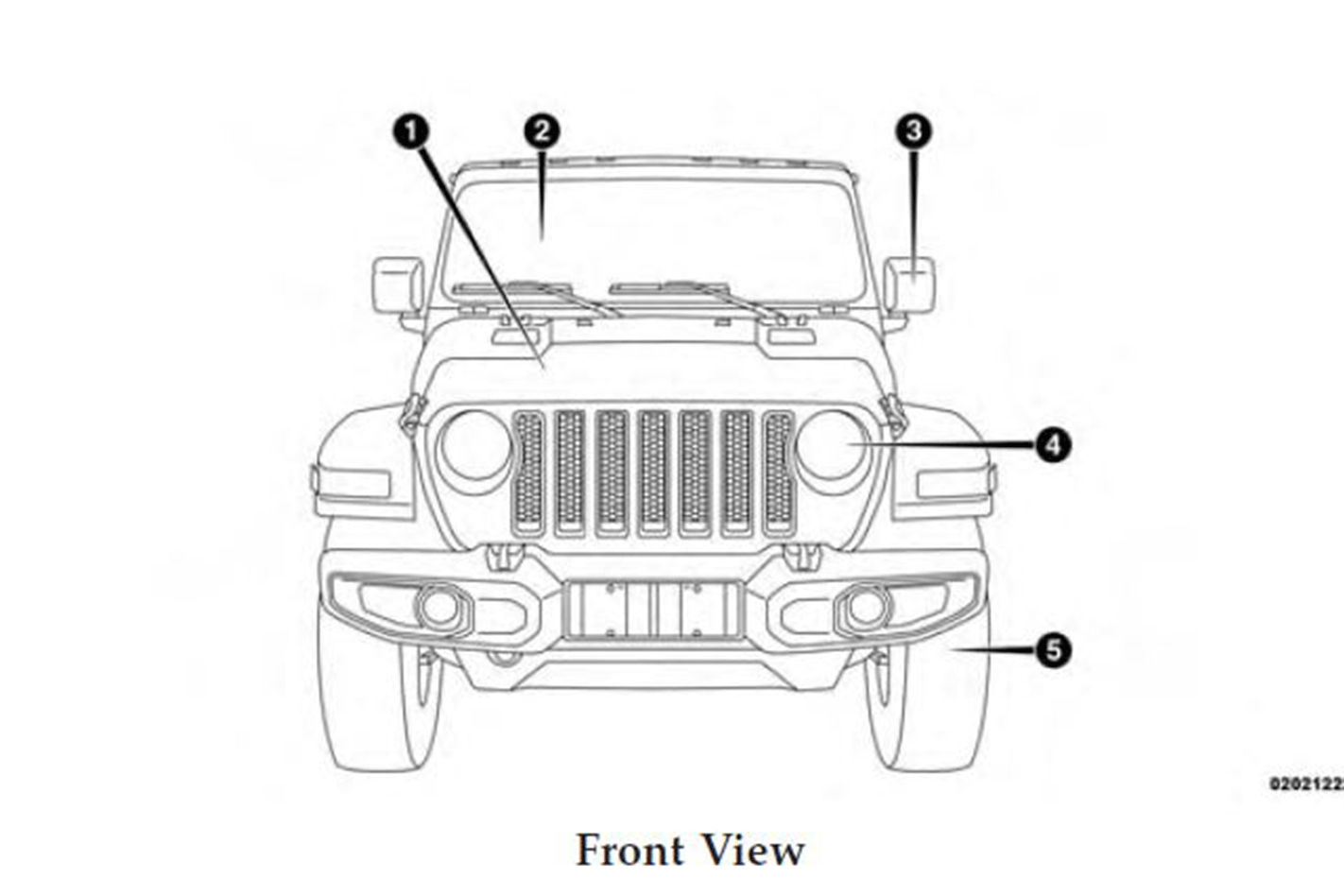
The level of detail revealed is tremendous: from how it looks both inside and out, right through to which voice commands are recognised by the car’s infotainment system. It’s extensive, though it doesn’t feature any intel on the Wrangler’s ute-bodied offshoot, the Scrambler. That car will presumably get its own separate debut, not to mention its own user manual.
For now though, here are the biggest nuggets of information revealed in the leaked manuals:
Key facts
Power retractable roof is fixed, but has removable quarter windows. Removable hardtop and manual soft top remain available across both two-door and four-door bodystyles.
The left and right extremities of the front bumper can be unbolted to improve approach angles and reduce the likelihood of damage when off road.For America, there will be a 2.0-litre turbo petrol and a 3.6-litre naturally-aspirated V6 petrol. As with the current Wrangler, a diesel is expected for the Australian market but has yet to be confirmed.
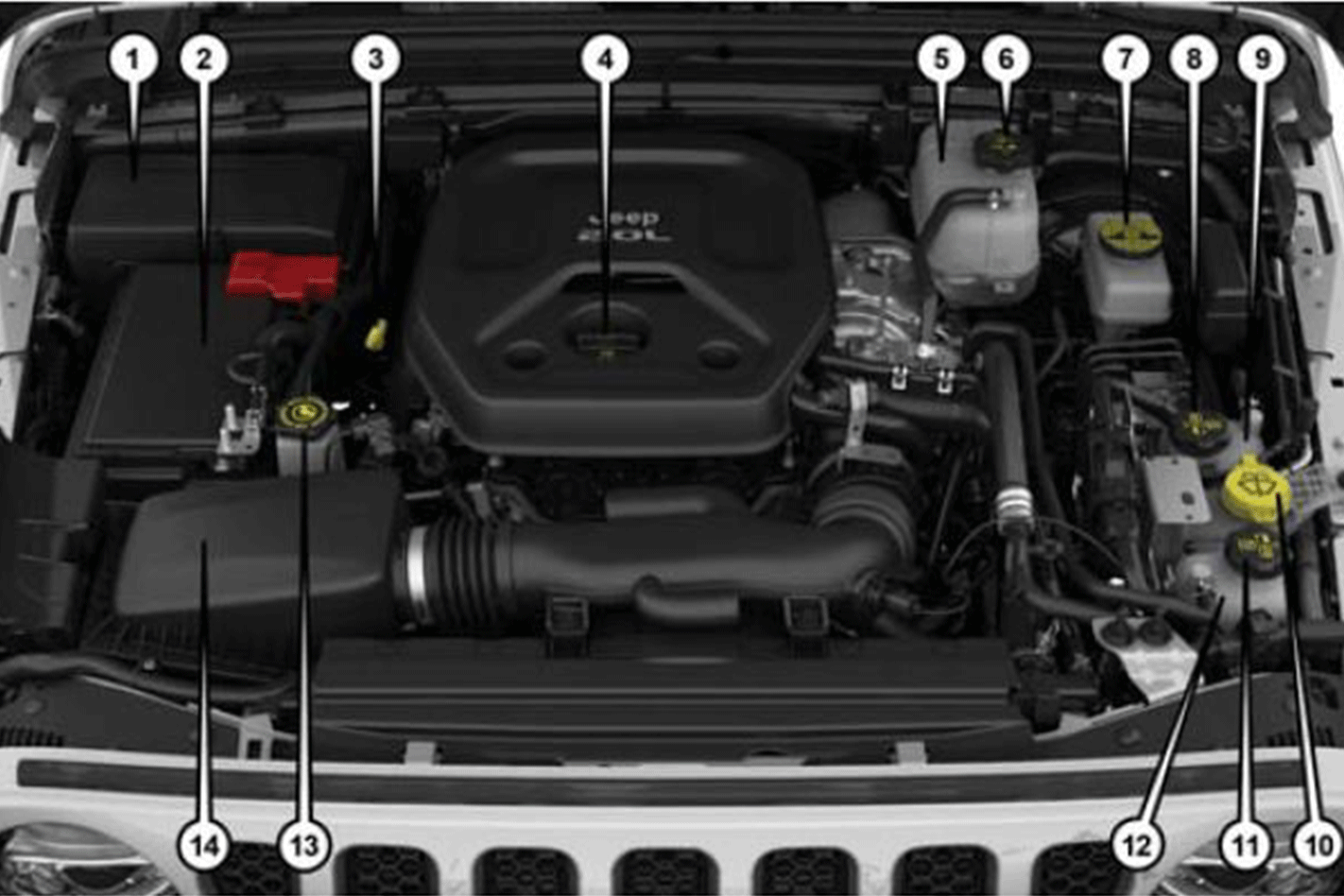
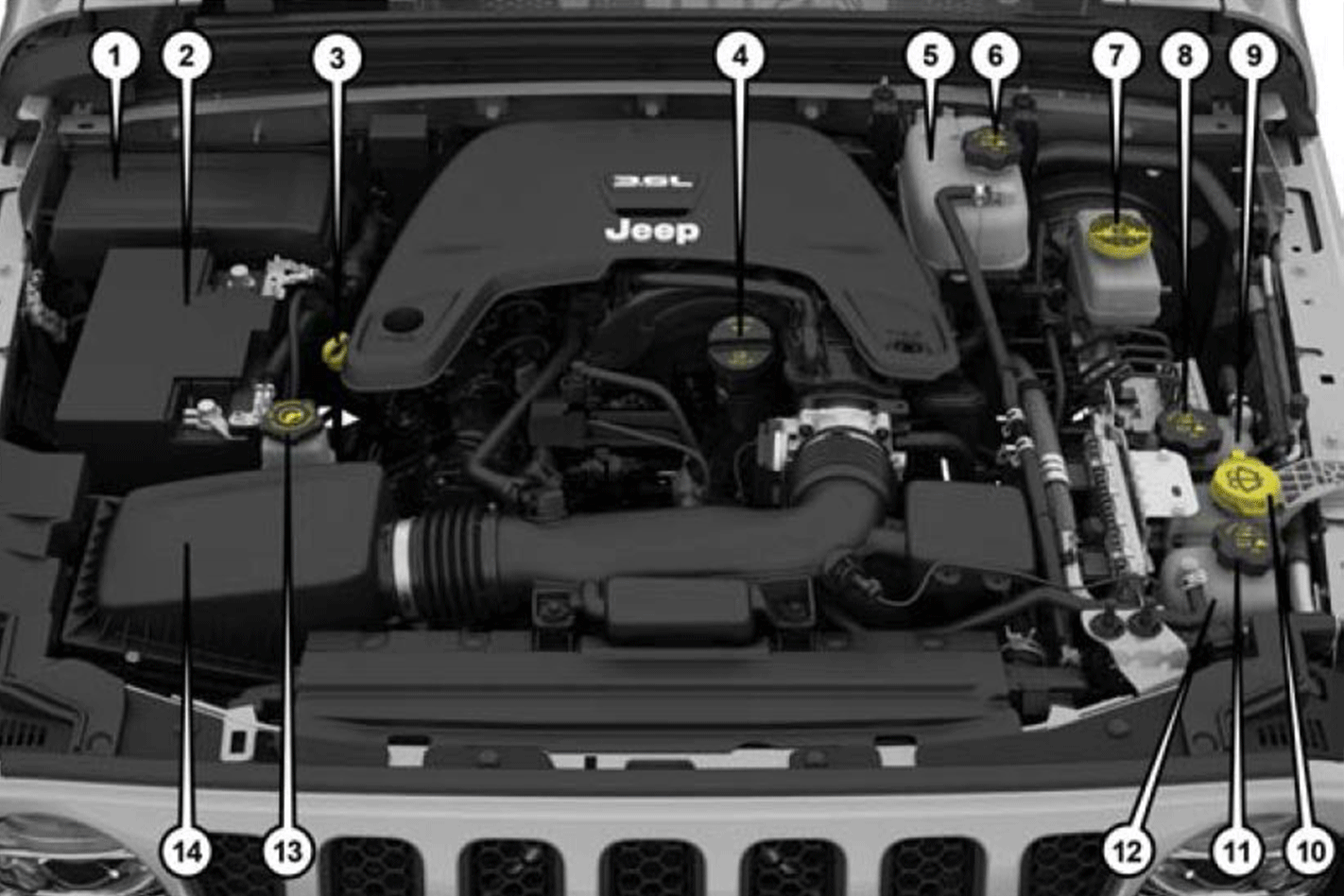
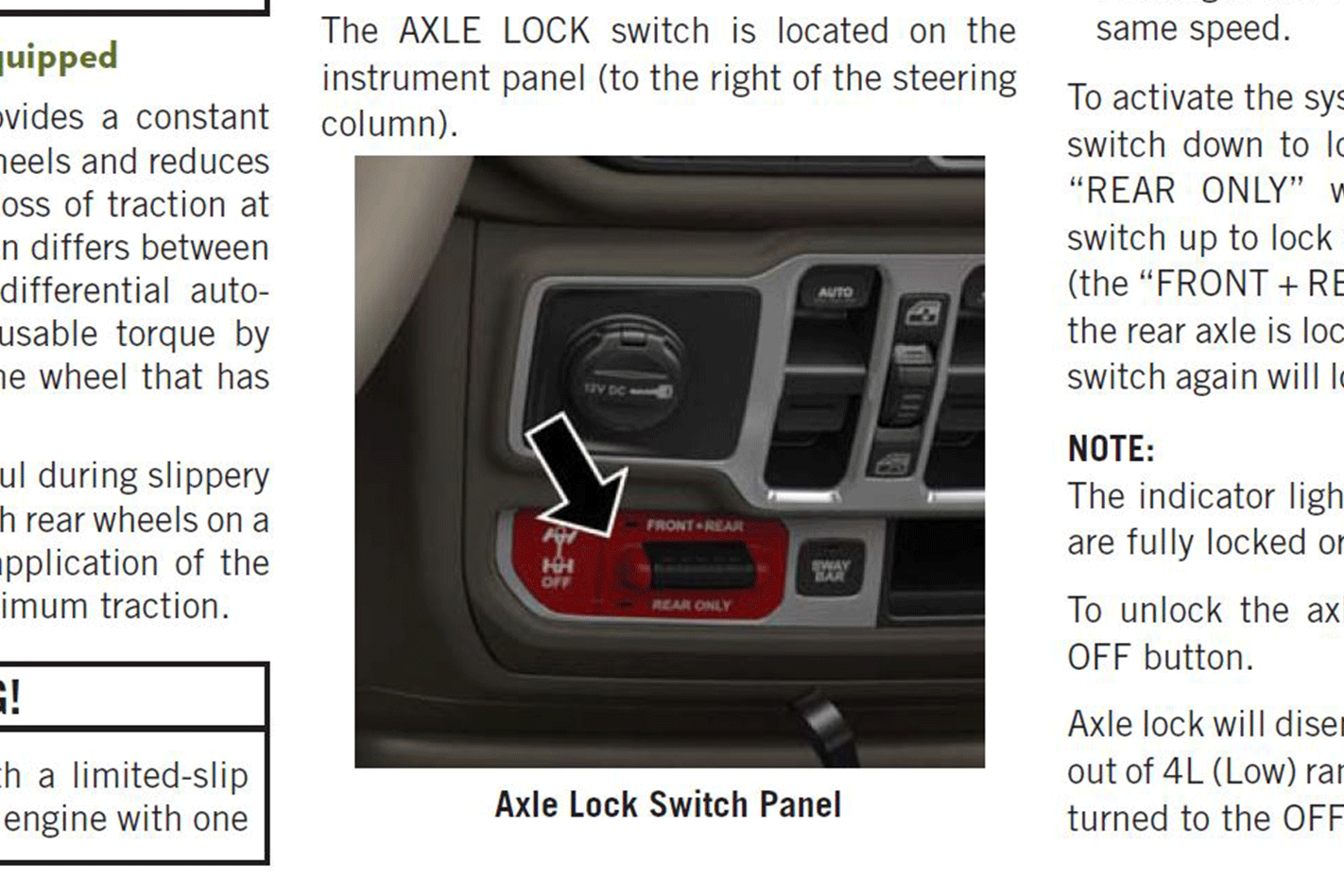
Jeep has done a lot of work to reduce fuel consumption. The 2.0-litre turbo petrol is a key part of that, but so is the use of lightweight aluminium in the doors and bonnet and the provision of auto stop-start on some powertrains.
The doors now get proper check straps, rather than simple fabric strips – no more doors banging against your bum when exiting on an incline.
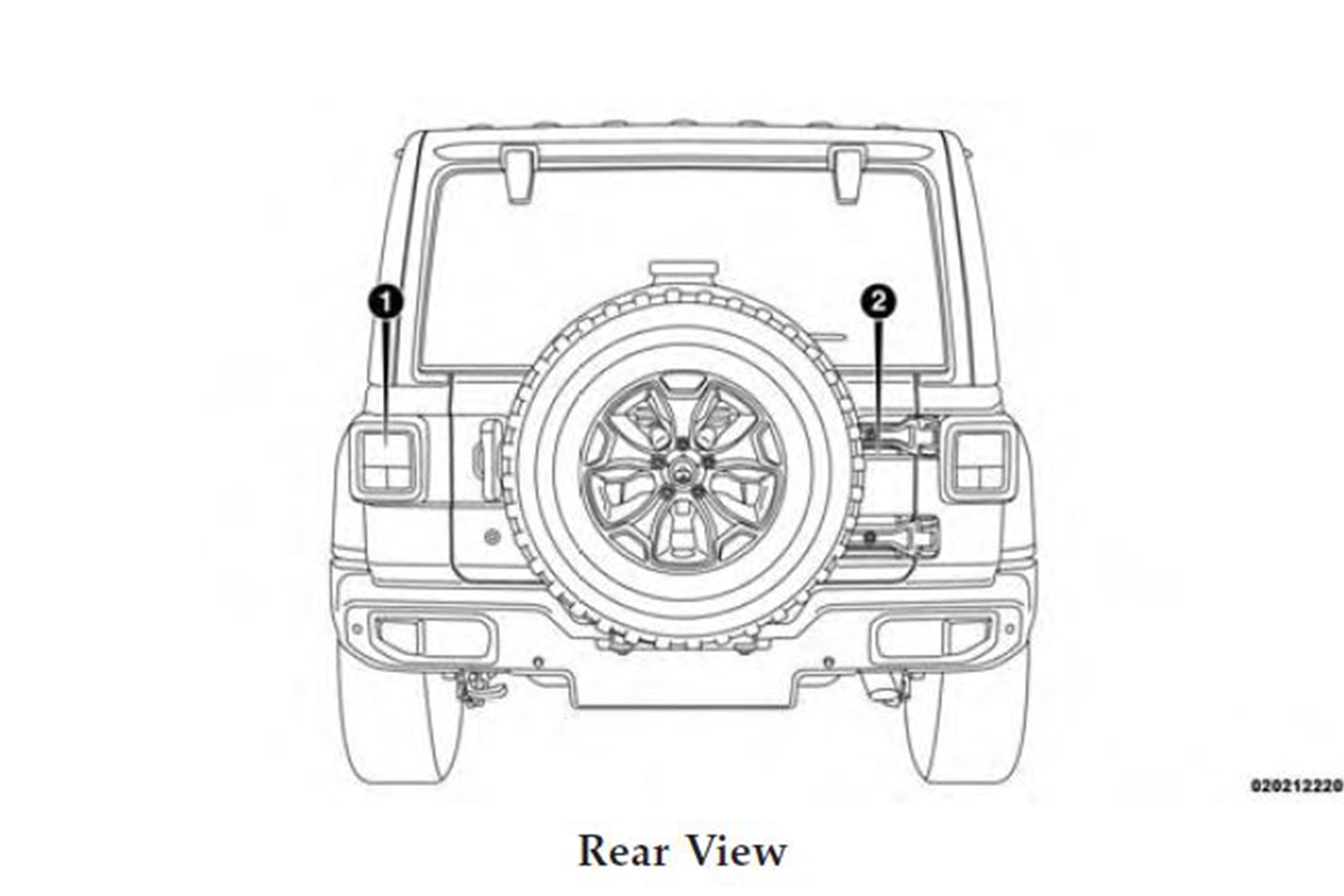
Instructions on how to remove the carpet are still part of the Wrangler owner’s manual, meaning Jeep very much expects Wrangler pilots to take their steeds well off the beaten track.
It’ll be more practical than before thanks to a more thoughtful cabin design that offers, among other things, integrated luggage rails in the boot area to help keep your cargo secure when bouncing along rocky trails.
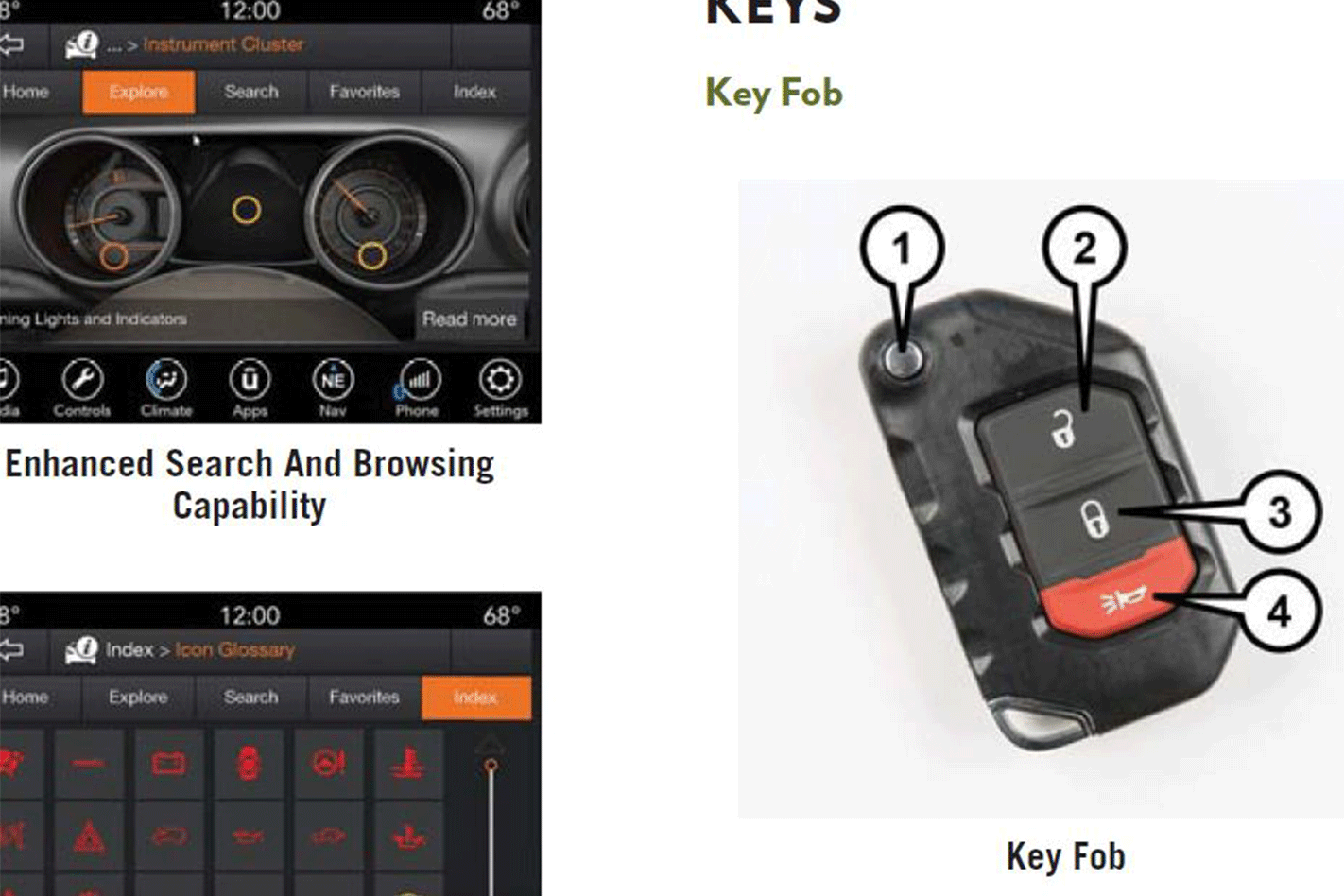
That said, those typical Wrangler hallmarks like rubber hood catches, easily-removed rear seats and an integrated roll cage will remain. The only bit of modernity that we wish was present is curtain airbags – in the USA, only front, side and knee airbags will be offered.
All cars releasing December, 2017 – January, 2018
- BMW i3 facelift
- Holden Equinox
- Ford EcoSport
- Jaguar XF Sportbrake
- Jeep Compass and Grand Cherokee Trackhawk
- Lexus CT200h facelift
- McLaren 570S Spider
- Mercedes-Benz S-Class facelift
- AMG GT C Coupe
- Porsche 911 GT3
- Rolls-Royce Phantom
- Toyota Camry
- Volkswagen Golf R Grid Edition
GAMERS could soon be recognised as motorsport world champions thanks to Gran Turismo Sport and the Fédération Internationale de l’Automobile (FIA).
Gran Turismo Sport, the latest iteration in the Gran Turismo franchise, launches this week and has a distinctly competitive bent, with a motorsport and Esport focus.
It was announced last year that players of GT Sport would be able to earn FIA-recognised racing licenses, which in turn would be recognised through partnerships with regional bodies (the Confederation of Australia Motor Sport, or CAMS, in Australia).
However, it has now been revealed that two Esports championships that are set to run on GT Sport will also be recognised by the FIA.
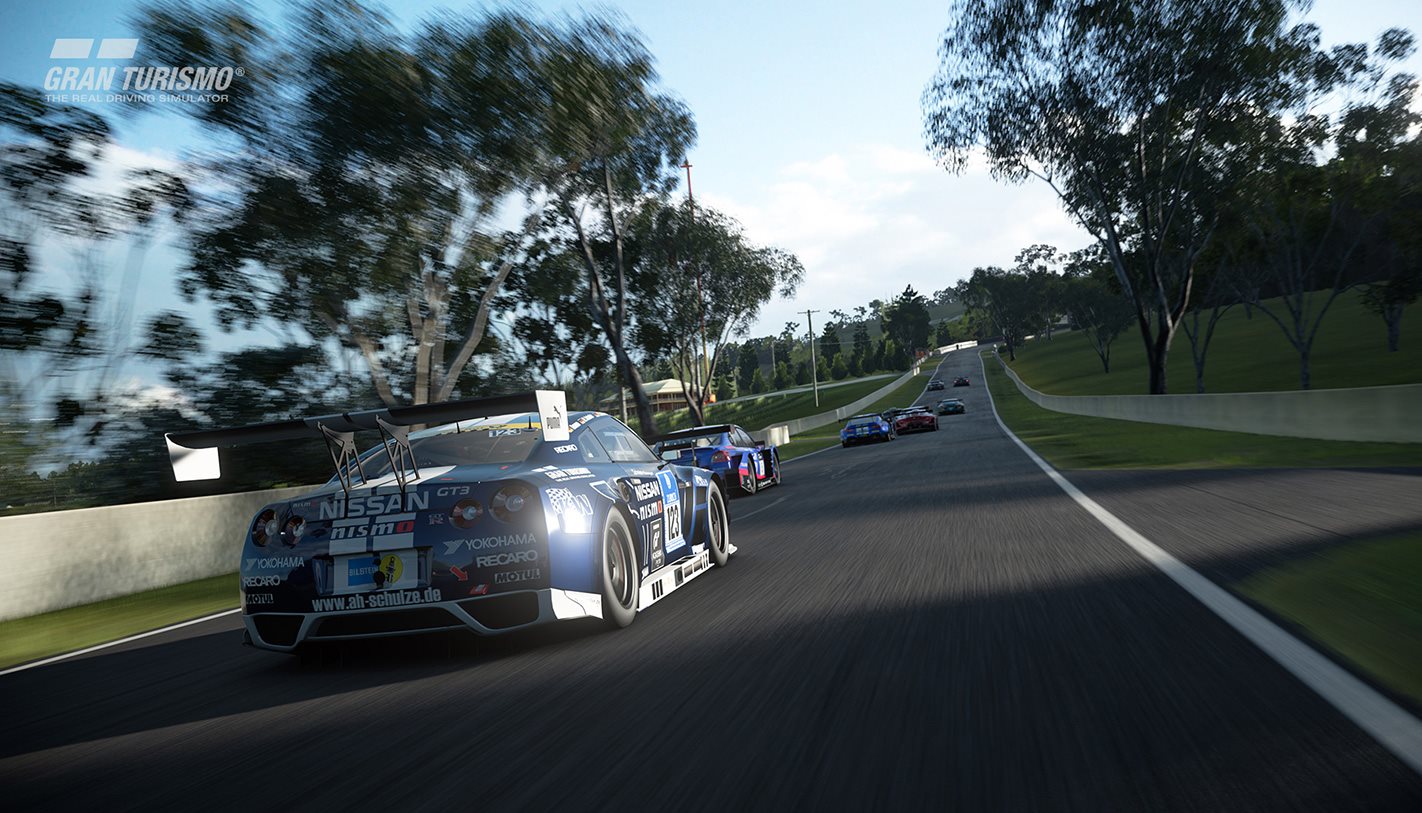
The Nations Cup will see players represent their native countries with regional qualifying events to find the fastest candidates, while the Manufacturer Fan Cup will have virtual racers representing their favourite car companies.
However the championships still need to be ratified at a World Motorsport Council meeting to become official.
Sony representatives at the Australian soft launch for GT Sport confirmed the news, stating the two Esport competitions will be recognised as a world championship “alongside Formula 1 and the World Endurance Championship”.
No other details have been confirmed by either the FIA or Gran Turismo developer, Polyphony Digital.

The FIA also recognises a handful of regional championships throughout Europe, the Middle East, Africa, and Asia-Pacific.
This would be the first time an Esport competition is recognised by a motorsport governing body.
No timeline was provided for more concrete details, despite the game’s launch this week.
Wheels understands gamers who qualify for a real-world racing license from the FIA and CAMS will still have to pay the associated fees, which can range from a couple hundred dollars to thousands depending on their ranking.
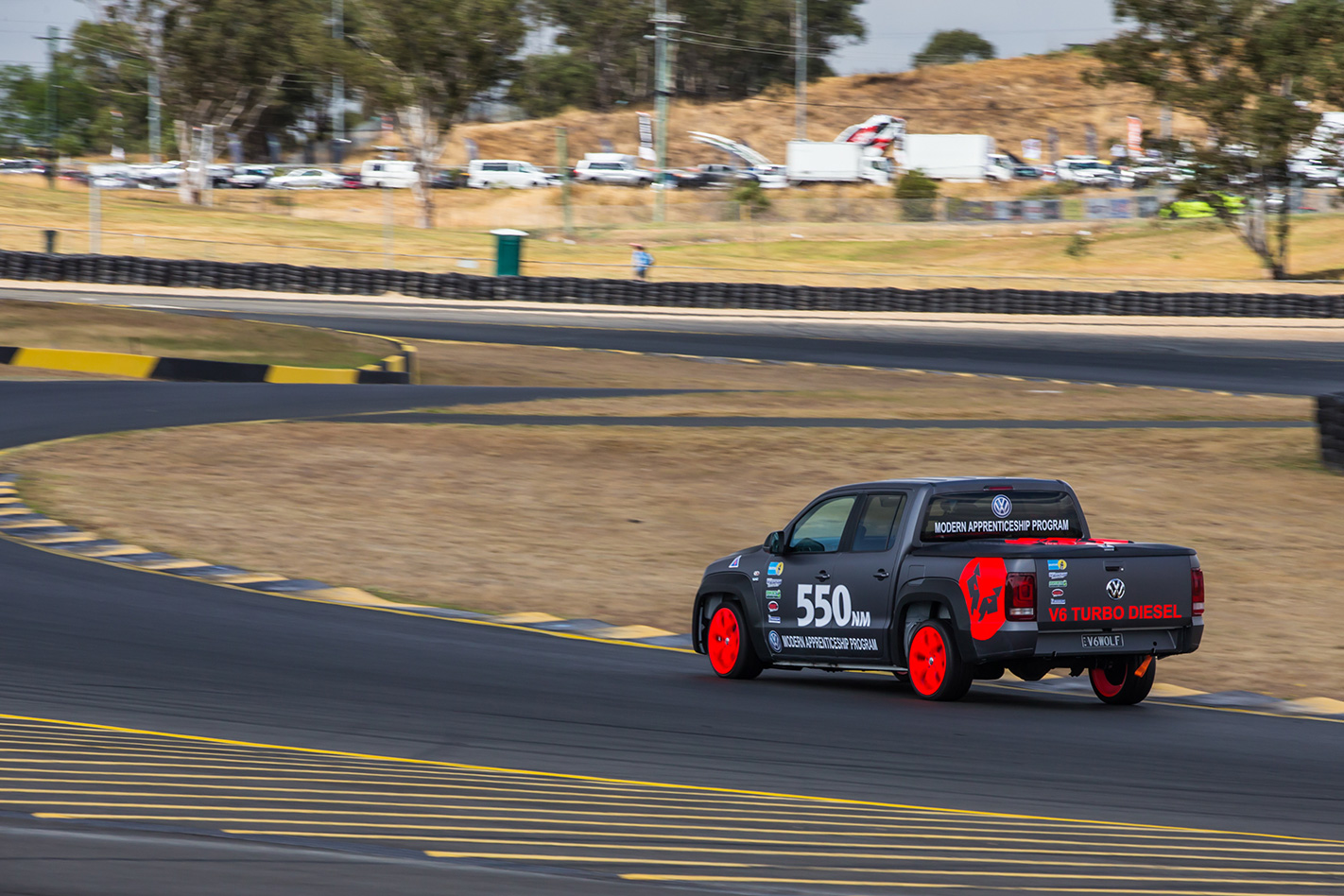
With a 165kW and 550Nm diesel engine at its disposal, the ‘Big Bad Wolf’ Volkswagen Amarok has managed to lap Eastern Creek in less than two minutes.
The 1:57.01 lap time comes thanks to the Volkswagen Modern Apprenticeship team which stripped the Amarok down and made a few modifications while leaving the engine completely stock.
A chunk of weight was removed through the process, and a custom-built suspension package dubbed ‘The Big Bad Wolf’ by engineers at Bilstein was installed. AP Racing brakes and semi-slick Michelin tyres were also added.
“It’s fantastic that this team of young apprentices not only met the challenge head-on, but far surpassed it on the track,” VW PR manager and project lead Kurt McGuiness says.
“It’s important for us at Volkswagen to offer unique learning experiences to our apprentices. Our Big Bad Wolf Amarok track car is not only an example of our superior engineering, it’s also a way for us as a business to support the lifeblood of our industry in Australia.”
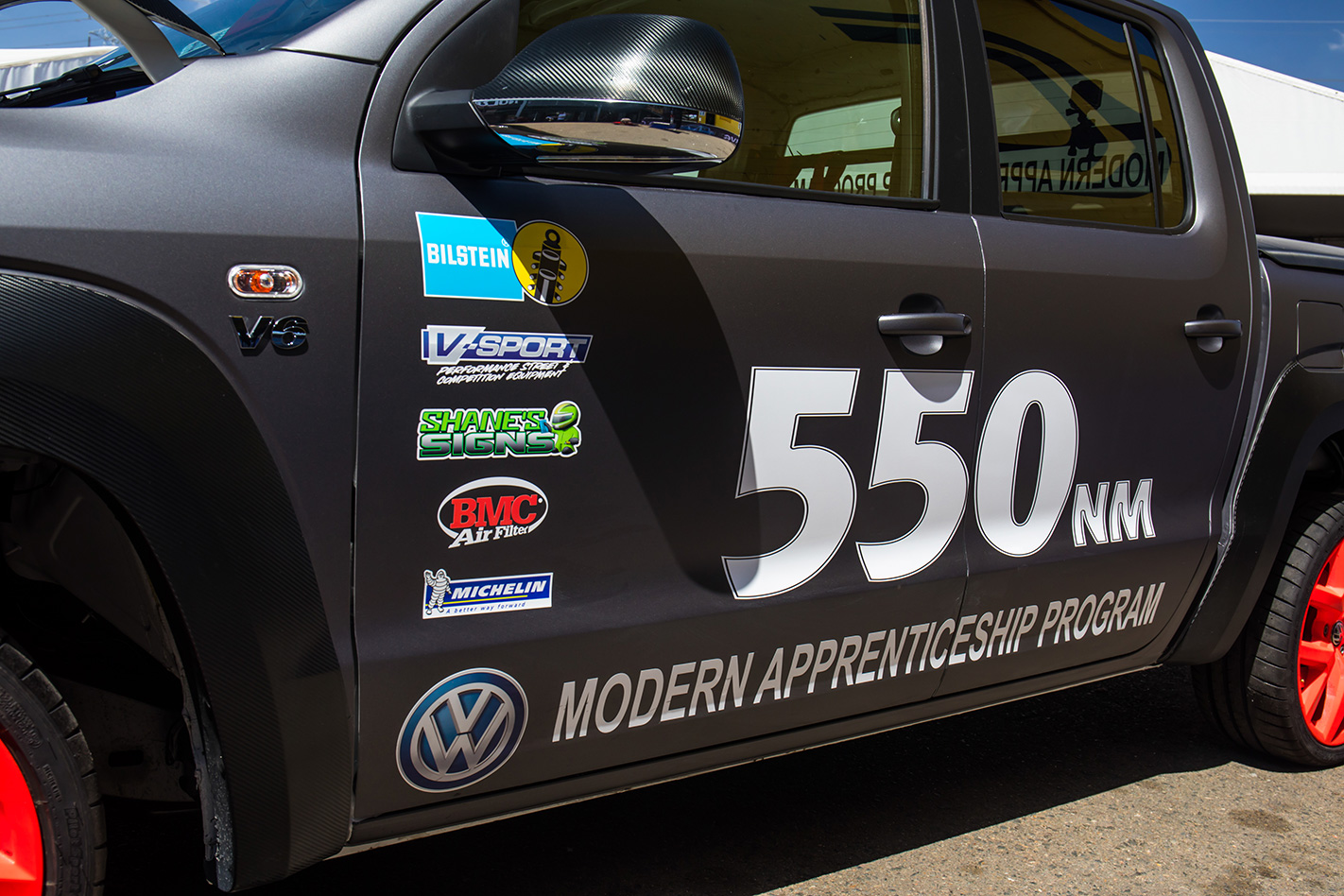
“Thanks to this incredible team of Volkswagen apprentices, we’ve been able to show just how much power is under the hood of the Amarok – 550Nm is great for towing a boat or caravan; and now we can add smashing lap times to that list.”
Ker-blam! Ker-blam! It wasn’t the most auspicious beginning to a relationship with the then-new GTS E-Series, but there you go. Driving back to the hotel from Holden’s Lang Lang proving ground, in a dimly lit back street, dog-tired after a day of Car of the Year testing in 2006, both left-side wheels had hit the same crater-sized pothole.
Result: two dinged rims, two airless tyres and only one space-saver in the boot. To apportion blame – on the driver, the road surface, street lighting, low-sidewall 35-profile tyres? – was pointless. Luckily, it wasn’t too far from HSV HQ for some helpers to come out with replacements.
The unusual thing was that the GTS was there in the first place. For the first time in nearly 20 years, HSV had simultaneously released its new range with the all-new VE Commodore on which it was based. Which meant it was included in the VE line-up at COTY and went on to win the coveted award along with the VE.
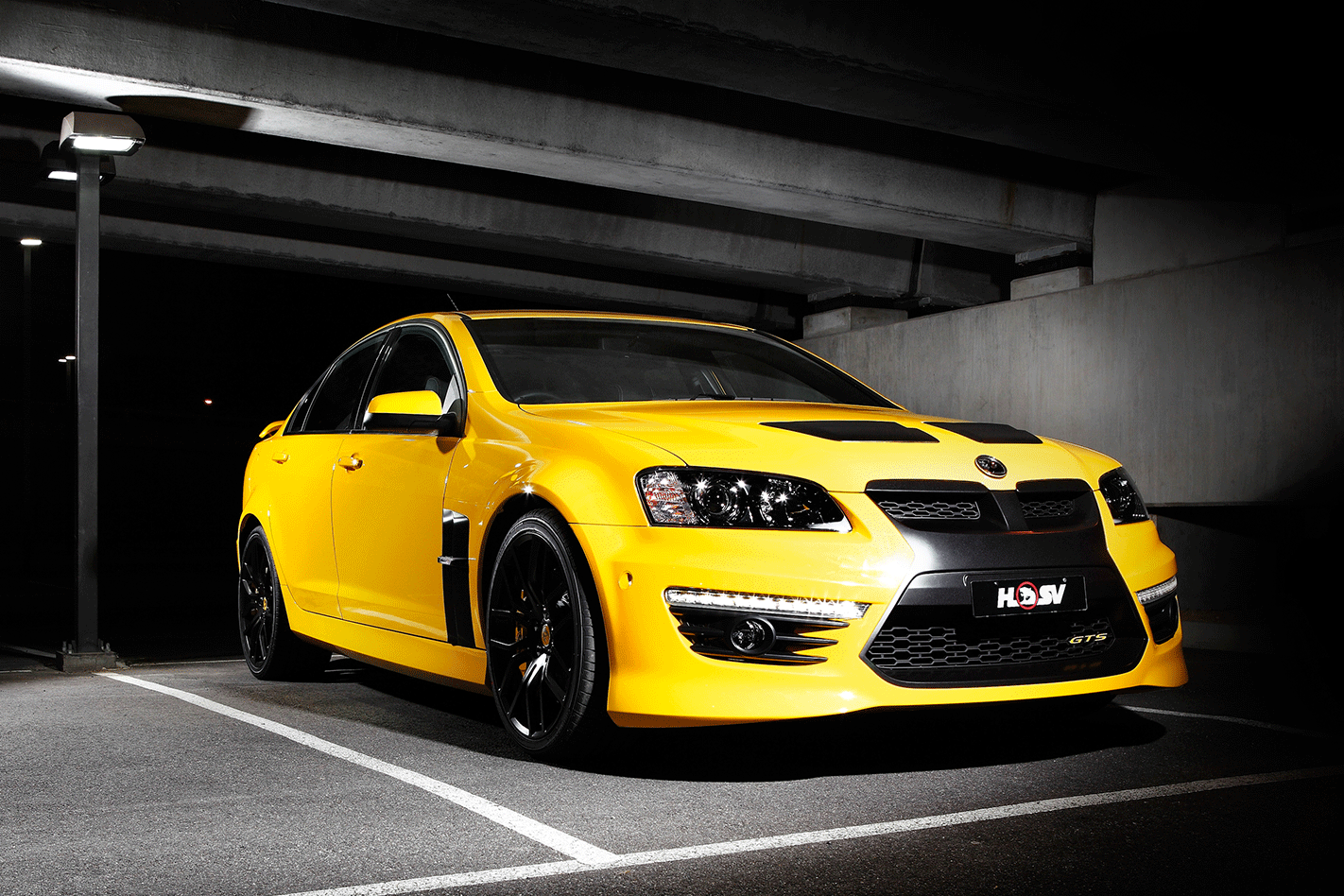
The HSV range of course received all the benefits of the VE’s engineering, including multi-link rear end, new steering and the GM 6L80-E six-speed auto among them. Power came from an upgraded (over both the VE and VZ) LS2 6.0-litre V8 that now produced 307kW across the range, from Clubsport to GTS, although the latter flagship performance model was differentiated by its Magnetic Ride Control system of switchable dampers.
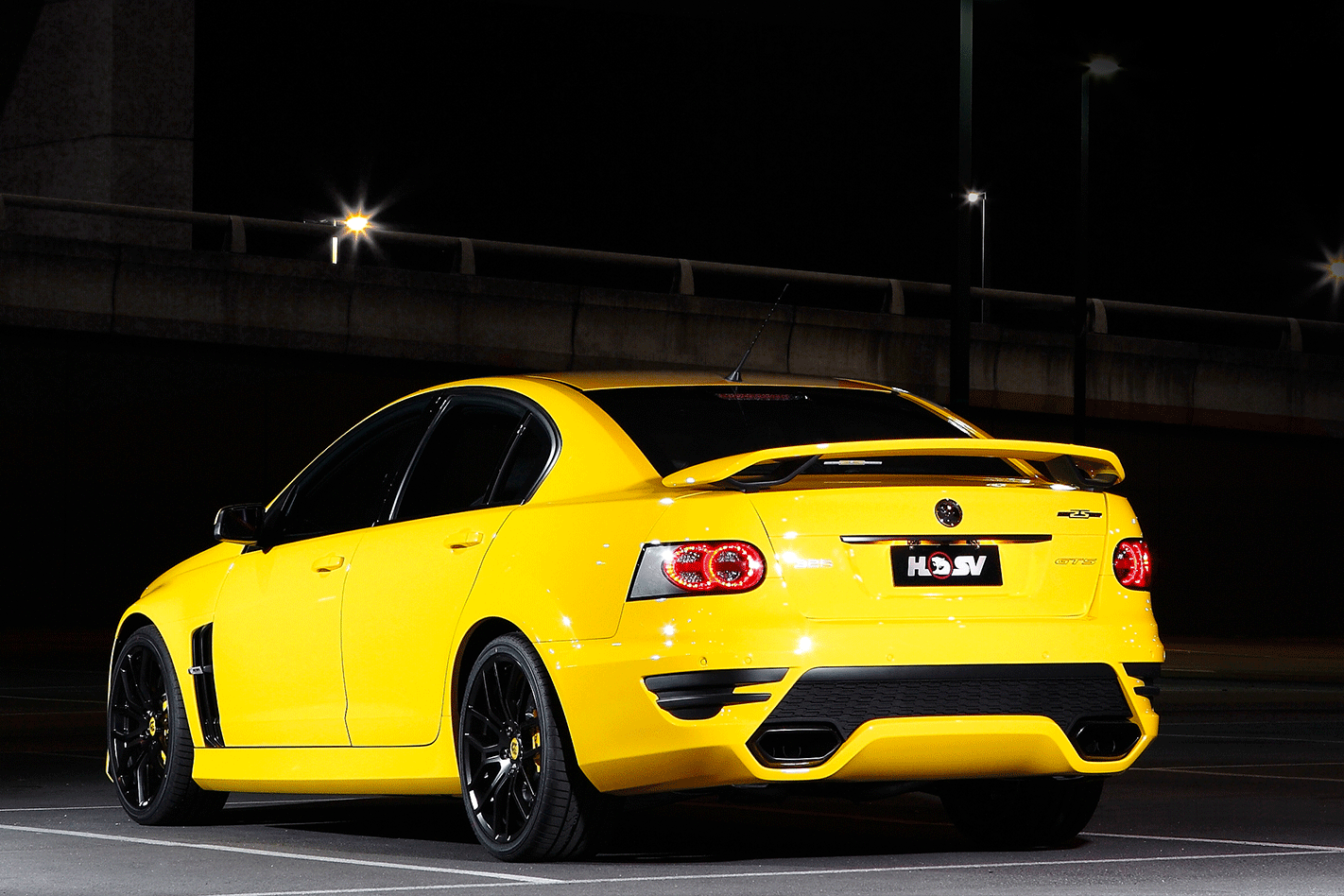
What you see here is the final evolution of that GTS, the apogee of HSV development to date. The 25th Anniversary GTS may be basically a cosmetic upgrade of the current GTS but until the VF-based F-Series arrives next year it’s safe to say this Birthday Edition is the end of the E-Series road. And it is quite a package.
Power comes from the 6.2-litre Gen IV LS3 first introduced on the E-Series back in April 2008. Back then, it was good for 317kW at 6000rpm and 550Nm at 4600rpm. These days, in the GTS it’s good for 325kW, an output it now shares with the Clubsport R8 and Maloo R8.
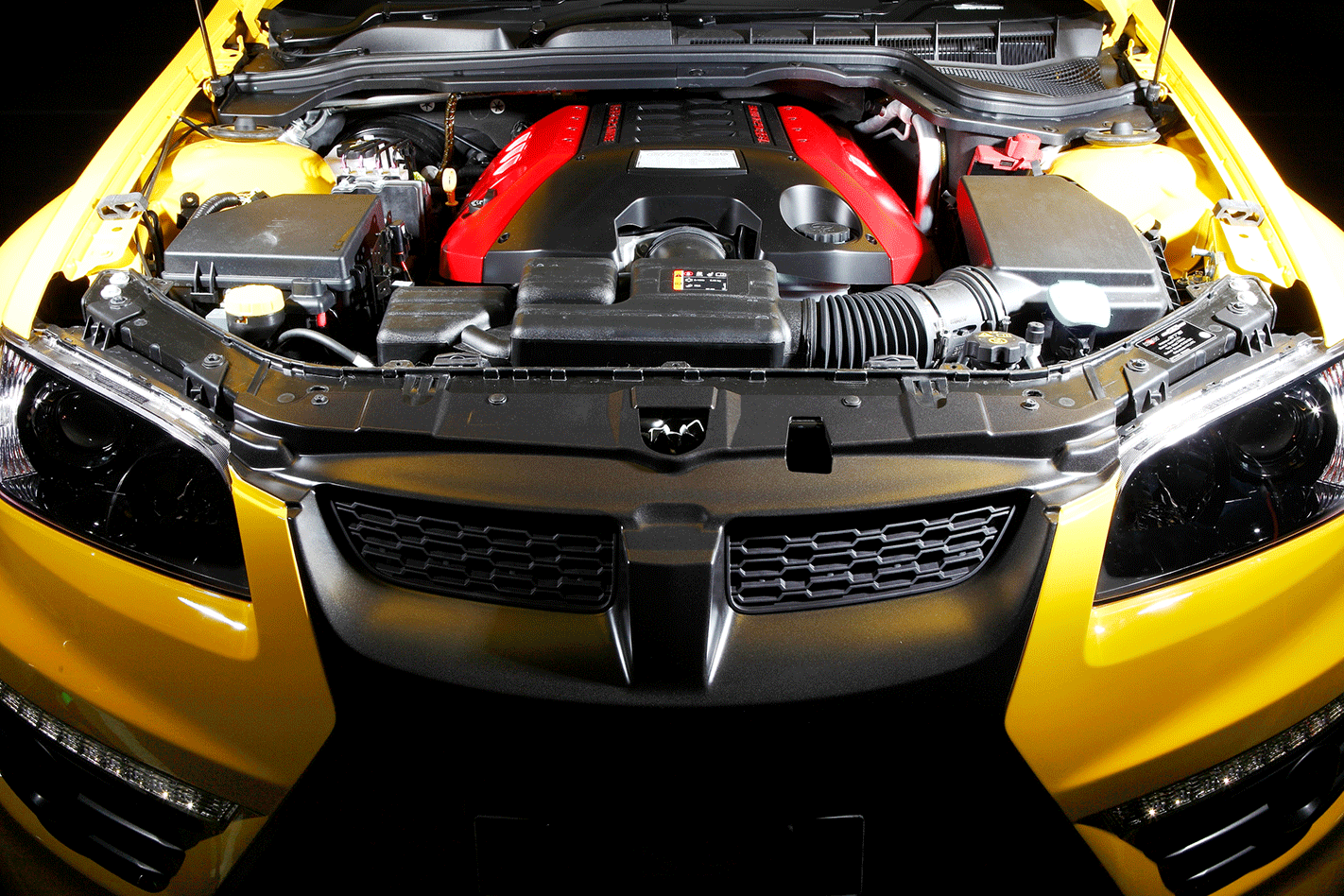
It’ll set you back $84,990 as a six-speed manual – about $2000 more than the standard GTS – and the build is being pegged at 140 units.
Not surprisingly, it’s pretty much exactly like any GTS to drive, which means imposing V8 performance and plenty of V8 rumble. So far we’ve only had the GTS 25th out on a night-time photo shoot ahead of its Sydney Motor Show launch but it was enough to act as a reminder of things like the MRC working brilliantly to give a controlled ride on its softer setting, the bimodal exhaust opening its second throat to shatter the stillness of the night, and that the manual gearbox is so much more involving than the auto it’s almost worth the added chore of DIY shifting. Not that much is needed given the torque and flexibility of that engine.
So while there’s no performance enhancement, it is worth remembering that the various upgrades throughout the E-Series’ lifespan have left the GTS not just at the forefront of the Australian V8 muscle car vanguard, but chock full of technology as well. On top of the MRC dampers are driver aids including launch control for six-speed manual transmission versions, a bi-modal exhaust that opens up to a full-throated V8 yodel at higher revs and throttle openings and the stability control has a so-called Competition mode allowing more sideways action while still monitoring actual emergencies.
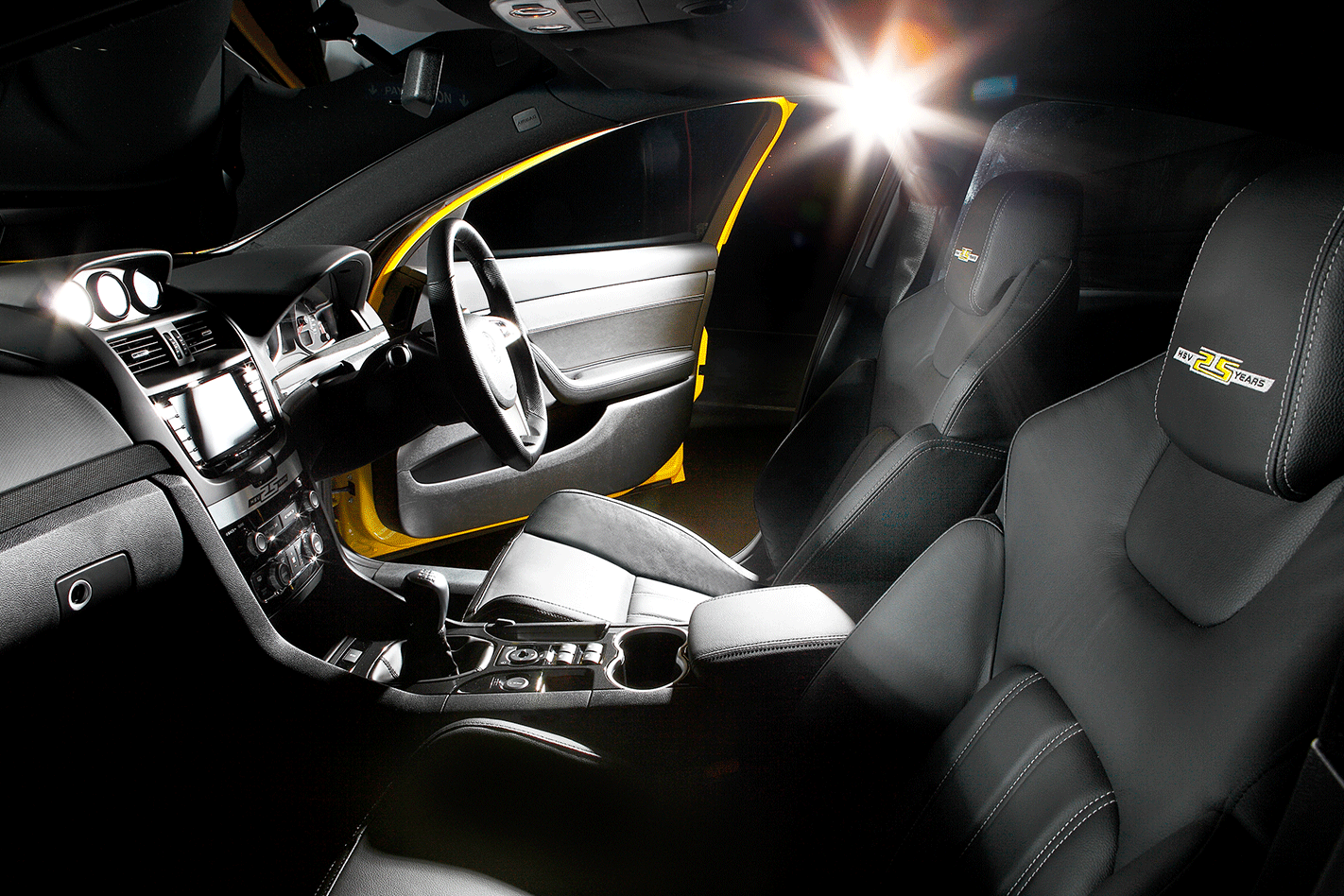
At the same time, HSV announced its Enhanced Driver Interface would appear on all models. The touchscreen on the centre console controlled the usual ancilliaries – stereo, navigation, phone settings and iPod integration – but also added real-time performance data such as longitudinal and lateral g-forces, power and torque outputs and lap times, all of which could be downloaded after a day at the racetrack.
The Aston Martin DB11 Volante is here – and it’s V8 powered. Only.
Since the DB9 the ‘DBs’ have been V12-powered, unless you count Bond’s DB10, but the DB11 changed that when a twin-turbo V8 became an option.
Now, with the Volante drop-top, the V8 is it.
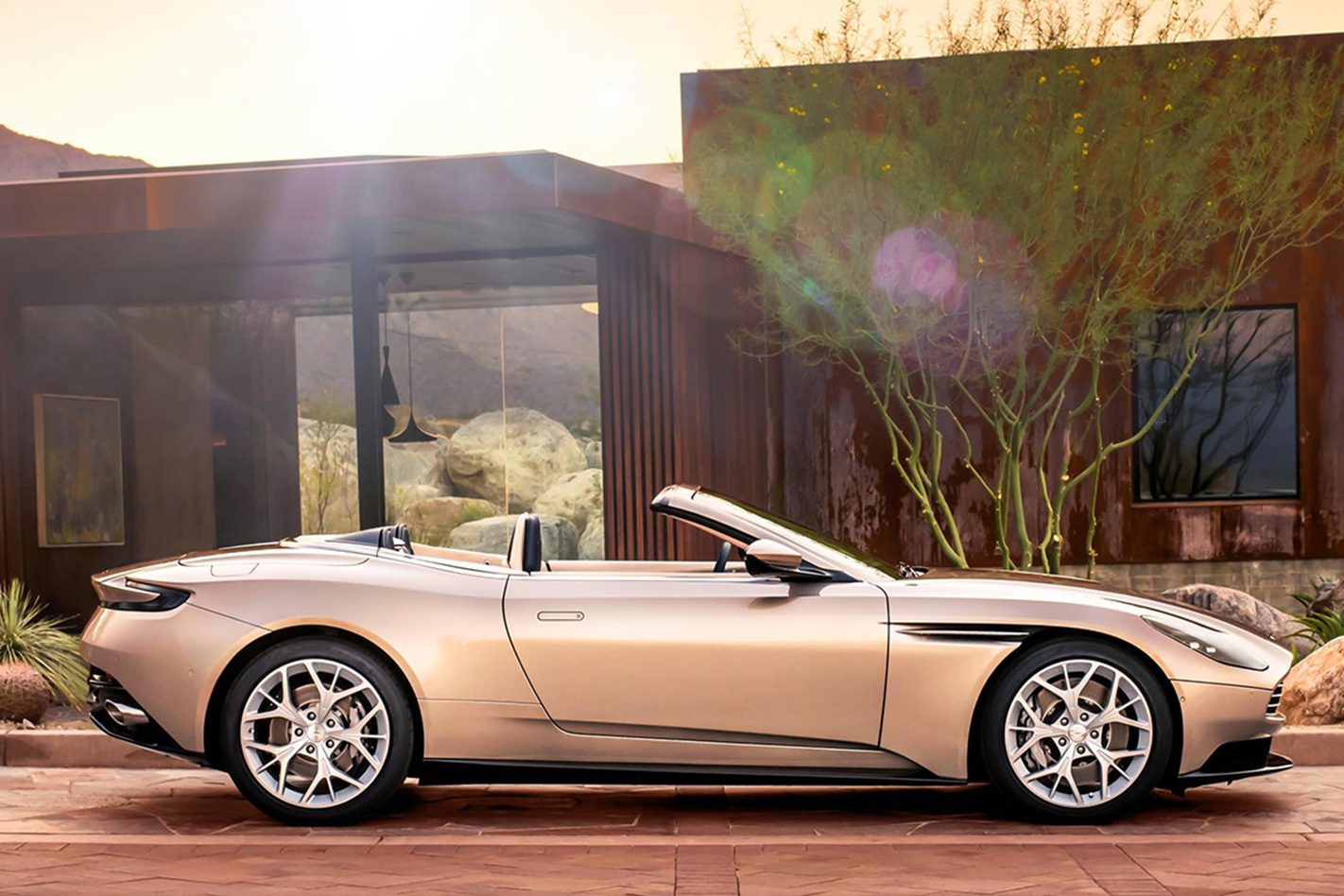
“The challenge of creating a convertible car is retaining structural and dynamic integrity,” says Szwaj.
“To protect the former you need strength and rigidity, but to preserve the latter you need to keep weight to a minimum.
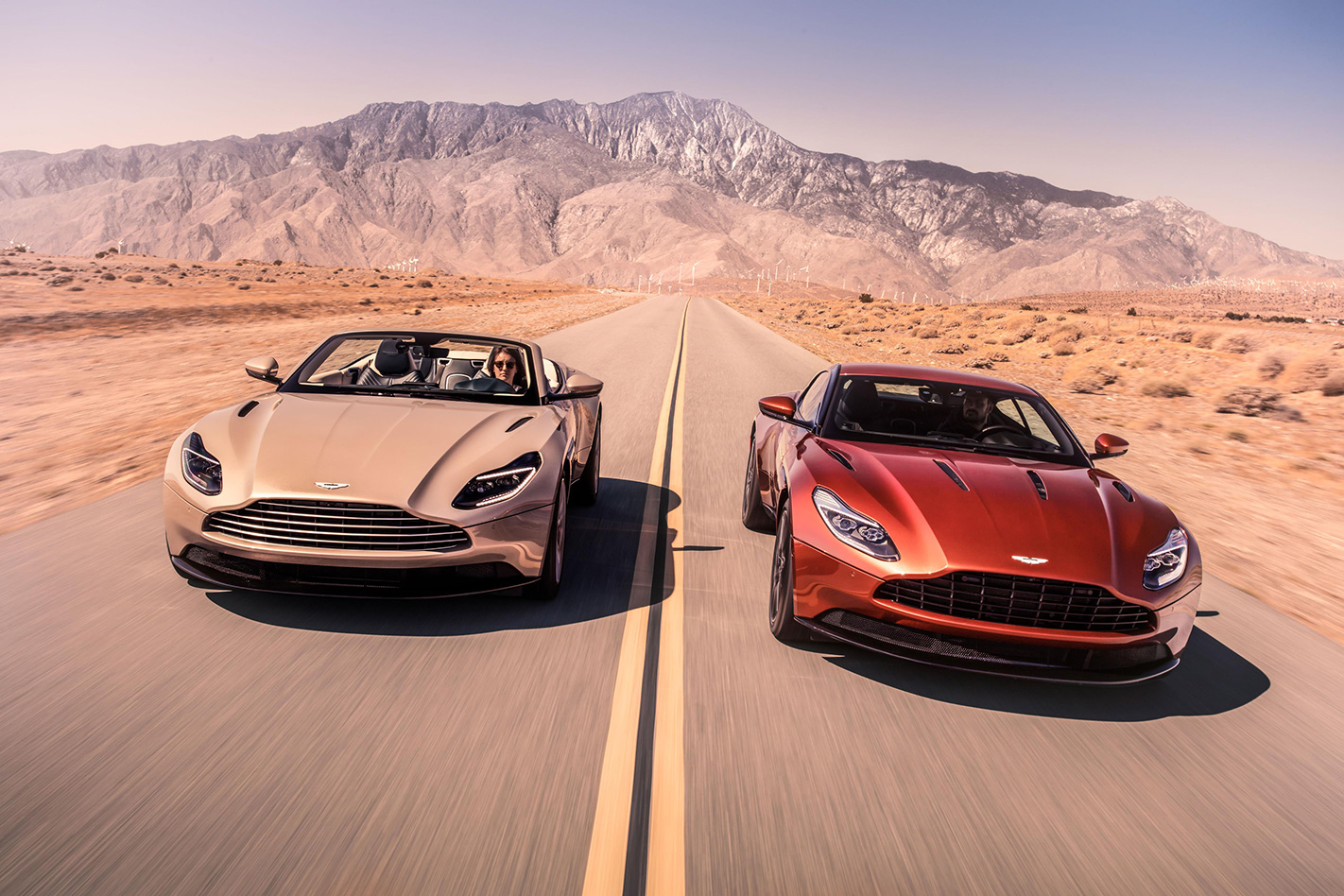
Its hood, which Aston Martin says is “available in a choice of bordeaux red, black silver or grey silver,” has also undergone 100,000 cycles in special weather chambers which imitate approximately one decade worth of wear.
This quality control matches up to the words of Aston boss Andy Palmer, who this year told MOTOR that he “wanted to give a guarantee and a sense of confidence to the first 1000 [DB11 coupe] buyers.”

“The new DB11 Volante captures those qualities perfectly and promises the kind of pleasure and enjoyment that can only come from driving an open-top Aston Martin”.
MOTOR awaits confirmation for Australian delivery and pricing information for the DB11 Volante.
