
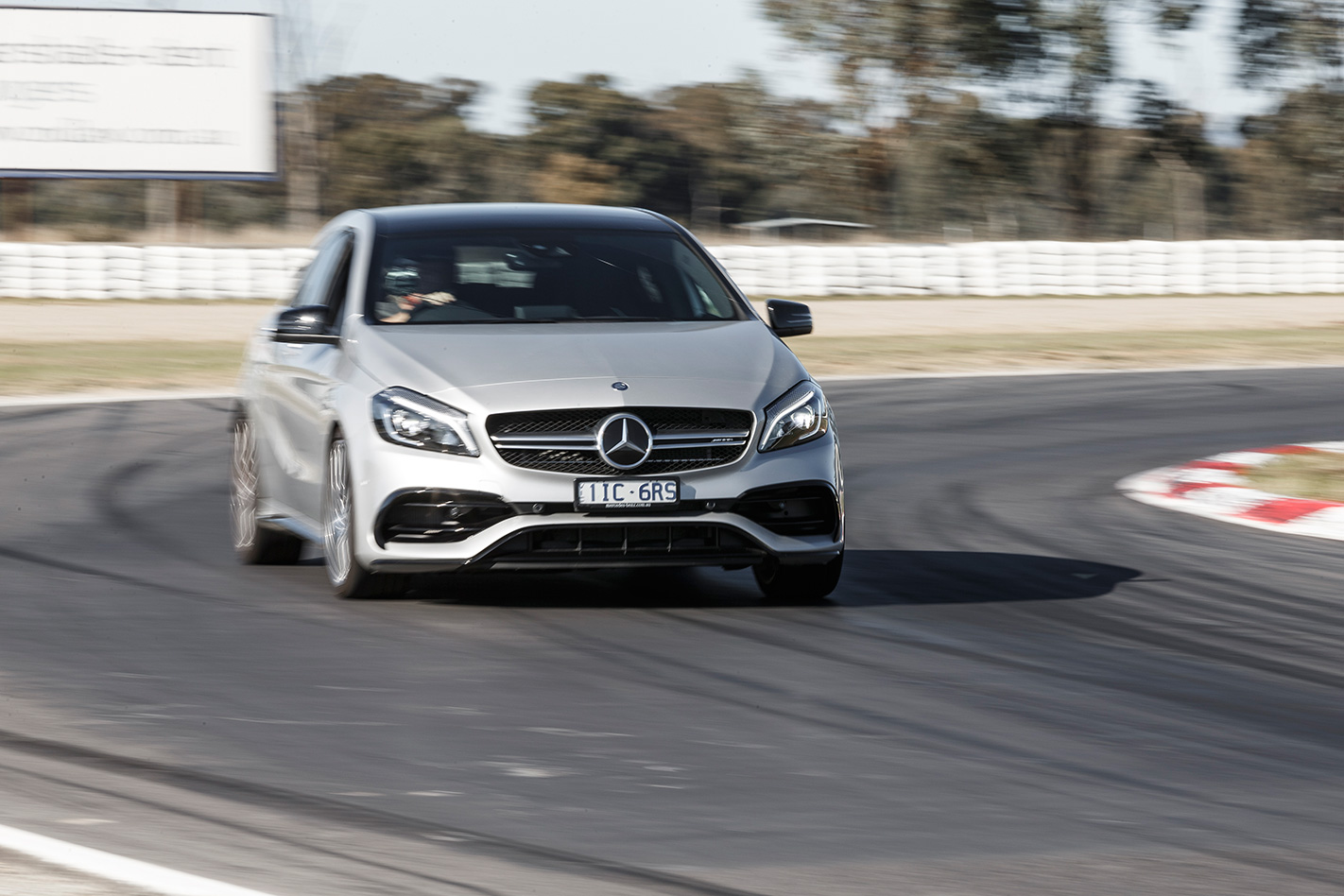
Mercedes-AMG’s A45 broke cover as the perfect specimen to thump the Bang For Your Bucks formula.
The marque took a hatchback, armed it with all-wheel drive, squeezed in a heavily boosted four-banger, and harnessed it with big brakes. It’s hard to dream a more ferocious apex-assassin. It missed our annual mega event for two years until finally arriving in 2016 with a new front-LSD and more power.
Unsurprisingly, each of its rivals fell to its sword, being cheaper and grippier than a BMW M2, more focused than an Audi RS3, and lighter than a Holden Commodore SS-V Redline. Returning to defend its $50K-$100K title, judges have grown to respect the A45’s fearsome package.
The Recaro-designed seats install you deep into bolster, lashed by a bright-red seatbelt, while your fingers find shift-paddles behind the steering wheel – it’s a dual-clutch automatic only.
You tumble out of the A45 after a drive, head swirling as you try to grasp the rapid acceleration, violent sounding upshifts, tenacious corner grip and eye-popping brake power of such a little car. And it never feels like breaking a sweat. So much so we wonder why a greater number of them don’t harass more expensive machinery at Targa Tasmania.
This speed comes at a cost, though, as it’s not the most grin-inducing. It shrugs off a playful handling setup for grip and composure, while aggressive throttle inputs upset the inside front-wheel rather than the rear axle. After all, its Haldex all-wheel drive system can send only half of the available torque aft.
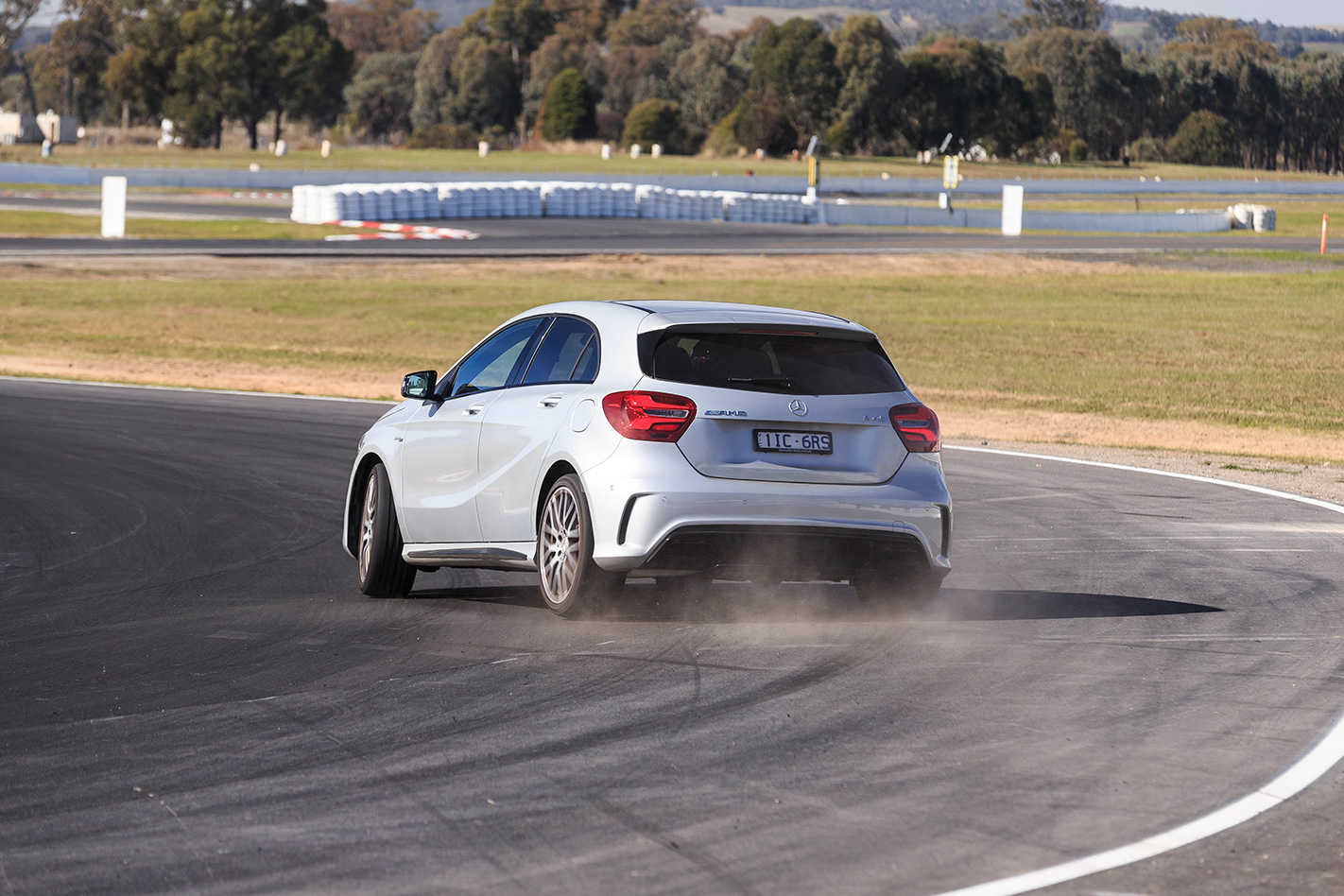
Progress waits for no-one. Speaking of, in a bare-knuckle track brawl, it still takes a lot to knock off an A45. But you’re about to behold two cars that did exactly that.
Specs: Engine: 1991cc inline-4, DOHC, 16v, turbo Power: 280kW @ 6000rpm Torque: 475Nm @ 2250-5000rpm Weight: 1555kg
Times 0-100km/h: 4.32sec (1st) 0-400m: 12.54sec @ 179.32km/h (1st) Lap Time: 1:38.3sec (3rd)
Warren Luff says “One of the most interesting battles was between this and the Focus RS. They’re two very different cars to drive. The Mercedes is more glued down to the road. You don’t seem to be able to throw it around as much, but it’s one of those cars that’s actually better to clear the brakes a bit earlier and just carry the rolling speed in the corners. On the limit it’s probably not as much fun, it doesn’t slide around and do all those fun things for you. But in terms of lap times it’s really fast. The engine sound and the gearbox in this car is amazing. It really does make it a joy to drive.”
Judges notes David Morley – 2nd: “Still crazy after all these years” Dylan Campbell – 4th: “Fast but it thinks in ones and zeroes and is more serious than fun” Louis Cordony – 2nd: “An unflappable circuit star” Tim Robson – 2nd: “Sooo much engine… maybe a bit too refined, though”
Turn up the volume. Now.
If you didn’t already know, the Ferrari FXX K is an even wilder version of the Ferrari LaFerrari, which means it’s pretty much confined to the racetrack.
It’s kind of what the P1 GTR is to the road-going P1.
So, if you weren’t already excited by the idea of an even wilder version of the FXX K, you should be now. If you’re still not… well, you might be dead.
While unconfirmed, the test mule seen in the above video by YouTuber 19Bozzy92 shows every sign of being an evolution of the Ferrari FXX K, or the Evoluzione itself.
This would make sense, as Ferrari released Evoluzione versions of both the FXX and 599XX, and Ferrari’s man behind the XX cars, Enrico Galliera, told Top Gear last year that Ferrari was explorion options for an even faster FXX K.
“So, even for the FXXK we are thinking about potential evolutions, but we don’t have it yet,” Galliera said.
Which brings us back to the video. This thing screams “XX”.
Its auditory assault would make a previous-gen Formula 1 car proud, and it looks like a direct descendant of the track monster – aside from the rear wing.
What we do know for sure is that we’ll be keeping an eye out for any word from Ferrari on its next ‘XX’ car. Stay tuned!
AS THE dust settles from the opening media days at the world’s biggest motor show, we take a look at the vehicles that stoked our fire, and those that extinguished our joy.
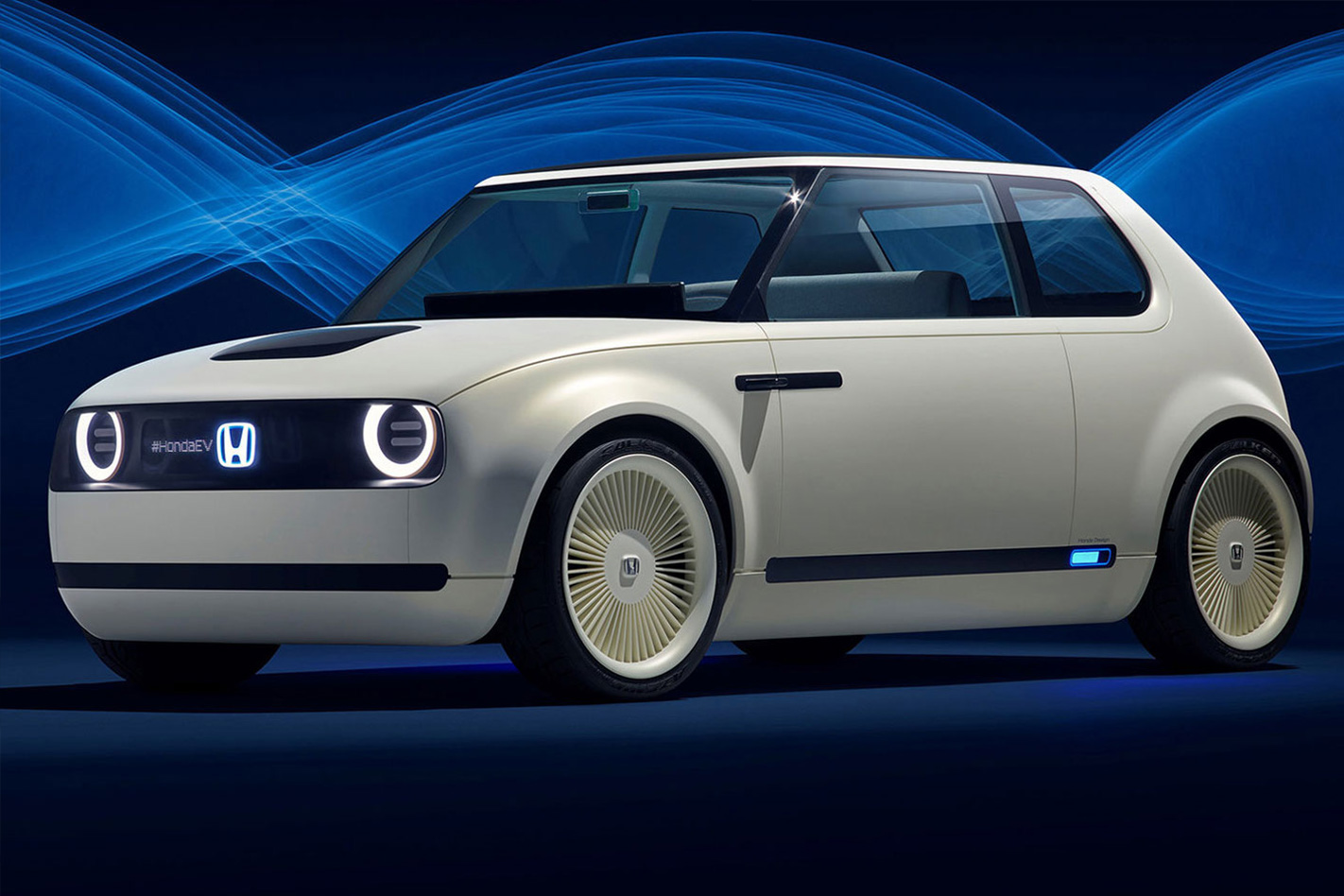
HIT: Honda Urban EV Concept
It’d be easy to put the Mercedes-AMG Project One or Porsche 911 GT3 Touring at the top of this list but, desirable as they are, no other car sparked as much discussion in the office or elsewhere like this adorable little EV. Honda blindsided everybody by revealing it completely out of the blue, and then raised the bar by confirming it for showrooms in 2019.
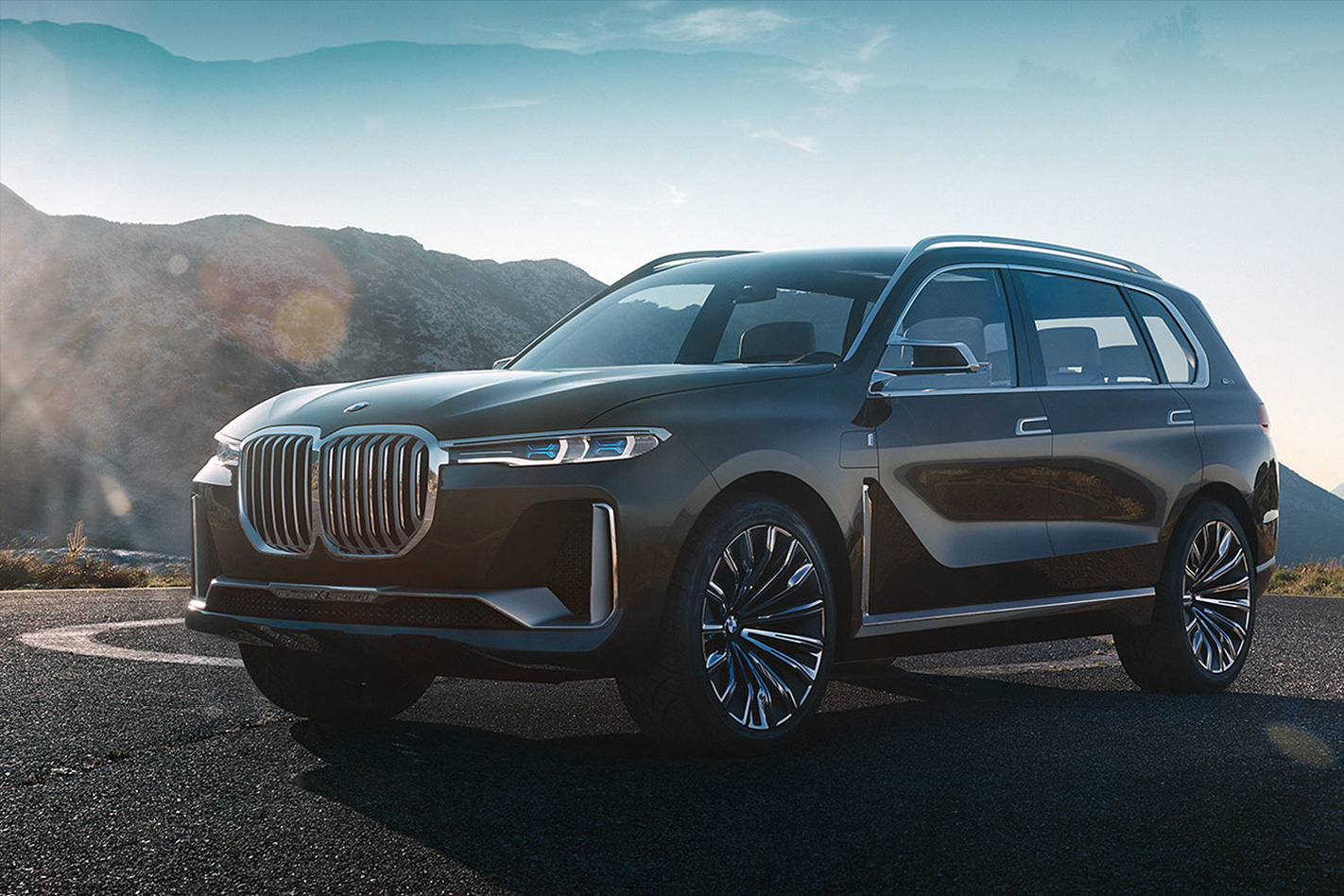
MISS: BMW X7
Have you ever been presented with an ugly baby? It’s hard to know what to say. “Ooh. He’s a bruiser, isn’t he?” was about the best I could come up with when my cousin showed me her newborn. To be frank, he looked as if he’d been attached by the umbilical to a Hungry Jacks grease trap rather than a placenta.
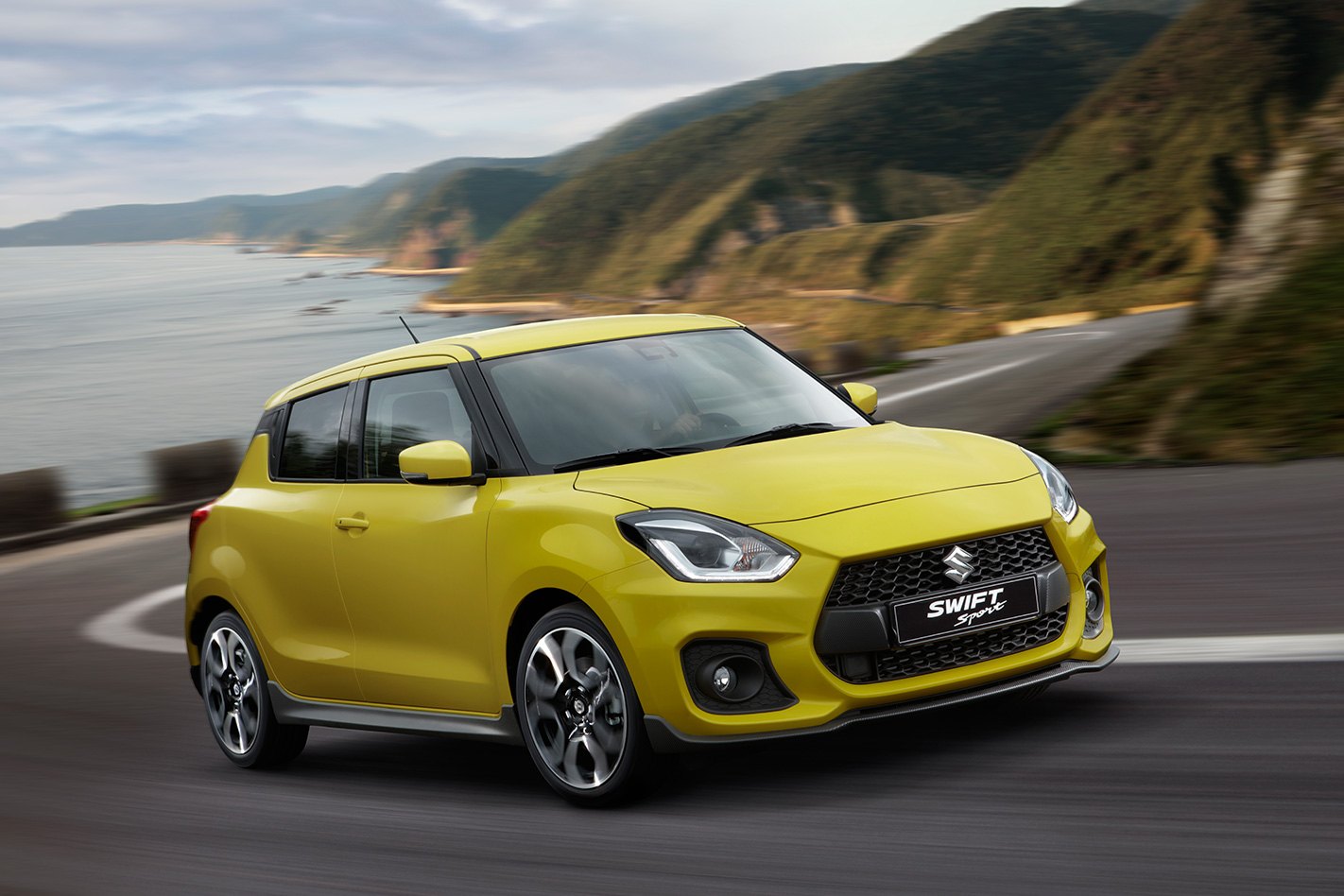
HIT: Suzuki Swift Sport
Weighing in at less than 1000kg with a rorty, torquey engine and a manual gearbox, the third-gen Swift Sport has all the ingredients necessary for simple, accessible driving enjoyment. If it lands in Oz at around $25K, like the old one, this little hatch should be a cracking performance bargain.
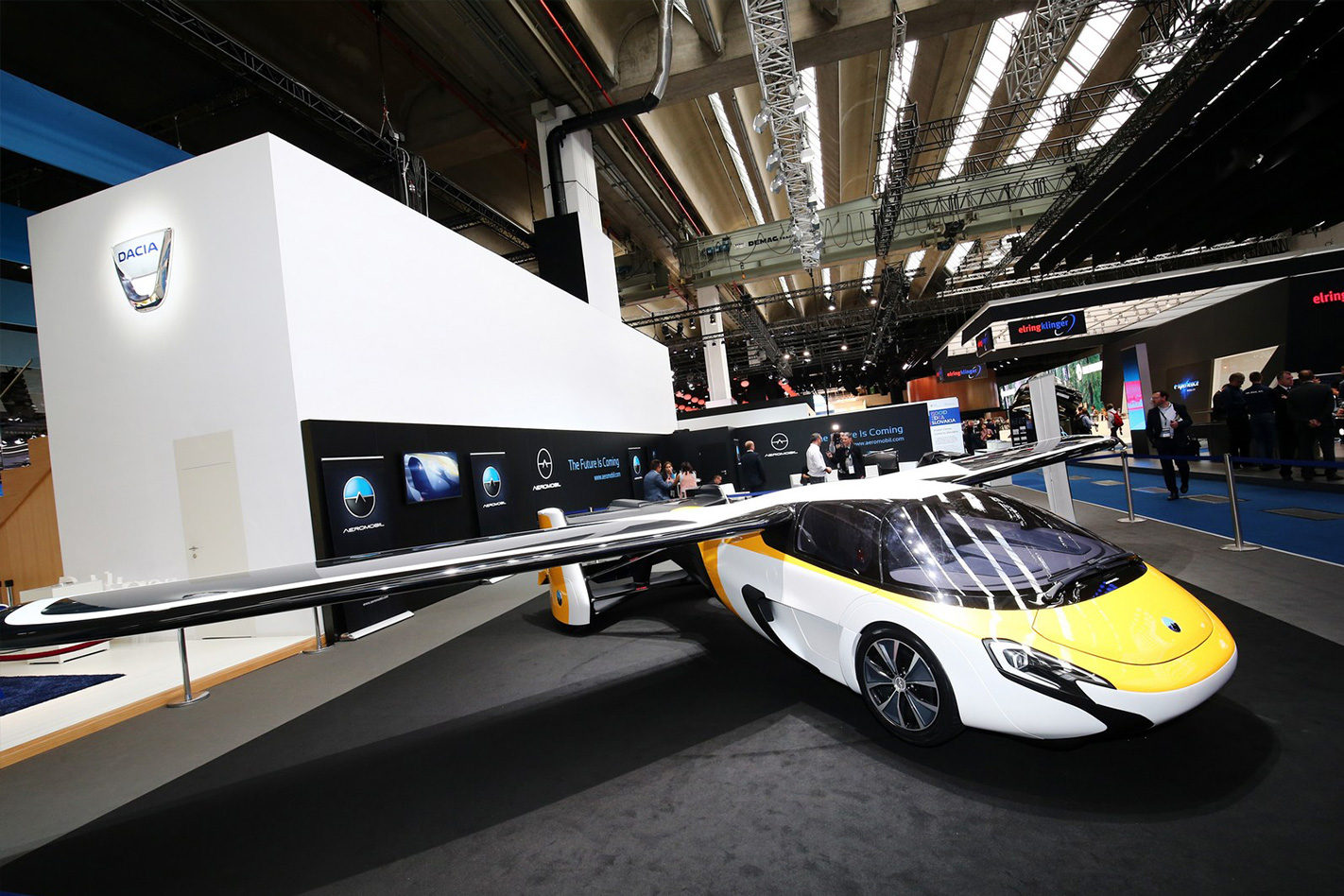
MISS: Aeromobil Flying Car
There’s nothing like a flying car to top off a European motor show experience. It’s just one of those things you need to tick off along with Knight Rider yoke steering wheels, outdated Fatboy Slim launch music and sexagenarian men with red trousers and pomaded mullets. This year we have the Aeromobil flying car, which looks like an utterly ghastly car and a woeful aeroplane all rolled into one.
On the ground, the model is powered by an electric front wheel drive system which gives it an optimistic-sounding range of ’approximately’ 700km and a top speed of 160km/h. The company claims it can be converted to flying mode in just three minutes, although we think we could shave that down to two minutes if we really rushed it and cut a few corners.
According to Aeromobil chief technology officer Douglas MacAndrew, “Integrating flight and car travel is not simple, but having condensed approximately 60 man-years of research and development into three, the AeroMobil flying car is designed to meet the current legislative requirements.”
We reckon that if they’d hurried and cut a few more corners they could have condensed that into two. Slackers.
HIT: Audi RS4 Avant
Fast wagons are cool. A fast wagon based on the Audi A4 that so narrowly missed out on 2017 Car of the Year victory promises to be even cooler. Audi’s fourth-gen RS4 ditches the old 4.2-litre atmo V8, replaced by a twin-turbo V6 just like the original B5 RS4. It’s the same engine as found in the new TT RS – a 2.9-litre unit with 331kW and 600Nm.
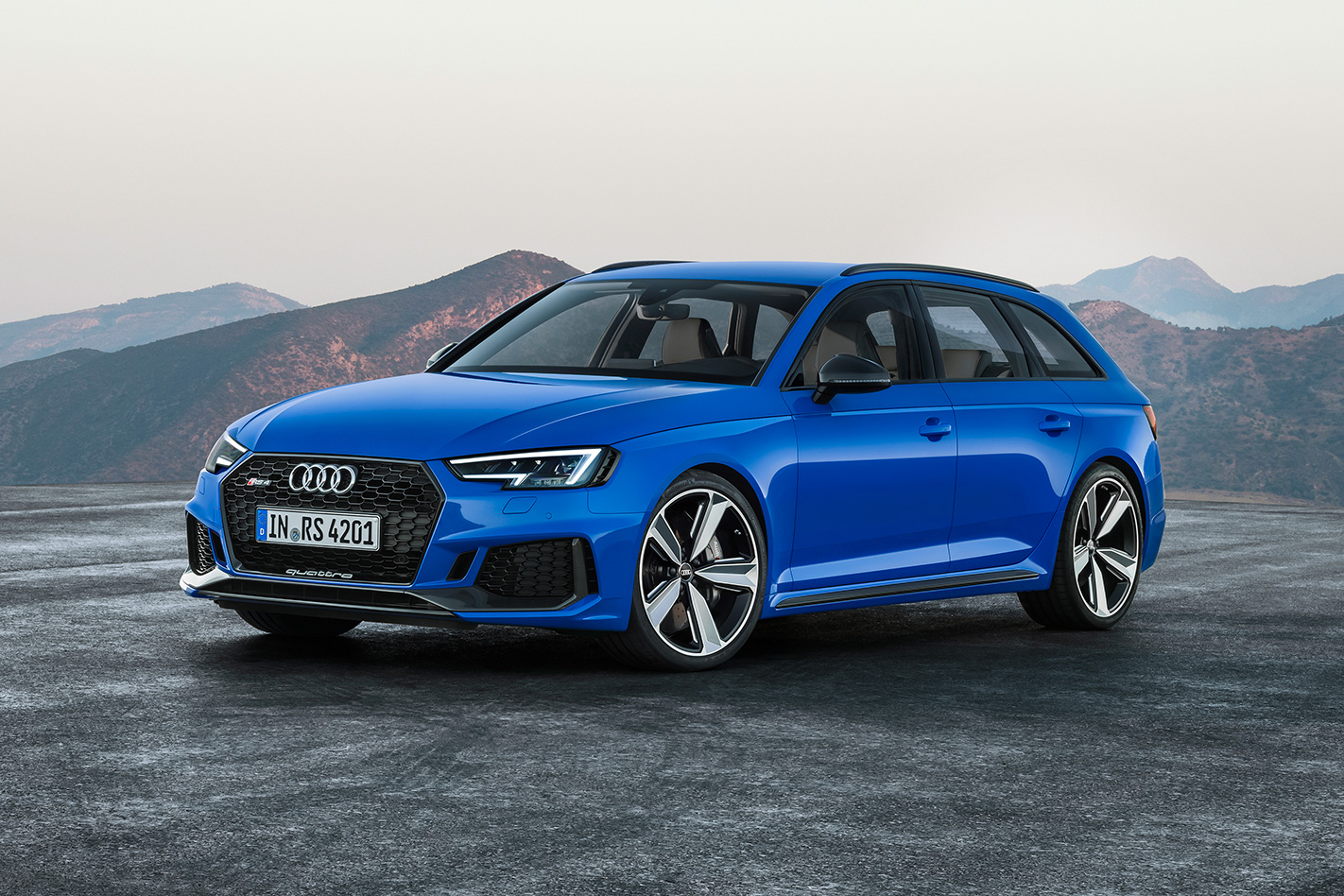
“The Audi RS4 Avant is our RS icon with an incomparable history,” said Audi Sport chief, Stephan Winkelmann. It’s hard to think of a better candidate to occupy the ultimate single car garage.
MISS: Absentees
We sometimes hear of a car manufacturer dipping out of one or two shows in the season, but this year it seems that almost everybody had a sick note. Yes, the big German manufacturers were all present, desperately trying to outdo each other in terms of square metres, but the list of no-shows was huge.
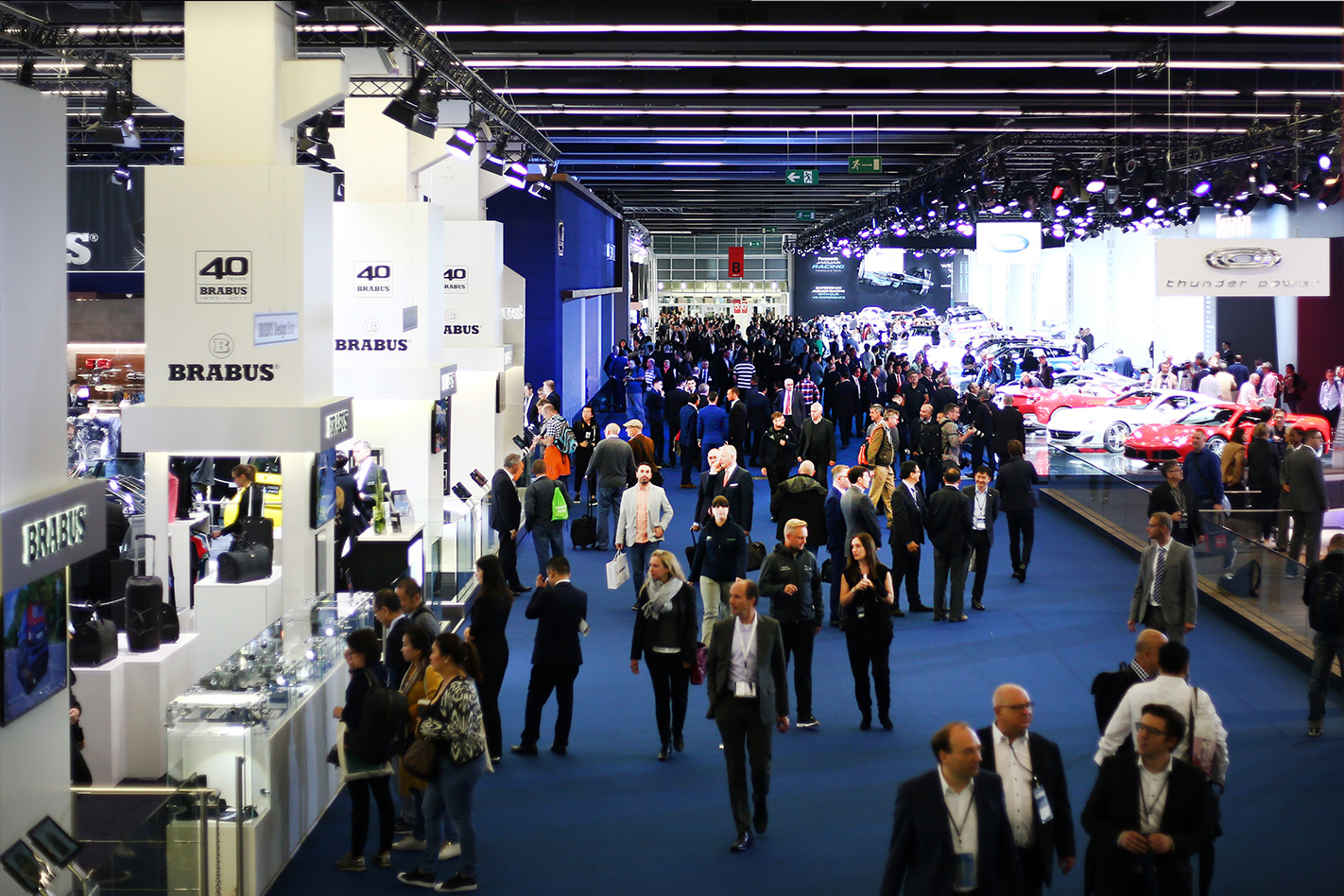
They might have been seen elsewhere, but Frankfurt remains Europe’s biggest show and gets huge numbers of paying customers through the door. Must try harder.
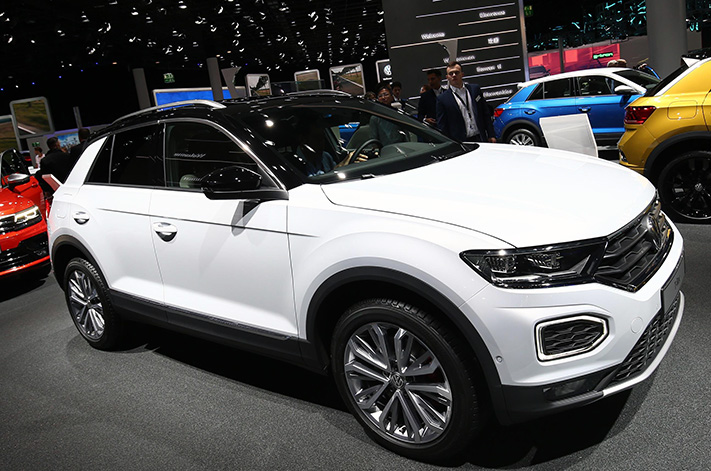
Volkswagen Australia says it still expects to take delivery of the T-Roc SUV some time in 2018 despite strong global demand for the brand new Golf-based crossover.
The T-Roc, which made its public debut this week at the Frankfurt Motor Show, is a hugely important model for Volkswagen in the face of the growing popularity of small-SUVs such as the Mazda CX-3, Nissan Qashqai, and Toyota C-HR.
It is seen as a crucial model by Volkswagen arms around the world including the United States, which has resulted in annual production being boosted almost threefold from 70,000 to 200,000 units.
While it’s not known how many of the 200,000 cars are being built at the AutoEuropa plant in Portugal will be right hand drive, a Volkswagen Australia spokesman told WhichCar the production increase was good news for Australia.
He said Volkswagen Australia officials are currently at the parent company headquarters to discuss availability and would soon be in a position to announce details.
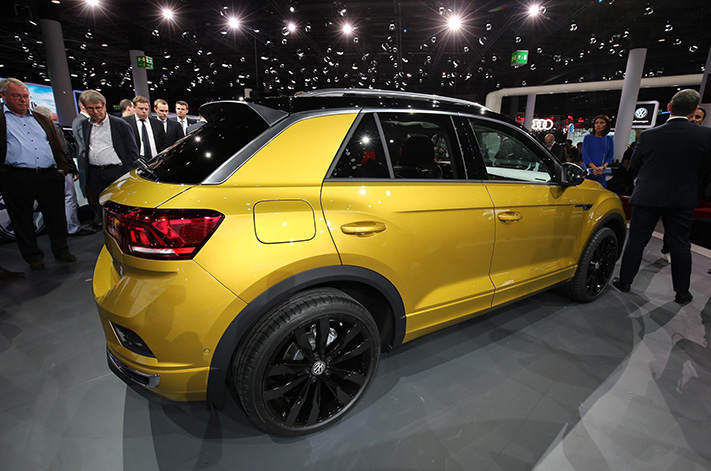
The T-Roc is part of Volkswagen’s belated SUV push, which includes the new Tiguan Allspace that’s also due here in 2018 and the next generation Touareg.
The baby SUV’s in-the-flesh debut at Frankfurt revealed a stronger resemblance to the Tiguan than initial images suggested.
It rides higher than anticipated, and while its length and wheelbase are shorter than Tiguan, most of that is achieved with short overhangs that give it a wide athletic stance without compromising interior space.
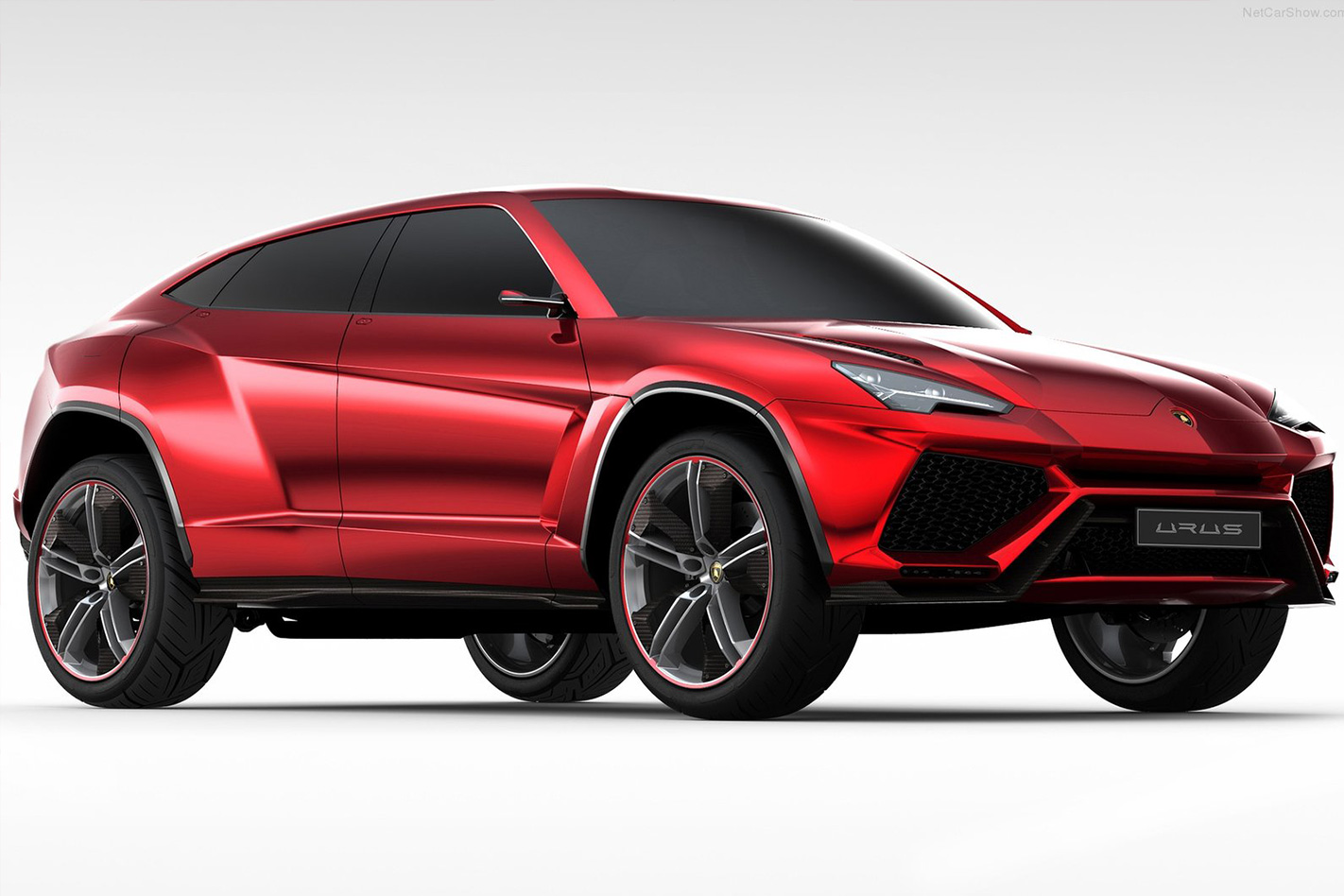
Lamborghini will reveal its Urus SUV in production form on December 4th later this year.
The performance-SUV will be unveiled for the first time at the home of Lamborghini, Sant’ Agata Bolognese, in Italy.
Lamborghini executives revealed at the Frankfurt Motor Show that the Lamborghini Urus has broken the lap-record for SUVs at the Nordschliefe, though its exact laptime is yet to be revealed.
The current SUV record holder at the Nurburgring is the previous-gen Porsche Cayenne Turbo S, with a laptime of 7:59.74.
The Urus will share the same architecture as the new Cayenne – which was revealed in Frankfurt – but will have more power from a 4.0-litre twin-turbo V8 under its bonnet; it’s previously speculated to be 485kW.
The new Raging Bull will also be able to clock 300km/h “because it is a Lamborghini”, according to the brand’s research and development chief, Maurizio Reggiani.
Styling for the Urus is likely to be drastically different to the brand’s first SUV, the LM002, with a more sporstcar-esque design.
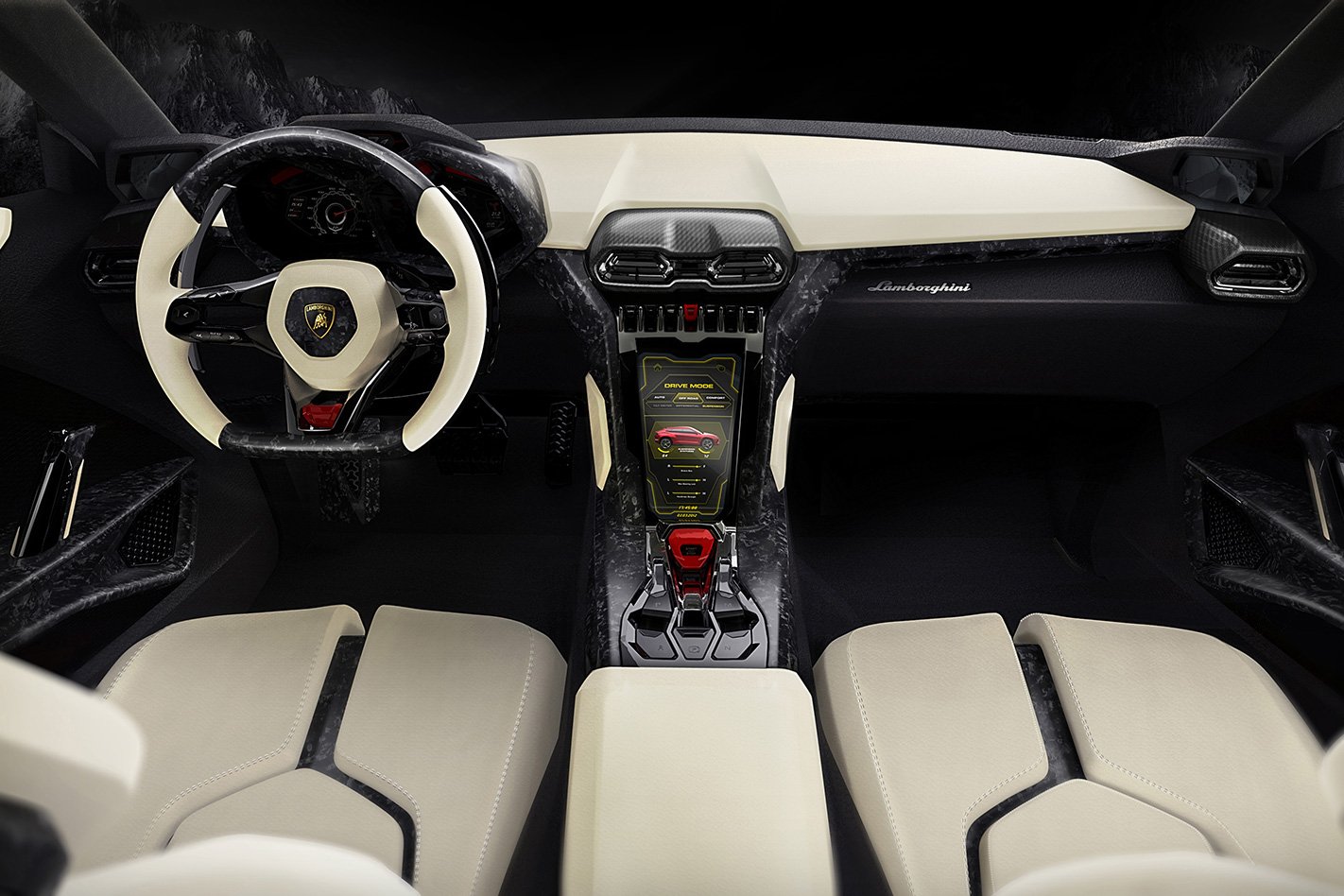
The Urus concept had a remarkable likeness to the V12-powered Aventador, but this may be watered down slightly to suit the production proportions of a modern SUV.
“The Lamborghini Urus redefines possibilities, creating a class of its own: unprecedented SUV performance, luxury and versatility, with the distinctive dynamic design DNA of a Lamborghini super sports car,” the manufacturer’s release reads.
“The Super Sports Utility Vehicle is no longer impossible.”
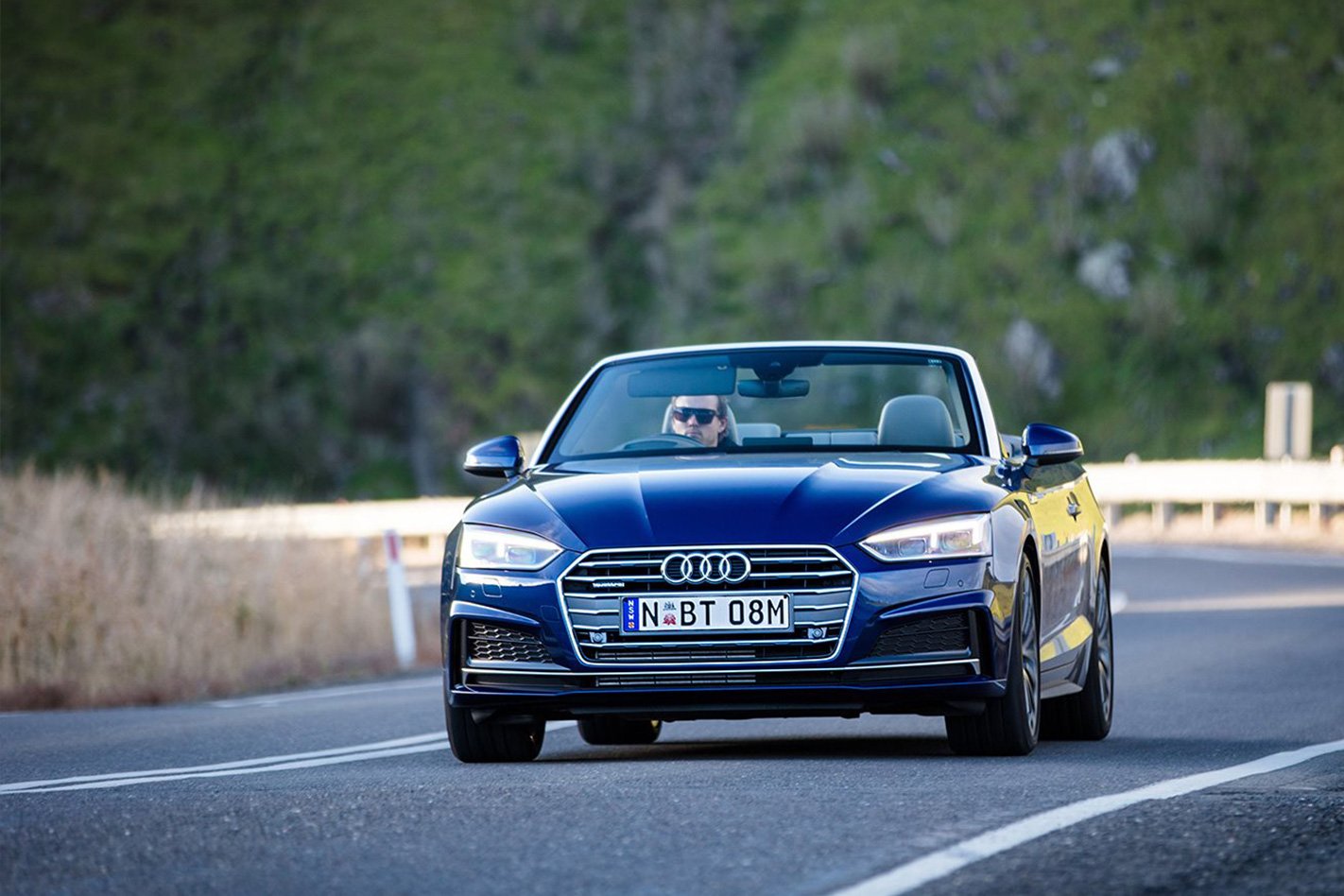
Audi has expanded its second-generation A5 line-up, adding a four-seat drop-top to the existing five-seat coupe range.
TELL ME ABOUT THIS CAR
Audi’s reimagined A5 Cabriolet brings the drop-top range onto the same next-generation chassis as the hard-topped two-door A5 Coupe, A5 Sportback four-door coupe, and the four-door A4 sedan.
Here, we’re looking at what Audi says will be the volume seller, a $95,000 2.0-litre turbocharged four-cylinder engined, all-wheel drive version of the cabriolet that sits above a price-driven $83,400 front-wheel drive version that uses a less powerful tune of the same powerplant.
This newer A5 Cabriolet is lighter than the car it replaces, but boasts more rear-seat legroom than before – a strong point of criticism with the old one.
STRENGTHS
- Audi’s turbocharged 2.0-litre engine produces 185kW and 370Nm. Those numbers don’t mean much until you drive it and discover the way the engine works makes it a pearler; happy to just dawdle along in traffic or pin back the ear when asked and go for a gallop.
- The rapid-fire seven-speed dual-clutch gearbox, which can shift gears much quicker than a conventional single-clutch automatic, helps eke out the best from the engine.
- Fuel economy is good as a result. Officially the A5 2.0T quattro will use just 6.7 litres of fuel for every 100km it travels; that’s better than some small hatchbacks.
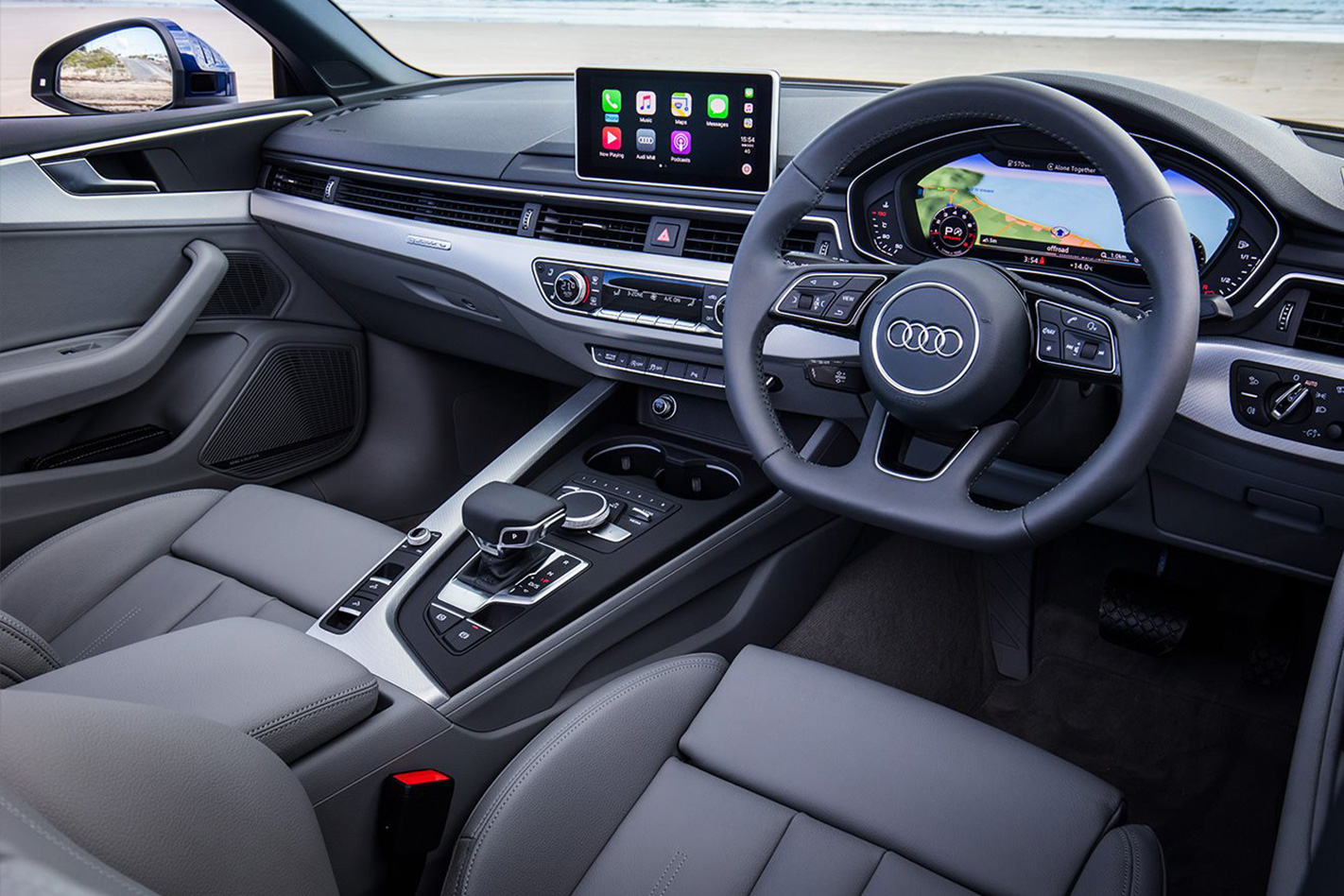
- Audi coats its leather-trim seats with a sealant that stops them absorbing as much heat as untreated seats. This means that when you jump back in the roof-down car after lunch, you won’t be cooked like your steak.
- For winter, the A5 Cabriolet features a neck warmer built into the seat that blows like a hairdryer when the roof is down, but sends a warm breeze when it’s in place.
- The A5 Cabriolet has thicker glass, which blocks out more sound, helping to make the front seats a bit quieter with the roof in place.
- The folding cloth roof’s material is now five-layered, meaning it too blocks out more sound than before.
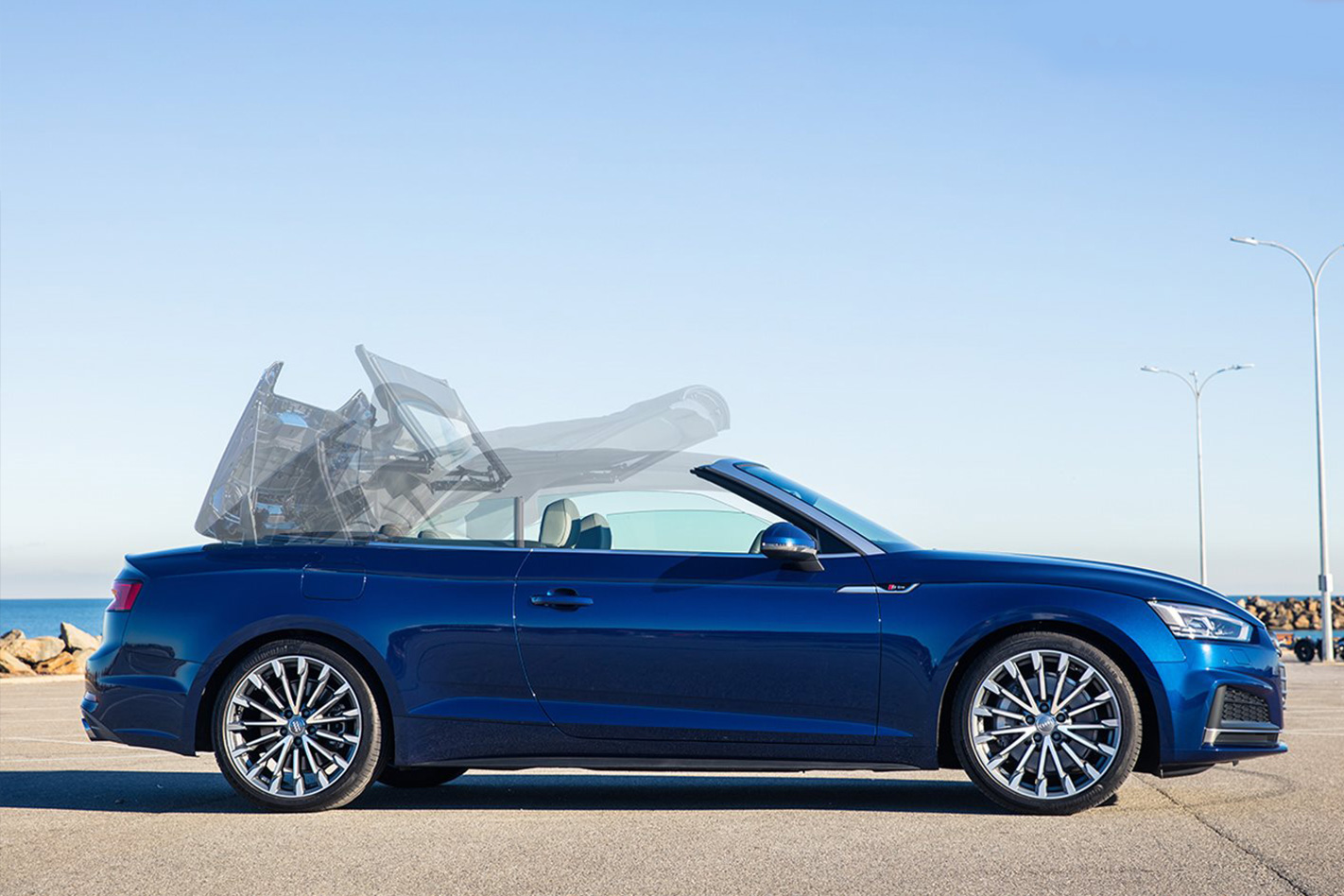
- You can drop the roof at speeds up to 50km/h. For that extra trick, you can also fold it down as you walk up by holding down the unlock button on the key fob.
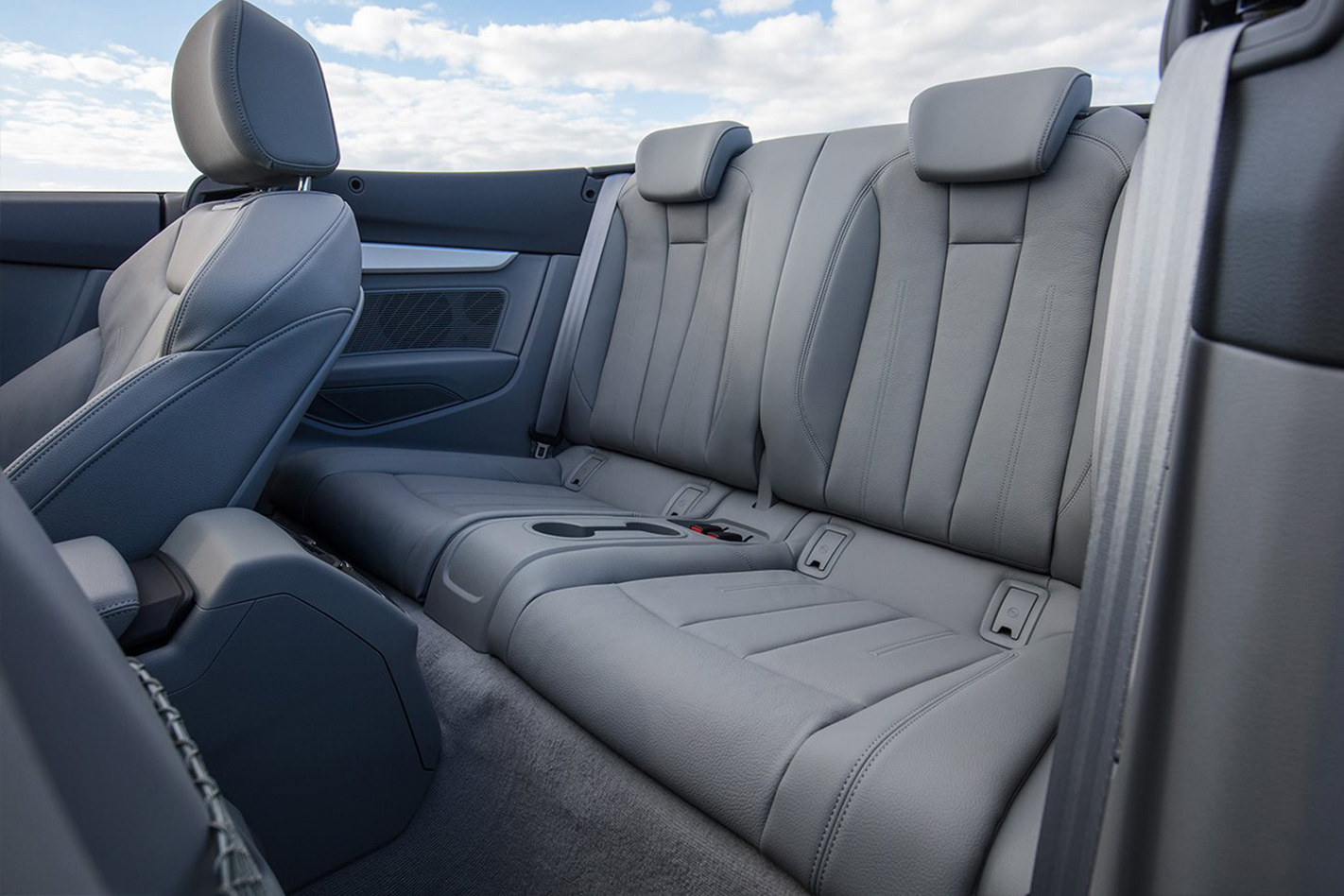
- The two rear seats have 18mm more legroom.
- Audi interiors are stunning and wraps around you, and the A5 Cabriolet is no exception.
- Audi has gone to great lengths to ensure its voice activation system works well with the roof down. It has three microphones built into the seatbelt to work with different driver heights.
- Audi’s price for the A5 Cabrio may have gone up by a couple of thousand dollars compared with the car it replaces, but compared with rivals that include the BMW 430i Cabriolet and the Mercedes-Benz C300 Cabriolet, it’s still keenly priced.
WEAKNESSES
- That extra rear-seat legroom is about the same as the width of a finger. Jump in the back and it feels just as tight as the old A5 Cabrio.
- Dropping the roof to let in the sun is a single press-and-forget action. Putting it back up requires you to keep a finger on the button for the full 15 seconds it takes to put the roof back in place.
- The space needed to stow the “K-fold” roof eats into rear-seat space. That’s why there’s only room for two in the back.
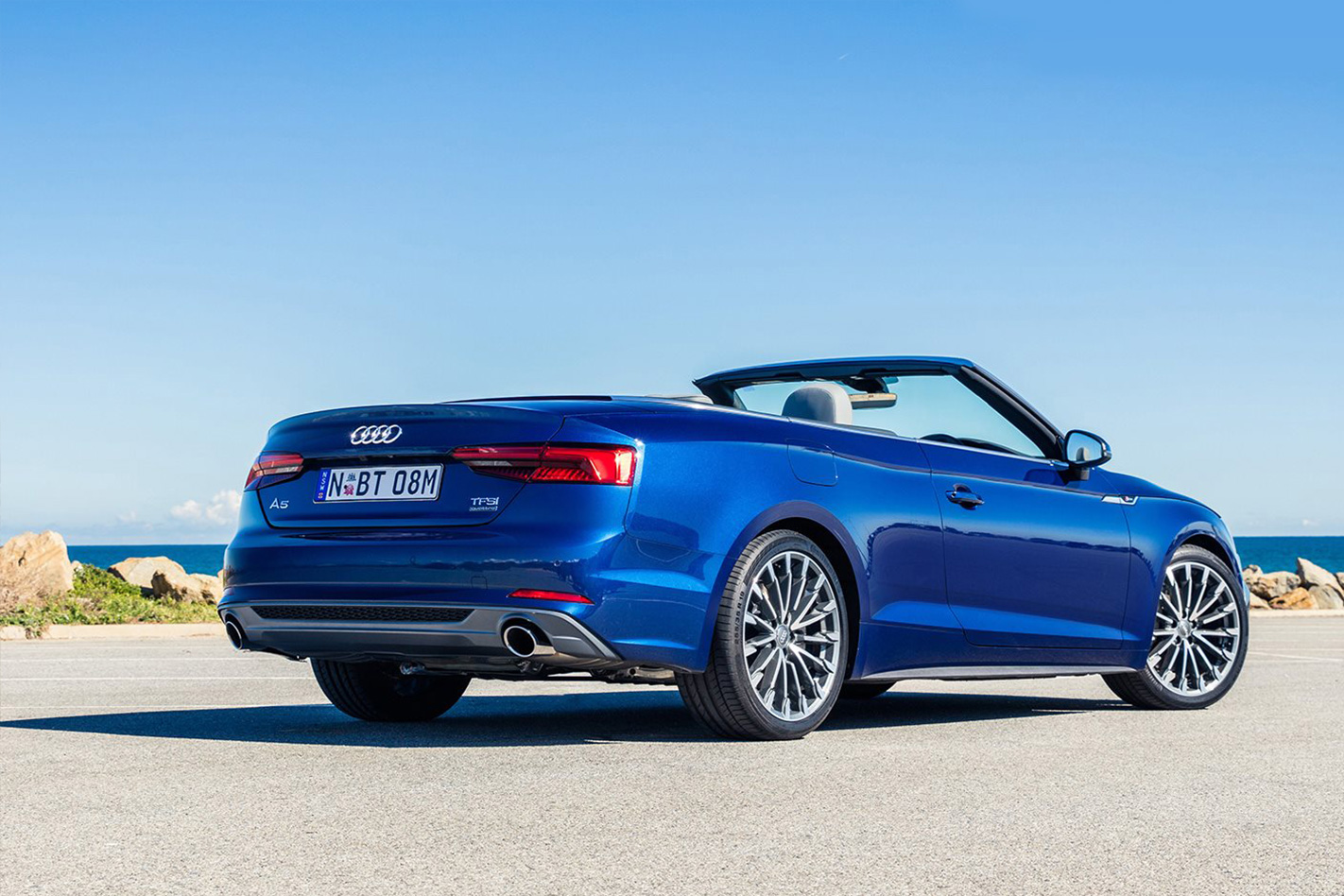
- Audi includes a detachable air diffuser with the A5 Cabriolet that helps to stop air swirling around the cabin, cutting noise, and draughts. It’s fiddly to install and covers the rear seats.
- Our test car had a sticker price of $95,000 before on-road costs, but throw in a few options and the price suddenly jumped to $107,516 as tested. This includes an S-Line style pack ($2500) that gives the A5 cabrio sharper looks and heated rear seats, a Technik Pack ($5600) adding LED headlights, a cranking 20-speaker audio system, and a head-up display, and Audi’s adaptive suspension system ($2210) that adjusts on the fly the way the car rides. If you don’t want a flat colour, the metallic paint option is $1846.
- Lopping the roof from a coupe and replacing it with a big umbrella brings its compromises. First, the cabriolet is heavier than its coupe equivalent, because engineers have to build more strength into it to tame the forces the roof would have otherwise absorbed. And second, this thing called scuttle shake happens, usually over rough sections of road, where the front and back of the car can’t quite work out how to deal with the bumps – you can see the bootlid dance around a bit in the rear-view mirror.
ANYTHING ELSE I SHOULD CONSIDER?
You should also kick tyres on both the BMW 430i Cabriolet and the Mercedes-Benz C300 Cabriolet.
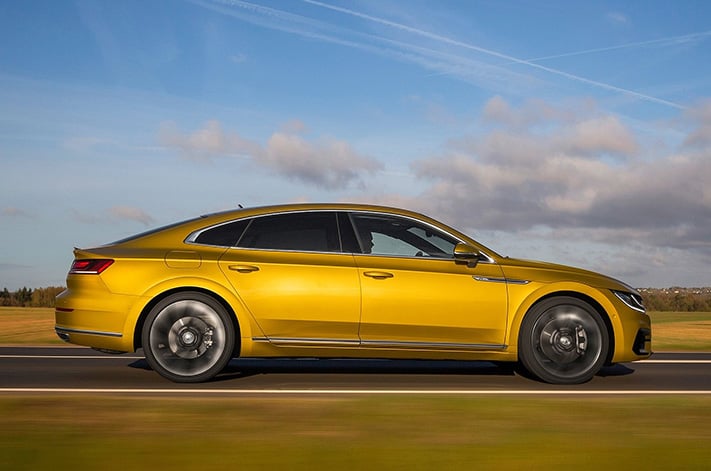
The Volkswagen Arteon will arrive in Australia in November with one high-spec R-Line variant priced at $65,490.
As previously revealed, Volkswagen Australia is taking an all-or-nothing approach with its new luxury sedan by only offering it in the highly-featured 206TSI R-Line here.
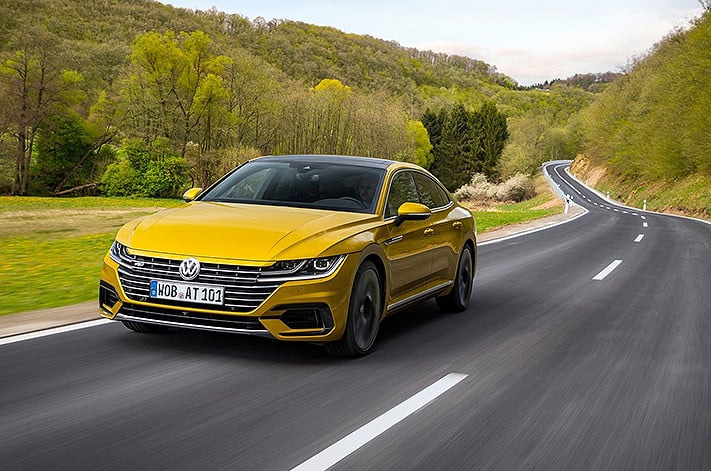
As well as being favourably priced compared to similarly equipped prestige German models, the mid-sixties price tag is low enough to attract a second look from buyers interested in a range-topping Passat 206TSI R-Line sedan, which retails for $57,990.
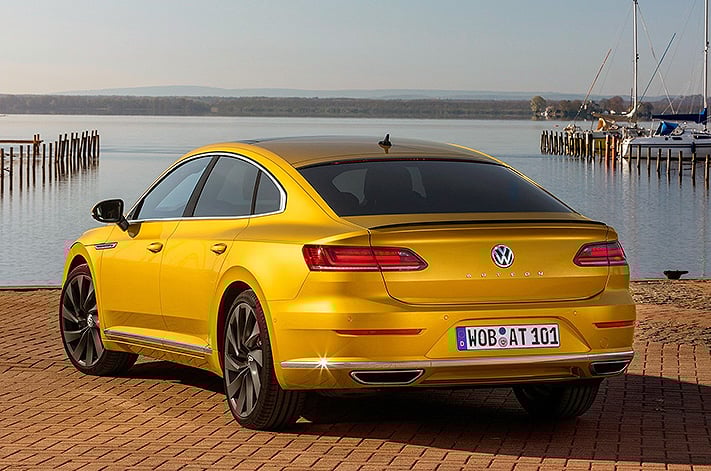
The Arteon replaces the Passat CC as Volkswagen’s flagship passenger sedan here and has even more stunning looks than its predecessor, with frameless side windows, a wrap-around bonnet, fastback silhouette, and liftback – which provide easy access to its 563-litre luggage compartment.
It’s bigger too with a 50mm longer wheelbase than the regular Passat, which translates to 45mm more legroom (to 1016mm) and 95mm extra headroom.
The Arteon 206TSI R-Line shares the Passat R-Line’s 206kW/350Nm 2.0-litre, four-cylinder turbo petrol, albeit mated to the new DQ381 7-speed DSG automatic transmission and 4MOTION all-wheel-drive drivetrain.
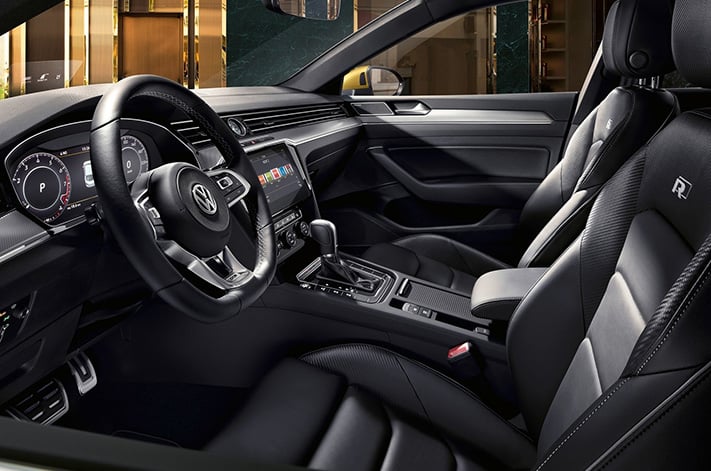
It will also come equipped with a scrolling features list that includes Volkswagen firsts such as head-up display, “Emergency Assist 2 Proactive”, and VW’s “Proactive Occupant Protection System”.
Emergency Assist 2 detects when a driver is incapacitated and turns on the hazard lights before autonomously coming to a safe stop in the inner-most lane, while Proactive Occupant Protection System detects a rear collision threat and reacts by turning on the hazard warning lights, closing the windows, and pulling the seatbelts tight to reduce the likelihood of injury.
Other standard features include:
- R-Line body kit and badging
- High-gloss black rear spoiler
- Titanium black headliner
- Unique R-Line seats upholstered in black Nappa leather
- Reversing camera with Area View
- Dynamic Light Assist
- Three-colour Ambient Interior Lighting
- LED headlights with Dynamic Light Assist
- Frameless side windows
- Heated front and rear seats
- 19-inch Montevideo Alloys
- Active Info Display
- Adaptive Cruise Control (ACC)
- Front Assist with City Emergency Braking
- Side (lane changing) Assist
- Rear Traffic Alert
- Lane Keeping Assist
- Park Assist
- Adaptive Chassis Control
- Driving Profile Selection
- Discover Pro 9.2″ Infotainment System with Gesture Control
- Keyless access and push button start.
The Bugatti Chiron is already known for being a car that makes ‘fast’ look slow. Now it’s official.
With its first world record, the Chiron has managed to go from a standstill, to 400km/h, and back to a standstill in just 42 seconds.
Or 41.96 seconds to be exact.
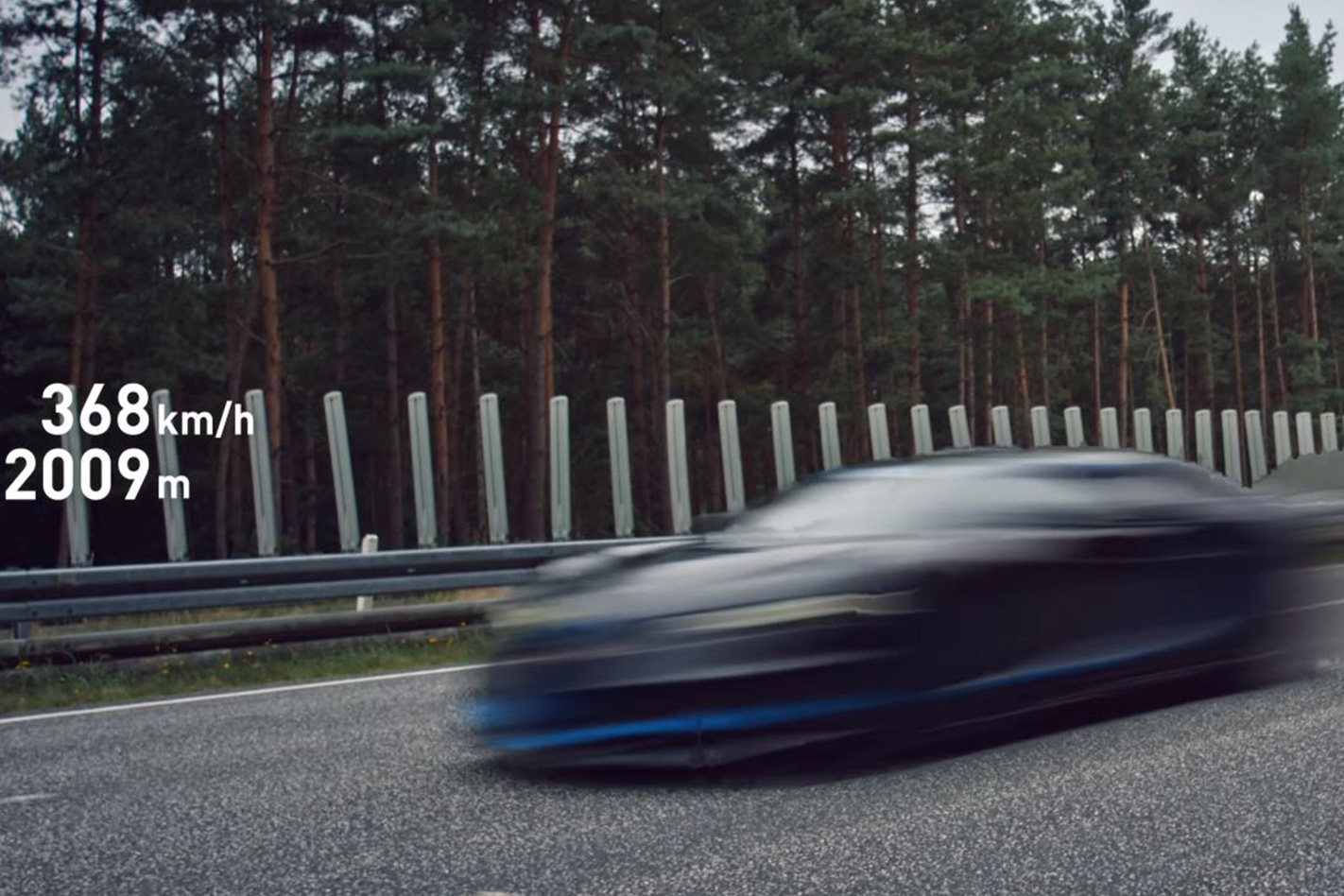
With ‘Double’ Crown winner Juan Pablo Montoya (he’s won the Monaco GP and the Indy 500, but hasn’t raced at Le Mans for the Triple Crown) at the wheel, the car was in good hands.
“When you are driving the Chiron for the first time and taking it easy, you cannot imagine how powerful it is,” Montoya said of the 8.0-litre W16 beast.
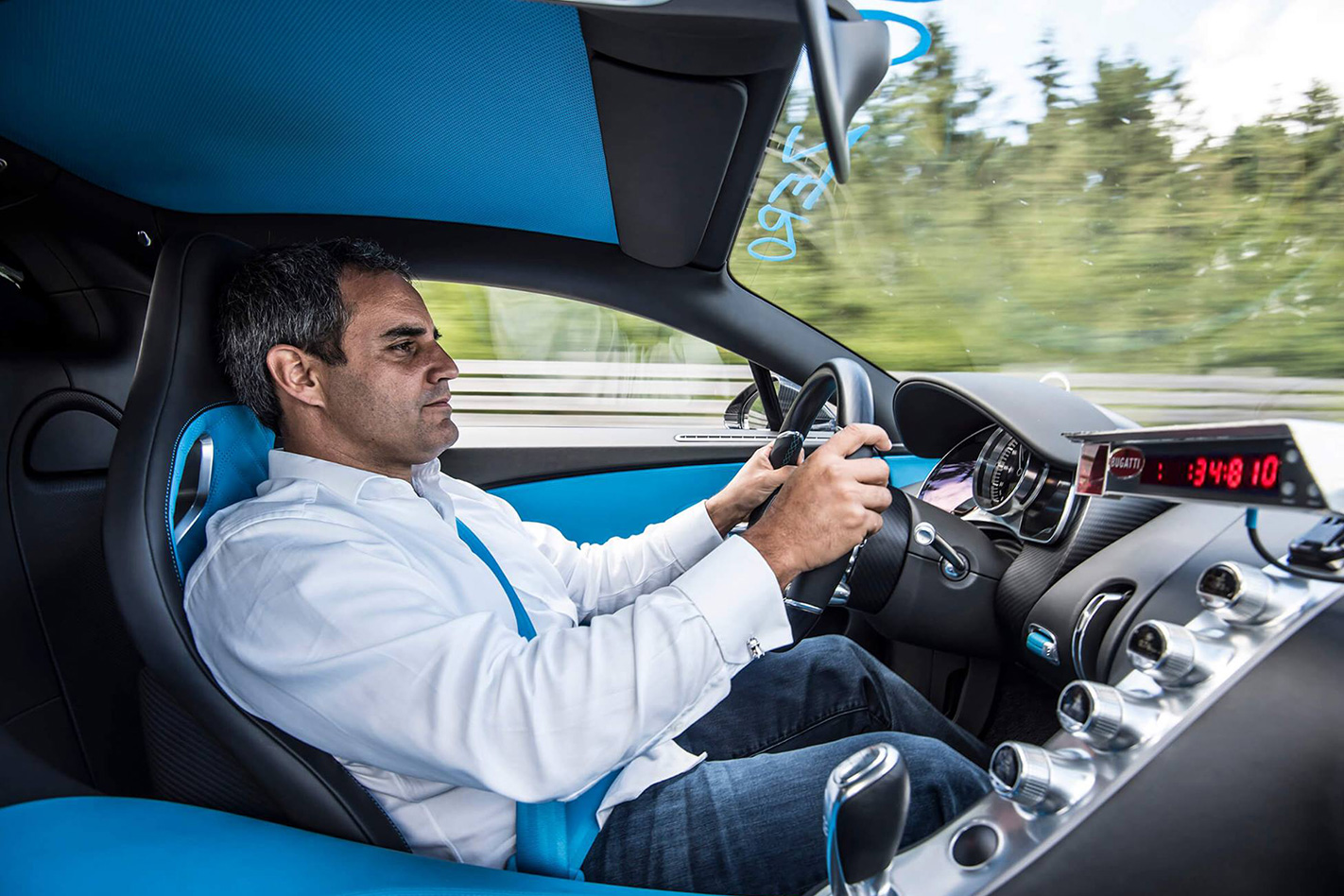
“It really was incredible to see that you didn’t need the complex preparations we have to make in racing for the 0-400 drive. With the Chiron, it was all quite easy. Just get in and drive off.
“Incredible.”
What’s more impressive is that only around a quarter of the record’s elapsed time was for stopping, as the car hit 400km/h at 32.530 seconds.
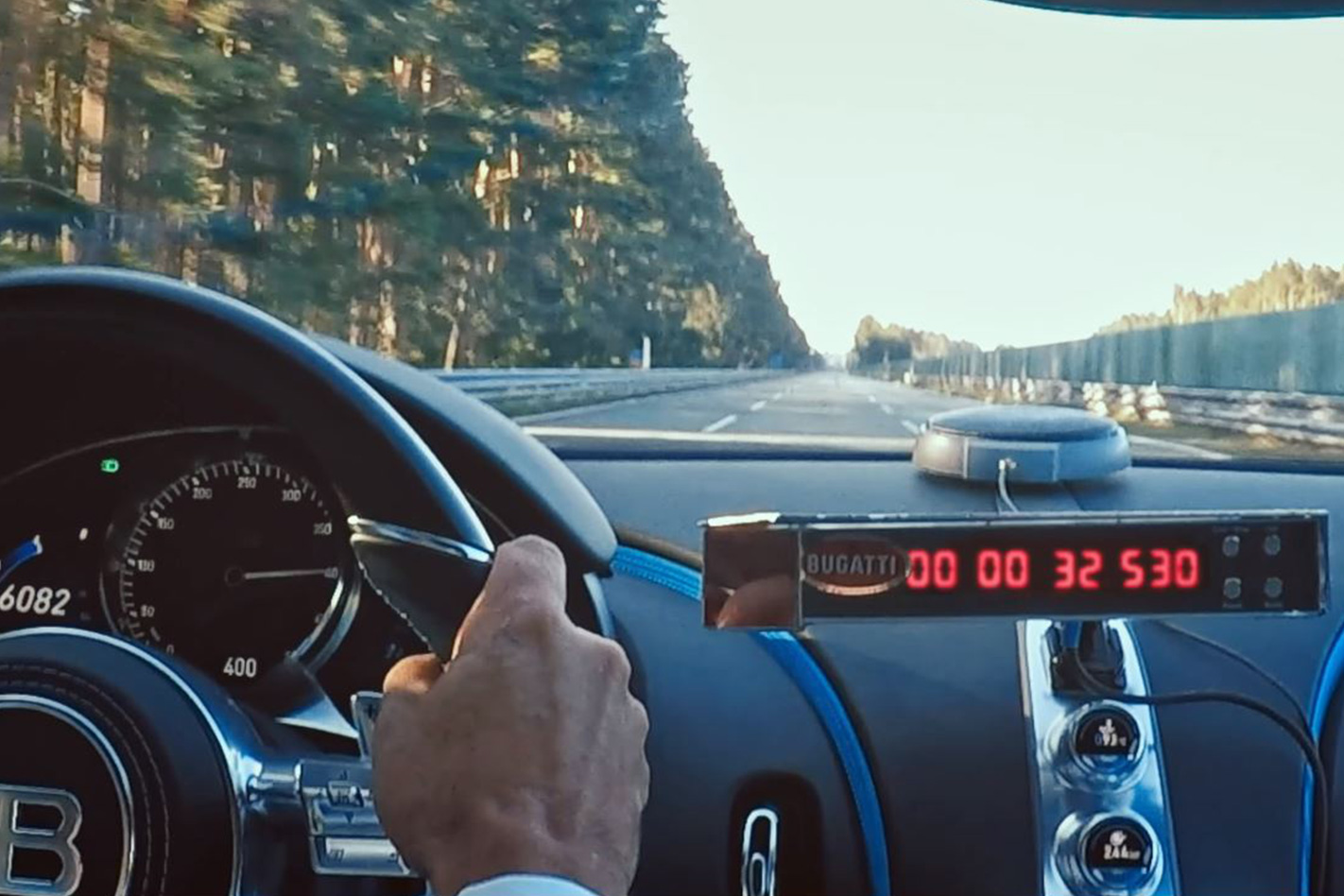
Bugatti teases another achievement for the Chiron at the end of the video. The speedometer approaches 450km/h for a split second if you watch until the end.

Nissan Australia is underperforming in local sales volume and its Supercars involvement beyond 2018 is now being reviewed, global bosses of the Japanese brand have confirmed.
Questions about Nissan’s future in Supercars came after the local division’s managing director Richard Emery – a major supporter of the program – was this month replaced by former Infiniti Canada chief Stephen Lester partially due to the flagging Australian sales.
Speaking with journalists at the media reveal of the Leaf hatchback in Tokyo, Nissan head of Asia & Oceania Yutaka Sanada confirmed that the purpose for changing the guard at Nissan Australia was, “One of the reasons is yes, we want to expect a further presence.”
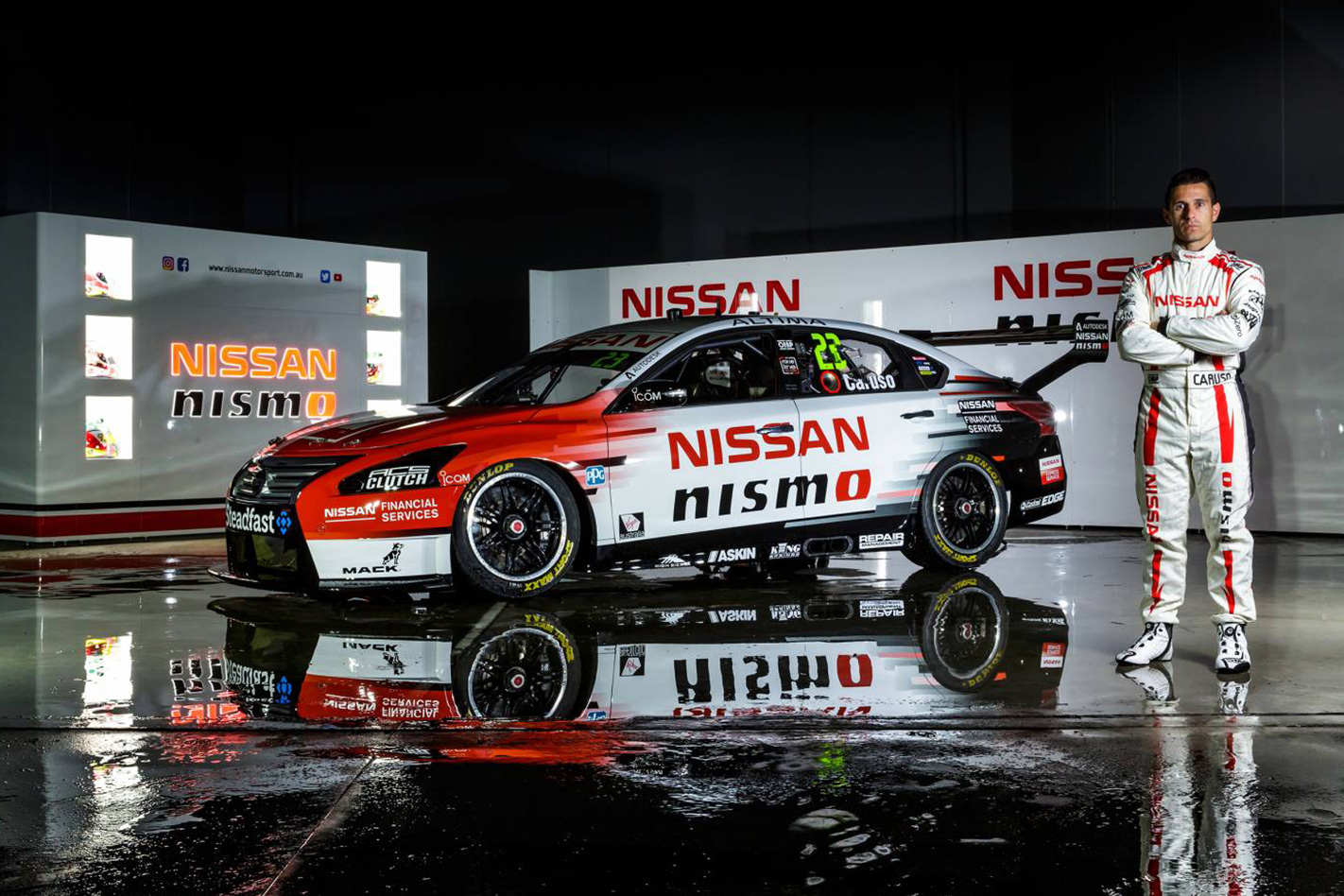
Asked whether Nissan globally would continue to allow the local division to support the Supercars program, Sanada said: “This future plan is under discussion now.”
“[But] I think we are always keeping some intention and trying to join some motorsports activity,” he continued. “Our customer expects some activity in this field, and also you have Nismo brand – we recently launched 370Z Nismo.”
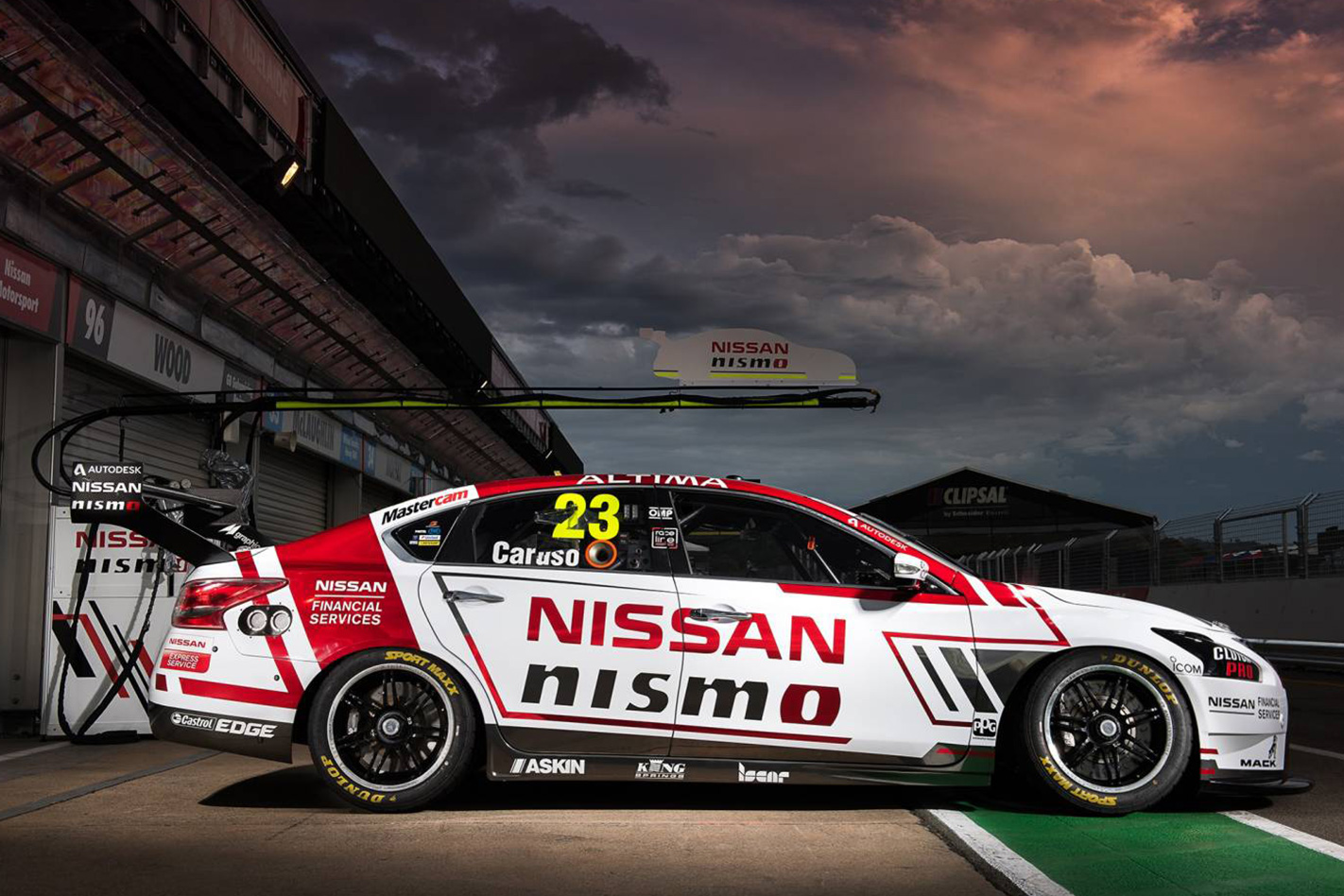
“What is the role in motorsports going forward?” he pondered. “[But] there’s no conflict in being in motorsport and having a Nismo brand and investing in a car like Leaf. The motorsports brings excitement and you’re also seeing more and more electrifying [of racing], maybe not yet in Australia … so in that sense we do need to evaluate.
“[But] there is no specific decision on this.”
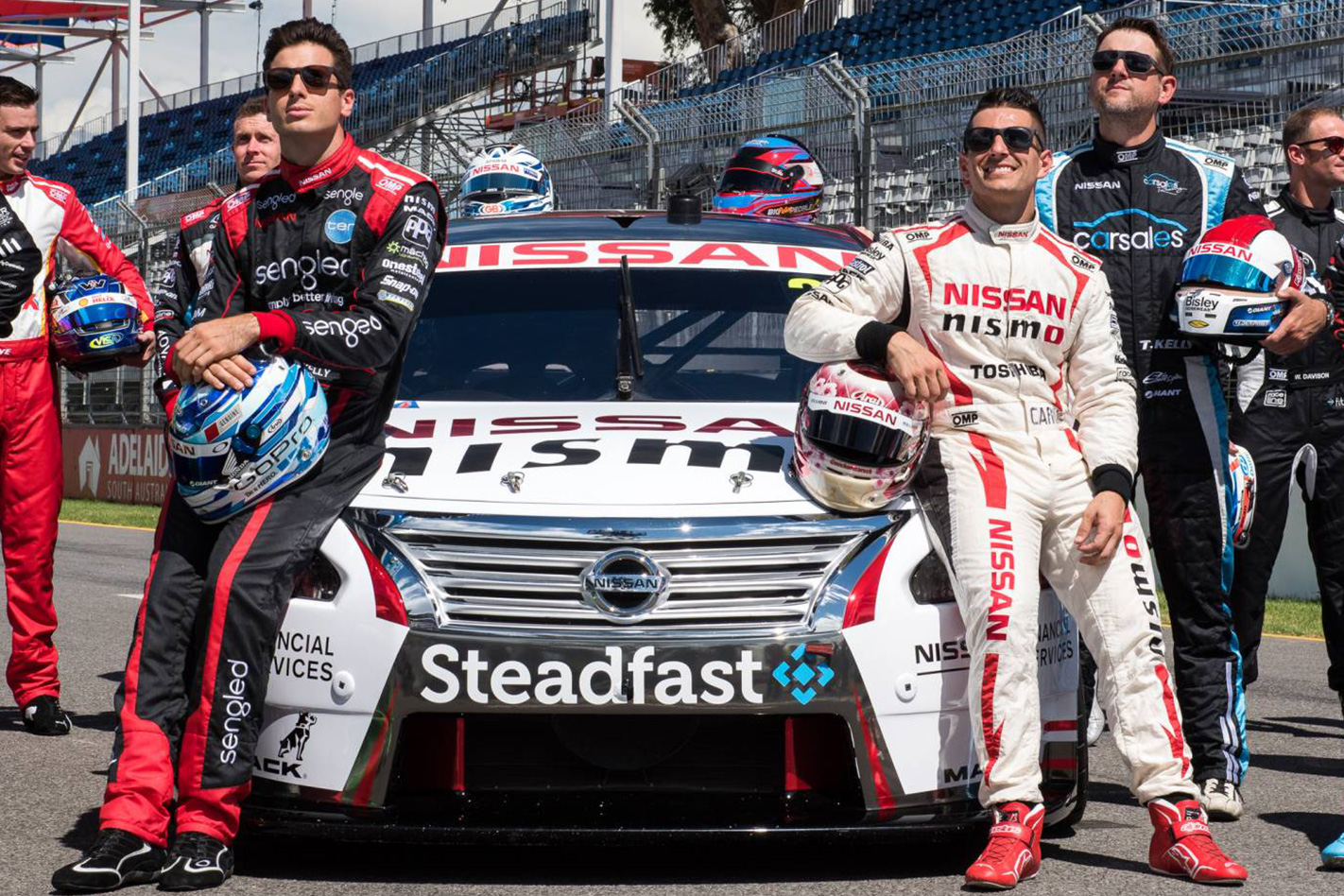
According to sales data, Nissan Australia shifted 4572 Pulsar and Altima models from January to August in 2016, compared with only 339 over the same period in 2017 due to being dropped from the range. It has contributed to sales of the Japanese brand’s range being down 14.1 per cent year-to-date, down from 44,693 to 38,369 units.
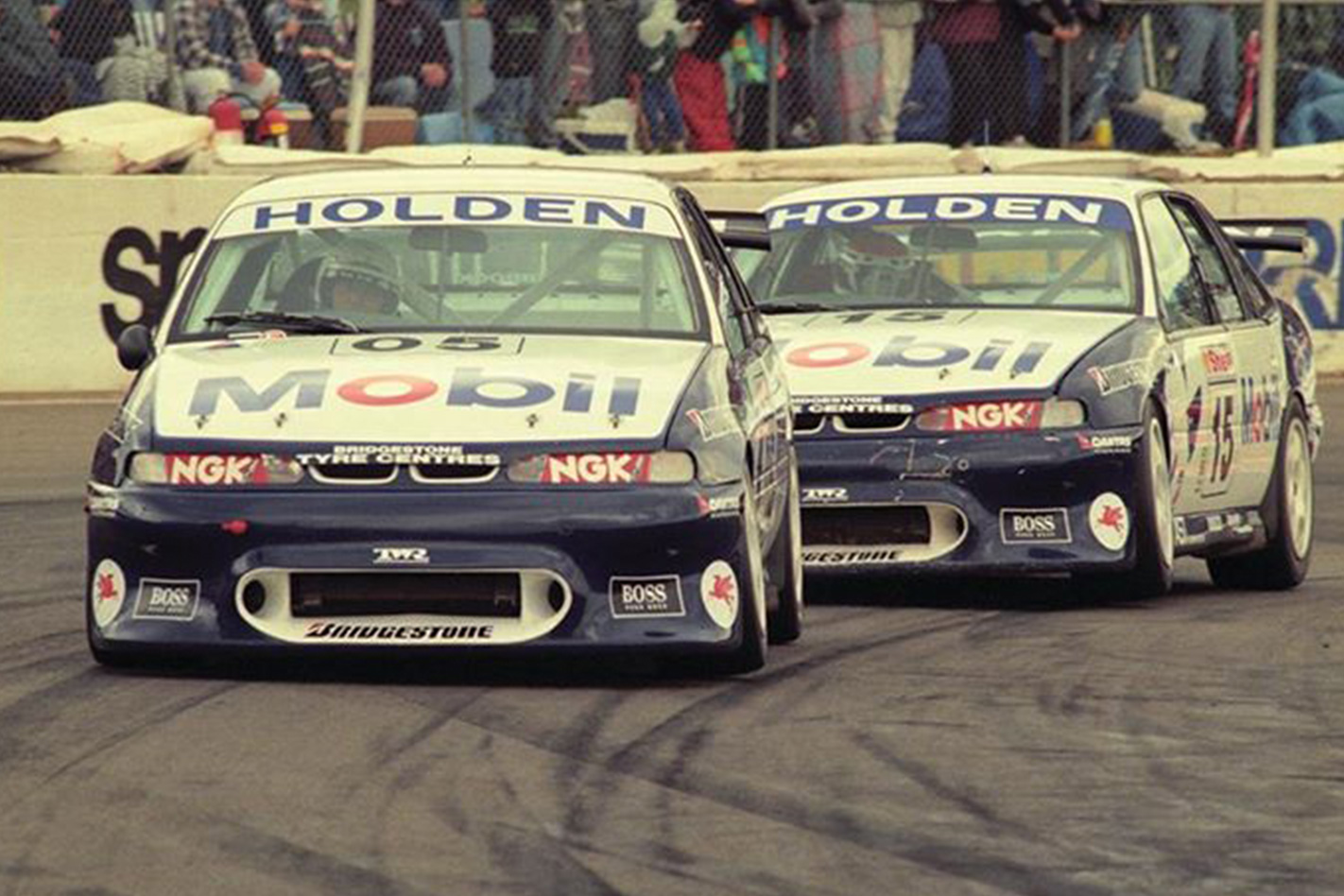
With Melbourne’s eastern suburbs set to become just a little louder for the Sandown 500 this weekend, we’ve rounded up all the retro liveries for the Supercars retro round.
On its website, supercars ran a poll to see which of the teams’ paintjobs is the most popular among fans, and the result was hardly surprising.
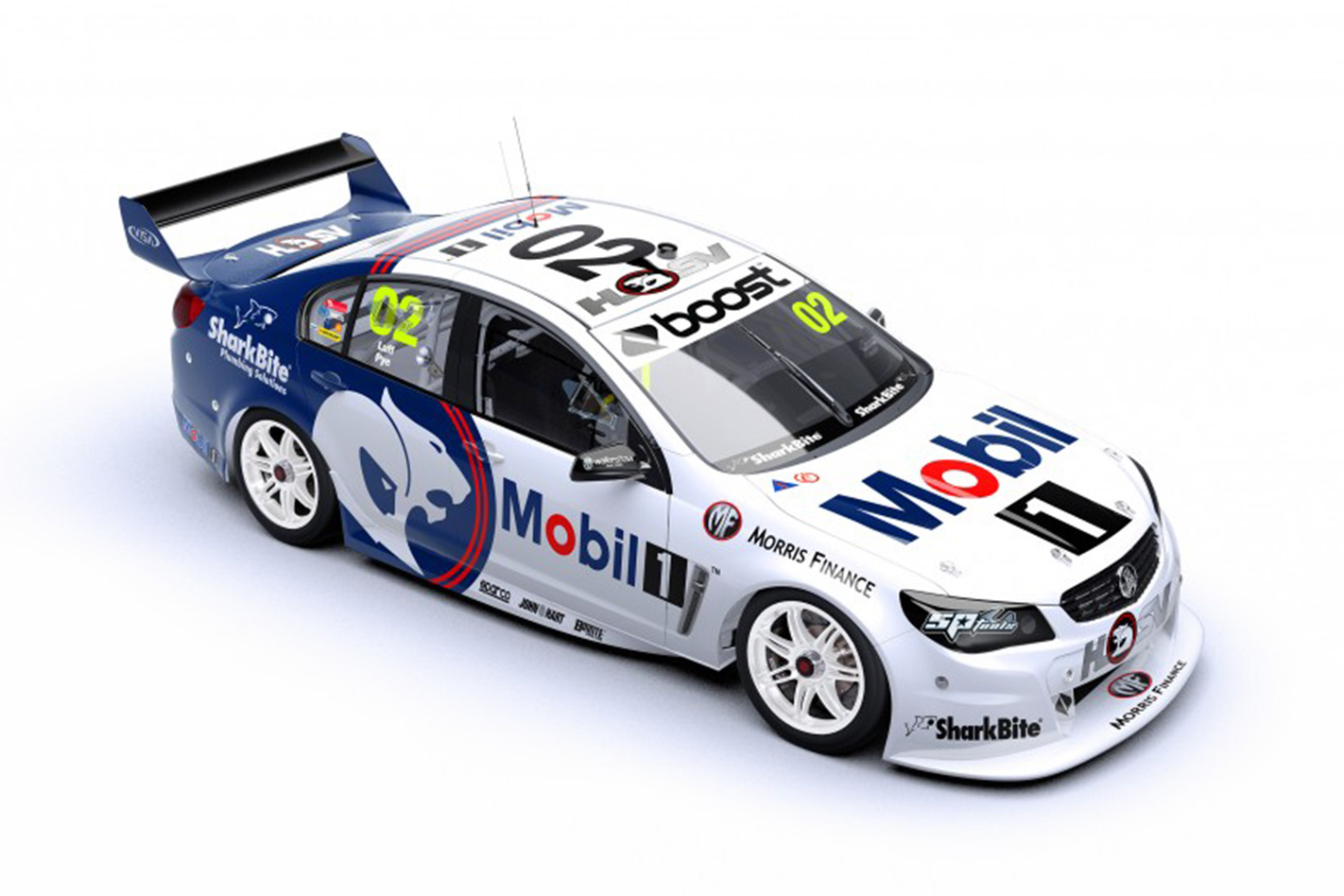
Extra special to film and edit this piece-a tribute to the King and privilege to drive with my mate @WazzaLuff @Mobil1HSVracing @supercars pic.twitter.com/EeLRHzEYHO— Scott Pye (@scottpye19) September 13, 2017
“Having Luffy alongside me makes it even more exciting, especially as he defends his win last year, so we will be doing our best to get car 2 on the podium,” Pye said.
“Recently the momentum has been starting to build. It’s now about increasing that over the next three events with Luffy beside me.”
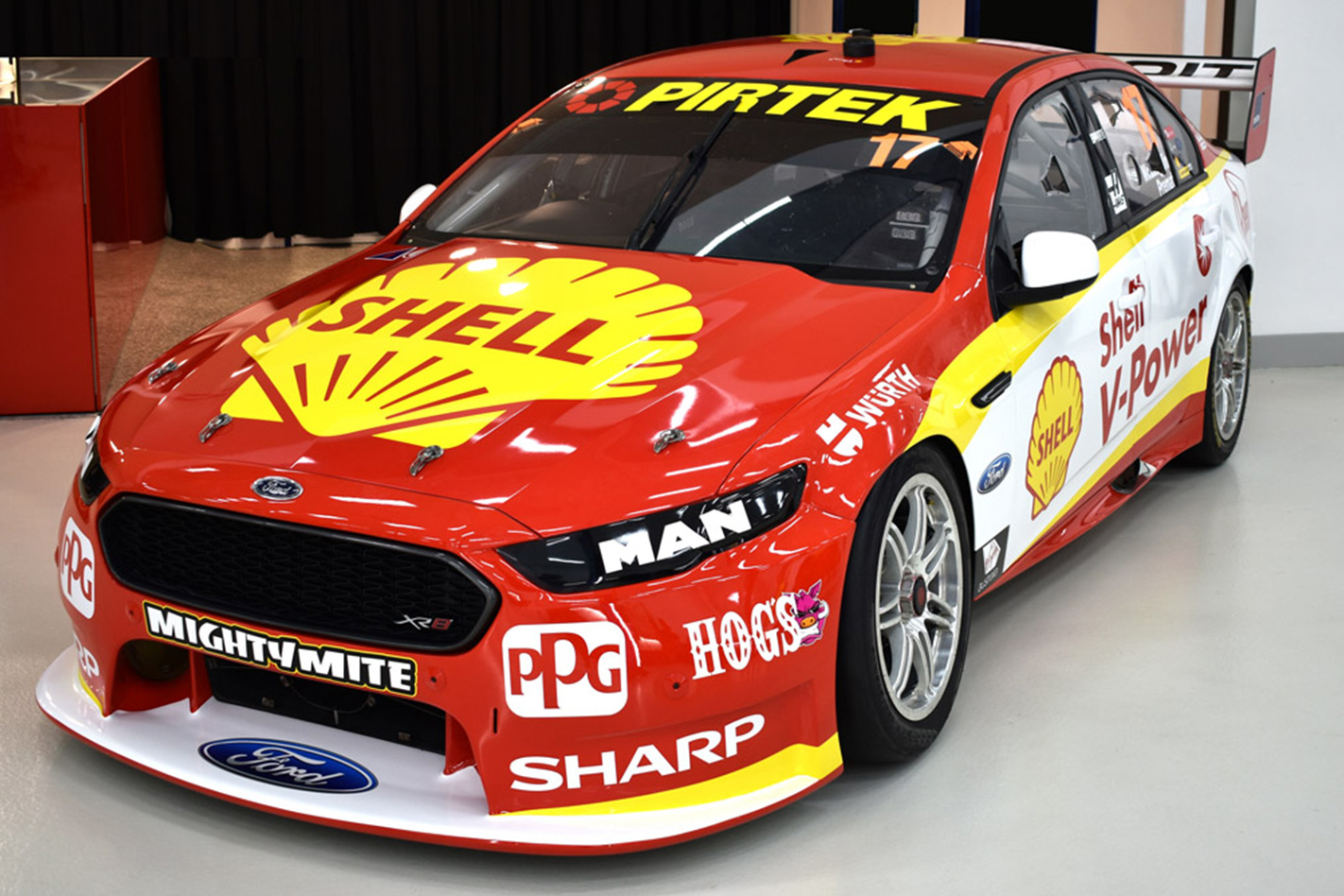
One of those liveries is the DJR/Shell Falcon, with the 1967 Shell logo adorning what is essentially the car’s usual livery.
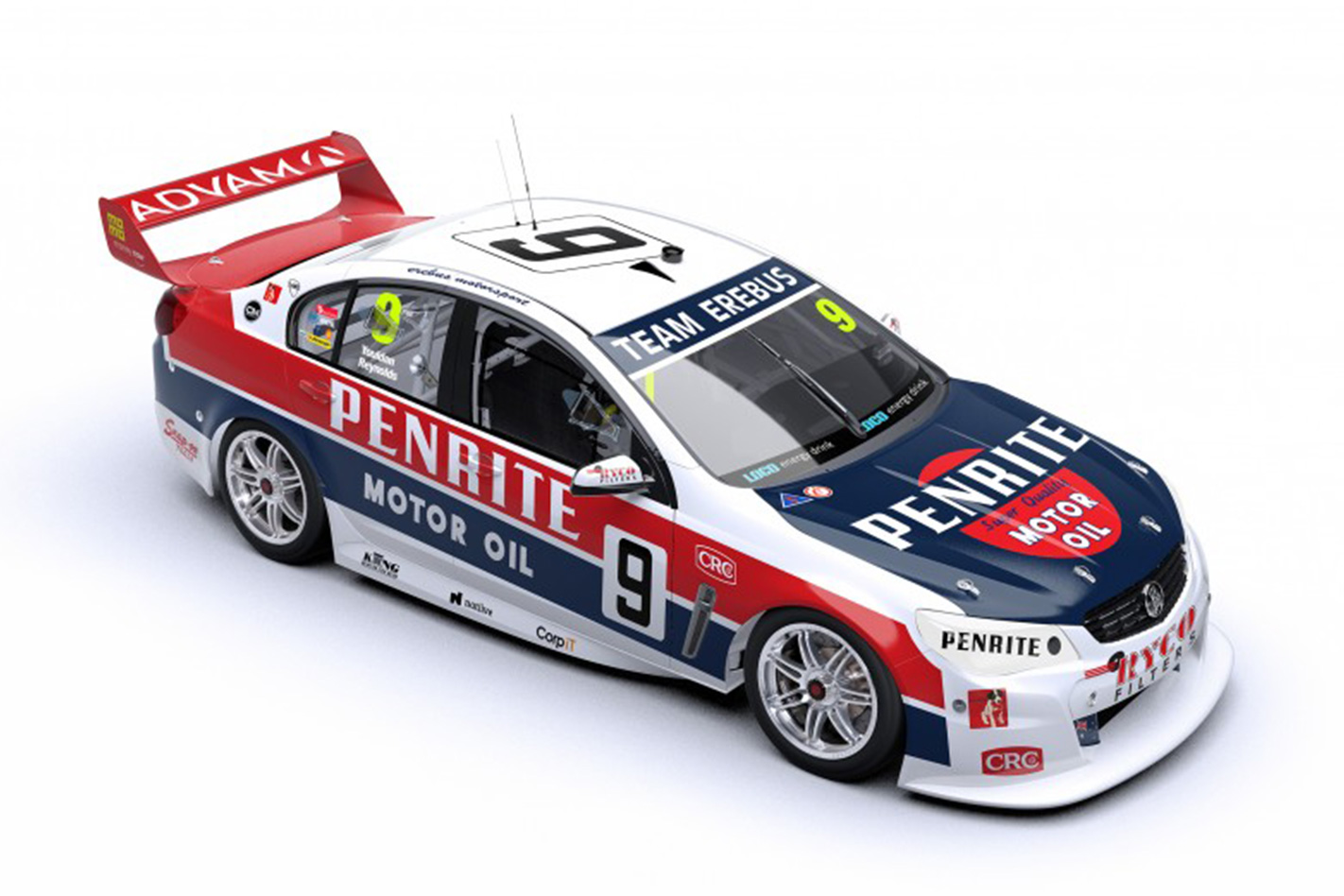
“Pete really wanted to do his own thing so he started up Team Brock, and being Aussie’s the natural thing was the Australian flag, hence the car being red, white and blue.”
Also being rolled out in the lead up to the event are a few light-hearted videos from current team drivers, mostly to self-deprecating effect.
Like it or not, at least they’re having fun!
The Sandown 500 retro round kicks off with practice, qualifying, and the first Touring Car Masters race tomorrow.
