
In a much anticipated return to the World Endurance Championship, BMW’s M8 GTE racer is slated to take to the grid in 2018.
The last time a BMW race car took to the grid at a WEC event was the BMW M3 GT2 in 2011.
Set to go up against Ferrari, Ford, Aston Martin, Porsche, and Chevrolet, BMW ultimately hopes to win at Le Mans.
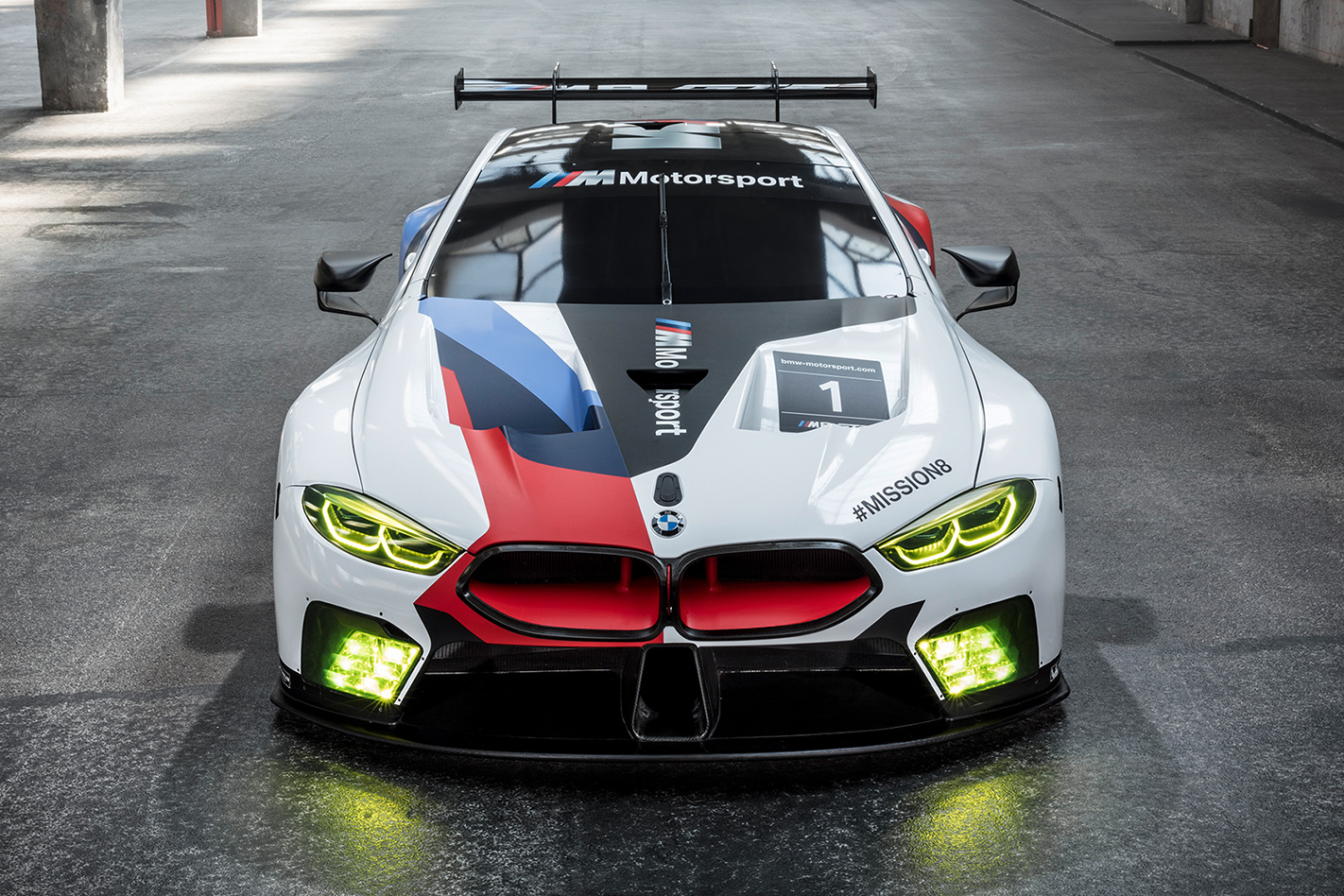
With a 4.0-litre V8 instead of what will likely be the production 4.4-litre twin-turbo V8 in the road car, the GTE makes around 375kW when tuned to race, which should be much less than the road-going M8 will have at its disposal.
This engine which BMW says is based on a production V8, will be mated to a sequential six-speed racing gearbox.
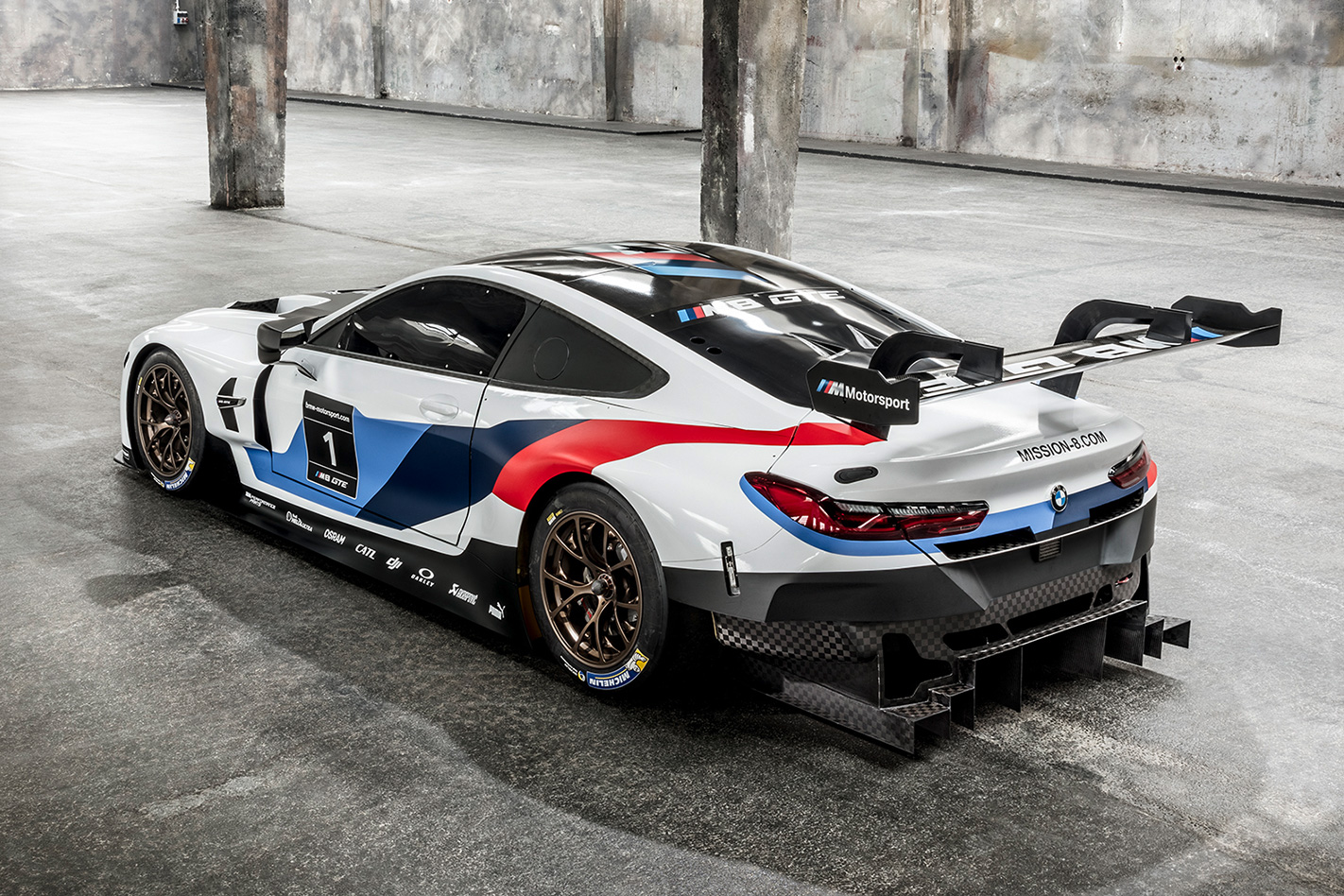
BMW Motorsport director Jens Marquardt says the M8 GTE will debut at Daytona in late January.
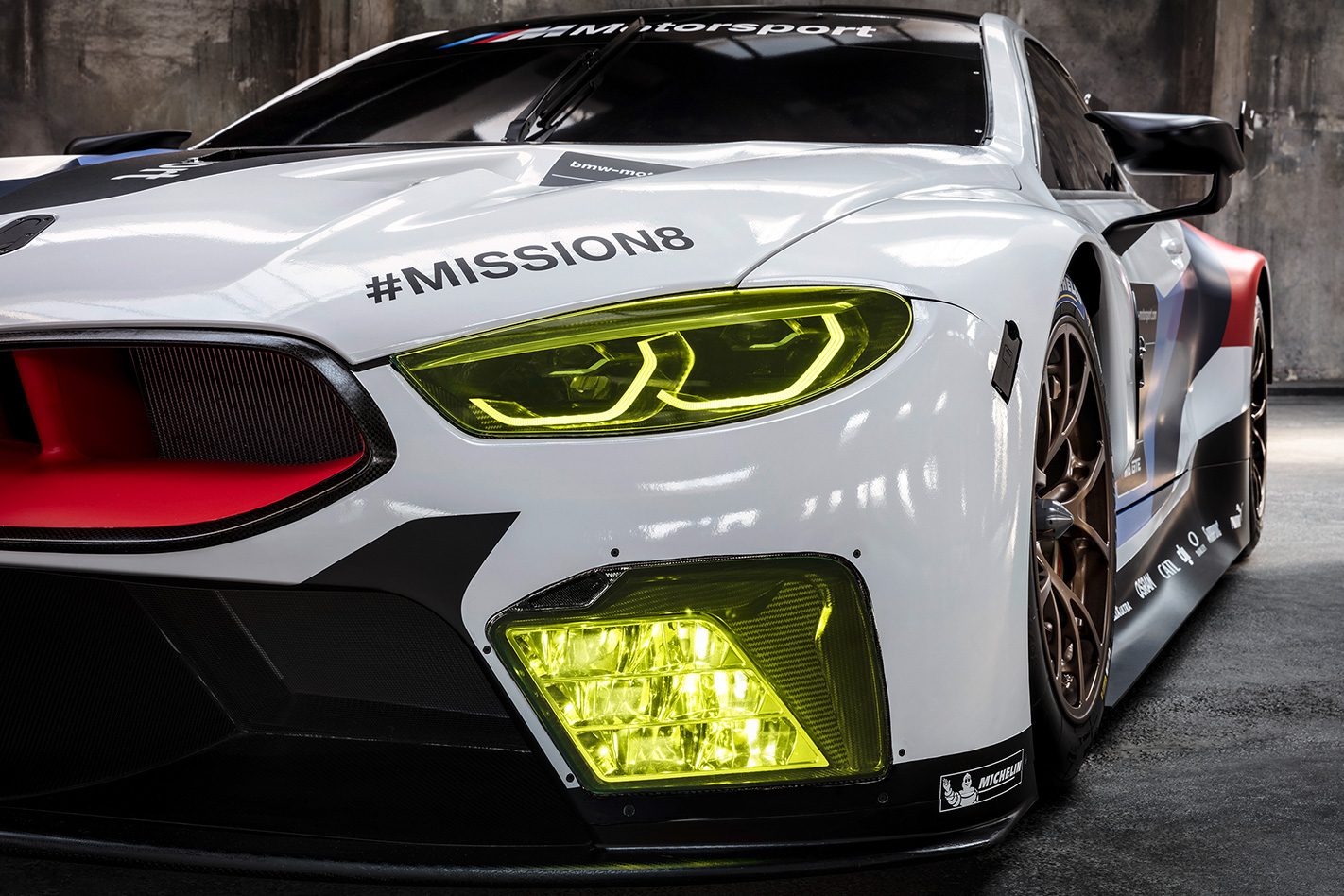
“For us, the presentation of the uncamouflaged car at the IAA is the next important step on the road to our first race outing, which we plan to be the 24 Hours of Daytona in 2018.”
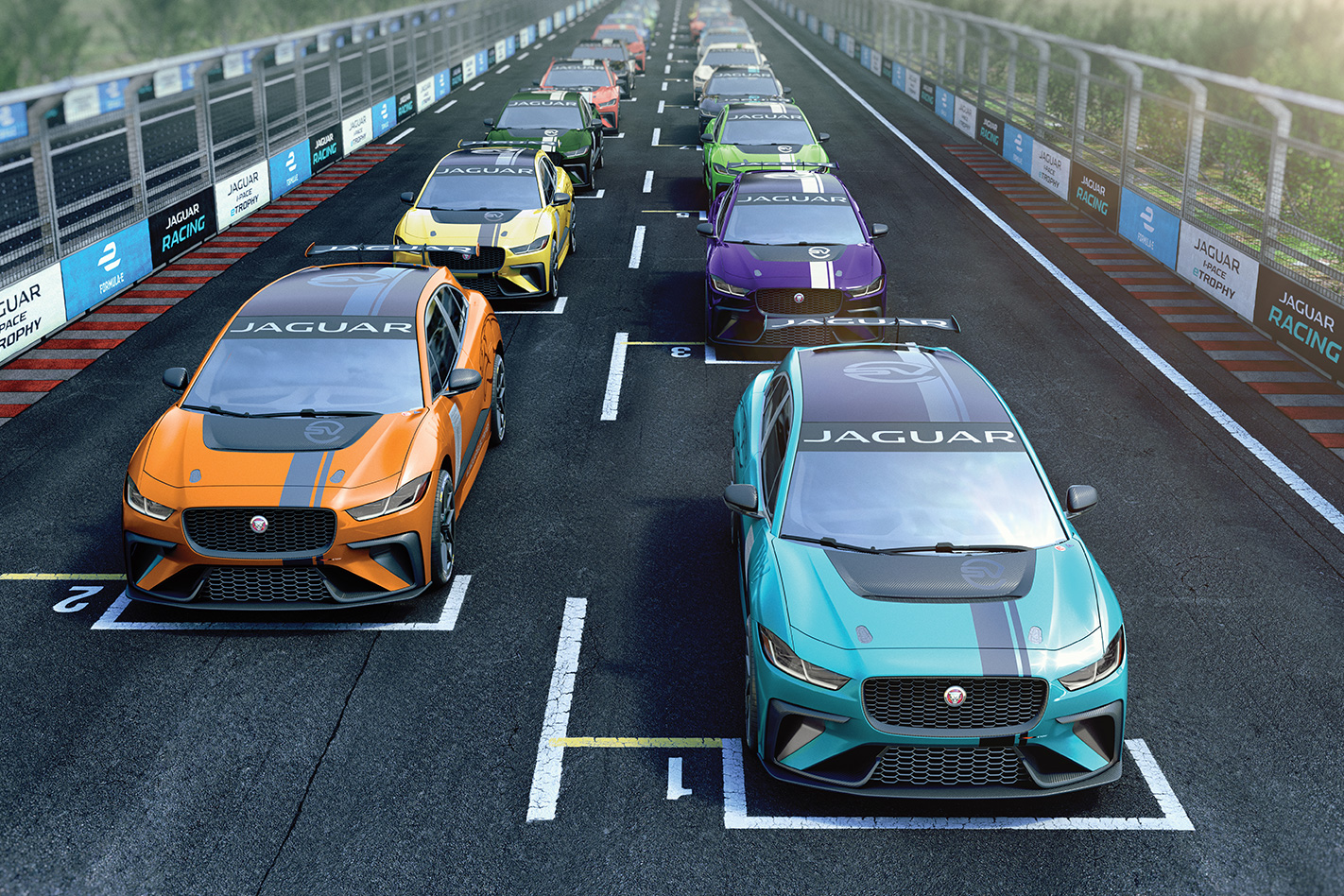
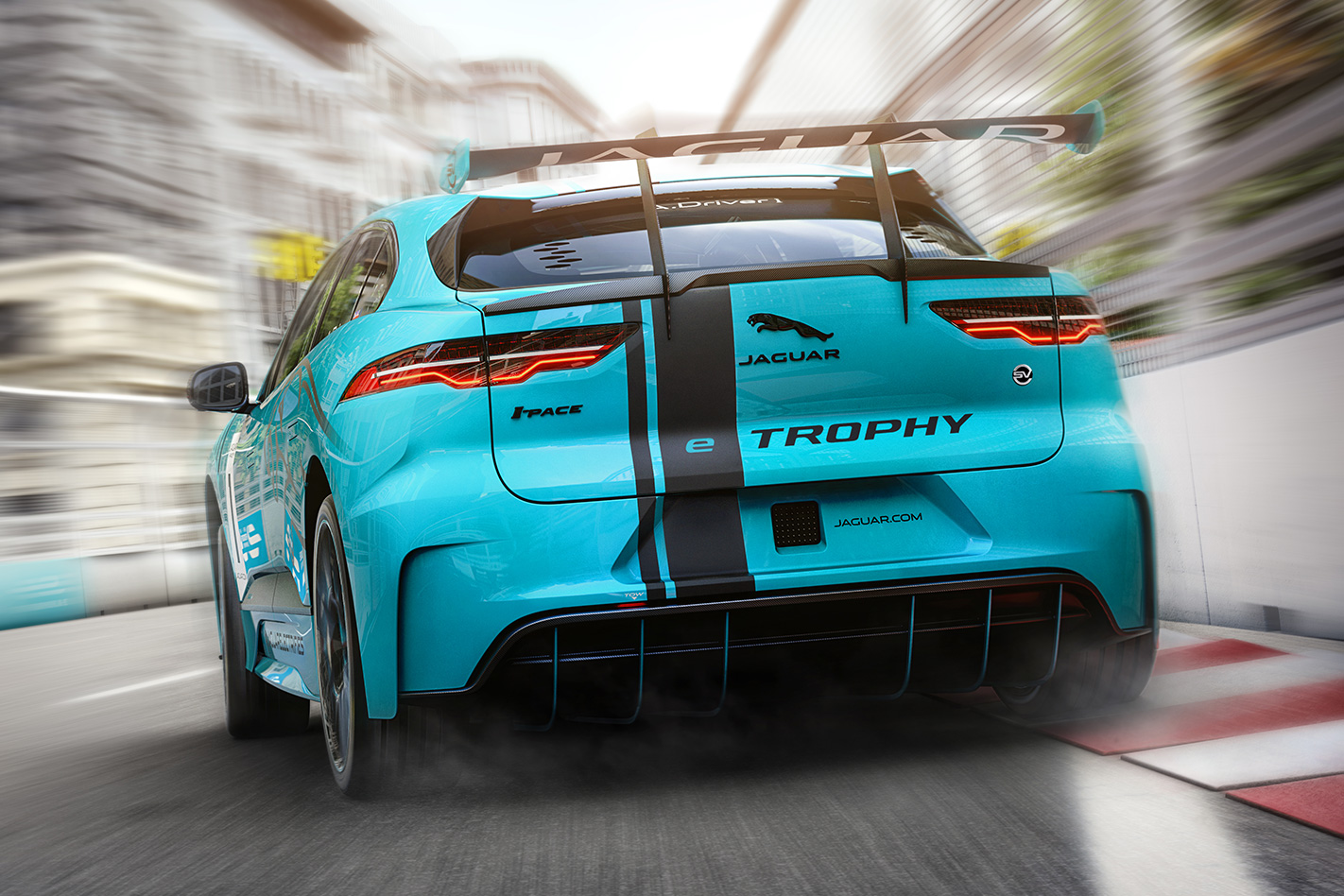
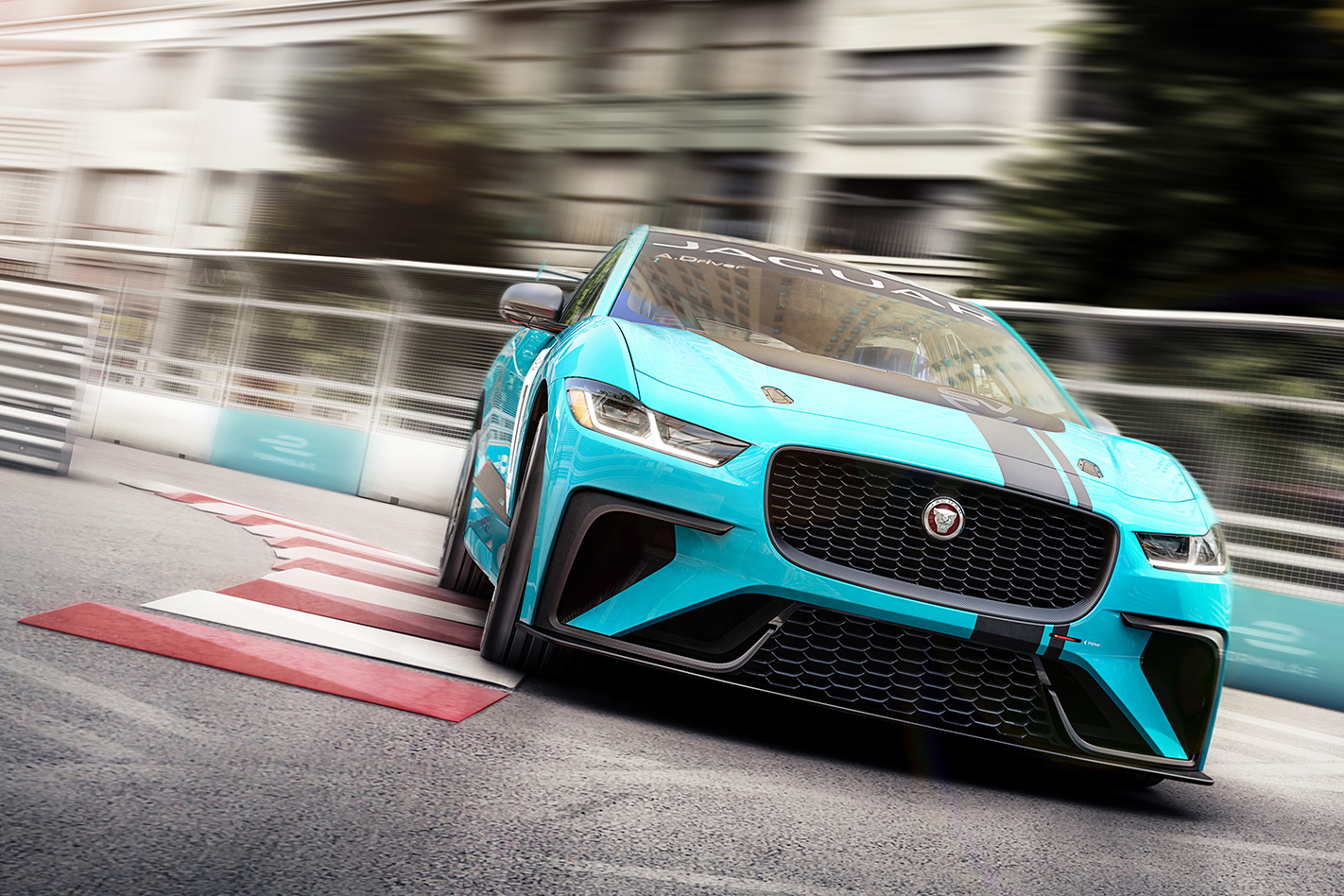
Jaguar’s I-Pace concept, revealed at the Frankfurt Motor show, has also been announced to be the basis for a new racing series to support Formula E.
The series, dubbed the I-Pace eTrophy, will see up to 20 Jaguar I-Paces go head to head across 10 races set in city streets.
Hong Kong, Paris, Sao Paolo and New York have already been listed as locations for races, though the series should mostly follow Formula E from race to race.
Jaguar also committed to releasing only either hybrid or battery powered cars from 2020.
The I-Pace cars will be built by Jaguar Land Rover Special Vehicle Operations (SVO) in the UK, and will be available in road-going form late in 2018.
“We’ve always said we want to prove our electrification technologies on the track – this is the proof.
“I am looking forward to seeing a full grid of Jaguar I-PACE racecars in late 2018, soon after the first Jaguar I-PACE hits the road in Europe.”
Founder and CEO of Formula E Alejandro Agag has welcomed Jaguar to formula E, and says the addition of a new series is ever better.
“I’m delighted that in addition to the Panasonic Jaguar Racing team competing on the FIA Formula E Championship grid, we will be adding to our race day schedule with a competitive new support series for season five.
“The Jaguar I-Pace eTrophy will bring more entertainment for fans in-between sessions and will be a further testament to the advances in battery technology and exciting electric performance.”
TESLA’S Autopilot system contributed to a fatal crash last year in which a Model S ploughed at highway speed into the side of a truck, killing the electric car’s driver, Joshua Brown, the US roads watchdog has found.
The National Transportation Safety Board overnight announced the findings of its inquiry into a May 2016 crash in Florida. As well as laying some blame on the truck driver who had failed to yield to the Tesla, the “car driver’s inattention due to overreliance on vehicle automation” was also identified as potentially contributing to the crash.
“The NTSB also determined the operational design of the Tesla’s vehicle automation permitted the car driver’s overreliance on the automation, noting its design allowed prolonged disengagement from the driving task and enabled the driver to use it in ways inconsistent with manufacturer guidance and warnings,” it said.
NTSB chairman Robert Sumwalt said the Tesla crash showed that while automation in highway transportation had the potential to save “tens of thousands of lives, until that potential is fully realized, people still need to safely drive their vehicles”.
The board determined that Autopilot failed to detect the cross traffic and that both Brown and the truck driver had at least 10 seconds to “observe and respond to each other” in order to avoid the collision.
“Smart people around the world are hard at work to automate driving, but systems available to consumers today, like Tesla’s Autopilot system, are designed to assist drivers with specific tasks in limited environments,” he said.
“These systems require the driver to pay attention all the time and to be able to take over immediately when something goes wrong.
“System safeguards, that should have prevented the Tesla’s driver from using the car’s automation system on certain roadways, were lacking and the combined effects of human error and the lack of sufficient system safeguards resulted in a fatal collision that should not have happened.”
Tesla is yet to issue a statement in response to the NTSB’s inquiry.
The report found the Tesla was unable to identify the semi trailer as it crossed into the Model S’s path. It added that Brown’s “pattern of use” indicated an over reliance on the assist systems built into the car, nor did he fully understand its limitations.
“The way in which the Tesla Autopilot system monitored and responded to the driver’s interaction with the steering wheel was not an effective method of ensuring driver engagement,” the report said.
“Tesla made design changes to its Autopilot system following the crash. The change reduced the period of time before the Autopilot system issues a warning/alert when the driver’s hands are off the steering wheel. The change also added a preferred road constraint to the alert timing sequence.”
The NTSB recommended car makers build in better safeguards to prevent drivers from stretching the relationship with autonomous vehicles, called for the car makers to collect even more information about what causes their semi-autonomous cars to crash, and for manufacturers to let the government know when one of their vehicles is involved in a crash.
They’re the bargain basement best-sellers; the small city-friendly five-seat hatchbacks that between them account for one in every two sales in the small car segment.
But generally speaking, new-car buyers look at more than just price.
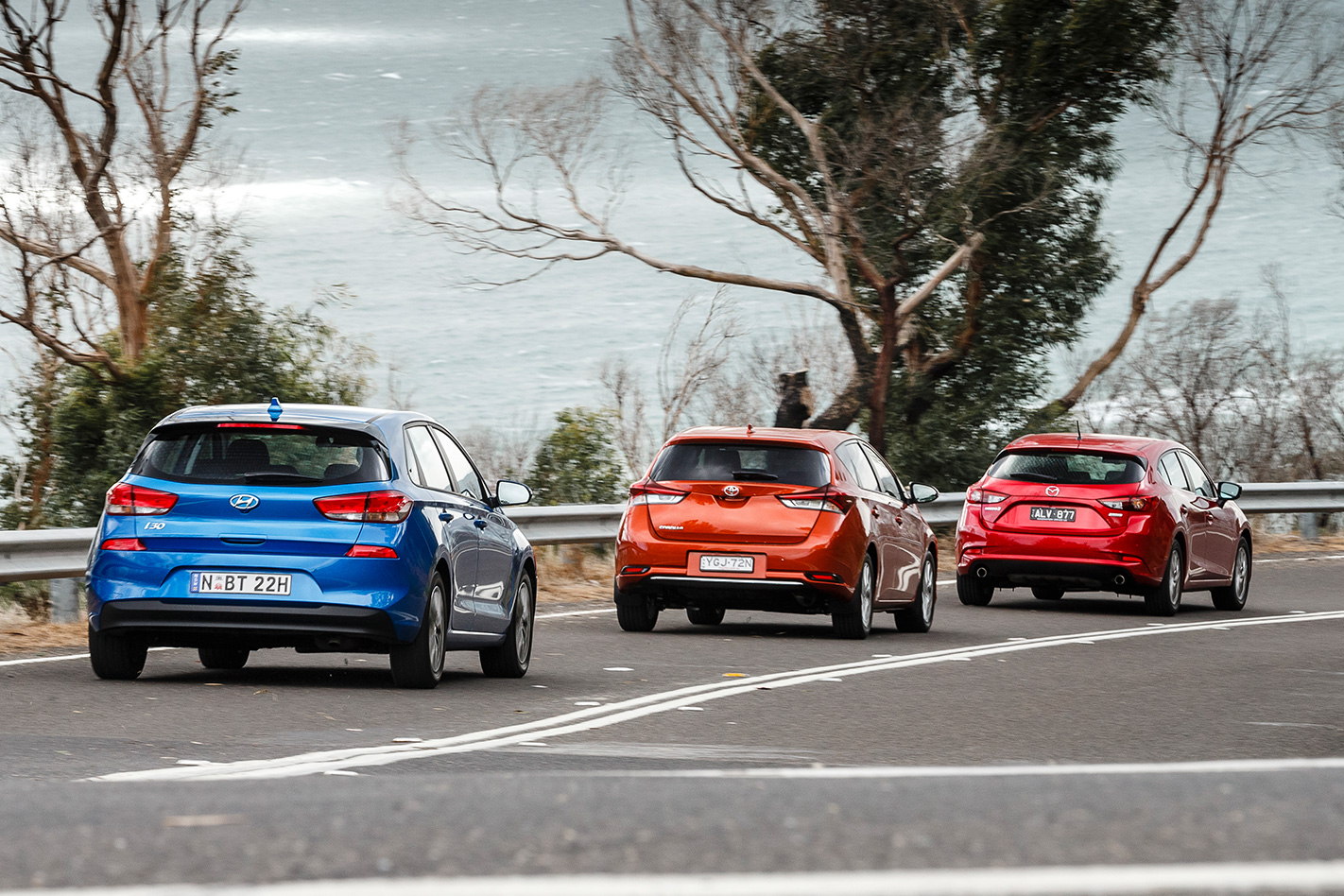
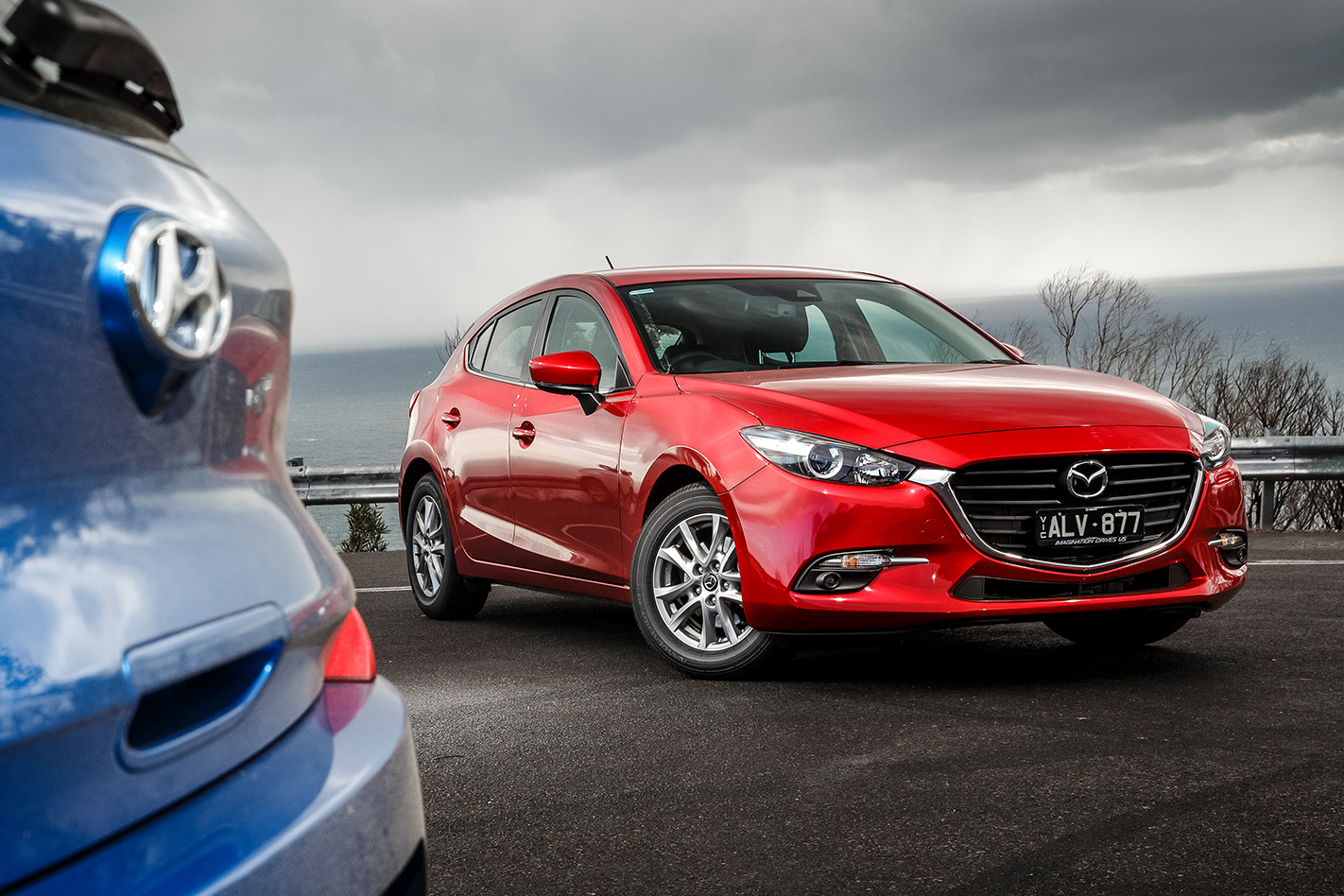
WhichCar is comparing the most popular of the popular, pitching Australia’s best-selling passenger car sold to private and bulk buyers, the Toyota Corolla, against Australia’s best-selling car bought by mums and dads, the Mazda 3. Rounding out our top three is the Hyundai i30, a car that is the newest of our lot but up here in stellar company largely on the sharp sub-$20,000 run-out pricing on the car it has just replaced.
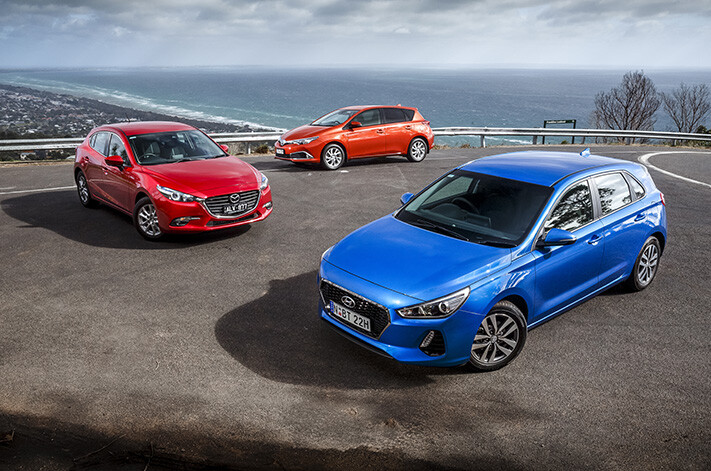
All three use automatic transmissions – a six-speeder in the case of the Mazda and the i30, and a continuously variable transmission for the Corolla – and all are priced within $1500 of each other. All have five seats, are powered by four-cylinder engines, and have a hatch – not a boot – down the back.
But, as we’re about to find out, just because you’re the most popular doesn’t always mean you’re the best.
TOYOTA COROLLA ASCENT SPORT
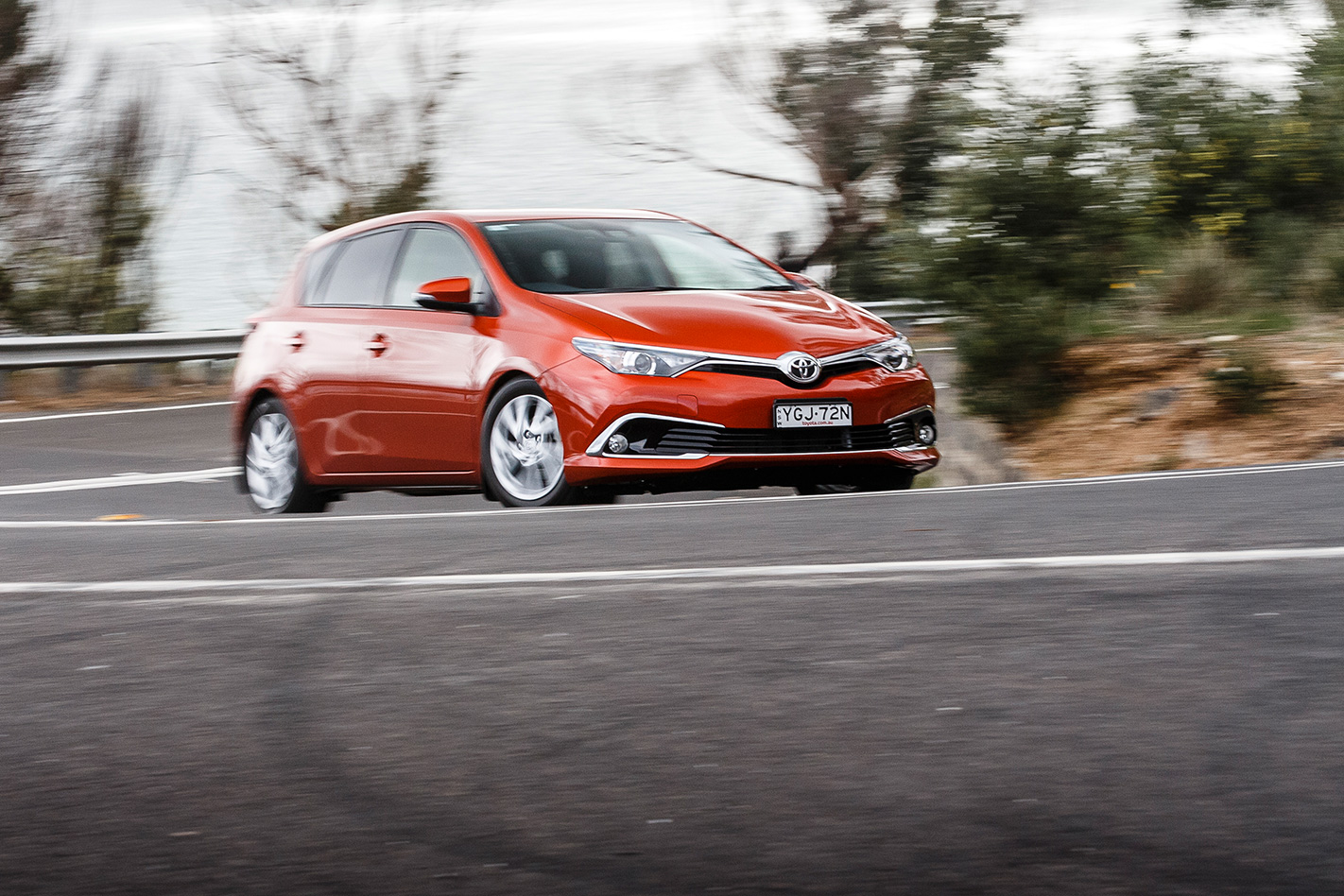
The Toyota Corolla is currently Australia’s best-selling passenger car. You can buy one for $20,190 if you want, but every time you walk past rows of them parked up in hire car companies’ airport holding bays you’ll be happy you didn’t.
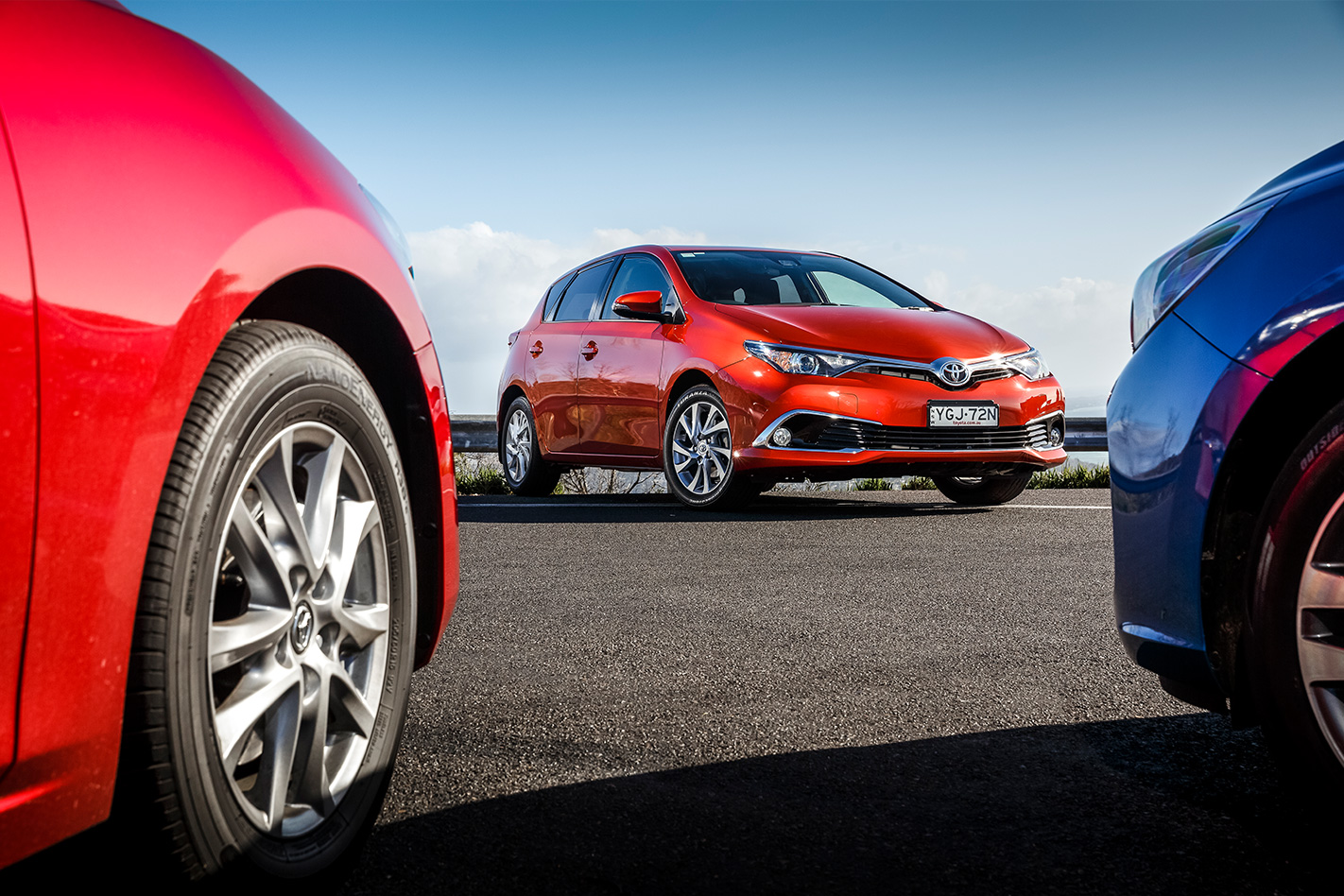
Bulk buys drive a significant number of Corolla’s sales; the government agencies, hire car companies and small businesses that bundle purchases together at a lower price than we see in the showroom.
Mum and dad buyers favour the $23,250 Ascent Sport, the second rung up in a five-model Corolla line-up that includes a petrol-electric mild hybrid. A sedan version is also available, but not in hybrid or our Ascent Sport hatch’s trim.
The Corolla hatch is about six years old, having received it last significant update in 2015.
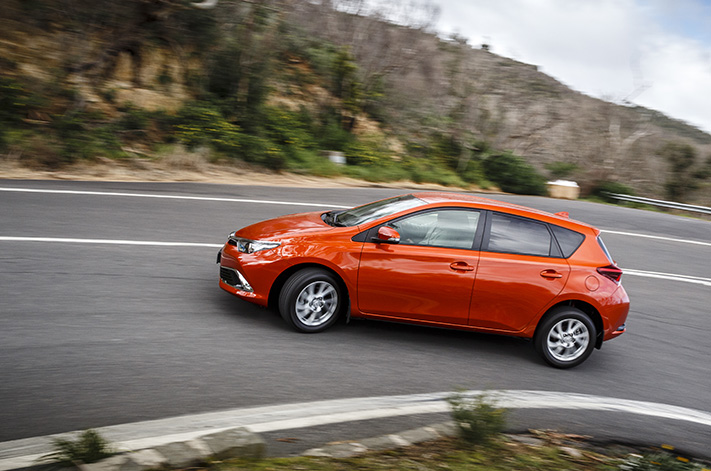
It will shortly be replaced with an all-new car built on the Toyota New Generation Architecture, which already sits under the C-HR small SUV and Prius hybrid hatchback, and will soon also sit under the new imported Camry mid-size sedan due late this year.
Inside
The Corolla Ascent Sport is a sharp-looking package on the outside, but crack open a door and you’re presented with a dark, drab interior with a few glossy black highlights scattered around. Much of the black material used to trim the cabin – some of it made to look like carbonfibre – looks and feels cheap, although soft-touch highlights are used in places you’d expect to notice it, such as the door arm rests.
The instrument cluster is basic, the leather-wrap three-spoke steering wheel is plain and features a faux leather-look hub, and a separate cruise control stalk hidden behind a spoke. The electronics look old; the monochrome digital parts of the dash – which lack a digital speedo – look more at home on a 1980s-era Casio calculator watch.
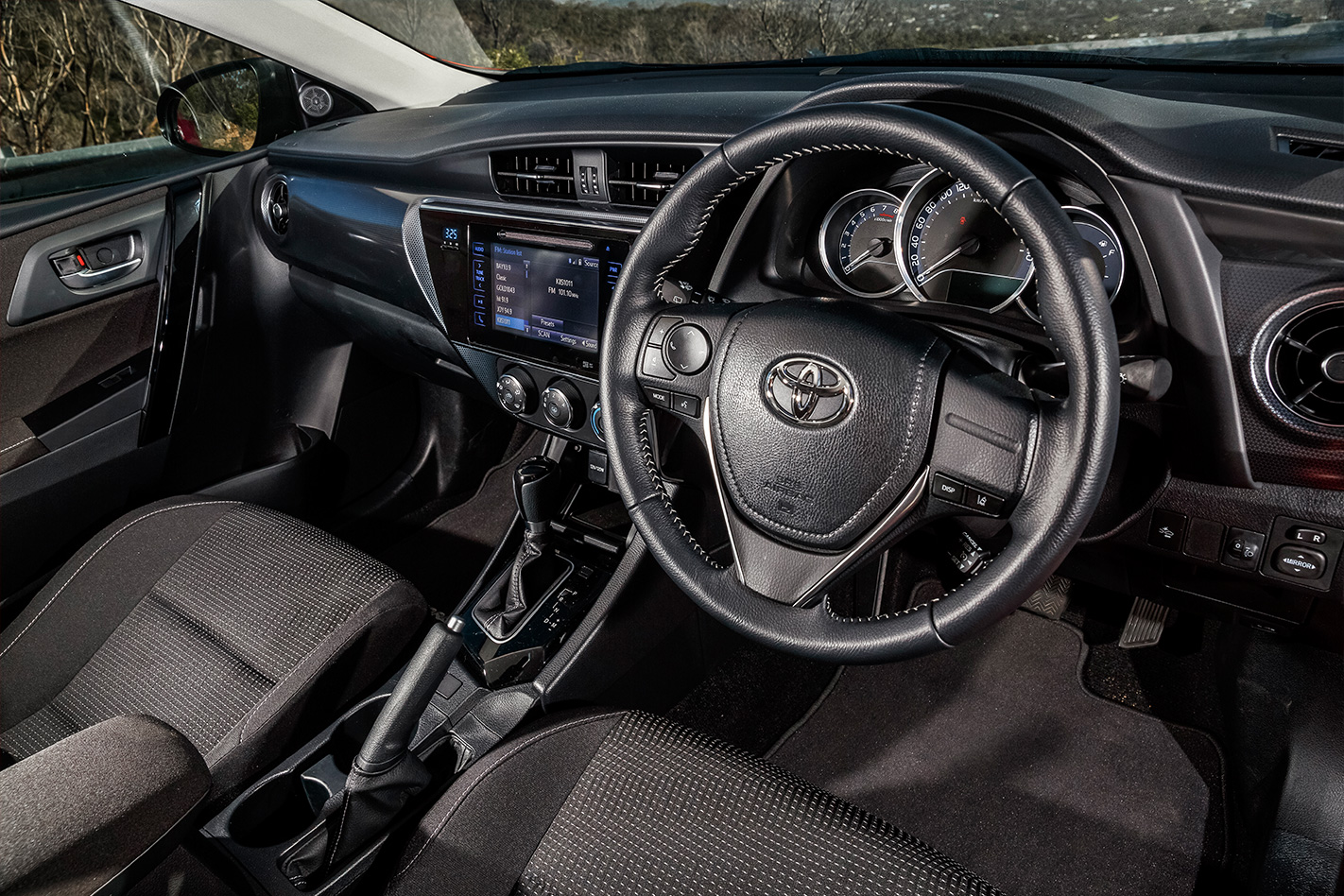
The driver’s seat is comfy and supportive, but the material that covers them looks and feels like woven plastic rather than material.
Storage space for a mobile phone or purse around the front of the cabin is somewhat limited, but a small storage cubby that drops down from the dash in front of the driver’s right knee helps. There’s also a small lidded box under the armrest between the front seats, a generous-sized glovebox, and the centre pulls out of the front cupholders to expand stash space.
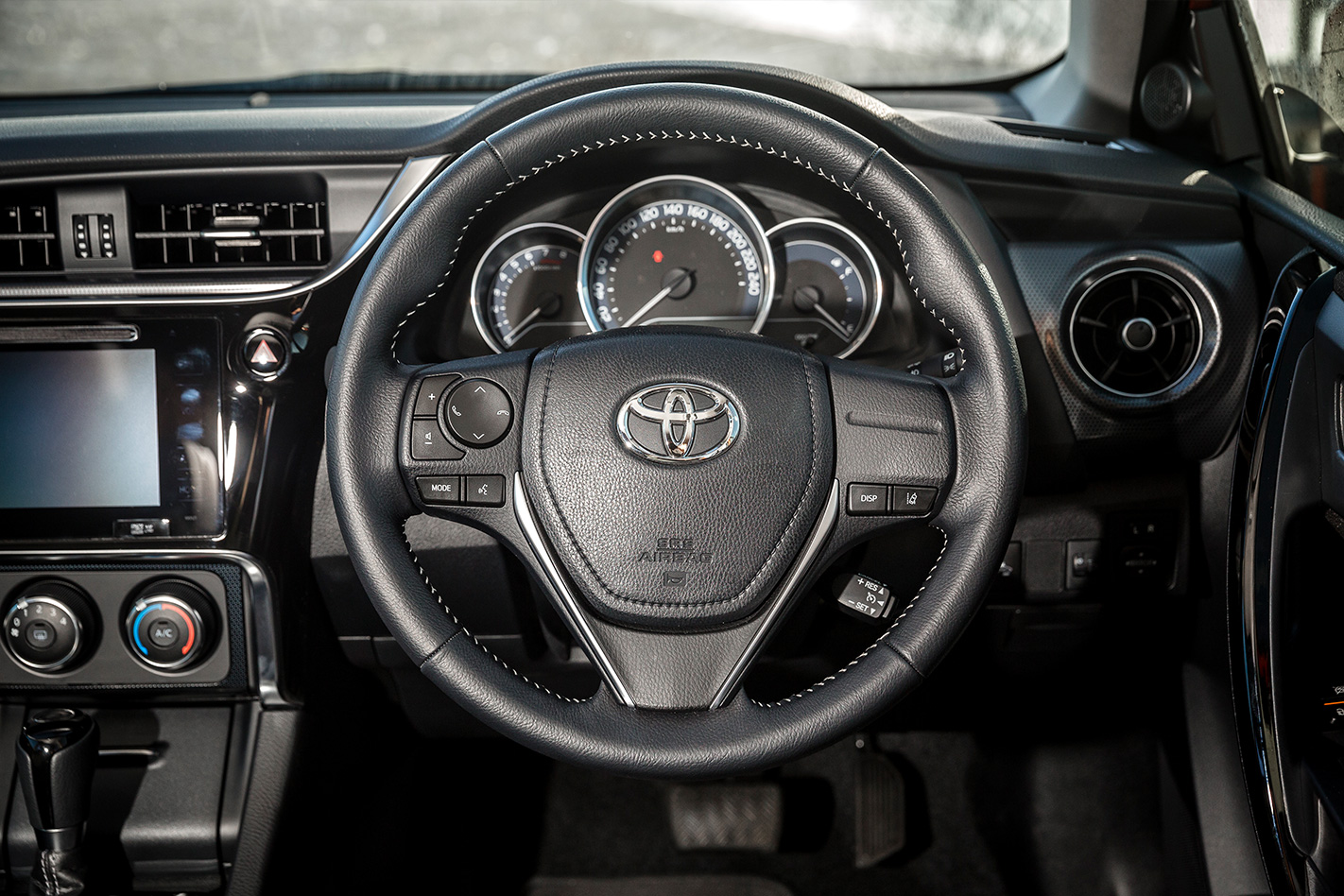
Another thing you’ll notice lacking in the Corolla’s interior is clutter – there are few buttons and dials scattered around it. The driver can adjust volumes and change tracks via steering wheel controls, but a passenger will find it much more fiddly via the low-mounted touch-sensitive multimedia screen that replaces real-world controls with virtual ones. However, despite having Bluetooth and a USB slot, the Corolla doesn’t support Apple CarPlay or Android Auto – a big miss in today’s digitally switched-on world.
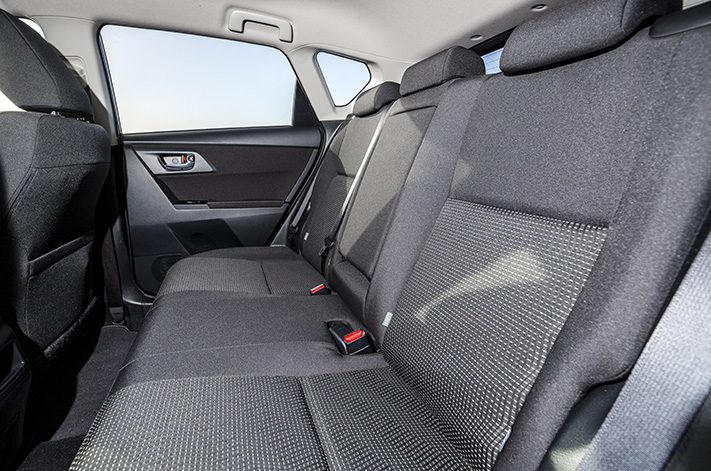
In the rear, the Corolla is comfortable despite a high seating position. Like the front door pockets, the rear ones also get a generous-sized bottle holder, while a couple of coffee cup holders are recessed into the low-mounted centre armrest. There’s a 12-volt outlet on the back of the centre console in reach of the rear.
On the road
Tyre roar and stone splash from the Bridgestone Turanza tyres are constant companions, and more so in the rear.
The Corolla’s 1.8-litre four-cylinder engine produces 103kW and 173Nm, and gets more coarse the harder you accelerate as it sits in its power band, held there by the stepless continuously variable transmission. A sport button near the gear selector only amplifies this.
It was also the most fuel-heavy on test, drinking 9.6L/100km of 98RON premium unleaded fuel against an official 6.1L/100km.
The Corolla drives well, but the taut, almost sporty suspension has a hard edge to it on sharp bumps. Over some sections of road it also tended to porpoise, moving sharply up and down at opposite ends as the front and rear of the car worked against, rather than with, each other.
After sales costs
Capped price servicing for the Toyota Corolla costs between $233 and $350 every 10,000km, and the Toyota comes with a three-year, 100,000 kilometre warranty. That cap on the kilometres endows the Corolla the least-generous warranty cover of this lot.
MAZDA 3 MAXX
Mazda is only a strong month of sales behind Corolla in the race to full-year 2017 line honours, but it doesn’t really chase the sort of bulk deals that Toyota relies on to bolster its numbers. Strip things back to mum and dad buyers alone and, compared with the Corolla, it’s the best-selling passenger car that people, not accountants sitting behind computers, buy.
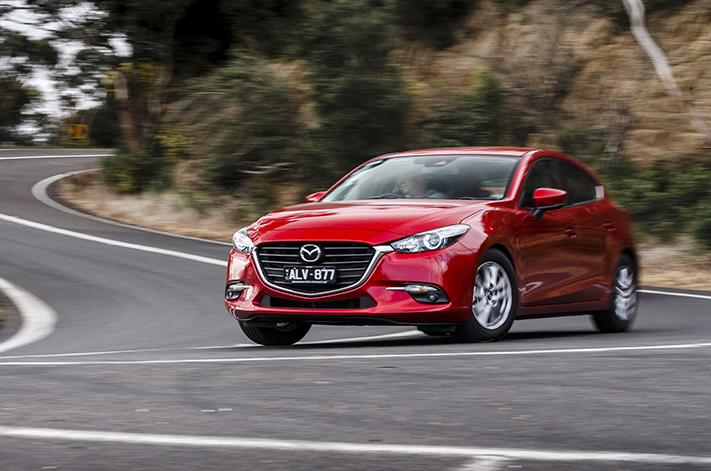
At $24,890, it’s also the most expensive here. It was introduced in 2014 and updated again midway through last year to include active city braking across its range, helping to either avoid or reduce the severity of crashing into the car in front.
There’s still bit of life left in the platform, so an all-new version could still be a couple of years away.
Inside
The three-spoke steering wheel is better than the Corolla’s, wrapped in leather and with both infotainment and cruise controls falling easily to hand. Behind it is a small instrument cluster, dominated by a central speedo, digital rev counter to one side, and fuel and information display to the right.
The interior, like the Corolla, is still dark, but there are many more soft-touch surfaces, and rather than being shiny the harder plastics – in varying shades of black and textures – have a softer look to them.
A highlight is a multimedia screen that sits proud from the centre of the dash, giving the cabin a premium lift as well as minimising the distance the driver has to move their eyes from the road. The controller for it is placed awkwardly between the front seats, ahead of a shaped soft-cover armrest hiding a small, shallow bin.
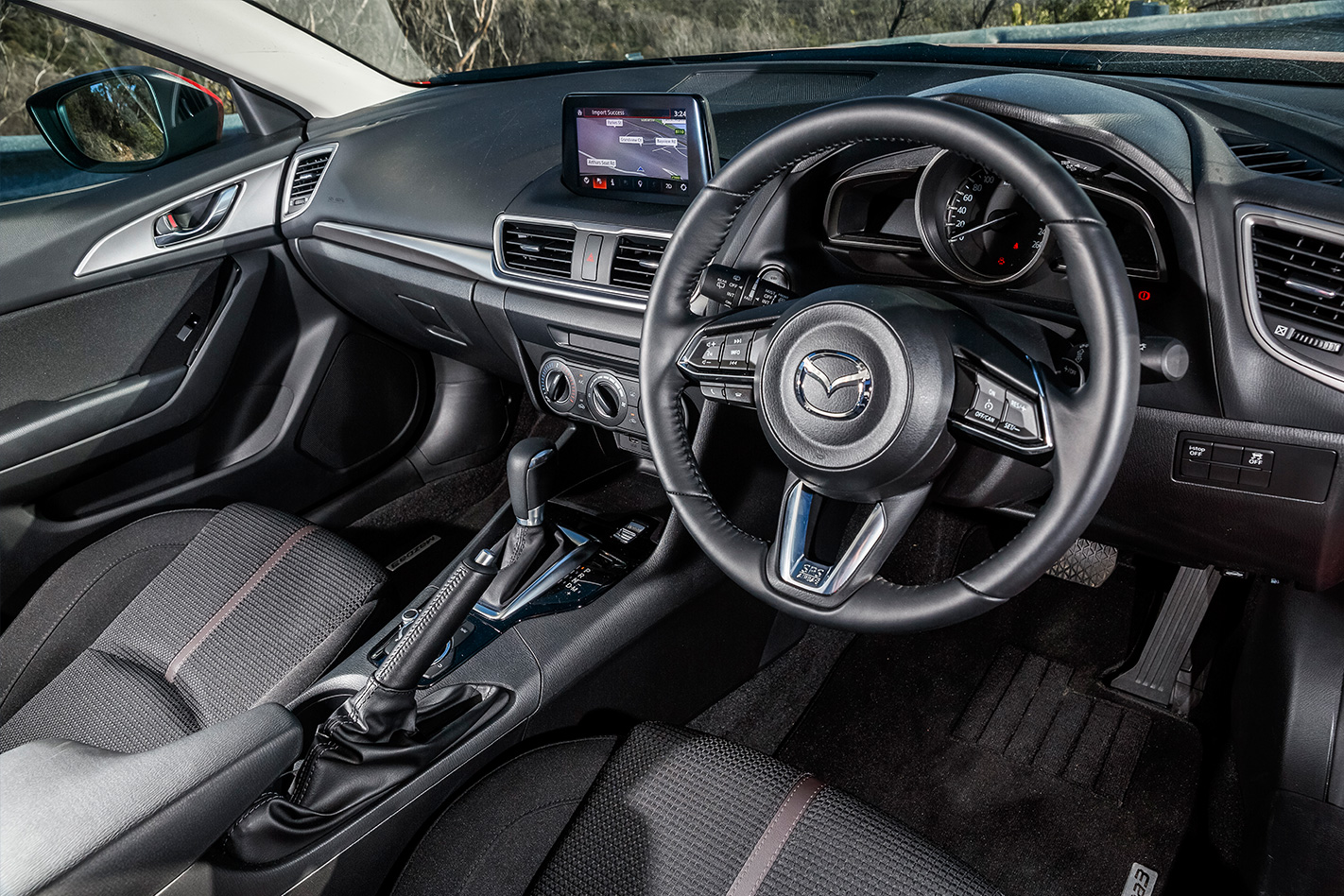
Oh, and the Mazda is the only car of these three to feature a start button rather than rely on a key, and an automatically dimming rear-vision mirror.
Like the Corolla, the Mazda 3’s dash is relatively button-free thanks to the console-mounted controller dial, but the traditional-look dials used to control the air-conditioning system are a stark contrast to the edgy cabin, and look a bit old-hat.
In contrast to the Corolla, the Mazda has a huge amount of small-item storage, including a deep recess at the bottom of the dash. If you like coffee, though, the cupholders are a long way back behind the gear selector and multimedia unit controller, and not that user-friendly. But there are two USB ports up front, not just one.
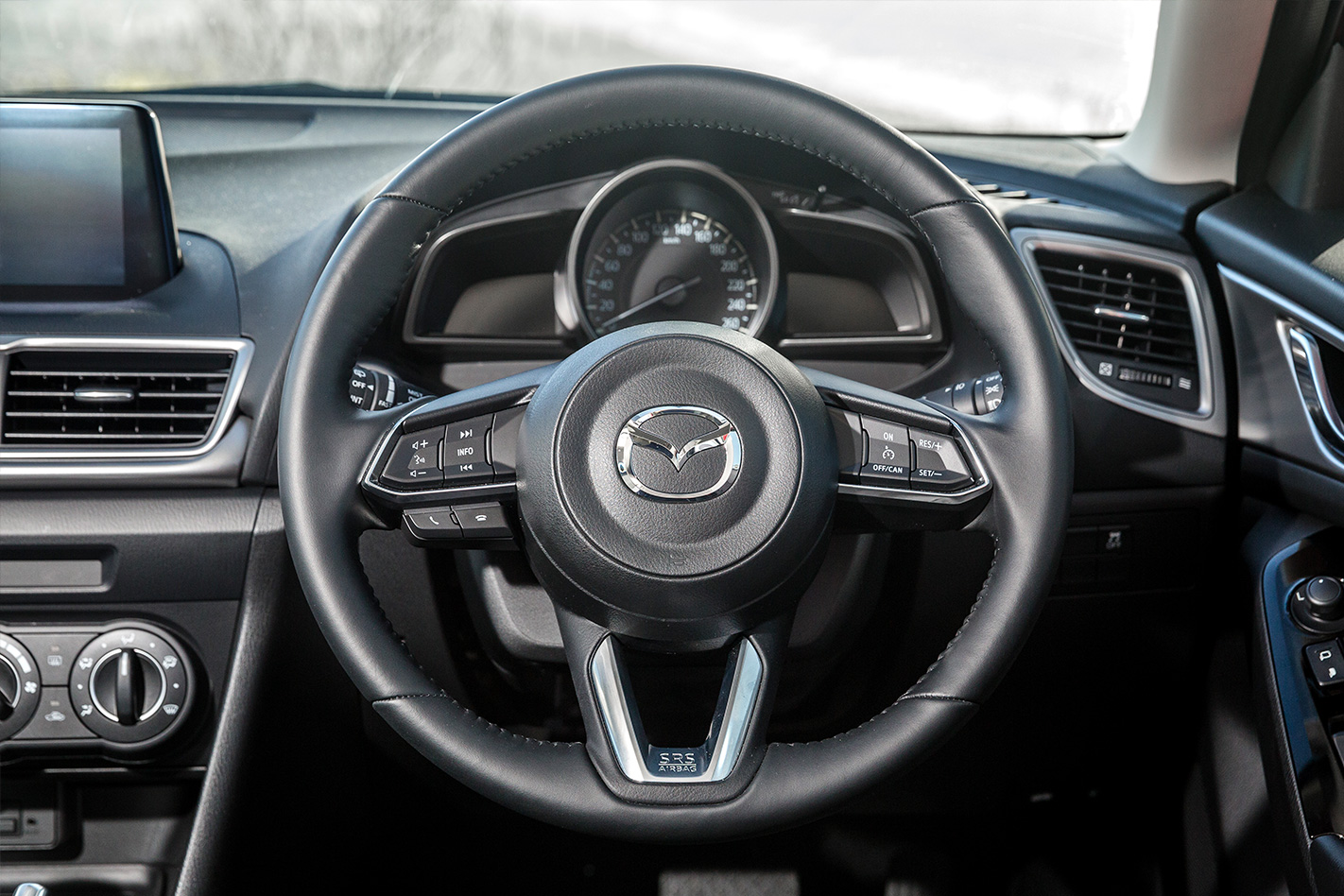
The Mazda 3 is the only car here to not have a light for the vanity mirrors hidden in the sun visors, and the only one to feature a leather-look plastic skin on the steering wheel.
Contrasting cloth front seats in the Mazda are narrow but well-bolstered and comfortable. Like the Corolla they feel as though they’re woven out of hardwearing plastic rather than material, although not as severely.
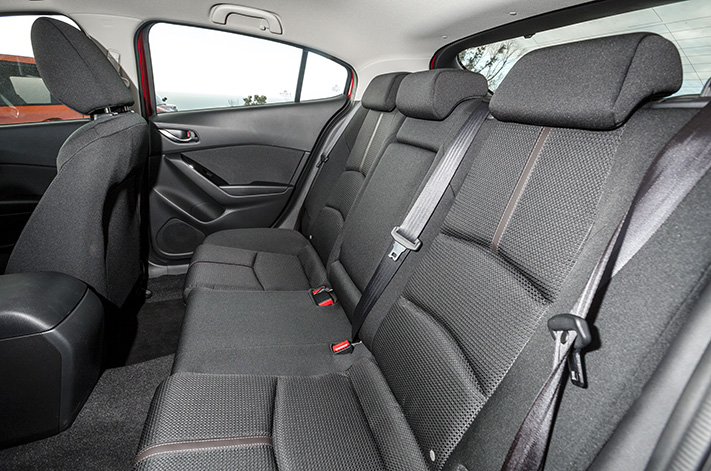
Passengers sit higher in the rear seats than in the Corolla, eating into headroom slightly and impeding vision out of the second row. Rear-seat storage is impeded by smaller door pockets, and a map pocket that’s only on the back of the driver’s seat, and not the passenger’s.
On the road
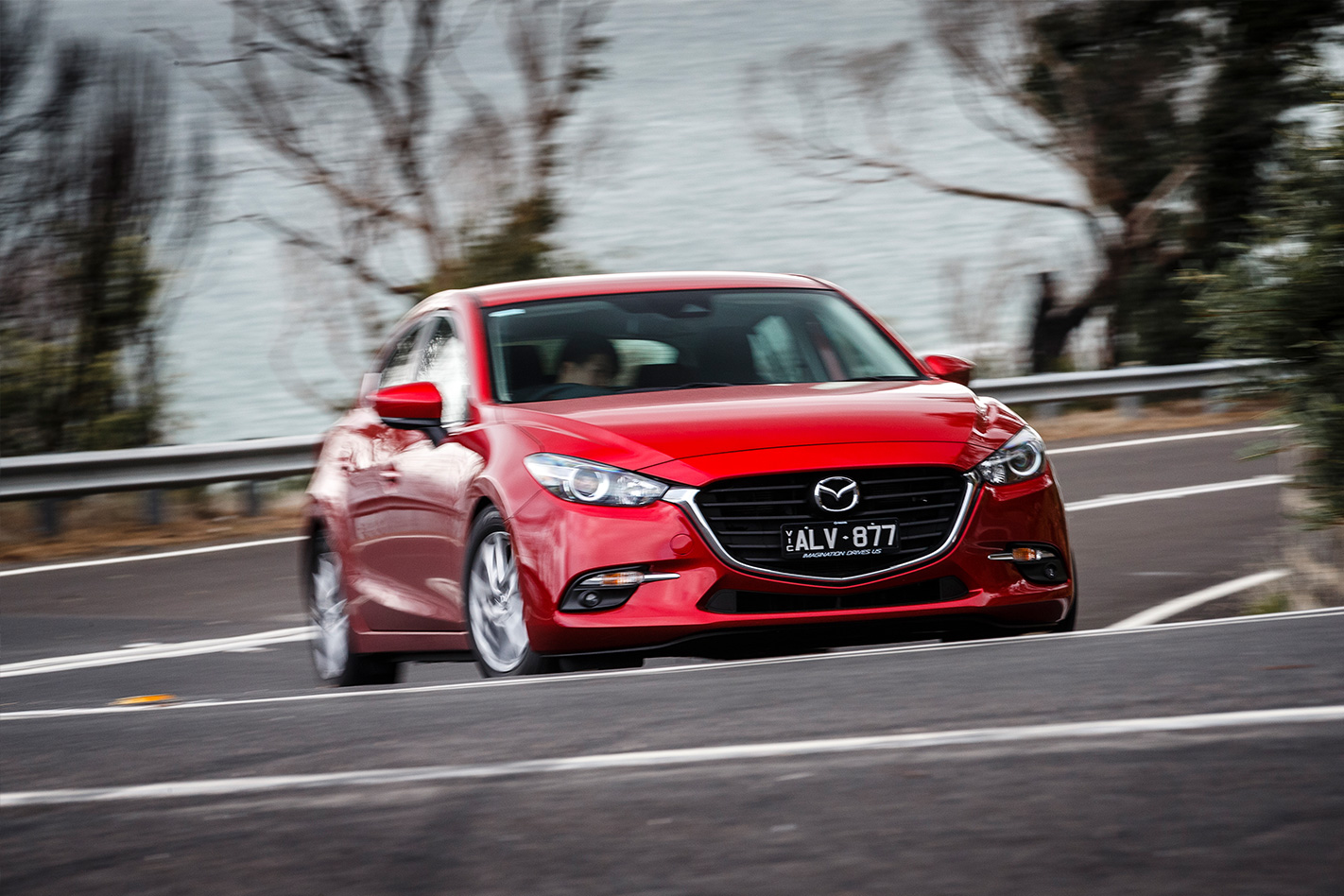
he Mazda 3 is quieter inside, the eco-friendly Toyo Nanoenergy rubber transferring less road noise than the Corolla’s rubber via a more sophisticated multilink rear end.
It drives like it’s a class above the Corolla, the 114kW/200Nm 2.0-litre Skyactiv engine perhaps getting a bit noisy high in the rev range, but adding a sporty edge as the six-speed auto flicked intelligently through the gears.
Accurate, decently weighted steering, a well-balanced ride and even paddle shifters tucked behind the horizontal spokes of the steering wheel bring a bit more engagement. On test, the engine used 8.2L/100km – the best result of this three – against an official 5.8L/100km rating.
After sales costs
Mazda’s fixed-price servicing program costs between $300 and $328 every 10,000km, and the warranty runs for three years without a cap on the number of kilometres travelled.
HYUNDAI I30 ACTIVE
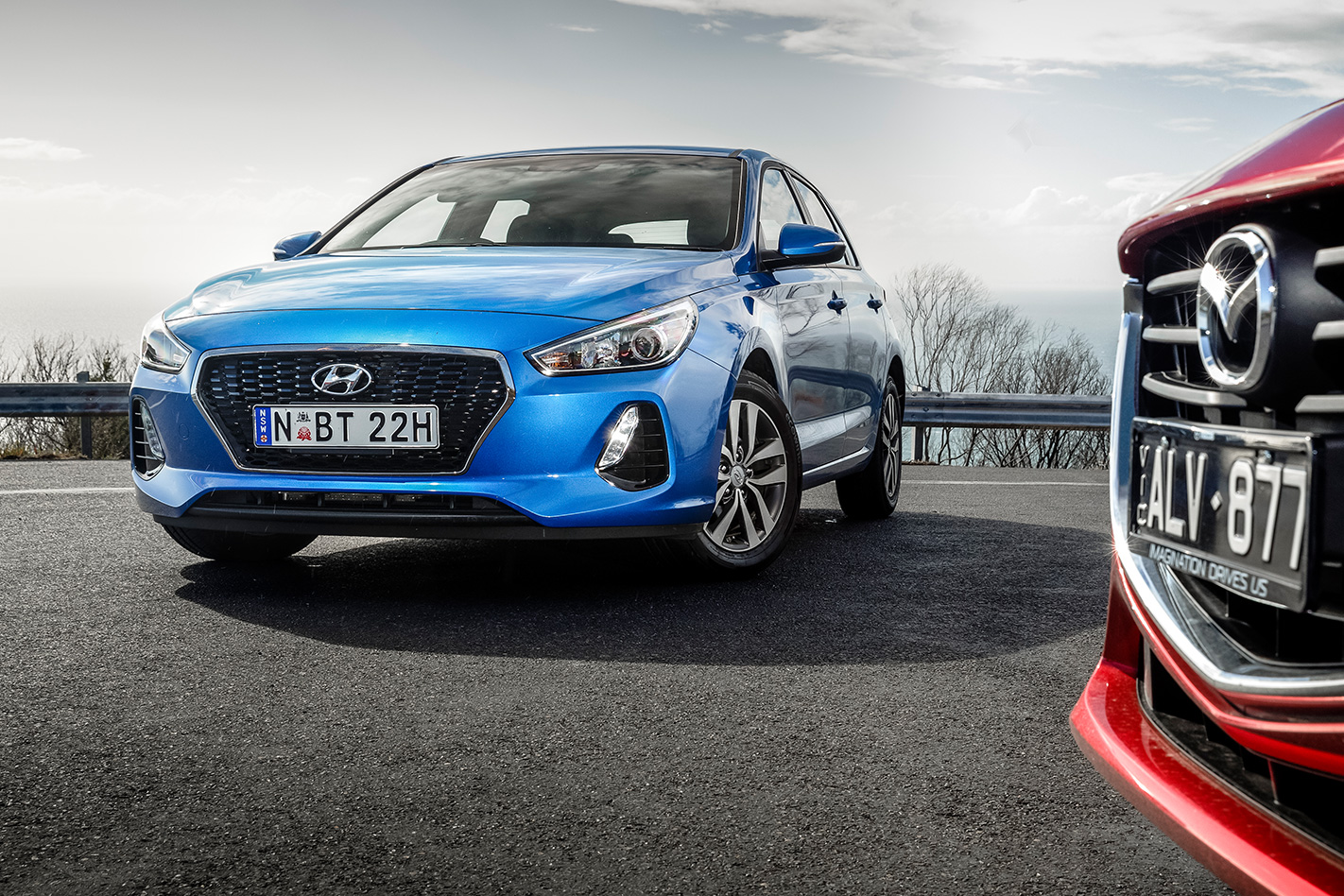
Like the other two here, the Hyundai i30 has spent a bit of time at the top of the monthly sales chart, but namely on sharp $19,990 driveaway pricing for the old model that effectively gave away the auto for free. But that was the old car, and Hyundai is now backing a fresh new i30, priced in this configuration from $23,250.
A sharp-looking exterior is backed up with an impressive interior that’s not without its blemishes.
Inside
The Active’s interior is very dark with deeply black plastics only occasionally softened up using brushed aluminium-look highlights around the door pulls and air-conditioning dials.
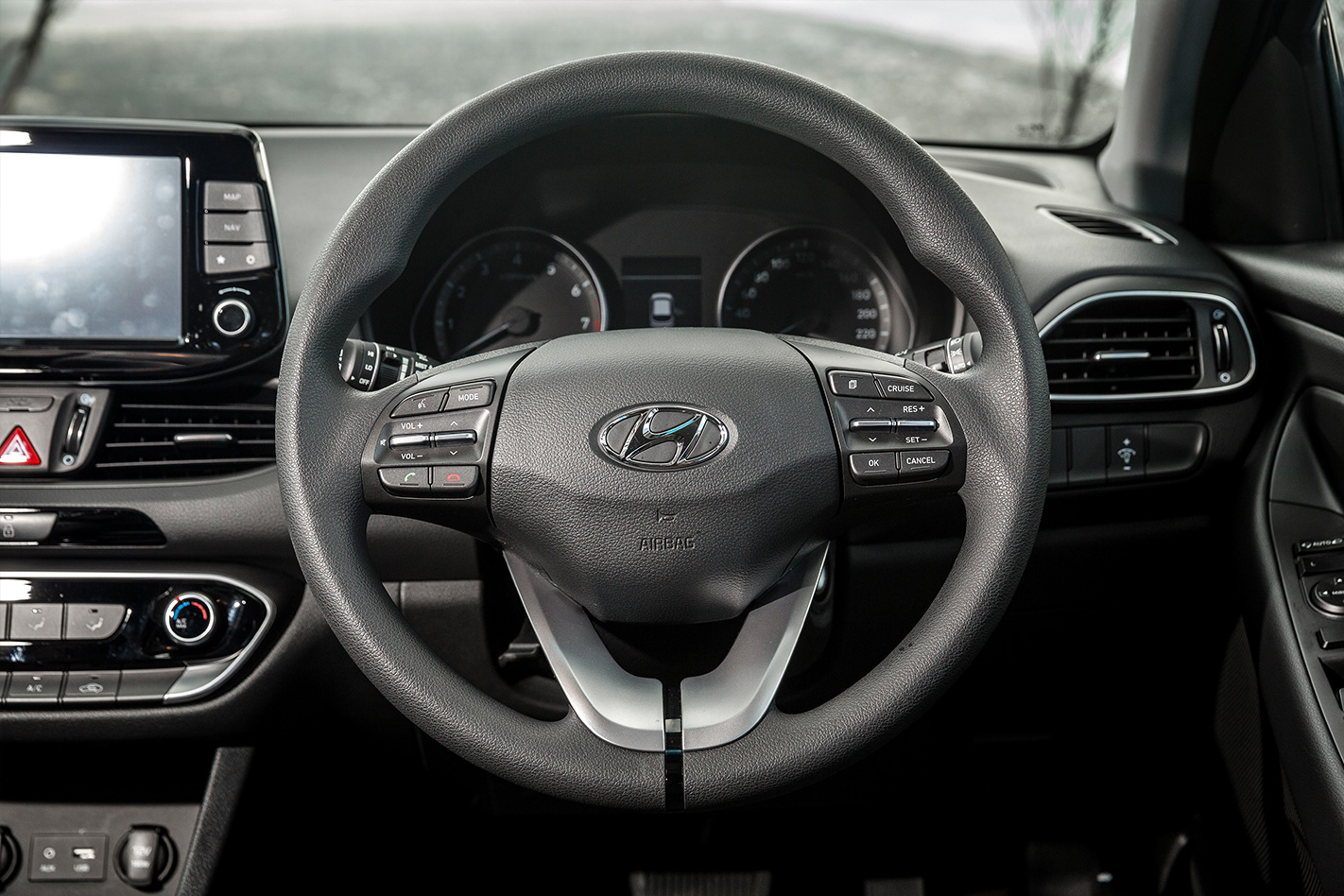
It’s the only car here to get a moulded plastic steering wheel instead of more tactile faux-cow, and like the Corolla it lacks an auto-dimming rear-view mirror. But you’re prepared to overlook those mild flaws when you jump behind the wheel.
The instrumentation in the i30 is a league ahead of both the Corolla and Mazda.
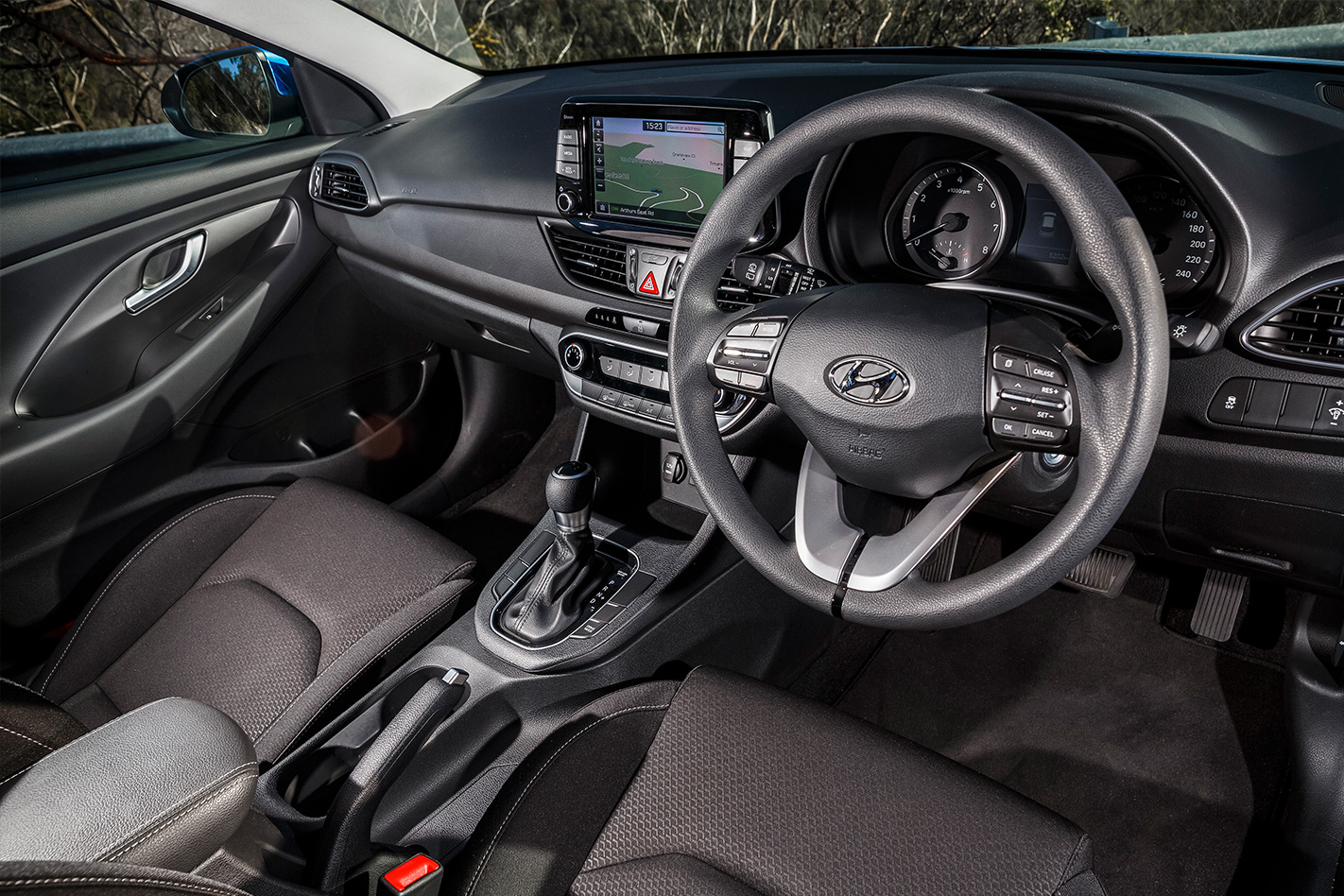
An analogue speedo and tacho frame a crisp, clear colour graphic display that includes an easy-to-read digital speedo.
Like the Mazda, the i30 has a black-framed multimedia touchscreen sitting like a tombstone high on the dash, but it also has a dial for volume control.
Meanwhile, you sit on soft-weave cloth seats that make the opposition here look like they belong in a mass transit design scheme. All-around visibility, and packaging, are better than the other two here. However, the i30 is the only one here to lack automatic city braking that can help you avoid running up the rear of the car in front if you’re distracted by, say, a mobile phone.
Occupants’ tech needs are well looked after, with a pair of 12-volt sockets, an auxiliary audio connection and USB port.
The rear seats use cargo nets instead of pockets, and their pews are deeper than the other two, comfortable, and with plenty of toe room, but testers sitting back there complained of a lack of support, and shin space as they rubbed on the seatback.
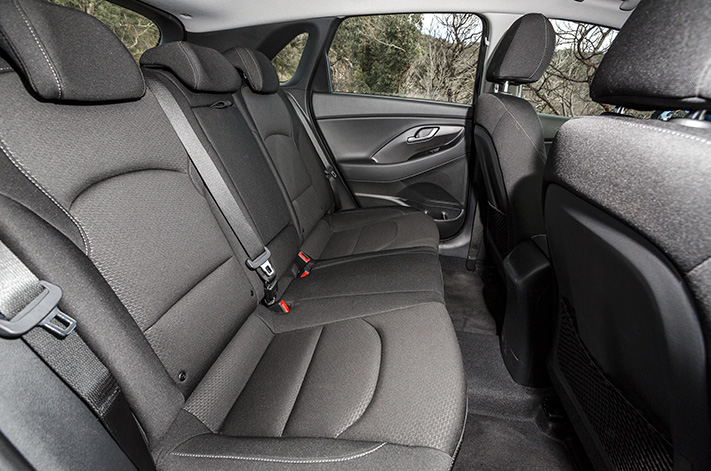
Its centre armrest was the highest on test, making it the most comfortable of the three for two adults.
On the road
The locally tuned suspension seems to hunt for middle ground between the Mazda and the Corolla. The low-speed ride on the lower-profile Kumho Ecowing tyres is a little jiggly, but at highway speeds things smooth out considerably, making it a bit like the Corolla; comfortable highway loper rather than an inner-city sprinter. A softer-handing torsion-beam rear will chuck rear-seat occupants around a bit more than compared with the Mazda.
Steering is good with decent Mazda-rivalling weighting, although the six-speed auto is a bit dozy compared with the sharper 3 as it refuses to kick down while accelerating, holding gears for as long as possible and lacking the engagement of the Mazda.
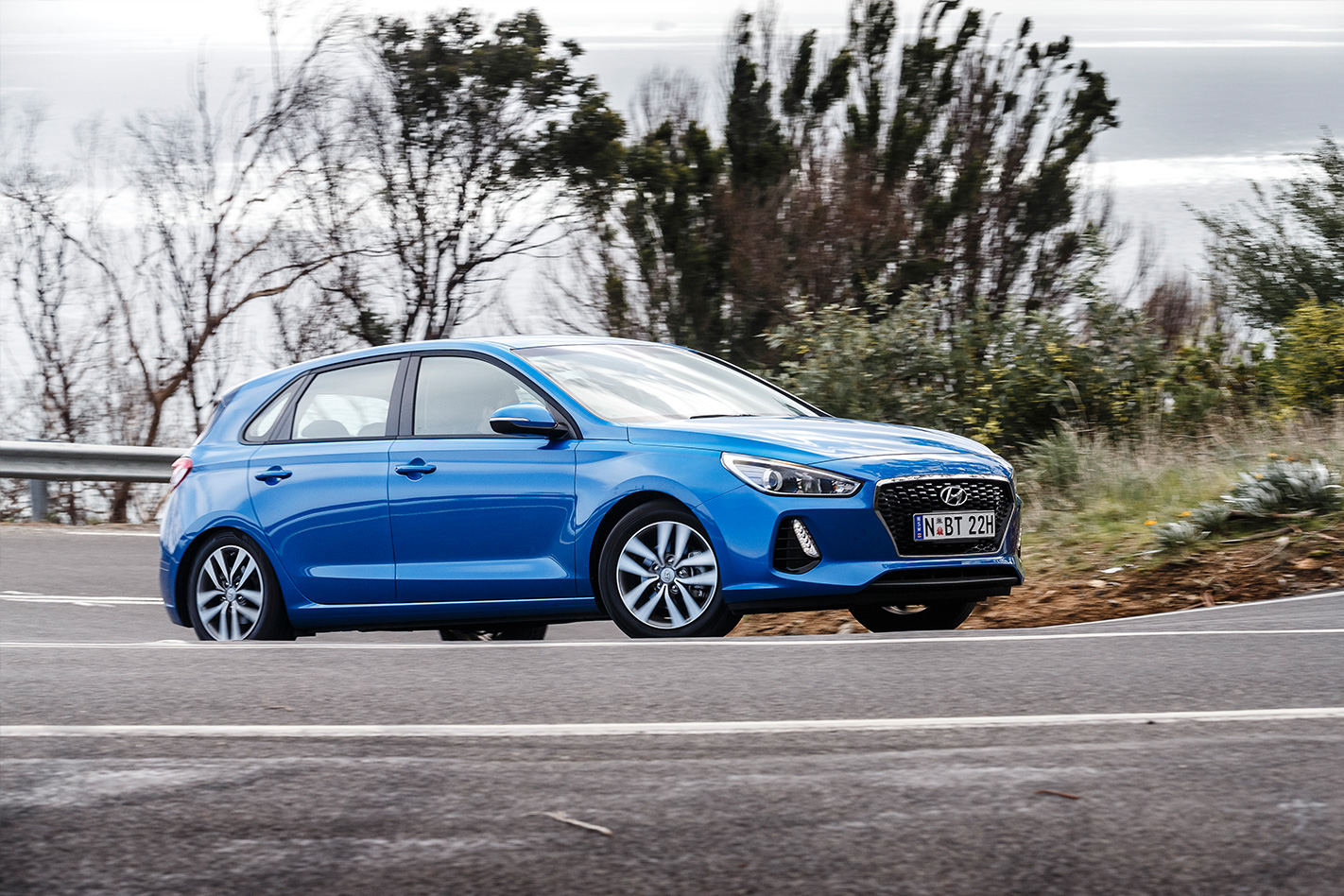
The quiet, torquey engine, a 120kW/203Nm 2.0-litre four-cylinder unit, is the most powerful on test, although surprisingly it didn’t return the worst fuel use figure; 9.2L/100km compared with the official 7.4L/100km.
It feels decently torquey right across its range, and we’d rank its overall performance ahead of the Mazda through the more twisty sections of road.
After sales costs
Hyundai’s fixed-price servicing costs $269 every 10,000 kilometres. Nothing here comes close to the i30’s five-year, unlimited-kilometre warranty.
The verdict
It boils down to ride comfort. Unfortunately, the Corolla’s sports-tight suspension – not normally an identifiable Toyota trait – rules it out of contention, along with the weakest warranty, Novocaine levels of driver engagement and lacklustre comfort. It’s an early shower, unfortunately.
The Mazda did well, but compared with the Hyundai, it didn’t quite go the distance.
The Hyundai’s performance is barely ahead of the Mazda 3 on paper, but it just feels better suited to daily commuting, with the low-down torque impressing exactly where it needed to if you’re stuck in peak-hour traffic.
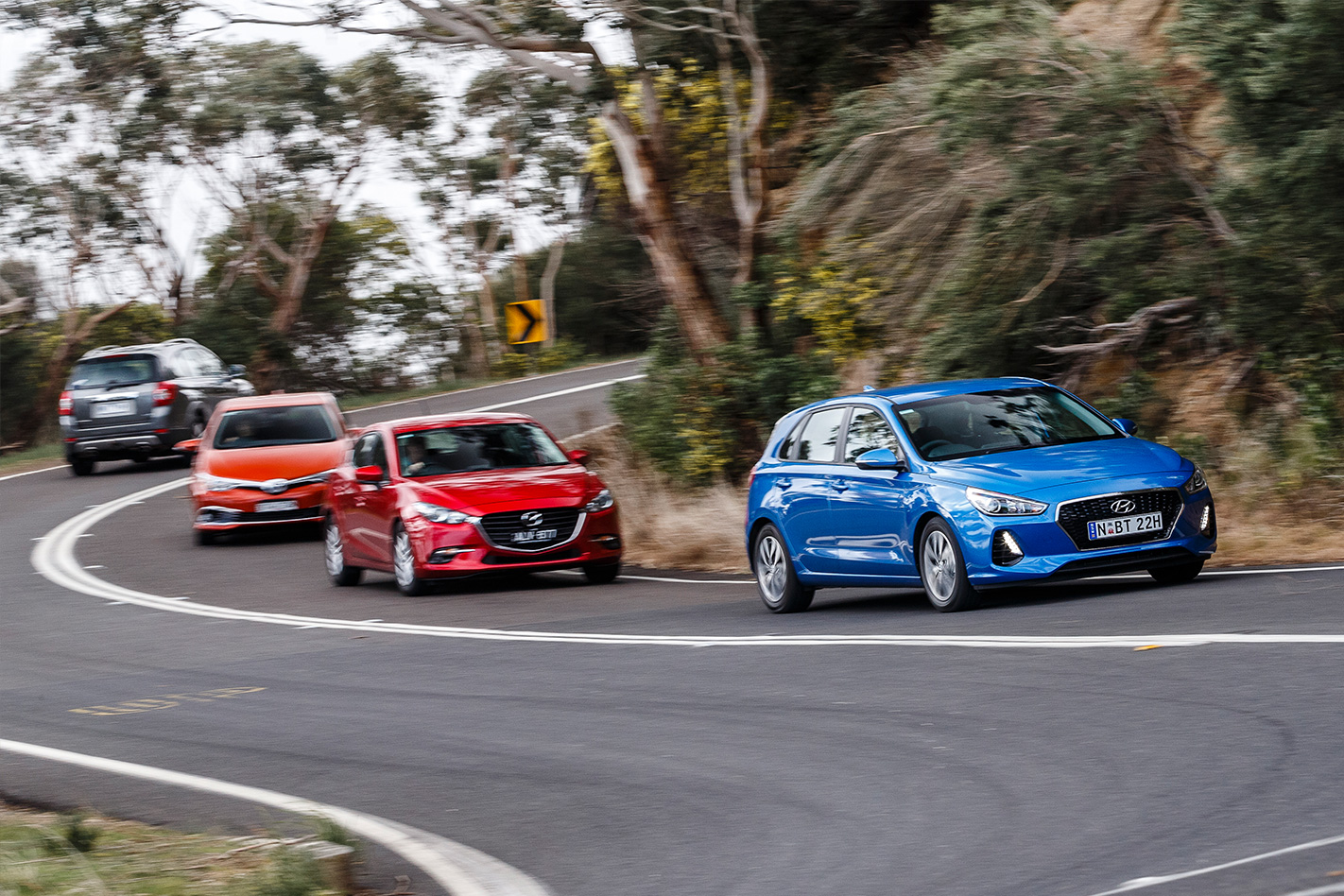
Holding gears longer will help on the commute, too, but the lack of AEB and multilink rear suspension and the mean plastic steering wheel won’t – you’d have to spend $28,950 for the 1.6-litre turbocharged i30 SR before these come into the equation.
And that long warranty gives bucketloads more confidence than its rivals, and more so if you’re keen to flip it after the first three years of ownership – a couple of years of leftover warranty is a strong drawcard for a second-hand car buyer.
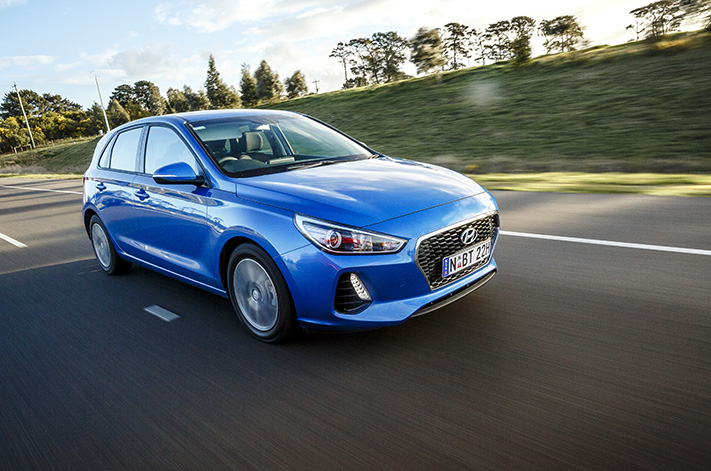
The lack of AEB doesn’t really hurt the i30 – just like the other cars here it scores a top five-star crash rating – and it was quoted the cheapest for insurance by a margin of about $80. That means in WhichCar’s eyes the i30 is the best of the big-selling cars here on the weight of all its strengths, and not its individual weaknesses.
THE Commodore had a marketing edge over its arch-rival, the Falcon, during 1979 despite unfavourable fuel economy.
So GMH has gone out of its way to keep that edge through offering a proven car with more fuel -efficient engines. The result is the VC Commodore, complete with more power, less thirst and even cruise control, though perhaps some of the serious driver appeal has gone.
YOU SHOULDN’T tamper with success, especially when it’s a success of the runaway variety. You should, however, keep that success contemporary for as long as possible.
That, in a nutshell, was the dilemma faced by GM in its deliberations over a new model Commodore, the VC. The result of those deliberations is a Commodore with a minimal facelift and a significantly updated version of the old faithful Lb six-cylinder engine now standard equipment throughout the Commodore range to placate the fuel-sensitive buying public – you can still buy a V8 Commodore, though you will haw to order it as an option and you will have to be happy with the 4.2-litre engine as the introduction of the VC marks the end of the five-litre VH. (GM says the decision to drop the five-litre engine was made as late as mid-1979.)
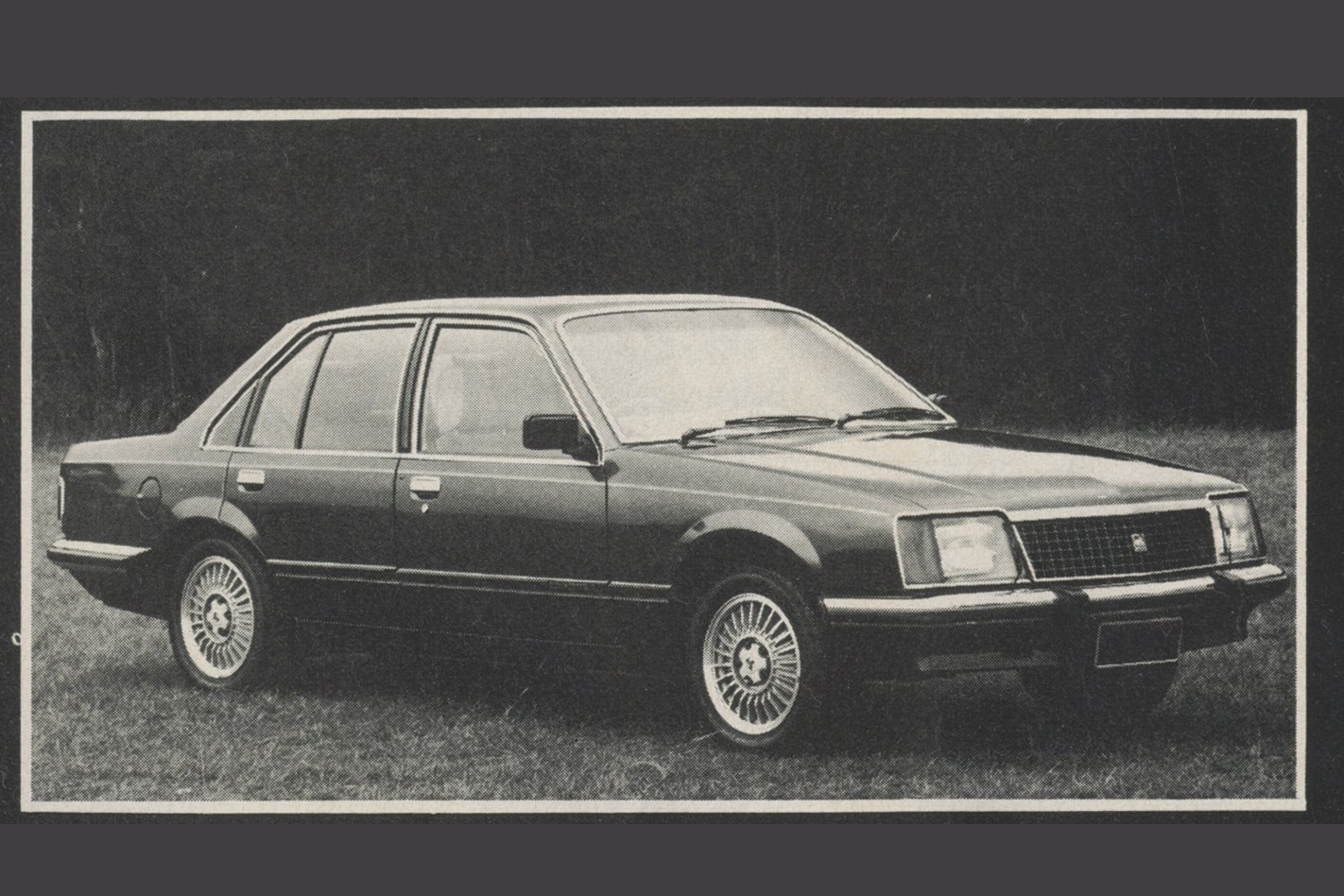
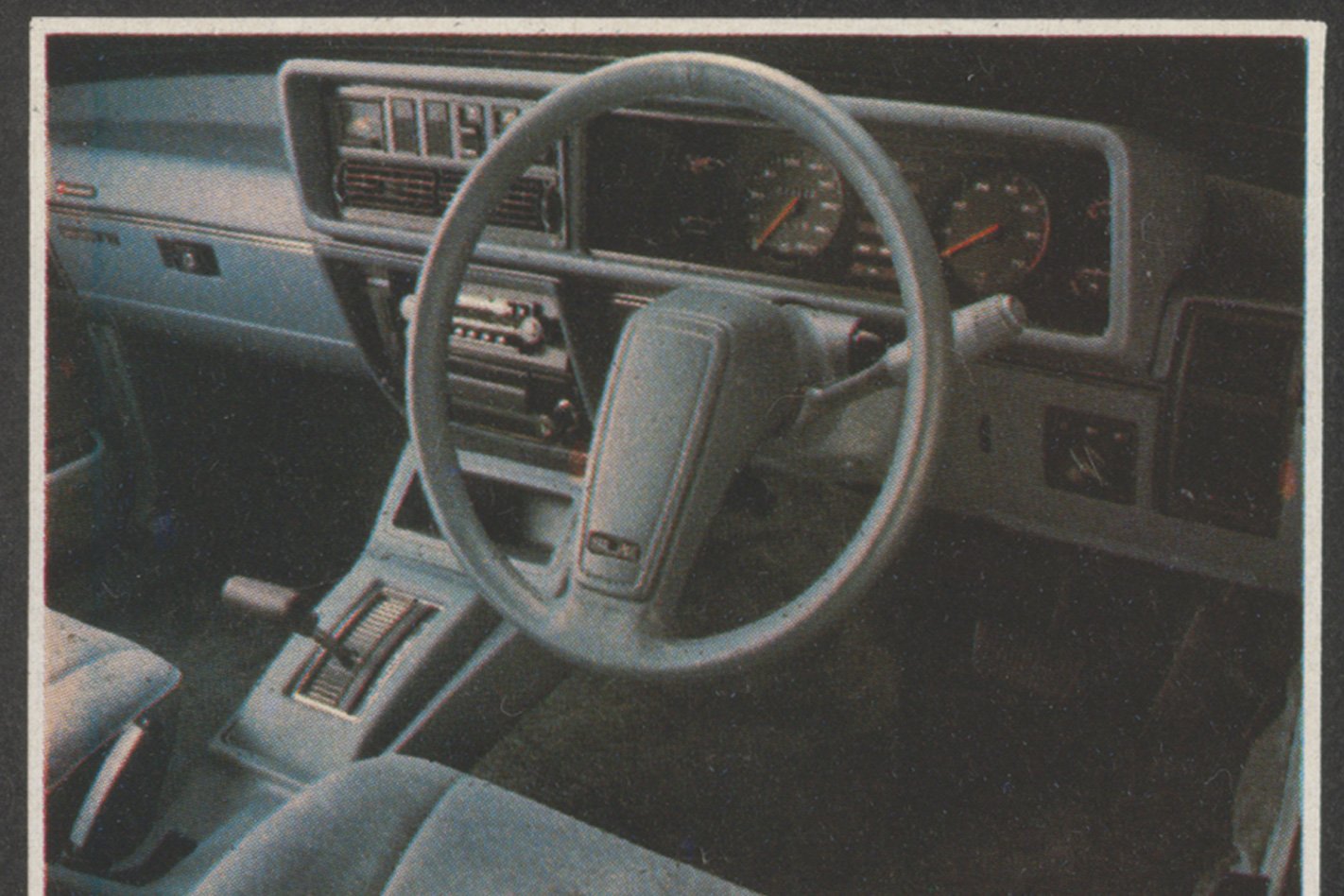
Another indication of the fuel saving image is the fact that the vacuum gauge fuel meter becomes standard throughout the range, with a tachometer available only with the optional sports instruments package.
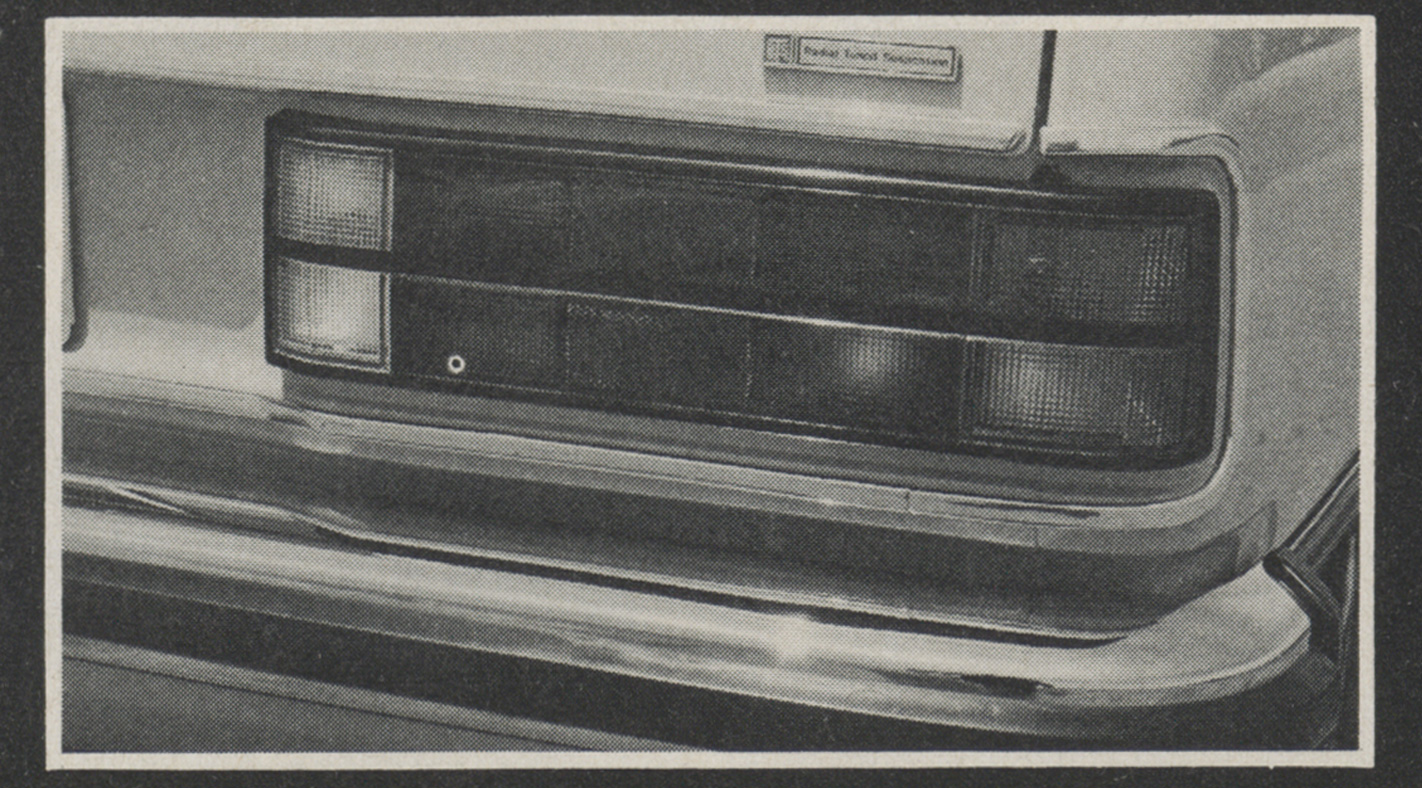
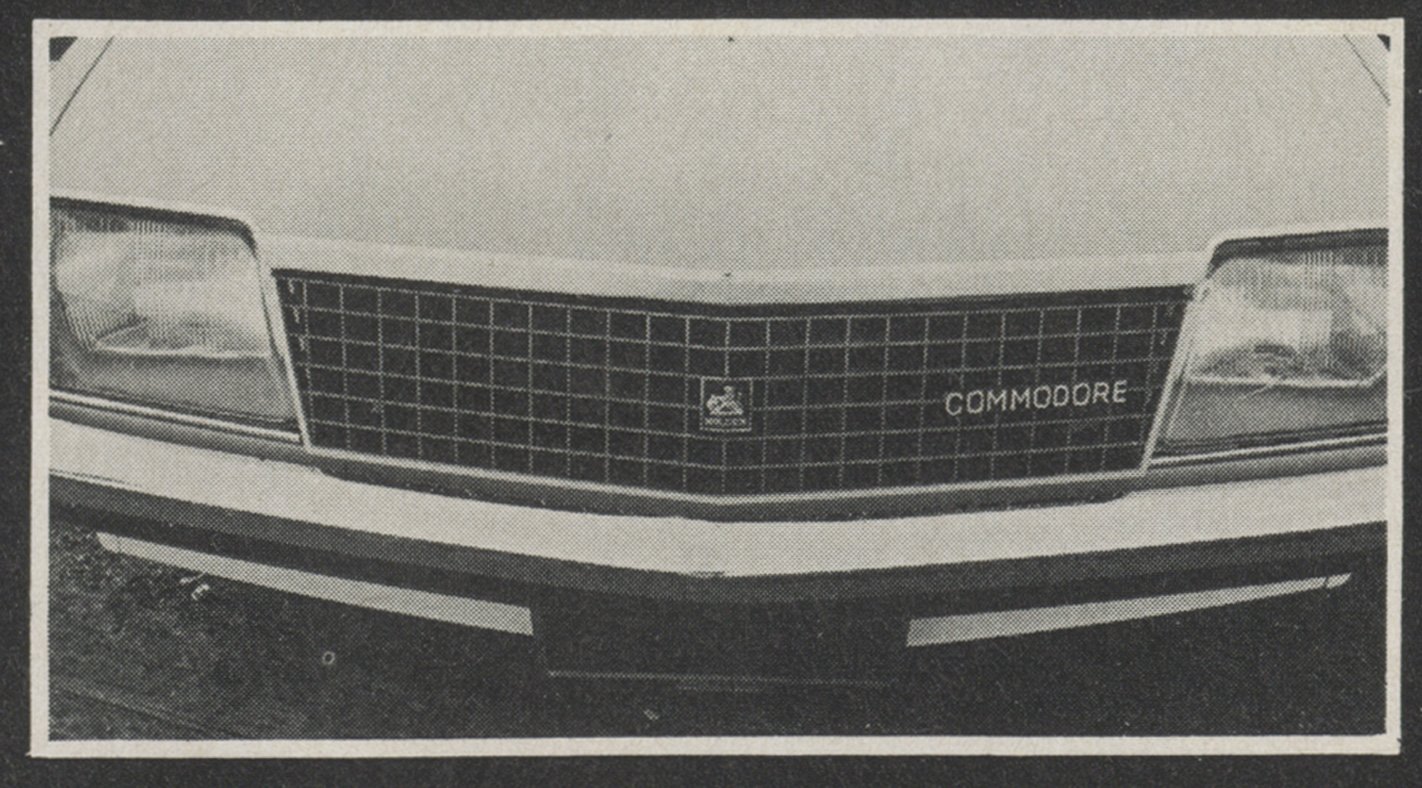
Externally, the VC is little changed and it will take a Commodore watcher to spot the differences. The egg-crate grille is shared by all three models, with the SL/E having the only distinguishable difference, with a chromed grille surround. Tail lights on all models now have black surrounds and a black strip running horizon tally through the light cluster (rather than the red surrounds and no centre stripe on the V8) The SL/E has wider Opel Senator-derived windscreen beading and a locally-manufactured, Senator-style rear screen beading. The only other external change is the addition of the new Commodore L badge.
The Commodore watchers will have no trouble, however, spotting the Fashion Tone cars, 1500 of which will be built this year. This car will have two-tone paintwork – either dark below the waistline and light above, or vice versa – and will be fully equipped with all the options.
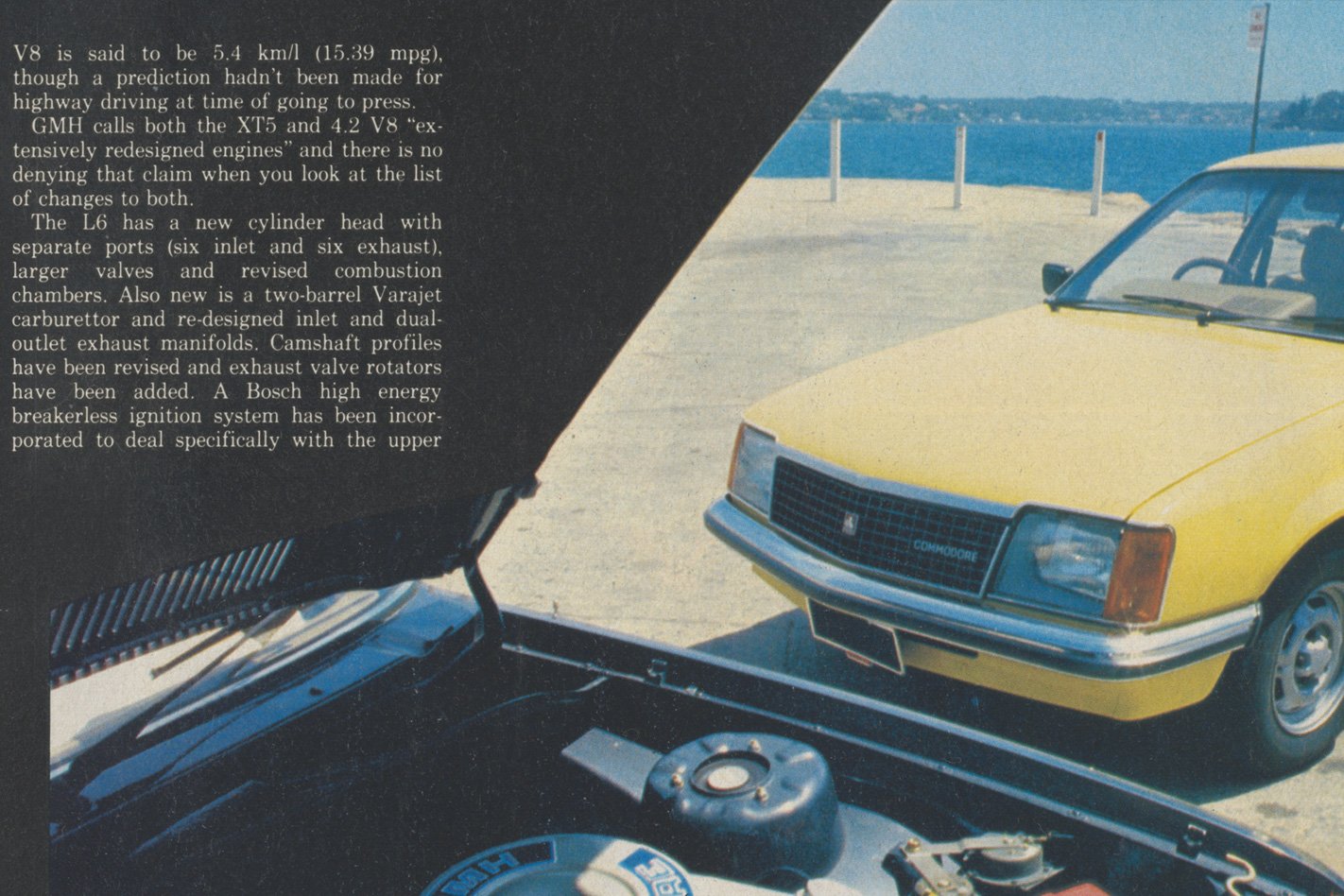
The big news with the VC range is the “new” engine, the XT5, which isn’t really new at all but a reworked version of the 17-year-old L6 six-cylinder engine. GMH is claiming 9.7 percent increase in fuel economy in the AS 2077 city cycle and 15.3 percent increase in highway driving from the 3.3-litre engine. Those figures relate to a 3.3-litre car with four-speed manual gearbox and 3.36 rear axle. Based on GMH’s own fuel economy figures for the VB Commodore with the same specification those increases translate to 6.65 km/l (18.75 mpg) for city driving and an optimistic 11.78 km/l (33.2 mpg) for highway driving. Based on GMH figures for the 2.85-litre VB engine, fuel economy in the equivalent XTG engine is said to be 6.9 km/l (19.47 mpg) for city driving and 12.30 km/l (34.66 mpg) for the highway.
The spark plugs now have an extended reach to make for more even combustion and the pistons have been given a thicker top deck and strengthening. The connecting rods are stronger and premium quality main and conrod bearings have been used. Power heat valves have been incorporated into the engine. The compression ratio has been lowered to 9.0 to 1 for both the 2.85 L6 and 4.2 V8 and 8.8 to 1 for the 3.3 L6. The valve lifters now have increased oil flow thanks to the design of the new head. Ignition leads are now 8 mm fibre-reinforced silicon rubber with carbon-impregnated fibreglass filaments. And the 3.3-litre engine gets a new 12-counterweight crankshaft and torsional damper to cope with the bigger crankshaft throw of the larger six-cylinder and to smooth out the reciprocating forces along the crank (at the expense of an extra two kilograms).
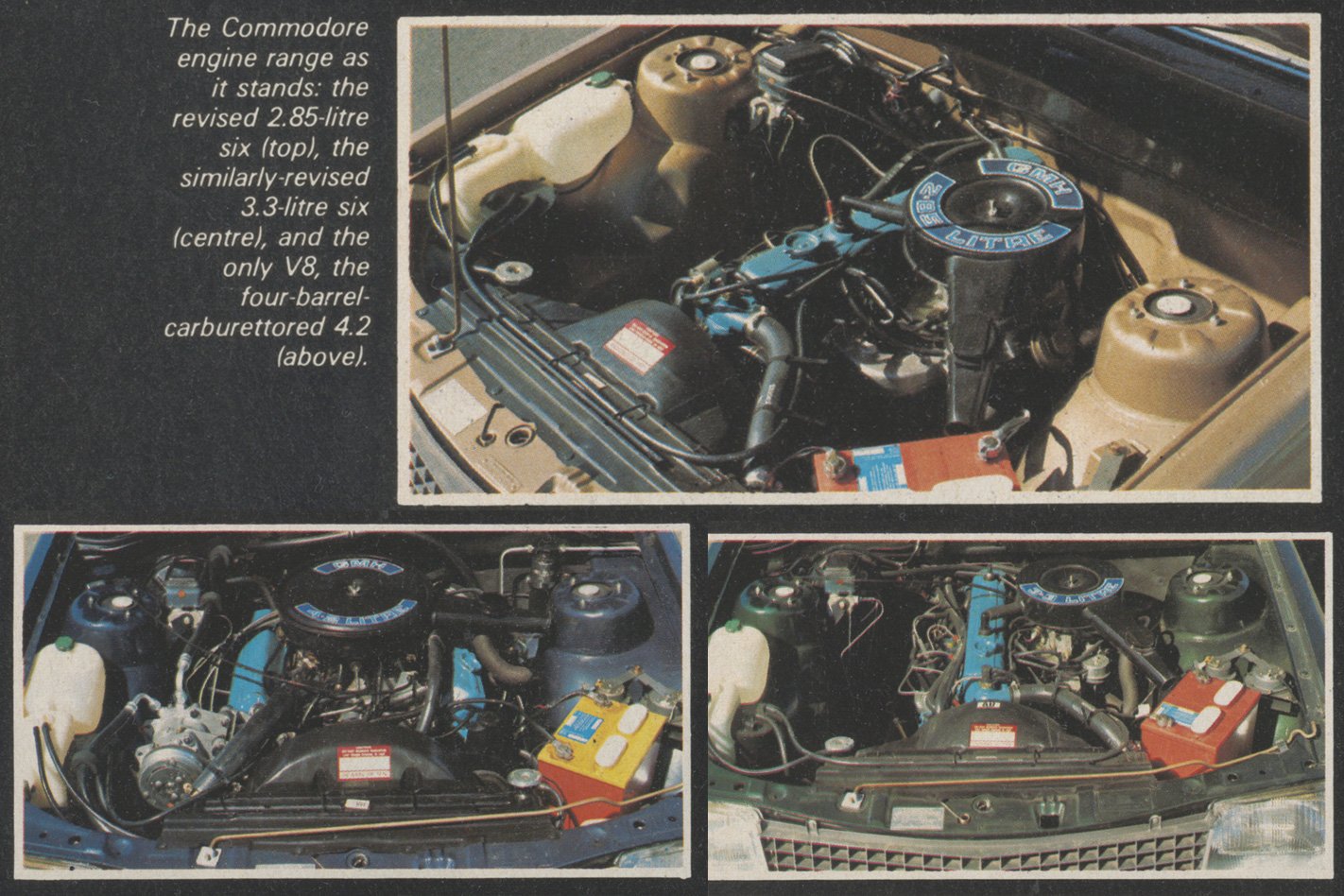
The 4.2-litre V8 also has new cylinder heads, this time with revised exhaust gas crossover. Pistons are new, as are inner manifolds with improved attachment to the cylinder heads. Also new is the four-barrel Quadrajet carburettor (something a lot of people think the 4.2 V8 should have had long ago), power heat valves and a high energy breakerless ignition system similar to that on the six-cylinder engine. The compression ratio has been reduced, as mentioned above, the valve lifters now receive increased oil flow, and the ignition leads have been uprated as on the L6 engines.
Maximum power for the 4.2 V8 with the standard single exhaust is 100 kW at 4200 rpm, against the VB 4.2’s 87 kW at 4000 rpm (increased by 16 percent) and maximum torque is 269 Nm at 2000 rpm, against 271 Nm at 2000 rpm. The 4.2 with optional dual exhaust has power and torque of 115 kW at 4400 rpm and 289 Nm at 3200 rpm, compared with the VB’s 96 kW at 4400 rpm and 275 Nm at 2400 rpm.
The only change to the transmission is an increased diameter clutch, designed to cope with the extra power and for greater durability. Both sixes now have automatic chokes.
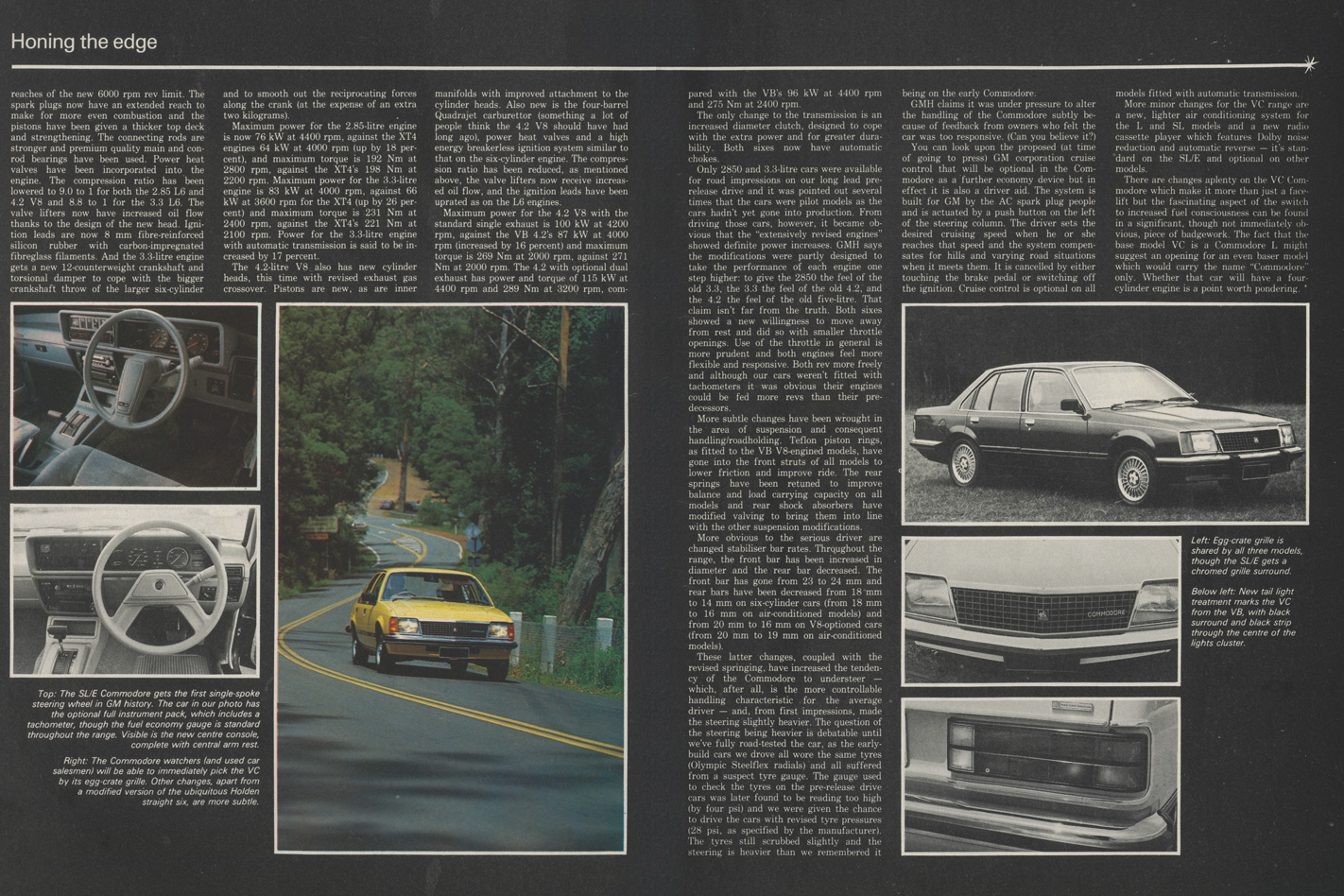
Use of the throttle in general is more prudent and both engines feel more flexible and responsive. Both rev more freely and although our cars weren’t fitted with tachometers it was obvious their engines could be fed more revs than their predecessors.
More obvious to the serious driver are changed stabiliser bar rates. Throughout the range, the front bar has been increased in diameter and the rear bar decreased. The front bar has gone from 23 to 24 mm and rear bars have been decreased from 18 mm to 14 mm on six-cylinder cars (from 18 mm to 16 mm on air-conditioned models) and from 20 mm to 16 mm on V8-optioned cars (from 20 mm to 19 mm on air-conditioned models).
The tyres still scrubbed slightly and the steering is heavier than we remembered it being on the early Commodore. GMH claims it was under pressure to alter the handling of the Commodore subtly because of feedback from owners who felt the car was too responsive. (Can you believe it?)
You can look upon the proposed (at time of going to press) GM corporation cruise control that will be optional in the Commodore as a ‘further economy device but in effect it is also a driver aid. The system is built for GM by the AC spark plug people and is actuated by a push button on the left of the steering column. The driver sets the desired cruising speed when he or she reaches that speed and the system compensates for hills and varying road situations when it meets them. It is cancelled by either touching the brake pedal or switching off the ignition. Cruise control is optional on all models fitted with automatic transmission.
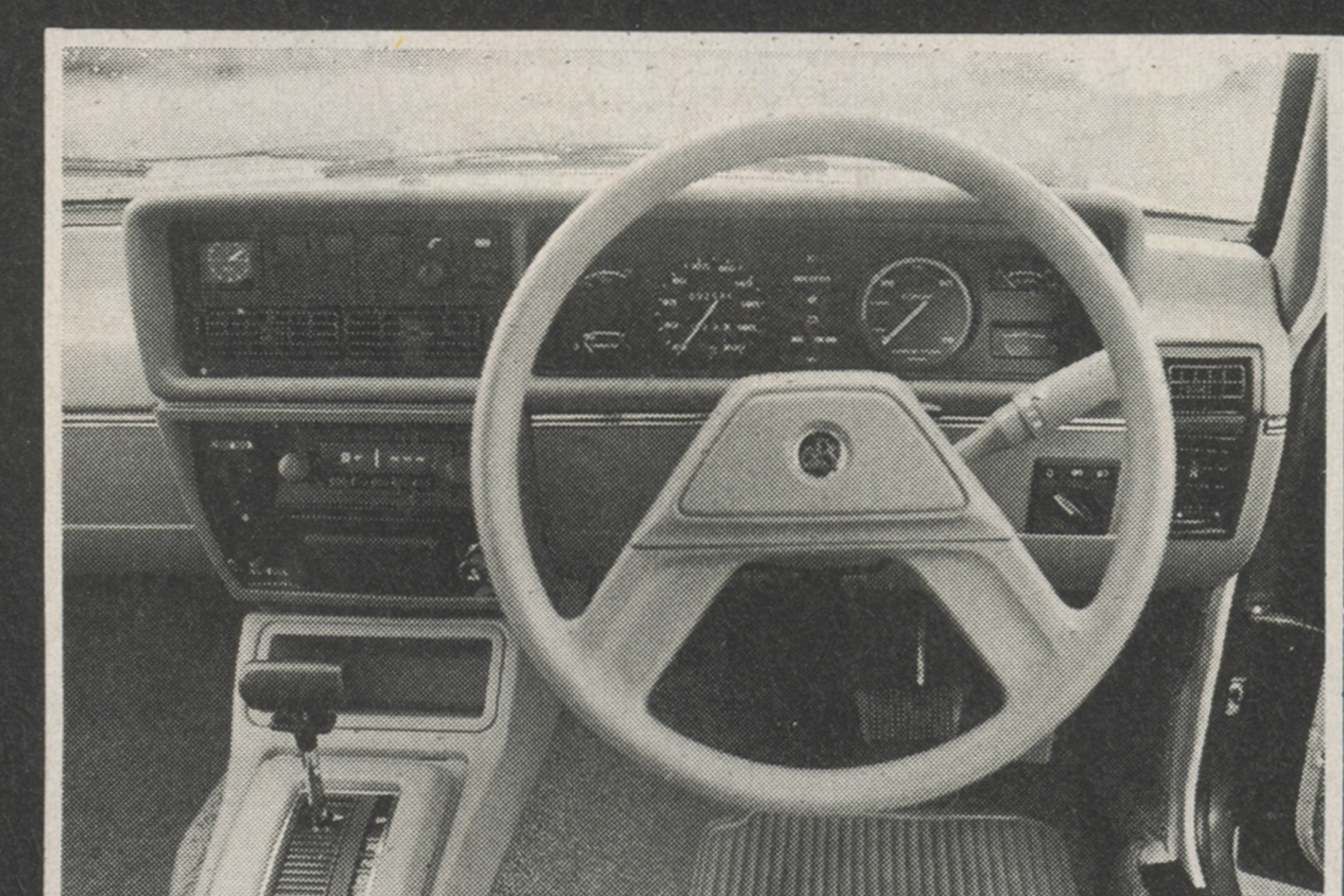
More minor changes for the VC range are a new, lighter air conditioning system for the L and SL models and a new radio cassette player which features Dolby noise reduction and automatic reverse – it’s standard on the SL/E and optional on other models.
RENAULT has something of a reputation of building beautiful, dramatic show cars and then seemingly flipping a coin on whether it ever gets to production. The Renault DeZir and Alpine concepts came up heads, the Kwid and the Frendzy both lost the coin down the drain.
For Frankfurt, Renault has brought us the awkwardly named Symbioz autonomous electric car, which by the look of it wants to give the Audi Aicon a bloody nose. It’s a four-seat self-driving pod that Renault claims blurs the line between your lounge room and the daily commute to and from work. No, literally. Renault wants you to use the Symbioz as an extra living space inside your home.
“With Symbioz Concept, your car is no longer separate from your living space,” Renault said. “It has been designed as a genuine extension to your home.
“Shapes, colours, materials, features… Everything is designed so that you feel like you never leave your lounge while you are travelling. And when you do stay at home, your car becomes an additional room for your house. The welcoming interior and digital features are always at your disposal.”
Select the Symbioz’s Lounge mode when you’re on the way to, or back from work, and the front two chairs – they’re much more than simple seats – swivel around to face the rear ones.
The Symbioz also imagines a future when you’ll be able to plug the car into your house, using voice prompts to prepare it and drawing on the electricity stored in its batteries in times of high demand.
If Renault’s coin falls the right way, the Symbioz will eventually join the compact Zoe – tipped to come to Australia – and a battery-powered version of the Kangoo delivery van currently being trialled by Australia Post. Renault is keen to see what it can do to even potentially bring the Twizy to Australia if it can gain the government’s stamp of approval for it.
If the idea of a four-wheeled couch doesn’t appeal to you, thankfully Renault has pulled the wraps off its all-new Renaultsport Megane that sticks with hydrocarbons and reality instead of electrons and fantasy.
MERCEDES-BENZ Australia has put its hand up to be a part of a widespread global autonomous driving development program dubbed the Intelligent World Drive, that will bring a specially equipped S-Class to local roads in November this year.
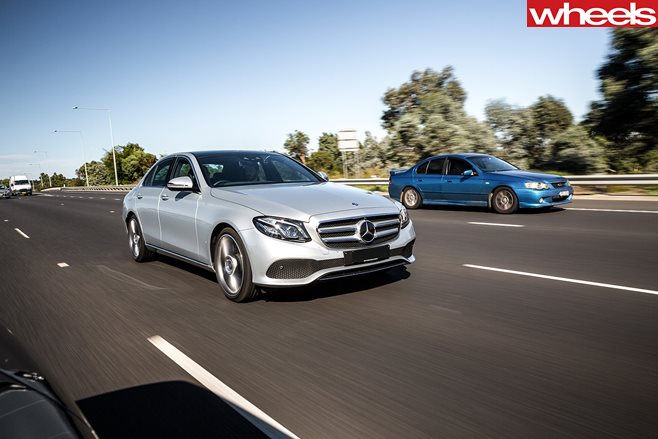
While some brands have chosen to take a back seat with Australian autonomous vehicle research, opting instead to let global counterparts lead the way, the local branch of the three-pointed star is taking an active role in bringing self-driving technology to our roads sooner. It already has a Level 3-capable E-Class sedan that will help the Victorian Government and toll road operator Transurban test how well the fledgling technology interacts with Australian conditions.
Speaking at the 2017 Frankfurt Motor Show, Mercedes-Benz Australia Pacific chief executive and managing director Horst von Sanden told Wheels that Stuttgart’s engineers had flagged Australian roads as particularly useful in the development of autonomous technology.
“When we had the E-Class launch our engineers did a test drive along the Great Ocean Road and thought this is kind of different to what they normally drive in other countries, so I think it is important to map and experience all the different things to really then build them into future systems,” he said.
“We will have one vehicle there for testing in November.”
The modified large luxury sedan will not be prepared with any extra driver assistance or self-driving features beyond those fitted as standard to the new S-Class, but will be kitted out with more sensors and data storage hardware.
Information drawn from the Australian environment, along with the data from other global regions, will then be used to refine Mercedes-Benz’s autonomous technology and will result in Mercedes vehicles that are more at home in a broader range of countries, including Australia.
While preliminary trials are being staged on local roads by a handful of brands including Volvo, Australia is not leading the world in preparing the ground for driverless cars and the legislation to allow them, but von Sanden said Australia would get up to speed as soon as a tipping point could be reached.
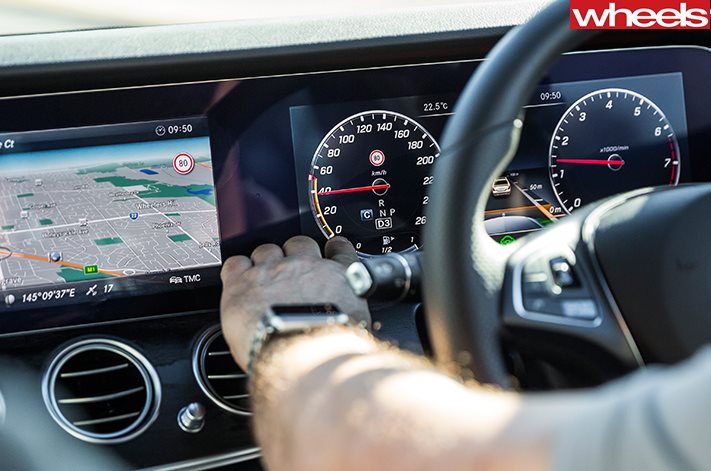
“I’m very confident we won’t stay behind and we will certainly jump on board. It just needs this little ignition to get the right people excited and the politicians on board and this has already started.”
With real-world Australian data being fed into the larger worldwide acquisition, vehicles equipped with the latest systems will work better and appeal to a larger audience both locally and elsewhere in the world, claimed von Sanden.
“The point when you start to believe in something is when you make it tangible. As long as it is on strategy papers, that’s nice but it’s not everyone’s kettle of fish, but as soon as someone sits in the car and experiences it and realises how far the technology has come I think that’s when it starts”.
IF YOU’RE considering waiting for Renault’s hot new Megane RS, revealed yesterday at the Frankfurt Motor Show, maybe consider waiting a little longer.
The performance arm of Renault has confirmed that while its all-new Megane RS rolls out with 205kW from its 1.8-litre turbo four-pot, an even hotter 220kW version is due to join it within 12 months.
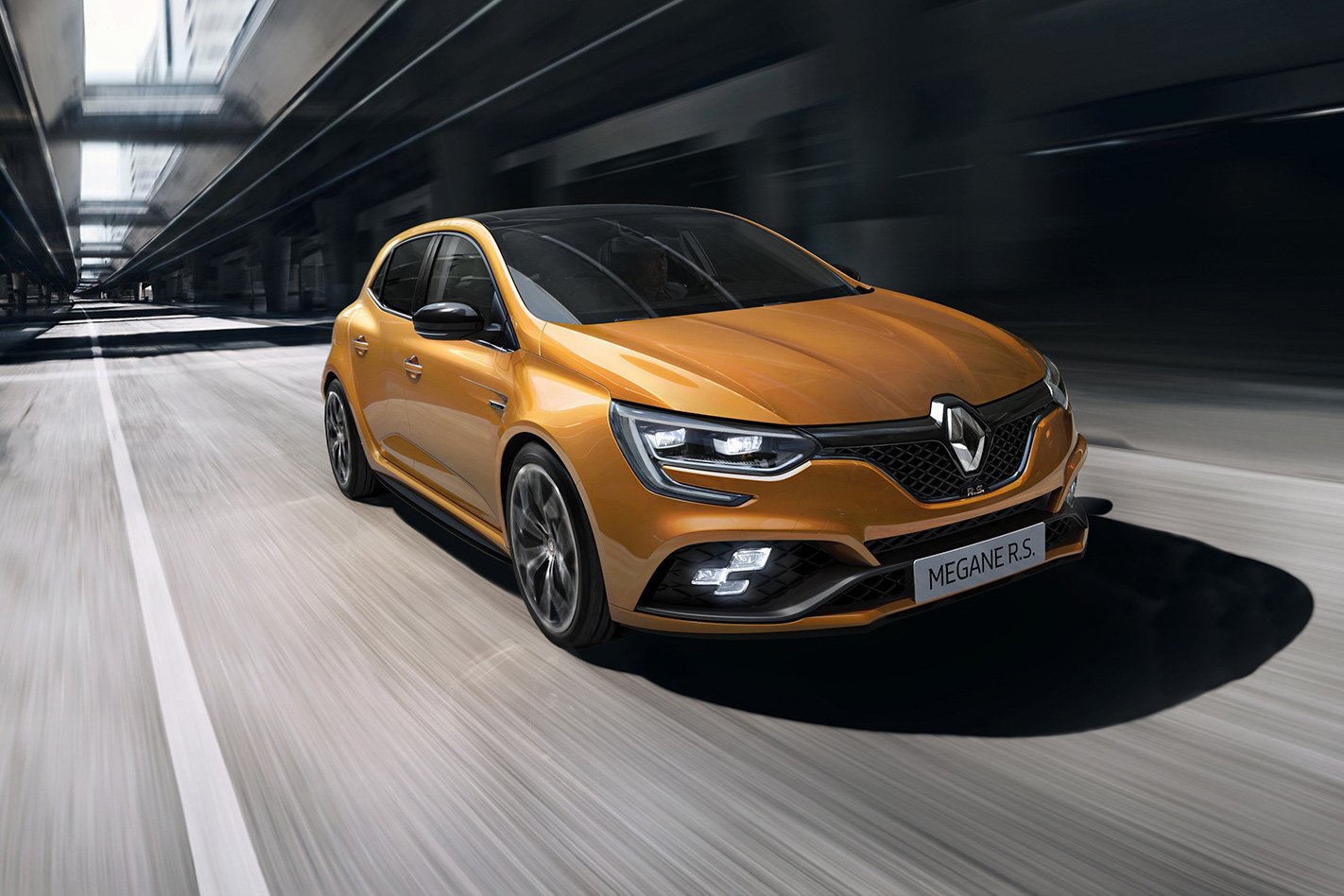
“Already we start at 280PS (205kW) and within one year we’ll be at 300PS (220kW), I don’t know where we’ll be in the future.”
The brawnier engine tune may coincide with the already-announced Trophy chassis, given its firmer, uncompromising suspension tune and position at the top of Renault Sport’s chassis pecking order.
Ratti also indicated that the Megane RS’s 0-100km/h time would nip in below six seconds, though the official figure has yet to be announced. That would put it in the vicinity of the Civic Type R, presently the fastest FWD hot hatch around the Nurburgring, which produces 235kW, weighs 1393kg (in Oz) and zips to 100km/h in 5.8 seconds
The Type R may have more power and less weight than the 205kW, 1400kg-odd Megane RS, but the Renault won’t be left far behind. The arrival of the 220kW Megane RS may give Renault a clearer edge in straight line acceleration.
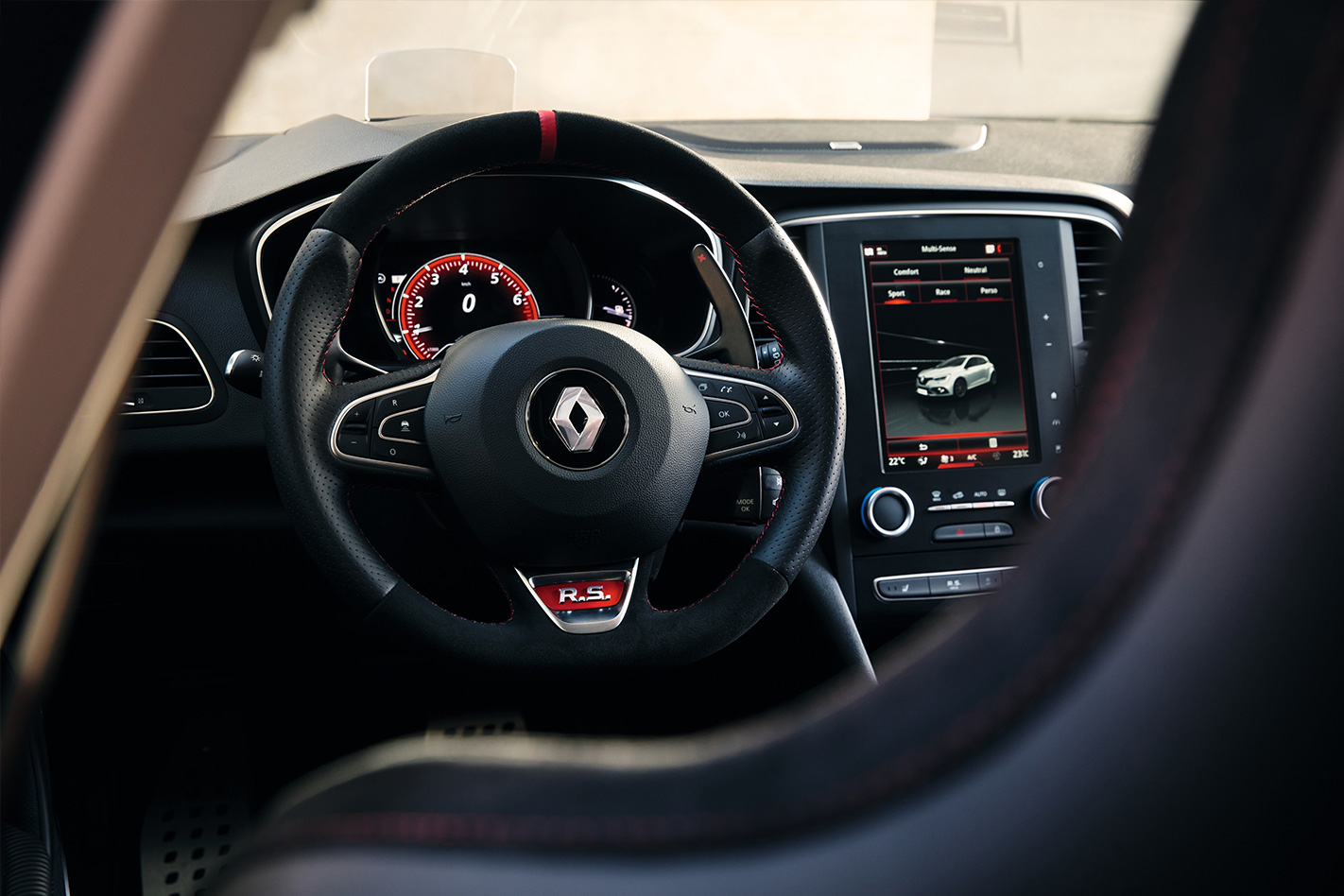
“It’s not our goal to be the most powerful in the segment, our goal is to give the most pleasure than to be fast on the track.”
Central to that strategy of offering driving pleasure is the new Megane RS’ 4Control rear-wheel steering system, the first of its kind for a European hot hatch. It may come at the cost of a higher kerb weight, but Ratti said its benefits to driving feel and agility made it a must-have for the new RS.
“There was a lot of discussion about it, but we think that it’s worth its weight in the driving pleasure that it gives you. Now it’s not obvious in the lap time if you’re really faster with the 4Control or not, but overall for our drivers it’s the right choice.”
The new Megane RS is expected to go on sale in Australia around the end of the first quarter of 2018, potentially in dual-clutch automatic form first with the six-speed manual joining it a couple of months after. Local pricing is yet to be confirmed.
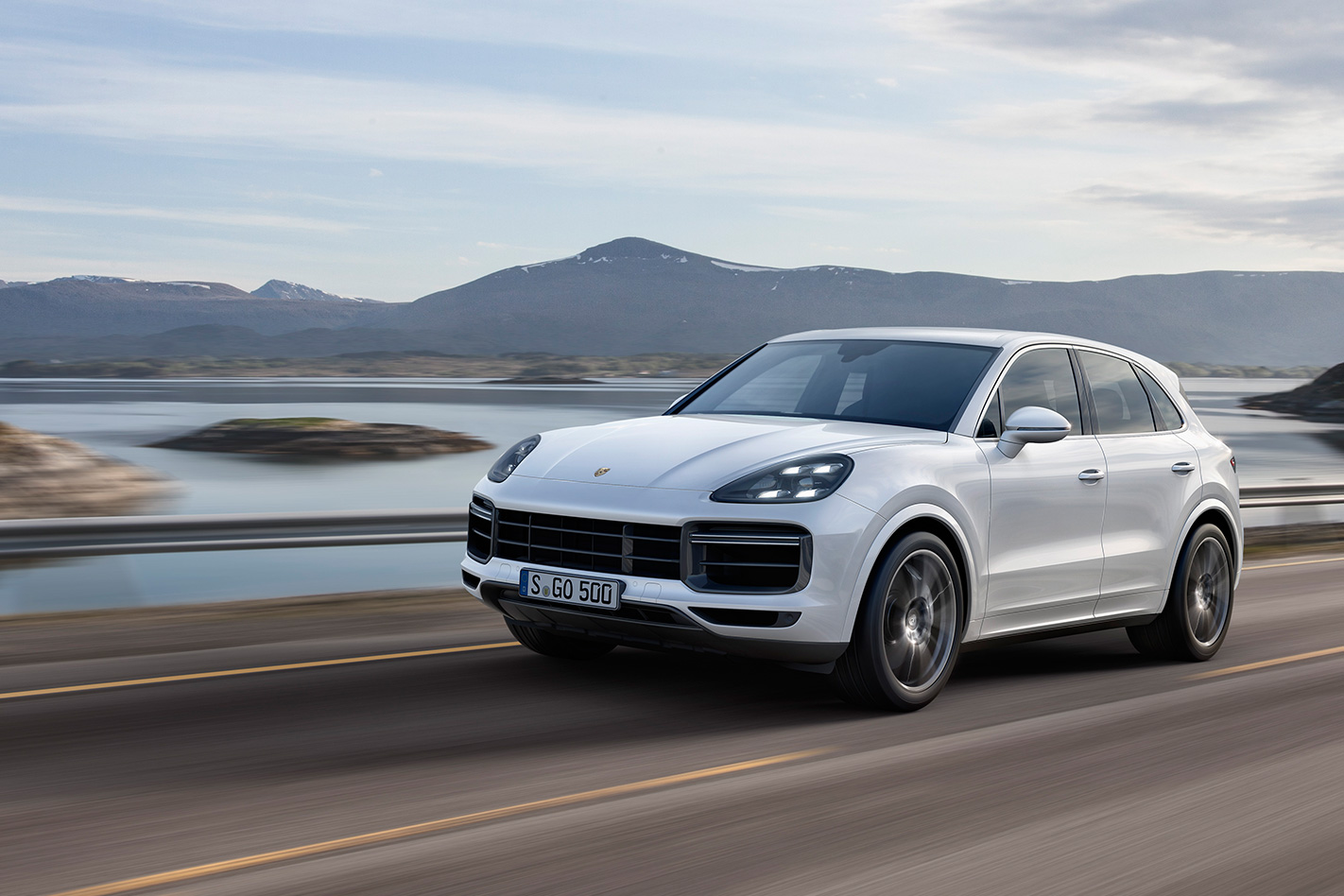
As sure as night follows day, the reveal of a new Porsche Cayenne is followed by the reveal of a new Cayenne Turbo.
This third-generation model delivers a sizeable step forward in performance, dynamics and luxury packed with the latest technology from the VAG family.
Powering this beast to 100km/h in 4.1sec and on to a top speed of 286km/h is Porsche’s new 404kW/770Nm 4.0-litre twin-turbo V8 shared with the latest Panamera Turbo.
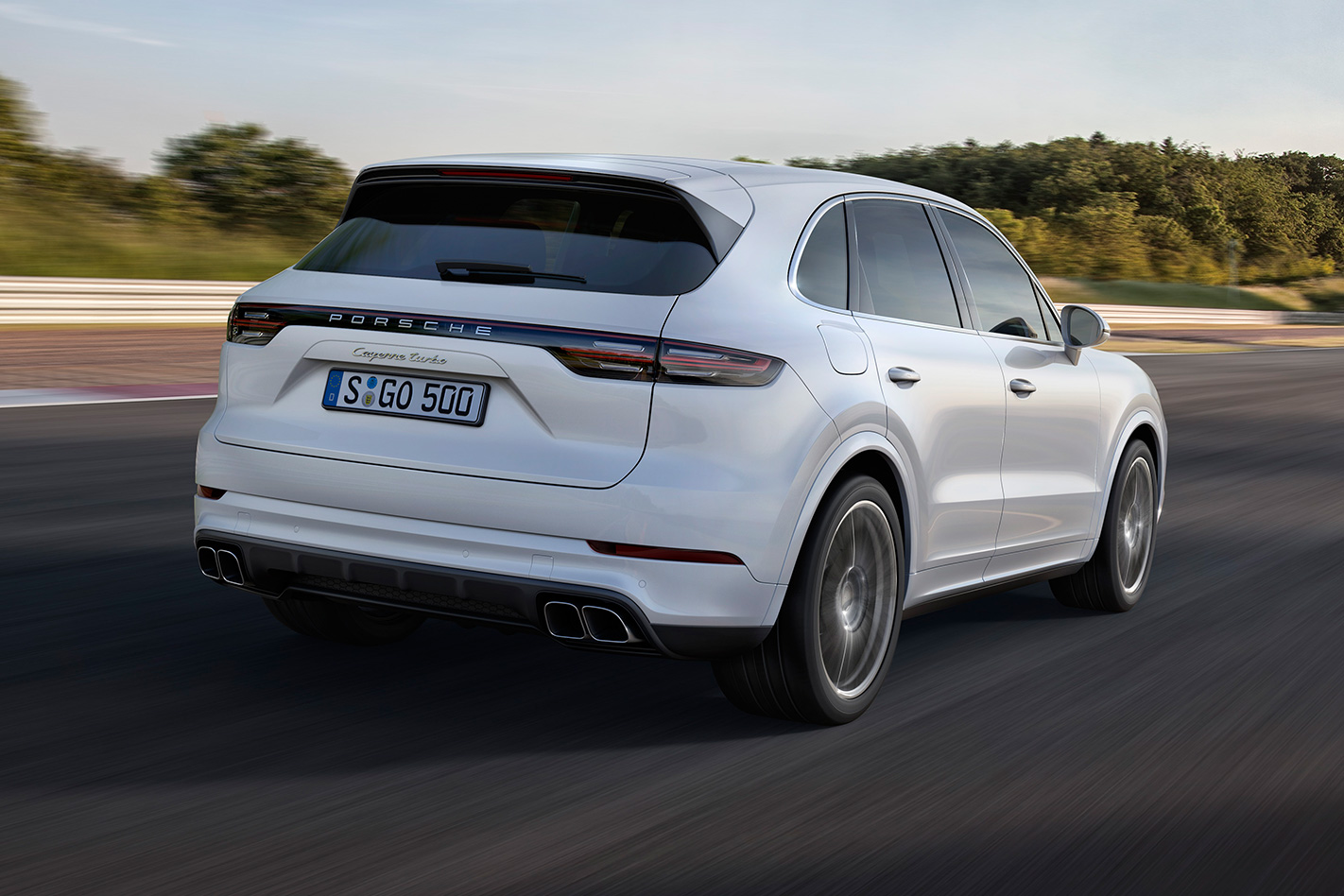
Putting this prodigious power to the ground is a rear-biased all-wheel drive system and massive tyres measuring 285/40 front and 315/35 rear wrapped around 21-inch wheels.
Controlling its substantial mass (no figure is quoted but it will be north of two tonnes) is three-chamber adaptive air suspension, active anti-roll bars operated by the new 48-volt electrical system, torque vectoring and rear-wheel steering.
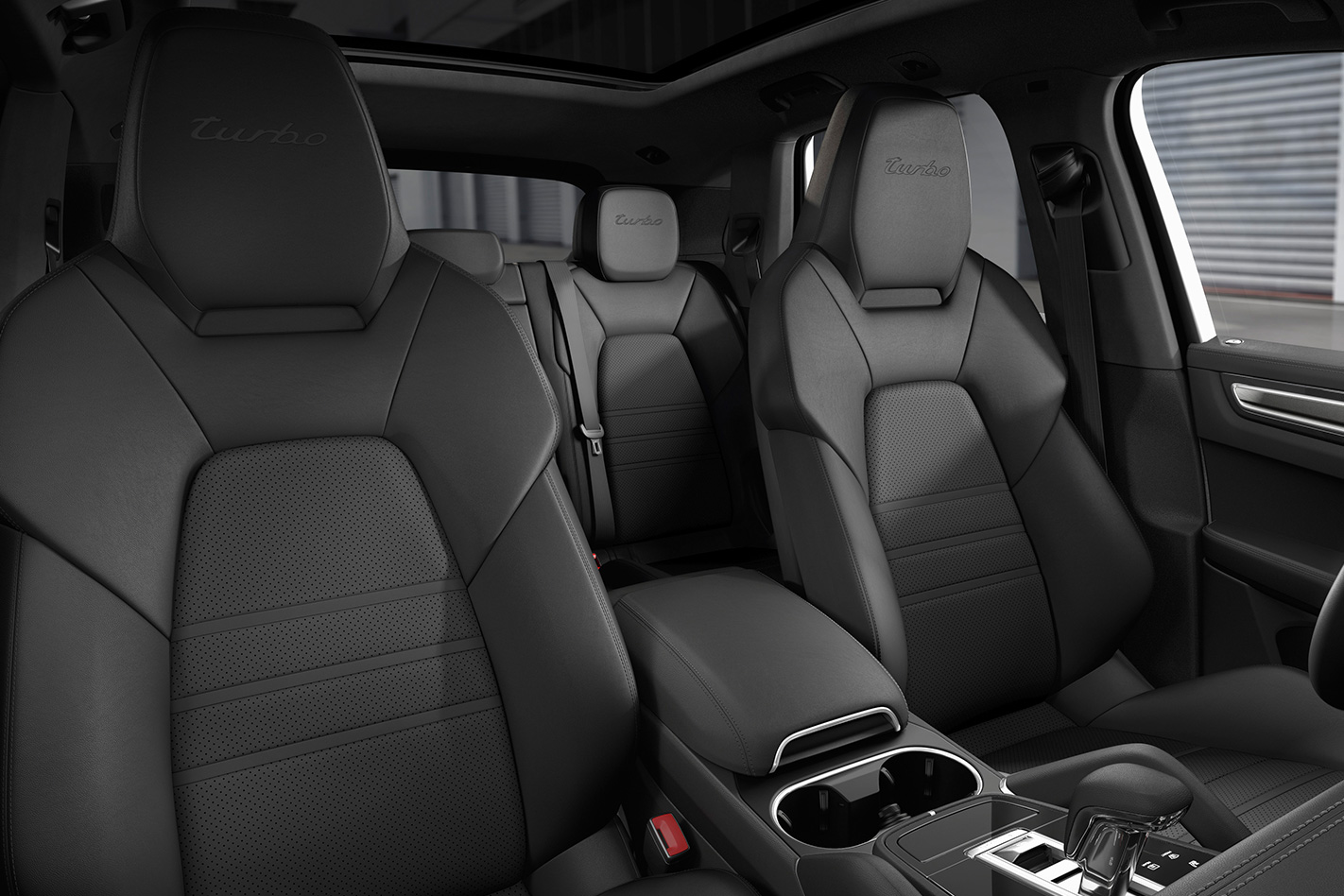
Inside there are major changes, with most vehicle functions controlled via the giant central touchscreen, while the slick new centre console from the Panamera also makes an appearance, replacing the button-fest of the current Cayenne.
Former chief engineer and now BMW board member, Klaus Fröhlich, doesn’t mince words. He’s a self-confessed “car guy” who “hates understeer”.
He’s also partly responsible for the luscious BMW M2, so when we hear words like “crisp” and “pure” being used to describe the dynamics of BMW product, we’re just a little bit aroused.
Amidst the electro-mobility hype of BMW’s promised 25 electrified vehicles by 2025 – 12 of which will be full electric – it’s Fröhlich’s enthusiasm for the joy of driving that gives hope there’s plenty of ‘ultimate driving machine’ flavour left in the Bavarian marque.
He reckons the third-generation Z4 – with its lighter fabric top and re-jigged proportions – is going to be a pretty sweet piece of kit. “I like it personally because it drives like it looks,” says Fröhlich. “This architecture [co-developed with Toyota and shared with its forthcoming Supra] is really good and the Z4 will drive sensational. I’m very happy [with it].”

“I wanted to make the 3 and 4 Series more crisp, so that’s why we did the M2… for me it’s very important that the cars are precise. It was so important for me to have a fun-to-drive car, even in normal driving – not only on the racetrack – and it should be affordable. Not a high-tech, super-techy thing but an honest sports car.”
As for rumours BMW’s next-gen 2 Series (and, as a by-product, the M2) may no longer be rear-drive, Fröhlich quickly raises the “future product” flag, meaning he’s not meant to talk about it. But…
“…I was very interested to make a pure M2 and I think it’s such a good car, a success in the market – we can’t build enough cars – and we are running out of engines at the moment, so I think it will be a very good idea to continue that legacy.”

Running 40mm-wider tracks at both ends, 20mm-wider tyres and a mild 10kW/20Nm boost over the standard i3, Fröhlich reckons the S version is all about sweetness and light.
“The i3 is a very balanced car – low rolling resistance, light weight – [yet] the requirements to a BMW drivetrain are always the same. You want to have responsiveness, you want to have boost, torque and performance, and also efficiency. And things do not change significantly if you have an electric car.

Humans can’t feel one millisecond, unfortunately. But they can tell when something feels good.
